CMP Journal 2026-06-30
Statistics
Nature: 2
Nature Materials: 2
Nature Physics: 1
Physical Review Letters: 10
Physical Review X: 1
Review of Modern Physics: 1
arXiv: 119
Nature
Vaccination elicits HIV broadly neutralizing antibodies in primates
Original Paper | Protein vaccines | 2026-06-29 20:00 EDT
Jon M. Steichen, Patrick J. Madden, Claudia T. Flynn, Swastik Phulera, Monolina Shil, Oleksandr Kalyuzhniy, Alessia Liguori, Carolyne Kifude, Leigh M. Sewall, Christopher A. Cottrell, Krystal M. Ma, Sabyasachi Baboo, Jolene K. Diedrich, Katherine McKenney, Allan C. deCamp, Diane G. Carnathan, Ivy Phung, Parham Ramezani-Rad, Ester Marina-Zárate, Brian Freeman, Zhenfei Xie, Jeong Hyun Lee, Troy Sincomb, Nicole Phelps, Danny Lu, Diana Goodwin, Ryan Tingle, Yumiko Adachi, Nushin Alavi, Jenny Tran, Andy S. Tran, Alyne Nascimento, Catherine Sovie, Daniel L. V. Bader, Hannah Voic, Xiaoya Zhou, Grace Pixton, Agnes Walsh, Mariane B. Melo, Torben Schiffner, Facundo D. Batista, Dennis R. Burton, Darrell J. Irvine, James C. Paulson, John R. Yates III, Gabriel Ozorowski, Andrew B. Ward, Guido Silvestri, Shane Crotty, William R. Schief
The high antigenic diversity of HIV has been a major obstacle to development of a broadly protective vaccine. Nevertheless, protective HIV broadly neutralizing antibodies (bnAbs) exist and have been proposed as templates for vaccine development1-6. Germline-targeting is a conceptually radical vaccine design approach to elicit bnAbs, aiming to prime rare bnAb-precursor B cells possessing pre-determined human genetic and structural features shared with template bnAbs, and then guide B cell affinity maturation to potent bnAb evolution with heterologous boosters7-11. Although the approach has shown promise in clinical12-17 and pre-clinical18-34 studies, it faces many immunological challenges and, to date, has not succeeded in generating bnAbs in humans or nontransgenic animals. Here, we report an adjuvanted protein germline-targeting vaccine tested in outbred nonhuman primates that generated bnAb-class memory B cells and sera capable of neutralizing diverse HIV clinical isolates. bnAb lineages were generated in ≥50% of animals, achieving up to 67% neutralization breadth compared to the reference bnAb. Vaccine-induced bnAbs exhibited precise structural mimicry of human bnAb interactions with HIV envelope (Env), matching the germline-targeting predictions. Furthermore, serum bnAb activity developed in 44% of animals and in the most striking instance reached titers expected to confer protection against diverse HIV isolates. These results demonstrate proof of principle that germline-targeting vaccines can reproducibly elicit prespecified classes of bnAbs to prespecified epitopes under endogenous conditions, supporting further optimization of this approach for HIV vaccine development.
Protein vaccines, Retrovirus, Translational research
Enhanced B cell priming induces broadly neutralizing HIV-1 apex antibodies
Original Paper | HIV infections | 2026-06-29 20:00 EDT
Lorie Marchitto, Kshitij Wagh, Ryan S. Roark, Severin Coleon, Hui Li, Ashwin N. Skelly, Michael P. Hogarty, Rumi Habib, Wenge Ding, Kasirajan Ayyanathan, Weimin Liu, Zizhang Sheng, Yicheng Guo, Joena Bal, Lena M. Smith, Laura L. Sutherland, Younghoon Park, Andrew J. Connell, Frederic Bibollet-Ruche, Emily Lewis, Samantha J. Plante, Macy J. Akeley, Jinery Lora, Chengyan Zhao, John W. Carey, Christian L. Martella, Yingying Li, Mary S. Campion, Melinda G. Lituchy, Rebecca A. Osbaldeston, Colette G. Gordon, Amie Albertus, Justin Su, Chiaki Noguchi, Ying K. Tam, Christopher Barbosa, Bo Liang, Khaled Amereh, Xuduo Li, Agnes A. Walsh, Darrell J. Irvine, Raiees Andrabi, Robert J. Edwards, Edward F. Kreider, Drew Weissman, Lawrence Shapiro, Peter D. Kwong, Bette T. Korber, Barton F. Haynes, Kevin O. Saunders, Beatrice H. Hahn, George M. Shaw
Efficient priming of B cell precursors is a rate-limiting step in the induction of V2 apex broadly neutralizing antibodies (bNAbs)1,2. Here, we describe a novel germline-targeted HIV-1 Env (CAP256.OPT4) that increases the efficiency of V2 apex bNAb precursor priming by 30-400 fold compared with wild-type HIV-1 Envs and induces - in >90% of macaques - neutralization breadth that includes N130-containing viruses. Using three different delivery platforms - persistently replicating simian human immunodeficiency viruses (SHIVs), protein nanoparticles, and mRNA - we show bNAb priming as early as 4 weeks post-infection or immunization, and neutralization breadth in plasma by 12 weeks. In 14 SHIV-infected macaques, neutralization breadth reached as high as 90% on a 21-virus panel with potency as great as 1:20,000 (50% inhibitory dilution, ID50). Monoclonal bNAbs isolated from these animals were similarly broad and potent, with cryo-EM structures representing three distinct lineages revealing canonical needle-like HCDR3 binding. Env-Ab coevolution and structural analyses identified five key residues and loop features under positive selection and temporally associated with neutralization breadth. Importantly, prime-boost immunogens designed to capture these features induced broad and potent neutralization of globally diverse viruses including those containing N130 glycan. Further, rhesus bNAbs were not restricted to IGHD3-15*01 heavy chain alleles. These results expand the utility of the rhesus model for HIV-1 vaccine design and provide a molecular blueprint for inducing V2 apex bNAbs in rhesus and humans.
HIV infections, Protein vaccines
Nature Materials
Boundary geometry controls a topological defect transition that determines lumen nucleation in embryonic development
Original Paper | Developmental biology | 2026-06-29 20:00 EDT
Pamela C. Guruciaga, Takafumi Ichikawa, Steffen Plunder, Takashi Hiiragi, Anna Erzberger
Topological defects determine the collective properties of anisotropic materials. Nonetheless, it is not fully understood how their configurations are controlled, especially in three dimensions. In living matter, contributions of two-dimensional topological defects to biological functions have been demonstrated, but whether three-dimensional polar defects have any biological relevance is unclear. Here we report a charge-preserving transition between three-dimensional defect configurations driven by boundary geometry and independent of material parameters. Moreover, we find that three-dimensional polar defects in the mouse embryo are the sites where fluid-filled lumina form, essential structures for subsequent development. We validate these findings by experimentally perturbing embryo shape beyond the transition point, which results in the creation of additional lumen initiation sites near predicted defect locations. Overall, our results reveal how boundary geometry controls polar defects, and how embryos use this mechanism for shape-dependent lumen formation. We expect this defect-control principle to apply broadly to systems with orientational order.
Developmental biology, Liquid crystals, Phase transitions and critical phenomena, Surfaces, interfaces and thin films, Theory and computation
Electron-phonon coupling and symmetry breaking in superconducting oxide interfaces near ferroelectric quantum criticality
Original Paper | Superconducting properties and materials | 2026-06-29 20:00 EDT
Roger Guzman, Miguel Pruneda, Jean Paul Nery, Mingquan Xu
(许名权), Aowen Li
(李傲雯), Nils Wittemeier, Ang Li
(李昂), Gyanendra Singh, Nicolas Bergeal, Alexei Kalaboukhov, Gervasi Herranz, Jaume Gazquez, Wu Zhou
(周武)
The origin of superconductivity in oxide interfaces and its relation to ferroelectricity remains an open question. At LaAlO3/SrTiO3 interfaces, quantum confinement and inversion symmetry breaking create a two-dimensional electron gas near a ferroelectric quantum critical point, yet direct evidence linking phonon dynamics to electron pairing has been lacking. Here we directly probe lattice vibrations and atomic structure at LaAlO3/SrTiO3 interfaces across the superconducting phase diagram using vibrational spectroscopy with momentum selectivity in a scanning transmission electron microscope. We find that superconductivity across the doping series correlates with inversion symmetry breaking and the appearance of high-frequency localized phonons. These tunable, polar vibrations–confined near the interface–exhibit strong electron-phonon coupling and evolve systematically with carrier density. Our findings establish a link between lattice instability, superconductivity and strong electron-phonon coupling mediated by tunable localized phonons, providing new insights into possible microscopic pairing pathways in quantum paraelectric systems.
Superconducting properties and materials, Surfaces, interfaces and thin films
Nature Physics
Real-space imaging of the electron-pair density hole in molecular Auger-Meitner decay
Original Paper | Atomic and molecular interactions with photons | 2026-06-29 20:00 EDT
Mats Simmermacher, Nathan Goff, Andres Moreno Carrascosa, Elke Fasshauer, Thomas Northey, Lingyu Ma, Haiwang Yong, Brian Stankus, Asami Odate, Xuan Xu, Wenpeng Du, Kyle Acheson, Joseph C. Cooper, Daniel Ratner, Mengning Liang, Ruaridh Forbes, Michael P. Minitti, Adam Kirrander, Peter M. Weber
Electrons in matter can rearrange extremely quickly under external perturbations, underpinning subsequent structural and chemical transformations. Coulomb interactions between neighbouring electrons often shape this response, giving rise to correlated motion and strongly affecting the distribution of electrons in the system. Here we show that non-resonant hard X-ray scattering can directly access changes in the radial electron-pair density during the rapid rearrangement of core and valence electrons. We do this by studying sulfur hexafluoride molecules undergoing Auger-Meitner decay. We exploit a second-order interaction between the X-ray photons and the molecules to trigger and probe the decay dynamics with a single pulse, capturing the electron loss and redistribution before the molecules dissociate. The experiment shows that changes in electron-pair densities can be isolated and measured on ultrafast timescales, providing insight into the real-space evolution of highly excited and short-lived electronic states.
Atomic and molecular interactions with photons, Attosecond science, Chemical physics, Imaging techniques, Molecular dynamics
Physical Review Letters
Measurement- and Feedback-Driven Nonequilibrium Phase Transitions on a Quantum Processor
Article | Quantum Information, Science, and Technology | 2026-06-29 06:00 EDT
Zhiyi Wu, Xuandong Sun, Songlei Wang, Jiawei Zhang, Xiaohan Yang, Ji Chu, Jingjing Niu, Youpeng Zhong, Xiao Chen, Zhi-Cheng Yang, and Dapeng Yu
Midcircuit measurements and feedback operations conditioned on the measurement outcomes are essential for implementing quantum error-correction on quantum hardware. When integrated in quantum many-body dynamics, they can give rise to novel nonequilibrium phase transitions both at the level of each i…
Phys. Rev. Lett. 137, 010401 (2026)
Quantum Information, Science, and Technology
Observation and Modulation of the Quantum Mpemba Effect on a Superconducting Quantum Processor
Article | Quantum Information, Science, and Technology | 2026-06-29 06:00 EDT
Yueshan Xu et al.
Observation and modulation of the quantum Mpemba effect on an all-to-all connected, tunable-coupling superconducting processor.
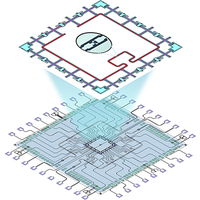
Phys. Rev. Lett. 137, 010402 (2026)
Quantum Information, Science, and Technology
Observation of $\mathrm{Ξ}(1530{)}^{0}$ Polarization and Determination of Its Electric and Magnetic Moments in $ψ(3686)→\mathrm{Ξ}(1530{)}^{0}\overline{\mathrm{Ξ}}(1530{)}^{0}$
Article | Particles and Fields | 2026-06-29 06:00 EDT
M. Ablikim et al. (BESIII Collaboration)
Using the data sample of events collected with the BESIII detector at the BEPCII collider, we present an observation of the polarization in the decay with a significance larger than compared with all other tested hypotheses. The helicity amplit…
Phys. Rev. Lett. 137, 011901 (2026)
Particles and Fields
Multifaceted Decay of $^{116}\mathrm{Cs}$
Article | Nuclear Physics | 2026-06-29 06:00 EDT
J. Dey, U. Datta, O. Tengblad, P. Das, A. Rahaman, B. K. Agrawal, S. Chakraborty, A. Gottberg, M. Kowalska, K. Mahata, S. Mandal, M. Madurga, E. Nacher, E. Rapisarda, N. Warr, W. Sengupta, C. Sharma, and T. Stora
The multifaceted decay properties of near the proton drip line have been studied at ISOLDE, CERN. More than six new unbound states of have been identified. A novel phenomenon of low energy isoscalar octupole resonance has been observed. After proton decay, that state populates both …
Phys. Rev. Lett. 137, 012501 (2026)
Nuclear Physics
Two-Band Superconductivity in Few-Layer ${\mathrm{NbSe}}{2}$ and ${\mathrm{TaS}}{2}$
Article | Condensed Matter and Materials | 2026-06-29 06:00 EDT
Shahar Simon, Maya Klang, Oded Millo, and Hadar Steinberg
The nature of superconductivity in the transition metal dichalcogenide family, particularly and in the ultrathin limit, is not fully understood. While tunneling measurements apparently show a single superconducting gap, its detailed shape cannot be reproduced by simple single-band t…
Phys. Rev. Lett. 137, 016001 (2026)
Condensed Matter and Materials
Elinvar Effect by Nanoscale Displacive Phase Transformation in Martensites
Article | Condensed Matter and Materials | 2026-06-29 06:00 EDT
Die Liu, Yao Liu, Junming Gou, Tianyu Ma, and Xiaobing Ren
Ferroelastic alloys suffer modulus softening prior to the martensitic transformation, but still exhibit normal cooling-hardening effect below the martensitic transformation finish temperature, . Here we report an unprecedented phenomenon that a martensitic state can show nearly temperature-indepen…
Phys. Rev. Lett. 137, 016101 (2026)
Condensed Matter and Materials
Landau Theory for Pair Density Modulation in Fe(Te,Se) Flakes
Article | Condensed Matter and Materials | 2026-06-29 06:00 EDT
Po-Jui Chen and Piers Coleman
Motivated by recent scanning tunneling microscopy (STM) experiments reporting a pair-density modulation (PDM) in flakes of , we develop a Landau theory to elucidate its physical origin. We analyze the PDM in terms of screw and glide symmetries, interpreting it as a hybridized state of …
Phys. Rev. Lett. 137, 016501 (2026)
Condensed Matter and Materials
High-$Q$ Nonlocal Resonances in Mirror-Enhanced Plasmonic Lattices
Article | Condensed Matter and Materials | 2026-06-29 06:00 EDT
Xiaoqiong Bi, Chenghao Bai, Zhuang Li, Yangjian Cai, and Xianyu Ao
Plasmonic nanoparticle arrays stand as a versatile platform for enhancing light-matter interactions at the nanoscale. Ultrahigh-quality-factor (high-) resonances are critical for spectrally selective applications such as label-free biosensing, low-threshold lasing, and quantum information processin…
Phys. Rev. Lett. 137, 016901 (2026)
Condensed Matter and Materials
General-Purpose Inverse Design of Heterogeneous Finite-Sized Assemblies
Article | Polymers, Chemical Physics, Soft Matter, and Biological Physics | 2026-06-29 06:00 EDT
Livia A. J. Guttieres, Ryan K. Krueger, Remi Drolet, and Michael P. Brenner
Designing heterogeneous, self-assembling systems is a central challenge in soft matter and biology. We present a framework that uses gradient-based optimization to invert an analytical yield calculation, tuning systems toward target equilibrium yields. We design systems ranging from simple dimers to…
Phys. Rev. Lett. 137, 018201 (2026)
Polymers, Chemical Physics, Soft Matter, and Biological Physics
Nonreciprocity as a Generic Mechanism for Demixing in Flocking Mixtures
Article | Polymers, Chemical Physics, Soft Matter, and Biological Physics | 2026-06-29 06:00 EDT
Charlotte Myin and Benoît Mahault
We show that even weak nonreciprocal alignment leads to large-scale structure formation in flocking mixtures. By combining numerical simulations of a binary Vicsek model and the analysis of coarse-grained continuum equations, we demonstrate that nonreciprocity destabilizes the ordered phase formed b…
Phys. Rev. Lett. 137, 018301 (2026)
Polymers, Chemical Physics, Soft Matter, and Biological Physics
Physical Review X
Observation of Synchronization between Two Quantum van der Pol Oscillators in Trapped Ions
Article | 2026-06-29 06:00 EDT
Jiarui Liu, Qiming Wu, Joel E. Moore, Hartmut Haeffner, and Christopher W. Wächtler
Synchronization between two quantum van der Pol oscillators is achieved by engineering dissipation in a trapped-ion quantum simulator, where the synchronized state is encoded in a fixed relative phase accessible only through joint measurement.
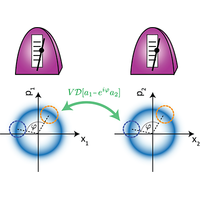
Phys. Rev. X 16, 021062 (2026)
Review of Modern Physics
High-energy emission from the Galactic Center
Article | Astrophysics | 2026-06-29 06:00 EDT
Andrea Goldwurm, Maïca Clavel, Stefano Gabici, and Régis Terrier
In this review, the authors provide a comprehensive multiwavelength view of high-energy emission from the center of our Galaxy. This region contains the closest supermassive black hole to us, which offers the best studied galactic nucleus in the Universe, with its quiescent emission and accretion contrasted by flaring activity. The Galactic Center also hosts diverse compact sources, plasma bubbles, and x-ray chimneys, altogether forming a dense interacting molecular zone--a gigantic powerhouse in the Milky Way.
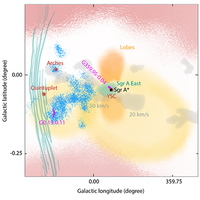
Rev. Mod. Phys. 98, 025006 (2026)
Astrophysics
arXiv
Comment on “Fundamental limit of phonon Tesla valve for heat rectification from first principles”
New Submission | Statistical Mechanics (cond-mat.stat-mech) | 2026-06-30 20:00 EDT
Samuel Huberman, Aleksei Sokolov
Thermal rectification is a two-terminal property: the same device must carry different heat-current magnitudes when two reservoir temperatures are interchanged. In this Comment on Ref.~\cite{WuHu2026}, we ask whether the reported ratio $ \gamma=R_{\mathrm{f}}/R_{\mathrm{b}}$ can represent such a two-terminal rectification ratio within the fixed-background linearized phonon Boltzmann transport equation (BTE) used in that work. We show that, for a passive two-terminal reservoir problem, any fixed linearized BTE whose scattering operator preserves a uniform equilibrium temperature shift, and whose boundary-value problem is well posed, gives equal forward and reverse resistance magnitudes. A direction-dependent response can still occur under a prescribed gradient-weighted source–sink protocol, but such a response should be distinguished from two-terminal thermal rectification.
Statistical Mechanics (cond-mat.stat-mech), Mesoscale and Nanoscale Physics (cond-mat.mes-hall)
Comment on this https URL
Comparison of different exact generalized Langevin equations with a non-linear potential of mean force and an observable-dependent mass and friction
New Submission | Statistical Mechanics (cond-mat.stat-mech) | 2026-06-30 20:00 EDT
Benjamin J. A. Héry, Lucas Tepper, Roland R. Netz
The Mori-Zwanzig projection formalism constitutes a powerful and robust framework for deriving equations of motion in terms of generalized Langevin equations (GLEs) for an arbitrary observable using evolution and projection operators. Based on this framework, we analyze the properties of four distinct GLEs for a scalar observable including a Markovian force derived from a generally non-linear potential, a non-Markovian friction force, and an orthogonal force, commonly interpreted as a random force. While all four GLEs are exact, they differ in the memory friction kernel, which may either be dependent or independent of the observable, and by the potential, which may either include or exclude the effective kinetic energy of the observable. Inclusion of the kinetic energy in the potential is advantageous for observables whose velocity satisfies Wick’s theorem, since this reproduces the correct distribution of the observable and its velocity even without contributions from the friction force and the orthogonal force.
Statistical Mechanics (cond-mat.stat-mech), Data Analysis, Statistics and Probability (physics.data-an)
6 pages of main text including one figure
Radiation Damage of TF-1 and PbWO$_4$ Crystals with 20 MeV Electrons
New Submission | Materials Science (cond-mat.mtrl-sci) | 2026-06-30 20:00 EDT
Hamlet G. Mkrtchyan, Arthur H. Mkrtchyan, Vardan H. Tadevosyan, Hrachya H. Marukyan, Argine S. Hakobyan, Ashot S. Hakobyan, Arthur A. Hoghmrtsyan, Diana G. Khurshudyan, Nina N. Prazyan, Albert H. Shahinyan, Adelina S. Stepanyan, Lusine R. Vahradyan
We studied the radiation hardness of two types of crystals, lead glass TF-1 and lead tungstate PbWO$ _4$ , using a 20 MeV electron beam from the LUE-75 linear accelerator at AANL. The transmittance of the crystals in the wavelength range of 200-1000 nm was measured before and after irradiation, and after thermal annealing. %
The irradiation was performed in two stages. First, both crystals were irradiated with beam current of 0.125 $ \mu$ A, each for a total exposure time of 720 s and absorbing $ 5.6 \times 10^{14}~e^-$ . %
Strong degradation of the optical properties of TF-1 caused by this amount of radiation was observed, while the effect on PbWO$ _4$ was negligible (it is a few tens of times radiation harder than TF-1). %
In the second stage, only the PbWO$ _4$ crystal was exposed to radiation, with a beam current of 0.28 $ \mu$ A and an exposure time of 1200 s, absorbing an additional $ 2.1 \times 10^{15}e^-$ , still no notable effect. %
Thermal annealing was performed in the temperature range of 160 to 250$ ^\circ$ C (isochronal) for 10-12 hours. The transmittance of the annealed crystals increased with the annealing temperature and time.
Materials Science (cond-mat.mtrl-sci)
mCGCNN: A Dual-Stream Crystal Graph Convolutional Neural Network for the Efficient Prediction of Magnetic Properties of Crystalline Materials
New Submission | Materials Science (cond-mat.mtrl-sci) | 2026-06-30 20:00 EDT
Sourav Mal, Satadeep Bhattacharjee
Magnetic order in crystals is governed by moment-carrying sublattices and ligand-mediated exchange pathways, yet standard crystal graph neural networks treat all atoms homogeneously and encode bonds primarily through pair distances. We propose mCGCNN, a magnetism-aware crystal graph network that augments the full structural graph with a dedicated magnetic subgraph. The magnetic stream performs angle-aware message passing over magnetic centers using metal-ligand-metal exchange-path descriptors motivated by Goodenough-Kanamori-Anderson physics, while layer-wise cross-coupling transfers structural and ligand-field information from the full crystal graph. A separate magnetic-sublattice pooling operation prevents the magnetic interaction from being diluted by nonmagnetic atoms. Benchmarked on a curated Materials Project spin-polarized DFT data, mCGCNN improves total magnetic moment prediction from a CGCNN test MAE of 2.54$ \mu_B$ to 2.02$ \mu_B$ , outperforming a strengthened CGCNN readout baseline and raising the test $ R^2$ from 0.644 to 0.776. When pretrained on moment regression, the same magnetic representation improves ferromagnetic/antiferromagnetic classification. The results demonstrate that incorporating exchange geometry directly into graph architectures provides a physically grounded route to predictive models of magnetic materials.
Materials Science (cond-mat.mtrl-sci)
Spectral phase transitions and trainability in neural network learning dynamics
New Submission | Disordered Systems and Neural Networks (cond-mat.dis-nn) | 2026-06-30 20:00 EDT
Chanju Park, Dario Bocchi, Francesco D’Amico, Biagio Lucini, Gert Aarts
The emergence of low-dimensional structures in the spectra of neural network weight matrices is a common empirical feature of trained models, but the dynamical origin of this phenomenon during learning remains an open problem. We formulate neural network training as the stochastic evolution of an initially random matrix ensemble, driven by stochastic gradient descent (SGD) updates that reshape the spectral bulk while amplifying signal strength. This induces a Baik-Ben Arous-Péché (BBP) transition during training, where isolated eigenvalues detach from the random bulk distribution, providing a dynamical framework for representation formation in high-dimensional learning dynamics. We demonstrate this in a solvable linear teacher-student model, where spectral evolution is analytically tractable and a phase diagram of trainability governed by the step size (or learning rate) and initial weight variance is obtained, and subsequently extend our formalism beyond the linear regime to nonlinear and stochastic settings. Numerical simulations in realistic settings support this picture, showing robust emergence of spectral alignment during training. Our results suggest that spectral analysis may provide a unified perspective of stochastic learning dynamics, linking trainability, optimisation hyperparameters, spectral phase transitions, and representation learning in neural networks.
Disordered Systems and Neural Networks (cond-mat.dis-nn), Machine Learning (cs.LG)
20 pages + appendix, many figures
Monotonic Impurity Entropy beyond Unitarity: the $\mathscr{PT}-$Symmetric Quantum Impurity Model
New Submission | Strongly Correlated Electrons (cond-mat.str-el) | 2026-06-30 20:00 EDT
Pradip Kattel, Abay Zhakenov, Natan Andrei
Quantum impurity models provide a paradigmatic setting for studying Kondo screening, boundary criticality, and impurity entropies. While these phenomena are well understood in unitary systems, their fate in non-Hermitian many-body settings remains largely unexplored. We study a $ \mathscr{PT}$ -symmetric quantum impurity model consisting of a unitary $ SU(2)_1$ Wess–Zumino–Witten bulk coupled to two impurity spins through complex-conjugate boundary Kondo interactions. Using an integrable lattice realization with $ \mathscr{PT}$ -symmetric boundary impurities, solved by the Bethe Ansatz and benchmarked against finite-temperature matrix-product-state calculations, we determine the impurity contribution to the free energy and entropy. In the Kondo-screened regime, where the spectrum remains entirely real and the impurities are screened by many-body Kondo clouds, we find that the impurity entropy decreases monotonically from $ \ln 4$ in the ultraviolet to $ 0$ in the infrared. This monotonic flow persists despite the nonunitary nature of the boundary interaction, which places the system beyond the standard assumptions of the $ g$ -theorem.
Strongly Correlated Electrons (cond-mat.str-el), Mesoscale and Nanoscale Physics (cond-mat.mes-hall), High Energy Physics - Theory (hep-th), Mathematical Physics (math-ph), Quantum Physics (quant-ph)
5 pages, 4 figures
Microscopic and macroscopic characterization: MBE-grown versus sputter-deposited Au/Co/Au thin films for CISS and MIPAC effect studies
New Submission | Materials Science (cond-mat.mtrl-sci) | 2026-06-30 20:00 EDT
Lokesh Rasabathina, Thi Ngoc Ha Nguyen, Aleksandr Kazimir, Rico Ehrler, Julia Krone, Franziska Schölzel, Zihao Liu, Peter Heinig, Markus Gößler, Irene Coin, Christina Lamers, Georgeta Salvan, Lech Tomasz Baczewski, Christoph Tegenkamp, Olav Hellwig
Chirality-induced spin selectivity (CISS) enables spin-dependent transport at chiral molecule/Au(111) interfaces and is used in spintronics when combined with ferromagnetic thin films in spin-valve-type hybrids. However, the influence of substrate microstructure on CISS and the related magnetization induced by the proximity of adsorbed chiral molecules (MIPAC) effect is still not well understood. In this study, we compare the effects of the adsorption of L-chiral alpha-helical alanine-rich peptides on Au/Co/Au ferromagnetic thin films fabricated by molecular beam epitaxy (MBE) and magnetron sputtering. X-ray reflectivity and X-ray diffraction show sharper interfaces and a narrower Au(111) rocking-curve width for the MBE-grown sample. However, atomic force microscopy and scanning tunneling microscopy images reveal that both sample types have locally smooth Au(111) surface regions suitable for peptide adsorption, despite clear differences in larger-scale morphology. Microscopic scanning tunneling spectroscopy after peptide exposure yields similar magnetization-direction-dependent tunneling currents in both sample types, confirming a similar magnitude CISS effect on the molecular scale. In contrast, macroscopic magneto-optical Kerr effect hysteresis loops and effect microscopy reveals that only sputter-deposited samples show slight coercivity enhancements and a consistent reduction in domain wall velocity after peptide exposure. These results suggest that microscopic CISS signatures are robust for both sample types, whereas macroscopic MIPAC-type magnetic responses are more sensitive to the substrate microstructure.
Materials Science (cond-mat.mtrl-sci), Applied Physics (physics.app-ph)
26 pages, 12 figures
Vortex-enhanced photovoltaic current in disordered topological materials
New Submission | Strongly Correlated Electrons (cond-mat.str-el) | 2026-06-30 20:00 EDT
Pavlo Sukhachov, Penghao Zhu, Ella Banyas, Liang Z. Tan, A. Alexandradinata
In disordered topological materials, real-space crystalline defects interplay with momentum-space wave function singularities to \textit{enhance} the bulk photovoltaic current. What’s singular is the interband Berry phase, or equivalently the phase of the \textit{optical} dipole matrix element, which has a \textit{vortex} structure in momentum space. Such \textit{optical vorticity} is guaranteed to exist in all topological materials associated with nontrivial Chern numbers. These vortices enhance electron-impurity skew scattering, which manifests as a ballistic photovoltaic current that is sensitive to (a) the topological material class, (b) the symmetry class of crystalline defects, and (c) the light polarization. This sensitivity manifests in two ways: firstly, by (a-c)-dependent frequency exponents for the photovoltaic current $ \propto \omega^{\text{exponent}}$ in topological semimetals, with $ \omega$ the frequency of the light source. Secondly, by (a-c)-dependent constraints of the bulk photovoltaic tensor, which are explainable only by emergent, \textit{magnetic} symmetries of \textit{time-reversal-invariant} topological materials. These ideas are concretized by case studies on multifold fermions, 3D $ m$ -order Weyl semimetals and 2D $ n$ -order Dirac systems, which include $ n$ -layer rhombohedral graphene, transition metal dichalcogenides, and topological surface states. Theoretical guidance is provided for a tri-pronged experimental program that combines frequency-tuned photoconductivity measurements, defect characterization and defect engineering.
Strongly Correlated Electrons (cond-mat.str-el), Mesoscale and Nanoscale Physics (cond-mat.mes-hall)
Mixed-spin Heisenberg ladders in a magnetic field
New Submission | Strongly Correlated Electrons (cond-mat.str-el) | 2026-06-30 20:00 EDT
D. S. Almeida, A. S. Bibiano, W. M. da Silva, R. R. Montenegro-Filho
In this work, we study alternating mixed-spin $ (s,S)$ Heisenberg ladders in the magnetic field $ h$ using density matrix renormalization group and linear spin-wave calculations. The $ h$ \textit{versus} interchain coupling $ J_\perp$ phase diagram for the $ (1/2,1)$ case is investigated in detail. { In particular, we demonstrate the compatibility between the critical line estimates and magnetic ordering by analyzing chains with variable values of $ J_\perp$ and of $ h$ along the chain, $ J_\perp$ and $ h$ scans, and considering the usual case of chains with uniform couplings}. The magnetization plateau at 1/3 of saturation magnetization, 1/3 - plateau, is observed for $ J_\perp>0$ and in a limited range for $ J_\perp<0$ . The critical Kosterlitz-Thouless transition point, where the 1/3 - plateau closes, is identified through a finite-size analysis of the transverse spin correlation functions.
Strongly Correlated Electrons (cond-mat.str-el), Statistical Mechanics (cond-mat.stat-mech)
9 pages, 7 figures
Phys. Rev. E 111, 014149 (2025)
The Position Space Chern Number: A Topological Index for Chiral Magnetic Systems
New Submission | Mesoscale and Nanoscale Physics (cond-mat.mes-hall) | 2026-06-30 20:00 EDT
This paper introduces an index that categorizes the topology of insulating chiral magnetic systems. The position space Chern number, $ C_R$ is distinct from its momentum space counterpart, $ C_K$ . A nonzero index guarantees the existence of topologically protected in-gap states that localize on the edge of local potential barriers in momentum space. The Chern-Simons effective field theory describing position space Chern insulators reveals a topologically quantized correlation between transverse force operators that describe the flow of quanta in momentum space. We demonstrate the existence of nonzero $ C_R$ in systems hosting skyrmion magnetic phases and show how the index generalizes the classical concept of a skyrmion winding number. Lastly we investigate the competition between momentum space and position space topologies, and highlight an apparent obstruction to having systems with both $ C_R \neq 0$ and $ C_K \neq 0$ .
Mesoscale and Nanoscale Physics (cond-mat.mes-hall)
Ultrafast directed transport via energy recuperation in non-Markovian systems
New Submission | Statistical Mechanics (cond-mat.stat-mech) | 2026-06-30 20:00 EDT
Mateusz WIśniewski, Jakub Spiechowicz
A recent pioneering experiment [Nat. Commun. 16, 10114 (2025)] demonstrated that a driven overdamped colloidal particle in a harmonic trap immersed in a viscoelastic fluid can recuperate energy dissipated into the surrounding bath and convert it into useful work. In this article we considerably extend the original predictions. In particular, we show that energy recuperation is a generic feature of non-Markovian systems both in and out of equilibrium, even as simple as a free Brownian particle. Moreover, we demonstrate that inertia alone, even in the strong damping regime, can lead to this effect despite the absence of any external forcing. These results suggest that energy recuperation can be ubiquitous in nature and it may be the modus operandi of various phenomena in setups with memory. We show that this novel mechanism of energy recovery is the source of memory-induced ultrafast directed transport of a particle in a periodic potential in which it almost attains its top speed corresponding to the system with no energy barriers. Our results may answer from the fundamental point of view the question why the cytosol, the intracellular fluid in biological cells, is viscoelastic.
Statistical Mechanics (cond-mat.stat-mech), Mesoscale and Nanoscale Physics (cond-mat.mes-hall), Soft Condensed Matter (cond-mat.soft)
TetMaG-Guided Design and Operando Electron Holography Validation of Current-Induced Domain-Wall Motion in 3D Curved and Cornered Fe Nanobridges
New Submission | Mesoscale and Nanoscale Physics (cond-mat.mes-hall) | 2026-06-30 20:00 EDT
Sameh Okasha, Shriyar Tariq, Attila Kákay, Ryan Yang, Gregor Hlawacek, Akhil G. Nair, Rafal Dunin-Borkowski
Three-dimensional (3D) magnetic nanostructures offer new opportunities for controlling domain-wall (DW) configurations beyond the limitations of planar systems, providing promising architectures. However, the realization of reliable 3D magnetic devices requires precise control of geometry-dependent DW behaviour and quantitative experimental validation of the resulting magnetic states. Here, we combine TetMaG micromagnetic simulations, focused electron beam induced deposition (FEBID), and off-axis electron holography to investigate the influence of curvature and corner geometries on DW behaviour in 3D magnetic nanobridges. TetMaG simulations predict fundamentally different magnetic properties for curved and cornered geometries. Cornered nanobridges act as preferential DW pinning sites, stabilizing localized magnetic configurations and enabling controlled switching between neighbouring pinning positions. While curved nanobridges promote gradual magnetization rotation, reduced pinning, and smoother DW motion. These optimized geometries were fabricated with high structural fidelity using FEBID and subsequently characterized by quantitative electron holography. Electron holography measurements revealed magnetic induction maps that matched the simulated magnetization configurations, providing direct experimental validation of the TetMaG predictions. Curved and cornered geometries exhibited distinct DW characteristics governed by their local structural features, demonstrating the critical role of geometry in tailoring magnetic behaviour in 3D systems. Operando current-biasing experiments further revealed current-induced DW motion, including the displacement of a tail-to-tail DW into a head-to-tail configuration within corner structures.
Mesoscale and Nanoscale Physics (cond-mat.mes-hall)
23 pages, 6 figures, RIANA project ID 38029
Surrogate-Gated Generation and Foundation-Model Embeddings for Bayesian Materials Design
New Submission | Materials Science (cond-mat.mtrl-sci) | 2026-06-30 20:00 EDT
Sk Md Ahnaf Akif Alvi, Jan Janssen, Danny Perez, Douglas Allaire, Raymundo Arroyave
Closed-loop materials discovery iterates between proposing candidate structures and evaluating their properties, and property evaluation dominates the cost. In the generative variant, a learned prior proposes candidate crystals and a property oracle scores them; we ask whether a cheap probabilistic surrogate can triage the generator’s output, and what such a surrogate must do well. Across three architecturally distinct pretrained diffusion priors (MatterGen, CrystalFlow, ADiT) and two targets (room-temperature heat capacity and bulk modulus), we insert a Gaussian process acquisition gate between structure generation and the oracle in an RL-steered generative workflow. The gate matches or exceeds ungated fine-tuning of the generative model while capping oracle calls at a fixed per-cycle budget. Budget-matched ablations isolate the mechanism. At an identical four-call budget, ranking-based selection outperforms arbitrary selection, confirming that the gain comes from the surrogate’s choice; the gate comes within $ \sim$ 9% of exhaustive oracle spending at roughly one-fifth of the calls. A density-functional-theory check of the bulk-modulus discoveries confirms the learned oracle to within 2.5% on average and the surrogate’s ranking of the generated structures at Spearman $ \rho = 0.94$ . A cross-factorial benchmark of surrogate performance spanning mechanical, electronic, and vibrational properties identifies pretrained ORB embeddings with a Gaussian process as the most reliable combination, which we adopt as the building blocks of the proposed workflow. The complete pipeline is released as open-source software.
Materials Science (cond-mat.mtrl-sci)
Magnetic symmetry implications of the zero- and applied-field Hall effect of UNi$_4$B
New Submission | Strongly Correlated Electrons (cond-mat.str-el) | 2026-06-30 20:00 EDT
Z. W. Riedel, W. S. Simeth, S. M. Thomas, F. Ronning, E. D. Bauer
The zero-field and applied-field Hall effects in noncollinear antiferromagnets provide evidence for topological states of matter and are tied to materials’ magnetic symmetry. For UNi$ 4$ B, the antiferromagnetic state with $ T\mathrm{N}=20$ K at zero and low magnetic field is debated due to recent magnetoelectric measurements and theory work calling into question the proposed toroidal arrangement of magnetic dipole moments. For a magnetic field applied within the plane of uranium magnetic moments, the field-dependent Hall resistivity of UNi$ 4$ B shows a curved response for $ \rho{yz}$ ($ H{\parallel}x$ , $ I{\parallel}z$ ) and $ \rho_{zx}$ ($ H{\parallel}y$ , $ I{\parallel}x$ ) up to $ \sim$ 8 T at 2 K, while an out-of-plane field results in linear behavior of $ \rho_{yx}$ ($ H{\parallel}z$ , $ I{\parallel}x$ ) up to 16 T. Analysis using conventional empirical relationships for the Hall effect indicate that an intrinsic effect from momentum-space Berry curvature contributes significantly to the curved transverse resistivity. Moreover, a finite zero-field Hall effect emerges at the onset of magnetic order for $ \rho_{yz}$ and $ \rho_{zx}$ , further supporting an intrinsic origin of the Hall response. Symmetry arguments for a finite Berry curvature, an observable magnetoelectric effect, and reported magnetic structures suggest that the previously proposed magnetic space groups for the zero-field magnetic structure cannot account for the observed finite zero-field effect for two Hall orientations. Instead, we propose that $ Cm’$ or $ Pm’$ magnetic symmetry, depending on the parent nonmagnetic space group, is consistent with Hall resistivity, neutron diffraction, and magnetoelectric effect measurements.
Strongly Correlated Electrons (cond-mat.str-el), Materials Science (cond-mat.mtrl-sci)
12 pages, 8 figures
Voltage-tunable Josephson Junctions on Germanium Quantum Wells with in-situ Aluminum Contacts
New Submission | Mesoscale and Nanoscale Physics (cond-mat.mes-hall) | 2026-06-30 20:00 EDT
Joshua P. Thompson, Jason T. Dong, Bernardo Langa Jr, Chomani K. Gaspe, Riss Card, Brycelynn Bailey, Shiva Davari, Bethany E. Matthews, Matthew J. Olszta, Silas Hoffman, Thomas M. Hazard, Kyle Serniak, Hugh O.H. Churchill, Kasra Sardashti, Christopher J.K. Richardson
Voltage-tunable Josephson junctions (VT-JJs) are an emerging element in superconducting quantum electronics with potential to expand the functionality of conventional designs. While VT-JJs are largely compatible with wafer-scale semiconductor processing, their integration into quantum circuits remains a challenge due to unmitigated semiconductor microwave loss. Here, a deep mesa etch process, wherein the epitaxial material is removed except the VT-JJ device, will facilitate the integration of VT-JJs with low-microwave-loss circuit elements by allowing these circuit elements to be placed directly on a low-loss substrate. A Germanium quantum well is grown by Molecular Beam Epitaxy (MBE) on a float zone silicon substrate with in-situ deposited aluminum contacts. This combination allows the formation of an oxide-free superconductor-semiconductor interface. The deep mesa etch process is optimized to produce a sidewall taper sufficient for continuous metal deposition from the substrate to the top of the mesa for electrostatic gate electrodes and interconnects. The fabricated Josephson junctions demonstrate gate-tunable supercurrents with a maximum critical current over 100 nA and critical-current normal-resistance product of $ 8.63~\mu V$ . These results demonstrate a pathway toward improved integration of voltage-tunable superconducting circuit elements with quantum electronic building blocks such as couplers and qubits.
Mesoscale and Nanoscale Physics (cond-mat.mes-hall)
Graphene as a Tunable Nonradiative Bath for Moiré Excitons
New Submission | Mesoscale and Nanoscale Physics (cond-mat.mes-hall) | 2026-06-30 20:00 EDT
A minimal theory for the nonradiative transfer of energy from a two-dimensional (2D) exciton – especially a moiré-localized exciton – to a nearby graphene layer is presented. Starting from Fermi’s golden rule, the transfer rate is written as the overlap between the exciton near-field spectrum and the long-wavelength electronic loss function of graphene, weighted by an exciton form factor. In the point-dipole limit the framework reproduces the established $ \GET\propto z^{-4}$ law for energy transfer to graphene. Including the finite spatial extent of a moiré exciton through a Gaussian form factor with localization length $ \lX$ , we show that high-momentum components of the near field are filtered out for $ z\lesssim\lX$ , so that the transfer rate – and hence the photoluminescence (PL) quenching – can serve as a probe of exciton localization. Treating graphene as a gate-tunable bath, a Pauli-blocking model predicts that interband electron-hole excitations are strongly suppressed once $ 2|\muF|$ approaches $ \hbar\omega$ , partially restoring PL intensity and lifetime. Benchmarking against the full random-phase-approximation loss function of doped graphene confirms the minimal model to within a few percent over the relevant distance range for representative near-infrared exciton parameters. We map the resulting PL observables over experimentally relevant ranges of spacer thickness, localization length, emission energy, and Fermi level, and identify when graphene-induced quenching dominates the optical response of transition-metal dichalcogenide/hexagonal boron nitride/graphene heterostructures. A graphene gate thus acts not as a passive electrostatic element but as a tunable 2D electronic reservoir whose long-wavelength response can be probed through exciton PL quenching.
Mesoscale and Nanoscale Physics (cond-mat.mes-hall)
11 pages, 6 figures
Phase Time Crystals and Pairing in Binary Active Chiral Systems
New Submission | Statistical Mechanics (cond-mat.stat-mech) | 2026-06-30 20:00 EDT
C. Reichhardt, C.J.O. Reichhardt
We introduce a class of dynamic systems we call phase time crystals consisting of a binary assembly of particles with intermediate or long-range repulsive interactions that are subjected to a circular drive of uniform chirality in which each particle species is out of phase from the other by 180 degrees. As a function of the particle density and orbit radius, this system can organize into a rich variety of dynamical crystalline states, including one in which the out of phase particles form bound pairs that assemble into a triangular lattice. We also find stripe phases, overlapping packed crystals, disordered or phase glass states with no diffusion, mixed fluids, and different types of phase-separated states. We show that these states are robust against the addition of thermal fluctuations, and that the paired crystal can melt into a paired fluid. If the drive on each particle species is of opposite chirality, the system forms stripes and packed lattices, but no paired crystal is present. We demonstrate that by modifying the nature of the chiral driving, it is possible to realize numerous kinds of active molecular lattices, including dynamic square spin ice geometries and higher-order complex structures.
Statistical Mechanics (cond-mat.stat-mech), Soft Condensed Matter (cond-mat.soft)
17 pages, 22 figures
Structural relaxation and stagnation of grain boundary during migration
New Submission | Materials Science (cond-mat.mtrl-sci) | 2026-06-30 20:00 EDT
Instability is a major bottleneck in nanomaterials due to grain boundary (GB) activities under thermal or mechanical stimuli. The relaxation of GB will stabilize the properties of materials by structure modification of GBs to lower energy states. However, lack of understanding of mechanisms limits the application of GB relaxation. In this study, we certify that GB can realize relaxation through defect emission including vacancy, twinning and dislocations, etc, which lower the average atomic energy of GB. In particular, we found stagnation and shear-coupling migration accompany the relaxation process, where a lower average atomic energy and lower average atomic volume of grain boundaries can be the reasons for stagnation. In this study, we found when simulated by ramped energy-conserving orientated driving force, under a specific driving force, the grain boundary suddenly stops migrating during the migration process, and as the driving force increases to a certain value, the grain boundary continues to migrate. Even at fixed driving forces, the grain boundary migration process can stall. This phenomenon has been found in many grain boundaries, and it has been found that the reason for the stagnation is the change of the average atomic energy of grain boundaries and the average atomic volume of grain boundaries. The discovery of this stagnation phenomenon is helpful to better understand the migration characteristics of grain boundaries and lays a foundation for improving the strength of materials by designing grain boundary microstructures.
Materials Science (cond-mat.mtrl-sci)
Strain engineering of ultrafast magnetism in the room-temperature vdW ferromagnet Fe3GaTe2
New Submission | Materials Science (cond-mat.mtrl-sci) | 2026-06-30 20:00 EDT
Fan Fei, Yangchen He, Wuzhang Fang, Jessica Kienbaum, Jacopo Simoni, Robert Boyd, Yuan Ping, Daniel A. Rhodes, Jun Xiao
Controlling ultrafast magnetic dynamics is critical to understanding nonequilibrium spin interactions and advancing high-speed spintronics. However, a lack of efficient in situ tuning strategies leaves most ultrafast studies largely dependent on the intrinsic properties of the individual materials. Here we demonstrate continuous strain tuning of both the equilibrium magnetic response and ultrafast demagnetization dynamics in the room-temperature van der Waals ferromagnet Fe3GaTe2. Applying up to 4.2% uniaxial tensile strain increases the coercive field from nearly zero to 100 Oe, consistent with an enhancement of the effective perpendicular magnetic anisotropy. Time-resolved magneto-optical Kerr effect measurements further reveal strain-accelerated ultrafast demagnetization, with 1.2% tensile strain reducing the characteristic demagnetization time by approximately 20%. Remarkably, strain accesses an accelerated demagnetization regime that cannot be reached simply by increasing pump fluence in the unstrained sample. Combined with first-principles calculations, our results resolve that the applied strain modifies the spin-lattice energy transfer, leading to the observed accelerated demagnetization. These findings establish mechanical strain as an effective route for on-demand control of ultrafast magnetic dynamics while reducing the required optical energy by reconfiguring the magnetic energy landscape and associated spin-relaxation pathways.
Materials Science (cond-mat.mtrl-sci), Mesoscale and Nanoscale Physics (cond-mat.mes-hall)
Sixteen-Fold Way for Fermionic Topological Orders
New Submission | Strongly Correlated Electrons (cond-mat.str-el) | 2026-06-30 20:00 EDT
Ryohei Kobayashi, Abhinav Prem, Matthew Yu
Fermionic topological orders can host ‘t Hooft anomalies with no bosonic counterpart. We identify a new sixteen-fold family of (2+1)D fermionic topological orders, forming a fermionic analogue of Kitaev’s sixteen-fold way. This family is distinguished by the mod 16 ‘t Hooft anomaly of a $ \mathbb{Z}_2$ one-form symmetry, generated in each theory by a single nontrivial $ \mathbb{Z}_2$ anyon. This intrinsically fermionic anomaly permits anyon spins that are forbidden in bosonic phases; the simplest new example is an Abelian fermionic topological order containing a single $ \mathbb{Z}_2$ Abelian anyon of spin 1/8. Each theory can be realized as the gapped boundary of a (3+1)D fermionic symmetry-protected topological (SPT) phase protected by the $ \mathbb{Z}2$ one-form symmetry, which acquires a $ \mathbb{Z}{16}$ classification once the spacetime spin structure is twisted by the one-form symmetry. We realize these phases microscopically via lattice models built from Walker-Wang models coupled to local fermions.
Strongly Correlated Electrons (cond-mat.str-el), High Energy Physics - Theory (hep-th), Mathematical Physics (math-ph), Quantum Physics (quant-ph)
15 pages, 4 figures
Direct observation of interfacial exchange coupling in a magnetic tunnel junction through spin-polarized quasiparticle interference
New Submission | Mesoscale and Nanoscale Physics (cond-mat.mes-hall) | 2026-06-30 20:00 EDT
Xu Wang, Chenxi Wang, Ying Yang, Yining Hu, Qingle Zhang, Chen Chen, Donglai Feng, Tong Zhang
Interfacial exchange coupling plays a critical role in enabling novel phenomena in magnetic heterostructures, such as spin triplet superconductivity, quantum anomalous Hall effect (QAHE), and advanced spintronic functionalities. While microscopic characterization of this coupling is essential for elucidating the underlying mechanism, it remains technically challenging. Here, using spin-polarized scanning tunneling microscopy (SP-STM) and quasiparticle interference, we directly observed interfacial exchange coupling in a magnetic tunnel junction formed by an Fe coated tip and a Cr(001) surface. We found the ferromagnetic tip induces significant energy shift (up to 10 meV) in the spin-polarized surface state of Cr(001). This shift is highly sensitive to the tip-surface distance and the spin-alignment between Fe tip and Cr surface, which can be switched by external magnetic field. Our results demonstrate that extended 2D surface states can mediate strong exchange coupling across a heterojunction, enabling local control of interfacial exchange interaction induced phenomena.
Mesoscale and Nanoscale Physics (cond-mat.mes-hall), Strongly Correlated Electrons (cond-mat.str-el)
Nano Lett. 2026, 26, 22, 7364
Forward-backward correspondence between stationary structure and splitting probabilities in active matter
New Submission | Statistical Mechanics (cond-mat.stat-mech) | 2026-06-30 20:00 EDT
Active particles confined by hard walls accumulate at boundaries and may become dynamically adsorbed due to directional persistence. In this work, we show that the same persistence mechanism also gives rise to a finite wall splitting probability, meaning that a particle initialized at a wall can reach the opposite boundary before returning to its starting point. By comparing forward and backward evolution equations directly in position–velocity phase space, we derive exact relations linking stationary distributions and splitting probabilities for run-and-tumble, active Brownian, and active Ornstein–Uhlenbeck particles. In particular, we show that the stationary density is generated by the spatial derivative of the splitting probability, while the distribution of dynamically adsorbed particles at the walls is encoded in wall splitting probabilities. The correspondence is valid in arbitrary spatial dimension and establishes an exact bridge between stationary and first-passage descriptions of confined active matter, revealing them as complementary representations of the same persistence-driven dynamics.
Statistical Mechanics (cond-mat.stat-mech)
Emergence of half-semiconductor behavior and tunable magnetism via carrier doping in Janus VXSe (X=Cl, Br, I) monolayers
New Submission | Materials Science (cond-mat.mtrl-sci) | 2026-06-30 20:00 EDT
Zhixiang Wang, Aining Wang, Zikui Ye, Yuqiao Qu, Qian Zheng, Yiding Liu, Qiang Fan, Gang Yao
Two-dimensional ferromagnetic semiconductors with high Curie temperature, large magnetic anisotropy, and electrically tunable properties are highly sought for nanoscale spintronics. Here, using first-principles calculations, we predict a new class of Janus VXSe (X=Cl, Br, I) monolayers. All three compounds are intrinsic ferromagnetic semiconductors with indirect band gaps of 1.66-2.33 eV, Curie temperatures up to 128 K, and magnetic anisotropy energies up to 910 ueV per V, leading to easy-plane magnetization for VClSe and VBrSe and an out-of-plane easy axis for VISe. The robust ferromagnetic order originates from the competition between superexchange and itinerant magnetism. Remarkably, VISe is a pristine half-semiconductor, whereas carrier doping unlocks fully spin-polarized states in the initially non-ideal VClSe and VBrSe. We also find that hole doping can switch the magnetic easy axis of VBrSe from in-plane to out-of-plane, enabling a spin-field-effect transistor with giant magnetoresistance. Our findings highlight carrier doping as a key to unlock hidden half-semiconducting behavior and establish Janus VXSe as a promising platform for 2D spintronics and magnetoelectric devices.
Materials Science (cond-mat.mtrl-sci)
Distinct Roles of Hydrogen in Superconducting and Ferromagnetic Phases of CoZr${2}$H${x}$
New Submission | Superconductivity (cond-mat.supr-con) | 2026-06-30 20:00 EDT
Yuto Watanabe, Takayoshi Katase, Daisuke Takegami, Yoshikazu Mizuguchi
Hydrogenation offers a versatile route to tuning the physical properties of intermetallic compounds. In this study, we synthesized CoZr$ {2}$ H$ {x}$ with different hydrogen contents and found that hydrogen is incorporated in two distinct concentration regimes separated by a wide composition gap: a low-concentration hydrogenated superconducting phase ($ x$ = 0-0.054) and a high-concentration hydrogenated ferromagnetic phase ($ x$ = 2.786). Hydrogen plays fundamentally different roles in the two concentration regimes. In the high hydrogen concentration phase, the Zr-H interactions substantially modify the metallic bands crossing the Fermi level, leading to the emergence of ferromagnetism. In contrast, in the low hydrogen concentration phase, hydrogen behaves as a nonmagnetic impurity without altering the electronic band structure. Despite the nearly identical Debye temperatures across the low-concentration series, the superconducting transition temperature ($ T{\mathrm{c}}$ ) is progressively suppressed with increasing hydrogen this http URL observed $ T{\mathrm{c}}$ suppression is quantitatively described by the Abrikosov-Gor’kov pair-breaking theory, indicating that the superconducting gap of CoZr$ _{2}$ is anisotropic or multigap rather than a fully isotropic $ s$ -wave symmetry.
Superconductivity (cond-mat.supr-con)
14 pages, 8 figures
Anomalous Behavior of the Ni$^{1+}$ moment and interstitial band in bi-infinite-layered La$_3$Ni$_2$O$_5$F
New Submission | Superconductivity (cond-mat.supr-con) | 2026-06-30 20:00 EDT
Young-Joon Song, W. E. Pickett, K.-W. Lee
The discovery of superconductivity in hole-doped Ni$ ^{1+}$ systems with “infinite layer” NiO$ _2$ square-lattices analogous to the Cu$ ^{2+}$ CaCuO$ _2$ cuprate has renewed conflicting pictures of the Cu$ ^{2+}$ -$ Ni$ ^{1+}$ similarity or distinction. Recent synthesis of formal Ni$ ^{1+}$ La$ _3$ Ni$ _{2}$ O$ _{5}$ F with two infinite NiO$ _{2}$ layers per cell provides a novel member of this class. First principles density functional theory studies reveal an interstitial density derived single band $ E^\ast$ in three layers unrelated to any atom, which provides self-doping to a Ni$ ^{1.09+}$ this http URL blocking La(O/F)La provides isolation of the NiO$ _2$ bilayer and an interstitial $ E^\ast$ density to strictly two-dimensional electronic and magnetic systems. Calculations of magnetic tendencies reveals behavior unlike previous nickelates, including vanishing susceptibility up to a large magnetic field. Two dimensional fluctuations and self-doping away from half-filling can account for the lack of observation of a magnetic transition.
Superconductivity (cond-mat.supr-con), Materials Science (cond-mat.mtrl-sci), Strongly Correlated Electrons (cond-mat.str-el)
24 pages, 4 embedded figures
Multi-level π-junction in a proximitized Ge/SiGe quantum dot probed by an on-chip superconducting microwave resonator
New Submission | Mesoscale and Nanoscale Physics (cond-mat.mes-hall) | 2026-06-30 20:00 EDT
Luigi Ruggiero, Vera Jo Weibel, Pauline Drexler, Carlo Ciaccia, Christian Olsen, Dominique Bougeard, Christian Schönenberger, Andrea Hofmann
Using on-chip microwave measurements, we investigate multilevel $ \pi$ -junctions formed by proximitized quantum dot (QD) in a germanium (Ge)/silicon-germanium (SiGe) heterostructure. In the multilevel regime, where several QD orbitals contribute simultaneously to superconducting transport, the Josephson ground state is no longer determined solely by the occupation of a single orbital. By combining DC transport and microwave techniques, we identify the qualitative signatures of multilevel $ \pi$ -junctions in both their gate-voltage dependence and microwave response. In particular, we observe combinations phase transitions that are sharp or smooth in gate voltage and which exhibit distinct inductive and dissipative signatures. Such multilevel Josephson transport has previously been observed primarily in exceptionally clean systems such as carbon nanotubes. Our results establish proximitized Ge as a platform for investigating hybrid superconductor/semiconductor physics and demonstrate the integration of gate-defined superconducting quantum devices with high-quality on-chip microwave resonators.
Mesoscale and Nanoscale Physics (cond-mat.mes-hall), Superconductivity (cond-mat.supr-con)
main and supplementary
Hydrostatic pressure effect on the pseudogap in Y0.77Pr0.23Ba2Cu3O7-δsingle crystals
New Submission | Superconductivity (cond-mat.supr-con) | 2026-06-30 20:00 EDT
A. L. Solovjov, L. V. Bludova, A. S. Kolesnik, E. V. Petrenko, M. V. Shytov, A. Sedda, E. Lähderanta, D. Sergeyev, R. V. Vovk
We studied the changes of resistivity $ \rho(T)$ , superconducting transition temperature $ T_c$ , fluctuation conductivity $ \sigma’(T)$ , and pseudogap $ \Delta^\ast(T)$ of $ Y_{1-x}Pr_xBa_2Cu_3O_{7-\delta}$ (YPrBCO) ($ x = 0.23$ ) single crystal under hydrostatic pressure (HP) up to $ \sim 1.1$ GPa. Defects created by magnetic inclusions of $ PrBa_2Cu_3O_{7-\delta}$ (PrBCO) were found to play a significant role in the behavior of the sample. The largest decrease in $ \rho(T)$ was found depending on HP at a rate of $ d\ln\rho(100~K)/dP = -(29 \pm 0.2) % \cdot GPa^{-1}$ . This indicates that the mechanisms of the influence of HP on the $ \rho(T)$ and $ T_c$ of YPrBCO and $ YBa_2Cu_3O_{7-\delta}$ single crystals are different. From the analysis of the pseudogap, it was revealed that the mechanism of the interaction of charge carriers with magnetic PrBCO impurities changes three times with increasing HP. Relatively low HP, up to $ \sim 0.5$ GPa, promotes the formation of defects caused by PrBCO magnetic inclusions. Starting from 0.6 GPa, the HP neutralizes the influence of magnetic impurities, and the magnetic maximum on $ \Delta^\ast(T)$ disappears. Above $ \sim 1.0$ GPa, HP aligns the magnetic moments of PrBCO, and the magnetic maximum reappears on $ \Delta^\ast(T)$ , more pronounced than at $ P = 0$ .
Superconductivity (cond-mat.supr-con)
13 pages, 8 figures
Low Temp. Phys. 52, 425-436 (2026)
Inter-band coherence effects in disordered crystals: beyond the non-crossing approximation
New Submission | Mesoscale and Nanoscale Physics (cond-mat.mes-hall) | 2026-06-30 20:00 EDT
Zhanning Wang, James H. Cullen, Roberto Raimondi, Dimitrie Culcer
We develop a quantum kinetic theory for Bloch electrons driven by a uniform dc electric field, extending the nonequilibrium density-matrix formalism beyond the non-crossing approximation. This extension is required to capture steady-state terms that are nominally zeroth order in disorder strength and compete with intrinsic band-geometric responses, as in anomalous Hall and related spin, orbital, and valley transport. Working in the length gauge with Gaussian white-noise disorder, we include impurity scattering to fourth order in the disorder potential. An iterative solution for the impurity-induced density-matrix fluctuations yields a connected $ V^4$ collision integral after subtracting disconnected impurity pairings, thereby avoiding double counting. The resulting terms separate into self-energy corrections, ladder-type vertex renormalization, and crossed quantum-interference contributions. We clarify the correspondence between this density-matrix kinetic equation and the Keldysh formalism, and decompose the response into Fermi-surface and Fermi-sea components. As an application, we study the two-dimensional massive Dirac fermion model. We obtain analytical expressions for the single-particle lifetime, transport relaxation time, and longitudinal conductivity at the Born level, and then evaluate the anomalous Hall conductivity including crossed impurity processes. These processes generate an extrinsic contribution of order $ \tau^0$ that coexists with the intrinsic Berry-curvature term; for Gaussian white-noise disorder in this model, the $ \Psi$ -type contribution cancels while the $ X$ -type term remains finite. The formalism provides a consistent route for incorporating band geometry and crossed-disorder corrections into multiband transport, with applications to spin, pseudospin, orbital, and valley phenomena.
Mesoscale and Nanoscale Physics (cond-mat.mes-hall)
Topological phase and its effective tuning in a ladder lattice
New Submission | Mesoscale and Nanoscale Physics (cond-mat.mes-hall) | 2026-06-30 20:00 EDT
We study a two-leg ladder model consists of a one-dimensional (1D) Su-Schrieffer-Heeger (SSH) lattice with staggered nearest-neighboring hopping amplitudes and a normal 1D tight-binding lattice with uniform hopping. By varying the strength of inter-leg coupling, we find that topologically nontrivial phase with zero-energy edge modes will emerge, even when the SSH leg is in the trivial regime. Compared with the single SSH model, the nontrivial region in the parameter space is significantly expanded in the ladder. The topological phase is characterized by quantized Berry phase, and the phase boundaries are determined analytically. We also analyze the distributions of topological zero modes in the ladder, and find that the nontrivial regime can be further divided into two regions, which are separated by a gap closing point in the energy spectrum and correspond to the cases with edge modes residing in different legs. These results indicate that the topological phase and edge modes can be effectively tuned through the manipulations in the trivial lattice. Our work unveils the emergence of nontrivial topology in the ladder lattices and provides a new platform for studying topological phases.
Mesoscale and Nanoscale Physics (cond-mat.mes-hall)
8 pages, 5 figures
Survival of the metallic state in a single-hole multiband $p$-orbital molecular system
New Submission | Strongly Correlated Electrons (cond-mat.str-el) | 2026-06-30 20:00 EDT
Keisuke Matsui, Ryan A. Klein, Naoya Yoshikane, John Arvanitidis, Matjaž Gomilšek, Urh Klopčič, Shogo Kawaguchi, Hitoshi Yamaoka, Nozomu Hiraoka, Hirofumi Ishii, Qiang Zhang, Shigeo Mori, Hiroki Ishibashi, Yoshiki Kubota, Craig M. Brown, Denis Arčon, Kosmas Prassides
Strong correlations and ferromagnetic Hund’s coupling lead to diverse electronic phenomena in transition-metal oxides that sensitively depend on the $ d$ -orbital electron filling. Fullerides, their $ p$ -electron counterparts, exhibit effective antiferromagnetic Hund’s coupling in a different energy range. At half-filling ($ n=3$ , three electrons in triply degenerate orbitals), both $ d-$ and $ p$ -electron systems are Mott insulators due to strong correlations and Hund’s coupling. Away from half-filling, in single-electron/hole ($ n=1,5$ ) $ d$ -orbital systems, Hund’s coupling opposes the correlations, reducing the Mott gap and allowing survival of metallicity. Here we report a single-hole multiorbital correlated $ p$ -electron system, orthorhombic-structured Yb$ _2$ CsC$ _{60}$ comprising pentavalent C$ _{60}^{5-}$ anions, which also exhibits a robust metallic state with no Mott transition, just like in the metastable single-electron cubic-structured CsC$ _{60}$ . We assert that particle-hole symmetry holds well in ($ n=1,5$ ) fullerides and that their $ p$ -electron-derived states are analogous to those in $ d$ -orbital solids, providing impetus for further study of these correlated systems.
Strongly Correlated Electrons (cond-mat.str-el), Superconductivity (cond-mat.supr-con)
12 pages, 3 figures
Nature Communications 17, 4599 (2026)
Interplay of Electrode Coupling Engineering, Quasiperiodicity, and Magnetic Flux in Quantum Transport through a Su-Schrieffer-Heeger Ring
New Submission | Mesoscale and Nanoscale Physics (cond-mat.mes-hall) | 2026-06-30 20:00 EDT
Sridhar, Souvik Roy, Malay Bandyopadhyay
We reveal that engineering electrode-coupling configurations can fundamentally reshape coherent transport phenomena in quasiperiodic quantum systems. Leveraging nonequilibrium Green’s function theory, we systematically analyze charge and heat transport, as well as current fluctuations, in a magnetic-flux-threaded quasiperiodic Su-Schrieffer-Heeger ring with both symmetric and asymmetric multi-site reservoir couplings. Contrary to the conventional expectation that optimal transport is achieved near the homogeneous-hopping limit, our results reveal that multi-site lead coupling fundamentally reshapes the transport landscape, extending the regime of enhanced transport deep into the topological phase. Strikingly, asymmetric source-drain coupling induces a disorder-assisted conducting phase where quasiperiodic modulation enhances, rather than suppresses, charge and energy transport. Magnetic flux exerts a dual influence: it activates additional interference-mediated transmission channels that amplify transport while simultaneously suppressing the disorder-induced re-entrant conducting regime. Furthermore, we uncover a flux-driven migration of the optimal transport window with increasing disorder strength, shifting from the topological regime toward the trivial-hopping regime. This behavior highlights the intricate interplay among quasiperiodicity, dimerization, magnetic-flux-induced quantum interference, and the geometry of the system-reservoir coupling. Collectively, our findings position coupling engineering as a powerful paradigm for the rational control of nonequilibrium transport in quasiperiodic materials and chart a route toward quantum device configurations in which transport characteristics can be precisely tuned via the interplay of disorder, topology, and quantum interference.
Mesoscale and Nanoscale Physics (cond-mat.mes-hall), Statistical Mechanics (cond-mat.stat-mech), Quantum Physics (quant-ph)
16 pages, 17 figures
Nonequilibrium electron-phonon dynamics with high momentum resolution: Thermalization bottlenecks and the effects of phonon dispersion
New Submission | Strongly Correlated Electrons (cond-mat.str-el) | 2026-06-30 20:00 EDT
Maksymilian Środa, Philipp Werner
The nonequilibrium electron-phonon interplay is central to thermalization of solids, yet the microscopic picture of transient states and relaxation pathways remains incomplete. Previous nonequilibrium Green’s function (NEGF) studies were restricted to local phonons and local self-energy approximations, leaving momentum-dependent dynamics largely unexplored. In this work, we demonstrate the power of the recently developed quantics-tensor-train (QTT) NEGF framework through large-scale lattice simulations with arbitrary phonon dispersions. QTTs provide a memory-efficient representation of two-time Green’s functions, enabling momentum-resolved simulations with full electron-phonon feedback on lattices up to 256x256 sites. Comparing optical and acoustic phonon models, we reveal a hierarchy of relaxation bottlenecks that extends the well-known phonon-window bottleneck effect. For optical phonons, we confirm the main phonon-energy window and uncover a reduced window separating momentum-space regions of excess and deficit electronic population. We also identify a separate bottleneck in phonon thermalization, rooted in the momentum-dependent coupling to the particle-hole continuum. For acoustic phonons, the phonon-energy window acquires pronounced momentum dependence dictated by simultaneous energy-momentum conservation. The reduced window becomes asymmetric; directional scattering between Brillouin-zone regions creates a persistent bottleneck for low-momentum phonon modes. The high momentum and frequency resolution of our spectra further reveals a direct correspondence between phonon relaxation and charge response. Our results establish QTT-NEGF simulations as a scalable and controlled framework for quantitative nonequilibrium electron-phonon dynamics, overcoming previous lattice-size and propagation-time limitations and providing accurate reference data for time-resolved spectroscopies.
Strongly Correlated Electrons (cond-mat.str-el)
Coherent and Incoherent Interfacial Spin Transport: Quantum-to-Classical Crossover in Spin Superfluids
New Submission | Mesoscale and Nanoscale Physics (cond-mat.mes-hall) | 2026-06-30 20:00 EDT
We investigate the thermodynamics of interfacial spin transport within a normal metal/ferromagnetic insulator/normal metal ($ \mathrm{NM/FMI/NM}$ ) trilayer heterostructure, where the central magnetic layer is described by the anisotropic quantum XXZ model. By employing the self-consistent harmonic approximation (SCHA) combined with a microscopic linear response formulation, we evaluate the interfacial spin-mixing conductance $ g_{\uparrow\downarrow}$ across all spin regimes. We demonstrate that $ g_{\uparrow\downarrow}$ uniquely decomposes into a coherent condensed component ($ g_{\mathrm{cond}}$ ), driven by the macroscopic phase of the spin superfluid, and an incoherent fluctuation-driven term ($ g_{\mathrm{fluct}}$ ) mediated by stochastic thermal magnons. Crucially, in the extreme quantum limit of $ S = 1/2$ , $ g_{\mathrm{cond}}$ drops steeply and vanishes at a finite coherence temperature $ T_{\mathrm{coh}}$ . Conversely, the fluctuation-driven term $ g_{\mathrm{fluct}}$ vanishes at $ T = 0$ , exhibits a characteristic $ T^2$ quadratic scaling at low temperatures, and undergoes a systematic $ 1/S$ amplitude suppression as the macroscopic magnetization becomes robust. Our microscopic insights bridge the gap between quantum many-body fluctuations and macroscopic spin-superfluid hydrodynamics, providing clear foundational principles for optimizing long-range coherent transport in quantum spintronic devices.
Mesoscale and Nanoscale Physics (cond-mat.mes-hall), Strongly Correlated Electrons (cond-mat.str-el)
14 pages, 5 figures
Reply to Comment on “Scaling and universality at noisy quench dynamical quantum phase transitions”
New Submission | Statistical Mechanics (cond-mat.stat-mech) | 2026-06-30 20:00 EDT
S. Ansari, R. Jafari, A. Akbari, M. Abdi
The Comment by J. Sirker [arXiv:2511.16509] raises an important issue concerning dynamical quantum phase transitions (DQPTs) in noisy and mixed-state dynamics, namely that the extension of the Loschmidt echo from pure to mixed states is not unique and different extensions preserve different physical properties. The Comment examines a noise-averaged mixed-state fidelity and shows that DQPTs cannot occur for any nonzero noise when the return rate is defined through the Uhlmann-Bures fidelity of the noise-averaged density matrix. This conclusion is valid for the mixed-state fidelity observable discussed in the Comment and is consistent with prior studies [this https URL, arXiv:2504.03005]. Our article [this https URL] investigated a different operationally defined quantity: the logarithm of the Loschmidt echo obtained by first determining the noise-averaged excitation probabilities generated during the noisy ramp and then performing a coherent post-ramp evolution of a pure state constructed from these noise-averaged transition probabilities. As emphasized explicitly in our original publication, this observable is defined through an operational assumption and is not the same quantity as the mixed-state fidelity. The nonanalyticities reported in Ref. [this https URL] therefore concern this two-stage operational protocol and should not be identified with zeros of the Uhlmann-Bures fidelity. There is therefore no direct contradiction between the theorem established for the Uhlmann-Bures return rate and the conclusions obtained for the different operational protocol studied in Ref. [this https URL].
Statistical Mechanics (cond-mat.stat-mech)
Reply to arXiv:2511.16509
Reproducible Ohmic bismuth contacts to $\textrm{MoS}_2$ nanotubes and nanoribbons
New Submission | Mesoscale and Nanoscale Physics (cond-mat.mes-hall) | 2026-06-30 20:00 EDT
Robin T. K. Schock, Stefan Obloh, Korbinian Fink, Matthias Kronseder, Matjaž Malok, Maja Remškar, Andreas K. Hüttel
Attaching metallic contacts to transition metal dichalcogenide nanostructures and in particular to $ \textrm{MoS}_2$ has posed significant challenges over the past years. For $ \textrm{MoS}_2$ nanotubes and nanoribbons, a highly promising material for field effect transistors as well as quantum electronic devices, this is even more the case due to the small, curved surface. So far all attempts there have led to a wide scatter of contact resistances on the same chip. Recently, for quasi two-dimensional, flat $ \textrm{MoS}_2$ flakes, the use of semimetals has led to a breakthrough, making transparent and Ohmic contacts possible. Here, we demonstrate the steps required to reproducibly fabricate contacts to single, vapor phase grown $ \textrm{MoS}_2$ nanotubes and nanowires. All devices display finite room-temperature two-point resistances in absence of gating, with a median value of $ 340,\textrm{k}\Omega$ in a large fabrication series. A detailed analysis elucidates the impact of the different fabrication changes.
Mesoscale and Nanoscale Physics (cond-mat.mes-hall)
8 pages, 4 figures
Unusual upper critical field in UTe2 revealed by magnetotransport measurements up to 42 T
New Submission | Strongly Correlated Electrons (cond-mat.str-el) | 2026-06-30 20:00 EDT
Macha Méplan, Ilya Sheikin, Pierre Pugnat, Romain Barbier, François Debray, Cédric Grandclément, Steffen Krämer, Yuriy Krupko, Frédéric Molinié, Kévin Paillot, Robert Pankow, Rolf Pfister, Luc Ronayette, Benjamin Vincent, Charles Simon, Midori Amano Patino, Gérard Lapertot, Georg Knebel, Dai Aoki
The heavy-fermion superconductor UTe2 is unique in that, at ambient pressure, it exhibits three distinct superconducting phases, two of which are induced by magnetic field. When the field is applied along the crystallographic b axis in the orthorhombic structure, the field-induced phase SC2 develops above approximately 20 T and persists up to the metamagnetic transition at Hm about 34 T. When the magnetic field is tilted towards the c axis, another superconducting phase, SC3, emerges at very high fields above about 40 T over a certain angular range. The origin of this exotic phase remains under debate. One of the key open questions regarding the origin of SC3 is whether it is confined to the spin-polarized state above Hm, or whether it already develops at lower fields. Here, we report magnetoresistance measurements performed on a high-quality single crystal of UTe2 in static magnetic fields up to 42 T applied in the (bc) plane at temperatures down to 0.35 K. At this temperature, we find that the SC3 phase first appears at an angle of 20 deg from the b axis. At larger angles, the onset of the SC3 phase, defined by a maximum in resistivity, occurs below Hm. However, zero resistivity is reached only above Hm throughout the entire angular range investigated. These results are summarized in the resulting field-angle phase diagram. Furthermore, we find that at 21 deg the SC3 phase is rapidly suppressed with increasing temperature, whereas at 24 deg it becomes considerably more robust and persists up to about 1 K. Finally, we observe Shubnikov de Haas (SdH) oscillations in the vicinity of the c axis. The observed oscillation frequencies are in good agreement with our previous results. The field dependence of the strongest SdH frequency and of the effective mass is discussed.
Strongly Correlated Electrons (cond-mat.str-el), Superconductivity (cond-mat.supr-con)
8 pages, 8 figures
Theory of High-Tc Superconductivity in Cuprates
New Submission | Superconductivity (cond-mat.supr-con) | 2026-06-30 20:00 EDT
The essential physical processes underlying the phenomenon of High-Tc superconductivity in cuprates occur in the $ CuO_2$ planes, found in these materials. The dynamics of the active electrons belonging to such planes is well described by the Three Bands Hubbard Model (3BHM). The complexity of such model, however, led the researchers to look for simpler and yet relevant alternatives. In the attempts to circumvent the complexity of this model,two main simplified versions of the (3BHM) were considered. In the first alternative, one eliminates the doped holes and their respective sub-lattices by tying them to the $ Cu^{++}$ electrons, thereby forming the so called Zhang-Rice singlets. The remaining dynamics consists in doping a Mott-Hubbard insulator and is described by the t-J Model. The second alternative
maintains that the $ Cu^{++}$ electrons form a square lattice of localized spins, while the doped holes move along the oxygen sub-lattices and undergo a Kondo like magnetic interaction with the localized spins, besides the Hubbard-like electric repulsion. This scenario is described by the Spin-Fermion-Hubbard Model. Most of the researchers in the field chose to follow the first road, while, I chose the second one. In this article I review in detail the reasons why that choice has led to a successful theory for High-Tc superconductivity in hole doped cuprates.
Superconductivity (cond-mat.supr-con)
32 pages, 16 figures
Optically Switched Phonon Superradiance of Surface Acoustic Wave in Diamond
New Submission | Mesoscale and Nanoscale Physics (cond-mat.mes-hall) | 2026-06-30 20:00 EDT
Zhiwei Chen, Changyong Lei, Jie Ren
Surface acoustic wave (SAW) phonon coupling with nitrogen-vacancy (NV) center spins in diamond offers a promising platform for on-chip quantum phononic manipulations. Although an ensemble of NV centers coupled to a common SAW phonon mode enables superradiance and collective quantum control, achieving a tunable superradiant phase transition remains challenging. Here, we show that optically driving NV centers level transitions enhances the effective spin-phonon coupling, triggering a SAW phonon superradiant phase transition in the weak-coupling regime. We also demonstrate that above a critical threshold, the driving light rapidly switches on the phonon superradiance–a dynamic effect that persists in finite-number NV ensembles. Our results provide a controllable route to coherent phonon-NV spin manipulation in solid state quantum devices.
Mesoscale and Nanoscale Physics (cond-mat.mes-hall), Quantum Physics (quant-ph)
11 pages, 7 figures
Selenium direct doping obtained high-performance-n-type Bi2Te3-based thermoelectric materials with a wide temperature range
New Submission | Materials Science (cond-mat.mtrl-sci) | 2026-06-30 20:00 EDT
Zhiyuan Liu, Junjie Ma, Zhaopeng Meng, Ni Ma, Qian Ba, Di Zhang, Zhe Tao, Ailin Xia
The article reports on a series of n-type Bi2Te3-based thermoelectric materials prepared via a high-temperature melting combined with annealing process. The effects of Se doping content and annealing process on the carrier concentration, suppression of the bipolar effect, and thermoelectric performance of the materials were systematically investigated. The experimental results provide valuable reference for researchers in this field.
Materials Science (cond-mat.mtrl-sci), Other Condensed Matter (cond-mat.other)
Acta Phys. Sin., 2026, 75(3): 030815
Synchronic scattering and geometric dephasing in microwave-induced resistance oscillations
New Submission | Mesoscale and Nanoscale Physics (cond-mat.mes-hall) | 2026-06-30 20:00 EDT
We present a novel quantum transport model for microwave-induced resistance oscillations (MIRO) where we prove that the instantaneous scattering rate is directly modulated by the velocity of the driven coherent state. This interaction peaks exactly at $ \omega t = 2n\pi$ , where the wave packets sweep through the impurity landscape at maximum speed, breaking time-reversal symmetry to generate a net direct current. Additionally, we introduce a dephasing architecture to explain amplitude saturation: a non-linear geometric dephasing ($ \exp(-A/R_c)$ ) triggered when the displacement amplitude $ A$ of the oscillating coherent state,
approaches the cyclotron radius $ R_{c}$ . This perfectly captures the linear-to-sublinear power crossover at high intensities, offering a fully coherent description of non-equilibrium transport.
Mesoscale and Nanoscale Physics (cond-mat.mes-hall)
7 pages and 4 figures
Electromagnetic response of two interacting topological insulator spheres in external fields
New Submission | Other Condensed Matter (cond-mat.other) | 2026-06-30 20:00 EDT
J. Cornejo Gómez, M. Ibarra-Meneses, L. Medel Onofre, A. Martín-Ruiz
We study the static electromagnetic response of two spherical topological insulators embedded in a dielectric medium and subjected to a uniform external electric field. The gapped surface states are described by a piecewise constant axion field, which induces a topological magnetoelectric coupling localized at the spherical interfaces. {More generally, the same formalism applies to isotropic magnetoelectric media characterized by an effective scalar magnetoelectric response.} The electrostatic problem is solved at zeroth order using bispherical coordinates, allowing for an exact treatment of both parallel and perpendicular orientations of the external field relative to the center-to-center axis. The resulting mode expansions are determined by three-term recurrence relations, which are solved perturbatively for nonoverlapping spheres. The { magnetoelectric}-induced response is then computed to leading order in the fine-structure constant {(or, more generally, in the effective coupling strength)}. The induced sources are purely interfacial and generate distinct magnetostatic field configurations in the parallel and perpendicular geometries. Closed-form series representations for the induced vector potential and magnetic field are obtained in terms of the zeroth-order electrostatic coefficients. These results provide an analytically controlled description of {interaction-induced magnetostatics in coupled spherical magnetoelectric systems}.
Other Condensed Matter (cond-mat.other), Mathematical Physics (math-ph)
Accepted for publication in the Annalen der Physik
Structural properties of one-dimensional $\mathrm{Cs}_2\mathrm{CoCl}_4$ confined within single-walled carbon nanotubes
New Submission | Materials Science (cond-mat.mtrl-sci) | 2026-06-30 20:00 EDT
Jaskaran S. Mangat, Yu Lei, Matthew Weyland, Yisong Han, Kiran Bal, Martin R. Lees, Craig I. Hiley, Piotr Dłużewski, Sławomir Kret, Peng Wang, Richard I. Walton, Jeremy Sloan
Crystals under one-dimensional (1D) confinement are well-known to exhibit drastic changes in metallicity, magnetic properties and chemical state, however, the intermediate phase space between binary metal halides and ternary metal halide perovskites remains poorly explored, especially in the context of the rich polymorphism exhibited by both families in the one-dimensional limit. Through aberration-corrected (scanning) transmission electron microscopy and multislice simulations, it is shown that the metal halide $ \mathrm{Cs}_2\mathrm{CoCl}4$ crystallizes in the tetragonal $ \wp4/mcc$ and orthorhombic $ \wp{mcm}$ rod groups under radial compression within single-walled carbon nanotubes (SWCNTs) of increasingly small diameter, with a massive re-entrant orthorhombic strain towards the $ 1$ $ \mathrm{nm}$ extremum. The persistence of $ \mathrm{Co}^{2+}$ is determined from fits to the d.c. magnetization, with a surprisingly small increase in the effective moment ($ 4.607(3)$ to $ 4.788(3) \mathit{\mu}\mathrm{B}/\mathrm{f.u.}$ ) and Weiss constant ($ -7.9(3)$ to $ -4.09(7) \mathrm{K}$ ) after confinement in the SWCNTs, suggesting that the confined structure topologically preserves the core magnetic properties of the bulk. Both unconventional polymorphs observed are noticeably different to the high-pressure piezochromic polymorph previously shown to undergo a tetrahedral-to-octahedral coordination transition, highlighting 1D confinement as a unique tool for structural manipulation.
Materials Science (cond-mat.mtrl-sci)
Thirteen pages including Supplementary Information. Four figures in the main text, and seven figures in the Supplementary Information
Multiple closely spaced transitions and multi-band Hall response in clean ScV$_6$Sn$_6$
New Submission | Strongly Correlated Electrons (cond-mat.str-el) | 2026-06-30 20:00 EDT
Jonathan M. DeStefano, Elliott Rosenberg, Chaowei Hu, Xiaodong Xu, Jiun-Haw Chu
The kagome metal ScV$ _6$ Sn$ _6$ has attracted attention as a platform for exploring the interplay between charge density wave (CDW) order and symmetry-breaking phenomena, including a recently reported intermediate phase and a low-field Hall anomaly that has been attributed to an anomalous Hall effect (AHE). The interpretation of both observations has been limited by the modest sample quality achieved by previous growth procedures, which produced crystals with in-plane residual resistivity ratios (RRR) of at most $ \approx$ 9. Here, we report a simple modification of the flux growth procedure that yields ScV$ _6$ Sn$ 6$ single crystals with RRR exceeding 50, more than five times the previous highest reported value, and use this expanded mobility range to revisit both the symmetry and the magnetotransport of the CDW phase. We resolve a sequence of closely spaced transitions in the immediate vicinity of $ T{CDW}$ that emerges above a sharp threshold of RRR $ \approx 4$ , and demonstrate through elastoresistivity that the intermediate phase breaks the three-fold rotational symmetry of the parent lattice. We examine the Hall response from both the parent samples across the full RRR range as well as Cr-doped samples, and conclude it is quantitatively inconsistent with an intrinsic AHE and is instead explained by ordinary multi-band transport involving small, high-mobility pockets identified through quantum oscillations. These results refine the symmetry-breaking landscape of ScV$ _6$ Sn$ _6$ and establish systematic mobility tuning as a diagnostic for disentangling an intrinsic AHE from multi-band Hall contributions in kagome CDW systems.
Strongly Correlated Electrons (cond-mat.str-el)
Geometry-mediated shear softening in dense ordered granular packings
New Submission | Soft Condensed Matter (cond-mat.soft) | 2026-06-30 20:00 EDT
Liuchi Li, Konstantinos Karapiperis
Shearing a packing of solid granular grains can be difficult, especially when the solid fraction is high and the boundary confinement is strong. It was recently shown that embedding voids in grains can make a packing easier to shear when such voids make the grains auxetic. Here, we use finite element simulation to show that auxeticity is not a necessary condition even in a seemingly very constrained setting: shearing dense and ordered granular packings under a constant solid fraction. More specifically, by controlling the geometry of a void embedded in a grain, we induce an apparent elastic anisotropy and softening of the grain under shear, which collectively leads to a significant reduction – up to 90% – of the apparent shear modulus of a packing of these grains. Complementary analysis shows that this reduction correlates well with a decrease in contact-force anisotropy, and is insensitive to system size and contact friction variation. Our results highlight how grain-scale geometry, mediated by multi-body contact mechanics, modulates macroscopic system-scale elasticity, providing a minimal design mechanism towards targeted collective mechanical properties of soft granular metamaterials.
Soft Condensed Matter (cond-mat.soft)
A Ginzburg-Landau theory of intrinsic dislocation-loop formation in diamond with machine-learned atomistic simulations
New Submission | Materials Science (cond-mat.mtrl-sci) | 2026-06-30 20:00 EDT
Xiaoya Chang, Arsalan Hashemi, Nima Ghafari Cherati, Mikko Karttunen, Adam Gali, Tapio Ala-Nissila
Defects limit the performance of diamond in electronics and quantum technologies, yet how they nucleate from migrating point defects is rarely described as a phase transition. Here we show that dislocation-loop formation in diamond is a \emph{first-order phase transition}. We build a Ginzburg-Landau theory of it whose order parameter – the loop area – and coefficients are fixed directly from quantum-mechanically accurate machine-learned atomistic simulations. From simulations at nanometre and nanosecond scales, we find that carbon self-interstitials aggregate, by diffusion-recombination and lattice exchange, into line-defect motifs that seed a prismatic $ \tfrac{1}{2}\langle110\rangle$ dislocation loop and two platelet-like planar defects. We also characterize the dynamics of the transition with Kramers’ rate theory. The transition is strongly first-order, driven overwhelmingly ($ \approx98%$ ) by bond-energy reorganisation rather than elastic relief. Because these defects form \emph{intrinsically} – from carbon interstitials alone, without nitrogen – our results offer a nitrogen-free pathway complementary to the nitrogen-mediated routes long debated for type-Ia diamond, and a transferable framework for irradiation-induced loops.
Materials Science (cond-mat.mtrl-sci), Computational Physics (physics.comp-ph)
Oblate Spheroid Excitation Theory: A Unified, Lattice-Free Foundation for Plastic Deformation from Which Dislocations Emerge as Collective Excitations
New Submission | Materials Science (cond-mat.mtrl-sci) | 2026-06-30 20:00 EDT
Albert Linda, K.A. Padmanabhan
Dislocation theory has underpinned crystal plasticity for a century, yet its lattice-dependent definition cannot describe plastic flow in grain boundaries, glasses, ceramics, or nanocrystals near the glass transition, where no periodic lattice exists. We propose the Oblate Spheroid Excitation Theory (OSET): the elementary carrier of plastic deformation, in any solid, is a shear-eigenstrained oblate spheroid, the oblate-spheroidal transformation zone (OSTZ), treated within Eshelby’s inclusion theory. The OSTZ requires no lattice and has a finite, non-singular, intrinsically thermally activated energy and stress fields. Three results are proved: a single OSTZ produces a non-singular elastic dipole, not a dislocation’s singular field; a co-planar chain of N OSTZs is mathematically identical to a Peierls-Nabarro dislocation, core width and Burgers vector fixed by OSTZ geometry; and a genuine dislocation nucleates only once the chain reaches a host-lattice-set critical length. Dislocations emerge as a collective, large-$ N$ limit of OSET rather than an assumed entity, and the theoretical shear strength, Peierls stress, core energy, Frank-Read critical stress, and stacking-fault energy follow as derived, parameter-free quantities. OSET is validated against grain-boundary-sliding data, independent literature spanning metals, ceramics, and bulk metallic glasses, and a recent 41-system compilation, reproducing the fitted dilatational and shear eigenstrains to within 2% and 15%, respectively. Because classical dislocation theory emerges from OSET but OSET does not require dislocations, it provides, in our view, a more fundamental, broadly applicable foundation for plastic deformation across material classes.
Materials Science (cond-mat.mtrl-sci)
Real-space identification of distinct magnetic configurations in a candidate d-wave altermagnet
New Submission | Materials Science (cond-mat.mtrl-sci) | 2026-06-30 20:00 EDT
Jin-Cheng Gu, Mingzhe Hu, Ziyin Song, Lihan Wang, Lihong Wang, Junming Zhang, Jiali Zhao, Hang Li, Shifeng Jin, Xin-Ding Zhang, Genfu Chen, Hongming Weng, Zhongxu Wei, Tian Qian
Altermagnetism is an emerging class of magnetic order characterized by momentum-dependent spin-split electronic structures despite vanishing net magnetization. Although momentum-space signatures consistent with altermagnetism have been reported in a growing number of materials, their relationship to the underlying real-space magnetic configurations remains incompletely understood, because similar spin-split electronic structures can arise from distinct magnetic orders. In the candidate d-wave altermagnet KV2Se2O, the magnetic origin of the observed momentum-dependent spin splitting has remained controversial. Here, we employ spin-polarized scanning tunnelling microscopy combined with magnetic-field-dependent quasiparticle interference imaging to determine the magnetic configuration of KV2Se2O at the atomic scale. Spin-resolved quasiparticle interference reveals a checkerboard-like antiparallel spin texture within the V2O layer and determines its interlayer spin arrangement across unit-cell step edges. Remarkably, we identify both C-type and G-type magnetic configurations, both of which generate similar spin-split electronic structures at the single-layer level but correspond to d-wave altermagnetic and conventional antiferromagnetic orders, respectively. These observations reveal a complex magnetic landscape arising from nearly degenerate magnetic states. Our results establish a direct connection between momentum-space spin splitting and real-space magnetic order, providing a framework for identifying the microscopic origin of spin-split electronic structures in altermagnetic materials.
Materials Science (cond-mat.mtrl-sci), Mesoscale and Nanoscale Physics (cond-mat.mes-hall), Strongly Correlated Electrons (cond-mat.str-el), Superconductivity (cond-mat.supr-con)
15 pages, 4 figures
Kinetically Controlled Condensation Boundary Governing Indium Incorporation in InGaN Metal Organic Vapor Phase Epitaxy
New Submission | Materials Science (cond-mat.mtrl-sci) | 2026-06-30 20:00 EDT
Qihui Lin, Junlin Wu, Erqi Xu, Jiaqing Yue, Jiale Wang, Zihao Xu, Haixin Qi, Liyi Luo, Haitao Wang, Jia Wang, Hiroshi Amano, Bo Shen, Guangxu Ju
We combine in situ synchrotron X-ray crystal truncation rod measurements with a binary Burton-Cabrera-Frank model to quantify indium incorporation during InGaN growth by metal-organic vapor phase epitaxy (MOVPE) on GaN(0001). By distinguishing In adatoms from condensed droplets and incorporating coupled Ga-In incorporation kinetics, the model captures the intrinsically nonlinear dependence of indium composition on precursor flux and growth temperature. The critical In coverage corresponding to the maximum attainable In composition at a given temperature is determined by a kinetic balance between In adatom supply and incorporation capacity, defining a kinetically controlled condensation boundary that shifts with temperature and Ga flux. The model quantitatively predicts this boundary, in agreement with independent measurements, and provides a predictive framework for optimizing high-In-content InGaN growth while avoiding droplet formation.
Materials Science (cond-mat.mtrl-sci)
6 pages, 4 figures, 1 table
Silicon-compatible ideal antiferroelectricity with large digital electromechanical responses enabled by thermal-strain domain engineering
New Submission | Materials Science (cond-mat.mtrl-sci) | 2026-06-30 20:00 EDT
Hao Xiong, Huazhang Zhang, Liang Shu, Yangyang Si, Jiaqi Liu, Chao Zhou, Rui Zhang, Jingxuan Li, Jinyang Li, Chhavi Rastogi, Hao Pan, Bin Xu, Er-Jia Guo, Yunlong Tang, Sujit Das, Philippe Ghosez, Qian Li, Jing-Feng Li, Zuhuang Chen
Antiferroelectrics exhibit reversible antipolar-polar transformations, offering a compelling platform for multiple functionalities in modern nanoelectronics, yet deterministic control of antiferroelectric domains and switching pathways remain elusive. Moreover, their integration with ubiquitous silicon-based electronic devices has been limited by the structural and chemical incompatibilities of conventional oxide platforms. Here, we convert the conventional drawback of thermal mismatch into a functional advantage and realize ideal antiferroelectricity in epitaxial PbZrO3 thin films on silicon through thermal tensile-strain engineering, a strain regime unattainable on conventional perovskite substrates. Combined theoretical and experimental studies show that tensile strain stabilizes the (004)o domain, enabling a direct one-step switching, whereas compressive-strain-stabilized (240)o domains switch through intermediate ferrielectric states. The resulting films exhibit near-zero remanent polarization, square double hysteresis, nanosecond switching (75ns), large reversible electrostrain (0.6%) and robust operation windows. These findings provide key insights into domain-engineered ideal antiferroelectricity on silicon, opening a viable route toward high-performance antiferroelectric nano-electronic devices.
Materials Science (cond-mat.mtrl-sci)
23 pages, 5 figures
Winding-Sector Transitions and Thermodynamic Incommensurability in Helical Valence Bond Phase under Tilted Boundary Conditions
New Submission | Strongly Correlated Electrons (cond-mat.str-el) | 2026-06-30 20:00 EDT
We investigate the ground states of the $ S = 1/2$ staircase $ J$ -$ Q_3$ model in the maximally anisotropic limit by employing projector quantum Monte Carlo simulations. To overcome boundary-induced finite-size ambiguities inherent in the study of spatially modulated structures, we implement a $ 45^{\circ}$ tilted periodic boundary condition that eliminates intermediate phases and provides direct access to winding-sector transitions of the system. By defining a domain wall density to quantify the spatial modulation of the helical valence bond phase, we perform thermodynamic extrapolations and demonstrate that both the domain wall density and the characteristic wavevector evolve continuously with the coupling ratio, exhibiting no commensurate lock-in behavior. Our results establish that the helical valence bond phase is a genuine two-dimensional incommensurate phase with long-range bond-bond order in the thermodynamic limit, clarifying that winding-sector transitions are finite-size effects enforced by boundary commensurability. Furthermore, we determine the phase transition point between columnar valence bond solid phase and helical valence bond phase to be $ g_c = 0.046(2)$ .
Strongly Correlated Electrons (cond-mat.str-el)
8 pages, 6 figures
40 years of cuprate high-Tc superconductors: a perspective on theories
New Submission | Superconductivity (cond-mat.supr-con) | 2026-06-30 20:00 EDT
An attempt is made to give a brief but coherent account of the situation of the theoretical ideas in addressing the mechanism of superconductivity in cuprate high-Tc superconductors. Specifically, the idea of superconductivity from repulsive interactions is discussed as it is gaining ground since the `consensus’ paper was written in 2015\cite{kei}. The challenges it faces is also discussed. Three main schools of thought are presented, and an experimental result of 2022 pertaining to Anderson’s super-exchange mechanism is also discussed. An updated list of Anderson’s dogmas" is also presented, as after year 2000, many other universally applicable experimental facts has been discovered. The dogmas” are universal facts which are distilled from a variety of complex experimental results, and highlights the key findings that seems to be central to the mechanism of superconductivity in cuprates. These are discussed as a commemoration of 40 years of high-Tc cuprate research.
Superconductivity (cond-mat.supr-con), Strongly Correlated Electrons (cond-mat.str-el)
10 pages, 4 figures
Multiphysical impedance spectroscopy of porous electrodes based on linear irreversible thermodynamics
New Submission | Materials Science (cond-mat.mtrl-sci) | 2026-06-30 20:00 EDT
Porous electrodes couple electrical, chemical, mechanical, hydraulic, and thermal fields, yet conventional frequency-domain diagnostics interrogate only one of them: electrochemical impedance spectroscopy (EIS) the electrical response and dynamic mechanical analysis (DMA) the mechanical. Each reads a diagonal entry of the multiphysical constitutive matrix and is blind to the cross-couplings that govern structural evolution and degradation. Starting from linear irreversible thermodynamics, we formulate a general theory of multiphysical impedance spectroscopy, in which perturbing one field and measuring the conjugate response of another probes an off-diagonal entry of the constitutive matrix, recovering the static coupling coefficient and resolving its relaxation dynamics across frequency. Specializing to the electro-chemo-mechanical pathway yields a closed-form theory of mechano-electrochemical impedance spectroscopy (MEIS), in which a small harmonic current is applied and the stack stress is measured; the impedance factorizes into a chemical-accumulation term multiplying the sum of a chemo-mechanical and a poro-mechanical kernel. The porosity-accommodation bridge function is derived from a Helmholtz free energy – following from a microstructural stiffness and viscosity rather than a fitted form – and a three-phase (solid-fluid-void) closure interpolates continuously between unsaturated and Biot-saturated limits through a void-accommodation fraction. Non-dimensionalization reduces the spectrum to five groups, identifies the phase angle as the discriminator of the chemo-mechanical parameters, and locates the onset of second-quadrant behavior, which in a full cell arises from the competition between an expanding and a contracting electrode. MEIS emerges as one member of a family of cross-coupled spectroscopies the same framework brings within reach.
Materials Science (cond-mat.mtrl-sci), Applied Physics (physics.app-ph)
Strain-Driven Domain Walls in Antiferromagnets
New Submission | Materials Science (cond-mat.mtrl-sci) | 2026-06-30 20:00 EDT
Diego De Gusem, Arnaud Nizet, Bartel Van Waeyenberge
We derive an equation describing domain wall motion in antiferromagnets under the influence of normal strain. From this equation, we find that the domain wall moves towards positions where $ \varepsilon_{xx}$ is high and $ \varepsilon_{zz}$ is low. Furthermore, each strain component leads to a different terminal velocity for the same strain profile. This difference arises because both strains affect the domain wall width in opposite ways: $ \varepsilon_{xx}$ reduces the width, whereas $ \varepsilon_{zz}$ increases it. The model is then compared with mumax$ ^+$ simulations for various strain profiles, including a strain gradient, an oscillating strain, and a Rayleigh wave. The comparison shows good agreement between the analytical and numerical results. Finally, we demonstrate the potential of standing surface acoustic waves as an error correction method in racetrack memory.
Materials Science (cond-mat.mtrl-sci), Mesoscale and Nanoscale Physics (cond-mat.mes-hall)
10 pages, 10 figures
Electron Delocalization versus Emission Coherence of Quantum Dot Superlattices
New Submission | Mesoscale and Nanoscale Physics (cond-mat.mes-hall) | 2026-06-30 20:00 EDT
Lanfang Hou, Zijian He, Kexin Wang, Kai Wang, Shun Wang, Butian Zhang
Cooperative emission is a collective quantum optical process that requires macroscopic phase coherence among coupled emitters. Recent observations of cooperative emission in QD superlattices have renewed interest in how such coherence emerges in nanostructured solids. Meanwhile, theoretical studies have long discussed the relationship between electronic delocalization and coherence, particularly whether delocalized states necessarily give rise to cooperative emission. This study addresses this question through power-dependent steady-state PL and time-resolved PL decay measurements. The findings indicate that, although the quantum resonance peak exhibits delocalized excitonic characteristics, it shows no signatures of cooperative radiation. In particular, neither superlinear intensity scaling nor power-dependent emission delay was observed, indicating the absence of cooperative-radiation signatures. This can be understood from two disorder-related aspects. Temperature-dependent spectroscopy reveals pronounced inhomogeneous broadening and low-temperature dark-exciton participation, pointing to intra-domain static disorder and exciton-state mixing. These effects collectively hinder the establishment of macroscopic coherence. The temperature dependence of the quantum resonance peak decay lifetime is consistent with two-dimensional exciton dynamics. This work provides direct experimental evidence that electronic delocalization can be decoupled from cooperative coherence in CdSe quantum dot superlattices.
Mesoscale and Nanoscale Physics (cond-mat.mes-hall), Materials Science (cond-mat.mtrl-sci)
26 pages, 6 figures
Time-local nonequilibrium Green’s function method for real-time dynamics in quantum systems coupled to superconducting leads
New Submission | Superconductivity (cond-mat.supr-con) | 2026-06-30 20:00 EDT
We develop a time-local nonequilibrium Green’s function formulation for real-time dynamics in quantum systems coupled to superconducting leads. The superconducting lead self-energy is a strongly frequency-dependent matrix in Nambu space, giving rise to nonlocal memory kernels in the time domain. This makes direct propagation of the Kadanoff-Baym (KB) equations computationally demanding. To overcome this difficulty, we extend the auxiliary-mode expansion, originally developed for normal-metal leads, to Nambu-space self-energies. This allows us to decompose the superconducting lead self-energy into a finite number of exponential modes and to transform the KB equations with memory integrals into a closed set of ordinary differential equations. The resulting time-local equations enable efficient real-time simulations under general time-dependent bias voltages, superconducting phases, and one-body Hamiltonians of the central system, while retaining the memory effects induced by superconducting leads. As an application, we analyze voltage-quench dynamics in a superconductor-quantum-dot-superconductor junction and show that, after a dc bias is suddenly applied, the system evolves through a transient regime and relaxes to an ac Josephson periodic steady state. The resulting periodic steady-state current agrees with the Floquet Green’s function solution, validating the present real-time formulation.
Superconductivity (cond-mat.supr-con), Mesoscale and Nanoscale Physics (cond-mat.mes-hall)
19 pages, 6 figures
Learning Inhomogeneous Heisenberg Hamiltonians in Nanographene Spin Chains
New Submission | Mesoscale and Nanoscale Physics (cond-mat.mes-hall) | 2026-06-30 20:00 EDT
Greta Lupi, Saketh Ravuri, Chenxiao Zhao, Weidan Zhang, Cesare Roncaglia, Renxiang Liu, Xinliang Feng, Daniele Passerone, Pascal Ruffieux, Roman Fasel, Jose L. Lado, Gonçalo Catarina
Inferring microscopic Hamiltonians from experimental data is a central challenge in quantum materials and quantum simulation. In low-dimensional spin systems, exchange interactions are often assumed to be spatially uniform, despite structural and environmental inhomogeneities that can locally modify the coupling. Here, we leverage a local, length-independent machine learning methodology to reconstruct spatially modulated exchange interactions directly from inelastic scanning tunneling spectroscopy maps. We demonstrate this approach with nanographene spin chains, identifying both near-uniform and inhomogeneous regimes across the synthesized magnets. The reconstructed models quantitatively reproduce the experimental spectra and recover the correct scaling of the excitation gap with system size. Our results establish a general strategy to bridge local spectroscopic measurements with effective many-body Hamiltonians.
Mesoscale and Nanoscale Physics (cond-mat.mes-hall), Quantum Physics (quant-ph)
22 pages, 34 figures
A Signal Analysis Framework for Unshielded Room-Temperature Magnetocardiography
New Submission | Statistical Mechanics (cond-mat.stat-mech) | 2026-06-30 20:00 EDT
Kushal Patel, Kesavaraja C, Pranab Dutta, Korak Biswas
Room-temperature, unshielded recording of cardiac magnetic signals has remained a significant challenge since the inception of magnetocardiography (MCG). In this work, we present an MCG system based on optically pumped magnetometers (OPMs) designed to operate in ambient magnetic environments and acquire adult human cardiac magnetic fields, without the need for active or passive shielding. The system operates in a gradiometer configuration, achieving background-noise cancellation with a common-mode rejection ratio (CMRR) of 31 dB and a gradient sensitivity of 314 $ \mathrm{fT/cm/\sqrt{Hz}}$ . MCG signals were acquired sequentially at 16 locations across the anterior thorax, and a comprehensive signal-analysis framework incorporating wavelet multiscale principal component analysis (WMSPCA) filtering and signal quality estimation (SQE) scoring was developed to enhance signal quality. This framework yielded a QRS complex signal-to-noise ratio (SNR) of $ 28.56 \pm 5.61$ dB across all measurement locations. These results demonstrate the feasibility of performing clinical-grade MCG in unshielded, real-world magnetic environments, with consistent morphological fidelity across the QRS complex and T-wave segments. This work represents a meaningful step toward the practical deployment of OPM-based MCG systems in hospital and point-of-care settings.
Statistical Mechanics (cond-mat.stat-mech)
Energy Gap in Weakly Disordered Fractional Quantum Hall Liquids: Quantitative Comparison to GaAs Quantum Well Experiments at $ν= 1/3$
New Submission | Strongly Correlated Electrons (cond-mat.str-el) | 2026-06-30 20:00 EDT
Yi-Han Zhou, Zi-Ang Wang, Xin Wan, Zhao Liu
Based on a recent experiment in high-quality GaAs quantum wells [Phys. Rev. Lett. 127, 056801 (2021)], we present a microscopic study of the energy gap in two-dimensional electron gases at filling factor $ \nu=1/3$ , explicitly incorporating both finite layer thickness and disorder effects. The finite layer thickness is modeled by solving the Poisson-Schrödinger equations for the experimental devices, yielding the electron wave functions in the perpendicular direction. Using these and the disorder energy extracted from the experiment, we estimate the charge gap and the mobility gap at $ \nu=1/3$ in the weakly disordered lowest Landau level. Remarkably, both gaps show good quantitative agreement with the activation gap measured from the experiment in narrow quantum wells. Our results also indicate the potential need of incorporating higher subbands to make accurate theoretical predictions of the energy gap in wide quantum wells.
Strongly Correlated Electrons (cond-mat.str-el)
10 pages, 5 figures (including the appendix)
Superconductivity in Jellium Model Revisited
New Submission | Superconductivity (cond-mat.supr-con) | 2026-06-30 20:00 EDT
We reanalyze superconductivity in jellium model within the dielectric formalism developed by Kirzhnits, Maksimov, and Khomskii (KMK), which is probably the most reliable approach to this model. The linearized KMK integral equation for superconducting transition temperature is analyzed analytically and solved numerically by direct diagonalization to obtain $ T_c$ dependence on Wigner - Seitz radius $ r_s$ . As a first systematic extension beyond random - phase approximation (RPA), static Hubbard local - field corrections are incorporated into the dielectric function. Our results in general narrow the interval of possible $ T_c$ values in comparison with widely scattered results of some of the previous works. For the case of metallic hydrogen our calculations show $ T_c(r_s)$ dependence with characteristic dome with maximum of $ T_c$ at $ r_s\sim$ 9.0 of the order of some fractions of Kelvin only, despite the naive expectations based on the high values of pairing Boson frequency. This is due to the weak - coupling regime of superconductivity in jellium model at all densities.
Superconductivity (cond-mat.supr-con)
11 pages, 6 figures
Pseudo entropy and topological phases of matter
New Submission | Statistical Mechanics (cond-mat.stat-mech) | 2026-06-30 20:00 EDT
Pramod Kamal Kharel, Manghang Limbu, Nabaraj Khatri, Ashish Khanal, Kiran Adhikari
Entanglement entropy has proven to be a powerful probe of phenomena such as quantum chaos and phase transitions. Pseudo entropy is a recently proposed time-like generalization of an entanglement measure, motivated by de Sitter holography. In this work, we find that pseudo entropy can also serve as a novel probe for distinguishing topological phases of matter. For this, we consider the Su–Schrieffer–Heeger model as a representative example and investigate the averaged excess entropy $ \Delta S_{12}$ , defined as the difference between pseudo entropy and the average entanglement entropy, across the topological-to-trivial and trivial-to-topological phase transitions. When the two states are in the same phase, we find that $ \Delta S_{12}$ is non-positive under periodic boundary conditions, while for open boundary conditions, it is non-positive only when the system is sufficiently large. Moreover, we analyze ground-state quench protocols for topology-crossing quenches and find that the imaginary pseudo entropy tracks the critical times predicted by the Fisher zeros.
Statistical Mechanics (cond-mat.stat-mech), High Energy Physics - Theory (hep-th), Quantum Physics (quant-ph)
Emergent energy scales in magnonic systems with relative motion
New Submission | Mesoscale and Nanoscale Physics (cond-mat.mes-hall) | 2026-06-30 20:00 EDT
Relative motion between interacting systems can generate emergent energy scales that are absent in isolated systems. While uniform motion can be eliminated by a Galilean transformation, relative motion between interacting systems generally cannot. In the presence of characteristic spatial structures, relative motion gives rise to a Doppler frequency scale determined by the characteristic wavevector of the excitation and the relative velocity of the system. This emergent scale provides a fundamental mechanism for driving nonequilibrium phenomena in moving systems. In particular, the emergent energy scale is determined by how the relative motion probes the spatial structure of the relevant excitation. In this tutorial, we illustrate these ideas using magnonic systems as a concrete platform. We first discuss motion-induced magnon transport between relatively moving ferromagnets, in which the Doppler frequency serves as an effective nonequilibrium bias in the perturbative regime. This mechanism produces magnon currents even in the absence of conventional driving forces such as temperature gradients or chemical potential differences. We then introduce motion-induced parametric instabilities. When the emergent scale becomes sufficiently large to resonantly create magnon pairs, the perturbative description breaks down, and the magnonic vacuum becomes unstable. Above a critical velocity threshold, spontaneous magnon-pair creation emerges, resulting in strongly enhanced transport and nonequilibrium dynamics. Connections to related phenomena, including quantum friction, Cherenkov emission, and Zeldovich superradiance, are also highlighted. The concept of an emergent energy scale provides a unifying framework for understanding transport phenomena and instabilities in quantum systems with relative motion.
Mesoscale and Nanoscale Physics (cond-mat.mes-hall), Optics (physics.optics), Quantum Physics (quant-ph)
Geometric Approach to Zero-Memory Quantum Dot Reservoir Computing
New Submission | Disordered Systems and Neural Networks (cond-mat.dis-nn) | 2026-06-30 20:00 EDT
Bongsu Kim, Oscar Lee, Sangjun Jeon, Kun Woo Kim
Physical reservoir computing offers an energy-efficient alternative to conventional neural networks, where the intrinsic memory capacity in the physical system plays a central role. We demonstrate that memory capacity can be engineered extrinsically in memoryless systems by exploiting the computational space-time tradeoff, substituting temporal memory with spatial degrees of freedom. Our approach utilizes multidimensional input nodes to function as a spatial memory axis, thereby removing the dependency on intrinsic history-dependent dynamics in the reservoir. We validate this framework through numerical simulations of a generalized quantum dot, whose discrete energy levels provide strong nonlinearity crucial for reservoir computing as well. By coupling this inherent nonlinearity with our extrinsic memory, we show that memoryless quantum reservoir can achieve high performance on both chaotic Mackey-Glass future prediction and nonlinear transformation tasks. Furthermore, by analyzing the geometry of the quantum state trajectories, we identify the physical mechanism underlying this memory emergence: extrinsic memory constructs a hysteresis loop within the quantum Hilbert space, and this loop becomes topologically stable when the evolution of the system state synchronizes with the input signal’s frequency. Our work decouples reservoir computing from material-specific memory properties, significantly expanding the range of candidate systems for quantum neuromorphic computing.
Disordered Systems and Neural Networks (cond-mat.dis-nn), Mesoscale and Nanoscale Physics (cond-mat.mes-hall), Quantum Physics (quant-ph)
16 pages, 10 figures
Quantum Theory of Current-Generating Local Orbital Magnetization
New Submission | Mesoscale and Nanoscale Physics (cond-mat.mes-hall) | 2026-06-30 20:00 EDT
Local orbital magnetization is the field whose rotation generates the equilibrium current density. Unlike spin magnetization, a quantum-mechanical local formula consistent with both this current relation and the modern theory of bulk orbital magnetization has been missing. In this work, we derive a quantum-mechanical formula for the local orbital magnetization for non-interacting electrons by considering local-flux response of the grand potential. The local-flux response fixes the formula uniquely in two dimensions, whereas in three dimensions it selects a natural representative within a longitudinal ambiguity. Furthermore, coarse graining yields a natural local marker that generates the current to third-derivative order, and its site-position moment equals the orbital magnetic quadrupole moment of finite-size systems. We illustrate the obtained results with the Haldane model.
Mesoscale and Nanoscale Physics (cond-mat.mes-hall)
5+13 pages, 4 figures
Self-resonance effects for intrinsic Josephson junctions in Nd(2-x)CexCuO4 films
New Submission | Superconductivity (cond-mat.supr-con) | 2026-06-30 20:00 EDT
T. B. Charikova, V. N. Neverov, M. R. Popov, S. D. Popov, N. G. Shelushinina
To detect Josephson self-resonances, we used an original method, namely, studying the voltage Uy at the Hall contacts in the Nd2-xCexCuO4/SrTiO3 film, where the CuO2 planes are aligned along the longest side of the sample, perpendicular to the substrate. It is argued that the observed Uy(j) oscillations are a set of Fiske steps in a layered superconductor system, indicating the manifestation of the ac-Josephson effect in a multilayer superconductor Nd2-xCexCuO4 with a significant number of intrinsic Josephson junctions.
Superconductivity (cond-mat.supr-con)
17 pages, 5 figures, 5 tables
Breathing mode of quantum droplets in dipolar quantum gases: A sum-rule analysis
New Submission | Quantum Gases (cond-mat.quant-gas) | 2026-06-30 20:00 EDT
Xinran Zhang, Junli Liu, Huiyun Xiao, Xiao-Long Chen, Yunbo Zhang
We theoretically investigate the ground-state properties and breathing-mode collective excitations of three-dimensional dipolar Bose gases in anisotropic harmonic traps incorporating quantum fluctuations. Combining a Gaussian variational ansatz with a non-perturbative sum-rule analysis, we derive explicit analytical expressions for both axial and radial breathing-mode frequencies, which are validated by numerical solutions of the time-dependent extended Gross-Pitaevskii equation. Our theoretical predictions show excellent agreement with existing experimental data for $ ^{166}$ Er and $ ^{162}$ Dy gases. By constructing comprehensive phase diagrams across the parameter space of the $ s$ -wave scattering length, atom number, and trap aspect ratio, we reveal both discontinuous first-order phase transitions and smooth crossovers between the dilute Bose-Einstein condensate and dense quantum droplet phases. We confirm that the enhanced incompressibility induced by quantum fluctuations significantly elevates the breathing-mode frequencies in the droplet phase compared to conventional weakly interacting Bose gases. Furthermore, the system undergoes a phase transition and a crossover over the scattering length under the quasi-two-dimensional and quasi-one-dimensional confinements, characterized by discontinuous jumps and continuous crossovers in peak density and atomic cloud sizes, respectively. Our work offers a rigorous and highly accurate framework to characterize collective excitations in dipolar quantum gases, providing quantitative insights for forthcoming ultracold atom experiments in lanthanide atoms and polar molecules.
Quantum Gases (cond-mat.quant-gas), Quantum Physics (quant-ph)
16 pages, 7 figures
Bilinear Flexo-Antiferrodistortive Coupling in Ferroelastics: Polar Twins, Antiphase Boundaries and Fingerprints of Alterelectricity
New Submission | Materials Science (cond-mat.mtrl-sci) | 2026-06-30 20:00 EDT
Eugene A. Eliseev, Anna N. Morozovska, Venkatraman Gopalan
Using the Landau-Ginsburg-Devonshire approach we show that the linear gradient-type coupling between the electric polarization vector and antiferrodistortive long-range order parameter pseudovector, that has the form of Lifshitz invariant and named “bilinear flexo-antiferrodistortive coupling”, can emerge in all antiferrodistortive ferroelastics, since it is symmetry-allowed. Using the four sublattices model we reveal that the bilinear flexo-antiferrodistortive coupling can induce the sublattice-sensitive polarization at the twin walls and antiphase boundaries in antiferrodistortive ferroelastics without any ferroelectric or antiferroelectric ordering. Since the induced polarization is perpendicular to the antiferrodistortive long-range order parameter and counter-directed in neighboring sublattices with checkerboard-type direction of antiferrodistortive long-range order parameter, such structure of polarization may correspond to the alterelectric-type quadrupolar electric order. However, physical manifestations of the bilinear flexo-antiferrodistortive coupling are invisible in most nanostructured antiferrodistortive ferroelectrics and antiferroelectrics due to the domination of piezoelectric and/or linear flexoelectric couplings. Since a common flexoelectric coupling cannot induce the alterelectric-type polarization at domain boundaries in antiferrodistortive ferroelastics, we believe that the bilinear flexo-antiferrodistortive coupling can be a fingerprint of recently discovered alterelectric long-range order in antiferrodistortive ferroelastics.
Materials Science (cond-mat.mtrl-sci), Mesoscale and Nanoscale Physics (cond-mat.mes-hall)
21 pages, including 4 figures and Supplementary Materials
What Does the Single-Particle Spectrum Imply on the Pairing Nature and Pairing Mechanism in La$_3$Ni$_2$O$_7$?
New Submission | Strongly Correlated Electrons (cond-mat.str-el) | 2026-06-30 20:00 EDT
Yu-Bo Liu, Zhi-Yan Shao, Zhiming Pan, Chen Lu, Fan Yang
The pairing mechanism of the bilayer nickelates La$ 3$ Ni$ 2$ O$ 7$ remains a hotly-debated open question. Existing strong-coupling theories are divided into class favoring intralayer d-wave pairing and that favoring interlayer s-wave pairing, with the latter further divided into $ d{z^2}$ orbital dominated mechanism driven by orbital hybridization and $ d{x^2-y^2}$ orbital dominated mechanism driven by Hund’s rule. Recent angle-resolved-photoemission-spectrum (ARPES) and scanning-tunneling-microscope (STM) combinedly reveal a nodeless full pairing gap with low anisotropy, supporting the s-wave pairing. Here we propose that the pairing gap along the Brillouin zone (BZ) diagonal can serve as a useful probe of pairing mechanism. Symmetry analysis suggests that orbital hybridization vanishes along the BZ diagonal, rendering that the pairing gaps on the $ \gamma$ - and $ \alpha/\beta$ - pockets reflect the $ d{z^2}$ - and $ d_{x^2-y^2}$ - orbital pairing strength respectively. Under the $ d_{z^2}$ orbital dominated pairing mechanism driven by orbital hybridization, gap nodes are inevitable on the $ \alpha$ - and $ \beta$ - pockets along the BZ diagonal, which conflicts with the full gap revealed by ARPES and the U-shaped dI/dV curve observed by STM. The Hund’s rule driven pairing mechanism instead leads to a full pairing gap, which well fits the ARPES and STM results. Furthermore, through a random-phase-approximation based calculation, we show that the weak-coupling theory, which tends to yield a $ d_{z^2}$ -orbital dominated pairing, also leads to nodes or near-nodes on the $ \alpha$ - and $ \beta$ - pockets along the BZ diagonal, conflicting with experiments. This analysis clarifies the dominant role of $ d_{x^2-y^2}$ orbital in the pairing and establishes the Hund’s rule driven pairing mechanism as the most relevant one in La$ _3$ Ni$ _2$ O$ _7$ .
Strongly Correlated Electrons (cond-mat.str-el), Superconductivity (cond-mat.supr-con)
4.2 pages, 4 figures, with Appendix
Emergence of beating in a magnetic flagellum consisting of active bots
New Submission | Soft Condensed Matter (cond-mat.soft) | 2026-06-30 20:00 EDT
Francisca Guzmán-Lastra, Daniel Hernández, Nicolás Quintriqueo, Enkeleida Lushi, Erick Burgos
We investigate the emergence of flagellar beating in chains of magnetic self–propelled particles (MSPPs) built from centimeter–scale vibrating robots (Hexbugs) with embedded neodymium dipoles. When one end of the chain is anchored and self–propulsion is activated, longitudinal stress accumulates along the chain until it overcomes the magnetic bending stiffness, triggering a buckling instability that drives sustained flagellar beating. Using a combination of experiments and numerical simulations, we identify three distinct dynamical regimes straight chain, stable flagellar beating, and fission governed by the competition between active force, chain length, and magnetic bending stiffness. The onset of beating requires a seed misalignment set by the balance between magnetic torques and rotational noise, and we show that the transition corresponds to a supercritical Hopf bifurcation. A kinematic model reproduces the observed orientation dynamics with excellent agreement. The magnetic bending stiffness, which arises directly from dipole–dipole interactions, is fully tunable via dipole strength and chain length, offering independent experimental control over both activity and rigidity. Our results establish a macroscopic platform for studying force-induced buckling and self–oscillations in active filaments, with direct connections to flagellar motion in biological and synthetic microswimmers.
Soft Condensed Matter (cond-mat.soft), Applied Physics (physics.app-ph), Biological Physics (physics.bio-ph)
Vortex NOON states for rotation sensing
New Submission | Quantum Gases (cond-mat.quant-gas) | 2026-06-30 20:00 EDT
Simon Dengis, Nathan Dupont, Peter Schlagheck, Nathan Goldman
We introduce a scheme to generate NOON states of few-body bosonic vortices and demonstrate their application as high-precision rotation sensors. Our approach is based on cold atoms in a weakly anisotropic two-dimensional harmonic trap, where the single-particle p orbitals define an effective two-mode Bose-Hubbard model with vortex modes $ (\mathrm{p}_x\pm\mathrm{i}\mathrm{p}_y)$ carrying opposite circulation. In the self-trapping regime, we show that the NOON manifold becomes spectrally isolated, and collective tunneling processes give rise to highly entangled vortex NOON states. However, these states emerge on prohibitively long timescales. To overcome this limitation, we develop two complementary acceleration strategies: geodesic counterdiabatic driving for small particle numbers, and resonance- and chaos-assisted tunneling in the semiclassical regime at larger particle numbers. Both approaches enable the generation of NOON states on experimentally relevant timescales while preserving near-unit fidelities. Finally, we quantify the metrological advantage of vortex NOON states by introducing an interferometric protocol that exploits their intrinsic sensitivity to rotation, enabling the detection of infinitesimal external rotations at the Heisenberg limit. Our work opens the door to rotation sensors based on atomic NOON states, generically realizable in bosonic Josephson junctions with vortex-type orbitals.
Quantum Gases (cond-mat.quant-gas)
14 pages, 9 figures + Supplementary Material
Density waves in low-pressure bilayer nickelates
New Submission | Strongly Correlated Electrons (cond-mat.str-el) | 2026-06-30 20:00 EDT
Lauro B. Braz, Steffen Bötzel, Frank Lechermann, Igor Plokhikh, Rustem Khasanov, Luis G. G. V. Dias da Silva, Ilya M. Eremin
The low-pressure phase diagram of La$ 3$ Ni$ 2$ O$ 7$ provides an important reference for understanding its pressure-induced high-temperature superconductivity. While the spin-density-wave transition at $ T{\text{SDW}}\approx150$ K is increasingly well established, the origin of the second density-wave transition at $ T{\text{DW}}\approx130$ K has remained unresolved. Here, we perform unrestricted Hartree-Fock calculations to investigate the potential origin of the second transition. {Within the orthorhombic phase, the degeneracy between possible ordering wavevectors at $ \boldsymbol{Q}{Y}=(0,\pi)$ and at $ \boldsymbol{Q}{X}=(\pi,0)$ is lifted and the electronic system} develops a double-stripe spin-density wave with ordering vector $ \boldsymbol{Q}{Y}=(0,\pi)$ . We identify that the pure double stripe spin state is unstable in La$ _3$ Ni$ _2$ O$ _7$ towards a commensurate charge-density wave instability, which favors a spin-modulated double stripe order with intertwined charge and spin instabilities and establish the hierarchy of ordered states in La$ _3$ Ni$ _2$ O$ _7$ , providing an important link between its ambient-pressure and superconducting high-pressure phases. We further discuss our results in the context of available experimental literature and propose further experimental tests to elucidate the origin of the SDW/DW states in this system.
Strongly Correlated Electrons (cond-mat.str-el), Superconductivity (cond-mat.supr-con)
6 + 7 pages, 5 + 3 figures
Probing Quantum Geometric Phases via Scanning Tunneling Microscopy
New Submission | Mesoscale and Nanoscale Physics (cond-mat.mes-hall) | 2026-06-30 20:00 EDT
Chao Yan, Mu-Wei Gao, Yue Zhao, Jia-Xin Yin
The quantum geometric phase intrinsically dictates the geometry, topology, and many-body correlations of electronic wave functions. While quantum geometric phases are conventionally inferred through momentum-space probes or macroscopic transport measurements, their direct visualization and quantification in real space have historically been restricted by the spatial averaging of bulk techniques. Scanning tunneling microscopy and spectroscopy (STM/STS) circumvent this limitation, leveraging atomic-scale spatial resolution and high energy sensitivity to resolve local electronic phase profiles directly. This review highlights recent progress across four representative methodologies: probing the Aharonov-Bohm (AB) geometric phase via nanoscale real space interferometry; extracting the Berry phase from defect-induced quasiparticle interference and wavefront dislocations; reconstructing the complex phase structure in symmetric systems, such as magic-angle graphene, using order parameter decomposition; and mapping the phase textures and topological defects of pair density wave (PDW) and charge density wave (CDW) in unconventional superconductors utilizing the numerical 2D lock-in technique. Together, these developments show how quantum phases can be translated onto real space and locally resolvable observables. Phase-resolved STM imaging provides stringent constraints on topological states of matter, symmetry-breaking patterns, and strong electronic correlations, outlining a robust framework for in situ phase engineering in quantum materials.
Mesoscale and Nanoscale Physics (cond-mat.mes-hall), Superconductivity (cond-mat.supr-con)
Acta Physica Sinica. 2026, 75(12): 120701
Length–Velocity Gauge Equivalence of Quantum Geometric Nonlinear Conductivity
New Submission | Mesoscale and Nanoscale Physics (cond-mat.mes-hall) | 2026-06-30 20:00 EDT
Nonlinear transport has emerged as a sensitive probe of quantum geometry beyond the Berry-curvature physics of linear response. However, the intrinsic second-order dc response remains conceptually subtle: different quantum and semiclassical formulations can appear to give different static limits, with different assignments of Fermi sea and Fermi surface contributions. Here we resolve this ambiguity by developing a gauge-consistent density-matrix theory of intrinsic nonlinear conductivity in both the length gauge, where the electric field couples through the position operator, and the velocity gauge, where it enters through the vector potential. We show that the two gauges give the same adiabatic dc response when the same retarded continuation is used for all external frequencies and when the velocity gauge current includes all field-dependent vertices. The apparent Fermi sea terms cancel in the full expression, leaving a Fermi surface quantum geometric contribution determined by the band-normalized quantum metric. This result implies that a fully gapped insulator has no residual dc nonlinear Hall current in the adiabatic clean limit. The reactive part of the Fermi surface term agrees with the original semiclassical Berry-connection-polarizability response, while the dissipative Ohmic sector requires a more careful treatment of relaxation and impurity scattering. Our work establishes the length-velocity gauge equivalence for quantum geometric nonlinear response and provides a foundation for using nonlinear transport to probe magnetic quantum geometry, especially in PT-symmetric antiferromagnets.
Mesoscale and Nanoscale Physics (cond-mat.mes-hall), Materials Science (cond-mat.mtrl-sci)
The manuscript contains 8 pages of main text with 2 figures, plus 14 pages of appendices
Optimizing Expert-Designed Crystal Graph Networks for Band-Gap Prediction with an Autonomous LLM Research Loop
New Submission | Materials Science (cond-mat.mtrl-sci) | 2026-06-30 20:00 EDT
Chenmu Zhang, Boris I. Yakobson
Predicting a material’s properties from its structure is a central, fast-advancing problem in computational materials science. A decade of work has produced standard public benchmarks and many published machine-learning models for the task (Dunn et al., 2020). The task’s fixed metric and these baselines make it a natural setting for autonomous agent research (Karpathy, 2026). On the MatBench band-gap benchmark ($ >$ 100k crystals), a general-purpose coding agent autonomously built the most accurate model trained without external pretraining, ahead of all seventeen expert-designed models reported for the task. A closer analysis shows it reached this by implementing known methods: either already standard in crystal neural-network models, or borrowed from other areas of machine learning. The contributing implementations include element-pair features on each message-passing edge and a crystal space-group embedding. The work not only demonstrates that LLM-agent autonomous research can optimize an expert-designed machine learning model for material property prediction, but also investigates the limitations of such autonomous research.
Materials Science (cond-mat.mtrl-sci), Artificial Intelligence (cs.AI), Machine Learning (cs.LG)
Atomically Thin Amorphous Carbon with an Ultralow Dielectric Constant
New Submission | Materials Science (cond-mat.mtrl-sci) | 2026-06-30 20:00 EDT
Chee-Tat Toh, Artem K. Grebenko, Ugur Karadeniz, Usha Bhat, Ya He, Hongji Zhang, Denis V. Vyalikh, Anna Makarova, Alexander Fedorov, Alena A. Alekseeva, Kostya Iakoubovskii, Lu Shi, Andrei Starkov, Chuan Chu Tee, Lucas M. Sassi, Michel Bosman, Naoto Kamiuchi, Yuta Sato, Kazutomo Suenaga, Barbaros Oezyilmaz
Two-dimensional (2D) materials exhibit excellent properties at monolayer thickness and are viable replacements for various microelectronic components as scaling gradually approaches the atomic limit. Despite significant advancements in the ongoing 2D revolution of integrated circuits, one crucial building block, namely a 2D ultralow-k (ULK) dielectric, remains unreported. The challenge lies in achieving a dielectric constant less than 3, as traditional low-k dielectrics are inherently unstable at the 2D limit due to their amorphous or porous nature. The realisation of ultrathin dielectrics with low-k is also needed to address current bottlenecks in integrated circuits scaling. Specifically, low-k materials are necessary to minimise parasitic capacitances as the distance between conductive elements shrinks below 10 nm. Moreover, advanced architectures like gate-all-around field effect transistors (GAA FET) require even lower dielectric constants (k<2) at sub-3nm thickness. Here, we show that layer-by-layer grown multilayer amorphous carbon (ML-AC), as thin as 0.8 nm, is a mechanically robust 2D ULK dielectric with k of 1.35 and dielectric strength of 28-31 MV cm-1. The lack of any long-range order, its intrinsic 2D nature, sp2 carbon character and low density are all essential for minimising dielectric permittivity. Moreover, ML-AC overcomes the vulnerability of existing dielectrics to ion diffusion degradation with a record metal ion diffusion time to failure (TTF) of 10^10 s for even a single layer. Therefore, otherwise necessary additional layers occupying up to 3 nm can be eliminated, which is especially significant as metal line widths approach 10 nm. Combined with its low-temperature, direct and conformal growth even on a dielectric, these critical features enable substantial improvements in silicon-based semiconductor electronics and ensure compatibility with future 2D electronics.
Materials Science (cond-mat.mtrl-sci), Mesoscale and Nanoscale Physics (cond-mat.mes-hall), Applied Physics (physics.app-ph)
The substitutional atomic distance model for predicting lattice thermal conductivity in alloys
New Submission | Materials Science (cond-mat.mtrl-sci) | 2026-06-30 20:00 EDT
Zhicheng Zong, Tianhao Li, Shixian Liu, Haisheng Fang, Nuo Yang
Understanding phonon transport in alloys is crucial for the design of high-performance electronic and thermoelectric devices. However, conventional theoretical models fail to provide a clear physical picture of phonon scattering caused by atomic disorder in alloys, and their prediction accuracy is limited. In this work, a new substitutional atomic distance model for alloys is proposed, providing an intuitive physical picture. SiGe and InGaAs alloys are taken as representative systems, and their thermal conductivities are calculated, showing good agreement with previous experimental measurements. The results indicate that alloy scattering plays a dominant role in reducing thermal conductivity. This study provides new insights into phonon transport in alloys and offers guidance for tailoring thermal properties through compositional engineering.
Materials Science (cond-mat.mtrl-sci)
Electronic inhomogeneity in Cs- and Sb-terminated surfaces of CsV$_3$Sb$_5$ probed by scanning photoemission spectromicroscopy
New Submission | Superconductivity (cond-mat.supr-con) | 2026-06-30 20:00 EDT
T. Mizokawa, G. Tomassucci, M. Hattori, F. Minati, L. Tortora, A. Barinov, Z. Wang, J.-X. Yin, N. L. Saini
Electronic structures of Cs- and Sb-terminated surfaces of a kagome superconductor CsV$ _3$ Sb$ _5$ have been elucidated by means of scanning photoemission microscopy (SPEM). The observed band structure of the Cs-terminated surface is rather close to that of the bulk while that of the Sb-terminated one is substantially modified around K/H point of the Brillouin zone. While the contrast between the Cs- and Sb-terminated regions is reduced below the charge density wave transition temperature, the Sb 5$ p$ band of Cs-terminated region exhibits electronic inhomogeneity which slightly increases below it. The inhomogeneity of the Sb 5$ p$ band would be related to disorders of the out-of-plane Sb and relevant for the band folding along $ \Gamma$ -A with the charge density wave. The SPEM results suggest that the less inhomogeneous Cs termination is more suitable for interface of kagome superconductors. However, the inhomogeneity of Cs termination, which is significant at $ \Gamma$ /A, noticeable at K/H, and negligible at M/L, is expected to affect the Sb 5$ p$ -V 3$ d$ hybridization at the interface.
Superconductivity (cond-mat.supr-con), Strongly Correlated Electrons (cond-mat.str-el)
9 pages, 7 figures
Phys. Rev. B 112, 075106 (2025)
Finite-resolution exhaustive traversal of thermodynamic state spaces has divergent thermodynamic length
New Submission | Statistical Mechanics (cond-mat.stat-mech) | 2026-06-30 20:00 EDT
Continuous space-filling maps can be surjective onto higher-dimensional regions, but thermodynamic protocols are rectifiable finite-resolution paths. We study exhaustive traversal of a compact $ d$ -dimensional thermodynamic state-space window $ (\mathcal{M},g)$ by curves $ H_\varepsilon$ whose images are $ \varepsilon$ -dense in intrinsic distance. A standard covering/tube estimate gives $ L_g[H_\varepsilon]\ge C_g\varepsilon^{1-d}-O(\varepsilon)$ for every regular $ d>1$ window. The geometry is classical; the contribution is to turn it into an operational resource law for thermodynamic coverage. When the physical friction tensor $ \zeta$ coincides with, or uniformly dominates, the coverage metric $ g$ , Cauchy–Schwarz for the quadratic slow-driving action gives $ W_{\rm ex}^{(2)}\ge L_\zeta^2/\tau=\Omega(\varepsilon^{2(1-d)}/\tau)$ . Equivalently, at fixed quadratic excess-work budget, maintaining slow driving requires $ \tau=\Omega(\varepsilon^{2(1-d)})$ . We derive microscopic friction metrics for a detailed-balance three-state Markov jump process, $ \zeta_{ij}=(\beta/\gamma)(\pi_i\delta_{ij}-\pi_i\pi_j)$ , and for an overdamped harmonic trap, $ \mathrm d\ell_\zeta^2=\mu^{-1}\mathrm da^2+(4\beta\mu k^3)^{-1}\mathrm dk^2$ . In the trap, a raster scan gives $ L_\zeta\sim\Delta_g^{-1}$ and fixed-time $ W_{\rm ex}^{(2)}\sim\Delta_g^{-2}$ , while fixed dwell time shifts the cost to acquisition time. A laboratory or simulation floor cuts off the continuum divergence as $ L_{\rm op}=\Theta(\max{\varepsilon,\Delta_g}^{1-d})$ . Controlled singular response-proxy metrics diagnose critical prefactors and directional integrability, but are not physical friction tensors unless derived from microscopic dynamics. Morton/Z-order preserves the exponent while increasing locality-dependent amplitudes.
Statistical Mechanics (cond-mat.stat-mech), Mathematical Physics (math-ph)
Ferron Hall effect: Transverse accumulation of polarization driven by thermal gradients in ferroelectrics
New Submission | Materials Science (cond-mat.mtrl-sci) | 2026-06-30 20:00 EDT
Daniel A. Bustamante Lopez, Verena Brehm, Dominik M. Juraschek
The phonon Hall effect describes the generation of a transverse heat current in response to a longitudinal thermal gradient in a magnetic field. Here, we theoretically demonstrate that, when the lattice excitations deflected by the Hall effect carry electric dipole moments, their transverse motion produces an accumulation of electric polarization in ferroelectric materials. This accumulation is driven by lattice excitations that carry polarization, known as ferrons, and we therefore call the mechanism the ferron Hall effect. Using atomistic lattice dynamics with parameters obtained from density functional theory, we illustrate the effect in the prototypical ferroelectric BaTiO3. Our results identify ferrons as the electric-polarization analogues of magnons in transverse transport and provide a route toward thermal and magnetic manipulation of ferroic order.
Materials Science (cond-mat.mtrl-sci)
Unconventional Superconductivity in the Chiral Topological Semimetal Ag2Pd3S
New Submission | Superconductivity (cond-mat.supr-con) | 2026-06-30 20:00 EDT
Roshan Kumar Kushwaha, Dibyendu Samanta, Sudarshan Sharma, Mathew Pula, Shashank Srivastava, Poulami Manna, Arushi, Sajilesh K. P., Suhani Sharma, Priya Mishra, Prabin Kumar Naik, James Beare, Yipeng Cai, Kenji M. Kojima, Amit Kanigel, Graeme M. Luke, Sudeep Kumar Ghosh, Ravi Prakash Singh
Chiral crystals provide a unique setting where broken inversion symmetry, strong spin-orbit coupling, and electronic topology intertwine, yet superconductivity in intrinsically chiral materials remains rare. Here, we report unconventional superconductivity in the chiral topological semimetal Ag$ _2$ Pd$ _3$ S, an enantiomorphic analog of natural mineral coldwellite, crystallizing in the right-handed space group $ P4_132$ . Bulk superconductivity with a transition temperature $ T_C = 1.1(2)$ K is confirmed by electrical resistivity, magnetization, and specific-heat measurements. Muon spin rotation and relaxation ($ \mu$ SR) experiments reveal a fully gapped superconducting state that spontaneously time-reversal symmetry (TRS) breaking establishing Ag$ _2$ Pd$ _3$ S as the first chiral topological semimetal superconductor exhibiting intrinsic TRS breaking. First-principles calculations uncover multiple multifold band crossings near the Fermi level, hosting Kramers-Weyl, double spin-1, and spin-3/2 quasiparticles with large topological charges. These unconventional fermions generate symmetry-protected topological surface states and underscore the nontrivial topology of the normal state. Symmetry analysis based on the Ginzburg-Landau theory suggests a loop-supercurrent-ordered superconducting state, yielding a full gap alongside spontaneous TRS breaking. The coexistence of TRS-breaking superconductivity and chiral multifold fermions identifies Ag$ _2$ Pd$ _3$ S as a platform for realizing intrinsic superconducting diode effects and chirality-induced spin selectivity, offering a transformative pathway toward dissipationless topological quantum technologies.
Superconductivity (cond-mat.supr-con)
11 pages, 4 figures,
Field-induced topological Hall effect and butterfly-shaped magnetoresistance in the centrosymmetric antiferromagnet EuAuAs
New Submission | Materials Science (cond-mat.mtrl-sci) | 2026-06-30 20:00 EDT
Yu Zhang, Junfa Lin, Huan Wang, Kun Han, Yiting Wang, Xue Dong, Zhenfeng Guan, Shengdi Xi, Tian-Long Xia
The coupling between magnetic and electronic degrees of freedom gives rise to a variety of intriguing transport phenomena. Among them, the topological Hall effect, originating from the real-space Berry phase associated with nontrivial magnetic textures, has attracted considerable attention. Here, we systematically investigate the magnetic and transport properties of antiferromagnet EuAuAs. Magnetic characterizations reveal antiferromagnetic transition at 5.7 K and 6.3 K for $ H \parallel ab$ and $ H \parallel c$ , accompanied by metamagnetic transition and small hysteresis for $ H \parallel ab$ . Electrical transport measurements reveal a pronounced topological Hall effct in the antiferromagnetic state with $ H \parallel ab$ and $ I \parallel c$ , which may be attributed to finite scalar spin chirality. Furthermore, the magnetoresistance exhibits butterfly-shaped hysteresis and strong angular dependence, which are likely associated with spin-dependent electron scattering, magnetic-domain evolution, and domain-wall pinning. Our results suggest that field-induced spin textures play an important role in the magnetotransport properties and provide insights into the interplay between magnetic textures and electronic transport in centrosymmetric antiferromagnets.
Materials Science (cond-mat.mtrl-sci)
9 pages, 4 figures
Spin-1 Dirac dispersion and Chern insulating phases in 2D honeycomb Sierpiński fractal
New Submission | Mesoscale and Nanoscale Physics (cond-mat.mes-hall) | 2026-06-30 20:00 EDT
Shneha Biswas, Shouya Yoshida, Katsunori Wakabayashi, Sudipta Dutta
Graphene-based Sierpiński fractals host a zero-energy chiral mode and spin-1 Dirac dispersions within the nearest-neighbor tight-binding model. However, the presence of complex next-nearest neighbor hopping arising from the local flux and the staggered Semenoff mass terms, modeled within the Haldane Hamiltonian, breaks the time-reversal and spatial inversion symmetries, respectively, and makes these flat bands dispersive. Moreover, they introduce rich topological phases in this class of systems that can be characterized by Chern numbers up to $ \pm 3$ , i.e., beyond the conventional honeycomb lattice. These observations pave the way for the exploration of 2D periodic fractals beyond graphene, where topological phase transitions can be realized through externally applied fields.
Mesoscale and Nanoscale Physics (cond-mat.mes-hall), Quantum Physics (quant-ph)
10 pages, 8 figures (4 + 4)
Poisson-shot-noise hybrid machines: efficiency and quasistatic divergence
New Submission | Statistical Mechanics (cond-mat.stat-mech) | 2026-06-30 20:00 EDT
Rita Majumdar, Costantino Di Bello, Ralf Metzler, Rahul Marathe, Édgar Roldán
We study stochastic models of a microscopic active heat engine, comprised of an overdamped Brownian particle trapped in a harmonic potential, and in simultaneous contact with thermal (passive) and athermal (active) baths. The interaction with the active bath is modeled as a stochastic force described by Poisson shot-noise (PSN) having a specified amplitude distribution. With analytical calculations and numerical simulations, we study the thermodynamic performance of the machine to quasistatic cyclic protocols analogous to those running two-stroke and Stirling-like engines. For specific parameter ranges, the thermodynamic behavior is that of a $ \textit{hybrid machine}$ , simultaneously operating as a heat engine with respect to the passive/active baths and as a refrigerator with respect to the passive/active baths. Focusing on the parameter region where the overall performance is such of an engine, we show that the average total extracted work per cycle divided by average total heat intake from the cold baths per cycle may surpass the Carnot efficiency associated with the temperature of the passive baths. Applying the second law for active heat engines, we focus on a bona fide efficiency (bounded by Carnot’s efficiency) that incorporates an information-theoretic metric $ \mathcal{I}-$ which we call $ \textit{quasistatic divergence}-$ quantifying how distinguishable are the engine’s statistics in the quasistatic limit with respect to a continually changing equilibrium distribution. We analyze, with theory and numerical simulations, how the PSN shot rate and the degree of non-Gaussianity in the particle position distribution influence the efficiency of the engine, and explore the correlation between non-Gaussianity and efficiency. Our findings reveal optimal PSN shot rates maximizing the engine’s efficiency and an intriguing non-bijective relation between efficiency and kurtosis
Statistical Mechanics (cond-mat.stat-mech), Soft Condensed Matter (cond-mat.soft)
21 pages, 11 figures, 6 Appendices
Consistent transition model for Bi0.5Na0.5TiO3 from temperature-dependent structural and electrical properties
New Submission | Materials Science (cond-mat.mtrl-sci) | 2026-06-30 20:00 EDT
Thomas Fourgassie (1 and 2), Omar Ibder (2), Cosme Milesi-Brault (2), Anna Katharina Ott (1), Eric Bourhis (3), Pascal Andreazza (3), Pierre-Eymeric Janolin (2), Cécile Autret-Lambert (1 and 2) ((1) Laboratoire GREMAN UMR7347, University of Tours, Tours, France, (2) Université Paris-Saclay, CentraleSupélec, CNRS, Laboratoire SPMS, Gif-sur-Yvette, France, (3) ICMN UMR7347, University of Orléans, Orléans, France)
BNT based solid solutions are promising parent materials for lead free dielectric capacitors, thanks to their high recoverable energy densities and breakdown strengths. However, the ambient temperature symmetry and high temperature phase evolution of BNT remain unclear. Crucially, structural transformations and electrical ordering are most often considered independently, hindering a coherent understanding of the BNT phase transition. In this work, we combine X ray diffraction, transmission electron microscopy, Raman spectroscopy, impedance spectroscopy, and high field polarization cycling to establish a unified picture of the structural and dielectric response of BNT. Based on these results, we propose a consistent transition model for BNT that reconciles previously conflicting interpretations. This integrated structure property study provides a rationale for developing high performance, lead free energy storage materials.
Materials Science (cond-mat.mtrl-sci)
Analytical approximations of dispersion laws and ultra-complex conductivity diagrams
New Submission | Materials Science (cond-mat.mtrl-sci) | 2026-06-30 20:00 EDT
We study the probability of the emergence of ultra-complex conductivity diagrams in conductors that satisfy the tight-binding approximation and have the simple or body-centered cubic lattice. The presence of ultra-complex conductivity diagrams allows us to observe a number of highly nontrivial effects in strong magnetic fields, however, the probability of their emergence in a given substance is quite low. In the case of the simple or body-centered cubic lattice, the leading tight-binding approximation does not allow us to estimate this probability due to the peculiarities of the spectra in this situation. To estimate this probability, we use higher-order corrections to the leading approximation, which yield more accurate analytical expressions for the electron spectra.
Materials Science (cond-mat.mtrl-sci)
19 pages, 23 figures, revtex
A phase-field model for viscoelastic compressible tumor growth
New Submission | Soft Condensed Matter (cond-mat.soft) | 2026-06-30 20:00 EDT
Luise Zieger, Min Wu, Chaozhen Wei, John Lowengrub, Sebastian Aland
It is well known that growing tumors generate and respond to stress in their local microenvironment. Tissue re-arrangements can relax these mechanical stresses and make the tissue more fluid-like. Further, intricate coupling between mechanotransduction and biochemical signaling leads to complex patterns of growth. To predict the outcomes of these nonlinear interactions, we develop a phase-field model to simulate tumors growing into a surrounding medium taking into account their elastic and viscous properties as well as their compressibilities. We couple continuum modeling of the viscoelastic mechanics to the concentration of a diffusible growth-promoting nutrient in a mass conservative way. The phase-field method is a stable and flexible way to describe the dynamics of arbitrarily shaped tumors. We demonstrate convergence of the phase-field model to a sharp interface model in radially symmetric geometries and can observe progression to stationary tumors. However, our results show that these stationary symmetric tumors are subject to symmetry-breaking instabilities in 2D and 3D driven by two primary mechanisms: (i) elastic buckling instabiliies due to differential growth induced by the nutrient gradient and (ii) instabilities generated by apoptosis-related volumetric loss. Further, tissue fluidity and compressibility can lead to changes in tumor topologies. Our modeling framework provides a robust methodology for investigating how tissue mechanics and growth factor signaling influence the progression and invasive potential of solid tumors.
Soft Condensed Matter (cond-mat.soft), Biological Physics (physics.bio-ph)
Hall viscosity from metric-sensitive dichroic probes
New Submission | Mesoscale and Nanoscale Physics (cond-mat.mes-hall) | 2026-06-30 20:00 EDT
Alberto Nardin, Bruno Mera, Anaïs Defossez, Baptiste Bermond, Tomoki Ozawa, Nathan Goldman
Hall viscosity characterizes the geometric response of a quantum Hall droplet to deformations of the underlying metric, yet it has remained difficult to measure directly. We propose a spectroscopic probe based on circular dichroism, using chiral metric-sensitive drives – implemented as rotating quadrupolar (“saddle”) perturbations – that effectively modulate the metric and couple to the generators of area-preserving deformations. The resulting dichroic signal directly measures the Hall viscosity, while frequency-resolved spectroscopy disentangles it from other excitations. A local formulation further enables spatially resolved markers of Hall viscosity applicable to both continuum and lattice systems. Our results open a direct route to measuring Hall viscosity in quantum-engineered platforms such as cold atoms in optical lattices.
Mesoscale and Nanoscale Physics (cond-mat.mes-hall), Quantum Gases (cond-mat.quant-gas), Strongly Correlated Electrons (cond-mat.str-el), Quantum Physics (quant-ph)
Perfect elliptic dichroism: Probing the metric of anisotropic quantum Hall droplets
New Submission | Mesoscale and Nanoscale Physics (cond-mat.mes-hall) | 2026-06-30 20:00 EDT
Bruno Mera, Alberto Nardin, Anaïs Defossez, Baptiste Bermond, Tomoki Ozawa, Nathan Goldman
Understanding the geometry of quantum Hall systems is a central challenge in modern condensed matter physics. We introduce a framework for probing the geometric structure of quantum Hall droplets by engineering the geometry of a dichroic probe and identifying the onset of “perfect elliptic dichroism”, a regime in which the system responds exclusively to an elliptically polarized drive of a given chirality. This phenomenon provides a direct diagnostic of the droplet’s intrinsic metric, and we show that it extends naturally to ideal Chern bands, where holomorphicity of the occupied states guarantees the vanishing of one chiral absorption rate with a quantized response for the other. In lattice realizations, such as the Harper-Hofstadter model, finite lattice-spacing corrections break the exact continuum metric description and give rise to a renormalized, emergent Landau-orbit metric; the probe ellipticity at which perfect dichroism is achieved then shifts accordingly, offering a direct spectroscopic window onto this lattice-induced geometric renormalization. Our results illuminate the rich geometric structure of quantum Hall phases and offer concrete pathways for observing these effects in quantum-engineered platforms.
Mesoscale and Nanoscale Physics (cond-mat.mes-hall), Quantum Gases (cond-mat.quant-gas), Strongly Correlated Electrons (cond-mat.str-el), Quantum Physics (quant-ph)
Phonon-driven Floquet-Bloch states probed by quantum beat spectroscopy
New Submission | Materials Science (cond-mat.mtrl-sci) | 2026-06-30 20:00 EDT
Yu-Chan Tai, Chih-Wei Luo, Noriaki Takagi, Hiroshi Ishida, Chun-Liang Lin, Ryuichi Arafune
Controlling material excitations offers access to novel fundamental and technological properties. The paradigm of Floquet engineering, the manipulation of the electronic structure using a coherent and time-periodic driving source, has attracted significant attention. While most realizations rely on strong optical fields, coherent phonons provide an alternative route to realizing Floquet-Bloch states, and are expected to enable substantially longer-lived Floquet-Bloch states. We show that laser-excited coherent phonons drive Floquet-Bloch states. Using time-resolved multiphoton photoemission combined with quantum beat spectroscopy on graphene-covered Ir(111), we track the coherent electronic dynamics of the image-potential states dressed by coherent phonons. The beat signal indicates the presence of sideband structure with the coherent-phonon frequency as its fundamental period, consistent with Floquet theory. Furthermore, an independent oscillation in intensity at the same frequency was observed, confirming excitation of the coherent phonon mode. Compared with conventional light-driven Floquet-Bloch states, the observed phonon-driven Floquet-Bloch states persist for one to two orders of magnitude longer. These results establish a time-domain route to identifying phonon-driven Floquet-Bloch states and reveal their formation on ultrafast timescales.
Materials Science (cond-mat.mtrl-sci)
24 pages, 4 figures
A parsimonious structure model for the icosahedral quasicrystal Cd5.7Yb
New Submission | Materials Science (cond-mat.mtrl-sci) | 2026-06-30 20:00 EDT
A compact structure model for the icosahedral phase Cd5.7Yb is presented. The model is based on a higher-dimensional description and a cut-and-projection procedure to generate the atom distribution in three-dimensional physical space. It strictly employs only spherical or elliptical occupation domains, ensuring a low number of parameters and low calculation cost. In the presented form the model has seven adjustable parameters. Despite its minimalistic setting, the model reproduces available experimental data, such as chemical composition, mass density and electron density distribution, as well as the cluster structure in physical space very well. Nevertheless, the approximation of the occupation domains by spheres and ellipses evidently implies limitations in accuracy and universality. The model can be adapted for the description of other Tsai-type icosahedral phases.
Materials Science (cond-mat.mtrl-sci)
Accepted by Acta Cryst. A, June 22, 2026
Anomalous Duffing mechanics of a suspended carbon nanotube quantum dot at ultrastrong coupling
New Submission | Mesoscale and Nanoscale Physics (cond-mat.mes-hall) | 2026-06-30 20:00 EDT
Akong N. Loh, Furkan R. Özyiğit, Fabian Stadler, Katrin Burkert, Niklas Hüttner, Andreas K. Hüttel
At cryogenic temperatures, suspended single-wall carbon nanotube quantum dots act both as prototypical quantum dots as well as high-quality factor mechanical resonators. Single-electron tunneling enables reaching an ultrastrong electron-vibron coupling regime, where the coupling parameter exceeds the vibration frequency. Due to the high quality factors, a strongly nonlinear Duffing response is easily reached. Here, we quantitatively study the Duffing response parameters of such a device and their relation to Coulomb blockade oscillation. At the edges of single-electron tunneling regions, a local increase of the Duffing parameter corresponding to a stiffening spring is observed. Size and approximate scaling of the effect agree with single-electron tunneling phenomena, which however should lead to softening spring behaviour. Possible causes of these puzzling results are discussed.
Mesoscale and Nanoscale Physics (cond-mat.mes-hall)
7 pages, 4 figures
Ferroelastic domain wall motion and collective domain switching in RbSCN
New Submission | Materials Science (cond-mat.mtrl-sci) | 2026-06-30 20:00 EDT
V. Soprunyuk, A. Tröster, J. Pils, W. Schranz, I. Rychetsky, A. Klic, M.A. Carpenter
Low frequency (0.05 - 40 Hz) dynamic elastic measurements and resonant ultrasound spectroscopy measurements (100-600 kHz) of RbSCN have been performed in the temperature region of the order-disorder improper ferroelastic phase transition at T$ _c \approx$ 435~K. Quite similar to KSCN, the low frequency data show - in addition to the intrinsic phase transition anomalies - superelastic softening in a- and b-directions, resulting from movements of ferroelastic domain walls under dynamic stress. However, in contrast to KSCN, a sudden discontinuous increase of Young’s modulus appears in RbSCN at { T$ ^{\ast} < T_c $ }, which is accompanied by a frequency dependent damping peak. This behaviour is reminiscent of a first order phase transition.\ Heating RbSCN slightly above T$ ^{\ast}$ , followed by subseqent cooling, removes all {signs of domain wall dynamics}. The results demonstrate, that the anomalies in RbSCN around $ T^{\ast}$ result from collective domain switching events that are induced when the {temperature dependent critical pinning stress, $ \sigma_c(T)$ falls below the applied external stress $ \sigma$ , implying that $ T^{\ast}(\sigma=\sigma_c)$ . This interpretation is supported by calculations of the temperature dependences of twin boundary widths $ w$ and energies $ F_w$ , as well as the Peierls potential $ V_0$ using a compressible pseudospin model, which leads to a critical pinning stress, $ \sigma_c(T)$ that is in excellent agreement with experimental values of $ T^{\ast}(\sigma_c)$ . }
Materials Science (cond-mat.mtrl-sci)
11 pages, 11 figures
Trimers in the Extended Hubbard Model
New Submission | Strongly Correlated Electrons (cond-mat.str-el) | 2026-06-30 20:00 EDT
R. R. Montenegro-Filho, D. R. B. Silva, D. Cogollo, M. D. Coutinho-Filho
The Lieb theorem is a cornerstone of quantum magnetism theory in condensed matter. In this work, we investigate the instability of the Lieb insulating ferrimagnetic phase in the extended Hubbard model on a trimer chain at half-filling, with one electron per site, under increasing the nearest-neighbor Coulomb coupling $ V$ . Our results show that despite a noticeable increase in doublon density with $ V$ , the ferrimagnetic insulating phase remains robust up to the phase separation (PS) line, which is observed at $ V \gtrsim U/4$ , where $ U$ is the local Coulomb repulsion. Above the PS line, one of the coexisting phases is primarily populated by doublons on one of the two sublattices of the chain. This phase coexists with a metallic, unsaturated ferromagnetic phase for $ U \gtrsim t$ , and with a singlet phase for $ U \lesssim t$ , where $ t$ is the intra-trimer hopping amplitude. We estimate the PS and the crossover lines with the help of density matrix renormalization group calculations.
Strongly Correlated Electrons (cond-mat.str-el), Statistical Mechanics (cond-mat.stat-mech)
10 pages, 10 figures
Physical Review B 111, 054416 (2025)
Spin-orbit coupling induced geometric squeezing in rotating Bose-Einstein condensates
New Submission | Quantum Gases (cond-mat.quant-gas) | 2026-06-30 20:00 EDT
Fei Zhu, Chunxia Guo, Rui Zhang, Lianghui Huang, Ren Zhang, Li Chen
Squeezed states play a key role in diverse frontiers of quantum physics. Geometrically squeezed states, a squeezed state in the orbital phase space of rotating Bose-Einstein condensates (BEC), have been conventionally generated by anisotropic trapping potentials. In this work, we propose a different route to generate geometric squeezing via spin-orbit coupling (SOC) in a pseudospin-1/2 BEC. We show that the SOC enables effective two-phonon transitions within the lowest Landau level via virtual spin-flip processes, leading to exponential squeezing dynamics in both spin components. Furthermore, by applying a $ \pi/2$ spin rotation, the two spin channels can be coherently coupled to produce two-mode geometric squeezing. We also investigate the influence of interatomic interactions on squeezing performance and identify parameters where robust squeezing can be achieved. Our work provides a viable pathway to realize and manipulate geometric squeezing in spinor quantum gases.
Quantum Gases (cond-mat.quant-gas)
Rolling Two-Dimensional Collinear Magnets into Chiral Nanotubes with $p$-Wave Magnetism
New Submission | Mesoscale and Nanoscale Physics (cond-mat.mes-hall) | 2026-06-30 20:00 EDT
Zhejunyu Jin, Robin R. Neumann, Rodrigo Jaeschke-Ubiergo, Jairo Sinova, Alexander Mook
$ p$ -wave magnets are noncollinear compensated magnetic systems that exhibit nonrelativistic antisymmetric spin splitting in momentum space. Their odd-parity spin symmetry enables unconventional spintronic functionalities, including highly efficient charge-to-spin conversion via the Edelstein effect. An outstanding question is whether such magnetic phases can emerge from simple and broadly accessible magnetic building blocks rather than from intrinsically noncollinear magnetic orders. Here, we show that rolling two-dimensional collinear magnets – ferromagnets, antiferromagnets, and altermagnets – into nanotubes generates a rich spin-symmetry landscape controlled by curvature, chirality, and magnetic order. Remarkably, chiral nanotubes hosting radial or tangential coplanar spin textures generically realize $ p$ -wave magnetism irrespective of the underlying collinear parent phase. The emergent odd-parity spin symmetry manifests itself in both electronic and magnonic spectra through antisymmetric $ p$ -wave spin splitting. Our results establish magnetic nanotubes as a versatile platform for engineering unconventional $ p$ -wave magnetism and predict a nonrelativistic Edelstein response that exceeds conventional spin-orbit-driven charge-to-spin conversion by more than an order of magnitude.
Mesoscale and Nanoscale Physics (cond-mat.mes-hall), Materials Science (cond-mat.mtrl-sci)
10 pages, 4 figures
Boron-assisted stabilization of low-resistivity mixed-valence Cu-O thin films prepared by reactive magnetron sputtering
New Submission | Materials Science (cond-mat.mtrl-sci) | 2026-06-30 20:00 EDT
Nirmal Kumar, Jemal Yimer Damte, Michal Procházka, Radomír Čerstvý, Jiří Houška, Pavel Baroch, Stanislav Haviar, Jiří Rezek
This study systematically investigated the influence of boron incorporation in Cu-O thin films and the effect of oxygen partial pressure ($ p_{\rm ox}$ ) on the phase evolution, chemical bonding, and electrical characteristics of the prepared films. A phase transition from Cu$ _2$ O to Cu$ _2$ O/Cu$ _4$ O$ _3$ to CuO was observed as oxygen partial pressure increased. Boron incorporation significantly broadened the stability window of the Cu$ _2$ O and Cu$ _4$ O$ _3$ phases and delayed the transition to CuO at higher oxygen partial pressure. In the highly B-doped Cu-O films, Cu$ _4$ O$ 3$ was stabilized even under oxygen-rich conditions along with the CuO phase, suggesting that boron significantly altered the oxidation pathway. The formation of B-O and possible B-O-Cu configurations altered the local oxygen chemistry and promoted mixed-valence copper oxide phases. Electrical measurements revealed that highly B-doped Cu-O films exhibited a delayed transition from a high-resistivity low-$ p{\rm ox}$ regime to a low-resistivity mixed-valence regime, ultimately reaching approximately 0.06 $ \Omega$ cm, among the lowest reported resistivities for a CuO-like material. These findings demonstrate that boron doping is an effective approach for tailoring the phase stability, defect chemistry, and electrical characteristics of Cu-O thin films for optoelectronic and photovoltaic applications.
Materials Science (cond-mat.mtrl-sci)
Surviving the Attack of the Clones
New Submission | Statistical Mechanics (cond-mat.stat-mech) | 2026-06-30 20:00 EDT
We consider a population dynamics model in which each diffusing particle that hits a catalytic surface can split into two independent copies (clones). The particles of such a growing-in-size population search in parallel for a hidden partially reactive target to trigger a reaction event (e.g., a viral attack). We investigate the statistics of the fastest first-reaction time (FRT) among all the particles. We establish a nonlinear integral equation for the survival probability and then analyze the associated probability density of the FRT and its moments. Lower and upper bounds on the mean FRT are then deduced in terms of the system parameters (target reactivity, catalytic rate, diffusivity, etc.). Because autocatalytic replication can rapidly increase the number of searchers, it can substantially accelerate the diffusive search. We solve the nonlinear equations numerically in a basic geometric setting and reveal advantages and limitations on the autocatalytic search.
Statistical Mechanics (cond-mat.stat-mech), Chemical Physics (physics.chem-ph)
Topological control of third-harmonic generation in a mesoscopic quantum ring with spiral dislocation
New Submission | Mesoscale and Nanoscale Physics (cond-mat.mes-hall) | 2026-06-30 20:00 EDT
Carlos Magno O. Pereira, Denise Assafrão, Edilberto O. Silva
We investigate the nonlinear optical response of a two-dimensional mesoscopic quantum ring subjected to a spiral dislocation, with emphasis on third-harmonic generation (THG). The topological defect is modeled through a torsion-induced deformation of space, which modifies the effective metric without introducing curvature. By combining the minimal-coupling prescription in curved space with a radial ring confinement and a perpendicular magnetic field, we derive the effective radial Schrödinger problem, obtain the bound states, and evaluate the nonlinear susceptibilities within the electric-dipole approximation. We show that the axial symmetry of the topologically deformed ring preserves the dipole selection rule $ \Delta m=\pm 1$ and therefore suppresses second-harmonic generation, while THG remains allowed through multistep transition chains. The study is further expanded through three complementary analyses that can be implemented without changing the Hamiltonian: a dephasing-controlled study of spectral resolution, three-dimensional waterfall spectra showing the dependence on $ \beta$ and $ B$ , and a channel-resolved decomposition of the THG amplitude. Together, these results establish the spiral dislocation as a robust geometric knob for tuning nonlinear optical activity in mesoscopic ring-shaped nanostructures.
Mesoscale and Nanoscale Physics (cond-mat.mes-hall), Quantum Physics (quant-ph)
14 pages, 12 figures, 1 table. Comments are welcome
Robust secret storage in networks
New Submission | Statistical Mechanics (cond-mat.stat-mech) | 2026-06-30 20:00 EDT
The problem of storing secure information on a network is studied. A formal framework for distributed secret storage is introduced, and possible applications in technological and social systems are discussed. The problem is formulated as the optimization of a robustness functional in which two competing requirements are balanced: survivability under network-degrading processes and resistance to adversarial compromise. An exact representation of survivability is derived in terms of minimal information-carrying subgraphs (MICS), which provide a reduced description of the reconstruction events relevant to the stored information. This representation is then used to construct semi-local optimization methods whose dynamics do not require global knowledge of the network structure. Finally, it is shown that, in a limiting case, the robustness functional can be mapped naturally to an effective spin Hamiltonian.
Statistical Mechanics (cond-mat.stat-mech), Cryptography and Security (cs.CR), Physics and Society (physics.soc-ph)
14 pages, 7 figures, 2 tables
Bayesian model comparison of type-I and type-II ultrafast demagnetization dynamics
New Submission | Materials Science (cond-mat.mtrl-sci) | 2026-06-30 20:00 EDT
Ultrafast demagnetization dynamics are often phenomenologically classified into type-I and type-II responses according to their temporal evolution following femtosecond laser excitation. However, finite experimental temporal resolution and noise can substantially obscure the intrinsic dynamics and complicate this classification. In this work, we investigate the distinguishability of type-I and type-II demagnetization dynamics using Gaussian-convolved phenomenological models and Bayesian information criterion-based statistical model comparison. Synthetic datasets with varying temporal resolution and noise levels are first analyzed to evaluate the conditions under which the two classes can be reliably discriminated. We show that convolution with the instrumental response function significantly reduces the observable differences between the intrinsic responses, thereby producing broad regimes in which model discrimination becomes statistically inconclusive. The applicability of the framework is further demonstrated through analysis of representative experimental ultrafast demagnetization data from NiCo2O4 thin films. These results suggest that the apparent classification of ultrafast demagnetization dynamics can be highly sensitive to experimental resolution, noise level, and analysis methodology.
Materials Science (cond-mat.mtrl-sci)
8 pages, 4 figures
Hidden Defect Chemistry in Ion-Irradiated MoS$_2$ Field-Effect Transistors Revealed by Photocurrent Loss
New Submission | Materials Science (cond-mat.mtrl-sci) | 2026-06-30 20:00 EDT
L. Daniel, D. Sutarma, L. Klieve, O. Kharsah, U. Hagemann, O. Altenhoff, S. Sleziona, L. Breuer, P. Kratzer, M. Schleberger
Defect engineering in monolayer MoS$ _2$ is a promising route to tune field-effect transistors (FETs), but the electronic response of defects in processed devices can be masked by contacts, substrate effects, adsorbates, and chemical passivation. Here, we irradiate MoS$ _2$ FETs with low-energy 40eV Ar$ ^+$ ions to preferentially create sulfur vacancies (V$ _S$ ) in the channel while minimizing substrate damage. We compare dark and illuminated electrical characterization with surface analysis and first-principles calculations. Dark transfer characteristics show an apparent robustness against irradiation up to moderate fluences, with pronounced degradation only at the highest fluence. Under 532nm illumination, however, the photocurrent and light-induced photodoping decrease systematically with increasing ion fluence, revealing irradiation-induced changes that are hidden in standard dark measurements. Atomic force microscopy and X-ray photoelectron spectroscopy show substantial carbon-containing residues on processed devices even after extended cleaning. We propose that such residues may provide a reservoir for hydrocarbon-mediated passivation of sulfur vacancies. Density-functional-theory calculations provide a microscopic model consistent with this scenario: unsaturated V$ _S$ introduce in-gap states, H-C$ _S$ configurations suppress these states, and carbon substitution without hydrogen leaves defect states in the band gap. Our results highlight carbon-containing surface contamination as a key factor in interpreting defect engineering experiments on MoS$ _2$ and related TMDC devices.
Materials Science (cond-mat.mtrl-sci)
14 pages, 5 figures
Stress tensor field and mesoscopic stresses in the vertex model for tissues
New Submission | Soft Condensed Matter (cond-mat.soft) | 2026-06-30 20:00 EDT
Paulo C. Godolphim, Leonardo G. Brunnet, Rodrigo Soto
Mechanical stresses are fundamental regulators in biological tissues, where the vertex model (VM) is pivotal for theoretical and force-inference studies. Yet, no uniform expression for the stress tensor exists for the VM. Here we provide a microscopic derivation of it, linking mesoscopic stresses to the VM forces. The stress field presents a freedom on how tensions are distributed across cells, which allows previous expressions to emerge as particular realizations of the field and suggests a link between mesoscopic stresses and cytoskeletal force-transmission architectures in real cells.
Soft Condensed Matter (cond-mat.soft), Biological Physics (physics.bio-ph)
10 pages, 3 figures (including Supplemental Material)
Estimating Free Energy Differences with Virtually Escorted Trajectories
New Submission | Statistical Mechanics (cond-mat.stat-mech) | 2026-06-30 20:00 EDT
Sangyun Lee, Christopher Jarzynski
For a process in which a system is driven irreversibly from equilibrium state $ A$ toward equilibrium state $ B$ , the free energy difference $ \Delta F = F_B-F_A$ can be estimated using the work fluctuation theorem $ \langle e^{-W/T}\rangle = e^{-\Delta F/T}$ , where $ W$ and $ T$ denote work and temperature. The estimate often suffers from poor convergence with the number of trajectories used to calculate the average. Borrowing ideas from escorted free energy estimation, and from diffusion models of machine learning, we show how to construct infinitely many work-like quantities, $ W_\theta$ , that satisfy $ \langle e^{-W_\theta/T}\rangle = e^{-\Delta F/T}$ , for the same underlying dynamics. Our method involves a virtual control field $ {\boldsymbol u}_\theta$ that does not modify these dynamics. We show how to choose parameter values $ \theta$ to optimize convergence of the free energy estimate, for a fixed set of trajectories. We identify conditions under which our method provides a zero-variance estimator of $ \Delta F$ . We use numerical simulations of model systems to illustrate the gains in convergence that our method can achieve.
Statistical Mechanics (cond-mat.stat-mech), Disordered Systems and Neural Networks (cond-mat.dis-nn)
18 pages, 2 figures
NQS-Agent: Health-Aware Agentic Hyperparameter Optimization for Neural-Network Quantum States
New Submission | Strongly Correlated Electrons (cond-mat.str-el) | 2026-06-30 20:00 EDT
Jia-Qi Wang, Xiao-Qi Han, Ze-Feng Gao, Rong-Qiang He, Zhong-Yi Lu
Neural-network quantum states (NQS) provide expressive variational representations for strongly correlated quantum many-body systems, but their practical accuracy depends sensitively on architecture-level hyperparameters and optimization schedules. Here we develop NQS-Agent, an implemented open-source software framework for health-aware hyperparameter optimization (HPO) in NQS calculations. Its workflow monitors energy trajectories, detects destructive optimization events, stops unstable calculations, modifies the learning-rate schedule, resumes optimization from safe checkpoints, and ranks candidates with an anomaly-aware score. We demonstrate the approach on a residual convolutional NQS for the square-lattice Heisenberg $ J_1$ -$ J_2$ model, using architectures with parameter counts comparable to aCNN, a convolutional NQS architecture used here as a reference. The results show that NQS-Agent improves over the reported human-tuned aCNN baseline for the aCNN reference architecture and identifies a structurally distinct wide-and-shallow competitive candidate within the parameter-count-matched residual-CNN search space. These results show that the stability and recovery history of an optimization trajectory should be considered when assessing an NQS result. Health-aware HPO therefore provides a reproducible tuning protocol that goes beyond selecting a single lowest-energy calculation.
Strongly Correlated Electrons (cond-mat.str-el), Disordered Systems and Neural Networks (cond-mat.dis-nn), Computational Physics (physics.comp-ph)
11 pages, 5 figures, 3 tables
Heat rectification through a quantum two-level system
New Submission | Mesoscale and Nanoscale Physics (cond-mat.mes-hall) | 2026-06-30 20:00 EDT
Tsuyoshi Yamamoto, Manuel Houzet
We study heat rectification through a quantum two-level system asymmetrically coupled to two thermal baths, as described by the Ohmic spin-boson model. We evaluate the steady-state heat current using a tensor-network approach, which enables us to access the strongly correlated regime, and benchmark the results against analytical formulas in several limiting regimes, including the weak-coupling and incoherent-tunneling regimes. We identify a scaling regime where the studied system flows from an ultraviolet regime, at temperatures larger than the Kondo temperature, to an infrared regime, at temperatures lower than the Kondo temperature. By applying perturbation theory near the infrared fixed point, we find that the rectification ratio follows a universal power law. Our numerical results agree well with this analytical prediction. Our results provide a fundamental understanding of how dissipation-induced many-body physics affects heat transport.
Mesoscale and Nanoscale Physics (cond-mat.mes-hall)
15 pages, 8 figures
Mechanical Manipulation of Graphene Auto-Kirigami with an AFM tip
New Submission | Materials Science (cond-mat.mtrl-sci) | 2026-06-30 20:00 EDT
Pierce C. Sinnott, Majid Fazeli Jadidi, Graham L. W. Cross
Graphene auto-kirigami describes the thermodynamically self-driven tearing, sliding and folding of graphene sheets to form micrometre-scale, folded ribbons. However, this process typically requires specialised multi-axial nanoindentation systems or highly laborious AFM-based scratching methods. We here introduce a novel, scalable, wholly AFM-based method to nucleate high yields of ribbons in comparable timeframes to previous multi-axial indentation methods, by AFM-based indentation and “hard tapping”, whereby high setpoint AFM imaging can nucleate, manipulate and dynamically image the auto-kirigami ribbons. This can be performed with any conventional AFM, enabling extensional growth, rotation and reversal of ribbons towards potential applications as NEMS devices.
Materials Science (cond-mat.mtrl-sci), Mesoscale and Nanoscale Physics (cond-mat.mes-hall)
Main text: 12 pages, 6 figures. Supplement: 6 pages, 5 figures
Transport in extended Kitaev chain with time reversal symmetry breaking and long-range interaction
New Submission | Mesoscale and Nanoscale Physics (cond-mat.mes-hall) | 2026-06-30 20:00 EDT
Averi Banerjee, Syeda Rafisa Rahaman, Nilanjan Bondyopadhaya
We consider a junction consisting of an extended one-dimensional Kitaev chain which incorporates both time-reversal symmetry (TRS) breaking and long-range interaction, sandwiched between two metallic leads from two sides. In this hybrid device, we study electrical transport under voltage bias for varying strength of the TRS breaking phase. We compare the transport characteristics of long-range type Kitaev chain with that of the short-range Kitaev chain as the strength of the TRS breaking phase varies. We find that the TRS breaking modifies the density of states and localisation/delocalisation property of the eigenstates which in turn affect the transport characteristics. Moreover, we find that the impact of the TRS breaking is not identical for the long-range Kitaev chain and its short-range counterpart. Therefore, noticeable differences in the transport properties can be observed due to the interplay between the TRS breaking and the range of interaction.
Mesoscale and Nanoscale Physics (cond-mat.mes-hall), Strongly Correlated Electrons (cond-mat.str-el)
11 pages, 9 figures
J. Phys.: Condens. Matter 37 (2025) 235304
Spontaneous Symmetry Breaking and Emergent Helicity in Achiral D4h-Symmetric Zinc Phthalocyanine Condensates
New Submission | Materials Science (cond-mat.mtrl-sci) | 2026-06-30 20:00 EDT
Bruno S. Zanatta, Giovani B. de Oliveira, Marcos E. G. Carmo, Antonio Eduardo H. Machado, Thiago F. Silva, Guilherme F. S. Miguel, Antonio Otavio T. Patrocinio, Raigna A. da Silva, Erick Piovesan, Alexandre Marletta
Herein it is shown spontaneous symmetry breaking in supramolecular aggregates of D4h-symmetric zinc phthalocyanine (ZnPc). Ab initio density functional theory calculations at the M06/DGDZVP level reveal that intermolecular interactions induce a subtle relaxation of the macrocyclic framework, producing a characteristic red shift of the aza-bridge (C-N-C) stretching mode and symmetric stretching of the pyrrole ring. Confocal Raman Optical Activity measurements further reveal a negative Cotton effect at 1505 cm^-1 and 1338 cm^-1, providing evidence of emergent supramolecular chirality. Our findings identify pristine ZnPc as a model system for spontaneous self-assembled chiral symmetry breaking in molecular condensates and suggest new opportunities for chiroptical, spin-selective, and quantum functional materials.
Materials Science (cond-mat.mtrl-sci), Chemical Physics (physics.chem-ph)
5 pages, 3 figures, Supplemental material included with 5 pages and 11 figures
Scale-coupling from kirigami cuts controls emergent mechanics in liquid crystal elastomers
New Submission | Soft Condensed Matter (cond-mat.soft) | 2026-06-30 20:00 EDT
M. Strugaru, M. Ly, Q. Martinet, B. Bickel, J. Palacci
Conventional materials derive their properties from microscopic composition and arrangement, whereas mechanical metamaterials are defined by mesoscopic structure rather than constituent material. Bridging these paradigms, using macroscopic geometric alterations to orchestrate microscopic degrees of freedom and program mechanics, remains a central challenge. Here, we demonstrate that cuts in anisotropic, responsive solids provide such a connection. Using liquid crystal elastomer (LCE) sheets with kirigami patterns, we reveal that engineering strain through cuts harnesses molecular anisotropy to control emergent mechanics. Similarly, the interplay between cut patterns and the molecular phase transition of LCEs enables soft robotics functionalities such as supersoft grippers with remote actuation and architectures that reversibly morph under temperature variations, behaviors inaccessible to conventional kirigami or LCE sheets alone. LCE kirigami thus establish a new class of multiscale metamaterials in which geometry governs access to microscopic degrees of freedom, to program macroscopic function.
Soft Condensed Matter (cond-mat.soft)
Ultrasound Evidence for a Low-Temperature Anomaly Inside the Superconducting State of 4Hb-TaS$_2$
New Submission | Superconductivity (cond-mat.supr-con) | 2026-06-30 20:00 EDT
Yongwei Li, Dmitri V. Efremov, Paul Leask, Andreas Hauspurg, Irena Feldman, Jochen Wosnitza, Amit Kanigel, Sergei Zherlitsyn, Hans-Henning Klauss, Vadim Grinenko
We report low-temperature ultrasound measurements on single crystals of the layered van der Waals superconductor 4Hb-TaS$ 2$ . Specific heat and ac magnetic susceptibility show a sharp bulk superconducting transition at $ T{\rm c}\approx 2.9$ ~K. Ultrasound measurements reveal an additional anomaly deep inside the superconducting state near $ T^{\ast}\approx 1$ ~K. The most direct signature is observed in the relative ultrasonic attenuation change $ \Delta\alpha$ : instead of being rapidly suppressed at $ T_{\rm c}$ , $ \Delta\alpha$ remains large throughout the intermediate superconducting regime and drops strongly only near $ T^{\ast}$ . This loss of acoustic dissipation is accompanied by a pronounced anomaly in the relative sound velocity change $ \Delta v/v$ , indicating strong coupling to the lattice. The low-temperature anomaly is rapidly suppressed by magnetic field and by Se substitution, suggesting a possible superconducting origin of the anomaly. We speculate that this feature may be related to induced superconductivity in the 1T layers.
Superconductivity (cond-mat.supr-con), Strongly Correlated Electrons (cond-mat.str-el)
6 pages, 4 figures
A Field-Theoretic Framework for Work Statistics and Universal Scaling in Non-equilibrium Phase Transitions
New Submission | Statistical Mechanics (cond-mat.stat-mech) | 2026-06-30 20:00 EDT
Yanbo Qiao, Ruohan Xu, H. T. Quan
We develop a field-theoretic framework for work statistics in $ O(N)$ models driven through criticality. By analyzing the dynamic renormalization group flow of composite power operators, we find the Kibble-Zurek scaling laws as a natural consequence of the flow, and we derive the scaling of work cumulants relevant to Kibble-Zurek scaling of topological defects from first principles, bypassing heuristic freeze-out argument. This yields the universal scaling $ c_n \sim \tau_Q^{-\alpha_n}$ for the $ n$ -th work cumulant density: isolated quantum systems exhibit a scaling of $ \alpha_n = p(d+nz)\nu/(1+pz\nu)$ , whereas open quantum and classical systems undergo a dimensional collapse to $ \alpha_n = pd\nu/(1+pz\nu)$ . Validated by exact Gaussian solutions and numerical simulations, our theory establishes a foundation for general work statistics far from equilibrium, thereby bridging stochastic thermodynamics and the renormalization group theory.
Statistical Mechanics (cond-mat.stat-mech)
GaAs/AlAs Acoustic Nanocavities for Coherent GHz-THz Phonon Engineering
New Submission | Mesoscale and Nanoscale Physics (cond-mat.mes-hall) | 2026-06-30 20:00 EDT
S. Sandeep, E. R. Cardozo de Oliveira, E. Mehdi, N. D. Lanzillotti-Kimura
The controlled confinement of high-frequency acoustic phonons in semiconductor nanostructures has emerged as a key ingredient for functional nanophononic and hybrid quantum technologies. In this Review, we summarize recent advances that have established GaAs/AlAs acoustic nanocavities as a versatile and scalable platform for GHz-THz phonon engineering. Compared with alternative nanophononic platforms, GaAs/AlAs offers a particularly favorable combination of mature epitaxial growth, strong photoelastic coupling, and simultaneous optical-acoustic mode colocalization across the GHz-THz regime. We focus on distributed Bragg reflector (DBR)-based architectures, with particular emphasis on micropillar resonators enabling three-dimensional phonon confinement and strong colocalization of acoustic and optical fields. Recent developments in ultrafast optical techniques, including picosecond ultrasonics and Brillouin scattering, have provided unprecedented access to phonon dynamics, coherence, and dissipation at the nanoscale. These advances, combined with strong optophononic coupling, have enabled efficient coherent generation, detection, and manipulation of confined acoustic modes. We discuss key performance metrics, integration strategies, and remaining challenges, notably in acousto-optic transduction efficiency and scalable electrical control. Finally, we outline near-term perspectives for nonlinear phononics, hybrid quantum systems, and integrated phononic circuits, positioning GaAs/AlAs heterostructures as a robust and scalable platform for next-generation nanophononic functionalities.
Mesoscale and Nanoscale Physics (cond-mat.mes-hall)
Role of Single Chemical Heterogeneities in Generating Anisotropic Tactile Sensitivity and Soft Sliding Friction Phenomena
New Submission | Soft Condensed Matter (cond-mat.soft) | 2026-06-30 20:00 EDT
Kayla A. Hepler, Leanne Ton, Charles B. Dhong
Physical heterogeneities in the context of sliding friction, such as a human finger exploring an object, have been well studied, yet the behavior of chemical heterogeneities in mesoscale soft sliding remains underexplored, despite the similar prevalence of chemical and physical variations in real systems. Here, we experimentally characterized the friction of a planar soft elastic probe sliding across a single chemical heterogeneity that was formed at the interface of two silanes on silicon wafers. By constructing phase maps across multiple loads and velocities, we quantified the occurrence of several frictional phenomena at and around the chemical edge, including stiction spike formation, edge slope direction, baseline shifts, and baseline drift, and quantified their sliding direction-dependent formation. We found that chemical heterogeneities made by more disparate materials (butyl- and aminopropyl-terminated) exhibited several phenomena that were more often direction-independent compared to chemical heterogeneities formed from more similar materials (butyl- and hexyl-terminated). We attributed this directional asymmetry to elastic body effects. In subsequent human testing (n=36), we observed that humans also exhibited directional-dependent accuracy (66.7% versus 38.9%) on one pair (butyl- and hexyl-terminated) but not the other (77.8% versus 75%), which in the context of our phase maps, suggests that the slope of the friction force when sliding over a chemical edge is important for generating a clear edge of a tactile feature, rather than the differences in simple material properties or other friction phenomena.
Soft Condensed Matter (cond-mat.soft), Applied Physics (physics.app-ph)
Finite-size effects in Schulz-Shastry-Luttinger models for determining anyonic signatures in 1d spin chains
New Submission | Quantum Gases (cond-mat.quant-gas) | 2026-06-30 20:00 EDT
B. Perković, M. Bonkhoff, T. Posske
We study finite-size properties of Schulz-Shastry-Luttinger liquids to reveal anyonic signatures, realized as low-energy excitations on top of the helical ground state in saturated spin-1/2 zigzag chains. The model features asymmetric and marginal couplings of density and phase gradients and belongs to the Schulz-Shastry class. We investigate periodic and Dirichlet boundary conditions and discuss its diagonalization as well as its stability. Although Dirichlet boundary conditions require a fine-tuning of coupling constants and universal parameters, only their magnitude is restricted for cyclic systems. We derive boundary characteristic quantities like Friedel oscillations and persistent currents. Finally, we discuss the bulk and boundary behavior of the longitudinal spin correlations including subleading corrections.
Quantum Gases (cond-mat.quant-gas), Strongly Correlated Electrons (cond-mat.str-el), Quantum Physics (quant-ph)
Synthesizability and Mechanical Properties of High-Entropy Borides: First-Principles and Machine Learning Studies
New Submission | Materials Science (cond-mat.mtrl-sci) | 2026-06-30 20:00 EDT
Luke Moore, Ethan Fox, Bria Storr, Jayden R. Palomino, Shane A. Catledge, Yogesh K. Vohra, Cheng-Chien Chen
We perform density functional theory (DFT) calculations to investigate five-metal high-entropy borides (HEBs) in the hexagonal AlB$ _2$ structure, considering all 126 possible elemental combinations among the nine group 4-6 transition metals (Ti, V, Cr, Zr, Nb, Mo, Hf, Ta, and W). The entropy forming ability (EFA) descriptor is employed to evaluate their single-phase synthesizability, and the resulting EFA predictions show good agreement with the experimental data for selected HEBs. Mechanical properties are computed using special quasi-random structures. Several mechanically unstable compounds – primarily those containing Cr – are also predicted to be less synthesizable. Machine learning (ML) models are developed to analyze the results. This combined ab initio and ML study provides a systematic roadmap for identifying mechanically superior single-phase HEBs.
Materials Science (cond-mat.mtrl-sci)
11 pages, 6 figures
Excitons in Large Disordered Boron-Nitride Layer using Linear-Scaling Bethe-Salpeter Simulations
New Submission | Materials Science (cond-mat.mtrl-sci) | 2026-06-30 20:00 EDT
Thomas Galvani, Lorenzo Sponza, Hakim Amara, Sylvain Latil, Stephan Roche
We introduce a real-space, linear-scaling Bethe-Salpeter framework that enables excitonic spectroscopy in large and possibly disordered boron-nitride-derived systems. Thanks to the use of a sublattice-resolved perturbative decoupling that maps localized electron-hole pairs onto a sparse tight-binding model, we implement the Kernel Polynomial Method to compute absorption spectra with O(N) cost. To illustrate the capabilities of our method, we apply it to Anderson-disordered monolayer hexagonal boron nitride with up to $ 10^{5}$ orbitals. The method reveals a disorder-induced asymmetric broadening of bright excitons, a crossover from quadratic to linear redshift of the main absorption peak, and Anderson localization of the exciton center of mass. This approach extends excitonic calculations beyond the reach of conventional ab initio Green’s function methods (GW approximation and Bethe-Salpeter equation), opening optical spectroscopy to large-scale, disordered, moiré, quasicrystalline, and structurally complex quantum materials.
Materials Science (cond-mat.mtrl-sci)
Equilibrium and non-equilibrium phases of microwave-dressed polar molecules beyond rotational symmetries
New Submission | Quantum Gases (cond-mat.quant-gas) | 2026-06-30 20:00 EDT
Matteo Ciardi, Andreas Schindewolf, Tim Langen, Thomas Pohl
Recent experiments on molecular droplets have opened a new frontier of self-organization in strongly dipolar quantum matter. Microwave-dressing of polar molecules permits to tune both the strength and the angular structure of long-range interactions, potentially promoting a rich spectrum of quantum phases, from superfluid droplets with varying geometry and insulating or supersolid droplet arrays to strongly correlated crystals of individual molecules. Using path-integral Monte Carlo simulations of large molecular ensembles, we demonstrate that experimentally observed droplet arrays emerge as a metastable non-equilibrium state from the quenching of a gas-droplet phase transition under entirely broken rotational symmetry of the microwave-induced interaction potential. We moreover find that a crystalline phase of molecules, predicted for antidipolar interactions, is absent under conditions of recent experiments. This is traced back to the lack of angular symmetry in currently employed microwave-dressing, which qualitatively reshapes the many-body energy landscape and cannot be captured by effective scalar interaction parameters. Our results provide the first direct comparison of ab initio simulations and experiments and establish interaction anisotropy as a key aspect of molecular quantum gases.
Quantum Gases (cond-mat.quant-gas), Atomic Physics (physics.atom-ph), Quantum Physics (quant-ph)
8 pages, 6 figures
Microfabricated Au and Au/graphene bilayer platelets for levitation experiments
New Submission | Mesoscale and Nanoscale Physics (cond-mat.mes-hall) | 2026-06-30 20:00 EDT
Sunghyun Kim, Joyce E. Coppock, B. E. Kane
We describe a fabrication process for preparing liquid suspensions of micron-scale Au and Au/graphene bilayer platelets using thin-film deposition, optical lithography, ion milling, hydrofluoric acid (HF) substrate etching, and release from the substrate into a liquid suspension. Residual HF is removed through repeated centrifugation, decanting, and dilution cycles. The resulting suspension is characterized by electrospray deposition onto a secondary substrate, followed by electron and atomic force microscopy. The deposited platelets exhibit minimal aggregation, and the overall platelet yield reaches up to 30% of the platelets originally patterned on the wafer. Lateral force microscopy further confirms that the Au/graphene bilayer remains intact throughout fabrication, release, and electrospray deposition. This process provides a practical route for preparing high-quality platelet suspensions for levitated nanoparticle experiments and other applications requiring suspensions of two-dimensional nanostructures.
Mesoscale and Nanoscale Physics (cond-mat.mes-hall), Applied Physics (physics.app-ph)
6 pages, 4 figures
Ferromagnetic ordering in Hubbard models
New Submission | Strongly Correlated Electrons (cond-mat.str-el) | 2026-06-30 20:00 EDT
Wojciech Niedziółka, Jacek Wojtkiewicz
One of the long-standing and only partially solved problems of theoretical condensed matter physics and mathematical physics is to demonstrate that ground states of some of the versions of the Hubbard model can exhibit a ferromagnetic ordering. It has long been speculated that the opportunity crucial for the occurrence of ferromagnetism is the structure of the lattice on which the Hubbard model is formulated \cite{TasakiMB}. As a consequence, while on simple cubic lattices no ferromagnetic ordering seems to be possible, it can naturally arise, even for low densities of magnetic moment carriers, on so-called frustrated lattices.
We investigate the problem of ground state ferromagnetic ordering with the use of the formula for ground-state energy of interacting fermions as the first term of density expansion', proven rigorously by Lieb, Seiringer and Solovej \cite{fermi exact} in continuum and by Giuliani \cite{hub exact} for the simple cubic lattice. Assuming that analogous expansion holds also for certain another lattices we apply this formula to five frustrated lattices -- among them to the face-centered cubic one. The hypothesis is confirmed: most of examined models formulated on frustrated lattices do indeed have ferromagnetic ground states already for densities being moderate or even low. Although the approach adopted cannot be treated as a rigorous proof that the ground state is ferromagnetic, the results obtained here strongly indicate that it can be the case. Moreover, as in some cases FM occurs at low densities, one can hope that it would be possible to prove convergence of the density expansion and prove rigorously the occurrence of wealthy ferromagnetism’ in these cases.
Strongly Correlated Electrons (cond-mat.str-el)
21 pages
Why can genetic algorithms work in high-dimensional search spaces?
New Submission | Statistical Mechanics (cond-mat.stat-mech) | 2026-06-30 20:00 EDT
We show that the effective dynamics of the elitist $ (1+M)$ genetic algorithm is, in the limit of small mutations, clipped gradient descent on the loss in the presence of anisotropic Gaussian white noise. In expectation, therefore, a simple mutation-selection genetic algorithm follows the gradient of the loss, without explicit calculation of gradients and without averaging over loss evaluations. The genetic algorithm is slower than gradient descent because of the noise that acts in directions transverse to the gradient. However, this slowdown is controlled not by the number of parameters of the search space but by the effective rank of the Hessian of the loss function. For the concentrated Hessian spectra observed in neural-network loss functions the effective rank can be far smaller than the number of parameters, which may explain why genetic algorithms can scale to large search spaces.
Statistical Mechanics (cond-mat.stat-mech), Neural and Evolutionary Computing (cs.NE)