CMP Journal 2026-06-26
Statistics
Nature Physics: 2
Physical Review Letters: 7
Physical Review X: 1
arXiv: 63
Nature Physics
A minimal in vitro assay for cell intercalation highlights the importance of interfacial tension and migratory forces
Original Paper | Biological physics | 2026-06-25 20:00 EDT
Artur Ruppel, Vladimir Misiak, Sadjad Arzash, Daniel Selma-Herrador, Thomas Boudou, M. Lisa Manning, François Fagotto, Martial Balland
Cell intercalation is the dynamic exchange of cellular neighbours responsible for tissue remodelling that occurs during embryonic morphogenesis, tissue homeostasis and wound healing. Despite extensive study in complex tissues, the minimal mechanical requirements driving intercalation remain poorly understood because of confounding tissue-level interactions. Here, we isolate the elementary unit of intercalation–a cell quadruplet–on a chip that enables quantitative force and shape measurements. Madin-Darby canine kidney epithelial cells adopt stable four-cell configurations on cross-shaped micropatterns, and spontaneously undergo T1 transitions, the type of topological rearrangement that defines intercalations. Combining live imaging with force inference and traction force microscopy, we show that intercalation emerges from two distinct mechanisms: interfacial tension dynamics and differential cell migration. We then adapt the assay to Xenopus mesoderm cells, revealing conserved mechanical principles across cell types. Furthermore, experimentally derived effective energy landscapes closely match theoretical vertex model predictions and suggest a dominant role for migratory forces in driving intercalation. Our minimal system provides a quantitative framework for studying intercalation mechanics in isolation and establishes a versatile platform for investigating morphogenetic processes.
Biological physics, Cellular motility
Coherent control of interacting solid-state spins below the diffraction limit
Original Paper | Atomic and molecular physics | 2026-06-25 20:00 EDT
Haitong Xu, Mehmet T. Uysal, Łukasz Dusanowski, Adam T. Turflinger, Ashwin K. Boddeti, Joseph Alexander, Jeff D. Thompson
Optically addressed atomic defects in the solid state are widely used as single-photon sources and memories for quantum network applications. The solid-state environment allows for a high density of electron and nuclear spins with the potential to form registers for coherent information processing. Interactions between the spins could enable computational gates, but it is challenging to reliably address individual spins at nanometre separations at which interactions are large. Rare-earth ions offer a promising solution, as their narrow homogeneous optical linewidth allows the frequency-domain resolution of a large number of emitters independent of their spatial separation. Here we realize the coherent optical and spin control of a pair of interacting Er3+ ions, together with a nearby nuclear spin ancilla. We demonstrate two-qubit electron-electron gates and use them to perform repeated quantum non-demolition measurements on one of the Er3+ ions. We also use electron-nuclear gates to coherently store and retrieve qubit information in a nuclear spin, and show that the nuclear spin coherence survives read-out of the electron spin. These techniques can be readily scaled to larger numbers of electron and nuclear spins, providing a platform for massively multiplexed quantum network nodes.
Atomic and molecular physics, Electronics, photonics and device physics, Photonic devices, Quantum information, Qubits
Physical Review Letters
Search for Dark Matter Induced Airglow in Planetary Atmospheres
Article | Cosmology, Astrophysics, and Gravitation | 2026-06-25 06:00 EDT
Carlos Blanco, Rebecca K. Leane, Marianne Moore, and Joshua Tong
We point out that dark matter (DM) can illuminate planetary skies via ultraviolet airglow. Dark matter annihilation products can excite molecular hydrogen, which then deexcites to produce ultraviolet emission in the Lyman and Werner bands. We search for this new effect by analyzing nightside ultravi…
Phys. Rev. Lett. 136, 251001 (2026)
Cosmology, Astrophysics, and Gravitation
Short Strings in Three-Dimensional Anti-de Sitter Space: From Weak to Strong Coupling
Article | Particles and Fields | 2026-06-25 06:00 EDT
Simon Ekhammar, Nikolay Gromov, Bogdan Stefański, Jr., and Charles Thull
We numerically solve the conjectured quantum spectral curve for strings on with Ramond-Ramond charge from weak to strong coupling. At strong coupling, the spectrum organizes into flat-space string mass levels with universal square-root scaling in the string tension at leading order, and …
Phys. Rev. Lett. 136, 251603 (2026)
Particles and Fields
Revisiting the Charge-Density-Wave Superlattice of $1T\text{-}{\text{TiSe}}_{2}$
Article | Condensed Matter and Materials | 2026-06-25 06:00 EDT
Wei Wang, Patrick Liu, Lijun Wu, Jing Tao, Genda Gu, Binghai Yan, Alfred Zong, and Yimei Zhu
A number of intriguing phenomena, including exciton condensation, orbital ordering, and emergence of chirality, have been proposed to accompany charge-density-wave (CDW) formation in the layered transition metal dichalcogenide . Explaining these effects relies on knowledge of the atomic disp…
Phys. Rev. Lett. 136, 256101 (2026)
Condensed Matter and Materials
Curvature-Induced Magnon Frequency Combs
Article | Condensed Matter and Materials | 2026-06-25 06:00 EDT
Hao Zhao, Qianjun Zheng, and Peng Yan
A tiny bump in a magnetic film exposed to microwaves can engender spin waves with precisely spaced frequencies.
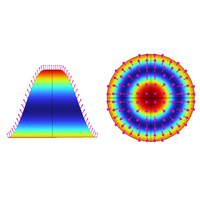
Phys. Rev. Lett. 136, 256708 (2026)
Condensed Matter and Materials
Antiferroaxial Altermagnetism
Article | Condensed Matter and Materials | 2026-06-25 06:00 EDT
Yichen Liu and Cheng-Cheng Liu
The antiferroaxial state is emerging as an important ferroic order in condensed matter systems. Here, we establish antiferroaxial altermagnetism as a broadly prevalent, generic, and microscopically grounded multiferroic mechanism, in which antiferroaxial counterrotating distortions both induce alter…
Phys. Rev. Lett. 136, 256709 (2026)
Condensed Matter and Materials
Enhancing Hot-Carrier Lifetime through Spin Splitting and Strain Interaction in Chiral Perovskite Materials
Article | Condensed Matter and Materials | 2026-06-25 06:00 EDT
Yuling Huang, Xiao-Feng Luo, Shaokuan Gong, Jie Xue, Haipeng Lu, Jin-Zhu Zhao, and Xihan Chen
The dynamical control over electronic properties represents a key area of research in condensed-matter physics. Here, we demonstrate all-optical control of carrier-strain-mediated giant enhancement of spin splitting (100 meV) in a chiral 2D perovskite. Ultrafast circular dichroism measurements and a…
Phys. Rev. Lett. 136, 256902 (2026)
Condensed Matter and Materials
Curvature Instability of an Active Gel Growing on a Wavy Membrane
Article | Polymers, Chemical Physics, Soft Matter, and Biological Physics | 2026-06-25 06:00 EDT
Kristiana Mihali, Dennis Wörthmüller, and Pierre Sens
Cell shape changes are largely controlled by the actin cytoskeleton, a dynamic filament network beneath the plasma membrane. Several cell types can form extended freestanding protrusions not supported by an extracellular substrate or matrix, and regulated by proteins sensitive to the cell membrane c…
Phys. Rev. Lett. 136, 258401 (2026)
Polymers, Chemical Physics, Soft Matter, and Biological Physics
Physical Review X
Above-Unity Coherent Cooperativity of Tin-Vacancy Centers in Diamond Photonic Crystal Cavities
Article | 2026-06-25 06:00 EDT
Nina Codreanu, Tim Turan, Daniel Bedialauneta Rodriguez, Matteo Pasini, Lorenzo de Santis, Maximilian Ruf, Christian F. Primavera, Leonardo G. C. Wienhoven, Caroline E. Smulders, Simon Gröblacher, and Ronald Hanson
Nanophotonic devices with above-unity coherent cooperativity have been demonstrated by coupling individual diamond tin-vacancy centers to high-quality photonic crystal cavities, paving the way for high-fidelity entanglement generation in future scalable quantum networks.
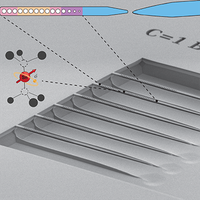
Phys. Rev. X 16, 021060 (2026)
arXiv
The fate of odd-parity magnetism in one dimension
New Submission | Strongly Correlated Electrons (cond-mat.str-el) | 2026-06-26 20:00 EDT
Kasper Rettedal Eikeland, Sondre Duna Lundemo, Asle Sudbø
We consider a one-dimensional model for a $ p$ -wave magnet within the bosonization framework. The model consists of itinerant electrons described by an extended Hubbard model coupled to a chain of localized moments through the Kondo exchange. The classical ground state of the local-moment system captures the salient features of an odd-parity magnet. By bosonizing the coupled system, a description in terms of coupled Luttinger liquids follows, giving rise to a rich weak-coupling phase diagram. It is shown that the spin chain develops quasi long-range order consistent with the combined time-reversal and translation symmetry defining the $ p$ -wave magnet. We highlight the peculiar role played by this order in establishing a commensurability condition on the electronic filling under which additional interactions appear in the bosonic field theory. It is demonstrated that these interactions endow the electron spectral function with a pronounced $ p$ -wave character. Away from commensurate filling, these interactions are rendered irrelevant and the ensuing $ p$ -wave character is lost.
Strongly Correlated Electrons (cond-mat.str-el)
13 pages, 4 figures
The odd fermion at the edge: odd-even staggering in the trapped, unitary Fermi gas
New Submission | Quantum Gases (cond-mat.quant-gas) | 2026-06-26 20:00 EDT
Silas R. Beane, Domenico Orlando, Susanne Reffert
We investigate the odd-even staggering in the harmonically-trapped unitary Fermi gas at large particle-number charge $ Q$ . Using both a large-$ N$ BdG description and a complementary large-charge EFT method, we show that for odd particle number the extra fermion forms an edge-localized quasiparticle near the Thomas-Fermi surface rather than a bulk excitation. In the edge limit, the microscopic BdG problem reduces to a universal coupled Airy system whose lowest positive eigenvalue fixes the leading odd-even splitting energy, $ \chi,\xi^{1/6}(24Q)^{1/9},\hbar\omega + \cdots$ where $ \xi$ is the Bertsch parameter, and $ \chi$ is a universal edge coefficient. The associated EFT describes a fermionic mode confined to the boundary and coupled to the superfluid Goldstone field, reproducing the same $ Q$ scaling while introducing a dependence on two low-energy constants. Finally, we numerically compute the spectrum and confirm the predicted scaling and localization properties.
Quantum Gases (cond-mat.quant-gas), High Energy Physics - Theory (hep-th), Nuclear Theory (nucl-th)
31 pages, 7 figures
Toric code made subsystem: a framework for topological subsystem codes using anticommuting quantum spin liquids
New Submission | Strongly Correlated Electrons (cond-mat.str-el) | 2026-06-26 20:00 EDT
Vaibhav Sharma, Sumiran Pujari
We introduce a framework of constructing topological subsystem codes based on the class of anticommuting quantum spin liquids described in [Phys. Rev. B 113, 064402 (2026)]. A canonical model from this class can be considered as a spatial modification of the toric code that voids its stabilizer code property. Rather, these models contain an extensive set of anticommuting local conserved operators that lead to an extensive ground state degeneracy. This degeneracy forms the basis of the subsystem degrees of freedom in the associated quantum error correcting code. The code inherits the many-body topological order of the quantum spin liquid, making it a topological subsystem code. We present two concrete and detailed examples for constructing these codes on a square lattice and a kagome lattice geometry, requiring weight-4 and weight-3 local check operator measurements respectively. In contrast to other subsystem codes, a unique property of these codes is the presence of an extensive number of local gauge qubits that are left undisturbed by the check operators apart from the logical qubits. Our construction provides a template for generating this new category of topological subsystem codes on different lattice or graph geometries, suitable for implementation on various quantum hardware platforms.
Strongly Correlated Electrons (cond-mat.str-el), Quantum Gases (cond-mat.quant-gas), Quantum Physics (quant-ph)
14 pages, 9 figures ; Comments and suggestions are welcome
Odd Diffusion in Three-Dimensional Isotropic Media
New Submission | Soft Condensed Matter (cond-mat.soft) | 2026-06-26 20:00 EDT
Viola Zixin Zhao, Andres Franco Valiente, David T. Limmer
Odd diffusion is a hallmark of chiral active matter, generating currents transverse to density gradients. Existing theories rely on a linear antisymmetric transport coefficient that exists only in two dimensions, raising the question of whether odd diffusion can occur in isotropic three-dimensional systems. Here we show that such transport is possible through a nonlinear constitutive law. Symmetry considerations reveal that the three-dimensional Levi-Civita tensor permits a leading order isotropic odd current at second order in the density gradient expansion and only in multicomponent systems. The resulting transport generates boundary-driven rotational currents, finite vorticity, and enstrophy despite the absence of external torques or preferred directions. We show how such a constitutive law derives from a microscopic model of particles interacting through nonreciprocal three-body forces using the Dean–Kawasaki coarse-graining procedure. These results establish a minimal framework for odd transport in isotropic three dimensions.
Soft Condensed Matter (cond-mat.soft), Statistical Mechanics (cond-mat.stat-mech), Fluid Dynamics (physics.flu-dyn)
14 pages, 4 figures, comments welcome
Anomalous Hall viscosity of altermagnets
New Submission | Mesoscale and Nanoscale Physics (cond-mat.mes-hall) | 2026-06-26 20:00 EDT
Iksu Jang, Rui Aquino, Jörg Schmalian, Rafael M. Fernandes
We show that the phonon Hall viscosity at zero magnetic field is a natural probe of altermagnetism. First, we demonstrate that the finite elements of the Hall viscosity tensor unambiguously distinguish altermagnets from ferromagnets and conventional antiferromagnets. We then microscopically compute the Hall viscosity in models for d-wave and g-wave altermagnets, and find a strong sensitivity to electronic spectrum features such as gapped Dirac points and Lifshitz transitions. This sensitivity reflects a strain-space Berry curvature monopole, which contrast to the multipolar character of the standard momentum-space Berry curvature in altermagnets. Since the Hall viscosity can be probed experimentally through magneto-acoustic measurements, it provides a compelling method to probe the broken symmetries and topology of insulating altermagnets.
Mesoscale and Nanoscale Physics (cond-mat.mes-hall), Materials Science (cond-mat.mtrl-sci), Other Condensed Matter (cond-mat.other)
8 pages, 4 figures (main text) + supplementary material
Bobkingite, a new coupled sawtooth chain platform
New Submission | Strongly Correlated Electrons (cond-mat.str-el) | 2026-06-26 20:00 EDT
P. Peter Stavropoulos, Aleksandar Razpopov, Harrison LaBollita, Michael R. Norman, Antia S. Botana, Roser Valentí
We investigate the mineral bobkingite, \ce{Cu5(OH)8Cl2(H2O)2}, as a potential realization of the sawtooth chain. Using \textit{ab initio} methods, we estimate the magnetic exchange couplings and find that bobkingite hosts quasi-one-dimensional sawtooth chains, with residual three-dimensional interactions strongly suppressed by the crystal geometry. Examining the full exchange network, we find that the classical model exhibits an extensive manifold of nearly degenerate states with emergent two-dimensional character, which spin-wave theory shows to persist to leading order in quantum fluctuations as Ising degrees of freedom. Unlike other sawtooth candidates, bobkingite has negligible vertical interchain coupling, preserving a one-dimensional degeneracy even in the presence of ordering, suggesting that any long-range order is weak. Thermal fluctuations may thus stabilize a finite-temperature classical spin liquid regime, with a cascade of transitions upon cooling into successively lower-dimensional degenerate states, making bobkingite a compelling platform for exploring sawtooth chain physics.
Strongly Correlated Electrons (cond-mat.str-el)
8 pages main text, 11 pages including supplementary material; 5 main-text figures and 1 supplementary figure; 1 main-text table and 3 supplementary tables
New Superconductors in the PtPb$_3$Bi Structure Type
New Submission | Superconductivity (cond-mat.supr-con) | 2026-06-26 20:00 EDT
Lior Verbitsky, Amira Merino, Scott B. Lee, Jaime M. Moya, Sigalit Aharon, Fatmagül Katmer, Sudipta Chatterjee, Grigorii Skorupskii, Josh Leeman, Gabrielle Carrel, Leslie M. Schoop
The quest for new superconductors is of both fundamental and technological importance. Recently, an artificial intelligence method correctly predicted PtPb$ _3$ Bi to be a superconductor. In this work, we find superconductivity in the newly synthesized $ M$ Pb$ _{4-x}$ Bi$ _x$ ($ M$ = Au, Pd, and Rh), of which PtPb$ 3$ Bi is a member. When $ M$ = Ni, whose radius is considerably smaller, the structure instead collapses into the different, Pb-substituted NiBi$ 3$ type. Interestingly, the stoichiometric parameter $ x$ shifts across the three compounds to keep the total valence electron count close to 20 per formula unit. The superconducting transitions occur at 4.9, 4.2, and 3.4 K, for $ M$ = Au, Pd, and Rh, respectively. Using electrical resistivity, magnetization, and specific heat measurements, we establish the bulk nature of the superconducting state and determine the critical fields, characteristic length scales, and anisotropy ratios. All three compounds are moderately anisotropic type-II superconductors, with modest upper critical field anisotropies of $ H{c2}^{\parallel c}/H{c2}^{\perp c} \approx 1.2$ to $ 1.5$ . These results establish $ M$ Pb$ _{4-x}$ Bi$ _x$ as a family of anisotropic superconductors and a platform for studying how site disorder and Pb-Bi mixing govern superconductivity in heavy-element intermetallics.
Superconductivity (cond-mat.supr-con), Materials Science (cond-mat.mtrl-sci)
22+10 pages, 5+11 figures
Fluctuation-Induced Magnetoelectric Effect in Noncentrosymmetric Superconductors
New Submission | Superconductivity (cond-mat.supr-con) | 2026-06-26 20:00 EDT
Jaglul Hasan, Daniel Shaffer, Maxim Dzero, Alex Levchenko
We study the effect of superconducting fluctuations on the spin susceptibility and NMR relaxation rate in noncentrosymmetric two-dimensional materials above the superconducting transition temperature, considering arbitrary strength of impurity scattering. Employing a microscopic model with linear Rashba spin-orbit coupling, we show that superconducting fluctuations give rise to a direct contribution to the spin susceptibility through fluctuation-induced Cooper pairs. This fluctuation-driven magnetoelectric effect is possible even for purely $ s$ -wave singlet pairing, a mechanism that is forbidden in centrosymmetric systems. It competes with the reduction of the susceptibility below the Pauli value arising from the combined effects of the suppression of the density of states and quantum-interference localization processes. In contrast, superconducting fluctuations enhance the NMR relaxation rate above its normal-state Korringa value, with spin-orbit coupling providing an additional amplification of this effect.
Superconductivity (cond-mat.supr-con)
Prepared for the special issue of Low Temperature Physics dedicated to the memory of Ernst Pashitskii [10 pages, 7 figures]
Challenging the $p$-type Paradigm: Intrinsic $n$-type Mobility in Antiferromagnetic Cr$_2$O$_3$
New Submission | Materials Science (cond-mat.mtrl-sci) | 2026-06-26 20:00 EDT
Á. A. Carrasco Álvarez, S. Poncé
Chromium oxide (Cr$ _2$ O$ _3$ ) is widely considered a $ p$ -type transparent conducting oxide despite ongoing debate regarding its intrinsic transport character. Here, we resolve this question by computing phonon-limited electron and hole mobilities using the ab initio Boltzmann transport equation. We find that electron mobility systematically exceeds hole mobility over a wide temperature range, demonstrating that Cr$ _2$ O$ _3$ is intrinsically $ n$ -type. Analysis of scattering mechanisms reveals that scattering with phonons affects electrons and holes similarly, and that the mobility asymmetry originates from the electronic structure, namely the larger effective mass and multi-valley character of the valence band. The intrinsic $ n$ -type character, combined with moderate hole mobility, enables bipolar transport and revises the role of Cr$ _2$ O$ _3$ in transparent electronics. Additionally, our results on mobility complement previous studies on defect formation indicating that the commonly observed $ p$ -type behavior is extrinsic. These insights provide a complete chemical-transport paradigm for Cr$ _2$ O$ _3$ , re-evaluating its role in functional transparent electronic and magneto-optoelectronic applications
Materials Science (cond-mat.mtrl-sci), Computational Physics (physics.comp-ph)
13 pages, 8 figures
Nanoscale Phase Distribution Governs Exchange Bias in Multiphase Magnetic Nanoparticles
New Submission | Materials Science (cond-mat.mtrl-sci) | 2026-06-26 20:00 EDT
Murtaza Bohra, Stefanos Giaremis, Vidyadhar Singh, Joseph Kioseoglou, Stephan Steinhauer, Panagiotis Grammatikopoulos
Exchange bias at ferromagnet-antiferromagnet interfaces underpins magnetic memory, spintronic devices, and nanoscale electromagnetic technologies, yet its behaviour in complex nanoscale heterostructures remains poorly understood. Here we uncover how exchange bias emerges in functional multiphase metal-oxide nanoparticles by combining gas-phase synthesis, advanced magnetic characterisation, and first-principles-informed spin-dynamics simulations. Using Ni-Cr/NiO nanoparticles as a model system, we show that exchange bias is governed not simply by the presence of ferromagnetic and antiferromagnetic phases, but critically by their nanoscale spatial distribution and interfacial topology. At 10 K, significant negative exchange bias (0.8 kOe) and coercivity enhancement (1.4 kOe) was exhibited; both decreased due to either Cr-segregation (at low Cr content) or to Cr accumulation inside the core (at high Cr content). The resulting competition between magnetic phases produces a temperature-driven inversion from negative to positive exchange bias and a crossover from exchange-dominated to dipolar interactions. By linking density-functional-theory calculations directly to spin-dynamics simulations of nanoparticle ensembles, we establish a predictive framework for designing exchange-coupled nanomagnets capable of operating beyond the superparamagnetic limit.
Materials Science (cond-mat.mtrl-sci)
Main Manuscript: 30 pages, 5 figures. Supporting Information: 35 pages, 20 figures, 5 tables
Odd-parity electronic order near the semiconductor limit
New Submission | Strongly Correlated Electrons (cond-mat.str-el) | 2026-06-26 20:00 EDT
Jack Tregidga, Dibyata Rout, Johannes Hielscher, Josiah Turner, Stephen D. Wilson, John W. Harter
Identifying materials platforms in which dilute carriers experience strong Coulomb interactions is a central challenge in the search for interaction-driven quantum phases. In such systems, weak carrier screening can promote a variety of collective instabilities beyond the conventional Fermi liquid paradigm, including superconductivity, Wigner crystallization, and odd-parity electronic order. Experimental realizations of such dilute, strongly interacting electronic systems remain rare in crystalline materials. Here we report a spontaneous odd-parity phase transition in the phosphide semiconductor family $ \textit{Ln}$ Cd$ _3$ P$ _3$ ($ \textit{Ln}$ = La, Ce, Pr, Nd). Using optical second harmonic generation, we observe the onset of bulk inversion and rotational symmetry breaking accompanied by the emergence of an in-plane polar axis. Second harmonic microscopy reveals three domain variants related by 120$ ^\circ$ rotations, while ultrafast transient reflectivity measurements uncover a pronounced electronic reconstruction across the transition. Remarkably, the ordered phase appears only in lightly self-hole-doped compounds and is absent in insulating SmCd$ _3$ P$ _3$ , indicating an essential role for itinerant carriers despite their extremely low concentration. Guided by density functional theory, we develop a four-band model of the valence states and show that modest interactions can stabilize odd-parity electronic order. The resulting phase combines a spontaneous Fermi surface distortion with a momentum-dependent bilayer polarization that breaks inversion symmetry. Our results establish a route to interaction-driven parity breaking in dilute-carrier semiconductors and identify honeycomb bilayer systems as a promising platform for odd-parity electronic phases.
Strongly Correlated Electrons (cond-mat.str-el), Materials Science (cond-mat.mtrl-sci)
Non-ergodic dynamical phase transition via a zero-mode exceptional point in a non-Markov atomic Josephson junction
New Submission | Quantum Gases (cond-mat.quant-gas) | 2026-06-26 20:00 EDT
Open quantum systems typically lose their initial memory due to the environmental decoherence resulting in thermalization. We demonstrate a striking breakdown of this paradigm in a head-to-tail Bose-Josephson junction, which is described by an intrinsically momentum-coupled Caldeira-Leggett model. Through exact non-Markov Langevin simulations, we discover a novel type of non-ergodic dynamical phase transitions into a running state, which has no counterpart in Markov limit. Crucially, we reveal that this transition is fundamentally governed by a zero-mode exceptional point emerging from the non-Markov friction. This topological origin is characterized by the winding of the response function. Finally, numerical quantum simulations of an equivalent driven XXZ spin chain confirm that this exceptional-point-induced signature robustly survives as a dynamical crossover against strong quantum fluctuations and the dynamical backreaction of the environment. This macroscopic robustness offers a promising platform for long-lived quantum memories in dissipative environments.
Quantum Gases (cond-mat.quant-gas), Statistical Mechanics (cond-mat.stat-mech), Quantum Physics (quant-ph)
7+5 pages, 4+2 figures
Frustrated shapes of solid domains in fluid membrane vesicles: From rolls and folds to crumples and wrinkles
New Submission | Soft Condensed Matter (cond-mat.soft) | 2026-06-26 20:00 EDT
Geunwoong Jeon, Anthony N. A. Prempeh, Maria M. Santore, Gregory M. Grason
Fluid-solid composite vesicles, comprising 2D solid domains integrated into a topologically-closed fluid bilayer membrane, exhibit complex morphologies arising from the geometric frustration between spherical closure of the membrane and 2D solid elasticity. This scenario is distinct from the better studied case of multi-fluid domain vesicles. Here, we study the elastic energies and shape equilibria of a closed vesicle membrane containing a single, flexible circular solid domain using discrete finite-element (Surface Evolver) simulations, determining the key physical and mechanical parameters to govern shape selection. While we find that the 2D solid (shear) elasticity has minimal impact on the highly-under inflated morphologies, the geometrically non-linear resistance of the solid to Gaussian curvature substantially impacts the shape and elastic patterns form for inflated vesicles, by an amount that it grows with ratio of vesicle size to the elastic thickness of solid. For sufficiently large (thin) vesicles we characterize a generic sequence of ground state patterns of solid shape with increasing inflation: from cylindrical rolls and isometric folds to spatially complex patterns of crumples and wrinkles and ultimately to smooth caps. This sequence of non-isometric patterns at high-inflation is shown to be governed by the same far-from-threshold mechanics used to describe similar shape transitions in microscopic sheets on curved liquid interfaces, establishing that inflated shapes are governed by two basic mechanical scales of membrane tension. We find our predictions for highly-anisotropic shape equilibria of fluid-solid composite vesicles closely match experimentally observed shapes of giant unilamellar vesicles of phase-separated DPPC and DOPC.
Soft Condensed Matter (cond-mat.soft), Biomolecules (q-bio.BM)
20 pages, 9 figures, 1 supporting video (linked), 5 appendices
Quantum Hall effect in three-dimensional lattice induced by Wannier-Stark-Landau localization
New Submission | Mesoscale and Nanoscale Physics (cond-mat.mes-hall) | 2026-06-26 20:00 EDT
We study the quantum Hall effect in a cubic lattice subjected to parallel electric and magnetic fields aligned along a crystal axis. The dual fields confine electrons in three dimensions with their classical orbits residing on the surface of a finite-size cylinder. In the quantum limit, the spectrum yields a three-dimensional generalization of the Hofstadter butterfly, featuring equidistant resonances near the spectral center and discrete levels near the boundaries. When the Fermi energy lies within these spectral gaps, the Hall conductance in the plane normal to the fields is quantized while other components of the conductance tensor vanish. Under open boundary conditions, this quantum Hall state exhibits topological chiral hinge modes protected by bulk Chern numbers. Our results offer a novel platform for studying the quantum Hall effect in both solid-state heterostructures and synthetic lattices.
Mesoscale and Nanoscale Physics (cond-mat.mes-hall)
6 pages, 3 figures
Photo-thermal origin of pulse laser induced orientation of crystallographic c axis in Tellurium thin films
New Submission | Mesoscale and Nanoscale Physics (cond-mat.mes-hall) | 2026-06-26 20:00 EDT
Arata Mitsuzuka, Yuta Kobayashi, Takuto Hiraoka, Masashi Kawaguchi, Masamitsu Hayash
Recent studies have shown that the orientation of crystallographic c axis of Tellurium thin films can be controlled using picosecond long laser pulses. This method provides spatially programmable control of the crystal orientation and is therefore highly attractive for practical applications in functional optical and electronic devices. Previously, it was suggested that laser-induced selective melting and recrystallization can cause the laser-induced reorientation. However, this interpretation remains inconclusive due to limited data. To clarify the mechanism, here we systematically study Te samples under different irradiation conditions. We find that the threshold fluence for inducing optical reorientation depends on the number of laser pulses. The results agrees well with a minimal kinetic model based on the Arrhenius law. Using the model developed, we investigate the condition required to control the optic axis in other two-dimensional materials, such as black phosphorus, WTe2, and SnSe. These findings provide a guide for developing functional electro-optical devices based on anisotropic materials.
Mesoscale and Nanoscale Physics (cond-mat.mes-hall)
Ductility Design Rules for Tungsten based Refractory High Entropy Alloys from Sparse Experimental Datasets
New Submission | Materials Science (cond-mat.mtrl-sci) | 2026-06-26 20:00 EDT
Tungsten-based refractory high-entropy alloys (RHEAs) are promising materials for fusion applications but often remain brittle at room temperature because of tungsten’s high ductile-to-brittle transition temperature (DBTT). To identify alloying strategies that improve ductility, we compiled a curated dataset of experimentally reported tungsten-containing alloys and developed composition-based, physics-informed descriptors for machine learning. Three classifiers were evaluated using nested cross-validation, and a support vector classifier (SVC) showed the best generalization for this sparse dataset. Shapley additive explanations identified the exchange-correlation parameter, valence electron concentration, pressure field, and electronegativity mismatch as the most influential features governing ductile-brittle behavior. Synthetic compositions generated within the convex interpolation domain of the training data were evaluated and visualized on pseudo-ternary diagrams to map predicted ductility trends. The model predicts that moderate additions of Ti, Ni, and Co increase the likelihood of room-temperature ductility, whereas high Cr contents promote brittle behavior. These predictions agree with published experimental observations, including Ti-assisted ductility through solid-solution and electronic effects and embrittlement in Cr-rich refractory alloys. Agreement between DFT-derived elastic descriptors and SVC decision-function margins further supports the physical relevance of the learned classification boundary. Although the available mechanical dataset remains limited and heterogeneous, the model captures experimentally consistent trends and provides an interpretable, physics-informed framework for screening tungsten-based RHEAs for targeted simulation and experimental validation in fusion environments.
Materials Science (cond-mat.mtrl-sci)
Topological phase transition driven by in-plane spin rotation
New Submission | Materials Science (cond-mat.mtrl-sci) | 2026-06-26 20:00 EDT
Xinyue Zhu, Yu Xie, Yifei Hao, Fei Gao, Yue Li, Junting Zhang
The intrinsic coupling between magnetism and nontrivial band topology in magnetic topological insulators makes external magnetic fields a powerful tool for manipulating topological states. However, conventional magnetic control mechanisms, such as driving magnetic phase transitions or fully reversing magnetization, typically demand large magnetic fields and lack continuous tunability. Here, we establish a symmetry framework for the reversible switching of topological states via continuous in-plane spin rotation, governed by magnetic point group constraints on the Berry curvature distribution. Using a two-dimensional kagome ferromagnetic Chern insulator as a prototype, we demonstrate that a 60°in-plane magnetization rotation reverses the sign of the Chern number, transitioning through a topologically trivial state. Crucially, micromagnetic simulations confirm that this spin-reorientation-driven switching operates under exceptionally small magnetic fields and on ultrafast timescales. This work provides a highly efficient, low-energy paradigm for the manipulation of topological states.
Materials Science (cond-mat.mtrl-sci), Computational Physics (physics.comp-ph)
12 pages, 4 figures
Shape-Constrained Bayesian Active Learning of Self-Limiting Saturation Curves
New Submission | Materials Science (cond-mat.mtrl-sci) | 2026-06-26 20:00 EDT
Pouyan Navabi, Christos G. Takoudis
Self-limiting saturation curves, monotone responses that rise from zero to a plateau, govern gas adsorption, enzyme kinetics, dose-response pharmacology, and the growth per cycle of atomic layer deposition (ALD), yet mapping each curve from a handful of costly measurements is a shared bottleneck. The standard surrogate, a stationary-kernel Gaussian process, enforces no shape constraint: on sparse, noisy data it produces unphysical dips that corrupt both the inferred curve and the uncertainty used to choose the next experiment. We present an active-learning platform built on Bayesian monotonic I-spline regression, in which every posterior curve rises from exactly zero and never decreases, the plateau is set by a measurement at maximum exposure rather than a prior, and the input at any saturation level is read from the posterior by level crossing with no kinetic model assumed. Benchmarked isotherm by isotherm on five kinetically distinct families (Langmuir, dissociative Michaelis-Menten, sigmoidal Sips, logarithmic Elovich, and dispersive Kohlrausch-Williams-Watts), with ALD process development as the working example, the same fixed surrogate recovers every curve to within measurement noise without a single non-monotone posterior draw, and noise-free sweeps show the basis itself is near-exact across each family’s regimes, locating its single capacity boundary at the sharpest sigmoidal onset. Driven by ordinary uncertainty sampling, the platform reaches noise-floor accuracy within a 20-measurement budget in every regime, in as few as seven measurements, whereas random sampling succeeds in only two of the five; the predicted pulse times err only on the conservative side, toward longer pulses, near saturation. Because the basis privileges no kinetic form, the platform applies wherever a self-limiting response must be learned from scarce data.
Materials Science (cond-mat.mtrl-sci), Chemical Physics (physics.chem-ph), Data Analysis, Statistics and Probability (physics.data-an), Quantitative Methods (q-bio.QM)
Binary Dipolar Condensates of Dysprosium Isotopes with Tunable Spatial Order
New Submission | Quantum Gases (cond-mat.quant-gas) | 2026-06-26 20:00 EDT
Shenshuang Nie, Zibin Jiang, Junrong Huang, Xiao Luo, Fucheng Qin, Kaiyue Wang, Mingyang Guo
Dipolar quantum mixtures provide a unique route to interaction-driven many-body phases, where long-range anisotropic interactions intertwine the density, spin and spatial order. Here we realize binary Bose–Einstein condensates of the highly magnetic isotopes $ ^{162}$ Dy and $ ^{164}$ Dy in a technically minimal, single-species-like apparatus. Their nearly identical single-particle properties yield naturally matched trapping potentials, while dense intra- and inter-species Feshbach spectra provide strong interaction tunability. We use this platform to drive an interaction-controlled miscibility transition of a dipolar binary condensate, accompanied by a reconfiguration of the condensate interface from core–shell-like to side-by-side and exchanged core–shell-like geometries. At fixed interactions, population imbalance provides a second control knob by reshaping the effective mean-field pressures and continuously tuning the phase-separated order. These results establish dysprosium isotope mixtures as a compact platform for engineering miscibility, interfaces, and spatial order in dipolar quantum matter, with direct connections to coupled density–spin physics and binary supersolidity.
Quantum Gases (cond-mat.quant-gas), Atomic Physics (physics.atom-ph)
10 pages, 4+3 figures
Photon-Assisted Tunneling in Double Quantum Dot: Application of Scattering Theory
New Submission | Mesoscale and Nanoscale Physics (cond-mat.mes-hall) | 2026-06-26 20:00 EDT
We theoretically examine the photon-assisted tunneling (PAT) in a double quantum dot (DQD) in parallel when one of the quantum dots (QDs) is irradiated by an AC field. First, we formulate the PAT in a single QD by solving the time-dependent Schrödinger equation using the scattering theory. The QD has an oscillating energy level, $ \varepsilon(t)=\varepsilon_0+eV_{\mathrm{AC}}\cos\omega t$ , and is connected to two leads by the tunnel coupling $ \Gamma$ . We show that the resonant tunneling takes place through energy levels of the polariton, $ \varepsilon_0+N\hbar\omega$ ($ N=0,\pm 1, \pm 2, \cdots$ ), when $ \Gamma \ll \hbar\omega$ (PAT) and through the energy level $ \varepsilon(t)$ when $ \Gamma \gg \hbar\omega$ (adiabatic transport). Then, the scattering theory is applied to the PAT in the DQD in the presence of magnetic flux penetrating between the QDs. We observe the Aharonov–Bohm effect not only in the main peak ($ N=0$ ) but also in subpeaks ($ N \ne 0$ ), indicating coherent transport through the polariton states. Our theory is also applicable to the DQD in the three-terminal geometry. We demonstrate the phase measurement through the irradiated QD and show that the measured phase shift changes continuously from 0 to $ \pi$ around both the main peak and subpeaks.
Mesoscale and Nanoscale Physics (cond-mat.mes-hall)
27 pages, 8 figures
J. Phys. Soc. Jpn. 95, 074710 (2026)
Floquet-Engineered Chern Insulator in two-dimensional $d_{x^2-y^2}$-Wave Altermagnets
New Submission | Mesoscale and Nanoscale Physics (cond-mat.mes-hall) | 2026-06-26 20:00 EDT
We investigate Floquet-engineered topological phases in two-dimensional $ d_{x^2-y^2}$ -wave altermagnets irradiated by circularly polarized light in the off-resonant regime. These materials exhibit large momentum-dependent spin-splitting governed by distinctive magnetic symmetries. Using a lattice model combined with Floquet theory, we demonstrate that irradiation induces the light-tunable quantum anomalous Hall phases with the Chern numbers up to $ \pm 3$ . The resultant phase diagram is verified by calculating the anomalous Hall conductivity and also the edge modes inside the band gap of a nanoribbon version of the altermagnet. Our findings establish d-wave altermagnets as promising platforms for realizing nonequilibrium topological states of matter.
The low-energy continuum limit of the lattice-based Floquet Hamiltonian results in a linear and higher-order-in-momentum spin-orbit couplings, and also a Zeeman-like magnetization, all arising from light-induced virtual photon processes. The resulting higher-order spin-orbit coupling generates the additional gapless Dirac points which, together with the high-symmetry gap-closings, yield enhanced Berry curvature and high Chern numbers. The light irradiation effectively breaks the static $ d_{x^2-y^2}$ -wave magnetic symmetry mixing in an isotropic photo-induced $ s$ -wave correction.
Mesoscale and Nanoscale Physics (cond-mat.mes-hall)
13 pages, 9 figures, 6 appendices
Phys. Rev. B. 113, 155439 (2026)
Lattice Reconstruction and Orbital Hybridization Suppress Magnetism in TaCo$_2$Te$_2$
New Submission | Materials Science (cond-mat.mtrl-sci) | 2026-06-26 20:00 EDT
Ulysse Chazarin, Bharat C. Bathu, Zuned Ahmed, Marta Zonno, Chiara Bigi, Francois Bertran, Adolfo O. Fumega, Orlando J. Silveira, Shawulienu Kezilebieke
Structural reconstruction in low-dimensional quantum materials can strongly modify electronic symmetry and magnetic stability through orbital hybridization. Here, we investigate the interplay between lattice reconstruction, electronic structure, and magnetic instability in the layered van der Waals compound TaCo$ _2$ Te$ _2$ using scanning tunneling microscopy and spectroscopy (STM/STS), non-contact atomic force microscopy (nc-AFM), angle-resolved photoemission spectroscopy (ARPES), and density functional theory (DFT). While nc-AFM resolves a distorted hexagonal Te surface lattice, STM/STS reveal a pronounced square-like electronic symmetry that does not directly follow the atomic structure. ARPES further shows a strongly anisotropic Fermi surface and reconstructed low-energy states. Spatially resolved spectroscopy and orbital-projected DFT demonstrate that the bias-dependent STM contrast does not arise from a simple reversal between occupied and unoccupied states, but from the energy-integrated local density of states dominated by electronic states exhibiting opposite spatial contrast at selected energies. DFT calculations further show that reconstruction suppresses the magnetic instability present in the undistorted structure, stabilizing a nonmagnetic ground state through enhanced orbital hybridization. These results establish TaCo$ _2$ Te$ _2$ as a model system in which lattice reconstruction reorganizes electronic symmetry and suppresses magnetism, highlighting structural reconstruction as a route for controlling correlated and magnetic phases in low-dimensional quantum materials.
Materials Science (cond-mat.mtrl-sci)
Dynamic heterogeneity in sodium silicate melts via machine-learning potential
New Submission | Soft Condensed Matter (cond-mat.soft) | 2026-06-26 20:00 EDT
Kumpei Shiraishi, Rikuta Nozawa, Emi Minamitani
We present a comprehensive characterisation of dynamic heterogeneity in sodium silicate melts using molecular dynamics simulation with machine-learning potentials. By studying sodium disilicate, tetrasilicate, and hexasilicate melts across a range of temperatures, mean squared displacement and a time-correlation function computed up to the nanosecond timescale provide a detailed account of how spatial mobility disparities emerge in a realistic multicomponent oxide glass. Within these timescales, the self-part of the van Hove function for sodium displays a bimodality, demonstrating that alkali transport is mediated by discrete displacement events consistent with a hopping mechanism. This distinct hopping allows sodium ions to decouple from the sluggish relaxation of the silicate matrix. Furthermore, evaluation of the non-Gaussian parameter reveals that, although all constituent species exhibit dynamic heterogeneity, the non-Gaussian behaviour is most pronounced for oxygen atoms. This trend reflects the intermittency of structural rearrangements, where framework atoms undergo rare and stochastic events compared to the frequent displacements of mobile ions. Our findings elucidate the microscopic mechanism of ion transport and its connection to dynamic heterogeneity in silicate melts, offering a new avenue to study fundamental glassy physics in realistic vitreous materials.
Soft Condensed Matter (cond-mat.soft), Materials Science (cond-mat.mtrl-sci)
10 pages, 7 figures
Solid adsorption: the missing mechanism for surfactant contact lines – a phase-field approach
New Submission | Soft Condensed Matter (cond-mat.soft) | 2026-06-26 20:00 EDT
Parvathy K. Kannan, Kazi T. Iqbal, Diego Díaz, Ilse Mateman, Shahab Mirjalili, Gustav Amberg, Shervin Bagheri, Outi Tammisola
We develop a thermodynamically consistent phase-field model for soluble surfactants in two-phase flows, incorporating both interfacial and solid surface adsorption. The model is derived via variational principles consistent with the second law of thermodynamics, resulting in modified free energies and boundary conditions that capture surfactant transport, adsorption, and wetting dynamics. A key contribution of this work is the inclusion of surfactant adsorption on solid walls, which leads to qualitative agreement with experimental observations: unlike prior numerical studies that predicted hydrophilic surfaces becoming more hydrophilic and hydrophobic surfaces more hydrophobic, our model shows a shift toward increased hydrophilicity across all contact angles-consistent with experimental trends. Our results establish that solid adsorption provides the missing mechanism required for predictive modelling of surfactant-laden contact line dynamics.
Soft Condensed Matter (cond-mat.soft), Fluid Dynamics (physics.flu-dyn)
Analysing gelation transition through fractional viscoelasticity and Mittag-Leffler-Prabhakar function
New Submission | Soft Condensed Matter (cond-mat.soft) | 2026-06-26 20:00 EDT
The gelation transition, a process that transforms a flowable liquid into an elastic solid, is a present in variety of systems, from colloidal to polymeric. During the gelation transition, a system passes through a critical gel state characterized by scale-free power-law viscoelasticity. Interestingly, the fractional calculus provides a natural mathematical language for such power-law viscoelasticity. In this work, we develop physically constrained fractional viscoelastic models as well as those based on the three-parameter Mittag-Leffler-Prabhakar function for both, the pre-gel state and the post-gel regimes, ensuring consistency with the conventional scaling relations in each regime. While the fractional pre-gel model is observed to be valid only for a restricted subset of parameter values, the Prabhakar function-based model rigorously removes this limitation. We enforce continuity of the dynamic moduli and their derivatives across the critical gel point, which universally imposes a symmetry in the relaxation dynamics on either side of the critical gel state. Such enforcement further validates the hyper-scaling relation connecting the critical exponents, making it a theoretical necessity rather than an empirical coincidence. We validate the proposed models against time- and frequency-domain experimental data. A model-agnostic, frequency-independent rheological fingerprint of the critical gel state, uniquely determined by two critical exponents, is also identified.
Soft Condensed Matter (cond-mat.soft)
49 pages, 6 figures
Floquet Topological Phases and Anomalous Hall Signatures in Irradiated Two-dimensional $d_{xy}$-Wave Altermagnets
New Submission | Mesoscale and Nanoscale Physics (cond-mat.mes-hall) | 2026-06-26 20:00 EDT
We study Floquet topological phases in two-dimensional $ d_{xy}$ -wave altermagnets driven by off-resonant circularly polarized light and subject to an out-of-plane magnetization induced via extrinsic exchange coupling from a proximate ferromagnet. Using a lattice Floquet formulation, we show that the system is governed by a driving parameter $ \beta$ that controls the emergence of distinct gap-closing points and associated topological phases. For $ |\beta|>1$ , topology is dominated by anisotropic Dirac points at high symmetry points, leading to Chern phases with $ |\mathcal{C}|=2$ . For $ |\beta|<1$ , light-induced off-symmetry $ G$ points appear in four families in the Brillouine zone, enabling higher Chern phases up to $ |\mathcal{C}|=4$ .
Low-energy analysis reveals that high symmetry points host anisotropic massive Dirac fermions, while $ G$ points realize generalized two-dimensional anisotropic Dirac points with fully momentum-dependent pseudospin structure, leading to distinct Berry curvature distributions. In the metallic regime, the anomalous Hall conductivity provides an experimental signature of these Floquet topological phases, exhibiting sharp features associated with Berry curvature accumulation near local gap-closing regions.
Mesoscale and Nanoscale Physics (cond-mat.mes-hall)
12 pages, 5 figures, 2 tables
Preconditioning Magnetic Systems in Kohn-Sham Density Functional Theory
New Submission | Materials Science (cond-mat.mtrl-sci) | 2026-06-26 20:00 EDT
Clémentine Barat, Antoine Levitt, Marc Torrent
The convergence of the self-consistent field iterations in Kohn-Sham density functional theory can be significantly hindered by the presence of small eigenvalues in the dielectric matrix, which are often associated with electronic phase transitions in magnetic systems. In this work, we study this type of convergence issues and propose a new preconditioning scheme to mitigate them. Our preconditioning scheme is inspired by the Stoner model and based on a non-interacting susceptibility that neglects orbital variations. We demonstrate the effectiveness of our approach on a range of ferromagnetic systems, showing that it can significantly reduce the number of iterations required to achieve convergence in the vicinity of magnetic phase transitions.
Materials Science (cond-mat.mtrl-sci), Numerical Analysis (math.NA)
Thermal Rectification from Size-Dependent Phonon Confinement in Nanoparticle Assemblies
New Submission | Materials Science (cond-mat.mtrl-sci) | 2026-06-26 20:00 EDT
Megan J. Farrington, David J. Wasserman, Eden R. Josza, Alessandro Podestà, Alessio Zaccone, Mariia Sidorova, Alexej D. Semenov, Nicola Ludwig, Marcel Di Vece
Thermal insulation remains an important technological challenge across the vast number of applications, from living quarters to quantum technology. Here, we exploit the size-dependent modification of the phonon density of states arising from phonon confinement in nanoparticles to fabricate a simple phonon rectifier. The smaller of the two connected nanoparticles imposes stronger phonon confinement leading to rectifying phonon transport. This concept is extended to the macroscale by constructing two overlapping layers of differently sized nanoparticles, thereby realizing a macroscopic phonon diode. Following the localized heat deposition by laser light, the temperature profiles across a phonon-diode were measured by infrared imaging. Although the rectifying strength is moderate, the abundance of optimization possibilities makes this method promising for ultra-low volume thermal insulation at both the nano- and macroscale
Materials Science (cond-mat.mtrl-sci), Mesoscale and Nanoscale Physics (cond-mat.mes-hall)
24 pages, 5 Figures
Perfect Absorption in the Strong Coupling Regime via Degenerate Critical Coupling
New Submission | Mesoscale and Nanoscale Physics (cond-mat.mes-hall) | 2026-06-26 20:00 EDT
Eleonora P. Kraus, Jamie M. Fitzgerald, Carlos Maciel-Escudero, Ermin Malic
Perfect absorption (PA) represents a fundamental limit of light-matter interaction and a means to maximize nanoscale energy conversion. While PA is now a well-established phenomenon, both the theoretical feasibility and a practical mechanism for achieving it under single-beam excitation within the strong coupling regime is unknown. Through rigorous solution of Maxwells equations for a compact photonic crystal (PhC) architecture incorporating a two-dimensional semiconductor, we present a general method based on degenerate critical coupling for single-port PA of exciton-polaritons. At the crossing of two polariton branches, we achieve near-unity absorption exceeding 99.8 % in a structure thinner than $ 100,$ nm. This effect is robust under realistic Gaussian beam excitation, and can be realized across different temperatures and excitonic materials by tailoring the PhC geometry. Our results establish a strategy for enabling efficient light-matter coupling, with direct implications for the development of metal-free, ultra-compact polaritonic logic devices, sensors, and energy-harvesting platforms.
Mesoscale and Nanoscale Physics (cond-mat.mes-hall), Optics (physics.optics)
Solid-to-solid transition in dense assemblies of elongated cells
New Submission | Soft Condensed Matter (cond-mat.soft) | 2026-06-26 20:00 EDT
Shao-Zhen Lin, Jean-François Rupprecht
Cell shapes in confluent tissues range from nearly isotropic epithelial morphologies to highly elongated endothelial ones. In standard vertex models, tissue rigidity is controlled by a target shape index; increasing this index drives cell elongation and ultimate tissue fluidization. Here, we consider the case where cell elongation emerges autonomously by assigning an intrinsic, passive elastic preference for anisotropic shape. This distinction reverses the usual expectation: cell elongation does not fluidize the tissue, but drives a solid-to-solid transition from an ordered isotropic solid to a disordered anisotropic solid, with finite yield stress and shear rigidity on either side of the transition. These results decouple cell shape from tissue rheology and caution against inferring fluid-like mechanics from elongated cell morphologies alone.
Soft Condensed Matter (cond-mat.soft), Biological Physics (physics.bio-ph)
6 pages, 5 figures
Controlled chemical vapor deposition for synthesis of emerging Mo(W)Te2 systems
New Submission | Materials Science (cond-mat.mtrl-sci) | 2026-06-26 20:00 EDT
Ya Deng, Zi-Yi Han, Yao Wu, Kongyang Yi, Ya-Ning Ren, Dundong Yuan, Chao Zhu, Lin He, Zheng Liu
The Group-VI transition metal ditellurides offer a rich platform for correlated and topological phenomena, yet their structural polymorphism and instability complicate the creation of single crystals and heterointerfaces. Here, we introduce a confined-space chemical vapor deposition (CVD) strategy that lowers the growth temperature window and, when combined with tailored precursor configurations and stepwise thermal ramps, enables the deterministic synthesis of high-quality single crystals, alloys, and lateral/vertical heterostructures. High-resolution aberration-corrected STEM provides atomic characterization of lattice-matched Mo(W)Te2 lateral heterostructure, revealing nearly atomically sharp, compositionally well-defined seamless boundaries. This approach avoids the thickness nonuniformity and structural limitations commonly associated with exfoliated samples, enabling reproducible fabrication of clean heterointerfaces and establishing a nearly ideal in-situ experimental system. Furthermore, scanning tunneling microscopy and spectroscopy (STM and STS) enable direct imaging of the seamless boundaries in Mo(W)Te2 lateral heterostructures, while uncovering their distinct real-space distributions of the local density of states. Our results establish a scalable pathway for engineering crystalline Te-based structures with controlled geometry and stacking, providing an essential step toward quantum and topological device platforms based on the transition metal ditellurides family.
Materials Science (cond-mat.mtrl-sci)
Materials Today,2026,98,103390
Hydrogen segregation around a straight screw dislocation in bcc iron
New Submission | Materials Science (cond-mat.mtrl-sci) | 2026-06-26 20:00 EDT
Margot Lucas, Marie Landeiro Dos Reis, Sylvain Queyreau, Xavier Feaugas
The interaction between hydrogen and screw dislocations in bcc iron is central to understanding hydrogen embrittlement. A major challenge lies in the high-dimensional parametric landscape governing this interaction. In this work, we perform a comprehensive set of molecular simulations using a reliable neural network interatomic potential, systematically exploring hydrogen binding across dislocation core structures (easy and hard cores), site types, and concentrations. From these energetics, we construct a thermodynamic framework that quantifies the statistical relevance of the various trapping configurations, thereby significantly reducing the complexity of the problem. Our results show good agreement with the limited density functional theory data available in the literature. We further delineate the validity domain of an elastic dipole description of hydrogen-dislocation interactions, providing a simplified yet physically grounded modeling approach. Finally, we demonstrate that the easy-core configuration plays a key role in rationalizing experimental hydrogen solubility limits. These findings establish a consistent multiscale foundation for incorporating hydrogen-dislocation interactions into larger-scale models of plasticity and embrittlement.
Materials Science (cond-mat.mtrl-sci)
10 pages, 11 figures
Giant and Broadband Circular Dichroism from Particle-Hole Symmetry Breaking in Weyl Semimetals
New Submission | Materials Science (cond-mat.mtrl-sci) | 2026-06-26 20:00 EDT
Xiangyu Jiang, Zeping Shi, Yuhan Du, Haonan Chen, Jiayu Wang, Wenbin Wu, Guangyi Wang, Congming Hao, Mingfan Yao, Mingsen Zhou, Xin Chen, Chenyao Xu, Zhongbo Yan, Cheng Zhang, Hai-Zhou Lu, Junhao Chu, Xiang Yuan
Circular dichroism originates from symmetry breaking of material structure, leading to differential absorption of left- and right-circularly polarized light. However, circular dichroism in most materials is inherently weak and spectrally narrow, especially in the mid-to-far infrared. Here, we uncover giant infrared circular dichroism in the magnetic-field-forced Weyl semimetal Mn(Bi,Sb)2Te4, driven by extreme particle-hole symmetry breaking. Helicity-resolved magneto-infrared spectroscopy reveals circular dichroism exceeding 3000 mdeg (~130 mdeg/nm) with above-degree response extending over the 6-13 {\mu}m spectral range. The optical resonances are enhanced by a strong band nesting effect intrinsic to the Landau levels of type-II Weyl dispersion. A symmetry-based kp model reproduces these magneto-infrared responses and demonstrates that magnetization-induced asymmetric spin-orbit coupling generates particle-hole symmetry breaking, suppressing spin-up, parity-even wavefunction components in the valence Landau band and thereby producing pronounced optical helicity selectivity. Our findings establish particle-hole symmetry breaking as an effective route toward helicity-resolved optical control in quantum materials.
Materials Science (cond-mat.mtrl-sci), Mesoscale and Nanoscale Physics (cond-mat.mes-hall), Optics (physics.optics)
Nature Materials (2026)
A Hybrid Quantum Mechanics Machine Learning Forcefield (QM/ML) Framework for Accurate Solute-Dislocation Interaction Simulations
New Submission | Materials Science (cond-mat.mtrl-sci) | 2026-06-26 20:00 EDT
Junting Zhang, Colleen Reynolds, Ryan S. Stroud, Jana Smutna, Daniel J. M. King, Andrew P. Horsfield, Mark R. Wenman
Solute-dislocation interactions play a central role in controlling microstructural evolution and mechanical behaviour of structural materials, yet conventional atomistic modelling approaches struggle to combine the chemical accuracy with computational scalability. In the nuclear industry, these challenges become particularly acute, as experiments reveal strong correlations between solute segregation and irradiation-induced dislocation loops. However, theoretical insight remains limited because density functional theory (DFT) simulations are prohibitively expensive at relevant length scales, while traditional semi-empirical interatomic potentials lack the chemical fidelity required for predictive solute-defect calculations. Here, we introduce a hybrid quantum-mechanics/machine-learning (QM/ML) simulation framework that couples DFT with neural-network machine learning interatomic potentials (MLIPs), enabling accurate atomistic dislocation simulations at reduced computational cost. We demonstrate the QM/ML framework’s capability by reproducing the experimentally observed Sn and Fe segregation to dislocation loops in Zr and investigating magnetically complex solute-dislocation interactions in steel. These results establish the approach as a transferable, high-fidelity tool for modelling irradiation-induced defect structures and benchmarking emerging MLIPs.
Materials Science (cond-mat.mtrl-sci)
25 pages, 11 figures in main text; supplementary information included
HF Etching and Silanization: Evidence for the Role of Surface Hydroxyl Groups in Silicon Nitride Resonator Loss
New Submission | Materials Science (cond-mat.mtrl-sci) | 2026-06-26 20:00 EDT
Ariane Giesriegl, Nicola Cavalleri, Robert West, Antonius Armanious, Markus Sauer, Thomas Schachinger, Silvan Schmid
Silicon nitride $ SiN_x$ nanomechanical resonators are central to sensing, quantum technologies, and fundamental physics experiments due to their exceptional mechanical quality factors (Q). However, as resonator thickness approaches the nano-scale, surface-related dissipation limits performance. Here, we investigate the role of surface chemistry in low-stress Si-rich SiNx membranes through a combination of hydrofluoric acid (HF) etching and trimethylchlorosilane (TMCS) silanization, correlated with surface characterization and mechanical measurements. Preliminary analysis by TEM-EELS, XPS, RBS/ERDA, and XRR reveals a native oxide surface layer (1-2 nm). Surface modification by HF and TMCS was subsequently evaluated using XPS, photothermal FTIR, contact-angle measurements, and intrinsic quality factor ($ Q_{int}$ ) characterization. While HF etching effectively removes the native oxide and TMCS introduces hydrophobic $ Si-(CH_3)3$ termination, neither oxide thickness nor surface energy correlates with mechanical dissipation. TMCS treatments produce the largest enhancements, increasing $ Q{int}$ by up to 50%, whereas HF etching alone yields lower gains of 20-25%. These findings suggest surface hydroxyl groups as a key contributor to energy loss in $ SiN_x$ resonators and demonstrate that chemical functionalization can substantially suppress surface dissipation.
Materials Science (cond-mat.mtrl-sci)
Rashba and Electrostatic Control of Charge-Visible Spin Demons in Two-Dimensional d-Wave Altermagnets
New Submission | Mesoscale and Nanoscale Physics (cond-mat.mes-hall) | 2026-06-26 20:00 EDT
Muhammad Irfan Sarwar, Mohsin Raza, Kashif Sabeeh
Spin demons in d-wave altermagnets are acoustic collective modes formed by nearly out-of-phase oscillations of spin-split quasiparticle populations. Their weak net charge fluctuation makes them long lived, but also makes them difficult to access with charge-sensitive probes. We propose a route to tune and brighten these modes in a two-dimensional d-wave altermagnet by combining Rashba spin-orbit coupling with electrostatic gate screening. Rashba coupling converts the spin-conserving problem into a generalized charge-spin response problem, in which mixed susceptibilities between density and spin channels become finite. As a result, the originally charge-dark longitudinal spin demon acquires finite charge spectral weight while remaining predominantly spin-like. Electrostatic gate screening provides an independent control of the Coulomb feedback and tunes the collectivemode dispersion and quality factor. Within a Rashba-altermagnetic continuum model and randomphase approximation, we show that the spin-demon ridge survives moderate spin-orbit mixing, develops a finite charge-visibility ratio, and retains dominant Sz character over the relevant control range. Parameter scans in Rashba strength and gate distance reveal a trade-off between charge visibility and mode quality, identifying regimes where the excitation remains underdamped while becoming more accessible to charge probes. These results establish Rashba spin-orbit coupling and electrostatic screening as control mechanisms for tunable, charge-visible spin demons in twodimensional altermagnetic platforms.
Mesoscale and Nanoscale Physics (cond-mat.mes-hall), Other Condensed Matter (cond-mat.other)
Quasiclassical theory of nonlinear response in d-wave superconductors
New Submission | Superconductivity (cond-mat.supr-con) | 2026-06-26 20:00 EDT
Aidan Steineman, Samuel Awelewa, Maxim Dzero
We use a self-consistent Keldysh–Nambu quasiclassical theory to study two related nonlinear phenomena in clean d-wave superconductors: the photo-induced static correction to the order parameter – the Eliashberg effect – and third-harmonic generation. Both follow from a systematic perturbative solution of the out-of-equilibrium Eilenberger equation for the Keldysh propagator. For the steady-state correction to the pairing amplitude we find that at temperatures close to the critical temperature and to leading order in the gap magnitude $ \Delta$ , the photo-induced change of the order parameter is zero at all drive frequencies: in contrast to s-wave superconductors, a clean d-wave superconductor exhibits no Eliashberg enhancement at this order. The gap-enhancing quasiparticle-redistribution channel that drives the effect in the s-wave case is suppressed by an additional power of $ \Delta$ in the d-wave case. For third-harmonic generation we find that the charge-density-fluctuation (particle–hole) channel significantly dominates the Schmid–Higgs amplitude-mode contribution over a broad frequency range, the two becoming comparable only in a narrow window near the resonance frequency $ \omega\approx 2\sqrt{2},\Delta$ if one neglects the diamagnetic part of the current in the normal state. We trace this to the nonequilibrium dynamics of nodal quasiparticles, which must be retained explicitly and which also makes the response sensitive to the orientation of the driving field.
Superconductivity (cond-mat.supr-con), Strongly Correlated Electrons (cond-mat.str-el)
21 pages, 3 figures
Coexistence of static order and spin dynamics in an S = 5/2 frustrated triangular antiferromagnet
New Submission | Strongly Correlated Electrons (cond-mat.str-el) | 2026-06-26 20:00 EDT
U. Jena, B. Sana, Satish Kumar, M. Pregelj, A. Bandyopadhyay, P. Manuel, J. S. Lord, D. T. Adroja, P. Khuntia
Frustrated triangular-lattice antiferromagnets in the classical high-spin limit provide a paradigmatic setting in which the interplay of competing exchange interactions, anisotropy, and collective degrees of freedom can lead to unconventional low-energy excitations, anomalous criticality, and persistent dynamical responses. Here, we present comprehensive thermodynamic, $ \mu$ SR, and neutron diffraction experiments, along with first-principles calculations, on a triangular-lattice antiferromagnet, MnSnB$ 2$ O$ 6$ , where Mn$ ^{2+}$ ($ S=5/2$ ) moments form a nearly perfect 2D triangular network without any anti-site disorder. The Curie-Weiss fit to the magnetic susceptibility yields a moderate Curie-Weiss temperature of $ -12$ K, indicating dominant antiferromagnetic interactions between Mn$ ^{2+}$ moments, which is supported by first-principles calculations. Specific-heat measurements reveal the onset of long-range magnetic order at $ T{\rm N}\approx 1$ K, which is ascribed to intraplane exchange interactions. The specific heat exhibits pronounced short-range correlations above $ T{\rm N}$ and an unconventional power-law behavior, $ C\propto T^{1.37}$ , deep in the ordered state, suggesting the presence of non-trivial low-energy excitations. Zero-field $ \mu$ SR experiments down to 50mK confirm the presence of magnetic ordering below $ T_{\rm N}$ , in agreement with thermodynamic and neutron diffraction experiments. The $ \mu$ SR measurements detect persistent spin dynamics coexisting with static magnetic order. The temperature evolution of the order parameter down to 50mK from neutron diffraction suggests that the ordered state is consistent with a 3D Ising-like antiferromagnet. This family of archetypal frustrated magnets offers a promising venue for the experimental realization of emergent phenomena governed by competing exchange interactions and exotic low-energy excitations.
Strongly Correlated Electrons (cond-mat.str-el), Materials Science (cond-mat.mtrl-sci)
Electric-Field Switchable Magnetic Spin Hall Effect
New Submission | Other Condensed Matter (cond-mat.other) | 2026-06-26 20:00 EDT
Mingbo Dou, Xu Chen, Qin Zhang, Xianjie Wang, Xue-Zeng Lu, Jia Zhang, L. L. Tao
It is established that the polarity of a time-reversal-odd ($ \mathcal{T}$ -odd) physical quantity can be reversed under the $ \mathcal{T}$ operation. Here, we use the spin-group analysis to directly demonstrate that the $ \mathcal{T}$ -odd magnetic spin Hall effect in ferroelectric altermagnets can be switchable by electric fields beyond the $ \mathcal{T}$ operation. This arises from the ferroelectric switching of the nonrelativistic spin splitting, which swaps the roles of spin up and down channels in the reciprocal space. As a result, the $ \mathcal{T}$ -odd spin conductivity that are proportional to the spin-polarized conductivity difference reverses its polarity upon polarization switching. We identify spin-group operations to switch both the polarization and the magnetic spin Hall effect simultaneously for non-centrosymmetric spin point groups. Then, we exemplify those phenomena in the ferroelectric altermagnet VOI$ _2$ monolayer based on density functional theory calculations and an effective Hamiltonian analysis. Our findings not only provide novel strategies to switch the magnetic spin Hall effect using the dissipation-free electric field but also open a promising avenue for electrically programmable spintronic devices.
Other Condensed Matter (cond-mat.other)
Physical Neural Networks Need Nonlinearity, Amplification, and Suppression for Learning
New Submission | Disordered Systems and Neural Networks (cond-mat.dis-nn) | 2026-06-26 20:00 EDT
Nex Chiaki Xijana Stuhlmüller, Marjolein Dijkstra
The exponential growth in energy consumption of artificial intelligence systems has spurred interest in physical computing paradigms that exploit the relaxation of physical systems toward steady states. However, many existing physical networks are fundamentally linear and incapable of performing nonlinear operations crucial for meaningful machine learning tasks. Here we use simulations to show that nonlinearity alone is insufficient; physical learning systems must also support signal amplification and suppression to perform nontrivial computations. We present physically plausible circuit designs that incorporate these essential features, enabling effective nonlinear information processing. Our findings clarify the limitations of linear physical networks and provide guidance for developing energy-efficient physical learning architectures capable of general machine learning tasks.
Disordered Systems and Neural Networks (cond-mat.dis-nn)
13 pages, 9 figures, 2 tables
Local and nonlocal STM transport signatures of spin polarization in second order topological superconductors
New Submission | Mesoscale and Nanoscale Physics (cond-mat.mes-hall) | 2026-06-26 20:00 EDT
Paweł Szumniak, Daniel Loss, Jelena Klinovaja
We investigate numerically the spin and transport properties of two-dimensional second-order topological superconductors (2D SOTSCs) hosting a pair of Majorana corner states (MCSs). First, we show that MCSs in the considered setup are characterized by a distinct spatial distribution of electronic spin polarization in the direction perpendicular to an applied in-plane magnetic field, with opposite signs for each MCS. Such a property can be used to label MCSs in a pair by their electronic spin. We propose a comprehensive spin-resolved transport protocol for measuring such a spin texture and further detecting the braiding (exchange) of a pair of MCSs, a crucial prerequisite for topological quantum computing. To be specific, we show that the magnitude of local conductance and the sign of nonlocal conductance are precisely linked to the sign of the electronic part of the MCS spin density and the spin polarization of the probe. Moreover, we show that the proposed technique can be used to detect the spin density profile of higher-energy quasiparticle states, e.g., edge states hosted in the SOTSC. We showed that all analyzed features are highly robust to strong static disorder , which makes our findings a clear experimental pathway to verify the spin structure of MCS and other quasiparticles hosted in SOTSCs.
Mesoscale and Nanoscale Physics (cond-mat.mes-hall), Superconductivity (cond-mat.supr-con)
Odd transport in a two-temperature Brownian dimer
New Submission | Statistical Mechanics (cond-mat.stat-mech) | 2026-06-26 20:00 EDT
We investigate a two-temperature Brownian dimer with odd mobility, characterized by antisymmetric transport coefficients, as a controlled paradigm for odd nonequilibrium dynamics. The system is made of two harmonically confined particles coupled by an elastic spring and connected to reservoirs at different temperatures. Odd mobility converts conservative forces into transverse motion, linking heat exchange to circulating probability currents without requiring external torques, spatial anisotropy, or nonconservative driving. Our exact solution shows that odd mobility creates handed correlations between the two particles while leaving the individual particle distributions isotropic. These correlations arise only when temperature imbalance, elastic coupling, and odd mobility act together, and their handedness reverses when the odd response is reversed. The steady probability current contains two distinct parts: the ordinary irreversible current of a two-temperature dimer and an additional handed contribution generated by odd mobility. When projected onto the motion of each particle, this handed contribution becomes a pair of counter-rotating circulating currents inside the traps. Based on the currents we compute the heat transfer and entropy production analytically. We show that odd mobility enhances thermal conductance between the reservoirs, while the net heat current and total dissipation remain unchanged under reversal of the odd handedness.
Statistical Mechanics (cond-mat.stat-mech), Soft Condensed Matter (cond-mat.soft)
Spin-orbit coupling driven topological superconductivity in twisted bilayer graphene-WSe$_2$ heterostructures
New Submission | Mesoscale and Nanoscale Physics (cond-mat.mes-hall) | 2026-06-26 20:00 EDT
Kamalesh Bera, Arijit Saha, Tanay Nag
Commencing from the low-energy Bistritzer-MacDonald continuum model of twisted bi-layer graphene (tBLG) with proximity-induced Ising, Rashba, and intrinsic spin-orbit couplings (SOCs), we construct the corresponding Bogoliubov-de Gennes Hamiltonian with conventional $ s$ -wave pairing and theoretically investigate the emergence of topological superconductivity in it. The latter can possibly be experimentally demonstrated in tBLG, Niobium and tungsten diselenide heterostructures. The topological superconducting phases, bearing an effective $ p$ -wave pairing profile and exhibiting inverted band dispersion, are protected by a bulk gap and are topologically characterized by Chern numbers. In the absence of intrinsic SOC, variation of the twist angle and other SOC strengths yield extended gapless, trivial, and topological phases, with phase boundaries exactly matching the closing of direct band gaps. The topological regime exhibits clear band inversion in the combined particle-hole and spin space, along with distinct Bloch localization profiles compared to the trivial phase. Including intrinsic SOC generates additional topological phases and eliminates the gapless phase, indicating the enhanced stability of the gapped topological superconducting regime in tBLG.
Mesoscale and Nanoscale Physics (cond-mat.mes-hall), Strongly Correlated Electrons (cond-mat.str-el), Superconductivity (cond-mat.supr-con)
Main text (5 Pages, 4 PDF Figures) + Supplementary Materials (6 Pages, 2 PDF Figures), Comments are welcome
High temperature transitions in Ruddlesden-Popper nickelates La${n+1}$Ni${n}$O$_{3n+1}$
New Submission | Superconductivity (cond-mat.supr-con) | 2026-06-26 20:00 EDT
P. Reiss, A. Shevchenko, P. S. Lizama, J. Nuss, R. Dinnebier, P. A. van Aken, M. Hepting, M. Isobe, Y. E. Suyolcu, H. Takagi, B. Keimer, P. Puphal
The discovery of superconductivity at $ 15,\mathrm{K}$ in the infinite-layer nickelate $ (\mathrm{Nd},\mathrm{Sr})\mathrm{NiO}_2$ , followed by superconductivity at $ 80,\mathrm{K}$ in the Ruddlesden–Popper phase $ \mathrm{La}_3\mathrm{Ni}2\mathrm{O}7$ , has ushered in a new era of nickelate research. Despite this progress, large discrepancies between reports exist. Here, we investigate the complete series of bulk-stable $ \mathrm{La}{n+1}\mathrm{Ni}n\mathrm{O}{3n+1}$ compounds using a comprehensive set of experimental techniques, including PXRD, single-crystal XRD, electron microscopy, heat capacity, differential scanning calorimetry, magnetic susceptibility, and transport measurements, over a broad temperature range from $ 2$ to $ 1000,\mathrm{K}$ . By studying high-quality single crystals, we identify a previously underappreciated high-temperature phase transition in Ruddlesden–Popper nickelates $ \mathrm{La}{n+1}\mathrm{Ni}n\mathrm{O}{3n+1}$ distinct from the one going to a tetragonal phase.
Superconductivity (cond-mat.supr-con), Strongly Correlated Electrons (cond-mat.str-el)
Low-energy model for doped graphene nanoribbons
New Submission | Mesoscale and Nanoscale Physics (cond-mat.mes-hall) | 2026-06-26 20:00 EDT
J. Ferrer, A. García-Fuente, Y. Yang, S. Volosheniuk, H.S.J. van der Zant
We analyse in this article the many-body behavior of free-standing doped graphene nanoribbons where the chemical potential lies inside the bulk single-particle bands. We perform an exact mapping from both an extended and an on-site Hubbard model of the ribbons to a Kanamori model, which includes ferromagnetic exchange and pair-hopping interactions. We determine the resulting Coulomb matrix elements analytically, and identify their scaling behavior as a function of ribbon width and length. We propose a low-energy version of the Kanamori Hamiltonian to address the response of the ribbons to external fields, with a view to their use as transport channels in nanoelectronics. We find that the model and the proposed ribbon parameters can produce open-shell, high-spin many-body states that can lead to shell- and spin-blockade responses.
Mesoscale and Nanoscale Physics (cond-mat.mes-hall), Materials Science (cond-mat.mtrl-sci), Strongly Correlated Electrons (cond-mat.str-el)
Magnetoresistance in chiral systems driven by inter-band spin-orbit coupling
New Submission | Mesoscale and Nanoscale Physics (cond-mat.mes-hall) | 2026-06-26 20:00 EDT
Chiral-induced spin selectivity (CISS), in which electrons transmitted through nonmagnetic chiral materials exhibit strong spin-dependent transport, has attracted growing interest for spintronic applications. However, a quantitative understanding of CISS remains elusive, partly because most previous studies rely on single-band models. In this work, we theoretically investigate multi-band effects on magnetoresistance (MR)-CISS, which is typically observed in experiments using magnetic conductive atomic force microscopy. To evaluate the spin polarization in MR-CISS, we simulate the nonequilibrium steady-state current using the Gorini-Kossakowski-Sudarshan-Lindblad master equation. We find that spin polarization exceeding 25% can be achieved for realistic inter-band spin-orbit coupling strengths in the presence of on-site Coulomb interactions. These findings highlight the crucial role of inter-band spin-orbit coupling in the mechanism of CISS.
Mesoscale and Nanoscale Physics (cond-mat.mes-hall), Materials Science (cond-mat.mtrl-sci)
Connection between the GKSL master equation and the Landauer formula
New Submission | Materials Science (cond-mat.mtrl-sci) | 2026-06-26 20:00 EDT
We derive a current formula within the Gorini-Kossakowski-Sudarshan-Lindblad (GKSL) master equation formalism for a non-interacting system, and identify the conditions under which it reduces to the Landauer formula.
Materials Science (cond-mat.mtrl-sci), Mesoscale and Nanoscale Physics (cond-mat.mes-hall)
Unraveling Internal Friction in a Coarse-Grained Protein Model
New Submission | Soft Condensed Matter (cond-mat.soft) | 2026-06-26 20:00 EDT
Carlos Monago, J. A. de la Torre, Rafael Delgado-Buscalioni, Pep Español
Understanding the dynamic behavior of complex biomolecules requires simplified models that not only make computations feasible but also reveal fundamental mechanisms. Coarse-graining (CG) achieves this by grouping atoms into beads, whose stochastic dynamics can be derived using the Mori-Zwanzig formalism, capturing both reversible and irreversible interactions. In liquid, the dissipative bead-bead interactions have so far been restricted to hydrodynamic couplings. However, friction does not only arises from the solvent but notably, from the internal degrees of freedom missing in the CG beads. This leads to an additional ‘’internal friction’’ whose relevance is studied in this contribution. By comparing with all-atom molecular dynamics (MD), we neatly show that in order to accurately reproduce the dynamics of a globular protein in water using a coarse-grained (CG) model, not only a precise determination of elastic couplings and the Stokesian self-friction of each bead is required. Critically, the inclusion of internal friction between beads is also necessary for a faithful representation of protein dynamics. We propose to optimize the parameters of the CG model through a self-averaging method that integrates the CG dynamics with an evolution equation for the CG parameters. This approach ensures that selected quantities, such as the radial distribution function and the time correlation of bead velocities, match the corresponding MD values.
Soft Condensed Matter (cond-mat.soft), Statistical Mechanics (cond-mat.stat-mech), Biological Physics (physics.bio-ph)
Accepted manuscript. Published in The Journal of Chemical Physics. Supplementary material included
J. Chem. Phys. 162, 114115 (2025)
Phase-Shifted Planar Hall and Magnetoresistive Responses in Weyl Semimetals
New Submission | Mesoscale and Nanoscale Physics (cond-mat.mes-hall) | 2026-06-26 20:00 EDT
Sandip Bera, Sudhansu S. Mandal
The planar Hall resistivity and magnetoresistivity of Weyl semimetals are conventionally expected to exhibit $ \sin 2\phi$ and $ \cos2\phi$ angular dependences, respectively, where $ \phi$ is the angle between electric and magnetic fields. However, experiments reveal shifted extrema in the planar Hall signal and sign reversals in magnetoresistivity at $ \phi < \pi/4$ . Here, using a diagrammatic Kubo-formula approach, we identify an intrinsic quadratic magnetic-field contribution to the planar transport response that is absent in conventional semiclassical description. This contribution introduces an additional term proportional to $ \cos 2 \phi$ and $ \sin 2\phi$ , respectively, in transverse and longitudinal conductivities. Consequently, both planar Hall and magnetoresistive responses acquire a phase-shifted form $ \sin 2(\phi+\phi_r)$ and $ \cos 2(\phi+\phi_r)$ , respectively. The same phase shift extracted independently from longitudinal and transverse responses quantitatively describes available experimental data. Our results establish a microscopic origin of the anomalous angular dependence observed in Weyl semimetals.
Mesoscale and Nanoscale Physics (cond-mat.mes-hall), Disordered Systems and Neural Networks (cond-mat.dis-nn), Materials Science (cond-mat.mtrl-sci)
7 pages, 3 figures, 1 table
An integrable approach to macroscopic fluctuation theory for the multispecies SSEP
New Submission | Statistical Mechanics (cond-mat.stat-mech) | 2026-06-26 20:00 EDT
We study the macroscopic fluctuation theory (MFT) of a multispecies generalization of the symmetric simple exclusion process (mSSEP) on the infinite line, in which particles of $ N+1$ species – including, possibly, a vacancy species – exchange positions at unit rate. Working with the full, redundant set of coarse-grained densities $ \bfrho={\rho_0,\dots,\rho_N}$ keeps the relabelling symmetry of the model manifest throughout. We first extend the argument of Derrida and Gerschenfeld to the multispecies setting, showing that the cumulant generating function of the multispecies current between two regions of an arbitrary graph depends on the boundary densities $ \bfrho_L,\bfrho_R$ and on the fugacities $ \bflambda$ only through a single scalar variable $ \omega$ . We then formulate the MFT saddle-point equations for the mSSEP on the infinite line and show that they define an integrable system: they are of Landau–Lifshitz type, and a Zakharov–Takhtajan gauge transformation recasts them in AKNS form. Solving the resulting linear scattering problem by the inverse scattering method, we recover the cumulant generating function $ F(\omega)$ for the multispecies current, as well as the initial and final density profiles conditioned on a prescribed current fluctuation. In particular, we show that $ F(\omega)$ coincides with the function obtained by Derrida and Gerschenfeld for the single-species SSEP, now derived for an arbitrary number of species directly from the integrable structure of the multispecies MFT equations.
Statistical Mechanics (cond-mat.stat-mech), Mathematical Physics (math-ph)
2’ pages
Finite temperature precursors of Mottness in the Fermi Hubbard model
New Submission | Strongly Correlated Electrons (cond-mat.str-el) | 2026-06-26 20:00 EDT
Sayantan Roy, Abhisek Samanta, Nandini Trivedi
We investigate finite-temperature precursors of Mottness in the repulsive Hubbard model above the spin-ordering temperature, using numerically exact determinant quantum Monte Carlo. We show that the finite-temperature crossover is accompanied by a pronounced suppression of charge fluctuations, despite the presence of a gapless single-particle spectra, demonstrating that Mottness first emerges via two-particle response in an anomalous metallic regime, before appearing in single-particle spectral functions. We further show that a gap formation in the density of states occurs through momentum-resolved redistribution of spectral weight across the Brillouin zone, that begins at the onset of anomalous metallic regime, rather than through gap formation in single-particle spectral functions at individual momenta. Upon doping, the anomalous-metallic regime generates transport and spectroscopic signatures characteristic of doped Mott insulators. This shows that the transport and spectroscopic anomalies of the doped Hubbard model do not require the presence of a fully formed Mott insulator at half-filling, but instead originate from the strong charge-response renormalization and spectral-weight redistribution that develop within the precursor anomalous metallic regime at half-filling.
Strongly Correlated Electrons (cond-mat.str-el), Materials Science (cond-mat.mtrl-sci), Quantum Gases (cond-mat.quant-gas)
14 pages, 8 figures
Organic Semiconductor Alignment via Confinement in Vapor-Guided Droplets
New Submission | Soft Condensed Matter (cond-mat.soft) | 2026-06-26 20:00 EDT
Robert Malinowski, Alessandro Rossi, Lewis M. Cowen, Peter A. Gilhooly-Finn, Michael A. Parkes, Ming-Hao Chang, Yu-Cheng Chiu, Ioannis Papakonstantinou, Matthew O. Blunt, Bob C. Schroeder, Giorgio Volpe
Organic semiconductors are lightweight, solution-processable materials with strong potential for printed and flexible electronics, from deformable displays to wearable sensors. Despite significant advances in materials synthesis and manufacturing, controlling molecular and mesoscale alignment during deposition remains a central challenge, as film morphology critically governs charge transport and device performance. Here, we demonstrate that flows developing within the intrinsically confined volume of microliter vapor-guided droplets can be harnessed to produce highly aligned organic semiconductor films. As droplets move in response to an external vapor source, internal flows align organic semiconducting nanowires within the droplet prior to deposition, yielding films with pronounced directional order. Organic field-effect transistors fabricated with this approach exhibit approximately 40% enhancement in saturation current relative to spin-coated controls. Beyond improved device performance, the contactless and compact nature of our method enables the deposition and alignment of organic semiconductors on curved and flexible surfaces. More broadly, vapor-guided droplets offer a scalable framework for the confinement-induced alignment of functional soft materials, with potential for integration into existing additive manufacturing platforms for flexible electronics and beyond.
Soft Condensed Matter (cond-mat.soft), Materials Science (cond-mat.mtrl-sci), Applied Physics (physics.app-ph)
Light-driven active phase separation and droplet division
New Submission | Soft Condensed Matter (cond-mat.soft) | 2026-06-26 20:00 EDT
Zi Lin, Thomas Beneyton, Suzanne Lafon, Edison Rafael Jimenez Granda, Liangfei Tian, Alexandre Baron, Jean-Christophe Baret, Nicolas Martin
Phase separation organizes matter across scales, yet how it operates under sustained energy input remains poorly understood. Experimental approaches to driven phase separation have largely relied on chemically fueled systems, in which reaction fluxes are intrinsically coupled to fuel consumption and reaction-network complexity. Here we show that continuous molecular switching alone is sufficient to generate active phase behavior in a minimal two-phase system. Using light-responsive DNA-azobenzene coacervates confined in microfluidic droplets, we modulate intermolecular interactions with spatiotemporal precision and quantitatively track phase separation dynamics under illumination. Light-driven azobenzene isomerization controls both thermodynamics and kinetics, setting phase boundaries and regulating dissolution and nucleation rates. Under single-wavelength illumination that couples forward and backward isomerization into a dynamic photostationary state, coarsening is arrested and micron-sized coacervates are stabilized. When the two photoisomerization pathways are driven independently, spatially unbalanced reaction fluxes generate sustained interfacial instabilities, including surface undulations, budding, and division. These behaviors arise from a physical coupling between reaction kinetics and phase separation, without chemical fuels or biochemical regulation. Our results show that non-equilibrium phase behavior is governed by how opposing reaction fluxes are imposed, establishing reversible molecular switching as a minimal route to active materials from equilibrium building blocks.
Soft Condensed Matter (cond-mat.soft)
Investigation on the temperature dependence of substrate-induced in-plane uniaxial magnetic anisotropy in Ni thin films grown on 128° Y-cut LiNbO3
New Submission | Materials Science (cond-mat.mtrl-sci) | 2026-06-26 20:00 EDT
Kalani Perera, Morton Greenslit, Luke Doucette, Mauricio Pereira da Cunha, Nicholas S Bingham
We report the temperature dependence of the substrate-induced magnetic anisotropy in continuous Ni thin films deposited at room temperature using magnetron sputtering on a 128° Y-cut LiNbO3 substrate. Ultrathin films exhibit a pronounced temperature dependence in magnetization, with as-grown films showing isotropic behavior and an unconventional hysteresis branch crossing at relatively low temperatures, whereas no branch crossing is observed in annealed films over the investigated temperature range, indicating suppression of the underlying mechanism. Temperature-dependent magnetization measurements show that post-deposition annealing establishes uniaxial anisotropy with well-defined easy and hard axes, whose strength evolves with temperature due to the nature of residual strain governed by both lattice mismatch and coefficient of thermal expansion (CTE) mismatch between the Ni film and the 128° Y-cut substrate, independent of film thickness for both 5 nm and 100 nm films. The emergence of this anisotropy following annealing indicates enhanced magnetoelastic coupling at the film-substrate interface, as the magnetic response begins to follow the anisotropic strain imposed by lattice mismatch and CTE mismatch.
Materials Science (cond-mat.mtrl-sci), Mesoscale and Nanoscale Physics (cond-mat.mes-hall)
21 pages, 3 figures
Field theories for Laplacian Growth
New Submission | Statistical Mechanics (cond-mat.stat-mech) | 2026-06-26 20:00 EDT
Paolo Pisapia, Assaf Shapira, Kay Joerg Wiese
Loop-erased random walks (LERW), the $ O(n)$ -model at $ {n=-2}$ and Laplacian random walks (LRW) are three realizations of the same random process. While this equivalence holds on any graph, renormalization is possible only via the $ O(-2)$ -model. To generalize LRWs to $ b$ -LRWs or to Diffusion Limited Aggregation (DLA), a field theory directly on the Laplacian growth process is necessary. Here we construct an exact lattice action for LRWs and show that its perturbative expansion equals that of LERWs. We then generalize this approach to $ b$ -LRWs and DLA.
Statistical Mechanics (cond-mat.stat-mech), Mathematical Physics (math-ph)
34 pages, 5 figures
Strong coupling between propagating spin wave and microwave photons in a superconducting resonator
New Submission | Mesoscale and Nanoscale Physics (cond-mat.mes-hall) | 2026-06-26 20:00 EDT
Yi Li, Jinho Lim, Xingzhi Wang, Tomas Polakovic, Carissa Kiehl, Moojune Song, Phuoc Cao Van, Ralu Divan, Ulrich Welp, Charudatta Phatak, Jong-Ryul Jeong, Kab-Jin Kim, Jian-Min Zuo, Axel Hoffmann, Valentine Novosad
We demonstrate strong coupling between propagating spin wave modes and microwave photons in superconducting resonator-magnetic thin film hybrid circuits. By fabricating the resonator directly on yttrium iron garnet thin films grown on rare-earth-free Y$ _3$ Sc$ _2$ Ga$ _3$ O$ _{12}$ substrates, we achieve strong coupling of both Damon-Eshbach and backward-volume spin wave modes to the resonator, with coupling strengths exceeding both the magnon and photon damping rates. Furthermore, we observe nonreciprocal spin wave radiation of the hybrid magnonic mode in the Damon-Eshbach configuration, highlighting the potential for incorporating intrinsic spin-wave nonreciprocity into hybrid magnonic systems. These results open new avenues for integrating spin-wave magnonics with cavity magnonics, and for harnessing spin waves for potential applications in quantum information science.
Mesoscale and Nanoscale Physics (cond-mat.mes-hall)
Weak-Flow Induced Dielectric Axes Rotation in Dipolar Suspensions
New Submission | Soft Condensed Matter (cond-mat.soft) | 2026-06-26 20:00 EDT
Conventional rheodielectric studies of dipolar suspensions primarily examine flow-induced variations in the principal permittivity components. In contrast, an asymptotic solution of the perturbed Fokker–Planck equation for orientable Brownian dipoles under weak flow predicts the emergence of off-diagonal permittivity components that are linear in the relative flow strength. For planar shear flow, these terms exceed the corresponding higher-order diagonal corrections, leading to a rotation of the principal dielectric axes. This previously unrecognized rheodielectric response suggests new possibilities for flow-controlled dielectric and electro-optical functionalities.
Soft Condensed Matter (cond-mat.soft), Fluid Dynamics (physics.flu-dyn)
6 pages, 2 figures
Proactivity and pinning in the non-reciprocal XY model with vision anisotropy
New Submission | Statistical Mechanics (cond-mat.stat-mech) | 2026-06-26 20:00 EDT
Gabriele Bandini, Asja Jelic, Andrea Gambassi
We study a non-reciprocal XY model on a square lattice, in which spins interact with their nearest neighbors through vision-induced anisotropic interaction. Such anisotropy breaks rotational symmetry and leads to the pinning of the spin orientation along preferred lattice directions. We systematically characterize this phenomenon for different interaction kernels, including modulated, sinusoidal, von Mises, and hard vision-cone couplings, and for two classes of microscopic update rules: Glauber and Langevin dynamics. A central result of this work is the identification and detailed analysis of two distinct contributions that naturally arise in the Langevin formulation, which we refer to as the reactive and the proactive term. We derive the corresponding equations governing both local fluctuations and the global orientation, and use them to characterize the mechanisms responsible for directional pinning. We show that both reactive and proactive contributions can generate global pinning, whereas their role in determining local pinning depends on the specific interaction kernel and may differ qualitatively. Our analysis clarifies the distinction between local and global pinning, explains the emergence of preferred lattice directions in the different models considered, and reconciles apparent discrepancies reported in previous studies. More generally, it provides a microscopic framework for understanding lattice-induced orientational selection in non-reciprocal XY models.
Statistical Mechanics (cond-mat.stat-mech), Soft Condensed Matter (cond-mat.soft)
32 pages, 6 figures
Exact subsystem dynamics in the deterministic Floquet-PXP model
New Submission | Statistical Mechanics (cond-mat.stat-mech) | 2026-06-26 20:00 EDT
The dynamics of local subsystems in a thermodynamically large quantum many-body system can be understood as effectively open as the system produces its own effective bath. The action of this bath can be characterised in terms of the so-called influence matrices. In generic situations, the complexity of these objects grows unfavourably with time, however, there exist solvable cases where influence matrices can be characterised exactly even in the presence of non-trivial interactions. Here we show that Rule 201, a deterministic version of the Floquet-PXP model, is one of these solvable instances. Indeed, it admits influence matrices given by a finite-dimensional matrix-product operator (MPO) that solves a finite set of algebraic conditions. We provide the solution, and characterise multi-time autocorrelation functions.
Statistical Mechanics (cond-mat.stat-mech), Mathematical Physics (math-ph), Exactly Solvable and Integrable Systems (nlin.SI), Quantum Physics (quant-ph)
12 pages, 4 figures
Specific absorption rate of uniaxial single-domain nanomagnets: stochastic spin dynamics versus linear response theory
New Submission | Mesoscale and Nanoscale Physics (cond-mat.mes-hall) | 2026-06-26 20:00 EDT
We compute the specific absorption rate of a uniaxial single-domain nanomagnet driven by an alternating magnetic field by two methods: i) direct numerical integration of the stochastic (Langevin) Landau–Lifshitz–Gilbert equation (the LLL approach), and ii) linear response theory (LRT) based on the Debye susceptibility with the Néel relaxation time $ \tau_\mathrm{N}$ . We first analytically show that both methods are equivalent for small magnetic field amplitude, and then compute their deviation $ \Lambda\equiv \mathrm{SAR}{\mathrm{LLL}}/\mathrm{SAR}{\mathrm{LRT}}-1$ as a function of the magnetic field amplitude for two temperatures chosen on opposite sides of the Debye resonance. One of the main results is that the sign and magnitude of $ \Lambda$ are governed by the dimensionless product $ \omega\tau_\mathrm{N}$ , in addition to the linearity parameter $ \xi=\mu_{s}B_{0}/k_{B}T$ for the easy-axis geometry considered here. Indeed, below resonance ($ \omega\tau_\mathrm{N}<1$ ), linear response theory overestimates the specific absorption rate. In contrast, above resonance ($ \omega\tau_\mathrm{N}>1$ , the regime typical of blocked nanoparticles), linear response theory can underestimate the specific absorption rate by up to $ \sim70%$ at $ \xi\sim2$ . We expect this work to provide quantitative guidance for the use of linear response theory in magnetic hyperthermia and related nanoscale heat-transport problems, and to serve as a single-particle benchmark for extensions to many-spin and interacting systems.
Mesoscale and Nanoscale Physics (cond-mat.mes-hall)
7 pages, 5 figures
3D Imaging of Complex Skyrmion and Hopf Topologies in an Extended Sample
New Submission | Materials Science (cond-mat.mtrl-sci) | 2026-06-26 20:00 EDT
I. Binnie, H. Fang, B. Shearer, A. Grafov, N. Jenkins, Y. Shao, C. O’Leary, Y. Liao, T. Feggeler, A. Oh, S. Yazdi, J. Zou, B. Wang, E-E. Cating, S. A. Montoya, D. Shapiro, J. Miao, H. C. Kapteyn, M. M. Murnane
Spin textures are key for emergent magnetic phenomena such as topological protection and underpin novel spintronic device paradigms based on racetrack memory, logic gates, and neuromorphic computing. Using a coherent diffractive imaging technique called vector ptycho-tomography, in combination with algorithms that are robust to noise, we image the 3D magnetic texture of skyrmion and Hopf topologies with no prior assumptions about the sample. This directly reveals experimentally for the first time an extended 3D skyrmion lattice, including the domain wall shape, topological charge, helicity, and Hopf index. Our findings demonstrate experimentally that dipole stabilized skyrmions in Fe/Gd multilayers exhibit barrel-shaped skyrmion tubes with a twisted helicity, transitioning from N$ é$ el-type winding at the surfaces to both clockwise and counterclockwise Bloch-type winding in the bulk, that can also be described as fractional hopfions. We image a lattice of 24 skyrmions with topological charge 1, average depth-dependent domain wall width of 23 to 40 nm, depth-dependent twisted helicity from $ \pm$ 155$ °$ to $ \pm$ 30$ °$ , and fractional Hopf index of $ \pm$ 0.3. Over 10 TB of data were analyzed to yield a fully-resolved 3D reconstruction over a >0.4 $ \mu$ m$ ^3$ volume, with high fidelity down to the Nyquist limit of 8 nm. This method fills a key gap in the current landscape of magnetic imaging by enabling high-resolution, element-specific 3D reconstructions of full-field extended spin textures - offering a new route for exploring the topological complexity of magnetic materials in three dimensions.
Materials Science (cond-mat.mtrl-sci), Mesoscale and Nanoscale Physics (cond-mat.mes-hall), Applied Physics (physics.app-ph)
36 pages, 11 figures (Main text 16 pages, 5 figures)
Hidden-ordered Dirac fermions
New Submission | Strongly Correlated Electrons (cond-mat.str-el) | 2026-06-26 20:00 EDT
I propose a Hermitian extension of the Lorentz-symmetric Dirac theory by complementing the associated Hamiltonian with another \emph{masslike} anticommuting Dirac operator. The resulting theory manifests the iconic linear energy-momentum relationship in any dimension ($ d$ ) and hence the emergent nodal quasiparticle excitations are named \emph{hidden-ordered Dirac fermions}, which are symmetry protected and their responses are analogous to those in original Dirac systems, however, in terms of a renormalized (due to the hidden ordering) Fermi velocity. Typically, such a hidden ordering pushes any quantum phase transition into an insulation toward even stronger coupling in any $ d>1$ . However, depending on the internal algebra between the candidate insulating order parameter and masslike Dirac operator, the hidden-ordering may survive or disappear near the corresponding itinerant quantum critical point. I construct lattice models for such hidden-ordered massless Dirac fermions and outline promising platforms (numerical and experimental) to test these predictions.
Strongly Correlated Electrons (cond-mat.str-el), Mesoscale and Nanoscale Physics (cond-mat.mes-hall), Superconductivity (cond-mat.supr-con), High Energy Physics - Theory (hep-th)
6 Pages and 1 Figure
Dirac fermions in non-Hermitian magnetic fields: Zero modes and index theorem
New Submission | Mesoscale and Nanoscale Physics (cond-mat.mes-hall) | 2026-06-26 20:00 EDT
Christopher A. Leong, Bitan Roy
In a Lorentz symmetric non-Hermitian (NH) Dirac theory, containing the canonical relativistic Hamiltonian accompanied by a masslike anti-Hermitian Dirac operator, when the associated NH parameter becomes spatially modulated it couples massless Dirac fermions as NH gauge fields. With specific choices of such resulting NH gauge potential, the system experiences NH magnetic fields. When a planar Dirac system encloses a finite flux of such NH magnetic fields, a manifold of spatially localized \emph{right or left} zero-energy eigenmodes appear in the spectrum, which we numerically anchor from microscopic realizations of NH magnetic fields on graphene’s honeycomb lattice. Potential experimental platforms to test these predictions are discussed. Altogether, zero-energy NH flat bands of right or left modes promise fascinating future realizations of NH magnetic catalysis, strongly-coupled NH fractional topological phases, and NH chiral anomaly, to name a few.
Mesoscale and Nanoscale Physics (cond-mat.mes-hall), Strongly Correlated Electrons (cond-mat.str-el), High Energy Physics - Theory (hep-th)
6 Pages and 3 Figures