CMP Journal 2026-06-25
Statistics
Nature: 2
Science: 19
Physical Review Letters: 21
Physical Review X: 1
arXiv: 69
Nature
Ligand-enabled distal desaturative lactonization of aliphatic acids
Original Paper | Homogeneous catalysis | 2026-06-24 20:00 EDT
Tanay Pal, Md Saimuddin Sk, Yazhinimuthu C M, Somnath Kar, Animesh Ghosh, Debabrata Maiti
Transition metal catalysis serves as a fundamental strategy for transforming inert C-H bonds into valuable functional motifs.1,2 However, achieving regioselective activation of remote C-H bonds remains challenging, particularly in unbiased hydrocarbon frameworks.2,3 In this context, distal C(sp3)-H bonds are especially difficult to functionalize, as conformational flexibility favors proximal C-H activation.3,4 In this study, we demonstrate a ligand-enabled strategy using designed O-allyl amido ester (OAAE) ligands for palladium-catalyzed activation of γ-methylene and methine C-H sites in unbiased aliphatic carboxylic acids, derived from readily available fatty and cyclic acid feedstocks. This protocol enables direct transformation of aliphatic carboxylic acid substrates into distal desaturated γ-lactones and double dehydrogenated γ-spirolactones. Mechanistic studies are consistent with a pathway involving Pd(II)-mediated γ-C(sp3)-H activation, followed by dehydrogenation and intramolecular cyclization. These lactones with an unsaturated arm, serve as key intermediates for the formation of complex natural products and pharmaceuticals. For instance, muricatacin (from soursop/laxman phal) and its analogue were rapidly assembled in three steps from margaric acid using this strategy and evaluated for anticancer activity, thereby demonstrating the potential of our approach for providing a rapid access to biologically relevant frameworks for traditional medicine. The introduced distal desaturation further opens up new avenues for remote functionalization, streamlining access to diverse bioactive molecules with improved step and atom economy.
Homogeneous catalysis, Natural product synthesis
Base editing reveals an essential role for NANOG in human embryogenesis
Original Paper | Embryology | 2026-06-24 20:00 EDT
Oliver J. Bower, Ana E. R. Orsi, Riley McMahon, Desislava Staneva, Josephine Blagrove, Kashish Singh, Claire S. Simon, Afshan McCarthy, Patricia Garcia, Valerie Shaikly, Mohamed Taranissi, Martin Wilding, Paul Serhal, Rabi A. Odia, Mina Vasilic, Meenakshi Choudhary, Athanasios Papathanasiou, Kay Elder, Phil Snell, Leila Christie, Mandana Arbab, David R. Liu, Mary Herbert, Katarina Harasimov, Kathy K. Niakan
Understanding how the first cell lineages in human development are specified and maintained has fundamental importance and clinical implications for regenerative medicine, infertility and pregnancy loss. While mouse models have provided valuable insights into transcription factors regulating early development, translating these findings to human embryos has been limited by ethical, technical and biological constraints. Functional studies of transcription factors in human embryos have been hindered by nuclease-based genome-editing approaches that induce genotoxicity1-3. To overcome this, we applied adenine base editing (ABE8e)4,5 to precisely target an exon splice donor site, resulting in a splicing defect and functional knockout of NANOG, representing the first application of base editing to study a developmental regulator in human embryos. This approach did not trigger genotoxicity and showed limited off-target editing. Loss of NANOG disrupts pluripotent epiblast specification and instead cells differentiate toward a primitive endoderm (yolk sac) or trophectoderm (placental) transcriptional programme. Retention of primitive endoderm differentiation in NANOG-edited human embryos reveals a functional compensation distinct from mouse, underscoring the importance of directly investigating human development. Our findings demonstrate an essential role for NANOG in human pluripotency and epiblast specification, and highlight the utility of base editing for functional interrogation of human development.
Embryology, Embryonic stem cells, Genetic engineering, Genomic instability, Stem cells
Science
Superconducting phase diagram of multilayer square-planar nickelates
Research Article | Superconductivity | 2026-06-25 03:00 EDT
Grace A. Pan, Dan Ferenc Segedin, Sophia F. R. TenHuisen, Lopa Bhatt, Harrison LaBollita, Abigail Y. Jiang, Qi Song, Ari B. Turkiewicz, Denitsa R. Baykusheva, Abhishek Nag, Stefano Agrestini, Ke-Jin Zhou, Jonathan Pelliciari, Valentina Bisogni, Hua Zhou, Mark P. M. Dean, Hanjong Paik, David A. Muller, Lena F. Kourkoutis, Charles M. Brooks, Matteo Mitrano, Antia S. Botana, Berit H. Goodge, Julia A. Mundy
The discovery of superconductivity in square-planar nickelates has offered a rich materials platform to explore the origins of high-temperature superconductivity. However, experimental investigations have largely been limited to the infinite-layer RNiO2 (R, rare earth) nickelates. We constructed a phase diagram of multilayer square-planar Ndn+1NinO2n+2 compounds and found signatures of superconductivity for dimensionality n = 4 to 8. Upon decreasing n, the superconducting anisotropy evolves owing to 4f electron effects, and electronic structure characteristics approach cuprate-like behavior. Magnetic fluctuations persist from within the superconducting regime and into the overdoped, nonsuperconducting regime. The superconducting regime overlaps with that of chemically doped infinite-layer nickelates, demonstrating underlying commonalities as well as differences across varying structural realizations of square-planar nickelates. Our work establishes this layered template for creating new nickel-based superconductors.
Industrial-scale nanocrystalline Ni-Mo-MgO catalysts for hybrid reforming of waste to fuels
Research Article | Catalysis | 2026-06-25 03:00 EDT
Seok-Jin Kim, Raghu V. Maligal-Ganesh, Javeed Mahmood, Phil Woong Kang, Aadesh Harale, Abdulrahman S. AlSuhaibani, Qingyuan Hu, Ammar H. Alahmed, Aqil Jamal, Rukaiyat Suleiman, Husain Baaqel, Mert Atilhan, S. Mani Sarathy, Cafer T. Yavuz
Strategies for lowering carbon emissions from hydrocarbons and waste must overcome the challenges related to catalyst durability and the presorting of waste. Reforming low-value carbon sources with carbon dioxide (CO2) offers an industrial-scale pathway for recycling waste streams into fuels and chemicals. We developed a nickel-molybdenum alloy nanocatalyst on single-crystalline magnesium oxide (NiMoCat) in pellet form on a kilogram scale suitable for high-pressure industrial reactors. Aliphatic hydrocarbons (methane, n-butane) and aromatics (benzene, toluene) under pressurized CO2 yielded quantitative syngas without methanation or undesired oxidative by-products, such as butadiene or polyaromatics. Scaled-up NiMoCat maintains activity during long-term operation and enables a two-step process involving gasification of unsorted waste followed by hybrid reforming under realistic flue gas or CO2 flow. A detailed life-cycle analysis of biogas-to-dimethyl ether conversion showcases a scalable, sustainable CO2 utilization compatible with current fuel and chemical infrastructures.
Innate factors and ontogeny determine nonbreeding areas of migrant songbirds
Research Article | Migration | 2026-06-25 03:00 EDT
K.P. Lamers, J. Ouwehand, R. Ubels, M. Nicolaus, C. Camacho, J. Potti, F. Bell, M. Burgess, H.M. Lampe, J.Å. Nilsson, A. Kerimov, T. Ilyina, E. Belskii, V.G. Grinkov, H. Sternberg, C. Both
Migratory birds connect ecosystems worldwide and often show connectivity between breeding and nonbreeding areas, meaning that individuals have nonbreeding (“wintering”) locations close to others from the same breeding population. Although much work has characterized migration routes, we know little about what determines nonbreeding areas. We tracked pied flycatchers (Ficedula hypoleuca) from their entire breeding range and identified population-specific nonbreeding areas. Using an egg translocation experiment between the Netherlands and Sweden, we show that both inheritance and natal environment determine nonbreeding areas. Genetically Dutch birds that hatched in Sweden had nonbreeding areas intermediate between Swedish and Dutch populations. Although an inherited basis for migratory routes and nonbreeding areas may hamper rapid adaptation to a changing world, dispersing individuals can create new breeding-nonbreeding site combinations.
Constraining an exoplanet’s magnetic field using star-planet interactions
Research Article | 2026-06-25 03:00 EDT
D. Revilla, P. J. Amado, R. Luque, P. Schöfer, A. F. Lanza, A. Binnenfeld, J. A. Caballero, A. P. Hatzes, G. W. Henry, S. V. Jeffers, S. Kaur, E. Pallé, L. Peña-Moñino, M. Pérez-Torres, A. Quirrenbach, A. Reiners, I. Ribas, D. Viganò, M. R. Zapatero-Osorio, S. Zucker
Theory predicts that a planet with a sufficiently strong magnetic field orbiting close to its host star could induce star-planet magnetic interactions. This is potentially observable as an optical or radio stellar activity signal synchronised with the planet’s orbital period. We analyze 18 years of high-resolution optical spectroscopy of GJ 436, a low mass star orbited by a Neptune-sized exoplanet on a polar eccentric orbit. Stellar activity indicators show enhancements at a period corresponding to the exoplanet orbit, modulated by stellar rotation, and the star’s 8-year magnetic cycle. We interpret this as a signal of star-planet magnetic interaction. Using a geometric model, we reproduce these periods if GJ 436 b has a magnetic field strength of 6 to 110 Gauss.
Single-cell multiomics of neuron activation reveals context-specific genetics of brain disorders
Research Article | Neuroscience | 2026-06-25 03:00 EDT
Lifan Liang, Siwei Zhang, Zicheng Wang, Hanwen Zhang, Chuxuan Li, Christina Thapa, Emily K. Oh, David Sirkin, Xiaotong Sun, Alexandra Barishman, Ada McCarroll, Alexandra C. Duhe, Sheng Qian, Xiaoyuan Zhong, Brendan Jamison, Whitney Wood, Alena Kozlova, Zhiping P. Pang, Alan R. Sanders, Xin He, Jubao Duan
Most causal variants for neuropsychiatric disorders (NPD) remain unknown. A major hurdle is that disease variants may act in specific contexts, such as during neuronal activation, which is difficult to study in vivo at the population level. We profiled single-nucleus neuron-activation multiomics in human induced pluripotent stem cell-derived neurons from 100 donors, revealing the NPD-relevant transcriptomic and epigenomic landscape of neuronal activation. We identified abundant genetic variants associated with activity-dependent gene expression and chromatin accessibility, the latter explaining larger proportions of NPD heritability. Integrating multiomics data with genome-wide association studies further revealed NPD risk variants and genes with effects detected only upon stimulation, such as activity-dependent cholesterol metabolism. Our work highlights the power of cell stimulation to reveal context-specific “hidden” genetic effects.
Diversification of angiosperm reproductive strategies predated the end-Cretaceous extinction
Research Article | Paleobotany | 2026-06-25 03:00 EDT
Jaemin Lee, Dori L. Contreras, James G. Saulsbury, Garland R. Upchurch, Cindy V. Looy
Angiosperm reproductive evolution is traditionally linked to the end-Cretaceous biotic crisis and subsequent ecological restructuring. Here, we report diverse and unexpectedly large diaspores (dispersal units) from an in situ late Campanian (74.6 million years ago) tropical forest from the Jose Creek Formation in New Mexico. Nearly 80 distinct diaspore morphotypes demonstrate that the flora had increased morphological specialization and an exceptionally large average and range of diaspore volume comparable to the Cenozoic records. These findings suggest that substantial increases in reproductive investment and specialization preceded the end-Cretaceous extinction. Our results indicate that Cretaceous angiosperms had already evolved diverse dispersal strategies, suggesting that animal-mediated dispersal and dense, angiosperm-integrated canopies were established far earlier than was previously recognized.
Antibiotics stimulate protein transfer to persister cells
Research Article | Microbiology | 2026-06-25 03:00 EDT
Alice X. Wen, Julia Bos, Debojyoti Panda, Katelin M. Hagstrom, Shubham Singh, Shrawan Kumar Mageswaran, Xiaoli Wang, Bo Hu, Kobie T. Welch, Matthew B. Cooke, Jennifer A. Halliday, Laura Deus Ramirez, Antoinette E. Martinez, Yi-Wei Chang, David A. Weitz, Christophe Herman
The exchange of biological matter between bacterial cells drives adaptation and evolution. However, whether bacteria can exchange functional proteins remains unclear. In this work, we found that antibiotic treatment can induce vesicle-mediated horizontal protein transfer within and between bacterial species. We developed a genetic system in Escherichia coli to track transfer events and performed single-cell transcriptomic profiling on an isogenic population of bacteria. Antibiotics stimulated the differentiation of this isogenic population into distinct cell states: donor cells that activated a membrane stress response to release protein-containing vesicles and recipient cells that suppressed this response to acquire protein from their neighbors. Protein uptake enhanced the antibiotic persistence of recipient cells, revealing that vesicle exchange promotes bacterial survival during antibiotic treatment.
The origin, history, and resistance architecture of an invasive urban malaria mosquito in Africa
Research Article | 2026-06-25 03:00 EDT
Tristan P. W. Dennis, Jihad Eltaher Sulieman, Mujahid Nouredayem, Temesgen Ashine, Yehenew Ebstie, Adane Eyasu, Eba A. Simma, Endalew Zemene, Nigatu Negash, Abena Yigeremu, Muluken Assefa, Hamza Elzack, Alemayehu Dagne, Biniam Lukas, Mikiyas Gebremichael Bulto, Michael C. Fontaine, Loïc Talignani, Ahmadali Enayati, Fatemeh Nikpoor, Ashwaq M. Al-Nazawi, Mohammed H. Al-Zahrani, Bouh Abdi Khaireh, Samatar Guelleh, Abdoul-Ilah Ahmed Abdi, Richard Allan, Seline Omondi, Bernard Abong’o, Sylvia Milanoi, Eric Ochomo, Ayman Ahmed, Jeanne N. Samake, John E. Gimnig, Cristina Rafferty, Faisal Ashraf, Patricia Pignatelli, Marion Morris, Sanjay C. Nagi, Eric R. Lucas, Anastasia Hernandez-Koutoucheva, Chris S. Clarkson, Patricia Doumbe-Belisse, Adrienne Epstein, Rebecca Brown, Anne L. Wilson, Alison M. Reynolds, Ellie Sherrard-Smith, Delenasaw Yewhalaw, Endalamaw Gadisa, Elfatih Malik, Hmooda Toto Kafy, Martin J. Donnelly, David Weetman
The invasive urban malaria vector Anopheles stephensi threatens 126 million city-dwellers in Africa. Controling An. stephensi requires greater understanding of its origin, invasion dynamics, and insecticide resistance mechanisms. Analysis of 645 whole genomes sampled across Africa, the Middle East, and Asia supports an invasion scenario in which an initial introduction South Asian introduction established a bridgehead population in Djibouti, which seeded distinct invasion fronts in Sudan, Ethiopia-Kenya, and Yemen. These incursions show contrasting rates and routes of spread shaped by landscape topology. Insecticide resistance is predominantly mediated by metabolic detoxification genes, with resistance haplotypes and copy-number amplifications introduced from South Asia. These findings, alongside a companion genomic resource, enable genomic surveillance of An. stephensi spread and resistance to aid control strategies.
Reversible suppression of autophagy in a mouse model reveals neuronal resilience
Research Article | Autophagy | 2026-06-25 03:00 EDT
Tomoya Eguchi, Manabu Abe, Takuya Tomita, Hideaki Morishita, Yasushi Saeki, Kenji Sakimura, Kenji F. Tanaka, Noboru Mizushima
Impairments in intracellular quality-control mechanisms, including autophagy, affect neuronal integrity and function. Despite numerous studies aimed at slowing neuronal deterioration, it remains unclear whether neuronal function and intracellular quality can be restored once impaired. We developed a mouse model in which autophagy could be rapidly and reversibly regulated to investigate the reversibility of such defects. Suppressing autophagy led to proteome and transcriptome changes, inclusion body accumulation, and axonal swelling, all of which were largely ameliorated after autophagy restoration. Consistent with these cellular abnormalities, autophagy suppression induced motor and cognitive dysfunction, which was also reversed on autophagy restoration. Our findings elucidate the potential resilience of neuronal function and quality enabled by intracellular clearance.
Illuminating the molecular basis of human daylight vision
Research Article | Visual receptors | 2026-06-25 03:00 EDT
Sarah L. Schmidt, Jakub Dostal, Saumik Sen, Andrej Hovan, Deborah Walter, Martin V. Appleby, Asato Kojima, Hideaki E. Kato, John H. Beale, Miroslav Kloz, Gebhard F. X. Schertler, Polina Isaikina
Photopic vision, including fast motion and color perception in daylight, is mediated by cone opsins, specialized G protein-coupled receptors (GPCRs). Despite sharing the same chromophore, the three receptor subtypes absorb light at different wavelengths of the visible spectrum. The molecular mechanisms governing their spectral properties and exceptionally rapid responses remain largely unknown. We report cryo-electron microscopy structures of the human blue-sensitive (OPN1SW) and green-sensitive (OPN1MW) cone opsins in their dark-adapted states, combined with femtosecond-resolution spectroscopy, functional assays, and advanced simulations. The data reveal distinct chromophore stabilization mechanisms across human visual opsins and specific sequence adaptations in the GPCR microswitch motifs, underlining their structural plasticity and distinct activation mechanisms. These findings delineate the molecular basis of the evolutionary refinements fulfilling the needs of vision in daylight.
Structural insights into spectral tuning and retinal exchange in cone visual pigments
Research Article | Visual receptors | 2026-06-25 03:00 EDT
Sayaka Ohashi, Kota Katayama, Asato Kojima, Xuchun Yang, Masahiro Fukuda, Filippo Sacchetta, Ryoji Suno, Yukihiko Sugita, Nipawan Nuemket, Suhyang Kim, Kazuhiro Kobayashi, Hiroo Imai, So Iwata, Eriko Nango, Takuya Kobayashi, Takeshi Noda, Massimo Olivucci, Hideaki E. Kato, Hideki Kandori
Color vision in catarrhine primates relies on red-, green-, and blue-sensitive cone pigments that share an 11-cis-retinal chromophore but differ in absorption maxima. Red and green pigments arose by recent gene duplication and differ at only a few residues. Here, we report cryo-electron microscopy structures of red and green cone pigments from the cynomolgus macaque (Macaca fascicularis) integrated with low-temperature vibrational spectroscopy and quantum mechanical and molecular mechanical modeling. The red-green spectral shift is dominated by threonine 285, the hydroxyl dipole of which modulates chromophore electrostatics, whereas steric effects appear modest. We also identified membrane-facing lateral openings in cone pigments but not in inactive rhodopsin. Comparisons with active-state structures suggest activation-dependent gating, and mutational and spectroscopic analyses support a role for this opening in retinal uptake and rapid pigment regeneration.
Cryo-electron microscopy structures of human cone visual pigments
Research Article | Visual receptors | 2026-06-25 03:00 EDT
Qi Peng, Jian Li, Haihai Jiang, Xinyu Cheng, Probal Nag, Gunnar Kleinau, Trevor D. Lamb, Leon Busche, Qiuyuan Lu, Sili Zhou, Yidi Liu, Yuting Zhang, Sijia Lv, Shuangyan Wan, Tingting Yang, Yixiang Chen, Wei Zhang, Weiwei Nan, Ying Fu, Tong Che, Yanyan Li, Hongfei Liao, Jingjing Duan, Igor Schapiro, Patrick Scheerer, Jin Zhang
Human trichromatic color vision relies on three cone opsins [long-, middle-, and short-wavelength-sensitive opsins (LWS-, MWS-, and SWS-opsins, respectively)], whereas scotopic rod vision is mediated by rhodopsin. Although the structure of rhodopsin was solved more than 20 years ago, cone opsin structures have been lacking. Here, we present cryo-electron microscopy structures of the three human cone opsins, each bound to a G protein and all-trans retinal in the presumed active state. All three cone opsins differ markedly from rhodopsin. Within the retinal binding pocket, we identified a distinct counterion site (LWS- and MWS-opsins) and a ring of serines around the retinal (SWS-opsin). The active cone opsin structures explain how amino acid substitutions fine-tune spectral sensitivity and help clarify the molecular basis of color vision deficiencies and key differences in rod versus cone activation.
Ubiquitin-like proteins NEDD8 and SUMO2 control epithelial homeostasis, regeneration, and inflammation
Research Article | Cell biology | 2026-06-25 03:00 EDT
Mårten C. G. Winge, Leandra V. Jackrazi, Douglas F. Porter, Suhas Srinivasan, Vanessa Lopez-Pajares, Dayan J. Li, Benjamin Pham, Aubrey Houser, Spencer H. Cha, Robin M. Meyers, Lisa A. Ko, Luca Ducoli, Weili Miao, Lindsey M. Meservey, Brian J. Zarnegar, Mark Smith, Andrew L. Ji, Michael T. Longaker, Paul A. Khavari
Stratified epithelial differentiation involves transcriptional and proteomic remodeling. Here, multiomic profiling implicated ubiquitin and related posttranslational networks in differentiation dynamics. Systematic perturbation of ubiquitin-like machinery in primary human keratinocytes which uncovered opposite functions of neural-precursor-cell-expressed, developmentally down-regulated 8 (NEDD8) and small ubiquitin-related modifier 2 (SUMO2). Generation of conditional knockout mice established essential roles for NEDD8 in progenitor maintenance, skin regeneration, and inflammation, whereas SUMO2 was required for differentiation. Beyond ubiquitin-proteasome-concordant changes, NEDD8 directed proteomic regulation correlated with RNA abundance. Integration of immunoprecipitation- mass spectrometry with genome-wide suppressor screening revealed context-specific NEDDylation dependencies. Among effectors, heterogeneous nuclear ribonucleoprotein U (HNRNPU) emerged as a posttranscriptional regulator of epithelial cell state whose RNA binding repertoire was modulated by NEDDylation. Thus, NEDD8 and SUMO2 play opposite roles in epithelial homeostasis, regeneration, and inflammation, demonstrating multiple ways ubiquitin-like networks govern tissue homeostasis.
Lariat RNA debranching prevents harmful siRNA burst in plants
Research Article | Plant science | 2026-06-25 03:00 EDT
Qi Tang, Chenxi Ding, Xiaotuo Zhang, Taiyun Wang, Mengjie Zhu, Ruixue Cui, Wenya Yang, Jinbiao Ma, Guodong Ren, Xiaoming Zhang, Binglian Zheng
Lariat RNAs are formed from introns during pre-messenger RNA splicing, after which they are degraded by the debranching enzyme DBR1. Impairment of DBR1 leads to developmental arrest, yet the mechanism remains unclear. In this study, we found that debranching of lariat RNA prevents production of 21- and 22-nucleotide lariat-derived small interfering RNAs (lasiRNAs), which causes a burst of exonic siRNAs, thereby safeguarding development and defense response. LasiRNA biogenesis relied on RNA-dependent RNA polymerases and Dicer-like proteins (DCLs). Upon pathogen infection and dysfunction of DBR1, many lariat RNAs were hijacked by DCL4 and DCL2 and processed into siRNAs that particularly target immunity genes, ultimately disrupting plant defense responses. Collectively, DBR1-mediated lariat RNA removal serves as a protective mechanism to prevent the activation of a small RNA-based defense system in plants.
Impact heating and the hidden Hadean
Research Article | Early earth | 2026-06-25 03:00 EDT
Tim E. Johnson, Craig O’Neill, Simon Turner, Christopher L. Kirkland
The nature of Earth’s crust during the Hadean eon [≥4.03 billion years ago (Ga)] is uncertain. Numerical models of early Earth geodynamics emphasize the control of mantle temperature but generally consider only internally derived heat, despite empirical evidence for an intense Hadean impact flux. Using a stochastic model of that flux, we show that the time-integrated heat due to impacts would have dwarfed that produced internally throughout the Hadean. Earth’s Hadean crust would have been extensively molten at depths below a few kilometers, causing gravitational segregation of dense, iron- and magnesium-rich material and driving average crustal compositions to become increasingly silica rich. Globally, impact heating would have become much less important after 3.9 Ga, allowing the crust to thicken. That enduring continental crust appeared around this time is likely not a coincidence.
Iron-catalyzed active lipid peroxides drive ultrafast collective cell death in blooming algae
Research Article | Microbiology | 2026-06-25 03:00 EDT
Yinjie Zhu, Xiaoxiong Wang, Yifan Tong, Chengzhen Jia, Huansheng Cao, Hongying Hu, Yi Tao
Harmful algal blooms, the most severe ecological hazards worldwide, terminate abruptly within a few days. In this work, we identified that iron-catalyzed active lipid peroxides predominantly trigger individual cell ferroptosis and drive the population collapse of blooming cyanobacteria. We reveal the chronological sequence of labile iron burst, oxidative stress, lipid peroxidation, and cell death during a Microcystis bloom demise event. Dead cells exhibit a nonrandom spatial distribution within colonies. Intensifying lipid peroxidation catalyzed by cellular labile iron generates truncated phospholipids with shortened fatty acyl chains bearing alkyl groups. These active lipid peroxides destabilize plasma membranes and induce nanoscale membrane pore formation, resulting in individual cell ferroptosis and lysis. Oxidized lipids are also released from ferroptotic cells, propagating lipid peroxidation to neighboring cells, thereby spreading death throughout the population.
Cyclic sealing and drainage on an oceanic transform fault
Research Article | Seismology | 2026-06-25 03:00 EDT
Hao Yang, Lingling Ye, Haijiang Zhang
Oceanic transform faults have been considered conservative, shear-dominated boundaries, yet their proximity to magmatic systems implies fluid involvement. Here, we discovered tidally modulated tremor at the Gofar transform fault along the East Pacific Rise. Tremor amplitude correlates with semidiurnal tides during periods of sparse seismicity and low in-situ compressional to shear wave velocity ratio (Vp/Vs), but this correlation weakens following earthquake swarms accompanied by high Vp/Vs. We propose a valve-like sealing‒drainage dynamic process where sealing traps volatiles and boosts tidal sensitivity, sustaining tremor activity until rupture opens high porosity and permeability pathways, which silences tremors, triggers microseismicity, and resets the system via hydrothermal resealing. Thus, transform faults are likely permeable and tide-critical, with energy release oscillating between tremors and rupture, paced by magmatic volatile supply and healing.
Structural N- and O-glycans revealed by high-resolution cryo-EM analysis of tubular mastigonemes
Research Article | Glycan structure | 2026-06-25 03:00 EDT
Junhao Huang, Hui Tao, Sheng Chen, Yahua Cui, Yiran Xu, Chuangye Yan, Nieng Yan
The chemical complexity and nontemplated biosynthesis of glycans have posed considerable challenges for establishing sequence-structure relationships. Here we report cryo-electron microscopy structures of tubular mastigonemes from a golden alga species, Ochromonas danica, in which a large number of N- and O-glycans are resolved at 1.8- to 2.2-angstrom resolution. Beyond high-mannose and complex N-glycans, we identify a noncanonical N-glycan on the Ala-Asn-Asp (AND) motif. The surface spikes comprise dense O-glycans coating PSXX tetrapeptide repeats, with two glycans linked on trihydroxylated proline and one on serine per repeat. In addition to various types of sugars and their covalent modifiers, water molecules (>10% of resolved volume) and cations are clearly resolved and mediate the structural assembly. Our study establishes a framework for investigating glycan folding in high-order biological assemblies.
Nano-electron volt Fourier-limited transition of a single surface-adsorbed molecule
Research Article | Spectroscopy | 2026-06-25 03:00 EDT
Masoud Mirzaei, Alexey Shkarin, Burak Gurlek, Johannes Zirkelbach, Ashley J. Shin, Irena Deperasińska, Boleslaw Kozankiewicz, Tobias Utikal, Stephan Götzinger, Vahid Sandoghdar
High-resolution spectroscopy allows the probing of weak interactions and subtle phenomena. Although such measurements are routinely performed in the gas phase and in crystalline materials, studies of adsorbed species on surfaces have previously fallen short of the ultimate spectral resolution, where dephasing is eliminated and the transition linewidth is determined by the excited-state lifetime. In this work, we devise an approach to surface preparation and deposition that provides access to Fourier-limited electronic transitions in single molecules on the surface of an organic crystal. By performing spectroscopy and super-resolution microscopy at liquid helium temperature, we shed light on the spectral and spatial features of the adsorbed species. Our results pave the way for investigations in solid-state physics, where angstrom spatial resolution can be combined with high-resolution laser spectroscopy.
Physical Review Letters
Probing Quantum States over Spacetime through Interferometry
Article | Quantum Information, Science, and Technology | 2026-06-24 06:00 EDT
Seok Hyung Lie and Hyukjoon Kwon
Establishing a notion of the quantum state that applies consistently across space and time could be a crucial step toward formulating a relativistic quantum theory. We give an operational meaning to multipartite quantum states over arbitrary regions in spacetime through a causally agnostic measureme…
Phys. Rev. Lett. 136, 250201 (2026)
Quantum Information, Science, and Technology
Trion Formation and Ordering in the Attractive SU(3) Fermi-Hubbard Model
Article | Quantum Information, Science, and Technology | 2026-06-24 06:00 EDT
Jonathan Stepp, Eduardo Ibarra-García-Padilla, Richard T. Scalettar, and Kaden R. A. Hazzard
Recent advances in microwave shielding have increased the stability and control of large numbers of polar molecules, allowing for the first realization of a molecular Bose-Einstein condensate. Remarkably, it was also recently realized that shielded polar molecules exhibit an symmetry among the…
Phys. Rev. Lett. 136, 250402 (2026)
Quantum Information, Science, and Technology
Black Hole Mergers Beyond General Relativity: A Self-Force Approach
Article | Cosmology, Astrophysics, and Gravitation | 2026-06-24 06:00 EDT
Ayush Roy, Lorenzo Küchler, Adam Pound, and Rodrigo Panosso Macedo
A modular framework within the self-force formalism that applies to a large class of effective field theories of gravity in order to perform tests of general relativity with binary black hole mergers is critical for tests of general relativity that make use of the upcoming space-based gravitational wave detectors such as LISA.
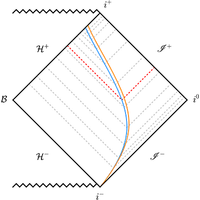
Phys. Rev. Lett. 136, 251404 (2026)
Cosmology, Astrophysics, and Gravitation
Thermodynamics of Black Holes, Far from Equilibrium
Article | Cosmology, Astrophysics, and Gravitation | 2026-06-24 06:00 EDT
Abhay Ashtekar, Daniel E. Paraizo, and Jonathan Shu
The first law of black hole mechanics has been extended to dynamical horizons so that the law applies to black holes arbitrarily far from equilibrium, a fundamental result that formally shows the thermodynamic description of black holes extends beyond the typical stationary solutions.
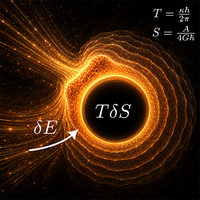
Phys. Rev. Lett. 136, 251405 (2026)
Cosmology, Astrophysics, and Gravitation
Nonperturbative $S$-Matrix Renormalization
Article | Particles and Fields | 2026-06-24 06:00 EDT
Laurent Freidel, José Padua-Argüelles, Susanne Schander, and Marc Schiffer
We propose a renormalization group flow equation for a functional that generates -matrix elements and which captures similarities to the well-known Wetterich and Polchinski equations. While the latter ones, respectively, involve the effective action and Schwinger functional, which are genuine off-s…
Phys. Rev. Lett. 136, 251602 (2026)
Particles and Fields
Enhancing Nonreciprocity through Squeezing-Induced Symmetry Breaking
Article | Atomic, Molecular, and Optical Physics | 2026-06-24 06:00 EDT
B.-B. Liu, D.-Y. Wang, J. Tang, G. Chen, H. Jing, Shi-Lei Su, and F. Nori
Reservoir engineering enables unidirectional energy and signal flow. We establish squeezing-induced symmetry breaking between two cavities as a guiding principle for exponentially amplifying reservoir-mediated nonreciprocity. Rather than a simple scaling of the coupling, this mechanism strategically…
Phys. Rev. Lett. 136, 253602 (2026)
Atomic, Molecular, and Optical Physics
Novel Chiroptical Spectroscopy Technique
Article | Atomic, Molecular, and Optical Physics | 2026-06-24 06:00 EDT
Jorge Olmos-Trigo, Cristina Sanz-Fernández, and Ivan Fernandez-Corbaton
Chiral objects typically exhibit a different extinction for the two circular polarizations of light. Researchers often detect the chirality of objects by measuring this extinction difference employing circular dichroism spectroscopy. In this Letter, we present a new spectroscopy technique for detect…
Phys. Rev. Lett. 136, 253802 (2026)
Atomic, Molecular, and Optical Physics
Thermodynamic Irreversibility in Optical Bistability
Article | Atomic, Molecular, and Optical Physics | 2026-06-24 06:00 EDT
G. Keijsers, R. M. de Boer, B. Verdonschot, K. J. H. Peters, and S. R. K. Rodriguez
We demonstrate thermodynamic irreversibility in the stochastic switching of a coherently driven bistable optical cavity. We present measurements of phase space probability currents evidencing the breaking of detailed balance associated with thermodynamic irreversibility. We also estimate the magnitu…
Phys. Rev. Lett. 136, 253803 (2026)
Atomic, Molecular, and Optical Physics
Fluid Flow and Spatiotemporal Chaos in Chemically Active Emulsions
Article | Physics of Fluids, Earth & Planetary Science, and Climate | 2026-06-24 06:00 EDT
Charu Datt, Jonathan Bauermann, Nazmi Burak Budanur, and Frank Jülicher
We study phase-separating fluid mixtures as they demix in the presence of chemical reactions that maintain them away from thermodynamic equilibrium. We show that in such chemically active emulsions the interplay of chemical reactions, phase separation, and hydrodynamics effects complex self-organiza…
Phys. Rev. Lett. 136, 254001 (2026)
Physics of Fluids, Earth & Planetary Science, and Climate
Relating Rates of Global Change, Evolutionary Adaptation, and Extinction
Article | Physics of Fluids, Earth & Planetary Science, and Climate | 2026-06-24 06:00 EDT
Daniel H. Rothman and Sergei Petrovskii
It is widely assumed that extinction occurs when environmental change outpaces a species' capacity to adapt. However, this hypothesis lacks support at the scale of global change, in part because the distribution of adaptation rates is unknown. Here, we test this idea by formulating a general model t…
Phys. Rev. Lett. 136, 254201 (2026)
Physics of Fluids, Earth & Planetary Science, and Climate
How the Oblique Drift Instability Alters Solar Wind Heating and Constrains the Distribution of Solar Wind Observations
Article | Plasma and Solar Physics, Accelerators and Beams | 2026-06-24 06:00 EDT
Mihailo M. Martinović, Kristopher G. Klein, Leon Ofman, Yogesh, Gregory G. Howes, Jaye L. Verniero, Peter H. Yoon, Daniel Verscharen, and Benjamin L. Alterman
Ion-driven plasma instability thresholds, derived from linear theory, constrain the distribution of solar observations in parameter space, defining boundaries of stable plasma parameters. Excursions beyond these thresholds result in the emission of energy, transferred from particles to coherent elec…
Phys. Rev. Lett. 136, 255201 (2026)
Plasma and Solar Physics, Accelerators and Beams
Observation of Linear Scaling of Superconductivity with Crystal Orientation at $\mathrm{a}\text{-}{\mathrm{LaAlO}}{3}/{\mathrm{KTaO}}{3}$ Interfaces
Article | Condensed Matter and Materials | 2026-06-24 06:00 EDT
Xueshan Cao, Meng Zhang, Yishuai Wang, Ming Qin, Yi Zhou, and Yanwu Xie
The superconducting transition temperature at -based oxide interfaces exhibits a dramatic dependence on crystallographic orientation, yet a unifying mechanism remains elusive. Here, we report a linear scaling between and a single geometric parameter--the angle between the () plane and…
Phys. Rev. Lett. 136, 256002 (2026)
Condensed Matter and Materials
Geometric Time-Dependent Density Functional Theory
Article | Condensed Matter and Materials | 2026-06-24 06:00 EDT
Éric Cancès, Théo Duez, Jari van Gog, Asbjørn Bækgaard Lauritsen, Mathieu Lewin, and Julien Toulouse
A geometric reformulation of time-dependent density-functional theory better describes nonequilibrium systems.
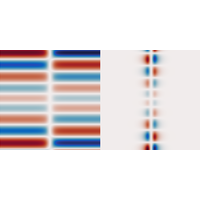
Phys. Rev. Lett. 136, 256401 (2026)
Condensed Matter and Materials
Emergent Spacetime Supersymmetry at 2D Fractionalized Quantum Criticality
Article | Condensed Matter and Materials | 2026-06-24 06:00 EDT
Zhengzhi Wu, Zhou-Quan Wan, Shao-Kai Jian, and Hong Yao
While experimental evidence for spacetime supersymmetry (SUSY) in particle physics remains elusive, condensed matter systems offer a promising arena for its emergence at quantum critical points (QCPs). Although there have been a variety of proposals for emergent SUSY at symmetry-breaking QCPs, the e…
Phys. Rev. Lett. 136, 256502 (2026)
Condensed Matter and Materials
Dynamics of Superconducting Pairs in the Two-Dimensional Hubbard Model
Article | Condensed Matter and Materials | 2026-06-24 06:00 EDT
G. Sordi, E. M. O’Callaghan, C. Walsh, M. Charlebois, P. Sémon, and A.-M. S. Tremblay
The frequency structure of the superconducting correlations in cuprates gives insights on the pairing mechanism. Here we present an exhaustive study of this problem in the two-dimensional Hubbard model with cellular dynamical mean-field theory. To this end, we systematically quantify the dependence …
Phys. Rev. Lett. 136, 256503 (2026)
Condensed Matter and Materials
Edge Reconstruction in a Quantum Spin Hall Insulator
Article | Condensed Matter and Materials | 2026-06-24 06:00 EDT
Rahul Soni, Matthias Thamm, Gonzalo Alvarez, Bernd Rosenow, and Adrian Del Maestro
We study interaction-driven edge reconstruction in a quantum spin Hall insulator described by the Bernevig-Hughes-Zhang model with Kanamori-Hubbard interactions using the real-space density matrix renormalization group method in both the grand-canonical and canonical ensembles. For a two-dimensional…
Phys. Rev. Lett. 136, 256504 (2026)
Condensed Matter and Materials
Machine-Learned Tuning to Protected States by Probing Noise Resilience
Article | Condensed Matter and Materials | 2026-06-24 06:00 EDT
Rodrigo A. Dourado, Nicolás Martínez-Valero, Jacob Benestad, Martin Leijnse, Jeroen Danon, and Rubén Seoane Souto
Protected states are promising for quantum technologies due to their intrinsic resilience against noise. However, such states often emerge at discrete points or small regions in parameter space and are, thus, difficult to find in experiments. In this Letter, we present a machine-learning method for …
Phys. Rev. Lett. 136, 256604 (2026)
Condensed Matter and Materials
Ultrafast Magneto-Optical Fingerprints of Altermagnetism in MnTe
Article | Condensed Matter and Materials | 2026-06-24 06:00 EDT
Xu Yang, Xingkai Cheng, Zhuo Deng, Yu-Han Gao, Qing-Lin Yang, Zheng Chang, Peng-Tao Yang, Hong-Mei Feng, Xiang-Qun Zhang, Wei He, Junwei Liu, and Zhao-Hua Cheng
Recently identified altermagnets exhibit a distinctive dual-space nature: they possess spin-split electronic bands akin to ferromagnets in momentum space while maintaining the fully compensated magnetization of antiferromagnets in real space. This inherent duality, originating from the same crystal …
Phys. Rev. Lett. 136, 256702 (2026)
Condensed Matter and Materials
Hearing the Light: Stray-Field Noise from the Emergent Photon in Quantum Spin Ice
Article | Condensed Matter and Materials | 2026-06-24 06:00 EDT
Gautam K. Naik, Jonathan N. Hallén, Nishan C. Jayarama, Roderich Moessner, and Chris R. Laumann
Decisive experimental confirmation of the U(1) quantum spin liquid phase in quantum spin ice remains an outstanding challenge. In this Letter, we propose stray-field magnetometry as a direct probe of the emergent photons--the gapless excitation of the emergent electrodynamics in quantum spin ice. The…
Phys. Rev. Lett. 136, 256705 (2026)
Condensed Matter and Materials
Block-Type Antiferromagnetism in Single Chain Quasi-One-Dimensional ${\mathrm{K}}{3}{\mathrm{Fe}}{2}{\mathrm{Se}}_{4}$
Article | Condensed Matter and Materials | 2026-06-24 06:00 EDT
Fei Gao, Nikhil Dhale, Ling-Fang Lin, Keith M. Taddei, Yang Zhang, Clarina Dela Cruz, Elbio Dagotto, and Bing Lv
One-dimensional (1D) structures provide a unique platform to study the correlated quantum interactions and phase transitions such as unconventional magnetism and superconducting states. Here, we report that iron chalcogenide exhibits an unusual block-type canted antiferromagnetic (AFM) orde…
Phys. Rev. Lett. 136, 256706 (2026)
Condensed Matter and Materials
Close Proximity to a Quantum Phase Transition in ${\mathrm{TmZn}}{2}{\mathrm{GaO}}{5}$
Article | Condensed Matter and Materials | 2026-06-24 06:00 EDT
Matthew Ennis, Rabindranath Bag, Tessa Cookmeyer, Matthew B. Stone, Alexander I. Kolesnikov, Tao Hong, Leon Balents, and Sara Haravifard
is a newly synthesized triangular lattice magnet that exhibits a unique quantum phase characterized by strong Ising anisotropy, a pseudodoublet crystal electric field ground state, and a low-energy gapped excitation at the point. Unlike its well-known counterparts, and ,…
Phys. Rev. Lett. 136, 256707 (2026)
Condensed Matter and Materials
Physical Review X
Complexity-Theoretic Foundations of BosonSampling with a Linear Number of Modes
Article | 2026-06-24 06:00 EDT
Adam Bouland, Daniel Brod, Ishaun Datta, Bill Fefferman, Daniel Grier, Felipe Hernández, and Michał Oszmaniec
Experimental demonstrations of quantum advantage in photonic systems operate in the "saturated regime" of optics, whereas until now the complexity theory underpinning them has pertained only to the "dilute regime"--researchers bridge the gap.
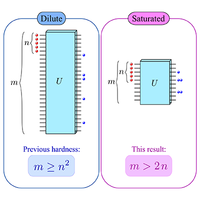
Phys. Rev. X 16, 021059 (2026)
arXiv
Spectral Leakage and Masking Effects in the Measurement of Hyperuniformity
New Submission | Soft Condensed Matter (cond-mat.soft) | 2026-06-25 20:00 EDT
The detection of hyperuniformity relies critically on accurate characterization of the small-wavenumber behavior of the static structure factor of the system. In practice, however, measurements are performed on finite subsystems or through incomplete observations that effectively mask portions of the underlying configuration. Inspired by a recent numerical study [Y. Liu, X. Li, J. Tian, X. Yan, G. Zhang, {\it J. Chem. Phys.} {\bf 164}, 094102 (2026)], we develop a unified theoretical framework that quantifies how finite windows and spatially correlated binary masks modify the observed structure factor. We show that the measured structure factor $ S_{obs}(k)$ is the convolution of the intrinsic structure factor with the spectral density of the observation function, whether it is a compact window or an extended random mask. For generic hyperuniform systems with small-$ k$ scaling $ S(k)\sim k^{\alpha}$ , finite observation window induces a universal quadratic leakage term at sufficiently small wavenumbers (i.e., $ k \lesssim 1/L$ ), leading to an apparent $ k^{2}$ scaling independent of the true exponent. The true hyperuniform exponent $ \alpha$ can only be measured in the intermediate regime $ 1/L \ll k \ll q_c$ . In stealthy hyperuniform systems, where the intrinsic structure factor possesses a spectral gap, all observed small-$ k$ power arises entirely from this convolution mechanism. For spatially correlated masks, we derive the corresponding convolution relation in terms of the mask spectral density and identify conditions under which hyperuniform signatures are suppressed, preserved, or distorted. Our results establish quantitative criteria for reliably extracting intrinsic scaling exponents and distinguishing genuine hyperuniform order from measurement-induced artifacts.
Soft Condensed Matter (cond-mat.soft), Quantum Physics (quant-ph)
5 figures, 11 pages
Journal of Chemical Physics 164, 224106 (2026)
Real-Space Mapping of Electronic Conductivity in Complex Materials
New Submission | Materials Science (cond-mat.mtrl-sci) | 2026-06-25 20:00 EDT
C. Ugwumadu, D. A. Drabold, R. M. Tutchton
We introduce KuboMap, a real-space representation of electronic conductivity derived from the Kubo-Greenwood formula. KuboMap defines a nonnegative conductivity density whose spatial integral recovers the total conductivity and whose form is guided by Mott’s picture of transport through spatially overlapping electronic states. This construction provides a direct map of the transport-active regions of a material. Applied to aluminum, KuboMap recovers an extended metallic conduction network. Applied to amorphous silicon, it distinguishes an insulating defect-free network from a defective structure in which localized near-Fermi states form connected hopping-like pathways. In silicon-oxides, it captures the loss of conduction as increasing oxygen content disrupts Silicon-rich transport networks. KuboMap provides a physically transparent route from Kubo–Greenwood conductivity to real-space transport pathways in complex materials.
Materials Science (cond-mat.mtrl-sci)
5 pages, 3 figures
A Gauge-Theoretic Formulation of Nambu Non-equilibrium Thermodynamics
New Submission | Statistical Mechanics (cond-mat.stat-mech) | 2026-06-25 20:00 EDT
We present a gauge-theoretic formulation of Nambu non-equilibrium thermodynamics (NNET).
In this framework, the thermodynamic potential $ A_{i}=\partial_{i}S$ plays the role of a gauge field: the reversible thermodynamics corresponds to the pure-gauge condition $ F=dA=0$ , while the irreversible entropy production arises from the emergence of curvature $ F\neq0$ . The gauge-fixing term, $ A_{0}=\frac{1}{2}L^{ij}A_{i}A_{j}$ leads to Onsager’s variational principle, whereas the Chern–Simons–like term $ A\wedge B\wedge dt,\ B=dH_{1}\wedge dH_{2},$ naturally yields the framework of NNET.
This formulation provides a unified geometric foundation for both reversible and irreversible processes in thermodynamics.
Statistical Mechanics (cond-mat.stat-mech)
7 pages
A Minimal Active-Particle Realization of Non-Hermitian Chern Bulk-Boundary Correspondence
New Submission | Statistical Mechanics (cond-mat.stat-mech) | 2026-06-25 20:00 EDT
We show that a minimal frustrated Vicsek–Kuramoto active-particle model realizes a non-Hermitian Chern bulk-boundary correspondence. A Sakaguchi-type phase lag in the local heading alignment generates finite-wavenumber bulk instabilities and, under collision boundaries, robust one-way boundary flow. The organizing principle is a nonlinear saturation ansatz: the linearized hydrodynamic operator selects the unstable wavelength and spectral topology, while nonlinear particle dynamics saturates the selected mode. The isotropic continuum spectrum compactifies the wave-number plane and supports spectral projectors with Chern numbers $ C=\pm2$ , fixed by the spin structure of the dispersion matrix. Strip spectral flow then predicts chiral edge propagation, in agreement with particle simulations in the nontrivial sectors.
Statistical Mechanics (cond-mat.stat-mech), Adaptation and Self-Organizing Systems (nlin.AO)
Non-Abelian Anyon Braiding with Quantum-Antidot Interferometry
New Submission | Mesoscale and Nanoscale Physics (cond-mat.mes-hall) | 2026-06-25 20:00 EDT
Conventional Fabry–Perot interferometry accesses only full braids of anyons and therefore cannot directly probe the elementary (\pi)-rotation exchange. Motivated by the recent quantum-antidot proposal for the Abelian anyons, we propose an interferometry for probing the elementary exchanges of non-abelian anyons using two gate-controlled quantum antidots. By tuning two antidots independently, the device realizes distinct cooperative tunnelling processes, which correspond to different braids of non-abelian anyons. For the unresolved local fusion channels, the difference between the interference signals of the single and double cooperative processes allows us to measure the elementary exchange of the non-abelian anyons, providing a direct probe of their non-abelian statistics and topological spins. For the resolved local fusion channels, the double-cooperative process is further distinguished by a reduced interference amplitude. Our work provides a promising and practical route for manipulating and detecting non-abelian braiding with the fundamental fractional statistics.
Mesoscale and Nanoscale Physics (cond-mat.mes-hall)
Curvature-induced smectic-C order of tangentially anchored hard spherocylinders on a sphere with a rigidly locked director field
New Submission | Soft Condensed Matter (cond-mat.soft) | 2026-06-25 20:00 EDT
Jonathan Washburn, Hartmut Löwen, Elshad Allahyarov
We study the strict locked-orientation limit of hard spherocylinders on a sphere, in which the rod axes are rigidly locked to a prescribed tangential director field and cannot reorient. Because the bulk hard-rod phase diagram contains no smectic-C phase, any coherent tilt isolates a geometric curvature mechanism rather than a finite-stiffness equilibrium effect. A ratio-symmetric recognition cost fixes the layer spacing at the bulk close-contact value and yields a hierarchy of geometric statements: the lower edge of the smectic-area window at $ 45^\circ$ follows from reciprocal symmetry; the upper edge at $ 58.3^\circ$ is a falsifiable channel-saturation hypothesis; the smectic-A to smectic-C boundary is a closed-form prediction; and the rod tilt angle is set by the rod-to-radius ratio, modulated by a chirality envelope peaking near $ 24^\circ$ . Locked-orientation Monte Carlo across fifteen geometries confirms these predictions with no fitted elastic constants: the smectic area peaks at $ 55^\circ$ , and a coherent smectic-C window is detected.
Soft Condensed Matter (cond-mat.soft), Chemical Physics (physics.chem-ph), Computational Physics (physics.comp-ph)
7 pages, 6 figures, a supplementary material with 3 pages
Local spectroscopy of anyons bound to charge traps
New Submission | Mesoscale and Nanoscale Physics (cond-mat.mes-hall) | 2026-06-25 20:00 EDT
Jeong Min Park, Cristian Voinea, Yen-Chen Tsui, Songyang Pu, Kenji Watanabe, Takashi Taniguchi, Nigel R. Cooper, Michael P. Zaletel, Zlatko Papić, Ali Yazdani
Fractional quantum Hall states host anyons, emergent quasiparticles with fractional charge and nontrivial exchange statistics. Controlling, trapping, and braiding anyons are central goals for both fundamental physics and topological quantum computation. A key step toward such control is understanding how anyons behave when confined in local potentials, where their internal structure can become relevant. Here, we use the scanning tunneling microscopy/spectroscopy (STM/STS) to study the excitation spectrum in integer and fractional quantum Hall states of monolayer graphene near individual charged impurities. In the integer quantum Hall states, the STS spectra show lifting of orbital degeneracy near defects, appearing as a band of discrete energy levels. In fractional states, (v=1/3 and 2/5), however, we observe an additional energy splitting of the lowest-energy spectral feature that occurs only when the chemical potential lies within a fractional gap and is absent in compressible or integer regimes. We attribute this to many-body configurations of anyons trapped by an impurity potential. Strikingly, numerical calculations show that the splitting requires an anisotropic confining potential, vanishing for a rotationally symmetric trap. The competing multi-anyon states carry nearly identical charge within the core of the potential but differ in how that charge is redistributed at larger radius. Our results establish local tunneling spectroscopy as a direct probe of anyon bound states, providing a key step toward understanding and controlling their behavior in confined geometries relevant for braiding and fusion.
Mesoscale and Nanoscale Physics (cond-mat.mes-hall), Strongly Correlated Electrons (cond-mat.str-el)
17 pages, 4 figures, SI
Real-space Imaging of Quantum Hall Quasiparticles
New Submission | Mesoscale and Nanoscale Physics (cond-mat.mes-hall) | 2026-06-25 20:00 EDT
Jinghao Deng, Yiming Sun, Dimitri Pimenov, Takashi Taniguchi, Kenji Watanabe, Erich J Mueller, Xiaomeng Liu
Quantum Hall systems host emergent quasiparticles with unusual charge, spin, and statistics, such as fractionally charged anyons. Although transport measurements have revealed many of their collective properties, identifying and visualizing individual quasiparticles remain elusive. Here we use scanning tunneling spectroscopy (STS) to image quantum Hall quasiparticles in graphene. Within incompressible quantum Hall states, we observe spatial variation of Landau level energies originating from electrostatic potentials created by charged defects in graphene and the underlying hexagonal boron nitride (hBN). For surface and near-surface defects, the Coulomb potential lifts the degeneracy of Landau orbitals, producing discrete energy splittings that reveal Landau orbital wavefunctions. In quantum Hall ferromagnetic states, quasiparticles bound to defect potentials produce distinct spatial and spectroscopic signatures that serve as hallmarks of the presence and number of localized excitations. In the fractional quantum Hall regime at one-third filling, our theoretical calculations predict discrete spectroscopic changes associated with the sequential addition of localized anyons, with a three-anyon bound state quantitatively reproducing our experimental data at $ \nu = 5/3$ . These observations establish spectroscopic fingerprints of quantum Hall quasiparticles and provide a pathway toward imaging and manipulating individual anyons in real space.
Mesoscale and Nanoscale Physics (cond-mat.mes-hall)
83 pages, 4 main figures, 14 supplementary figures
Exactly solvable pair-density wave in topological flat bands from magnetic translation symmetries
New Submission | Superconductivity (cond-mat.supr-con) | 2026-06-25 20:00 EDT
Zhengzhi Wu, Zhou-Quan Wan, Steven H. Simon
Pair-density wave (PDW) superconductors are exotic phases in which Cooper pairs carry finite center-of-mass momentum. Despite a variety of theoretical and experimental reports on PDW states, exact PDW ground states in topological bands have remained elusive. Here we construct exactly solvable models with PDW ground states in topological flat bands using a generalized version of the recently proposed quantum geometric nesting (QGN) framework. Our construction broadly applies to systems with non-commuting magnetic translation symmetries (MTS) and time-reversal symmetry, exemplified by the time-reversal invariant version of the Kapit-Mueller model with two ideal flat Chern bands with opposite Chern number. Our construction thus provides a platform for further studies of band topology and quantum geometry in PDW superconductors.
Superconductivity (cond-mat.supr-con), Quantum Gases (cond-mat.quant-gas), Strongly Correlated Electrons (cond-mat.str-el)
4 pages, 1 figure
Quantum Geometry in the Continuum: Solitons in Shallow Lattices
New Submission | Quantum Gases (cond-mat.quant-gas) | 2026-06-25 20:00 EDT
Koorosh Sadri, Mikael C. Rechtsman
The quantum geometry of electronic, photonic, and atomic lattice systems quantifies the distance in Hilbert space between Bloch states at neighboring lattice momenta. This quantity has profound implications for flat-band systems especially, characterizing surprising behavior such as superfluidity and superconductivity when the group velocity is zero and no transport would be expected for non-interacting particles. However, when the band is not flat, the effects of quantum geometry are often intertwined with and partly masked by the band dispersion. Here, we show that in weakly interacting bosonic systems in the critical dimension (i.e., two dimensions for Kerr nonlinearity), the deviation from critical behavior due to the presence of the lattice is governed by the quantum geometry, which is directly proportional to the fourth-order dispersion. Furthermore, we identify the family of continuous lattice potentials that saturates the bound on the quantum metric for a given effective mass tensor.
Quantum Gases (cond-mat.quant-gas), Pattern Formation and Solitons (nlin.PS), Optics (physics.optics)
11 pages, 3 figures
Layer-tunable Hubbard bands probed via moiré excitons in MoSe$_2$/WS$_2$ heterostructures
New Submission | Mesoscale and Nanoscale Physics (cond-mat.mes-hall) | 2026-06-25 20:00 EDT
Hongyu Yao, Qiao Li, Chih-En Hsu, Takashi Taniguchi, Kenji Watanabe, Hung-Chung Hsueh, Zhenglu Li, Andrew Y. Joe
Moiré superlattices in transition metal dichalcogenide heterostructures provide a highly tunable platform for engineering strongly interacting states at the nanoscale. However, quantitatively determining and in-situ tuning of the underlying Hubbard parameters remains experimentally challenging. Here, we report electric-field-driven reordering of layer-specific Hubbard bands by performing optical spectroscopy on a dual-gated, 60°-aligned MoSe$ _2$ /WS$ _2$ heterobilayer. Using two spatially distinct moiré excitons as local optical probes and tracking them as a function of carrier filling and vertical electric field, we quantitatively extract the layer-dependent on-site Coulomb repulsions, U$ _M$ ~60 meV in MoSe$ _2$ and U$ _W$ ~30 meV in WS$ _2$ . Furthermore, we stabilize generalized Wigner crystal and stripe phases by electrostatically tuning the system to a type-II band alignment, shifting the ground state into the WS$ _2$ layer where reduced on-site repulsion allows inter-site Coulomb interactions to dominate. Our results establish vertical electric fields as a deterministic tuning knob for layer-selective Hubbard physics, enabling device-level control of complex many-body phases.
Mesoscale and Nanoscale Physics (cond-mat.mes-hall)
Operando spectro-ptychography reveals dynamical charge-storage and degradation pathways in redox-active electrodes
New Submission | Materials Science (cond-mat.mtrl-sci) | 2026-06-25 20:00 EDT
Xiao Zhao, Yuchen Cao, Evan Z Carlson, Angel Burgos, Daniel Jacobs, Hanfeng Zhong, Lily Taylor, Haozhi Sha, Feng-yang Chen, Yu Shan, Hendrik Ohldag, Alexander Ditter, José A. Rodriguez, David Shapiro, William Chueh, Jianwei Miao
Electrochemical reactions at buried electrode-electrolyte interfaces govern how redox-active materials store and release energy. However, these reactions are difficult to visualize because chemical and morphological changes occur simultaneously over distinct length and time scales. Existing operando microscopies often require trade-offs among chemical sensitivity, spatial resolution and temporal resolution. Direct nanoscale tracking of such processes throughout extended timescale has therefore remained out of reach. Here, we develop a fast and robust operando soft X-ray spectro-ptychography platform that delivers chemical-state-resolved spatiotemporal movies of redox-active electrodes over the full battery lifetime. Applied to an alkaline Fe anode, the method reveals that reversible charge storage gives way to degradation through two competing processes: rapid hydroxide insertion that drives early reversible cycling, and slower dissolution-redeposition that redistributes Fe, enlarges FeOOH particles, and ultimately causes capacity loss. By separating fast charge-storage chemistry from slower degradation chemistry in operando and at both single-particle and particle ensemble level, this work establishes spectro-ptychography as a general approach for studying dynamic redox transformations in batteries, electrocatalysts, and other electrochemical materials.
Materials Science (cond-mat.mtrl-sci)
46 pages, 4 figures
Accelerating Chemical Potential Calculations with Minimal Normalizing Flows
New Submission | Statistical Mechanics (cond-mat.stat-mech) | 2026-06-25 20:00 EDT
Philippe Baron, Athanassios Z. Panagiotopoulos
Chemical potentials are among the most important properties that can be obtained from a molecular simulation since they define many technologically relevant collective properties. The chemical potential of a species in solution is obtained by computing the free energy change of adding that species into a bulk system, a calculation typically very expensive for systems such as electrolytes, due to the lack of phase space overlap between “not-inserted” and “inserted” states. Recently, normalizing flows have been introduced as a way to accelerate free energy computations by learning a bijective function, constructed to be as expressive as possible, that maps the configuration space of one Boltzmann distribution onto another. This expressivity makes them difficult to train, limiting their ability to be generated “on-the-fly” for any new system, and in practice these mappings have shown only modest sampling improvements for liquids. We address these issues by introducing a “minimal” normalizing flow (MNF). This is a trainable bijective mapping that is intentionally limited in expressivity, and instead applies low-dimensional, physically informed transformations. Useful MNFs can be trained in 1 minute of GPU time due to their simplicity and our introduction of a novel training strategy. We show how calculations of chemical potentials of Lennard-Jones particle systems can be accelerated by at least 10 times with a simple radial mapping. We also apply a radial and orientational mapping to ion solvation in water, showing that MNFs can increase the effective sample size by 3 times for charging free energy calculations and 8 times for calculating free energy changes due to force field perturbations. This provides the foundation for the development of physically-informed mappings that can accelerate complex free energy calculations while retaining low training costs.
Statistical Mechanics (cond-mat.stat-mech), Chemical Physics (physics.chem-ph)
Defect Engineered 2D MoS2 Materials for ML-enabled Neurotransmitter SERS Detection
New Submission | Mesoscale and Nanoscale Physics (cond-mat.mes-hall) | 2026-06-25 20:00 EDT
Md Arifur R. Khan, Besan Khader, Nicholas Trainor, Chen Chen, Joan M Redwing, Slava V Rotkin, Tetyana Ignatova
An attachment of catechol-containing neurotransmitter molecules is demonstrated on defect-engineered two-dimensional MoS2 platform, leading to activation of SERS due to molecular charge transfer. Mechanisms of neurotransmitters’ bio-detection are discussed and Machine Learning methods are applied to distinguish spectra of structurally similar analytes. The SERS effect and selective docking of biomolecules are achieved through an optimized approach for defect engineering: namely, introducing the sulfur vacancies in MoS2 monolayer films via soft plasma etching led to molecular attachment driven by catechol functional groups. The quality of the sensor material was controlled by Raman, photoluminescence, and XPS characterization, thus allowing for optimization of the process of defect formation and achieving sensing selectivity. The sensor material showed no response to serotonin, confirming the specificity of attachment/SERS due to S-vacancies that regulate the strength of catechol-specific molecular adsorption. Defect-engineered MoS2 has enabled SERS detection of dopamine and epinephrine down to the sub-nanomolar range ($ 5\times10^{-10}$ M), with strong calibration reliability ($ R^2$ = 0.95 and 0.99 for pure samples). PCA-LDA achieved 100$ %$ accuracy in distinguishing dopamine and epinephrine, which establishes defect-engineered MoS2 as a tunable, low-cost SERS platform for future sensing applications.
Mesoscale and Nanoscale Physics (cond-mat.mes-hall)
The SU(N) Holstein Model
New Submission | Strongly Correlated Electrons (cond-mat.str-el) | 2026-06-25 20:00 EDT
Chunhan Feng, Linh Pham, George Batrouni, Richard Scalettar
From the condensed matter physics perspective, the most natural single orbital tight-binding Hamiltonians, and hence the most widely studied, contain two fermionic species, corresponding to spin up and spin down electrons. In cold atom systems, however, SU(N) symmetry, in which $ N > 2$ fermionic species reside within a single band, also occurs. In order to understand such experiments, the SU(N) Hubbard model has been increasingly studied. Here we present determinant Quantum Monte Carlo simulations of the SU(N) {\it Holstein} Hamiltonian, in which $ N$ fermionic species couple to a single local phonon mode. We show that at half filling it has an insulating charge density wave phase (CDW) at low temperatures, in which empty sites alternate with sites with $ N$ particles. We determine the $ N=3$ CDW phase diagram in the temperature, $ T$ , versus electron-phonon coupling, $ \alpha$ , plane at fixed phonon frequency $ \omega_0$ and half-filling $ \rho=1.5$ . The critical temperature $ T_c$ for $ N=3$ can be as high as twice the maximum attainable for $ N=2$ . We also obtain the $ N$ dependence of $ T_c$ for a representative, fixed, $ \omega_0$ and $ \alpha$ .
Strongly Correlated Electrons (cond-mat.str-el)
9 pages, 8 figures
Intrinsic Magnetic Excitations and Heavy-Fermion Formation in the Frustrated Mn Pyrochlore System YMn${2+δ}$Zn${20-x}X_x$ ($X$ = In and Al) Revealed by Nuclear Magnetic Resonance and Nuclear Quadrupole Resonance Measurements
New Submission | Strongly Correlated Electrons (cond-mat.str-el) | 2026-06-25 20:00 EDT
Shunsaku Kitagawa, Kenji Ishida, Yoshihiko Okamoto, Zenji Hiroi
We performed nuclear magnetic resonance (NMR) and nuclear quadrupole resonance (NQR) measurements to investigate the microscopic electronic states of the $ d$ -electron heavy-fermion candidates $ \mathrm{YMn_{2+\delta}Zn_{20-x}In_x}$ and $ \mathrm{YMn_{2+\delta}Zn_{20-x}Al_x}$ . In these compounds, magnetic fluctuations of the Mn pyrochlore lattice are expected to play an important role in heavy-fermion formation; however, excess Mn atoms complicate the interpretation of the physical properties. Our spectral analysis reveals that In substitution exhibits much higher site selectivity and introduces significantly less disorder in local structure than Al substitution. The temperature dependence of the nuclear spin-lattice relaxation rate divided by temperature $ 1/T_1T$ measured by $ ^{55}$ Mn-NQR shows a clear enhancement at low temperatures, indicating the development of low-energy excitations associated with heavy-fermion formation. However, its absolute magnitude is approximately 20 times smaller than that in the related compound YMn$ _2$ , which hosts stronger antiferromagnetic correlations, indicating that the magnetic interactions are substantially weakened by the enlarged Mn-Mn distance. These results demonstrate that the heavy-fermion state in this system arises from the Mn pyrochlore network and is more closely associated with frustration-induced magnetic excitations with low energy than with conventional antiferromagnetic quantum-critical fluctuations.
Strongly Correlated Electrons (cond-mat.str-el)
5 pages, 4 figures
J. Phys. Soc. Jpn. 95, 074705 (2026)
NMR evidence for a loop-current state with broken $C_6$ symmetry in the charge-ordered CsV$_3$Sb$_5$
New Submission | Superconductivity (cond-mat.supr-con) | 2026-06-25 20:00 EDT
X. Y. Feng, Z. Zhao, J. Dou, S. Li, J. Luo, J. Yang, H. T. Yang, H.-J. Gao, R. Zhou, Guo-qing Zheng
Loop-current (LC) order and the associated time-reversal symmetry breaking (TRSB) are pivotal for understanding hidden magnetism and unconventional superconductivity in strongly correlated quantum materials. The recently discovered kagome metal CsV$ _3$ Sb$ _5$ provides a unique platform for exploring these intertwined phenomena. In this study, we utilize $ ^{121}$ Sb nuclear quadrupole resonance (NQR) and $ ^{51}$ V nuclear magnetic resonance (NMR) measurements to investigate the possible existence of the LC order in CsV$ _3$ Sb$ 5$ . Below $ T^\ast \approx 45$ K, we observe a field-independent NMR linewidth broadening at the V site in a high-quality single crystal, which indicates an internal magnetic field of 3.6 Oe at the V position. We show that this internal field arises from a static LC state that produces orbital magnetic moments $ \mu{\rm orb}$ ranging from 0.002 to 0.01 $ \mu_B$ . Detailed analysis suggests that the observed LC state breaks $ C_6$ rotational symmetry to possess a low symmetry of $ C_2$ . Our results provide microscopic evidence for LC order in the charge density wave (CDW) phase of CsV$ _3$ Sb$ _5$ and show that TRSB is intertwined with electronic nematicity, imposing stringent constraints on microscopic descriptions of the kagome CDW and its relation to superconductivity.
Superconductivity (cond-mat.supr-con), Strongly Correlated Electrons (cond-mat.str-el)
19 pages, 7 figures
Universal behavior of the condensation energy of Superconducting BCS Bose gases
New Submission | Superconductivity (cond-mat.supr-con) | 2026-06-25 20:00 EDT
Juan José Valencia Acevedo, Miguel Ángel Solís Atala, Patricia Salas Casales, Israel Chávez Villalpando
Using the Boson-Fermion formalism of superconductivity we calculate the condensation energy for several superconductors ranging from conventional to unconventional, or high temperature superconductors. It is calculated as the difference between the Helmholtz free energies of the superconducting and the normal state, which is a gas of N attractive electron gas, while the superconducting state is formed by the condensed Cooper pairs taken as composite bosons, coming from a fraction of the electrons inside the Debye shell, plus those electrons inside and outside the Debye shell that are unable to pair. After giving the analytic expressions for the internal energy U and the entropy S we obtain the Helmholtz free energy F = U -TS for both the superconducting and the normal states as functions of temperature. In the search for universalities, we calculate the ratio of the condensation energy at T=0 to the Sommerfeld constant (the normal state electronic specific heat over the temperature when T it’s almost zero) using two different methods: the Boson-Fermion formalism developed here, as well as an analytical expression deduced from a combination of the BCS and Ginzburg-Landau theories. We find for the Boson-Fermion formalism $ E_{cond}/\gamma_0= 0.252,T_{c}^{1.997}$ , which is the same behavior described by the experimental fit of Kim et al $ E_{cond}/\gamma_0= 0.2,T_{c}^{2.06}$ and by the one recently reported by Tallon et al for overdoped cuprate superconductors; while for the Ginzburg-Landau-BCS we get the expression $ E_{cond}/\gamma_0= 0.236,T_{c}^{2}$ , also in very good agreement with the partifirst method.
Superconductivity (cond-mat.supr-con)
9 pages, 3 figures
Fractionalized Vortices Drive Kosterlitz-Thouless Transitions in Dipole-Conserving Systems
New Submission | Quantum Gases (cond-mat.quant-gas) | 2026-06-25 20:00 EDT
Han-Xie Wang, Shuai A. Chen, Zheng Yan, Peng Ye
Finite-temperature dipole-conserving superfluids in two dimensions pose a direct challenge to the usual Kosterlitz-Thouless (KT) paradigm: the primary phase field lacks quasi-long-range order, and the conventional vortex has only finite self-energy. We show that KT criticality nevertheless survives through a fractionalization of the vortex sector. In the dipole-conserving XY model, a minimal classical lattice realization of a fractonic superfluid, the conventional vortex is a finite-energy composite of two unconventional vortices in compact dipole fields. These fractionalized constituents have logarithmically divergent self-energies and are the defects that unbind at the transition; correspondingly, the ordinary helicity modulus remains nonsingular. Using Metropolis Monte Carlo supplemented by parallel tempering, generalized helicity moduli, and direct vortex-density measurements, we establish a phase diagram controlled by the deconfinement of these two vortex species. In the isotropic model, they deconfine simultaneously, producing a single KT transition. Coupling anisotropy splits the transition into two, separated by a phase with partial dipole quasi-long-range order, whereas removing the mixed-derivative coupling recombines the transitions even for anisotropic stiffnesses. Our theoretical and numerical results identify a fractionalized-defect mechanism for finite-temperature criticality in higher-moment-conserving matter and point to a hierarchy of KT transitions in multipole-conserving systems.
Quantum Gases (cond-mat.quant-gas), Statistical Mechanics (cond-mat.stat-mech), Strongly Correlated Electrons (cond-mat.str-el)
A Unified Josephson Dynamics Perspective for Single-Cavity BECs: From Self-Trapping to Dynamical Phase Transitions
New Submission | Quantum Gases (cond-mat.quant-gas) | 2026-06-25 20:00 EDT
We investigate a two-component Bose-Einstein condensate (BEC) strongly coupled to a single optical cavity, effectively described by a mean-field Dicke model supplemented with interatomic nonlinearities. Here, we propose a unified theoretical framework demonstrating that macroscopic quantum self-trapping (MQST) natively emerges between two internal atomic energy levels within a single cavity. By deriving the dimensionless semiclassical Josephson equations (SJE) governing this purely internal-state architecture, we analytically determine the critical nonlinear threshold and intrinsic phase shift mechanism for the phase transition. Based on this framework, we present two approaches for manipulating quantum phase transitions: dynamic in-situ tuning via photon pumping and inducing non-equilibrium dynamical phase transitions (DPT) via real-time parameter quenches. Furthermore, we rigorously prove that the effective charging energy driving this system scales exactly as one-quarter of the effective spin-dependent interaction energy – the precise parameter governing recent spin-orbit coupled (SOC) BEC experiments. Incorporating realistic $ ^{87}$ Rb atomic parameters, we substantiate that these single-cavity MQST and transition dynamics are highly feasible for observation under current state-of-the-art cold-atom technologies.
Quantum Gases (cond-mat.quant-gas), Quantum Physics (quant-ph)
Kohn anomaly in a topological phase transition
New Submission | Strongly Correlated Electrons (cond-mat.str-el) | 2026-06-25 20:00 EDT
Jingwen Li, Arpita Dutta, Kush Saha, Andrzej Szczerbakow, Tomasz Story, Manfred Fiebig, Shovon Pal
Topological crystalline insulators extend the concept of topological insulators by hosting surface states protected by crystallographic symmetry. Their topological phase transitions arise from spin-orbit-driven band inversion in the bulk electronic structure, reshaping the low-energy electronic environment and its coupling to lattice excitations. While the electronic aspects of band topology are well established, the corresponding dynamics of lattice and electron-phonon interactions remain largely unexplored. Here, we report a pronounced softening of a low-energy surface phonon mode across the topological phase transition in Pb0.77Sn0.23Se, revealed by temperature-dependent time-domain terahertz spectroscopy. Unlike the well-known phonon softening in ferroelectrics, this effect does not signal a structural instability but instead reflects electronic reconstruction. We attribute the softening to the Kohn anomaly, indicating a strong coupling between lattice vibrations and Dirac-like surface electrons in the topological phase. Consistently, the phonon linewidth deviates from the standard anharmonic temperature dependence, further evidencing enhanced electron-phonon coupling. Our results establish phonon softening as a spectroscopic signature of topological phase transitions and provide a route to distinguish topological and trivial phases.
Strongly Correlated Electrons (cond-mat.str-el)
Intrinsic Defect Energetics and Fluorine Doping Effects in Li2CO3 and Li2O2: A First-Principles Study
New Submission | Materials Science (cond-mat.mtrl-sci) | 2026-06-25 20:00 EDT
Youjeong Choi, Tasuku Sugiura, Keisuke Mukai, Nanako Ishihara, Shuji Nakanishi, Teruyasu Mizoguchi
Lithium carbonate, Li2CO3, is a thermodynamically stable carbonate phase whose defect energetics are closely related to its stability and decomposition behavior in various lithium-based electrochemical systems. These properties of Li2CO3 are particularly important in lithium-oxygen battery environments. In these systems, Li2CO3 can form as a parasitic discharge product alongside Li2O2, the primary discharge product, leading to performance degradation. However, compared with Li2O2, the intrinsic defect thermodynamics of Li2CO3 and how chemical doping modifies its defect energetics remain insufficiently understood. In this study, first-principles calculations were performed to systematically analyze the intrinsic point-defect energetics of Li2CO3 and to evaluate the effects of fluorine doping on vacancy formation energies in Li2CO3 and Li2O2. Intrinsic defect analysis reveals that defect behavior is predominantly governed by lithium-related defects. Upon fluorine doping, lithium and carbon vacancy formation energies decrease selectively in Li2CO3, partially destabilizing the carbonate framework, while a reduction in lithium vacancy formation energy is also observed in Li2O2. These results suggest that fluorine doping modulates the defect energetics of both discharge products, potentially providing a thermodynamic basis for controlling the stability of Li2CO3 and Li2O2 under thermodynamic conditions representative of lithium-oxygen batteries.
Materials Science (cond-mat.mtrl-sci)
30 pages, 7 figures, 9 pages of Supporting Information
Spin-imbalanced fermion on a dynamic lattice
New Submission | Strongly Correlated Electrons (cond-mat.str-el) | 2026-06-25 20:00 EDT
Jie Liu, Xiaofan Zhou, Suotang Jia
We investigate the magnetic order of a one-dimensional spin-1/2 fermion dynamical lattice, where itinerant fermions are coupled to bond-centered localized spins via an Ising-like spin dependent hopping. The model provides an anisotropic dynamical extension of conventional spin-1/2 fermion systems, in which the motion of itinerant fermions is directly modulated by the configuration of localized spins. Using density matrix renormalization group simulations, we map out the ground state phase diagram in various parameter spaces. Depending on the interplay among the hopping dependent on localized spins, the longitudinal field, and the external Zeeman field, two distinct phases are obtained: a paramagnetic phase and a spin-density-wave phase. Most notably, in the partially spin-polarized fermion phase, the spin-density wave ordering wave vector exhibits two distinct phenomena, corresponding respectively to the nesting vectors $ 2k_{F\uparrow}$ and $ 2k_{F\downarrow}$ of the spin-resolved Fermi surfaces. We further demonstrate that the two spin-density wave phases are robust against the repulsive Hubbard interaction between itinerant fermions. Our results reveal a novel route for tuning magnetic modulations in one-dimensional correlated systems and enrich the microscopic understanding of dynamical lattice magnetism.
Strongly Correlated Electrons (cond-mat.str-el), Quantum Gases (cond-mat.quant-gas), Quantum Physics (quant-ph)
7 pages, 8 figures
Emergence of Quasi-two-dimensional Superconductivity in W-doped Bulk Noncentrosymmetric 3$R$-TaSe$_2$
New Submission | Superconductivity (cond-mat.supr-con) | 2026-06-25 20:00 EDT
Noncentrosymmetric transition-metal dichalcogenides offer a rich environment for the study of unconventional superconducting phenomena. Here, we present a comprehensive analysis of single-crystalline W-doped 3$ R$ -TaSe$ _2$ , revealing weakly coupled anisotropic unconventional superconductivity at $ T_c$ = 2.82(2) K, with an in-plane upper critical field exceeding the Pauli limit by 1.7 times. The angular dependence of the upper critical field, along with the observation of a Berezinskii-Kosterlitz-Thouless transition, reveals quasi-two-dimensional superconductivity. Crucially, magnetotransport reveals a distinct two-fold rotational symmetry within the superconducting state under in-plane fields, breaking the underlying three-fold lattice symmetry. These findings establish W-doped $ 3R\text{-TaSe}_2$ as a bulk model system for exploring intrinsic low-dimensional superconductivity and broken rotational symmetry, thus opening new directions for future quantum technologies.
Superconductivity (cond-mat.supr-con)
9 pages, 5 figures
Suppression of Active Super-Diffusion: Impact of String Defects and Canted Multi-Domains
New Submission | Soft Condensed Matter (cond-mat.soft) | 2026-06-25 20:00 EDT
Ritik Rajak, Manish Agarwal, Sanjay Puri, Varsha Banerjee
We investigate the transport dynamics of an active Brownian particle (ABP) traversing a complex, non-Newtonian liquid crystal (LC) matrix. Employing the Generalized Lebwohl-Lasher (GLL) model, we systematically vary higher-order orientational interactions to stabilize three distinct host environments: isotropic, uniform nematic, and structurally frustrated canted phases. Modeling the coupled system via off-lattice over-damped Langevin dynamics, the resulting trajectories are characterized by evaluating their step-size distributions (SSDs), mean-square displacements (MSDs), and Hurst exponents. In the uniform nematic phase, the anisotropic matrix elastically channels the ABP, producing a left-skewed exponential SSD and persistent ballistic motion parallel to the director $ \hat{\mathbf{n}}$ . Similarly, transverse transport obeys a Rayleigh distribution and acquires a prominent $ t \ln t$ super-diffusive correction-an explicit signature of the particle coupling to the host’s gapless transverse Goldstone modes, as predicted by Toner et al. [Phys. Rev. E {\bf 93}, 062610 (2016)]. Crucially, we reveal that this active super-diffusion is systematically suppressed when the long-range Goldstone fluctuations are disrupted by topological defects. This breakdown manifests both macroscopically within the fractured, multi-domain canted phase due to a structural mass gap, and locally in the unfrustrated nematic phase through scattering by vortex disclination lines. Consequently, while the local SSDs qualitatively mirror the ideal nematic state, the transverse $ t \ln t$ scaling vanishes in the presence of these structural constraints. Our findings demonstrate that tuning the background defect architecture of a complex fluid can fundamentally alter the transport universality class of active matter, offering a novel paradigm for controlling microscopic mobility.
Soft Condensed Matter (cond-mat.soft)
10 pages, 7 figures
Spin-flip optical excitations in van der Waals antiferromagnet CrPS$_4$
New Submission | Materials Science (cond-mat.mtrl-sci) | 2026-06-25 20:00 EDT
Dipankar Jana, Aljoscha Soll, Zdenek Sofer, Milan Orlita, Clement Faugeras, Maciej Koperski, Marek Potemski
We investigate the near-infrared optical response of the semiconducting van der Waals antiferromagnet CrPS$ _4$ and identify previously unreported spin-entangled optical resonances. The strong and anisotropic magnetic-field dependence of these resonances reflects the underlying magnetic order and confirms the biaxial antiferromagnetic nature of CrPS$ _4$ . From the magnetic field evolution of the optical transition, we extract key magnetic parameters, including the spin-flop ($ \approx0.9$ ~T) and spin-saturation ($ \approx8$ ~T) fields. These results demonstrate a potential pathway for all-optical probing of spin states in van der Waals antiferromagnets, with relevance for spin-sensitive optoelectronic and magneto-optical devices.
Materials Science (cond-mat.mtrl-sci)
12 pages, 3 figures
Nano Letters (2026)
Automatic-differentiation-enabled dynamic parameter retrieval with sub-pulse-width resolution
New Submission | Strongly Correlated Electrons (cond-mat.str-el) | 2026-06-25 20:00 EDT
Huaiyue Peng, Yuchen Lin, Fu Deng, Xiaoyue Zhou, Jingdi Zhang
Time-resolved terahertz time-domain spectroscopy (THz-TDS) is a phase-sensitive tool in condensed matter physics for tracking photoinduced non-equilibrium dynamics of low-energy elementary excitations. However, the measured response function, optical conductivity $ \sigma(\omega,t_{pp})$ , becomes unreliable in reporting the state of matter when material properties drastically change on a timescale comparable to or less than the probe pulse duration, obscuring the sub-pulse-width dynamics. To resolve this issue, we present a full-waveform inversion framework inspired by the multi-dimensional retrieval philosophy of frequency-resolved optical gating (FROG). By leveraging the automatic differentiation (AD) technique and the two-dimensional time-domain signal $ E(t_{g},t_{pp})$ , we show one can uniquely solve the inverse problem, at the sub-pulse-width resolution, of retrieving physical observables that are still well-defined, i.e., time-dependent scattering rate $ \gamma(t)$ , plasma frequency $ \omega_\mathrm{p}(t)$ and resonance frequency $ \omega_0(t)$ , while the response functions are not. Further optimization by gradient-based routines (Adam + L-BFGS) via JAX makes the method exceptionally robust against experimental noise and probe pulse distortions. The validity of the AD-enabled methodology is benchmarked both by a self-consistent numerical approach and by experimental data from real ultrafast THz spectroscopy measurements.
Strongly Correlated Electrons (cond-mat.str-el)
A Differentiable DFT-Based Framework for Inverse Materials Design
New Submission | Materials Science (cond-mat.mtrl-sci) | 2026-06-25 20:00 EDT
Kohei Ishii, Hisazumi Akai, Tetsuya Fukushima, Hikari Shinya, Koji Inui
Discovering solid-state materials with target properties remains a central challenge in computational materials science. Existing approaches – high-throughput screening, surrogate optimization, and generative models – require extensive evaluations or training data and extrapolate poorly to unseen compositions. Here we develop a first-principles inverse-design framework, integrating reverse-mode automatic differentiation (AD) into KKR-CPA – the Korringa–Kohn–Rostoker method with the coherent potential approximation – where atomic compositions are continuous variables to be optimized. Reverse-mode AD yields gradients of objective functions with respect to composition at a cost independent of the number of candidate elements, enabling gradient-based optimization to identify materials from compositional spaces spanning dozens of elements. In this framework, any computable quantity can serve as the objective. We demonstrate this generality through two contrasting applications, magnetic alloys and half-metals, yielding candidates such as (Lu$ _{0.553}$ Yb$ _{0.447}$ )(Co$ _{0.759}$ Fe$ _{0.241}$ )$ _2$ Fe$ _3$ and FeZr(Sb$ _{0.94}$ Te$ _{0.06}$ ). Our framework offers a physically grounded route from a target property to the material that realizes it.
Materials Science (cond-mat.mtrl-sci), Computational Physics (physics.comp-ph)
24 pages, 6 figures, 3 tables
Dynamic dissipative structures in bistable magnetic ordered spin crossover systems: self-oscillations of magnetization
New Submission | Statistical Mechanics (cond-mat.stat-mech) | 2026-06-25 20:00 EDT
Yu.S. Orlov, N.N. Paklin, S.V. Nikolaev, E.I. Shneyder, V.A. Dudnikov
Dissipative systems can exhibit a variety of behavioral modes, ranging from complex deterministic chaos to the spontaneous emergence of ordered structures. A simple example of the latter is Benard cells. More complex examples include lasers, droplet clusters, the Belousov–Zhabotinsky reaction, and biological life. Of particular interest in the context of the formation of spatiotemporal dissipative structures are bistable systems with spin crossover. This paper discusses the possibility of observing self-oscillations of magnetization in magnetically ordered systems with spin crossover. The results of theoretical calculations of the nonlinear dynamics of bistable magnetic systems under nonequilibrium conditions are presented.
Statistical Mechanics (cond-mat.stat-mech)
16 pages, 11 figures
Mode-locking in a colloidal ring driven by power-modulated optical tweezers
New Submission | Soft Condensed Matter (cond-mat.soft) | 2026-06-25 20:00 EDT
Muyang Huang, Pik-Yin Lai, Xiaoguang Ma
Particles and clusters moving across real-space periodic potentials can become locked to discrete directions or orientations due to competing symmetries. Here, we demonstrate an analogous locking phenomenon within a synthetic frequency space. We drive ring-shaped colloidal clusters using a circular optical tweezer array, where power modulation of the traps generates coexisting, distinct potential waves. Relative displacements between the cluster and these waves trace zigzag trajectories across a synthetic two-dimensional lattice, mirroring directionally locked motion in real-space periodic potentials. By tuning the relative wave amplitudes, both the cluster’s direction in synthetic space and its velocity in real space exhibit discrete plateaus, both governed by square-lattice symmetry. Furthermore, the formation of superlattices between the particles and potential wave minima mirrors the characteristic features of kinetically locked two-dimensional clusters, demonstrating the capability to explore driven cluster dynamics within higher-dimensional potentials using lower-dimensional setups. Our findings establish new strategies for controlling transport of particle clusters via power-modulated laser tweezers.
Soft Condensed Matter (cond-mat.soft), Statistical Mechanics (cond-mat.stat-mech)
A topology-tuned pressure valve across the isoreticular RHO zeolite family
New Submission | Materials Science (cond-mat.mtrl-sci) | 2026-06-25 20:00 EDT
Salvador R. G. Balestra (1), Antonio Rivas-Blanco (2 and 3), Said Hamad (2 and 3), A. Rabdel Ruiz-Salvador (2 and 3) ((1) Departamento de Física Atómica, Molecular y Nuclear, Área de Física Teórica, Universidad de Sevilla, Sevilla, Spain, (2) Centro de Nanociencia y Tecnologías Sostenibles (CNATS), Universidad Pablo de Olavide, Sevilla, Spain, (3) Departamento de Sistemas Físicos, Químicos y Naturales, Universidad Pablo de Olavide, Sevilla, Spain)
The isoreticular index of the eight-member embedded RHO zeolite hierarchy operates as a phenomenological design knob that tunes the mechanical critical pressure of the framework valve from $ \sim 0.94$ GPa for parent RHO down to a predicted $ \lesssim 0.03$ GPa for the largest member PST-28, more than an order of magnitude lower across a single family of synthesizable nanoporous solids. The molecular-valve effect that defines zeolite RHO (a reversible centric-to-acentric phase transition triggered by water, gas pressure, or mechanical loading) is shown here to be not a peculiarity of the smallest member but a generic property of the whole hierarchy, with a critical pressure that decays exponentially with the isoreticular order $ k$ . Combining lattice dynamics, full elastic-constant tensors, and finite-temperature free-energy reconstructions within a classical core-shell description of the pure-silica frameworks (independently validated against r$ ^2$ SCAN+rVV10 density-functional theory on $ G_1$ and $ G_2$ ), we find that the entire family is well described by an effective mean-field Landau picture in which the framework distortion couples quadratically to the volumetric strain. We emphasise that $ p_c$ is a mechanical (hydrostatic) critical pressure of the bare pure-silica framework, used as a proxy for the intrinsic framework softness and for the cation- and dehydration-driven response of the real aluminosilicates; it is not a gas-adsorption pressure. The exponential extrapolation places $ p_c(G_6\text{-}G_8) \lesssim 0.1$ GPa (model-dependent band $ 0.03$ -$ 0.15$ GPa), identifying the higher-order members as the softest, most stimuli-responsive frameworks of the hierarchy; whether this intrinsic softness translates into guest-driven switching at low gas activities will depend on the Al distribution, extra-framework cations and adsorbed molecules, and remains to be tested experimentally.
Materials Science (cond-mat.mtrl-sci), Statistical Mechanics (cond-mat.stat-mech), Chemical Physics (physics.chem-ph)
zeolites, isoreticular chemistry, phase transitions, soft nanoporous materials, molecular valves, effective Landau description, soft-mode transitions, enhanced sampling
Mechanical response of quasi-two-dimensional colloidal clusters under uniaxial tension
New Submission | Soft Condensed Matter (cond-mat.soft) | 2026-06-25 20:00 EDT
Yanhui Yang, Jiawei Kang, Yao Li, Xiaoguang Ma
Despite extensive studies of equilibrium conformations of colloidal clusters, little is known about their mechanical response. Here, we investigate the tensile behavior of a quasi-two-dimensional colloidal cluster subjected to uniaxial tension up to fracture. The sample is a ribbon-shaped assembly of 16 colloidal beads bound by short-range depletion attraction. Using multiple optical tweezers, we clamp the cluster at both ends and perform a tensile test along its long axis. Combining video microscopy with particle tracking, we measure the tensile stress, strain, and particle configurations during deformation. We observe diverse mechanical response behaviors, including elastic, plastic, and soft-mode deformation, with fracture occurring at a strain near 10%. To explain these behaviors, we construct a spring-mass frame model with breakable elastic bonds. We perform canonical Monte Carlo simulations on the full model with 32 degrees of freedom and compute the statistical distributions of mechanical observables using a simplified model with only 7 degrees of freedom. Both the simulations and the theoretical calculations accurately reproduce the experimental stress–strain curves. Moreover, the configuration distributions predicted by the simplified model agree well with both experiment and simulation in the elastic and soft-mode regimes, with only minor discrepancies in the plastic regime. This work demonstrates that the simplified spring-mass model captures the essential physics governing the rich tensile response behavior of the colloidal cluster.
Soft Condensed Matter (cond-mat.soft), Statistical Mechanics (cond-mat.stat-mech)
Valence-change-driven reduction of antiphase boundaries in spinel ferrite epitaxial films
New Submission | Materials Science (cond-mat.mtrl-sci) | 2026-06-25 20:00 EDT
Kouki Takeo, Eiji Kita, Hideto Yanagihara
Antiphase boundaries (APBs) formed in thin films sometimes cause severe degradation of their physical properties. In particular, a high density of APBs in spinel ferrite films generates a non-negligible magnetic dead layer near the interface. In this study, we examined the effect of post-oxidation annealing in an oxygen plasma atmosphere on Co$ _{0.125}$ Fe$ _{2.875}$ O$ _4$ (001) thin films grown on MgO(001) as a model system. The thickness of the magnetic dead layer was found to be significantly reduced after post-oxidation, resulting in an increase in the saturation magnetization and an improved squareness ratio. Dark-field transmission electron microscopy analysis revealed that the post-oxidation process increased the antiphase domain size, indicating a substantial reduction in APB density. Furthermore, reflection high-energy electron diffraction and x-ray diffraction measurements confirmed that the spinel crystal structure and epitaxial strain were preserved after post-oxidation. These results suggest that post-oxidation proceeds through a topotactic solid-state reaction in which Fe$ ^{2.5+}$ ions are oxidized to Fe$ ^{3+}$ , accompanied by cation rearrangement across APBs, thereby reducing APB density without degrading crystallinity and leading to improved magnetic properties in spinel ferrite epitaxial films.
Materials Science (cond-mat.mtrl-sci)
Critical Universality of the SU (2) Gauge Glass Model Analyzed by the Dynamical Scaling Method
New Submission | Disordered Systems and Neural Networks (cond-mat.dis-nn) | 2026-06-25 20:00 EDT
Yosei Takada, Yusuke Terasawa, Yuma Osada, Yukiyasu Ozeki
We investigate the critical phenomena of the three-dimensional (3D) $ SU(2)$ gauge glass model, which can be regarded as the $ O(4)$ spin-glass model with gauge symmetry. Using Monte Carlo simulations and the non-equilibrium relaxation method, we examine the critical behavior along phase boundaries across various degrees of disorder. Consistent with previous studies, we verify that weak disorder is irrelevant to the universality class; the critical behavior of the ferromagnetic-paramagnetic transition remains in the 3D $ O(4)$ universality class of the pure ferromagnetic system. Additionally, we demonstrate that the paramagnetic-spin glass transition exhibits universal critical behavior independent of the disorder. Our findings provide valuable insights into the fundamental properties and universality of gauge glass models.
Disordered Systems and Neural Networks (cond-mat.dis-nn), Statistical Mechanics (cond-mat.stat-mech)
24 pages, 12 figures, 4 tables
Bath-modes quantitatively capture the nonlinear microrheology of micellar solutions
New Submission | Soft Condensed Matter (cond-mat.soft) | 2026-06-25 20:00 EDT
Pierre Champagnac, Clemens Bechinger, Juliana Caspers, Pierre Illien, Matthias Krüger, Vincent Démery
Active microrheology experiments, in which a probe is driven through a complex fluid, often exhibit nonlinear responses that cannot be captured by generalized Langevin equations. Models that couple the probe to a Gaussian field reproduce such nonlinear effects qualitatively, but their large number of parameters hinders direct comparison with experiments. Here, we restrict these models to a small number of field modes and demonstrate that this reduced description quantitatively reproduces a broad range of active microrheology experiments in a micellar solution using a single set of parameters. We further show that the same framework extends naturally to multi-probe systems, such as colloidal dumbbells.
Soft Condensed Matter (cond-mat.soft), Statistical Mechanics (cond-mat.stat-mech)
Lattice non-invertible symmetry from non-commuting transfer matrices
New Submission | Statistical Mechanics (cond-mat.stat-mech) | 2026-06-25 20:00 EDT
Eric Vernier, Yuan Miao, Masahito Yamazaki
We establish a direct connection between Onsager symmetry, duality defects, and quantum integrability in the XXZ spin chain at roots of unity, $ \Delta=(q+q^{-1})/2$ with $ q^N=\pm1$ . Using a non-Abelian algebra of transfer matrices governed by an unbalanced version of the Yang–Baxter/RLL relation, we construct an explicit lattice realization of the Onsager algebra and its duality automorphism. The duality is represented by a matrix product operator related to the transfer matrices of the $ \tau_2$ model. We show that this operator obeys $ \mathbb{Z}_N$ Tambara–Yamagami fusion rules and therefore realizes on the lattice the topological defect lines of the free compactified boson conformal field theory. Our results identify non-Abelian integrability as a natural framework for the emergence of the Onsager symmetry and categorical dualities in lattice models.
Statistical Mechanics (cond-mat.stat-mech), Strongly Correlated Electrons (cond-mat.str-el), High Energy Physics - Theory (hep-th), Mathematical Physics (math-ph)
7+11 pages
Rate Programmable Ionic-Redox Switching with Tunable Volatility in CuCrP2S6
New Submission | Materials Science (cond-mat.mtrl-sci) | 2026-06-25 20:00 EDT
Suzanne Lancaster, Francesco Calavalle, Mayank Sharma, Lucia Olano-Vegas, Garen Avedissian, Tanweer Ahmed, Marco Gobbi, Beatriz Martin-Garcia, Beatrice Fraboni, Felix Casanova, Luis E. Hueso
Metal thiophosphates are emerging as a multifunctional material platform for neuromorphic electronics due to their accessible polar phases and ion dynamics on biologically relevant timescales. While resistive switching in these materials is frequently attributed to ferroelectric or antiferroelectric polarization, the intrinsic role of ion dynamics remains underexplored. Here, we isolate and demonstrate purely ion-driven resistive switching in paraelectric CuCrP2S6. Robust and reproducible resistive switching is observed in the absence of measurable ferroelectricity. The conductance can be tuned through both voltage amplitude and sweep rate, revealing a rate dependence characteristic of ion dynamics. The resulting resistance states exhibit controllable volatility, where switching rate determines the decay time constant of the readout current, attributed to ionic relaxation. Using either inert or reactive electrodes, we observe electrical evidence of solid-state redox activity associated with the interfacial reduction of native Cu+ ions, enabling controlled formation of filamentary conduction pathways. Analysis of this process allows extraction of the Cu+ diffusion coefficient, providing quantitative insight into the underlying transport kinetics. The understanding of ionic-redox based resistive switching in CuCrP2S6 is crucial for unleashing its full potential as a material platform for dual- or multi-mode operation.
Materials Science (cond-mat.mtrl-sci), Mesoscale and Nanoscale Physics (cond-mat.mes-hall), Applied Physics (physics.app-ph)
Self-Organized Stabilization of Straight Dark Solitons in Stripe Supersolids
New Submission | Quantum Gases (cond-mat.quant-gas) | 2026-06-25 20:00 EDT
Koushik Mukherjee, Hiroki Saito
Straight dark solitons in two-dimensional (2D) quantum fluids usually decay by transverse modulational instability, with no intrinsic suppression in contact-interacting Bose–Einstein condensates (BECs). We theoretically show that anisotropic long-range interactions in a quasi-2D dipolar BEC stabilize an embedded straight soliton, with spontaneous stripe order providing stronger pinning. The excitation spectra show that the lowest transverse solitonic branch remains gapped, while stripe-supersolid density modulation further hardens this branch and increases the soliton bending stiffness, penalizing transverse deformation. Accessible in current $ ^{166}$ Er and $ ^{164}$ Dy platforms, these results establish interaction-driven protection for straight dark solitons in structured quantum fluids.
Quantum Gases (cond-mat.quant-gas), Pattern Formation and Solitons (nlin.PS), Atomic Physics (physics.atom-ph)
Asymmetry-Induced Chiral Dynamics in Coupled Self-Propelled Robots: Spinning and Circular Motion
New Submission | Soft Condensed Matter (cond-mat.soft) | 2026-06-25 20:00 EDT
Priyanka, Nitin Kumar, Harsh Soni
Motivated by the chiral motility of microswimmers, we investigate how geometric asymmetry in a system of two self-propelled active Brownian robots coupled by a spring gives rise to rich collective dynamics. We demonstrate that asymmetry in the propulsion directions of the robots generates net torques that induce persistent rotational motion. Depending on the choice of propulsion angles $ \alpha_1$ and $ \alpha_2$ , the system exhibits three distinct dynamical regimes – run-and-tumble motion, circular trajectories, and spinning – with the geometric configuration primarily determining the realized regime. We further show that spring stiffness and rotational noise act as additional tuning parameters governing the stability of these regimes. These results demonstrate how the interplay of mechanical coupling and activity produces diverse self-organized dynamics in simple robotic dimers, providing a bridge between artificial active systems and biological microswimmers such as bacteria, Chlamydomonas reinhardtii, and spermatozoa.
Soft Condensed Matter (cond-mat.soft), Statistical Mechanics (cond-mat.stat-mech)
Effect of Two-Body Interactions on Floquet topological phases
New Submission | Quantum Gases (cond-mat.quant-gas) | 2026-06-25 20:00 EDT
Arijit Dutta, Souradeep Roy Choudhury, Tao Qin, Walter Hofstetter
We study the circularly driven Falicov-Kimball model on a honeycomb lattice within real space Floquet dynamical mean field theory (DMFT). The noninteracting version of this model has been realized experimentally. The noninteracting system hosts an effective Haldane phase at large driving frequencies, while at intermediate frequencies it hosts an anomalous topological phase. We study the effect of two-body interactions $ U$ on the stability of these phases. We find that charge pumping does not remain quantized upon increasing $ U$ , despite the presence of edge modes in the spectrum. This can be attributed to the broadening of the edge modes due to interaction. We also calculate the rate of energy dissipation into the bath and find remarkably different behaviour in the two regimes.
Quantum Gases (cond-mat.quant-gas), Strongly Correlated Electrons (cond-mat.str-el)
Barocaloric phase transformation from data efficient fine-tuning of machine learned interatomic potentials
New Submission | Materials Science (cond-mat.mtrl-sci) | 2026-06-25 20:00 EDT
Solid-state cooling based on the barocaloric (BC) effect has emerged as promising environmentally friendly prospective alternative to conventional vapor-compression refrigeration. The search for suitable BC materials relies on efficient atomistic simulations of their phase behavior. Machine-learned interatomic potentials (MLIPs) enable such simulations at near density functional theory (DFT) accuracy, but generating the required DFT training data remains computationally demanding, which motivates development of strategies that reduce the amount of data needed to train accurate models. In this work, we use a prototypical BC material, ammonium sulfate, as a model system and investigate how small a training set can be while still reproducing the temperature-driven structural phase transformation that underlies its BC response. We train a series of MLIPs based on the MACE architecture using three strategies: training from scratch, and naive- and multihead replay fine-tuning of the MACE-MPA-0 foundation model. These strategies are evaluated on their ability to reproduce the phase transformation of ammonium sulfate in molecular dynamics simulations across a range of training-set sizes. We find that, while the MACE-MPA-0 foundation model itself fails to reproduce the transformation, and models trained from scratch break down for small datasets, fine-tuned models reproduce the transformation using as few as 5 to 10 60-atom DFT configurations. Both fine-tuning protocols yield similarly accurate results for ammonium sulfate, but we also find some indications that multihead replay fine-tuning is more robust on configurations outside the fine-tuning domain. Exploiting this data efficiency, we further show that models can be trained on small datasets and the hybrid-DFT level, and that some form of inclusion of dispersion correction is necessary to describe the phase behavior correctly.
Materials Science (cond-mat.mtrl-sci)
12 pages, 9 figures, submitted to Physical Review Materials
Thermoelectric response of a ferroelectric insulator
New Submission | Materials Science (cond-mat.mtrl-sci) | 2026-06-25 20:00 EDT
Ryo Iguchi, Takashi Teranishi, Sakyo Hirose, Ping Tang, Jun Kano, Gerrit E.W. Bauer, Ken-ichi Uchida
Thermoelectric effects enable the conversion between heat and electricity without moving parts. While conventionally associated with mobile charges, we report thermoelectricity caused by bound charges in the form of temperature changes measured by multi-harmonic lock-in thermography of a ferroelectric under an ac electric field. The observed temperature gradient depends on the field-induced displacement current, a Peltier effect in a dielectric material. Its coefficient exceeds 100 V around the ferroelectric-paraelectric phase transition, which is several orders of magnitude greater than reported values in conductors. Our findings uncover previously hidden functionalities of ferroelectric materials for thermal management by directional heat transport in ferroelectrics.
Materials Science (cond-mat.mtrl-sci), Mesoscale and Nanoscale Physics (cond-mat.mes-hall)
Kinetic metric for basins of attraction of RNA secondary structures and analysis of the ultrametricity of the energy landscape
New Submission | Disordered Systems and Neural Networks (cond-mat.dis-nn) | 2026-06-25 20:00 EDT
A method is proposed for testing the hypothesis of ultrametric organization of the energy landscape of RNA secondary structures, based on the analysis of transition kinetics between basins of attraction. The method relies on a kinetic metric constructed from the spectral decomposition of the symmetrized Kramers transition rate matrix and the Mahalanobis distance, which is not an ultrametric by construction. A complete computational framework is developed, including automatic filtering of noisy eigenmodes and a procedure for analyzing disconnected structure graphs arising from stochastic sampling. The method is demonstrated on a set of reference and random RNA sequences. It is shown that, for a fixed nucleotide composition, the degree of nontrivial ultrametricity of the energy landscape is determined by the order of nucleotides.
Disordered Systems and Neural Networks (cond-mat.dis-nn), Statistical Mechanics (cond-mat.stat-mech), Numerical Analysis (math.NA)
36 pages, 3 tables
Weight geometry governs functional memory in complex systems
New Submission | Disordered Systems and Neural Networks (cond-mat.dis-nn) | 2026-06-25 20:00 EDT
Elkaïoum M. Moutuou, Habib Benali
Complex systems, from gene regulatory networks to neural circuits and transportation infrastructures, exhibit rich functional behaviour that topology alone does not capture. Here we show that functional memory exhibits a universal organisational regularity: in every biological, ecological, social, and technological domain studied, real interaction strengths organise memory at greater hierarchical depth than random weight assignment on the same topology, across thirty-four networks spanning several orders of magnitude in size and density. Using a thermodynamic description of multiscale information flow, we quantify how memory is distributed across path lengths and show that functional memory organisation collapses onto four recurrent dynamical organisations, revealing an intrinsically low-dimensional structure. Comparing each network against null models that selectively perturb weighted transport geometry, mesoscale structure, and directionality reveals that these ingredients contribute distinct and non-equivalent roles: weight geometry systematically governs memory depth, mesoscale structure shapes memory organisation across scales, and directionality modulates the sensitivity of the cascade to structural perturbation. The same comparison provides an operational criterion for whether network weights encode genuine functional interaction structure. These results establish weighted transport geometry as a primary organiser of functional memory and show that weighted interactions carry dynamical structure that binary topology alone cannot recover.
Disordered Systems and Neural Networks (cond-mat.dis-nn), Social and Information Networks (cs.SI), Mathematical Physics (math-ph), Neurons and Cognition (q-bio.NC)
46 pages
Brillouin Light Scattering Spectroscopy of Propagating Magnons at Sub-Kelvin Temperatures
New Submission | Other Condensed Matter (cond-mat.other) | 2026-06-25 20:00 EDT
David Schmoll, Nikolai Kuznetsov, Phillip Rehberger, Franz Vilsmeier, Roman Verba, Denys Slobodianiuk, Rostyslav O. Serha, Khrystyna O. Levchenko, Sebastiaan van Dijken, Andrii V. Chumak, Sebastian Knauer
Coupling light to magnetic excitations in the form of spin waves underpins both the optical study of magnetism and emerging schemes for quantum transduction, positioning the quanta of these excitations, magnons, as promising carriers for hybrid quantum networks. However, exploiting them in the quantum regime requires millikelvin temperatures to suppress thermal magnon populations, thereby confining such experiments to dilution refrigerators. There, magnons can already be excited and read out electrically, yet an optical interface required for microwave-to-optical photon conversion has been missing. Here, we demonstrate the first optical detection of coherently driven, propagating spin waves via Brillouin Light Scattering (BLS) spectroscopy inside a dilution refrigerator. By simultaneously recording the optical and electrical responses of the same spin-wave mode in a yttrium iron garnet film, we find that the BLS spectra track the electrically measured transmission across a range of applied magnetic fields. For the lowest optical power of 7.9 {\mu}W that still enabled spin-wave detection, we measured a global equilibrium sample temperature of 510 mK via a resistance thermometer, while numerical modelling of the laser-induced heating yields a maximum local temperature of 900 mK at the focal spot. This brings free-space optical access to magnons into the sub-kelvin regime, representing a milestone towards magnon-mediated quantum transduction in hybrid quantum systems.
Other Condensed Matter (cond-mat.other), Instrumentation and Detectors (physics.ins-det), Optics (physics.optics)
8 pages, 4 figures (Supplemental Information 7 pages, 5 figures)
Spontaneous spin splitting and tunable valley polarization in a two-dimensional fully compensated ferrimagnet
New Submission | Materials Science (cond-mat.mtrl-sci) | 2026-06-25 20:00 EDT
Hongyan Lv, Yueli Li, Yunfan Zhang, Jiayu Dai, Zhongjun Li, Ding-Fu Shao
Materials with controllable valley polarization and anomalous valley Hall (AVH) effect are highly desired in valleytronic applications. While current AVH studies primarily focus on ferromagnetic materials, two-dimensional (2D) antiferromagnets are more attractive for valleytronics since they possess zero net magnetization, negligible stray fields, and ultrafast spin dynamics. Nevertheless, the joint space-inversion and time-reversal ($ PT$ ) symmetry in conventional collinear antiferromagnets prohibits the occurrence of AVH response. The recently proposed fully compensated ferrimagnets break $ PT$ symmetry, and the spin-opposite sublattices are not related by crystal symmetry, providing a natural platform for the coexistence of spontaneous spin splitting, valley polarization, and anomalous-Hall compatible symmetry. Herein, we demonstrate that such compensated ferrimagnetism can be realized in a Janus Mn$ _{2}$ BrI monolayer, with a Néel temperature above room temperature. Spontaneous spin splitting is observed due to the built-in layer-dependent electrostatic potential. When SOC is considered, valley polarization emerges for an out-of-plane Néel vector. Moreover, proper hole doping stabilizes the perpendicular magnetic anisotropy and the two valleys exhibit markedly different Berry curvatures, thereby making AHE responses allowed. Furthermore, the valence band extrema of Mn$ _{2}$ BrI monolayer can be effectively tuned by external biaxial strain and giant piezomagnetism can be achieved. Our results identify Janus Mn$ _{2}$ BrI monolayer as a promising fully compensated ferrimagnetic platform for 2D valleytronics and spintronics.
Materials Science (cond-mat.mtrl-sci)
Harnessing electrostatics through temperature modulations to control ferroelectrics
New Submission | Materials Science (cond-mat.mtrl-sci) | 2026-06-25 20:00 EDT
Cameron A.M. Scott, Xabier Diaz de Cerio, Jorge Íñiguez-González
Temperature modulations provide an alternative method for dynamically controlling the ferroelectric state. In this paper, we use scale-independent Landau potentials and predictive atomistic simulations to explore how temperature modulation can harness the depolarizing field to obtain non-electrical poling. We further predict that temperature gradients can be combined with strain to induce persistent polar textures such as multidomain states.
Materials Science (cond-mat.mtrl-sci), Mesoscale and Nanoscale Physics (cond-mat.mes-hall)
4 pages, 5 figures
A Combined Tight Binding with Machine Learning Potential Model for Magnesium Compounds
New Submission | Materials Science (cond-mat.mtrl-sci) | 2026-06-25 20:00 EDT
Jiwen Yu, Arash A. Mostofi, Andrew Horsfield
We present a model for magnesium-based systems that combines density functional tight binding (DFTB) with MACE, a machine learning interatomic potential (DFTB+MACE). In this model, the conventional repulsive potential, pair potential, is replaced by a many-body MACE potential. The MACE component of the model is trained on the difference between density functional theory (DFT) energies and forces and the corresponding DFTB values, but neglecting the pair potential contribution. Using this model we performed structural relaxation of MgO-CO2 adsorption systems, molecular dynamics calculations of water clusters and phonon spectrum calculations of stable fcc-MgO and metastable bcc-MgO structures. We compare the performance of our model with a pure MACE model and with DFT. We demonstrate that the DFTB+MACE model achieves improved accuracy relative to DFTB with a pair potential, in many cases with only a moderate increase in computational cost. In addition, it can provide electronic structures that most of the machine learning potentials cannot. The training dataset, originally developed for MACE, may not fully represent all regions of the potential surface we may encounter during simulations. Expanding the dataset for a wider potential surface is expected to further enhance predictive accuracy of DFTB+MACE model. Overall, the resulting DFTB+MACE framework enables simulations at length and time scales beyond the reach of first-principles methods while retaining an explicit description of electronic structures, making it particularly attractive for studying charge-transfer in materials.
Materials Science (cond-mat.mtrl-sci)
Sensitivity-optimal coplanar waveguide design for broadband magnetic resonance spectroscopy: a Beer–Lambert framework
New Submission | Materials Science (cond-mat.mtrl-sci) | 2026-06-25 20:00 EDT
Scott Dietrich, Artur Solodovnyk
Coplanar waveguide (CPW) transmission spectroscopy is used to probe spin dynamics, ferromagnetic resonance, and complex conductivity across a wide range of materials, yet no systematic framework connects waveguide geometry to measurement sensitivity when sample volume and concentration are fixed. We show that the shared geometric scaling of sample coupling and conductor loss maps CPW design onto the Beer–Lambert optimization problem of optical spectrophotometry, reducing it to a universal one-parameter problem whose solution depends only on sample geometry and the dominant noise source – not on sample properties, operating frequency, or system losses. The framework predicts a near-universal $ 1,\mathrm{Np}$ optimum across the full range of sample thicknesses and design geometries. Benchmarking against seven published broadband FMR instruments reveals two fabrication-delimited classes: PCB-milled designs are bounded by a ceiling imposed by their minimum slot width, while photolithographic designs approach the additive-noise optimum. For large-area PCB samples a meander geometry offers a direct path to near-optimal sensitivity without interferometric compensation; for sub-millimeter samples, a single lithographic straight pass suffices.
Materials Science (cond-mat.mtrl-sci)
First-Principles Quantum-Spectral framework for Elementary Vortex Pinning in superconductors
New Submission | Superconductivity (cond-mat.supr-con) | 2026-06-25 20:00 EDT
Haozhe Shi, Yuncheng Xie, Tong Zhang, Weibin Chu, Xin-Gao Gong
The critical current of a type-II superconductor is controlled by vortex pinning, whose microscopic input is the elementary pinning force. Scanning tunneling spectroscopy has shown that a defect pins a vortex by reorganizing the Caroli-de Gennes-Matricon (CdGM) states in its core, but why this spectral reorganization amounts to a pinning force has lacked a quantum-mechanical, first-principles account. Here we establish a transferable first-principles computational framework for elementary vortex pinning, in which defect-resolved DFT/Wannier electronic structures are embedded into a finite-box projected Bogoliubov-de Gennes free-energy formalism to convert quasiparticle spectral reorganization into vortex-pinning energies and forces. Using this framework, we confirm that the defect-induced reorganization of the vortex-core spectrum is the microscopic origin of the elementary pinning force. The force is evaluated as a finite-box vortex-insertion free energy whose four-configuration subtraction isolates the meV-scale interaction from much larger backgrounds. With the superconducting gap scale and vortex-core profile fixed from experiments, the FeSe Fe-site vacancy reproduces the microscopic STM value together with the measured spectral reorganization. All five point defects in FeSe and FeTe pin attractively, with FeTe Te-site vacancy strongest. Elementary vortex pinning thereby becomes a computable electronic-structure quantity, opening the first-principles screening of point defects toward higher critical currents.
Superconductivity (cond-mat.supr-con), Computational Physics (physics.comp-ph)
17 pages, 6 figures
The interplay of interfaces, supramolecular assembly, and electronics in organic semiconductors
New Submission | Materials Science (cond-mat.mtrl-sci) | 2026-06-25 20:00 EDT
Belinda J. Boehm, Huong T.L. Nguyen, David M. Huang
Organic semiconductors, which include a diverse range of carbon-based small molecules and polymers with interesting optoelectronic properties, offer many advantages over conventional inorganic semiconductors such as silicon and are growing in importance in electronic applications. Although these materials are now the basis of a lucrative industry in electronic displays, many promising applications such as photovoltaics remain largely untapped. One major impediment to more rapid development and widespread adoption of organic semiconductor technologies is that device performance is not easily predicted from the chemical structure of the constituent molecules. Fundamentally, this is because organic semiconductor molecules, unlike inorganic materials, interact by weak non-covalent forces, resulting in significant structural disorder that can strongly impact electronic properties. Nevertheless, directional forces between generally anisotropic organic-semiconductor molecules, combined with translational symmetry breaking at interfaces, can be exploited to control supramolecular order and consequent electronic properties in these materials. This review surveys recent advances in understanding of supramolecular assembly at organic-semiconductor interfaces and its impact on device properties in a number of applications, including transistors, light-emitting diodes, and photovoltaics. Recent progress and challenges in computer simulations of supramolecular assembly and orientational anisotropy at these interfaces is also addressed.
Materials Science (cond-mat.mtrl-sci), Soft Condensed Matter (cond-mat.soft), Statistical Mechanics (cond-mat.stat-mech)
J. Phys.: Condens. Matter 31, 423001 (2019)
Orientation Mapping via Dictionary Indexing of AC-STEM Kikuchi patterns using Open-source Software
New Submission | Materials Science (cond-mat.mtrl-sci) | 2026-06-25 20:00 EDT
Shamail Ahmed, Johannes Haust, Felix Gruber, Celina Becker, Juergen Belz, Andreas Beyer, Laura-Alena Schaefer, Kerstin Volz
The properties of polycrystalline materials are strongly influenced by the spatial arrangement and orientations of individual grains within the microstructure, making nanoscale characterization of grain orientation essential. This is also often the case for small grains in the nm regime explored using scanning transmission electron microscopy (STEM). Automated crystal orientation mapping (ACOM) is traditionally performed using spot-like diffraction patterns. In contrast, orientation mapping based on transmission Kikuchi diffraction (TKD) using an aberration-corrected (AC) convergent STEM probe remains relatively underexplored, despite its superior orientation sensitivity and higher spatial resolution. In this work, we present an open-source software-based template-matching approach for orientation mapping using AC-STEM TKD. A master pattern (a simulated angular distribution of Kikuchi band intensities on the unit sphere) is first generated through a dynamical simulation implemented in open-source software. This resulting pattern is subsequently imported into another open-source package for geometric simulations and orientation indexing. We demonstrate the capability of the proposed method by applying it to orientation mapping in BaZr0.4Ce0.4Y0.1Yb0.1O3-{\delta} (BZCYYb4411) fuel-cell material and LiNiO2 (LNO) lithium-ion battery cathode material. The best-matched simulated patterns exhibit strong agreement with experimental data, even under the challenging conditions with limited diffraction space available for matching.
Materials Science (cond-mat.mtrl-sci), Instrumentation and Detectors (physics.ins-det)
Macroscopic Fokker-Planck equation from microscopic Glauber dynamics for the Nagle-Kardar model
New Submission | Statistical Mechanics (cond-mat.stat-mech) | 2026-06-25 20:00 EDT
Jean-François de Kemmeter, Stefano Ruffo, Stefano Gherardini
In the companion Letter we have highlighted the dynamical universality class of the Nagle-Kardar model, where a mean-field interaction is added to the one-dimensional nearest-neighbor Ising model. Starting from the microscopic Glauber dynamics, this paper provides a complete derivation of the Fokker-Planck equation that describes the time evolution of the macroscopic variables (magnetization and defect density) appearing in the model’s Hamiltonian. The study of the Langevin equation, associated with the Fokker-Planck equation, allowed us to prove that the model belongs to the universal class of systems with diffusive dynamics and non-conserved order parameter (model A). To this goal, we used several features of the model at equilibrium, including the phase diagram and the fluctuations of macroscopic variables, which are here discussed for completeness. The derivation of the Fokker-Planck equation requires the solution of some combinatorial problems that appear in the counting of configurations at an intermediate level between the microscopic Glauber dynamics and the macroscopic Fokker-Planck one. Finally, we apply both the Glauber and the Langevin dynamics to the study of the average first passage time between local equilibrium states. We confirm that this time obeys an exponential Arrhenius law in terms of system’s size, offering a direct link between microscopic energy landscapes and macroscopic relaxation mechanisms.
Statistical Mechanics (cond-mat.stat-mech)
17 pages, 8 figures. Comments and feedback are welcome
Spectral properties and phase diagrams of sparse antagonistic random matrices with diagonal disorder and Jacobian-like structure
New Submission | Disordered Systems and Neural Networks (cond-mat.dis-nn) | 2026-06-25 20:00 EDT
Luca Giammanco, Pietro Valigi, Chiara Cammarota
Complex interacting systems are often modelled by random matrices whose spectral properties dictate stability. In sparse antagonistic matrices without diagonal disorder, low connectivity gives rise to a characteristic reentrance effect in the spectral boundary near the real axis, which disappears via a continuous transition as the connectivity increases. The reentrance effect implies the presence of a complex leading eigenvalue, which suggests the existence of a phase characterized by oscillatory dynamics around equilibrium. Here, we expand the investigation to matrices featuring diagonal disorder and a Jacobian-like structure. In these settings, the spectrum also develops a segment of eigenvalues accumulating on the real axis, which can trigger a discontinuous jump of the complex leading eigenvalue to a purely real value. The interplay between connectivity and disorder produces a rich variety of spectral behaviours. Employing the cavity method and a an adaptation of the Population Dynamics algorithm, we map a phase diagram with five distinct spectral phases. Finally, we show that the algorithm underestimates the spectral support under strong disorder, motivating future technical developments to handle this limit.
Disordered Systems and Neural Networks (cond-mat.dis-nn)
30 pages, 11 figures in main text (including appendices). 11 pages, 2 figures in Supplemental Material. Submission to SciPost
Impact of sintering conditions on the dielectric properties of TiO2 ceramics for metamaterialsapplications at terahertz frequencies
New Submission | Materials Science (cond-mat.mtrl-sci) | 2026-06-25 20:00 EDT
Djihad Amina Djemmah, Delphine Gourdonnaud, Faycal Bouamrane, Jean-Francois Roux, Pierre-Marie Geffroy, Eric Akmansoy
Titanium dioxyde (TiO2) is a promising dielectric material for the realization of metamaterials operating in the terahertz (THz) range. Indeed, these necessitate a high permittivity and low loss material. In this paper, we compare the processes of fabrication and the results of characterisation of bulk TiO2 pellets. From the results of this characterization, we have numerically designed 2D all dielectric metamaterials (ADM) showing that they may exhibit negative or near-zero effective index. Our previous simulations show that the relative permittivity epsilon has to be around 100, while the loss tangent has to be lower than 0.02. We have thus compared conventional sintering (CS) vs spark plasma sintering (SPS), and investigated the effect of post-sintering annealing on the loss to satisfy these two criteria. The samples were characterized by THz Time Domain Spectroscopy (THz-TDS). One of the samples exhibits a loss tangent as low as 0.006, with a permittivity epsilon = 103. These results highlight the importance of the fabrication process on the EM properties of bulk TiO2, and demonstrate that it is a promising material for the development of metamaterial in the THz band.
Materials Science (cond-mat.mtrl-sci), Applied Physics (physics.app-ph)
Seven figures. There is a supplementary material file, which cannot be uploaded because it is a LaTeX one, and it contains cross-references
High-Performance Nanophononic Resonators in Self-Suspended WSe$_2$ Domes and Drums
New Submission | Mesoscale and Nanoscale Physics (cond-mat.mes-hall) | 2026-06-25 20:00 EDT
Jens-Christian Drawer, Bo Han, Edson Rafael Cardozo de Oliveira, Chushuang Xiang, Vita Solovyeva, Kenji Watanabe, Takashi Taniguchi, Norberto Daniel Lanzillotti-Kimura, Christian Schneider, Martin Esmann
Van der Waals materials are ideally suited for the implementation of high-frequency nanophononic resonators with atomically flat interfaces. Here, we present two versatile van der Waals-based nanophononic architectures: First, we introduce self-supporting nano-domes of WSe$ _2$ as a scalable platform for the simultaneous generation of hundreds of high-quality nanoacoustic resonators with resonance frequencies in the 100 GHz range. Second, we engineer self-supporting nano-drums that reach record-high working frequencies for 2D-semiconductor transducers beyond 1 THz. Through optical pump-probe spectroscopy experiments and photoelastic linear chain model calculations, we gain a detailed understanding of the intricate interplay between phononic mode hybridization across heterostructures, the differences between modes close to the center and edge of the acoustic Brillouin zone, and the temporal structure of the photoelastic response. Both architectures have potential applications in low-cost nanoacoustic probing and the ultrafast modulation of quantum emitters in two-dimensional semiconductors. While nano-drums surpass the THz frequency barrier, nano-domes appear as an accessible, low-cost alternative for developing scalable nanophononic technologies.
Mesoscale and Nanoscale Physics (cond-mat.mes-hall), Materials Science (cond-mat.mtrl-sci), Optics (physics.optics)
Fractional phase slips across the charge-density-wave domain walls in 1-T TiSe2
New Submission | Strongly Correlated Electrons (cond-mat.str-el) | 2026-06-25 20:00 EDT
Haotian Zhang, Zihao Song, Zhongchen Xu, Jun Shu, Zhongxu Wei, Zunming Lu, Jun Liu, Zengyi Du, Jinxing Zhang, Youguo Shi, Ge He, Jun Shen
The microscopic origin of the charge density wave (CDW) in 1\textit{T}-TiSe$ _2$ remains controversial, with competing scenarios based on phonon-driven lattice instability and electronically driven excitonic correlations. Here, we combine low-temperature scanning tunneling microscopy with two-dimensional lock-in phase analysis to directly resolve the local CDW phase in real space and track its evolution across individual domain walls. In homogeneous regions, the CDW phase remains uniform; by contrast, across domain walls we uncover a robust and reproducible $ 2\pi/3$ phase shift that occurs collectively in all three symmetry-related CDW components. This nontrivial and correlated phase-slip configuration places stringent constraints on the order-parameter manifold and challenges the simplest purely phonon-driven commensurate lock-in picture, which would instead predict a $ \pi$ phase shift. A minimal free-energy model incorporating both electron-phonon and electron-hole interactions reproduces the observed phase behavior and indicates that electronic interactions play an important role in shaping the local phase structure of the CDW order. These results establish domain walls as direct real-space probes of the microscopic interactions underlying multicomponent order and provide a general phase-resolved framework for constraining competing ordering mechanisms in correlated materials.
Strongly Correlated Electrons (cond-mat.str-el), Superconductivity (cond-mat.supr-con)
17 pages, 11 figures
Capturing Nuclear Quantum Effects in Hydrogen Diffusion through MoS2 via Machine-Learning-Enhanced Path-Integral Simulations
New Submission | Materials Science (cond-mat.mtrl-sci) | 2026-06-25 20:00 EDT
Ismail Eren, Ege Yigit Erbil, Maria-Judith Caisachana-Lozada, Hossein Mirhosseini, Thomas D. Kühne, Agnieszka B. Kuc
Hydrogen transport through layered two-dimensional (2D) materials is central to technologies such as hydrogen storage, fuel cells, and isotope separation. Among these materials, MoS2 exhibits tunable interlayer diffusion properties, whose accurate theoretical description requires accounting for nuclear quantum effects (NQEs), including zero-point motion and tunneling. Here, we present a machine-learning-enhanced atomistic study of hydrogen and deuterium diffusion in layered MoS2 based on interatomic potentials trained on r2SCAN+rVV10 density-functional-theory data. Combining well-tempered metadynamics with path-integral molecular dynamics, we investigate diffusion across multiple MoS2 polytypes and twisted bilayer structures while explicitly incorporating NQEs. Our simulations show that NQEs substantially lower free-energy barriers for hydrogen diffusion at 300 K, significantly increasing the hydrogen self-diffusion coefficient compared to classical nuclei simulations. We further identify a pronounced kinetic isotope effect, with a 35 meV difference between hydrogen and deuterium quantum free-energy barriers. In twisted bilayer MoS2, hydrogen transport exhibits strong spatial variations governed by the local stacking environments within the moiré superlattices. These results highlight the critical role of NQEs in hydrogen transport through layered materials and provide atomistic insight intoisotope-selective diffusion in structurally complex 2D systems.
Materials Science (cond-mat.mtrl-sci)
Residual orbital magnetization governs the anomalous Hall effect in altermagnets
New Submission | Mesoscale and Nanoscale Physics (cond-mat.mes-hall) | 2026-06-25 20:00 EDT
Yufei Zhao, Yiyang Jiang, Kamal Das, Chao-Xing Liu, Binghai Yan
In altermagnets that exhibit anomalous Hall effect, the small remanent magnetization exists but has been treated as too small to be relevant to the Hall response. In this work, we point out that this dismissal is incomplete because the generalized Středa relation ties the intrinsic anomalous Hall conductivity ($ \sigma_{xy}$ ) to the orbital magnetization ($ M_z$ , the topological component from the modern orbital magnetization) by $ \sigma_{xy}=-e\frac{\partial M_z}{\partial \mu}$ . We reveal a microscopic mechanism to generate net orbital moment from the interplay of local crystal field and spin-orbit coupling for MnTe-type altermagnets, in which the magnetic anisotropy generates weak net magnetization without invoking exchange between neighboring spins (e.g., Dzyaloshinskii-Moriya interaction). Our work indicates that residual orbital and spin magnetization is an intrinsic thermodynamic property that governs anomalous transport in unconventional antiferromagnets, including altermagnets and noncollinear antiferromagnets.
Mesoscale and Nanoscale Physics (cond-mat.mes-hall), Materials Science (cond-mat.mtrl-sci)
6 pages, 2 figures
Strong coupling regimes of an organic exciton mirror in a microcavity
New Submission | Mesoscale and Nanoscale Physics (cond-mat.mes-hall) | 2026-06-25 20:00 EDT
Christoph Bennenhei, Lukas Lackner, Moritz Gittinger, Falk Eilenberger, Marvin F. Schumacher, Arne Lützen, Ivan Shelykh, Christoph Lienau, Martin Esmann, Christian Schneider
The coherent, periodic energy transfer between light- and matter excitations characterizes the strong coupling regime of cavity exciton-polaritons, resulting, in the simplest case, in a Rabi-doublet in the spectral domain. We demonstrate a peculiar regime of strong light-matter coupling, which arises when photonic cavity modes couple to an ultra-thin excitonic mirror. We embed a 12 nm J-aggregated thin film in an open microcavity and tune the coupling strength from weak to the onset of ultrastrong coupling. At resonance, the excitonic mirror selectively changes dielectric to metallic field boundary conditions adding a 2{\pi} phase, which links optical cavity modes of different order. Our work gives an exciting perspective to ultra-fast cavity switches and photonic devices based on excitonic optical elements.
Mesoscale and Nanoscale Physics (cond-mat.mes-hall), Optics (physics.optics)
22 pages, 11 figures
Spin modulations in the Rashba-Hubbard chain – a tensor network study
New Submission | Strongly Correlated Electrons (cond-mat.str-el) | 2026-06-25 20:00 EDT
Jozef Genzor, Roman Krčmár, Andrej Gendiar, Chia-Min Chung, Denis Kochan
Uniform spin-orbit coupling in an open single-band Hubbard chain is an exactly removable (SU(2)) gauge field at the Hamiltonian level, but not at the level of laboratory-frame spin correlations. We study this separation using density matrix renormalization group calculations for the repulsive one-dimensional Rashba-Hubbard chain. For open boundary conditions, a site-dependent spin rotation maps the model with hopping (t) and Rashba spin-orbit strength (\lambda) onto the ordinary Hubbard chain with renormalized hopping (t_\lambda=\sqrt{t^2+\lambda^2}). Consequently, charge and energy diagnostics are affected only through the bandwidth renormalization, which is quadratic in weak (\lambda/t). Spin correlations, however, respond already at linear order because the same transformation rotates the local spin basis by the wave vector (k_{\rm so}=2\arctan(\lambda/t)). We use DMRG to verify this observable consequence across the filling diagram of finite open chains. The filling structure follows the gauge-equivalent Hubbard model, whereas the spin structure factor shows the predicted spin-orbit sidebands. A dominant Hubbard-chain magnetic wave vector (k_0) is transformed into components at (k_0\pm k_{\rm so}), folded into the open-chain Brillouin zone. At half filling, where (k_0=\pi), the two sidebands fold onto a single, in-plane, spin spiral wave with (k=\pi-k_{\rm so}<\pi). Away from half filling, the incommensurate Hubbard spin response splits into two distinct spin-orbit-shifted components, producing a real-space beating pattern. Our results provide a filling-resolved tensor-network benchmark for the exactly removable limit of one-dimensional spin-orbit coupling, and establish a controlled reference point for ladders, multiorbital chains, rings, proximitized wires, and higher-dimensional Hubbard systems where spin-orbit coupling can no longer be gauged away.
Strongly Correlated Electrons (cond-mat.str-el)
14 pages, 18 figures
Primary damage and mechanical degradation of WTaCrV refractory high-entropy alloy: effects of solid-solution and chemical ordering
New Submission | Materials Science (cond-mat.mtrl-sci) | 2026-06-25 20:00 EDT
Yihan Wu, Pengfei Yu, Yaohong Suo, Lei Zhang
As advanced nuclear reactors demand novel irradiation-tolerant materials, this study investigates the radiation damage and mechanical degradation of the promising WTaCrV refractory high-entropy alloy (RHEA). To isolate complex nanoscale chemical effects, we propose an atomistic modeling strategy comparing Average-Atom (AA), random solid-solution (RSS), and local chemical order (LCO) configurations using newly developed interatomic potentials. Collision cascades simulations reveal that the number of Frenkel pairs follow NRSS > NLCO > NAA at the same radiation dose. While the RSS effect accelerates defect generation due to rugged energy landscapes, LCO enhances lattice cohesion to mitigate radiation damage. Despite more primary defects in the RSS and LCO configurations compared with the AA configurations, the RSS and LCO effects can suppress radiation-induced mechanical degradation. Irradiation severely degrade the homogenized AA model but exert a limited impact on the strength and flow stress of the RSS and LCO models. This exceptional resistance is driven by inherent lattice distortion resulting from interactions among different alloy elements, which outweighs point defect induced lattice disruptions. Moreover, the complex interactions between deformation twins and point defects cause confined plastic flow, elevating flow stress in the RSS and LCO models. The findings provide atomistic guidance for performance assessment of next-generation structural materials for extreme nuclear environments.
Materials Science (cond-mat.mtrl-sci)
Epitaxial Strain Activates Altermagnetic Spin-Splitting Torques in RuO2(100)
New Submission | Materials Science (cond-mat.mtrl-sci) | 2026-06-25 20:00 EDT
Qi Jia, Seung Gyo Jeong, Seungjun Lee, Denis Tonini, Anand Santhosh, Yifei Yang, Xiangrui Li, Brahmdutta Dixit, Shuang Liang, Yu-Chia Chen, Tony Low, Bharat Jalan, Jian-Ping Wang
The altermagnetic nature of rutile RuO2 remains under active debate: bulk measurements indicate a nearly nonmagnetic ground state, whereas thin-film studies have reported symmetry-dependent transport signatures consistent with altermagnetism. Here, we provide experimental evidence that altermagnetic spin splitting in RuO2 is a strain-stabilized emergent state rather than an intrinsic bulk property. Angular-resolved spin-torque measurements reveal a symmetry-selected spin Hall response characteristic of altermagnetic spin splitting, which is strongest in the strained regime but progressively suppressed as the lattice relaxes toward the bulk limit. Complementary magnetic measurements further reveal enhanced coercivity and exchange-bias behavior exclusively in strained films, indicating the emergence of a strain-stabilized magnetic state. First-principles calculations reproduce the strain-dependent evolution of the Neel order and spin-split electronic structure, supporting the experimental observations. Together, these results establish altermagnetic spin splitting in RuO2 as a strain-stabilized emergent state and provide a unified explanation for the long-standing discrepancy between bulk and thin-film observations.
Materials Science (cond-mat.mtrl-sci), Applied Physics (physics.app-ph)
Telecom-band site-controlled quantum dots with engineered low fine-structure splitting
New Submission | Mesoscale and Nanoscale Physics (cond-mat.mes-hall) | 2026-06-25 20:00 EDT
Christian C. Ruiz Madera, Paweł Holewa, Paweł Wyborski, Meng Xiong, Battulga Munkhbat, Elizaveta Semenova
Deterministic quantum light sources emitting at telecom wavelengths with vanishing fine-structure splitting (FSS) are essential components for scalable quantum communication. While self-assembled Stranski-Krastanov (SK) quantum dots (QDs) are high-quality emitters, their random positioning and shape-induced anisotropy typically limit their use in entangled-photon applications. In this work, we demonstrate site-controlled SK growth where InAs/InP QDs nucleate at the symmetric apexes of truncated InP nanopyramids. Confining adatom diffusion to a small, symmetric nucleation area suppresses anisotropic growth, promoting the nucleation of highly symmetric QDs with FSS reduced to values below our statistically validated resolution limit of $ 9.2~\mu$ eV. At the same time, lithographically defined nucleation sites enable deterministic control of the QD position, overcoming the limitations of conventional SK growth. The high structural quality of single symmetric QDs is evidenced by the single-photon character of the emission ($ g^{(2)}(0)=0.07^{+0.27}_{-0.07}$ ) spanning the S, C, and L telecom bands, with no evidence of lithography-induced defects affecting emission dynamics. These results demonstrate that tailoring QD symmetry through nanopyramid growth engineering provides a route toward site-controlled emitters suitable for entangled photon generation and integrated quantum photonics devices.
Mesoscale and Nanoscale Physics (cond-mat.mes-hall)
11 pages, 4 figures
Quantum Back-Action Expands the Excitonic Hilbert Space in a Soft Polar Semiconductor
New Submission | Mesoscale and Nanoscale Physics (cond-mat.mes-hall) | 2026-06-25 20:00 EDT
Arnab Ghosh, Patrick Brosseau, Priya Nagpal, Dmitry N. Dirin, Rui Tao, Maksym V. Kovalenko, Patanjali Kambhampati
Electronic excitations in solids are commonly described within a hierarchy in which the excitonic Hamiltonian is defined first and the lattice acts later through renormalization, relaxation, and dephasing. This picture assumes that the optically accessible excitonic manifold is already present at the moment of photoexcitation. Here we show that this assumption fails in a soft polar semiconductor. Using femtosecond coherent multidimensional spectroscopy on lead-halide perovskite nanocrystals, we observe quantum back-action between an electronic excitation and a collective lattice-polarization field that expands the excitonic Hilbert space in real time. The optical pulse first prepares an excitonic polarization, X1. A second configuration, X2, emerges only after the polaron field develops, while coherent X1-X2 coupling appears at later times. State formation and coherence formation are therefore resolved as distinct stages of quasiparticle formation. In contrast, CdSe quantum dots exhibit the conventional limit in which excitonic states and couplings are present at time zero and are only weakly perturbed by phonons. The observed diagonal and anti-diagonal splittings increase with nanocrystal size and correlate with radiative oscillator strength, opposite to expectations from simple quantum confinement. A dynamical polaron-field model describes the lattice polarization as an order parameter that expands the optically accessible manifold and generates time-dependent coherent coupling. These results show that strong system-bath coupling can actively create excitonic states and the coherent manifold in which they evolve.
Mesoscale and Nanoscale Physics (cond-mat.mes-hall), Materials Science (cond-mat.mtrl-sci), Chemical Physics (physics.chem-ph)
16 pages, 8 figures. Submitted to arXiv as a preprint
All-electrical dephasing-protected spin qubits in altermagnets
New Submission | Mesoscale and Nanoscale Physics (cond-mat.mes-hall) | 2026-06-25 20:00 EDT
José Carlos Abadillo-Uriel, Andrea Maiani, Alberto Cortijo, Ramón Aguado, Rubén Seoane Souto
We introduce altermagnetic semiconductors as a materials platform for scalable, all-electrical controllable spin qubits that operate without magnetic fields in gate-defined quantum dots. The altermagnet intrinsic finite-momentum spin polarization provides a field-free qubit splitting that is fully and continuously tunable through the dot ellipticity with electrostatic gates, delivering individually addressable qubit frequencies. Furthermore, the altermagnetic spin splitting is first-order insensitive to electric field fluctuations by construction and quantization-axis fluctuations produce only transverse coupling, yielding relaxation without pure dephasing, a distinct dephasing-protection yielding an advantage over conventional spin qubits. The net-zero magnetization eliminates stray-fields and renders the platform compatible with superconducting resonators thus enabling high-fidelity, non-demolition circuit-QED readout by dispersive coupling of the qubit spin-dependent electric dipole couples to a resonator. Starting from an effective quantum-dot description, supported by a microscopic lattice-model, we derive the qubit Hamiltonian and establish that it naturally supports a complete gate set: electric-dipole spin resonance controls single qubits, while tunable exchange combined with per-qubit frequency addressing directly implements the fermionic simulation (fSim) family of two-qubit gates. Crucially, within the same platform it is possible to implement a singlet-triplet qubit with fully electrical control over both exchange and splitting differences, removing the need for micromagnets or nuclear polarization gradients, while enabling baseband operation. Our results establish altermagnetic quantum dots as a novel, all-electrical route to spin qubits with enhanced protection.
Mesoscale and Nanoscale Physics (cond-mat.mes-hall)
13 pages, 6 figures + appendices
Strong photogalvanic effect in Weyl materials due to magnetic resonances
New Submission | Mesoscale and Nanoscale Physics (cond-mat.mes-hall) | 2026-06-25 20:00 EDT
Vahid Hassanzade, Vladyslav Kozii
We study the photogalvanic effect in Weyl semimetals under a magnetic field, focusing on the shift current. Using the Kubo formalism for an ideal, clean Weyl node at zero temperature, we derive a general analytic expression valid for arbitrary light frequency, Fermi energy, and magnetic field strength. We identify a series of resonances that can be probed experimentally. To complement the microscopic analysis, we employ the semiclassical Boltzmann approach, which allows us to incorporate finite scattering phenomenologically. Unlike most previous studies using this method, we do not treat the magnetic field perturbatively; instead, we solve the Boltzmann equation for a Weyl node exactly within the limits of validity of the semiclassical theory. Our solution reproduces the low-frequency resonances and elucidates the role of finite scattering.
Mesoscale and Nanoscale Physics (cond-mat.mes-hall), Materials Science (cond-mat.mtrl-sci), Strongly Correlated Electrons (cond-mat.str-el)
9 pages + appendices, 5 figures
Folds of one curve: the superradiant phase diagram of Dicke modes with interacting matter
New Submission | Strongly Correlated Electrons (cond-mat.str-el) | 2026-06-25 20:00 EDT
We give a thermodynamic-limit account of Dicke models with one cavity mode coupled collectively to interacting matter. Integrating out the cavity yields an exact self-consistent functional of the magnetisation $ m$ , $ \tilde e(m) = \lambda m^2/2 + e_{\rm mat}(\lambda m)$ : a classical penalty on the bare-matter energy $ e_{\rm mat}$ in the self-consistent field $ h = \lambda m$ , with $ \lambda = g^2/(2\omega_c)$ the collective coupling. Supplying only that scalar field, the photon creates no phase the matter does not already possess. States holding a minimum form one connected curve, $ \lambda(m) = \mu_{\rm mat}^{-1}(m)/m$ , so superradiant first-order transitions are folds of one equation of state not crossings of disjoint sheets, and a fold can straighten into a continuous line. The remaining rules are local, each with a spectral counterpart: onset by the leading singularity of $ e_{\rm mat}$ (a softening polariton), order by one bare response – the Landau quartic, or a divergent susceptibility forcing a Larkin-Pikin (LP) fold. For the Dicke-Ising model the Landau coefficients are exact, giving in closed form the second-order boundary and both zero-quartic fields, one tricritical; a $ 1/d$ expansion maps all four phases, with the AS-PS transition first order for $ d\le d_{uc}=3=4-z$ (LP) and tricritical points in the $ (d,\epsilon)$ plane above. At the degenerate quadruple point the matter is a Rydberg-blockade chain, solved by strict-blockade iDMRG: the antiferromagnetic superradiant (AS) phase persists as a finite 1D wedge, first order into the corner. Other magnets: the triangular antiferromagnet keeps a continuous superradiant-superradiant line (3D-XY, no fold forced); the compass chain a BKT-functional onset; the Heisenberg and XX chains, via a conserved operator, a spectrally silent first-order onset; and the Dicke-Heisenberg diagram an exact tricritical point at the saturation corner.
Strongly Correlated Electrons (cond-mat.str-el), Statistical Mechanics (cond-mat.stat-mech), Quantum Physics (quant-ph)
111 pages, 20 figures
Higher Berry curvature, second Chern numbers and magnetoelectric coupling in crystalline insulators
New Submission | Strongly Correlated Electrons (cond-mat.str-el) | 2026-06-25 20:00 EDT
Niclas Heinsdorf, Ken Shiozaki
We rewrite a lattice model of the four-dimensional Chern insulator as a family of translationally-invariant infinite chains over the three-dimensional Brillouin zone and compute its higher three-form Berry curvature using infinite matrix product states (iMPS). We calculate the topological phase diagram of the associated Dixmier–Douady–Kapustin–Spodyneiko (DDKS) number as a function of the model’s mass term, and show that it is exactly congruent to the phase diagram in terms of the second Chern number, the analytic expression of which is known for this particular model. This agreement demonstrates that higher Berry curvature can be used to compute second Chern numbers in a manifestly quantized manner. Motivated by the connection between the second Chern form and the Chern–Simons axion coupling, we study magnetoelectric coupling in three dimensions and its relation to higher Berry phases.
Strongly Correlated Electrons (cond-mat.str-el), Quantum Physics (quant-ph)