CMP Journal 2026-06-23
Statistics
Physical Review Letters: 1
Physical Review X: 1
arXiv: 170
Physical Review Letters
Strings from Almost Nothing
Article | Particles and Fields | 2026-06-22 06:00 EDT
Clifford Cheung, Grant N. Remmen, Francesco Sciotti, and Michele Tarquini
Using a "bootstrap" approach, researchers show that a small set of assumptions may naturally lead to a string-theory description of certain high-energy processes.
Phys. Rev. Lett. 136, 251601 (2026)
Particles and Fields
Physical Review X
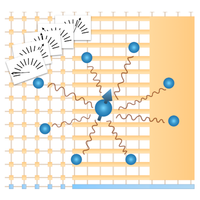
Process Tensor Approaches to Non-Markovian Quantum Dynamics
Article | 2026-06-22 06:00 EDT
Jonathan Keeling, E. Miles Stoudenmire, Mari-Carmen Bañuls, and David R. Reichman
Researchers review the process tensor framework and demonstrate how efficient tensor-network representations enable the practical simulation of complex, non-Markovian quantum dynamics across diverse physical fields.
Phys. Rev. X 16, 020502 (2026)
arXiv
Non-ergodicity effects in 1D localization
New Submission | Disordered Systems and Neural Networks (cond-mat.dis-nn) | 2026-06-23 20:00 EDT
I. M. Suslov (<a href=”http://P.L.Kapitza“ rel=”external noopener nofollow” class=”link-external link-http”>this http URL</a> Institute for Physical Problems, Moscow, Russia)
It is well-known that the dimensionless Landauer resistance \rho of an 1D disordered system obeys the log-normal distribution. The average value <\rho> for such distribution is not representative, since it strongly differs from the typical value \rho_{typ} in a specific sample. In fact, this conclusion should be revised due to effects of non-ergodicity. If L is the system size, and $ K$ is the number of realizations of a random potential, then a situation for L\to\infty, K\to \infty depends on the order of limiting transitions. If the limit K\to \infty is taken firstly, then the log-normal distribution is valid for all L, if the condition \rho>>1 is fulfilled. If the number of realizations K is restricted, then a situation for L\to \infty is effectively described by the delta-function distribution, and <\rho>\approx\rho_{typ}$ . Transformation of the log-normal distribution can be observed with the use of experimental technique developed in the context of the universal conductance fluctuations. Non-ergodicity effects are essential for understanding of the difference between the theoretical predictions for the parameters of the log-normal distribution and the results of numerical and physical experiments.
Disordered Systems and Neural Networks (cond-mat.dis-nn), Statistical Mechanics (cond-mat.stat-mech)
12 pages, 12 figures
Zh. Eksp. Teor. Fiz. 168, 509-520 (2025)
A few remarks on hyperstatistics and some applications
New Submission | Statistical Mechanics (cond-mat.stat-mech) | 2026-06-23 20:00 EDT
Lucas Squillante, Samuel M. Soares, Guilherme Lepski, Mariano de Souza
In a recent paper [arXiv:2604.24783 (2026)], we have proposed a general approach to treat systems with inherent non-Boltzmann-Gibbsian behaviour. Given the extremely high accuracy of our approach, we have adopted the term hyperstatistics. We have applied such a statistical mechanics approach, i.e., hyperstatistics, to the discharge of a capacitor in a RC series circuit, pumping of $ ^4$ He of a closed cycle cryostat, midrapidity data of $ p$ -Pb collisions at the LHC, as well as for the distribution of accelerations in turbulent systems. Here, we discuss into more details the ground of hyperstatistics. We demonstrate the versatility of hyperstatistics upon applying it to the velocity autocorrelation function in Brownian motion and also regarding its potential to describe brain dynamics.
Statistical Mechanics (cond-mat.stat-mech), Atomic and Molecular Clusters (physics.atm-clus), Biological Physics (physics.bio-ph), Data Analysis, Statistics and Probability (physics.data-an), Fluid Dynamics (physics.flu-dyn), Medical Physics (physics.med-ph)
12 pages, 2 figures, 2 tables
Boosting lattice polarization Mixing the perspectives of geometry optimization and cell-augmentation
New Submission | Materials Science (cond-mat.mtrl-sci) | 2026-06-23 20:00 EDT
Pegah Azizi, Rahul Dev Kundu, Xiaojia Shelly Zhang, Stefano Gonella
Topologically polarized mechanical metamaterials enjoy a special built-in asymmetry that manifests as a preferred localization of edge states on selected edges. While this property has been shown for a few ideal Maxwell lattices, we currently lack systematic criteria to design families of structural systems exhibiting polarization. Here, we propose a framework to design polarized structural configurations enabled by topology optimization (TO), using both band and mode morphological properties as drivers of the optimization algorithm. Through the lens of TO, we are able to tap into a vast design space, unlocking geometric freedom far beyond what is achievable with canonical lattice architectures. At the same time, we elucidate important criteria that need to be satisfied, beyond the optimization outcome, to ensure robustness of the achieved polarization against perturbations of the edge morphology. These results provide the inspiration to loop back into the realm of ideal lattices in search of new configurations characterized by extreme polarization. The peculiar shape and connectivity of the TO-generated lattice offer a blueprint for identifying a new family of Maxwell trusses based on augmented kagome geometry. We demonstrate the achievement of strong polarization signatures up to a three-count edge state mismatch. For all the cases studied, we show agreement between theory, simulations, and experiments, which include laser vibrometry wave measurements on a waterjet-cut specimen and static tests on a 3D-printed prototype.
Materials Science (cond-mat.mtrl-sci)
19 pages, 14 figures, 3 supplementary videos
Tuning ergodicity breaking: Anomalous diffusion under asymptotic power-law forcing
New Submission | Statistical Mechanics (cond-mat.stat-mech) | 2026-06-23 20:00 EDT
Raul V. B. Morás (1), M. Florencia Carusela (2 and 3), Luciano C. Lapas (3) ((1) Instituto Latino-Americano de Ciências da Vida e da Natureza, Universidade Federal da Integração Latino-Americana, 85867-970 Foz do Iguaçu, Paraná, Brazil, (2) Instituto de Ciencias, Universidad Nacional de General Sarmiento, Los Polvorines, Buenos Aires, Argentina, (3) National Scientific and Technical Research Council, Argentina)
In non-Markovian systems, distinct dynamical phases arise from the competition between internal memory and external forcing, encompassing thermalization, persistent ergodicity breaking, and runaway energy growth. This study shows that the scaling parameter $ \eta$ governs the emergent phase diagram within a system described by the Generalized Langevin Equation, particularly when subjected to external drives with asymptotic power-law tails. Three universal regimes for diffusive processes are delineated by this parameter: thermalization ($ \eta > 0$ ), non-ergodic saturation ($ \eta = 0$ ), and a force-dominated runaway phase ($ \eta < 0$ ). The fluctuation-dissipation theorem, within this framework, is shown to be independent of external force and determined by the integral of noise density of states. A selective breaking of ergodicity is revealed by this formulation; microscopic fluctuations are decoupled from the drive, yet the relaxation completely encodes it, which in turn controls the kinetic effective temperature. Direct Langevin simulations in the Markovian limit quantitatively confirm this classification, capturing the non-thermal plateau at the critical point.
Statistical Mechanics (cond-mat.stat-mech)
5 pages, 2 figures
Partition function zeros of quantum many-body systems: perturbative results
New Submission | Strongly Correlated Electrons (cond-mat.str-el) | 2026-06-23 20:00 EDT
Muhammad Sedik, B Sriram Shastry
A systematic method to find the Yang-Lee partition function zeros of quantum many-body systems based on perturbation theory at finite temperatures was recently introduced in arXiv:2504.01880. This method identifies wave-vector and temperature-dependent complex virtual energies obtainable from the thermal electronic Greens function. The collection of virtual energies over all $ \vec{k}$ yield the Yang-Lee zeroes. We apply this approach to the one-dimensional Hubbard model for different boundary conditions. We compare the results obtained by this method up to second-order in perturbation theory with the results found by exact diagonalization. We also propose a quantity that could be used for experimental detection of these zeros of a Hubbard ring. An example of the detection method is presented using exact diagonalization of the 8-site Hubbard ring.
Strongly Correlated Electrons (cond-mat.str-el), Statistical Mechanics (cond-mat.stat-mech)
Displacement-Field-Driven Semimetal-Superconductor Transition in Magic-Angle Twisted Trilayer Graphene
New Submission | Strongly Correlated Electrons (cond-mat.str-el) | 2026-06-23 20:00 EDT
Bokai Liang, Jing-Yu Zhao, Ya-Hui Zhang
Magic-angle twisted trilayer graphene(MATTG) hosts versatile displacement-field-tuned correlated phenomena. MATTG consists of a dispersive Dirac cone which hybridizes with the flat band from a twisted bilayer graphene (TBG) sector. The hybridization strength increases with the displacement field $ D$ and naively one may expect D-driven heavy fermion physics. However, the TBG Hubbard bands have a momentum-selective Mott gap, which is small at the $ \Gamma$ point due to the band topology, and a rigid local moment description as in the familiar Kondo lattice model is invalid. Here we show that the dominant effect of the displacement field is to induce an energy shift of the Dirac cone and self-doping into the TBG sector. We illustrate this picture in a concrete calculation using a slave-particle theory at the filling $ \nu=\pm 2$ . We find that increasing $ D$ drives a transition from a semimetal into a superconducting state. We also discuss the enhancement of the superconductivity by $ D$ near $ \nu=\pm2$ and the particle-hole asymmetry of the phase diagram. Our results provide a unified picture for electric-field-tunable superconductivity, Mottness, and heavy-fermion-like behavior in MATTG.
Strongly Correlated Electrons (cond-mat.str-el), Superconductivity (cond-mat.supr-con)
6pages, 5figures, with appendix
Hydrodynamic tails in chaotic spin chains with quantum group symmetry
New Submission | Statistical Mechanics (cond-mat.stat-mech) | 2026-06-23 20:00 EDT
Luca V. Delacretaz, Victor Gorbenko, Jiaozi Wang, Bernardo Zan, Aleksandr Zhabin
The interplay between symmetry and thermalization governs the late-time dynamics of local quantum and classical many-body systems at nonzero temperature. Recently, two parallel frontiers have emerged: the search for robust anomalous hydrodynamics – such as superdiffusion – in generic, non-integrable models, and the formal effort to generalize the fundamental concept of global symmetry. In this paper, we bridge these frontiers by demonstrating that quantum group symmetry provides a novel mechanism for anomalous hydrodynamics in chaotic systems. We study the dynamics of local operators carrying $ U(1)$ charge in non-integrable lattice models that also have quantum group symmetry. One example is transverse spin in the XXZ model with integrability breaking deformations. While such excitations are expected to decay very quickly at high temperature because their charge forbids overlap with conventional hydrodynamic densities, we find that protection by the quantum group symmetry makes these modes long-lived, despite the absence of local quantum group charge density or current. Furthermore, the dynamics is superdiffusive across Hamiltonian, Floquet, and classical realizations, and exhibits unusual finite size effects at very late times. We also revisit transverse spin dynamics in the integrable XXZ model.
Statistical Mechanics (cond-mat.stat-mech), Strongly Correlated Electrons (cond-mat.str-el), High Energy Physics - Theory (hep-th), Quantum Physics (quant-ph)
15 pages, 18 figures
Magnetic Anisotropy and Metamagnetic Transitions in Er3Pt2Sb4.55 with A Distorted Square Net Lattice
New Submission | Materials Science (cond-mat.mtrl-sci) | 2026-06-23 20:00 EDT
Dylan Correll, Chaoguo Wang, Xin Gui
Magnetic materials with square-net sublattices are of great interest due to its potential to realize magnetic frustration. Here we report the crystal growth and structural, magnetic, thermodynamic and electronic transport properties of a new rare-earth-based intermetallic compound, Er3Pt2Sb4.55(5). The new material possesses a distorted square-net framework of Er. Magnetic properties measurements suggest anisotropic behavior, long-range antiferromagnetic ordering and metamagnetic transitions based on a Jeff = 1/2 Er3+ motif. A magnetic structure is proposed based on the observed magnetic and thermodynamic properties. This new material expands the R3Pt2Sb4+x family with distorted square-net lattice of rare-earth elements and offers a new opportunity to study the relationship between magnetic ordering, crystal-electric field effect and crystal structure in rare-earth-based compounds.
Materials Science (cond-mat.mtrl-sci)
22 pages, 8 figures, 4 tables
Silicon Nanostructures for Biosensing: From Field-Effect Transistors to Photonic Resonators, and the Long Road to the Clinic
New Submission | Materials Science (cond-mat.mtrl-sci) | 2026-06-23 20:00 EDT
Ang Liu, Jun Cao, Zhihao Sun, Jingsong Shang
Silicon has a unique combination of properties that makes it one of the best material choices for biosensor platforms: it is inexpensive, its native oxide is atomically smooth, its fabrication processes are CMOS-compatible and have been refined for more than three decades, and it can support many transduction mechanisms in biosensor design. Over the past thirty years, researchers and engineers have used silicon nanostructures to produce ion-sensitive transistors, ultrasensitive nanowire field-effect biosensors, refractive-index-based porous silicon films, microring photonic resonators, suspended cantilevers, luminescent quantum dots, and solid-state nanopores. These device families have demonstrated successful sensing capabilities at the single-molecule, single-virus, or sub-femtomolar level under laboratory conditions; however, they have rarely been widely deployed in clinical assays. This gap is mainly caused by several well-characterized bottlenecks: for nanowire BioFETs, device variability and Debye screening; for porous silicon, fouling, pore wetting, and surface stability; for silicon photonics, thermal drift, spectral readout, and packaging; and across all platforms, calibration, reproducibility, and validation in real biofluids. In this review, we trace the development of silicon biosensors from their early stages to their current state, search and organize the literature focusing on the three most mature platforms and a set of emerging directions, summarize and compare the performance and bottlenecks of different platforms, and argue that progress over the next decade will come primarily from integrated readout, interface engineering, and systematic benchmarking rather than from the discovery of new silicon nanostructures.
Materials Science (cond-mat.mtrl-sci), Applied Physics (physics.app-ph), Biological Physics (physics.bio-ph)
49 pages, 8 figures, 2 tables
Scanning-probe quantum sensing of microwave and static magnetic field response of an on-chip superconducting resonator
New Submission | Mesoscale and Nanoscale Physics (cond-mat.mes-hall) | 2026-06-23 20:00 EDT
Senlei Li, Jingcheng Zhou, Zelong Xiong, Hanyi Lu, Hailong Wang
Superconducting resonators are finding increasing applications in designing advanced quantum circuits for ongoing sensing, metrology, and computing technological revolution. A detailed knowledge of microscopic electromagnetic properties of superconducting resonators is directly relevant for their further improvements on circuitry design and device performance. Here, we introduce scanning-probe quantum microscopy to report nanoscale sensing of microwave and static magnetic field environment of an on-chip niobium (Nb) superconducting resonator. Taking advantage of Rabi oscillation measurements, we show that microwave magnetic fields generated by the superconducting resonator mode can be utilized to achieve coherent control of a quantum spin sensor. We further visualize static electromagnetic field response of the Nb resonator, showing magnetic field-induced formation, evolution, and depinning of superconducting vortices. Our results provide insights into future design, testing and evaluation of solid-state superconducting resonators, highlighting the potential of quantum sensors as a local probe to investigate electromagnetic properties of superconducting quantum circuits.
Mesoscale and Nanoscale Physics (cond-mat.mes-hall)
Quantum Enhancement of Particle-Size Segregation
New Submission | Soft Condensed Matter (cond-mat.soft) | 2026-06-23 20:00 EDT
Segregated states based on particle size emerge in granular materials from the competition between segregation and diffusive remixing. Here, we show that quantum coherence can enhance segregation beyond this classical limit. We introduce an open quantum cellular automaton for bidisperse mixtures that combines coherent transport and dissipative segregation. The automaton reproduces experimental and continuum-theory segregation dynamics, with segregation degrees collapsing onto a theoretical Péclet-dependent relationship. However, weakly decohering systems exhibit a coherence-driven transport regime that produces more strongly segregated steady states than classical predictions. Across a broad parameter range, the steady-state degree of segregation collapses onto two dimensionless numbers governing the competition between segregation, diffusion, and decoherence. These results identify quantum coherence as a mechanism for enhancing particle-size segregation and establish a framework for studying transport phenomena in open many-body systems.
Soft Condensed Matter (cond-mat.soft), Fluid Dynamics (physics.flu-dyn)
Persistent structural distortions and absent superconductivity in trilayer nickelate thin films
New Submission | Materials Science (cond-mat.mtrl-sci) | 2026-06-23 20:00 EDT
Abigail Y. Jiang, Maria Bambrick-Santoyo, Lopa Bhatt, Kyeong-Yoon Baek, Yi-Feng Zhao, Dan Ferenc Segedin, Ari B. Turkiewicz, Jenna Hatmin, Grace A. Pan, Suchismita Sarker, Donald A. Walko, Charles M. Brooks, David A. Muller, Berit H. Goodge, Hua Zhou, Antia S. Botana, Julia A. Mundy
A new family of high-temperature superconductors was recently discovered in the $ n=2,3$ Ruddlesden-Popper nickelates, where superconductivity emerges concomitant with suppression of parent density waves and structural octahedral rotations under hydrostatic pressure. Intriguingly, compressive strain mimics the structural effects of pressure in the $ n=2$ phase, yielding ambient-pressure superconductivity. However, analogous strain-stabilized superconductivity has not been realized in the $ n=3$ . Here, we use atomically-precise synthesis, transport, picoscale electron microscopy, and synchrotron X-ray diffraction to probe $ n=3$ La$ _4$ Ni$ _3$ O$ _{10}$ thin films. Although compressive strain suppresses density wave order, we do not observe superconductivity even under the largest strain state. Importantly, we identify a structural distortion unique to strained $ n=3$ thin films that may inhibit superconductivity: persistent, layer-inequivalent octahedral rotations around the $ c$ -axis. Our results highlight key differences between the $ n=3$ and $ n=2$ systems, suggesting that ambient-pressure superconductivity in the $ n=3$ may require new methods beyond epitaxial strain engineering.
Materials Science (cond-mat.mtrl-sci), Superconductivity (cond-mat.supr-con)
A.Y.J. and M.B.S. contributed equally
Observation of Berry curvature fluctuations from incipient polar order in an oxide interface
New Submission | Mesoscale and Nanoscale Physics (cond-mat.mes-hall) | 2026-06-23 20:00 EDT
S. Avraham, D. Gitman, P. Matus, S. Sandik, E. Raz, S. Jana, M. Dahan, T. Holder, Y. Dagan
Diagnosing hidden local orders at buried interfaces remains a central challenge in the design and characterization of quantum materials. Second-order electrical responses, such as the nonlinear Hall effect, probe inversion-symmetry-breaking terms invisible to linear transport, offering a direct window into these nanoscale environments via the quantum geometry of Bloch electrons. Here, we utilize $ \text{KTaO}_3$ , a complex oxide driven by strong tantalum $ 5d$ spin-orbit coupling and interfacial inversion symmetry breaking, to demonstrate that second-harmonic resistivities exhibit large, reproducible mesoscopic fluctuations. Remarkably, these fluctuations persist in macroscopically large ($ 200,\mu\text{m}$ ) devices and are ubiquitous across all studied surface orientations, even where macroscopic conductivity strictly adheres to underlying crystal symmetries. We propose that these robust, magnetic-field-driven interference patterns arise from local structural symmetry breaking, driven by incipient ferroelectric polarization pinned to the interfacial impurity landscape. This defect-pinned polar mechanism is firmly supported by the signal’s suppression above $ 10\text{ K}$ due to phase decoherence, and a complete loss of mesoscopic memory upon thermal cycling above $ 40\text{ K}$ . By linking quantum geometry to dynamic lattice ordering, our findings establish nonlinear mesoscopic transport as a powerful new characterization tool, capable of revealing local polar tendencies and hidden structural orders in complex materials that remain fundamentally invisible to conventional probes.
Mesoscale and Nanoscale Physics (cond-mat.mes-hall)
Deciphering Noise in tip–sample Interactions: Insights into Nanoscale Dynamics
New Submission | Materials Science (cond-mat.mtrl-sci) | 2026-06-23 20:00 EDT
Jaime Colchero (1), Juan F. González-Martínez (2) ((1) Universidad de Murcia, Departamento de Física Aplicada, Murcia, Spain, (2) Universidad Politécnica de Cartagena, Departamento de Física Aplicada y Tecnología Naval, Cartagena, Spain)
Noise sets the fundamental limits of resolution and sensitivity in Dynamic Atomic Force Microscopy (DAFM). While thermal fluctuations are conventionally assumed to be the dominant noise source, this work demonstrates that tip–sample interactions in ambient conditions introduce a non–thermal noise component that significantly exceeds the thermal background. Using a model system of sodium dodecyl sulfate (SDS) on graphite, we characterize this noise through force spectroscopy, 3D imaging modes, and Kelvin Probe Force Microscopy (KPFM). This interaction–induced noise arises from the stochastic formation and rupture of nanoscopic liquid necks, serving as a direct fingerprint of local wettability and dissipative dynamics. Crucially, we find that this ``noise channel’’ provides chemical contrast that is distinct from and complementary to the electrostatic potential mapped by KPFM. By deciphering the physical origin of these fluctuations, we establish that noise is not merely an instrumental artifact but a rich spectroscopic signal, and we propose that Frequency Modulation (FM–DAFM) offers a superior approach to decouple these dissipative effects for high–resolution imaging.
Materials Science (cond-mat.mtrl-sci), Applied Physics (physics.app-ph)
21 pages, 5 figures
Observation and Control of Spontaneous Magnon Emission from Spin Ensembles in 2D Hexagonal Boron Nitride
New Submission | Mesoscale and Nanoscale Physics (cond-mat.mes-hall) | 2026-06-23 20:00 EDT
Ling-Jie Zhou, Jayakrishnan M. P. Nair, Senlei Li, Thomas Poirier, Yiran Zhao, Zelong Xiong, Sumedh Rathi, Jingcheng Zhou, Zhigang Jiang, Hailong Wang, James H. Edgar, Benedetta Flebus, Chunhui Rita Du
Hybrid systems consisting of color centers and magnetic materials provide an appealing solid-state platform for advancing the burgeoning quantum technological revolution. Exploring novel coupling mechanisms between optically active spin defects and quantum degrees of freedom is directly relevant in this context. Here, we report observation and control of spontaneous magnon emission from boron-vacancy centers in 2D hexagonal boron nitride (hBN), an unconventional qubit-magnon dipole coupling channel that dominates in the near-zero temperature limit. The spontaneous magnon emission process starts to be overshadowed by thermal magnon effect as temperature increases, reflecting the crossover from an emission-dominated, effectively cold magnon reservoir to a thermally occupied spin bath where absorption and stimulated processes restore balance. By increasing the spin defect density, we further present that spontaneous magnon emission into a common spin bath could help establish quantum correlations in dense hBN spin ensembles. Our results are quantitatively captured by detailed theoretical modeling, bringing insights into understanding qubit-magnon coupling, correlated spin dynamics, and many-body physics of color centers in the quantum regime.
Mesoscale and Nanoscale Physics (cond-mat.mes-hall)
Electrically Programmable Correlated Topology and Magnetism in a Moiré Trilayer
New Submission | Mesoscale and Nanoscale Physics (cond-mat.mes-hall) | 2026-06-23 20:00 EDT
Christiano Wang Beach, Courtney Baier, Kaijie Yang, Huiyuan Zheng, Yueyao Fan, Weijie Li, Shuai Yuan, Yifan Zhao, Yue Sun, Chaowei Hu, Takashi Taniguchi, Kenji Watanabe, Jiun-haw Chu, Liang Fu, Ting Cao, Satoshi Okamoto, Di Xiao, Xiaodong Xu
Strong electron-electron interactions underlie a wide range of quantum many-body phenomena, including magnetism, superconductivity, and charge fractionalization. A central goal is to achieve in situ control over lattice geometry, bandwidth, and band topology within a single platform. Here we realize such an electrically programmable quantum many-body system in an alternating twisted trilayer MoTe$ _2$ , where an out-of-plane displacement field continuously modifies the layer polarization, effective lattice, and topology of the moiré bands. At zero displacement field, the system realizes a triangular lattice hosting a correlated insulator at one hole per moiré unit cell ($ \nu = -1$ ). Doping this state produces strongly asymmetric magnetic responses: double-exchange-like ferromagnetism for $ |\nu| > 1$ , and signatures of spin polarons and antiferromagnetism for $ |\nu| < 1$ . At large displacement field, interlayer hybridization reconstructs the electronic structure into a honeycomb lattice with a flat Chern band, supporting integer and fractional Chern insulators. Magneto-optical measurements further reveal the signatures of gap closure and Landau-level formation from a spin-polarized Fermi surface near the crossover between the two regimes. These results establish a unified, electrically tunable platform in which correlated magnetism and topological states emerge from a single controllable band structure.
Mesoscale and Nanoscale Physics (cond-mat.mes-hall)
23 pages, 4 figures
Quasi-1D Spin Textures: From Chiral Soliton Lattice to Fan State
New Submission | Materials Science (cond-mat.mtrl-sci) | 2026-06-23 20:00 EDT
M. Winter, A. Pignedoli, A. S. Sukhanov, M. Azhar, A. Tahn, B. Achinuq, J. R. Bollard, V. Ukleev, C. Luo, F. Radu, S. Wintz, M. Weigand, A. Mistonov, P. Vir, J. Geck, C. Felser, G. van der Laan, T. Hesjedal, K. Everschor-Sitte, B. Rellinghaus, M. C. Rahn
In most helimagnets, an applied magnetic field aligns the propagation direction of a helical spin texture with the field, resulting in a conical state and obscuring the unwinding process. Here, we access a complementary regime in the anisotropic chiral magnet Mn$ _{1.4}$ PtSn, where crystal symmetry constrains the propagation direction of the spin modulation. Using resonant elastic X-ray scattering in a vector magnet, we track the evolution of quasi-one-dimensional spin textures that propagate along a chiral crystallographic axis while the magnetic field is applied perpendicular to this direction. Together with micromagnetic simulations, our measurements reveal a transformation from the zero-field $ \pi$ -chiral soliton lattice into a fan-like state. In this state, the propagation direction remains transverse to the applied field, while the spins oscillate about the field direction. During magnetization, the modulation length decreases continuously with the field and approaches the field-polarized state. Simulations indicate that magnetostatic interactions in finite samples play a key role in stabilizing this behavior. Our results provide evidence for a fan-like regime in a chiral magnet and highlight how field orientation can be used to control one-dimensional spin textures.
Materials Science (cond-mat.mtrl-sci)
9 pages, 6 figures; with Supplemental Material (4 pages) appended; a video is included as an ancillary file
Mechanically Exfoliated Metallic Delafossite PdCoO2 Nanomembranes: Quantum Transport and Electrical Evaluation Toward Interconnect Applications
New Submission | Mesoscale and Nanoscale Physics (cond-mat.mes-hall) | 2026-06-23 20:00 EDT
Chengyu Zhu, Pahuni Jain, Yi Zhang, Junghyun Koo, Weideng Sun, Yaotian Li, Alexander McLeod, Chris Leighton, Gang Qiu
Metallic delafossite oxides have drawn attention for their ultralow resistivity and coherent electronic transport. However, mesoscopic transport studies are hindered by the limited access to high quality nanoscale devices. Here, we report single crystalline PdCoO2 nanomembranes, enabling exploration of quasi two dimensional (2D) transport. Shubnikov de Haas and Aharonov Bohm oscillations under different magnetic field orientations are observed at low temperatures, from which the electron effective mass and electron phase coherence length are extracted. Beyond quantum transport, the electrical performance of PdCoO2 toward interconnect applications is evaluated. A nearly thickness independent room temperature resistivity is observed for flakes down to 40 nm thickness. The nanomembranes exhibit a breakdown current density up to 113 MA cm-2, with excellent thermal stability and electromigration resistance. These results demonstrate that mechanically exfoliated PdCoO2 flakes preserve the high crystalline and electronic quality of bulk crystals in the quasi-2D limit, providing a useful platform for mesoscopic transport studies and interconnect applications.
Mesoscale and Nanoscale Physics (cond-mat.mes-hall)
5 figures
Propagating edge and interfacial states in corrugated graphene: Robustness and configurability
New Submission | Mesoscale and Nanoscale Physics (cond-mat.mes-hall) | 2026-06-23 20:00 EDT
Adel Belayadi, Dawei Zhai, Nancy Sandler
Periodically strained graphene on patterned substrates provides a versatile route to realizing moiré-like electronic structures through strain engineering. Here, we show that the interplay between a strain-induced pseudomagnetic field and a displacement-field-controlled scalar potential enables the formation of isolated narrow bands and multiple energy gaps near charge neutrality and at higher energies. Some of the low-energy bands exhibit nontrivial topology, carrying valley-opposite Chern numbers. Remarkably, despite a vanishing total Chern number, propagating in-gap edge states emerge in a wide range of nanoribbon geometries that preserve valley symmetry. We elucidate the distinct mechanisms responsible for edge states in the zero-energy and higher-energy gaps and demonstrate that they remain robust against variations in superlattice termination and moderate disorder, despite lacking conventional topological protection. Leveraging these properties, we propose device architectures in which an externally applied staggered potential electrically switches the zero-energy gap and its associated edge channels on and off. Furthermore, split-gate geometries generate topologically protected interfacial states that coexist with the edge modes and can be spatially reconfigured by gate voltages. These results establish strain superlattices as a powerful platform for engineering topological electronic states and electronic transport in graphene.
Mesoscale and Nanoscale Physics (cond-mat.mes-hall), Materials Science (cond-mat.mtrl-sci)
Asymptotic hydrographs and anomalous dispersion in mass-conserving storage cascades
New Submission | Statistical Mechanics (cond-mat.stat-mech) | 2026-06-23 20:00 EDT
Henrique Santos Lima, Márk Honti, Balázs Sándor
Sums of independent exponential random variables lead to the Erlang distribution, providing a direct probabilistic route from exponential waiting times to the integer-shape gamma law. This paper investigates how this classical construction changes when the exponential waiting-time density is replaced by the $ q$ -exponential density of nonextensive statistics. Our main result is an analytical asymptotic expression for the outflow of a mass-conserving cascade of reservoirs driven by a $ q$ -exponential waiting-time kernel. In the critical case $ q=5/3$ , the large-cascade flow rate converges to a stable Lévy density whose time argument is shifted by a Galilean-type transformation. This shifted Lévy law gives the asymptotic hydrograph of the cascade. We also found that for the entire regime $ 1<q<2$ the macroscopic dynamics are governed by $ \alpha$ -stable Lévy laws. This proves that anomalous non-Gaussian dispersion can emerge from pure mass-conserving convolutional chains without invoking fractional derivatives.
Statistical Mechanics (cond-mat.stat-mech), Other Condensed Matter (cond-mat.other), Probability (math.PR), Applied Physics (physics.app-ph), Classical Physics (physics.class-ph), Fluid Dynamics (physics.flu-dyn)
7 pages and 2 figures
SALMON 2.3: Implementation of divide-and-conquer ground-state initialization for large-scale real-time TDDFT
New Submission | Materials Science (cond-mat.mtrl-sci) | 2026-06-23 20:00 EDT
Shunsuke Yamada, Tomohito Otobe
In large-scale real-time time-dependent density functional theory (TDDFT), preparing the ground-state electronic structure can be more expensive than the subsequent time propagation, limiting simulations of nonequilibrium electron dynamics in realistic systems containing thousands of atoms. This bottleneck is especially important for disordered materials, liquids, nanostructures, and heterogeneous condensed-matter systems, where nonlinear and strong-field phenomena such as high-harmonic generation and light-induced phase transitions require explicit real-time treatment.
SALMON is an open-source first-principles code for light-matter interaction simulations based on real-time TDDFT on real-space grids, supporting massively parallel calculations with MPI combined with OpenMP or GPU acceleration. In SALMON 2.3, we implement a divide-and-conquer density functional theory (DC-DFT) scheme and combine it with a postprocessing method that reconstructs spatially extended Kohn-Sham orbitals of the entire system. These reconstructed global orbitals are used directly as initial states for the standard real-time, real-space TDDFT module of SALMON.
The resulting workflow connects efficient DC-DFT ground-state preparation to conventional real-time TDDFT. The DC-DFT self-consistent-field procedure exhibits linear scaling with system size, addressing a major bottleneck in large-scale electron-dynamics simulations while retaining the robustness and broad applicability of SALMON’s established time-propagation scheme. We describe the computational procedure, parallelization strategy, and input/output design. Weak-scaling tests using Si supercells on Fugaku confirm the linear-scaling behavior. Accuracy tests for a 512-atom amorphous Si system and a bulk H2O liquid system containing 4134 atoms demonstrate that the workflow enables practical large-scale real-time TDDFT simulations.
Materials Science (cond-mat.mtrl-sci)
13 pages, 7 figures
Room-Temperature Noncolinear Ferroelectricity in van der Waals WO$_2$Cl$_2$ with a Wide Bandgap
New Submission | Materials Science (cond-mat.mtrl-sci) | 2026-06-23 20:00 EDT
Yu Xing, Ning Ding, Zhipeng Wang, Zhiwen Pan, Lei Guo, Guowei Du, Yangrui Liu, Xiaoxing Cao, Ran Su, Mengting Jiang, Xuezhi Ma, Xiyu Chen, Junchao Zhang, Xinyu Yang, Haoran Ye, Honghong Yao, Rui Feng, Dexiang Chen, Le-Ping Miao, Yumeng You, Zejun Li, Dongsheng Song, Linglong Li, Shuai Dong
Low-dimensional ferroelectrics are attractive for their promising prospects in nanoelectronics. Compared with widely-used ferroelectric perovskites, most low-dimensional ferroelectrics exhibit several inborn weaknesses such as small bandgaps (mostly <2 eV, i.e. semiconductors-like) or faint polarizations (e.g. $ <1$ $ \mu$ C/cm$ ^2$ for sliding ferroelectrics even if their bandgaps can be large). Here we experimentally demonstrate the room-temperature ferroelectricity of van der Waals WO$ _2$ Cl$ _2$ . The well-tested d0 rule inherited from ferroelectric perovskites leads to a large dipole (~3 eÅ) from the off-center displacement of W$ ^6+$ ion and a wide bandgap of 2.80 eV. Its ferroelectricity is proved by multiple characterizations including second harmonic generation, piezoresponse force microscopy, and ferroelectric hysteresis loops. More interestingly, the exotic noncollinear dipole order is directly observed at the atomic level by integrated differential phase contrast scanning transmission electron microscopy. Our work paves an alternative route for low-dimensional ferroelectrics to pursue excellent ferroelectric performance and distinct physics of polarity.
Materials Science (cond-mat.mtrl-sci), Mesoscale and Nanoscale Physics (cond-mat.mes-hall)
16 pages, 4 figures
Quantum-Geometry-Induced Superconductivity near a Fractional Chern Insulator
New Submission | Superconductivity (cond-mat.supr-con) | 2026-06-23 20:00 EDT
Recent moiré experiments and numerical studies of interacting Chern bands have revealed fractional Chern insulators, charge-density-wave order, and superconductivity as proximate correlation-driven phases in topological systems. How these phases compete or intertwine, and how quantum geometry shapes their interplay, remain open questions. Here we present an analytic study of competing correlation-driven phases in a partially filled Chern band using a coupled-wire construction and bosonization. The key ingredient is the coexistence of interaction channels that favor, respectively, a fractional Chern insulator (FCI) and a closely related anti-FCI (aFCI) state. The aFCI channel is specific to lattice Chern bands and is enhanced by the quantum geometry of the underlying band structure. We show that when both FCI and aFCI scattering channels are present, their interplay generates an effective coupling that drives a superconducting instability near the FCI phase. The same mechanism can also favor a charge-density-wave phase, depending on microscopic parameters. Using a perturbative renormalization-group analysis, we obtain the phase diagram and identify a superconducting regime adjacent to the FCI phase. We further estimate the superconducting transition temperature and show that it is enhanced by quantum geometry. Our results establish quantum geometry as an organizing principle for the interplay among FCI, aFCI, and superconducting correlations.
Superconductivity (cond-mat.supr-con), Strongly Correlated Electrons (cond-mat.str-el)
28 pages, 6 figures
Many-body attractions do not stabilize gas-liquid phase separation in aqueous dispersions of charged colloids within the Poisson-Boltzmann framework
New Submission | Soft Condensed Matter (cond-mat.soft) | 2026-06-23 20:00 EDT
Thijs ter Rele, René van Roij, Marjolein Dijkstra
Attractive three-body interactions have been reported for like-charged colloids in low-salt suspensions, based on both finite-element Poisson-Boltzmann calculations and direct experimental measurements, and have been proposed as a mechanism to drive colloidal clustering. However, these Poisson-Boltzmann calculations typically neglect charge regulation and higher-order many-body effects. Here, we construct machine-learned (ML) many-body interaction potentials for charge-regulating colloids, trained on finite-element Poisson-Boltzmann calculations, to accurately capture three-body and higher-order contributions. We find that the three-body contribution to the many-body potential as obtained from Poisson-Boltzmann calculations on isolated colloid triplets is strongly attractive, consistent with previous work, whereas the four-body contribution for an equilateral pyramid configuration of four colloids is repulsive. We then construct ML many-body potentials for charged colloids using finite-element Poisson-Boltzmann calculations on clusters of 13 colloids, and find that the incorporation of higher-body interactions weakens the cohesive nature of the interactions. We identify a parameter regime exhibiting gas-liquid or gas-solid phase separation using the ML potentials in molecular dynamics simulations. However, when we include clusters of 48 colloids in the training data, the cohesion diminishes further, and molecular dynamics simulations using these potentials no longer include broad phase separation in aqueous dispersions of charged colloids. Finally, we compute the potential of mean force of pairs and triplets of colloids using primitive model simulations. We find that the resulting potentials are in good agreement with those obtained from the Poisson-Boltzmann calculations, thereby supporting the validity of the Poisson-Boltzmann approach for determining many-body interactions.
Soft Condensed Matter (cond-mat.soft)
14 pages, 8 figures
Moiré-Enhanced Plasmonics in Non-Hermitian Twisted Bilayer Graphene
New Submission | Mesoscale and Nanoscale Physics (cond-mat.mes-hall) | 2026-06-23 20:00 EDT
Andrianos Sygrimis, Giorgos P. Tsironis
We study plasmonic excitations in twisted bilayer graphene within a non-Hermitian framework that incorporates effective gain and loss. Using a non-Hermitian extension of the Bistritzer–MacDonald continuum model together with a biorthogonal Kubo formalism for the optical conductivity, we determine how the moiré electronic structure enters the plasmonic response of the active bilayer. We find that non-Hermiticity modifies the collective spectrum, yielding optical and acoustic plasmon branches, with the acoustic branch exhibiting strong subwavelength confinement. In the parity-time-symmetric configuration, gain–loss engineering can reduce the effective spatial damping and enhance the propagation length within the ideal linear model. The same regime produces strongly localized transverse-magnetic near fields. We argue that the enhancement is not a generic consequence of adding gain to a bilayer, but results from the combined influence of moiré-band reconstruction, biorthogonal optical matrix elements, and non-Hermitian modification of the plasmon pole. We also discuss the limitations imposed by disorder, substrate loss, gain saturation, and stability of the parity-time-symmetric regime. These results identify twisted bilayer graphene as a promising, but experimentally demanding, platform for tunable non-Hermitian plasmonics in moiré quantum materials.
Mesoscale and Nanoscale Physics (cond-mat.mes-hall), Optics (physics.optics)
9 pages, 3 figures, graphene, plasmons, moire, non-hermiticity
Atomistic Mechanisms of Hard Carbon Formation from Polyvinylidene Chloride
New Submission | Materials Science (cond-mat.mtrl-sci) | 2026-06-23 20:00 EDT
Litong Wu, Zitong Wu, Zakariya El-Machachi, Volker L. Deringer
Hard carbons are a class of disordered materials with widespread application in energy storage. Despite decades of research, their atomistic formation mechanisms have remained elusive, due to the difficulty of both in situ experimental characterization and first-principles simulations. Here, we describe the formation mechanism of hard carbon from the thermal decomposition of polyvinylidene chloride (PVDC), using first-principles-quality simulations with a bespoke machine-learned interatomic potential model. Our results indicate a two-stage process, consisting of (i) radical-mediated dehydrochlorination, which generates reactive unsaturated carbon sites, and (ii) progressive carbon-carbon cross-linking followed by thermally activated rearrangement into an extended sp$ ^{2}$ -bonded network. We provide an atomistic account of non-hexagonal ring motifs emerging during pyrolysis, supporting the empirically-derived theory that these motifs induce the intrinsic curvature that frustrates graphitic ordering in hard carbons.
Materials Science (cond-mat.mtrl-sci), Chemical Physics (physics.chem-ph)
Communication Heterogeneity and Collective Consensus in Neural Cellular Automata
New Submission | Disordered Systems and Neural Networks (cond-mat.dis-nn) | 2026-06-23 20:00 EDT
Reaching global agreement from purely local interactions is a defining problem of collective intelligence, and most models of it assume that all agents share a single communication protocol. We ask what happens when they do not. Using a Neural Cellular Automaton in which a population of cells must solve the density classification task, agreeing on a global majority that no individual can observe, we introduce languages'' as sub-populations that read one another's messages through a translation with a tunable linguistic distance’’. We find that linguistic distance slows consensus, that it produces mild divergence between groups rather than full fragmentation, and that a collective whose shared rule was trained under diverse protocols is robust to mismatch; a homogeneously trained one is not. The findings hold on both a ring and a two-dimensional grid, and admit a natural reading as Ising relaxation, in which a foreign-language region acts as a boundary defect that leaves the system in a higher-energy, partially ordered state. These patterns are qualitatively consistent with effects reported in human group studies, suggesting that distance between communication protocols is a minimal mechanism sufficient to produce them, without anything language-specific.
Disordered Systems and Neural Networks (cond-mat.dis-nn), Artificial Intelligence (cs.AI)
8 pages, 11 figures
Bose-Einstein Condensation of Three-Dimensional Exciton-Polaritons
New Submission | Mesoscale and Nanoscale Physics (cond-mat.mes-hall) | 2026-06-23 20:00 EDT
We develop a band-structure-based theory of exciton-polaritons in a three-dimensional inverse-opal photonic crystal doped with semiconductor quantum dots. Starting from a symmetry-selected bright photonic branch near the photonic gap edge, we construct an exciton-photon Hamiltonian and obtain a lower-polariton band with a W-point global minimum and a nearby X-point van-Hove-enhanced density of states. We show that the W valleys determine the equilibrium Bose-Einstein condensation threshold, while the X-point saddle provides a finite excited-state capacity that renormalizes the critical temperature when the W-X offset is thermally accessible. By tuning the exciton resonance and the light-matter coupling, the relative W-X ordering can be reconstructed, leading to a strong variation of the critical temperature. We further formulate a momentum-resolved Boltzmann model for driven-dissipative kinetics. Under non-resonant pumping, reservoir feeding, radiative decay, and inter-sector relaxation can produce either W-dominated condensation, a mixed W-X regime, or an X-dominated nonequilibrium coherent state. Our results establish three-dimensional photonic-crystal polaritons as a platform where condensation is controlled not only by the band minimum but also by valley geometry, van-Hove-enhanced phase space, and relaxation pathways.
Mesoscale and Nanoscale Physics (cond-mat.mes-hall)
Thermo-responsive self-oscillating gel: mathematical model and theoretical analysis
New Submission | Soft Condensed Matter (cond-mat.soft) | 2026-06-23 20:00 EDT
Yunjie Wang, Ling Yuan, Lin Ren, Zihao Liu, Qingyu Gao
Internally heated LCST thermo-responsive gels can show self-sustained swelling and collapse oscillations through feedback between temperature-induced collapse and collapse-suppressed heating. In this work, a minimal two-variable model is developed by coupling gel swelling dynamics with a lumped thermal balance. The analysis shows that stable large-amplitude oscillations are mainly controlled by global bifurcations of limit cycles, rather than by the local Hopf bifurcation. The Hopf bifurcation is subcritical in the studied parameter range, leading to a broad coexistence region where a stable fixed point and a stable limit cycle are both possible. The oscillatory behavior remains robust for different heating-gate functions, indicating that local linear instability is neither necessary nor sufficient for self-oscillation. Fast-slow analysis further shows that the oscillation period is mainly governed by the cooling rate, while the amplitude is determined by the geometry of the swelling equilibrium manifold. These results clarify the bifurcation mechanism of thermo-responsive gel oscillations and provide guidance for controlling their period, amplitude, and waveform.
Soft Condensed Matter (cond-mat.soft)
16 pages, 6 figures
In-plane and out-of-plane magnetic field driven Josephson diode effect in magic-angle twisted four-layer graphene
New Submission | Mesoscale and Nanoscale Physics (cond-mat.mes-hall) | 2026-06-23 20:00 EDT
Marta Perego, Sayan Banerjee, Mohamad Abu El Hija, Clara Galante Agero, Alexandra Mestre-Torà, Giovanni Zhang, Takashi Taniguchi, Kenji Watanabe, Mathias S. Scheurer, Thomas Ihn, Klaus Ensslin
The superconducting diode effect offers a powerful probe into the fundamental symmetries of quantum materials. Recent studies on twisted graphene diodes have predominantly focused on bilayer or trilayer systems under out-of-plane magnetic fields. Here, we demonstrate both out-of-plane and in-plane driven Josephson diode effects in a magic-angle twisted four-layer graphene junction, i.e., an even number of layers. We observe the emergence of a diode effect at zero out-of-plane field, tuned by an increasing in-plane magnetic field. This result points to the presence of strong in-plane orbital coupling, which is highly sensitive to the specific layer parity of the structure. Our findings provide experimental insights into the symmetry-breaking mechanisms of even-layer twisted graphene, establishing in-plane magnetic fields as a vital tool for unravelling their microscopic properties.
Mesoscale and Nanoscale Physics (cond-mat.mes-hall), Superconductivity (cond-mat.supr-con)
Exotic topological defects and director fields in free-floating spherical ferroelectric nematic liquid crystal shells
New Submission | Soft Condensed Matter (cond-mat.soft) | 2026-06-23 20:00 EDT
Churchill B. Agoni, Ema Pilih, Luka Cmok, Calum J. Gibb, Jordan Hobbs, Richard Mandle, Irena Drevensek-Olenik, Jan P.F. Lagerwall
Ferroelectric nematic (NF) liquid crystals exhibit polar symmetry and large polarization, giving rise to phenomena absent in conventional apolar nematics. We investigate NF liquid crystals confined to free-floating spherical shells with tangential boundary conditions, enforcing a total topological defect charge of +2. We conjecture that ferroelectric nematics avoid splayed configurations with half-integer defects, common in apolar nematic shells, instead concentrating the topological charge into escaped azimuthal +1 defects requiring only bend and twist. Indeed, at room temperature in the NF phase, our thin RM734+DIO shells with inner and outer aqueous poly(vinyl alcohol) solutions develop an azimuthal director field around two antipodal +1 bend-twist defects. The non-centrosymmetric nature and the azimuthal director configuration of the shells in the NF phase are confirmed also through second-harmonic generation microscopy. At intermediate temperature the antiferroelectric Nx phase generates a new exotic texture rife in zigzag lines in the shells. In the regular N phase at high temperature, the shells develop the usual four +1/2 disclinations located near the thinnest point. Our study highlights the rich platform offered by spherical shells to study the behavior of exotic liquid crystals subject to topological constraints, possibly opening new paths to apply the highly responsive ferroelectric nematic phase
Soft Condensed Matter (cond-mat.soft)
17 pages, 5 figures, Supplemetary information
Topological Hall Effect in Antiferromagnetic Co doped Fe$_3$GaTe$_2$
New Submission | Mesoscale and Nanoscale Physics (cond-mat.mes-hall) | 2026-06-23 20:00 EDT
Shyam Raj Karullithodi, Yeonkyu Lee, Vadym Kulichenko, W. Kice Brown, Sang-Eon Lee, Chanyoung Lee, Jinyoung Yun, Gregory T. McCandless, Julia Y. Chan, Jeehoon Kim, Luis Balicas
Fe$ _3$ GaTe$ _2$ is van der Waals (vdW) ferromagnet with a Curie temperature $ T_C$ ranging from 350 K to 380 K, followed upon cooling by a ferrimagnetic transition near room temperature. Substituting Fe with Co was previously reported to induce antiferromagnetism (AFM) at a Co fraction dependent Neel temperature $ T_N$ . In this work, we confirm the overall phase diagram of the Fe$ _{3-x}$ Co$ _x$ GaTe$ _2$ series as a function of $ x$ and temperature via magnetization and electrical transport measurements. For $ x \simeq 0.6$ the Hall effect is observed to mimic the magnetization as the AF ground state is suppressed by the external magnetic field via a metamagnetic transition, thus displaying an anomalous Hall response. At low temperatures, we also observe a pronounced topological Hall signal peaking at $ \mu_0H$ = 4 T, or within the metamagnetic transition region of fields. This observation points to the presence of magnetic field-induced chiral spin textures, such as skyrmions upon approaching magnetization saturation. Magnetic force microscopy (MFM) reveals the emergence of nearly circular magnetic domains, with diameters on the order of 100 to 200 nm, within the antiferromagnetic phase. A detailed analysis of the MFM images indicates that the topological Hall effect is closely linked to the field-induced stabilization of magnetic domain structures, likely exhibiting chiral textures. This observation suggests the possible formation of skyrmions already in the AFM phase, i.e., AFM skyrmions, that evolve into ferromagnetic (FM) ones upon increasing the magnetic field. Consequently, Co-doped Fe$ _3$ GaTe$ _2$ might provide a platform to investigate the transformation of skyrmions, initially coupled antiferromagnetically into ferromagnetic skyrmions, and to explore its impact on the topological and skyrmion Hall effects.
Mesoscale and Nanoscale Physics (cond-mat.mes-hall)
5 figures; supporting information included
ACS Nano 2026
Strain induced magnetic phase transitions in Fe3GeTe2 monolayer
New Submission | Materials Science (cond-mat.mtrl-sci) | 2026-06-23 20:00 EDT
Anjali Jyothi Bhasu, Satish Kumar, Mátyás Török, Dániel Tibor Pozsár, Bendegúz Nyári, László Udvardi, Gabriel Martínez-Carracedo, Balázs Nagyfalusi, Amador García-Fuente, Jaime Ferrer, Zoltán Tajkov, László Oroszlány, Levente Rózsa, László Szunyogh
We investigate the magnetic properties of a monolayer of Fe3GeTe2 as a function of the lattice constant by combining first-principles calculations with atomistic spin dynamics simulations. The calculated magnetic exchange interactions reveal a competition between ferromagnetic and antiferromagnetic couplings, with the latter being significantly strengthened under compressive strain. Stochastic Landau-Lifshitz-Gilbert simulations reveal a substantial decrease in the Curie temperature with decreasing lattice constant, and predict a transition of the magnetic ground state from a ferromagnetic configuration to a conical spin-spiral state. We introduce a simple spin-model which explains the stabilization of the spiral phase due to competing exchange interactions. We found multiple magnetic phase transitions involving ferromagnetic, conical spin-spiral, and planar Neel states, depending on both the lattice constant and the temperature. The absence of Dzyaloshinskii-Moriya interactions is found to significantly reduce the Neel temperature, while leaving the Curie temperature largely unaffected. Our findings reveal the importance of lattice distortions in controlling complex magnetic phases and their evolution with temperature.
Materials Science (cond-mat.mtrl-sci), Mesoscale and Nanoscale Physics (cond-mat.mes-hall)
Floquet-induced anisotropic magnetoresistance and anomalous Hall effect in 2D $d$-wave altermagnets with Rashba spin-orbit coupling
New Submission | Materials Science (cond-mat.mtrl-sci) | 2026-06-23 20:00 EDT
Mohsen Yarmohammadi, Pieter M. Gunnink, Jairo Sinova, James K. Freericks
Altermagnets (AMs) combine momentum-dependent spin splitting with zero net magnetization, making them promising for spintronics. Periodic driving enables dynamic symmetry engineering beyond static, material-specific control. We show that Floquet engineering in 2D $ d$ -wave AMs with out-of-plane Néel order and Rashba spin-orbit coupling unlocks equilibrium-forbidden transport responses. Monochromatic driving produces purely out-of-plane magnetization, yielding longitudinal anisotropic magnetoresistance (AMR) and an anomalous Hall effect, whereas bichromatic driving generates both in-plane and out-of-plane magnetizations and additionally activates transverse AMR via the second harmonic of the secondary beam. Comparable static magnetic fields would require hundreds of tesla, avoided in Floquet driving. These effects persist across linear, circular, and mixed light polarizations and are tunable via light parameters. Our results establish multi-color Floquet engineering for controlling magnetization and symmetry-protected transport in AMs.
Materials Science (cond-mat.mtrl-sci), Mesoscale and Nanoscale Physics (cond-mat.mes-hall), Strongly Correlated Electrons (cond-mat.str-el), Quantum Physics (quant-ph)
12 pages (7 + 2 + 3), 6 figures
From Landau Equation and Large Deviations to Efficient Simulations of Dynamical Fluctuations
New Submission | Statistical Mechanics (cond-mat.stat-mech) | 2026-06-23 20:00 EDT
Anwar El Rhirhayi, Jean-Baptiste Fouvry, Julien Barré
The (deterministic) Landau equation captures the mean long-term evolution of dynamically hot long-range interacting finite-$ N$ systems. Though successful, this kinetic equation fundamentally ignores dynamical fluctuations. Building upon Large Deviation Theory, we present a physically-consistent system of Langevin equations that simultaneously recovers the mean Landau dynamics and accurately captures the corresponding fluctuations among different realizations. We show in particular how these Langevin equations can be derived from Rostoker’s principle in the limit of weak two-body deflections. We extensively validate these equations against tailored direct $ N$ -body simulations, showing an exquisite level of agreement.
Statistical Mechanics (cond-mat.stat-mech), Astrophysics of Galaxies (astro-ph.GA), Plasma Physics (physics.plasm-ph)
7+17 pages, 3+15 figures, submitted to APS
Importance of effective Coulomb interactions for $T_c$ in cuprates
New Submission | Strongly Correlated Electrons (cond-mat.str-el) | 2026-06-23 20:00 EDT
Jakša Vučičević, Upendra Kumar, Chia-Nan Yeh, Miguel A. Morales, Malte Rösner
Cuprate superconductors exhibit the highest observed superconducting $ T_c$ at atmospheric pressure. However, the magnitude of $ T_c$ varies significantly between different cuprates. At present, it is unclear what properties of the crystal structure affect $ T_c$ most strongly, yet such an understanding must underpin any efforts toward high-$ T_c$ materials design. To address this issue, we perform a large scale systematic study, employing a combination of data collection, state-of-the-art numerical methods, and statistical analysis. We identify about 40 different cuprate compounds, and we compile detailed data about their $ T_c$ ‘s and crystal structures from literature and the available databases. Using a fully automated procedure, for each compound we compute the DFT bandstructure and downfold it to two of the most commonly studied low-energy lattice models, namely the single-band Hubbard and the three-band Emery models. The downfolding is based on the approach of MLWFs and cRPA. Finally, we apply a thorough and unbiased statistical analysis to investigate the correlations between the experimentally measured $ T_c$ ‘s and the computed parameters of our theoretical models. Our data indicates that more sophisticated models might be needed to describe all cuprates on the same footing. Nevertheless, we find that $ T_c$ scales well with simple functions of model parameters. We confirm a previously observed trend that $ t’$ in the single-band model correlates with the experimental $ T_c$ , and we find that $ T_c$ appears to vanish below a finite value of $ t’$ , in agreement with recent ground-state calculations for the Hubbard model. However, we find that the coupling strength also plays a role: throughout our entire dataset, $ T_c$ correlates the most with the Coulomb coupling on the $ p$ -orbitals in the 3-band model, highlighting the importance of the oxygen sites in the copper-oxide planes.
Strongly Correlated Electrons (cond-mat.str-el)
30 pages, 16 figures
Quasi-one-dimensional motion of an active MXene sheet driven by chemo-hydrodynamic waves
New Submission | Soft Condensed Matter (cond-mat.soft) | 2026-06-23 20:00 EDT
Hui Wang, Huan Liu, Ling Yuan, Zihao Liu, Meng Zhang, Irving R Epstein, Qingyu Gao
Signal-driven motion is widespread in natural and artificial systems, yet quantitative characterization of how transient chemo-hydrodynamic waves are converted into mechanical driving forces remains limited. Here, we investigate the self-propulsion of a MXene sheet asymmetrically coated with catalase in hydrogen peroxide solution. By combining dual-view particle image velocimetry experiments and numerical simulations reveal that active motion of the sheet is driven by chemo-hydrodynamic waves and exhibits direct-wave motion, the driving force of which is analyzed in terms of the shear stress on the sheet surface caused by chemo-hydrodynamic waves. This work suggests theoretical principles for designing and controlling hydrodynamically driven active motion.
Soft Condensed Matter (cond-mat.soft)
This manuscript contains 12 pages of text and 5 figures
Bulk Photovoltaic Effect in Two-Dimensional Perovskite Oxides
New Submission | Materials Science (cond-mat.mtrl-sci) | 2026-06-23 20:00 EDT
Chunmei Zhang, Jian Zhou, Liang Si
Perovskite oxides ABO$ _3$ host a rich interplay of charge, spin, lattice, and orbital degrees of freedom, giving rise to diverse quantum phenomena. In low-dimensional ABO$ _3$ , reduced symmetry can induce exotic quantum effects such as the two-dimensional electron gas and unconventional superconductivity. Using first-principles density functional theory, tight-binding modeling, and symmetry analysis, we show that ultrathin two-dimensional (2D) ABO$ _3$ films – exemplified by SrTiO$ _3$ – naturally break inversion symmetry, producing a spontaneous out-of-plane bulk photovoltaic (BPV) effect. This differs from previous studies on in-plane BPV current signals and is more applicable and experimentally detectable. Such an effect is highly tunable via thickness, strain, surface termination, crystallographic orientation, and Moiré twisting. These findings are broadly applicable to a wide range of 2D perovskite and other layer-resolved oxides.
Materials Science (cond-mat.mtrl-sci), Computational Physics (physics.comp-ph), Optics (physics.optics)
10 figures and 22 pages are included in the main text and supplementary material. Accepted for publication in Physical Review B as a Regular Article
Spin qubit operations by conveyor-mode shuttling
New Submission | Mesoscale and Nanoscale Physics (cond-mat.mes-hall) | 2026-06-23 20:00 EDT
M. De Smet, Y. Matsumoto, D. Fernández-Fernández, L. Tryputen, S.L. de Snoo, D.J. Michalak, H.G.J. Eenink, G. Platero, S. Bosco, G. Scappucci, L.M.K. Vandersypen
Dynamic qubit routing is emerging as a promising architectural path for semiconductor quantum processors. Charge carriers can be rapidly moved around on a chip using traveling-wave potentials known as conveyors, preserving the spin state with high fidelity. Originally developed for spin transport, conveyor-mode shuttling may also offer opportunities for performing qubit operations directly controlled by the motion itself. Here, we demonstrate coherent single- and two-qubit control by conveyor-mode electron shuttling, using two conceptually different approaches. First, conveyor electric-dipole spin resonance (conveyor EDSR) achieves high-fidelity rotations by resonantly shuttling spins through transverse magnetic-field gradients at their mean Larmor frequency. Second, conveyor diabatic gates exploit quantization-axis tilts for tunable bang-bang control. Combining diabatic conveyor transport with exchange activation controlled by the motion directly yields a variety of effective two-qubit interactions selectable via the shuttling speed and distance. These experimental results motivate an architectural paradigm of reconfigurable and transport-driven spin qubits.
Mesoscale and Nanoscale Physics (cond-mat.mes-hall), Quantum Physics (quant-ph)
Nonlocal Sensing Drives Hybrid Phase Separation in Brownian Matter
New Submission | Soft Condensed Matter (cond-mat.soft) | 2026-06-23 20:00 EDT
Benchang Wu, Ziluo Zhang, Shutong Guo, Hepeng Zhang, Zhihong You
Matter can organize not only through forces, but also through the information its constituents acquire from their surroundings. Here we use perceptive Brownian particles as a minimal model to isolate nonlocal sensing as an organizing principle for nonequilibrium matter. The particles undergo purely Brownian motion, with no mechanical interactions, self-propulsion, alignment, or auxiliary fields. Their only coupling is informational, through diffusivity regulated by density measured over a finite perception zone. Whereas local sensing, when unstable, produces conventional long-wavelength demixing, nonlocal perception restructures the instability spectrum, introducing finite-wavelength patterning and nonlinear bubbling instabilities. More fundamentally, it reshapes the ordering pathway by assembling a cascade of instabilities: macroscopic demixing creates dense domains, finite-wavelength modes pattern them internally, and nonlinear feedback hollows them into void bubbles. This produces hybrid phase separation, where a macroscopic dense phase coexists with a dilute background while retaining ordered internal microstructure, whose symmetry, anisotropy, and length scales are selected by the perception kernel. These results establish information acquisition as a constitutive principle of nonequilibrium matter, capable of governing both phase stability and the dynamical pathways through which order emerges.
Soft Condensed Matter (cond-mat.soft), Statistical Mechanics (cond-mat.stat-mech), Biological Physics (physics.bio-ph)
5 pages, 4 figures
Machine learning metallic glass critical cooling rates through elemental and molecular simulation based featurization
New Submission | Materials Science (cond-mat.mtrl-sci) | 2026-06-23 20:00 EDT
Lane E. Schultz, Benjamin Afflerbach, Paul M. Voyles, Dane Morgan
We have developed a machine learning model for critical cooling rates for metallic glasses based on computational properties. We compare results for features derived from easy-to-compute functions of elemental properties to more complex physically motivated properties using ab initio, machine-learning potentials, and empirical potential molecular dynamics methods. The established approach enables property acquisition across a diverse range of alloys. Analysis of various features for 34 alloys from 20 chemical systems shows that the best model for critical cooling rates was learned from one elemental property-based feature and three simulated features. The elemental property-based feature is an ideal entropy value based on alloy stoichiometry. The simulated features were acquired from estimates of energies above the convex hull, changes in heat capacity, and the fraction of icosahedra-like Voronoi polyhedra. Models were assessed through a demanding cross validation test based on repeatedly leaving out full chemical systems as test sets and had an $ R^2$ of 0.78 and a mean average error of 0.76 in units of $ [log_{10}(K/s)]$ . We demonstrate with Shapley additive explanation analysis that the most impactful features have physically reasonable influence on model predictions. The established methodology can be applied to other high-throughput studies of material properties of diverse compositions.
Materials Science (cond-mat.mtrl-sci)
Hyperfine versus exchange interaction in the spin dynamics of spatially indirect excitons in CsPbI$_{3}$ perovskite nanocrystals
New Submission | Mesoscale and Nanoscale Physics (cond-mat.mes-hall) | 2026-06-23 20:00 EDT
Timur S. Shamirzaev, Nataliia E. Kopteva, Dmitry S. Smirnov, Dmitri R. Yakovlev, Elena V. Kolobkova, Maria S. Kuznetsova, Eugeniyus L. Ivchenko, Yan E. Maidebura, Evgeny A. Zhukov, Manfred Bayer
We study the dynamics of recombination, optical orientation, and optical alignment of excitons in ensembles of CsPbI$ _{3}$ nanocrystals (NCs), synthesized in a glass matrix. In large NCs with size exceeding 16 nm, the low-energy photoluminescence is contributed by the emission of indirect in real space excitons formed by spatially separated electrons and holes, which are localized at the NC/glass interface. The recombination dynamics of an ensemble of such excitons extends from tens of nanoseconds to microseconds and exhibits a power-law dependence. Their optical alignment and optical orientation reveal a peculiar spin dynamics caused by excitons influenced by the exchange interaction, varying by orders of magnitude. We develop a theory of the polarized photoluminescence of triplet excitons, taking into account the interplay between the electron-hole exchange interaction, their Zeeman effect, and their hyperfine interaction with the nuclei. This model reveals that for the excitons with the smallest exchange splitting we reach the regime, where the exciton fine structure becomes dominated by the hyperfine interaction with the random nuclear spin fluctuations in the NCs.
Mesoscale and Nanoscale Physics (cond-mat.mes-hall)
13+5 pages, 6+7 figures
Defect Topology in Colloidal Smectics
New Submission | Soft Condensed Matter (cond-mat.soft) | 2026-06-23 20:00 EDT
Chaya Halperin, Hillel Aharoni
Colloidal smectics – layered structures formed in dense suspensions of rod-like particles – often exhibit grain boundaries, across which the layer orientation changes by $ 90^{\circ}$ . Motivated by this feature, we develop a layer-based topological framework that treats orthogonal grain boundaries as constituents of the ground state rather than as exceptional defect structures. Extending the layer-based approach for ordinary smectics, we reduce the smectic structure to layers, half-layers, and domain walls. We classify the topology of defects and their combination rules based on this structure. In two dimensions, point defects are described by semi-directed cycle graphs. Although the disclination charge remains a valid topological invariant, it does not uniquely classify defects, as distinct graphs may share the same charge. In three dimensions, line defects are classified by their transverse graph structure, while point defects exhibit qualitatively different behavior. In particular, we show that the hedgehog disclination charge is not a topological invariant, but instead varies continuously under smooth deformations of the layer structure.
Soft Condensed Matter (cond-mat.soft)
10 pages, 6 figures, 2 tables, 2 SI pages
Peripheral Nitrogen Topology as a Defect-Chemical Switch for Electronic and Magnetic States in Graphene: A First-Principles Study of Pyridinic, Pyridazinic, Pyrrolic, and Pyrazolic Configurations
New Submission | Materials Science (cond-mat.mtrl-sci) | 2026-06-23 20:00 EDT
Md. Moktadir Billah Tahmid, Indranil Rudra, Jahid Emon, Mohammad Jane Alam Khan
Defect and heteroatom engineering offer powerful routes for tuning the electronic and magnetic properties of graphene, yet the role of specific peripheral nitrogen topologies around graphene voids remains insufficiently understood. Here, spin-polarized first-principles calculations were performed to investigate how four heterocyclic – like peripheral nitrogen configurations – pyridinic, pyridazinic, pyrrolic, and pyrazolic modify the structural stability, charge redistribution, electronic structure, and magnetic response of graphene containing a central void. Among the four peripheral N configurations, the pyridinic N provides the most favorable structural-energetic balance among the investigated motifs. Bond-length analysis reveals that nitrogen topology strongly controls local lattice reconstruction. Charge-density, charge-density-difference, and Bader analyses demonstrate that the peripheral N atoms act as electron-accumulating centers and reshape the local electronic environment around the vacancy rim. Spin-resolved band structures show that pyridinic, pyridazinic, and pyrrolic configurations retain metallic or near-metallic defect-state character, whereas pyrazolic graphene opens a narrow band gap. Magnetic analysis further reveals that pyrazolic graphene is spin-compensated, with zero net magnetization, unlike the other systems, which possess finite spin-polarized moments. Spin-density and SPDOS analyses indicate that the magnetism originates from N-modulated vacancy-edge states involving both N 2p and neighboring C 2p orbitals. These findings establish peripheral nitrogen topology not merely as a structural defect descriptor, but as a deterministic defect-chemical switch, offering a metal-free route to pattern active spintronic and semiconducting domains directly into the graphene lattice through controlled vacancy-edge nitrogen coordination.
Materials Science (cond-mat.mtrl-sci)
Localization pattern of a mobile impurity in the disordered Kitaev chain
New Submission | Strongly Correlated Electrons (cond-mat.str-el) | 2026-06-23 20:00 EDT
We study a mobile impurity coupled to a Kitaev chain with chemical-potential disorder and ask whether the impurity behavior distinguishes different regimes of the host system. Exact diagonalization calculations for small periodic chains shows that in the deep topological regime the impurity localizes only partially, with a smooth increase of $ \mathrm{IPR}_d$ , whereas in the deep trivial regime it undergoes a much sharp transition to nearly single-site localization. For open chains at strong interaction, DMRG shows edge-localized impurity density near the Kitaev sweet spot. With increasing chemical potential, the impurity weight spreads into the bulk and eventually becomes almost uniform. We explain the edge preference analytically from the Majorana-dimer structure: a bulk impurity rearranges two neighboring dimers, while an edge impurity affects only one. Disorder competes with this clean edge bias and can pin the impurity in the bulk. Thus, the impurity is sensitive to the regime of the host system, although we do not find a strict one-to-one correspondence between the impurity localization pattern and the host topology. Instead, the disorder-averaged behavior suggests only an indirect correlation between impurity localization and the underlying phase of the chain.
Strongly Correlated Electrons (cond-mat.str-el), Disordered Systems and Neural Networks (cond-mat.dis-nn)
Nontrivial Boundary-Mediated Superconducting Transport in a TRSB Topological Iron-Based Superconductor
New Submission | Superconductivity (cond-mat.supr-con) | 2026-06-23 20:00 EDT
Wenyao Liu, Gabriel Natale, Camron Farhang, Michael Geiwitz, Qishuo Tan, Xingyao Guo, Mason Gray, Vincent LambertiJazzmin Victorin, Huairuo Zhang, James L. Hart, Vsevolod Belosevich, Xi Ling, Qiong Ma, Wan Kyu Park, Kenji Watanabe, Takashi Taniguchi, Judy J. Cha, Albert V. Davydov, Kin Chung Fong, Ethan Arnault, Genda Gu, Rui-Xing Zhang, Enrico Rossi, Jing Xia, Kenneth S. Burch
The interplay of superconductivity, band topology, and spontaneous time-reversal-symmetry breaking (TRSB) is expected to enable topological superconducting boundary states. FeTe0.55Se0.45 provides a promising single-material platform because it combines superconductivity, nontrivial band topology, and spontaneous magnetization in the superconducting state. Here we report evidence for a boundary-mediated superconducting transport response in exfoliated Fe(Te,Se) devices. Polar Kerr measurements show that TRSB emerges below TKerr < Tc and coexists with superconductivity across multiple compositions, providing an independent symmetry-breaking scale for transport. Using crystallographically sharp, continuous edges and side-surface-dominant contacts, we find that topological FeTe0.55Se0.45 exhibits an anomalous conductance plateau absent in topologically trivial FeTe0.40Se0.60 and Fe1.02Te0.55Se0.45 under comparable measurements. This plateau requires uninterrupted sharp edges connecting source and drain, persists over micrometer-scale separations far exceeding the bulk coherence length, shows strongly suppressed thermal broadening, and collapses when the drain is moved to the top surface. Its temperature evolution follows the TRSB scale: the plateau remains weakly broadened below T\astKerr and disappears near TKerr rather than Tc. These doping-selective, edge-geometry-dependent, TRSB-correlated, and long-range nonlocal signatures establish experimental criteria for identifying boundary-mediated superconducting transport in FeTe0.55Se0.45 and motivate phase-sensitive and theoretical studies of its microscopic origin.
Superconductivity (cond-mat.supr-con), Strongly Correlated Electrons (cond-mat.str-el)
Perspective: Highly stable vapor-deposited glasses
New Submission | Soft Condensed Matter (cond-mat.soft) | 2026-06-23 20:00 EDT
This article describes recent progress in understanding highly stable glasses prepared by physical vapor deposition and provides perspective on further research directions for the field. For a given molecule, vapor-deposited glasses can have higher density and lower enthalpy than any glass that can be prepared by the more traditional route of cooling a liquid, and such glasses also exhibit greatly enhanced kinetic stability. Because vapor-deposited glasses can approach the bottom of the amorphous part of the potential energy landscape, they provide insights into the properties expected for the ideal glass. Connections between vapor-deposited glasses, liquid-cooled glasses, and deeply supercooled liquids are explored. The generality of stable glass formation for organic molecules is discussed along with the prospects for stable glasses of other types of materials.
Soft Condensed Matter (cond-mat.soft), Materials Science (cond-mat.mtrl-sci)
62 pages, 15 figures, 128 references
Journal of Chemical Physics 147, 210901 (2017)
A thermodynamic uncertainty relation for (hybrid) N–S coherent conductors
New Submission | Mesoscale and Nanoscale Physics (cond-mat.mes-hall) | 2026-06-23 20:00 EDT
Thermodynamic uncertainty relations establish fundamental bounds between current fluctuations and entropy production in nonequilibrium systems. In hybrid normal superconducting conductors, transport is governed by the coexistence of quasiparticle transmission and Andreev reflection, where electron hole conversion transfers charge through the superconducting condensate. Using the Anantram Datta scattering formalism, we decompose the charge current and zero-frequency noise into Andreev, quasiparticle, and interference contributions. Although the interference term prevents a simple additive bound at the level of individual noise components, we show that the nonequilibrium excess noise admits a positive representation. This allows us to prove a hybrid quantum thermodynamic uncertainty relation valid for an arbitrary real superconducting gap. Our result extends the pure Andreev quantum TUR to regimes where quasiparticle and Andreev processes coexist, clarifying how superconducting coherence reshapes current fluctuations while preserving a universal dissipation precision constraint in hybrid quantum conductors.
Mesoscale and Nanoscale Physics (cond-mat.mes-hall)
4 figures
The moving Fermi polaron
New Submission | Quantum Gases (cond-mat.quant-gas) | 2026-06-23 20:00 EDT
Johanna Hennebichler, Ruben Erlenstedt, Erich Dobler, Cosetta Baroni, Rudolf Grimm, Matteo Caldara, Georg Bruun, Pietro Massignan
The Fermi polaron, formed by an impurity interacting with a surrounding Fermi sea, exemplifies the canonical quasiparticle concept as a cornerstone in our description of quantum many-body systems across a wide range of energy scales. Experiments on atomic quantum gases have provided profound insights into the universal nature of the Fermi polaron. While most previous studies have focused on the case of zero impurity momentum, finite-momentum properties have remained largely uncharted. Here, we investigate the moving Fermi polaron by combining a novel Raman acceleration scheme with high-precision radio-frequency spectroscopy, exploring the quasiparticle dispersion relation over a wide range of momenta. We compare our measurements of energy shifts and spectral linewidths with a microscopic theory and reach quantitative agreement for all momenta. For low momenta, we find the energy of the moving polaron to be fully consistent with the Fermi liquid picture of a dressed particle with a constant effective mass. At high momenta, the polaron approaches the behavior of a weakly interacting bare particle, featuring small energy shifts and weak broadening. For intermediate momenta, broadening is generally larger and, most strikingly, the behavior differs for attractive and repulsive polarons. While the repulsive polaron exhibits a smooth connection between both regimes along with a monotonic change of the energy shift, the attractive case shows a peculiar non-monotonic behavior. With increasing momentum, the attractive polaron enters a regime where its energy deviates from the constant effective mass expression and broadening suddenly increases. By comparing this observation with theory, we show that this abrupt behavior coincides with the attractive polaron entering a molecule-hole continuum, where it is no longer the ground state. We interpret this as a motion-induced polaron-molecule transition.
Quantum Gases (cond-mat.quant-gas), Quantum Physics (quant-ph)
Assessing Majorana states and qubits through quantum capacitance
New Submission | Mesoscale and Nanoscale Physics (cond-mat.mes-hall) | 2026-06-23 20:00 EDT
Rodrigo A. Dourado, Ramón Aguado, Jeroen Danon, Martin Leijnse, Rubén Seoane Souto
Quantum capacitance (QC) has recently emerged as a promising tool for parity readout in topological qubits based on Majorana bound states (MBSs). Here, we show that this capability can be extended further: by employing an auxiliary quantum dot (QD) as a sensor, we demonstrate that QC measurements simultaneously resolve two fundamental figures of merit of the device, the ground-state energy splitting and the MBS overlap, thus providing direct access to the underlying internal degrees of freedom. Using a low-energy effective model, we provide analytic expressions for these two figures of merit that can be determined from the relative position and magnitude of the QC maxima in the even and odd parity sectors as functions of the auxiliary-QD energy. We further validate these results with a microscopic model of QD-based Kitaev chains and qubits, demonstrating their applicability in a wide range of MBS-based devices. Our results establish QC as a probe of MBS quality and a tool for topological-device optimization that preserves fermion parity.
Mesoscale and Nanoscale Physics (cond-mat.mes-hall), Superconductivity (cond-mat.supr-con)
8 pages, 3 figures (SM: 5 pages, 6 figures)
Nonreciprocal Disorder Prevents Zero-Temperature Freezing in a Ferromagnet
New Submission | Statistical Mechanics (cond-mat.stat-mech) | 2026-06-23 20:00 EDT
Noah Grodzinski, Robert L. Jack, Sarah A. M. Loos
Nonreciprocal interactions underpin diverse nonequilibrium phenomena, yet the effects of quenched nonreciprocity in extended systems remain largely unexplored. We study a $ 2d$ Ising model with randomly distributed nonreciprocal bonds at density $ p$ , finding a continuous nonequilibrium transition down to $ T=0$ with finite $ p_c$ . A gauge-invariance argument yields $ p_c(T)\leq1/2$ , and mean-field theory predicts a qualitatively correct phase diagram. Unlike equilibrium disordered models, the zero-temperature dynamics remains active, with athermal rare-region reversals and logarithmic “activated” coarsening.
Statistical Mechanics (cond-mat.stat-mech), Disordered Systems and Neural Networks (cond-mat.dis-nn)
8 pages, 5 figures, Supplemental Material included
Subgap Linear Thermoelectricity in Superconducting Quantum Hall Systems
New Submission | Mesoscale and Nanoscale Physics (cond-mat.mes-hall) | 2026-06-23 20:00 EDT
Leonardo Pierattelli, Fabio Taddei, Alessandro Romito, Alessandro Braggio
We show that an integer quantum Hall setup proximized by superconductors can exhibit subgap thermoelectric effects in the linear-response regime when triplet superconducting correlations are present. We devise a minimal setup that enables a nonzero Seebeck effect mediated by Andreev processes and predict that the corresponding Seebeck coefficient can reach values on the order of $ k_B/e$ in the middle of the quantum Hall plateau. We analytically show that both triplet correlations and spin polarization are essential for the emergence of the thermoelectric effect, which arises despite the linear band dispersion of the edge states. We characterize the dependence of the thermoelectric response on the Hamiltonian parameters and the system’s temperature regime.
Mesoscale and Nanoscale Physics (cond-mat.mes-hall)
11 pages, 8 figures
Fine-Tuning a Universal Machine-Learned Interatomic Potential for Oxygen Plasma Interactions with WS$_2$
New Submission | Materials Science (cond-mat.mtrl-sci) | 2026-06-23 20:00 EDT
Molecular dynamics simulation of plasma-surface interactions requires an interatomic potential that is simultaneously accurate, computationally efficient, and able to describe many elements and bonding types in reactive systems. In principle, a foundation model for machine-learned interatomic potential (MLIP) can meet these demands. We explore the use of the Universal Models for Atoms (UMA) model, developed by Meta FAIR, for the interactions of oxygen plasma species on a multilayer of WS$ _2$ , a promising 2D material. Starting from the pretrained uma-s-1p1 model under the Open Catalyst 2020 (OC20) task, we apply an iterative fine-tuning loop with maximally diverse configuration sampling using Smooth Overlap of Atomic Positions (SOAP) and Farthest Point Sampling (FPS); DFT labeling at the PBE+D3+$ U$ +spin level; and fine-tuning on energy, force, and stress labels. Even in the absence of fine-tuning, the pretrained model reproduces the production-scale observables of interest, namely, chemisorbed S and O coverage under 15eV O$ ^+$ and O$ _2^+$ bombardment. These results were obtained without spin polarization and Hubbard $ U$ correction. Nonetheless, fine-tuning reduces the energy and force mean absolute error (MAE) to $ 4.5\times10^{-3}$ eV/atom and $ 0.076$ eV/angstrom, respectively.
Materials Science (cond-mat.mtrl-sci), Chemical Physics (physics.chem-ph)
29 pages, 9 figures in the main text, 7 figures in appendix section, and 2 supplementary videos
Many-body quantum geometric effects and entanglement at the 3D metal-insulator quantum phase transition
New Submission | Strongly Correlated Electrons (cond-mat.str-el) | 2026-06-23 20:00 EDT
Jason Y. Yan, Xiaoyu Guo, R. Bhandia, T.F. Rosenbaum, Natalia Drichko, N. P. Armitage
Quantum geometry has emerged as a unifying concept across condensed matter physics, underlying phenomena from nonlinear topological response to flat-band superconductivity. While usually formulated within band theory, quantum geometry remains meaningful in disordered interacting systems~\cite{resta1999electron}. Here we show that the first negative moment of the optical conductivity – proportional to the zero temperature quantum Fisher information as a bound on the multipartite entanglement – provides an experimental probe of quantum geometry across the three-dimensional metal-insulator quantum phase transition in phosphorus-doped silicon. We extract a quantum geometric length $ \ell$ that characterizes the local wavefunctions. Far from the transition, this length is almost coincident with the Bohr radius of the hydrogenic phosphorus donors, reflecting their atomic-scale quantum geometry. Approaching the transition, $ \ell$ is enhanced, but does not diverge continuously like a correlation length; it jumps discontinuously to infinity at the critical point. This reflects the UV domination of the sum rule in three dimensions that renders it insensitive to the critical fluctuations driving the diverging dielectric constant and correlation length. Its enhancement demonstrates a ``puffing” of the donor polarizability volume of quantum geometric origin, which yields a quantum geometric corrected Clausius-Mossotti description in closer agreement with the diverging dielectric response and provides a quantum mechanical foundation for the century-old Herzfeld metallization criterion.
Strongly Correlated Electrons (cond-mat.str-el), Disordered Systems and Neural Networks (cond-mat.dis-nn), Mesoscale and Nanoscale Physics (cond-mat.mes-hall)
Trial wavefunction for fractional quantum spin Hall insulators
New Submission | Strongly Correlated Electrons (cond-mat.str-el) | 2026-06-23 20:00 EDT
Fermions with opposite spins occupying half-filled conjugate Chern bands exhibit interaction physics distinct from their multi-component Landau-level counterparts with the same chirality. This is largely due to unavoidable inter-species collisions that preclude the Halperin-type wavefunctions available in multi-component Landau levels. In this work, we propose and evaluate a variational wavefunction for a fractional quantum spin Hall state with Z_4 topological order in a pair of conjugate Landau levels. This Z_4 topological order has previously been shown to be the minimal topological order compatible with charge conservation, $ S_z$ conservation, time-reversal symmetry, and the fractional spin Hall conductance 1/2 suggested by previous twisted MoTe$ _2$ experiments. Our construction is based on the condensation of an anyonic exciton formed by the neutral fermionic excitations in a decoupled pair of Moore-Read Pfaffian state and its conjugate. By coupling the chiral and anti-chiral Ising conformal field theories associated with the two spin species, we introduce a variational mass parameter in the Z_4 trial wavefunction that captures the inter-spin-species s-wave pairing of composite fermions alongside the intra-spin-species p-wave pairing. We assess the energetics of this trial state using Monte Carlo sampling on a spherical geometry. Because the coupled state intrinsically involves Landau-level mixing, we explicitly evaluate the resulting kinetic energy penalty. Our phase diagram reveals that the proposed Z_4 state becomes energetically favorable in a sizable region of parameter space, over both the decoupled pair of conjugate Pfaffian states and an alternative exciton condensate state. These results provide a concrete microscopic wavefunction realization of this Z_4 fractional quantum spin Hall phase, and propose a route to constructing additional families of such states.
Strongly Correlated Electrons (cond-mat.str-el), Mesoscale and Nanoscale Physics (cond-mat.mes-hall)
8 pages, 1 figure
Multifractality at the Integer Quantum Hall Transition: Acquittal of the Parabolic Law
New Submission | Disordered Systems and Neural Networks (cond-mat.dis-nn) | 2026-06-23 20:00 EDT
Sen Mu, Abbas Ali Saberi, Martin R. Zirnbauer
Stationary wave functions at the integer quantum Hall transition are known to be multifractal, but the exact form of the multifractality spectrum has remained a subject of debate. While conformal field theory arguments predict a parabolic law, numerical simulations show deviations from parabolicity. We resolve this discrepancy by pointing out that powers of the local wave intensity fail to obey the Gaussian Free Field and Abelian Fusion Hypothesis assumed in earlier analysis. Rather, due to the non-Abelian nature of the underlying effective field theory, wave intensity correlators are dressed by insertions of background charge distributed uniformly in space. An exact expression for the $ q$ -moments of point-contact generated eigenstates is presented. Numerical tests are performed for the critical Chalker-Coddington network model on a rectangular torus. Our results are in precise agreement with the predictions of conformal symmetry realized as a level-4 current algebra.
Disordered Systems and Neural Networks (cond-mat.dis-nn), Statistical Mechanics (cond-mat.stat-mech), Strongly Correlated Electrons (cond-mat.str-el), Mathematical Physics (math-ph)
7 pages, 2 figures
Heavy-Tailed Dispersal Kernels from Stopped Subdiffusive Fractional Brownian Motion
New Submission | Statistical Mechanics (cond-mat.stat-mech) | 2026-06-23 20:00 EDT
Luis F. Gordillo, Priscilla E. Greenwood
Subdiffusive fractional Brownian motions produce localized aggregation when particles are stopped at exponentially distributed times. In applications where clumping and long-distance dispersal events are observed simultaneously, such as in some instances of seed dispersal, this model fails to describe the tails of the data. The resulting redistribution kernel has only an exponentially decaying tail, whereas a heavier tail is needed for modeling the long-distance dispersal observed. Here we propose a model in which subdiffusive particles stop at exponentially distributed times, but with a rate parameter that is Gamma distributed. This heterogeneity in stopping rates causes the density of final radial positions to have a heavy-tailed distribution. Our model retains the strong localized clumping characteristic of subdiffusive fractional Brownian motion while simultaneously generating the heavy tails required for realistic long-distance dispersal.
Statistical Mechanics (cond-mat.stat-mech), Populations and Evolution (q-bio.PE), Applications (stat.AP)
Quantum oscillations and Dirac dispersion in tunable kagome lattice Lu$_{1-y}$Y$y$(Nb${1-x}$Ta$_x$)$_6$Sn$_6$
New Submission | Strongly Correlated Electrons (cond-mat.str-el) | 2026-06-23 20:00 EDT
Keenan Avers, Phineas Sobel, Lochlan Joyce, Jared Dans, Prathum Saraf, Ram Kumar, Shanta Saha, Peter Zavalij, Johnpierre Paglione
Kagome lattice crystal systems present interesting symmetry-protected band structure features such as flat bands, van Hove singularities, and linearly dispersing Dirac/Weyl points that provide a rich playground for strongly correlated electron physics. Motivated by the rich properties and charge density wave evolution through the 1-6-6 series of compounds, we present our results in single crystal growth and characterization of the of Lu$ _{1-y}$ Y$ _y$ (Nb$ _{1-x}$ Ta$ _x$ )$ _6$ Sn$ _6$ double-alloy system, including evolution of the charge density wave transition, electrical transport behavior and resultant phase diagrams. Using a novel growth technique, the synthesis of high quality crystals with extended length along the crystallographic $ c$ -axis allows us to follow the gradual suppression of charge density wave (CDW) order with Y substitution, and observe quantum oscillations in both magnetoresistance and magnetization throughout the series. We review the evolution of Fermi surfaces, effective masses and quasiparticle dispersion through the alloy series, revealing a decrease in size of Fermi surfaces that trends with both substitutions, and a scaling between effective mass and Fermi wavevector that suggests a regime with Dirac-like dispersion. The ability to fine-tune crystallographic, ground state and electronic dispersion properties of the \lit\ system with minimal impact of disorder opens a path torward further understanding the nature of the kagome lattice and its novel states and interactions.
Strongly Correlated Electrons (cond-mat.str-el)
13 pages, 10 figures
Symmetry-Enforced Pair-Density Wave and Chiral Interband Superconductivity in Strongly Correlated Kagome Systems
New Submission | Superconductivity (cond-mat.supr-con) | 2026-06-23 20:00 EDT
The pair-density wave (PDW) state, characterized by Cooper pairing at finite momentum, is a long-sought superconducting phase whose possible realization in Kagome metals is particularly intriguing in the strongly correlated regime. We investigate superconductivity in the extended $ t$ -$ J$ model on the Kagome lattice and show that the symmetry-enforced sublattice structure of the Bloch wavefunctions gives rise to a rich landscape of unconventional pairing states. When the chemical potential is tuned to a sublattice-pure ($ p$ -type) van Hove singularity (vHS), a PDW state inevitably emerges. Near the $ m’$ -type vHS, which features opposite mirror eigenvalues to the conventional $ m$ -type vHS, intraband chiral, uniform, and nematic pairing states compete. When further-neighbor hoppings drive the $ p$ - and $ m’$ -type vHSs towards near degeneracy, phase frustration in the interband pairing channel stabilizes a chiral interband state. Our results reveal the previously overlooked $ m’$ -type vHS as a distinct route to unconventional superconductivity rooted in electronic correlations and mirror-symmetry-constrained Bloch wavefunctions.
Superconductivity (cond-mat.supr-con)
Main: 7 pages, 2 figures. Supplementary: 13 pages, 5 figures
A Topology-Preserving Python Framework for Reliable Initialization of Star and Cyclic Polymer Architectures in Molecular Dynamics (LAMMPS) Simulations
New Submission | Soft Condensed Matter (cond-mat.soft) | 2026-06-23 20:00 EDT
Oluwatumininu Emmanuel Ayo-Ojo, Akpevweoghene Ogheneowho Ugono, Nkosinathi Dlamini
Accurate initialization of polymer architectures remains a critical yet underappreciated determinant of reliability in molecular dynamics simulations of soft matter systems. Errors in coordinate generation and connectivity assignment frequently introduce artificial stresses, topological inconsistencies, and numerical instabilities that propagate throughout simulation trajectories. Here, we present a topology-preserving Python framework for generating star and cyclic polymer architectures with deterministic bond connectivity, exact ring closure, excluded volume enforcement, and spatial-hashing-based overlap detection. The algorithm produces LAMMPS-compatible data files under atom style full without reliance on third-party libraries. We demonstrate that the generated structures exhibit mechanical stability at initialization, suppressed artificial energy spikes, and consistent thermodynamic behavior during equilibration. Benchmark comparisons against naive random placement schemes reveal significant reductions in overlap-induced instabilities and improved reproducibility of structural and dynamical observables. The presented framework establishes initialization as a controlled physical boundary condition rather than a stochastic preprocessing step, thereby enhancing the reliability and reproducibility of polymer molecular dynamics simulations.
Soft Condensed Matter (cond-mat.soft), Materials Science (cond-mat.mtrl-sci)
39 Pages, 1 Table, 6 Figures, 1 Listing
Non-BCS Pairing by a Singular Dynamical Interaction
New Submission | Superconductivity (cond-mat.supr-con) | 2026-06-23 20:00 EDT
Artem G. Abanov, Andrey V. Chubukov
This review examines the theory of superconductivity in systems with {\em singular dynamical} electron-electron interaction and contrasts it with a conventional BCS superconductivity. Examples include metals near a Quantum Critical Point, quantum dots and system near a localization (Mott) transition. We show, that the singular interaction destroys the traditional separation of energy scales, invalidating the significance of Cooper logarithm, and, as the consequence, the whole BCS framework. We explore the universal model with dynamical interaction $ \Gamma (\Omega) \propto 1/|\Omega|^\gamma$ (the $ \gamma$ -model) and analyze the competition/interplay between the tendency towards pairing and towards non-Fermi liquid behavior. We show that superconductivity still develops once the pairing interaction exceeds a certain threshold, but the origin of the pairing is qualitatively different from that in BCS theory. We show that the gap equation at $ T=0$ has an infinite set of topologically distinct solutions. These solution disappear one by one once the pairing interaction becomes non-singular (massive). We review the physics underlying these phenomena and outline future directions.
Superconductivity (cond-mat.supr-con), Strongly Correlated Electrons (cond-mat.str-el)
22 pages, 4 figures
Interaction between point defects and vertical inversion domain walls in wurtzite AlN
New Submission | Materials Science (cond-mat.mtrl-sci) | 2026-06-23 20:00 EDT
Loris Naudin, Charles Paillard, Laurent Bellaiche, Lionel Calmels, Rémi Arras
Alloyed aluminium nitride compounds constitute a promising class of ferroelectric materials due to their high remanent electric polarizations, large band gaps and structural compatibility with a growth on Si substrates. Such materials nonetheless possess large coercive fields and polarization-switching mechanisms are still debated. We performed first-principles calculations to investigate the stability of isolated point defects in the vicinity of a vertical inversion domain wall (DW). We found that all studied defects are energetically more stable at or near the DW. Depending on their nature, they can have the opposite effect on the displacement of the DW, which occurs during polarization switching. Finally, we discuss how likely the different defects may be responsible for leaking currents and degraded ferroelectric properties.
Materials Science (cond-mat.mtrl-sci)
Solid-state transcapacitor, a new gain element for logic, memory and interconnects
New Submission | Mesoscale and Nanoscale Physics (cond-mat.mes-hall) | 2026-06-23 20:00 EDT
Amrita Mathuriya, Roza Kotlyar, Neal Reynolds, Rafael Rios, Alan Kalitsov, Peter B. Meisenheimer, James Clarkson, Noriyuki Sato, Tanay Gosavi, Ramamoorthy Ramesh, Dmitri E. Nikonov, Sasikanth Manipatruni
Today’s transistors dictate the voltage and charge scales for both logic and memory. While AI systems are recognized to be limited by memory energy, the dominant share of the energy is expended in the intrachip interconnects whose voltage and charge scales are set by transistors. The energy scaling challenges of transistors can be attributed to simultaneously meeting high current density, high current/impedance modulation, and the inability to lower voltages. Hence, a new logic element that lowers the voltage and charge needs is a priority, not only for lowering logic power but also memory access power. Here, we propose a novel 3-terminal logic element for low energy computing, a solid-state transcapacitor (TCAP). A TCAP is a solid state displacement current modulator realized by a gate which controls the charge-voltage relationship of the channel. Unlike transistors, TCAPs eliminate the dissipative transport current, are not bound by the Boltzmann current modulation limit, and operate with displacement currents limited only by the polarization response and contact resistance. Hence, TCAP circuits may simultaneously overcome the voltage, current density, and current modulation limits of CMOS. We describe a solid state TCAP using a piezoelectric transcapacitor in which a gate-controlled stressor modulates the capacitance of a polar channel via electromechanical coupling. This device achieves inversion and gain, essential for logic, and is functionally equivalent to a 1T-1C memory cell, enabling dense memory. Using voltage scaling, capacitive energy recovery, and high polarization densities of polar materials, the logic based on TCAP offers a pathway to 100 fold lower energy consumption with a delay comparable to ultimately scaled CMOS devices. This approach provides a new potential pathway for low-energy computing beyond the limits of transistors using electro-mechanics and multiferroics.
Mesoscale and Nanoscale Physics (cond-mat.mes-hall), Materials Science (cond-mat.mtrl-sci), Hardware Architecture (cs.AR), Emerging Technologies (cs.ET), Applied Physics (physics.app-ph)
70 pages, 8 figures and 21 supplementary figures
The FAST Framework: Developing a Data-Efficient Machine Learning Potential to Decode Superionic Transition-Induced Thermophysical and Kinetic Anomalies in UO2 under Extreme Conditions
New Submission | Materials Science (cond-mat.mtrl-sci) | 2026-06-23 20:00 EDT
Fengnian Zhuang, Gaosheng Yan, Hong Chen, Yi Zhang, Wenshan Yu, Minglong Xu, Shengping Shen
Uranium dioxide ($ UO_2$ ) serves as the predominant nuclear fuel globally. Despite its widespread application, evaluating its mechanical, thermophysical, and species transport behaviors under extreme accident scenarios remains a formidable challenge for conventional experimental and computational methods. To address this, we develop a versatile machine learning interatomic potential (MLIP) for $ UO_2$ by proposing an efficient training strategy, termed the “FAST” (Fine-tuning via Active-learning and Superionic-Targeting) framework. Our “FAST” framework integrates superionic transition-targeted sampling with active learning-enhanced exploration to efficiently construct a highly compact dataset comprising only 500 configurations for fine-tuning a foundation model. By rigorously accounting for the strong correlation of uranium 5f electrons and antiferromagnetic (AFM) ground state during DFT labeling, we train a robust DFT-level neuroevolution potential (NEP) for $ UO_2$ . We demonstrate that this NEP exhibits superior predictive capability for various physical properties, encompassing mechanical, defect, thermophysical, and ionic diffusion over an extensive temperature range. Moreover, this NEP accurately captures the anomalous thermophysical and kinetic behaviors triggered by superionic transition. Specifically, it reproduces both the $ \lambda$ -peak in linear thermal expansion coefficient (LTEC) and “non-Arrhenius” anionic diffusion. Crucially, NEP-based simulations elucidate the microscopic origins underlying these anomalies: the pre-melting of oxygen sublattice and resultant kinetic decoupling between U and O ions.
Materials Science (cond-mat.mtrl-sci)
51 pages,14 figures
Saturation Coverage in Binary Mixtures of Oriented Regular Polygons via Random Sequential Adsorption
New Submission | Soft Condensed Matter (cond-mat.soft) | 2026-06-23 20:00 EDT
We study saturation in two-dimensional binary mixtures of fixed-orientation regular polygons deposited by random sequential adsorption (RSA). Polygons with (n\in{3,\dots,23}) are considered under an equal-area constraint, isolating shape effects from size effects. Saturated configurations are generated using an adaptive split-voxel RSA algorithm with exact overlap detection based on the Separating Axis Theorem, allowing a systematic exploration of all distinct binary shape combinations. Jamming coverage depends strongly on polygon geometry despite identical particle area. Triangle-containing mixtures yield the lowest coverages, whereas axis-aligned squares achieve the maximum observed value, (\phi_{\rm sat}\approx0.5646). Even-sided polygons consistently outperform neighboring odd-sided polygons, revealing a parity effect associated with centrosymmetry. For odd (n), the pure-species saturation approaches the disk RSA limit (\phi_{\rm disk}\approx0.547) from below according to (\phi_{\rm sat}(n)=\phi_{\rm disk}-c/n^\alpha), with (\alpha\approx2.41\pm0.06), close to the (1/n^2) scaling expected from isoperimetric arguments. Even-sided polygons instead converge from above, indicating a symmetry-driven packing advantage that disappears only in the circular limit. These trends are explained through the excluded area (E_{AB}=\mathrm{Area}(P_A\oplus(-P_B))), computed analytically via Minkowski sums. Centrosymmetry fixes (E_{AA}=4A_0) for even (n), whereas odd polygons have a larger excluded area that decreases monotonically toward the same limit as (n\to\infty). Saturation coverage is negatively correlated with excluded area, consistent with a mean-field RSA description and directly linking geometric symmetry to jamming efficiency.
Soft Condensed Matter (cond-mat.soft)
Antiferromagnetic pseudospintronics without spin splitting
New Submission | Mesoscale and Nanoscale Physics (cond-mat.mes-hall) | 2026-06-23 20:00 EDT
Shu-Hui Zhang, Shu-Qi Liu, Dan-Yang Han, Zhan Kong, Ding-Fu Shao, Wen Yang, Kai Chang
Antiferromagnets (AFMs) are promising for high-density spintronics due to their zero net magnetization, yet conventional AFM spintronics relies on spin splitting-a requirement that excludes many collinear AFMs with compensated spin sublattices. Here we exploit the sublattice degree of freedom in a honeycomb AFM with zero spin splitting. We uncover a coupling between spin and sublattice: the out-of-plane pseudospin polarization is spin-dependent, a mechanism we term partial pseudospin-spin coupling. This allows switching of the pseudospin polarization by reversing the Néel vector. Introducing an impurity into a specific sublattice induces Friedel oscillations with a sublattice-resolved amplitude ratio dictated solely by the pseudospin polarization, which is directly measurable by spin-polarized scanning tunneling microscopy. Furthermore, we demonstrate Néel-vector-controlled transmission and a large nonvolatile tunneling magnetoresistance in an all-in-one AFM junction, with pronounced resonant enhancement in gate-tunable two-dimensional devices. Our work establishes a new paradigm-AFM pseudospintronics-that utilizes the sublattice pseudospin in zero-spin-splitting AFMs, extending spintronics beyond the conventional spin-splitting paradigm.
Mesoscale and Nanoscale Physics (cond-mat.mes-hall)
6 pages, 5 figures
Spectroscopic fingerprints of a ferroaxial charge density wave
New Submission | Strongly Correlated Electrons (cond-mat.str-el) | 2026-06-23 20:00 EDT
Jiangchang Zheng, Zhongyi Zhang, Fazhi Yang, Josh Leeman, Luanjing Li, Zihan Lin, Zijian Fei, Tianhao Guo, Siyu Heng, Xin Liang, Leslie M. Schoop, Junzhang Ma, Hoi Chun Po, Berthold Jäck
Unconventional charge density waves (CDWs) with complex order parameters can host exotic collective modes and non-trivial topologies. They have emerged as a new frontier in the study of quantum matter. Recent experiments on rare-earth tritellurides have reported evidence for a ferroaxial CDW through the detection of characteristic Raman modes. This phase, often regarded as a hidden order, has been recognized to arise from the coupling between charge and orbital degrees of freedom in these materials. Yet, spectroscopic insight into its underlying electronic structure and the explicit form of its order parameter symmetry has remained elusive. Here, we present results from linearly polarized angle-resolved photoemission spectroscopy (ARPES) and scanning tunneling microscopy (STM) measurements of the CDW phase in LaTe$ _3$ . Our ARPES measurements reveal a complex landscape of spectral gaps across the reconstructed Fermi surface, while our STM-based quasiparticle interference (QPI) mapping, enhanced through the selective deposition of atomic scattering centers, directly reveals an inter-orbital CDW with mixed $ p_x$ -$ p_z$ orbital character. The detailed analysis of the QPI characteristics in terms of the order parameter symmetry within the orbital subspace of the Fermi surface suggests a mixed CDW phase with substantial ferroaxial component, which breaks all vertical mirror symmetries. More broadly, our work establishes a powerful spectroscopic pathway, based on scattering off individual atoms, for identifying and characterizing hidden, multi-component electronic orders in quantum materials using STM and ARPES measurements.
Strongly Correlated Electrons (cond-mat.str-el), Mesoscale and Nanoscale Physics (cond-mat.mes-hall)
Nonlocal fractional Kardar-Parisi-Zhang dynamics of grain boundaries
New Submission | Statistical Mechanics (cond-mat.stat-mech) | 2026-06-23 20:00 EDT
The kinetic roughening of driven grain boundaries (GBs) is fundamentally mediated by the collective behavior of disconnections, whose long-range $ 1/r$ elastic interactions distinguish them from conventional growing surfaces. Through large-scale molecular dynamics simulations and a nonlocal fractional Kardar-Parisi-Zhang (fKPZ) theory, we demonstrate that driven GBs undergo a sharp transition of morphology at the yield point, from the quenched Edwards-Wilkinson universality class ($ H \approx 0.33$ ) to an anomalous fKPZ regime ($ H \approx 0.8$ ), while the 1/r nonlocal elasticity manifests as the fractional relaxation of GB morphology. The results show that the avalanche noise arrests the gradient catastrophe induced by the KPZ nonlinearity. Governed by the nonlocal elastic kernels, the resulting morphology breaks the Gaussian self-affinity and parallels the universality class of dynamic fracture.
Statistical Mechanics (cond-mat.stat-mech)
8 pages, 3 figures
Magneto-ionic control of topological transport in SrRuO3 via band topology engineering
New Submission | Strongly Correlated Electrons (cond-mat.str-el) | 2026-06-23 20:00 EDT
Xuanchi Zhou, Xiaohui Yao, Xiaomei Qiao, Guowei Zhou, Wenjing Huo, Shuang Li, Huihui Ji, Xiaohong Xu
The interplay between spin-orbit coupling (SOC) and nontrivial band topology in ferromagnets gives rise to a rich landscape of topological transport phenomena such as anomalous Hall effect (AHE) and topological Hall effect (THE). One central goal in modern spintronics lies in the realization of the active control over topological transport phenomena in a reversible fashion, while unambiguously disentangling respective contributions of THE and AHE to the net Hall effect remains a formidable challenge. Here we establish magneto ionic control as a powerful paradigm for dynamically engineering topological transports in a 4d-orbital SrRuO3 system with sizable SOC and itinerant ferromagnetism. Harnessing controllable protonation or oxygen vacancy incorporation, the Fermi-level upshift relative to avoided band crossings are realized through band filling control, giving rise to tunable reversal temperature of AHE polarity. Of particular note is the emergence of hump like Hall anomalies through extensive ionic doping that can be reversibly switched, irrespective of AHE polarity, providing evidence for a THE signal driven by broken inversion symmetry rather than a two channel AHE. Our findings provide a viable tuning knob for Berry curvature engineering, enabling on demand control of topological transports in strong SOC ferromagnets for low power, reconfigurable all oxide spintronic devices.
Strongly Correlated Electrons (cond-mat.str-el), Quantum Physics (quant-ph)
Generation of two-dimensional pulses in lipid monolayers by rapid photoswitching
New Submission | Soft Condensed Matter (cond-mat.soft) | 2026-06-23 20:00 EDT
Tom Rosenstein, Philipp Zolthoff, Jan Kierfeld, Matthias F. Schneider
We study pressure pulse generation and propagation in lipid monolayers by an experimental approach employing rapid photoisomerization of photoswitchable lipids (azoPC). This allows us to generate longitudinal surface pressure pulses by optical flash excitation in both free and constrained layer geometries. We compare the observed pulse shapes with a theoretical approach based on a nonlinear fractional wave equation for a surface displacement field, where a fractional time derivative term captures the hydrodynamics of the monolayer subphase. We explore channel geometries of different lengths and widths and find quantitative agreement between theory and experiment regarding pulse speed and pulse shapes. For narrow channels, we employ a one-dimensional version of the fractional wave equation to study pulse propagation without any fit parameters by using the pressure signal at a close pressure sensor as boundary condition to predict the pressure signal at a second far sensor. A full two-dimensional description can capture all effects arising from the channel geometry for wider channels using one common set of fit parameters for the pulse excitation that can be applied to all geometries. The nonlinearity in the fractional wave equation plays no role in explaining the observed pulse shapes because pulse amplitudes generated by azoPC photoswitching remain very small.
Soft Condensed Matter (cond-mat.soft), Biological Physics (physics.bio-ph)
16 pages, 9 Figures
Stacking-Directed Polarization and Excitonic Engineering in MoS$_2$/MoSe$_2$ van der Waals Heterostructures
New Submission | Materials Science (cond-mat.mtrl-sci) | 2026-06-23 20:00 EDT
Mohammed El Amine Miloudi, Oliver Kühn
The stacking-dependent polarization and excitonic response of MoS$ _2$ /MoSe$ _2$ heterostructures were investigated using GW+BSE many-body perturbation theory. While homobilayer MoS$ _2$ exhibited a switchable interlayer dipole driven by registry-induced symmetry breaking, the MoS$ _2$ /MoSe$ _2$ hetero-interface remained pinned by the intrinsic chemical potential mismatch between sulfur and selenium. In 2L-MoS$ _2$ /MoSe$ _2$ trilayers, the stacking sequence enabled a deterministic control of photogenerated electrons between the central and bottom MoS$ _2$ layers, governed by internal electric fields and quasiparticle band-edge shifts of 60–70meV. Our calculations predicted a 36meV interlayer excitonic shift, in remarkable agreement with recent experiments. These results elucidate the microscopic link between atomic registry and many-body interactions, establishing transition metal dichalcogenide trilayers as a potential platform for sliding ferroelectricity and programmable optoelectronic functionalities.
Materials Science (cond-mat.mtrl-sci)
Sliding ferroelectricity tunable conventional and anomalous spin Hall effects in bilayer 1T’-WTe2
New Submission | Materials Science (cond-mat.mtrl-sci) | 2026-06-23 20:00 EDT
Chao Wu, Pengqiang Dong, Kai Wei, Hanbo Sun, Ping Li
The spin Hall effect, recognized for its high-speed, low-power, and highly controllable characteristics, is a key enabler for next-generation memory and logic devices. However, a primary challenge lies in achieving 180$ ^{\circ}$ magnetization switching without an external magnetic field in spin-orbit torque devices. Here, we propose a method to tune the conventional and anomalous spin Hall effects by the intrinsic sliding ferroelectricity. Importantly, the anomalous spin Hall effect can enable the field-free switching of perpendicular magnetization. We find a substantial anomalous spin Hall conductivity of $ \sigma_{xy}^{y}$ = 45.62 ($ \hbar$ /e)S/cm and $ \sigma_{yx}^{y}$ = 56.84 ($ \hbar$ /e)S/cm in monolayer 1T’-WTe$ 2$ . These values are significantly enhanced to $ \sigma{xy}^{y}$ = -96.77 ($ \hbar$ /e)S/cm and $ \sigma_{yx}^{y}$ = 104.03 ($ \hbar$ /e)S/cm in the bilayer 1T’-WTe$ _2$ . More interestingly, the sliding ferroelectricity enables reversible switching of the signs and magnitudes for both the conventional and anomalous spin Hall conductivities. This originates from the fact that the sliding ferroelectric markedly shifts the relative spin Berry curvature contributions from the valence and conduction bands around the $ \Gamma$ -X path. Our findings not only reveal a strong coupling between sliding ferroelectricity and spin transport, but also propose a strategy for the nonvolatile electrical control of spintronic devices.
Materials Science (cond-mat.mtrl-sci), Mesoscale and Nanoscale Physics (cond-mat.mes-hall)
9 pages, 5 figures, Accepted Applied Physics Letters
The Market Crystal: A Spin-Lattice Model for Collective Cryptocurrency States
New Submission | Statistical Mechanics (cond-mat.stat-mech) | 2026-06-23 20:00 EDT
Collective dynamics in financial markets can emerge through synchronized movements of large groups of assets. Motivated by analogies with interacting many-body systems, we introduce a spin-lattice representation for analyzing collective states in cryptocurrency markets. In this framework, assets are encoded as binary spin variables according to the sign of their returns, while correlations between assets determine effective interaction strengths. A correlation-based breadth-first search (CBFS) procedure embeds 169 cryptocurrencies into a $ 13 \times 13$ lattice, enabling the construction of an Ising-like Hamiltonian describing the market configuration, which we call the \emph{Market Crystal}. Macroscopic observables such as magnetization and energy provide a statistical-mechanical characterization of collective market states. The resulting phase-space structure highlights regimes of strong alignment and fragmentation among assets, with an energy–magnetization pattern suggestive of predominantly ferromagnetic interactions. This framework offers a statistical-mechanical viewpoint for studying collective behavior in financial systems.
Statistical Mechanics (cond-mat.stat-mech), Data Analysis, Statistics and Probability (physics.data-an)
11 pages, 4 figures, Introduces a spin-lattice framework for analyzing collective states in cryptocurrency markets
Spin-orbit-enabled Fermi-surface splitting in noncollinear antiferromagnetic SmBi
New Submission | Materials Science (cond-mat.mtrl-sci) | 2026-06-23 20:00 EDT
Long Zhang, Ming Cheng, Jingyu Li, Honghao Wan, Xiaoyuan Zhou, Mingquan He, Aifeng Wang, Yuping Sun, Dong-Hui Xu, Huixia Fu, Youguo Shi, Xuan Luo, Yisheng Chai
Spin-split electronic structures in compensated antiferromagnets are commonly sought in the nonrelativistic limit, where magnetic order lifts spin degeneracy without spin-orbit coupling (SOC). Whether SOC can instead be the indispensable symmetry-breaking ingredient remains largely unexplored. Here we combine quantum oscillations detected by ultrahigh-sensitivity ac magnetostriction, magnetic-symmetry analysis and first-principles calculations to resolve the bulk Fermi-surface evolution of SmBi across two successive antiferromagnetic (AFM) transitions. New oscillation branches emerge below TN and undergo a further reconstruction below T\ast, whereas isostructural SmSb shows no comparable change. For the candidate noncollinear orders of SmBi, breaking global parity-time symmetry is insufficient in the nonrelativistic limit because residual spin-space symmetries protect twofold band degeneracy; conversely, SOC alone cannot lift the degeneracy of the centrosymmetric paramagnetic (PM) phase. Only the coexistence of noncollinear order and SOC locks spin to the lattice and removes the residual protection. SmBi therefore realizes a cooperative, relativistic route to spin-split Fermi surfaces, broadening unconventional magnetism beyond systems whose splitting is already present in the nonrelativistic limit.
Materials Science (cond-mat.mtrl-sci), Strongly Correlated Electrons (cond-mat.str-el)
Exact Accumulated-Field Determined Steady States with Boundary-Controlled Relaxation in Dissipative Quantum Link Chains
New Submission | Disordered Systems and Neural Networks (cond-mat.dis-nn) | 2026-06-23 20:00 EDT
Yazhuang Miao, Weizh Ma, Yong Wang, Xiaolong Zhao, Xuexi Yi
In open quantum lattice systems, changing the boundary condition would appear to alter both the steady state and the nonzero Liouvillian spectrum. Here we show that these two boundary-induced changes do not necessarily occur together in a globally reciprocal dissipative quantum link chain. The steady state is determined by an accumulated field defined by link-resolved dissipative asymmetries, and a gauge-generated transformation built from this field gives exact symmetry-resolved steady states with nonuniform, accumulated-field-dependent reduced matter occupations. We then construct a reciprocal cyclic boundary condition that preserves these matter occupations while changing the nonzero Liouvillian spectrum. Consequently, open and cyclic chains relax to the same reduced matter steady-occupation profile with different Liouvillian gaps, with the cyclic closure accelerating relaxation. In the strong-dissipation limit, this relaxation difference can be reduced to a spectral comparison of effective exclusion processes with open and cyclic boundaries.
Disordered Systems and Neural Networks (cond-mat.dis-nn)
Halide substitution effects on the photovoltaic properties of Ca$_3$PX$_3$ (X = F, Cl, Br, I) perovskites: advancing solar cell efficiency
New Submission | Materials Science (cond-mat.mtrl-sci) | 2026-06-23 20:00 EDT
P. Dhariwal, D. Prakash, K. D. Verma, A. Kumari, P. K. Kamlesh, A. S. Verma
Herein, the fundamental physical characteristics like structural, electronic, optical parameters of the Ca$ _3$ PX$ _3$ (X = F, Cl, Br, I) materials have been investigated for their potential optoelectronic applications, particularly for solar cells and related devices. To the crystallographic investigations, Ca$ _3$ PI$ _3$ has the most stable configuration among all investigated materials. From the band structure analyses of these materials indicate that all materials have a direct bandgap in the range of 2.0 eV to 3.788 eV, which makes them ideal for light absorption. For the photovoltaic applications, we have analysed first-principles spectroscopic screening limited maximum efficiency (SLME) which confirms that the Ca$ _3$ PI$ _3$ material exhibits the highest solar cell efficiency 29.6% and Ca$ _3$ PF$ _3$ and shows lower efficiency for solar cell suitability 0.6%. Thus, these results demonstrate the real potential and abilities of halide substitution to tune the materials for particular optoelectronic devices.
Materials Science (cond-mat.mtrl-sci)
14 pages, 9 figures, 2 tables
Internal-state criticality in Bayesian-inverse-Bayesian inference
New Submission | Statistical Mechanics (cond-mat.stat-mech) | 2026-06-23 20:00 EDT
Kazuto Sasai, Yukio-Pegio Gunji
We propose Bayesian-inverse-Bayesian (BIB) inference in repeated games as a minimal generative model linking Bayesian inference, statistical mechanics, and heavy-tailed statistics. As a concrete instantiation we simulate repeated $ N$ -hand cyclic-dominance rock-paper-scissors, a discrete setting in which Nash-targeting algorithms collapse to uniform random play, so that any non-trivial dynamics must originate internally. Across a multi-axis sweep of design, window, and opponent conditions, the BIB dynamics remain in the same internal critical state, the argmax-persistence distribution staying a heavy-tailed power law with exponent $ \alpha\approx 1.43$ at the canonical window. Along the window and alphabet axes the exponent is not constant but drifts toward the universal $ 3/2$ as the finite-sample residual $ (N-1)/(2m)$ vanishes. Bayes-only inference, which lacks the inverse step, shows no analogous universality and no power law. Because the argmax and laminar observables are first-passage reads of one driftless log-posterior walk, what is robust across conditions is the critical, zero-drift state itself, evidenced by the cross-design data collapse rather than by any particular exponent value. The state is also invariant across the hypothesis count $ N_h$ , with the cutoff time and posterior spread obeying finite-size scaling. Adding an inverse-Bayesian relaxation step (hypothesis renewal) to ordinary Bayesian inference is by itself enough to render the dynamics critical, with no external parameter adjustment. Rather than self-organizing toward an absorbing state, BIB reaches criticality by continually reconstructing the hypothesis-space boundary, a mechanism complementary to self-organized criticality that makes the criticality robust across a natural parameter range.
Statistical Mechanics (cond-mat.stat-mech), Adaptation and Self-Organizing Systems (nlin.AO)
On the statistical theory of strong electrolytes and high-temperature plasmas: new applications of the work of Yukhnovskii and Kelbg
New Submission | Soft Condensed Matter (cond-mat.soft) | 2026-06-23 20:00 EDT
Remembering here the work of two pioneers of the statistical physics of Coulomb systems, Günter Kelbg, and Ihor Yukhnovskii, we analyze their methods and give some new applications to ionic solutions and quantum plasmas. In particular, we develop applications of the theory to strong electrolytes and to thermal high-temperature plasmas at $ T > 0^5$ K using the exponential interaction model. We show the strong structural similarity of these two classes of Coulomb systems, which physics is determined mostly by contributions proportional to $ e^4$ and $ e^6$ . We predict at higher densities a structural transition to oscillating correlations. The thermodynamic functions show a smooth transition from a quadratic root increase to a slower increase like $ n_i^{1/4}$ which observes the Onsager bound. Effects of asymmetries in charges and masses are studied with applications to ionic systems with multiple charges and to high-temperature plasmas, in particular, to plasmas with He$ ^{2+}$ -ions.
Soft Condensed Matter (cond-mat.soft)
19 pages, 4 figures
An elastic model of confined hydrogel particles with competing entropic and energetic networks
New Submission | Soft Condensed Matter (cond-mat.soft) | 2026-06-23 20:00 EDT
A. Huerta, L. A. Pérez, A. Trokhymchuk
This work presents an elastic model to study the interplay between entropic and energetic networks in confined hydrogel particles. We consider a quasi-two-dimensional system composed of spherical hydrogel beads confined in a circular container, where particle growth occurs through hydration. Based on experimental observations, an elastic potential is introduced to model interactions between particles and between particles and the confining wall. Computational simulations based on energy minimization identify the lowest-energy configurations adopted during growth. Analysis of the resulting energy landscapes reveals emergent self-organization, adaptability, and cooperativity arising from the competition between entropic and energetic networks.
Soft Condensed Matter (cond-mat.soft)
9 pages, 5 figures
First-principles study of the impact of As doping on the structural and electronic properties of MoS$_2$ monolayer
New Submission | Materials Science (cond-mat.mtrl-sci) | 2026-06-23 20:00 EDT
This study is aimed at exploring the structural and electronic properties of doped MoS$ _2$ monolayers, including Mo and S vacancies and As doped systems, employing DFT calculations. The electronic properties were analyzed to understand how these modifications affect the behavior of the material. Introduction of defects generates new defect states in the midgap. In the S-vacancy (V$ _\text{S}$ ), Mo-vacancy (V$ _{\text{Mo}}$ ), As-Mo (As substituting Mo), and As-S (As substituting S) doped systems, the downward shift of the Fermi level to the valence band indicates a $ p$ -type behavior. In the As interstitial system the Fermi level shifts to the conduction band, suggesting an $ n$ -type semiconductor. The results highlight that doping MoS$ _2$ with As, particularly at the Mo site, can be used in photocatalysis and high-efficiency photovoltaics. Additionally, the As interstitial system demonstrates an enhanced performance in field-effect transistors (FETs).
Materials Science (cond-mat.mtrl-sci)
12 pages, 10 figures
Enhanced approach to calculation of cluster integrals for lattice models of matter
New Submission | Other Condensed Matter (cond-mat.other) | 2026-06-23 20:00 EDT
The study is devoted to enhancing the existing techniques of calculating Mayer’s expansion cluster integrals for lattice models of matter. Two important optimizations are proposed: simplifying the calculation of the integrand at each integration point and reducing the number of such integration points due to eliminating physically identical configurations. Based on those optimizations, new data on high-order cluster integrals are obtained for a number of 2D and 3D lattice models.
Other Condensed Matter (cond-mat.other)
11 pages, 3 figures, 9 tables
Effect of weak positional disorder on the miniband structure of spherical quantum dot chains
New Submission | Mesoscale and Nanoscale Physics (cond-mat.mes-hall) | 2026-06-23 20:00 EDT
A theoretical framework is developed for the electron miniband structure in one-dimensional chains of spherical quantum dots subjected to weak positional disorder. Within the tight-binding approximation combined with the effective-medium approach, the stochastic fluctuations of the inter-dot spacing are mapped onto the renormalization of the key Hamiltonian parameters: the hopping integral $ B $ , the overlap integral $ Q $ , and the on-site energy shift $ M $ . Analytical expressions for these disorder-renormalized parameters are derived by performing an ensemble average over a narrow Gaussian distribution of positional deviations ($ \sigma \ll a $ ). The resulting generalized dispersion relation shows that weak positional disorder causes a broadening of the minibands. Specifically, for typical fabrication fluctuations $ \sigma = 0.1,a $ , the miniband width increases by 8-12% (depending on the mean inter-dot distance $ a$ ). At the same time, the sensitivity of the miniband width to disorder decreases rapidly with increasing lattice period due to the exponential decay of the electron wave functions. In the considered weak-disorder regime, the Anderson localization length significantly exceeds the lattice constant, so the miniband states remain delocalized.
Mesoscale and Nanoscale Physics (cond-mat.mes-hall)
6 pages, 1 figure
Thermodynamic stability and structural transitions in virus-host networks
New Submission | Other Condensed Matter (cond-mat.other) | 2026-06-23 20:00 EDT
Understanding virus-host interactions is crucial for predicting the stability of networks under various perturbations. In this study, we present an analysis of virus-related networks for several organisms (Homo sapiens, Mus musculus, Gallus gallus), encompassing directed and weighted connections. We compute a range of network parameters, including topological characteristics and thermodynamic quantities derived from adjacency spectra, to gain insights into the structural robustness and dynamic behavior of the networks. To assess stability, we model two distinct node removal scenarios: targeted elimination of the most influential nodes and random removal. Our findings reveal transition-like behavior in spectral thermodynamic functions and characteristic changes in structural measures, contributing to evaluating the potential of a thermodynamic framework for studying virus-host networks and advancing a deeper understanding of their dynamics.
Other Condensed Matter (cond-mat.other)
19 pages, 12 figures, 10 tables
Field-tunable quadruple-$Q$ states driven by momentum-space frustration
New Submission | Strongly Correlated Electrons (cond-mat.str-el) | 2026-06-23 20:00 EDT
Multiple-$ Q$ magnetism in itinerant electron systems enables complex spin crystals and noncoplanar textures even in centrosymmetric settings. We study a minimal momentum-space spin model on a square lattice with four symmetry-related ordering wave vectors, including bilinear and biquadratic interactions under an out-of-plane magnetic field. Using simulated annealing, we obtain the field-dependent phase diagram and identify successive transitions among single-$ Q$ , double-$ Q$ , and multiple inequivalent quadruple-$ Q$ states. The quadruple-$ Q$ manifold exhibits rich internal structures: the states sharing the same wave vectors differ in phase locking, amplitude distribution, and noncoplanarity, leading to distinct real-space textures and scalar spin chirality patterns. Our results demonstrate that momentum-space frustration and biquadratic coupling provide an efficient route to stabilizing diverse quadruple-$ Q$ spin crystals, offering a general framework for higher-order spin textures in centrosymmetric itinerant magnets.
Strongly Correlated Electrons (cond-mat.str-el)
21 pages, 18 figures
Superconducting cavity probes sliding ferroelectricity in small-angle twisted WSe$_2$
New Submission | Mesoscale and Nanoscale Physics (cond-mat.mes-hall) | 2026-06-23 20:00 EDT
Krishnendu Maji, Supriya Mandal, Sriram H., Rishiraj Rajkhowa, Malhar Date, Sayani Pal, Meghan P. Patankar, Kenji Watanabe, Takashi Taniguchi, Vibhor Singh, Mandar M. Deshmukh
Ferroelectricity is a property of materials that exhibit spontaneous charge polarization. Ferroelectricity in 2D materials is interesting because of their applications in memory devices and field-effect transistors. Recently, a new type of ferroelectricity, known as sliding ferroelectricity, has been discovered, in which parallel-stacked bilayers of hexagonal boron nitride (hBN) or transition metal dichalcogenides (TMDCs) develop an out-of-plane electric polarization. In this work, we probe the polarization of small-angle parallel stacked WSe$ _2$ by measuring its high-frequency AC response, achieved by embedding it into a half-wave superconducting coplanar waveguide cavity. We observe a hysteretic response in the capacitance of the stack and quality factor of the cavity, confirming ferroelectric switching in the system. Our results further reveal relaxation effects associated with ferroelectric domain-wall motion. This cavity-based technique has potential applications in probing domain-wall dynamics in a ferroelectric system at high frequencies.
Mesoscale and Nanoscale Physics (cond-mat.mes-hall), Materials Science (cond-mat.mtrl-sci), Superconductivity (cond-mat.supr-con)
Main 20 pages, 5 Figures. Supplementary Information 10 pages, 9 Figures
Nano Lett. 2026, 26, 21, 7157-7165
Bridging Phase-Field Model and Deep Learning for Predicting 2D and 3D Microstructure Evolution in Ternary Alloys
New Submission | Materials Science (cond-mat.mtrl-sci) | 2026-06-23 20:00 EDT
Owais Ahmad, Aravind K, Naveen Kumar, T.A. Abinandanan, Somnath Bhowmick, Rajdip Mukherjee
We develop a hybrid framework that integrates a phase-field model (PFM) with an attention-enhanced deep learning (DL) architecture to study ternary spinodal dealloying, a sophisticated self-organization approach used to fabricate three-dimensional bicontinuous, hierarchical nanoporous materials. The study captures three distinct phase-separation mechanisms that emerge during the early stages of spinodal decomposition in both two and three dimensions. The DL workflow consists of three key components: (i) a dimensionality-reducing autoencoder that provides compact representations of high-resolution microstructure images (256x256x3), (ii) an attention-augmented convolutional long short-term memory (ConvLSTM) network that learns complex spatiotemporal correlations governing microstructure evolution, and (iii) a novel slice-by-slice strategy that enables extension of the model to three-dimensional systems (128x128x128x3). We further demonstrate a hybrid simulation strategy in which PFM accurately captures rapid early-stage microstructure evolution, while the DL model efficiently predicts late-stage coarsening dynamics. The trained DL model achieves remarkable predictive accuracy, maintaining fidelity up to 400 timesteps ahead and generalizing to compositions outside the training distribution. By bridging the physical fidelity of PFM with the computational efficiency of DL, this framework establishes a robust platform for predictive modeling of microstructure evolution in complex multicomponent systems.
Materials Science (cond-mat.mtrl-sci)
Reversible nonrelativistic magnon spin transport in ferroelastic altermagnets
New Submission | Materials Science (cond-mat.mtrl-sci) | 2026-06-23 20:00 EDT
Haozhou Cai, Jian Wu, Weiyi Pan
Magnons in antiferromagnetic (AFM) insulators facilitate low-dissipation, stray-field-free spin transport. However, achieving nonvolatile, field-free control over magnon spin currents remains elusive. Here, based on symmetry analysis, we propose a universal mechanism for the active manipulation of magnon spin transport via ferroelastic transitions in two-dimensional (2D) altermagnets (AMs)-a class of unconventional AFMs simultaneously exhibiting compensated magnetization and nonrelativistic spin splitting. We show that these transitions effectively reorient principal crystal axes and modulate the underlying magnetic exchange anisotropy. Consequently, this magnetoelastic coupling drives nonrelativistic anisotropic spin transport that is ferroelastically switchable without the need for external magnetic fields or Berry curvature, leading to sign reversals in the spin Seebeck and spin Nernst conductivities. We validate this mechanism using first-principles calculations and spin-model analyses of an AM CoTe2 monolayer. Our findings establish a symmetry-based magnetoelastic paradigm for the nonvolatile control of magnon spin transport in 2D AMs, opening new avenues toward energy-efficient, reconfigurable AFM magnonic devices.
Materials Science (cond-mat.mtrl-sci)
Cladding Layer Enhanced GHz Bulk Acoustic Wave Resonance in Sodium Niobate Thin Films on Silicon
New Submission | Materials Science (cond-mat.mtrl-sci) | 2026-06-23 20:00 EDT
Zhi Shiuh Lim, Qibin Zeng, Hui Kim Hui, Mengyao Xiao, Tiancheng Luo, Weifan Cai, Shengwei Zeng, Samantha Faye Duran Solco, Baichen Lin, Celine Sim, Zhen Ye, Jinlong Xu, Mingxi Chen, Wei Fu, Chee Kiang Ivan Tan, Seeram Ramakrishna, Yeng Ming Lam, Vincent Chengkuo Lee, Ariando Ariando, Huajun Liu
Bulk acoustic wave resonators (BAWR) and bandpass filters operating at GHz frequency are the workhorse of (Vo-)LTE telecommunication and broadband internet. In line with the Singapore Green Plan 2030 for innovating environmentally friendly products, we fabricated lead-free BAWR with sodium niobate (NaNbO3) piezoelectric on silicon with a high electromechanical coupling factor up to 31.3% operating at ~4 GHz. We disclose our crucial strategy where the NaNbO3 layer is cladded between two thin layers of high band gap insulators, which satisfies two primary objectives, i.e. leakage current mitigation and crack avoidance. In addition, we also verified the efficacy of reducing lattice parameters of the cladding layers in promoting vertically distorted tetragonal phase NaNbO3 and producing stronger BAWR signals.
Materials Science (cond-mat.mtrl-sci)
17 pages of main text, 4 main text figures, 1 TOC figure, 4 pages of supporting information, 4 supporting figures
Deterministic control of the probabilistic phase dynamics in injection-locked spin-torque nano-oscillators
New Submission | Mesoscale and Nanoscale Physics (cond-mat.mes-hall) | 2026-06-23 20:00 EDT
Abderrazak Hakam, Chloé Chopin, Nhat-Tan Phan, Nicolas Mollard, Franck Badets, Louis Hutin, Luana Benetti, Alex S. Jenkins, Ricardo Ferreira, Ursula Ebels, Philippe Talatchian
Spin-torque nano-oscillators (STNOs) inherently exhibit thermally driven phase fluctuations that render their dynamics truly stochastic. Here, we demonstrate that, despite this intrinsic randomness, the probability of occupying each phase state can be deterministically and continuously programmed. We experimentally investigate a vortex-based STNO operating under second-harmonic injection-locking, where the oscillator phase settles into two degenerate attractors separated by $ \pi$ and undergoes thermally activated phase jumps. By applying a weak radio-frequency perturbation at the free-running frequency, we tune the phase-jump rates between the two attractors without suppressing the fluctuations, achieving continuous probability control from the unbiased limit to values approaching 0 or 1. The bias phase selects which attractor is favored while the bias amplitude sets the strength of the imbalance, providing two complementary control knobs within a single nanoscale device. A phase-reduced description based on an effective quasipotential quantitatively accounts for the observations. These results establish injection-locked STNOs as programmable stochastic elements and provide a hardware primitive for probabilistic computing, Ising machines, and brain-inspired computing architectures.
Mesoscale and Nanoscale Physics (cond-mat.mes-hall)
21 pages, 9 figures
Giant Fluctuations in Self-Propelled Particles with Age-Dependent Switching
New Submission | Statistical Mechanics (cond-mat.stat-mech) | 2026-06-23 20:00 EDT
Shabnam Sohrabi, Farhad H. Jafarpour
We investigate the transport and fluctuation properties of self-propelled particles whose motion is governed by an age-dependent phase-switching mechanism. The dynamics alternate between a Markovian downstream phase with a constant switching probability $ r$ and a semi-Markovian upstream phase in which the age-dependent hazard probability $ a/(b+c)$ decays with the internal clock $ c$ , representing persistent orientation. The time-averaged velocity, as an order parameter, shows a continuous transition at $ a=1$ which separates an upstream-dominated ballistic regime ($ a<1$ ) from an ergodic diffusive regime ($ a>1$ ). Through generating-function methods and discrete-time moment recurrences, we derive exact expressions for the propagator and determine the long-time asymptotics of the mean displacement and variance. At the critical point $ a=1$ , the system exhibits giant fluctuations, with the variance scaling ballistically up to a logarithmic correction, $ \mathrm{Var}(x_T) \propto T^2 / \log T$ . These results demonstrate how slowly decaying reorientation probabilities lead to a marginal breakdown of the Central Limit Theorem, enabling unusually high-variance exploratory dynamics in biased environments.
Statistical Mechanics (cond-mat.stat-mech), Mathematical Physics (math-ph)
2 figures
A correlation of structural changes with nanomechanical properties in TiN-AlN multilayer films
New Submission | Materials Science (cond-mat.mtrl-sci) | 2026-06-23 20:00 EDT
Nidhin George Mathews, Aidan A. Taylor, Johannes Zechner, Helmut Riedl, Paul H. Mayrhofer, Johann Michler, Vipin Chawla, Gaurav Mohanty
The present work investigates the changes in overall nanomechanical properties of reactively sputtered TiN-AlN multilayer films arising due to phase transformation in the AlN layers. Multilayered TiN-AlN films were sputter deposited with constant TiN layer thickness of 5 nm while the AlN layer thickness varied between 1-5 nm. The AlN underwent a phase transition from cubic rock salt to hexagonal wurtzite above 3 nm thickness due to the lattice strains. The hardness and indentation modulus of the multilayers decreased with increasing AlN film thickness, up to 3 nm, due to increased volume fraction of softer AlN layer and then stabilized for 4 nm and 5 nm thickness films. Micropillar compression of these multilayers showed a transition from columnar brittle to partially ductile failure associated with crack deflection with increasing AlN film thickness. Interestingly, nanoindentation scratch resistance of 3 nm AlN multilayer was observed to be superior compared to all other films. The crack propagation behavior in scratching showed increased microcracking tendency towards higher AlN film thickness. This shows that cubic to hexagonal transformation in AlN is beneficial for improving the damage tolerance of the multilayer system.
Materials Science (cond-mat.mtrl-sci)
22 pages, 6 figures
Open-quantum-system theory of non-Markovian electron-phonon dynamics
New Submission | Materials Science (cond-mat.mtrl-sci) | 2026-06-23 20:00 EDT
Gabriele Riva, Jacopo Simoni, Yuan Ping
We present a non-Markovian open quantum dynamics formalism for the study of nonequilibrium electron-phonon interactions, based on a closed set of four coupled equations of motion for the electronic one-body reduced density matrix, the phonon density matrix, the coherent phonon, and the electron-phonon correlations. Memory effects in the electronic dynamics emerge naturally from the coupling between the electronic density matrix and the electron-phonon correlation equations, beyond the Markovian approximation. The formalism treats coherent-phonon dynamics and dissipative broadening on an equal footing, making it particularly suited to polaron formation and the finite lifetimes of driven electronic excitations. In appropriate limits it recovers the Fan-Migdal, polarization in random-phase-approximation, and Ehrenfest self-energies of nonequilibrium Green’s function theory, as well as the Lindblad and Boltzmann equations, while avoiding the storage of two-time correlators. To drive the system out of equilibrium, we study its interaction with an external time-dependent field. As an illustrative application, we benchmark our theory against the exact solution of the Holstein dimer under a strong external perturbation, where the non-Markovian dynamics correctly captures dissipative spectral broadening and energy conservation.
Materials Science (cond-mat.mtrl-sci), Other Condensed Matter (cond-mat.other), Strongly Correlated Electrons (cond-mat.str-el)
Fine-Tuned Machine-Learned Interatomic Potentials for Structural and Vibrational Properties of Twisted 2D Materials
New Submission | Materials Science (cond-mat.mtrl-sci) | 2026-06-23 20:00 EDT
Viet-Anh Tran, Viet-Hung Nguyen, Wei Chen, Gian-Marco Rignanese, Jean-Christophe Charlier
Twisted van der Waals bilayers form moiré superlattices whose structural and vibrational properties are highly sensitive to variations in local stacking registry and the degree of atomic reconstruction, yet accurate atomistic modeling of these systems at the DFT level remains computationally prohibitive at small twist angles. We investigate machine-learned interatomic potentials for moiré systems, using twisted bilayer graphene, \textit{h}-BN, and MoS$ _2$ as representative materials spanning a broad spectrum of mechanical compliance and atomic reconstruction behavior. We show that fine-tuning universal atomistic foundation models is essential to achieve DFT accuracy for layered materials, as broadly trained foundation models prove insufficient for resolving the subtle interlayer energetics that govern atomic reconstruction. Through local strain tensor analysis and the phonon band unfolding technique, our fine-tuned MACE model reveals a consistent reconstruction-induced strain landscape in all three materials, with extended low-energy stacking domains separated by narrow soliton lines where deformation concentrates. The system progressively optimizes the local stacking registry within each domain, giving rise to a spatially structured deformation field whose amplitude scales with the mechanical compliance of the material and can be further tuned by external perturbation. The obtained results of both atomic reconstructed structures and moiré phonon spectra present a good agreement with the reported experiments, thereby demonstrating the accuracy and efficiency of our methodology in modeling of these large scale nanomaterials.
Materials Science (cond-mat.mtrl-sci), Mesoscale and Nanoscale Physics (cond-mat.mes-hall)
35 pages, 14 figures, Supplementary Materials
Non-equilibrium angular momentum selectivity and filtering in chiral carbon nanotubes
New Submission | Mesoscale and Nanoscale Physics (cond-mat.mes-hall) | 2026-06-23 20:00 EDT
Sergio Shmayev, D. R. da Costa, D. A. Bahamon
Carbon nanotubes (CNTs) constitute a highly tunable platform for probing the interplay between structural chirality and quantum transport in quasi-one-dimensional systems. Here, we perform a systematic study of the non-equilibrium orbital response across a broad set of metallic and semiconducting chiral CNTs. We find that the orbital Edelstein susceptibility depends strongly on both chirality and nanotube diameter, revealing that the orbital response cannot be captured by a universal scaling law. Instead, distinct families of CNTs emerge, forming characteristic orbital-response branches uniquely determined by the chiral wrapping vector. We further investigate the role of metallic contacts on orbital-current generation and orbital selectivity. While metallic CNTs rapidly recover their intrinsic orbital response away from the contact region, semiconducting CNTs display pronounced oscillatory behavior arising from interference between transport channels carrying different angular momenta injected by wide-band metallic contacts. Finally, by incorporating angular correlations into the contact self-energy, we demonstrate that chiral CNTs can operate as efficient orbital-angular-momentum filters, selectively transmitting orbitally textured electronic states in accordance with the crystal angular momentum of the propagating bands.
Mesoscale and Nanoscale Physics (cond-mat.mes-hall), Materials Science (cond-mat.mtrl-sci)
16 pages and 5 figures
Keldysh field theory of spin- and valley-distinguished polariton nonlinearities in transition-metal dichalcogenide monolayers
New Submission | Mesoscale and Nanoscale Physics (cond-mat.mes-hall) | 2026-06-23 20:00 EDT
Anna M. Grudinina, Nina S. Voronova
Electrons in transition-metal dichalcogenides (TMDs) possess valley and spin degrees of freedom, which leads to rich exciton and exciton-polariton physics with nontrivial scattering dynamics and enhanced nonlinearities, presenting a key mechanism for photonic devices. Yet, existing descriptions of bosonization and polariton interactions in TMD-based systems overlook the valley degree of freedom as well as the various particles’ spins combinations. In this work, we derive a nonequilibrium field-theory approach in the path integral formalism that allows to track all the polariton nonlinearities in the strong coupling regime. We demonstrate that, when all the bright and dark exciton species are considered, the TMD monolayer-based polariton systems feature sixteen different nonlinear contributions due to interactions and even more saturation-related terms. Strikingly, while the interactions of excitons within one valley are overall dominant, we show that the contribution to the blueshift from spin-dark excitons is much higher than that from bright intravalley excitons.
Mesoscale and Nanoscale Physics (cond-mat.mes-hall)
15 pages; 3 figures, 2 tables
Delafossites as an unexpected competing phase to infinite-layer oxides
New Submission | Materials Science (cond-mat.mtrl-sci) | 2026-06-23 20:00 EDT
Armin Sahinovic, Benjamin Geisler, Rossitza Pentcheva
Motivated by the discovery of superconductivity in Sr-doped infinite-layer nickelate films on SrTiO$ _3$ (001), we explore the broader landscape of $ AB$ O$ 2$ oxides through comprehensive high-throughput first-principles simulations. Specifically, delafossites and their ordered rock-salt (111) variants stand out as intriguing layered oxides that share the infinite-layer $ AB$ O$ 2$ stoichiometry and simultaneously retain a perovskite-like octahedral motif. This positions them as a unique structural bridge between these two phases and as promising candidates for novel correlated electronic states. We compile a phase diagram that compares the relative stability of these four distinct oxides across the periodic table. Surprisingly, we find that the delafossite structure rivals the infinite-layer phase in thermodynamic stability for the nickelates, and even more for the recently suggested palladate and platinate analogs. Comparison of the respective electronic structures reveals that the delafossite compounds, which we find to be characterized by reversed cation order, exhibit a strongly $ d{z^2}$ -dominated Fermi surface, in stark contrast to the $ d{x^2-y^2}$ character observed in the infinite-layer phases. Among all candidates, the La-Ni combination stands out as a thermodynamic optimum for stabilizing the infinite-layer motif. Furthermore, we show that hole doping via Ca, Sr, and Ba systematically enhances the stability of the infinite-layer phase in all three transition-metal families. These results reveal fundamental challenges in realizing bulk substrate-free infinite-layer oxides, and simultaneously offer guidance for future experimental synthesis efforts targeting novel superconducting compounds.
Materials Science (cond-mat.mtrl-sci)
10 pages, 6 figures
Quasi-two-dimensional dispersions of Brownian particles with competitive interactions: Dynamical clustering, non-Gaussianity and hydrodynamic correlations
New Submission | Soft Condensed Matter (cond-mat.soft) | 2026-06-23 20:00 EDT
Zihan Tan, Vania Calandrini, Jan K. G. Dhont, Gerhard Nägele
We conduct a comprehensive dynamical analysis of quasi-two-dimensional (Q2D) dispersions of Brownian particles with competing short-range attractive (SA) and long-range repulsive (LR) interactions using Langevin dynamics (LD) and multiparticle collision dynamics (MPC). As the attractive interaction is strengthened, self-diffusion is significantly suppressed, and clustering gives rise to pronounced subdiffusive behavior. We find that cluster lifetimes are influenced more strongly by attraction strength than by particle concentration. Two dynamical criteria for the transition from non-clustered to clustered phases are identified in terms of the mean cluster lifetime and the relaxation time of local hexagonal order, respectively. Moreover, clustered Q2D-SALR systems exhibit pronounced non-Gaussian dynamics. In particular, the self-van Hove function in the equilibrium-cluster phase displays an approximately exponential form, consistent with an underlying diffusing-diffusivity mechanism. Importantly, MPC simulations reveal the critical role of hydrodynamic interactions (HIs) in collective dynamics. We observe that the anomalously enhanced large-scale collective diffusion characteristic of hydrodynamically interacting Q2D systems is qualitatively preserved in Q2D-SALR dispersions. However, this enhancement suppresses the intermediate-range-order peak in the hydrodynamic function compared to its three-dimensional counterpart. Furthermore, by analyzing the time-dependent evolution of hydrodynamic function and the sound mode in hydrodynamic correlations, we find that clustering in Q2D-SALR systems leads to an earlier onset of HIs than in Q2D hard-sphere reference systems, implying HIs become relevant already on inertial timescales.
Soft Condensed Matter (cond-mat.soft), Statistical Mechanics (cond-mat.stat-mech)
23 pages, 10 figures
Van Hove Singularity and Phase Instability: Exploring the Role of Electron Correlation in the Magnetic Behavior of $\mathrm{Fe}_{16}\mathrm{N}_2$
New Submission | Strongly Correlated Electrons (cond-mat.str-el) | 2026-06-23 20:00 EDT
Peter Stoeckl, Przemyslaw Wojciech Swatek, Jian-Ping Wang
The ordered iron nitride phase $ \alpha’’-\mathrm{Fe}_{16}\mathrm{N}2$ is a promising candidate for environment-friendly, rare-earth-free permanent magnets due to its demonstrated giant saturation magnetization ($ M_s$ ). However, first-principles electronic-structure calculations have struggled to consistently reproduce experimentally-observed high $ M_s$ , and have yielded highly variable magneto-crystalline anisotropy (MCA) values. In this work, we employ Density Functional Theory under the GGA+$ U$ framework to study the effect of the Hubbard parameters $ U$ and $ J$ on the magnetic properties of $ \mathrm{Fe}{16}\mathrm{N}2$ . We demonstrate that the electronic structure exhibits high sensitivity to these parameters, specifically uncovering a van Hove singularity near the Fermi level ($ E_F$ ), inherently tied to the material’s structural and thermal phase instability. By linking this topological anomaly to the calculated magnetic properties, we demonstrate that the selection of $ U$ not only tunes $ M_s$ and MCA energy towards experimental values but also reveals an underlying electronic mechanism potentially responsible for the phase’s metastability. This provides a framework for understanding the correlation-driven magnetic behavior of $ \mathrm{Fe}{16}\mathrm{N}_2$ and offers a pathway for optimizing its stability and performance in practical applications.
Strongly Correlated Electrons (cond-mat.str-el), Materials Science (cond-mat.mtrl-sci)
19 pages, 17 figures (of which 8pp/10fig in adjoined Supplemental Material). To be submitted to PRB
Magnetovolume effect in SrRu1-xCoxO3 (x = 0.0, 0.05)
New Submission | Strongly Correlated Electrons (cond-mat.str-el) | 2026-06-23 20:00 EDT
Polycrystalline SrRu1-xCoxO3 (x = 0.0, 0.05) and CaRuO3 were rapidly synthesized (< 1 hour) by microwave irradiation of oxide powders, and their magnetic, magnetoresistance, thermal expansion, and magnetostriction properties were investigated. The microwave-synthesised SrRuO3 exhibits a ferromagnetic transition at TC = 160 K, metallic-type resistivity, and negative magnetoresistance, with magnitudes comparable to those of a sample synthesized by conventional heating over 24 hours. Upon lowering the temperature from 300 K, the linear thermal expansion shows a transition from the usual contraction in the paramagnetic state to spontaneous expansion in the ferromagnetic state (invar-like effect). The application of an external magnetic field at a fixed temperature results in isotropic expansion of the length, implying a positive magnetovolume effect. The volume magnetostriction is 40 ppm at 10 K in a magnetic field of 50 kOe, and it reaches a maximum value of 60 ppm close to TC. The spontaneous thermal expansion is diminished in SrRu0.95Co0.05O3. While the magnetostriction is anisotropic at 10 K, the isotropic behaviour is recovered above 80 K, and the maximum value of the positive magnetovolume is comparable to that of the parent compound. Our results suggest that the magnetovolume effect in SrRu1-xCoxO3 is related to competition between robust tilting/rotation of RuO6 octahedra and spin-orbit interaction of the doped Co2+ ions
Strongly Correlated Electrons (cond-mat.str-el), Materials Science (cond-mat.mtrl-sci)
15 pages,8 figures
Evolution of anisotropic magnetostriction in LaMn1-xCoxO3 (x= 0.1-0.9)
New Submission | Strongly Correlated Electrons (cond-mat.str-el) | 2026-06-23 20:00 EDT
Polycrystalline samples of LaMn1-xCoxO3 series over a wide compositional range (x = 0.1 - 0.9) were synthesized by microwave irradiation of oxide precursors and their magnetic and magnetostrictive properties were investigated. Magnetostrictions parallel (l_par) and perpendicular (l_per) to the applied magnetic field were measured to estimate anisotropic(l_anis) and volume magnetostrictions(l_vol). In all the compositions, l-par (l_per) is negative (positive) and (l_anis) >> (l_vol), suggesting dominance of anisotropic lattice distortion under a magnetic field. The value of l_anis at 10 K for H = 50 kOe initially increases with x from 178 ppm for x = 0.1 to a maximum of 1221 ppm at x = 0.5 before decreasing for higher x. The composition dependence of magnetostriction is asymmetric about x = 0.5, the decrease for x > 0.5 is more steeper than for x < 0.5 whereas saturation magnetization decreases monotonically with increasing x except for an abrupt change at x = 0.6. The largest anisotropic magnetostriction observed for x = 0.5 is attributed to the presence of high-spin Co2+ ions with a non-zero orbital moment in the maximum fraction whereas Mn3+/4+ or Co3+ ions play minor roles. The composition dependence of magnetostriction is suggested to arise from changes in the structure, valence states of Mn and Co ions and magnetic interactions among them.
Strongly Correlated Electrons (cond-mat.str-el), Materials Science (cond-mat.mtrl-sci)
14 pages, 4 figures
Pairing-induced Bloch oscillations in an interacting Kitaev chain
New Submission | Strongly Correlated Electrons (cond-mat.str-el) | 2026-06-23 20:00 EDT
We study the peculiar dynamics of the Kitaev chain induced by nearest-neighbor (NN) interaction. We show that a strong NN interaction suppresses single-particle hopping but enhances pairing, resulting in a Wannier-Stark ladder. Based on the spin-fermion correspondence at the symmetry point, the model maps to a transverse field Ising model on a zigzag lattice, providing a clear physical picture and guiding experimental verification. The Wannier-Stark state corresponds to a localized domain wall between ferromagnetic and antiferromagnetic phases. It exhibits Bloch oscillation even in the absence of a longitudinal field, in contrast to previous works. Numerical simulations of time-dependent observables verify these conclusions. Our findings provide an example demonstrating emergent Stark many-body localization.
Strongly Correlated Electrons (cond-mat.str-el)
Lattice-mediated Geometric Frustration Drives Fast Ionic Transport
New Submission | Materials Science (cond-mat.mtrl-sci) | 2026-06-23 20:00 EDT
Fast ionic conductors are commonly described from two perspectives: soft lattices that facilitate ion migration, and geometrically frustrated ionic sublattices that host multiple nearly degenerate configurations. Here we demonstrate that these two pictures are intrinsically linked within a single lattice-renormalized free-energy landscape. Eliminating the adiabatic lattice response from a coupled ion-lattice Hamiltonian, we derive a lattice-mediated free-energy correction governed by the projection of ionic configurational forces onto the inverse stiffness of the host lattice. In a coarse-grained representation, this correction decomposes into local self-trapping and non-local interference between lattice-response fields. These intertwined effects reshape the frustrated free-energy landscape, redistribute mobile ions, and promote correlated ionic transport. Large-scale atomistic simulations of cubic Li$ _7$ La$ _3$ Zr$ _2$ O$ _{12}$ and AgCrSe$ _2$ show these effects across scales, from barrier reduction to collective ionic reorganization. The resulting picture recasts fast ionic transport as a lattice-renormalized geometric frustration problem, in which lattice softness, frustration and collective diffusion emerge as different expressions of the same free-energy landscape.
Materials Science (cond-mat.mtrl-sci)
Second-order dc conductivity in the velocity-gauge Keldysh formalism: gauge-invariant decomposition into nonlinear Drude, Berry-curvature-dipole, and quantum-metric responses
New Submission | Mesoscale and Nanoscale Physics (cond-mat.mes-hall) | 2026-06-23 20:00 EDT
We derive a gauge-invariant clean-limit decomposition of the second-order dc nonlinear conductivity in multiband tight-binding systems within the velocity-gauge Keldysh Green’s function formalism. In the constant-relaxation-time approximation, the dc response separates into four contributions with distinct lifetime $ \tau$ scalings and physical origins: the nonlinear Drude term $ \sigma^{\mathrm{ND}}{ijk}\propto\tau^{2}$ , the Berry-curvature-dipole term $ \sigma^{\mathrm{BCD}}{ijk}\propto\tau$ , the intraband quantum-metric-dipole term $ \sigma^{\mathrm{intra\text{-}QMD}}{ijk}\propto\tau^{0}$ , and the interband quantum-metric-dipole term $ \sigma^{\mathrm{inter\text{-}QMD}}{ijk}\propto\tau^{0}$ . The intraband term is a Fermi-surface dipole of the ordinary band quantum metric, while the interband term is written, in the present representation, as a Fermi-sea-type response involving a band-normalized quantum metric. Working entirely within the velocity-gauge Keldysh–Kubo framework, we show that all connection-dependent commutator terms generated in the band-basis expansion cancel exactly between the covariant-quantum-connection sector $ \sigma^{\mathcal{C}}{ijk}$ and the three-Berry-connection sector $ \sigma^{\mathcal{T}}{ijk}$ , making the role of the Peierls contact velocity vertices $ V_{ij}$ and $ V_{ijk}$ explicit; a complementary projector-based derivation appears in Ulrich et al., Phys. Rev. B 113, L201107 (2026), and our Fermi-surface dc-limit expression agrees with that reference after accounting for index and convention differences. As a diagnostic illustration, we introduce a real two-band model in which the Berry curvature and hence the BCD response vanish identically while the intraband quantum-metric dipole remains finite, establishing a practical route to quantum-metric dc responses not reducible to the Berry-curvature-dipole mechanism.
Mesoscale and Nanoscale Physics (cond-mat.mes-hall)
25 pages, 3 figures + Supplemental Material (50 pages, 2 figures); submitted to Phys. Rev. B
Insights of Ammonia Decomposition on W–B Nanoclusters by Computational Simulations
New Submission | Materials Science (cond-mat.mtrl-sci) | 2026-06-23 20:00 EDT
Anastasiia V. Iosimovska, Mikhail M. Lukanov, Christian Tantardini, Alexander S. Novikov, Viktor S. Baidyshev, Alexander G. Kvashnin
Tungsten-boride nanoclusters represent a promising class of materials for catalytic applications, yet their structural stability and reactivity remain poorly understood. The evolutionary algorithm combined with density functional theory (DFT) are used to systematically explore the ground-state structures and stability landscape of W$ _m$ B$ _n$ nanoclusters with up to 43 atoms. The resulting stability maps reveal a highly non-monotonic landscape characterized by isolated “magic” compositions, including WB$ _{16}$ , W$ _2$ B$ _8$ , W$ _7$ B$ _{24}$ , and W$ _{11}$ B$ _{22}$ , which exhibit pronounced local stability maxima. We further investigate the adsorption and initial decomposition step of ammonia on these clusters as a probe of their catalytic potential. Molecular NH$ _3$ adsorption occurs exclusively on tungsten sites with energies ranging from -0.54 to -1.78 eV (average -1.43 eV), comparable to Pt$ _n$ and Fe$ _n$ clusters. Atomic hydrogen adsorption spans a broader range from +0.49 to -1.46 eV, reflecting high site sensitivity. Nudged elastic band calculations for the first N–H bond cleavage reveal forward barriers of 1.1-1.4 eV, with the dissociated NH$ _2^\ast$ + H$ ^\ast$ state lying below the molecular adsorption state for most compositions. Notably, the activation barrier depends critically on the local environment available for stabilizing the detached hydrogen atom. These findings establish W–B nanoclusters as tunable catalysts for ammonia decomposition and provide a structural foundation for their rational design.
Materials Science (cond-mat.mtrl-sci)
Percolation of Zero-Weight Paths and the Shape of the Phase Boundary in the Two-Dimensional Random-Bond Ising Model
New Submission | Disordered Systems and Neural Networks (cond-mat.dis-nn) | 2026-06-23 20:00 EDT
Amirhossein Manouchehri, Kirill Shtengel
We explore the connection between the low-temperature boundary of the ferromagnetic phase in the two-dimensional $ \pm J$ random-bond Ising model, where antiferromagnetic bonds occur with probability $ p$ and a geometric transition dubbed ``zero-weight percolation’’. We argue that the onset of this percolation characterized by the emergence of a percolating path containing an equal number of $ +J$ and $ -J$ bonds is incompatible with ferromagnetic ordering. Due to its purely geometrical nature, this percolation criterion is a property of a disorder realization and is independent of the temperature, which in turn suggests that the ferromagnetic phase boundary is vertical below the Nishimori point in the $ (p,T)$ plane. Using a dynamic-programming algorithm combined with finite-size scaling, we identify the critical disorder at which zero-weight paths first percolate as $ p_c = 0.1000(2)$ , and we extract the associated critical exponents $ \nu = 1.26(1)$ , $ \beta/\nu = 0.85(1)$ , $ \gamma/\nu = 0.264(5)$ , and fractal dimension $ d_f \approx 1.11$ . The value of $ p_c$ is below the previously reported values of the critical disorder strength corresponding to the loss of the ferromagnetic order, both at zero temperature and the Nishimori point. Nevertheless, we argue that the percolation transition studied in this paper is behind the loss of ferromagnetism and thus provides a new, purely geometrical perspective on the stability of ferromagnetic order in disordered spin systems.
Disordered Systems and Neural Networks (cond-mat.dis-nn)
Perturbative Renormalization and Universality Diagram for Long-Range Quantum Criticality
New Submission | Statistical Mechanics (cond-mat.stat-mech) | 2026-06-23 20:00 EDT
Zhiyi Li, Zhijie Fan, Kun Chen, Youjin Deng
Experimental progress in quantum simulators highlights the role of long-range (LR) interactions in reshaping quantum criticality and stabilizing exotic phases beyond the short-range (SR) paradigm. We study ferromagnetic long-range quantum $ O(n)$ models with interactions decaying as $ 1/r^{d+\sigma}$ and develop a perturbative renormalization-group expansion around the LR–SR boundary by setting $ d=3-\epsilon$ and $ \sigma=2-\delta$ . In this parametrization, the full interacting LR window $ 2d/3<\sigma<2$ becomes $ 0<\delta<2\epsilon/3$ , and is therefore perturbatively controlled. A two-loop calculation yields explicit expressions, in terms of $ \epsilon$ , $ \delta$ , and $ n$ , for the correlation-length exponent $ \nu$ and for the frequency and momentum anomalous dimensions $ \eta_\omega$ and $ \eta_k$ . The resulting exponents reduce to long-range Gaussian scaling at $ \sigma=2d/3$ and to SR quantum Wilson-Fisher scaling in the $ \sigma \to 2$ limit, thereby identifying $ \sigma_\ast=2$ as the LR–SR boundary within the controlled $ 3-\epsilon$ expansion. Combining the RG results with scaling boundaries and classical LR analogies, we propose a $ (d,\sigma)$ universality diagram for ferromagnetic long-range quantum $ O(n)$ criticality and use it as an organizing framework for the phase diagram of long-range quantum spin chains.
Statistical Mechanics (cond-mat.stat-mech), Quantum Physics (quant-ph)
13 pages, 3 figures
Quantum Metric Bound State of Light Confinement
New Submission | Mesoscale and Nanoscale Physics (cond-mat.mes-hall) | 2026-06-23 20:00 EDT
Jinchao Zhao, Rongning Liu, Xue-Yang Song, K.T. Law
The spatial confinement of defect-induced bound states is conventionally governed by the effective mass in dispersive bands. More recently, Compact Localized States (CLSs) arising from exact destructive interference have been utilized to achieve confinement in flat bands. However, CLSs rely on pristine lattice symmetries and fine-tuned defect profiles. The introduction of a generic local impurity inevitably breaks these strict phase-matching conditions, resulting in extensive bound states whose fundamental length scale has remained an open question. Here, we establish a third regime of confinement: the quantum metric bound state. We provide a rigorous mathematical proof demonstrating that in the absence of kinetic energy and CLS protection, the exponential decay length of these states is lower-bounded by the quantum metric of the unperturbed flat band. We demonstrate the tightness of this geometric limit by constructing a family of highly tunable flat-band generators, and we verify its universality across diverse realistic architectures. Ultimately, this classification establishes the independently measurable quantum metric as a predictive design principle for engineering confined modes in synthetic wave platforms.
Mesoscale and Nanoscale Physics (cond-mat.mes-hall), Disordered Systems and Neural Networks (cond-mat.dis-nn), Quantum Physics (quant-ph)
Formation and dynamics of self-bound droplets in dipolar molecular condensate
New Submission | Quantum Gases (cond-mat.quant-gas) | 2026-06-23 20:00 EDT
Xinyi Tang, Tianmiao Zhang, Zibin Zhao, Guilong Li, Zhaopin Chen, Bin Liu, Boris A. Malomed, Yongyao Li
Recent advances in the work with ultracold condensates of polar molecules have enabled the realization of highly tunable self-bound quantum droplets (QDs), with the help of dual microwave fields dressig the dipole-dipole interactions (DDIs) It has been reported that symmetry properties and the equilibrium phase diagram of such QDs can be controlled by parameters of the two microwave fields. However, the effect of these fields on the formation and dynamics of the QD has not yet been systematically explored. Here we address self-bound QDs in a regime dominated by non-axisymmetric DDIs and governed by the extended Gross-Pitaevskii equation with the Lee-Huang-Yang corrections. Within this framework, we identify the existence region of the self-bound QDs and characterize their chemical potential, total energy, effective volume, peak density, and geometric anisotropy. The results reveal a pronounced nonmonotonous dependence on the non-axisymmetric DDI strength, whereas the increase of the number of particles in the condensate leads to tighter bound and more anisotropic QDs. Furthermore, reducing the s-wave scattering length drives a transition from stable self-bound states to the collapse. Collisions between QDs moving along different directions reveal a strong directional dependence, with outcomes ranging from quasi-elastic rebound and merger to fragmentation.
Quantum Gases (cond-mat.quant-gas), Pattern Formation and Solitons (nlin.PS)
9 pages, 8 figures, and 66 References
Hysteresis-Driven Radiative Mpemba Effect in Phase-Change Nanostructures
New Submission | Mesoscale and Nanoscale Physics (cond-mat.mes-hall) | 2026-06-23 20:00 EDT
The Mpemba effect states that initially hotter systems cool faster than colder ones. While known in convective, conductive, and quantum systems, its radiative analogue is unexplored. Here, this anomaly is realized via phase-change hysteresis of a VO$ _2$ nanoparticle near a SiC substrate. After analytically deriving an onset condition, the phase space is mapped. Crucially, latent heat acts as a thermal buffer enabling both ordinary and inverse effects. Near-field coupling governs the relaxation time and enables a passive effect where memory is stored externally via substrate reflection.
Mesoscale and Nanoscale Physics (cond-mat.mes-hall)
5 pages, 4 figures, one supplemental material (4 pages, 1 figure)
Neural Polaron: Learning Quasiparticle Operators in Quantum Many-Body Systems
New Submission | Strongly Correlated Electrons (cond-mat.str-el) | 2026-06-23 20:00 EDT
Understanding dynamical properties of quantum many-body systems remains a central challenge because excitations generally require information beyond a ground-state wave function. Here we introduce a neural polaron ansatz that represents quasiparticle excitations by neural many-body operators acting on a correlated ground state. Instead of learning an independent excited-state wave function, the method parameterizes a local dressing operator through a compact neural head defined on the feature map of a pretrained ground-state network. This operator-based construction builds in translation symmetry, momentum resolution, and quasiparticle locality, while separating ground-state correlations from excitation-specific dressing. We benchmark the method on the square-lattice $ J_1$ -$ J_2$ Heisenberg model, where it accurately reproduces magnon dispersions and spectral weights over a broad range of frustration. In particular, it captures nontrivial many-body features including the $ (\pi,0)$ anomaly and its progressive softening with increasing $ J_2/J_1$ . These results establish neural operators as a physically transparent route for extending neural quantum states from ground-state properties to dynamical response.
Strongly Correlated Electrons (cond-mat.str-el), Disordered Systems and Neural Networks (cond-mat.dis-nn)
11 pages, 6 figures
Pyroelectric, electrocaloric and thermoelectric properties of core-shell HfxZr1-xO2 nanoparticles: theory and experiment
New Submission | Materials Science (cond-mat.mtrl-sci) | 2026-06-23 20:00 EDT
Anna N. Morozovska, Oleksandr S. Pylypchuk, Nicholas V. Morozovsky, Eugene A. Eliseev, Dean R. Evans
Nanosized hafnia-zirconia (HfxZr1-xO2) in the form of thin films, multilayers, and nanoparticles are indispensable CMOS-compatible ferroelectric materials for advanced electronic memories and logic devices. Using the Landau-Ginzburg-Devonshire free energy functional with trilinear and biquadratic couplings of polar, nonpolar, and antipolar order parameters, we analyze the pyroelectric and electrocaloric properties of an ensemble of spherical core-shell HfxZr1-xO2 nanoparticles. Complementary to theoretical calculations, we experimentally measure the temperature dependence of the electric charge accumulated in pressed powders consisting of oxygen-deficient Hf0.5Zr0.5O2 nanoparticles with an average size of 7 nm. The observed temperature-dependent behavior of the accumulated charge and its derivative with respect to temperature are in qualitative agreement with the dependences of polarization and pyroelectric coefficient calculated for the ensemble of densely packed spherical core-shell HfxZr1-xO2 nanoparticles. Thus, these results can open the way for creation of CMOS-compatible HfxZr1-xO2 nanoparticles for pyroelectric, electrocaloric, and thermoelectric applications.
Materials Science (cond-mat.mtrl-sci), Applied Physics (physics.app-ph)
21 pages, 2 figures and Supplementary Materials
High-Resolution Probing of Molecular Junctions: Vibrational Fingerprinting and Parameter Extraction via Current Noise Spectroscopy
New Submission | Mesoscale and Nanoscale Physics (cond-mat.mes-hall) | 2026-06-23 20:00 EDT
The precise realization of molecular electronic devices requires a comprehensive understanding of charge transport mechanisms and the specific interplay between electronic and nuclear degrees of freedom. While average current measurements (I-V characteristics) and conventional Inelastic Electron Tunneling Spectroscopy (IETS) offer valuable insights, they are fundamentally limited by temperature-dependent line-width broadening. This study presents a high-resolution spectroscopic methodology utilizing suspended-wire molecular junctions (SWMJs) based on self-assembled monolayers (SAMs) of 1-decanethiol (C10) and 1,1’,4’,1’’-terphenyl-4-thiol (TPT). By systematically probing the voltage-dependent current noise ($ {\Delta}I$ ), we demonstrate that electronic noise spectroscopy circumvents thermal degradation by probing transition rates between vibrational manifolds rather than simple additions of conductance channels, which enables sub-thermal feature mapping. Leveraging a fast-convolution-based Landauer-Büttiker transport model fitted to experimental data, we map complex vibrational manifolds, including high-energy overtones. This allows for the direct extraction of crucial nanoscale molecular parameters, including mode energies, anharmonicities ($ x_e$ ), dissociation energies ($ D_e$ ), and local environment reorganization energies ($ E_r$ ). These parameter-dense noise signatures act as a unique molecular fingerprint, establishing noise spectroscopy as a highly sensitive platform for chemical sensing and discrimination in advanced quantum devices.
Mesoscale and Nanoscale Physics (cond-mat.mes-hall), Chemical Physics (physics.chem-ph)
24 pages, 6 figures
Selectivity in tip-induced skeletal editing via heteroatom substitution
New Submission | Mesoscale and Nanoscale Physics (cond-mat.mes-hall) | 2026-06-23 20:00 EDT
Shantanu Mishra, Rasmus Svensson, Valentina Malave, Florian Albrecht, Manuel Vilas-Varela, Henrik Grönbeck, Leo Gross, Diego Peña
Skeletal editing enables precise structural modifications of molecules at late stages of a synthetic sequence, with applications in drug discovery and materials science. We recently demonstrated skeletal editing on the single-molecule scale. Voltage pulses applied by the tip of a scanning probe microscope to an oxygen-containing seven-membered heterocycle led to both oxygen deletion and ring-contraction rearrangement reactions. An open question is whether selective skeletal editing of a heterocyclic core can be achieved by an appropriate choice of the heteroatom. Here, we show that tip-induced reactions of an analogous sulfur-containing seven-membered ring results in sulfur deletion in virtually all cases. Our results demonstrate that the combination of tip-induced chemistry and heteroatom selection in the molecular design is a powerful strategy for single-molecule skeletal editing, with the potential to enable diverse structural transformations of heterocyclic frameworks.
Mesoscale and Nanoscale Physics (cond-mat.mes-hall)
Manuscript: 8 pages and 4 figures; Supporting Information: 10 pages and 11 figures
Higher-Order Topological Phase Transitions in Continuous Hyperelastic Manifolds: From Surface Wrinkles to Zero-Energy Corner States
New Submission | Soft Condensed Matter (cond-mat.soft) | 2026-06-23 20:00 EDT
Higher-order topological insulators (HOTIs) have revolutionized our understanding of wave localization, extending the bulk-boundary correspondence to lower-dimensional hinges and corners. Thus far, the realization of mechanical HOTIs has relied exclusively on discretely engineered metamaterials or periodic phononic lattices. Here, we report a fundamental paradigm shift by demonstrating that continuous, homogeneous hyperelastic manifolds undergoing finite multiaxial deformations naturally harbor intrinsic higher-order topological phases. By extending the generalized Stroh-Lie impedance formalism into a fully coupled 3D finite-strain framework, we map the highly nonlinear orthotropic geometric frustration onto a four-band effective Dirac Hamiltonian spanned by Clifford $ \Gamma$ -matrices. We reveal that macroscopic orthogonal stretches act precisely as competing Dirac mass terms, driving the continuous spatial transitions of topological domain walls and triggering a breakdown of $ C_{4v}$ spatial symmetry. Remarkably, we analytically prove that beyond classical 2D surface wrinkling (1st-order topology), concurrent multiaxial extreme compression unconditionally triggers the emergence of 1D hinge states (2nd-order) and completely localized 0D zero-energy corner states (3rd-order). We further extend this static bifurcation framework into the elastodynamic regime, proving the existence of mid-gap localized vibrational modes. The theoretically derived topological phase diagram, nested Wilson loops, and fractional corner charges are comprehensively verified. Finally, we propose a concrete experimental realization using electro-active dielectric elastomers, enabling the dynamic programming of 0D topological singularities.
Soft Condensed Matter (cond-mat.soft)
7 pages, 1 figure
Modulating radiative heat and momentum transfer via the thermal Purcell effect
New Submission | Mesoscale and Nanoscale Physics (cond-mat.mes-hall) | 2026-06-23 20:00 EDT
Liyao Jiao, Yaohua Liu, Gaomin Tang
The thermal Purcell effect describes the modification of the local density of states of the fluctuating electromagnetic field induced by a Fabry-Pérot cavity, leading to the enhancement or suppression of radiative transport quantities. Using fluctuational electrodynamics, we investigate nonequilibrium radiative heat, linear-momentum, and angular-momentum exchange between a magneto-optic nanoparticle and a Fabry-Pérot cavity. Analytical expressions for the spectral densities reveal that geometric confinement modifies the electromagnetic local density of states, producing distinct behaviors for different transport quantities. Specifically, sub-wavelength confinement enhances radiative heat and angular-momentum transfer, but suppresses the lateral force. Additionally, interference between cavity modes causes all transfer quantities to oscillate spatially with particle position. At the cavity center, mirror symmetry enforces a parity decomposition of electromagnetic fluctuations resulting in a vanishing lateral force, whereas heat transfer and torque remain finite through combined even and odd modal contributions. These results demonstrate that cavity engineering provides selective control over nanoscale energy and momentum transfer via structured electromagnetic fluctuations.
Mesoscale and Nanoscale Physics (cond-mat.mes-hall), Optics (physics.optics)
9 pages, 4 figures
Hierarchical Granular Metamaterials
New Submission | Soft Condensed Matter (cond-mat.soft) | 2026-06-23 20:00 EDT
James Utama Surjadi, Bastien F. G. Aymon, Ayan Kumar, Lei Wu, Jet Lem, Ken N. Kamrin, Carlos M. Portela
Granular materials dissipate energy efficiently through intergranular interactions, yet their disordered, dense nature precludes precise control and integration into lightweight systems. Architected materials offer tunable mechanical responses at low densities but tend to localize stress, limiting dissipation efficiency. Here, we introduce hierarchical granular metamaterials that reconcile these trade-offs through three levels of design: lightweight architected grains engineered with hollow elliptical inclusions, crystal-inspired grain packings, and functional gradients and defects within grain tessellations. These metamaterials exhibit simultaneous increases in impact energy absorption per unit mass and reductions in transmitted peak force at low densities, outperforming conventional architected materials. In situ nanomechanical experiments and nonlinear computational models reveal that enhanced lateral grain expansion drives recruitment of neighboring grains, amplifying plastic and frictional dissipation. Multiscale impact experiments confirm that these mechanisms persist across length scales, constituent materials, and dimensionalities. Beyond mechanical performance, we demonstrate that spatially programmable inter-grain contact networks enable deterministic routing of deformation, which extends to electrical transport pathways independently of packing geometry. By combining granular principles with architected material design, this work establishes a paradigm for multifunctional metamaterials whose contact topology, mechanical response, and transport properties can be programmed independently.
Soft Condensed Matter (cond-mat.soft)
6 Figures, 10 Extended Data Figures, Supplementary Information
Strain-tuned orbital-dependent electronic correlations in FeTe thin films
New Submission | Strongly Correlated Electrons (cond-mat.str-el) | 2026-06-23 20:00 EDT
Hyunjee Song, Sangjae Lee, Keun-Yeol Park, Jaehyun Park, Suyoung Lee, Yeonjae Lee, Jinyoung Kim, Jaeung Lee, Celesta S. Chang, Younsik Kim, Changyoung Kim
Iron chalcogenides exhibit rich phenomena which are governed by orbital-dependent electronic interactions and strong electronic correlation. In particular, many studies have explored orbital selectivity in FeTe through Se doping. Here, applying tensile strain to thin films allows us to precisely control the system without other impurities that may arise from chemical doping to investigate the emergent behaviors in FeTe. Using angle-resolved photoemission spectroscopy, we observe a spectral weight transfer between $ d_{\rm xy}$ and $ d_{\rm z^{2}}$ orbitals, evidence of an orbital-selective Mott phase (OSMP). Beyond OSMP, we reveal hitherto unobserved strain-induced effects, distinct from chemical doping. The evolution of $ d_{\rm xz}$ orbital demonstrates how electron hopping mechanism plays an important role in defining the electronic properties of the system. Our findings highlight a direct correlation between epitaxial strain and the evolution of electronic structures in FeTe.
Strongly Correlated Electrons (cond-mat.str-el)
5 pages, 4 figures
Isometrization of Tensor Network States via Gauge Propagation
New Submission | Strongly Correlated Electrons (cond-mat.str-el) | 2026-06-23 20:00 EDT
We introduce a gauge-propagation approach for approximately converting generic tensor-network states into an isometric tensor-network state form with a prescribed orthogonality center. In one dimension, this propagation is exact because the non-isometric factor produced by a QR or singular-value decomposition is supported on a single virtual bond. In higher-dimensional networks, however, a local step can have several outgoing directions, and the residual factor is generally not separable into independent single-bond contributions. We address this local obstruction by approximating a local tensor, or a contracted local cluster, by structured terms consisting of an isometric factor multiplied by a tensor product of output-leg factors. The isometric factor is retained at the current site or cluster, while the output-leg factors are absorbed into neighboring tensors along the propagation directions. This construction provides a local truncation criterion for gauge propagation and a practical route to refinement by increasing the number of retained terms or enlarging the local cluster. Benchmarks on random tensors and on the loop-gas tensor representation of the Kitaev spin liquid show that this refinement reduces both local residuals and accumulated propagation errors. For the loop-gas tensor, two structured terms reduce the local residual to numerical precision, and enlarging the local object from 2-in-2-out to 4-in-2-out and 6-in-2-out clusters lowers both local truncation errors and accumulated errors in finite honeycomb gauge propagation. These results identify propagation-compatible local decomposition as a useful building block for approximate isometrization and as a potential initializer or preconditioner for variational isoTNS algorithms.
Strongly Correlated Electrons (cond-mat.str-el), Computational Physics (physics.comp-ph), Quantum Physics (quant-ph)
14 pages, 4 figures, 1 table
Thermal Transport in SiC with Intrinsic Defects and Mg Transmutation Products
New Submission | Materials Science (cond-mat.mtrl-sci) | 2026-06-23 20:00 EDT
Chen Shen, Yang Su, Maciej P. Polak, Rafi Ullah, Nuohao Liu, Mary Alice Cusentino, Dane Morgan, Izabela Szlufarska
Silicon carbide is a leading candidate material for advanced nuclear energy systems, but irradiation-induced defects and transmutation products can severely degrade its thermal conductivity. In fusion environments, Mg is predicted to be a major solid transmutant in SiC, yet it is not well understood how different Mg-related defects affect phonon transport. Here, we develop a machine-learning interatomic potential, MLIP4SiC-Mg, for 3C-SiC containing intrinsic point defects, Mg-related defects, and Mg-defect complexes. The potential is trained on a large DFT dataset and reproduces DFT energies, forces, equation-of-state behavior, phonon dispersions, and lattice thermal conductivities with near-DFT accuracy. Combined with Green-Kubo molecular dynamics, force-error correction, and a resistance-based treatment for dilute defective systems, MLIP4SiC-Mg enables quantitative thermal-conductivity calculations in large defective supercells. The corrected thermal conductivity of pristine 3C-SiC is 421 W/(mK) at 300 K, in good agreement with available experimental data. All defects considered strongly reduce thermal conductivity, but their scattering strengths are highly configuration dependent. V_C and Mg_TC act as strong phonon scatterers, whereas isolated Mg_Si is comparatively weak. Residual thermal resistivity analysis shows that defect-induced thermal resistance is not strictly linear with concentration and should be treated as an effective temperature- and concentration-dependent scattering metric. Mg_Si-V_C clustering enhances scattering relative to isolated Mg_Si, but reduces the total excess resistance relative to spatially separated Mg_Si and V_C defects. These results clarify the configuration-dependent role of Mg transmutation in irradiation-degraded SiC and provide an atomistic framework for quantifying defect-controlled heat transport in nuclear ceramics.
Materials Science (cond-mat.mtrl-sci)
Interfacial-melt stability as a thermodynamic prerequisite for solid-state synthesis
New Submission | Materials Science (cond-mat.mtrl-sci) | 2026-06-23 20:00 EDT
Zihan Zhang, Mengyi Chen, Qianxiao Li, Peichen Zhong
Computational materials discovery commonly ranks candidate materials by their thermodynamic stability on the formation energy convex hull, yet many predicted-stable phases resist synthesis. We propose that solid-state synthesizability through interfacial-melt-mediated routes requires an additional thermodynamic condition: the interfacial melt at the target composition must itself remain locally stable against spinodal decomposition. We demonstrate this in the classical Fe–B system, where thermodynamically stable FeB$ _4$ has been reported under high-pressure synthesis but not in low-pressure synthesis attempts. Using melt–quench molecular dynamics driven by a fine-tuned machine-learning interatomic potential, we find that, at ambient pressure, the B-rich interfacial melt near the FeB$ _4$ composition develops a concave free-energy landscape, signaling a demixing instability that is corroborated by the concentration–concentration structure factor and correlated with low-energy icosahedral and pentagonal-pyramidal boron motifs. Applied pressure introduces a convex $ PV$ contribution that restores melt stability, consistent with the experimental synthesis boundary. Interfacial-melt stability, which atomistic simulations can assess via structure-factor divergence, is thus proposed as a practical thermodynamic screening descriptor of synthesizability for AI-assisted materials discovery.
Materials Science (cond-mat.mtrl-sci)
Coherent seeding and control of dynamical ferroelectricity by phonon anharmonicity
New Submission | Materials Science (cond-mat.mtrl-sci) | 2026-06-23 20:00 EDT
Junhan Huang, Yongkang Ju, Xinbo Wang, Li Yue, Hao Wang, Qiaomei Liu, Tianchen Hu, Yuchen Cui, Liyu Shi, Shangfei Wu, Sijie Zhang, Dong Wu, Peizhe Tang, Tao Dong, Nan-Lin Wang
Optical control of quantum materials has progressed along two separate directions: creating non-equilibrium states inaccessible at equilibrium, and coherently controlling ultrafast dynamics with multi-pulse protocols. Ferroelectricity is especially attractive in this context because its order parameter, macroscopic polarization, directly links inversion-symmetry breaking to functional response. Yet light-induced ferroelectricity has so far been confined to quantum paraelectrics near the ferroelectric instability, where critical fluctuations obscure the formation of a homogeneous ferroelectric state and complicate its deterministic coherent control. Unifying these capabilities – preparing a symmetry-broken state and then coherently steering its functionality – remains a central challenge. Here we show that intense terahertz excitation of a soft phonon mode induces a ferroelectric state in centrosymmetric PbTe, a thermoelectric material with strong lattice anharmonicity but no ferroelectric transition at finite temperature. The light-induced symmetry-broken state can be realized up to about 100 K, without relying on local dipolar fluctuations. Experiment and theory together reveal that terahertz-driven anharmonic coupling between degenerate transverse optical phonons underlies this ferroelectric induction. Furthermore, we demonstrate coherent amplification and suppression of the induced polarization via a double-pulse-excitation protocol. These results establish terahertz-driven anharmonic mode coupling as a general strategy for controlling mode-mediated functionalities in quantum materials, opening a route to ultrafast information processing.
Materials Science (cond-mat.mtrl-sci), Optics (physics.optics)
Hydrodynamic Phase Separation and Morphological Evolution in Chiral Active-Passive Mixtures
New Submission | Soft Condensed Matter (cond-mat.soft) | 2026-06-23 20:00 EDT
The collective behavior of passive particles within chiral active matter has emerged as a significant area of soft matter research. However, most existing studies focus on systems where chirality is imposed by external torques rather than intrinsic activity. In this work, we study emergent dynamics in a suspension of active spinners and passive colloids by computing many-body hydrodynamic interactions via Ewald summation. By systematically exploring a broad range of area fractions and rotational velocities, we identify distinct phase-separation regimes sensitive to the system’s kinematic parameters. Specifically, we report the emergence of unique structural morphologies, including the formation of passive particle vortices surrounding phase-separated active spinners and the development of large-scale active-passive bands. We characterize the underlying dynamics by analyzing the temporal evolution of characteristic length scales and the non-equilibrium velocity distributions of the passive particles. Our findings provide new insights into the role of long-range hydrodynamic couplings in governing the self-organization of non-equilibrium condensed matter.
Soft Condensed Matter (cond-mat.soft), Fluid Dynamics (physics.flu-dyn)
Scalable Physics-Inspired Transformers for Spin Glasses
New Submission | Disordered Systems and Neural Networks (cond-mat.dis-nn) | 2026-06-23 20:00 EDT
Lu Zhong, Wenli Duan, Jing Liu, Pan Zhang, Ying Tang
Efficient sampling of the Boltzmann distribution in frustrated spin glasses is central to statistical mechanics and combinatorial optimization. Despite advances in machine-learning-based approaches, two issues persist: limited understanding of why variational models fail to benefit from increased scale, unlike the monotonic scaling law of large language models; and high computational cost on large systems that negates advantages over classical sampling methods. Here, we develop a physics-inspired transformer with interpretable sparse attention and spin-tailored positional embeddings to address these challenges. By further leveraging FlashAttention for parallel ancestral sampling, it achieves up to two orders of magnitude speedup over vanilla variational autoregressive networks, enabling neural-network simulations of spin-glass systems to unprecedented sizes on a single GPU. It can resolve full probability distributions, free energies, and overlap statistics across temperatures, for Sherrington-Kirkpatrick and 2D or 3D Edwards-Anderson models, where existing machine-learning methods encounter limitations at certain temperatures. This framework thus establishes a scalable paradigm for frustrated spin-glass systems.
Disordered Systems and Neural Networks (cond-mat.dis-nn), Statistical Mechanics (cond-mat.stat-mech), Machine Learning (cs.LG)
Spiral spin liquid resilient to quantization in the frustrated honeycomb antiferromagnet GdZnPO
New Submission | Strongly Correlated Electrons (cond-mat.str-el) | 2026-06-23 20:00 EDT
Xun Chen, Rui Bian, Yuqian Zhao, Haijun Liao, Weiqiang Yu, Yi Cui, Yuesheng Li
Frustrated magnets host strong quantum fluctuations that can suppress conventional magnetic order and give rise to exotic quantum phases such as spin liquids. In some cases, however, quantum fluctuations lift classical degeneracies and stabilize ordered states via an order-by-quantum-disorder mechanism. The spin-7/2 honeycomb antiferromagnet GdZnPO has recently been proposed as a spiral spin-liquid candidate arising from cooperative fluctuations among a subextensively degenerate manifold of spiral states. Here, we investigate the local magnetization and spin dynamics in GdZnPO using nuclear magnetic resonance. In an intermediate field regime between $ \sim$ 3 T and the saturation field ($ \sim$ 12 T), we observe a spatially uniform magnetization and persistent low-energy spin dynamics down to 0.033 K, with no detectable symmetry breaking, providing spectroscopic evidence for a spin-liquid state. At lower fields below $ \sim$ 3 T, a weak stripe order emerges below $ \sim$ 0.25 K; however, strong fluctuations persist, as indicated by a nearly temperature-independent and unusually large spin-lattice relaxation rate in the low-temperature limit. Our results demonstrate that spin-7/2 quantization weakly lifts the spiral degeneracy, stabilizing subtle magnetic order while preserving robust dynamics and spin-liquid phenomenology. These findings establish GdZnPO as a promising platform for exploring spin liquids in high-spin frustrated magnets down to the lowest accessible temperatures.
Strongly Correlated Electrons (cond-mat.str-el)
14 pages,9 figures
Phys. Rev. B 113, 174402 (2026)
Structural symmetry effects on the competition of density waves and superconductivity in bilayer nickelates
New Submission | Superconductivity (cond-mat.supr-con) | 2026-06-23 20:00 EDT
Steffen Bötzel, Aiman Al-Eryani, Jun Zhan, Xianxin Wu, Frank Lechermann, Michael M. Scherer, Ilya M. Eremin
We investigate the interplay between spin-density-wave (SDW) order and superconductivity in the bilayer nickelate La$ _3$ Ni$ _2$ O$ _7$ using the functional renormalization group~(fRG) applied to multiorbital weak-coupling models of both the ambient- and high-pressure crystal structures. As Hund’s coupling increases, the leading instability evolves from superconductivity to an SDW state with ordering vector $ \mathbf{Q}_1 \approx (\pi/2,\pi/2)$ (equivalently $ \mathbf{Q}_Y \approx (0,\pi)$ in the orthorhombic $ Amam$ unit cell), in agreement with experimental observations. Surprisingly, the ambient- and high-pressure structures exhibit nearly identical non-interacting susceptibilities and leading fRG instabilities, indicating that the emergence of superconductivity under pressure cannot be explained solely by changes in the low-energy electronic structure. Instead, our results identify the suppression of orthorhombicity as a key ingredient for superconductivity. As the system approaches the tetragonal limit, symmetry-related SDW fluctuations become nearly degenerate, frustrating long-range magnetic order while enhancing pairing interactions. These findings highlight lattice symmetry as a central tuning parameter of the competing ordered states in bilayer nickelates and suggest that reducing orthorhombicity through uniaxial strain could stabilize bulk superconductivity already at ambient pressure.
Superconductivity (cond-mat.supr-con)
8 pages, 4 figures and appendix with 3 pages, 3 figures
Strongly anisotropic Rytova-Keldysh interaction and the ground state of 2D excitons
New Submission | Mesoscale and Nanoscale Physics (cond-mat.mes-hall) | 2026-06-23 20:00 EDT
The classic Rytova-Keldysh potential describes the non-local dielectric screening of Coulomb interactions in ultrathin two-dimensional (2D) materials. Recently, the corresponding potential for arbitrary in-plane anisotropy was derived in integral form, with numerical studies suggesting that an effective isotropic approximation remains robust for highly directional systems. In this paper we provide the analytical foundation for these observations by mapping the complete spatial landscape of the strongly anisotropic Rytova-Keldysh interaction. By applying the method of steepest descent and momentum-space coordinate scaling to the exact one-dimensional integral representation, we derive closed-form asymptotic expressions for the potential across all spatial regimes. We find that the intermediate-range screening exhibits a non-trivial amplitude scaling driven by the direction of weakest polarizability, while the short-range limit produces an anisotropic logarithmic well governed by the geometric mean of the principal polarizabilities. Finally, utilizing this short-range confinement, we implement an anisotropic Gaussian variational ansatz to solve the Wannier equation, providing a closed-form analytical expression for the exciton ground-state binding energy that explicitly captures the competition between the effective mass and dielectric tensors.
Mesoscale and Nanoscale Physics (cond-mat.mes-hall)
9 pages, no figures
Deviance from a pink noise regime in the temporal organization of semantic relations in psychosis
New Submission | Statistical Mechanics (cond-mat.stat-mech) | 2026-06-23 20:00 EDT
Paola Moreno Ancalmo, Emre Bora, Rieke Roxanne Mülfarth, Svenja Seuffert, Tilo Kircher, Frederike Stein, Philipp Homan, Wolfram Hinzen
The notion of pink noise refers to ‘scale-invariant’ temporal dynamics, where fluctuations exhibit similar statistical structure across time scales. Departures from a regime associated with such scale-free organization toward uncorrelated ‘white’ noise or overly persistent ‘brown’ noise have been widely identified as markers of pathology across physiological and cognitive domains. Whether comparable alterations characterize the temporal organization of language remains largely unexplored. We address this question in the domain of psychosis, where language anomalies are pervasively documented. Specifically, we apply detrended fluctuation analysis (DFA) to quantify temporal scaling in BERT-derived continuous cosine-similarity time series capturing trajectories through semantic space, using clinical transcripts from patients and controls across three independent datasets. DFA scaling exponents were extracted to characterize the strength of long-range temporal correlations. Across all datasets, patients exhibited significantly elevated scaling exponents relative to controls, indicating abnormally strong long-range correlations with excessive persistence in semantic fluctuations. This temporal analysis opens a window into the multi-timescale organization of meaning as it unfolds in discourse. The results reveal a signature of altered temporal scaling in speech, consistent with deviations from criticality in physiological domains, paralleling known departures from criticality in brain function in psychosis and suggesting possible links between these two domains.
Statistical Mechanics (cond-mat.stat-mech), Adaptation and Self-Organizing Systems (nlin.AO)
Tomography of Transport Pathways in Selective-Area-Grown Nanowires Using Angle-Resolved Conductance Fluctuations
New Submission | Mesoscale and Nanoscale Physics (cond-mat.mes-hall) | 2026-06-23 20:00 EDT
Christian E. N. Petersen, Damon J. Carrad, Daria Beznasyuk, Thomas S. Jespersen
Understanding the spatial distribution of carriers is important for interpreting transport in nanoscale devices. Here, we apply conductance fluctuation tomography to planar selective-area-grown InAs nanowires in both normal-normal and normal-superconductor device geometries. By tracking the evolution of conductance-interference features as a function of magnetic-field strength and orientation, we extract information about the geometry of phase-coherent transport pathways. Using theory to distinguish between bulk-dominated transport, coherent near-surface transport across facets, and transport confined to individual facets. The measurements are consistent with transport dominated by a near-surface accumulation layer in InAs. Devices with normal contacts show behavior consistent with coherent transport across the nanowire apex, whereas hybrid normal-superconductor devices exhibit signatures of more facet-dependent transport. These results demonstrate how universal conductance fluctuations can be used as a tomographic probe of phase-coherent transport pathways in semiconductor nanostructures.
Mesoscale and Nanoscale Physics (cond-mat.mes-hall)
Nonlinear Static Screening of Positive Charges in an Electron Gas: Contact Hartree Energy
New Submission | Other Condensed Matter (cond-mat.other) | 2026-06-23 20:00 EDT
M. Sherafati, G. Rodway-Gant, A. X. Chen
Electron screening of positive charges in metals is most strongly nonlinear in the static near-field regime. We revisit screening of a static single protonic charge in a homogeneous electron gas, focusing on the induced density and the contact Hartree energy $ U_{\text{H}}(0)$ . Although evaluated at the impurity position, $ U_{\text{H}}(0)$ is not purely local: our formulation makes it explicit as a nonlocal quantity set by a radial moment of the full induced density, applicable to both linear-response and nonlinear density-functional-theory (DFT) descriptions. We compare Thomas–Fermi, Lindhard/random-phase-approximation, and local-field-corrected dielectric models with nonlinear DFT benchmarks. The Estreicher–Meier local-density-approximation (LDA) parametrization reproduces the contact Hartree energy from our direct LDA calculations and the self-consistent results of Almbladh \emph{et al.} [\href{this https URL}{Phys. Rev. B \textbf{14}, 2250 (1976)}]. This validates the unified $ U_{\text{H}}(0)$ implementation, separates the hydrogenic density profile from non-negligible Friedel oscillations, and provides a compact nonlinear reference for linear-response theory. Testing modern local-field factors, the Corradini–Del Sole–Onida–Palummo and Kaplan–Kukkonen parametrizations yield indistinguishable contact screening despite differing near $ q\simeq 2k_F$ . We also analyze Yukawa, hydrogenic, and Hulthén screened Coulomb potentials via a variable-phase scattering formulation constrained by the Friedel sum rule; these give a useful phase-shift representation of static screening but cannot alone reproduce the nonlinear DFT contact Hartree energy. The results establish a one-center nonlinear screening benchmark for proton impurities in jellium and clarify the baseline needed before treating two-center screening relevant to low-energy fusion in condensed matter.
Other Condensed Matter (cond-mat.other)
30 pages, 14 figures, 4 tables
Universality of dimensional crossovers in topological insulators
New Submission | Mesoscale and Nanoscale Physics (cond-mat.mes-hall) | 2026-06-23 20:00 EDT
Lumen Eek, Zeb Osseweijer, Cristiane Morais Smith
We investigate dimensional crossovers in minimal tight-binding models of three-dimensional (3D) topological insulators subject to geometric confinement. While thin films are commonly understood to host a crossover from a 3D strong topological insulator to a two-dimensional (2D) quantum spin Hall phase via hybridization of surface states, we demonstrate that this picture is incomplete once bulk confinement effects and boundary termination are fully taken into account. Using lattice models, we show that reducing the system size induces a strongly non-monotonic dependence of the topology on thickness and microscopic parameters, leading to a sequence of topological phase transitions that is highly sensitive to surface termination. In particular, we find a cascade of dimensional reduction from a 3D topological insulator to a 2D quantum spin Hall phase and ultimately to a one-dimensional phase consisting of end states of Kramers pairs protected by inversion symmetry. Remarkably, we show that both the 2D and 1D topological phases can emerge even when the corresponding 3D bulk phase is topologically trivial. Our results reveal an unexpected universality in the phase diagrams of 3D-to-2D and 2D-to-1D crossovers, pointing toward a unified framework for topology under dimensional reduction.
Mesoscale and Nanoscale Physics (cond-mat.mes-hall)
8 pages, 5 figures
Fingerprints of an Imbert-Fedorov-like effect in the tunneling transmission of Rarita-Schwinger semi-metals
New Submission | Mesoscale and Nanoscale Physics (cond-mat.mes-hall) | 2026-06-23 20:00 EDT
Otman Bouladiane, Ahmed Jellal, Hocine Bahlouli, A. Al Luhaibi, Michael Vogl
We study tunneling through a square barrier in a rotationally symmetric Rarita-Schwinger semi-metal and identify fingerprints of an Imbert-Fedorov-like effect in the tunneling transmission. The problem is intrinsically multichannel at all energies because there exist two propagating sectors with spin projections $ m=1/2$ and $ m=3/2$ . We derive the transmission amplitudes analytically and compare the single-channel and coherent mixed-incidence cases in the two channels. Interestingly, we observe that tunneling at high energy shows a bias towards scattering into spin projection $ 3/2$ contributions. For single-channel injection, we find that the transmission remains symmetric under a mirror transformation of the incident angle. In contrast, for the coherent superposition, we find a directional asymmetry in the transmission probability $ T(k_y)\neq T(-k_y)$ . Importantly, this effect does not originate from an anisotropy of the dispersion. Instead, it arises from the phase structure of the multicomponent scattering states. The two spin projection sectors exhibit different scattering and barrier-propagation phases, which enter as interference terms when both channels appear as a coherent superposition. This interference term is identified as the cause of the broken mirror symmetry. We therefore discover an analog of the Imbert-Fedorov effect, at the level of interface-induced phase differences between internal wave components. Our result demonstrates that asymmetric tunneling can already occur in transport experiments, even in an idealized, isotropic multiband system, and should therefore not be automatically attributed solely to explicit band anisotropy.
Mesoscale and Nanoscale Physics (cond-mat.mes-hall)
Angular-time evolution and edge-spin dynamics in the Haldane phase of the S=1 bilinear-biquadratic chain
New Submission | Strongly Correlated Electrons (cond-mat.str-el) | 2026-06-23 20:00 EDT
Takuma Kaise, Kouichi Okunishi
We investigate the angular-time evolution – a parameter-time evolution generated by the entanglement Hamiltonian – for the bipartitioned ground state of the S=1 bilinear-biquadratic chain under the open boundary condition with the up edge spin. Using a matrix-product-state representation of the ground-state wavefunction, we calculate the angular-time spin correlation functions $ \langle S_n^{\alpha }(\tau )S_{n’}^{\alpha }(0)\rangle$ in the Haldane phase, and extract its dominant oscillation mode attributed to the nearly two-fold-degenerate entanglement spectrum associated with the $ \mathbb{Z}_2 \times \mathbb{Z}_2$ symmetry. We also compute the effective edge-spin dynamics under a uniform magnetic field applied to the system part and numerically verify its correspondence to the dominant angular-time mode by precisely comparing the subsystem-size dependence of their amplitudes.
Strongly Correlated Electrons (cond-mat.str-el), Quantum Physics (quant-ph)
9 pages, 8 figures
Reduced-Order Modelling of Defect Transport using Surrogate Kinetics: Application to U$x$Pu$ {1-x}$N
New Submission | Materials Science (cond-mat.mtrl-sci) | 2026-06-23 20:00 EDT
Defect transport in chemically disordered materials is a difficult phenomenon to model since migration energetics depend strongly on the local chemical environment, producing a distribution of transition barriers that cannot be exhaustively enumerated. Here, we develop a reduced-order approach to modelling defect diffusion in compositionally complex materials using environment-dependent surrogate kinetics. Migration energetics for actinide vacancies, nitride vacancies, and actinide-nitride divacancies in U$ _x$ Pu$ _{1-x}$ N are generated using the Hop-Decorate workflow across thousands of chemical configurations. These data are distilled into compact surrogate functions that predict migration barriers and energy differences from simple descriptors based on local coordination counts. The surrogate models reproduce the atomistic dataset with low error and enable efficient evaluation of migration rates during lattice kinetic Monte Carlo simulations. Long-time diffusivities computed across temperature and composition reveal strongly non-linear behaviour arising from two dominant mechanisms: species-controlled migration on the actinide sublattice and environment-dependent trapping on the nitride sublattice. Although demonstrated for U$ _x$ Pu$ _{1-x}$ N the framework provides a general and computationally efficient approach for modelling defect transport in chemically disordered materials and for integrating atomistic kinetics into higher-scale simulations.
Materials Science (cond-mat.mtrl-sci)
Unconventional topological Hall response and anisotropic magnetotransport properties of a helical magnet EuAuAs
New Submission | Materials Science (cond-mat.mtrl-sci) | 2026-06-23 20:00 EDT
Anyesh Saraswati, Koyendrila Debnath, Shubhankar Roy, Barun Ghosh, Nitesh Kumar, Prabhat Mandal
Topological magnets with nontrivial spin texture have attracted considerable interest because they display a rich spectrum of emergent quantum phenomena. Here, we present a combined experimental and theoretical investigation of the magnetic and magnetotransport properties of EuAuAs, an antiferromagnet with Néel temperature ($ T_\mathrm{N}$ ) $ \sim$ 6 K. The temperature and magnetic field dependence of electrical resistivity and magnetization demonstrate that the charge transport in EuAuAs is strongly influenced by the spin configuration of local Eu moments. Below $ T_\mathrm{N}$ , both longitudinal magnetoresistance (LMR) and transverse magnetoresistance (TMR) are positive at low fields but large and negative at high fields. With increasing temperature, TMR becomes positive above 60 K, whereas LMR remains negative up to 100 K. The low-field positive LMR and TMR originate from weak antilocalization (WAL). The WAL contribution in TMR is well captured by the Hikami-Larkin-Nagaoka model, whereas the LMR data are described by a generalized Altshuler-Aronov framework. Moreover, we observe a giant topological Hall effect arising from the scalar spin chirality, which is further supported by the helical magnetic structure obtained from the ab-initio calculations. The observed anisotropy in longitudinal resistivity and magnetoresistance underscores the very nature of the Fermi surface of the EuAuAs, as confirmed by first-principles calculations. These results establish EuAuAs as a unique platform for exploring the interplay between electronic structure and noncoplanar spin texture in a centrosymmetric helical magnet.
Materials Science (cond-mat.mtrl-sci)
12 pages and 8 figures
Toward in-situ/operando X-ray absorption spectroscopy and electrochemical characterization of solid oxide fuel cells
New Submission | Materials Science (cond-mat.mtrl-sci) | 2026-06-23 20:00 EDT
Renato A. N. de Oliveira, Rafael Galiza Yoshimura, Liliana Mogni, Maurico Arce, Diego G. Lamas, Lucia Toscani, Maria Belén Arcentales Vera, Esteban Elvis Asto Ramos, Magna Monteiro Schaerer, Celeste Z.A. Aquino, Marcia Carvalho de Abreu Fantini, Taofeeq Oladayo Bello, Tereza da Silva Martins, Danilo Waismann Losito, James Moraes de Almeida, Valeria Spolon Marangoni, Leopoldo Suescunand, Santiago Figueroa
The focus of the present work is the development of specialized experimental instrumentation compatible with synchrotron characterization for in-situ and operando symmetric intermediate temperature solid oxide fuel cells (IT-SOFC) studies at maximum temperatures of 800 C , exposed to reducing and oxidizing atmospheres, using fluorescence X-ray absorption spectroscopy (XAS) measurements in combination with electrochemical impedance spectroscopy (EIS) in the multipurpose Quati beamline at CNPEM/SIRIUS synchrotron facility [1]. Symmetric IT-SOFC are gaining importance due to their structural simplicity, as they allow for the use of identical materials on both sides of the fuel cell electrolyte; the anode, and the cathode [ 2,3 ]. The symmetric configuration opens new opportunities for fundamental research of electrode materials and improves the versatility of SOFC electrochemical devices [2,3].
Materials Science (cond-mat.mtrl-sci), Instrumentation and Detectors (physics.ins-det)
no comments
Rotating Zeeman field as a tool for Majorana zero mode detection in topological superconducting wire
New Submission | Mesoscale and Nanoscale Physics (cond-mat.mes-hall) | 2026-06-23 20:00 EDT
We demonstrate that analysis of the spin polarization of a quantum dot (QD) attached to the topological wire can provide valuable insights into Majorana zero mode (MZM) formation and topological phase transition. Detection is realized by rotation of the Zeeman field in the wire, while retaining the Zeeman field direction in the dot intact. In the presence of Majorana mode, the effective QD spin polarization at Fermi energy changes significantly when the direction of the Zeeman field in the wire changes from parallel to perpendicular to the wire axis. It can be opposed to the wire in its trivial state, when spin polarization remains practically constant while the magnetic field is rotated. Similar unaltered spin polarization is observed when QD spin sub-level at Fermi energy mimics MZM. Moreover, the characteristic non-linear dependence of the spin polarization on the magnetic field magnitude at its critical value identifies a topological phase transition in the wire. This feature is observed independently on the coupling strength of the wire to the dot and the angle of the Zeeman field.
Mesoscale and Nanoscale Physics (cond-mat.mes-hall), Superconductivity (cond-mat.supr-con)
Presented at Conference Physics of Magnetism 2026, Poznań, Poland
High Throughput Analysis of Nanobeam Electron Diffraction Datasets using Unsupervised Clustering
New Submission | Materials Science (cond-mat.mtrl-sci) | 2026-06-23 20:00 EDT
Ian MacLaren, Ala Al-Afeef, Trevor Almeida, Rantej Bali, Shriyar Tariq, Emily Wackan, Luke Daly, Joshua F. Einsle
If disk detection is applied to nanobeam electron diffraction datasets, then the results are effectively a list of vectors describing the position of every diffraction peak in real and reciprocal space. This is the natural territory for the application of clustering algorithms, and they are shown to be highly effective at decomposing such datasets and automating imaging and analysis. Examples are shown in both polycrystalline and single crystal (with precipitates) systems. Additionally, automated separation of amorphous or deeply nanocrystalline components is also found to be possible allowing composite images of both amorphous and crystalline components in partially crystallised samples to be easily and automatically generated. These advances promise to increase throughput in atomic structure analysis with nanobeam diffraction, and also make finding minor components much easier. They can also serve as a preliminary step towards more detailed crystallographic or crystal size/shape distribution analysis.
Materials Science (cond-mat.mtrl-sci), Applied Physics (physics.app-ph)
Coupling Heterarchical Granular Dynamics and Computational Fluid Dynamics
New Submission | Soft Condensed Matter (cond-mat.soft) | 2026-06-23 20:00 EDT
Jiahuan Li, Shivakumar Athani, Alistair Gillespie, Matthew J Cleary, Itai Einav, Benjy Marks
Granular flows in ambient fluids exhibit grain-size-dependent segregation, which is difficult to capture efficiently with existing models, especially in large-scale systems involving more than a million grains. We develop a two-way coupled framework that integrates heterarchical granular dynamics (HGD) with a fluid-fraction-weighted incompressible Navier-Stokes solver. This heterarchical granular-fluid dynamics (HGFD) model extends a previous HGD model for quasi-static deformations by introducing inertial, force-balance-driven particle velocities and consistent fluid-solid momentum exchange. The coupling between the inertial HGD and the fluid solver is performed using a staggered explicit sequential scheme and co-located Eulerian fields. The framework is evaluated against experimental data of (i) single-particle settling to verify inertial relaxation, (ii) hindered settling to reproduce concentration-dependent settling and vertical size stratification, and (iii) representative cases covering three reported segregation types to assess regime sensitivity. These results establish HGFD as an efficient and consistent approach for simulating fluid-coupled granular segregation dynamics.
Soft Condensed Matter (cond-mat.soft)
Universal Interatomic Potentials as Configuration-Space Generators for One-Shot and Iterative Fine-Tuning of Ab Initio-Accurate Material-Specific Models
New Submission | Materials Science (cond-mat.mtrl-sci) | 2026-06-23 20:00 EDT
Jonas Hänseroth, Aaron Flötotto, Christian Dreßler
Universal machine-learning interatomic potentials (MLIPs) are rapidly becoming general-purpose tools for atomistic simulation, but their role in quantitative materials modeling when reactive events are involved remains unsettled. We compare five universal MLIPs across seven chemically diverse systems and find that strong performance on standard benchmarks does not guarantee accurate predictions of target observables. In particular, zero-shot models do not reliably reproduce reactive, transport, or high-barrier processes, exemplified here in particular by the sulfur-vacancy jump in MoS$ _2$ . We therefore propose a practical alternative: universal MLIPs are used to generate long molecular dynamics trajectories, the resulting configurations are sub-sampled and relabeled with DFT, and material-specific MLIPs are subsequently trained or fine-tuned on the resulting first-principles datasets. This workflow converts universal models into efficient configuration-space generators while retaining ab initio reference labels for training. Across the tested systems, $ 2{,}000$ DFT-recalculated structures are often sufficient to obtain accurate fine-tuned or trained-from-scratch models. For the most challenging case, iterative self-training progressively refines the sampled configuration space and recovers the DFT MoS$ _2$ potential energy profile with only $ 600$ first-principles calculations in total. The resulting workflow enables the generation of $ 1$ ns ab initio-quality trajectories - including training data generation and model creation - within three days.
Materials Science (cond-mat.mtrl-sci), Chemical Physics (physics.chem-ph)
Wess-Zumino terms in 0+1 SU(N) superspin systems
New Submission | Strongly Correlated Electrons (cond-mat.str-el) | 2026-06-23 20:00 EDT
These notes present a self-contained introduction to Wess-Zumino (WZ) terms in quantum systems with $ SU(N)$ symmetry, emphasizing the interplay between geometry, topology, and condensed-matter applications. We begin with the $ SU(2)$ spin coherent-state path integral, where the Berry phase appears as a WZ term encoding the symplectic structure of the Bloch sphere. This example is then used to introduce the geometric origin of topological terms, their relation to integral cohomology classes, and the role of Berry curvature as the first Chern class of the canonical $ U(1)$ bundle. We next discuss physical realizations in which such geometric terms affect dynamics, including adiabatic Berry phases and geometric quantum noise in magnetic quantum dots. A substantial part of the notes is devoted to the condensed-matter motivation for higher $ SU(N)$ symmetries, covering $ SU(N)$ Heisenberg models, $ SU(4)$ spin-orbital and spin-pseudospin systems, multipolar exchange interactions, and higher-spin multipolar orders. Finally, we develop the 0+1-dimensional $ SU(N)$ superspin coherent-state construction, identify the phase space with $ CP^{N-1}$ , and derive explicit local WZ terms for $ SU(3)$ and $ SU(4)$ . The appendices provide algebraic dictionaries connecting the abstract superspin language with concrete physical embeddings, including multipolar generator bases and several useful $ SU(4)$ parametrizations.
Strongly Correlated Electrons (cond-mat.str-el), Quantum Physics (quant-ph)
185 pages, 11 figures; lecture notes
Harnessing Josephson-Shapiro physics to verify interlayer exciton superfluidity
New Submission | Superconductivity (cond-mat.supr-con) | 2026-06-23 20:00 EDT
Filippo Pascucci, Alexander R. Hamilton, Milorad V. Milosevic, David Neilson
Obtaining definitive evidence for zero-magnetic-field exciton superfluidity in electron-hole bilayers remains a longstanding challenge because the condensate is electrically neutral and its phase coherence is difficult to probe directly. We propose a direct test based on Shapiro steps in a Dayem-bridge excitonic Josephson junction. We predict clearly resolvable Shapiro plateaus in experimentally accessible current and voltage regimes for double-bilayer graphene and, in the low-density regime, double-layer transition-metal dichalcogenides. Moreover, by tuning the density across the BCS-BEC crossover we show that the Shapiro response acquires a distinct nonmonotonic evolution. This is determined by the nonmonotonic behavior of the healing length in the crossover from bosonic to fermionic excitations. Observation of these signatures would provide direct evidence of exciton superfluidity and establish exciton bilayers as a platform for neutral Josephson devices.
Superconductivity (cond-mat.supr-con), Strongly Correlated Electrons (cond-mat.str-el)
Step-Edge Passivation and Quantitative Raman Mapping of Transfer Quality in Aligned Graphene Nanoribbons
New Submission | Materials Science (cond-mat.mtrl-sci) | 2026-06-23 20:00 EDT
Dominik Lüthi, Rimah Darawish, Klaus Müllen, Roman Fasel, Gabriela Borin Barin
The transfer of aligned graphene nanoribbons from metallic growth surfaces to device-compatible platforms remains a central bottleneck for nanoribbon electronics. Here, we investigate step-edge passivation of vicinal Au(788) by chevron-GNRs as a strategy to improve the transfer of aligned 9-armchair graphene nanoribbons. Scanning tunneling microscopy reveals that chevron-GNRs preferentially occupy step-edges, effectively acting as passivators that displace 9-AGNRs toward terrace centers, thereby altering their local growth configuration. To quantify transfer performance, we establish an automated large-area Raman analysis framework that enables pixel-wise classification based on the G mode and the radial breathing-like mode (RBLM). This approach provides a robust and scalable metric for assessing both transfer coverage and local ribbon integrity across macroscopic areas. Raman mapping uncovers strongly inhomogeneous transfer, characterized by extended regions with no detectable GNR signal and pronounced spatial variability in the RBLM-to-G intensity ratio. Transfer quality varies substantially across the sample series, with only a single high-yield outlier and most samples remaining well below 100% transfer yield. These results demonstrate that while chevron passivation locally modifies the growth configuration of 9-AGNRs on Au(788), it does not yet yield reproducible, high-quality transfer of intact aligned ribbons. The presented Raman-based analysis framework establishes a quantitative benchmark for the systematic optimization of GNR transfer strategies.
Materials Science (cond-mat.mtrl-sci)
34 pages, 4 figures, Including Supplementary Information (8 supplementary figures)
Kohn-Luttinger like superconductivity in twisted bilayer graphene at large twist angles
New Submission | Superconductivity (cond-mat.supr-con) | 2026-06-23 20:00 EDT
We predict that twisted bilayer graphene with large twist angle and small superlattice cell can be superconducting. Such a bilayer graphene can have a gap in the spectrum. This gap appears due to the hybridization of electrons moving in different layers with Fermi momenta close to the Dirac points which are equivalent to each other in the superlattice Brillouin zone. Small doping of the bilayer introduces charge carries having large density of states. We show that the screened Coulomb interaction is enough to stabilize superconducting state in the material. The symmetry of the order parameter is of the $ d$ -wave type. Application of the bias voltage increases the superconducting transition temperature. For realistic values of the model parameters the transition temperature can be as large as several hundreds of milikelvin.
Superconductivity (cond-mat.supr-con)
13 pages, 9 figures
Synchronization in coherently and dissipatively coupled spinor polariton time crystals
New Submission | Other Condensed Matter (cond-mat.other) | 2026-06-23 20:00 EDT
I. Carraro-Haddad, A. Ramos-Pérez, G. Usaj, A. Bruchhausen, K. Biermann, P. V. Santos, A. S. Kuznetsov, A. A. Reynoso, A. Fainstein
The spinor degree of freedom associated to exciton-polariton condensates can spontaneously self-oscillate breaking time translation symmetry, thus showing a continuous time-crystal (CTC) behavior. An open question in such driven-dissipative and non-linear quantum open systems is what happens when CTCs are brought together to interact. Here we experimentally study polariton condensates in coupled traps, evidencing mutual induction and synchronization of the pseudospin temporal GHz dynamics in the CTC phase. The individual and relative orientation of the (limit cycle) precessing pseudospins can be tuned by the optical excitation power, displaying both ferro and anti-ferro dynamical configurations. We theoretically show that the exciton reservoir, and both the coherent and long-range dissipative inter-trap coupling, play important roles in the CTC dynamics. The investigation of time-broken symmetry is thus extended here to more complex non-hermitian systems opening the path to study self-sustained collective dynamics in lattices of non-linear quantum condensates.
Other Condensed Matter (cond-mat.other), Optics (physics.optics)
10 pages, 4 figures
Reactive Force Field for P/Sn/I System: Atomistic Insight into the Early Stage of Black Phosphorus and Phosphorene Synthesis Process
New Submission | Mesoscale and Nanoscale Physics (cond-mat.mes-hall) | 2026-06-23 20:00 EDT
Djuric Brice Talonpa Tchoffo, Ismail Benabdallah, Petr Neugebauer, Anouar Belhboub, Abdelouahad El Fatimy
Black phosphorus and its two dimensional counterpart, phosphorene, are typically synthesized through chemical vapor transport using Sn and I2 additives. Chemical vapor deposition synthesis of phosphorene and allotropes is still yet not well understood. Investigating the atomistic mechanisms underlying phosphorus transport and early stage processes is difficult experimentally. In this study, a reactive force field for the PSnI system was developed and applied using ReaxFF based molecular dynamics to explore the early stage phase of the pre nucleation relevant to BP-phosphorene growth. The force field parameters were trained on a comprehensive quantum mechanical dataset covering bond dissociation, angle and torsion profiles, and tin condensed phase equation of state and cluster formation energies, showing strong agreement in both gas and condensed phases. We demonstrate that iodine and density together control phosphorus recombination. Under low density, atomic phosphorus dominates with minimal clustering. Adding I2 greatly increases P-P recombination, promotes the formation of PxIy motifs, and transient SnxPyIz compounds. Higher density systems favor the formation of larger Px clusters and support the development of ternary SnxPyIz compounds that grow by capturing transported phosphorus. At the highest density, the system produces condensed, Hittorf like phosphorus structures at the edges of SnxPyIz clusters, along with BP-like hexagons stabilized by iodine that may act as nucleation seeds. These results offer an atomistic view of transport and early stage steps in BP synthesis and provide a practical reactive model for studying growth conditions and additive effects in BP phosphorene vapor synthesis.
Mesoscale and Nanoscale Physics (cond-mat.mes-hall)
Degeneracy-reshaped spin squeezing in high-spin Fermi-Hubbard systems weakly coupled to light
New Submission | Quantum Gases (cond-mat.quant-gas) | 2026-06-23 20:00 EDT
Hubert Dunikowski, Emilia Witkowska
We study spin squeezing in strongly interacting high-spin Fermi-Hubbard systems weakly coupled to light. We show that spin squeezing dynamics is qualitatively modified by the degeneracies associated with the internal spin structure. We identify these degeneracies as the microscopic origin of the breakdown of conventional maximal-spin description and develop an effective framework based on population eigenstates that quantitatively reproduces spin squeezing evolution. Our results uncover a generic mechanism by which degeneracy reshapes collective spin dynamics.
Quantum Gases (cond-mat.quant-gas)
Dissociation of NaCl in supercritical aqueous fluids of moderate and high concentrations: A molecular dynamics study
New Submission | Soft Condensed Matter (cond-mat.soft) | 2026-06-23 20:00 EDT
Mikhail V. Ivanov, Olga V. Alexandrovich
We report classical molecular dynamics simulations of NaCl association and dissociation in supercritical aqueous fluids over a wide range of salt concentrations, from moderate salinity to highly concentrated H2O-NaCl mixtures attainable at high temperatures. The degree of dissociation a and the corresponding ideal dissociation constant Kd, derived directly from a, were calculated as functions of the stoichiometric NaCl mole fraction at selected pressure-temperature (PT) conditions from 673.15 to 1273.15 K and from 0.1 to 2 GPa. At moderate salinity corresponding to a molality of approximately 1 mol/kg, NaCl remains largely dissociated a = 0.3-0.7 depending on pressure and temperature). In contrast, when the mole fraction of NaCl increases up to xNaCl = 0.333 (27.8 mol/kg), the degree of dissociation tends towards zero, and most ions form Na$ ^+$ Cl$ ^-$ contact pairs and multi-ion clusters. As a result of these competing trends, the mole fraction of structurally dissociated Na$ ^+$ and Cl$ ^-$ ions is a non-monotonic function of the stoichiometric NaCl concentration and typically reaches a maximum at xNaCl = 0.06-0.10. This result shows that increasing salinity does not necessarily increase the abundance of structurally available chloride ions in supercritical aqueous fluids. Additional fixed density simulations at 1 and 7 mol/kg extend the analysis up to 1673.15 K and separate the effects of temperature and density on the associate/dissociate state of the ions. The obtained concentration dependences provide molecular-level constraints for thermodynamic descriptions of concentrated supercritical electrolytes and for evaluating chloride availability in high-temperature aqueous fluids.
Soft Condensed Matter (cond-mat.soft), Other Condensed Matter (cond-mat.other), Chemical Physics (physics.chem-ph), Geophysics (physics.geo-ph)
31 pages, 7 figures
Irreversibility Enhances Quantum-Enhanced Markov-Chain Monte Carlo
New Submission | Statistical Mechanics (cond-mat.stat-mech) | 2026-06-23 20:00 EDT
Kefan Cao, Zidong Cui, Lei Wang, Ying Tang
Detailed balance underlies conventional Markov-chain Monte Carlo (MCMC) algorithms. Yet in classical systems, breaking detailed balance generates irreversible probability currents and can accelerate sampling. Whether irreversibility can similarly enhance quantum MCMC remains an intriguing question. Here we show that irreversibility provides a new route to improving the recent quantum-enhanced MCMC (QEMC), which combines quantum proposals with classical acceptance. By introducing state-dependent proposals that break detailed balance while preserving the target stationary distribution, we develop an irreversible quantum-enhanced Monte Carlo (IQEMC). Guided by Landau-Zener transitions, IQEMC promotes large energy descents from high-energy states while maintaining stable transitions near low-energy states. On spin-glass benchmarks, IQEMC outperforms QEMC without increasing computational complexity and, unlike the annealing baseline, exhibits a spectral gap that increases with system size and annealing speed. These results establish irreversibility as a physically grounded mechanism for enhancing quantum MCMC.
Statistical Mechanics (cond-mat.stat-mech), Quantum Physics (quant-ph)
18 pages,11 figures
Population-based eigenstates of the SU(d) spin-exchange model for high-spin fermions in optical lattices
New Submission | Quantum Gases (cond-mat.quant-gas) | 2026-06-23 20:00 EDT
Hubert Dunikowski, Emilia Witkowska
We investigate the $ \mathrm{SU}(d)$ spin exchange model describing ultra-cold fermionic atoms with spin $ s\ge 1$ in a one-dimensional optical lattice. The model emerges from the Fermi-Hubbard model in the strongly interacting regime with one atom in each lattice site. The central result of this work is the systematic construction of SE eigenstates in terms of magnetic sub-level populations. This representation provides a natural description of high-spin fermionic systems, where the underlying $ \mathrm{SU}(d)$ symmetry gives rise to extensive degeneracies. We illustrate the usefulness of this framework for deriving effective Hamiltonians for a system weakly coupled to light through spin-orbit interactions, using a second-order Schrieffer–Wolff transformation projected onto the introduced population eigenbasis. These effective models provide a controlled description of the collective spin dynamics and capture the role of population redistribution among different collective spin length sectors induced by interactions. The agreement with the exact Fermi–Hubbard with light coupling dynamics confirms the consistency of the population eigenstates framework as a basis for describing high-spin quantum many-body systems.
Quantum Gases (cond-mat.quant-gas)
Signatures of unconventional magnetism in the layered metallic ferromagnet LaCrSb$_3$ from ferromagnetic resonance spectroscopy
New Submission | Strongly Correlated Electrons (cond-mat.str-el) | 2026-06-23 20:00 EDT
J. J. Abraham, S. Samanta, R. Kolay, V. Singh, R. Nath, B. Büchner, V. Kataev, A. Alfonsov
LaCrSb$ {3}$ is a metallic ferromagnet with a layered crystal structure demonstrating intriguing electronic and magnetic properties, such as large anomalous Hall effect, strong canting of the spin lattice, and a peculiar spin-reorientation transition. Here, we report the results of the temperature-dependent x-ray diffraction, static magnetization, and in particular electron spin resonance (ESR) and ferromagnetic resonance (FMR) experiments carried out over a wide range of frequencies, magnetic fields, and temperatures. Though x-ray data reveals no structural transition down to 15 K, a strong magneto-elastic coupling is detected across the ferromagnetic transition at $ T{\rm C} \simeq 126$ K. ESR results indicate a presence of the quasi-static short-range correlations extending far above $ T_{\rm C}$ , which is a typical fingerprint of the low-dimensional magnetism. The frequency-field diagram of the FMR modes mapped below $ T_{\rm C}$ strongly suggests presence of two magnetic sublattices in LaCrSb$ _{3}$ . A quantitative understanding of the FMR excitations was achieved within a phenomenological model of interacting orthogonal ferro- and antiferromagnetic sublattices which was earlier proposed to explain unusually strong spin canting observed by neutron diffraction [E.~Granado et al., Phys. Rev. Lett. 89, 107204 (2002)]. The FMR results corroborate this scenario and call for the development of the underlying microscopic model of unconventional magnetism in LaCrSb$ _{3}$ .
Strongly Correlated Electrons (cond-mat.str-el)
Magnetic-Free Quantum Interference and Universal Josephson Diode Effect Driven by a Supercurrent Gauge Field
New Submission | Superconductivity (cond-mat.supr-con) | 2026-06-23 20:00 EDT
Haowei Ye, Wenxue He, Kaixuan Fan, Yingpeng Zhang, Shijin Li, Yu Pan, Dechao Geng, Fan Yang, Kenji Watanabe, Takashi Taniguchi, Hechen Ren
The Josephson effect, a hallmark of superconducting phase coherence, drives modern quantum technologies. However, Josephson-based quantum interference has hitherto been tethered to magnetic fields, despite phase coherence being a quintessential, intrinsic trait of superconductivity. Moreover, the Josephson diode effect (JDE) is typically viewed as an anomalous phenomenon indicative of broken symmetries in exotic phases of matter. Here, in planar Josephson junctions made with $ \mathrm{Bi}_2\mathrm{O}_2\mathrm{Se}$ and bilayer graphene, we demonstrate that the JDE is a missing universal property of the Josephson effect. Simultaneously, we present an all-electric technology that replaces magnetic flux for controlling and measuring supercurrent interference. Central to our approach is a supercurrent gauge field (SGF), generated and amplified through high-kinetic-inductance superconductors and novel device architectures. By establishing the physical equivalence between the SGF and a magnetic field, we eliminate the reliance on external fields in quantum interference and reveal a universal, field-free JDE mechanism with broad implications for detecting broken-symmetry states. Finally, we show that the SGF offers capabilities beyond those of a conventional magnetic field by experimentally demonstrating a magnetic-free, phase-sensitive technique to construct and characterize finite-momentum superconductivity, opening new frontiers for exploring novel phases of matter and superconducting quantum architectures.
Superconductivity (cond-mat.supr-con), Mesoscale and Nanoscale Physics (cond-mat.mes-hall)
Anomalous charge density wave in a two-dimensional superatomic superconductor
New Submission | Superconductivity (cond-mat.supr-con) | 2026-06-23 20:00 EDT
Boqin Song, Shuaishuai Sun, Zhongxu Wei, Xinbo Wang, Xiaoping Ma, Kaifa Luo, Lei Wang, Jun Deng, Xu Chen, Tian Qian, Shuya Xing, Zhihai Cheng, Jiangang Guo, Tianping Ying, Xiaolong Chen
The spatial modulation of electron density into a wave-like pattern, known as charge density wave (CDW), represents a fundamental quantum state that often coexists with superconductivity, quantum Hall states, axion insulating phases and etc. Conventional CDWs are mediated by longitudinal acoustic phonons, exhibit picometer-scale lattice distortions ($ 10^{-12}$ –$ 10^{-11}$ m), and typically vanish approaching the atomic limit. Here, we report a series of anomalous CDW behaviors in the 2D superatomic superconductor Au$ _6$ Te$ _{12}$ Se$ 8$ . Remarkably, its CDW is governed by transverse phonons, accompanied by an extraordinarily high real-space displacement of $ \sim 4$ Ångström. Furthermore, we observe an exotic dimensional response persisting up to micrometer-scale thickness, a regime where other materials are already considered as bulk. Through liquid helium-temperature transmission electron microscopy, ultrafast pump-probe spectroscopy and transport measurements, we demonstrate a dramatic enhancement of the CDW transition temperature ($ T{\text{CDW}}$ ) from $ <2$ K in the bulk to 110 K in approaching the ``superatomic limit’’. Our findings not only reveal novel facets of both CDW and superatomic materials, but the competition between this anomalous CDW and superconductivity opens avenues for exploring unconventional electron-phonon interactions.
Superconductivity (cond-mat.supr-con)
accepted for publication in Nat. Commun
High-quality single crystals of the kagome metals Ni$_3$In and Ni$_3$Sn grown from Pb flux
New Submission | Materials Science (cond-mat.mtrl-sci) | 2026-06-23 20:00 EDT
Fabian Garmroudi, Jennifer Coulter, Caitlin S.T. Kengle, Joe D. Thompson, Eric D. Bauer, Sean M. Thomas, Priscila F.S. Rosa
The bilayer kagome metal Ni$ _3$ In has recently attracted attention due to the presence of a flat band located near the Fermi level, which has been associated with unconventional thermodynamic and electronic transport properties [Ye et al., Nat. Phys. 20, 610-614 (2024)]. However, further investigation of the intrinsic properties of this system has been hindered by the lack of large, high-quality single crystals. Here, we report the successful growth of Ni$ _3$ (In, Sn) single crystals using a Pb-flux technique. By optimizing the growth conditions, competing binary phases can be effectively suppressed, enabling the synthesis of single crystals with dimensions reaching several millimeters. We compare the physical properties of our Pb-flux-grown crystals to previously reported samples prepared by iodine-assisted chemical vapor transport and molecular beam epitaxy as well as to first-principles resistivity calculations. We find a significantly lower electrical resistivity in our crystals, in excellent agreement with calculations of resistivity from electron-phonon scattering, a sizeable non-saturating magnetoresistance, and a reduced Sommerfeld coefficient and magnetic susceptibility compared to previous experimental findings, which are likely related to differences in the Fermi level position. Our results establish Pb-flux growth as a reliable route for obtaining large single crystals of the bilayer kagome metals Ni$ _3$ (In, Sn) that are suitable for further thermodynamic and spectroscopic investigations of their intrinsic electronic and magnetic properties.
Materials Science (cond-mat.mtrl-sci), Strongly Correlated Electrons (cond-mat.str-el)
Atomic-scale theory of robust out-of-plane ferroelectricity in ultrathin films
New Submission | Materials Science (cond-mat.mtrl-sci) | 2026-06-23 20:00 EDT
Fengbo Yuan, Yujia Teng, Karin M. Rabe, Yubo Qi
Ferroelectricity in ultrathin films, characterized by robust switchable out-of-plane polarization, is key to next-generation nanoelectronics. Although the macroscopic theory of ferroelectricity suggests that ferroelectricity is inevitably suppressed as the film thickness decreases, recent studies have demonstrated robust ultra thin-film ferroelectricity, for certain ferroelectric materials, specifically HfO$ _2$ -based oxides and bismuth-based oxides. In this work, we develop an atomic-scale theoretical framework for understanding ferroelectricity in this limiting regime. By considering the work function of the termination layers of the film, we find that robust ferroelectricity arises from self-polarizing'' and switchable role of the termination layer’’ effects strongly correlated to the ``characteristic structure.’’ This theory also provides further insights on the importance of top electrodes in stabilizing ferroelectricity for this class of materials in the ultrathin limit. This work aims to develop a comprehensive theoretical framework for thin-film ferroelectricity, providing fundamental insights that can guide the design of next-generation nanoscale devices.
Materials Science (cond-mat.mtrl-sci)
A dipolar Bose-Bose mixture of Dysprosium isotopes with controllable interspecies interactions
New Submission | Quantum Gases (cond-mat.quant-gas) | 2026-06-23 20:00 EDT
M. Duerbeck, L. Reihs, J.P. Marulanda-Serna, B. Choudhari, J. Seifert, N. Werum, G. Meijer, G. Valtolina
We report on the realization of a quantum-degenerate Bose-Bose mixture of 162Dy and 164Dy. Owing to the near-identical mass and polarizability of the two isotopes, the mixture thermalizes efficiently, with evaporation trajectories closely following those of the single-isotope case. Using a broad interspecies Feshbach resonance, we explore a miscible-immiscible transition between the two Bose-Einstein condensates. The tunability of the interspecies interaction, combined with the large magnetic dipole moment of Dy, makes this platform well suited for exploring dipolar effects in ultracold mixtures, including multi-component supersolidity.
Quantum Gases (cond-mat.quant-gas), Atomic Physics (physics.atom-ph)
Approximating velocity fields with planted attractors via Neural-ODEs for classification purposes
New Submission | Disordered Systems and Neural Networks (cond-mat.dis-nn) | 2026-06-23 20:00 EDT
Feliciano Giuseppe Pacifico, Duccio Fanelli, Lorenzo Buffoni, Lorenzo Chicchi, Diego Febbe, Raffaele Marino
In this work, Neural ODEs equipped with a curated collection of equilibrium points have been successfully employed for classification this http URL planted attractors serve as indicators for the target classes, while the velocity field leveraging the universal approximation capabilities of the architecture shapes the dynamical this http URL process defines the basins of attraction of the trained model, effectively directing each input provided as an initial condition toward its corresponding destination target.
Disordered Systems and Neural Networks (cond-mat.dis-nn), Machine Learning (cs.LG)
Skewness tunes the small-drift record rate of random walks and Lévy flights
New Submission | Statistical Mechanics (cond-mat.stat-mech) | 2026-06-23 20:00 EDT
A random walk with small positive drift $ \mu$ sets new records at a rate $ \lambda(\mu)$ that vanishes as $ \mu \to 0$ . For centered steps attracted to a stable law $ Y$ with index $ 1 < \alpha \leq 2$ and positivity parameter $ \rho = P(Y>0)$ , we find $ \lambda(\mu) \sim K\mu^{(1-\rho)/\nu}$ , $ \nu=1-1/\alpha$ , as $ \mu \to 0$ . The result is exact for Gaussian and strictly stable steps, and extends at the leading-power level to their domains of attraction. The exponent is set by the asymmetry only through $ \rho$ , sweeping the interval $ [1,,1/(\alpha-1)]$ as the skewness varies. It recovers the Gaussian linear law with slope $ \sqrt{2}$ and, for symmetric heavy tails, the power $ \mu^{\alpha/2(\alpha-1)}$ ; beyond the stable tail ratio, distributional details enter through the prefactor $ K$ , which is explicit for strictly stable steps. The result follows directly from one Mellin transform of the harmonic sum in the Spitzer-Baxter identity, which factorizes into a kernel transform and a Riemann $ \zeta$ factor whose poles deliver at once the leading law, its prefactor, and a correction ladder, unifying diffusive, heavy-tailed, and skewed walks. The same transform also yields the expected maximum, recovering Kingman’s heavy-traffic law for queues and Siegmund’s corrected-diffusion constant as adjacent poles.
Statistical Mechanics (cond-mat.stat-mech), Mathematical Physics (math-ph), Probability (math.PR)
A dense but readable preprint, 13 pages, 4 figures, 32 references
INCARBench: A Benchmark for Scientific Configuration in VASP INCAR by Large Language Models
New Submission | Materials Science (cond-mat.mtrl-sci) | 2026-06-23 20:00 EDT
Bin Shao, Jixiang Li, Xinyue Zhang, Baishun Yang, Zhiyang Liu, Weichao Wang
Large language models (LLMs) are increasingly being integrated into first-principles computational workflows, yet their ability to configure scientific calculations remains poorly understood. Here, we introduce INCARBench, a benchmark for evaluating LLMs on input configuration for the Vienna Ab initio Simulation Package (VASP) through both configuration generation and repair tasks. Evaluating 19 model configurations reveals substantial capability differences among current frontier models. While several models achieve high semantic and policy accuracy, task-critical correctness remains substantially lower, demonstrating that parameter-level correctness does not necessarily imply scientifically valid configurations. Failure analysis shows that errors concentrate in physically coupled settings involving DFT+$ U$ , magnetism, and correlated materials, where multiple constraints must be satisfied simultaneously. Repair evaluation further reveals that correcting incorrect settings and preserving already-valid configurations are distinct capabilities, with configuration preservation remaining a major challenge. These findings establish scientific configuration as a measurable capability of large language models and provide a foundation for developing more reliable AI systems for computational materials science.
Materials Science (cond-mat.mtrl-sci)
Influence of Harris disorder on quantum-critical superconductivity
New Submission | Superconductivity (cond-mat.supr-con) | 2026-06-23 20:00 EDT
Serhii Kryhin, Peter Lunts, Aavishkar A. Patel, Subir Sachdev, Pavel A. Nosov
In the Hertz theory, a quantum critical metal is described by the coupling of a Fermi surface to fluctuations of a Landau-damped bosonic field $ \phi$ , which may represent either an order parameter or a Higgs field for a transition without symmetry breaking. Scattering from $ \phi$ produces non-Fermi-liquid behavior in the normal state, while the same fluctuations mediate enhanced Cooper pairing. By the Harris criterion, symmetry-preserving disorder couples most strongly to the coefficient of the $ \phi^2$ term, locally tuning the system toward or away from criticality. This random mass (``Harris disorder’’) leads to a finite density of localized low-energy $ \phi$ modes even when the fermionic states remain extended and continue to provide Landau damping. We study the onset of pairing mediated by these localized overdamped bosonic modes. Starting from a real-space linearized Usadel equation for the two-particle propagator, we show that the localized bosonic wave functions generate both a spatially random pairing vertex and an effective random potential for Cooper pairs. Numerical solution, a self-consistent Born approximation, and Lifshitz-tail analysis reveal two regimes of the pairing instability. At high temperatures, pairing nucleates compact superconducting puddles on the most localized bosonic modes. At lower temperatures, an extended pairing eigenstate appears, but its transition scale and spatial structure remain strongly affected by mesoscopic correlation effects and enhanced probability of returns to favorable regions of the localized bosonic glue. The resulting distribution of local pairing scales has a power-law tail, in contrast to the stretched-exponential tails of disordered BCS superconductors. This mechanism provides a route to broad gap inhomogeneity and superconducting puddles in quantum-critical metals, and offers an interpretation of STM measurements of the cuprates.
Superconductivity (cond-mat.supr-con), Strongly Correlated Electrons (cond-mat.str-el)
23 pages, 12 sections of SI, 9 figures
Quantum Geometry Driven Finite-Momentum Exciton Fluctuations in Flat-Band Systems
New Submission | Mesoscale and Nanoscale Physics (cond-mat.mes-hall) | 2026-06-23 20:00 EDT
Yi-Chun Hung, Xiaoting Zhou, Arun Bansil
Quantum geometry is instrumental in stabilizing exotic phenomena in systems ranging from topological insulators to superconductors. In dispersionless flat bands, where the kinetic energy is quenched, the quantum metric emerges as the fundamental driver of macroscopic collective phenomena. Here, we theoretically demonstrate that lattice-geometry-induced flat bands, such as those in kagome and Lieb lattices, provide a fertile platform for realizing a purely quantum-geometry-driven excitonic insulator (EI) phase. By applying an out-of-plane Zeeman field to lift spin degeneracy without spin-orbit coupling, we establish a Ginzburg-Landau framework in which the electron-hole wavefunction-overlap directly maps the flat-band quantum metric onto the macroscopic free energy. This mapping plays a key role in both the EI and the associated superfluid phases, with the coherence length and phase stiffness emerging directly from the quantum metric. Our analysis reveals that under strong interactions, the quantum metric induces a negative effective kinetic coefficient for the amplitude mode. Rather than destabilizing the uniform condensate, this softens the amplitude fluctuations at a finite momentum, giving rise to a finite-momentum superfluid density fluctuation (FMSDF) state. This state is observable as a periodically modulated magnitude of in-plane magnetization fluctuations. Our findings establish a rigorous link between flat-band quantum geometry and dynamic collective excitonic states, with promising pathways for realization in covalent-organic frameworks (COFs).
Mesoscale and Nanoscale Physics (cond-mat.mes-hall), Materials Science (cond-mat.mtrl-sci), Strongly Correlated Electrons (cond-mat.str-el)
13 pages, 3 figures
Helical Domain-Wall-Ring Networks Reshape Superconducting Correlations
New Submission | Mesoscale and Nanoscale Physics (cond-mat.mes-hall) | 2026-06-23 20:00 EDT
Extended domain-wall networks emerging in moiré materials provide a distinct platform for quasi-one-dimensional electronic states. However, the interaction-driven orders in confined networks remain largely unexplored. Here, we discuss superconducting (SC) correlations in interacting helical domain-wall-ring networks that emerge in the closed topological domains formed within the moiré patterns of an underlying twisted bilayer honeycomb lattice. We first analyze the system within the framework of an infinite-size theory and show that inter-ring SC-pair tunneling is renormalization-group relevant and thus enhances SC correlations through inter-ring phase locking. To address finite-size effects resulting from the ring-network geometry, we present a self-consistent variational approach. Our analysis shows that even in the regime where the infinite-size theory predicts strongly-coupled pair tunneling, the induced phase-locking scale remains strongly suppressed. In contrast, the SC scaling dimension continues to decrease with decreasing twist angle and remains insensitive to the pair-tunneling strength, revealing a qualitative mismatch from the infinite-size expectation. This discrepancy demonstrates that ring networks do not simply approach their infinite-size counterparts but can exhibit qualitatively distinct collective behavior. Our study highlights how the interplay of confinement effects and ring-network geometry can reshape SC correlations.
Mesoscale and Nanoscale Physics (cond-mat.mes-hall), Materials Science (cond-mat.mtrl-sci), Strongly Correlated Electrons (cond-mat.str-el), Superconductivity (cond-mat.supr-con)
20 pages, 5 figures
Data analysis methods for powder x-ray diffraction intensity under laser-driven dynamic compression at Omega and NIF laser facilities
New Submission | Materials Science (cond-mat.mtrl-sci) | 2026-06-23 20:00 EDT
Marius Millot, Federica Coppari, Amy Lazicki, Jon H. Eggert
Powder x-ray diffraction (PXRD) under laser-driven dynamic compression is a powerful tool to investigate material response to extreme pressure, temperature and strain rates. Robust PXRD platforms have been developed at kJ and MJ laser facilities worldwide including the Powder X-Ray Diffraction Image Plate (PXRDIP) at the Omega Laser Facility at the Laboratory for Laser Energetics (LLE) and the TARget Diffraction In Situ (TARDIS) at the National Ignition Facility (NIF). Here we present further developments of data analysis methods focused towards improving the fidelity of the PXRD intensity determination for these platforms. We illustrate these methods by discussing how they can be implemented in a data analysis package and applied to shock compression data on diamond near 1 TPa. We discuss using the XRD signal from the collimating pinhole or a layer of un-compressed material in the sample package as \textit{ in-situ} references for XRD intensity. We detail how to compare data collected with different x-ray sources and how to account for thermal damping of XRD signal when comparing XRD from a shock-compressed, hot material with the reference material at ambient.
Materials Science (cond-mat.mtrl-sci), Applied Physics (physics.app-ph), Instrumentation and Detectors (physics.ins-det)
Thermodynamic inference from noisy single-molecule time series
New Submission | Statistical Mechanics (cond-mat.stat-mech) | 2026-06-23 20:00 EDT
Todd R. Gingrich, Oleg A. Igoshin, Anatoly B. Kolomeisky, Dmitrii E. Makarov
Single-molecule or single-particle tracking measurements inherently yield noisy microscopic trajectories, often significantly constrained by the diffraction limit and by the finite rate at which photons are emitted and counted. Here we study systematically the resulting effects of finite spatial and temporal resolution on one’s ability to discern and quantify the arrow of time in microscopic trajectories. Given an experimental time series Y(t) degraded by noise, we consider the problem of estimating the entropy production associated with the corresponding microscopic variable X(t) using two strategies. The first attempts to infer the statistical properties of X(t) from those of Y(t) before estimating the entropy production. The second uses the experimental observable as a proxy for the true microscopic observable, with the entropy production estimator applied directly to Y(t). We prove that both strategies result in lower bounds on the true entropy production. Importantly, noise-degraded observables Y(t) undergo non-Markovian dynamics even when X(t) are Markovian, and non-Markovian entropy production estimators are advantageous. We further note nontrivial interplay between spatial and temporal resolution: in the presence of detection noise, improving the temporal resolution alone may lead to poorer rather than better entropy production estimates.
Statistical Mechanics (cond-mat.stat-mech), Biological Physics (physics.bio-ph), Chemical Physics (physics.chem-ph)
Two-dimensional stealthy hyperuniform polycrystalline disk packings
New Submission | Materials Science (cond-mat.mtrl-sci) | 2026-06-23 20:00 EDT
Carlo Vanoni, Paul J. Steinhardt, Salvatore Torquato
Polycrystals consist of grains of local crystalline order separated by grain boundaries. Their structure is not hyperuniform, even though perfect crystals are, because polycrystals consist of randomly sized and oriented grains that generate appreciable long-wavelength density fluctuations. In this paper, we use a collective-coordinate optimization procedure to generate two-dimensional polycrystalline packings composed of identical disks arranged in a pattern that is ultradense, stealthy, and hyperuniform (hereafter named SHU). We compare them with polycrystalline disk packings obtained via a modified Lubachevsky–Stillinger rapid compression algorithm (hereafter named LS), a molecular dynamics protocol that serves as a standard reference model describing realistic, nonhyperuniform polycrystalline microstructures. We carry out an extensive comparison of polycrystalline SHU and LS packings that includes differences in two-point statistics, grain size, specific surface area, diffusion spreadability, and optical response as quantified by the imaginary part of the effective dynamic dielectric constant. We find that the polycrystalline SHU packings exhibit a distinctive grain-size distribution, a consequence of long-range correlations between different grains that is absent in the nonhyperuniform case. Within the nonlocal strong-contrast expansion, we confirm that polycrystalline SHU packings made of dielectric material are perfectly transparent to electromagnetic waves at small wave vectors, in contrast to LS packings. Moreover, polycrystalline SHU packings offer enhanced diffusion spreadability. Although polycrystalline SHU packings are not expected to form spontaneously in nature, they may be created for applications as metamaterials via nanolithography or 3D printing that take advantage of their distinctive optical and transport properties.
Materials Science (cond-mat.mtrl-sci), Disordered Systems and Neural Networks (cond-mat.dis-nn), Statistical Mechanics (cond-mat.stat-mech)
12 pages, 10 figures
Reentrant superconductivity enabled by spin-orbit coupling: Application to UTe$_2$
New Submission | Superconductivity (cond-mat.supr-con) | 2026-06-23 20:00 EDT
Changhee Lee, Nico A. Hackner, Daniel F. Agterberg, P. M. R. Brydon
Reentrant superconductivity has been understood primarily in terms of the Jaccarino-Peter field-compensation effect or from a change of the strength in the pairing interaction. However, neither mechanism appears able to entirely explain the remarkable phase diagram of UTe$ _2$ . Here we propose a generic theory of the field-enhancement of opposite-spin Cooper pairings which does not necessitate the coexistence of magnetism or the vicinity of a magnetic quantum critical point. Our analytical treatment shows that the reentrance has its origin in the interplay of the sublattice degrees of freedom and spin-orbit coupling, which can can strikingly enhance opposite-spin Cooper pairings at strong Zeeman fields. Based on these results, we show that a pairing state with B$ _{3u}$ symmetry can reproduce the highly anisotropic phase diagram of the reentrant superconducting state of UTe$ _2$ .
Superconductivity (cond-mat.supr-con)
9 pages, 3 figures
Application of Machine Learning for the Identification of 2D Colloidal Assemblies: A Case Study on Particles of Distinct Shapes
New Submission | Soft Condensed Matter (cond-mat.soft) | 2026-06-23 20:00 EDT
L. T. Khusainova, S. A. Kolegova, K. S. Kolegov
This work addresses the problem of identifying colloidal monolayer assemblies using particles of various shapes (two-dimensional coatings): spheres, ellipsoids, cuboids, and rods. The following classification of assemblies is considered: isolated particles, dimers, chains, clusters, and loops. The YOLO model was chosen as the identification method. Synthetic datasets were prepared for each of the four particle shapes to train the models. The paper discusses the application of models trained on synthetic data to experimental images. An analysis was carried out on the feasibility of using such models for recognizing configurations in real images. While recognition on artificial images is nearly perfect, tests on experimental images showed a significant deviation. The average error across all particle types was 43.1%, but a considerable spread in values is observed: from 20% for spheres to 58.5% for cuboids, indicating the algorithm’s selective sensitivity to object geometry. The created datasets and trained models are freely available for use. The corresponding modules have been integrated into the previously developed information system (this https URL). To further improve prediction results, it is necessary to prepare datasets based on experimental images.
Soft Condensed Matter (cond-mat.soft)
Fundamental Limits of Stability Inference in High-Dimensional Complex Systems
New Submission | Disordered Systems and Neural Networks (cond-mat.dis-nn) | 2026-06-23 20:00 EDT
Michela Costa, Kentaro Hoshisashi, Flaviano Morone, Tim Rogers, Paolo Barucca
Many complex systems, including ecosystems, neural circuits, and financial markets, are inferred to operate close to a threshold of instability, at which a small perturbation can propagate across the entire system. This proximity is often interpreted as functionally advantageous, yet it poses a question common to all these fields: from a finite, noisy recording, how precisely can the distance of a system from that threshold be estimated? Using the multivariate Ornstein-Uhlenbeck process as the canonical linear model of relaxation near a stable fixed point, we show that the attainable precision is governed by three factors: an effective measurement budget, set by the number of samples relative to the system dimension and the sampling interval; the signal-to-noise ratio, given by the magnitude of deterministic interactions relative to stochastic forcing; and the distance to criticality, which simultaneously sets the system’s correlation times and degrades both of the preceding factors. As the slowest dynamical mode softens near the threshold, the curvature of the log-likelihood flattens along the direction that determines stability, so that the relative uncertainty on the estimated distance diverges as that distance vanishes. Critically, temporal correlations near instability reduce the effective number of independent observations far below the nominal sample count, and inference breaks down when this effective count falls below the system dimension, even when the raw data volume appears sufficient.
A direct consequence is the existence of an optimal sampling interval that diverges as the system approaches criticality, with practical implications for experimental design.
Disordered Systems and Neural Networks (cond-mat.dis-nn)
Resolving support-mismatch by local basis rotation in variational Monte Carlo
New Submission | Strongly Correlated Electrons (cond-mat.str-el) | 2026-06-23 20:00 EDT
Jia-Lin Chen, Zhen Fan, Canhui Yan, Yantao Wu, Tao Xiang
Real-time dynamics after a local quench by a charged operator encodes the response functions measured in spectroscopic experiments, yet they have long posed a challenge for variational Monte Carlo calculations. The obstacle is a support mismatch: the projective action by a charged local operator forces an exponentially large number of configurations to vanish, but these configurations may still contribute to the dynamics, biasing the estimators and freezing the evolution at the very first step. This difficulty is an artifact of the chosen sampling basis, and the support mismatch generated by a charged local operator is itself local. We demonstrate that the missing support can be restored by a local rotation of the sampling basis, without changing the underlying variational dynamics. We propose a local basis-rotation sampling scheme that resolves the support-mismatch problem and can be readily incorporated into existing variational Monte Carlo algorithms. Benchmarks show that rotation sampling accurately captures long-time quantum dynamics, enabling variational Monte Carlo calculations of dynamical structure factors in one dimension and unbiased local-operator quench dynamics in two dimensions. We also show that this resolution of the support-mismatch problem extends beyond real-time dynamics, and may also be helpful for ground state variational Monte Carlo calculations.
Strongly Correlated Electrons (cond-mat.str-el)
Effective hyperuniformity in time-integrated stochastic Turing patterns
New Submission | Statistical Mechanics (cond-mat.stat-mech) | 2026-06-23 20:00 EDT
Anirban Mukherjee, Hong-Yan Shih
Demographic noise generates stochastic Turing patterns even when reaction-diffusion systems are deterministically stable. We show analytically and verify numerically in the Levin-Segel model that temporal integration of configurations reveals emergent large-scale organization. The intensive number variance in a window of size $ R \gg 1$ approaches a finite reaction-kinetic floor as $ 1/R$ , over a spatial range growing by orders of magnitude near the Turing instability. This yields an effectively hyperuniform, fine-tuning-free regime previously unidentified in non-conserved multispecies stochastic systems.
Statistical Mechanics (cond-mat.stat-mech)
Emergent Andreev Reflection from a Lattice Duality Defect
New Submission | Strongly Correlated Electrons (cond-mat.str-el) | 2026-06-23 20:00 EDT
Atsushi Ueda, Tokiro Numasawa, Boris De Vos, Masataka Watanabe
Andreev reflection converts an incoming fermion into an outgoing hole and is usually tied to a superconducting interface. We show that an analogous charge-conjugating boundary condition emerges from a purely lattice duality defect. Starting from a Majorana representation of the transverse-field Ising chain, we construct a folded lattice model in which a boundary Majorana impurity implements a one-site translation of a staggered Majorana chain. In the continuum, this translation becomes a chiral fermion-parity defect: it flips the sign of the only left-moving Majorana mode while leaving the right-moving mode unchanged. When the two Majorana modes are recombined into a complex fermion in the folded geometry, this sign flip becomes the Andreev-like boundary condition. Our lattice formulation gives a microscopic interpretation of the Emery–Kivelson boundary of the two-channel Kondo problem and of Maldacena–Ludwig monopole scattering, while identifying the boundary as the interface between a Kitaev-chain SPT phase and a gapless chain. The same Majorana translation defect also provides a lattice realization of an axial $ U(1)_A$ -symmetric charge-flip boundary.
Strongly Correlated Electrons (cond-mat.str-el), Statistical Mechanics (cond-mat.stat-mech), High Energy Physics - Lattice (hep-lat), High Energy Physics - Theory (hep-th), Quantum Physics (quant-ph)