CMP Journal 2026-05-22
Statistics
Nature Materials: 1
Physical Review Letters: 7
Physical Review X: 1
arXiv: 83
Nature Materials
Probing the quantum metric of 3D topological insulators
Original Paper | Electronic properties and materials | 2026-05-21 20:00 EDT
Giacomo Sala, Emanuele Longo, Maria Teresa Mercaldo, Stefano Gariglio, Mario Cuoco, Roberto Mantovan, Carmine Ortix, Andrea D. Caviglia
The surface states of three-dimensional topological insulators possess geometric structures that imprint distinctive signatures on electronic transport. A prime example is the Berry curvature, which controls, for instance, electric frequency doubling via its higher-order moments. In addition to the Berry curvature, topological surface states are expected to exhibit a quantum metric, which plays a key role in nonlinear magnetotransport. Here we provide evidence for a nonlinear response activated by the quantum metric of the topological surface states of Sb2Te3. We measure a time-reversal-odd, nonlinear magnetoresistance that is independent of temperature and scattering time below 30 K, and is thus of intrinsic geometrical origin. This quantum metric magnetoresistance can be controlled by tuning the contributions of the top and bottom topological surface states through voltage gating. Our measurements demonstrate the existence and tunability of quantum geometry-induced transport in topological phases of matter and enable the design of functional topological devices.
Electronic properties and materials, Topological insulators
Physical Review Letters
GW231123: A Possible Primordial Black Hole Origin
Article | Cosmology, Astrophysics, and Gravitation | 2026-05-21 06:00 EDT
Valerio De Luca, Gabriele Franciolini, and Antonio Riotto
GW231123, the heaviest binary black hole merger detected by the LIGO-Virgo-KAGRA Collaboration to date, lies in the pair-instability mass gap and exhibits unusually high component spins. In this Letter, we show that both merging black holes may have a primordial origin with smaller initial masses. T…
Phys. Rev. Lett. 136, 201401 (2026)
Cosmology, Astrophysics, and Gravitation
Role of Reconstruction in the Inertness of Gold toward Oxygen
Article | Condensed Matter and Materials | 2026-05-21 06:00 EDT
Santu Biswas and Matthew M. Montemore
The activation of on Au surfaces is a fundamental step for heterogeneous catalysis and surface oxidation. Although Au is widely recognized for its selectivity in various oxidation reactions, its limited ability to dissociate remains a challenge for Au-based catalysis. In this Letter, we show t…
Phys. Rev. Lett. 136, 206203 (2026)
Condensed Matter and Materials
Significant Phonon Chirality Activated by Crystalline Electric Field Excitations in ${\mathrm{KNdSe}}_{2}$
Article | Condensed Matter and Materials | 2026-05-21 06:00 EDT
Zheng Zhang, Yanzhen Cai, Mingtai Xie, Helin Mei, Weizhen Zhuo, Jianting Ji, Feng Jin, and Qingming Zhang
Chiral phonons, lattice vibrations carrying finite angular momentum, are at the forefront of a fast-developing field for exploring and controlling quantum materials in captivating ways. Phonon chirality originating from topological phonon bands is physically interesting but generally small and limit…
Phys. Rev. Lett. 136, 206503 (2026)
Condensed Matter and Materials
Conformal Data for the O(3) Wilson-Fisher Conformal Field Theory from Fuzzy Sphere Realization of the Quantum Rotor Model
Article | Condensed Matter and Materials | 2026-05-21 06:00 EDT
Arjun Dey, Loic Herviou, Christopher Mudry, and Andreas Martin Läuchli
We present a model for strongly interacting fermions with internal O(3) symmetry on the fuzzy sphere that (i) preserves the rotational symmetry of the fuzzy sphere and (ii) undergoes a quantum phase transition in the ()-dimensional O(3) Wilson-Fisher universality class. Using exact diagonalizatio…
Phys. Rev. Lett. 136, 206504 (2026)
Condensed Matter and Materials
Observation of Metal-Insulator and Spectral Phase Transitions in Aubry-André-Harper Models
Article | Condensed Matter and Materials | 2026-05-21 06:00 EDT
Quan Lin, Christopher Cedzich, Qi Zhou, and Peng Xue
Non-Hermitian extensions of the Aubry-André-Harper (AAH) model reveal a rich variety of phase transitions arising from the interplay of quasiperiodicity and nonhermiticity. Despite their theoretical significance, experimental explorations remain challenging due to intricacies in realizing controlled…
Phys. Rev. Lett. 136, 206602 (2026)
Condensed Matter and Materials
Symmetry Classification of Altermagnetism and Emergence of Type-IV Magnetism in Two Dimensions
Article | Condensed Matter and Materials | 2026-05-21 06:00 EDT
Mu Tian, Chaoxi Cui, Zeying Zhang, Jingyi Duan, Wanxiang Feng, and Run-Wu Zhang
Two-dimensional (2D) magnetism, particularly 2D altermagnetism (AM), has attracted considerable interest due to its exceptional physical properties and broad application potential. However, the classification of AM undergoes a fundamental paradigm shift when transitioning from three-dimensional (3D)…
Phys. Rev. Lett. 136, 206701 (2026)
Condensed Matter and Materials
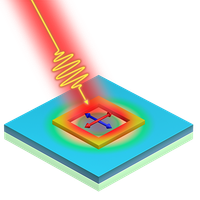
Harnessing Plasmonic Heating for Switching in Antiferromagnets
Article | Condensed Matter and Materials | 2026-05-21 06:00 EDT
H. Y. Yuan, Yizheng Wu, and Olena Gomonay
Nanoscale heating engineered through plasmonic excitation enables magnetic information processing and may provide a solution to the problem of heat waste, a major obstacle for green information technologies.
Phys. Rev. Lett. 136, 206702 (2026)
Condensed Matter and Materials
Physical Review X
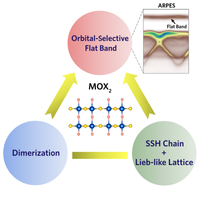
Robust Orbital-Selective Flat Bands in Layered Transition-Metal Oxyhalides at Room Temperature
Article | 2026-05-21 06:00 EDT
Xiangyu Luo, Ludovica Zullo, Sahaj Patel, Dongjin Oh, Willa Mihalyi-Koch, Emma Lian, Jiaruo Li, Qian Song, Asish K. Kundu, Anil Rajapitamahuni, Elio Vescovo, Natalia Olszowska, Rafał Kurleto, Dawid Wutke, Xavier Roy, Giorgio Sangiovanni, and Riccardo Comin
Angle-resolved photoemission spectroscopy of layered transition-metal oxyhalides reveals intrinsic flat bands that remain stable at room temperature, providing a tunable platform for investigating strongly correlated electron states.
Phys. Rev. X 16, 021041 (2026)
arXiv
Dominant vibronic relaxation channels in a europium-based molecular qubit
New Submission | Materials Science (cond-mat.mtrl-sci) | 2026-05-22 20:00 EDT
Molecular spin qubits offer a versatile platform for quantum information processing due to their synthetic tunability and well-defined electronic structure. Here, a fitted-parameter-free computational framework combining density functional theory (DFT), time-dependent DFT (TD-DFT), and Redfield theory is applied to investigate the longitudinal spin-lattice relaxation time $ T_1$ of the Eu nuclear spin qubit Eu(dpphen)(NO3)3. Using a single-molecule gas-phase model, the experimental long relaxation component $ T_{1,\mathrm{long}} = 41.39$ s is reproduced within a factor of 1.4 (calculated: 55.88 s at 4.2 K), indicating that the slow relaxation channel is governed by intramolecular vibronic coupling. In contrast, the calculated $ T_{1,\mathrm{short}}$ deviates by a factor of 66, highlighting the importance of crystal lattice and intermolecular effects absent from the model. The experimental $ ^5D_0 \rightarrow {}^7F_0$ optical transition is reproduced to within 1.1%, supporting the accuracy of the electronic structure description. Vibrational analysis identifies a large-amplitude dpphen rocking mode at a frequency of $ 332.02\mathrm{cm}^{-1}$ as the dominant vibronic coupling channel, while electric field gradient (EFG) derivative analysis independently identifies another nitrate-rocking mode at $ 180.57\mathrm{cm}^{-1}$ as the primary modulator of the nuclear spin environment via nitrate motion. These results are consistent with a near-maximal quadrupole asymmetry parameter $ \eta = 0.941$ , which creates state mixing through off-diagonal quadrupolar terms. Overall, the results establish a single-molecule relaxation baseline and suggest targeted ligand rigidification and substitution strategies to suppress decoherence.
Materials Science (cond-mat.mtrl-sci), Other Condensed Matter (cond-mat.other), Quantum Physics (quant-ph)
8 pages, 6 figures
Phys. Chem. Chem. Phys., 2026
Robust fluctuating intertwined charge stripes in the Emery model
New Submission | Strongly Correlated Electrons (cond-mat.str-el) | 2026-05-22 20:00 EDT
Rong Zhang, Sijia Zhao, Hong-Chen Jiang, Brian Moritz, Edwin W. Huang, Thomas P. Devereaux
The single-band Hubbard model is one of the most extensively studied models in condensed matter physics, giving rise to intertwined spin and charge stripes that coexist with, or lie in the vicinity of, superconductivity in the phase diagram. However, whether the low energy physics of the single-band Hubbard model is fully equivalent to the multi-band (multi-orbital) Emery model remains an unsettled question. While the intertwined stripes and nematicity have been studied in the single-band Hubbard model, a comprehensive picture in the Emery model is lacking. In this paper, we focus on the less investigated intertwined charge stripes using complementary density matrix renormalization group (DMRG) and determinant quantum Monte Carlo (DQMC) techniques. Our ground state DMRG confirms the presence of the oxygen-centered charge stripes at a reduced amplitude in the Emery model parameter regime widely used in the study of intertwined stripes. Close analysis of the oxygen orbital structure of the static charge correlation function from DQMC reveals the charge stripe pattern in real-space, showcasing stronger charge density modulation on $ p$ -orbitals pointing along ``the rivers of charge’’, consistent with DMRG. For the parameter set with the largest fermion signs, we managed to reach a temperature where the system first demonstrated tendencies to form purely unidirectional spin and charge stripes, and the $ B_{1g}$ component becomes dominant in the bond-charge nematic susceptibility. This observation correlates with the doping dependence of the kinetic energy anisotropy, suggesting a close relation between the nematicity and charge stripes in the Emery model.
Strongly Correlated Electrons (cond-mat.str-el)
27 pages, 33 figures
Large-flavor route to a stable U(1) Dirac spin liquid on the maple-leaf lattice
New Submission | Strongly Correlated Electrons (cond-mat.str-el) | 2026-05-22 20:00 EDT
Yunchao Zhang, Andreas Feuerpfeil, Subir Sachdev, Ronny Thomale, Yasir Iqbal
The $ \mathrm{U}(1)$ Dirac spin liquid provides a useful organizing framework for frustrated magnets: it offers an algebraic parent state from which competing orders, confinement patterns, and low-energy spectral features can be understood. Whether such a state can occur as a stable ground state of a two-dimensional spin Hamiltonian remains an open question, because monopole events of the compact gauge field can proliferate and confine the spinons. Here, we show that the maple-leaf lattice provides a distinct route to this problem. Its Dirac spin liquid realizes QED$ _3$ with $ N_f=12$ Dirac fermions, substantially more than the $ N_f=4$ theories of the triangular and kagome lattices. We classify the fundamental monopoles under the full microscopic symmetry group and find five charge-one spin-singlet monopoles that are trivial under lattice symmetries, time reversal, and spin rotation. The phase is therefore not protected by symmetry in the usual sense: its stability depends on whether these allowed monopoles are dynamically irrelevant. Available large-$ N_f$ and Monte Carlo estimates place the charge-one monopole dimension close to the relevance threshold in $ (2+1)$ dimensions, making the maple-leaf lattice a concrete large-flavor platform for testing the stability of compact QED$ _3$ in a quantum magnet. The same monopole classification gives direct numerical predictions, identifying the symmetry sectors in which singlet, triplet, and quintet monopole excitations should appear. This provides a route to testing the $ N_f=12$ Dirac spin liquid through symmetry-resolved exact diagonalization and variational studies of maple-leaf spin Hamiltonians.
Strongly Correlated Electrons (cond-mat.str-el)
16 pages, 2 figures, 5 tables
Quantifying the coupling between strain and cation valence in high entropy oxide thin films using electron microscopy
New Submission | Materials Science (cond-mat.mtrl-sci) | 2026-05-22 20:00 EDT
Sai Venkata Gayathri Ayyagari, Saeed SI Almishal, Debangshu Mukherjee, Kevin M. Roccapriore, Jon-Paul Maria, Nasim Alem
High entropy oxides (HEOs) are a class of materials with vast compositional space and tunable properties, making them attractive for applications in thermoelectrics, magnetism, ionic conduction, and beyond. However, their metastable nature makes the local structure, and consequently their properties, highly sensitive to growth conditions. It is therefore essential to probe the local modulations in atomic, chemical, and electronic structure as a function of growth conditions. Here, advanced S/TEM techniques, including 4D-STEM combined with electron energy loss spectroscopy and energy-dispersive X-ray spectroscopy are used to investigate the effect of substrate temperature on structure and strain at the nanoscale regime in HEO thin films. We quantify how nanoscale strain variations correlate with Co valence and subtle chemical differences in the films with the same nominal composition but different growth temperatures. Our results demonstrate that identical HEO compositions can accommodate distinct strain and defect states in thin film form and highlight how synthesis conditions can be leveraged to manipulate strain and Co valence. These findings establish a framework to tailor functional properties via strain and valence control in high entropy oxide thin films.
Materials Science (cond-mat.mtrl-sci)
Observation of Altermagnetic Order Switching in Bulk MnTe by Polarized Neutron Diffraction
New Submission | Strongly Correlated Electrons (cond-mat.str-el) | 2026-05-22 20:00 EDT
Zheyuan Liu, Shinichiro Asai, Shingo Takahashi, Hiraku Saito, Taro Nakajima, Takatsugu Masuda
Altermagnetic order, characterized by the Néel vector, breaks time-reversal symmetry (TRS) even in the nonrelativistic limit. Although spin-polarized and anomalous transport phenomena emerge with this order, they are mutually compensated by TRS-connected antiphase domains with opposite Néel vectors. Here we employ polarized neutron diffraction to directly probe the altermagnetic order in MnTe. Pronounced nuclear-magnetic interference terms were observed, providing direct evidence of a net Néel vector in the bulk crystal. Moreover, a weak ferromagnetic moment (WFM), originating from relativistic spin-orbit coupling, was found to be coupled with the altermagnetic order. Both the altermagnetic order and the WFM can be switched by milli-Tesla-scale magnetic field cooling.
Strongly Correlated Electrons (cond-mat.str-el)
8 pages, 4 figures. Accepted for publication in Phys. Rev. Lett
Chiral superconductors from parent states with non-uniform Berry curvature: Momentum-space vortices, BdG topology, and thermal Hall conductivity
New Submission | Superconductivity (cond-mat.supr-con) | 2026-05-22 20:00 EDT
L. David Le Nir, Asimpunya Mitra, Yong Baek Kim
We investigate chiral superconductivity emerging from parent electronic states with non-uniform Berry curvature, motivated by recent experiments in rhombohedral graphene multilayers. Using the continuum $ \lambda_N$ -model-a tunable platform with independently controllable Berry curvature profiles-we solve the full BCS gap equation on a continuum Chern band beyond the weak-coupling limit. We find that a non-uniform Berry curvature of the parent band enriches the superconducting order parameter, leading to the formation of momentum-space vortices in the gap function away from high-symmetry points. By tuning the Berry curvature profile, we identify distinct regimes associated with vortex nucleation and vortex number saturation, and show that the nucleation of momentum-space vortices tends to lower the condensation energy. We then show analytically that the parent band Chern number constrains the number of momentum-space vortices that can nucleate in the gap-independent of details of the $ \lambda_N$ -model. We also provide a gauge-invariant formulation for computing the Bogoliubov-de Gennes (BdG) Berry curvature for continuum models, and find that it is determined by a momentum-space phase current. The winding of this current around vortices in the occupied region in turn determines the BdG Chern number. Finally, we discuss how thermal Hall measurements can be used to probe the formation of momentum-space vortices. Our results highlight the crucial role of Berry curvature in shaping chiral superconductivity, and offer guiding principles for its identification in systems such as rhombohedral graphene.
Superconductivity (cond-mat.supr-con), Strongly Correlated Electrons (cond-mat.str-el)
42 pages, 16 figures
Tunneling spectra of $\mathrm{TaO}_x$ junctions for van der Waals superconductors
New Submission | Superconductivity (cond-mat.supr-con) | 2026-05-22 20:00 EDT
Yixuan Niu, Jun Cheng, Shiji Ding, Zhongxin Guo, Shang Wang, Chenglong Li, Meining Zhang, Peng Cai
Tunneling spectroscopy and its evolution are crucial for elucidating the intricate electronic structure and emergent phenomena in quantum this http URL, high-quality measurements – specifically those tracking evolution across temperature and external fields – remain a formidable challenge. We have fabricated a high-quality $ \mathrm{TaO}_x$ -based planar tunneling junction by using magnetron sputtering for van der Waals (vdW) superconductors. Using the vdW superconductor $ \mathrm{Bi}_2\mathrm{Sr}_2\mathrm{CaCu}2\mathrm{O}{8+\delta}$ (Bi2212) as a benchmark, this platform yields high-quality tunneling spectra, reproducing the electronic signatures obtained from scanning tunneling spectra acquired from atomically clean surfaces under ultra-high vacuum conditions. This architecture enables high-precision spectroscopy across extensive temperature and magnetic field ranges, offering a universal strategy for probing the electronic structures of diverse two-dimensional systems and facilitating future explorations of material properties.
Superconductivity (cond-mat.supr-con), Materials Science (cond-mat.mtrl-sci), Strongly Correlated Electrons (cond-mat.str-el)
Diagrammatic Monte Carlo for Fermionic Rényi Entanglement Entropy
New Submission | Strongly Correlated Electrons (cond-mat.str-el) | 2026-05-22 20:00 EDT
We develop a direct diagrammatic Monte Carlo framework for the Renyi entanglement entropy of interacting lattice fermions. The method starts from the fermionic graded-swap representation of Z_n[A]=Tr_A\rho_A^n, which converts the entropy problem into a replicated path integral with mixed temporal boundary conditions on the entangling region. In this representation the replica momenta are half-shifted, q_m=(2m+1)\pi/n, and the interaction expansion has a determinant form suitable for connected-determinant summation. We combine this expansion with a many-configuration Markov-chain Monte Carlo sampler to obtain order-by-order corrections for very large systems to very high orders. As a benchmark, we compare the order-by-order coefficients of a 3\ast3 Hubbard cluster with exact diagonalization. We then report a production calculation for a large periodic lattice with a square subregions. The dominant system-size limitation is therefore memory rather than a conventional auxiliary-field sign problem. The results provide a step toward diagrammatic calculations of fermionic entanglement observables in regimes where direct quantum Monte Carlo sampling is costly or sign-problem limited.
Strongly Correlated Electrons (cond-mat.str-el), Computational Physics (physics.comp-ph)
5 pages, 1 figure
Backward Mapping from Device Targets to Chemical Genomes for Interpretable Discovery of Phase-Stable Lead-Free Double Perovskites with DFT-Validated Design Rules
New Submission | Materials Science (cond-mat.mtrl-sci) | 2026-05-22 20:00 EDT
Nafis Ahtasum, Sohanur Rahman Sohan, Md. Mostaq Ahmed Himel, Md. Zahid Hassan, Muhammad Harussani Moklis, Md Rafiul Alam Roni
Lead-free halide double perovskites are promising alternatives to Pb-based semiconductors, but their discovery is challenging because structural formability, thermodynamic stability, band-gap placement, optical-transition strength, dielectric screening, and carrier transport must all be satisfied within the vast A2BB’X6 space. We present a backward-mapping, genome-guided framework linking device-level targets to chemically interpretable descriptor families for Pb-free double-perovskite discovery. From 13,088 charge-balanced compositions, we apply a halide-aware workflow integrating geometric formability filtering, six-family chemical-genome descriptor encoding, evolutionary-optimized machine learning surrogates, SHAP-based interpretation, and DFT phenotype closure. Stability is modeled using Ehull-derived labels, while a band-gap surrogate predicts scalar-relativistic PBE Eg for target-driven selection. The funnel reduces the search space to seven DFT-validated candidates: K2BePdF6, K2MnCdCl6, Rb2TeCuBr6, Cs2SnGeBr6, Cs2GeSrBr6, Cs2NiBaI6, and Cs2AgInCl6, all verified for structural assignability, band-edge character, effective masses, dielectric response, optical absorption, conductivity, reflectivity, energy-loss spectra, and XRD fingerprints. Functional rules emerge from stability-function coupling rather than band-gap optimization alone, providing an interpretable inverse-design paradigm to accelerate Pb-free double-perovskite discovery.
Materials Science (cond-mat.mtrl-sci)
Enhancement in Magnetic and Magnetocaloric Properties of CoFe2O4 Nanofibers at Lower Temperatures
New Submission | Materials Science (cond-mat.mtrl-sci) | 2026-05-22 20:00 EDT
Salma El Mouloua, Youness Hadouch, Salma Ayadh, Salma Touili, Daoud Mezzane, M barek Amjoud, Said Ben Moumen, Abdelhadi Alimoussa, Abdelilah Lahmar, Zvonko Jaglicic, Zdravko Kutnjak, Mimoun El Marssi
This research paper investigates new and first insights into the magnetic and magnetocaloric properties of one-dimensional (1D) cobalt ferrite CoFe2O4 (CFO) nanofibers elaborated by sol gel based electrospinning technique, particularly focusing on their behavior at low temperatures for specific applications. The calcined CFO nanofibers microstructural, structural, magnetic, and magnetocaloric properties were explored. The nanofibers (NFs) microstructure, with an average diameter of 210 nm, was examined by scanning and transmission electron microscopies (SEM, TEM). The X-ray diffraction (XRD) of the CFO nanofibers showed a pure cubic close-packed (c.c.p) spinel crystalline structure with the F d 3 -m space group. The Raman spectroscopic studies further confirm the cubic inverse spinel phase. The Magnetic properties were explored as a function of temperature, ranging from 10 to 300 K, a ferromagnetic behaviour was observed with the highest saturation magnetization of 75.87 emu g(-1) and a coercivity of 723 Oe at room temperature. The variation of the magnetic entropy was measured indirectly using the Maxwell approach with an increasing magnetic field. A maximum of Delta(S)=1.71 J K-1 was reached around 32 K. At 180 K, the associated adiabatic temperature change, Delta (Tmax), was 0.93 K, with a large RCP value of 7.58 J kg-1 was measured, which is reasonably high for the corresponding nanoparticles (NPs). This work may suggest that 1D CFO nanofibers offer a promising route for the production of nanostructured magnetic materials, potentially impacting various electronic and electromagnetic device applications at low temperatures.
Materials Science (cond-mat.mtrl-sci)
Quasiparticle GW for Superconductors: Toward a Unified Treatment of Electron-Phonon and Electron-Plasmon Couplings
New Submission | Superconductivity (cond-mat.supr-con) | 2026-05-22 20:00 EDT
Catalin D. Spataru, Christopher Renskers, Elena R. Margine
Superconducting two-dimensional materials, and in particular few-layer graphene, offer an exciting platform for low-power electronics, yet the origin of their unconventional superconductivity remains an open question. Prevailing theories, primarily rooted in the Bardeen-Cooper-Schrieffer (BCS) framework that assumes electron-phonon interactions are the main mechanism of superconductivity, struggle to account quantitatively for the observed phenomena. Recent studies point to a plasmonic pairing mechanism in graphene systems; however, disentangling the relative contributions of phonon- and plasmon-mediated pairing remains challenging due to the lack of a satisfactory first-principles framework capable of accurately capturing dynamical screening effects in the electronic channel. Here, we present a new theoretical framework that extends the quasiparticle self-consistent GW method to the superconducting phase by coupling it with the Eliashberg treatment of both phonon- and plasmon-mediated interactions. Our approach, termed “s-qpGW”, is on par with the state-of-the-art Eliashberg theory of superconductivity when applied to bulk metals, and correctly predicts the absence of superconductivity in doped monolayer graphene. To differentiate s-qpGW from conventional Eliashberg approaches, we study a simple model system, graphene with an artificially enhanced density of states, and demonstrate that s-qpGW captures dynamical Coulomb screening effects in ways that standard BCS theory cannot.
Superconductivity (cond-mat.supr-con)
17 pages, 7 figures
MetaDNS: Enhancing Exploration in Discrete Neural Samplers via Well-Tempered Metadynamics
New Submission | Statistical Mechanics (cond-mat.stat-mech) | 2026-05-22 20:00 EDT
Xiaochen Du, Juno Nam, Jaemoo Choi, Wei Guo, Sathya Edamadaka, Junyi Sha, Elton Pan, Yongxin Chen, Molei Tao, Rafael Gómez-Bombarelli
Sampling from discrete distributions with multiple modes and energy barriers is fundamental to machine learning and computational physics. Recent discrete neural samplers like MDNS suffer from mode collapse and fail to sample high-energy barrier regions between modes, which is critical for free energy estimation and understanding phase transitions. We propose Metadynamics Discrete Neural Sampler (MetaDNS), a general framework integrating well-tempered metadynamics into discrete diffusion or autoregressive samplers. By maintaining an adaptive, history-dependent bias potential along selected low-dimensional coordinates, MetaDNS forces exploration of previously inaccessible regions, enabling free energy reconstruction infeasible with standard neural samplers due to a lack of high-energy samples. On challenging low-temperature benchmarks including Ising, Potts, and the copper-gold binary alloy, MetaDNS reproduces the thermodynamic distribution. Compared to MCMC-based metadynamics, MetaDNS also achieves comparable exploration requiring fewer bias deposition steps.
Statistical Mechanics (cond-mat.stat-mech), Materials Science (cond-mat.mtrl-sci), Machine Learning (cs.LG)
Accepted at ICML 2026
Rheology and Programmable Gelation of DNA Origami Polymer Tadpoles
New Submission | Soft Condensed Matter (cond-mat.soft) | 2026-05-22 20:00 EDT
Jennifer Harnett, Saminathan Ramakrishnan, Alice L. B. Pyne, Elizabeth P. Holmes, Davide Michieletto
DNA origami is a powerful method to achieve nanoscale folded structures. Despite rapid improvements in folding and purification methods, DNA origami objects are still often produced in small quantities and studied at single molecule scale. Here, we design simple DNA origami-inspired polymers with complex topologies, and study their rheology and viscoelastic properties in dense conditions. First, we designed and purified topologically distinct DNA nanostructures, linear, circular, and “tadpole” polymers, to evaluate how polymer architecture influences entanglement and rheology. Despite their distinct topologies, we observe that all constructs obeyed universal rheological scalings, likely due to their short length. However, upon thermal annealing in the bulk, the DNA origami-like polymers displayed significantly different behaviours. Our results suggest that DNA origami-like polymers could be used to engineer thermoresponsive behaviours in complex fluids by introducing reversible and topology-dependent crosslinking.
Soft Condensed Matter (cond-mat.soft)
Uncovering Antipolar Ordering and Pressure-Tunable Phases in Hexagonal LaN
New Submission | Materials Science (cond-mat.mtrl-sci) | 2026-05-22 20:00 EDT
Atanu Paul, Laurent Bellaiche, Charles Paillard
We predict an antipolar instability in hexagonal LaN using first-principles density functional theory. Starting from a nonpolar hexagonal phase, we identify competing polar and antipolar zone-center phonon instabilities. Condensation of the polar and antipolar modes stabilizes, respectively, dynamically stable wurtzite (WZ) phase and an hexagonal antipolar (AP) phase which is characterized by alternating local polarization and zero net macroscopic polarization within the unit cell. At ambient conditions, the AP phase is metastable with respect to the WZ phase, and a finite energy barrier exists between these phases, suggesting a possible polarization-switching pathway via the AP intermediate state. The energy barrier between the WZ and AP phases decreases with increasing pressure, indicating enhanced tunability between polar and antipolar states. The sublattice polarization increases with pressure in the AP phase, while it decreases in the WZ phase. We further find that, with increasing pressure, the rock-salt and tetragonal phases of LaN become more stable than the hexagonal phases (AP and WZ). Consequently, the realization of the AP phase is more favorable in the low-pressure regime, where hexagonal phases remain energetically competitive. These results demonstrate pressure-driven competition between polar and antipolar phases in LaN and point toward antiferroelectric-like behavior in this binary nitride system.
Materials Science (cond-mat.mtrl-sci)
Conductivity of a Non-Galilean–Invariant Fermi Liquid: Exact Solution of the Kinetic Equation
New Submission | Strongly Correlated Electrons (cond-mat.str-el) | 2026-05-22 20:00 EDT
Tatia Kiliptari, Vladimir I. Yudson, Dmitrii L. Maslov
We obtain an exact expression for the conductivity of a disordered,
non-Galilean-invariant Fermi liquid by solving the kinetic equation with both screened Coulomb and $ z=3$ Pomeranchuk critical interactions. While consistent with previous asymptotic results, our solution shows that electron-electron interactions enter the conductivity solely via the quasiparticle scattering time, $ \tau_\mathrm{ee}$ . Accordingly, the crossovers between the collisionless and hydrodynamic regimes occur when $ 1/\tau_\mathrm{ee}$ becomes comparable to the larger of the impurity scattering rate and the probe frequency, $ \Omega$ . In addition, the exact solution yields the optical response in the hydrodynamic regime, $ \Omega\ll 1/\tau_\mathrm{ee}$ , which is inaccessible within perturbation theory. Near a $ z=3$ Pomeranchuk quantum critical point, consistency between the kinetic-equation and Kubo approaches requires proper inclusion of mass renormalization within the Eliashberg approximation, which also ensures that the crossover between the collisionless and hydrodynamic regimes in the optical conductivity occurs at the Planckian scale $ \Omega\sim T$ .
Strongly Correlated Electrons (cond-mat.str-el)
Microwave-Stimulated Serpentinization of Olivine for Geological Hydrogen Production
New Submission | Materials Science (cond-mat.mtrl-sci) | 2026-05-22 20:00 EDT
Serpentinization of ultramafic rocks is a naturally occurring mineralogical process that can generate molecular hydrogen through the oxidation of ferrous iron during water-rock reaction. Although the resource potential is large, the natural reaction is kinetically limited, and practical hydrogen recovery requires methods that can accelerate conversion without imposing an energy penalty that exceeds the value of the hydrogen produced. This short communication reports a preliminary atmospheric-pressure microwave serpentinization experiment using a water-saturated 2 g crushed olivine sample. Microwave irradiation produced a rapid increase in measured hydrogen concentration compared with conventional hot-plate heating under otherwise similar conditions. The preliminary experiment showed approximately a 12-fold increase in hydrogen concentration and an apparent rate increase from about 2 ppb s$ ^{-1}$ for conventional heating to about 10 ppb s$ ^{-1}$ during microwave exposure. These results suggest that electromagnetic stimulation can enhance serpentinization kinetics, likely through rapid volumetric heating, selective coupling to iron-bearing phases, and localized thermal gradients. The result provides an initial experimental basis for evaluating microwave stimulation as a route to accelerated geologic hydrogen production and motivates follow-on measurements using calibrated gas analysis, absorbed-power measurements, dielectric characterization, and elevated-pressure testing.
Materials Science (cond-mat.mtrl-sci), Atmospheric and Oceanic Physics (physics.ao-ph), Geophysics (physics.geo-ph)
A diffuse-interface theory of active nematic interfaces: transport mechanisms and modal structure
New Submission | Soft Condensed Matter (cond-mat.soft) | 2026-05-22 20:00 EDT
Rodrigo C. V. Coelho, Mykola Tasinkevych, Margarida M. Telo da Gama
We develop a long-wavelength theory for the linear stability of a flat interface between an active nematic and an isotropic fluid. Starting from a diffuse-interface Cahn–Hilliard–Landau–de Gennes description coupled to Brinkman-screened Stokes hydrodynamics, we project the linearized dynamics onto a small set of interfacial degrees of freedom: the conserved translation, or height, mode; a scalar profile distortion or amplitude mode; and a transverse orientational mode associated with director rotations. Eliminating the gapped scalar profile mode gives a reduced interfacial operator coupling the conserved height mode to the transverse orientational mode. The main result is that activity generates, in the screened diffuse-interface regime, a direct local contribution proportional to $ q^2$ in the height sector. This term competes with the passive local diffusive capillary relaxation, which enters at order $ q^4$ , and defines a local active interfacial channel controlled by the internal structure of the diffuse interface. This mechanism is distinct from the non-analytic $ |q|$ and $ |q|q^2$ terms characteristic of weakly screened Hele–Shaw/Saffman–Taylor-type transport, which are controlled by long-ranged momentum transport in the surrounding fluid. This framework identifies a diffuse-interface route to active interfacial instability that can operate while the homogeneous active nematic remains linearly stable because of hydrodynamic screening. It also provides a basis for distinguishing local diffuse-interface instabilities, bulk-flow-driven hydrodynamic instabilities, and mixed regimes in active nematic–isotropic interfaces.
Soft Condensed Matter (cond-mat.soft), Fluid Dynamics (physics.flu-dyn)
Comment on “Entropic Costs of Extracting Classical Ticks from a Quantum Clock”
New Submission | Mesoscale and Nanoscale Physics (cond-mat.mes-hall) | 2026-05-22 20:00 EDT
A recent Letter by Wadhia et al. reports a realization of a quantum clock using a double quantum dot (DQD) [Phys. Rev. Lett. 135, 200407 (2005)]. This Comment identifies two fundamental issues: (I) the claimed ``quantum clock” exhibits only classical behavior and lacks intrinsic temporal correlations between ticks; it is not sufficient for accurate time as a good clock. (II) the thermodynamic analysis misassigns entropy production and conflates amplification with measurement; the reported combined entropy is an engineering dissipation, not a fundamental cost of quantum timekeeping.
Mesoscale and Nanoscale Physics (cond-mat.mes-hall), Quantum Physics (quant-ph)
Comment on arXiv:2502.00096 (published journal version at this https URL)
Effect of Pb Substitution at the Mo site on the Magnetic Properties of the Polar Magnet Fe$_2$Mo$_3$O$_8$
New Submission | Strongly Correlated Electrons (cond-mat.str-el) | 2026-05-22 20:00 EDT
Takumi Shirasaki, Taichi Ishikawa, Shungo Nakayama, Hideki Kuwahara
The ternary transition-metal oxide Fe$ _2$ Mo$ _3$ O$ _8$ is a polar magnet characterized by a layered structure of magnetic Fe honeycomb lattices and non-magnetic Mo kagome lattices. Whereas previous studies have primarily focused on the chemical substitution at the Fe sites to modulate the magnetic properties, the Mo sites have remained largely unexplored due to the strong spin-singlet trimerization of Mo$ ^{4+}$ ions. In this study, we investigated the effect of substituting non-magnetic Pb$ ^{4+}$ and Zr$ ^{4+}$ ions into the Mo sites to intentionally disrupt the Mo trimers. Our results reveal that the disruption of the Mo spin-singlet state induces active spins within the Mo layer, resulting in the emergence of a ferromagnetic-like behavior that persists even at room temperature. Quantitative analysis that takes into account the weight fraction of the main phase suggests an effective spin $ S = 1/2$ state per active Mo ion upon trimer disruption. These findings demonstrate that controlling non-magnetic cluster states within a polar host via chemical substitution is a promising approach for designing room-temperature magnetoelectric materials.
Strongly Correlated Electrons (cond-mat.str-el), Materials Science (cond-mat.mtrl-sci)
5 pages, 5 figures, accepted by IEEE Transactions on Magnetics
Defect Kinematics in 2D Nematics: Contributions from Surface Topology, Intrinsic and Extrinsic Geometry, Solitons, Defect Orientations, and Elastic Anisotropy
New Submission | Soft Condensed Matter (cond-mat.soft) | 2026-05-22 20:00 EDT
Joseph Pollard, Richard G. Morris
We characterise the particlelike kinematics of charge-carrying topological defects in nematic media via a geometric field theory. This differs from the theory of electromagnetism, with which it is often compared, due to the absence of gauge-invariance. In both approaches, basic defect interactions are governed by a propagator, which depends upon the global topology and/or intrinsic geometry of the surface. For nematic materials, however, the minimisation of the free energy is sensitive to constraints that a gauge invariant theory would otherwise be indifferent to. Hodge theory is used to capture these as `harmonic’ excitations, unifying two factors known to additionally affect the kinematics of defects in nematics: relative defect orientations and topological solitons. Perturbations to the form of the energy are also permitted in nematic materials due to gauge \emph{non}invariance. Those that introduce non-linearities in the corresponding Euler–Lagrange equations are shown to result in defect interactions that go beyond pairwise despite the otherwise abelian nature of the underlying U(1) symmetry. We show how this type of induced many-body effect manifests in the cases of non-zero extrinsic curvature and/or elastic anisotropy.
Soft Condensed Matter (cond-mat.soft)
27 pages, 6 figures
Spin torque driven mode hybridization and band engineering in nanopatterned magnonic crystals
New Submission | Mesoscale and Nanoscale Physics (cond-mat.mes-hall) | 2026-05-22 20:00 EDT
Spin wave propagation and dynamic control are essential for reconfigurable magnonic and spintronic devices. Here, tunable mode coupling and band hybridisation are demonstrated in a nanopatterned bicomponent magnonic crystal consisting of a Permalloy/heavy metal bilayer patterned with a two dimensional array of Co nanodots. Using the plane wave method and the linearised Landau Lifshitz equation with a field like torque term, we show that inhomogeneous current induced spin torque produces periodic modulation of the magnonic frequency, enabling dynamic control of spin-wave dispersion. A pronounced avoided crossing between localised and propagating Damon Eshbach modes is observed, leading to tunable hybridisation gaps, band deformation, and enhanced mode mixing. The spin torque induced modulation enables controlled mode conversion and reconfigurable hybrid magnonic states, demonstrating efficient electrical tuning of nanoscale spin-wave dynamics.
Mesoscale and Nanoscale Physics (cond-mat.mes-hall)
Dissipation-Selected Resonant Fronts in a Driven-Dissipative Bose-Hubbard Lattice
New Submission | Quantum Gases (cond-mat.quant-gas) | 2026-05-22 20:00 EDT
Spatially structured dissipation organizes driven quantum matter beyond Hamiltonian control. We show that a dissipation gradient combined with a Stark-induced detuning ramp selects a nonlinear resonance slice in a two-dimensional driven-dissipative Bose-Hubbard lattice, producing a pinned density front in generalized Gross-Pitaevskii simulations. The underlying resonance condition fixes the front position, while its Airy-like profile obeys a width scaling set by tunneling stiffness and the effective detuning slope. Treating the front as an emergent interface explains how tuning the selected resonance toward the minimum-loss side yields Peierls-Nabarro depinning steps, discrete transverse pattern locking, spatiotemporal chaos, and minimum-loss localization. Center-of-mass and generalized-imbalance diagnostics map these outcomes into a dynamical phase diagram as detuning-ramp slope and dissipation-gradient strength vary. The results suggest structured dissipation as a mechanism for reconfigurable transport barriers and nonequilibrium interfaces in programmable bosonic lattices.
Quantum Gases (cond-mat.quant-gas), Quantum Physics (quant-ph)
Optical anisotropy and electronic states in the pleochroic material Ca$_3$ReO$_5$Cl$_2$
New Submission | Materials Science (cond-mat.mtrl-sci) | 2026-05-22 20:00 EDT
Takumi Tsukihara, Ibuki Terada, Michi-To Suzuki
Pleochroism is a type of optical anisotropy in which the apparent color of a material varies depending on the polarization and propagation direction of incident light. The oxychloride compound Ca$ _3$ ReO$ _5$ Cl$ _2$ has recently attracted attention due to its pronounced pleochroism. The paramagnetic state of this compound, characterized by localized Re 5$ d$ electrons, is challenging to describe within conventional first-principles methods. In this study, we investigate the optical anisotropy in Ca$ _3$ ReO$ _5$ Cl$ _2$ using first-principles calculations, with particular focus on the relationship between the optical spectra and electronic states. We employ a ferromagnetically ordered state to effectively capture the localized character of the Re 5$ d$ electrons. The calculated dielectric function and absorption coefficient qualitatively reproduce the experimentally observed peak structures. An orbital-resolved analysis indicates that the characteristic optical transitions associated with the pleochroism predominantly involve Re-$ d$ -dominated electronic states, highlighting the key role of the Re $ d$ electrons in the pleochroic optical response of Ca$ _3$ ReO$ _5$ Cl$ _2$ .
Materials Science (cond-mat.mtrl-sci)
5 pages, 6 figures
First-Principles Study of Fe Adsorption and Its Effects on the Mechanical and Electrical Properties of Monolayer and Bilayer Biphenylene Networks
New Submission | Materials Science (cond-mat.mtrl-sci) | 2026-05-22 20:00 EDT
Biphenylene network (BPN) is a 2D carbon allotrope that exhibits promising potential for applications. In this work, we systematically investigated the adsorption characteristics of Fe atoms on monolayer and bilayer BPN. Structural optimization and adsorption energy analysis reveal that, for monolayer BPN, the average adsorption gradually enhances with increasing Fe coverage, indicating a strengthening of Fe-substrate interactions. The most stable configuration is identified at an Fe/C ratio of 50 %. For bilayer BPN, the energetically preferred adsorption site for Fe atom is located at the center of the interlayer four-membered ring, with an average adsorption energy of -4.3 eV. Mechanical properties are further evaluated for pristine and Fe-decorated BPN. The results demonstrate that monolayer and bilayer BPN possess relatively high in-plane Young’s and shear moduli, indicative of excellent in-plane mechanical stability. Fe adsorption is found to have only a minor effect on the in-plane mechanical properties of both monolayer and bilayer BPN, suggesting that the in-plane stiffness is predominantly governed by the intrinsic carbon framework. In contrast, the out-of-plane mechanical response of bilayer BPN is significantly affected by Fe incorporation. The effective out-of-plane elastic constant C33 of pristine bilayer BPN is calculated to be 24.59 GPa, indicating relatively weak interlayer interactions and facile deformation along the out-of-plane direction. Notably, this property can be substantially enhanced by interlayer Fe adsorption, with C33 increasing dramatically to 515.63 GPa upon an Fe/C ratio of 25 %. The calculations on pristine and Fe-decorated BPN reveal pronounced anisotropy in the conductivity, with the value along one direction being significantly higher than that along the other. At 300 K, the overall conductivity is on the order of 10^5 S/m.
Materials Science (cond-mat.mtrl-sci)
Thermodynamic Irreversibility of Training Algorithms
New Submission | Statistical Mechanics (cond-mat.stat-mech) | 2026-05-22 20:00 EDT
Liu Ziyin, Yuanjie Ren, Adam Levine, Isaac Chuang
The training algorithms for AI systems all introduce far-from-equilibrium dynamical processes, and understanding the irreversibility of these algorithms is a fundamental step towards understanding the learning dynamics of modern AI systems. In this work, we establish a general framework for defining and analyzing the irreversibility of training algorithms. We show that four different ways to characterize the irreversibility of dynamical processes are equivalent to leading order in the step size $ \eta$ : numerical backward error $ \phi_{\rm DE}$ , time-renormalized correction $ \phi_{\rm TR}$ , microscopic time reversal asymmetry $ \phi_{\rm TA}$ , and the (regularized) stochastic-thermodynamic entropy production $ \phi_{\rm ST}$ . The irreversibility gives rise to a time-reversal-symmetry-breaking emergent force that generically breaks non-isometric continuous reparametrization symmetries, preserves orthogonal symmetries, and leads to a universal preference for those learning trajectories that minimize the entropy production rate.
Statistical Mechanics (cond-mat.stat-mech), Artificial Intelligence (cs.AI), Machine Learning (cs.LG)
preprint
Anomalous acoustoelectric signatures of chiral superconductivity
New Submission | Superconductivity (cond-mat.supr-con) | 2026-05-22 20:00 EDT
A. N. Osipov, V. N. Ivanova, V. M. Kovalev, I. G. Savenko
The identification of unconventional pairing in two-dimensional materials is a central challenge in modern condensed matter physics. While chiral p-wave superconductivity offers a promising platform for topological quantum computing, its detection remains elusive due to the inherent limitations of optical probes in the two-dimensional limit. We propose the anomalous acoustoelectric effect as a robust, alternative to optical signature of p-wave paring symmetry. We demonstrate that an acoustic wave induces a transverse dc current resulting in a measurable condensate phase difference on sample boundaries originating from the anisotropic scattering of quasiparticles in the absence of an external magnetic field. Crucially, the quasiparticle-mediated acoustoelectric response dominates near the critical temperature and, unlike the superconducting condensate, is not suppressed by electron-hole asymmetry factor. These results establish the anomalous acoustoelectric effect as a high-sensitivity electrical probe of the chiral order parameter, providing a tool for experimental detecting of unconventional pairing in superconductors.
Superconductivity (cond-mat.supr-con)
Nonlinear Photonic Tripartite Phase
New Submission | Mesoscale and Nanoscale Physics (cond-mat.mes-hall) | 2026-05-22 20:00 EDT
Xiangrui Hou, Fangyu Wang, Zhaoxin Wu, Shuming Zhang, Shan-Zhong Li, Lei Ying, Haiqing Lin, Baile Zhang, Zhi Li, Shi-Liang Zhu, Zhaoju Yang
Anderson localization is usually understood as a transition between extended and localized phases, with criticality confined to a single mobility edge. Recent advances predict that quasiperiodic systems can instead host a finite critical window bounded by mobility edges, in which localized, critical and extended states coexist. Yet both the experimental realization of this regime and whether interactions can provide controlled access to it remain unknown. Here, we realize such a tripartite phase in a nonlinear quasiperiodic photonic lattice and show that Kerr nonlinearity, acting as an effective interaction, enables state-selective access to the critical window. By tracking wavepacket dynamics, we distinguish localized, critical and extended transport regimes and uncover a state-selective response: rather than simply reinforcing localization through self-trapping, weak nonlinearity drives low-energy localized states into the critical window, whereas stronger nonlinearity restores localization. By contrast, critical, extended and high-energy localized states evolve monotonically towards self-trapped behaviour. Our results reveal a state-selective mechanism by which interactions provide controlled access to a pre-existing critical window in quasiperiodic systems.
Mesoscale and Nanoscale Physics (cond-mat.mes-hall)
Direct observation of the transverse near field of an edge excitation and associated slow secondary dynamics in a fractional quantum Hall state
New Submission | Mesoscale and Nanoscale Physics (cond-mat.mes-hall) | 2026-05-22 20:00 EDT
Yunhyeon Jeong, Akinori Kamiyama, John N. Moore, Takaaki Mano, Ken-ichi Sasaki, Yuuki Sugiyama, Tokiro Numasawa, Masahiro Hotta, Go Yusa
We report stroboscopic time-resolved photoluminescence (PL) microscopy and spectroscopy revealing the transverse near field of an edge excitation in a $ \nu=1/3$ fractional quantum Hall (FQH) state. Time-resolved $ y$ -$ t$ maps reveal an immediate PL response extending more than $ 30~\mu\mathrm{m}$ into the bulk transverse to the edge when the edge magnetoplasmon (EMP) passes the mesa boundary. The nearly instantaneous nature of this long-range response identifies it as the non-radiative, quasi-electrostatic near field, revealing the EMP as a spatially extended collective excitation rather than a strictly one-dimensional charge-density oscillation. We also observe secondary bulk-side responses distinct from the immediate transverse near-field response. The coexistence of these immediate and secondary responses shows that electrically launched edge excitations produce bulk-side dynamics on widely separated time scales.
Mesoscale and Nanoscale Physics (cond-mat.mes-hall)
High-field Magnetotransport Studies of Surface Conducting Diamonds
New Submission | Materials Science (cond-mat.mtrl-sci) | 2026-05-22 20:00 EDT
Kaijian Xing, Daniel L. Creedon, Golrokh Akhgar, Steve A. Yianni, Jeffrey C. McCallum, Lothar Ley, Dong-Chen Qi, Christopher I. Pakes
The observation of strong and tunable spin-orbit interaction (SOI) in surface conducting diamond opens up a new avenue for building diamond-based spintronics. Herein we provide a comprehensive method to analyze the magnetotransport behavior of surface conducting hydrogen-terminated diamond (H-diamond) Hall bar devices and Al/Al2O3/V2O5/H-diamond MOSFETs, respectively. By adopting a significantly improved theoretical magneto transport model, the reduced magnetoconductance can be accurately explained both within and outside the quantum diffusive regime. The model is valid for all doping strategies of surface conducting diamond tested. From this analysis, we find that the orbital magnetoresistance, a classical effect distinct from the SOI, dominates the magnetotransport in surface conducting diamond at high magnetic fields. Furthermore, local hole mobilities as high as 1000 ~ 3000 cm2/Vs have been observed in this work, indicating the possibility of diamond-based electronics with ultra-high hole mobilities at cryogenic temperatures.
Materials Science (cond-mat.mtrl-sci)
Electrohydraulic Fields Generated by Active Transport at Tissue Interfaces
New Submission | Soft Condensed Matter (cond-mat.soft) | 2026-05-22 20:00 EDT
Amit Singh Vishen, Ahandeep Manna, Frank Jülicher
Living cells and tissues can generate complex patterns of electric fields and fluid flows which can play important role in physiology. Both, fields and flows are rooted in ion transport across biological interfaces: cell membranes and epithelial cell layers. Here we develop a unified electrohydraulic framework that combines electric fields, osmotic pressures, and fluid flows, emphasising their couplings. We consider an active, permeable interface that drives electrohydraulic fields in the surrounding bulk. We show that spatially heterogeneous ion transport acts as a distributed current source, generating long-range electric fields, osmotic gradients, and fluid flows. Using this framework, we show that patterns of ion pumping at cell and tissue boundaries can simultaneously produce large-scale electric fields and fluid flows due to electrohydraulic coupling. A key insight is that an external electric field and an internal dipolar pumping pattern can be physically equivalent and can generate the same pattern of ion current and fluid flows. The induced dipolar osmotic pressure can drive self-propulsion through bulk osmotic coupling, with a mobility determined by interfacial permeability and system size, a mechanism distinct from classical electrophoresis or electro-osmosis. We further show that for strong fields a new effect emerges. Nonlinear coupling can lead to isotropic swelling of a hollow ball of cells. This can explain recent experiments on epithelial organoids. Finally, we show that feedback between ion transport and resulting electric fields can drive spontaneous symmetry breaking, generating dipolar or multipolar fields and patterns. Our work highlights the importance of electrohydraulic coupling in the emergence in currents and fields in the biological systems.
Soft Condensed Matter (cond-mat.soft), Biological Physics (physics.bio-ph)
12 pages, 4 Figures
The exact solution of the Koga-Widom-Indekeu model and related models of wetting in fluid mixtures
New Submission | Soft Condensed Matter (cond-mat.soft) | 2026-05-22 20:00 EDT
We show how a broad class of two-component square-gradient models of wetting may be solved exactly for the surface tensions and density profile paths, and clarify how the presence or absence of critical point wetting, in binary and ternary mixtures, is related to universality and symmetry principles at critical end points. We begin by solving a model of fluid interfaces, first introduced by Koga and Widom, in ternary mixtures showing three phase coexistence. Numerical studies had revealed interesting wetting transitions, as well as curious geometrical properties of the profile paths in the density plane, and led these authors to conjecture expressions for the surface tensions. These conjectures were extended by Koga and Indekeu and predicted that partial wetting may persist up to the line of critical end points, i.e. critical point wetting was absent. Here, we obtain the exact density profiles and surface tensions for the Koga-Widom-Indekeu (KWI) model using complex analysis and drawing on the theory of algebraic curves. The exact solution determines the location and order of wetting transitions in the surface phase diagram, confirming that critical point wetting is absent. The model also displays the remarkable property that microscopic density profiles are mapped, by a conformal transform, onto the shape of a macroscopic drop near the contact line whose tensions satisfy the Neumann triangle. Two related models, which illustrate the role of the component isotropy, are also discussed. These models suggest that a universality principle governs wetting in fluid mixtures, resolving contradicting results from earlier studies: Critical point wetting is present if the order-parameter components of the mixture describe Ising-like criticality, but is absent if there is a local XY symmetry. Implications for wetting transitions in more microscopic models and in experiments are discussed.
Soft Condensed Matter (cond-mat.soft)
59 pages, 377 figures
Physica A 2026
Berezinskii-Kosterlitz-Thouless-type Transition in Site Percolation on the Diamond Hierarchical Lattice
New Submission | Statistical Mechanics (cond-mat.stat-mech) | 2026-05-22 20:00 EDT
Takehisa Hasegawa, Kazuki Wataya, Tomoaki Nogawa
We study site percolation on the diamond hierarchical lattice, a finite-dimensional fractal network, using an exact generating-function analysis. In contrast to bond percolation, site percolation on this lattice does not undergo a transition from a nonpercolating phase to a percolating phase. Instead, the system exhibits a nonpercolating phase for $ p<p_{\rm c}$ and a critical phase for $ p>p_{\rm c}$ . In the critical phase, the size of the largest cluster remains subextensive, scaling as $ N^{\psi(p)}$ , where the fractal exponent $ \psi(p)$ varies continuously with $ p$ . By analyzing the renormalization-group recursion relation in the vicinity of $ p_{\rm c}$ , we show that the correlation length exhibits a Berezinskii-Kosterlitz-Thouless-type essential singularity, $ \xi(p)\sim \exp \left({\rm const}/\sqrt{p_{\rm c}-p}\right)$ for $ p \to p_{\rm c}^-$ , which is further confirmed by finite-size scaling analyses showing excellent data collapse. These results demonstrate that critical phases in percolation can emerge even on finite-dimensional networks and that exponential volume growth is not necessary for such phases to appear. We argue that the critical phase on the diamond hierarchical lattice stems from site dilution remaining relevant under renormalization.
Statistical Mechanics (cond-mat.stat-mech), Disordered Systems and Neural Networks (cond-mat.dis-nn)
15 pages, 7 figures
CNN-Based Classifier for Automated Identification of Magnetic States in Spin Dynamics Simulations
New Submission | Materials Science (cond-mat.mtrl-sci) | 2026-05-22 20:00 EDT
Amal Aldarawsheh, Ahmed Alia, Stefan Blügel
The identification and classification of different magnetic states are essential for understanding the complex behavior of magnetic systems. Traditional approaches that rely on handcrafted features or manual inspection often fall short, particularly when dealing with subtle or topologically complex spin textures. In this study, we present an automated deep learning model that employs an EfficientNetV1B0 Convolutional Neural Network to classify nine distinct magnetic states, including both ferromagnetic (FM) and antiferromagnetic (AFM) spin textures such as AFM skyrmions and AFM stripe domains. The spin configurations are generated through atomistic spin dynamics simulations using the Spirit code, then visualized with VFRendering to produce RGB images, which serve as inputs to the classification model.
Materials Science (cond-mat.mtrl-sci)
Superconductivity in doped spin multimer systems
New Submission | Superconductivity (cond-mat.supr-con) | 2026-05-22 20:00 EDT
Ritsuki Hirabayashi, Masataka Kakoi, Ryota Ueda, Kazuhiko Kuroki, Tatsuya Kaneko
Binding energy, which quantifies pair formation, is a key factor in the emergence of superconductivity. Here, we show that even when multiple spins are complexly coupled, hole-doped systems, which can be mapped onto the universal hardcore boson model in the strong-binding-energy limit, exhibit promising signatures of superconductivity. We analytically and numerically demonstrate this concept in the double Kondo lattice model. Using the density-matrix renormalization group method, we show that a pairing state is maintained via a crossover even for parameters away from the strong-coupling regime. Additionally, we find that once binding energies are sufficiently generated, pair correlations develop similarly regardless of the details of local spin correlations. Our findings suggest useful guidelines for research on superconductivity.
Superconductivity (cond-mat.supr-con), Strongly Correlated Electrons (cond-mat.str-el)
18 pages, 9 figures, 3 tables
Gyromagnetic Quantum Friction in Rayleigh Vorticity Baths
New Submission | Mesoscale and Nanoscale Physics (cond-mat.mes-hall) | 2026-05-22 20:00 EDT
Mamoru Matsuo, Ryotaro Sano, Ai Yamakage, Hiroshi Funaki, Tatsuhiko N. Ikeda
We identify an intrinsic zero-temperature relaxation channel for near-surface spins gyromagnetically coupled to Rayleigh-wave vorticity. This surface-mode contribution requires no thermal phonons, unlike Raman relaxation, and is fixed by Rayleigh vorticity rather than material-specific $ g$ -factor modulation. The Rayleigh-vorticity bath is super-Ohmic and evanescent with depth, producing field and depth scalings of spin relaxation. These scalings establish shallow spin sensors and hybrid surface-acoustic-wave spin interfaces as detectors of Rayleigh-wave acoustic quantum friction in solids.
Mesoscale and Nanoscale Physics (cond-mat.mes-hall)
16 pages, 1 figure; includes Supplemental Material
Theory-Guided, Machine-Learning-Accelerated Discovery of a 3D Carbon Nested Nodal-Surface Semimetal
New Submission | Materials Science (cond-mat.mtrl-sci) | 2026-05-22 20:00 EDT
Shuaihua Zhang, Silei Guo, Jingxiang Liu, Baoxin Hu, Yanling Wu, Jun Li
Extending the Dirac physics of two-dimensional (2D) graphene into three dimensions (3D) carbon allotropes with higher-dimensional band degeneracies remains a central challenge in topological materials science. Here, we propose a general symmetry-engineering principle that systematically transforms graphene’s Dirac cone into a 3D nodal surface via controlled layering and registry shift, and employ this principle to guide a machine-learning-accelerated inverse design. By integrating a crystal diffusion variational autoencoder(CDVAE) with a Crystal Transformer, we discover a novel, dynamically and mechanically stable carbon allotrope named \textbf{Netsene} (bct-C$ _{24}$ ), which crystallizes in the body-centered tetragonal \textit{I4/mcm} space group. First-principles calculations confirm that Netsene is a unique nested nodal-surface semimetal: it hosts a complex, double-bowl-shaped nodal-surface system around the Fermi level, protected by non-symmorphic symmetries, alongside Dirac-like linear crossings with Fermi velocities comparable to graphene ($ \sim 9 \times 10^5$ ~m/s). Its non-trivial bulk topology manifests in drumhead surface states, including a nearly flat band. Netsene provides a structurally robust, bulk platform that unifies ultrahigh carrier mobility, topological nodal surfaces, and potential correlation physics, demonstrating the power of theory-guided, machine-learning-accelerated discovery for engineering topological quantum phases.
Materials Science (cond-mat.mtrl-sci)
Quasinormal mode quantization of bound and propagating photons in complex lightguiding nanostructures for integrated devices
New Submission | Mesoscale and Nanoscale Physics (cond-mat.mes-hall) | 2026-05-22 20:00 EDT
Robert Meiners Fuchs, Marten Richter
Open optical or plasmonic resonators are placed on and connected through surfaces or via waveguides, forming complex lightguiding nanostructures, e.g. for integrated photonic quantum devices. We derive general boundary conditions for quasinormal modes that account for the structure’s specific geometry. We then present a general quantization scheme for multiple, interacting quasinormal-mode cavities coupled to quantum emitters and to a non-bosonic bath of propagating photons on waveguides or a surface. We derive a system-bath Hamiltonian with rigorously defined coupling elements that can be computed using Maxwell solvers, including light-matter coupling between the electromagnetic field and quantum emitters. We define system-bath correlation functions for an effective, bath-mediated, and time-delayed interaction between the quasinormal modes and quantum emitters, which is a main ingredient commonly used to simulate open quantum system dynamics.
Mesoscale and Nanoscale Physics (cond-mat.mes-hall), Optics (physics.optics), Quantum Physics (quant-ph)
Nonlinear frequency shift and bistability of magnon-polarons
New Submission | Mesoscale and Nanoscale Physics (cond-mat.mes-hall) | 2026-05-22 20:00 EDT
Kevin Künstle, Matthias Wagner, Philipp Knaus, Yannik Kunz, Ephraim Spindler, Katharina Lasinger, Matthias R. Schweizer, Philipp Pirro, John F. Gregg, Mathias Weiler
We investigate the nonlinear dynamics of strongly coupled surface acoustic waves (SAWs) and spin waves (SWs) in a magnetoacoustic resonator based on a YIG/ZnO heterostructure by combining microwave reflection measurements with microfocused Brillouin light scattering spectroscopy. In the linear regime, the electrical response reveals clear hybridization between standing SAW cavity modes and finite-wave-vector SWs, resulting in pronounced avoided crossings. At elevated drive powers, the hybrid system exhibits a strongly field-dependent nonlinear response characterized by a positive frequency shift of the driven SW mode. Using the vector Hamiltonian formalism for nonlinear spin-wave dynamics, we show that this shift is dominated by a cross-shift term. In our resonator geometry, this contribution becomes significant because the standing SAW cavity mode simultaneously excites counterpropagating SWs with wave vectors $ +k$ and $ -k$ . For suitable field detuning, the nonlinear shift drives the SW mode into resonance with the SAW excitation, leading to a strong enhancement of the magnon population, broadband nonlinear scattering, and bistable foldover behavior. Beyond the foldover threshold, both the magnon and phonon responses stabilize. These results establish SAW-driven $ k \neq 0$ magnon-phonon hybrids as a promising platform for nonlinear magnetoacoustics and wave-based information processing.
Mesoscale and Nanoscale Physics (cond-mat.mes-hall)
High-throughput study of electrical conductivity in ordered metals
New Submission | Materials Science (cond-mat.mtrl-sci) | 2026-05-22 20:00 EDT
Thalis H. B. da Silva, Hai-Chen Wang, Tiago F. T. Cerqueira, Simone Di Cataldo, Silvana Botti
We present a computational framework that integrates machine learning with high-throughput \textit{ab initio} calculations to screen over 2.8 million compounds for metallic transport. We identify several intermetallic candidates with predicted high conductivities comparable to that of aluminum ($ 36.59 \times 10^6$ ~S/m). We perform full electron–phonon coupling calculations for the top-performing materials, yielding results in excellent agreement with available experimental data. Our analysis reveals that while the noble metals (Ag, Au, Cu) define the practical ceiling for conductivity due to their unique electronic structure and low scattering, compounds like $ \text{LiBePt}_2$ can achieve comparable performance by utilizing valence electrons from light elements to shift high-scattering $ d$ -states beneath the Fermi level. This study not only identifies novel high-performance conductors but also demonstrates the predictive power of combining statistical learning with detailed ab initio calculations.
Materials Science (cond-mat.mtrl-sci), Other Condensed Matter (cond-mat.other)
Topologically Driven Giant Effective Spin Mixing Conductance in Antiferromagnetic FeSn/Py Heterostructures
New Submission | Mesoscale and Nanoscale Physics (cond-mat.mes-hall) | 2026-05-22 20:00 EDT
Kacho Imtiyaz Ali Khan, Nidhi Kandwal, Pankhuri Gupta, Deeksha Khandelwal, Akash Kumar, Johan Åkerman, Pranaba Kishor Muduli
The topological semimetal FeSn antiferromagnet, characterized by its kagome lattice, two-dimensional flat bands, and Dirac-like surface states, holds immense promise for spintronic applications. In this work, for the first time, we investigate the spin pumping behavior in epitaxial-FeSn/Py (Ni$ {80}$ Fe$ {20}$ ) heterostructures. We report a giant effective spin mixing conductance (g$ ^{\uparrow \downarrow}{\mathrm{eff}}$ ) of $ (116\pm 7)$ ~nm$ ^{-2}$ , which is nearly one order of magnitude higher than that of standard Pt/Py heterostructures. The insertion of a 3 nm Al spacer layer results in a two-fold reduction in the effective damping, confirming the interfacial origin of the large g$ ^{\uparrow\downarrow}{\mathrm{eff}}$ . Consistently, we observe an order-of-magnitude higher inverse spin Hall effect voltage in the FeSn/Py system compared to a reference Pt/Py film stack. We attribute the giant g$ ^{\uparrow\downarrow}_{\mathrm{eff}}$ to the direct interfacing of the Py layer with the topologically active [001]-kagome surface of epitaxial-FeSn. These findings establish the critical role of topologically active interfaces for advanced quantum-material-based spintronic devices.
Mesoscale and Nanoscale Physics (cond-mat.mes-hall)
Toward the Rational Design of Molecular Field-Coupled Nanocomputing Candidates
New Submission | Materials Science (cond-mat.mtrl-sci) | 2026-05-22 20:00 EDT
Federico Ravera, Leonardo Medrano Sandonas, Andrea Vezzoli, Yuri Ardesi, Mariagrazia Graziano, Gianluca Piccinini, Gianaurelio Cuniberti
Molecular Field-Coupled Nanocomputing (MolFCN) is a promising beyond-CMOS paradigm in which information is propagated electrostatically rather than through charge transport, enabling ultra-low-power logic. Identifying molecules with stable logic states, efficient clock-field switching, and reliable information propagation, however, remains an open challenge. In this Letter, we introduce LUFFY (Layered Unified Framework for MolFCN systematic analYsis), a framework for the rational design and validation of molecular candidates for MolFCN architectures. Starting from 27 synthetically accessible molecules, we combine conformational sampling and electrostatic analysis in neutral and oxidized states to derive robust descriptors of molecular response. In particular, we extract the V$ {in}$ -to-Aggregated-Charge Transcharacteristics (VACTs), capturing the field-induced charge response, and introduce energy-averaged models validated via ab initio molecular dynamics to account for conformational diversity. Finally, we use the resulting molecular responses to evaluate device-level propagation and demonstrate stable information transfer. These results directly link molecular structure to functional information flow, identifying conformationally robust electrostatic response as a key requirement for MolFCN operation. Overall, this work establishes a unified and transferable framework for the identification and validation of MolFCN molecular candidates, bridging molecular design and circuit-level functionality. By unifying previously fragmented approaches into a sustainable methodology, LUFFY enables rational and scalable molecular discovery and establishes a foundation for data-driven design strategies that accelerate the development of ultra-low-power information processing technologies.
Materials Science (cond-mat.mtrl-sci), Emerging Technologies (cs.ET)
13 pages, 6 figures, 2 tables
Quantum-metric Bloch oscillations in weakly inhomogeneous electric fields
New Submission | Mesoscale and Nanoscale Physics (cond-mat.mes-hall) | 2026-05-22 20:00 EDT
M. Maneesh Kumar, Md Kaif Faiyaz, Sayan Sarkar, Amit Agarwal
Geometric analogs of Bloch oscillations studied so far have relied on Berry curvature. We show that a weakly inhomogeneous electric field adds a distinct quantum-metric term to semiclassical wavepacket dynamics, generating an oscillatory real-space contribution even when the Berry curvature vanishes. The associated transport response comprises an intrinsic and a scattering-time-dependent part. In the regime studied, the latter can dominate and approach finite saturation at high field when the relative field inhomogeneity is held fixed. A tilted Dirac model illustrates the mechanism. Realistic platforms will likely require synthetically engineered superlattices, with a finite quantum metric and an adequate band gap.
Mesoscale and Nanoscale Physics (cond-mat.mes-hall)
12 Pages, 4 Figures
Delineating the interplay effects of microstructure topology and residual stresses in ultrafast laser irradiated thin films
New Submission | Materials Science (cond-mat.mtrl-sci) | 2026-05-22 20:00 EDT
Hariprasath Ganesan, Stefan Sandfeld
Advanced nanodevices require high-precision machining of thin films using ultrafast lasers. However, thin-film fabrications cause variations in microstructure, crystallographic orientation, and residual stresses owing to coating conditions and substrate choice. This work investigates the complex interplay between these factors in ultrafast laser-irradiated gold (Au) thin films using a hybrid Two Temperature Model-Molecular Dynamics simulations. We realized microstructure-informed atomistic models with varying grain topologies (randomized vs. equiaxed), grain sizes, and residual tensile/compressive stress configurations. Our results reveal a clear hierarchy of influence on laser-metal interaction: 1.) Microstructure configuration 2.) Topology 3.) Grain Size 4.) Crystallographic orientations. In fine-grained thin films, grain boundaries act as primary melting precursors, while local crystallographic orientation determines the melting extent in coarser grains. Residual tensile stresses contribute to higher melting and greater laser-induced expansion than unstrained films. Conversely, residual compressive stresses resist deformation, as deposited thermal energy is utilized to overcome lattice compression, leading to reduced expansion. We found that microstructure grain topology and size exert a stronger fingerprint on film expansion than the initial defect density.
Materials Science (cond-mat.mtrl-sci)
13 pages, 9 figures
Virp: neural network-accelerated prediction of physical properties in site-disordered materials
New Submission | Materials Science (cond-mat.mtrl-sci) | 2026-05-22 20:00 EDT
Andy Paul Chen, Martin Hoffmann Petersen, Kedar Hippalgaonkar
Among metallic alloys, ceramics, and even common compounds such as water ice, it is usual to find materials in which crystalline order is expressed as a probability. In such cases, one or more sites within a crystal can be occupied by multiple elements or vacancies, according to a set of probabilities. These crystal structures remain inaccessible to common first-principles materials simulation methodologies, which assumes perfect crystal order. Workaround strategies to this limitation include quasirandom structures and cluster expansion. These methods are system-specific and computationally expensive as they rely on large scale Monte Carlo simulations of enlarged unit cells. To address these limitations, we propose a pipeline combining a permutation-based virtual cell generation algorithm, sampling regime, and thermodynamic post-processing which greatly improves the feasibility of computation analyses for site-disordered materials. We demonstrate that the massive configurational space can be adequately sampled with 400 virtual cells, as long as the supercell definition is sufficiently large.
Materials Science (cond-mat.mtrl-sci)
19 pages, 6 figures
DMFT analysis of Hopfield network with plasticity
New Submission | Disordered Systems and Neural Networks (cond-mat.dis-nn) | 2026-05-22 20:00 EDT
Yoshinori Hara, Yoshiyuki Kabashima
We study a fully connected Hopfield-type associative memory network with online activity-dependent synaptic plasticity, where neural states and synaptic couplings coevolve during retrieval. Using the generating-functional formalism, we derive a dynamical mean-field theory (DMFT) in the large-system limit with extensively many stored random patterns, and show that the many-body dynamics reduces to an effective single-site stochastic process with colored Gaussian crosstalk noise and delayed feedback terms. Numerical solutions of the DMFT equations agree well with direct simulations. We find that moderate plasticity enlarges the basin of attraction and increases the maximum retrievable memory load by generating a positive delayed feedback that stabilizes retrieval against crosstalk noise. However, excessively strong plasticity causes the network to imprint the imperfect initial cue itself, leading to spurious attractors and degraded retrieval performance. Consequently, an optimal plasticity strength emerges from the trade-off between memory stabilization and premature cue imprinting. These results extend the DMFT description of associative memory to networks with coevolving neural and synaptic dynamics.
Disordered Systems and Neural Networks (cond-mat.dis-nn)
36 pages, 10 figures
Topological semimetals: surface transport and spin effects
New Submission | Mesoscale and Nanoscale Physics (cond-mat.mes-hall) | 2026-05-22 20:00 EDT
For the solid state physics, recent interest to topological systems is mostly connected with topological semimetals, in particular, to Weyl ones as the most representative semimetal type. Like other topological materials, e.g. topological and Chern insulators, topological semimetals acquire topologically protected surface states with linear dispersion. In contrast to helical surface states in topological insulators, the surface states are chiral for Weyl semimetals, similarly to Chern insulators, which allows to consider Weyl semimetals as the three-dimensional analog of the quantum Hall effect regime. Weyl semimetals are also interesting for spin-dependent effects, due to the spin-momentum locking in the topological surface states. For topological semimetals, the main problem of transport investigations is to reveal the surface states contribution in the material with gapless bulk spectrum. Here, we present review of experimental results on charge and spin transport in topological semimetals: charge transport in different superconducting proximity devices; spin-dependent transport; magnetic response of the topological surface states; non-linear anomalous Hall effect as the direct manifestation of the non-zero Berry curvature in topological semimetals. Possible applications are also considered for this new class of topological materials.
Mesoscale and Nanoscale Physics (cond-mat.mes-hall), Superconductivity (cond-mat.supr-con)
Enrichment of rhombohedral stacking by mechanical exfoliation of graphite
New Submission | Materials Science (cond-mat.mtrl-sci) | 2026-05-22 20:00 EDT
Krisztián Márity, Konrád Kandrai, Gergely Dobrik, Zsolt E. Horváth, Kristóf Németh Dániel, György Kálvin, Levente Tapasztó, Péter Nemes-Incze
Rhombohedral (ABC) graphite hosts a surface-localized flat band that supports correlated and topological electronic phases, but its experimental study is limited by the scarcity of ABC stacking in natural graphite, which is dominated by Bernal (AB) stacking. Here we show that the routine mechanical exfoliation step itself enriches the rhombohedral content of graphite flakes, and that a simple blade-assisted exfoliation step, which introduces additional shear, amplifies the effect further. Using large-area Raman 2D-band skewness mapping we measure ABC content at area fractions of 3% in the pristine source crystal, 16% after conventional exfoliation, and 26% after blade-assisted exfoliation for thick flakes. In thin flakes ($ <20$ layers) the per-flake area fraction reaches 75% in the upper tail of the distribution. Tracking individual flakes before and after blade-assisted exfoliation shows that wrinkles seed AB-ABC domain walls, and uniaxial strain can move these walls. Blade-assisted mechanical exfoliation therefore removes one of the bottlenecks to the preparation of ABC-rich graphite samples for studies of correlated and topological phases in rhombohedral graphite.
Materials Science (cond-mat.mtrl-sci), Mesoscale and Nanoscale Physics (cond-mat.mes-hall)
Equilibrium Stabilization of a Hidden Phase Like Metallic State in 1T-TaS2
New Submission | Strongly Correlated Electrons (cond-mat.str-el) | 2026-05-22 20:00 EDT
Turgut Yilmaz, Anil Rajapitamahuni, Suji Park, Houk Jang, Asish K. Kundu, Elio Vescovo
Electronic phases that lie outside the equilibrium ground state offer a route to explore competing configurations in correlated materials. In 1T-TaS2, ultrafast excitation accesses a metallic hidden phase that is distinct from the commensurate insulating ground state. Here we use angle-resolved photoemission spectroscopy to show that an equivalent electronic configuration is stabilized in exfoliated intermediate-thickness 1T-TaS2 flakes, where it persists up to room temperature before evolving through a different sequence of electronic transitions. This equilibrium hidden-phase-like state hosts a metallic band with finite Fermi-level spectral weight while retaining the characteristic hybridization gaps associated with the star-of-David band folding. These results establish a platform for controlling competing electronic states in layered materials, with implications for both quantum science and phase change technologies.
Strongly Correlated Electrons (cond-mat.str-el), Materials Science (cond-mat.mtrl-sci)
Odd-Parity Chiral Magnons in Collinear Antiferromagnetic Multiferroics: Symmetry Classification and Ferroelectric Switching
New Submission | Materials Science (cond-mat.mtrl-sci) | 2026-05-22 20:00 EDT
Quanchao Du, Zhenlong Zhang Yuanjun Jin, Rui Li, Haibo Xie, Jinlian Lu, Zhe Wang, Zhijun Jiang, Lei Zhang, Jinyang Ni
The coupling between ferroelectrics and magnetism presents a promising avenue for low-dissipation spintronic devices. However, such couplings remain rare, and the direct realization of magnetic order driven by ferroelectric switching in insulators continues to pose a significant challenge. Here, we identify a class of collinear antiferromagnetic multiferroics in which intra-sublattice Dzyaloshinskii-Moriya interaction (DMI) induces odd-parity chiral magnons that are reversible via ferroelectric switching. Leveraging the charge-neutral nature of magnons, such multiferroics enable non-volatile ferroelectric control over magnon spin splitting, Hall transport, and spin polarization in antiferromagnetic insulators. Remarkably, magnetic group analysis and spin wave calculations reveal that the chiral splitting adopts three planar odd-parity forms, f-wave, p-wave, and fully-gapped types, with an intriguing Néel vector dependence. Furthermore, density functional theory calculations validate various material candidates, ranging from two-dimensional to bulk systems. Our work provides new insights into the realization of odd-parity chiral magnons in collinear antiferromagnets and opens new avenues for magnetoelectric coupling mechanisms in multiferroics
Materials Science (cond-mat.mtrl-sci)
Fabrication and transfer of ultra-thin YBa$2$Cu$3$O$_{7-x}$ film on SrTiO$_3$ nanomembrane
New Submission | Superconductivity (cond-mat.supr-con) | 2026-05-22 20:00 EDT
J.S. Madhira, G. Potemkin, D. Grützmacher, T. Schäpers, M. Lyatti
The fabrication of free-standing ultra-thin films from high-temperature (high-Tc) superconductors is of great interest for the development of superconducting nanowire single-photon detectors with high operating temperatures. We successfully fabricate a millimeter-sized, high-quality, ultra-thin YBa$ 2$ Cu$ 3$ O$ _{7-x}$ (YBCO) film on an SrTiO$ _3$ /Sr$ _{1.5}$ Ca$ _{1.5}$ Al$ _2$ O$ _6$ (STO/SCAO) bilayer using high-pressure sputtering. The STO nanomembranes with the YBCO films are released by dissolving the water-soluble SCAO sacrificial layer and transferred onto the SiO2/Si substrate. X-ray diffraction confirms that STO and YBCO crystallinity is preserved following transfer onto SiO2/Si substrates. Microbridges patterned from the transferred YBCO films exhibit a critical temperature of 88.8 K and a critical current density of 6.8 MA/cm2 at 77 K, demonstrating robust superconducting transport after transfer. The thermal boundary conductance across the van der Waals interface between the STO nanomembrane with YBCO film and the SiO2/Si substrate, measured over 15-75 K, is significantly reduced compared to that of epitaxial YBCO film on bulk STO leading to modified energy relaxation and enhanced stability of transient resistive states. These results establish ultra-thin YBCO films on optically transparent STO nanomembranes as a platform for integrating high-Tc superconducting devices with SiO2/Si-based photonic structures.
Superconductivity (cond-mat.supr-con)
Photoemission intermittency via stochastic gating in rubrene nanowires coupled to plasmonic silver nanoparticles
New Submission | Materials Science (cond-mat.mtrl-sci) | 2026-05-22 20:00 EDT
Moha Naeimi, Waqas Pervez, Frithjof Harmsen, Ingo Barke, Sylvia Speller
In this work, we report a new nanoscale phenomenon observed as photoemission intermittency (On-Off electron emission), manifested as stochastic bursts in electron yield at quasi-one-dimensional organic wires and silver nanoparticles interface. Energy-resolved measurements reveal that the emitted electrons carry out hybrid information, containing photoelectron yield enhancement associated with the nanoparticles and kinetic energies determined by the organic semiconductor. The intermittency results in a dynamic shift of the electron spectra correlating with the photoelectron yield. We attribute the observed behaviour to the photo-hole accumulation and stochastic gating of charge due to electron-hole separation at the nano interface. These findings introduces the photoemission intermittency as a nanoscale phenomenon indicating a new dynamic regime of charge assisted emission at organic-plasmonic interfaces.
Keywords: rubrene, nanoparticle, PEEM, exciton, charge
Materials Science (cond-mat.mtrl-sci)
Possible Topological Decoherence Transition in Relativistic Electron Beams Propagating through Coulomb-Disordered Media
New Submission | Disordered Systems and Neural Networks (cond-mat.dis-nn) | 2026-05-22 20:00 EDT
We show that the mutual coherence of a relativistic electron beam in a Coulomb-disordered medium is governed by an effective two-dimensional compact phase field with a logarithmic correlation function. The corresponding Gaussian free-field action exhibits a stiffness inversely proportional to the propagation length. When the compact nature of the phase is taken into account, the system supports vortex excitations that interact as a two-dimensional Coulomb gas. Renormalization-group analysis of this gas indicates the existence of a critical sample thickness $ L_c$ at which a Berezinskii–Kosterlitz–Thouless (BKT) transition may occur, separating a regime of algebraic decoherence from one where free vortices proliferate and coherence is destroyed exponentially. The critical thickness is expressed through fundamental microscopic parameters and could be observed in transmission electron microscopy of liquid cells or cryogenic samples.
Disordered Systems and Neural Networks (cond-mat.dis-nn)
Submitted to Physical Review Letters
Two-dimensional alternating ferrimagnetism with strain-controlled half-metallic state and valley polarization
New Submission | Materials Science (cond-mat.mtrl-sci) | 2026-05-22 20:00 EDT
W. Z. Zhuo, Z. H. Guan, Z. L. Peng, Y. N. Pan, J. Chen, Y. Yang, M. H. Qin
The discovery of altermagnetism offers new opportunities for exploring novel quantum states and developing spintronic devices for enabling momentum dependent spin splitting in compensated systems, while zero net magnetization limit its manipulability using conventional magnetic method. Here, we propose 2D alternating ferrimagnetism,a phase merging alternating momentum dependent spin splitting with a finite net magnetization. A tight binding model reveals that alternating ferrimagnetism originates from uncompensated magnetization in altermagnets, facilitating concurrent net magnetization and alternating spin splitting. First principles calculations and Monte Carlo simulations demonstrate stable alternating ferrimagnetism in strained and Cr substiting V2Te2O, which exhibit strain tunable net magnetization, reversable half metallicity and valley polarization, accompanied by long range magnetic order above room temperature. By combining altermagnetic and ferromagnetic properties, alternating ferrimagnetism expand the 2D magnetism landscape and offer pathways for energy efficient spintronic applications.
Materials Science (cond-mat.mtrl-sci), Applied Physics (physics.app-ph)
Improvement of piezocatalytic performance of Na0.5Bi0.5TiO3 perovskite using K doping for efficient Rhodamine B degradation
New Submission | Materials Science (cond-mat.mtrl-sci) | 2026-05-22 20:00 EDT
Salma Ayadh, Salma Touili, Mbarek Amjoud, Daoud Mezzane, Mohamed Goune, Jaafar Ghanbaja, Manal Benyoussef, Hana Ursic, Nejc Suban, Mustapha Raihane, Zdravko Kutnjak, Mimoun El Marssi
Piezocatalysis, based on the piezoelectric properties of catalysts, breaks down the barrier between mechanical energy and chemical energy. It describes the use of charges induced by piezoelectricity to assist typical chemical processes while harvesting various forms of mechanical green energy. The performance of piezocatalysis is predominantly governed by the piezoelectric properties of materials. The main aim of this work is to evaluate and analyze the potential of potassium doped sodium bismuth titanate Na0.5-xKxBi0.5TiO3 abbreviated as NKxBT (0, 0.15, 0.20, and 0.25), as a piezocatalyst in the degradation of the organic dye Rhodamine B RhB under ultrasonic vibration. The synthesis of NKxBT nanopowders was conducted using the sol-gel autocombustion method. Coupled structural analysis reveals the presence of an intermediate Morphotropic Phase Boundary (MPB, where two phases coexist) in the optimal NK15BT composition. The piezocatalytic degradation results showed a total piezo-degradation in only 90 min and a rate constant 8 times higher than the undoped NK0BT. The enhanced piezocatalytic activity results from a synergistic effect of MPB presence, reduced particle size, optimal bandgap and high lattice strain. The NK15BT sample also demonstrated good reusability and good mineralization.
Materials Science (cond-mat.mtrl-sci)
Generation of an anomalous linearly dispersing spin-polarized band in Bi-based topological insulators
New Submission | Materials Science (cond-mat.mtrl-sci) | 2026-05-22 20:00 EDT
Matthias Kronseder, Thomas Mayer, Jan Minár, Magdalena Marganska, Hedwig Werner, Florian Schmid, Rebeca Diaz-Pardo, Ivana Vobornik, Jun Fuji, Cornelia Streeck, Alexander Gottwald, Hendrik Kaser, Bernd Kästner, Christian H. Back
We report the generation of an anomalous linearly dispersing, spin-polarized band in Bi-based topological insulator (TI) thin films, induced by soft Ar-ion bombardment followed by annealing. This extra band – which we call the anomalous linearly dispersing state (ALS) – is superimposed on the regular band structure including the topological surface state (TSS), spans an unusually large energetic range of up to $ {\sim},\SI{650}{\milli\electronvolt}$ at the $ \Gamma$ -point, and appears near the Fermi energy. Spin-resolved measurements indicate spin-momentum locking with a helicity \emph{opposite} to that of the regular TSS. The Fermi velocity of the ALS, $ v_\mathrm{F} = (5.1\pm 0.4)\times 10^{5},\frac m s$ , is indistinguishable from that of the regular TSS, $ (5.3\pm 0.5)\times 10^{5},\frac m s$ . The observation is reproducible across samples of varying thickness and was confirmed at two independent synchrotron radiation facilities. We discuss different mechanisms for the physical origin of the observed ALS including sputtering-induced TSS relocation, bi-layer formation by,e.g., chalcogen removal, and high-index surface relocation.
Materials Science (cond-mat.mtrl-sci), Mesoscale and Nanoscale Physics (cond-mat.mes-hall)
Multipolar exchange in a many-body homonuclear mixture of atoms in different internal states
New Submission | Quantum Gases (cond-mat.quant-gas) | 2026-05-22 20:00 EDT
M. Bulakhov, A.S. Peletminskii, Yu.V. Slyusarenko
We develop a general method for constructing the many-body Hamiltonian of pairwise interactions describing homonuclear mixtures of atoms occupying states with different total angular momenta or other quantum numbers. The advantage of the irreducible spherical tensor operator formalism is demonstrated: these operators give the Hamiltonian an explicit physical structure, account for all scattering channels, and include multipolar exchange interactions. The latter correspond to the exchange of both angular-momentum projections and the total angular momentum. Particular realizations of the general Hamiltonian, widely used in the physics of ultracold gases, are also analyzed. The resulting Hamiltonian provides a universal framework for investigating a broad range of quantum many-body phenomena in bosonic and fermionic atomic gases.
Quantum Gases (cond-mat.quant-gas)
18 pages, 1 figure
Antiferromagnetic Ordering Enhanced Magnetic Damping in Mn2Au/CoFeB Bilayers
New Submission | Materials Science (cond-mat.mtrl-sci) | 2026-05-22 20:00 EDT
Donghang Xie, Haozhe Wang, Zhe Zhang, Zishuang Li, Jiahua Lu, Ronghua Liu, Jun Du, Bo Liu, Yu Yan, Liang He, Jing Wu, Rong Zhang, Bo Liu, Tiejun Zhou, Yongbing Xu, Xuezhong Ruan
Antiferromagnets (AFMs) hold significant potential for spintronic devices owing to their insensitivity to external magnetic fields and the absence of stray fields. Beyond these inherent advantages, an AFM can manipulate the magnetic dynamics of a ferromagnet (FM) layer in AFM/FM bilayers, whereas the mechanism of such manipulation remains controversial. Here, we investigate the magnetic dynamics of AFM/FM Mn2Au/CoFeB bilayers via Ferromagnetic Resonance (FMR). It is found that the Néel temperature of 2-nm-thick Mn2Au is as low as ~40 K, in sharp contrast to that of bulk Mn2Au, which exceeds 1000 K. In the Mn2Au(2 nm)/CoFeB(4 nm) bilayer, the magnetic damping $ {\alpha}$ of the CoFeB layer increases from 0.013 to 0.047 as temperature decreases from 160 K to 10 K, accompanied by a synchronous increase in the exchange coupling field H_rot. Such an increase in $ {\alpha}$ is attributed to the enhanced spin angular momentum transfer from CoFeB to Mn2Au, mediated through AFM-FM exchange coupling between Mn2Au and CoFeB, which is enhanced by the Mn2Au antiferromagnetic ordering as the temperature decreases. Our study provides deeper insights into AFM/FM dynamics and spintronic storage technology.
Materials Science (cond-mat.mtrl-sci), Other Condensed Matter (cond-mat.other)
19 pages, 10 figures
Aggregation-Fragmentation Processes with Broken Detailed Balance
New Submission | Statistical Mechanics (cond-mat.stat-mech) | 2026-05-22 20:00 EDT
We study aggregation-fragmentation processes in which pairs of clusters can aggregate, and each cluster can break into two fragments. If the rates of aggregation and fragmentation do not depend on the masses, detailed balance does not hold, but nonequilibrium steady states can still be deduced from an exact solution for the Laplace transform. For models in which aggregation rates remain constant but fragmentation rates scale as $ (\text{mass})^\beta$ , detailed balance holds only when $ \beta=1$ . Away from this solvable case, we employ asymptotic techniques and show that when $ \beta\geq 0$ , the steady states share similarities with those from the mass-independent ($ \beta=0$ ) model. An instantaneous shattering transition with continuous mass loss occurs when $ \beta<0$ .
Statistical Mechanics (cond-mat.stat-mech), Mathematical Physics (math-ph)
14 pages, 2 figures
Self-organization and memory formation in two-dimensional jammed deformable matter under cyclic compression
New Submission | Soft Condensed Matter (cond-mat.soft) | 2026-05-22 20:00 EDT
Rahul Nayak, Satyavani Vemparala, Pinaki Chaudhuri
We study the athermal mechanical response of deformable ring assemblies to quasistatic compression. Beyond jamming, further densification induces buckling of rings, resulting in macroscopic mechanical softening. Under cyclic compression, monodisperse systems anneal toward a nearly reversible path passing through an ordered state, whereas polydisperse systems converge to stable, hysteretic limit cycles. These limit cycles encode a robust memory of the training history that is retained even under subsequent overdriving. We show that macroscopic hysteresis in the disordered packings originates from directionally asymmetric non-affine deformations at the microscale while keeping contact network largely intact. Our findings demonstrate how particle deformability governs collective self-organization and memory formation in jammed soft matter.
Soft Condensed Matter (cond-mat.soft)
10 pages, 5 figures
Emergent magnetic and charge ordered phases in freestanding ultrathin \ce{LaVO3}
New Submission | Strongly Correlated Electrons (cond-mat.str-el) | 2026-05-22 20:00 EDT
Transition metal oxide perovskites are an ideal platform for exploring the interplay between spin, orbital, charge and lattice degrees of freedom. Among them, \ce{LaVO3} has been extensively studied in heterostructures and superlattices, where exotic phases have been reported. Motivated by the advances in freestanding oxide membranes, we investigate the intrinsic properties of freestanding ultrathin \ce{LaVO3} films using density functional theory. Our calculations reveal a sequence of magnetic phase transitions with thickness, starting from stripe-AFM in monolayer until the bulk like C-AFM is recovered. Beyond four layers, polar catastrophe driven charge transfer dopes the surface layers giving rise to stripe-AFM and ferromagnetic surface states while the central layers remain bulk like. We further explore this fact by studying charge doped monolayer, discovering that hole doping drives the system into ferromagnetic state. Doping also induced charge ordering in the system. A striped charge ordering pattern is observed at 0.5 h/fu, while a 3:1 stripe pattern emerges at 0.25 h/fu, indicating that the periodicity of the superstructure changes with doping concentration.
Strongly Correlated Electrons (cond-mat.str-el), Mesoscale and Nanoscale Physics (cond-mat.mes-hall), Materials Science (cond-mat.mtrl-sci)
9 pages, 7 figures
Interaction-enabled metal-insulator phase transition in a driven quantum gas
New Submission | Quantum Gases (cond-mat.quant-gas) | 2026-05-22 20:00 EDT
Camilo Cantillano, Karthick Ramanathan, Zekai Chen, Ang Yang, Emilio Aguilera-Valdes, Lei Ying, Manuele Landini, Hanns-Christoph Nägerl, Yanliang Guo
Particle transport and energy flow are central for our understanding of a wealth of phenomena in physics and the natural sciences. Interactions are generically expected to promote ergodicity and diffusive behavior, yet quantum interference can arrest transport and prevent energy absorption, defying classical expectations. How interactions and quantum coherence compete remains a fundamental open question. Here, we experimentally investigate their interplay in a periodically driven, three-dimensional (3D) quantum gas with tunable interactions. Strikingly, we find that interactions give rise to a sharp dynamical boundary that separates localization from diffusive energy absorption. By tuning the driving amplitude and interaction strength, we map the localization-delocalization phase diagram and characterize the boundary via finite-time scaling. On the insulating side, we observe many-body dynamical localization (MBDL) for a wide range of parameters, finding arrested transport in momentum space. Near the boundary, transport becomes subdiffusive, whereas in the delocalized regime we observe classical diffusion, yielding a metal-insulator transition that we interpret in terms of localization in many-body Hilbert space. Our results exemplify an interaction-enabled dynamical phase transition in a closed Floquet many-body system and clarify how coherence and interactions jointly govern the quantum-to-classical transition.
Quantum Gases (cond-mat.quant-gas)
Transport Enhancement and In Situ Control of Electronic Correlation via Photoinduced Modulation Doping of van der Waals Heterostructures
New Submission | Mesoscale and Nanoscale Physics (cond-mat.mes-hall) | 2026-05-22 20:00 EDT
Collin R. Sanborn, Son T. Le, Thuc T. Mai, Maria F. Munoz, Riccardo Torsi, Angela R. Hight Walker, Curt A. Richter, Samuel W. LaGasse, Aubrey T. Hanbicki, Adam L. Friedman
Modulation doping, a well-established technique for traditional semiconductor heterostructures, is a promising approach for tailoring carrier concentration in 2D materials devices. In this letter we report on photoinduced modulation doping in hBN-graphene-hBN-SiO2 heterostructures utilizing standard white light sources and no additional fabrication complexity. We establish the use of this technique to both dope the channel material and to photoanneal devices, providing control over electronic doping and disorder in the graphene channel. We analyze the transport properties by employing Drude and Landauer transport models, highlighting the ability to reversibly tune the mobility and mean scattering length of the graphene with a high degree of accuracy. This tunability allows us to switch our device between the diffusive and quasi-ballistic transport regimes in situ. We utilize the exceptional control our technique provides over local disorder to realize quantum Hall isospin ferromagnetic states in a device whose initial quality would otherwise leave such states unobservable. These results demonstrate precise manipulation of carrier density and charge disorder in van der Waals heterostructures, providing a highly accessible approach to creating high-quality devices capable of realizing correlated electronic states.
Mesoscale and Nanoscale Physics (cond-mat.mes-hall)
Harnessing Linear and Nonlinear Optical Responses in Ferroelectric LaMoN$_3$ for Enhanced Photovoltaic Efficiency
New Submission | Materials Science (cond-mat.mtrl-sci) | 2026-05-22 20:00 EDT
Surajit Adhikari, Sanika S. Padelkar, Jacek J. Jasieniak, Alexandr N. Simonov, Aftab Alam
Nitride perovskites are an emerging class of materials predicted to exhibit diverse functional properties, yet remain underexplored due to synthesis challenges of oxygen-free nitrides. Recently, LaMoN$ _3$ has been reported as an oxygen-free nitride perovskite with polar symmetry, exhibiting excellent dynamic stability and ferroelectric properties under moderate pressure. However, its phase stability, linear and non-linear optical response, excitonic and polaronic behavior, and efficiency under high pressure remain unexplored. Applying pressure enables systematic tuning of the electronic structure properties, thereby facilitating the identification of phases optimized for either linear or nonlinear optical responses. Therefore, in this work, we systematically investigate these properties of LaMoN$ _3$ up to 40 GPa using first-principles methods, including density functional theory, density functional perturbation theory, many-body perturbation theory (namely G$ _0$ W$ _0$ and BSE), and tight binding approximation model. Our study shows that LaMoN$ _3$ remains dynamically stable and retains its single-phase structure up to 40 GPa. The compound exhibits an indirect bandgap that decreases from 2.17 eV (0 GPa) to 1.45 eV (40 GPa) at the G$ _0$ W$ _0$ @PBE level. Using the BSE, we find that pressure enhances the SLME while lowering the exciton binding energy, both favorable for photovoltaic applications. The bulk photovoltaic efficiency trend with pressure mimics the behavior of the shift current density J$ _SC$ , peaking near 15 GPa before declining at higher pressures due to a diminished nonlinear shift current response. These results highlight pressure-tuned regimes to enhance photovoltaic performance. We thereby propose multi-junction device, combining absorber layers optimized for linear and nonlinear optical currents, together boosting solar energy conversion through complementary mechanisms.
Materials Science (cond-mat.mtrl-sci)
48 pages, 4 figures, 4 tables
Current-driven reduction of topological protection in multichannel superconductors
New Submission | Superconductivity (cond-mat.supr-con) | 2026-05-22 20:00 EDT
We investigate the robustness of topological phases in a Kitaev ladder composed of two coupled superconducting chains under the perturbing influence of a finite charge current. By introducing an effective Hamiltonian depending on the quasiparticle momentum induced by the current, we show that the two-mode topological phase, present in the isolated ladder, is fragile against a finite current flux. To characterize this behavior, we combine bulk topological invariants with real-space diagnostics, including the edge-edge quantum conditional mutual information Iee, which provides an entanglement-based signature of topological order. Our results provide an effective framework to describe how current injection and measurement processes can affect topological protection in superconducting nanostructures.
Superconductivity (cond-mat.supr-con)
8 pages, 5 figures
A sulfonitride transparent conductive thin film with ultra-high refractive index
New Submission | Materials Science (cond-mat.mtrl-sci) | 2026-05-22 20:00 EDT
Eugène Bertin, Shima Kadkhodazadeh, José María Castillo-Robles, Finja Tadge, Alba Pérez Millan, Anat Itzhak, Javier Sanz Rodrigo, Manuel Dillenz, Juan Maria García Lastra, Søren Raza, Ivano E. Castelli, Andrea Crovetto
With the rise of AI-assisted materials screening, extraordinary properties are now frequently predicted in experimentally uncharted material systems, highlighting the need to develop new synthesis methods for unconventional materials beyond the classic bulk powder form. Here, we establish the first thin-film growth route for any metal sulfonitride compound by realizing Zr2SN2 films with a rare and compelling combination of optical and electrical properties. Zr2SN2 is transparent across most of the visible range while exhibiting a very high average refractive index of 2.95 in the visible, exceeding expectations based on conventional refractive index-bandgap scaling. Importantly, the same Zr2SN2 film shows degenerate n-type conductivity with carrier density above 10^20 cm-3 and intragrain mobility above 8 cm2V-1s-1, approaching those of established transparent conductive oxides. Zr2SN2 thus demonstrates that strong light-matter interaction, optical transparency and electrical conductivity can be reconciled within a single material platform, revealing a new class of high-refractive-index transparent conductors.
Materials Science (cond-mat.mtrl-sci)
Revisiting the high-field phase diagram of the topological cubic helimagnet SrFeO$_{3}$
New Submission | Strongly Correlated Electrons (cond-mat.str-el) | 2026-05-22 20:00 EDT
Masaki Gen, Shun Okumura, Shusaku Imajo, Taro Nakajima, Karel Prokes, Shunsuke Kitou, Yusuke Tokunaga, Yoichi Nii, Koichi Kindo, Yoshimitsu Kohama, Shintaro Ishiwata, Taka-hisa Arima
The cubic perovskite SrFeO$ _{3}$ is a prototypical centrosymmetric itinerant magnet that hosts a quadruple-$ {\mathbf Q}$ hedgehog-antihedgehog lattice and exhibits a complex magnetic-field-temperature phase diagram. Yet, the microscopic mechanism underlying the emergence of its versatile multiple-$ {\mathbf Q}$ phases remains unresolved. Here, we elucidate the field-orientation dependence of the magnetic phase diagram and establish an effective spin Hamiltonian for SrFeO$ _{3}$ that incorporates a cubic single-ion anisotropy together with bilinear and biquadratic interactions in momentum space. In addition, we observe magnetoelastic signatures of a first-order valence transition upon entering the forced FM phase at 40 T, which would be attributed to the suppression of negative charge transfer. These findings emphasize the pivotal importance of electronic itinerancy arising from the formation of a ligand-hole band in stabilizing multiple-$ {\mathbf Q}$ phases.
Strongly Correlated Electrons (cond-mat.str-el)
11 pages, 5 figures, SM: 7 pages, 6 figures
Observation of magnetically switchable quantum geometric photocurrents
New Submission | Materials Science (cond-mat.mtrl-sci) | 2026-05-22 20:00 EDT
Qi Tian, Zhuoliang Ni, Matthew Cothrine, David G. Mandrus, Eugene J. Mele, Andrew M. Rappe, Charles L. Kane, Fernando de Juan, Liang Wu
In non-centrosymmetric materials, light can be rectified into two types of DC photocurrents, known as injection and shift currents, through the bulk photovoltaic effect. Recent theory has uncovered their deep relation with the two-state quantum geometry of resonant transitions: In non-magnetic crystals, where these currents have been routinely observed, the injection current responds to circular light and probes the Berry curvature, while the shift current responds to linear light and probes the geometric connection. Magnetic crystals have been predicted to show a new set of hitherto unobserved magnetically switchable photocurrents, with the roles of linear and circular light interchanged: A linear injection current, which probes the quantum metric, and a circular shift current, which probes the geometric torsion. In this work, we demonstrate the existence of such currents for the first time, demonstrating the switching of the current by flipping the Néel vector in a van der Waals antiferromagnet. Furthermore, their specific frequency and temperature dependence confirm the assignment of circular shift and linear injection currents. Our work demonstrates a new way to control photocurrents in magnets that are directly tied to geometry and have promising applications in antiferromagnetic spintronics and light harvesting.
Materials Science (cond-mat.mtrl-sci)
The manuscript is a submitted version
The cell fluid model with Curie-Weiss interactions: special cases and analytical results
New Submission | Statistical Mechanics (cond-mat.stat-mech) | 2026-05-22 20:00 EDT
O. A. Dobush, M. P. Kozlovskii, I. V. Pylyuk, R. V. Romanik, M. A. Shpot
Inspired by previous extensive numerical studies of a cell fluid model with Curie-Weiss interactions, we concentrate on some analytically tractable special cases in its description. The key ingredient of the model is a competition between global attraction and local repulsion interactions between particles with coupling constants $ J_1$ and $ J_2$ , respectively. We provide analytical results in several limiting cases, including the ideal-gas limit $ J_1=J_2=0$ and the strong-repulsion limit $ J_2\gg J_1$ . For $ J_2\gg J_1$ , a detailed analytical study is presented. We derive explicit expressions for the critical point parameters, the equation of state, and the binodal and spinodal curves in closed form. The equation of state is found to be in full agreement with that of the van der Waals lattice gas, and the order parameter satisfies the standard Curie-Weiss equation. In a neighborhood of the critical point, a Landau expansion is shown to have the same form and symmetry as that of the classical lattice gas within the mean-field approximation. Moreover, based on the explicit knowledge of a few leading terms in the asymptotic expansion of the deformed exponential function governing the physics of the cell model, we extend its validity range to include the marginal case of thermodynamic stability, $ J_1=J_2$ . In particular, this extension makes a consideration of the ideal-gas limit $ J_1=J_2=0$ formally legitimate. For the generic marginal case $ J_1=J_2\ne0$ systematically avoided in previous works, we present numerical data and phase diagrams that augment their findings for $ J_2>J_1$ .
Statistical Mechanics (cond-mat.stat-mech)
Competing incommensurability, electronic correlations, and superconductivity in a hybrid transition metal dichalcogenide
New Submission | Strongly Correlated Electrons (cond-mat.str-el) | 2026-05-22 20:00 EDT
Jean C. Souza, Moshe Haim, Lorenzo Crippa, Hyeonhu Bae, Edanel Fishbein, Jonathan Ruhman, Binghai Yan, Amit Kanigel, Roser Valentí, Nurit Avraham, Haim Beidenkopf
The engineering of superlattices in two-dimensional van der Waals materials has enabled the realization of rich phase diagrams hosting topological and strongly correlated phases. While incommensurability is widespread in three-dimensional systems, the role of moiré potentials in bulk materials remains largely unexplored. Here, using scanning tunneling microscopy, we demonstrate that a bulk transition-metal dichalcogenide polytype, 4Hb-TaS$ _2$ , hosts an emergent incommensurate potential between its alternating 1T and 1H layers. Interplay with a concomitant incommensurate charge-density wave suppresses the long-range order of this potential, leading to intricate coupling with electronic correlations in the doped 1T surface layer. Combining density functional theory with dynamical mean-field theory, we show that the lattice mismatch locally modulates the interlayer distance, thereby tuning both hybridization and charge transfer between the correlated 1T and metallic 1H layers. This redistribution of charge drives the system towards a doped Mott regime, in which the remaining local moments become self-screened, giving rise to a zero-bias resonance. We further find that bulk superconductivity competes with both the underlying landscape and the associated charge transfer. Our results establish incommensurate potentials as a previously overlooked ingredient in hybrid transition-metal dichalcogenides, highlighting their central role in the interplay between electronic correlations, charge-density-wave order, and unconventional superconductivity.
Strongly Correlated Electrons (cond-mat.str-el), Materials Science (cond-mat.mtrl-sci), Superconductivity (cond-mat.supr-con)
19 pages, 4 figures
Entanglement Dynamics across a Monitored Quantum Point Contact
New Submission | Mesoscale and Nanoscale Physics (cond-mat.mes-hall) | 2026-05-22 20:00 EDT
We compute the entanglement dynamics across a monitored quantum point contact, where particle losses are recorded on a given site, and demonstrate how this single-site local monitoring substantially reshapes the entanglement production. Contrary to the unitary case, where entanglement entropy grows logarithmically in time, here we find first a linear growth, up to a maximum value displaying volume-law scaling, and then a slow decay to zero, as the system empties out. We capture this crossover using a quasiparticle picture, where the first linear growth arises due to an emergent bias voltage established by the losses, which eventually decays away as the system depletes. We connect our results to studies of the Page curve and to experimentally relevant probes, via full counting statistics of charge transfer across a subregion, with only a single channel to unravel leading to a favorable scaling of the postselection overhead. Natural platforms for this setting include mesoscopic systems and ultracold atoms.
Mesoscale and Nanoscale Physics (cond-mat.mes-hall), Quantum Gases (cond-mat.quant-gas), Statistical Mechanics (cond-mat.stat-mech), Quantum Physics (quant-ph)
5 pages, 3 figures
Quantum Batteries in two-dimensional material-based Josephson Junctions
New Submission | Mesoscale and Nanoscale Physics (cond-mat.mes-hall) | 2026-05-22 20:00 EDT
V. Varrica, G. Gemme, F.M.D. Pellegrino, E. Paladino, M. Sassetti, D. Ferraro
We investigate the solid-state implementation of a Dicke-like quantum battery consisting of a two-dimensional material-based Josephson junction inductively coupled to a resonator, using graphene as a representative example. In this configuration, Andreev bound states naturally act as non-interacting, energetically non-degenerate two-level systems, and the setup allows for both single-photon and two-photon resonant processes. The coupling between the LC-circuit flux and the supercurrent through the junction gives rise to peculiar longitudinal interaction terms that have no counterpart in the conventional Dicke model. These additional couplings can enhance energy storage for a proper range of parameters. The proposed architecture also enables an alternative, but equivalent, charging protocol that relies on tuning the superconducting phase difference across the junction.
Mesoscale and Nanoscale Physics (cond-mat.mes-hall), Superconductivity (cond-mat.supr-con), Quantum Physics (quant-ph)
22 pages, 10 figures
Upscaling DFT-trained machine-learning interatomic potential toward Quantum Monte Carlo accuracy: Sulfur-vacancy migration in monolayer MoS$_2$ as a testbed
New Submission | Materials Science (cond-mat.mtrl-sci) | 2026-05-22 20:00 EDT
Adam Hložný, Ján Brndiar, Ye Luo, Ivan Štich
We designed a procedure to train a machine learning interatomic potential (MLIP) at benchmark-quality quantum Monte Carlo (QMC) accuracy. To avoid the complexities of high-quality atomic force determination with the stochastic QMC methods, we use a multi-fidelity approach wherein high-level QMC energies are used alongside suitably processed low-level DFT atomic forces to train a QMC fine-tuned MLIP which significantly improves both the energetics and atomic forces over the baseline DFT-based MLIP. Fine-tuning is only applied to the readout layers of an equivariant message-passing MACE MLIP. We used sulfur mono- and multiple vacancies in monolayer MoS$ _2$ as a testbed and demonstrate a near QMC accuracy of the model in a number of in- and out-of-domain tests. We show that a fairly limited dataset of QMC energies suffice to significantly improve the baseline DFT MLIP. The accuracy of our approach is demonstrated on energy and free energy migration barriers of mono- and multiple S-vacancy defects. The results open the window to large-scale near QMC quality simulations with large numbers of atoms and/or molecular dynamics configurations which would not be possible by a direct brute-force application of QMC methods.
Materials Science (cond-mat.mtrl-sci)
11 pages, 8 pages main text, 3 pages supplementary, 10 figures in total, 6 figures in the main text, 4 figures in the supplementary
Nonlinear Magnon Magnetic Moment Transport in Triangular-Lattice f-Wave Antialtermagnets
New Submission | Strongly Correlated Electrons (cond-mat.str-el) | 2026-05-22 20:00 EDT
Volodymyr P. Kravchuk, Kostiantyn V. Yershov, Bastián Pradenas, Robin R. Neumann, Rodrigo Jaeschke-Ubiergo, Ricardo Zarzuela, Jairo Sinova, Jeroen van den Brink, Alexander Mook
We study the spin excitations in the frustrated coplanar 120-degree ground state of the triangular-lattice Heisenberg antiferromagnet and demonstrate that they carry a magnetic moment perpendicular to the plane in which the spins order, despite the ground-state sublattice moments having no out-of-plane component. The symmetry of the momentum dependence of the magnetic moment and energy of the magnons renders the system an odd-parity f-wave magnet. Extending this model to a stack of antiferromagnetically coupled triangular layers provides a realization of magnons in a three-dimensional f-wave antialtermagnet. We show that nonlinear thermal transport effects of magnons, such as Edelstein and spin-splitter effects, provide clear experimental signatures of magnons in f-wave antialtermagnets.
Strongly Correlated Electrons (cond-mat.str-el)
12 pages, 7 figures
Spintronic Neuromorphic Hardware Using Domain Wall Based Neurons and Quantized Synapses
New Submission | Mesoscale and Nanoscale Physics (cond-mat.mes-hall) | 2026-05-22 20:00 EDT
Sakshi Kiran Bandekar, Arnab Ganguly, Debanjan Polley, Debasis Das
In this work, we simulate the functionality of artificial neuron and synapse using spin-orbit torque-based spintronic devices and implemented a fully connected artificial neural netwrok (ANN). These neuro-synaptic devices are emulated using transverse domain wall dynamics in a rectangular magnetic nanotrack comprised of heavy metal/ferromagnet (HM/FM) heterostructures. The ReLU activation function of the neuron has been mimicked using the domain wall motion induced by a 3 ns current pulse. The synapse has been modelled using current-induced domain wall (DW) dynamics through a corrugated HM/FM nanotrack under the influence of a 10 ns current pulse with varying current density. The semicircular corrugations are in the form of notches, which are symmetrically located on both sides of the nanotrack. By applying 10 ns current pulses of varying densities, we achieve controlled DW pinning, revealing a step-like motion caused by temporary pauses at each pinning center. The electrical conductance of the pinned DW across various pinning points, act as stable synaptic weights for our ANN. Furthermore, we observe a threshold-dependent delay effect where each depinning event is influenced by previous ones, successfully mimicking synaptic memory and adaptability in neuromorphic systems. The fully connected ANN has been modeled using the conventional float32 synaptic weights for the MNIST and Fashion MNIST datasets with an accuracy of ~97 % and ~86 %, respectively, which serves as a test bed of our neuromorphic simulations. With the aim of implementing a sparse and low memory footprint ANN, we quantize the trained synaptic weights into discrete quantized level and tested the network, which demonstrate an accuracy of ~95% and ~62%, for the MNIST and Fashion-MNIST dataset, respectively.
Mesoscale and Nanoscale Physics (cond-mat.mes-hall)
A Local Probe Mass Spectrometer for Localized and Sensitive Product Detection in Environmental Electron Microscopy
New Submission | Materials Science (cond-mat.mtrl-sci) | 2026-05-22 20:00 EDT
Saleh Firoozabadia, Timofei Ivanova, Frederik Stendera, Julian Grahlb, Stephan Schulzb, Christian Joossa, Tobias Meyera
Aberration-corrected environmental transmission electron microscopy (ETEM) enables atomic-resolution imaging of dynamic catalytic processes. Correlating atomic-scale structural changes with reaction products detected by mass spectrometry offers a powerful route to uncover catalytic mechanisms. However, current approaches face fundamental limitations: closed-cell ETEM setups suffer from diffuse scattering by SiN windows, degrading spatial resolution and sensitivity, while open-cell configurations enable high-resolution imaging and maintain high sensitivity but suffer from significant dilution of reaction products during transport to the mass spectrometer (MS). To overcome these challenges, we develop a Local Probe Mass Spectrometer (LPMS) integrated with aberration-corrected ETEM. The setup combines a DENSsolution Stream holder with a MS. To preserve spatial resolution, both top and bottom SiN membranes of the MEMS chip are removed, while the gas environment is maintained via the ETEM chamber. Reaction products are sampled locally via a micro-capillary positioned near the catalyst and connected to a holder gas line that delivers the gas to the MS. Initial validation in environmental SEM confirmed controlled gas delivery to the MS. Co3O4 nanoplates serve as a model catalyst due to their inherent electron transparency, enabling atomic-resolution imaging without FIB lamella preparation and associated ion-beam damage. A novel micro-shuttle transfer strategy enables controlled placement of a defined number of nanoplates at the reaction site with precise crystallographic orientation. This establishes the foundation for quantitative structure reactivity correlation by enabling simultaneous, spatially resolved detection of reaction products and atomic-scale structural dynamics.
Materials Science (cond-mat.mtrl-sci)
Directed extended-range percolation
New Submission | Disordered Systems and Neural Networks (cond-mat.dis-nn) | 2026-05-22 20:00 EDT
Wenbo Liu, Yiwen Zeng, Xueming Liu, Ginestra Bianconi
While for standard percolation directionality is known to increase the combinatorial complexity of percolation, here we show that when connectivity is ensured by paths of length $ R\geq 2$ , network directionality, impeding backtracking, can significantly reduce the complexity of percolation. To illustrate this finding, we introduce Directed Extended-Range Percolation (DERP), defined directed networks with non-reciprocal edges, motivated by applications in quantum communication. In this framework, message transmission is enabled between trusted nodes separated by a directed path of length at most $ R$ . Using a message-passing approach, we show that directionality enables an exact determination of the percolation threshold and the anomalous critical indices on locally tree-like structures. On random directed networks we find that the critical behavior of DERP depends sensitively on degree correlations. These analytical predictions are corroborated by extensive Monte Carlo simulations, highlighting the profound impact of directionality and correlations on long-range connectivity in complex networks.
Disordered Systems and Neural Networks (cond-mat.dis-nn), Statistical Mechanics (cond-mat.stat-mech)
(6 pages, 4 figures, plus supplementary material)
Monitored quantum transport through a disordered one-dimensional conductor
New Submission | Mesoscale and Nanoscale Physics (cond-mat.mes-hall) | 2026-05-22 20:00 EDT
J. Sánchez Fernán, J. Tworzydło, C. W. J. Beenakker
We formulate a quantum master equation for the many-particle density matrix of electrons propagating through a single-mode conductor, combining elastic scattering by disorder with time-resolved projective measurements that monitor the outcome of scattering events. The full counting statistics of transmitted electrons has a binomial distribution function, whose mean $ {\cal T}$ and variance $ {\cal T}(1-{\cal T})$ determine the conductance and shot noise power, respectively. Monitoring suppresses the phase coherence responsible for one-dimensional localization: The decay with conductor length $ L$ of the typical transmission probability crosses over at $ L\simeq \ell_\phi$ from the exponential $ e^{-L/\xi}$ (with localization length $ \xi$ ) to the Ohmic $ 1/L$ decay. Numerical solution of the master equation gives, for weak monitoring, a logarithmic dependence $ \ell_\phi\simeq \xi\ln(v_{\rm F}\tau_\phi/\xi)$ of the coherence length $ \ell_\phi$ on the mean time $ \tau_\phi$ between measurements.
Mesoscale and Nanoscale Physics (cond-mat.mes-hall)
12 pages, 7 figures
Signatures of quantum chaos in phonon-polariton billiards
New Submission | Mesoscale and Nanoscale Physics (cond-mat.mes-hall) | 2026-05-22 20:00 EDT
Yinan Dong, Felix Liu, Ekrem Demirboga, Andrey Grankin, Dihao Sun, Yuchen Lin, Lukas Wehmeier, Matthew Fu, Cory R. Dean, Song Liu, James H. Edgar, Michael M. Folger, Victor M. Galitski, Dmitri N. Basov
We use scanning near-field optical microscopy to image hyperbolic phonon polaritons in hexagonal boron nitride (hBN) billiards with integrable and chaotic geometries. In Sinai billiards, we observe irregular mode patterns consistent with quantum scarring, together with an unexpected sensitivity to weak probe perturbations. These random-wave features coexist with non-chaotic one-dimensional boundary modes arising from nontrivial polariton reflection at the billiard edge. As the billiard boundary becomes increasingly complex, the Fourier transforms of the measured signals evolve toward ring-like structures consistent with Berry’s random-wave conjecture. We develop a numerical framework based on the Helmholtz equation with generalized boundary conditions that encode angle-dependent reflection phase shifts. The calculated level statistics exhibit a crossover from Poisson-like behavior in integrable billiards to Wigner-Dyson-like behavior in chaotic geometries, with small deviations from the canonical form arising from nonlinear boundary conditions that require self-consistent bulk-boundary analysis. Theoretical analysis based on dissipative Green’s functions qualitatively reproduces the near-field data. These results establish mesoscopic van der Waals billiards as a rich platform for studying generalized chaotic dynamics of hybrid light-matter polaritons.
Mesoscale and Nanoscale Physics (cond-mat.mes-hall)
Topological cell-openness index for porous materials
New Submission | Soft Condensed Matter (cond-mat.soft) | 2026-05-22 20:00 EDT
We propose a method of estimating the proportion of open and closed cells in a porous material based on measuring Betti numbers on the structures. Based on this method, we define a cell-openness index {\tau} which can be used instead of or complementary to the proportion of open-celled volume reported by gas pycnometry, which is the current gold standard for pore type characterization. We discuss in what types of structures mismatches between the two measures can occur and how such mismatches convey additional information about the structure. We also demonstrate initial examples of significant correlations between {\tau} and measurable physical quantities in numerically generated structures. We also discuss how Betti curves can be used to estimate characteristic feature sizes in porous structures.
Soft Condensed Matter (cond-mat.soft), Materials Science (cond-mat.mtrl-sci)
Spin Glass Mapping of the Parallel Minority Game
New Submission | Disordered Systems and Neural Networks (cond-mat.dis-nn) | 2026-05-22 20:00 EDT
Aryan Tyagi, Soumyaditya Das, Soumyajyoti Biswas, Anirban Chakraborti
The parallel minority game (PMG) extends the classical minority game to many choices, with each agent restricted to two predetermined alternatives. In this condition, minimizing the population variance across all choices is a complex combinatorial optimization problem. We show that this minimization is exactly equivalent to finding the ground state of an Ising spin glass in the mean-field limit, i.e., the Sherrington-Kirkpatrick model. By encoding the agent choices as spin variables, the variance becomes a quadratic Hamiltonian with quenched random couplings $ J_{ij}$ and random fields $ h_i$ . This mapping reveals inherent frustration and connects the PMG to the well developed theory of spin glasses, providing a new perspective on the frozen, sub-optimal configurations observed in stochastic strategies.
Disordered Systems and Neural Networks (cond-mat.dis-nn), Statistical Mechanics (cond-mat.stat-mech)
5 pages, 2 figures
Atomic scale demonstration of ferromagnetism in a single layer FeCl2 on Au(111)
New Submission | Materials Science (cond-mat.mtrl-sci) | 2026-05-22 20:00 EDT
Adriana E. Candia, Eliecer Peláez-Sifonte, Amitayush Jha Thakur, Sebastien E. Hadjadj, Samuel Kerschbaumer, Aymeric Saunot, Martina Corso, Maxim Ilyn, Jorge Lobo-Checa, Celia Rogero, David Serrate
FeCl2 is a promising single-layer material with sizeable magnetic susceptibility and insulating character that can be easily grown by molecular beam epitaxy on various surfaces. In order to include it into the select palette of van der Waals materials used to engineer functional heterostructures, it is necessary to confirm its magnetic and electronic ground states, and understand the influence of the supporting substrate. In this work, we unambiguously demonstrate ferromagnetic ordering in a single-layer FeCl2 on Au(111) by means of spin-polarized scanning tunnelling microscopy. The material features a relatively wide insulating gap of 3.3 eV and a strongly spin-polarized conduction band that emerges at 1.5 eV above the Fermi level. Atomic scale defects with triangular shape play a primary role in the electronic gap and spin density distribution. Specifically, in a region of 1.6 nm around each defect, the conduction band is locally suppressed and the tunnelling magneto-conductance is reduced a factor of four. By tracking the spin-dependent tunnelling conductance as a function of the applied magnetic field, we record atomically resolved hysteresis loops, revealing a soft ferromagnetic ground state with pronounced out-of-plane anisotropy and coercive fields in the range of 15-50 mT.
Materials Science (cond-mat.mtrl-sci)
Hollow Needle Puncture Mechanics for Biopsy Sampling
New Submission | Soft Condensed Matter (cond-mat.soft) | 2026-05-22 20:00 EDT
Yiting Wu, Frederic Lechenault, Matteo Ciccotti, Mattia Bacca
Biopsy sampling relies on hollow needles that puncture soft tissues by propagating and opening a cylindrical crack, yet the mechanics governing this coring process remain only partially understood. Motivated by this gap, we develop a simple, energy based model for puncture by blunt hollow needles, grounded in brittle fracture mechanics and extended to include frictional interactions at the needle tissue interface. The model describes puncture as the competition between the fracture energy and the elastic energy. This energetic balance is controlled by the interplay among needle geometry (radius and wall thickness), material properties (toughness and elastic modulus), and interfacial parameters (adhesion and friction). This model provides semi analytical predictions for five key quantities, core size, frictionless force, frictional force slope, critical insertion depth, and critical insertion force. Model predictions are validated against experiments, demonstrating that friction significantly improves force estimation and alters the puncture regime. These results offer quantitative insight into the mechanics of tissue coring and force generation during biopsy, providing a predictive foundation for needle design, sampling performance, and real time control in robotic biopsy and needle insertion systems.
Soft Condensed Matter (cond-mat.soft), Materials Science (cond-mat.mtrl-sci)
Signatures of the Quantum Geometric Dipole of Interlayer Excitons in Counterflow Conductivity
New Submission | Mesoscale and Nanoscale Physics (cond-mat.mes-hall) | 2026-05-22 20:00 EDT
Fanuel I. Mendez, Luis Brey, H.A. Fertig
Collective excitations of many-body electron systems can carry internal structure, supporting novel quantum geometric and topological properties. Among these are a quantum geometric dipole (QGD), which for excitons have direct significance as an internal polarization. For interlayer excitons of a bilayer system, this represents an in-plane dipole moment, which can be used to drive them with in-plane electric fields. In this work, we consider counterflow electric currents associated with driven excitons in such a bilayer system as a probe of their QGD structure. As a simple but non-trivial example, we analyze a structure with a one-dimensional periodic potential in a strong perpendicular magnetic field. The resulting magnetoexciton bands host QGD structure that distinguishes it from the exciton QGD of a uniform system. To model exciton transport we adopt a Boltzmann approach that includes inter-band tunneling, allowing us to consider non-equilibrium momentum distributions that result from strong layer-antisymmetric driving fields. We show how linear response to a layer-symmetric component of the driving fields provide information about the QGD, and that the broad QGD structure of the exciton bands can be probed by the varying the layer-antisymmetric field. Our results demonstrate that counterflow conductivity serves as a tunable probe of the internal quantum geometric structure carried by the interlayer excitons, connecting transport to the quantum geometry of many-body excitations.
Mesoscale and Nanoscale Physics (cond-mat.mes-hall)