CMP Journal 2026-05-21
Statistics
Nature: 1
Nature Materials: 1
Nature Physics: 1
Science: 20
Physical Review Letters: 11
Physical Review X: 3
arXiv: 72
Nature
De novo design of miniproteins targeting GPCRs
Original Paper | G protein-coupled receptors | 2026-05-20 20:00 EDT
Edin Muratspahić, David Feldman, David E. Kim, Xiangli Qu, Ana-Maria Bratovianu, Paula Rivera-Sánchez, Jan Hendrik Voss, Emil P. T. Hertz, Mads Jeppesen, Federica Dimitri, Kensuke Sakamoto, Amrita Nallathambi, Pia Peceli, Jianjun Cao, Brian P. Cary, Matthew J. Belousoff, Peter Keov, Phuc N. H. Trinh, Qingchao Chen, Yue Ren, Justyn Fine, Sudha Mishra, Annu Dalal, Shachie Sinha, Ramanuj Banerjee, Manisankar Ganguly, Karthik Varappalayam Karuppusamy, Isaac Sappington, Thomas Schlichthaerle, Jason Z. Zhang, Arvind Pillai, Brian Coventry, Ljubica Mihaljević, Magnus Bauer, Susana Vázquez Torres, Amir Motmaen, Gyu Rie Lee, Long Tran, Xinru Wang, Inna Goreshnik, Dionne K. Vafeados, Justin E. Svendsen, Parisa Hosseinzadeh, Nicolai Lindegaard, Matthäus Brandt, Yann Waltenspühl, Kristine Deibler, Lukas Deweid, Anja Bennett, Jendrik Schöppe, Tiantang Dong, Xiaoli Yan, Luke Oostdyk, William Cao, Lakshmi Anantharaman, Johan J. Weisser, Jesper Frank Bastlund, Christoffer Bundgaard, Ayodeji A. Asuni, Justin G. English, Lance Stewart, Lauren Halloran, Jamie B. Spangler, André Lieber, Arun K. Shukla, Patrick M. Sexton, Bryan L. Roth, Brian E. Krumm, Denise Wootten, Christopher G. Tate, Christoffer Norn, David Baker
G protein-coupled receptors (GPCRs) play key roles in physiology and are central targets for drug discovery and development1,2, but the design of protein agonists and antagonists has been challenging as GPCRs are integral membrane proteins and conformationally dynamic3-6. Here we describe computational de novo design methods and a high-throughput “receptor diversion” microscopy-based screen for generating GPCR binding miniproteins with high affinity, potency and selectivity. We design miniprotein agonists that activate receptors involved in itch and pain, as well as antagonists that inhibit receptors implicated in cancer, metabolic disorders such as diabetes and obesity, and migraine. Cryo-electron microscopy (cryo-EM) structures of five receptor-bound designs are close to the computational design models. A designed chemokine receptor antagonist mobilizes hematopoietic stem and progenitor cells in vivo at a level comparable to a clinically used drug, with fewer adverse effects.
G protein-coupled receptors, Protein design, Receptor pharmacology, Synthetic biology
Nature Materials
High-throughput in situ sizing and quantum yield determination of individual perovskite nanocrystals
Original Paper | Design, synthesis and processing | 2026-05-20 20:00 EDT
Christoph G. Gruber, Andrea Mancini, Nina A. Henke, Carola Lampe, Olivier Henrotte, Michael F. Lichtenegger, Franz Gröbmeyer, Andreas Singldinger, Yi Li, Stefan A. Maier, Alexander S. Urban, Emiliano Cortés
Colloidal nanocrystals exhibit high tunability and low-cost solution processing attractive for next-generation electronic applications. However, colloidal nanocrystals are inherently heterogeneous and the impact of this heterogeneity on device performance has been largely disregarded, since analytical techniques cannot assess the functionality of individual nanocrystals on a large scale. Here we introduce a rapid, in situ method to determine the size and quantum yield of thousands of individual nanocrystals within minutes, based on interferometric scattering microscopy and photoluminescence imaging. Monitoring the life cycle of CsPbBr3 perovskite nanocubes, our approach uncovers phenomena masked by bulk averaging. We find a substantial performance spread across the nanocubes and an anticorrelation of quantum yield and size. During a subsequent solution-phase defect engineering process, we uncover size-dependent enhancement kinetics, which initially favour the enhancement of smaller nanocubes. Finally, we image light-induced degradation by tracking the size reduction and photobleaching of single sub-20-nm nanocrystals, finding material loss decreases at higher laser powers due to the trapping of photoinduced electrons by the formed metallic lead.
Design, synthesis and processing, Electronic devices, Quantum dots
Nature Physics
Oxygen-centred planar orbitals in the electronic structure and spin-density-wave reconstruction of multilayer nickelates
Original Paper | Electronic properties and materials | 2026-05-20 20:00 EDT
Christine C. Au-Yeung, Xinglong Chen, S. Smit, M. Bluschke, V. Zimmermann, M. Michiardi, P. C. Moen, J. Kraan, C. S. B. Pang, C. T. Suen, S. Zhdanovich, M. Zonno, S. Gorovikov, Yuzi Liu, P. Dosanjh, G. Levy, I. S. Elfimov, M. Berciu, G. A. Sawatzky, J. F. Mitchell, A. Damascelli
The recent discovery of high-temperature superconductivity in multilayer nickelates has raised fundamental questions about its electronic origins and possible connection to the cuprates. Here we identify a common electronic phenomenology across multilayer nickelates, including signatures of a doping-dependent incommensurate spin-density-wave instability coherent enough to reconstruct and partially gap the Fermi surface. We achieve this by exploiting the natural polymorphism between bilayer and alternating monolayer-trilayer stacking sequences in bulk La3Ni2O7 crystals and by combining angle-resolved photoemission spectroscopy (ARPES) with effective tight-binding modelling. Polarization-dependent ARPES reveals that the first electron-removal states are dominated by oxygen-centred planar orbitals and that doping–and thus the occupation of these orbitals–controls the Fermi-surface topology and the competition between magnetic and superconducting instabilities. Our results establish a direct correspondence between the low-energy electronic structure of layered nickelates and cuprates and point to a common microscopic origin of their unconventional superconductivity, despite the multi-orbital character of the nickelates.
Electronic properties and materials, Magnetic properties and materials
Science
Magnon hydrodynamics in an atomically thin ferromagnet
Research Article | Magnetism | 2026-05-21 03:00 EDT
Ruolan Xue, Nikola Maksimovic, Pavel E. Dolgirev, Li-Qiao Xia, Aaron Müller, Ryota Kitagawa, Francisco Machado, Dahlia R. Klein, David MacNeill, Kenji Watanabe, Takashi Taniguchi, Pablo Jarillo-Herrero, Mikhail D. Lukin, Eugene Demler, Amir Yacoby
Strong interactions between particles can lead to emergent collective excitations. Spin waves, known as magnons, have been predicted to reach a strongly interacting hydrodynamic regime, where they form a slow collective density mode. In this work, we isolate exfoliated sheets of chromium trichloride (CrCl3), where magnon interactions are strong, and develop a technique to measure the collective magnon dynamics though nearby nitrogen-vacancy centers in diamond. Thermal magnetic fluctuations generated by monolayer CrCl3 increase upon decreasing temperature; this anomalous trend may be a consequence of the damping rate of a low-energy magnon sound mode that sharpens as magnon interactions increase with increasing temperature. By measuring the magnetic fluctuations emitted by thin multilayer CrCl3 in the presence of a variable-frequency drive field, we obtain spectroscopic evidence for this two-dimensional magnon sound mode.
Interacting effects of human presence and landscape modification on birds and mammals
Research Article | Movement ecology | 2026-05-21 03:00 EDT
Ruth Y. Oliver, Scott W. Yanco, Diego Ellis-Soto, Brett R. Jesmer, Juliet Cohen, Song Gao, Robert Patchett, Tal Avgar, Keith Bildstein, Nicholas W. Bakner, David Barber, Kristin Barker, Joseph G. Barnes, Guillaume Bastille-Rousseau, Jerrold L. Belant, John F. Benson, Joël Bêty, Dean E. Beyer, David Bird, Nathaniel Bowersock, Andy J. Boyce, Ben S. Carlson, Michael L. Casazza, Michael J. Chamberlain, Michael J. Cherry, Bret A. Collier, Alyson Courtemanch, Sarah C. Davidson, Darren DeBloois, Vickie DeNicola, Christopher R. DeSorbo, Robert C. Dowler, Daniel Dupont, L. Mark Elbroch, John Elliott, Betsy A. Evans, W. Mark Ford, David Hancock, Molly Hardesty-Moore, Jason E. Hawley, Mackenzie R. Jeffress, Scott Jennings, Matthew J. Kauffman, Roland Kays, Marcella J. Kelly, Bryan M. Kluever, Myles Lamont, Scott LaPoint, Tayler N. LaSharr, Josee Lefebvre, Pierre Legagneux, Matthias-Claudio Loretto, David Lumpkin, Lindsay A. Martinez, John M. Marzluff, Douglas McCauley, Fiona McDuie, Tony W. Mong, Kevin L. Monteith, Thomas Mueller, Levi Newediuk, Anna C. Ortega, Federico Ossi, Cory Overton, J. Clint Perkins, Tyler R. Petroelje, Laura Prugh, Kimberly A. Sager-Fradkin, Michael Seer, Avery L. Shawler, Shannon Skalos, Rachel A. Smiley, Julia Sommerfeld, Daniel R. Stahler, John A. Stephenson, Richard D. Stevens, Nathan J. Svoboda, Jean-Francois Therrien, Phillipe J. Thomas, Meredith VanAcker, Eric Vander Wal, Dan E. Varland, Tana L. Verzuh, Brittany L. Wagler, Nils Warnock, Stephen L. Webb, Christopher K. Williams, Christopher C. Wilmers, David W. Wolfson, Julie K. Young, Christian Rutz, Walter Jetz
Sustainable human-wildlife coexistence requires a mechanistic understanding of the many ways that humans affect animals. However, progress is hampered by the lack of accessible data measuring the dynamic presence of people. Here, we leverage mobile-device data to disentangle how human presence and landscape modification differentially influence the use of geographic and environmental space for 37 mammal and bird species across the United States. Human presence affected more than 65% of species, with substantial variation across species. For ~60% of species that responded to human activities, the effects were interdependent–animals tended to react more strongly to human presence in less modified habitats. Our results demonstrate that human presence and landscape modification have complex combined effects on wildlife, which need to be considered for effective management.
Observation of quantum vortex core fractionalization and skyrmion formation in a superconductor
Research Article | 2026-05-21 03:00 EDT
Yu Zheng, Quanxin Hu, Xin Yu, Haijiao Ji, Igor Timoshuk, Julien Garaud, Hanxiang Xu, Yongwei Li, Ye Gao, Xingye Lu, Vadim Grinenko, Egor Babaev, Noah F. Q. Yuan, Rui Wu, Baiqing Lv, Chi-Ming Yim, Hong Ding
Magnetic fields can penetrate a superconductor in the form of quantum vortices, which consist of a core singularity with circulating currents. London’s quantization implies that there is one core singularity per quantum of magnetic flux in single-component superconductors. Here, we report signatures of quantum vortex core fractionalization on the potassium-terminated surface of a multiband superconductor KFe2As2. The observed splitting of single integer-flux vortices into several fractional vortices results in a disparity between the numbers of flux quanta and vortex cores. These fractional vortices often arrange in chains, which calculations show are characterized by a ℂP2 skyrmionic topological invariant; this constitutes a different type of topological defect: the chiral skyrmion. The disparate natures of integer and fractional vortices comprising skyrmions lead to distinct spectroscopic signatures.
A deep-time landscape of plant cis-regulatory sequence evolution
Research Article | Evolution | 2026-05-21 03:00 EDT
Kirk R. Amundson, Anat Hendelman, Danielle Ciren, Hailong Yang, Amber E. de Neve, Shai Tal, Adar Sulema, David Jackson, Madelaine E. Bartlett, Zachary B. Lippman, Idan Efroni
Developmental gene function is often conserved over deep time, but cis-regulatory sequence conservation is difficult to identify. Rapid sequence turnover, paleopolyploidy, structural variation, and limited phylogenomic sampling have impeded conserved noncoding sequence (CNS) discovery. Using Conservatory, an algorithm that leverages microsynteny and iterative alignments to map CNS-gene associations over evolution, we uncovered ~2.3 million CNSs, including more than 3000 predating angiosperms, from 284 plant species spanning 300 million years of diversification. Ancient CNSs were enriched near developmental regulators, and mutating CNSs near HOMEOBOX genes produced strong phenotypes. Tracing CNS evolution uncovered key principles: CNS spacing varies, but order is conserved; genomic rearrangements form new CNS-gene associations; and ancient CNSs are preferentially retained among paralogs but are often lost as cohorts or evolve into lineage-specific CNSs.
Complex interplay of neuronal and hormonal gut-brain responses to essential amino acid deficit
Research Article | Feeding | 2026-05-21 03:00 EDT
Boram Kim, Seongju Lee, Hyeyeon Bae, Shinhye Kim, Jong-Hoon Won, Dongwoo Kim, Byungkwon Jung, Makoto I. Kanai, Sung-Eun Yoon, Yangkyun Oh, Won-Jae Lee, Greg S. B. Suh
A deficit in dietary protein elicits a nutrient-specific appetite, yet the underlying mechanisms remain poorly understood. In this work, we identify coordinated neuronal and systemic mechanisms in Drosophila that drive an essential amino acid (EAA)-specific appetite. EAA deprivation increases neuropeptide CNMamide (CNMa) expression in gut enterocytes, activating enteric neurons and ellipsoid body neurons in the brain to promote EAA intake through two complementary pathways: a rapid neuronal gut-brain axis and a slower hormonal route. CNMa suppresses the activity of sugar-sensing diuretic hormone 44 (DH44) neurons, thereby reducing carbohydrate intake and biasing feeding toward EAAs. Similarly, protein deprivation in mice promotes an EAA-specific appetite independently of fibroblast growth factor 21 (FGF21). Together, these findings reveal multilayered gut-brain mechanisms that regulate nutrient-specific feeding and maintain EAA homeostasis across species.
Biogeographic processes underlying global patterns of plant diversity
Research Article | Biogeography | 2026-05-21 03:00 EDT
Barnabas H. Daru, Cornelius O. Nichodemus, L. Francisco Henao-Diaz
The uneven global distribution of plant diversity remains a fundamental question in biogeography. Using dated phylogenies of >300,000 plant species and ancestral biogeographical stochastic mapping, we show that in situ speciation is the predominant process underlying extant plant diversity and accounts for 78% of biogeographic events across realms. The Neotropic contributed 37% of in situ speciation, likely owing to its role as a center of species diversification. Dispersal between realms was less frequent (16% of events) but facilitated floristic exchanges, especially in the Eastern Hemisphere. Extinction was least frequent but more pronounced in East Asia. These findings support the tropical conservatism hypothesis in which many clades originated in the tropics and only recently expanded into temperate zones, where limited time and biome conservatism have restricted speciation and diversity.
Nodeless superconducting gap and electron-boson coupling in (La,Pr,Sm)3Ni2O7 films
Research Article | 2026-05-21 03:00 EDT
Jianchang Shen, Guangdi Zhou, Yu Miao, Peng Li, Zhipeng Ou, Yaqi Chen, Zechao Wang, Runqing Luan, Hongxu Sun, Zikun Feng, Xinru Yong, Yueying Li, Lizhi Xu, Wei Lv, Zihao Nie, Heng Wang, Haoliang Huang, Yu-Jie Sun, Qi-Kun Xue, Junfeng He, Zhuoyu Chen
The discovery of superconductivity in Ruddlesden-Popper (RP) bilayer nickelate films under ambient pressure provides an opportunity to directly investigate electronic energy scales of the superconducting state and the pairing mechanism. We report angle-resolved photoemission spectroscopy measurements of superconducting (La,Pr,Sm)3Ni2O7 thin films by developing an ultra-high vacuum cryogenic sample quenching and transfer technique. A superconducting gap of ~18 meV with coherence peaks is observed along the Brillouin zone diagonal. The finite gap persists across the entire Brillouin zone, revealing the absence of gap nodes. A kink is observed in the energy-momentum dispersion at ~70 meV below Fermi level, indicating an electron-boson coupling. The simultaneous observation of a nodeless superconducting gap and electron-boson coupling provides insight into the pairing symmetry and gluing mechanism in RP bilayer nickelates.
Dynamics of disordered quantum systems with two- and three-dimensional tensor networks
Research Article | Quantum dynamics | 2026-05-21 03:00 EDT
Joseph Tindall, Antonio Francesco Mello, Matthew Fishman, E. Miles Stoudenmire, Dries Sels
Large-scale quantum annealing dynamics of Ising spin glasses were recently implemented on D-Wave’s Advantage2 system on a range of lattices. After extensive comparison with existing numerical methods, these experiments were claimed to be beyond the reach of classical computation. Here, we simulated these spin-glass models with lattice-specific tensor networks, using belief propagation (BP) to keep up with the entanglement generated during the time evolution and then extracting expectation values with more sophisticated variants of BP. We found that state-of-the-art accuracies could be achieved with modest computational resources. Moreover, our results are scalable in both two and three dimensions, which we leveraged to verify universal Kibble-Zurek physics on systems involving hundreds of qubits.
Cloudy mornings and clear evenings on a gas giant exoplanet
Research Article | Exoplanets | 2026-05-21 03:00 EDT
Sagnick Mukherjee, David K. Sing, Guangwei Fu, Kevin B. Stevenson, Stephen P. Schmidt, Harry Baskett, Mei Ting Mak, Patrick McCreery, Natalie H. Allen, Katherine A. Bennett, Duncan A. Christie, Carlos Gascón, Jayesh Goyal, Éric Hébrard, Joshua D. Lothringer, Mercedes López-Morales, Jacob Lustig-Yaeger, Erin M. May, L. C. Mayorga, Nathan Mayne, Lakeisha M. Ramos Rosado, Henrique Reggiani, Zafar Rustamkulov, Kevin C. Schlaufman, Kristin S. Sotzen, Daniel Thorngren, Le-Chris Wang, Maria Zamyatina
The spectra of exoplanet atmospheres are affected by aerosols (clouds and hazes) of uncertain origin. Proposed aerosol formation mechanisms include gas condensation or photochemical reactions. We measured the transmission spectrum of the tidally locked gas giant exoplanet WASP-94A b and identified asymmetry in its atmosphere. The morning limb is cooler and cloudy, whereas the evening limb is hotter and exhibits gaseous water absorption features. We interpret this difference as being due to the formation of cloud droplets near the morning limb, which evaporate during circulation to the evening limb. The dominant aerosols are clouds cycling between the day and night sides of the atmosphere, not photochemical hazes. The resulting asymmetry can severely bias chemical abundance measurements, unless limb-resolved spectroscopy is available.
Role of tectonic rock damage in erosional processes: A global analysis
Research Article | Geomorphology | 2026-05-21 03:00 EDT
B. Kuhasubpasin, S. Moon, C. Lithgow-Bertelloni
The role of active faults in driving rock uplift is well known, but their influence on rock damage and erosional efficiency remains unclear globally. Using 1744 beryllium-10 (10Be)-derived erosion rates, we show that erosional efficiency is elevated on average within ~15 kilometers of a fault trace and decreases with distance, up to ~100 kilometers. Reverse faults and those longer than 140 kilometers show the strongest effects. This length scale of decay suggests that tectonic damage extends beyond fault-core pulverization on primary faults, possibly including fracturing or grain-to-grain contact weakening due to seismic shaking and distributed deformation on complex fault networks. Machine learning identified fault proximity as a dominant control on erosional efficiency, exceeding precipitation and lithology, particularly when a measure of seismic shaking is included. These findings indicate that active tectonics are associated with erosion not only through uplift but also by enhancing erosional efficiency through long-range rock damage.
Mucosal vaccination in mice provides protection from diverse respiratory threats
Research Article | Vaccines | 2026-05-21 03:00 EDT
Haibo Zhang, Katharine Floyd, Zhuoqing Fang, Filipe Araujo Hoffmann, Audrey Lee, Heather Marie Froggatt, Gurpreet Bharj, Xia Xie, Haleigh B. Eppler, Jordan Mariah Santagata, Yanli Wang, Mengyun Hu, Christopher B. Fox, Prabhu S. Arunachalam, Ralph Baric, Mehul S. Suthar, Bali Pulendran
Traditional vaccines target specific pathogens, limiting their scope against diverse respiratory threats. We describe an intranasal liposomal formulation combining toll-like receptor 4 and 7/8 ligands with a model antigen, ovalbumin, which provided broad, durable protection in mice for at least 3 months against infection with severe acute respiratory syndrome coronavirus 2 (SARS-CoV-2) and Staphylococcus aureus. In addition, the vaccine protected mice from other viruses (SARS-CoV-2, SARS, SHC014 coronavirus), bacteria (Acinetobacter baumannii), and allergens. Protection was mediated by persistent ovalbumin-specific CD4+ and CD8+ memory T cells that imprinted alveolar macrophages (AMs), enhancing antigen presentation and antiviral immunity. Following infection, vaccinated mice mounted rapid pathogen-specific T cell and antibody responses and formed ectopic lymphoid structures in the lung. These results reveal a class of “universal vaccines” against diverse respiratory threats.
Abrupt stream acidification and metal mobilization from permafrost degradation
Research Article | Geoscience | 2026-05-21 03:00 EDT
Elliott K. Skierszkan, Andras J. Szeitz, Matthew B.J. Lindsay, Sean K. Carey
Stream chemistry and ecosystem function are being transformed by abrupt acceleration of sulfide-mineral oxidation in permafrost-underlain headwater catchments of the Yukon and Mackenzie river basins–the two largest (sub)Arctic rivers in North America. Over the past decade, dozens of acidic (pH ~3) seepages have emerged in these headwaters, causing vegetation dieback and mobilizing metals at acutely toxic concentrations in receiving streams. Acid generated during sulfide-mineral oxidation also accelerates carbon dioxide emissions by driving carbonate-mineral dissolution. Downstream (sub)Arctic rivers show statistically significant multidecadal increases in sulfate concentrations, yet their metal concentrations remain stable because of attenuation and dilution processes. Headwater stream acidification signals a major perturbation in metal, carbon, and sulfur cycling linked to permafrost thaw with far-reaching consequences for water resources, northern communities, ecosystem health, and Earth’s biogeochemical future.
Reward magnitude determines reinforcement learning efficiency
Research Article | Neuroscience | 2026-05-21 03:00 EDT
Sheng Gong, Alyssa Martell, Joshua T. Dudman, Luke T. Coddington
Standard animal learning studies minimize individual reward magnitudes to maximize the repetitions of reinforced behaviors. We investigated how reward magnitude influences initial learning across five behavioral paradigms in naïve mice. Especially large rewards could substantially improve learning efficiency through dissociable effects on within- and across-session learning and task engagement. The duration and magnitude of ventral striatal dopamine release scaled with reward sizes, and prolonged optogenetic enhancement of dopamine reward responses also reproduced much, but not all, of the benefits to learning produced by outsized rewards. These findings indicate that the reinforcement learning efficiency of animals has traditionally been underestimated and that dopamine signaling of rewards mediates task engagement in proportion to absolute reward magnitude.
FERONIA orchestrates plasma membrane nanoclusters for plant thermotolerance
Research Article | Plant science | 2026-05-21 03:00 EDT
Kun Wang, Hanqi Yan, Xin Guo, Qihong Lin, Jing Li, Aoyang Peng, Ying Fu, Zhizhong Gong, Shuhua Yang, Yanglin Ding
Climate warming poses increasing thermal challenges to plants, yet how plasma membrane biophysics contributes to heat adaptation remains poorly understood. In this work, we showed that the malectin-like receptor kinase FERONIA (FER) acts as a membrane-anchored thermal switch in Arabidopsis. FER organizes sterol-dependent nanoclusters that control heat acclimation. Moderate heat activated FER through the RAPID ALKALINIZATION FACTOR 34 (RALF34) peptide and promoted its recruitment to sterol-rich nanodomains. There, FER nucleated dynamic nanoclusters enriched in stress-signaling components. These nanoclusters stabilized liquid-ordered membrane phases and activated heat shock transcription factor-heat shock protein signaling, enhancing thermotolerance. However, under extreme heat the nanoclusters rapidly disassembled, preventing maladaptive responses. Our findings thus establish nanoscale membrane compartmentalization as a key mechanism linking lipid dynamics to plant thermal resilience.
Device-scaling constraints imposed by the van der Waals gap formed in two-dimensional materials
Research Article | Device technology | 2026-05-21 03:00 EDT
Mahdi Pourfath, Tibor Grasser
Transistor miniaturization requires controlling gate leakage through ultrathin dielectrics and minimizing source-drain contact resistance. Although two-dimensional semiconductors offer excellent electrostatic control, their interfaces with gate dielectrics and contact metals often form a van der Waals (vdW) gap that affects device performance and acts as a tunneling barrier with a low dielectric constant. While this reduces dielectric leakage, it increases metal-channel contact resistance and introduces a parasitic series capacitance to the gate. We quantified the trade-off between leakage suppression and electrostatic and contact-resistance scaling limits. As a result of this trade-off, many insulators fail to meet scaling targets, and metal-channel contacts fall short of required resistances. Zipper-like interfaces, where quasi-covalent bonding removes the vdW gap without creating dangling bonds, offer a path toward ultrascaled transistor designs.
Long-distance genetic relatedness in megalithic central Europe
Research Article | Ancient dna | 2026-05-21 03:00 EDT
Nicolas Antonio da Silva, Almut Nebel, Daniel Kolbe, Daniel Anton Myburgh, Florian Klimscha, Irina Görner, Katharina Fuchs, Christian Meyer, Kerstin Schierhold, Michael Rind, Robert Hoffmann, Andre Franke, John Meadows, Christoph Rinne, Johannes Müller, Ben Krause-Kyora
Megalithic monuments in Late Neolithic Europe are often viewed as symbols of shared ancestry. In this study, we analyzed genome-wide data of 203 individuals buried in six megalithic grave complexes associated with the Western Funnel Beaker and Wartberg groups. Despite being considered archaeologically distinct, our results show that the studied individuals from both groups form a genetically homogeneous population. Moreover, we identified first- and second-degree relationships spanning up to 225 km, revealing unexpectedly long-distance ties and sustained intersite and intergroup mobility. The six grave complexes functioned as communal burial grounds and were not exclusively used for close genetic relatives, indicating that social kinship played an important role. Limited evidence for genetic connections to distant European megalithic populations indicates that monumentality spread culturally rather than through biological networks.
Microglia Rank signaling regulates GnRH neuronal function and the hypothalamic-pituitary-gonadal axis
Research Article | Endocrinology | 2026-05-21 03:00 EDT
Alejandro Collado-Sole, Nozha Borjini, Jing Zhai, Francisco Ruiz-Pino, Gonzalo Soria-Alcaide, Cintia Folgueira, Celia García-Vilela, Beatriz Romero-de la Rosa, Victor Lopez, Yassine Zouaghi, An Jacobs, Bella Mora-Romero, Alexandra Barranco, Guillermo Yoldi, Karine Rizzoti, Guadalupe Sabio, Gema Perez-Chacon, Patricia G. Santamaria, Jose Antonio Esteban, Nathalie Journiac, Vincent Prevot, Alberto Pascual, Rafael Fernández-Chacón, Manuel Tena-Sempere, Nelly Pitteloud, Eva Gonzalez-Suarez
The hypothalamic-pituitary-gonadal axis (HPG) controls pubertal development, sexual maturation, and fertility. We identified a role of hypothalamic microglia in controlling the HPG axis through receptor activator of nuclear factor κB (Rank) signaling. Whole-body and microglia Rank (mouse) depletion led to hypogonadotropic hypogonadism (HH) resulting from an alteration in gonadotropin-releasing hormone (GnRH) neuron function. In addition, we identified rare gene variants of RANK (human) in patients with HH. Transcriptional profiling upon Rank loss revealed defective microglia activation and morphological alterations in the median eminence, decreasing the contacts and engulfment of GnRH terminal projections and impairing GnRH neuronal responses to kisspeptin. Overall, our data uncover the microglia as regulator of GnRH neuronal function through Rank signaling, with potential implications for reproductive maturation and fertility.
A relay energy transfer paradigm for asymmetric photocatalyzed [4+2] cycloadditions
Research Article | Organic chemistry | 2026-05-21 03:00 EDT
Yong-Bin Wang, Yi-An Xu, Cheng Li, Gang-Ya Cheng, Shao-Hua Xiang, Bin Tan
In asymmetric energy transfer photocatalysis, direct incorporation of conventional chiral catalysts has achieved satisfactory enantiocontrol in several transformations. However, the efficiency and even feasibility of this mode are still limited by the energy transfer barrier that arises from the inevitable catalyst-mediated spatial segregation. To overcome this underappreciated constraint, we designed a relay energy transfer catalytic mode in which the catalyst acts as a bridge for energy transfer between the photosensitizer and the substrate. Guided by this concept, we engineered a class of chiral energy transfer acid catalysts capable of delivering high triplet energy. These catalysts effectively circumvent the inherent stoichiometric dependence on acid activators in dearomative [4+2] cyclization between quinolines and alkenes. The tunability of side arms and the proximity of the catalytic site to the chiral source optimize regio-, diastereo-, and enantioselectivities.
Divergent and programmable skeletal remodeling of complex macrocycles with a small method set
Research Article | Organic chemistry | 2026-05-21 03:00 EDT
Ali Nikbakht, Xinghan Li, Jing Wan, Can Qin, Amir H. Hoveyda
The bioactivity of complex organic macrocycles can vary unpredictably with their three-dimensional structural contours. Here, we present a streamlined, programmable, and systematic strategy for skeletal remodeling of large organic rings. The central diversification platform (hub) is a readily available macrocyclic olefin or a diene. Six transformations, all but one catalytic, are needed: macrocyclic ring-opening/cross-metathesis for cleaving a ring to generate a diene, cross-metathesis and allylic substitution for one-unit chain homologation, alkene isomerization and ethenolysis for one-unit chain clipping, and macrocyclic ring-closing metathesis for reforming a ring. The methods are practical, mild, efficient, and amenable to iteration. Fourteen analogs of anticancer agent epothilone C (the primary model macrocycle) were accessed through a divergent network of reactions that correspond to an average of three steps per analog from the diene hub.
DNA polymerization activates RNA cleavage of a reverse transcriptase-like antiviral enzyme
Research Article | 2026-05-21 03:00 EDT
Xuejun Rong荣雪君, Jun Xiao肖军, Xinyuan Zhao赵新元, Yan Yan闫艳, Jing Li李静, Yifan Chen陈逸凡, Yihua Fan范益华, Zhichao Liu刘志超, Yue Cao曹越, Fan Chen陈凡, Rui Cheng成锐, Xionglue Wang王雄略, Longfei Wang王隆飞, Bin Zhu朱斌
Defense-associated reverse transcriptases (DRTs) transcribe noncoding RNAs (ncRNAs) for antiviral defense, but the mechanisms of ncRNA-independent DRTs remain unclear. In this work, we show that a single DRT4 mediates RNA-targeting antiphage defense by integrating DNA polymerase, exonuclease, and RNA endonuclease activities. First, through an equilibrium between its DNA polymerase and exonuclease activities, DRT4 senses phage infection, as elevated dNTP levels shift the equilibrium toward polymerase activity, thereby promoting protein-primed single-stranded DNA (ssDNA) synthesis. Second, ssDNA of sufficient length, phage DNA-binding proteins, and deoxyguanosine triphosphate collectively activate an unusual RNA endonuclease activity of DRT4, excising 3’-guanosine monophosphate from both phage and host RNA to terminate infection. These findings reveal a distinctive immune strategy combining nucleic acid synthesis and degradation, expanding the functional landscape of DRTs for new DNA- and RNA-processing technologies.
Physical Review Letters
Coherent Freeze-Out of Dark Matter
Article | Cosmology, Astrophysics, and Gravitation | 2026-05-20 06:00 EDT
Steven Ferrante, Maxim Perelstein, and Bingrong Yu
We propose a novel coherent freeze-out mechanism where a weakly interacting massive particle (WIMP) is quadratically coupled to a light axionlike particle (ALP). Although the coupling is too feeble to thermalize the ALP, coherent forward scattering induces medium-dependent mass shifts that significa…
Phys. Rev. Lett. 136, 201004 (2026)
Cosmology, Astrophysics, and Gravitation
Fifth-Force Constraints from UV-Complete Scalar-Tensor Gravity
Article | Cosmology, Astrophysics, and Gravitation | 2026-05-20 06:00 EDT
Alfio M. Bonanno and Emiliano M. Glaviano
We study an scalar multiplet nonminimally coupled to gravity and follow its renormalization-group (RG) flow in the vicinity of an interacting, nonperturbatively UV-complete scaling regime of scalar-tensor theory. In the broken phase, the radial mode mediates a universal Yukawa correction to New…
Phys. Rev. Lett. 136, 201501 (2026)
Cosmology, Astrophysics, and Gravitation
Measurement of the Ground State Spin and Parity of $^{22}\mathrm{Al}$ Disfavors Halo Formation
Article | Nuclear Physics | 2026-05-20 06:00 EDT
E. A. M. Jensen, J. S. Nielsen, B. S. O. Johansson, A. Adams, J. Dopfer, C. S. Sumithrarachchi, L. J. Sun, L. E. Weghorn, T. Wheeler, C. Wrede, M. J. G. Borge, O. Tengblad, M. Madurga, B. Jonson, K. Riisager, and H. O. U. Fynbo
We report the decisive resolution of the ground state spin and parity of the proton-drip line nucleus , a prime candidate for a proton halo. The resolution stems from the first -delayed charged particle emission experiment in the gas stopping area at the Facility for Rare Isotope Beams (FRIB), …
Phys. Rev. Lett. 136, 202503 (2026)
Nuclear Physics
Soft-Lubrication Drainage and Rupture in Particle-Driven Vesicles
Article | Physics of Fluids, Earth & Planetary Science, and Climate | 2026-05-20 06:00 EDT
Yuan-Nan Young, Bryan Quaife, Herve Nganguia, On Shun Pak, Jie Feng, and Howard A. Stone
The deformation and rupture of a lipid vesicle due to the forced normal approach of an inclusion are essential for optimizing the design of magnetic giant unilamellar vesicles (GUV) [Malik et al., Nanoscale 17, 13720 (2025)], with implications for active colloid-membrane interactions and cellular-sc…
Phys. Rev. Lett. 136, 204001 (2026)
Physics of Fluids, Earth & Planetary Science, and Climate
Magnetochiral Anisotropy in Josephson Diode Effect of All-Metallic Lateral Junctions with Interfacial Rashba Spin-Orbit Coupling
Article | Condensed Matter and Materials | 2026-05-20 06:00 EDT
Maximilian Mangold, Lorenz Bauriedl, Johanna Berger, Chang Yu-Cheng, Thomas N. G. Meier, Matthias Kronseder, Pertti Hakonen, Christian H. Back, Christoph Strunk, and Dhavala Suri
We explore the role of interfacial Rashba spin-orbit coupling (SOC) for the Josephson diode effect in all-metal diffusive Josephson junctions. Devices with Fe/Pt and Cu/Pt weak links between Nb leads reveal a Josephson diode effect in an in-plane magnetic field with magnetochiral anisotropy accordin…
Phys. Rev. Lett. 136, 206002 (2026)
Condensed Matter and Materials
Resolving Structural Avalanches in Amorphous Carbon with Arclength Continuation
Article | Condensed Matter and Materials | 2026-05-20 06:00 EDT
Fraser Birks, Ibrahim Ghanem, Lars Pastewka, James Kermode, and Maciej Buze
Plastic deformation in amorphous solids is carried by localized shear transformations that self-organize into avalanches. In amorphous carbon modeled with a machine-learned interatomic potential, we find that the energetics and organization of these avalanches can be resolved by systematically follo…
Phys. Rev. Lett. 136, 206101 (2026)
Condensed Matter and Materials
Domain-Wall-Mediated Polarization Switching in Ferroelectric AlScN: Strain Relief and Field-Dependent Dynamics
Article | Condensed Matter and Materials | 2026-05-20 06:00 EDT
Xiangyu Zheng, Charles Paillard, Dawei Wang, Peng Chen, Hong Jian Zhao, Yu Xie, and Laurent Bellaiche
While scandium-doped aluminum nitride (AlScN) exhibits robust ferroelectricity and excellent thermal stability, its utility is limited by an exceptionally high coercive field () for polarization switching. Unraveling the atomistic switching dynamics is therefore critical for tailoring . Here, we…
Phys. Rev. Lett. 136, 206102 (2026)
Condensed Matter and Materials
Shear-Mode Raman Imaging of Ferroelectric Switching in Multilayer $3R\text{-}{\text{MoS}}_{2}$
Article | Condensed Matter and Materials | 2026-05-20 06:00 EDT
Yulu Liu, Kenji Watanabe, Takashi Taniguchi, and Xiaoxiang Xi
We use shear-mode Raman imaging to track ferroelectric switching in multilayer . Within a single flake, mechanically segmented regions respond independently and follow distinct pathways. Partially polarized end states indicate that domain walls can reside between selected layer pairs, produci…
Phys. Rev. Lett. 136, 206202 (2026)
Condensed Matter and Materials
Topology of the Generalized Brillouin Zone of One-Dimensional Models
Article | Condensed Matter and Materials | 2026-05-20 06:00 EDT
Heming Wang, Janet Zhong, and Shanhui Fan
Generalized Brillouin zones (GBZs) are integral in the analysis of non-Hermitian band structures. Conventional wisdom suggests that the GBZ should be connected, where each point can be indexed by the real part of the wave vector, similar to the Brillouin zone. Here we demonstrate rich topological fe…
Phys. Rev. Lett. 136, 206601 (2026)
Condensed Matter and Materials
Quasinormal Mode Basis for Open Floquet Photonic Systems
Article | Condensed Matter and Materials | 2026-05-20 06:00 EDT
Yuchen Sun, Shanhui Fan, and Guangwei Hu
Quasinormal modes universally describe resonances in open non-Hermitian systems. However, a first-principles scattering theory bridging internal Floquet dynamics with external excitation in time-varying open systems has remained elusive. Here, we develop a generalized ab initio Floquet-quasinormal m…
Phys. Rev. Lett. 136, 206903 (2026)
Condensed Matter and Materials
Erratum: Possible Observation of Quadrupole Waves in Spin Nematics [Phys. Rev. Lett. 135, 156704 (2025)]
Article | 2026-05-20 06:00 EDT
Jieming Sheng, Jiahang Hu, Lei Xu, Le Wang, Xiaojian Shi, Runze Chi, Dehong Yu, Andrey Podlesnyak, Pharit Piyawongwatthana, Naoki Murai, Seiko Ohira-Kawamura, Huiqiu Yuan, Ling Wang, Jia-Wei Mei, Hai-Jun Liao, Tao Xiang, Liusuo Wu, and Zhentao Wang
Phys. Rev. Lett. 136, 209901 (2026)
Physical Review X
High-Rate Discrete-Modulated Continuous-Variable Quantum Key Distribution with Composable Security
Article | 2026-05-20 06:00 EDT
Mingze Wu, Yan Pan, Junhui Li, Heng Wang, Lu Fan, Yun Shao, Yang Li, Wei Huang, Song Yu, Bingjie Xu, and Yichen Zhang
Researchers achieve a high secret key rate for quantum communication over fiber optics. By combining advanced signal modulation with new security analysis tools, they have made highly secure, high-speed quantum networks closer to practical implementation.

Phys. Rev. X 16, 021039 (2026)
Nondestructive Optical Readout and Manipulation of Circular Rydberg Atoms
Article | 2026-05-20 06:00 EDT
Y. Machu, A. Durán-Hernández, G. Creutzer, A. A. Young, J. M. Raimond, M. Brune, and C. Sayrin
Local quantum nondemolition measurements and optical manipulation of long-lived circular Rydberg atoms are demonstrated by coupling them to an auxiliary array of low-angular-momentum Rydberg atoms.
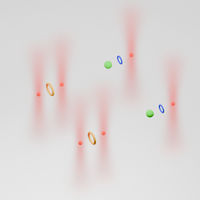
Phys. Rev. X 16, 021040 (2026)
Erratum: Opposite Effects of the Rotational and Translational Energy on the Rates of Ion-Molecule Reactions near 0 K: The ${\mathrm{D}}{2}^{+}+{\mathrm{NH}}{3}$ and ${\mathrm{D}}{2}^{+}+{\mathrm{ND}}{3}$ Reactions [Phys. Rev. X 14, 011034 (2024)]
Article | 2026-05-20 06:00 EDT
Raphaël Hahn, David Schlander, Valentina Zhelyazkova, and Frédéric Merkt
Phys. Rev. X 16, 029901 (2026)
arXiv
A Design Framework for Compositional Hierarchical Mechanical Metamaterials via a Qualitative Unit-Cell Library
New Submission | Soft Condensed Matter (cond-mat.soft) | 2026-05-21 20:00 EDT
Shammo Dutta, Girish Krishnan, Sree Kalyan Patiballa
Hierarchically designed mechanical metamaterials involve nested levels of structural organization, mimicking natural structures (such as bones, wood, and bird feathers) to create advanced functional materials. Compositional hierarchy, a specific type of hierarchical strategy that involves the methodical assembly of discrete building blocks, offers unique advantages in engineering design due to its modular nature. This involves proper selection and spatial arrangements of distinct microstructures, as a result of which the desired macro-scale mechanical behavior can be achieved. Towards the design of such compositional hierarchical metamaterials, this paper presents a two-step design framework. First, material optimization of the design domain is performed using a parameterized elasticity matrix to obtain optimal conceptual designs. Second, building-block microstructure geometries are selected from a qualitative library and subjected to shape-size refinement to satisfy the desired kinematic or stiffness requirements. To construct the qualitative library, a novel parametrization scheme is initially introduced, which categorizes the planar orthotropic elasticity matrix into four distinct classes. Utilizing a kinetostatic load flow visualization technique, the candidate microstructure geometries are then populated within these four classes. The framework is validated for the design of a cantilever beam with a specified lateral stiffness requirement and the design of planar sheets that exhibit specified target deformation patterns. Thus, the present work provides a systematic and physically intuitive methodology applicable to arbitrary kinematic deformation and stiffness requirements.
Soft Condensed Matter (cond-mat.soft), Materials Science (cond-mat.mtrl-sci)
12 pages, 10 figures, Under Review in ASME Journal of Mechanical Design
Representability-Aware Neural Networks for Reduced Density Matrices: Application to Fractional Chern Insulators
New Submission | Strongly Correlated Electrons (cond-mat.str-el) | 2026-05-21 20:00 EDT
Justin B. Hart, Awwab A. Azam, Thomas Li, Yunxuan Li, Ye Bi, Haining Pan, Jiabin Yu
We develop a representability-aware and interpolable neural network (NN) framework for predicting two-particle reduced density matrices (2-RDMs). The NN incorporates a subset of representability conditions through its architecture and loss function, and can operate on different momentum meshes, enabling evaluating the representability conditions across multiple meshes, which we call interpolated representability condition. The framework can be used either to predict 2-RDMs on large momentum meshes by interpolating exact results from small meshes, or as a variational 2-RDM ansatz optimized by energy minimization on arbitrary meshes. We apply this approach to the fractional Chern insulator in the one-band projected model of twisted bilayer MoTe$ _2$ at twist angle $ 3.89^\circ$ and hole filling $ 2/3$ . Trained on exact-diagonalization (ED) 2-RDMs from meshes with $ 12$ or $ 18$ momentum points using six different NN architectures, the best NN is the residual multilayer perceptron, which predicts the $ 6\times6$ 2-RDM with $ 97.07%-98.18%$ accuracy relative to the ED 2-RDM but predicts an energy $ 77.353$ meV above ED ground-state energy. We then variationally optimize the NN on several meshes including $ 6\times6$ , predicting a $ 6\times 6$ energy of just $ 0.104$ meV below ED while maintaining $ 98.94%-98.96%$ accuracy. Compared with the conventional boundary-point semidefinite programming, which gives an energy $ 5.560$ meV below ED with $ 96.40%-98.94%$ accuracy, the NN achieves a more accurate energy and similar accuracy while using only less than 1/20 as many parameters. Eventually, we add a symmetric mesh of $ 48$ momentum points to the variational optimization of the NN, and provide a prediction of the many-body ground-state energy and the many-body quantum metric on that mesh.
Strongly Correlated Electrons (cond-mat.str-el), Artificial Intelligence (cs.AI)
12+32 Pages, 4+10 Figures, 0+19 Tables
Targeting Clause Type Distributions: a Picklock for Random Satisfiability Problems
New Submission | Statistical Mechanics (cond-mat.stat-mech) | 2026-05-21 20:00 EDT
Optimization problems such as the NP-complete 3-SAT provide an important benchmark for the difficult task of finding ground-states in strongly correlated many-body systems with rugged energy landscapes. The study of random 3-SAT problems as Ising spin Hamiltonians in statistical physics has yielded major insights including the existence of a satisfiability phase transition, and the prediction of a critical parameter line of particularly hard instances. Yet, progress on solving those instances has been scarce for several decades. Here, introducing the Target-SAT (TSAT) algorithm, we roughly triple the tractable problem sizes in the hardest regime, with an even greater improvement in a vast range of neighboring regions. By leveraging statistical information hidden in the combinatorial constraints of the problem, TSAT is actively guided in its stochastic local search toward a target within the relevant parameter space. Our analysis also explains why established local search algorithms are limited to relatively small system sizes due to a vast low-energy trap. Furthermore, we characterize the aforementioned critical line in terms of a dominant additional complexity barrier, whose exponential scaling is quickly overcome by TSAT only in the surrounding parameter space. With TSAT, the lead in solving the hardest known random satisfiability problems returns to the realm of stochastic local search algorithms.
Statistical Mechanics (cond-mat.stat-mech), Strongly Correlated Electrons (cond-mat.str-el), Artificial Intelligence (cs.AI), Combinatorics (math.CO)
7+2 pages, 6+2 figures
Textured phase diagrams of featureless insulators
New Submission | Strongly Correlated Electrons (cond-mat.str-el) | 2026-05-21 20:00 EDT
Sashank Singam, Nick G. Jones, Abhishodh Prakash
We study phase diagrams of charge-conserving class A' non-interacting fermions, focusing on the trivial phase in various dimensions. Such phases are usually termed featureless’ to distinguish them from those others with either symmetry-broken or topological order. We show that the presence of non-trivial topological families of states, including charge pumps and their generalizations, results in phase diagrams being endowed with non-trivial topological textures that can be visualized through Berry phases and their higher-dimensional generalizations. We show that for non-interacting fermion systems with translation invariance, these higher' Berry phases can be computed using integrals of non-abelian Chern-Simons forms of the Berry-Bloch connection over momentum and parameter spaces. Singularities in these textures correspond to gap-closing loci of diabolical points’, which represent the obstruction to contracting topologically non-trivial families of states, and bulk-boundary correspondence results in a locus of robust boundary modes that terminate at the bulk diabolical points. In the presence of finite chemical potential, we argue that the edge modes are generically robust without any need for fine-tuning for two and higher dimensions, whereas in one dimension they are `estranged’ in the phase diagram, i.e. appearing at different parameter values for different edges. We demonstrate our results by constructing several microscopic models of non-interacting fermions. We argue stability to interactions and explore proximate phase diagrams by mapping to continuum field theories.
Strongly Correlated Electrons (cond-mat.str-el), High Energy Physics - Theory (hep-th)
26 pages, 26 figures
Velocity collapse and non-conformal spiral phase in the sawtooth spin chain
New Submission | Strongly Correlated Electrons (cond-mat.str-el) | 2026-05-21 20:00 EDT
Recent matrix-product-state calculations show that the spiral phase in the sawtooth chain has numerical signatures that are difficult to reconcile with an ordinary conformal critical point: a large apparent central charge, slow dynamical scaling, nearly flat excitations, and no detectable dimerization. We develop a bosonization theory for this phenomenology by embedding the sawtooth limit in a zigzag ladder described by two coupled SU(2)$ _1$ conformal field theories characterized by an extreme velocity ratio. We show that the sawtooth geometry cancels the leading staggered interaction, leaving a marginal twist interaction that selectively collapses the slow apical spin velocity. Crucially, as this velocity vanishes, the generated apical backscattering interaction diverges only in dimensionless units, causing the energy scale to collapse independently of the spatial correlation length. This mechanism naturally accounts for many of the numerical anomalies and we interpret the perturbative flow as an entrance to local quantum criticality in the strong-coupling regime.
Strongly Correlated Electrons (cond-mat.str-el), Statistical Mechanics (cond-mat.stat-mech)
7 pages, 3 figures
Modeling phase separation in polymer-derived carbonitride ceramics through extended machine learning molecular dynamics
New Submission | Materials Science (cond-mat.mtrl-sci) | 2026-05-21 20:00 EDT
Fabien Mortier, Sylvian Cadars, Olivier Masson, Mauro Boero, Guido Ori, Yun Wang, Samuel Bernard, Assil Bouzid
Polymer-derived ceramics combine the thermal stability of ceramics with the versatile properties of carbon domains, but modeling their atomic-scale evolution during processing remains elusive due to the limitations of traditional computational methods. To address this issue, here we develop and apply a machine learning interatomic potential for silicon carbonitride-based (Si-C-N-H) systems, trained on a diversified database of over 9000 configurations -including amorphous models, high-temperature states, surfaces, and crystal structure predictions - to capture the full complexity of these materials. This potential enables large-scale molecular dynamics simulations of 8000-atom systems revealing the atomic-scale evolution of the polymer-derived ceramic during thermal treatment. A key result of this work is the occurrence of a phase separation where carbon domains progressively nucleate from the amorphous SiCN matrix during thermal processing, forming distinct graphene-like sheets while preserving the integrity of the ceramic network. The resulting models reproduce the experimental atomic pair distribution functions with exceptional fidelity, validating our approach and providing microscopic explanations for the material unique combination of ceramic and graphitic properties. In this process, defective 5- and/or 7-member carbon rings, mediate the transformation to stable 6-member aromatic structures. These findings offer new atomic-scale insights into the thermal stability and structural transformation pathways of polymer-derived ceramics, while our methodology opens avenues for studying complex amorphous systems with first-principles accuracy at experimentally relevant scales.
Materials Science (cond-mat.mtrl-sci), Disordered Systems and Neural Networks (cond-mat.dis-nn), Mesoscale and Nanoscale Physics (cond-mat.mes-hall)
Dataset-aware entropy-maximized active learning for machine-learned interatomic potentials
New Submission | Materials Science (cond-mat.mtrl-sci) | 2026-05-21 20:00 EDT
Meiyan Wang, Rishi Rao, Li Zhu
We present an active learning framework for efficiently generating training data for machine-learned interatomic potentials (MLIPs). The method combines local entropy-driven molecular dynamics with global dataset-aware filtering: a per-configuration entropy term biases MD trajectories toward structurally diverse snapshots, while a global entropy measure, the log-determinant of the fingerprint covariance matrix of the entire dataset, selects only those configurations that provide genuinely new information. We employ dual covariance modes (per-atom for disordered structures and per-config for ordered phases) to achieve broad coverage of configuration space. Combined with a pre-trained foundation model (Allegro-OAM-L) and analytical fingerprint gradients from Gaussian overlap matrix eigenvalues, the framework produces high-quality domain-specific potentials with near- or sub-meV/atom accuracy on test data drawn from the same distribution at training-set sizes of order $ 10^{2}$ to $ 10^{3}$ entropy-selected DFT-labeled structures. We demonstrate the method on three systems spanning diverse bonding types and pressure-driven phase transitions: carbon (covalent), silicon (covalent/metallic), and NaCl (ionic). In learning curve comparisons against random molecular dynamics sampling at matched training set sizes ($ N = 100$ to $ 800$ ), evaluated over three independent training-set draws per condition, entropy-driven sampling achieves a factor of approximately $ 3$ to $ 10$ lower energy MAE at $ N = 800$ on in-distribution holdouts across the three systems, with the magnitude of the gain depending on the bonding type and the size at which the random-MD baseline saturates.
Materials Science (cond-mat.mtrl-sci)
29 pages, 5 figures
An AI-driven robotic system for two-dimensional hetero-assemblies
New Submission | Mesoscale and Nanoscale Physics (cond-mat.mes-hall) | 2026-05-21 20:00 EDT
Xiaoxi Li, Jinkun He, Haojie Liu, Xipeng Liu, Zewen Wu, Jing Li, Kai Zhao, Shan Li, Xingdan Sun, Xiaoxue Fan, Zhiren Xiong, Xingguang Wu, Xuanzhe Sha, Zhili Lin, Caixia Yang, Luosha Han, Jie Xu, Woye Pei, Kaining Yang, Jing Zhang, Xiaolong Feng, Tongyao Zhang, Zhu Liang, Kenji Watanabe, Takashi Taniguchi, Ming Tian, Neng Wan, Jing Zhang, Jianming Lu, Wenjing Hong, Zheng Vitto Han
Nanomaterials stacked on-demand, such as rotationally assembled two-dimensional (2D) van der Waals (vdW) layered compounds, provides a versatile platform for quantum simulation and the exploration of exotic electronic phases. Currently, however, such nanoassemblies remain largely confined to inefficiency, manually operated process, limiting their potential for probing emergent physical phenomena. There is a pressing need in the field for high-precision, automated assembling techniques, especially for the scalable fabrication of 2D twistronic heterostructures. Here, we present an intelligent automation system dedicated to the fabrication of van der Waals stacks, following the state-of-the-art protocol for dry transfer of exfoliated 2D materials. The system further employs metadata generated from each automated stacking procedure to perform reinforcement learning, thereby continuously bettering its performances. As a concrete demonstration, we fabricate twisted bilayer graphene (TBLG) – known for its challenging preparation – and exhibit its unconventional superconductivity near the magic angle. Our work may pave the way for high-throughput fabrication of low-dimensional nanomaterials including twistronic heterostructures, where integrating data mining and artificial intelligence can accelerate the discovery of novel physical phenomena.
Mesoscale and Nanoscale Physics (cond-mat.mes-hall), Applied Physics (physics.app-ph)
18 pages, 11 figures
Fröhlich-type Polarons in Isotopically Enriched Hexagonal Boron Nitride
New Submission | Mesoscale and Nanoscale Physics (cond-mat.mes-hall) | 2026-05-21 20:00 EDT
Ioannis Chatzakis, Timur Abdilov, Elliot Walker, Jaime Freitas, Song Liu, James H. Edgar
Exciton-phonon interactions play a central role in defining the optical response of hexagonal boron nitride (hBN), yet their quantitative determination has remained incomplete. Here, we reveal the Fröhlich-type exciton-phonon coupling in boron-10-enriched hBN using low-temperature cathodoluminescence. We resolve the indirect exciton 5.95$ \pm$ 0.02 eV together with its longitudinal optical (LO) phonon replica detuned by 184$ \pm$ 56 meV, enabling the extraction of a Fröhlich coupling constant $ \alpha$ =0.159 and a larger exciton binding energy of 161 meV, larger than previously reported values for natural-abundance hBN, which is attributed to isotope enrichment. The inferred polaron radius exceeds the lattice constant, indicating large-polaron behavior. We deduced an exciton scattering time ~of 97 fs, corresponding to a homogeneous linewidth of ~6.76 meV. We further obtain a polaron binding energy of ~48 meV and an effective mass of 1.045 $ m_0$ . These results provide a direct quantitative characterization of exciton-phonon coupling in isotopically engineered hBN and establish a foundation for tailoring its phonon-polaritonic and quantum-optical properties.
Mesoscale and Nanoscale Physics (cond-mat.mes-hall), Materials Science (cond-mat.mtrl-sci)
34 pages, 6 figures, under review (supporting information is not included)
Excitation-Energy-Selective Control of Hot-Carrier Cooling via a Resonant Optical-Phonon Bottleneck in Graphene
New Submission | Mesoscale and Nanoscale Physics (cond-mat.mes-hall) | 2026-05-21 20:00 EDT
Sachin Sharm, Elliott Walker, Rachael Myers-Ward, Jenifer Hajzus, Yijing Liu, Paola Barbara, Ioannis Chatzakis
Understanding and controlling hot-carrier relaxation in graphene is crucial for advancing ultrafast optoelectronic and terahertz technologies. Here, we investigate carrier cooling dynamics in monolayer and bilayer graphene using mid-infrared pump pulses (0.22-0.73 eV) and terahertz probe pulses. We uncover a pronounced, reproducible, and non-monotonic dependence of the carrier relaxation time on excitation photon energy. Remarkably, within a narrow spectral window (0.42 to 0.48 eV), the carrier lifetime increases by an order of magnitude compared to a few picosecond-scale cooling observed at other energies. We show that this anomalous slowdown originates from a resonant enhancement of the optical-phonon lifetime, causing accumulation and reabsorption of hot optical phonons that suppress energy transfer to the lattice. All observed behaviors are captured within a unified carrier-phonon energy-balance framework, where excitation-energy-dependent variations of the effective optical-phonon decay pathway govern the cooling dynamics. These findings demonstrate excitation-energy-selective control of hot-carrier relaxation in graphene and provide new insight into non-equilibrium carrier-phonon interactions near the optical-phonon bottleneck.
Mesoscale and Nanoscale Physics (cond-mat.mes-hall), Materials Science (cond-mat.mtrl-sci)
37 pages, 5 figures, under review
Superconducting PdTe Thin Film Via Topotactic Transformation, Toward Topological Superconductors
New Submission | Superconductivity (cond-mat.supr-con) | 2026-05-21 20:00 EDT
Hee Taek Yi, Min Ge, Renjie Xie, Colby J. Stoddard, David H. Yi, Xiaoyu Yuan, Xiong Yao, Seongshik Oh
Topological superconductors (TSCs) hosting Majorana zero modes (MZMs) offer a pathway to fault-tolerant quantum computation. PdTe is a promising TSC candidate due to its topological surface states and a reasonable superconducting critical temperature of ~4.5 K. However, it has been challenging to grow PdTe thin films with bulk-like superconducting properties. Here, we show that high-quality, superconducting PdTe thin films can be grown using molecular beam epitaxy (MBE). The films exhibit a sharp superconducting transition (T_onset = 4.43 K with transition width of 0.06 K), comparable to that of bulk crystals. This was made possible via a topotactic transformation from a PdTe_2 buffer layer to a PdTe phase by growing Pd on top under Te-deficient conditions. Structural and transport analyses confirm the NiAs-type structure of PdTe, as well as its two-dimensional superconducting behavior and excellent air stability. These findings suggest that the MBE-grown PdTe films and their heterostructures are a promising platform for topological superconductivity and Majorana physics.
Superconductivity (cond-mat.supr-con), Materials Science (cond-mat.mtrl-sci)
14 pages, 4 figures, accepted for publication in ACS Applied Nano Materials
Evaluating Blended Refrigerants for Thermochemical Energy Storage and Circular Refrigerant Recovery using Activated Carbons
New Submission | Materials Science (cond-mat.mtrl-sci) | 2026-05-21 20:00 EDT
H. Lucassen, A. Luna-Triguero, J. M. Vicent-Luna
The climate crisis demands a rapid shift to sustainable energy technologies and higher efficiency in existing energy systems. Adsorption-based thermochemical energy storage is a promising alternative due to its high energy density and compatibility with renewable heat sources. In this work, we investigate the adsorption behavior of pure refrigerants (R32, R125, R134a, and R600) and their commercial blends (R410A, R407F, R417A, and R417C) in six activated carbons for thermochemical energy storage and circular refrigerant recovery. A multiscale computational workflow combining Monte Carlo simulations, thermodynamic modeling, and breakthrough simulations is developed to predict adsorption, storage, and separation behavior from pure-component adsorption data. The methodology integrates adsorption potential theory (APT), ideal adsorbed solution theory (IAST), and models for the isosteric heat of adsorption. In addition, an in-house computational framework is developed to calculate heats of adsorption and energy storage densities for both pure refrigerants and multicomponent mixtures. Although developed using molecular simulations as a benchmark, the methodology is directly applicable to experimental studies, since it only requires adsorption isotherms of the pure components as input to evaluate the performance of refrigerant blends. The results show that refrigerant blends can achieve higher storage densities than their pure counterparts due to cooperative adsorption and more efficient molecular packing. Furthermore, the activated carbons selectively separate key refrigerant components, highlighting their potential for sustainable refrigerant recovery. Overall, this work provides a general framework for the rational design and screening of next-generation refrigerant blends for adsorption-driven energy storage and separation applications.
Materials Science (cond-mat.mtrl-sci)
Sub-10 mK “In-cell” Magnetic Refrigeration for Cryogen-free Cryostats
New Submission | Materials Science (cond-mat.mtrl-sci) | 2026-05-21 20:00 EDT
Alexander M. Donald, Nicolas Silva, Christopher J. Ollmann, Roch Schanen, Chao Huan, Sangyun Lee, Dominique Laroche, Richard P. Haley, Mark W. Meisel, Rasul Gazizulin
A design and implementation of “in-cell” magnetic refrigeration to achieve sub-10 mK temperatures T in cryogen-free dilution refrigerators is presented. The ultra low temperatures below 5 mK are attained in finite magnetic fields B up to 1 T. The holding time below 5 mK varies between about 3 to 30 hours, depending on the final magnetic field after demagnetization process. The developed technique can be used to study low dimensional devices at ultra low electron temperatures in the High B/T regime.
Materials Science (cond-mat.mtrl-sci)
Coexisting Ballistic and Diffusive Heat Transport in Micrometer-Scale Molecular Junctions
New Submission | Mesoscale and Nanoscale Physics (cond-mat.mes-hall) | 2026-05-21 20:00 EDT
P. M. Martinez, O. Mateos-Lopez, J. C. Cuevas, J. G. Vilhena
Boltzmann transport theory, the standard framework for predicting thermal conductivity, assumes that every vibrational mode eventually scatters, acquiring a finite lifetime that yields a convergent, length-independent thermal conductivity: Fourier’s law. Here we show that this assumption fails in a real molecular system. Through atomistic simulations of Au-alkane-Au single-molecule junctions spanning five orders of magnitude in length (0.5nm to 4$ \mu$ m), we find that thermal conductivity never converges. Transport is ballistic for up to one hundred nanometers at room temperature, extending nearly two orders of magnitude beyond existing single-molecule measurements. Past this window, conductivity diverges as $ L^{1/3}$ , the scaling predicted by the Kardar-Parisi-Zhang universality class for momentum-conserving systems. Frequency-resolved decomposition of the heat current reveals the mechanism behind the divergence. Low-frequency acoustic modes never thermalize: protected by momentum conservation, they remain ballistic at every chain length, still carrying 50% of the total heat current at $ L = 2~\mu$ m. All other modes thermalize collectively as discrete vibrational states merge into scattering-active phonon bands with increasing length. Hence, the diverging conductivity emerges from the boundary between these coexisting transport regimes: as $ L$ grows, the onset of scattering shifts progressively toward lower frequencies, suppressing the ballistic channel at a rate that sustains the $ L^{1/3}$ divergence, leaving a finite contribution at every length. This coexistence of permanent ballistic and well-behaved diffusive transport, anticipated in abstract one-dimensional lattice models, survives the structural and chemical complexity of real micrometer-sized junctions.
Mesoscale and Nanoscale Physics (cond-mat.mes-hall), Materials Science (cond-mat.mtrl-sci)
Distinct lattice and charge excitations in AV3Sb5 kagome superconductors
New Submission | Strongly Correlated Electrons (cond-mat.str-el) | 2026-05-21 20:00 EDT
Dongjin Oh, Stefan Enzner, Lennart Klebl, Harley D. Scammell, Julian Ingham, Tim Wehling, Giorgio Sangiovanni, Ronny Thomale, Ahmet Kemal Demir, Connor Occhialini, Dirk Wulferding, Ziqiang Wang, Andrea C. Salinas, Stephen D. Wilson, Riccardo Comin
The kagome superconductor family AV3Sb5 (A=Cs, Rb, K) provides a rich platform for exploring diverse electronic symmetry breaking phenomena, including superconductivity and various forms of density wave orders. Although these compounds share the identical lattice structure in the normal state, they exhibit distinct forms of symmetry breaking upon entering the charge density wave (CDW) phase, and the microscopic origin of which remain elusive. Here, we investigate the lattice and charge degrees of freedom in AV3Sb5 using angle-resolved polarized Raman spectroscopy. Our comprehensive polarization-resolved measurements reveal that the lifting of the twofold-degeneracy of the E2g phonon mode in the CDW phase-previously reported only in CsV3Sb5 with a 3 GHz splitting-also appears ubiquitously in the other two compounds. In contrast, the collective CDW excitations exhibit markedly different polarization dependences depending on the alkali-metal species. These distinct behaviors in the lattice and charge channels provide crucial insight into the enigmatic material-dependent symmetry breaking phenomena that appear in the CDW phase. Furthermore, our experiments, together with first-principles calculations and an effective Hamiltonian model, shed light on the nature of the charge order structure in AV3Sb5 kagome superconductors.
Strongly Correlated Electrons (cond-mat.str-el)
7 pages, 4 figures
The Dislocation Content of Triple Junctions
New Submission | Materials Science (cond-mat.mtrl-sci) | 2026-05-21 20:00 EDT
Ian S Winter, R. Daniel Moore, R. E. Rudd, T. Oppelstrup, T. Frolov
Triple junctions, line defects formed by the intersection of different grain boundaries, exist within all polycrystalline materials. While it has long been recognized that triple junctions could play an important role in microstructural evolution, there remains much uncertainty regarding their properties. Triple junctions are line defects capable of carrying dislocation content. However, no general method for calculating this content has been established. In this work, we derive the necessary equations to calculate the intrinsic dislocation content of a triple junction whose trichromatic pattern forms a coincidence site lattice. We further show that this approach can be easily applied to facet junctions, and in principle, any type of grain boundary junction for which a coincidence site lattice can be defined. We apply this formalism to atomistic simulations of tungsten to compute the Burgers vectors of a facet junction and a triple junction formed during twin grain nucleation and growth from a free surface. By tracking the evolution of the triple junction’s Burgers vector and its core structure, we reveal the sequence of individual line defect reactions responsible for triple-junction-mediated twin growth.
Materials Science (cond-mat.mtrl-sci)
Pressure-induced superconductivity in epitaxially-stabilized Pr$_3$Ni$_2$O$_7$ films
New Submission | Superconductivity (cond-mat.supr-con) | 2026-05-21 20:00 EDT
Motoki Osada, Chieko Terakura, Hsiao-Yi Chen, Akiko Kikkawa, Masamichi Nakajima, Ryoma Asai, Jean-Baptiste Morée, Yusuke Nomura, Ryotaro Arita, Yoshinori Tokura, Atsushi Tsukazaki
The discovery of high critical-temperature $ T_{\mathrm{c}}$ superconductivity in La$ _3$ Ni$ 2$ O$ 7$ under high pressure has led to a rapid expansion of the $ T{\mathrm{c}}$ range through lanthanide $ Ln$ substitution, and to ambient-pressure superconductivity in strained thin films, yet the exploration of new bilayer nickelates remains strongly constrained by thermodynamic stability. Beyond the difficulty of synthesis of bulk single-crystals, here we report on the pressure-induced high-$ T{\mathrm{c}}$ superconductivity in epitaxially-stabilized Pr$ _3$ Ni$ _2$ O$ _7$ thin films. While the Pr$ _3$ Ni$ _2$ O$ 7$ films exhibit insulating behaviour at ambient pressure regardless of ozone-annealing treatment, they show $ T$ -linear metallic transport and superconductivity reaching an onset $ T{\mathrm{c}}$ of 66 K and zero-resistance at nearly 40 K at 22 GPa. Furthermore, Nd$ _3$ Ni$ 2$ O$ 7$ , with the smaller rare-earth ion Nd, can also be stabilized, however, superconductivity is not observed in the measured pressure range. Epitaxial stabilization enables us to examine the dependence of $ T{\mathrm{c}}$ and the critical pressure $ P{\mathrm{c}}$ for superconductivity on the $ Ln$ ion in $ Ln_3$ Ni$ _2$ O$ 7$ ($ Ln$ = La, Pr, Nd). These results suggest that a higher $ P{\mathrm{c}}$ is required for smaller $ Ln$ ions, consistent with trends observed in bulk studies of $ Ln$ substitution. This study demonstrates that epitaxial stabilization is a powerful technique to further expand the family of superconducting bilayer nickelates.
Superconductivity (cond-mat.supr-con), Materials Science (cond-mat.mtrl-sci)
23 pages, 9 figures
Interacting donor-acceptor pairs as the origin of coupled spin-optical signals in hexagonal boron nitride
New Submission | Materials Science (cond-mat.mtrl-sci) | 2026-05-21 20:00 EDT
Guanjian Hu, Jijun Huang, Bing Huang, Song Li
Optically addressable spin defects in hexagonal boron nitride hold promise for room-temperature quantum technologies, but their microscopic identities remain largely unknown. Using first principles calculations, we show that coupled spin optical signals arise from interacting donor acceptor pairs, not the commonly believed isolated defects. Intra and inter pair separations control charge transfer, electronic structure, and spin coupling, thereby greatly modulating zero phonon lines, phonon sidebands, lifetimes, and the sign of optically detected magnetic resonance contrast. Importantly, we identify two distinct charge-state-dependent coupling regimes and extend this picture to correlated defect ensembles, explaining the wide diversity of experimental observations. Our results establish a microscopic framework for coupled defect behavior and provide design principles for spin-active quantum emitters in wide bandgap semiconductors.
Materials Science (cond-mat.mtrl-sci)
7 pages and 4 figures
Tuning the low-energy band structure in twisted bilayer WSe2
New Submission | Materials Science (cond-mat.mtrl-sci) | 2026-05-21 20:00 EDT
T.-H.-Y. Vu, O. J. Clark, N. H. Jo, J. Blyth, Q. Li, C. Jozwiak, A. Bostwick, J. B. Muir, L. Jia, J. A. Davis, I. Di Bernardo, A. Grubisic Cabo, K. Xing, W. Zhao, S. H. Ryu, S. H. Lee, Z. Mao, K. Watanabe, T. Taniguchi, B. A. Chambers, S. L. Harmer, E. Rotenberg, M. S. Fuhrer, M. T. Edmonds
Tuning the electronic structures of two-dimensional (2D) material-based heterostructures is of crucial importance for their use in functional next-generation electronics. Here, through angle-resolved photoemission spectroscopy with nanoscale spatial resolution (nano-ARPES), we systematically track the evolution of the near-Fermi-level electronic structure of bilayer WSe2 over a large range of twist angle. While the momentum positioning of the valence band maxima is independent of twist angle, we find that the energetic separation between the hole bands at the K point of the Brillouin zone and the higher binding-energy hole band at {\Gamma} can be varied in excess of 100 meV. We explore the mechanisms underpinning this evolution and discuss the implications for tuning both the size of the band gaps, and the efficiency of the spin-dependent electron-phonon coupling channels in homobilayer transition metal dichalcogenide devices.
Materials Science (cond-mat.mtrl-sci), Mesoscale and Nanoscale Physics (cond-mat.mes-hall)
Strain-Tuned Incommensurate Kekulé Spiral Order in Twisted Bilayer Graphene: a Quantum Many-Body Study
New Submission | Strongly Correlated Electrons (cond-mat.str-el) | 2026-05-21 20:00 EDT
Cheng Huang, Yves H. Kwan, Maksim Ulybyshev, Fakher F. Assaad, Laura Classen, Zi Yang Meng
The understanding of quantum many-body states in twisted bilayer graphene at the magic angle has been greatly improved both in experiment and in theory. However, away from the exactly solvable chiral limit and the sign-problem-free charge neutrality point, the calculation of the ground state properties and the identification of the phase diagram are challenging due to the exponential increase in the complexity, which has rendered explanations of experimentally observed insulating and superconducting phases restricted largely to the perturbative level. Here we focus on the filling factors $ \nu = \pm2$ away from charge neutrality and address the question of the strain dependence of the interacting ground state. We adjust our continuous field momentum-space quantum Monte Carlo (QMC) method to treat the sign problem approximately, and perform a quantum many-body study together with exact diagonalization (ED) and Hartree-Fock (HF) mean field. Leveraging this combined protocol of QMC, ED, and HF, we investigate the strain-tuned transition from the Kramers intervalley coherent (KIVC) state to the incommensurate Kekulé spiral state (IKS). Our computational protocol sheds light on the KIVC-IKS transition in a projected correlated flat-band setting, and opens the door for further understanding of the rich phase diagram of twisted bilayer graphene and other strongly-correlated flat-band systems.
Strongly Correlated Electrons (cond-mat.str-el)
13 pages, 5 figures, Supplemental Information 6 pages, 9 figures
Carrier-doping effect and anomalous transport properties in Ni-doped CeCoIn5 investigated by Hall resistivity measurements
New Submission | Superconductivity (cond-mat.supr-con) | 2026-05-21 20:00 EDT
Ryosuke Koizumi, Hayao Fujimoto, Teppei Takahashi, Azumi Yashiro, Haruna Kawakami, Kazuki Ishii, Hinako Kosaka, Takeshi Hasegawa, Yusei Shimizu, Ai Nakamura, Dai Aoki, Kenichi Tenya, Makoto Yokoyama
We investigated the effects of Ni doping on carrier density and anomalous electrical transport properties in CeCo$ {1-x}$ Ni$ x$ In$ 5$ ($ x \leq 0.3$ ) by performing Hall resistivity measurements. The carrier density, estimated from the Hall coefficient $ R{\rm H}$ at a temperature of 0.5 K in high magnetic fields, increases linearly with $ x$ , indicating that the doped Ni ions act as electron dopants. In CeCoIn$ 5$ , the magnitude of $ -R{\rm H}$ is strongly enhanced at magnetic fields near the superconducting upper critical field $ H{c2}$ and in the low-field region above the superconducting transition temperature $ T_c$ . However, these anomalies are found to be significantly suppressed by Ni doping. Possible origins of this suppression in $ -R{\rm H}$ are discussed.
Superconductivity (cond-mat.supr-con), Strongly Correlated Electrons (cond-mat.str-el)
11 pages, 5 figures, to appear in Phys. Rev. B
Giant nonlinear conductivity in 2D electron gas from substrate-induced dipolar scattering
New Submission | Strongly Correlated Electrons (cond-mat.str-el) | 2026-05-21 20:00 EDT
Dmitry V. Chichinadze, Alexander Seidel, Zohar Nussinov
Despite a surge of interest in the nonlinear transport in 2D materials, a fundamental puzzle remains: existing theoretical frameworks are unable to quantitatively account for the giant nonlinear conductivities ($ \gtrsim 1 \frac{\mu \text{m}}{\Omega \text{V}}$ ) recently reported in 2D van der Waals heterostructures. Here, we introduce a mechanism based on electron scattering from a substrate-induced periodic dipole array. We show that the strict kinematic constraints, inherent to 2D scattering, lead to a singular enhancement of the nonlinear response, fundamentally dictating a natural scale of $ 1 \frac{\mu \text{m}}{\Omega \text{V}}$ .
Strongly Correlated Electrons (cond-mat.str-el), Mesoscale and Nanoscale Physics (cond-mat.mes-hall), Quantum Gases (cond-mat.quant-gas)
4.5 pages, 2 figures
What Lies Between Crystal and Randomly Packed Structures? A General Characterization of Non-Periodic Order
New Submission | Soft Condensed Matter (cond-mat.soft) | 2026-05-21 20:00 EDT
In this paper we address the characterization of the structure of condensed materials, periodic and non-periodic. Carrying out an extensive study of over 7000 different groundstate structures of a 2D lattice model of binary packing, we find a predominance of non-periodic structures (over 96%) that extend across the entire range of possible diversities. These non-periodic structures are resolved by establishing whether a structure will accommodate or reject additional local structures. This property, structural selectivity, is treated as a signature of an underlying ordering principle. The major result of the paper is the determination that roughly 35% of the non-periodic structures are selective and, hence, ordered in some way. This selectivity extends up to a diversity of ~ 9, well beyond the upper threshold for diversity in periodically ordered states.
Soft Condensed Matter (cond-mat.soft), Disordered Systems and Neural Networks (cond-mat.dis-nn), Materials Science (cond-mat.mtrl-sci)
Generalized Phase Diagrams for Graphene CVD growth on Copper
New Submission | Materials Science (cond-mat.mtrl-sci) | 2026-05-21 20:00 EDT
Tongtong Wang, Ke Jin, Yishi Zhang, Dajun Shu
Understanding the competition between first-layer lateral expansion and second-layer nucleation is essential for layer-controlled graphene growth via chemical vapor deposition (CVD). Building on our previous phase diagram framework based on the dimensionless parameters $ \alpha$ and $ \Gamma$ , we develop an enhanced model incorporating two previously neglected effects: thermal-expansion-induced substrate strain and chemical desorption of carbon monomers via reverse dehydrogenation. First-principles calculations are employed to determine the strain-dependent diffusion and attachment barriers on both exposed and graphene-covered Cu(111) surfaces. By mapping the multi-step CVD process into an effective quasi-physical vapor deposition, we construct a generalized phase diagram characterized by the coupled effects of $ \alpha$ , $ \Gamma$ , and a newly introduced desorption parameter $ Z$ . Our results show that tensile strain expands the bilayer graphene (BLG) growth window for critical nucleus sizes $ i^\ast>1$ . In contrast, chemical desorption suppresses BLG formation in the high-$ \Gamma$ regime via $ Z$ -dependent monomer depletion. This unified framework provides a predictive guide for the rational synthesis of high-quality bilayer graphene by linking macroscopic growth parameters to microscopic layer-selection mechanisms.
Materials Science (cond-mat.mtrl-sci)
Anisotropic Crystallization Kinetics and Interfacial Dynamics of Phase-Change Material Sb$_2$S$_3$ from Machine Learning Force Field Simulations
New Submission | Materials Science (cond-mat.mtrl-sci) | 2026-05-21 20:00 EDT
Souvik Chakraborty, Wen-Qing Li, Yun Liu
The phase-change material antimony sulfide (Sb$ _2$ S$ _3$ ) relies on rapid and reversible phase transitions between crystalline and amorphous states, which are critical for their performance in data storage and photonics applications. In this work, a machine learning force field is developed based on the moment tensor potential approach, allowing us to understand the atomistic origin of the structural evolution and crystallization kinetics in Sb$ _2$ S$ _3$ for the first time, by enabling large-scale molecular dynamics simulations (up to 7680 atoms for 40 ns). Sb$ _2$ S$ _3$ shows anisotropic growth rates with the [100] facet exhibiting the fastest growth due to the strong Sb-S covalent bonding along its quasi-1D ribbon-like structure of its crystalline phase. The activation energy for crystal growth is found to be 0.55-0.57 eV, whereas that for diffusion is around 1.16-1.56 eV. The lower activation energy for crystal growth indicates that its heterogeneous crystallization is interface controlled rather than diffusion limited, unlike GST and GeTe with atomic attachment at the solid-liquid interface being energetically favoured over long range atomic transport. These findings provide key insights into the structural, thermodynamic, and kinetic properties of Sb$ _2$ S$ _3$ , paving the way for optimizing its functionality including switching speed, reliability, and energy efficiency.
Materials Science (cond-mat.mtrl-sci), Disordered Systems and Neural Networks (cond-mat.dis-nn)
20 pages, 5 figures
Field-tunable spin-valley transport in monolayer MoS$_2$
New Submission | Mesoscale and Nanoscale Physics (cond-mat.mes-hall) | 2026-05-21 20:00 EDT
Kamal Azaidaoui, Hocine Bahlouli, Clarence Cortes, David Laroze, Ahmed Jellal
We study field-controlled spin-valley transport in monolayer MoS$ _2$ through a single electrostatic barrier and a uniform off-resonant elliptically polarized irradiation. Starting from the massive Dirac Hamiltonian with intrinsic spin-orbit coupling, we use a high-frequency Floquet expansion to obtain an effective static model with a laser-renormalized mass (gap) term. We solve the scattering problem by spinor matching and derive the exact analytic expression for the transmission. The numerical results show that the drive tunes both the spin-valley-dependent propagation threshold inside the barrier and the Fabry-Pérot phase, creating controllable pass/stop bands. By varying both the laser intensity (amplitude) and the polarization shape, we show that the same junction can be switched between broadband valley filtering and resonance-selective operation, and the valley contrast remains visible in the Landauer conductance. Our findings establish an efficient route for realizing optically reconfigurable valleytronic and spintronic functionalities in MoS$ _2$ .
Mesoscale and Nanoscale Physics (cond-mat.mes-hall), Quantum Physics (quant-ph)
14 pages, 8 figures. Version to appear in Physica E 2026
Unifying Plasticity in Ordered and Disordered Matter using Topological and Geometrical Descriptors
New Submission | Soft Condensed Matter (cond-mat.soft) | 2026-05-21 20:00 EDT
Xin Wang, Yang Xu, Jin Shang, Yi Xing, Jie Zhang, Yujie Wang, Walter Kob, Matteo Baggioli
Identifying the regions responsible for plastic flow in amorphous solids remains an open problem, since structural disorder seems to prevent the direct application of concepts such as dislocations, topological defects that successfully describe irreversible deformations in crystalline systems. Here, we introduce fields of dislocation, disclination, and incompatibility densities, that reduce to the standard sources of plasticity in crystals and assess their predictive power in amorphous materials. We find that, in a simulated two-dimensional glass as well in two- and three-dimensional experimental granular systems, these fields exhibit strong spatial correlations with $ D^2_{\text{min}}$ , the standard measure used to locate plastic events under shear in disordered solids. Unlike $ D^2_{\text{min}}$ , these fields also allow to disentangle rotational and translational contributions to the plastic events, revealing that rotational defects becoming dominant in three dimensions. Our approach paves the way for a unified description of plasticity in crystalline and amorphous solids.
Soft Condensed Matter (cond-mat.soft), Disordered Systems and Neural Networks (cond-mat.dis-nn), Statistical Mechanics (cond-mat.stat-mech)
v1: comments welcome
The Topography Trap: Sifting Interlayer Excitons from Strain-Related Artifacts in Real-World 2D Hetrostructures
New Submission | Mesoscale and Nanoscale Physics (cond-mat.mes-hall) | 2026-05-21 20:00 EDT
Pablo Hernández López, Luka Pirker, Astrid Weston, Arijit Kayal, Rafael Nadas, Adrián Dewambrechies Fernández, Álvaro Rodríguez, Roman Gorbachev, Kirill I. Bolotin, Otakar Frank, Sebastian Heeg
Novel excitonic phenomena emerging in transition metal dichalcogenide (TMDC) heterostructures belong to the most exciting topics in contemporary physics of van der Waals materials. Interlayer excitons (IXs) stand out among those due to their long radiative lifetimes and tunability by electric fields, strain, and twist angle. However, many ambiguities persist in the optical identification and manipulation of IXs, highlighting the need for reliable spectroscopic criteria that distinguish interlayer species from spurious signals. Here, we present a decision-tree protocol that evaluates interlayer coupling via intralayer exciton quenching and correlates photoluminescence (PL) with atomic force microscopy (AFM) to correctly assign room-temperature PL features in TMDC-based heterostructures. Applying this protocol, we identify momentum-direct IX between the K valleys of the two layers (KK-IX) in MoS2-MoSe2 and MoS2-WSe2 heterostructures at room temperature. In contrast, our protocol contests the reported bright, momentum-indirect, twist-angle-independent $ \Gamma$ K-IX in MoS2-WSe2. Comprehensive experimental data, including infrared and tip-enhanced photoluminescence (TEPL) with sub-diffraction-limited resolution, show no compelling evidence for this excitonic species, despite numerous reports. Instead, the spectroscopic features previously assigned to this $ \Gamma$ K-IX originate from locally strained WSe2 at topographical inhomogeneities of the heterostructure interface, underscoring the need for robust, spatially resolved characterization of real-world samples in this highly accessible field and providing a generally applicable framework for identifying interlayer excitons in 2D semiconductor heterostructures.
Mesoscale and Nanoscale Physics (cond-mat.mes-hall)
21 pages, 3 figures
Monte Carlo simulation of selective adsorption in a binary hard-disk mixture on patterned adhesive surfaces
New Submission | Soft Condensed Matter (cond-mat.soft) | 2026-05-21 20:00 EDT
Nazar Kukarkin, Taras Patsahan
Selective adsorption in a two-dimensional model of a binary hard-disk mixture on patterned adhesive surfaces is studied using grand canonical Monte Carlo simulations. The two species have equal diameters and equal bulk chemical potentials, but different attraction strengths to adhesive domains. Thus, affinity-driven selectivity is separated from particle-size asymmetry and unequal chemical potentials. The surface pattern is defined by domain size, domain surface coverage, and ordered or disordered arrangement of circular domains. The results show that selectivity depends strongly on surface geometry, especially at low and intermediate chemical potentials. Domains comparable to the particle size enhance selectivity by forming adsorption regions with large particle-domain overlap, whereas larger domains can provide high selectivity at low chemical potentials. For small domains, further reduction in size can also increase selectivity as the system approaches a uniform attractive surface with corresponding effective affinity parameters of the species.
Soft Condensed Matter (cond-mat.soft)
Transferable 3D Convolutional Neural Networks for Elastic Constants Prediction in Nanoporous Metals
New Submission | Materials Science (cond-mat.mtrl-sci) | 2026-05-21 20:00 EDT
Sergei Zorkaltsev, Rafał Topolnicki, Tal-El Carmon, Santhosh Mathesan, Paweł Dłotko, Dan Mordehai, Maciej Harańczyk
The topology of nanoporous metals is crucial for determining their mechanical response. In this work, we generated 6,000 gold and 422 silver nanoporous structures and calculated three components of elastic modulus with Molecular Dynamics simulations, resulting in 19,263 data points. This study compared two distinct approaches of predicting elastic modulus: a Fully-Connected neural network trained on precomputed topological descriptors, and several 3D Convolutional neural network architectures adapted from computer vision. The 3D CNNs outperformed the descriptor-based baseline model ($ R^2 = 0.704$ ), with to-performing DenseNet-201 architecture achieving $ R^2 = 0.955$ . Additionally, the effects of training grid resolution, dataset size, and descriptor integration into a model were investigated. We further demonstrated model robustness through Transfer learning: a pretrained model was fine-tuned on a much smaller dataset of denser gold structures and the dataset of denser silver structures. Finally, the trained model was employed to evaluate the mechanical properties of 100,000 stochastic nanoporous gold structures and identify the Pareto optimal designs.
Materials Science (cond-mat.mtrl-sci)
20 pages, 7 figures, supplement, dedicated github repo
Materials & Design, Volume 260, 2025, 114896
Topological phononics
New Submission | Materials Science (cond-mat.mtrl-sci) | 2026-05-21 20:00 EDT
Zeguo Chen, Tiantian Zhang, Xulong Wang, Jiangxu Li, Zhi-Kang Lin, Feng Gao, Li-Wei Wang, Yizhou Liu, Qi Wang, Xiujuan Zhang, Guancong Ma, Xingqiu Chen, Minghui Lu, Yanfeng Chen, Jian-Hua Jiang
Topological phononics extends the foundational concepts of topological condensed matter physics to the realm of lattice vibrations and classical mechanical waves, unlocking robust, defect-immune states and phenomena beyond the reach of conventional phononic engineering. This review provides a unified, systematic framework for understanding topological phonons across natural and artificial systems, spanning solid-state materials, acoustic/mechanical metamaterials, and non-Hermitian platforms. We cover the core theoretical principles – from Berry curvature and symmetry-protected topological invariants to bulk-boundary correspondence – alongside experimental advances in probing topological phonon states via inelastic scattering and momentum-resolved techniques for solid-state phonons as well as pump-probe measurements in acoustic/mechanical metamaterials. Key topics include Weyl/Dirac/nodal-line phonons in crystalline solids, symmetry-engineered topological phases in metamaterials, non-Hermitian effects (exceptional points, skin effect), and emergent directions such as Floquet engineering, synthetic dimensions, and real-space topological textures (skyrmions, merons). We also highlight technological applications in robust waveguides, on-chip surface-acoustic-wave devices, and acoustofluidics, while outlining future challenges and opportunities in quantum phononics, nonlinear topological phenomena, and interdisciplinary integration with photonics and electronics. This review serves as a comprehensive guide across physics, materials science, and engineering, bridging fundamental theory with cutting-edge experiments and innovations in topological phononics.
Materials Science (cond-mat.mtrl-sci), Applied Physics (physics.app-ph), Computational Physics (physics.comp-ph), Optics (physics.optics)
All comments are welcome
High-performance linear-scaling electronic structure method via chromatic superposition states
New Submission | Materials Science (cond-mat.mtrl-sci) | 2026-05-21 20:00 EDT
Zhikang Jiang, Zhizhi Xiao, Mingfa Tang, Weiyu Li, Zhaoru Sun, Ke Xia, Youqi Ke
We introduce a high-performance linear-scaling electronic structure method that employs chromatic superposition states (CSS) as a low-dimensional, high-fidelity representation, which can be orders of magnitude smaller than the full Hilbert space. Grounded in the system’s finite correlation length, the CSS representation aggregates the uncorrelated orbitals into a single basis via a graph-coloring scheme, and is independent of the system size yet accurately preserves all sparse operators in solving the Kohn-Sham equations. The projection onto CSSs is efficiently computed by employing the block-Lanczos Krylov method which features high hardware efficiency and linear-scaling cost, enabling fast calculation of large-scale Kohn-Sham density matrix. We show that this method already outperforms previous linear-scaling density matrix purification method by more than one order of magnitude in computational speed at even small scale, while preserving high accuracy. The practical utility of the CSS method is demonstrated through molecular dynamics simulation of a 10000 $ H_2O$ , and self-consistent calculation of a 1-million $ H_2O$ with modest resources.
Materials Science (cond-mat.mtrl-sci)
Submitted to npj Computational Materials
Origin of Persistent Boundary Motion in Confined Active Matter
New Submission | Soft Condensed Matter (cond-mat.soft) | 2026-05-21 20:00 EDT
Elsa Baby, Manoj Gopalakrishnan, Vishwas V. Vasisht
Active matter systems under confinement display persistent surface motion and a strong boundary affinity. However, despite extensive studies of their positional dynamics, much less attention has been given to the corresponding orientational behavior. Here, using molecular simulations of an active Brownian particle confined within a hard circular boundary and the Fokker-Planck equation, we show that the positional distribution of the particle is directly coupled to orientational fluctuations, as characterized by the conditional orientational distribution. Confinement generates two preferred tangential orientational states connected by stochastic flipping pathways: rapid boundary-localized switching and slower bulk-mediated excursions. Further, the positional distribution exhibits a nontrivial power-law decay with distance from the boundary that is closely linked to curvature-induced bistable orientational states and the variance of the associated conditional distribution. The mean waiting time between flips exhibits power-law dependence on the confinement strength. Our results establish that the interplay between orientational fluctuations, bistability, positional accumulation, and stochastic switching governs the observed dynamics of active particles under confinement, providing a framework for understanding transport, exploration, and escape processes in confined active systems.
Soft Condensed Matter (cond-mat.soft), Biological Physics (physics.bio-ph)
13 pages, 6 figures
Multiple Superconducting Phases in Palladium Deuteride Induced by Nuclear-Spin Isotope Effect
New Submission | Superconductivity (cond-mat.supr-con) | 2026-05-21 20:00 EDT
Ryoma Kato, Ten-ichiro Yoshida, Riku Iimori, Masanobu Shiga, Yuji Inagaki, Takashi Kimura, Koichiro Ienaga, Tatsuya Kawae
We study the superconducting properties of high-quality PdD$ _{x}$ films. The resistivity shows a sharp drop at $ T$ $ \sim$ 1.7 K, marking the superconducting transition. However, a finite resistivity persists and vanishes at $ \sim$ 0.6 K. The temperature and magnetic-field dependences of the resistivity exhibit multiple anomalies within the superconducting state, revealing distinct superconducting phases. Such anomalies are absent in PdH$ _{x}$ films. These results demonstrate a clear qualitative difference between the superconducting phase diagrams of PdD$ _{x}$ and PdH$ _{x}$ , highlighting the role of nuclear-spin isotope effects.
Superconductivity (cond-mat.supr-con)
6 pages
In-Plane Ferromagnetism and Critical Dynamics in Alkali-Deficient K$_{1-x}$CrTe$_2$ (with $x \approx$ 0.3) Single Crystals
New Submission | Materials Science (cond-mat.mtrl-sci) | 2026-05-21 20:00 EDT
Catherine Witteveen, Felix Eder, Sara A. López-Paz, Vladimir Pomjakushin, Jonas A. Krieger, Zurab Guguchia, Harald O. Jeschke, Martin Månsson, Fabian O. von Rohr
Layered chromium tellurides are model systems for studying low-dimensional magnetism in van der Waals materials. We report the synthesis and characterization of K$ _{1-x}$ CrTe$ _2$ single crystals ($ x \approx 0.3$ ), which crystallize in the $ Cm$ space group with trigonal prismatic K$ ^+$ coordination, unlike the octahedral environments of more stoichiometric ACrX$ 2$ compounds. Magnetization measurements show a sharp ferromagnetic transition at $ T{\rm C}=117$ K and in-plane magnetic anisotropy, supported by density functional theory. Neutron diffraction reveals ferromagnetic alignment of Cr spins within and between layers. This contrasts with the out-of-plane A-type antiferromagnetism in LiCrTe$ _2$ and NaCrTe$ _2$ , but resembles CrTe$ 2$ . These differences likely arise from changes in interlayer spacing, Cr oxidation state, or stacking. AC susceptibility and $ \mu$ SR indicate short-range order above $ T{\rm C}$ and dynamic behavior below. Overall, K$ _{1-x}$ CrTe$ _2$ provides a tunable platform for studying spin orientation and dimensionality in two-dimensional magnets.
Materials Science (cond-mat.mtrl-sci)
35 pages, 8 figures
Hubbard-$U$-corrected electron-phonon interactions in strongly correlated materials via the finite-displacement method
New Submission | Strongly Correlated Electrons (cond-mat.str-el) | 2026-05-21 20:00 EDT
Jiale Chen, Youyou Tu, Chengliang Xia, Jin Zhao, Hanghui Chen
Although the density functional theory plus Hubbard $ U$ correction method (DFT+U) is broadly used to study electronic structure of strongly correlated materials, the extension of this method to electron-phonon $ g$ matrices has received limited attention. Here, we implement an algorithm that integrates DFT+U method with the finite-displacement method for the calculations of phonons and electron-phonon $ g$ matrices. The Hubbard $ U$ corrections are applied not only to electronic and phonon structures, but, more importantly, also to electron-phonon $ g$ matrices. We demonstrate our algorithm in two prototypical correlated materials: infinite-layer nickelates LaNiO$ _2$ and ruthenium dioxide RuO$ _2$ . We find that: i) While the Hubbard $ U$ corrections weakly increase the electron-phonon interaction of 20% hole-doped LaNiO$ _2$ , its total electron-phonon coupling remains small and is insufficient to account for the observed superconducting transition temperature of about 10-30 K. Our results contrast with the recent work showing that the full GW corrections yield an elevated electron-phonon coupling of 20% hole-doped LaNiO$ _2$ five times larger than its DFT value. We attribute this discrepancy to the differences in the Fermi surface topology between DFT+$ U$ and GW methods. ii) The inclusion of Hubbard $ U$ corrections eliminates the imaginary phonon modes of RuO$ _2$ under strain on the TiO$ _2$ substrate and substantially reduces the electron-phonon coupling. Our results alleviate the discrepancy between the reported large theoretical electron-phonon coupling and the low superconducting transition temperature observed experimentally. Our work provides an algorithm that fully includes the Hubbard $ U$ corrections on electron-phonon properties of correlated materials, and highlights the importance of Fermi surface shape and correlation effects on phonon spectrum and electron-phonon $ g$ matrices.
Strongly Correlated Electrons (cond-mat.str-el), Materials Science (cond-mat.mtrl-sci), Superconductivity (cond-mat.supr-con)
29 pages, 8 figures
Multiferroic Properties of Electrospun CFO-BCTSn Nanocomposites for Magnetoelectric and Magnetic Field Sensing Applications
New Submission | Materials Science (cond-mat.mtrl-sci) | 2026-05-21 20:00 EDT
Youness Hadouch, Nayad Abdallah, Daoud Mezzane, Mbarek Amjoud, Voicu Dolocan, Khalid Hoummada, Nikola Novak, Anna Razumnaya, Brigita Rozic, Val Fisinger, Hana Ursic, Valentin Laguta, Zdravko Kutnjak, Mimoun El Marssi
Multiferroic CFO-BCTSn composite nanofibers were synthesized using a sol-gel electrospinning method. Electron microscopy revealed well-defined fibers with diameters of 120-150 nm. Structural analyses using X-ray diffraction, Raman spectroscopy, and high-resolution transmission electron microscopy confirmed the coexistence of the spinel CFO phase and the perovskite BCTSn phase without detectable secondary phases. Magnetic hysteresis measurements demonstrated the magnetic behavior of the nanofibers, while piezoresponse force microscopy confirmed their piezoelectric properties. Magnetoelectric coupling was evidenced by differences between the magnetic hysteresis loops of electrically poled and unpoled samples. These lead-free composite nanofibers show potential for nanoscale magnetoelectric devices and magnetic field sensing applications.
Materials Science (cond-mat.mtrl-sci)
Competing anisotropies and phase transitions in the $q$-state clock model with a $p$-fold crystalline field
New Submission | Statistical Mechanics (cond-mat.stat-mech) | 2026-05-21 20:00 EDT
We study the two-dimensional $ q$ -state clock model in the presence of an additional $ p$ -fold symmetry-breaking crystalline field using Monte Carlo simulations. While the pure clock model exhibits Berezinskii–Kosterlitz–Thouless (BKT) transitions for sufficiently large $ q$ , the effect of competing discrete anisotropies on this topological phase remains nontrivial. We show that even weak crystalline fields qualitatively modify the phase diagram by suppressing the BKT phase and inducing transitions to states with true long-range order. The resulting behavior depends sensitively on the interplay between the intrinsic $ \mathbb{Z}_q$ symmetry and the imposed $ \mathbb{Z}_p$ anisotropy. In particular, in the six-state clock model for $ p=2$ we observe qualitatively different scenarios depending on the sign of the field: a single transition for $ h_2>0$ and a two-step ordering process for $ h_2<0$ with an intermediate ordered phase. For $ p=3$ , the system exhibits a direct transition consistent with three-state Potts criticality. These results demonstrate that the phase structure cannot be inferred from symmetry considerations alone, but is governed by the competition between distinct locking mechanisms. Our findings provide a discrete counterpart to the multi-frequency sine-Gordon description of generalized $ XY$ models and illustrate how additional anisotropies reshape topological phase transitions in two dimensions.
Statistical Mechanics (cond-mat.stat-mech)
12 pages, 9 figures
Thermodynamic and structural behavior of one-dimensional divalent patchy hard rods: Wertheim’s first-order thermodynamic perturbation theory versus exact results
New Submission | Soft Condensed Matter (cond-mat.soft) | 2026-05-21 20:00 EDT
Ana M. Montero, Andrés Santos, Péter Gurin, Szabolcs Varga
We investigate the thermodynamic and structural properties of divalent patchy hard rods confined to a one-dimensional channel by modeling the bonding sites as attractive square-well (SW) patches located at the rod tips. The zero-range sticky limit is recovered by letting the well width vanish while keeping the stickiness parameter finite. While Wertheim’s first-order thermodynamic perturbation theory (TPT1) becomes exact in this sticky limit, it fails for finite-range site-site interactions. We show that the theory can be made exact in one dimension by replacing the standard law of mass action with an exact relation between the density and the fraction of unbonded sites, together with an exact bonding free-energy contribution. Finite-range SW sites produce a richer structural behavior than sticky sites, including monotonic and oscillatory asymptotic decay of the pair correlation function, separated by the Fisher–Widom line. In the monotonic regime, the correlation length exhibits an absolute maximum defining the Widom line, while in the oscillatory regime it may display a local maximum and minimum, whose locus defines the ``Extrema of the Correlation length under Oscillatory decay’’ (ECO) line. These features disappear in the sticky limit, where the system remains entirely in the oscillatory regime. We also show that the high-pressure behavior of the correlation length changes from $ \xi\sim p^2$ for finite-range SW sites to $ \xi\sim p^3$ in the sticky limit.
Soft Condensed Matter (cond-mat.soft), Statistical Mechanics (cond-mat.stat-mech), Chemical Physics (physics.chem-ph)
15 pages, 7 figures
Attached Split Ring Resonator Cavity for Magnon Photon Coupling
New Submission | Materials Science (cond-mat.mtrl-sci) | 2026-05-21 20:00 EDT
Aram Akoi, Liubov Ivzhenko, Maciej Krawczyk
We present a chip scale planar cavity platform based on an attached split ring resonator (ASRR) integrated with yttrium iron garnet (YIG) structures to achieve strong magnon photon coupling in a compact hybrid system. The ASRR geometry was numerically optimized by tuning inter ring spacing, gap width, substrate thickness, and permittivity, resulting in a quality factor of Q = 190 at 5.48 GHz, enabling strong microwave magnetic field confinement and reduced radiative losses. The optimized cavity was coupled to YIG elements of three geometries: full ring, half ring, and disk. Full electromagnetic simulations show that the full ring geometry exhibits balanced performance with coupling strength 115 MHz and cooperativity 13.10, while the half ring shows a comparable coupling strength of 108 MHz and slightly higher cooperativity 13.50, despite edge induced demagnetizing effects. In contrast, the disk geometry couples at lower bias magnetic fields and achieves the strongest interaction (135 MHz, 25.30), enabled by improved microwave magnetic field overlap. These results demonstrate that geometry, rather than magnetic volume alone, is a key design parameter for tailoring magnon photon coupling, providing a practical framework for lithography compatible, on chip hybrid magnonic and quantum devices.
Materials Science (cond-mat.mtrl-sci)
Properties of the skyrmion crystal SkX-2 in the Heisenberg triangular lattice with scalar chirality
New Submission | Other Condensed Matter (cond-mat.other) | 2026-05-21 20:00 EDT
H. Bocquet, C. J. Ganahl, M. Scheurer, P. M. Derlet, A. M. Läuchli
Skyrmion crystals have been primarily discovered under a magnetic field for materials with non-centrosymmetric interactions. More recent developments have investigated the stability of skyrmion crystals in itinerant magnets without magnetic field. In this study, we find that a type of skyrmion crystal with two topological charges per unit cell and no magnetization at the ferromagnetic point in reciprocal space, SkX-2, is naturally stabilized in an $ SO(3)$ -symmetric model with short-range interactions realized by the Heisenberg model on the triangular lattice with scalar chirality. We complement our numerical results with a theoretical analysis that quantitatively describes the transition from the ferromagnetic ground state to the SkX-2 and the evolution of the topological charge density. Despite the constraints given by the Mermin-Wagner theorem at finite temperature, the SkX-2 exhibits both a first-order phase transition associated with translation symmetry breaking and a continuous transition to a floating solid, depending on the charge density controlled by the model parameters. Finally, the tetrahedral phase supported by an antiferromagnetic interaction in our model is found to host $ \mathbb{Z}_2$ -vortices at finite temperature, suggesting the existence of an additional vortex topological transition.
Other Condensed Matter (cond-mat.other)
10 pages, 9 figures
Microscopic Nonaffine Deformation Theory of LAOS in Polymers
New Submission | Soft Condensed Matter (cond-mat.soft) | 2026-05-21 20:00 EDT
Dario Nichetti, Alessio Zaccone
We develop a molecularly motivated framework connecting large-amplitude oscillatory shear (LAOS) nonlinearities in entangled polymers to frequency-dependent nonaffine relaxation in disordered solids. The central idea is that the first harmonic in LAOS measures the residual phase-locked elastic response, whereas the higher harmonics encode the Fourier signature of strain-dependent nonaffine relaxation. The finite-amplitude modulus is interpreted as a local tangent stiffness of the evolving microstructure, in the spirit of elastoplastic and incremental nonaffine models. For entangled polymers, the analogue of the decreasing coordination number in cage-breaking theories of glass mechanics is identified not with the tube-orientation tensor itself, but with the fraction of surviving tube constraints. This distinction leads naturally to a crossover description controlled by a characteristic strain amplitude $ \gamma_c$ , rather than by universal fixed power-law exponents. The fitted value $ N_{\max}\simeq1.72$ indicates that the present experimental data approach a strong but not fully saturated nonlinear state, remaining below the ideal limiting value predicted for complete constraint collapse. Finally, a constraint-counting argument combining an eight-chain affine network representation with the central-force nonaffine isostatic threshold gives a limiting estimate $ |\mathrm{NLI}|_{\max}=3$ . The results support the interpretation of the NLI as a Fourier-resolved dynamic nonaffinity parameter and establish a bridge between tube-based polymer dynamics, LAOS harmonic analysis, elastoplastic rheology, and microscopic nonaffine lattice dynamics.
Soft Condensed Matter (cond-mat.soft), Disordered Systems and Neural Networks (cond-mat.dis-nn), Statistical Mechanics (cond-mat.stat-mech), Chemical Physics (physics.chem-ph)
Efficient purely organic phosphorescent emitters for programmable luminescent tags: from building blocks to donor-acceptor-donor structures
New Submission | Materials Science (cond-mat.mtrl-sci) | 2026-05-21 20:00 EDT
Uliana Tsiko, Sebastian Kaiser, Jannis Fidelius, Tim Achenbach, Jan J. Weigand, Sebastian Reineke, Karl Sebastian Schellhammer
Purely organic room-temperature phosphorescence (RTP) emitters are key components of programmable luminescent tags (PLTs), photonic devices for rewritable information storage and UV dosimetry. In this work, we systematically explore the design space of donor-acceptor and donor-acceptor-donor organic phosphorescent emitters in symmetric and asymmetric architectures. Phenoxathiine (PX) is introduced as an alternative donor to thianthrene (TA), combined with benzophenone (BP) or pyridine (Py) as acceptors. Through photophysical characterization, quantum chemical simulations, and PLT device testing, we identify structure-property relationships and, in particular, investigate the impact of the individual moieties on the emission properties and stability. The RTP emission wavelength is primarily tunable through the donor moiety: PX-based emitters emit sky-blue ({\lambda}_P = 480 nm), while TA-based emitters emit in the green ({\lambda}_P = 520 nm) due to an increased Stokes shift. The acceptor unit strongly influences the phosphorescence quantum yield, with Py-based emitters systematically outperforming BP-based ones. All newly synthesized PX-containing emitters show sufficient performance in PLT devices, though with reduced photostability compared to TA-based counterparts. Together, these results demonstrate that systematic donor-acceptor design enables predictable control over RTP emission properties, advancing the rational development of high-performance RTP-based photonic devices.
Materials Science (cond-mat.mtrl-sci), Applied Physics (physics.app-ph), Chemical Physics (physics.chem-ph)
Spin Peltier effect in graphene
New Submission | Mesoscale and Nanoscale Physics (cond-mat.mes-hall) | 2026-05-21 20:00 EDT
Xin Theng Lee, Xin Hu, Yuya Ominato, Masahiro Tatsuno, Takeo Kato, Mamoru Matsuo
In this work, we theoretically investigate the spin-Peltier effect in a heterostructure composed of graphene and a ferromagnetic insulator (FI). Using a microscopic formalism based on the characteristic spin-flip scattering length at the graphene/FI interface, we analyze how spin accumulation in graphene gives rise to a temperature difference across the junction. We show that, in the presence of an external magnetic field, the electronic spectrum of graphene is quantized into Landau levels, which strongly modifies the available spin-flip scattering channels. In particular, crossings between Landau levels significantly enhance the spin-flip scattering amplitude, leading to a pronounced amplification of the spin-Peltier response. Our results suggest that measurements of the spin-induced temperature difference in graphene-FI heterostructures can serve as a sensitive probe of discrete electronic energy levels. More broadly, this work provides a theoretical framework for understanding spin-driven thermal effects in hybrid systems combining Dirac materials and magnetic insulators.
Mesoscale and Nanoscale Physics (cond-mat.mes-hall)
10 pages, 4 figures
Magnetism of single crystalline breathing pyrochlore spinel AgInCr4S8
New Submission | Strongly Correlated Electrons (cond-mat.str-el) | 2026-05-21 20:00 EDT
Andrew F. May, Christopher M. Pasco, V. O. Garlea, Karolina Gornicka, Matthias D. Frontzek, Xiaoping Wang, Pyeongjae Park, Andrew D. Christianson
Single crystals of \ce{AgInCr4S8} were grown by chemical vapor transport and crystallographic ordering of Ag/In that results in a breathing pyrochlore motif of Cr$ ^{3+}$ was verified by x-ray and neutron diffraction. Long-range antiferromagnetic order is observed below a Néel temperature of $ T_{\mathrm N}$ $ \approx$ 9.6 K. The magnetic properties are characterized using ac and dc magnetization, specific heat capacity, and single crystal neutron diffraction measurements. The specific heat data are characterized by a small lambda anomaly near 9.5 K and the estimated magnetic entropy reaches $ \approx$ $ \frac{1}{3}$ of the expected value by 3$ T_{\mathrm N}$ , suggesting significant short-range order in the paramagnetic phase. Single crystal neutron diffraction evidences an incommensurate spin structure with propagation vector $ \textbf{\textit{k}}$ = (0,0,$ \delta$ ) and $ \delta$ = 0.343 at 5 K. The minimal model that accounts for the data consists of ferromagnetic layers of Cr atoms, with magnetic moments lying in the plane of the layers and modulating in the perpendicular direction to form a helical structure propagating along $ \textbf{\textit{k}}$ . This study represents a rare investigation of single crystals within the family of breathing pyrochlore materials.
Strongly Correlated Electrons (cond-mat.str-el), Materials Science (cond-mat.mtrl-sci)
Physical Review MATERIALS 10, 054410 (2026)
Observation of spin-free interatomic orbital angular momentum in a chiral crystal
New Submission | Materials Science (cond-mat.mtrl-sci) | 2026-05-21 20:00 EDT
Dongjin Oh, Sungsoo Hahn, Chiara Pacella, Junseo Yoo, Angel Rubio, Domenico Di Sante, Changyoung Kim
The inherent spin-orbit interaction of electrons inevitably couples spin to the orbital angular momentum (OAM), posing a fundamental challenge to spin-free orbital transport. Here, we propose a novel strategy to achieve spin-decoupled OAM states in crystalline solids. Using angle-resolved photoemission spectroscopy (ARPES), we resolve well-isolated s-orbital bands in a chiral Te crystal, clearly separated from the p-orbital manifold. Combined circular dichroism ARPES and first-principles calculations reveal that these bands host OAM arising exclusively from interatomic hopping, with no intra-atomic contribution. Spin-resolved ARPES further confirms the absence of SAM, providing decisive evidence of spin-free OAM states. These findings establish the existence of OAM without spin polarization in crystalline solids and highlight the essential role of inter-atomic OAM. This work provides a general framework for designing spinless OAM states, opening an opportunity toward pure orbital currents for orbitronics.
Materials Science (cond-mat.mtrl-sci)
7 pages, 4 figures
Oxygen-Pressure-Limited Recovery of the Hematite α-Fe$_2$O$_3$(0001) Surface from a Reduced Fe$_3$O$_4$(111)-Like Layer
New Submission | Materials Science (cond-mat.mtrl-sci) | 2026-05-21 20:00 EDT
Nishant Kumar, Matthias Blatnik, Jan Čechal
The oxidation kinetics of hematite {\alpha}-Fe$ _2$ O$ _3$ (0001) surfaces are vital for its applications in catalysis, environmental remediation, and industrial processes. Despite prior studies, the roles of temperature, oxygen partial pressure, and oxygen chemical potential in controlling nucleation and growth kinetics are not fully understood. Using real-time Low Energy Electron Microscopy/Diffraction (LEEM/LEED), we systematically investigate the oxidation of a reduced Fe$ _3$ O$ _4$ (111)-like surface layer to hematite under controlled conditions. We show that complete recovery of the hematite surface termination is closely linked to the nucleation and lateral growth of a two-dimensional honeycomb (H) phase. While higher temperatures accelerate nucleation, they slow lateral growth at constant oxygen pressure, indicating that oxygen supply limits the oxidation rate. Below an oxygen partial pressure threshold (~2$ \times$ 10$ ^{-6}$ mbar), growth dramatically slows, underscoring the critical role of oxygen availability. Below a certain oxygen pressure threshold, the growth time rapidly increases. Our study elucidates the interplay between thermodynamics and kinetics in hematite surface oxidation, informing strategies to optimize surface properties for catalytic and industrial processes.
Materials Science (cond-mat.mtrl-sci)
Shear-Mode Raman Imaging of Ferroelectric Switching in Multilayer 3$R$-MoS$_2$
New Submission | Materials Science (cond-mat.mtrl-sci) | 2026-05-21 20:00 EDT
Yulu Liu, Kenji Watanabe, Takashi Taniguchi, Xiaoxiang Xi
We use shear-mode Raman imaging to track ferroelectric switching in multilayer 3$ R$ -MoS$ _2$ . Within a single flake, mechanically segmented regions respond independently and follow distinct pathways. Partially polarized end states indicate that domain walls can reside between selected layer pairs, producing partial stacking transformations. The dwell time of intermediate states varies widely, indicating that pinning sites strongly influence the dynamics. Second-harmonic generation measurements further reveal three characteristic sample-boundary and domain-wall orientations, including a prevalent chiral direction near the zigzag-armchair bisector. These results provide a direct, noninvasive view of domain-wall-mediated switching in a prototypical sliding ferroelectric and identify pinning and exfoliation-created boundaries as key factors governing its dynamics.
Materials Science (cond-mat.mtrl-sci), Mesoscale and Nanoscale Physics (cond-mat.mes-hall)
Phys. Rev. Lett. 136, 206202 (2026)
Probing topological phase transitions via nonlinear Hall response in strained moiré dice lattice
New Submission | Mesoscale and Nanoscale Physics (cond-mat.mes-hall) | 2026-05-21 20:00 EDT
Gourab Paul, Srijata Lahiri, Bilal Tanatar, Saurabh Basu
Valley polarized twisted bilayer dice lattice hosts topologically nontrivial flat bands far from charge neutrality due to broken time reversal symmetry, whereas the ones in the vicinity of it remain topologically trivial. However, when both valleys are taken into consideration, the time reversal symmetry is preserved, which poses a serious hindrance to enumerate the valley specific topological phases that rely on the detection of the Berry curvature. In this work, we demonstrate that such a twisted structure with an applied uniaxial strain exhibits a nonlinear Hall effect far from charge neutrality. We ascertain that the nonlinear anomalous Hall signals can serve as a probe for topological phase transitions associated with a specific energy state that is constrained to reside at the lower edge of the middle subband and controlled via a staggered mass. Specifically, we show that the nonlinear anomalous Hall response undergoes a sign reversal across the topological phase boundaries. By tuning the carrier density, we compute the nonlinear Hall response obtained from the Berry curvature dipole, both in the chiral limit, and also when the chiral symmetry is broken. It is further seen that the nonlinear Hall effect is significantly enhanced in the broken chiral symmetry regime.
Mesoscale and Nanoscale Physics (cond-mat.mes-hall)
10 pages, 7 figures
Destructive interference of second harmonic generation in AA stacked MoTe$_2$/WSe$_2$
New Submission | Mesoscale and Nanoscale Physics (cond-mat.mes-hall) | 2026-05-21 20:00 EDT
Yiduo Wang, Yao Lu, Changshen Chen, Xiaotong Liao, Siyu Fan, Zhenyu Wang, Yaotian Liu, Subi Du, Yingze Jia, Ye Zhu, Yingwei Wang, Jun He, Song Liu, Jiawei Ruan, Zhen Chen, Kai-Qiang Lin, Yang Xu
The stacking configuration of two-dimensional materials critically governs their optical and electronic responses. Monolayer transition-metal dichalcogenides (TMDC) lack inversion symmetry and exhibit exciton-enhanced second-harmonic generation (SHG). In TMDC bilayers, 60° (0°) stacking is conventionally expected to suppress (enhance) SHG owing to destructive (constructive) interference of the layer-resolved nonlinear polarizations. Here, we report an unconventional destructive SHG interference in nearly 0°-stacked (AA-stacked) MoTe2/WSe2 heterobilayers using two independent probes: atomic-resolution imaging and stacking-sensitive exciton hybridization measurements. Supported by ab initio GW and Bethe-Salpeter equation calculations, we show that distinct two-photon resonances associated with the WSe2 C exciton and the MoTe2 D exciton generate a nearly $ \pi$ phase difference ($ \Delta\phi$ ) in their second-order nonlinear susceptibilities $ \chi^{(2)}$ , leading to the anomalous destructive interference. We further demonstrate that in small-angle twisted MoTe2/WSe2, the SHG polarization state is governed by the interplay between twist angle $ \alpha$ and phase difference $ \Delta\phi$ , and can be mapped onto trajectories on the Poincaré sphere. At excitation energies satisfying $ \Delta\phi$ + 3$ \alpha$ = 180°, the SHG output becomes nearly circularly polarized (ellipticity ~ 0.91) and undergoes an abrupt 90° azimuthal rotation, corresponding to a geometric polarization singularity in the parameter space. Our findings open new routes for exciton-resonance engineered nonlinear photonics and stacking-resolved optical functionality in moiré materials.
Mesoscale and Nanoscale Physics (cond-mat.mes-hall)
35 pages, 4 main figures and 10 supplemental figures
Stacking-order-dependent electronic properties of MoTe2/WSe2 moiré bilayers
New Submission | Mesoscale and Nanoscale Physics (cond-mat.mes-hall) | 2026-05-21 20:00 EDT
Zhongdong Han, Wenjin Zhao, Eegene Clara Chung, Chia-Hao Lee, Zui Tao, Zhengchao Xia, Yichi Zhang, Yiyu Xia, Jekwan Lee, Bowen Shen, Ariana Ray, Yu-Tsun Shao, Tingxin Li, Shengwei Jiang, Yihang Zeng, Kenji Watanabe, Takashi Taniguchi, David Muller, Kin Fai Mak, Jie Shan
Transition metal dichalcogenide (TMD) moiré bilayers have realized a wide range of strongly correlated and topological phenomena. The physics in these materials is often sensitive to the interlayer stacking order. Polarization-resolved optical second harmonic generation (SHG) is the most used technique for stacking order characterization but unverified for most heterobilayers. Here we calibrate the optical SHG for angle-aligned MoTe2/WSe2 bilayers by the scanning transmission electron microscopy (STEM). We directly compare the transport and magnetic properties and the electronic phase diagram for two distinct stacking orders. With the calibrated stacking order assignment, we clarify the interpretation of earlier results, including the nature of the Chern insulator, mechanism of an electric-field-tuned metal-insulator transition at half band filling, and the Kondo lattice physics. Our work provides a consistent picture of the relation between the stacking order and the electronic properties of MoTe2/WSe2 moiré bilayers.
Mesoscale and Nanoscale Physics (cond-mat.mes-hall)
Random Matrix Spectra from Boltzmann-Weighted Lattice Ensembles
New Submission | Disordered Systems and Neural Networks (cond-mat.dis-nn) | 2026-05-21 20:00 EDT
Yaprak Önder, Abbas Ali Saberi, Roderich Moessner
We introduce a random matrix framework for studying statistical-mechanical lattice systems through spectral observables. Equilibrium configurations sampled from a Boltzmann measure are mapped to matrix ensembles whose covariance structure is inherited from the spatial correlations of the underlying model. This construction maps real-space correlation functions to a momentum-space variance profile, providing a direct bridge between statistical-mechanical correlations and correlated random matrix ensembles. We derive this variance profile in finite-correlation-length and critical regimes, and compute spectral moments within a Wick-contraction expansion. A complementary self-consistent description of the bulk density is developed using the resolvent formalism. These analytical methods are benchmarked against Monte Carlo data for the two-dimensional Ising model and three-dimensional Edwards–Anderson spin glasses. In both cases, the spectra evolve from the semicircle law at high temperature to model-dependent critical forms reflecting the structure of correlations. The framework, therefore, provides a quantitative spectral route to probing collective behavior in ordered and disordered statistical systems, while also defining a class of physically motivated correlated random matrix ensembles.
Disordered Systems and Neural Networks (cond-mat.dis-nn), Statistical Mechanics (cond-mat.stat-mech), Mathematical Physics (math-ph), Data Analysis, Statistics and Probability (physics.data-an)
16 pages, 9 figures
Fermion condensation in a generalized Hatsugai-Kohmoto model with momentum-mixing Landau interactions
New Submission | Strongly Correlated Electrons (cond-mat.str-el) | 2026-05-21 20:00 EDT
Jan Heinrich, Andreas Rückriegel, Peter Kopietz
The Hatsugai-Kohmoto (HK) model is an exactly solvable electronic lattice model where the interaction between electrons with opposite spin is diagonal in momentum space. We generalize the HK model by introducing momentum-mixing Landau interactions. Within a self-consistent mean-field analysis we find that the ground state of this model exhibits a partially flat energy band, in agreement with the fermion condensation scenario proposed by Khodel and Shaginyan [JETP Lett. 51, 553 (1990)]. Inspired by Andersons pseudospin formulation of BCS theory, we show that the HK model with Landau interactions can be mapped onto a generalized Ising model where each site of the reciprocal lattice hosts two Ising spins. In the pseudospin picture the emergence of a partially flat electronic band corresponds to the smoothing of a magnetic domain wall. Moreover, guided by the pseudospin picture, we propose an exactly solvable variant of the HK model which has a unique ground state for all densities.
Strongly Correlated Electrons (cond-mat.str-el)
13 pages, 6 figures
Ligand-mediated Origin of Altermagnetic Spin-Splitting
New Submission | Materials Science (cond-mat.mtrl-sci) | 2026-05-21 20:00 EDT
Luigi Camerano, Federico Bisti, Gianni Profeta
Altermagnets host spin-split electronic bands despite zero net magnetization, opening new routes for spintronics beyond conventional ferromagnets. Going beyond symmetry-based classifications, which specify allowed terms but not their hierarchy, here we use first-principles calculations and Wannier Hamiltonian engineering to uncover the microscopic bonding contributions of altermagnetic spin splitting in the $ g$ -wave altermagnet Co$ _{1/4}$ NbSe$ _2$ . We show that the splitting is captured by a short-range tight-binding model, establishing its local origin. By selectively controlling hopping channels, we demonstrate that the dominant contribution arises not from direct magnetic-ion hopping, but from ligand-mediated hybridization that transfers anisotropy to itinerant states. This identifies ligand-assisted coupling as the key mechanism of altermagnetic spin splitting and provides a microscopic bridge between minimal models and symmetry guided first-principles material searches, enabling real-space design of altermagnetic functionality.
Materials Science (cond-mat.mtrl-sci), Strongly Correlated Electrons (cond-mat.str-el)
8 pages
Role of Bi3+ ion substitution on the piezocatalytic degradation performance of lead-free BaTi0.89Sn0.11O3 at low vibrational energy
New Submission | Materials Science (cond-mat.mtrl-sci) | 2026-05-21 20:00 EDT
Salma Touili, Sara Ghazi, Mbarek Amjoud, Daoud Mezzane Hana Ursic, Zdravko Kutnjak, Bouchra Asbani, Mustapha Jouiad, And Mimoun El Marssi
Harnessing low ultrasonic vibration energy to drive piezocatalytic reactions has attracted increasing attention in response to current environmental and energy challenges. In this study, we investigate the effect of heterovalent bismuth doping on the piezocatalytic degradation of Rhodamine B (RhB) under low-power ultrasonic excitation.
Bismuth ions (Bi$ ^{3+}$ ) were substituted into the lead-free ferroelectric BaTi$ {0.89}$ Sn$ {0.11}$ O$ _3$ , yielding BTSn11-xBi with x = 0, 0.02, and 0.04. The powders were synthesized by the sol-gel method as submicron cubes.
The structural, morphological, optical, and piezocatalytic properties were strongly influenced by the Bi content. Compared with pristine BTSn11 and BTSn11-0.04Bi, the BTSn11-0.02Bi sample exhibited the lowest band gap (3.22 eV), the smallest particle size (283 nm), the highest piezoelectric current (approximately 8 microA cm$ ^{-2}$ ), and the lowest coercive field required to obtain piezoresponse force microscopy hysteresis loops.
As a result, BTSn11-0.02Bi showed the highest RhB degradation efficiency and the largest apparent kinetic rate constant, confirming its superior piezocatalytic performance. Total organic carbon measurements revealed significant mineralization of RhB. In addition, BTSn11-0.02Bi demonstrated good reusability and stability, maintaining high degradation efficiency over three consecutive cycles.
These results highlight the potential of Bi-doped BTSn11 ferroelectric materials, particularly BTSn11-0.02Bi, as efficient piezocatalysts for environmental remediation.
Materials Science (cond-mat.mtrl-sci)
Combating and reducing water pollution has become an essential and urgent priority for protecting the environment and promoting sustainability. The dyeing and textile industries are responsible for 20% of the total volume of industrial wastewater [1,2]. In addition to environmental protection, addressing dye-containing wastewater is crucial for safeguarding human well-being [2]
Designer Quantum States in Magnetic Topological Insulator Multilayers
New Submission | Mesoscale and Nanoscale Physics (cond-mat.mes-hall) | 2026-05-21 20:00 EDT
Deyi Zhuo, Han Tay, Cui-Zu Chang
Magnetic topological insulators (TIs) provide a highly tunable platform for engineering quantum states that emerge from the interplay between topology and magnetism. In this review article, we summarize experimental progress over the past decade in designing magnetic TI multilayers by molecular beam epitaxy (MBE). By treating magnetically doped and undoped TI layers as topological Legos, we discuss how layer thickness, magnetic doping, heterostructure architecture, and stacking sequence can be used to control magnetic exchange gaps, interlayer coupling, and the Chern number C with atomic-layer precision. We first briefly review the realization of the C = 1 quantum anomalous Hall (QAH) effect in uniformly Cr-doped (Bi,Sb)2Te3 films in 2013 and uniformly V-doped (Bi,Sb)2Te3 films in 2015. We then discuss how Cr-doped and undoped (Bi,Sb)2Te3 layers can be combined to realize the C = 1 QAH effect in magnetically modulation-doped trilayers, including its extension into the three-dimensional (3D) regime. Next, we review the development of high-C QAH states, engineered plateau phase transitions, mesoscopic QAH devices, and electrical switching of chiral edge-current chirality. Finally, we discuss the realizations of axion insulator and C = 1/2 parity anomaly states in asymmetric magnetic TI trilayers. These advances establish magnetic TI multilayers as a versatile materials platform for creating new designer quantum states, including synthetic Weyl semimetal and QAH metal phases, and for probing the topological magnetoelectric effect in thick axion insulators and 3D QAH insulators.
Mesoscale and Nanoscale Physics (cond-mat.mes-hall), Materials Science (cond-mat.mtrl-sci)
38 pages and 8 figures. Comments are very welcome. An invited review for the 50th Anniversary Issue of the Journal of Magnetism and Magnetic Materials
Designing Magnetic Topological Insulator Trilayers for Highly-Efficient Spin-Orbit Torque Switching
New Submission | Mesoscale and Nanoscale Physics (cond-mat.mes-hall) | 2026-05-21 20:00 EDT
Ling-Jie Zhou, Deyi Zhuo, Han Tay, Zi-Jie Yan, Pu Xiao, Xiaoda Liu, Bomin Zhang, Cui-Zu Chang
Spin-orbit torque (SOT) enables efficient electrical control of magnetization, offering a pathway towards low-power spintronic devices. Magnetic topological insulators (TIs), with spin-momentum-locked surface states and intrinsic ferromagnetism, provide a unique platform for realizing SOT switching of edge current chirality in quantum anomalous Hall (QAH) insulators. In this work, we employ molecular beam epitaxy to synthesize a series of magnetic TI trilayers with controlled layer thicknesses on heat-treated SrTiO3(111) substrates. Electrical transport measurements reveal that SOT-driven magnetization reversal and the associated switching of edge current chirality are governed by the SrTiO3(111) substrate-induced charging effect, which generates an asymmetric chemical-potential alignment between the top and bottom magnetic TI layers. Furthermore, we demonstrate that the switching polarity and efficiency can be tuned through heterostructure design, gate voltage, and in-plane magnetic field, consistent with SOT symmetry. These findings identify chemical potential asymmetry as the origin of the large SOT switching ratio in magnetic TI trilayers and establish a route for electrical control of edge current chirality in QAH insulators. This work advances the understanding of SOT switching mechanism in magnetic topological materials and paves the way for next-generation, energy-efficient QAH-based logic and memory devices.
Mesoscale and Nanoscale Physics (cond-mat.mes-hall), Materials Science (cond-mat.mtrl-sci)
20 pages and 4 figures. Comments are very welcome
Interaction Controlled Molecular Probing of Length Scale Dependent Glassy Dynamics in Polymer Melts
New Submission | Soft Condensed Matter (cond-mat.soft) | 2026-05-21 20:00 EDT
Single molecule probes are widely used to characterize dynamic heterogeneity in glass forming liquids, but interpreting probe dynamics remains challenging because the measured response depends on how the probe couples to its host environment. Using molecular dynamics simulations of dilute probe dimers embedded in a supercooled polymer melt, we show that the probe–host interaction strength determines which heterogeneous environment of the host matrix is reflected in the probe dynamics. Weakly interacting probes partially decouple from their local cages and remain able to access dynamically active environments, whereas strongly interacting probes are more constrained within less mobile, cage-like environments. This interaction-dependent response provides a microscopic basis for the variation in fragility inferred from the probe dynamics, even though the intrinsic host dynamics remains essentially unperturbed. By comparing probe rotational relaxation with the wavevector-dependent structural relaxation and dynamic susceptibility of the host, we establish a scale-dependent correspondence between probe dynamics and host dynamic heterogeneity. Our results show that molecular probes do not simply report the bulk host relaxation, but instead encode the spatial scale and heterogeneous environment associated with the probe–host interaction.
Soft Condensed Matter (cond-mat.soft)
50 pages, 6 main figures; Supporting Information included
Ferroelectric KNbO3 nanoplatelets for thermally driven pyrocatalytic hydrogen evolution and dye degradation
New Submission | Materials Science (cond-mat.mtrl-sci) | 2026-05-21 20:00 EDT
Salma Touili, Bouchra Asbani, Youness Hadouch, Mbarek Amjoud, Daoud Mezzane, Nejc Suban, Hana Ursic, Nitul S. Rajput, Zdravko Kutnjak, Brigita Rozic, Mustapha Jouiad, Mimoun El Marssi
Day- and night-induced thermal cycling offers a promising route for harvesting ambient thermal energy to drive sustainable hydrogen production and pollutant degradation. Pyroelectric materials enable this process by converting temperature fluctuations into surface charges capable of promoting catalytic water splitting and advanced oxidation reactions.
In this work, we demonstrate efficient pyrocatalytic hydrogen evolution and Rhodamine B (RhB) degradation using orthorhombic ferroelectric Potassium niobate (KNbO$ _3$ ) nanoplatelets (KN-np). Under thermal cycling between 20 and 50 $ ^\circ$ C, KN-np achieved a hydrogen yield of 680 $ \mu$ mol g$ ^{-1}$ after 30 thermal cycles, corresponding to an average hydrogen production rate of 22.67 $ \mu$ mol g$ ^{-1}$ per cycle.
In addition, KN-np exhibited excellent pyrocatalytic activity toward RhB degradation, reaching 84% removal after only 16 thermal cycles with an apparent kinetic rate constant of 0.11 cycle$ ^{-1}$ .
The remarkable catalytic performance is attributed to the strong spontaneous polarization and excellent pyroelectric properties of the KNbO$ _3$ nanoplatelets, which promote efficient charge generation and interfacial redox reactions.
These findings highlight the potential of KNbO$ _3$ nanostructures as efficient pyrocatalysts for clean hydrogen production and environmental remediation.
Materials Science (cond-mat.mtrl-sci)
Energy, the lifeblood of all forms of life and movement, is unfortunately still predominantly derived from fossil fuels to power various sectors of global society and the economy. This reliance has exacerbated environmental crises, prompting a shift towards clean and renewable energy sources
Unconventional Magnetism: Symmetry Classification, Hybrid-parity and Unconstrained-parity Classes
New Submission | Materials Science (cond-mat.mtrl-sci) | 2026-05-21 20:00 EDT
Xun-Jiang Luo, Dan Li, Rui-Chun Xiao, Ding-Fu Shao, Lei Li, Mingliang Tian, Yugui Yao
Unconventional magnetism has emerged as a transformative frontier in condensed matter physics. Such phases are characterized by substantial non-relativistic spin splitting (NSS) in symmetry-compensated magnets. They have been classified by the parity of their spin textures under momentum inversion, leading to the paradigms of altermagnets (even-parity) and odd-parity magnets. However, the full symmetry landscape remains largely unexplored. In this Letter, we present a systematic classification framework for unconventional magnetism based on the representation theory of the spin textures and the associated parity properties. Within this framework, we predict two previously unidentified classes beyond the established pure-parity categories: hybrid-parity magnets (HPMs) and unconstrained-parity magnets (UPMs), where the spin textures exhibit contrasting parities among their Cartesian components and the parity of the spin textures is ill-defined, respectively. We derive universal symmetry criteria that categorize HPMs into three distinct types. Importantly, by combining the spin splitting characteristics of altermagnets and odd-parity magnets, HPMs can enable the coexistence of the spin current and Edelstein effects. Taking FePO4 as an example, we perform first-principles calculations to demonstrate this coexistence. Finally, we discuss the potential applications of HPMs in spintronic devices. Our work provides a comprehensive symmetry classification of unconventional magnetism and establishes HPMs as a promising platform for multi-functional spintronics.
Materials Science (cond-mat.mtrl-sci), Strongly Correlated Electrons (cond-mat.str-el)
25 pages, 11 figures
Occupation Dynamics of Floquet-Volkov States and Spectral Sum Rule
New Submission | Materials Science (cond-mat.mtrl-sci) | 2026-05-21 20:00 EDT
Xuanxi Cai, Changhua Bao, Benshu Fan, Haoyuan Zhong, Fei Wang, Shaohua Zhou, Tianyun Lin, Hongyun Zhang, Pu Yu, Peizhe Tang, Wenhui Duan, Shuyun Zhou
Time-periodic light fields can dress electronic states in quantum materials, forming Floquet states whose dynamic occupation determines transient material properties. Here by using time- and angle-resolved photoemission spectroscopy (TrARPES), we reveal the transient occupation of Floquet-Volkov states in two semiconductors, black phosphorus and MoSe$ _2$ . While the occupation of the light-induced sidebands, directly reflected by TrARPES spectral weight, strongly depends on the driving field, we find that the total spectral weight obtained by summing up all sidebands is conserved upon below-gap driving. Our work provides critical insights into the Floquet population dynamics, which are essential for light-field tailoring of transient material properties.
Materials Science (cond-mat.mtrl-sci), Mesoscale and Nanoscale Physics (cond-mat.mes-hall)
26 pages, 5 figures
Nano Lett. (2026)
Ultra-Confinement of Polaritons in Single Atomic Layer Ag Photonic Quantum Dots
New Submission | Materials Science (cond-mat.mtrl-sci) | 2026-05-21 20:00 EDT
Xinyi Li, Tetyana Ignatova, Chengye Dong, Krishnan Mekkanamkulam Ananthanarayanan, Rinu Abraham Maniyara, Arpit Jain, Furkan Turker, Vinay Kammarchedu, Aida Ebrahimi, Joshua A. Robinson, Slava V. Rotkin
Light scattering by two-dimensional (2D) van der Waals heterostructures (vdWHs) is immense, especially given their infinitesimal volume, thus enabling strong light-matter interactions. Surface 2D polariton waves manifest through large concentration of electromagnetic field in vertical direction, normal to their propagation. By confining vdWH materials into 2D photonic shapes, one can manipulate and compress light in lateral directions. Scattering-type scanning near-field optical microscopy is a perfect tool for direct imaging of the propagating polaritons and studying the properties of confined polaritons in nanostructures. Though, thus far the quantitative analysis, such the wavelength extraction, has been challenged for confined polaritons by incapability of mapping of the wave period on sub-wavelength scale and difficulty of identifying an adequate substrate’s “background” to subtract. Here, an analytical approach is developed to reveal the local propagation constant of confined polaritons under abovementioned constraints and map it with the sub-wavelength resolution. Applied to analysis of the SiC/2D-Ag/EG (epitaxial graphene) photonic nanostructures, the technique uncovered that the polaritons are highly confined in both vertical ($ \sim\lambda$ /50) and lateral directions ($ \sim\lambda$ /40) by 2D metal.
Materials Science (cond-mat.mtrl-sci), Mesoscale and Nanoscale Physics (cond-mat.mes-hall), Optics (physics.optics)
Physical completion of the Navier-Stokes equations
New Submission | Statistical Mechanics (cond-mat.stat-mech) | 2026-05-21 20:00 EDT
The incompressible Navier-Stokes equations contain viscous dissipation but no thermal noise. I show, using a topological argument based on Poincaré’s lemma, that the fluctuation-dissipation relation for the full nonlinear dynamics can be derived without the linearisation or structural assumptions that all previous derivations require. The nonlinear convective term is Hamiltonian (energy-preserving and phase-space-volume-preserving) and drops out of the Fokker-Planck equilibrium condition exactly, so the noise derived from linearised fluctuations near equilibrium is in fact exact for the full nonlinear system. This result proves, rather than assumes, the reversible/irreversible decomposition that the GENERIC framework postulates, provided Poincaré’s lemma holds on the phase space. The resulting stochastic system, with a physical molecular-scale spectral cutoff, is trivially globally well-posed: a finite-dimensional stochastic differential equation with non-degenerate noise and a confining Lyapunov function. It has a unique Gibbs equilibrium and converges to it exponentially. The difficulty of the Clay Millennium Prize Problem arises entirely from two idealisations, zero temperature and infinite spectral resolution, neither of which is satisfied by any physical fluid.
Statistical Mechanics (cond-mat.stat-mech), Mathematical Physics (math-ph), Chaotic Dynamics (nlin.CD)
Dynamical systems on ultra small-world networks
New Submission | Disordered Systems and Neural Networks (cond-mat.dis-nn) | 2026-05-21 20:00 EDT
Nirbhay Patil, Ada Altieri, Fabian Aguirre-Lopez
Despite the knowledge that social, economical, and ecological networks are often of a small-world nature with inter-nodal distance growing even slower than logarithmically with system size, we often assume theoretical systems to be outside of this regime, to make them easier to treat analytically. Here we derive a framework to apply the powerful dynamical mean-field theory on highly heterogeneous networks that is able to account for more of the degree correlations naturally arising from network constraints, known as structural cut-offs. We apply this framework to the well-studied and understood disordered Lotka-Volterra model, and show typically reported observables such as survival rates and stability for these systems on ultra small-world networks. We find much better agreement for these variables for all ranges of exponents for simulated power-law networks as well as empirically sourced networks.
Disordered Systems and Neural Networks (cond-mat.dis-nn)
10 pages, 5 figures
Pulse-Driven Reconfiguration of Fractional Polar Topology in Zr-Substituted Barium Titanate
New Submission | Materials Science (cond-mat.mtrl-sci) | 2026-05-21 20:00 EDT
Polar topological textures in ferroelectrics can host internal structure beyond a single integer topological charge. Here, effective-Hamiltonian molecular-dynamics simulations are used to examine whether such internal fractional topology can be reconfigured by local electric excitation in ordered 12.5% Zr-substituted barium titanate. Chemical doubling along the polar axis stabilizes a coupled nanodomain texture consisting of alternating Q = -2 antiskyrmionic and Q = +4 skyrmionic slices, in which the local topological charge fragments into six -1/3 and six +2/3 localized contributions, denoted here as topological quarks, separated by Bloch-point-like singular conversion regions. Picosecond local electric-field pulses applied to selected vortex-core columns drive reconfiguration of the internal dipolar texture of a 2.6 nm nanodomain. Under a binary pulse-mask protocol addressing the six vortex cores, all 64 masks lead, within the chosen low-temperature simulation protocol, to distinct relaxed metastable configurations. The switching calculations are performed in a cryogenic regime, and the programmed states remain stable over at least 1 ns of field-free evolution on the simulation timescale. The resulting configurations are distinguishable both by sector-resolved topological fingerprints and by their real-space polarization fields. These results provide a computational proof of concept that fractional polar topology in a ferroelectric nanodomain can be locally reconfigured by ultrafast electric excitation and used as a multistate configurational degree of freedom in an idealized low-temperature setting.
Materials Science (cond-mat.mtrl-sci), Mesoscale and Nanoscale Physics (cond-mat.mes-hall)
18 pages, 4 figures, plus Supplemental Material
Strange metallicity in the Kagome metal Ni$_3$In: a DMFT investigation
New Submission | Strongly Correlated Electrons (cond-mat.str-el) | 2026-05-21 20:00 EDT
Ruslan Mushkaev, Francesco Petocchi, Philipp Werner
Strange metallicity, characterized by a linear temperature dependence of the resistivity, is observed in a broad range of correlated materials, including heavy-fermion compounds and cuprate superconductors. It has also recently been reported for the Kagome metal Ni$ _3$ In, where almost localized and itinerant electronic degrees of freedom coexist as a result of a partially flat band. We investigate the correlated electronic structure and transport properties of Ni$ _3$ In with dynamical mean field theory (DMFT) calculations performed on a minimal single-band Hubbard model, constructed from compact molecular orbitals. Despite the large band filling, even for moderate Hubbard repulsion, we observe a non-Fermi-liquid like frequency dependence of the self-energy, as well as the formation of local magnetic moments. With increased hole doping, a crossover to a heavy Fermi-liquid regime is found. We interpret these results in terms of an effective model for the partially filled narrow band near $ k_z=0$ .
Strongly Correlated Electrons (cond-mat.str-el)
Huge ultrafast spin Seebeck effect mediated by laser-excited superdiffusive magnon currents
New Submission | Mesoscale and Nanoscale Physics (cond-mat.mes-hall) | 2026-05-21 20:00 EDT
Luca Mikadze, Peter M. Oppeneer, Markus Weißenhofer
Subpicosecond laser excitation of ferromagnetic metals induces strongly nonequilibrium dynamics involving scattering and transport of electrons, phonons, and magnons. Widely used theoretical approaches, such as the three-temperature model and diffusion equations, are ill-suited to capture these processes on ultrafast timescales. Here, we present an ab initio-parameterized microscopic framework that incorporates nonthermal magnon scattering and transport via the quantum Boltzmann equation. We apply this approach to simulate ultrafast laser-induced demagnetization in bcc Fe films. The model predicts an ultrafast spin Seebeck effect, characterized by a strong burst of fast-moving magnonic spin current reaching technologically relevant amplitudes. Furthermore, we identify a superdiffusive transport regime: a crossover from initially ballistic magnon transport to a diffusive regime at later times. To connect our theoretical predictions to experimentally accessible observables, we calculate the magneto-optical Kerr angles resulting from the predicted depth-resolved magnetization profiles. Our framework provides a route to describe ultrafast nonthermal magnon transport beyond diffusive models and will aid in the design and interpretation of time-resolved spin-transport experiments.
Mesoscale and Nanoscale Physics (cond-mat.mes-hall), Materials Science (cond-mat.mtrl-sci)
Phonon Interactions in Metal Halide Perovskites elucidated by Raman Scattering
New Submission | Materials Science (cond-mat.mtrl-sci) | 2026-05-21 20:00 EDT
There is a growing consensus that the exceptional optoelectronic properties of metal halide perovskites (MHPs) are largely due to the peculiar interplay between the inorganic cage lattice, composed of a labile network of corner-sharing metal halide octahedra, and the A-site cationic sublattice. This interaction significantly affects the vibrational spectrum of MHPs (phonon frequencies, linewidths, and lifetimes), resulting from the effects of lattice potential anharmonicity and/or static/dynamic disorder. Raman scattering is a suitable technique to probe phonon interactions in solids, allowing for the in-situ characterization of chemical environments, revealing the nature of lattice vibrations. In this perspective, the available experimental evidence of the aforementioned interplay will be reviewed with special emphasis on understanding Raman signatures depending on whether the coupling is principally mediated by hydrogen bonding or steric hindrance. The controversy about the origin of a strong Raman background, steeply rising towards zero Raman shift and called central peak, will be specifically addressed. This background signal, which is typically observed in the temperature range of stability of cubic and tetragonal phases when the A-site cation dynamics unfold, will be shown to be mostly due to disorder-induced second-order acoustic-phonon Raman scattering. This interpretation receives support from other semiconductor systems with nanoscale structural disorder, where the central Raman peak arises either from the vertical misalignment of Ge quantum dots in multi-stack heterostructures or from the interface roughness exhibited by short-period GaAs/AlAs superlattices. In this way, a unifying picture of phonon interactions in MHPs and how they impact different Raman processes is provided, which is key to interpreting their Raman spectra.
Materials Science (cond-mat.mtrl-sci)
29 pages, 6 figures
Temperature-induced optical enhancement near a localization transition
New Submission | Disordered Systems and Neural Networks (cond-mat.dis-nn) | 2026-05-21 20:00 EDT
Raul Liquito, Miguel Gonçalves, Bruno Amorim, Eduardo V. Castro
Quasiperiodic systems are an intermediate class of systems between periodic crystals and disordered systems, famously exhibiting metal-insulator transitions (MITs) even in one dimension. While their transport properties have been studied extensively, a systematic analysis of the finite-frequency optical conductivity near the critical point has been lacking. In this work, we carry out a detailed study of the optical conductivity in the paradigmatic Aubry-André model. We find that the zero-temperature low-frequency optical signal is strongly restructured by the quasiperiodic potential, exhibiting an optical gap that closes discontinuously as the system approaches the MIT. Most strikingly, we uncover a mechanism for a strong enhancement of the low-frequency finite temperature optical conductivity at certain resonant frequencies. This enhancement stems from the thermal activation of Pauli-blocked transitions between strongly resonant van Hove singularities. This mechanism provides new insight into finite-frequency transport in quasiperiodic systems and a new pathway for manipulating optical properties near a localization transition. Furthermore, our findings establish the optical response as a powerful, experimentally accessible tool for probing non-trivial quasiperiodicity effects.
Disordered Systems and Neural Networks (cond-mat.dis-nn), Mesoscale and Nanoscale Physics (cond-mat.mes-hall)
19 pages, 12 figures
Observation of a tripartite quantum phase for coexisting extended, localized, and critical states
New Submission | Quantum Gases (cond-mat.quant-gas) | 2026-05-21 20:00 EDT
Zhongshu Hu, Yajing Guo, Yu-Dong Wei, Bing-Chen Yao, Zhentian Qian, Xin-Chi Zhou, Bao-Zong Wang, Jianing Yang, Xuzong Chen, Shengjie Jin, Xiong-Jun Liu
The disordered quantum world hosts three fundamental types of states: extended, localized, and critical, of which the critical states are confined to fine-tuned critical points or mobility edges in randomly disordered systems. The tripartite phase, with all three types of states coexisting over finite spectral windows, represents a hallmark distinction between quasiperiodic and truly random systems in the localization physics. Here, we report the realization of this exotic phase in a quasi-periodically driven orbital optical lattice with ultracold atoms. The optical lattice with a quasiperiodic Floquet modulation coupling s and p orbitals is realized in experiment and shown to host the tripartite phase from exact theory. We develop a two-stage protocol to precisely prepare and detect the three types of quantum states. The characteristic exponents of these states are determined from expansion dynamics, showing their distinct universal transport properties. Our study marks a significant advancement in exploring unconventional critical phenomena and localization physics with ultracold atoms.
Quantum Gases (cond-mat.quant-gas)
13 pages, 4 figures in the main text
Hybrid Improper Ferroelectricity and Moiré Superlattices-induced Exciton Quantization in Layered 2D Halide Perovskite
New Submission | Materials Science (cond-mat.mtrl-sci) | 2026-05-21 20:00 EDT
Sanika S. Padelkar, Sharidya Rahman, Mattia Belotti, Naufan Nurrosyid, Craig Forsyth, Alasdair Mckay, Tam Nguyen, Thi Vu Mung, Lan Nguyen, Naeimeh Mozaffari, Alexandr N. Simonov, Aftab Alam, Jacek J. Jasieniak
2D Ruddlesden-Popper perovskites are compelling platforms for quantum-confined optoelectronics. However, polar order in iodide composition remains rare under ambient conditions, and the mechanistic origin of anomalous photoluminescence in this class of perovskite is still speculative. Here, we demonstrate that solution-grown $ (PA)2FAPb_2I_7$ single crystals develop an inadvertent moiré superlattice through pseudo-merohedral twinning, driven by hybrid improper ferroelectricity in which trilinear mode coupling between two primary zone-boundary modes ($ X_2^+$ and $ X_3^-$ ) and a secondary $ \Gamma_4^-$ polar displacement simultaneously breaks inversion symmetry and imposes a ca. 5.17° rotational misalignment between adjacent layers. This symmetry breaking activates one of the highest piezoelectric coefficients $ d{33}$ (ca. 20 pm/V) reported among 2D perovskites. This misalignment generates a moiré superlattice that undergoes a thermally driven commensurate-incommensurate transition, switching between a periodic confinement potential that quantizes excitons into an equidistant photoluminescence ladder at 123 K and a disordered incommensurate phase with broadened emission at 298 K. These emissions are attributed to moiré-confined excitons, resolving a longstanding debate on anomalous secondary photoluminescence in layered 2D perovskites and opening pathways to twistronics, photoferroelectrics and piezo-optoelectronic devices.
Materials Science (cond-mat.mtrl-sci)
57 pages (27 pages main, 30 pages supplement), 20 figures (5 figures main, 15 figures supplement), 5 tables (all in supplement)
Discernible signatures of fractionally charged anyons in a Pfaffian-Laughlin state
New Submission | Strongly Correlated Electrons (cond-mat.str-el) | 2026-05-21 20:00 EDT
Vadym Apalkov, Tapash Chakraborty
Understanding the nature of quasihole excitations, i.e., anyons that have fractional charge and statistics, has been a challenging problem in condensed matter physics. Our theoretical approach to this problem has been to consider a quantum dot, containing a few charged particles, coupled to the incompressible fluid. It has provided important insights into the energetics of Laughlin quasiholes. Photoluminescence (PL) spectroscopy studies of this system have been able to probe these quasiholes that have confirmed our expectations. Turning to the Pfaffian state, we now observe that such a system is also able to provide valuable information about the Pfaffian quasiholes, viz., the energy dispersion, the charge density distribution and the quasihole creation energy. The energy dispersion of e/4 quasiholes derived here, clearly reflect the interaction between the quantum dot and the incompressible Pfaffian state. PL spectroscopy experiments on the 5/2 Pfaffian-Laughlin state could perhaps shed light on the energetics of these elusive quasiparticles.
Strongly Correlated Electrons (cond-mat.str-el)
7 pages and 4 figures