CMP Journal 2026-05-20
Statistics
Nature: 21
Physical Review Letters: 15
Physical Review X: 1
arXiv: 87
Nature
Spinal neuromotor rehabilitation using a portable isokinetic training robot
Original Paper | Biomedical engineering | 2026-05-19 20:00 EDT
Yuebing Li, Jiaxin Ren, Tony Shu, Fuzhen Yuan, Yanggang Feng
Most lower-extremity assistive robots are designed to actively assist gait1-7 without considering long-term neuromuscular adaptations8-11. In this study, we present a lightweight (0.96 kg) robot that administers isokinetic resistance training to sustain neuromuscular rehabilitation after removal. The device integrates a variable stiffness mechanism with a back-drivable damping motor to make available safe, portable, and customizable resistance training to juveniles with Spinal Muscular Atrophy (SMA) type II. In a study involving 6 such juvenile participants, significant improvements in lower-extremity motor ability were observed after 6 weeks of robot-assisted training in a clinical trial (NCT06648486). Participants gained the ability to perform sit-to-stand transitions with hands on knees but without external support from an average seated knee flexion angle of 111° to 104°, representing a 7° improvement from pre-intervention. This improvement was accompanied by significantly increased bilateral knee joint function (peak torque: +130%; range of motion: +51%; work: +97%). Significant physiological quadriceps muscle hypertrophy was observed (anatomical cross-sectional area: +12%; volume: +19%; physiological cross-sectional area: +21%) alongside enhanced femoral nerve conduction (compound muscle action potential: +19%), representing physiological changes consistent with the observed functional improvements. Importantly, participants were able to retain their gains after discontinuing isokinetic training and returning to their conventional physiotherapy routines. These results suggest that even temporary exposure to isokinetic resistance training through wearable robotics may facilitate enduring neuromuscular recovery.
Biomedical engineering, Rehabilitation
Cusp-singularity-enhanced Coriolis effect for sensitive chip-scale gyroscopes
Original Paper | Design, synthesis and processing | 2026-05-19 20:00 EDT
Sen Zhang, Dingbang Xiao, Fei Wang, Ran Huang, Lei Yu, Ning Zhou, Kaixuan He, Xuezhong Wu, Franco Nori, Hui Jing, Xin Zhou
Gyroscopes, as fundamental inertial sensors, are crucial for rotation measurements in the consumer electronics, automotive and aerospace industries, with the most widely used kind relying on the Coriolis effect1,2,3,4,5,6. The chip-scale Coriolis vibratory gyroscopes (CVGs) show reduced size, weight and cost1,2 but have far lower performance than traditional macroscale CVGs3,4,5,6, as the weak intrinsic Coriolis factor sets a fundamental limit on scaling the sensitivity against the inherently louder Brownian noise in microchips compared with the macroscale ones. Here, to overcome this physical limit, we propose and experimentally demonstrate the use of third-order singularities lying within cusp catastrophes in the phase-tracked oscillations of an on-chip CVG to facilitate a cubic-root scaling of the Coriolis-effect-induced frequency modulation. Using this effect, we achieve a three-orders-of-magnitude enhancement in the Coriolis factor, yielding a 253-fold improvement in the signal-to-noise ratio and a 297-fold increase in precision. Moreover, the cusp singularity enables a previously unattainable ultrasensitive phase-modulated sublinear measurement, achieving record signal-to-noise ratio performance for silicon-chip gyroscopes. These findings not only provide revolutionary advancements in gyroscope technologies, by filling the gap in observing and controlling the singularity-enhanced Coriolis effect, but also shed new light on other ultrasensitive sensing applications.
Design, synthesis and processing, Electronic and spintronic devices, Mechanical engineering
A pathogen lncRNA secreted into rice sequesters a host miRNA for virulence
Original Paper | Infectious diseases | 2026-05-19 20:00 EDT
Min He, Jia Su, Xiaogang Zhou, Tuo Qi, Jiazheng Wang, Tianxin Zhang, Jinhua Chen, Mawsheng Chern, Youpin Xu, Xiang Lu, Qingqing Hou, Hongrui Liu, Wenfang Huang, Jiawei Liu, Shiying Li, Yunfei Zhu, Xue Chen, Senyu Ran, Han Li, Renju Liu, Mingliang Lei, Guosong Shu, Haicheng Liao, Junjie Yin, Xiaobo Zhu, Yongyan Tang, Li Song, Long Wang, Qing Xiong, Jiali Liu, Yu Bi, Yihua Yang, Hai Qing, Bingtian Ma, Yan Li, Jing Fan, Peng Qin, Yuping Wang, Jianming Wu, Wenming Wang, Shigui Li, Weitao Li, Jing Wang, Xuewei Chen
Plants and animals respond to pathogens through pattern recognition receptor and Nod-like receptor proteins1. Pathogens commonly use protein effectors to suppress host immunity for successful infection2. However, the existence of non-protein effector classes remains comparatively understudied. Here we report an RNA-RNA recognition mechanism governing pathogen-host interaction, mediated by a regulatory RNA-encoding DNA sequence that separately generates two complementary regulatory RNAs. Specifically, a long non-coding RNA transcribed from this DNA region in the fungal pathogen Magnaporthe oryzae translocates into host rice cells and sequesters a complementary microRNA (miRNA), derived from a distinct host DNA region, thereby subverting host immunity. In turn, this rice-derived miRNA promotes disease resistance by repressing the expression of PKR1, a gene that encodes a negative regulator of host immunity. Sequestration of the host miRNA by the fungal long non-coding RNA releases PKR1 expression to facilitate fungal infection. We discovered that this regulatory RNA-encoding DNA sequence is probably widely present across diverse life species, mediating interactions between pathogens and their plant hosts. Collectively, our findings provide an approach for effective disease control using miRNAs derived from this important DNA region.
Infectious diseases, Long non-coding RNAs, Microbe, miRNAs
De novo design of quasisymmetric two-component protein cages
Original Paper | Molecular self-assembly | 2026-05-19 20:00 EDT
Shunzhi Wang, Ying Xie, David Chemielewski, Connor Weidle, Tong Shu, Green Ahn, Ryan D. Kibler, Cindy Hernandez, Wei Chen, David Camilo Duran, Ann Carr, Asim K. Bera, Sangmin Lee, Justin Decarreau, Alex Kang, Evans Brackenbrough, Emily Joyce, Kejia Wu, Andrew J. Borst, Andrew Favor, Buwei Huang, Frank DiMaio, Liam J. Holt, David Baker
Quasisymmetric icosahedral viral capsids achieve larger sizes than possible with strictly symmetric icosahedra by tessellating pentagons and hexagons using a single subunit that adopts different conformations in symmetrically non-equivalent locations1,2. Recapitulating such quasisymmetric architectures through computational design is a considerable challenge in nanomaterials engineering. Here we introduce a computational design strategy based on geometric frustration to generate two-component, quasisymmetric protein cages with customizable properties. We designed complementary trimeric and dimeric protein components that co-assemble into positively curved local hexagonal assemblies. Hexagonal lattices cannot tile spherical surfaces; instead, the components form closed sphere-like cage assemblies through incorporation of curvature-inducing pentagonal defects, as evidenced by electron microscopy. By designing dimers that encode different local curvatures, we programmed cage dimensions ranging from 40 to over 200 nm in diameter and with molecular weights from 2 MDa to over 50 MDa, comparable with natural virus capsids. We further functionalized these large cages with additional protein domains to enable ribonucleoprotein cargo loading and cellular uptake. Fluorescently labelled cage assemblies expressed in mammalian cells function as rheological probes and cargo recruiters, enabling a systematic study of size-dependent cytoplasmic diffusion and protein localization. Thus, the quasi-symmetry that has long fascinated structural biologists can now be achieved by computational protein design, with immediate applications to biologics delivery and molecular cell biology.
Molecular self-assembly, Protein design
Genetic analysis of circulating metabolic traits in 619,372 individuals
Original Paper | Genome-wide association studies | 2026-05-19 20:00 EDT
Ralf Tambets, Mihkel Jesse, Jaanika Kronberg, Adriaan van der Graaf, Erik Abner, Urmo Võsa, Ida Rahu, Nele Taba, Anastassia Kolde, Dzvenymyra Yarish, Sariyya Abdullayeva, Anastasiia Alekseienko, Andres Veidenberg, Mari Nelis, Georgi Hudjasov, Mait Metspalu, Reedik Mägi, Andres Metspalu, Lili Milani, Krista Fischer, Zoltán Kutalik, Tõnu Esko, Kaur Alasoo, Priit Palta
Interpreting the association of genetic variants with complex traits can be improved by gaining a greater understanding of the molecular consequences of these variants. Although genome-wide association studies (GWAS) for complex diseases routinely profile over one million individuals1,2,3,4,5, studies of molecular traits have lagged behind. Here we performed a GWAS meta-analysis for 249 circulating metabolic traits in the Estonian Biobank and the UK Biobank in up to 619,372 individuals. We identified 88,127 common and low-frequency locus-trait associations from 8,398 loci that converged on shared genes and pathways. Using statistical fine mapping, systematic phenome-wide colocalization and cis-Mendelian randomization, we explored putative causal links between metabolic traits and disease outcomes. We predict that although plasma branched-chain amino acids (BCAAs) have been associated with type 2 diabetes in observational studies6,7, lowering BCAA levels by targeting the BCAA catabolism pathway is unlikely to reduce type 2 diabetes risk. Leveraging our large sample size and high-quality genotype imputation, we found that 19.4% of the confidently fine-mapped variants had minor allele frequencies between 0.1 and 1%, and these variants were twofold enriched for predicted missense and splice-altering variants. Our results highlight the value of integrating low-frequency variants into genetic association studies.
Genome-wide association studies, Metabolomics, Quantitative trait loci, Risk factors
Nonlinear atomic tunnelling boosted by bright squeezed vacuum
Original Paper | Atomic and molecular interactions with photons | 2026-05-19 20:00 EDT
Zhejun Jiang, Shengzhe Pan, Jianqi Chen, Mingyu Zhu, Chenhao Zhao, Yiwen Wang, Ru Zhang, Jianshi Lu, Lulu Han, Suwen Xiong, Dian Wu, Wenxue Li, Shicheng Jiang, Hongcheng Ni, Jian Wu
Nonlinear optical processes, mediated by multiphoton interactions rather than single-photon response, are routinely exploited to enable a range of light-based functionalities in devices and applications. Nonlinear effects are enhanced by higher-intensity fields, which is a limiting strategy owing to potential radiation damage. An alternative strategy relies on the fluctuation redistribution typical of quantum light1,2,3,4, but experimental demonstrations at the most fundamental level have been limited. Here we report experimental nonlinear tunnelling ionization of isolated atoms, a pivotal nonlinear process that drives high-harmonic generation and forms the basis of attosecond science, boosted by quantum light–bright squeezed vacuum (BSV). A BSV light with an average pulse energy of 300 nJ achieves an effective intensity equivalent to that of a coherent light with 7.1 μJ, demonstrating a more than 20-fold quantum boost in the nonlinear effect from BSV light. This boost is revealed by matching the peaks of the photoelectron momentum spectra produced by the BSV and coherent light as measured by angular streaking. Furthermore, we demonstrate control of the effective intensity of the BSV by tuning the correlation function at fixed average pulse energy, establishing a robust method to tailor nonlinear processes by quantum statistics rather than classical intensity scaling. These findings may facilitate the development of quantum-controlled strong-field dynamics using tailored quantum light sources.
Atomic and molecular interactions with photons, Attosecond science, Quantum optics, Ultrafast photonics
Dopamine drives persistent remodelling of the maternal brain
Original Paper | Epigenetics and behaviour | 2026-05-19 20:00 EDT
Jennifer C. O’Chan, Giuseppina Di Salvo, Ashley M. Cunningham, Sohini Dutta, Elizabeth Brindley, Benjamin H. Weekley, Winnie Chen, Rasika R. Iyer, Ethan Wan, Cindy Zhang, Naguib Mechawar, Gustavo Turecki, Ian Maze
Pregnancy and postpartum experiences represent transformative physiological states that impose lasting demands on the maternal body and brain, resulting in lifelong neural adaptations1,2,3,4,5,6. However, the precise molecular mechanisms that drive these persistent alterations remain poorly understood. Here we used brain-wide transcriptomic profiling to define the molecular landscape of neuroplasticity induced by reproductive experience, identifying the dorsal hippocampal formation (dHF) as a key site of transcriptional remodelling. Combining single-cell RNA sequencing with a maternal-pup separation paradigm, we additionally found that chronic postpartum stress significantly disrupts dHF adaptations by altering dopamine dynamics, leading to changes in the dopamine-dependent histone post-translational modification, H3 dopaminylation, which causally mediates downstream alterations in gene expression and behaviour. In human dorsal subiculum, a brain structure within the dHF, we uncovered conserved patterns of parity-dependent alterations in H3 dopaminylation and transcription. We further established the sufficiency of dopamine modulation in regulating these adaptations via chemogenetic suppression of dopamine release into the dHF, which recapitulated key epigenomic and behavioural features of reproductive experience in virgin female mice. In sum, our findings establish dopamine as a central regulator of parity-induced neuroadaptations in humans and mice, revealing a fundamental transcriptional mechanism by which female reproductive experience remodels the brain to sustain long-term behavioural adaptations.
Epigenetics and behaviour, Molecular neuroscience
Feature-specific threat coding in lateral septum guides defensive action
Original Paper | Cellular neuroscience | 2026-05-19 20:00 EDT
Dionnet Leandro Bhatti Mazo, Marc Z. C. Berger, Amanda Loren Pasqualini, Sherry Jingjing Wu, Christopher M. Reid, Salvador Ignacio Brito, Shenfeng Qiu, Pat Levitt, Todd Erryl Anthony, Gord Fishell
The ability to rapidly detect and evaluate potential threats is essential for survival and requires the integration of sensory information with internal state and previous experience. The lateral septum (LS)–an inhibitory structure in the limbic forebrain–is thought to integrate these higher-order cognitive signals to regulate defensive responses1,2. However, the cellular, circuit and computational mechanisms fundamental to this process remain unknown. Here we focus on the population of LS neurons that express the type 2 CRH receptor (LSCrhr2), a neuronal subset shown to be critical for state-dependent behavioural changes and threat responsivity3,4,5,6,7 in mice. We use a combination of single-cell calcium imaging, molecular sequencing and circuit dissection to reveal the spatial and functional organization of the cell types involved, the computations they perform and the information relayed by their upstream activators. We determine that LSCrhr2 population activity is required for cue-driven defensive actions by rapidly and dynamically encoding threat representations that predict behavioural outcomes. We find that these threat representations are formed through the convergence of various signals differentially represented by distinct LSCrhr2 subclasses, which are defined by their molecular features, spatial locations and input architectures. Notably, these responses reflect specific afferents from the hippocampus and hypothalamus that preferentially impart cue- and action-related signals, respectively. These findings establish a multifeatured organizational principle that underlies how the LS mediates motivated behaviours in response to environmental challenges.
Cellular neuroscience, Limbic system, Molecular neuroscience, Neural circuits, Neural encoding
A critical initialization for biological neural networks
Original Paper | Cellular neuroscience | 2026-05-19 20:00 EDT
Marius Pachitariu, Lin Zhong, Alexa Gracias, Amanda Minisi, Crystall Lopez, Carsen Stringer
Intrinsically generated, brainwide neural activity displays macroscopic coordination among large populations of neurons that persists beyond the biophysical timescales of individual neurons1,2,3. It is not well understood how these macroscopic behaviours arise from microscopic, short-lived interactions between pairs of neurons. Here we show that the eigenvalue spectrum and dynamical properties of large-scale neural recordings in mice are similar to those produced by linear dynamics governed by a random symmetric matrix that is critically normalized. An exception was population activity in hippocampal area CA1, which resembled an efficient, uncorrelated neural code that may be optimized for information storage capacity. High-dimensional, global activity modes emerged in critically normalized artificial networks and persisted under sparse, clustered or spatial connectivity. These dynamics were useful for solving time-dependent tasks such as a zero-shot working memory task.
Cellular neuroscience, Network models
Neural representation of action symbols in primate frontal cortex
Original Paper | Decision | 2026-05-19 20:00 EDT
Lucas Y. Tian, Kedar Garzón Gupta, Daniel J. Hanuska, Adam G. Rouse, Mark A. G. Eldridge, Marc H. Schieber, Xiao-Jing Wang, Joshua B. Tenenbaum, Winrich A. Freiwald
A hallmark of intelligence is proficiency in solving new problems, including those that substantially differ from previously seen problems. Problem solving in turn depends on the goal-directed generation of novel ideas and behaviours1, which has been proposed to involve internal representations of discrete units (or symbols) that can be recombined into numerous possible composite representations1,2,3,4,5,6,7. Although this view has been influential in cognitive-level explanations of behaviour, definitive evidence for a neuronal substrate of symbols has remained elusive. Here we identify a neural population that encodes action symbols–recombinable representations of discrete units of motor behaviour–in a specific area of the frontal cortex. In macaque monkeys performing a drawing-like task, we found behavioural evidence that action elements (strokes) exhibit three crucial features that indicate an underlying symbolic representation: (1) invariance over low-level motor parameters; (2) categorical structure, which reflects discrete action types; and (3) recombination into novel sequences. Based on simultaneous neural recordings across eight regions of the motor, premotor and prefrontal cortex, we identified population activity specifically in the ventral premotor cortex that encodes planned actions in a manner that also reflects invariance, categorical structure and recombination. These findings reveal a neural representation of action symbols localized to the ventral premotor cortex and a putative neural substrate for symbolic operations.
Decision, Intelligence, Premotor cortex, Problem solving
A deep-learning framework reveals whole-body perturbations at cell level
Original Paper | Machine learning | 2026-05-19 20:00 EDT
Doris Kaltenecker, Izabela Horvath, Rami Al-Maskari, Ying Chen, Zeynep Ilgin Kolabas, Luciano Hoeher, Mihail Todorov, David-Paul Minde, Saketh Kapoor, Sena Gül Turhan, Louis B. Kuemmerle, Hanno Steinke, Tim Wohlgemuth, Mayar Ali, Florian Kofler, Pauline Morigny, Julia Geppert, Denise Jeridi, Bastian Wittmann, Jie Luo, Suprosanna Shit, Carolina Cigankova, Victor Miro Kolenic, Nilsu Gür, Eren Aydeniz, Alara Yücecan, Melissa Ertürk, Laurent H. A. Simons, Chenchen Pan, Marie Piraud, Daniel Rueckert, Maria Rohm, Farida Hellal, Markus Elsner, Harsharan Singh Bhatia, Ingo Bechmann, Bjoern H. Menze, Stephan Herzig, Johannes Christian Paetzold, Mauricio Berriel Diaz, Ali Ertürk
Many diseases, including obesity, have systemic effects that perturb multiple organ systems throughout the body1,2. However, tools for comprehensive, high-resolution analysis of disease-associated changes at the whole-body scale have been lacking. Here we developed MouseMapper, a suite of foundation-model-based deep-learning algorithms enabling multi-system analysis of disease across the entire mouse body. MouseMapper enables whole-body quantitative analysis of nerves and immune cells, resolving fine axonal branches and immune-cell clusters while automatically segmenting 31 organs and tissues. We used MouseMapper to study diet-induced obesity, and identified structural alterations of the infraorbital branch of the trigeminal ganglia. This structural impairment in infraorbital nerves was associated with functional sensory deficits in whisker sensing. Furthermore, we identified proteomic changes in the trigeminal ganglion affecting axon remodelling and complement pathways both in mice and humans. MouseMapper also generated detailed three-dimensional inflammation maps by characterizing immune cell cluster compositions across tissues. The MouseMapper framework demonstrates robust generalizability across different imaging resolutions and datasets. Our study provides a powerful, scalable approach for identifying and quantifying systemic pathologies, bridging molecular insights from animal models to human conditions.
Machine learning, Obesity, Systems analysis
Advancing solar and wind penetration in China through energy complementarity
Original Paper | Energy efficiency | 2026-05-19 20:00 EDT
Yuan Hu, Hou Jiang, Chuan Zhang, Jianlong Yuan, Mengting Zhang, Ling Yao, Qiang Chen, Jichao Wu, Hualong Zhang, Subin Ma, Xiang Li, Weiyu Zhang, Quanhua Dong, Congcong Wen, Gege Yin, Fan Zhang, Chaohui Yu, Zhijun Jin, Yu Liu
The intrinsic variability of solar and wind energy, compounded by their rapid expansion, has intensified power curtailment challenges1,2. Although spatiotemporal complementarity between these resources is widely recognized as a pathway to enhance renewable integration and reduce balancing requirements3,4,5,6,7,8,9,10,11,12,13,14,15,16, existing assessments are largely based on hypothetical deployments17,18,19,20,21,22,23,24. Consequently, how solar-wind complementarity manifests under real-world infrastructure and shapes system-level integration outcomes remains unclear. Here we develop a unified national inventory to enable a data-driven assessment of solar-wind complementarity. The inventory covers 319,972 solar photovoltaic facilities and 91,609 wind turbines in 2022, identified from sub-metre satellite imagery using a deep-learning-based framework. Using this dataset, we show that solar-wind complementarity substantially reduces generation variability, with effectiveness increasing as the geographic scope of pairing expands. At the system level, nationwide inter-provincial coordination raises effective renewable penetration by 99.88 TWh in an 80% dispatchable-flexibility system, corresponding to 9.1% of total solar and wind generation, or approximately 120 h of national average load. These findings demonstrate that energy complementarity is a scalable, system-wide mechanism for advancing solar and wind penetration, offering broadly applicable insights into the role of inter-regional coordination in enhancing renewable integration in large power systems.
Energy efficiency, Sustainability
Imaging hidden objects with consumer LiDAR via motion-induced sampling
Original Paper | Applied optics | 2026-05-19 20:00 EDT
Siddharth Somasundaram, Aaron Young, Akshat Dave, Adithya Pediredla, Ramesh Raskar
Light-detection and ranging (LiDAR) is being increasingly deployed for consumer imaging across handheld, wearable and robotic applications1,2,3,4. These sensors measure the time-of-flight of light at picosecond resolution, which could enable them to image objects hidden from their field of view. Although such non-line-of-sight (NLOS) imaging capabilities have been shown on research-grade LiDAR devices, they remain challenging to achieve on consumer devices due to poor signal quality resulting from low laser power, low spatial resolution, and object and camera motion. Here we propose a multi-frame fusion strategy to overcome these challenges and demonstrate NLOS imaging on consumer LiDAR. We introduce the motion-induced aperture sampling model to unify the effects of object shape, object motion and camera motion under a single measurement model. Using this model, we demonstrate several NLOS capabilities on a smartphone-grade LiDAR: (1) three-dimensional reconstruction; (2) single- and multi-object tracking; and (3) camera localization using hidden objects. Previously, NLOS imaging capabilities were restricted to bulky and expensive research-grade hardware that requires extensive set-up and calibration. Our results represent a shift towards plug-and-play NLOS imaging, where anyone can image hidden objects with off-the-shelf hardware (for less than US$100) and no additional set-up. We believe democratization of such capabilities will advance consumer applications of NLOS imaging.
Applied optics, Engineering, Imaging and sensing, Information theory and computation
Design of one-component quasisymmetric protein nanocages
Original Paper | Protein design | 2026-05-19 20:00 EDT
Sangmin Lee, David Chmielewski, Shunzhi Wang, Ryan D. Kibler, Jisu Shin, Ann Carr, Young-Jun Park, David Veesler, David Baker
Although the largest completely symmetric closed assembly that can be built from a single building block is the 60-subunit icosahedron1, viruses can form capsid assemblies with hundreds to thousands of identical subunits through quasisymmetry–using the same subunit in symmetrically non-equivalent locations in the assembly2,3,4,5. Quasisymmetric one-component assemblies could have considerable advantages for delivery of biologics because of the large internal volume achieved using only a single building block, but the design of these structures is challenging because of the inherent complexity of designing chemically identical subunits to both adopt different conformations and make different interactions in the distinct symmetrically non-equivalent locations. Here we conjectured that quasisymmetry could arise from spontaneous symmetry breaking in a system of strongly interacting building blocks with programmed curvatures and show that this principle, coupled with a design approach combining a parametric representation of cage architecture with RoseTTAFold diffusion generative modelling, can generate a rich array of quasisymmetric assemblies. Electron microscopy confirmed the structures of designed 3 ≤ T ≤ 36 cages with 180-2,160 subunits and diameters from 68 nm to 220 nm, and designed 1 < T < 3 non-icosahedral clathrin-like assemblies. Cryogenic electron microscopy structure determination showed how the global symmetry breaking associated with the formation of both hexons and pentons in the T = 3 architecture arises from symmetry breaking in the designed subunit interface. Our results indicate how the detailed architecture of complex systems can be controlled by designing overall system properties, and our approach provides a roadmap for designing large quasisymmetric assemblies for biologics delivery and other applications.
Protein design, Proteins
Divergent urban storm response to convective, frontal and tropical systems
Original Paper | Atmospheric dynamics | 2026-05-19 20:00 EDT
Xinxin Sui, John Nielsen-Gammon, Zong-Liang Yang, Dev Niyogi
Urbanization modifies precipitation1,2, yet previous studies have reported inconsistent results, with some cities experiencing rainfall enhancement and others showing suppression3. To reconcile these discrepancies, we examine how urban impacts vary across storm types using an event-based analysis. With three-dimensional radar reflectivity data (1995-2017), we identify more than 40,000 warm-season storms across four Texas cities (Dallas, Austin, San Antonio and Houston). Here we show that classifying storms into five types reveals distinct urban influences linked to storm scales and dynamics. Local-scale single-cell and isolated storms, driven by atmospheric instability, increase in frequency (7-31%), particularly at night. Synoptic-scale frontal storms show unchanged occurrence but contrasting intensity responses: cold fronts weaken over cities by 16-28%, probably because of thermal and roughness effects, whereas warm fronts exhibit enhanced reflectivity. Tropical systems show no consistent change in frequency or intensity but exhibit a shift of high-reflectivity grid cells towards lower altitudes over urban areas. Given the diverse climate and geography of Texas, this work provides a transferable framework for understanding urban-storm interactions in other regions. These findings move beyond the traditional ‘urban wet or dry islands’ model, advancing our understanding of how urbanization modulates extreme precipitation and informing climate modelling4,5 and resilience planning for rapidly growing cities6,7.
Atmospheric dynamics, Hydrology
Early fossil eukaryotes were benthic aerobes
Original Paper | Evolution | 2026-05-19 20:00 EDT
Maxwell A. Lechte, Leigh Anne Riedman, Susannah M. Porter, Galen P. Halverson, Margaret Whelan
The evolution of the eukaryotic cell paved the way for the emergence of all complex life on Earth. Despite its significance, the environmental context of early eukaryote evolution is largely unknown1,2. Here we use the geological record to reconstruct the habitats of the oldest known fossil eukaryotes, approximately 1.75-1.4 billion years old. Our integrated palaeontological, sedimentological and geochemical analyses show that although fossil eukaryotes are found in samples deposited in a range of environments from coastal to offshore, they are almost entirely restricted to those from settings with oxygenated bottom waters. This distribution suggests these organisms were aerobes (obligate, facultative and/or microaerophilic) and, given their size and morphological complexity, probably possessed mitochondria. Furthermore, their near absence from otherwise fossiliferous anoxic samples suggests a benthic habit, as planktonic eukaryotes would be expected to be present in both oxic and anoxic samples. We propose that eukaryotes were largely restricted to oxic benthic habitats for much of the Proterozoic eon, only expanding into planktonic habitats during the Neoproterozoic era (1-0.54 billion years ago). This late ecological expansion could account for the mismatch between the appearance of eukaryotic body fossils and molecular biomarkers3 and explain the stepwise increase in eukaryote diversity during the Neoproterozoic era4.
Evolution, Geochemistry, Palaeoecology, Palaeontology, Sedimentology
A SAUR gene enhances maize drought resilience by promoting silk elongation
Original Paper | Agroecology | 2026-05-19 20:00 EDT
Chaohui Zhu, Zhirui Yang, Shiping Yang, Xueyan Zhou, Boxin Liu, Tian Tian, Bochen Zhao, Yingying Xie, Yujun Liu, Jinkui Cheng, Huaijun Tang, Yanjun Zhang, Xiaoqing Xie, Lei Zhang, Cheng Liu, Xingrong Wang, Shengxue Liu, Feng Qin
Drought poses a substantial threat to world food security1,2. Maize (Zea mays) is a major crop for food and forage, and is particularly susceptible to drought during flowering3,4. As a monoecious plant species, drought induces asynchronous maturation of male and female inflorescences in maize plants, leading to an increased interval between pollen shedding (anthesis) and silk (elongated stigma and style) exposure (silking)5,6. This drought-induced anthesis-silking interval (ASI) fundamentally undermines maize yield stability, but the genetic control of the ASI remains largely unknown. Here we report cloning of a quantitative trait locus, Drought Resistance 9 (qDR9), that shortens the drought-increased ASI and enhances the yield stability under drought conditions. The causal gene underlying qDR9 encodes a Small Auxin Up RNA (SAUR) protein (ZmSAUR72) that is highly expressed in maize silks but downregulated under drought. ZmSAUR72 inhibits a plasma membrane-localized protein phosphatase, thereby increasing H+-ATPase activity and promoting silk growth. The favourable ZmSAUR72 allele–which lacks a transposon-like insertion in its promoter–drives higher expression, shortens ASI under drought, stabilizes yield and imposes no yield penalty under normal conditions. Thus, our findings offer new insights into maize ASI under drought and provide strong candidate genes to breed maize cultivars with enhanced yield stability under water-deficit conditions.
Agroecology, Agricultural genetics, Agriculture, Drought, Plant genetics
Mitochondrial l-2-hydroxyglutarate is a physiological signalling metabolite
Original Paper | Biochemistry | 2026-05-19 20:00 EDT
Ram P. Chakrabarty, Jonathan G. Van Vranken, Yuki Aoi, Taylor A. Poor, Gregory S. McElroy, Karthik Vasan, Shimaa H. A. Soliman, Marta Iwanaszko, Rogan A. Grant, Benjamin C. Howard, Colleen R. Reczek, Anjali D. Chandel, Michael Kahl, Zhaofa Xu, Kathryn A. Helmin, Qiushi Jin, Dongmei Wang, Peng Gao, Jenna L. E. Blum, Zachary L. Sebo, Feng Yue, Yongchao C. Ma, Shawn M. Davidson, Steven P. Gygi, Samuel E. Weinberg, Benjamin D. Singer, SeungHye Han, Ali Shilatifard, Navdeep S. Chandel
l-2-Hydroxyglutarate (l-2-HG) is a low-abundance metabolite in mammals because the mitochondrial enzyme l-2-HG dehydrogenase (L2HGDH) oxidizes l-2-HG to 2-oxoglutarate (2-OG) to prevent its accumulation1. In humans, a lack of L2HGDH activity leads to l-2-HG accumulation and causes l-2-hydroxyglutaric aciduria2. Thus, l-2-HG is often classified as a toxic metabolite2,3,4,5. However, whether l-2-HG has any physiological function is unclear. Here we investigate whether l-2-HG qualifies as a physiological signalling metabolite by testing three criteria: regulated levels, defined molecular targets and a measurable physiological function. We report that an increase in mitochondrial NADH/NAD+ ratio drives malate dehydrogenase 2 (MDH2) to reduce 2-OG into l-2-HG. Moreover, L2HGDH oxidizes l-2-HG back to 2-OG in the mitochondrial matrix without requiring a functional electron transport chain. Through proteome integral solubility alteration assays, we show that the KDM4 family of H3K9 demethylases are l-2-HG-responsive targets. l-2-HG represses the nascent transcription of specific genes in mouse embryonic stem cells and increases H3K9me3 (a repressive histone mark) at these loci. In vivo, early embryonic L2HGDH overexpression in mice systemically reduces l-2-HG levels, impairs postnatal growth, causes mortality and produces selective functional and histological renal vulnerabilities. In postnatal kidneys, this reduction in l-2-HG causes H3K9me3 loss at L1MdTf retrotransposons and their derepression, which coincides with the activation of the integrated stress response and inflammation pathways. Our findings establish mitochondrial l-2-HG as a physiological signalling metabolite and indicate that metabolites previously regarded as toxic may also have crucial physiological functions.
Biochemistry, Cell signalling, Epigenetics, Metabolism
Forest carbon protocols underestimate climate-driven carbon loss risks
Original Paper | Climate-change ecology | 2026-05-19 20:00 EDT
Chao Wu, Grayson Badgley, Michael L. Goulden, James T. Randerson, Anna T. Trugman, Jonathan A. Wang, Linqing Yang, Nezha Acil, Susan C. Cook-Patton, Danny Cullenward, Steven J. Davis, Christopher A. Williams, William R. L. Anderegg
Although the reduction of fossil fuel emissions remains of the utmost importance to mitigate climate change, maintaining and enhancing carbon sinks in forests have been widely promoted as nature-based climate solutions1,2,3,4. However, disturbances that could result in losses of forest carbon stocks are poorly accounted for when estimating the potential role of forests in climate mitigation5,6,7. This makes it difficult to appropriately size ‘buffer pools’: a mechanism designed to compensate for unintended carbon losses in carbon crediting projects8,9. Here we use forest inventory, satellite data, disturbance modelling and machine learning to map reversal (carbon loss) risk in the contiguous United States (CONUS) from natural disturbance. Across CONUS forests, we show that climate change increases the 100-year risk of carbon losses from natural disturbance, particularly in California and the Intermountain West. The current buffer pool of the largest CONUS forest climate mitigation programme is likely too small by an average factor of 6.3, and this could range from 2.2- to 8.0-fold too small when considering uncertainties around future climate scenarios, disturbance severity and other carbon pools. We provide spatially explicit maps of the long-term risks to forest carbon losses from natural disturbances, which highlight that current methodologies used for constructing carbon offset buffer pools require revisions to succeed under climate change.
Climate-change ecology, Forest ecology
Astrocyte glucocorticoid receptor signalling restricts neuronal plasticity
Original Paper | Astrocyte | 2026-05-19 20:00 EDT
Bruno Gegenhuber, Takuma Sonoda, Lisa Traunmüller, Christopher P. Davis, Shon A. Koren, Eric C. Griffith, Chinfei Chen, Michael E. Greenberg
Sensory experience refines neural circuits during critical periods of postnatal development1,2,3. Although neuronal activity is known to orchestrate the circuit wiring that underlies this process4,5, the environmental cues that restrain developmental plasticity as animals mature are less clear. Here we examine the experience-dependent maturation of the mouse primary visual cortex across postnatal development using paired single-cell transcriptomic and chromatin accessibility sequencing. In addition to identifying the activity-dependent gene programs that emerge within each cortical cell type, we find that light exposure drives astrocyte maturation through cell-type-specific recruitment of the glucocorticoid receptor (encoded by Nr3c1) to chromatin. Astrocyte glucocorticoid receptor signalling activates an extensive gene regulatory program that is partially conserved in human brain development and promotes maturation processes that may regulate critical period closure. Collectively, these findings reveal that astrocyte glucocorticoid receptor signalling restricts neuronal plasticity. Glucocorticoid regulation of astrocyte maturation may also contribute to the effects of early-life stress across the brain, and the disruption of this process may increase susceptibility to neuropsychiatric disease.
Astrocyte, Epigenetics and plasticity, Glial development, Molecular neuroscience, Visual system
High-fidelity identification of guest species in porous materials
Original Paper | Heterogeneous catalysis | 2026-05-19 20:00 EDT
Qilong Feng, Liang Wang, Yuanhao Li, Xiaoqiu Xu, Yuan Yao, Yue Liu, Yonghe Li, Tulai Sun, Changlin Zheng, Lina Li, Hui Jin, Chongzhi Zhu, Jia Zhao, Peng Guo, Xiaonian Li, Yu Han, Yihan Zhu
Host-guest chemistry in microporous crystals underpins key applications in catalysis1, separation2 and sensing3, yet the unambiguous identification of guest species within host frameworks remains a central challenge. Recent advances in low-dose phase-contrast electron microscopy have enabled real-space imaging of guest moieties and transformed this field4,5. Here, however, we show that standard implementations of these techniques can generate artefactual in-pore contrast owing to non-ideal contrast transfer, thus compromising the reliability of guest identification. We address this limitation with a reconstruction method based on Gaussian-apodized single-sideband electron ptychography, which suppresses such artefacts and yields chemically interpretable phase images. We apply this method to an important catalytic system, achieving unbiased identification of guest metal-oxo clusters within microporous zeolite hosts. Our results are supported by complementary diffraction and spectroscopy. Beyond revealing previously unreported framework-confined metal active sites in zeolites, this method is expected to enable high-fidelity visualization of a broad range of local inhomogeneities across crystalline porous materials.
Heterogeneous catalysis, Imaging techniques
Physical Review Letters
Tunable Lower Critical Fractal Dimension for a Nonequilibrium Phase Transition
Article | Quantum Information, Science, and Technology | 2026-05-19 06:00 EDT
Mattheus Burkhard, Luca Giacomelli, and Cristiano Ciuti
We theoretically investigate the role of spatial dimension and driving frequency in a nonequilibrium phase transition of a driven-dissipative interacting bosonic system. In this setting, spatial dimension is dictated by the shape of the external driving field. We consider both homogeneous driving co…
Phys. Rev. Lett. 136, 200401 (2026)
Quantum Information, Science, and Technology
Constraints on Symmetric Dark Matter from Neutron Star Capture and Collapse
Article | Cosmology, Astrophysics, and Gravitation | 2026-05-19 06:00 EDT
Yuxin Liu, Zhen Liu, Maxim Pospelov, and Sanjay Reddy
Dark matter (DM) models with a conserved particle-antiparticle number, , and the asymmetry in the cosmological abundance , are known to be challenged by the existence of old neutron stars (NSs), as the sufficient accumulation of DM will lead to the collapse of NSs into black holes. We de…
Phys. Rev. Lett. 136, 201002 (2026)
Cosmology, Astrophysics, and Gravitation
Ultralight Dark Matter from the Edge of Field Space
Article | Cosmology, Astrophysics, and Gravitation | 2026-05-19 06:00 EDT
Mathias Becker, Francesco D’Eramo, and Ville Vaskonen
We introduce a novel class of bosonic dark matter candidates that we dub wallions, featuring boundaries in field space. The wallion mass is exponentially suppressed when the separation between boundaries far exceeds their intrinsic width and remains radiatively stable under self-interactions. We stu…
Phys. Rev. Lett. 136, 201003 (2026)
Cosmology, Astrophysics, and Gravitation
From Weyl Anomaly to Universal Defect Casimir Energy and Rényi Entropy
Article | Particles and Fields | 2026-05-19 06:00 EDT
Zi-Xiao Huang, Ma-Ke Yuan, and Yang Zhou
We establish universal relations between surface defect Weyl anomalies, the ground state energy, and entanglement structure in higher-dimensional supersymmetric quantum field theories. As a concrete example, we show that for surface defects in superconformal field theories (SCFTs), the defect con…
Phys. Rev. Lett. 136, 201601 (2026)
Particles and Fields
Nucleon Electric Dipole Moments in Paramagnetic Molecules through Effective Field Theory
Article | Particles and Fields | 2026-05-19 06:00 EDT
Wouter Dekens, Jordy de Vries, Lemonia Gialidi, Javier Menéndez, Heleen Mulder, and Beatriz Romeo
Electric dipole moment (EDM) measurements using paramagnetic molecules have significantly advanced over the last decade. Traditionally, these experiments have been analyzed in terms of the electron EDM. However, paramagnetic molecules are also sensitive to hadronic sources of charge-parity () viol…
Phys. Rev. Lett. 136, 201803 (2026)
Particles and Fields
Efficient Learning Method to Connect Observables
Article | Nuclear Physics | 2026-05-19 06:00 EDT
Hang Yu and Takayuki Miyagi
Constructing fast and accurate surrogate models is a key ingredient for making robust predictions in many topics. We introduce a new model, the multiparameter eigenvalue problem (MEP) emulator. The new method connects emulators and can make predictions directly from observables to observables. We sh…
Phys. Rev. Lett. 136, 202502 (2026)
Nuclear Physics
$^{3}\mathrm{He}\text{-}^{21}\mathrm{Ne}$ Ramsey Comagnetometer with Sub-nHz Frequency Resolution
Article | Atomic, Molecular, and Optical Physics | 2026-05-19 06:00 EDT
Shaobo Zhang, Jingyao Wang, George Sun, Johannes J. van de Wetering, and Michael V. Romalis
Nuclear spin comagnetometers offer exceptional precision in measurements of spin energy levels and exhibit long-term stability, making them powerful tools for probing spin-dependent physics beyond the standard model as well as for inertial rotation sensing. We describe a new Ramsey comagnet…
Phys. Rev. Lett. 136, 203201 (2026)
Atomic, Molecular, and Optical Physics
Lellouch-Lüscher Relation for Ultracold Few-Atom Systems under Confinement
Article | Atomic, Molecular, and Optical Physics | 2026-05-19 06:00 EDT
Jing-Lun Li, Paul S. Julienne, Johannes Hecker Denschlag, and José P. D’Incao
We derive an analog of the Lellouch-Lüscher (LL) relation for few-body bosonic systems, linking few-body scattering loss rates to the energies and widths of the corresponding harmonically trapped few-body states. Three-body numerical simulations show that the LL relation applies across a broad range…
Phys. Rev. Lett. 136, 203401 (2026)
Atomic, Molecular, and Optical Physics
Gigantic Nonreciprocal Conduction at a Polar-Magnetic Interface of ${\mathrm{GdTiO}}{3}/{\text{EuTiO}}{3}$
Article | Condensed Matter and Materials | 2026-05-19 06:00 EDT
N. Takahara, K. S. Takahashi, N. Nagaosa, Y. Tokura, and M. Kawasaki
Oxide heterostructures provide excellent playgrounds to investigate novel transport phenomena emerging at interfaces due to broken inversion symmetry, in stark contrast to constituent compounds. Here, we fabricate heterostructures, where a two-dimensional electron system emerges due to…
Phys. Rev. Lett. 136, 206304 (2026)
Condensed Matter and Materials
Linear Tetramer Formation in Nonmagnetic Pyrochlore Niobate
Article | Condensed Matter and Materials | 2026-05-19 06:00 EDT
Shota Nishida, Shunsuke Kitou, Shingo Toyoda, Yuiga Nakamura, Yusuke Tokunaga, and Taka-hisa Arima
We investigate displacive short-range order in pyrochlore , which exhibits a nonmagnetic insulating state despite the presence of formally tetravalent () ions on the pyrochlore network. Synchrotron x-ray diffraction on a single crystal reveals a characteristic x-ray diffuse scatteri…
Phys. Rev. Lett. 136, 206501 (2026)
Condensed Matter and Materials
Photoinduced Metal-to-Insulator Transitions in 2D Moiré Devices
Article | Condensed Matter and Materials | 2026-05-19 06:00 EDT
Yiliu Li, Esteban Rojas-Gatjens, Yinjie Guo, Birui Yang, Dihao Sun, Luke Holtzman, Juseung Oh, Katayun Barmak, Cory R. Dean, James C. Hone, Nathaniel Gabor, Eric A. Arsenault, and Xiaoyang Zhu
A laser-based approach rapidly injects charge into moiré materials and drives metal-to-insulator transitions.
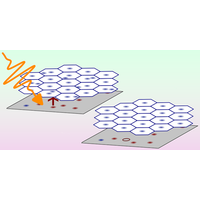
Phys. Rev. Lett. 136, 206502 (2026)
Condensed Matter and Materials
Analytic Inverse Design of Temporal Metamaterials via Space-Time Duality
Article | Condensed Matter and Materials | 2026-05-19 06:00 EDT
Giuseppe Castaldi, Marino Coppolaro, Massimo Moccia, Carlo Rizza, Nader Engheta, and Vincenzo Galdi
Temporal metamaterials, created by modulating the refractive index in time, offer powerful means of controlling wave propagation but still lack a systematic design methodology. Here, we develop an analytic inverse-design framework rooted in space-time duality and the established theory of one-dimens…
Phys. Rev. Lett. 136, 206901 (2026)
Condensed Matter and Materials
Raman Optical Activity Induced by Ferroaxial Order in ${\mathrm{NiTiO}}_{3}$
Article | Condensed Matter and Materials | 2026-05-19 06:00 EDT
Gakuto Kusuno, Takeshi Hayashida, Takayuki Nagai, Hikaru Watanabe, Rikuto Oiwa, Tsuyoshi Kimura, and Takuya Satoh
Raman optical activity, a phenomenon usually observed in systems where inversion or time-reversal symmetry is broken, arises in a centrosymmetric, nonmagnetic crystal due to ferroaxial order.
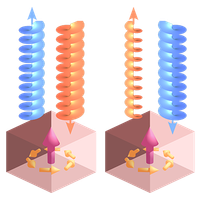
Phys. Rev. Lett. 136, 206902 (2026)
Condensed Matter and Materials
Mpembalike Abnormal Aging Kinetics of Glasses Derived from $β$ Relaxation
Article | Statistical Physics; Classical, Nonlinear, and Complex Systems | 2026-05-19 06:00 EDT
Lijian Song, Meng Gao, Wei Xu, Juntao Huo, and Jun-Qiang Wang
It has been a long, interesting, and mysterious nonequilibrium phenomenon that hot water may freeze faster than warm water, which is known as Mpemba effect. Studying its physical origin and exploring new Mpembalike effects have attracted broad interests. Here, we report experimental evidence of a no…
Phys. Rev. Lett. 136, 207102 (2026)
Statistical Physics; Classical, Nonlinear, and Complex Systems
Directionality-Induced Jamming in Multiplex Networks
Article | Statistical Physics; Classical, Nonlinear, and Complex Systems | 2026-05-19 06:00 EDT
Mateo Bouchet, Alejandro Tejedor, Xiangrong Wang, and Yamir Moreno
In multiplex networks, directed links between layers hinder diffusion and break the system up, preventing it from converging to a steady state.
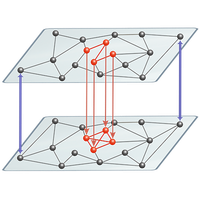
Phys. Rev. Lett. 136, 207401 (2026)
Statistical Physics; Classical, Nonlinear, and Complex Systems
Physical Review X
Stochastic Calculus for Pathwise Observables of Markov-Jump Processes: Unification of Diffusion and Jump Dynamics
Article | 2026-05-19 06:00 EDT
Lars Torbjørn Stutzer, Cai Dieball, and Aljaž Godec
A complete stochastic calculus for pathwise observables of Markov-jump processes is developed, unifying, in the continuum limit, the previously disjoint theories of diffusion and jump processes.
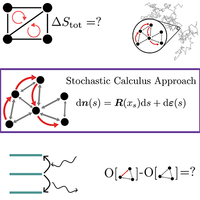
Phys. Rev. X 16, 021038 (2026)
arXiv
Detecting vortex motion through spatially correlated nonequilibrium noise
New Submission | Superconductivity (cond-mat.supr-con) | 2026-05-20 20:00 EDT
Yifan F. Zhang, Rhine Samajdar, Sarang Gopalakrishnan
Resistive transport near a superconducting phase can arise from the motion of normal-state quasiparticles or that of vortices. The conductivity alone does not distinguish between these mechanisms. We propose an unambiguous method for telling them apart, using the recently developed experimental tool of covariance magnetometry, which uses nitrogen-vacancy centers in diamond to probe real-time spatiotemporal correlations in magnetic noise. Our key insight is that, under an applied current, the underlying charge carriers leave a directional fingerprint in the spatially correlated magnetic noise above the sample: ordinary electric carriers drift parallel to the current, whereas vortices, owing to the Magnus force, drift perpendicular to it. The noise covariance detects this anisotropy and identifies the vortex-driven nature of transport. We compute the noise correlations expected for a representative thin-film superconductor and demonstrate that the anisotropic signal is well within the reach of current experimental capabilities.
Superconductivity (cond-mat.supr-con), Mesoscale and Nanoscale Physics (cond-mat.mes-hall), Strongly Correlated Electrons (cond-mat.str-el), Quantum Physics (quant-ph)
7+3 pages, 3 figures
Imaging stripe dynamics in trilayer nickelate La$_4$Ni$3$O${10}$
New Submission | Strongly Correlated Electrons (cond-mat.str-el) | 2026-05-20 20:00 EDT
Uladzislau Mikhailau, Luke Rhodes, Siri A. Berge, Matthias Hepting, Masahiko Isobe, Carolina A. Marques, Pascal Puphal, Peter Wahl
Since the discovery of high-temperature superconductivity in nickelate superconductors, it is an open question how closely the superconducting state resembles that of cuprate superconductors. One salient feature of the phase diagram of the high-temperature cuprate superconductors is stripe order. Despite their prevalence, real-space imaging has been limited to the charge sector. Here we use spin-polarised scanning tunnelling microscopy to visualize the local magnetic and charge distribution emerging due to a stripe order in the trilayer nickelate La$ _4$ Ni$ _3$ O$ _{10}$ . The stripe order exhibits a four unit cell periodicity, closely resembling that seen in cuprates, and opens a near-complete $ \sim66\mathrm{meV}$ gap at the Fermi level. Crucially, discrete phase slips can be triggered by tunneling electrons above a $ \sim 20\mathrm{meV}$ threshold, allowing imaging of stripe dynamics at the atomic scale. These results highlight the importance of correlation physics driving stripe-like orders in lanthanum nickelates with striking similarities to the cuprates.
Strongly Correlated Electrons (cond-mat.str-el), Superconductivity (cond-mat.supr-con)
28 pages, 9 figures, includes supplementary material
Generalized Hydrodynamics of Bloch Oscillations in the Absence of a Lattice
New Submission | Quantum Gases (cond-mat.quant-gas) | 2026-05-20 20:00 EDT
Stefano Scopa, Philip Zechmann, Michael Knap, Jacopo De Nardis, Alvise Bastianello
Objects subjected to a constant force generally increase their velocity over time. This expectation fails whenever their energy is a smooth and periodic function of momentum, resulting in periodic Bloch oscillations instead. Periodic dispersions, typical of lattice systems, can also emerge in continuum media through strong interactions. Here, we study the phenomenon of such Bloch oscillations in the absence of a lattice in a paradigmatic model of integrable quantum gases: the two-component Yang-Gaudin model. We derive a generalized-hydrodynamic theory of Bloch oscillations for a finite density of impurities embedded in a homogeneous interacting background, which we show to persist superimposed to a drift due to the acceleration of the center of mass. Moreover, we show the single-impurity oscillation period is renormalized at finite impurity density when two-magnon bound states are populated. Our results are relevant for ultracold atom experiments, where impurities can be created at controllable densities.
Quantum Gases (cond-mat.quant-gas), Statistical Mechanics (cond-mat.stat-mech), Exactly Solvable and Integrable Systems (nlin.SI), Quantum Physics (quant-ph)
5 pages, 4 figures; End Matter and Supplemental Material included
Signatures of Gaussian superconducting fluctuations in nonlocal noise magnetometry
New Submission | Superconductivity (cond-mat.supr-con) | 2026-05-20 20:00 EDT
We calculate the two-point magnetic noise spectrum arising from Gaussian superconducting fluctuations, a quantity directly measurable by spin qubit pairs such as nitrogen vacancy centers in diamond. The analysis utilizes the time-dependent Ginzburg-Landau theory, reflecting the direct contribution of fluctuating Cooper pairs to the current correlations and consequent magnetic noise. We treat both two-dimensional systems and wires, considering them in equilibrium and under a uniform electric field. The signal is expected to be strongest in high-temperature superconductors, and we contrast our findings with the predicted signatures of a vortex liquid to offer an additional route to elucidate the nature of fluctuations in these systems.
Superconductivity (cond-mat.supr-con), Quantum Physics (quant-ph)
14 pages, 12 figures
Magnetic phases in the $J_{1}$-$J_{2}$ antiferromagnetic XY model on the honeycomb lattice
New Submission | Strongly Correlated Electrons (cond-mat.str-el) | 2026-05-20 20:00 EDT
I. V. Lukin, M. O. Luhanko, Yu. V. Slyusarenko, A. G. Sotnikov
We study ground-state properties and phase diagram of the $ J_{1}$ -$ J_{2}$ antiferromagnetic XY model on the honeycomb lattice by means of the developed corner transfer matrix renormalization group algorithm with the two-site unit cell and the infinite spiral projected entangled pair states ansatz. We identify the main phases: Néel, Ising, collinear, and incommensurate spiral phases, as well as the transitions between them, as functions of the ratio $ J_{2}/J_{1}$ . In the regime of competing types of ordering, we show that the energies of the dimerized states are systematically higher than the energies in the collinear phase. This collinear phase transforms to the incommensurate spiral phase through the second-order phase transition upon a further increase of $ J_2/J_1$ .
Strongly Correlated Electrons (cond-mat.str-el)
Non-Gaussianity of random quantum states
New Submission | Statistical Mechanics (cond-mat.stat-mech) | 2026-05-20 20:00 EDT
Filiberto Ares, Sara Murciano, Pasquale Calabrese
We study the fermionic non-Gaussianity in typical quantum states, focusing on Haar random states of qubits with or without a global $ U(1)$ symmetry. Using the Weingarten calculus, we derive analytical predictions for the non-Gaussianity, defined as the relative entropy between the reduced density matrix and its Gaussianized counterpart. We identify two regimes controlled by the ratio between the subsystem and the system size, $ \ell/L$ . For $ \ell/L < 1/2$ , the non-Gaussianity vanishes in the absence of symmetries, because typical reduced density matrices are exponentially close to the maximally mixed state. In the presence of a global $ U(1)$ symmetry, instead, it remains small but finite. By contrast, in the regime $ \ell/L > 1/2$ , the non-Gaussianity becomes extensive. These results establish the typical scaling of fermionic non-Gaussianity in random states and analyze how this is modified by the presence of global symmetries.
Statistical Mechanics (cond-mat.stat-mech), Quantum Physics (quant-ph)
Collective charge measurement in quantum dot chains: controlling barrier occupation and tunneling current
New Submission | Mesoscale and Nanoscale Physics (cond-mat.mes-hall) | 2026-05-20 20:00 EDT
Alok Nath Singh, Rafael Sánchez, Andrew N. Jordan
We investigate nonequilibrium transport in a triple-quantum-dot (TQD) system, where the central dot acts as a discrete tunnel barrier, subject to continuous monitoring by a quantum point contact (QPC) that is capacitively coupled to all three dots with independently tunable strengths. We show that this global measurement scheme affects transport in a qualitatively distinct manner from single-site measurement. By engineering structured dephasing, measurement provides a significant improvement in the barrier occupation and tunneling current. In the strong-measurement limit, the steady state becomes independent of the underlying Hamiltonian parameters, and the barrier occupation can approach 1/2 for suitable measurement configurations. We identify an optimal measurement configuration that maximizes the steady-state current and show that near-optimal performance can be achieved with a simple central-dot readout scheme.
Mesoscale and Nanoscale Physics (cond-mat.mes-hall), Quantum Physics (quant-ph)
Deconfined Boundary Phase Transition of a Quantum Critical Heisenberg Model
New Submission | Strongly Correlated Electrons (cond-mat.str-el) | 2026-05-20 20:00 EDT
We investigate the boundary phases of a (2+1)-dimensional quantum critical Heisenberg model with a dangling spin chain. By introducing a multispin $ Q$ -term along the boundary, we drive a continuous boundary transition from an antiferromagnetic (AF) order to a valence-bond solid (VBS) order. Using large-scale quantum Monte Carlo simulations, we locate the critical point at $ Q_{c}=0.310(11)$ , and obtain the critical exponents at $ Q_{c}$ , including $ y_{s}=0.81(4)$ and the scaling dimensions of AF and VBS order parameters $ \Delta_{s}=0.660(15)$ and $ \Delta_{v}=0.204(14)$ . The weak long-range AF order for $ Q<Q_{c}$ is stabilized by quasi-long-range effective interactions mediated by the critical bulk state, while the VBS phase restores the ordinary critical behavior. Our findings highlight the synergy between topological terms and quasi-long-range interactions in low-dimensional quantum many-body systems.
Strongly Correlated Electrons (cond-mat.str-el), Statistical Mechanics (cond-mat.stat-mech)
6+εpages, 5 figures
First-passage processes in a deterministic one-dimensional cellular automaton model of traffic flow
New Submission | Statistical Mechanics (cond-mat.stat-mech) | 2026-05-20 20:00 EDT
Ofer Biham, Gilad Hertzberg Rabinovich, Eytan Katzav
We present analytical results for first-passage processes in a deterministic one-dimensional cellular automaton (CA) model of traffic flow. Starting at time $ t=0$ from a random initial state with car density p, at every time step $ t\ge 1$ each car moves one step to the right if the cell on its right is empty, and is stopped if it is occupied by another car. The model, which coincides with CA rule 184 in Wolfram’s numbering scheme, exhibits a continuous dynamical phase transition at $ p=1/2$ , between a low-density free-flowing phase and a high-density congested phase. Using the framework of first-passage processes, we derive a closed-form expression for the distribution $ P(T_{FS}=t)$ of first-stopping (FS) times, which is the probability that a randomly selected car will be stopped for the first time at time $ t$ . We also obtain a closed-form expression for the stopping probability $ P_S(t)$ , which is the probability that a randomly selected car will be stopped at time $ t$ . In the low-density phase of $ 0<p<1/2$ , the probability $ P_S(t)$ yields a closed-form expression for the distribution $ P(T_{LS}=t)$ of last-stopping (LS) times, which is the probability that a randomly selected car will be stopped for the last time at time $ t$ , beyond which it will move freely indefinitely. In this regime, we analyze the relation between the LS time and the number of stopping events $ N_S$ which take place up to that time. We present closed-form expressions for the joint distribution $ P(T_{LS}=t,N_S=n)$ , for the two conditional distributions that emanate from it and for the marginal distribution $ P(N_S=n)$ . These results provide insight on the time scales of congestion and relaxation in deterministic traffic flow from the point of view of individual cars. In a broader context, they provide insight on complex relaxation processes that involve many interacting particles, such as deterministic surface growth.
Statistical Mechanics (cond-mat.stat-mech), Cellular Automata and Lattice Gases (nlin.CG)
51 pages, 14 figures
Optical control of conductivity type and valley polarization via persistent photoconductivity in (Pb,Sn)Se quantum wells
New Submission | Mesoscale and Nanoscale Physics (cond-mat.mes-hall) | 2026-05-20 20:00 EDT
Alexander Kazakov, Gauthier Krizman, Valentine V. Volobuev, Michał Szot, Wojciech Wołkanowicz, Chang-Woo Cho, Benjamin A. Piot, Tomasz Wojciechowski, Gunther Springholz, Tomasz Wojtowicz, Tomasz Dietl
The ability to tune the Fermi level of semiconductors is at the heart of modern electronics. Here, we demonstrate that persistent photoconductivity (PPC) enables tuning of carrier density, conductivity type, and, consequently, the valley polarization in (Pb,Sn)Se/(Pb,Eu)Se quantum wells. Illumination of these samples induces Fermi level shifts that convert the system from a threefold-degenerate $ \bar{M}$ -valley two-dimensional hole gas to a single $ \bar{\Gamma}$ -valley-polarized electron gas with similar values of mobility. The optically induced state persists for more than $ 10^{3}$ minutes at cryogenic temperatures and enables stepwise optical gating without the need for device processing. These transitions are confirmed by the sign inversion of the Hall slope and the modification of quantum Hall plateau degeneracies measured in magnetic fields up to 35 T. Landau level $ k\cdot p$ model calculations quantitatively reproduce the experimental data. Furthermore, studies of weak-field magnetoresistance demonstrate the significance of quantum localization phenomena at the transition between the weakly and strongly localized regimes in compensated narrow-gap semiconductors. Spectral studies allow us to identify the critical role of the barrier material and determine the photon energies that can reverse the PPC effect. The persistent light-induced upward shift of the Fermi level in the $ p$ -type quantum well is explained in terms of specific energy positions of donor and acceptor defect states in the studied system. Our results demonstrate that PPC is a powerful optical gating tool for the IV-VI quantum wells, a versatile platform for reconfigurable valleytronic architectures.
Mesoscale and Nanoscale Physics (cond-mat.mes-hall), Materials Science (cond-mat.mtrl-sci)
12 pages, 6 figures in the main text + 6 pages, 8 figures in supplemental material; data is available at this https URL
Work to insert a particle into an active fluid
New Submission | Statistical Mechanics (cond-mat.stat-mech) | 2026-05-20 20:00 EDT
Freddy A. Cisneros, Alexandre Solon, Jordan M. Horowitz
The chemical potential is defined as the work to quasi-statically add a particle to an equilibrium system. Inspired by this definition, we investigate how the work to add a particle to an active fluid depends on the activity, density, and insertion protocol. We find that the average work is protocol dependent and decreases with activity. Moreover, the work fluctuations retain asymmetric non-Gaussian tails even for slow particle insertions. We then compare the average particle-insertion work to the steady-state densities observed when two active fluids are brought into diffusive contact and observe opposing trends between density and work.
Statistical Mechanics (cond-mat.stat-mech), Soft Condensed Matter (cond-mat.soft)
8 pages, 5 figures
Europhysics Letters, 153 (2026) 47003
Hidden weak-pairing superconductivity of non-interacting anyons obeying $\frac{1}{3}$ statistics
New Submission | Strongly Correlated Electrons (cond-mat.str-el) | 2026-05-20 20:00 EDT
Zheng-Duo Fan, Ashvin Vishwanath, Zijian Wang
We show that a non-interacting gas of charge-$ e/3$ anyons with exchange statistics $ \theta=-\pi/3$ can superconduct through a hidden weak-pairing mechanism. Such an anyon gas arises naturally in doped fractional Chern insulators at filling $ 1/3$ or $ 2/3$ , where projective lattice translations enforce three degenerate anyon pockets. Exploiting this three-pocket structure, we develop a flux-attachment construction in which the average statistical flux vanishes, thereby mapping the problem to three species of composite fermions (CFs) in zero effective magnetic field. We show that the anyon statistics itself, encoded in statistical gauge field fluctuations, supplies the pairing glue and drives the CFs into a $ p-\mathrm{i}p$ paired state, which corresponds to a $ f-\mathrm{i}f$ physical superconductor. The CF strong-pairing phase is adiabatically connected to Laughlin’s picture of anyon superconductivity, where charge-$ e/3$ anyons bind into charge-$ 2e/3$ molecules, which then lead to superconductivity. By contrast, the more natural weak-pairing phase of CFs realizes a distinct superconducting phase - its edge is characterized by a chiral central charge $ c_-=-1/2$ , in contrast to the prediction of integer $ c_-$ for the anyon superconductor based on Laughlin’s picture, thereby resolving the discrepancy between previous theories and recent numerical results. Our theory provides a natural framework for understanding superconductivity near fractional Chern insulators, as observed in recent experiments. Finally, we discuss extensions of our theory that predict new chiral superconductors adjacent to FCIs at other fillings.
Strongly Correlated Electrons (cond-mat.str-el), Superconductivity (cond-mat.supr-con), Quantum Physics (quant-ph)
Banded non-Hermitian random matrices, neural networks, and eigenvalue degeneracies
New Submission | Disordered Systems and Neural Networks (cond-mat.dis-nn) | 2026-05-20 20:00 EDT
Richard Huang, David R. Nelson
We study two-banded, non-Hermitian random matrices inspired by sparse neural networks with a circular, 1d topology. We focus on two paradigmatic models, an SSH chain and a ladder model, which have both non-Hermitian directional bias and random sign disorder in the hoppings. The random sign disorder, which follows Dale’s Law, leads to localization of the eigenstates, while the directional bias drives a delocalization transition in these states. The competition between disorder and directional bias results in rich eigenspectra with loops of extended states in the complex plane surrounded by regions of localized ones, and the eigenvalues are all confined to an annular region. Furthermore, the distinct band structures of the SSH chain and ladder model lead to different delocalization phenomena. Even in the absence of disorder, tuning the directional bias can lead to an eigenvalue degeneracy, which is an exceptional point for the SSH chain but a diabolic point for the ladder. In the presence of the disorder, these special eigenvalue degeneracies are preserved and also highlight key stages in the delocalization process. For both models, increasing the directional bias initially delocalizes states starting from within the bands. For the SSH chain, for large enough directional bias, the delocalized states open up a hole in the spectrum in the complex plane, similar to prior results for single band systems. But for the ladder model, as the directional bias is increased, the states delocalize in two stages, leading to two separate loops of extended states with localized states in between. The precise contours on which the extended states reside can be predicted from the Lyapunov exponents associated with products of random transfer matrices, in agreement with direct numerical diagonalization. Although we focus on periodic boundaries, results are discussed for open boundaries as well.
Disordered Systems and Neural Networks (cond-mat.dis-nn), Statistical Mechanics (cond-mat.stat-mech)
16 pages, 17 figures
The analysis of heat capacity of MnGe metallic helimagnet
New Submission | Strongly Correlated Electrons (cond-mat.str-el) | 2026-05-20 20:00 EDT
M.A. Anisimov, A.V. Bokov, A.V. Semeno, V.A. Sidorov, A.V. Tsvyashchenko
Zero-field heat capacity of metallic helimagnet MnGe was analyzed based on the results of resistivity decomposition published previously by our group for the same crystal. Current procedure allowed identifying along with ($ i$ ) electronic ($ \tilde{\gamma}$ $ \approx$ 7 mJ/mol$ \cdot$ K$ ^2$ ) and ($ ii$ ) phononic ($ \Theta_D$ $ \approx$ 350 K) components ($ iii$ ) the additional term, caused by the presence of spin fluctuations (SFs). The last contribution was found to exist in a wide range of temperatures in both paramagnetic (PM) and magnetically ordered states. However, its amplitude appears to be significantly lower in comparison with phononic component. The obtained value of spin fluctuation temperature $ \theta_{sf}$ (MnGe) $ \approx$ 330 K correlates well with previous estimations, as well as with results of various experiments, which predict the existence of SFs in MnGe at least up to 250 $ -$ 300 K.
Strongly Correlated Electrons (cond-mat.str-el), Materials Science (cond-mat.mtrl-sci)
10 pages, 3 figures
Atomistic Modeling of Chemical Disorder in Materials: Bridging Classical Methods and AI-Assisted Approaches
New Submission | Materials Science (cond-mat.mtrl-sci) | 2026-05-20 20:00 EDT
Chemical disorder, originating from the mixed occupation of crystallographic sites by multiple elements, is widespread in alloys, ceramics, and compositionally complex materials, where short- and long-range orderings can strongly influence properties. A central obstacle is the representation gap between experiments and simulations: experiments often report disorder as partial occupancies and ensemble-averaged behaviors, whereas atomistic simulations and AI workflows usually require fully specified configurations. Tackling this gap requires computational methods that convert averaged disorder descriptions into representative configurational ensembles while balancing cost, bias, and fidelity. This challenge has become more urgent in AI-driven computational discovery, where ignoring disorder may cause AI workflows to misrank stability, misjudge novelty, and misdirect experiments with too-idealized representations. This Review highlights how classical and AI-driven methods can bridge this representation gap. We assess the strengths and limitations of approaches spanning mean-field theories, cluster expansion, quasi-random approximations, Monte Carlo, and emerging schemes powered by universal interatomic potentials and generative models. We further highlight how AI can accelerate classical computational schemes by lowering the cost of microstate evaluation, configurational exploration, and atomistic-to-thermodynamic closure. We also emphasize how AI can enable disorder-native capabilities, including workflow triage, ordering-sensitive and alchemical representations, generative models of disordered structures and distributions, and kinetics-aware disorder prediction. Together, this framework outlines a practical roadmap toward disorder-native AI, which can transform chemical disorder from a representational obstacle into a controllable variable for realistic AI-accelerated materials discovery.
Materials Science (cond-mat.mtrl-sci), Disordered Systems and Neural Networks (cond-mat.dis-nn), Machine Learning (cs.LG), Chemical Physics (physics.chem-ph)
Electronic and Magnonic Properties of $g$-Wave Altermagnetism in Intercalated Transition Metal Dichalcogenides
New Submission | Strongly Correlated Electrons (cond-mat.str-el) | 2026-05-20 20:00 EDT
Shuyi Li, Adrian Bahri, Chunjing Jia
Altermagnetism is a recently identified class of magnetic order characterized by unconventional momentum-dependent spin splitting in the absence of net magnetization, and understanding its electronic and magnetic properties is essential for revealing its fundamental physics and potential applications. In this work we investigate two intercalated transition-metal dichalcogenides, Fe$ _{1/4}$ NbS$ _2$ and V$ _{1/3}$ NbS$ _2$ , as candidate altermagnetic materials by using effective tight-binding and spin models complemented by first-principles calculations. We show that the $ g$ -wave electronic spin splitting originates from bond-dependent hopping anisotropy, leading to material-dependent nodal structures. For the magnetic excitations, the emergence of chiral splitting in the magnon dispersion is controlled by single-ion anisotropy, which manifests as altermagnetic-like nodal structures when spins are oriented along an easy-axis. Conversely, this altermagnetic signature disappears when the spins are aligned in an easy-plane. Beyond linear spin-wave theory, we find that $ 1/S$ corrections from magnon–magnon interactions preserve the symmetry and nodal structure of the band splitting while generally reducing its magnitude, with strong antiferromagnetic exchange leading to a non-negligible renormalization of the chiral splitting. Our findings establish intercalated transition-metal dichalcogenides as promising platforms for understanding the interplay between crystal symmetry, non-relativistic spin splitting, and magnetic properties in altermagnets.
Strongly Correlated Electrons (cond-mat.str-el), Materials Science (cond-mat.mtrl-sci)
Activation Functions, Statistics and Learning of Higher-Order Interactions in Restricted Boltzmann Machines
New Submission | Disordered Systems and Neural Networks (cond-mat.dis-nn) | 2026-05-20 20:00 EDT
Giovanni di Sarra, Yasser Roudi
The great success of neural networks in recognizing hidden patterns and correlations in complex data lies in the way they take advantage of the large number of parameters and nonlinear single-unit activation, jointly. Restricted Boltzmann Machines (RBMs) provide a simple yet powerful framework for studying the impact of activation nonlinearities on performance and representation. In this work, we exploit the duality between RBMs and models of interacting binary variables to study the statistics of the interactions induced by RBM ensembles with different hidden unit activation functions. We characterize the space of representable models analytically in terms of moments of the distribution of induced interactions for four commonly used activation functions: Linear, Step, ReLU, and Exponential. Quantitative predictions of the analytical calculations on learning show a very good agreement with results of the simulations of the training process. In particular, our analysis shows that there are certain data structures, namely those generated by models of interacting variables with large interaction terms beyond pairwise, that are difficult to represent, and thus to learn, for any RBM. Yet, we find that rapidly increasing nonlinearities, such as the Exponential function, can facilitate the representation and learning of such data structures for a specific range of parameters that is determined analytically.
Disordered Systems and Neural Networks (cond-mat.dis-nn), Statistical Mechanics (cond-mat.stat-mech), Machine Learning (cs.LG), Data Analysis, Statistics and Probability (physics.data-an)
38 pages, 27 figures
Mass Generation from Embedding Geometry in Surface Nematics
New Submission | Soft Condensed Matter (cond-mat.soft) | 2026-05-20 20:00 EDT
We show that a nematic field constrained to a curved embedded surface develops an emergent geometric mass in its leading isotropic interaction sector. An auxiliary embedding-space closure mediated by the surface spin connection yields a massive scalar mode (\chi_n) with mass set by the extrinsic curvature invariant (m^2=K_{ab}K^{ab}). This mass arises directly from embedding geometry, promoting the intrinsic massless nematic interaction into a geometry-controlled massive field. The resulting theory identifies Gaussian curvature as a distributed geometric charge and establishes embedding geometry as the regulator of defect interactions on curved nematic membranes.
Soft Condensed Matter (cond-mat.soft)
The Thermodynamic Costs of Simple Linear Regression
New Submission | Statistical Mechanics (cond-mat.stat-mech) | 2026-05-20 20:00 EDT
Samuel H. D’Ambrosia, Sultan M. Daniels, Michael R. DeWeese, Anant Sahai
The construction of models from data is a significant contributor to the energetic costs of computation. Because of this, understanding how foundational thermodynamic bounds apply to modeling algorithms will be increasingly important. Here, we study the thermodynamic costs of a basic and fundamental modeling algorithm: simple linear regression. Following Landauer, we approximate the thermodynamic lower bound on irreversibly performing both exact linear regression and linear regression via stochastic gradient descent as implemented on floating-point numbers. From this, we derive energycost aware scaling laws for the optimal dataset size for training a linear regression model given a generalization error dependent demand for inference. Additionally, we discuss a method to lower bound the entropy production from the mismatch cost for algorithms with continuous input variables.
Statistical Mechanics (cond-mat.stat-mech), Information Theory (cs.IT), Machine Learning (stat.ML)
61 pages, 23 figures
Transconductance as a Probe of Valley Thermodynamics in Multilayer WSe$_2$
New Submission | Mesoscale and Nanoscale Physics (cond-mat.mes-hall) | 2026-05-20 20:00 EDT
Katsunori Wakabayashi, Souren Adhikary, Tomoaki Kameda
Transconductance is a central figure of merit in field-effect transistors, typically governed by charge accumulation and carrier mobility. In multilayer WSe$ 2$ transistors, however, it is shown to carry a nonlinear transport signature of inter-valley carrier redistribution between the $ K$ and $ \Gamma$ valleys. This valley-crossover contribution suppresses transconductance in bilayer WSe$ 2$ and reverses sign in trilayer, while remaining absent in single-valley systems. Unlike extrinsic mechanisms such as trap-state filling or contact resistance, the anomaly leaves the subthreshold swing unchanged and cannot be reproduced within conventional single-valley transport models. Introducing the valley susceptibility $ \chi_v \equiv \partial f\Gamma/\partial V{\rm GS}$ , bounded by an intrinsic thermodynamic limit $ (4k_BT)^{-1}$ , we quantify this response and show that it reaches $ {\sim}0.20,\mathrm{V}^{-1}$ in bilayer WSe$ _2$ near threshold at room temperature. The sign, magnitude, and temperature dependence of the anomaly provide directly measurable fingerprints of valley thermodynamics, establishing transconductance as an electrical probe of internal electronic degrees of freedom and revealing a previously hidden nonlinear response in standard transistor measurements.
Mesoscale and Nanoscale Physics (cond-mat.mes-hall), Materials Science (cond-mat.mtrl-sci)
7 pages; 4 figures
Harnessing hidden quantum metric response in a 2D magnet via nonlocal photovoltaic effect
New Submission | Mesoscale and Nanoscale Physics (cond-mat.mes-hall) | 2026-05-20 20:00 EDT
Yong Tan, Qian Hu, Rui-Chun Xiao, Hang Zhou, Yuqing Huang, Zelalem Abebe Bekele, Yongcheng Deng, Xuan Qian, Qikang Gan, Lei Wang, Yang Ji, Ding-Fu Shao, Lixia Zhao, Kaiyou Wang
The quantum geometry of Bloch wavefunctions underpins a wealth of emergent phenomena in quantum materials. Its imaginary part, the Berry curvature, has long been recognized as a key source for hallmark effects such as quantum Hall and topological phenomena, etc. The real part of quantum geometry, the quantum metric, has recently garnered considerable attention due to predictions of a range of unconventional nonlinear and nonequilibrium responses. Such responses usually vanish in centrosymmetric systems, largely restricting relevant studies to non-centrosymmetric materials. Here we challenge this convention by revealing that the vanished quantum metric response can survive in a hidden form. Using a non-local photovoltaic scheme in a layered magnetic semiconductor, we spatially separate mutually compensating photocurrents and thereby detect such hidden quantum metric response. We demonstrate this effect across distinct magnetic states and down to the ultrathin limit. Moreover, we realize reconfigurable, nonvolatile and probabilistic photodetection enabled by the quantum metric response. These results not only fundamentally expand the material landscape for quantum geometric physics, but also open new gateway to harvest the quantum geometric contributions for state-of-the-art nonvolatile reprogrammable sensing and computing applications.
Mesoscale and Nanoscale Physics (cond-mat.mes-hall)
Non-Bloch Quantum Geometry of Non-Hermitian Systems
New Submission | Mesoscale and Nanoscale Physics (cond-mat.mes-hall) | 2026-05-20 20:00 EDT
Junsong Sun, Huaiming Guo, Bohm-Jung Yang
We formulate quantum geometry for non-Hermitian systems under open boundary conditions. By defining quantum-geometric quantities in both real-space and non-Bloch representations, we establish a unified framework beyond conventional Bloch band theory. Our central result is an exact equivalence between the real-space integrated quantum metric and a non-Bloch integrated quantum metric defined on the generalized Brillouin zone. We further introduce localized non-Bloch Wannier functions in the presence of the non-Hermitian skin effect and show that the non-Bloch integrated quantum metric gives the gauge-invariant part of their spread functional. These results establish quantum geometry as a natural framework for characterizing open-boundary non-Hermitian band structures and the localization properties encoded in skin modes.
Mesoscale and Nanoscale Physics (cond-mat.mes-hall), Quantum Physics (quant-ph)
5 pages, 3 figures
Frequency-dependent stress response under thermal cycle: A thermal-crystal plasticity and dynamic mode decomposition study
New Submission | Materials Science (cond-mat.mtrl-sci) | 2026-05-20 20:00 EDT
Haruki Ohashi, Yoshiteru Aoyagi
Thermal cycle environments involving repeated temperature changes are common conditions observed in modern engineering processes. Under such conditions, materials undergo repeated thermal expansion and contraction, forming complex thermal stress fields. Thermal-crystal plasticity simulations that account for stress fields and thermal conduction at the polycrystalline microstructure scale are an effective method for numerically reproducing thermal cycle environments. However, the influence of thermal cycle frequency on the temporal behavior of the stress field and plastic response has not yet been fully understood, partly because a systematic analysis method capable of simultaneously capturing spatial heterogeneity and temporal evolution remains limited. In this study, we predicted the thermal stress field generated under different thermal cycle frequencies using thermal-crystal plasticity simulations and investigated the effect of frequency on the spatiotemporal structure of the stress response. The present framework illustrates that the resulting thermal-mechanical response can be represented as a superposition of multiple effective temporal components, reflecting the increased complexity of the system behavior. By employing dynamic mode decomposition (DMD) as a diagnostic and post-processing technique, we demonstrate that the spatiotemporal structure of the stress field under thermal cycle conditions can be systematically extracted and compactly represented. This approach enables a quantitative characterization of frequency-dependent changes in the thermal stress response beyond conventional averaging or snapshot-based analyses. The results highlight the utility of DMD as a framework for organizing complex simulation data and for interpreting the temporal structure of plastic response under cyclic thermal loading.
Materials Science (cond-mat.mtrl-sci)
Accepted for publication in International Journal of Plasticity
International Journal of Plasticity 202 (2026) 104722
Finite-temperature crossover from coherent magnons to energy superdiffusion in the PXP model
New Submission | Statistical Mechanics (cond-mat.stat-mech) | 2026-05-20 20:00 EDT
Shengtao Jiang, Jean-Yves Desaules, Marko Ljubotina, Thomas Scaffidi
The PXP chain was recently shown to exhibit superdiffusive energy transport with Kardar-Parisi-Zhang-like scaling, $ z\approx3/2$ , joining a growing number of spin chains with this exponent. An understanding of how this anomalous hydrodynamics emerges from microscopics is, however, still lacking. In this work, we show that finite-temperature energy transport in this model provides a window into the emergence of superdiffusion. At finite temperature, the energy autocorrelation function exhibits a crossover from short-time coherent dynamics to long-time hydrodynamics. The short-time behavior is dominated by a single magnon band and can be understood analytically. In momentum space, this regime is characterized by spectral weight near $ q=\pi$ . The damping time $ \tau$ , which separates the short-time magnon-dominated behavior from the late-time hydrodynamics, grows rapidly upon cooling, consistent with an activated form $ \tau(\beta)\sim \beta e^{\Delta\beta}$ with a gap scale set by the magnon band. At longer times, the spectral weight transfers to $ q=0$ and the running decay exponent drifts toward the superdiffusive value $ z=3/2$ . Finite-temperature energy transport therefore provides a bridge between microscopic magnon physics and late-time superdiffusion in the PXP model.
Statistical Mechanics (cond-mat.stat-mech), Quantum Gases (cond-mat.quant-gas), Quantum Physics (quant-ph)
8 pages, 4 figures; comments are welcome
Multi-mode Floquet NEGF method for driven quantum transport
New Submission | Other Condensed Matter (cond-mat.other) | 2026-05-20 20:00 EDT
Vahid Mosallanejad, Wenjie Dou
We present a non-perturbative Floquet-based non-equilibrium Green’s function (NEGF) method to study electron transport in a quantum system driven simultaneously by multiple independent terms (multi-mode). We first derive the two-mode Floquet NEGF based on two-step transformations of the retarded-advanced Green’s function from the Kadanoff-Baym equation. This derivation proceeds by elaborating on the expectation values of the number and current operators. The two-mode Floquet NEGF is then extended to cases with multiple drivings. The method is tested by investigating current suppression in the presence of two drivings. We show that an extra sinusoidal off-diagonal driving can cause substantial modification to the current suppression, provided careful selection of the driving frequency. Consequently, we expect that the established method has broad applications in a wide range of open quantum systems driven by complicated drivings.
Other Condensed Matter (cond-mat.other)
7 pages, 2 figures
Nearly perfect Fermi surface nesting in hole-doped La$_3$Ni$_2$O$_7$ enables bulk superconductivity without pressure or strain
New Submission | Superconductivity (cond-mat.supr-con) | 2026-05-20 20:00 EDT
Chengliang Xia, Jiale Chen, Hongquan Liu, Hanghui Chen
The discovery of high-temperature superconductivity in Ruddlesden-Popper nickelates has drawn great attention. However, unlike cuprates and iron-based superconductors, Ruddlesden-Popper nickelates exhibit superconductivity either under high pressure in bulk samples or under compressive strain in thin films. Genuine bulk superconductivity under ambient pressure has remained elusive in these materials, precluding key measurements such as specific heat and superfluid density. In this work, we combine density-functional-theory, dynamical-mean-field-theory, and random-phase-approximation to solve the superconducting gap equation for bulk hole-doped bilayer nickelate La$ _{3-x}$ Sr$ _x$ Ni$ _2$ O$ 7$ at ambient pressure. We find that hole doping induces a Ni-$ d{3z^2-r^2}$ -derived $ \gamma$ pocket on the Fermi surface, and serves as a tuning parameter for both its size and \textit{shape}. As $ x$ approaches 0.4, the $ \gamma$ pocket evolves from circular to diamond-shaped and expands to span half of the Brillouin zone, resulting in nearly perfect Fermi surface nesting with the optimal nesting vector $ \textbf{Q} = (\pi, \pi)$ . This, in turn, strongly enhances antiferromagnetic spin fluctuations and substantially increases the leading superconducting eigenvalue to a level at which superconductivity becomes experimentally observable. Our work provides both a robust mechanism and an experimentally feasible route to inducing the long-sought bulk superconductivity in La$ _3$ Ni$ _2$ O$ _7$ without pressure or strain.
Superconductivity (cond-mat.supr-con), Materials Science (cond-mat.mtrl-sci), Strongly Correlated Electrons (cond-mat.str-el)
15 pages, 4 figures
Cryogenically Enhanced Laser-Induced Amorphous Phase Transitions in Crystalline Silicon
New Submission | Materials Science (cond-mat.mtrl-sci) | 2026-05-20 20:00 EDT
Conrad Kuz, Andy Lee, Shashu Tomar, Ravleen Kaur, Mohamed Yaseen Noor, Justin Twardowski, Liam Clink, Roberto C. Myers, Enam Chowdhury
Amorphization of silicon is crucial to applications in photonics, microelectronics and solar cell technologies. Ultrafast lasers have been used to generate amorphous silicon from crystalline silicon using rapid nonthermal melting and solidification in room temperature. As material temperature can affect cooling rates significantly, adding temperature control in ultrafast laser modification of silicon may allow a new degree of freedom in ultrafast laser modification. In this work, we investigate the role of cryogenic temperature in governing ultrafast damage pathways via single-shot femtosecond laser irradiation of silicon from room temperature down to 24K at 1030nm. Across this temperature range, we observe a pronounced enhancement of amorphization at lower temperatures, revealed through optical microscopy, Raman spectroscopy, and Kelvin probe force microscopy (KPFM). Raman analysis identifies this ring as an amorphous surface layer, while complementary AFM and SEM imaging show temperature-dependent changes in surface morphology, including localized melt redistribution and refrozen material. To elucidate the physical origins of this behavior, we implement a carrier dependent two-temperature model (nTTM). The simulations reproduce the experimentally observed trends and indicate that reduced phonon population, modified absorption pathways, and altered lattice relaxation dynamics at cryogenic temperatures collectively promote amorphous freezing over recrystallization. This study represents the first detailed examination of silicon under ultrafast irradiation below the liquid-nitrogen regime and reveals temperature-governed mechanisms relevant for advanced silicon microstructuring.
Materials Science (cond-mat.mtrl-sci), Optics (physics.optics)
Higher-order Weyl nodes driven by helical magnetic order in EuAgAs
New Submission | Strongly Correlated Electrons (cond-mat.str-el) | 2026-05-20 20:00 EDT
Jian-Rui Soh, Ziming Zhu, Louis Withers, J. Alberto Rodríguez-Velamazán, Timur K. Kim, Oscar Fabelo, Anne Stunault, Daniil Yevtushynsky, Dharmalingam Prabhakaran, Shengyuan A. Yang, Andrew T. Boothroyd
Magnetic topological semimetals provide a fertile ground for exploring how long-range magnetic order can alter electronic band structures and generate novel quasiparticles such as Weyl fermions. Here, we investigate the coupled magnetic and electronic structure of single-crystalline EuAgAs, a hexagonal pnictide whose magnetic ground state has remained elusive. Using neutron diffraction and resonant elastic X-ray scattering, we identify an unusual magnetic ordering sequence with two successive phase transitions at $ T_\mathrm{N1} = 12$ K and $ T_\mathrm{N2} = 8$ K. We observe two slightly different magnetic propagation vectors, one associated with $ T_\mathrm{N1}$ and the other with $ T_\mathrm{N2}$ . Spherical neutron polarimetry reveals that the magnetic structure is a transverse helix aligned along the $ c$ axis with a period that is approximately twice the $ c$ lattice parameter. First-principles calculations for the helical phase predict subtle band folding effects and the emergence of effective higher-order Weyl nodes. These topological features appear near the calculated Fermi energy $ E_{\mathrm{F}}$ which, however, lies above the position of $ E_{\mathrm{F}}$ obtained from angle-resolved photoemission spectroscopy so could not be probed in this study.
Strongly Correlated Electrons (cond-mat.str-el)
Charge Symmetry Beyond Wyckoff Equivalence
New Submission | Materials Science (cond-mat.mtrl-sci) | 2026-05-20 20:00 EDT
Qiu-Shi Huang, Xin-Gao Gong, Su-Huai Wei
Crystallographic symmetry is usually taken as a guide to electronic equivalence in crystals: atoms on the same Wyckoff position are expected to have the same charge, whereas atoms on different Wyckoff positions are expected to be electronically distinct. Here we show that both expectations can fail in oppo-site ways: crystallographically equivalent sites can become charge-inequivalent under compression, whereas crystallographically inequivalent sites can remain charge-equivalent at low pressure because of an emergent hidden symmetry. We develop a minimal Landau theory of pressure-induced charge transfer, in which compression enhances the intersite Coulomb energy gained by charge redistribution until it overcomes the onsite charging cost and destabilizes the charge-equivalent state. In BCC Na, all sites are charge-equivalent at low pressure, but compression drives charge transfer between neighboring sites, pro-ducing an electronically symmetry-broken CsCl-type state on an unchanged BCC ionic framework. In hP4 Na, the opposite anomaly occurs: two Na sites occupy distinct Wyckoff positions, yet remain charge-equivalent at low pressure because of an emergent gauge equivalence in the low-energy manifold, giving rise to near-Fermi doublets that appear accidental in conventional space-group analysis. Upon compres-sion, pressure-induced charge transfer breaks this hidden equivalence, splits the near-Fermi doublets, and drives a metal-insulator transition. These two complementary cases establish pressure-induced charge transfer as a mechanism by which electronic equivalence can either fall below or rise above what Wyckoff positions alone would suggest, showing that lattice symmetry constrains but does not uniquely determine the equivalence structure of the electronic state.
Materials Science (cond-mat.mtrl-sci)
Green’s Function-Free Formalism of Projective Truncation Approximation
New Submission | Strongly Correlated Electrons (cond-mat.str-el) | 2026-05-20 20:00 EDT
Kou-Han Ma, Yue-Hong Wu, Ning-Hua Tong
In previous works, the projected truncation approximation (PTA) was developed as a systematic and controlled method to truncate the equation of motion of Green’s functions (GFs) for a given quantum or classical many-body Hamiltonian. The static averages are obtained self-consistently with the GF through the spectral theorem. In this work, PTA is reformulated as a self-consistent theory for the reduced density matrices (RDMs) without reference to GF. We separately discuss the issues of determining the dynamical matrix $ {\bf M}$ and solving the physical quantities from it. The properties of $ {\bf M}$ is clarified and the solution of PTA equations is cast into an over-constrained optimization problem. This makes connection of the present theory to the variational RDM theory. We discuss various issues of PTA under this formalism, including the scheme of alternative inner product, the generalized virial theorem, the generalized Wick’s theorem, and the static component problem of PTA.
Strongly Correlated Electrons (cond-mat.str-el)
22 pages, 0 figures
Octahedral Tilting in Halide Double Perovskites: Disentangling Lone-Pair Chemistry and Geometric Effects
New Submission | Materials Science (cond-mat.mtrl-sci) | 2026-05-20 20:00 EDT
Mehmet Baskurt, Erik Fransson, Madeleine Lindvik, Paul Erhart, Julia Wiktor
Halide double perovskites (HDPs) have emerged as promising alternatives to their lead-based counterparts. However, their structural dynamics is less explored than that of conventional halide perovskites. In this work, we investigate octahedral tilting at 0 K and the relative stability of tetragonal and cubic phases of a set of 57 halide double perovskites (HDPs). By combining structural and energetic descriptors with simple geometric metrics, we identify the main trends controlling the stabilization of one-tilt tetragonal phases across this family. We find that both the magnitude of the tilt angles and the energetic preference for tilted phases correlate primarily with the Goldschmidt tolerance factor $ t$ . The presence of stereochemically active lone-pair cations also correlates with enhanced tilting; however, this trend largely reflects that lone-pair chemistries in HDPs occur together with ionic sizes that shift $ t$ away from unity. Consistent with this picture, we observe several compounds without lone pairs that nonetheless exhibit strong octahedral tilting. Finally, using machine-learned interatomic potentials, we connect the 0 K tilting energetics to finite-temperature behavior: compounds with more strongly stabilized tilt phases exhibit higher transition temperatures, and phonon spectra at 350 K reveal soft and broad modes that are consistent with the trends in tolerance factors, tilt angles, and tilt energies at 0 K. Our results provide a systematic reference for structure-stability relationships in HDPs and clarify when lone-pair chemistry is correlated with, rather than the primary cause of, octahedral tilting.
Materials Science (cond-mat.mtrl-sci)
Fractonic Constraints and Magnetic Order in a Dipole-Conserving Spin Chain
New Submission | Strongly Correlated Electrons (cond-mat.str-el) | 2026-05-20 20:00 EDT
Prabhakar, Giuseppe De Tomasi, Soumya Bera
This work investigates the competition between dipole conservation, which imposes strong dynamical constraints and prevents the propagation of isolated spin excitations, and Ising-type interactions that favor ordering. Specifically, we explore the ground state phase diagram of a one-dimensional spin chain in the presence of both fractonic constraints and interactions. Despite the kinetic constraints, the system stabilizes an antiferromagnetic dipole-ordered ground state, where the ordering occurs at the level of spin pairs rather than individual spins. At a large Ising interaction strength, the model undergoes a phase transition from a dipole-ordered phase to a spin antiferromagnetic phase. In contrast, for ferromagnetic Ising interactions, the model exhibits both antiferromagnetic and ferromagnetic dipole ordered phases. At sufficiently large negative interaction strength, the dipole ordered phase transitions to a ferromagnetic phase with conventional spin ferromagnetic order. To characterize these distinct phases, we employ density matrix renormalization group (DMRG) simulations alongside large-scale diagonalization. We analyze appropriate order parameters, along with features of the entanglement spectrum and dynamical spectral functions. In limiting cases, the observed transitions can be understood by mapping the dipole conserving model onto effective XXZ models in a restricted Hilbert space of composite spins.
Strongly Correlated Electrons (cond-mat.str-el)
14 pages,14 figures
Evaluation of External Magnetic Flux Density in Piezo-Flexomagnetic Nanobeams Using a Hybrid 1D-2D Finite Element Framework
New Submission | Materials Science (cond-mat.mtrl-sci) | 2026-05-20 20:00 EDT
Lala Samprit Ray, Bishweshwar Babu
This study numerically evaluates the external magnetic flux density generated in air by the bending of a piezo-flexomagnetic nanobeam. In several classes of non-contact sensors, the magnetic field induced in the surrounding medium is often more useful than the internal magnetic response. However, most theoretical studies on piezo-flexomagnetic nanostructures neglect the external magnetic domain. The proposed framework employs a coupled hybrid finite element formulation combining a 1D Timoshenko beam model with a 2D magnetostatic problem encompassing both the beam body and the surrounding air domain. The formulation is verified against analytical solutions of magnetically isolated piezo-flexomagnetic beams. The results demonstrate the presence of a significant external magnetic flux distribution in free-standing structures, even in the absence of piezomagnetic coupling. A systematic sensitivity analysis further identifies the material parameters most strongly influencing the external transverse magnetic flux density. These findings provide insight into the design of nanoscale non-contact magnetoelastic sensing systems.
Materials Science (cond-mat.mtrl-sci), Numerical Analysis (math.NA)
Zero-net-magnetization hybrid magnet
New Submission | Materials Science (cond-mat.mtrl-sci) | 2026-05-20 20:00 EDT
Zero-net-magnetization magnets possess ultradense and ultrafast application potential, benefiting from their intrinsic zero stray field and terahertz dynamics characteristics. Herein, we propose the concept of zero-net-magnetization hybrid magnet, in which magnetic atoms with opposite spin polarization are partially coupled via spatial inversion ($ P$ ) symmetry, partially via rotation/mirror ($ C/M$ ) symmetry or partially without any symmetry correlation. From a local perspective and neglecting the interactions between local regions, hybrid magnet can be regarded as being composed of $ PT$ -antiferromagnet (possessing the combined symmetry ($ PT$ ) of $ P$ and time-reversal ($ T$ )), altermagnet, or fully compensated ferrimagnet. To realize hybrid magnet, we propose that such system can be constructed by forming heterojunction with three types of zero-net-magnetization magnetic monolayers. We mainly investigate the heterojunction composed of two kinds of zero-net-magnetization magnets, among which one type corresponds to fully compensated ferrimagnet. When heterojunction hybrid magnet exhibits a type-II band alignment, only one of electron doping and hole doping can induce a net magnetic moment, while the other hardly generates any net magnetization. Taking the heterojunction constructed by $ PT$ -antiferromagnet and fully compensated ferrimagnet as an example, we verify our proposal by means of the tight-binding (TB) model. Finally, taking the $ \mathrm{Cr_2C_2S_6}$ /$ \mathrm{CrMoC_2S_6}$ heterojunction as an example, we perform first-principles calculations combined with electric field modulation to validate our TB model and theoretical proposal.
Materials Science (cond-mat.mtrl-sci)
7 pages, 5 figures
Planckian dissipation from classical hydrodynamics
New Submission | Statistical Mechanics (cond-mat.stat-mech) | 2026-05-20 20:00 EDT
Laura Foini, Jorge Kurchan, Silvia Pappalardi
In this work we ask what the self-consistency of a classical hydrodynamic description imposes on a quantum system. The quantum fluctuation-dissipation theorem, when read in the time domain, acts as a blurring of the fine details of the correlation functions on a Plankian time-scale. We track this blurring along rays inside the light cone for three phenomenological hydrodynamic equations – diffusion, telegraph and diffusive-telegraph – and find that the interior of the cone splits into a classical region, where correlation and response satisfy the classical fluctuation-dissipation relation, and a quantum region, where they deviate sharply from it. Preserving a finite classical region as the temperature is lowered forces the effective relaxation rate to be at least Planckian, recovering bounds on diffusivity, equilibration time and shear viscosity. In this way, Planckian scaling of the diffusion constant emerges not as a quantum constraint on microscopic dynamics, but as the price a system pays to remain describable by classical hydrodynamics down to low temperatures.
Statistical Mechanics (cond-mat.stat-mech), Quantum Gases (cond-mat.quant-gas), Strongly Correlated Electrons (cond-mat.str-el), High Energy Physics - Theory (hep-th)
23 pages
Diffusing diffusivity selects Pareto tail exponent in random growth with redistribution
New Submission | Disordered Systems and Neural Networks (cond-mat.dis-nn) | 2026-05-20 20:00 EDT
Maxence Arutkin, Alexandre Vallée
Random multiplicative growth with redistribution generates stationary Pareto wealth tails in the Bouchaud-Mézard model, but assumes a fixed multiplicative noise intensity. This is restrictive for physical and financial growth processes, where volatility (diffusivity) is often fluctuating. We replace the constant noise intensity by a diffusing diffusivity and ask how these fluctuations select the Pareto stationary tail. For a geometric Brownian motion with diffusing diffusivity, the effect is transient: log-returns show non-Gaussian short-time statistics but self-average to a Gaussian form at long times. With redistribution, the same persistence becomes stationary. Agents remaining in high-diffusivity states dominate rare large-wealth events, so the Pareto exponent is not obtained by replacing the diffusivity by its mean. For a two-state diffusivity, an exact tail analysis gives a Pareto exponent interpolating between the high-diffusivity slow-refresh limit and the mean-diffusivity fast-refresh Bouchaud-Mézard limit.
Disordered Systems and Neural Networks (cond-mat.dis-nn), Statistical Mechanics (cond-mat.stat-mech)
7 pages, 3 figures
High-Throughput Bayesian Optimization of Cement-Salt Hydrates Composites for Seasonal Thermochemical Energy Storage
New Submission | Materials Science (cond-mat.mtrl-sci) | 2026-05-20 20:00 EDT
Alessio Mondello, Giulio Barletta, Luca Lavagna, Matteo Fasano, Matteo Pavese, Eliodoro Chiavazzo
Thermochemical energy storage (TCES) based on salt hydrates is a promising route for seasonal heat storage; however, the design of practical sorbent materials remains challenging due to a non-trivial coupling between composition, synthesis feasibility, performance, and cost. Here, focusing on salt-into-matrix cement-based composites, we demonstrate that a high-throughput experimental framework based on Bayesian optimization (BO) can be used to orchestrate the optimization process of composite materials for low-temperature TCES. The explored design space is defined by salt type, salt concentration, water-to-cement ratio, and additive-to-cement ratio, while two competing objectives are pursued in parallel, namely the specific energy and the specific energy cost. The BO-guided campaign identified Pareto-optimal composites based on CaCl$ _2$ , Zn(NO$ _3$ )$ _2$ , and LiCl, highlighting the promise of cement-salt combinations that have been only marginally explored, or not previously reported, in cement-based TCES systems. The best-performing formulation (LiCl-based), achieved an average specific energy of about $ \SI{458}{\kilo\joule\per\kilo\gram}$ , whereas CaCl$ _2$ - and Zn(NO$ _3$ )$ _2$ -based composites showed lower but still competitive specific energy values combined with more favorable specific energy cost. Overall, the optimized formulations improved the specific energy of previously developed cement-based materials by up to a factor of five, although it remains below that of state-of-the-art composites based on silica gel and expanded vermiculite. Nonetheless, the present materials, notably CaCl$ _2$ - and Zn(NO$ _3$ )$ _2$ -based composites, offer an attractive cost-to-performance balance, highlighting BO as an effective strategy for accelerated TCES materials discovery.
Materials Science (cond-mat.mtrl-sci)
34 pages, 8 figures
Nanoscale Thermal Imaging of Dislocation-Mediated Heat Transport
New Submission | Materials Science (cond-mat.mtrl-sci) | 2026-05-20 20:00 EDT
Ruilin Mao, Bingyao Liu, Jiaxin Liu, Xiaoyue Gao, Junping Luo, Fachen Liu, Ruochen Shi, Jiade Li, Jinlong Du, Peng Gao
Dislocations in crystalline materials are widely exploited to tailor the thermal conductivity of semiconductors and thermoelectrics, yet a critical gap persists: direct measurement of local thermal resistance at individual buried dislocations, along with its spatial extent, remains elusive due to the limitations of conventional thermal probes. Here, we use in situ scanning transmission electron microscopy-electron energy-loss spectroscopy to map nanoscale temperature distributions across a low-angle SrTiO3 grain boundary with periodic dislocation arrays. Our results reveal a temperature drop of 47 K across the dislocation array. The associated temperature-field distortions are concentrated near the dislocation cores, consistent with stronger local thermal resistance at these discrete sites rather than a uniformly distributed resistance along the array. We further identify a distinct two-scale heat transport characteristic near the dislocation array: core-dominated effects over approximately 4.8-6.2 nm and extended inter-core influences over approximately 10.3-14.3 nm. Atomic-scale structural and vibrational analyses further reveal core-associated atomic reconstruction and localized optical-phonon perturbations, providing a microscopic basis for the stronger local thermal resistance inferred near dislocation cores. These findings quantitatively resolve spatial heterogeneity of dislocation-mediated heat transport, uncover its atomic-scale mechanism, and provide a quantitative basis for defect engineering, guiding the design of high-performance thermoelectrics, semiconductors, high-temperature structural alloys, and other functional crystalline materials.
Materials Science (cond-mat.mtrl-sci)
Orthogonal Decomposition of Discretization-Induced Transport-Information Cost under Rank-Deficient Parametrizations
New Submission | Statistical Mechanics (cond-mat.stat-mech) | 2026-05-20 20:00 EDT
When we consider discretization of continuous probability distributions, it inevitably induces irreversible geometric distortion of local measure on the discretized support. While such discretziation-induced distortion is extrinsic to information geometry (IG) alone, we recently demonstrate that the discretization cost can be naturally characterized by the standard Kullback-Leibler (KL) divergence between continuous distributions as expectation of their infinitesimal parameter variations. The framework is based on the correspondence between optimal transport (OT) and IG, primarily requring the selected parameters directly identifiable with support coordinates. The present work extends the framework to more generalized parametrization theta, particularly the Jacobian between theta and support coordinates is rank-deficient, which generally results in breaking down the interpretation of the discretization-induced costs as information-geometric quantities. To address the problem, we here introduce an orthogonal decomposition of the second-moment tensor onto linear subspace for the covariance matrices generated by parameter fluctuations, based on Frobenius projection. The decomposition naturally separates the discretization cost into observable and unobservable components relative to the chosen parametrization. The present formulation provides a geometric framework for analyzing partial observability of discretization-induced transport-information costs and clarifies the role of parametrization-dependent information loss.
Statistical Mechanics (cond-mat.stat-mech)
3 pages
Tracking Coupled Granular Temperature and Entropy Dynamics in Granular Materials via Dielectric Spectroscopy
New Submission | Soft Condensed Matter (cond-mat.soft) | 2026-05-20 20:00 EDT
Sophia G. Krastana, Anthony N. Papathanassiou
In glass-forming liquids, structural dynamics are governed by configurational entropy and temperature, with dielectric relaxation time scaling alongside structural relaxation time as described by the Adam-Gibbs (AG) model. Under Edwards’s athermal statistical thermodynamics, a modified AG law similarly governs granular matter, provided that granular temperature and configurational entropy are appropriately defined. This study investigates whether variations in the structural relaxation of granular systems can be probed via thermally activated processes, specifically electric charge hopping and trapping. By progressively reducing the volume of graphite powder to vary its packing fraction, we estimated relative configurational entropy and granular temperature from volumetric data, while evaluating electrical conductivity and capacity via impedance spectroscopy. We demonstrate that the logarithm of the dielectric relaxation time, derived from complex impedance, scales with granular temperature and entropy across both loose and compact states. Consequently, changes in the complex impedance resulting from packing fraction variations are tuned by granule configuration, strictly adhering to an AG-like relationship for thermal systems. These findings establish dielectric spectroscopy as a viable, non-destructive tool for tracing configurational dynamics in granular matter, analogous to its established use in polymers and glass formers.
Soft Condensed Matter (cond-mat.soft), Statistical Mechanics (cond-mat.stat-mech)
Impact of the Lattice Constant on the Polymorphism of Organic/Inorganic Interfaces
New Submission | Materials Science (cond-mat.mtrl-sci) | 2026-05-20 20:00 EDT
Christoph Wachter, Oliver T. Hofmann
The polymorphism of organic/metal interfaces influences many of their properties. As a result, a host of contemporary research focuses on analyzing the factors which are pertinent for modifying polymorphism. In this work, we elucidate how the lattice constant of the underlying lattice affects the energetic landscape of adsorbate monolayers for the model system of tetracyanoquinodimethane (TCNQ) on coinage metal surfaces with varying lattice constants. In particular, we focus on how the adsorbateadsorbate and the adsorbate-substrate interaction are affected when increasing the lattice constant and changing the surface chemistry. Based on these investigations, we show that the adsorbate-substrate interaction for some adsorption geometries can change significantly with the lattice constant. In addition, due to a transition from repulsive to attractive adsorbate-adsorbate interactions, polymorphs with tight packing become more favorable, if the lattice constant is increased, resulting in a lattice-constant-based phase transition.
Materials Science (cond-mat.mtrl-sci)
Predicting Organic Solar Cell Performance and Stability from Fast, Morphology-aware Current-Voltage Modeling
New Submission | Materials Science (cond-mat.mtrl-sci) | 2026-05-20 20:00 EDT
Yasin Ameslon, Larry Lüer, Jens Harting, Olga Wodo, Olivier J.J. Ronsin
Understanding the relationship between morphology and performance in organic solar cells is essential for developing devices that are both high performing and resilient to aging. This work introduces a unique method capable of calculating the current-voltage (JV) curve of complex heterojunction morphologies containing up to five phases (donor amorphous, donor crystalline, acceptor amorphous, acceptor crystalline, mixed amorphous) with a very low computation time using morphology-aware descriptors of light absorption, exciton dissociation, non-geminate recombination and free charge carrier mobilities. The method is validated against Monte Carlo and 3D drift-diffusion simulations and applied to P3HT:PCBM and PM6:Y6 systems, shedding light on the physical compromises encountered to optimize device performance and lifetime. Finally, we show that the morphology-performance relationship is dependent on the materials system studied.
Materials Science (cond-mat.mtrl-sci), Computational Physics (physics.comp-ph)
49 pages including SI
Proof of the absence of local conserved quantities in the Holstein model
New Submission | Statistical Mechanics (cond-mat.stat-mech) | 2026-05-20 20:00 EDT
Absence of local conserved quantities, or \textit{nonintegrability}, is often assumed when discussing various phenomena in quantum many-body systems, such as thermalization and transport. However, no concrete proof of this property is known in electron–phonon coupled systems, a typical setting for condensed matter physics. In this paper, we show that the one-dimensional Holstein model has no nontrivial local conserved quantities other than the Hamiltonian itself and the total fermion number operator. We further show that the absence of nontrivial local conserved quantities also holds for the more general Holstein–Hubbard model. Our result has accomplished an advance in nonintegrability proofs by expanding their scope to systems in which particles with different statistical properties are mixed.
Statistical Mechanics (cond-mat.stat-mech), Mathematical Physics (math-ph), Quantum Physics (quant-ph)
23 pages, 1 figure
Quantum effective action for dissipative semiclassical dynamics
New Submission | Quantum Gases (cond-mat.quant-gas) | 2026-05-20 20:00 EDT
Cesare Vianello, Andrea Bardin, Luca Salasnich
Using the quantum effective action in the Schwinger-Keldysh formalism, we derive quantum corrections to the semiclassical Langevin dynamics of a dissipative system governed by a macroscopic degree of freedom. We discuss the connection with the Ehrenfest theorem and show that, in the low-temperature and weak-damping regime, quantum corrections are determined by the zero-point energy of fluctuations evaluated at the classical underdamped frequency, closely paralleling the conservative case. We apply these general results to the resistively and capacitively shunted superconducting Josephson junction and to an elongated bosonic junction, where quantum corrections can reach the percent level under realistic conditions.
Quantum Gases (cond-mat.quant-gas), Statistical Mechanics (cond-mat.stat-mech), Superconductivity (cond-mat.supr-con)
12 pages, 1 figure
Nonlinear Stabilization of Non-Adiabatic Magnonic Dynamics
New Submission | Mesoscale and Nanoscale Physics (cond-mat.mes-hall) | 2026-05-20 20:00 EDT
We propose a nonlinear magnonic platform for bounded non-adiabatic parametric excitation in nanoscale ferrite structures. The approach is based on the {\eta}-algorithm, where the non-adiabaticity parameter quantifies the strength of the parametric drive, while the nonlinear frequency regulator U represents the anharmonic spectral detuning of the medium. Using Co-doped yttrium iron garnet (YIG:Co) as a representative material system, we analyze how nonlinear detuning suppresses uncontrolled parametric growth and drives the system toward a dynamically localized low-occupancy magnonic state. Numerical verification in truncated Fock bases shows that a finite regulator U can suppress leakage into higher-order modes and preserve bounded dynamics under non-adiabatic excitation. The experimentally reported absorbed energy density for ultrafast switching in YIG:Co corresponds to an estimated switching energy of approximately 22 aJ for a 20x20x10 nm3 cell, providing a physically relevant scale for low-energy resonant state formation. We further discuss the role of magnetic damping, exchange-gap confinement, and phonon transparency in maintaining coherent magnonic dynamics over multiple operation cycles. These results suggest that nonlinear self-limited non-adiabatic dynamics in ferrite nanostructures may provide a physical basis for low-energy wave-based information processing.
Mesoscale and Nanoscale Physics (cond-mat.mes-hall)
43 pages, 6 figures
Tunable Phonon-Driven Magnon Spin Currents in Altermagnets
New Submission | Mesoscale and Nanoscale Physics (cond-mat.mes-hall) | 2026-05-20 20:00 EDT
Sofie Helene Ursin, Mathias Kläui, Kjetil M. D. Hals
Altermagnets have recently attracted considerable interest due to their unique symmetry-governed spintronic properties. Here, we investigate phonon-induced magnon spin currents in a two-dimensional altermagnet. Starting from a microscopic theory of the coupled magnon-phonon system, we derive the nonequilibrium magnon distribution generated by selective phonon excitations. We show that the resulting spin currents exhibit a pronounced d-wave symmetry with respect to the phonon momentum. Moreover, the spin current along the altermagnetic directions can be completely reversed by tuning the phonon frequency. These findings establish altermagnets as promising platforms for realizing highly tunable, phonon-driven coherent terahertz magnon spin currents.
Mesoscale and Nanoscale Physics (cond-mat.mes-hall)
7 pages, 3 figures
An Energy Integration Free Kubo-Bastin Formula Decomposition
New Submission | Mesoscale and Nanoscale Physics (cond-mat.mes-hall) | 2026-05-20 20:00 EDT
Kubo formulae play a central role in modern spintronics and condensed matter physics, serving as the foundational ground for studying transport responses in the linear regime. In this work, we propose a reformulation of the widely used Kubo-Bastin decompositions that eliminates the need for numerical energy integration. By performing these integrations analytically for generic periodic systems, our approach drastically reduces computational cost and simplifies the evaluation of transport coefficients.
Mesoscale and Nanoscale Physics (cond-mat.mes-hall)
The Ultrafast Superconducting Diode Effect
New Submission | Superconductivity (cond-mat.supr-con) | 2026-05-20 20:00 EDT
E. Wang, M. Chavez-Cervantes, J. Satapathy, T. Matsuyama, G. Meier, X. Zhang, L. You, F. Marijanovic, J.B. Curtis, E. Demler, A. Cavalleri
Nonreciprocal transport is generally observed in superconductors in which time reversal and inversion symmetries are simultaneously broken. This effect, which may become one of the backbones for future superconducting electronics, arises because of asymmetric vortex transport in a magnetic field. However, vortex transport is also intrinsically dissipative and limited in speed. Here, we report on the discovery of ultrafast non-reciprocal transport in centrosymmetric superconductors. For NbN films biased with a quasi-DC supercurrent, picosecond current pulses with the same sign as the bias experience resistive impedance, whereas pulses of opposite polarity encounter an inductive response. Strikingly, the effect is at least three orders of magnitude faster than in conventional superconducting diodes, limited only by ultrafast current-induced depairing. We demonstrate rectification of a 100 GHz signal, with dissipation levels of a few fJ per cycle. We foresee potential for superconducting logic elements, operating at THz bit rates with aJ energy dissipation per operation.
Superconductivity (cond-mat.supr-con)
22 pages, 4 figures, with supplementary information
Impacts of annealing on structural and photophysical properties of zinc phthalocyanine adsorbed on graphene
New Submission | Materials Science (cond-mat.mtrl-sci) | 2026-05-20 20:00 EDT
Gautier Creutzer (LEPO, LKB (Jussieu)), Quentin Fernez (IPCM), Nataliya Kalashnyk (NCM - IEMN, IEMN), Zohreh Safarzadeh (PHENIX), Lydia Sosa Vargas (IPCM), Céline Fiorini-Debuisschert (LEPO), Nicolas Fabre (LEPO), Fabrice Charra (LEPO)
We report the demonstration and analysis by combined scanning-tunneling-microscopy and optical microspectroscopy of a 2D phase change experienced by a self-assembled zinc phthalocyanine (ZnPc) monolayer adsorbed on graphene. To probe the intrinsic properties of individual ZnPc molecules, they are spatially confined within the pores of a self-assembled 2D matrix. This confinement allows us to track a phase change induced by annealing, which we discuss in terms of a planar-square to shuttlecock molecular transition. We show that after annealing of the adsorbed ZnPc, the exposition of Zn atoms to reactants in a supernatant solution is improved, for example, for metal-ligand formation towards 3D self-assembly.
Materials Science (cond-mat.mtrl-sci)
Beilstein Journal of Nanotechnology, 2026, 17, pp.576 - 585
The fracture resistance of elastic networks increases with the density of defects like a random walk
New Submission | Soft Condensed Matter (cond-mat.soft) | 2026-05-20 20:00 EDT
Antoine Sanner, Luca Michel, David S. Kammer
Disordered spring networks are a well-established model system to study fracture in a wide range of materials, from ceramics to polymer networks and mechanical metamaterials, across length scales from the atomistic to the macroscopic. A central quantity characterizing fracture is the apparent fracture energy $ G^c$ , which measures the resistance to the propagation of a preexisting dominant crack. While it is well established that disorder can increase $ G^c$ through crack arrest by local inhomogeneities, its dependence on the degree of disorder remains poorly understood. Here, we study the effect of varying concentrations of missing bonds on crack propagation of an otherwise perfect two-dimensional triangular network of springs. For a given network with a fixed concentration of missing bonds, the apparent fracture energy $ G^c(a)$ increases with crack advance $ a$ . This behavior can be explained by mapping the effect of the missing bonds onto an equivalent local fracture energy landscape $ \Gamma^{loc}(a)$ and applying established theories linking planar crack arrest with fluctuations in $ \Gamma^{loc}(a)$ . For increasing fraction of missing bonds $ \nu$ , the standard deviation of the fluctuations of $ \Gamma^{loc}$ increases with $ \sqrt{\nu}$ , which we explain by considering a random-walk-like superposition of perturbations caused by individual missing bonds. We demonstrate that as a consequence of crack arrest by fluctuations in $ \Gamma^{loc}$ , the average $ G^c(a)$ follows the same $ \sqrt{\nu}$ scaling. Furthermore, we observe that the probability density of $ \Gamma^{loc}$ has an exponential tail leading to a logarithmic increase of $ G^c(a)$ with crack advance $ a$ . Our results quantitatively link microstructural disorder to macroscopic fracture energy and paves the way for quantitative predictions of the fracture energy in a wide variety of materials.
Soft Condensed Matter (cond-mat.soft)
Polar optical scattering in ellipsoidal nanoclusters
New Submission | Mesoscale and Nanoscale Physics (cond-mat.mes-hall) | 2026-05-20 20:00 EDT
Hrach Nikoghosyan, Gor Nikoghosyan
The influence of the specific geometry of three-dimensional confinement on electron- vibrational coupling in InAs/GaAs nanoclusters shaped as highly oblate ellipsoids of revolution is considered. Optical phonon relaxation processes are analyzed taking into account the law of conservation of angular momentum projection and the spatial symmetry of the dimensional confinement. The conditions for the emission of chiral optical phonons carrying orbital angular momentum along the structure’s growth axis are analyzed. Intraband relaxation transitions with the emission of LO phonons with zero angular momentum, with characteristic anisotropy of the emission direction, leading to nonmonotonic size dependences for the e-ph coupling coefficient, are considered.
Mesoscale and Nanoscale Physics (cond-mat.mes-hall)
Filling-Sensitive Spectral Complexity from Hilbert-Space Holonomy in Fragmented Non-Hermitian Systems
New Submission | Strongly Correlated Electrons (cond-mat.str-el) | 2026-05-20 20:00 EDT
Jiong-Hao Wang, Maria Zelenayova, Christopher Ekman, Emil J. Bergholtz
We show that Hilbert-space holonomy provides a geometric organizing principle for spectral reality in fragmented non-Hermitian many-body systems, complementary to conventional symmetry protection. In two minimal fragmented models, complex spectra can arise only within the most symmetric sectors: half filling in the fermion model and zero magnetization in the spin chain. Adding or removing a single particle, or flipping a single spin, renders the spectra entirely real despite unchanged periodic boundary conditions, reminiscent of boundary-condition sensitivity in systems with a non-Hermitian skin effect. We explain this by viewing nonreciprocal hopping amplitudes as a discrete gauge field on the Krylov graph: trivial holonomy permits a diagonal similarity transformation to the Hermitian limit, whereas nontrivial holonomy obstructs it and allows complex spectra. In certain regimes, trivial holonomy admits an emergent-boundary interpretation, and longer-range models exhibit finite real and complex regions governed by the same criterion.
Strongly Correlated Electrons (cond-mat.str-el), Mesoscale and Nanoscale Physics (cond-mat.mes-hall), Statistical Mechanics (cond-mat.stat-mech), Optics (physics.optics), Quantum Physics (quant-ph)
10 pages, 6 figures, including Supplemental Material
$G_0W_0$@HF and BSE methods in periodic systems from Hartree-Fock theory: gaussian orbital and density fitting approach
New Submission | Materials Science (cond-mat.mtrl-sci) | 2026-05-20 20:00 EDT
The $ GW$ method for calculating quasi-particle energies of solids commonly begin from a DFT Hamiltonian and Kohn-Sham orbitals in a plane wave basis. Screening of the coulomb interaction is implemented using the inverse dielectric function in the random phase approximation (RPA). We present $ G_0W_0$ calculations which begin from the Hartree-Fock method in a basis of gaussian orbitals. The screened coulomb interaction, $ W$ , is obtained using a $ W$ = $ v$ + $ v\Pi v$ approach without invoking a plasmon pole approximation. The polarizability, $ \Pi$ , in $ W$ is treated at the RPA level. RPA polarizabilities require solution of Bethe-Salpeter equations (BSE) for each unique $ \textbf{Q}$ point. A strategy for obtaining self-energies which are converged with respect to number of virtual states is employed in which $ G_0W_0$ yields the majority of the self-energy and the remaining part from high energy virtual levels is evaluated at second-order. The methods are evaluated by applying them to elemental semiconductors (C, Si) and oxides (MgO and anatase and rutile TiO$ _2$ ). Common errors of HF theory applied to materials include overestimation of both the band gap and valence band widths. These are corrected in the approach employed here. Typically, the RPA screened interaction results in overestimation of band gaps while the $ G_0W_0$ self-energy band width renormalization yields band widths for diamond and Si which are in good agreement with experiment. HF calculations are performed in gaussian orbital basis sets and $ G_0W_0$ and BSE calculations are performed using density fitting with a coulomb metric.
Materials Science (cond-mat.mtrl-sci)
18 pages and 12 figures
Direct Simulation of LiNi0.8Mn0.1Co0.1O2 Transport Properties Using an Efficient and Accurate Machine Learning Potential
New Submission | Materials Science (cond-mat.mtrl-sci) | 2026-05-20 20:00 EDT
Jian He, Constantijn H. J. A. van de Wetering, Rolande W. Nolsen, Nongnuch Artrith
The rate capability of layered lithium nickel manganese cobalt oxide (NMC) cathode materials plays a decisive role in high-power applications such as fast charging, necessitating a detailed understanding of lithium-ion diffusion. However, the mechanisms governing lithium-ion transport in NMC remain insufficiently understood, both experimentally and computationally. In this study, we employ an advanced and efficient machine learning potential (MLP) to simulate lithium self-diffusion in LiNi0.8Mn0.1Co0.1O2 (NMC811), enabling direct large-scale molecular dynamics (MD) simulations. The workflow integrates a fine-tuned MACE (Message Passing Atomic Cluster Expansion) foundation model as a structural generator and leverages an active learning strategy applied to a near-ground-state dataset. This approach enables the construction of a reliable MLP for NMC811 in a data-efficient manner using a limited number of density functional theory (DFT) reference calculations. Based on this potential, we performed MD simulations to predict lithium diffusion coefficients. The MLP-based simulations preserve the accuracy of DFT while overcoming its time and length scale limitations, thereby allowing direct simulation of lithium self-diffusion in NMC811.
Materials Science (cond-mat.mtrl-sci)
Optimal Persistence Reveals Hidden Topology in Complex Energy Landscapes
New Submission | Disordered Systems and Neural Networks (cond-mat.dis-nn) | 2026-05-20 20:00 EDT
Infinite persistence marks the topological transition. For finite persistence, the canyon-finding rate Gamma(tau_p) on the p=2 spherical spin glass forms an inverted-U profile, peaking at an optimal tau_p^\ast. At low temperature (T=0.05), tau_p^\ast drops from 10 to 5 as N increases through 128, marking the discrete-to-quasi-continuous GOE crossover. For N=1024, the peak is flat between tau_p=5 and 6 within statistical uncertainties, preventing a more precise determination. For N>=128, the canyon width saturates at xi_eff=1, consistent with the measured tau_p^\ast=5 when beta=0.4. At higher temperatures (T>=0.15), tau_p^\ast=10 and beta(T) scales as 1/T, with temperature dependence entering only through v_th = sqrt(2T). For T=0.10 and N>=128, high-resolution scans give tau_p^\ast=8.0; for N<=64 at the same temperature, coarse scans place tau_p^\ast in the range 8-10. Thus, optimal persistence reveals the hidden topology of the landscape-a principle expected to be generic in disordered landscapes with entropic bottlenecks.
Disordered Systems and Neural Networks (cond-mat.dis-nn)
5 pages, 3 figures, plus End Matter (8 pages total)
Function, Complexity and Thermodynamics in Adaptive and Intelligent Soft Matter Systems: An Information-Theoretical Formulation
New Submission | Soft Condensed Matter (cond-mat.soft) | 2026-05-20 20:00 EDT
The terms responsive, adaptive and intelligent are widely used in soft matter but inconsistently defined. This paper formulates them as information channels of increasing architectural complexity: a memoryless map p(y|x) (responsive), a state-conditioned map p(y|x,s) (adaptive), and a feedback-modified channel p(y_t|x_t, X_past, Y_past) (intelligent). Existing complexity metrics for cross-class comparison fail at least one of: dimensional consistency, common reference, thermodynamic coupling, scale-bridging. Three information-theoretic metrics are proposed: configurational diversity I1, Hazen functional selectivity I2, and stimulus-response information transfer I3. Treating the material as the channel yields a complexity-function relationship: internal complexity raises potential information capacity but also raises attenuation and dissipation. This implies a thermodynamic scaling ceiling and an optimal internal complexity N\ast set by transmission efficiency, stimulus energy and thermal noise (a Carnot-analogue limit). A benchmarking framework compares synthetic soft matter, biological systems and hard-matter architectures in common information coordinates. Ten representative systems are mapped on the volumetric rate (I3 per unit volume) versus power density plane. They form four bands above the Landauer floor: 10^18 to 10^20 for soft matter and shape-memory alloys; 10^10 to 10^16 for silicon digital and electromechanical; 10^9 to 10^10 for memristor neuromorphic; 10^5 to 10^8 for evolved biology (all uncertain to at least one order of magnitude). The mechanistic origin of the gap between synthetic soft matter and biology is the per-element substrate energy scale (1 to 10 kBT versus 10^4 to 10^5 kBT). Three architectural routes - feedback, multi-channel orthogonality, and molecular memory - are proposed to let soft matter populate this gap.
Soft Condensed Matter (cond-mat.soft), Materials Science (cond-mat.mtrl-sci)
20 pages, 1 figure, 28 references
Building a Regional Data-Centric Materials Science Ecosystem for Processing-Rich Materials Innovation in the Great Plains
New Submission | Materials Science (cond-mat.mtrl-sci) | 2026-05-20 20:00 EDT
D.-M. Mei, K. Acharya, C. M. Adhikari, M. Adhikari, S. Aryal, B. V. Benson, K. Bhatta, S. Bhattarai, N. Budhathoki, A. M. Castillo, D. Chakraborty, S. Chhetri, S. Choudhury, T. A. Chowdhury, R. D. Cruz, B. Cui, S. Dhital, K.-M. Dong, R. Gapuz, A. Ghasemi, E. Z. Gnimpieba, B. D. S. Gurung, H. A. Hashim, R. I. Harry, K.-E. Hasin, M. K. Hassanzadeh, M. K. Jha, D. Kim, K.-C. Kong, B. Lama, A. Mahat, N. Maharjan, A. Majeed, J. Mammo, M. M. Masud, K. S. Moore, T. Mukherjee, A. Nawaz, H. Oli, S. A. Panamaldeniya, L. Pandey, R. Pandey, Z. Peng, A. Prem, M. M. Rana, K. Rana Magar, R. Rizk, C. S. Tadi, L.-W. Wang, Y. Yang, G.-L. Yin, C.-X. Yu, D. Zeng, M. Zhou, Q. Zhou
Data-centric materials science is changing how materials are discovered, optimized, manufactured, and qualified, yet many deployment-limiting materials problems still depend on experimental, processing-rich, device-level, and field-relevant data that are difficult to capture in conventional materials databases. This perspective argues that the Great Plains and adjacent interior research corridor can make a distinctive national contribution by organizing distributed experimental assets into a trusted regional materials-data ecosystem. The proposed model emphasizes FAIR metadata, provenance, persistent sample identifiers, uncertainty-aware modeling, semi-closed-loop workflows, stackable workforce training, and tiered governance for academic, public, controlled-access, and industry-protected data. We identify five coupled barriers – fragmented data, weak algorithm–laboratory translation, uneven access to cyberinfrastructure and technical staff, workforce gaps at the materials–data interface, and insufficient incentives for sharing and reuse – and propose a staged roadmap for addressing them. A high-purity germanium pilot illustrates how regional strengths can be converted into reusable datasets, benchmark models, trained personnel, and decision-improving workflows. The broader message is that regional leadership in data-centric materials science will depend less on geographic concentration than on trustworthy data practices, interoperable infrastructure, cross-trained people, and application-driven materials challenges.
Materials Science (cond-mat.mtrl-sci), Applied Physics (physics.app-ph), Computational Physics (physics.comp-ph)
33 pages, 6 figures, and 8 tables
Partially reactive force field for the UiO-66 metal-organic framework
New Submission | Materials Science (cond-mat.mtrl-sci) | 2026-05-20 20:00 EDT
Akanksha Nawani (1), Rocio Semino (1) ((1) Sorbonne Université, CNRS, Physicochimie des Electrolytes et Nanosystèmes Interfaciaux, PHENIX, Paris, France.)
UiO-66 is the most widely studied metal-organic framework (MOF), on account of its structural tunability given by its capacity of sustaining high amounts of point defects in its structure. Its synthesis mechanism is largely unknown, with only a few works mostly focused on the formation of the Zr-oxide cluster. In this work, a partially reactive force field to model UiO-66, nb-UiO-FF, is introduced. This force field incorporates node–ligand reactivity via a Morse potential and the introduction of dummy atoms to reproduce the anisotropic charge distribution of the Zr atoms in the node. nb-UiO-FF reproduces structural features of both UiO-66 and its isoreticular analog UiO-67, mechanical properties and framework stability with or without defects, activated or filled with N,N-dimethylformamide or ethanol. The force field is further employed within a molecular dynamics scheme to study the early stages of solvothermal node–ligand binding. Transient structural motifs both thermodynamically and kinetically favored are identified. This force field enables studying the self-assembly of UiO-66, as well as the formation of its point defects.
Materials Science (cond-mat.mtrl-sci), Chemical Physics (physics.chem-ph)
17 pages, 12 figures, 6 tables
Geometric curvature driven by many-body collective fluctuations
New Submission | Strongly Correlated Electrons (cond-mat.str-el) | 2026-05-20 20:00 EDT
Alejandro S. Miñarro, Gervasi Herranz
Quantum geometry characterizes the variation of wavefunctions in momentum space through their overlaps and relative phases, providing a general framework for understanding many transport and optical properties. It is generally formulated in terms of interband matrix elements, which, entering the response functions, allow obtaining experimental access to the quantum geometric tensor. Recently, it has been emphasized that quantum geometry can also be interpreted in terms of quantum dipole fluctuations in the ground state driven by interband mixing. Here, we extend this picture to include contributions from many-body collective fluctuations, in which propagators and response vertices are dressed dynamically by the interaction with collective modes. Focusing on the Berry curvature, we show that contributions from collective fluctuations can be experimentally distinguished from bare band-geometric contributions, via specific antisymmetric channels in inelastic scattering spectra. We further identify the non-commutative properties of transverse quantum fluctuations as well as non-local-time interactions as the generators of this dynamical curvature in the susceptibility response.
Strongly Correlated Electrons (cond-mat.str-el), Quantum Physics (quant-ph)
22 pages, 9 figures
Ground-state Entropy of the Ising model on a Frustrated lattice
New Submission | Statistical Mechanics (cond-mat.stat-mech) | 2026-05-20 20:00 EDT
B Sriram Shastry, Bill Sutherland, Frédéric Mila, Afonso Rufino
We report the ground-state entropy of a 2-d Ising model on the Shastry-Sutherland lattice. We also study a generalization of this model, where a constraint on the zero temperature allowed configurations is removed continuously.
Statistical Mechanics (cond-mat.stat-mech)
Percolation of a cohesive fine particle in a static bed
New Submission | Soft Condensed Matter (cond-mat.soft) | 2026-05-20 20:00 EDT
Jizhi Zhang, Qiong Zhang, Julio M. Ottino, Paul B. Umbanhowar, Richard M. Lueptow
Percolation of fine particles (fines) in a static bed of larger particles is central to many industrial and natural processes. Non-cohesive fines either pass through the bed or become trapped depending on multiple factors including particle sizes, friction and restitution coefficients, and size-polydispersity. Here we consider the additional factor of cohesion. We use the discrete element method to simulate gravity-driven percolation of cohesive fine particles through a static bed of randomly packed large particles; fines interact with bed particles but not with each other. A large-to-fine particle diameter ratio of 7 geometrically permits non-cohesive fines to pass the narrowest pore throats formed by the large particles so they can freely percolate. However, sufficiently large cohesion and friction lead to non-geometric trapping. Fines are trapped when they fail to rebound after a collision, due to large cohesion, low restitution, and low collision velocity, and any subsequent rolling or sliding is insufficient to cause detachment. This establishes a sequence of local interactions – collision, adhesion, and post-contact motion – that governs the ultimate fate of a fine particle. A collisional model that incorporates a trapping probability per collision and a collision frequency predicts the trapping distance in the regime dominated by collision-induced trapping. For non-rebounding collisions, frictional effects are enhanced by cohesion and, when large enough, prevent the fine particle from subsequently detaching. A static equilibrium condition based on force balance predicts whether a fine particle remains stationary after contact. These results show that percolation of cohesive fine particles is not determined by geometric accessibility alone, but also by particle-scale interaction dynamics that can override geometric expectations.
Soft Condensed Matter (cond-mat.soft)
20 figures, 15 pages
Twisted light generates robust many-body states for practical quantum computing
New Submission | Mesoscale and Nanoscale Physics (cond-mat.mes-hall) | 2026-05-20 20:00 EDT
Ferney J. Rodriguez, Luis Quiroga, Neil F. Johnson
Twisted light carries orbital angular momentum (OAM) and can drive excitations of confined, interacting electrons that are dark to uniform dipolar probes. Here we show how this ``beyond-Kohn’s-Theorem’’ optical channel can become a concrete control primitive for quantum computing. Correlation sectors in few-electron quantum dots – characterized by the relative angular momentum quantum number – form a tunable ladder of many-body states that are robust in the limited sense of symmetry-protected selection rules and persistent chiral spectroscopic fingerprints; full topological gap protection requires three or more electrons. A twisted-light pulse with prescribed OAM index and polarization provides fast optical write, read, and scalable addressing of these sectors via the selection rule $ \Delta|m|=\pm(l+\sigma)$ . In the analytically solvable Calogero ($ 1/r^2$ ) interaction limit, both the energy spectrum and the twisted-light matrix elements are closed-form functions of the interaction strength, allowing gate parameters (Rabi frequency, qubit frequency, anharmonicity, and leakage rates) to be written down explicitly. We map these results onto a universal single-qubit gate set, propose a concrete two-qubit entangling mechanism via state-dependent Coulomb coupling between adjacent dots, and identify the dominant decoherence channel (quadrupolar charge noise). A semi-analytic $ N=3$ extension using the $ 1/N$ expansion provides a design-level scaffold for the topological roadmap, including quasihole sector addressing. The central operational message is that twisted light enables WRITE (pulse-create a correlation sector), READ (spectroscopically diagnose correlations), and SCALE (optical addressing via spatial light modulator) in a unified photonic control layer. Throughout, screened and Coulomb interactions preserve the same qualitative chiral fingerprints established in the solvable limit.
Mesoscale and Nanoscale Physics (cond-mat.mes-hall), Optics (physics.optics), Quantum Physics (quant-ph)
APS Open Science 1, 000023 published 19 May, 2026
Realization of a parity-violating antiferromagnetic state in LaMnSi
New Submission | Materials Science (cond-mat.mtrl-sci) | 2026-05-20 20:00 EDT
Takuma Iwata, K. Shiraishi, T. Aoyama, D. Senba, T. Takeda, Y. Fujisawa, M. Nurmamat, K. Nakanishi, K. Yamagami, M. Arita, T. Yamada, Y. Yanagi, A. Kimura, H. Tanida, Kenta Kuroda
Spontaneous symmetry breaking underlies functional electronic phenomena in quantum materials. Breaking space-inversion ($ \mathcal{P}$ ) or time-reversal ($ \mathcal{T}$ ) symmetry can generate spin-split electronic bands central to modern spintronics. By contrast, parity-violating antiferromagnetic (AFM) order breaks both $ \mathcal{P}$ and $ \mathcal{T}$ while preserving the combined $ \mathcal{PT}$ symmetry, enabling spin-degenerate yet momentum-asymmetric electronic bands. This momentum asymmetry has been proposed as a microscopic origin of unconventional nonreciprocal and nonlinear responses but its experimental verification has remained challenging because it requires establishing both the symmetry-breaking magnetic order and the associated electronic structure. Here we combine soft x-ray angle-resolved photoemission spectroscopy (ARPES) and polarization-resolved optical second-harmonic generation (SHG) microscopy to study LaMnSi, a candidate parity-violating AFM metal. Soft x-ray ARPES resolves the three-dimensional bulk band structures in agreement with density functional theory calculations for the AFM phase, whereas SHG microscopy detects sign-reversing nonlinear optical responses from opposite AFM domains that carry $ \mathcal{T}$ -odd parity-violating order. Together, these results provide direct evidence for parity-violating AFM state in LaMnSi, establish LaMnSi as a parity-violating AFM metal, and identify this class of AFMs as a promising platform for symmetry-controlled nonreciprocal and nonlinear electronic responses.
Materials Science (cond-mat.mtrl-sci)
11 pages, 5 figures, Supplementary Information
Non-Hermitian thermoelectric transport in graphene: Tunable anomalous transmission through complex barriers
New Submission | Mesoscale and Nanoscale Physics (cond-mat.mes-hall) | 2026-05-20 20:00 EDT
Daniel A. Bonilla, Juan A. Cañas, J. C. Pérez-Pedraza, A. Martín-Ruiz
We investigate thermoelectric transport in monolayer graphene across a finite complex barrier within a Landauer scattering framework. Solving the Dirac-Weyl problem exactly, we show that the imaginary part of the barrier renders the scattering matrix nonunitary and replaces the usual Hermitian flux conservation by a generalized flux-balance relation determined by the net gain or loss inside the barrier. In the Hermitian limit, the standard graphene $ n$ -$ p$ -$ n$ barrier behavior is recovered, including perfect transmission at normal incidence and Fabry-Perot-type resonances. For a finite imaginary part, however, the same resonant channels are selectively attenuated or amplified, which significantly modifies both the angular response and the conductance profile. We further show that the lead-resolved conductances become dependent on the bias partition, providing a direct signature of the breakdown of gauge invariance in the effective two-terminal response. At finite temperature, the exact linear-response coefficients reveal a clear trade-off controlled by the imaginary part of the barrier: gain enhances both the electrical and thermal conductances, whereas loss suppresses the thermal conductance more efficiently and yields the largest thermoelectric figure of merit within the parameter range considered. These results demonstrate that complex barriers extend the range of transport behaviors accessible in graphene beyond the usual Hermitian $ n$ -$ p$ -$ n$ junction. They also suggest a practical interpretation of the imaginary potential as an effective reduced description of unresolved source-sink channels or additional probes coupled to the device, particularly when a fully microscopic model of the environment is not available.
Mesoscale and Nanoscale Physics (cond-mat.mes-hall)
Self-Decelerating Bright Exciton-Polariton Solitons in Bound-State-in-Continuum Microcavities
New Submission | Other Condensed Matter (cond-mat.other) | 2026-05-20 20:00 EDT
We theoretically investigate the formation and dynamics of bright exciton-polariton solitons in systems engineered with Bound States in the Continuum. By employing a driven-dissipative Gross-Pitaevskii equation coupled with a rate equation for the excitonic reservoir, we demonstrate that BICs provide a robust platform for stabilizing the condensate against radiative decay. Using a Lagrangian variational approach, we derive analytical expressions for the trajectory and velocity of these bright solitonic excitations. We find that the propagation of these BIC-engineered structures exhibits distinct self-deceleration, eventually halting at a final position determined by the initial momentum and intrinsic system parameters. Furthermore, we analyze the dynamical stability of these solitons. Our findings offer valuable insights into the manipulation of polaritonic flows in non-Hermitian systems.
Other Condensed Matter (cond-mat.other)
PEPSKit.jl: A Julia package for projected entangled-pair state simulations
New Submission | Strongly Correlated Electrons (cond-mat.str-el) | 2026-05-20 20:00 EDT
Paul Brehmer, Lander Burgelman, Zheng-Yuan Yue, Gleb Fedorovich, Jutho Haegeman, Lukas Devos
We present this http URL, a Julia package for simulating two-dimensional quantum many-body systems with infinite projected entangled-pair states (iPEPS). this http URL builds on the this http URL package for tensor computations and provides high-level algorithms for iPEPS simulations that support both Abelian and non-Abelian symmetries, as well as fermionic systems. This work gives an overview of the main package features, which include support for ground-state, time-evolution, and finite-temperature simulations in systems with different physical symmetries and lattice geometries. These capabilities are illustrated through various examples and technical benchmarks.
Strongly Correlated Electrons (cond-mat.str-el), Computational Physics (physics.comp-ph), Quantum Physics (quant-ph)
24 pages, 8 figures
Adaptive Slater Koster Parameters: Crossing Oxidation States with Density Functional Tight Binding
New Submission | Materials Science (cond-mat.mtrl-sci) | 2026-05-20 20:00 EDT
Yihua Song, Artem Samtsevych, Anton Beiersdorfer, Tobias Melson, Christoph Scheurer, Karsten Reuter, Chiara Panosetti
We propose to adapt the confined pseudo-atomic orbitals underpinning the precalculated Slater-Koster (SK) interaction tables in Density Functional Tight Binding (DFTB) to local atomic environments. We demonstrate significant improvement in electronic structure and energetics in the application to a partially oxidized Ni surface and Li insertion into graphite, where we assign optimal SK parameters to metal atoms in different oxidation states. Further analysis reveals the smoothness of the SK integrals across the varying oxidation states. Exploiting this, we introduce a site-resolved machine-learning scheme for fully adaptive DFTB. Using atomic descriptors and simple regression architectures already established in the context of machine-learning interatomic potentials, our scheme achieves 95% band-structure accuracy across all Ni-O binary compositions in the Materials Project.
Materials Science (cond-mat.mtrl-sci)
Ellipticity effects on diffusive magnon spin and heat transport in easy-plane ferromagnets
New Submission | Mesoscale and Nanoscale Physics (cond-mat.mes-hall) | 2026-05-20 20:00 EDT
Nicolas Vidal-Silva, Alejandro O. Leon
When a magnetic material hosts spin-wave excitations, or magnons, the local magnetization can rotate in circular or elliptical orbits, the latter arising naturally in the presence of magnetic anisotropies transverse to the equilibrium magnetization. This article investigates the diffusive transport of elliptical magnons in easy-plane ferromagnets. Our analysis starts with the derivation of the magnon dispersion relation and magnon spin from the Landau-Lifshitz-Gilbert equation with a perpendicular magnetic anisotropy. Then, using the Boltzmann transport equation in the relaxation time approximation and perturbation analysis, the magnon-spin and magnon thermal conductivities are obtained, quantifying the magnon transport in the insulator. Our calculations demonstrate that, in both three- and two-dimensional systems, the effects of ellipticity on magnon transport coefficients result in an enhancement or a decrease, depending on whether magnets with a easy or hard perpendicular-to-plane axis are considered, respectively. On the other hand, our results predict an enhancement of the magnon heat transport for both easy- and hard-axis magnetic systems. Our study supports previous works on magnon ellipticity and makes a step towards clarifying its effect on magnon transport properties.
Mesoscale and Nanoscale Physics (cond-mat.mes-hall)
Published in Journal of Magnetism and Magnetic Materials
Mesoscale Domain Evolution Mechanism during Alternating Current (AC) Poling of Relaxor Ferroelectrics
New Submission | Materials Science (cond-mat.mtrl-sci) | 2026-05-20 20:00 EDT
Yuan-Jie Sun, Bo Wang, Long-Qing Chen
Ferroelectric domain variants that are energetically equivalent are expected to remain preserved during polarization reversal under a symmetry-preserving electric field. However, recent experiments on relaxor-ferroelectric crystals have revealed irreversible elimination of inclined domain walls during AC poling, while the underlying mesoscale mechanism remains unclear. Here, we investigate the domain-wall motion during AC poling of rhombohedral Pb(Mg$ _{1/3}$ Nb$ _{2/3}$ )O$ _3$ –PbTiO$ _3$ single crystals containing both 71$ ^\circ$ and 109$ ^\circ$ domain walls within a quasi-two-dimensional laminated geometry using phase-field simulations. The simulations reveal that the domain-wall behavior during polarization reversal depends on the spacing ratio between the 71$ ^\circ$ and 109$ ^\circ$ domain walls. Closely spaced 71$ ^\circ$ domain walls undergo irreversible elimination, whereas more widely separated walls are preserved, while the 109$ ^\circ$ domain walls remain intact. A threshold ratio for domain-wall elimination is identified and found to depend on the mechanical boundary conditions. By tracking the domain-wall trajectories during the switching process, we attribute this behavior to unsynchronized motion of neighboring 71$ ^\circ$ domain walls arising from long-range elastic interactions when the walls become strongly coupled. This collective motion breaks the symmetry between energetically equivalent domain variants and leads to irreversible domain-wall elimination during polarization reversal. These findings provide mechanistic insight into collective domain-wall evolution during polarization reversal and suggest that proximity-driven symmetry breaking may provide a mesoscale mechanism for domain engineering in ferroelectric materials with high domain-wall densities.
Materials Science (cond-mat.mtrl-sci)
Geometry-Dependent Crack Interaction and Toughening in Graphene
New Submission | Materials Science (cond-mat.mtrl-sci) | 2026-05-20 20:00 EDT
Suyeong Jin, Jung-Wuk Hong, Alexandre F. Fonseca
The interaction between neighboring cracks has been shown to strongly influence the fracture behavior of graphene. While previous studies focused primarily on crack spacing, the role of crack width remains poorly understood. Here, computational simulations are performed to investigate the coupled effects of crack width and inter-crack spacing $ (W_\text{gap})$ on the tensile response of graphene containing parallel cracks. The results show that increasing crack width amplifies the sensitivity of mechanical properties to crack spacing, leading to significant enhancement of peak stress, fracture strain, and toughness at sufficiently large $ W_\text{gap}$ . For narrow cracks, crack coalescence dominates and causes brittle failure. In contrast, wider cracks promote delayed ligament rupture, increased energy absorption and ductile-like fracture behavior. The normalized toughness and fracture strain exceed those of equivalent single-crack systems by more than twofold. A crack-geometry design map is proposed to identify regimes of crack coalescence, independent propagation, and enhanced toughness.
Materials Science (cond-mat.mtrl-sci), Mesoscale and Nanoscale Physics (cond-mat.mes-hall)
25 pages, 9 figures, 1 table, 2 appendices
Tunable magnetotransport through kinetically hindered first-order phase transitions in an antiferromagnetic metal
New Submission | Strongly Correlated Electrons (cond-mat.str-el) | 2026-05-20 20:00 EDT
Jaime M. Moya, Scott B. Lee, Sudipta Chatterjee, Nitish Mathur, Grigorii Skorupskii, Connor J. Pollak, Leslie M. Schoop
Controllable multilevel resistance states are of interest for memory technologies like neuromorphic computing, but robust materials platforms toward such behavior remain limited. Here, we show that the non-centrosymmetric antiferromagnetic metal CeCoGe$ _3$ suggests one such route through a kinetically hindered first-order magnetic transition. Cooling through the kinetically hindered first-order transition in an applied magnetic field produces a magnetic glass state in which high- and low-temperature magnetic phases coexist. The relative fraction of these phases can be controlled by the applied field in which the sample is cooled, and the electrical resistance is directly sensitive to that fraction. As a result, it is demonstrated that CeCoGe$ _3$ supports stable multilevel resistive states. These results identify kinetically hindered first-order phase transitions as a promising route towards controllable multilevel magnetoresistive states.
Strongly Correlated Electrons (cond-mat.str-el)
Spin Response Properties in Electronically Robust Ferromagnetic Strained $\text{CrSiSe}_3$ Monolayer under External Electric Fields
New Submission | Materials Science (cond-mat.mtrl-sci) | 2026-05-20 20:00 EDT
S. Solihin, Ahmad R. T. Nugraha, Muhammad Aziz Majidi
Integrating two-dimensional van der Waals magnets into field-effect spintronic devices requires robust charge stability and tunable spin responses. In this study, we investigate the electronic, topological, magnonic, and magneto-optical properties of the strain-engineered ferromagnetic $ \text{CrSiSe}_3$ monolayer under out-of-plane external electric fields by using first-principles calculations. We find that for this material, the intrinsic charge sector, including the indirect band gap, charge Berry curvature, optical conductivities, and magneto-optical Kerr effect spectra, exhibits exceptional robustness against applied fields up to 0.3 V/$ Å$ . Conversely, the spin degrees of freedom demonstrate highly sensitive tunability. Electrostatic gating significantly modulates the spin Berry-like curvature, driving a non-monotonic enhancement in the spin Hall conductivity. Furthermore, external fields effectively tune collective magnon excitations by modifying microscopic Heisenberg exchange interactions. Such coexistence of robust charge immunity and flexible spin manipulation establishes the strained $ \text{CrSiSe}_3$ monolayer as a promising platform for stable spintronic devices.
Materials Science (cond-mat.mtrl-sci), Mesoscale and Nanoscale Physics (cond-mat.mes-hall)
Vortex order in magnetic frustrated GeNi$_2$O$_4$ and GeCo$_2$O$_4$ spinels
New Submission | Strongly Correlated Electrons (cond-mat.str-el) | 2026-05-20 20:00 EDT
K. Beauvois, J. Robert, M. Songvilay, J. Ollivier, B. Fåk, E. Ressouche, N. Qureshi, R. Ballou, S. Petit, S. Lenne, P. Manuel, S. DeBrion, P. Strobel, V. Simonet
In the search for new spin textures based on singular magnetic objects like Bloch-points or vortices, spinel compounds emerge as an interesting playground due to the interplay between magnetic anisotropy and complex interactions that extend well beyond first neighbors on a pyrochlore lattice. Based on an exploration of the exchange interaction phase diagrams of members of the Ge$ B_2$ O$ _4$ family with $ B$ =Co and Ni, we show, using simultaneous modeling of inelastic neutron scattering measurements and single-crystal neutron diffraction data, that a 2-$ k$ magnetic structure may be stabilized in these compounds. This leads to a short period spin vortex crystal, a variant induced by the magnetic anisotropy of the 3-$ k$ Bloch-point structure predicted for isotropic spins. Our study rationalizes the formation of these multi-$ k$ spin textures in frustrated antiferromagnets, as well as their anisotropy-dependent evolution.
Strongly Correlated Electrons (cond-mat.str-el)
Main text: 12 pages, 8 figures, 1 table Supp Mat: 7 pages, 6 figures, 4 tables
Secondary Collective Excitations in Intermediate to Strong-Coupling Superconductors
New Submission | Superconductivity (cond-mat.supr-con) | 2026-05-20 20:00 EDT
Joshua Althüser, Götz S. Uhrig
Considering systematically derived energy-transfer-dependent effective electron-electron interactions leads to the appearance of secondary phase and amplitude modes in isotropic superconductors in the intermediate-to-strong-coupling regime. We study the implications of such interactions on Bravais lattices by computing the corresponding response functions using the iterated equations of motion (iEoM) approach. In the weak-coupling regime, we find the conventional, primary amplitude and phase modes at $ \omega=2\Delta$ and $ \omega=0$ , respectively. For intermediate coupling, the amplitude mode detaches from the quasiparticle continuum towards lower energies. Increasing the coupling further leads to additional, long-lived secondary collective excitations below the continuum. This phenomenon is largely independent of the underlying lattice and the specific Fermi level. The amplitude and phase modes couple if the system is not particle-hole symmetric. Additionally, we extend the method to compute eigenoperators, i.e., linear combinations of operators that excite each secondary mode specifically. We identify nodal structures in the coefficients for these eigenoperators reminiscent of wave functions in the Hydrogen problem.
Superconductivity (cond-mat.supr-con)
22 pages, 11 figures
Non-equilibrium quantum dynamics of interacting integrable models by Monte Carlo sampling Lehmann representations
New Submission | Statistical Mechanics (cond-mat.stat-mech) | 2026-05-20 20:00 EDT
Riccardo Senese, Fabian H. L. Essler
Determining the dynamics of interacting integrable many-particle quantum systems at finite times after homogeneous quantum quenches is a long-standing challenge. We present a Monte Carlo sampling scheme that numerically evaluates the Lehmann representation for time-dependent expectation values of local operators, allowing us to access system sizes and times significantly beyond the reach of existing methods. The approach accommodates both the full Lehmann sum and the Quench Action formalism. We benchmark against exact results for non-interacting lattice and continuum models and short-time results at weak interactions, finding excellent agreement. We apply the method to quantum quenches from a Bose-Einstein condensate in the repulsive Lieb-Liniger model and determine the time evolution of the order parameter for a wide range of interaction strengths. We discuss the emergence of a “sign problem” for more general dynamical correlators and setups.
Statistical Mechanics (cond-mat.stat-mech), Quantum Gases (cond-mat.quant-gas), Quantum Physics (quant-ph)
9 + 26 pages, 6 + 6 figures
Coherent terahertz magnon-phonon three-wave mixing in a layered antiferromagnet
New Submission | Materials Science (cond-mat.mtrl-sci) | 2026-05-20 20:00 EDT
Liangyue Li, Na Wu, Zhengwang Lin, Zefen Li, Lixin Liu, Emil Vinas Boström, Yuan Wan, Xinbo Wang, Jianlin Luo, Fucai Liu, Angel Rubio, Qi Zhang
The coherent nonlinear dynamics between collective excitations, such as magnons and phonons, drive emergent phenomena in quantum materials, yet their direct observation remains a central challenge. Here, using double-terahertz-pump optical-probe spectroscopy, we report the direct observation of coherent magnon-phonon three-wave mixing in the layered antiferromagnetic insulator FePS$ _{3}$ . We resolve both second- and third-order nonlinear responses of antiferromagnetic magnons and identify a suite of nonlinear couplings in two-dimensional (2D) coherent spectra, including definitive sum- and difference-frequency generation between magnons and phonons. These results lay the groundwork for exploiting coherent nonlinearities to entangle magnetic and vibrational excitations, opening avenues for quantum control and hybrid quantum technologies in the terahertz regime.
Materials Science (cond-mat.mtrl-sci)
Spectral and transmission properties of multiple correlated quantum dots made simple
New Submission | Mesoscale and Nanoscale Physics (cond-mat.mes-hall) | 2026-05-20 20:00 EDT
Steady-state density functional theory, called i-DFT, is employed to compute spectral and transmission properties of general interacting nanoscale regions coupled to electronic reservoirs. Exchange-correlation functionals are constructed for different interactions and coupling geometries. The potential of the method is illustrated by applications to various multiple quantum dots from the Coulomb blockade to the Kondo regime, capturing phenomena such as quantum phase transitions. The results are in excellent agreement with many-body approaches at a fraction of the computational cost.
Mesoscale and Nanoscale Physics (cond-mat.mes-hall), Strongly Correlated Electrons (cond-mat.str-el)
21 pages, 4 figures
Spin polarization enhancement in a single-layer Bi(1-x)Sb(x) alloy on Ag(111) via isovalent substitution
New Submission | Materials Science (cond-mat.mtrl-sci) | 2026-05-20 20:00 EDT
Javier D. Fuhr, Polina M. Sheverdyaeva, Paolo Moras, J. Esteban Gayone, Hugo Ascolani
Co-adsorption of Bi and Sb on Ag(111) at room temperature yields a single-layer Bi(1-x)Sb(x) alloy with a rectangular 3xsqrt(3) structure containing four atoms per unit cell (2/3 ML total coverage) and lacking long-range chemical order. We present an electronic structure study of this system combining angle-resolved photoemission spectroscopy (ARPES) and density functional theory (DFT) calculations. To investigate the effect of inversion symmetry breaking induced by substituting a heavier atom (Bi) with a lighter isoelectronic one (Sb) within a fixed crystallographic framework, we focused on a Bi-rich composition. ARPES measurements reveal four surface-state bands, in good agreement with DFT calculations based on a rectangular four-atom overlayer unit cell. DFT calculations further show that Sb incorporation induces both in-plane and out-of-plane asymmetries in the electronic potential, leading to sizable spin splitting and spin polarization of the overlayer bands. Although these effects are partially reduced by interaction with the substrate, they remain significant. Our work illustrates, through a concrete model system, a general principle: incorporating a lighter isovalent element can significantly enhance spin polarization, potentially offering a useful design guideline for understanding and engineering Rashba-related systems.
Materials Science (cond-mat.mtrl-sci), Other Condensed Matter (cond-mat.other)
Lattice thermal conductivity decomposition: Peierls vs. non-Peierls contributions
New Submission | Materials Science (cond-mat.mtrl-sci) | 2026-05-20 20:00 EDT
The Green-Kubo lattice thermal conductivity computed using the full classical heat current of a crystalline solid is compared with results obtained from the quadratic component of the heat current and from the commonly used Peierls heat current. In addition, thermal conductivity within the relaxation time approximation is evaluated. Three crystalline systems are investigated: solid argon, a model of solid argon with alternating masses, and $ \alpha$ -quartz. For all materials considered, the thermal conductivities calculated using the quadratic and Peierls heat currents differ only slightly. In the case of $ \alpha$ -quartz, the optical phonon contribution to the thermal conductivity is found to exceed that of the acoustic modes. The relaxation time approximation systematically underestimates the thermal conductivity in all three systems.
Materials Science (cond-mat.mtrl-sci)
6 pages
J. Appl. Phys. 139, 175105 (2026)
Diffusive-to-Ballistic transition in a Persistent Random Walk
New Submission | Statistical Mechanics (cond-mat.stat-mech) | 2026-05-20 20:00 EDT
Amit Pradhan, Reshmi Roy, Purusattam Ray
We study persistent random walk with time dependent velocity reversal probabilities and identify a criterion for a non-equilibrium dynamical transition. As a representative example, we consider a power law reversal probability $ p(t)\sim t^{-\alpha}$ and show that the system undergoes a transition at $ \alpha=1$ , separating a super-diffusive regime for $ \alpha<1$ from ballistic regime for $ \alpha \geq 1$ . Using the results for velocity correlations and persistence statistics, together with finite time scaling of the Binder cumulant and displacement fluctuations, we characterize the transition and its properties in detail. We further argue that the transition is not limited to the power law form, but can also arise for several other time dependent reversal probabilities satisfying the same criterion. The transition persists in arbitrary spatial dimensions provided isotropy of the velocity space is preserved.
Statistical Mechanics (cond-mat.stat-mech)
18 pages
Finite-temperature spin diffusion in the two-dimensional XY model
New Submission | Quantum Gases (cond-mat.quant-gas) | 2026-05-20 20:00 EDT
Erik Fitzner, Byungjin Lee, Junhyeok Hur, Minseok Kim, Benedikt Schneider, Jae-yoon Choi, Björn Sbierski
We present a combined theory-experiment study to quantify spin diffusion in the square lattice quantum spin-1/2 XY model at finite temperature. On the theory side, we leverage a recently developed dynamical high-temperature expansion method to faithfully capture the long spatiotemporal scales of the hydrodynamic regime. Experimental results are obtained from an optical lattice hard-core boson quantum simulator. The excellent agreement of spin diffusion constants marks a breakthrough in spin-transport beyond one dimension and for the quantitative validation of state-of-the-art quantum simulation platforms. We also provide theory predictions for future experiments on dynamic spin conductivity or anisotropy-induced integrability breaking.
Quantum Gases (cond-mat.quant-gas), Statistical Mechanics (cond-mat.stat-mech), Strongly Correlated Electrons (cond-mat.str-el)
6+3 pages, comments are welcome!
Relativistic Saturation of Coulomb-Limited Electron Coherence
New Submission | Disordered Systems and Neural Networks (cond-mat.dis-nn) | 2026-05-20 20:00 EDT
We show that the non-relativistic theory of mutual coherence and localization in Coulomb-disordered media can be extended to relativistic electron beams used in transmission electron microscopy (TEM). Starting from the Dirac equation, we derive a paraxial Schrödinger-like equation for the envelope spinor and obtain an effective coupling constant $ A_{\rm rel}=(\gamma+1)/(2\gamma\hbar v)$ that governs the disorder-induced phase fluctuations. In the non-relativistic limit $ \gamma\to1$ this reduces to $ 1/(\hbar v)$ , while for ultra-relativistic electrons it saturates at $ 1/(2\hbar c)$ . The universal relation between the transverse coherence length $ \rho_c$ and the single-particle localization length $ \ell$ , namely $ \rho_c\sim\lambda_D\sqrt{\ell/L}$ , remains unchanged. We compare the asymptotic behaviour of the phase structure function $ D_\phi(\rho)$ and the localization length in the non-relativistic and relativistic regimes, and show that the emergent algebraic decay of mutual coherence at large separations, analogous to the wave-structure-function asymptotics in turbulent media, persists in both cases. The results imply that standard TEM energies (100–300~keV) are already close to the optimal regime for minimizing Coulomb decoherence, and that further increasing the beam energy yields diminishing returns. While the asymptotic coherence decay is algebraic rather than exponential, the corresponding exponent can still be large for realistic experimental parameters, so the effect is primarily of conceptual and asymptotic significance.
Disordered Systems and Neural Networks (cond-mat.dis-nn)
Submitted to Physical Review Letters
Itinerant Nature of Spin-Density-Wave Order in Ruddlesden-Popper Nickelates
New Submission | Strongly Correlated Electrons (cond-mat.str-el) | 2026-05-20 20:00 EDT
Jiong Mei, Tianyang Xie, Kun Jiang
The nature of magnetism in layered Ruddlesden-Popper nickelates remains a central open question, particularly in light of recent observations of spin-wave-like magnetic excitations in metallic multilayer compounds. Here, we develop a unified itinerant description of spin-density-wave (SDW) order and magnetic excitations in La$ _3$ Ni$ _2$ O$ _7$ and La$ _4$ Ni$ _3$ O$ _{10}$ . The essential ingredient is the multilayer mirror structure of the NiO$ _2$ blocks, which organizes the low-energy electronic states into mirror-even and mirror-odd sectors. We show that dominant interband nesting between mirror-opposite bands drives a mirror-selective itinerant SDW instability, whose collective modes naturally reproduce the experimentally observed spin-wave-like spectra. In La$ _4$ Ni$ _3$ O$ _{10}$ , the SDW further induces a secondary mirror-even charge density wave, yielding intertwined spin and charge textures. Our results demonstrate that magnetism in multilayer nickelates is fundamentally itinerant rather than local-moment in origin, and establish mirror-selective interband SDW order as a unifying organizing principle for magnetic correlations in these systems.
Strongly Correlated Electrons (cond-mat.str-el), Materials Science (cond-mat.mtrl-sci), Superconductivity (cond-mat.supr-con)
6 pages, 4 figures
Probing tunable Kerr nonlinearity in graphene Josephson junctions
New Submission | Mesoscale and Nanoscale Physics (cond-mat.mes-hall) | 2026-05-20 20:00 EDT
Priyanka Samanta, Joydip Sarkar, Ashish Abhraham Samuel, Madhavi Chand, Kenji Watanabe, Takashi Taniguchi, Mandar M. Deshmukh
Josephson junction (JJ) is a key nonlinear element in superconducting devices such as qubits, amplifiers, and bolometers. Recently, gate-tunable JJs based on graphene and semiconductors have gained interest due to their rich Andreev physics and wide applications in circuit quantum electrodynamics devices. In addition to gate tunability, it offers many advantages over conventional JJs, such as exceptional thermal properties for bolometric sensors, magnetic-field compatibility, and operability at elevated temperatures above 1 K. Like conventional Al-AlOx-Al JJs, graphene JJs also act as nonlinear inductors, and at their heart lies the Kerr nonlinearity. Additionally, in graphene JJs, the nonlinearity is tunable via external knobs in a single device. However, a detailed exploration of the tunable Kerr nonlinearity in graphene JJs has never been performed. In this work, we study the dependence of the Kerr nonlinearity on gate voltage, temperature, and DC bias - an interesting knob that has been less explored. Using these parameters, we show that the magnitude of the Kerr coefficient can be tuned over a wide range, from 300 kHz to 1.2 MHz. Our work will be a valuable resource for further understanding of the nonlinearity in graphene JJs and for the design of next-generation amplifiers and sensors, with enhanced performance.
Mesoscale and Nanoscale Physics (cond-mat.mes-hall)
Towards a Matrix Product Ansatz in Two Dimensions
New Submission | Statistical Mechanics (cond-mat.stat-mech) | 2026-05-20 20:00 EDT
Chandraniva Guha Ray, Aikya Banerjee, P. K. Mohanty
Matrix product ansatz (MPA) is a powerful framework for constructing exact steady state weights of one dimensional non-equilibrium stochastic processes; but its generalization to higher dimensions is limited. Here, we introduce the MPA formalism for two dimensions (2D). As a concrete application, we introduce and exactly solve a non-conserved assisted exclusion model (NAEM) in one and two dimensions with constrained hopping and local birth-death dynamics: a particle can hop to a neighbouring site only when exactly one of its neighbouring sites is vacant, while creation and annihilation occur exclusively at sites whose neighbours are all occupied. The MPA yields exact steady-state weights and provides a systematic method to compute observables such as density moments and particle currents. In the particle-conserving limit, the system undergoes an absorbing phase transition at the critical density $ \rho_c=\frac12$ with order-parameter exponent $ \beta=3$ . We further show that the steady state of the NAEM maps exactly onto the well-studied hard-square lattice gas with nearest-neighbour exclusion, thereby providing a nonequilibrium dynamical route to realizing equilibrium states of constrained lattice gases. Our work generalizes matrix-product methods beyond one dimension, establishing a systematic approach to exact solutions of interacting stochastic systems in 2D.
Statistical Mechanics (cond-mat.stat-mech)
23 pages, 6 Figures
Controlled expansion for correlated electrons with concentrated kinematics
New Submission | Strongly Correlated Electrons (cond-mat.str-el) | 2026-05-20 20:00 EDT
Pavel A Nosov, Eslam Khalaf, Patrick Ledwith
We introduce a systematic expansion tailored to systems with strong local interactions and capable of computing response functions, including finite DC transport, analytically. The expansion is controlled by a small parameter $ s^2$ that measures the area of the momentum space region where kinematics of the theory is concentrated. In real space, this corresponds to single-particle or correlated hopping terms with amplitudes that decay over a length scale $ 1/s$ and scale in magnitude as $ s^2$ in two dimensions. In the limit $ s^2\ll 1$ , long, self-avoiding tunneling paths dominate over paths revisiting the same site. This enables systematic controlled calculations of various physical quantities. We illustrate the method with three applications. (i) A Hubbard model with concentrated dispersion: we analytically obtain spectral broadening which scales as $ s^2$ and identify a high-temperature bad metal with $ T$ -linear resistivity coexisting with parametrically long-lived quasiparticles, as well as an intermediate-temperature “thermal FL\ast” with a small hole pocket that coexists with thermally disordered fluctuating local moments, all within a single controlled framework. (ii) A correlated-hopping model with interesting electron-trion dynamics. (iii) A model of Chern bands with concentrated Berry curvature, motivated by twisted bilayer graphene, which realizes a Mott semimetal where we compute the broadening for the electron and trion spectral functions. At the end, we discuss how our approach paves the way to addressing various challenging questions in strongly correlated systems and outline its various generalizations.
Strongly Correlated Electrons (cond-mat.str-el)
Band Structure and topology of a periodically deformed Kitaev honeycomb model
New Submission | Strongly Correlated Electrons (cond-mat.str-el) | 2026-05-20 20:00 EDT
Abdullah AlJishi, Ali AlSwaid, Moayad Ekhwan, Hocine Bahlouli, Raditya Weda Bomantara, Michael Vogl
Motivated by the growing interest in spin liquids and topological phases, as well as the rise of deformation engineering, we study the combined effects of deformation and magnetic fields on the honeycomb Kitaev model. The Kitaev model, as one of the prototypical and exactly solvable spin liquid-hosting models, serves as a simple platform that demonstrates the rich physics one can expect at the intersection of deformation physics and quantum spin liquids. Our work builds on a simplified solution to the undeformed base model that we present. This simplified solution allows for a straightforward extension of our analysis to the deformed case. After incorporating periodic deformations into the Kitaev model (chosen for its similarity to moiré physics), we investigate the effects of a hexagonally symmetric deformation on the band structure. We find that deformation leads to a smaller Brillouin zone with new band gaps at the edges, indicating the potential for topological transitions. Finally, we introduce a magnetic field to break time-reversal symmetry and thereby allow for non-trivial topology. We find that, under specific parameter conditions, the magnetic field leads to multiple band-gap closings and openings. An investigation into topological properties reveals nontrivial Chern numbers and a plethora of topological transitions. Our results suggest possible thermal Hall or Nernst-type responses. We also suggest a potential bulk measurement approach for he Chern numbers and possible path to physical realization. Most importantly, our results serve as a demonstration of the rich phenomenology that can arise due to the interplay between deformation and spin-liquid physics.
Strongly Correlated Electrons (cond-mat.str-el)