CMP Journal 2026-05-15
Statistics
Nature Materials: 1
Nature Physics: 3
Nature Reviews Physics: 2
Physical Review Letters: 13
Physical Review X: 1
arXiv: 78
Nature Materials
All-optical control of antiferromagnetic domains via an inverse optical magnetoelectric effect
Original Paper | Magnetic properties and materials | 2026-05-14 20:00 EDT
S. Toyoda, V. Kocsis, Y. Tokunaga, I. Kézsmárki, Y. Taguchi, T. Arima, Y. Tokura, N. Ogawa
All-optical control of antiferromagnetic order is essential for realizing next-generation energy-efficient spintronic and high-speed memory applications. However, the optical writing of antiferromagnetic domains remains a fundamental challenge, because conventional opto-magnetic recording techniques rely on net magnetization, which is absent in antiferromagnets. In certain multiferroic antiferromagnets, the magnetic toroidal moment provides an additional degree of freedom through its inherent magnetoelectric coupling, which manifests as directional asymmetry in light propagation. Here we demonstrate the all-optical writing of antiferromagnetic domains using the inverse optical magnetoelectric effect in ferrotoroidic LiNiPO4, driven solely by reversing the light propagation direction. This directional control arises from a strong coupling between the photon linear momentum and the magnetic toroidal moment, enabling non-volatile, deterministic and repeatable switching between time-reversed domains with arbitrary light polarization. Our findings establish an inverse optical magnetoelectric effect as a distinct mechanism for manipulating antiferromagnetic order, opening a new paradigm in opto-magnetism driven by photon momentum.
Magnetic properties and materials, Magneto-optics
Nature Physics
Controllable hydro-thermoelastic heat transport in ultrathin semiconductors at room temperature
Original Paper | Structural properties | 2026-05-14 20:00 EDT
S. Varghese, J. Tur-Prats, J. D. Mehew, D. Saleta Reig, R. Farris, J. Camacho, J. A. Haibeh, A. Sokolov, P. Ordejón, S. Huberman, A. Beardo, F. X. Alvarez, K. J. Tielrooij
Heat flow in semiconductors typically occurs through the diffusive transport of lattice vibrations. Non-diffusive hydrodynamic effects associated with viscous heat flow and thermoelastic effects–in which heat changes the interatomic spacing in the lattice–can affect heat conduction. However, the interplay between hydrodynamic and thermoelastic effects on heat transport has so far been overlooked. Furthermore, unconventional thermoelastic effects due to inhomogeneous strain fields at the nanoscale have so far not been observed experimentally. Here we show that the combination of hydrodynamic and thermoelastic effects leads to a highly non-diffusive hydro-thermoelastic heat transport regime with a controllable reduction in the effective thermal diffusivity for two-dimensional semiconductors. We observe this in MoSe2 and MoS2 through real-space heat tracking with nanometre spatial accuracy using spatiotemporal pump-probe thermometry. Our experiments are conducted at room temperature and demonstrate control through the thickness of the material and by choosing continuous or pulsed heating. Our model of hydro-thermoelastic heat transport, based on atomistic input parameters, reproduces the experimental observations and identifies the occurrence of a counterintuitive thermoelastic heat flux contribution from cold to hot regions.
Structural properties, Two-dimensional materials
Spatially anisotropic Kondo resonance coupled with the superconducting gap in a kagome metal
Original Paper | Scanning probe microscopy | 2026-05-14 20:00 EDT
Zichen Huang, Hui Chen, Zhongqin Zhang, Hao Zhang, Zhen Zhao, Ruwen Wang, Haitao Yang, Wei Ji, Ziqiang Wang, Hong-Jun Gao
The chromium-based kagome metal CsCr3Sb5 has garnered broad interest owing to its strong electron correlations, intertwined orders and potential for unconventional superconductivity under high pressure. The evolution of magnetic and superconducting interactions as the more frequently studied CsV3Sb5 is doped to CsCr3Sb5 remains poorly understood. Here we demonstrate the emergence of a spatially anisotropic Kondo resonance intertwined with the superconducting gap, enabled by introducing magnetic Cr impurities into the kagome superconductor CsV3Sb5. The addition of dilute Cr impurities not only weakens the long-range charge density wave order but also produces local magnetic moments, which leads to Kondo resonances. We show that the Kondo resonance forms anisotropic, ripple-like spatial patterns around individual Cr atoms, breaking all local mirror symmetries. We further reveal that, with the emergence of Kondo screening, the coherence peak and depth of the superconducting gap with finite zero-energy conductance are enhanced. This suggests that non-superconducting carriers at the Fermi surface in the parent compound participate in the Kondo effect, simultaneously screening Cr magnetic moments and increasing the superfluid density. Our findings offer an opportunity to study the interplay between superconductivity and local magnetism in kagome materials.
Scanning probe microscopy, Superconducting properties and materials
Relative benefits of different active learning methods to conceptual physics learning
Original Paper | Physics | 2026-05-14 20:00 EDT
Meagan Sundstrom, Justin Gambrell, Colin Green, Adrienne L. Traxler, Eric Brewe
It has been shown that active learning methods are more effective than traditional lecturing at improving student conceptual understanding and reducing failure rates in undergraduate physics courses. Researchers have developed distinct, active learning methods that are now widely implemented in introductory physics. However, the relative benefits of these methods remain unknown. Here we present a multi-institutional comparison of the impacts of four well-established active learning methods–Peer Instruction, Investigative Science Learning Environment (ISLE), Tutorials, and Student-Centered Active Learning Environment with Upside-down Pedagogies (SCALE-UP)–on conceptual learning. We find measurable increases in student conceptual learning in all four active learning methods, and significantly larger gains in SCALE-UP than in either Peer Instruction or ISLE. Student development of peer networks is similar across the four methods, but classroom activities differ. In many of the observed Peer Instruction and ISLE courses, instructors lecture for a large fraction of class time. In Tutorials and SCALE-UP courses, instructors dedicate most in-class time to student-centred activities such as worksheets and laboratory work. These results prompt future work to identify causal mechanisms between specific classroom activities and conceptual learning and to examine additional factors related to variation in student learning across different methods.
Physics, Statistical physics, thermodynamics and nonlinear dynamics
Nature Reviews Physics
Chaotic photonics in microresonators
Review Paper | Micro-optics | 2026-05-14 20:00 EDT
Xuefeng Jiang, Lin Chang, Jing Zhang, Jan Wiersig, Martina Hentschel, Xingjun Wang, Hui Cao, Yun-Feng Xiao, Andrea Alù
Microcavities, which confine photons to a small volume for extended durations, provide an ideal platform to study, enhance and leverage light-matter interactions. The resulting opportunities encompass a broad range of phenomena, including lasing, sensing, frequency comb and soliton generation, cavity optomechanics and non-Hermitian physics. Many of these applications of cavity photonics show forms of optical chaos, such as wave chaos in asymmetric microresonators, chaotic Kerr microcomb dynamics and chaos in cavity optomechanical systems. In this Review, we offer a perspective on the intersection of microcavity photonics and chaotic systems by detailing recent progress across multiple material platforms and system architectures. We highlight the latest experimental and theoretical advances and discuss new opportunities for both technological development and fundamental research. This Review aims to broaden the scope of photonic technologies and deepen the understanding of complex dynamics in optical systems by illuminating new avenues to leverage chaotic behaviour in microcavities.
Micro-optics, Slow light
Cross-probing van der Waals multiferroics
Review Paper | Ferroelectrics and multiferroics | 2026-05-14 20:00 EDT
Bo Peng, Zeya Li, Han Wang, Shengdong You, Yangliu Wu, Wei Liu, Jianliang Xie, Haipeng Lu, Peiheng Zhou, Kian Ping Loh, Je-Geun Park, Hongtao Yuan, Longjiang Deng
Multiferroic materials, with coupled electric and magnetic orders, hold the potential to enable low-power memory and logic devices by replacing electrical currents with electric fields for magnetic switching. Reducing the dimensionality of multiferroics, from 3D to 2D, has opened new frontiers in this already burgeoning field by enabling unprecedented control over magnetoelectric coupling that is beyond the reach of bulk counterparts, owing to reduced electrostatic screening and enhanced quantum fluctuations at the atomically thin limit. A notable example is a few-layer NiI2 multiferroic, which exhibits coexisting chiral spin textures and (anti)ferroelectricity, accompanied by strong magnetoelectric coupling; by simultaneously breaking time-reversal and spatial-inversion symmetry, NiI2 shows new physical properties such as unique mutual control of chiral magnetism and polarization with giant magnetoelectric coupling, ultrafast electromagnon excitations and odd-parity p-wave magnetism. However, there are experimental challenges in unambiguously identifying intrinsic multiferroicity. This Review critically examines the current landscape of 2D multiferroic materials, with an emphasis on experimental methodologies rather than material taxonomy. We assess different conventional probes for magnetism and ferroelectricity and identify key limitations in single-technique approaches. We emphasize the importance of magneto-opto-electric cross-correlative measurements in establishing intrinsic multiferroic behaviour and outline future research directions for both fundamental studies and device applications.
Ferroelectrics and multiferroics, Magnetic properties and materials, Two-dimensional materials
Physical Review Letters
Multiqubit Elegant Joint Measurement
Article | Quantum Information, Science, and Technology | 2026-05-14 06:00 EDT
Jef Pauwels and Nicolas Gisin
The elegant joint measurement (EJM) is a highly symmetric, partially entangled two-qubit measurement whose local marginals form a regular tetrahedron on the Bloch sphere and which has a low entanglement cost for local implementation. It plays a central role in quantum networks exhibiting nonclassica…
Phys. Rev. Lett. 136, 190201 (2026)
Quantum Information, Science, and Technology
No-Broadcasting of Non-Gaussian States
Article | Quantum Information, Science, and Technology | 2026-05-14 06:00 EDT
Kaustav Chatterjee and Ulrik Lund Andersen
Gaussian states are central to continuous-variable quantum systems, as they are experimentally accessible and admit a compact mathematical description. Nevertheless, many proposed quantum technologies require non-Gaussian elements. In resource-theoretic terms, non-Gaussian states are resources, whil…
Phys. Rev. Lett. 136, 190202 (2026)
Quantum Information, Science, and Technology
High-Speed and High-Connectivity Two-Qubit Gates in Long Chains of Trapped Ions
Article | Quantum Information, Science, and Technology | 2026-05-14 06:00 EDT
Isabelle Savill-Brown, Joseph J. Hope, Alexander K. Ratcliffe, Varun D. Vaidya, Haonan Liu, Simon A. Haine, C. Ricardo Viteri, and Zain Mehdi
We present a theoretical study of fast all-to-all entangling gates in trapped-ion quantum processors, based on impulsive excitation of spin-dependent motion with broadband laser pulses. Previous studies have shown that such fast gate schemes are highly scalable and naturally performant outside the L…
Phys. Rev. Lett. 136, 190802 (2026)
Quantum Information, Science, and Technology
Search for Dark Particles in ${K}_{L}^{0}→γX$ at the KOTO Experiment
Article | Particles and Fields | 2026-05-14 06:00 EDT
T. Wu et al. (KOTO Collaboration)
We report a search for an invisible particle in the decay (), where can be interpreted as a massless or massive dark photon. No evidence for was found, based on 13 candidate events consistent with a predicted background of events. Upper limits on the b…
Phys. Rev. Lett. 136, 191802 (2026)
Particles and Fields
Retrieving Characteristic Times in High-Harmonic Generation Driven by a Two-Color Femtosecond Field from the Spectral Phase of the Emitted Radiation
Article | Atomic, Molecular, and Optical Physics | 2026-05-14 06:00 EDT
Trevor Olsson, William Medlin, Jody Davis, Scott Chumley, Courtney Wicklund, Nicholas San Juan, Gregory Young, and Guillaume M. Laurent
We present a novel experimental approach to retrieve both the ionization and return times in high harmonic generation from the spectral phases of the radiation generated by a two-color femtosecond field. By performing a detailed characterization of the phases as both the ratio and delay between the …
Phys. Rev. Lett. 136, 193201 (2026)
Atomic, Molecular, and Optical Physics
Quench Instabilities of a Strongly Interacting Quantum Gas in an Optical Cavity
Article | Atomic, Molecular, and Optical Physics | 2026-05-14 06:00 EDT
Filip Marijanović, Sambuddha Chattopadhyay, Luka Skolc, Timo Zwettler, Catalin-Mihai Halati, Simon B. Jäger, Thierry Giamarchi, Jean-Philippe Brantut, and Eugene Demler
Recent quench experiments on ultracold atoms in optical cavities provide a clean platform for studying how long-range interactions in atomic media structure their nonequilibrium dynamics. Motivated by these experiments, we provide a theoretical analysis of the quench instabilities that lead to the f…
Phys. Rev. Lett. 136, 193401 (2026)
Atomic, Molecular, and Optical Physics
Discrete Time Crystals in Actively Mode-Locked Lasers
Article | Atomic, Molecular, and Optical Physics | 2026-05-14 06:00 EDT
Ruiling Weng, Elias R. Koch, Jesús Yelo-Sarrión, Josep Batle, Neil G. R. Broderick, Julien Javaloyes, and Svetlana V. Gurevich
We report the first experimental observation of discrete time crystal phases and crystallites in an actively mode-locked semiconductor laser. By tuning either the bias current or the modulation frequency, the system undergoes a spontaneous symmetry-breaking transition from the harmonically mode-lock…
Phys. Rev. Lett. 136, 193801 (2026)
Atomic, Molecular, and Optical Physics
Photonic Analogy of Continuous Time Crystal Induced by Photorefractive Effect
Article | Atomic, Molecular, and Optical Physics | 2026-05-14 06:00 EDT
Zhihao Chen, Jikun Liu, Qiang Liu, Di Zhang, Dahuai Zheng, Wei Wu, Wei Cai, Mengxin Ren, and Jingjun Xu
Continuous time crystals (CTCs) are nonequilibrium phases that spontaneously break continuous time-translation symmetry to sustain persistent oscillations under time-invariant driving. Here we report the first realization of CTC in a photorefractive carrier-transport system, using iron-doped lithium…
Phys. Rev. Lett. 136, 193802 (2026)
Atomic, Molecular, and Optical Physics
How Spontaneous Electrowetting and Surface Charge Affect Drop Motion
Article | Physics of Fluids, Earth & Planetary Science, and Climate | 2026-05-14 06:00 EDT
Chirag Hinduja, Benjamin Leibauer, Rishi Chaurasia, Nikolaus Knorr, Aaron D. Ratschow, Shalini Singh, Hans-Jürgen Butt, and Rüdiger Berger
Water drops sliding on hydrophobic surfaces spontaneously separate charges at their rear. It is unclear how this charge separation affects the contact angles of a sliding drop. We slide grounded and insulated drops on hydrophobic surfaces at low capillary numbers (). We find that the drop charg…
Phys. Rev. Lett. 136, 194001 (2026)
Physics of Fluids, Earth & Planetary Science, and Climate
Spin-Galvanic Response to Nonequilibrium Spin Injection in Superconductors with Spin-Orbit Coupling
Article | Condensed Matter and Materials | 2026-05-14 06:00 EDT
I. V. Tokatly, Yao Lu, and F. Sebastian Bergeret
We show that nonequilibrium spin injection into a superconductor can generate an anomalous supercurrent or induce a phase gradient, even for spin voltages below the superconducting gap. Our mechanism does not require breaking time-reversal symmetry in the effective superconducting Hamiltonian, but i…
Phys. Rev. Lett. 136, 196303 (2026)
Condensed Matter and Materials
Spinless and Spinful Charge Excitations in Moiré Fractional Chern Insulators
Article | Condensed Matter and Materials | 2026-05-14 06:00 EDT
Miguel Gonçalves, Juan Felipe Mendez-Valderrama, Jonah Herzog-Arbeitman, Jiabin Yu, Xiaodong Xu, Di Xiao, B. Andrei Bernevig, and Nicolas Regnault
Large-scale exact diagonalization yields the first direct microscopic computation of spinless and spinful quasiparticle charge gaps in a fractional Chern insulator.
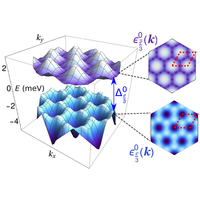
Phys. Rev. Lett. 136, 196503 (2026)
Condensed Matter and Materials
Fingerprints of Preformed Pairs in Two-Electron Angle-Resolved Photoemission Spectroscopy
Article | Condensed Matter and Materials | 2026-05-14 06:00 EDT
Janez Bonča, Andrea Damascelli, and Mona Berciu
We use variational exact diagonalization (VED) to calculate the two-electron removal spectral weight for the Hubbard-Holstein model, starting from the ground state with two electrons on a one-dimensional chain. We argue that this spectral weight provides a valuable proxy for the intensity of 2eARPES…
Phys. Rev. Lett. 136, 196504 (2026)
Condensed Matter and Materials
Lost in Retraining: Closed-Loop Learning and Model Collapse in Exponential Families
Article | Statistical Physics; Classical, Nonlinear, and Complex Systems | 2026-05-14 06:00 EDT
Fariba Jangjoo, Giovanni di Sarra, Matteo Marsili, and Yasser Roudi
Closed-loop learning is the process of repeatedly estimating a model from data generated from the model itself. It is receiving great attention due to the possibility that large neural network models may, in the future, be primarily trained with data generated by artificial neural networks themselve…
Phys. Rev. Lett. 136, 197301 (2026)
Statistical Physics; Classical, Nonlinear, and Complex Systems
Physical Review X
Stretching Theory of Hookean Metashells
Article | 2026-05-14 06:00 EDT
Luca Giomi
A continuum theory that describes how mechanical metamaterials deform on surfaces takes the form of the Schrödinger equation and provides a different path for materials design.
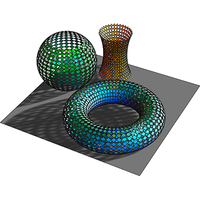
Phys. Rev. X 16, 021035 (2026)
arXiv
Rongzai agent: A Large Language Model-Based Autonomous Assistant for Rietveld Refinement of Neutron Diffraction Data
New Submission | Materials Science (cond-mat.mtrl-sci) | 2026-05-15 20:00 EDT
Qingmeng Li, Hao Wang, Dongbo Xiong, Jiajun Zhong, Wenhai Ji, Hao Hu, Yiyu Zhang, Bolun Zhang, Hong Wang, Yongfeng Zhu, Rong Du, Zhengde Zhang, Fazhi Qi, Junrong Zhang
Neutron diffraction (ND) is an indispensable technique for determining atomic positions (especially light elements) and thus serves as a critical probe for revealing microscopic structures in materials science. However, traditional Rietveld refinement of ND data relies heavily on manual operation of specialized software, which is time-consuming, labor-intensive, and highly dependent on user expertise, severely hindering automated analysis. The automation of Rietveld refinement has long been a long-standing and challenging problem in crystallography. To address this challenge, this paper presents the this http URL-Rongzai agent, an autonomous refinement assistant based on a large language model (LLM), a specialist knowledge base, and the GSAS-II refinement engine, achieving for the first time an intelligent refinement that integrates knowledge-driven decision-making. The agent accomplishes a fully automated workflow from natural language task parsing to autonomous decision-making, execution of refinement strategies, and report generation. Evaluation on five representative samples shows that the Rongzai agent achieves lower Rwp values than human specialists on three samples (2.88% vs. 4.42%, 5.06% vs. 5.40%, 7.60% vs. 9.00%), while on the other two samples its results are very close to those of the specialists. The agent is currently deployed at the China Spallation Neutron Source (CSNS) and is open for external user registration, providing an intelligent and user-friendly analytical tool for materials research. This work fully leverages the cutting-edge advantages of LLM, offers a new path to solve the long-standing problem of automated refinement, takes a key step toward intelligent and fully automated crystallographic analysis, and holds great potential to accelerate AI for Science discoveries in neutron-based materials characterization.
Materials Science (cond-mat.mtrl-sci)
Quantum Monte Carlo fermion spectroscopy of a non-compact CP$^1$ model
New Submission | Strongly Correlated Electrons (cond-mat.str-el) | 2026-05-15 20:00 EDT
We study a model describing electrons coupled to anti-ferromagnetic spin fluctuations, and consider the situation where hedgehog defects in the order parameter field are suppressed. Without hedgehogs, the bosonic sector of the theory can be taken to realize the physics of the non-compact CP$ ^1$ theory with a deconfined U$ (1)$ gauge field. After strongly coupling the boson to fermion spins, we simulate the single-particle spectral properties of a hedgehog-suppressed electron-boson model defined on a bilayer square lattice with Quantum Monte Carlo, and interpret the results in terms of an effective theory with fractionalized spinon and chargon excitations. As one of our main results we show that the electron gap on top of the half-filled insulator with gapless photon fluctuations closely resembles the mean-field dispersion of an electron in an anti-ferromagnetic spin background, even though the system fully preserves both the translation and spin rotation symmetry. Finally, we discuss potential implications of our results for the high-temperature superconductors.
Strongly Correlated Electrons (cond-mat.str-el)
13 pages, 10 figures
Fermi Surface Geometry from Charge Fluctuations in Three-Dimensional Metals
New Submission | Mesoscale and Nanoscale Physics (cond-mat.mes-hall) | 2026-05-15 20:00 EDT
Pok Man Tam, Yarden Sheffer, Xiao-Chuan Wu, F. D. M. Haldane, Shinsei Ryu
For three-dimensional non-interacting multi-band metals, we show that important information about the shape and the quantum geometry of Fermi surfaces is encoded in the subleading logarithmic term of bipartite charge fluctuations. This logarithmic term is related to the dimensionless $ |\mathbf{q}|^3$ -coefficient of the structure factor in momentum space, and both quantities can be expressed as Fermi surface integrals of the Fermi surface curvature tensor and the quantum metric tensor. When the real-space partition surface is a quadric (i.e., sphere or ellipsoid), the logarithmic coefficient satisfies a topological bound depending only on the Euler characteristic and the Chern number of the Fermi surface, illustrating a non-trivial interplay between topology and quantum topology in multi-band metals.
Mesoscale and Nanoscale Physics (cond-mat.mes-hall), Quantum Gases (cond-mat.quant-gas), Strongly Correlated Electrons (cond-mat.str-el), High Energy Physics - Theory (hep-th), Quantum Physics (quant-ph)
Main: 4.5 pages, 3 figures; Supplemental: 5 sections, 1 figure
Corner Charge Fluctuations in Higher Dimensions
New Submission | Strongly Correlated Electrons (cond-mat.str-el) | 2026-05-15 20:00 EDT
Xiao-Chuan Wu, Pok Man Tam, Xuyang Liang, Zenan Liu, Dao-Xin Yao, Zheng Yan, Shinsei Ryu
Measuring charge fluctuations within a subregion provides a powerful probe of quantum many-body systems. In two spatial dimensions, the shape dependence of the dimensionless corner contribution encodes universal data of quantum critical points and reveals observables of quantum geometry in various quantum phases. Here, we systematically extend this framework to higher dimensions. In three dimensions, we derive the universal angle dependence associated with trihedral corners of a generic parallelepiped and benchmark the predictions against Monte Carlo simulations of lattice models at the O(3) quantum critical point. We further identify a wedge-corner contribution that directly probes the quantum metric, supported by numerical results for a lattice Weyl semimetal model. More generally, we obtain angle functions for polyhedral corners of arbitrary parallelotopes in general dimensions and clarify the scaling of the corner contribution across phases of matter. While insulators and conformal critical points exhibit similar behavior across dimensions, metals display a characteristic even-odd dimensional effect.
Strongly Correlated Electrons (cond-mat.str-el), Mesoscale and Nanoscale Physics (cond-mat.mes-hall), Statistical Mechanics (cond-mat.stat-mech), High Energy Physics - Theory (hep-th)
22 pages, 6 figures
Generalized Model Fractional Quantum Hall States on Lattices
New Submission | Strongly Correlated Electrons (cond-mat.str-el) | 2026-05-15 20:00 EDT
Model wave functions are essential for studying fractional quantum Hall phases, yet lattice model states have so far been limited to bosonic systems with on-site interactions. In this work, by combining analytical and numerical methods, we systematically construct lattice model states for the Laughlin, Moore–Read, and general $ \mathbb{Z}_k$ Read–Rezayi series. Our lattice-specific states are characterized by their idealized energy and entanglement features and are distinguished from their continuum counterparts by a modified clustering behavior. Our theory advances the understanding of the stability of topologically ordered phases and illustrates the organizing principles of the conformal Hilbert space on lattices. Practically, this work paves the way for further studying lattice-specific excitations and offers a constructive route for engineering topological orders within density interactions, with potential immediate implications for cold-atom and synthetic flat-band platforms.
Strongly Correlated Electrons (cond-mat.str-el), Mesoscale and Nanoscale Physics (cond-mat.mes-hall)
12 pages, 7 figures, Comments are welcome
Engineering topological flat bands in $Γ$-valley moiré systems with Ising-type SOC: twisted 1T-ZrS$_2$ and 1T-SnSe$_2$
New Submission | Materials Science (cond-mat.mtrl-sci) | 2026-05-15 20:00 EDT
Hanqi Pi, Yves H. Kwan, Haoyu Hu, Yi Jiang, Dumitru Călugăru, Jie Shan, Kin Fai Mak, Miguel M. Ugeda, Dmitri K. Efetov, Maia G. Vergniory, B. Andrei Bernevig
Twisted moiré superlattices hosting topological flat bands provide a platform to explore the interplay between topology and correlations. Here we investigate topological band structures in $ \Gamma$ -valley moiré systems based on 1T-ZrS$ _2$ and 1T-SnSe$ _2$ . Using large-scale ab initio calculations and continuum modelling, we demonstrate that both materials exhibit an approximate spin-$ U(1)$ symmetry and host isolated topological moiré valence bands, including quantum spin Hall and high spin Chern states. By constructing a hierarchy of $ \Gamma$ -valley moiré continuum models, we show that isolated moiré bands carry a trivial $ C_3$ symmetry indicator when the low-energy physics is described by a single effective orbital and a single layer-hybridized branch, either bonding or antibonding. Topological bands therefore arise from inter-branch and/or inter-orbital coupling. Moreover, we determine interaction-driven phase diagrams using Hartree–Fock and exact diagonalization, finding various phases tunable by twist angle, interaction strength, and displacement field. We identify specific conditions under which fractional Chern insulators are favored. Together with previous work showing that the moiré conduction bands of 1T-ZrS$ _2$ and 1T-SnSe$ _2$ realize $ M$ -valley twisting and host quasi-one-dimensional physics, our results establish these systems as ideal platforms for strongly correlated moiré physics and provide a systematic framework for understanding topological band structures in $ \Gamma$ -valley moiré materials.
Materials Science (cond-mat.mtrl-sci)
74 pages, 29 figures
Circularity in Perovskite-Based Tandem Photovoltaics for Terawatt-Scale Deployment
New Submission | Materials Science (cond-mat.mtrl-sci) | 2026-05-15 20:00 EDT
Abderrahime Sekkat, Shiling Dong, Jenny Baker, Matt Burnell, Tapas Mallick, Ruy S. Bonilla, Robert L. Z. Hoye
As photovoltaics (PVs) scale from one to multiple terawatts over the next decade, ensuring sustainable deployment is urgently required. Crystalline silicon (c-Si) PVs, the current industry standard, will generate an estimated 160 million tonnes of waste by 2050, and there remains complex technoeconomic challenges associated with their recycling. Metal-halide perovskite (MHP)-based tandem PVs not only promise higher power conversion efficiencies than single-junction c-Si devices, but also offer intrinsic advantages for circularity, including simpler device architectures, low-temperature processing, and more accessible materials recovery routes. At this pivotal juncture when perovskite PVs begin to enter the market, this review examines the critical circularity challenges that must be addressed: substitution of scarce raw materials, scalable recycling protocols, cost-effective stack delamination, safe lead sequestration, and policy frameworks to encourage circularity across the device lifecycle with effective incentives. By integrating the materials, technoeconomic and policy dimensions that go beyond conventional lifecycle assessments, we outline actionable strategies to co-optimize device performance and sustainability. This review aims to guide researchers, policymakers, and industry stakeholders in steering perovskite-based tandem PVs towards a circular and responsible commercialization pathway within the global clean-energy transition.
Materials Science (cond-mat.mtrl-sci)
80 pages, 4 figures, 3 boxes
Finite-size scaling of hetero-associative retrieval in continuous-signal-driven Ising spin systems
New Submission | Disordered Systems and Neural Networks (cond-mat.dis-nn) | 2026-05-15 20:00 EDT
Real-world physical signals are continuous and high-dimensional, yet the statistical-mechanics machinery of associative memory operates on discrete Ising spins. We bridge this divide through a multilayer Ising framework that couples a geometry-preserving continuous-to-Ising encoder (PCA whitening composed with SimHash random-hyperplane projection) to Kanter-Sompolinsky pseudo-inverse memory couplings, embedded directly into the local-field equations of a tri-layer hetero-associative system. The pseudo-inverse correction renders the equal-weight mixture state thermodynamically unstable, so that thermal fluctuations break the cross-modal symmetry and select a single global winner. We further establish a dynamical duality: parallel (Little) updates are structurally required to ignite the cross-modal signal avalanche from a single cued layer, whereas sequential (Glauber) sweeps resolve symmetric superpositions. The operational storage capacity obeys the Amit-Gutfreund-Sompolinsky finite-size correction $ \alpha_c(N)=\alpha_c(\infty)-c,N^{-1/2}$ , extrapolating to an asymptotic operational limit $ \alpha_c(\infty)\approx 0.50$ under macroscopic-basin retrieval. Applied to multi-channel sleep polysomnography (PhysioNet Sleep-EDF), the architecture reconstructs the macroscopic sleep state on parietal EEG and EOG axes from a single noisy frontal-EEG cue, demonstrating cross-modal recall in the presence of quenched biological disorder.
Disordered Systems and Neural Networks (cond-mat.dis-nn), Machine Learning (stat.ML)
Interference of dynamical arrest, thermodynamic instabilities and energy-scale competition in symmetric binary mixtures
New Submission | Soft Condensed Matter (cond-mat.soft) | 2026-05-15 20:00 EDT
Ricardo Peredo-Ortiz, Edilio Lázaro-Lázaro, Magdaleno Medina-Noyola, Luis Fernando Elizondo-Aguilera
The equilibrium behavior of binary mixtures can be understood through the competition of energy scales, which classifies their corresponding phase diagrams into distinct topological regimes (Types I-IV). However, in many soft-matter mixtures, strong competing interactions and kinetic barriers often promote dynamical arrest, disrupting the formation of equilibrium and metastable states, and thus rendering conventional phase diagrams incomplete. Here we extend the description and classification of binary systems inside regions of thermodynamical instability. Specifically, we discuss how the interplay between two kind of instabilities and kinetic arrest generates a variety of amorphous states driven by different underlying mechanisms. For strong cross-attraction, for example, dynamical arrest suppresses demixing, whereas in competitive regimes, a mixture may display either condensation-driven or demixing-induced arrested states. The crossover between these regimes can be described by a structural order parameter $ \chi$ , providing a unified non-equilibrium description that reconciles theoretical predictions with experimentally observed arrested states.
Soft Condensed Matter (cond-mat.soft), Statistical Mechanics (cond-mat.stat-mech)
Main file 7 pages, and 3 figures; Supplemental Material 19 pages, and 9 figures
Dual Shapiro steps and fundamental transconductance in dc driven Bloch transistor
New Submission | Superconductivity (cond-mat.supr-con) | 2026-05-15 20:00 EDT
We propose a superconducting circuit based on the Bloch transistor, a quantum device consisting of two small-capacitance Josephson junctions connected in series and having a small island in between. This device is driven by two dc electrical sources controlling Josephson oscillations of frequency $ f_J = 2e\overline{V_J}/h$ , related to the average voltage $ \overline{V_J}$ on the transistor, and Bloch oscillations of frequency $ f_B = \overline{I_B}/2e$ , related to the average current $ \overline{I_B}$ injected into the transistor island. Due to the Bloch transistor properties, these two types of oscillations can mutually phase lock, i.e., $ f_J = f_B$ . This leads to formation of current steps on the current-voltage curve at $ \overline{I}_B = 2ef_J$ , which are similar to the dual Shapiro steps appearing at current $ \overline{I}=2ef$ under microwave irradiation of frequency $ f$ . Moreover, transconductance $ \overline{I_B}/\overline{V_J}$ takes the fundamental value of $ 1/R_Q$ , where $ R_Q = h/4e^2$ is the resistance quantum. The obtained results pave the way to the alternative quantum standard of resistance, based on the superconducting circuit and operating without applying strong magnetic field.
Superconductivity (cond-mat.supr-con), Quantum Physics (quant-ph)
Switchable Surface Linear Photogalvanic Effect in the Magnetic Weyl Semimetal Co3Sn2S2
New Submission | Mesoscale and Nanoscale Physics (cond-mat.mes-hall) | 2026-05-15 20:00 EDT
Niket Shah, Aymen Nomani, Kai Chen, Hridis Pal, Pavan Hosur
We investigate the linear photogalvanic effect (LPGE) on the surface of the magnetic Weyl semimetal Co3Sn2S2 using a Green’s-function and diagrammatic formalism. While the LPGE vanishes in the centrosymmetric bulk, it is symmetry-allowed on the surface where inversion symmetry is broken. We show that unitary crystal symmetries on the surface produce characteristic sign reversals of the total photocurrent at certain polarization angles upon flipping the magnetization. We further find that the intrinsic contribution to the LPGE is strongly constrained by an antiunitary mirror symmetry, which forces several nonlinear response tensor elements to vanish. In contrast, the extrinsic contribution is not subject to these constraints and displays a large magnitude which, we argue, is due to the enhanced density of states associated with Fermi-arc surface states. The current exhibits an approximately linear temperature dependence and a low-frequency power-law scaling, |jy| proportional to omega^-2.2, with weak temperature dependence of the scaling exponent. Our results identify Co3Sn2S2 as a promising platform for experimentally accessing symmetry-controlled nonlinear transport in realistic systems and for applications in magnetically controlled optoelectronic devices.
Mesoscale and Nanoscale Physics (cond-mat.mes-hall), Materials Science (cond-mat.mtrl-sci), Other Condensed Matter (cond-mat.other)
11 pages, 5 figures
Observation of Switchable Chiral Magnons in an Altermagnet
New Submission | Strongly Correlated Electrons (cond-mat.str-el) | 2026-05-15 20:00 EDT
Zheyuan Liu, Hodaka Kikuchi, Zijun Wei, Shinichiro Asai, Mechthild Enderle, Ursula B. Hansen, Vasile O. Garlea, Manh D. Le, Gøran J. Nilsen, Igor A. Zaliznyak, Takatsugu Masuda
Chiral magnons, the quanta of handed spin waves, transport spin angular momentum without energy loss due to Joule heating. The recently discovered altermagnets were proposed to host chiral magnons arising from a non-relativistic exchange mechanism, similar to that in ferromagnets but without net magnetization, offering a stray-field-free platform for efficient magnon spin-current manipulation. In this work, we directly observed chiral magnons in the altermagnetic prototype MnTe using polarized inelastic neutron scattering. Furthermore, the magnon chirality was found to be reversibly switched by magnetic-field control, establishing a robust foundation for functional altermagnetic magnonics.
Strongly Correlated Electrons (cond-mat.str-el), Materials Science (cond-mat.mtrl-sci)
7 pages, 3 figures. Accepted for publication in Phys. Rev. Lett. Supplemental Material is included only in the PRL version
The Role of Hydrogen Bridging Bonds in the Shear-Thickening and Jamming of Dense Suspensions
New Submission | Soft Condensed Matter (cond-mat.soft) | 2026-05-15 20:00 EDT
Hojin Kim, Samantha M. Livermore, Yongjin Shin, Heinrich M. Jaeger
Strong shear thickening and jamming in dense suspensions are driven by friction as particles are sheared into contact. Control over these frictional interactions can be achieved via particle shape and roughness, and also via the particles’ surface chemistry and interactions with the surrounding solvent. We report on experiments with cornstarch suspensions where friction is enhanced by molecular bridging when hydrogen atoms at the ends of solvent molecules bond with hydroxyl groups on the surfaces of adjacent particles. We systematically vary the hydrogen bonding propensity by increasing the size of the backbone of the solvent molecule, from water to diols with up to 4 carbon atoms. For a fixed particle weight fraction, we find a sudden transition from strong shear thickening (in water and ethylene glycol) to shear thinning (in propanediol and butanediol). Combining data from rheology, density functional theory simulations, and fixed-rate pull tests, our results show how changes in the solvent’s molecular structure affect both particle-solvent and solvent-solvent interactions, and how this can be used to tailor the shear thickening and jamming behavior of suspensions.
Soft Condensed Matter (cond-mat.soft)
Operator ordering as an emergent geometric background in Dirac systems with spatially varying mass
New Submission | Mesoscale and Nanoscale Physics (cond-mat.mes-hall) | 2026-05-15 20:00 EDT
We investigate the spectral consequences of the uniquely determined Hermitian ordering of the Dirac Hamiltonian with spatially varying mass. In contrast to the nonrelativistic case, where continuous families of admissible prescriptions exist, the relativistic Dirac operator admits a single consistent ordering compatible with probability-current conservation. This requirement generates an additional logarithmic-gradient term proportional to the spatial variation of the mass profile. We show that this contribution modifies the effective kinetic operator and induces a universal deformation of the spectral quantization condition. In compact geometry, an explicit analytic computation reveals a mode-dependent second-order spectral shift that becomes strongly enhanced near the mass-inversion threshold. These results demonstrate that the consistent relativistic ordering of the Dirac operator leads to observable modifications of discrete spectra in spatially inhomogeneous scalar backgrounds.
Mesoscale and Nanoscale Physics (cond-mat.mes-hall), Quantum Physics (quant-ph)
13 pages, 1 figure. To appear in Physics Letters A
A Neural-Network Framework to Learn History-Dependent Constitutive Laws and Identifiability of Internal Variables
New Submission | Materials Science (cond-mat.mtrl-sci) | 2026-05-15 20:00 EDT
Mayank Raj, Lianghao Cao, Andrew Stuart, Kaushik Bhattacharya
The identification of constitutive laws is ubiquitous in engineering: in modeling of materials where experimental data are fitted to mathematical models or learning surrogate models to beat the FE\textsuperscript{2} computational cost of multiscale numerical simulations. However, these models of constitutive laws, unless equipped with a potential formulation, are not necessarily consistent with (a) the second law of thermodynamics; (b) stability of the material under extreme applied strain; and (c) the mathematical theory underpinning the existence of solutions of the governing equation. In this work, we present a causal and energetic formulation, consistent with aforementioned properties, of learning a history-dependent constitutive law. This characterization of the class of internal variables sheds light on the equivalence class of equivalent surrogate models for the constitutive law. We show that the internal variables that are learned from the data are unique up to a linear transform. The framework is deployed to learn the Taylor-averaged response of a polycrystalline magnesium unit cell. We achieve 2% relative error in the prediction of the Taylor-averaged response.
Materials Science (cond-mat.mtrl-sci)
Carrier-density dependence of magnetotransport in correlated Dirac semimetal CaIrO$_3$
New Submission | Materials Science (cond-mat.mtrl-sci) | 2026-05-15 20:00 EDT
Rinsuke Yamada, Jun Fujioka, Minoru Kawamura, Tatsuya Okawa, Yoshio Kaneko, Shiro Sakai, Motoaki Hirayama, Ryotaro Arita, Kiyohiro Adachi, Daisuke Hashizume, Yoshinori Tokura
We report the carrier density dependence of the magnetotransport property in the correlated Dirac semimetal CaIrO$ 3$ . In the dilute carrier density region ($ n{\rm H}$ $ \sim 2.2 \times 10^{16} ,$ \rm{cm}^{-3}$ ) at $ 2 , \mathrm{K}$ , the mobility exceeds $ 1.0 \times 10^{5} ,$ \rm{cm}^{2}/\rm{Vs}$ at $ 2 , \mathrm{K}$ , and the transverse magnetoresistance (MR) reaches $ 2,000 ,$ % at $ 12 , \mathrm{T}$ . The analysis of quantum oscillations and Hall conductivity shows that the Fermi velocity is nearly independent of the cross-sectional area of the Fermi surface, or equivalently the carrier density, supporting a $ k$ -linear dispersion of the Dirac node. The field dependence of magnetoresistivity is nearly $ B$ -linear in the moderate carrier density region ($ n_\mathrm{H} \geq 4 \times 10^{16},$ cm$ ^{-3}$ ), but scales with $ B^{\alpha}$ ($ \alpha > 2$ ) in the lower carrier density region. The variation of magnetoresistivity is likely affected by the enhanced long-range Coulomb interaction in the quantum limit, where Dirac electrons are subject to the magnetic confinement.
Materials Science (cond-mat.mtrl-sci), Strongly Correlated Electrons (cond-mat.str-el)
24 pages, 8 figures
Phys. Rev. B 113, 205126 (2026)
A microcanonical approach to criticality in the mean-field $ϕ^4$ model: evidence of intrinsic microcanonical structure before the thermodynamic limit
New Submission | Statistical Mechanics (cond-mat.stat-mech) | 2026-05-15 20:00 EDT
Loris Di Cairano, Roberto Franzosi
Collective critical behavior is often identified with thermodynamic nonanalyticities and divergences emerging only in the infinite-size limit. Here we adopt a complementary viewpoint: criticality is a structural property due to the rearrangement of the interactions among system’s constituents that already exists at finite size and becomes singular only asymptotically. We show that the microcanonical entropy derivatives provide a natural finite-$ N$ arena where such structure is encoded in intrinsic extremal/inflection morphologies, and that microcanonical inflection-point analysis (MIPA) turns these morphologies into a unique finite-size critical marker and a well-defined critical trajectory. Using the mean-field $ \phi^4$ model as a stringent benchmark, we reconstruct $ \beta_N(\varepsilon)$ and $ \gamma_N(\varepsilon)$ from microcanonical simulations, validate them against analytic results, and demonstrate that the MIPA trajectory converges to the exact thermodynamic critical point while simultaneously organizing the approach of other observables to their asymptotic behavior. Our results elevate finite-size criticality from a rounded remnant of the thermodynamic limit to a measurable and predictive object in its own right, with direct relevance to modern finite-system platforms and numerical studies.
Statistical Mechanics (cond-mat.stat-mech)
Spin Hall effect in electronic Lévy glasses: Enhanced spin current generation in the superdiffusive regime
New Submission | Mesoscale and Nanoscale Physics (cond-mat.mes-hall) | 2026-05-15 20:00 EDT
Diego B. Fonseca, Luiz Felipe C. Pereira, Anderson L. R. Barbosa
In spintronics, both electronic charge and spin are used to process and store information. Generation, manipulation, and detection of spin currents are essential for the development of next-generation spintronic technologies. Here, we investigate the spin Hall effect in electronic Lévy glasses composed of graphene ribbons with randomly distributed circular regions of high spin-orbit coupling. These systems exhibit two transport regimes that can be tuned by adjusting the Fermi energy. The superdiffusive regime is characterized by low Fermi energy, low resistivity, and low magnetoresistivity, resulting in a long spin diffusion length, in contrast to the diffusive regime. Employing the Landauer-Büttiker approach in conjunction with numerically exact tight-binding simulations, we compute spin-resolved transmission coefficients to assess the spin Hall current and the spin Hall angle as functions of Fermi energy, spin-orbit coupling strength, and on-site electrostatic potential. Our findings reveal that, in the superdiffusive regime, a low charge current can be converted into a large spin Hall current, whereas in the diffusive regime, the same charge current generates a modest spin Hall current. Moreover, we observe that the spin Hall angle can reach 30% in the superdiffusive regime, whereas in the diffusive regime it is only 5%. These results demonstrate that electronic Lévy glasses provide a versatile platform for controlling spin transport and optimizing the spin Hall effect for spintronic applications.
Mesoscale and Nanoscale Physics (cond-mat.mes-hall)
9 pages, 5 figures, 68 references. This work is a follow-up to arXiv:2302.02197 and arXiv:2405.10066
Engineering Delocalization in Graphene Nanoribbons via Quasiperiodic Edges and Electronic Interactions
New Submission | Mesoscale and Nanoscale Physics (cond-mat.mes-hall) | 2026-05-15 20:00 EDT
Diego B. Fonseca, Anderson L. R. Barbosa, Luiz Felipe C. Pereira
We investigate localization effects in zigzag graphene nanoribbons with quasiperiodic Fibonacci-type edge extensions, accounting for electron-electron interactions. We employ a tight-binding model that includes first- and third-nearest-neighbor hoppings, in which electronic interactions are treated within a self-consistent mean-field Hubbard approximation. Charge transport properties are calculated using the Landauer-Büttiker formalism. Our results reveal that the combination of quasiperiodic geometry and electronic interactions gives rise to nontrivial transport phenomena. Specifically, the system exhibits three transport regimes: in the non-interacting case, we observe geometric localization. For weak interactions, the system shows a conductive regime with transmission oscillations, whose multiplicity increases with the Fibonacci generation order. In this regime, delocalization emerges from the interplay between geometry and interaction-induced correlations. Finally, for strong interactions, repulsion dominates, and the system returns to a localized state. Our results demonstrate that quasiperiodic edge engineering, combined with electronic interaction control, offers a promising path to modulate transport in graphene nanoribbons.
Mesoscale and Nanoscale Physics (cond-mat.mes-hall)
12 pages, 9 figures, 53 references
The thermopower properties of interacting systems
New Submission | Strongly Correlated Electrons (cond-mat.str-el) | 2026-05-15 20:00 EDT
M. A. Habitzreuter, Willdauany C. de Freitas da Silva, Rodrigo A. Fontenele, Natanael C. Costa, Thereza Paiva
The quest for efficient devices has fueled research in thermoelectric materials. In these materials, the goal is to maximize the Figure of Merit $ ZT$ . One of the components of this quantity is the Seebeck coefficient, which measures the voltage generated in response to a temperature gradient. Recent studies have revealed that strong electronic correlations can enhance the Seebeck coefficient, leading to anomalous behavior near half-filling. However, the impact of interactions beyond the on-site Hubbard remains mostly unexplored. In this work, we investigate the Seebeck coefficient considering attractive interactions, nearest-neighbor interactions, sublattice potentials and electron-phonon coupling. We find that additional interaction scales can enhance the Seebeck coefficient, while also leading to multiple anomalous changes of sign as a function of doping. We also show that the anomalous behavior is connected to a gap opening in the ground state. Moreover, electron-phonon coupling also lead to a Seebeck anomaly, even without on-site repulsion. We connect these changes of sign in the Seebeck coefficient with a restructuring of the Fermi surface and a change in its topology, an effect commonly seen in cuprates.
Strongly Correlated Electrons (cond-mat.str-el)
Ultrafast decoupling of quasiparticles and spin fluctuations in superconducting cuprates
New Submission | Strongly Correlated Electrons (cond-mat.str-el) | 2026-05-15 20:00 EDT
Yuto Taniguchi, Ryo Kato, Tatsuya Amano, Hirotake Itoh, Yohei Kawakam, Yuto Nakamura, Hideo Kishida, Christian Bernhard, Jure Demsar, Takahiko Sasaki, Terukazu Nishizaki, Kenji Yonemitsu, Shinichiro Iwai
Understanding how quasiparticles are generated following a rapid quench of superconductivity in high-Tc cuprates is a key unresolved problem in nonequilibrium superconductivity. Here we resolve these processes in optimally doped YBCO [YBa2Cu3Oy(y=6.94, Tc=92 K)] using broadband (0.16 -4.1 eV, ca. 100 fs) and nearly single-cycle (6 fs) transient reflectivity spectroscopy. We show that within a few femtosecond, enhanced electron-electron Umklapp scattering dominates, signaling a transient modulation of long-range Coulomb interactions on the eV scale. This regime is followed by a rapid suppression of the scattering rate of the mid-infrared absorption associated with carriers dressed by spin fluctuations. We attribute this observation to an ultrafast decoupling of quasiparticles from the spin-fluctuation background, occurring on a 90 fs timescale set by the inverse optical gap. These findings reveal the correlated many-body dynamics underlying quasiparticle generation in cuprates and provide further clues for unconventional pairing mechanism.
Strongly Correlated Electrons (cond-mat.str-el)
24 pages , 5 figure (main text) and 14 pages (supplemental material)
Strong electron correlations and ligand hybridization for altermagnetism
New Submission | Strongly Correlated Electrons (cond-mat.str-el) | 2026-05-15 20:00 EDT
Byungkyun Kang, Anderson Janotti, Dai Q. Ho, Myoung-Hwan Kim, Chul Hong Park, Sangkook Choi, Mark R. Pederson, Eunja Kim
Spin-band splitting is a hallmark of altermagnetism, intrinsically linked to magnetic ordering driven by electron correlations. However, recent inconsistencies in the detection of altermagnetism in strongly correlated altermagnet candidates have cast doubt on the robustness of this phenomenon and its dependence on many-body effects. Here, using state-of-the-art quantum many-body frameworks, we dissect the electronic origins of altermagnetism in three prototypical candidates: MnF$ _2$ , MnTe, and RuO$ _2$ . In MnF$ _2$ , we identify pronounced local electron correlations within Mn-3$ d$ states and uncover a distinct Mott gap in the visible range, rooted in nonlocal screening effects. The strong correlations markedly localize the Mn-3$ d$ electrons, leading to a narrowing of the spin-resolved bandwidth and, consequently, a suppression of spin-band splitting. By contrast, MnTe provides an ideal platform for altermagnetism, exhibiting substantial local Mn-3$ d$ magnetic moments due to the strong correlations and pronounced spin-band splitting, enabled by robust Mn 3$ d$ –Te-5$ p$ orbital hybridization. RuO$ _2$ manifests as a Pauli paramagnet with vanishing local moments, even in its antiferromagnetic phase. Nonetheless, it exhibits significant spin-band splitting, indicative of itinerant altermagnetic behavior. Our results reveal that both strong local electron correlations and judicious ligand selection to promote orbital hybridization are key prerequisites to realizing altermagnetism in strongly correlated systems. These insights pave the way for the rational design and discovery of novel altermagnetic materials.
Strongly Correlated Electrons (cond-mat.str-el)
Time Crystals in Coupled Exciton-Polariton Condensates
New Submission | Quantum Gases (cond-mat.quant-gas) | 2026-05-15 20:00 EDT
Xuan Ye, Hong-Jin Xiong, Alexey Kavokin, Sanjib Ghosh
In this paper, we show that time crystals can emerge in coupled exciton-polariton condensates without periodic external driving, enabled instead by incoherent gain and dissipation channels inherent to semiconductor microcavities. We present a full quantum description of these processes that recovers the established effective theory at the mean-field level. We analytically determine the mean-field phase diagram for the time-crystalline phase and find that its emergence requires the ratio of Kerr nonlinearity to nonlinear dissipation to exceed $ \sqrt{5/4}$ . Within this regime, the periodic oscillation of the particle numbers forms an attractor that is insensitive to the initial conditions. Numerical bifurcation diagrams reveal transitions between the time-crystalline phase and various steady phases, in excellent agreement with the analytical results. Using Bogoliubov perturbation theory, we evaluate the leading-order quantum corrections and find that, over a wide parameter range, these corrections remain periodic and much smaller than the mean-field background, thereby establishing the robustness of the time crystal.
Quantum Gases (cond-mat.quant-gas)
12 Pages, 4 Figures
Open Quantum Theory of Shot Noise in Dissipative Chiral Transport
New Submission | Mesoscale and Nanoscale Physics (cond-mat.mes-hall) | 2026-05-15 20:00 EDT
We develop an open quantum theory for shot-noise dynamics in dissipative chiral transport. By mapping a system under consideration onto a quantum circuit, we show that current noise is governed by two competing factors: the average occupancy distribution and particle-number fluctuations. With energy fully relaxed, shot noise is strongly suppressed, reflecting the stacking of electrons into lower energy states due to dissipation. This process quenches the partition noise from partially occupied levels, and finally isolates the residual noise protected by strong $ U(1)$ symmetry. Moreover, selectively heating the source against the bath uncovers the underlying competition between the noise contributions from the occupancy distribution and those from the particle-number fluctuations. It triggers a sign reversal in inter-channel correlation noise, a signature masked by seemingly identical single-channel thermal noises. We propose an inversion scheme to experimentally reconstruct the hidden occupancy distribution directly from measurable noise cumulants.
Mesoscale and Nanoscale Physics (cond-mat.mes-hall), Quantum Physics (quant-ph)
13 pages, 9 figures
Shear-stress-constrained superconductivity in Ruddlesden-Popper nickelates
New Submission | Superconductivity (cond-mat.supr-con) | 2026-05-15 20:00 EDT
Liling Sun, Shu Cai, Jinyu Zhao, Qi Wu, Yang Ding, Tao Xiang, Ho-kwang Mao
Ruddlesden-Popper nickelates exhibit superconductivity under pressure in bulk crystals and under epitaxial constraint in thin films, while remaining highly sensitive to sample quality, oxygen content, defects, and stress conditions. We propose that the metastable RP lattice becomes superconducting only when the local constrained deformation of the Ni-O framework falls within a bounded shear-strain window. This deformation controls octahedral rotations, the interlayer Ni-O-Ni bond angle, and coupling between Ni dz2 and dx2-y2 orbitals. This shear-stress-constrained superconductivity scenario unifies the understanding of the pressure threshold, reversibility, spatial inhomogeneity, pressure-medium dependence, film-substrate sensitivity, and reproducibility.
Superconductivity (cond-mat.supr-con)
11 pages, 1 figure
Machine-learning-identified two-dimensional van der Waals multiferroics for four-state nonvolatile memory
New Submission | Materials Science (cond-mat.mtrl-sci) | 2026-05-15 20:00 EDT
Two-dimensional (2D) van der Waals (vdW) multiferroics offer an attractive platform for four-state nonvolatile memory by combining switchable ferroelectric polarization and magnetization within a single material system. However, their development is hindered by the scarcity of synthesizable candidates and the lack of non-destructive readout schemes. Here, we combine machine-learning screening with first-principles calculations to explore the 2D vdW ABC$ _2$ X$ _6$ family and identify a set of high-confidence multiferroic candidates. Among them, AuCrP$ _2$ S$ _6$ monolayer emerges as a representative system with a ferromagnetic ground state, a sizable out-of-plane polarization of 7.46 pC/m, and a moderate ferroelectric switching barrier of $ \sim$ 130 meV/f.u. Moreover, the nonlinear optical response mediated by the bulk photovoltaic effect (BPVE) in AuCrP$ _2$ S$ _6$ provides a dual-channel probe of the ferroic orders, in which the polarization direction governs the photocurrent sign while the magnetic order selects the spin channel via robust exchange splitting. This intrinsic coupling enables the non-destructive readout of four logic states within a single atomic layer, thereby providing a practical blueprint for next-generation multistate optoelectronic memory.
Materials Science (cond-mat.mtrl-sci)
17 pages; 5 figures;
Unified definition of ferroelectricity
New Submission | Materials Science (cond-mat.mtrl-sci) | 2026-05-15 20:00 EDT
Wei Luo, Shihan Deng, Hongjun Xiang, Laurent Bellaiche
Recent theoretical and experimental advances in quantum ferroelectrics suggest that ferroelectricity can also emerge in non-polar space group, highlighting the limitations of conventional polar space group criteria in identifying ferroelectric materials. Here, we introduce a unified definition based on switchable polarization differences between energetically equivalent states, which naturally encompasses conventional and quantum ferroelectrics. Guided by this principle, we implement a high-throughput screening strategy that systematically identifies both conventional and quantum ferroelectrics among experimentally synthesized materials. In particular, we identify a new type of quantum ferroelectric in which the quantized polarization arises from arbitrary ionic displacements, in contrast to previous quantum ferroelectrics (including both fractional and integer quantum ferroelectrics) where quantized polarization results from fractional or integer ionic displacements. Notably, we find that materials such as Ba3I6 and Cs2PdC2 exhibit low switching barriers and robust insulating behavior, highlighting their experimental viability. Our results reconcile conventional and quantum ferroelectrics, expand the accessible materials landscape, and provide a practical roadmap for discovering next-generation ferroelectrics with advanced switchable functionalities.
Materials Science (cond-mat.mtrl-sci), Mesoscale and Nanoscale Physics (cond-mat.mes-hall), Computational Physics (physics.comp-ph)
22 pages, 4 figures
Depletion-mode N-polar AlN-based high electron mobility transistors with improved on/off ratios
New Submission | Materials Science (cond-mat.mtrl-sci) | 2026-05-15 20:00 EDT
Xu Yang, Sheng Zhang, Ke Wei, Xinhua Wang, Xinyu Liu, Itsuki Furuhashi, Markus Pristovsek
We report N-polar AlN-based high-electron mobility transistors (HEMTs) with a GaN channel thickness of 5.2 nm on N-polar AlN on sapphire. The threshold voltage is around -2.4 to -3.0 V with saturation currents over 240 mA/mm and on/off ratios as high as 10,000, much higher than previously reported N-polar AlN-based HEMTs. The high on/off ratio is attributed to the use of an abrupt AlN/GaN heterostructure with a dedicated AlN transition layer, together with improved gate leakage. The high frequency properties as well as the on-resistance of ~20 Ohm mm are all limited by the 2000 Ohm/square sheet resistance of the channel layer.
Materials Science (cond-mat.mtrl-sci)
Ward identities and orbital magnetization in current density functional theory
New Submission | Materials Science (cond-mat.mtrl-sci) | 2026-05-15 20:00 EDT
Giovanni Vignale, Junren Shi, Di Xiao, Qian Niu
We revisit the derivation of the orbital magnetization formula for periodic crystals in current density functional theory (CDFT)[1]. Our new derivation computes the linear response of the energy density to a periodic magnetic field in the long-wavelength limit. We unveil a Ward identity which connects the current vertex to the derivative of the Kohn-Sham self-energy. The result of Ref.[1] is confirmed: the orbital magnetization of the interacting solid can be computed exactly (in principle) from the self-consistent eigenfunctions and eigenvalues of the Kohn-Sham equation of CDFT.
Materials Science (cond-mat.mtrl-sci), Other Condensed Matter (cond-mat.other)
18 pages, 5 figures
Quantum Criticality in Monolayer Amorphous Carbon
New Submission | Disordered Systems and Neural Networks (cond-mat.dis-nn) | 2026-05-15 20:00 EDT
Rejaul SK, Hanning Zhang, Artem K Grebenko, Arsen Herasymchuk, Ranjith Shivajirao, Hongji Zhang, Abee Nelson, Zheng Jue Tong, Gagandeep Singh, Naoto Kimiuchi, Yuta Sato, Kazutomo Suenaga, Chee Tat Toh, Rudolf A Romer, Shaffique Adam, Oleg V. Yazyev, Barbaros Ozyilmaz, Bent Weber
Amorphous solids represent the extreme limit of broken translational symmetry, in which the absence of long-range order removes well-defined crystal momenta and invalidates the Bloch description of electronic states. Monolayer amorphous carbon (MAC) has emerged as a unique realization of a strictly two-dimensional (2D) amorphous lattice defined by a structurally contiguous but topologically disordered $ sp^2$ -bonded random network devoid of any defined long-range crystal symmetry. From atomic-resolution measurements of multifractal wavefunctions, we show that disorder in MAC effectively localizes the low-energy part of the electronic spectrum but retains an extended critical-like state near the band centre ($ E\sim 0$ ). We conjecture that this state is protected from topological disorder by remnant chiral symmetry surviving within the continuous random network, described by a Wess-Zumino-Witten (WZW) topological term. Near criticality, we verify the multifractal scaling relation $ \eta = -\Delta_2$ , providing quantitative agreement between independently measured spatial correlation decay and multifractal scaling exponents. Our results are confirmed by atomistic tight-binding calculations that closely mirror the multifractal scaling near $ E\sim 0$ . Our results establish MAC as the first strictly 2D amorphous electronic system to exhibit Anderson criticality driven purely by topological disorder
Disordered Systems and Neural Networks (cond-mat.dis-nn), Mesoscale and Nanoscale Physics (cond-mat.mes-hall)
Chiroptical Ternary Entropy Harvesting from Self-Assembled Block Copolymer Nanopatterns
New Submission | Materials Science (cond-mat.mtrl-sci) | 2026-05-15 20:00 EDT
Wookjin Jung, Serin Jeong, Kyulim Kim, Dongkyu Lee, Sang Ouk Kim, Jihyeon Yeom
Nanoscale fabrication inevitably produces local stochasticity that is commonly treated as a defect, but can instead be harnessed as a material resource for information security. Here we report a chiroptical platform for ternary entropy harvesting based on stochastic Au nanopatterns formed by block copolymer self-assembly. By transducing fabrication-induced stochastic microstates into handedness-dependent optical responses through chiroptical mapping, our platform enables native ternary digitization rather than conventional binary encoding, allowing physically harvested ternary random sequences to be used for key generation. This raises the information density to log2(3) = 1.585 bits per trit, approximately 58.5% higher than the binary limit, enabling more entropy to be harvested from a limited physical footprint. The harvested outputs exhibit near-balanced symbol populations, negligible spatial and inter-sample correlations, Shannon entropy approaching the ternary ideal, and resistance to statistical and machine-learning-based prediction. These results establish self-assembled chiroptical nanostructures as a scalable platform for cryptographic key generation, secure edge devices, and distributed Internet-of-Things platforms.
Materials Science (cond-mat.mtrl-sci)
From spin splitting to projected mass in altermagnetic Chern matter
New Submission | Materials Science (cond-mat.mtrl-sci) | 2026-05-15 20:00 EDT
Altermagnetic spin splitting alone does not define Chern matter. The relevant object is the exchange mass projected onto Hall-active surface, valley, orbital or interface sectors. We formulate this projected-mass criterion for compensated magnetic topology. The resulting two-channel $ (C,\mathcal{A})$ diagnostic separates hidden compensated Hall responses from additive altermagnetic quantum anomalous Hall phases in a global insulating gap. It also guides interface, thickness and materials design strategies.
Materials Science (cond-mat.mtrl-sci)
Strain-Enhanced Hydrogen Evolution, Electrical, Optical, and Thermoelectric Properties of the Multifunctional 2D CrSi2N4 Monolayer
New Submission | Materials Science (cond-mat.mtrl-sci) | 2026-05-15 20:00 EDT
Rao Uzair Ahmad, Fahd Sikandar Khan, Nasir Javed
First-principles density functional theory (DFT) is employed to evaluate the structural, electronic, optical, thermoelectric, and electrocatalytic properties of monolayer CrSi2N4. Its symmetric N-Si-N-Cr-N-Si-N septuple-layer structure exhibits dynamic, thermal (300 K), and mechanical stability, supported by a -8.76 eV/atom cohesive energy. PBE and HSE06 functionals reveal an indirect bandgap of 0.58 eV and 2.16 eV, respectively, driven by localized Cr-3d and N-2p states. The monolayer features 15.57 static dielectric constant and maximum absorption coefficients of 0.9 X 10^6 cm-1 (visible) and 1.4 X 10^6 cm-1 (deep-UV). Semiclassical Boltzmann calculations predict an outstanding room-temperature n-type thermoelectric power factor of 3.5 x mW/mK2. For hydrogen evolution (HER), the basal plane yields a baseline hydrogen adsorption free energy ({\Delta}GH) of 1.05 eV at the N-site. Applying +5% expansive biaxial strain improves HER kinetics, reducing {\Delta}GH to 0.46 eV. Thus, CrSi2N4 is a resilient, tuneable candidate for waste-heat recovery, photodetectors, and sustainable electrocatalysis.
Materials Science (cond-mat.mtrl-sci), Mesoscale and Nanoscale Physics (cond-mat.mes-hall), Applied Physics (physics.app-ph), Chemical Physics (physics.chem-ph)
Shaping Maximally Localized Wannier Functions via Discrete Adiabatic Transport
New Submission | Materials Science (cond-mat.mtrl-sci) | 2026-05-15 20:00 EDT
Yuji Hamai, Katsunori Wakabayashi
Maximally localized Wannier functions (MLWFs) are conventionally constructed by iteratively minimizing a spread functional over a high-dimensional gauge landscape. In this work, we present a non-variational constructive algorithm that unifies gauge smoothing and the eigenvalue problem of the projected position operator into a single deterministic framework. We demonstrate that discrete adiabatic transport across band degeneracies emerges naturally as an integral part of the solution procedure for the position eigenvectors. In this transport-aligned gauge, the Bloch overlaps exhibit an approximately linear phase dependence, allowing the Wannier centers to be extracted via deterministic fixed-point iterations and self-consistent updates rather than spread-functional minimization. Benchmark calculations for one- and two-dimensional systems yield spreads and orbital shapes in good agreement with standard minimization schemes. Furthermore, this analytical approach transparently isolates the physical origin of the $ \mathcal{O}(L)$ mesh-dependent spread scaling ($ L$ being the boundary seam resolution) observed in graphene, demonstrating that it is an intrinsic geometric manifestation of non-commuting projected position operators forcing finite gauge defects to accumulate along a one-dimensional boundary seam.
Materials Science (cond-mat.mtrl-sci)
26 pages, 25 figures
Periodic Behavior of Topology in Graphene with Nanohole Array
New Submission | Mesoscale and Nanoscale Physics (cond-mat.mes-hall) | 2026-05-15 20:00 EDT
Yong-Cheng Jiang, Xing-Xiang Wang, Xiao Hu
We derive a way to diagnose band topology for graphene with triangular and/or honeycomb array of nanoholes directly from the lattice constant of superstructure $ m\sqrt{3}\times m\sqrt{3}$ with integer $ m$ . Taking into account the $ C_{6v}$ crystalline symmetry respected by nanoholes and their array, we demonstrate that nontrivial topology appears periodically with $ m$ with period two (six) for triangular (honeycomb) array. These behaviors are verified by Wyckoff positions of Wannier centers and parity index of valence bands at high-symmetry points in Brillouin zone. The results provide a convenient guide for material design of topological electronic states based on graphene derivatives.
Mesoscale and Nanoscale Physics (cond-mat.mes-hall)
10 pages, 3 figures, 2 tables + Supplementary material (3 pages, 4 tables)
High-Pressure Crystal Structure Database
New Submission | Materials Science (cond-mat.mtrl-sci) | 2026-05-15 20:00 EDT
Zhenyu Wang, Qingchang Wang, Junwen Duan, Heng Ge, Xiaoshan Luo, Pengyue Gao, Wei Zhang, Jian Lv, Yanchao Wang, Yanming Ma
High-pressure research is a productive route to new structures and emergent properties. However, crucial high-pressure structural information remains highly fragmented across individual publications and heterogeneous computational repositories. This fragmentation creates a major bottleneck for data-driven materials design. To bridge this gap, we introduce the High-Pressure Crystal Structure Database (HPCSD), a traceable, pressure-resolved repository that integrates experimental and theoretical high-pressure structures. HPCSD is constructed from two complementary data streams: elemental high-pressure phases and a searchable configuration space of stable and metastable phases generated via CALYPSO crystal structure prediction. To ensure rigorous comparability, all retained structures underwent re-optimization under a unified density functional theory (DFT) framework , with continuous enthalpy curves systematically generated specifically for the elemental phases across their stability fields. The initial release encompasses 77,346 consistently evaluated structural entries spanning 89 elements. An analysis reveals that pressure-induced polymorphism is ubiquitous and exhibits pronounced family-dependent trends. Structural diversity is strongly influenced by an element’s electronic adaptability , with the greatest structural complexity emerging at intermediate rather than highest pressures. By providing standardized, reusable, and rigorously evaluated high-pressure structural data, HPCSD establishes a robust infrastructure to accelerate experimental phase identification, facilitate cross-study thermodynamic comparisons, and support the development of machine-learning interatomic potentials and generative models for high-pressure systems.
Materials Science (cond-mat.mtrl-sci), Computational Physics (physics.comp-ph)
6 pages, 2 figures
Accurate computation of the electron-phonon interaction contribution to the total energy
New Submission | Materials Science (cond-mat.mtrl-sci) | 2026-05-15 20:00 EDT
Shilpa Paul, Mogadalai Pandurangan Gururajan, Amrita Bhattacharya, Tiramkudlu R. S. Prasanna
The standard Hamiltonian of a coupled electron-phonon system is based on second-order perturbation theory. The EPI contribution in the standard Hamiltonian consists of two terms, the EPI contribution to the band-structure energy and the partial-Fan-Migdal (FM)-occupied contribution. Within the non-adiabatic approximation, we derive a new expression for the partial-FM-occ contribution and show that it has the structure of a higher-order term, and not a second-order term. Along similar lines, we derive new expressions for the computation of the partial-FM-occ term. The new expressions for the partial-FM-occ term must be preferred over the standard expressions, in theoretical and computational studies, because they incorporate the complete physics underlying this term. Unlike the EPI contribution to individual eigenstates, the EPI contribution to the total energy must be computed in the non-adiabatic approximation for all materials, Infra-red (IR) active and IR-inactive. We report the computation of the standard Hamiltonian, for the first time, for Carbon polymorphs (diamond and hexagonal lonsdaleite) by including the EPI contribution to the total energy. This is the most accurate ab initio total energy reported till date. The present work also opens the way to compute the ab initio free-energy more accurately at finite temperatures by including the EPI contribution.
Materials Science (cond-mat.mtrl-sci)
8 pages, 2 tables, submitted for publication
Probing the Chirality of Trigonal Selenium and Tellurium by Spin and Orbital Hall Effects
New Submission | Materials Science (cond-mat.mtrl-sci) | 2026-05-15 20:00 EDT
Yuting Xiong, Yingjie Hu, Wei Ren, Heng Gao
Chiral crystals exhibit enantiomer-dependent transport phenomena that generate pure spin or orbital currents, while the handedness sensitivity of spin and orbital Hall conductivities (SHC/OHC) remains insufficiently understood. Using first-principles calculations, we demonstrate that trigonal selenium and tellurium – prototypical chiral semiconductors – exhibit opposite signs of the SHC/OHC tensor elements $ \sigma_{yx}^{S_y}$ and $ \sigma_{yx}^{L_y}$ between their left- and right-handed enantiomers. This behavior originates from the mirror operation relating the two structures, described by space groups $ P3_221$ (left-handed) and $ P3_121$ (right-handed). Although both enantiomers share identical band structures and four nonzero SHC/OHC tensor components, $ \sigma_{yx}^{S_y}$ and $ \sigma_{yx}^{L_y}$ reverse sign due to the antisymmetric transformation of the spin/orbital Berry curvature under the $ M_{xy}$ mirror operation. More generally, for mirror-related enantiomorphic structures, selected SHC/OHC tensor components can exhibit symmetry-governed sign reversal. For trigonal Se and Te, the calculated signs of these components can be directly correlated with the left- and right-handed structures under the chosen coordinate convention. These results clarify the symmetry origin of handedness-dependent SHC/OHC and suggest a possible route for correlating measurable SHC/OHC signals with structural handedness in specific chiral materials.
Materials Science (cond-mat.mtrl-sci)
9 pages, 6 figures
Phys. Rev. B 113, 184402 (2026)
A Brownian dynamics study of liquid-liquid phase separation in multi-scale chromatin networks
New Submission | Soft Condensed Matter (cond-mat.soft) | 2026-05-15 20:00 EDT
Léa Beaulès, Judith Miné-Hattab, Pierre Illien, Vincent Dahirel
In living cells, proteins involved in specialized biochemical functions are often spatially organized within biomolecular condensates. Increasing evidence suggests that some of these condensates, including DNA repair condensates, emerge through liquid-liquid phase separation (LLPS). In the nucleus, however, condensates form within a highly heterogeneous environment composed of chromatin fibers, RNA, and additional protein scaffolds such as PAR chains, all of which may interact with phase-separating proteins. Moreover, condensate formation is frequently associated with specific chromatin conformations; for instance, loop extrusion has been proposed as a mechanism promoting DNA repair condensates. Here, we investigate how the surrounding fibrous environment controls the morphology and spatial organization of phase-separated condensates. Using Brownian dynamics simulations of minimal models combining Lennard-Jones particles with fixed fibrous substrates, we examine the respective roles of local fiber geometry and large-scale network organization, reflecting the multiscale architecture of chromatin. We show that protein-fiber interactions strongly influence droplet positioning relative to the substrate, in a manner analogous to wetting transitions in soft condensed matter systems. Both local geometric constraints and global network organization markedly affect droplet size, morphology, and multiplicity. In addition, large-scale asymmetries in fiber organization can induce robust spatial localization of the dense phase. Our results thus highlight how multiscale structural heterogeneity of the nuclear environment can regulate the emergence and organization of biomolecular condensates.
Soft Condensed Matter (cond-mat.soft), Biological Physics (physics.bio-ph)
Matrix-Product Belief Propagation for continuous-state-space variables
New Submission | Statistical Mechanics (cond-mat.stat-mech) | 2026-05-15 20:00 EDT
Federico Florio, Alfredo Braunstein
Computation of observables in discrete stochastic, possibly conditioned, dynamics over large sparse networks is at the basis of a myriad of applications. The Matrix-Product Belief Propagation method allows a semi-analytical estimation of such observables with a controlled error that depends on the size of the employed matrices, called bond size. Its computational cost is linear in the time horizon and the network size for a large family of models with discrete degrees of freedom. Here, a generalization of this method to models with continuous or mixed continuous/discrete degrees of freedom is presented, using a tunable expansion in a Hilbert function basis. The computational cost of the method is linear in the network size with a prefactor that depends on the basis size and the bond size. The method’s efficacy is demonstrated by employing a Fourier basis for a mixed continuous/discrete representation of the Kinetic Ising dynamics with real-valued random couplings, where intermediate ``local fields’’ are treated as continuous. The accuracy of the method is verified via comparison with Monte-Carlo simulations. For this model, we calculate time auto-correlations, time evolution of energy and magnetization, and finally we estimate the large deviation function of the magnetization at a given future time.
Statistical Mechanics (cond-mat.stat-mech), Disordered Systems and Neural Networks (cond-mat.dis-nn)
Methane hydrate nucleation frustration and dimensional reduction of structural order under nanoconfinement
New Submission | Materials Science (cond-mat.mtrl-sci) | 2026-05-15 20:00 EDT
Jose Torres-Arenas, Ángel M. Fernández-Fernández, Martín Pérez-Rodríguez, Manuel M. Piñeiro
Methane hydrate nucleation under nanoconfinement remains poorly understood due to the complex interplay between geometric restriction and molecular ordering. Here, we investigate the structural organization of water-methane systems confined between silica planar slit pores with widths ranging from 1 to 5 nm and temperatures between 250 and 295 K. Three-dimensional radial distribution functions reveal a clear suppression of hydrate-like ordering at strong confinement (below 2 nm), indicating frustrated nucleation. In contrast, projected two-dimensional correlations exhibit pronounced in-plane structural organization, evidencing a confinement-induced reduction in the dimensionality of molecular order.
Materials Science (cond-mat.mtrl-sci)
4 pages , 3 figures
Biquadratic exchange coupling effect on the magnetic properties of (Fe/Ti) multilayers
New Submission | Materials Science (cond-mat.mtrl-sci) | 2026-05-15 20:00 EDT
Melissa Yactayo, H. S. Tarazona, O. Copie, J.-C. Rojas-Sánchez, J. Quispe-Marcatoma, C. V. Landauro
This work explores the static and dynamic magnetic properties of weakly antiferromagnetically coupled Fe/Ti superlattices, emphasizing the link between magnetic behavior and structural characteristics. HRTEM and XRD analyses confirm alternating Fe and Ti layers with rough interfaces, especially in upper layers. Magnetic measurements reveal two-step hysteresis loops and a temperature and thickness-dependent interlayer exchange coupling (IEC). A macrospin model incorporating bilinear and biquadratic coupling reproduces the experimental data and supports a phase diagram analysis identifying non-collinear configurations. The results underscore the impact of structural imperfections and highlight the crucial role of biquadratic exchange in Fe/Ti/Fe multilayers.
Materials Science (cond-mat.mtrl-sci)
6 pages, 7 figures and 2 tables
2025 IEEE Latin American Conference on Nanotechnology (LANANO), 2025, pp. 1-4
Tunable Dual-Type Weyl Points in Dirac-Weyl Semimetal CaAgBi
New Submission | Materials Science (cond-mat.mtrl-sci) | 2026-05-15 20:00 EDT
Shenghao Huang, Heng Gao, Hongfei Wang, Wei Ren
Dirac-Weyl semimetals host both Dirac and Weyl fermions and the exploration of material candidates with tunable topological properties is essential to realize topological spintronic devices. In this work, we propose CaAgBi as a Dirac-Weyl semimetal with tunable type-I and type-II Weyl points based on first-principle calculations. In addition to the three pairs of Dirac points located along the rotational axis as previously reported, our calculations reveal 18 additional pairs of dual-type Weyl points distributed across three distinct planes: type-I in the $ k_z=0$ plane and type-II in the $ k_z= \pm 0.0698,\frac{2\pi}{c}$ planes. The topological features are further confirmed through chirality of the Weyl points as well as the existence of surface Fermi arcs. Moreover, we find that the position and annihilation of Dirac and Weyl points are tunable by the alloy engineering and external strains. The alloy engineering is employed to modulate the positions of Weyl points, revealing different annihilation concentrations for type-I and type-II Weyl points, potentially offering novel experimental strategies for Weyl point manipulation. Under tensile biaxial strain, the Weyl points in the $ k_{z}=0$ plane annihilate along the $ \Gamma$ –$ \mathrm{M}$ path at $ 2.1%$ strain, whereas the Weyl points in the $ k_{z}\neq 0$ planes remain robust within $ 6%$ strain. This work provides a versatile platform for manipulating Dirac/Weyl interactions, with spin-orbit coupling (SOC) driven alloy control and strain-selective engineering opening avenues for topological electronics.
Materials Science (cond-mat.mtrl-sci)
Physical Review B 112 (15), 155165 Physical Review B 112 (15), 155165(2025)
Kinetic effects on the phase behavior and microstructural transitions of a thermoresponsive polymer solution
New Submission | Soft Condensed Matter (cond-mat.soft) | 2026-05-15 20:00 EDT
Pritha Acharya, Riya Karmakar, Khushboo Suman
The thermoresponsive behavior of Pluronic F127 solutions is governed by temperature-dependent micellization and complex self-assembly of these micelles. This study investigates the effect of thermal stimuli on the kinetics of phase transition of Pluronic systems during heating and cooling cycles. We employ Differential Scanning Calorimetry measurements to investigate the dependence of the micellization temperature on thermal stimuli, revealing that both the micellization temperature and the peak intensity vary systematically with the applied thermal ramp rate. Furthermore, we employ rheological characterization which reveals a sharp sol to soft-solid transition upon heating. Interestingly, we observe a novel multi-step transition during the cooling phase, indicating a more complex reorganization pathway with intermediate metastable states than typically assumed for reversible micellization. Our findings indicate that the characteristic multi-step cooling transition is transient, gradually weakening with successive thermal cycles. We also present a comprehensive mathematical model which accurately captures the kinetics and multiple step transition in viscoelastic parameters. Significantly, the distinct peaks in Small-Angle X-ray Scattering (SAXS) measurements clearly reveal the evolution from a disordered unimers/micelles state at low temperatures to a highly ordered lattice with long-range spatial correlation at elevated temperatures. We also present a comprehensive phase diagram highlighting the critical role of thermal stimuli and pathways in defining the phase behavior of Pluronic system. This work, therefore, offers essential experimental and theoretical insights into the thermally driven self-assembly, transition kinetics, and microstructural evolution of thermoreversible Pluronic solution.
Soft Condensed Matter (cond-mat.soft), Materials Science (cond-mat.mtrl-sci)
39 pages
A DFT+DMFT study of the electronic structure of Samarium
New Submission | Strongly Correlated Electrons (cond-mat.str-el) | 2026-05-15 20:00 EDT
Shengsong Xu, Zhenfeng Ouyang, Li Huang, Zhong-Yi Lu
The electronic structure of Samarium (Sm) was calculated using the density functional theory combined with the single-site dynamical mean-field theory. In this work, we investigated the electronic properties of {\alpha}, \b{eta} and {\gamma} phases at ambient pressure, including the band structures, density of states, self-energy functions and valence state histograms. Our results agree with the experimental this http URL calculation shows that the 4f electrons in all these phases are well localized, the Kondo peaks are suppressed and the hybridization between the 4f electrons and conduction electrons are quite weak. Our results also show the strong correlation effect is significant in Sm metal.
Strongly Correlated Electrons (cond-mat.str-el)
7 pages, 5 figures
Spin resolved spectral topology and re-entrant localization in a non Hermitian quasiperiodic SSH chain
New Submission | Mesoscale and Nanoscale Physics (cond-mat.mes-hall) | 2026-05-15 20:00 EDT
We investigate localization and spectral topology in a non Hermitian quasiperiodic Su Schrieffer Heeger lattice with Rashba spin orbit coupling and spin-dependent hopping. By analyzing the inverse participation ratio, complex energy spectrum, and spectral winding numbers, we demonstrate the emergence of a re-entrant transition from extended to localized and back to extended phases as the non-Hermitian parameter increases. The localization transition is accompanied by a simultaneous real-complex-real spectral transition in the complex-energy plane. In the absence of spin dependent hopping, the spectrum forms two nearly spin-degenerate loops characterized by winding numbers w = 2. Upon introducing finite spin-dependent hopping, each loop splits into two independent spin-resolved spectral branches, resulting in four disconnected spectral contours carrying distinct winding sectors. Our results reveal a direct correspondence between localization, spectral topology, and spin-resolved spectral splitting in non-Hermitian quasiperiodic systems.
Mesoscale and Nanoscale Physics (cond-mat.mes-hall)
N-Graphdiyne as a Tunable Platform for Stabilizing Light Metals toward High-Capacity Reversible Hydrogen Storage
New Submission | Materials Science (cond-mat.mtrl-sci) | 2026-05-15 20:00 EDT
Wael Othman (1,2), Ibrahim Alghoul (3,4), K-F. Aguey-Zinsou5, Nacir Tit (3,4), Tanveer Hussain (6) ((1) Biomedical Engineering and Biotechnology, Khalifa University, Abu Dhabi, United Arab Emirates (2) Healthcare Engineering Innovation Group (HEIG), Khalifa University, Abu Dhabi, United Arab Emirates (3) Physics Department, United Arab Emirates University, Al Ain, United Arab Emirates (4) Water Research Center, United Arab Emirates University, Al Ain, United Arab Emirates (5) MERLin, School of Chemistry, University of Sydney, NSW, Australia (6) School of Science and Technology, University of New England, Armidale, New South Wales, Australia)
Hydrogen (H2) is a promising carbon-neutral energy carrier. However, its deployment is limited by the lack of lightweight, reversible storage media that operate under practical conditions. Here, we establish nitrogen-doped graphdiyne (N-GDY) as a programmable two-dimensional platform for stabilizing dispersed light-metal dopants and enabling high-capacity physisorption of molecular H2. The computational package involves density functional theory (DFT) combined with ab initio molecular dynamics (AIMD) and Langmuir-based statistical thermodynamic modeling. The results revealed that N-sites of N-GDY bind up to five Li, Na, K, and Ca atoms per primitive cell with binding energies of -2.27, -1.57, -1.80, and -2.13 eV, respectively, exceeding their respective bulk cohesive energies. AIMD simulations at 400 K further confirm the structural robustness of the decorated frameworks and the absence of metal aggregation. The polarised metal centres activate reversible H2 adsorption through electrostatic and dispersion interactions, with average adsorption energies falling within the optimal window (-0.15 to -0.35 eV per H2). Sequential adsorption analysis reveals uptake of up to 25 H2 molecules per primitive cell, achieving intrinsic gravimetric capacities of 13.08, 10.82, 9.23, and 9.15 wt% for Li-, Na-, K-, and Ca-functionalized systems, respectively. Thermodynamic analysis indicates favorable adsorption-desorption behavior under near-ambient conditions, with Li- and Ca-functionalized systems exceeding the 6.5 wt% U.S. Department of Energy’s ultimate system-level target when considering intrinsic material capacity. These results identify N-GDY as a chemically tunable scaffold for dispersing lightweight metals and provide a mechanistic design strategy for achieving high-capacity, reversible hydrogen storage in porous two-dimensional materials.
Materials Science (cond-mat.mtrl-sci), Computational Physics (physics.comp-ph)
Agentic Design of Compositional Descriptors via Autoresearch for Materials Science Applications
New Submission | Materials Science (cond-mat.mtrl-sci) | 2026-05-15 20:00 EDT
Matteo Cobelli, Stefano Sanvito
Autoresearch offers a flexible paradigm for automating scientific tasks, in which an AI agent proposes, implements, evaluates, and refines candidate solutions against a quantitative objective. Here, we use composition-based materials-property prediction to test whether such agents can perform a task beyond model selection and hyperparameter optimization: the design of input descriptors. We introduce Automat, an autoresearch framework where a coding agent based on a large language model generates composition-only descriptors for chemical compounds and evaluates them using a random forest workflow. The agent is restricted to information derivable from chemical formulas and iteratively proposes, implements, and tests chemically motivated descriptor strategies. We apply Automat, with OpenAI Codex using GPT-5.5 as the coding agent, to the prediction of experimental band gaps in inorganic materials and Curie temperatures in ferromagnetic compounds. In both tasks, Automat improves over fractional-composition, Magpie, and combined fractional-composition/Magpie baselines, while producing descriptor families that are chemically interpretable. These results provide a demonstration that autoresearch agents can generate competitive, task-specific materials descriptors without manual feature engineering during the run. They also reveal current limitations, including descriptor redundancy, sensitivity to greedy feature expansion, and the need for explicit complexity control, descriptor pruning, and more sophisticated search strategies.
Materials Science (cond-mat.mtrl-sci), Artificial Intelligence (cs.AI)
Compositional and Magnetic Characterisation of Oblique Co and Fe Nanowire Structures Fabricated Using Focused Electron Beam Induced Deposition
New Submission | Mesoscale and Nanoscale Physics (cond-mat.mes-hall) | 2026-05-15 20:00 EDT
Aurys Silinga, Keir Edgar, Stephen McVitie, Kayla Fallon, András Kovács, Rafal E. Dunin-Borkowski, Trevor P. Almeida
Focused electron beam induced deposition (FEBID) is an additive manufacturing technique uniquely suited for fabricating nanoscale 3D prototypes for a range of applications, including spintronic devices. However, the variation of growth dynamics associated with electron beam translation and sample interaction volumes results in structures with non-uniform composition when fabricating intricate 3D geometries. Herein, we measure changes in atomic composition and corresponding changes in magnetic induction in 3D ferromagnetic nanostructures with overhanging elements, e.g. bridges or arches. To investigate the effects of electron beam translation, we fabricated 41 Co and Fe nanowire (NW) structures with growth angle relative to the optic axis varying from 0° to 90°. The (scanning) transmission electron microscopy techniques of electron energy loss spectroscopy and off-axis electron holography were performed to map the NW elemental composition and magnetic induction as a function of NW growth angle. Comparison of the results reveals a reduction in metal content with increased oblique growth angle in FEBID NWs. The magnitude of metal content reduction can be tuned by controlling electron beam parameters, and ferromagnetic NWs with approximately equal metal content at growth angles from 0° to 60° were fabricated by using the lowest viable electron beam voltage and the highest viable beam current to reduce the interaction volume and increase the metal content, respectively.
Mesoscale and Nanoscale Physics (cond-mat.mes-hall), Materials Science (cond-mat.mtrl-sci)
Telecom-Wavelength-Compatible Quantum Information Transcription Using Nitrogen-Vacancy Centers
New Submission | Materials Science (cond-mat.mtrl-sci) | 2026-05-15 20:00 EDT
B. Göblyös, S. Kollarics, R. Kucsera, D. Plitt, K. Koltai, B. G. Márkus, L. Forró, F. Simon
Nitrogen-vacancy (NV) centers in diamond are a leading platform for solid-state quantum sensing and quantum information processing. While most optical studies rely on the visible fluorescence associated with the triplet transitions, the infrared singlet transition near $ 1042$ nm, which is typically considered dark within the singlet manifold of the NV optical cycle, provides an alternative optical channel. Here, we report wavelength-resolved optically detected magnetic resonance (ODMR) measurements of this infrared emission. We directly observe ODMR contrast in the $ 1042$ nm emission and analyze its dependence on the magnetic field. The field-dependent spectral dispersion of the ODMR signal demonstrates that the spin-state information encoded in the NV center is transcribed to the infrared singlet emission through the spin-selective intersystem crossing, in close analogy to the visible fluorescence readout. These results establish infrared ODMR as a high-fidelity optical readout pathway. Crucially, by extending spin-state transcription directly into the $ 1300-1600$ nm range, this work demonstrates a direct, conversion-free interface between diamond spin-qubits and standard telecommunication infrastructure, bypassing the efficiency bottlenecks of active frequency conversion and benefiting from the already well-developed technologies in this range of the electromagnetic spectrum.
Materials Science (cond-mat.mtrl-sci), Quantum Physics (quant-ph)
6 pages, 4 figures, plus Supplementary Information
Anisotropic Surface Spin Waves as Signature of A-type Altermagnets
New Submission | Mesoscale and Nanoscale Physics (cond-mat.mes-hall) | 2026-05-15 20:00 EDT
Zhoujian Sun, Yiyuan Chen, Tao Yu, Hai-Zhou Lu, X. C. Xie
Altermagnets have attracted intense interest because they have the advantages of both ferromagnets and antiferromagnets. However, their experimental identification remains challenging, in particular for the A-type altermagnets that account for a large group of material candidates. Here, we discover a kind of anisotropic surface spin waves in A-type altermagnets, which is absent in ferromagnets and conventional antiferromagnets. The anisotropic surface spin waves arise directly from the nature of altermagnets, i.e., the spin-opposite sublattices cannot be related by translation or inversion, which breaks the combined spatial-inversion and time-reversal symmetry, leading to the anisotropic surface spin waves with two properties, the chirality-dependent top-bottom positions and chiral split constant frequency contours. We further show that these two properties can be measured experimentally from the stray field and by resonance absorption spectrum, respectively. Our results provide a signature for detecting altermagnets and will inspire spin-based logic and information-storage devices.
Mesoscale and Nanoscale Physics (cond-mat.mes-hall)
Functional and Density-Driven Errors in Density Functional Theory: Quantum Monte Carlo Benchmarks for Solids
New Submission | Materials Science (cond-mat.mtrl-sci) | 2026-05-15 20:00 EDT
Ayoub Aouina, Nicolas Tancogne-Dejean, Silvana Botti
We introduce a systematic analysis of density functional approximation errors in solids by separating functional-driven from density-driven contributions using quantum Monte Carlo densities of silicon, sodium chloride, and copper as reference. Typically, functional errors dominate, but we identify important exceptions where density-driven errors exceed functional errors by factors of 2-3, notably for SOGGA11 and {\tau}-HCTH in the semiconductor and the insulator. Material dependence is striking: 63% of functionals show error cancellation in silicon versus 18% in copper, and only five functionals surpass LDA accuracy for metallic copper even with exact densities. For silicon and sodium chloride, GILL or BECKE exchange combined with PBE, PW91, or P86 correlation achieves near-exact xc energies on QMC densities, while copper requires specialized functionals like PBEsol or PBELYP. High-quality densities consistently reduce density-driven errors across all systems. Historical analysis reveals that 1990s GGA functionals outperform many modern meta-GGAs, contradicting expectations of systematic improvement along Jacob’s ladder. These results provide practical guidance for functional selection and highlight implications for machine learning potential development, where material-dependent error cancellation may compromise transferability.
Materials Science (cond-mat.mtrl-sci), Computational Physics (physics.comp-ph)
Optimizing strong light-matter coupling of plasmonic lattices and monolayer semiconductors
New Submission | Mesoscale and Nanoscale Physics (cond-mat.mes-hall) | 2026-05-15 20:00 EDT
Lukas Krelle, Lukas Husel, Kenji Watanabe, Takashi Taniguchi, Ismail Bilgin, Alexander Högele, Farsane Tabataba-Vakili
Exciton-polaritons provide a versatile platform for the study of a wide range of phenomena, including polariton lasers, topological polaritons, and bosonic condensation. Transition metal dichalcogenide monolayers host excitons with large oscillator strength and binding energies constituting a robust matter constituent that forms polaritons from cryogenic to room temperature when embedded in optical microcavities. Plasmonic nanoparticles arranged in lattice geometries offer strong field-confinement and high quality factors. However, the high sensitivity of monolayer excitons to strain and dielectric disorder necessitates encapsulation in atomically flat hBN to ensure a high optical quality, rendering plasmonics more challenging. Here, we employ our recently developed fabrication method for embedding gold nanodisk arrays into van der Waals heterostructures and compare two samples with opposite layer order. We observe that strain and etching-induced surface contamination can reduce the exciton quality and thus the light-matter interaction strength significantly. Our fabrication approach reduces interfacial irregularities and enables homogeneous large-area polariton lattices for a wide range of applications, such as polarization-control or topological polaritonics.
Mesoscale and Nanoscale Physics (cond-mat.mes-hall), Optics (physics.optics)
7 pages, 3 figures
Thermal expansion of FeWO$_4$ (Ferberite) and FeWO$_4$:Fe$_2$WO$_6$ (7:1): a comparative X-ray and neutron diffraction study
New Submission | Materials Science (cond-mat.mtrl-sci) | 2026-05-15 20:00 EDT
O. Fabelo, L. Cañadillas-Delgado, D. Vie, E. Matesanz, J. Gonzalez-Platas, D. Errandonea
The thermal expansion of natural FeWO$ _4$ (ferberite) and synthetic FeWO$ _4$ :Fe$ _2$ WO$ _6$ (7:1) was investigated over the 2-1123 K temperature range combining single-crystal and powder X-ray diffraction together with neutron powder diffraction. High-precision lattice parameters were obtained for both samples. The temperature dependence of the unit-cell volume was analysed using physically based thermodynamic models, including the Kroll and Berman approaches as implemented in EoSFit7. All datasets are well reproduced within their respective temperature intervals. However, significant differences are observed between the behavior of ferberite and FeWO$ _4$ :Fe$ _2$ WO$ _6$ , which has a ~40% smaller thermal expansion coefficient and a reduced reference volume. Possible origins, including microstructural and phase-coexistence effects, are discussed. The results provide a comprehensive description of the thermal expansion behavior of FeWO$ _4$ across a wide temperature range.
Materials Science (cond-mat.mtrl-sci)
34 pages, 8 figures, 11 tables
Melting Behavior and Phase Stability of CaO from Neural Network Potentials: a Molecular Dynamics Study
New Submission | Materials Science (cond-mat.mtrl-sci) | 2026-05-15 20:00 EDT
Francesca Menescardi, Stefano de Gironcoli
We investigate the melting behavior of calcium oxide (CaO) under extreme conditions, a problem that remains poorly constrained due to experimental limitations despite its relevance for geophysical and technological applications. We develop a Machine Learning Interatomic Potential (MLIP) for CaO with PANNA 2.0 and the LATTE descriptor, training it on a dataset of $ \sim$ 12,000 configurations including solid, liquid, interfacial, and void-containing structures, extracted from ab-initio molecular dynamics data employing PBEsol exchange-correlation functional. We perform large-scale molecular dynamics simulations to compute the melting temperature at ambient pressure using both the void-nucleated melting (VNM) and two-phase coexistence (TPC) methods, obtaining $ T_m=3055\pm11$ K and $ T_m=2847\pm15$ K, respectively.\ We calculate an enthalpy of fusion of $ \Delta H_f\sim73$ kJ/mol, in agreement with thermodynamic assessments and ab initio calculations. We also reproduce the thermal expansion and obtain a volume increase of $ \sim$ 29% at Tm, consistent with the corresponding decrease in density extracted from spatially resolved number density profiles. Finally, we calculate the high-pressure melting curve of CaO up to 20 GPa, providing one of the very few computational determinations of this quantity to date. The results confirm that the overheating ratio $ \eta$ is not constant under pressure, increasing from 17% at ambient pressure to 24% at 20 GPa, confirming previous findings and ruling out the assumption of a fixed overheating ratio. Our results establish MLIP-based simulations as a robust and efficient framework for investigating phase stability in ionic oxides and provide new insight into the melting behavior of CaO under extreme conditions.
Materials Science (cond-mat.mtrl-sci)
21 pages, 6 figures
Atomically resolved intrinsic superconducting gap in (La,Pr)3Ni2O7 films
New Submission | Superconductivity (cond-mat.supr-con) | 2026-05-15 20:00 EDT
Xinxin Wang, Yaqi Chen, Cui Ding, Lizhi Xu, Jian-Jian Miao, Guangdi Zhou, Zhuoyu Chen, Yu-Jie Sun, Jin-Feng Jia, Qi-Kun Xue
Ruddlesden-Popper bilayer nickelates provide an emerging platform for studying high-temperature superconductivity, yet the superconducting pairing symmetry remains under debate. Here, we use atomic-resolution scanning tunnelling microscopy and spectroscopy to investigate superconducting 1.5-unit-cell (La,Pr)3Ni2O7 films grown on SrLaAlO4. A cryogenic ultrahigh-vacuum (UHV) sample transfer preserves an ordered sqrt(2) \ast sqrt(2) surface and yields reproducible U-shaped spectra with two gap scales of ~14 and ~20 meV and extended flat zero-conductance bottoms. By contrast, samples exposed for a longer time in UHV without cooling during transfer show V-shaped spectra despite retaining the surface reconstruction and a transport superconducting transition onset above 40 K. Wide-energy-range spectra indicate that oxygen loss can mix density-wave-related spectral weight. Our measurements provide an atomic-scale observation of the intrinsic nodeless superconducting gap in bilayer nickelate ultrathin films.
Superconductivity (cond-mat.supr-con), Materials Science (cond-mat.mtrl-sci)
T-E formulation-based modeling of thin HTS shell magnetization
New Submission | Superconductivity (cond-mat.supr-con) | 2026-05-15 20:00 EDT
Leonid Prigozhin, Vladimir Sokolovsky
Numerical methods for modeling thin-film magnetization are primarily focused on computing the current density distribution. The highly nonlinear current-voltage characteristic of type-II superconductors significantly complicates the accurate computation of the electric field. The T-E formulation-based mixed finite element method, previously derived for flat superconducting films, enables the simultaneous, accurate determination of both variables. Another advantage of this method is that the computational domain is limited to the film itself: no meshing of the surrounding space is required. The thin-shell approximation reduces the problem to a two-dimensional one.
This work extends the T-E formulation and numerical method to non-flat superconducting shells with a metal substrate. We validate the method with several test examples, including modeling the magnetization of a sphere. The method is then applied to a realistic model of a cylindrical magnetic dynamo pump, and the generated open-circuit voltage is computed.
Superconductivity (cond-mat.supr-con), Numerical Analysis (math.NA)
15 pages, 12 figures
Transient superionic state in ultrafast-irradiated post-transition metal oxides
New Submission | Other Condensed Matter (cond-mat.other) | 2026-05-15 20:00 EDT
N. Medvedev, N. Nikishev, A. Artímez Peña
Matter under irradiation may enter unusual transient states, outside of its equilibrium phase diagram. One of such states is a superionic-like state, in which one sublattice of a compound liquifies, whereas another one remains solid. Here, we study theoretically post-transition metal oxides under ultrafast excitation of its electronic system, identifying which compounds produce such a superionic state. It is shown that oxides with sufficiently sparce metallic sublattices (e.g. corundum structure) generally form transient superionic states via nonthermal phase transition. More closely packed lattices (such as the zinc-blend structure in ZnO and CdO) do not exhibit superionicity. Tl and Pb oxides only enter thermally-produced superionic states (induced by the atomic heating via electron-phonon coupling), but not nonthermal ones. Sn and Bi oxides demonstrate states that cannot be clearly classified, in which oxygen subsystem diffuses significantly more and faster than the metallic one, but the metallic one is not stable as it would be in a truly superionic state.
Other Condensed Matter (cond-mat.other)
Lévy-like flights and fractal geometry of finite point sets
New Submission | Statistical Mechanics (cond-mat.stat-mech) | 2026-05-15 20:00 EDT
Konstantinos Chalas, F. K. Diakonos, A. S. Kapoyannis
We study Lévy-like and truncated Lévy-like flights with step probability distribution of the form $ r^{-1+\nu}$ for negative, positive, and zero $ \nu$ , focusing on the appearance of fractal geometry characteristics in the generated point sets. Forming ensembles of such point sets with fixed multiplicity, we develop simulation techniques leading to the desired value of correlation dimension in a vast continuous interval of scales. In particular, we demonstrate the possibility to produce ensembles of data sets with a low number of points with the needed properties. Furthermore, we show that the positive $ \nu$ distributions, apart from a region near the upper scale limit, show fractal behaviour that extends to infinitesimally low scales. As an example, we apply our findings to producing simulations relevant to the search for critical fluctuations, related to QCD critical endpoint, in heavy-ion collision experiments.
Statistical Mechanics (cond-mat.stat-mech), High Energy Physics - Phenomenology (hep-ph), Adaptation and Self-Organizing Systems (nlin.AO), Computational Physics (physics.comp-ph)
35 pages, 16 figures
Generative reconstruction of 2D and 3D polycrystalline microstructures using symmetrized hyperspherical harmonics
New Submission | Materials Science (cond-mat.mtrl-sci) | 2026-05-15 20:00 EDT
Ali R. Safi, Paul Seibert, Santiago Benito, Alexander Raßloff, Markus Kästner, Benjamin Klusemann
Establishing structure-property linkages in polycrystalline materials requires representative two- (2D) and three- (3D) dimensional microstructural inputs for full-field simulations. A core objective of microstructure characterization and reconstruction is the generative synthesis of 2D and 3D microstructures that reflect a target statistical ensemble using limited 2D data as a reference. This work introduces an orientation-based differentiable microstructure characterization and reconstruction framework, implemented in MCRpy, to perform reconstructions of voxelized images. Unit quaternions in combination with symmetrized hyperspherical harmonics are utilized to derive a continuous, symmetry-invariant representation of crystallographic orientations to overcome the numerical singularities and discontinuities associated with traditional Euler-based methods.
The descriptor-based reconstructions are driven by a set combining two-point spatial correlations, a novel hybrid three-point variogram, and a mean variation regularizer to capture both global texture and local interfacial topology. The framework’s efficiency is demonstrated by reconstructing 3D realizations from 2D orientation data of an aluminum alloy after thermo-mechanical processing, successfully recovering both morphological features and crystallographic distribution. Systematic benchmarking indicates that second-order gradient-based optimization, utilizing the L-BFGS-B algorithm, effectively navigates the complex loss landscape to generate high-fidelity realizations with minimal residuals. This methodology provides a versatile, open-source framework for the digital synthesis of polycrystalline representative volume elements to facilitate the rapid development of microstructure-informed materials design workflows.
Materials Science (cond-mat.mtrl-sci)
Revealing Hidden Correlations in a Fermi-Hubbard system via Interaction Ramps
New Submission | Quantum Gases (cond-mat.quant-gas) | 2026-05-15 20:00 EDT
Botond Oreg, Carter Turnbaugh, Jens Hertkorn, Ningyuan Jia, Martin Zwierlein
We observe an enhanced visibility of charge-density-wave correlations in a cold-atom realization of the attractive Hubbard model following a rapid boost of the interaction strength. The interaction boost associates nonlocal pairs into doublons which mark the center of mass of the original pairs. The enhancement is largest in the strongly correlated regime where pairing is nonlocal. We distinguish the unpaired Fermi liquid from the pseudogap phase of preformed pairs by analyzing atom-resolved spin-charge correlations after the ramp. The technique we establish here may facilitate the observation of exotic forms of pair order in spin-imbalanced systems, and of stripe order in the dual case of the doped repulsive Hubbard model.
Quantum Gases (cond-mat.quant-gas), Strongly Correlated Electrons (cond-mat.str-el), Superconductivity (cond-mat.supr-con)
5+1 pages, 4+1 figures
FKPP fronts in quenched random media
New Submission | Disordered Systems and Neural Networks (cond-mat.dis-nn) | 2026-05-15 20:00 EDT
Ulysse Marquis, Henri Berestycki, Marc Barthelemy
We study numerically the evolution of one-dimensional FKPP fronts initiated from steep initial conditions in the presence of a quenched random growth rate. Compared to both the homogeneous case (with velocity $ v_0$ ) and deterministic disorder, quenched randomness increases the average propagation speed. We show that the velocity shift relative to the homogeneous case scales linearly with the disorder variance $ \sigma^2$ , with a universal prefactor – independent of the specific distribution of the disorder – such that $ v = v_0 + a \sigma^2$ , with $ a \approx 0.02432 \pm 0.00002$ . Moreover, the front position exhibits diffusive fluctuations across disorder realizations. The corresponding effective diffusion coefficient scales quadratically with $ \sigma$ , $ D = \frac{b^2 \sigma^2}{2}$ , with $ b \approx 0.223 \pm 0.002$ . These results suggest a universal statistical response of FKPP fronts to quenched heterogeneity.
Disordered Systems and Neural Networks (cond-mat.dis-nn), Statistical Mechanics (cond-mat.stat-mech), Analysis of PDEs (math.AP)
7 pages, 7 figures
From Chaos to Synchrony in Recurrent Excitatory-Inhibitory Networks with Target-Specific Inhibition
New Submission | Disordered Systems and Neural Networks (cond-mat.dis-nn) | 2026-05-15 20:00 EDT
Carles Martorell, Rubén Calvo, Alessia Annibale, Miguel A. Muñoz
Biological neural networks can operate in qualitatively distinct dynamical regimes, and transitions between these regimes are thought to underlie changes in computation and behavior. The seminal work of Sompolinsky, Crisanti, and Sommers (SCS) showed that random recurrent networks undergo a transition from quiescence to asynchronous chaos, establishing a paradigmatic link between random connectivity, dynamical instability, and internally generated fluctuations in neural circuits. Here, we extend this framework to two-population firing-rate networks with segregated excitatory and inhibitory neurons and target-specific inhibitory couplings that break excitation–inhibition balance. Using dynamical mean-field theory, we derive self-consistent equations for the macroscopic mean activities and autocorrelations, together with stability criteria distinguishing mean-driven and fluctuation-driven instabilities. We show that target-specific inhibition organizes the phase diagram into three qualitative classes: inhibition-dominated or strictly balanced networks display only quiescent activity and asynchronous chaos; excitation-dominated networks display persistent activity together with either synchronous chaos with non-vanishing mean activity or coherent oscillations, depending on the stability-matrix eigenvalues. Crucially, coherent oscillations do not coexist with chaotic fluctuations around the periodic mean trajectory; rather, their onset suppresses the chaotic component, reminiscent of input-induced suppression of chaos. These results generalize SCS theory to recurrent networks with explicit excitatory–inhibitory structure and identify target-specific inhibition as a key control parameter for large-scale neural dynamics.
Disordered Systems and Neural Networks (cond-mat.dis-nn)
Supplemental Material is added as an additional PDF file at the end of the main text
Resonant optical cooling of nuclear spins in case of strong Knight field of photoexcited electrons
New Submission | Mesoscale and Nanoscale Physics (cond-mat.mes-hall) | 2026-05-15 20:00 EDT
Resonant cooling of the nuclear spin system of a semiconductor by spin-polarized charge carriers under pumping with helicity-modulated polarized light is considered theoretically. It is shown that in the case of strong Knight field of charge carriers, exceeding local fields of the dipole-dipole interaction of nuclear spins, the Overhauser field arising as a result of resonant cooling can considerably modify the overall shape of magnetic-field dependences of charge carrier spin polarization, experimentally observed as the Hanle effect.
Mesoscale and Nanoscale Physics (cond-mat.mes-hall)
Image Force Effects on Tunneling Currents in an STM – I `Point charge in the Barrier Region’ - Model
New Submission | Other Condensed Matter (cond-mat.other) | 2026-05-15 20:00 EDT
Malati Dessai, Arun V. Kulkarni
In a Scanning Tunneling Microscope (STM), when a tunneling electron treated as a point charge enters the barrier region between the tip and the sample, it induces image charges on the conducting surfaces, which modifies the shape of the potential barrier it sees. In this paper, the effect of the modification in the barrier potential due to these induced charges on the tunneling current density and currents in an STM,is studied as a function of the tip-sample distance $ d$ and the Bias Potential $ eV_b$ . The image potential is found to reduce the height and the effective width of the potential barrier, leading to a huge increase in the tunneling current densities. This huge increase (by several order of magnitudes) is however unreasonable, prompting a revisit of the assumption that the electron in the barrier region is a point particle.
Other Condensed Matter (cond-mat.other)
On the Symmetries of Anisotropic Spin Interaction Models
New Submission | Strongly Correlated Electrons (cond-mat.str-el) | 2026-05-15 20:00 EDT
We show that anisotropic spin interactions do not merely break spin-space group (SSG) symmetries, but instead twist them through cohomology invariants, yielding symmetry classes beyond subgroups of $ O(3)\times \operatorname{Isom}(\mathbb{R}^3) $ . This requires redefining the spin-only group $ S_0$ in terms of proper spin rotations. Based on this unitary $ S_0$ , we formulate a twisted SSG (tSSG) theory that captures the complete set of spin-space symmetries. We then study a spin-1 model with tSSG symmetry using linear flavor wave theory and find topological quadrupolar excitations defined on a spin Brillouin Klein-bottle rather than the conventional torus. Specifically, the bosonic BdG Hamiltonian satisfies a glide reflection sewing relation, the ribbon spectrum exhibits Möbius boundary states. These topological excitations are classified by $ \mathbb{Z}_2 $ , enforced by the nonorientability of the Klein-bottle.
Strongly Correlated Electrons (cond-mat.str-el)
Revised in response to the referees’ comments
Current induced magneto-optical Kerr effect as a probe of Dirac carriers in Bi$_{1-x}$Sb$_x$ alloy
New Submission | Mesoscale and Nanoscale Physics (cond-mat.mes-hall) | 2026-05-15 20:00 EDT
Ryota Miyazaki, Shunzhen Wang, Guanxiong Qu, Yukihiro Marui, Yuta Kobayashi, Masashi Kawaguchi, Masamitsu Hayashi
We study the current-induced magneto-optical Kerr effect (MOKE) in Bi$ {1-x}$ Sb$ x$ semi-metalic alloys. The MOKE signal is found to be the largest in pure Bi ($ x=0$ ), exceeding that of transition metals by nearly four orders of magnitude, and decreases monotonically with increasing Sb concentration. We find the MOKE signal scales with the resistivity ($ \rho$ ) as $ \rho^{1.7 \pm 0.6}$ and with the mobility ($ \mu\mathrm{c}$ ) as $ \mu\mathrm{c}^{2.0 \pm 0.2}$ . Model calculations show that such exponent can be accounted for if the Dirac electrons are responsible for the generation of spin current. This is in contrast to the $ \rho^{2}$ and $ \mu_\mathrm{c}^{-2}$ scaling of the MOKE signal induced by the free electrons in parabolic band. The scaling of the MOKE amplitude with the resistivity also partly accounts for the order of magnitude differences of the signal observed between metals, semimetals, and semiconductors. These results demonstrate that current induced MOKE serves as an effective means to characterize the nature of spin current in materials with diverse electronic structures.
Mesoscale and Nanoscale Physics (cond-mat.mes-hall), Materials Science (cond-mat.mtrl-sci)
Larkin-Ovchinnikov-Fulde-Ferrell state of spin polarized atomic Fermi superfluid on a spherical surface
New Submission | Quantum Gases (cond-mat.quant-gas) | 2026-05-15 20:00 EDT
By implementing the Bogoliubov-de Gennes (BdG) formalism of population-imbalanced atomic Fermi gases with pairing interactions in a thin spherical shell, we characterize the Larkin-Ovchinnikov-Fulde-Ferrell (LOFF) state in such a compact geometry. We first construct a phase diagram showing where uniform solutions of spin-polarized Fermi superfluid from the BdG equation cease to exist due to the vanishing order parameter. Near the boundary, various LOFF states with spatially modulating order parameters and density profiles can survive as convergent solutions to the BdG equation. When both uniform and LOFF solutions are present, we compare their grand potentials to determine the energetically favorable state and find that the LOFF states with multiple nodes in the order parameter become more stable at higher spin polarization. However, the LOFF state only survives close to the phase boundary where the uniform solutions vanish, indicating fragility of the LOFF state on a spherical surface. We also briefly discuss possible implications.
Quantum Gases (cond-mat.quant-gas), Superconductivity (cond-mat.supr-con), Quantum Physics (quant-ph)
10 pages, 6 figures, submitted
Impurity-induced geometric correlations and fractional quantization in quantum Hall systems
New Submission | Mesoscale and Nanoscale Physics (cond-mat.mes-hall) | 2026-05-15 20:00 EDT
We propose a geometric mechanism for fractional quantum Hall states based on impurity-induced correlations within a Landau level. A correlated distribution of ionized impurities partially modifies the Landau-level degeneracy through coherent coupling between cyclotron orbits, generating fractional energy sublevels. The odd-denominator hierarchy emerges naturally from the intrinsic guiding-center quantization and the correlated cyclotron motion. The resulting spectrum reproduces the principal experimentally observed fractional sequences and predicts a strong dependence of fractional-state stability on impurity geometry and layer separation. The absence of an incompressible Hall plateau at filling factor 1/2 follows from cancellation of the geometric correlations responsible for odd-denominator states. These results suggest that impurity-induced geometry may constitute an additional organizing principle in quantum Hall systems.
Mesoscale and Nanoscale Physics (cond-mat.mes-hall)
Quantum criticality in the two-dimensional Hubbard model
New Submission | Strongly Correlated Electrons (cond-mat.str-el) | 2026-05-15 20:00 EDT
Mathias Pelz, Gabriel Kotliar, Jan von Delft, Andreas Gleis
We study the normal-state, doping-driven phase diagram of the square-lattice Hubbard model using the dynamical cluster approximation combined with the numerical renormalization group as a cluster solver, which gives direct access to real-frequency dynamics at essentially zero temperature. In a parameter regime relevant for cuprates, $ U=7t$ and $ t’=-0.3t$ , we find a critical doping $ p^{\ast}$ that marks a continuous quantum phase transition between a pseudogap metal and a normal Fermi liquid. The transition is identified by a continuous collapse, from both sides, of the Fermi-liquid scale extracted from charge, spin, and $ d_{x^2-y^2}$ -wave pairing susceptibilities. This collapse produces a non-Fermi-liquid regime at intermediate energy scales, which appears to extend to arbitrarily low scales at $ p^{\ast}$ . As $ p^{\ast}$ is crossed from the normal Fermi liquid at $ p>p^{\ast}$ into the pseudogap metal at $ p<p^{\ast}$ , the coherent low-energy spectral weight in the antinodal region is lost and replaced by a narrow, metallic pseudogap, while the nodal region evolves smoothly and remains comparatively coherent. This gives rise to Fermi arcs in the pseudogap metal at $ p<p^{\ast}$ , since the zero-frequency spectral weight remains large in the nodal region but is strongly suppressed in the antinodal region.
Strongly Correlated Electrons (cond-mat.str-el)
17 pages, 15 figures
Dynamical scaling near the pseudogap quantum critical point of the two-dimensional Hubbard model
New Submission | Strongly Correlated Electrons (cond-mat.str-el) | 2026-05-15 20:00 EDT
Mathias Pelz, Gabriel Kotliar, Jan von Delft, Andreas Gleis
We study dynamical scaling in the quantum-critical fan of the pseudogap-metal to Fermi-liquid transition of the two-dimensional Hubbard model. Using a four-patch dynamical cluster approximation with the numerical renormalization group as a cluster impurity solver, we access real-frequency dynamics over several decades at arbitrary temperatures. Close to the critical doping, the local spin and cluster-current susceptibility spectra exhibit $ x=\omega/T$ scaling of the form $ \chi’’(\omega,T)\sim \tanh(x/2)$ , and the cluster contribution to the optical conductivity obeys $ T\sigma’_{\mathrm{cl}}(\omega,T) \sim \tanh(x/2)/x$ , implying a $ 1/T$ cluster dc conductivity. In the scaling regime, the vertex contribution to the cluster optical response is much larger than the bubble contribution. We further find evidence for a marginal-Fermi-liquid nodal self-energy. This, together with the $ 1/T$ vertex contribution to the conductivity, implies strange-metal optical transport in the quantum critical region. Our results describe several qualitative aspects of several experimental observations.
Strongly Correlated Electrons (cond-mat.str-el)
14 pages, 10 figures
The Emergence of Photonic Crystalline Order and Time-Series Dynamics in NaCl Droplet Deposition
New Submission | Materials Science (cond-mat.mtrl-sci) | 2026-05-15 20:00 EDT
Grzegorz S. Żmija, Grzegorz Cios, Benedykt R. Jany
Crystallization during droplet evaporation gives rise to complex, self-organized structures, yet the mechanisms underlying the emergence of ordered functional phases remain poorly understood. In this study, we present a comprehensive, multi-scale investigation into the crystallization dynamics of NaCl during droplet evaporation on a germanium (001) substrate, relevant for its IR applications. Through systematic microscopic characterization, we identify the formation of diverse microstructures, including 1D photonic crystal nanostructures formed within hybrid crystal-glass photonic system. To enable quantitative comparison across experimental conditions, we introduce the NaCl equivalent height as a unified metric to describe and classify the evolution of crystalline morphology. Our results reveal that diffusion anisotropy, rather than growth kinetics, primarily governs the maximal attainable structure size. Quantitative thin film interference analysis demonstrates the presence of discrete thickness layers in the film. Controlled evaporation experiments yield homogeneous crystallization patterns across the entire droplet area, facilitating the emergence of ordered photonic structures. Time-series dynamics analysis of height profiles uncovered the spatiotemporal evolution of the crystallization front, providing insights into the details of underlying physical mechanisms. Together, these results establish a robust experimental framework for understanding and predicting crystallization behavior in evaporating droplets, with potential applications in materials synthesis, photonics, and microscale pattern formation.
Materials Science (cond-mat.mtrl-sci)
Oscillatory photoresistance on the high field side of the cyclotron resonance
New Submission | Mesoscale and Nanoscale Physics (cond-mat.mes-hall) | 2026-05-15 20:00 EDT
We consider the displacement contribution to photoresistance in overlapping Landau levels at radiation frequencies much smaller than the cyclotron frequency. We show that in the limit of short-range disorder and high radiation power, this contribution leads to a new class of magneto-resistance oscillations. These oscillations, which we call radiowave-induced resistance oscillations (RIROs), are distinct from the well known microwave-induced resistance oscillations in the following aspects: (i) their amplitude is independent of power, (ii) their period is controlled by the radiation electric field, rather than by the radiation frequency, and (iii) they can be either $ 1/B$ or $ 1/B^2$ -periodic, depending on $ B$ , with the crossover point linked to the width of the cyclotron resonance absorption curve. We also show that RIROs should be readily observed in experiments.
Mesoscale and Nanoscale Physics (cond-mat.mes-hall), Other Condensed Matter (cond-mat.other)
5 pages, 4 figures, supplemental material
Phys. Rev. B 113, L201404 (2026)
Limitations of Debye-Waller lattice temperature extraction under electronic excitation
New Submission | Materials Science (cond-mat.mtrl-sci) | 2026-05-15 20:00 EDT
N. Medvedev, M. Kopecky, J. Chalupsky, L. Juha
Ultrafast diffraction is the cutting-edge technique to extract the atomic temperature at femtosecond timescales, and further related quantities - in particular, electron-phonon coupling strength at elevated electronic temperatures. The present work demonstrates limitations of such an analysis, emphasizing the importance of careful evaluation of the evolution of the Debye temperature. It is shown that, due to the sensitivity of the Debye-Waller analysis to this parameter, neglecting its changes under electronic excitation may lead to significant deviations of the atomic temperature extracted from its true values.
Materials Science (cond-mat.mtrl-sci)
Duality Between Chemical Potential Dynamics and Reaction-Diffusion Systems
New Submission | Soft Condensed Matter (cond-mat.soft) | 2026-05-15 20:00 EDT
Pattern formation in soft, active, and biological matter is described by two ostensibly distinct continuum frameworks: phase-field theories driven by chemical-potential gradients, and mass-conserving reaction-diffusion (McRD) dynamics governed by local interconversion kinetics. Here we establish a constructive, equation-level duality valid in the nonlinear, far-from-equilibrium regime. McRD is the broader class: every chemical-potential theory with conserved order parameters embeds as the slow dynamics on an attracting manifold of an McRD system; conversely, every McRD with attractive nullcline admits an exact chemical-potential representation in the fast-interconversion limit, with the constitutive relation set by the nullcline. The construction resolves the generic non-invertibility of the chemical-potential as a function of density in phase-separating regimes by embedding it as an attracting manifold in an extended two-field description with conserved total density. Gradient stiffness maps faithfully onto an intrinsic reaction-diffusion length set by the auxiliary field, yielding a diagonal-diffusion normal form whose interface profile matches the original Cahn-Hilliard model by construction. The duality yields an explicit dictionary for phase coexistence: the Maxwell equal-area construction is exactly equivalent to the reactive turnover-balance condition. It extends to weakly nonconservative dynamics, unifying reaction-arrested coarsening and mesa splitting, and to multicomponent theories with broken Maxwell symmetry. As a concrete payoff, the dual sharp-interface picture yields a closed-form velocity law for traveling waves in nonreciprocal Cahn-Hilliard dynamics, in quantitative agreement with simulations.
Soft Condensed Matter (cond-mat.soft)
Multiscale order, flocking and phenotypic hysteresis in the cellular Potts model of epithelia
New Submission | Soft Condensed Matter (cond-mat.soft) | 2026-05-15 20:00 EDT
Calvin C. Bakker, Marc Durand, François Graner, Luca Giomi
In epithelia, how do collective cell migration and tissue spatial organization feedback on each other? We address this question through large-scale numerical simulations of the cellular Potts model. By accounting for both cell morphology and cytoskeletal activity, we uncover a remarkably rich phase diagram featuring multiple types of orientational order, either as distinct phases or coexisting across length scales. We identify a specific pathway in parameter space along which a gradual increase in the actin polymerization rate drives a phase transition into a long-range flocking state. Simultaneously, quasi-long-range nematic order emerges at length scales much larger than the cell size due to the combined effects of directed motion and lateral cell-cell interactions. At length scales comparible to cell size, however, cells adopt an approximatively hexagonal morphology, resulting in hexanematic order, similar to that observed in reconstituted Madin-Darby Canine Kidney (MDCK) cell monolayers. With further increases in actin polymerization, nematic order becomes fully long-range, while hexatic order remains quasi-long-range and confined to short length scales, but independent of cytoskeletal activity. When noise is sufficiently low to allow crystallization at finite actin polymerization rate, cycling the cell-monolayer across the melting transition yields an example of phenotypical hysteresis, reminiscent of that observed across the epithelial-mesenchymal transition.
Soft Condensed Matter (cond-mat.soft), Biological Physics (physics.bio-ph)
6 pages, 4 figures
From Coffee Rings to Self-Driven Assembly: Active Matter Enabled Design of Drying Droplets
New Submission | Soft Condensed Matter (cond-mat.soft) | 2026-05-15 20:00 EDT
Meneka Banik, Ranjini Bandyopadhyay
Evaporating colloidal droplets have long been used as model systems to understand capillarity, interfacial transport, and particle assembly, most prominently through the coffee ring effect. In classical descriptions, suspended particles are treated as passive tracers carried by evaporation-driven capillary flow, with additional influence from Marangoni stresses, wettability, and contact line pinning. More recent studies, however, show that this picture changes significantly when the particles themselves are active. Systems containing motile microorganisms, chemically active colloids, or externally driven particles can continuously inject energy or generate gradients within the droplet, leading to self-driven flows, modified interfacial stresses, and dynamic contact line behavior. In this Perspective, we bring together these developments, identify the key mechanisms governing active droplets, highlight the role of bubble-mediated flows, and outline strategies for controlled deposition and functional interface design.
Soft Condensed Matter (cond-mat.soft)
Non-Invertible Symmetries on Tensor-Product Hilbert Spaces and Quantum Cellular Automata
New Submission | Strongly Correlated Electrons (cond-mat.str-el) | 2026-05-15 20:00 EDT
Rui Wen, Kansei Inamura, Sakura Schafer-Nameki
We investigate realizations of (1+1)-dimensional fusion category symmetries on tensor-product Hilbert spaces, allowing for mixing with quantum cellular automata (QCAs). It was argued recently that any such realizable symmetry must be weakly integral. We develop a systematic analysis of QCA-refined realizations of fusion categories and prove two statements. First, we show that, under certain physical assumptions on defects, any QCA-refined realization has QCA and symmetry-operator indices determined by the categorical data, up to the freedom of redefining the symmetry operators. Second, we construct a lattice model that provides a QCA-refined realization for any weakly integral fusion category symmetry on a tensor product Hilbert space. We also compute indices of the QCAs in our lattice model and show agreement with the first result. As an application of the general construction, we give an explicit QCA-refined realization of general Tambara-Yamagami categorical symmetries.
Strongly Correlated Electrons (cond-mat.str-el), High Energy Physics - Theory (hep-th), Category Theory (math.CT), Quantum Physics (quant-ph)
40 pages