CMP Journal 2026-05-14
Statistics
Nature Nanotechnology: 2
Nature Reviews Physics: 1
Science: 15
Physical Review Letters: 5
Physical Review X: 1
arXiv: 80
Nature Nanotechnology
Diverse origins and chemical complexity of nanoplastics
Review Paper | Environmental, health and safety issues | 2026-05-13 20:00 EDT
Tong Yang, Jinxia Liu, Jim Nicell, Antonia Praetorius, Mingliang Fang, Zhanyun Wang
The pervasive presence of nanoplastics, particularly those originating from everyday sources, has emerged as a critical public health and environmental concern. Despite an expanding body of research, a disproportionate emphasis on the ‘nano’ aspect remains–specifically, the size and size distribution–while the chemical composition of these particles is largely overlooked or limited to the polymer identity. This gap in understanding hinders a comprehensive evaluation of the environmental behaviour and biological interactions of nanoplastics. Here we explore the diverse origins of nanoplastics, focusing on their chemical diversity and the associated implications for their environmental fate and behaviour. We highlight the often-neglected primary nanoplastics generated during production processes, such as low-molecular-weight oligomers and additives in polymeric forms, distinguishing them from secondary nanoplastics formed through the degradation of the plastic polymer matrix. We discuss how the dual forms of nanoplastics (aggregates or individual particles) affect their fate and implications. Finally, we propose recommendations for advancing nanoplastics research, emphasizing the need for molecular weight characterization, the incorporation of primary nanoplastics in analyses and the development of proactive strategies to mitigate nanoplastic pollution at its source.
Environmental, health and safety issues, Nanoparticles
Glycan atlassing enables functional tracing of cell state
Original Paper | Imaging techniques | 2026-05-13 20:00 EDT
Dijo Moonnukandathil Joseph, Nazlican Yurekli, Sarah Fritsche, Reem Hashem, Oana-Maria Thoma, Imen Larafa, Tina Boric, Chloé Bielawski, Karim Almahayni, Kristian Franze, Maximilian J. Waldner, Leonhard Möckl
The glycocalyx is a complex layer of glycosylated molecules that surrounds all cells in the human body. It is involved in regulating critical cellular processes, including immune response modulation, cell adhesion and host-pathogen interactions. Despite these insights, the functional relationship between the glycocalyx architecture and cellular state has remained elusive, largely due to the structural diversity of glycocalyx constituents and their nanoscale organization. Here we show that DNA-tagged lectin labelling and metabolic oligosaccharide engineering enable multiplexed super-resolution microscopy of the glycocalyx constituents, yielding an atlas of glycocalyx architecture with nanometre resolution. Quantitative analysis of the obtained nanoscale map of glycocalyx constituents facilitates the extraction of characteristic spatial relationships that accurately report on the cellular state. We demonstrate the capacity of our approach, which we term glycan atlassing, across cell and tissue types, ranging from cultured cell lines to primary immune cells, neurons and primary patient tissue. Glycan atlassing establishes a transformative strategy for investigating glycocalyx remodelling in development and disease, potentially enabling the development of glycocalyx-centred targets in diagnosis and therapy.
Imaging techniques, Nanobiotechnology
Nature Reviews Physics
Vortices and solitons in polariton superfluids and condensates
Review Paper | Bose-Einstein condensates | 2026-05-13 20:00 EDT
Xuekai Ma, Dmitry Solnyshkov, Guillaume Malpuech, Stefan Schumacher, Alexey Kavokin
Exciton-polaritons are hybrid light-matter quasiparticles in semiconductor microstructures that exhibit strong nonlinearity. An optical beam can efficiently drive polaritons to on-demand nonlinear states such as vortices and solitons. These states have rich physical properties, such as quantized phase jumps and stationary shapes, and hold promise for applications in information processing and transmission, all-optical circuits and quantum computing. In this Review, we discuss the formation and control dynamics of polariton vortices and solitons, with a focus on spinor polaritons in which vortices with a half-integer topological charge can arise.
Bose-Einstein condensates, Microresonators, Quantum fluids and solids
Science
Accelerated Himalayan river meandering and dynamics due to climate change
Research Article | River dynamics | 2026-05-14 03:00 EDT
Zhipeng Lin, Zhongpeng Han, David R. Montgomery, Waqas Ul Hussan, Lars Lønsmann Iversen, Mette Bendixen, Xu Xu, Ling Yao, Yalige Bai, Xinhang Wang, Er Huang, Xingnian Liu, Chengshan Wang
River meandering and migration are fundamental processes worldwide, and the high Himalayas offer an opportunity to test whether river morphodynamics are shifting in response to a rapidly changing climate. We used remote-sensing imagery and field observations to quantify river meandering and associated dynamics for three major river basins over four decades. Between 1980‒2000 and 2000‒2020, rates of unconfined migration, cutoff, avulsion, and transitions between single- and multithread channel patterns roughly doubled. We ascribe this acceleration in channel morphodynamics to cryosphere degradation under climate warming, which amplifies meltwater and sediment fluxes and destabilizes frozen riverbanks. Our findings highlight the Himalayan uplands as a sentinel region for detecting climatic signals in fluvial systems, providing critical insights into climate-driven geomorphological and biogeochemical responses and informing adaptation strategies for riverine ecosystems and downstream communities.
Picosecond ultralow-power switching device based on an antiferromagnet
Research Article | Spintronics | 2026-05-14 03:00 EDT
Hanshen Tsai, Takuya Matsuda, Kouta Kondou, Kotaro Shimizu, Takuya Nomoto, Tomoya Higo, Takumi Matsuo, Yutaro Tsushima, Mihiro Asakura, Hanyi Peng, Daisuke Nishio-Hamane, Shogo Yamada, Rui Tang, Tetsuya Iizuka, Shinji Miwa, Ryotaro Arita, Mitsuru Takenaka, Satoru Nakatsuji
Developing an ultrafast and energy-efficient nonvolatile switching device may pose a strong impact on emerging computing architectures. However, processing speed has plateaued in the nanosecond regime, as further acceleration demands excessively large write power. We demonstrate ultralow power in picosecond switching using heterostructures of the antiferromagnet Mn3Sn and heavy metal tantalum, which exhibit spin-orbit torque switching by electrical pulses as short as 40 picoseconds. Power consumption in the picosecond regime is several orders of magnitude lower than in ferromagnetic counterparts owing to efficient angular momentum transfer. Compared with previously reported picosecond switching devices, our ultralow-power switching device realizes much less heating, higher endurance, and switching using photocurrent. These results pave the way to ultrafast nonvolatile memory and efficient optical-to-electrical conversion technology.
Raf-like protein kinase heterocomplexes directly regulate the plant plasma membrane H+-ATPase
Research Article | Plant science | 2026-05-14 03:00 EDT
Hinano Takase, Aina Nagano, Shota Yamauchi, Yuki Hayashi, Koji Takahashi, Yoshiaki Kamiyama, Kota Yamashita, Sotaro Katagiri, Yangdan Li, Saashia Fuji, Kyoka Tahara, Minoru Noguchi, Yoshiki Kawaguchi, Shunsuke Adachi, Yutaka Kodama, Ryuichi Nishihama, Atsushi Takemiya, Toshinori Kinoshita, Taishi Umezawa
The plasma membrane proton pump [PM H+-adenosine triphosphatase (PM H+-ATPase)] is essential in plants. C-terminal phosphorylation events regulate proton pump activity, such as Thr881 phosphorylation in Arabidopsis AHA1. We discovered a sequential protein phosphorylation pathway in which two distinct types of Raf-like protein kinases, C5-Raf and C7-Raf, form a heterocomplex that phosphorylates Thr881 to activate PM H+-ATPases. This regulatory system is highly conserved across lineages from liverworts to angiosperms. In Arabidopsis, a C5-Raf Raf36 regulates plant growth through the phosphorylation of multiple Arabidopsis H+-ATPases (AHAs). Additionally, another C5-Raf HT1 functions with C7-Rafs CBC1/2 to phosphorylate AHA1T881, thereby generating a driving force for light-induced stomatal opening. Our findings provide a framework for understanding PM H+-ATPase activation in various physiological processes, particularly in elucidating the complete mechanistic understanding of light-induced stomatal opening.
Rewiring STAT signaling from the cell surface with Trikine immunotherapeutics
Research Article | Synthetic immunology | 2026-05-14 03:00 EDT
Grayson E. Rodriguez, Yang Zhao, Yoko Nishiga, Frank Peprah, Jiao Shen, Gita C. Abhiraman, Masato Ogishi, Chenyu Zhang, Justin Saco, Deepa Waghray, Mamatha Serasanambati, Leonel Torres, Brandon W. Simone, Leon Su, Steven C. Wilson, Aerin Yang, Qinli Sun, Lora Picton, Robert A. Saxton, Vidit Bhandarkar, Madeline J. Lee, Elizabeth Andrews, Hua Jiang, Matthias Obenaus, Michelle Yen, Tavus Atajanova, Catherine A. Blish, Stefani Spranger, E. John Wherry, Amanda Kirane, Antoni Ribas, David H. Raulet, Anusha Kalbasi, Stephanie K. Dougan, Michael Dougan, Julien Sage, K. Christopher Garcia
Cytokines dimerize two receptor chains to activate Janus kinases and signal transducer and activator of transcription (STAT) transcription factors that regulate immune cells, but they have therapeutic liabilities. We engineered “Trikines” to compel cis formation of three-chain cytokine receptor complexes at the cell surface that induce bespoke STAT transcriptional signaling programs. Trikines coactivated phosphorylation of STAT5 (pSTAT5) and pSTAT3 signatures distinct from natural cytokines by assembling trimeric combinations of interleukin-2 (IL-2), IL-10, and IL-21 receptors. In preclinical models, an IL-2-based Trikine restrained terminal differentiation of T cells, promoted stemness, and enhanced durability of tumor control without observable toxicity. An IL-10-based Trikine induced immune infiltration into poorly immunogenic tumors, showing efficacy in preclinical models of small cell lung cancer and pancreatic cancer. Trikines obviate the need for cell engineering to customize STAT signatures and may hold potential for immunotherapy.
Predictable seismic cycles result from structural rupture barriers on oceanic transform faults
Research Article | Seismology | 2026-05-14 03:00 EDT
Jianhua Gong, Wenyuan Fan, Jeffrey J. McGuire, Mark D. Behn, Jessica M. Warren, Emily Roland, Margaret S. Boettcher, John A. Collins, Yajing Liu, Christopher R. German
Earthquakes of magnitude (M) >5.5 on oceanic transform faults (OTFs) repeatedly rupture the same locked patches, sometimes quasiperiodically. These patches are separated by “barriers” that halt earthquake propagation and slip mostly aseismically. However, the physical processes governing this systematic behavior remain unclear. We analyzed two barriers along the Gofar transform fault that have arrested ~15 M6 earthquakes over the past three decades. Ocean bottom seismometer data indicate that the barriers hosted intense microseismicity before the mainshocks and comprise multistrand faults and transtensional stepovers with 100- to 400-m lateral offset. These characteristics contradict earthquake rupture termination models invoking velocity-strengthening friction or large geometric steps and instead point to damage-enhanced porosity and dilatancy-strengthening mechanisms. By isolating rupture segments, the barriers regulate the quasiperiodic recurrence of OTF earthquakes.
Microtubule dynamics control the direction of cardiomyocyte growth
Research Article | Cell biology | 2026-05-14 03:00 EDT
Emily A. Scarborough, Rani M. Randell, Keita Uchida, Kathlyene R. Stone, Kenneth B. Margulies, Benjamin L. Prosser
The adult heart grows by the addition of sarcomeres along the length or width of individual cardiomyocytes, yet how directional growth is spatially coordinated remains unclear. We found that microtubule dynamics could act as a toggle to direct cardiomyocyte growth. Increasing microtubule stability drove cellular widening, concomitant with redirecting messenger RNA (mRNA) export and translation along the width of the cell and reinforcement of the intercalated disc. Conversely, decreasing microtubule stability promoted cellular lengthening, disrupting the intercalated disc and biasing translation and incorporation of new sarcomeric protein toward this structure. Notably, disrupting intercalated disc adhesion was sufficient for cardiomyocyte elongation yet dispensable for cardiomyocyte widening. Thus, the heart coordinates local translation and structural remodeling to orchestrate bidirectional growth.
Protist-dominated hard substrate faunas thrive at the deepest ocean depths
Research Article | Oceanography | 2026-05-14 03:00 EDT
Xikun Song, Andrew J. Gooday, Dennis P. Gordon, Daniel Leduc, Yike Sun, Zizhu Wang, Qian He, Zhaoming Gao, Bernhard Ruthensteiner, Andrea Waeschenbach, Thomas Schwaha, Xiaolan Lin, Hanyu Zhang, Ashley Rowden, Hengchao Xu, Shuangquan Liu, Shun Chen, Liang Meng, Dee Li, Yustian Rovi Alfiansah, Huijie Guo, Mengran Du, Xiaotong Peng
Deep-sea hard substrates host faunal novelties and distinct evolutionary lineages. However, sessile organisms on rocks are difficult to sample and largely unknown at extreme hadal depths. Here, we report a deep hard-substrate fauna (9000 to 10,898 meters), comprising 32 species of six protist and metazoan phyla, most millimeter-sized and new to science, from the Kermadec and Mariana trenches, using the manned submersible Fendouzhe. We show that the filamentous organisms dominating these assemblages are heterotrophic foraminiferans, challenging the earlier chemolithoautotrophic hypothesis. Large-scale seafloor imaging and sampling suggest that similar protistan-dominated sessile communities thrive in seven hadal regions around Oceania. These faunas open new perspectives on biodiversity at the deepest ocean depths and unveil widespread, but previously unrecognized, carbon hotspots in global hadal trenches.
Decoding collective dynamics and complexity in nanoparticle assemblies using graph theory
Research Article | Nanoparticle assembly | 2026-05-14 03:00 EDT
Jonas Hallstrom, Puquan Pan, Jayson Sia, Sangwok Bae, Dingwen Qian, Chang Qian, Sindy Liu, Lehan Yao, Thomas M. Truskett, Delia J. Milliron, Qian Chen, Xiaoming Mao, Paul Bogdan, Nicholas A. Kotov
Being intermediate in scale between molecules and colloids, nanoparticles combine characteristics of both. The structure of their self-assembled states combining order and disorder is difficult to quantify using traditional symmetry-based descriptors. Here, we applied graph theory (GT) to analyze assemblies of 400 to 10,000 nanoparticles across three material systems. We show that GT metrics, augmented Forman-Ricci curvature (AFRC) and Ollivier-Ricci curvature (ORC), capture local and global structural transitions from small clusters to extended networks. AFRC reflects the energetic state of the assembly, whereas ORC quantifies structural complexity and reveals a “Goldilocks” regime that maximizes plasmonic response. The generality of this approach is demonstrated for gold nanocubes, gold nanoprisms, and indium tin oxide nanospheres, providing a unified framework for describing and optimizing complex nanoparticle assemblies.
An entropy-regulating molecular lock stabilizes formamidinium lead halide perovskite
Research Article | Solar cells | 2026-05-14 03:00 EDT
Tianyin Miao, Sanwan Liu, Xia Lei, Yong Zhang, Wenpei Li, Qisen Zhou, Jianan Wang, Nikita A. Emelianov, Victoria V. Ozerova, Valeria S. Bolshakova, Wenqiang Wang, Zheng Zhou, Zhongjie Zhu, Lanlu Lu, Zhenhua Chen, Jingyuan Ma, Erxiang Xu, Luyao Wang, Yunfei Li, Zhengtian Tan, Shijie Zheng, Guilin Liu, Lianbo Guo, Jingbai Li, Yang Shen, Pavel A. Troshin, Sergey M. Aldoshin, Zonghao Liu, Nam-Gyu Park, Wei Chen
A critical limitation of formamidinium lead iodide (FAPbI3) perovskite solar cells (PSCs) lies in the intrinsic instability of the ionic-covalent Pb-I octahedral lattice, relative to the unfavorable hexagonal δ-phase under operating conditions. We report an entropy-regulating molecular-lock strategy using 1-pyridin-3-ylmethyl-piperazine hydrochloride (3-PMPCl). Strong interactions between the perovskite lattice surface and 3-PMPCl modulate the rotational freedom of organic cations and suppress the detrimental entropy increase associated with [PbI6]4- octahedra disorder or expansion. This entropy-favored environment intrinsically increases the phase transition energy barrier. The uniform distribution and strong adsorption of 3-PMPCl stabilize the α-phase under elevated temperature and humidity conditions. We achieved a certified power conversion efficiency (PCE) of 27.6% in FAPbI3-based PSCs. However, the operational stability of such champion devices remains below the state of the art. Adopting a stable bismuth electrode addresses this issue with a slight reduction in efficiency, yielding a device that retains 93.0% of its initial PCE (26.8%) after 1011 hours at 85°C under 1-sun illumination.
Implantable living materials autonomously deliver therapeutics using contained engineered bacteria
Research Article | Drug delivery | 2026-05-14 03:00 EDT
Tetsuhiro Harimoto, Fernando Herrero Quevedo, Janis Zillig, Sanjay Schreiber, Yi Wu, Christine Heera Ahn, Tania To, Rohan Thakur, Alexander M. Tatara, Shawn Kang, Zheqi Chen, Nuria Lafuente-Gómez, Blake Hanan, Alexander Pauer, Shanda Lightbown, David A. Weitz, David J. Mooney
Microbes are increasingly used as living therapeutics, yet their uncontrolled dissemination in the body has remained a clinical roadblock. Physical containment remains largely unattainable owing to eventual bacteria escape. In this work, we present an implantable material that encapsulates and confines bacteria, wherein synthetically engineered microbes produce therapeutic payloads from within. We developed a hydrogel scaffold with dual mechanical features: high stiffness to regulate bacterial proliferation and high toughness to resist material fracture under physiological stress. This design achieved complete bacterial containment for 6 months and withstood multiple forms of mechanical loading that otherwise caused catastrophic material failure. By genetically engineering embedded bacteria, we endowed the material with environmental sensing and on-demand therapeutic release capabilities and demonstrated autonomous treatment in a murine prosthetic joint infection model.
A molecular pathway to corrosion-resistant printable copper
Research Article | Metallurgy | 2026-05-14 03:00 EDT
Jun Zhang, Qiubo Zhang, Qikun Feng, Xiao Sun, Lin Xu, Zhongxuan Wang, Xueying Zheng, Linlin Yang, Saurabh Khuje, Haimei Zheng, Liangbing Hu, Shenqiang Ren
Copper’s exceptional electrical and thermal conductivities make it essential for electronics and energy systems. However, oxidation and corrosion limit its long-term reliability, and existing protection strategies often involve high-temperature or multistep processing. We report a molecularly reactive strategy that converts copper precursors to metallic copper at <150°C, while generating an ultrathin carbonaceous and copper(I) surface passivation. Catechol-based ligands mediate copper reduction, enable low-temperature interparticle fusion, and impart surface passivation, yielding flexible copper with low resistivity and exceptional stability (>1000 hours in acid, >200 hours in sulfide, >240 hours at 140°C). This strategy resolves the long-standing trade-off between conductivity, corrosion resistance, and processability for next-generation flexible electronics and energy systems.
Genetic variability of SARS-CoV-2 in wastewater and associations with community transmission
Research Article | Virology | 2026-05-14 03:00 EDT
Dustin T. Hill, Rafael Schulman, Ian Vasconcellos Caldas, Christopher Dunham, Yifan Zhu, Daryl Lamson, Lindsey Rickerman, Kirsten St. George, Yasir Ahmed-Braimah, Hyatt Green, Brittany L. Kmush, Frank Middleton, David A. Larsen
Sequencing genetic material from community wastewater facilitates the study of virus diversity. Diversity can be estimated using the variation in nucleotides and number of variants identified, increasing the information obtained from one wastewater sample. Using 12,290 wastewater sequences of severe acute respiratory syndrome coronavirus 2 (SARS-CoV-2), we found that virus diversity is a strong indicator of disease transmission, with a significant correlation between average weekly diversity and average weekly new COVID-19 infections. Although the concentration of viruses is the common measure of disease transmission from wastewater, we found that diversity is a better indicator, as it is unhampered by the noise inherent in the wastewater. We show that multiple measures of diversity yield similar results, which suggests that genetic diversity could be useful for increasing the utility of wastewater data.
Aiding peace or conflict? The impact of USAID cuts on violence
Research Article | Political economy | 2026-05-14 03:00 EDT
D. Rohner, U. Sunde, O. Vanden Eynde, A. L. Wright, J.-R. Zeng
Less than a week after its inauguration, the second Trump administration issued a blanket stop-work order for the United States Agency for International Development (USAID), the largest national humanitarian donor. The social and political effects of abrupt aid withdrawal are poorly understood, especially in fragile states where relief is a key safety net. We provide quasi-experimental evidence on the shutdown’s impact on subnational conflict across Africa. Leveraging historical exposure to USAID programs, we show that conflict increased sharply after the shutdown in areas that previously received the most support. The increase spanned incidence and severity, including armed clashes, protests, and riots. The effects appeared immediately and persisted for months. Inclusive local institutions substantially mitigated these harms, underscoring vulnerability under weak governance and the capacity of institutions to buffer humanitarian and economic shocks.
A unified platform for nucleoside analog synthesis
Research Article | Nucleotide synthesis | 2026-05-14 03:00 EDT
Matthew J. Anketell, Ethan Fung, Wenbin Liu, Mahesh Shinde, Cyndi Qixin He, Kurtis W. C. Ng, Steven M. Silverman, Louis-Charles Campeau, Ralph Pantophlet, Robert Britton
Nucleoside analogs (NAs) are essential as antiviral and anticancer therapies. Despite decades of focused medicinal chemistry efforts, their related chemical space remains underexplored, mainly owing to their lengthy, single-molecule-oriented syntheses that lack the flexibility required to generate NA libraries. Here we report a flexible, robust, and efficient platform for the high-throughput synthesis of NAs using a photoredox coupling strategy. This approach produces both carbon- and nitrogen-linked NAs and unifies the synthesis of several disparate NA classes, including 4’-thio, 4’-imino, and ProTides, all from a simple, scalable intermediate. Using this platform, we demonstrate the production of a diverse NA library and identify several hit compounds with anti-HIV-1 activity. We expect that this newly developed approach to NAs will inspire and support drug discovery efforts in this area.
AI-guided design of efficient perovskite solar cells operationally stable at 100°C
Research Article | Solar cells | 2026-05-14 03:00 EDT
Jiahao Guo, Bowei Li, Zeyu Zhang, Fang Liu, Congyi Li, Yao Wang, Shaowei Wang, Guoqing Chang, Junyi Fan, Taiyang Zhang, Yongbing Lou, Shengnan Wang, Xingzhong Cao, Yuetian Chen, Yanming Wang, Yanfeng Miao, Yixin Zhao
Operationally stable perovskite solar cells (PSCs) have been sought after and debated since first being demonstrated. Here, we report a four-agent collaborative artificial intelligence (AI) to guide rational design of light absorbers, ultraviolet-resistant hole transport materials, and robust heterointerfaces for stable perovskite photovoltaics. Validated through thermodynamically driven single-crystal growth and thin-film experimental characterizations, the multiagent framework identified a highly stable formamidinium-cesium lead iodide perovskite, FA0.92Cs0.08PbI3. AI-driven insights further enabled the design of a customized hole transport molecule, (4’-(3,6-dimethoxy-9H-carbazol-9-yl)-[1,1’-biphenyl]-4-yl)phosphonic acid, with superior ultraviolet resilience, alongside dual-side metal oxide layer incorporation into the device configuration. The designed PSC can retain 97% of initial efficiency after 1000 hours of continuous operation at 100°C. This success demonstrates an accessible and promising full-chain AI route to accelerate the application of PSCs.
Physical Review Letters
Quantum Advantage in Storage and Retrieval of Isometry Channels
Article | Quantum Information, Science, and Technology | 2026-05-13 06:00 EDT
Satoshi Yoshida, Jisho Miyazaki, and Mio Murao
For isometry channels, quantum protocols based on port-based teleportation outperform classical estimate-and-prepare strategies in terms of both query complexity and program cost, achieving a provable asymptotic advantage.
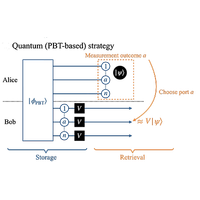
Phys. Rev. Lett. 136, 190601 (2026)
Quantum Information, Science, and Technology
Quasinormal Mode Content of Binary Black Hole Ringdowns
Article | Cosmology, Astrophysics, and Gravitation | 2026-05-13 06:00 EDT
Richard Dyer and Christopher J. Moore
We present a fully Bayesian, data-driven framework for identifying quasinormal modes in high-accuracy Cauchy characteristic evolution gravitational waveforms. Applying this to a public catalog, we identify quasinormal mode overtones, retrograde modes, and nonlinear modes up to cubic order in the rin…
Phys. Rev. Lett. 136, 191403 (2026)
Cosmology, Astrophysics, and Gravitation
From Asymptotically Flat Gravity to Finite Causal Diamonds
Article | Cosmology, Astrophysics, and Gravitation | 2026-05-13 06:00 EDT
Luca Ciambelli, Temple He, and Kathryn M. Zurek
We demonstrate that the phase space of the soft sector of asymptotically flat gravity in four spacetime dimensions can be identified with that of a spherically symmetric finite casual diamond in Minkowski spacetime. The leading soft graviton mode is geometrically identified with the radial fluctuati…
Phys. Rev. Lett. 136, 191501 (2026)
Cosmology, Astrophysics, and Gravitation
Local Interstellar Cloud Structure Imprinted in Antarctic Ice by Supernova $^{60}\mathrm{Fe}$
Article | Nuclear Physics | 2026-05-13 06:00 EDT
Dominik Koll, Annabel Rolofs, Florian Adolphi, Sebastian Fichter, Maria Hoerhold, Johannes Lachner, Stefan Pavetich, Georg Rugel, Stephen Tims, Frank Wilhelms, Sebastian Zwickel, and Anton Wallner
Iron-60 buried in Antarctica reveals changes in the local interstellar environment.
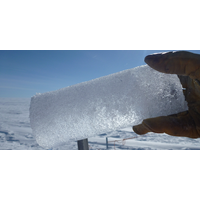
Phys. Rev. Lett. 136, 192701 (2026)
Nuclear Physics
Dual-Zero-Scattering in Diffusive Transport
Article | Condensed Matter and Materials | 2026-05-13 06:00 EDT
Yiyang Zhang, Jinrong Liu, Liujun Xu, Peng Jin, Fabio Marchesoni, and Jiping Huang
A new metamaterial design eliminates internal distortions that can adversely affect applications in cloaking and sensing.
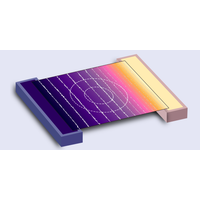
Phys. Rev. Lett. 136, 196901 (2026)
Condensed Matter and Materials
Physical Review X
Beyond Stellar Rank: Control Parameters for Scalable Optical Non-Gaussian State Generation
Article | 2026-05-13 06:00 EDT
Fumiya Hanamura, Kan Takase, Hironari Nagayoshi, Ryuhoh Ide, Warit Asavanant, Kosuke Fukui, Petr Marek, Radim Filip, and Akira Furusawa
Researchers have introduced new non-Gaussian control parameters that allow for the systematic optimization of quantum light sources. This breakthrough can increase the success rate of generating essential quantum states by orders of magnitude.
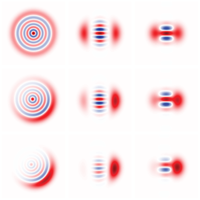
Phys. Rev. X 16, 021034 (2026)
arXiv
Coherent control of spinmons
New Submission | Mesoscale and Nanoscale Physics (cond-mat.mes-hall) | 2026-05-14 20:00 EDT
Johanne Bratland Tjernshaugen, Florinda Viñas Boström, Jeroen Danon, Jacob Linder, Karsten Flensberg, Antonio L. R. Manesco
The protection of superconducting qubits from certain noise sources often comes at the cost of increased sensitivity to other decoherence channels. Here, we explore a route to avoid this tradeoff by encoding quantum information in quantum states of a transmon entangled with the spin of a trapped Andreev quasiparticle. We term such devices spinmons. We lift the spinmon Kramers degeneracy by introducing a Zeeman field and develop two routes for full qubit control via electrostatic gates and an AC flux drive, providing multiple directions for experimental implementations. Finally, we compute coherence times and verify the qubit robustness against flux and charge noise sources.
Mesoscale and Nanoscale Physics (cond-mat.mes-hall), Superconductivity (cond-mat.supr-con), Quantum Physics (quant-ph)
11 pages, 3 figures
Incommensurate Spin-Density Waves in a Frustrated Maple-Leaf Lattice Ferromagnet
New Submission | Strongly Correlated Electrons (cond-mat.str-el) | 2026-05-14 20:00 EDT
Paul L. Ebert, Yasir Iqbal, Alexander Wietek
We study how ferromagnetism breaks down in the spin-$ \tfrac12$ nearest-neighbor Heisenberg model on the maple-leaf lattice with ferromagnetic $ J_t,J_d$ and antiferromagnetic $ J_h$ , motivated by the mixed ferro-antiferromagnetic interactions in Na$ _2$ Mn$ _3$ O$ _7$ . Exact diagonalization shows that the ferromagnetic boundary does not feature a zero-field spin-nematic phase on the clusters studied here, but an extended regime of incommensurate spin-density-wave correlations with continuously evolving ordering vector. The phase diagram also contains collinear Néel, canted $ 120^\circ$ , and hexagonal-singlet regimes, separated by regions that remain difficult to classify from exact diagonalization alone. Variational tests of fully symmetric Gutzwiller-projected Abrikosov-fermion U(1) and $ \mathbb{Z}_2$ states find no competitive spin-liquid description of the interior unresolved regions. By contrast, on the ruby-lattice boundary we identify a point between the collinear Néel and hexagonal-singlet phases where a projected $ \mathbb{Z}_2$ Ansatz reproduces the finite-size energy and spin correlations with good accuracy.
Strongly Correlated Electrons (cond-mat.str-el)
16 pages, 9 figures, comments welcome!
The critical slowing down in diffusion models
New Submission | Disordered Systems and Neural Networks (cond-mat.dis-nn) | 2026-05-14 20:00 EDT
Luca Maria Del Bono, Giulio Biroli, Patrick Charbonneau, Marylou Gabrié
Computational sampling has been central to the sciences since the mid-20th century. While machine-learning-based approaches have recently enabled major advances, their behavior remains poorly understood, with limited theoretical control over when and why they succeed. Here we provide such insight for diffusion models-a class of generative schemes highly effective in practice-by analyzing their application to the $ O(n)$ model of statistical field theory in the Gaussian limit $ n \to \infty$ . In this analytically tractable setting, we show that training a score model with a one-layer network architecture matching the exact solution exhibits a form of critical slowing down in parameter learning. This slowing down also impacts the generation process, indicating that the well-known difficulties of sampling near criticality persist even for learned generative models. To overcome this bottleneck, we demonstrate the power of combining architectural depth with physical locality. We find that using a two-layer architecture drastically reduces the critical slowing down, with the training time scaling logarithmically rather than quadratically with system size. By introducing a local score approximation we show that this acceleration in training time can be achieved without increasing the number of neural network parameters. Taken together, these results demonstrate that diffusion models can overcome the critical slowing down through appropriate architectural design, and establish a controlled framework for understanding and improving learned sampling methods in statistical physics and beyond.
Disordered Systems and Neural Networks (cond-mat.dis-nn), Statistical Mechanics (cond-mat.stat-mech), Artificial Intelligence (cs.AI), Machine Learning (cs.LG), Computational Physics (physics.comp-ph)
17 pages, 8 figures
Lattice Gauging Interfaces and Noninvertible Defects in Higher Dimensions
New Submission | Strongly Correlated Electrons (cond-mat.str-el) | 2026-05-14 20:00 EDT
David Hofmeier, Giovanna Pimenta, Weiguang Cao
We study gauging interfaces and their defect descendants in lattice models with generalized symmetries in higher dimensions. We construct explicit interface Hamiltonians for gauging a $ \mathbb Z_2^{(0)}$ symmetry in $ (2+1)d$ and a $ \mathbb Z_2^{(1)}$ symmetry in $ (3+1)d$ . In higher dimensions, and especially in the presence of higher-form symmetries, the topological nature of gauging interfaces is obscured by the fact that the constrained Hilbert space depends on the location of the interface. We resolve this by introducing movement operators acting on a common unconstrained Hilbert space, which transport both the interface Hamiltonians and the associated constraints. As applications, we analyze condensation defects obtained from finite-region gauging and reconstruct the gauging map from movement operators. Finally, we apply the same framework to subgroup gauging, focusing on the example of gauging $ \mathbb Z_2\subset \mathbb Z_4$ . This produces a dual symmetry carrying a mixed anomaly, which we diagnose on the lattice through symmetry fractionalization on condensation defects. Our results provide an explicit lattice framework for studying topological interfaces, condensation defects, and the associated anomalies arising from gauging in higher-dimensional systems.
Strongly Correlated Electrons (cond-mat.str-el), High Energy Physics - Theory (hep-th)
45 pages, 15 figures
Bridging perturbation and variational approaches in brittle fracture
New Submission | Materials Science (cond-mat.mtrl-sci) | 2026-05-14 20:00 EDT
Serafim Egorov, Antoine Sanner, Jean Sulem, Lars Pastewka, Mathias Lebihain
We present a variational reduced-order model for three-dimensional coplanar propagation of sharp cracks in heterogeneous perfectly brittle solids under mixed-mode I+II+III loading. The approach connects the variational fracture formulation of Francfort and Marigo (1998) and the perturbation theory of Rice (1985) by computing equilibrium crack-front configurations through minimization of the total energy defined as the sum of (i) the elastic potential energy, evaluated asymptotically from front deformations, and (ii) the dissipated energy, set by the fracture energy field.
The potential energy and its derivatives are evaluated efficiently using the Fast Fourier Transform. The resulting nonconvex box-constrained minimization problem is solved with a matrix-free Newton conjugate gradient algorithm with a trust region and physics-based preconditioning, enforcing irreversibility while resolving energy barriers and long-range elastic interactions. We validate our implementation against newly derived analytical solutions. We then perform 116,000 large-scale simulations of tensile and shear crack propagation in disordered media to quantify the impact of finite-size effects, disorder intensity, and mode mixity. The simulations reproduce the transition from smooth to intermittent crack growth, and show that mode mixity has limited influence on the onset of intermittency but induces quasi-elliptic fronts in mixed II+III loading. They reveal a size-dependent crossover from disorder-induced weakening to toughening controlled by the emergence of depinning instabilities.
Materials Science (cond-mat.mtrl-sci)
Coupled Topological Interface States and Phonon Molecules in GaAs/AlAs Superlattices
New Submission | Mesoscale and Nanoscale Physics (cond-mat.mes-hall) | 2026-05-14 20:00 EDT
S. Sandeep, O. Colmegna, C. Xiang, E. R. Cardozo de Oliveira, K.Papatryfonos, M. Morassi, A. Lemaitre, N. D. Lanzillotti-Kimura
Topological interface states in one-dimensional superlattices provide spatially localized phonon modes protected by the topology of the underlying band structure. In GaAs/AlAs distributed Bragg reflectors (DBRs), such states can be engineered through band inversion between superlattices with opposite Zak phases within the Su-Schrieffer-Heeger (SSH) framework. Here, we demonstrate topological phonon molecules and extended chains formed by coupled nanophononic interface states. By concatenating three superlattices with alternating topology, we realize two coupled interface states that hybridize into symmetric and antisymmetric modes, whose splitting can be tuned over tens of gigahertz by varying the reflectivity of the central DBR. Extending this concept, we engineer chains of up to N=6 coupled interface states that form narrow topological minibands while remaining strongly localized at the interfaces. We experimentally observe these coupled states in molecular-beam-epitaxy-grown GaAs/AlAs heterostructures using time-domain pump-probe transient reflectivity measurements, and reproduce their behavior using transfer-matrix calculations and a simple analytical model for the mode splitting. These results establish topological interface states as a robust platform for engineering coupled phononic systems and tunable nanophononic architectures in the GHz regime.
Mesoscale and Nanoscale Physics (cond-mat.mes-hall)
Direct-write electrochemical nanofabrication of ultrasmall graphene devices
New Submission | Mesoscale and Nanoscale Physics (cond-mat.mes-hall) | 2026-05-14 20:00 EDT
Graphene nano-ribbons, GNRs, are promising channel materials for next-generation ultra-miniaturised devices due to their exceptional electrical and thermal properties which arise from their atomic thickness, as well as their ability to have a size-dependent band-gap [1-9]. However, despite extensive efforts to reliably fabricate narrow GNR-based field-effect transistors [10-12], their integration into conventional transistor technologies remains hindered by challenges such as high fabrication costs and complex processing requirements [13, 14]. In this study, we present a direct-write, relatively low-cost and robust approach for fabricating sub-10 nm GNR-based FETs using electrochemical atomic force microscopy lithography with an alternating current (AC) bias, obviating the need for electrodes. We also explain the underlying electrochemical process and provide a model which can be used to describe it. Leveraging the high-precision positioning capability of AFM, this method enables precise nanoscale graphene patterning with feature sizes below 10nm. Compared with conventional lithographic techniques, photo- and electron-beam lithography i.e., PL & EBL, respectively [2, 15-20], it offers higher resolution, lower defect density, contamination-free processing, and the capability for in situ nanoscale device modification and characterisation. This work provides an efficient strategy for advancing GNR-based nanoelectronics.
Mesoscale and Nanoscale Physics (cond-mat.mes-hall), Materials Science (cond-mat.mtrl-sci)
26 pages including supplementary information. 14 Figures in total
On-demand steering of hyperbolic chiral polaritons
New Submission | Materials Science (cond-mat.mtrl-sci) | 2026-05-14 20:00 EDT
Andrea S. Dai, Fuyang Tay, Ding Xu, Inki Lee, Noah Bussell, Daria Balatsky, Francesco L. Ruta, Emma Lian, Colin Nuckolls, Xavier Roy, James G. Analytis, Andrew J. Millis, D. N. Basov, Milan Delor
Control of light polarization and propagation in sub-wavelength architectures is foundational to nanophotonic technologies. A frontier direction is to leverage strong optical spin-orbit interactions to realize polarization-selective light steering, known as the photonic spin Hall effect. In this context, hyperbolic plasmon polaritons (HPPs) are of particular interest as they offer large optical spin-orbit coupling from strong confinement and dielectric anisotropy, as well as ray-like propagation. Despite theoretical predictions, however, the hyperbolic spin Hall effect in natural materials has remained elusive. Here, we demonstrate the hyperbolic spin Hall effect in the visible and near-infrared range in the natural hyperbolic van der Waals metal MoOCl2. Enabling this discovery is a novel far-field pump-probe microscope that facilitates the launching and imaging of HPPs with exceptional sensitivity through interference with a high-momentum reference field. This approach preserves excellent control over light polarization, overcoming a key barrier to polarization-selective interrogation of hyperbolic materials. We show that both hyperbolic and surface plasmons in MoOCl2 display chiral fields, and that their propagation direction can be completely switched upon light helicity reversal. Our results demonstrate on-demand steering of chiral plasmons, firmly establishing natural hyperbolic materials as ideal components for reconfigurable nanophotonics and chiral light-matter coupling.
Materials Science (cond-mat.mtrl-sci), Optics (physics.optics)
Using a spin-triplet encoding to enhance shuttling fidelities in Si/SiGe quantum wells
New Submission | Mesoscale and Nanoscale Physics (cond-mat.mes-hall) | 2026-05-14 20:00 EDT
Merritt P. R. Losert, S. N. Coppersmith, Mark Friesen
Spatial variations of the valley splitting in a quantum well present a key challenge for conveyor-mode shuttling of electron spins in Si/SiGe, giving rise to Landau-Zener-like excitations that cause leakage outside the qubit subspace. Here, we propose an unconventional two-electron qubit encoding, based on valley-singlet states, that is largely immune to Landau-Zener leakage processes. In contrast to single-electron spins, the shuttling fidelity actually improves for small valley splittings, in this case. We show that high fidelities can be achieved without applying any special procedures, such as fine-tuning of the shuttling path.
Mesoscale and Nanoscale Physics (cond-mat.mes-hall)
28 pages, 11 figures
Negative Differential Resistance and Ultra-High TMR in Altermagnetic Tunnel Junctions
New Submission | Mesoscale and Nanoscale Physics (cond-mat.mes-hall) | 2026-05-14 20:00 EDT
Sajjan Sheoran, Luke Keenan, Declan Nell, Stefano Sanvito
Altermagnets can replace ferromagnets in tunnel junctions, yielding large tunneling magnetoresistance, ultrafast switching, and low-power functionality. While most studies explore the linear-response regime, interesting features emerge at finite bias, where the peculiar electronic structure of altermagnets gives rise to complex non-linear behaviour. Using non-equilibrium Green’s functions implemented with density functional theory, we predict that a large low-bias negative differential resistance can be observed in an altermagnetic tunnel junction. Our proposed junction incorporates the orbital-ordered altermagnet KV2Se2O, whose quasi-2D Fermi surface plays a crucial role in realizing the negative differential resistance. Upon the application of a finite bias voltage, the current in the parallel configuration first increases sharply and then decreases, to be almost completely suppressed at around 0.14 V. At the same time, the antiparallel configuration displays a monotonic current-voltage curve. This behaviour, in addition to the negative differential resistance, supports a large tunneling magnetoresistance with sign inversion at 0.13 V. Our results suggest that altermagnetic tunnel junctions can be used as components in applications requiring strong non-linear response at low bias.
Mesoscale and Nanoscale Physics (cond-mat.mes-hall), Materials Science (cond-mat.mtrl-sci)
Activity enhances transport while competing interactions preserve structure in colloidal microphase formers
New Submission | Soft Condensed Matter (cond-mat.soft) | 2026-05-14 20:00 EDT
Horacio Serna, José Martín-Roca, Ariel G. Meyra, Eva G. Noya
Colloidal models with short-range attraction and long range repulsion (SALR) have been extensively studied using theoretical and simulations methods due to their rich and universal equilibrium phase behavior. Using Brownian Dynamics simulations, we study the dynamical phase behavior of active suspensions in which colloidal particles interact with each other via a SALR potential. Upon increasing the self-propulsion force of the particles, we observed that the structural transitions the active suspension undergoes resemble those observed in its passive counterpart by increasing the temperature of the thermal bath. However, when looking at the transport properties of active and passive suspensions with similar structure, we observed a clear mismatch. We demonstrated that increasing the activity enhances the particles mobility within the SALR fluid when simultaneously preserves the structure. This leads to a structure-dynamics decoupling induced by the activity whereas at the same time highlights the structural memory of SALR potentials under non-equilibrium conditions.
Soft Condensed Matter (cond-mat.soft), Chemical Physics (physics.chem-ph), Computational Physics (physics.comp-ph)
Yu-Shiba-Rusinov States in Ising Superconductors
New Submission | Superconductivity (cond-mat.supr-con) | 2026-05-14 20:00 EDT
Michael Hein, Juan Carlos Cuevas, Wolfgang Belzig
The nature of the superconducting state in two-dimensional transition-metal dichalcogenides remains under active debate. A widely used description invokes so-called Ising superconductivity. In this work, we investigate theoretically this pairing state by employing single magnetic impurities as local probes of the superconducting condensate. We analyze the formation of Yu-Shiba-Rusinov bound states in the presence of Ising spin-orbit coupling and an in-plane magnetic field to study how their spectral properties encode the underlying pairing structure. We identify distinct features in the bound-state spectrum and tunneling response that differentiate this system from conventional superconductors. Our results demonstrate that magnetic impurities provide a sensitive probe of the structure of the superconducting state and yield experimentally accessible signatures of unconventional aspects of Ising superconductivity.
Superconductivity (cond-mat.supr-con)
Imaging Interacting Two-Dimensional Anisotropic Electrons
New Submission | Strongly Correlated Electrons (cond-mat.str-el) | 2026-05-14 20:00 EDT
Ziyu Xiang, Jianghan Xiao, Hongyuan Li, Woochang Kim, Tianle Wang, Zhihuan Dong, Takashi Taniguchi, Kenji Watanabe, Michael P. Zaletel, Steven G. Louie, Michael F. Crommie, Feng Wang
We directly visualize a two-dimensional anisotropic Wigner crystal and its quantum melting in monolayer 1T-ReSe2 using non-invasive scanning tunnelling microscopy. In crystals with anisotropic effective mass, an electron’s quantum wavefunction becomes elongated along the light-mass direction to reduce kinetic energy. At low electron density, such anisotropic electrons are predicted to form an oblique Wigner crystal rather than the familiar triangular lattice of isotropic systems. Despite longstanding theoretical interest, this physics has been little explored experimentally. Here we first image the anisotropic shape of individual electrons in gated monolayer ReSe2, whose wavefunctions are strongly elongated along the light-mass direction. At low density, these electrons crystallize into an oblique Wigner lattice. As the density increases, quantum fluctuations grow more rapidly along the light-mass direction than along the heavy-mass direction, driving a one-dimensional melting of the crystal. The resulting state retains order along one direction but melts along the other, consistent with a smectic electron liquid crystal between the electron solid and Fermi liquid phases. Our work establishes monolayer ReSe2 as a platform for studying anisotropic correlated electrons, quantum melting, and coupled one-dimensional electron chains.
Strongly Correlated Electrons (cond-mat.str-el)
15 pages, 4 figures
Ultrafast electron dynamics of electron-irradiated graphene
New Submission | Materials Science (cond-mat.mtrl-sci) | 2026-05-14 20:00 EDT
Electron irradiation is essential for materials characterization and modification, though the fundamental interactions between incident electrons and host materials remain under investigation. Here, we employ first-principles simulations to study electron dynamics under external electron irradiation. We quantify differences in key observables, including kinetic energy loss, secondary electron emission, and backscattered electrons, between classical and quantum mechanical descriptions of the incident electron. Around 400 eV incident energy, we identify significant differences in backscattered electron yields between classical point-charge and quantum wave-packet descriptions, whereas the quantum-mechanical effects diminish at incident energies above 600 eV. These differences highlight the critical importance of quantum effects in electron irradiation phenomena that occur in a specific energy range of the incident electron. Our results provide clear guidance for selecting appropriate incident, electron descriptions based on kinetic-energy regimes, identify a targeted experimental window for isolating quantum-only backscattering, and enable the rational design of 2D materials for nanofabrication and high-resolution electron-beam technologies.
Materials Science (cond-mat.mtrl-sci)
Wall accumulation of confined active Janus colloids due to effective active diffusivity
New Submission | Soft Condensed Matter (cond-mat.soft) | 2026-05-14 20:00 EDT
Sandeep Ramteke, Alicia Boymelgreen, Jarrod Schiffbauer
Electrokinetically-driven Janus colloids, e.g., with one metallic and one dielectric hemisphere, confined between parallel walls exhibit a boundary-accumulation mechanism enabled by an effective cross-channel diffusivity which is distinct from wall accumulation of active Brownian or run-andtumble particles. Using density-matched suspensions and three-dimensional confocal imaging, we directly measure the full time-dependent redistribution of particles across the channel under an applied AC electric field. The wall population grows exponentially while the bulk depletes, and data obtained over multiple field strengths collapse onto a single curve when rescaled by the measured relaxation rate, revealing one dominant, confinement-controlled timescale. Propulsion follows the expected induced-charge electrophoretic scaling, with a mean orientation angle lying between 2 degrees and 10 degrees above horizontal, leading to a top-biased accumulation. Comparison with an overdamped Ornstein-Uhlenbeck turning model suggests that persistent stochastic turning about a small out-ofplane angle results in a cross-channel effective drift and diffusion. The drift governs the dominant timescale and the diffusion is strong enough to provide significant accumulation on the bottom wall despite a mean upward orientational bias.
Soft Condensed Matter (cond-mat.soft), Statistical Mechanics (cond-mat.stat-mech)
Ultraviolet plastic scintillators based on naphthalene-doped polystyrene and polyvinyltoluene
New Submission | Materials Science (cond-mat.mtrl-sci) | 2026-05-14 20:00 EDT
Nicolás Agustín Molina, Victoria Alejandra Gómez Andrade, Javier Martín Abbas, Alan Fuster, Luciano Ferreyro, Martín Alurralde, Martin Mirenda, María Dolores Pérez, Paula Guidici
This work reports the fabrication and optical characterization of ultraviolet-emitting plastic scintillators based on polystyrene [-(CH2-CH(C6H5))n-] and polyvinyltoluene [-(CH2-CH(C6H4CH3))n-] doped with different concentrations of naphthalene (Naph). Photoluminescence (PL) measurements show that Naph incorporation enhances the emission intensity, inducing a red shift in the emission wavelength of the polystyrene (PS), while Naph-doped polyvinyltoluene (PVT) exhibits a bimodal emission with peaks around 335 and 350 nm. Time-resolved photoluminescence (TRPL) reveals fast decay components for the undoped matrices and a dominant slow component of approximately 87 ns in the doped samples. Scintillation light yield measurements indicate moderate performance for the undoped polymers and a significant enhancement upon Naph doping. Proton irradiation experiments reveal a reduction in light yield for all samples, with Naph-doped PVT retaining a larger fraction of its initial light yield compared to PS-based scintillators, indicating improved radiation tolerance. Overall, these results demonstrate the effectiveness of Naph as a UV emission enhancer and highlight Naph-doped PVT as a promising candidate for compact and radiation-resistant scintillation detectors.
Materials Science (cond-mat.mtrl-sci)
5 pages, 5 figures
PACSim: A Flexible Simulation Framework for Polymer-Attenuated Coulombic Self-Assembly
New Submission | Soft Condensed Matter (cond-mat.soft) | 2026-05-14 20:00 EDT
Philipp Höllmer, Nicole Smina, John P. Marquardt, Michael S. Chen, Steven van Kesteren, Stefano Sacanna, Glen M. Hocky
Polymer-Attenuated Coulombic Self-Assembly (PACS) is a flexible experimental approach for generating crystals from simple colloidal building blocks. The central components are charged spherical particles coated with a polymer brush that prevents irreversible aggregation. Whether oppositely charged colloids crystallize, and which structures they form, depends on several factors, including colloid concentration, charge, and size, as well as the salt concentration of the solution. Molecular dynamics (MD) simulations are a powerful tool for predicting the outcomes of PACS assembly experiments and also provide particle-level insight into the assembly processes. Here, we present an open-source simulation framework, PACSim, that enables MD simulation studies of assembly by PACS across a range of experimentally relevant scenarios. PACSim is built on top of OpenMM, a flexible MD simulation framework that readily supports the implementation of different interaction potentials, as well as integration with other tools such as enhanced-sampling and machine-learning frameworks. We describe the motivation for PACSim, outline its features, report methodological advancements inspired by this framework, and provide examples of its use.
Soft Condensed Matter (cond-mat.soft), Statistical Mechanics (cond-mat.stat-mech), Chemical Physics (physics.chem-ph)
15 pages, 9 figures, 10 code blocks
Competing Effect of Biquadratic and Heisenberg Coupling on Magnetic Tunnel Junction Molecular Spintronics Devices
New Submission | Statistical Mechanics (cond-mat.stat-mech) | 2026-05-14 20:00 EDT
Andoniaina Mariah Randriambololona, Hayden Brown, Eva Mutunga, Andrew Grizzle, Christopher DAngelo, Pawan Tyagi
Heisenberg exchange coupling (HC) and biquadratic exchange coupling (BQC) are known to occur in magnetic tunnel junctions (MTJ) and nanoscale spintronics structures. MTJ-based molecular spintronics devices (MTJMSD) provide a platform to study these interactions and the correlated magnetic behavior they generate. Molecular spin channels formed along the exposed MTJ edge have been shown to produce strong exchange interactions that include HC and BQC, which can drive perpendicular alignment of spin vectors in adjacent ferromagnetic electrodes. Despite their importance, the competing roles of HC and BQC in MTJMSDs remain unclear. Monte Carlo simulations using a three-dimensional Heisenberg model were performed to systematically vary BQC strength under three conditions: no molecular HC, strong parallel HC, and strong antiparallel HC. The resulting magnetic and physical properties of the MTJMSDs were analyzed. Increasing BQC strength produced minimal changes in overall magnetization when strong HC was present, indicating that HC dominates device magnetization. Temporal evolution studies showed that devices with only BQC failed to reach magnetic stability, while devices with both HC and BQC achieved stable magnetic states due to the stabilizing influence of HC. These results show that BQC plays a secondary role in magnetization dynamics and cannot overcome the stronger stabilizing effect of HC. The presence of BQC offers a plausible explanation for experimentally observed magnetic phase orientations beyond simple parallel and antiparallel states in MTJMSDs.
Statistical Mechanics (cond-mat.stat-mech)
10 figures and 10 pages
Topological and morphological signatures of disorder in a self-assembled, soft matter sponge network
New Submission | Soft Condensed Matter (cond-mat.soft) | 2026-05-14 20:00 EDT
Xueyang Feng, Suman S. Kulkarni, Michael S. Dimitriyev, Dani S. Bassett, Randall D. Kamien, Edwin L. Thomas, Gregory M. Grason
Many soft matter systems exhibit ordered, polycontinuous network morphologies, such as the cubic (double) gyroid or diamond, as well as disordered network morphologies known generically as ``random sponges”. While presumed to share similar local packing geometry, the structural relationship between these ordered and disordered network morphologies has remained obscure. We use slice and view scanning electron microscopy to analyze and compare multi-scale morphological features of an ordered double-gyroid morphology to the amorphous sponge morphology formed in the same block copolymer sample. We find that node valence of the minority component network of the sponge is mostly gyroidal (trivalent), with a small fraction of diamond-like (tetravalent) connections. We analyze mesoatoms – space-filling volumes occupied by chains around each network node – finding significant differences in shape and size between ordered and amorphous regions. Local block thickness and inter-domain curvature within mesoatomic units of the disordered sponge exhibits a surprisingly similar degree of dispersity to the ordered double-gyroid. The mean differences in local packing geometry derive from topological distinction: loops of the minority networks of the ordered double-gyroid are intercatenated, while loops of the disordered sponge are not. In this way, the sponge may be viewed as disordered variant of a single-gyroidal morphology. We exploit these topological differences to demarcate the boundary region between ordered and disordered networks and highlight modulations of the mesoatom motifs at the boundary. These observations point to new questions about potential metastability of disordered networks and their possible role as kinetic precursors to long-range ordered network morphologies.
Soft Condensed Matter (cond-mat.soft), Materials Science (cond-mat.mtrl-sci)
22 pages, 5 figures, 4 supporting videos, 1 supplemental appendix (10 pages)
Grassmann tensor networks
New Submission | Strongly Correlated Electrons (cond-mat.str-el) | 2026-05-14 20:00 EDT
Jian-Gang Kong, Jia-Ji Zhu, Z. Y. Xie
Developing non-perturbative methods to reveal exotic properties of strongly correlated fermionic systems remains one of the most essential tasks of theoretical physics. Tensor network methods with Grassmann algebra offer powerful numerical tools for fermionic many-body systems in the coherent-state path-integral representation. Despite their vast potential for both condensed-matter and particle-physics communities, Grassmann tensor network methods are somewhat underexploited in practical simulations. In this work, we provide a detailed, self-contained introduction to Grassmann tensor network methods, from the basics of the Grassmann tensor operations to the Grassmannization of typical tensor network algorithms. Furthermore, the resulting Grassmann tensor network methods are validated in several interesting models in both particle physics and condensed matter physics.
Strongly Correlated Electrons (cond-mat.str-el)
It is accepted by the Annals of Physics, and would appear soon
Terahertz detection within charge density wave state
New Submission | Mesoscale and Nanoscale Physics (cond-mat.mes-hall) | 2026-05-14 20:00 EDT
Terahertz (THz) technology enables multi-Tbps satellite communications, but conventional semiconductor detectors suffer from fundamental performance degradation above 1 THz due to the Drude limit of free electrons. Here, we theoretically demonstrate that charge density wave (CDW) materials offer a paradigm-shifting solution via their collective electronic response. We show that a static bias electric field can continuously tune the THz resonant absorption frequency of CDW states from 0 to cutoff frequency, and enhance the nonlinear rectification current by more than one order of magnitude. This unprecedented electric-field tunability makes CDW materials ideal candidates for next-generation ultrafast THz detectors working at room-temperature.
Mesoscale and Nanoscale Physics (cond-mat.mes-hall)
Comments are welcome
Frustrated Magnetism of the $S = 1$ Trillium-Lattice Oxide Li$_2$NiGe$_3$O$_8$
New Submission | Strongly Correlated Electrons (cond-mat.str-el) | 2026-05-14 20:00 EDT
We report magnetization and heat-capacity measurements on the ordered-spinel oxide Li$ 2$ NiGe$ 3$ O$ 8$ , where Ni$ ^{2+}$ ions with $ S = 1$ form a single three-dimensional trillium lattice. Powder x-ray diffraction confirms a cubic ordered-spinel structure with space group $ P4{1}32$ or $ P4{3}32$ . The inverse susceptibility $ H/M$ follows Curie–Weiss behavior above 50 K with an effective magnetic moment $ \mu{\mathrm{eff}} = 3.124(4),\mu_{\mathrm{B}}$ per Ni and a Weiss temperature $ \theta_{\mathrm{W}} = -0.21(1)$ K, but deviates smoothly below about 10 K. The magnetic heat capacity $ C_{\mathrm{mag}}/T$ shows a broad maximum near 3 K with a wide tail to about 10 K, and the entropy recovered between 2 and 40 K is about 88% of $ R \ln 3$ . The broad heat-capacity maximum is compared with Monte Carlo results for the local ferromagnetic Ising model on the trillium lattice using a characteristic scale $ J$ of order 7 K, while the inverse susceptibility shows only qualitative similarity to the theoretical curve. These results establish Li$ _2$ NiGe$ _3$ O$ _8$ as a rare $ S = 1$ single-trillium oxide with frustrated magnetic correlations. The present data provide an experimental platform for discussing the relation between Heisenberg-like and spin-ice-like regimes on the trillium lattice.
Strongly Correlated Electrons (cond-mat.str-el), Materials Science (cond-mat.mtrl-sci)
8pages, 3figures, accepted in Journal of the Physical Society of Japan
Matrix-noise Jacobians in stochastic-calculus inference and optimal paths
New Submission | Statistical Mechanics (cond-mat.stat-mech) | 2026-05-14 20:00 EDT
Multiplicative noise makes stochastic dynamics depend on how the white-noise limit is interpreted. In multidimensional systems with matrix-valued noise amplitudes $ \sigma(x)$ , this dependence includes a local Jacobian contribution that is absent from the scalar examples most often used to build intuition. We formulate a finite-step path-likelihood framework for $ \theta$ -discretized diffusions and show that its short-time expansion isolates the scalar $ J_\sigma=\partial_j\sigma_{ik}\partial_i\sigma_{jk}-(\partial_i\sigma_{ik})(\partial_l\sigma_{lk})$ . For a specified noise-amplitude representation $ \sigma$ , this quantity vanishes in one-dimensional, scalar-isotropic, and strictly diagonal cases, but can survive when state-dependent noise directions mix different components. We then test its consequences using paired comparisons that hold the drift, diffusion matrix, interpolation point, and Gaussian increment term fixed. In Model A, removing only the off-diagonal determinant contribution produces a shift in the fitted stochastic prescription that vanishes when $ J_\sigma=0$ . In Model B, removing the corresponding state-dependent action term changes a stable optimized transition path. These results show that a genuinely matrix-noise part of the short-time path measure can survive the scalar cancellations familiar from simpler settings and produce measurable changes in fitted stochastic prescriptions and Onsager–Machlup paths.
Statistical Mechanics (cond-mat.stat-mech)
Selective Octahedral Accommodation of Cr$^{3+}$ and Weak Magnetic Connectivity in the Sugilite Analogue KNa$_2$Cr$2$Li$3$Si${12}$O${30}$
New Submission | Materials Science (cond-mat.mtrl-sci) | 2026-05-14 20:00 EDT
Yuya Haraguchi, Taishu Aoki, Daisuke Nishio-Hamane, Hiroko Aruga Katori
We report the synthesis of the Cr analogue of sugilite, KNa$ _2$ Cr$ _2$ Li$ _3$ Si$ _{12}$ O$ _{30}$ , in the milarite-type framework. Rietveld refinement of a composition-conserving antisite model gives $ x = 0.0024(18)$ in KNa$ _2$ [Cr$ _{2-x}$ Li$ _x$ ][Li$ _{3-x}$ Cr$ _x$ ]Si$ _{12}$ O$ {30}$ , corresponding to a T2-site Cr occupancy of $ 0.0008(6)$ . X-ray MEM analysis shows no detectable Cr-like density at T2. Magnetic susceptibility indicates weak antiferromagnetic interactions with $ \theta{\mathrm{W}} = -4.78(7)$ K and no ordering above 1.8 K.
Materials Science (cond-mat.mtrl-sci)
5pages, 4figures, accepted in Chemistry Letters
Quantized Transport in Floquet Topological Insulators
New Submission | Mesoscale and Nanoscale Physics (cond-mat.mes-hall) | 2026-05-14 20:00 EDT
Rekha Kumari, Manas Kulkarni, Abhishek Dhar
We study quantum transport in a periodically driven (Floquet) topological system coupled to static fermionic reservoirs. Using the Floquet nonequilibrium Green’s-function (NEGF) formalism we show, from exact numerics for a strip geometry, that the two-terminal (longitudinal) conductance is quantized as $ |W_{\varepsilon}|,e^2/h$ , while the Hall (transverse) conductance is quantized as $ W_{\varepsilon},e^2/h$ , where $ W_{\varepsilon}$ is the Floquet winding invariant associated with the quasienergy gap at $ \varepsilon = 0$ or $ \varepsilon = \Omega/2$ . Quantization is achieved only after summing over the contribution of all Floquet sidebands. We provide an analytic understanding of this Floquet conductance sum rule, by considering the Hall conductance in the weak coupling limit. In that limit, we show that the Floquet Hall conductance gets contributions from the Floquet sidebands, which includes the signs of the velocities of the edge modes. Their sum yields exact quantization, as predicted by the Floquet sum rule. We find that in a wide range of parameter regime, the convergence is fast, making observation of the sum rule and Floquet winding numbers accessible to experiments.
Mesoscale and Nanoscale Physics (cond-mat.mes-hall), Statistical Mechanics (cond-mat.stat-mech), Quantum Physics (quant-ph)
20 pages, 9 Figures
Apparent Ferroelectric Polarization Hysteresis and a Simple Method to Observe Piezoelectric Strain Loops with a Microphone
New Submission | Materials Science (cond-mat.mtrl-sci) | 2026-05-14 20:00 EDT
Extra components in series to non-ferroelectric capacitance can cause apparent ferroelectric D-E hysteresis loops even with the double-wave method (DWM). Characteristics of fake loops are studied withsimple circuit models, and suspicious loops of actual materials are found in some papers using the DWM. Inverse piezoelectric strain also reverses along with the polarization by the electric field, and S-E loops are considered more reliable to prove ferroelectricity than the D-E loops. But measurement of S-E loops usually requires expensive instruments in contrast to D-E loops with a simple circuit. A very simple method is developed to observe S-E loops of bulk samples with an inexpensive small electret microphone and a little expansion to the circuit for D-E loops. S-E loops of a commercial ceramic capacitor by this method reveal that its D-E loops apparent.
Materials Science (cond-mat.mtrl-sci)
5 pages, 10 figures
Observation of end-to-end pumping in a quasiperiodic Fibonacci-type photonic chain
New Submission | Mesoscale and Nanoscale Physics (cond-mat.mes-hall) | 2026-05-14 20:00 EDT
Arnob Kumar Ghosh, Ang Chen, Ashraf El Hassan, Patric Holmvall, Mohamed Bourennane, Annica M. Black-Schaffer
Topological pumps offer a promising route to operate as connecting buses, supplying efficient and robust connectivity between non-neighboring elements in a network. Here, we investigate a finite quasiperiodic Fibonacci-type photonic chain and demonstrate its ability for end-to-end pumping, with only small and simple changes to the system. First, we use a tight-binding formalism to numerically show that a localized pumping state can be transferred between opposite ends of the system, with only a small structural change to the chain. Then, we experimentally implement this topological pump in an array of coupled optical waveguides, where light propagation is effectively described by the tight-binding model under the paraxial approximation, enabling direct correspondence between theory and experiment. We numerically simulate and experimentally demonstrate pumping by injecting light into a single waveguide at one end of the setup, which activates a localized pumping state. As the light propagates along the wave guide array, it is also pumped to the other end. We further show that pumping remains robust against structural deformation, such as controlled defects in the waveguide array. Our results establish that quasiperiodic Fibonacci-type photonic lattices are a robust and experimentally viable platform for disorder-resilient state transfer.
Mesoscale and Nanoscale Physics (cond-mat.mes-hall), Optics (physics.optics), Quantum Physics (quant-ph)
7+5 pages, 6+7 figures; Comments are welcome
Ultrafast Critical Slowing of Spin Dynamics and Emergent Nonequilibrium Fano Interference in Fe3GeTe2
New Submission | Materials Science (cond-mat.mtrl-sci) | 2026-05-14 20:00 EDT
Anupama Chauhan, Sidhanta Sahu, Satyabrata Bera, Tuhin Debnath, Mintu Mondal, Anamitra Mukherjee, Siddhartha Lal, N. Kamaraju
Fe$ _3$ GeTe$ _2$ is a prototypical metallic van der Waals ferromagnet with itinerant magnetism and a highly tunable Curie temperature, yet how electronic excitations couple to spin and lattice degrees of freedom across its magnetic transition remains largely unexplored. Here, we use two-color pump-probe reflectivity to investigate the coupled electronic, spin, and lattice dynamics. The time-resolved reflectivity exhibits a tri-exponential relaxation, in which the intermediate component shows an anomaly near the Curie temperature due to enhanced interlayer spin-lattice interactions, while the slowest component displays pronounced critical slowing down with an exponent of ~ 0.3, revealing non-universal relaxation dynamics associated with intralayer spin correlations. Furthermore, we observe an emergent nonequilibrium A1g phonon Fano asymmetry that is suppressed in the ferromagnetic phase but anomalously enhanced in the paramagnetic regime, driven by thermally activated anharmonic decay pathways that bridge the kinematic gap to a hot electronic continuum. The pronounced enhancement of the acoustic strain pulse amplitude near T$ _c$ further evidences robust magnetoelastic coupling. Overall, our results reveal how magnetic order governs the interplay among critical spin dynamics, electronic continuum excitations, and lattice response in metallic van der Waals ferromagnets
Materials Science (cond-mat.mtrl-sci)
13 figures
Helium Bubbles in Liquid Lead Lithium Solutions: Pressure Inhomogeneities at Interfaces and Non Ideal Mixture Effects
New Submission | Materials Science (cond-mat.mtrl-sci) | 2026-05-14 20:00 EDT
Edgar Alvarez-Galera, Jordi Marti, Lluis Batet
The extremely low solubility of helium in liquid metals may lead to rapid supersaturation, promoting spontaneous formation of helium bubbles by nucleation. Once nucleated, the stability of these bubbles is governed by the properties of the helium liquid metal interface. In particular, interfacial tension between the immiscible phases controls bubble interactions and induces local pressure inhomogeneities. This work is motivated by the need of a better understanding of helium bubble formation in liquid Pb Li alloys, which are of particular relevance for the design of breeding blankets in the future nuclear fusion reactors. We employ classical molecular dynamics simulations to investigate helium segregation in a range of lead lithium systems, including the limiting cases of pure lead and pure lithium. Changes in local pressure are evaluated from direct mechanical calculations, enabling the characterization of interfacial properties. Interfacial tension and radius of the bubble are subsequently determined across multiple thermodynamic conditions, spanning temperatures starting near the melting points of the constituent metals up to 1021 K. The impact of curvature and composition of the alloy on the interfacial behaviour are also investigated.
Materials Science (cond-mat.mtrl-sci), Chemical Physics (physics.chem-ph)
14 pages, 8 figures. Including “Supplementary Information” at the bottom of the manuscript
Structural, electronic, and optical properties of hexagonal GeSn from density functional theory
New Submission | Materials Science (cond-mat.mtrl-sci) | 2026-05-14 20:00 EDT
Yetkin Pulcu, János Koltai, Andor Kormányos, Guido Burkard
Unlike cubic GeSn, which requires a high Sn concentration to undergo an indirect-to-direct bandgap transition, lonsdaleite (2H) germanium is an intrinsic direct-gap semiconductor. We employ first-principles density functional theory to investigate the structural, electronic, and optical properties of 2H-Ge$ _{1-x}$ Sn$ _{x}$ random alloys in the dilute Sn regime ($ x \le 0.10$ ). The extended alloy disorder is modeled using 48-atom special quasirandom structure (SQS) supercells, and the coherent effective band structure is recovered via spectral band unfolding. We show that 2H-Ge$ _{1-x}$ Sn$ _{x}$ maintains a direct bandgap at the $ \Gamma$ point across the studied composition range, exhibiting a strong bandgap bowing that shifts the fundamental absorption edge into the mid-infrared. Evaluation of the optical transition matrix elements reveals a giant polarization anisotropy dictated by spin-orbit coupling. The fundamental transition is strongly dipole-allowed for light polarized perpendicular to the crystal $ c$ -axis, an optical selection rule that is robustly preserved despite the random alloy disorder breaking the symmetry. These results demonstrate that hexagonal GeSn bypasses the compositional threshold limitations of the cubic phase, providing a highly tunable direct-gap system for infrared optoelectronics.
Materials Science (cond-mat.mtrl-sci)
Magnesium-graphene interphase boundaries created by high-pressure torsion enhance hydrogen storage kinetics:Mechanisms and significance of activation energy and frequency factor
New Submission | Materials Science (cond-mat.mtrl-sci) | 2026-05-14 20:00 EDT
Runchen Zhou, Payam Edalati, Anthony Alhayek, Shivam Dangwal, Marc Novelli, Md. Amirul Islam, Baran Bidyut Saha, Thierry Grosdidier, Kaveh Edalati
A strategy to overcome sluggish hydrogenation/dehydrogenation of magnesium is demonstrated by creating magnesium-graphene interphase boundaries via high-pressure torsion (HPT). HPT reduces the grain size of pure magnesium from 1 mm to 850 nm, with 70% of grain boundaries having high misorientation angles. Graphene addition leads to even finer grain sizes of 10-500 nm with a bimodal morphology. The magnesium-graphene composites exhibit superior kinetics at 623 K while maintaining high air resistance. Kinetic modeling reveals that the rate-controlling mechanism transits from interfacial reaction in coarse-grained magnesium to atomic diffusion in magnesium-graphene nanocomposites. Kissinger analysis shows that the activation energy for hydrogen desorption remains unchanged at 145 +/- 2 kJ/mol, regardless of the presence of grain or interphase boundaries. However, the frequency factor (number of successful attempts to overcome the activation energy) increases with the generation of interfaces, which serve as sites for hydrogen diffusion and heterogeneous metal/hydride nucleation. These findings highlight the impact of interphase boundary engineering via severe plastic deformation for enhancing the kinetics and air resistance of hydrogen storage materials.
Materials Science (cond-mat.mtrl-sci)
Observation of an aperiodic polariton monotile
New Submission | Quantum Gases (cond-mat.quant-gas) | 2026-05-14 20:00 EDT
Sergey Alyatkin, Yaroslav V. Kartashov, Kirill Sitnik, Philipp Grigoryev, Pavlos G. Lagoudakis
A plethora of unconventional localization phenomena and fractal features of linear spectrum observed in quasiperiodic structures have been accompanied by a long-standing quest for the geometrical elements and structures that permit tilings of the plane, but only in a non-periodic manner. Until 2024, it was believed that such quasiperiodic structures, or quasicrystals, could only be composed of at least two different tiles. Surprisingly, a newly discovered class of quasicrystals requires only one elementary monotile. However, its physical realization and study of propagating coherent excitations in this novel setting remained elusive. Here we optically sculpt aperiodic quasicrystals composed of “einstein” monotiles in an inorganic microcavity and observe nontrivial relative phases of the exciton-polariton condensates nonresonantly excited at the vertices of each monotile. Utilizing energy-resolved tomography in momentum-space, we reveal the formation of distinct Bragg peaks with six-fold symmetry and Dirac-like spectral fingerprints, intrinsic to the underlying graphene-like structure, while interferometric phase reconstruction shows a nontrivial synchronization pattern distinct from both periodic triangular lattices and Penrose quasicrystals. Our work demonstrates that monotiles can be converted into a programmable driven-dissipative artificial material, where long-range coherence coexists with enforced geometric aperiodicity, producing synchronization and spectral responses distinct from both periodic and conventional quasicrystalline tilings.
Quantum Gases (cond-mat.quant-gas), Mesoscale and Nanoscale Physics (cond-mat.mes-hall), Optics (physics.optics)
Highly Efficient Exciton Modulation in MoSe$_2$/PdSe$_2$ Heterostructures
New Submission | Mesoscale and Nanoscale Physics (cond-mat.mes-hall) | 2026-05-14 20:00 EDT
Petr Rozhin, Emma Contin, Danae Katrisoti, Till Weickhardt, Muhammad Sufyan Ramzan, Micol Bertolotti, Nouha Loudhaief, Bing Wu, Zdeněk Sofer, Takashi Taniguchi, Kenji Watanabe, Leonardo Puppulin, Stefano Dal Conte, Caterina Cocchi, Ioannis Paradisanos, Giancarlo Soavi, Giovanni Antonio Salvatore, Domenico De Fazio
Controlling exciton recombination in atomically thin semiconductors is central to their optoelectronic functionality, as the competition between radiative and non-radiative decay channels governs emission efficiency. Existing approaches, such as defect passivation, chemical doping, dielectric engineering, and strain tuning, primarily aim to suppress non-radiative losses. Here, we report a pronounced $ \sim$ 6-fold enhancement of room-temperature A-exciton emission in a type-I MoSe$ _2$ /PdSe$ _2$ van der Waals heterostructure, yielding a photoluminescence quantum yield of 6 %, compared to $ \sim$ 1 % for as-exfoliated monolayer MoSe$ _2$ . This enhancement is accompanied by strong quenching of the B-exciton, consistent with interlayer electronic coupling that redistributes exciton populations toward the radiative A-exciton channel. Power- and temperature-dependent measurements reveal a suppression of exciton-exciton annihilation and a crossover to quenched emission at low temperature, indicating a redistribution of exciton relaxation pathways. Photoluminescence excitation spectroscopy further reveals a broadband enhancement spanning 450-725 nm, ruling out a resonance-specific mechanism. These results demonstrate that interlayer electronic coupling can be used as an efficient means to redirect exciton populations toward radiative channels, enhancing emission efficiency in two-dimensional semiconductors without chemical modification or strain.
Mesoscale and Nanoscale Physics (cond-mat.mes-hall)
Conditional probability density functional theory for solids
New Submission | Materials Science (cond-mat.mtrl-sci) | 2026-05-14 20:00 EDT
Peiwei You, Ryan Pederson, Kieron Burke, E. K. U. Gross
A recently developed approach, conditional probability density functional theory (CP-DFT), yields direct access to the exchange-correlation hole of a system, an important correlation function that is not available from any standard DFT calculation. We present the first results for extended materials with periodic boundary conditions. We demonstrate that CP-DFT works on weakly correlated materials (Na, Si). When applied to the prototypical Kagome material $ CsV_3Sb_5$ , we find $ d$ -orbital correlations that are not captured by standard DFT. Such distribution leads to a positive finding probability between two separated electrons and an enhanced charge density wave signal, suggesting a useful approach for strongly correlated systems.
Materials Science (cond-mat.mtrl-sci), Strongly Correlated Electrons (cond-mat.str-el), Computational Physics (physics.comp-ph)
Crossover and universality breaking in the dilute Baxter-Wu model
New Submission | Statistical Mechanics (cond-mat.stat-mech) | 2026-05-14 20:00 EDT
Dimitrios Mataragkas, Alexandros Vasilopoulos, Dong-Hee Kim, Nikolaos G. Fytas
The critical behavior of the Baxter-Wu model belongs to the universality class of the four-state Potts model. While the introduction of annealed vacancies does not alter the criticality of the four-state Potts model, the dilute Baxter-Wu model has remained the subject of several competing scenarios. Here we investigate the phase diagram of the spin-$ 1$ Baxter-Wu model in the presence of a crystal field using transfer-matrix calculations and large-scale Monte Carlo simulations. Our results provide strong evidence for continuously varying critical exponents at finite dilution and reveal a crossover to first-order behavior. Along the line of continuous transitions, the central charge remains close to $ c=1$ , while the scaling dimensions systematically deviate from the spin-$ 1/2$ limit as the crystal field increases, eventually giving way to a first-order regime at strong fields. These findings resolve previous ambiguities and establish a consistent picture of the critical behavior of the dilute spin-$ 1$ Baxter-Wu model.
Statistical Mechanics (cond-mat.stat-mech)
8 pages, 5 figures, 1 table, submitted to Phys. Rev. E
Fluctuation-Dissipation Framework for Size-Dependent Surface Tension
New Submission | Soft Condensed Matter (cond-mat.soft) | 2026-05-14 20:00 EDT
Sergii Burian, Yevhenii Shportun, Liudmyla Klochko, Leonid Bulavin, Dmytro Gavryushenko, Mykola Isaiev
The size-dependent liquid-vapor surface tension controls phase change, wetting, and transport at nanoscales, yet its first curvature correction, the Tolman length, remains difficult to determine. We develop a thermodynamic and statistical-mechanical framework that relates this correction to bulk response properties of a one-component liquid near liquid-vapor coexistence. For curved interfaces, the analysis considers two local formulations of the same capillary-chemical balance, in excess pressures and in relative density deviations. For weakly compressible liquids in the regime emphasized here, the adopted asymmetric density-based formulation is the practically relevant one, with finite-curvature effects entering through vapor supersaturation under capillary equilibrium. At coexistence, the planar-limit value of the same Tolman length reduces to a combination of the liquid isothermal compressibility and its pressure derivative and can be recast as a bulk fluctuation-response observable of the homogeneous liquid in the isothermal-isobaric ensemble. In this representation, the planar-limit coefficient is determined by second and third central moments of the volume distribution, equivalently by the pressure response of the relative fluctuation width. For water, homogeneous (N,P,T) simulations of SPC/E and TIP4P/2005 sample the bulk liquid, not an explicit liquid-vapor interface, and yield estimates near -0.7 Angstrom at 300 K. An independent evaluation based on the IAPWS-IF97 industrial formulation gives -0.713 +/- 0.004 Angstrom at the same coexistence state and predicts a weakly nonmonotonic temperature dependence along coexistence. Beyond water, the framework applies to other one-component liquids in regimes where an accurate thermal equation of state or sufficiently converged bulk volume statistics are available.
Soft Condensed Matter (cond-mat.soft), Statistical Mechanics (cond-mat.stat-mech), Chemical Physics (physics.chem-ph)
28 pages, 6 figures, 2 tables. Manuscript submitted to The Journal of Chemical Physics
Defect annihilation mechanism in the formation of dodecagonal quasicrystals
New Submission | Materials Science (cond-mat.mtrl-sci) | 2026-05-14 20:00 EDT
Rong Liu, Gang Cui, Tiejun Zhou, Kai Jiang
Understanding defect evolution is essential to the structural stability of quasicrystals, yet the kinetics of defect repair remain poorly understood. Here, by combining the string method and the spring pair method, we determine the minimum energy path from defective to defect-free dodecagonal quasicrystals using a particle model with the Lennard-Jones-Gauss potential. We find that defect annihilation proceeds via three stages: phason flip, aggregation and decomposition of shield-like defects. These sequential transformations are driven by potential energy gradients and accompanied by an increase in structural symmetry. The three stages act synergistically in promoting defect annihilation, offering new insights into the microscopic repair mechanisms of quasicrystals.
Materials Science (cond-mat.mtrl-sci), Mathematical Physics (math-ph)
Multiband Superconductivity in the Exactly Solvable Hatsugai-Kohmoto Model
New Submission | Superconductivity (cond-mat.supr-con) | 2026-05-14 20:00 EDT
Nico Hahn, R. Matthias Geilhufe
Multiband superconductivity gives rise to a rich landscape of possible pairing states. Here we study superconductivity in the multiband extension of the Hatsugai-Kohmoto model, an exactly solvable model of correlated electrons with momentum-local interactions, which provides a minimal framework to explore the interplay of strong correlations, orbital structure and pairing symmetry. Focusing on a two-orbital system with point-group symmetry $ \rm D_{4h}$ , we classify the symmetry-allowed superconducting gap structures, taking into account spin, orbital and momentum degrees of freedom. We further compute the critical temperature and the superconducting order parameter for selected pairing channels as functions of interaction and pairing strength within a mean-field treatment. Our results provide a systematic framework for analyzing superconductivity in the orbital Hatsugai-Kohmoto model and extend symmetry-based approaches to correlated multiband settings.
Superconductivity (cond-mat.supr-con), Strongly Correlated Electrons (cond-mat.str-el)
Reentrant behavior and possible $2/3$ magnetization plateau on the double-trillium langbeinite K$_2$Ni$_2$(SO$_4$)$_3$
New Submission | Strongly Correlated Electrons (cond-mat.str-el) | 2026-05-14 20:00 EDT
Matías G. Gonzalez, Yurii Skourski, Johannes Reuther, Ivica Živković
K$ _2$ Ni$ _2$ (SO$ _4$ )$ _3$ is a member of the langbeinite family, consisting of two intertwined $ S=1$ trillium lattices, out of which one is strongly coupled (strong-TL) and the other is weakly coupled (weak-TL). Further inter-trillium interactions give rise to a highly-frustrated Heisenberg Hamiltonian. Despite ordering at low temperatures, K$ _2$ Ni$ _2$ (SO$ _4$ )$ _3$ lies close in parameter space to a spin-liquid region that surrounds the tetratrillium limit, where each triangle belonging to strong-TL turns into a tetrahedron by connecting to a single spin from weak-TL. Here, we compare the experimentally determined magnetization process using pulsed magnetic fields up to $ 40$ T with classical Monte Carlo calculations, uncovering a series of phase transitions at both low and intermediate fields. Furthermore, we reveal a signature of a $ 2/3$ magnetization plateau consisting of a $ 1/3$ phase on strong-TL and a fully polarized phase on weak-TL. Although in the classical limit no plateau is expected, we find a very prominent dome structure reflecting the tendency of the system to stabilize this particular spin configuration. The presence of a dome leads to a reentrant phenomenon in which the system recovers the Hamiltonian symmetries when increasing the magnetic field. Finally, we show that this plateau-like phase is also present in the classical Heisenberg model on the single trillium and tetratrillium lattices, indicating its possible presence in the large family of double-trillium langbeinite compounds. Our findings motivate future studies on the presence of the plateau phase in the quantum limit of both trillium and double-trillium materials within the langbeinite family.
Strongly Correlated Electrons (cond-mat.str-el), Materials Science (cond-mat.mtrl-sci)
9 pages, 9 figures
Electron - acoustic phonons scattering in quantum wells in a tilted quantizing magnetic field
New Submission | Mesoscale and Nanoscale Physics (cond-mat.mes-hall) | 2026-05-14 20:00 EDT
Electron scattering by longitudinal acoustic phonons in a quantizing magnetic field is considered. Expressions for the scattering rate in a magnetic field tilted to the quantum well layers are derived. By analyzing these expressions, trends in the behavior of the scattering rate are established with changes in the magnetic field strength and orientation, as well as the potential profile of the quantum well.
Mesoscale and Nanoscale Physics (cond-mat.mes-hall)
Reconfigurable chiral superconductivity
New Submission | Mesoscale and Nanoscale Physics (cond-mat.mes-hall) | 2026-05-14 20:00 EDT
Surajit Dutta, Nadav Auerbach, Tonghang Han, Yaozhang Zhou, Gal Shavit, Niladri-Sekhar Kander, Yuri Myasoedov, Martin E. Huber, Kenji Watanabe, Takashi Taniguchi, Long Ju, Eli Zeldov
Rhombohedral multilayer graphene at high displacement fields hosts superconductivity emerging from a spin valley polarized quarter metal, with transport signatures suggestive of time reversal symmetry (TRS) breaking and chiral superconductivity (CSC). These observations have motivated proposals of topological superconductivity and non-Abelian quasiparticles, yet direct magnetic evidence and microscopic insight into the superconducting state remain lacking, limiting understanding of this unique state. Here we use nanoscale SQUID on tip magnetometry to image isospin-polarized domains in rhombohedral pentalayer graphene and establish CSC via spatially resolved thermodynamic detection of TRS breaking. We find that the density at which domain walls proliferate at elevated temperatures coincides with the onset of CSC, indicating an underlying transition in the parent state that both induces superconductivity and reduces domain wall energy. We further show that the chiral domain structure in the superconducting phase is inherited from the isospin-polarized parent state. Strikingly, the CSC phase exhibits multiple transport regimes governed by configurations of chiral domains separated by highly resistive domain walls. We demonstrate deterministic, ultra low current control of these domains, enabling reversible switching between states of opposite chirality a defining CSC property absent in other superconductors. These results establish rhombohedral graphene as a unique platform for reconfigurable CSC and ultra low power electronic functionality based on controllable isospin textures.
Mesoscale and Nanoscale Physics (cond-mat.mes-hall)
35 pages, 5 main text figures, 10 Extended Data figures, 1 Extended Data table
Interface controlled spin filtering and nonreciprocal transport in Altermagnet/Ising superconductor junctions
New Submission | Superconductivity (cond-mat.supr-con) | 2026-05-14 20:00 EDT
Arindam Boruah, Saumen Acharjee, Prasanta Kumar Saikia
We investigate theoretically spin-resolved transport, spin filtering, and nonreciprocal effects in an Altermagnet/Ising superconductor (AM/ISC) junction with a spin-active interface. Using a modified Bogoliubov-de Gennes framework within the scattering formalism, we demonstrate that the interplay among intrinsic spin-orbit coupling (ISOC), anisotropic AM spin texture and spin-dependent interfacial scattering gives rise to strongly anisotropic charge and spin conductance. In the weak spin-mixing regime, transport remains predominantly helicity conserving and exhibits pronounced angular dependence governed by the relative orientation between the AM spin texture and interface magnetization. Increasing ISOC enhances spin conductance and leads to spin-selective Andreev reflection resulting in finite spin filtering. In contrast, the strong spin-mixing regime exhibits enhanced angular anisotropy and robust spin-polarized transport over a broad energy range. Conventional Andreev reflection becomes strongly suppressed, accompanied by substantial spectral redistribution. We further show that nonreciprocal transport persists throughout the single-band, intermediate and double-band ISC regime. The spin polarization and spin-filter efficiency exhibit nonmonotonic dependence on system parameters, reaching values up to $ \sim 86%$ , with characteristic angular modulation determined by the AM spin texture. Finite-energy analysis reveals enhanced spin selectivity at low energies and suppression near the superconducting gap. Furthermore, strong spin mixing at the AM/ISC junction produces asymmetric conductance patterns, indicating nonreciprocal transport. Our results establish AM/ISC junctions as a versatile platform for tunable superconducting spintronics and directional spin transport.
Superconductivity (cond-mat.supr-con), Mesoscale and Nanoscale Physics (cond-mat.mes-hall)
17 pages, 9 figures
Thermoelectric enhancement from an asymmetric spectral-conductivity cusp in spin-1 chiral fermions
New Submission | Mesoscale and Nanoscale Physics (cond-mat.mes-hall) | 2026-05-14 20:00 EDT
Risako Kikuchi, Junya Endo, Ai Yamakage
A recent study showed that, in spin-1 chiral fermion systems composed of two linearly dispersing bands and one trivial band, impurity scattering produces an asymmetric cusp in the spectral conductivity. We demonstrate that this asymmetric cusp markedly enhances the electronic thermoelectric response. Using linear-response theory within the self-consistent Born approximation, we find low-temperature enhancements in both the Seebeck coefficient and the electronic figure of merit. Increasing the curvature of the trivial band further strengthens this cusp-induced enhancement, even though the corresponding density of states becomes smoother. To clarify this mechanism, we introduce a minimal cusp model for the spectral conductivity and show that the enhancement is most pronounced when the cusp is sharp and strongly asymmetric, and when the spectral conductivity at the cusp energy is small.
Mesoscale and Nanoscale Physics (cond-mat.mes-hall)
12 pages, 10 figures
Lamb Shift of Landau Levels in Two-Dimensional Electron Systems in a Multimode Resonator
New Submission | Mesoscale and Nanoscale Physics (cond-mat.mes-hall) | 2026-05-14 20:00 EDT
Aleksandr Shabanov, Georgy Alymov, Dmitry Svintsov
The use of resonators to modify the behavior of electromagnetic systems demonstrates its potential for application in a wide range of problems. However, existing theoretical studies often resort to the single-mode approximation, rarely considering a second resonator mode. In this paper, we show that including a large number of resonator modes in the model significantly enhances the softening effect of the cyclotron frequency of a two-dimensional electron system. We address this problem by demonstrating the possibility of reducing the system to a set of coupled harmonic oscillators and finding the eigenfrequencies of the oscillators. This is made possible by applying the self-energy method for modes in one polarization and the method for finding the eigenvalues of matrices that have undergone first-rank updating for modes in the perpendicular polarization.
Mesoscale and Nanoscale Physics (cond-mat.mes-hall)
6 pages, 3 figures, to be published in JETP Letters
Invertible Symmetry and Spontaneous Duality Breaking in the Transverse-Field Ising Model
New Submission | Strongly Correlated Electrons (cond-mat.str-el) | 2026-05-14 20:00 EDT
The self-duality of the transverse-field Ising model is an archetype for dualities that, alongside symmetry and topology, are used as an organizing principle throughout modern physics. This duality, however, is not exact. The original and dual models have different symmetries and numbers of ground states, and the duality is implemented by a non-invertible operator giving rise to a non-invertible symmetry at the quantum critical point. Here, we show that by adjusting the model to accommodate open rather than periodic boundary conditions, it allows for an exact duality implemented by a unique invertible operator. In the model with exact duality, the symmetry at the quantum critical point is also exact, and hence invertible. Moreover, we find that the exact duality necessitates the presence of an anomalous edge degree of freedom, thus realizing a duality rather than topology based bulk-boundary correspondence. Finally, the exactness of the duality implies that the spontaneous breakdown of a global symmetry in terms of the original model can equivalently be described as spontaneously breaking a local symmetry in the dual system. We show that this seeming contradiction of Elitzur’s theorem can be explained by the original and dual models obtaining different sensitivities to spatially local perturbations in any physical implementation of the Hamiltonian. Although the dual partners are mathematically equivalent, their physical implementations therefore are not. In analogy to the spontaneous breakdown of symmetries, we term this emergent distinction due to arbitrarily small environmental influences spontaneous duality breaking.
Strongly Correlated Electrons (cond-mat.str-el), Quantum Physics (quant-ph)
7 pages, 1 figure
An Effective Scaling Framework for Non-Adiabatic Mode Dynamics
New Submission | Mesoscale and Nanoscale Physics (cond-mat.mes-hall) | 2026-05-14 20:00 EDT
This study proposes an effective theoretical framework for non-adiabatic parametric excitation in structured media, incorporating a nonlinear frequency regulator U as a stabilizing mechanism. We introduce the non-adiabaticity parameter as a time-local diagnostic for driven non-stationary systems and analyze its competition with nonlinear spectral detuning through the scaling ratio. The principal physical result is that strongly nonlinear oscillatory systems can exhibit saturation of non-adiabatic parametric amplification: when the nonlinear regulator becomes sufficiently strong, exponential mode growth is dynamically suppressed and the excitation evolves toward a bounded low-occupancy regime. Using numerical verification in an expanded 100-level bosonic Fock basis, we demonstrate a crossover from hyperbolic amplification dynamics toward an effectively bounded response associated with spectral blockade and suppression of higher-order mode occupation. These results suggest that nonlinear spectral stabilization may represent a general mechanism for finite-amplitude non-adiabatic dynamics in driven structured media.
Mesoscale and Nanoscale Physics (cond-mat.mes-hall)
37 pages, 3 figures, 1 table
From Film to Flakes: Electronic Properties and Magnetization Variations in Yttrium Iron Garnet
New Submission | Materials Science (cond-mat.mtrl-sci) | 2026-05-14 20:00 EDT
Pia M. Düring, Seema, Roman Hartmann, Sebastian Sailler, Michaela Lammel, Andrei Gloskovskii, Christoph Schlueter, Angelo Di Bernardo, Sebastian T. B. Goennenwein, Martina Müller
Yttrium iron garnet (YIG) is a ferrimagnetic insulator valued for its high Curie temperature, very low magnetic damping, and ability to support long-range spin-wave transport. These qualities have established it as a cornerstone material in the field of spintronics and magnonics. Most studies on YIG so far have been focused on bulk crystals, thin films, and nanoparticles, including variants with substitutions at the yttrium or iron site. New morphologies such as sub-micron flakes have drawn interest recently as their geometry and mechanical flexibility might enable different device architectures. However, detailed investigations combining their electronic structure and magnetic behavior remain scarce. In this work, we present a comparative study of the electronic and magnetic properties of a bulk-like YIG film and a sub-micron-sized YIG flake. Our results highlight the distinct behavior that emerges in sub-micron dimensions and point toward future uses for flake-based YIG in compact spintronics devices.
Materials Science (cond-mat.mtrl-sci)
Magnetic fields in monoclinic $α$-RuCl$_3$ reveal rhombohedral inclusions underlying apparent oscillations
New Submission | Strongly Correlated Electrons (cond-mat.str-el) | 2026-05-14 20:00 EDT
Hamza Nasir Daniel Balazs, Muhammad Nauman, Ezekiel Horsley, Subin Kim, Young-June Kim, K. A. Modic
The majority of research on $ \alpha$ -RuCl$ _3$ has focused on applying in-plane magnetic fields to suppress antiferromagnetic order and induce a quantum spin liquid (QSL). However, this effort has been complicated by the materials temperature-dependent crystal structure and sensitivity to strain-induced stacking disorder, making interpretation of field-induced phenomena contentious. The crystal structure of $ \alpha$ -RuCl$ _3$ has recently been clarified as a function of temperature and sample size, motivating a reassessment of its magnetic properties and connection to proposed spin-liquid signatures. Here, we show that the monoclinic structure can be isolated in nanogram-scale crystals, enabling the study of Kitaev physics in a new regime. We focus on a structurally well-defined monoclinic crystal at low temperature and perform high-resolution magnetotropic susceptibility measurements in several crystal planes. Mapping the AFM phase boundary versus temperature, field, and orientation, we find the monoclinic phase diagram closely resembles rhombohedral crystals but is systematically shifted to higher transition temperatures and critical fields. For $ B \parallel a$ , we observe a two-step suppression of AFM order, indicating an intermediate ordered phase analogous to the ZZ2 phase reported in rhombohedral samples. Our results show that transitions previously observed beyond the AFM regime under in-plane fields arise from multiple shifted AFM phase boundaries associated with monoclinic inclusions, rather than non-magnetic phases. These findings indicate that features attributed to a QSL are instead due to an incomplete transition from the high-temperature monoclinic to the low-temperature rhombohedral structure. They also highlight the role of structural symmetry and sample homogeneity in interpreting field-induced phenomena in $ \alpha$ -RuCl$ _3$ and related two-dimensional quantum magnets.
Strongly Correlated Electrons (cond-mat.str-el)
Multiple Softening Q-vectors Driving a Cascade of CDW Phases in $\mathrm{1T-VSe}_{2}$
New Submission | Materials Science (cond-mat.mtrl-sci) | 2026-05-14 20:00 EDT
Zheng-Hong Li, Yung-Ting Lee, Yu-Chan Tai, Cheng-Tien Chiang, Chien-Cheng Kuo, Meng-Kai Lin, Chun-Liang Lin, Hung-Chung Hsueh, Ming-Chiang Chung, Po-Tuan Chen, Chi-Cheng Lee
Charge density wave (CDW) formation in two-dimensional materials is governed by complex competing lattice instabilities that remain incompletely understood. Here, we investigate the structural evolution of monolayer $ \mathrm{1T-VSe}{2}$ using first-principles electronic and phonon calculations. The pristine phase exhibits several imaginary-frequency phonon modes associated with dominant instability wave vectors $ \mathrm{Q}{CDW}$ , which generate the first-generation CDW phases. Subsequent phonon analyses reveal that several of these intermediate structures remain dynamically unstable and undergo further symmetry-lowering distortions into larger superstructures. Through iterative phonon-driven relaxations, we identify multiple transformation pathways that converge toward the same low-energy $ 2\sqrt{3}\times4$ CDW configuration. Although these pathways originate from distinct intermediate CDW states, they ultimately reach nearly degenerate energetically stable phases, demonstrating that different phonon-driven routes can lead to the same ground-state configuration. The results establish a unified phonon-driven cascade mechanism for hierarchical CDW formation in monolayer $ \mathrm{1T-VSe}_{2}$ and provide a systematic framework for understanding competing ordered phases in low-dimensional quantum materials.
Materials Science (cond-mat.mtrl-sci)
21 pages, 6 figures
Space-Charge Effects in Silicon Reconfigurable Nonlinear-Processing Units
New Submission | Other Condensed Matter (cond-mat.other) | 2026-05-14 20:00 EDT
Jonas Kareem, Lorenzo Cassola, Reinier J.C. Cool, Janiek I. van Slooten, Peter A. Bobbert, Wilfred G. van der Wiel
Reconfigurable nonlinear-processing units (RNPUs) are multi-terminal electronic devices that act as computational primitives, exploiting intrinsic nonlinear charge transport combined with electrostatic tunability. Silicon-based realizations provide a scalable and technologically relevant platform, yet the physical origin of their room-temperature nonlinearity has remained insufficiently understood. Here, we investigate charge transport using temperature- and length-dependent current-voltage measurements on physical devices, complemented by drift-diffusion simulations, and show that transport is governed by space charge. Interface trap states strongly suppress the equilibrium carrier density, while the functional nonlinearity arises from the voltage-dependent competition between injected mobile carriers and fixed ionized background dopants. The resulting non-equilibrium transport exhibits a transition from an Ohmic regime to a strongly nonlinear regime, and ultimately to a velocity-saturation space-charge-limited current regime, as evidenced by the observed voltage and length scaling. We further show that background doping of opposite polarity to the injected carriers controls the onset and strength of the nonlinearity, leading to behavior exceeding the quadratic dependence of the classical Mott-Gurney law. Agreement between experiment and simulation supports that the spatial distribution of injected carriers and fixed charge governs the internal electric-field profile and device response. These results establish a physical framework for silicon-based RNPUs without requiring disorder or hopping transport, and provide design guidelines for reproducible, scalable, and CMOS-compatible implementations of nonlinear computing hardware.
Other Condensed Matter (cond-mat.other)
60 pages, 26 figures
Site-selective preparation of two-dimensional dipolar quantum gases in an optical beat-note lattice
New Submission | Quantum Gases (cond-mat.quant-gas) | 2026-05-14 20:00 EDT
Niclas Höllrigl, Marian Kreyer, Rudolf Grimm, Emil Kirilov
High-resolution microscopy of two-dimensional dipolar quantum gases requires selecting individual atomic layers, a task complicated for strongly magnetic lanthanide atoms by the limited applicability of standard magnetic-gradient techniques. We present an all-optical method for the deterministic spatial selection of single- and bilayer samples of cold dipolar atoms using spatially selective parametric heating within a beat-note superlattice. By utilizing a high-resolution microscope objective as a common retroreflector for both optical frequency components, the lattice planes are passively stabilized. This renders their positions exceptionally robust against experimental drifts and structure-borne vibrations, even eliminating the need for active laser stabilization over millimeter-scale separations from the reflecting surface. We validate this approach by demonstrating the robust isolation of one or two atomic layers in precise coincidence with the focal plane of our objective. This enables future single-atom-resolved studies of long-range interacting systems.
Quantum Gases (cond-mat.quant-gas), Atomic Physics (physics.atom-ph)
Theory of Rayleigh molecular light scattering by isotropic polar fluids revisited
New Submission | Statistical Mechanics (cond-mat.stat-mech) | 2026-05-14 20:00 EDT
The molecular theory of Rayleigh light scattering in dense isotropic polar fluids is reconsidered by suitably adapting local field concepts of electrostatics to propagating electromagnetic waves, hence accounting for both the rotational and dipole-induced dipole (DID) contributions. Simple analytical equations are derived for the various Rayleigh ratios relevant to lateral light scattering in various situations, namely pure DID, pure rotations and mixed contributions. For pure DID, the derived Rayleigh ratios are entirely analytical and very simple, while for pure rotation, the use of rotational mean field approximation is justified, hence allowing the description of Rayleigh ratios in terms of a single orientational correlation parameter that is straightforwardly determined as a positive root of a quadratic algebraic equation. Simple expressions for the Rayleigh ratios are also derived in two mixed situations where DID dominates rotation and when rotation dominates DID. Relation to previous experimental and theoretical work is discussed.
Statistical Mechanics (cond-mat.stat-mech)
Quantifying information flow along a stochastic trajectory
New Submission | Statistical Mechanics (cond-mat.stat-mech) | 2026-05-14 20:00 EDT
Yongjae Oh, Euijoon Kwon, Yongjoo Baek
Stochastic information flow (SIF) quantifies information flow at the trajectory level, overcoming the limitations of conventional symmetric, ensemble-averaged measures. However, computational difficulties have hindered the empirical application of the SIF. In this work, we propose a scalable deep-learning method for estimating the SIF from general time-series data. Its applications to an exactly solvable two-particle model, Kuramoto oscillators, and empirical trajectories of interacting motile cells demonstrate the utility of SIF as a data-driven indicator of cooperative structures.
Statistical Mechanics (cond-mat.stat-mech)
5 pages and 4 figures for main text, 7 pages and 2 figures for appendix
Beyond Explained Variance: A Cautionary Tale of PCA
New Submission | Statistical Mechanics (cond-mat.stat-mech) | 2026-05-14 20:00 EDT
We address shortcomings of principal component analysis (PCA) for visualizing high-dimensional data lying on a nonlinear low-dimensional manifold via two-dimensional scatterplots, focusing on a fossil teeth dataset from the early mammalian insectivore Kuehneotherium. While the PCA scatterplot reported by Jolliffe and Cadima (Philosophical Transactions of the Royal Society A, 2016) shows clustering in the region where PC2 < 0, our analysis based on t-SNE and persistent homology (PH) reveals a ring-like structure with no evident clustering and intrinsic dimensionality equal to one. We further propose a generative probabilistic-geometric model in which the data are sampled uniformly from a unit circle. Under this model, pairwise cosine distances follow an arcsine distribution, in qualitative agreement with the observed U-shaped distribution, thereby independently supporting the analysis based on tt t-SNE and persistent homology.
Statistical Mechanics (cond-mat.stat-mech), Machine Learning (cs.LG)
12 pages, 10 figures
High-temperature behavior of amorphous alumina coatings: Insights from in-situ nanoindentation and X-ray diffraction studies
New Submission | Materials Science (cond-mat.mtrl-sci) | 2026-05-14 20:00 EDT
A. Zaborowska, L. Kurpaska, M. Zielinski, Q. Xu, E. Wyszkowska, J. OConnell, J.H. Neethling, F. Di Fonzo, M. Frelek-Kozak, S. Papanikolaou, R. Diduszko, J. Jagielski
Further development of nuclear power plant technology relies heavily on materials durability under operating conditions. Estimating the materials performance in the operando tests is crucial. In this paper, the mechanical behavior of thin amorphous nuclear-dedicated Al2O3 coatings deposited by pulsed laser deposition was investigated by nanoindentation over the temperature range of 25-650C. Experimental nanomechanical analysis was supported by MD simulations. The results indicate that the hardness of the amorphous coating experiences a gradual, constant decrease with temperature, while the Young modulus value remains constant in the whole temperature range. Observed phenomena confirm the increasing plasticity of the material and it is postulated to be related to the bond-switching mechanism that accelerates at high temperatures. The post-mortem transmission electron microscopy characterization confirmed that the loaded material was non-crystalline over the entire range of the indentation temperatures. The thermal stability of the structure was further studied in-situ up to 1050C by X-ray diffraction. The implemented methodology allowed us to follow the dynamic process of phase transitions occurring in the material above 650C. First, thermally activated crystallization was observed at 700C. Intermediate alumina phases were present up to 950C, while above this temperature, exclusively the thermodynamically stable alpha-Al2O3 was observed. The in-situ high-temperature characterization of the evolution of thin films boosts the understanding of the application limits of the coating systems at elevated temperatures. The added value is that the paper demonstrates the potential usefulness of combining high-temperature techniques to characterize the complete behavior of thin films at elevated temperatures.
Materials Science (cond-mat.mtrl-sci)
Ceramics International 2025
Emergence of information interference in stochastic systems with non-diagonal noise and switching environments
New Submission | Statistical Mechanics (cond-mat.stat-mech) | 2026-05-14 20:00 EDT
Andrea Marchetti, Daniel Maria Busiello, Giorgio Nicoletti
Stochastic forces in natural systems are rarely isotropic. From hydrodynamically coupled colloids to chemical reaction networks, noise contributions are inherently correlated. Together with internal interactions and changing environments, they shape the dependencies between the degrees of freedom of real-world systems, as quantified by their mutual information. In this work, we focus on linearized stochastic systems with both non-diagonal noise matrices and stochastically switching environments. We study how their presence leads to the emergence of information interference, so that the total mutual information cannot be decomposed as the sum of the contributions from deterministic interactions, noise anisotropy, and environmental switching alone. We identify two distinct sources of information interference: a static term, arising from the simultaneous presence of deterministic coupling and noise anisotropy; and a dynamic term, emerging from the interplay between internal processes and environmental switches. We then apply this framework to different physical systems. In the presence of switching temperatures, the mutual information disentangles exactly into internal and environmental contributions. When the noise anisotropy arises instead from hydrodynamic interactions, we find that the presence of a shared fluid can either mask or enhance the information stemming from a non-conservative force depending on its degree of non-reciprocity. Finally, in a fuel-driven chemical reaction network, we show that information interference is controlled by the non-equilibrium driving. These results establish a general information-theoretic perspective on how anisotropic noise and environmental variability shape statistical dependencies in stochastic systems.
Statistical Mechanics (cond-mat.stat-mech)
Correlation-driven tunability of altermagnetism in RuO$_2$
New Submission | Materials Science (cond-mat.mtrl-sci) | 2026-05-14 20:00 EDT
Ina Park, Dongwook Kim, Jisook Hong, Beomjoon Goh, Bo Gyu Jang
RuO$ _2$ has been regarded as a prototypical candidate for metallic altermagnet, offering a potential platform for high-speed and high-efficiency spintronics. However, the magnetic ground state of RuO$ _2$ remains a topic of active debate due to conflicting experimental reports. In this work, we investigate the effect of electron correlations in RuO$ _2$ using density functional theory combined with dynamical mean-field theory (DFT+DMFT). In contrast to previous DFT-based studies, DFT+DMFT captures essential dynamical correlation effects, yielding spectral functions and optical conductivities in excellent quantitative agreement with experiments, and further reveals that RuO$ _2$ resides in the close vicinity of both the paramagnetic-altermagnetic phase boundary and the itinerant-localized crossover, rendering the magnetic ground state highly susceptible to external perturbations. Indeed, even a minimal compressive strain of $ \sim$ 0.5% is sufficient to drive the system into an altermagnetic phase. These findings elucidate the origin of the conflicting experimental observations and reveal that dynamical correlation effects are the key driving force behind the highly tunable magnetic ground state of RuO$ _2$ .
Materials Science (cond-mat.mtrl-sci), Strongly Correlated Electrons (cond-mat.str-el)
10 pages, 6 figures
Metastable Hyperuniformity at Discontinuous Absorbing Transitions
New Submission | Soft Condensed Matter (cond-mat.soft) | 2026-05-14 20:00 EDT
Nonequilibrium hyperuniformity can arise either as a steady-state property of driven active fluids or as a critical signature at continuous absorbing transition points in two and three dimensions. Whether analogous structural order exists near discontinuous absorbing transitions, and what mechanism generates it, remains unclear. Here, we show that discontinuous absorbing transitions generically host a metastable hyperuniform regime near the stability limit. Using a facilitated Manna model without center-of-mass conservation, we find anomalous scaling $ S(k\to0)\sim k^{1.2}$ , which appears only near the metastable regime and disappears both deep in the active phase and in the absorbing phase. This scaling is robust in both two and three dimensions, in contrast to critical hyperuniformity at continuous absorbing transitions. We further formulate a minimal conserved Reggeon field theory that reproduces the same metastable hyperuniform regime and anomalous scaling, demonstrating that the phenomenon does not rely on microscopic update rules but arises from the interplay of nonlinear activation, multiplicative demographic noise, and conserved diffusive fluctuations. These results identify metastable hyperuniformity as a generic pseudo-critical structural signature of discontinuous absorbing transitions coupled to a conserved density.
Soft Condensed Matter (cond-mat.soft), Statistical Mechanics (cond-mat.stat-mech)
Probing Floquet topological phases via non-Hermitian skin effect of reflected waves
New Submission | Mesoscale and Nanoscale Physics (cond-mat.mes-hall) | 2026-05-14 20:00 EDT
Periodically driven systems host topological phases without static analogs, such as the anomalous Floquet phase characterized by trivial bulk bands yet robust boundary modes. In this work, we investigate the scattering problem of a Floquet Chern insulator and reveal the non-Hermitian skin effect (NHSE) of reflected waves. Using a discrete-time scattering formalism, we demonstrate how the non-Hermitian winding number of the reflection matrix is linked to the bulk Floquet invariant via boundary resonances. This reflected-wave NHSE relies on which quasienergy gap the incident wave resides in, leading to a gap-dependent Goos-Hänchen (GH) shift. We further show that the momentum-integrated GH shift quantitatively yields the Floquet topological invariant of the corresponding gap. Our work highlights a frequency-dependent NHSE of reflected waves in driven systems and provides a real-space scattering approach to identify non-equilibrium topology.
Mesoscale and Nanoscale Physics (cond-mat.mes-hall), Quantum Gases (cond-mat.quant-gas), Quantum Physics (quant-ph)
8 pages, 4 figures
Phase Ordering in a few O(n) Symmetric Models: Slow Growth, Mpemba Effect and Experimental Relevance
New Submission | Statistical Mechanics (cond-mat.stat-mech) | 2026-05-14 20:00 EDT
Wasim Akram, Nalina Vadakkayil, Sohini Chatterjee, Subir K. Das
We study phase ordering dynamics in the three-dimensional nonconserved XY model, via Monte Carlo simulations, for quenches from paramagnetic phase to certain final temperatures $ T_f$ within the ferromagnetic region of the phase diagram. The growth in the system occurs via annihilation of vortex and anti-vortex pairs, cores of which, in the three dimensional system geometry, join from different planes, on which the spins lie, to form line defects. In the long-time limit, the associated characteristic length scale, $ \ell(t)$ , appears to grow with time $ (t)$ approximately as $ t^{0.15}$ , for $ T_f=0$ . The exponent is much smaller, like in the zero temperature intermediate time ordering in the three dimensional Ising model, than $ 1/2$ , the expected value, that is realized for quenches to $ T_f$ value that is sufficiently larger than zero. We carry out quenches from different starting temperatures, $ T_s$ , that lie above the critical temperature $ T_c$ . It is observed that the systems with higher $ T_s$ approach the final equilibrium faster. This resembles the puzzling Mpemba effect. We present similar results also from the simulations of the two- and three- dimensional Ising model. In the case of the 2D Ising model, we show that the Mpemba effect is observed only if the starting magnetization is restricted to a value close to zero. In $ d=3$ , on the other hand, for both the models, the effect appears even if the initial configurations at a given $ T_s$ are chosen from the full distribution of magnetization. Thus, our results are of much experimental relevance.
Statistical Mechanics (cond-mat.stat-mech)
15 pages, 7 figures
Cryogenic microwave frequency combs based on quantum paraelectric superconducting resonators
New Submission | Mesoscale and Nanoscale Physics (cond-mat.mes-hall) | 2026-05-14 20:00 EDT
Prasad Muragesh, Harikrishnan Sundaresan, Madhu Thalakulam
A frequency comb, known for its precision as an “optical ruler”, features an evenly spaced spectral pattern. While these combs are vital in photonic quantum technologies, their microwave counterparts are now highly sought after for cryogenic quantum technologies, including semiconducting and superconducting qubits and quantum electrical metrology, which mainly operate in the microwave regime. However, microwave combs are still largely underexplored, and typically rely on complex, high-power optical systems incompatible with the low-power, cryogenic on-chip quantum technologies. In this manuscript, we present an all-electrical, on-chip, cryogenic microwave frequency comb on Strontium Titanate (SrTiO$ _3$ ), exploiting its Pockels-like effect in its quantum paraelectric phase. Our device, utilizing a superconducting microwave cavity, generating the frequency comb via cavity phase modulation enabled by the field-induced effective $ \chi(2)$ of SrTiO$ _3$ . The ability to continuously vary the dielectric constant of SrTiO$ _3$ by the application of electric field, in its quantum paraelectric phase, makes it possible to control the comb’s operating frequency range. The exceptionally high dielectric constant of SrTiO$ _3$ , > 20,000 in its quantum paraelectric state, enables an ultra-miniature design and on-chip integration with cryogenic quantum technologies.
Mesoscale and Nanoscale Physics (cond-mat.mes-hall)
16 pages including supplimentary data
Singular spin fluctuations in the strange-metal phase of La2-xSrxCuO4
New Submission | Superconductivity (cond-mat.supr-con) | 2026-05-14 20:00 EDT
B. Costarella, L. Soriano, I. Vinograd, H. Mayaffre, S. Li, J. Yang, J. Luo, R. Zhou, J. Yao, G. Gu, Q. Li, J. M. Tranquada, M.-H. Julien
Although spin fluctuations are central to the physics of high-Tc cuprates, their relevance to strange-metal behavior in the overdoped regime remains unclear. Here, we use high magnetic fields to suppress superconductivity and an NMR protocol tailored to electronic inhomogeneity to show that the low-energy limit of the dynamical spin susceptibility \chi’’(q,omega) at x=0.25 in La2-xSrxCuO4 increases continuously down to our lowest temperatures. This behavior is suggestive of quantum-critical fluctuations, a leading candidate mechanism for strange-metal transport, yet is observed well beyond the spin-stripe critical doping x=0.19. Our data further reveal that the spin dynamics are spatially inhomogeneous, suggesting that nanoscale electronic inhomogeneity may underlie this apparent paradox. These observations provide new insight into the electronic state from which strange-metal behavior emerges.
Superconductivity (cond-mat.supr-con), Strongly Correlated Electrons (cond-mat.str-el)
Anisotropic Dopant and Strain Architectures in WS$_2$ Nanocrystals Driven by Growth Kinetics
New Submission | Materials Science (cond-mat.mtrl-sci) | 2026-05-14 20:00 EDT
Frederico B. Sousa, Raphaela de Oliveira, Matheus J. S. Matos, Elizabeth Grace Houser, Igor Ferreira Curvelo, Zhuohang Yu, Mingzu Liu, Felipe Menescal, Gilmar Eugenio Marques, Leandro M. Malard, Mauricio Terrones, Bruno R. Carvalho, Helio Chacham, Marcio D. Teodoro
Dopant distribution in two-dimensional semiconductors is typically assumed to be stochastic, limiting deterministic defect engineering. Here, we show that non-equilibrium growth kinetics can be harnessed to define dopant-driven strain architectures in vanadium-doped WS$ _2$ monolayers. Using synchrotron X-ray fluorescence, we identify preferential vanadium incorporation, anti-correlated with tungsten content, along crystallographic bisectors. An adsorption-growth-diffusion model with a single kinetic parameter quantitatively captures the dopant segregation arising from preferential corner adsorption and limited diffusion during chemical vapor deposition growth. Hyperspectral Raman imaging demonstrates mechanically induced vibrational responses, revealing localized tensile strain ($ \varepsilon \approx0.70%$ ) channels associated with the anisotropic dopant distribution. This regime is marked by the depletion of W-site-sensitive in-plane modes and the emergence of a localized $ J2$ mode (210~cm$ ^{-1}$ ), which our ab-initio calculations attribute to antiphase V$ -$ V oscillations. These findings establish kinetic segregation as a route to deterministic chemical and strain architectures in 2D semiconductors, enabling programmable defect landscapes and strain engineering during synthesis.
Materials Science (cond-mat.mtrl-sci), Optics (physics.optics)
Lieb-Schultz-Mattis theorem from gauge constraints
New Submission | Strongly Correlated Electrons (cond-mat.str-el) | 2026-05-14 20:00 EDT
We construct a $ \mathbb{Z}_2 \times \mathbb{Z}_2$ gauge theory coupled to matter on a one-dimensional chain, aiming to study the ground-state physics in the Gauss law subspace. We show that the theory in the Gauss law subspace has a U$ (1)$ symmetry whose generator commutes with lattice translations, but anticommutes with the lattice reflection operator. This leads to a Lieb-Schultz-Mattis (LSM) theorem that always rules out a trivial gapped ground state in the Gauss law subspace, if the hamiltonian is invariant under translations and reflection. Any point in the parameter space must realize a either a spontaneously symmetry broken (SSB) ground state, or a gapless ground state. Imposing the Gauss law is pivotal for the existence of the U$ (1)$ symmetry, and hence of the LSM theorem. We thus demonstrate a novel mechanism to obtain an LSM-type theorem, wherein the symmetry responsible for the theorem originates from the kinematic constraints of a gauge theory. We identify a point in the parameter space at which the system is gapless. At the gapless point, the excitations admit a description in terms of free Dirac fermions with a constraint on the total fermion number. The asymptotic behavior of the two-point correlation function of the simplest local gauge-invariant quantity at the gapless point is found to be $ \propto \cos{(\pi r)},r^{-2/9}$ , where $ r$ is the lattice separation between the two points. This model is also a natural platform to study phase diagram topological defects residing in families of SSB phases.
Strongly Correlated Electrons (cond-mat.str-el), Statistical Mechanics (cond-mat.stat-mech)
7 pages, 2 figures + Supplemental material (6 pages, 1 figure)
Magnetocaloric Effect in Nanostructured $La_{0.6}Sr_{0.4}Fe_{1-x}Co_{x}O_3$
New Submission | Materials Science (cond-mat.mtrl-sci) | 2026-05-14 20:00 EDT
Fabiana N. Morales Alvarez, Mariano Quintero, Joaquín Sacanell
This work presents a systematic study of the magnetocaloric effect in the nanostructured perovskite series $ La_{0.6}Sr_{0.4}Fe_{1-x}Co_{x}O_3$ (x = 0, 0.2, 0.5, 0.8, and 1.0), synthesized by a pore-wetting method using polymeric membranes with pore diameters of 200 nm and 800 nm. All samples were calcined at 1000°C. Structural characterization was made by X-ray diffraction and confirmed the formation of a single-phase perovskite with distorted rhombohedral symmetry, without detectable secondary phases. We observed significant influence of substitution of Fe by Co on the morphology, as the analysis by scanning electron microscopy revealed a clear evolution from smaller to larger particles and from thin to thicker nanotubes, as the Co content increased. Magnetic measurements showed that the cationic substitution enhances ferromagnetic coupling, increasing both the saturation magnetization (MS) and the Curie temperature (TC). The magnetocaloric properties, determined through the Maxwell relations, exhibit a maximum entropy change of 1.13 J/(kg K) under an applied field of 3 T for the sample with x = 1. These results demonstrate that the combination of Co doping and controlled nanostructuring effectively optimizes the magnetocaloric response.
Materials Science (cond-mat.mtrl-sci)
22 pages, 7 figures
OpenAaaS: An Open Agent-as-a-Service Framework for Distributed Materials-Informatics Research
New Submission | Materials Science (cond-mat.mtrl-sci) | 2026-05-14 20:00 EDT
Peng Kang, Bixuan Li, Xiaoya Huang, Shuo Shi, Weiqiao Zhou, Zhen Li, Yu Liu, Lei Zheng
The Materials Genome Initiative catalyzed the proliferation of centralized platforms–SaaS, PaaS, and IaaS–that aggregate computational and experimental resources for accelerated materials discovery. In parallel, breakthroughs in large language models (LLMs) and autonomous agents have created powerful new reasoning capabilities for scientific research. Yet a critical “last mile” problem remains: while we possess world-class models and vast repositories of materials data, we lack the organizational infrastructure to compose these capabilities securely across institutional boundaries. The development of structural and functional materials for harsh service environments–high-temperature alloys, radiation resistant steels, corrosion-resistant coatings–remains characterized by long-term iteration, mechanistic complexity, and high domain expertise–demands that exceed both monolithic agent systems and traditional centralized platforms. To address this gap we propose OpenAaaS, an open-source hierarchical and distributed Agent-as-a-Service framework that enables organized multi-agent collaboration for intelligent materials design. OpenAaaS is built on a single foundational principle: code flows, data stays still. A Master Agent plans and decomposes complex research tasks without requiring direct access to subordinate agents’ managed data and computational resources. Sub-agents, deployed as near-data execution nodes, retain full sovereignty over local datasets, proprietary algorithms, and specialized hardware. This architecture guarantees that raw data never leaves its domain of origin while enabling cross-scale, cross-domain secure integration of previously isolated materials intelligence silos. We validate the framework through two representative case studies: (i) AlphaAgent, an evidence-grounded materials literature analysis executor that achieves 4.66/5.0 on deep analytical questions against single-pass RAG baselines; and (ii) an ultra-large-scale hexa-high-entropy alloy descriptor database service that demonstrates secure near-data execution and domain-specific scientific workflows under strict data-sovereignty constraints. OpenAaaS establishes a principled pathway toward “organized research” via agent collectives, offering a scalable foundation for next-generation materials intelligent design platforms. All source code is available at this https URL.
Materials Science (cond-mat.mtrl-sci), Artificial Intelligence (cs.AI)
20 pages 5 figures
Thermodynamic Geometry of two-dimensional square-well fluids
New Submission | Statistical Mechanics (cond-mat.stat-mech) | 2026-05-14 20:00 EDT
Jaime Jaramillo-Gutiérrez, José Torres-Arenas
Thermodynamic geometry of two-dimensional fluids has been investigated using a square-well model as a prototype fluid. A comparison with the three-dimensional case is performed in the subcritical and supercritical domains of thermodynamic space. In the subcritical region, it is found that the R-crossing method has a narrower range of validity for two-dimensional fluids compared to three-dimensional ones. On the other hand, in the supercritical region, an analysis of different Widom lines, including the R Widom line, shows that for two-dimensional fluids these lines extend further into the supercritical region than their three-dimensional counterparts. A similar behavior is observed for the validity of the Clausius–Clapeyron equation in two-dimensional fluids.
Statistical Mechanics (cond-mat.stat-mech)
8 pages, 8 figures
EPL, 153 (2026) 31003
Layer thickness dependent band gap of MBE grown single- to few-layer MoS$_{2}$
New Submission | Materials Science (cond-mat.mtrl-sci) | 2026-05-14 20:00 EDT
Maciej Bazarnik, Thorsten Deilmann, Marta Przychodnia, Anika Schlenhoff
In light of the rise of transition metal dichalcogenides as 2D semiconductors for device applications, band engineering becomes very important from an application point of view. In many of these materials, such as the canonical example of MoS$ _{2}$ , the semiconductor band gap depends on the layer number. It changes from indirect to direct as it evolves from a bulk semiconductor to a monolayer. Interestingly, it was predicted and experimentally confirmed that, by thinning the material from bulk to a bilayer, the indirect transition shows a strong blue-shift. Here, we present the results of scanning tunnelling spectroscopy measurements on MoS$ _{2}$ that has been grown \textit{in situ} via molecular beam epitaxy on graphene on Ir(111) at thicknesses ranging from 1 to 5 layers. We find a drastic decrease of the band gap with increasing layer number, to values even below the band gap in bulk. We also observe that the pinning of the conduction band vanishes above 4 layers. Comparing our experimental data with density functional theory and \textit{GW} calculations indicates that an additional screening is introduced by the sample growth conditions.
Materials Science (cond-mat.mtrl-sci)
Nodal Topological Superconductivity Driven by Crystalline Antiunitary Symmetry in Altermagnets
New Submission | Superconductivity (cond-mat.supr-con) | 2026-05-14 20:00 EDT
Topological superconductivity hosts protected quasiparticles and is central to topological quantum computation, yet its realization in intrinsic materials remains challenging and often relies on engineered platforms. Here we uncover a symmetry-constrained mechanism for nodal topological superconductivity in altermagnets. Focusing on fourfold rotational collinear altermagnets, we show that the native crystalline antiunitary symmetry $ \mathcal{T}C_{4z}$ generically forbids pure spin-singlet pairing and selects pairing structures that admit Bogoliubov-de Gennes (BdG) Hamiltonians with emergent chiral symmetries. These symmetries further give rise to robust nodal topological phases over broad parameter regimes, including a nodal-point phase hosting Majorana flat bands (MFBs) and two distinct nodal-loop phases with chiral Majorana edge states. Notably, the nodal structure persists even after spontaneous breaking of the antiunitary symmetry, indicating that the topology originates from symmetry-constrained pairing rather than direct symmetry protection. Finally, we propose tunneling signatures that can distinguish these nodal phases and probe symmetry breaking experimentally.
Superconductivity (cond-mat.supr-con)
7 pages, 5 figures, and 88 references
High-Pressure XRD Study of Ti-3Al-2.5V Titanium Alloy: Intermediate Transition Pressure and Composition Trends in Ti-Al-V Alloys
New Submission | Materials Science (cond-mat.mtrl-sci) | 2026-05-14 20:00 EDT
D. Errandonea, R. Turnbull, P. Botella, R. Oliva, C. Popescu, S. MacLeod
High-pressure X-ray diffraction experiments were performed on Ti-Al-V alloys to investigate the effect of composition on structural stability, focusing on Ti-3Al-2.5V and comparing with pure Titanium and Ti-6Al-4V. Measurements using different pressure-transmitting media show a phase transition in Ti-3Al-2.5V at 17-19 GPa, intermediate between pure Ti (5-10 GPa) and Ti-6Al-4V (~30 GPa). Despite variations arising from the choice of pressure medium, the transition pressure shows a clear and systematic increase with higher Al and V content. Equation-of-state analysis indicates that the bulk modulus remains nearly unchanged across compositions. This suggests a decoupling between elastic properties and phase stability, with alloying primarily affecting the transition pressure rather than compressibility. These results highlight the role of composition in tuning high-pressure phase transformations in Ti-Al-V based alloys.
Materials Science (cond-mat.mtrl-sci), Applied Physics (physics.app-ph)
16 pages, 7 figures, 1 table, 20 references
Theory of fracture initiation and propagation in viscoelastic media
New Submission | Soft Condensed Matter (cond-mat.soft) | 2026-05-14 20:00 EDT
Giuseppe Carbonea, Cosimo Mandriotab, Guido Violanob, Luciano Afferrante, Nicola Menga
Crack initiation and propagation are fundamental problems in materials science, often leading to catastrophic failure. While fracture in elastic solids occurs instantaneously above a critical load, viscoelastic materials may sustain high loads for a finite time before cracks start to propagate. This phenomenon, known as delayed fracture, has been widely observed experimentally but is still only partially understood theoretically. In this study, we present a rigorous framework based on the Lagrange–d’Alembert principle of virtual work (PVW) to predict both the viscoelastic delay time and the subsequent crack evolution under arbitrary loading histories. We derive how the delay time depends on the applied remote load and validate the theory through quantitative comparison with experiments, using directly measured delay times together with DMA-based viscoelastic characterization of the material. Very good agreement is obtained over a broad range of loading and delay times. Our results also show that crack propagation starts at finite speed and that load-dependent steady-state conditions are soon established. Finite element analyses further support the proposed framework and clarify the role of finite-ranged adhesion forces at fixed adhesion energy, showing that shorter interaction ranges yield results in quantitative agreement with theory. We also present, for the first time, a rigorous J-integral formulation valid for linear viscoelastic solids under arbitrary, time-varying loading histories. The result restores path independence and yields a generalized Griffith criterion that naturally predicts delayed fracture initiation in non-conservative materials. Remarkably, fracture initiation can be described without specifying the detailed stress distribution within the process zone, as long as it remains small relative to the crack length.
Soft Condensed Matter (cond-mat.soft)
Nonlinear dynamic elastic moduli from equilibrium stress fluctuations
New Submission | Materials Science (cond-mat.mtrl-sci) | 2026-05-14 20:00 EDT
F. E. Garbuzov, Y. M. Beltukov
Fluctuation formulas for elastic and viscoelastic moduli allow their computation from equilibrium molecular dynamics simulations, avoiding explicit nonequilibrium deformation protocols. While such expressions are well established for the quasi-static moduli, and also the linear dynamic moduli, no fluctuation formula exists for the nonlinear time-dependent moduli that govern anharmonic viscoelastic response under finite time-dependent strains. In this work we derive transient-time correlation function expressions for both the linear and the nonlinear dynamic moduli, starting from the DOLLS/SLLOD equations of motion for irrotational motion. The resulting formulas involve equilibrium time correlations of the stress tensor and Born-kinetic terms, and they recover the known quasi-static and linear dynamic results in the appropriate limits.
Materials Science (cond-mat.mtrl-sci), Statistical Mechanics (cond-mat.stat-mech)
Giant optical spin-orbit interactions in ferroelectric van der Waals waveguides
New Submission | Materials Science (cond-mat.mtrl-sci) | 2026-05-14 20:00 EDT
Ding Xu, Saeed Rahmanian Koshkaki, Vicente Galicia, Chun-Ying Huang, Victoria Quirós-Cordero, Jakhangirkhodja A. Tulyagankhodjaev, André Koch Liston, Daniel G. Chica, Emma Lian, Amirhosein Amini, Yongseok Hong, Taketo Handa, P. James Schuck, Xiaoyang Zhu, Xavier Roy, Arkajit Mandal, Milan Delor
Optical spin-orbit interactions (SOI) link photonic spin to momentum, offering a route toward on-chip polarization control and beam steering. Nevertheless, achieving sufficient optical SOI and nonlinearities on sub-micrometer scales - a prerequisite for dense photonic integration - remains an outstanding challenge. Here, we show that highly birefringent van der Waals (vdW) waveguides provide an ideal, chip-compatible platform to address this limitation. We focus on the ferroelectric semiconductor NbOI2, which exhibits record optical nonlinearities and dielectric anisotropy. Using femtosecond optical microscopy, we image light propagation and harmonic conversion beyond the total internal reflection barrier over tens of micrometers in NbOI2 slab waveguides. We report giant optical spin-splitting through the optical spin Hall effect, which facilitates spatial separation of optical spin currents on sub-micrometer scales, in quantitative agreement with a microscopic light-matter interaction model. We further leverage optical spin-momentum locking to realize polarization-controlled waveguide steering. We generalize these observations across various vdW waveguides and empirically confirm a scaling law linking dielectric anisotropy to geometric spin-splitting. Our results establish highly anisotropic vdW waveguides as an ideal platform for densely integrated opto-spintronic technologies.
Materials Science (cond-mat.mtrl-sci), Optics (physics.optics)
Enhanced Near-Field Thermal Radiation Driven by Multiple Corner and Edge Modes in Subwavelength Square Nanowires
New Submission | Mesoscale and Nanoscale Physics (cond-mat.mes-hall) | 2026-05-14 20:00 EDT
Jose Ordonez-Miranda, Minggang Luo, Michele Diego, Roman Anufriev, Victor Guillemot, Masahiro Nomura, Sebastian Volz
We demonstrate that the near-field thermal radiation between subwavelength SiC nanowires with square cross sections is dominated by multiple corner and edge resonances rather than the single surface-phonon-polariton channel of planar surfaces. Fluctuational electrodynamics simulations reveal that these resonances lie within the SiC Reststrahlen band, redshift for thinner nanowires, and yield a four-fold enhancement of thermal conductance. This maximum enhancement occurs when the separation gap nearly matches the nanowire thickness, balancing dimensional confinement and interwire coupling. These findings establish square nanowires as a versatile platform for geometrycontrolled near-field heat transfer in nanoscale heat management and energy conversion.
Mesoscale and Nanoscale Physics (cond-mat.mes-hall)
Do Hopfield Networks Dream of Stored Patterns? A Statistical-Mechanical Theory of Dreaming in Multidirectional Associative Memories
New Submission | Disordered Systems and Neural Networks (cond-mat.dis-nn) | 2026-05-14 20:00 EDT
Adriano Barra, Fabrizio Durante, Andrea Ladiana, Michela Marra Solazzo
We introduce the Dreaming $ L$ -directional Associative Memory (DLAM), a multi-layer Hebbian architecture in which off-line dreaming and supervised heteroassociative coupling coexist within a single energy function, placing our approach within the framework of energy-based models (EBMs). The replica-symmetric free energy, derived via the Guerra interpolation scheme, yields self-consistency equations governing the order parameters across the control-parameter space. The effective local field decomposes into signal, intra-layer dreaming noise, and inter-layer noise. Dreaming improves retrieval by differentially attenuating high-eigenvalue interference modes of the empirical correlation matrix, suppressing inter-pattern crosstalk while preserving the signal. Dreaming and inter-layer coupling prove synergistic, opening retrieval regions unreachable by either mechanism alone, as confirmed by Monte Carlo simulations for $ L=3$ . Their interplay is most pronounced on pattern disentanglement: given a mixture state as input, the network splits the constituent patterns one-per-layer, recovering each modality-specific pattern from a common cue that simultaneously blends noisy evidence from all sensory channels. Phase diagrams are planar projections of the hyperspace $ (\alpha,\beta,\rho,t)$ -where $ \alpha$ is the storage load, $ \beta$ the fast-noise inverse temperature, $ \rho$ the dataset entropy, and $ t$ the sleeping time. In the $ (\rho,t)$ -plane, the diagrams reveal a data-computation trade-off: off-line consolidation substitutes for additional training data, extending to heteroassociative architectures a phenomenon previously established for autoassociative networks. Enriching the standard Hopfield model with heteroassociativity and dreaming gives rise to EBMs capable of complex tasks beyond classical pattern recognition, contributing to a modern theory of neural information processing.
Disordered Systems and Neural Networks (cond-mat.dis-nn)
Shubnikov-de Haas Characterization of Superconductor-Semiconductor Heterostructures
New Submission | Mesoscale and Nanoscale Physics (cond-mat.mes-hall) | 2026-05-14 20:00 EDT
A. M. Zimmerman, Saeed Fallahi, Sergei Gronin, Tyler Lindemann, Patrick Sohr, Ray Kallaher, Alejandro Alcaraz Ramirez, Georg W. Winkler, Samuel M. L. Teicher, William Cole, Sebastian Heedt, Eoin O’Farrell, Gijs de Lange, Roman Lutchyn, Michael J. Manfra, John Watson
Hybrid superconductor-semiconductor nanostructures are a central component for research spanning condensed matter physics and quantum information processing. Continued progress relies critically on the ability to characterize, control, and optimize several intrinsic material properties including spin-orbit coupling, band offsets, and disorder in a device-relevant stack that necessarily couples the electronic states of a superconducting metal film and a semiconductor. Here we report a new method to extract fundamental material parameters utilizing simple Shubnikov-de Haas (SdH) oscillation measurements in heterostructures in which metallic electronic states are coupled to a two-dimensional electron gas (2DEG) residing in an InAs quantum well beneath an aluminum thin film. Proper analysis of the full magnetoresistance data facilitates extraction of the quantum well carrier density, spin-orbit coupling strength, and both transport and quantum scattering times. Most importantly, the extracted scattering times in the 2DEG are impacted by the metal-semiconductor coupling strength allowing us to quickly gain information on proximity-induced superconducting gap without any fabrication or mK measurements. The wealth of information that is accessed with these simple measurements positions this methodology as an important tool for hybrid materials optimization.
Mesoscale and Nanoscale Physics (cond-mat.mes-hall)
Magnetization-dependent and stacking-tunable Edelstein effect in two-dimensional magnet 2H-VTe2
New Submission | Mesoscale and Nanoscale Physics (cond-mat.mes-hall) | 2026-05-14 20:00 EDT
The Edelstein effect in magnetic systems enables magnetization switching via the coupling between current-induced spin accumulation and intrinsic magnetic order, and is therefore highly promising for next-generation spintronic devices. Realizing and manipulating the Edelstein effect in two-dimensional (2D) magnetic systems is particularly desirable for achieving high-efficiency and multifunctional spintronic applications. In this work, based on first-principles calculations and symmetry analysis, we demonstrate that the Edelstein effect can intrinsically arise in the 2D in-plane ferromagnetic semiconductor 2H-VTe2, with its behavior strongly dependent on the magnetization orientation. For monolayer 2H-VTe2 with D3h crystal symmetry, under an applied current along the +x direction, only the time-reversal-even z component and the time-reversal-odd y(x) component of the spin accumulation are allowed when the magnetization is aligned along +x (+y). For ferromagnetic bilayer 2H-VTe2 in AB or BA stacking, where the crystal symmetry is reduced to C3v, additional spin components emerge with the presence of in-plane magnetization. Specifically, for magnetization along +x (+y), besides dSz_even and dSy_odd (dSz_even and dSx_odd), extra components such as dSy_even and dSz_odd (dSy_even) become allowed. Notably, these additional components can be reversibly switched by changing the stacking configuration from AB to BA via interlayer sliding. Our results not only deepen the understanding of current-induced spin accumulation in 2D magnetic systems from both symmetry and first-principles perspectives, but also identify 2H-MX2 materials as a promising platform for realizing intrinsic and tunable Edelstein effects in high-efficiency spin-orbit torque devices.
Mesoscale and Nanoscale Physics (cond-mat.mes-hall), Materials Science (cond-mat.mtrl-sci)
16 pages, 11 figures
Chiral molecule-induced contributions to ferromagnetic resonance
New Submission | Materials Science (cond-mat.mtrl-sci) | 2026-05-14 20:00 EDT
Jurgen Lindner, Pedro Contreras-Gallardo, Abhishek Singh, Ruslan Salikhov, Anna Semisalova, Olav Hellwig, Rodolfo Gallardo, Anna Lewandowska-Andralojc, Kilian Lenz, Aleksandra Lindner
Despite extensive research on chirality-driven spin selectivity, most studies have focused on static magnetic properties, while the influence of chirality on the dynamic magnetic response remains largely unexplored. Here, we investigate how chiral molecular interfaces affect magnetization dynamics in thin Co/Ni multilayers with perpendicular magnetic anisotropy using broadband ferromagnetic resonance spectroscopy. A comparison between bare (reference) films and molecule-functionalized (hybrid) samples reveals no measurable changes in either the resonance field or the linewidth that could be attributed to the presence of the chiral environment. Motivated by our findings we develop a macrospin description that distinguishes equilibrium modifications of the magnetic free-energy landscape (MIPAC-type effects) from non-equilibrium, CISS-induced spin torques. Our analysis shows that equilibrium modifications primarily shift the resonance condition via changes to the free energy landscape and thereby the effective field, whereas damping-like non-equilibrium torques provide a distinct channel for varying the effective damping rate. This approach establishes clear criteria for disentangling chiral-interface-induced energy modifications from torque-driven dynamical effects in ferromagnetic resonance experiments.
Materials Science (cond-mat.mtrl-sci)
Parallel Scan Recurrent Neural Quantum States for Scalable Variational Monte Carlo
New Submission | Strongly Correlated Electrons (cond-mat.str-el) | 2026-05-14 20:00 EDT
Ejaaz Merali, Mohamed Hibat-Allah, Mohammad Kohandel, Richard T. Scalettar, Ehsan Khatami
Neural-network quantum states have emerged as a powerful variational framework for quantum many-body systems, with recent progress often driven by massively parallel architectures such as transformers. Recurrent neural network quantum states, however, are frequently regarded as intrinsically sequential and therefore less scalable. Here we revisit this view by showing that modern recurrent architectures can support fast, accurate, and computationally accessible neural quantum state simulations. Using autoregressive recurrent wave functions together with recent advances in parallelizable recurrence, we develop variational ansätze, called parallel scan recurrent neural quantum states (PSR-NQS), which can be trained efficiently within variational Monte Carlo in one and two spatial dimensions. We demonstrate accurate benchmark results and show that, with iterative retraining, our approach reaches two-dimensional spin lattices as large as $ 52\times52$ while remaining in agreement with available quantum Monte Carlo data. Our results establish recurrent architectures as a practical and promising route toward scalable neural quantum state simulations with modest computational resources.
Strongly Correlated Electrons (cond-mat.str-el), Disordered Systems and Neural Networks (cond-mat.dis-nn), Machine Learning (cs.LG), Computational Physics (physics.comp-ph), Quantum Physics (quant-ph)
13 pages, 2 figures, 6 tables
Nagaoka supermetal in the particle-doped triangular Hubbard model
New Submission | Quantum Gases (cond-mat.quant-gas) | 2026-05-14 20:00 EDT
Rui Cao, Xiangyue Zhang, Hui Tan, Jian-Shu Xu, Yuan-Yao He, Jianmin Yuan, Yongqiang Li
While the interplay of correlations and geometric frustration in doped Mott insulators provides a fertile ground for exotic quantum phases, the nature of the metallic state emerging upon particle doping remains poorly understood. In this work, we investigate the triangular-lattice Hubbard model with particle doping and provide compelling evidence for an intrinsic, interaction-driven quantum state, which we term the Nagaoka supermetal. This state is characterized by a sublinear temperature dependence in the DC resistivity, along with singular behaviors in the charge compressibility and zero-frequency spectral weight. To understand the origin of these singular properties, we derive an effective low-energy model and demonstrate that a higher-order Van Hove singularity emerges from the reconstructed dispersion. This singularity gives rise to a power-law divergence in the density of states, capturing the anomalous properties observed in the supermetallic regime. Our findings offer a new perspective on non-Fermi liquid states in geometrically frustrated systems and are directly accessible in current ultracold atom experiments.
Quantum Gases (cond-mat.quant-gas), Strongly Correlated Electrons (cond-mat.str-el), Quantum Physics (quant-ph)