CMP Journal 2026-05-08
Statistics
Physical Review Letters: 11
Physical Review X: 2
arXiv: 81
Physical Review Letters
Equivalence of Discrete and Continuous Otto-like Engines Assisted by Catalysts: Mapping Catalytic Advantages from the Discrete to the Continuous Framework
Article | Quantum Information, Science, and Technology | 2026-05-07 06:00 EDT
Marcin Łobejko, Tanmoy Biswas, and Michał Horodecki
The catalytic extension of a discrete two-stroke engine employs a cyclic auxiliary system that remains thermally decoupled and performs no work, yet enhances power and efficiency beyond its noncatalytic counterpart. While discrete models are analytically tractable, they remain experimentally challen…
Phys. Rev. Lett. 136, 180402 (2026)
Quantum Information, Science, and Technology
Ultraheavy Ultrahigh-Energy Cosmic Rays
Article | Cosmology, Astrophysics, and Gravitation | 2026-05-07 06:00 EDT
B. Theodore Zhang, Kohta Murase, Nick Ekanger, Mukul Bhattacharya, and Shunsaku Horiuchi
We investigate the propagation of ultraheavy (UH) nuclei as ultrahigh-energy cosmic rays (UHECRs). We show that their energy loss lengths at are significantly longer than those of protons and intermediate-mass nuclei, and that the highest-energy cosmic rays with energies beyond , …
Phys. Rev. Lett. 136, 181002 (2026)
Cosmology, Astrophysics, and Gravitation
High-Precision Bootstrap of Multimatrix Quantum Mechanics
Article | Particles and Fields | 2026-05-07 06:00 EDT
Henry W. Lin and Zechuan Zheng
We consider matrix quantum mechanics with multiple bosonic matrices, including those obtained from dimensional reduction of Yang-Mills theories. Using the matrix bootstrap, we study simple observables like in the confining phase of the theory in the infinite limit. Exploiting the symmetrie…
Phys. Rev. Lett. 136, 181603 (2026)
Particles and Fields
Inclusive Search for Anomalous Single-Photon Production in MicroBooNE
Article | Particles and Fields | 2026-05-07 06:00 EDT
P. Abratenko et al. (MicroBooNE Collaboration)
We present an inclusive search for anomalous production of single-photon events from neutrino interactions in the MicroBooNE experiment. The search and its signal definition are motivated by the previous observation of a low-energy excess of electromagnetic shower events from the MiniBooNE experimen…
Phys. Rev. Lett. 136, 181806 (2026)
Particles and Fields
Method to Obtain Bounds on the Equation of State of Cold Nuclear Matter from Imaginary Chemical Potentials
Article | Particles and Fields | 2026-05-07 06:00 EDT
Thomas D. Cohen
The sign problem in numerical calculations of the QCD Euclidean space path integral of QCD with a chemical potential vanishes if the chemical potential is imaginary. Moreover, calculations of the partition function with imaginary chemical potentials are equivalent to calculations with Lagrange multi…
Phys. Rev. Lett. 136, 181901 (2026)
Particles and Fields
Metric Geometry Governs Optimal Control in Driven Stokes Flows: Magnetic Driving and Beyond
Article | Physics of Fluids, Earth & Planetary Science, and Climate | 2026-05-07 06:00 EDT
Kyle I. McKee
In a canonical Stokes flow geometry, the Hele-Shaw cell, we show that tunable circulations induced by Lorentz forces in a conducting fluid enable particle control. We reveal that energy-optimal control paths correspond to geodesics of an emergent Riemannian metric defined over the fluid domain, whic…
Phys. Rev. Lett. 136, 184001 (2026)
Physics of Fluids, Earth & Planetary Science, and Climate
Josephson Effect in Fibonacci Superconductors from Topological Supragap States
Article | Condensed Matter and Materials | 2026-05-07 06:00 EDT
Ignacio Sardinero, Jorge Cayao, Keiji Yada, Yukio Tanaka, and Pablo Burset
We theoretically investigate the Josephson effect between two proximized Fibonacci quasicrystals. A quasiperiodic modulation of the chemical potential on a superconducting substrate induces topological gaps and edge modes with energies above the superconducting gap. We reveal that these supragap edg…
Phys. Rev. Lett. 136, 186002 (2026)
Condensed Matter and Materials
Linear Magnetoresistance in a Strange Metal
Article | Condensed Matter and Materials | 2026-05-07 06:00 EDT
Jaewon Kim and Shubhayu Chatterjee
A central puzzle in strongly correlated electronic phases is strange metallic transport, marked by -linear resistivity and -linear magnetoresistance, in sharp contrast with quadratic scalings observed in conventional metals. Here, we demonstrate that proximity to quantum critical points, a recurri…
Phys. Rev. Lett. 136, 186301 (2026)
Condensed Matter and Materials
Superconductivity Reinforces Charge-Density-Wave Phase Coherence across Cuprates
Article | Condensed Matter and Materials | 2026-05-07 06:00 EDT
H. Lee, C.-T. Kuo, M. Fujita, C.-C. Kao, and J.-S. Lee
For decades, superconductivity in high- cuprates has been viewed as a competitor that suppresses charge-density-wave (CDW) order by reducing its amplitude and spatial extent. Here, we show that this picture is incomplete, as superconductivity is accompanied by a systematic enhancement of CDW phase…
Phys. Rev. Lett. 136, 186502 (2026)
Condensed Matter and Materials
3D $\mathbb{Z}$-Classified Higher-Order Topological Insulator Induced by Multiple Orbitals
Article | Condensed Matter and Materials | 2026-05-07 06:00 EDT
Shi-Feng Li, Cui-Yu-Yang Zhou, Yi-Fan Zhu, Xin-Ye Zou, Jian-Chun Cheng, and Badreddine Assouar
The emerging -classified higher-order topological insulators (HOTIs), featuring multiple topological corner states per site, have attracted extensive interest due to their multipole chiral number (MCN) protection and potential for quantum-inspired device engineering. While 2D HOTIs with ha…
Phys. Rev. Lett. 136, 186603 (2026)
Condensed Matter and Materials
Erratum: Necessary and Sufficient Condition for Randomness Certification from Incompatibility [Phys. Rev. Lett. 135, 060201 (2025)]
Article | 2026-05-07 06:00 EDT
Yi Li, Yu Xiang, Jordi Tura, and Qiongyi He
Phys. Rev. Lett. 136, 189901 (2026)
Physical Review X
Stealthy-Hyperuniform Wave Dynamics in Two-Dimensional Photonic Crystals
Article | 2026-05-07 06:00 EDT
Maria Barsukova, Zeyu Zhang, Brian Gould, Koorosh Sadri, Christian Rosiek, Søren Stobbe, Jonas Karcher, and Mikael C. Rechtsman
While disordered stealthy hyperuniform materials are expected to be largely transparent within a particular range of wavelengths, new experiments on large-scale silicon photonic crystals reveal unexpected residual scattering driven by radiative loss.
Phys. Rev. X 16, 021028 (2026)
Ballistic Spin Valve in Graphene Realized via Electron Optics
Article | 2026-05-07 06:00 EDT
Daniel Burrow, Oktay Deveci, Rares Dragomir, Thomas Thomson, and Ivan J. Vera-Marun
Transverse magnetic focusing in encapsulated graphene reveals gate-tunable ballistic spin transport, providing a mechanism for coherent spin control through spin-dependent electron optics.
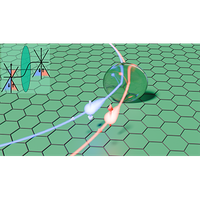
Phys. Rev. X 16, 021029 (2026)
arXiv
Charge Scrambling in Strong-to-Weak Spontaneous Symmetry Breaking
New Submission | Statistical Mechanics (cond-mat.stat-mech) | 2026-05-08 20:00 EDT
Strong-to-weak spontaneous symmetry breaking (SWSSB) is diagnosed by nonlinear correlators, but its direct static implication for conserved charge fluctuations is not automatic. We show that, for continuous symmetries, long-range Rényi-1 correlator, together with a sufficiently rapid approach to its nonzero asymptotic value, forces subsystem charge indefiniteness: the block-charge variance has an extensive lower bound; equivalently, the truncated symmetry expectation has extensive curvature. This gives a precise static fluctuation footprint of charge scrambling. We construct examples to show that the implication is conditional and non-reversible: dephased superfluids retain Rényi-1 SWSSB with subextensive charge variance when the Rényi-1 tail is too slow, while sparse fixed-charge projectors have extensive charge variance but no local charge-transfer Rényi-1 order or long-range conditional mutual information. Finally, we introduce a \emph{twist overlap} correlator, which serves as an analogue of charge variance applicable to both discrete and continuous symmetries. This naturally decomposes local block-charge fluctuations into strong- and weak-symmetry channels. We found that the weak-symmetry channel isolates coherent charge fluctuations and is directly related to the Wigner–Yanase skew information. Taken together, these results give a unified understanding for distinguishing nonlinear SWSSB order, local charge indefiniteness, and coherent charge fluctuations.
Statistical Mechanics (cond-mat.stat-mech), Disordered Systems and Neural Networks (cond-mat.dis-nn), Quantum Physics (quant-ph)
Microsopic Theory of Spin Polarons in Chern Ferromagnets
New Submission | Strongly Correlated Electrons (cond-mat.str-el) | 2026-05-08 20:00 EDT
We develop a microscopic theory of charged excitations in an SU(2) Chern ferromagnet and obtain closed-form wavefunctions for a hierarchy of charge-$ e$ spin polaron states binding an arbitrary number of spin flips. In an ideal Chern-$ 1$ band with a normal-ordered contact interaction, we show that these polarons are exact eigenstates of the Hamiltonian with the same energy as single-hole excitations. Away from this ideal limit, we promote these states to a variational family by introducing a single size parameter and a geometry-informed single-particle dressing. Our momentum-space wavefunctions admit two equivalent representations: a ratio of Jastrow factors of Weierstrass functions of relative momenta or an antisymmetrized geminal product of particle-hole wavefunctions. The latter enables efficient evaluation of overlaps and expectation values for large system sizes and many spin flips. Benchmarking in the lowest Landau level, the single-spin-flip ansatz achieves $ \gtrsim 99%$ overlap with exact diagonalization and accurately captures binding energies, while the multi-spin-flip energies interpolate smoothly toward the large-texture (skyrmion) regime. For Chern bands with tunable quantum geometry, we find that interaction-generated single particle dispersion quickly destabilizes the spin polarons once quantum geometry becomes sufficiently non-uniform. When such dispersion is suppressed, however, the bound states persist deeper into the non-uniform regime, with the binding energy slowly decreasing and the bound state becoming larger as the quantum geometry becomes more concentrated. Our results provide a microscopic foundation for analyzing doped Chern ferromagnets in moiré platforms and lay the groundwork for variational wavefunctions of multi-polaron excitations and phases.
Strongly Correlated Electrons (cond-mat.str-el)
main text: 7 pages, 2 figures
Competing nonlinearities, criticality, and order-to-chaos transition in deep networks
New Submission | Disordered Systems and Neural Networks (cond-mat.dis-nn) | 2026-05-08 20:00 EDT
Omri Lesser, Debanjan Chowdhury
Deep neural networks owe their expressive power to nonlinear activation functions. The effective field theory of signal propagation at initialization reveals a few distinct universality classes of activations that exhibit different depth scaling. Tuning across these, especially with analytical control, is an open problem. We show that a statistical mixture of activations, where each neuron independently and randomly draws its activation from a two-component distribution with mixing fraction $ p$ , provides a new mechanism for a continuous phase transition. Applied to a mixture of Tanh and Swish, the transition is sharp in the depth scaling of the preactivation variance, separating a variance-collapsing from a variance-inflating phase; at $ p_c$ , the network acquires statistical scale invariance, with depth-independent variance, without sacrificing smoothness. This resolves a longstanding tension, where scale-invariant propagation has previously required the non-smooth ReLU family, rendering such networks ill-suited to curvature-based optimizers, physics-informed architectures, and neural-network quantum states. We corroborate the transition through variance propagation, parallel and perpendicular susceptibilities, and Lyapunov exponents. Training multilayer perceptrons on real datasets reveals non-monotonic test performance as a function of $ p$ , with an optimum near the theoretically predicted $ p_c$ , confirming that the initialization-level transition has direct consequences for learned representations. The quenched activation disorder acts as a structural regularizer, suppressing memorization of corrupted labels while preserving generalization. Our framework establishes statistical activation mixtures as a controlled tool for navigating the phase diagram of deep network universality classes.
Disordered Systems and Neural Networks (cond-mat.dis-nn), Statistical Mechanics (cond-mat.stat-mech)
15 pages, 9 figures
Engineering Quantum Many-Body Scars through Lattice Geometry
New Submission | Quantum Gases (cond-mat.quant-gas) | 2026-05-08 20:00 EDT
Erick Parra Verde, Kevin P. Mours, Johannes Zeiher, Ana Hudomal, Jad C. Halimeh
Quantum many-body scars enable persistent non-ergodic dynamics in otherwise thermalizing systems, yet their stabilization typically relies on fine-tuned initial states or engineered Hamiltonian perturbations. Here we show that lattice geometry alone can serve as a powerful and experimentally accessible control knob for inducing and enhancing scarring. By transforming a one-dimensional chain into a quasi-one-dimensional triangle-decorated lattice, we find that the fully polarized state – normally thermalizing in the PXP model – exhibits pronounced fidelity revivals, slow entanglement growth, and strong overlap with a tower of weakly entangled eigenstates. We trace this behavior to a geometry-induced restructuring of the constrained Hilbert space, whereby the adjacency graph decomposes into hypercube subgraphs that enforce coherent population transfer and stabilize an emergent approximate $ \mathrm{su}(2)$ algebra. We propose a direct implementation in programmable arrays of tweezer-trapped Rydberg atoms, where the triangle-decorated geometry can be realized using spatial light modulators and the resulting scarring dynamics probed via time-resolved measurements of excitation density. Our results establish lattice connectivity as a design principle for engineering non-ergodic dynamics in constrained quantum systems.
Quantum Gases (cond-mat.quant-gas), Statistical Mechanics (cond-mat.stat-mech), Quantum Physics (quant-ph)
$10$ pages, $4$ figures
Measurement-induced phase transitions in disordered fermions
New Submission | Statistical Mechanics (cond-mat.stat-mech) | 2026-05-08 20:00 EDT
Yunxiang Liao, Max Matheussen, Xinghai Zhang
Measurement-induced phase transitions are nonequilibrium transitions between phases characterized by distinct entanglement scaling behaviors, driven by the competition between unitary dynamics and measurements. Despite recent numerical efforts, how quenched disorder affects these transitions remains unclear. In this work, we study a $ d$ -dimensional noninteracting fermionic system subject to both quenched disorder and continuous monitoring of the local particle density, and derive an effective field theory describing its long-time universal behaviors. We find that the system is governed by the same nonlinear sigma model as in the case of clean monitored fermions, with disorder entering only through a modification of model parameters. This result suggests that the presence or absence of a measurement-induced phase transition is unaffected by the introduction of disorder: in spatial dimensions d>1, a transition occurs between an area x log law phase and an area law phase, whereas in d=1, the system exhibits only an area law phase and no transition. Numerical results further demonstrate that both clean and disordered one-dimensional free fermions exhibit area-law behavior when the system size is large enough.
Statistical Mechanics (cond-mat.stat-mech), Disordered Systems and Neural Networks (cond-mat.dis-nn), Quantum Physics (quant-ph)
18 pages, 3 figures
Light-Induced Even-Wave Spin Splittings in Nonmagnetic Centrosymmetric Systems with Spin-Orbit Coupling
New Submission | Materials Science (cond-mat.mtrl-sci) | 2026-05-08 20:00 EDT
Xiao-Jiao Wang, Dongling Liu, Di Zhu, Zheng-Yang Zhuang, Zhongbo Yan
Spin splitting underpins a vast range of spin-dependent phenomena. Traditionally, two primary mechanisms generate such splitting: relativistic spin-orbit coupling (SOC) and nonrelativistic magnetic exchange coupling (MEC). Governed by distinct symmetry constraints, they produce splittings of opposite parity – odd for SOC and even for MEC – a dichotomy that underpins the distinct spin physics of nonmagnetic and magnetic systems. In this work, we break this dichotomy by demonstrating the dynamic generation of even-parity spin splitting in centrosymmetric, nonmagnetic systems driven by circularly polarized light. We show that the symmetry of the induced splitting is controlled by the angular character of the underlying orbitals, enabling the realization of s-wave, d-wave, and g-wave spin-split band structures identical to those of ferromagnets and altermagnets. Furthermore, we find that these spin-split bands can naturally host a Chern insulator phase. We also discuss the associated spin and orbital magnetization. Our results establish a direct and previously unrecognized conceptual link between the two fundamental mechanisms of spin splitting.
Materials Science (cond-mat.mtrl-sci), Mesoscale and Nanoscale Physics (cond-mat.mes-hall), Other Condensed Matter (cond-mat.other)
8 pages, 6 figures
Squeezed Vibrational States in Superfluid Helium
New Submission | Other Condensed Matter (cond-mat.other) | 2026-05-08 20:00 EDT
Ultrafast birefringence oscillations observed in superfluid helium provide evidence for anisotropic quantum squeezing of quasiparticle pairs. The measured response is a superposition of contributions from all vibrational modes, with dominant contributions from rotons, maxons, and Pitaevskii’s plateau. The nonzero initial phase follows naturally from multimode interference.
Other Condensed Matter (cond-mat.other), Optics (physics.optics), Quantum Physics (quant-ph)
8 pages, 1 figure
From Bulk to Surface: Structure and Dynamics of Amorphous Alumina from Deep Potential Molecular Dynamics
New Submission | Materials Science (cond-mat.mtrl-sci) | 2026-05-08 20:00 EDT
Zheng Yu, Jiayan Xu, Abhirup Patra, Sharan Shetty, Detlef Hohl, Roberto Car
Understanding the atomic-scale structure and dynamics of amorphous oxide surfaces is essential for interpreting their chemical reactivity, mechanical stability, and interfacial behavior, yet direct experimental characterization remains challenging. We employ Deep Potential (DP) molecular dynamics to generate large-scale, ab initio-quality models of amorphous Al$ _2$ O$ _3$ bulk glasses and melt-quenched free surfaces, enabling a quantitative analysis of both structure and relaxation dynamics with statistical confidence inaccessible to direct ab initio simulation. The trained DP model reproduces experimental liquid and glass structure, captures the cooling-rate dependence of the bulk glass transition, and corrects systematic biases in the polyhedral populations predicted by widely used classical force fields. At the free surface, mass density recovers to bulk values over ~10 $ \unicode{x212B}$ , while local coordination requires a slightly wider subsurface region to fully converge. The outermost layer is oxygen-enriched, exhibits altered polyhedral connectivity with contracted Al-O bonds, and hosts a broad population of under-coordinated motifs (notably AlO$ _3$ and OAl$ _2$ ) whose abundances are governed by glass stability. These reactive Lewis acid and Br$ \unicode{x00F8}$ nsted base sites are locally paired in a manner consistent with bond-valence compensation, yet remain spatially dispersed rather than aggregating into extended clusters. Despite this pronounced structural heterogeneity, the surface relaxes on the same timescale as the bulk and exhibits a comparable glass transition temperature, suggesting that the disordered surface is kinetically stable once formed. Together, these results establish a molecular-level picture of amorphous alumina surfaces and demonstrate the capability of machine-learned potentials to resolve structure-property relationships in disordered oxide interfaces.
Materials Science (cond-mat.mtrl-sci), Disordered Systems and Neural Networks (cond-mat.dis-nn)
Structural effects of liquid infiltration of 3Y-Zirconia with Sc, Mg and Y
New Submission | Materials Science (cond-mat.mtrl-sci) | 2026-05-08 20:00 EDT
Asbjoern Slagtern Fjellvaag, Oystein Slagtern Fjellvaag, Amund Ruud
The current work has investigated the effect of co-doping 3Y-Zirconia (3YSZ) with Sc, Mg and Y by wet infiltration. Pre-sintered discs of 3YSZ were immersed in diluted nitric acid solutions containing Sc, Mg or Y, and combinations of the three, trapping liquid within the porosities of the samples. Upon drying, the cations are maintained inside the pellet, making the basis for the co-doping. After sintering, mass increase confirms the co-doping effect and X-ray diffraction analysis show clear variations in atomic structure depending on the doping element. Rietveld refinements show that the wet-infiltrated samples contain the tetragonal t, t double prime and cubic c-phase in various fractions depending on the doping elements. Sc-infiltrated samples show a tendency to higher tetragonality, while the Mg-infiltrated sample obtained a single cubic phase. The multi-phase wet-infiltrated samples have a similar phase separation after sintering as 5Y-Zirconia (5YSZ), as calculated by the tetragonality deviation parameter. 3YSZ and 5YSZ sintered for 0 hours and 2 hours at 1500 degrees C show the effect of sintering time on the phase segregation. To evaluate the material properties in an application-based perspective, the Knoop hardness, translucency and grain size was measured. We conclude that liquid infiltration is a viable route to perform co-doping of Zirconia with various co-doping elements.
Materials Science (cond-mat.mtrl-sci)
16 pages, 6 figures, supplementary section included after reference list
Frustrated Fields: Statistical Field Theory for Frustrated Brownian Particles on 2D Manifolds
New Submission | Statistical Mechanics (cond-mat.stat-mech) | 2026-05-08 20:00 EDT
We develop a statistical field theory that describes the large-N limit of a system of Brownian particles with quenched random pairwise interactions on a compact two-dimensional Riemannian manifold. The resulting Frustrated Fields (F2) model is a non-linear field theory for a smooth self-interacting density field $ \rho$ on the manifold, with local and non-local (in space and time) self-interactions characteristic of spin-glass dynamics. Particle simulations show \emph{adiabatic dimension reduction}: on $ S^2$ , the density concentrates on a slowly precessing great-circle ring whose orientation is a director ($ \hat{\mathbf{n}} \sim -\hat{\mathbf{n}}$ , even profile). Conditioned on this simulation-supported ring saddle and on a Born-Oppenheimer separation between the slow orientation and the gapped density fluctuations, symmetry fixes the low-energy dynamics to be the nonlinear sigma model (NLSM) on the real projective plane $ S^2/\mathbb{Z}2 = \mathbb{RP}^2$ (the $ \mathbb{RP}^2$ NLSM on the projective rotor space) in $ (0+1)$ dimensions, governed by a single low-energy constant, the rotational diffusion coefficient $ D{\text{rot}}$ . With $ D_{\text{rot}}$ and the static ring profile $ f_0$ measured from particle simulations, the resulting effective theory reproduces multiple independent orientation- and density-sector diagnostics with no further adjustable parameters.
Statistical Mechanics (cond-mat.stat-mech), Disordered Systems and Neural Networks (cond-mat.dis-nn), High Energy Physics - Theory (hep-th), Pattern Formation and Solitons (nlin.PS)
74 pages, 8 figures
MLM: Multi-Layer Moire – A Python Package for Generating Commensurate Supercells of Twisted Multilayer Two-Dimensional Materials
New Submission | Materials Science (cond-mat.mtrl-sci) | 2026-05-08 20:00 EDT
Anikeya Aditya, Sampad Mohanty
Moire superlattices formed by stacking atomically thin two-dimensional materials with a relative twist angle have emerged as a versatile platform for engineering quantum electronic, optical, and ferroic properties. Computational modelling of such systems with periodic boundary conditions requires the identification of commensurate supercells in which the moire periodicity is reproduced exactly, or within a prescribed tolerance. While several codes exist for bilayer systems, extension to three or more layers with independently chosen twist angles remains a significant challenge. Here we present MLM (Multi-Layer Moire), an open-source Python package that constructs periodic, PBC-compatible moire supercells for an arbitrary number of twisted layers with any Bravais lattice type. The package employs a solve-and-round algorithm that reduces the coincidence-site search to an $ O(N^2)$ linear-algebra problem per twist angle, compared to the O(N^4) brute-force enumeration required by conventional approaches. We demonstrate the package on bilayer graphene, bilayer and trilayer MoS$ _2$ , bilayer SrTiO$ _3$ , and a PbTiO$ _3$ /SrTiO$ _3$ oxide heterostructure, producing simulation-ready structure files for both VASP and LAMMPS. The fractional-coordinate atom-selection algorithm scales to supercells containing millions of atoms and is robust across all twist angles including very small angles below 1 degree.
Materials Science (cond-mat.mtrl-sci), Computational Physics (physics.comp-ph)
28 pages, 6 figures, 4 tables
Band Unfolding via the Quadratic Pseudospectrum
New Submission | Materials Science (cond-mat.mtrl-sci) | 2026-05-08 20:00 EDT
Christopher A. Bairnsfather, Ralph M. Kaufmann, Terry A. Loring, Alexander Cerjan
Band theory provides the foundation for understanding electronic structure in crystalline materials, but its reliance on exact translational symmetry limits its applicability to systems with defects, disorder, incommensurate modulations, or large unit cells. Here, we introduce a band unfolding framework that directly generalizes traditional band theory to systems where exact periodicity is absent, and which remains well-defined for both aperiodic and finite systems. To do so, we employ a pseudospectral approach to identify approximate joint eigenvectors of a system’s Hamiltonian and translation operators, thereby yielding an unfolded band structure whose features are directly connected to the manifestation of approximate extended states simultaneously localized in energy and crystalline momentum. To reveal bulk-only spectral phenomena in finite systems, we further show that this pseudospectral framework naturally accommodates additional operators that suppress contributions from boundary-localized states, enabling the systematic isolation of intrinsic bulk behavior. We benchmark the scheme on several representative systems in one and two dimensions, including a Fibonacci chain, where our approach is able to both reveal a dispersive envelope while preserving the underlying hierarchy of spectral gaps. Looking forward, this pseudospectral approach may yield a broad framework for predicting momentum-resolved material responses in aperiodic, disordered, and finite systems where conventional band-theoretic methods are not applicable.
Materials Science (cond-mat.mtrl-sci), Other Condensed Matter (cond-mat.other), Mathematical Physics (math-ph)
5 pages, 4 figures, supplemental material
A transition in the hole probability at finite temperature for free fermions in $d$ dimensions
New Submission | Statistical Mechanics (cond-mat.stat-mech) | 2026-05-08 20:00 EDT
Giuseppe Del Vecchio Del Vecchio, Pierre Le Doussal, Gregory Schehr
In a free Fermi gas at temperature $ T$ much higher than the Fermi temperature one expects that the fluctuations of the number of particles in a given region has Poissonian/classical statistics. On the other hand at low temperature the Pauli exclusion principle leads to non trivial counting statistics. It is of great interest from a theoretical and experimental point of view to characterize the crossover between these two limits. Here we focus on the hole probability $ P(R,T)$ , i.e. the probability that a region of size $ R$ is devoid of particles, in dimension $ d$ , and on the case of a spherical region of large radius $ R$ . We show that at low temperature it takes the scaling form $ P(R,T)\sim \exp\big[-(k_F R)^{d+1}\Phi_d(u=2R,T/k_F)\big],$ where $ k_F$ is the Fermi momentum. By mapping the problem to an effective Coulomb gas, we compute exactly the scaling function $ \Phi_d(u)$ in any dimension. Remarkably, it exhibits a transition of order $ \tfrac{3}{2}(d+1)$ at the universal critical value $ u_c=2/\pi$ , signaling a sharp change in the mechanism of rare fluctuations, associated with the emergence of a macroscopic gap in the optimal density of the associated Coulomb gas. Our analytical predictions are supported by precise numerical evaluations of the corresponding Fredholm determinants.
Statistical Mechanics (cond-mat.stat-mech), Quantum Gases (cond-mat.quant-gas), Mathematical Physics (math-ph), Probability (math.PR)
8 pages (Main Text) + 48 pages (End Matter + Supplementary Material), 9 figures
Superconductivity mediated by nematic fluctuations – the dispersion of collective modes
New Submission | Superconductivity (cond-mat.supr-con) | 2026-05-08 20:00 EDT
Kazi Ranjibul Islam, Andrey Chubukov
We analyze the spectrum of collective modes in a superconductor in which pairing is mediated by long-range nematic fluctuations. Previous experimental and theoretical studies have found that the superconducting gap in such a system is highly anisotropic and, at any finite $ T<T_c$ , vanishes on four arcs of the Fermi surface, even when the pairing symmetry is $ s$ wave ($ s^{+-}$ between hole and electron pockets). We derive the expression for the pair susceptibility $ \chi(\mathbf{q},\Omega)$ at finite momentum $ \mathbf{q}$ and frequency $ \Omega$ deep in the superconducting phase. We analyze the spectral function, $ \operatorname{Im}\chi(\mathbf{q},\Omega)$ , and its pole structure in the transverse (phase) and longitudinal (amplitude) channels, and compare the results with those of a conventional $ s$ -wave superconductor. We find that the analytic structure of the pair susceptibility in both channels is qualitatively distinct from that in a BCS superconductor. This gives rise to a highly unconventional dispersion of phase and amplitude collective modes.
Superconductivity (cond-mat.supr-con)
Resonance Proliferation Across Localization Transitions
New Submission | Disordered Systems and Neural Networks (cond-mat.dis-nn) | 2026-05-08 20:00 EDT
Carlo Vanoni, David M. Long, Anushya Chandran
Models of many-body localization (MBL) exhibit slow numerical drifts towards delocalization with increasing system size, for which no satisfactory theory exists. Numerics indicates that these drifts are driven by the proliferation of many-body resonances at intermediate disorder strengths. We develop a statistical method to predict the distribution of resonance oscillation frequencies which captures how the formation of resonances at larger frequency scales subsequently affects the formation of resonances at lower frequencies. Working within the statistical Jacobi approximation (SJA), we derive a flow equation for a power-law exponent $ \theta(w)$ characterizing the density of resonances at frequency scale $ w$ . A localized phase is described by a line of fixed points with $ \theta(w)>0$ , while an instability of the flow signals resonance proliferation and the onset of thermalization. The predicted $ \theta(w)$ matches numerics on the Anderson model on random regular graphs and the Lévy-Rosenzweig-Porter random matrix ensemble, both of which host resonance-driven delocalization transitions. We further connect the flow to eigenstate properties such as the participation ratio and to dynamical observables such as the return probability. The predicted $ \theta(w)$ also matches what is numerically measured in real-space models of MBL at intermediate disorder strengths, representing a significant step towards explaining the finite-size drifts observed in MBL.
Disordered Systems and Neural Networks (cond-mat.dis-nn), Quantum Gases (cond-mat.quant-gas), Statistical Mechanics (cond-mat.stat-mech)
19+3 pages, comments welcome!
Breakdown of Emergent Chiral Order and Defect Chaos in Nonreciprocal Flocks
New Submission | Soft Condensed Matter (cond-mat.soft) | 2026-05-08 20:00 EDT
Charlotte Myin, Suropriya Saha, Benoît Mahault
We show that chiral order in two-dimensional nonreciprocal flocking mixtures is generically unstable. Combining large-scale agent-based simulations with a coarse-grained continuum description, we demonstrate that rotating chiral states emerging from antisymmetric couplings are destroyed by the proliferation of topological defects. The resulting dynamics is spatiotemporally chaotic and characterized by a finite correlation length that diverges as nonreciprocity vanishes. On length scales below this cutoff, density and orientational order fluctuations remain scale-free, but the associated scaling exhibits nonuniversal exponents. We attribute this atypical behavior to the coupling between density and order, which causes topological defects to act as persistent sources of nonlinear fluctuations.
Soft Condensed Matter (cond-mat.soft), Statistical Mechanics (cond-mat.stat-mech)
7 pages, 4 figures
Exact theory of plasmon reflection and transmission in partially gated two-dimensional system
New Submission | Other Condensed Matter (cond-mat.other) | 2026-05-08 20:00 EDT
We develop an exact theory of plasmon scattering at the boundary between gated and ungated regions of a two-dimensional electron system (2DES). Using the Wiener-Hopf technique, we derive analytical expressions for the complex reflection and transmission coefficients of plasmons incident from both sides of the interface. The theory fully accounts for evanescent fields at the gate edge and radiative losses into free-space electromagnetic waves. In the non-retarded limit and for small gate-2DES separation, the reflected plasmon dominates the total electric field, while radiative losses are negligible when plasmon scattering. The amplitudes and phases of the reflection and transmission coefficients for plasmons incident from both sides have a complex dependence from 2DES-gate separation and conductivity of 2DES. Our results provide a rigorous foundation for modeling tunable plasmonic crystals based on 2DES for terahertz detection and modulation.
Other Condensed Matter (cond-mat.other)
8 pages, 5 figures
Field-Induced Local Excitations Causing Zero-Magnetization Plateaus in Antiferromagnets of Antiferromagnetic Spin Dimers Under Magnetic Field
New Submission | Strongly Correlated Electrons (cond-mat.str-el) | 2026-05-08 20:00 EDT
Myung-Hwan Whangbo, Hyun-Joo Koo, Nikita V. Astakhov, Peter S. Berdonosov, Olga S. Volkova
Certain antiferromagnets composed of antiferromagnetic spin dimers exhibit a zero-magnetization plateau despite that the single-ion anisotropy of their magnetic ions is negligible. The cause for this observation was investigated by analyzing how a magnetic field affects the energy spectrum of an antiferromagnetic chain composed of antiferromagnetic spin dimers made up of two spin-half ions and by carrying out specific heat measurements for potassium copper chloride as a function magnetic field at 2 K.
Strongly Correlated Electrons (cond-mat.str-el)
35 pages and 10 figires, 2006, accepted for publication Chemistry of Materials
Thermodynamics and emergent thermomechanical response of a quantum ring with nonminimal spin–orbit coupling
New Submission | Statistical Mechanics (cond-mat.stat-mech) | 2026-05-08 20:00 EDT
João A. A. S. Reis, L. Lisboa-Santos, Edilberto O. Silva
We investigate the thermodynamic and emergent thermomechanical properties of fermions confined to a one-dimensional quantum ring with effective spin–orbit interactions induced by nonminimal couplings to antisymmetric tensor fields. Using the exact spectrum obtained in the companion work, we develop canonical and grand-canonical descriptions and show that the coupling parameter$ \xi$ deforms the angular-momentum branches, reorganizing the low-energy spectrum and leaving clear signatures in the internal energy, entropy, heat capacity, and spin–orbit response functions. We also formulate an effective thermomechanical description by treating the ring circumference as a quasi-static thermodynamic variable. This leads to a pressure-like quantity and associated response coefficients, directly linked to the microscopic spectrum. In the grand-canonical ensemble, Fermi statistics strongly enhance the response, producing coupling-dependent instabilities and sign changes reminiscent of mesoscopic deHaas–van Alphen oscillations. Finally, we introduce a phenomenological interacting extension based on an exponential resummation of the free energy, showing that collective effects can sharpen the thermomechanical response and induce anomalous thermal contraction. Our results connect spectral deformation, finite-size thermodynamics, and emergent mechanical behavior in spin–orbit-active quantum rings.
Statistical Mechanics (cond-mat.stat-mech)
Tunable Interlayer Charge-transfer States in MoSe$_2$/WS$_2$ Moiré Superlattices
New Submission | Mesoscale and Nanoscale Physics (cond-mat.mes-hall) | 2026-05-08 20:00 EDT
Zheyu Lu, Jiahui Nie, Tianle Wang, Rwik Dutta, Ruishi Qi, Jingxu Xie, Can Uzundal, Jianghan Xiao, Ziyu Wang, Yibo Feng, Kenji Watanabe, Takashi Taniguchi, James R. Chelikowsky, Archana Raja, Steven G. Louie, Mit H. Naik, Michael P. Zaletel, Feng Wang
Moiré superlattices formed by transition metal dichalcogenide (TMD) heterobilayers provide a versatile platform for studying strongly correlated electronic, excitonic, and topological phenomena in solids. In particular, angle-aligned MoSe$ _2$ /WS$ _2$ heterobilayers, which have a Type-I band alignment at zero vertical electric field, host rich correlated spin and charge physics. Here, combining large-scale first-principles calculations and optical reflection spectroscopy, we report a thorough study of the emergent moiré excitonic states and interlayer charge-transfer states in angle-aligned electron-doped MoSe$ _2$ /WS$ _2$ moiré superlattices. The moiré excitonic states serve as sensitive optical probes to the localization profile of doped electrons. We observe a series of interlayer charge-transfer transitions from n/n$ _0$ = 1 to 4 (where n$ _0$ denotes the moiré density) when the vertical electric field switches the heterostructure band alignment from Type-I to Type-II. By tuning the vertical electric field, we can precisely control the interlayer electron localization, realizing a Fermi-Hubbard model with a tunable charge-transfer band on an effective honeycomb lattice. Furthermore, Monte Carlo simulation of the doping dependence of the electric-field susceptibility predicts that multiple correlated charge-ordered states appear at both integer and fractional fillings. Our results provide a holistic understanding of the emergent optical excitations and the correlated charge-transfer states in electron-doped MoSe$ _2$ /WS$ _2$ moiré superlattices.
Mesoscale and Nanoscale Physics (cond-mat.mes-hall), Strongly Correlated Electrons (cond-mat.str-el)
Multifrequency Floquet Engineering of Magnon Polaritons
New Submission | Mesoscale and Nanoscale Physics (cond-mat.mes-hall) | 2026-05-08 20:00 EDT
L. Hackner, A. R. Myatt, W. Wustmann, N. J. Lambert
Floquet engineering of cavity magnon-polaritons by periodically modulating the magnon frequency has recently attracted much interest as a way to manipulate the energy spectrum of magnon-photon hybrid systems. However, modulating the frequency of magnons by a time-varying bias magnetic field can be challenging. We demonstrate cavity magnon-polariton Floquet engineering by modulating the microwave cavity frequency, allowing large modulation depth and bandwidth. We apply commensurate two-frequency Floquet modulations with the higher frequency at twice and three times the lower frequency, and demonstrate that the resulting spectrum depends on the relative amplitude and phase of the two drive tones. In comparison with single-frequency Floquet modulations, the spectrum has qualitatively different features; in particular, new anticrossings appear between previously uncoupled sidebands. Our platform offers an alternative way to manipulate Floquet quasi-energy levels in hybrid systems.
Mesoscale and Nanoscale Physics (cond-mat.mes-hall), Applied Physics (physics.app-ph)
5 pages, 4 figures
Collective quantum state at the atomic limit
New Submission | Mesoscale and Nanoscale Physics (cond-mat.mes-hall) | 2026-05-08 20:00 EDT
Fan Zhang, Yanxing Li, Chengye Dong, Ninad Kailas Dongre, Viet-Anh Ha, Yu-Chuan Lin, Yiyuan Luo, Hyunsue Kim, Joshua A. Robinson, Feliciano Giustino, Fan Zhang, Chih-Kang Shih
Collective quantum states are often associated with extended systems, where spatially extensive degrees of freedom enable emergent many-body behavior; whether such strongly correlated states survive at atomic dimensions remains a fundamental question. Tomonaga-Luttinger liquids provide a paradigmatic example of one-dimensional collective quantum matter characterized by spin-charge separation. Using low-temperature scanning tunneling microscopy and spectroscopy, we directly visualize quantized collective modes in atomically confined mirror twin boundary segments of monolayer WSe2. Distinct standing-wave branches associated with fractionalized spin and charge excitations persist in segments as short as one nanometer, establishing the atomic-scale confinement limit of Luttinger-liquid behavior. These ultrashort segments form a new class of many-body quantum dots whose discrete spectra arise from confined collective bosonic modes rather than single-particle electron states. When assembled into ordered chains, inter-dot coupling reshapes electron-like fundamental states while collective spin/charge excitations remain largely intact, revealing distinct coupling responses of emergent many-body modes. Our results demonstrate that collective quantum matter can persist and exhibit fundamentally distinct coupling behavior at atomic length scales, establishing a novel platform for engineering strongly correlated quantum phases from atomically confined building blocks.
Mesoscale and Nanoscale Physics (cond-mat.mes-hall), Materials Science (cond-mat.mtrl-sci), Strongly Correlated Electrons (cond-mat.str-el)
Galois Solvability of Finite-Size Bethe Solutions in the Heisenberg Chain
New Submission | Strongly Correlated Electrons (cond-mat.str-el) | 2026-05-08 20:00 EDT
Oliver R. Bellwood, William J. Munro
The spin-1/2 Heisenberg antiferromagnetic chain is the canonical example of an integrable quantum many-body model. Despite its exact solvability, explicit finite-size solutions are typically only accessible via numerical evaluation of the Bethe ansatz equations. Here, we analyse the algebraic structure of the exact, symbolic ground states for chains up to ten sites using the coordinate Bethe ansatz. We show that both the ground state wavefunction and the Bethe-roots rapidly develop algebraic complexity with respect to system size, but at different rates. The Bethe-roots appear to become Galois unsolvable for chains of eight or more sites, whereas the ground state wavefunction coefficients and energy appear to become unsolvable for ten or more sites. This demonstrates a lack of explicit analytic tractability in a quantum integrable model due to algebraic complexity.
Strongly Correlated Electrons (cond-mat.str-el), Mathematical Physics (math-ph)
5 pages, 2 figures
Strain-Dependent Ionic Transport in Li3YCl6 Solid Electrolytes
New Submission | Materials Science (cond-mat.mtrl-sci) | 2026-05-08 20:00 EDT
Wei-Fan Huang, Jin Dai, Jiahui Pan, Mingjian Wen
Solid-state batteries require electrolytes that sustain high ionic conductivity under the mechanical environment of a functioning cell. Lattice strain, arising from stack pressure, thermal cycling, or lattice mismatch at interfaces, can either enhance or suppress Li+ transport in solid electrolytes, yet how it couples to the underlying diffusion mechanism remains poorly understood. Using Li3YCl6 halide superionic conductor, we address this with large-scale molecular dynamics simulations driven by an Atomic Cluster Expansion (ACE) machine learning interatomic potential trained on first-principles data. The ACE model faithfully reproduces experimental and \textit{ab initio} structural, mechanical, and transport properties of Li3YCl6. We find that Li+ diffusion in Li3YCl6 follows a two-regime Arrhenius behavior, crossing over at a critical temperature $ T_c$ from one-dimensional hopping at low temperature to three-dimensional cooperative diffusion at high temperature. Strain substantially modulates diffusivity: tensile strain enhances it while compressive strain suppresses it, yet leaves $ T_c$ invariant, indicating that strain tunes diffusion efficiency without reshaping the underlying transport framework. In each regime, the mechanistic origin differs: altered activation barriers dominate at low temperature, while modified pre-exponential factors become critical at high temperature. These results establish lattice strain as a design lever for ionic conductivity in Li3YCl6 solid-state electrolytes.
Materials Science (cond-mat.mtrl-sci)
Tuning charge-transport properties and magnetic order in metallic EuTiO$_{3-δ}$
New Submission | Materials Science (cond-mat.mtrl-sci) | 2026-05-08 20:00 EDT
Xing He, Chiou Yang Tan, Issam Khayr, Zach Van Fossan, Richard J. Spieker, Dayu Zhai, Sarah Anderson, Dinesh Shukla, Suchismita Sarker, Javier Garcia-Barriocanal, Turan Birol, Martin Greven
The stoichiometric antiferromagnetic insulator EuTiO$ _3$ is proximate to a ferroelectric phase. Whereas cation substitution has been used as a tuning parameter to introduce charge carriers and manipulate the magnetism, the effects of oxygen-vacancy doping have been less explored. Here we report a detailed study of the charge transport and magnetic properties of metallic, oxygen-vacancy-doped EuTiO$ _{3-\delta}$ . Using CaH$ _2$ as an oxygen getter to achieve a higher carrier concentration than previously reported, we find that the phase diagram of the oxygen-vacancy-doped system is distinct from that obtained via cation doping. In particular, we uncover a change from antiferromagnetic to ferromagnetic order in the metallic state, with a maximum Curie temperature of TC $ \approx$ 11 K at the highest carrier concentration of n $ \approx$ 10$ ^{21}$ cm$ ^{-3}$ . These findings are supported by density functional theory calculations, which indicate a significant change in the nearest-neighbor magnetic exchange constant with increasing electron doping. We also present x-ray diffuse scattering and complementary first-principles results that reveal that, similar to the prominent incipient ferroelectric perovskite SrTiO$ _3$ , the data for EuTiO$ _3$ are consistent with thermal diffuse scattering and with the absence of quasi-elastic contributions. Finally, we report specific heat measurements that confirm the magnetic transition temperatures deduced from magnetization measurements and corroborate the lattice dynamics picture inferred from the diffuse scattering data.
Materials Science (cond-mat.mtrl-sci)
Physics-Grounded Understanding of Thermal Boundary Conductance between Ga$_2$O$_3$ and SiC from a Feedforward Neural Network Potential
New Submission | Materials Science (cond-mat.mtrl-sci) | 2026-05-08 20:00 EDT
Nuohao Liu, Chen Shen, Yue Cao, Song Xue, Pingfan Wu, Zongfang Lin, Masood Mortazavi, Liang Peng, Izabela Szlufarska, Jiechen Wang
Ga$ _2$ O$ _3$ /SiC heterointegration is attractive for ultra-wide-bandgap power electronics, but interfacial thermal boundary conductance (TBC) remains a major heat-removal bottleneck. Direct experimental access to intrinsic atomistic interfacial transport remains limited, particularly for ideally synthesized materials with defect-free interfacial contact. First-principles simulations are too expensive at relevant length and time scales, while empirical Molecular Dynamics (MD) potentials often lack transferability across oxide and carbide bonding environments. We develop a unified feedforward neural network potential and validate it against density-functional data, bulk phonon dispersions, and anisotropic thermal-conductivity trends in both $ \beta$ -Ga$ _2$ O$ _3$ and SiC. Nonequilibrium simulations show that TBC decreases with transport length, increases with temperature, and is consistently higher for Ga$ _2$ O$ _3$ (\bar{2}01)$ /SiC(0001) than for Ga$ _2$ O$ _3$ (100)/SiC(0001). These trends are explained by attenuation of long-mean-free-path carriers, enhanced incoherent and anharmonic interfacial exchange within broadly unchanged spectral channels, and stronger bonding and vibrational coupling at the $ (\bar{2}01)$ interface. The results show how a single transferable feedforward neural network potential can enable large-scale transport prediction and physics-grounded mechanistic understanding of thermal boundary conductance. Code for NEP training and simulation workflows is available at the project repository this https URL
Materials Science (cond-mat.mtrl-sci), Computational Physics (physics.comp-ph)
10 pages main text, 7 figures. Corresponding author: Jiechen Wang
Inter-harmonic ratio structure and saturation of Bernstein modes in graphene
New Submission | Mesoscale and Nanoscale Physics (cond-mat.mes-hall) | 2026-05-08 20:00 EDT
Bernstein modes (BM) in graphene are finite-wavevector magnetoplasmons excited by contact near fields, whereas ordinary cyclotron resonance (CR) probes $ q\approx0$ . We derive the BM peak absorption in the quasiclassical ballistic regime and show that it factorizes into a launch spectrum, Bernstein-mode splitting, turning-point enhancement, and residual dielectric-response factor. At fixed excitation frequency, BM overtones ($ n\ge2$ ) are sampled, to leading order, at the same momentum $ q\simeq\omega/v_F$ . Smooth launch and screening factors therefore cancel in inter-harmonic peak ratios, yielding $ I_n/I_m\simeq m/n$ , modified by linewidth corrections and one residual response ratio for each harmonic pair. In smooth-launcher synthetic tests, noisy full-$ q$ spectra recover the residual ratio within errors: moderate launcher/dielectric misspecification within this benchmark family shifts it by only $ \sim!1$ –$ 2%$ , whereas linewidth assumptions shift it by $ \sim!10$ –$ 30%$ . The same factorization connects low-power amplitudes to nonlinear saturation. If BM harmonics share the same cooling region and bolometric readout, the low-power slope times onset intensity is harmonic independent, while BM and CR power sweeps obey distinct normalized saturation curves with linewidth scalings $ \Gamma^{-1/2}$ and $ \Gamma^{-1}$ .
Mesoscale and Nanoscale Physics (cond-mat.mes-hall)
19 pages, 6 figures
Si/SiGe multi-channel superlattice structure epitaxial growth with segmented temperature control for Next-Generation Logic Devices
New Submission | Materials Science (cond-mat.mtrl-sci) | 2026-05-08 20:00 EDT
Wenlong Yao, Zhigang Li, Guobin Bai, Jianfeng Gao, Jiahan Yu, Junfeng Li, Xiaolei Wang, Jun Luo
Stacking multiple SiSiGe channels in advanced logic devices faces severe thermal budget accumulation, which degrades interfaces via Ge-Si interdiffusion and strain this http URL strategy lowers the Ge diffusion coefficient to 5.6-7% of its value at 650C (Arrhenius estimate), suppressing interdiffusion and preserving pseudomorphic strain. The 4 + 4 channel stack exhibits clear XRD satellite peaks, fully coherent strain state (reciprocal space mapping), sharp interfaces (1.5-2.6 nm transition width) and low RMS roughness (0.08 nm). Quantitative analysis from bottom to top reveals that prolonged high-temperature exposure broadens bottom interfaces and dilutes Ge concentration (from 20% to 18.5%), while the top stack maintains design targets. This work provides a process-physics understanding of thermal budget effects in multi-channel superlattices and establishes a high-quality material foundation for advanced logic devices beyond 2 nm node.
Materials Science (cond-mat.mtrl-sci), Applied Physics (physics.app-ph)
A Scalable Translationally Invariant Variational Theory of Ab Initio Polarons
New Submission | Materials Science (cond-mat.mtrl-sci) | 2026-05-08 20:00 EDT
Moritz K. A. Baumgarten, Hamlin Wu, Tong Jiang, Joonho Lee
We introduce a scalable, translationally invariant variational theory for ab initio polarons that remains applicable across coupling regimes without resorting to supercells. Our approach combines a momentum-projected Toyozawa-type wavefunction with a low-rank factorization of the electron-phonon kernel, enabling near-linear scaling with the number of $ \mathbf{k}$ -points while capturing both delocalized and self-trapped carriers. Benchmarks for the Fröhlich model, LiF, and anatase and rutile TiO$ _2$ yield accurate polaron binding energies, thermodynamic-limit band structures, and transparent real-space measures of polaron extent. For LiF, comparison with first-principles diagrammatic Monte Carlo (DiagMC) reveals close agreement for the weak-coupling electron-polaron ground state and band structure. However, in the hole-polaron of LiF, which is in the strong-coupling regime, we found a significant bias in DiagMC results. These results establish momentum-projected variational wavefunctions as a systematically improvable route to thermodynamic limit studies of polarons in real materials.
Materials Science (cond-mat.mtrl-sci), Chemical Physics (physics.chem-ph), Computational Physics (physics.comp-ph)
Nonlinear Hall quantum oscillations to probe topological Brown-Zak fermions in graphene moiré systems
New Submission | Mesoscale and Nanoscale Physics (cond-mat.mes-hall) | 2026-05-08 20:00 EDT
Jinrui Zhong, Huimin Peng, Yuqing Hu, Qi Feng, Qiuli Li, Shihao Zhang, Qinsheng Wang, Jinhai Mao, Junxi Duan, Yugui Yao
Due to the deep connection with the quantum geometry of electronic Bloch wavefunctions, the second-order nonlinear Hall effect (NLHE) has been an attractive topic since its proposal. However, studies on NLHE under a magnetic field have been lacking. Given that quantum oscillations in the linear response regime have been proven to be useful tools in investigating electronic systems, searching for quantum oscillations in NLHE is of great interest and is expected to provide new avenues to unveil rich quantum geometric properties of novel quasiparticles. Here, we propose a new type of NLHE quantum oscillations and experimentally probe it in graphene moiré systems. It stems from the alternation of the dominant NLHE mechanisms with recurring Bloch states under magnetic field, which enables sensitive detection of Brown-Zak fermions, giving an onset field as low as 0.5 T. Most importantly, when the commensurability condition is satisfied, the nonlinear transport of Brown-Zak fermions is mainly governed by quantum geometric contributions. Our findings not only establish a new type of quantum oscillations, but also demonstrate the first experimental detection of the topological nature of Brown-Zak fermions, shedding light on the exploration of novel topological quasiparticles.
Mesoscale and Nanoscale Physics (cond-mat.mes-hall), Materials Science (cond-mat.mtrl-sci)
accepted in Phys. Rev. Lett.(see this https URL)
Polarizable atomic multipoles for learning long-range electrostatics
New Submission | Materials Science (cond-mat.mtrl-sci) | 2026-05-08 20:00 EDT
Dongjin Kim, Daniel S. King, Yoonjae Park, Roya Savoj, Sebastien Hamel, Xiaoyu Wang, Bingqing Cheng
Long-range electrostatics and polarization remain central obstacles to extending machine learning interatomic potentials (MLIPs) to ionic, polar, and interfacial systems. Here, we introduce a semi-local framework for learning electrostatics from energies and forces using polarizable atomic multipoles. Local equivariant descriptors predict environment-dependent latent monopoles, dipoles, and quadrupoles, while residual non-local charge transfer and polarization are captured by non-self-consistent linear response in induced charges and dipoles. Across four diverse benchmarks and four short-range MLIP architectures, the multipole hierarchy and response terms systematically improve potential energy surface accuracy, with the largest gains in systems where long-range effects are essential. More importantly, the learned latent variables recover physically meaningful electrical responses: accurate Born effective charge tensors, emergent polarizabilities, infrared spectra in close agreement with experiments, and semi-quantitative Raman spectra for bulk water and hybrid MAPbI$ _3$ perovskite. This systematically improvable, physically transparent framework enables MLIPs trained on standard energy and force labels to predict polarization-sensitive observables.
Materials Science (cond-mat.mtrl-sci), Machine Learning (cs.LG), Chemical Physics (physics.chem-ph), Computational Physics (physics.comp-ph)
Thermodynamic incompleteness in non-Markovian Majorana transport I: Island dynamics and missing transport statistics
New Submission | Mesoscale and Nanoscale Physics (cond-mat.mes-hall) | 2026-05-08 20:00 EDT
We show that the complete knowledge of the non-Markovian island-state dynamics of a floating Majorana island does not, in general, determine the thermodynamic transport statistics measured in the leads. We demonstrate this statement in a Coulomb-blockaded island with $ M$ Majorana zero modes coupled to structured reservoirs. In the cotunneling regime, a Schrieffer-Wolff transformation gives reservoir-assisted transitions generated by Majorana bilinears. After the reservoirs are traced out, the island state determines the memory kernel associated with each bilinear, and this is enough to predict all island-state observables within the cotunneling approximation. It is not enough to determine which lead or detector channel supplied the electron, absorbed the electron, or carried the corresponding energy exchange. This is a genuine loss of thermodynamic information, not an error in the island equation. We formulate the result as a thermodynamic completeness criterion: an island memory equation determines a transport observable only when that observable is constant over all assignments of reservoir channels that give the same island memory kernel. The criterion gives a measurable prediction. Two structured-reservoir Majorana devices can have identical island-state tomography and relaxation, but different charge noise measured separately in the leads, heat noise, and mixed charge-energy correlations. The geometry of the projection from reservoir records to island kernels and the topology of the network of tunnel contacts identify which transport information is absent from island-state dynamics.
Mesoscale and Nanoscale Physics (cond-mat.mes-hall), Statistical Mechanics (cond-mat.stat-mech)
Enhancement of $J$$_c$ by Proton Irradiation in HgBa$_2$Ca$_2$Cu$_3$O$8$$+$$_δ$ Single Crystals
New Submission | Superconductivity (cond-mat.supr-con) | 2026-05-08 20:00 EDT
Wenjie Li, Ran Guo, Xin Zhou, Qiang Hou, Mengqin Liu, Longfei Sun, Yuhang Zu, Wenshan Hong, Yuan Li, Sheng Li, Yue Sun, Zhixiang Shi, Tsuyoshi Tamegai
Critical current density is the key parameter for the practical application of superconductivity. In this study, 3 MeV proton irradiation experiments were conducted on HgBa$ _2$ Ca$ _2$ Cu$ _3$ O$ _8$ _+$ _\delta$ single crystals to introduce pinning centers. The critical current density is found to be strongly enhanced after the irradiation with its maximum at a dose of 1$ \times$ 10$ ^{16}$ /cm$ ^2$ , where the self-field critical current density at 2 K is enhanced from 5.5 MA/cm$ ^2$ to 26 MA/cm$ ^2$ . At 77 K, the self-field critical current density for all irradiated crystals is over 0.1 MA/cm$ ^2$ . The power-law dependence of the critical current density on the magnetic field is observed after irradiation, with a large power-law exponent $ \alpha$ close to 1. A monotonic magnetic field dependence of the normalized magnetic relaxation rate is observed, which could be attributed to the low irreversibility field caused by the large anisotropy in Hg1223 single crystals. Through the analysis of the pinning force density of the crystal before and after irradiation, a clear mechanism change has been observed.
Superconductivity (cond-mat.supr-con)
Emergent spin quantum Hall edge states at the boundary of two-dimensional electron gas proximitized by an $s$-wave superconductor
New Submission | Mesoscale and Nanoscale Physics (cond-mat.mes-hall) | 2026-05-08 20:00 EDT
M. V. Parfenov, V. S. Khrapai, I. S. Burmistrov
Hybrid two-dimensional electron gas-superconductor (2DEG-S) structures in a quantized magnetic field offer a promising platform for realizing new topological phases. While recent experiments reveal chiral Andreev edge states, their charge conductance is not integer quantized and is disorder sensitive, raising the question of whether topological protection survives. We argue that it does, but manifests in the spin transport channel. The 2DEG-S system belongs to symmetry class C of the Altland-Zirnbauer classification, which supports an even-integer quantized transverse spin conductivity – the spin quantum Hall effect, so far unobserved experimentally. We demonstrate that 2DEG-S hybrids host topologically protected edge states carrying a spin current with an even-integer quantized spin conductance robust against disorder. Finally, we propose an experimental setup to probe this protection via electrical measurements, establishing a concrete route to detect the class C origin of the chiral Andreev edge states.
Mesoscale and Nanoscale Physics (cond-mat.mes-hall), Superconductivity (cond-mat.supr-con)
7+7 pages, 2 figures
A Comparative Study of Projected and Unprojected Schemes for Micromagnetic Simulations
New Submission | Materials Science (cond-mat.mtrl-sci) | 2026-05-08 20:00 EDT
In micromagnetic simulations, the constant magnitude of the magnetization can be derived from the continuity equation. Since the time evolution of the magnetization in the continuity equation is perpendicular to the plane determined by the magnetization and the effective field, taking the inner product of both sides of the model with the magnetization shows that the evolution rate of the magnitude of the magnetization is zero, thus keeping the magnitude constant. From this perspective, the equation itself can maintain the constraint of constant magnetization magnitude. We discretized the continuity equation and compared two first-order semi-implicit strategies in time: one is the implicit Gauss-Seidel method, and the other is the semi-implicit Backward Differentiation Formula (BDF) method. We considered the comparison between these two schemes with and without the projection step. The results of micromagnetic simulations show that when the dissipation coefficient is large, the implicit Gauss-Seidel method without the projection step has significant differences from the method with the projection step in both the achieved steady state and domain wall motion. When an appropriate dissipation coefficient is selected, the difference between the two narrows, and both the steady state and domain wall motion can be simulated. For the other method, BDF1, whether the dissipation coefficient is large or small, the results with and without the projection step are quite consistent, and it can effectively simulate the domain wall motion.
Materials Science (cond-mat.mtrl-sci)
Fermi energy Weyl nodes in $\mathbf{AM}$Te$_4$ ($\mathbf{A}$=Ta, Nb, $\mathbf{M}$=Ir, Rh)
New Submission | Materials Science (cond-mat.mtrl-sci) | 2026-05-08 20:00 EDT
Shivam Parasar, Jeroen van den Brink, Rajyavardhan Ray
Key aspects of the quantum oscillations and magnetoresistance in Weyl semimetals $ AM$ Te$ _4$ ($ A$ =Nb,Ta, $ M$ =Rh, Ir) persist as open questions, obscuring the link between their topological electronic structure and practical implementations. Employing a generalised search procedure, we carry out a comprehensive scan of WPs accounting for all the subbands close to the Fermi energy, and show that this dramatically alters the WP landscape in these compounds. In particular, we predict these compounds to feature WPs within a few meV of the Fermi energy which significantly influence their properties. Remarkably, most of the considered compounds host WPs of more than one type, including NbRhTe$ _4$ which hosts type-I, II and III Weyl points. Our comparative analysis of structure and fidelity of computational parameters/models not only provides a detailed mapping of the complex electronic structure in these compounds, but also clarifies quantum oscillations and magnetoresistance observations in this family, bridging the gap between theory and experiments and offering a framework for precise tunability of WPs.
Materials Science (cond-mat.mtrl-sci)
24 pages , 5 figures, supplementary information
Unraveling the Origin of Ferrimagnetic Signatures in (Fe,Mn,Ga)2O3 Bixbyites: The Role of Structurally-Undetectable Spinel Impurities
New Submission | Materials Science (cond-mat.mtrl-sci) | 2026-05-08 20:00 EDT
Evgeniya Moshkina, Yuriy Knyazev, Ekaterina Smorodina, Oleg Bayukov, Maxim Molokeev, Evgeniy Khramov, Andrey Kartashev, Ruslan Batulin, Mikhail Cherosov, Dmitriy Velikanov, Evgeniy Eremin, Mikhail Rautskii, Dieter Kokh, Mikhail Platunov, Leonard Bezmaternykh
The cubic Fe2-xMnxO3 is an intriguing material that has recently been investigated for various applications, including lithium-ion battery anodes, catalysts, energy storage media, humidity sensors, and photocatalysts. Despite its wide range of promising applications, the magnetic properties of Fe2-xMnxO3 remain controversial, with different sources reporting conflicting information regarding the type of magnetic ordering, phase transition temperature, and magnetic moment of this compound. This work presents a study of the magnetic state of three Fe2-xMnxO3:Ga solid solutions with varying Mn:Fe:Ga ratios, along with one gallium-free Fe2-xMnxO3 reference sample. We performed a detailed analysis of the actual chemical composition and crystal structure of the synthesized samples using energy-dispersive X-ray spectroscopy (EDX), powder X-ray diffraction (XRD), and X-ray absorption spectroscopy (XAS) to evaluate compositional differences. The magnetic states of the three Fe2-xMnxO3:Ga samples and the gallium-free Fe2-xMnxO3 were investigated using magnetometry and Mossbauer spectroscopy. The low-temperature magnetic anomalies were found to be more consistent with spin-glass-like freezing than with conventional long-range antiferromagnetic ordering. Although variations in magnetic behavior were observed and found to depend on composition and the cooling rate during synthesis, our results demonstrate that these factors do not account for the drastically different magnetic properties reported for similar bixbyite-type oxides. Instead, the apparent room-temperature ferrimagnetism observed in one sample is most likely extrinsic and can be attributed to a trace spinel-type impurity phase, as supported by magnetizations and ESR measurements. Thus, the origin of these discrepancies lies primarily in the chemical purity of the samples and, to a significant extent, in the synthesis technique employed.
Materials Science (cond-mat.mtrl-sci)
Intrinsic Floquet Generation and $1/I$ Quantum Oscillations in a Sliding Charge-Density Wave
New Submission | Mesoscale and Nanoscale Physics (cond-mat.mes-hall) | 2026-05-08 20:00 EDT
The realization of intrinsic, tunable high-frequency quantum states without external radiation is a major goal in condensed matter physics and quantum device engineering. Here, we demonstrate that a uniformly sliding charge-density wave (CDW) acts as an intrinsic dc-to-ac converter, transforming spatial periodicity into temporal periodicity to realize a unique periodically driven quantum state. We show that the isolated sliding-CDW problem is exactly solvable in Floquet form, yielding split gap edges and a ladder of Floquet sidebands. Using this exact solution, we reveal that weak-probe tunneling spectroscopy naturally yields an inverse-current ($ 1/I$ ) oscillation as a fixed-bias cut of the sideband ladder. Matching the observed oscillation period to theory indicates that the macroscopic current must percolate through a highly localized coherent filament, with an effective channel number orders of magnitude smaller than the geometric chain count. Furthermore, using a segmented multiterminal model, we demonstrate that inelastic phase-slip dephasing near the contacts explains the strong suppression of oscillation visibility on outer voltage probes. Ultimately, our results provide a rigorous transport interpretation of the striking $ 1/I$ quantum oscillations recently observed in quasi-one-dimensional CDW insulators. More broadly, they highlight a universal spatial-to-temporal conversion mechanism where the insulating gap protects Floquet coherence, offering a novel paradigm for intrinsically driven quantum devices.
Mesoscale and Nanoscale Physics (cond-mat.mes-hall), Strongly Correlated Electrons (cond-mat.str-el)
Lack of self-averaging of the critical internal energy in a weakly-disordered Baxter model
New Submission | Statistical Mechanics (cond-mat.stat-mech) | 2026-05-08 20:00 EDT
Ramgopal Agrawal, Victor Dotsenko, Maxym Dudka, Marco Picco, Enzo Marinari, Gleb Oshanin
We investigate the first two moments of the critical internal energy $ E$ in a weakly disordered two-dimensional Baxter eight-vertex model as a function of the system size $ L$ , evaluated at the pseudo-critical point. Disorder is introduced via an equivalent representation of the pure eight-vertex model in terms of two ferromagnetic Ising models coupled by a four-spin interaction of strength $ g_0$ , where the Ising couplings consist of a uniform ferromagnetic part $ J>0$ supplemented by weak Gaussian spatial disorder. In the critical regime, the model is formulated in terms of interacting Grassmann-Majorana spinor fields with quartic interactions and analyzed, for small positive $ g_0$ , using a combination of replica and renormalization-group methods. We also run extensive numerical simulations measuring the critical internal energy. Our results show that its relative variance increases with $ L$ and approaches a finite constant as $ L \to \infty$ for both $ \pm g_0$ . Hence, fluctuations remain relevant independently of the sign of $ g_0$ (and thus of the specific-heat exponent), implying a lack of self-averaging of both the critical internal energy and the free energy. Consequently, reliable estimates of these quantities require averaging over many disorder realizations. In addition, we numerically confirm earlier predictions concerning the absence of self-averaging of the critical internal energy in the disordered Ising model.
Statistical Mechanics (cond-mat.stat-mech)
24 pages, 8 figures
Emergent conserved quantities via irreversibility
New Submission | Statistical Mechanics (cond-mat.stat-mech) | 2026-05-08 20:00 EDT
Alex Blokhuis, Martijn van Kuppeveld, Daan van de Weem, Robert Pollice
Conserved quantities increasingly underpin the inference of physical models. Recently new conserved quantities have been found in this context, that currently lack an interpretation. Here, we show that irreversible reactions in CRNs and Markov Chains lead to emergent conservation laws and broken cycles. Linearly dependent currents - characterized by the “co-production index” - arise due to irreversible reactions. We derive a law relating conserved quantities, broken cycles, and co-production. This resolves a recent conundrum posed by a machine-discovered candidate for a non-integer conservation law. Our findings introduce heretofore overlooked extensions to a widely used index law for CRNs and Markov Chains that undercounts conservation laws. This furnishes new tools and immediate applications for the inference and analysis of models based on conservation laws.
Statistical Mechanics (cond-mat.stat-mech), Chemical Physics (physics.chem-ph)
17 pages (5 main), 4 figures (2 main)
Massive Mitigation of Transport AC Losses in Superconducting Hybrid CORC-TSTC Cables
New Submission | Superconductivity (cond-mat.supr-con) | 2026-05-08 20:00 EDT
Hasan N. Al-Ssalih, Antonio Badía-Majós, Harold S. Ruiz
High-current superconducting cables are emerging as key enablers for next-generation power transmission systems; however, their deployment is often limited by transport AC losses. Hybrid superconducting cables combining Conductor-on-Round-Core (CORC) and Twisted Stacked-Tape Conductor (TSTC) architectures have recently been proposed as a promising route toward cables with high current capacity and compact form factors. However, their electrodynamic response under transport current operation remains poorly understood, particularly regarding how current injection conditions govern internal current redistribution. Here, we employ a fully-3D electromagnetic model, previously validated against magnetisation experiments in equivalent cables, to investigate the influence of current injection strategy on the electrodynamics of hybrid CORC-TSTC cables under self-field conditions. By comparing configurations in which the total current is either injected through a common connection between the CORC and TSTC conductors (non-insulated feeding) or supplied independently to each conductor (insulated feeding), we show that electrical coupling in non-insulated designs leads to strong current redistribution, pronounced waveform distortion and elevated AC losses once the CORC layers approach magnetic saturation. In contrast, independent current feeding suppresses inter-conductor current exchange, stabilises the current waveforms, and exhibits an outstanding reduction in transport AC losses of up to 90% at practical operating currents, compared with conventional feeding schemes. These findings reveal the central role of the current injection strategy in governing the internal electrodynamics and energy dissipation of hybrid superconducting cables, and identify the electrical decoupling of the constituent conductors at the feeding point as a simple and scalable route toward ultra-efficient power cables.
Superconductivity (cond-mat.supr-con), Applied Physics (physics.app-ph)
9 pages, 4 figures, preprint
Dzyaloshinskii-Moriya interaction as a coherence diagnostic for chirality-induced spin selectivity
New Submission | Mesoscale and Nanoscale Physics (cond-mat.mes-hall) | 2026-05-08 20:00 EDT
Whether chirality-induced spin selectivity (CISS) reflects coherent SU(2) spin rotation or incoherent spin-dependent filtering is a central unresolved question in molecular spintronics, with implications ranging from asymmetric chemistry to quantum information. We show that these two scenarios are distinguishable by a sharp symmetry criterion on the superexchange interaction mediated by a chiral molecular bridge. Coherent CISS, implemented as a unitary spin rotation of the tunneling electron, generates a giant Dzyaloshinskii-Moriya (DM) interaction with ratio |D|/JH up to 3, which is two orders of magnitude beyond intrinsic Rashba spin-orbit coupling in Si/SiGe. Incoherent CISS, represented by any Hermitian (non-unitary but spin-diagonal) tunneling matrix, produces D = 0 identically; we prove this as a structural theorem, reinforced by a Lindblad argument that dissipative spin filtering cannot modify virtual-tunneling-mediated superexchange. The DM interaction thus serves as a coherence order parameter, nonzero only when quantum amplitudes for opposite-spin transmission maintain a fixed relative phase. We derive closed-form angular, enantiomeric, and sensitivity signatures and show that the critical coherent rotation angle lies two orders of magnitude below current transport-inferred values and is accessible to existing 10 kHz exchange spectroscopy in gate-defined quantum dots. Five candidate molecules are predicted to exceed this threshold by one to two orders of magnitude even in a conservative interface-amplification scenario. The proposed measurement converts a long-standing transport controversy into a binary spin-qubit experiment with quantum-amplitude resolution.
Mesoscale and Nanoscale Physics (cond-mat.mes-hall), Quantum Physics (quant-ph)
6 pages, 4 figures
Quantum oscillations and nonsaturating magnetoresistivity in nodal-line semimetals
New Submission | Mesoscale and Nanoscale Physics (cond-mat.mes-hall) | 2026-05-08 20:00 EDT
Understanding the magnetotransport behaviors in topological systems remains alluring, as a lot of intrinsic information could be extracted, e.g., the band structures, Berry phase, Fermi surface, carrier density, and so on. Motivated by the recent magnetotransport developments in nodal-line semimetal, EuGa4, in this paper, we will study the magnetotransport properties of the system, focusing on the quantum oscillations and nonsaturating magnetoresistivity (MR). Firstly, we analyze the chemical potential and magnetoconductivity oscillations with the magnetic field and reveal that there exist two distinct oscillation frequencies, which are caused by the characteristic torus Fermi surface and can be regarded as an important experimental signature of nodal-line semimetals. Then we calculate the MR and find that although the MR is nonsaturating with the magnetic field in the low-energy region, the MR ratio is much smaller than that reported in the experiment.
Mesoscale and Nanoscale Physics (cond-mat.mes-hall)
9 pages, 6 figures
Topological spin freezing in frustrated quantum materials
New Submission | Strongly Correlated Electrons (cond-mat.str-el) | 2026-05-08 20:00 EDT
U. Jena, M. Barman, A. Pradhan, P. Khuntia
Competing interactions, non-trivial electronic band topology, quantum fluctuations, and the interplay between emergent degrees of freedom in frustrated quantum materials can give rise to a wide range of exotic phenomena. Glassy dynamics, originally studied in amorphous materials and biological systems, has recently attracted considerable interest in quantum condensed matter, particularly in relation to the collective behavior of spins, quasiparticle excitations, and topological spin textures. Here, we investigate the emergence of unconventional glassy spin dynamics in a broad class of frustrated quantum materials, where spin freezing exhibit distinct signatures in both thermodynamic and microscopic measurements. Using a comprehensive set of experimental probes, including thermodynamic, NMR, ($ \mu$ SR), and neutron scattering, we identify characteristic signatures of topological spin-glass behavior and these complementary techniques reveal unconventional spin dynamics, short-range spin correlations, emergent low-energy excitations, and glassy behavior of topological origins, distinguishing these states from conventional spin glasses and disordered magnets. Furthermore, we discuss the role of hydrodynamic spin modes in governing glassy dynamics and the emergence of spin-jam states in frustrated lattices, providing a unified framework for understanding unconventional spin freezing of topological origin and bridging experimental observations with theoretical models. This review aims to advance our understanding of collective many-body phenomena arising from competing interactions, topological defects, collective excitations, quantum entanglement, and symmetry constraints. Such insights may facilitate the discovery and design of novel quantum materials and help address fundamental questions in contemporary condensed matter physics, with potential implications for future quantum technologies.
Strongly Correlated Electrons (cond-mat.str-el), Materials Science (cond-mat.mtrl-sci)
Probing critical phases in quasiperiodic systems via subsystem information capacity
New Submission | Disordered Systems and Neural Networks (cond-mat.dis-nn) | 2026-05-08 20:00 EDT
We systematically investigate the entanglement dynamics of quasiperiodic systems across their extended, critical, and localized phases, aiming to identify dynamical signatures that can clearly distinguish the critical phase from the other two. Focusing on the extended Harper model, we complement the half-chain entanglement entropy with the spatially resolved subsystem information capacity (SIC) and demonstrate that the critical phase exhibits a pronounced spatial heterogeneity that is absent in the extended and localized phases. In the steady state, the SIC reveals a stepwise ramp as a function of subsystem size, reflecting an underlying fragmentation of the chain into weakly connected subregions. Dynamically, information initially localized within such a subregion can undergo coherent long-lived oscillations, dubbed subregion echoes, whose period scales with the subregion length, in quantitative agreement with a quasiparticle picture of confined quasiparticle reflections. We trace this internal fragmentation to the incommensurately distributed zeros (IDZs) in the off-diagonal hopping terms of the Hamiltonian. To establish the generality of the SIC as a diagnostic tool, we further apply it to a mobility-edge phase with coexisting extended and localized states and to a critical phase that does not originate from IDZ fragmentation, and show that the SIC can cleanly distinguish these scenarios through their distinct steady-state profiles, initial-site sensitivities and the presence of subregion echoes. Our results establish the SIC as a powerful real-space probe for diagnosing critical phases and for uncovering the bottlenecked connectivity that underlies their multifractal structure.
Disordered Systems and Neural Networks (cond-mat.dis-nn), Quantum Physics (quant-ph)
10 pages, 5 figures
Floquet-induced suppression of thermalization in a quasiperiodic Ising chain
New Submission | Disordered Systems and Neural Networks (cond-mat.dis-nn) | 2026-05-08 20:00 EDT
Biswajit Paul, Nilanjan Roy, Tapan Mishra
Many-body localized (MBL) systems are known to thermalize in periodically driven systems. In this work, we demonstrate that under proper driving protocol, this thermalization this thermalization can be resisted such that the MBL phase turns into a non-ergodic extended phase, known as the many-body critical (MBC) phase. Considering a kicked quasiperiodic Ising chain, we show that while at high-frequency driving the ergodic, MBL, and the MBC phases coexist, at moderate driving frequencies the MBL phase is completely suppressed and the MBC phase proliferates in the parameter space. Using quasienergy statistics, Floquet eigenstates, autocorrelation dynamics, and entanglement growth, we characterize the emergent phases and identify non-monotonic signatures revealing richness of the nonergodic phases. Our results establish Floquet driving as a powerful route to stabilizing nonergodic extended many-body phases beyond the conventional Floquet-MBL paradigm.
Disordered Systems and Neural Networks (cond-mat.dis-nn), Other Condensed Matter (cond-mat.other), Quantum Gases (cond-mat.quant-gas)
5 + 7 pages, 4 + 5 figures
Dominant Role of Sulphur divacancy in Charge Trapping Dynamics in MoS$_2$
New Submission | Strongly Correlated Electrons (cond-mat.str-el) | 2026-05-08 20:00 EDT
Srest Somay, Sitangshu Bhattacharya, Krishna Balasubramanian
Intrinsic defects govern carrier trapping and recombination in two-dimensional semiconductors, yet the microscopic origin of defect-dependent capture dynamics remains unclear. Here, we compute carrier capture coefficients of vacancy defects, treating monolayer MoS$ _2$ as a prototype, from first principles. We find that the single Sulphur vacancy forms a shallow defect with a small capture coefficient of $ \sim 10^{-16}\ \mathrm{cm}^3/\mathrm{s}$ , whereas the Sulphur divacancy exhibits a capture coefficient larger by seven orders of magnitude, $ \sim 10^{-9}\ \mathrm{cm}^3/\mathrm{s}$ , despite being only moderately deeper in energy. This enhancement originates from strong lattice relaxation enabling efficient multiphonon capture. Consequently, single vacancies contribute weakly to trapping, while Sulphur divacancies dominate nonradiative recombination and reduce quantum yield. In contrast, molybdenum vacancies and Sulphur antisites, although deep, show much smaller capture coefficients, indicating a limited role in carrier trapping in n-type devices.
Strongly Correlated Electrons (cond-mat.str-el)
8 pages, 4 Figures
Transformation-mediated twinning governs plasticity in body-centered cubic nanocrystals under extreme loading
New Submission | Materials Science (cond-mat.mtrl-sci) | 2026-05-08 20:00 EDT
Jan Očenášek, Jesper Byggmästar, Guanying Wei, F. Javier Dominguez-Gutierrez, Jorge Alcalá
Plasticity in body-centered cubic (BCC) nanocrystals is often associated with twin nucleation phenomena under extreme loading conditions. Here, we reveal unconventional twinning pathways that operate at the intersection of crystal plasticity and structural phase transitions. We show that the classical shear-driven twinning mode becomes progressively suppressed with increasing pressure, giving rise to transformation-mediated twinning pathways involving transient HCP or FCC phases. In BCC Fe, Ta, and Nb nanocrystals of moderate elastic stiffness, plasticity is consistently initiated by an elastic instability that triggers a dual-shuffle process mediated by stable or metastable hexagonal closed-packed (HCP) phases. This pathway operates independently of the characteristic {112} twin boundary planes and is driven by compression, challenging the conceptual paradigm for metal plasticity in which plastic deformation arises from shear stresses resolved on specific planes. By contrast, in the archetypal elastically stiffer BCC Mo and W nanocrystals, plastic deformation proceeds via two alternative twinning pathways associated with shear-driven elastic instabilities mediated by highly-distorted face-centered cubic (FCC) phases. Comprehensive analyses of the energy landscapes to the competing nanoscale twinning modes provide mechanistic insight into their activation, establishing a unified framework for transformation-mediated twinning in BCC nanocrystals across a broad range of loading conditions.
Materials Science (cond-mat.mtrl-sci)
Sub-kelvin thermal conductivity of substrates and on-chip routing in quantum integrated systems
New Submission | Mesoscale and Nanoscale Physics (cond-mat.mes-hall) | 2026-05-08 20:00 EDT
Charles Bon-Mardion, Arnaud Lorin, Edouard Deschaseaux, Céline Feautrier, Daniel Mermin, Jean Charbonnier, Jing Li, Jean-Luc Sauvageot, Candice Thomas
The development of large-scale quantum systems increasingly relies on the close integration of heterogeneous components such as qubits, control electronics, and readout circuits, making thermal management at cryogenic temperatures a central challenge in such architectures. In this work, we present an experimental thermal study of two building blocks of such systems: the substrate and the on-chip routing. We first investigate the sub-kelvin thermal conductivity of four substrate materials: high-resistivity silicon, low-resistivity silicon, borosilicate, and sapphire. We report that high-resistivity silicon exhibits the highest thermal conductivity among the substrates studied ($ 5\cdot10^{-2}$ W/m$ \cdot$ K at 300mK), while low-resistivity silicon, borosilicate, and sapphire show lower values ($ 8\cdot10^{-4}$ W/m$ \cdot$ K, 2$ \cdot10^{-3}$ ~W/m$ \cdot$ K, and 2$ \cdot10^{-3}$ ~W/m$ \cdot$ K at 300mK, respectively). Ballistic conductance evaluation using a finite-element non-equilibrium Green’s function approach further allows us to extract the phonon mean free path in each substrate and gives insights into the involved scattering mechanisms. Additionally, we employ a dedicated test vehicle to evaluate the impact of on-chip routing on the thermal conductance of the system. Our measurements with superconducting Nb routing lines reveal that the routing increases the in-plane thermal conductance of the system, but the substrate remains the dominant heat path. These results highlight the critical role of the substrate choice within quantum systems and underscore the importance of function partitioning through 3D integration approaches for more efficient thermal management in quantum architectures.
Mesoscale and Nanoscale Physics (cond-mat.mes-hall), Materials Science (cond-mat.mtrl-sci)
Josephson spectroscopy study of kagome superconductors toward the deep point-contact regime
New Submission | Superconductivity (cond-mat.supr-con) | 2026-05-08 20:00 EDT
Hailang Qin, Xiao-Yu Yan, Hanbin Deng, Mu-Wei Gao, Guowei Liu, Yuanyuan Zhao, Jia-Xin Yin
Josephson scanning tunneling microscopy (JSTM) has emerged as an important technique for probing the superconducting order parameter at the atomic scale. However, the Josephson current in JSTM may behave quite differently when the coupling strength varies. Here, we push the junction to the deep point-contact regime, reaching a normal-state junction resistance of only 0.15 $ h/2e^2 \simeq 2~{\rm k}\Omega$ . We demonstrate, using kagome superconductors, that the zero-bias conductance, a key characteristic of the Josephson current, deviates strongly from the quadratic dependence on the normal-state conductance upon entering the deep point-contact regime. Furthermore, we observe a striking saturation of the zero-bias conductance, which we show arises from the series resistance in the circuit. This also serves as a cautious reminder when interpreting zero-bias conductance saturation or quantization in studies of exotic physics such as that of Majorana zero modes if the tip-sample junction resistance is extremely small. Finally, we identify an optimum regime where JSTM can be used as an atomic-scale probe for studying pair-density wave states in materials with low superconducting transition temperature, such as AV3Sb5 kagome superconductors.
Superconductivity (cond-mat.supr-con)
13 Pages, 4 figures
Phys. Rev. B 113, 174502 (2026)
Quantum phase diagrams for bosons in hexagonal optical potentials: A continuous-space quantum Monte Carlo study
New Submission | Quantum Gases (cond-mat.quant-gas) | 2026-05-08 20:00 EDT
Danilo Nascimento Guimaraes, Laurent Sanchez-Palencia
Hexagonal optical lattices, emulating graphene and hexagonal boron nitride (h-BN) structures, provide a versatile platform for exploring strongly correlated quantum matter. Using continuous-space exact diagonalization and quantum Monte Carlo simulations, we investigate the phase diagrams of ultracold bosons in honeycomb and h-BN lattices. For the honeycomb lattice, we find significant deviations from the standard Bose-Hubbard model even for strong lattice amplitudes. We observe suppressed Mott insulator lobes and the absence of higher-order insulating phases, attributed to strong density-assisted tunneling effects. In the h-BN case, a rich phase diagram emerges, featuring multiple Mott lobes with various sublattice occupations, driven by the interplay of lattice asymmetry, interactions, and particle filling. Our results highlight the necessity of continuous-space treatments for capturing the full complexity of bosonic quantum phases in hexagonal geometries, paving the way for experimental realizations with ultracold atoms and further theoretical work.
Quantum Gases (cond-mat.quant-gas), Quantum Physics (quant-ph)
Charge-Transfer Induced Reactivity in sp Carbon Atomic Wires: Towards 0-D sp-sp2 Nanostructures
New Submission | Materials Science (cond-mat.mtrl-sci) | 2026-05-08 20:00 EDT
Marco Agozzino, Eleonora Moroni, Yifan Zhang, Valeria Russo, Carlo Spartaco Casari
Carbon Atomic Wires (CAWs) are finite linear chains of sp-hybridized carbon atoms. Here the electrochemical reduction of CAWs in the form of polyynes (i.e. with alternated single-triple bonds) is reported. Upon applying a reducing potential to a solution containing polydispersed hydrogen-capped polyynes, the formation of a black precipitate was observed. Electronic absorption spectroscopy confirmed the irreversible reaction of the carbon chains while excluding degradation or side reactions. Subsequent analyses revealed that the precipitate consisted of amorphous carbon nanoparticles with tunable diameters. This control over particle size is attributed to the modulation of growth kinetics through restricted mass transport toward the solid-liquid interface. Raman spectroscopy showed that the resulting material exhibits an amorphous sp-sp2 character, with a retained sp fraction exceeding 60%. Smaller nanoparticles displayed reduced disorder within the sp2 domains and a broader distribution of sp-chain lengths preserved in the amorphous matrix. Additional experiments on size-selected polyynes suggest that this synthesis method allows to better preserve the starting chain length in the final structure. Unlike previously reported amorphous sp-sp2 carbon networks, the nanoparticles produced in this study show remarkable stability under ambient conditions, retaining their sp character for times in excess of six months. These findings pave the way for future applications, particularly as further diameter tuning may enable access to the quantum-dot regime.
Materials Science (cond-mat.mtrl-sci)
13 pages, 3 figures, 2 supplementary pages, 2 supplementary figures
Disentangling magnetic and optical contributions in ultrafast dynamics of antiperovskite non-collinear antiferromagnets
New Submission | Materials Science (cond-mat.mtrl-sci) | 2026-05-08 20:00 EDT
J. Kimak, Tomas Ostatnicky, M. Nerodilova, F. Johnson, O. Faiman, T. Trejtnar, D. Boldrin, F. Rendell-Bhatti, J. Zemen, B. Zou, A.P. Mihai, X.Sun, F. Yu, E. Schmoranzerova, L. Nadvornik, L.F. Cohen, P. Nemec
Non-collinear antiferromagnets are a class of spin-polarized antiferromagnets in which chiral spin textures give rise to Berry-curvature-driven phenomena, such as the anomalous Hall effect (AHE), without net magnetization. We investigate the properties of thin films of antiperovskite non-collinear antiferromagnetic metals Mn3NiN and Mn3GaN using pump-probe experiments. In both materials, we observe a strong dependence of pump-polarization-independent dynamics, induced by femtosecond laser pulses, on the angle between the sample normal and the direction of probe propagation. In Mn3NiN, where the presence of a sizable AHE indicates the {\Gamma}4g phase, the measured magnetooptical (MO) signals acquire an additional, strong dependence on the external magnetic field when the probe pulses are incident at nonzero angles. In contrast, in Mn3GaN, where the absence of AHE indicates the {\Gamma}5g phase, the measured signals do not depend on the magnetic field. Using probe-polarization-resolved measurements combined with full optical modeling based on Yeh’s formalism, we quantitatively separate magnetic and non-magnetic contributions to the measured signals. We show that in Mn3NiN, the observed magnetic field dependence results from field-controlled redistribution of magnetic domain populations, enabled by their piezomagnetic moments and detected by a Kerr-like MO effect, while this effect is absent in Mn3GaN. Temperature-dependent measurements reveal a change from single-step to two-step quenching dynamics with increasing temperature in Mn3NiN. This behavior contrasts with the nearly temperature-independent quenching dynamics reported for the non-collinear antiferromagnetic Heusler compound Mn3Sn, but resembles the crossover from type-I to type-II demagnetization dynamics in metallic ferromagnets.
Materials Science (cond-mat.mtrl-sci)
v1: preprint; licence: CC BY 4.0. Supplementary material is a part of this submission
Large Deviation Functions for Open Quantum Systems with a Strong Symmetry
New Submission | Statistical Mechanics (cond-mat.stat-mech) | 2026-05-08 20:00 EDT
Fei Liu, Jiayi Gu, Hailong Wang, Shanhe Su
In open quantum systems with strong symmetries, the global scaled cumulant generating function (SCGF) is generally nonanalytic, so the Gärtner-Ellis theorem cannot directly yield the genuine large-deviation rate function. To address this issue, we propose that the theorem remains valid within blocks of the systems’ operator space: we first obtain local rate functions for each block via the theorem and then recover the global one by minimization. This approach is justified by the dissipative freezing phenomenon in such systems. We demonstrate the scheme in an analytical model and a three-spin model with XX interaction. In the latter, we find that the vanishing of a nonanalytic point in the global SCGF under dephasing appears as an avoided ``level’’ crossing, and we quantify this behavior using a degenerate perturbation theory.
Statistical Mechanics (cond-mat.stat-mech)
7 pages, 2 figures
Winding feature and thermal evolution of the Dirac magnons in CrI$_3$
New Submission | Materials Science (cond-mat.mtrl-sci) | 2026-05-08 20:00 EDT
Weiliang Yao, Matthew B. Stone, Colin L. Sarkis, Yi Li, Ruixian Liu, Xingye Lu, Pengcheng Dai
Two-dimensional honeycomb lattice ferromagnet chromium tri-iodide (CrI$ _3$ ) has attracted tremendous interest because it retains ferromagnetism down to the monolayer limit and hosts intriguing topological magnons. As a prototypical van der Waals magnet, CrI$ _3$ provides an ideal platform for exploring the interplay between reduced dimensionality, magnetic order, and nontrivial spin excitations. Here, using inelastic neutron scattering together with improved sample quality, we uncover the magnon winding feature around the $ K$ -point of the hexagonal Brillouin zone, a key signature of Dirac magnons. In addition, we find that the magnon energy follows a $ T^2$ -renormalization behavior at elevated temperatures, consistent with magnon-magnon interactions. These results provide previously missing information on the magnon spectrum of CrI$ _3$ and further consolidate the topological nature of its spin excitations.
Materials Science (cond-mat.mtrl-sci), Strongly Correlated Electrons (cond-mat.str-el)
Solvent-induced memory effects in a model electrolyte
New Submission | Soft Condensed Matter (cond-mat.soft) | 2026-05-08 20:00 EDT
Sleeba Varghese, Benjamin Rotenberg, Pierre Illien
The fluctuations of ions in polar solvents remain poorly understood theoretically due to the complex coupling between ionic motion and solvent polarization. Indeed, while all-atom resolution can be achieved in numerical simulations, analytical approaches require suitable levels of coarse-graining. In this work, we describe ions and solvent molecules as interacting Brownian particles and use stochastic density functional theory to derive a generalized Langevin equation for the ionic charge density, explicitly accounting for solvent-mediated memory effects. In the regime where there is a clear timescale separation between fast solvent and slow ion dynamics, we obtain simple expressions for dynamical charge structure factors, which are validated by BD simulations. For slow solvents, we predict an emerging two-step relaxation in ionic dynamics. These results provide a mesoscopic approach for ion-solvent dynamics and open pathways to study fluctuation-induced phenomena in electrolytes.
Soft Condensed Matter (cond-mat.soft), Chemical Physics (physics.chem-ph)
Anomalous Thomson Effect
New Submission | Mesoscale and Nanoscale Physics (cond-mat.mes-hall) | 2026-05-08 20:00 EDT
Ying-Fei Zhang, Zhi-Fan Zhang, Zhen-Gang Zhu, Gang Su
We propose an effect named the anomalous Thomson effect (ATE), analogous to the anomalous Hall effect and the anomalous Nernst effect (ANE). The anomalous Thomson coefficient (ATC) is derived as a function of the anomalous Nernst coefficient (ANC); hence, the ATC inherits the same mechanisms of the ANC. Specifically, we study a massive Dirac model for Fe3Sn2 to capture intrinsic Berry-curvature-driven transport. Our results show that the ATC is generally enhanced relative to the ANC. In the low-temperature limit, the ratio ATC/ANC approaches three. Since the relation between the ATE and the ANE is model-independent, we utilize experimental ANE data to infer experiment-related ATC for CoS2, Co3Sn2S2, and CeCrGe3. We find that the ATC for CeCrGe3 can be as large as fifteen times the ANC in the liquid-nitrogen temperature regime, making this effect highly attractive for solid-state thermoelectric refrigeration in this temperature range. It is important to emphasize that the proposed ATE can be directly verified using existing ANE data, without the need for additional equipment or measurements.
Mesoscale and Nanoscale Physics (cond-mat.mes-hall)
6 pages, 3 figures,
Quantum Electron Quasicrystal
New Submission | Strongly Correlated Electrons (cond-mat.str-el) | 2026-05-08 20:00 EDT
Pierre-Antoine Graham, Filippo Gaggioli, Liang Fu
The strongly correlated phases of the homogeneous electron gas constitute the vocabulary of many-body condensed matter physics and find a natural realization in semiconductors. In this setting, recent neural-network variational Monte Carlo calculations discovered an unexpected quantum phase of matter in wide quantum wells: an electronic quasicrystal formed by a bilayer Wigner crystals with a 30-degrees twist. This state defies classical expectations and emerges in a regime dominated by quantum fluctuations. Here, we develop an analytical framework to reveal its origin. By computing zero-point energy corrections to bilayer Wigner crystal configurations, we show that quantum fluctuations qualitatively reshape the energetic landscape, destabilizing the classical honeycomb state and selecting the 30-degrees quasicrystalline ground state over a broad parameter range. Our results identify zero-point motion as the mechanism stabilizing the electronic quasicrystal and establish a route to spontaneous moiré physics driven by many-body quantum effects.
Strongly Correlated Electrons (cond-mat.str-el), Mesoscale and Nanoscale Physics (cond-mat.mes-hall)
From Deposition Stress to Surface Reactivity: Strain-Dependent Hydrogen Evolution on Sputtered Platinum Thin Films
New Submission | Materials Science (cond-mat.mtrl-sci) | 2026-05-08 20:00 EDT
Sabrina Baha, Alejandro E. Perez Mendoza, Leonardo H. Morais, Aleksander Kostka, Shivam Shukla, Ellen Suhr, Andre Oliveira, Annika Gatzki, Henrik H. Kristoffersen, Jan Rossmeisl, Corina Andronescu, Alfred Ludwig
Strain has emerged as a promising approach for tuning electrocatalytic properties, yet its role in sputter-deposited thin films remains poorly understood. In this work, magnetron-sputtered platinum (Pt) thin films with different stress states were prepared by varying the sputter pressure. The resulting changes in microstructure, residual strain, and hydrogen evolution reaction (HER) activity were investigated using complementary characterization techniques and density functional theory (DFT) calculations. Structural analysis reveals a transition of (111)-textured Pt thin films from dense and smooth films at low pressures, to more porous microstructures with increased roughness at higher pressures. Electrochemical measurements show that films deposited at low sputter pressure exhibit the highest HER activity, while higher sputter pressures lead to reduced activity despite increased surface area. DFT calculations demonstrate that lattice strain alters hydrogen adsorption energetics and surface coverage on Pt(111), providing a mechanistic explanation for the observed activity trends. Overall, the results highlight that HER activity in sputtered Pt thin films is governed by the interplay of residual strain, microstructure, and hydrogen coverage.
Materials Science (cond-mat.mtrl-sci)
Genus-protected higher-order topological phases
New Submission | Mesoscale and Nanoscale Physics (cond-mat.mes-hall) | 2026-05-08 20:00 EDT
Shahroze Shahab, Hui Liu, Daniel Varjas, Ion Cosma Fulga
Higher-order topological phases (HOTPs) feature protected gapless modes on boundaries of higher codimension, such as the corners or hinges of a crystal. They are understood as being protected by lattice symmetries: If the latter are broken, it becomes possible to remove the boundary modes without closing the bulk gap. In this work, we present construction schemes for HOTPs protected solely by the bulk gap, by fundamental symmetries, and by the global topology of the system shape (its genus, or number of holes), independent of any crystalline symmetries. As long as the fundamental local symmetries are preserved, the resulting boundary states cannot be removed by any purely-surface perturbation.
Mesoscale and Nanoscale Physics (cond-mat.mes-hall)
Lecture Notes on Statistical Physics and Neural Networks
New Submission | Disordered Systems and Neural Networks (cond-mat.dis-nn) | 2026-05-08 20:00 EDT
These lecture notes introduce some topics of classical statistical physics, particularly those that are relevant for neural networks and deep learning. Statistical physics is treated as a branch of probability theory or statistics, with the goal of making concepts such as phase transitions and the renormalization group accessible to readers without prior knowledge of physics. We introduce the Boltzmann-Gibbs distribution and the thermodynamic potentials on a finite configuration space, notably for Ising spins and spin-glass models on a lattice, and then define phase transitions as discontinuities that arise in the limit that the number of lattice points goes to infinity. We further introduce Hopfield networks and Boltzmann machines, which are governed by the same energy function as spin-glass models, and discuss the learning algorithm for restricted Boltzmann machines. In this algorithm hidden neurons are integrated out as in the renormalization group. Finally, modern deep learning is introduced, whose early developments were in part motivated by restricted Boltzmann machines in that they carry many layers of hidden neurons. A description of large language models is given.
Disordered Systems and Neural Networks (cond-mat.dis-nn), High Energy Physics - Theory (hep-th)
56 pages, 7 figures, based on a course given at Humboldt University Berlin
Superconducting and correlated phases of an effective Hubbard model on the BCC lattice
New Submission | Strongly Correlated Electrons (cond-mat.str-el) | 2026-05-08 20:00 EDT
We investigate the electronic phases of an effective Hubbard model on the body-centered-cubic lattice, motivated by alkali-doped fulleride molecular solids. The model incorporates renormalized on-site interactions and an effective inverted Hund’s coupling originating from electron-phonon interactions. To access complementary interaction regimes, we employ two theoretical approaches. In the intermediate-coupling regime, the on-site repulsive interaction is approximated by a long-range interaction in momentum space, yielding an exactly solvable Hatsugai-Kohmoto model supplemented by a BCS-type pairing term. Within this framework, we analyze the superconducting instability and demonstrate a first-order normal-superconducting phase transition, characterized by a discontinuous jump of the order parameter. In the strong-coupling regime, where pairing fluctuations are suppressed, we apply the spin rotationally invariant slave-boson formalism to map out the temperature-interaction phase diagram. This analysis reveals first-order transitions between a Fermi-liquid phase, an antiferromagnetic phase, and a Mott insulating phase, with a narrow intermediate region where all three phases compete. The resulting phase diagram captures the interplay of itinerancy, magnetic order, and Mott localization in three dimensions and provides a unified perspective on superconducting and correlation-driven phenomena in fulleride-inspired lattice systems.
Strongly Correlated Electrons (cond-mat.str-el), Materials Science (cond-mat.mtrl-sci), Superconductivity (cond-mat.supr-con)
10 pages and 6 figures
Finite-Time Optimal Control by Noisy Traps
New Submission | Statistical Mechanics (cond-mat.stat-mech) | 2026-05-08 20:00 EDT
Luca Cocconi, Henry Alston, Thibault Bertrand
The optimal control of passive systems in equilibrium typically favours quasistatic (infinite-time) protocols. We show that a breakdown of quasistatic optimality occurs when the controller itself is dissipative. Concretely, we study a Brownian particle confined by a harmonic trap with stochastically fluctuating stiffness, driven by an external protocol. When these fluctuations violate detailed balance, the probe-controller coupling continuously exchanges work with the system, altering the optimisation landscape. In this regime, optimal protocols are characterised by a finite duration which vanishes above a critical fluctuation strength. This transition can be directly observed in a short-time expansion of the mean work functional. When imposing an endpoint constraint, the transition to zero duration disappears and finite duration protocols remain optimal for all values of the controller fluctuations. These results demonstrate that finite-time optimality can emerge in passive systems under nonequilibrium control.
Statistical Mechanics (cond-mat.stat-mech), Mathematical Physics (math-ph)
6 pages, 3 figures
Comparative Study of Potts Machine Dynamics and Performance for Max-k-Cut
New Submission | Statistical Mechanics (cond-mat.stat-mech) | 2026-05-08 20:00 EDT
Bjarke Almer Frederiksen, Robbe De Prins, Peter Bienstman
Combinatorial optimization problems in logistics, finance, energy, and scheduling routinely involve multi-state decision variables. Ising machines (IMs) require binary expansions (e.g., one-hot encoding) to encode such variables, whereas Potts machines (PMs) represent them natively. By doing so, PMs are expected to outperform IMs on multi-state problems. To the best of our knowledge, no systematic study of PM models has yet assessed whether this expectation holds. We therefore benchmark five representative PMs against a reference IM on Max-3-Cut and Max-4-Cut, using 800-vertex GSet graphs and random graphs of up to 50 vertices. Surprisingly, the reference IM still outperforms every PM, and the IM supremacy increases significantly in going from Max-3-Cut to Max-4-Cut. These results provide clear evidence that current PM dynamics underperform relative to binary approaches, even in regimes where they are presumed advantageous. We provide a way forward by quantifying the underperformance of current PMs, as well as by identifying three dynamical properties that correlate strongly with their performance ranking. Our work stresses the need for more systematic assessments of algorithmic performance in order to guide the design of more effective Potts machines.
Statistical Mechanics (cond-mat.stat-mech), Mathematical Physics (math-ph), Adaptation and Self-Organizing Systems (nlin.AO), Cellular Automata and Lattice Gases (nlin.CG), Applied Physics (physics.app-ph)
12 pages, 3 figures, supplementary material included
Criticality around the Spinodal Point of First-Order Quantum Phase Transitions
New Submission | Statistical Mechanics (cond-mat.stat-mech) | 2026-05-08 20:00 EDT
Fan Zhang, Chiao Wang, H. T. Quan
Universality and scaling are hallmarks of second-order phase transitions but are generally unexpected in first-order quantum phase transitions (FOQPTs). We present a microscopic theory showing that quantum criticality can emerge around the quantum spinodal point of FOQPTs where metastability disappears. We demonstrate that, at this instability, resonant local excitations dynamically decouple a Hilbert subspace characterized by an emergent discrete translational symmetry. Projecting the original Hamiltonian onto this subspace yields an effective Hamiltonian that exhibits a genuine second-order quantum phase transition (SOQPT) and the Kibble-Zurek scaling. We validate this framework in the tilted Ising chain which breaks Z_2 symmetry, and predict the absence of criticality in the staggered-field PXP model. This work indicates that the FOQPT dynamics is usually governed by an emergent critical point around the quantum spinodal point. Our study establishes a bridge between the dynamics of the FOQPT and SOQPT, and thus sheds new light on the long-standing conundrum of the dynamics of the FOQPT.
Statistical Mechanics (cond-mat.stat-mech), Quantum Physics (quant-ph)
7 pages, 3 figures; Supplemental Material included
Electrical Spin Pumping in Exchange-coupled Molecules
New Submission | Mesoscale and Nanoscale Physics (cond-mat.mes-hall) | 2026-05-08 20:00 EDT
Paul Greule, Wantong Huang, Kwan Ho Au-Yeung, Máté Stark, Johannes Schwenk, Christoph Sürgers, Wolfgang Wernsdorfer, Philip Willke
Electron spins in single molecules are a promising platform for quantum information processing. However, their practical implementation as qubits requires reliable control at the single-entity level, including an efficient state initialization. Here, we demonstrate the remote, all-electrical initialization of the electron spin in single molecules: Using electron spin resonance scanning tunneling microscopy, we investigate coupled pairs of S=1/2 molecules (Fe-FePc), where one molecule serves as a readout and pumping unit for the neighboring one. We show that the exchange interaction between them enables angular momentum transfer, which allows for the control of the remote spin state via the direction and magnitude of the spin-polarized tunneling current and the exchange coupling strength. These results establish a general, all-electrical approach for remote spin initialization that is readily transferable to a wide range of spin-based quantum architectures.
Mesoscale and Nanoscale Physics (cond-mat.mes-hall)
maintext: 12 pages, 4 figures; supplement: 14 pages, 9 figures
Activation in Vesicle-Mediated Signaling Shaped by Batch Arrival Statistics
New Submission | Statistical Mechanics (cond-mat.stat-mech) | 2026-05-08 20:00 EDT
Jan Hauke, Julian B. Voits, Ulrich S. Schwarz (Heidelberg University)
Vesicle-mediated secretion of ions or molecules is a central mechanism of cellular communication, for example in processes such as neurotransmission or hormone release. These events are inherently stochastic: vesicle fusions lead to bursts of variable sizes, releasing discrete packets of transmitters that are subsequently cleared or degraded. The dynamics break time-reversal symmetry due to the interplay of spontaneous bursts and continuous degradation. Using generating functions and a recursion relation, we derive an exact solution for the full time-dependent probability distribution of a general batch arrival-degradation model. This framework also enables a full analysis of first-passage times to a concentration threshold representing downstream activation. We show that activation kinetics are not determined by mean dynamics alone, but depend sensitively on the temporal statistics of arrival events, batch-size variability, and degradation. In particular, different arrival processes with identical mean rates can lead to qualitatively distinct first-passage behavior, reflecting the role of time-asymmetric fluctuations. We also discuss extensions incorporating vesicle depletion. Our results provide a transparent link between stochastic release dynamics and activation timing in vesicle-mediated signaling.
Statistical Mechanics (cond-mat.stat-mech), Molecular Networks (q-bio.MN), Subcellular Processes (q-bio.SC)
15 pages, 7 figures, supplement with 16 pages
Engineering a driven-dissipative bath of altermagnetic quantum magnons for controlling classical dynamics of spins hosting spin waves, domain walls, or skyrmions
New Submission | Mesoscale and Nanoscale Physics (cond-mat.mes-hall) | 2026-05-08 20:00 EDT
Felipe Reyes-Osorio, Branislav K. Nikolic
Using Schwinger-Keldysh field theory (SKFT), we engineer a dissipative and driven (i.e., out of equilibrium) bosonic bath acting on classical localized spins within a ferromagnetic insulator (FI) layer whose dynamics is governed by the Landau-Lifshitz-Gilbert equation, as is usually assumed in spintronics and magnonics. The bosonic bath is comprised of quantum magnons within a layer of altermagnetic insulator (AMI) that is attached to a conventional FI layer, often one of the key ingredients within spintronic and magnonic multilayers, so that interaction between slow classical (in the FI layer) and fast quantum (in the AMI layer) localized spins ensues. Such a bath, including its driving to produce a nonequilibrium distribution of altermagnetic magnons, generates a rich structure of the SKFT-derived extended LLG equation for classical spins within the FI layer. Our LLG equation contains two damping terms, both of which are spatially nonlocal and anisotropic, while one of them is also intrinsically non-Markovian, i.e., nonlocal in time. We demonstrate how to exploit these terms for tuning spintronic and magnonic effects within the FI layer of AMI/FI bilayers that involve spin wave or domain wall propagation, as well as skyrmion annihilation.
Mesoscale and Nanoscale Physics (cond-mat.mes-hall), Quantum Physics (quant-ph)
9 pages, 5 figures
Cooking crystalline candies and the ductile to brittle transition in concentrated suspensions
New Submission | Soft Condensed Matter (cond-mat.soft) | 2026-05-08 20:00 EDT
Andreia F. Silva, James A. Richards, Fiona Jeffrey, Rory E. O’Neill, Daniel J. M. Hodgson, Christopher Ness, Wilson C. K. Poon
The existence and origin of the ductile to brittle transition in non-Brownian suspensions and pastes is underexplored despite the ubiquity of such materials in practical applications. We demonstrate the phenomenon in candies of sugar crystals in a water-protein-fat matrix prepared by boiling a sugar-cream-butter mixture (known as ‘fudge’ in some countries). As cooking time or final cooking temperature increases, we observe a transition from a fluid to a ductile solid, then to a brittle solid that abruptly fractures in compression. We propose that this is driven by rising solid sugar crystal volume fraction, and indeed find the same sequence of behaviour in a suspension of non-Brownian calcite particles as the solid fraction moves from frictional jamming to random close packing. Particle-based simulations reveal the sensitivity of the observed phenomenon to boundary conditions.
Soft Condensed Matter (cond-mat.soft)
5 figures
Pair-Breaking and Dimensionality in Spin-Orbit Coupled Superconductors
New Submission | Superconductivity (cond-mat.supr-con) | 2026-05-08 20:00 EDT
Reiley Dorrian, Mizuki Ohno, Elena Williams, Adrian Llanos, Joseph Falson
The response of ultra-thin superconducting materials under parallel magnetic fields is often leveraged to obtain insight into the nature of the condensate, including features attributable to unconventional forms of pairing. Despite there being multiple competing mechanisms responsible for suppressing superconductivity, it is common for these analyses to overlook certain depairing channels. Here we report an analysis of thickness dependent superconductivity in thin films of \ce{LaBi2} using the multi-mechanism Kharitonov-Feigel’man framework . By resolving field-enhanced superconductivity in the thin-limit, we obtain an estimate the role of spin exchange scattering, in addition to paramagnetic and orbital effects. Our analyses offer insight into how fundamental quantities such as the critical temperature as well as Pauli limit are defined, recasting the landscape for how scattering times in two-dimensional superconductors can be interpreted.
Superconductivity (cond-mat.supr-con)
Non-Local Particle Flows Become Local When Considering Dissipative Stress
New Submission | Soft Condensed Matter (cond-mat.soft) | 2026-05-08 20:00 EDT
Dense granular and suspension flows under inhomogeneous shear exhibit persistent particle motion in regions where the local yield criterion is subcritical, an apparent breakdown of locality that has motivated the development of a generation of nonlocal rheological models. Using particle-resolved simulations of frictionless dense suspensions in two-dimensional Kolmogorov flow, we show that two independent considerations together account for this signature. First, replacing the conventional shear stress by a shear-rate-weighted dissipative stress $ \tau_W=\langle \tau \dot \gamma \rangle/\langle \dot \gamma \rangle$ , which isolates the component of stress that performs irreversible work, restores the homogeneous $ \mu(J)$ law throughout the bulk of the flow, with the inferred friction remaining strictly above yield. Second, a simple geometric mixing-length construction, applied with conventional stresses and requiring no fluctuation input, accounts for the residual sub-yielding within a sub-diameter layer at flow reversals. Each approach is based on a different philosophy and mechanism, and together they suggest that much of the apparent non-locality in this geometry and frictionless case is an artefact of how stress is measured and averaged rather than an intrinsic breakdown of local rheology.
Soft Condensed Matter (cond-mat.soft)
Main body 4 pages, 5 figures. 10 additional figures in the Appendix
On Fano effect in IR spectra of hydrogenated nanodiamonds
New Submission | Materials Science (cond-mat.mtrl-sci) | 2026-05-08 20:00 EDT
Andrei A. Shiryaev, Evgeni A. Ekimov
Hydrogenated nanodiamonds may show a “transmission window” in infra-red spectra in the vicinity of diamond Raman frequency. This phenomenon is a manifestation of resonance coupling of incident photons with continuum states (Fano resonance). Hpwever, precise mechanism of appearence of the resonance and of related conductivity - surface hydrogenation or specific type of surface reconstruction - remains debatable. We present detailed analysis of infra-red spectra of nanodiamonds of different sizes (2.6-30 nm) possessing the “transmission window” and show that the C-H stretch vibrations of adsorbed functional groups cannot be responsible the the Fano resonance. At the same time, it is suggested that a bending mode of monohydride termination on nanodiamond (111) face may couple with diamond optical phonon, explaining the Fano resonance in some cases. The relative importance of the monohydride contribution and of the graphitic islets to the appearence of the “transmission window” and conductivity is likely dependent on dominating morphology and size distribution of nanodiamond grains.
Materials Science (cond-mat.mtrl-sci), Mesoscale and Nanoscale Physics (cond-mat.mes-hall)
Diamond & Related Materials 166 (2026) 113698
A Rayleigh criterion for mechanical instability: inducing activity by chemo-mechanical coupling
New Submission | Statistical Mechanics (cond-mat.stat-mech) | 2026-05-08 20:00 EDT
Aaron Beyen, Francesco Casini, Christian Maes
Instabilities in thermodynamic systems are often undesirable, as they can lead to loss of control or even catastrophic behavior. Yet, the same mechanisms can also generate rich nonequilibrium behavior and may play a constructive role in living systems. We introduce a theoretical framework, inspired by Rayleigh’s analysis of thermoacoustic instabilities, to study the emergence of mechanical activity. In particular, we derive Rayleigh-like criteria governing the onset of activity and the generation of rotational motion in a slow Newtonian probe coupled to driven chemical processes, described by Markov jump processes. These criteria are expressed in terms of the phase relation between entropic and frenetic contributions, providing a transparent condition for when chemical driving results in sustained rotational or active mechanical motion.
Statistical Mechanics (cond-mat.stat-mech), Soft Condensed Matter (cond-mat.soft), Mathematical Physics (math-ph)
36 pages, 14 figures
Emergence of a correlated insulating state in bulk 1T-NbSe$_2$ via metal intercalation
New Submission | Strongly Correlated Electrons (cond-mat.str-el) | 2026-05-08 20:00 EDT
M. Tomlinson, AKM A. Rahman, S. Devi, R. Tuchikawa, M. Ishigami, D. Le, Md Z. Mohayman, A. Kushima, Y. Nakajima
The 1T polymorph of NbSe$ _2$ , long confined to the monolayer limit, has remained inaccessible in bulk. Here, we report the realization of bulk 1T-NbSe$ _2$ via electrochemical Sn intercalation. Transmission electron microscopy directly reveals the formation of the 1T structure induced by Sn intercalation. The intercalated samples exhibit insulating transport behavior, in stark contrast to metallic 2H-NbSe$ _2$ . Density functional theory calculations, however, predict a metallic band structure, highlighting the crucial role of emergent electronic correlations in the observed insulating state. Raman spectroscopy further reveals vibrational modes associated with Sn intercalation and possible charge density wave order. Our results establish electrochemical intercalation as an effective route to stabilize otherwise inaccessible bulk polytypes, positioning bulk 1T-NbSe$ _2$ as a new platform for investigating correlated electronic states.
Strongly Correlated Electrons (cond-mat.str-el), Superconductivity (cond-mat.supr-con)
6 pages, 5 figures
Twisted Kagome Bilayers: Higher-Order Magic Angles, Topological Flat Bands, and Sublattice Interference
New Submission | Mesoscale and Nanoscale Physics (cond-mat.mes-hall) | 2026-05-08 20:00 EDT
David T. S. Perkins, Joseph J. Betouras
We develop a low-energy continuum model to describe the moiré physics of heterostructures, which is a generalization of the celebrated Bistritzer-MacDonald (BM) method [R. Bistritzer and A. H. MacDonald, Proc. Natl. Acad. Sci. U.S.A. 108, 12233 (2011)]. We take as an example the moiré physics of electrons in twisted bilayer kagomé (TBK) metals near $ 1/3$ filling where monolayer Dirac cones lie. We demonstrate the emergence of higher-order magic angles where significant local band flattening occurs as a high-order Van Hove singularity emerges and show how twisting alone can induce non-trivial topology. We, furthermore, show that while sublattice interference effects are present, their role is not as prominent as in monolayer kagome.
Mesoscale and Nanoscale Physics (cond-mat.mes-hall), Strongly Correlated Electrons (cond-mat.str-el)
Main text: 7 pages, 3 figures. Supplemental Material: 12 pages, 7 figures
Molecular dynamics simulation study of mechanical properties of 3C-SiC with extended defects
New Submission | Materials Science (cond-mat.mtrl-sci) | 2026-05-08 20:00 EDT
Serhii Shmahlii, Andrey Sarikov
In this study, large-scale molecular dynamics simulations with the Vashishta potential and the analytic bond-order potential (ABOP) were performed to investigate the effect of extended defects on the elastic properties of cubic silicon carbide (3C-SiC). Specifically, we focused on systems containing Shockley partial dislocations terminating stacking faults, along with double and triple dislocation complexes. The changes in the independent elastic stiffness constants C11, C12 and C44 upon varying the mentioned extended defects concentrations were quantified. Using the values of these constants, the effective bulk, shear, and Young’s moduli were calculated for different defect types and concentrations. The moduli were calculated along particular crystallographic directions aligned with the mentioned defect configurations as well as evaluated using Voigt-Reuss-Hill averaging to provide overall orientation-independent characterization of the defect-altered lattice. The obtained results reveal a general trend of diminishing the material’s stiffness with increasing densities of Shockley partial dislocations and dislocation complexes. Depending on the defect configuration, the average elastic moduli decrease by up to approximately 6 % with the Vashishta potential and up to about 4 % using the analytic bond-order potential. At this, triple dislocation complexes induce smaller perturbations. These findings demonstrate that extended defect networks can measurably modify the elastic response of 3C-SiC and should be considered in further scientific research and practical applications of this material.
Materials Science (cond-mat.mtrl-sci)
27 pages, 7 figures, 3 tables
Moire based strain analysis in wurtzite GaAs – rock-salt (Pb,Sn)Te core-shell nanowires grown by molecular beam epitaxy
New Submission | Materials Science (cond-mat.mtrl-sci) | 2026-05-08 20:00 EDT
Maciej Wojcik, Sania Dad, Piotr Dziawa, Slawomir Kret, Wojciech Pacuski, Janusz Sadowski
We investigate core/shell GaAs/(Pb,Sn)Te nanowire nanoheterostructures with wurtzite (wz) GaAs cores and (Pb,Sn)Te topological crystalline insulator shells. The nanostructures have been grown by molecular beam epitaxy using two distinct MBE systems dedicated to III-V, and IV-VI semiconductors. The interface structure of wz-GaAs/(Pb,Sn)Te nanowires is investigated using high resolution transmission electron microscopy, scanning transmission electron microscopy and geometric phase analysis. Misfit dislocations and moiré fringes are observed as a direct result of the lattice mismatch between the core and the shell materials, and used to estimate strain in crystalline topological insulator shells. Our results point to a possibility of using moiré patterns analysis as an alternative, for estimating strain in the core-shell nanowire structures.
Materials Science (cond-mat.mtrl-sci)
11 pages, 5 figures
Electrically controlled Heat Assisted Magnetic Recording in Intercalated 2D Magnets
New Submission | Mesoscale and Nanoscale Physics (cond-mat.mes-hall) | 2026-05-08 20:00 EDT
Josue Rodriguez, Ruishi Qi, Catherine Xu, Feng Wang, James G. Analytis, Hossein Taghinejad
The ever-increasing demand for fast, reliable, and energy-efficient information storage continues to push magnetic memory technologies toward their fundamental limits. Conventional scaling strategies, which rely on reducing bit size, inevitably run into the “magnetic recording trilemma,” where signal-to-noise ratio, thermal stability, and writability cannot all be optimized simultaneously. Heat-assisted magnetic recording (HAMR) has emerged as the leading solution, enabling high-density storage by transiently heating the medium during the write cycle. However, the reliance on laser optics and plasmonic transducers restricts HAMR primarily to hard-disk drives, limiting its integration with on-chip or embedded architectures. Here, we demonstrate an electronic variant of HAMR in which Joule heating from low-current density current pulses facilitates data writing, while the anomalous Hall effect provides electronic readout. Employing intercalated 2D magnet Ni$ _{1/4}$ TaSe$ _2$ , we show direct evidence that current pulses heat the material above its Curie temperature, during which a small magnetic field of ~2mT (100 times smaller than the coercive field) enables efficient data writing. The all-electronic approach combined with the 2D magnetic medium creates timely opportunities to revisit the energy-assisted magnetization recording, enabling new recording schemes that combine fundamental novelty with technological impact.
Mesoscale and Nanoscale Physics (cond-mat.mes-hall), Materials Science (cond-mat.mtrl-sci)
6 pages, 4 figures in main, supplement with 3 figures
Colossal Magnetoresistance and Phonon Driven Exchange Dynamics in Eu$_5$Sn$_2$As$_6$
New Submission | Mesoscale and Nanoscale Physics (cond-mat.mes-hall) | 2026-05-08 20:00 EDT
Luke Pritchard Cairns, Kohtaro Yamakawa, Shengzhi Zhang, Youzhe Chen, Bernard Field, Rainer Reczek, Ryan P. Day, Joel E. Moore, Marcelo Jaime, Sinead M. Griffin, Robert J. Birgeneau, James G. Analytis
The emergence of colossal magnetoresistance in a new generation of Eu$ ^{2+}$ -based antiferromagnets is intriguing given stark contrasts to the archetypal perovskite manganites and doped Eu-chalcogenides. In this study the thermal conductivity and magnetostriction of Eu$ _5$ Sn$ _2$ As$ _6$ – one such representative – have been measured to better understand the role of the crystal lattice. Both properties are strongly field-dependent and mirror the magnetization, saturating once the Eu$ ^{2+}$ moments are polarized. The field-enhancement of the phonon-dominated thermal conductivity is interpreted through the lifting of a degeneracy of spin configurations, and the subsequent saturation due to quenched magnetostrain in high field. Comparison with spin-glass insulators suggests that this phenomenon is not a byproduct but rather the driver of electron delocalization due to the suppression of strong phonon scattering arising from exchange frustration.
Mesoscale and Nanoscale Physics (cond-mat.mes-hall), Strongly Correlated Electrons (cond-mat.str-el)
8 pages, 3 appendices and supplement, 13 figures
Pro-Tensor Network
New Submission | Strongly Correlated Electrons (cond-mat.str-el) | 2026-05-08 20:00 EDT
Gen Yue, Ansi Bai, Linqian Wu, Tian Lan
We introduce the pro-tensor network, a categorification of the tensor network, as a fully rigorous yet graphically transparent framework for studying the collection of many many-body theories, which we dub many-many-body theory. We provide a comprehensive toolbox for the graphical calculations using pro-tensor networks. As applications, we recover the Levin-Wen model as a “uniform” pro-tensor network and generalize a result of Kitaev and Kong by characterizing particles as modules over promonads. One can also interpret the string-net pro-tensor network as the space of symmetric tensor networks, thus our framework also applies to the study of generalized symmetry and topological holography. Notably, our generalization dispenses with the assumptions of semisimplicity, finiteness, and rigidity, potentially facilitating the exploration of many-body physics beyond these constraints.
Strongly Correlated Electrons (cond-mat.str-el), High Energy Physics - Theory (hep-th), Mathematical Physics (math-ph), Category Theory (math.CT), Quantum Algebra (math.QA)
96 pages, 21 figures
The Kubo-Thermalization Correspondence
New Submission | Quantum Gases (cond-mat.quant-gas) | 2026-05-08 20:00 EDT
Songtao Huang, Xingyu Li, Jianyi Chen, Alan Tsidilkovski, Gabriel G. T. Assumpção, Pengfei Zhang, Hui Zhai, Nir Navon
Quantum thermalization describes how interacting quantum systems relax toward thermal equilibrium, a central problem in modern physics. Yet most experimental information on many-body systems comes from short-time transition spectroscopy, typically interpreted within Kubo’s linear-response framework. These perspectives - long-time equilibration versus short-time response - seem fundamentally disconnected. Here we establish an exact link between them: the Kubo-Thermalization correspondence, which connects long-time thermalized magnetization under weak driving to short-time linear-response spectra for a spin coupled to a thermal bath. The correspondence holds even when the steady state differs substantially from the initial state and when each regime is individually difficult to describe theoretically. We experimentally confirm the correspondence using effective spin-1/2 impurities realized with ultracold fermions in two internal states coupled to a Fermi sea. Our results provide a rare exact statement about quantum thermalization and offer a novel route to infer thermalization dynamics from equilibrium response measurements in strongly interacting quantum systems, independent of microscopic details of the system-bath coupling.
Quantum Gases (cond-mat.quant-gas), Statistical Mechanics (cond-mat.stat-mech), Atomic Physics (physics.atom-ph), Quantum Physics (quant-ph)