CMP Journal 2026-05-07
Statistics
Nature Nanotechnology: 1
Nature Physics: 1
Nature Reviews Physics: 1
Science: 17
Physical Review Letters: 23
Physical Review X: 1
arXiv: 60
Nature Nanotechnology
Self-adhesive high-entropy oxide sub-nanowire monolithic electrocatalysts
Original Paper | Electrocatalysis | 2026-05-06 20:00 EDT
Yuan Huang, Zeyu Wang, Xi Chen, Lin Gu, Hai Xiao, Qingda Liu, Xun Wang
Industrial seawater electrolysis remains constrained in achieving both high catalytic activity and long-term durability, with key limitations including structural degradation and mechanical instability within catalyst layers. Here we show a self-adhesive high-entropy oxide sub-nanowire monolithic catalyst that overcomes both obstacles. The catalyst is synthesized under mild conditions and incorporates 14 metal elements into uniform ~1.2 nm sub-nanowires with strong intrinsic adhesion to conductive substrates, eliminating the need for external binders. It also features unconventional active sites that enable efficient and durable lattice oxygen activation while preserving structural integrity during prolonged operation. It exhibits overpotentials of 129 mV in 1 M KOH and 153 mV in 1 M KOH + seawater at 10 mA cm-2, and maintains continuous operation at 1,000 mA cm-2 for 4,700 h and 4,400 h, respectively. Integrated into an anion exchange membrane seawater electrolyser, it delivers 3,000 mA cm-2 at 1.70 V (80 °C) and operates continuously for over 3,819 h at 2,000 mA cm-2 under ambient conditions.
Electrocatalysis, Nanowires
Nature Physics
Observation of propagating collective spin-valley modes in twisted WSe2
Original Paper | Magnetic properties and materials | 2026-05-06 20:00 EDT
Richen Xiong, Yi Guo, Chenxin Qin, Taige Wang, Fanzhao Yin, Samuel L. Brantly, Youngjoon Choi, Junhang Qi, Jinfei Zhou, Zihan Zhang, Melike Erdi, Kenji Watanabe, Takashi Taniguchi, Shu Zhang, Seth Ariel Tongay, Andrea F. Young, Liang Fu, Chenhao Jin
The emergence of charge-neutral collective modes is a hallmark of correlated quantum phases but is often challenging to probe. In two-dimensional flatband systems, charge responses have been intensively investigated, but neutral excitations have not been directly probed. In particular, the intervalley-coherent state has been proposed as a unifying theme across graphene- and semiconductor-based systems and features a neutral Goldstone mode due to spontaneously broken valley U(1) symmetry. However, this mode has not been observed. Here we demonstrate the transport of neutral modes in twisted WSe2 moiré superlattices using a space-and-time-resolved ultrafast imaging technique. We show two propagating collective modes with different velocities that emerge near the Van Hove singularity. The fast-propagating mode is consistent with a Goldstone mode for an intervalley-coherent state, whereas the slow-moving mode is probably a gapped amplitude mode. They can be understood as the spin-valley analogues of the collective modes of a superfluid. Our study provides a powerful approach for probing neutral modes in quantum materials and offers key insights into the interplay between charge and spin-valley physics in moiré superlattices.
Magnetic properties and materials, Quantum fluids and solids
Nature Reviews Physics
Physics and chemistry perspectives on three unsolved problems in glass science
Review Paper | Chemical physics | 2026-05-06 20:00 EDT
Jeppe C. Dyre, Mark D. Ediger
The study of glasses and glass formation is a rich and technologically important area of research. This Perspective reviews recent progress in the field from the different points of view of chemistry and physics. At the heart of glass science are the super-Arrhenius temperature dependence of molecular relaxation processes and the nonexponential nature of relaxation functions. We discuss three questions motivated by these features and describe the progress of the past decade in answering them. The paper reviews experiments and simulations that probe growing and possibly diverging length scales associated with supercooling, the possibility of a thermodynamic transition to an ideal glass state underlying the glass transition, and new indications for universal relaxation functions describing molecular motion in deeply supercooled liquids. For each of these still largely unsolved problems, we illuminate the interplay between the universality often favoured by physicists and the specificity typical of the chemist approach.
Chemical physics
Science
Realization of a spin glass in a two-dimensional van der Waals material
Research Article | Magnetism | 2026-05-07 03:00 EDT
Banabir Pal, Ajesh Kollakuzhiyil Gopi, Yicheng Guan, Ruifeng Wang, Anirban Chakraborty, Kajal Tiwari, Anagha Mathew, Abhay K. Srivastava, Wenjie Zhang, Ilya Kostanovski, Binoy K. Hazra, Holger Meyerheim, Stuart S. P. Parkin
Recent advances in van der Waals materials have sparked renewed interest in the impact of dimensionality on magnetic phase transitions. Although ordered magnetic phases have been demonstrated to survive in the two-dimensional (2D) limit, the quest for a spin glass with quenched magnetic disorder in lower dimensions has proven elusive. Here, we provide evidence of a spin glass emerging from randomly distributed Fe atoms in Fe3GeTe2 (FGT). ac magnetic susceptibility displays a strong frequency dependence indicative of slow spin dynamics. Additional distinctive phenomena, including aging, chaos, and memory effects, further substantiate the existence of a glassy state. Notably, we found that this state persists even in single-cell-thick FGT, thereby confirming the existence of a 2D spin glass.
Ferrimagnetism of ultracold fermions in a multiband Hubbard system
Research Article | Quantum simulation | 2026-05-07 03:00 EDT
Martin Lebrat, Anant Kale, Lev Haldar Kendrick, Muqing Xu, Youqi Gang, Alexander Nikolaenko, Pietro M. Bonetti, Subir Sachdev, Markus Greiner
Strongly correlated materials feature multiple electronic orbitals, which are crucial to accurately understanding their many-body properties. In such multiband models, quantum interference can lead to flat energy bands with large degeneracy that gives rise to itinerant magnetic phases. We report on signatures of a ferrimagnetic state realized in a Lieb lattice with ultracold fermions, characterized by antialigned magnetic moments with antiferromagnetic correlations, and concomitant with a finite spin polarization. The signatures remain robust when increasing repulsive interactions from the weakly interacting to the Heisenberg regime and emerge when continuously tuning the lattice unit cell from a square to a Lieb geometry. Our flexible approach paves the way toward exploring exotic phases, such as quantum spin liquids in kagome lattices and heavy fermion behavior in Kondo models.
Short RNA chaperones promote aggregation-resistant TDP-43 conformers to mitigate neurodegeneration
Research Article | Neurodegeneration | 2026-05-07 03:00 EDT
Katie E. Copley, Jocelyn C. Mauna, Helen L. Danielson, Qizan Chen, Busra Ozguney, Marilyn Ngo, Longxin Xie, Ashleigh Smirnov, Matt Davis, Leland Mayne, Miriam Linsenmeier, Jack D. Rubien, Cristian A. Bergmann, Bede Portz, Bo Lim Lee, Hana M. Odeh, Longsheng Lai, Yi-Wei Chang, Martina Hallegger, Jernej Ule, Piera Pasinelli, Yan Poon, Jeetain Mittal, Nicolas L. Fawzi, Ben E. Black, Christopher J. Donnelly, Brigid K. Jensen, James Shorter
Aberrant aggregation of the prion-like RNA binding protein TDP-43 drives several fatal neurodegenerative proteinopathies, including amyotrophic lateral sclerosis (ALS). In this work, we define how short, specific RNAs solubilize TDP-43. These short RNAs engage and stabilize the TDP-43 RNA recognition motifs, which allosterically destabilizes a conserved helical region in the prion-like domain, thereby promoting aggregation-resistant conformers. Sequence-space mining identified short RNA chaperones with enhanced activity against TDP-43 and disease-linked variants. Enhanced short RNA chaperones mitigated aberrant TDP-43 phenotypes in optogenetic models and in ALS patient-derived and control motor neurons. In mice with cytoplasmic TDP-43 aggregation and motor neuron loss, an enhanced short RNA chaperone reduced pathological aggregation, restored TDP-43 function, and conferred neuroprotection. These results define a mechanistic and therapeutic framework for RNA-based strategies to counter TDP-43 proteinopathies.
Human DHX29 detects nonoptimal codon usage to regulate mRNA stability
Research Article | Molecular biology | 2026-05-07 03:00 EDT
Fabian Hia, Yitong Wu, Masanori Yoshinaga, Sakurako Goto-Ito, Wakana Iwasaki, Koshi Imami, Hirotaka Toh, Peixun Han, Ting Cai, Takayuki Ohira, Akira Fukao, Daron M. Standley, Yuichi Shichino, Masaki Takegawa, Toshinobu Fujiwara, Tsutomu Suzuki, Shintaro Iwasaki, Michael C. Bassik, Takuhiro Ito, Osamu Takeuchi
Synonymous codon usage controls global gene expression in both prokaryotic and eukaryotic species. Nonoptimal codons are known to induce messenger RNA (mRNA) decay; however, the underlying molecular mechanism remains poorly understood in human cells. Through genome-wide CRISPR screening, we identified the RNA binding protein DHX29 as a critical regulator of codon-dependent gene expression. Cryo-electron microscopy and selective ribosome profiling demonstrated that DHX29 directly interacts with the A-site entrance of the translating 80S ribosome, the binding site for the eEF1A•GTP•aminoacyl-tRNA ternary complex, suggesting a role in monitoring aminoacyl-tRNA sampling. Proteomic analysis further revealed that DHX29 recruits the GIGYF2•4EHP complex to mediate global suppression of nonoptimal mRNAs. These findings establish a mechanistic link between synonymous codon usage and the regulation of gene expression.
Intermetallic nanoassemblies potentiate systemic STING activation
Research Article | Immunology | 2026-05-07 03:00 EDT
Xingwu Zhou, Xiang Ling, Xiaoqi Sun, Ziye Wan, Tobias Dwyer, Timothy C. Moore, Quguang Li, Hannah E. Dobson, Qi Wu, Xiangbo Kong, Fang Xie, Xinran An, Jingyao Gan, Kaikai Wang, Young Seok Cho, Wang Gong, Katherine Dong, Jie Zhang, Mariko Takahashi, Cheng Xu, Swetha Kodamasimham, Jie Xu, Vilma Yuzbasiyan-Gurkan, Steven B. Chinn, Anna Schwendeman, Sharon C. Glotzer, Yu Leo Lei, James J. Moon
Natural systems use metal ions to form ordered structures that regulate biological processes, inspiring the rational design of nanotherapeutics. The cyclic guanosine monophosphate-adenosine monophosphate synthase-stimulator of interferon genes (cGAS-STING) pathway drives antitumor immunity but has been difficult to activate systemically owing to poor pharmacology and toxicity. Here, we report CRYSTAL, a structurally ordered intermetallic nanoparticle for potent systemic STING activation. CRYSTAL self-assembles from manganese ions intercalated with cyclic dinucleotides, enabling precise structural control. At an ultralow intravenous dose (0.003 milligrams per kilogram), CRYSTAL activated STING in mice, dogs, and nonhuman primates without cytokine release syndrome. CRYSTAL induced robust tumor regression in advanced murine and rabbit models, remodeled immunosuppressive environments, and promoted host STING-dependent CD8+ T cell priming. CRYSTAL activated interferon responses in human head and neck squamous cell carcinoma biopsies, underscoring its translational potential for cancer immunotherapy.
Tuft dendrites in frontal motor cortex enable flexible learning
Research Article | Neuroscience | 2026-05-07 03:00 EDT
Eduardo Maristany de las Casas, Kris Killmann, Moritz Drüke, Lukas Münster, Christian Ebner, Robert Sachdev, Dieter Jaeger, Matthew E. Larkum
Flexible learning relies on integrating sensory and contextual information to adjust behavioral output in different environments. The anterolateral motor cortex (ALM) is a frontal area critical for action selection in rodents. We found that inputs critical to decision-making converge on the apical tuft dendrites of layer 5b pyramidal neurons in ALM. We therefore investigated the role of these dendrites in a rule-switching paradigm. Activation of dendrite-inhibiting layer 1 interneurons impaired relearning, without affecting previously learned behavior. This inhibition profoundly suppressed global calcium activity in dendritic shafts but not local transients in spines, while additionally reducing burst firing. Moreover, excitatory synaptic inputs to tuft dendrites exhibited rule-dependent clustering. We conclude that dendritic calcium signaling is a key computational component of flexible learning.
Dynamic segmentation of the Sagaing fault
Research Article | Earthquakes | 2026-05-07 03:00 EDT
Mingqi Liu, Binhao Wang, Sezim E. Guvercin, Zhen Li, Teng Wang, Chuanjin Liu, Lingyun Ji, Sylvain Barbot
The structurally simple Sagaing fault, which ruptured during the 2025 moment magnitude 7.7 Mandalay earthquake, exhibits clear dynamic segmentation despite lacking major geometric complexities. Using physics-based seismic cycle simulations, we tested the hypothesis that dynamic segmentation on the Sagaing fault is influenced by a northward increase in long-term slip rates from 18 to 28 millimeter/year. Models incorporating geodetically constrained long-term slip rates reproduced the rupture extent of historical earthquakes and the geodetically inferred slip distribution of the 2025 mainshock. Slip rate contrasts of 10 to 20% between adjacent segments generate sufficient heterogeneous stress accumulation to initiate dynamic segmentation, regulating earthquake recurrence patterns and maximum magnitudes across the fault system. These results highlight the value of integrating geodetic, geological, and seismological observations to improve seismic hazard assessment.
High risk of extinction across the flowering plant tree of life
Research Article | Conservation | 2026-05-07 03:00 EDT
Félix Forest, Ruth Brown, Sven Buerki, Jonathan F. Colville, Justin Moat, Eimear Nic Lughadha, Nisha R. Owen, Domitilla C. Raimondo, Malin Rivers, James Rosindell, Barnaby E. Walker, Steven P. Bachman, Sebastian Pipins, Rikki Gumbs, Matilda J. M. Brown
Global biodiversity policies recognize the necessity to preserve evolutionary lineages, as their diversity underpins current and future benefits to people and the future of life on Earth. Plants are largely absent from global biodiversity assessments, resulting in a taxonomic imbalance that has undermined their conservation for decades. We present a tree of life and extinction risk estimates for all species of flowering plants (angiosperms), representing a global assessment of their threatened evolutionary history. We estimate that 21.2% of angiosperm evolutionary history is at risk of extinction and identify 9945 priority species that disproportionately account for total threatened evolutionary history. These prioritizations serve to redress imbalances between plants and animals, monitor conservation effectiveness, and optimize resource allocation in the face of increasing human pressures on biodiversity.
Climate-induced range shifts support local plant diversity but don’t reduce extinction risk
Research Article | Conservation | 2026-05-07 03:00 EDT
Junna Wang, Brunno F. Oliveira, Frances C. Moore, Daniel J. Kozar, Yongshuo Fu, Xiaoli Dong
Climate change is driving widespread plant range shifts, yet their consequences for extinction and biodiversity remain unclear as realistic range shift dynamics have rarely been incorporated into global-scale biodiversity models. We integrate species-specific range shift velocities into species distribution models to project distributions of 67,664 plant species (18% of all global flora) by 2081 to 2100. Across emissions scenarios, 7 to 16% of species are projected to lose >90% of their range, placing them at high risk of extinction. These losses are driven primarily by climate-induced habitat loss, rather than dispersal limitation. Although range shifts offer little relief from global extinctions, they are projected to increase local plant richness across 28% of Earth’s land. Facilitating range shifts may thus sustain local richness but not reduce global extinctions.
Rapid directed evolution guided by protein language models and epistatic interactions
Research Article | Protein engineering | 2026-05-07 03:00 EDT
Vincent Q. Tran, Matthew Nemeth, Liam J. Bartie, Sita S. Chandrasekaran, Alison Fanton, Hyungseok C. Moon, Brian L. Hie, Silvana Konermann, Patrick D. Hsu
Protein engineering is limited by the inefficient search through a high-dimensional sequence space to find combinations of synergistic mutations. Traditional approaches use stepwise mutation stacking, whereas machine learning methods require extensive datasets or multiple experimental rounds and are bottlenecked by costly, length-limited gene synthesis. We present MULTI-evolve (where MULTI stands for model-guided, universal, targeted installation of multimutants), a rapid evolution framework that systematically engineers multimutants. Our approach combines protein language models or existing functional data with epistatic modeling to predict synergistic combinations. Proposed multimutants are built through MULTI-assembly, a mutagenesis method enabling high-efficiency assembly across multikilobase sequences. Applying MULTI-evolve to three proteins achieved up to 10-fold improvements with a single round of machine learning-guided directed evolution. MULTI-evolve provides a streamlined approach for end-to-end, multimutant engineering for a broad range of protein types and functions.
A molecule with half-Möbius topology
Research Article | Electronic structure | 2026-05-07 03:00 EDT
Igor Rončević, Fabian Paschke, Yueze Gao, Leonard-Alexander Lieske, Lene A. Gödde, Stefano Barison, Samuele Piccinelli, Alberto Baiardi, Ivano Tavernelli, Jascha Repp, Florian Albrecht, Harry L. Anderson, Leo Gross
Stereoisomers of C13Cl2 exhibiting helical orbitals around a ring of carbon atoms were synthesized by atom manipulation on NaCl surfaces. We resolved the enantiomeric geometries of the singlet states by atomic force microscopy and mapped their helical orbital densities by scanning tunneling microscopy. A π-orbital basis of the helical, nonplanar singlets that twists by 90° in one circulation is consistent with a half-Möbius topology. In such a topology, the π-orbital basis changes sign with respect to two circumnavigations and is periodic with respect to four circumnavigations. A quasiparticle on a ring with this boundary condition could be interpreted as carrying a Berry phase of π/2. We demonstrate reversible switching of the topology between the two singlets of oppositely threaded half-Möbius topology and the planar, topologically trivial triplet state. Multireference calculations, including large-scale, sample-based ab initio calculations executed on quantum hardware, revealed that the switching is associated with a helical pseudo-Jahn-Teller effect.
Wildfire damages and the cost-effective role of forest fuel treatments
Research Article | Wildfires | 2026-05-07 03:00 EDT
Frederik Strabo, Calvin Bryan, Matthew N. Reimer
Wildfires are among the most pressing environmental challenges of the 21st century, intensified by the accumulation of forest fuels after a century of fire suppression policies. Although fuel-reduction treatments (“fuel treatments”) are a primary tool for reducing wildfire risk, they remain underutilized, partly owing to limited evidence of their economic value. In this study, we integrated high-resolution data on wildfires, fuel treatments, suppression effort, and damages across the Western United States to assess their cost-effectiveness. Using a quasi-experimental design, we found that fuel treatments reduced wildfire spread and severity, avoiding an estimated $2.8 billion in damages by limiting structure loss, cutting carbon dioxide emissions, and lowering fine particulate matter (PM2.5) exposure. Each dollar invested yielded $3.73 in expected benefits. Our findings demonstrate the value of fuel treatment investments and offer guidance for maximizing their effectiveness.
Competitive reactivity drives size- and composition-focusing in multimetallic nanocrystals
Research Article | Nanomaterials | 2026-05-07 03:00 EDT
Jeesoo Yoon, Jinwon Oh, Dongjun Kim, Pin-Hung Chung, NaHyeon Hong, Jake Heinlein, Carlos Lizandara-Pueyo, Roel S. Sánchez-Carrera, Jungwon Park, Hee-Tae Jung, Matteo Cargnello
Multimetallic nanocrystals (NCs) offer distinctive properties driven by synergistic interactions among their constituent metals. Although colloidal chemistry enables control over size and composition, competing reactivities among metal precursors often complicate the synthesis of complex NCs. In this study, we systematically elucidate how the competitive reactivity of different metals in solution can be exploited to synthesize uniform pentametallic NCs despite numerous competing pathways. Mechanistic studies reveal heterodimers as key intermediates that mediate further metal incorporation through selective nucleation. Notably, the addition of more metals suppresses homogeneous nucleation, resulting in size- and composition-focusing to produce complex NCs with distinct multimetallic domains. When supported, these NCs show excellent thermal stability and catalytic activity for ammonia decomposition, offering a promising strategy for designing complex nanomaterials for energy-related applications.
Induction of broadly neutralizing HIV antibodies by a two-step mechanism informs vaccine design
Research Article | 2026-05-07 03:00 EDT
Ashwin N. Skelly, Harry B. Gristick, Hui Li, Edem Gavor, Andrew J. Connell, Edward F. Kreider, Lorie Marchitto, Michael P. Hogarty, Maddy L. Newby, Joel D. Allen, Weimin Liu, Anthony P. West, Kasirajan Ayyanathan, Mary S. Campion, Kaitlyn Winters, Colette G. Gordon, Rebecca A. Osbaldeston, Macy J. Akeley, Emily Lewis, Yingying Li, Ajay Singh, Kendra Cruickshank, Younghoon Park, Chengyan Zhao, Xuduo Li, Khaled Amereh, Elizabeth Van Itallie, John W. Carey, Amie Albertus, Andrew T. DeLaitsch, Jennifer R. Keeffe, Melinda G. Lituchy, Agnes A. Walsh, Daniel J. Morris, Rumi Habib, Frederic Bibollet-Ruche, Nitesh Mishra, Gabriel Avillion, Nicholas S. Koranda, Samantha J. Plante, Christian L. Martella, Jinery Lora, Eric J. D. Wang, Mark G. Lewis, Malcolm A. Martin, Michel C. Nussenzweig, Michael S. Seaman, Darrell J. Irvine, Kevin J. Wiehe, Barton F. Haynes, Kshitij Wagh, Bette Korber, Raiees Andrabi, Max Crispin, Drew Weissman, Pamela J. Bjorkman, Beatrice H. Hahn, George M. Shaw
A major obstacle confronting HIV-1 vaccine and cure research is the lack of an outbred animal model for rapid and consistent induction of broadly neutralizing antibodies (bNAbs). We designed an epitope-focused simian-human immunodeficiency virus (SHIV.5MUT) that elicited broad and potent V3-glycan-targeted antibodies within a year of infection in 14 of 22 macaques compared with 0 of 14 control animals. SHIV.5MUT elicited bNAbs by a two-step mechanism, inducing an initial wave of V1-directed antibodies that selected for Envs with shortened, hypoglycosylated V1 loops, which in turn primed V3-glycan bNAb precursors. Rhesus bNAbs were immunogenetically and structurally diverse, closely resembling human V3-glycan bNAbs. Env-bNAb coevolution revealed a diverse repertoire of bNAb precursors and the Env variants that matured them, yielding a molecular blueprint for vaccine design.
TranscriptFormer: A generative cell atlas across 1.5 billion years of evolution
Research Article | 2026-05-07 03:00 EDT
James D. Pearce, Sara E. Simmonds, Gita Mahmoudabadi, Lakshmi Krishnan, Giovanni Palla, Ana-Maria Istrate, Alexander Tarashansky, Benjamin Nelson, Omar Valenzuela, Donghui Li, Stephen R. Quake, Theofanis Karaletsos
Single-cell transcriptomics is revolutionizing our understanding of cellular diversity, yet comparing transcriptional programs across the tree of life remains challenging. We developed TranscriptFormer, a family of generative foundation models trained on up to 112 million cells spanning 1.53 billion years of evolution across 12 species. We demonstrate state-of-the-art performance on cell type classification, even for species separated over 685 million years of evolution, and zero-shot disease state identification in human cells. Developmental trajectories, phylogenetic relationships and cellular hierarchies emerge naturally in TranscriptFormer’s representations without any explicit training on these annotations. This work establishes a powerful framework for quantitative single-cell analysis and comparative cellular biology, thus demonstrating that universal principles of cellular organization can be learned and predicted across the tree of life.
Alkylidene functionalization produces highly recyclable and scalable polyhydroxyalkanoates
Research Article | Polymer chemistry | 2026-05-07 03:00 EDT
Li Zhou, James H. May, Ravikumar R. Gowda, Levi J. Hamernik, Jacob K. Kenny, Lili Wang, Christopher D. Stubbs, Ethan C. Quinn, Jason S. DesVeaux, Katrina M. Knauer, Gregg T. Beckham, Eugene Y.-X. Chen
Recyclable polymers that can be produced at scale and readily tuned within the same polymer framework for specific properties are critical to achieving a circular materials economy. To this end, synthetic poly(3-hydroxyalkanoate)s (PHAs) have emerged as high-performance, chemically recyclable variants of biological PHAs, but their difficult monomer syntheses and suboptimal recycling efficiencies pose challenges for large-scale deployment. In this study, we investigated a β-isopropylidene PHA, i-PHA, for which the lactone monomer can be synthesized by existing industrial methods from biomass-derived isobutyric acid. The alkylidene substituent prevents decarboxylative degradation typically observed during PHA depolymerization, enabling near-quantitative chemical recycling to monomer. Controlled hydrogenation of the β-isopropylidene side group produces PHAs with diverse performance metrics that are competitive with a range of commodity polymers, spanning strong fibers to ductile thermoplastics to superglue epoxy resins.
Biocatalytic cascades enable manufacture of the macrocyclic peptide enlicitide
Research Article | Biocatalysis | 2026-05-07 03:00 EDT
Artis Klapars, Anna Fryszkowska, Stephanie Galanie, Omer Ad, Ellen Y. Aguilera, Nnamdi Akporji, Chihui An, Stephanus Axnanda, Tewoderos M. Ayele, Richard S. Ayikpoe, Rodell C. Barrientos, Matthew R. Bauerle, Marc R. Becker, Kevin M. Belyk, Lisa Bereznitski, Jackson K. B. Cahn, Karla Camacho Soto, Louis-Charles Campeau, Kevin R. Campos, Anagha Chandra, Hsieh Yao Darryl Chang, Mengbin Chen, Zhiwei Chen, Wai Ling Cheung-Lee, Cheol K. Chung, Stephanie W. Chun, Sarah S. Co, Ryan D. Cohen, Stephen M. Dalby, Guilherme Dal Poggetto, Truc Do, Spencer D. Dreher, Riki J. Drout, Noah P. Dunham, Yi Fan, Ryan M. Flessner, Jacob H. Forstater, Scott P. France, Janaka C. Gamekkanda, Donald R. Gauthier, Agnieszka A. Gil, Jacob W. Greenwood, Noel Ha, Holst M. Halsey, Xinxin Han, Michael Hartmann, Clara Hartmanshenn, Yu He, Edgar Hernandez, Kaori Hiraga, Hsing-I Ho, Cynthia M. Hong, Alan Hruza, Hang Hu, Kari Hullen, Alan M. Hyde, Tetsuji Itoh, Chey M. Jones, Woo-Ok Jung, Kanan Kanuga, James Levi Knippel, Joshua N. Kolev, Jongrock Kong, Birgit Kosjek, Sara Koynov, Michael H. Kress, Bharath Krishnamurthi, Jeffrey T. Kuethe, Thomas T. Kwok, Alfred Y. Lee, Joshua Lee, Qiuhan Li, Shasha Li, Jing Liao, Wenjun Liu, Gurpreet Longia, Emma Madrigal, Peter E. Maligres, Kevin M. Maloney, Erin L. McCarthy, John A. McIntosh, Samaneh Mesbahi-Vasey, Margaret Miller, Mansi Modi, Jeffrey C. Moore, Debopreeti Mukherjee, Grant S. Murphy, Jennifer Victoriano Obligacion, Weilan Pan, Julia Parzecki, Anisha Patel, Teng Peng, Byron K. Peters, Tiffany Piou, Carlos A. Pons Siepermann, Christopher K. Prier, Akasha K. Purohit, Yangzhong Qin, Erik L. Regalado, Mikhail Reibarkh, Nelo R. Rivera, Sandra A. Robaire, Lee Robison, Syamantak Roy, Rebecca T. Ruck, Katie A. Rykaczewski, Christopher H. Schuster, Erica L. Schwalm, Andrew N. Singh, Eric Sirota, Alexandra C. Sun, Weijuan Tang, David A. Thaisrivongs, Nimisha Thakur, Weidong Tong, Van Truong, Ryan Tsoi, Qiang Tu, Ben W. H. Turnbull, Ophelia Ukaegbu, David A. Vargas, Juan E. Velasquez, Deeptak Verma, Heather Wang, Tao Wang, Xiao Wang, Ying Wang, Zhixun Wang, Matthew S. Winston, Chunyu Wu, Brian M. Wyvratt, Kai-Jiong Xiao, Yingju Xu, Jia-Xuan Yan, Hao Yang, Victoria Zhang, Yongqian Zhang, Michelle Zheng, Wendy Zhong
Historically, many compelling therapeutic targets have been accessible only by injectable biologic drugs. Macrocyclic peptides, such as the proprotein convertase subtilisin/kexin type 9 inhibitor enlicitide for the treatment of atherosclerotic cardiovascular disease, are beginning to unlock these targets to orally administered therapies to enable broader patient access. We report the convergent biocatalytic assembly of enlicitide from simple building blocks enabled by a suite of engineered enzymes to catalyze selective peptide fragment formation, coupling, and macrocyclization in a protecting group-free manner. Together with efficient crystallizations that obviate the need for chromatography, this approach reduces the number of steps by greater than half compared with prior state-of-the-art methods, addressing long-standing synthetic challenges and offering a sustainable blueprint for the scalable development of complex peptide therapeutics.
Physical Review Letters
Experimental Genuine Quantum Nonlocality in the Triangle Network
Article | Quantum Information, Science, and Technology | 2026-05-06 06:00 EDT
Ning-Ning Wang, Chao Zhang, Huan Cao, Kai Xu, Bi-Heng Liu, Yun-Feng Huang, Chuan-Feng Li, Guang-Can Guo, Nicolas Gisin, Tamás Kriváchy, and Marc-Olivier Renou
In the last decade, it was understood that quantum networks involving several independent sources of entanglement which are distributed and measured by several parties allowed for completely novel forms of nonclassical quantum correlations, when entangled measurements are performed. Here, we experim…
Phys. Rev. Lett. 136, 180202 (2026)
Quantum Information, Science, and Technology
Enhanced Quantum Metrology via Saddle-Point Scrambling in Phase Space
Article | Quantum Information, Science, and Technology | 2026-05-06 06:00 EDT
Lei Shao, Hai-Jun Xing, and Libin Fu
Nonlinear effects are widely utilized in quantum metrology to enhance measurement precision by leveraging complex dynamical behaviors. Here, we propose a quantum scrambling-integrated scheme that optimizes the selection of initial states and parameter encoding by exploiting the nonlinear dynamical t…
Phys. Rev. Lett. 136, 180203 (2026)
Quantum Information, Science, and Technology
Giant-Atom Quantum Batteries: Lossless Energy Transfer via Interference Engineering
Article | Quantum Information, Science, and Technology | 2026-05-06 06:00 EDT
Ke-Xiong Yan, Yang Liu, Yang Xiao, Jun-Hao Lin, Jie Song, Ye-Hong Chen, Franco Nori, and Yan Xia
Environmentally induced decoherence leads to irreversible energy loss during the active charging and discharging processes of quantum batteries (QBs). To address this issue, we propose a charging protocol utilizing the nonlocal coupling properties of giant atoms (GAs). In this Letter, both the QB an…
Phys. Rev. Lett. 136, 180401 (2026)
Quantum Information, Science, and Technology
Quantum-Merlin-Arthur Problems Have Perfect Completeness with an Infinite Counter
Article | Quantum Information, Science, and Technology | 2026-05-06 06:00 EDT
Stacey Jeffery and Freek Witteveen
A longstanding open problem in quantum complexity theory is whether Quantum Merlin-Arthur (QMA), the quantum analog of nondeterministic polynomial time, is equal to , its one-sided error variant. We show that , where is like , but the verifier has an infinite register, as…
Phys. Rev. Lett. 136, 180601 (2026)
Quantum Information, Science, and Technology
Ultracold Mechanical Quantum Sensor for Tests of New Physics
Article | Quantum Information, Science, and Technology | 2026-05-06 06:00 EDT
Andraž Omahen, Simon Storz, Marius Bild, Dario Scheiwiller, Matteo Fadel, and Yiwen Chu
Initialization of mechanical modes in the quantum ground state is crucial for their use in quantum information and quantum sensing protocols. In quantum processors, impurity of the modes' initial state affects the infidelity of subsequent quantum algorithms. In quantum sensors, excitations out of th…
Phys. Rev. Lett. 136, 180802 (2026)
Quantum Information, Science, and Technology
First Detection of Ultrahigh Energy Emission from Gamma-Ray Binary LS I $+61°$ 303
Article | Cosmology, Astrophysics, and Gravitation | 2026-05-06 06:00 EDT
Zhen Cao et al. (LHAASO Collaboration)
The observation of ultrahigh-energy radiation from a binary star system suggests that such "gamma-ray binaries" could be significant contributors to the cosmic-ray spectrum.
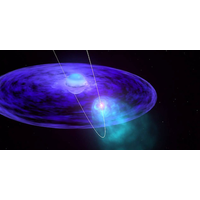
Phys. Rev. Lett. 136, 181001 (2026)
Cosmology, Astrophysics, and Gravitation
Positivity of Holographic Energy
Article | Cosmology, Astrophysics, and Gravitation | 2026-05-06 06:00 EDT
Piotr T. Chruściel and Raphaela Wutte
We prove positivity of a weighted holographic energy for four-dimensional spacetimes with negative cosmological constant whose conformal boundary at infinity is conformally static and admits either spherical sections, or toroidal sections with compatible spin structure.
Phys. Rev. Lett. 136, 181401 (2026)
Cosmology, Astrophysics, and Gravitation
Neural Post-Einsteinian Test of General Relativity with the Third Gravitational Wave Transient Catalog
Article | Cosmology, Astrophysics, and Gravitation | 2026-05-06 06:00 EDT
Yiqi Xie, Gautham Narayan, and Nicolás Yunes
Gravitational waves (GWs) from compact binaries are excellent probes of gravity in the strong- and dynamical-field regimes. We report a test of general relativity (GR) with the third GW Transient Catalog (GWTC-3) plus a few O4 events using the recently developed neural post-Einsteinian framework, bo…
Phys. Rev. Lett. 136, 181402 (2026)
Cosmology, Astrophysics, and Gravitation
Holographic Constraint on Scale Separation
Article | Particles and Fields | 2026-05-06 06:00 EDT
Nikolay Bobev, Hynek Paul, and Filippo Revello
We propose a new consistency condition for the compatibility of a gravitational effective field theory in AdS with a dual holographic description in terms of a family of large- CFTs. Using large- factorization of correlation functions combined with a properly defined notion of single- and multipar…
Phys. Rev. Lett. 136, 181601 (2026)
Particles and Fields
Bootstrapping Six-Gluon QCD Amplitudes
Article | Particles and Fields | 2026-05-06 06:00 EDT
Sérgio Carrôlo, Dmitry Chicherin, Johannes Henn, Qinglin Yang, and Yang Zhang
We present a symbol-level bootstrap construction of the planar, two-loop six-gluon scattering amplitude for the helicity configuration in quantum chromodynamics (QCD), focusing on the maximal weight pieces--the "most complicated terms" in the sense of Lipatov et al. Building on recent advances…
Phys. Rev. Lett. 136, 181602 (2026)
Particles and Fields
Constraints on New Vector Boson Mediated Electron-Nucleus Interactions from Spectroscopy Data of Polar Diatomic Molecules
Article | Particles and Fields | 2026-05-06 06:00 EDT
Konstantin Gaul, Lei Cong, and Dmitry Budker
A measurement of parity violation in the hyperfine structure of [E. Altuntaş et al. Phys. Rev. Lett. 120, 142501 (2018)] is reinterpreted with electronic structure calculations in terms of beyond standard model vector boson mediated electron-nucleus interactions. Our results set constraints…
Phys. Rev. Lett. 136, 181805 (2026)
Particles and Fields
Relativistic Spin Hydrodynamics with Antisymmetric Spin Tensors and an Extension of the Bargmann-Michel-Telegdi Equation
Article | Nuclear Physics | 2026-05-06 06:00 EDT
Shuo Fang, Kenji Fukushima, Shi Pu, and Dong-Lin Wang
We derive a formulation of relativistic spin hydrodynamics with totally antisymmetric spin tensors that satisfy the Frenkel-Mathisson-Pirani condition. In our proposed spin hydrodynamics, the second law of thermodynamics is fulfilled by the spin-induced corrections in the heat flow, the viscous tens…
Phys. Rev. Lett. 136, 182301 (2026)
Nuclear Physics
Airy Resonances in Photonic Crystal Superpotentials
Article | Atomic, Molecular, and Optical Physics | 2026-05-06 06:00 EDT
Zeyu Zhang, Brian Gould, Maria Barsukova, and Mikael C. Rechtsman
Airy wave functions are associated with one of the simplest scenarios in wave mechanics: a quantum bouncing ball. In other words, they are the eigenstates of the time-independent Schrödinger equation with a linear potential. In the domain of optics, laser beams that are spatially shaped as Airy func…
Phys. Rev. Lett. 136, 183804 (2026)
Atomic, Molecular, and Optical Physics
Evidence of Nonlinear Coupling in the Edge Harmonic Oscillation Sustaining Quiescent High Confinement in a Tokamak Plasma
Article | Plasma and Solar Physics, Accelerators and Beams | 2026-05-06 06:00 EDT
R. A. Myers, J. S. Sarff, B. E. Chapman, K. J. McCollam, M. D. Pandya, R. Xie, Z. Li, D. L. Brower, J. Chen, X. Chen, and W. X. Ding
In a tokamak plasma, we measure nonlinear coupling between harmonics comprising a saturated edge oscillation, as predicted by nonlinear magnetohydrodynamic simulations. The coherent structure formed by this coupling suppresses bursty edge-localized modes that cause energy and particle loss. We also …
Phys. Rev. Lett. 136, 185101 (2026)
Plasma and Solar Physics, Accelerators and Beams
Observation of a Pronounced Hebel-Slichter Peak in the Spin-Lattice Relaxation Rate and Implications for Gap and Pairing Symmetry in ${\mathrm{LaNiGa}}_{2}$
Article | Condensed Matter and Materials | 2026-05-06 06:00 EDT
P. Sherpa, R. Hingorani, A. Menon, I. Vinograd, C. Chaffey, A. P. Dioguardi, R. Yamamoto, M. Hirata, F. Ronning, J. R. Badger, P. Klavins, R. R. P. Singh, V. Taufour, and N. J. Curro
We report a pronounced Hebel-Slichter coherence peak in the zero field nuclear quadrupolar resonance (NQR) spin-lattice relaxation rate of the topological crystalline superconductor in the superconducting state. Previously, a two-band internally antisymmetric nonunitary triplet pairing state…
Phys. Rev. Lett. 136, 186001 (2026)
Condensed Matter and Materials
Distinct Behaviors of Inner and Outer ${\mathrm{CuO}}{2}$ Planes in Quadruple-Layer Cuprate $(\mathrm{Cu},\mathrm{C}){\mathrm{Ba}}{2}{\mathrm{Ca}}{3}{\mathrm{Cu}}{4}{\mathrm{O}}_{11+δ}$
Article | Condensed Matter and Materials | 2026-05-06 06:00 EDT
Xingtian Sun, Suppanut Sangphet, Nan Guo, Yu Fan, Yutong Chen, Minyinan Lei, Xue Ming, Xiyu Zhu, Hai-Hu Wen, Haichao Xu, Rui Peng, and Donglai Feng
The superconducting transition temperatures ('s) of trilayer or quadruple-layer cuprates typically surpass those of single-layer or bilayer systems. However, the lack of direct electronic-structure and superconducting-gap measurements in optimal- quadruple-layer cuprates has impeded a comprehens…
Phys. Rev. Lett. 136, 186401 (2026)
Condensed Matter and Materials
Thermoelectricity of Moiré Heavy Fermions in ${\mathrm{MoTe}}{2}/{\mathrm{WSe}}{2}$ Bilayers
Article | Condensed Matter and Materials | 2026-05-06 06:00 EDT
Yichi Zhang, Wenjin Zhao, Zhongdong Han, Kenji Watanabe, Takashi Taniguchi, Jie Shan, and Kin Fai Mak
Tunable Kondo lattice and heavy fermion physics have been recently reported in moiré materials, but most of the studies have focused on the electrical and magnetic properties. Quantitative thermoelectric measurements, which can reveal entropic information of the heavy fermions, have yet to be achiev…
Phys. Rev. Lett. 136, 186501 (2026)
Condensed Matter and Materials
Quantum-Geometric Dipole: A Topological Boost to Flavor Ferromagnetism in Flat Bands
Article | Condensed Matter and Materials | 2026-05-06 06:00 EDT
Lei Chen, Sayed Ali Akbar Ghorashi, Jennifer Cano, and Valentin Crépel
Robust flavor-polarized phases are a striking hallmark of many flat-band moiré materials. In this Letter, we trace the origin of this spontaneous polarization to a lesser-known quantum-geometric quantity: the quantum-geometric dipole. Analogous to how the quantum metric governs the spatial spread of…
Phys. Rev. Lett. 136, 186602 (2026)
Condensed Matter and Materials
Ab Initio Theory of Optical Activity in $α$-Quartz in the $GW$-Bethe-Salpeter-Equation Framework
Article | Condensed Matter and Materials | 2026-05-06 06:00 EDT
Xiaoming Wang and Yanfa Yan
We present an ab initio many-body theory of optical activity in solids within the approximation plus Bethe-Salpeter equation framework. Dielectric spatial dispersion is formulated in two complementary forms: exciton envelope modulation and sum-over-exciton-states expansion. Our application to -q…
Phys. Rev. Lett. 136, 186901 (2026)
Condensed Matter and Materials
Driving Thermal Vacuum Photons by Time-Modulated Media
Article | Condensed Matter and Materials | 2026-05-06 06:00 EDT
Changjian Zhang, Tian Yuan, Hongxing Xu, and Deng Pan
Thermal photons, arising from thermally populated vacuum quantum fields, ubiquitously inhabit all physical systems within thermal environments. Interactions between vacuum fields and media have led to seminal quantum electrodynamics phenomena, and time-modulated optical media are known to convert ze…
Phys. Rev. Lett. 136, 186902 (2026)
Condensed Matter and Materials
Symmetry-Based Nonlinear Fluctuating Hydrodynamics in One Dimension
Article | Statistical Physics; Classical, Nonlinear, and Complex Systems | 2026-05-06 06:00 EDT
Yuki Minami, Hiroyoshi Nakano, and Keiji Saito
We present a symmetry-based formulation of nonlinear fluctuating hydrodynamics (NFH) for one-dimensional many-particle systems with generic homogeneous nearest-neighbor interactions. We derive the hydrodynamic equations solely from symmetry and conservation principles, ensuring full consistency with…
Phys. Rev. Lett. 136, 187101 (2026)
Statistical Physics; Classical, Nonlinear, and Complex Systems
Size-Specific Transport of Colloidal Particles Using Magnetic Fields
Article | Polymers, Chemical Physics, Soft Matter, and Biological Physics | 2026-05-06 06:00 EDT
Sebastian Wohlrab, Lara Schelter, Aneena Rinu Perayil, Piotr Kuświk, Maciej Urbaniak, Feliks Stobiecki, Arne J. Vereijken, Arno Ehresmann, Thomas M. Fischer, and Daniel de las Heras
Using computer simulations and experiments, we demonstrate a mechanism for simultaneous size-specific control over the trajectories of isotropic colloidal particles. Magnetic microparticles of different diameters suspended above a periodic magnetic film are driven by loops traced by the orientation …
Phys. Rev. Lett. 136, 188201 (2026)
Polymers, Chemical Physics, Soft Matter, and Biological Physics
Resolving the Arrhenius Paradox by Isochoric Analysis of Rotational Barriers in Molecular Glasses
Article | Polymers, Chemical Physics, Soft Matter, and Biological Physics | 2026-05-06 06:00 EDT
Marzena Rams-Baron, Alfred Błażytko, Riccardo Casalini, and Marian Paluch
The long-standing Arrhenius paradox in molecular glasses is resolved by showing that activation energy decreases linearly with temperature as a consequence of density-driven variations of the barrier.
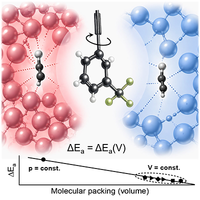
Phys. Rev. Lett. 136, 188202 (2026)
Polymers, Chemical Physics, Soft Matter, and Biological Physics
Physical Review X
Scaling Laws of Quantum Information Lifetime in Monitored Quantum Dynamics
Article | 2026-05-06 06:00 EDT
Bingzhi Zhang, Fangjun Hu, Runzhe Mo, Tianyang Chen, Hakan E. Türeci, and Quntao Zhuang
Researchers have discovered that recording data from midcircuit measurements can preserve quantum information for an exponentially long time. This finding offers a strategy to preserve fragile data and improve the performance of near-term quantum computers and algorithms.
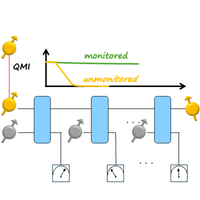
Phys. Rev. X 16, 021027 (2026)
arXiv
Meta-LegNet: A Transferable and Interpretable Framework for Surface Adsorption Prediction via Self-Defined Adsorption-Environment Learning
New Submission | Materials Science (cond-mat.mtrl-sci) | 2026-05-07 20:00 EDT
Yifan Li, Arravind Subramanian, Xiaoqing Liu, Qiujie Lyu, Sergey Kozlov, Lei Shen
A central challenge in computational catalysis is the identification of low-energy and chemically plausible adsorption configurations, as these directly affect adsorption energies, reaction pathways, and catalytic performance. Existing approaches generally rely on enumerating candidate adsorption sites followed by iterative refinement through density functional theory calculations or machine-learning-based relaxations. However, such workflows remain computationally expensive and are difficult to scale to complex surfaces or multi-adsorbate systems. Here, we introduce Meta-LegNet, a graph learning framework that combines SE(3)-equivariant atom-level message passing with voxel-based multiscale aggregation and cross-domain meta-learning to learn transferable representations of local adsorption environments across diverse catalyst–adsorbate systems. Rather than following a conventional regression-only paradigm, Meta-LegNet encodes local chemical environments using invariant radial features and equivariant directional information, and further incorporates broader structural context through coordinate-frame voxel pooling, assignment-based upsampling, and gated feature fusion. The resulting local-global decomposition produces atom-resolved attribution maps, which are processed to identify adsorption-relevant local environments in an interpretable manner. Based on the learned representations, we further construct an adsorption-environment database and develop a template-matching strategy to propose likely adsorption sites on previously unexplored surfaces without exhaustive site enumeration. Overall, our results suggest that learning transferable adsorption environments provides an accurate, interpretable, and practical route for accelerating catalyst screening.
Materials Science (cond-mat.mtrl-sci), Artificial Intelligence (cs.AI), Machine Learning (cs.LG)
A framework for modeling and inferring tracer diffusion in crowded environments
New Submission | Soft Condensed Matter (cond-mat.soft) | 2026-05-07 20:00 EDT
Jinseok Lee, Tong Lin, Mengyang Gu, Yimin Luo
Tracer diffusion in crowded environments is central to many biological and soft matter systems, but quantitative frameworks for linking tracer motion to environmental structure remain limited. Here, we study the transport of rigid tracers in suspensions of soft particles and within living cells. Experiments reveal a transition from diffusive to confined motion as the matrix area fraction increases. We develop a minimal simulation that incorporates steric exclusion and hydrodynamic hindrance to reproduce the observed mean-squared displacements (MSDs). Using simulation outputs, we train a parallel partial Gaussian process (PPGP) model that rapidly predicts MSDs from matrix geometric variables, including area fraction, particle size, and polydispersity. The PPGP model accelerates predictions by several orders of magnitude relative to simulation and experiments. Analysis reveals that tracer transport is primarily governed by accessible pore sizes and that distinct global structures can produce indistinguishable MSDs. We find that the minimal model can also capture the MSDs of internalized tracer particles in cells. The framework enables rapid inference of structural properties in crowded environments, including transport in the intracellular environment.
Soft Condensed Matter (cond-mat.soft), Biological Physics (physics.bio-ph)
52 pages, 17 figures
Polyamorphism in Glassy Network Materials
New Submission | Soft Condensed Matter (cond-mat.soft) | 2026-05-07 20:00 EDT
Max Hall-Brown, Peter Guy Wolynes
One dramatic feature of network liquids is the emergence at low temperatures and high pressures of polyamorphism, where multiple distinct liquid phases are accessed in a single material. Polyamorphism can arise from the competition between distinct local inherent structures corresponding to bonded and nonbonded ordering. Thermal bond breaking thus can lead to a phase transition often accompanied by thermodynamic anomalies away from the transition itself, such as the familiar density maximum in water at atmospheric pressure and $ 4^\circ$ C. Water exhibits network interactions in the form of hydrogen bonding between water molecules. The polyamorphic transition in water, however, is difficult to study due to the rapid crystallization of supercooled water and due to glassy effects at low temperatures. In the present work, we propose a simple microscopic model where the glassy and thermodynamic properties are both calculated directly from the microscopic potentials. The model contains a liquid-liquid phase transition, which, after tuning the microscopic parameters, may be located either above, near, or below the glass transition. By applying the Random First Order Transition theory of the glass transition to this simple microscopic model, we shine light on the interplay of polyamorphism and glassy properties in network liquids. We show the connection between the thermodynamic water-like anomalies and corresponding anomalies in the glassy kinetics. The analysis unveils key details on the way glassy dynamics modifies the phase transition kinetics. When the parameters of the model are tuned to produce a phase diagram resembling that of water, the liquid-liquid phase transformation near $ T_g$ occurs via ``nanonucleation’’, resulting in extremely small domains sizes and nonclassical nucleation kinetics which are predicted from the RFOT theory.
Soft Condensed Matter (cond-mat.soft)
An extended ab initio theory of the V$_{\text{B}}^-$ center in hBN: excited states, Jahn-Teller distortion, and pressure dependence
New Submission | Materials Science (cond-mat.mtrl-sci) | 2026-05-07 20:00 EDT
Zsolt Benedek, Ádám Ganyecz, Oscar Bulancea-Lindvall, Gergely Barcza, Viktor Ivády
Ensembles of negatively charged boron vacancy (V$ _{\text{B}}^-$ ) centers in hexagonal boron nitride (hBN) have emerged as a two-dimensional spin qubit system interfaced with optics to advance nanoscale quantum sensing. However, a comprehensive description of its optically detected magnetic resonance (ODMR) signal remains challenging due to the strongly correlated nature of the excited electronic states involved in its optical cycle. In this work, we model the energetics, structural relaxation, and transition rates of the V$ _{\text{B}}^-$ center using a high-level wave-function-based electron correlation method (CASSCF-NEVPT2). We provide a thorough analysis of the excited state fine structure and pseudo Jahn-Teller effects, singlet-triplet quasi-degeneracies, photoluminescence parameters, intersystem crossing pathways, and stress-dependence of the fine structure and decay parameters. Our findings not only clarify the fundamental behavior of the V$ _{\text{B}}^-$ center in hBN but also establish the theoretical foundation for advancing the V$ _{\text{B}}^-$ center’s readout for integrated 2D quantum sensors.
Materials Science (cond-mat.mtrl-sci)
Comment on “The elusive fluid-and-crystal coexistence state in simulations of monodisperse, hard-sphere colloids”
New Submission | Soft Condensed Matter (cond-mat.soft) | 2026-05-07 20:00 EDT
In a recent article [J. G. Wang, U. Dhumal, M. E. Zakhari, and R. N. Zia, AIChE Journal 72, e70275 (2026).], the authors discuss the absence of simulations of monodisperse hard spheres in which a metastable fluid spontaneously nucleates into a stable fluid-crystal coexistence. Here, we show that such a simulation can be readily accomplished with standard simulation methods.
Soft Condensed Matter (cond-mat.soft)
Comment on arXiv:2412.05422
Spin Dynamics from Atomistic Quantum Simulations
New Submission | Materials Science (cond-mat.mtrl-sci) | 2026-05-07 20:00 EDT
Enrico Drigo, Marquis M. McMillan, Benjamin Pingault, Yinan Dong, F. Joseph Heremans, David D. Awschalom, Giulia Galli
Optically active solid-state spin defects are promising candidates for quantum applications, however a unified theoretical framework to predict their spin dynamics at high temperatures is not yet available. Here, using Kubo linear–response theory, we derive expressions of spin-lattice and decoherence times (T_1) and (T_2) in terms of correlation functions of spin–lattice couplings. We then evaluate (T_1) and (T_2) from molecular dynamics and spin–lattice interaction time–series generated by state–of–the–art machine learning models trained on {\it ab–initio} data. Finally we measure (T_1) times for the NV center in diamond and compare experimental and theoretical results, showing excellent agreement.
Materials Science (cond-mat.mtrl-sci)
9 pages, 6 figures
Hydrogen-induced volume expansion in hexagonal close-packed iron: Effects of pressure and temperature
New Submission | Materials Science (cond-mat.mtrl-sci) | 2026-05-07 20:00 EDT
Yuichiro Mori, Masahiro Takano, Hiroyuki Kagi, Katsutoshi Aoki, Sho Kakizawa, Noriyoshi Tsujino, Yuji Higo
Hydrogen is a promising candidate for the light element in terrestrial planetary cores. Its incorporation into iron causes significant volume expansion, leading to a substantial density deficit. Although extensive studies have been conducted on iron hydride (FeH$ _{x}$ ) with the fcc structure, the thermoelastic properties on FeHx with hcp structure (hcp-FeH$ _{x}$ ) remain unconstrained because of the experimental difficulties to control hydrogen content. Here, we synthesized hcp-FeH$ _{x}$ with controlled hydrogen contents under high-pressure and high-temperature conditions. We carried out \textit{in situ} X-ray diffraction measurements on hcp-FeH$ _{x}$ at 10–25GPa and 300–900K using a Kawai-type mutilanvil apparatus and constructed their equations of state. By combining our results with previously reported equations of state for hcp-Fe and experimental determinations of hydrogen content in hcp-FeH$ _{x}$ , we demonstrated that the discrepancies in the hydrogen-induced volume expansion coefficient can be clearly explained by its pressure and temperature dependence. Our results revealed that the hydrogen-induced volume expansion of hcp-Fe exhibits a strong temperature dependence at low pressures, but its temperature effect significantly weakens with increasing pressure. We also showed that the density reduction of Fe by hydrogenation depends on its crystal structure. These findings demonstrate that estimates of hydrogen content in iron at planetary interior conditions based on hydrogen-induced volume expansion need to be revised by properly accounting for its $ PT$ -dependence and crystal structure.
Materials Science (cond-mat.mtrl-sci), Geophysics (physics.geo-ph)
Macromolecular tribology at flowing solid/liquid interfaces
New Submission | Soft Condensed Matter (cond-mat.soft) | 2026-05-07 20:00 EDT
Molecular-scale interactions between solvated macromolecules and solid surfaces govern a large number of processes, from biology to engineering. Yet, despite extensive characterization at the macroscopic level, our molecular understanding of polymer/surface interactions remains limited, particularly under out-of-equilibrium conditions. Here, we combine wide-field single-molecule microscopy with microfluidic transport to directly track the nanoscale dynamics of individual fluorescently tagged macromolecular PEG adsorbates, and investigate their subtle couplings with interfacial hydrodynamic flows. At equilibrium, we evidence marked surface dependence, with macromolecular dynamics switching from heterogeneous non-Brownian diffusion on hydrophilic glass to bidimensional Brownian-like transport in an interfacial physisorbed state on hydrophobic self-assembled monolayers. While for hydrophilic glass, the effect of the flow is restricted to an advective contribution during solvent-mediated flights, we uncover for the hydrophobic surfaces a peculiar regime of mixed macromolecular friction, whereby the adsorbed chain rubs on the solid wall while being continuously dragged by the near-surface hydrodynamic flow through interfacial slippage. Through joint analysis of equilibrium and out-of-equilibrium transport, we finely disentangle these molecular level frictional interactions with both the solid surface and the interfacial liquid. Beyond population-averaged dynamics, we further unveil a broad distribution of friction coefficients associated to individual chains, which we attribute conformational heterogeneities with sluggish reorganization timescale. By enabling direct observations of molecular-scale interfacial dynamics, our approach provides a novel molecular picture of macromolecular friction and adsorbate/surface interactions at flowing solid/liquid interfaces.
Soft Condensed Matter (cond-mat.soft), Chemical Physics (physics.chem-ph)
Pattern Formation and Stick-Slip Dynamics in Binary Particle Assemblies with Rotating Drives
New Submission | Soft Condensed Matter (cond-mat.soft) | 2026-05-07 20:00 EDT
C. Reichhardt, C.J.O. Reichhardt
We numerically examine a binary system of particles with repulsive interactions, where one species is driven by a rotating drive and the other is subjected either to a constant drive in a fixed direction or to a rotating drive that is out of phase with the first species. As a function of rotation frequency, we find a variety of order-disorder transitions and pattern forming states, including density-modulated stripes, partially jammed states, phase separated fluids, and mixed fluids. When one species has a constant drive and the drive on the other species is rotated at low frequencies, the system switches between different pattern forming phase-separated lanes including density-modulated stripes and partially jammed states, similar to what is observed for oppositely driven colloids. The lanes tend to align with the net direction of rotation, resulting in a series of order-disorder switching transitions. The transport curves show abrupt jumps up or down at the transitions, which also correspond with changes in the topological order. We find similar switching transitions when both species rotate out of phase with each other. For intermediate driving frequencies, the system becomes increasingly fluid-like and the laning behavior is lost. At high frequencies, however, the system can again exhibit patterned flow when the rotation orbits become smaller than the average spacing between particles. The switching is reduced when a finite temperature is included, but even for temperatures at which the uniform equilibrium bulk system is liquid, the partially jammed state can generate local density enhancements that lead to recrystallization. We demonstrate the pattern switching behavior for systems with different screened repulsive interaction potentials.
Soft Condensed Matter (cond-mat.soft)
16 pages, 24 postscript figures
Search for magnetoacoustic quantum oscillations in the insulating phase of YbB$_{12}$
New Submission | Strongly Correlated Electrons (cond-mat.str-el) | 2026-05-07 20:00 EDT
Ryosuke Kurihara, Atsuhiko Miyata, Koji Araki, Shusaku Imajo, Ruo Hibino, Atsushi Miyake, Sergei Zherlitsyn, Joachim Wosnitza, Hiroshi Yaguchi, Fumitoshi Iga, Masashi Tokunaga, Yasuhiro H. Matsuda
A highly exotic phenomenon in solid-state physics is the observation of magnetic quantum oscillations in insulators. For instance, in the Kondo insulator YbB$ _{12}$ various groups reported the observation of such oscillations seemingly originating from Fermi surfaces, though this contradicts the concept of an insulator having no charged quasiparticles. In this study, we searched for quantum oscillations in YbB$ _{12}$ by using bulk-sensitive ultrasonic experiments in high magnetic fields up to 65 T and down to 485 mK. For that, we utilized an YbB$ _{12}$ single crystal that, in previous experiments, revealed oscillations in the magnetoresistance in the insulating state. We confirmed oscillation-like behavior of the magnetoresistance as well as field-dependent oscillations in the magnetocaloric effect. However, we could not observe magnetoacoustic quantum oscillations in the insulating state, only in the field-induced metallic state. In the insulating state, we found some anomalies in our ultrasound data, the origin of which remains elusive. Our findings provide further information on the puzzling behavior of the insulating state of YbB$ _{12}$ .
Strongly Correlated Electrons (cond-mat.str-el)
accepted in Phys. Rev. B (this https URL)
Random sampling of self-avoiding theta-graphs
New Submission | Statistical Mechanics (cond-mat.stat-mech) | 2026-05-07 20:00 EDT
Nicholas R. Beaton, Aleksander L. Owczarek
Theta-graphs are a type of spatial graph with two vertices connected by three edges. We investigate embeddings of theta-graphs in the square and simple cubic lattices, using a combination of the Wang-Landau Monte Carlo method with a variant of the BFACF algorithm which accommodates vertices of degree 3. This allows us to estimate the critical exponents governing the number of theta-graphs and the distributions of the different arm-lengths. For the cubic lattice these values can be compared to the corresponding exponents for prime knots. We also study the number of `monodisperse’ theta-graphs where the three arms have the same lengths, and find evidence supporting a conjecture for the critical exponent in two dimensions.
Statistical Mechanics (cond-mat.stat-mech), Soft Condensed Matter (cond-mat.soft)
Magnetic influence on ion transport in concentrated solid solutions: An analytic investigation
New Submission | Materials Science (cond-mat.mtrl-sci) | 2026-05-07 20:00 EDT
Timothy Carlson, Sanjay Govindjee
It is well established that magnetic fields have a significant effect on transport in certain classes of electronic conductors. Less reported, however, are similar effects in solid ionic conductors. Despite the rarity of Hall mobility measurements in ionic conductors, recent experimental work in batteries and other systems has demonstrated that an applied magnetic field can significantly and beneficially alter ionic transport and electrochemical processes in solid materials in a way that would not be predicted from na"ıve Hall coefficient estimates. In this work, the influence of a magnetic field on ion transport in solids is investigated analytically, and general multi-component transport equations accounting for magnetic effects are presented. Specific models are then derived for solid, isotropic binary and single ion conductors. Material property combinations for which magnetic field influence may become significant are then computed for certain systems subject to compositional constraints. Finally, it is demonstrated that the derived model for binary conductors in a magnetic field fits experimental magneto-resistance data well for the fluoride ion conducting solid Pb$ _{0.66}$ Cd$ _{0.34}$ F$ _2$ , provided an assumption of near degenerate multi-component transport.
Materials Science (cond-mat.mtrl-sci), Classical Physics (physics.class-ph)
Kitaev chain in synthetic dimension with cavity-controlled Majorana modes
New Submission | Mesoscale and Nanoscale Physics (cond-mat.mes-hall) | 2026-05-07 20:00 EDT
We introduce a tunable synthetic-dimension platform for realizing Kitaev-chain physics with high degree of control over Majorana zero modes. It is based on a generic Landau-quantized two dimensional electron system coupled to the magnetic flux of a superconducting LC circuit. The structured vector potential of a superconducting LC inductor induces attractive interactions between electron angular-momentum states at the lowest Landau level. These states serve as a synthetic dimension for the coveted fermionic Kitaev chain, with Majorana zero modes existing at the boundaries of the angular-momentum lattice. The crucial advantage of this proposal is the possibility of a robust, nonlocal readout and control of the Majorana states by a LC resonator. The platform relies on mature circuit QED and semiconductor technologies and provides a promising pathway to topological quantum computing.
Mesoscale and Nanoscale Physics (cond-mat.mes-hall), Quantum Physics (quant-ph)
9 pages, 2 figures
Imaging GHz surface acoustic wave modes in electrostricted LaAlO$_3$/SrTiO$_3$ heterostructures
New Submission | Strongly Correlated Electrons (cond-mat.str-el) | 2026-05-07 20:00 EDT
Ranjani Ramachandran, Sayanwita Biswas, Prithwijit Mandal, Kyoungjun Lee, Madeleine Msall, Chang-Beom Eom, Patrick Irvin, Jeremy Levy, Mingyun Yuan
The LaAlO$ _3$ /SrTiO$ _3$ (LAO/STO) interface hosts a gate-tunable superconducting two-dimensional electron gas (2DEG) which can be programmed to create quantum devices such as ballistic electron waveguides and quantum dots. To fully exploit this platform for quantum transport, a key requirement is the ability to shuttle single electrons, electron pairs, and other exotic states between spatially separated devices with precision. Surface acoustic waves (SAWs), which travel along the surface of a solid, offer a powerful route to achieve this through their moving electrical potential that captures and transfers electrons. %acoustoelectric coupling. In particular, SAWs in the GHz regime enable fast, controlled transport of individual quantum particles. Although this approach is well-explored in GaAs-based 2DEG, SAW generation in STO remains largely unexplored due to the lack of intrinsic piezoelectricity at room temperature. Here, we investigate room-temperature SAWs in LAO/STO and observe SAW modes up to 2.2 GHz with very low propagation loss of the order $ 10^{-3}$ dB per wavelength. To directly visualize these modes, we employ Atomic Acoustic Force Microscopy (AAFM), achieving sub-micron resolution imaging of the SAW wave forms, providing insight into the electrostriction-induced SAW generation mechanism. Our measurements indicate a shear horizontal-type mode, which provides the ability to couple to in-plane degrees of freedom for future acoustoelectric and quantum device applications. This work studies the fundamentals of SAW excitation and propagation on STO, a widely used and commercially available substrate, enabling straightforward coupling of SAWs to a broad range of materials that can be grown or transferred onto STO.
Strongly Correlated Electrons (cond-mat.str-el), Mesoscale and Nanoscale Physics (cond-mat.mes-hall), Quantum Physics (quant-ph)
Appl. Phys. Lett. 128, 183503 (2026)
Thermodynamics of stacking faults and phase stability in cobalt alloys: A combined computational and experimental study
New Submission | Materials Science (cond-mat.mtrl-sci) | 2026-05-07 20:00 EDT
Zheng Zhong, Ziqi Cui, Yu Zhuo, Tianyu Yu, Jianfeng Cai, Kaibo Zou, Jiacheng Shen, Bowen Huang, Zhuoming Xie, Huiqiu Deng, Yang Yu, Hao Zhang, Wangyu Hu, Tengfei Yang, Jie Hou
Stacking fault energy dictates phase stability and deformation behavior in Co alloys and WC-Co cemented carbides, yet a quantitative assessment of alloying effects at finite temperatures remains poorly established. By integrating first-principles thermodynamics with microstructural characterization, we provide a rigorous evaluation of these influences across atomic and macroscopic scales. We show that stacking fault energetics at 0K for transition metal solutes are primarily governed by atomic misfit volume. While 4d and 5d elements follow a consistent linear trend, specific 3d solutes exhibit significant deviations due to non-negligible magnetic contributions. By incorporating phonon, electronic, longitudinal spin-fluctuation, and magnetic free-energy contributions, the model accurately captures the fcc-hcp transformation and quantifies how diverse solutes modulate the phase landscape. We demonstrate that V, Ni, Fe, Mo, and W lower the transformation temperature by stabilizing fcc phase, while Cr and C exhibit the opposite effect, consistent with experimental phase diagrams. Furthermore, microscopic analysis confirms that higher W content dissolved in the Co suppresses stacking-fault formation by elevating the stacking fault energy at finite temperatures. This work clarifies the physical mechanisms by which alloying regulates stacking fault energy and phase stability in Co-based systems, providing guidance for the design of Co-based alloys and WC-Co cemented carbides.
Materials Science (cond-mat.mtrl-sci)
Diffusiophoretic dispersion of a colloidal blob in porous media
New Submission | Soft Condensed Matter (cond-mat.soft) | 2026-05-07 20:00 EDT
Aditya R. Pujari, Amir A. Pahlavan
Predicting and controlling the transport of colloids in porous media is essential for applications ranging from contaminant remediation to drug delivery. In these complex environments, solute gradients are ubiquitous and could drive diffusiophoretic particle migration, yet their impact on macroscopic colloid dispersion remains poorly understood. Here we combine experiments and simulations to quantify how diffusiophoresis alters the spreading of a colloidal blob in a 2D ordered/disordered porous medium. A joint blob of colloids and salt at high concentration is introduced into a medium filled with salt at low concentration and advected by a background flow. Intuition suggests that when colloids are attracted toward or repelled from the solute-rich blob, dispersion should be suppressed or enhanced, respectively. Instead, we observe the opposite trend: longitudinal dispersion is enhanced in the attractive case, whereas dispersion is suppressed in the repulsive case. Numerical simulations reveal that this striking reversal arises from diffusiophoretic exchange of particles between slow and fast streamlines, which we capture using a minimal two-layer model of coupled fast and slow plug flows. Finally, we probe how geometric disorder in the medium modulates this mechanism. Our results demonstrate that diffusiophoresis can strongly modulate macroscopic dispersion of colloids in porous media with implications for transport in subsurface and biological environments.
Soft Condensed Matter (cond-mat.soft), Fluid Dynamics (physics.flu-dyn), Geophysics (physics.geo-ph)
Stability and dynamics of dark-bright solitons in spin-orbit- and Rabi-coupled binary Bose-Einstein condensates
New Submission | Quantum Gases (cond-mat.quant-gas) | 2026-05-07 20:00 EDT
K. Rajaswathi, R. Ravisankar, R. Radha, P. K. Mishra, P. Muruganandam
We investigate the stability and nonlinear dynamics of dark-bright solitons in a one-dimensional binary Bose-Einstein condensate subjected to synthetic spin-orbit and Rabi couplings. In the absence of spin-orbit coupling, we map the coupled Gross-Pitaevskii equations onto the integrable Manakov model and obtain exact dark-bright soliton solutions, providing a rigorous theoretical benchmark. We demonstrate that finite spin-orbit coupling breaks integrability by inducing spin-dependent phase gradients, which result in spatial separation of the spin components and the emergence of intrinsic density oscillations. By contrast, Rabi coupling enforces phase locking between components and supports robust breather-like excitations. Using imaginary-time propagation together with Bogoliubov-de Gennes analysis, we systematically characterise ground-state phases and excitation spectra for both symmetric and asymmetric interaction regimes in homogeneous and harmonically trapped systems. Real-time simulations further demonstrate that finite gauge fields and interaction quenches drive the system far from equilibrium, giving rise to diverse nonlinear phenomena, including multi-soliton fragmentation, breathing stripe patterns, and soliton dynamics. Our results highlight the interplay of synthetic gauge fields, external confinement, and interaction engineering as powerful tools for controlling the stability and dynamical behaviour of nonlinear excitations in multicomponent quantum gases.
Quantum Gases (cond-mat.quant-gas), Pattern Formation and Solitons (nlin.PS)
18 pages, 13 figures
Loop Extrusion Reversal by Condensin Motor is Mediated by Catch Bonds
New Submission | Soft Condensed Matter (cond-mat.soft) | 2026-05-07 20:00 EDT
Atreya Dey, Guang Shi, Ryota Takaki, D. Thirumalai
Structural Maintenance Complexes (SMC) are energy consuming motors that are important in folding the genome by loop extrusion (LE) in all stages of the cell cycle. Single molecule magnetic tweezer pulling experiments have revealed that condensin, a member of the SMC family involved in mitosis, takes occasional backward steps, thus coughing up the gains in the length of the extruded loop. To reveal the mechanism of the forward and backward steps simultaneously, we developed a theory using the stochastic kinetic model and the scrunching mechanism for LE. The calculations quantitatively account for the measured force-dependent step size and dwell time distributions in both the directions. By postulating the existence of an intermediate state in the ATP-driven cycle that is poised to take a forward or a backward step, we predict that its lifetime increases as the external mechanical force increases till a critical value and subsequently decreases at higher forces. The surprising finding of lifetime increase in an active motor, at sub-piconewton forces, is the characteristic of catch bonds, known in force-induced rupture of several passive protein complexes. The identification of catch bond-like states in condensin not only expands our understanding of LE but also highlights the significance of mechanical forces in regulating genome organization.
Soft Condensed Matter (cond-mat.soft), Biological Physics (physics.bio-ph), Biomolecules (q-bio.BM)
Giant orbital-magnon conversion driven perpendicular magnetization switching
New Submission | Mesoscale and Nanoscale Physics (cond-mat.mes-hall) | 2026-05-07 20:00 EDT
Fanyu Meng, Ying Feng, Mingyang Sun, Baiyan Kang, Donglin Song, Tuo Zhang, Jia Zhang, Wenping Zhou, Jijun Zhao, Yi Wang
The pursuit of beyond-Moore information technologies has stimulated the exploration of novel information carriers, such as electron spin, orbital, and magnon, beyond electron charge. Efficient interconversion among these degrees of freedom and precise control over the information states are crucial for advancing nanoelectronic devices. However, a direct coupling between orbital angular momentum (L) and magnons (M) has remained elusive, and magnetization switching through orbital-to-magnon (L-M) conversion has not yet been achieved. Here, we report the experimental demonstration of L-M conversion in an orbital metal/antiferromagnetic insulator bilayer at room temperature, with an efficiency over an order of magnitude higher than that in traditional orbital systems lacking the L-M process. Consequently, we achieved efficient room-temperature perpendicular magnetization switching in a CoFeB ferromagnetic layer mediated by this new mechanism. Our findings establish a direct link between orbitronics and magnonics, providing a new platform for the development of advanced nano-devices based on orbital-driven magnonic phenomena.
Mesoscale and Nanoscale Physics (cond-mat.mes-hall)
Finite-size scaling properties of classical random walk on various two-dimensional lattices
New Submission | Statistical Mechanics (cond-mat.stat-mech) | 2026-05-07 20:00 EDT
We consider various two-dimensional lattices such as square, Kagome, Lieb, honeycomb, dice lattices of finite extent, to study the effect of lattice profile in terms of the number of nearest neighbour and connectivity patterns on the classical random walk in the unbiased scenario. We find that the standard deviation of distance travelled by the walker is insensitive to the non-uniformity of the lattice profile leading to diffusive transport even in the finite size lattices. Our study indicates that the mass fractal dimension varies within a window $ 1.50\pm 0.03$ for all finite-size lattices. A weak ordering within the above window, correlated with the average coordination number, is observed, while Lieb and square lattices yielding the minimum and maximum values, respectively. However, confidence intervals reveal substantial statistical overlap for several lattice pairs even though the lattice profiles vary as far as the average number of connecting bonds and directionality of bonds are concerned. We also study the scaling complexity of the circumference of the closed curve traced by the walker while investigating the hull dimension. We find similar trend for hull fractal dimension as well and that was found to within the window $ 1.37\pm 0.03$ for finite-size lattices. Within the above window, the ordering remains qualitatively unaltered as compared to mass dimension while the confidence interval rectifies the order quantitatively. The square lattice clearly exhibits the upper bound for hull fractal dimension and the remaining lattices show extensive statistical overlap within the above window. We exhibit a tendency of the mass and hull fractal dimension to reach their thermodynamic values given by Brownian motion when we allow more number of steps within the finite size of the lattice, as confirmed by a data collapse analysis.
Statistical Mechanics (cond-mat.stat-mech), Quantum Physics (quant-ph)
12 pages, 6 figures
Eur. Phys. J. B (2026) 99:57
The unique, universal entropy for complex systems
New Submission | Statistical Mechanics (cond-mat.stat-mech) | 2026-05-07 20:00 EDT
An axiomatic foundation regarding the entropy for complex systems is established. Missing from decades of research was the requirement that entropy must measure the uncertainty at the informational scale of the maximizing distribution, where the log-log slope equals $ -1$ . Additionally, entropy must be extensive across the full universality scaling classes defined by Hanel-Thurner. The coupled entropy, maximized by the coupled stretched exponential distributions, is proven to be the unique, universal entropy that satisfies these requirements. The non-additivity of the entropy is equal to the long-range dependence or nonlinear statistical coupling. The entropy-matched extensivity is a function of the coupling, stretching parameter, and dimensions. Evidence is provided that the Tsallis $ q$ -statistics creates misalignment in the physical modeling of complex systems. Information thermodynamic applications are reviewed, including measuring complexity, a zeroth law of temperature, the thermodynamic consistency of the coupled free energy, and a model of intelligence in non-equilibrium.
Statistical Mechanics (cond-mat.stat-mech), Information Theory (cs.IT)
35 pages, 6 figures, 3 tables
Unveiling the Atomistic Mechanisms of Shear-Induced LDA$\leftrightarrow$HDA Transformations and Shear Banding in Amorphous Silicon under High Pressures
New Submission | Materials Science (cond-mat.mtrl-sci) | 2026-05-07 20:00 EDT
Hao Chen, Valery I. Levitas, Tengyi Liu, Jingyu Lu, Rui Zhu, Zhongqiang Zhang
Large-scale molecular dynamics simulations of shear deformation under constant pressures of amorphous silicon, PT from low-density-amorphous (LDA) to high-density-amorphous (HDA) Si, and formation of shear bands (SBs) are performed using the state-of-the-art Gaussian Approximation Potential. The simulations reveal that LDA$ \leftrightarrow$ HDA shear-induced PTs occur simultaneously until reaching steady state. The developed mechanism-based analytical model well describes shear-strain-governed kinetics and steady states at all pressures, independent of shear stresses. Shear reduces the pressure for initiation and completion of LDA$ \rightarrow$ HDA PT by $ 4.36$ and $ 5.10$ GPa, respectively. Without PT at low pressure, shear-banding occurs, which is partially suppressed by PT at higher pressure with uniform deformation-PT at $ 9.8$ GPa. Despite the much larger shear and expected fraction of HDA, surprising sharp drop in the HDA atomic fraction within the SB was discovered. In bulk, Si deforms by atomic rearrangement in localized shear transformation zones with high nonaffine displacements, which trigger nucleation of HDA clusters within LDA and, concurrently, of LDA clusters within HDA, without growth and coalescence. In SB, a turbulent-like flow with swirls is revealed, which promotes reverse PT from HDA$ \rightarrow$ LDA more effectively. Transformation-induced plasticity in amorphous Si is revealed. The findings open up basic research into the mechanisms and kinetics of plastic strain-induced PTs in amorphous materials under high pressure, with numerous important applications.
Materials Science (cond-mat.mtrl-sci)
18 pages, 10 figures
Second quantization of anyons and spin-anyon duality
New Submission | Strongly Correlated Electrons (cond-mat.str-el) | 2026-05-07 20:00 EDT
Priyanshi Bhasin, Diptiman Sen, Tanmoy Das
Anyons exhibit a non-trivial interplay between local exclusion rules and non-local braiding and exchange phases, making a consistent commutation algebra and second-quantized formulation challenging. We develop an algebraic framework for Abelian anyons in one dimension with statistical phase $ \theta$ = $ \pi$ /N that enforces a finite on-site occupancy of N-1 anyons with the exchange phase $ \theta$ between different sites. Moreover, we introduce an exact Jordan-Wigner duality between $ \pi$ /3 anyons and spin-1 operators, allowing us to map a tight-binding anyon model to an XY-like spin-1 model. The model exhibits anyon-density-dependent flux, incompressible or gapless regions, and critical points with level crossings that appear as discontinuities in ground-state currents, momenta, fidelities, and correlation functions. Our second-quantization formalism establishes a novel spin anyon duality, offering a conceptually new route to realize anyons from spin Hamiltonians and to engineer corresponding device architectures.
Strongly Correlated Electrons (cond-mat.str-el), Mesoscale and Nanoscale Physics (cond-mat.mes-hall)
11 pages, 8 figures
Regulating oxygen content and superconductivity in La$_3$Ni$2$O${7+δ}$
New Submission | Superconductivity (cond-mat.supr-con) | 2026-05-07 20:00 EDT
Peiyue Ma, Jingyuan Li, Xing Huang, Yixing Zhao, Yifeng Han, Mengwu Huo, Deyuan Hu, Chaoxin Huang, Hengyuan Zhang, Sihao Deng, Lunhua He, Juan Rodriguez-Carvajal, Abhisek Bandyopadhyay, Alessandro Puri, Devashibhai Adroja, Xiang Chen, Tao Xie, Zhen Chen, Hualei Sun, Meng Wang
The synthesis of high-quality Ruddlesden-Popper (RP) nickelates remains challenging due to variations in oxygen content and the prevalence of intergrown RP phases. Precisely controlling the stoichiometry and characterizing the resulting physical properties are essential for understanding the mechanism of high-$ T_c$ superconductivity in these materials. In this work, we synthesize a series of La$ _3$ Ni$ 2$ O$ {7+\delta}$ samples with systematically controlled oxygen content and perform comprehensive structural and compositional analyses. Precise oxygen tuning enables us to tailor the microstructure, yielding a pure bilayer phase, a mixture of bilayer and hybrid single-layer-bilayer phases, and a predominantly bilayer phase containing trilayer intergrowths. High-pressure transport measurements reveal distinct superconducting transitions with contrasting $ T_c$ values, corresponding to the bilayer phase, the hybrid phase, and trilayer inclusions. Notably, we find that oxygen content not only governs the phase purity$ -$ i.e., the presence of intergrowth phases$ -$ but also directly modulates the upper critical field ($ H{c2}$ ) of the bilayer superconductivity. By establishing a phase diagram of $ T_c$ and $ H{c2}$ as functions of oxygen content in La$ _3$ Ni$ _2$ O$ _{7+\delta}$ , this work advances synthetic control and provides new insights into the superconducting mechanism of RP nickelates.
Superconductivity (cond-mat.supr-con), Strongly Correlated Electrons (cond-mat.str-el)
Melting upon cooling in a quantum magnet
New Submission | Strongly Correlated Electrons (cond-mat.str-el) | 2026-05-07 20:00 EDT
K. Jaksetič, T. Arh, M. Pregelj, M. Gomilšek, M. Dragomir, P. Prelovšek, M. Ulaga, L. Šibav, M. Malovrh, K. Železnikar, Z. Jagličić, P. Manuel, F. Orlandi, D. Khalyavin, M. D. Le, N. Bujault, E. Lhotel, J. van Tol, U. Jena, B. Sana, P. Khuntia, A. Zorko
Heating enhances thermal fluctuations and typically leads to melting of solids, but in exceptional cases, heating can also cause liquids to solidify. The paradigm of this counterintuitive phenomenon is solidification of liquid $ ^3$ He upon increasing temperature, known as the Pomeranchuk effect. Here we show that such inverse melting also appears in quantum magnetism. We find that, on cooling, the Ising-like triangular-lattice antiferromagnet erbium heptatantalate first develops a three-sublattice long-range magnetic order – analogous to a solid – which then, unexpectedly, melts at even lower temperatures into a short-range correlated spin-stripe state – analogous to a liquid. We propose that such an unprecedented ``spin Pomeranchuk effect” can generically arise from strong competition between spin-spin interactions in frustrated magnets, and provides a novel avenue to transformations between exotic magnetic phases.
Strongly Correlated Electrons (cond-mat.str-el)
Dielectric, magnetic, and magnetodielectric behaviors of BaFe12O19 hexaferrite modulated by Mn and Ti substitutions
New Submission | Materials Science (cond-mat.mtrl-sci) | 2026-05-07 20:00 EDT
Xiao-Fan Zhang, Yang Yang, Ze-Qing Guo, Li Lv, Can Gao, Jian-Ping Zhou, Xiao-ming Chen
We prepared Mn- and Ti mono-doped and co-doped BaFe12O19 hexaferrites via solid-state reaction. Mn ions preferentially occupy the 4f2 and 2b sites, while Ti ions mainly substitute the Fe3+ ions at 4f1 and 12k sites as revealed by the Raman spectroscopy and formation energy. Pure BaFe12O19 exhibits ferrimagnetism. The hexaferrites related to Ti doping have noncollinear longitudinal conical spin order at low temperatures, where BaFe6Mn3Ti3O19 retains this spin order up to room temperature. Ti4+ substitution at 4f1 and 12k sites plays a pivotal role in stabilizing the noncollinear conical spin order through adjusting the superexchange interactions and reducing the uniaxial magnetocrystalline anisotropy along the c-axis. The magnetic response exhibits two distinct transition temperatures because Ti4+ ions interrupt the magnetic superexchange interactions with two inequivalent exchange integrals. Pure BaFe12O19 presents a quantum paraelectric behavior at low temperatures, which is disrupted by Mn-Ti doping due to the decoupling of electric dipoles within the triangular bipyramid. Electron hopping and polaronic effects dominate the dielectric response at 10 - 50 K, while Maxwell-Wagner interfacial polarization and electron hopping contribute to dielectric dispersion at higher temperatures. The negative MD effect of pure BaFe12O19 and BaFe6Mn3Ti3O19 at 10 K originates from spin-phonon coupling and electric polarization induced by noncollinear spin order under magnetic field, respectively. The Mn-Ti co-doped samples achieve relatively higher MD responses at low magnetic fields. In higher temperatures, the MD effect arises mainly from the magnetic field modulation of the electron hopping with non-intrinsic interfacial polarization. This research reveals the physical properties of M-type hexaferrite can be modulated through substituting Fe3+ ions at different sites.
Materials Science (cond-mat.mtrl-sci)
29 pages, 13 figures, Under review for publication in Journal of Alloys and Compounds
Quantum Coherence Reshapes Thermodynamic Bounds for Thermal Machines
New Submission | Mesoscale and Nanoscale Physics (cond-mat.mes-hall) | 2026-05-07 20:00 EDT
Sergi Vidal, Alba Mayor-Fernandez, Rosa Lopez
Thermodynamic Uncertainty Relations (TURs) set universal bounds linking current fluctuations to entropy production in nonequilibrium steady states. Their multidimensional generalization (MTUR) introduces matrix inequalities connecting current covariances and mean values. We analyze these bounds in a paradigmatic quantum thermal device, a two-terminal conductor, operating as a heat engine, refrigerator, or heat pump. We show that classical performance limits on efficiency and coefficient of performance remain constrained by the TUR when finite power or heat flow from cold to hot reservoirs is maintained, even in regimes dominated by coherent transport. We further identify the conditions that optimize TUR and MTUR violations, demonstrating that cross-correlations can enhance the joint precision of charge and heat currents near the linear-response regime.
Mesoscale and Nanoscale Physics (cond-mat.mes-hall)
13 pages, 5 figures
Effective long-range attraction of moiré excitons under the influence of atomic reconstructions and anisotropic screening
New Submission | Materials Science (cond-mat.mtrl-sci) | 2026-05-07 20:00 EDT
Nils-Erik Schütte, Carl Emil Mørch Nielsen, Niclas Götting, Alexander Steinhoff, Gabriel Bester, Christopher Gies
The moiré pattern, which emerges due to a relative rotation between two monolayers of transition metal dichalcogenides, features a long lattice period for small twist angles. The resulting band structure modulation acts as an effective potential for interlayer excitons (IXs), which can realize correlated many-body phenomena. Here, we aim for a material-realistic modelling of the exciton-exciton interaction, taking into account lattice reconstructions and an exciton-exciton potential that incorporates the highly anisotropic screening imposed by the two-dimensional bilayer and the dielectric background. We find strong modifications of the on-site interaction induced by the change of the moiré potential during lattice reconstructions, while for long-range interactions on the length scale of the moiré period, anisotropic dielectric screening leads to a crossover from a repulsive to an attractive interaction. The interaction potential and hopping amplitudes serve as parameters for a Bose-Hubbard model on the moiré lattice, which we use to explain correlated behavior of interlayer excitons.
Materials Science (cond-mat.mtrl-sci)
Plastic deformation of B19’ martensite where – where it matters in NiTi technology
New Submission | Materials Science (cond-mat.mtrl-sci) | 2026-05-07 20:00 EDT
Petr Šittner, Hanuš. Seiner, Petr Sedlák, Orsolya. Molnárová, Lukáš Kadeřávek, Ondřej Tyc, Elizaveta Iaparova, Luděk Heller
Nitinol technology, besides utilizing the functional thermomechanical properties derived from the B2 cubic to B19’ monoclinic martensitic transformation, also exploits the excellent plastic deformability of NiTi in the martensite state. It originates from the unique mechanism of plastic deformation of the B19’ martensite by kwinking involving dislocation slip based kinking assisted by deformation twinning. Although the mechanism of plastic deformation of martensite by kwinking was revealed only very recently, various unusual phenomena that can only be rationalized by kwinking, have been reported in literature in the last 50 years. These phenomena include: 1) cold working with a high degree of reduction without introducing cracks, 2) excellent plastic deformability in the martensite state (plastic deformation up to80% strain at stresses >1GPa), 3) refinement of austenitic microstructure to a quasi-amorphous state by tensile deformation, 4) observation of high density of {114} deformation bands in austenitic microstructures, 5) systematic ruptures of strengthened NiTi wires in tensile tests via necking at the onset of plastic yielding, 6) localized plastic deformation in tensile tests via propagation of Lüders band fronts with very large localized strain (40%), 7) unusually long upper stress plateaus in superelastic tensile tests (>8% strain), 8) large plastic strains (> 20 %) generated in a single closed-loop cooling/heating cycle under constant stress, 9) shape setting of already annealed NiTi by heating under external constraint. Finally, we discuss how kwinking deformation was considered in constitutive modelling of thermomechanical behaviors of NiTi and, particularly, what is the role of the kwinking deformation in NiTi technology.
Materials Science (cond-mat.mtrl-sci)
66 pages, 30 figures, accepted in journal Shape Memory and Superelasticity, May 2026
Dynamical pseudopotentials
New Submission | Materials Science (cond-mat.mtrl-sci) | 2026-05-07 20:00 EDT
Matteo Quinzi, Tommaso Chiarotti, Nicola Marzari
Pseudopotential theory has greatly driven first-principles calculations in materials, replacing the explicit treatment of the chemically inert core electrons with an effective potential acting only on the valence states. This is inherently an embedding problem, where tracing out the core electrons can be formulated in terms of a dynamical embedding potential. Motivated by this perspective, we first introduce a framework for dynamical (i.e., energy-dependent) pseudopotentials, showing how this leads to generalized norm-conservation conditions. Then, adopting a sum-over-poles representation, we disentangle the number of reference energies from the number of projectors; this allows to reproduce all-electron scattering at many reference energies with great accuracy and over very extended energy ranges. We further show that these pseudopotentials enter naturally into many-body total energy functionals, leading for the first time to a consistent and unified treatment of the all-electron atom, the pseudo-atom, and the solid within the same electronic-structure theory.
Materials Science (cond-mat.mtrl-sci), Strongly Correlated Electrons (cond-mat.str-el)
16 pages, 4 figures
Superconductivity in moiré transition metal dichalcogenide bilayers: comparison of two distinct theoretical approaches
New Submission | Superconductivity (cond-mat.supr-con) | 2026-05-07 20:00 EDT
Waseem Akbar, Michał Zegrodnik
Superconductivity has recently been observed in moiré transition-metal dichalcogenide bilayers. Here, we investigate the superconducting state in twisted WSe$ _2$ using two complementary theoretical approaches. The first is based on the negative $ U$ -Hubbard model and represents a relatively conventional pairing scenario, in which strong electron-electron repulsion does not directly affect the paired state and an isotropic $ s$ -$ wave$ gap emerges. The second approach employs the $ t$ -$ J$ -$ U$ model, allowing for unconventional gap symmetries and incorporating strong correlation effects via substantial renormalization induced by Coulomb repulsion. We compare the key properties of the superconducting states obtained within these two frameworks and discuss their implications in light of available experimental observations.
Superconductivity (cond-mat.supr-con)
Nonlocal transport phenomena in coupled quasiperiodic Kitaev chains
New Submission | Superconductivity (cond-mat.supr-con) | 2026-05-07 20:00 EDT
We investigate the topological phases in a coupled one-dimensional p-wave superconducting Fibonacci quasicrystal modeled by the quasiperiodic Kitaev chain. Recent studies have shown that the coupled system can host topological edge modes with Majorana fermions and enhance their topological protection, depending on the pattern of quasiperiodicity. In this work, we elucidate the topological phases of the coupled system and demonstrate the dependence of differential conductance on the lead connecting pattern employing the Keldysh formalism and the recursive Green’s function method. Our findings reveal the emergence of topological phases in the coupled system, which are characterized by the presence of Majorana edge modes and the seepage of the Majorana wave function. Furthermore, we identify a new topological phase transition induced by quasiperiodicity in the coupled system.
Superconductivity (cond-mat.supr-con)
Predicting the Brittle-to-Ductile Transition in Amorphous Polymers
New Submission | Soft Condensed Matter (cond-mat.soft) | 2026-05-07 20:00 EDT
Valeriy V. Ginzburg, Oleg Gendelman, Alessio Zaccone
Brittle-ductile transition (BDT) is an important characteristic of amorphous (and semicrystalline) polymers. For a given strain rate, at temperatures above BDT, the polymers exhibit strain softening followed by yield and strain hardening, while at temperatures below BDT, the same materials exhibit brittle failure at relatively low strains. Surprisingly, today there is no simple model describing BDT as a function of polymer chemistry, sample history, deformation type, and strain rate. Experimental data suggest that BDT is often, though not always, associated with the beta-transition. We formulate a simple scalar model to describe the visco-elasto-plastic shear stress-strain curves as functions of temperature and strain rate. We also show that within this model, there is always an upper bound on the strain rate where the material can have a uniform viscoplastic flow; this upper bound is taken to represent the BDT. We stipulate that this upper bound is inversely proportional to the Johari-Goldstein beta-relaxation time. Using our “general” Sanchez-Lacombe “two-state, two-(time)scale” (SL-TS2) model, we compute the BDT for three polymers (polystyrene, poly(methylmethacrylate), and poly(vinylchloride)) and found a good agreement with experimental data.
Soft Condensed Matter (cond-mat.soft), Materials Science (cond-mat.mtrl-sci)
35 pages, 8 figures, 2 tables
Spin-wave bandgap engineering via mode hybridization in dipolar-coupled YIG film/CoFeB nanodisk magnonic crystals
New Submission | Mesoscale and Nanoscale Physics (cond-mat.mes-hall) | 2026-05-07 20:00 EDT
Junyoung Hyun, Krzysztof Szulc, Mateusz Zelent, Nikolai Kuznetsov, Lukáš Flajšman, Maciej Krawczyk, Paweł Gruszecki, Sebastiaan van Dijken
We investigate spin-wave transport in hybrid two-dimensional magnonic crystals comprising a low-damping yttrium iron garnet (YIG) film coupled to a periodic array of CoFeB nanodisks. Using propagating spin-wave spectroscopy, super-Nyquist magneto-optical Kerr effect microscopy, and micromagnetic simulations, we demonstrate the formation of pronounced and tunable bandgaps that do not originate from conventional Bragg scattering. Instead, these gaps arise from hybridization between the fundamental magnonic-crystal mode and in-plane transverse standing modes induced by the periodic nanodisk array. The spectral position and width of these gaps are controlled by geometric parameters and by the magnetic state of the nanodisks, including their vortex configuration, which governs both static and dynamic dipolar coupling. For larger lattice periods, additional gaps emerge through hybridization with modes quantized both transverse and parallel to the spin-wave propagation direction, reflecting dispersion folding in two dimensions. Our results establish mode hybridization as a versatile mechanism for engineering spin-wave band structures beyond the constraints of Bragg scattering and provide a pathway toward reconfigurable magnonic devices based on dipolar-coupled hybrid architectures.
Mesoscale and Nanoscale Physics (cond-mat.mes-hall), Materials Science (cond-mat.mtrl-sci), Applied Physics (physics.app-ph)
12 pages, 7 figures
Role of mass fluctuations in the diffusion of clusters of Brownian particles with activity
New Submission | Statistical Mechanics (cond-mat.stat-mech) | 2026-05-07 20:00 EDT
Daniela Moretti, Pasquale Digregorio, Giuseppe Gonnella, Antonio Suma
Motivated by the anomalous diffusion observed in clusters of active Brownian particles (ABPs), where the center-of-mass diffusion coefficient scales as $ D\sim N^{-1/2}$ with respect to the number $ N$ of particles in the cluster, we derive a minimal theoretical framework starting from the single-particle Langevin equations. The model consists of two coupled stochastic equations: one for the cluster center-of-mass trajectory and one for the mass evolution $ N(t)$ , explicitly accounting for stochastic displacements induced by particle attachment and detachment. We specialize and validate the framework against ABP simulations of isolated clusters in stationary conditions, where $ N(t)$ follows a Gaussian process with mean $ N_0$ , variance $ \propto N_0^\beta$ , and persistence time $ \propto N_0^\kappa$ . Analytical solution of the coupled equations yields the long-time diffusion coefficient as the sum of two contributions: a conventional term $ \propto N_0^{-1}$ ) due to thermal noise plus summation of active forces, and a fluctuation-driven term $ \propto N_0^{-\delta}$ with $ \delta=2-2/d-\beta+\kappa$ , where $ d$ is the spatial dimension. We demonstrate that anomalous scaling emerges whenever the second term becomes dominant. The model predicts $ D\sim N^{-\alpha}$ with $ \alpha=0.63\pm0.06$ , in good quantitative agreement with large-scale ABP simulations.
Statistical Mechanics (cond-mat.stat-mech)
10 pages, 3 figures
A Two-Step Chemical Vapor Deposition Process for the Synthesis of an Ir(111)/Borophene/2D-Hexagonal Boron Nitride Heterostructure by Intrinsic Segregation
New Submission | Materials Science (cond-mat.mtrl-sci) | 2026-05-07 20:00 EDT
Marko A. Kriegel, Karim M. Omambac, Smruti R. Mohanty, Tobias Hartl, Stefan Schulte, Niels Ganser, Pascal Dreher, Alexandra Rödl, Steffen Franzka, Germán Sciaini, Thomas Michely, Frank-J. Meyer zu Heringdorf, Michael Horn-von Hoegen
We report on a two-step ultrahigh vacuum chemical vapor deposition synthesis of a vertical Ir(111)/borophene/hexagonal boron nitride heterostructure, using borazine as a single-source precursor. The process takes advantage of the finite solubility of boron in Ir: low precursor pressure at high temperature first establishes a boron reservoir in the near-surface region of the substrate, whereas subsequent growth at higher precursor pressure promotes the formation of a closed hexagonal boron nitride monolayer. During cooldown, the reduced boron solubility drives segregation to the surface, resulting in the formation of a borophene monolayer beneath the hexagonal boron nitride overlayer. The heterostructure, with micron sized grains, homogeneously covers the entire Ir substrate. The study is performed by complementary spot profile analysis low-energy electron diffraction, low-energy electron microscopy, and scanning tunneling microscopy measurements. This intrinsic segregation-assisted growth concept provides a promising route toward scalable synthesis of high-quality, vertical heterostructures of two-dimensional materials.
Materials Science (cond-mat.mtrl-sci), Applied Physics (physics.app-ph)
Understanding the Dynamics of Evaporation-Driven Colloidal Self-Assembly
New Submission | Soft Condensed Matter (cond-mat.soft) | 2026-05-07 20:00 EDT
Junyu Yang, Abhinav Naga, Xitong Zhang, Halim Kusumaatmaja
Complex colloidal cluster morphologies are desirable for the fabrication of advanced materials, such as photonic crystals and meta-materials, and can be formed through evaporation-driven packing. By coupling lattice Boltzmann and discrete element methods, here we elucidate the rich interplay between fluid and particle dynamics during evaporation-driven self-assembly of spherical colloidal particles. We construct a regime diagram for a wide range of evaporation rates, interparticle friction coefficients, and particle numbers, identifying parameter regimes for open, closed, and minimal moment of inertia cluster configurations. Analyzing the competition between capillary, hydrodynamic, normal, and friction forces, we show that interparticle friction can exert a disproportionately strong influence on the final packing outcome despite being considerably smaller in magnitude than other forces at play. Our simulation results further highlight the potential for tuning colloidal cluster configurations via their dynamic trajectories.
Soft Condensed Matter (cond-mat.soft), Fluid Dynamics (physics.flu-dyn)
22 pages, 5 figures
Magnetic Brightening and Nanoscale Imaging of Spin-Polarized Helical Edge Modes
New Submission | Mesoscale and Nanoscale Physics (cond-mat.mes-hall) | 2026-05-07 20:00 EDT
Samuel Haeuser, Richard H. J. Kim, Lin-Lin Wang, Thomas Koschny, Pedro M. Lozano, Genda Gu, Randall K. Chan, Joong-Mok Park, Martin Mootz, Liang Luo, Qiang Li, Jigang Wang
Efficient sub-10 nm electric transport remains a major challenge for nanoelectronics due to high losses and impedance mismatches in conventional Drude metals. Despite their promise of dissipationless, reflection-free conduction, topologically protected chiral edge modes remain little explored in their nanoscale spin polarized transport-particularly regarding real-space visualization, magnetic field tunability, and high-frequency edge conductivity. Here, we report magnetic brightening and nanoscale visualization of highly spin-polarizable infrared helical edge states using cryogenic magneto-infrared scattering-type scanning near-field optical microscopy (cm-IR-sSNOM). Our measurements reveal magnetic field-induced near-field conductivity at step edges, uncovering quantum spin Hall spin-splitting modes with enhanced infrared polarizability and slightly narrowed near-field profiles. In addition, the infrared edge electrodynamic response scales nearly linearly with atomic layer number, providing compelling evidence that magnetic-field-induced gaps do not disrupt individual-layer edge states at energies of around 100 meV. These results sharply contrast with microwave and DC transport, where even small magnetically induced gaps decrease edge conduction. Magnetically tunable, topologically robust high-frequency edge modes open a pathway toward ultralow-loss nanoscale interconnects and quantum logic architectures for next-generation microelectronics, spintronics and quantum information science.
Mesoscale and Nanoscale Physics (cond-mat.mes-hall), Materials Science (cond-mat.mtrl-sci), Other Condensed Matter (cond-mat.other), Strongly Correlated Electrons (cond-mat.str-el)
Guidelines for band gap opening in graphene superlattices with periodic π-vacancy distribution
New Submission | Mesoscale and Nanoscale Physics (cond-mat.mes-hall) | 2026-05-07 20:00 EDT
Diyan Unmu Dzujah, Hongde Yu, Thomas Heine
Periodic $ \pi$ -vacancies in graphene superlattices (GSLs) provide a symmetry-based route to band-gap opening in graphene by modifying the $ \pi$ -band dispersion. However, the symmetry conditions that determine whether a vacancy motif can open a band gap remain unclear. Here, we investigate periodic $ \pi$ -vacancy GSLs using a nearest-neighbor tight-binding model with one $ p_z$ orbital per carbon site to identify the symmetry requirements for gap opening. $ \pi$ -vacancies, representing functionalized, substituted, or missing carbon sites, are modeled as site deletions in the $ \pi$ basis, with all hopping matrix elements to and from the deleted sites set to zero. We focus on $ \pi$ -vacancy motifs with $ C_2$ and $ C_3$ point-group symmetry. A $ 3n \times 3n$ GSL, where $ n=1,2,3,\ldots$ is the integer scaling factor multiplying the honeycomb primitive-cell vectors, folds $ K$ and $ K’$ to $ \Gamma$ and can therefore open a band gap. For $ C_3$ -type vacancies, the Dirac cones remain pinned at high-symmetry points and thus stay at $ \Gamma$ in folded $ 3n$ GSLs. In contrast, $ C_2$ -type vacancies that reduce the global point group of the GSL to $ D_{2h}$ by preserving a pair of perpendicular mirror symmetries, $ \sigma_v \perp \sigma_d$ , can also constrain the Dirac cones to $ \Gamma$ . When the $ \sigma_v$ and $ \sigma_d$ mirror planes are absent, the cones are allowed to shift away from $ \Gamma$ to $ (\pm \Delta q,\pm \Delta q)$ in the $ 3n$ superlattice.
Mesoscale and Nanoscale Physics (cond-mat.mes-hall), Materials Science (cond-mat.mtrl-sci)
Efficient Quasi-Resonant, Polarization-Selective Excitation of GaN Quantum Emitters
New Submission | Materials Science (cond-mat.mtrl-sci) | 2026-05-07 20:00 EDT
Nilesh Dalla, Paweł Kulboka, Michał Kobecki, Jan Misiak, Paweł Prystawko, Tomasz Kazimierczuk, Piotr Kossacki, Henryk Turski, Tomasz Jakubczyk
Defect centers in GaN emerge as bright sources of single-photons which recently have been demonstrated to optically interface a localized spin. However, the structure and composition of these defects as well as their efficient excitation techniques were not a subject of thorough studies. This work presents evidence that by tuning the excitation laser energy to specific resonance values the excitation efficiency can be enhanced, resulting in relative increase of photoluminescence intensity by up to an order of magnitude. The resonances can be selectively addressed with linearly polarized light, while the emission dipole remains unchanged, enabling polarization-controlled enhancement. These results establish an efficient way of excitation for GaN-based emitters, thereby increasing the generation rate of photons. The data is consistent with excitation via localized vibrational modes associated with point-defect complexes, establishing a practical quasi-resonant route to brighter, polarization-addressable operation of GaN defect emitters and clarifying their energy-level structure.
Materials Science (cond-mat.mtrl-sci), Mesoscale and Nanoscale Physics (cond-mat.mes-hall)
19 pages, 5 figures
Response tensor for the superconducting (Josephson) diode effect
New Submission | Superconductivity (cond-mat.supr-con) | 2026-05-07 20:00 EDT
We propose a response tensor $ \mathbf{\hat \chi}$ to characterize the non-reciprocal critical current response of the superconducting (Josephson) diode effect. It describes the coupling between the dipole component of the angular distribution of the critical current and the applied magnetic field – an analogue to the Hall response in the normal state. In quasi-2D systems with Rashba spin-orbit coupling and point group symmetries $ C_{3v}$ , $ C_{4v}$ or $ C_{6v}$ , this tensor takes a fully antisymmetric form. When nematicity is present, a symmetric contribution emerges, providing an indicator of the nematic order in the superconducting state. In contrast, for systems exhibiting Dresselhaus spin-orbit coupling with the $ D_{2d}$ symmetry, the tensor becomes diagonal traceless, and nematicity brings in a trace part. Our analysis not only accounts for the superconducting diode effect under external applied or intrinsic effective magnetic fields, but also predicts the symmetry conditions for realizing the diode effect when the magnetic field is aligned with the current. Beyond this, the proposed tensor provides a promising tool for detecting nematicity and potential nematic transitions deep within the superconducting phase. It may also encode additional information about the underlying electronic structure and symmetry-breaking orders, warranting further experimental investigation.
Superconductivity (cond-mat.supr-con)
Local elastic perturbation of colloidal suspensions near the colloidal glass transition
New Submission | Soft Condensed Matter (cond-mat.soft) | 2026-05-07 20:00 EDT
Piotr Habdas, Rachel E. Courtland, Eric R. Weeks
Isolated microscopic magnetic particles are used to induce local perturbations in dense colloidal suspensions by rotating an external magnet. Confocal microscopy enables tracking of both the magnetic probe particle and adjacent colloidal particles. A probe particle moves with a circular trajectory. Knowing the external force and measuring the amplitude and phase of the probe motion allows us to infer the storage and loss moduli of colloidal suspensions at various volume fractions. These measurements are in qualitative agreement with previous results from conventional rheology. To further analyze the system’s response, the oscillatory amplitude of colloidal particles is evaluated as a function of distance from the probe, revealing a 1/r decay in amplitude, consistent with a homogeneous viscoelastic material. These observations confirm that continuum descriptions of the colloidal samples are effective down to length scales comparable to the particle diameter.
Soft Condensed Matter (cond-mat.soft)
From Defects to Devices: Design Guidelines for High-Performance Diamond-Based Solar Cells and Single-Dopant Diodes
New Submission | Materials Science (cond-mat.mtrl-sci) | 2026-05-07 20:00 EDT
Matúš Kaintz, Antonio Cammarata
This work establishes key technological guidelines for designing diamond-based optoelectronic devices, derived from a first-principles investigation of two architectures: a PIN junction with a boron-vacancy-boron (BVB) intermediate-band absorber, and a PN junction based on phosphorus-vacancy (PV) defects. For the PIN solar cell, practical design principles include: i) aligning incident light in the xz-plane to exploit anisotropic absorption; ii) using graded junctions to mitigate tunnelling losses at abrupt interfaces; iii) targeting an absorber thickness of ~500 nm to balance absorption and carrier extraction; and iv) leveraging the high transparency of both contact layers for bifacial device configurations. For the PN diode, the PV-doped diamond operates via impurity-band conduction, making it suitable for degenerate p-type applications such as tunnel diodes or asymmetric junctions, while its temperature-dependent Seebeck anisotropy and sign-reversal offer opportunities for thermal management applications. When paired with phosphorus-doped n-type regions, these defects enable single-dopant junctions that significantly simplify device manufacturing. Using density functional theory with GW corrections, Bethe-Salpeter equation calculations and carrier transport modelling coupled to device electrostatics via a Poisson solver, we show that the BVB defect introduces intermediate bands without degrading diamond’s high carrier mobility or thermal conductivity, while PV-doping provides high conductivity at room temperature through impurity-band transport. Overall, both defect-engineered systems preserve diamond’s superior transport and thermal properties even after doping, offering viable pathways for high-performance diamond optoelectronics. These guidelines provide a practical foundation for fabricating efficient diamond-based photovoltaic and diode devices.
Materials Science (cond-mat.mtrl-sci)
Temperature dependence of the Gibbs energies of formation of point defects in B2 MoTa from ab initio calculations
New Submission | Materials Science (cond-mat.mtrl-sci) | 2026-05-07 20:00 EDT
Xiang Xu, Fritz Körmann, Sergiy Divinski, Blazej Grabowski, Xi Zhang
Using B2 MoTa, the strongest B2 former among group V/VI refractory binaries, as a model system, we compute temperature-dependent Gibbs energies of formation of vacancies and antisites from ab initio calculations up to 3000 K at the stoichiometric composition. We explicitly account for thermal electronic excitations, vibrational anharmonicity, and electron-vibration coupling. The key finding is that the temperature dependence of the Gibbs energies of vacancy formation exhibits a pronounced sublattice asymmetry. Specifically, the Gibbs energy of formation of a Mo-site vacancy decreases by 1.1 eV from 0 to 3000 K, whereas the decrease for a Ta-site vacancy amounts to 2.1 eV, almost a factor of two larger. Two contributions of distinct origin govern the temperature dependence of this asymmetry: a quasiharmonic contribution associated with the chemical-potential imbalance set by the two antisite structures and an anharmonic contribution associated with the local vibrational response of the vacancy structures. The asymmetry in anharmonic vibrations is traced back to an enlarged local vibrational distribution of the first-nearest neighbors around the Ta-site vacancy. In contrast to the vacancies, the Gibbs energies of antisite formation vary only weakly with temperature.
Materials Science (cond-mat.mtrl-sci)
Symmetric estimator for discrete self-energy of discrete many-body systems
New Submission | Strongly Correlated Electrons (cond-mat.str-el) | 2026-05-07 20:00 EDT
Aleksandrs Zacinskis, Frank T. Ebel, Mathias Pelz, Fabian B. Kugler, Karsten Held, Jan von Delft, Maurits W. Haverkort, Andreas Gleis
We derive a discrete spectral representation of the single-particle self-energy using a discrete evaluation of Kugler’s symmetric improved estimator. Our construction can be used on both the real and the complex (Matsubara) frequency axis. It is guaranteed to remain causal at the numerical level, in contrast to standard approaches that may generate unphysical negative spectral weight or require additional broadening. Our representation can be used for any Hamiltonian; here we apply it to quantum impurity models and in dynamical mean-field theory. The latter is formulated with a discrete hybridization function throughout its self-consistency loop. In both cases and across various numerical methods, we obtain significantly improved accuracy for a range of impurity properties.
Strongly Correlated Electrons (cond-mat.str-el)
Nonlinear phonon dispersion in disordered solids and non-Debye vibrational spectra
New Submission | Soft Condensed Matter (cond-mat.soft) | 2026-05-07 20:00 EDT
All solids, whether crystalline or disordered, support elastic wave propagation with a linear dispersion relation in the long-wavelength limit. These waves, corresponding to low-frequency phonons, feature a vibrational density of states that follows Debye’s classical model. Deviations from Debye’s predictions with increasing frequency can emerge from phonon dispersion nonlinearity and from non-phononic vibrational modes, which exist in non-crystalline solids due to structural disorder. Both nonlinear phonon dispersion in disordered solids and its relative contribution to non-Debye anomalies, most notably manifested by the controversial boson peak, remain poorly understood. Here we show that nonlinear phonon dispersion in a broad range of disordered solids, including elastic networks and various glasses, emerge from a mesoscopic, disorder-induced lengthscale, which also controls wave attenuation. We subsequently use analysis and large-scale computer simulations to quantitatively determine the relative contributions of nonlinear phonon softening and non-phononic vibrations to the onset of non-Debye anomalies and to the boson peak. We show that the relative magnitude of the two contributions strongly depends on the strength of disorder of the solid, e.g., controlled by the thermal history upon glass formation, and that for realistic laboratory glasses both pieces of physics significantly contribute to the boson peak. These findings constitute basic progress in understanding disordered solids.
Soft Condensed Matter (cond-mat.soft), Materials Science (cond-mat.mtrl-sci)
Geometrical control of topology with orbital angular momentum modes
New Submission | Quantum Gases (cond-mat.quant-gas) | 2026-05-07 20:00 EDT
Yunjia Zhai, Anselmo M. Marques, Ricardo G. Dias, Verònica Ahufinger, David Viedma
We study how the topological properties of a one-dimensional staggered lattice, loaded into states with orbital angular momentum $ l=1$ , can be controlled simply by tuning the relative angle between sites. The original system under consideration can be depicted as a Creutz ladder model when unwrapping the different state circulations in a synthetic dimension. Depending on the hopping strengths of the chain, different topological regimes may be accessed by changing the ladder angle, as determined by the value of the winding number of the chain. We analytically and numerically explore the different available regimes, and determine the number of topologically protected edge states that exist in each case. We also study the emergence of band inversion across topological transitions and show that it agrees with the winding number calculations, thus serving as an additional topological marker. Then, we propose a realistic experimental implementation in a photonic waveguide system, where the topological transition manifests as a sudden change of the behavior of the propagation of light in the system.
Quantum Gases (cond-mat.quant-gas), Optics (physics.optics)
13 pages,9 figures
Uncovering hidden bias in neutron diffraction residual strain measurements
New Submission | Materials Science (cond-mat.mtrl-sci) | 2026-05-07 20:00 EDT
Cole Franz, Michael B. Prime, Jeffrey Bunn, Andrew Payzant, Katharine Page
When calculating residual strain via neutron or X-ray diffraction, uncertainties propagated from the peak fit are often inadequate to describe the true scatter of measurements about a singular strain state, such as one that should describe a macroscopic continuum. Because diffraction is inherently a selective process, orientation dependent scatter arises from the sub-sampling of strong microstructure and strain gradients. This paper investigates the appropriateness of propagated uncertainties with reference to their original intention, i.e., noise about a mean value. Thirty-six unique orientations of strain measurements are taken at multiple locations within an additive friction-stir deposition component with fine-scale gradients (~200 um) of plastic strain, texture, and residual elastic strain. Multiple strain and stress calculation pathways are compared: direct substitution of three measurements into Hooke’s law, direct inversion of any six unique orientations into the strain state tensor, and thirty-six measurement least-squares estimation. For the latter two cases, the appropriateness of the uncertainty interval is statistically evaluated based on a physical constraint: common agreement under the strain transformation law. For this sample, the direct inversion of six measurements retains a conservative estimate of the uncertainty. However, propagated uncertainties in the least-squares solution greatly underestimate the true experimental scatter. A simple pathway to estimate appropriate uncertainty intervals is suggested. These results demonstrate that interpretation of uncertainty in residual strain is strongly dependent on intrinsic, sample-dependent effects, and that oversampling orientations and statistical analysis can give more accurate results with realistic uncertainties.
Materials Science (cond-mat.mtrl-sci)
Nonequilibrium Fluctuation-Response Theory in the Frequency Domain
New Submission | Statistical Mechanics (cond-mat.stat-mech) | 2026-05-07 20:00 EDT
Euijoon Kwon, Hyun-Myung Chun, Hyunggyu Park, Jae Sung Lee
We develop a unified fluctuation-response theory in the frequency domain for nonequilibrium steady states governed by overdamped Langevin dynamics and Markov jump processes. The relation expresses the power spectrum of general observables exactly as a quadratic form of local responses measured at the same frequency, thereby extending static nonequilibrium fluctuation-response relations to finite frequencies. The decomposition is spatial for Langevin systems and edge-resolved for Markov jump processes, and applies uniformly to state-dependent observables, current-like observables, and their combinations. As consequences of the same identity, we derive frequency-domain response uncertainty relations, kinetic and thermodynamic uncertainty relations, the equilibrium fluctuation-dissipation theorem, and Harada-Sasa-type relations. Applications to stochastic networks and driven diffusive systems illustrate how the theory resolves fluctuation spectra into edge-wise contributions and reveals frequency-dependent tradeoffs between fluctuations, response, and dissipation.
Statistical Mechanics (cond-mat.stat-mech)
18 pages and 5 figures for main text, 12 pages for appendix
Interaction-controlled localization in one-dimensional chain: From edges to domain walls
New Submission | Strongly Correlated Electrons (cond-mat.str-el) | 2026-05-07 20:00 EDT
Rahul Samanta, Sudin Ganguly, Santanu K. Maiti
Using Hartree-Fock mean-field approach, we study the role of on-site ($ U$ ) and extended ($ V$ ) Hubbard interactions on the existence and evolution of edge modes in a half-filled Su-Schrieffer-Heeger (SSH) chain. We analyze the energy spectrum, local probability amplitudes, and site-resolved charge and spin density profiles across topological, critical, and trivial hopping regimes. We find that the localization of bound states is controlled by the ratio $ 2V/U$ , with edge spin-density-wave modes for $ U>2V$ and mid-chain charge-density-wave domain walls for $ U<2V$ , independent of band topology. These results establish the correlation-driven origin of localized states in finite one-dimensional chains.
Strongly Correlated Electrons (cond-mat.str-el), Mesoscale and Nanoscale Physics (cond-mat.mes-hall), Computational Physics (physics.comp-ph)
8 pages, 10 figures. Comments are welcome
Microscopic evidence for imaginary charge density wave in a kagome metal
New Submission | Strongly Correlated Electrons (cond-mat.str-el) | 2026-05-07 20:00 EDT
S. Suetsugu, F. Hori, M. Shibata, S. Kitagawa, K. Ishida, T. Asaba, S. Nakazawa, Q. Li, H. -H. Wen, T. Shibauchi, H. Kontani, Y. Matsuda
Dissipationless charge transport without any energy loss is one of the most fascinating phenomena in condensed matter physics. This extraordinary state manifests in two well-established systems: superconductors and quantum Hall systems. A proposed third category is associated with chiral loop current order, characterized by the spontaneous formation of microscopic electric current loops. The microscopic origin of these currents stems from imaginary hopping terms, conceptualized as an imaginary charge density wave (iCDW). Despite extensive investigations, its existence remains highly controversial. Here we report site-selective spectroscopic evidence for a pure iCDW in the kagome nonmagnetic metal CsV$ _3$ Sb$ _5$ . Nuclear quadrupole resonance spectra at out-of-plane $ ^{121}$ Sb site sensitive to in-plane currents reveal anomalous broadening below $ T^\ast\approx$ 120 K, coinciding with the nematic transition well above the real charge density wave (CDW). Under magnetic fields, the spectra exhibit asymmetric lineshapes, demonstrating that this broadening purely originates from magnetic effects rather than from electric quadrupolar effects associated with CDW fluctuations. The observed lineshapes are quantitatively consistent with ~1 mT local fields induced by chiral loop currents, indicating spontaneous time-reversal symmetry breaking. This microscopic identification of the long-sought pure iCDW establishes a novel form of quantum order, potentially revolutionizing our understanding of exotic electronic states in quantum materials.
Strongly Correlated Electrons (cond-mat.str-el)
32 pages, 17 figures
Building informative materials datasets beyond targeted objectives
New Submission | Materials Science (cond-mat.mtrl-sci) | 2026-05-07 20:00 EDT
Rafael Espinosa Castañeda, Ashley Dale, Hongchen Wang, Yonatan Kurniawan, Hao Wan, Runze Zhang, Adji Bousso Dieng, Kangming Li, Jason Hattrick-Simpers
Materials science data collection can be expensive, making the reuse and long-term utility of datasets critical important for future discovery campaigns. In practice, researchers prioritize a subset of properties due to research interests. However, ignoring a subset of outcomes in data collection campaigns potentially generate datasets poorly suited for future learning tasks. Here, we present a framework for dataset construction that maximizes informativeness for target properties of interest while preserving performance on untargeted ones. Our approach uses diversity-aware selection to ensure broad coverage of the materials space. In noisy experimental dataset construction, we find that without our diversity-aware framework, prediction performance on untargeted properties can degrade by up to 40% relative to random sampling, whereas applying our framework yields improvements of up to 10% . For targeted properties, performance can degrade with respect to random sampling by up to 12.5% without diversity, while our framework achieves gains of up to 25%. Incorporating diversity into dataset construction not only preserves informativeness for the targeted properties, but also improves materials coverage for potential future objectives. As a result, the constructed datasets remain broadly informative across considered and unconsidered outcomes, ensuring unbiased quality entries and mitigating cold-start limitations in subsequent modeling and discovery campaigns.
Materials Science (cond-mat.mtrl-sci), Artificial Intelligence (cs.AI), Databases (cs.DB), Machine Learning (cs.LG), Applications (stat.AP)
Kink-kink correlations in nonlinear quenches across a quantum critical point
New Submission | Statistical Mechanics (cond-mat.stat-mech) | 2026-05-07 20:00 EDT
When a quantum system exhibiting a second order phase transition is quenched across the critical point in large but finite time, the dynamics are not adiabatic in the critical region and the Kibble-Zurek (KZ) mechanism provides a framework to determine local observables such as the mean defect density. However, to find higher-point functions, one has to go beyond the KZ paradigm asshown in recent works on one-dimensional transverse field Ising model (TFIM) following a linear quench. It has been found that (i) besides the KZ scale, the quench dynamics depend on another length scale that arises due to the finite phase difference between the low energy modes, and (ii) contrary to the expectations based on the KZ mechanism, in general, the correlation functions do not decay exponentially with distance. Motivated by these results for the linear quench, we are interested in understanding if these properties are universal, and consider the 1D TFIM when the transverse field varies algebraically in the vicinity of the critical field. We focus on the equal-time,longitudinal kink-kink correlation function at the end of the quench from the paramagnetic to the ferromagnetic phase, and find that (i) the correlator depends only on the KZ length for superlinear quenches, otherwise an additional dephasing length is required to describe it, and (ii) the dephased correlator decays as a compressed exponential with an exponent that changes continuously with the quench exponent. Our results are obtained using an adiabatic perturbation theory, analytical arguments and exact numerical integration of the relevant equations.
Statistical Mechanics (cond-mat.stat-mech), Quantum Physics (quant-ph)
Lattice Tadpoles
New Submission | Statistical Mechanics (cond-mat.stat-mech) | 2026-05-07 20:00 EDT
We prove several rigorous results about the asymptotic behaviour of the numbers of tadpoles (or lassos) embedded in a lattice, including cases where the head is subject to a constraint like being unknotted, or where the tail pierces the surface spanned by the head.
Statistical Mechanics (cond-mat.stat-mech)
5 figures
Sculpting Spin-Wave Landscapes via Curvature of 2D Magnonic Crystals
New Submission | Mesoscale and Nanoscale Physics (cond-mat.mes-hall) | 2026-05-07 20:00 EDT
Ondřej Wojewoda, Robert Kraft, Olha Bezsmertna, Oleksandr Pylypovskyi, Jose A. Fernandez Roldan, Caroline A. Ross, Rui Xu, Sergey A. Bunyaev, Ivan Soldatov, Rudolf Schäfer, Claas Abert, Gleb N. Kakazei, Michal Urbánek, Denys Makarov
Engineering the dispersion relation is one of the key ingredients enabling the application of spin waves in computational elements. One way to engineer the spin-wave band structure is to create an artificial magnonic crystal, which can be used to design specific band gaps or dispersion branches. However, creating a two-dimensional magnonic crystal usually requires removing material, which dramatically decreases the decay lengths of spin waves. Here, we present a method to manipulate the demagnetizing field landscape by utilizing large-area curvilinear nanotemplates consisting of three-dimensional nanopyramids arranged in a square lattice with a period of 400 nm. In a 50-nm-thick Permalloy film grown on these curvilinear templates, we experimentally observe a complete in-plane band gap together with flat-band modes that exhibit strong real-space localization of the spin waves in the pyramid valleys. Micro-focused Brillouin light scattering measurements corroborate the numerically predicted dispersion and reveal the possibility of opening and closing this gap by varying the external magnetic field. Our results establish three-dimensional-templated continuous films as a versatile platform for two-dimensional signal processing and magnonic computing elements.
Mesoscale and Nanoscale Physics (cond-mat.mes-hall)
Dynamical correlations in a dissipative XXZ spin chain
New Submission | Strongly Correlated Electrons (cond-mat.str-el) | 2026-05-07 20:00 EDT
Cătălin Paşcu Moca, Doru Sticlet, Ovidiu I. Pâţu, Balazs Dóra
We study dynamical spin correlations in a dissipative XXZ spin chain subject to uniform local spin-loss and pumping. Starting from a mixed steady state that is featureless albeit possessing finite magnetization, rich dynamics emerges in time-dependent two-point correlators evaluated on top of it. For unitary evolution in which the reservoir is absent, the longitudinal correlators reproduce the established hierarchy of spin-transport universality classes - ballistic, Kardar-Parisi-Zhang (KPZ) superdiffusive, and diffusive - across the phase diagram. However, for finite magnetization, additional ballistic light cone propagation gets superimposed on the previous universality classes, arising from magnon this http URL transverse correlator displays very fast, exponential decay of correlations without wavefront propagation in the easy-plane case. At the isotropic point, it follows KPZ scaling due to $ SU(2)$ symmetry, while in the easy-axis regime, it is characterized by ballistic spreading of correlations. Under full Lindbladian dynamics, the universality classes are preserved at early times, while the correlations acquire an overall exponential damping in the long-time limit. In terms of methods, we have used vectorized TEBD for numerical simulations and exact analytical results obtained via a Pfaffian representation and the third-quantization framework for the noninteracting XX case.
Strongly Correlated Electrons (cond-mat.str-el)
32 pages, 15 figures
Singular Behavior of Observables at Hopf Bifurcations
New Submission | Statistical Mechanics (cond-mat.stat-mech) | 2026-05-07 20:00 EDT
Benedikt Remlein, Massimiliano Esposito
Hopf bifurcations are a universal route to self-sustained oscillations in driven systems. Despite the absence of any singular stationary state, we show that time-averaged observables generically exhibit singularities at the onset of oscillations. The origin of this behavior is geometric: phase averaging over the emergent periodic attractor eliminates odd powers of the oscillation amplitude, while the squared amplitude varies smoothly with the distance from the bifurcation. Consequently, the excess of any smooth time-averaged observable admits an integer-power expansion; observables remain finite but display discontinuities in finite-order derivatives. This yields an Ehrenfest-like hierarchy of Hopf singularities, in which the first nonanalytic derivative is determined by the lowest-order coupling between the observable and the limit-cycle waveform that survives phase averaging. Generic observables therefore exhibit kink singularities, while symmetry or geometric cancellations can suppress lower-order couplings and shift nonanalyticity to higher derivatives. We demonstrate this mechanism in chemical, electronic, and climate oscillators. Our results identify supercritical Hopf bifurcations as a universal mechanism for nonanalytic observable behavior, where singular features arise without any underlying singular stationary state. They thus provide a generic setting for singular behavior without divergence.
Statistical Mechanics (cond-mat.stat-mech)
Frustrated magnetic order in hybrid Kitaev spin-orbital models
New Submission | Strongly Correlated Electrons (cond-mat.str-el) | 2026-05-07 20:00 EDT
Ivan Dutta, Aayush Vijayvargia, Anamitra Mukherjee, Onur Erten, Kush Saha
Spin-orbital generalization of Kitaev model provides a robust extension to the original Kitaev model. However, real materials often exhibit competing interactions that break exact solvability which can give rise to new phases. Motivated by recent microscopic proposals of coexisting Yao-Lee and Kitaev couplings, we investigate the fate of the ground state when two independent exactly solvable spin liquid Hamiltonians each originally formulated on different lattice geometries are combined on a common lattice environment. We first focus on the hybrid Kitaev’s honeycomb and square-lattice model. Using self-consistent mean-field analysis and perturbative calculation, we show that the strong-Kitaev regime yields magnetic order in the spin sector, while the orbital sector retains its topological order. We further analyze the hybridization of the Yao-Lee and square-lattice models and find that the model exhibits a rich evolution of Majorana Dirac bands and Lifshitz transitions. Remarkably, when the Yao-Lee and square-lattice couplings are equal and opposite, the model restores its exact solvability with a single itinerant Majorana flavor. These results demonstrate that hybrid spin liquid platforms may host various emergent phases beyond conventional exactly solvable limits.
Strongly Correlated Electrons (cond-mat.str-el)
12 pages, 7 figures
Field-induced asymmetric band flattening and ideal quantum geometry in rhombohedral graphene
New Submission | Mesoscale and Nanoscale Physics (cond-mat.mes-hall) | 2026-05-07 20:00 EDT
Hongyun Zhang, Jinxi Lu, Size Wu, Yijie Wang, Kai Liu, Fei Wang, Wanying Chen, Lingzhi Wen, Jinling Zhou, Kenji Watanabe, Takashi Taniguchi, Jose Avila, Pavel Dudin, Matthew D. Watson, Takafumi Sato, Pu Yu, Wenhui Duan, Zhida Song, Guorui Chen, Shuyun Zhou
Rhombohedral graphene exhibits an exceptionally diverse array of correlated phases that depend sensitively on the displacement field. Compiling reported phases into a unified phase diagram reveals a pronounced field-dependent electron-hole asymmetry: correlated states on the hole-doped side emerge at small displacement fields, whereas the fractional quantum anomalous Hall effect (FQAHE) is observed exclusively on the electron-doped side under large displacement fields. This stark asymmetry highlights the need to understand how flat bands evolve with displacement fields. Here, we directly visualize the field-induced electron-hole asymmetric band flattening in rhombohedral pentalayer graphene (R5G) using nanospot angle-resolved photoemission spectroscopy with electrostatic gating. Beyond gap opening and spectral weight redistribution indicative of layer polarization, the gating field drives a strongly asymmetric modification of the flat bands: the flat valence band (FVB) evolves into an M-shaped dispersion at high field, whereas the flat conduction band (FCB) progressively flattens with increasing field. Comparison with calculations identifies critical parameters governing the band curvature of R5G, from which the resulting finite Berry curvature and near-ideal quantum geometry support the emergence of topological phases under electron doping at large fields. These results establish a direct link between the asymmetric phase diagram, band structure evolution, and quantum geometry, providing a microscopic framework for understanding correlated and topological phases in rhombohedral graphene.
Mesoscale and Nanoscale Physics (cond-mat.mes-hall), Strongly Correlated Electrons (cond-mat.str-el)
17 pages, 5 figures
Mixed-Parity Altermagnetism in Collinear Spin-Orbital Magnets
New Submission | Mesoscale and Nanoscale Physics (cond-mat.mes-hall) | 2026-05-07 20:00 EDT
Zheng-Yang Zhuang, Jin-Xin Hu, Song-Bo Zhang, Lun-Hui Hu, Zhongbo Yan
Altermagnetism has so far mainly been understood in its even- and odd-parity forms. We show that collinear antiferromagnets with zero net magnetization can also host mixed-parity spin splitting, namely neither purely even nor purely odd in momentum. We identify the symmetry conditions for such mixed-parity altermagnetism and show that, in two dimensions, it can arise in spin-orbital magnets when the two antiparallel spin sectors are related by a single mirror symmetry. Using a two-sublattice two-orbital model, we demonstrate that circularly polarized light induces mixed-parity altermagnetism at finite staggered potential and odd-parity spin-orbital altermagnetism at zero staggered potential. Mixed-parity altermagnetism thereby emerges as the intermediate spin-split regime between even- and odd-parity altermagnetism when spin splitting and zero net magnetization are maintained. Spin-resolved orbital Edelstein effects provide a complementary electrical probe of the underlying spin-orbital order.
Mesoscale and Nanoscale Physics (cond-mat.mes-hall)