CMP Journal 2026-05-06
Statistics
Nature: 26
Science: 1
Physical Review Letters: 11
Physical Review X: 1
arXiv: 57
Nature
Two-qubit logic and teleportation with mobile spin qubits in silicon
Original Paper | Quantum information | 2026-05-05 20:00 EDT
Y. Matsumoto, M. De Smet, L. Tryputen, S. L. de Snoo, S. V. Amitonov, A. Sammak, M. Rimbach-Russ, G. Scappucci, L. M. K. Vandersypen
The scalability and power of quantum computing architectures depend critically on high-fidelity operations and robust and flexible qubit connectivity1,2,3. In this respect, mobile qubits are particularly attractive as they enable dynamic and reconfigurable qubit arrays. This approach allows quantum processors to adapt their connectivity patterns during operation, implement different quantum error correction codes on the same hardware and optimize resource use through dedicated functional zones for specific operations such as measurement or entanglement generation4,5,6,7. Such flexibility also relieves architectural constraints, as recently demonstrated in atomic systems based on trapped ions4,5 and neutral atoms manipulated with optical tweezers6,7. In solid-state platforms, highly coherent shuttling of electron spins was recently reported8,9. A key outstanding question is whether it may be possible to perform quantum gates directly on the mobile spins. Here we demonstrate two-qubit operations between two electron spins carried towards each other in separate travelling potential minima in a semiconductor device. We find that the interaction strength is highly tunable by their spatial separation. When we shuttle the two spins towards the centre by 120 nm each for a total displacement of 240 nm, we achieve an average two-qubit gate fidelity of about 99%. Furthermore, we implement conditional post-selected quantum state teleportation between qubits separated by 320 nm with an average gate fidelity of 87%, showcasing the potential of mobile spin qubits for non-local quantum information processing. We expect that operations on mobile qubits will become a universal feature of future large-scale semiconductor quantum processors.
Quantum information, Qubits
Expanding the human proteome with microproteins and peptideins
Original Paper | Evolutionary biology | 2026-05-05 20:00 EDT
Eric W. Deutsch, Leron W. Kok, Jonathan M. Mudge, Cristian F. Valls, Irwin Jungreis, Jorge Ruiz-Orera, Zhi Sun, Ulrike Kusebauch, Ivo Fierro-Monti, Jennifer G. Abelin, M. Mar Alba, Julie L. Aspden, Sreejan Bandyopadhyay, Kaushik Banerjee, Pavel V. Baranov, Ariel A. Bazzini, Francis Bourassa, Elspeth A. Bruford, Lorenzo Calviello, Steven A. Carr, Anne-Ruxandra Carvunis, Sonia Chothani, Jim Clauwaert, Kellie Dean, Pouya Faridi, Adam Frankish, Amy Goodale, Thomas Green, Norbert Hubner, Nicholas T. Ingolia, Manolis Kellis, Michele Magrane, Maria Jesus Martin, Thomas F. Martinez, Gerben Menschaert, Uwe Ohler, Sandra Orchard, Alisa Potter, Owen J. L. Rackham, Matthew G. Rees, David E. Root, Jennifer A. Roth, Xavier Roucou, Fernando J. Sialana, Sarah A. Slavoff, Michał I. Świrski, Jack A. S. Tierney, Félix-Antoine Trifiro, Eivind Valen, Valeriia Vasylieva, Aaron Wacholder, Shengbo Wang, Li Wang, Jonathan S. Weissman, Wei Wu, Zhi Xie, Jyoti S. Choudhary, Michal Bassani-Sternberg, Juan Antonio Vizcaíno, Nicola Ternette, Marie A. Brunet, Robert L. Moritz, John R. Prensner, Sebastiaan van Heesch
A major scientific drive is to characterize the protein-coding genome, which is a primary basis for studying human health. But the fundamental question remains of what has been missed in previous analyses. Over the past decade, the translation of non-canonical open reading frames (ncORFs) has been observed across human cell types and disease states1,2,3, with major implications for biomedical science. However, a key gap in knowledge has been which ncORFs produce small microproteins or alternative protein molecules that contribute to the human proteome. Here we report the collaborative efforts of the TransCODE Consortium4 to produce a consensus landscape of protein-level evidence for ncORFs. We show that about 25% of a set of 7,264 ncORFs gives rise to detectable peptides in a large-scale analysis of 95,520 proteomics experiments. We develop an annotation framework for ncORF-encoded microproteins as human proteins and codify the new conceptual model of ‘peptideins’ as microproteins that have indeterminate potential as functional proteins. To probe the biological implications of peptideins, we create an evolutionary analysis approach, termed ORF relative branch length (ORBL), and determine that evolutionary constraint is common and associates with observation of ncORF-derived peptides. We then characterize a pan-essential cellular phenotype for one peptidein from the OLMALINC long non-coding RNA. Overall, we generate public research tools supported by GENCODE and PeptideAtlas and advance biomedical discovery for understudied components of the human proteome.
Evolutionary biology, Gene expression, Genetic databases, Open reading frames, Protein databases
RNA-triggered cell killing with CRISPR-Cas12a2
Original Paper | Biological techniques | 2026-05-05 20:00 EDT
Paul Scholz, Jared Thompson, Kadin T. Crosby, Torsten Fauth, Nathan M. Krah, Grant Schlauderaff, Robin Back, Zachary A. Berkheimer, Alivia Jolley, Dirk Sombroek, Rebekka Medert, Christian Zurek, Oleg Dmytrenko, Emily Wilson, Friso T. Schut, Jared Rutter, Xiaoyang Zhang, Michael Krohn, Ryan N. Jackson, Chase L. Beisel, Yang Liu
Selectively eradicating target cells on the basis of their genetic or transcriptional identity remains important in basic research, medicine, biotechnology and agriculture1,2,3. For applications involving bacteria, CRISPR nucleases offer promising options due to their ability to enact RNA-guided counterselection4,5,6,7; however, using these same nucleases for counterselection in eukaryotes has proven much more restrictive8,9,10,11,12,13,14. Here we show that Cas12a2, a recently discovered type V CRISPR nuclease, exhibits RNA-triggered DNA shredding15,16, and enables programmable and sequence-specific elimination of yeast and human cells expressing a target transcript. Triggering Cas12a2 elicits rampant double-stranded DNA breaks in trans, leading to cell death. Cell killing can be activated by a wide range of target transcripts, with no observed off-target activation. Leveraging this approach, we selectively eliminate cells that harbour human papillomavirus, cells that failed to undergo gene editing, or cells that encode a prevalent oncogenic point mutation in KRAS. These findings expand the CRISPR toolbox to allow the selective elimination of eukaryotic cells on the basis of their transcriptional profile.
Biological techniques, DNA damage and repair
Pollinators support the nutrition and income of vulnerable communities
Original Paper | Agroecology | 2026-05-05 20:00 EDT
T. P. Timberlake, S. Sapkota, N. M. Saville, A. R. Cirtwill, S. C. Baral, D. R. Bhusal, K. Devkota, S. Giri, H. A. Harris-Fry, D. Joshi, S. Kortsch, S. S. Myers, T. Roslin, M. R. Smith, J. Memmott
Biodiversity loss threatens human health and welfare through the degradation of ecosystem services like pollination1,2,3. However, without clear mechanistic links between ecosystems and people, these services can remain abstract and intangible. Consequently, it is challenging to predict the effects of environmental degradation on human welfare or to identify effective ecological interventions that improve human lives. Here we record individual-level diets, crop yields, farming income and crop-pollinator interactions in replicate smallholder communities in Nepal to quantify the links among insect pollinators, crop plants and nutrient intake and income of individual families. Insect pollinators were directly responsible for 44% of people’s farming income and more than 20% of their vitamin A, folate and vitamin E intake. We show how declines in local pollinator species are anticipated to exacerbate rates of poverty and micronutrient deficiency in vulnerable communities such as the ones studied here. However, our results demonstrate that management of local pollination services can improve human nutrition and household income. Indeed, abundant pollinators like native honeybees, bumblebees and hoverflies are the most important for sustaining and enhancing nutrient flows. Applied more widely, this approach of linking biodiversity to human health and livelihoods could reveal sustainable new pathways for improving the lives of millions of smallholders worldwide.
Agroecology, Developing world, Ecological networks, Ecosystem services, Nutrition
Electrocaloric effects across room temperature in multilayer capacitors
Original Paper | Ferroelectrics and multiferroics | 2026-05-05 20:00 EDT
M. Guo, V. Farenkov, X. Chen, A. Mohanathan, A. Z. K. Goh, Y. Tang, J. Zhang, M. Vickers, S. M. Fairclough, C. Ducati, X. Moya, S. Hirose, N. D. Mathur
A growing number of cooling devices1,2,3,4 exploit large electrocaloric effects associated with a supercritically driven first-order ferroelectric phase transition in multilayer capacitors of PbSc0.5Ta0.5O3 (PST)5. However, these multilayer capacitors only operate above the room-temperature Curie temperature and require an energetically expensive 42-day anneal for high B-site order to maximize latent heat. Here we show that exaggerating valence mismatch through dilution with PbMg0.5W0.5O3 (PMW) maintains high B-site order and latent heat with no anneal, while disrupting dipolar order to reduce the Curie temperature as low as 230 K. Our multilayer capacitors of PST-PMW show supercritical electrocaloric effects of about 3 K across and well below room temperature owing to 17.1 V μm-1 fields we apply >107 times without breakdown. Using our multilayer capacitors in an ideal fluid regenerator and assuming work recovery yields cycle efficiencies of 70-90%. Taken together, our findings imply that multilayer capacitors of PST-PMW should now replace multilayer capacitors of PST in electrocaloric prototypes to permit electrocaloric refrigeration.
Ferroelectrics and multiferroics, Phase transitions and critical phenomena, Thermodynamics
Foreshock-induced slip transients set mainshock nucleation timing
Original Paper | Geophysics | 2026-05-05 20:00 EDT
Barnaby Fryer, Dmitry Garagash, Mathias Lebihain, François Passelègue
Foreshocks are sometimes observed before earthquakes1,2,3,4,5,6,7,8,9,10,11,12,13, yet their role in controlling rupture nucleation remains unclear1,11,14. Classical models often assume that nucleation arises from slow, quasi-static slip governed primarily by fault weakening15,16,17,18,19,20,21, typically neglecting impulsive precursory events. Here we show, using laboratory experiments and a rate-and-state-based Griffith-like rupture framework22, that foreshocks, when they occur at the onset of or during nucleation, can fundamentally regulate earthquake initiation. We find that the slip burst induced by foreshocks imparts a transient sliding velocity, Vmin, whose magnitude is set by foreshock size and which robustly predicts both nucleation duration and spatial length. Larger foreshocks generate higher Vmin and trigger a more rapid transition to dynamic rupture, whereas smaller foreshocks produce long-duration quasi-static growth and very small impulses lead to ruptures entirely arresting. Extending our theoretical framework to tectonic faults, we show that foreshock and associated slow-slip sequences preceding natural earthquakes seem to follow the same scaling. These observations allow us to constrain realistic characteristic nucleation slip distances of 0.3-3.0 mm, orders of magnitude smaller than those inferred for dynamic rupture23. Our results demonstrate that foreshock-induced transients set the timing and potential detectability of earthquake nucleation24.
Geophysics, Seismology, Surfaces, interfaces and thin films
Non-invasive profiling of the tumour microenvironment with spatial ecotypes
Original Paper | Biomarkers | 2026-05-05 20:00 EDT
Wubing Zhang, Erin L. Brown, Abul Usmani, Noah Earland, Minji Kang, Chibuzor Olelewe, Anushka Viswanathan, Pradeep S. Chauhan, Chloé B. Steen, Hyun Soo Jeon, Susanna Avagyan, Irfan Alahi, Nicholas P. Semenkovich, Janella C. Schwab, Chloe M. Sachs, Faridi Qaium, Peter K. Harris, Qingyuan Cai, Andrew J. Gentles, James Knight, Rondell P. Graham, Antonietta Bacchiocchi, Peter C. Lucas, Ryan C. Fields, Mario Sznol, Ruth Halaban, David Y. Chen, Aadel A. Chaudhuri, Aaron M. Newman
Multicellular programs in the tumour microenvironment (TME) drive cancer pathogenesis and response to therapy but remain challenging to identify and profile clinically1,2,3. Here, we present a machine-learning framework for multi-analyte profiling of spatially dependent cell states and multicellular ecosystems, termed spatial ecotypes (SEs). By integrating over 10 million single-cell and spot-level spatial transcriptomes from diverse human carcinomas and melanomas, we identified nine SEs with broad conservation, each of which has unique biology, geospatial features and clinical outcome associations, including several linked to immunotherapy response. Notably, SEs were distinguishable by DNA methylation profiling and were recoverable from plasma cell-free DNA (cfDNA) using deep learning. In cfDNA from nearly 100 patients with melanoma, SE levels exhibited striking associations with immunotherapy response. Our data reveal fundamental units of TME organization and demonstrate a multimodal platform for profiling solid and liquid TMEs, with implications for improved risk stratification and therapy personalization.
Biomarkers, Cancer microenvironment, Genomics, Immunotherapy, Machine learning
Plasticity and language in the anaesthetized human hippocampus
Original Paper | Consciousness | 2026-05-05 20:00 EDT
Kalman A. Katlowitz, Eric R. Cole, Elizabeth A. Mickiewicz, Shraddha Shah, Melissa Franch, Joshua A. Adkinson, James L. Belanger, Raissa K. Mathura, Domokos Meszéna, Matthew McGinley, William Muñoz, Garrett P. Banks, Sydney S. Cash, Chih-Wei Hsu, Angelique C. Paulk, Nicole R. Provenza, Andrew J. Watrous, Ziv Williams, Alica M. Goldman, Vaishnav Krishnan, Atul Maheshwari, Sarah R. Heilbronner, Robert Kim, Nuttida Rungratsameetaweemana, Benjamin Y. Hayden, Sameer A. Sheth
Consciousness is a fundamental component of cognition1, but the degree to which higher-order pattern recognition relies on it remains disputed2,3. Here we demonstrate the persistence of oddball discrimination, semantic processing and online prediction in individuals under general-anaesthesia-induced loss of consciousness4,5. Using high-density Neuropixels microelectrodes6 to record both single-unit and local-field-potential neural activity in the human hippocampus while playing a series of tones to anaesthetized patients, we found that hippocampal neurons and local oscillations retained some detection of oddball tones. This effect size grew over the course of the experiment (around 10 min), demonstrating representational plasticity. A biologically plausible recurrent neural network model showed that learning and oddball representation are an emergent property of flexible tone discrimination. Moreover, when we played language stimuli, single units and local field potentials carried information about the semantic and grammatical features of natural speech, even predicting semantic information about upcoming words. Together these results indicate that in the hippocampus, which is anatomically and functionally distant from primary sensory cortices7, complex processing of sensory stimuli occurs even in the unconscious state.
Consciousness, Hippocampus, Language, Perception, Sensory processing
Genome-wide sweeps create ecological units in the human gut microbiome
Original Paper | Evolution | 2026-05-05 20:00 EDT
Xiaoqian Annie Yu, Cameron R. Strachan, Craig W. Herbold, Michaela Lang, Christoph Gasche, Athanasios Makristathis, Nicola Segata, Shaul Pollak, Adrian Tett, Martin F. Polz
The human gut microbiome is shaped by diverse selective forces that originate from host and environmental factors and it substantially influences health and disease. Whereas the association of microbial lineages with various health conditions has been shown at different taxonomic levels1,2,3,4,5, the extent to which unifying adaptive mechanisms sort microbial lineages into ecologically differentiated populations remains poorly understood. Here we show that genome-wide selective sweeps are a pervasive mechanism that differentiates bacteria in the microbiome. This mechanism leads to population structures akin to global epidemics across geographically and ethnically diverse human populations. Such sweeps arise when an adaptation allows a clone to outcompete others in its niche followed by rediversification, and they manifest as clusters of closely related genomes on long branches in phylogenetic trees. This structure is revealed by excluding recombination events that mask the clonal descent of the genomes. Indeed, we show that genome-wide sweeps originate under a wide range of recombination rates in at least 66 taxa from 25 bacterial families. Estimated ages of divergence suggest that sweep clusters can spread globally within decades and that this process has occurred throughout human history. Sweep clusters are associated with different host conditions–such as age, colorectal cancer, inflammatory bowel diseases and type 2 diabetes–as an indication of their ecological differentiation. Our results reveal an evolutionary mechanism for the observation of stably inherited strains with differential associations and provide a theoretical foundation for analysing adaptation among microbial populations.
Evolution, Microbial ecology, Microbiome
Tree community resource economics control soil food web multifunctionality
Original Paper | Ecological networks | 2026-05-05 20:00 EDT
Ludovic Henneron, David A. Wardle, Matty P. Berg, Stephan Hättenschwiler, Jürgen Bauhus, François Buscot, Sylvain Coq, Thibaud Decaëns, Nathalie Fromin, Pierre Ganault, Lauren M. Gillespie, Kezia Goldmann, Radim Matula, Alexandru Milcu, Bart Muys, Johanne Nahmani, Luis Daniel Prada-Salcedo, Michael Scherer-Lorenzen, Kris Verheyen, Janna Wambsganss, Paul Kardol
Plants affect terrestrial ecosystem functioning by shaping microenvironments1 and by providing the primary production that fuels energy flow into food webs2. However, how plant community properties affect ecosystem functioning via energy fluxes in food webs has been little studied3,4, especially for the soil food webs that channel most plant-derived energy2,5. Applying a food web energetics approach6,7, we show that the resource economics of dominant tree species control soil food web multifunctionality across European forests. Tree communities dominated by resource-acquisitive species promoted faster rates of multiple soil trophic functions than did communities dominated by resource-conservative species. These effects were primarily driven by higher-quality litter and warmer forest microclimates, leading to increased metabolic activity of soil organisms8. Accordingly, tree species composition explained a large portion of variation in soil food web multifunctionality, comparable to that explained by biogeographic differences among locations. By contrast, mixtures of three tree species had weakly negative effects relative to single-species stands, mostly due to shifts in energy channelling from living fine roots to litter and a cooling effect on forest microclimate. This occurred despite an overyielding effect in aboveground tree biomass production, suggesting contrasting diversity effects above- and belowground. Our findings emphasize the importance of plant functional traits related to resource economics as drivers of soil food web functioning5,9 and demonstrate how climate-driven shifts in tree community composition may alter forest soil functioning.
Ecological networks, Ecosystem ecology, Food webs, Forest ecology
Prefrontal to ventral tegmental area dynamics drive contingency degradation
Original Paper | Classical conditioning | 2026-05-05 20:00 EDT
Madelyn M. Hjort, Zoe Q. Garrett, Adam G. Gordon, Ethan Ancell, Marta Trzeciak, Pei-Yun Lu, Michael R. Bruchas, Daniela M. Witten, Nicholas A. Steinmetz, Garret D. Stuber
Cognitive flexibility refers to the adaptive neural processes that adjust learned behaviours as circumstances shift, supporting optimal decision-making and behavioural control. This includes the capacity to modify specific behaviours as the contingency between cues and rewards degrades. Across species1,2,3,4, the medial prefrontal cortex (mPFC) has a well-established role in controlling contingency degradation5; however, the precise neural circuit mechanisms underlying this cognitive process remain unclear. To address this gap, we developed a quantitative model of cognitive flexibility that incorporates a meta-learning parameter into an established reward prediction error learning model6,7. Our meta-reward prediction error model significantly improves accurate representation of mouse cue-evoked licking behaviour in response to degraded or enhanced cue-reward associations. Using longitudinal two-photon calcium imaging and single-cell holographic optogenetics, we found that a subset of neurons in the mPFC specifically encode the contingency degradation in a significant and causal manner. Recognizing that behavioural flexibility probably requires interactions between the mPFC and canonical reward learning circuitry, we then examined how mPFC neural signalling during contingency degradation interacts with the ventral tegmental area (VTA)–a critical hub for reward processing8. Our imaging and optogenetics data show that mPFC sends this signal to VTA, with most mPFC→VTA neurons reflecting this transmission, and that selective optogenetic stimulation of these ensembles accelerates contingency degradation. These findings reveal how prefrontal circuits facilitate flexibility, selectively halting learned behaviours through connections with subcortical reward networks.
Classical conditioning, Motivation, Neural circuits, Reward
Steric hindrance of antibody binding in an Omicron spike fusion intermediate
Original Paper | Cryoelectron microscopy | 2026-05-05 20:00 EDT
Zhiheng Bao, Zhimin Liu, Zhaoyong Zhang, Xuanjia Wang, Xiaohui Jin, Jiaxiu Bai, Hanwen Ma, Yaxin Li, Chunyan Yi, Zhiyang Ling, Zhong Huang, Lu Zhang, Zhenguo Chen, Youhua Xie, Yanqun Wang, Lei Sun, Xiaoyu Sun
Understanding conformational changes of the coronavirus spike protein is critical for developing broad-spectrum therapies. The pan-coronavirus epitope spike residues 815-825 (centred on the S2’ site) are buried in the prefusion spike but are transiently exposed upon ACE2 binding1,2. Here, using integrated functional and structural analyses, we demonstrate that 76E1, an antibody targeting spike residues 815-825, specifically recognizes an open early fusion intermediate conformation in which this epitope adopts a helical conformation, designated the S2’-helix. SARS-CoV-2 Omicron variants evade such antibodies via steric hindrance resulting from S2’-helix shifts and restricted S1-ACE2 distancing in the early fusion intermediate conformation, together with increased reliance on cathepsin-mediated entry that impairs 76E1 inhibition of S2’ cleavage. The H655Y mutation is central to this evasion. Antibody size directly affects its access to the S2’-helix. Crucially, antibody size minimization reversed the evasion mechanisms and significantly enhanced neutralizing activity against authentic Omicron variants and other human coronaviruses, including SARS-CoV-1 and HCoV-229E. These findings establish small-molecule targeting of the S2’-helix as a strategy for pan-coronavirus therapies.
Cryoelectron microscopy, SARS-CoV-2
Purcell-enhanced spin-phonon coupling with a single colour centre
Original Paper | Optomechanics | 2026-05-05 20:00 EDT
Graham Joe, Michael Haas, Kazuhiro Kuruma, Chang Jin, Dongyeon Daniel Kang, Sophie W. Ding, Cleaven Chia, Hana Warner, Benjamin Pingault, Bartholomeus Machielse, Srujan Meesala, Marko Lončar
The radiative properties of emitters are inherently linked to their surrounding environment1. Placing an electromagnetic resonator around emitters can enhance spontaneous emission, as shown by Purcell in the 1940s2. This approach is now routinely used in quantum computing and communication to channel photons emitted by atoms into well-defined modes and control atom-photon interactions3,4,5,6,7,8,9. For solid-state emitters, such as colour centres, the host lattice introduces an acoustic environment, allowing excited atoms to relax by emitting phonons10,11. Here we observe the acoustic Purcell effect by constructing a specially engineered, microwave-frequency nanomechanical resonator around a colour-centre spin qubit in diamond. Using a co-localized optical mode of the structure that strongly couples to the excited state of the colour centre, we perform single-photon-level laser spectroscopy at millikelvin temperatures and observe a 10-fold faster spin relaxation when the spin qubit is tuned into resonance with a 12 GHz acoustic mode. Moreover, we use the colour centre as an atomic-scale probe to measure the broadband phonon spectrum of the nanostructure up to 28 GHz. Our work establishes a new regime of control for quantum defects in solids and paves the way for interconnects between atomic-scale quantum memories12 and qubits encoded in acoustic and superconducting devices13.
Optomechanics, Qubits, Single photons and quantum effects
Predicting temporal stability and resilience from resistance and recovery
Original Paper | Biodiversity | 2026-05-05 20:00 EDT
Forest Isbell, Akira S. Mori, Michel Loreau, Peter B. Reich, David Tilman, Maggie I. Anderson, Caroline Brophy, Karen Castillioni, Qingqing Chen, Amber C. Churchill, Adam T. Clark, Dylan Craven, Nico Eisenhauer, Hanan C. Farah, Lau A. Gherardi, Yann Hautier, Miao He, Jin-Sheng He, Andy Hector, Sydney Hedberg, Sarah E. Hobbie, Pubin Hong, Guopeng Liang, Maowei Liang, Shan Luo, Neha Mohanbabu, Shahid Naeem, Pascal A. Niklaus, Xiaobin Pan, Cristy Portales-Reyes, Bernhard Schmid, Harry E. R. Shepherd, Steph Varghese, Michiel P. Veldhuis, Shaopeng Wang, Carmen R. E. Watkins, Qianna Xu, Liting Zheng, Chad R. Zirbel
Stability can be desirable for many natural and social systems. Temporal stability, the invariability of a system over time, can be enhanced by resisting displacement during perturbations, accelerating recovery after them, or both1,2,3,4. Likewise, resilience (sensu proximity to unperturbed levels after a perturbation5,6,7,8,9,10) also has components of withstanding (resistance) and recovering after perturbations11,12. Here we develop and test new predictions for how temporal stability and resilience depend on their resistance and recovery components. We find that temporal stability could often be predicted from resistance, even without information about how quickly the system recovers. By contrast, resilience is predicted to depend at least as much on recovery as on resistance, as in earlier theory11,12. Using plant productivity data from the world’s longest-running biodiversity experiment, we find that long-term temporal stability, quantified over a quarter century at the ecosystem or species level, is predicted with moderate accuracy from single-year estimates of resistance alone, with only slight improvement by also considering recovery. Resilience was predicted with moderate accuracy by a combination of resistance and recovery at the ecosystem level. We also find that ecosystem drought resistance can be forecasted by monitoring temporal stability before the drought. Our results reveal that long-term temporal stability and short-term resistance may often be predicted from one another and clarify how resistance and recovery can be leveraged to enhance the stability of both natural and managed systems.
Biodiversity, Ecosystem ecology
HIV-1 signalling remodels nuclear pores to licence infection
Original Paper | T cells | 2026-05-05 20:00 EDT
Dejan Mesner, Matthew V. X. Whelan, Maitreyi Shivkumar, Ann-Kathrin Reuschl, Riccardo Zenezini Chiozzi, Konstantinos Thalassinos, Robertus A. M. de Bruin, Clare Jolly
HIV-1 is readily detected in resting CD4+ T cells in vivo1,2,3,4. However, resting T cells are highly refractory to cell-free virus infection in vitro5,6,7 and require mitogenic activation to become permissive. This paradox raises the fundamental question of what makes a T cell permissive for HIV-1. Here we address this and show that HIV-1 capsid nuclear import at the nuclear pore complex (NPC) is a bottleneck to resting T cell infection, but that HIV-1 overcomes this by triggering receptor-mediated signalling during cell-cell spread to drive nuclear import and licence infection. Coupling viral and cellular assays with super-resolution imaging, we show that contact between HIV-1 infected and uninfected T cells triggers CD4-LCK signalling that activates CDK1, independent of cell-cycle entry, phosphorylating nucleoporins and priming the NPC to promote HIV-1 nuclear import. Critically, cell-cell contact also accelerates nuclear import in activated T cells, providing a paradigm for why cell-cell spread dominates infection. By contrast, HIV-1 virions do not trigger this response, explaining why resting T cells cannot be efficiently infected by cell-free virus. We propose that HIV-1 has evolved to selectively activate CD4 signalling during cell-cell spread to regulate infection at the step of the NPC, offering an explanation for how resting T cells can be infected in vivo.
T cells, Virus-host interactions
Specific expansion of motor cortical projections in a singing mouse
Original Paper | Neuroscience | 2026-05-05 20:00 EDT
Emily C. Isko, Clifford E. Harpole, Xiaoyue Mike Zheng, Huiqing Zhan, Martin B. Davis, Anthony M. Zador, Arkarup Banerjee
Elucidating how modifications in neural circuit architecture drive behavioural innovation remains a key challenge in neuroscience and evolutionary biology. In mammals, the neocortex is posited to play a crucial part in facilitating rapid behavioural innovations1,2,3. Although changes in long-range connectivity have been proposed to underlie such innovations4,5, these hypotheses remain largely untested quantitatively, which is partly due to the lack of high-throughput neuronal projection data at single-neuron resolution across species. Here we studied the Alston’s singing mouse (Scotinomys teguina), which exhibits a striking vocal behaviour absent in the laboratory mouse (Mus musculus), to quantitatively determine species-specific changes in motor cortical projections throughout the brain. We used bulk tracing, serial two-photon tomography and high-throughput DNA sequencing of more than 76,000 barcoded neurons to discover a specific and substantial expansion of orofacial motor cortical projections to an auditory cortical region and the midbrain periaqueductal grey, regions that are implicated in vocal behaviours6,7,8,9. Moreover, analyses of projection motifs of individual orofacial motor cortical neurons revealed preferential expansion of exclusive projections to the auditory cortical region in the singing mouse. Our results suggest that selective expansion of ancestral motor cortical projections may lead to behavioural divergence over short timescales. Furthermore, the results facilitate mechanistic investigations of enhanced cortical control over vocalizations–a crucial preadaptation for human language10,11. This approach of comparing recently diverged species with substantial behavioural divergences can be readily generalized across other model clades to discover quantitative rules of neural circuit evolution.
Neuroscience, Speciation
Quantum coherent manipulation and readout of superconducting vortex states
Original Paper | Magnetic properties and materials | 2026-05-05 20:00 EDT
Ameya Nambisan, Simon Günzler, Dennis Rieger, Nicolas Gosling, Simon Geisert, Victor Carpentier, Nicolas Zapata, Mitchell Field, Milorad V. Milošević, Carlos A. Diaz Lopez, Ciprian Padurariu, Björn Kubala, Joachim Ankerhold, Wolfgang Wernsdorfer, Martin Spiecker, Ioan M. Pop
A defining characteristic of superconductors is their tendency to expel magnetic fields, yet above a critical threshold, magnetic flux penetrates in discrete quanta carried by Abrikosov vortices1. The superconducting gap is completely suppressed at the vortex core, rendering them dissipative, semi-classical entities that impact applications from high-current-density wires to quantum devices. Material disorder can drive a crossover to vortices that preserve an energy gap at the core2,3,4, owing to intrinsic5 or emergent granularity on the scale of the coherence length2,6. Although quantum vortex behaviour could emerge in this effective tunnel-junction regime7, and signatures have been observed in diverse systems8,9,10, coherent manipulation of vortex states has remained elusive. Here we present evidence that vortices trapped in granular superconducting films can behave as two-level systems, exhibiting microsecond-range quantum coherence and energy relaxation times that reach fractions of a millisecond. Using the tools of circuit quantum electrodynamics11, we perform coherent manipulation and quantum non-demolition readout of vortex states in granular aluminium microwave resonators, heralding future directions for quantum information processing, materials characterization and sensing.
Magnetic properties and materials, Quantum information, Qubits, Single photons and quantum effects, Superconducting properties and materials
Imaging the flat bands of magic-angle graphene reshaped by interactions
Original Paper | Electronic properties and materials | 2026-05-05 20:00 EDT
J. Xiao, A. Inbar, J. Birkbeck, N. Gershon, Y. Zamir, Y. Vituri, T. Taniguchi, K. Watanabe, E. Berg, S. Ilani
Electron interactions in quantum materials fundamentally shape their energy bands and, with them, the material’s most intriguing quantum phases. Magic-angle twisted bilayer graphene (MATBG)1,2,3 has emerged as a model system in which flat bands lead to a variety of such phases, yet the precise nature of these bands has remained elusive owing to the lack of high-resolution momentum-space probes. Here we use the quantum twisting microscope (QTM) to directly image the interacting energy bands of MATBG with unprecedented momentum and energy resolution. Away from the magic angle, the observed bands closely follow the single-particle theory. At the magic angle, however, we observe bands that are completely transformed by interactions, exhibiting light and heavy electronic character at different parts of momentum space. On doping, the interplay between these light and heavy components leads to a variety of notable phenomena, including interaction-induced bandwidth renormalization, Mott-like cascades of the heavy particles and Dirac revivals of the light particles. We also uncover a persistent low-energy excitation tied to the heavy sector, suggesting a new unaccounted degree of freedom. These results resolve the long-standing puzzle in MATBG–the dual nature of its electrons–by showing that it originates from electrons at different momenta within the same topological heavy-fermion-like flat bands. More broadly, our results establish the QTM as a powerful tool for high-resolution spectroscopic studies of quantum materials previously inaccessible to conventional techniques.
Electronic properties and materials, Scanning probe microscopy
Deforestation-induced drying lowers Amazon climate threshold
Original Paper | Climate and Earth system modelling | 2026-05-05 20:00 EDT
Nico Wunderling, Boris Sakschewski, Johan Rockström, Bernardo M. Flores, Marina Hirota, Arie Staal
Humanity is putting unprecedented pressures on the Amazon forest system through global warming and land use changes1,2. As the Amazon forest may undergo self-reinforcing transitions, these pressures could lead to system-wide changes across major parts of Amazonian ecosystems1,2,3,4. Here we apply a dynamical systems model to assess the local and far-reaching cascading transition risks towards degraded ecosystems in the Amazon biome under different Shared Socioeconomic Pathways. For these emission scenarios, we constructed how moisture is transported through the atmosphere within the Amazon basin using an established atmospheric moisture-tracking model5. Without accounting for deforestation, we find a critical global warming threshold of 3.7-4.0 °C, beyond which up to a third of the Amazon forest risks losing stability. However, when considering deforestation, we find a near system-wide transition of the Amazon forest (62-77% of the area) under the combination of a lower threshold range of global warming of 1.5-1.9 °C and deforestation of 22-28%. The large majority of the simulated transitions is caused by spatial knock-on effects from increasing drought intensities, leading to long-ranging and self-propelling cascades on scales of hundreds to thousands of kilometres. Overall, our results reinforce the need to keep global warming levels below 1.5 °C and halt deforestation, as well as ecologically restore degraded forests to avoid high transition risks across the Amazon forest system.
Climate and Earth system modelling, Projection and prediction
Molecular skeleton programming of premediators in sulfur electrochemistry
Original Paper | Batteries | 2026-05-05 20:00 EDT
Runhua Gao, Yifei Zhu, Shengyu Tao, Mengtian Zhang, Zhoujie Lao, Zhiyuan Han, Yanze Song, Hongtai Li, Linxuan Song, Xuan Zhang, Yanfei Zhu, Guangmin Zhou
Molecular mediators have demonstrated broad applicability in electrolyte chemistry of lithium-sulfur batteries, transforming sulfur conversion from traditional multiphase reactions to highly reactive pathways1,2,3,4,5,6. Despite tremendous efforts to elucidate the mechanistic roles of molecular mediators7,8,9, the influence of molecular skeleton regulation on their mediating effects remains barely understood. Here we propose 2-chloropyrimidine as a potential ‘premediator’ and a model material for molecular skeleton design, which can be in situ activated into a molecular mediator during sulfur reaction progression by means of aromatic nucleophilic substitution, homogeneously inducing a rapid redox loop over the electrode. Integrating quantum chemistry and machine learning, we develop a molecular skeleton programming strategy that illuminates the structure-property relationship between electronic, geometric and site features of side-chain groups and mediating performance, offering control over the activation rate and mediating activity of premediators. The strategy identifies 2-chloro-4-(trifluoromethyl)pyrimidine as a favourable premediator from 196 candidates, enabling lithium-sulfur batteries to achieve an average capacity retention of 81.7% over 800 cycles together with an energy density of 549 Wh kg-1 in a 14.2-Ah-level pouch cell. We expect that our work on molecular skeleton programming may find application in designing functional molecules in broader organic chemical spaces.
Batteries
A brain reward circuit inhibited by next-generation weight-loss drugs in mice
Original Paper | Feeding behaviour | 2026-05-05 20:00 EDT
Elizabeth N. Godschall, Taha Bugra Gungul, Isabelle R. Sajonia, Aleyna K. Buyukaksakal, Orien Li, Sophia Ogilvie, Austin B. Keeler, Guilian Tian, Yu Shi, Omar Koita, Chloe Xinzhu Guo, Tyler C. J. Deutsch, Eric J. Steacy, Maisie Crook, YuChen Zhang, Nicholas J. Conley, Gulsun Memi, Addison N. Webster, O. Yipkin Calhan, Weile Liu, Amani Akkoub, Karan Malik, Kaleigh I. West, Sara Michel-Le, Arun Karthikeyan, Grace van Gerven, Olivia A. Dell’Aglio, Kevin T. Beier, Larry S. Zweifel, Manoj K. Patel, John N. Campbell, Christopher D. Deppmann, Ali D. Güler
Glucagon-like peptide 1 receptor agonists (GLP1RAs) effectively reduce body weight and improve metabolic outcomes; however, established peptide-based therapies require injections and are complex to manufacture1,2,3. Small-molecule GLP1RAs promise oral bioavailability and scalable manufacturing, but their selective binding to human versus rodent receptors has limited mechanistic studies4,5,6,7,8,9. Here we developed humanized GLP1R mouse models to investigate how small-molecule GLP1RAs influence feeding behaviour. We found that these compounds regulate both homeostatic and hedonic feeding through parallel neural circuits. Beyond engaging canonical hypothalamic and hindbrain networks that control metabolic homeostasis, GLP1RAs recruit a discrete population of Glp1r-expressing neurons in the central amygdala, which selectively suppress the consumption of palatable foods by reducing dopamine release in the nucleus accumbens. Stimulating these central amygdalar neurons curtails hedonic feeding, whereas targeted deletion of the receptor in this cell population specifically diminishes the anorectic efficacy of GLP1RAs for reward-driven intake. These findings identify a neural circuit through which small-molecule GLP1RAs modulate reward processing, with implications for the treatment of substance-use disorder and binge eating.
Feeding behaviour, Neural circuits
Extreme galaxy-scale outflows are frequent among luminous early quasars
Original Paper | Early universe | 2026-05-05 20:00 EDT
Weizhe Liu, Xiaohui Fan, Huan Li, Richard Green, Jinyi Yang, Xiangyu Jin, Jianwei Lyu, Maria Pudoka, Yongda Zhu, Eduardo Bañados, Silvia Belladitta, Thomas Connor, Tiago Costa, Roberto Decarli, Anna-Christina Eilers, Hyunsung D. Jun, Madeline A. Marshall, Chiara Mazzucchelli, Jan-Torge Schindler, Yue Shen, Sylvain Veilleux, Julien Wolf, Huanian Zhang, Mingyang Zhuang, Siwei Zou, Mingyu Li
The existence of abundant post-starburst and quiescent galaxies just about 1-2 Gyr after the Big Bang challenges our current model of galaxy evolution1,2,3. Cosmological simulations suggest that quasar feedback is likely the most promising mechanism responsible for this rapid quenching4,5,6. Here we report a high detection rate (6/27) of exceptionally fast and powerful galaxy-scale outflows traced by [O iii] emission in z ≈ 5-6 luminous quasars as shown by the James Webb Space Telescope, with velocity up to about 8,400 km s-1 and order-of-magnitude kinetic energy outflow rates up to around 260% of the observed quasar bolometric luminosities. This fraction is >3.9 and 8.8 times that in comparison samples at z ≈ 1.5-3.5 and z < 1, respectively. These extreme outflows are comparable to or even faster than the most rapid [O iii] outflows reported at z ≲ 3, and could reach the circumgalactic medium or even the intergalactic medium. The average kinetic energy outflow rate of our sample is more than 2 dex higher than that of the lower-redshift comparison samples. The substantially higher frequency of outflows with energetics well above the threshold for negative feedback in our sample strongly suggests that quasar feedback plays an important part in efficiently quenching and regulating early massive galaxies.
Early universe, Galaxies and clusters
Androgen loss accelerates brain tumour growth via HPA axis activation
Original Paper | Cancer microenvironment | 2026-05-05 20:00 EDT
Juyeun Lee, Yoon-Mi Chung, Daniel J. Silver, Yue Hao, Dylan Scott Lykke Harwood, Alyssa Ealy, Amanda M. Serapiglia, Lee Curtin, Julia R. Benedetti, Christine Ann Pittman Ballard, Kamya Lapsley, Andrea Alvarez-Vazquez, Jessica Goldberg, Cathy Li, Sehaj Kaur, Rian Neal, Sabrina Z. Wang, Kristen E. Kay, Josephine Volovetz, Ellen S. Hong, R’ay Fodor, Jakub Jarmula, Michael Nicosia, Joshua B. Rubin, Kristin R. Swanson, Quinn T. Ostrom, Nikhil Panicker, Bjarne Winther Kristensen, Michael Berens, Nima Sharifi, Justin D. Lathia
Many cancers, including glioblastoma (GBM), show a male-biased incidence and associated worse outcomes1. The mechanisms that underlie this sex difference remain unclear but may involve an immune response2 that is partly driven by sex hormones such as androgens. Such hormones are thought to suppress antitumour T cell immunity and to promote tumour progression3,4. However, here we report a previously unreported tumour-suppressive role for androgens in brain tumours. Using mouse models, we demonstrate that androgen loss via castration accelerates intracranial tumour growth, whereas the opposite effect (delayed tumour growth) is observed in extracranial tumours. Similar effects were observed in male patients with GBM, in whom testosterone treatment significantly reduced the risk of death. In male mice with GBM tumours, castration-induced systemic T cell dysfunction driven by increased levels of serum glucocorticoids, which act on myeloid cells to promote an immunosuppressive tumour microenvironment. Mechanistically, hyperactivation of the hypothalamus-pituitary-adrenal axis in castrated mice with GBM is driven by increased neuroinflammatory signalling through IL-1β and TNF. Spatial transcriptomic analysis further revealed that androgen loss enhances inflammasome activation in microglia, which promotes this neuroinflammatory state. Together, our findings demonstrate that brain tumours drive distinct neuroinflammatory and neuroendocrine pathways in the androgen-deprived setting and highlight organ-specific regulation of antitumour immunity.
Cancer microenvironment, Tumour immunology
Two decades of PARP inhibitor synthetic lethality in cancer
Review Paper | Cancer | 2026-05-05 20:00 EDT
Christopher J. Lord, Andrew N. J. Tutt, Alan Ashworth
Two decades ago, two papers in Nature described how PARP inhibitors selectively killed cells deficient in the BRCA1 or BRCA2 tumour suppressor genes, observations that led to the first clinically approved treatment of a cancer with a targeted therapy selected based on a germline biomarker. This work was recognized by Nature as one of the top 20 discoveries in cancer in the twenty-first century and provides a compelling example of leveraging fundamental biology discovery for patient benefit. For people with specific forms of breast, ovarian, prostate or pancreatic cancer, these discoveries changed their care, enabling the use of more effective and better tolerated targeted therapies that both improve survival and quality of life. This in turn extended the role of germline BRCA1 and BRCA2 mutation testing from determining risk in the unaffected, to being a companion diagnostic biomarker used to determine therapy for a patient with cancer. The significance of these discoveries spread beyond BRCA1-mutant and BRCA2-mutant cancers: the synthetic lethal concept of the BRCA-PARP inhibitor effect highlighted the myriad levels of functional redundancy that exist in tumour cells and stimulated the search for other tumour-specific synthetic lethal effects that could be exploited therapeutically. Here we distill the learnings from the past two decades in this field.
Cancer, Diseases
Systematic partisan content skews in TikTok during the 2024 US elections
Original Paper | Computational science | 2026-05-05 20:00 EDT
Hazem Ibrahim, HyunSeok Daniel Jang, Nouar Aldahoul, Aaron R. Kaufman, Talal Rahwan, Yasir Zaki
Social media platforms increasingly mediate political information exposure, yet the role of algorithmic curation in shaping political exposure remains contested1,2. This question is difficult to resolve on platforms in which users retain substantial control over their feeds3,4. The ‘For You’ feed of TikTok, which delivers content almost entirely through algorithmic recommendation, offers a setting in which user agency is sharply constrained. Here we show, through 323 audit experiments with controlled ‘sock puppet’ accounts seeded with Democratic or Republican content across three US states, that accounts seeded with partisan content exhibited systematic, asymmetric differences in partisan exposure. Across more than 280,000 recommendations collected over 27 weeks during the 2024 US presidential election campaign, Republican-seeded accounts received about 11.5% more co-partisan content than Democratic-seeded accounts, whereas Democratic-seeded accounts were exposed to about 7.5% more cross-partisan content–largely anti-Democratic material–even after adjusting for engagement metrics. These asymmetries are concentrated among high-reach Republican channels and in specific policy domains, including immigration, crime and foreign policy for Democrats, and abortion for Republicans. Our findings show partisan imbalances in political information exposure on a platform dominated by algorithmic recommendations, with implications for platform governance and democratic discourse.
Computational science, Social sciences
Multiplexed magnetic resonance imaging
Original Paper | Biomedical engineering | 2026-05-05 20:00 EDT
Yudu Li, Rong Guo, Yibo Zhao, Wen Jin, Ziwen Ke, Liang Chen, Xiangjun Chen, Weijun Tang, Yao Li, Zhi-Pei Liang
Magnetic resonance imaging (MRI) has revolutionized diagnostic radiology and medicine over the past five decades1,2. However, clinical applications of MRI are still mainly limited to visual examination of macroscopic tissue pathology3,4. Because diseases, such as tumours, multiple sclerosis (MS) and neurodegenerative disorders, are highly heterogeneous, there is a critical need for a non-invasive imaging technology that can provide quantitative biomarkers for tissue characterization for personalized and precision medicine5. Here we introduce a new approach to MRI data acquisition and processing, called ‘multiplexed MRI’ (MRx), to achieve high-resolution simultaneous multiparametric mapping of several molecules. We demonstrate that MRx can obtain a large set of quantitative structural, physiological and molecular biomarkers of the whole brain in standard clinical settings. We further demonstrate that these biomarkers could define an effective tissue state index for disease subtyping and lesion characterization in tumours and MS. We anticipate that the new quantitative multiplexed imaging capabilities of MRx would substantially enhance the capability of MRI for diagnosis, monitoring and assessment of therapeutic efficacy of many neurological diseases and potentially transform brain imaging for both research and clinical applications.
Biomedical engineering, Electrical and electronic engineering
Science
A 481-meter-high landslide-tsunami in a cruise ship-frequented Alaska fjord
Research Article | 2026-05-06 03:00 EDT
Dan H. Shugar, Katherine R. Barnhart, Mira Berdahl, Jacqueline Caplan-Auerbach, Göran Ekström, Aram Fathian, Marten Geertsema, Stephen P. Hicks, Bretwood Higman, Erin K. Jensen, Ezgi Karasözen, Patrick Lynett, John Lyons, Thomas Monahan, Gerard Roe, Kristian Svennevig, Liam Toney, Maximillian Van Wyk de Vries, Michael E. West
Early in the morning of 10 August 2025, a >64 × 106 m3 landslide struck Tracy Arm fjord in Alaska. The landslide was preconditioned by glacial retreat caused by climate change. The resulting 481 m runup megatsunami followed an initial 100-m-high breaking wave traveling >70 m s-1. The landslide was preceded by several days of microseismicity, which increased in rate and magnitude until 1 hour before failure. The landslide produced globally observed long-period seismic waves equivalent in size to a M5.4 earthquake. A long-period (66 s) global seismic signal, produced by a landslide-induced seiche trapped within the fjord, persisted for up to 36 hours, the second time a days-long seiche has been thus observed. With fjord regions increasingly visited by cruise ships, and climate change making similar events more likely, this unanticipated, near-miss event highlights the growing risk from landslides and tsunamis in coastal environments.
Physical Review Letters
First Evidence for Mixing-Induced $CP$ Violation in ${B}_{s}^{0}→J/ψϕ(1020)$ Decays in $pp$ Collisions at $\sqrt{s}=13\text{ }\text{ }\mathrm{TeV}$
Article | Particles and Fields | 2026-05-05 06:00 EDT
A. Hayrapetyan et al. (CMS Collaboration)
A novel machine-learning-based flavor-tagging algorithm combining same-side and opposite-side tagging is used to obtain the equivalent of 27 500 tagged decays from collisions at , collected by the CMS experiment and corresponding to an integrated luminosity of . …
Phys. Rev. Lett. 136, 181801 (2026)
Particles and Fields
Searches for ${B}^{0}→{K}^{+}{π}^{-}{τ}^{+}{τ}^{-}$ and ${B}_{s}^{0}→{K}^{+}{K}^{-}{τ}^{+}{τ}^{-}$ Decays
Article | Particles and Fields | 2026-05-05 06:00 EDT
R. Aaij et al. (LHCb Collaboration)
The first searches for and decays at the LHCb experiment are conducted with collision data corresponding to an integrated luminosity of . The tau leptons are reconstructed using the decay and the results are presented in bins of or mass. No s…
Phys. Rev. Lett. 136, 181802 (2026)
Particles and Fields
Quantum Tomography in Neutral Meson and Antimeson Systems
Article | Particles and Fields | 2026-05-05 06:00 EDT
Kun Cheng, Tao Han, Matthew Low, and Tong Arthur Wu
The flavor space of particles produced in collider environments contains informative quantum correlations. We present a systematic approach for constructing the complete flavor density matrix for a meson and antimeson system () in the Bloch vector space at a given time , which can be at or after…
Phys. Rev. Lett. 136, 181803 (2026)
Particles and Fields
Light New Physics and the $τ$ Lepton Dipole Moments: Prospects at Belle II
Article | Particles and Fields | 2026-05-05 06:00 EDT
Martin Hoferichter and Gabriele Levati
While electron and muon dipole moments are well-established precision probes of physics beyond the standard model, it is notoriously challenging to test realistic new physics (NP) scenarios for the lepton. Constructing suitable asymmetries in has emerged as a promising such avenue, provi…
Phys. Rev. Lett. 136, 181804 (2026)
Particles and Fields
Ab Initio Calculations of $β$-Decay Half-Lives for $N=50$ Neutron-Rich Nuclei
Article | Nuclear Physics | 2026-05-05 06:00 EDT
Zhen Li, Takayuki Miyagi, and Achim Schwenk
-decay rates of extreme neutron-rich nuclei remain largely unknown experimentally, while they are critical inputs for -process nucleosynthesis. We present first ab initio calculations of total -decay half-lives, with a focus on nuclei. Starting from nuclear forces and currents based on chira…
Phys. Rev. Lett. 136, 182501 (2026)
Nuclear Physics
Probing Sensitivity Near a Quantum Exceptional Point Using Waveguide Quantum Electrodynamics
Article | Atomic, Molecular, and Optical Physics | 2026-05-05 06:00 EDT
Aziza Almanakly, Réouven Assouly, Harry Hanlim Kang, Michael Gingras, Bethany M. Niedzielski, Hannah Stickler, Mollie E. Schwartz, Kyle Serniak, Max Hays, Jeffrey A. Grover, and William D. Oliver
Non-Hermitian Hamiltonians with complex eigenenergies are useful tools for describing the dynamics of open quantum systems. In particular, parity and time () symmetric Hamiltonians have generated interest due to the emergence of exceptional-point degeneracies, where both eigenenergies and eigenvec…
Phys. Rev. Lett. 136, 183601 (2026)
Atomic, Molecular, and Optical Physics
Coupling of a Nuclear Transition to a Surface Acoustic Wave
Article | Atomic, Molecular, and Optical Physics | 2026-05-05 06:00 EDT
Albert Nazeeri, Chiara Brandenstein, Chengjie Jia, Lorenzo Magrini, and Giorgio Gratta
Coupling a film of enriched Fe to a surface acoustic wave produces a comb of absorption sidebands in the Mossbauer spectrum, consistent with coherent phase modulation of the nuclear transition.

Phys. Rev. Lett. 136, 183801 (2026)
Atomic, Molecular, and Optical Physics
Tailoring Spin-Orbit Interaction in High Harmonic Generation via Geometric Phase
Article | Atomic, Molecular, and Optical Physics | 2026-05-05 06:00 EDT
Jianing Zhang, Xiulan Liu, Olga Smirnova, Misha Ivanov, and Liang-You Peng
Intense light fields with spatiotemporally structured wave fronts open new avenues for exploring nonlinear light-matter interactions in ultrafast spectroscopy and photonic technologies. Here, we report the observation of geometric phase induced spin-orbit interaction (SOI) in high harmonic generatio…
Phys. Rev. Lett. 136, 183802 (2026)
Atomic, Molecular, and Optical Physics
Circularly Polarized Quasimonochromatic High Harmonic Generation
Article | Atomic, Molecular, and Optical Physics | 2026-05-05 06:00 EDT
Xiaosong Zhu, Jie Long, Hailang Wei, Chunyang Zhai, Pengfei Lan, and Peixiang Lu
Quasimonochromatic (QM) coherent extreme ultraviolet (EUV) pulses have emerged as crucial tools for spectroscopic and imaging applications. Such pulses could be obtained by selectively enhancing a specific harmonic order in high-harmonic generation (HHG). However, it is still challenging to directly…
Phys. Rev. Lett. 136, 183803 (2026)
Atomic, Molecular, and Optical Physics
Topological Constraint on Crystalline Current
Article | Condensed Matter and Materials | 2026-05-05 06:00 EDT
Tomohiro Soejima (副島智大), Junkai Dong (董焌锴), Ophelia Evelyn Sommer, Daniel E. Parker, and Ashvin Vishwanath
How much current does a sliding electron crystal carry? The answer to this simple question has important implications for the dynamics of the crystal, such as the frequency of its cyclotron motion, and its phonon spectrum. In this work we introduce a precise definition of a sliding crystal and compu…
Phys. Rev. Lett. 136, 186601 (2026)
Condensed Matter and Materials
Altermagnetic Proximity Effect
Article | Condensed Matter and Materials | 2026-05-05 06:00 EDT
Ziye Zhu, Richang Huang, Xianzhang Chen, Zhou Cui, Xunkai Duan, Jiayong Zhang, Igor Žutić, and Tong Zhou
According to theory, a property called altermagnetism can be acquired by a nonmagnetic material that is adjacent to an altermagnet.
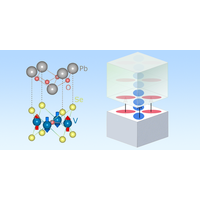
Phys. Rev. Lett. 136, 186702 (2026)
Condensed Matter and Materials
Physical Review X
Hydroplasticity of Nanocrystal Films Induced by Mesopore Change
Article | 2026-05-05 06:00 EDT
Siyuan Liu, Yonggui Wang, Yu Yin, Xintong Meng, Zhen Lang, and Kai Zhang
A vapor training process allows for improved plasticity and better shaping of wood-derived films.
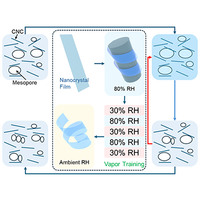
Phys. Rev. X 16, 021026 (2026)
arXiv
Parafermionic and decoupled multicritical points in a frustrated $\mathbb{Z}_6$ clock chain
New Submission | Strongly Correlated Electrons (cond-mat.str-el) | 2026-05-06 20:00 EDT
Andrea Kouta Dagnino, Attila Szabó
We introduce a generalised six-state clock chain that interpolates between the clock and Potts models via a multicritical point described by decoupled Ising and three-state Potts models. We find that this decoupling extends into stable phases that break only $ \mathbb{Z}_2$ or $ \mathbb{Z}_3$ symmetry. We also use boundary CFT analysis and level spectroscopy to conclusively identify a $ \mathbb{Z}_6$ parafermion multicritical point terminating the clock model Luttinger-liquid phase. Our work shows that parafermions emerge far from integrability, even in systems with intertwined Ising and three-state Potts orders.
Strongly Correlated Electrons (cond-mat.str-el), Statistical Mechanics (cond-mat.stat-mech), High Energy Physics - Theory (hep-th)
Universal Theory of Incoherent Metals
New Submission | Strongly Correlated Electrons (cond-mat.str-el) | 2026-05-06 20:00 EDT
Aaron Kleger, Nikolay Gnezdilov, Rufus Boyack
Numerous unconventional superconductors such as cuprates, heavy-fermions, and twisted-bilayer graphene exhibit incoherent metallic transport above the superconducting critical temperature. This phenomenon cannot be described with Fermi-liquid theory and has presented a significant theoretical challenge to overcome. We utilize the two-dimensional Yukawa-SYK model of fermions with spatially random coupling to quantum-critical bosons to study transport in a manner which is non-perturbative in the coupling strength. Our work provides a microscopic model of quantum-critical incoherent metals and their concomitant properties, including a non-Boltzmann transport formula between resistivity and quasi-particle lifetime, violation of the Mott-Ioffe-Regel resistivity bound, and violation of the Kovtun-Son-Starinets shear viscosity to entropy density bound.
Strongly Correlated Electrons (cond-mat.str-el), Superconductivity (cond-mat.supr-con), High Energy Physics - Theory (hep-th)
Main text: 8 pages, 5 figures. Supplemental Material: 30 pages, 8 figures
Tunable Odd-Parity Spin Splittings in Altermagnets
New Submission | Mesoscale and Nanoscale Physics (cond-mat.mes-hall) | 2026-05-06 20:00 EDT
Momentum-dependent spin splitting and its relation to inversion ($ P$ ) and time-reversal ($ T$ ) symmetries are central to nonrelativistic spintronics. Representative examples include collinear altermagnets with $ (P,T)=(+,-)$ and non-collinear odd-parity magnets with $ (P,T)=(-,+)$ . In this work, we develop a theoretical framework to induce odd-parity spin splittings in the more abundant collinear altermagnets through two mechanisms: driving by a two-color linearly polarized light field or coupling to a $ P$ -odd loop-current order. Properly phase-locked two-color driving induces a static $ (P,T)=(-,-)$ order, symmetry-equivalent to a translationally invariant $ P$ -odd loop-current order. Coupling this order to an altermagnet produces a controllable mixed-parity spin texture, opening new avenues for the electrical and optical manipulation of spin-polarized currents in spintronics applications. The same mechanism applied to a collinear $ PT$ -symmetric magnet induces a distinct $ (P,T)=(+,+)$ state with a nonrelativistic dissipationless anomalous spin Hall conductivity. We present group-theory and microscopic Floquet theory to highlight the emergent responses.
Mesoscale and Nanoscale Physics (cond-mat.mes-hall), Materials Science (cond-mat.mtrl-sci)
Spin-orbital exchange as a route to intertwined dipole-quadrupole orbital order in MnV$_2$O$_4$ under strong trigonal crystal field
New Submission | Strongly Correlated Electrons (cond-mat.str-el) | 2026-05-06 20:00 EDT
Orbitally degenerate systems provide a promising platform for realizing novel quantum phases driven by spin-orbital exchange interactions, as described by the Kugel-Khomskii model. Spinel vanadates, in which orbital degrees of freedom remain active, exhibit structural and magnetic transitions accompanied by orbital ordering, but the nature of the orbital state in MnV$ _2$ O$ _4$ remains under debate. Here, we combine first-principles calculations with an effective spin-orbital model to address this problem. We show that a significant trigonal crystal field is present in high-temperature cubic phase and plays an essential role in determining the low-energy degrees of freedom. Based on the resulting parameters, we construct an effective Hamiltonian beyond the conventional dominant-hopping approximation and demonstrate that subdominant hopping processes strongly modify the spin-orbital exchange interactions. As a result, the system stabilizes a two-in/two-out magnetic configuration featuring spin canting and intertwined dipole-quadrupole orbital order.
Strongly Correlated Electrons (cond-mat.str-el)
12 pages, 6 figures, and Supplemental Materials (9 pages, 2 figures)
Characterizing electronic scattering rates with transport in multiterminal devices
New Submission | Mesoscale and Nanoscale Physics (cond-mat.mes-hall) | 2026-05-06 20:00 EDT
Strongly interacting electrons in clean two-dimensional devices are theorized to exhibit many distinct transport regimes, such as ballistic, hydrodynamic, or diffusive. Realistic samples often lie in crossover regimes between these idealized limits. We show how a single experiment on a multiterminal device can distinguish these regimes and constrain the relevant scattering rates without space-resolved imaging. Using a linearized Boltzmann model in a five-terminal geometry, we find that current partition among the drain contacts diagnoses the ballistic-hydrodynamic-Ohmic crossover and allows extraction of momentum-relaxing and momentum-conserving scattering rates in the crossover regime. The same geometry also exhibits clear signatures of the tomographic regime, potentially allowing for a quantitative discrimination between viscous and tomographic flow in experiments. Our results demonstrate that multiterminal devices are a simpler experimental route to characterize transport regimes in electron liquids, relative to space-resolved imaging experiments.
Mesoscale and Nanoscale Physics (cond-mat.mes-hall), Strongly Correlated Electrons (cond-mat.str-el)
9 pages, 4 figures
Beam canalization by a non-Abelian gauge field
New Submission | Mesoscale and Nanoscale Physics (cond-mat.mes-hall) | 2026-05-06 20:00 EDT
Olha Bahrova, Jiahao Ren, Feng Jin, Rui Su, Guillaume Malpuech, Dmitry Solnyshkov
Hyperbolic and quasi-flat isofrequency contours (IFCs) are used for beam canalization and can be created by tilted Dirac points in photonic systems. Dirac points in microcavities are generated by the combination of transverse-electric/transverse-magnetic splitting and linear birefringence. We show that the canalization is here strongly assisted by the coupling between the spatial dynamics and polarization pseudospin precession. This dynamics is well described analytically and numerically as the action of a non-Abelian gauge field on emergent charges (spin current). We demonstrate a ten-fold enhancement of the canalization for a Gaussian beam by the gauge field, as compared to a description based solely on the group velocity associated with the IFCs.
Mesoscale and Nanoscale Physics (cond-mat.mes-hall), Optics (physics.optics)
Multistable energy landscapes for adaptive microscopic machines
New Submission | Soft Condensed Matter (cond-mat.soft) | 2026-05-06 20:00 EDT
Melody Xuan Lim, Zexi Liang, Gabriel Alkuino, Jason Z. Kim, Itay Griniasty, Teng Zhang, Paul L. McEuen, Itai Cohen
The past few years have seen great strides in our ability to build synthetic microscopic machines. However, the function of such machines is often controlled directly by externally applied fields that deterministically specify the instantaneous machine dynamics. A crucial step towards machines that can respond adaptively to changes in their environment is the ability to program multiple functions that actuate under the same external driving field, so that their internal state dictates which function is executed. Here, we demonstrate that energy landscapes with designed multistability enable the same externally applied field to drive multiple configurations and dynamic responses in microscopic machines, enabling increasing levels of autonomy. We show three examples. First, we write a bistable energy landscape into a microscopic device, enabling the device to exhibit two stable mechanical configurations under the same external magnetic field. Next, adding a second degree of freedom enables differing dynamic responses to the same external magnetic field, which we direct into net displacement of the environment. Finally, we demonstrate how a microscopic machine with a continuous symmetry autonomously channels a single degree-of-freedom magnetic actuation into locomotion and adaptively responds to forces induced by other machines.
Soft Condensed Matter (cond-mat.soft)
Building a physics-aware AI ecosystem for solid-state hydrogen storage materials
New Submission | Materials Science (cond-mat.mtrl-sci) | 2026-05-06 20:00 EDT
Seong-Hoon Jang, Yiwen Yao, Chuanyu Liu, Linda Zhang, Di Zhang, Xue Jia, Hung Ba Tran, Eric Jianfeng Cheng, Ryuhei Sato, Yusuke Ohashi, Toyoto Sato, Yusuke Hashimoto, Mark Allendorf, Nongnuch Artrith, Marcello Baricco, Andreas Borgschulte, Darren P. Broom, Ang Cao, Benjamin W. J. Chen, Lixin Chen, Ping Chen, Eun Seon Cho, Stefano Deledda, Zhao Ding, Martin Dornheim, Michael Felderhoff, Yaroslav Filinchuk, George E. Froudakis, Mingxia Gao, Thomas Gennett, Zaiping Guo, Ikutaro Hamada, Jason Hattrick-Simpers, Bjørn C. Hauback, Michael Hirscher, Torben R. Jensen, Baohua Jia, Hyoung Seop Kim, Takahiro Kondo, Kentaro Kutsukake, Xiao-Yan Li, Tongliang Liu, Piao Ma, Jianfeng Mao, Rana Mohtadi, Hyunchul Oh, Mark Paskevicius, Chris J. Pickard, Astrid Pundt, Long Qi, Anibal Ramirez-Cuesta, Hiroyuki Saitoh, Kaihang Shi, Aloysius Soon, Chenghua Sun, Chris Wolverton, Hiroshi Yabu, Weijie Yang, Zhenpeng Yao, Xuebin Yu, Jianxin Zou, Shouyi Hu, Panpan Zhou, Xi Lin, Zhigang Hu, Zhenhao Zhou, Pengfei Ou, Jiayu Peng, Shin-ichi Orimo, Hao Li
Hydrogen storage remains a central bottleneck for scalable hydrogen energy systems due to the multiscale and coupled nature of the thermodynamics, kinetics, and microstructural evolution of hydrogen storage materials (HSMs). Although artificial intelligence (AI) has accelerated materials discovery, current approaches remain constrained by fragmented data, limited physical consistency, and weak integration with experimental validation. Here, we propose a unified framework that integrates coherent data infrastructure, physics-grounded modeling, and AI-driven inverse design within a closed-loop discovery paradigm. By embedding physical constraints and experimental feedback, this approach enables adaptive, physically consistent optimization, thereby establishing a pathway toward autonomous, digital-twin-enabled discovery of HSMs.
Materials Science (cond-mat.mtrl-sci)
Bogoliubov mode dynamics and non-adiabatic transitions in time-varying condensed media
New Submission | Mesoscale and Nanoscale Physics (cond-mat.mes-hall) | 2026-05-06 20:00 EDT
This study investigates non-adiabatic wave dynamics in condensed media and the transition from adiabatic stability to spectral chaos. We introduce a dimensionless parameter, as a universal metric to quantify phase-mode redistribution at sub-wavelength inhomogeneities. Our framework treats defects as localized sites of adiabaticity violation triggering non-adiabatic parametric excitation of the ground state. Numerical validation in an expanded 50-level bosonic basis demonstrates that the framework accurately distinguishes between adiabatic regimes in ENZ-metamaterials and non-adiabatic transitions in ultrafast magnetic media . We establish a universal scaling law governed by the non-adiabaticity-to-regulation ratio, proving that the proposed metric remains a robust metrological tool for identifying sub-wavelength inhomogeneities across diverse material classes. Computational singularities observed at extreme loads identify the rigorous operational boundaries for coherent mode-mixing. The robustness of the proposed framework is numerically validated, proving the method’s reliability for a wide class of non-linear condensed media satisfying the stability criterion. This result provides a rigorous physical justification for the dynamic Hilbert space truncation (effective fermion-like dynamics), ensuring metrological consistency in complex structural environments. These results provide a theoretical foundation for probing ultrafast collective excitations and latent internal stresses, extending structural analysis beyond the traditional diffraction barrier.
Mesoscale and Nanoscale Physics (cond-mat.mes-hall)
39 pages, 4 figures
Quantum Geometric Quadrupole of Cooper Pairs
New Submission | Superconductivity (cond-mat.supr-con) | 2026-05-06 20:00 EDT
Wenqin Chen, Kaijie Yang, Ting Cao, Shi-Zeng Lin, Jiabin Yu, Di Xiao
The size of Cooper pairs defines a fundamental length scale of superconductivity, conventionally set by band dispersion and the superconducting gap. This picture breaks down in flat bands, where quenched dispersion makes quantum geometry essential. Here we develop a general framework based on the Cooper pair quadrupole moment, whose trace gives the pair size. The framework holds for both dispersive and flat-band cases, and provides a unified description of the geometric origin of this length scale. In particular, when time-reversal symmetry is broken, Berry curvature enters through the phase structure of the pair wavefunction and gives an essential contribution absent from previous quantum-metric theories. Together, Berry curvature and quantum metric impose a geometric lower bound on the pair size. Applying this framework to rhombohedral graphene, we find that the Berry-curvature-induced contribution can dominate and yields pair sizes comparable to experimentally inferred coherence lengths. These results identify Berry curvature as a central geometric ingredient controlling the microscopic length scale of superconductivity.
Superconductivity (cond-mat.supr-con), Mesoscale and Nanoscale Physics (cond-mat.mes-hall), Materials Science (cond-mat.mtrl-sci)
5 pages, 2 figures
Thermal bottleneck in a freely suspended superconducting island on InAs nanowire
New Submission | Mesoscale and Nanoscale Physics (cond-mat.mes-hall) | 2026-05-06 20:00 EDT
E.V. Shpagina, E.S. Tikhonov, D. Ruhstorfer, G. Koblmueller, V.S. Khrapai
We investigate the heat balance in superconducting islands (S-islands) formed in epitaxial Al/InAs nanowires (NWs) freely suspended above the substrate. We employ a Joule spectroscopy approach, which traces the superconductor-normal transition in the S-island mediated by heating of the neighboring InAs NW segments via transport current. The temperature of the surrounding 3He bath is varied with nearby mesoscopic heaters and controlled with the NW Johnson noise thermometry. The experiment reveals a substantial thermal relaxation bottleneck associated with the cooling via surrounding 3He, which gives rise to phonon heating in the S-island. Our results uncover the role of environmental cooling in non-equilibrium experiments in S-islands in NW devices.
Mesoscale and Nanoscale Physics (cond-mat.mes-hall), Superconductivity (cond-mat.supr-con)
5 pages + supplement
Transition Metal Dichalcogenide Excitons in Periodic Electrostatic Potentials: Center-of-Mass Models
New Submission | Strongly Correlated Electrons (cond-mat.str-el) | 2026-05-06 20:00 EDT
Jose M. Torres-Lopez, Sudipta Kundu, Felipe H. da Jornada, Tony Heinz, Allan H. MacDonald
Two-dimensional (2D) van-der-Waals materials are a promising platform for exciton state engi- neering. In this paper, we study the properties of excitons in 2D group VI transition-metal dichalco- genide (TMD) semiconductors that are modified by a periodic electrostatic potential through the quadratic Stark effect. Using a model that retains only center-of-mass and valley degrees-of-freedom, we find that electrostatic potentials can drive optical valley splitting up to 10meVs and induce valley selective exciton dispersion. We explain why both properties are sensitive to the rotational symmetry of the electrostatic trapping potential using a combination of numerical results and an- alytical approximations. An important consequence of valley-splitting is that the lowest exciton band is non-degenerate and has a linear dispersion around gamma that is expected to suppress thermal excitations, allowing true Bose condensation and superfluidity of excitons in two space dimensions.
Strongly Correlated Electrons (cond-mat.str-el), Mesoscale and Nanoscale Physics (cond-mat.mes-hall)
10 pages, 10 figures
Nb$_3$Sn Thin Films Using a Cu-Sn Route for Dark Matter Detection
New Submission | Superconductivity (cond-mat.supr-con) | 2026-05-06 20:00 EDT
Axion dark matter searches require superconducting radio-frequency (SRF) cavities on copper (Cu) substrates with quality factors Q > 10^5 in multi-tesla magnetic fields. Copper reduces thermal noise and allows complex geometries. Nb3Sn is a strong candidate due to its superior superconducting properties. However, uniform high-Tc Nb3Sn thin films on Cu are challenging due to Sn loss and substrate strain.
This work uses solid-state diffusion of Sn from high-Sn Cu-Sn alloys into Nb layers to form Nb3Sn at Cu-compatible temperatures (650-750°C), avoiding the traditional ~1100°C vapor method. Varying Cu-Sn composition yielded an optimal alloy that maintains high Sn activity. Compositional and thermal expansion analyses showed Tc is suppressed below 18 K by Cu substrate strain. Experiments on Nb and sapphire substrates isolated the strain effects. Two routes were developed: (1) Cu-Sn on Ta-coated Cu with hot Nb sputtering (Tc = 16 K), and (2) Nb on Ta/Cu with Cu-Sn evaporation and ex-situ reaction. Route 2 gave uniform Nb3Sn and was chosen for cavity coating. A hexagonal cavity combining designs from the University of Washington and Center for Axion and Precision Physics was coated using Route 2 and tested to 50 mK and 9 T. At zero field it reached Q = 77,000 (40% above bare Cu’s Q = 55,000), but Q dropped sharply in field. Nb3Sn coatings on Cu cavities outperform bare Cu at zero field and provide practical routes for improved axion detectors.
Superconductivity (cond-mat.supr-con), High Energy Physics - Experiment (hep-ex)
211 pages, 83 figures, 6 tables, PhD dissertation submitted to Florida State University
Non-Markovian entropy production fluctuation theorem driven by a time-dependent electric field
New Submission | Statistical Mechanics (cond-mat.stat-mech) | 2026-05-06 20:00 EDT
K. S. Rodríguez-Vigil, M. A. Bastarrachea-Magnani, J. I. Jiménez-Aquino
Fluctuation theorems are key to understanding both fundamental and applied aspects of non-equilibrium thermodynamics of small systems. We study the non-Markovian entropy production fluctuation theorem for the diffusion process of charged particles in a gas inside a harmonic potential and under the action of a time-dependent electric field, using a generalized Langevin equation. By considering the influence of the electric field on both the tagged Brownian particle and the bath particles, an “induced” electric force arises. Despite the additional force, we demonstrate that Kubo’s second fluctuation-dissipation theorem (FDT) remains unchanged. The FDT allows us to obtain the Gaussian probability density for the position along a single stochastic trajectory, which is the key to demonstrating the validity of the detailed fluctuation theorem (DFT) for the total entropy production. We study the specific result of an Ornstein-Uhlenbeck-type friction memory kernel and an oscillating electric field, and analyze the average work and entropy production in different parameter regimes.
Statistical Mechanics (cond-mat.stat-mech)
13 pages, 2 figures
Universal criticality of entropy production in chemical reaction networks
New Submission | Statistical Mechanics (cond-mat.stat-mech) | 2026-05-06 20:00 EDT
Stochastic thermodynamics gives universal relations for microscopic entropy production, yet its critical behavior at macroscopic nonequilibrium transitions remains unclassified. We study well-mixed reversible chemical reaction networks in the macroscopic-first limit, where transitions arise as local bifurcations of mass-action dynamics. Using linear-noise formulas, center-manifold normal forms, and Floquet theory, we obtain generic exponents for entropy-production fluctuations and responses at pitchfork, transcritical, saddle-node, and Hopf bifurcations. Beyond this low-order classification, a trajectory-space Cramér-Rao type bound yields the universal scaling inequality $ \alpha - 2\beta \geq 0$ . Hence divergent responses require divergent fluctuations, but not conversely, making entropy-production fluctuations a sharper probe of nonequilibrium criticality.
Statistical Mechanics (cond-mat.stat-mech)
8 + 20 pages, 2 figures, 1 table
Equilibrium fluctuations of a quasi-spherical vesicle: role of the membrane dissipation
New Submission | Soft Condensed Matter (cond-mat.soft) | 2026-05-06 20:00 EDT
Petia M. Vlahovska, Rony Granek
We theoretically investigate the thermally-driven curvature and lipid density fluctuations of a quasi-spherical vesicle, accounting for the dissipation due to monolayer viscosity and intermonolayer friction. The theory predicts that membrane curvature makes long-wavelength undulations sensitive to membrane viscosity and speeds up the relaxation of the lipid density fluctuations. Implications for the dynamic roughness and Dynamic Structure Factor measurements of submicron liposomes on nano-second time scales are discussed. Specifically, a clear stretched-exponential relaxation regime may not exist, in contrast to the behavior of planar membranes for which an anomalous diffusion exponent of 2/3 has been predicted [Zilman and Granek, Phys. Rev. Lett. (1996)].
Soft Condensed Matter (cond-mat.soft), Fluid Dynamics (physics.flu-dyn)
From Knowledge to Action: Outcomes of the 2025 Large Language Model (LLM) Hackathon for Applications in Materials Science and Chemistry
New Submission | Materials Science (cond-mat.mtrl-sci) | 2026-05-06 20:00 EDT
Aritra Roy, Kevin Shen, Andrew MacBride, Awwal Oladipupo, Mudassra Taskeen, Wojtek Treyde, Ruaa A. E. A. Abakar, Ahmad D. Abbas, Elsayed Abdelfatah, Abbas A. Abdullahi, Seham S. Abyah, Chahd Rahyl Adjmi, Fariha Agbere, Savyasanchi Aggarwal, Muhammad Ahmed, Tasnim Ahmed, Motasem Ajlouni, Mattias Akke, Hussein AlAdwan, Anwaar S. Alazani, Zahra A. Alharbi, Wajd A. Aljulyhi, Mohammed A. AlKubaish, Fatima A. Almahri, Sayed A. Almohri, David Obeh Alobo, Mohammed Alouni, Azizah S. Alqahtani, Omar Alsaigh, Husain Althagafi, Md. Aqib Aman, Lena Ara, Arifin, Ignacio Arretche, Abdulaziz Ashy, Syeda A. Asim, Amro Aswad, Adeel Atta, Sören Auer, Abdullah al Azmi, Toheeb Balogun, Suvo Banik, Viktoriia Baibakova, Shakira A. Baksh, Neus G. Bastús, Christina J. Bayard, Adib Bazgir, Louis Beal, Lejla Biberić, Wahid Billah, Ankita Biswas, Joshua Bocarsly, Montassar T. Bouzidi, Esma B. Boydas, Youssef Briki, Cailin Buchanan, Mauricio Cafiero, Damien Caliste, Yi Cao, Rafael E. Castañeda, Sruthy K. Chandy, Benjamin Charmes, Shayantan Chaudhuri, Yiming Chen, Alexander Chen, Jieneng Chen, Min-Hsueh Chiu, Defne Circi, Cinthya H. Contreras, Yoann Cure, Nathan Daelman, Roshini Dantuluri, Thomas Davy, William Dawson, Leonid Didukh, Rui Ding, Aminu R. Doguwa, Claudia Draxl, Sathya Edamadaka, Oulaya Elargab, Christina Ertural, Matthew L. Evans, Edvin Fako, Hossam Farag, Nur A. Fathurrahman, Merve Fedai, Rodrigo P. Ferreira, Giuseppe Fisicaro, Thomas Frank, Sasi K. Gaddipati, Abhijeet Gangan, Jennifer Garland, James Garrick, Luigi Genovese, Maryam Ghadrdran, Sandip Giri, Maxime Goulet, Jeremy Goumaz, Sara U. Gracia, Jacob Graham
Large language models (LLMs) are rapidly changing how researchers in materials science and chemistry discover, organize, and act on scientific knowledge. This paper analyzes a broad set of community-developed LLM applications in an effort to identify emerging patterns in how these systems can be used across the scientific research lifecycle. We organize the projects into two complementary categories: Knowledge Infrastructure, systems that structure, retrieve, synthesize, and validate scientific information; and Action Systems, systems that execute, coordinate, or automate scientific work across computational and experimental environments. The submissions reveal a shift from single-purpose LLM tools toward integrated, multi-agent workflows that combine retrieval, reasoning, tool use, and domain-specific validation. Prominent themes include retrieval-augmented generation as grounding infrastructure, persistent structured knowledge representations, multimodal and multilingual scientific inputs, and early progress toward laboratory-integrated closed-loop systems. Together, these results suggest that LLMs are evolving from general-purpose assistants into composable infrastructure for scientific reasoning and action. This work provides a community snapshot of that transition and a practical taxonomy for understanding emerging LLM-enabled workflows in materials science and chemistry.
Materials Science (cond-mat.mtrl-sci), Artificial Intelligence (cs.AI)
This paper reflects contributions from hundreds of researchers worldwide through an event, follow-on discussions, and project development exploring LLM applications in materials science and chemistry. While unconventional, it captures a timely, broad, and efficient community exploration of a rapidly evolving field and offers value to the arXiv community
Time-boundary scattering and topological resonant transmissions
New Submission | Mesoscale and Nanoscale Physics (cond-mat.mes-hall) | 2026-05-06 20:00 EDT
Time boundaries (TBs), temporal analogues of spatial interfaces, offer a powerful handle to engineer quantum systems. However, unlike the well-developed stationary scattering theory at spatial interfaces, a unified framework for quantum scattering at TBs has been missing. Here we develop a Bloch-wave scattering theory for TBs by introducing a temporal scattering matrix $ S$ between incoming and outgoing Bloch channels. We uncover topological resonant transmissions (RTs) – poles of $ S$ that yield perfect interband transmission and dynamical freezing of the quantum state. We establish a bulk-time-boundary correspondence for all integer Altland-Zirnbauer classes: the number of RTs equals the jump of the bulk topological invariant across the TB. In one dimension this gives a time-domain Levinson’s theorem. A topological analysis further reveals a striking dimensional dependence. In even dimensions RTs are robust to temporal modulations and disorder, whereas in odd dimensions they can be destroyed by dynamical symmetry breaking. Our work places temporal and spatial scattering on the same footing and opens new avenues for engineering and probing quantum dynamics.
Mesoscale and Nanoscale Physics (cond-mat.mes-hall), Quantum Gases (cond-mat.quant-gas), Quantum Physics (quant-ph)
9+2 pages, 5 figures
From Enhanced Sampling to Human-Readable Representations of Protein Dynamics
New Submission | Statistical Mechanics (cond-mat.stat-mech) | 2026-05-06 20:00 EDT
Souvik Mondal, Michael A. Sauer, Matthias Heyden
Understanding protein conformational dynamics is essential for elucidating biological function but remains challenging due to the wide range of timescales and the complexity of collective motions. Enhanced sampling methods overcome timescale limitations of conventional molecular dynamics, yet their effectiveness depends on the choice of collective variables (CVs), which are often difficult to define and may lack physical interpretability. In particular, collective variables derived from machine learning or collective vibrational modes can efficiently capture slow dynamics but are not easily mapped onto intuitive structural descriptors. Here, we present a fully automated framework that transforms enhanced sampling trajectories into human-readable representations of protein dynamics. Our approach combines enhanced sampling along CVs derived from frequency-selective anharmonic mode analysis with a post hoc analysis of biased trajectories using weighted dynamic cross-correlation matrices. From these, we identify residue pairs and domains exhibiting correlated and anti-correlated motions, yielding simple domain-domain distances that serve as physically interpretable CVs. We apply this method to five proteins, including KRAS and HIV-1 protease, and show that it consistently identifies biologically relevant domains and motions without prior system-specific knowledge. Projection onto these distances produces free energy surfaces that reproduce known conformational states with low statistical uncertainty while maximizing independent dynamical information. This workflow enables systematic recasting of complex CVs into simple geometric descriptors without loss of essential dynamics. Its generality and automation make it broadly applicable for interpreting enhanced sampling simulations and generating interpretable conformational ensembles for integration with emerging machine learning approaches.
Statistical Mechanics (cond-mat.stat-mech)
Sparkling bubbles in chiral active fluids
New Submission | Soft Condensed Matter (cond-mat.soft) | 2026-05-06 20:00 EDT
Alessandro Petrini, Raphaël Maire, Umberto Marini Bettolo Marconi, Lorenzo Caprini
We study an inertial chiral active fluid, formed by repulsive particles that transfer angular momentum through odd interactions, i.e. transverse forces. Chirality induces an inhomogeneous phase, consisting of rotating bubbles, whose formation is favored at an optimal packing fraction. In this regime, we discover that bubbles may be dynamically unstable, breaking up and reforming in the steady state, thereby showing a spontaneous sparkling-like behavior reminiscent of supersaturated liquids. Bubbles and sparkling bubbles are predicted by a coarse-grained hydrodynamic theory, revealing the intrinsic non-linearity of these collective phenomena, and call for experimental verifications in granular spinners or spinning colloids.
Soft Condensed Matter (cond-mat.soft), Statistical Mechanics (cond-mat.stat-mech)
Coupled phase transitions in crystalline solids with extreme chemical disorder
New Submission | Materials Science (cond-mat.mtrl-sci) | 2026-05-06 20:00 EDT
Subha Dey, Rukma Nevgi, Suresh Chandra Joshi, Sourav Chowdhury, Nandana Bhattacharya, Kashish Kapoor, Tinku Dan, Subhadip Chowdhury, Sabyasachi Karmakar, S. D. Kaushik, Shibabrata Nandi, Christoph Klewe, Manuel Valvidares, Moritz Hoesch, George E. Sterbinsky, Srimanta Middey
Structural phase transitions often couple to magnetic and electronic degrees of freedom, enabling emergent phenomena in solids. In high-entropy oxides (HEOs), which typically stabilize in highly symmetric cubic phases, such transitions are considered rare due to the extreme chemical disorder-analogous to the behavior observed in high-entropy alloys. This raises a fundamental question: can the rich physics of coupled phase transitions persist in such disordered systems? Here, we show that targeted design of compositionally complex oxides (CCOs) can trigger symmetry-lowering transitions, with spinel-type materials serving as a representative case. For instance, [Mn$ _{0.2}$ Co$ _{0.2}$ Ni$ _{0.2}$ Cu$ _{0.2}$ Zn$ _{0.2}$ ]Cr$ _2$ O$ _4$ , having two Jahn-Teller (J-T) active ions, undergoes two successive coupled structural transitions upon cooling: an orbital-driven transition at 100 K and a magnetism-driven transition at 40 K. Systematic substitution of $ A$ -site cations reveals that both Ni and Cu are essential for these transitions. Element specific local structure investigations uncover distinct and opposing local distortions around Ni and Cu, while Mn, Co, and Zn remain largely undistorted. These results establish that CCOs can host coupled phase transitions through `cooperation via competition’ among local distortions in a chemically disordered lattice. This discovery expands the design principles for complex oxides, introducing a new paradigm for tuning structural and functional properties in high-entropy systems beyond conventional symmetry constraints.
Materials Science (cond-mat.mtrl-sci)
14 pages, 5 figures, 4 extended data figures
Nature of magnetism in bilayer nickelate La3Ni2O7 single crystals
New Submission | Strongly Correlated Electrons (cond-mat.str-el) | 2026-05-06 20:00 EDT
Lixing Chen, Enkang Zhang, Yiqing Hao, Yinghao Zhu, Bingkun Cui, Douglas L. Abernathy, Travis J. Williams, Yoichi Ikeda, Hao Zhang, Feiyang Liu, Wenbin Wang, Qisi Wang, Jun Zhao
The recent discovery of high-temperature superconductivity in pressurized and thin film nickelates has generated intense interest, yet the nature of magnetism in their ambient-pressure parent phases remains poorly understood, despite its potentially crucial role in pairing. Here we use neutron scattering to resolve the spin order and dynamics of single-crystalline La3Ni2O7, an ambient-pressure parent of this class. Well defined spin excitations are observed at Q = (0, 0.5, 2.5), featuring a~5 meV spin gap and anisotropic in-plane dispersions, with zone-boundary softening along the transverse direction indicative of competing exchange interactions. The excitations exhibit pronounced out-of-plane modulations with bilayer periodicity, providing direct evidence for antiferromagnetic interlayer coupling. Their dispersion is well described by a bilayer Heisenberg Hamiltonian with strong interlayer exchange and competing in-plane couplings within a stripe-type magnetic order. Normalization of the spectra to absolute units reveals that, although the spin-wave bandwidth is only about 25% of that in cuprates, the local dynamic susceptibility at comparable energies is significantly enhanced, yielding a total fluctuating moment of comparable magnitude. These results highlight intense mid-energy spin excitations rooted in substantial electronic correlations as a defining feature of this family, establishing a magnetic framework distinct from cuprates and directly relevant to understanding superconductivity in this system.
Strongly Correlated Electrons (cond-mat.str-el), Materials Science (cond-mat.mtrl-sci), Superconductivity (cond-mat.supr-con)
16 pages, 4 figures
Dynamic properties of a confined quasi-two-dimensional granular fluid driven by a stochastic bath with friction
New Submission | Soft Condensed Matter (cond-mat.soft) | 2026-05-06 20:00 EDT
David González Méndez, Rubén Gómez González, Vicente Garzó
This paper investigates the dynamic properties of a confined quasi-two-dimensional granular fluid at moderate densities, modeled within the framework of the Enskog kinetic equation. The system is described using the so-called $ \Delta$ -model, which incorporates energy injection through modified collision rules, and is further extended to account for the influence of an interstitial gas via a viscous drag force and a stochastic Langevin-like term. By applying the Chapman-Enskog method, the Navier-Stokes transport coefficients and the cooling rate are derived analytically considering the leading terms in a Sonine polynomial expansion. The study focuses on steady-state conditions and examines how the combined effects of inelastic collisions and external driving influence transport properties such as the viscosity and the thermal conductivity. Theoretical predictions for the steady temperature and the kurtosis are validated against direct simulation Monte Carlo (DSMC) results, showing excellent agreement. The findings reveal that the external driving significantly alters the transport coefficients compared to dry (no gas phase) granular systems, challenging previous assumptions that neglected these effects. Additionally, a linear stability analysis demonstrates that the homogeneous steady state is stable across the explored parameter space.
Soft Condensed Matter (cond-mat.soft), Statistical Mechanics (cond-mat.stat-mech)
26 pages, 10 figures
Energy dissipation at the atomic scale explains how fracture energy depends on crack velocity in silica glass
New Submission | Materials Science (cond-mat.mtrl-sci) | 2026-05-06 20:00 EDT
Marthe Grønlie Guren, Sigbjørn Løland Bore, François Renard, Henrik Andersen Sveinsson
The fracture energy of brittle materials rises with crack velocity, and this effect is typically attributed to surface roughening from path instabilities. Here we show, using molecular dynamics simulations of silica glass with a first-principles machine learned interatomic potential, that the structural fracture energy rises by up to 33 % already below the branching threshold, showing that fracture energy is not a constant material property. This rise in fracture energy is roughly equally partitioned between an increase in the intrinsic surface energy density and nanoscale roughening that increases the real fracture surface area. Results demonstrate that dynamic fracture in silica glass increases the fracture energy not merely by creating more apparent surface, but also by creating a fundamentally different surface at the nanoscale.
Materials Science (cond-mat.mtrl-sci), Mesoscale and Nanoscale Physics (cond-mat.mes-hall), Computational Physics (physics.comp-ph)
9 pages, 6 figures
Cubic edge dispersion in a semi-Dirac Chern insulator
New Submission | Mesoscale and Nanoscale Physics (cond-mat.mes-hall) | 2026-05-06 20:00 EDT
Marta García Olmos, David Martín Tejedor, Mario Amado, Yuriko Baba, Rafael A. Molina
Topological edge states in Chern insulators are typically characterized by a linear dispersion relation inherited from the Dirac structure of the bulk Hamiltonian. Here we show that this paradigm can be fundamentally altered in systems with anisotropic semi-Dirac band structures. We introduce a minimal two-band lattice model realizing a semi-Dirac Chern insulator and determine its topological phase diagram analytically. Using a mass-domain-wall approach in a semi-infinite geometry, we derive an explicit expression for the chiral edge states and find that their low-energy dispersion scales cubically with momentum, $ E(k)\propto k^3$ . Numerical diagonalization of the corresponding tight-binding ribbon confirms the analytical prediction. Our results demonstrate that unconventional bulk band structures can produce qualitatively different boundary excitations, providing a route to engineering nonstandard chiral edge dynamics in topological materials and synthetic quantum systems.
Mesoscale and Nanoscale Physics (cond-mat.mes-hall), Other Condensed Matter (cond-mat.other)
6 figures, includes the supplemental material
Influence of twist angle on ultrafast charge separation in WS2-graphene heterostructures
New Submission | Materials Science (cond-mat.mtrl-sci) | 2026-05-06 20:00 EDT
Niklas Hofmann, Leonard Weigl, Johannes Gradl, Stiven Forti, Domenica Convertino, Camilla Coletti, Isabella Gierz
Van der Waals (vdW) heterostructures, formed by stacking two-dimensional materials, offer highly tunable electronic and optical properties, with the twist angle between layers acting as a critical tuning parameter. While its impact on moiré patterns, band structure, and correlated states is well-established, the influence of twist angle on ultrafast charge transfer remains controversial. Here, we employ time- and angle-resolved photoemission spectroscopy (trARPES) to directly probe ultrafast charge transfer in epitaxially grown WS\textsubscript{2}-graphene heterostructures with twist angles of 0$ ^{\circ}$ and 30$ ^{\circ}$ . Upon photoexcitation at $ \hbar\omega = 3.1,\mathrm{eV}$ , we observe efficient charge separation at 0$ ^{\circ}$ , while at 30$ ^{\circ}$ , electron and hole transfer occur at similar rates. Our results highlight the crucial role of the twist angle in controlling charge separation efficiency, offering valuable insights for designing vdW heterostructures for applications in photovoltaics and optoelectronics.
Materials Science (cond-mat.mtrl-sci)
21 pages, 7 figures
First-principles prediction of chiral-phonon-induced orbital accumulation
New Submission | Mesoscale and Nanoscale Physics (cond-mat.mes-hall) | 2026-05-06 20:00 EDT
A. Pezo, A. Manchon, Y. Nii, K. Ando, T. Kato
Chiral phonons offer a route to transfer angular momentum without relying on magnetic order, but their electronic response in metals remains poorly understood from perspectives beyond spin-based scenarios. Using first-principles calculations, we show that coherent chiral lattice motion generates orbital accumulation and, through spin-orbit coupling, a smaller accompanying spin accumulation. Our approach evaluates orbital and spin expectation values directly from strain perturbed ab initio Hamiltonians in the long-wavelength limit, where the phonon perturbation is represented by symmetry adapted circular lattice distortions. We show that the response is controlled mainly by orbital character, near-degeneracies, and electron-phonon coupling, rather than by spin-orbit coupling alone. These results identify light transition metals as promising platforms for chiral-phonon-driven orbitronics.
Mesoscale and Nanoscale Physics (cond-mat.mes-hall), Materials Science (cond-mat.mtrl-sci)
Scale-Dependent Input Representation and Confidence Estimation for LLMs in Materials Property Prediction
New Submission | Materials Science (cond-mat.mtrl-sci) | 2026-05-06 20:00 EDT
Shuichiro Ozawa, Izumi Takahara, Teruyasu Mizoguchi
Large language models (LLMs) are increasingly applied to materials science. However, the relationship between prediction accuracy, input representation, and model scale remains unclear, and reliable methods for assessing prediction confidence have not yet been established. In this study, we fine-tune two Llama models of different scales (1B and 8B) using low-rank adaptation (LoRA) on an inorganic crystal structure dataset. We systematically evaluate five input representations, namely chemical composition, crystal summary, local environment description, full text description, and crystallographic information files (CIF), for formation energy and bandgap prediction. Our results show that the optimal input representation depends on model scale. The 1B model performs better with compact representations, whereas the 8B model maintains high accuracy even with longer natural-language descriptions and CIF inputs. Across both model scales, crystal summaries that include space-group information consistently outperform composition-only inputs, indicating that symmetry information serves as a robust and informative feature. We further analyze the relationship between prediction error and the mean negative log-likelihood (mean NLL) of tokens corresponding to predicted numerical values. While no clear correlation is observed in base models, fine-tuned models exhibit a consistent trend in which lower mean NLL corresponds to smaller prediction errors. This result suggests that mean NLL can serve as a practical confidence indicator without requiring additional training. These findings demonstrate that both input representation and model scale play critical roles in LLM-based materials property prediction, and that mean NLL provides an effective and computationally efficient measure of prediction confidence.
Materials Science (cond-mat.mtrl-sci)
14 pages, 4 figures, 7 pages of Supplementary Material
Influence of ligand field and correlation on the electronic structure of NiO and CoO from DFT+DMFT calculations
New Submission | Strongly Correlated Electrons (cond-mat.str-el) | 2026-05-06 20:00 EDT
Daniel Mutter, Frank Lechermann, Daniel F. Urban, Christian Elsässer
The intriguing physics and rich application potential of strongly correlated first-row transition metal oxide compounds result from the complex interplay of several factors that influence the electronic structure. To shed light on the effect of composition, structure, and correlation strength, we apply a well-established charge self-consistent combination of density functional theory and dynamical mean field theory, which has proven to give electron binding energies in good agreement to experimentally derived excitation spectra. For paramagnetic NiO and CoO, we analyze the effect of rock-salt and zincblende structures and their different ligand fields on the spectral functions. By varying the value of the interaction parameter U, different correlation strengths among the transition-metal 3d electrons are considered, as well as the effect of additionally accounting for correlations in the oxygen 2p orbitals by a self-interaction-correction pseudopotential scheme.
Strongly Correlated Electrons (cond-mat.str-el), Materials Science (cond-mat.mtrl-sci)
18 pages, 5 figures
Adjacent Sink Strengths Used in Multiscale Kinetic Rate Equation Simulations of Defects and Impurities in Solids
New Submission | Materials Science (cond-mat.mtrl-sci) | 2026-05-06 20:00 EDT
Kinetic Rate Equation (kRE) modeling is widely used to simulate defect and impurity evolution in solids over experimentally relevant time and length scales. However, conventional kRE formulations include only random-position sink strengths, which adequately describe trapping of defects created at random lattice sites but fail to capture the enhanced retrapping of defects released directly adjacent to traps during detrapping or dissociation events. This omission leads to systematic errors, including underestimated thermal desorption (TDS) peak temperatures and incorrect kinetic parameters when fitting to experimental data. In this work, we derive for the first time analytical expressions for the adjacent sink strength, including correction for finite impurity diffusion jump length. We provide a practical implementation strategy for integrating these expressions into kRE simulations. Comparisons with kinetic Monte Carlo (kMC) benchmarks demonstrate that adjacent sink strengths dominate the retrapping probability and are essential for reproducing the correct temperature dependence of TDS release peaks. Simulations that employ only random sink strengths can still be tuned to match TDS spectra; however, the resulting fitted trapping energies, detrapping frequencies, and diffusion parameters are often physically inconsistent. The adjacent sink strength formulation introduced here significantly improves the predictive capability of kRE modeling, enabling accurate multiscale simulations of defect and impurity behavior in materials. This framework also establishes a foundation for future extensions, including adjacent sink strengths associated with extended defects such as dislocations and grain boundaries, offering new opportunities to resolve persistent discrepancies between experimental and simulated trapping energetics.
Materials Science (cond-mat.mtrl-sci)
Theory of transmittance of narrow quantum wires intersection in 2D systems
New Submission | Mesoscale and Nanoscale Physics (cond-mat.mes-hall) | 2026-05-06 20:00 EDT
The transmittance of intersection between narrow quantum strips is studied. It is assumed that strip widths are less than the electron wavelength, so that they are tunnel conductors. In this assumption the Schrödinger equation is reduced to the Laplace one, which can be solved by the conformal mappings. The transmittances of T-like and X-like wire crossings are found.
Mesoscale and Nanoscale Physics (cond-mat.mes-hall)
6 pages, 2 figures
Gauge-Field-Mediated Symmetry Breaking of Matters Under Electromagnetic Fields and Its Impact on Spin Dynamics
New Submission | Materials Science (cond-mat.mtrl-sci) | 2026-05-06 20:00 EDT
Uiseok Jeong, Esmaeil Taghizadeh Sisakht, Angel Rubio, Carsten A. Ullrich, Kyeong-Whan Kim, Noejung Park
When a condensed-matter system is subjected to external electromagnetic fields, the gauge-invariant formulation of physical operators must explicitly incorporate the gauge-field contribution. However, in the context of spin-orbit coupling (SOC), this gauge-field term is often regarded as negligible or merely additive compared to the canonical SOC, which is typically localized near atomic cores. Here, we demonstrate that the symmetry breaking and consequent spin dynamics are governed by the gauge-field term, without which the spins remain symmetry-constrained. We perform real-time time-dependent density functional theory calculations to investigate spin-orbit dynamics, focusing on representative cases with mirror, glide, and screw-rotational symmetry. We demonstrate that when the gauge-field term in the time-dependent Hamiltonian perturbs the symmetry of the canonical term, a dynamical spin state gradually develops during the time evolution, beyond the symmetry-frozen states. We suggest that, for nonequilibrium spin-orbit dynamics, the gauge-invariant formulation of SOC is not only formally required but also quantitatively essential, even for a weak external field.
Materials Science (cond-mat.mtrl-sci), Computational Physics (physics.comp-ph)
14 pages, 9 figures, contains Supplementary Information, submitted to Physical Review X
Optimal Navigation in Stochastic and Disordered Gridworlds
New Submission | Statistical Mechanics (cond-mat.stat-mech) | 2026-05-06 20:00 EDT
Kévin Bilaï Biloa, Olivier Pierre-Louis
Navigation in complex and noisy environments is a key issue in diverse fields from biology to engineering. Despite extensive progress in numerical optimization methods for computing navigation policies, insights into how disorder reshapes optimal navigation remain elusive. To address this question, we investigate the navigation of a Brownian particle in a disordered energy landscape, modeled as a lattice with randomly distributed traps. Using dynamic programming, we compute the optimal navigation policies that minimize the mean first-passage time to a target site. To quantify the impact of disorder, we introduce a density of change from a Kullback-Leibler divergence, which captures how the optimal policy is reshaped by either the presence of disorder or the knowledge of its configuration. Our results reveal a non-monotonic dependence of the change of the policy on trap concentration, with a pronounced maximum. In the fluctuation-dominated regime where the navigation bias is weak, we derive an analytical expression for the density of change, and demonstrate that the maximum occurs unexpectedly at low trap concentrations.
Statistical Mechanics (cond-mat.stat-mech)
Renormalization group analysis for bosonization coefficients in half-odd-integer Kitaev spin chains
New Submission | Strongly Correlated Electrons (cond-mat.str-el) | 2026-05-06 20:00 EDT
Jianxun Li, Chao Xu, Wang Yang
Based on a renormalization group (RG) analysis, we study the bosonization formulas in spin-S Kitaev-Gamma and Kitaev-Heisenberg-Gamma chains in the (K < 0, Gamma > 0, J > 0) parameter region, where S is a half-odd integer. We find that the effects associated with the breaking of emergent continuous symmetries in bosonization formulas scale as 1/S in the large-S limit, which is in qualitative agreement with DMRG numerical results for Kitaev-Gamma chains. In Kitaev-Heisenberg-Gamma chains, symmetry analysis reveals ten independent bosonization coefficients, five of which are predicted by the RG analysis to have no dependence on the Heisenberg coupling up to linear order. Our work may offer valuable input for determining magnetic ordering tendencies in two-dimensional Kitaev spin models within a quasi-one-dimensional approach.
Strongly Correlated Electrons (cond-mat.str-el)
Pressure induced Electronic and Structural Transition in Ba$_2$NiTeO$_6$
New Submission | Materials Science (cond-mat.mtrl-sci) | 2026-05-06 20:00 EDT
Bidisha Mukherjee, Supratik Mukherjee, Mrinmay Sahu, Bhagyashri Giri, A C Gracia Castro, G Vaitheeswaran, Konstantin Glazyrin, Goutam Dev Mukherjee
This study explores the pressure evolution of the double perovskite Ba$ _2$ NiTeO$ _6$ by employing experimental and computational techniques. For the study of structural and vibrational properties, synchrotron X-ray diffraction (XRD) and micro-Raman spectroscopic experiments at high-pressures were carried out. As a complementary study, DFT simulations of the structural properties as a function of pressure were performed to support and explain the experimental findings. Furthermore, the electronic and magnetic properties as a function of pressure were investigated using DFT. Our study reveals a structural phase transition from a rhombohedral $ R\bar{3}m$ to a monoclinic $ C2/m$ phase at high pressure, accompanied by a significant increase in bulk modulus. Certain anomalies were observed in Raman mode frequencies at lower pressures of about 1 GPa, indicating changes in the electronic structure with a modification from direct to indirect bandgap in the sample. A minimum in the Raman mode full-width-half-maximum (FWHM) at about 11 GPa, coincides with an increase in ordering in the sample, indicated by a drop in the distortion index of Ni-O$ _6$ octahedra as well as a discontinuity in the $ c/a$ ratio.
Materials Science (cond-mat.mtrl-sci)
Adhesion-controlled sliding and the Stribeck curve in hydrophobic soft contacts
New Submission | Soft Condensed Matter (cond-mat.soft) | 2026-05-06 20:00 EDT
Ruibin Xu, Charlotte Spies, Michele Scaraggi, B.N.J. Persson
We present an experimental and theoretical study of dry and glycerol-lubricated sliding for polymethyl methacrylate (PMMA) cylinders with different surface roughness sliding on polydimethylsiloxane (PDMS) rubber. This system represents a hydrophobic soft contact, where adhesion may persist even in the presence of the lubricant and thereby modify both the real contact area and the sliding response. Dry-friction measurements, combined with contact-area calculations that include adhesion, provide a baseline for the lubricated study. For the two sandblasted surfaces, the measured Stribeck curves are described reasonably well by a mean-field mixed-lubrication theory with a fitted velocity-independent effective interfacial shear stress. In contrast, the smooth surface exhibits qualitatively different behavior. We attribute this to an adhesion-controlled sliding mode involving macroscopic Schallamach-wave-like instabilities at low sliding speeds, which are progressively suppressed as the sliding speed increases and forced wetting reduces direct solid-solid contact. The results show that, for soft hydrophobic contacts, the Stribeck curve cannot always be understood from classical fluid flow and load sharing alone. For sufficiently smooth and adhesive surfaces, adhesion changes not only the real contact area but also the sliding mode itself.
Soft Condensed Matter (cond-mat.soft), Applied Physics (physics.app-ph), Classical Physics (physics.class-ph)
Enhanced Valley Polarization via Nonlinear Cascaded Quantum-Geometric Selection Rules
New Submission | Materials Science (cond-mat.mtrl-sci) | 2026-05-06 20:00 EDT
Quentin Courtade, Sotirios Fragkos, Dominique Descamps, Stéphane Petit, Yann Mairesse, Michael Schüler, Samuel Beaulieu
The quantum geometric properties of Bloch electrons fundamentally govern light-matter interactions and optical selection rules in solids. In semiconducting transition-metal dichalcogenides, circularly polarized excitation near the band edge enables valley-selective interband transitions, providing the basis for valleytronics. While nonlinear optical protocols are being developed to manipulate and probe valley selection rules, they largely rely on band-edge transitions that proceed via virtual intermediate states. Here, we demonstrate a doubly resonant cascaded nonlinear pathway from the valence band to high-lying states, mediated by a real intermediate state whose participation substantially reshapes the valley optical selection rules. Using time- and angle-resolved extreme-ultraviolet photoemission spectroscopy in combination with a time-dependent Lindblad master-equation formalism, we show that this cascaded nonlinear photoexcitation produces a substantially enhanced high-lying valley polarization compared to the conventional linear optical response near the band edge. The extension of the quantum-geometry-based selection rules to the nonlinear regime and high-lying bands offers new perspectives for ultrafast valleytronics and should play a determinant role in strong-field-driven phenomena in quantum materials.
Materials Science (cond-mat.mtrl-sci)
Deterministic positioning of circular Bragg gratings using atomic force lithography for high-performance quantum dot light sources
New Submission | Materials Science (cond-mat.mtrl-sci) | 2026-05-06 20:00 EDT
Sai Abhishikth Dhurjati, Moritz Langer, Yared G. Zena, Ahmad Rahimi, Liesa Raith, Martin Bauer, Frank H. P. Fitzek, Riccardo Bassoli, Caspar Hopfmann
Semiconductor quantum dots (QDs) grown by molecular beam epitaxy are excellent quantum emitters, but their random spatial distribution hinders deterministic coupling to optical microcavities. We demonstrate a room-temperature atomic force microscopy (AFM)-assisted nano-oxidation lithography technique enabling QD positioning with a radial displacement of $ 51(28)$ nm. Free-standing asymmetric circular Bragg gratings incorporating AFM-positioned GaAs QDs exhibit a $ 245$ -fold photoluminescence enhancement and fine-structure splitting (FSS) comparable to bulk QDs. Polarization-resolved spectroscopy and finite-difference time-domain simulations show robust emission for displacements up to $ 50$ nm (Stokes parameter $ \lvert S \rvert < 0.05$ ). The devices display stable FSS and polarization imbalance below $ 5 , %$ , confirming precise, reproducible alignment and potential for high fidelity devices. This scalable approach enables deterministic integration of high-performance QDs with photonic cavities, advancing practical quantum light sources for quantum information technologies.
Materials Science (cond-mat.mtrl-sci), Optics (physics.optics)
21 pages, 9 figures
Beyond lead halide perovskites: visible light photovoltaics with phase engineered bismuth-based oxide double-perovskites, Bi2MCrO6 (M = Fe, Mn)
New Submission | Materials Science (cond-mat.mtrl-sci) | 2026-05-06 20:00 EDT
N P Vikas, Ranjit K Pradhan, Somdutta Mukherjee, Udai P Singh, Biplab K Patra, Ravi P Srivastava, Amritendu Roy
Lead poisoning and notorious ambient instability in lead-based halide perovskites pave the way for the exploration of alternative materials for affordable and efficient solar cell fabrication. An important prerequisite to this end is the optoelectronic evaluation of the proposed material. Here we report, optoelectronic characterization of Bi2FeCrO6 (BFCO) and Bi2MnCrO6 (BMCO) thin films vis-à-vis performance of photovoltaic cells. Solution-deposited thin films (350-450 nm) of the above compositions demonstrate a double-perovskite structure with monoclinic P21/c symmetry, albeit with mixed cation valences and deep-level defects. A thorough optoelectronic evaluation exhibits large optical absorption in the visible range ({\alpha} ~ 104 -105 cm-1), and high carrier density, ~1017-20 cm-3. Ultraviolet photoelectron spectroscopy measurement allowed determination of the positions of the band-edges (valence band maximum and conduction band minimum), required for the selection of carrier transport layers. In its first, BMCO-based FTO/SnO2/BMCO/Spiro-OMeTAD/Ag solar cell produced a maximum 3.56% conversion efficiency. Using numerical simulation, we predict that with suitable defect control, the above conversion efficiency can increase significantly.
Materials Science (cond-mat.mtrl-sci)
27
Numerical evidence of a critical point in the (2+1)D SO(5) nonlinear sigma model with Wess-Zumino-Witten term
New Submission | Strongly Correlated Electrons (cond-mat.str-el) | 2026-05-06 20:00 EDT
Yuan Da Liao, Bin-Bin Chen, Fakher F. Assaad, Lukas Janssen, Zi Yang Meng
We develop an optimized continuous-field quantum Monte Carlo (QMC) algorithm to investigate the SO(5) nonlinear sigma model with a Wess-Zumino-Witten term, which describes half-filled Dirac fermions in 2+1 space-time dimensions akin to graphene and Yukawa coupled to a quintuplet of compatible mass terms. To regularize the theory, we project onto the lowest Landau level for both spherical and torus geometries. Our algorithm reduces the computational complexity to $ O(\beta N_{\mathbf{q}} N_\phi^2)$ , yielding a speedup of a factor of $ N_\phi$ (the number of magnetic fluxes, i.e., system size) relative to prior works [1-3]. This advance enables us to simulate system sizes up to $ N_\phi=140$ on torus and $ N_\phi=49$ on sphere, far exceeding the maximum sizes accessed, and to map out the universal phase diagram of the model on both geometries. Most notably, we identify and characterize a critical point that separates an SO(5)-broken ordered phase at small coupling from an SO(5)-symmetric disordered phase at large coupling. The critical point becomes multicritical upon the inclusion of terms that break the SO(5) symmetry down to $ \mathrm{U}(1) \times \mathrm{SU}(2)$ , relevant for the deconfined phase transition between Néel antiferromagnetic and valence-bond-solid orders in quantum magnets. While the precise nature of the disordered phase in the thermodynamic limit remains to be determined, we argue that it is neither conformal nor trivially gapped, akin to a chiral quantum spin liquid with a small gap. Our finding of a multicritical point in the phase diagram of the SO(5) nonlinear sigma model with Wess-Zumino-Witten term resolves the long-standing open question of its global structure, and our QMC framework opens a new avenue for systematic studies of projected Hamiltonians, ranging from correlated flat bands to fractional quantum (anomalous) Hall systems.
Strongly Correlated Electrons (cond-mat.str-el)
15+3 pages, 5+3 figures
Linear and Non-Linear Rheology of Single and Double Cross-Linked Biopolymer Networks under Viscous Shear Flow
New Submission | Soft Condensed Matter (cond-mat.soft) | 2026-05-06 20:00 EDT
Nasrollah Hajaliakbari, David Head, Oliver Harlen
In this research study, a numerical tool, which is based on a version of Slender Body theory, has been used and also modified to simulate the mechanical behaviour of single- and double-cross-linked biopolymer networks (hydrogel) under oscillatory shear flow. The hydrodynamic interactions among fibres of intertwined networks were considered. Then, the stress and Fourier coefficients (i.e. shear moduli) were evaluated for both linear and nonlinear regimes. It was found that the double peaks (two-step yielding) of two double network at 100% maximum strain amplitude (nonlinear regime) cannot happen due to changes in fibre alignments and seed numbers, although the crosslinkers between two subnetworks present, which was previously reported in the literature. In fact, we also observed two peaks for single network in nonlinear regime. Furthermore, it was shown that the stress-strain curve of double network is not predicted by just superimposing the results from the corresponding single networks at 5% maximum strain amplitude (linear regime), but this prediction can be provided at 100% maximum strain amplitude (nonlinear regime). The Fourier coefficients and corresponding amplitude (an indication of nonlinearity effects) for double network were quite considerable from zero to fifth modes in nonlinear regime, despite enough zero and first modes in linear regime. It was also shown that the nonlinearity effects can be related to the morphology of the initial structure, i.e. the seed number rather than the flow condition for the single network. These results can help scientists to better design enhance fibrous materials used in wound healing or tissue engineering.
Soft Condensed Matter (cond-mat.soft)
14 pages
A Correction Method for Crack Area Overestimation in Phase-Field Fracture
New Submission | Materials Science (cond-mat.mtrl-sci) | 2026-05-06 20:00 EDT
M. Castillón, J. Segurado, I. Romero
Phase-field fracture models are known to overestimate the crack area, a discrepancy that compromises the accuracy of fracture predictions. This issue stems from the diffuse crack representation and numerical artifacts, such as strain localization, where the phase-field variable artificially saturates across finite elements.
Existing correction strategies, including mesh-dependent factors and skeletonization algorithms, have significant limitations. Mesh-based corrections are often unreliable for unstructured meshes, while skeletonization can be complex and inaccurate for intricate crack topologies, especially in three dimensions.
This paper introduces a novel and robust framework to correct this overestimation. Our approach is founded on the principle of energy equipartition, where the energy contributions from the phase-field and its gradient are equal as the length-scale parameter approaches zero. Since numerical artifacts primarily affect the phase-field term while leaving the gradient term largely unperturbed, we propose that the crack area can be accurately approximated as twice the gradient-dependent energy. This method is inherently mesh-independent and readily applicable to the entire domain, including 3D simulations.
The proposed methodology is validated against benchmarks with analytical solutions and compared with established methods like skeletonization to demonstrate its accuracy. It is then applied to complex geometries with curvilinear crack paths and evaluated in a three-dimensional simulation.
Materials Science (cond-mat.mtrl-sci)
Defect-Engineered Beryllium Dinitride (BeN2) Monolayer with Light-Metal Decoration for Reversible High-Capacity Hydrogen Storage
New Submission | Materials Science (cond-mat.mtrl-sci) | 2026-05-06 20:00 EDT
Wael Othman (1,2), Ibrahim Alghoul (3,4), K-F. Aguey-Zinsou (5), Nacir Tit (3,4), Tanveer Hussain (6) ((1) Biomedical Engineering and Biotechnology, Khalifa University, Abu Dhabi, United Arab Emirates, (2) Healthcare Engineering Innovation Group (HEIG), Khalifa University, Abu Dhabi, United Arab Emirates, (3) Physics Department, United Arab Emirates University, Al Ain, United Arab Emirates, (4) Water and Energy Research Center, United Arab Emirates University, Al Ain, United Arab Emirates, (5) MERLin, School of Chemistry, University of Sydney, NSW, Australia, (6) School of Science and Technology, University of New England, Armidale, New South Wales, Australia)
Hydrogen (H2) possesses the highest gravimetric energy density of any chemical fuel and is the most abundant element in the universe. However, its extremely low volumetric energy density at standard conditions imposes a fundamental materials challenge for safe, efficient, and reversible storage. Here, we report a defect-engineered 2D beryllium dinitride (BeN2) monolayer that enables stable light-metal functionalization for high-capacity H2 storage. A 2 x 2 supercell containing two intrinsic beryllium vacancies accommodates four Li, Na, and K atoms without clustering, exhibiting strong average metal-vacancy binding energies of -3.80, -2.94, and -3.18 eV, respectively. Ab initio molecular dynamics simulations at 400 K confirm the thermal stability of the metal-decorated frameworks and the suppression of metal aggregation. The vacancy-stabilized alkali-metal centers generate localized charge polarization that facilitates the adsorption of up to 20 H2 molecules per supercell, with average adsorption energies of -0.182 eV (Li), -0.191 eV (Na), and -0.171 eV (K), making the adsorption reversible under near-ambient conditions. The corresponding gravimetric H2 storage capacities reach 11.64, 9.82, and 8.49 wt percent, respectively, significantly exceeding the US Department of Energy (DOE) ultimate target of 6.50 wt percent. Moreover, thermodynamic analysis further confirms favorable adsorption-desorption behavior within practical operating windows. These results establish vacancy-defected light-metal decorated BeN2 as a viable design strategy for high-density, reversible H2 storage, providing a scalable framework for engineering polar lightweight materials for energy storage applications.
Materials Science (cond-mat.mtrl-sci)
Correspondence: ntit@uaeu.this http URL & this http URL@une.this http URL. The first two listed authors have equal contributions
Spontaneous Topological Locking and Symmetry Restoration of Meron Lattices in Synthetic Antiferromagnets
New Submission | Materials Science (cond-mat.mtrl-sci) | 2026-05-06 20:00 EDT
Synthetic antiferromagnets offer a robust platform for stabilizing fractional topological textures, effectively circumventing the limitations of ferromagnetic systems. In this study, we utilize large-scale Monte Carlo simulations to investigate the spontaneous topological locking and structural symmetry restoration of meron-antimeron crystals within SAF bilayers subjected to easy-plane magnetic anisotropy. In the uncoupled monolayer limit, increasing anisotropy induces an extreme core-shrinking effect that physically expands the inter-core distance and triggers a $ C_4 \rightarrow C_2$ symmetry breaking. However, the introduction of an ultra-weak interlayer antiferromagnetic exchange acts as an active structural scaffold. For rigid crystals, this coupling strictly enforces vertical synchronization, forming robust antiferromagnetic bimeron dipoles and fully restoring the macroscopic $ C_4$ rotational symmetry. Furthermore, in highly expanded, pre-collapse crystals, we observe an anomalous interlayer-induced lattice compression that actively maximizes the exchange energy. At extreme anisotropy limits where macroscopic crystalline order irrecoverably collapses, the bilayer coupling continues to enforce a strict local topological locking of surviving isolated defects. These findings reveal a fundamental decoupling between local vertical synchronization and global structural order, providing a comprehensive theoretical roadmap for stabilizing and manipulating fractional topological textures in beyond-skyrmion spintronic architectures.
Materials Science (cond-mat.mtrl-sci), Statistical Mechanics (cond-mat.stat-mech)
Information-Geometric Signatures of Nonconservative Driving
New Submission | Statistical Mechanics (cond-mat.stat-mech) | 2026-05-06 20:00 EDT
We propose an information-geometric signature of nonconservative driving that detects violations of detailed balance using the Kullback–Leibler divergence and the Fisher information. For Markov jump processes satisfying detailed balance, we show that, near equilibrium, the acceleration of the Kullback–Leibler divergence relative to the equilibrium state is given by twice the Fisher information with respect to time. In contrast, for relaxation toward a nonequilibrium steady state, this relation is generally violated even near the steady state. We refer to the resulting discrepancy as the relaxation gap and derive a lower bound on the steady-state entropy production rate in terms of this gap. We demonstrate that this bound is particularly tight for networks with simple cyclic topologies. Finally, we show that analogous relations and bounds hold for Fokker–Planck dynamics.
Statistical Mechanics (cond-mat.stat-mech)
The high K anomaly in ScAlN explained
New Submission | Materials Science (cond-mat.mtrl-sci) | 2026-05-06 20:00 EDT
We resolve the long-standing discrepancy between theoretical material constants and experimental observations of the dielectric response in scandium aluminum nitride (ScAlN). While first-principles calculations of the rigid lattice predict a permittivity of about 11.7, experiments consistently report values near 15. We demonstrate that this “high K” behavior is a manifestation of electromechanical inflation, where the enormous internal electric fields of polar heterostructures induce macroscopic lattice strain via the inverse piezoelectric effect. By applying stress-free mechanical boundary conditions to the coupled equations of state, we derive an analytical relation for the effective permittivity: epsilon_eff=epsilon_33^S + e_33^2/C_33. This model quantitatively accounts for experimental observations across the ScAlN alloy range and defines the fundamental limit of the rigid-lattice approximation in highly polar semiconductors.
Materials Science (cond-mat.mtrl-sci)
Gossamer Superconductivity in Moiré WSe$_2$ Bilayer
New Submission | Strongly Correlated Electrons (cond-mat.str-el) | 2026-05-06 20:00 EDT
Hui-Ke Jin, Guangyue Ji, Zhan Wang, Jie Wang, Fu-Chun Zhang
Moiré transition metal dichalcogenides have served as a versatile platform for simulating Hubbard physics. Recent experiments have identified robust superconductivity in moiré bilayer WSe$ _2$ for certain twist angles. Here, we propose the gossamer nature of the superconductivity recently discovered at half-filling and zero displacement field in twisted WSe$ _2$ . By mapping the moiré continuum system to an effective extended single-orbital Hubbard model on the triangular lattice, we employ renormalized mean-field theory to investigate the strong-coupling phase diagram. We find that a moderate Coulomb repulsion partially suppresses charge fluctuations while preserving a finite density of mobile doublons and holes. In this regime, the interplay between extended kinetic hoppings and antiferromagnetic superexchange stabilizes a chiral $ d+id$ superconducting phase. Our results naturally account for the twist-angle-dependent evolution from a Mott insulator to a superconductor and eventually to a correlated metal. Furthermore, the model demonstrates that this half-filled pairing state vanishes rapidly upon density doping, consistent with experimental observations.
Strongly Correlated Electrons (cond-mat.str-el), Mesoscale and Nanoscale Physics (cond-mat.mes-hall), Superconductivity (cond-mat.supr-con)
4-page main text + 5-page appendix
First-Order Transitions in Weak Ising Spin-Orbit-Coupled Superconductors
New Submission | Superconductivity (cond-mat.supr-con) | 2026-05-06 20:00 EDT
Xusheng Wang, Gaomin Tang, Shuai-hua Ji
Ising spin-orbit coupling (ISOC) can strongly protect superconductivity against exchange-field-induced depairing, typically leading to critical fields far exceeding the Pauli limit and continuous (second-order) phase transitions. Here, using a free-energy approach, we demonstrate that first-order transitions can emerge in superconductors with weak ISOC under large exchange fields. In this regime, conventional theoretical approaches based on the gap equation fail to determine the thermodynamic critical field and instead yield only the supercooling field. Moreover, we identify two pronounced in-gap coherence peaks in the quasiparticle spectra, which represent the weak-ISOC manifestation of the previously reported mirage-gap states. Our results establish the importance of free-energy analysis in describing the first-order phase transitions in Ising superconductors and reveal distinct spectroscopic signatures of the weak-ISOC regime.
Superconductivity (cond-mat.supr-con)
5 pages, 4 figures
Coherent transport in non-Abelian quantum graphs
New Submission | Mesoscale and Nanoscale Physics (cond-mat.mes-hall) | 2026-05-06 20:00 EDT
A. V. Poshakinskiy, L. E. Golub
We study quantum charge transport in two-dimensional networks in the presence of a magnetic field and spin-orbit interaction. The interplay of the corresponding Abelian and non-Abelian gauge fields leads to an intricate behavior of the conductance, which has different periodicities in the diffusive and ballistic regimes. We classify all configurations of magnetic and spin-orbit fields where a logarithmically divergent weak-(anti)localization correction appears in the diffusive regime. The conductivity of topologically distinct configurations is the same in the diffusive regime but different in the ballistic regime. The proposed setup provides a feasible realization of quantum graphs with non-Abelian gauge fields.
Mesoscale and Nanoscale Physics (cond-mat.mes-hall), Disordered Systems and Neural Networks (cond-mat.dis-nn), Quantum Physics (quant-ph)
8 pages, 3 figures, 1 table
Initial Development of MBE-Grown InAs Diodes for Thermoradiative Energy Harvesting
New Submission | Materials Science (cond-mat.mtrl-sci) | 2026-05-06 20:00 EDT
I. Artacho, I. Ramiro, A. Martí
We describe the development of 1x1 mm2 InAs thermoradiative diodes grown by molecular beam epitaxy with emphasis on their reverse saturation current and break-down voltage. P-i-n diode structures grown at 450 C, with As2 flux around 3 times stoichiometry and an In effusion cell tip temperature 150 C higher than the base temperature, exhibit the best results with breakdown voltages above 0.3 V and reverse saturation current densities 200 times the radiative limit.
Materials Science (cond-mat.mtrl-sci)
7 pages, 3 figures
Nonuniform superconducting states from Majorana flat bands
New Submission | Superconductivity (cond-mat.supr-con) | 2026-05-06 20:00 EDT
Sushanth Varada, Aksel Kobiałka, Ankita Bhattacharya, Patric Holmvall, Annica M. Black-Schaffer
Zero-energy flat bands within the superconducting gap can give rise to competing ordered phases. We investigate such phases in topological superconductors based on the magnetic adatom platform hosting a flat band of Majorana edge states. Our self-consistent calculations of the superconducting order parameter show the emergence of both a pair density wave with edge-localized amplitude modulations and a phase crystal characterized by edge-localized phase modulations. These two phases lower the free energy of the system by gapping out the Majorana flat band, as dictated by winding numbers, which are primarily tuned by the chemical potential. In fact, at zero temperature the uniform superconducting solution with Majorana flat band never survives and the phase diagram features a pair density wave, while the order parameter transitions into a phase crystal when amplitude modulations are insufficient to hybridize all the Majorana states. A broad intermediate region connects these two phases with comparable modulations in both amplitude and phase. At finite temperatures, the pair density wave survives up to around 80% of the bulk superconducting transition temperature, while the phase crystal only appears at lower temperatures and the intermediate region is strongly suppressed. Our findings establish the ubiquity of emergent nonuniform superconducting phases and their temperature-dependent behavior in topological superconductors.
Superconductivity (cond-mat.supr-con), Mesoscale and Nanoscale Physics (cond-mat.mes-hall)
14 pages, 8 figures
Plasmons in Holographic Ersatz Fermi Liquids
New Submission | Strongly Correlated Electrons (cond-mat.str-el) | 2026-05-06 20:00 EDT
Eli Ismailov, Ulf Gran, Eric Nilsson
We solve an infrared effective holographic model of a non-Fermi liquid at finite temperature that satisfies Luttinger’s theorem and incorporates long-range Coulomb interactions. Motivated by the absence of a Luttinger-counting Fermi surface in standard Reissner-Nordstrom holographic metals, we consider a Maxwell-Chern-Simons theory in a static anti-de Sitter-Schwarzschild background, coupled to an LU(1) gauge field rather than a conventional U(1) gauge field. By an appropriate choice of boundary conditions, we obtain a damped collective plasmon mode whose plasma frequency scales as predicted by Luttinger’s theorem. We further analyze the density-density correlator in the absence of long-range Coulomb interactions and identify a contribution consistent with a Lindhard-like continuum.
Strongly Correlated Electrons (cond-mat.str-el)
12 pages, 8 figures
Remote entropy measurement in coupled quantum dots
New Submission | Mesoscale and Nanoscale Physics (cond-mat.mes-hall) | 2026-05-06 20:00 EDT
Owen Sheekey, Tim Child, Elena Cornick, Saeed Fallahi, Geoffrey C. Gardner, Michael J. Manfra, Eran Sela, Yaakov Kleeorin, Yigal Meir, Silvia Lüscher, Joshua Folk
Recent experiments have demonstrated that measurements of the entropy change associated with the addition of electrons to semiconductor- and graphene-based quantum dots accurately quantify the spin and orbital degeneracy of the states into which they are added. However, measuring more exotic entropies requires probing the entropy change of an entire system in response to an added particle. Here, we demonstrate that Maxwell relation-based measurements probe not only the entropy change associated with the added electron but also that of the surrounding system as it responds to that electron. Using a pair of capacitively coupled GaAs quantum dots, we show that charge measurements on one dot reveal entropy changes associated with the entire two-dot system, both at weak dot–reservoir coupling where microstate counting applies and at stronger coupling where numerical renormalization group calculations are required.
Mesoscale and Nanoscale Physics (cond-mat.mes-hall)
Parameterized Families of Toric Code Phase: $em$-duality family and higher-order anyon pumping
New Submission | Strongly Correlated Electrons (cond-mat.str-el) | 2026-05-06 20:00 EDT
Shuhei Ohyama, Takamasa Ando, Ryan Thorngren
Within the toric-code phase, we study parameterized families of topologically ordered states. We construct $ 1$ - and $ 2$ -parameter families of local Hamiltonians and confirm their non-triviality via topological pumping. For the $ 1$ -parameter family, we show that the $ em$ -exchange defect is pumped into the bond Hilbert space of a tensor-network representation. For the $ 2$ -parameter case, we construct a ``pump of a pump’’ that transports an $ S^1$ -family of a system in one lower spatial dimension. Using similar methods, we also present a $ 1$ -parameter family with a higher-order anyon pump that produces corner-localized anyon modes. These constructions provide explicit lattice realizations and concrete diagnostics of family-level topology. We use recently developed boundary algebra methods to study the non-triviality of these families.
Strongly Correlated Electrons (cond-mat.str-el), High Energy Physics - Theory (hep-th), Mathematical Physics (math-ph), Quantum Physics (quant-ph)
48 pages, 15 figures
Graph Neural Networks in the Wilson Loop Representation of Abelian Lattice Gauge Theories
New Submission | Strongly Correlated Electrons (cond-mat.str-el) | 2026-05-06 20:00 EDT
Local gauge structures play a central role in a wide range of condensed matter systems and synthetic quantum platforms, where they emerge as effective descriptions of strongly correlated phases and engineered dynamics. We introduce a gauge-invariant graph neural network (GNN) architecture for Abelian lattice gauge models, in which symmetry is enforced explicitly through local gauge-invariant inputs, such as Wilson loops, and preserved throughout message passing, eliminating redundant gauge degrees of freedom while retaining expressive power. We benchmark the approach on both $ \mathbb{Z}_2$ and $ \mathrm{U}(1)$ lattice gauge models, achieving accurate predictions of global observables and spatially resolved quantities despite the nonlocal correlations induced by gauge-matter coupling. We further demonstrate that the learned model serves as an efficient surrogate for semiclassical dynamics in $ \mathrm{U}(1)$ quantum link models, enabling stable and scalable time evolution without repeated fermionic diagonalization, while faithfully reproducing both local dynamics and statistical correlations. These results establish gauge-invariant message passing as a compact and physically grounded framework for learning and simulating Abelian lattice gauge systems.
Strongly Correlated Electrons (cond-mat.str-el), Machine Learning (cs.LG), High Energy Physics - Lattice (hep-lat), Quantum Physics (quant-ph)
13 pages, 6 figures
Magneto Transport and Spin Reorientation in Pt Co78Ho22 Heterostructures Near the Sublattice Compensation Temperature
New Submission | Materials Science (cond-mat.mtrl-sci) | 2026-05-06 20:00 EDT
Rajeev Nepal, Jose Flores, Aurain Seaton, Michael Newburger, John Derek Demaree, Ramesh C Budhani
Metallic amorphous ferrimagnets of 3d transition metals (TM) and rare earths (RE) with 4f electrons exhibit rich magneto transport behavior due to the interplay between the 3d and 4f magnetic sublattices and their interaction with mobile charges. Tuning the TM and RE concentrations in the alloy can effectively modulate the compensation temperature, where the moments of the two sublattices point in opposite direction leading to a net zero magnetization. Despite extensive magnetotransport studies in Gd and Tb based 3d 4f systems, Ho based alloys remain comparatively underexplored, even though Ho possesses the largest orbital angular momentum (OAM) among the lanthanides. This unquenched OAM can strongly impact magnetic anisotropy and magnetotransport in ferrimagnetic heterostructures. Here, we have investigated the anomalous Hall resistivity , dc magnetization, and spin Hall magnetoresistance (SHMR) of this http URL film and a this http URL heterostructure deposited using multitarget magnetron sputtering. The Hall resistivity of both systems shows a distinct sign reversal and prominent wing-shaped hysteresis loops in the vicinity of the compensation temperature (Tcomp), which is accompanied by the minimum saturation magnetization near Tcomp. Furthermore, the SHMR in this http URL film is enhanced due to the Pt layer. These HM interface-induced prominent features of magneto-transport are addressed in the light of the existing theories of spin flop transitions, spin orbit torque, and microscopic phase separation, which may lead to the formation of 3d and 4f magnetic clusters in the film.
Materials Science (cond-mat.mtrl-sci)
Quantum Metric Localization and Quantum Metric Protection
New Submission | Mesoscale and Nanoscale Physics (cond-mat.mes-hall) | 2026-05-06 20:00 EDT
Wen-Bo Dai, Jinchao Zhao, Shuai A. Chen, K.T. Law
The study of disorder effects in electronic systems is one of the central themes in physics. It is well established that in the Anderson localization regime, the localization length of electrons decreases monotonically as the disorder strength increases. Here, we demonstrate that the conventional Anderson localization paradigm fails completely in describing an isolated band with quantum metric, where the quantum metric of the band defines a length scale called the quantum metric length. For an isolated band with a finite bandwidth separated from other bands by a band gap $ \Delta$ , weak disorder results in conventional Anderson localization behavior. However, as the disorder increases, the localization length ceases to decrease and becomes pinned at a value approximately twice the quantum metric length, forming a localization length plateau. We term the regime within this localization length plateau as the quantum metric localization regime. Remarkably, the localization length does not deviate from the plateau until the disorder strength far exceeds $ \Delta$ . We refer to this strong protection against disorder, characterized by the quantum metric length, as quantum metric protection. In this work, we first numerically demonstrate quantum metric localization using a 1D Lieb lattice. We then provide a simple physical picture based on the properties of Wannier functions to explain the origin of the localization length plateau. A supersymmetric field theory approach explains why the localization length is approximately twice the quantum metric length and captures the crossover from Anderson localization to quantum metric localization. Our conclusions are broadly applicable to disordered electronic, photonic, and acoustic systems.
Mesoscale and Nanoscale Physics (cond-mat.mes-hall), Disordered Systems and Neural Networks (cond-mat.dis-nn)