CMP Journal 2026-04-30
Statistics
Nature: 1
Nature Physics: 1
Physical Review Letters: 20
Physical Review X: 1
arXiv: 70
Nature
Continuously graded-doped SnO2 for efficient n-i-p perovskite solar cells
Original Paper | Energy | 2026-04-29 20:00 EDT
Di Wang, Saisai Li, Zijin Ding, Jian Xu, Xingyu Chen, Qiao Zheng, Thamraa Alshahrani, Siyu Liu, Tingwei He, Xinxin Yue, Saif M. H. Qaid, Keyu Wei, Xuewen Fu, Lin Feng, Ou Yang, Huanxin Ju, Yuanzhi Jiang, Jun Chen, Mingjian Yuan
Conventional n-i-p architecture remains a robust platform for scalable perovskite photovoltaics1,2, yet its steady-state efficiency has stagnated at ~26% (ref.3), lagging behind p-i-n counterparts4. This performance gap arises from persistent non-radiative recombination at textured electron transport layer (ETL)/perovskite interfaces, yet the underlying physical origin remains unclear. Here, we uncover that these losses originate from the synergistic combination of band misalignment and electron accumulation at the buried interface. To address this dual challenge, we develop a continuously graded n+/n-doped SnO2 ETL through a ligand-competitive binding strategy, which enables spatially defined doping that creates a built-in electric field. This graded architecture simultaneously minimizes band offset and accelerates electron extraction, thereby effectively suppressing the cross-interface recombination. The resulting n-i-p perovskite solar cells (PSCs) achieve a certified steady-state power conversion efficiency (PCE) of 27.17% (27.50% in reverse scan), the highest for n-i-p PSCs reported to date. The scalability of this strategy is further demonstrated by achieving a PCE of 25.79% for a 1 cm2 device and 23.33% for a perovskite module with a 16.02 cm2 aperture area. This work establishes a generalized paradigm for energy-band engineering in metal-oxide transport layers, overcoming a fundamental efficiency bottleneck in conventional perovskite photovoltaics.
Energy, Solar cells
Nature Physics
The local mechanostructural properties of protein cargoes regulate nucleocytoplasmic transport
Original Paper | Biological physics | 2026-04-29 20:00 EDT
Rafael Tapia-Rojo, Natalie Milmoe, Patricia Paracuellos, Brian Lally, Cristina Escalona-López, Laura Masino, Jenny Gehlen, Jane Walker, Sergi Garcia-Manyes
The nuclear pore complex regulates nucleocytoplasmic transport. It was recently shown that the global mechanical stability of proteins regulates their nuclear import rate. On the basis of these findings, we hypothesize that the main principles governing protein translocation through narrow biological pores–in which locally unstructured and unfolded regions determine cargo orientation and translocation kinetics–can help rationalize protein trafficking across the nuclear pore complex. Inspired by single-molecule studies showing that proteins exhibit different mechanical stability when pulled from different termini, here we show that the rate of both nuclear import and export is enhanced when the translocating protein is threaded through the nuclear pore from the specific region exhibiting lower local nanomechanical stability and increased structural disorder. We demonstrate this for a range of model proteins with different folds and stabilities by combining single-molecule magnetic tweezers with single-cell optogenetic experiments, complemented by steered molecular dynamics simulations and biochemical binding assays. Our bioinformatics survey then shows that in human transcription factors, the termini containing the nuclear localization signal sequence exhibit a higher degree of structural disorder. We propose that protein orientation might offer an additional layer of structural and mechanical control of the kinetics of nuclear transport.
Biological physics, Nanoscale biophysics
Physical Review Letters
Chaotic Fluctuations in a Universal Set of Transmon Qubit Gates
Article | Quantum Information, Science, and Technology | 2026-04-29 06:00 EDT
Daniel Basilewitsch, Simon-Dominik Börner, Christoph Berke, Alexander Altland, Simon Trebst, and Christiane P. Koch
Transmon qubits arise from the quantization of nonlinear resonators, systems that are prone to the buildup of strong, possibly chaotic, fluctuations. Such instabilities will likely affect fast gate operations which involve the transient population of higher excited states outside the computational s…
Phys. Rev. Lett. 136, 170601 (2026)
Quantum Information, Science, and Technology
Quantum-Enhanced Dark Matter Search Using Cat States
Article | Cosmology, Astrophysics, and Gravitation | 2026-04-29 06:00 EDT
Pan Zheng, Yanyan Cai, Bin Xu, Shengcheng Wen, Libo Zhang, Zhongchu Ni, Jiasheng Mai, Yanjie Zeng, Lin Lin, Ling Hu, Xiaowei Deng, Song Liu, Jing Shu, Yuan Xu, and Dapeng Yu
Quantum metrology has recently emerged as a powerful approach for dark matter (DM) searches, particularly using nonclassical bosonic states in microwave cavities that are sensitive to weak signals. Nonclassical cat states--macroscopic superpositions of coherent states featuring sub-Planck interferenc…
Phys. Rev. Lett. 136, 171002 (2026)
Cosmology, Astrophysics, and Gravitation
Effective Field Theory Constraints on Primordial Black Holes from the High-Redshift Lyman-$α$ Forest
Article | Cosmology, Astrophysics, and Gravitation | 2026-04-29 06:00 EDT
Mikhail M. Ivanov and Sokratis Trifinopoulos
We present updated constraints on the abundance of primordial black hole (PBH) dark matter from the high-redshift Lyman- forest data from MIKE/HIRES experiments. Our analysis leverages an effective field theory (EFT) description of the 1D flux power spectrum, allowing us to analytically predict the…
Phys. Rev. Lett. 136, 171402 (2026)
Cosmology, Astrophysics, and Gravitation
Regular Vaidya Solutions of Effective Gravitational Theories
Article | Cosmology, Astrophysics, and Gravitation | 2026-04-29 06:00 EDT
Valentin Boyanov and Raúl Carballo-Rubio
We initiate the study of the dynamics of spherically symmetric spacetimes beyond general relativity through exact solutions of the field equations of second-order effective gravitational theories defined solely in terms of the symmetries of the problem in four or more dimensions. We prove the existe…
Phys. Rev. Lett. 136, 171403 (2026)
Cosmology, Astrophysics, and Gravitation
Intrinsically Quantum Effects of Axion Dark Matter Are Undetectable
Article | Particles and Fields | 2026-04-29 06:00 EDT
Yunjia Bao, Dhong Yeon Cheong, Nicholas L. Rodd, Joey Takach, Lian-Tao Wang, and Kevin Zhou
Is the usual treatment of axion dark matter as a classical field reliable? We show that the answer is subtle: the axion field could well be in a quantum state that has no complete classical description, but realistic detectors cannot tell the difference. To see this, we solve a fully quantum model o…
Phys. Rev. Lett. 136, 171601 (2026)
Particles and Fields
Extraction of the Collins-Soper Kernel from a Joint Analysis of Experimental and Lattice Data
Article | Particles and Fields | 2026-04-29 06:00 EDT
Artur Avkhadiev, Valerio Bertone, Chiara Bissolotti, Matteo Cerutti, Yang Fu, Simone Rodini, Phiala Shanahan, Michael Wagman, and Yong Zhao
Lattice QCD data when included along with the analysis of experimental data provides more accurate determinations of transverse-momentum dependent parton distribution related quantities.
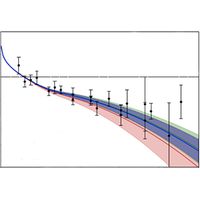
Phys. Rev. Lett. 136, 171902 (2026)
Particles and Fields
Gradient Flow for Parton Distribution Functions: First Application to the Pion
Article | Particles and Fields | 2026-04-29 06:00 EDT
Anthony Francis, Patrick Fritzsch, Robert V. Harlander, Rohith Karur, Jangho Kim, Jonas T. Kohnen, Giovanni Pederiva, Dimitra A. Pefkou, Antonio Rago, Andrea Shindler, André Walker-Loud, and Savvas Zafeiropoulos
A gradient-flow-based lattice QCD method overcomes the long standing hinderance in computing higher Mellin moments of parton distribution functions due to power-divergent operator mixings.

Phys. Rev. Lett. 136, 171903 (2026)
Particles and Fields
Observation of $\overline{\mathrm{Λ}}p→{K}^{+}{π}^{+}{π}^{-}{π}^{0}$ and $\overline{\mathrm{Λ}}p→{K}^{+}{π}^{+}{π}^{-}2{π}^{0}$
Article | Particles and Fields | 2026-04-29 06:00 EDT
M. Ablikim et al. (BESIII Collaboration)
Using events collected with the BESIII detector at a center-of-mass energy of , the antihyperon-nucleon annihilation processes (, 2, 3) are studied at an incident momentum of approximately . The reactions and
Phys. Rev. Lett. 136, 171904 (2026)
Particles and Fields
Irreversible Thermalization vs Reversible Dynamics Mediated by Anomalous Correlators: Wave Turbulence Theory and Experiments in Optical Fibers
Article | Atomic, Molecular, and Optical Physics | 2026-04-29 06:00 EDT
T. Torres, J. Garnier, L. Zanaglia, M. Ferraro, C. Michel, V. Doya, J. Fatome, B. Kibler, S. Wabnitz, A. Picozzi, and G. Millot
We theoretically and experimentally investigate spontaneous self-organization in a conservative (Hamiltonian) turbulent wave system, operating far from thermodynamic equilibrium. Our system is governed by two coherently coupled nonlinear Schrödinger equations, describing the polarization evolution o…
Phys. Rev. Lett. 136, 173801 (2026)
Atomic, Molecular, and Optical Physics
Spectroscopic Evidence of Disorder-Induced Quantum Phase Transitions in Monolayer Fe(Te,Se) Superconductor
Article | Condensed Matter and Materials | 2026-04-29 06:00 EDT
Guanyang He, Ziqiao Wang, Longxin Pan, Yuxuan Lei, Fa Wang, Yi Liu, Nandini Trivedi, and Jian Wang
The superconductor-insulator transition as a paradigm of quantum phase transitions has attracted tremendous interest over the past three decades. While the magnetic field and carrier density can be tuned to drive the transition, the role of disorder in the transition is not well understood due to th…
Phys. Rev. Lett. 136, 176001 (2026)
Condensed Matter and Materials
Symmetry-Enforced Fermi Surfaces
Article | Condensed Matter and Materials | 2026-04-29 06:00 EDT
Minho Luke Kim, Salvatore D. Pace, and Shu-Heng Shao
We identify a symmetry that enforces every symmetric model to have a Fermi surface. These symmetry-enforced Fermi surfaces are realizations of a powerful form of symmetry-enforced gaplessness. The symmetry we construct exists in quantum lattice fermion models on a -dimensional Bravais lattice, and …
Phys. Rev. Lett. 136, 176502 (2026)
Condensed Matter and Materials
Fokker-Planck Equation Governing the Distribution of Walkers in Auxiliary-Field Quantum Monte Carlo
Article | Condensed Matter and Materials | 2026-04-29 06:00 EDT
Alfred Li, Ankit Mahajan, and Sandeep Sharma
Auxiliary-field quantum Monte Carlo (AFQMC) is typically formulated as an open-ended random walk in an overcomplete space of Slater determinants, implemented through a Langevin equation. However, the explicit form of the underlying Fokker-Planck equation governing the walker population distribution …
Phys. Rev. Lett. 136, 176503 (2026)
Condensed Matter and Materials
Topological Robustness of Anyon Tunneling at $ν=1/3$
Article | Condensed Matter and Materials | 2026-04-29 06:00 EDT
Adithya Suresh, Ramon Guerrero-Suarez, Tanmay Maiti, Shuang Liang, Geoffrey Gardner, Claudio Chamon, and Michael Manfra
In a chiral Luttinger liquid the scaling exponent for the 1/3 edge mode is insensitive to perturbations within the incompressible fractional quantum Hall effect state and establishes the bulk-boundary correspondence for topologically ordered states.
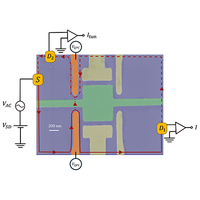
Phys. Rev. Lett. 136, 176602 (2026)
Condensed Matter and Materials
Spin Waves Excited by Hard X-Ray Transient Gratings
Article | Condensed Matter and Materials | 2026-04-29 06:00 EDT
Peter R. Miedaner et al.
Recent progress in ultrafast x-ray sources helped establish x-rays as an important tool for probing lattice and magnetic dynamics initiated by femtosecond optical pulses. Here, we explore the potential of ultrashort hard x-ray pulses for driving magnetic dynamics. We use a transient grating techniqu…
Phys. Rev. Lett. 136, 176701 (2026)
Condensed Matter and Materials
Critical Dynamics of the Anderson Transition on Small-World Graphs
Article | Statistical Physics; Classical, Nonlinear, and Complex Systems | 2026-04-29 06:00 EDT
Weitao Chen, Ignacio García-Mata, John Martin, Jiangbin Gong, Bertrand Georgeot, and Gabriel Lemarié
The Anderson transition on random graphs is a paradigm for understanding high-dimensional quantum phase transitions driven by disorder and closely mirrors several features of many-body localization. In this Letter, we introduce a unitary Anderson model on small-world graphs, enabling large-scale, lo…
Phys. Rev. Lett. 136, 177101 (2026)
Statistical Physics; Classical, Nonlinear, and Complex Systems
Adaptive Ising Machine Based on Phase Locking of an Auto-Oscillator to a Biharmonic External Driving with Noise
Article | Statistical Physics; Classical, Nonlinear, and Complex Systems | 2026-04-29 06:00 EDT
Eleonora Raimondo, Andrea Grimaldi, Vasyl Tyberkevych, Riccardo Tomasello, Anna Giordano, Mario Carpentieri, Andrei Slavin, Massimo Chiappini, and Giovanni Finocchio
An auto-oscillator driven by a harmonic signal at about twice its free-running frequency is characterized by a bistable phase dynamics where the two states are separated by radians. This phase bistability enables an oscillator to emulate a single Ising spin, providing a fundamental building block …
Phys. Rev. Lett. 136, 177201 (2026)
Statistical Physics; Classical, Nonlinear, and Complex Systems
Environment-Imposed Selection Rules for Nuclear-Spin Conversion of ${\mathrm{H}}_{2}$ in Molecular Crystals
Article | Polymers, Chemical Physics, Soft Matter, and Biological Physics | 2026-04-29 06:00 EDT
Nathan McLane, LeAnh Duckett, and Leah G. Dodson
The transitions of hydrogen molecules embedded in a crystal depend on the surroundings--a behavior that could be used to tailor molecular quantum dynamics.
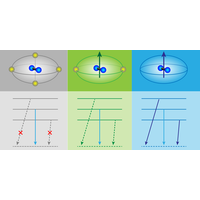
Phys. Rev. Lett. 136, 178002 (2026)
Polymers, Chemical Physics, Soft Matter, and Biological Physics
Snap-Through Time of Arches Is Controlled by Slenderness and Imperfections
Article | Polymers, Chemical Physics, Soft Matter, and Biological Physics | 2026-04-29 06:00 EDT
William T. Simpkins, Matthew G. Hennessy, and Matteo Taffetani
Snap through occurs in elastic structures when a stable equilibrium configuration becomes unstable, resulting in rapid motion towards a new and distinct stable state. While static analyses of snap through are well documented, the dynamics of snap through remain underexplored, particularly in structu…
Phys. Rev. Lett. 136, 178202 (2026)
Polymers, Chemical Physics, Soft Matter, and Biological Physics
Erratum: Candidate Toroidal Electric Dipole Mode in the Spherical Nucleus $^{58}\mathrm{Ni}$ [Phys. Rev. Lett. 133, 232502 (2024)]
Article | 2026-04-29 06:00 EDT
P. von Neumann-Cosel, V. O. Nesterenko, I. Brandherm, P. I. Vishnevskiy, P.-G. Reinhard, J. Kvasil, H. Matsubara, A. Repko, A. Richter, M. Scheck, and A. Tamii
Phys. Rev. Lett. 136, 179901 (2026)
Erratum: Understanding Large-Scale Dynamos in Unstratified Rotating Shear Flows [Phys. Rev. Lett. 136, 075201 (2026)]
Article | 2026-04-29 06:00 EDT
Tushar Mondal, Pallavi Bhat, Fatima Ebrahimi, and Eric G. Blackman
Phys. Rev. Lett. 136, 179902 (2026)
Physical Review X
Dipolar Nematic State in Relaxor Ferroelectrics
Article | 2026-04-29 06:00 EDT
Yuan-Jinsheng Liu, Tyler C. Sterling, and Shi Liu
A nematic ordering underpins the behavior of relaxor ferroelectrics.
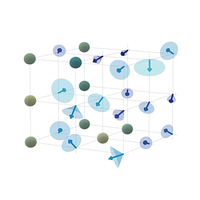
Phys. Rev. X 16, 021022 (2026)
arXiv
Towards a microscopic model for an electronic quantum charge liquid
New Submission | Strongly Correlated Electrons (cond-mat.str-el) | 2026-04-30 20:00 EDT
Jacob R. Taylor, Sankar Das Sarma, Seth Musser
We provide a route to constructing an electronic quantum charge liquid (QCL), a state made up of fermions at fractional filling of a lattice that does not break translation. Starting with spinless fermions at filling $ \nu=3/2$ we pair them to get bosons at filling $ \nu=3/4$ per unit cell. The tetramer model, a generalization of the dimer model, on the square lattice is evaluated as a candidate bosonic QCL at filling $ \nu = 3/4$ . It is shown that these models exhibit a local $ \mathbb{Z}_4$ symmetry. Upon numerical study of a family of tetramer wavefunctions it is found that while one is gapless due to $ \mathrm{U}(1)^3$ symmetry at least one other can be definitively shown to be gapped. The gapped nature of this state, along with its $ \mathbb{Z}_4$ symmetry, leads us to propose that it is an example of the elusive bosonic QCL displaying the minimal $ \mathbb{Z}_4$ topological order. We conclude by discussing possible extensions to other lattice geometries, electronic QCLs, and to Rydberg atoms.
Strongly Correlated Electrons (cond-mat.str-el), Statistical Mechanics (cond-mat.stat-mech), Quantum Physics (quant-ph)
8 pages, 6 figures
Exposing impostor Majorana zero modes through atomic-scale shot-noise
New Submission | Superconductivity (cond-mat.supr-con) | 2026-04-30 20:00 EDT
A robust zero-bias conductance peak in putative $ p$ -wave superconductors is often regarded as the primary signature of a Majorana zero mode. Yet similar features can also arise from trivial bound states. This ambiguity has limited the reliability of conventional spectroscopy as a diagnostic tool, raising a long-standing problem of how to detect such impostors. Here, we address this issue with an alternative approach, atomic-scale shot-noise spectroscopy, that goes beyond conductance measurements. Through a detailed investigation of multiple defect-bound zero-bias states in the widely studied superconductor Fe(Se,Te), we observe that differential conductance can exhibit an apparently `robust’ zero-bias peak. However, shot-noise measurements consistently reveal the fingerprint of the individual particle- and hole character hidden in the tunnelling conductance, unambiguously exposing the trivial nature of the zero-bias peak. Our results establish shot-noise spectroscopy as a decisive diagnostic for ruling out false Majorana signatures in atomic-scale experiments.
Superconductivity (cond-mat.supr-con), Mesoscale and Nanoscale Physics (cond-mat.mes-hall), Strongly Correlated Electrons (cond-mat.str-el)
Quantum Hall Liquids Coupled to Dynamical Electromagnetism
New Submission | Mesoscale and Nanoscale Physics (cond-mat.mes-hall) | 2026-04-30 20:00 EDT
T. H. Hansson, Qing-Dong Jiang, S. A. Kivelson, Thomas Klein Kvorning
We investigate the effect on a Quantum Hall (QH) liquid of its coupling to 3+1 dimensional dynamical electromagnetism, which renders the system gapless. We calculate both the Hall and longitudinal resistances, $ \rho_H$ and $ \rho_L$ , in the context of a minimal model of the electromagnetic environment, with a small three dimensional conductivity $ {\tilde{\sigma}}$ , that allows for a counter-flow current. In the thermodynamic limit, we show that $ \rho_H$ is quantized, while $ \rho_L$ approaches a non-zero limit, $ \rho_L \sim \alpha, R_K$ , where $ \alpha$ and $ R_K=2\pi /e^2$ are the fine structure and the Klitzing constant. In contrast, the QH conductance, $ \sigma_H$ , is smaller than the expected quantized value by a correction $ \sim \alpha^2/R_K$ . The electromagnetic interaction also generates corrections of order $ \alpha^2$ to the quasiparticle charges and statistics, in a way that is consistent with general arguments based on gauge invariance. In addition, we present an intuitive argument that relates the flux attachment associated with the composite boson representation of the electron liquid to the empirically observed %persistence of approximate quantization of $ \rho_H$ , even in circumstances in which $ \rho_L$ , and the deviation of $ \sigma_H$ from its quantized value, are substantial.
Mesoscale and Nanoscale Physics (cond-mat.mes-hall), Strongly Correlated Electrons (cond-mat.str-el)
main text 11 pages + Supplemental Materials 6 pages
QERNEL: a Scalable Large Electron Model
New Submission | Strongly Correlated Electrons (cond-mat.str-el) | 2026-04-30 20:00 EDT
We introduce QERNEL, a foundational neural wavefunction that variationally solves families of parameterized many-electron Hamiltonians and captures their ground states throughout parameter space within a single model. QERNEL combines FiLM-based parameter conditioning with scale-efficient architectural elements – mixture of experts and grouped-query attention, substantially improving expressivity at low computational cost. We apply QERNEL to interacting electrons in semiconductor moiré heterobilayers, training a single weight-shared model for systems of up to 150 electrons. By solving the many-electron Schrödinger equation conditioned on moiré potential depth, QERNEL captures both quantum liquid and crystal states and discovers the sharp phase transition between them, marked by abrupt changes in interaction energy and charge density. Our work establishes a foundation model for moiré quantum materials and a scalable architecture toward a Large Electron Model for solids.
Strongly Correlated Electrons (cond-mat.str-el), Artificial Intelligence (cs.AI), Machine Learning (cs.LG)
6 pages, 4 figures
Magnetononlinear Hall effect from multigap topology in metal-organic frameworks
New Submission | Mesoscale and Nanoscale Physics (cond-mat.mes-hall) | 2026-04-30 20:00 EDT
Chun Wang Chau, Wojciech J. Jankowski, Bo Peng, Robert-Jan Slager
We unveil that non-Abelian multigap band topology characterized by nontrivial Euler class invariants induces observable magnetononlinear Hall transport phenomena. We demonstrate these effects in a highly-tunable class of recently synthesized two-dimensional kagome N-heterocyclic carbene (NHC) metal-organic frameworks. We showcase the controllability of the nonlinear effect upon applying external voltage, changing temperature, and chemical substitutions that preserve the bulk topology and associated edge states. Our findings therefore reveal an uncharted presence of Euler class topology in metal-organic materials that can be experimentally deduced through measurable magnetotransport.
Mesoscale and Nanoscale Physics (cond-mat.mes-hall), Materials Science (cond-mat.mtrl-sci), Quantum Physics (quant-ph)
8+4 pages, 2+1 figures
Kinetics of segregation of topologically-modified ring polymers in cylindrical confinement
New Submission | Soft Condensed Matter (cond-mat.soft) | 2026-04-30 20:00 EDT
Harsh Doshi, Shreerang Pande, Sathish K. Sukumaran, Apratim Chatterji
In Escherichia coli (E. coli), entropic repulsion between the two daughter DNA ring polymers under cylindrical confinement is believed to be an important factor governing chromosomal segregation. The repulsion can be enhanced by topological modifications, i.e., by the introduction of internal loops at certain locations along the contour of the circular DNA. However, the effect of topological modifications on the rate of segregation of ring polymers remains unclear. Therefore, we systematically varied the number and the contour length of loops introduced at selected locations by crosslinking monomers. The appropriate crosslinking was motivated by observations that extruded loops are located mainly near the origin of replication (ori-proximal) region of the E. coli chromosome. This resulted in the chains becoming intrinsically anisotropic. Using Langevin dynamics simulations of these topologically modified bead-spring polymers, we calculated the time required for segregation under cylinder confinement. With certain caveats, we found that increasing the number of loops resulted in a decrease in the time of segregation. In line with past work, we propose that this is due to the increase in the entropic repulsion between the polymers upon increasing the number of loops. In addition to the number of loops, the contour length of the loops and the mutual orientation of the (anisotropic) chains in the initial configurations played a role in determining the time of segregation.
Soft Condensed Matter (cond-mat.soft), Biological Physics (physics.bio-ph)
18 pages, 15 figures
Domain-induced control of latent heat in freestanding BaTiO$_3$ membranes
New Submission | Materials Science (cond-mat.mtrl-sci) | 2026-04-30 20:00 EDT
Tapas Bar, David Pesquera, Arnau Villalobos-Martin, Cristian Rodriguez-Tinoco, Umair Saeed, Kumara Cordero-Edwards, Jessica Padilla, Jose Manuel Caicedo Roque, Jose Santiso, Pol Lloveras, Leo Boron, Igor Lukyanchuk, Gustau Catalan, Javier Rodriguez-Viejo
Thin ferroelectric BaTiO$ _3$ films often exhibit continuous transitions instead of the first-order behavior of bulk crystals, a discrepancy usually attributed to epitaxial strain or dimensionality. Using quasi-adiabatic nanocalorimetry on freestanding BaTiO$ _3$ membranes-free of clamping and substrate heat sinking-we show that domain morphology, not thickness or boundary conditions, controls the transition order. Thick membranes with large, monodomain-like regions display clear latent heat, whereas thinner membranes with dense 180$ ^{\circ}$ domain patterns show a continuous transition despite undergoing the same tetragonal-cubic structural change confirmed by x-ray diffraction. Piezoresponse force microscopy links this behavior to domain-size evolution, and a Ginzburg-Landau analysis demonstrates how reduced domain size lowers the free-energy barrier, rounding a nominally first-order instability. These results identify domain morphology as the key determinant of ferroelectric transition order in oxide membranes and establish design guidelines for enhancing caloric effects through domain engineering.
Materials Science (cond-mat.mtrl-sci), Mesoscale and Nanoscale Physics (cond-mat.mes-hall)
13 pages, 8 figures
Diffusion with conserved marginal distributions and information theory in fracton hydrodynamics
New Submission | Statistical Mechanics (cond-mat.stat-mech) | 2026-04-30 20:00 EDT
Diffusion with multipole-moment conservation gives rise to transport laws that generalize Fick’s law and has attracted growing attention following experimental advances in strongly tilted optical lattices. It was recently shown that conserving complete multipole-moment groups leads to subdiffusive dynamics governed by a nonlinear diffusion equation, raising the question of whether hydrodynamic equations would also be nonlinear when the conservation law is imposed only at the subsystem level. Here we show that subsystem symmetries generically produce nonlinear hydrodynamic equations with shear-only transport, in which any localization present in the initial marginal distributions is preserved at long times by the conservation of those marginals. A linear regime emerges only as a limiting case for small fluctuations around a uniform background. We derive the deterministic and fluctuating parts of the hydrodynamic equations in arbitrary dimensions and obtain the corresponding maximum-entropy equilibrium distributions under constrained marginals. We also show that marginal-conserving diffusion provides a concrete hydrodynamic realization of partial multipole-moment conservation, and we offer an information-theoretic interpretation in which total correlation decays monotonically even when pairwise mutual information does not.
Statistical Mechanics (cond-mat.stat-mech)
16 pages including appendices, 4 figures
Hidden Crossover and Relaxor-Like Response from Emerging Polar Skyrmion Correlations in Ferroelectric Superlattices
New Submission | Materials Science (cond-mat.mtrl-sci) | 2026-04-30 20:00 EDT
Zhiyang Wang, Fei Yang, Long-Qing Chen
Polar skyrmions in ferroelectric superlattices are nanoscale topological polarization textures typically regarded as weakly coupled objects confined to individual layers, with a role secondary to that of the underlying symmetry-breaking order parameter. Here using large-scale phase-field simulations of ferroelectric superlattices, we uncover a hidden thermal crossover deep inside the ferroelectric phase, where polar skyrmions evolve from an uncorrelated, layer-resolved state into an interlayer-correlated ensemble. This crossover occurs without additional symmetry breaking or a new order parameter, but produces a pronounced broad peak in the dielectric susceptibility. The anomaly originates from the competition between correlation-enhanced response, associated with the growth of interlayer skyrmion correlations, and polarization-induced stiffness, which suppresses dielectric fluctuations at low temperature. Under AC driving, the peak shifts with frequency, resembling relaxor ferroelectrics despite the absence of quenched disorder or polar nanoregions. Our results establish a disorder-free route to relaxor-like dielectric response and identify topological defect correlations as an organizing principle for thermodynamic anomalies, providing a mechanism distinct from conventional critical behavior associated with symmetry breaking and divergent order-parameter fluctuations.
Materials Science (cond-mat.mtrl-sci)
Implementation of the hybrid exchange-correlation functionals in the SIESTA code
New Submission | Materials Science (cond-mat.mtrl-sci) | 2026-04-30 20:00 EDT
Yann Pouillon, Bill Clintone Oyomo, James Sifuna, María Camarasa-Gómez, Xinming Qin, Carlos Beltrán, Fernando Gómez-Ortiz, Honghui Shang, Javier Junquera
We present an efficient and accurate implementation of hybrid exchange-correlation (XC) functionals in the SIESTA code, enabling large-scale simulations based on Hartree-Fock-type exact exchange combined with strictly localized numerical atomic orbitals (NAOs). Our approach exploits a fitted representation of the NAOs in terms of Gaussian-type orbitals (GTOs), which allows for the analytical evaluation of four-center electron repulsion integrals (ERIs) via the LIBINT library. This framework is seamlessly integrated with SIESTA’s real-space grid and sparse-matrix infrastructure, and is combined with multiple screening techniques to control the computational complexity. We also introduce a fully analytical formulation of hybrid-functional forces and a dynamic parallel distribution scheme that ensures excellent scalability. We validate our implementation through benchmark calculations on a broad set of systems (including semiconductors, insulators, and two-dimensional materials) and demonstrate that the HSE06 functional significantly improves the prediction of band gaps compared to PBE, in close agreement with G0W0 and experimental data. We analyze in detail the trade-offs between accuracy and computational efficiency as a function of the number of Gaussians, basis set range, and integral screening thresholds. Our results confirm that hybrid functional calculations in SIESTA are now feasible for large extended systems, making accurate first-principles predictions of electronic and structural properties accessible at scale.
Materials Science (cond-mat.mtrl-sci), Computational Physics (physics.comp-ph)
27 pages, 5 figures, 5 tables
Computer Physics Communications, Volume 323, 2026, 110086
Topological transitions in spin-ice induced by geometrical constraints
New Submission | Statistical Mechanics (cond-mat.stat-mech) | 2026-04-30 20:00 EDT
R. A. Borzi, E. S. Loscar, S. A. Grigera
We study the nearest-neighbor spin-ice model subjected to a magnetic field applied along the global [111] and [110] directions, focusing on the role of sample geometry in stabilizing topological phase transitions. While no Kasteleyn transition is expected for this field orientations in the thermodynamic limit, we show that constraining the transverse dimensions of the system qualitatively changes the behavior. For samples elongated along the field direction with finite transverse area, the divergence-free constraint quantizes the number of string excitations that can span the system. As a result, the magnetization evolves through a cascade of discrete transitions corresponding to the successive entry of individual strings. Using Monte Carlo simulations, we demonstrate that each transition is marked by sharp magnetization steps and peaks in the specific heat and susceptibility, whose amplitudes scale linearly with the system length. We complement the numerical results with an analytical treatment based on the entropy - energy balance on a system with reduced dimensionality, deriving the critical fields associated with each topological sector. In the isotropic limit these transitions merge into a smooth crossover, but for anisotropic samples they remain sharply resolved, illustrating an unconventional mechanism by which finite geometry stabilizes topological phase transitions in frustrated magnets.
Statistical Mechanics (cond-mat.stat-mech)
First-Principles Study of Structural, Electronic, Thermal, and Optical Properties of Quasi-2D C2 N2 O Using GGA and HSE06
New Submission | Materials Science (cond-mat.mtrl-sci) | 2026-04-30 20:00 EDT
Hemn. G. H, Nzar. R. Abdullah, Vidar Gudmundsson
DFT and AIMD are used to investigate the structural, stability, electronic, thermal, and optical properties of the quasi-2D C2N2O structure. The structure exhibits thermal and energy stability, signifying robustness under ambient conditions, however less dynamical stability is observed. The electronic structure investigation reveals that C2N2O displays semiconducting properties with a moderate indirect band gap resulting from the hybridisation of p-orbitals of N, C, and O atoms, with band gap values of 2.3 eV (GGA) and 3.9 eV (HSE06). The optical properties, including the dielectric function, optical conductivity, and refractive index, are thoroughly analyzed to clarify the electronic transitions. The material exhibits considerable optical absorption in the visible and ultraviolet spectrum, with notable anisotropy between in-plane and out-of-plane polarizations. Furthermore, plasmon resonance occurs at around 3.8 eV, relating to the collective oscillations of charge carriers. The thermal properties indicate a heat capacity of around 382 J/mol.K at 300 K, which is close to and slightly above the standard Dulong-Petit limit for this structure, indicating near-complete excitation of lattice vibrational modes at room temperature. The lattice thermal conductivity is extremely low, reaching approximately 0.017 W/m.K at 300 K, primarily attributed to significant phonon scattering, evidenced by a scattering rate of roughly 3.2 1/ps in the phonon frequency ranges. The findings demonstrate that the C2N2O structure maintains structural stability while allowing for tunable electronic, optical, and thermal properties, making it a promising candidate for nanoscale optoelectronic and thermal control applications.
Materials Science (cond-mat.mtrl-sci), Mesoscale and Nanoscale Physics (cond-mat.mes-hall)
Achieving Large Uniaxial and Homogeneous Strain in Two-Dimensional Materials
New Submission | Materials Science (cond-mat.mtrl-sci) | 2026-04-30 20:00 EDT
Yangchen He, Jessica Kienbaum, Wuzhang Fang, Hongrui Ma, Ying Wang, Ping Yuan, Daniel A. Rhodes
Strain engineering is a powerful tool for tuning the electronic, magnetic, and topological properties of two-dimensional (2D) materials and thin films - particularly at high values of strain (>3%) where many electronic, magnetic, and structural transitions have been predicted. However, most approaches to tuning strain in 2D materials are limited below 1.5%, with poor repeatability when cycling strain and low strain transfer when cooling to cryogenic temperatures. Here, we report a high-yield sample preparation and device strain platform that overcomes these limitations, enabling precise, reversible strain tuning up to the intrinsic strain-to-failure of the materials tested herein. In addition, we show that this platform can be used to controllably design uniform linear strain gradients across of 10’s of $ \mu$ m, providing a novel route to systematically investigate flexoelectric and flexomagnetic phenomena. Using CrSBr as a model system, we demonstrate uniform uniaxial strain, up to ~4%, with negligible slippage and linear strain gradients of up to 0.06%/$ \mu$ m. We further show that our strain approach is applicable to a broad class of 2D materials, validating its performance for three different phases of transition metal dichalcogenides: 2H-MoTe$ _2$ , 1T$ ^\prime$ -MoTe$ _2$ and T$ _\mathrm{d}$ -WTe$ _2$ . In T$ _\mathrm{d}$ -WTe$ _2$ , verified by theoretical calculations, we show a continuous redshift of the A$ _1^3$ mode, up to a record-breaking ~5.5% strain, with a clear separation of the A$ _1^3$ and A$ _1^2$ modes starting at 2% strain.
Materials Science (cond-mat.mtrl-sci), Mesoscale and Nanoscale Physics (cond-mat.mes-hall)
Negative magnetoresistance in strained $α$-Sn and $α$-SnGe films in an in-plane magnetic field
New Submission | Materials Science (cond-mat.mtrl-sci) | 2026-04-30 20:00 EDT
Sunny Phan (1), Andrei Kogan (1), Jesse Thompson (2,3), Trent Johnson (2,3), Alexander Khaetskii (4), Arnold Kiefer (3) ((1) Department of Physics and Astronomy, University of Cincinnati, Cincinnati, OH USA, (2) KBR, Beavercreek Township, OH, USA, (3) Air Force Research Laboratory, Wright-Patterson AFB, OH, USA, (4) Department of Physics and Astronomy, Ohio University, Athens, OH, USA)
To test the hypothesis that the chiral anomaly is responsible for negative magnetoresitance (MR) in \atn{}, we have studied magnetotransport in strained, epitaxial films of pure \aSn{} and the alloy \aSnGe{} that are in the Dirac semimetal and 3D topological insulator state, respectively. We have observed for both states a negative MR with current either parallel or transverse to the in-plane magnetic field, but with a different dependence of MR on $ \vec{B}$ strength. Our results are inconsistent with the chiral anomaly and suggest that other mechanisms may be responsible for negative MR in the Dirac/Weyl semimetal phase of \aSn{}. We also discuss several factors in sample design and material quality that may be contributing to the incongruous observations of MR reported in studies of strained \atn{} films.
Materials Science (cond-mat.mtrl-sci)
12 pages, 8 figures
Viscous Settling of Bravais Unit-Cells
New Submission | Soft Condensed Matter (cond-mat.soft) | 2026-04-30 20:00 EDT
Sebastian Bürger, Harshit Joshi, S Ganga Prasath, Rahul Chajwa, Rama Govindarajan
We study experimentally and theoretically the Stokesian settling of a well-known class of porous shapes: Bravais lattice unit-cells, whose porosity we vary controllably by changing their lattice spacing. In our experiments, conducted in a square cuboidal container with its long-axis aligned along gravity, we find that the settling speed U and the solid fraction {\phi} of these lattice units obey a power-law relationship U $ \propto$ {\phi}^{\gamma} , with an exponent {\gamma} = 0.43 independent of their shape. To understand the observed scaling exponent, we analytically and numerically investigate the settling of the simple cubic structure under different approximations. We find that the walls of the container, though far from the sinking object, have a defining effect. Our Stokesian boundary integral simulations show that the Faxen’s boundary correction captures the wall-effects accurately and enables us to discount the wall-effect from the experimental data, yielding a power-law exponent {\gamma} = 0.30 for settling in an unbounded domain. The power-law relating sinking speed and porosity is a step towards predictively understanding the sedimentation fluxes of complex objects in the clouds and the oceans. However, the applicability of this universal scaling to irregular and biologically richer aggregates found in nature remains an open direction.
Soft Condensed Matter (cond-mat.soft), Fluid Dynamics (physics.flu-dyn)
13 pages, 9 Figures, 2 Tables
From Wavefunction Collapse to Superconductivity: Evolution of the Electronic State in Compressed GaNb4Se8
New Submission | Superconductivity (cond-mat.supr-con) | 2026-04-30 20:00 EDT
Yuejian Wang, Zhongyan Wu, K C Bhupendra, Dongzhou Zhang, Lin Wang, Sanjay V. Khare, Lilian Prodan, Vladimir Tsurkan
Understanding how electronic transport evolves from localized to itinerant regimes in correlated cluster solids remains an important challenge in condensed-matter physics. Here we investigate the pressure-dependent transport properties of the lacunar spinel GaNb4Se8, a cluster Mott insulator at ambient conditions. At low pressures, the resistivity follows Efros-Shklovskii variable-range hopping, indicating Coulomb-gap-controlled carrier localization (x ~ 6.1 Angstrom). A crossover toward metallic transport begins near ~ 5 GPa, whereas a crystallographic transition from the cubic phase to a monoclinic C2 phase occurs at significantly higher pressure (~ 20 GPa), establishing a hierarchy characterized by the decoupling of electronic delocalization from structural symmetry change. At higher pressures, superconductivity (xi(0) ~ 80-90 Angstrom) emerges from the correlated metallic regime. These results identify GaNb4Se8 as a platform for studying correlation-controlled transport evolution in cluster-based solids.
Superconductivity (cond-mat.supr-con)
Complex first-passage transport in ring networks with long-range jumps and stochastic resetting
New Submission | Statistical Mechanics (cond-mat.stat-mech) | 2026-04-30 20:00 EDT
Oscar Ivan Torres Mena, Francisco J Sevilla
The transport properties of discrete-time random walks on ring networks with deterministic shortcuts are investigated through analytical and numerical methods. The network consists of a periodic chain where each node is connected to its nearest neighbors and to nodes located at a fixed distance $ r$ . Using the spectral properties of the transition matrix, we derive explicit expressions for the occupation probabilities and mean first-passage times (MFPTs). Contrary to the common expectation that shortcuts monotonically enhance transport, we find that the MFPT between distant nodes develops a highly non-monotonic dependence on the shortcut length. Beyond a threshold value, the MFPT landscape exhibits a hierarchy of maxima and minima organized in a self-similar pattern associated with commensurability relations between the shortcut length and the system size. The scaling behavior of these extrema reveals regimes where transport efficiency is either strongly enhanced or suppressed. We further analyze the mean squared displacement and the influence of stochastic resetting, showing that resetting amplifies the oscillatory MFPT structure and induces strongly nonuniform stationary distributions. These results demonstrate that the spatial organization of long-range connections plays a crucial role in determining transport efficiency in networks.
Statistical Mechanics (cond-mat.stat-mech)
3 pages, 9 figures. Analytical and numerical study of MFPT and transport in ring networks with long-range shortcuts and stochastic resetting. Submitted
All-organic self-separating three-dimensionally nanoarchitected electrochemical energy storage devices
New Submission | Materials Science (cond-mat.mtrl-sci) | 2026-04-30 20:00 EDT
William R. T. Tait (1 and 2), Sriram Murali (1), Chao-Hua Hsu (1), Jantakan Nedsaengtip (2), Christina Lee (1), R. Paxton Thedford (2), Vibha Kalra (2), Joerg G. Werner (3 and 4), Ulrich B. Wiesner (1, 5 and 6) ((1) Department of Materials Science and Engineering at Cornell University, (2) Robert Frederick Smith School of Chemical and Biomolecular Engineering at Cornell University, (3) Department of Mechanical Engineering at Boston University, (4) Division of Materials Science and Engineering at Boston University, (5) Department of Design Tech at Cornell University, (6) Kavli Institute at Cornell for Nanoscale Science)
This work realizes a three-dimensionally (3D) nanoarchitected, all organic, “self-separating” lithium-ion electrochemical energy storage (EES) device that is cycled as a solid-state full cell. The device is enabled by a monolithic carbon anode with a co-continuous pore network, derived from the structure direction of resols by an ultra-large molar mass block copolymer (BCP), poly(styrene-block-2-dimethylaminoethyl methacrylate) (SA). Electropolymerization of a single-phase conductive and redox-active material, poly((2,3-dihydrothieno[3,4-b][1,4]dioxin-2-yl)methyl 9,10-dioxo-9,10-dihydroanthracene-2-carboxylate) (PAQEDOT), into the pore space provides the cathode of the cell. The device is electronically contacted to the relevant electrode network enabled by the co-continuous nature of each electrode. Electrochemical processing via cycling against external lithium in an electrolyte generates a solid electrolyte interphase (SEI) as a separator and lithiates the cell electrodes, after which the EES device is cycled in the solid state. While the full cell does not demonstrate high cyclability, the best full cell demonstrates a discharge capacity of 267 milliamp hours per gram (mAh/g). This work marks, to the best of knowledge of the authors, the first example of an all-organic materials derived 3D nanoarchitected EES device, as well as the first design of “self-separating” cell fabrication. Furthermore, generalization of the design to another co-continuous carbon form factor is demonstrated.
Materials Science (cond-mat.mtrl-sci), Soft Condensed Matter (cond-mat.soft)
Coexistence of d-Wave Altermagnetism and Topological States in Janus FeSeX (X = S, Te) Monolayers
New Submission | Materials Science (cond-mat.mtrl-sci) | 2026-04-30 20:00 EDT
Alvaro Gonzalez-Garcia, William Lopez-Perez, Paola Pacheco, Luz Ramirez-Montes, Rafael Gonzalez-Hernandez
The interplay between unconventional magnetism and band topology in two-dimensional materials has emerged as an important theme in condensed matter physics. Here, we present first-principles calculations that reveal the coexistence of d-wave altermagnetism and topological behavior in Janus FeSeX (X = S, Te) monolayers. The chemical asymmetry of the Janus structure breaks both out-of-plane mirror and inversion symmetries, leading to anisotropic exchange interactions and momentum-dependent spin splittings even in the absence of spin-orbit coupling, the defining signature of altermagnetism. Phonon dispersion analyses confirm the dynamical stability of both compounds, while strain-dependent calculations demonstrate that the magnitude of the altermagnetic exchange splitting ($ \Delta_s$ ) can be efficiently tuned by biaxial strain. When spin-orbit coupling is included, a finite topological band gap emerges at the Fermi level, accompanied by quantized spin Hall conductivity plateaus and nontrivial topological invariants (spin Chern number = 1, Z2=1). These findings establish FeSeS and FeSeTe as promising two-dimensional platforms for realizing topological altermagnetism and spin–orbit–driven charge–spin conversion, thus opening new avenues for low-dissipation spintronic devices.
Materials Science (cond-mat.mtrl-sci)
10 pages, 5 figures
Phys. Rev. Materials 10, 044004 (2026)
Influence of strain on the anomalous Hall and Nernst effects in Fe thin films
New Submission | Materials Science (cond-mat.mtrl-sci) | 2026-04-30 20:00 EDT
Ao Nakagawa, Ryo Toyama, Keisuke Masuda, Weinan Zhou, Hirofumi Suto, Kodchakorn Simalaotao, Yoshio Miura, Yuya Sakuraba, Tetsunori Koda
The anomalous Hall effect (AHE) and anomalous Nernst effect (ANE) are the transverse transport phenomena in magnetic materials, which reflect the Berry curvature arising from the electronic structure near the Fermi level. Lattice strain provides a direct means to tune these effects by modifying the electronic structure; however, disentangling the strain-induced effect through the Berry curvature modulations in multicomponent materials is challenging due to complexities arising from extrinsic contributions by impurities and disorder, as well as difficulties in simple direct comparison with first-principles calculations. In this study, we focus on Fe, a prototypical single element ferromagnet with a well-established electronic structure, and tune the sign and magnitude of the strain in epitaxial thin films of by varying the substrates and deposition conditions to investigate the strain effect on the AHE and ANE. Scaling law analysis revealed that the intrinsic anomalous Hall conductivity (AHC) exhibits a clear tetragonal distortion (c/a) dependence, in good agreement with theoretical calculations based on Berry curvature modification. In contrast, the anomalous Nernst conductivity (ANC) shows a pronounced deviation from the theoretical values and markedly different c/a dependence. These results demonstrate a crucial difference in the physical origin between the AHC and the ANC in the Fe films; the AHC is predominantly governed by intrinsic mechanisms, whereas the ANC is strongly influenced by the extrinsic contribution.
Materials Science (cond-mat.mtrl-sci)
18 pages, 4 figures
Dispersion Splitting of Phonon Polaritons in van der Waals Heterostructure
New Submission | Other Condensed Matter (cond-mat.other) | 2026-04-30 20:00 EDT
Daeho Noh, Jaehyeong Ock, Sergey G. Menabde, Min Seok Jang
The biaxial van der Waals crystal {\alpha}-phase molybdenum trioxide ({\alpha}-MoO3) supports hyperbolic phonon-polaritons with anomalous dispersion in the Type-I Reststrahlen band (RB-I). Despite the low loss and long lifetime of these polaritons, dispersion engineering in this regime has remained largely unexplored. In this work, we show that when two {\alpha}-MoO3 slabs are placed in close proximity, their eigenmodes hybridize and the dispersion splits into two branches with different momenta and field symmetry, providing a powerful platform for dispersion manipulation. We experimentally demonstrate the polaritonic mode splitting in {\alpha}-MoO3 within a heterostructure with hexagonal boron nitride (hBN) employed as a spacer, probed by a scattering-type scanning near-field optical microscope. Furthermore, we propose a design framework for active and mode-selective tailoring of the polaritonic dispersion in the heterostructure incorporating graphene, achieved through tuning its Fermi energy. Our work experimentally demonstrates the feasibility of phonon-polariton mode splitting in the RB-I and suggests a new platform for dispersion engineering of hyperbolic phonon-polaritons in general.
Other Condensed Matter (cond-mat.other)
Accelerated Prediction of Surface Stability and Particle Morphology in Ionic Crystals via Electrostatic Screening
New Submission | Materials Science (cond-mat.mtrl-sci) | 2026-04-30 20:00 EDT
This work presents a fast and scalable approach for predicting surface stability and equilibrium crystal morphology in ionic materials using electrostatic analysis. The method constructs stoichiometric slab terminations and evaluates their electrostatic energies, enabling high-throughput screening of surface configurations at a fraction of the cost of conventional approaches. Polar surfaces are identified through surface dipole moment calculations and stabilized via electrostatics-based reconstruction using replica-exchange Monte Carlo simulations. The surface dipole moment further emerges as an effective descriptor to distinguish the behavior of different classes of materials. By bypassing expensive Density Functional Theory (DFT) calculations, the approach extends naturally to large systems and high-index surfaces that are typically inaccessible to DFT. Electrostatic interactions are shown to capture the dominant trends in relative surface stability across diverse material systems. The method is validated on simple and complex 3D materials as well as 2D layered oxides, where the predicted dominant facets are consistent with reported density functional theory and experimental observations. Importantly, the framework also reveals cases where high-index surfaces play a non-negligible role in the equilibrium morphology. These results establish electrostatics as a fast and reliable route for high-throughput prediction of surface stability and particle morphology, opening a pathway for accelerated materials discovery and providing a robust starting point for more detailed calculations in complex energy materials.
Materials Science (cond-mat.mtrl-sci)
Strain and Twist Engineering of Interfacial Thermal Transport in Homo- and Hetero-Interfaces of Graphene and Hexagonal Boron Nitride
New Submission | Mesoscale and Nanoscale Physics (cond-mat.mes-hall) | 2026-04-30 20:00 EDT
Wenwu Jiang, Huasong Qin, Yilun Liu, Wengen Ouyang, Oded Hod, Michael Urbakh
A dramatic difference between the vertical thermal conductance response of homogeneous and heterogeneous graphene/h-BN interfaces to external mechanical perturbations, is predicted. Homogeneous graphene and h-BN interfaces exhibit strong conductance reduction for both in-plane strain and interfacial twist. Conversely, the vertical thermal conductance of the heterogeneous graphene/h-BN junction is insensitive to twist deformations but shows significant increase or decrease under compressive or tensile strains, respectively. Our atomistic simulations predictions are rationalized by Fermi’s golden rule and density of phonon modes analyses, indicating that vertical phonons and local stacking configurations have a central role in the interlayer heat transport behavior. A simple phenomenological model, based on local interlayer distance and stacking, captures well the dependence of vertical heat conductance on strain and twist deformations.
Mesoscale and Nanoscale Physics (cond-mat.mes-hall), Materials Science (cond-mat.mtrl-sci)
A Thermodynamic Analysis of Enhanced Metastability in Isochoric Supercooled Liquids
New Submission | Soft Condensed Matter (cond-mat.soft) | 2026-04-30 20:00 EDT
Experiments show that isochoric (constant-volume) conditions enhance supercooling stability relative to isobaric (constant-pressure) conditions. Here, combining Helmholtz equilibrium thermodynamics with a first-order perturbation methodology, we derive an inequality governing nucleation stability under volumetric constraint. The derivation provides a general thermodynamic proof that for any substance undergoing phase transformation in which the solid is less dense than the liquid, the Helmholtz driving force for solidification in isochoric systems is smaller than the Gibbs driving force in isobaric systems. Since nucleation rates depend exponentially on the inverse square of the driving force, this provides a thermodynamic basis for the observed suppression of nucleation rates. While a full stochastic treatment is beyond the scope of this work, the reduction in driving force implies a weakening of the bias toward growth of pre-critical fluctuations, increasing their probability of thermal dissolution. The analysis yields a dimensionless isochoric stability number. This number is computable from bulk thermodynamic data alone and provides a geometry-independent criterion for comparing metastable liquid stability across materials and conditions.
Soft Condensed Matter (cond-mat.soft), Quantitative Methods (q-bio.QM)
14 pages, 2 figures
Coexistence of patterned phases in chemically active multicomponent mixtures
New Submission | Soft Condensed Matter (cond-mat.soft) | 2026-04-30 20:00 EDT
Chengjie Luo, Yicheng Qiang, Guido L. A. Kusters, David Zwicker
Chemically active mixtures exhibit complex patterns that emerge from the interplay of physical interactions and reactions among components. Individually, these two processes are well-understood: Physical interactions can give rise to phase separation, whereas reactions can form reaction-diffusion patterns. To understand the combination of both processes, we identify a Lyapunov functional for a class of chemical reactions. By minimizing this functional, we identify a generalized Gibbs phase rule that governs the number of coexisting patterns, and we demonstrate that complex patterns can be created by the modular combination of independent phases. Our theory unveils complex stationary patterns in chemically active mixtures and provides a framework for analyzing more complex systems.
Soft Condensed Matter (cond-mat.soft), Statistical Mechanics (cond-mat.stat-mech), Biological Physics (physics.bio-ph)
5 pages and appendix
Voltage-Regulated Photoluminescence Modulation in a 0D-2D Mixed Dimensional Heterostructure
New Submission | Mesoscale and Nanoscale Physics (cond-mat.mes-hall) | 2026-04-30 20:00 EDT
S. V. U. Vedhanth, Amit Bhunia, Mohit Kumar Singh, Yuvraj Chaudhry, Mohamed Henini, Shouvik Datta
Bias dependent oscillations in excitonic photoluminescence are observed in a mixed dimensional 0D 2D heterostructure. These oscillations arise from modulation by oscillatory DC photocurrent, which exhibits periodic negative differential resistance, indicating recurring charge accumulation within the heterostructure. The persistence of these oscillations across a macroscopic area of diameter around 200 microns suggests the presence of periodically correlated quantum phenomena over large length scales. Furthermore, bias dependent oscillations in the photo capacitance are observed, reflecting a periodic ordering and disordering of excitonic populations. Together, these observations point to a direct competition between coherent and incoherent electron tunnelling processes. The coupled oscillatory behaviour of photoluminescence, photocurrent, and photo capacitance highlights new opportunities for exciton-based quantum optoelectronic devices.
Mesoscale and Nanoscale Physics (cond-mat.mes-hall), Quantum Gases (cond-mat.quant-gas)
25 pages along with Supplementary Materials. 5 main figures
Vedhanth et. al. 2026 Physica Scripta
Molecular Dynamics simulations of Al-Ti metallic alloy melts using a transferable machine-learning potential
New Submission | Materials Science (cond-mat.mtrl-sci) | 2026-04-30 20:00 EDT
Yuna Kato, Jürgen Brillo, Dirk Holland-Moritz, Fan Yang, Thomas C. Hansen, Thomas Voigtmann, Linnea Heitmeier
We investigate the structural and dynamical properties of binary aluminum-titanium liquid metallic alloys, as a function of temperature and composition. We make use of MD-simulations, using a transferable machine-learning potential developed by Song et al. [Nature Communications 15, 10208 (2024)], and compare our results to experimental data. Although this potential was initially trained on solid properties, we find good agreement between the experimental data and the simulation results for the liquid state. The excess volume and compositional changes of the structure are captured well by the machine-learned potential. The simulation allows to disentangle local packing from chemical-ordering effects; the latter are found to be weak in Al-Ti. Dynamical quantities like the viscosity and the diffusion coefficients are also discussed.
Materials Science (cond-mat.mtrl-sci), Soft Condensed Matter (cond-mat.soft)
A Category-Theoretic Framework from Biological Mechanics to Engineered Stimulus-Response Systems
New Submission | Soft Condensed Matter (cond-mat.soft) | 2026-04-30 20:00 EDT
Lee Marom, Skylar Tibbits, Gioele Zardini, Markus J. Buehler
Natural materials achieve adaptive behavior through hierarchical organization and coupled mechanisms across scales. Their translation into engineering, however, remains largely heuristic. What is missing is a formal translation framework that carries biological design logic into engineered realization while preserving physical consistency across levels of abstraction. Here we present a category theoretic compositional framework for verified nature-derived design. The framework defines a category of stimulus response dynamical systems with natural and artificial subcategories. It introduces a structure preserving implementation functor from biological mechanics to engineered systems. It also formalizes a machine agnostic specification layer that links behavioral intent to executable fabrication programs. We instantiate the framework on the hygromorphic pinecone hierarchy as a representative biological case. We implement the full pipeline in Grasshopper, where formal specifications are translated into modular parametric scripts that preserve the compositional structure of the model. The resulting designs are fabricated by fused filament fabrication, evaluated experimentally, and tested against model predictions derived from the pipeline. The current implementation generates four actuator classes spanning two stimulus types and two kinematic responses. One actuator arises purely through composition from previously validated components, without additional manual derivation. The results show that compositionality can function not just as a descriptive language, but as a generative and system level verifiable method for mechanical material design. More broadly, the work provides a concrete route for embedding formal multiscale reasoning within increasingly computational, generative, and physics-driven design workflows.
Soft Condensed Matter (cond-mat.soft), Materials Science (cond-mat.mtrl-sci), Computational Engineering, Finance, and Science (cs.CE), Category Theory (math.CT)
Polaron Conductivity in $α$-Fe2O3 Quenched by Adsorbed NO2
New Submission | Materials Science (cond-mat.mtrl-sci) | 2026-04-30 20:00 EDT
Tushar K. Ghosh, Elvar Ö. Jónsson, Stephan Steinhauer, Panagiotis Grammatikopoulos, Hannes Jónsson
Polaron-mediated charge transport in {\alpha}-Fe2O3 plays a central role in its performance as a gas-sensing material, yet the atomistic interaction between surface adsorbates and polarons remains insufficiently understood. Here, density functional theory with Hubbard-U correction (DFT+U) combined with nudged elastic band calculations is used to investigate polaron formation, migration, and quenching at the Fe-terminated {\alpha}-Fe2O3 (0001) surface. The calculated activation energy for small-polaron hopping in bulk {\alpha}-Fe2O3 is found to be 0.12 eV, in excellent agreement with experimental measurements, confirming the validity of the computational approach. Slab calculations show that migration of the polaron from bulk to the surface lowers the energy by 0.12 eV, indicating preferential localization of charge carriers at the gas-solid interface. Adsorption of NO2 induces substantial electron transfer (0.72 e-) from the oxide to the molecule, eliminating the localized Fe2+ polaron state and thereby suppressing polaronic conductivity. These results provide a direct microscopic explanation for the resistance increase of hematite-based sensors upon exposure to oxidizing gases. More broadly, the study establishes how surface adsorption can modulate charge transport {\alpha}-Fe2O3 through control of polaron populations, offering design principles for improved iron oxide gas sensors.
Materials Science (cond-mat.mtrl-sci)
13 pages, 4 figures, 3 tables
A Theoretical Investigation of the Thermal and Photochemical Mechanisms of Ethylbenzene Dehydrogenation on Rutile TiO$_{2}$(110)
New Submission | Materials Science (cond-mat.mtrl-sci) | 2026-04-30 20:00 EDT
This master’s thesis investigates the thermal and photochemical dehydrogenation of ethylbenzene (EB) to styrene on the rutile TiO$ _{2}$ (110) surface. A dual-methodological quantum chemical approach is used for this investigation. While industrial styrene production is energy-intensive, photocatalysis on semiconductor materials offers a promising alternative under significantly milder conditions. To elucidate the underlying mechanisms, this study employs density functional theory (DFT-PBE-D3) for geometry optimization and high-level multi-reference methods (SA-CASSCF) to accurately describe the electronic complexity of excited states and radical intermediates.
The investigation reveals that, on the stoichiometric surface, both thermal and photochemical pathways are dominated by proton-coupled electron transfer (PCET). The wavelength dependence observed in the literature is explained by how the system navigates electronic manifolds. 343 nm irradiation leads to rapid relaxation into the ground state, where high kinetic barriers persist. In contrast, 257 nm excitation enables the system to persist in higher excited states (S1/T2). This allows the reaction to bypass the rate-determining ground-state barrier.
Furthermore, the study demonstrates that surface oxidation causes a fundamental mechanistic shift. On oxidized surfaces, pre-adsorbed oxygen radicals (O$ _{Ti}$ ) enable direct hydrogen atom transfer (HAT), which is more efficient than PCET on reduced surfaces. This “hydrogen scavenger” effect explains the significant increase in styrene yield. This work underscores the necessity of multi-reference treatments for complex surface reactions and provides a fundamental understanding of how surface stoichiometry and photon energy govern photocatalytic efficiency.
Materials Science (cond-mat.mtrl-sci), Chemical Physics (physics.chem-ph)
Geometry-Based Neural-Network Prediction of Electron Localization Function Topology in Dense Hydrogen
New Submission | Materials Science (cond-mat.mtrl-sci) | 2026-04-30 20:00 EDT
Xiaoyu Wang, Miriam Marqués, Sergio Gómez, Francesc Serratosa, Eva Zurek, Julia Contreras-García
We develop a machine-learning framework to predict the electron localization function (ELF) of pure, dense hydrogen directly from atomic geometry, bypassing explicit electronic-structure calculations. Trained on first-principles data spanning multiple pressure regimes in dense fluid hydrogen, the model achieves high accuracy ($ R^2 > 0.99$ ) and faithfully reproduces the global distribution of the ELF. A combined real- and reciprocal-space analysis reveals that the residual error is dominated by smooth, long-wavelength components with correlation lengths exceeding typical H–H bonding scales, and that the magnitude of these components increases systematically with pressure. Despite being trained exclusively on dense fluid hydrogen networks, the model transfers robustly to crystalline hydrogen configurations, preserving key features of ELF topology, including critical points and hydrogen-network connectivity. Taken together, these results suggest a viable route toward geometry-based, high-throughput evaluation of hydrogen-networking characteristics in both fluid and crystalline hydrogen.
Materials Science (cond-mat.mtrl-sci)
Linear poroelastic response of thin permeable gel films
New Submission | Soft Condensed Matter (cond-mat.soft) | 2026-04-30 20:00 EDT
Caroline Kopecz-Muller (LOMA, NAVIER UMR 8205), Joshua D Mcgraw, Thomas Salez (LOMA)
When a hydrophilic and deformable porous material is immersed in a bath, it may absorb the solvent and expand by several times its volume, thus forming a highly soft and porous hydrogel. A stress applied on the soft hydrogel surface deforms it and forces the absorbed solvent to move by flowing through the network of pores. This coupled phenomenon sets the framework of poroelasticity. Moreover, polymeric gels are often used in ultra-thin coatings to tune surface properties. Together with the characteristic poroelastic coupling, this thinness challenges the modelling of their response. In this article, we derive the point-force mechanical response of a thin, permeable and poroelastic layer bounded to a rigid substrate. We show that the gel surface is only deformed around the indentation point, within a radius on the order of the layer thickness. The obtained Green’s function can be directly used to predict the space- and time-dependent surface deformation of the gel. Our findings are relevant for a broad range of applications, such as indentation experiments on swollen gels, thin membranes or soft and living systems, as well as lubrication problems involving a soft and porous wall, for instance in microfluidics.
Soft Condensed Matter (cond-mat.soft), Classical Physics (physics.class-ph), Fluid Dynamics (physics.flu-dyn)
Large magnetoresistance and weak-antilocalization in the nodal-line semimetal VP2
New Submission | Strongly Correlated Electrons (cond-mat.str-el) | 2026-04-30 20:00 EDT
Chunxiang Wu, Shuijin Chen, Tingyu Zhou, Le Liu, Xin Peng, Jianjian Jia, Xinyu Yu, Hangdong Wang, Jinhu Yang, Jianhua Du, Minghu Fang
After growing successfully high quality VP$ 2$ single crystals, we studied systematically their longitudinal $ \rho{xx}(T)$ and Hall resistivity $ \rho_{yx}(T)$ at various magnetic fields, combining the electronic band and Fermi surface (FS) calculations. Band calculations reveal that VP$ 2$ is a type-II nodal-line semimetal, evidenced by the Hall resistivity measurements. It is found that the magnetoresistance (MR) at higher magnetic fields exhibits a linear behavior and does not show any sign of saturation, reaching 170% at 40 K up to 9 T, which is determined by the intrinsic electronic structure and dominated by the Lorenz force, demonstrated by the resistivity anisotropy measurements and the numerical simulations. We also found that the existence of small amount magnetic impurities (V$ ^{4+}$ , $ S=1/2$ , 2.24%) results in Kondo effect emerging in $ \rho{xx}(T)$ , the conductivity at lower magnetic fields exhibits a typical weak anti-localization (WAL) behavior. These results illustrate that VP$ _2$ is a platform to study the electronic transport properties of a topological material containing magnetic impurities.
Strongly Correlated Electrons (cond-mat.str-el)
8 pages, 4 figures,
Influence of a graphene substrate on the stabilization of molecular systems with hydrogen bonds
New Submission | Mesoscale and Nanoscale Physics (cond-mat.mes-hall) | 2026-04-30 20:00 EDT
Numerical simulation of the dynamics of planar two- and three-layer molecular structures formed by $ \beta$ -sheets of polyglycine peptide chains and systems of parallel Kevlar (para-aramid) molecules placed on a graphene sheet has been performed. It is shown that in these structures the $ \beta$ -sheets retain their shape, due to the presence of parallel chains of hydrogen bonds, up to a temperature of $ T=800$ K. An even higher stability is exhibited by the system of parallel Kevlar molecules. Here, the parallel chains of hydrogen bonds between peptide groups of neighboring molecules are preserved even at higher temperatures. The performed modeling allows us to conclude that the addition of graphene to Kevlar fibers can significantly increase their thermal stability.
Mesoscale and Nanoscale Physics (cond-mat.mes-hall)
7 pages, 6 figures
Anomalous, pre-yield grain-boundary sliding in copper revealed with in-situ high-resolution strain mapping
New Submission | Materials Science (cond-mat.mtrl-sci) | 2026-04-30 20:00 EDT
Benjamin Poole, David Lunt, Luke Hewitt, Chris Hardie
Grain boundary sliding is typically associated with high temperature deformation in engineering alloys. Here, we examine grain boundary sliding at room temperature in oxygen-free high-conductivity copper under quasi-static tensile testing. By using high-resolution digital image correlation (HRDIC) conducted in-situ within a scanning electron microscope to produce time-series strain maps, we unexpectedly observe that grain boundary sliding occurs extensively prior to macroscopic yield, and before the onset of significant crystallographic slip. Extreme values in strain and in-plane rotation are found to be associated with grain boundaries immediately prior to yield and during the initial stages of plastic deformation, which are higher than those associated with crystallographic slip. By combining laser scanning confocal microscopy height mapping with the strain maps and orientation maps from electron backscatter diffraction, grain boundary sliding character is determined, finding evidence of pure in-plane, pure out-of-plane and mixed-mode sliding.
Materials Science (cond-mat.mtrl-sci)
Phases and dynamics of an impurity immersed in one-dimensional quantum droplets
New Submission | Quantum Gases (cond-mat.quant-gas) | 2026-04-30 20:00 EDT
Dimitrios Diplaris, Ilias A. Englezos, Friethjof Theel, Peter Schmelcher, Simeon I. Mistakidis
We explore the ground-state properties of a single impurity immersed in a one-dimensional quantum droplet medium formed by a two-component Bose mixture. Relying on ab-initio simulations, we demonstrate that tuning the impurity-droplet interactions allows to controllably reshape the droplets density profiles and associated correlation patterns. For attractive impurity-medium couplings, the impurity becomes localized within the droplet which exhibits a density hump at the vicinity of the impurity, while repulsive interactions facilitate their phase-separation. Comparing our many-body results to the appropriate extended Gross-Pitaevskii description, we find adequate agreement for the droplet density profiles, with the effective field approach systematically overestimating impurity localization. Following a release of the external trap, we unveil that the sign and magnitude of the interactions between the impurity and the droplet hosts dictate the response of the three-component setting which experiences expansion unless strongly attractive intercomponent couplings are present. These results corroborate the role and presence of correlations in impurity-droplet mixtures and inspire future investigations on impurity physics for probing droplet configurations.
Quantum Gases (cond-mat.quant-gas)
17 pages, 9 figures
aim2dat: A Python infrastructure for automated ab initio material modeling and data analysis
New Submission | Materials Science (cond-mat.mtrl-sci) | 2026-04-30 20:00 EDT
Holger-Dietrich Saßnick, Joshua Edzards, Timo Reents, Caterina Cocchi
The emergence of data-driven computational materials science offers unprecedented opportunities to explore complex material landscapes, complementing experimental research with the discovery of novel compounds. To enable these developments, it is essential to establish robust, reliable, and easy-to-use software supporting workflow automation and large dataset processing. Herein, we introduce the Automated Ab Initio Materials Modeling and Data Analysis Toolkit (aim2dat), a Python package offering a user-friendly interface to generate and handle big data, design high-throughput workflows based on density functional theory calculations, and analyze the output. Its key features include interfaces to online databases for structure query and analysis, high-throughput screening routines, and seamless integration of machine learning models. The capabilities of aim2dat are showcased with a variety of use-cases, ranging from photocathode materials to metal-organic frameworks.
Materials Science (cond-mat.mtrl-sci)
Unraveling the symmetry of Al5C3N
New Submission | Materials Science (cond-mat.mtrl-sci) | 2026-04-30 20:00 EDT
Vitalii Shtender, Chin Shen Ong, Pedro Berastegui, Olivier Donzel-Gargand, Johan Cedervall, Charles Hervoches, Premek Beran, Olle Eriksson, Ulf Jansson
The high-temperature ceramic compound Al5C3N with promising application usage belongs to the scarcely studied Al-C-N system. It was originally reported as an ordered compound in the non-centrosymmetric space group P63mc and described as a nanolaminate with an -Al2C-AlN-Al2C2- stacking sequence. The recently reported structural disorder in the related compound Al4SiC4 led us to question this proposed structure for Al5C3N and investigate the possibility of a disordered structure in the centrosymmetric space group P63/mmc. In the present work, we employed different synthesis routes to maximize the yield and quality of the desired phase, and applied a variety of techniques to probe the Al5C3N crystal structure. Our single-crystal X-ray diffraction analysis clearly indicates that the non-centrosymmetric space group P63mc must be rejected. From a joint refinement of single-crystal X-ray and powder neutron diffraction data, the occupancies of C and N were refined at two sites in P63/mmc resulting in the stacking sequence -Al2C-Al(C/N)-Al2(C/N)2-. Furthermore, DFT calculations show that a centrosymmetric disordered structure described in a supercell has the lowest energy, 0.2 eV per formula unit, relative to the previously reported P63mc structure. The calculated band structure shows both direct and indirect band gaps which lead to implications for the physical properties. Finally, STEM analysis provides additional evidence that the crystal structure of Al5C3N is better described in the centrosymmetric space group P63/mmc.
Materials Science (cond-mat.mtrl-sci)
Flux-Mediated Correspondence Between Real- and Momentum-Space Nonsymmorphicity
New Submission | Mesoscale and Nanoscale Physics (cond-mat.mes-hall) | 2026-04-30 20:00 EDT
Momentum-space nonsymmorphic symmetries have recently attracted significant interest in both artificial and condensed-matter crystals, whereas real-space nonsymmorphic symmetries have long played an important role in the study of crystalline topological phases. Here, we establish a general theory of momentum-space crystallographic groups that emerge from projective representations of real-space crystallographic groups in the presence of gauge flux, applicable in particular to real-space nonsymmorphic groups. A central result is a flux-mediated ``bi-nonsymmorphicity’’ relation that reveals a structural correspondence between real-space and momentum-space nonsymmorphicity mediated by gauge flux. This relation implies that, under a symmetric gauge flux, real-space nonsymmorphicity can enforce momentum-space nonsymmorphicity, and that in some cases a symmetric gauge flux requires nonsymmorphicity in both real and momentum space. Our work not only identifies a fundamental structure in projective crystal symmetries, but also provides guiding principles for designing artificial crystals and condensed-matter platforms that exhibit both real-space and momentum-space nonsymmorphic symmetries.
Mesoscale and Nanoscale Physics (cond-mat.mes-hall)
42 pages, 6 pages for main text + 36 pages for supplementary materials
Effective length scales, dispersion relations, and discrete densities of states for Laplacian eigenvectors on complex networks
New Submission | Disordered Systems and Neural Networks (cond-mat.dis-nn) | 2026-04-30 20:00 EDT
To construct dispersion relations for diffusion or oscillation processes on random networks, it is necessary to obtain effective length scales for the eigenvectors of a graph Laplacian matrix, whose eigenvalues represent inverse time scales. For this purpose, we adapt a method originally introduced in condensed-matter physics to estimate correlation lengths for disordered materials as the ratio of volume to interface area [P. Debye, H.R. Anderson and H. Brumberger, J. Appl. Phys. 28, 679 (1957)]. In a graph setting of vertices connected by edges, we interpret this as the ratio of twice the total number of edges to the number of edges connecting vertices bearing values of different sign on the particular eigenvector. After describing the method and the necessary concepts in pedagogical detail, we apply it to nine different graphs representing natural and artificial networks, including two tree graphs without and with random shortcuts, the nervous system of a roundworm, a food web, a social network of dolphins, an electrical power grid, and a model porous material. The results identify both distributed and localized eigenvectors. They are given in graphical format showing example eigenvectors, dispersion relations, and discrete densities of states, as well as tables summarizing the main numerical results.
Disordered Systems and Neural Networks (cond-mat.dis-nn)
38 pages, 10 figures, 2 tables
Quo vadis, stochastic thermodynamics?
New Submission | Statistical Mechanics (cond-mat.stat-mech) | 2026-04-30 20:00 EDT
Jan Korbel, Artemy Kolchinsky, Sarah A.M. Loos, Gonzalo Manzano, Rosalba Garcia-Millan, Olga Movilla Miangolarra, Édgar Roldán
Stochastic thermodynamics is a framework for describing non-equilibrium processes at the level of fluctuating trajectories, where the state of a system evolves as a stochastic time series, allowing thermodynamic quantities such as work, heat, and entropy production to be defined along individual realizations rather than at the ensemble level only. Over the past three decades, the field has yielded fundamental results, including fluctuation theorems and several universal bounds, such as thermodynamic uncertainty relations, speed limit theorems, and many others. Many of them have been tested on a range of experimental platforms. This Perspective reviews recent developments in stochastic thermodynamics that extend its scope beyond its traditional domains, including systems with memory and hidden degrees of freedom, microscopic approaches to interacting and active matter, and geometric formulations based on optimal transport. Next, the Perspective surveys the challenges that arise when applying these ideas to macroscopic and complex systems, where the link between statistical irreversibility and thermodynamic dissipation becomes less direct. Finally, emerging applications in non-physical contexts are highlighted, including computation, biological systems, and social dynamics. Transcending the traditional boundaries of physics, these developments catalyze an unorthodox framework to tackle the thermodynamics of complex systems.
Statistical Mechanics (cond-mat.stat-mech)
Torsion Induced Asymmetric Luttinger Liquids
New Submission | Strongly Correlated Electrons (cond-mat.str-el) | 2026-04-30 20:00 EDT
Arseny Pantsialei, Nicholas Sedlmayr
We consider a general model of a Luttinger liquid with broken parity and time reversal symmetry, but with their composite symmetry intact. Such a scenario can be due to a combination of torsion and a Zeeman field in nanowires, or a result of bringing different helical Luttinger liquids into proximity. The broken symmetries result in a band structure with no axis of symmetry, and therefore with asymmetric velocities between left and right moving contributions. By taking a general spin-full model with all possible scattering and interaction terms in the bosonic model we show that generically the spin degree of freedom becomes gapped out, resulting in an effective spinless Luttinger liquid with asymmetric velocities. Our work generalizes and extends previous studies which focused on a minimal model of a spinless Luttinger liquid. We further demonstrate that a possible experimental signature of the asymmetry of such asymmetric models can be seen in the spectral function.
Strongly Correlated Electrons (cond-mat.str-el), Mesoscale and Nanoscale Physics (cond-mat.mes-hall)
Electronic structure, quasiparticle renormalizations, and magnetic correlations in the alternating single-layer bilayer nickelate La$_5$Ni$3$O${11}$
New Submission | Strongly Correlated Electrons (cond-mat.str-el) | 2026-04-30 20:00 EDT
Using DFT+DMFT we study the normal-state electronic structure and magnetic correlations of the recently discovered alternating single-layer bilayer Raddlesden-Popper nickelate La$ _5$ Ni$ _3$ O$ _{11}$ (1212-LNO). Our results exhibit qualitative differences for the structurally distinct single-layer and bilayer Ni ions, implying the importance of confinement and orbital-dependent correlations. The Ni $ e_g$ electronic states originating from the bilayer Ni ions form strongly renormalized quasiparticle bands with a large enhancement factor $ m^\ast/m \sim 3.5$ and 4.2 for the Ni $ x^2-y^2$ and $ 3z^2-r^2$ orbitals, respectively. Moreover, the $ e_g$ states of the single-layer Ni ions exhibit an orbital-selective Mott insulating state, with a narrow energy gap for the Ni $ 3z^2-r^2$ states and metallic, strongly incoherent (non-Fermi-liquid) Ni $ x^2-y^2$ ones. Our analysis of magnetic correlations suggests the formation of intertwined spin and charge density wave stripes in the bilayer NiO$ _6$ slab, in close similarity to the double-layer material. We refine two major instabilities, a leading one is associated with a wave vector $ {\bf Q}=(\frac{1}{3},\frac{1}{3})$ (up-down-0" spin pattern), competing with the bicollinear $ (\frac{1}{4},\frac{1}{4})$ (up-up-down-down”) stripe state. The single-layer Ni $ 3d$ electrons exhibit instability towards the Néel-type magnetic state. Under pressure, 1212-LNO undergoes an orbital-selective Mott insulator-to-metal phase transition, associated with metallization of the single-layer Ni $ e_g$ states. As a result, the single-layer Ni $ e_g$ bands exhibit non-Fermi-liquid (bad metal) behavior with strongly incoherent spectral weights near $ E_F$ . We note that correlation effects result in a reconstruction of magnetic correlations as compared to that obtained within DFT. In fact, we observe a crossover from single-layer to double-layer dominated magnetic correlations.
Strongly Correlated Electrons (cond-mat.str-el), Superconductivity (cond-mat.supr-con)
12 pages, 9 figures
Programmable superconducting diode from nematic domain control in FeS
New Submission | Superconductivity (cond-mat.supr-con) | 2026-04-30 20:00 EDT
R. D. H. Hinlopen, C. Putzke, L. Holeschovsky, R. Nicholls, F. Ronning, E. D. Bauer, N. E. Hussey, P. J. W. Moll
The superconducting diode effect (SDE) allows polarity-dependent critical currents when time-reversal and current-inverting spatial symmetries are broken. Superconducting diodes show promise for applications, but inversion asymmetry is usually encoded in sample geometry or non-centrosymmetric crystals, rendering them static circuit elements. Here we demonstrate a programmable superconducting diode whose functionality is encoded in correlated electronic domains. We use the nematic superconductor FeSe as a platform and report a large intrinsic SDE with efficiencies up to $ \eta \sim 75%$ due to vortices interacting with nematic twin boundaries. The domain wall configuration thus encodes the SDE of the device. Through intense microsecond current pulses to quench the nematic order at rates exceeding $ 10^7$ ~K/s, we modify the domain pattern and control the polarity and strength of the SDE. These results establish a new paradigm in which superconducting circuit elements can be programmed through patterns imprinted into correlated electronic states.
Superconductivity (cond-mat.supr-con)
12 pages, 4 main figures, 16 extended data
Revealing magnetism in the distorted kagome $R$Ti$_3$Bi$_4$ ($R$ = Nd, Sm, Gd) via ARPES and XMCD
New Submission | Materials Science (cond-mat.mtrl-sci) | 2026-04-30 20:00 EDT
C. Lim, F. Ballester, A. Kar, M. Alkorta, D. Subires, J. Dai, M. Tallarida, E. Vescovo, T. K. Kim, C. Cacho, C. Yi, S. Roychowdhury, A. Kumar Sharma, Y. Choi, G. Fabbris, J. Strempfer, P. Gargiani, C. Shekhar, C. Felser, I. Errea, M. G. Vergniory, S. Blanco-Canosa
Kagome materials are known for hosting emergent quantum phenomena driven by the interaction between different lattice, charge and spin orders. Here, we present a detailed angle resolved photoemission (ARPES), density functional theory (DFT) and x-ray magnetic circular dichroism (XMCD) study of the electronic and magnetic structure of $ R$ Ti$ 3$ Bi$ 4$ ($ R$ = Nd, Sm, Gd). ARPES and DFT demonstrate that the bulk electronic band structure is dominated by the hybridization of the Ti bands, and the weak electron-like pocket at $ \Gamma$ is identified as a surface state. The isotropic XAS profile of the $ M{4,5}$ -edge of the rare earth is consistent with the presence of $ R^{3+}$ oxidation state. Using the XMCD sum rules, backed by the atomic multiplet theory calculations, we obtain the spin and orbital magnetic moments. The Ti $ L{2,3}$ -edge XMCD reveals the presence of a small magnetic moment in GdTi$ _3$ Bi$ _4$ , presumably driven by the proximity of the {Ti} kagome layers to the $ zigzag$ chains of Gd, while the total magnetic moment of Gd is shared by the $ f$ and $ d$ electrons. Our combined XMCD, ARPES and DFT study brings an important piece of information to understand the spin flip transitions and anomalous Hall effect observed in the $ R$ Ti$ _3$ Bi$ _4$ kagome metals.
Materials Science (cond-mat.mtrl-sci)
Tunable high-Chern-number Chern insulators in rhombohedral tetralayer graphene/hBN moiré superlattices
New Submission | Mesoscale and Nanoscale Physics (cond-mat.mes-hall) | 2026-04-30 20:00 EDT
Chuanqi Zheng, Chushan Li, Ke Huang, Chenyu Zhang, Kenji Watanabe, Takashi Taniguchi, Hao Yang, Dandan Guan, Liang Liu, Shiyong Wang, Yaoyi Li, Hao Zheng, Canhua Liu, Jinfeng Jia, Xueyang Song, Zhiwen Shi, Guorui Chen, Xiao Li, Tingxin Li, Xiaoxue Liu
Moiré superlattices based on rhombohedral multilayer graphene have emerged as a highly tunable platform for engineering correlated topological phases. Here, we systematically investigate the transport properties of the hole-doped side in rhombohedral tetralayer graphene/ hexagonal boron nitride (hBN) moiré superlattices across a range of twist angles and alignment orientations. Notably, we observed multiple high-Chern-number Chern insulators, including the previously reported integer Chern insulator with Chern number C = -4 at moiré filling factor v = -1 and newly discovered symmetry-broken Chern insulating states with C = +3, $ \pm$ 2, $ \pm$ 1 at fractional moiré fillings of v = -2.5 or -2.6. These Chern insulating states emerge in both hBN alignment, but exhibit a sensitive moiré wavelength dependence. Our findings demonstrate the exceptional tunability of these high-Chern-number states via moiré wavelength, displacement electric field and external magnetic field, underscoring the distinct topological landscape realized in hole-doped RTG/hBN moiré superlattices.
Mesoscale and Nanoscale Physics (cond-mat.mes-hall)
Third-order intrinsic anomalous Hall effect as a transport fingerprint of altermagnets
New Submission | Materials Science (cond-mat.mtrl-sci) | 2026-04-30 20:00 EDT
Longjun Xiang, Hao Jin, Jian Wang
The intrinsic anomalous Hall effect (IAHE) provides a powerful transport fingerprint of quantum magnets, with its linear and second-order responses distinguishing ferromagnets and $ \mathcal{P}\mathcal{T}$ -symmetric antiferromagnets, respectively. Altermagnets, as an emergent class of quantum magnets, have recently been shown to host a third-order extrinsic anomalous Hall effect, raising a question of whether an \textit{intrinsic} counterpart can serve as a diagnostic of altermagnetic order. Based on spin-group symmetry analysis, we demonstrate that the third-order IAHE is generically allowed in the ten spin Laue groups relevant to altermagnets when spin-orbit coupling (SOC) is taken into account. By combining these symmetry constraints with the anomalous velocity induced by the second-order Berry curvature, we uncover a resonant third-order IAHE arising near the altermagnetic band crossings at generic momenta in both the Lieb-lattice altermagnet and the experimentally realized altermagnet V$ _2$ Se$ _2$ O. Notably, we identify the Berry curvature quadrupole, encoded in the second-order Berry curvature and activated by finite SOC, as the microscopic quantum geometric origin of this resonance. Our results establish the third-order IAHE as an intrinsic quantum geometric transport fingerprint of altermagnets and extend the hierarchy of IAHE across collinear quantum magnets.
Materials Science (cond-mat.mtrl-sci)
Four figures
Beyond conventional skyrmions in synthetic antiferromagnets
New Submission | Mesoscale and Nanoscale Physics (cond-mat.mes-hall) | 2026-04-30 20:00 EDT
Kayla Fallon, Reshma Peremadathil-Pradeep, Christopher E. A. Barker, Zoey Tumbleson, Emily Darwin, Andrea Meo, Eloi Haltz, Benjamin A. Brereton, Trevor Almeida, Colin Kirkbride, Sara Villa, Sophie A. Morley, Mario Carpentieri, Riccardo Tomasello, Hans J. Hug, Christopher H. Marrows, Stephen McVitie
Magnetic skyrmions are topologically protected spin textures that can act as reconfigurable nanoscale information carriers. In synthetic antiferromagnets (SAFs), interlayer exchange coupling offers an additional control parameter beyond the interfacial Dzyaloshinskii-Moriya interaction (DMI) and magnetic anisotropy. Here, we engineer a SAF composed of two chemically distinct ferromagnets (CoB and CoFeB), in which the external magnetic field and interlayer exchange act asymmetrically on the sublattices. The competition of these effects, acting as a resultant effective-field, gives rise to two distinct skyrmion families in different field regimes. In large fields, conventional-polarity skyrmions nucleate, with core antiparallel to the external field, whereas in smaller fields an inverse-polarity skyrmion state emerges as the effective-field reverses sign and almost saturates the CoFeB layers. Return-point memory measurements confirm independent nucleation pathways for the two families. Using element-resolved x-ray magnetometry, correlative magnetic force and Lorentz transmission electron microscopies, and parameter-matched micromagnetic modelling, we show that all textures reside only in the CoFeB layers, which experience a Ruderman-Kittel-Kasuya-Yosida (RKKY) exchange field originating from the CoB layers. This effective-field method provides a robust route to programmable three-dimensional spin textures with controlled polarity in selected layers of a multilayer with potential for applications in skyrmion-based computing and spin-logic architectures.
Mesoscale and Nanoscale Physics (cond-mat.mes-hall), Materials Science (cond-mat.mtrl-sci)
Emergent surface resonance from charge density wave symmetry breaking in TiSe2
New Submission | Materials Science (cond-mat.mtrl-sci) | 2026-04-30 20:00 EDT
Turgut Yilmaz, Yi Sheng Ng, Muhammad Awais Fiaz, Anil Rajapitamahuni, Asish K. Kundu, Shawna M. Hollen, Polina M. Sheverdyaeva, Paolo Moras, Ivana Vobornik, Jun Fujii, Shinichiro Ideta, Kenya Shimada, Boris Sinkovic, Elio Vescovo, Hui-Qiong Wang, Jin-Cheng Zheng
Surface confined electronic states provide a fertile ground for discovering emergent phenomena that have no counterpart in the bulk, offering new routes to manipulate correlations, symmetry breaking, and dimensionality at the atomic scale. Here, we show that charge density wave (CDW) symmetry breaking can yield a surface states in 1T-TiSe2. Micro angle resolved photoemission spectroscopy resolves a sharp, two dimensional surface resonant state (SRS) that emerges within the CDW reconstructed low energy spectrum. The SRS exhibits notable temperature dependence and its spectral weight collapses around 160 K, while CDW transition temperature TCDW is commonly reported as 202 K. Slab DFT+U calculations reproduce a surface localized resonance when CDW folding brings valence and conduction states into near degeneracy, suggesting a correlation tuned, surface selective origin. These results point to a form of correlation-tuned surface resonance in a layered CDW compound and suggest a framework for engineering low dimensional quantum states in van der Waals materials via symmetry breaking and electronic structure tuning.
Materials Science (cond-mat.mtrl-sci), Applied Physics (physics.app-ph)
Predicting massive helium-3 release from metal tritides using simple mechanical modeling
New Submission | Materials Science (cond-mat.mtrl-sci) | 2026-04-30 20:00 EDT
Berengere Evin, Dorian Gaboriau, Mathieu Segard, Sylvain Challet, Arnaud Fabre, Stephanie Thiebaut
This letter is presenting a simple but effective mechanism that explains why ,during tritium aging, metal tritides retain most helium-3 for years and then suddenly release massive amount. The mechanism is based on the hypothesis that dislocations blocking could explain the sudden change of behavior. The modeling of this phenomenon combine a mechanical and microstructural approach. The calculations made with this mechanism fit all the aging data acquired on aged palladium tritide
Materials Science (cond-mat.mtrl-sci)
Metalization of topological insulators
New Submission | Mesoscale and Nanoscale Physics (cond-mat.mes-hall) | 2026-04-30 20:00 EDT
Xian-Peng Zhang, Yan-Qing Feng, Ji-Feng Shao, Haiwen Liu, Yugui Yao
In modern condensed matter theory, phases of electronic matter–such as metals and insulators-are fundamentally distinguished by the presence or absence of charge-carrying quasiparticles or excitations near the Fermi surface at low temperatures. Here, we show that this criterion breaks down in Berry-curvature-dominated systems, where transport is governed by interband coherence across the entire Fermi sea. We develop a microscopic theory of quantum transport in bulk topological insulators with a vanishing density of states at the Fermi energy, for which the conventional Drude contribution is absent. We demonstrate that impurity-scattering-induced coherence decay generates a distinct longitudinal transport channel even in the topologically trivial regime, with edge contributions rigorously excluded. This mechanism yields a finite longitudinal conductivity even in the absence of carriers at the Fermi level and exhibits an unconventional scaling linear in impurity density in the dilute limit, in stark contrast to Drude behaviour. Importantly, this decoherence-induced conductance is inversely proportional to temperature, reminiscent of strange-metal behaviour, most prominently observed in cuprate superconductors above their critical temperature. Our findings reveal quantum decoherence as a fundamental origin of longitudinal transport beyond the Drude paradigm, challenging the traditional distinction between metals and insulators.
Mesoscale and Nanoscale Physics (cond-mat.mes-hall)
6 pages, 4 figures
A self-evolving agent for explainable diagnosis of DFT-experiment band-gap mismatch
New Submission | Materials Science (cond-mat.mtrl-sci) | 2026-04-30 20:00 EDT
Standard density functional theory (DFT) routinely misclassifies the electronic ground state of correlated and structurally complex compounds, predicting metallic behaviour for materials that experiments report as semiconductors. Each such mismatch encodes a specific non-ideality – magnetic ordering, electron correlation, an alternative polymorph, or a defect – that the calculation excluded, but extracting that signal at scale has remained a manual exercise. Here we introduce XDFT, a closed-loop agent that diagnoses the mismatch automatically: it draws candidate hypotheses from a curated catalogue, executes the corresponding first-principles tests, and updates a global Bayesian posterior over hypothesis usefulness from each verdict. On a verified benchmark of 124 materials, XDFT identifies a resolving mechanism for 70 of 90 mismatch cases (78%), an order of magnitude above a uniform-random baseline (19%) and a static LLM ordering (20%). The internal posterior aligns with empirical performance over the benchmark timeline, and resolved cases collapse into a tri-partite element-class taxonomy that we distil into a four-line static rule. Each diagnosed material is returned with a corrected protocol and a mechanistic attribution; failed cases are flagged as evidence-backed targets for experimental re-examination.
Materials Science (cond-mat.mtrl-sci), Artificial Intelligence (cs.AI), Computational Physics (physics.comp-ph)
Non-Equilibrium Orbital Transport in Terahertz Optorbitronics
New Submission | Mesoscale and Nanoscale Physics (cond-mat.mes-hall) | 2026-04-30 20:00 EDT
Sobhan Subhra Mishra, Ranjan Singh
Modern information technologies rely on controlling the flow of electrons through their charge and spin. A rapidly emerging alternative is to use the orbital motion of electrons, the way they circulate around atomic sites as a new carrier of information. This orbital angular momentum (OAM) could enable more energy-efficient devices and reduce reliance on scarce heavy elements, but how orbital currents are generated and transported, especially on ultrafast timescales, remains largely unknown. In this review, we introduce terahertz optorbitronics, an approach that uses ultrafast femtosecond laser pulses and terahertz radiation to observe orbital transport in real time. On timescales of quadrillionth of a second, this technique allows us to track how orbital currents are launched, propagate, and convert into electrical signals in nanoscale thin-film materials. Surprisingly, recent experiments have revealed conflicting pictures such as orbital currents may travel over tens of nanometres like ballistic waves or instead decay within just a few atomic layers, highlighting a fundamental unresolved question in the field. We explain how these ultrafast measurements can disentangle orbital motion from conventional spin transport, and we highlight new materials from engineered graphene to altermagnets, that could act as tunable sources of orbital currents. We also discuss how light, electrical gating, strain, and interface design can be used to actively control orbital transport and improve its conversion into usable electronic signals. By revealing orbital transport as a dynamic, non-equilibrium process, terahertz optorbitronics opens a new direction for nanoscale science, the one that could lead to faster, more efficient technologies operating beyond the limits of conventional spin-based electronics.
Mesoscale and Nanoscale Physics (cond-mat.mes-hall), Materials Science (cond-mat.mtrl-sci)
27 pages, 5 figures, 1 table
Tracking visible pulsed laser annealing of Hf0.5Zr0.5O2 heterostructures with in situ transmission electron microscopy
New Submission | Materials Science (cond-mat.mtrl-sci) | 2026-04-30 20:00 EDT
Aida Amini, Shruti Verma, Katharina Kohlmann, Sebastian Obernberger, Jean-Christof Lamanque, Andreas Rüdiger, Kenneth R. Beyerlein
Laser annealing offers a promising route to back end of the line fabrication of ferroelectric thin film transistors based on hafnium-zirconium oxide (HZO). Due to the wide band gap of this material, previous reports have studied the crystallization of HZO using ultraviolet or infrared light. In contrast, we monitor its crystallization in a Si3N4/TiN/Hf0.5Zr0.5O2 thin film heterostructure upon irradiation with visible nanosecond laser pulses. This geometry mimics the structure of CMOS devices and harnesses the absorption of TiN in the visible regime to generate the heat necessary for the transformation. Through a series of local in situ measurements using a modified transmission electron microscope, we quantify the relationship between the HZO film thickness, critical laser energy density and the ferroelectric HZO phase fraction, finding a sharp threshold behavior in the laser pulse energy necessary to crystallize HZO. The optimal condition of irradiating an 8-nm HZO film with a single laser pulse with an energy density of 177 mJ/cm2 is found to produce 86% of the ferroelectric orthorhombic phase. Heat transfer dynamics within the heterostructure during laser annealing are revealed by finite element simulations, where the partial melting of the silicon nitride substrate is found to play an important role limiting the temperature to 1900 °C. This finding as well as the observed laser pulse energy threshold behavior support a kinetic crystallization pathway involving the tetragonal phase. More generally, these findings show how laser-driven phase engineering can lead to scalable design and enhanced performance of ferroelectric materials in advanced electronic applications.
Materials Science (cond-mat.mtrl-sci), Applied Physics (physics.app-ph)
Universal magnetotunnel conductance at a Weyl semimetal-layered Chern insulator junction
New Submission | Mesoscale and Nanoscale Physics (cond-mat.mes-hall) | 2026-04-30 20:00 EDT
Nirnoy Basak, Sumathi Rao, Faruk Abdulla
We investigate electronic transport across a junction between a Weyl semimetal (WSM) and a layered Chern insulator (LCI) in the presence of a magnetic field perpendicular to the interface. The topological mismatch between the gapless Weyl semimetal and the momentum-resolved chiral edge modes of the layered Chern insulator leads to interface Fermi-arc states with a qualitatively distinct connectivity: unlike WSM-WSM junctions, the interface Fermi arcs are forced to reconnect through the Brillouin-zone boundary rather than terminating at the projections of the Weyl nodes. We analyze the spectrum and compute the magneto tunnel conductance mediated by the interface-localized states. We find that the conductance increases linearly with magnetic field at low fields and saturates beyond a critical field to a constant value that is independent of microscopic details such as interface coupling, arc geometry, and lattice-scale parameters. This universal saturation reflects a transport mechanism governed by the topological charge pumping associated with the Chern layers, rather than magnetic breakdown between Fermi arcs. We further show that, under specific conditions, a junction between two distinct Weyl semimetals can exhibit a similar saturation behavior, thereby clarifying the topological origin of the observed universality.
Mesoscale and Nanoscale Physics (cond-mat.mes-hall)
8 pages, 5 figures
Sub-50 Picosecond exceptionally Bright Perovskite Scintillation by Unlocking Giant Oscillator Strength
New Submission | Mesoscale and Nanoscale Physics (cond-mat.mes-hall) | 2026-04-30 20:00 EDT
Chuanwei Dai, Yunbiao Zhao, Xiao Ouyang, Huaqing Huang, Yulan Liang, Jiaqi Bai, Yingjie Song, Jianhan Sun, Yiqun Duan, Wenjun Ma, Senlin Huang, Shufeng Wang, Jianming Xue, Xiaoping Ouyang
Ultrafast scintillators are indispensable for precise timing in high-energy physics and medical diagnostics. Fundamentally constrained by the trade-off between emission rate and light yield, conventional scintillators remain kinetically trapped in the sub-nanosecond regime, failing to break 50-picosecond limit. Here, we demonstrate a strategy to bypass this limitation by harnessing the coherent radiative acceleration in weakly confined CsPbCl3 perovskite nanocrystals to generate an ultrafast photon burst. This effect originates from the giant oscillator strength, which we unlock by suppressing exciton-phonon scattering at mild cryogenic temperatures. Consequently, our scintillator achieves an unprecedented dominant lifetime of 13.11 ps alongside a high light yield of 21,851 ph/MeV. The resulting prompt photon emission rate more than 100 times higher than that of state-of-the-art ultrafast scintillators. We validate this breakthrough in realistic detection scenarios, achieving a coincidence time resolution of 30.8 ps and accurately resolving 13.5 ps electron bunches and 16.6 ps single-shot gamma-ray pulses. Our findings establish a robust coherent framework for next-generation ultrafast scintillators, pushing extreme radiation diagnostics into the picosecond frontier.
Mesoscale and Nanoscale Physics (cond-mat.mes-hall)
Anisotropic metamagnetism and magnetotransport of heavy rare-earth orthorhombic single-crystal TbAlGe
New Submission | Strongly Correlated Electrons (cond-mat.str-el) | 2026-04-30 20:00 EDT
Ram Kumar, K.E. Avers, V. Saini, D. S. Sokratov, Y. Anand, P. Saraf, J. A. Horn, N. Brenowitz, S. Otazo, P. Sobel, D. Graf, S. R. Saha, J. Paglione
We report a comprehensive investigation of the anisotropic magnetism and magnetic field-induced transitions in single crystals of the orthorhombic system TbAlGe, a member of the topological RAlGe (R = rare-earth) family with the highest ordering temeprature in the RAlX (X = Si, Ge) series. With a single rare earth site with triangular coordination in its Cmcm orthorhombic unit cell, TbAlGe harbors complex magnetic interactions that yield two antiferromagnetic transitions at 40 K and 8 K in zero field, and a rich cascade of metamagnetic transitions that only appear for fields directed along the crystallographic a-axis. Combining electrical resistivity, magnetization and heat capacity measurements with magnetotransport experiments performed up to 41.5 T, we construct a magnetic phase diagram mapping the multiple magnetic phases of TbAlGe, and discuss the complex interplay between localized 4f magnetism and itinerant electronic topology, establishing TbAlGe as a compelling platform for exploring tunable magnetic semimetal physics.
Strongly Correlated Electrons (cond-mat.str-el)
Kondo transport in an anisotropic two-dimensional electron gas with quadratic momentum-dependent spin splitting
New Submission | Strongly Correlated Electrons (cond-mat.str-el) | 2026-04-30 20:00 EDT
We investigate the transport properties of an anisotropic two-dimensional electron gas with a quadratic spin texture, described by a low-energy effective $ k\cdot p$ model, in the presence of $ S=1/2$ Kondo impurities. We develop a Green’s function framework that captures the interplay between the spin texture and the Kondo scattering for calculating transport properties in such systems. Using this framework, we evaluate the longitudinal resistivity corrections $ \Delta\rho^{xx}/\rho^{xx}_0$ and $ \Delta\rho^{yy}/\rho^{yy}0$ to third order in the $ s$ -$ d$ exchange coupling and analyze their temperature dependence. We further determine the Kondo temperature $ T_K$ and show that it is strongly suppressed with increasing quadratic spin-splitting coupling $ \alpha$ . In particular, we identify a critical coupling $ \alpha{cr}$ marking the onset of a Kondo collapse, at which $ T_K$ is reduced by approximately 37% relative to that of the conventional two-dimensional electron gas.
Strongly Correlated Electrons (cond-mat.str-el)
17 pages, 3 figures
Transport characteristics of bulk and edge states in an off-diagonal Aubry–André–Harper chain
New Submission | Mesoscale and Nanoscale Physics (cond-mat.mes-hall) | 2026-04-30 20:00 EDT
We investigate quantum transport in an off-diagonal Aubry–André–Harper chain. The periodic hopping modulation generates effective internal boundaries that strongly influence the transmission characteristics. We show that edge, in-band bulk, and band-edge bulk states can be clearly distinguished through their transport signatures. In particular, bulk states near the band edges exhibit behavior similar to edge states, with weak dependence on system size, whereas in-band bulk states display pronounced size-dependent oscillations. We further demonstrate that the chain–electrode coupling strength controls the broadening of transmission resonances and drives a crossover from tunneling-dominated to nearly ballistic transport. In addition, dephasing introduces distinct sensitivity across different state classes, depending on their degree of spatial localization. These results highlight the key role of internal boundaries and quantum coherence in governing transport in modulated one-dimensional systems.
Mesoscale and Nanoscale Physics (cond-mat.mes-hall)
11 pages, 8 figures
Negative nonlocal and local voltages (resistances) in a quasi-one-dimensional superconducting aluminum structure
New Submission | Superconductivity (cond-mat.supr-con) | 2026-04-30 20:00 EDT
To study a nonlocal electron transport in an aluminum superconducting quasi-one-dimensional structure, we measured negative nonlocal (local) direct current voltages in the structure in a magnetic field near the critical temperature. The structure is a normal-superconducting at $ T_{cn}<T<T_{cw}$ ($ T_{cn}$ and $ T_{cw}$ are the critical temperatures for narrow and wide wires, respectively, making up this structure). Negative voltage arises due to a quasiparticle current flowing through the N-S interface. We plotted the experimental and theoretical temperature and magnetic-field dependences of current, resistance and voltage corresponding to the peak of negative voltage, taking into account either equilibrium or nonequilibrium superconducting fluctuations.
Superconductivity (cond-mat.supr-con), Mesoscale and Nanoscale Physics (cond-mat.mes-hall)
11 figures
Physica C: Superconductivity and its Applications 581 (2021) 1353811
Programmable Persistent Random Walks in Active Brownian Particles Govern Emergent Dynamics
New Submission | Soft Condensed Matter (cond-mat.soft) | 2026-04-30 20:00 EDT
Tarun Sunkesula Raghavendra, Yogesh Shelke, Stijn van der Ham, Anpuj Nair S, Hanumantha Rao Vutukuri
Self-propelled particles serve as minimal models for emulating the dynamic self-organization of microorganisms, yet most synthetic systems remain limited to a single mode of motion, namely active Brownian particles (ABPs). Here, we present an experimental strategy to encode various persistent random walks in ABPs by combining light-modulated propulsion strength with magnetic control of propulsion direction. Our system enables programmable Levy walks with tunable step-length distributions, run-and-tumble dynamics, self-avoiding random walks, and Gaussian walks, with on-demand switching between motion modes within a single experiment. In addition, particles are steered along complex trajectories such as Fibonacci spirals and nested polygons. Beyond single-particle behavior, we show that propulsion modes influence clustering dynamics by comparing ABPs with chiral active particles undergoing circular motion. These results establish a versatile platform for investigating how encoded motion at the level of individual particles governs transport, search strategies, and emergent organization in active matter systems.
Soft Condensed Matter (cond-mat.soft), Biological Physics (physics.bio-ph)
Published in Communications Physics (23 March 2026)
Commun Phys (2026)
Finite-Temperature Ferromagnetic Correlations of the Kagome Lattice Hubbard Model
New Submission | Strongly Correlated Electrons (cond-mat.str-el) | 2026-04-30 20:00 EDT
Francisco Correia, Kyle Corbett, Ehsan Khatami
The Kagome lattice Fermi-Hubbard model is one of the most physically rich, and at the same time most challenging, models to study in strongly-correlated physics. Among its special features are geometric frustration and a flat energy band that create conditions favorable to ferromagnetism near the band insulating limit. Here, we utilize two exact finite-temperature methods, the numerical linked-cluster expansion and the determinant quantum Monte Carlo, to study the extent as well as doping and interaction dependence of ferromagnetic correlations and other thermodynamic properties of the model. We find that repulsive interactions enhance ferromagnetic correlations at high electron densities and that increasing the interaction strength, extends the region with strong ferromagnetic correlations towards half filling, smoothly connecting it to Nagaoka ferromagnetism near the Mott insulating region. We also use the charge compressibility to obtain an accurate estimate for the critical interaction strength for the metal-insulator transition at half filling. These results improve our understanding of the magnetic tendencies of the model away from half filling and pave the way for further studies, including with ultracold atoms in optical lattices.
Strongly Correlated Electrons (cond-mat.str-el)
9 pages, 11 figures
Largest eigenvalue and top eigenvector statistics of large Euclidean random matrices
New Submission | Statistical Mechanics (cond-mat.stat-mech) | 2026-04-30 20:00 EDT
Pasquale Casaburi, Pierpaolo Vivo
Euclidean random matrices arise in a wide range of physical systems where interactions are determined by spatial configurations, including disordered media and cooperative phenomena in atomic ensembles. Unlike classical random matrix ensembles, their entries are strongly correlated through the geometry of the underlying random points, making their analytical treatment challenging. While global spectral properties such as the spectral density are relatively well understood, much less is known about extremal eigenvalues and the associated eigenvectors, despite their central role in applications. Here we address the problem of characterising the largest eigenvalue and the corresponding top eigenvector of large Euclidean random matrices with a quadratic kernel. For vectors in any dimension $ d \geq 1$ drawn independently from a common distribution, we show that both quantities can be computed within a unified replica-based framework, leading to a set of self-consistent equations involving a small number of parameters. This approach yields an explicit expression for the average largest eigenvalue, fully determined by low-order moments of the underlying distribution, and an analytical characterisation of the distribution of top eigenvector’s components in the large-$ N$ limit. We find that the top eigenvector exhibits a non-trivial geometric structure, with components concentrating on a hypersurface determined by the same parameters controlling the largest eigenvalue. We further perform extensive numerical simulations that confirm these predictions. More broadly, our work provides a general framework to access extremal spectral properties of Euclidean random matrices.
Statistical Mechanics (cond-mat.stat-mech), Mathematical Physics (math-ph)
22 pages, 9 figures
Engineering superconductivity on the surface of Weyl semimetals
New Submission | Superconductivity (cond-mat.supr-con) | 2026-04-30 20:00 EDT
Riccardo Vocaturo, Mattia Trama
Ten years after the experimental discovery of Weyl semimetals, theoretical and experimental work has pointed to the possibility of realizing surface-only superconductivity at relatively high temperatures in these materials. A consensus is developing that this unusual form of superconductivity is mediated by surface electronic states unique to Weyl semimetals, known as Fermi arcs. In this work, we show that the topological protection of these exotic states can be exploited to engineer high critical temperatures. Motivated by a real-material example (PtBi$ _2$ ), we demonstrate that surface van Hove singularities can be induced by depositing a suitable additional layer on top of the Weyl surface. We also investigate the role of these singularities in raising the critical temperature, showing that it is significantly enhanced when the chemical potential lies in their vicinity. More generally, our results demonstrate how topological protection can be exploited to manipulate surface electronic states, thereby opening experimentally accessible routes toward engineering high-temperature two-dimensional superconductivity and other exotic phases.
Superconductivity (cond-mat.supr-con), Mesoscale and Nanoscale Physics (cond-mat.mes-hall)
8 pages, 8 figures
Non-local Tunneling Spectroscopy of Inelastic Quasiparticle Relaxation in Superconducting 1-D Wires
New Submission | Superconductivity (cond-mat.supr-con) | 2026-04-30 20:00 EDT
Kevin M. Ryan, Detlef Beckmann, Venkat Chandrasekhar
Non-local conductance experiments using tunnel junctions can provide valuable spectroscopic information on both the transport and relaxation of quasiparticles in superconductors, as these techniques directly probe the quasiparticle charge and energy imbalance even at mK temperatures. In this work, we employ mesoscopic three terminal Cu and Al NIS devices to study non-local quasiparticle transport over length-scales on the order of the superconducting coherence length in this regime. Via a dual-bias scheme, which utilizes detector biases both above and below the superconducting gap, we are able to extract the effect of quasiparticle energy imbalance via its impact on the self consistent pair potential by symmetry considerations. We observe non-local conductance features due to pair-breaking which are anti-symmetric with respect to the polarity of the voltage bias, with a sharp onset during single electron tunneling at energies around $ 3\Delta$ . We compare these findings with quasiclassical simulations including inelastic effects to obtain estimates of the energy dependent inelastic scattering time. In addition, we demonstrate kinetic effects due to a large applied supercurrent which can also be captured in this formalism and decomposed with respect to the particle-hole symmetry and supercurrent direction, and discuss further opportunities for the advancement of this method.
Superconductivity (cond-mat.supr-con), Quantum Physics (quant-ph)
13 pages, 15 figures
Ballistic Exciton Flow Driven by Intertwined Exciton-Electron Orders in a Moiré Superlattice
New Submission | Strongly Correlated Electrons (cond-mat.str-el) | 2026-04-30 20:00 EDT
Shibin Deng, Jonas M. Peterson, Jonas Reimann, Heonjoon Park, Ammon Fischer, Takashi Taniguchi, Kenji Watanabe, Xiaodong Xu, Dante M. Kennes, Libai Huang
Moiré superlattices of transition-metal dichalcogenides (TMDs) host strongly interacting Bose-Fermi mixtures in which bosonic excitons coexist with correlated electron lattices. Using ultrafast, time- and energy-resolved photoluminescence (PL) and reflectance microscopy, we show that strong exciton-electron and exciton-exciton repulsion can enable collective ballistic exciton transport in a WSe$ _2$ /WS$ _2$ heterobilayer. The ballistic transport is energy-selective: repulsive interactions drive excitons into a higher moiré exciton band, where enhanced intersite hopping enables rapid spatial expansion. Correspondingly, the exciton mean-squared displacement (MSD) exhibits a quadratic time dependence ($ \propto t^2$ ). This ballistic expansion is enhanced at fractional electron fillings where the electrons form generalized Wigner-crystal (GWC) orders. Afterwards, the system transitions into a mixed electron-exciton Mott state as Auger recombination and density depletion conclude the ballistic expansion. A one-dimensional Bose-Fermi Hubbard model solved using density-matrix renormalization group (DMRG) qualitatively reproduces the measured exciton transport and time-dependent response. It further confirms that strong cross-species interactions allow the electron crystal to perforate the exciton Mott background, accelerating its melting and enhancing exciton motion. Our results establish moiré TMDs as highly tunable platforms for realizing strongly interacting Bose-Fermi mixtures, which we employ here to demonstrate real-time control of intertwined bosonic and electronic order and to establish a route to the exciton insulator-fluid transition.
Strongly Correlated Electrons (cond-mat.str-el)
Resolving growth-induced off-stoichiometry in AgCrSe$_2$ single crystals
New Submission | Materials Science (cond-mat.mtrl-sci) | 2026-04-30 20:00 EDT
Felix Eder, Zeno Maesen, Yurii Skourski, Enrico Giannini, Oksana Zaharko, Fabian O. von Rohr
The layered delafossite-like antiferromagnet AgCrSe$ _2$ is a superionic conductor at high temperatures and has been reported to exhibit anomalous Hall behavior and Kondo physics at low temperatures. These extraordinary transport properties have been established almost exclusively on single crystals grown by chemical vapor transport, raising questions about the role of growth-induced off-stoichiometry. Using elemental analysis, single-crystal X-ray diffraction, and magnetization measurements, we show that such crystals are indeed systematically off-stoichiometric, with a general composition of Ag$ _{1-x}$ Cr(Se$ _{2-y}$ Cl$ _y$ ) ($ x \approx y \approx 0.08$ ) arising from the use of CrCl$ _3$ as a transport agent. This off-stoichiometry manifests in altered magnetic properties, most notably a suppressed Néel temperature of 46,K compared to 58,K in stoichiometric polycrystalline samples prepared by solid-state synthesis. By optimizing an Ag/Se self-flux growth method, we obtained large single crystals of AgCrSe$ _2$ that recover the magnetic transition temperature and saturation field of stoichiometric powder samples. These results establish self-flux growth as a route to high-quality stoichiometric AgCrSe$ _2$ single crystals and provide a reliable platform for reassessing whether the reported anomalous transport phenomena are intrinsic or arise from off-stoichiometry.
Materials Science (cond-mat.mtrl-sci)
Quantum scattering of droplets by wells and barriers in one-dimensional Bose-Bose mixtures
New Submission | Quantum Gases (cond-mat.quant-gas) | 2026-04-30 20:00 EDT
Sherzod R. Otajonov, Uktambek R. Eshimbetov, Bakhram A. Umarov, Fatkhulla Kh. Abdullaev
We investigate, both analytically and numerically, the scattering of quasi-one-dimensional quantum droplets from Pöschl-Teller potential wells and barriers. For attractive wells, we find a sharp transition between complete reflection and transmission at a critical incident velocity for both small and large flat-top droplets. The scattering interactions differ: small, soliton-like droplets form a spatially symmetric trapped mode at the critical velocity, showing their compressibility and coherence characteristics, while large droplets develop a spatially asymmetric trapped state, revealing incompressibility and internal structure. The critical velocity depends non-monotonically on atom number: it rises in the small, compressible-droplet regime, falls in the incompressible, flat-top regime, and turns at the crossover point. We also show that the reflectionless well generates a $ \pi$ -phase shift, strongly altering droplet-droplet collisions relative to free space. The persistence of a confined mode after collisions between trapped and incident droplets depends sensitively on their relative phase. For the repulsive barrier, we identify regimes of complete reflection, partial return, and full transmission, depending on incident velocity, barrier height, and particle number. Our predictions match direct numerical simulations in all cases.
Quantum Gases (cond-mat.quant-gas), Pattern Formation and Solitons (nlin.PS)
17 pages, 18 figures
Schwinger-Boson Mean-Field Study of the Anisotropic Kagome Antiferromagnet
New Submission | Strongly Correlated Electrons (cond-mat.str-el) | 2026-04-30 20:00 EDT
Sankha Subhra Bakshi, Brandon B. Le, Seung-Hun Lee, Gia-Wei Chern
We investigate the effect of spatial exchange anisotropy on the spin-$ 1/2$ kagome antiferromagnet using Schwinger-boson mean-field theory. The anisotropy is introduced by strengthening the Heisenberg exchange along one set of nearest-neighbor bonds relative to the other two, and is controlled by a parameter $ \delta$ that measures the deviation from the isotropic limit. Incorporating the reduced lattice symmetry, we construct the corresponding projective-symmetry-group ansätze and focus on representative $ 0$ - and $ \pi$ -flux states connected to the conventional $ q=0$ and $ \sqrt{3}\times\sqrt{3}$ kagome states. We find that anisotropy predominantly reconstructs the low-energy spinon sector, leading to a strong softening of the lowest spinon branch and a downward shift of the two-spinon continuum. At sufficiently large $ \delta$ , the spinon gap closes at ansatz-dependent values, signaling an instability toward spinon condensation and the onset of magnetic order. From the soft Bogoliubov eigenmodes, we reconstruct the associated incipient spin textures and show that the resulting magnetic orders are intrinsically anisotropic, with suppressed moments on strongly coupled bonds and enhanced moments on more weakly connected sites. These results provide a microscopic picture of how exchange anisotropy drives the transition from kagome spin-liquid states to magnetic order, and offer a framework for interpreting recent experiments on anisotropic kagome materials, particularly titanium-based spin-$ 1/2$ compounds.
Strongly Correlated Electrons (cond-mat.str-el)
14 pages, 5 figures
Large quantum dot energy level shifts in anomalous photon-assisted tunneling
New Submission | Mesoscale and Nanoscale Physics (cond-mat.mes-hall) | 2026-04-30 20:00 EDT
Jared Benson, C. E. Sturner, A. R. Huffman, Sanghyeok Park, Valentin John, Brighton X. Coe, Tyler J. Kovach, Stefan D. Oosterhout, Lucas E. A. Stehouwer, Francesco Borsoi, Giordano Scappucci, Menno Veldhorst, Benjamin D. Woods, Mark Friesen, M. A. Eriksson
Orbital energy splittings are important quantum dot parameters for the operation of hole spin qubits. They are known to depend on the lateral confinement of the quantum dots. However, when changing top, plunger gate voltages, which are the typical control parameter for qubit applications, such energy splitting changes are typically negligible, both as measured in experiment and as assumed in effective theories. Here, we study the singlet-triplet (ST) splittings, which depend on the orbital splittings, of a double quantum dot (DQD) in a Ge/SiGe heterostructure using photon-assisted tunneling (PAT) and pulsed-gate spectroscopy. We find that the ST splittings have a surprising, strong dependence on the top gate voltages, leading to anomalous PAT measurements. We combine data from both measurements in a model that well describes the linear gate-voltage dependence of the ST splittings. Finally, we show that the ST splittings of the two dots exhibit similar linear gate-voltage dependences when the device is retuned such that their ratio is significantly different.
Mesoscale and Nanoscale Physics (cond-mat.mes-hall), Quantum Physics (quant-ph)
11 pages, 10 figures