CMP Journal 2026-04-29
Statistics
Nature: 26
Nature Materials: 1
Nature Nanotechnology: 1
Nature Physics: 2
Physical Review Letters: 6
Physical Review X: 1
arXiv: 95
Nature
Decarboxylative alkylation of alkenes
Original Paper | Synthetic chemistry methodology | 2026-04-28 20:00 EDT
Triptesh Kumar Roy, Federico Maria Tamborini, Roland Petzold, Jianhan Fu, Yiben Tang, Tobias Ritter
Alkenes are widely used functional groups in synthetic chemistry, important for producing polymers, detergents, agrochemicals and pharmaceuticals. When treated with electrophiles, alkenes typically undergo addition, not substitution, reactions1. As a consequence, the intuitive retrosynthetic disconnection to form a substituted alkene from the parent alkene does not exist in the toolbox of the chemist. For example, conversion of tri-substituted into tetra-substituted alkenes, or late-stage alkylation of complex alkenes, would provide access to molecules that are currently difficult to construct. Alkene cross-metathesis can formally alkylate appropriately substituted alkenes, but diastereoselectivity and alkene-alkyl combinations are restricted to specific cases2, and several classes of alkenes, such as internal or cyclic alkenes, cannot be readily alkylated with known methods3. Here we report a formal regio- and diastereoselective C-H alkylation of alkenes with carboxylic acids as alkyl source, readily available in large diversity. Key to the development is a polar decarboxylative alkylation that deviates from the current model of radical-mediated C-C bond formation from carboxylic acid derivatives, enabled by a previously unappreciated access to persistent alkylzinc intermediates from redox-active esters. A Pd-catalysed cross-coupling of the alkylzinc species with alkenyl thianthrenium salts accessed from alkenes affords the substituted alkenes in high diastereoselectivity. The transformation offers alkylation of cyclic, acyclic, terminal, internal, mono-substituted, di-substituted and tri-substituted alkenes with diverse alkyl groups.
Synthetic chemistry methodology
Recycling of spin-triplet excitons in organic photovoltaics
Original Paper | Electronic properties and materials | 2026-04-28 20:00 EDT
Qian Li, Lingchen Kong, Le Mei, Shanchao Ouyang, Yiwen Ji, Baobing Fan, Huanhuan Gao, Wei Gao, Feng Qi, Zhiqiang Guan, Nan Zhang, Hin-Lap Yip, Chun-Sing Lee, Dangyuan Lei, Chunfeng Zhang, Sai-Wing Tsang, Xian-Kai Chen, Francis R. Lin, Alex K.-Y. Jen
Non-geminate recombination in organic photovoltaics (OPVs) forms low-energy spin-triplet excitons (T1) that are known to result in irreversible, non-radiative relaxations1,2,3,4,5. Here we experimentally show in an OPV system incorporating a non-fullerene acceptor with a narrowed singlet-triplet gap that T1 excitons can be redissociated through the interfacial charge-transfer state to form free carriers. We corroborate this by identifying the increased population of free carriers following triplet sensitization of the acceptor in an OPV blend, and illustrate the way in which this mechanism alters the evolution of T1 and free carrier populations. We reveal how the distribution of orbitals in the molecule and exciton delocalization in aggregates affect the singlet-triplet energetics of the acceptor in the condensed phase, rendering the traffic between T1 and the spin-triplet charge-transfer state controllable. By introducing this acceptor as a ternary component into other host OPV systems, we manage to recover the triplet-mediated losses and improve OPV efficiencies by maximizing the number of extractable photocarriers. This study deepens our understanding of the fundamentals of OPVs, and shows how to develop future organic optoelectronics by demonstratating the recovery of low-energy T1 excitons into usable charges for electricity or light generation instead of heat.
Electronic properties and materials, Excited states, Solar cells, Solar energy
Safety and efficacy of intratumoural anti-CTLA4 with intravenous anti-PD1
Original Paper | Drug development | 2026-04-28 20:00 EDT
Lambros Tselikas, Sandrine Susini, Matthieu Texier, Andrey Yurchenko, Emilie Routier, Mona Amini-Adle, Edi Tihic, Séverine Mouraud, François-Xavier Danlos, Samy Ammari, Thibault Raoult, Séverine Roy, Delphine Bredel, Siham Farhane, Lydie Cassard, Irma Molinaro, Alexander Eggermont, Jean-Charles Soria, Laurence Zitvogel, Christophe Massard, Angelo Paci, Thierry de Baere, Jean-Yves Scoazec, Nathalie Chaput, Sergey Nikolaev, Nicolas Meyer, Céleste Lebbé, Stéphane Dalle, Caroline Robert, Aurélien Marabelle
Intravenous administration of anti-CTLA4 with anti-PD1 provides durable tumour responses but causes severe treatment-related adverse events in patients with cancer1. Intratumoural administration at lower doses but high local concentrations could enhance antitumour efficacy while minimizing systemic exposure and toxicity. Here we report the randomized multicentre phase 1b NIVIPIT trial (ClinicalTrials.gov: NCT02857569), which enrolled 61 patients with untreated metastatic melanoma, randomly assigned 2:1 to receive intravenous nivolumab (anti-PD1; 1 mg kg-1) combined with either intratumoural ipilimumab (anti-CTLA4; 0.3 mg kg-1) or intravenous ipilimumab (3 mg kg-1). The primary end-point was met with significantly lower incidence of grade 3 or 4 treatment-related adverse events at 6 months in the intratumoural versus intravenous arm (22.6% versus 57.1%), equivalent to anti-PD1 monotherapy. RECIST (response evaluation criteria in solid tumours) best objective response rate reached 65.7% for anti-CTLA4 injected lesions and 50% for uninjected lesions, confirming the relationship between intratumoural exposure to anti-CTLA4 and efficacy. Baseline tumour immune profiling revealed that protumoural activated regulatory T (Treg) cells and M2 macrophages predict durable clinical benefit, regardless of the anti-CTLA4 administration route. A decrease in activated intratumoural Treg cells occurred only in patients who showed durable clinical benefit, who also presented high intratumoural Fcγ receptor (FcγR) expression. Our results provide a rationale for intratumoural anti-CTLA4 strategies in oligometastatic and early-stage cancers and indicate that high intratumoural activated Treg cell and FcγR+ M2 macrophage numbers are prerequisites for efficacy of combined anti-CTLA4 and anti-PD1.
Drug development, Immunoediting, Melanoma, Translational research
Digital quantum magnetism on a trapped-ion quantum computer
Original Paper | Information theory and computation | 2026-04-28 20:00 EDT
R. Haghshenas, E. Chertkov, M. Mills, W. Kadow, S.-H. Lin, Y. H. Chen, C. Cade, I. Niesen, T. Begušić, M. S. Rudolph, C. Cirstoiu, K. Hémery, C. Mc Keever, M. Lubasch, E. Granet, C. H. Baldwin, J. P. Bartolotta, M. Bohn, J. J. Burau, J. Cline, M. DeCross, J. M. Dreiling, C. Foltz, D. Francois, J. P. Gaebler, C. N. Gilbreth, J. Gray, D. Gresh, A. Hall, A. Hankin, A. Hansen, N. Hewitt, C. A. Holliman, R. B. Hutson, M. Iqbal, N. Kotibhaskar, E. Lehman, D. Lucchetti, I. S. Madjarov, K. Mayer, A. R. Milne, S. A. Moses, B. Neyenhuis, G. Park, A. R. Perry, B. Ponsioen, M. Schecter, P. E. Siegfried, D. T. Stephen, B. G. Tiemann, M. D. Urmey, J. Walker, A. C. Potter, D. Hayes, G. K.-L. Chan, F. Pollmann, M. Knap, H. Dreyer, M. Foss-Feig
Digital quantum matter–realized when discrete quantum gates approximate continuous time evolution–is susceptible to heating into chaotic, structureless states1. If digitization errors are adequately suppressed, a long-lived transient regime of approximately energy-conserving dynamics2,3,4,5,6,7 can be observed on gate-based quantum computers. Conservation of energy, in turn, enables the exploration of a wide variety of complex behaviours observed in equilibrium systems, ranging from the non-trivial microscopic origins of thermalization itself8 to the stabilization of effective models hosting exotic emergent properties. Here we use Quantinuum’s H2 quantum computer9,10 to simulate digitized dynamics of the quantum Ising model, suppressing digitization errors well enough to observe thermalization on timescales that severely challenge classical simulation methods. Relaxation of an inhomogeneous state reveals an emergent hydrodynamics owing to approximate energy conservation and we compute the associated diffusion constant. By reprogramming our simulations to take place on a triangular lattice with periodic boundary conditions, we observe thermalization consistent with emergent gauge and topological constraints resulting from lattice frustration11,12,13. Our results were enabled by continued advances in two-qubit gate quality (native partial entangler fidelities of 99.94(1)%) and establish digital quantum computers as powerful tools for studying (effectively) continuous-time dynamics.
Information theory and computation, Magnetic properties and materials, Quantum simulation, Qubits
Improving access to essential medicines via decision-aware machine learning
Original Paper | Computer science | 2026-04-28 20:00 EDT
Angel Tsai-Hsuan Chung, Jatu Abdulai, Patrick Bayoh, Lawrence Sandi, Francis Smart, Hamsa Bastani, Osbert Bastani
A critical challenge in healthcare systems in low- and middle-income countries is the efficient and equitable allocation of scarce resources, particularly essential medicines1. This problem is complicated by limited high-quality data, which restricts the applicability of traditional data-driven techniques2,3,4,5. Here we propose a novel decision-aware machine learning framework for the allocation of essential medicines, which additionally leverages multi-task learning to ensure sample efficiency and catalytic priors to ensure equitable allocation. In collaboration with the national government of Sierra Leone, we performed a staggered, nationwide deployment of our system as a decision support tool. Our econometric evaluation finds an estimated 19% increase in consumption of allocated products in treated districts, demonstrating its efficacy at improving access to essential medicines. Our tool was subsequently scaled nationwide, covering an estimated two million women and children under 5 years of age. Our work demonstrates how machine learning methods can improve efficiency at very low cost in resource-constrained global health settings.
Computer science, Developing world
Transdimensional anomalous Hall effect in rhombohedral thin graphite
Original Paper | Ferromagnetism | 2026-04-28 20:00 EDT
Qingxin Li, Hua Fan, Min Li, Yinghai Xu, Junwei Song, Anqi Wang, Kenji Watanabe, Takashi Taniguchi, Jing-Jing Chen, Zhenbing Tan, Jie Shen, Hua Jiang, James C. Hone, Cory R. Dean, Kostya S. Novoselov, Xin-Cheng Xie, Geliang Yu, Yue Zhao, Jianpeng Liu, Lei Wang
Anomalous Hall effect (AHE), occurring in materials with broken time-reversal symmetry, epitomizes the interplay between magnetic order and electron orbital motions1,2,3,4. In two-dimensional (2D) systems, AHE is coupled with out-of-plane orbital magnetization associated with in-plane chiral orbital motions. In three-dimensional (3D) systems, in which sample thickness far exceeds a vertical coherence-transport length lz, the AHE is effectively a thickness-averaged 2D counterpart4–still governed by out-of-plane orbital magnetization arising from in-plane orbital motions. Here we report the experimental observation of a fundamentally new type of AHE that couples both in-plane and out-of-plane orbital magnetizations in multilayer rhombohedral graphene, shown by pronounced Hall resistance hysteresis under both in-plane and out-of-plane magnetic fields. This state emerges from a peculiar metallic phase that spontaneously breaks time-reversal, mirror and rotational symmetries driven by electron-electron interactions. By measuring multiple devices spanning 3-15 layers, we find that this phenomenon emerges only within an intermediate thickness of 2-5 nm. Theoretical calculations show that carriers within this window can sustain coherent orbital motions both within and across the 2D plane. Together, these identify an uncharted ‘transdimensional’ regime between 2D and 3D, in which the sample thickness is much larger than atomic spacing yet remains comparable to lz, for the emergence of this new state of matter–transdimensional AHE. Our findings point to a distinct class of AHE, opening an unexplored model for correlated and topological physics in transdimensional landscapes.
Ferromagnetism, Quantum Hall
Vaccination generates broadly cross-neutralizing antibodies to the HIV Env apex
Original Paper | HIV infections | 2026-04-28 20:00 EDT
Javier Guenaga, Monika Ádori, Shridhar Bale, Swastik Phulera, Ioannis Zygouras, Fabian-Alexander Schleich, Xaquin Castro Dopico, Sashank Agrawal, Miyo Ota, Richard Wilson, Jocelyn Cluff, Tamar Dzvelaia, Marco Mandolesi, Wen-Hsin Lee, Agnes A. Walsh, Mariane B. Melo, Laurent Verkoczy, Darrell J. Irvine, Martin Corcoran, Ian A. Wilson, Diane Carnathan, Guido Silvestri, Andrew B. Ward, Gabriel Ozorowski, Gunilla B. Karlsson Hedestam, Richard T. Wyatt
As a chronically replicating virus, HIV has evolved extreme sequence variability and effective shielding of functionally constrained spike protein determinants by host-derived glycans1. Broadly neutralizing antibodies, although rare, can be isolated from people living with HIV, revealing conserved envelope glycoprotein (Env) sites as key targets for vaccine development2,3,4. One such target is the apex of the Env spike. Here we identify a vaccination strategy using heterologous HIV Env trimers covalently coupled to liposomes for multivalent display that resulted in the elicitation of cross-neutralizing HIV serum antibody responses in all trimer-liposome-immunized non-human primates. Critically, we isolated monoclonal antibodies from multiple macaques that cross-neutralize divergent HIV clinical isolates. High-resolution cryogenic electron microscopy structural analyses of monoclonal antibodies from four different macaques demonstrate that they target the Env trimer apex in a manner highly similar to that of the human-infection-elicited, apex-directed broadly neutralizing antibody PG9, representing a substantial advance in HIV vaccine development.
HIV infections, Protein vaccines
Translation-dependent degradation of cas12 mRNA triggered by an anti-CRISPR
Original Paper | Bacteriophages | 2026-04-28 20:00 EDT
Nicole D. Marino, Alexander Talaie, Milan Gerovac, Jorge L. Rodriguez, Andrew D. Schmidt, Theresa J. Astmann, Héloïse Carion, Anya Flood Taylor, Jessica Liliedahl, Surabhi Haniyur, Kristi Zoga, Matthew C. Johnson, Leandro Buhlmann, Kuei-Ho Chen, Sukrit Silas, Yuping Li, Yang Zhang, Danielle L. Swaney, Jörg Vogel, Joseph Bondy-Denomy
Bacteria encode diverse defence systems, including CRISPR-Cas, to recognize and cleave the DNA of bacteriophages (phages) and other mobile genetic elements1. In response, phages encode anti-CRISPR (Acr) proteins that inhibit CRISPR-Cas activity by blocking DNA binding or cleavage2. Here we report an unexpected mechanism by which the anti-CRISPR AcrVA2 inhibits Cas12a biogenesis. AcrVA2 binds conserved and functionally important amino acid residues near the Cas12a N-terminus and triggers selective degradation of cas12a mRNA as it is translated. Additionally, conserved residues in the AcrVA2 C-terminal domain enable co-sedimentation with ribosomes and polysomes, which is required to achieve targeted co-translational mRNA degradation. The AcrVA2 C-terminal domain is broadly conserved in homologs encoded by diverse mobile genetic elements, typically in hosts that lack cas12a, suggesting that these homologues may recognize and downregulate alternative substrates in other bacteria. These findings reveal a novel mechanism for molecular conflict and gene regulation in bacteria.
Bacteriophages, Microbial genetics, Microbiology
Engineering tough blood clots for rapid haemostasis and enhanced regeneration
Original Paper | Biomaterials - cells | 2026-04-28 20:00 EDT
Shuaibing Jiang, Guangyu Bao, Zhen Yang, Jing Wu, Xingwei Yang, Joo Eun June Kim, Roselyn Jiang, Ying Zhan, Alexander Nottegar, Yin Liu, Zu-hua Gao, Andrew Beckett, Anastasia Nijnik, Rong Long, Christian Kastrup, Jianyu Li
Blood clots are pivotal for haemostasis and regeneration1, but they are mechanically weak and form slowly2, posing risks for life-threatening haemorrhage and limiting broader applications3,4,5. These limitations are attributed to complex coagulation cascades, abundant mechanically ineffective cells and little structural polymers. Strategies that strengthen polymer networks are inapplicable to these highly cellularized materials. Here we report a strategy that rapidly crosslinks red blood cells into tough cytogels and integrates them within blood clots. The resulting engineered blood clots (EBCs) form within seconds and exhibit a 13-fold increase in fracture toughness, and a 4-fold improvement in adhesion energy compared with native clots. Experiments and modelling identify the rupture of mechanically integrated cells as a key toughening mechanism. In vivo studies demonstrate that EBCs can rapidly halt haemorrhage, promote tissue regeneration, mitigate inflammation and foreign body reactions, and prevent postoperative adhesion. The safety and efficacy of both autologous and allogeneic EBCs were also validated. Our strategy is applicable to a range of cells and polymers. This work may motivate the development and translation of highly cellularized materials for bleeding control, wound management, tissue repair and regenerative medicine.
Biomaterials - cells, Biomedical materials, Gels and hydrogels
Cytoplasmic competition between separate parental pronuclei in zygotes
Original Paper | Chromosomes | 2026-04-28 20:00 EDT
Hirohisa Kyogoku, Mitsusuke Tarama, Masahiro Matsuwaka, Tappei Mishina, Akihito Harada, Reiko Nakagawa, Mami Kumon, Yoshihiro Shimizu, Yasuyuki Ohkawa, Tatsuo Shibata, Azusa Inoue, Tomoya S. Kitajima
Embryogenesis begins with a zygote–a single cell with two pronuclei that separately enclose maternal and paternal chromosomes. The functional significance of the separation of parental chromosomes into distinct pronuclei remains unexplored, despite the fact that one-pronuclear biparental zygotes are used clinically1,2,3. Here, using a combination of mouse zygote manipulation, quantitative imaging and theoretical approaches, we show a cytoplasm-mediated competition mechanism between separate parental pronuclei that ensures developmental potential. This mechanism limits pronuclear volume and prevents epigenetic mark dysregulation, including loss of trimethylated histones. One-pronuclear biparental zygotes lack this mechanism, resulting in a reduced rate of development to term. This low developmental potential can be partially rescued by competition-based or drug-based restoration of epigenetic marks. This study provides a spatial mechanism linking fertilization to the establishment of the full developmental potential for the next generation, highlighting caveats in clinical use of one-pronuclear biparental zygotes.
Chromosomes, Embryogenesis, Nuclear organization
Training language models to be warm can reduce accuracy and increase sycophancy
Original Paper | Communication | 2026-04-28 20:00 EDT
Lujain Ibrahim, Franziska Sofia Hafner, Luc Rocher
Artificial intelligence developers are increasingly building language models with warm and friendly personas that millions of people now use for advice, therapy and companionship1. Here we show how this can create a significant trade-off: optimizing language models for warmth can undermine their performance, especially when users express vulnerability. We conducted controlled experiments on five different language models, training them to produce warmer responses, then evaluating them on consequential tasks. Warm models showed substantially higher error rates (+10 to +30 percentage points) than their original counterparts, promoting conspiracy theories, providing inaccurate factual information and offering incorrect medical advice. They were also significantly more likely to validate incorrect user beliefs, particularly when user messages expressed feelings of sadness. Importantly, these effects were consistent across different model architectures, and occurred despite preserved performance on standard tests, revealing systematic risks that standard testing practices may fail to detect. Our findings suggest that training artificial intelligence systems to be warm may come at a cost to accuracy, and that warmth and accuracy may not be independent by default. As these systems are deployed at an unprecedented scale and take on intimate roles in people’s lives, this trade-off warrants attention from developers, policymakers and users alike.
Communication, Computational science, Computer science
Spatial atlas of diabetic kidney disease reveals a B cell-rich subgroup
Original Paper | Kidney diseases | 2026-04-28 20:00 EDT
Bernhard Dumoulin, Jonathan Levinsohn, Konstantin A. Klötzer, Chenyu Li, Liran Mao, Eunji Ha, Samer Mohandes, Thao Nguyen, Luca Paruzzo, Daigoro Hirohama, Victoria Fang, Vijay G. Bhoj, Hamideh Parhiz, Magaiver Andrade-Silva, Amin Abedini, Andi Bergeson, Daniel Traum, Michael J. May, Klaus H. Kaestner, Marco Ruella, Fiona Elizabeth McAllister, A. Ari Hakimi, Mingyao Li, Matthew Palmer, E. John Wherry, Christopher A. Hunter, Michael Paul Cancro, Raymond Townsend, Gaia Coppock, Manisha Singh, Michael Ross, James Tumlin, Kirk Campbell, Amy Mottl, Christos Argyropoulos, Tamara Isakova, Salem Almaani, Rupali Avasare, Richard Lafayette, Julia Scialla, Randy Luciano, Shweta Bansal, Frank Brosius, Ankit Mehta, Oliver Lenz, Nelson Kopyt, Piettro Canetta, Matthias Kretzler, Jeffrey Schelling, Alexis Hofherr, Steven S. Pullen, Andrew Thorley, Ching Shang, Erding Hu, Anil Karihaloo, Kishor Devalaraja-Narashimha, Katalin Susztak
Diabetic kidney disease (DKD), the leading cause of kidney failure, is marked by clinical and molecular heterogeneity, making therapeutic development exceedingly difficult1. Here we used Xenium and CosMx single-cell spatial transcriptomics, integrated with single-nucleus RNA sequencing, to build a cross-platform kidney atlas that makes tissue architecture computable for prognosis, non-invasive detection and patient selection. Using this atlas, we defined reproducible tissue niches and injury-linked microenvironments and uncovered a profibrotic context that expands with disease and tracks with worse kidney function. Within this architecture, we identified a B cell-predominant, tertiary lymphoid structure-like immune microenvironment that defines a distinct DKD subset with accelerated progression to renal end-points. We developed tissue biomarkers and a matched plasma protein panel that capture this biology, stratify patients in a population biobank and improve risk prediction beyond clinical models–supporting their potential for biomarker-guided selection in future B cell-targeted DKD trials.
Kidney diseases, Translational research
Increase in wild animal consumption across Central Africa
Original Paper | Conservation biology | 2026-04-28 20:00 EDT
Mattia Bessone, Daniel J. Ingram, Katharine Abernethy, Sylvanus Abua, Sophie Allebone-Webb, Daniela Antonacci, Riyong Kim, Stephanie Brittain, Daniel Cornelis, Diane Detoeuf, Charles A. Emogor, Julia E. Fa, Steffen Foerster, Davy Fonteyn, Maria Grande Vega, Chloe Hodgkinson, Amy Ickowitz, Cédric Thibaut Kamogne Tagne, Della Kemalasari, Noëlle Kümpel, Simon Lhoest, Germain Mavah, Rodrigue Guy Mouanda Niamba, Donald Midoko Iponga, Eleanor J. Milner-Gulland, Jonas Muhindo, Théodore Munyuli, Robert Nasi, Steeve Ngama, Jonas Nyumu, Justin Ombeni, John R. Poulsen, Dominic Rowland, Yahya Sampurna, François Sandrin, Malcolm Starkey, Caleb Tata, Julius C. Tieguhong, Nathalie van Vliet, Philippe Vigneron, Robin C. Whytock, Michelle Wieland, David Wilkie, Jasmin Willis, Juliet Wright, Lauren Coad
While human activities are driving widespread declines in wildlife populations1,2, in Central Africa, the meat of wild animals, or wild meat, represents a major component of the diets of millions of people3. To halt faunal degradation while ensuring sustainable use of wildlife, it is crucial to understand the scale and drivers of wild meat consumption. Here, using data from over 12,000 households from 252 locations in Central Africa, we show that wild meat is a fundamental component of the diets of rural populations, accounting for 20% of the recommended daily protein intake, compared with 13% and 6% for those living in towns and cities. We estimate that the total annual biomass of wild meat consumed in Central Africa increased from 0.73 million to 1.10 million tonnes between 2000 and 2022, with increasing demand from towns and cities. To ensure that wild meat is available to rural communities, in accordance with the Sustainable Development Goals4 and the Kunming-Montreal Global Biodiversity Framework5, reducing wild meat consumption in urban metropolises is key. While our results are based on the most comprehensive dataset available, the geographical coverage is incomplete and the dataset represents a minimal fraction of the entire population of Central Africa. Targeted studies are needed to validate our model and assess critical areas of intervention.
Conservation biology, Developing world, Sustainability
GLP-1R-GIPR-PPARα/γ/δ quintuple agonism corrects obesity and diabetes in mice
Original Paper | Diabetes | 2026-04-28 20:00 EDT
Daniela Liskiewicz, Aaron Novikoff, Ahmed Khalil, Seun Akindehin, Jonathan E. Campbell, Pietra Candela, Russell L. Castelino, Callum Coupland, Maxime Culot, W. Scott Dodson, Jonathan D. Douros, Hannes Embring, Annette Feuchtinger, Brian Finan, Cristina Garcia-Caceres, Xiao-Bing Gao, Fabien Gosselet, Gerald Grandl, Robert M. Gutgesell, Daniel T. Haas, Martin Jastroch, Ezgi Karaoglu, Pamela Kakimoto, Anna Cristina Kaltenbach, Michaela Keuper, Christine M. Kusminski, Danielle C. Leander, Arkadiusz Liskiewicz, Xue Liu, Gandhari Maity-Kumar, Sara Martinez Martinez, Stephanie A. Mowery, Ruben Nogueiras, Marshall Paisley, Diego Perez-Tilve, Patricia S. S. Petersen, Paul T. Pfluger, Sneha Prakash, Sabine Steffens, Alberto Cebrian-Serrano, Monica Tost, Jordan Wean, Christian Weber, Junichi Yoshida, Zachary Gerhart-Hines, Tamas L. Horvath, Philipp E. Scherer, Randy J. Seeley, Richard D. DiMarchi, Matthias H. Tschöp, Natalie Krahmer, Patrick J. Knerr, Timo D. Müller
There are increasing numbers of effective drugs to improve obesity-linked metabolic dysfunction; GLP-1R-GIPR co-agonism is effective in the management of obesity and type 2 diabetes1,2, and lanifibranor–a nuclear-acting small-molecule triple agonist of PPARα, PPARγ and PPARδ–is in clinical phase 3 trials for the treatment of metabolic dysfunction-associated steatohepatitis3. Here, seeking to further improve the metabolic efficacy of GLP-1R-GIPR co-agonism, we report the development of a unimolecular quintuple agonist that combines the body weight-reducing and blood glucose-lowering effects of GLP-1R-GIPR co-agonism with the insulin-sensitizing and anti-inflammatory effects of lanifibranor via its targeted delivery into GLP-1R- and GIPR-expressing cells. In vitro, GLP-1-GIP-lanifibranor is indistinguishable from GLP-1-GIP in relation to incretin receptor signalling and shows equal stimulation of insulin secretion in isolated mouse islets. In vivo, however, GLP-1-GIP-lanifibranor outperforms GLP-1R-GIPR co-agonism and semaglutide, further decreasing body weight, food intake and hyperglycaemia in obese and insulin-resistant mice through synergistic incretin and PPAR action. The metabolic action of GLP-1-GIP-lanifibranor is blunted in mice with genetic or pharmacological inhibition of GLP-1R, GIPR or PPARδ and is absent in DIO double incretin receptor-knockout mice, collectively suggesting that GLP-1-GIP-lanifibranor has substantial therapeutic value in the treatment of obesity and diabetes.
Diabetes, Drug discovery, Obesity
The past, present and future of de novo protein design
Review Paper | Biomaterials - proteins | 2026-04-28 20:00 EDT
Wei Yang, Shunzhi Wang, Gyu Rie Lee, Jason Z. Zhang, Alexis Courbet, David Juergens, Xinru Wang, Thomas Schlichthaerle, Mohamad Abedi, Robert Ragotte, Linna An, Indrek Kalvet, Sam Pellock, Ljubica Mihaljevic, Cameron Glasscock, Arvind Pillai, Adam Broerman, Nathan Ennist, Ella Haefner, Nora McNamara-Bordewick, Ian Haydon, Lance Stewart, Gaurav Bhardwaj, David Baker
With deep-learning-powered advances in protein design methods, there is an ongoing paradigm shift in protein engineering from random selection to intentional computational design methods. Here we describe the current state of de novo protein design. While there is still room for improvement in success rates and activities, the long-standing challenges of designing new protein structures, assemblies and protein binders are close to being solved. The key current questions in these areas are not how to design, but what to design, and open-source design methodology such as RFdiffusion and ProteinMPNN together with protein structure prediction tools enable biochemists and molecular biologists to broadly explore possible applications. There has also been considerable progress in the de novo design of small-molecule target binders, enzymes and multistate protein systems. Current challenges for methods development include design of catalysts for reactions with high energy barriers and, more generally, design of switches and nanomachines that integrate binding, conformational change and catalysis. Over the next five to ten years, we anticipate the design of sophisticated protein nanomachines and materials with functionality ranging far beyond that generated during natural evolution for a wide range of applications in medicine, technology and sustainability.
Biomaterials - proteins, Protein design, Proteins
Uncertain dynamic response of mid-latitude winter precipitation
Original Paper | Atmospheric science | 2026-04-28 20:00 EDT
Lei Gu, Dominik L. Schumacher, Sebastian Sippel, Erich M. Fischer, Istvan Dunkl, Robin Noyelle, Jitendra Singh, Lorenzo Pierini, Reto Knutti
Understanding changes in precipitation is crucial for society and ecosystems1,2. Studies have documented the respective contributions of anthropogenic forcing and internal variability to precipitation trends3,4, yet discrepancies persist between observed and simulated patterns. In Northern Hemisphere winter, these mismatches are often attributed to unforced internal variability that dominates observed trends5. However, growing evidence also indicates that climate models underestimate the total response of precipitation to human forcings6,7,8. Here we show that the thermodynamic contribution is broadly reproduced by climate models, whereas the dynamic contribution can diverge more substantially. Our approach disentangles the anthropogenic forced thermodynamic and dynamic components from internal variability in winter precipitation trends (1950-2022) to investigate their contribution to the trend discrepancies. In the Mediterranean, the forced dynamic signal from model simulations explains only about 10% of the observed dynamic trend, making detection challenging. Under continued anthropogenic emissions, the projected circulation response intensifies and more closely resembles observed trend patterns. Although internal variability in the observed record may contribute to this similarity, the results indicate an uncertain yet potentially emerging role of dynamic response in shaping regional winter precipitation trends. A reliable representation of the forced large-scale circulation response in climate models remains key for increasing confidence in regional precipitation projections.
Atmospheric science, Climate change, Hydrology
Higher-order interactions enhance the latitudinal tree diversity gradient
Original Paper | Biodiversity | 2026-04-28 20:00 EDT
Yuanzhi Li, Junli Xiao, Yuan Jiang, Stuart Joseph Wright, Margaret M. Mayfield, Oscar Godoy, Alfonso Alonso, Kristina J. Anderson-Teixeira, Jennifer Baltzer, Joseph D. Birch, Pulchérie Bissiengou, Norman A. Bourg, Warren Brockelman, David F. R. P. Burslem, Min Cao, Keith Clay, Stuart J. Davies, Qingqing Du, Sisira Ediriweera, Anna Feistner, Edwino S. Fernando, Gregory S. Gilbert, Zhanqing Hao, Jan Holík, Mingxi Jiang, Guangze Jin, Daniel J. Johnson, Alexander S. Jones, Kamil Král, Andrew J. Larson, Buhang Li, Juyu Lian, Luxiang Lin, Feng Liu, Yu Liu, Zhili Liu, James A. Lutz, Keping Ma, Sean M. McMahon, William McShea, Hervé Roland Memiaghe, Xiangcheng Mi, Jonathan A. Myers, Musalmah Nasardin, Anuttara Nathalang, Michael J. O’Brien, Nestor Laurier Engone Obiang, Geoffrey Parker, Richard P. Phillips, Xiujuan Qiao, Haibao Ren, Glen Reynolds, Lillian Jennifer V. Rodriguez, Pavel Šamonil, Guochun Shen, Zufei Shu, Jessica Shue, Mark E. Swanson, Jill Thompson, María Uriarte, Xihua Wang, Xugao Wang, Youshi Wang, Tze Leong Yao, Wanhui Ye, Mingjian Yu, Minhua Zhang, Yan Zhu, Jess Zimmerman, Fangliang He, Chengjin Chu
The global decrease in species diversity from low to high latitudes is among the most robust biogeographic patterns1,2. There is continuing debate on the contribution of conspecific negative density dependence (CNDD) to the latitudinal diversity gradient evident for trees3,4. Theory suggests that CNDD based on pairwise interactions alone is not sufficient to explain the intricacies of diverse communities, because higher-order interactions (HOIs) may greatly modify these interactions5,6. However, there has been a lack of empirical studies investigating how HOIs intertwine with pairwise interactions and how they may contribute to the latitudinal tree diversity gradient. Here we examined both pairwise interactions and HOIs across 32 large permanent forest plots, most in the northern hemisphere. We detected evidence of HOIs in 40% of the 1,543 species-plot combinations for tree growth, and 23% of the 1,340 such combinations for tree survival, with the strength of these interactions declining with latitude. HOIs were found to benefit rare species but disadvantage common species, suggesting a potential mechanism promoting species diversity. This stabilizing effect weakened towards higher latitudes, consistent with the latitudinal tree diversity gradient. Our findings reveal an important interplay between pairwise interactions and HOIs in promoting the latitudinal tree diversity gradient and help to clarify the contribution of CNDD to this biogeographic pattern.
Biodiversity, Community ecology, Forest ecology
Charge-dependent spectral softenings of primary cosmic rays below the knee
Original Paper | Particle astrophysics | 2026-04-28 20:00 EDT
Francesca Alemanno, Qi An, Philipp Azzarello, Felicia-Carla-Tiziana Barbato, Paolo Bernardini, Xiao-Jun Bi, Hugo Boutin, Irene Cagnoli, Ming-Sheng Cai, Elisabetta Casilli, Jin Chang, Deng-Yi Chen, Jun-Ling Chen, Zhan-Fang Chen, Zi-Xuan Chen, Paul Coppin, Ming-Yang Cui, Tian-Shu Cui, Ivan De Mitri, Francesco de Palma, Adriano Di Giovanni, Tie-Kuang Dong, Zhen-Xing Dong, Giacinto Donvito, Jing-Lai Duan, Kai-Kai Duan, Rui-Rui Fan, Yi-Zhong Fan, Fang Fang, Kun Fang, Chang-Qing Feng, Lei Feng, Sara Fogliacco, Jennifer-Maria Frieden, Piergiorgio Fusco, Min Gao, Fabio Gargano, Essna Ghose, Ke Gong, Yi-Zhong Gong, Dong-Ya Guo, Jian-Hua Guo, Shuang-Xue Han, Yi-Ming Hu, Guang-Shun Huang, Xiao-Yuan Huang, Yong-Yi Huang, Maria Ionica, Lu-Yao Jiang, Wei Jiang, Yao-Zu Jiang, Jie Kong, Andrii Kotenko, Dimitrios Kyratzis, Shi-Jun Lei, Bo Li, Manbing Li, Wen-Hao Li, Wei-Liang Li, Xiang Li, Xian-Qiang Li, Yao-Ming Liang, Cheng-Ming Liu, Hao Liu, Jie Liu, Shu-Bin Liu, Yang Liu, Francesco Loparco, Miao Ma, Peng-Xiong Ma, Tao Ma, Xiao-Yong Ma, Giovanni Marsella, Mario-Nicola Mazziotta, Dan Mo, Yu Nie, Xiao-Yang Niu, Andrea Parenti, Wen-Xi Peng, Xiao-Yan Peng, Chiara Perrina, Enzo Putti-Garcia, Rui Qiao, Jia-Ning Rao, Yi Rong, Ritabrata Sarkar, Pierpaolo Savina, Andrea Serpolla, Zhi Shangguan, Wei-Hua Shen, Zhao-Qiang Shen, Zhong-Tao Shen, Leandro Silveri, Jing-Xing Song, Hong Su, Meng Su, Hao-Ran Sun, Zhi-Yu Sun, Antonio Surdo, Xue-Jian Teng, Andrii Tykhonov, Gui-Fu Wang, Jin-Zhou Wang, Lian-Guo Wang, Shen Wang, Xiao-Lian Wang, Yan-Fang Wang, Da-Ming Wei, Jia-Ju Wei, Yi-Feng Wei, Di Wu, Jian Wu, Sha-Sha Wu, Xin Wu, Zi-Qing Xia, Zheng Xiong, En-Heng Xu, Hai-Tao Xu, Jing Xu, Zhi-Hui Xu, Zun-Lei Xu, Zi-Zong Xu, Guo-Feng Xue, Ming-Yu Yan, Hai-Bo Yang, Peng Yang, Ya-Qing Yang, Hui-Jun Yao, Yu-Hong Yu, Qiang Yuan, Chuan Yue, Jing-Jing Zang, Sheng-Xia Zhang, Wen-Zhang Zhang, Yan Zhang, Ya-Peng Zhang, Yi Zhang, Yong-Jie Zhang, Yong-Qiang Zhang, Yun-Long Zhang, Zhe Zhang, Zhi-Yong Zhang, Cong Zhao, Hong-Yun Zhao, Xun-Feng Zhao, Chang-Yi Zhou, Xun Zhu, Yan Zhu
In most particle acceleration or propagation theories, the characteristic features of the cosmic ray spectra due to acceleration limits or propagation phase changes are charge-dependent1,2,3,4. Alternatively, the interaction scenario would expect mass-dependent spectral features in general. The observational verification of which relation takes effect in nature is still lacking because of the difficulty in measuring the spectra of individual particles up to very high energies. Here we report direct measurements of the carbon, oxygen and iron spectra from about 20 gigavolts to around 100 teravolts (60 teravolts for iron) with 9 years of on-orbit data collected by the Dark Matter Particle Explorer. Distinct spectral softenings have been directly detected in these spectra for the first time, to our knowledge. Combined with the updated proton and helium spectra, the spectral softening appears universally at a rigidity of about 15 teravolts. A nuclei-mass-dependent softening is rejected at a confidence level of >99.999%. Possible interpretations of these results, including a nearby cosmic ray source5,6,7 and other models such as the propagation effect8, are discussed.
Particle astrophysics
Prime assembly with linear DNA donors enables large genomic insertions
Original Paper | CRISPR-Cas9 genome editing | 2026-04-28 20:00 EDT
Bin Liu, Andrew Petti, Xuntao Zhou, Haoyang Cheng, Jenny Gao, Matthew Yee, Youwei Qiao, Yanjun Zhang, Lin Zhou, Scot A. Wolfe, Tingting Jiang, Erik J. Sontheimer, Wen Xue
Targeted insertion of large DNA fragments has promising applications for genome engineering and gene therapy1,2. Twin prime-editing guide RNAs have enabled relatively large insertions, but the efficiency remains low for insertions greater than 400 base pairs3,4,5,6. Here we describe a prime assembly (PA) approach for the insertion of large DNA donor fragments, of which the ends are designed to overlap with the flaps generated by twin prime editing (twinPE). We used PA to insert one or multiple overlapping DNA fragments, with total insertion sizes ranging from 0.1 kb to 11 kb. An inhibitor of non-homologous end joining enhanced both the efficiency and precision of insertions. PA relies on DNA templates that are easily produced, does not require co-delivery of exogenous DNA-dependent DNA polymerases and proceeds in non-cycling cells, suggesting independence from canonical homology-directed repair pathways. Our study demonstrates that PA can initiate Gibson-like assembly in cells to generate gene insertions without double-stranded DNA breaks, recombinases or homology-directed repair.
CRISPR-Cas9 genome editing, Targeted gene repair
Pervasive and programmed nucleosome distortion on single chromatin fibres
Original Paper | Bioinformatics | 2026-04-28 20:00 EDT
Marty G. Yang, Hannah J. Richter, Simai Wang, Colin P. McNally, Camille M. Moore, Ali Emadi, Nicole E. Harris, Simaron Dhillon, Michela Maresca, Huimin Pan, Hayden Saunders, Ruiqiao Yang, Megan S. Ostrowski, Erika C. Anderson, Elzo de Wit, Jacquelyn J. Maher, Yuhong Fan, Geeta J. Narlikar, Elphège P. Nora, Holger Willenbring, Hani Goodarzi, Vijay Ramani
Despite decades of biochemical and structural studies of the nucleosome1, researchers lack genome-scale methods to determine variability in nucleosome structure along individual chromatin fibres. To address this, here we present Iteratively Defined Lengths of Inaccessibility (IDLI), a computational method that maps the single-molecule co-occupancy of structurally distinct nucleosomes, subnucleosomes and other protein-DNA interactions through long-read single-molecule footprinting2,3. IDLI classifies methylase-inaccessible footprints on individual chromatin fibres into (i) linker-histone-associated nucleosomes; (ii) nucleosomes with focal DNA accessibility along the nucleosome wrap; (iii) unwrapped nucleosomes; and (iv) subnucleosomal species such as hexasomes, tetrasomes and other short DNA protections. Applying IDLI to chromatin from mouse embryonic stem cells, we discover that more than 85% of nucleosomes exhibit intranucleosomally accessible DNA (nucleosome ‘distortion’). We observe epigenomic-domain- and expression-level-specific patterns of distortion, including at promoters and mouse satellite repeat sequences. Transcription factor (TF) motif occurrence correlates significantly with distinct types of distortion, and degron experiments provide evidence of direct regulation by TFs. We apply IDLI to in vitro endoderm differentiation in human induced pluripotent stem cells and primary mouse hepatocytes. In both cases, we observe distortion at pioneer TF FOXA2 binding sites, demonstrating that distortion is developmentally encoded and present in vivo. Finally, genetic experiments in mice show that a nucleosome-binding domain of FOXA2 directly affects nucleosome structure in vivo, implicating these protein-nucleosome interactions as direct mediators of distortion. Our work suggests extreme but regulated nucleosome structural variability at the single-molecule level. Furthermore, our approach offers opportunities to model TF binding, nucleosome remodelling and cell-type-specific chromatin regulation across biological contexts.
Bioinformatics, Epigenomics, Functional genomics, Gene regulation, Genomic analysis
Demography and life histories across the Roman frontier in Germany 400-700 ce
Original Paper | Archaeology | 2026-04-28 20:00 EDT
Jens Blöcher, Leonardo Vallini, Maren Velte, Raphael Eckel, Léa Guyon, Laura Winkelbach, Mark G. Thomas, Nadia Gharehbaghi, Cassandra T. Mitchell, Jonas Schümann, Sophie Köhler, Elsa Seyr, Katharina Krichel, Sophie Rau, Jana Hirsch, Jana Duras, Paul Cloarec-Pioffet, Andreas Füglistaler, Kristin Klement, Miriam Wilkenhöner, Lisa Vetterdietz, Francesca Gentilin, Melany Müller, Anna-Lena Mücke, Nicoletta Zedda, Youssef Tawfik, Eveline Saal, George McGlynn, Barbara Bramanti, Jörg Orschiedt, Regina Molitor, Barbara Fliß, Ines Spazier, David Shankland, Claus Vetterling, Kurt Karpf, Vera Planert, Stefan Hölzl, Silvia Codreanu-Windauer, Dieter Quast, Ilija Mikić, Sven Fiedler, Bernd Päffgen, Maxime Brami, Thomas Richter, Raphaëlle Chaix, Susanne Brather-Walter, Peter Steffens, Markus Marquart, Thomas Becker, Jochen Haberstroh, Mischa Meier, Sebastian Schmidt-Hofner, Sebastian Brather, Michaela Harbeck, Steffen Patzold, Daniel Wegmann, Joachim Burger
The emergence of new political and social structures in Western and Central Europe during the transition from Antiquity to the Middle Ages has long been attributed to large-scale migrations. Yet emerging evidence increasingly emphasizes the role of small-group mobility in reshaping the Roman world1,2,3. Here we present 258 ancient genomes from the former Roman frontier of southern Germany, which we analyse alongside 2,500 ancient and 379 modern genomes. Population genetic analyses reveal a major demographic shift coinciding with the late fifth century collapse of Roman state structures, when a founding population of northern European ancestry mixed with genetically diverse Roman provincial groups. Pedigree reconstruction and filia, a method for inferring the ancestry of unsampled relatives, indicate widespread intermarriage and minimal cultural differentiation. Genetic structure persisted through the sixth century, with admixture forming a population resembling modern Central Europeans by the early seventh century. Using Chronograph to refine the chronology of genealogically linked individuals, we estimate a generation time of 28 years, life expectancies of 39.8 years for women and 43.3 years for men, high infant mortality, and a society in which nearly one quarter of children lost at least one parent by age 10, yet most still grew up with grandparents. Pedigrees further reveal a society centred on nuclear families that practiced lifelong monogamy, strict incest avoidance, flexible lineage continuation and no levirate unions, indicating continuity with Late Roman social practices that later shaped the European family.
Archaeology, Genetic variation, Genomics, History
Racial diversity in higher education is associated with higher student salaries
Original Paper | Education | 2026-04-28 20:00 EDT
Debanjan Mitra, Peter N. Golder, Mariya Topchy
The US Supreme Court overturned affirmative action in 20231; however, higher-education institutions continue to make admissions decisions that affect the racial diversity of their student cohorts2,3,4. Therefore, it is important to know whether racial diversity in an educational cohort is associated with higher or lower student cohort salaries at graduation. Learning theory argues that racial diversity promotes student learning, which should increase salaries5,6,7,8,9. However, well-documented racial wage discrimination indicates that higher racial diversity should decrease salaries10,11,12,13,14. As highlighted in the recent Supreme Court decision, there is no empirical evidence on racial diversity’s association with student cohort salaries. Here, to address this gap, we compile two unique and comprehensive datasets: 2,964 Master of Business Administration cohorts across 141 business schools over 29 years and 3,386 Juris Doctor cohorts across 200 law schools over 21 years. In both datasets, we find that higher cohort racial diversity is associated with higher cohort median salaries at graduation across numerous model specifications and after controlling for student quality, universities and years. The key implication is that policies to increase or leverage racial diversity (for example, affirmative action and diversity, equity and inclusion programmes) enhance human capital and benefit society.
Education, Law, Society, Sociology
Postprandial lipid metabolism durably enhances T cell immunity
Original Paper | Cytotoxic T cells | 2026-04-28 20:00 EDT
Alok Kumar, Dayana B. Rivadeneira, Isha Mehta, Bingxian Xie, Rachel Cumberland, Supriya K. Joshi, Jitendra S. Kanshana, William G. Gunn, Victoria Dean, Angelina Parise, Kristin Morder, Erica S. Myers, Steven J. Mullett, Richard T. Cattley, Stacy L. Gelhaus, Abigail E. Overacre-Delgoffe, Jishnu Das, William F. Hawse, Alison B. Kohan, Greg M. Delgoffe
Although intrinsic metabolic pathways have critical roles in T cell function1,2, systemic nutrient availability is in constant flux. Yet, how postprandial metabolism affects T cell fate has been less studied. Here we show that the short-term nutritional state of an individual has marked effects on T cell immunity. Human or murine T cells from fed hosts had higher metabolic capacity than those from fasted hosts, and this increase in capacity persisted after activation and expansion in vitro or in vivo. Triglyceride-rich chylomicrons in serum were drivers of postprandial immunometabolic reprogramming, and chylomicrons primed mTORC1-dependent translation ex vivo and after activation, which markedly enhanced effector function after priming. Human postprandial CAR-T cells manufactured from the same donor showed a therapeutic advantage over T cells collected while individuals were fasted. Thus, postprandial metabolism imparts durable metabolic and functional advantages to T cells, highlighting the importance of considering nutritional status in immunological analysis, vaccination and generation of cellular therapies.
Cytotoxic T cells, Energy metabolism, Lymphocyte differentiation
Intrinsic polar vortex crystals in A-site layer-ordered perovskites
Original Paper | Ferroelectrics and multiferroics | 2026-04-28 20:00 EDT
Chao Xu, Nengneng Luo, Junyi Yue, Changsheng Chen, Tieyuan Bian, Chi Zhang, Xiangli Che, Jianwen Liang, Molly Meng-Jung Li, Jun Yin, Zhen Chen, Shujun Zhang, Xiaoqing Pan, Ye Zhu
Topological phases, as characterized by their topological invariants, have been considered as distinct states from the raw phases and hold great promise as tiny yet robust information carriers for the era of artificial intelligence1,2. However, these nontrivial states are typically found under non-equilibrium conditions, or stabilized by extrinsic electrical or mechanical boundary constraints3,4,5,6, which limit their applications. Particularly in ferroelectrics, it usually entails a maximized depolarization field produced by interfacial bound charges to balance the large elastic and gradient energies as dipole whirling at the atomic scale7,8,9,10. Despite substantial attempts, achieving highly ordered topological polar crystals in bulk ferroelectrics still remains a challenge11,12,13,14. Here we show that a two-dimensional polar hedgehog lattice with a period down to 4 nm can crystallize spontaneously free from any external boundary constraints in a family of A-site layer-ordered perovskites. Using advanced scanning transmission electron microscopy, we observe the polar hedgehog vortices in real space and disclose the physical nature as the cooperative assembly of modulated in-phase and out-of-phase octahedral rotations, further underpinned by hybrid improper ferroelectricity. Theoretical calculations show that the exchange interaction of phonons describing the octahedral rotations is the primary driving force of this intriguing dipole topology. Our findings not only clarify the ambiguity in the structure and origin of the widespread superstructure in layer-ordered perovskites but also demonstrate a viable framework for designing nontrivial structures and functionalities beyond perovskites.
Ferroelectrics and multiferroics, Structure of solids and liquids
Evolutionary characterization of lung cancer metastasis
Original Paper | Cancer genomics | 2026-04-28 20:00 EDT
Sonya Hessey, Abigail Bunkum, Ariana Huebner, Kerstin Haase, Kristiana Grigoriadis, Cristina Naceur-Lombardelli, Wing Kin Liu, Caitlin F. Harrigan, Charlotte Grieco, Daniele Marinelli, Boyue Ding, Carlos Martínez-Ruiz, Piotr Pawlik, Mark S. Hill, Olivia Lucas, Corentin Richard, Oriol Pich, Kerstin Thol, Takahiro Karasaki, Sophia Ward, Foteini Athanasopoulou, Monica Sivakumar, Selvaraju Veeriah, Antonia Toncheva, Andrew J. Rowan, Paulina Prymas, Hayley Bridger, Miriam Mitchison, Elaine Borg, Mary Falzon, Ian Proctor, Ula Mahadeva, Anna Green, Martin D. Forster, Sarah Benafif, Tanya Ahmad, Siow Ming Lee, Dionysis Papadatos-Pastos, Babu Naidu, Gerald Langman, Matthew G. Krebs, Pedro Oliveira, Fiona H. Blackhall, Yvonne Summers, Jamie Weaver, John Le Quesne, Anne Thomas, Cathy Richards, Dean A. Fennell, Sanjay Jogai, Judith Cave, Patricia Roxburgh, Sioban Fraser, Alan Kirk, Kevin G. Blyth, Peter Russell, Crispin T. Hiley, Allan Hackshaw, John Le Quesne, Jason F. Lester, Amrita Bajaj, Apostolos Nakas, Azmina Sodha-Ramdeen, Claire Wilson, Molly Scotland, Rebecca Boyles, Sean Dulloo, Sridhar Rathinam, Gurdeep Matharu, Jacqui A. Shaw, Ekaterini Boleti, Heather Cheyne, Gillian Price, Keith M. Kerr, Mohammed Khalil, Shirley Richardson, Tracey Cruickshank, Jack French, Kayleigh Gilbert, Akshay J. Patel, Aya Osman, Gary Middleton, Helen Shackleford, Madava Djearaman, Mandeesh Sangha, Angela Leek, Adam Atkin, Anshuman Chaturvedi, Antonio Paiva-Correia, Colin R. Lindsay, Eustace Fontaine, Felice Granato, Jack Davies Hodgkinson, Juliette Novasio, Katherine D. Brown, Kandadai Rammohan, Leena Joseph, Mathew Carter, Nicola Totton, Paul Bishop, Philip A. J. Crosbie, Sara Waplington, Jonathan Tugwood, Caroline Dive, Hugo JWL Aerts, Gareth A. Wilson, Aino-Maija Leppä, Alexander A. Azizi, Lydia Y. Liu, Jonas Demeulemeester, Miklos Diossy, Nicolai J. Birkbak, Peter Van Loo, Rachel Rosenthal, Roberto Salgado, Roland F. Schwarz, Tom L. Kaufmann, Zoltan Szallasi, Alexander M. Frankell, Angela Dwornik, Angeliki Karamani, Karen Grimes, Benny Chain, Carla Castignani, Chris Bailey, Cian Murphy, Clare E. Weeden, Clare Puttick, David R. Pearce, Despoina Karagianni, Dimitria Brempou, Emilia L. Lim, Emma C. Colliver, Emma Hazelwood, Emma Nye, Erik Sahai, Eva Grönroos, Francisco Gimeno-Valiente, Gemma Foulds, George Kassiotis, Georgia Moth, Georgia Stavrou, Helen L. Lowe, Ieva Usaite, Iva Mladenova, Jacki Goldman, James L. Reading, James R. M. Black, Jayant K. Rane, Jeanette Kittel, John A. Hartley, Jorge Martin Arana, Karl S. Peggs, Katey S. S. Enfield, Katherine Honan, Kayalvizhi Selvaraju, Kexin Koh, Krupa Thakkar, Leah Ensell, Lucrezia Patruno, Maise Al Bakir, Mansi Shah, Maria Litovchenko, Maria Zagorulya, Michalina Magala, Michelle M. Leung, Mickael Escudero, Mihaela Angelova, Nnennaya Kanu, Oliver Shutkever, Philip Hobson, Richard Kevin Stone, Rija Zaidi, Robert Bentham, Robert Goldstone, Roberto Vendramin, Sadegh Saghafinia, Samuel Gamble, Seng Kuong Anakin Ung, Sergio A. Quezada, Sharon Vanloo, Sian Harries, Stefan Boeing, Stephan Beck, Supreet Kaur Bola, Teresa Marafioti, Theepan Visakan, Thomas B. K. Watkins, Thomas Patrick Jones, Victoria Spanswick, Vittorio Barbè, Wei-Ting Lu, William Hill, Woody Z. Zhang, Yin Wu, Yutaka Naito, Zoe Ramsden, Catarina Veiga, Charles-Antoine Collins-Fekete, Francesco Fraioli, Gary Royle, Paul Ashford, Alexander James Procter, Arjun Nair, Asia Ahmed, David Lawrence, Davide Patrini, Emilie Martinoni Hoogenboom, Fleur Monk, James W. Holding, Junaid Choudhary, Kunal Bhakhri, Magali N. Taylor, Maria Chiara Pisciella, Neal Navani, Pat Gorman, Reena Khiroya, Ricky M. Thakrar, Robert CM Stephens, Sam M. Janes, Steve Bandula, Zoltan Kaplar, Aoife Walker, Camilla Pilotti, Rachel Leslie, Salomey Kellett, Anca Grapa, Hanyun Zhang, Khalid AbdulJabbar, Xiaoxi Pan, Yinyin Yuan, David Chuter, Mairead MacKenzie, Aiman Alzetani, Patricia Georg, Serena Chee, Eric Lim, Alexandra Rice, Anand Devaraj, Andrew G. Nicholson, Chiara Proli, Daniel Kaniu, Harshil Bhayani, Hema Chavan, Hilgardt Raubenheimer, Lyn Ambrose, Mpho Malima, Nadia Fernandes, Paulo De Sousa, Pratibha Shah, Sarah Booth, Silviu I. Buderi, Simon Jordan, Sofina Begum, Madeleine Hewish, Sarah Danson, Michael J. Shackcloth, Lily Robinson, Andrew Kidd, Craig Dick, Jennifer Whiteley, Mathew Thomas, Mohammed Asif, Nikos Kostoulas, Rocco Bilancia, Zainab Kalokoh, Elizabeth Keene, Theepan Vikasan, Karen Ambrose, Mike Gavrielides, Nitzan Rosenfeld, Amrit Roshan, Cecilie Agergaard Soerensen, Ben Solomon, Lavinia Tan, Ana Parreira, Corinne Faivre-Finn, Fabio Gomes, Igor Gomez-Randulfe, Jack Webster, Laura Cove-Smith, Pamela Maroa, Paul Taylor, Raffaele Califano, Sara Tenconi, Adam Peryt, Aman Coonar, Amanda Stone, Caroline Sanganee, Martin Goddard, Stephen Preston, Giuseppe Aresu, Jane Lichfield, Julia Knight, Lauren DSA, Maria Manuela Urda, Maria Nizami, Robert Rintoul, Zoe Armstrong, Abiya Mathew, Damalie Namwanja, Nicky Thomson, Philip Earwaker, Kai-Keen Shiu, John Bridgewater, Daniel Hochhauser, Tariq Enver, Ron Sinclair, Zoe Rhodes, Mark Linch, Sebastian Brandner, Heather Shaw, Gerhardt Attard, Faye Gishen, Nnennaya Kanu, Francisco Gimeno Valiente, Adrienne Flanagan, Osvaldas Vainauskas, Anna Wingate, Daniel Wetterskog, A. M. Mahedi Hasan, Stefano Lise, Gianmarco Leone, Anuradha Jayaram, Constantine Alifrangis, Ursula McGovern, Kerry Bowles, Athanasia Vargiamiou, Christopher Aled Chamberlain, Welles Robinson, Iain McNeish, Nataly Ojeda Mosquera, Jiali Liu, Felix O’Farrell, Chenelle Marcel, Samra Turajlic, James Larkin, Lisa Pickering, Andrew Furness, Kate Young, Will Drake, Kim Edmonds, Nikki Hunter, Mary Mangwende, Lauren Grostate, Lavinia Spain, Scott Shepherd, Haixi Yan, Benjamin Shum, Zayd Tippu, Brian Hanley, Charlotte Spencer, Max Emmerich, Camille Gerard, Eleanor Carlyle, Steve Hazell, Hardeep Mudhar, Christina Messiou, Arash Latifoltojar, Annika Fendler, Fiona Byrne, Husayn Pallikonda, Irene Lobon, Alexander Coulton, Anne-Laure Cattin, Daqi Deng, Hugang Feng, Nadia Yousaf, Sanjay Popat, Charlotte Milner-Watts, Aida Murra, Justine Korteweg, Lauren Terry, Jennifer Biano, Kema Peat, Emma Turay, Peter Hill, Marija Miletic, Anadil Javaid, Jennifer Thomas, Bakir Kudic, Orla McGowan, Dharmista Ramesh, Oznur Saka, Sinem Arslan, Laura Marandino, Reina Ammar, Gurneet Kapur, Dilruba Kabir, David McMahon, Alexius John, Foteini Kalofonou, Debra Josephs, Sheeba Irshad, James Spicer, Ruby Stewart, Natasha Wright, Ruxandra Mitu, Deborah Enting, Sarah Rudman, Sharmistha Ghosh, Eleni Lena Karapanagiotou, Elias Pintus, Andrew Tutt, James D. Brenton, Nicola Thompson, Rebecca Fitzgerald, Merche Jimenez-Linan, Elena Provenzano, Anna Paterson, Kieren Allinson, Grant D. Stewart, Ultan McDermott, Tim Maughan, Olaf Ansorge, Peter Campbell, Mat Carter, Charlotte Poile, Kudazyi H. Kutywayo, Maurice R. Dungey, Jens Claus Hahne, Shobhit Baijal, Charlotte Ferris, Hollie Bancroft, Amy Kerr, Joanne Webb, Salma Kadiri, Bernard Olisemeke, Rodelaine Wilson, Ian Tomlinson, Luke Nolan, Samantha Holden, Tania Fernandes, Mairead McKenzie, Shivani Patel, David A. Moore, Simone Zaccaria, Nicholas McGranahan, Charles Swanton, Mariam Jamal-Hanjani
Limited understanding of the biological processes that govern metastatic dissemination hinders its prevention and treatment1. Here, using 501 longitudinally collected primary and metastatic tumour samples from 24 patients with non-small cell lung cancer (NSCLC) enrolled in the TRACERx lung study and PEACE autopsy programme, we infer tumour evolution from diagnosis to death. With DNA-sequencing data encompassing 70% of the metastases that were radiologically detected before death and paired multi-region sampled primary tumours, we show that the genomes of metastases diverge markedly from those of their ancestral primary tumour, with additional driver alterations and genome doubling events occurring after metastatic dissemination. In 62.5% of patients, multiple primary tumour subclones disseminated, each founding a distinct metastasis. These metastases served as sources of onward spread: more than half of the metastases sampled were seeded by other metastases. The duration that metastases existed in situ influenced their likelihood of seeding further metastases. Most metastatic migrations started and ended in the same anatomical cavity. The few subclones that exited the thorax to seed metastases disseminated widely and were enriched for somatic copy-number alterations, suggesting that chromosomal instability may facilitate extrathoracic spread. This spatial and temporal evolutionary analysis sheds light on the extent of metastatic diversity and seeding in advanced NSCLC–which tends to be underestimated in single metastasis biopsies–and identifies genomic and clinical mediators of metastatic progression.
Cancer genomics, Genome informatics, Metastasis, Non-small-cell lung cancer
Submicrometre sampling of living cells by macrophages
Original Paper | Antigen-presenting cells | 2026-04-28 20:00 EDT
Amy C. Fan, Rukman R. Thota, Nina Serwas, Vivasvan S. Vykunta, Kyle Marchuk, Megan K. Ruhland, Lauren Liu, Grace Johnson, Austin Edwards, Matthew F. Krummel
An effective immune system must sample and develop healthy self-identity to prevent autoimmunity and to discern pathogenic insults1,2,3. Self-proteins are presented to T cells in the thymus during immune cell development2,3 and must be presented throughout the body to maintain regulatory T cell populations4,5,6 and to provide tonic signals to sustain conventional T cells over time7,8,9. Observations of continuous apoptosis in some organs together with the ingestion of that material by myeloid populations has led to a conventional understanding of ongoing cell death as a major source of self-antigens10. Here we used a series of companion imaging and vesicular labelling technologies to reveal an alternative process undertaken by macrophages that results in non-destructive, direct sampling of living cells. This process requires cell-cell contact, does not require caspase activation and occurs via trogocytosis-like stretching of the target cell into the macrophage, which leads to the generation of submicrometre-sized vesicles that contain cytoplasm. Using a high-dimensional flow-based method for labelling vesicles, we demonstrate that live-sampled material is distinctly processed and is poorly subjected to fusion with lysosomes. The material also produces differential effects on the presentation of antigen to CD4 T cells compared with CD8 T cells. Disruption of this trafficking by redirecting antigen to the lysosome significantly reduced the associated macrophage-mediated priming of CD8 T cells. These results demonstrate an important and substantial sampling of living cells by the immune system, with clear consequences for maintaining the border of immunity.
Antigen-presenting cells, Cellular imaging, Imaging the immune system, Immune tolerance, Organelles
Nature Materials
Fibrillar adhesion dynamics govern the timescales of nuclear mechano-response via the vimentin cytoskeleton
Original Paper | Cytoskeleton | 2026-04-28 20:00 EDT
Amy E. M. Beedle, Vivek Sharma, Jorge Oliver-De La Cruz, Anuja Jaganathan, Aina Albajar-Sigalés, F. Max Yavitt, Kaustav Bera, Ion Andreu, Ignasi Granero-Moya, Dobryna Zalvidea, Zanetta Kechagia, Gerhard Wiche, Xavier Trepat, Johanna Ivaska, Kristi S. Anseth, Vivek B. Shenoy, Pere Roca-Cusachs
The cell nucleus is continuously exposed to external signals, of both chemical and mechanical nature. To ensure proper cellular response, cells need to regulate the transmission, timing and duration of these signals. Although such timescale regulation is well described for chemical signals, whether and how it applies to mechanical signals reaching the nucleus is still not fully understood. Here we demonstrate that the formation of fibrillar adhesions locks the nucleus in a mechanically deformed conformation, setting the mechano-response timescale to that of fibrillar adhesion remodelling (~1 h). This process encompasses both mechanical deformation and associated mechanotransduction (such as via YAP), in response to both increased and decreased mechanical stimulation. The underlying mechanism is the anchoring of the vimentin cytoskeleton to fibrillar adhesions and the extracellular matrix through plectin 1f, which maintains nuclear deformation. Our results reveal a mechanism to regulate the timescale of mechanical adaptation, effectively setting a low-pass filter to mechanotransduction.
Cytoskeleton, Molecular biophysics
Nature Nanotechnology
Programmable artificial RNA condensates in mammalian cells
Original Paper | Nanostructures | 2026-04-28 20:00 EDT
Shiyi Li, Yuna Kim, Kevin Wang, Eric John Payson, Anli A. Tang, Maria Villalba Nieto, Dino Osmanovic, Madison Yang, Diego Dilao, Alexandra Bermudez, Wen Xiao, Melody M. H. Li, Neil Y. C. Lin, Kathrin Plath, Douglas L. Black, Elisa Franco
Artificial biomolecular condensates have emerged as powerful tools for controlling cellular behaviour. Here we introduce a method to build artificial condensates within living mammalian cells by designing modular RNA motifs composed of a single short RNA strand. These condensates emerge spontaneously, creating RNA-rich compartments that remain separated from their surrounding environment. The RNA sequences include stem-loop domains that fold as the RNA is transcribed, and then condense in the nucleus and cytoplasm through loop-loop interactions. These sequences can be optimized and diversified, enabling the generation of distinct, non-mixing condensate populations and the programmable control of their subcellular localization. The RNA motifs can also be modified to recruit small molecules, proteins and RNA molecules in a sequence-specific manner to the RNA-rich phase. By introducing RNA linkers, we can build condensates with multiple subcompartments, whose organization can be controlled by tuning the linker stoichiometry. These artificial condensates provide a versatile platform for studying and manipulating molecular functions inside living cells.
Nanostructures, RNA nanotechnology
Nature Physics
Scaling and self-similarity in the formation of the embryonic epigenome
Original Paper | Biological physics | 2026-04-28 20:00 EDT
Fabrizio Olmeda, Tim Lohoff, Ioannis Kafetzopoulos, Stephen J. Clark, Laura Benson, Fatima Santos, Felix Krueger, Simon Walker, Wolf Reik, Steffen Rulands
The development of complex tissues relies on the precise assignment of cell identity. At the molecular scale, this process depends on the deposition of epigenetic modifications–such as methylation–that are regulated by complex biochemical networks and occur at specific regions on the DNA and chromatin. Here we show that despite the complexity of epigenetic regulation, dynamical scaling and self-similarity of DNA methylation marks emerge in embryonic development. Drawing on single-cell multi-omics experiments, super-resolution microscopy and statistical physics, we demonstrate that these phenomena originate in dynamical feedback between DNA methylation and the formation of nanoscale dynamic chromatin aggregates. These nanoscale processes lead to genome-wide increase in DNA methylation marks following a power law and self-similar correlation functions. Using this framework, we identify methylation patterns that precede gene expression changes in embryonic symmetry breaking. Our work identifies linear sequencing measurements as a laboratory to study mesoscopic biophysical processes in vivo.
Biological physics, Computational biophysics, Statistical physics
Tunable symmetry breaking in a hexagonal-stacked moiré magnet
Original Paper | Magnetic properties and materials | 2026-04-28 20:00 EDT
Zeliang Sun, Gaihua Ye, Xiaohan Wan, Ning Mao, Cynthia Nnokwe, Senlei Li, Nishkarsh Agarwal, Siddhartha Sarkar, Zixin Zhai, Bing Lv, Robert Hovden, Chunhui Rita Du, Yang Zhang, Kai Sun, Rui He, Liuyan Zhao
Symmetry plays a central role in defining magnetic phases, making tunable symmetry breaking across magnetic transitions highly desirable for discovering non-trivial magnetism. Magnetic moiré superlattices, formed by twisting two-dimensional magnetic crystals, have been theoretically proposed and experimentally explored as platforms for unconventional magnetic states. However, despite recent advances, the ability to tune symmetry breaking in moiré magnetism remains limited, as twisted two-dimensional magnets predominantly inherit the magnetic properties and symmetries of their constituent layers. Here we demonstrate a clear evolution of symmetry in hexagonal-stacked twisted double-bilayer CrI3 as the twist angle increases from 180° to 190°. Although the net magnetization remains zero across this twist-angle range, the magnetic phase breaks only the threefold rotational symmetry at 180°, but it breaks all the rotational, mirror and time-reversal symmetries at intermediate twist angles between 181° and 185°, and all broken symmetries are recovered at 190°. This pronounced symmetry breaking at intermediate twist angles is accompanied by metamagnetic behaviour, evidenced by symmetric double hysteresis loops around zero magnetic field. Together, these results reveal that hexagonal-stacked twisted double-bilayer CrI3 at intermediate twist angles hosts a distinct moiré magnetic phase, featuring periodic in-plane spin textures with broken rotational, mirror and time-reversal symmetries.
Magnetic properties and materials, Two-dimensional materials
Physical Review Letters
Weakly Turbulent Saturation of the Nonlinear Scalar Ergoregion Instability
Article | Cosmology, Astrophysics, and Gravitation | 2026-04-28 06:00 EDT
Nils Siemonsen
We perform time-domain evolutions of the ergoregion instability on a horizonless spinning ultracompact spacetime in scalar theories with potential-type and derivative self-interactions mimicking the nonlinear structure of the Einstein equations. We find that the instability saturates by triggering a…
Phys. Rev. Lett. 136, 171401 (2026)
Cosmology, Astrophysics, and Gravitation
Coherent Subgap Transport in Spin-Split Josephson Junctions
Article | Condensed Matter and Materials | 2026-04-28 06:00 EDT
David Caldevilla-Asenjo, Gorm Ole Steffensen, Sara Catalano, Alberto Hijano, Maxim Ilyn, Celia Rogero, Ramon Aguado, F. Sebastian Bergeret, and Alfredo Levy Yeyati
We report the first experimental observation of subgap transport in ferromagnetic insulator-superconductor-insulator-superconductor junctions realized in vertical stacks. Differential conductance measurements reveal multiple Andreev reflection peaks, with odd-order peaks split by the …
Phys. Rev. Lett. 136, 176301 (2026)
Condensed Matter and Materials
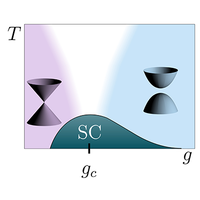
Superconductivity of Incoherent Electrons near the Relativistic Mott Transition in Twisted Dirac Materials
Article | Condensed Matter and Materials | 2026-04-28 06:00 EDT
Veronika C. Stangier, Mathias S. Scheurer, Daniel E. Sheehy, and Jörg Schmalian
Superconductivity emerges in an unexpected way in twisted two-dimensional materials like graphene, even when there are essentially no mobile charge carriers at zero temperature.
Phys. Rev. Lett. 136, 176501 (2026)
Condensed Matter and Materials
Transverse Thermophotovoltaics from Nonreciprocal Plasmon Drag in Metal
Article | Condensed Matter and Materials | 2026-04-28 06:00 EDT
Dingwei He and Gaomin Tang
Transverse thermophotovoltaics has been conceptually proposed as a paradigm distinct from conventional junction-based photovoltaics, but has so far lacked a theoretical foundation. In this Letter, we establish a microscopic formalism of this effect in which a transverse electric current emerges in a…
Phys. Rev. Lett. 136, 176901 (2026)
Condensed Matter and Materials
Spatiotemporal Organization of Chemical Oscillators via Phase Separation
Article | Polymers, Chemical Physics, Soft Matter, and Biological Physics | 2026-04-28 06:00 EDT
Jonathan Bauermann, Giacomo Bartolucci, and Artemy Kolchinsky
We develop a method for studying chemical oscillators in the presence of phase separation. Specifically, we define a dynamics at phase equilibrium by imposing timescale separation between slow reactions and fast diffusion. We show that colocalization of components can alter oscillator frequency and …
Phys. Rev. Lett. 136, 178001 (2026)
Polymers, Chemical Physics, Soft Matter, and Biological Physics
Liquidlike Dynamics in Ordered Soft-Particle Systems
Article | Polymers, Chemical Physics, Soft Matter, and Biological Physics | 2026-04-28 06:00 EDT
José Ruiz-Franco and Alberto Fernandez-Nieves
Structure most frequently constrains material behavior, resulting in the coupling between structural and dynamical properties. Using numerical simulations, we show that single-particle elasticity can cause the breakdown of this coupling, enabling liquidlike dynamics within crystalline configurations…
Phys. Rev. Lett. 136, 178201 (2026)
Polymers, Chemical Physics, Soft Matter, and Biological Physics
Physical Review X
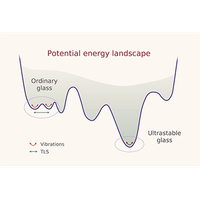
Effect of Glass Stability on the Low Frequency Vibrations of Vapor Deposited Glasses
Article | 2026-04-28 06:00 EDT
I. Festi, E. Alfinelli, D. Bessas, F. Caporaletti, A. I. Chumakov, M. Moratalla, M. A. Ramos, M. Rodríguez-López, C. Rodríguez-Tinoco, J. Rodríguez-Viejo, and G. Baldi
An improved inelastic x-ray scattering technique helps clarify the connections between complex vibrations and the properties of glasses.
Phys. Rev. X 16, 021021 (2026)
arXiv
Hyperstatistics
New Submission | Statistical Mechanics (cond-mat.stat-mech) | 2026-04-29 20:00 EDT
Lucas Squillante, Samuel M. Soares, Constantino Tsallis, Mariano de Souza
We propose a general approach, named by us hyperstatistics, to treat complex systems, in which Boltzmann-Gibbs statistics breaks down in domains of the system. Hyperstatistics preserves the concavity of nonadditive $ q$ -entropy. We obtain analytical closed-form expressions for the here proposed $ q$ -generalized Boltzmann factor $ B_q$ considering uniform, $ \gamma$ , Log-normal, F, and the $ q$ -$ \gamma$ probability distribution functions. Remarkably, for all investigated distribution functions, $ B_q$ reduces to a $ q$ -exponential-type function. To demonstrate the applicability of hyperstatistics, we use a table top experiment of the discharge of a capacitor considering $ \gamma$ -distributed relaxation times, the pressure decay over time associated with the pumping of $ ^4$ He lines of a closed cycle cryostat, midrapidity data for $ p$ -Pb collisions at the LHC, as well as data set for acceleration distribution in turbulent systems. Furthermore, we deduce the power-law-like dielectric response using the $ q$ -$ \gamma$ -distribution function. Our proposal is applicable to systems with inherent non-Boltzmann-Gibbsian statistics in domains of the system.
Statistical Mechanics (cond-mat.stat-mech), High Energy Physics - Experiment (hep-ex), High Energy Physics - Theory (hep-th), Nuclear Theory (nucl-th), Accelerator Physics (physics.acc-ph), Data Analysis, Statistics and Probability (physics.data-an), Instrumentation and Detectors (physics.ins-det)
23 pages, 5 figures, 1 table. Supplementary material upon request
The Lieb-Liniger model
New Submission | Quantum Gases (cond-mat.quant-gas) | 2026-04-29 20:00 EDT
The Lieb-Liniger model describes one-dimensional bosons with contact interactions. This many-body system admits an exact solution in terms of the Bethe ansatz. Some of the exact and perturbative results for this model are reviewed. Particular attention is devoted to the explicit evaluation, in terms of the interaction parameter, of physical quantities that can be formally exactly extracted from the Bethe ansatz solution. Another goal of this review is to stress exact relations between various quantities. The technical developments are explained in detail. The most relevant experimental realisations of the studied problems are eventually discussed. This review also contains several new results such as the study of convergence of the ground-state energy series at strong interactions, the excitation spectrum at high energies, and the evaluation of the boundary energy.
Quantum Gases (cond-mat.quant-gas), Statistical Mechanics (cond-mat.stat-mech), Mathematical Physics (math-ph)
90 pages, 9 figures; accepted as a topical review in J. Phys. A
Conductance fluctuations in random resistor networks with hyperuniform disorder
New Submission | Statistical Mechanics (cond-mat.stat-mech) | 2026-04-29 20:00 EDT
We study conductance fluctuations in random resistor networks with hyperuniform bond disorder, where the fluctuations of the number of bonds present in a test volume $ V$ scale as $ V^{-a}$ with $ a > 1/2$ . Since small changes in the concentration of bonds present in a local region give rise to a proportionate increase in the locally averaged conductance, one may expect that in hyperuniform disorder, conductance fluctuations will also show suppressed fluctuations. We argue that this is not the case: conductance fluctuations scale as $ L^{-d/2}$ for a sampling size $ L$ . We show numerical results for $ d=2$ .
Statistical Mechanics (cond-mat.stat-mech)
Accepted for publication in J. Stat. Mech.: Theory Exp
Thermoinformational State Construction: Generative Energies, Entropies, and H-Theorem Consistency
New Submission | Statistical Mechanics (cond-mat.stat-mech) | 2026-04-29 20:00 EDT
George-Rafael Domenikos, Lock Yue Chew, Victoria Leong
We introduce a constructive framework for assigning thermodynamic structure to an arbitrary data system from its measured microstates. Starting from an empirical distribution over configurations, we first infer a data-driven energy function by fitting a Boltzmann-type model to the observed statistics, thereby defining an energy axis that is intrinsic to the system. We then push the empirical distribution onto this energy coordinate and pose an inverse maximum-entropy problem: we learn a strictly concave trace-form entropy functional whose maximizer, under a small set of constraints extracted from the data, reproduces the observed energy-space histogram. With energy and entropy defined in this coupled, system-specific manner, macroscopic variables such as internal energy, an entropy-energy relation S(U), and a thermoinformational temperature T^(-1)= dS/dU follow consistently along admissible families of states. We demonstrate the construction on canonical unimodal and multimodal examples, including a harmonic well (recovering the classical equilibrium limit up to gauge) and a bistable double-well where global-constraint MaxEnt surrogates can obscure barrier and coexistence structure. The resulting formulation provides a principled route from microstate data to thermodynamically consistent macroscopic descriptors, with an optimized entropy matched to the empirical system.
Statistical Mechanics (cond-mat.stat-mech)
13 page MAIN, 59 page Supplementary Material
Trillion-atom molecular dynamics simulations with ab initio accuracy
New Submission | Materials Science (cond-mat.mtrl-sci) | 2026-04-29 20:00 EDT
Pengfei Suo, Wudi Cao, Xingxing Wu, Wenjie Zhang, Zheyong Fan, Shuanghan Xian, Rui Wang, Cheng Qian, Chao Liang, Qinghong Yuan, Xiaoshuang Chen, Pengfei Guan, Jingde Bu, Hongzhen Tian, Yanjing Su, Feng Ding, Lin-Wang Wang
Material properties are fundamentally dictated by multiscale phenomena, which often reach mesoscale in size. The {\mu}m mesoscale is also the size which can be observed directly under an optical microscope, bridging the atomistic microscopic description with the continuous model macroscopic world. In this work, we report an unprecedented molecular dynamics (MD) simulation comprising 1.62 trillion atoms. Utilizing the neuroevolution potential (NEP) framework, we attained ab initio accuracy on China’s New-generation Intelligent Supercomputer. Our implementation achieves a time-to-solution (s/step/atom) 100 times faster than previous state-of-the-art machine learning force field simulations, and 1,000 times faster than the Gordon Bell Prize-winning application from six years ago. Furthermore, we demonstrate an 86.9% weak scaling efficiency from a single GPGPU to 45,000 GPGPUs. These results redefine atomistic simulation boundaries, enabling direct mesoscopic modeling with quantum-level precision.
Materials Science (cond-mat.mtrl-sci)
Quantum Rotors on the Fuzzy Sphere and the Cubic CFT
New Submission | Strongly Correlated Electrons (cond-mat.str-el) | 2026-04-29 20:00 EDT
The three-dimensional cubic conformal field theory governs the critical behaviour of Heisenberg magnets with cubic anisotropy. Studying this theory non-perturbatively is challenging, because its most easily accessible observables are numerically very close to those of the more symmetric $ O(3)$ model. In this work, we overcome this difficulty using the fuzzy sphere regularisation method. By adding a cubic-invariant two-body interaction to the quantum rotor Hamiltonian used for the $ O(3)$ model, we break the continuous rotational symmetry by construction and unambiguously isolate the cubic critical point. Using exact diagonalisation and the density matrix renormalisation group, we calculate the scaling dimensions of several key operators, including the leading scalar singlets, and resolve the splitting of the $ O(3)$ rank-two traceless symmetric tensor into the $ E_g$ and $ T_{2g}$ representations of the cubic group. Our results are consistent with existing Monte Carlo, conformal perturbation theory, and $ \varepsilon$ expansion benchmarks, demonstrating the power of the fuzzy sphere in resolving closely spaced universality classes.
Strongly Correlated Electrons (cond-mat.str-el), High Energy Physics - Theory (hep-th)
20 pages, 6 figures. Code used in this work is available at this https URL
Magnetic phases of the anisotropic triangular Hubbard model from the ghost-Gutzwiller approximation in the rotating spin-frame
New Submission | Strongly Correlated Electrons (cond-mat.str-el) | 2026-04-29 20:00 EDT
Azin Kazemi-Moridani, Samuele Giuli, Tsung-Han Lee, A.-M. S. Tremblay, Michel Côté, Nicola Lanatà, Olivier Gingras
We investigate the magnetic phase diagram of the half-filled Hubbard model on the anisotropic triangular lattice using the Gutzwiller approximation (GA) and its ghost generalization (ghost-GA). By combining a rotating spin-frame formulation with high-resolution momentum grids, we determine magnetic ground states through direct total-energy minimization over the ordering wavevector. We benchmark standard GA and ghost-GA against dynamical mean-field theory (DMFT) and dual-fermion results. We show that GA already captures the qualitative structure of the phase diagram, but systematically overestimates the stability of magnetic order due to the absence of dynamical fluctuations. We find that introducing a small number of auxiliary ‘’ghost’’ orbitals is sufficient to recover most dynamical effects and significantly improves quantitative agreement with DMFT. Exploring the full Brillouin zone, we obtain a phase diagram comprising paramagnetic and various magnetic phases. In contrast to ladder dual-fermion susceptibility-based predictions, we find that the one-dimensional antiferromagnetic phase is never stabilized, despite being the leading instability in certain regimes. Our results establish ghost-GA as an efficient and systematically improvable framework for studying magnetism in frustrated systems, capable of achieving near-DMFT accuracy at a fraction of the computational cost. They also highlight that standard GA performs qualitatively well for capturing the general phase diagram, enabling the investigation of incommensurate magnetic orders in more complex systems.
Strongly Correlated Electrons (cond-mat.str-el)
13 pages, 7 figures
Universal Topological Power Transfer with Arbitrarily Large Chern Number in Driven Quantum Spin Chains
New Submission | Strongly Correlated Electrons (cond-mat.str-el) | 2026-04-29 20:00 EDT
Anshuman Tripathi (1 and 2), Mircea Trif (3), Thore Posske (1 and 2) ((1) I. Institut für Theoretische Physik, Universität Hamburg, Hamburg, Germany, (2) The Hamburg Centre for Ultrafast Imaging, Hamburg, Germany, (3) International Research Centre MagTop, Institute of Physics, Polish Academy of Sciences, Warsaw, Poland)
Topological frequency converters exploit a quantized transfer of power between two driving fields in a quantum system, a phenomenon topologically protected by the Chern number of the associated fiber bundle. While realizations with few-spin systems have theoretically demonstrated this effect, the conversion factors have typically been restricted to small integer values. Here, we investigate an interacting $ XXZ$ Heisenberg spin-$ 1/2$ chain driven adiabatically by two magnetic drives with incommensurate frequencies. The Chern number, determined by the degeneracy points enclosed by the adiabatic trajectory, increases systematically with the chain length and can be tuned through the exchange anisotropy, providing direct control of the topological pumping strength. We reveal a universal dependency of the anisotropy and magnetic field strength for odd and even chain lengths of the quantum critical points. This provides a mechanism for a topological frequency converter with an arbitrarily large, quantized conversion ratio in interacting quantum spin chains. The mechanism remains the same for arbitrary coupling regions of the drives.
Strongly Correlated Electrons (cond-mat.str-el)
8 pages, 5 figures
Absence of Quasi-Majorana False Positives in Full-Shell Hybrid Nanowires
New Submission | Mesoscale and Nanoscale Physics (cond-mat.mes-hall) | 2026-04-29 20:00 EDT
Carlos Payá, César Robles, Pablo San-Jose, Elsa Prada
Tunneling spectroscopy cannot be used as an unambiguous detection tool for Majorana zero modes (MZMs) in conventional partial-shell nanowires. The presence of smooth confinement at the end of the hybrid wire (among other sources of disorder) can create exponentially pinned zero-energy states, called quasi-MZMs, that mimic all local signatures of MZMs but lack topological protection. We find that this ambiguity in MZM detection does not occur in full-shell hybrid nanowires, an alternative nanowire design where a superconducting shell fully surrounds the semiconductor core. Acting as a synthetic vortex, a full-shell hybrid nanowire hosts Caroli-de Gennes-Matricon analog states. In the presence of smooth confinement, these states create a topologically trivial skin at the wire’s end that prevents the local probe from detecting quasi-MZMs. Conversely, the trivial skin disappears when true MZMs form at the edge. This renders tunneling spectroscopy a reliable MZM detection technique for full-shell hybrid nanowires in the presence of smooth disorder.
Mesoscale and Nanoscale Physics (cond-mat.mes-hall)
11 pages, 4 figures, 6 appendices
Dispersion of Anyon Bloch Bands
New Submission | Mesoscale and Nanoscale Physics (cond-mat.mes-hall) | 2026-04-29 20:00 EDT
Kishore Iyer, Andreas Feuerpfeil, Valentin Crépel, Nicolas Regnault, Christophe Mora
Fractional Chern insulators (FCIs) are zero magnetic field analogs of fractional quantum Hall states. While the electrons forming an FCI are not subject to an external magnetic field, their anyonic excitations experience a magnetic field with finite-flux due to a many-body Berry phase, whose lattice periodicity generically induces some dispersion. From Laughlin wavefunctions at filling 1/m, we analytically construct single-anyon Bloch states in an ideal band, providing a basis to efficiently compute the dispersion. The anyon spectrum exhibits an $ m$ -fold degeneracy in the reduced magnetic Brillouin zone (BZ), which originates from the topological degeneracy of the FCI. From our wavefunctions, we derive the m^2-fold degeneracy seen in previous works, showing it to be a splicing of anyon momenta into the electronic BZ. Finally, we find that the anyon dispersion bandwidth is controlled by quantum geometry non-uniformity, growing linearly at weak modulation and saturating at strong modulation. Remarkably, higher harmonics of the quantum geometry alone strongly suppress the dispersion, which we attribute to emergent magnetic translation symmetries. When combined with the first harmonic, a positive (negative) second harmonic drives the system toward a second- (first-) harmonic-dominated regime, thereby reducing (enhancing) the bandwidth. Our results offer an analytically controlled method for evaluating anyon spectra in ideal band FCI, shedding light on how non-uniform quantum geometry and emergent symmetries shape the dispersion of anyons.
Mesoscale and Nanoscale Physics (cond-mat.mes-hall), Strongly Correlated Electrons (cond-mat.str-el)
Dynamical dimer structure factor of the triangular $S=1/2$ Heisenberg antiferromagnet
New Submission | Strongly Correlated Electrons (cond-mat.str-el) | 2026-04-29 20:00 EDT
Markus Drescher, Laurens Vanderstraeten, Roderich Moessner, Frank Pollmann, Johannes Knolle
The dynamical dimer structure factor is an observable probing spin-singlet excitations of quantum magnets distinct from those commonly studied by the spin structure factor. We report the dimer response for the extended spin-$ 1/2$ antiferromagnetic Heisenberg model on the triangular lattice using large-scale GPU-accelerated matrix-product-state simulations. We investigate the ordered phases with $ 120^\circ$ coplanar, collinear stripe, and tetrahedral spin order, as well as candidate quantum spin-liquid (QSL) regimes, comprising an expected gapless $ U(1)$ Dirac QSL and a chiral QSL at finite spin-scalar-chirality coupling. In the ordered phases, we find low-energy modes below the onset of the two-magnon continuum illustrating avoided quasiparticle decay. Within the candidate gapless QSL, we observe absolute dispersion minima at momenta of half the Brillouin zone corners, $ X\equiv K/2$ , in agreement with field-theory predictions that singlet monopole excitations of the $ U(1)$ Dirac spin liquid become gapless at these points. Thus, the high-resolution dynamical dimer response provides support for a $ U(1)$ Dirac QSL with singlet monopole excitations.
Strongly Correlated Electrons (cond-mat.str-el)
5 + 1 + 8 pages, 3 + 0 + 6 figures
Anomaly and symmetry-charge flow in mixed states
New Submission | Strongly Correlated Electrons (cond-mat.str-el) | 2026-04-29 20:00 EDT
The $ (1+1)$ -dimensional chiral anomaly is a paradigmatic exact result in quantum field theory, traditionally formulated for zero-temperature pure states where it arises from spectral flow induced by external gauge fields and captures universal ground-state properties. In mixed states, however, the participation of many states and charge exchange with the environment invalidate this mechanism. Naive extensions yield model-dependent anomaly coefficients, calling its universality into question. Here, we resolve this problem for Abelian symmetries by deriving the anomaly from an algebraic relation between the symmetry and its flux-insertion operator. We obtain symmetry-charge flow, a mixed-state generalization of spectral flow, in which an applied field redistributes statistical weight across symmetry-resolved charge sectors. Fixed solely by symmetry, the anomaly restores universality and applies to both pure and mixed states in fermionic and bosonic systems. We substantiate these results in tight-binding fermionic models with continuous symmetry and in spin models with discrete symmetries.
Strongly Correlated Electrons (cond-mat.str-el), High Energy Physics - Theory (hep-th)
6+12 pages, 3 figures
Uncovering Exotic Paired States in the 2D Spin-Imbalanced Fermi Gas with Neural Wave Functions
New Submission | Quantum Gases (cond-mat.quant-gas) | 2026-04-29 20:00 EDT
Wan Tong Lou, Gino Cassella, Andres Perez Fadon, Halvard Sutterud, David Pfau, James S. Spencer, Johannes Knolle, W.M.C. Foulkes
We study the zero-temperature phase diagram of the 2D spin-imbalanced Fermi gas with short-ranged attractive interactions using the recently developed neural network variational Monte Carlo method with the AGPs FermiNet Ansatz. The Fulde-Ferrell-Larkin-Ovchinnikov phase is observed in the weakly interacting BCS limit and a polarised superfluid is seen in the strongly interacting BEC limit. When the interactions are strong, the minority-spin momentum density is reduced almost to zero in the momentum-space region occupied by the unpaired majority-spin electrons. When the interactions are very strong, phase separation occurs, with regions containing bosonic pairs and unpaired regions occupied by the remaining majority-spin particles. In addition, we observe translational symmetry breaking at intermediate interaction strengths, where the system forms an exotic crystal of Cooper pairs in a Fermi fluid of unpaired majority-spin particles. We provide a possible explanation for the formation of the crystalline phase, explain the origins of the k-space momentum-density hole when the pairs are tightly bound, and discuss how our approach opens new directions for future work.
Quantum Gases (cond-mat.quant-gas), Superconductivity (cond-mat.supr-con), Machine Learning (cs.LG), Computational Physics (physics.comp-ph)
23 pages, 17 figures
Symmetry-Protected Topological Phases in the Triangular Majorana-Hubbard Ladder
New Submission | Strongly Correlated Electrons (cond-mat.str-el) | 2026-04-29 20:00 EDT
Will Holdhusen, Alberto Nocera, Jian-Xin Zhu, Armin Rahmani
We map the phase diagram of the triangular-lattice Majorana-Hubbard model on a four-leg ladder using DMRG and variational uniform matrix product states, revealing a richer variety of phases than previously known. Analysis of entanglement-spectrum degeneracies and adiabatic connections identifies multiple symmetry-protected topological (SPT) phases. These phases could be realized in arrays of vortex-bound Majorana modes on the surface of a topological superconductor.
Strongly Correlated Electrons (cond-mat.str-el)
Phase diagram of a dual-species Rydberg atom ladder
New Submission | Quantum Gases (cond-mat.quant-gas) | 2026-04-29 20:00 EDT
Lei-Yi-Nan Liu, Shi-Rong Peng, Ze-Yuan Huang, Xing-Man Wei, Yun-Han Zou, Su Yi, Jian Cui
Dual-species Rydberg atom arrays extend single-species platforms by introducing competing interaction scales and enhanced quantum fluctuations, enabling phenomena beyond homogeneous settings. In this work, we study the ground-state phase diagram of a one-dimensional dual-species Rydberg atom ladder using large-scale density-matrix renormalization group calculations. We identify disordered phases, multiple ordered phases with $ \mathbb{Z}_2$ , $ \mathbb{Z}_3$ , and $ \mathbb{Z}_4$ symmetry, as well as floating phases characterized by incommensurate wave vectors and algebraically decaying correlations. Importantly, we observe a smooth crossover between distinct $ \mathbb{Z}_2$ -ordered regimes, reflecting a reorganization of low-energy degrees of freedom rather than a true phase transition, which is absent in single-species Rydberg arrays. We further uncover a multi-critical point at the boundary between the $ \mathbb{Z}_2 \otimes \mathbb{Z}_2$ and $ \mathbb{Z}_3 \otimes \mathbb{Z}_3$ ordered phases, where Ising, chiral, and first-order transition lines intersect. Our results demonstrate that dual-species Rydberg atom arrays provide a unique platform for realizing crossover physics and multi-critical behavior inaccessible in single-species architectures.
Quantum Gases (cond-mat.quant-gas), Quantum Physics (quant-ph)
12 pages, 9 figures
Theory of Anderson localization on the hyperbolic plane
New Submission | Disordered Systems and Neural Networks (cond-mat.dis-nn) | 2026-04-29 20:00 EDT
Alexander Altland, Tobias Micklitz, Devasheesh Sharma, Maksimilian Usoltcev, Carolin Wille
The two-dimensional hyperbolic plane, $ \mathbb{H}^2$ , is an unusual system in that dimensionality changes with scale: locally two-dimensional and planar at short distances, but effectively infinite-dimensional at large scales, it provides an interesting paradigm for the study of (quantum) phase transitions, notably the disorder-driven Anderson transition. Generalizing previous work, which treated short and large distance scales separately, we develop a unified framework interpolating between the principles of low- and high-dimensional Anderson localization. As a main result, we derive a two-parameter flow in a plane spanned by scale-dependent curvature (setting the system’s effective dimensionality) and conductivity, with an extended critical line separating metallic and insulating phases.
Disordered Systems and Neural Networks (cond-mat.dis-nn), High Energy Physics - Theory (hep-th)
4 pages, 5 figures, 5 pages supplementary material
Dielectric signatures of crystal-field and low-temperature correlated dynamics in NdMgAl11O19
New Submission | Strongly Correlated Electrons (cond-mat.str-el) | 2026-04-29 20:00 EDT
Sonu Kumar, Gaël Bastien, Maxim Savinov, Małgorzata Śliwińska-Bartkowiak, Ross H. Colman, Stanislav Kamba
We report dielectric spectroscopy of single-crystalline \ce{NdMgAl11O19}, a magnetoplumbite hexaaluminate in which localized \ce{Nd^{3+}} moments coexist with a polarizable \ce{AlO5} bipyramidal network. The real part of the permittivity, $ \varepsilon’{c}(T)$ , measured along the crystallographic $ c$ axis, increases as the temperature is lowered from 275K to 30K and is frequency-independent between 4Hz and 50kHz. At lower temperatures, a frequency-dependent decrease in permittivity is observed, followed by a further upturn below 2~K. The high-frequency $ \varepsilon’{c}(T)$ is described by a Barrett formula supplemented by an effective two-level contribution, yielding a robust gap of $ \Delta = 25.85 \pm 0.32$ ~K consistent with the lowest \ce{Nd^{3+}} crystal-electric-field (CEF) splitting. Below $ \sim 30$ ~K, the dielectric response becomes strongly frequency and magnetic-field dependent. Isothermal $ \varepsilon_c’(H)$ measurements reveal a reproducible low-field crossover near $ \mu_0H_c \simeq 0.85$ ~T, which we attribute to the competition between antiferromagnetic correlations and Zeeman splitting of the ground-state Kramers doublet. \ce{NdMgAl11O19} thus provides a Kramers reference system in which dielectric signatures of the excited-state CEF manifold can be distinguished from those of the field-tuned, correlation-dominated ground-state doublet sector in a centrosymmetric frustrated magnetoplumbite host
Strongly Correlated Electrons (cond-mat.str-el)
Visualizing Crystallization Dynamics and Transformation Pathways of Disordered Rocksalt Oxides During Thermally Activated Sol-Gel Synthesis
New Submission | Materials Science (cond-mat.mtrl-sci) | 2026-04-29 20:00 EDT
Diyi Cheng, Tim Kodalle, Anika T. Promi, Ansuman Halder, Raphael F. Moral, Madeline Grass, Venkata S. Avvaru, Haegyeom Kim, Carolin M. Sutter-Fella, Haimei Zheng
Sol-gel synthesis is a wet-chemical processing route for the fabrication of functional materials offering control over composition, morphology, and microstructure at relatively low processing temperatures compared to conventional solid-state synthesis methods. While the sol-gel process initiates with intermixed molecular precursors, the transformation pathways at the early nucleation stage are insufficiently understood. Here, the chemical and structural transformation of disordered rocksalt (DRX) Li1.2Mn0.4Ti0.4O2 (LMTO), a promising cathode material for lithium batteries, is studied by multiscale characterization tools. In situ heating transmission electron microscopy (TEM) using a liquid cell visualizes and identifies crystallization pathways at nanoscale. While some regions follow a classical multi-step transition through thermodynamically stable intermediates, others exhibit a kinetic shortcut in which intermediate nanocrystals dissolve into a localized amorphous matrix that directly precipitates the DRX structure. Macroscale FTIR corroborates the findings to be related to chemically distinct microenvironments in the gel precursor, with transition metal ions more strongly incorporated into the acetate-coordinated network than lithium. Although in situ heating TEM captures diverse local transformation pathways, in situ SXRD indicates that the macroscopic transformation proceeds predominantly through spinel LMTO and lithium titanite intermediates toward DRX-LMTO. The findings shed light on the spatiotemporal chemical and structural transformations in sol-gel derived DRX-LMTO materials, and call for fine tuning of such sol-gel chemistries to manipulate the crystallization pathways and achieve target material homogeneity more efficiently.
Materials Science (cond-mat.mtrl-sci)
24 pages, 5 figures
On the Mathematics of Information-Thermodynamics
New Submission | Statistical Mechanics (cond-mat.stat-mech) | 2026-04-29 20:00 EDT
We present a validation of the asdf method, an information-theoretic framework for computing thermodynamic entropy from molecular configurations. The method reformulates entropy estimation as the Shannon entropy of a residual mapping distribution defined between two decorrelated microstates. We demonstrate analytically that for the closed-form Hamiltonians with known solutions, the classical ideal gas and the one-dimensional harmonic oscillator’s entropy obtained from the compressibility of the residual mapping object reproduces the exact thermodynamic entropy. In each case, the conditional entropy of the residual mapping object with respect to an uncorrelated microstate is shown to coincide with the ensemble entropy derived from the canonical partition function. These results establish consistency between the asdf formalism and classical statistical mechanics for analytically solvable systems. We further discuss how the framework generalizes to interacting Hamiltonians. The analysis supports the interpretation of thermodynamic entropy as an information measure encoded geometrically in inter-microstate mappings and motivates application of the method to complex condensed phases.
Statistical Mechanics (cond-mat.stat-mech)
14 pages, 5 figures
Crystal-Field Symmetry Constraints in Layered Honeycomb ErBr$_3$
New Submission | Strongly Correlated Electrons (cond-mat.str-el) | 2026-04-29 20:00 EDT
Biaoyan Hu, Mingyuan Hu, Franz Demmel, Andrey A. Podlesnyak, Jiaqing He, Liusuo Wu
We show that the local crystal-field symmetry of ErBr$ 3$ enforces $ \langle \psi\pm | J^{\pm} | \psi_\mp \rangle = 0$ within the ground-state Kramers doublet, thereby removing the lowest-order transverse channel from the low-energy sector. Thermodynamic measurements reveal two zero-field anomalies. Under an in-plane magnetic field, the thermodynamic response separates into a phase boundary and a broader crossover line. Consistently, inelastic neutron scattering measurements above the ordering temperature reveal no well-defined low-energy dispersive magnetic modes. These results show that the crystal-field ground-state symmetry strongly constrains the low-energy dynamics and provides a natural framework for understanding the field-dependent thermodynamic response of ErBr$ _3$ .
Strongly Correlated Electrons (cond-mat.str-el)
7 pages, 4 figures
Entropic Trapping of Hard Spheres in Spherical Confinement
New Submission | Soft Condensed Matter (cond-mat.soft) | 2026-04-29 20:00 EDT
Praveen K. Bommineni, Junwei Wang, Nicolas Vogel, Michael Engel
Monodisperse spherical colloidal particles confined within emulsion droplets can crystallize into icosahedral clusters. Experimentally it was observed that a few large colloidal particles added as defects preferentially migrate to the vertices of the icoshedral clusters. To understand this structure formation phenomenon, we simulate the confined self-assembly of hard spheres in the presence of a small number of larger particles. The results demonstrate that large spheres are significantly influenced by concentric shells of small spheres near the crystallization transition. Entropic forces drive the large spheres to the cluster surface, where they settle into free energy minima at the icosahedron vertices. Notably, the addition of twelve large spheres results in the formation of a perfect icosahedral frame. Free energy calculations via umbrella sampling are used to quantify this process and show that both the migration to the cluster surface and the trapping at the vertices with trapping strength of multiple $ k_\text{B}T$ results from free energy minimization. Moreover, our study reveals that the crystallization pathway and dynamics of large spheres are consistent across different systems, suggesting robustness of entropic trapping.
Soft Condensed Matter (cond-mat.soft), Mesoscale and Nanoscale Physics (cond-mat.mes-hall), Materials Science (cond-mat.mtrl-sci), Applied Physics (physics.app-ph), Chemical Physics (physics.chem-ph)
11 pages, 9 figures
Phys. Rev. Lett. 134, 198201 (2025)
Probing Spin Dynamics Across Magnetic Phase Transitions in CrCl3 Nanoflakes Using Nitrogen-Vacancy Microscopy
New Submission | Mesoscale and Nanoscale Physics (cond-mat.mes-hall) | 2026-04-29 20:00 EDT
Ben Hammons, Jitender Kumar, Sehrish Iqbal, Prem Karki, Karishma Prasad, Tianlin Li, Aram Pirali, Ayodimeji E. Aregbesola, Rupak Timalsina, Xia Hong, Jian Wang, Kapildeb Ambal, Ilja Fescenko, Abdelghani Laraoui
CrCl3, a layered van der Waals (vdW) magnet, exhibits in-plane magnetic anisotropy and enhanced interlayer coupling upon stacking, making it an ideal platform to host exotic nanoscale magnetic phenomena such as magnon hydrodynamics and meron-like topological spin defects. When interfaced with other vdW materials, its antiferromagnetic-to-ferromagnetic and ferromagnetic-to-paramagnetic phase transitions and magnetic anisotropy can be tuned by voltage, strain, and layer stacking. Understanding the spin dynamics of CrCl3 at its magnetic phase transitions is crucial to its applications in magnonics. Here, we investigate the spin dynamics of CrCl3 nanoflakes using cryogenic diamond quantum sensing microscopy, based on measuring optically detected magnetic resonance, Rabi oscillations, and spin-lattice relaxation time (T1) of shallow nitrogen vacancy (NV) centers in diamond. In the ferromagnetic regime, we observe a pronounced reduction in the NV spin resonance contrast, a collapse of the Rabi oscillations, and a strong enhancement by two orders of magnitude of the relaxation rate, G1 = 1/T1. These observations indicate intensified spin fluctuations in the gigahertz range. Broadband ferromagnetic resonance spectroscopy on CrCl3 microcrystals reveals resonance frequencies in the 4-15 GHz range together with a linewidth of ~24 mT, further supporting the NV measurements. A phenomenological model of magnetic-noise-induced NV relaxation reproduces the temperature dependence of G1 by combining antiferromagnetic, ferromagnetic, and paramagnetic fluctuation channels, indicating that magnetic noise is strongest in the ferromagnetic regime and evolves markedly across the phase diagram. These results are crucial for using CrCl3 in 2D magnonics and hybrid quantum-magnon systems.
Mesoscale and Nanoscale Physics (cond-mat.mes-hall)
Statistical mechanics in continuous space with tensor network methods
New Submission | Statistical Mechanics (cond-mat.stat-mech) | 2026-04-29 20:00 EDT
Gunhee Park, Tomislav Begušić, Si-Jing Du, Johnnie Gray, Garnet Kin-Lic Chan
Tensor network (TN) methods are well established for computing partition functions in statistical mechanics, though this use has traditionally been limited to lattice models. We extend the scope of TN methodology to interacting particle systems in continuous space. Through a real-space discretization combined with a cell-based coarse-graining scheme, we formulate an effective lattice model that explicitly preserves spatial locality. The partition function of this model is represented as a TN, and the thermodynamic quantities are computed via boundary contraction. We apply this framework to the two-dimensional hard-disk problem and demonstrate the strengths of the TN formulation compared to existing Monte Carlo simulations.
Statistical Mechanics (cond-mat.stat-mech), Chemical Physics (physics.chem-ph)
8 pages, 8 figures
Influence of Heterogeneity on the Response of Architected Metamaterials
New Submission | Materials Science (cond-mat.mtrl-sci) | 2026-04-29 20:00 EDT
Sarvesh Joshi, Jingye Tan, Craig M. Hamel, Stavros Gaitanaros, Nikolaos Bouklas
Architected metamaterials like foams and lattices exhibit complex responses governed by microstructural instabilities, localization, and phase-transition-like phenomena. Their behavior is further affected by heterogeneities inherent in their microstructure often caused through manufacturing processes. In this study we extend a gradient-enhanced, nonlocal continuum formulation to incorporate stochastic material heterogeneity through Gaussian random fields imposed on selected constitutive parameters. The framework enables independent control of both the amplitude and spatial correlation of material fluctuations while preserving thermodynamic consistency and regularization of localization. It also introduces a characteristic lengthscale ratio between the nonlocal and correlation lengthscales, that enables modeling at the limit of random or spatially correlated microstructures. Finite element simulations of confined compression and indentation show that heterogeneity fundamentally alters phase nucleation, localization morphology, and macroscopic response. Overall, the proposed framework provides a unified approach for linking stochastic material variability to instability-driven mechanics in architected metamaterials, enabling improved understanding of imperfection sensitivity, stability and design. It showcases how heterogeneity alone can influence characteristic features of the response, such as stability, slope of the plateau region, and elimination of the initial elastic regime.
Materials Science (cond-mat.mtrl-sci)
Ultrafast Energy Absorption in Silicon Controlled by Two-Color Double Pulses
New Submission | Materials Science (cond-mat.mtrl-sci) | 2026-04-29 20:00 EDT
Eiyu S. Gushiken, Mizuki Tani, Hiroki Katow, Kenichi L. Ishikawa
We theoretically show that energy absorption in crystalline silicon can be controlled by two-color femtosecond double-pulse irradiation, in which two temporally separated pulses with different wavelengths interact sequentially with the system. Using time-dependent density functional theory, we systematically examine the wavelength and intensity dependence of the absorbed energy over peak intensities of $ 2\times10^{11}$ -$ 10^{13}$ W/cm$ ^2$ and wavelengths of 515, 1030, and 2060 nm. We find that the mechanism governing energy absorption and the optimal wavelength combination strongly depend on the intensity regime. In the low-intensity regime, multiphoton interband absorption is dominant, and energy absorption is enhanced for pulse pairs composed of shorter wavelengths. In contrast, in the high-intensity regime, the contributions of tunneling ionization and intraband acceleration become significant, leading to enhanced absorption for longer-wavelength combinations. In the intermediate-intensity regime, a pronounced enhancement is observed when a short-wavelength pulse precedes a long-wavelength pulse. Our analysis reveals that the nonequilibrium electronic state prepared by the first pulse modifies the excitation process induced by the second pulse, thereby enhancing the absorbed energy through an increased energy gain per excited electron. In this regime, the energy absorption is governed not only by the number of excited carriers but also by the energy gain per excited electron, which can be strongly modified by the pulse sequence. These results indicate that ultrafast energy transfer in semiconductors is tunable by appropriately designing the wavelength and intensity combination of the two pulses, and provide microscopic insight into two-color strong-field excitation.
Materials Science (cond-mat.mtrl-sci)
14 pages, 20 figures; submitted to Physical Review B
Markovian thermodynamics of non-Markovian Langevin equations
New Submission | Statistical Mechanics (cond-mat.stat-mech) | 2026-04-29 20:00 EDT
Andreas Dechant, Kiyoshi Kanazawa
We develop the thermodynamics of non-Markovian generalized Langevin equations by embedding them in a high-dimensional Markovian representation involving auxiliary degrees of freedom. If the memory is linear and satisfies detailed balance with the noise, we provide an explicit construction of the embedding for non-Markovian dynamics with many degrees of freedom and hydrodynamic interactions. Moreover, while the embedding is generally not unique, we show that it results in unique values of thermodynamic quantities of the Markovian system. This allows us to define the Markovian entropy production of a non-Markovian system, which, in contrast to the definition based directly on the non-Markovian dynamics, is guaranteed to increase monotonically with time. Moreover, the Markovian representation allows us to identify the apparent decrease in the non-Markovian entropy with heat and information exchange between the system and the auxiliary degrees of freedom.
Statistical Mechanics (cond-mat.stat-mech)
9 pages, 2 figures
Determination of the Fermi Energy of Diamond using Photoluminescence Spectral Analysis
New Submission | Materials Science (cond-mat.mtrl-sci) | 2026-04-29 20:00 EDT
Yifan Song, Sina Ilkhani, Leah Webb, Helen Highland, Shunki Nakamura, Stephen B. Cronin, Susumu Takahashi
Electronic band structures and the Fermi energy provide essential information for understanding the electronic properties of solids. In semiconductors, the Fermi energy level is determined by the donor and acceptor concentrations. For diamond, the relationship between the Fermi energy level and the donor-acceptor concentrations is highly nonlinear; therefore, experimental determination of the Fermi energy level is important. Here, we report a method to determine the Fermi energy of diamond based on photoluminescence (PL) measurement. The density-functional-theory (DFT) study by Deák et al.~\cite{deak2014formation} showed the relationship between the Fermi energy and the formation energies of nitrogen-vacancy centers in the negatively charged (NV-) and neutrally charged (NV0) charge states. In the present method, we measure the relative populations of the NV- and NV0 centers from PL spectral analysis and, using these populations and the DFT result, determine the Fermi energy of the diamond samples. Moreover, we show the application of the method to study the spin coherence and the stability against the charge state conversion of the NV centers on several diamond samples. We also extend the method for the Fermi energy determination using the silicon-vacancy (SiV) center in diamond. The PL-based method is advantageous for determining the Fermi energy with high spatial and fast time resolutions, even in extreme environments, and can be extended to determine various wide band gap semiconductors.
Materials Science (cond-mat.mtrl-sci), Mesoscale and Nanoscale Physics (cond-mat.mes-hall), Quantum Physics (quant-ph)
11 pages, 6 figures
Electric-field control of hydrogen bonding via interfacial charge at atomic resolution
New Submission | Materials Science (cond-mat.mtrl-sci) | 2026-04-29 20:00 EDT
Nassar Doudin, Jian Jiang, Chun Tang, Xiao Cheng Zeng, Mohammed Th. Hassan
Hydrogen-bond networks govern molecular structure and function across chemistry, biology and materials science, yet their deterministic control at the atomic scale remains a central challenge (1-9).Here, we directly visualize how an external electric field enables reversible control of a hydrogen-bond network in monolayer ice on graphite through interfacial charge redistribution. Low-temperature scanning tunnelling microscopy reveals a field-driven transition from a mobile, physisorbed, non-wetting water phase to an ordered hexagonal monolayer, enabling deterministic nucleation, growth and complete wetting on an otherwise inert surface. Systematic variation of the field induces continuous lattice strain coexisting with discrete conductance states, revealing coupled structural and electronic responses. Reversal of the field polarity drives collective dipolar inversion, enabling switching between symmetry-equivalent configurations without disrupting the lattice. Supported by first-principles theory and bias-dependent imaging, these effects arise from field-induced modification of the interfacial electronic structure rather than purely geometric or orientational effects. These results establish interfacial charge redistribution as a general mechanism for electrically programming hydrogen-bond networks, providing a route to control molecular organization, electronic properties and collective dipolar order at interfaces.
Materials Science (cond-mat.mtrl-sci), Soft Condensed Matter (cond-mat.soft)
29 pages, 4 gigures
Tunable thermal conductivity through dual spin-phonon coupling in van der Waals ferromagnetic insulator Cr2Ge2Te6
New Submission | Strongly Correlated Electrons (cond-mat.str-el) | 2026-04-29 20:00 EDT
Zhongbin Wang, Wenlong Tang, Simin Pang, Hongxing Zhu, Renkang Fan, Baohai Jia, Junxue Li, Ben Xu, Jun Zhang, Lin Xie, Jiaqing He
The active manipulation of phonon transport remains a central challenge in phononics and spin caloritronics due to the charge-neutral nature of heat carriers. Spin-phonon coupling (SPC) offers a promising route for the dynamic control of heat carriers, yet its progress has been limited due to the lack of a unified framework and suitable material platforms. Here, we report on the magnetic field-tunable phonon transport behavior in the ferromagnetic insulator Cr2Ge2Te6. We observed two distinct anomalous regimes at both the high and low fields that were governed by isotropic magnon-phonon hybridization and an anisotropic magnon softening process, respectively. By integrating detailed transport behavior with Brillouin light scattering and ferromagnetic resonance, we uncovered the microscopic origins of these anomalous regimes and demonstrated that both the field magnitude and orientation could act as versatile tuning knobs to manipulate the thermal conductivity. Our findings provide experimental evidence of the SPC effect on phonon transport, demonstrating the dual impact of SPC within a unified system. This work will not only broaden the fundamental understanding of quasiparticle interactions but also establish a viable framework for dynamic phonon engineering. Furthermore, the characteristics of this system highlight the potential for achieving field-tunable phonon transport in similar platforms such as two-dimensional (2D) magnetic materials.
Strongly Correlated Electrons (cond-mat.str-el)
Identifying strong correlation using only the Kohn-Sham density of one-electron states
New Submission | Strongly Correlated Electrons (cond-mat.str-el) | 2026-04-29 20:00 EDT
Daniel D. Rivera, Gustavo M. Dalpian, John P. Perdew
Strongly correlated systems have long been a central and highly non-trivial topic in condensed matter physics. At the non-interacting level, strong correlation can be associated with powerful (near) degeneracies between occupied and unoccupied states, which leads to a high density of states near the Fermi level in metallic configurations. Such regimes are commonly treated with beyond-density functional theory (DFT) approaches, such as DFT+U or DFT+DMFT while maintaining symmetric configurations. Here, we explore the hypothesis that symmetry breaking in the Kohn-Sham (KS) non-interacting system can qualitatively account for the energetic effects of strong correlation in the corresponding interacting system within standard DFT. By lifting near-degeneracies around the Fermi level, symmetry breaking diminishes the potential correlation effects, reducing the need for an explicit treatment of electron correlation, transforming an otherwise strongly correlated symmetric configuration into a normally correlated one, thus avoiding the need for interacting methods beyond DFT. This naturally connects nonmagnetic to magnetic states. We apply this idea to both strongly and normally correlated metals and observe that spin symmetry breaking leads to a pronounced reduction of the density of states at the Fermi level and a significant lowering of the total energy in strongly correlated cases. To describe the degree of correlation that the interacting system would have relative to the KS state, we introduce a correlation parameter ($ \Gamma$ ), defined as the ratio between the Kohn-Sham density of one-electron states at the Fermi level and that of a corresponding uniform electron gas. This parameter distinguishes strongly correlated systems, which would require explicit treatment, from normally correlated ones, which do not.
Strongly Correlated Electrons (cond-mat.str-el), Materials Science (cond-mat.mtrl-sci)
16 pages, 19 figures
Femtosecond tunneling spectroscopy of ultrafast band bending dynamics at the atomic limit
New Submission | Mesoscale and Nanoscale Physics (cond-mat.mes-hall) | 2026-04-29 20:00 EDT
Vedran Jelic, Kaedon Cleland-Host, Stefanie Adams, Mohamed Hassan, Austin Hayes, Tyler L. Cocker
Atomic-scale disorder shapes the potential energy landscape traversed by photoexcited charge carriers, while the carriers themselves also dynamically reshape this landscape. However, resolving ultrafast photocarrier motion at atomic length scales has remained a central challenge in materials science. Here, we demonstrate that lightwave-driven terahertz scanning tunneling microscopy (THz-STM) provides access to these dynamics by probing the ultrafast evolution of local electronic structure following resonant interband excitation. Applying this approach to the photoexcited GaAs(110) surface, we image the resulting femtosecond carrier dynamics by tracking the transient photocurrents produced by ultrafast shifts in the energy alignment of surface and bulk electronic states near individual surface defects. Supported by modeling, we experimentally resolve the time-dependent band bending produced by photoinduced charge carriers across the atomic-scale landscape of the sample surface. Crucially, we employ terahertz time-domain spectroscopy in the tip near-field to disentangle the coherent sub-cycle dynamics induced by the terahertz driving field from the intrinsic sample response. We establish a new regime of ultrafast tunneling spectroscopy that captures transient electronic structure and dynamic band alignment with unprecedented spatio-temporal resolution, which has significant implications for understanding carrier transport, defect-mediated processes, and the development of optoelectronic technologies based on dynamically tunable materials.
Mesoscale and Nanoscale Physics (cond-mat.mes-hall)
32 pages, 17 figure, 2 tables
Nonlocal Cooper pairs in finite topological superconductors and their relation to Majorana nonlocality
New Submission | Superconductivity (cond-mat.supr-con) | 2026-04-29 20:00 EDT
Hiroto Mizoguchi, Yutaro Nagae, Yasuhiro Asano, Satoshi Ikegaya
We identify two fundamental properties of the Gor’kov Green’s function of finite one-dimensional topological superconductors. In the low-frequency (low-energy) regime, the normal and anomalous Green’s functions, which describe single-particle and Cooper-pair correlations, respectively, become identical up to a phase factor. Moreover, they exhibit pronounced nonlocality: correlations between the two ends of the system grow exponentially with system length, whereas local correlations at either end vanish in the zero-frequency limit. These striking features signify the emergence of unconventional nonlocal Cooper pairs associated with a nonlocal fermionic mode composed of hybridized Majorana end modes. The nonlocal Cooper pairs are directly linked to fermion parity and to the nonlocal transport properties of finite topological superconductors. By focusing on pair correlations, our analysis advances the understanding of Majorana nonlocality, a key concept in topological quantum computation.
Superconductivity (cond-mat.supr-con)
Kohn-Sham Hamiltonian from Effective Field Theory: Quasiparticle Band Narrowing from Frozen Core Dynamics
New Submission | Materials Science (cond-mat.mtrl-sci) | 2026-04-29 20:00 EDT
Xiansheng Cai, Han Wang, Kun Chen
Kohn-Sham (KS) eigenvalues are routinely compared with angle-resolved photoemission (ARPES) and used as input for many-body methods, yet density functional theory (DFT) assigns them no physical meaning. For alkali and alkaline-earth metals, KS bandwidths overestimate ARPES measurements by 20-35%, a discrepancy that persists across all exchange-correlation functionals. We construct an effective field theory (EFT) of the inhomogeneous electron gas and show that two conditions imply KS bands are the quasiparticle bands, up to a frozen-core renormalization factor zcore: a scale separation between core excitation energies and the valence Fermi energy, and an approximate Galilean invariance of the uniform electron gas confirmed by diagrammatic Monte Carlo. This factor reflects dynamical core excitations that conventional pseudopotentials freeze out and no static potential can capture. The correction 1-zcore reaches 20-35% for alkali metals but falls below 5% for Al and Si, explaining both the failure and success of KS band theory. We derive a closed-form post-SCF formula and validate it for Li, Na, K, Ca, Mg, Al, and Si; the predicted quasiparticle bands resolve the long-standing ARPES bandwidth discrepancy, matching embedded dynamical mean-field theory at negligible cost. This work also exemplifies first-principles agentic science, a direction particularly suited to the AGI-for-Science paradigm: an LLM-co-developed derivation with controlled approximations, verified symbolically and against a few experiments, becomes a deterministic harness for agentic scale-out, resolving simultaneously the LLM audit bottleneck and the non-falsifiability of fit-based AI-for-science.
Materials Science (cond-mat.mtrl-sci), Strongly Correlated Electrons (cond-mat.str-el), Artificial Intelligence (cs.AI), Machine Learning (cs.LG), Computational Physics (physics.comp-ph)
Hierarchy of entropy production and thermodynamic trade-off relations in non-Markovian systems
New Submission | Statistical Mechanics (cond-mat.stat-mech) | 2026-04-29 20:00 EDT
Ken Funo, Tan Van Vu, Keiji Saito
Non-Markovian dynamics arise when a system is coupled to a bath with finite correlation time, giving rise to memory effects that allow the bath to temporarily store and return excitations. However, how memory modifies irreversibility and whether it can be exploited to improve thermodynamic performance is not well established. We address this question by employing a Markovian embedding of generalized Langevin dynamics, in which bath memory is encoded in auxiliary modes and irreversible dissipation in a residual Markovian bath. Here we show that the entropy production defined for the original non-Markovian system upper bounds that of the embedded system, thereby establishing a hierarchy of entropy production under Markovian embedding. Leveraging this hierarchy, we derive non-Markovian extensions of the thermodynamic uncertainty relation, speed limit, and power-efficiency trade-off. For underdamed generalized Langevin systems, sufficiently structured baths allow finite heat currents at vanishingly small entropy production, whereas Carnot efficiency at finite power remains unattainable for ordinary spectral densities. In the overdamped regime, memory effects can simultaneously reduce entropy production and current fluctuations, thereby enhancing the precision-to-dissipation ratio. We further discuss the extension of the hierarchy to generic bath models and the quantum regime. These results provide a quantitative framework for exploiting memory as a thermodynamic resource and for designing energy-efficient protocols in structured environments.
Statistical Mechanics (cond-mat.stat-mech)
10 pages, 3 figures + 21 pages
Anomalous Mixed-State Floquet Topology in One-Dimensional Open Quantum Systems
New Submission | Mesoscale and Nanoscale Physics (cond-mat.mes-hall) | 2026-04-29 20:00 EDT
Görkem D. Dinc, Alexander Schnell, Andy M. Martin
We investigate the non-equilibrium topology of a periodically driven, dissipative Su-Schrieffer-Heeger chain using the ensemble geometric phase (EGP) $ \phi_{\mathrm{EGP}}$ -a generalisation of the Zak phase to open quantum systems. In contrast to earlier work, we use Floquet-Born-Markov theory to describe the coupling to thermal reservoirs microscopically. We show that the steady state can be characterised by a Hermitian purity spectrum, providing a direct analogue of band topology for mixed states. The periodic drive induces nontrivial winding and a quasienergy spectrum with distinct $ 0$ and $ \pi$ band gaps, with protected edge modes in each gap. We identify a pair of topological invariants $ (\phi^{0}{\mathrm{EGP}}, \Delta \phi^{\pi}{\mathrm{EGP}})$ , revealing a structure consistent with a $ \mathbb{Z}\times\mathbb{Z}$ classification known from isolated Floquet SSH systems, and show how it extends to a dissipative, finite-temperature setting in regimes where the steady-state structure remains well defined. Our results demonstrate when and how known Floquet topology survives in a driven-dissipative Gaussian steady state and establish Floquet topology as a robust concept beyond isolated zero-temperature systems. The underlying formalism provides a general framework for quadratic fermionic systems with linear bath couplings.
Mesoscale and Nanoscale Physics (cond-mat.mes-hall), Statistical Mechanics (cond-mat.stat-mech), Quantum Physics (quant-ph)
17 pages, 9 figures
Benchmarking Universal Machine-Learned Interatomic Potentials for High-Temperature Metal-Organic Framework Chemistry
New Submission | Materials Science (cond-mat.mtrl-sci) | 2026-04-29 20:00 EDT
Connor W. Edwards, Jack D. Evans
Universal machine-learned interatomic potentials (uMLIPs) offer a promising approach to performing atomistic simulations at near-DFT accuracy with greatly reduced computational cost. Here, we present a new high-temperature benchmarking dataset of 40ps abinitio molecular dynamics (AIMD) trajectories simulated at 300, 1000, and 2000 K for nine zinc- and zirconium-based metal-organic frameworks (MOFs): ZIF-8, CALF-20, MOF-10, MOF-5, MIP-206, UiO-66, UiO-67, UiO-66-NH2, and NU-1000. These trajectories capture equilibrium dynamics, thermally induced distortions, and early-stage decomposition events, including linker degradation and metal node aggregation. Subsequently, we use this dataset to benchmark five leading uMLIPs: ORB-v3, MACE-MP-0a, MACE-MPA-0, fairchem ODAC23, and fairchem OMAT. Our results reveal that ORB-v3 and fairchem OMAT achieve the lowest energy, force, and stress errors across all temperatures. However, all models exhibit significant error under high-temperature conditions. Long-timescale molecular dynamics simulations produced with ORB-v3 demonstrate that the generative error of uMLIPs far exceeds model losses captured during static validation, highlighting the limitations of current universal models for simulating high-temperature MOF dynamics. This work provides a benchmark for assessing the robustness of uMLIPs in extreme regimes and guides future development of potentials capable of accurately modeling the chemistry of high-temperature MOF dynamics.
Materials Science (cond-mat.mtrl-sci), Chemical Physics (physics.chem-ph)
13 pages, 4 figures
High-field magneto-optical imaging of superconducting critical states beyond 10 T using a paramagnetic garnet sensor
New Submission | Superconductivity (cond-mat.supr-con) | 2026-04-29 20:00 EDT
Yuto Kinoshita, Masayuki Toyoda, Yoshiaki Kobayashi, Masayuki Itoh, Masashi Tokunaga
Spatially resolved characterization of the critical current density Jc in superconductors under high magnetic fields is crucial for both fundamental understanding and practical applications. However, conventional techniques primarily provide bulk-averaged values, making it difficult to resolve local variations of Jc, especially in high magnetic fields. In this work, we develop a magneto-optical imaging (MOI) technique that enables visualization of superconducting critical states in steady magnetic fields up to 13 T. This is achieved by employing a paramagnetic Nd-garnet indicator combined with a polarizing microscope system. Using this method, we directly image the magnetic flux distribution in a bulk single crystal of an iron-based superconductor Ba(Fe1-xCox)2As2 (x = 0.075) at 12 K and 20 K across the entire sample area (approximately 1 mm). From the measured magnetic field distributions, we quantitatively reconstruct the spatial distribution of the critical current density. The extracted field dependence of Jc is in good agreement with that obtained from conventional magnetization measurements. Furthermore, we demonstrate vector mapping of current flow within the sample by converting the magnetic field distribution into local current-density distributions. Our results establish high-field MOI as a powerful approach for spatially resolved evaluation of superconducting critical states and provide a new pathway for investigating inhomogeneous current transport in superconductors under high magnetic fields.
Superconductivity (cond-mat.supr-con), Instrumentation and Detectors (physics.ins-det)
21pages,5figures
Piezomagnetic effect of a rare-earth-based altermagnet TbPt6Al3
New Submission | Strongly Correlated Electrons (cond-mat.str-el) | 2026-04-29 20:00 EDT
Ryohei Oishi, Kazunori Umeo, Takuya Aoyama, Takahiro Onimaru, Kaya Kobayashi
We have investigated the piezomagnetic (PZM) effect of the rare-earth-based g-wave altermagnet TbPt6Al3 by magnetization measurements of single-crystalline samples under uniaxial stress sigma. The magnetization in magnetic field along the trigonal a axis increases linearly with sigma for T < TN, indicating the emergence of PZM effect, while the theoretically predicted nonlinear PZM effect was not observed. PZM coefficient of Q11 at 2 K is obtained as 9.1 times 10^-3 mu_B/(f.u. MPa), which is larger by more than two orders of magnitude than those for other altermagnets and noncollinear antiferromagnets. Temperature dependence of Q11 below TN yielded the critical component beta as 0.28, whose value is close to that of the magnetic moment estimated by the neutron powder diffraction. We propose that the large Q11 and the large poling field of 10000 Oe to achieve the single-domain state in TbPt6Al3 are due to the strong relativistic spin-orbit coupling of the 4f electrons in the Tb3+ ions.
Strongly Correlated Electrons (cond-mat.str-el)
Reversible Modulation of Thermal Conductivity in GaN via Strain-Driven Reorganization of Dislocation Ensembles
New Submission | Materials Science (cond-mat.mtrl-sci) | 2026-04-29 20:00 EDT
Shantal Adajian, Fanghao Zhang, Zeyu Xiang, Tanay Tak, Miguel Zepeda-Rosales, Nikhil Tulshibagwale, Kirk Fields, Bolin Liao
Crystalline defects are generally regarded as static phonon scatterers that irreversibly suppress thermal transport. Here we show that elastic strain can dynamically and reversibly reorganize dislocation ensembles and strongly modify heat conduction. Using in situ strain-dependent time-domain thermoreflectance measurements, we observe a reversible enhancement of thermal conductivity in GaN by 23% under only 0.21% uniaxial strain. High-resolution x-ray diffraction reveals progressive narrowing of the symmetric (0002) reflection together with a crossover of the diffuse scattering tails from a $ q^{-3}$ to a $ q^{-2}$ power law, indicating a strain-induced change in the statistical correlations of threading dislocations. Raman spectroscopy further shows a non-monotonic evolution of the $ E_{2}^{\mathrm{high}}$ phonon linewidth, with a minimum near the same threshold strain at which thermal conductivity sharply increases. These results support a picture in which elastic strain promotes reversible screening and ordering of long-range dislocation strain fields, thereby reducing phonon scattering. Our work establishes defect correlations as a tunable degree of freedom for controlling thermal transport in crystalline solids.
Materials Science (cond-mat.mtrl-sci)
Moving Cooling Source Induced Phase Separation in Binary Liquids: an interplay of competing velocities
New Submission | Statistical Mechanics (cond-mat.stat-mech) | 2026-04-29 20:00 EDT
Lakshmipriya K, Harssh Karn, Sutapa Roy
We investigate phase separation dynamics in a binary mixture subjected to a moving cooling source from which cold temperature fronts propagate radially outward into the mixture. The motion of the source introduces two distinct velocity scales: $ v_s$ associated with the translation of the source, and $ v$ related to the propagation of the cooling thermal fronts. Competition between the two velocities determines how long a region of the fluid experiences a temperature change, which directly controls phase separation. A modified Cahn Hilliard Cook framework is employed, incorporating explicit coupling between the time-dependent temperature and concentration fields. Our numerical simulation results reveal that the evolving patterns and kinetics strongly depend on both the ratio and absolute magnitudes of these two competing velocities. Same value of $ v_s/v$ yields distinctly different patterns for different $ v$ . The temperature profile delineating spatial regions with local temperatures above and below the demixing temperature controls the shape of the patterns formed. The rich parameter space enables one to engineer desired pattern structures by tuning the two velocities.
Statistical Mechanics (cond-mat.stat-mech)
9 pages, 10 figures
Flat band in multiband-metal MnSb$_2$
New Submission | Strongly Correlated Electrons (cond-mat.str-el) | 2026-04-29 20:00 EDT
Carl Jonas Linnemann, Kim-Khuong Huynh, Davide Ceresoli, Martin Bremholm
Marcasite compounds formed between $ 3d$ transition metals and antimony (TMSb$ _2$ ) have been heavily studied due to their intriguing physical properties. For instance they can possess flat bands in their electronic structure, however due to their semiconducting nature, these intriguing electronic states often reside far from the Fermi level, and observations of their properties remained elusive. In addition, the studies of the marcasite series is incomplete across the $ 3d$ TMs as the electronic and physical properties of MnSb$ _2$ are little studied, as its synthesis requires the application of pressure. We successfully used a high-pressure approach to obtain MnSb$ _2$ , the last TMSb$ _2$ that was still missing, and confirm its marcasite structure. The results of our measurements of electronic transport properties are consistent with the manifestation of a flat band that resides at the vicinity of the Fermi level and being in good agreement with the DFT band structure.
Strongly Correlated Electrons (cond-mat.str-el), Materials Science (cond-mat.mtrl-sci)
Microscopic Theory of Chiral-Phonon-Induced Orbital Selectivity in Helical Crystals
New Submission | Other Condensed Matter (cond-mat.other) | 2026-04-29 20:00 EDT
Tomomi Tateishi, Akihito Kato, Alexander S. Ovchinnikov, Jun-ichiro Kishine
We present a microscopic theory of chirality-induced orbital selectivity (CIOS) in helical crystals, in which truly chiral phonons selectively transfer angular momentum to electronic orbital degrees of freedom. For a threefold helical crystal with line-group symmetry $ L3_1$ , we show that phonon-induced local rotations generate a rotational electron–phonon interaction proportional to $ \hat{L}^{\pm}$ , which drives the orbital transfer $ m_{\ell}\to m_{\ell}-m_{s}$ in accordance with crystal angular momentum (CAM) conservation, where $ m_{s}=\pm 1$ denotes the eigenvalue of the phonon rotational mode. Evaluating $ \langle\hat{L}^{z}\rangle$ to leading order in perturbation theory, we find that the orbital response is suppressed near the $ \Gamma$ point and the BZ boundary, and enhanced at intermediate wave vectors – a feature intimately tied to the degeneracy structure of the phonon bands.
Other Condensed Matter (cond-mat.other)
5 pages, 3 figures
Proximity Ferroelectricity Driven by Mobile High-Miller-Index Domain Walls
New Submission | Materials Science (cond-mat.mtrl-sci) | 2026-04-29 20:00 EDT
Wurtzite ferroelectrics such as scandium-doped aluminum nitride (AlScN) are promising for next-generation memory because of their compatibility with semiconductor processes and strong spontaneous polarization. Ferroelectric switching in these materials is typically attributed to doping-induced softening of the bulk switching barrier. However, recent reports of proximity ferroelectricity, in which undoped AlN layers up to 500 nm thick fully switch in AlN/AlScN multilayers, challenge this view. Here, we reveal an alternative switching mechanism mediated by high-Miller-index domain walls, long overlooked due to their complex geometry and presumed instability. Using first-principles calculations and machine-learning molecular dynamics simulations, we show that these walls, once nucleated, migrate with exceptionally low barriers. The Sc dopants play a dual role: they stabilize high-index walls and thereby promote nucleation, while also introducing pinning that hinders wall motion. In multilayers, our simulations demonstrate that mobile domain walls nucleated in AlScN can propagate deep into adjacent AlN, where they move easily without dopant pinning, enabling low-field switching across thick undoped layers. This microscopic divide-and-conquer mechanism resolves the puzzle of proximity ferroelectricity and highlights high-index interfaces as an underexplored lever for controlling ferroelectric switching.
Materials Science (cond-mat.mtrl-sci)
17 pages, 4 figures
Electrohydrodynamic lubrication theory
New Submission | Soft Condensed Matter (cond-mat.soft) | 2026-04-29 20:00 EDT
Anirban Chatterjee (LOMA), Yacine Amarouchene (LOMA), Thomas Salez (LOMA)
The free motion of charged colloids within ionic solutions and in the vicinity of charged boundaries, is a phenomenon that occurs in various natural, biological and industrial settings. Here, we develop an electrohydrodynamic lubrication theoretical framework, in order to characterize such a motion in the case of an infinite rigid cylinder near a rigid wall. Combining hydrodynamic lubrication theory, Debye-H'‘uckel electrostatics, and Nernst-Planck electrokinetics, we derive the three coupled equations of motion for the normal, longitudinal and rotational degrees of freedom of the cylinder, which are then investigated numerically and through asymptotic analysis. Our results reveal complex behaviours, beyond existing asymptotic electroviscous-lift expressions, and extend the classical Faxen-Brenner-like mobility matrix when surface charges and dissolved ions are incorporated.
Soft Condensed Matter (cond-mat.soft), Statistical Mechanics (cond-mat.stat-mech), Classical Physics (physics.class-ph), Fluid Dynamics (physics.flu-dyn)
Spinodal-like scaling behavior after a temperature quench across the first-order phase transition in three-dimensional $q$-state Potts models
New Submission | Statistical Mechanics (cond-mat.stat-mech) | 2026-04-29 20:00 EDT
Andrea Pelissetto, Davide Rossini, Ettore Vicari
We study the out-of-equilibrium spinodal-like behavior of three-dimensional (3D) $ q$ -state Potts models (for $ q\ge 3$ ), observed when the temperature is quenched across the first-order transition (FOT) point $ \beta_{\rm fo}=T_{\rm fo}^{-1}$ . We consider a standard quench protocol, in which high-temperature configurations, thermalized at $ \beta_i<\beta_{\rm fo}$ , are driven across the FOT by a purely relaxational dynamics at $ \beta>\beta_{\rm fo}$ . We focus on the emergence of spinodal-like behaviors in the thermodynamic limit, associated with the dynamic phase change. We argue that, if the nucleation of smooth droplets is the relevant mechanism of the post-quench phase change, for sufficiently small $ \beta_{\rm fo}-\beta_i>0$ , the time-dependent energy density should scale in terms of $ \rho = (\ln t)^{3/2} \delta$ , where $ \delta = \beta/\beta_{\rm fo}-1$ , with a discontinuity at a particular value $ \rho=\rho_s>0$ . This implies the emergence of a spinodal-like behavior, whose time scale $ \tau$ increases exponentially as $ \ln \tau \approx (\rho_s/\delta)^{2/3}$ in the limit $ \delta\to 0^+$ . We present a numerical analysis of the quench protocol in the 3D $ q=6$ Potts model, which supports the above spinodal-like scenario.
Statistical Mechanics (cond-mat.stat-mech)
7 pages, 3 figures
Intrinsic magnetotransport and orientation dependent topological Hall effect in EuAuBi
New Submission | Strongly Correlated Electrons (cond-mat.str-el) | 2026-04-29 20:00 EDT
Lipika, Sneh, Shobha Singh, Ralf Koban, Walter Schnelle, Kaustuv Manna
We report the growth of high-quality single crystals of the magnetic topological semimetal EuAuBi using a Pb flux method, which effectively suppresses the formation of secondary Au2Bi impurity phases that were prevalent in the previously reported Bi flux grown crystals. This growth optimization enables reliable investigation of the intrinsic physical properties of EuAuBi. Importantly, Pb flux growth stablilizes c axis oriented single crystals, enabling Hall measurements in a previously unexplored geometry. In this configuration (I parallel to c, B perpendicular to c), a finite residual Hall contribution, known as topological Hall signal emerges below the antiferromagnetic ordering temperature and within a narrow magnetic field range. This Hall contribution coincides with the metamagnetic transitions, anomalies in magnetoresistance, and an additional feature in field-dependent specific heat, indicating strong coupling between the electronic transport and field induced magnetic reconstructions. Consequently, these findings underscore the significance of crystal orientation in uncovering topological transport signatures in magnetic semimetals such as EuAuBi.
Strongly Correlated Electrons (cond-mat.str-el)
Raman Characterization of Two-Dimensional Quasiperiodic Antiferromagnets on Various Lattices: Spin-Orbit Mechanism
New Submission | Strongly Correlated Electrons (cond-mat.str-el) | 2026-04-29 20:00 EDT
We study first-order (single-magnon) inelastic light scatterings in spin-$ \frac{1}{2}$ two-dimensional quasiperiodic antiferromagnets in comparison with those emergent on periodic lattices. Unlike second-order (two-magnon) Raman scatterings based on an exchange interaction between neighboring spins, the present observations involve an indirect electric-dipole coupling which proceeds through a spin-orbit interaction. We discuss the nearest-neighbor antiferromagnetic XXZ Hamiltonian on various quasiperiodic and periodic bipartite lattices. The first-order spectra, of our present interest, consist only of rotation-invariant and mirror-symmetric magnons, while the second-order ones cannot select any particular magnon. With the exchange anisotropy moving away from the Ising limit toward the Heisenberg isotropic point, every initial delta-function peak bifurcates or divides into more in each individual manner on quasiperiodic lattices, while it remains singly peaked all the way on periodic lattices. Such splittings depend on how many types of isocoordinated sites for each coordination number and relative positions between those of the same type. A perpendicular-space representation of the first-order Raman spectrum serves as a fingerprint of each quasiperiodic tiling.
Strongly Correlated Electrons (cond-mat.str-el)
11 pages, 12 figures
Synthetic Polariton Matter in the solid state
New Submission | Mesoscale and Nanoscale Physics (cond-mat.mes-hall) | 2026-04-29 20:00 EDT
Synthetic materials are obtained by assembling atoms or artificial atoms into regular arrays, thereby forming artificial crystals that offer powerful platforms to emulate and explore condensed-matter phenomena in highly controlled settings. They enable probing outstanding questions in many-body physics and designing new phases of matter with no direct analogue in nature. Beyond their fundamental interest, these materials hold potential for future technological applications through the emergence of novel concepts and functionalities. Synthetic materials have been engineered using a wide range of physical platforms, including both natural atoms and fabricated artificial atoms in the solid-state. A particularly intriguing approach relies on photons. When confined in optical cavities and strongly coupled to matter excitations, photons acquire an effective mass and can experience interactions, giving rise to hybrid light-matter quasiparticles known as polaritons. By arranging polaritons in periodic structures, one can engineer synthetic photonic materials with tailored band structures and controllable interactions, offering a promising route toward exploring strongly correlated photonic phases. This chapter focuses on a solid-state realization of such systems: exciton polaritons confined in semiconductor microcavities. Following a general introduction, we describe how photon mass and photonic band structures emerge from cavity confinement, and how interactions arise via strong coupling to excitons in quantum wells. We finally review how these ingredients can be used to explore rich physics from the mean-field to the quantum regime.
Mesoscale and Nanoscale Physics (cond-mat.mes-hall), Quantum Gases (cond-mat.quant-gas), Optics (physics.optics)
The manuscript has been submitted to appear on the Proceedings of the Course 214 “Quantum Computers and Simulators with Atoms” of the International School of Physics “Enrico Fermi” (Varenna, July 2024)
Determination of Burgers vectors of dislocations in monoclinic $β$-Ga$_2$O$_3$ crystals by large-angle convergent-beam electron diffraction
New Submission | Materials Science (cond-mat.mtrl-sci) | 2026-04-29 20:00 EDT
Yoshihiro Sugawara, Yongzhao Yao, Yukari Ishikawa
We demonstrate the applicability of large-angle convergent-beam electron diffraction (LACBED) for Burgers vector determination in monoclinic $ \beta$ -Ga$ _2$ O$ _3$ . The inner product $ g \cdot b$ in this non-orthogonal system can be evaluated without a metric tensor by using the dual relationship between real and reciprocal lattice bases. Based on this framework, Burgers vectors of dislocations introduced by nanoindentation were unambiguously determined from LACBED node counts. The results are consistent with weak-beam dark-field imaging, confirming the effectiveness of LACBED for $ \beta$ -Ga$ _2$ O$ _3$ .
Materials Science (cond-mat.mtrl-sci)
19 pages, 3 figures, 1 table
From Ultrafast Demagnetization to Ultrafast Spintronics : a 30 years story
New Submission | Materials Science (cond-mat.mtrl-sci) | 2026-04-29 20:00 EDT
Quentin Remy (1 and 2), Stéphane Mangin (1 and 3) ((1) Université de Lorraine, CNRS, Institut Jean Lamour, Nancy, France, (2) Department of Physics, Freie Universität Berlin, Berlin, Germany, (3) Center for Science and Innovation in Spintronics, Tohoku University, Sendai, Japan)
The discovery of femtosecond laser-induced ultrafast demagnetization in 1996 opened a new field, femtomagnetism, in which magnetic order can be quenched on timescales shorter than a picosecond. This seminal observation revealed that angular momentum can be transferred out of the spin system with unprecedented speed, launching intense efforts to disentangle the roles of electrons, phonons, and spins in the non-equilibrium regime. Soon it became evident that ultrafast demagnetization generates spin-flips, spin polarization, magnons and spin currents, providing new channels for angular-momentum flow. These insights laid the foundation for linking femtomagnetism with spintronics. An emblematic breakthrough in this evolution is the helicity-independent single-pulse all-optical switching (AOS) observed in rare-earth transition-metal (RE-TM) ferrimagnets such as GdFeCo. This mechanism, operating at femtojoule-scale energies and without external magnetic fields, establishes RE-TM alloys as benchmark systems for understanding and exploiting angular-momentum flow at the femtosecond timescale. Building on these concepts, the combination of ultrafast optical excitation with spintronic devices has demonstrated deterministic magnetization reversal driven by femtosecond pulses in spin valves and tunnel junctions, including rare-earth-free systems. Ultrafast spin injection, acting analogously to spin transfer torque but operating three orders of magnitude faster, allows reversal of both ferromagnetic and ferrimagnetic layers. By enabling ultrafast and energy-efficient switching, ultrafast spintronics promises scalable technologies for high-speed information processing while raising fundamental questions about angular momentum transfer in strongly out-of-equilibrium quantum materials.
Materials Science (cond-mat.mtrl-sci)
Highly fluctuating double-$q$ magnetic order in the van der Waals metal CeTe$_3$
New Submission | Strongly Correlated Electrons (cond-mat.str-el) | 2026-04-29 20:00 EDT
Ryutaro Okuma, Yuita Fujisawa, Natsumi Maekawa, Akiko Nakao, Yoshihisa Ishikawa, Riki Kobayashi, Yoshinori Okada, Daichi Ueta
CeTe$ 3$ is a van der Waals antiferromagnet composed of magnetic [CeTe]$ ^+$ layers coupled to highly conducting Te$ ^{0.5-}$ square nets. Its simple quasi-two-dimensional electronic structure and cleavable nature make it an appealing platform for exploring correlated magnetism in reduced dimensions. To clarify the nature of its low-temperature state, we performed single-crystal neutron diffraction down to 0.3 K, complemented by scanning tunneling microscopy. A magnetic transition near 1.5 K gives rise to incommensurate Bragg peaks at $ q{\pm}\sim(\pm0.17,0,0.31)$ , consistent with a double-$ q$ magnetic order whose moments are predominantly aligned along the $ c$ axis. The strongly reduced ordered moment is consistent with enhanced quantum fluctuations driven by $ c$ -$ f$ hybridization, while the deviation of the propagation vectors from simple nesting suggests a coupling to residual charge-density-wave instabilities of the quasi-one-dimensional Te-derived bands. These results indicate that CeTe$ _3$ hosts a correlated magnetic ground state where spin and itinerant charge degrees of freedom are intimately linked in the van der Waals limit.
Strongly Correlated Electrons (cond-mat.str-el), Materials Science (cond-mat.mtrl-sci)
8 pages, 3 figures
Training cell stress patterns in 3D cellular packings
New Submission | Disordered Systems and Neural Networks (cond-mat.dis-nn) | 2026-04-29 20:00 EDT
Shabeeb Ameen, Tao Zhang, J. M. Schwarz
The task of learning patterns is typically associated with systems that update parameters on fixed architectures, such as neural networks, where learning proceeds through continuous optimization. Here, we demonstrate that pattern learning can also emerge in reconfigurable cellular tissue, where both mechanical parameters and network topology evolve. Using a three-dimensional vertex model, we show that cellular packings can be trained to realize prescribed cell stress patterns through a contrastive learning algorithm to update hidden-cell shape indices. We find that learning is intrinsically collective, requiring coordinated, system-wide parameter adjustments, with learnability governed by an interplay between mechanical state, capacity, and training protocol. In particular, the rigidity of the tissue controls an effective exploration-exploitation tradeoff: fluid-like regimes enhance exploration through cellular rearrangements, while rigid regimes constrain dynamics and favor exploitation of existing configurations. These rearrangements introduce discontinuous learning dynamics, enabling the system to transition between distinct local minima in the cost function landscape. As the ratio of target cells to the total number cells in the packing or constraint load increases, learning becomes slower, more heterogeneous, and increasingly dependent on rare rearrangements that allow escape from geometrically constrained states. Finally, training cells in sequence, in contrast to parallel protocols, provides an alternative route that can be more robust but generally takes longer to train for the constraint loads studied. These results suggest a learning phase diagram governed by constraint load, cell packing rigidity, and training protocol. By enabling the training of localized internal states, this work positions tissues not only as adaptive materials, but as nonconventional AI platforms.
Disordered Systems and Neural Networks (cond-mat.dis-nn), Soft Condensed Matter (cond-mat.soft)
19 pages, 10 figures
Differentiation of electron doping and oxygen reduction in electron-doped cuprates
New Submission | Superconductivity (cond-mat.supr-con) | 2026-04-29 20:00 EDT
M. Miyamoto, M. Horio, K. Moriya, A. Takahashi, K. Tanaka, Y. Koike, T. Adachi, I. Matsuda
Electron-doped cuprates require not only electron doping by chemical substitution but also post-growth reduction annealing for realizing superconductivity. However, electron concentration can also be varied by reduction annealing, making it challenging to disentangle the respective influences of electron concentration and oxygen non-stoichiometry. Here, by combining alkali-metal dosing and angle-resolved photoemission spectroscopy, we monitored changes in the electronic structure of an electron-doped cuprate while supplying additional electrons to its surface without modifying oxygen content. Whereas a Fermi surface reconstruction due to long-range antiferromagnetic order was suppressed by alkali-metal deposition, the pseudogap – which is associated with short-range spin/charge correlations and can be suppressed by efficient reduction annealing – was found to persist. The results highlight significant contribution of impurity oxygen atoms to pseudogap formation in electron-doped cuprates.
Superconductivity (cond-mat.supr-con), Strongly Correlated Electrons (cond-mat.str-el)
Thermodynamic surface reconstruction governs catalytic behavior in high-entropy alloys
New Submission | Materials Science (cond-mat.mtrl-sci) | 2026-04-29 20:00 EDT
Taegyeong Kim, Youngtak Kim, Sathya Sheela Subramanian, Geun Ho Gu
High-entropy alloys are widely modeled as homogeneously mixed surfaces, yet the validity of this assumption for catalytic prediction remains unclear. Here, we reproduce high-throughput experimental measurements using thermodynamic simulations and show that surface ordering is essential for accurately capturing the compositional activity landscape. Homogeneous surface models fail to reproduce experimentally observed trends and, in some regimes, perform at or below the random-selection baseline. In contrast, thermodynamically annealed surfaces restore meaningful agreement with the experimental activity landscape and substantially improve the recovery of active compositions. Segregation energetics reveal strong surface enrichment of preferred elements, producing chemically selective interfaces that collapse the broad adsorption-energy spectrum of random alloys into a narrower distribution of catalytically favorable sites. By linking predictive error to the degree of short-range order, we identify a validity boundary for homogeneous models and establish the thermodynamically selected surface state as a governing parameter for predictive catalysis in multicomponent alloys.
Materials Science (cond-mat.mtrl-sci)
22 pages, 4 figures
Probing sliding ferroelectricity in bilayer T$_\mathrm{d}$-WTe$_2$ with high-harmonic generation
New Submission | Materials Science (cond-mat.mtrl-sci) | 2026-04-29 20:00 EDT
Elias Greil, Alba de las Heras, Angel Rubio, Anna Galler
High-harmonic generation is a sensitive all-optical probe of symmetry and electron dynamics in solids. Here, we use first-principles time-dependent density functional theory (TDDFT) to study high-harmonic generation in T$ _d$ -WTe$ _2$ , a two-dimensional semimetal with switchable out-of-plane ferroelectric polarization driven by interlayer sliding. We show that the mirror-symmetry breaking underlying the ferroelectric state produces robust signatures in polarization-resolved high-harmonic spectra, enabling optical identification of the polarization state. By incorporating interlayer shear motion in coupled electron-lattice TDDFT simulations, we further show that the 0.24 THz shear mode is slow enough to remain effectively decoupled from the ultrafast electronic response responsible for harmonic emission. Our results establish high-harmonic spectroscopy as a non-invasive probe of sliding ferroelectricity and lattice symmetry in two-dimensional quantum materials.
Materials Science (cond-mat.mtrl-sci), Optics (physics.optics)
Robust Metal-Insulator Transition Despite Surface Dead-Layer Growth in Sub-10-nm Cr-Doped V2O3 Nanocrystals
New Submission | Strongly Correlated Electrons (cond-mat.str-el) | 2026-04-29 20:00 EDT
Yoichi Ishiwata, Ichidai Harada, Masaki Imamura, Kazutoshi Takahashi, Hirofumi Ishii, Masato Yoshimura, Nozomu Hiraoka, Yuji Inagaki, Kenta Akashi, Tatsuya Kawae, Tetsuya Kida, Masashi Nantoh
We investigated the size dependence of the metal-insulator transition (MIT) in Cr-doped V2O3 nanocrystals by photoemission spectroscopy using complementary probing depths, together with magnetic susceptibility measurements. Photoemission spectra show that MIT signatures persist down to an average particle size of 5.6 nm, and magnetic susceptibility measurements exhibit a nearly size-invariant transition onset. The contrast between surface-sensitive and deeper-probing photoemission spectra reveals that the transition survives in the nanocrystal interior. At the same time, the spectra indicate a systematic suppression of coherent quasiparticle weight with decreasing size, pointing to the growth of an insulating surface dead layer. These results demonstrate that nanoscaling does not intrinsically eliminate the MIT itself, but progressively enhances the influence of surface-driven insulating behavior, thereby providing insight into the practical limits of miniaturizing Mott-based devices.
Strongly Correlated Electrons (cond-mat.str-el), Mesoscale and Nanoscale Physics (cond-mat.mes-hall)
6 pages, 6 figures
Non-magnetic floating phases in frustrated Haldane chains with a single-ion anisotropy
New Submission | Strongly Correlated Electrons (cond-mat.str-el) | 2026-04-29 20:00 EDT
Bowy M. La Riviere, Natalia Chepiga
We investigate the effect of a single-ion anisotropy on the bilinear-biquadratic spin-1 J1-J2 chain, focusing on the quantum phase transitions out of the trimerized phase. Using large-scale density matrix renormalization group simulations, we uncover a rich phase diagram comprising five gapped phases and, remarkably, two critical floating phases. These incommensurate Luttinger liquid phases emerge from the proliferation of non-magnetic domains - 0-states and dimers - within a trimerized background and are confined to the zero magnetization sector, while magnetic excitations remain gapped. We show that the transition between the topological Haldane phase and the floating phases are governed by a composite critical line with central charge c=2, consistent with a coexistence of magnetic and non-magnetic critical modes. Our results shed new light on the long-standing problem of the Haldane-trimerized transition.
Strongly Correlated Electrons (cond-mat.str-el)
9 pages, 12 Figures
Fundamental picture of the conduction mechanism in solid-state polymer electrolytes revealed by terahertz spectroscopy
New Submission | Soft Condensed Matter (cond-mat.soft) | 2026-04-29 20:00 EDT
Johanna Weidelt, Jijeesh Ravi Nair, Diddo Diddens, Wentao Zhang, Felix Pfeiffer, Tiago de Oliveira Schneider, Markus Meinert, Tomoki Hiraoka, Linda Nesterov, Masoud Baghernejad, Dmitry Turchinovich, Hassan A. Hafez
Solid polymer electrolytes (SPEs) based on cross-linked poly(ethylene oxide) (PEO) encompassing lithium salts have gained significant attention as separators in solid-state lithium metal batteries. Here, we employ terahertz time-domain spectroscopy (THz-TDS), as a noninvasive contact-free technique, to investigate the conduction properties of these cross-linked SPEs and unravel their dependencies on the added lithium salt and the sample temperature. The obtained THz conductivity spectra are dominated by THz absorption bands, which we attribute to resonant vibrations within the polymer matrix of the electrolyte. By careful application of Lorentz model, the conductivity spectra have been analyzed, and the relevant polymer vibration modes have been quantitatively assessed. Calculations based on the density functional theory (DFT) were performed to elucidate the possible microscopic mechanisms of these resonant vibrations. This study sheds light on the relevance of polymer matrix vibrations validating the hopping transport of lithium ions in SPEs which ultimately leads to the technologically relevant ionic conduction in the solid-state polymer-based electrolytes.
Soft Condensed Matter (cond-mat.soft), Materials Science (cond-mat.mtrl-sci)
This document is the Accepted Manuscript version of a Published Article that appeared in final form in Journal of Physical Chemistry C, copyright (c) 2024 The Authors. To access the final published article, see ACS Articles on Request
J. Phys. Chem. C 128, 6868-6876 (2024)
Critical Role of Hydrogen in Unconventional Superconductors: The Case of Hydrogenated FeSe Layers
New Submission | Superconductivity (cond-mat.supr-con) | 2026-04-29 20:00 EDT
Lan-Lin Du, Yang Yang, Shiqi Hu, Sheng Meng
Hydrogenation is known to tune superconductivity in a wide range of materials. While its microscopic role has been clarified in phonon-mediated superconductors such as hydrogenated MgB2, LaH10, and H3S, much less is known for hydrogenated cuprates and iron-based superconductors, where even the underlying structural motifs remain elusive. Using hydrogenated FeSe as a prototypical example, we reveal how hydrogen affects superconductivity in the presence of strong electronic correlations: correlation-induced orbital renormalization shifts hydrogen-derived spectral weight from the high-energy region toward the Fermi surface (FS), remarkably enhancing the electron-phonon coupling (EPC). We predict a structurally stable FeSeH phase where, compared to bare FeSe, hydrogen incorporation reshapes the FS topology and increases the number of channels for electron-phonon scattering, while simultaneously introducing high-frequency phonons that strengthen pairing. First-principles EPC calculations combined with dynamical mean field theory (DMFT) yield a superconducting transition temperature (Tc) exceeding 40 K. Fully anisotropic Eliashberg theory reveals a two-gap superconducting state, consistent with the gap structure experimentally observed in doped FeSe. Our findings identify correlation-enhanced EPC as a plausible microscopic mechanism for iron-based superconductivity and offer a new perspective on pairing in strongly correlated systems. In addition, this work establishes hydrogenated FeSe as a promising platform for engineering two-dimensional superconductors and superconducting quantum devices.
Superconductivity (cond-mat.supr-con), Strongly Correlated Electrons (cond-mat.str-el)
4 figures
Temporal hopping dynamics in exciton-polariton condensation
New Submission | Mesoscale and Nanoscale Physics (cond-mat.mes-hall) | 2026-04-29 20:00 EDT
Elena Rozas, Wojciech Bukalski, Yannik Brune, Adbhut Gupta, Kirk Baldwin, Loren N. Pfeiffer, Hassan Alnatah, Jonathan Beaumariage, David W. Snoke, Paolo Comaron, Marzena H. Szymanska, Marc Aßmann
Polariton condensates provide a versatile platform for exploring non-equilibrium phase transitions and collective phenomena in open quantum systems. Near the condensation threshold, these systems are particularly sensitive to fluctuations and instabilities, which can strongly influence the condensate formation. Using optical trapping and homodyne detection, we directly access the photon statistics and second-order correlation function $ g^{(2)}(0)$ of the condensate. We show that polariton condensation near the threshold is not a purely static transition, but instead undergoes a dynamical regime characterized by stochastic hopping between condensed and non-condensed states. These intermittent dynamics are accompanied by a gradual reduction of $ g^{(2)}(0)$ towards unity, revealing the progressive build-up of coherence even in the presence of strong temporal fluctuations. Numerical simulations, based on a stochastic Truncated Wigner description of the driven-dissipative polariton field, reproduce these dynamics and capture the essential role of noise and reservoir interactions. This work demonstrates that the observed temporal hopping is an intrinsic feature of polariton condensation, providing a dynamical perspective that goes beyond static descriptions of the condensation phase transition.
Mesoscale and Nanoscale Physics (cond-mat.mes-hall)
13 pages, 6 figures
The odd-parity ALM induced reconstruction of the Chern-insulating phase in Haldane-Hubbard model
New Submission | Strongly Correlated Electrons (cond-mat.str-el) | 2026-04-29 20:00 EDT
Minghuan Zeng, Zheng Qin, Ling Qin, Shiping Feng, Lin Wu, Dong-Hui Xu, Rui Wang
Odd-parity altermagnetism(ALM) extends compensated collinear magnetism beyond the even-parity spin splitting of conventional altermagnets, but its role in correlated topological phases remains largely unexplored. Using the cluster slave-spin method, we show that the odd-parity ALM appearing in the ALM Chern-insulating phase of Haldane-Hubbard model significantly reconstructs the local topology in the conventional Chern-insulating phase, while the total Chern number remains unchanged compared to the Chern-insulating phase. The Berry curvature becomes spin and valley selective; zigzag ribbons develop chiral-symmetry-breaking edge states; while armchair ribbons remain inversion symmetric. The optical response mirrors this separation between the local reconstruction and the global topology: low-energy spectra are governed by quasiparticles near the gap, whereas the low-frequency Hall conductivity stays quantized, $ \sigma_{\rm T\uparrow}(\Omega\to 0)=\sigma_{\rm T\downarrow}(\Omega\to 0)=e^2/h$ . These results establish the Haldane-Hubbard model as a minimal correlated platform for odd-parity altermagnetic topology.
Strongly Correlated Electrons (cond-mat.str-el)
10 pages, 6 figures
Electronic structures of spin-orbit-coupled metal candidate PbRe$_2$O$_6$: one dimensionality and molecular orbital formation
New Submission | Materials Science (cond-mat.mtrl-sci) | 2026-04-29 20:00 EDT
We present a first-principles investigation of the electronic structure of the inversion-symmetry-broken spin-orbit-coupled metal candidate PbRe$ 2$ O$ 6$ . Our calculations reveal that the Fermi surfaces derived from the $ d{yz}$ and $ d{zx}$ orbitals exhibit pronounced one-dimensional characteristics, which naturally account for the highly anisotropic charge transport observed experimentally. In addition, the $ d_{x^2-y^2}$ orbitals on each Re haxagon form molecular orbitals, where the resulting $ E_g$ molecular states generate nearly dispersionless bands in close proximity to the Fermi level. The coexistence of these quasi-1D Fermi surfaces and molecular-orbital-induced flat bands provides a possible microscopic origin for the successive phase transitions observed in PbRe$ _2$ O$ _6$ .
Materials Science (cond-mat.mtrl-sci), Strongly Correlated Electrons (cond-mat.str-el)
6 pages, 5 figures
Control of relaxation properties of a macroscopic nuclear spin ensemble
New Submission | Other Condensed Matter (cond-mat.other) | 2026-04-29 20:00 EDT
János Ádám, Andrew J. Winter, Deniz Aybas, Dmitry Budker, Derek F. Jackson Kimball, Arne Wickenbrock, Alexander O. Sushkov
Macroscopic spin ensembles in solids are powerful platforms for quantum sensing and precision metrology. A key challenge is controlling the nuclear spin population relaxation time $ T_1$ , which can become prohibitively long at cryogenic temperatures due to phonon freeze-out. We demonstrate optical control of the $ T_1$ relaxation time of the $ ^{207}$ Pb nuclear spin ensemble in lead-containing ferroelectric crystals PbTiO$ _3$ (PT) and (PbMg$ _{1/3}$ Nb$ _{2/3}$ O$ _3$ )$ _{2/3}$ -(PbTiO$ _3$ )$ _{1/3}$ (PMN-PT). Using X-band electron paramagnetic resonance (EPR) spectroscopy at 10 K, we characterize light-induced paramagnetic centers created by 405 nm laser illumination. In PT, we observe paramagnetic Pb$ ^{3+}$ centers and their hyperfine interaction with nearby nuclear spins. In PMN-PT, we identify two populations: isotropic Pb$ ^{3+}$ centers and anisotropic Ti$ ^{3+}$ centers occupying $ d$ -orbitals, with spin number densities of $ (2.5 \pm 1.0) \times 10^{17}$ cm$ ^{-3}$ and $ (4.1 \pm 1.7) \times 10^{17}$ cm$ ^{-3}$ , respectively. Power-dependent EPR measurements enable extraction of spin relaxation times. We investigate the ionization and recombination dynamics of these transient paramagnetic centers. Using saturation-recovery nuclear magnetic resonance, we demonstrate that laser illumination reduces the $ ^{207}$ Pb nuclear $ T_1$ by approximately a factor of two, from $ (17 \pm 2)$ s to $ (7 \pm 1)$ s at 4.6 MHz, and from $ (1550 \pm 40)$ s to $ (850 \pm 70)$ s at 40 MHz. We develop a model relating the nuclear relaxation rate to the density of photoinduced paramagnetic centers. This optical control of nuclear spin relaxation provides a pathway toward accelerated thermal polarization and dynamic nuclear polarization in solid-state NMR-based precision measurements, including searches for axion-like dark matter.
Other Condensed Matter (cond-mat.other), High Energy Physics - Experiment (hep-ex), Instrumentation and Detectors (physics.ins-det)
Doping-Induced Brightening of Dark Excitons and Trions in a WSe$_2$ Monolayer
New Submission | Mesoscale and Nanoscale Physics (cond-mat.mes-hall) | 2026-04-29 20:00 EDT
Grzegorz Krasucki, Artur O. Slobodeniuk, Kacper Walczyk, Katarzyna Olkowska-Pucko, Kenji Watanabe, Takashi Taniguchi, Adam Babiński, Maciej R. Molas
Optically dark excitonic states play a critical role in the valleytronic, electronic, and optical properties of monolayer semiconducting transition metal dichalcogenides. Here, we investigate how electrostatic doping affects the in-plane magnetic-field-induced activation of dark excitonic complexes in a gated WSe$ _2$ monolayer. By continuously tuning the carrier density via gate voltage, we access $ n$ -type, charge-neutral, and $ p$ -type regimes and track the corresponding brightening dynamics. We find that the brightening rates of the dark negative trion ($ T^{D-}$ ), dark neutral exciton ($ X^{D}$ ), and dark positive trion ($ T^{D+}$ ) exhibit a strong and nontrivial dependence on doping. In particular, the pronounced asymmetry in the brightening behaviour of the neutral $ X^{D}$ complex and the charged $ T^{D-}$ and $ T^{D+}$ trions reveals distinct underlying carrier interactions, which we describe using a rate-equation model for their steady-state populations. These findings highlight the key role of dark excitonic complexes in governing the optical response and carrier dynamics of doped S-TMD monolayers.
Mesoscale and Nanoscale Physics (cond-mat.mes-hall), Materials Science (cond-mat.mtrl-sci)
7 pages, 5 figures + SI
Benchmarking bandgap prediction in semiconductors under experimental and realistic evaluation settings
New Submission | Materials Science (cond-mat.mtrl-sci) | 2026-04-29 20:00 EDT
Haolin Wang, Xianyuan Liu, Anna Jungbluth, Alexandra J. Ramadan, Robert D. J. Oliver, Haiping Lu
Accurate bandgap prediction is crucial for semiconductor applications, yet machine learning models trained on computational data often struggle to generalize to experimental bandgap measurements. Challenges related to data fidelity, domain generalization, and model interpretability remain insufficiently addressed in existing evaluation frameworks. To bridge this gap, we introduce RealMat-BaG, a benchmark for assessing model reliability under experimentally relevant conditions. We curate an open-access dataset of experimental bandgaps with aligned crystal structures and compare graph neural networks as well as classical machine learning baselines. Our framework evaluates performance across statistical and domain-based splits, examines transfer from DFT-computed to experimental bandgaps, and analyzes interpretability at both elemental-property and structural levels. Our results reveal the fundamental generalization limitations of current bandgap prediction models and establish a benchmark aligned with experimental measurements for developing more reliable learning strategies for materials discovery.
Materials Science (cond-mat.mtrl-sci), Artificial Intelligence (cs.AI)
Topochemical Fluorination of La$2$NiO${4+δ}$ Single Crystals
New Submission | Strongly Correlated Electrons (cond-mat.str-el) | 2026-04-29 20:00 EDT
Hasan Yilmaz, Masahiko Isobe, Oliver Clemens, Pascal Puphal
Topochemical fluorination offers a low–temperature route for modifying the anion chemistry and electronic ground states of layered transition-metal oxides, providing access to metastable phases and functionalities that are not able to be achieved through conventional solid–state synthesis. Despite extensive work on polycrystalline samples and thin films, topochemical fluorination of bulk single crystals has not been studied, limiting insights into intrinsic structure property relationships. Here, we investigate the topochemical fluorination of optical float zone grown (OFZ) La$ _2$ NiO$ _{4+\delta}$ single crystals using polymer-based PTFE, PVDF and inorganic CuF$ _{2}$ fluorination agents and compare it to our topochemical pathways of reduction of LaNiO$ _{3-x}$ . By systematically investigating direct and indirect contact reaction pathways, we can understand fluorination mechanisms, quantify the degree of fluorine incorporation, and evaluate the resulting structural and magnetic modifications in a detail that was not possible in powder and thin films. Powder and single–crystal X-ray diffraction reveal that fluorination proceeds without destroying the Ruddlesden–Popper framework, while inducing lattice parameter changes consistent with anion intercalation in the bulk and ion exchange on the surface. This even induces a clear superstructure, which was not reported before and extends the understanding of anion insertion reactions beyond what is known on stage ordering in nickelates. Energy-dispersive X–ray spectroscopy confirms strong fluorine incorporation on the surface and reduced homogeneity in the bulk. Magnetic susceptibility measurements demonstrate a change in antiferromagnetic ordering upon fluorination.
Strongly Correlated Electrons (cond-mat.str-el), Materials Science (cond-mat.mtrl-sci), Superconductivity (cond-mat.supr-con)
Tuning magnitude and direction of lattice thermal conductivity in transition metal dichalcogenide heterobilayers
New Submission | Materials Science (cond-mat.mtrl-sci) | 2026-04-29 20:00 EDT
Elliot Perviz, Antonio Cammarata
We investigate the nanoscale mechanisms determining lattice thermal conductivity (LTC) of pristine and W-doped MX$ _2$ -M$ ^\prime$ X$ ^\prime_2$ transition metal dichalcogenide heterobilayers from first principles, using the exact solution of the linearised Boltzmann transport equation in both phonon and relaxon bases. Pristine heterobilayers exhibit isotropic in-plane LTC with preserved ordering across temperature. Relaxon analysis identifies descriptors linking LTC to phonon properties such as the phonon group velocity and layer localisation. While systems with lighter atoms generally favour higher LTC, a sufficiently large mass contrast is required to induce layer localisation of the transport-relevant vibrational modes. Further, we show through the thermal viscosity that the relative distribution of vibrational states between metal/non-metal sublattices influences the balance between Normal and Umklapp scattering processes. On the other hand, doped systems exhibit reduced and anisotropic in-plane LTC, retain a well-defined layer character, but are strongly affected by enhanced phonon-phonon scattering due to mass disorder. Notably, we find that both configuration and temperature dictate the direction of maximum thermal transport, which opens the possibility to tune the direction of maximum (and minimum) conductivity via doping in novel 2D functional materials. Thanks to its general formulation, the analysis protocol can be readily extended to other van der Waals heterostructures, and the descriptors may be implemented in high-throughput engines to identify promising layered materials with tailored thermal transport characteristics.
Materials Science (cond-mat.mtrl-sci)
Self-consistent vertex corrected $GW$ with static and dynamic screening using tensor hypercontraction: assessment of molecular ionization potentials
New Submission | Strongly Correlated Electrons (cond-mat.str-el) | 2026-04-29 20:00 EDT
Munkhorgil Wang, Ming Wen, Pavel Pokhilko, Chia-Nan Yeh, Miguel A. Morales, Dominika Zgid
In this work, we benchmark tensor hypercontraction (THC)-accelerated fully self-consistent $ GW$ (sc$ GW$ ) and vertex-corrected self-consistent $ GW$ (sc$ GW\Gamma$ ) methods for predicting molecular first ionization potentials (IPs). The vertex function, $ \Gamma$ , is inserted into the self-energy in a fully self-consistent manner, and representative sc$ GW$ and sc$ GW\Gamma$ variants are assessed across the $ G_0W_0\Gamma29$ and $ GW100$ data sets. We find that the THC decomposition introduces negligible errors into self-consistent $ GW$ ionization potentials, indicating that the acceleration preserves the underlying fully self-consistent results. Across both benchmark sets, vertex-corrected sc$ GW\Gamma$ methods primarily produce systematic shifts in the IPs relative to sc$ GW$ rather than consistent accuracy improvements. These results identify THC as a reliable route to lower-cost sc$ GW$ and sc$ GW\Gamma$ calculations
Strongly Correlated Electrons (cond-mat.str-el), Chemical Physics (physics.chem-ph)
Magnomechanical Coupling in Suspended 2D van der Waals Ferromagnets
New Submission | Mesoscale and Nanoscale Physics (cond-mat.mes-hall) | 2026-04-29 20:00 EDT
Ritesh Das, Alvaro Bermejillo-Seco, Herre S. J. van der Zant, Peter G. Steeneken, Yaroslav M. Blanter
Magnomechanical systems provide a promising route for exploring coherent hybrid magnon-phonon interactions and hybrid information processing, but their realization has so far been limited by weak magnon-phonon coupling in conventional bulk platforms. We show that a suspended membrane of a two-dimensional van der Waals ferromagnet with in-plane magnetization and out-of-plane mechanical oscillations exhibits large magnomechanical coupling dominated by magnetoelastic interactions. The parametric single magnon-phonon coupling rate scales linearly with pre-strain and can reach hundreds of Hertz to low kiloHertz in suspended membranes of van der Waals ferromagnets such as CrGeTe_3 under experimentally realistic conditions. This rate exceeds typical values reported for YIG spheres by more than three orders of magnitude. Our results demonstrate that suspended membranes of van der Waals magnets provide a robust and highly tunable platform for magnomechanics.
Mesoscale and Nanoscale Physics (cond-mat.mes-hall), Materials Science (cond-mat.mtrl-sci)
10 pages, 5 figures
Observation and Control of Moiré-Tailored Topological Dirac States
New Submission | Strongly Correlated Electrons (cond-mat.str-el) | 2026-04-29 20:00 EDT
R. Ganser, M. P. T. Masilamani, B. Geldiyev, M. M. Hirschmann, A. Consiglio, J. Schusser, D. Di Sante, M. Ünzelmann, F. Reinert
Moiré heterostructures provide a powerful framework for tailoring electronic band structures via controlled long-range periodic superlattice potentials. Beyond widely studied moiré-tailored flat bands, folded band structures can host emergent Dirac states, which have recently attracted considerable interest. Direct momentum-resolved observation of gapless moiré-Dirac quasiparticles, however, is challenging and has so far remained elusive. By performing angle-resolved photoemission spectroscopy measurements on an epitaxial surface-moiré structure, we here provide direct spectroscopic evidence of moiré-dressed Dirac states with topological character. Driven by the one-dimensional superlattice potential, electrons propagate anisotropically with a weak but massless Dirac dispersion along the confinement direction. The observed band crossings belong to topological nodal lines pinned to the mini-Brillouin zone boundaries. As such, they are enforced and robustly protected by the non-symmorphic symmetry of the superlattice. Finally, we demonstrate that the topological excitations can be almost continuously controlled by tuning the moiré lattice periodicity, directly unveiling moiré heterostructures as a promising platform for creating and controlling topological moiré-Dirac states.
Strongly Correlated Electrons (cond-mat.str-el), Materials Science (cond-mat.mtrl-sci)
Substitutional platinum as an efficient nonradiative recombination center in silicon
New Submission | Materials Science (cond-mat.mtrl-sci) | 2026-04-29 20:00 EDT
Zhenxing Dai, Menglin Huang, Xin-Gao Gong, Shiyou Chen
Platinum (Pt) is widely used for carrier-lifetime control in silicon power devices, yet the microscopic nonradiative recombination mechanism of the substitutional platinum ($ \text{Pt}\text{Si}$ ) dopant remains debated. Using first-principles calculations combined with nonradiative multiphonon theory, we systematically investigate the electronic structures and carrier capture dynamics of $ \text{Pt}\text{Si}$ . Our results show that both the donor ($ +/0$ ) and acceptor ($ 0/-$ ) levels of $ \text{Pt}\text{Si}$ exhibit large capture cross sections for electron and hole carriers, thereby making $ \text{Pt}\text{Si}$ an effective recombination center. Notably, the calculated capture cross sections are sensitive to the symmetry-equivalent defect configurations with different Jahn-Teller distortions. By accounting for two different $ D_{2d}$ configurations of neutral $ \text{Pt}\text{Si}$ during transitions properly, our calculated carrier capture cross sections align well with experimental values. This work provides a microscopic picture of the carrier capture processes induced by $ \text{Pt}\text{Si}$ and emphasizes the importance of symmetry-equivalent configurations in defect-assisted nonradiative recombination.
Materials Science (cond-mat.mtrl-sci)
Physical properties of transition metal hydride superconductors Mg2TmH6 (Tm = Rh, Pd, Ir, Pt) by first-principles calculations
New Submission | Materials Science (cond-mat.mtrl-sci) | 2026-04-29 20:00 EDT
Md Ashraful Alam, Md Abdul Hadi Shah, F. Parvin, S. H. Naqib
In this work, a comprehensive first-principles investigation of the structural, hydrogen storage potential, electronic, elastic, mechanical, thermophysical, superconducting, and optical properties of Mg2TmH6 (Tm = Rh, Pd, Ir, Pt) hydrides is presented. Obtained results demonstrate that Mg2TmH6 hydrides combine favorable hydrogen storage, mechanical robustness, superconductivity, and multifunctional optical properties, making them promising candidates for energy storage, superconducting and advanced optoelectronic applications.
Materials Science (cond-mat.mtrl-sci), Superconductivity (cond-mat.supr-con)
Binary topological logic gates in Kane-Mele nanostructures via local control of edge-state transport
New Submission | Mesoscale and Nanoscale Physics (cond-mat.mes-hall) | 2026-04-29 20:00 EDT
Topological edge states are an attractive starting point for post-CMOS device concepts, but turning them into elementary logic still requires simple architectures with a clear physical mechanism. Here we investigate binary logic in Kane-Mele nanostructures with spatially localized control regions. Logical inputs are encoded through local electrostatic, exchange-like, and Rashba-type perturbations, while the output is read out from terminal transmission within a coherent Landauer-Büttiker framework. We demonstrate working NOT and AND gates in multiterminal honeycomb geometries and show, with the help of current maps, that their operation is governed by controlled rerouting of edge currents rather than by fine-tuned interference. Robustness tests further indicate a stable operating window within the tested parameter range for the NOT gate and a somewhat narrower but still reliable one for the AND gate. These results identify Kane-Mele nanostructures as a transparent platform for primitive topological binary logic.
Mesoscale and Nanoscale Physics (cond-mat.mes-hall), Materials Science (cond-mat.mtrl-sci)
Collective and separate metal-insulator transitions in correlated vanadium dioxide
New Submission | Strongly Correlated Electrons (cond-mat.str-el) | 2026-04-29 20:00 EDT
Xuanchi Zhou, Xiaohui Yao, Wentian Lu, Chunwei Yao, Xiaomei Qiao
Deciphering the complicated interplay between collective and separate behaviors lies at the heart of first-order metal-insulator transition (MIT) in correlated electron systems, enabling the rational design of exotic electronic states and functionalities. The critical balance between collective and separate behaviors defines a fundamental collective length scale, typically shorter than 5 nm, that governs emergent quantum orders, yet active control over this dichotomy remains elusive. Here, we realize on-demand manipulation of the collective and separate MIT within the correlated VO2 system in a reversible fashion. Artificially designing the oxygen deficiency in VO2/VO2-x homojunction fosters a collective MIT with an extended collective length scale, whereas the introduction of a TiO2 interlayer drives a crossover from this collective to a two-step separate MIT via decoupling of the electronic order parameter. Incorporating mobile hydrogens into the VO2/TiO2/VO2-x trilayer enables reversible control over electronic phase modulations, transitioning a two-step MIT towards either a one-step MIT or collective electron localization. This ionic control over the electronic band structure of VO2 flexibly triggers multi-state MIT, a process governed by hydrogen-related band filling. Our findings transform the collective length scale from a passive threshold into a dynamic design parameter, establishing a viable handle for engineering collective and separate MIT for adaptive correlated electronics.
Strongly Correlated Electrons (cond-mat.str-el), Materials Science (cond-mat.mtrl-sci)
Spin-Axis-Layer Locking for Intrinsic Bipolar Altermagnetic Semiconductors: Proof-of-Concept in Bilayer CuBr2
New Submission | Materials Science (cond-mat.mtrl-sci) | 2026-04-29 20:00 EDT
Wei Ma, Dengpan Ma, Zhiheng Lv, Zhifeng Liu
Electrical control of spin and magnetic sublattice degrees of freedom is essential for multifunctional and low-power spintronic devices. Bipolar altermagnetic semiconductors (BAMSs)-characterized by opposite spin polarizations at the valence and conduction band edges-offer such control, yet known systems require external strain and sizable valley polarization for gate-tunable switching. Here, we propose a universal spin-axis-layer locking (SALL) paradigm to overcome these limitations. By stacking two quasi-1D ferromagnetic monolayers with a 90 degrees twist, the bilayer reconstructs altermagnetic symmetry, yielding an intrinsic BAMS state where carrier spin is locked to specific layers and transport directions. Using synthesized CuBr2 monolayers as proof-of-concept, we demonstrate via first-principles calculations a robust BAMS state. Electrostatic gating enables simultaneous, reversible switching of carrier type, spin, and active layer, generating fully spin-polarized axial charge currents and directionally controllable pure spin currents with near-unity charge-to-spin conversion efficiency. This SALL model establishes a versatile, strain-independent strategy for advanced all-electrical altermagnetic devices.
Materials Science (cond-mat.mtrl-sci), Computational Physics (physics.comp-ph)
15 pages, 4 figures
Magnetic quantum phases of spin-orbit-coupled anisotropic dipolar bosons in square lattices
New Submission | Quantum Gases (cond-mat.quant-gas) | 2026-04-29 20:00 EDT
We examine the two-dimensional spin-orbit-coupled bosons in the presence of an anisotropic dipolar interaction in square lattices. The spin-orbit coupling leads to finite-momentum superfluid and supersolid states, while the nearest-neighbour interaction induces crystalline characteristics in the quantum phases of soft-core bosons. We employ site-decoupled Gutzwiller ansatz and mean-field decoupling theory to obtain the phase diagrams and investigate the effects of the tilt of magnetic dipoles with respect to the polarization axis. Our study reveals the intriguing quantum phase transition of checkerboard finite-momentum phase-twisted and phase-stripe states into their stripe counterparts at a magic tilt angle, at which the off-site interaction along one of the directions becomes zero. At smaller tilt angles, the checkerboard charge-density-wave phase intervened by two compressible finite-momentum phases, and at strong spin-orbit coupling strengths, the phase-twisted supersolid and superfluid phases emerge. At larger tilt angles, a transition between the striped order of phase-twisted states and phase-stripe states occurs. The inclusion of off-site inter-component correlation leads to density-correlated phases, lattice-induced supersolid, and ferromagnetic quantum phases. Our study highlights novel finite-momentum crystal phases of spin-orbit-coupled dipolar bosons and provides a parameter space to observe them in quantum gas experiments.
Quantum Gases (cond-mat.quant-gas)
14 pages, 10 figures
Validity of DFT+U band gaps in all its known functional forms
New Submission | Strongly Correlated Electrons (cond-mat.str-el) | 2026-04-29 20:00 EDT
Andrew C. Burgess, David D. O’Regan
The Density Functional Theory plus Hubbard $ U$ (DFT+$ U$ ) technique is one of the most widely used tools by condensed matter physicists and solid state chemists for the simulation of transition-metal and lanthanide bearing crystals, and increasingly of much more diverse chemistries. Although often synonymous with the corrective functionals of Dudarev et al. and Liechtenstein et al., there exists a wide variety of DFT+$ U$ -type functionals ready to be utilized, and no doubt yet to be developed. Since the earliest days, the gap in the DFT+$ U$ single-particle eigenspectrum has been associated with the fundamental band gap, and the method has typically found more success for spectra than for total-energy derived properties. There has been some doubt, however, as to the conceptual validity of this association. Here, extending findings from recent years regarding local and semi-local functionals, we prove that the DFT+$ U$ eigenspectrum gap is indeed valid, in the sense that it matches its own fundamental gap calculated using total-energy differences. This is true for pristine periodic systems with converged $ k$ -point sampling but not, however, for defective ones or isolated systems. We show that bandgap validity for solids holds in the presence of pseudopotentials and PAW potentials, when using hybrid functionals, and in DFT+$ U$ (+$ J$ ) irrespective of the level of subspace projection onto the band-edge states. We survey every DFT+$ U$ -type functional known to have been published to date, within a unified notation. We verify analytically under which conditions the eigenvalue gap equals its fundamental gap for each functional, and analyze its effect on total energies and gaps for the hydrogen lattice in the Mott-Hubbard limit.
Strongly Correlated Electrons (cond-mat.str-el), Materials Science (cond-mat.mtrl-sci), Chemical Physics (physics.chem-ph), Computational Physics (physics.comp-ph)
37 pages, 5 figures, 1 table
Exact results for the Hubbard model on bipartite lattices in spatial dimensions $d>1$: Seven theorems from the full [SU(2)$\times$SU(2)$\times$U(1)]/$\mathbb{Z}_2^2$ symmetry
New Submission | Strongly Correlated Electrons (cond-mat.str-el) | 2026-04-29 20:00 EDT
There are few exact results for the Hubbard model on bipartite lattices of spatial dimension $ d>1$ . Nevertheless, the Hubbard model with transfer integral $ t$ and onsite repulsion $ U$ on bipartite lattices with $ N_a$ sites, such as the square, honeycomb, cubic, body-centered cubic, face-centered cubic, and diamond lattices, provides the simplest toy model for describing electronic correlations in many condensed-matter systems and is therefore a quantum problem of considerable physical interest. Seven exact theorems that provide new physical insight into the model are established. Overall, the exact framework based on physical spins and physical $ \eta$ -spins for the Hubbard model on bipartite lattices of spatial dimension $ d>1$ introduced in this paper offers a robust foundation for future studies of the model, as well as of the condensed-matter materials, such as cuprate superconductors, graphene and graphene-derived systems, and other quantum systems, that it describes.
Strongly Correlated Electrons (cond-mat.str-el)
24 pages, no figures
Physical Review B 113, 155157 (2026)
Chemical transformation of MgH2/V2O5 composite to Mg-V-O rock salt and its influence on the electrochemical Li conversion and hydrogen storage characteristics of MgH2
New Submission | Materials Science (cond-mat.mtrl-sci) | 2026-04-29 20:00 EDT
D. Pukazhselvan, Ihsan Caha, Francisco J.A. Loureiro, Francis Leonard Deepak, Catarina de Lemos, Aliaksandr L. Shaula, Sergey M. Mikhalev, Duncan Paul Fagg
This study investigates the lithium conversion behavior of a hydrogen storage material based on vanadium oxide added magnesium hydride. To understand the chemical interaction between vanadium oxide and magnesium hydride, detailed X ray diffraction and X ray photoelectron spectroscopy analyses were performed on ball milled composites with varying compositions. The results confirm the formation of a combined magnesium vanadium oxide with a rock salt structure, indicating strong chemical interaction between the components. It is further shown that the presence of a small amount of this oxide additive significantly influences the lithium reaction with magnesium hydride, leading to a high initial discharge capacity and limited recharge capacity in lithium ion coin cells. Post use analyses confirm the presence of magnesium hydride, suggesting that volume expansion is not responsible for the observed irreversibility. Electrochemical impedance spectroscopy using differential function of relaxation times indicates that electrolyte degradation is not a major issue. Instead, slow charge transfer processes are identified as the limiting factor, and these are sensitive to the composition of the additive. These findings highlight that improving electrode and electrolyte compatibility is essential for enhancing performance in this system.
Materials Science (cond-mat.mtrl-sci)
22 pages, 8 Figures
Magnetoplasma excitations in interacting GaAs disks
New Submission | Mesoscale and Nanoscale Physics (cond-mat.mes-hall) | 2026-04-29 20:00 EDT
S.A. Andreeva, A.A. Gavrilov, K.R. Dzhikirba, A.S. Astrakhantseva, A.V. Shchepetilnikov, O.V. Orlov, V.V. Solovyev, I.V. Kukushkin
We investigate the effect of inter-disk coupling on the magnetoplasmon dispersion in a square lattice of two-dimensional electron system (2DES) disks etched from a GaAs quantum well. Using magneto-optical terahertz (THz) spectroscopy, we track the evolution of the collective modes as disk lattice period is systematically reduced, thereby increasing the coupling strength. At large distances, the system exhibits magnetoplasma modes corresponding to individual excitations in disks. As the inter-disk distance decreases, we observe a modification to magnetoplasma dispersion.
Mesoscale and Nanoscale Physics (cond-mat.mes-hall)
Universal transport of active colloids with sensory delay in motility landscapes
New Submission | Statistical Mechanics (cond-mat.stat-mech) | 2026-04-29 20:00 EDT
Adrià Garcés, Ueli Töpfer, Lucio Isa, Demian Levis, Ignacio Pagonabarraga
We experimentally, numerically and analytically explore the diffusive transport of active colloidal particles with sensory delay, navigating motility landscapes in which the self-propulsion speed depends on space. We show how the transport properties can be obtained by replacing the space dependence of the self-propulsion speed by a dynamical stochastic switching process in the absence of delay, and extend the theory for systems with finite delayed responses. We obtain analytical results for the mean square displacement and the effective diffusion coefficient which accurately predict experimental measurements and numerical simulations across multiple scales. We show how, within the regime of validity of the delay-extended theory, density patterns and effective diffusion obey universal scaling forms. Our work provides minimal framework describing the transport properties of active swimmers with internal adaptation dynamics in motility landscapes.
Statistical Mechanics (cond-mat.stat-mech), Soft Condensed Matter (cond-mat.soft)
Hierarchical Reconstruction of Time-arrow from Multi-time Correlations
New Submission | Statistical Mechanics (cond-mat.stat-mech) | 2026-04-29 20:00 EDT
Yijia Cheng, Ruicheng Bao, Zhonghuai Hou
The entropy production rate (EPR), a key measure of thermodynamic irreversibility in stochastic thermodynamics, is difficult to determine directly in experiments, motivating lower-bound-based estimation from observations. However, a systematic framework for organizing increasing amounts of the irreversibility information in experimental state observables into progressively tighter bounds remains lacking. Here, we show that multi-time correlations of a class of state observations naturally encode this information to provide a hierarchy. By defining a reconstruction operation as a combination of correlations, we obtain a sequence of lower bounds on the EPR. Correlations of higher order capture the thermodynamic information at greater temporal depth, thereby capturing more irreversibility and yielding tighter bounds. Under ideal conditions, this hierarchy converges to the full EPR in the limit of infinitely dense observations over a finite time window.
Statistical Mechanics (cond-mat.stat-mech), Biological Physics (physics.bio-ph), Chemical Physics (physics.chem-ph)
21 pages, 3 figures, 1 table
Predicting challenging phase transitions with Bayesian active learning
New Submission | Materials Science (cond-mat.mtrl-sci) | 2026-04-29 20:00 EDT
Lorenzo Bastonero, Gabriel Joalland, Chiara Cignarella, Lorenzo Monacelli, Nicola Marzari
Materials underpin modern technologies, from energy harvesting, storage, and conversion to information and communication technologies. Their functionality is often governed by the interplay between competing phases, as thermodynamic behavior shapes microscopic properties and ultimately determines technological performance; for instance, the light absorption of inorganic metal-halide perovskites in solar cells. Accurately predicting crystal thermodynamics, however, remains a major challenge for computational approaches because strong anharmonic effects require extensive sampling of the potential energy surface. Here, we present an on-the-fly Bayesian framework, combined with the stochastic self-consistent harmonic approximation, for learning first-principles interatomic potentials. This approach enables the prediction of thermodynamic properties over a broad temperature range with first-principles accuracy while requiring training on only a few tens to a few hundreds of atomic configurations. To demonstrate its power, we investigate the thermodynamic and dynamical properties of Li$ _2$ O, $ \alpha$ -CsPbI$ _3$ , and $ \delta$ -CsPbI$ _3$ , requiring only 44, 256, and 50 total-energy calculations, respectively. Notably, we show that this framework accurately captures the phase diagram of CsPbI$ _3$ , which explains its spontaneous degradation into the non-absorbing yellow phase, predicting the transition temperature with remarkable accuracy and efficiency. More broadly, the method presented opens a novel route toward accelerated materials engineering under realistic conditions for a wide range of technologically relevant applications, including solid-state batteries, optoelectronic devices, and memristors.
Materials Science (cond-mat.mtrl-sci), Disordered Systems and Neural Networks (cond-mat.dis-nn), Computational Physics (physics.comp-ph)
10 main pages, 3 main figures, 6 supplementary pages, 9 supplementary figures
Linear response from tilted Dirac cones under strain-induced pseudomagnetic fields
New Submission | Mesoscale and Nanoscale Physics (cond-mat.mes-hall) | 2026-04-29 20:00 EDT
We investigate the transport signatures of pseudo-Landau levels (PLLs) in two-dimensional anisotropic Dirac systems with tilted cones, whose effective bandstructure results from strain-induced pseudogauge fields. In contrast to conventional Landau quantisation, the PLLs exhibit explicit momentum-dependence by being dispersive, leading to finite longitudinal group-velocities. We analyse the transport properties within the semiclassical Boltzmann framework by computing the electrical, thermoelectric, and thermal response in the linear regime, which acquire nonzero longitudinal components. We also check the validity of the Mott relation and Wiedemann-Franz law in our system. Our results provide a unified framework for understanding the interplay between tilted spectrum and structural deformation in affecting quantum transport, and suggest unambiguous experimental signatures in strain-engineered systems.
Mesoscale and Nanoscale Physics (cond-mat.mes-hall), High Energy Physics - Theory (hep-th)
11 pages, 6 figures
Pareto Frontier of Neural Quantum States: Scalable, Affordable, and Accurate Convolutional Backflow for Strongly Correlated Lattice Fermions
New Submission | Strongly Correlated Electrons (cond-mat.str-el) | 2026-04-29 20:00 EDT
Yuntian Gu, Zeyao Han, Wenrui Li, Zhiyu Xiao, Tao Xiang, Mingpu Qin, Liwei Wang, Dingshun Lv
Neural Quantum States (NQS) are now among the most accurate methods for studying strongly correlated many-fermion systems, outperforming existing many-body approaches for large systems. However, NQS calculations remain extremely resource-intensive. Here, we introduce a new Pareto frontier of efficiency and accuracy for NQS in simulating strongly correlated lattice fermions, defined by two complementary backflow-related architectures: the Sparse Convolutional Ansatz for Lattice Electrons (SCALE) (state-of-the-art efficiency) and the Accurate Convolutional ansatz for lattice Electrons (ACE) (state-of-the-art accuracy), benchmarked on the iconic Hubbard and $ t-J$ models for large lattices. SCALE uses a tailored convolutional design enabling efficient local updates via low-rank determinant updates, reducing computational scaling from $ O(N^4)$ to $ O(N^3)$ in backflow methods and yielding a >40$ \times$ practical speed-up in tests while maintaining high variational accuracy. As an application, we study the previously inaccessible 1/8-doped pure Hubbard model up to $ 32 \times 32$ , finding no significant energy difference between horizontal and vertical filled stripe states - contrasting with half-filled stripe states when next-nearest-neighbor hoppings are included. ACE employs a deep convolutional stack to maximize expressive power, achieving unprecedented accuracy on large systems. Extensive benchmarks on Hubbard and $ t-J$ models show SCALE delivers variational energies competitive with leading methods at a fraction of the cost, while ACE sets a new accuracy benchmark, surpassing recent results with only 1/6 the runtime for $ 16 \times 4$ systems. These new NQS approaches provide scalable, affordable, and accurate tools for exploring strongly correlated fermionic physics, such as the microscopic mechanism of unconventional superconductivity.
Strongly Correlated Electrons (cond-mat.str-el)
submitted to peer-reviewed journal on 2026/02/16
Finite-time transitions in optimal control and non-equilibrium relaxation
New Submission | Statistical Mechanics (cond-mat.stat-mech) | 2026-04-29 20:00 EDT
Jan Meibohm, Samuel Monter, Sarah A. M. Loos, Clemens Bechinger
We theoretically and experimentally study finite-time optimal control of a colloidal particle steered through a spatially inhomogeneous environment, modeled by a position-dependent energetic cost at the final state. The competition between this state-dependent penalty and path-dependent dissipation gives rise to a sharp transition in the control strategy at a critical control duration. We further show that this transition can be linked to a dynamical phase transition in nonequilibrium relaxation after a quench, where the control cost maps onto the rate function governing rare trajectories.
Statistical Mechanics (cond-mat.stat-mech)
9 pages, 3 figures
Geometric Rashba Control of Polar Pairing at LaAlO$_3$/KTaO$_3$ Interfaces
New Submission | Superconductivity (cond-mat.supr-con) | 2026-04-29 20:00 EDT
At LaAlO$ _3$ /KTaO$ _3$ interfaces, the superconducting $ T_c$ exhibits a striking quasi-linear dependence on crystallographic orientation, coexisting with switchable polar nanoregions (PNRs). We propose an effective minimal Eliashberg framework in which overdamped PNR fluctuations provide the pairing glue, while geometric Rashba coupling controls its angular dependence. Within a reduced isotropic helicity-band description, the dynamic Rashba vertex scales as $ \sin(\theta)$ , yielding a pairing strength $ \lambda(\theta)=\lambda_0+C\sin^2(\theta)$ . Exact Matsubara-Eliashberg numerical solutions show that this non-linear mapping naturally yields the same qualitative quasi-linear $ T_c(\theta)$ dependence within the reduced model. Because the Rashba-activated polar channel is amplified by the large atomic spin-orbit coupling of Ta $ 5d$ orbitals, the same framework also rationalizes why KTaO$ _3$ interfaces exhibit both a much stronger orientational dependence and a substantially higher $ T_c$ scale than their SrTiO$ _3$ counterparts.
Superconductivity (cond-mat.supr-con)
Universal material basis for biocompatible printed electrolytes in Organic Electrochemical Transistors
New Submission | Soft Condensed Matter (cond-mat.soft) | 2026-04-29 20:00 EDT
Moritz Flemming, Paul Zechel, Rakesh R. Nair, Emil Mahnke, Markus Löffler, Alyna Ong, Bernd Rellinghaus, Lukas M. Eng, Karl Leo, Hans Kleemann
Organic Electrochemical Transistors (OECTs) stand out for their interplay between ionic and electronic conduction, making them ideal analogues to biological synapses for neuromorphic computing and biosensing applications. Furthermore, they can be printed into integrated circuits on flexible substrates, enabling low-cost and high-throughput fabrication of complete electronic systems. However, most OECT electrolytes for integrated circuits still lack biocompatibility and suffer from rheology-related printing challenges. This paper presents a novel material basis that can be combined with an ionic liquid to fabricate an electrolyte for OECTs that only contains biocompatible materials. It allows rheological adjustments to enable the use of electrolyte in both inkjet and screen printing. Furthermore, the electrolyte is UV-curable, enabling it to transition into solid-state structures after printing. Extended ink and device lifetimes for screen-printed structures enable the fabrication of advanced OECTs that can operate in ambient air for over 30 days after fabrication. Ultimately, a fully screen-printed transistor using only biocompatible materials on a leaf substrate is shown
Soft Condensed Matter (cond-mat.soft)
Restoration of Ensemble Equivalence by Quantum Fluctuations
New Submission | Statistical Mechanics (cond-mat.stat-mech) | 2026-04-29 20:00 EDT
Alessandro Campa, Andrea Trombettoni
We study the thermodynamic phase diagram of a one-dimensional quantum spin chain subjected to both mean-field and nearest-neighbor interactions, and to a transverse magnetic field $ h$ . The purpose is to determine the effect of the quantum fluctuations, due to the transverse field, on the phase diagram, in particular with respect to the occurrence of ensemble inequivalence. We denote our model as a quantum Nagle-Kardar model. To perform the calculation of the canonical partition function, we show that, due to the presence of the mean-field term, in the thermodynamic limit one can use the Hubbard-Stratonovich transformation in spite of the non-commutativity of the different operators appearing in the Hamiltonian, and we adopt a procedure of successive approximations that lead to the determination of the phase diagram thanks to a scaling property of the phase transition lines. The results show that the ensemble inequivalence, present in the classical Nagle-Kardar model, is removed above a threshold value $ h_c$ for the transverse field. For $ h$ larger than $ h_c$ the phase diagram exhibits only second-order phase transition lines, implying therefore restoration of ensemble equivalence.
Statistical Mechanics (cond-mat.stat-mech)
32 pages, 6 figures
Bragg-Williams order competes with superconductivity
New Submission | Superconductivity (cond-mat.supr-con) | 2026-04-29 20:00 EDT
Xu Liu, Xu Chen, Chuizhen Chen, Boqin Song, Jing Chen, Xijing Dai, Qinghua Zhang, Feng Jin, Xingya Wang, Weiwei Dong, Dongliang Yang, Gefei Li, Pengju Zhang, Jiangping Hu, Jian-gang Guo, Tianping Ying, Xiaolong Chen
Orderings in charge and spin have been extensively studied to unravel their correlation to emergent superconductivity over the past decades. Bragg-Williams order (BWO), a classical structural order parameter describing site occupancy in alloys, has long been speculated to influence superconducting behavior. Yet, its role still remains ambiguous, largely due to the difficulty of isolating BWO from concomitant charge doping or competing electronic instabilities. Here, we establish In2/3PSe3 as a platform wherein indium vacancies are reversibly configurable between ordered and disordered states via thermal treatment. We show that the disordered phase undergoes a pressure-induced superconducting transition with a Tc of 11 K, significantly higher than the 7 K observed in its ordered counterpart. This constitutes a rare instance in which pure BWO variation drives a substantial shift in Tc. By combining a Ginzburg-Landau phenomenological analysis with a BCS-McMillan microscopic description, we demonstrate that BWO naturally suppresses superconductivity through electron-phonon interactions, a mechanism supported by ultra-low-wavenumber Raman measurements. Our findings support BWO as an independent order parameter that competes directly with superconductivity, extending the concept of competing orders beyond conventional electronic and magnetic degrees of freedom.
Superconductivity (cond-mat.supr-con), Materials Science (cond-mat.mtrl-sci)
16 pages, 14 figures
Global DIC-based sample-detector geometry refinement for accurate EBSD indexing
New Submission | Materials Science (cond-mat.mtrl-sci) | 2026-04-29 20:00 EDT
Claire Griesbach, Dennis M. Kochmann
Electron backscatter diffraction is a powerful tool for mapping crystallographic microstructures. However, the primary crux to improving orientation accuracy and applying the technique to challenging materials lies in the correct calibration of the sample-detector geometry. Many approaches have aimed at overcoming this barrier through various pattern center calibration strategies, but the pattern center only defines part of the sample-detector geometry. Here, we present a DIC-based geometry refinement method that obtains a single map-consistent sample-detector geometry, refining both the pattern center and sample/detector angles. We effectively decouple the local orientation changes from the global geometry effects on the Kikuchi patterns by calculating the consistent map-wide simulated-to-experimental pattern shifts associated with global geometry parameter errors. Using single-crystal silicon and barium titanate (a material possessing six pseudosymmetric variants) as model materials, we demonstrate improved map-wide orientation consistency and more robust discrimination of pseudosymmetric variants than the Nelder-Mead and Differential Evolution optimization strategies.
Materials Science (cond-mat.mtrl-sci)
3D integration of a hybrid quantum dot circuit-QED device for fast gate dispersive charge readout and coherent spin-photon coupling
New Submission | Mesoscale and Nanoscale Physics (cond-mat.mes-hall) | 2026-04-29 20:00 EDT
Sebastien Granel, Frederic Gustavo, Jean-Luc Thomassin, Heimanu Niebojewski, Benoit Bertrand, Frederic Berger, Alain Gueugnot, Chafik Mhamdi, Etienne Dumur, Romain Maurand, Simon Zihlmann
Hybrid circuit quantum electrodynamics (cQED) aims at coupling various quantum degrees of freedom, among which are spin and charge degrees of freedom in gate defined quantum dots, phonons or magnons… with quantized electromagnetic fields in superconducting microwave cavities to investigate fundamental physics questions or for quantum computation and simulation. However, low microwave losses, key for many hybrid cQED experiments, are challenging to achieve given the often exotic and/or complex material stacks (e.g. semiconducting material, ferromagnets, or piezoelectric materials) required to host the various quantum degrees of freedom. In this work, we present a 3D-integration process to overcome this challenge for semi-industrial silicon MOS spin qubits. The process is based on dense indium bump interconnects at a pitch of 10 {\mu}m and superconducting thin films of Niobium Nitride (NbN). First, we report on DC and RF interconnect properties that demonstrate a high galvanic interconnection yield and internal quality factors above 105 in the single photon regime for NbN resonators interrupted by a single indium bump interconnect. Eventually, we fabricated a 3D-integrated hybrid circuit quantum electrodynamics (cQED) device based on a semi-industrial MOS hole double quantum dot and a high impedance NbN resonator. For this device, we report a cavity internal quality factor above 10000 and demonstrate record sensitivity for gate-based dispersive readout of the charge degree of freedom with an SNR of 100 in 300 ns. Finally, we demonstrate strong spin-photon coupling of gs/{2\pi} = 75 MHz, which highlights the viability of 3D-integration for quantum dot based hybrid spin circuit quantum electrodynamics and opens to high-fidelity spin readout and microwave photon-based remote spin qubit entanglement.
Mesoscale and Nanoscale Physics (cond-mat.mes-hall)
9 pages, 4 figures
Excluded volume and molecular field in the Lennard-Jones fluid: a modified first-order perturbation theory
New Submission | Disordered Systems and Neural Networks (cond-mat.dis-nn) | 2026-04-29 20:00 EDT
A. Trokhymchuk, V. Hordiichuk, R. Melnyk, I. Nezbeda
The equation of state and, more generally, the thermodynamics of the Lennard-Jones fluid have long served as a benchmark problem in the statistical theory of fluids. Among available theoretical approaches, first-order perturbation theory occupies a special position: only at this level does the correction to the Helmholtz free energy admit an exact statistical-mechanical expression. In this work, we present a systematic, simulation-based assessment of a non-classical first-order perturbation theory in which the reference system incorporates the entire short-range part of the interaction, while the perturbation is confined to the remaining long-range tail. We show that this range-based decomposition transforms the perturbation contribution into a small, smoothly varying, near-mean-field quantity over a broad supercritical thermodynamic domain. When its density and temperature derivatives are consistently retained, the resulting equation of state reproduces high-accuracy reference data with excellent fidelity. The results demonstrate that the success of first-order perturbation theory is governed primarily by the physical content of the reference system and by the consistent treatment of its state dependence, rather than by the formal truncation order of the expansion.
Disordered Systems and Neural Networks (cond-mat.dis-nn)
Thermodynamic Identification of the Internal Superconducting Phase Boundary in UTe$_2$ for $H \parallel b$
New Submission | Superconductivity (cond-mat.supr-con) | 2026-04-29 20:00 EDT
Michal Vališka, Tetiana Haidamak, Andrej Cabala, Petr Proschek, Andreas Hausprug, Sergei Zherlitsyn, Vladimír Sechovský
The $ H$ –$ T$ phase diagram of UTe$ 2$ for magnetic field along the hard $ b$ axis contains an unresolved internal boundary near $ \mu_0H \sim 14$ –15T, previously inferred from ac susceptibility and transport experiments but lacking thermodynamic evidence. We report ultrasound results for several elastic modes in an ultraclean UTe$ _2$ single crystal with $ T_c>2$ ~K for $ H \parallel b$ down to 0.33K and up to 18~T. A pronounced anomaly in the longitudinal $ C_{33}$ mode, with a weaker response in $ C{44}$ and no resolvable anomaly in $ C_{55}$ , establishes this feature as a bulk thermodynamic phase boundary and reveals a symmetry-selective coupling to lattice strain. The phase line remains nearly constant in field near 14T and terminates near 13.5T and 1.25~K at a tetracritical point, providing the thermodynamic evidence for the fourth phase boundary in the $ H$ –$ T$ phase diagram. The results constrain the order-parameter structure of the high-field phase and support field-induced multicomponent superconductivity in UTe$ _2$ .
Superconductivity (cond-mat.supr-con), Strongly Correlated Electrons (cond-mat.str-el)
6 pages, 3 figures
Structure Prediction and Bonding Analysis of B$_{18}$Ag$_2$ Clusters Featuring Double-Ring Motifs
New Submission | Materials Science (cond-mat.mtrl-sci) | 2026-04-29 20:00 EDT
Peter Ludwig Rodríguez-Kessler
The structural stability, electronic structure, and bonding characteristics of the silver-doped boron cluster B18Ag2 were investigated using density functional theory (DFT) combined with global optimization techniques. Basin-hopping searches identify a bent double-ring structure as the global minimum, consisting of two stacked B9 rings symmetrically stabilized by Ag atoms located above and below the boron framework. The UV-Vis absorption spectrum exhibits weak transitions in the near-infrared region and intense bands in the visible and near-ultraviolet regions, reflecting delocalized electronic excitations within the boron framework. Charge analysis indicates moderate electron redistribution from Ag atoms to the boron scaffold. Real-space bonding analyses based on the electron localization function (ELF), reduced density gradient (RDG), and molecular electrostatic potential (MEP) reveal that bonding is dominated by {$ \sigma$ }-delocalization over the boron skeleton, while Ag-B interactions are weak, non-directional, and primarily electrostatic. The continuous annular electron delocalization within the double-ring structure suggests an aromatic-like character. These findings establish B18Ag2 as a silver-stabilized boron double-ring cluster in which global electron delocalization governs structural stability, while Ag atoms act as axial stabilizing centers that modulate the electronic structure. This work provides new insight into the role of coinage-metal doping in stabilizing extended boron nanostructures.
Materials Science (cond-mat.mtrl-sci)
6 pages, 5 figures