CMP Journal 2026-04-13
Statistics
Nature Materials: 3
Physical Review Letters: 10
arXiv: 66
Nature Materials
An ultrasound-scanning in vivo light source
Original Paper | Nanoparticles | 2026-04-12 20:00 EDT
Shan Jiang, Marigold G. Malinao, Fan Yang, Yushun Zeng, Silky S. Hou, Xiang Wu, Nicholas J. Rommelfanger, Lata Chaunsali, Su Zhao, Han Cui, Jun Ding, Xiaoke Chen, Qifa Zhou, Harald Sontheimer, Guosong Hong
Biological systems operate across distributed regions with fast, localized dynamics, yet existing biointerfaces fall short of providing both high spatiotemporal precision and the ability to dynamically target any region without disturbing surrounding tissue. Here we present an in vivo deep-tissue light source based on focused ultrasound scanning of mechanoluminescent nanotransducers circulating through the vasculature. We demonstrate the programmability of this approach in tissue-mimicking phantoms and the endogenous circulatory system of animals, where tunable spatial resolution and dynamic light patterning are achieved. We validate the functionality of the ultrasound-scanning light source in opsin-expressing neurons through electrophysiological recordings and immunostaining in both the brain and the spinal cord. We showcase dynamic three-dimensional brain targeting and temporally resolved behavioural control in freely moving animals via the ultrasound-scanning in vivo light source. This non-invasive deep-tissue light source offers a versatile strategy for body-wide optical interfacing.
Nanoparticles, Nanophotonics and plasmonics
Orbital-hybridization-induced Ising-type superconductivity in a confined gallium layer
Original Paper | Electronic properties and materials | 2026-04-12 20:00 EDT
Hemian Yi, Yunzhe Liu, Chengye Dong, Yiheng Yang, Zi-Jie Yan, Zihao Wang, Lingjie Zhou, Dingsong Wu, Houke Chen, Stephen Paolini, Bing Xia, Bomin Zhang, Xiaoda Liu, Hongtao Rong, Annie G. Wang, Saswata Mandal, Kaijie Yang, Benjamin N. Katz, Lunhui Hu, Jieyi Liu, Tien-Lin Lee, Vincent H. Crespi, Yuanxi Wang, Yulin Chen, Joshua A. Robinson, Chao-Xing Liu, Cui-Zu Chang
In low-dimensional superconductors, the interplay between quantum confinement and interfacial hybridization effects can reshape Cooper-pair wavefunctions and give rise to unconventional superconducting states. Here we use plasma-free confinement epitaxy assisted by a carbon buffer layer to synthesize a gallium trilayer sandwiched between graphene and a 6H-SiC(0001) substrate. Within this confined gallium layer, we demonstrate interfacial Ising-type superconductivity driven by atomic orbital hybridization. Electrical transport measurements reveal that the in-plane upper critical magnetic field reaches ~21.98 T at T = 400 mK, approximately 3.38 times the Pauli paramagnetic limit. Angle-resolved photoemission spectroscopy measurements, combined with theoretical calculations, confirm the presence of split Fermi surfaces with Ising-type spin textures at the K and K’ valleys of the confined gallium layer, originating from strong hybridization with the SiC substrate. This work establishes a strategy for realizing unconventional pairing wavefunctions through the synergistic combination of quantum confinement and interfacial hybridization effects.
Electronic properties and materials, Superconducting properties and materials, Surfaces, interfaces and thin films
All-van der Waals microcavities for low-loss nonlinear photonics
Original Paper | Nonlinear optics | 2026-04-12 20:00 EDT
Zhi-Yan Wang, Xiaoqi Cui, Andreas C. Liapis, Hao-Ran Shao, Xu Cheng, Jingnan Yang, Nianze Shang, Weizhe Zhang, Henri Kaaripuro, Juan C. Arias Muñoz, Kaifeng Lin, Wenjing Liu, Kaihui Liu, Qihuang Gong, Zhipei Sun, Yun-Feng Xiao
Van der Waals (vdW) materials have emerged as a promising platform for next-generation nanophotonics and optoelectronics. However, employing vdW materials as a core photonic integration platform, rather than as passive or active overlays on conventional silicon-based platforms, remains challenging, leaving their full potential untapped. Here we develop a nanofabrication strategy that enables high-resolution patterning across a broad range of vdW materials, including insulators, semiconductors, ferroelectrics and their heterostructures, and we show that they can be used as the intrinsic platform for low-loss microcavity nonlinear photonic devices such as microdisks, photonic crystals and metasurfaces. We demonstrate vdW microdisk resonators with quality (Q) factors exceeding 106. Such Q factors enable efficient continuous-wave nonlinear optical processes, including second-harmonic generation, sum-frequency generation and optical parametric amplification, with full free-spectral-range thermal tunability. These results position vdW materials as key material building blocks for next-generation integrated photonics and optoelectronics.
Nonlinear optics, Two-dimensional materials
Physical Review Letters
Proof of a Universal Speed Limit on Fast Scrambling in Quantum Systems
Article | Quantum Information, Science, and Technology | 2026-04-13 06:00 EDT
Amit Vikram, Laura Shou, and Victor Galitski
We prove that the time required for sustained information scrambling in any Hamiltonian quantum system is universally at least logarithmic in the entanglement entropy of scrambled states. This addresses two foundational problems in nonequilibrium quantum dynamics. (1) It sets the earliest possible t…
Phys. Rev. Lett. 136, 150401 (2026)
Quantum Information, Science, and Technology
Krylov Winding and Emergent Coherence in Operator Growth Dynamics
Article | Quantum Information, Science, and Technology | 2026-04-13 06:00 EDT
Rishik Perugu, Bryce Kobrin, Michael O. Flynn, and Thomas Scaffidi
Operator growth at finite temperature in quantum chaotic systems relies on coherent spreading in the Krylov basis.

Phys. Rev. Lett. 136, 150402 (2026)
Quantum Information, Science, and Technology
Gravitational Collapse in the Vicinity of the Extremal Black Hole Critical Point
Article | Cosmology, Astrophysics, and Gravitation | 2026-04-13 06:00 EDT
William E. East
We study the threshold of gravitational collapse in spherically symmetric spacetimes governed by the Einstein-Maxwell-Vlasov equations. We numerically construct solutions describing a collapsing distribution of charged matter that either forms a charged black hole or eventually disperses. We first c…
Phys. Rev. Lett. 136, 151401 (2026)
Cosmology, Astrophysics, and Gravitation
Horizon Edge Partition Functions in $\mathrm{Λ}>0$ Quantum Gravity
Article | Particles and Fields | 2026-04-13 06:00 EDT
Y. T. Albert Law and Varun Lochab
We obtain the spectra of codimension-2 horizon "edge" degrees of freedom for gravity and higher-spin gauge fields in de Sitter space and in the static Nariai spacetime, advancing previous Lorentzian and Euclidean analyses of one-loop thermodynamics. The edge spectra exhibit universal shift symmetrie…
Phys. Rev. Lett. 136, 151601 (2026)
Particles and Fields
Experimental Observation of Negative Weak Values for the Time Atoms Spend in the Excited State as a Photon is Transmitted
Article | Atomic, Molecular, and Optical Physics | 2026-04-13 06:00 EDT
Daniela Angulo, Kyle Thompson, Vida-Michelle Nixon, Andy Jiao, Howard M. Wiseman, and Aephraim M. Steinberg
When a photon traverses a cloud of atoms without scattering, how much time does it spend as an atomic excitation? To address this question, we used the cross-Kerr effect to weakly probe the degree of atomic excitation caused by a transmitted resonant "signal" photon by measuring the phase shift indu…
Phys. Rev. Lett. 136, 153601 (2026)
Atomic, Molecular, and Optical Physics
Imaging Kekulé Spiral Order in Graphene
Article | Condensed Matter and Materials | 2026-04-13 06:00 EDT
Can Zhang, Hua Chen, Ying Su, Fudi Zhou, Lili Zhou, Zhaoteng Dong, Mengya Ren, Lijun Zhang, Yu Zhang, and Yeliang Wang
The first experimental evidence that a 1D nanostructure induces Kekulé spiral order in graphene.
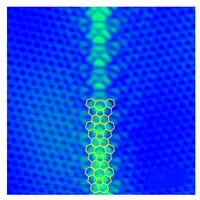
Phys. Rev. Lett. 136, 156401 (2026)
Condensed Matter and Materials
Tensor Network Method for Real-Space Topology in Quasicrystal Chern Mosaics
Article | Condensed Matter and Materials | 2026-04-13 06:00 EDT
Tiago V. C. Antão, Yitao Sun, Adolfo O. Fumega, and Jose L. Lado
A quantum-many-body-inspired tensor-network algorithm can compute local topological invariants for systems with hundreds of millions of sites by avoiding an explicit storage of Hamiltonian matrices.
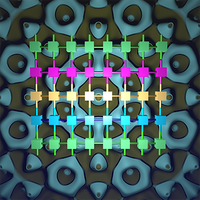
Phys. Rev. Lett. 136, 156601 (2026)
Condensed Matter and Materials
Minkowski-Space Modeling of Hyperbolic Lenses
Article | Condensed Matter and Materials | 2026-04-13 06:00 EDT
Enrico Maria Renzi, Simon Yves, Sveinung Erland, Diana Strickland, Eitan Bachmat, and Andrea Alù
The extreme anisotropy of hyperbolic materials enables extreme wave confinement, but it is also associated with an inherent misalignment between phase and energy flow, which complicates device modeling and design. Here, we introduce a Minkowski-space approach to describe hyperbolic wave propagation,…
Phys. Rev. Lett. 136, 156901 (2026)
Condensed Matter and Materials
Accurate Size Measurement of Individual Polydispersed Hard Spheres from Blurry Video
Article | Polymers, Chemical Physics, Soft Matter, and Biological Physics | 2026-04-13 06:00 EDT
Kaiyao Qiao and Yilong Han
Polydisperse colloidal spheres serve as valuable model systems for studying single-particle dynamics in liquids, glasses, and crystals. Particle size critically influences local structure and free volume, which governs dynamics. However, accurately determining individual particle diameters from imag…
Phys. Rev. Lett. 136, 158201 (2026)
Polymers, Chemical Physics, Soft Matter, and Biological Physics
Universal Persistent Brownian Motions in Confluent Tissues
Article | Polymers, Chemical Physics, Soft Matter, and Biological Physics | 2026-04-13 06:00 EDT
Alessandro Rizzi and Sangwoo Kim
Biological tissues are active materials whose nonequilibrium dynamics emerge from distinct cellular force-generating mechanisms. Using a two-dimensional active foam model, we compare the effects of traction forces and junctional tension fluctuations on confluent tissue dynamics. While these two mode…
Phys. Rev. Lett. 136, 158401 (2026)
Polymers, Chemical Physics, Soft Matter, and Biological Physics
arXiv
Floquet Engineering of a Quasiequilibrium Superradiant Phase Transition in Landau Polaritons
New Submission | Mesoscale and Nanoscale Physics (cond-mat.mes-hall) | 2026-04-13 20:00 EDT
Wen-Hua Wu, Fuyang Tay, Mengqian Che, Andrey Baydin, Junichiro Kono, David Hagenmüller
Superradiant phase transitions (SRPTs), characterized by photon condensation and macroscopic matter polarization, are forbidden in equilibrium for homogeneous fields by no-go theorems. Here, we show that Floquet driving can circumvent this constraint in a Landau polariton system consisting of a two-dimensional electron gas coupled to a terahertz cavity in a DC magnetic field. An off-resonant AC magnetic field modulates the cyclotron frequency and light–matter coupling strength while leaving the diamagnetic term unchanged, generating an additional DC coupling contribution. This drives the system across a critical threshold into a superradiant phase, characterized by photon condensation and Landau-level polarization in the ground state of the Floquet Hamiltonian. This quasiequilibrium approach offers a route to SRPTs distinct from driven-dissipative schemes.
Mesoscale and Nanoscale Physics (cond-mat.mes-hall), Quantum Physics (quant-ph)
7 pages, 2 figures
Decoding coherent errors in toric codes on honeycomb and square lattices: duality to Majorana monitored dynamics and symmetry classes
New Submission | Statistical Mechanics (cond-mat.stat-mech) | 2026-04-13 20:00 EDT
Zhou Yang, Andreas W. W. Ludwig, Chao-Ming Jian
Topological stabilizer codes, such as the toric and surface codes, are leading candidates for fault-tolerant quantum computation. While their decodability under stochastic noise has been extensively studied, the effects of coherent errors, which involve quantum interference, remain less explored. In this work, we study the decodability of toric codes on honeycomb and square lattices subject to $ X$ - and $ Z$ -type coherent errors generated by the $ X$ - and $ Z$ -rotations on each qubit. We establish a duality between these decoding problems and 1+1D monitored dynamics of non-interacting Majorana fermions. This duality shows that the Altland-Zirnbauer symmetry class of the dual Majorana dynamics governs the universal structure of the decodability phase diagram. We show that the honeycomb-lattice toric code (hTC) with $ X$ -type error is dual to class-DIII dynamics, while the hTC with $ Z$ -type error and the square-lattice toric code (sTC) with both error types are dual to class-D dynamics. The key distinction arises from time-reversal symmetry. In class DIII, the generic transition out of the decodable phase is dual to a measurement-induced transition between dynamical phases with area-law and logarithmic entanglement scaling. In contrast, in class D, the generic decodability transition corresponds to a transition between two topologically distinct area-law phases. To explore these transitions in microscopic models, we consider hTC and sTC with $ X$ -type errors as representatives and introduce a minimal two-parameter coherent error model with spatially varying rotation angles. Using analytical and numerical methods, we map out the decodability phase diagrams and characterize the universal behavior of the transitions. We find that the decodability of sTC is more vulnerable to spatially varying coherent errors than uniform ones.
Statistical Mechanics (cond-mat.stat-mech), Disordered Systems and Neural Networks (cond-mat.dis-nn), Strongly Correlated Electrons (cond-mat.str-el), Quantum Physics (quant-ph)
22+11 pages, 13 figures
Mesoscopic transport in a Chern mosaic
New Submission | Mesoscale and Nanoscale Physics (cond-mat.mes-hall) | 2026-04-13 20:00 EDT
Sayak Bhattacharjee, Julian May-Mann, Yves H. Kwan, Trithep Devakul, Aaron Sharpe
We analyze mesoscopic electronic transport in a Chern mosaic: a regular pattern of domains whose electronic bands carry differing local Chern numbers. An example platform where a Chern mosaic can arise is a moiré heterostructure, where variations in the local moiré parameters can produce such domains. We compute resistances at linear response for a variety of domain wall network geometries at zero temperature and magnetic field. Simple domain configurations can exhibit zero, integer, or fractional multiples of the quantum of resistance in both the longitudinal and transverse (Hall) responses. Our simple semi-classical analysis provides a useful computational method and comparative catalog for ongoing experiments in two-dimensional topological materials.
Mesoscale and Nanoscale Physics (cond-mat.mes-hall), Strongly Correlated Electrons (cond-mat.str-el)
24 pages, 13 figures, 2 tables
Nucleation of Sachdev-Ye-Kitaev Clusters in One Spatial Dimension
New Submission | Strongly Correlated Electrons (cond-mat.str-el) | 2026-04-13 20:00 EDT
Hrant Topchyan, Tigran A. Sedrakyan
We study how Sachdev-Ye-Kitaev (SYK) interactions can arise from localized single-particle states on a system that is effectively one dimensional. If a local interaction is projected onto coarse localized orbitals, the resulting couplings do not immediately follow the standard SYK distribution. Instead, they have a finite probability of being exactly zero, a broad non-Gaussian distribution for the nonzero values, and strong correlations coming from the geometry of the localized states. We then show that this changes when each localization volume is resolved into $ M>1$ smaller microscopic pieces with random phases. As $ M$ increases, the distribution of the nonzero couplings moves toward the complex-Gaussian SYK form. At the same time, the large-$ M$ limit is a sparse but asymptotically canonical SYK network: the nonzero couplings create SYK clusters, while the pattern of missing or very weak couplings is still determined by the real-space overlap of the localized orbitals. Finally, we map the interaction tensor to a graph in pair space. This makes it possible to follow the formation, merger, and growth of SYK clusters, which we characterize using connected components and clique/simplex counts. The result is a minimal real-space phenomenological theory of SYK-cluster formation, providing clear experimental criteria.
Strongly Correlated Electrons (cond-mat.str-el), Disordered Systems and Neural Networks (cond-mat.dis-nn), High Energy Physics - Theory (hep-th)
Fluctuation engineering in cavity quantum materials
New Submission | Mesoscale and Nanoscale Physics (cond-mat.mes-hall) | 2026-04-13 20:00 EDT
Hope M Bretscher, Lorenzo Graziotto, Marios H Michael, Angela Montanaro, I-Te Lu, Andrey Grankin, James W McIver, Jerome Faist, Daniele Fausti, Martin Eckstein, Michael Ruggenthaler, Angel Rubio, DN Basov, Mohammad Hafezi, Martin Claassen, Dante M Kennes, Michael A Sentef
Coupling tailored electromagnetic fluctuations to materials provides a resource for controlling correlated quantum matter. By structuring the frequency, spatial, and modal distribution of fluctuations through a new generation of cavity quantum materials, vacuum and thermal spectra can shift phase boundaries and stabilize or suppress orders. This review organizes the field around a fluctuation-focused perspective, surveying a practical design toolbox and recent milestones, and outlining theory-experiment challenges in realistic, multimode, beyond-long-wavelength regimes. We highlight photonic observables and map opportunities for equilibrium and driven control across superconducting, magnetic, moire, and topological platforms.
Mesoscale and Nanoscale Physics (cond-mat.mes-hall), Strongly Correlated Electrons (cond-mat.str-el), Quantum Physics (quant-ph)
An Algorithm for Fast Assembling Large-Scale Defect-Free Atom Arrays
New Submission | Quantum Gases (cond-mat.quant-gas) | 2026-04-13 20:00 EDT
Tao Zhang, Xiaodi Li, Hui Zhai, Linghui Chen
It is widely believed that tens of thousands of physical qubits are needed to build a practically useful quantum computer. Atom arrays formed by optical tweezers are among the most promising platforms for achieving this goal, owing to the excellent scalability and mobility of atomic qubits. However, assembling a defect-free atom array with ~ 10^4 qubits remains algorithmically challenging, alongside other hardware limitations. This is due to the computationally hard path-planning problems and the time-consuming generation of suffciently smooth trajectories for optical tweezer potentials by spatial light modulators (SLM). Here, we present a unified framework comprising two innovative components to fully address these algorithmic challenges: (1) a path-planning module that employs a supervised learning approach using a graph neural network combined with a modified auction decoder, and (2) a potential-generation module called the phase and profile-aware Weighted Gerchberg-Saxton algorithm. The inference time for the first module is nearly a size-independent constant overhead of ~ 5 ms, and the second module generates a potential frame with about 0.5 ms, a timescale shorter than the current commercial SLM refresh time. Altogether, our algorithm enables the assembly of an atom array with 10^4 qubits on a timescale much shorter than the typical vacuum lifetime of the trapped atoms.
Quantum Gases (cond-mat.quant-gas), Machine Learning (cs.LG), Quantum Physics (quant-ph)
Bulk-dissociated topological bands without spin-orbit coupling in hetero-dimensional superconducting metamaterials
New Submission | Superconductivity (cond-mat.supr-con) | 2026-04-13 20:00 EDT
Joseph J. Cuozzo, Sayed A.A. Ghorashi, Dale Huber, Wei Pan, François Léonard
Topological superconductors (TSCs) in superconducting hybrid heterostructures, which integrate superconducting and non-superconducting materials, have been intensely investigated with the hope of discovering exotic non-Abelian anyons for fault-tolerant quantum computing. In this effort, a challenge for hybrid superconducting systems is controlling hybridization, which is often a balance between enhancing the superconducting proximity effect at the cost of suppressing desirable electronic properties such as strong spin-orbit interactions. Hence, discovering hybrid superconducting systems with topological properties controlled and enhanced by material geometry design without spin-orbit interactions would be intriguing to explore. In this work, we theoretically study a square superconducting network decorated with spin-polarized magnetic adatoms. We find that localized Yu-Shiba-Rusinov bound states at magnetic adatom sites collectively form a weak topological superconducting phase despite the absence of spin-orbit interactions. We then demonstrate that by tuning the Fermi energy of the network, the system can transition from a weak TSC phase to a bulk-dissociated TSC phase where the edge state bands separate from the bulk, giving rise to unexpected features such as nodal lines and co-existing bulk-dissociated edge and corner modes. Moreover, our findings highlight how hetero-dimensional superconducting metamaterials can serve as a useful template for controlling the coupling and dissociation between electronic degrees of freedom of different dimensionalities.
Superconductivity (cond-mat.supr-con), Mesoscale and Nanoscale Physics (cond-mat.mes-hall)
28 pages, 6 figures, 1 table
A metallic CrS$_2$ phase bridging the gap between two- and three-dimensional dichalcogenides
New Submission | Materials Science (cond-mat.mtrl-sci) | 2026-04-13 20:00 EDT
Hicham Moutaabbid, Dario Taverna, Denis Pelloquin, Lorenzo Paulatto, Alexandre Gloter, Sophie Guéron, Alik Kasumov, Andrea Gauzzi
We report on the high-pressure synthesis of a CrS$ _2$ phase in the form of single-crystalline nanorods. A structural refinement of Precession Electron Diffraction Tomography data confirms the nominal CrS$ _2$ composition and unveils a ladder-type structure formed by portions of 1T-type CrS$ _2$ layers characteristic of two-dimensional (2D) dichalcogenides connected by chains of edge-sharing CrS$ _6$ octahedra characteristic of 3D dichalcogenides with marcasite structure. Ab initio density functional theory calculations of the relaxed structure confirm the stability of this structure and indicate a strong overlap of the 3d states of Cr with the 3p states of S, thus suggesting strong covalent Cr-S bonds and metallic behavior. Electrical resistivity, $ \varrho$ , measurements on single nanorods confirm this behavior and yield $ \varrho \sim 2-20$ m$ \Omega$ cm at 4 K. The proposed ladder-like structure of CrS$ _2$ forms open channels along the chain direction, which may be suitable for ionic conduction.
Materials Science (cond-mat.mtrl-sci)
25 pages, 5 figures
Topological invariant of periodic many body wavefunction from charge pumping simulation
New Submission | Strongly Correlated Electrons (cond-mat.str-el) | 2026-04-13 20:00 EDT
Haoxiang Chen, Yubing Qian, Weiluo Ren, Xiang Li, Ji Chen
Many-body topological quantum states host exotic quantum phenomena and lie at the forefront of developing next-generation quantum technologies. Recently emerged neural network wavefunction methods have established themselves as a powerful computational framework for accessing these states, enabling the variational machine learning calculation of the system’s ground state wavefunction. However, reliable computation of topological invariants remains an open challenge when the whole deterministic energy spectrum is not available. In this work, we introduce a robust approach to determining topological invariant based on simulating the charge pumping process, by monitoring the response of polarization upon flux insertion. By applying this method, we accurately extract the Chern numbers for Abelian fractional Chern insulators. Our approach also enables the first neural-network-wavefunction-based identification of anomalous composite Fermi liquid states. Our work resolves a key bottleneck in applying neural network wavefunctions to correlated topological matter, and the method proposed is also generally applicable to other many-body approaches, thereby opening up new avenues for future research in this field.
Strongly Correlated Electrons (cond-mat.str-el), Disordered Systems and Neural Networks (cond-mat.dis-nn), Computational Physics (physics.comp-ph)
6+13 pages, 3+4 figures, 0+2 tables
Immiscible to miscible quenching instabilities in two-dimensional binary Bose-Einstein condensates
New Submission | Quantum Gases (cond-mat.quant-gas) | 2026-04-13 20:00 EDT
Lauro Tomio, S. Sabari, Arnaldo Gammal, R. K. Kumar
Immiscible to miscible quenching transitions (IMQT) in homogeneous Bose-Einstein condensate are investigated, considering rubidium isotopes $ ^{85}$ Rb and $ ^{87}$ Rb confined in a two-dimensional (2D) circular box, under two different initial configurations. These IMQT instabilities, triggered by sudden reductions in the two-body interspecies scattering length $ a_{12}$ , are explored under two distinct initialconditions, highlighting the critical role of nonlinear dynamics in their evolution. The numerical simulations indicate that the instability dynamics are primarily driven by the production of large vortices and the propagation of sound waves (phonons), with sound wave excitations prevailing in the long-term evolution. The compressible and incompressible parts of the kinetic energy spectra, in terms of the wave number $ k$ , are confronted with the classical Kolmogorov scaling, $ k^{-5/3}$ for turbulence, which is observed in the onset of instabilities. Before reaching the ultraviolet dissipation region at small scales, the IMQT spectra exhibit a bottleneck effect, indicating a clear departure from classical scaling behavior. In the time asymptotic miscible regime, it is observed that the vorticity and sound-wave production remain practically stable. In this regime, for both cases investigated, a linear relation is also recognized between the miscibility parameter and the initial IMQT configuration.
Quantum Gases (cond-mat.quant-gas), Atomic Physics (physics.atom-ph)
14 pages, 8 figures. Contribution to the 9th Asia-Pacific conference on Few-body problems inPhysics
Annealing-induced grain coarsening and voltage kinks in superconducting NbRe films
New Submission | Superconductivity (cond-mat.supr-con) | 2026-04-13 20:00 EDT
Zahra Makhdoumi Kakhaki, Anton O. Pokusinskyi, Francesco Avitabile, Abhishek Kumar, Francesco Colangelo, Carla Cirillo, Carmine Attanasio, Oleksandr V. Dobrovolskiy
NbRe, a non-centrosymmetric superconductor with a transition temperature $ T_\mathrm{c}$ up to 9,K, attracts interest for its strong antisymmetric spin-orbit coupling and suitability for single-photon detection. While bulk and thin-film polycrystalline NbRe are well studied, how superconductivity and vortex dynamics evolve with increasing grain size in thin films is largely unknown. Here, we investigate as-grown and annealed 20,nm-thick NbRe films, where annealing increases the average crystallite size from approximately $ 2$ ,nm to $ 8$ ,nm, and study vortex dynamics via current-voltage ($ I$ -$ V$ ) measurements over a broad temperature and magnetic field range. In contrast to as-grown films, where the low-resistive state breaks down due to flux-flow instability, annealed films exhibit multiple voltage kinks in the $ I$ -$ V$ curves. We attribute these kinks to the nucleation and growth of normal domains, as further suggested by time-dependent Ginzburg-Landau simulations. Overall, the annealed films form superconducting networks with vortex-channeling paths along the grain boundaries, while localized heating and voltage kinks could be harnessed for discrete-resistance switching and sensing.
Superconductivity (cond-mat.supr-con)
Optical spin defect pairs in cubic boron nitride
New Submission | Mesoscale and Nanoscale Physics (cond-mat.mes-hall) | 2026-04-13 20:00 EDT
Josiah E. Hsi, Islay O. Robertson, Abhijit Biswas, Jishnu Murukeshan, Valery Khabashesku, Alexander J. Healey, Erin S. Grant, David A. Broadway, Mehran Kianina, Igor Aharonovich, Pulickel M. Ajayan, Jean-Philippe Tetienne
Room-temperature optically active solid-state spin defects are widely known to be useful in quantum sensing applications, however, only a select range of materials have been found to host such systems. Recent measurements in the van der Waals material hexagonal boron nitride (hBN) have shown optically detected magnetic resonance (ODMR) with spin-1/2-like signatures can be explained by a charge transfer mechanism where charges move between adjacent defects forming weakly coupled spin pairs. Interestingly, these ODMR signatures have been reported in a variety of materials aside from hBN, suggesting the spin pair model provides a potentially material agnostic approach for enabling ODMR. Here, we test whether the charge transfer mechanism is supported in a different crystal phase, and report on ODMR signatures in cubic boron nitride (cBN), showing all the characteristic properties identified in hBN are preserved. We consider a selection of different cBN samples of varying size and observe ODMR from a single sub-micron cBN particle, paving the way towards sensing applications. This work further expands understanding of the ubiquity of optical spin defect pairs, and establishes the potential for exploring quantum technologies with a wider range of materials.
Mesoscale and Nanoscale Physics (cond-mat.mes-hall)
10 pages, 7 figures
Pressure-stabilized dual-BCC polymorphism in a rhenium-based high-entropy alloy
New Submission | Materials Science (cond-mat.mtrl-sci) | 2026-04-13 20:00 EDT
Raimundas Sereika, Andrew D. Pope, Hunter Kantelis, Caleb M. Knight, Kallol Chakrabarty, Yogesh K. Vohra
Accessing metastable structural states in high-entropy alloys offers a promising route to tailor material properties, yet the use of high pressure to engineer such states remains underexplored. Here, we report the pressure-driven synthesis of a unique metastable dual-BCC microstructure in a near-equimolar ReNbTiZrHf alloy. Starting from an ambient two-phase mixture of hexagonal (C14-derived) and body-centered cubic (BCC) phases, compression induces a selective, diffusionless transformation of the hexagonal constituent into a second, crystallographically distinct BCC polymorph, while the original BCC phase remains stable. Upon decompression, the pressure-induced BCC phase is kinetically trapped, yielding a dual-BCC state that is inaccessible via conventional thermal processing. The pressure-stabilized BCC polymorph is Re-enriched and inherits the exceptional stiffness of its hexagonal parent (bulk modulus 290 GPa), creating a composite microstructure with pronounced elastic and mechanical contrast relative to the softer original BCC matrix (180 GPa). These findings demonstrate that pressure can effectively navigate the flat free-energy landscapes of chemically complex alloys, establishing a robust pathway for polymorph engineering and metastable phase design in refractory HEAs.
Materials Science (cond-mat.mtrl-sci)
21 pages, 5 figures
Including sample shape in micromagnetics with 3D periodic boundary conditions
New Submission | Materials Science (cond-mat.mtrl-sci) | 2026-04-13 20:00 EDT
Frederik Laust Durhuus, Andrea Roberto Insinga, Rasmus Bjørk
Periodic boundary conditions (PBCs) for computing magnetic fields in repeating magnetic structures, e.g. in micromagnetic simulations, are typically imposed using the quasi periodic macrogeometry approach, where many copies of the simulated domain are introduced. This can be computationally problematic, especially if the simulated domain is incommensurate with the desired sample shape. In this work, we present a formal proof that for sufficiently large magnetic samples, only the average magnetisation gives non-negligible shape effects. Using this insight, we develop a simple, computationally efficient modification of existing implementations which incorporates shape effects in PBC methods.
Materials Science (cond-mat.mtrl-sci), Computational Physics (physics.comp-ph)
10 pages, 5 figures
Path-Integral Formulation of Unavoidable Canonical Nonlinearity: Dynamic Discretization Cost over Variable Supports
New Submission | Statistical Mechanics (cond-mat.stat-mech) | 2026-04-13 20:00 EDT
In the statistical thermodynamics of classical discrete systems, the map from microscopic interactions to thermodynamic equilibrium configurations generally exhibits complex nonlinearity, known as “canonical nonlinearity” (CN). While conventionally characterized by the Kullback-Leibler (KL) divergence, this approach inevitably misses intrinsic nonlinearities arising from the discretization of continuous Gaussian families themselves. This intrinsic effect of unavoidable CN (UCN), has recently been quantified within a transport-information-geometric framework. However, the UCN is fundamentally limited to evaluating the discretization-induced cost for a single continuous distribution. It therefore does not capture the information-geometric cost between a continuous Gaussian reference and an actual discrete distribution, nor between states with fundamentally different supports, making it conceptually unclear how to decompose the overall CN. To address this limitation, we propose the Path-Integral UCN (PUCN) quantifying the cumulative information-geometric cost between distinct distributions. The PUCN adopts a path by (i) retaining the canonical distribution as an exponential family via the $ e$ -mixture (geometric mean) of the base measure, leading to an arithmetic mixture of the Fisher metric as the CN standard, and (ii) enforcing covariant changes in the discretization cell through the harmonic mixture of its second-moment matrix $ M$ , reflecting the uncertainty in parameter variations on the statistical manifold. The resulting PUCN provides a flexible measure of the geometric cost between arbitrary states, including those with essentially different supports. This formulation enables an explicit quantification of CN between different CDOS systems and a natural decomposition of the total CN into the UCN and a residual contribution, which has not been clearly separated in existing approaches.
Statistical Mechanics (cond-mat.stat-mech)
3 pages
Antitopological magnetic textures in an antiferromagnetically coupled bilayer with frustration
New Submission | Mesoscale and Nanoscale Physics (cond-mat.mes-hall) | 2026-04-13 20:00 EDT
Lewei Zhou, Jun Chen, Zhong Shen, Shuai Dong, Xiaoyan Yao
The bilayer skyrmion composed of upper and lower tightly coupled skyrmions on two layers with completely compensated topological charges (called as anti-topology here), has become one feasible improvement of conventional skyrmion to realize straight motion without skyrmion Hall effect, which has aroused great interest in practical applications. The present work investigates a general model (without external magnetic field) for the frustration-induced anti-topological bilayer magnetic textures with rich morphologies, and discusses the modulations of key parameters on the energy barrier and the current-driven dynamics. It is revealed that the interlayer coupling plays a key role in preventing distortion, and thus helps to reach a faster velocity. This model can be realized in various frustrated magnetic materials with antiferromagnetically coupled bilayer, providing a helpful guidance for the material design and application of topological magnetic textures.
Mesoscale and Nanoscale Physics (cond-mat.mes-hall), Materials Science (cond-mat.mtrl-sci), Strongly Correlated Electrons (cond-mat.str-el)
Physical Review B 113, L140403 (2026)
Self-similar Dynamics in Percolation and Sandpile
New Submission | Statistical Mechanics (cond-mat.stat-mech) | 2026-04-13 20:00 EDT
Mingzhong Lu, Ming Li, Youjin Deng
Spatial self-similarity is a hallmark of critical phenomena. We study the dynamic process of percolation, in which bonds are incrementally added to an initially empty lattice until the system becomes fully occupied. By tracking the gap – the size increment of clusters upon bond addition – and the corresponding merged cluster, we identify scale-invariant temporal patterns in both quantities throughout a large portion of the process. This reveals a form of temporal self-similarity that has not been reported before. We further establish quantitative relations between the dynamic scaling exponents and the conventional static critical exponents, which enable the determination of critical behavior without prior knowledge of the critical point. The same self-similar dynamics is observed in both bond and site percolation on lattices and networks, and extends to other systems such as explosive and rigidity percolation. Moreover, similar temporal scaling is found in the initial nonequilibrium evolution of the Bak-Tang-Wiesenfeld sandpile model, suggesting a dynamic critical behavior distinct from its equilibrium state. These results provide a unified framework for understanding critical dynamics and may find applications in a broad range of complex systems.
Statistical Mechanics (cond-mat.stat-mech)
11 pages, 5 figures
Front. Phys., 2026, 21(10): 101201
A transferable framework for structure-energy mapping of nanovoid-solute complexes: Tungsten alloys as a model system
New Submission | Materials Science (cond-mat.mtrl-sci) | 2026-04-13 20:00 EDT
Kang-Ni He, Xiang-Shan Kong, Jie Hou, Chang-Song Liu, Zhuo-Ming Xie
Understanding the structures and energetics of nanovoid-solute complexes is essential for elucidating the coupled evolution of defects in metals. Yet their vast and complex configurational space poses a major challenge to conventional approaches. Using W-Re as a representative system, we demonstrate that solute segregation at nanovoid surfaces can be decomposed into direct nanovoid-solute interactions and nanovoid-mediated solute-solute interactions. Both are governed by local coordination motifs, with identical motifs giving nearly identical energetics. Based on first-principles data, we trained machine-learning models to map diverse local motifs to their energetics, enabling the energetics of any nanovoid-solute complex to be reconstructed from a finite set of constituent local motifs. We further developed a size-dependent configurational-search framework to efficiently identify thermodynamically stable structures, using exhaustive enumeration, simulated annealing, and greedy addition for small, medium-sized, and large complexes, respectively. This framework enabled the construction of a large database, revealed the staircase-like segregation behavior of Re, and derived a simple criterion based on Re surface coverage for rapid energy prediction across a wide size range. It also links Re segregation to vacancy-mediated nanovoid evolution and provides benchmarks for existing models and empirical potentials. Extensions to Os and Ta support the generality of the local-motif concept, and the predicted segregation behavior of solutes at nanovoids agrees with a range of experimental observations. This work establishes a physically transparent, accurate, and transferable framework for studying nanovoid-solute co-evolution in metals and provides reliable energetic inputs for multiscale simulations.
Materials Science (cond-mat.mtrl-sci)
Activation of Inner-Shell 4p-Orbital Electrons of Rubidium Driven by Asymmetric Coordination at High Pressure
New Submission | Materials Science (cond-mat.mtrl-sci) | 2026-04-13 20:00 EDT
Shuran Ma, Xue Cong, Yanchang Wang, Yuanzheng Chen, Zhen Liu
While the high oxidation states in heavy alkali fluorides (Cs, Ba, Ra) have been attributed to a pressure-driven upshift of energy level of inner p states, this route is largely ineffective for Rb because its smaller ionic radius suppresses the required level rise even under strong compression. Here, we predict a high-pressure layered ternary phase, RbBF5, in which 12-fold truncated-cube-like F coordination around Rb breaks local symmetry and activates the Rb 4p inner shell. The resulting orbital splitting selectively elevates the in-plane Rb 4px,y levels toward the F 2p manifold, enabling inner-shell participation and stabilizing Rb-F bonding under compression. More broadly, this symmetry-lowering coordination motif may provide a general mechanism for activating inner-shell p states in other alkali metals (e.g., K and Cs inner p states). These findings extend inner-shell chemistry to lighter main-group elements and establish a design principle for accessing unconventional bonding and oxidation states at high pressure.
Materials Science (cond-mat.mtrl-sci)
Higher-order topological insulators in two-dimensional antiferromagnetic and altermagnetic chromium-based group-IV chalcogenides
New Submission | Materials Science (cond-mat.mtrl-sci) | 2026-04-13 20:00 EDT
Ruo-Yu Ning, Yong-Kun Wang, Shifeng Qian, Si Li, Wen-Li Yang
Based on first-principles calculations combined with theoretical analysis, we identify a family of monolayer chromium-based group-IV chalcogenides as a new class of two-dimensional (2D) magnetic higher-order topological insulators (HOTIs). Specifically, the CrC$ X_3$ ($ X=$ S, Se, Te) and CrSiS$ _3$ monolayers are found to host conventional antiferromagnetic ground states with $ \mathcal{PT}$ symmetry, whereas the Janus compounds Cr$ _2$ C$ _2$ S$ _3$ Se$ _3$ and Cr$ _2$ Si$ _2$ S$ _3$ Se$ _3$ exhibit altermagnetic ground states. We demonstrate that all these monolayer magnetic materials realize 2D HOTI phases, in which the nontrivial topology is protected by lattice $ C_3$ rotational symmetry and manifests as zero-dimensional corner states carrying quantized fractional charges. Moreover, upon inclusion of spin-orbit coupling, these systems remain in the HOTI phase and continue to host robust corner-localized states, confirming the stability of their higher-order topological nature. Our results reveal an intrinsic connection between higher-order topology and magnetic order in 2D antiferromagnetic and altermagnetic systems, identifying chromium-based group-IV chalcogenide monolayers as promising platforms for exploring higher-order topological phases and their potential relevance for future topological and spintronic applications.
Materials Science (cond-mat.mtrl-sci)
8 pages, 5 figures
Phys. Rev. B 113, 165114 (2026)
Evolution of crystal field and intraionic interactions in the ilmenite $A$IrO$_3$ ($A$ = Mg, Zn, Cd) and hyperhoneycomb $β$-ZnIrO$_3$
New Submission | Strongly Correlated Electrons (cond-mat.str-el) | 2026-04-13 20:00 EDT
Yuya Haraguchi, Hiroko Aruga Katori, Kenji Ishii, Hakuto Suzuki
Spin-orbit Mott insulators with the $ t_{2g}^5$ electron configuration are promising platforms for the Kitaev spin liquid, yet fine-tuning of their crystal structures is essential to suppress non-Kitaev interactions. Here, we investigate the local electronic structures of the ilmenite iridates $ A\mathrm{IrO}_3$ ($ A = \mathrm{Mg}, \mathrm{Zn}, \mathrm{Cd}$ ) and the hyperhoneycomb $ \beta\text{-}\mathrm{ZnIrO}_3$ using Ir $ L_3$ -edge resonant inelastic x-ray scattering (RIXS). Multiplet analysis of the RIXS spectra reveals a systematic evolution of the crystal field and intraionic interaction parameters upon chemical substitution at the $ A$ -site. We observe an enhancement of the trigonal distortion with increasing $ A$ -site ionic radius. This provides a microscopic explanation for the deviation from the ideal $ J=1/2$ state and the antiferromagnetic interactions identified in $ \mathrm{CdIrO}_3$ . Furthermore, the local multiplet parameters of ilmenite $ \mathrm{ZnIrO}_3$ and hyperhoneycomb $ \beta\text{-}\mathrm{ZnIrO}_3$ are found to be nearly identical, demonstrating that their different magnetic ground states are primarily governed by their distinct lattice structures rather than the single-ion properties. These findings establish a solid foundation for understanding how local crystal-field distortions control the magnetic Hamiltonian in Kitaev candidate materials.
Strongly Correlated Electrons (cond-mat.str-el)
Superconductivity and competing orders in honeycomb $t$-$J$ model: interplay of lattice geometry and next-nearest-neighbor hopping
New Submission | Strongly Correlated Electrons (cond-mat.str-el) | 2026-04-13 20:00 EDT
Zhi Xu, Hong-Chen Jiang, Yi-Fan Jiang
We investigate the extended $ t$ -$ J$ model on honeycomb lattices with next-nearest-neighbor (NNN) electron hopping $ t’$ and superexchange coupling $ J’=(t’/t)^2 J$ using large-scale density-matrix renormalization group (DMRG) simulations and slave-boson mean-field theory (SBMFT). By systematically varying $ t’$ and cylinder geometries, our DMRG results reveal several competing phases with distinct charge and superconducting (SC) properties. On YC4-0 cylinders possessing bonds lying along $ \vec{e}y$ direction, the ground state of doped models exhibits pronounced quasi-long-range $ d$ -wave SC with coexisting armchair-oriented stripes (a-stripe) across a broad range of $ t’$ . Notably, the SC Luttinger exponent has a non-monotonic dependence on $ t’$ , showing an optimal $ t’{op}\sim0.4$ for dominant SC. Conversely, XC cylinders host a competing long-range zigzag stripes phase without SC for $ t’>0.5$ , highlighting the role of boundary geometry in stabilizing distinct competing phases in DMRG. To elucidate the stability of all these competing phases in 2D limit, we employ SBMFT and identify the a-stripe as the stable configuration across most of phase diagram, with a transition to uniform nematic $ d$ -wave SC at large $ t’$ for $ \delta=1/8$ . The combined results from two complementary approaches suggest a robust $ t’$ -induced SC phase that might remain stable in doped extended $ t$ -$ J$ model on the honeycomb lattice.
Strongly Correlated Electrons (cond-mat.str-el), Superconductivity (cond-mat.supr-con)
4.5 pages, 5 figures + supplemental material
Post-Jamming Mechanics of Feedback-Regulated Budding-Cell Packings
New Submission | Soft Condensed Matter (cond-mat.soft) | 2026-04-13 20:00 EDT
Budding-cell packings jam before all buds are mechanically constrained. The post-jamming state is therefore set by both the pressure $ P$ and the fraction $ u$ of buds that remain unconstrained. We develop a mean-field theory for this regime. A modified Maxwell count gives the post-jamming coordination, a depletion law for the unconstrained buds predicts the crossover density $ \phi_2$ at which that reservoir is exhausted, and a flux-partition argument explains why strong growth feedback can markedly increase rigidity while generating little internal pressure.
Soft Condensed Matter (cond-mat.soft), Biological Physics (physics.bio-ph)
14 pages, 5 figures
Grain Growth Kinetics in (Cr,Mo,Ta,V,W)C1-δ High-Entropy Carbide Ceramics
New Submission | Materials Science (cond-mat.mtrl-sci) | 2026-04-13 20:00 EDT
Ali Sarikhani, Gregory E. Hilmas, David W. Lipke, Douglas E. Wolfe, Stefano Curtarolo, Shen J. Dillon, Ahmad Mirzaei, William G. Fahrenholtz
Understanding grain-boundary mobility during spark plasma sintering can enable microstructure control in high-entropy carbides, yet quantitative grain-growth kinetics remain scarce. In this work, grain growth kinetics and densification behavior were investigated for single-phase fully dense (Cr,Mo,Ta,V,W)C1-{\delta} high-entropy carbide ceramics. Specimens were densified by spark plasma sintering for a constant dwell time of 10 min at temperatures between 1750 °C and 1950 °C to isolate the role of temperature on microstructural evolution. Increasing sintering temperature produced grain growth and increased lattice parameter, while maintaining a single-phase rock salt structure. Elemental mapping showed a progressive reduction of Ta segregation with increasing sintering temperature, suggesting enhanced chemical homogenization at elevated temperatures. Grain growth kinetics were analyzed using a normal grain growth model with an assumed growth exponent of n=3, physically reasonable for grain-boundary-controlled growth influenced by solute and vacancy pinning. Arrhenius analysis of the growth factor yielded an apparent activation energy of approximately 620 kJ mol-1, comparable to diffusion-controlled processes in refractory transition-metal carbides. Densification curves revealed rapid consolidation prior to reaching the peak temperature followed by temperature-dominated grain coarsening. These results establish quantitative relationships between densification temperature, grain growth, and diffusion kinetics in a carbide system, providing insight into the microstructural stability of high-entropy, ultra-high-temperature carbide ceramics.
Materials Science (cond-mat.mtrl-sci)
Selective Random Structure Search (SRSS): Unbiased Exploration of Polymorphs in Crystals
New Submission | Materials Science (cond-mat.mtrl-sci) | 2026-04-13 20:00 EDT
Jiexi Song, Diwei Shi, Aixian She, Chongde Cao, Fengyuan Xuan
Crystal structure prediction has traditionally relied on prototype-based seeding, approaches that often bias sampling toward known low-energy basins and overlook metastable polymorphs with unconventional symmetries. Here, we introduce Selective Random Structure Search (SRSS), a high-throughput, unbiased framework designed to explore the configurational space of crystalline materials across all dimensions. SRSS combines symmetry-constrained random generation with feature-based diversity selection and rapid relaxation and stability evaluation via universal machine-learning interatomic potentials (uMLIPs). Applied to diverse systems, including bulk system SiC and BaPtAs, 2D layered compounds NbSe2, and 1D nanotubes GaN, SRSS successfully recovers known ground states while revealing numerous previously unreported, dynamically stable polymorphs. Notable discoveries include complex cage-like SiC polytypes, low-energy BaPtAs polymorphs beyond experimental records, a semiconducting orthorhombic phase of 2D-NbSe2, and distinct armchair/zigzag GaN nanotubes. Crucially, the entire workflow operates efficiently on standard CPU resources without GPU acceleration, demonstrating that rigorous, hypothesis-free polymorph discovery is accessible even in resource-limited settings. SRSS thus establishes a robust, scalable platform for mapping the full landscape of crystal stability, bridging the gap between exhaustive search and computational feasibility.
Materials Science (cond-mat.mtrl-sci)
Reciprocity of Charge-Orbital-Spin Transport in Normal-Metal/Ferromagnet Heterostructures
New Submission | Mesoscale and Nanoscale Physics (cond-mat.mes-hall) | 2026-04-13 20:00 EDT
Abhishek Erram, Akanksha Chouhan, Ashwin A. Tulapurkar
Orbital angular momentum has recently emerged as an important carrier of angular momentum in solids, offering new pathways for spin orbitronic functionality beyond conventional spin transport. Here, we investigate the orbital Hall effect which generates orbital torques and their reciprocal process viz orbital pumping and the inverse orbital Hall effect (iOHE) in non-magnet/ferromagnet heterostructures. Using two port scattering parameter measurements on Ru/Ni, Ru/Pt/CoFeB and Co/Cu/SiO2 devices, we directly probe both orbital torque driven magnetization dynamics and orbital pumping within the same device platform. We observe that the transmission coefficients satisfy the symmetry relations required by Onsager reciprocity, demonstrating reciprocal conversion between charge, orbital and spin angular momenta. Our results establish orbital pumping as the reciprocal counterpart of orbital torque. Our experimental findings provide a unified framework for orbital transport phenomena.
Mesoscale and Nanoscale Physics (cond-mat.mes-hall)
Giant resonant nonlinear THz valley Hall effect in 2D Dirac semiconductors
New Submission | Mesoscale and Nanoscale Physics (cond-mat.mes-hall) | 2026-04-13 20:00 EDT
V. N. Ivanova, V. M. Kovalev, I. G. Savenko
We predict a giant cyclotron resonance in the nonlinear valley Hall response of inversion-asymmetric two-dimensional semiconductors subjected to crossed terahertz electric and static magnetic fields. By employing a two-band Hamiltonian that incorporates both linear and quadratic in momentum terms, thereby capturing the essential orbital texture and broken inversion symmetry, we develop a kinetic theory that accounts for antisymmetric skew scattering from impurities. Solving the Boltzmann transport equation we uncover resonant photocurrents that exhibit a sharp, polarity-switching cyclotron peak and a nontrivial polarization response dictated by the underlying D3h crystal symmetry. Our results establish a universal mechanism for frequency-selective, phase-sensitive valley current control, directly accessible in monolayer transition metal dichalcogenides. This work provides a pathway for harnessing resonant nonlinear transport in valleytronic and terahertz optoelectronic devices.
Mesoscale and Nanoscale Physics (cond-mat.mes-hall)
Textiles: from twisted yarn to topology and mechanics
New Submission | Soft Condensed Matter (cond-mat.soft) | 2026-04-13 20:00 EDT
Elizabeth J. Dresselhaus, Sonia Mahmoudi, Lauren Niu, Samuel Poincloux, Vanessa Sanchez, Michael S. Dimitriyev
While textiles have existed throughout much of human history as complex mechanical metamaterials, textile science has largely been overlooked by the physics community until recently. In this review, we consider the symmetry, topology, and mechanics of woven and knitted materials, showing that they represent a unique, if under-explored, regime of condensed matter. We start with the basic construction and mechanics of spun yarn, reviewing recent developments twisted bundle structures. We then introduce woven and knitted fabrics as materials with layer symmetries that can be topologically characterized as knots and links in the thickened torus. We finally discuss fabric mechanics and geometry in terms of yarn-level geometry, dissipation mechanisms, and defect structures.
Soft Condensed Matter (cond-mat.soft), Materials Science (cond-mat.mtrl-sci)
24 pages, 5 figures
Metadynamics for Vacancy Dynamics in Crystals
New Submission | Materials Science (cond-mat.mtrl-sci) | 2026-04-13 20:00 EDT
Kazuaki Toyoura, Shunya Yamada
We propose a metadynamics-based (MetaD-based) approach for constructing the free energy surface (FES) of vacancy dynamics in crystals. In this approach, the vacancy FES can be constructed without explicitly defining a unique vacancy coordinate or introducing a set of parameters that strongly govern the FES topology, enabled by parallel bias MetaD with partitioned families (PB MetaDPF). In addition, the proposed approach is made more efficient and effective through a multi-hill strategy that exploits crystallographic symmetry. We demonstrate the validity of the proposed approach through applications to self-diffusion and impurity diffusion via monovacancies and divacancies in metallic and ionic crystals.
Materials Science (cond-mat.mtrl-sci)
Force Field-Agnostic Phase Classification of Zeolitic Imidazolate Framework Polymorphs
New Submission | Materials Science (cond-mat.mtrl-sci) | 2026-04-13 20:00 EDT
Emilio Méndez (1), Léna Triestram (2), Dune André (2), François-Xavier Coudert (2), Rocio Semino (1) ((1) Sorbonne Université, CNRS, Physico-chimie des Electrolytes et Nanosystèmes Interfaciaux, PHENIX, Paris, France, (2) Chimie ParisTech, PSL University, CNRS, Institut de Recherche de Chimie Paris, Paris, France)
Zeolitic Imidazolate Frameworks (ZIFs) are a family of metal–organic frameworks that feature metal centers tetrahedrally linked to imidazole-based ligands and adopt zeolite-like topologies. ZIFs formed by Zinc cations and imidazolate linkers exhibit a remarkable degree of polymorphism, which can be modulated by varying synthesis parameters or thermodynamic conditions (i.e., temperature and pressure). Computer simulations provide a unique way of studying these materials and their phase transitions from the microscopic standpoint, revealing their underlying molecular mechanisms. However, studying these mechanisms requires to be able to classify the phase of each molecular entity in an agnostic and automatic fashion, which is particularly challenging when the two phases involved are structurally very similar. In this work, we systematically study neural network classifiers to classify ZIF phases on-the-fly during molecular dynamics simulations. We test a variety of input features, differing both in the dimensionality and nature of the descriptors and in the kind of force field used for building the training/testing database. We reveal that even with low-dimensional descriptors the classification is highly accurate, while the use of high-dimensional descriptors leads to an even better performance. Training the classifier with configurations coming from different force fields we can remove force field bias and enhance the classifier performance and general applicability. Finally, we apply our classifiers to reveal mechanistic details of the ZIF-4-cp $ \xrightarrow{}$ ZIF-4-cp-II phase transition.
Materials Science (cond-mat.mtrl-sci)
38 pages, 18 figures, 3 tables
Ultrafast All-Optical Switching via a Supersolid Phase Transition of Light
New Submission | Quantum Gases (cond-mat.quant-gas) | 2026-04-13 20:00 EDT
J. L. Figueiredo, J. T. Mendonça, H. Terças
We propose ultrafast all-optical switching exploiting the bistability between a spatially uniform photon superfluid and a spontaneously ordered supersolid in a driven-dissipative microcavity. The key ingredient is a tunable nonlocal photon–photon interaction engineered by embedding a high-mobility two-dimensional electron gas (2DEG) inside the cavity. A drift current displaces the Fermi disk, imparting a negative region to the Lindhard interaction kernel at finite wavevectors and triggering a roton instability. The resulting bistable $ S$ -curve supports a write–hold–erase protocol in which short optical pulses toggle the system between branches with a switching contrast of order 120~dB. The hysteretic ON state persists under a constant sub-threshold drive after the write pulse is removed, realizing an all-optical bistable memory. Since the photon field couples additively to each embedded quantum well, stacking layers with distinct drift angles allows the roton profile to be engineered with higher-order symmetries, imprinting richer spatial order on the supersolid and enabling nonbinary generalizations of the switch. Operating in the ultrafast, sub-fJ regime, this platform outperforms most existing all-optical switches in contrast and reconfigurability.
Quantum Gases (cond-mat.quant-gas), Mesoscale and Nanoscale Physics (cond-mat.mes-hall), Optics (physics.optics)
Effects of Compression on the Local Iodine Environment in Dipotassium Zinc Tetraiodate(V) Dihydrate K2Zn(IO3)4.2H2O
New Submission | Materials Science (cond-mat.mtrl-sci) | 2026-04-13 20:00 EDT
Daniel Errandonea, Robin Turnbull, Hussien H. H. Osman, Zoulikha Hebboul, Pablo Botella, Neha Bura, Peijie Zhang, Jose Luis Rodrigo Ramon, Josu Sanchez-Martin, Catalin Popescu, Francisco J. Manjon
Combining X-ray diffraction with density-functional theory and electron topology calculations we found that pressure substantially modifies the bonding in K2Zn(IO3)4.2H2O. We discovered that under compression there is a progressive change from primary covalent I-O bonds and secondary halogen I-O interactions towards O-I-O electron-deficient multicenter bonds. Because of this, iodine hypercoordination converts IO3 trigonal pyramids towards IO6 units. The formation of these IO6 units breaks the typical isolation of iodate molecules forming an infinite two-dimensional iodate network. Hypercoordination influences the hydrogen atoms too, such that multicenter O-H-O bonds are also promoted with increasing pressure. We have determined that K2Zn(IO3)4.2H2O is one of the most compressible iodates studied to date, with a bulk modulus of 22(3) GPa. The pressure-induced structural changes strongly modify the electronic structure as shown by optical-absorption measurements and band-structure calculations. The band-gap energy closes from 4.2(1) eV at ambient pressure to 3.4(1) eV at 20 GPa.
Materials Science (cond-mat.mtrl-sci)
35 pages, 13 figures
Inorg. Chem. 2025, 64, 15, 7784-7796
Nonmonotonic Evolution of the Superconducting Transition Temperature and Robust Multigap Extended s-wave + s-wave Pairing in Zn-Substituted FeSe Single Crystals
New Submission | Superconductivity (cond-mat.supr-con) | 2026-04-13 20:00 EDT
Han-Shu Xu, Changhao Ding, Guanyin Gao, Xin Zhang, Xinyu Yin, Xucai Kan, Jiaping Hu, Wen Xie, Wensen Wei, Yuxiao Hou, Keyu An, Haoxiang Li, Kaibin Tang, Yu-Yan Han
We report a systematic study of superconductivity on Fe1-xZnxSe single crystals synthesized over a broad Zn doping range (x = 0-0.023). High-quality single crystals across all compositions range exhibit superconducting transitions, while the transition temperature Tc shows a pronounced nonmonotonic dependence on Zn doping concentration, indicating that the underlying mechanism govering Tc its evolution cannot be explained solely by simple impurity pair breaking alone. Magnetization and transport measurements confirm the bulk behavior of superconductivity and reveal enhanced scattering effects with Zn doping. Low-temperature specific heat is consistently described by a two-gap scenario composed of an isotropic s-wave gap and an anisotropic extended s-wave gap, whereas single-gap and alternative pairing symmetries fail to describe the data. The nearly unchanged relative weights of the two gap components suggest the weak interband scattering induced by Zn substitution, thereby preserving multiband superconductivity. These results demonstrate the robustness of multigap superconductivity in FeSe and impose stringent constraints on candidate pairing mechanisms, highlighting the role of multiband electronic structure and anisotropic gap formation.
Superconductivity (cond-mat.supr-con)
16 pages,6 figures
Topology-constrained spin-wave modes of asymmetric antibimerons and their clusters
New Submission | Mesoscale and Nanoscale Physics (cond-mat.mes-hall) | 2026-04-13 20:00 EDT
Pavel A. Vorobyev, Daichi Kurebayashi, Oleg A. Tretiakov
Collective modes are a defining signature of coupled degrees of freedom, forming a bridge between understanding of interactions in condensed-matter systems and emergent functionality. Topological magnetic textures provide a natural platform to realize and control such collective modes at the nanoscale. Here we theoretically identify and characterize low-energy collective spin-wave excitations of isolated asymmetric antibimerons and their clusters in ultrathin ferromagnetic films. We demonstrate that an isolated asymmetric antibimeron supports a discrete spectrum of localized modes, reflecting its internal degrees of freedom. When multiple asymmetric antibimerons form a cluster, inter-texture coupling leads to the splitting of these modes into $ N$ -fold multiplets, where $ N$ denotes the number of asymmetric antibimerons. To rationalize these findings, we introduce an effective coupled-oscillator model based on meron pairs that captures the essential collective dynamics of the system. This emergent classical mechanics description reveals that the motion of asymmetric antibimeron clusters can be understood in terms of well-defined normal modes governed by topology-constrained particle-like degrees of freedom. These results establish coupled asymmetric antibimerons as a tunable platform for spin-wave based nano-oscillators, whose normal-mode spectrum is controllable through cluster size, thus providing a programmable set of low-lying resonances for these nano-oscillators.
Mesoscale and Nanoscale Physics (cond-mat.mes-hall), Materials Science (cond-mat.mtrl-sci)
11 pages, 6 figures
Eigenstate entanglement entropy in Bose-Hubbard models
New Submission | Statistical Mechanics (cond-mat.stat-mech) | 2026-04-13 20:00 EDT
While the eigenstate entanglement entropy has been extensively studied for fermionic systems, much less is known about bosonic systems. Here, we study the entanglement entropy of mid-spectrum eigenstates of Bose-Hubbard models, focusing on weakly disordered models with and without particle-number conservation, and contrasting them with the translationally-invariant model. We analyze the volume-law and O(1) contributions to the entanglement entropy via the averages over mid-spectrum eigenstates and the corresponding distributions. We derive the volume-law coefficient of the entanglement entropy by generalizing the mean-field approach from [Phys. Rev. Lett. 119, 220603 (2017)] to many-body systems with a tunable local bosonic cutoff, which agrees with previous analytical and numerical results from [Phys. Rev. B 110, 235154 (2024)]. We show that the volume-law contribution to the entanglement entropy does not change upon breaking translational invariance via on-site disorder. We then numerically study the role of the subleading O(1) contribution to the entanglement entropy. We find that, in the particle-number conserving case, it exhibits a nontrivial dependence on the particle-number density and the local bosonic cutoff, while without particle-number conservation, results suggest the emergence of a universal O(1) contribution beyond the random pure state predictions.
Statistical Mechanics (cond-mat.stat-mech), Quantum Gases (cond-mat.quant-gas), Strongly Correlated Electrons (cond-mat.str-el), Quantum Physics (quant-ph)
The effect of pressure in the crystal and magnetic structure of FeWO4
New Submission | Materials Science (cond-mat.mtrl-sci) | 2026-04-13 20:00 EDT
Oscar Fabelo, Javier Gonzalez-Platas, Stanislav Savvin, Pablo Botella, Daniel Errandonea
The temperature dependence of the structural and magnetic properties of wolframite-type FeWO4 were studied in situ by high pressure neutron diffraction. Neutron diffraction measurements were performed at the XtremeD instrument at the Institut Laue Langevin up to a maximum pressure of 8.7(4) GPa and a minimum temperature of 30.0(5) K. The diffraction data were analyzed via Rietveld refinements. We found that despite of producing a contraction of 5% of the volume, the maximum pressure applied in this study does not modify the Shubnikov space group below magnetic order. However, the orientation of magnetic moments and the Néel temperature, are slightly modified with the pressure, which is expected according to the preexistent understanding of magnetism in wolframites. We also determined a pressure-volume equation of state of FeWO4 at 300 K, which is compared with previous X-ray diffraction studies and density-functional theory calculations.
Materials Science (cond-mat.mtrl-sci)
22 pages, 9 figures, 2 tables
J. Appl. Phys. 136, 175901 (2024)
The hidden ferroelectric chiral ground state of silver niobate
New Submission | Materials Science (cond-mat.mtrl-sci) | 2026-04-13 20:00 EDT
Safari Amisi, Fernando Gómez-Ortiz, Eric Bousquet, Philippe Ghosez
Silver niobate is a conventional perovskite oxide compound, known to exhibit a rich polymorphism. Although often classified as antiferroelectric, its low-temperature structure remains unclear. Here, first-principles calculations reveal a previously overlooked and unusual rhombohedral ferroelectric phase with $ R3$ symmetry that emerges as the thermodynamic ground state despite its close energetic competition among previously proposed structures. Remarkably, this phase is structurally chiral, with chirality emerging improperly from the coupling between polarization and in-phase rotations of the oxygen octahedra along [111], producing a ferri-chiral state with incomplete cancellation of local chiral motifs. As a consequence, the phase exhibits significant natural optical activity comparable to that of quartz. Although energetically favored, its experimental observation may be hindered by kinetic limitations, potentially contributing to the ongoing controversy surrounding the low-temperature structure of silver niobate.
Materials Science (cond-mat.mtrl-sci)
Phase Equilibria of the Al-Ti-Nb-Zr-Ta System
New Submission | Materials Science (cond-mat.mtrl-sci) | 2026-04-13 20:00 EDT
Jiří Kozlík, František Lukáč, Mariano Casas-Luna, Jozef Veselý, Eliška Jača, Kateřina Ficková, Stanislav Šašek, Kristína Bartha, Adam Strnad, Tomáš Chráska, Josef Stráský
Phase equilibria in the Al-Ti-Nb-Zr-Ta refractory complex concentrated alloy system were investigated using a high throughput experimental approach. A pseudo-ternary section of the quinary compositional space was prepared by a honeycomb type powder metallurgy design, consolidated by spark plasma sintering and subsequently homogenized at 1400 °C for 168 h. Phase constitution and chemical partitioning were characterized by SEM/EDS, XRD, EBSD, and TEM, supported by a custom EDS phase clustering workflow. Equilibrium microstructures consisting primarily of BCC, B2, and secondary phases were identified across the sampled compositions, with nanoscale precipitates forming in Zr and Ta rich regions. Measured phase compositions were compared with CALPHAD predictions, revealing both agreements and systematic deviations linked to CALPHAD database limitations. The results provide new experimental insight into phase stability and microstructural trends in Al-Ti-Nb-Zr-Ta alloys and demonstrate the effectiveness of high throughput combinatorial approaches for mapping complex multicomponent systems.
Materials Science (cond-mat.mtrl-sci)
15 figures, 2 tables, 5 supplementary material sections
Linking Calendar and Cycle Ageing in Lithium-Ion Batteries through Consistent Parameterisation of an Electrochemical-Thermal-Degradation Model
New Submission | Materials Science (cond-mat.mtrl-sci) | 2026-04-13 20:00 EDT
Parameterisation of coupled degradation mechanisms in lithium-ion batteries is a major challenge. Interactions between the mechanisms depend on usage conditions: C-rate, rest state-of-charge (SoC), depth-of-discharge (DoD) and temperature. This work presents a framework to consistently parameterise key degradation modes–solid-electrolyte interphase (SEI) growth, lithium plating, and active material loss in both electrodes–using insights derived from degradation mode analysis data. The work predicts capacity fade trajectories of a NMC-based lithium-ion cell under both calendar and combined calendar-cyclic ageing, using a P2D electrochemical-thermal-degradation model. The work predicts state-of-health (SoH), remaining-useful-life (RUL) and internal degradation modes of the cell–under 81 combinations of temperature (10$ ^o$ C, 25$ ^o$ C, 40$ ^o$ C), C-rate (0.1 C, 0.3 C and 1.0 C), rest SoC (10%, 60%, and 100%) and DoD (50%, 70%, and 90%)–using PyBaMM. The predicted cycle-life varies between 0.8 to 14 years to reach 75% of SoH. The work provides mechanistic insights into competing effects between calendar and cyclic ageing, during cycling. The model demonstrates sub-linear, linear, and sup-linear/accelerated capacity fade based on the usage conditions. The simulated dataset for all the cases is made available.
Materials Science (cond-mat.mtrl-sci), Chemical Physics (physics.chem-ph)
40 pages
Favorable half-Heusler structure of synthesized TiCoSb alloy: a theoretical and experimental study
New Submission | Materials Science (cond-mat.mtrl-sci) | 2026-04-13 20:00 EDT
Pallabi Sardar, Suman Mahaka, Soumyadipta Pal, Shamima Hussain, Vinayak B. Kamble, Pintu Singha, Diptasikha Das, Kartick Malik
The most favorable structure of the synthesized TiCoSb half-Heusler alloy is explored theoretically and experimentally, and the best structure for thermoelectric conversion is reported. Rietveld refinement of the X-ray diffraction data employing four probable structures of the HH alloy is performed to obtain the best fit and identify the crystallized structure. However, microstructural characterization is performed using the energy dispersive X-ray spectroscopy and transmission electron microscopy to reveal the stoichiometry and Bragg reflection planes of the synthesized polycrystalline lattice structure of TiCoSb HH alloy. Theoretical investigation is performed by implementing the first principle calculation using the Full Potential Linearized Augmented Plane Wave method in the Quantum Espresso software package. The most probable structure is explored by estimating the minimum energy at equilibrium volume and electronic structure of the TiCoSb half-Heusler alloy of the four probable structures considered. The theoretical and experimental data are corroborated, and the most probable structure is identified for the crystallized TiCoSb HH alloy. The thermoelectric properties of the most probable structure are estimated.
Materials Science (cond-mat.mtrl-sci)
21 pages, 17 figures, comments are welcome
Many-body dynamical localization in Fock space
New Submission | Quantum Gases (cond-mat.quant-gas) | 2026-04-13 20:00 EDT
Nathan Dupont, Bruno Peaudecerf, David Guéry-Odelin, Gabriel Lemarié, Bertrand Georgeot, Christian Miniatura, Nathan Goldman
We investigate the emergence of many-body dynamical localization (MBDL) in the Fock space of an interacting two-mode bosonic system subject to periodic driving. Using a mapping to the paradigmatic kicked-top model, we analyze the interplay between classical chaotic diffusion and quantum interference effects. While the mean-field (classical) dynamics exhibits bounded ergodic diffusion along the population imbalance axis, the quantum dynamics reveals strong suppression of transport in Fock space, in close analogy with Anderson localization in disordered lattices. We characterize the localization length, its scaling with particle number and driving parameters, and reveal the spectral crossover from random-matrix to Poisson statistics as the many-body ensemble localizes. We highlight the connection between MBDL and discrete time crystals. Our findings offer a promising avenue to study the Anderson transition in Fock space.
Quantum Gases (cond-mat.quant-gas), Disordered Systems and Neural Networks (cond-mat.dis-nn)
5 pages, 4 figures + Supplementary Material
Balancing Thermodynamics, Kinetics, and Reversibility in Ti-Doped MgB2H8: A First-Principles Assessment of a Practical Solid-State Hydrogen Storage Material
New Submission | Materials Science (cond-mat.mtrl-sci) | 2026-04-13 20:00 EDT
Hydrogen storage remains a key challenge for the development of a sustainable hydrogen energy system, where materials must satisfy requirements on storage capacity, thermodynamics, kinetics, and reversibility. Complex borohydrides are attractive due to their high hydrogen density, but their practical use is limited by slow hydrogen diffusion and unfavorable desorption thermodynamics. In this work, we present a first-principles study of pristine and Ti-doped MgB2H8 as a solid-state hydrogen storage material. Density functional theory calculations show that pristine MgB2H8 has a high gravimetric hydrogen capacity of about 14.9 wt percent, but also a relatively high hydrogen desorption enthalpy of about 42 kJ per mol H2 and diffusion barriers around 0.5 eV, which limit its performance at moderate temperatures. Substitutional doping with Ti at the Mg site improves these properties while maintaining structural stability. The doped system retains a high hydrogen capacity of about 10.4 wt percent and shows a reduced desorption enthalpy of about 36 kJ per mol H2, placing it within a favorable thermodynamic range for hydrogen release. Nudged elastic band calculations show a reduction in hydrogen migration barriers to about 0.38 eV, indicating improved diffusion kinetics. Phonon and elastic analyses confirm that Ti doping preserves stability. Electronic structure analysis shows that Ti 3d states near the Fermi level weaken B-H bonding and stabilize intermediate hydrogen configurations, explaining the improved behavior. These results identify Ti-doped MgB2H8 as a promising hydrogen storage material.
Materials Science (cond-mat.mtrl-sci)
Competing thermalization pathways of photoexcited hot electrons
New Submission | Materials Science (cond-mat.mtrl-sci) | 2026-04-13 20:00 EDT
Christopher Seibel, Tobias Held, Markus Uehlein, Baerbel Rethfeld
Photoexcited hot carriers in solids can drive processes, such as photocatalytic reactions on the surface, beyond those available in thermal equilibrium. Hot-electron-mediated reaction pathways are limited by the thermalization of the nonequilibrium electron distribution through microscopic scattering events. Commonly, thermalization is exclusively attributed to electron-electron scattering, whereas electron-phonon scattering is considered relevant mainly for the energy equilibration with the lattice. With a kinetic model based on full Boltzmann collision integrals, we demonstrate that each scattering mechanism alone can thermalize the electron distribution, albeit along different trajectories in phase space. We find an opposite dependence on the excitation strength of the respective thermalization times and show that both processes can become comparable for weak excitations, corresponding to a sample temperature increase of a few Kelvin. Our results unravel the contributions of electron-electron and electron-phonon scattering to the thermalization across the full range of experimental excitation strengths up to the melting regime, thus facilitating the prediction of thermalization times for hot-carrier-based applications.
Materials Science (cond-mat.mtrl-sci)
Nonlinear electron-phonon coupling drives light-induced symmetry switching in charge-density waves
New Submission | Materials Science (cond-mat.mtrl-sci) | 2026-04-13 20:00 EDT
Ultrafast optical excitation in charge-density wave (CDW) crystals can transiently suppress long-range order, driving the lattice toward higher symmetry on femtosecond timescales. Here, we formulate and implement a first-principles theory of light-induced melting of CDW order. The approach is based on the structural dynamics in the Heisenberg picture, and it explicitly accounts for quartic lattice anharmonicities, nonlinear electron-phonon interactions, and photoexcitation-induced modifications of the potential energy surface. We illustrate these concepts through first-principles calculations of the ultrafast melting of CDW order in monolayer TiSe$ _2$ - a prototypical CDW crystal with a 2$ \times$ 2 structural reconstruction. The simulations are in good agreement with existing experiments, and they capture the defining features of CDW melting, such as the damped coherent structural motion, the transient renormalization of the soft mode, and the restoration of CDW order over timescales of a few picoseconds. Besides identifying nonlinear electron-phonon interactions as the primary mechanism driving symmetry switching in CDW systems, our work establishes a generally applicable theoretical framework to treat quartic anharmonicities and light-induced phase transitions in first-principles ultrafast dynamics simulations.
Materials Science (cond-mat.mtrl-sci)
24 pages, 7 figures (supplementary information included)
DWS-based microrheology of triblock copolymers
New Submission | Soft Condensed Matter (cond-mat.soft) | 2026-04-13 20:00 EDT
René Tammen, Xiaoying Tang, Ren Liu, Iliya D. Stoev, Erika Eiser
The thermally reversible phase transitions in aqueous solutions of the triblock copolymers known as Pluronic and their related textures are well-researched. However, their corresponding rheological properties are less studied. In particular, their high-temperature behavior is difficult to access with classical rheology. Here we demonstrated that Diffusing Wave Spectroscopy (DWS)-based microrheology allows us to study the phase transition and the associated viscoelastic properties of Pluronic F127 solutions for temperatures from 5 C to 80 C. From the measured intensity-autocorrelation functions we can extract effective viscosities and determine the critical micellization temperature and concentration. Moreover,the high EO/PO (arm-to-core) ratio of F127 and its polydispersity play a critical role in the high-temperature re-entrant liquid phase, due to decreasing solubility of PEO along with the dehydration of the PPO core. The microscopic viscoelastic moduli G’({\omega}) and G’’({\omega}) help to determine these phase transitions and provide mechanical properties in the solid phase that are not readily accessible with standard multi-particle tracking techniques due to limited Brownian motion.
Soft Condensed Matter (cond-mat.soft)
19 pages, 5 figures, 1 table
Synergistic Interplay between Surface Polarons and Adsorbates for Photocatalytic Nitrogen Reduction on TiO$_2$(110)
New Submission | Materials Science (cond-mat.mtrl-sci) | 2026-04-13 20:00 EDT
Manoj Dey, Ritesh Kumar, Abhishek Kumar Singh
Photocatalytic nitrogen reduction under ambient conditions represents a promising pathway toward sustainable ammonia production. However, the fundamental mechanisms, particularly the role of photogenerated charge carriers and their interactions with surface defects and adsorbates, remain elusive. Here, we employ density functional theory with Hubbard U corrections and hybrid functionals to demonstrate that the synergistic interactions between photogenerated electron polarons and point defects are essential for enabling nitrogen reduction on TiO$ _2$ (110). We reveal that water adsorption promotes polaron migration from subsurface to surface sites, while subsequent water dissociation stabilizes polarons near oxygen vacancies through proton coupled electron polaron transfer (PCEpT). This surface localization of polarons is critical for effective N$ _2$ adsorption and activation. Our findings are consistent with previous experimental reports utilizing EPR that confirm the presence of reduced Ti species and STM, which shows the presence of water dimers on the surface. Moreover, the simultaneous interaction between polarons and reaction intermediates facilitates polaron transfer, thereby driving the completion of the nitrogen reduction reaction. Our findings elucidate the pivotal role of surface polarons in photocatalytic nitrogen fixation and provide mechanistic insights applicable to a broad range of oxide surfaces and interfaces capable of hosting small polarons, offering new design principles for efficient photocatalysts operating under ambient conditions.
Materials Science (cond-mat.mtrl-sci)
On the origin of superlattice stacking faults nucleation via climb of Frank partial in CoNi-based superalloys
New Submission | Materials Science (cond-mat.mtrl-sci) | 2026-04-13 20:00 EDT
Zhida Liang, Yinan Cui, Li Wang, Xin Liu, Bin Liu, Yong Liu, Fengxian Liu
High-temperature deformation in superalloys is governed by the cooperative glide-climb motion of dislocations. Superlattice stacking faults (SFs) in the gamma prime phase are predominantly interpreted as nucleating via conservative Shockley partial glide. Here, we demonstrate that non-conservative climb of a/3<111> Frank partials constitutes a general and kinetically viable pathway for both superlattice intrinsic (SISFs) and extrinsic stacking faults (SESFs) formation in the L12 structure of CoNi-based superalloys during compression at 850 Celsius. High-resolution transmission electron microscopy reveals that Frank partials form at gamma/gamma prime interface can climb into the gamma prime phase, generating SISFs via positive climb and SESFs via negative climb. Importantly, the negative climb-assisted nucleation of SESFs is experimentally confirmed for the first time, and the observed positive climb-assisted SISF configuration differs fundamentally from previously reported mechanisms. We show that these Frank partials originate from the reaction between a leading 30 degree Shockley partial and a 60 degree mixed dislocation on conjugate {111} planes, producing energetically stable configurations that promote subsequent climb. Energetic and kinetic analyses demonstrate that solute segregation induced reduction of SF energy provides a dominant contribution to Frank partial climb, enabling sustained climb and consequent SF expansion. Quantitative comparisons further indicate that, at elevated temperatures, solute drag-controlled Shockley glide can achieve mobilities comparable to vacancy diffusion-controlled Frank climb. These findings establish climb-assisted SF formation as a unified deformation mechanism in gamma prime phase, and that both SISF and SESF expansion can proceed through Frank partial climb.
Materials Science (cond-mat.mtrl-sci)
Experimental Verification of a Universal Operator Growth Hypothesis
New Submission | Mesoscale and Nanoscale Physics (cond-mat.mes-hall) | 2026-04-13 20:00 EDT
M. Engelsberg, Wilson Barros Jr
F$ ^{19}$ nuclear magnetic resonance free induction decay (FID) data are used to verify the predictions of a universal growth hypothesis for the Lanczos coefficients proposed by Parker et al. Our results strongly support this hypothesis and permit to calculate values of the growth parameter $ \alpha$ for three crystal orientations. For the magnetic field parallel the [100] crystal axis, we found $ \alpha =3.161 \times 10^{4} sec^{-1}$ . The special experimental conditions required for the observability of a singularity in the analytic continuation of the FID, which from the experimental data was found to be of branch-point type, are discussed.
Mesoscale and Nanoscale Physics (cond-mat.mes-hall), Materials Science (cond-mat.mtrl-sci)
Challenges and mitigation pathways in coating silver nanowire networks with metallic oxides by RF magnetron sputtering
New Submission | Materials Science (cond-mat.mtrl-sci) | 2026-04-13 20:00 EDT
Amaury Baret, Ambreen Khan, Sude Akin, Lionel Teulé-Gay, Daniel Bellet, Aline Rougier, Ngoc Duy Nguyen
As silver nanowire (AgNW) networks reach increasing technological maturity, research efforts are progressively shifting toward their integration into functional devices. In this context, it is essential to assess how thin film coating processes affect the structural and functional integrity of these transparent conducting networks. Radio Frequency (RF) magnetron sputtering is among the most widely used and industrially scalable deposition techniques, making a detailed understanding of its impact on AgNW networks particularly critical. In this work, we experimentally investigate the degradation of AgNW networks observed under specific RF magnetron sputtering regimes. By varying deposition time, oxygen partial pressure, target material, buffer layers and plasma power, we analyze how sputtering conditions influence the electrical, morphological, and structural properties of the networks. Based on these observations, we identify viable strategies to mitigate or suppress network degradation, thereby enabling safer and more reliable coating protocols. These results provide practical guidelines for the integration of AgNW networks into multilayer device architectures.
Materials Science (cond-mat.mtrl-sci)
11 pages, 4 figures, 1 supplementary figure. Submitted to Langmuir
Physical Properties of Dextran Solutions as Model Crowding Media
New Submission | Soft Condensed Matter (cond-mat.soft) | 2026-04-13 20:00 EDT
Giuliano Migliorini, Josipa Cecic Vidos, Josef Hamacek, Anand Yethiraj, Francesco Piazza
The role of macromolecular crowding in living systems is widely appreciated, but artificial crowders used to model these effects in vitro are often inadequately characterized. In this work, we examine density, viscosity, polymer self-diffusion and water diffusion in crowded dextran systems. Dextran viscosity and self-diffusion follow size-dependent trends, collectively described by universal functions of the overlap concentration corresponding to a Flory exponent of 0.44, characteristic of branched polymers. Viscosity increases with concentration as a power law, with a crossover from dilute to semi-dilute behaviors. Dextran self-diffusion decays exponentially: this can be interpreted in light of Rosenfeld’s excess entropy scaling hypothesis. Water self-diffusivity and specific volume decrease with concentration, but show no dependence on polymer size. We show how these results can be used to construct the true volume fraction of crowders, which takes into account bound water. Overall, our findings showcase the power of polymer physics concepts in macromolecular crowding studies in vitro.
Soft Condensed Matter (cond-mat.soft), Biological Physics (physics.bio-ph)
37 pages, 9 figures
Steady-state phonon heat currents and differential thermal conductance across a junction of two harmonic phonon reservoirs
New Submission | Statistical Mechanics (cond-mat.stat-mech) | 2026-04-13 20:00 EDT
Eduardo C. Cuansing, Juan Rafael K. Bautista
We study phonon transport in junctions of two harmonic reservoirs coupled together by a spring. The exact steady-state heat currents and thermal conductance are calculated using nonequilibrium Green’s functions. We find that the heat currents follow Fourier’s law and the thermal conductance has a peak whenever the phonon spectra match. At lower temperatures, however, the thermal conductance maximum may not coincide with the spectra-matching peak due to the exclusion of higher-frequency phonons, whose spectra may match, from participating in the transport. Furthermore, we find that increasing the coupling spring constant increases the thermal conductance. Lastly, the magnitude of the steady-state heat currents and thermal conductance are the same whether the direction of phonon flow is from left to right or vice versa, even with mass and spring constant asymmetry. The properties of this basic model can serve as a reference for more complicated setups of phonon transport in molecular junctions.
Statistical Mechanics (cond-mat.stat-mech), Mesoscale and Nanoscale Physics (cond-mat.mes-hall)
Complex paths for real stochastic processes
New Submission | Statistical Mechanics (cond-mat.stat-mech) | 2026-04-13 20:00 EDT
D. A. Baldwin, A.J. McKane, S.P. Fitzgerald
The calculation of the decay rate of a metastable state in the path-integral formulation of stochastic processes is revisited. Previous derivations of this rate were achieved at the cost of a step that is difficult to justify mathematically. We show that this difficulty can be resolved by working with an extremal solution that arises naturally in the Ito formulation of the path integral. To make the analysis as transparent as possible, we choose a simple potential for which the extremal solution can be written in terms of elementary functions. The mechanism identified here, however, is not restricted to this example and holds more generally.
Statistical Mechanics (cond-mat.stat-mech)
Oxygen-Mediated Phase Evolution in Sputtered Cu-W-O: Insights into Surface Chemistry Variability
New Submission | Materials Science (cond-mat.mtrl-sci) | 2026-04-13 20:00 EDT
Thin films of Cu-W-O ternary compounds were fabricated via DC magnetron co-sputtering from Cu and W metallic targets under controlled oxygen partial pressures, followed by thermal annealing. Low-oxygen conditions favored the formation of a single CuWO4 phase, whereas higher oxygen levels produced a mixture of CuWO4 and Cu3WO6. Structural and optical properties were investigated by X-ray diffraction (XRD) and spectrophotometry, revealing phase coexistence and changes in preferential orientation depending on the deposition conditions. A detailed and carefully validated X-ray photoelectron spectroscopy (XPS) analysis provides insight into the surface chemical environment of Cu and W, indicating the presence of compositional inhomogeneities and surface-bulk differences associated with Cu migration and segregation. While the W 4f core levels remain remarkably stable across all tested oxygen partial pressures, a systematic shift is observed in the Cu 2p3/2 binding energy. Wagner plot analysis confirms that this displacement is dominated by initial-state effects, reflecting modifications of the Cu ground-state electronic structure and Cu-O-W hybridization rather than changes in final-state screening. Our findings demonstrate that sputtered Cu-W-O films, even when nominally identified as CuWO4, can exhibit substantially different structural and electronic states depending on synthesis conditions, highlighting the need for rigorous characterization to ensure reproducibility in ternary oxide research.
Materials Science (cond-mat.mtrl-sci)
Unidirectional information flow in a nanomagnetic metamaterial
New Submission | Mesoscale and Nanoscale Physics (cond-mat.mes-hall) | 2026-04-13 20:00 EDT
Johannes H. Jensen, Ida Breivik, Arthur Penty, Anders Strømberg, Henrik Tidemann Kaarbø, Dheerendra S. Bhandari, Thea M. Dale, Michael Foerster, Miguel Angel Niño, Deepak Dagur, Magnus Själander, Gunnar Tufte, Erik Folven
Artificial spin ice (ASI) are metamaterials composed of interacting nanomagnets. Although ASI hold promise for low-power computing, the ability to transmit information through these two-dimensional systems has been limited. Inspired by non-reciprocal transport in nature, we develop a framework for non-reciprocal influence between nanomagnets. Using the framework we discover a family of ASI geometries with inherent directionality. Directional ASI have the property that, when driven by an external field protocol, domains grow and reverse in the same direction, illustrating an emergent non-reciprocity of the system. Combining growth and reversal results in unidirectional domain movement through the metamaterial. We focus on one member of the directional ASI family, and demonstrate unidirectional domain growth experimentally. Furthermore, we show that the direction of growth is reconfigurable by tuning the external field strengths. Finally, we demonstrate how the directionality of the system significantly improves memory capabilities in a reservoir computing framework. Our work is the first demonstration of an ASI with inherent directionality, offering a magnetic computing platform that combines memory and computation within a single neuromorphic substrate.
Mesoscale and Nanoscale Physics (cond-mat.mes-hall), Emerging Technologies (cs.ET)
Realistic Pearl vortices in thin film superconductors
New Submission | Superconductivity (cond-mat.supr-con) | 2026-04-13 20:00 EDT
Aurélien Balzli, Louk Rademaker, Giulia Venditti
We analyze magnetic field profiles of vortices in thin-film superconductors, shedding new light on this old and presumed settled problem. In sufficiently thin films with realistic Ginzburg-Landau parameter $ \kappa = 1/\sqrt{2}$ , the magnetic screening around a vortex core is neither exponential – as is expected in bulk – nor the power-law that was predicted by Pearl. Instead, a universal curve for the magnetic field variation appears that scales with the sample thickness. The thickness dependence is consistent with the seminal Pearl length, and serves as an indication of the reduced magnetic field screening present in two-dimensional superconductor. Finally, we quantify the crossover from bulk-like to thin superconductors, and establish different screening length-scales relevant for the analysis of experimental data.
Superconductivity (cond-mat.supr-con)
5 pages, 5 figures
Unifying hydrodynamic theory for motility-regulated active matter: from single particles to interacting polymers
New Submission | Statistical Mechanics (cond-mat.stat-mech) | 2026-04-13 20:00 EDT
Alberto Dinelli, Pietro Luigi Muzzeddu
Understanding how microscopic motility shapes emergent collective behaviors is a challenging task in active matter, especially when self-propulsion is regulated by external cues or via quorum-sensing interactions. To address this problem, we derive a closed hydrodynamics for scalar active matter with spatially-regulated motility, under general hypotheses for the microscopic dynamics of the particles’ orientations. We show that, at large scales, the contribution of the latter is entirely captured by the autocorrelation tensor of the orientations. This allows us to establish a macroscopic equivalence within a broad class of motility-regulated active systems, from single particles to active polymers. Our formalism allows us to reveal a new form of motility-induced phase separation for quorum-sensing active polymers, which we term anti-MIPS, where dense phases exhibit enhanced activity relative to dilute regions. Our theory shows that anti-MIPS generically arises for motility-regulated agents with internal structure, uncovering the existence of several distinct transition pathways.
Statistical Mechanics (cond-mat.stat-mech), Soft Condensed Matter (cond-mat.soft)
Multiscale perturbative approach to active matter with motility regulation
New Submission | Statistical Mechanics (cond-mat.stat-mech) | 2026-04-13 20:00 EDT
Alberto Dinelli, Pietro Luigi Muzzeddu
We present a coarse-graining method applicable to dry scalar active matter with motility regulation. Our approach, based on a multiscale perturbative expansion of the backward Kolmogorov equation, does not rely on any specific microscopic dynamics for the particles’ orientations. Its generality allows us to address different forms of motility regulation, from space-dependent self-propulsion speed to taxis, and to extend the analysis to a class of non-Markovian orientational dynamics. Furthermore, we identify general conditions on the microscopic dynamics that ensure the existence of an effective large-scale equilibrium regime. When the latter are violated, our theoretical framework is able to quantitatively capture the emergence of large-scale particle currents. We directly apply our coarse-grained theory to several models of self-propelled agents, ranging from single particles to active polymers, and test our analytical predictions with numerical simulations. Finally, we show that our theory naturally extends to active matter with density-mediated interactions, such as quorum sensing, with potential applications to self-organizing soft materials.
Statistical Mechanics (cond-mat.stat-mech), Soft Condensed Matter (cond-mat.soft)
Pressure-Induced Superconducting-like Transition in the $\it d$-wave Altermagnet Candidate CsV$_2$Se$_2$O
New Submission | Superconductivity (cond-mat.supr-con) | 2026-04-13 20:00 EDT
Yuanzhe Li, Yilin Han, Liu Yang, Wanli He, Pengda Ye, Wencheng Huang, Jiabin Qiao, Yuemei Li, Xiaodong Sun, Tingli He, Jiayi Han, Yuxiang Chen, Ruifeng Tian, Hao Sun, Yuwei Liu, Feng Wu, Baoshan Song, Zhengtai Liu, Mao Ye, Yaobo Huang, Kenichi Ozawa, Ji Dai, Massimo Tallarida, Shengtao Cui, Jie Chen, Meiling Jin, Wayne Zheng, Chaoyu Chen, Zhiwei Wang, Zhi-Ming Yu, Xiang Li, Yugui Yao
Altermagnetism generates exchange-type spin splitting without net magnetization and, in its $ \it d$ -wave form, resembles the angular symmetry of unconventional $ \it d$ -wave superconductivity. Whether this correspondence bears directly on superconducting instabilities in real correlated materials remains open. Here we study the quasi-two-dimensional vanadium oxychalcogenide CsV$ _2$ Se$ _2$ O (CVSO), a square-net $ \it d$ -wave altermagnet candidate, through combined experimental and theoretical investigation of its lattice structure, electronic structure and transport properties. At ambient pressure, CVSO is a weakly insulating parent state with a density-wave-like anomaly near 100 K, and its bulk properties are most consistent with a G-type compensated antiferromagnetic background. Under compression, the density-wave-like feature is suppressed, the magnetoresistance evolves from predominantly negative to positive, and a superconducting-like resistive downturn emerges below about 3 K. This low-temperature anomaly is reproducible across samples and pressure media, and is suppressed by magnetic field. Room-temperature X-ray diffraction reveals no symmetry lowering, whereas does show a pronounced compressibility anomaly over the same pressure range. CVSO thus reveals a pressure-tuned phase diagram in which a reconstructed weakly insulating parent state gives way to strange-metal-like transport and superconducting-like behavior, echoing broader phenomenology associated with unconventional superconductors, including cuprates and nickelates.
Superconductivity (cond-mat.supr-con), Materials Science (cond-mat.mtrl-sci), Strongly Correlated Electrons (cond-mat.str-el)
Detecting crossed Andreev reflection in a quantum Hall interferometer with a superconducting beam splitter
New Submission | Mesoscale and Nanoscale Physics (cond-mat.mes-hall) | 2026-04-13 20:00 EDT
Maxime Jamotte, Tom Menei, Manohar Kumar, Alexander Zyuzin, Thomas L. Schmidt
We study time-domain electron interferometry in a Hong-Ou-Mandel (HOM) geometry, where a thin superconductor between two quantum Hall systems acts as the beam splitter. By comparing the measurable current cross correlations at the interferometer outputs with those of a normal-conducting electronic HOM setup, we show that Andreev processes strongly affect the HOM dip. Using a combination of scattering theory and numerical tight-binding simulations for a graphene quantum Hall bar, we show that the change of charge cross correlations can be used to experimentally detect and characterize local and crossed Andreev processes.
Mesoscale and Nanoscale Physics (cond-mat.mes-hall)
10 pages, 9 figures
Probing Electrostatic Disorder via g-Tensor Geometry
New Submission | Mesoscale and Nanoscale Physics (cond-mat.mes-hall) | 2026-04-13 20:00 EDT
Edmondo Valvo, Christian Ventura-Meinersen, Michele Jakob, Stefano Bosco, Tereza Vakhtel, Maximilian Rimbach-Russ
Low-frequency charge noise induced by fluctuating electrostatic disorder is a major limitation for semiconductor hole spin qubits. Here, we analyze the quasistatic response of a hole spin qubit to individual two-level fluctuators (TLFs). We show that, due to the anisotropy of the g-tensor, the qubit response depends on the geometry of the fluctuator-induced dipolar perturbation. We then propose a readout protocol that isolates selected g-tensor components through an accumulated Berry phase and estimate, within our readout model, an order-unity signal-to-noise ratio with a total protocol time in the tens of microseconds. Finally, using microscopic simulations, we compute the quantum Fisher information (QFI) to identify magnetic field directions and confinement regimes in which the qubit is most sensitive to disorder-induced variations of selected g-tensor components.
Mesoscale and Nanoscale Physics (cond-mat.mes-hall), Quantum Physics (quant-ph)
Main: 5 pages 4 figures; Supplementary: 14 pages, 9 figures
A three-dimensional morphoelastic model for self-oscillations in polyelectrolyte hydrogel filaments
New Submission | Soft Condensed Matter (cond-mat.soft) | 2026-04-13 20:00 EDT
Ariel Surya Boiardi, Roberto Marchello, Pietro Maria Santucci, Davide Riccobelli, Giovanni Noselli
We introduce a three-dimensional model for polyelectrolyte hydrogel filaments operating in a fluid environment under an electric field. The formulation builds on a morphoelastic framework for inextensible and unshearable rods, such that the filament’s activity is encoded in electric-field-induced spontaneous curvatures, while hydrodynamic interactions are captured via a local approximation of Stokes flows. We employ this framework to investigate the prototypical case of a filament with elliptic cross-section clamped at its base. Under a constant and uniform electric field aligned with its axis, the filament undergoes flutter instability beyond a critical field strength, as revealed by a linear stability analysis. Depending on the model parameters, the instability is characterized by either two- or three-dimensional self-sustained oscillations. We further examine this behaviour through numerical simulations in the post-critical regime, showing that flutter may develop into large amplitude planar oscillations or more complex three-dimensional motions, through a secondary bifurcation. Although the study represents a first step towards extending state-of-the-art models for polyelectrolyte hydrogel filaments to three dimensions, the richness of the resulting dynamics achievable under time-independent forcing underscores the potential of the proposed actuation mechanism for the design of biomimetic cilia and soft robotic systems.
Soft Condensed Matter (cond-mat.soft)
18 pages, 6 figures, 3 supplementary videos. This is a pre-print of an article submitted for publication in Acta Mechanica
Superconducting orbital diode effect in SN bilayers
New Submission | Superconductivity (cond-mat.supr-con) | 2026-04-13 20:00 EDT
Yuriy A. Dmitrievtsev, Yakov V. Fominov
We study the superconducting diode effect (SDE) in a diffusive superconductor - normal metal (SN) bilayer subjected to an in-plane magnetic field. The supercurrent flows along the layers, perpendicular to the field. The SDE, manifested as an asymmetry in the critical (depairing) currents and kinetic inductance for opposite current directions, arises from an orbital mechanism due to the inhomogeneous distribution of the Meissner currents caused by a spatially varying superfluid density. Recently, Levichev et al. [Phys. Rev. B 108, 094517 (2023)] demonstrated the realization of this effect in such a structure, supporting numerical calculations for an ideal interface with an experiment. In this work, we investigate the influence of a nonideal interface with finite resistance on the SDE. Employing an analytical approach, we focus on limiting cases corresponding to weak intralayer inhomogeneities. We find that the strength of the SDE depends nonmonotonically on the interface resistance when the bilayer thickness is small compared to the coherence length. Remarkably, a nonideal interface can enhance the SDE compared to the ideal case.
Superconductivity (cond-mat.supr-con), Mesoscale and Nanoscale Physics (cond-mat.mes-hall)
20 pages, 12 figures
Field-mediated active dynamical bonds
New Submission | Soft Condensed Matter (cond-mat.soft) | 2026-04-13 20:00 EDT
Active matter systems typically exhibit a trade-off between structural robustness and dynamical freedom, limiting independent control over structure and motion. Here, we show that encoding interactions in a shared field overcomes this constraint, enabling continuous tuning between stable architectures and dynamically active states. Using droplets on a vibrated fluid bath as a minimal realization, we demonstrate that individually unstable units can collectively self-stabilize through field-mediated dynamical bonds. Arising from wavefield interference, these bonds form persistent, self-healing connections that preserve architecture while sustaining motion. Droplet size sets the symmetry of the interactions, with identical droplets forming rigid $ \sigma$ -like frameworks that enforce triangular packing, while smaller droplets enable $ \pi$ -like coordination that supports higher-order symmetries. The resulting assemblies exhibit both stability and sustained collective dynamics, including spontaneous rotation and controlled migration. This work establishes a general route to programmable active matter in which shared fields reconcile structural robustness with dynamical freedom.
Soft Condensed Matter (cond-mat.soft)
9 pages, 5 figures
High-temperature superconductivity in Nd${0.85}$Sr${0.15}$NiO$_2$ membranes under pressure
New Submission | Superconductivity (cond-mat.supr-con) | 2026-04-13 20:00 EDT
Yonghun Lee, Mengnan Wang, Xin Wei, Yijun Yu, Wendy L. Mao, Yu Lin, Harold Y. Hwang
Lattice compression has emerged as a fundamental tuning parameter for nickelate superconductivity. Pressure acts as a trigger to induce superconductivity in bulk Ruddlesden-Popper nickelates. For infinite-layer nickelate thin films, compressive epitaxial strain and rare-earth ion chemical pressure have been used to substantially enhance the superconducting transition temperature ($ T_c$ ). Efforts to go further have been constrained by the limits of epitaxial stability or the challenges of measuring thin films in high-pressure environments. Here, we overcome this limitation by developing a technique to incorporate freestanding infinite-layer $ \mathrm{Nd_{0.85}Sr_{0.15}NiO_2}$ membranes into a diamond anvil cell. Using this platform, we observe a strong increase in $ T_c$ up to our highest measurement pressure of $ \sim$ 90 GPa, where a superconducting downturn can be observed near liquid nitrogen temperatures. Strikingly, we find a simple linear enhancement of $ T_c$ at a rate of 0.65 K GPa$ ^{-1}$ , with no signs of saturation. This suggests that the pairing strength in infinite-layer nickelates can be raised to a surprisingly high scale, using an approach that can be broadly applied to many two-dimensional materials.
Superconductivity (cond-mat.supr-con), Materials Science (cond-mat.mtrl-sci), Strongly Correlated Electrons (cond-mat.str-el)
18 pages, 3 figures
Machine Learning Phase Field Reconstruction in a Bose-Einstein Condensate
New Submission | Quantum Gases (cond-mat.quant-gas) | 2026-04-13 20:00 EDT
A basic challenge in experimental physics is the extraction of information related to variables that are not directly measured. The challenge is particularly severe in quantum systems where one may be interested in correlations of operators that are not diagonal in the measurement basis. In this paper we take a step towards addressing this issue in the context of Boson superfluids, where standard in-situ imaging yields only the spatially resolved density, leaving the phase field - crucial for identifying topological defects such as vortices and confirming superfluidity - indirectly encoded. Previous work has shown that the location of vortices in the phase field may be detected, but has not solved the problems of fully reconstructing the phase or identifying the charge (vortex vs. antivortex). This paper shows that a combination of a deep machine learning (ML) model and classical computer vision post-processing steps can address this gap. We use realistic snapshots of the thermal state of a two-dimensional BEC in a harmonic trap using synthetic data obtained from projected Gross-Pitaevskii equation simulations to train a U-Net-based architecture to infer the absolute values of the phase field gradients from an observed density field, and then employ a separate ML model to locate the positions of the vortex cores and a post-processing graphical analysis to determine with high accuracy the phase field, including the quantized charge of each vortex.
Quantum Gases (cond-mat.quant-gas)
$\mathrm{U}(2)$ Chern-Simons-Ginzburg-Landau Theory of Fractional Quantum Hall Hierarchies
New Submission | Strongly Correlated Electrons (cond-mat.str-el) | 2026-04-13 20:00 EDT
Taegon Lee, Gil Young Cho, Donghae Seo
We construct effective $ \mathrm{U}(2)$ Chern-Simons-Ginzburg-Landau theories for Abelian and non-Abelian fractional quantum Hall hierarchies for those which had previously been described only through categorical data or trial wavefunctions. Our framework captures both Abelian hierarchy states built on half-filled Pfaffian-type parents and non-Abelian hierarchies emerging from Abelian states. It reproduces all filling fractions obtained from wavefunction and categorical constructions and, moreover, uniquely determines the corresponding topological orders. We also identify an intriguing particle-hole symmetry relating two hierarchy sequences, one built on a trivial insulator and the other on the $ \nu=1$ integer quantum Hall state, which respectively generate the Read-Rezayi sequences and their particle-hole conjugates under the same hierarchy construction.
Strongly Correlated Electrons (cond-mat.str-el), Mesoscale and Nanoscale Physics (cond-mat.mes-hall)
6+7 pages, 1 figure, 1+1 tables