CMP Journal 2026-03-04
Statistics
Nature: 24
Nature Materials: 1
Physical Review Letters: 5
Physical Review X: 2
arXiv: 77
Nature
Shared neural substrates of prosocial and parenting behaviours
Original Paper | Empathy | 2026-03-03 19:00 EST
Fangmiao Sun, Kayla Y. Lim, James Dang, Li I. Zhang, Ye Emily Wu, Weizhe Hong
Humans and animals can sense the negative states of other individuals and respond with prosocial behaviour to improve their conditions1,2. Although prosocial behaviour is hypothesized to have an evolutionary root in caring for vulnerable newborn offspring1,3, whether the neural substrates underlying parenting may contribute to adult-directed prosocial behaviours remains largely unclear. We show that mice with higher levels of parenting exhibit more prosocial allogrooming toward stressed adults. The medial preoptic area (MPOA), a brain area involved in parenting behaviour, bidirectionally regulates allogrooming toward stressed conspecifics. Allogrooming and parenting behaviours recruit a partially overlapping neuronal ensemble in the MPOA, are both controlled by an MPOA-to-VTA pathway and are associated with dopamine release in the nucleus accumbens. Using activity-dependent labeling, we demonstrate that MPOA neuronal ensembles engaged during parenting behaviours are functionally required for allogrooming. Conversely, MPOA neurons activated during prosocial behaviour are functionally required for pup grooming. Collectively, these findings uncover a neural circuit mechanism of prosocial behaviour and reveal partially shared neural substrates between parenting and prosocial behaviours, suggesting that the neural systems evolved for offspring care may have provided a scaffold for the emergence of broader prosocial support between adults.
Empathy, Social behaviour
Genome modelling and design across all domains of life with Evo 2
Original Paper | Evolutionary biology | 2026-03-03 19:00 EST
Garyk Brixi, Matthew G. Durrant, Jerome Ku, Mohsen Naghipourfar, Michael Poli, Gwanggyu Sun, Greg Brockman, Daniel Chang, Alison Fanton, Gabriel A. Gonzalez, Samuel H. King, David B. Li, Aditi T. Merchant, Eric Nguyen, Chiara Ricci-Tam, David W. Romero, Jonathan C. Schmok, Ali Taghibakhshi, Anton Vorontsov, Brandon Yang, Myra Deng, Liv Gorton, Nam Nguyen, Nicholas K. Wang, Michael T. Pearce, Elana Simon, Etowah Adams, Zachary J. Amador, Euan A. Ashley, Stephen A. Baccus, Haoyu Dai, Steven Dillmann, Stefano Ermon, Daniel Guo, Michael H. Herschl, Rajesh Ilango, Ken Janik, Amy X. Lu, Reshma Mehta, Mohammad R. K. Mofrad, Madelena Y. Ng, Jaspreet Pannu, Christopher Ré, John St. John, Jeremy Sullivan, Joseph Tey, Ben Viggiano, Kevin Zhu, Greg Zynda, Daniel Balsam, Patrick Collison, Anthony B. Costa, Tina Hernandez-Boussard, Eric Ho, Ming-Yu Liu, Thomas McGrath, Kimberly Powell, Sudarshan Pinglay, Dave P. Burke, Hani Goodarzi, Patrick D. Hsu, Brian L. Hie
All of life encodes information with DNA. Although tools for genome sequencing, synthesis and editing have transformed biological research, we still lack sufficient understanding of the immense complexity encoded by genomes to predict the effects of many classes of genomic changes or to intelligently compose new biological systems. Artificial intelligence models that learn information from genomic sequences across diverse organisms have increasingly advanced prediction and design capabilities1,2. Here we introduce Evo 2, a biological foundation model trained on 9 trillion DNA base pairs from a highly curated genomic atlas spanning all domains of life to have a 1 million token context window with single-nucleotide resolution. Evo 2 learns to accurately predict the functional impacts of genetic variation–from noncoding pathogenic mutations to clinically significant BRCA1 variants–without task-specific fine-tuning. Mechanistic interpretability analyses reveal that Evo 2 learns representations associated with biological features, including exon-intron boundaries, transcription factor binding sites, protein structural elements and prophage genomic regions. The generative abilities of Evo 2 produce mitochondrial, prokaryotic and eukaryotic sequences at genome scale with greater naturalness and coherence than previous methods. Evo 2 also generates experimentally validated chromatin accessibility patterns when guided by predictive models3,4 and inference-time search. We have made Evo 2 fully open, including model parameters, training code5, inference code and the OpenGenome2 dataset, to accelerate the exploration and design of biological complexity.
Evolutionary biology, Genomics, Machine learning
DICER cleavage fidelity is governed by 5’-end binding pockets
Original Paper | Cryoelectron microscopy | 2026-03-03 19:00 EST
Minh Khoa Ngo, Cong Truc Le, Tuan Anh Nguyen
RNA interference (RNAi) depends on DICER, an essential enzyme that processes RNA precursors into small regulatory RNAs. DICER cleaves RNA precursors according to the 5’-end counting rule, in which RNA length is measured from the 5’-end1,2,3. Previous work proposed a single 5’-end binding pocket that disfavours guanosine (5’-G), leading to cleavage inaccuracies4. Here we show that 5’-G promotes precise cleavage for many substrates. Using massively parallel dicing assays and cryo-electron microscopy, we identify a conserved guanosine-favoured (G-favoured) binding pocket in DICER, distinct from the previously described uridine-favoured (U-favoured) pocket. Together, these pockets influence the alignment between 21-nucleotide and 22-nucleotide cleavage registers, expanding the mechanism of small-RNA biogenesis in metazoan DICERs. We also find that conflicts between 5’-end binding and RNA-motif recognition can trigger RNA conformational adjustments that preserve accurate cleavage-site selection. In addition, conformational adjustments of the double-stranded RNA-binding domain (dsRBD) and PAZ domain help to align substrates with the catalytic centres for precise double-strand cleavage. These results show that the DICER cleavage mechanism integrates dual 5’-end binding pockets, RNA-motif influence and domain motions, advancing our understanding of microRNA biogenesis.
Cryoelectron microscopy, Enzyme mechanisms
Limited thermal tolerance in tropical insects and its genomic signature
Original Paper | Climate-change ecology | 2026-03-03 19:00 EST
Kim L. Holzmann, Thomas Schmitzer, Antonia Abels, Marko Čorkalo, Oliver Mitesser, Mareike Kortmann, Pedro Alonso-Alonso, Yenny Correa-Carmona, Andrea Pinos, Felipe Yon, Mabel Alvarado, Adrian Forsyth, Alejandro Lopera-Toro, Gunnar Brehm, Alexander Keller, Mark Otieno, Ingolf Steffan-Dewenter, Marcell K. Peters
Insects make up the majority of all animal species, with 70% occurring in the tropics1, yet the impacts of warming on tropical insects remain highly uncertain2. This stems from sparse, taxonomically biased data on thermal tolerance of tropical insects and an incomplete understanding of the underlying physiological mechanisms3. Here we compared environmental temperatures with field-measured upper and lower thermal tolerance limits of around 2,300 insect species along Afrotropical and Neotropical elevational gradients and identified genomic signatures of thermal tolerance across the insect tree of life. We show that thermal tolerances do not proportionally track environmental temperatures but approach an asymptote in tropical lowlands. Insects at high elevations utilize plasticity to cope with rising temperatures, whereas lowland species have limited plastic abilities. Heat tolerance showed strong differences among insect orders and families, reflected in the thermal stability of proteins, suggesting that variation in thermal tolerance is founded in the fundamental protein architecture. Up to 52% of future surface temperatures and 38% of air temperatures in the Amazonian lowlands can cause heat mortality in half of the studied community. Our data suggest a limited capacity of insects in the Earth’s most biodiverse regions to buffer future warming.
Climate-change ecology, Ecophysiology, Entomology, Evolutionary biology, Tropical ecology
A metabolic alarmin from keratinocytes potentiates systemic humoral immunity
Original Paper | Adaptive immunity | 2026-03-03 19:00 EST
Zhenglin Ji, Ji Gao, Shaocun Zhang, Jiajie Li, Haijing Wu, Jing Yao, Xianqiang Ma, Yue Xin, Yongjie Zhu, Meng Zhao, Zhidan Zhao, Kai Shen, Tao Wu, Xinmin Qian, Juanjuan Wang, Haoran An, Yuxin Li, Wenbo Sun, Qiancheng Zhao, Xiaoying Zhou, Ruiyu Gao, Qinghui Duan, Cuifeng Li, Xiaoke Geng, Ming Yang, Rong Xiao, Juan Liu, Wang Wang, Ji Wang, Yesheng Fu, Jing-Ren Zhang, Xiangjun Chen, Pei Tong, Gong Cheng, Hai Qi, Li Wu, Wenwen Zeng, Qiaoran Xi, Lingqiang Zhang, Yuping Lai, Wei Yang, Yonghui Zhang, Qianjin Lu, Wanli Liu
How a local infection triggers systemic humoral immunity remains unclear. Here we identify farnesyl pyrophosphate (FPP), a mevalonate pathway metabolic intermediate1, as an endogenous alarmin that enhances IgG antibody responses through keratinocyte-derived IL-6 and CCL20. This signalling axis potentiates the differentiation of T follicular helper cells and migratory dendritic cells2,3. FPP accumulates within keratinocytes after infection or ultraviolet irradiation through the activation of the mevalonate pathway mediated by the unfolded protein response-SREBF pathway, amplifying germinal centre (GC) responses in draining lymph nodes. Mechanistically, accumulated FPP in the cytosol engages transient receptor potential vanilloid 3 (TRPV3) by binding to its intracellular domains, inducing Ca2+ influx that subsequently activates the calmodulin-calcineurin-NFAT and PYK2-RAS-ERK pathways to enhance IL-6 and CCL20 production. This FPP-TRPV3-IL-6/CCL20-GC axis potentiates pathogen-specific antibody production, conferring protection in wild-type but not TRPV3-deficient mice. Single-cell RNA-sequencing analyses of systemic lupus erythematosus (SLE) skin lesions and pathogen-infected mouse skin demonstrate hyperactivation of this signalling axis, particularly in the TRPV3high keratinocyte subset. In mouse models of SLE, the activation of this axis correlates with exacerbated disease pathology. Thus, FPP potentiates systemic humoral immunity through the TRPV3-IL-6/CCL20-GC signalling axis, providing insights for the development of vaccine adjuvants and potential therapeutics for SLE.
Adaptive immunity, Autoimmunity, Infection
Long-term thrombus-free left atrial appendage occlusion via magnetofluids
Original Paper | Biomedical engineering | 2026-03-03 19:00 EST
Shu Wang, Wenhao Ju, Donglin Zhuang, Zhecheng Chen, Dongliang Zhao, Shunyuan Huang, Tiankuo Wang, Mingxue Cai, Siyu Liu, Shixiong Fu, Zhiguo Cheng, Wenchang Tan, Xiangbin Pan, Xinyu Wu, Shouzheng Wang, Tiantian Xu
Peri-device leak and device-related thrombus1 remain key challenges of current left atrial appendage occlusion (LAAO)2 owing to the incompatibility between the solid occluder and the left atrial appendage (LAA). Here we propose a personalized and complete LAAO using magnetofluids that is suitable for all types of LAAs. Magnetofluids can be injected into LAAs from cardiac catheters. In the presence of a sufficient magnetic field, magnetofluids can resist high-speed blood flow. Magnetofluids can precipitate into magnetogels in contact with water in the blood within only a few minutes. We further confirmed the long-term resilience and biocompatibility of the magnetogel over 10 months in a pig model in vivo. Neither device-related thrombus nor magnetogel leakage was observed in any pigs. The endocardium formed on the Watchman occluder was rough and incomplete, predisposing to thrombosis. Myocardial injuries were unavoidable due to the barbs of the Watchman occluder. The endocardium formed on our magnetogel was smooth, firm and thrombus-free. No crevice was observed between our magnetogel and the LAA, and no injury was caused to the myocardium. These findings may offer a promising clinical strategy for long-term thrombus-free LAAO.
Biomedical engineering, Biomedical materials
Lipid metabolism drives dietary effects on T cell ferroptosis and immunity
Original Paper | Cell death | 2026-03-03 19:00 EST
Naiqi Wang, Zhian Chen, Yin Yao, Chenglong Sun, Wei Wei, Lei Sun, Hao Zhang, Feng Li, Daniel Butcher, Shi-Ran Sun, Jialei Gong, Yingxin Celia Jiang, Yanfei Qi, Jingxuan Huang, Sam Nettelfield, Rui Liu, Xiaoyue Zheng, Chenyu Li, Yang Fu, Haoyuan Geng, Limin Zhao, Hongjian Sun, Yang Yang, Yexin Ge, Mehrdad Pazhouhandeh, Christopher K. Barlow, Katherine Joanna Jeppe, Joseph Yunis, Chen Zhu, Yunbo Wei, Xiaowen Liang, Kim Bridle, David M. Frazer, Siok-Keen Tey, Yuhua Li, Zhaohui Yang, Minglei Shu, Zheng Liu, Darrell Crawford, Di Yu
Ferroptosis, a major mechanism of non-apoptotic programmed cell death, critically regulates the homeostasis and functionality of peripheral CD4+ and CD8+ T cells1,2,3,4,5,6. Here we demonstrate that in mouse, resistance of T cells to ferroptosis depends critically on the composition of standard rodent diets, and that dietary effects on ferroptosis (DEFs) have a crucial role in regulation of T cell homeostasis and immune responses. DEFs are microbiota-independent and are driven by variations in dietary polyunsaturated and monounsaturated fatty acids (PUFAs and MUFAs) that lead to variations in abundance of lipid species in lymphoid tissues and T cells. Consistently, ferroptosis resistance of human T cells also correlated with plasma lipid profiles across multiple healthy cohorts, exhibiting negative associations with PUFA/MUFA ratios in major lipid classes. DEFs dictate T cell resilience in the absence of the essential lipid peroxide scavenger GPX4 and broadly modulate T cell-dependent humoral immunity and T cell-mediated anti-tumour immunity, including in chimeric antigen receptor T cell therapy. Mechanistically, ACSL4, which preferentially biosynthezises PUFA-containing phospholipids7, is highly expressed in T cells and underpins DEF-mediated regulation of follicular helper T (TFH) cell generation and function. Our findings reveal the physiological significance of lipid metabolism in driving DEFs in immunity and suggest strategies targeting lipid metabolism to enhance vaccine efficacy and T cell-mediated immunotherapy.
Cell death, T cells
Merlin: a computed tomography vision-language foundation model and dataset
Original Paper | Computed tomography | 2026-03-03 19:00 EST
Louis Blankemeier, Ashwin Kumar, Joseph Paul Cohen, Jiaming Liu, Longchao Liu, Dave Van Veen, Syed Jamal Safdar Gardezi, Hongkun Yu, Magdalini Paschali, Zhihong Chen, Jean-Benoit Delbrouck, Eduardo Reis, Robbie Holland, Cesar Truyts, Christian Bluethgen, Yufu Wu, Long Lian, Malte Engmann Kjeldskov Jensen, Sophie Ostmeier, Maya Varma, Jeya Maria Jose Valanarasu, Zhongnan Fang, Zepeng Huo, Zaid Nabulsi, Diego Ardila, Wei-Hung Weng, Edson Amaro Junior, Neera Ahuja, Jason Fries, Nigam H. Shah, Greg Zaharchuk, Marc Willis, Adam Yala, Andrew Johnston, Robert D. Boutin, Andrew Wentland, Curtis P. Langlotz, Jason Hom, Sergios Gatidis, Akshay S. Chaudhari
The large volume of abdominal computed tomography (CT) scans1,2 coupled with the shortage of radiologists3,4,5,6 have intensified the need for automated medical image analysis tools. Previous state-of-the-art approaches for automated analysis leverage vision-language models (VLMs) that jointly model images and radiology reports7,8,9,10,11,12. However, current medical VLMs are generally limited to 2D images and short reports. Here to overcome these shortcomings for abdominal CT interpretation, we introduce Merlin, a 3D VLM that learns from volumetric CT scans, electronic health record data and radiology reports. This approach is enabled by a multistage pretraining framework that does not require additional manual annotations. We trained Merlin using a high-quality clinical dataset of paired CT scans (>6 million images from 15,331 CT scans), diagnosis codes (>1.8 million codes) and radiology reports (>6 million tokens). We comprehensively evaluated Merlin on 6 task types and 752 individual tasks that covered diagnostic, prognostic and quality-related tasks. The non-adapted (off-the-shelf) tasks included zero-shot classification of findings (30 findings), phenotype classification (692 phenotypes) and zero-shot cross-modal retrieval (image-to-findings and image-to-impression). The model-adapted tasks included 5-year chronic disease prediction (6 diseases), radiology report generation and 3D semantic segmentation (20 organs). We validated Merlin at scale, with internal testing on 5,137 CT scans and external testing on 44,098 CT scans from 3 independent sites and 2 public datasets. The results demonstrated high generalization across institutions and anatomies. Merlin outperformed 2D VLMs, CT foundation models and off-the-shelf radiology models. We also computed scaling laws and conducted ablation studies to identify optimal training strategies. We release our trained models, code and dataset for 25,494 pairs of abdominal CT scans and radiology reports. Our results demonstrate how Merlin may assist in the interpretation of abdominal CT scans and mitigate the burden on radiologists while simultaneously adding value for future biomarker discovery and disease risk stratification.
Computed tomography, Three-dimensional imaging
Microbiota-mediated induction of beige adipocytes in response to dietary cues
Original Paper | Bacteriology | 2026-03-03 19:00 EST
Takeshi Tanoue, Manabu Nagayama, Ayumi J. A. Roochana, Samuel Zimmerman, Orr Ashenberg, Tanvi Jain, Ryo Igarashi, Satoshi Sasajima, Kozue Takeshita, Nicola Hetherington, Nobuyuki Okahashi, Masahiro Ueda, Morichika Konishi, Yoshiaki Nakayama, Aki Minoda, Ashwin N. Skelly, Yasuhiko Minokoshi, Nicholas Pucci, Daniel R. Mende, Makoto Arita, Hironori Yamamoto, Shunji Watanabe, Kouichi Miura, Scott W. Behie, Wataru Suda, Toshiro Sato, Koji Atarashi, Mami Matsushita, Shingo Kajimura, Damian R. Plichta, Masayuki Saito, Ramnik J. Xavier, Kenya Honda
Interactions between diet and the gut microbiota are fundamental to metabolic health, shaping energy balance and disease susceptibility1,2,3,4,5. However, the underlying mechanisms by which dietary and microbial factors converge to regulate host physiology remain unclear. Here we show that protein availability profoundly modulates the functional landscape of the gut microbiota and promotes remodelling of white adipose tissue (WAT). Specifically, low-protein diets (LPDs) robustly induce signature genes of browning in WAT to a similar extent to that seen in response to classical stimuli, such as cold exposure or β-adrenergic receptor activation6,7,8. LPD-mediated browning was markedly diminished in germ-free mice, and this defect was rescued by colonization with defined bacterial consortia made up of strains that were isolated and down-selected from the faeces of either LPD-fed mice or healthy human volunteers with 18F-fluorodeoxyglucose positron emission tomography (FDG-PET)-confirmed brown- or beige-fat activity9,10,11,12. Microbiota-induced browning was mediated both by bile acids driving the activation of the farnesoid X receptor (FXR) in adipose progenitor cells, and by nrfA-encoding commensal-derived ammonia driving the expression of fibroblast growth factor 21 (FGF21) in hepatocytes. The bile acid-FXR and ammonia-FGF21 axes both have non-redundant, essential roles in promoting WAT browning. These findings highlight a mechanistic link between diet, gut microbial metabolism and adipose tissue remodelling, uncovering microbiota-dependent pathways by which the host responds to dietary cues.
Bacteriology, Metabolism, Microbiome
Mechanism of co-transcriptional cap snatching by influenza polymerase
Original Paper | Cryoelectron microscopy | 2026-03-03 19:00 EST
Alexander Helmut Rotsch, Delong Li, Maud Dupont, Tim Krischuns, Ute Neef, Christiane Oberthür, Alice Stelfox, Maria Lukarska, Isaac Fianu, Michael Lidschreiber, Nadia Naffakh, Christian Dienemann, Stephen Cusack, Patrick Cramer
Influenza virus mRNAs are stable and competent for nuclear export and translation because they receive a 5’ cap(1) structure in a process called cap snatching1. During cap snatching, the viral RNA-dependent RNA polymerase (FluPol) binds to host RNA polymerase II (Pol II) and the emerging transcript2,3. The FluPol endonuclease then cleaves a capped RNA fragment that subsequently acts as a primer for the transcription of viral genes4,5. Here we present the cryogenic electron microscopy structure of FluPol bound to a transcribing Pol II in complex with the elongation factor DSIF in the pre-cleavage state. The structure shows that FluPol directly interacts with both Pol II and DSIF, positioning the FluPol endonuclease domain near the RNA exit channel of Pol II. These interactions are important for the endonuclease activity of FluPol and FluPol activity in cells. A second structure, trapped after cap snatching, shows that the cleaved capped RNA rearranges within FluPol, directing the capped RNA 3’ end toward the FluPol polymerase active site for viral transcription initiation. Together, our results provide the molecular mechanisms of co-transcriptional cap snatching by FluPol.
Cryoelectron microscopy, Enzyme mechanisms, RNA, Viral infection
Cell-free chromatin state tracing reveals disease origin and therapy responses
Original Paper | Biomarkers | 2026-03-03 19:00 EST
Xubin Chen, Xiaoxuan Meng, Weilong Zhang, Xiawei Zhang, Yaping Zhang, Ping Yang, Yan Liu, Fang Bao, Sen Li, Jing Wang, Changjian Yan, Chunyuan Li, Lingke Zhang, Xiaoyu Hao, Jia Liu, Jing Sun, Zhengting Wang, Yu Tian, Liqing Zhu, Yan Hou, Zongchao Liu, Wenqing Li, Lan Mi, Xinyu Qi, Yanzhu Yue, Peng Du, Guoqiang Chen, Junke Zheng, Liping Dou, Hongmei Jing, Aibin He
Cell-free DNA in blood originates from fragmented chromatin released by dying cells from both healthy and diseased tissues1,2. These fragments carry rich molecular modalities that can reveal pathological alterations in tissues of origin3,4,5,6,7,8,9,10. Here we develop cf-EpiTracing, a highly sensitive automated platform that profiles histone modifications in cell-free DNA from as little as 50 μl of human plasma. By integrating multimodal chromatin states with machine learning, cf-EpiTracing enables accurate deconvolution of cell types of origin. We generated 2,417 cf-EpiTracing profiles from plasma of 125 healthy individuals and 549 patients with inflammatory bowel disease, colorectal cancer, coronary heart disease or lymphoma. cf-EpiTracing enabled unbiased identification of primary diseased tissues and other organ involvement, stratification of B cell lymphoma subtypes with different genetic and epigenetic underpinnings, and detection of early-stage diseases or lesions. Surveying dynamics of epigenetic signatures uncovered disease transformation from follicular lymphoma to diffuse large B cell lymphoma. Further, cf-EpiTracing revealed genomic translocations and epigenetic alterations in patients with mantle cell lymphoma. Of note, our study leverages holistic epigenetic signatures, independently of knowledge of gene transcription, to accurately report recurrence risk and therapeutic response. Together, these findings establish cf-EpiTracing as an automated, non-invasive, epigenome-centric framework with broad applications in early diagnosis, molecular subtyping and prognostic prediction.
Biomarkers, Chromatin, Chromatin analysis, Epigenomics
The oldest articulated bony fish from the early Silurian period
Original Paper | Palaeontology | 2026-03-03 19:00 EST
You-An Zhu, Yang Chen, Qiang Li, Wen-Jin Zhao, Zheng-Da Zhou, Lian-Tao Jia, Yi-Lun Yu, Han-Xin Yu, Guang-Biao Wei, Per E. Ahlberg, Jing Lu, Min Zhu
Osteichthyans, comprising sarcopterygians and actinopterygians, dominate modern vertebrate biodiversity1,2,3, yet their pre-Devonian fossil record remains scarce and fragmentary4,5. The oldest articulated sarcopterygian6 and stem osteichthyan7 date to the late Silurian, whereas undisputed actinopterygian fossils in articulation appear only in the Middle Devonian8. Here we report an articulated, near-complete osteichthyan from the early Silurian Chongqing Lagerstätte (approximately 436 million years ago)9,10,11, representing the oldest osteichthyan occurrence including microfossils. This tiny fish exhibits a fusiform, generalized osteichthyan body outline, with plesiomorphic osteichthyan characters, including the lack of lepidotrichia and the presence of serial median dorsal plates, pectoral and dorsal fin spines and an anal fin spine reported previously exclusively in stem chondrichthyans12 and one placoderm13. It also displays features, such as a single dorsal fin and caudal fulcra, seen commonly in actinopterygians. Bayesian inference and the 50% majority rule consensus of the maximum-parsimony analysis place the new fish on the osteichthyan stem, whereas the strict consensus leaves its position unresolved within osteichthyans. This discovery increases Silurian osteichthyan diversity and further populates the osteichthyan stem group. The morphological disparity among early osteichthyans implies a more extensive Silurian to Early Devonian radiation of bony fishes than previous lines of evidence suggested.
Palaeontology, Phylogenetics
Bulk hexagonal diamond
Original Paper | Mechanical properties | 2026-03-03 19:00 EST
Shoulong Lai, Xigui Yang, Jiuyang Shi, Shijie Liu, Ying Guo, Longbin Yan, Jinhao Zang, Zhuangfei Zhang, Qiuhan Jia, Jian Sun, Shaobo Cheng, Chongxin Shan
Known as the ‘ultimate semiconductor’, cubic diamond (CD) has gained substantial interest both scientifically and industrially. Its polymorph, hexagonal diamond (HD), is even more intriguing because of its fascinating properties associated with the meteorite impacts1,2,3,4,5,6,7,8. As no solid experimental evidence has been provided to prove its existence, the physical properties of HD remain largely unexplored. Here we report the synthesis of millimetre-sized, phase-pure HD from highly oriented pyrolytic graphite (HOPG) compressed along the c-axis at elevated temperatures. Combining advanced structural characterizations and theoretical simulations, we confirm the identity of HD and clarify the transformation pathway from graphite. Bulk HD exhibits a slightly higher hardness than CD and high thermal stability. These findings resolve the long-standing controversy on the existence of HD as a discrete carbon phase and provide new insight into the graphite-to-diamond phase transition, paving the way for future research and practical use of HD in advanced technological applications.
Mechanical properties, Phase transitions and critical phenomena
Sea level much higher than assumed in most coastal hazard assessments
Original Paper | Climate-change impacts | 2026-03-03 19:00 EST
Katharina Seeger, Philip S. J. Minderhoud
The impacts of sea-level rise and other hazards on the coasts of the world are determined by coastal sea-level height and land elevation1. Correct integration of both aspects is fundamental for reliable sea-level rise and coastal hazard impact assessments2,3, but is often not carefully considered or properly performed. Here we show that more than 99% of the evaluated impact assessments handled sea-level and land elevation data inadequately, thereby misjudging sea level relative to coastal elevation. Based on our literature evaluation, 90% of the hazard assessments assume coastal sea levels based on geoid models, rather than using actual sea-level measurements. Our meta-analyses on global scale show that measured coastal sea level is higher than assumed in most hazard assessments (mean offsets [standard deviation] of 0.27 m [0.76 m] and 0.24 m [0.52 m] for two commonly-used geoids). Regionally, predominantly in the Global South, measured mean sea level can be more than 1 m above global geoids, with the largest differences in the Indo-Pacific. Compared with geoid-based assumptions of coastal sea level, the measured values suggest that with a hypothetical 1 m of relative sea-level rise, 31-37% more land and 48-68% more people (increasing estimates to 77-132 million) would fall below sea level. Our results highlight the need for re-evaluation of existing coastal impact assessments and improvement of research community standards, with possible implications for policymakers, climate finance and coastal adaptation.
Climate-change impacts, Natural hazards, Physical oceanography
A glucocorticoid-FAS axis controls immune evasion during metastatic seeding
Original Paper | Immune evasion | 2026-03-03 19:00 EST
Monica Cassandras, Xavier Sanchez, Lauren Hsu, Yu Huang, Adam J. Getzler, Debolina Ganguly, Pilar Baldominos, Ia Codinachs, Jeffrey Chuong, Elizabeth E. Martin, Blake E. Smith, Eleonora Marina, Milos Spasic, Xingping Qin, Heather A. Parsons, Erica L. Mayer, Kristopher A. Sarosiek, Stephanie K. Dougan, Elizabeth A. Mittendorf, Sandra S. McAllister, Ya-Chieh Hsu, Judith Agudo
Metastasis is the major cause of death for patients with triple-negative breast cancer and other solid malignancies. Metastases arise from cancer cells that disseminate from the original tumour, survive systemic immune surveillance and colonize new organs1. Little is known about how initial disseminated tumour cells (DTCs) overcome anti-tumour immunity after seeding a new organ. Here we use a visible antigen in a model of triple-negative breast cancer with cognate CD8+ T cells to study the mechanisms of immune evasion in early metastatic seeding. Analysis of surviving DTCs revealed glucocorticoid receptor (GR) activation as a key driver of resistance to both CD8+ T cells and natural killer cells. Niche profiling using an optimized labelling tool identified FAS-FASL as a key pan-cytotoxic pathway against DTCs, which is repressed by GR activation. Pharmacological inhibition of GR in combination with immunotherapy reduced metastatic burden and expanded lifespan in mice. Thus, we identified a mechanism of immune evasion that operates specifically in DTCs, illustrating the unique immune-cancer interactions at this stage in the metastatic cascade. Our findings suggest that there are therapeutic opportunities to eliminate DTCs, separately from treatments aimed at primary tumours, and GR inhibition is one promising target.
Immune evasion, Metastasis
The molecular basis of force selectivity by PIEZO2
Original Paper | Ion channels | 2026-03-03 19:00 EST
Eric M. Mulhall, Oleg Yarishkin, Rose Z. Hill, Anna K. Koster, Ardem Patapoutian
PIEZOs are mechanically gated ion channels that transduce force into electrochemical signals1. PIEZO1 responds to diverse stimuli including membrane stretch2 and shear stress3, whereas PIEZO2 is generally tuned to detect cellular indentation4,5. The functional specialization of PIEZO2 is proposed to underlie its distinct physiological roles, including mediating the sense of touch6,7. How PIEZO2 achieves this selectivity despite its close structural similarity to PIEZO1 is unclear. Here we combine single-molecule MINFLUX fluorescence nanoscopy with electrophysiology to link the conformational states of PIEZO2 to channel gating in intact cells. We find that PIEZO2 is intrinsically more rigid than PIEZO1, and that disparate mechanical stimuli paradoxically evoke opposite conformational and gating responses in each channel. These unique gating properties arise in part from a connection to the actin cytoskeleton, and we identify filamin-B (FLNB) as a molecular tether that is required for this interaction. This complex alters how force is transmitted to PIEZO2 and confers heightened sensitivity to and selectivity for cellular indentation. PIEZO2 and FLNB are co-expressed in somatosensory neurons and colocalize within tens of nanometres at the end organs of cutaneous mechanosensory afferents. These findings help to explain why PIEZO2 is a specialized mechanosensor and provide a molecular blueprint for understanding how cells decode diverse mechanical stimuli across tissues and organ systems.
Ion channels, Ion channels in the nervous system, Single-molecule biophysics, Super-resolution microscopy
Advancing operational global aerosol forecasting with machine learning
Original Paper | Atmospheric chemistry | 2026-03-03 19:00 EST
Ke Gui, Xutao Zhang, Huizheng Che, Lei Li, Yu Zheng, Linchang An, Yucong Miao, Hujia Zhao, Oleg Dubovik, Brent Holben, Jun Wang, Pawan Gupta, Elena S. Lind, Carlos Toledano, Hong Wang, Zhili Wang, Yaqiang Wang, Xiaomeng Huang, Kan Dai, Xiangao Xia, Xiaofeng Xu, Xiaoye Zhang
Aerosol forecasting is important for air-quality management, health risk assessment and climate change mitigation1,2. However, it is more complex than weather forecasting, owing to the interactions between aerosol physicochemical processes and atmospheric dynamics, resulting in high uncertainty and computational costs3,4. Here we develop a machine-learning-driven Global Aerosol-Meteorology Forecasting System (AI-GAMFS), which provides reliable 5-day, 3-hourly forecasts of aerosol optical components and surface concentrations. AI-GAMFS combines a vision transformer and U-Net in a backbone network, robustly capturing the complex aerosol-meteorology interactions via global attention and spatiotemporal encoding. Trained on 42 years of aerosol reanalysis data and initialized with Global Earth Observing System Forward Processing (GEOS-FP) analyses, AI-GAMFS delivers operational 5-day forecasts in 1 minute. Evaluation with independent ground-based observations suggests improved performance compared with the Copernicus Atmosphere Monitoring Service5 and regional dust models6,7,8,9 in forecasting aerosol optical depth and dust components. Compared with GEOS-FP10, it has a lower root-mean-square error for global aerosol optical depth, with comparable dust forecasting skill and improved surface aerosol component forecasts over the USA and China. Our results provide a step forward in leveraging machine learning to refine aerosol forecasting and may help warn against aerosol pollution events such as dust storms and wildfires.
Atmospheric chemistry
Wind shear enhances soil moisture influence on rapid thunderstorm growth
Original Paper | Atmospheric science | 2026-03-03 19:00 EST
Christopher M. Taylor, Cornelia Klein, Emma J. Barton, Sebastian Hahn, Wolfgang Wagner
Convective storms can develop rapidly, creating hazards to local populations through intense precipitation, strong winds and lightning1. The large-scale environment in which thunderstorms develop is often well captured in forecast systems, yet predicting where individual storms will initiate remains a fundamental challenge. It is known that differential heating driven by soil moisture (SM) patterns creates atmospheric circulations that favour convective initiation over drier soils2,3, whereas wind shear between low and mid levels can enhance storm growth4,5. Here we show that the most extreme initiations are especially favoured over SM contrasts by means of an interaction with wind shear. Analysing 2.2 million afternoon events across sub-Saharan Africa, we find 68% more initiations classed as extreme given favourable (versus unfavourable) soil conditions, with greatest vertical storm growth occurring where SM-driven circulations oppose the direction of shear-induced cloud displacement. Developing clouds follow the mid-level wind direction and, where this opposes the low-level flow, rainfall is strongly correlated with locally drier soils. Although such shear conditions are particularly common over tropical north Africa, the effect favours negative SM-precipitation feedbacks globally. The combination of SM heterogeneity and wind shear provides a potentially important source of predictability for where deep convection develops, particularly for the most rapidly developing thunderstorms.
Atmospheric science, Hydrology
Structural basis of RNA-guided transcription by a dCas12f-σE-RNAP complex
Original Paper | Cryoelectron microscopy | 2026-03-03 19:00 EST
Renjian Xiao, Florian T. Hoffmann, Dan Xie, Tanner Wiegand, Adriana I. Palmieri, Samuel H. Sternberg, Leifu Chang
In both natural and engineered biological systems, RNA-guided proteins have emerged as critical transcriptional regulators by modulating RNA polymerase (RNAP) and its associated factors1,2,3. In bacteria, diverse clades of repurposed TnpB and CRISPR-associated proteins repress gene expression by blocking transcription initiation or elongation, enabling non-canonical modes of regulatory control and adaptive immunity1,4,5. A distinct class of nuclease-dead Cas12f homologues (dCas12f) instead activates gene expression through its association with unique extracytoplasmic function sigma factors (σE)6, although the molecular basis has remained elusive. Here we reveal a new mode of RNA-guided transcription initiation by determining the cryo-electron microscopy structures of the dCas12f-σE system from Flagellimonas taeanensis. We captured multiple conformational and compositional states, including the DNA-bound dCas12f-σE-RNAP holoenzyme complex, revealing how RNA-guided DNA binding leads to σE-RNAP recruitment and nascent mRNA synthesis at a precisely defined distance downstream of the R-loop. Rather than following the classical paradigm of σE-dependent promoter recognition, these studies show that recognition of the -35 element is largely supplanted by CRISPR-Cas targeting, whereas the melted -10 element is stabilized through unusual stacking interactions rather than insertion into the typical recognition pocket. Collectively, this work provides high-resolution insights into an unexpected mechanism of RNA-guided transcription, expanding our understanding of bacterial gene regulation and opening new avenues for programmable transcriptional control.
Cryoelectron microscopy, Transcriptional regulatory elements
Homologous recombination deficiency and hemizygosity drive resistance in breast cancer
Original Paper | Breast cancer | 2026-03-03 19:00 EST
Anton Safonov, Minna Lee, David N. Brown, Luca Boscolo Bielo, Miika Mehine, Chaitanya Bandlamudi, Ben O’Leary, Hong Shao, Laia Vicente, Daniel Muldoon, Allen Zhu, Susana Ros, Antonio Marra, Pier Selenica, Ivan Bieche, Bradley Wubbenhorst, Emanuela Ferraro, Laura Courtois, Rania El Botty, Mehnaj Ahmed, Enrico Moiso, Julia Ah-Reum An, Mark T. A. Donoghue, Marie Will, Fresia Pareja, Emily Nizialek, Natalia Lukashchuk, Eleni Sofianopoulou, Yuan Liu, Xin Huang, Colombe Chappey, Anna D. Staniszewska, Dara Ross, Diana Mandelker, Marc Ladanyi, Nikolaus Schultz, Michael F. Berger, Maurizio Scaltriti, Jorge S. Reis-Filho, Bob T. Li, Kenneth Offit, Larry Norton, Ronglai Shen, Kara N. Maxwell, Fergus Couch, Susan M. Domchek, Elisabetta Marangoni, Sohrab Shah, Mark R. Albertella, Violeta Serra, Britta Weigelt, David B. Solit, Katherine L. Nathanson, Mark E. Robson, Nicholas C. Turner, Sarat Chandarlapaty, Pedram Razavi
The co-occurrence of germline and somatic oncogenic alterations is frequently observed in breast cancer, yet their combined influence on tumour evolution and therapy resistance remains poorly defined. Through an integrated clinicogenomic analysis of more than 5,800 patients, we show that germline (g) pathogenic variants dictate the evolutionary trajectory of acquired resistance. We specifically find that gBRCA2-associated tumours are uniquely predisposed to develop acquired RB1 loss-of-function alterations, resulting in poor outcomes on standard-of-care frontline CDK4/6 inhibitor (CDK4/6i) combinations. This vulnerability is driven by a dual mechanism: baseline RB1 hemizygosity (heterozygous loss resulting in a single functional RB1 allele), which lowers the evolutionary barrier to biallelic inactivation, and ongoing homologous recombination deficiency, which promotes acquisition of RB1 loss-of-function alterations under the selective pressure of CDK4/6i. Preclinical models from gBRCA2 carriers showed near-uniform resistance to CDK4/6i, with consistent post-treatment Rb loss. Across multiple independent models and in our clinical data, PARP inhibition consistently outperformed CDK4/6i. Our findings suggest that prioritizing PARP inhibition in gBRCA2 carriers may intercept RB1-loss trajectories and delay resistance. More broadly, we establish a predictive framework for forecasting drug-resistant trajectories based on pre-treatment allelic configuration and mutational signatures.
Breast cancer, Tumour biomarkers
Exapted CRISPR-Cas12f homologues drive RNA-guided transcription
Original Paper | Bacterial genetics | 2026-03-03 19:00 EST
Florian T. Hoffmann, Tanner Wiegand, Adriana I. Palmieri, Juniper Glass-Klaiber, Renjian Xiao, Stephen Tang, Hoang C. Le, Chance Meers, George D. Lampe, Leifu Chang, Samuel H. Sternberg
Bacterial transcription initiation is a tightly regulated process that canonically relies on sequence-specific promoter recognition by dedicated sigma (σ) factors, leading to functional DNA engagement by RNA polymerase (RNAP)1. Although the seven σ factors in Escherichia coli have been extensively characterized2, Bacteroidetes species encode dozens of specialized, extracytoplasmic function σ factors (σE) whose precise roles are unknown, pointing to additional layers of regulatory potential3. Here we uncover a mechanism of RNA-guided gene activation involving the coordinated action of σE factor in complex with nuclease-dead Cas12f (dCas12f). We screened a large set of genetically linked dCas12f and σE homologues in E. coli using RNA and chromatin immunoprecipitation experiments, revealing systems that exhibit robust guide RNA enrichment and DNA target binding with a minimal 5’-G target-adjacent motif. Recruitment of σE was dependent on dCas12f and guide RNA, suggesting direct protein-protein interactions, and co-expression experiments demonstrated that the dCas12f-gRNA-σE ternary complex was competent for programmable recruitment of the RNAP holoenzyme. Remarkably, dCas12f-RNA-σE complexes drove potent gene expression in the absence of any requisite promoter motifs, with de novo transcription start sites defined exclusively by the relative distance from the dCas12f-mediated R-loop. Our findings highlight a new paradigm of RNA-guided transcription that embodies natural features reminiscent of CRISPR activation (CRISPRa) technology4,5.
Bacterial genetics, Bacterial transcription, Molecular engineering, Non-coding RNAs, Transcriptional regulatory elements
Wide-swath altimetry maps bank shapes and storage changes in global rivers
Original Paper | Environmental impact | 2026-03-03 19:00 EST
A. Cerbelaud, J. Wade, C. H. David, M. Durand, R. P. M. Frasson, T. Pavelsky, H. Oubanas
Rivers are Earth’s most renewable and accessible freshwater resource1, yet global estimates of the magnitude and variability in river water storage have remained few and inconsistent1,2,3,4,5,6,7,8,9. Previous estimates of variability have relied either on sparse and asynchronous remote-sensing observations10 or on hydrological models constrained by incomplete understanding of surface-water balance and poorly known river channel characteristics2,3. The insufficient knowledge of temporal variations in river water storage across space hinders effective management of this critical freshwater resource11,12. Here we present near-global-scale observations of active river channel geometry and associated monthly changes in water storage at the reach scale derived from the first water year (October 2023 to September 2024) of the Surface Water and Ocean Topography (SWOT) mission at 126,674 reaches worldwide. Clear patterns of riverbed shape and storage variability expectedly emerge across major basins. SWOT reveals a range of 313.1 ± 129.5 km³ in global annual river storage variability, approximately 28% lower than the lowest previously modelled estimates for the same wide reaches. Although the Amazon’s 2024 record drought, the observational challenges in the Arctic and the revisit frequency of SWOT almost certainly contribute to the discrepancy, the observations point to distinct knowledge limitations in surface-water science. These findings highlight key opportunities to improve the fundamental representation of surface-water dynamics in global models and to better inform water resource management and disaster mitigation at scale.
Environmental impact, Hydrology
Largest Silurian fish illuminates the origin of osteichthyan characters
Original Paper | Palaeontology | 2026-03-03 19:00 EST
Jing Lu, Brian Choo, Wenjin Zhao, You-an Zhu, Xindong Cui, Zhaohui Pan, Donglei Chen, Xiaoyue Liu, Yilun Yu, Tuo Qiao, Qiang Li, Liantao Jia, Per Ahlberg, Min Zhu
Osteichthyans (bony fishes and tetrapods) encompass 98% of modern vertebrate species. However, our understanding of the sequence of character evolution among stem osteichthyans has been substantially limited by the fragmentary nature of known stem osteichthyan fossils1,2,3,4. Here we investigate newly discovered articulated head and trunk material of Megamastax amblyodus5, which yields previously unseen morphological details of a Silurian stem osteichthyan. Megamastax–previously interpreted as a lobe-finned fish5–exhibits distinct osteichthyan traits in the dermatocranium, such as resorptive tooth shedding and the presence of extrascapular bones. However, the arrangement of its dorsal aortae is reminiscent of crown-group chondrichthyans. The premaxilla with extensive palatal lamina and the elongated post-hypophyseal region of the braincase recall the condition in maxillate placoderms6,7,8. Crucially, the discovery of an inner dental arcade of discrete tooth cushions on individual attachment bases aligns Megamastax with the fragmentary genera Lophosteus and Andreolepis2,3,4, corroborating the previous interpretation of isolated tooth cushions as part of the jaw dentition3,9 and verifying their identity as stem osteichthyans. Phylogenetic analysis places Megamastax within the osteichthyan stem, near the osteichthyan crown-group node, and provides a framework for exploring the sequence of character acquisition along the osteichthyan stem. Together, these new findings help to bridge the morphological gap between stem gnathostomes and modern osteichthyans, offering insights into the sequence of early evolutionary steps that shaped the osteichthyan lineage.
Palaeontology, Phylogenetics
Precancerous niche remodelling dictates nascent tumour persistence
Original Paper | Oncogenes | 2026-03-03 19:00 EST
G. Skrupskelyte, J. E. Rojo Arias, H. Ajith, Y. Dang, D. Rossetti, S. Han, M. K. S. Tang, M. T. Bejar, B. Colom, J. C. Fowler, K. Murai, W. Knight, D. Aust, M. H. H. Schmidt, J. Jászai, S. Zeki, A. Noorani, P. H. Jones, S. Rulands, B. D. Simons, M. P. Alcolea
Interactions between mutant cells and their environment have a key role in determining cancer susceptibility1,2,3. However, understanding of how the precancerous microenvironment contributes to early tumorigenesis remains limited. Here we show that newly emerging tumours at their most incipient stages shape their microenvironment in a critical process that determines their survival. Analysis of nascent squamous tumours in the upper gastrointestinal tract of the mouse reveals that the stress response of early tumour cells instructs the underlying mesenchyme to form a supportive ‘precancerous niche’, which dictates the long-term outcome of epithelial lesions. Stimulated fibroblasts beneath emerging tumours activate a wound-healing response that triggers a marked remodelling of the underlying extracellular matrix, resulting in the formation of a fibronectin-rich stromal scaffold that promotes tumour growth. Functional heterotypic 3D culture assays and in vivo grafting experiments, combining carcinogen-free healthy epithelium and tumour-derived stroma, demonstrate that the precancerous niche alone is sufficient to confer tumour properties to normal epithelial cells. We propose a model in which both mutations and the stromal response to genetic stress together define the likelihood of early tumours to persist and progress towards more advanced disease stages.
Oncogenes, Stem-cell niche, Tumour heterogeneity
Nature Materials
Dynamical stability by spin transfer in nearly isotropic magnets
Original Paper | Spintronics | 2026-03-03 19:00 EST
Hidekazu Kurebayashi, Joseph Barker, Takumi Yamazaki, Varun K. Kushwaha, Kilian D. Stenning, Harry Youel, Xueyao Hou, Troy Dion, Daniel Prestwood, Gerrit E. W. Bauer, Kei Yamamoto, Takeshi Seki
Spin transfer torques (STTs) control magnetization by electric currents, enabling a range of nano-scale spintronic applications. They can destabilize the equilibrium magnetization state by counteracting magnetic relaxation. Here we maximize the STT effect through a dedicated growth-annealing protocol for CoFeB thin films, such that magnetic anisotropies originating from the interface and shape almost cancel each other. The nearly isotropic magnets enable low-current dynamical stabilization of the magnetization in the direction opposite to an applied magnetic field, thereby realizing a spintronic analogue of the Kapitza pendulum. In an intermediate current regime, the STT drives large magnetization vector fluctuations that cover the entire Bloch sphere. The continuous variable associated with the stochastic magnetization direction may serve as a resource for probabilistic computing and neuromorphic hardware. Our results establish isotropic magnets as a platform to study as-yet-uncharted, far-from-equilibrium spin dynamics including anti-magnonics, with promising implications for unconventional computing paradigms.
Spintronics
Physical Review Letters
Symmetric Tensor Scars with Tunable Entanglement from Volume to Area Law
Article | Quantum Information, Science, and Technology | 2026-03-03 05:00 EST
Bhaskar Mukherjee, Christopher J. Turner, Marcin Szyniszewski, and Arijeet Pal
Teleportation of quantum information over long distances requires robust entanglement on the macroscopic scale. The construction of highly energetic eigenstates with tunable long-range entanglement can provide a new medium for information transmission. Using a symmetric superposition of the antipoda…
Phys. Rev. Lett. 136, 090401 (2026)
Quantum Information, Science, and Technology
Analogs of Spontaneous Emission and Lasing in Photonic Time Crystals
Article | Atomic, Molecular, and Optical Physics | 2026-03-03 05:00 EST
Kyungmin Lee, Minwook Kyung, Yung Kim, Jagang Park, Hansuek Lee, Joonhee Choi, C. T. Chan, Jonghwa Shin, Kun Woo Kim, and Bumki Min
We report the first direct mapping of the frequency-resolved local density of states (LDOS) in a photonic time crystal (PTC) implemented as an array of time-periodically modulated LC resonators at microwave frequencies. Broadband white noise probes the system and yields an LDOS line shape near the m…
Phys. Rev. Lett. 136, 093802 (2026)
Atomic, Molecular, and Optical Physics
Anderson Localization in a Two-Dimensional Metal
Article | Condensed Matter and Materials | 2026-03-03 05:00 EST
Morgan Thinel, Taketo Handa, Christie S. Koay, Daniel G. Chica, Nicholas Olsen, Apoorv Jindal, JeongHeon Choe, Xavier Roy, Xiaoyang Zhu, and Abhay N. Pasupathy
A new layered material enabled researchers to document a dramatic change in metallic electron behavior as the material goes from 3D to 2D.
Phys. Rev. Lett. 136, 096401 (2026)
Condensed Matter and Materials
Electric-Field-Tuned Consecutive Topological Phase Transitions between Distinct Correlated Insulators in Moiré ${\mathrm{MoTe}}{2}/{\mathrm{WSe}}{2}$ Heterobilayer
Article | Condensed Matter and Materials | 2026-03-03 05:00 EST
Xumin Chang, Zui Tao, Bowen Shen, Wanghao Tian, Jenny Hu, Kateryna Pistunova, Kenji Watanabe, Takashi Taniguchi, Tony F. Heinz, Tingxin Li, Kin Fai Mak, Jie Shan, and Shengwei Jiang
Consecutive topological phase transitions (TPTs) between strongly correlated electronic phases that differ simultaneously in symmetry breaking and topological order are of fundamental interest in condensed matter physics, yet, rarely realized experimentally. We report two consecutive electric-field-…
Phys. Rev. Lett. 136, 096503 (2026)
Condensed Matter and Materials
Paired Parton Trial States for the Superfluid-Fractional Chern Insulator Transition
Article | Condensed Matter and Materials | 2026-03-03 05:00 EST
Tevž Lotrič and Steven H. Simon
We consider a model of hard-core bosons on a lattice half-filling a Chern band such that the system has a continuous transition between a fractional Chern insulator (FCI) and a superfluid state (SF) depending on the bandwidth to bandspacing ratio. We construct a parton-inspired trial wave function A…
Phys. Rev. Lett. 136, 096601 (2026)
Condensed Matter and Materials
Physical Review X
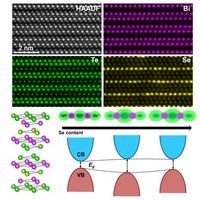
Atomic-Scale Chemical Inhomogeneity as a Determinant of Thermoelectric Transport in ${\text{Bi}}{2}{\text{Te}}{3}$-Based Materials
Article | 2026-03-03 05:00 EST
Wu Wang, Juan Cui, Zhongbin Wang, Jianrui Wang, Mingyuan Hu, Lin Xie, Lin Gan, and Jiaqing He
Atomic-scale imaging and theory show Se site preference in BiTe tunes the bonding and band gap, enabling intrinsic control of thermoelectric performance.
Phys. Rev. X 16, 011044 (2026)
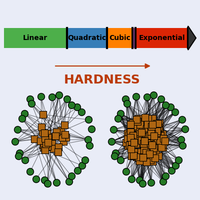
Algorithmic Thresholds in Combinatorial Optimization Depend on the Time Scaling
Article | 2026-03-03 05:00 EST
M. C. Angelini, M. Avila-González, F. D’Amico, D. Machado, R. Mulet, and F. Ricci-Tersenghi
A quantitative study of simulated annealing in random -satisfiability and -coloring problems reveals that algorithmic thresholds in combinatorial optimization are heavily dependent on the time scaling relative to system size.
Phys. Rev. X 16, 011045 (2026)
arXiv
Structural Viscosity, Thermal Waves, and the Mpemba Effect from Extended Structural Dynamics
New Submission | Statistical Mechanics (cond-mat.stat-mech) | 2026-03-04 20:00 EST
Classical hydrodynamics rests on the point-particle idealization, leading to parabolic transport equations, infinite signal speeds, and the inability to capture finite time relaxation, anisotropic transport, or non Fourier thermal phenomena. This work introduces Extended Structural Dynamics (ESD), a kinetic framework in which constituents are described as spatially extended objects possessing orientation, angular momentum, and internal deformation modes. Starting from an extended Boltzmann equation, a Chapman Enskog expansion with BGK closure yields two hyperbolic parabolic transport laws: a dynamical spin equation coupling orientational relaxation to fluid vorticity, and a heat flux relaxation equation with structural thermal conductivity. These equations predict finite propagation speeds for momentum and heat, intrinsic shock regularization, anisotropic transport, and thermal waves. The spin equation provides a kinetic derivation of micropolar fluid theory, while the heat flux equation supplies a microscopic foundation for Cattaneo Vernotte behavior. Quantitative estimates indicate structural contributions can dominate classical transport coefficients. The BGK closure preserves the qualitative geometric structure of extended phase space and captures correct scaling; the connection between the orientational relaxation time and Lyapunov instability is established independently. The resulting scaling laws follow from rotational-translational coupling. Predictions include Mpemba crossover time for colloidal ellipsoids and shock width for asymmetric molecules, both testable with existing techniques.
Statistical Mechanics (cond-mat.stat-mech)
Companion to Beyond Point Particles: Extended Structural Dynamics and the H Theorem (arXiv:2505.09650). Develops the hydrodynamic and heat transport consequences of the Extended Structural Dynamics framework
Quantum Monte Carlo in Classical Phase Space with the Wigner-Kirkwood Commutation Function. II. Diagonal Approximation in Position Space
New Submission | Statistical Mechanics (cond-mat.stat-mech) | 2026-03-04 20:00 EST
A third order expansion for Wigner-Kirkwood commutation function, a complex function in classical phase space that accounts for the Heisenberg uncertainty relation, is approximated and integrated over momentum to give a real function in position configuration space. Metropolis Monte Carlo computer simulation results are given for liquid Lennard-Jones $ ^4$ He below 10,K.
Statistical Mechanics (cond-mat.stat-mech), Quantum Gases (cond-mat.quant-gas), Quantum Physics (quant-ph)
8 pages, two tables, one figure
Unraveling Lithium Dynamics in Solid Electrolyte Interphase: From Graph Contrastive Learning to Transport Pathways
New Submission | Materials Science (cond-mat.mtrl-sci) | 2026-03-04 20:00 EST
Fast lithium transport across the solid-state electrolyte (SSE)/lithium metal anode interface is critical for high-performance all-solid-state batteries. Uncovering the complex lithium dynamics governed by diverse local environments in the solid electrolyte interphase (SEI) is fundamental for performance optimization. However, a general framework for characterizing these distinct local environments and the associated transport mechanisms remains lacking. Here, we develop GET-SEI, a general framework that discovers local atomic environments without predefined labels through Graph contrastive learning (GCL), models lithium transition kinetics via Extended dynamic mode decomposition (EDMD), and quantifies reactive lithium flux through Transition path theory (TPT). Applied to different SSE/Li systems, including sulfides (Li6PS5Cl/Li, Li10GeP2S12/Li) and oxides (Li7La3Zr2O12/Li), the GET-SEI reveals dominant transport pathways and kinetic bottlenecks in each system, providing quantitative metrics for evaluating lithium transport efficiency. As novel high-performance SSEs continue to emerge, GET-SEI offers a widely applicable, interpretable tool for targeted SEI engineering.
Materials Science (cond-mat.mtrl-sci), Statistical Mechanics (cond-mat.stat-mech), Chemical Physics (physics.chem-ph), Computational Physics (physics.comp-ph)
Unveiling Davydov-Split Excitons in a Template-Engineered Molecular-Graphene Heterostructure
New Submission | Mesoscale and Nanoscale Physics (cond-mat.mes-hall) | 2026-03-04 20:00 EST
Jan Kunc, Bohdan Morzhuk, Veronika Stará, Devanshu Varshney, Mykhailo Shestopalov, Kryštof Matějka, Martin Rejhon, Jiří Novák, Jan Čechal
The realization of high-fidelity organic-inorganic quantum emulators is frequently hindered by the interfacial imperfections introduced during device fabrication. Here, we demonstrate a robust nanofabrication protocol that restores the atomic-scale purity of epitaxial graphene on SiC to UHV-equivalent levels, as confirmed by Low-Energy Electron Diffraction, and Microscopy. This pristine interface enables the emergence of macroscopic excitonic coherence in epitaxial overlayers of 2,3,6,7,10,11-hexamethoxytriphenylene (HMTP), a model molecular system characterized by intense electron-phonon coupling. Through a combination of high-sensitivity Fourier Transform Photo-current Spectroscopy, photoluminescence, and dynamic Raman mapping, we resolve a complex vibronic manifold governed by Davydov splitting. We show that the $ P6_3/m$ crystalline symmetry of the HMTP overlayer lifts the degeneracy of the HOMO-LUMO transition, creating discrete bright and dark excitonic branches. Using an analytical tight-binding model parameterized by ARPES-derived intermolecular coupling and Raman vibrational modes validated by molecular dynamics simulations, we quantify the polarization energy, the Huang-Rhys factor, and Herzberg-Teller corrections to the Franck-Condon model. Our results reveal that the dark-state branch dominates the radiative channel, following a polaron-mediated relaxation pathway consistent with Kasha’s rule. By reconciling macroscopic device architecture with UHV-level surface science, this work establishes a scalable platform for the study of dark-exciton dynamics and the development of solid-state molecular quantum memories.
Mesoscale and Nanoscale Physics (cond-mat.mes-hall), Materials Science (cond-mat.mtrl-sci), Chemical Physics (physics.chem-ph), Quantum Physics (quant-ph)
18 pages, 12 figures
Low-temperature transition of 2d random-bond Ising model and quantum infinite randomness
New Submission | Statistical Mechanics (cond-mat.stat-mech) | 2026-03-04 20:00 EST
Akshat Pandey, Aditya Mahadevan, A. Alan Middleton, Daniel S. Fisher
At low temperatures, the classical two-dimensional random bond Ising model undergoes a frustration-driven ferromagnet-to-paramagnet transition controlled by a zero-temperature fixed point separating ferromagnet and spin glass phases. We show that this critical point can be understood through a renormalization group transformation that constructs the ground state of the Ising model through a sequence of Hamiltonians that, starting with an unfrustrated model, iteratively adds in frustration until the target Hamiltonian is reached. Via a mapping of the thermodynamics of the 2d Ising model to the spectral properties of a related Hermitian matrix – the Hamiltonian of a noninteracting quantum problem – this RG procedure corresponds to an iterative diagonalization of the quantum Hamiltonian. The flow toward zero temperature in the Ising picture manifests as a flow toward infinite randomness in the spectrum of the quantum Hamiltonian, with the log gap of the Hamiltonian scaling as a power of the system size: $ \log \varepsilon_{\it min}^{-1} \sim L^\psi$ . The tunneling exponent $ \psi$ is equal to the spin stiffness exponent $ \theta_c$ characterizing the zero-temperature fixed point.
Statistical Mechanics (cond-mat.stat-mech), Disordered Systems and Neural Networks (cond-mat.dis-nn), Strongly Correlated Electrons (cond-mat.str-el), Quantum Physics (quant-ph)
7+10 pages, 4+4 figures
Transformer Neural-Network Quantum States for lattice models of spins and fermions: Application to the Ancilla Layer Model
New Submission | Strongly Correlated Electrons (cond-mat.str-el) | 2026-03-04 20:00 EST
Riccardo Rende, Alexander Nikolaenko, Luciano Loris Viteritti, Subir Sachdev, Ya-Hui Zhang
We introduce a variational wave function based on Neural-Network Quantum States (NQS) to study lattice systems whose local Hilbert space contains both spin and fermionic degrees of freedom. Our approach is based on the use of the Transformer architecture, which can naturally handle composite local Hilbert spaces through a tokenization procedure closely inspired by techniques from natural language processing. The neural network predicts a set of fermionic orbitals that depend on the spin configuration in a backflow-inspired manner. We apply the method to the one-dimensional Ancilla Layer Model, consisting of a chain of mobile spin-$ 1/2$ fermions coupled to a two-leg spin-$ 1/2$ ladder. For open boundary conditions, we achieve excellent quantitative agreement with Density Matrix Renormalization Group (DMRG) results across the full range of parameters considered. We find a phase in which the chain forms an effectively decoupled Luttinger liquid (LL), and a LL\ast phase with a distinct Fermi wavevector in which the mobile fermions are Kondo screened by one leg of the ladder, while the other leg forms the critical Bethe spin liquid. The LL\ast is the analog of the phase describing the pseudogap in two dimensions. We also find a Luther-Emery (LE) phase, where the LL\ast state becomes unstable toward the formation of a spin gap. The Transformer Ansatz maintains comparable accuracy for periodic boundary conditions, where tensor-network methods are computationally more demanding. Together, these findings establish Transformer-based NQS as an accurate and scalable variational framework for correlated lattice systems with composite local Hilbert spaces and highlight their potential for studying higher-dimensional models where boundary effects and heterogeneous local structures pose significant challenges.
Strongly Correlated Electrons (cond-mat.str-el), Disordered Systems and Neural Networks (cond-mat.dis-nn)
10 pages, 9 figures
Trion liquid and its photoemission signatures
New Submission | Strongly Correlated Electrons (cond-mat.str-el) | 2026-03-04 20:00 EST
We study the formation of a trion liquid in doped low-dimensional semiconductors with strong electron-hole interactions and analyze its signatures in angle-resolved photoemission spectroscopy (ARPES). We show that this strongly correlated state of matter forms naturally in the vicinity of the phase boundary between a normal band insulator and an excitonic insulator upon doping. By studying the photoemission spectrum, we show that a partially occupied trion band gives rise to an in-gap feature in the ARPES spectrum with vanishing spectral weight at the Fermi energy. We demonstrate our findings using a 1D microscopic model employing exact, unbiased, matrix product state (MPS)-based calculations.
Strongly Correlated Electrons (cond-mat.str-el)
Strong Zero Modes via Commutant Algebras
New Submission | Statistical Mechanics (cond-mat.stat-mech) | 2026-03-04 20:00 EST
Sanjay Moudgalya, Olexei I. Motrunich
Strong Zero Modes (SZMs) are (approximately) conserved quantities that result in (approximate) double degeneracies in the entire spectra of certain Hamiltonians, with the Majorana zero mode of the transverse-field Ising chain being a primary example. In this work, we discover via a systematic search that many examples of SZMs can be understood as symmetries in the commutant algebra framework, which reveals novel algebraic structures hidden in Hamiltonians with well-known SZMs, including the transverse-field Ising chain. Our findings unify the understanding of different examples of SZMs in the literature, demystify their connections to ground state phases of matter, and reveal novel symmetries in simple models, such as exact quasilocal $ U(1)$ symmetries that sometimes accompany the SZMs such as in the spin-1/2 XY model for certain parameter values. Moreover, while analytically tractable SZMs have mostly been demonstrated only for non-interacting or integrable models, the algebraic structures revealed in this work can be exploited to construct integrability-breaking interactions that exactly preserve these SZMs. Such non-integrable models are expected to show more clear dynamical signatures of SZMs without the interference of other conserved quantities that appear in integrable models, and we discuss many examples, including those of novel hydrodynamic modes associated with such symmetries for some special parameter values. We also show that while this commutant understanding extends to the non-interacting limit of the celebrated Fendley SZM in the spin-1/2 XYZ chain, the SZM in the interacting case cannot be understood in this framework. This suggests that there are two types of SZMs – those that survive integrability breaking and those that do not. We close by using this commutant understanding to construct an alternate proof of the Fendley SZM, which might be of independent interest.
Statistical Mechanics (cond-mat.stat-mech), Strongly Correlated Electrons (cond-mat.str-el), Mathematical Physics (math-ph), Quantum Physics (quant-ph)
18+16 pages, 4 figures
Enhancing entanglement asymmetry in fragmented quantum systems
New Submission | Statistical Mechanics (cond-mat.stat-mech) | 2026-03-04 20:00 EST
Lorenzo Gotta, Filiberto Ares, Sara Murciano
Entanglement asymmetry provides a quantitative measure of symmetry breaking in many-body quantum states. Focusing on inhomogeneous $ U(1)$ charges, such as dipole and multipole moments, we show that the typical asymmetry is bounded by a specific fraction of its maximal value, and verify this behavior in several settings, including random matrix product states. Within the latter ensemble, by identifying the bond dimension with an effective time, we qualitatively reproduce recent findings on the entanglement asymmetry dynamics in random quantum circuits, thereby suggesting a universal dynamical structure of the asymmetry of $ U(1)$ charges in local ergodic systems. Multipole charges naturally arise in systems with Hilbert-space fragmentation, where the dynamics splits into exponentially many disconnected sectors. Using the commutant algebra formalism, we generalize entanglement asymmetry to account for fragmentation. We derive general upper bounds for both conventional and fragmented symmetries and identify states that saturate them. While the asymmetry grows logarithmically for conventional symmetries, it can scale extensively in fragmented systems, providing a probe that distinguishes classical from genuinely quantum fragmentation.
Statistical Mechanics (cond-mat.stat-mech), Quantum Physics (quant-ph)
22 pages, 3 figures
Orbital to charge current conversion in copper oxide heterostructures
New Submission | Materials Science (cond-mat.mtrl-sci) | 2026-03-04 20:00 EST
S. Vojkovic, K. Cancino, G. Rodríguez, E. Burgos, G. Herrera, C. Gonzalez-Fuentes, J. Palma, T. V. M. Sreekanth, J. Denardin, R. L. Rodríguez-Suárez, S. Oyarzún
We investigate the orbital-to-charge current conversion in Co$ _{40}$ Fe$ _{40}$ B$ _{20}$ \textbar CuO bilayers as a function of CuO thickness, employing orbital pumping via ferromagnetic resonance. The dynamic injection of orbital angular momentum into the CuO layer generates a transverse voltage through the Inverse Orbital Hall Effect (IOHE). By systematically varying the CuO thickness from 2 to 30~nm, we observe a pronounced dependence of the IOHE-induced voltage on the CuO layer thickness, indicating efficient orbital-to-charge conversion. These results highlight the key role of the orbital degree of freedom in orbitronics and provide insights into the potential of transition-metal oxides for next-generation orbitronic devices.
Materials Science (cond-mat.mtrl-sci)
16 pages, 4 figures
Large Electron Model: A Universal Ground State Predictor
New Submission | Strongly Correlated Electrons (cond-mat.str-el) | 2026-03-04 20:00 EST
Timothy Zaklama, Max Geier, Liang Fu
We introduce Large Electron Model, a single neural network model that produces variational wavefunctions of interacting electrons over the entire Hamiltonian parameter manifold. Our model employs the Fermi Sets architecture, a universal representation of many-body fermionic wavefunctions, which is further conditioned on Hamiltonian parameter and particle number. On interacting electrons in a two-dimensional harmonic potential, a single trained model accurately predicts the ground state wavefunction while generalizing across unseen coupling strengths and particle-number sectors, producing both accurate real-space charge densities and ground state energies, even up to $ 50$ particles. Our results establish a foundation model method for material discovery that is grounded in the variational principle, while accurately treating strong electron correlation beyond the capacity of density functional theory.
Strongly Correlated Electrons (cond-mat.str-el), Artificial Intelligence (cs.AI), Machine Learning (cs.LG)
8+5 pages, 5+4 figures, 1+1 tables
Universality classes, Thermodynamics of Group Entropies, and Black Holes
New Submission | Statistical Mechanics (cond-mat.stat-mech) | 2026-03-04 20:00 EST
Henrik Jeldtoft Jensen, Petr Jizba, Piergiulio Tempesta
Conventional Boltzmann–Gibbs statistical mechanics successfully describes systems with weak to moderate correlations, where the number of accessible configurations $ W(N)$ grows exponentially with the number of degrees of freedom~$ N$ . However, this framework breaks down for systems with strong correlations or long-range interactions, for which the configuration space exhibits non-exponential growth. While numerous generalized entropies have been proposed to address this limitation, a coherent link to classical thermodynamic laws has remained elusive. Here, we propose group entropies as a unifying framework, defining universality classes of entropies through the asymptotic scaling of $ W(N)$ , each yielding an extensive entropy. We show that this approach provides the basis for a consistent thermodynamic formulation beyond the Boltzmann–Gibbs paradigm. In particular, by expressing these entropies in terms of thermodynamic state variables and taking the thermodynamic limit, we demonstrate their consistency with classical thermodynamics, in close analogy to the emergence of the Clausius entropy from the Boltzmann–Gibbs formalism. Focusing on the zeroth thermodynamic law, we identify the empirical temperature and, by using Carathéodory’s formulation of the second law, we derive the associated absolute temperature. As an application of the thermodynamic framework obtained, we analyze black-hole thermodynamics using the group entropy class corresponding to stretched-exponential behavior of $ W(N)$ . In particular, we show that a hallmark property of black holes – their negative specific heat – emerges naturally within this framework while the entropy remains extensive. This result holds for the stretched-exponential entropies associated with both the Bekenstein–Hawking and Barrow entropy scalings.
Statistical Mechanics (cond-mat.stat-mech), High Energy Physics - Theory (hep-th), Mathematical Physics (math-ph)
22 pages, no figures
Kosterlitz-Thouless transition in uniformly confined $^4$He
New Submission | Quantum Gases (cond-mat.quant-gas) | 2026-03-04 20:00 EST
Filip Novotný, Marek Talíř, Balázs Szalai, Emil Varga
This study investigates the Kosterlitz-Thouless (KT) transition in superfluid $ ^4$ He confined within uniform nanochannels. While the universal jump in superfluid density is a well-established phenomenon, predicting the absolute transition temperature ($ T_{KT}$ ) based on film geometry has remained a long-standing challenge, often relying on empirical fits. Using on-chip nanofluidic Helmholtz resonators with channel heights of 10, 15, and 20 nm, we probe the transition using 4th sound resonant this http URL demonstrate that the observed shift in the transition temperature relative to the bulk lambda point ($ T_{\lambda}$ ) is accurately accounted for by including two-dimensional thermal excitations, specifically 2D rotons. By incorporating these roton-like excitations into the static KT theory, we can predict absolute transition temperatures that align with our experimental measurements and historical data without invoking traditional coherence length scaling arguments. Furthermore, we show that the dynamical extension of the KT theory (AHNS) fully describes the dissipation peaks observed near the transition without requiring ad-hoc free vortex contributions. These results provide compelling evidence that roton excitations, rather than correlation length scaling, govern the finite-size behaviour of confined superfluid $ ^4$ He
Quantum Gases (cond-mat.quant-gas), Statistical Mechanics (cond-mat.stat-mech), Superconductivity (cond-mat.supr-con)
22 pages, 9 figures
Graphene-capped bismuthene on SiC as a platform for correlated quantum spin Hall edge states
New Submission | Mesoscale and Nanoscale Physics (cond-mat.mes-hall) | 2026-03-04 20:00 EST
Huu Thoai Ngo, Zamin Mamiyev, Niclas Tilgner, Andres David Pena Unigarro, Sibylle Gemming, Thomas Seyller, Christoph Tegenkamp
Epitaxial bismuthene on SiC(0001) hosts symmetry-protected metallic edge states within a large bulk band gap, establishing it as a promising two-dimensional topological insulator for hightemperature quantum spin Hall (QSH) transport. Here we realize bismuthene islands by intercalating Bi beneath zero-layer graphene on SiC(0001) followed by hydrogen treatment, yielding well-defined edges with controlled terminations. Spectroscopic measurements demonstrate that the edge states reside inside the bulk band gap and remain charge neutral. The graphene overlayer interacts only weakly with the bismuthene, preserving its topological character while providing environmental protection. Notably, the one-dimensional edge channels exhibit signatures of enhanced electronic correlations relative to freestanding bismuthene, suggesting proximity-induced modification of the QSH edge physics. These results establish graphene-capped bismuthene as a robust and tunable platform for correlated quantum spin Hall states.
Mesoscale and Nanoscale Physics (cond-mat.mes-hall)
11 pages, 5 figures
Modulating Surface Acoustic Wave Generation through Superconductivity
New Submission | Mesoscale and Nanoscale Physics (cond-mat.mes-hall) | 2026-03-04 20:00 EST
Andrew Christy, Yuzan Xiong, Rui Sun, Yi Li, Kenneth O. Chua, Andrew H. Comstock, Junming Wu, Sidong Lei, Frank Tsui, Megan N. Jackson, Dali Sun, Valentine Novosad, James F. Cahoon, Wei Zhang
Surface acoustic waves (SAWs), with their five orders-of-magnitude slower propagation velocity, allow for considerably shorter wavelengths at the same frequency compared to electromagnetic waves. The short wavelengths allow for device miniaturization and on-chip integration. The generic design of these devices involve piezoelectric substrates with comblike arrays of Al or Au electrodes known as interdigitated transducers deposited on the surface. However, Al and Au both have shortcomings at the cryogenic temperatures required for quantum applications, namely the formation of two-level systems and the lack of superconductivity perpetuating Ohmic losses, respectively. In this work, SAWs are generated in the high-MHz to low-GHz range using niobium nitride (NbN) interdigitated transducers (IDTs) and Bragg reflectors. We demonstrate the fabrication of acoustic devices through photolithography and reactive ion etching (RIE). The sharp transition between superconducting and normal states and the corresponding change in SAW transmission allows for fine control of the ‘on’ (superconducting) and ‘off’ (normal) states of NbN, with a \Delta_T = K separating the transmission minimum and maximum. We demonstrate a 16x difference in transmission between the ‘on’ and ‘off’ states of the device. The SAW transmission behavior mirrors the change in resistance of NbN at its Tc. These findings open up new possibilities for the integration of NbN SAW resonators into existing quantum architectures based on NbN and a method for adjusting transmission properties independent of applied voltage.
Mesoscale and Nanoscale Physics (cond-mat.mes-hall)
7 pages, 4 figures
Charge, Bonding, and Optical Properties of the B$_7$Ca$_2$ Cluster: An Alkaline-Earth Dimer Stabilized by a Single Boron Ring
New Submission | Materials Science (cond-mat.mtrl-sci) | 2026-03-04 20:00 EST
Peter Ludwig Rodríguez-Kessler
The charge, bonding, and optical properties of the calcium-doped boron cluster B$ _7$ Ca$ _2$ have been systematically investigated using density functional theory calculations. Extensive global basin-hopping searches identify a single-ring B$ _7$ geometry stabilized by two calcium atoms symmetrically located on opposite sides of the boron ring as the global minimum. Electronic structure analysis reveals pronounced charge redistribution and strong Ca–B interactions that promote electron delocalization over the boron framework. Hirshfeld charge analysis indicates substantial electron donation from the electropositive calcium atoms to the electron-deficient B$ _7$ ring, leading to effective electronic stabilization without the involvement of transition-metal $ d$ orbitals. Optical absorption spectra further reflect the delocalized nature of the frontier electronic states. Real-space bonding analyses based on the electron localization function (ELF), Interaction Region Indicator (IRI), and the Laplacian of the electron density reveal a multicenter bonding pattern dominated by electron delocalization within the boron ring, with calcium acting primarily as an electrostatic and charge-donating stabilizer rather than forming localized two-center Ca–B bonds. These results establish B$ _7$ Ca$ _2$ as a prototypical example of an alkaline-earth-metal-stabilized boron ring and highlight the ability of non-transition metals to stabilize aromatic boron clusters through charge transfer and multicenter bonding.
Materials Science (cond-mat.mtrl-sci)
6 pages, 6 figures
Quantitative Determination of Quantum Fluctuations in Clean Magnets I: Neutron Spin Echo
New Submission | Strongly Correlated Electrons (cond-mat.str-el) | 2026-03-04 20:00 EST
Starting from the magnetic total-moment sum rule of neutron scattering, we derive an explicit connection between ordered-moment reduction and the long-time limit of the intermediate scattering function. We show that this time-domain formulation establishes a direct and experimentally accessible measure of quantum fluctuation strength through neutron spin-echo spectroscopy, with [P(t\rightarrow\infty)=\frac{I(Q,t\rightarrow\infty)}{I(Q,t=0)}=\frac{\langle \mu \rangle^{2}}{\langle \mu^{2} \rangle}] This identity links the long-time polarization to the ratio between ordered and total magnetic moments. Linear spin-wave calculations for square and triangular Heisenberg antiferromagnets demonstrate that both quantum spin reduction and geometric frustration suppress the plateau value in quantitative agreement with moment reduction. The resulting framework establishes a direct and model-independent measure of the level of quantum fluctuations in bulk quantum magnets, particularly for polycrystalline samples.
Strongly Correlated Electrons (cond-mat.str-el)
5 pages, 4 figures
The contribution of nitrogen Frenkel-pair formation to the high-temperature heat capacity of uranium mononitride
New Submission | Materials Science (cond-mat.mtrl-sci) | 2026-03-04 20:00 EST
Mohamed AbdulHameed, Benjamin Beeler
The high-temperature heat capacity of uranium mononitride (UN) remains uncertain due to conflicting measurements and models above ~1700 K. To assess whether intrinsic defect formation contributes to the observed superlinear behavior of $ C_P(T)$ , we perform large-scale molecular dynamics simulations using two interatomic potentials to quantify nitrogen diffusion and Frenkel-pair populations from 1800–2600 K. Both models show increasing anion mobility, but the Tseplyaev potential yields substantially larger Frenkel concentrations, producing a defect heat-capacity contribution of up to ~10 J/(mol-K). This defect-driven term is consistent with the curvature seen in historical correlations and recent ab initio results, suggesting that nitrogen sublattice disorder provides a plausible intrinsic mechanism for the high-temperature heat capacity of UN.
Materials Science (cond-mat.mtrl-sci)
Thermal conductivity and tunable thermal anisotropy of magnetic CrSBr monolayer
New Submission | Materials Science (cond-mat.mtrl-sci) | 2026-03-04 20:00 EST
Marta Loletti, Alejandro Molina-Sánchez, Juan Sebastián Reparaz, Xavier Cartoixà, Riccardo Rurali
We present first-principles calculations of the thermal conductivity, $ {\bm \kappa}$ , of monolayer CrSBr, a van der Waals magnetic 2D material. We find a considerable thermal anisotropy, with a ratio $ \kappa_{xx}/\kappa_{yy}$ of around 1.8. The anisotropy stems from a combined effect of phonon velocities and lifetimes and can be tuned by controlling the flake size by suppressing long mean path phonons.
Materials Science (cond-mat.mtrl-sci), Mesoscale and Nanoscale Physics (cond-mat.mes-hall)
Strain-induced structural transitions in (111)-oriented (LaMnO$3$)${2n}|$(SrMnO$_3$)$_n$ superlattices
New Submission | Materials Science (cond-mat.mtrl-sci) | 2026-03-04 20:00 EST
Imran Ahamed, Shivalika Sharma, Fabrizio Cossu, Igor Di Marco
By means of first-principles electronic structure calculations, we hereby investigate the structural transitions induced by epitaxial strain in (111)-oriented (LaMnO$ _3$ )$ _{2n}|$ (SrMnO$ _3$ )$ _n$ superlattices, with $ n=2,4,6$ . All superlattices in the explored range of strain are shown to prefer a half-metallic ferromagnetic order where the local magnetic moments are coupled to volume-breathing distortions. More in detail, our results reveal that thickness plays a crucial role in the response to epitaxial strain, which is particularly evident in the resulting tilt pattern of the oxygen octahedra. The thinnest superlattice, for $ n=2$ , always adopts the $ a^-a^-a^-$ tilt pattern and the competing $ a^-a^-c^+$ tilt pattern can be stabilized as a metastable state only in presence of compressive strain. Instead, the superlattice with $ n=4$ favours the $ a^-a^-c^+$ tilt pattern at equilibrium conditions, but the in-phase rotations around the third pseudocubic axis are so fragile that the $ a^-a^-a^-$ pattern is recovered under a tiny amount of either compressive or tensile strain. The superlattice with $ n=6$ exhibits a more nuanced behaviour: compressive strain drives a transition from $ a^-a^-c^+$ to $ a^-a^-a^-$ , whereas tensile strain preserves the $ a^-a^-c^+$ tilt pattern and significantly accentuates the structural differences between the two inequivalent sublattices within this symmetry. In fact, the Jahn-Teller distortions are quenched in one of the sublattices, leading to enhanced volume-breathing distortions and corresponding enhanced charge and spin oscillations. This suggests that Hund’s physics may be more relevant in this regime of tensile strain, maximizing the interplay between strong electronic correlations and structural effects.
Materials Science (cond-mat.mtrl-sci), Strongly Correlated Electrons (cond-mat.str-el)
4 figures
Discovery of an electrically-controllable superconducting memory effect
New Submission | Superconductivity (cond-mat.supr-con) | 2026-03-04 20:00 EST
Zheyu Wu, Hanyi Chen, Mengmeng Long, Daniel Shaffer, Dmitry V. Chichinadze, Andrej Cabala, Theodore I. Weinberger, Alexander J. Hickey, Jinxu Pu, Dave Graf, Vladimir Sechovsky, Michal Valiska, Gang Li, Rui Zhou, F. Malte Grosche, Alexander G. Eaton
If a computer could be assembled from superconducting components, the energy efficiency would far surpass that of conventional electronics. Historic research efforts towards this goal yielded pivotal breakthroughs in the development and discovery of scanning tunnelling microscopy and high temperature superconductivity. Although recent strides have been taken in advancing superconducting diode and switching technologies, harnessing read/writeable memory functionality in superconducting platforms has remained challenging. Here we show that bulk single crystal specimens of the triplet superconductor candidate uranium ditelluride (UTe$ _2$ ) possess such properties. Upon applying a magnetic field to access an intermediate regime straddling two distinct superconducting phases, we find that direct current pulses can push the material in and out of a metastable state possessing an enhanced critical current $ J_c$ . This switching is controllable by the strength and duration of the stimuli, with the system ‘remembering’ whether it is in the high or low $ J_c$ state for extended periods. We interpret this to be due to competition between two distinct vortex species, which can be perturbatively pushed into a non-equilibrium high-disorder configuration with stronger pinning forces and thus higher $ J_c$ . Rather than requiring proximate magnetic or semiconducting interfaces, this memory functionality appears to be an intrinsic property of UTe$ _2$ rooted in the superconducting order itself. Our findings underscore the rich complexity of putatively $ p$ -wave vortex matter and demonstrate the viability of engineering a new class of superconducting memory elements with ultralow-power switching, which could be transformative for cryogenic computing and quantum hardware.
Superconductivity (cond-mat.supr-con), Mesoscale and Nanoscale Physics (cond-mat.mes-hall), Materials Science (cond-mat.mtrl-sci), Strongly Correlated Electrons (cond-mat.str-el)
A Nucleation Prediction Framework for Vapor-Deposited Metastable Polymorph
New Submission | Materials Science (cond-mat.mtrl-sci) | 2026-03-04 20:00 EST
Hyeon Woo Kim, Han Uk Lee, Rohan Mishra, Sung Beom Cho
Vapor deposition allows for the synthesis of metastable polymorphs with novel properties, yet phase selection remains largely empirical due to a lack of predictive guidelines bridging thermodynamics and process kinetics. Here, we present a nucleation-based framework that quantifies phase accessibility by integrating first-principles-based reaction energetics and substrate interactions into classical nucleation theory. Using Ga2O3 as a prototypical system, we identify the reaction driving force as a critical kinetic handle governing polymorph nucleation and growth. Our analysis reveals that precursors with a large reaction driving force kinetically stabilize the metastable {\alpha}-phase, whereas low-driving-force precursors permit thermodynamic relaxation to the stable \b{eta}-phase. Furthermore, we demonstrate that precursor flow rates amplify supersaturation, widening the kinetic window to stabilize the elusive \k{appa}-phase. This framework is further validated in the TiO2 system, where it correctly predicts the competitive nucleation between rutile and anatase. By establishing a quantitative synthesizability window during vapor deposition, this framework enables a shift from empirical discovery to rational, first-principles-informed design of metastable phases.
Materials Science (cond-mat.mtrl-sci)
17 pages, 5 figures; Supporting Information: 23 pages, 16 figures
Room-temperature magnetic p-n junctions for charge-and-spin diodes
New Submission | Materials Science (cond-mat.mtrl-sci) | 2026-03-04 20:00 EST
Yuzhang Jiao, Yutong Wang, Xiangning Du, You Ba, Yingqi Zhang, Zhiwei Tang, Xiangrong Wang, Tiantian Chai, Xiaoke Mu, Cheng Song, Kefu Yao, Zhengjun Zhang, Yonggang Zhao, Na Chen
Non-magnetic p-n junctions have been fundamental components in the silicon era, serving as the backbone for nearly all Si-based semiconductor devices, including transistors. To tackle challenges such as scaling limitations, excessive latency, and high-power consumption in Si-based electronics, we develop magnetic p-n junctions composed of a p-type amorphous magnetic semiconductor (p-AMS) and n-type Si. These charge-and-spin junctions exhibit typical diode characteristics for charge current, along with distinctive spin diode features. By manipulating spin-polarized space charges, we observed a giant magnetic enhancement of approximately 24.36% at a breakdown current of 5 mA, and an impressive 29-fold increase in magnetic moments for p-AMS. The observed spin behavior is attributed to space charge effects or carrier depletion in the p-AMS with extended hole states.
Materials Science (cond-mat.mtrl-sci)
17 pages, 4 figures
Hyperuniformity of Weighted Particle Systems
New Submission | Statistical Mechanics (cond-mat.stat-mech) | 2026-03-04 20:00 EST
Salvatore Torquato, Jaeuk Kim, Michael A. Klatt, Roberto Car, Paul J. Steinhardt
Hyperuniform particle arrangements are characterized by a local number variance that grows more slowly than the volume of the observation window. We generalize this concept to describe particle systems in which particles carry weights: internal degrees of freedom such as scalars, vectors, pseudovectors, directors, tensors, or extrinsic local attributes. Our generalization extends hyperuniformity from fluctuations in particle positions to fluctuations in the spatial distribution of weights. We derive generalized weighted pair correlation, autocovariance, and spectral functions, and show their relation to the local variance in weighted many-particle systems. Applying this formalism to bond-orientational ordered phases, dipolar liquid water, Voronoi-cell volumes, and certain ionic liquids, we demonstrate that hyperuniformity in the particle system does not necessarily translate to hyperuniformity of the weighted system. In fact, cases exist where a hyperuniform particle system becomes antihyperuniform when weighted, and others where nonhyperuniform or antihyperuniform particle systems yield hyperuniform weighted systems. This theoretical framework provides a road map for quantifying large-scale fluctuations in weighted many-particle systems, offering a powerful tool for identifying systems with novel physical properties.
Statistical Mechanics (cond-mat.stat-mech), Disordered Systems and Neural Networks (cond-mat.dis-nn)
30 pages, 12 figures
Phys. Rev. X 16, 011042 (2026)
Exploring stable long-lifetime plasmon excitations in the Lieb lattice
New Submission | Materials Science (cond-mat.mtrl-sci) | 2026-03-04 20:00 EST
Andrii Iurov, Liubov Zhemchuzhna, Godfrey Gumbs, Danhong Huang
The subject of the present paper is a thorough numerical investigation of plasmon expectations, their dispersions and damping within a Lieb lattice. The Lieb lattice is known for its unique low-energy band structure which consists of a bandgap as well as a flat band intersecting the conduction band at its lowest point. In contrast to previously studied dice lattice, the location of the current flat band exhibits reduced and broken symmetries, which give rise to interesting electronic and optical properties of this new material. In this work, we have investigated the conditions for observing a well-defined and stable plasmon mode within a wide frequency range. Specifically, we have considered a free-standing layer with various doping levels, as well as different types of monolayers of the Lieb lattice interacting with a surface-plasmon mode localized on top of a semi-infinite conductor. In particular, we have observed and described fully long-living plasmon modes with unusual energy dispersions. Additionally, we have carried out a detailed investigation on the static screening associated with the Lieb lattice. Our study has further revealed that these predicted features seem to be quite different from those of pseudospin-1 materials but resemble those of graphene instead.
Materials Science (cond-mat.mtrl-sci)
18 pages, 11 figures
Dynamic Instabilities and Pattern Formation in Chemotactic Active Matter
New Submission | Soft Condensed Matter (cond-mat.soft) | 2026-03-04 20:00 EST
Hongbo Zhao, Qiwei Yu, Andrej Košmrlj, Sujit S. Datta
Collectives of actively-moving particles can spontaneously segregate into dilute and dense phases through a process known as motility-induced phase separation (MIPS). This captivating phenomenon is well-studied for randomly-moving particles with no directional bias. However, many active systems perform collective chemotaxis – directed motion along a chemical gradient collectively generated by the particles themselves through consumption or production. Here, we use linear stability analysis, amplitude equations, and numerical simulations to study how MIPS is influenced by collective chemotaxis. We find that chemotaxis can either arrest or entirely suppress MIPS, or give rise to novel dynamic instabilities such as traveling waves and spirals. We predict the stability region of the stationary and oscillatory patterns and identify four types of bifurcation that can arise: pitchfork, saddle-node, infinite period, and supercritical Hopf. We also derive analytical expressions for the amplitude of the pattern and traveling wave velocity, yielding excellent quantitative agreement with simulations. Furthermore, we generalize our model to study particles that either consume or produce chemoattractant or chemorepellent, as well as mixtures of particles with different chemotactic behaviors. By establishing quantitative principles describing the competition between MIPS and chemotaxis, our study helps deepen understanding of the rich physics underlying chemically-responsive active matter systems.
Soft Condensed Matter (cond-mat.soft), Statistical Mechanics (cond-mat.stat-mech), Pattern Formation and Solitons (nlin.PS), Biological Physics (physics.bio-ph)
Disorder induced melting and glass formation in a one-component Lennard-Jones system
New Submission | Soft Condensed Matter (cond-mat.soft) | 2026-03-04 20:00 EST
Saumya Suvarna, Prabhat K. Jaiswal, Madhu Priya
Identifying the conditions under which glass formation occurs is crucial for a fundamental understanding of the glass transition mechanism. Pure liquids devoid of any frustration avoid glass transition and undergo crystallization. In this work, we investigate a one-component liquid interacting via the Lennard-Jones potential in two dimensions, where disorder is introduced through pinning, a protocol in which a fixed fraction of particles is immobilized at positions selected from an equilibrium configuration. By employing molecular dynamics simulation, we systematically study the influence of pinning concentration on both structural and dynamical properties. Structural properties quantified by radial distribution function and hexatic-order parameter display a systematic decrease with a rise in pinning concentration. However, the dynamical properties such as the fragility index and the late-time mean squared displacement exhibit a non-monotonic trend as the concentration of pinned particles increases. A moderate concentration of pinned particles helps prevent crystallization and facilitates particle motion. A further rise in the number of pinned particles suppresses particle mobility, leading to a reduction in the overall dynamics of the system. These simulation results are in good agreement with experimental observations on colloidal suspensions confined between glass coverslips, where particles are immobilized. Our findings demonstrate the pivotal role of pinning in controlling the phase behavior of simple liquids and validate the unique dynamical features of two-dimensional liquids with pinned particles.
Soft Condensed Matter (cond-mat.soft)
Singularity of information flow at the Hopf bifurcation point
New Submission | Statistical Mechanics (cond-mat.stat-mech) | 2026-03-04 20:00 EST
Kenshin Matsumoto, Shin-ichi Sasa
We investigate the singular behavior of information flow near the Hopf bifurcation point by analyzing the learning rate, a key quantity in stochastic thermodynamics. As a model system exhibiting the Hopf bifurcation, we study the Brusselator. We first numerically compute the learning rate in the stationary regime and find that it remains finite even in the deterministic limit, suggesting that information flow can be quantified in deterministic dynamics through probabilistic descriptions. Linear analysis accurately reproduces the numerical results in the stationary regime but fails near the bifurcation point. To overcome this limitation, we employ the singular perturbation method, well known in deterministic bifurcation theory, and carry out the corresponding calculation explicitly for a stochastic system described by a Langevin equation. This allows us to evaluate the learning rate near the bifurcation point. We then theoretically derive its non-smooth behavior in the deterministic limit. Our results demonstrate that changes in dynamical behavior are reflected in the information flow and provide a basis for analyzing information processing in biochamical oscillations.
Statistical Mechanics (cond-mat.stat-mech)
Geometry-Driven Thermodynamics: Shape Effects and Anisotropy in Quantum-Confined Ideal Fermi and Bose Gases
New Submission | Quantum Gases (cond-mat.quant-gas) | 2026-03-04 20:00 EST
Rivo Herivola Manjakamanana Ravelonjato, Ravo Tokiniaina Ranaivoson, Raoelina Andriambololona, Naivo Rabesiranana, Charles Oyverné Randriamaholisoa, Wilfrid Chrysante Solofoarisina
This study presents a unified description of the thermodynamics of ideal quantum gases under nanoscale confinement using a Quantum Phase Space (QPS) formalism. We show that the statistical momentum variances B_ll capture quantum degeneracy: for fermions, they incorporate the Fermi energy, and for bosons, the condensate energy scale. This bridges our formalism with established results and allows both Fermi-Dirac and Bose-Einstein statistics to be treated within a single framework. From this, we derive exact analytical expressions for key properties - internal energy, anisotropic pressure tensor, and heat capacity - seamlessly describing the transition from classical to quantum regimes. Our results reveal that nanoscale thermodynamics is intrinsically anisotropic: pressure becomes direction-dependent, with fractional anisotropy reaching unity under extreme confinement. Notably, pure shape effects, controlled via geometric parameters in B_ll, enable manipulation of phase transitions without altering system size, temperature, or density. Numerical simulations for confined electron and helium-4 gases show significant quantum effects at accessible temperatures (mK to K) for confinement scales of 5-50 nm. This work provides a theoretical toolkit for nanosystems, with direct implications for nanofluidic devices and quantum sensors.
Quantum Gases (cond-mat.quant-gas)
First-principles insights into the atomic structure of carbon-nitrogen-oxygen complex color centers in silicon
New Submission | Materials Science (cond-mat.mtrl-sci) | 2026-03-04 20:00 EST
Spin-active color centers are the basis of solid-state defect systems utilized in quantum technologies. Although silicon is an emerging host material for quantum defects, there is an urgent need to characterize color centers with non-zero electron spin ground state in this platform, beside the prominent T-center. In this work, we carry out first-principles calculations to identify the possible atomic structures originating the experimentally observed N-line series in silicon. We propose that the core structure of the N1 center consists of a neighboring carbon and nitrogen interstitial atoms. Furthermore, we predict that more complex defects involving self-interstitial and interstitial oxygen atoms are feasible candidates for the further lines in the series. As all of these color centers are isoelectronic structures to the T-center, they provide a family of alternative spin doublet qubits with emission near the low-energy telecommunication bands.
Materials Science (cond-mat.mtrl-sci)
8 pages, 7 figures
A hierarchy of thermodynamics learning frameworks for inelastic constitutive modeling
New Submission | Materials Science (cond-mat.mtrl-sci) | 2026-03-04 20:00 EST
Recent advances in physics-augmented neural networks have enabled thermodynamically consistent data-driven constitutive modeling of complex inelastic materials. Most existing approaches, however, implicitly adopt a specific thermodynamic framework and embed structural assumptions such as normality, dual dissipation potentials, or other structure from manually constructed models directly into the learning architecture. Consequently, differences in predictive performance may arise not only from data or network design, but also from the underlying theoretical assumptions. In this work, we present a unified comparison of several thermodynamically consistent inelastic modeling frameworks from a machine learning perspective. We consider internal-variable formulations with dissipation potential, generalized standard materials, and metriplectic structures, and we analyze their structural assumptions, admissible dependencies, convexity requirements, and implications for dissipation and evolution. Each framework is implemented within a common neural potential architecture based on invariant representations and neural ordinary differential equations. This unified setting ensures that performance differences can be attributed to thermodynamic structure rather than architectural variation. The models are trained and evaluated on three representative inelastic datasets generated from high-fidelity representative volume element simulations: an elastoplastic alloy, a viscoelastic composite, and a rate-dependent crystal plasticity polycrystal. By isolating the role of thermodynamic structure, we assess how restrictions such as duality, normality, operator-based evolution, and convexity influence learnability, expressiveness, stability, and generalization.
Materials Science (cond-mat.mtrl-sci)
10 figures, 7 tables
Fragmenting Diffusion Pathways Confers Extraordinary Radiation Resistance in Refractory Multicomponent Alloys
New Submission | Materials Science (cond-mat.mtrl-sci) | 2026-03-04 20:00 EST
Bin Xing, Bijun Xie, Wanjuan Zou, Eric Lang, Evgeniy Boltynjuk, Hangman Chen, Michael P Short, George Tynan, Timothy J Rupert, Jason Trelewicz, Horst Hahn, Blas P Uberuaga, Khalid Hattar, Penghui Cao
The accumulation and growth of vacancy clusters under irradiation is a pivotal degradation mode for structural materials in extreme environments. Even tungsten undergoes rapid defect coarsening compromising its integrity. Here we show a tungsten multicomponent alloy that effectively fragments the vacancy diffusion network, kinetically trapping defects within localized domains. This effect originates from a broad spectrum of migration barriers and substantial vacancy-jump heterogeneity, which drives the interconnectivity of diffusion paths below the percolation threshold. Starving clusters of the necessary vacancy supply, irradiation experiments and atomic-scale defect characterizations confirm negligible defect growth as radiation doses increase by four orders of magnitude. These results provide a fundamental paradigm for percolation-engineered kinetics, offering a predictive pathway for tailoring defect diffusion and discovering inherently radiation-tolerant materials.
Materials Science (cond-mat.mtrl-sci)
Unusual magnetic and charge transport properties in In-Substituted Half-Metallic Kagome Ferromagnet Co3Sn2S2
New Submission | Materials Science (cond-mat.mtrl-sci) | 2026-03-04 20:00 EST
Karan Singh, Subhadip Pradhan, K. Mukherjee, Ashis Kumar Nandy, Subhendra D. Mahanti, D. Topwal
The kagome ferromagnet Co3Sn2S2 has been studied extensively for its unusual topology of electronic bands, origin of ferromagnetism and strong coupling between magnetism and charge transport. To understand the role of nonmagnetic element Sn, we have investigated magnetic, transport, and electronic structure of the isostructural compound Co3SnInS2, where all the Sn (divalent) atoms in the Co3Sn Kagome layer are replaced by In (trivalent) atoms. We find long-range ferromagnetic order is nearly quenched in Co3SnInS2. The system exhibits predominantly antiferromagnetic correlations with only a very small net magnetic moment and turns ferromagnetic in the presence of an external magnetic field. Transport measurements show a semiconducting behaviour at low temperatures. Magnetoresistance shows a nonmonotonic field dependence, changing from negative to positive with increasing magnetic field. An anomalous Hall effect is observed, but its magnitude is significantly reduced compared to Co3Sn2S2 where the topological character of the Fermi surface plays a dominant role. These results indicate that substitution of Sn by In in the Co3Sn plane not only suppresses the topological electronic features of the transport electrons but drives the system away from the ferromagnetic Half-metallicity to an almost nonmagnetic semiconducting state with unusual paramagnetic response. Electronic structure calculations are consistent with some of these observations.
Materials Science (cond-mat.mtrl-sci)
Possible Enhancement of Superconductivity in Ambient-Pressure La$_3$Ni$_2$O$_7$ Thin Film
New Submission | Superconductivity (cond-mat.supr-con) | 2026-03-04 20:00 EST
Yichen Hua, Wenxin He, Jian-jian Miao, Changming Yue
As an unconventional superconducting system capable of reaching 40K under ambient pressure, the La$ _3$ Ni$ _2$ O$ _7$ film superconductor has become a recent focal point in the field of superconductivity, demanding further theoretical exploration of possible pairing mechanisms. In this work, we employ the fluctuation exchange (FLEX) approximation to systematically analyze the superconducting properties of the two-orbital, two-site model for the La$ _3$ Ni$ 2$ O$ 7$ film in the weakly correlated regime, focusing on its dependence on hole-doped concentration. Through a more detailed examination of the Fermi surface topology, we find that when a $ \delta$ pocket composed of the $ d{z^{2}}$ orbital emerges near the $ \Gamma$ -point, its nesting with the $ \gamma$ -pocket, along with the nesting between the $ \alpha$ - and $ \beta$ -pockets, leads to a mutual enhancement of $ s{\pm}$ -wave pairing at the corresponding wave vector. Furthermore, we propose that this nesting-driven enhancement of spin-fluctuation-induced pairing may be a viable mechanism to enhance superconductivity.
Superconductivity (cond-mat.supr-con)
4 figures
Manipulating Charge Distribution in Moiré Superlattices by Light
New Submission | Materials Science (cond-mat.mtrl-sci) | 2026-03-04 20:00 EST
Ruiping Guo, Haowei Chen, Wenhui Duan, Yong Xu, Chong Wang
In ordinary solids, nonlinear optical responses are typically studied in terms of unit-cell averages due to the angström-scale lattice constants. In contrast, moiré superlattices, characterized by a large length scale, unlock an often-overlooked degree of freedom: intra-supercell spatial variations of local observables. Here, we formulate the second-order direct current (DC) charge response in a spatially resolved manner, showing that even uniform optical illumination can drive a static, spatially non-uniform charge redistribution within a supercell. This effect is ubiquitous and cannot be forbidden by any crystalline symmetries. Furthermore, we identify a dominant contribution arising from diverging analytical response coefficients, which leads to linear-in-time growth of the redistribution in the absence of relaxation. This growth is driven by the convergence or divergence of local DC photocurrents. Applying our theory to twisted bilayer MoTe$ _2$ , we demonstrate strong, highly tunable charge modulation controlled by light intensity and frequency, opening a route to in situ, all-optical control of moiré-periodic electrostatic potentials. Our work underscores the importance of intra-cell degrees of freedom, which enable a qualitatively richer class of nonlinear optical responses in moiré superlattices.
Materials Science (cond-mat.mtrl-sci)
Phys. Rev. Lett. 136, 086903 (2026)
Metal-insulator transition and thermal scales in $d$-wave altermagnet
New Submission | Strongly Correlated Electrons (cond-mat.str-el) | 2026-03-04 20:00 EST
Santhosh Kannan, Jainam Savla, Madhuparna Karmakar
We present the first finite-temperature study of a strongly correlated $ d$ -wave altermagnet across the Mott insulator-metal transition using a non-perturbative numerical approach. We map out the thermal phase diagram and provide quantitative estimates of the transition scales in an interacting altermagnet. We show that altermagnetism-induced geometric frustration stabilizes a finite-temperature correlated magnetic metal and enhances the magnetic transition scale across regimes of interaction. These results establish the finite-temperature landscape of correlated altermagnets and clarify the role of strong electronic interactions in this phase.
Strongly Correlated Electrons (cond-mat.str-el), Materials Science (cond-mat.mtrl-sci)
11 pages, 8 figures (including Supplementary)
Designing XY and Dzyaloshinskii–Moriya couplings in Majorana Cooper pair boxes
New Submission | Mesoscale and Nanoscale Physics (cond-mat.mes-hall) | 2026-03-04 20:00 EST
Manato Teranishi, Shintaro Hoshino, Ai Yamakage
We theoretically study how to design spin couplings in networks of Majorana Cooper pair boxes (MCBs) connected by multiple normal-metal leads. The inter-box interaction is generated by the conduction-electron-mediated Ruderman–Kittel–Kasuya–Yosida (RKKY) interaction. We show that the connectivity of Majoranas to the leads enables arbitrary types of couplings. As concrete examples, we show the realization of the XY exchange interaction and the Dzyaloshinskii–Moriya (DM) interaction, which are difficult to implement in previously proposed MCB-based schemes. The sign and magnitude of the couplings can be tuned continuously via gate-controlled tunneling amplitudes. These results establish MCBs as a versatile platform for engineered quantum spin systems.
Mesoscale and Nanoscale Physics (cond-mat.mes-hall)
11 pages, 7 figures
One-Dimensional Metallic Polymeric Nitrogen
New Submission | Materials Science (cond-mat.mtrl-sci) | 2026-03-04 20:00 EST
Kewei Ding, Junyi Miao, Ying Liu, Anxin Yu, Cheng Lu, Wenrui Zhang, Yanchun Li, Haipeng Su, Zhongxue Ge, Xianlong Wang
The pressure-induced metallic states of light elements attract significant attention, because of potential applications as high-temperature superconductor and high-energy-density material, especially for hydrogen and nitrogen1-10. Several semiconducting polymeric nitrogen phases with three- or two-dimensional sp3-bonded networks were synthesized6-10, but its metallic form remains unobserved. Here, we report the synthesis of a metallic polymeric nitrogen with one-dimensional feature (1D-PN) at 130-140 GPa and above 3000 K. Synchrotron XRD and Raman spectroscopy, supported by DFT calculations, reveal that it adopts an infinite arm-chair like chain with sp2-hybridized pi-bonds. Simulations predict a superconducting transition at 21.19 K under 113 GPa, higher than that reported in high-pressure experiments for non-metallic elements. At ambient pressure, this phase acquiring an energy density of as high as 8.78 kJ/g is not only kinetically stable but also thermodynamically more stable than cubic gauche nitrogen. This multifunctional property profile positions 1D-PN as a disruptive candidate for both electronic and energetic applications.
Materials Science (cond-mat.mtrl-sci), High Energy Physics - Experiment (hep-ex)
22 pages, 3 figures
Decoupling Intrinsic Molecular Efficacy from Platform Effects: An Interpretable Machine Learning Framework for Unbiased Perovskite Passivator Discovery
New Submission | Materials Science (cond-mat.mtrl-sci) | 2026-03-04 20:00 EST
Jing Zhang, Ziyuan Li, Shan Gao, Zhen Zhu, Jing Wang, Xiangmei Duan
Rational design of interface passivators for perovskite solar cells is hindered by the entanglement of intrinsic molecular efficacy with extrinsic platform-dependent performance - a confounding factor that obscures true chemical advances. Here, we present a generalizable, interpretable machine learning framework that decouples these effects via an asymptotic saturation model, enabling unbiased discovery of molecules with genuine intrinsic gains. Trained on a curated dataset of 240 experimental entries, our model identifies hydrogen bond acceptor strength and electrostatic potential difference as key descriptors. Guided by these insights, we screened >121 million PubChem compounds using a hierarchical strategy integrating diversity clustering and uncertainty quantification. Five dual-functional candidates (e.g., TDZ-S, TZC-F) are identified, exhibiting superior predicted efficacy (surpassing experimental benchmarks) and high confidence. First-principles calculations confirm strong chemisorption (Eads<-1.7 eV), net electron donation, and optimized interfacial energetics. Crucially, our closed-loop “data-interpretation-screening-verification” pipeline establishes a transferable paradigm for rational materials design, extendable to other optoelectronic interfaces beyond perovskites.
Materials Science (cond-mat.mtrl-sci)
31 pages, 5 figures and 1 table
Electrical driving of hole spin states in planar silicon MOS device by g-matrix modulation
New Submission | Mesoscale and Nanoscale Physics (cond-mat.mes-hall) | 2026-03-04 20:00 EST
Aaquib Shamim, Scott D. Liles, Joe Hillier, Jonathan Y. Huang, Isaac Vorreiter, Pratik Chowdhury, Chris C. Escott, Fay E. Hudson, Wee Han Lim, Kok Wai Chan, Rajib Rahman, Andrew S. Dzurak, Alexander R. Hamilton
Hole spins in group IV quantum dots are a highly promising way to develop CMOS compatible spin qubits owing to their inherent spin-orbit coupling, which enables fast, coherent, and electrical spin control. However, spin-orbit coupling not only enables multiple spin-control mechanisms, but also exposes the qubits to charge noise. In this work, we perform a systematic study of the spin control mechanism in a planar silicon hole quantum dot. We use g-matrix formalism to discern contributions from the various spin driving mechanisms and identify regions where spins are less sensitive to charge noise. By mapping out the dependence of the Rabi frequency on the magnetic field orientation, we observe the largest Rabi frequency in the in-plane direction and the smallest Rabi frequency close to the out-of-plane direction. These results enhance the understanding of how different mechanisms contribute to spin driving within an industrially relevant architecture and aid in establishing the operating conditions for the rapid and coherent manipulation of hole qubits.
Mesoscale and Nanoscale Physics (cond-mat.mes-hall)
Coherent magnetic excitations in a topological Kondo semimetal
New Submission | Strongly Correlated Electrons (cond-mat.str-el) | 2026-03-04 20:00 EST
Xiaoying Zheng, Devashibhai T. Adroja, Hiroaki Kadowaki, Rajesh Sharma, Tanmoy Das, Seiko Ohira-Kawamura, Maiko Kofu, Zhaoyang Shan, Toshiro Takabatake, Huiqiu Yuan, Chao Cao, Michael Smidman
In Kondo insulators the many-body Kondo lattice effect drives the formation of bands containing heavy charge carriers with a hybridization gap, leading to insulating properties. These renormalized bands can host non-trivial topologies driven by strong electron-electron interactions, but probing narrow heavy bands at low temperatures is challenging. We use inelastic neutron scattering (INS) to probe the Kondo lattice CeNiSn, which hosts both semimetallic transport properties and a hybridization gap. The INS response exhibits momentum-dependent magnetic excitations and a spin-gap in the low-temperature Kondo coherent state, which electronic structure calculations corroborate as arising from the renormalized heavy band structure. Dynamical-mean field theory demonstrates that this renormalized band structure corresponds to a topological Kondo insulating state, and hence the INS probes bulk excitations of heavy topological bands. This identification of a Kondo insulator addresses the long-standing mystery of the electronic properties of CeNiSn, and demonstrates the manifestation of a topological many-body coherent state in spectroscopic measurements of strongly correlated narrow band materials.
Strongly Correlated Electrons (cond-mat.str-el)
21 pages, 4 figures
Nanocrystalline structure and strain in magnesium under extreme dynamic compression
New Submission | Materials Science (cond-mat.mtrl-sci) | 2026-03-04 20:00 EST
Daria A. Komkova, Alexey Yu. Volkov, Evgeny F. Talantsev
The study of materials behavior under extreme conditions is fundamental to science and modern technology. Fast ramp compression is a unique method for exploring materials behavior and phase transformations under extreme conditions. One unexplored feature of this method is the nanoscale structure of the material under dynamic compression. This leaves a gap in understanding the details of phase transformations under fast ramp compression. Here, we made a first step in the exploration by applying the Williamson-Hall (WH) analysis to X-ray diffraction data (XRD) measured in magnesium subjected to fast ramp compression at four pressures. We found that at $ P = 309 GPa$ magnesium in bcc-like phase has an average crystalline size $ D = (2.2 \pm 0.7) nm$ and microstrain $ \varepsilon = (-0.011 \pm 0.007)$ . At $ P = 409 GPa$ , magnesium demonstrates $ D = (4.5 \pm 3) nm$ with $ \varepsilon = (-0.003 \pm 0.007)$ . At $ P = 563 GPa$ , Fmmm magnesium has crystalline size $ D = (2.6 \pm 0.5) nm$ with microstrain $ \varepsilon = (-0.004 \pm 0.004)$ . At $ P = 959 GPa$ , we revealed that sh-magnesium exhibits average size of $ D > 12 nm$ and relatively high value of microstrain $ \varepsilon = (0.011 \pm 0.002)$ . In the result, we report the first microstructural evolution insights of magnesium under fast ramp compression.
Materials Science (cond-mat.mtrl-sci)
18 pages, 5 figures, 48 refs, 4 figures in Supplementary Materials
Riding the Wave: Polymers in Time-dependent Nonequilibrium Baths
New Submission | Soft Condensed Matter (cond-mat.soft) | 2026-03-04 20:00 EST
Bhavesh Valecha, Jens-Uwe Sommer, Abhinav Sharma
Directed transport is a characteristic feature of numerous biological systems in response to signals such as nutrient and chemical gradients. These signals often depend on time owing to the high complexity of interactions in these systems. In this study, we focus on the steady-state behavior of polymeric systems responding to such time-dependent signals. We model them as ideal Rouse polymers submerged in a nonequilibrium bath, which is described by a spatially and temporally varying self-propulsion wave field. Through a coarse-graining analysis, we show that these polymers display rich emergent response to the temporal stimuli as a function of their length and topology. In particular, long polymers and structures with ring and star topologies ride the wave, displaying a positive drift in the direction of the wave. Whereas, shorter polymers and fully connected structures drift against the wave signal. We confirm these analytical predictions with robust numerical simulations, showing that the response of polymeric systems to temporal stimuli can be controlled by the topology or the length of the polymer.
Soft Condensed Matter (cond-mat.soft), Statistical Mechanics (cond-mat.stat-mech)
10 pages - 5 main text pages, and 5 appendix pages, 5 figures
Unlocking the Potential of Ni2+ and Ni2+-Cr3+ Synergy for Bifunctional Pressure and Temperature Optical Sensing
New Submission | Materials Science (cond-mat.mtrl-sci) | 2026-03-04 20:00 EST
Reliable simultaneous optical sensing of pressure and temperature under extreme and dynamically fluctuating conditions remains a major challenge due to intrinsic cross-sensitivity between these two thermodynamic parameters. Multimodal systems enabling simultaneous yet fully decoupled monitoring of both parameters are therefore highly sought after. Here, we demonstrate that the synergistic interplay between Cr3+ and Ni2+ luminescence provides a platform for bifunctional temperature-pressure sensing with independent readout channels. Two complementary detection strategies were systematically investigated: ratiometric approach based on luminescence intensity ratio and kinetic approaches exploiting emission decay dynamics. Among the kinetic strategies, a time-gated dual-ion lifetime concept - introduced here for the first time for luminescence manometry - enables pressure readout with record-high relative sensitivity reaching 148.33% GPa-1 while exhibiting complete immunity to temperature fluctuations. Conversely, temperature sensing is achieved via time-gated single-ion Ni2+ luminescence, ensuring high thermometric performance with negligible pressure-induced interference. Importantly, this work study, for the first time, the potential of Ni2+ ions for application in near-infrared luminescence manometry. The unique combination of ultrahigh sensitivity, multimodal readout capability, and possibility of near-infrared operation positions the Ni2+-Cr3+ luminescence synergy as a benchmark platform for next-generation bifunctional optical sensors, enabling reliable operation in complex, dynamically evolving, and optically demanding environments.
Materials Science (cond-mat.mtrl-sci)
HERB: a unified framework for the evaluation of Hydrogen Embrittlement mechanisms driven by the Rice-Beltz concept
New Submission | Materials Science (cond-mat.mtrl-sci) | 2026-03-04 20:00 EST
The multiscale picture of hydrogen embrittlement (HE) mechanisms has been under controversy for a long time. Here I report a thermomechanically-consistent HERB framework driven by the Rice-Beltz concept meanwhile incorporating the hydrogen transport near the crack-tip and void growth within the plastic zone. Triggered solely by dislocation emission from the crack tip, the HERB theory unifies multiple HE mechanisms, such as HEDE, HELP, NVC and HESIV within a single framework. Specifically, a generalized model for predicting the hydrogen-informed dislocation emission is established by incorporating the Rice-Beltz model with the transition state theory. Accounting for the dynamic variation of the trapping energy of spherical inclusions, hydrogen transport is modeled in the dislocation free zone in front of the crack tip. Semi-analytical expressions of the density of geometrically necessary dislocations are obtained by incorporating the Hutchinson-Rice-Rosengren solution with the conventional theory of mechanism-based strain gradient plasticity model. By exploring the feasibility of stochastic analysis, the present theory demonstrates that the hydrogen-informed void dynamics is dominated by the dislocation density between the limits of Lifshitz-Allen-Cahn and Lifshitz-Slyozov-Wagner laws, even though individual events remain unpredictable. These insights fundamentally reshape hydrogen/dislocation interactions across multiple scales, including the core width, short-range and long-range levels.
Materials Science (cond-mat.mtrl-sci), Mathematical Physics (math-ph), Applied Physics (physics.app-ph)
79 pages, 26 figures
Gate Stack Engineering for High-Mobility and Low-Noise SiMOS Quantum Devices
New Submission | Mesoscale and Nanoscale Physics (cond-mat.mes-hall) | 2026-03-04 20:00 EST
Md. Mamunur Rahman, Ensar Vahapoglu, Kok Wai Chan, Tuomo Tanttu, Ajit Dash, Jonathan Yue Huang, Venkatesh Chenniappan, Fay Hudson, Christopher C. Escott, Yik Kheng Lee, Arne Laucht, Andrea Morello, Andre Saraiva, Jared H. Cole, Andrew S. Dzurak, Wee Han Lim
We systematically investigate the interplay between materials engineering, quantum transport, and low-frequency charge noise in silicon metal–oxide–semiconductor (SiMOS) quantum devices. By combining Hall-bar transport measurements with charge-noise spectroscopy of gate-defined quantum dots, we identify correlations between gate-stack design, carrier mobility, and electrostatic noise, providing an experimental case study of material and process dependencies relevant to low-noise, high-mobility operation. Hall-bar studies reveal that increasing the atomic-layer-deposition temperature of Al$ _2$ O$ _3$ markedly enhances mobility, whereas the choice of oxidant has little impact. Devices incorporating HfO$ _2$ exhibit improved carrier mobility, an interesting observation that can plausibly be attributed to defect passivation associated with aluminum diffusion from the gate metal into the HfO$ _2$ layer. Charge-noise measurements show a strong correlation between higher mobility and reduced noise, with TiPd-gated devices displaying both degraded transport and elevated charge noise. In contrast, poly-Si-gated CMOS-foundry devices achieve the lowest noise levels. Finally, dual-feedback dot–sensor stability mapping demonstrates enhanced charge stability in devices with the gate stacks studied here, underscoring their promise for scalable, high-fidelity silicon spin-qubit platforms.
Mesoscale and Nanoscale Physics (cond-mat.mes-hall)
26 pages, 7 figures
Emergent quantum phenomena in two-dimensional 1T-TaS2
New Submission | Strongly Correlated Electrons (cond-mat.str-el) | 2026-03-04 20:00 EST
Haiyang Chen, Zhiqiang Sun, Peng Chen
Strong electron correlation drives 1T-TaS2 from a half-filled metallic state into a Mott insulating phase, coexisting with a charge density wave at low temperatures. Under external stimuli such as pressure or ionic gating, superconductivity emerges in 1T-TaS2, exhibiting an intricate relationship of competition and coexistence with the charge density wave order. In the two-dimensional (2D) limit, enhanced quantum fluctuations can stabilize a quantum spin liquid (QSL) state in the Mott insulator. This review summarizes recent advances in understanding these quantum states in 2D 1T-TaS2 from the perspective of angle-resolved photoemission spectroscopy (ARPES) and scanning tunneling microscopy (STM), with a focus on the dimensionality effect on its electronic structure. We outline the signatures of QSL state in electronic spectra and discuss how this state can be revealed in the family of this material through experimental approaches beyond conventional probes such as neutron scattering. The role of Kondo effect in detecting spinon excitations is further discussed. Finally, we suggest future experimental directions and highlight how external perturbations such as gating and light excitation offer versatile pathways to control and exploit these intertwined quantum states.
Strongly Correlated Electrons (cond-mat.str-el)
Quantum Frontiers 5,3 (2026)
Thermodynamic and transport properties of high-quality single crystals of the altermagnet CrSb
New Submission | Materials Science (cond-mat.mtrl-sci) | 2026-03-04 20:00 EST
Shubhankar Paul, Atsutoshi Ikeda, Giordano Mattoni, Shingo Yonezawa, Chanchal Sow
Altermagnetism (AM) is an emerging magnetic order unifying essential characteristics of ferromagnetic and antiferromagnetic states. Despite zero net magnetization, altermagnets (AMs) exhibit spin-split electronic bands and lifted altermagnon spin degeneracy. The altermagnet CrSb has attracted significant interest owing to its large spin-splitting energy. In this paper, we present the growth details of high-quality single crystals of CrSb using the self-flux method. We obtained large (001) oriented hexagonal crystals, up to 2 $ \times$ 2.5 $ \times$ 1 mm$ ^3$ in size. We investigated physical properties of the CrSb single crystals through measurements of electrical resistivity, magnetic susceptibility, and specific heat. The residual resistivity ratio (RRR) around 11 indicating the higher crystal quality than previous reports. A pronounced positive magnetoresistance of up to 80% is observed at 3.5 K. The specific heat was measured down to 0.45 K, revealing the Sommerfield coefficient $ \gamma$ = 4.0 $ \pm$ 0.08 mJ mol$ ^{-1}$ K$ ^{-2}$ , indicating weak electronic correlation among the conduction electrons. The room temperature specific heat exceeds the Dulong-Petit limit due to a broad magnon contribution from the altermagnetic order. The data yield the Debye temperature of 321 $ \pm$ 5 K and magnon energy gap $ \sim$ 16 $ \pm$ 1 meV. We also reveal that stoichiometric CrSb does not exhibit superconductivity down to 0.1 K. These findings underscore CrSb as a viable altermagnet for room temperature magnonic and spintronic applications.
Materials Science (cond-mat.mtrl-sci), Other Condensed Matter (cond-mat.other)
Learning Hamiltonians for solid-state quantum simulators
New Submission | Mesoscale and Nanoscale Physics (cond-mat.mes-hall) | 2026-03-04 20:00 EST
Jarosław Pawłowski, Mateusz Krawczyk
We introduce a generalizable framework for learning to identify effective Hamiltonians directly from experimental data in solid-state quantum systems. Our approach is based on a physics-informed neural network architecture that embeds physical constraints directly into the model structure. Unlike purely data-driven supervised schemes, the proposed unsupervised autoencoder-based method incorporates the governing physics (here, the S-matrix formalism) within the decoder network, ensuring that the learned representations remain physically meaningful. Through numerical learning experiments, we demonstrate automated characterization of programmable solid-state simulators from transport measurements, exemplified by a triple quantum dot chain. The trained model generalizes beyond the training domain and accurately infers Hamiltonian parameters from transport data. While the model has finite capacity – leading to degraded performance when the parameter space becomes excessively large or structurally diverse – we identify regimes in which robust generalization is maintained. We further show how to train the model to handle noisy measurements, reflecting realistic experimental conditions.
Mesoscale and Nanoscale Physics (cond-mat.mes-hall), Disordered Systems and Neural Networks (cond-mat.dis-nn), Quantum Physics (quant-ph)
9 pages, 6 figures
Dual-wavelength control of charge accumulation in rubrene microcrystals with anisotropic conductivity
New Submission | Materials Science (cond-mat.mtrl-sci) | 2026-03-04 20:00 EST
Moha Naeimi, Ingo Barke, Sylvia Speller
Previously, a novel type of rubrene microcrystals was reported, forming two distinct sectors – diamond- and triangular-shaped – that exhibit pronounced contrasts in photoluminescence (PL) spectra and exciton dynamics. In the present work, their internal electronic structure is investigated using time-of-flight photoemission electron spectroscopy (TOF-PES), revealing that the two sector’s different charging characteristics arising from anisotropic conductivities. Upon photoemission via a one-photon photoemission (1PPE) process excited by 6.2 eV (200 nm) photons, the diamond-shaped sectors accumulate significant charge, whereas the triangular sectors remain essentially uncharged. The charge accumulation in the diamond sectors can be neutralized by additional sub-threshold illumination, which generates charge carriers through internal photoeffect. The dynamics and energetics of the observed band shifting is described quantitatively by a model combining surface capacitance and drift-diffusion. These crystalline systems enable the creation of built-in charge landscapes that can be manipulated both spatially and temporally.
Materials Science (cond-mat.mtrl-sci)
From stacking to function: emergent states and quantum devices in 2D superconductor heterostructures
New Submission | Mesoscale and Nanoscale Physics (cond-mat.mes-hall) | 2026-03-04 20:00 EST
Sichun Zhao, Junlin Xiong, Ji Zhou, Shi-Jun Liang, Bin Cheng, Feng Miao
Two-dimensional (2D) superconductors provide a powerful building block for engineering emergent quantum states shaped by reduced dimensionality, enhanced quantum fluctuations, and interfacial symmetry breaking. In van der Waals heterostructures, atomically sharp and lattice-mismatch-free interfaces enable superconductivity to be deliberately coupled with magnetism, spin orbit interaction, and band topology, allowing collective electronic orders to be combined and reconfigured in ways unattainable in bulk materials. This Review summarizes recent advances in vdW heterostructures of 2D superconductors, focusing on superconductor/magnet, superconductor/topological material, and superconductor/superconductor junctions. We discuss the microscopic mechanisms underlying proximity effects and highlight how interfacial exchange fields, spin orbit coupling, and twist-controlled tunneling give rise to unconventional pairing, long-range spin-triplet supercurrents, nonreciprocal Josephson transport, and topological superconductivity potentially hosting Majorana bound states. Beyond their fundamental significance, the ability to controllably generate topological and nonreciprocal superconducting states positions 2D superconductor heterostructures as promising building blocks for emerging quantum technologies, including ultra-sensitive quantum sensing, programmable superconducting logic, and energy-efficient quantum and neuromorphic computing architectures. Looking forward, advances in materials synthesis, interface engineering, and device integration are expected to further expand the scope and functionality of 2D superconductor heterostructures, reinforcing their role as a central platform for exploring and controlling emergent quantum phases.
Mesoscale and Nanoscale Physics (cond-mat.mes-hall)
Invited review by Chinese Physics B (2026)
A simple scheme to realize the Rice-Mele model in acoustic system
New Submission | Mesoscale and Nanoscale Physics (cond-mat.mes-hall) | 2026-03-04 20:00 EST
Tianzhi Xia, Xiying Fan, Qi Chen, Yuanlei Zhang, Zhe Li
The Rice-Mele (RM) model, as a paradigmatic extension of the Su-Schrieffer-Heeger (SSH) chain, plays a pivotal role in understanding topological phases and quantized adiabatic transport in one-dimensional systems. Its realization in acoustic systems, however, has been hindered by the need for simultaneous precise modulation of on-site potentials and couplings. In this work, we demonstrate a method to linearly tune on-site potentials and couplings, thus realizing an acoustic Rice-Mele model. During parameter evolution, the system exhibits a Thouless pump, with the acoustic field distribution adiabatically shifting from the left edge through the bulk to the right edge, fully consistent with tight-binding model predictions. Moreover, the strategy of leveraging geometric parameters to linearly and precisely control on-site potentials and couplings is highly effective and universal for designing acoustic metamaterials, and it can be extended to other classical wave systems.
Mesoscale and Nanoscale Physics (cond-mat.mes-hall)
10 pages, 4 figures, article in press (Chinese Physics B). this https URL
Ising models on the hydrogen peroxide and other lattices
New Submission | Statistical Mechanics (cond-mat.stat-mech) | 2026-03-04 20:00 EST
Xiaofeng Qian, Youjin Deng, Lev N. Shchur, Henk W.J. Blöte
We perform a Monte Carlo analysis of the Ising model on many three-dimensional lattices. By means of finite-size scaling we obtain the critical points and determine the scaling dimensions. As expected, the critical exponents agree with the three-dimensional Ising universality class for all models. The irrelevant field, as revealed by the correction-to-scaling amplitudes, appears to be relatively large. Combining the Monte Carlo results for the hydrogen peroxide lattice with those for five other three-dimensional lattices, we obtain a set of data covering a wide range of the irrelevant temperature field. This is helpful in the determination of the parameters describing the corrections to scaling. As a consequence, new results are obtained for the universal parameters describing Ising criticality in three dimensions, with reduced error margins in comparison with earlier Monte Carlo analyses. The critical exponents describing the thermodynamic singularities are determined by the temperature renormalization exponent $ y_t = 1.58693 (9)$ and the magnetic renormalization exponent $ y_h = 2.48178 (5)$ . The corrections to scaling are governed by the irrelevant exponent $ y_1 = -0.821 (5)$ .
Statistical Mechanics (cond-mat.stat-mech)
26 pages, 2 figures
Intrinsic Electric Field Driven High Sensitive Photodetection in Alloy TMDC MoSSe
New Submission | Materials Science (cond-mat.mtrl-sci) | 2026-03-04 20:00 EST
Chumki Nayak, Suvadip Masanta, Shubhadip Moulick, Manotosh Pramanik, Atanu Kabiraj, Satchidananda Rath, Sukanya Ghosh, Atindra Nath Pal, Bipul Pal, Achintya Singha
Alloying offers an effective way to improve the functionality of transition metal dichalcogenides (TMDCs) in both fundamental research and optoelectronic applications, as it allows for engineering their electronic and optical properties. This study investigates the optoelectronic properties of CVD-synthesized alloy MoSSe, which exhibits an inherent out-of-plane dipole moment, arising from asymmetry in S and Se atoms on either side of the Mo layer, as confirmed by piezoelectric force microscopy, polarization-resolved second harmonic generation studies and theoretical first-principles calculations. Time-resolved photoluminescence measurements reveal an extended exciton radiative recombination lifetime in MoSSe, attributed to electron-hole wavefunction separation by the dipole moment, which improves photodetection by facilitating enhanced electron-hole separation before recombination. The device demonstrates significant responsivity over broad spectral range. By employing the photogating effect, the device response can be switched from slow to fast modes. These findings are further supported by illumination intensity-dependent photoluminescence and Raman measurements, underscoring the potential of polar TMDCs in future optoelectronic devices.
Materials Science (cond-mat.mtrl-sci), Mesoscale and Nanoscale Physics (cond-mat.mes-hall)
Kitaev model in a magnetic field: stable emergent structure, degenerate classical ground states, and reentrant topology
New Submission | Strongly Correlated Electrons (cond-mat.str-el) | 2026-03-04 20:00 EST
We have studied the anti-ferromagnetic Kitaev model on a honeycomb lattice under the Zeeman field, using an extensive Majorana mean-field analysis. When the magnetic field is along a specific Cartesian axis, we find that the emergent fields exhibit direction-dependent stabilization up to a certain critical strength of the external field. For a conical magnetic field, the characteristics of the emergent intermediate state are elusive. Our mean-field analysis reveals the existence of two distinct phases in the intermediate region. First, the system enters a disordered phase, where emergent-field densities converge to random values, and the Chern number is ill-defined. The magnitude of magnetization also fluctuates and remains less than unity, indicating a strong quantum effect. In the second phase, emergent-field densities attain vanishingly small values. In this phase, the magnetization components fluctuate heavily, but the magnitude of the magnetization vectors becomes unity, indicating highly degenerate classical ground states. We perform exact diagonalization calculations that qualitatively support some of the mean-field results. We extend our study to the anisotropic limit of the Kitaev coupling parameters. When the couplings are beyond the triangular inequality, the pure Kitaev model is known to host a topologically trivial gapped quantum spin liquid. We find that, for intermediate strengths of a conical magnetic field, topology shows a reentrant behavior.
Strongly Correlated Electrons (cond-mat.str-el)
Anisotropic skyrmion liquid phase
New Submission | Other Condensed Matter (cond-mat.other) | 2026-03-04 20:00 EST
Daniel Schick, Tim Matthies, Thomas Mutschler, Levente Rózsa, Ulrich Nowak
The nature of the melting transition in two-dimensional systems of particles has attracted considerable research attention since the development of Kosterlitz-Thouless-Halperin-Nelson-Young (KTHNY) theory. The hexatic phase proposed by this theory has been recently identified experimentally in ensembles of magnetic skyrmions, quasiparticles formed in a magnetically ordered crystal. Here, we use quasiparticle dynamical simulations to study how the anisotropy of the skyrmion-skyrmion interactions induced by the atomic lattice influences the melting transition. For isotropic interactions, we find a transition from a solid phase through a hexatic phase stable in a narrow temperature range to an isotropic liquid phase. However, if the interactions between skyrmions are forced to be anisotropic by the atomic lattice, then a direct solid-liquid transition can be observed with orientational order persisting up to temperatures of 30 K in the liquid phase.
Other Condensed Matter (cond-mat.other)
9 pages, 8 figures, submitted to physical review research
Nature of granular drag in microgravity
New Submission | Soft Condensed Matter (cond-mat.soft) | 2026-03-04 20:00 EST
Tivadar Pongo, Tianhui Liao, Jinchen Zhao, Valentin Dichtl, Simeon Voelkel, Raul Cruz Hidalgo, Kai Huang
The influence of gravity on the drag force acting on a projectile impacting granular media is investigated experimentally via embedded inertial measurement unit (IMU) sensor and numerically through discrete element method (DEM) simulations. As gravity approaches zero, inertial drag dominates, yielding qualitatively different scaling laws and cavity dynamics. Analogous to fluid dynamics, we define a dimensionless granular drag coefficient $ C_{\rm gd}$ , which is found to stay largely at a constant $ \sim 1.2$ in microgravity while an additional term inversely proportional to impact velocity arises in the presence of gravity. The constant term can be understood from momentum transfer along the penetration direction while the additional term suggests the influence of internal stress built-up due to gravity. Similar discrepancy is also found for the initial peak of the drag force. This analogy provides novel insights into the nature of granular drag in microgravity and sheds light on future space missions.
Soft Condensed Matter (cond-mat.soft), Space Physics (physics.space-ph)
5 pages, 5 figures, under review
First-order transition into a topological superfluid state in an atom-cavity system
New Submission | Quantum Gases (cond-mat.quant-gas) | 2026-03-04 20:00 EST
Hannah Kleine-Pollmann, Ludwig Mathey
We propose to combine Bose-Einstein condensation in higher Bloch bands and a driven-dissipative cavity-BEC system into a hybrid light-matter platform. Specifically, the condensate is trapped in a bipartite $ s$ -$ p_x$ -$ p_y$ -lattice, with a tunable energy offset. This enables a controlled population transfer from the $ s$ -orbital to the nearly degenerate $ p_x$ and $ p_y$ orbitals. The system forms a chiral ground state with $ p_x \pm i p_y$ symmetry, with staggered orbital currents. By increasing the transverse pump strength, we drive the system into the superradiant phase, resulting in a self-organized, density checkerboard, which rectifies the staggered chiral order into a topological superfluid state. Using truncated Wigner simulations and complementary mean-field analysis, we determine the phase transition into this state as first order. Our results show that higher-band condensates coupled to a cavity provide a promising platform for engineering non-trivial orbital order and topological superfluid phases in quantum optical many-body systems.
Quantum Gases (cond-mat.quant-gas)
Millisecond-long electron spin lifetime in CsPbI$_3$ perovskite nanocrystals revealed by optically detected magnetic resonance
New Submission | Mesoscale and Nanoscale Physics (cond-mat.mes-hall) | 2026-03-04 20:00 EST
Vasilii V. Belykh, Mikhail M. Glazov, Sergey R. Meliakov, Dmitri R. Yakovlev, Evgeniya V. Kulebyakina, Mikhail L. Skorikov, Mikhail V. Kochiev, Maria S. Kuznetsova, Elena V. Kolobkova, Manfred Bayer
Perovskite nanocrystals are a convenient model system for optical spin orientation and manipulation. However, its real potential might be underestimated due to the incomplete knowledge on spin relaxation times, which are obscured by the limited sensitivity of measurement techniques as well as by the insufficient understanding of the spin relaxation mechanisms in perovskites. In this work, we study the spin relaxation of charge carriers in perovskite nanocrystals both experimentally and theoretically. We address the electron and hole spins in CsPbI$ _3$ nanocrystals embedded in a glass matrix by the resonant spin inertia technique based on optically detected magnetic resonance. It allows us to determine the longitudinal spin relaxation time $ T_1$ separately for electrons and holes, the $ g$ factors, and the effective Overhauser field of the nuclear spin bath. At a temperature of 1.6 K, the $ T_1$ time for electrons can be as long as 0.9 ms. We reveal the effect of the time-varying nuclear field fluctuations, which enhances the electron spin relaxation at low magnetic fields, and measure a rather long nuclear spin correlation time of about 60 $ \mu$ s. We develop a model of the spin relaxation in nanocrystals based on a two-LO-phonon Raman process, which explains the observed temperature dependence of the time $ T_1$ .
Mesoscale and Nanoscale Physics (cond-mat.mes-hall)
11 pages, 3 figures
Current-control of chaos and effects of thermal fluctuations in magnetic tunnel junctions
New Submission | Mesoscale and Nanoscale Physics (cond-mat.mes-hall) | 2026-03-04 20:00 EST
Ryo Tatsumi, Shinji Miwa, Hiroaki Matsueda, Takahiro Chiba
We theoretically investigate the chaotic behavior of spin-torque ferromagnetic resonance in magnetic tunnel junctions (MTJs) with perpendicular magnetic anisotropy under thermal fluctuations. By calculating the Lyapunov exponent based on the Landau-Lifshitz-Gilbert equation, we demonstrate that an MTJ characterized by a double-well potential, composed of uniaxial magnetic anisotropy and an external magnetic field, exhibits chaotic magnetization dynamics that can be controlled by means of the DC current bias. Furthermore, we find that thermal fluctuations help to induce these chaotic magnetization dynamics, which can be regarded as noise-induced chaos. This research provides a basis for brain-inspired computing using spintronic devices and advances the understanding of the interplay between thermal fluctuations and chaos in magnetization dynamics.
Mesoscale and Nanoscale Physics (cond-mat.mes-hall), Chaotic Dynamics (nlin.CD), Applied Physics (physics.app-ph)
9 pages, 6 figures
Scaling of silicon spin qubits under correlated noise
New Submission | Mesoscale and Nanoscale Physics (cond-mat.mes-hall) | 2026-03-04 20:00 EST
Juan S. Rojas-Arias, Leon C. Camenzind, Yi-Hsien Wu, Peter Stano, Akito Noiri, Kenta Takeda, Takashi Nakajima, Takashi Kobayashi, Giordano Scappucci, Daniel Loss, Seigo Tarucha
The path to fault-tolerant quantum computing hinges on hardware that scales while remaining compatible with quantum error correction (QEC). Silicon spin qubits are a leading hardware candidate because they combine industrial fabrication compatibility with a nanoscale footprint that could accommodate millions of qubits on a chip. However, their suitability for QEC remains uncertain since spatially correlated noise naturally emerges from the resulting close proximity of qubits. These correlations increase the likelihood of simultaneous errors and erode the redundancy that QEC depends on. Here we quantify the spatial extent of noise correlations in a five-qubit silicon array and assess their impact on QEC. We identify two distinct sources of correlated noise: global magnetic field drifts that generate perfectly correlated fluctuations, and charge noise from two-level fluctuators that produces short-range correlations decaying within neighboring qubits. While magnetic drifts represent a critical correlated noise source that can compromise QEC, they can be mitigated. In contrast, the measured charge noise correlations are moderate, electrically tunable, and compatible with fault-tolerant operation with minimal qubit overhead. Our results establish quantitative benchmarks for correlated noise and clarify how such correlations impact the viability of quantum error correction in scalable qubit arrays.
Mesoscale and Nanoscale Physics (cond-mat.mes-hall), Quantum Physics (quant-ph)
26 pages, 5 main figures, 10 Extended Data figures
A composite electron-lattice order: electronic nematicity of 2DEG and polarization density waves at a near-ferroelectric interface
New Submission | Strongly Correlated Electrons (cond-mat.str-el) | 2026-03-04 20:00 EST
Fei Yang, Zhi-Yang Wang, Long-Qing Chen
We consider a two-dimensional electron gas (2DEG) formed at a near-ferroelectric interface and strongly coupled to polar phonons. Through a self-consistent microscopic many-body calculation, we show that the coupled system stabilizes a composite electron-lattice ordered state in which the lattice polarization spontaneously forms a polarization density wave (PDW), accompanied by an electronic stripe order in the 2DEG. This intertwined order partially reconstructs the electronic spectrum and generates a twofold quasiparticle anisotropy, giving rise to electronic nematicity at the single-particle level. However, under strong external electric fields, the nematic response becomes dominated by the collective sliding dynamics of the composite order: the sliding motion overwhelms the quasiparticle anisotropy and produces a strongly enhanced nematic signal with higher-order angular harmonics. The theory offers a natural explanation for several anomalous transport and anisotropic responses recently observed at the KTaO$ _3$ (111) interface. We also estimate the mean-field transition temperature of this emergent ordered state, obtaining good agreement with experiments, and analyze its evolution with several tuning parameters. The proposed composite order, along with the field-induced crossover from quasiparticle-driven to sliding-dominated nematicity, provides a distinct mechanism of nematicity arising from many-body effects and collective dynamics in critical electron-boson systems, with applicability beyond ferroelectric platforms.
Strongly Correlated Electrons (cond-mat.str-el)
Suppression of Spectral Gap and Flat Bands on a Cuprate Superconductor Side-Surface
New Submission | Superconductivity (cond-mat.supr-con) | 2026-03-04 20:00 EST
Gabriele Domaine, Mihir Date, Sydney K. Y. Dufresne, Natalie Lehmann, Daiyu Geng, Tohru Kurosawa, Amit Kumar, Jiaju Wang, Tianlun Yu, Chien-Ching Chang, Swosti P. Sarangi, Ding Pei, Yiran Liu, Julia Küspert, Shigemi Terakawa, Markel Pardo Almanza, Jiabao Yang, Izabela Biało, Matthew D. Watson, Timur K. Kim, Stephen M. Hayden, Kritika Singh, Banabir Pal, Matteo Minola, Johan Chang, Naoki Momono, Migaku Oda, Stuart S. P. Parkin, Andreas P. Schnyder, Niels B. M. Schröter
Side surfaces of cuprate superconductors are expected to display a suppressed $ d$ -wave order parameter and zero-energy topological flat bands with a large density of states, making them susceptible to symmetry broken orders. Yet such surfaces have never been investigated with momentum-resolved, surface-sensitive probes, because high-temperature superconductors rarely cleave along them. Using focused-ion-beam milling to define a controlled breaking point, we expose pristine (110) side surfaces of overdoped La$ _{2-x}$ Sr$ _x$ CuO$ _4$ ($ x=0.22$ ) suitable for angle-resolved photoemission. We observe the suppression of the superconducting spectral gap within our energy resolution ($ \sim 4\mathrm{meV}$ ), and surprisingly, the expected zero-energy flat band peak is also suppressed, despite the high topographic quality of the surface. Self-consistent Bogoliubov–deGennes calculations show that the measured geometric roughness of the cleaved surface is too weak to eliminate these modes. The calculations further demonstrate that bulk inhomogeneities characteristic of high-temperature superconductors, modelled as moderate Anderson-type disorder, can broaden the flat-band states beyond detectability. Our results provide the first momentum-resolved view of the electronic structure on a cuprate side surface and reveal disorder as the key factor currently preventing appearance of flat bands and their associated correlated orders.
Superconductivity (cond-mat.supr-con), Other Condensed Matter (cond-mat.other)
Tripartite information of two-dimensional free fermions: a sine-kernel spectral constant from Fermi surface geometry
New Submission | Statistical Mechanics (cond-mat.stat-mech) | 2026-03-04 20:00 EST
We show that monogamy of mutual information (MMI) in free-fermion ground states is a property of the observation scale, not of the quantum state. For three adjacent strips of width $ w$ on a two-dimensional lattice, translation invariance decomposes the tripartite information as $ I_3 = \sum_{k_y} g(k_F(k_y), w)$ , where $ g(z)$ is a universal function of the dimensionless product $ z = k_F w$ , determined by the spectrum of the sine-kernel integral operator (the Slepian concentration operator). We prove that $ g(z)$ has a unique zero at $ z^\ast \approx 1.329$ : modes with $ k_F w < z^\ast$ violate MMI ($ g > 0$ ), while modes with $ k_F w > z^\ast$ satisfy it ($ g < 0$ ). Since $ z^\ast / k_F w \to 0$ as $ w \to \infty$ , any Fermi surface eventually satisfies MMI at large $ w$ , while any gapless system violates it at sufficiently small $ w$ . The classification of states as “holographic” or “non-holographic” by the sign of $ I_3$ is thus scale-dependent. We establish the properties of $ g(z)$ analytically and show that $ z^\ast$ is determined to $ 0.12%$ by the cancellation of only two Slepian eigenvalue contributions. For Rényi entropies with index $ \alpha > 1$ , the function $ g_\alpha(z)$ oscillates with multiple sign changes. We verify the framework on square and triangular lattices and show that interactions shift $ z^\ast$ by $ \sim 1$ –$ 2%$ .
Statistical Mechanics (cond-mat.stat-mech), Quantum Physics (quant-ph)
19 pages, 6 figures, supplementary code included
Kinetic coefficients of two-dimensional electrons with strong Zeeman splitting
New Submission | Mesoscale and Nanoscale Physics (cond-mat.mes-hall) | 2026-03-04 20:00 EST
Yu. O. Alekseev, P. S. Alekseev, A. P. Dmitriev
In nanostructures with two-dimensional (2D) electrons and very low defect densities, a hydrodynamic transport regime has recently been realized. In this regime, 2D electrons form a viscous fluid due to frequent electron-electron collisions. Many unusual and mysterious magnetotransport and high-frequency effects have been observed in these systems. Their understanding is crucial for a general comprehending the formation of hydrodynamic transport. Two-component electronic systems, where there are two types of carriers with different concentrations and relaxation times, are of particularly interest. These systems can be realized by filling two lower subbands in a quantum well with electrons, or by filling one subband and applying a strong magnetic field in the well plane, leading to a Zeeman splitting of the subband. In this work, we construct the hydrodynamic equations for a viscous two-component electronic fluid for a Zeeman-type two-component 2D electronic system. By solving the kinetic equation, we calculate the relaxation rates of the first and second harmonics of the two-component distribution function. The resulting balance hydrodynamic equations take into account the effect of shear viscosity in each component and the effect of the friction between the two components. The lastleads to the alignment of the velocities of the two components of the fluid. The obtained equations can be used to explain magnetotransport measurements in ultra-pure nanostructures in an inclined magnetic field, where two-component electronic fluid is formed.
Mesoscale and Nanoscale Physics (cond-mat.mes-hall)
10 pages, 4 figures
All-Electrostatic Valley Filtering by Barrier Rotation in Tilted Dirac/Weyl Semimetals
New Submission | Mesoscale and Nanoscale Physics (cond-mat.mes-hall) | 2026-03-04 20:00 EST
Charge carriers in Dirac/Weyl semimetals with tilted anisotropic energy dispersion exhibit valley-dependent refraction and reflection at electrostatic barrier interfaces. Here, we show that an angled barrier interface provides a purely electrostatic route to valley filtering, producing finite valley-polarized conductance. We develop a generalized transfer-matrix formalism for the tilted, anisotropic Dirac Hamiltonian, extended to treat electrostatic barriers at arbitrary angles, and calculate the transmission in the rotated-barrier frame. We also present simulated valley-resolved trajectories in a finite device geometry, which clearly show that one valley is selectively transmitted, whereas the other is predominantly reflected by the angled barrier, without secondary effects such as real or pseudo-magnetic fields.
Mesoscale and Nanoscale Physics (cond-mat.mes-hall), Materials Science (cond-mat.mtrl-sci)
15 pages, 3 figures, original research article, in review
Fingerprint of $T_c$ advancement in Li-doped Bi-2223 superconductors prepared by cationic molecular mixing within Pechini sol-gel synthesis
New Submission | Superconductivity (cond-mat.supr-con) | 2026-03-04 20:00 EST
N.K. Man, Huu T. Do, Nguyen V. Tu, Nguyen V. Quy
Trilayered Bi-2223 superconductor features the highest critical temperature $ T_c$ among the bismuth-based cuprate collection and symbolizes an ideal prototype for studying intrinsic superconducting properties. The previous solid-state reaction method substantiated the growth of the high-quality Bi-2223 compounds but was accompanied by excessively laborious time and effort in terms of multiple grinding, pressing, as well as calcining stages, %causing risk of constituent loss, so finding a less tedious synthesis path is imperative. Here, we present an advanced sol-gel synthesis for assembling the multicomponent complexity of Bi1.4Pb0.6Sr2Ca2(Cu1-xLix)3O10 superconductors (Li-doped Bi-2223), with $ x$ = 0.0–0.20, utilizing metallic cationic molecular mixing within the chemical Pechini polyesterization route followed by single-step pyrolysis and sintering stages. Although monovalent cations such as Li$ ^+$ pose limitations in establishing a perplex crosslinking network or chelating mechanism in the Pechini method, they represent a unique probe to elucidate the major chemical process during polymerization. We observe that a 5 molar~% Li-doped sample pronounces the highest $ T_c$ = 111.4 K among the series of samples, as confirmed by both ac susceptibility and dc resistivity measurements, and is equivalent to the value obtained by our preceding solid state fabrication. In addition, we showcase a rare observation of layer-by-layer crystalline phase growth under microstructure probe. Through analyzing the reliable ac susceptibility data at low magnetic fields in a wide range of frequency, we provide the quantum flux formation and flux creep mechanism by Anderson-Müller’s model and Cole-Cole plot.
Superconductivity (cond-mat.supr-con), Materials Science (cond-mat.mtrl-sci)
Journal of Alloys and Compounds/ 2026
Influence of stacking, coordination, and surface chemistry on Al intercalation in V$_2$CT$_2$ and Ti$_3$C$_2$T$_2$ MXenes for Al-ion batteries
New Submission | Materials Science (cond-mat.mtrl-sci) | 2026-03-04 20:00 EST
Amal Raj Veluthedath Nair, Nuala M. Caffrey
As the energy storage ecosystem evolves beyond lithium, MXenes, a versatile family of 2D materials derived from MAX phases, have emerged as promising candidates for next-generation energy storage electrodes due to their tunable surface chemistry, large interlayer spacing, and excellent electronic conductivity. In this work, we use density functional theory to investigate Ti$ _3$ C$ _2$ and V$ _2$ C MXenes as cathodes in Al-ion batteries. Four stacking configurations of the two-dimensional sheets and two different ion coordination sites are evaluated to understand their influence on ion intercalation and mobility. We find that the stacking configuration and surface chemistry critically impact interlayer spacing and electrochemical performance. O-terminated layers in an octahedral stacking exhibit remarkable structural stability with minimal interlayer expansion upon ion intercalation, particularly for Al intercalation in V$ _2$ C which exhibits an interlayer expansion of 0.1 angstrom, consistent with experimental findings. While octahedral stacking is observed to be energetically more favourable, it reduces ion mobility compared to prismatic stacking. Furthermore, O-terminated MXenes exhibit high theoretical specific capacities, reaching more than 270 mAh/g. F-terminated MXenes are considerably more unstable after intercalation and as a result exhibit much lower Al capacities. These findings highlight the importance of stacking configurations, termination and intercalant chemistry in MXenes for battery applications.
Materials Science (cond-mat.mtrl-sci)
Dynamically Emergent Correlations
New Submission | Statistical Mechanics (cond-mat.stat-mech) | 2026-03-04 20:00 EST
Satya N. Majumdar, Gregory Schehr
In this perspective article, we discuss the scenario of dynamically emergent correlation (DEC) arising in classical and quantum noninteracting systems when they are subjected to a common fluctuating stochastic environment. The key property of such systems is that the strong correlations between different particles emerge from the dynamics and not from built-in interactions. In many cases, these strong correlations persist even at long times in the stationary state. Computing observables explicitly for such strongly correlated states in general is very hard. Remarkably, the stationary states in several models of DEC exhibit an interesting analytical structure that allows to compute physical observables, despite being strongly correlated. Recent experiments on trapped colloidal particles have established that these DEC in the stationary state can in fact be measured. DEC is a rapidly emerging domain of strongly correlated out-of-equilibrium statistical physics, with both theoretical and experimental, as well as classical and quantum, components.
Statistical Mechanics (cond-mat.stat-mech), Probability (math.PR)
7 pages, 3 Figures. Submitted to EPL as a “Perspective Article”
Enhancing the Energy Resolution in Scanning Tunneling Microscopy: from dynamical Coulomb blockade to cavity quantum electrodynamics
New Submission | Superconductivity (cond-mat.supr-con) | 2026-03-04 20:00 EST
Xianzhe Zeng, Janis Siebrecht, Haonan Huang, Sujoy Karan, Joachim Ankerhold, Klaus Kern, Christian R. Ast
Scanning tunneling microscopy and spectroscopy have become indispensable tools for probing condensed matter at atomic length scales, yet achieving ultimate energy resolution remains a persistent challenge. At mK temperatures, the dynamical Coulomb blockade regime fundamentally limits spectroscopic precision through energy exchange between tunneling electrons and the electromagnetic environment. Here, we demonstrate that combining local electromagnetic shielding with low-pass filtering directly at the cryogenic scan head improves the energy resolution by nearly an order of magnitude, reaching benchmark values as low as 3.7$ \mu$ eV at 10mK. We attribute this enhancement to efficient suppression of high-frequency radiation and capacitive shunting of the tunnel junction. Remarkably, this improved sensitivity reveals that the Josephson current couples to electromagnetic cavity modes of the centimeter-scale scan head, establishing a direct connection between atomic-scale tunneling processes and macroscopic cavity quantum electrodynamics. These advances open pathways for exploring ultra-low-energy phenomena with unprecedented precision.
Superconductivity (cond-mat.supr-con), Mesoscale and Nanoscale Physics (cond-mat.mes-hall)
11 pages, 5 figures, including supporting information
Simultaneous anti-bunched and super-bunched photons from a GaAs Quantum dot in a dielectric metasurface
New Submission | Mesoscale and Nanoscale Physics (cond-mat.mes-hall) | 2026-03-04 20:00 EST
Sanghyeok Park, Oleg Mitrofanov, Kusal M. Abeywickrama, Samuel Prescott, Jaeyeon Yu, Stephanie C Malek, Hyunseung Jung, Emma Renteria, Sadhvikas Addamane, Alisa Javadi, Igal Brener, Prasad P Iyer
Semiconductor quantum dots host a rich manifold of excitonic complexes, including neutral excitons that emit anti-bunched single photons and charged exciton complexes capable of producing super-bunched photons via cascade emission. Accessing both emission regimes from a single emitter would open routes to novel quantum protocols, including advanced quantum imaging. In practice, however, emission from charged exciton complexes is intrinsically weak, often orders of magnitude dimmer than neutral excitons, placing simultaneous dual-mode operation out of reach. Here, we overcome this limitation by embedding the quantum dot in a dielectric Mie-resonant metasurface that provides order-of-magnitude photoluminescence enhancement across both neutral and charged exciton transitions of a single GaAs quantum dot. Under identical non-resonant pumping conditions, the emission from the neutral exciton yields anti-bunched emission ($ g^{(2)}(0) < 0.5$ ) and the emission from positively charged exciton complexes shows super-bunched emission ($ g^{(2)}(0) > 3.5$ ) with comparable count rates (~12 kHz). Crucially, super-bunching emerges only when charged exciton emission spectrally overlaps with the Mie resonances and vanishes in un-patterned slabs, demonstrating that photonic engineering, is essential for accessing these weak quantum light states. These results demonstrate a scalable, position-tolerant platform for harnessing the full excitonic structure of solid-state emitters.
Mesoscale and Nanoscale Physics (cond-mat.mes-hall), Materials Science (cond-mat.mtrl-sci), Optics (physics.optics), Quantum Physics (quant-ph)
Anisotropic magnetoelastic coupling in the honeycomb magnet Na$_3$Co$_2$SbO$_6$
New Submission | Strongly Correlated Electrons (cond-mat.str-el) | 2026-03-04 20:00 EST
Prashanta K. Mukharjee, Sebastian Erdmann, Lichen Wang, Julian Kaiser, Anton Jesche, Pascal Puphal, Masahiko Isobe, Matthias Hepting, Bernhard Keimer, Philipp Gegenwart, Alexander A. Tsirlin
We present magnetization and dilatometry measurements on the honeycomb cobaltate Na$ 3$ Co$ 2$ SbO$ 6$ and map out its detailed field-temperature phase diagram down to sub-Kelvin temperatures. Our data for in-plane magnetic fields show a strongly anisotropic $ c^{\ast}$ -axis lattice response, which is dominated by the variation of Co–O–Co bond angles according to \textit{ab initio} calculations. At $ T = 0.4$ ~K, the magnetization $ M(B)$ exhibits step-like features that are also highly anisotropic. In the case of $ B \parallel b$ , a small hysteresis observed around the second field-induced magnetic transition ($ B{c2}$ ) indicates its first-order character, whereas divergence of the magnetic Grüneisen parameter at $ B{c2}$ is suppressed upon cooling and signals the absence of quantum critical behavior upon entering the field-polarized state. None of our thermodynamic measurements provide evidence for a field-induced quantum spin liquid state near or above $ B{c2}$ .
Strongly Correlated Electrons (cond-mat.str-el), Materials Science (cond-mat.mtrl-sci)
Dynamical magnetic susceptibility of non-collinear magnets: A novel KKR-based ab initio scheme and its application
New Submission | Materials Science (cond-mat.mtrl-sci) | 2026-03-04 20:00 EST
David Eilmsteiner, Arthur Ernst, Paweł A. Buczek
A novel implementation of the linear response time-dependent density functional theory addressing spin excitations in non-collinear magnets based on the Korringa-Kohn-Rostoker Green’s function method is presented. Following the exposition of the formalism based on the adiabatic local spin density approximation to the exchange-correlation kernel generalized to the non-collinear case, the computational scheme is discussed in detail. The formation of the Goldstone modes in non-collinear susceptibility calculations is elaborated on formally and from the numerical convergence point of view. The scheme is deployed to study the dispersion, Landau damping, and spatial shapes of magnons for the representative members of the kagome non-collinear antiferromagnets.
Materials Science (cond-mat.mtrl-sci)
Emergent superconducting phases in unconventional $p$-wave magnets: Topological superconductivity, Bogoliubov Fermi surfaces and superconducting diode effect
New Submission | Superconductivity (cond-mat.supr-con) | 2026-03-04 20:00 EST
Amartya Pal, Paramita Dutta, Arijit Saha
The recent discovery of unconventional momentum-dependent magnetic orders has expanded the landscape of magnetism beyond conventional ferromagnetism and antiferromagnetism. Among them, $ p$ -wave magnets ($ p$ WMs) represent a novel class of odd-parity, non-collinear compensated magnetic order that generates spin-split electronic bands. In this work, our theoretical investigation establishes $ p$ WMs as a versatile platform for realizing intriguing superconducting phases including topological superconductivity (TSC), Bogoliubov Fermi surfaces (BFSs), and superconducting diode effect (SDE), within a unified microscopic framework. Employing a minimal model incorporating $ p$ -wave magnetic order, exchange coupling, and Zeeman fields, we perform a self-consistent mean-field analysis and uncover a rich phase diagram featuring unconventional finite-momentum Fulde-Ferrell (FF) and Larkin-Ovchinnikov (LO) superconducting phases. Remarkably, we also show that $ p$ WMs can undergo a transition to a TSC phase anchoring Majorana flat edge modes, a hallmark of two-dimensional TSCs, even without Rashba spin-orbit coupling and Zeeman field. Upon applying a Zeeman field, gapless FF and LO phases emerge with BFSs characterized by the appearance of finite zero-energy quasiparticle density of states. Furthermore, we demonstrate that SDE arises naturally in the asymmetric FF phase. Our analysis manifests that $ p$ WMs serve as a unique and novel platform to host TSC phase, gapless superconducting states, and non-reciprocal transport phenomena.
Superconductivity (cond-mat.supr-con), Mesoscale and Nanoscale Physics (cond-mat.mes-hall), Strongly Correlated Electrons (cond-mat.str-el)
12 pages, 5 PDF figures (Main Text) + 2 pages, 2 PDF figures (Supplementary Material). Comments are welcome
Guiding isotropic active fluids with anisotropic friction
New Submission | Soft Condensed Matter (cond-mat.soft) | 2026-03-04 20:00 EST
Cody D. Schimming, Brian A. Camley
Inspired by recent experiments of cells accumulating on anisotropic substrates, we study a two-dimensional, compressible, isotropic, active fluid in the presence of anisotropic friction. We find that regions of anisotropic friction that are patterned as positive topological defects may drive accumulation of an active fluid into a clump, but the robustness of this behavior depends on the initial configuration. If the initial azimuthal symmetry is sufficiently broken, we find that patterning asymmetry can instead lead to circular motion of accumulated clumps. We develop an approximate analytical model to qualitatively explain the motion. Finally, we use our simplified model to design a substrate pattern that creates directed motion of accumulated clusters along a given path.
Soft Condensed Matter (cond-mat.soft)
14 pages, 10 figures
Anomalous Klein tunnelling with magnetic barriers in strained graphene
New Submission | Mesoscale and Nanoscale Physics (cond-mat.mes-hall) | 2026-03-04 20:00 EST
Edgardo Marin-Colli, Tonatiuh Gómez-Ramírez, O-Excell Gutierrez, Yonatan Betancur-Ocampo, Alfredo Raya, Erik Díaz-Bautista
We study electron transport in a strained graphene sheet subjected to a sequence of $ N$ electrostatic and magnetic barriers. Employing a modified and improved transfer-matrix framework, we examine how the transmission and reflection coefficients evolve with variations in uniaxial strain and in the number of barriers. The interplay of mechanical deformation and external magnetic fields is found to generate an anomalous Klein tunnelling, allowing the conductance to be effectively modulated through strain and barrier configurations. These findings highlight the role of strain engineering and magnetic field modulation as powerful tools for tailoring charge transport in two-dimensional materials. More broadly, they underscore how mechanical and electromagnetic control can be used to design next-generation solid-state devices with tunable electronic properties.
Mesoscale and Nanoscale Physics (cond-mat.mes-hall), Materials Science (cond-mat.mtrl-sci), Mathematical Physics (math-ph), Quantum Physics (quant-ph)
20 pages, 10 figures
Will a Large Complex System be a Maxwell Demon?
New Submission | Statistical Mechanics (cond-mat.stat-mech) | 2026-03-04 20:00 EST
Emerging evidence suggests that physical systems operating as Maxwell demons, in which some subsystem of a larger system extracts heat energy from its environment in an apparent local violation of the second law, are commonplace throughout biology. Should these findings surprise us, or is Maxwell demon behavior inevitable in sufficiently large complex systems? In this Letter we pose the question of how likely it is that a random stochastic system with many degrees of freedom will operate as a Maxwell demon, considering null models for both continuous and discrete random dynamics. Our results show the probability of a finding a demon decreases at least exponentially, and in some cases double-exponentially, with the number of degrees of freedom, ultimately suggesting that large complex demons can only arise through a process of selection.
Statistical Mechanics (cond-mat.stat-mech), Biological Physics (physics.bio-ph)
8 pages, 2 figures, comments welcome