CMP Journal 2026-03-03
Statistics
Nature: 1
Nature Materials: 2
Nature Physics: 1
Physical Review Letters: 17
Physical Review X: 2
arXiv: 136
Nature
Genetically encoded assembly recorder temporally resolves cellular history
Original Paper | Biomaterials - proteins | 2026-03-02 19:00 EST
Yuqing Yan, Jiaxi Lu, Zhe Li, Zuohan Zhao, Timothy F. Shay, Shunzhi Wang, Yaping Lei, Yimei Wang, Wei Chen, Patrick Parker, Hongru Yang, Aileen Qi, Yongzhi Sun, Dwight E. Bergles, David Baker, Dingchang Lin
Cells constantly change their molecular state in response to internal and external cues1. Mapping cellular activity in tissues with spatiotemporal precision is essential for understanding organ physiology, pathology, and regenerative processes. Current cell-sensing modalities primarily rely on either endpoint analysis that takes static snapshots, or real-time sensing that monitors a small subset of cells3,4. Here, we introduce Granularly Expanding Memory for Intracellular Narrative Integration (GEMINI), an in cellulo recording platform that leverages a computationally designed protein assembly as an intracellular memory device to record the history of individual cells. GEMINI grows predictably within live cells, capturing cellular events as tree-ring-like fluorescent patterns for imaging-based retrospective readout. Absolute chronological information of activity histories is attainable with hour-level accuracy. GEMINI effectively maps differential NFκB-mediated transcriptional changes, resolving fast dynamics of 15 minutes and providing quantifiable signal amplitudes. In a xenograft model, GEMINI records inflammation-induced signaling dynamics across tissue, revealing spatial heterogeneity linked to vascular density. When expressed in the mouse brain, GEMINI minimally impacts neuronal functions and can resolve both transcriptional changes and activity patterns of neurons. Together, GEMINI provides a robust and generalizable means for spatiotemporal mapping of cell dynamics underlying physiological and pathological processes in both culture and intact tissues.
Biomaterials - proteins, Protein design, Sensors and probes
Nature Materials
In situ-generated vaccine-like pyroptosome for personalized cancer immunotherapy
Original Paper | Cancer immunotherapy | 2026-03-02 19:00 EST
Binlong Chen, Fangjie Wan, Heming Xia, Xingquan Pan, Letong Wang, Yaoqi Wang, Yue Yan, Jianxiong Liu, Mingmei Tang, Ye Yang, Mengmeng Qin, Jiaona Ren, Bushu Zhou, Lijun Zhong, Wei Chen, Chuanhui Han, Mi Deng, Qiang Zhang, Yiguang Wang
The efficacy of in situ cancer vaccination has been hampered by a poor spatiotemporal orchestration of multiple key steps of the cancer-immunity cycle in most tumours and systemic toxicity related to therapeutic strategies. Here we report a systemic injectable and pyroptosis-enabled nanoadjuvant that evokes the secretion of a vaccine-like pyroptosome in the tumour area for robust antitumour immunity. This systemic injectable and pyroptosis-enabled nanoadjuvant induces vigorous immunogenic pyroptosis, triggering the efficient release of tumour antigen-rich pyroptosomes, damage-associated molecular patterns and proinflammatory cytokines. Photoactivatable release of a TLR7/8 agonist into the pyroptosome generates an in situ cancer vaccine platform that cooperatively activates the cancer-immunity cycle and avoids systemic toxicity. The vaccine boosts both innate and adaptive immune responses, facilitating the eradication of primary tumours and metastatic nodules, thereby providing long-lasting cancer prevention. Overall, the rational design of pyroptosis-inducing nanomedicines for boosting the cancer-immunity cycle reported here might aid in the development of more efficient personalized cancer immunotherapy approaches.
Cancer immunotherapy, Cell death and immune response, Molecular self-assembly
Texture-dependent all-optical switching in ferromagnetic films via stochastic nucleation of nanoscale domains
Original Paper | Magnetic properties and materials | 2026-03-02 19:00 EST
Dinar Khusyainov, Rein Liefferink, MengXing Na, Fabian Kammerbauer, Robert Frömter, Mathias Kläui, Dmitry Kozodaev, Nikolay Vovk, Rostislav V. Mikhaylovskiy, Dmytro Afanasiev, Alexey V. Kimel, Johan H. Mentink, Theo Rasing
Controlling magnetic textures at ever smaller length scales and timescales is of fundamental and technological interest. External stimuli capable of acting at the nanoscale pose a challenge, motivating alternative approaches that exploit the intrinsic inhomogeneity of magnetic textures. Here we use a Pt/Co/Pt ferromagnetic thin film to investigate magnetization reversal with circularly polarized picosecond laser pulses. Magnetic force microscopy reveals stochastic nucleation of complex nanotextured domains from an initial monodomain state. Subsequent illumination of these domains with laser pulses induces deterministic and homogeneous magnetization switching. We find that the domain growth depends on the complexity of the texture, revealing a helicity- and texture-dependent mechanism that contrasts with temperature-gradient-driven domain expansion. We complement our observations with a stochastic model in which domain nucleation is governed by light helicity and the local magnetic environment. These results provide an insight into the mechanism of multipulse helicity-dependent all-optical switching.
Magnetic properties and materials, Phase transitions and critical phenomena, Ultrafast photonics
Nature Physics
A universal scheme to self-test any quantum state or measurement
Original Paper | Quantum information | 2026-03-02 19:00 EST
Shubhayan Sarkar, Alexandre C. Orthey Jr, Remigiusz Augusiak
The emergence of quantum devices has raised a significant issue: how to certify the quantum properties of a device without placing trust in it? To characterize quantum states and measurements in a device-independent way, up to some degree of freedom, we can make use of a technique known as self-testing. Although schemes have been proposed to self-test all pure multipartite entangled states (up to complex conjugation) and real local projective measurements, little has been done to certify mixed entangled states, composite or non-projective measurements. By using the framework of quantum networks, we propose a scheme for self-testing (up to complex conjugation) arbitrary extremal measurements, including the projective ones. This then allows us to propose an indirect way to self-test any quantum state, including mixed ones, as well as any quantum measurement, including non-extremal ones. The quantum network considered here is the simple star network, which is implementable using current technologies. For our purposes, we also construct a scheme that can be used to self-test the two-dimensional tomographically complete set of measurements with an arbitrary number of parties.
Quantum information, Theoretical physics
Physical Review Letters
Reliable Quantum Steering Detection under Imperfect Measurement
Article | Quantum Information, Science, and Technology | 2026-03-02 05:00 EST
Ting Zhang, Wenhao Zhang, Jing-Tao Qiu, Leilei Huang, Xiao Yuan, and Qi-Ming Ding
Quantum steering, a fundamental manifestation of nonlocal quantum correlations, plays a vital role in quantum key distribution, quantum randomness generation, and quantum metrology. Reliable experimental detection of quantum steering is therefore a key task in quantum information science, but it is …
Phys. Rev. Lett. 136, 090201 (2026)
Quantum Information, Science, and Technology
General Quantum Backflow in Realistic Wave Packets
Article | Quantum Information, Science, and Technology | 2026-03-02 05:00 EST
Tomasz Paterek and Arseni Goussev
Quantum backflow is a counterintuitive phenomenon in which the probability density of a quantum particle propagates opposite to its momentum. Experimental observation of backflow has remained elusive due to two main challenges: (i) the effect is intrinsically small, with less than 4% of the probabil…
Phys. Rev. Lett. 136, 090202 (2026)
Quantum Information, Science, and Technology
Large-$N$ Free Energy of Chiral $\mathcal{N}=2$ Chern-Simons-Matter Theories
Article | Particles and Fields | 2026-03-02 05:00 EST
Seyed Morteza Hosseini
We present the first successful large- computation of the free energy in chiral Chern-Simons-matter theories, long believed to evade the universal M2-brane scaling . Using a stable numerical continuation method that directly solves the saddle-point equations, we obtain convergent lar…
Phys. Rev. Lett. 136, 091601 (2026)
Particles and Fields
From Quantum Relative Entropy to the Semiclassical Einstein Equations
Article | Particles and Fields | 2026-03-02 05:00 EST
Philipp Dorau and Albert Much
We provide arguments indicating that the semiclassical Einstein equations follow from quantum relative entropy and its proportionality to an area variation. Using modular theory, we establish that the relative entropy between the vacuum state and coherent excitations of a scalar quantum field on a b…
Phys. Rev. Lett. 136, 091602 (2026)
Particles and Fields
Haagerup Symmetry in $({E}{8}{)}{1}$?
Article | Particles and Fields | 2026-03-02 05:00 EST
Jan Albert, Yamato Honda, Justin Kaidi, and Yunqin Zheng
We suggest that the chiral theory--in many senses the simplest vertex operator algebra--may have Haagerup symmetry for , 2, 3. Likewise, we suggest that the nonchiral Wess-Zumino-Witten model may have symmetry, and that gauging the diagonal symmetry gives a theory with
Phys. Rev. Lett. 136, 091603 (2026)
Particles and Fields
Nonlocal Orbital-Free Density Functional Theory Incorporating Nuclear Shell Effects
Article | Nuclear Physics | 2026-03-02 05:00 EST
Xinhui Wu, Gianluca Colò, Kouichi Hagino, and Pengwei Zhao
Incorporating nuclear shell effects within the framework of orbital-free density functional theory (DFT) has remained a long-standing challenge in nuclear physics. While the Hohenberg-Kohn theorem formally guarantees the existence of an orbital-free density functional that is capable of describing a…
Phys. Rev. Lett. 136, 092501 (2026)
Nuclear Physics
Collective Energy Transfer to a Spectator Atom via Multicenter Intermolecular Coulombic Decay
Article | Atomic, Molecular, and Optical Physics | 2026-03-02 05:00 EST
Saroj Barik, Pratikkumar Thakkar, Siddhartha S. Payra, Yash Lenka, Y. Sajeev, and G. Aravind
Molecular mechanisms that enable collective and upconverted energy transfer from multiple photoacceptors to a nonabsorbing spectator reaction center are highly desirable for efficient light-energy utilization. Here, we show that intermolecular Coulombic decay (ICD), a nonlocal energy-relaxation chan…
Phys. Rev. Lett. 136, 093201 (2026)
Atomic, Molecular, and Optical Physics
On-Chip Electro-Optically Tunable Narrow Linewidth Brillouin Microlasers Implemented in Thin Film Lithium Niobate
Article | Atomic, Molecular, and Optical Physics | 2026-03-02 05:00 EST
Chuntao Li, Jiale Deng, Xingzhao Huang, Xiaochao Luo, Renhong Gao, Huakang Yu, Jianglin Guan, Jacob B. Khurgin, Zhiyuan Li, Jintian Lin, and Ya Cheng
On-chip narrow linewidth microlasers with real-time wavelength tunability are highly desirable for various applications, including precision metrology, quantum technology, and coherent information processing. Although significant progress has been made by various groups in recent years [M. Li et al…
Phys. Rev. Lett. 136, 093801 (2026)
Atomic, Molecular, and Optical Physics
Self-Organized Criticality in Atmospheric Rivers
Article | Physics of Fluids, Earth & Planetary Science, and Climate | 2026-03-02 05:00 EST
Shang Wang, Jun Meng, Sheng Fang, Teng Liu, Kim Christensen, Jürgen Kurths, and Jingfang Fan
A statistical-physics-based analysis of the full life cycle of atmospheric rivers finds universal signatures of self-organized criticality.
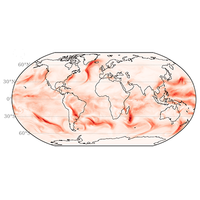
Phys. Rev. Lett. 136, 094201 (2026)
Physics of Fluids, Earth & Planetary Science, and Climate
Orbital-Selective Spin-Orbit Mott Insulator in Fractional Valence Iridate ${\mathrm{La}}{3}{\mathrm{Ir}}{3}{\mathrm{O}}_{11}$
Article | Condensed Matter and Materials | 2026-03-02 05:00 EST
Kai Wang, Jun Yang, Chaoyang Kang, Weikang Wu, Wenka Zhu, Jianzhou Zhao, Yaomin Dai, and Bing Xu
The combination of strong spin-orbit coupling and Coulomb interactions makes the iridates a unique platform for realizing novel correlated electronic states. Here, utilizing infrared spectroscopy, we demonstrate that a robust Mott insulating state persists in the -hole self-doped system
Phys. Rev. Lett. 136, 096501 (2026)
Condensed Matter and Materials
Magnetic Signature of Chiral Phonons Revealed by Neutron Spectroscopy in Ferrimagnetic ${\mathrm{Fe}}{1.75}{\mathrm{Zn}}{0.25}{\mathrm{Mo}}{3}{\mathrm{O}}{8}$
Article | Condensed Matter and Materials | 2026-03-02 05:00 EST
Song Bao, Junbo Liao, Zhentao Huang, Yanyan Shangguan, Zhen Ma, Bo Zhang, Shufan Cheng, Hao Xu, Zihang Song, Shuai Dong, Maofeng Wu, Ryoichi Kajimoto, Mitsutaka Nakamura, Tom Fennell, Dmitry Khalyavin, and Jinsheng Wen
Neutron scattering has provided a new and broader view of the twirling collective atomic vibrations in a magnetic crystal.
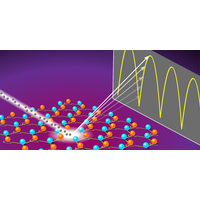
Phys. Rev. Lett. 136, 096502 (2026)
Condensed Matter and Materials
Quantization of Spin Circular Photogalvanic Effect in Altermagnetic Weyl Semimetals
Article | Condensed Matter and Materials | 2026-03-02 05:00 EST
Hiroki Yoshida, Jan Priessnitz, Libor Šmejkal, and Shuichi Murakami
We theoretically predict a spin-current analog of the quantized circular photogalvanic effect in Weyl semimetals. This phenomenon is forbidden in antiferromagnets by symmetry but uniquely allowed in altermagnets, highlighting a novel and intrinsic characteristic of altermagnetism. To systematically …
Phys. Rev. Lett. 136, 096701 (2026)
Condensed Matter and Materials
Deterministic Switching of the Néel Vector by Asymmetric Spin Torque
Article | Condensed Matter and Materials | 2026-03-02 05:00 EST
Shui-Sen Zhang, Zi-An Wang, Bo Li, Wen-Jian Lu, Mingliang Tian, Yu-Ping Sun, Haifeng Du, and Ding-Fu Shao
Néel vector, the order parameter of collinear antiferromagnets, serves as a state variable in associated antiferromagnetic (AFM) spintronic devices to encode information. A deterministic switching of Néel vector is crucial for the write-in operation, which, however, remains a challenging problem in …
Phys. Rev. Lett. 136, 096702 (2026)
Condensed Matter and Materials
Ultrafast One-Dimensional Peierls-Distortion Dynamics in $1{\mathrm{T}}^{‘}\text{-}\mathrm{Re}{\mathrm{S}}_{2}$ Revealed by 4D Electron Microscopy
Article | Condensed Matter and Materials | 2026-03-02 05:00 EST
Jingchao Liu, Shaozheng Ji, Lifu Zhang, Yiping Jiao, Jiangteng Guo, Cuntao Gao, Fang Liu, Shibin Deng, Xuewei Cao, Zhenpeng Hu, Yimei Zhu, and Xuewen Fu
Rhenium disulfide (), a prototypical 2D semiconductor with an anisotropic structure due to the pronounced Peierls distortion, has demonstrated great potential for polarization-dependent optoelectronics and photonics. Here, we report an ultrafast phase transition occurring within 1 ps, accomp…
Phys. Rev. Lett. 136, 096901 (2026)
Condensed Matter and Materials
Nonlinear Terahertz Electroluminescence from Dirac-Landau Polaritons
Article | Condensed Matter and Materials | 2026-03-02 05:00 EST
B. Benhamou-Bui, C. Consejo, S. S. Krishtopenko, S. Ruffenach, C. Bray, J. Torres, J. Dzian, F. Le Mardelé, A. Pagot, X. Baudry, S. V. Morozov, N. N. Mikhailov, S. A. Dvoretskii, B. Jouault, P. Ballet, M. Orlita, C. Ciuti, and F. Teppe
We report Dirac-Landau polaritons observed by terahertz (THz) magnetoreflectivity spectroscopy, demonstrating strong coupling between cyclotron transitions of two-dimensional Dirac fermions in HgTe quantum wells and optical cavity modes. Under pulsed electrical injection we observe efficient nonline…
Phys. Rev. Lett. 136, 096902 (2026)
Condensed Matter and Materials
Acoustic Orbital Angular Momentum Hall Effect at Metasurfaces
Article | Statistical Physics; Classical, Nonlinear, and Complex Systems | 2026-03-02 05:00 EST
Xinyue Gong, Joao L. Ealo, and Likun Zhang
We report the first direct experimental observation of the acoustic orbital Hall effect at metasurfaces using airborne vortex beams generated by a four-speaker source. Unlike traditional geometric or topological descriptions, we directly measure Hall-induced extrinsic orbital angular momentum (OAM) …
Phys. Rev. Lett. 136, 097201 (2026)
Statistical Physics; Classical, Nonlinear, and Complex Systems
Cascade of Modal Interactions in Nanomechanical Resonators with Soft Clamping
Article | Statistical Physics; Classical, Nonlinear, and Complex Systems | 2026-03-02 05:00 EST
Zichao Li, Minxing Xu, Richard A. Norte, Alejandro M. Aragón, Peter G. Steeneken, and Farbod Alijani
We uncover a chain of nonlinear modal interactions in softly clamped nanostring resonators. The process involves the sequential coupling of five mechanical modes, during frequency sweeps, yielding a broad nonlinear response with nearly constant amplitude. We demonstrate that soft clamping enables th…
Phys. Rev. Lett. 136, 097202 (2026)
Statistical Physics; Classical, Nonlinear, and Complex Systems
Physical Review X
Hyperuniformity of Weighted Particle Systems
Article | 2026-03-02 05:00 EST
Salvatore Torquato, Jaeuk Kim, Michael A. Klatt, Roberto Car, and Paul J. Steinhardt
The concept of hyperuniform particle arrangements is generalized to treat particles with internal degrees of freedom.
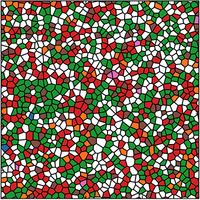
Phys. Rev. X 16, 011042 (2026)
Anderson Localization: A Density Matrix Approach
Article | 2026-03-02 05:00 EST
Ziyue Qi, Yi Zhang, Mingpu Qin, Hongming Weng, and Kun Jiang
Characterization of the one-body density matrix provides a direct measure of the localization length, revealing how interactions can suppress or enhance insulating behavior in disordered quantum systems.
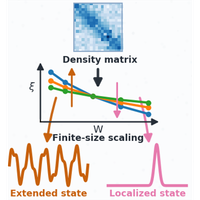
Phys. Rev. X 16, 011043 (2026)
arXiv
The effect of water on granular liquid flows: from debris to mud flows
New Submission | Soft Condensed Matter (cond-mat.soft) | 2026-03-03 20:00 EST
In this work, we show how the rheology of granular suspensions can be related to the properties of the fluctuations of the velocity field inside the medium. In particular, effective Navier-Stokes equations in the different flow regimes are constructed and compared to an actual geophysical model that was so far purely phenomenological. Then, it is shown that a direct cascade of kinetic energy is present when the flow becomes turbulent, but with a scaling law that is quantitatively very different from that of usual Newtonian fluids.
Soft Condensed Matter (cond-mat.soft), Fluid Dynamics (physics.flu-dyn)
9 pages, 0 figures
Additive Manufacturing-Facilitated Blow Molding for Functional Thin-Walled Polymeric Structures
New Submission | Soft Condensed Matter (cond-mat.soft) | 2026-03-03 20:00 EST
Junyu Chen, Dotan Ilssar, Dennis M. Kochmann
Thin-walled structures capable of large, reversible deformation are key to multistable structures, origami, kirigami, and soft robotics. However, conventional fabrication techniques, including 3D printing, casting, and laser cutting, suffer from poor surface quality, low durability, complex processing steps, and restricted geometric freedom, hindering the repeatable production of thin-walled, continuous structures. Here, an additive manufacturing-facilitated blow molding (AM-BM) approach is introduced, combining the design flexibility of additive manufacturing with the robustness of blow molding. By replacing metal molds with 3D-printed resin ones, AM-BM enables rapid, low-cost fabrication of thin-walled polymeric components with tunable geometry and controllable wall thickness across diverse thermoplastic materials. The thickness control allows thin-walled components to function either as rigid load-bearing elements or as compliant hinges that permit reversible deformation. The versatility of AM-BM is demonstrated through representative examples: multistable structures with geometry-controlled buckling and rich reconfigurability; origami and kirigami structures with extensive design freedom, scalable complexity, and uniform mechanical properties; and soft actuators and robots with ultrahigh load-to-weight ratios, rapid response, and scalable design. Altogether, AM-BM provides an efficient and versatile method for creating thin-walled structures that combine geometric freedom, mechanical functionality, and scalable production.
Soft Condensed Matter (cond-mat.soft), Materials Science (cond-mat.mtrl-sci), Applied Physics (physics.app-ph)
15 pages, 4 figures
Wet granular bed eroded by a dry granular flow
New Submission | Soft Condensed Matter (cond-mat.soft) | 2026-03-03 20:00 EST
Lama Braysh, Patrick Mutabaruka, Farhang Radjai, Serge Mora
Using three-dimensional Discrete Element Method (DEM) simulations, we investigate the erosion dynamics of a cohesive bed composed of wet spherical particles subjected to the shear flow of an overlying non-cohesive granular layer. Cohesion is modeled through a capillary attraction law, where the erosion process is governed by the irreversible rupture of liquid bridges at the interface. By systematically varying the liquid-vapor surface tension and the inclination angle of the bed, we analyze the influence of cohesive strength and flow intensity on the mass entrainment rate. Our results identify two distinct erosion regimes: a slow, stochastic regime driven by granular temperature fluctuations, and a fast, collective regime characterized by a global mechanical instability of the interface. We propose a robust scaling law for the surface erosion rate in the fast erosion regime, based on the interplay between two dimensionless parameters: the inertial number ($ I$ ) and the cohesion index ($ \xi$ ). This framework reveals that the threshold for the fast erosion regime is determined by the ratio of the geometric mean of the driving stresses (kinetic and pressure) to the cohesive resistance. These findings provide a comprehensive description of the coupling between inertial and capillary forces, offering a predictive tool for the stability of cohesive interfaces in sheared granular flows.
Soft Condensed Matter (cond-mat.soft)
Quantum geometry-driven photogalvanic responses in semi-Dirac systems
New Submission | Mesoscale and Nanoscale Physics (cond-mat.mes-hall) | 2026-03-03 20:00 EST
Bristi Ghosh, Malay Bandyopadhyay, Snehasish Nandy
The photogalvanic effect (PGE), a fundamental nonlinear optical phenomenon in non-centrosymmetric materials, generates direct photocurrent under polarized light. Using quantum kinetic theory within the relaxation-time approximation, we theoretically investigate the PGE as a probe of quantum geometry in anisotropic type-I and type-II semi-Dirac (SD) systems, characterized by distinct electronic structures. We systematically analyse various microscopic contributions to the PGE conductivity, including injection, shift, resonance, higher-order pole, and anomalous terms, and emphasize their connections to different quantum geometric quantities, namely, Berry curvature, quantum metric, and metric connection. By studying the frequency and chemical-potential dependence of the PGE conductivity in SD systems, we find that the optical conductivities in the type-II case are significantly enhanced relative to those in type-I. For the circular PGE (CPGE), Berry-curvature-driven contributions remain qualitatively similar in both phases, whereas the linear PGE (LPGE) displays clear qualitative differences. In particular, the $ xxx$ component of the shift conductivity in the type-II phase reverses sign upon tuning the perturbation parameter $ \delta$ , providing a direct signature of the Lifshitz transition. In contrast, other components remain sign-invariant, as in type-I SD systems. These combined CPGE and LPGE signatures provide an unambiguous distinction between the two SD phases. The predicted effects, realizable in TiO$ _2$ /VO$ _2$ heterostructures, establish PGE as a sensitive probe of quantum geometry with potential applications in polarization-selective photodetection, optical rectification, and next-generation optoelectronic devices.
Mesoscale and Nanoscale Physics (cond-mat.mes-hall), Strongly Correlated Electrons (cond-mat.str-el), Quantum Physics (quant-ph)
12 pages, 8 figures, 1 table
STL-to-Stokeslet Computation of Mobility Tensors and Sedimentation Dynamics for Shaped Particles
New Submission | Soft Condensed Matter (cond-mat.soft) | 2026-03-03 20:00 EST
Wenting Cheng, Tiago Pernambuco, Thomas A. Witten, Haim Diamant, Justin C. Burton
Sedimentation is extremely common in nature, occurring throughout the atmosphere and oceans, and in every laboratory centrifuge. The shape and mass distribution of a particle uniquely determines its motion at low Reynolds number, and complex dynamics can emerge from even simple particle shapes. The dynamics are governed by the particle’s hydrodynamic mobility tensor, which dictates the translational and rotational velocities given the forces and torques. However, to date the inference of the mobility tensor from the object shape has been cumbersome and tricky. Starting with an input file representing an object for a 3D printer, such as an STL file, here we present an efficient numerical framework to compute the mobility tensor by discretizing the particle surface into distributed point drag forces called stokeslets. We validate our results against analytical solutions of simple geometries and recent experimental measurements. With our calculated mobility tensors in hand, using standard transformation laws, we demonstrate the dramatic effect of shifting the center of mass from a center of symmetry: all initial orientations evolve into one, two, or three particular final motions dictated by the object. By providing a user-friendly and efficient framework to compute the mobility tensor and resulting particle dynamics, this work offers a broadly applicable tool for the soft-matter, fluid-mechanics, and biophysics communities, and facilitates the design of steerable particles under diverse external forces, with relevance to colloidal transport, biological locomotion, diffusion, and self-assembly.
Soft Condensed Matter (cond-mat.soft)
Rate-Dependent Internal Energy from Detailed-Balance Relaxation
New Submission | Statistical Mechanics (cond-mat.stat-mech) | 2026-03-03 20:00 EST
Thermalization in driven open quantum systems is often described as ordinary thermodynamics supplemented by additional dissipation that depends on how the system is driven. We show that when relaxation is treated consistently at the generator level within Gaussian GKLS dynamics, thermodynamics itself acquires an intrinsically dynamical state space. For a frequency-modulated harmonic oscillator coupled to a thermal bath, detailed balance selects a relaxing quadratic frame characterized by an emergent frequency $ \omega_I(t)$ . This coordinate obeys an Onsager-type relaxation equation with a positive kinetic coefficient set by the bath coupling. As a consequence, the first law acquires an additional generalized work term, and eliminating auxiliary variables yields an internal energy of the form $ E=E(\omega_{I},\dot\omega_{I})$ , or equivalently $ E=E(S,\dot S)$ during thermalization. The rate dependence originates from detailed-balance relaxation rather than external driving protocols. Our results predict a measurable energy shift proportional to $ \dot\omega_{I}/\alpha$ , providing a direct signature that thermalization enlarges thermodynamic state space.
Statistical Mechanics (cond-mat.stat-mech), Quantum Physics (quant-ph)
4 pages for main body, 9 pages for supplementary material
Conductivity scaling of the anomalous Hall effect in the altermagnetic semiconductor α-MnTe
New Submission | Strongly Correlated Electrons (cond-mat.str-el) | 2026-03-03 20:00 EST
Sara Bey, Shelby S. Fields, Nicholas G. Combs, Bence G. Márkus, Jiashu Wang, Liam Schmidt, Lincoln Curtis, Allecia Dodd-Noble, Alexander Poulin, Syed Mohammad Shahed, Resham Regmi, Mariia Holub, Phillipe Ohresser, Arun Bansil, Swastik Kar, Haile Ambaye, Valeria Lauter, László Forró, Cory D. Cress, Joseph C. Prestigiacomo, Nirmal Ghimire, Alberto de la Torre, Steven P. Bennett, Xinyu Liu, Badih A. Assaf
{\alpha}-MnTe is a prototypical altermagnet exhibiting a strong anomalous Hall effect (AHE), despite having a nearly vanishing magnetization. Lately, sample-to-sample variations of the amplitude of the AHE have raised concerns of a possible defect related origin, especially in thin films. Here, we study the AHE in {\alpha}-MnTe films grown on SrF2 that have the crystal structure and m’m’m magnetic point group symmetry expected for bulk. By studying the scaling of the AHE with conductivity for those films and previously reported measurements in the literature, we find that sample-to-sample variations are well explained by a scaling law consistent with a hopping origin. Importantly, a comparison with other magnetic semiconductors reveals the colossal amplitude of the AHE of {\alpha}-MnTe compared to its measured spontaneous magnetization from magnetometry and polarized neutron reflectivity. Our findings address the important fundamental question of the origin of the AHE of {\alpha}-MnTe and further demonstrate the potential of altermagnets as promising spintronic materials.
Strongly Correlated Electrons (cond-mat.str-el), Materials Science (cond-mat.mtrl-sci)
Proliferation transitions from a topological phase in $2+1$ dimensions
New Submission | Strongly Correlated Electrons (cond-mat.str-el) | 2026-03-03 20:00 EST
We consider phase transitions out of a general topological phase in $ 2+1$ dimensions. We assume that the transition is triggered by a single Abelian anyon, which becomes light near the transition and whose worldlines proliferate after the transition. (This proliferation is often referred to as ``condensation.’’) We describe the transition using a continuum field theory obtained by coupling the corresponding topological quantum field theory (TQFT) to a single complex scalar field associated with this anyon. With these assumptions, we find the most general relativistic field theory for such a transition. Even though for a given TQFT and a choice of anyon, there are infinitely many such field theories, the transition theory depends on only a single additional integer parameter. We analyze all these theories, their global symmetries, and their phases. In generic cases, the theory after the transition can be related to the original one via an Abelian hierarchy construction. In special cases, the theory after the transition is gapless, and with a particular deformation, it is related to the original TQFT by gauging an anomaly-free one-form global symmetry. We also explore the enrichment of this setup by a global U(1) symmetry. In some cases, enriching the original TQFT is incompatible with the full transition theory. Finally, we demonstrate our construction with many specific examples.
Strongly Correlated Electrons (cond-mat.str-el), High Energy Physics - Theory (hep-th)
52 pages plus an appendix
Data-driven, non-Markovian modelling of weather in the presence of non-stationary, non-Gaussian, and heteroskedastic climate dynamics
New Submission | Statistical Mechanics (cond-mat.stat-mech) | 2026-03-03 20:00 EST
Thomas Sayer, Andrés Montoya-Castillo
While the generalized Langevin equation (GLE) is a powerful tool to understand the behavior of complex dissipative systems, driving by external fields renders standard GLE construction workflows invalid. Filtering approaches that separate fluctuations from the non-equilibrium response can sometimes circumvent the need for a non-equilibrium formalism when the residual fluctuations are homoskedastic, stationary, and preferably Gaussian. Here, we introduce the temperature time series from Boulder, Colorado, as representative of the more general and complex case where the filtered time series remains non-Gaussian, non-stationary, and heteroskedastic. With this example, we develop a protocol to build an accurate and efficient low-dimensional description of the weather fluctuations. Our protocol classifies the weather data based on the position in the annual cycle, and introduces local homoskedasticity as a metric to identify seasons of likely stationarity. Within these seasons, we build pseudo-equilibrium models. Leveraging state-based generalized master equation modelling as an alternative to the GLE, we resolve difficulties like non-Gaussianity and position dependence of the memory (friction) kernel. Our data-driven approach accurately reproduces the evolving fluctuations of the Boulder temperature time series, illustrating the feasibility of our method as a general tool to describe driven, dissipative systems.
Statistical Mechanics (cond-mat.stat-mech), Atmospheric and Oceanic Physics (physics.ao-ph), Data Analysis, Statistics and Probability (physics.data-an)
12 pages, 7 figures, and SI
Interfacial properties of MoS2 thin films grown on functional substrates
New Submission | Materials Science (cond-mat.mtrl-sci) | 2026-03-03 20:00 EST
Hafiz Sami Ur Rehman, Nunzia Coppola, Alice Galdi, Sandeep Kumar Chaluvadi, Shyni Punathum Chalil, Pasquale Orgiani, Sara Passuti, Regina Ciancio, Paolo Barone, Luigi Maritato, Carmela Aruta
Interface chemistry and defect formation in MoS2 thin films grown on single crystal substrates critically determine the electronic structure of MoS2 and thus can strongly modify material functionality relevant for many applications, including electronics, optoelectronics, and energy related catalysis. We investigate MoS2 grown on three technologically relevant substrates, namely SrTiO3(111), c-axis Al2O3(0001) and 6H-SiC(0001). Experimental investigations by temperature dependent resistivity, photoemission spectroscopy and scanning transmission electron microscopy with coupled energy dispersive spectroscopy, with the support of theoretical calculation by Density Functional Theory, allow the identification of the substrate induced specific defects and their correlation with the electronic properties. Ti interdiffusion in SrTiO3/MoS2 generates donor like states near the Fermi level, leading to metallic transport. Al2O3/MoS2 exhibits a high density of sulfur related defects that introduce localized states and yield nearly temperature independent conductivity. SiC/MoS2 exhibits significant interface disorder resulting in a semiconducting temperature dependent resistivity, yet deviating from the ideal bulk like behavior. These results demonstrate how substrate choice governs defect formation and ultimately dominates the electronic behavior of MoS2 thin films, making the control of film substrate interactions essential for the engineering of new functional devices.
Materials Science (cond-mat.mtrl-sci)
20 pages, 10 figures
Topology as a Design Variable for Multiproperty Engineering in Synthesized 4-5-6-8 Carbon Nanoribbons
New Submission | Mesoscale and Nanoscale Physics (cond-mat.mes-hall) | 2026-03-03 20:00 EST
Djardiel da S. Gomes, Isaac M. Felix, Lucas L. Lage, Douglas S. Galvão, Andrea Latgé, Marcelo L. Pereira Junior
Nonbenzenoid carbon frameworks expand low-dimensional material design via controlled asymmetry. Here, we show the experimentally realized 4-5-6-8 carbon nanoribbon establishes a topology-driven paradigm for multiproperty engineering, not just a graphene variant. Using hybrid DFT, tight-binding, and molecular dynamics in a multiscale framework, we demonstrate the symmetry-broken lattice stabilizes hierarchical bonds within standard energy ranges. This geometry produces a robust semiconducting state (hybrid gap >1 eV) and enables strain as a controllable modulation parameter. A tight-binding Hamiltonian fitted only at equilibrium accurately captures strain-dependent band evolution, proving the essential physics is topology-dominated. Mechanical analysis reveals high stiffness with fracture governed by the largest polygons, showing asymmetry redistributes stress without compromising integrity. Intrinsic phonon scattering suppresses thermal conductance, enabling favorable thermoelectric performance without extrinsic disorder. Optical response confirms non-equivalent ring connectivity reorganizes interband transitions, promoting strong visible absorption and efficient photocarrier generation. These results position topology as a governing parameter coupling elasticity, electronics, thermal transport, and optics, establishing the 4-5-6-8 nanoribbon as a unified platform for predictive design of multifunctional carbon materials.
Mesoscale and Nanoscale Physics (cond-mat.mes-hall), Materials Science (cond-mat.mtrl-sci), Quantum Physics (quant-ph)
Coarse-grained Shannon entropy of random walks with shrinking steps
New Submission | Statistical Mechanics (cond-mat.stat-mech) | 2026-03-03 20:00 EST
Alexander Feigel, Alexandre V. Morozov
In one-dimensional diffusive processes with discrete steps characterized by geometrically decaying magnitudes, the usual Gaussian broadening familiar from Brownian motion is replaced by bounded probability distributions over particle positions that are characterized by multi-scale fractal structures. In this work, we study random walks with shrinking steps (known as Bernoulli convolutions), focusing on their behavior in the vicinity of the dyadic contraction ratio 1/2. Our analytical and numerical results show that the coarse-grained Shannon entropy of particle distributions induced by Bernoulli convolutions exhibits a local maximum at the dyadic ratio, arising from the competition between diffusive spreading, which increases entropy, and emergent fine structure, which tends to decrease it. This entropy maximum is a general property of systems driven by non-Gaussian discrete noise, whose dynamics near stable fixed points can be viewed as an autoregressive process - an approximation that is mathematically equivalent to unbiased random walks with shrinking steps. We discuss potential implications of Bernoulli convolution dynamics for protocell self-replication and vesicle proliferation, establishing a link between our information-theoretic approach and biophysical models of cell division.
Statistical Mechanics (cond-mat.stat-mech), Biological Physics (physics.bio-ph)
10 pages, 6 figures, 2 appendices
Thermal conductivity of CdCr${2}$Se${4}$ ferromagnet at low temperatures: role of grain boundaries and porosity
New Submission | Materials Science (cond-mat.mtrl-sci) | 2026-03-03 20:00 EST
Jiří Hejtmánek, Kyo-Hoon Ahn, Zdeněk Jirák, Petr Levinský, Jiří Navrátil, Sandy Al Bacha, Emmanuel Guilmeau, Karel Knížek
It is unambiguously demonstrated that the low temperature magnon specific heat in a ferromagnet varies as T$ ^{3/2}$ and the magnon thermal conductivity, due to T$ ^{1/2}$ - dependent effective velocity of magnons, as T$ ^{2}$ . The confirmation of these model comportments is based on the experimental study of chalcospinel CdCr$ _{2}$ Se$ _{4}$ , which represents relatively rare example of a ferromagnetic insulator (T$ {C}$ = 130 K) without undesirable masking contributions of the itinerant electron excitations and nuclear specific heat that both make impossible to conclusively unveil the role of magnons. The ratio of the magnon to lattice specific heat is found to reach 87:13 at 2 K and is in accordance with predictions based on the spin-wave stiffness D = 33.5 meVA$ ^{2}$ and Debye temperature $ {\theta}{D}$ = 237 K. On the other hand, the ratio of the magnon to phonon thermal conductivity reaching 27:73 at 2 K is much lower than expected for standard model of the grain boundary limited transport. This suggests that mean free paths for long-wavelength magnon/phonon heat carriers are largely different - shorter than the grain size (of 1$ {\mu}$ m) for magnons and longer than grain size for phonons. The phonon dominated low temperature thermal conductivity exhibits, moreover, a T$ ^{2.3}$ temperature dependence instead of the standard predicted model in T$ ^{3}$ . The relevant scattering mechanisms, both the phonon frequency independent and dependent ones, are discussed in detail.
Materials Science (cond-mat.mtrl-sci)
22 pages, 10 figures
Dissipation and microstructure in sheared active suspensions of squirmers
New Submission | Soft Condensed Matter (cond-mat.soft) | 2026-03-03 20:00 EST
We study the energy expenditure and structural correlations in semi-dilute to concentrated suspensions of squirmers using active fast Stokesian dynamics simulations. Specifically, we simulate apolar active suspensions of squirmers, or ‘shakers,’ and show that shear enhances the total dissipation but reduces the relative viscosity for both puller- and pusher-type shakers. At low shear rates where activity dominates, pushers dissipate more energy than pullers, and more so at higher volume fractions, in contrast to bacterial suspensions displaying a ‘superfluid’ transition. At high shear rates where shear dominates, pullers and pushers behave effectively as passive spheres, generating negative normal stress differences due to shear-induced collision. Remarkably, the rate-dependent rheological responses are accompanied by unusual microstructural signatures of an enhanced nematic order and anisotropic pair correlation, both of which contribute to a higher viscosity under shear. Further simulations of self-propelled, neutral squirmers exhibit similar but weaker shear-thinning, highlighting the importance of activity over motility, underpinned by hydrodynamic interactions. Overall, our results elucidate the interplay of internal activity and external flow on the dissipation and microstructure in sheared active suspensions of squirmers.
Soft Condensed Matter (cond-mat.soft), Fluid Dynamics (physics.flu-dyn)
29 pages, 13 figures
Mixed Organic Cation in Chiral Two-Dimensional Organic-Inorganic Hybrid Metal Halides: An ab-initio Study of Nonlinear Optical (NLO) Properties
New Submission | Materials Science (cond-mat.mtrl-sci) | 2026-03-03 20:00 EST
Xiyue Cheng, S. Muthukrishnan, Hanxiang Mi, Shuiquan Deng, Goncagul Serdaroglu, R. Vidya, Alessandro Stroppa
The mixing of organic cations represents yet another direction to explore in the field of chiral organic-inorganic hybrid metal halides (OIHMH). Here, we perform structural optimizations, electronic structures, and non-linear optical (NLO) studies using the density functional theory of two recently synthesized chiral OIHMHs, [R-MePEA][C3A]PbBr4, and [R-MePEA][C4A]PbBr4, with mixed chiral arylammonium and achiral alkylammonium cations. We find that the noncovalent weak interactions (e.g. Br…NH interactions) play an important role in the formation of these OIHMHs. Our study further indicates that the two non-centrosymmetric compounds exhibit relative wide bandgaps (3.5 eV), strong second harmonic generation (SHG) responses (0.5-1.5\astKDP), and moderate birefringence (~0.088), indicating possible applications NLO materials. Atom response theory analysis reveals that the SHG responses are determined mainly by the occupied Br 3p non-bonding orbitals as well as by the unoccupied Pb 5p orbitals which shows the important contribution of the inorganic PbBr4 layer to the nonlinear optical properties.
Materials Science (cond-mat.mtrl-sci)
J Phys. Chemistry C 2024, 128, 11392-11400
Emergence of Charge-Imbalanced BCS State and Suppression of Nonequilibrium FFLO State in Asymmetric NSN Junctions
New Submission | Superconductivity (cond-mat.supr-con) | 2026-03-03 20:00 EST
We theoretically study nonequilibrium superconductivity in voltage-biased normal metal-superconductor-normal metal (NSN) junctions, focusing on effects of lead-coupling asymmetry and impurity scattering. Using the Keldysh Green’s function technique, we extend the thermal-equilibrium mean-field BCS theory to the case where the system is out of equilibrium, to analyze superconducting properties in the nonequilibrium steady state. We find that, in close analogy with the thermal-equilibrium case, the inhomogeneous nonequilibrium Fulde-Ferrell-Larkin-Ovchinnikov (NFFLO) state induced by nonequilibrium electron distributions is highly sensitive to impurity scattering, whereas the uniform nonequilibrium BCS (NBCS) state remains robust against nonmagnetic impurities. Moreover, lead-coupling asymmetry is also found to suppress the NFFLO phase and to split the NBCS phase into two distinct regimes, characterized by the presence or absence of a chemical-potential imbalance between quasiparticles and the condensate. We identify a phase transition or a crossover between these two NBCS states, as well as parameter regimes exhibiting bistability. Our results provide a unified microscopic understanding of nonequilibrium superconductivity in NSN junctions under experimentally relevant conditions and are expected to provide a theoretical framework applicable to a broad class of nonequilibrium superconducting hybrid structures.
Superconductivity (cond-mat.supr-con), Mesoscale and Nanoscale Physics (cond-mat.mes-hall)
23 pages, 13 figures
Kinetics of Stacking Order Evolution During Heterogeneous Ice Formation
New Submission | Materials Science (cond-mat.mtrl-sci) | 2026-03-03 20:00 EST
Xudan Huang, Zifeng Yuan, Chon-Hei Lo, Huacong Sun, Lei Liao, Hongbo Han, Wenxi Li, Wenlong Wang, Zhi Xu, Lei Liu, Xuedong Bai, Limei Xu, Enge Wang, Lifen Wang
The selection of stacking order in a broad range of close-packed polymorphic materials remains a challenging enigma. Using in situ cryogenic transmission electron microscopy, we uncover the atomistic mechanisms governing the vapour deposition growth of ice. We find that the heterogeneous ice nucleation and growth undergoes recrystallization accompanied by bifurcation, reflecting a coherent epitaxial transition from a cubic-ice embryonic core to hexagonal-ice prismatic dendrites, with intermediate stacking-disordered layers serving as a dynamic fluctuating bridge. Supported by molecular dynamics simulations, these phenomena are attributed to a surface-constrained, symmetry-breaking crystallization preference aligned with the principle of minimizing free energy. Our results highlight the critical role of the combined effects of surface and symmetry in shaping ice crystallization, providing fresh insights into crystal growth mechanisms and guiding principles for the design of advanced materials.
Materials Science (cond-mat.mtrl-sci)
Altermagnetic XMCD in Hematite Distinct from Weak Ferromagnetic Contributions
New Submission | Strongly Correlated Electrons (cond-mat.str-el) | 2026-03-03 20:00 EST
Y. Ishii, N. Sasabe, Y. Yamasaki
Altermagnets are compensated collinear magnets that break time-reversal symmetry without net magnetization, enabling unconventional magneto-optical responses. Here, altermagnetic X-ray magnetic circular dichroism (XMCD) is experimentally demonstrated in hematite $ \alpha$ -Fe$ _2$ O$ _3$ . By employing a symmetry-selective geometry in which the x-ray propagation vector is orthogonal to the Dzyaloshinskii-Moriya-induced weak ferromagnetic moment, we isolate a finite XMCD signal that cannot be attributed to conventional weak ferromagnetism. Moreover, we demonstrate that distinct altermagnetic states characterized by different magnetic symmetries can be reversibly switched through the application of an in-plane external magnetic field. Full-multiplet calculations reveal that the signal originates from an anisotropic magnetic dipole moment realized in the $ 2p^53d^6$ excited states, despite the isotropic $ 2p^63d^5$ ground state. Our results establish XMCD as a direct probe of excited-state magnetic multipoles and provide a general route for the optical detection of altermagnetic order in compensated magnets.
Strongly Correlated Electrons (cond-mat.str-el)
Magnetoresistance in the helical itinerant magnets MnSi and Mn$_{1-x}$Co$_x$Si
New Submission | Strongly Correlated Electrons (cond-mat.str-el) | 2026-03-03 20:00 EST
A.E. Petrova, S.Yu. Gavrilkin, D.Menzel, V.A. Stepanov, S.M. Stishov
We studied the longitudinal and transverse magnetoresistance of helical magnets, MnSi and Mn$ _{1-x}$ Co$ _x$ Si, at temperatures between 1.8 and 100K and in magnetic fields up to 9 Tesla. All substances exhibited negative longitudinal and transverse magnetoresistance at temperatures above 4K, which is most likely related to the suppression of spin fluctuations by the magnetic field. Note that in contrast to our finding, the longitudinal magnetoresistance of ferromagnetic metals was found to be positive. The unique positive and anisotropic magnetoresistance of pure MnSi at low temperatures (1.8 and 4~K) in the induced ferromagnetic phase shows effective suppression of fluctuations by the magnetic field. The significant difference in behavior between pure MnSi and doped MnSi lies in the specifics of the latter material, which forms a sort of helical fluctuation cloud and reveals quantum critical properties at low temperatures. The observed isotropic magnetoresistance in MnSi and Mn$ _{1-x}$ Co$ _x$ Si at higher temperatures can tentatively be attributed to the shortening of the mean free path of electrical carriers due to scattering on magnetic fluctuations and impurities, which results in a suppression of Lorentz force effects.
Strongly Correlated Electrons (cond-mat.str-el)
4 pages, 6 figures
Van der Waals Antiferromagnets: From Early Discoveries to Future Directions in the 2D Limit
New Submission | Materials Science (cond-mat.mtrl-sci) | 2026-03-03 20:00 EST
The emergence of a long-range magnetic order in the atomically thin, two-dimensional (2D) limit has long remained a fundamental question in condensed matter physics. The advent of exfoliable van der Waals (vdW) materials, particularly transition-metal phosphorus trisulfides (T MPS3; T M = Fe, Ni, and Mn), provided the first experimental access to this regime and established a foundational platform for investigating 2D magnetism. The 2016 experimental demonstrations of intrinsic magnetism in monolayer FePS3 provided a platform to test key aspects of 2D Ising criticality in the true 2D limit. It was followed by a rapid growth resulting in a wealth of emergent phenomena arising from the interplay of low-dimensional magnetism and quantum materials. We begin this review with the historical development of vdW antiferromagnets and highlight the key physical insights gained over the past decade. We finish with emerging opportunities in which vdW antiferromagnets can serve as versatile platforms for exploring low-dimensional magnetism and its interplay with other quantum degrees of freedom.
Materials Science (cond-mat.mtrl-sci), Mesoscale and Nanoscale Physics (cond-mat.mes-hall), Strongly Correlated Electrons (cond-mat.str-el)
Journal of Magnetism and Magnetic Materials for its 50th Anniversary Commemorative Special Issue
Pressure-tuned double-dome superconductivity in KZnBi with honeycomb lattice
New Submission | Superconductivity (cond-mat.supr-con) | 2026-03-03 20:00 EST
Cuiying Pei, Hongjoo Ha, Sen Shao, Shihao Zhu, Qi Wang, Juefei Wu, Yanchao Wang, Yulin Chen, Yanming Ma, Sung Wng Kim, Yanpeng Qi
Materials with honeycomb lattice structures exhibit unique electronic properties arising from their distinctive atomic arrangements. Their weakly coupled nature facilitates modulation by external stimuli, which leads to a diverse range of physical phenomena, particularly superconductivity. Here, we report the discovery of a pressure-induced M-shaped double-dome superconducting phase in KZnBi with honeycomb lattice. Under applied pressure, the superconducting transition temperature Tc increases sharply and reaches a maximum value of 7 K at approximately 2.5 GPa. Following a structural phase transition from the ambient-pressure P63/mmc phase to the high-pressure Pnma phase, Tc gradually decreases. Further compression induces an electronic transition near 7 GPa, accompanied by an unexpected reentrant superconducting phase with a higher Tc of 8 K. Our theoretical calculations indicate that KZnBi undergoes a transition from a Dirac band structure to a strong topological semimetal state following the structural phase transition. These findings establish KZnBi as an ideal platform for investigating the diverse structural manifestations and intrinsic phenomena of the honeycomb lattice, demonstrating the fundamental importance of honeycomb structures in advancing superconductivity research.
Superconductivity (cond-mat.supr-con), Materials Science (cond-mat.mtrl-sci)
19 pages, 6 figures
Emergence of correlation-driven altermagnetism in Hubbard model on geometrically frustrated square lattice
New Submission | Strongly Correlated Electrons (cond-mat.str-el) | 2026-03-03 20:00 EST
Md Fahad Equbal, M. A. H. Ahsan
We investigate the emergence of altermagnetism – a collinear magnetic phase characterized by large non-relativistic spin splitting and zero net magnetization – driven by electronic correlations on 3x3 geometrically frustrated square lattice. Using exact diagonalization of the simple and the extended Hubbard model, we analyze the interplay between on-site repulsion U , nearest-neighbor (NN) Coulomb interaction V and geometric frustration across various filling factors (N=8,9,10). Unlike traditional models that rely on single-particle anisotropy or specific sublattice geometries, our results demonstrate that altermagnetic signatures arise from many-body fluctuations in doped Mott insulators. We find that while geometric frustration suppresses altermagnetism at half-filling (N=9), carrier doping (hole (N=8) or electron (N=10)) stabilizes robust, rotationally symmetric altermagnetic correlations. Furthermore, we identify a critical threshold for the NN interaction V at intermediate coupling (U=4) where the altermagnetic state in the electron-doped sector undergoes a first-order-like transition, whereas strong coupling (U=10) stabilizes well-formed local moments and preserves the anisotropic spin texture. This work establishes a fluctuation-mediated route to altermagnetism on symmetric geometrically frustrated lattices and identify carrier concentration and the NN Coulomb interaction as a critical tunable parameter for controlling magnetic anisotropy in strongly correlated systems.
Strongly Correlated Electrons (cond-mat.str-el)
12 pages, 13 figures
Orientational ordering and close packing properties of quasi-one-dimensional hard Gaussian overlap particles
New Submission | Soft Condensed Matter (cond-mat.soft) | 2026-03-03 20:00 EST
Sakineh Mizani, Péter Gurin, Szabolcs Varga
We investigate the orientational ordering and close-packing behavior of hard Gaussian overlap (HGO) particles, which are confined into a quasi-one-dimensional (q1D) channel. In the channel, particles are allowed to move along the channel and to rotate in three dimensions. Using the transfer operator method, we show that oblate particles align with their short axes along the channel, while prolate particles favor planar alignment perpendicular to the axis of the channel. While perfect orientational ordering develops in the fluid of oblate particles, the ordering is just partial in the fluid of prolate ones even at the close-packing density. The pressure ratio of freely rotating and parallel particles (P / P_parallel), which is an effective marker of structural changes, exhibits a single peak for oblate particles and no peak for prolate ones with increasing density. The close-packing behavior is characterized by exponents for the divergence of pressure (P ~ alpha P_parallel), the decay of orientational fluctuations (<(theta_p - theta)^2> ~ P^beta), and the behavior of the orientational correlation length (xi ~ P^gamma). The obtained values are beta = -1 and gamma = 0 for both oblate and prolate particles, while alpha = 2 for oblate and alpha = 1.5 for prolate particles. Moreover, prolate particles belong to the universality class of hard superellipses, where the combinations alpha + beta = 1/2 and beta + gamma = -1 hold exactly for any k > 1 (S. Mizani et al., Phys. Rev. E 111, 064121 (2025)). However, oblate particles do not belong to this universal class because alpha + beta = 1.
Soft Condensed Matter (cond-mat.soft), Statistical Mechanics (cond-mat.stat-mech)
Liquid Metals Routes towards Making Superconductors
New Submission | Superconductivity (cond-mat.supr-con) | 2026-03-03 20:00 EST
Chen Hua, Wendi Bao, Minghui Guo, Jing Liu
We conceive liquid-metal-derived superconductors (LMDS) as a unified paradigm that enables the quick fabrication of superconducting materials under near-ambient conditions through introducing room-temperature liquid metals (LMs) as dynamic metallic reaction media. In this framework, a single liquid, typically a gallium or bismuth-based alloy, simultaneously serves as solvent, dopant, interfacial mediator, and superconducting host, thereby providing a route that is inherently superior to the high-temperature, high-pressure, and multistep procedures characteristic of current synthesis methods. This paradigm integrates LM-enabled pathways for producing bulk alloys, printed films, two-dimensional confined phases, wires, and nanodroplets, all of which exhibit intrinsic flexibility, self-healing behavior, and compatibility with soft-matter electronics. We further outline a data-driven LM materials genome that unifies composition, structure, ground-state quantities, interaction parameters, and macroscopic properties to accelerate predictive modeling and inverse design of LMDS. Beyond processing advantages, LMs provide an experimental platform for examining superconductivity in amorphous, nanoconfined, and dynamically disordered states and for revisiting the longstanding question of whether true superconductivity can exist in liquid state. This perspective positions LMs as a fertile and energy-efficient route toward reconfigurable and potentially transformative superconducting technologies.
Superconductivity (cond-mat.supr-con)
16 pages, 5 figures
Excess Electron Localization in Solvated DNA Bases
New Submission | Soft Condensed Matter (cond-mat.soft) | 2026-03-03 20:00 EST
We present a first-principles molecular dynamics study of an excess electron in condensed phase models of solvated DNA bases. Calculations on increasingly large microsolvated clusters taken from liquid phase simulations show that adiabatic electron affinities increase systematically upon solvation, as for optimized gas-phase geometries. Dynamical simulations after vertical attachment indicate that the excess electron, which is initially found delocalized, localizes around the nucleobases within a 15 fs time scale. This transition requires small rearrangements in the geometry of the bases.
Soft Condensed Matter (cond-mat.soft)
Phys. Rev. Lett. 106, 238108 (2011)
Sliding Ferroelectricity Induced and Switched Altermagnetism in GaSe-VPSe3-GaSe Sandwiched Heterostructure with Strong Magnetoelectric Effect
New Submission | Materials Science (cond-mat.mtrl-sci) | 2026-03-03 20:00 EST
Pengqiang Dong, Hanbo Sun, Chao Wu, Ping Li
Magnetoelectric coupling is vital for exploring fundamental science and driving the development of high-density memory and energy-efficient spintronic devices. Altermagnets, which merge the benefits of ferromagnets and antiferromagnets, pave the way for unprecedented magnetoelectric coupling effects. However, the spin splitting in altermagnets is robustly protected by spin space group symmetry, posing a significant challenge for external manipulation. Here, we propose to utilize the coupling between the layer degree of freedom and the altermagnet to achieve an altermagnetic multiferroic with strong magnetoelectric coupling. In the GaSe-VPSe3-GaSe sandwiched structure, the magnetic order can be switched between altermagnetic and conventional antiferromagnetic by controllably breaking and restoring the combined spatial inversion and time-reversal symmetry using sliding ferroelectricity. Moreover, our systematic investigation of all pathways revealed that the transition from a ferroelectric CB stacking, through an antiferroelectric CC stacking, to a ferroelectric BC stacking is the most favorable, with an energy barrier of only 50.13 meV/f.u.. More importantly, we reveal that the microscopic mechanism of the magnetic phase transition stems from the interlayer covalent bonding of Se-Se or Se-P atomic pairs at the interface. Our findings unveil a new form of magnetoelectric coupling and lay the groundwork for designing miniature information processing and multiferroic memory devices based on altermagnetism.
Materials Science (cond-mat.mtrl-sci), Mesoscale and Nanoscale Physics (cond-mat.mes-hall)
12 pages, 6 figures, Accepted Acta Materialia
Acta Materialia (2026)
All-electron Quasiparticle Self-consistent GW for Molecules and Periodic Systems within the Numerical Atomic Orbital Framework
New Submission | Materials Science (cond-mat.mtrl-sci) | 2026-03-03 20:00 EST
Bohan Jia, Min-Ye Zhang, Ziqing Guan, Huanjing Gong, Xinguo Ren
We report an all-electron implementation of the quasiparticle self-consistent GW (QSGW) method for molecules and periodic systems within the framework of numerical atomic orbitals (NAOs), as implemented in the LibRPA software package. We present systematic benchmark calculations on molecular systems, as well as a diverse set of periodic systems including typical semiconductors and wide-gap insulators. Our results demonstrate that the present NAO-based QSGW workflow yields molecular ionization potentials and quasiparticle band gaps for periodic solids that are consistent with established reference benchmarks, supporting the correctness of the implementation.
Materials Science (cond-mat.mtrl-sci)
Origin of anomalous p-type conductivity in monolayer Fe-doped MoS2
New Submission | Materials Science (cond-mat.mtrl-sci) | 2026-03-03 20:00 EST
Xiangning Quan, Xiaoqiu Yuan, Junwei Zhang, Xuebing Peng, Helin Mei, Cheng Yan, Hong Zhang, Hongli Li, Daqiang Gao, Yongjian Wang, Mingsu Si, Lili Zhang, Anmin Zhang, Zongyuan Zhang, Lei Shan, Yong Peng
Substitutional doping effectively modulates carrier polarity of semiconducting two-dimensional (2D) transition metal dichalcogenides (TMDs) like MoS2. Although Fe doping typically induces n-type conductivity in monolayer MoS2, anomalous p-type behavior has also been experimentally reported, the origin of which remains unresolved. Here, we prove that this anomalous p-type conductivity originates from defect associates formed through interactions between Fe dopants and S atoms, which consists of three Fe substituting Mo (FeMo) point defects arranged into an equilateral triangle with a central S atom, denoted as 3FeMo-S associate. Its p-type effect is directly verified through scanning tunneling microscopy/scanning tunneling spectroscopy (STM/STS) measurement, in sharp contrast to the n-type behavior induced by isolated FeMo point defects, and the conclusion is further supported by electrical transport measurements and first-principles calculations. Similar 3FeW-S associates and their p-type doping effect are also identified in monolayer Fe-doped WS2. This work resolves a longstanding controversy and highlights the critical role of defect associates in modulating properties of 2D TMDs.
Materials Science (cond-mat.mtrl-sci)
Main: 22 pages, 5 figures. SI: 24 pages, 17 figures, 1 Table
$σ$ bands driven high-temperature superconductivity in hydrogenated hexagonal BC$_3$ monolayer
New Submission | Superconductivity (cond-mat.supr-con) | 2026-03-03 20:00 EST
Guo Chen, Ru Zheng, Jin-Hua Sun, Fengjie Ma, Xun-Wang Yan, Miao Gao, Tian Cui, Zhong-Yi Lu
Material with metallic $ \sigma$ -bonding bands is expected to be a high-temperature superconductor, due to the sensitivity of $ \sigma$ electrons to lattice vibration. Based on the first-principles calculations, electronic structures of hydrogenated BC$ _3$ monolayers (H$ _n$ -B$ _2$ C$ _6$ with $ n$ =1-8) are systematically investigated. At high coverage of hydrogen, the monolayer stabilizes in chair-like $ sp^3$ -hybridized configurations, leading to the metallization of $ \sigma$ bands, especially in H$ _7$ -B$ _2$ C$ _6$ and H$ _8$ -B$ _2$ C$ _6$ . This metallicity originates from the electron deficiency of boron, compared with insulating graphane. Utilizing Wannier interpolation, the electron-phonon coupling strengths for metallic phases of H$ _n$ -B$ _2$ C$ _6$ are determined. As expected, strong couplings are identified between the conducting $ \sigma$ electrons and low-frequency phonon modes. By solving the anisotropic Eliashberg equations, we confirm that H$ _7$ -B$ _2$ C$ _6$ and H$ _8$ -B$ _2$ C$ _6$ are single-gap superconductors with critical temperature being 87 K, exceeding the boiling point of liquid nitrogen. Considering that monolayer BC$ _3$ has been synthesized in experiment, our results demonstrate that hydrogenation of two-dimensional BC$ _3$ provides a viable pathway to achieve high-temperature superconductivity at ambient pressure.
Superconductivity (cond-mat.supr-con)
6 pages, 6 figures
General linear correction method for DFT+X energy: application to U-M (M=Al, Ga, In) alloys under high pressure
New Submission | Strongly Correlated Electrons (cond-mat.str-el) | 2026-03-03 20:00 EST
X. L. Pan, H. X. Song, Y. Sun, F. C. Wu, H. Wang, Y. F. Wang, Y. Chen, X. R. Chen, Hua Y. Geng
DFT+X methods, such as DFT+U and DFT+DMFT, are important supplements to standard density functional theory when strong on-site Coulomb interactions are present. However, the involvement of external parameters in the underlying model Hamiltonian introduces intrinsic ambiguity when comparing the total energies obtained with different model parameters. This renders DFT+X approaches semi-empirical and severely hinders their capability to describe phase ordering and phase stability, especially when reliable experimental benchmarks are unavailable, such as under high pressure. In this work, we resolve this longstanding problem by proposing a general linear correction method that eliminates the ambiguous energy contributions introduced by the model Hamiltonian in DFT+X approaches, thereby enabling direct comparison of their energies calculated with different interaction parameters. The method is demonstrated and validated within the framework of DFT+U, an important member of the DFT+X family. It is then applied to important nuclear materials of uranium-based binaries U-M (M=Al, Ga, In) alloys. With this approach, we resolve the long-standing discrepancy between theoretical predictions and experimental observations of phase stability with unprecedented accuracy, and predict several previously unknown stable intermetallic compounds under high pressure. The broad applicability of the method is further confirmed by accurate predictions of formation enthalpies for diverse systems, including Np-Al, U-Si, and Cu-O binaries, the ternary MnSnAu compound, and oxygen adsorption on the Cu(111) surface. This work establishes linear-corrected DFT+U as a fully first-principles approach and validates the linear correction method as a robust and general scheme that can be readily extended to other DFT+X methods.
Strongly Correlated Electrons (cond-mat.str-el), Materials Science (cond-mat.mtrl-sci), Chemical Physics (physics.chem-ph), Computational Physics (physics.comp-ph), Quantum Physics (quant-ph)
45 pages, 5 figures, with Supplementary Material
Acta Materialia 306, 121935 (2026)
Plasmon manipulation by exchange magnetic field in two-dimensional spin-orbit coupled electronic systems: A higher-order relativistic k.p study
New Submission | Other Condensed Matter (cond-mat.other) | 2026-03-03 20:00 EST
I. A. Nechaev, V. M. Silkin, E. E. Krasovskii
A higher-order relativistic k.p model is developed to describe plasmon excitations in two-dimensional (2D) electronic systems with spin-orbit coupling (SOC) and magnetic-exchange interactions. Derived entirely from ab initio band structure, the model allows for a non-Rashba spin-momentum locking and enables a direct coupling of the exchange field to the real spin of electrons. Using the BiTeI trilayer (hexagonal C3v symmetry) and the Si-terminated surface state of TbRh2Si2 (cubic C4v symmetry) as prototypes, we show that the exchange field induces strong, symmetry-dependent modifications of the band structure and plasmon dispersion. In BiTeI, it breaks the sixfold symmetry and leads to anisotropic, nonreciprocal plasmon modes, while in TbRh2Si2 it suppresses the characteristic triple spin winding and alters the plasmon damping. The results reveal that the interplay between SOC and exchange magnetism enables magnetic control of collective charge excitations in 2D spin-orbit systems beyond the Rashba paradigm.
Other Condensed Matter (cond-mat.other), Quantum Physics (quant-ph)
18 pages, 18 figures
Emergent quantum phenomena via phase-coherence engineering in infinite-layer nickelate superconductors
New Submission | Superconductivity (cond-mat.supr-con) | 2026-03-03 20:00 EST
Haoran Ji, Zheyuan Xie, Xiaofang Fu, Zihan Cui, Minghui Xu, Guang-Ming Zhang, Yi-feng Yang, Haiwen Liu, Yi Liu, Liang Qiao, Jian Wang
Dimensionality of a physical system, conventionally an invariant geometric characteristic, fundamentally governs the universality class of phase transitions and the landscape of emergent collective phenomena. In low-dimensional or layered high-temperature superconductors, the macroscopic phase coherence of superconducting orders is typically confined in two dimensions, underscoring the critical role of phase fluctuations in determining the overall phase diagrams. Here, we strategically enhance the phase fluctuations by fabricating periodically arranged nano-holes in the infinite-layer nickelate superconducting films, effectively constructing Josephson junction arrays. In the nano-patterned films, the weakening of macroscopic phase coherence drives a two-stage superconducting transition towards an anomalous metallic ground state with saturated resistance. The emergence of charge-2e quantum oscillations manifests the coherence across the array, while an anomalous zero-field magnetoresistance peak signifies the extreme quantum phase fluctuations persisting to ultralow temperatures. Remarkably, with quantum fluctuations enhanced synergistically by nano-patterning and magnetic fields, an anomalous reversal of superconducting anisotropy is observed in Nd-nickelates, where in-plane critical fields fall below out-of-plane values. The evolution of anisotropy may unmask an internal exchange-Zeeman field coupled to the collective electronic states. Our results unveil how superconductivity evolves in response to phase fluctuations, establishing nano-patterning as a powerful paradigm to uncover hidden intertwined orders in strongly correlated systems.
Superconductivity (cond-mat.supr-con), Mesoscale and Nanoscale Physics (cond-mat.mes-hall), Strongly Correlated Electrons (cond-mat.str-el)
Controlling the growth of 2D conjugated coordination polymers to induce metallic and spin-dependent transport signatures
New Submission | Materials Science (cond-mat.mtrl-sci) | 2026-03-03 20:00 EST
Hio-Ieng Un, Jordi Ferrer Orri, Ian E. Jacobs, Naoya Fukui, Hiroshi Nishihara, Caterina Ducati, Samuel D. Stranks, Henning Sirringhaus
Understanding growth evolution and thereby implementing precise microstructural tuning of two-dimensional (2D) conjugated coordination polymers (cCPs) is crucial to achieve efficient electronic conduction towards their full potential and to observe materials’ intrinsic properties. However, fundamental understanding of how 2D cCPs films grow remains very limited. Here, we use copper-benzenehexathiol (Cu-BHT) cCP as a model system to unravel the growth evolution of layered films in liquid-liquid interfacial synthesis in order to identify strategies to achieve tuning of structure-property relationships. We find that thin films formed at the early stage of growth in 20 minutes facilitate smoother, denser, and horizontally oriented films, and thereby achieve higher electrical conductivity of > 3000 S/cm with a metallic temperature dependence down to 20 K. They also reveal signatures of quantum interference mediated weak antilocalisation and Kondo-like effect in magnetotransport at low temperatures. These phenomena are not observed when long reaction time was employed. Our findings offer a new perspective for the growth of dynamically reversible self-assemblies, that is different from the traditional paradigm of longer reaction time being associated with higher ordering and performance, and offer a platform to study spin-related transport properties of these materials with higher performance for advanced electronic, thermoelectric, and potential spintronic applications.
Materials Science (cond-mat.mtrl-sci)
15 pages, 5 figures
Deformation mechanisms and compressive response of NbTaTiZr alloy via machine learning potentials
New Submission | Materials Science (cond-mat.mtrl-sci) | 2026-03-03 20:00 EST
Hongyang Liu, Bo Chen, Rong Chen, Dongdong Kang, Jiayu Dai
Refractory multi-principal element alloys (MPEAs) are key research focus for excellent high-temp properties and engineering potential. Deformation mechanisms/mechanical behaviors of quaternary NbTaTiZr MPEA under high strain rates/extreme temps remain unclear. We built a variable-composition ML potential for NbTaTiZr, combined with MD simulations to study effects of crystal orientation, strain rate, temp, composition on compressive mechanics. NbTaTiZr shows structural/mechanical anisotropy in compression [111] max yield strength, [110] min (prone to twinning), [100] via local disorder/dislocation slip (dominant 1/2<111> dislocations). At 10^10 s^-1, yield strength rises sharply, disordered structures increase; high strain rates suppress dislocations to promote disordering. Retains high strength at 2100 K. Higher Nb/Ta boosts yield strength, Ti/Zr reduce it. Reveals MPEA mechanical anisotropy and strain-rate-dependent disordering, guiding high-performance refractory alloy design.
Materials Science (cond-mat.mtrl-sci), Computational Physics (physics.comp-ph)
12 figures
Acta Phys. Sin., 2025, 74(19): 196102
Coupled Real- and Momentum-Space Topology in Symmetry-Locked Bilayer Altermagnet
New Submission | Materials Science (cond-mat.mtrl-sci) | 2026-03-03 20:00 EST
Shuo Zhang, Zijie Fu, Lixiu Guan, Yirui Du, Linyang Li, Junguang Tao
Integrating real-space topological spin textures with momentum-space topological electronic states within a single altermagnetic system has remained a persistent challenge. Here, we introduce a symmetry-locked bilayer altermagnet that concurrently hosts d-wave altermagnetism, momentum-space topology, and stable antiskyrmions. In momentum-space, it enables strain-triggered transitions to an antiferromagnetic Weyl semimetal phase, where the Néel vector acts as a switch for spin-layer-polarized quantum anomalous Hall and Weyl states, alongside coupled topological states and valley polarization effects. In real-space, the formation of interlayer co-directional and locked in-plane Dzyaloshinskii-Moriya interactions facilitates the creation of coupled antiskyrmion pairs with compensated topological charges. This locking symmetry fully cancels the transverse Magnus forces, resulting in current-driven, strictly longitudinal motion of antiskyrmions without any Hall-like deflection. Our work establishes a robust platform for dual-space topological magnetism and offers a definitive solution to the vanishing Hall angle in charge-neutral antiskyrmions, opening pathways toward high-density, low-power topological spintronics.
Materials Science (cond-mat.mtrl-sci)
Mechanically Assisted Symmetry Reconstruction for Extraordinary Piezoelectricity
New Submission | Materials Science (cond-mat.mtrl-sci) | 2026-03-03 20:00 EST
Jinhui Fan, Chonghe Wang, Xiaoyan Lu, Yunpeng Ma, Zijian Hong, Yuzhao Qi, Yanzhe Dong, Xiaoyue Zhang, Chuchu Yang, Yongchun Zou, Xu Zheng, Xiaolong Li, Qian Li, Xiang Xu, Si-Young Choi, Jiyan Dai, Wenwu Cao, Dragan Damjanovic, Hui Li
Active symmetry control - a central challenge in materials science, particularly in ferroelectrics - is achieved via mechanically assisted poling (MAP) guided by thermodynamics and phase - field modeling. This approach yields extraordinary piezoelectric coefficients (about 5,000 pC/N at 24 degC; 11,700 pC/N at 58 degC) together with about 65% optical transmittance in a classic relaxor ferroelectric, Pb(Mg1/3Nb2/3)O3-PbTiO3. Mechanical suppression of undesirable phases stabilizes a reconstructed symmetry with highly ordered domains, verified by multiple characterization techniques. The strategy is validated across several distinct ferroelectric systems. To demonstrate its practical utility, we fabricate a transparent dual-modal wearable sensor integrating continuous blood pressure monitoring via piezoelectricity with photoplethysmographic SpO2 detection, enabling high-fidelity physiological tracking. This work establishes mechanically assisted symmetry reconstruction as a pathway to multifunctional optoelectronic materials and compact wearable health technologies.
Materials Science (cond-mat.mtrl-sci)
14 pages, 5 figures plus Supplementary Materials
Non-equilibrium transport reveals energy level degeneracy
New Submission | Mesoscale and Nanoscale Physics (cond-mat.mes-hall) | 2026-03-03 20:00 EST
Artem O. Denisov, Christoph Adam, Hadrien Duprez, Jessica Richter, Zhuoyu Chen, Andrea Hofmann, Kenji Watanabe, Takashi Taniguchi, Thomas Ihn, Klaus Ensslin
We demonstrate a method to determine energy level degeneracies using non-equilibrium electronic transport through voltage-biased quantum dots. We establish the general validity of this approach using single and double quantum dots in bilayer graphene and GaAs. Unlike established methods based on entropy measurements or time-resolved tunneling statistics, our approach achieves comparable precision without requiring calibrated electron heating or real-time charge detection. We resolve the predicted symmetric shell structure in bilayer graphene quantum dots, including a singlet ground state at half filling and the ground state degeneracies of the first 13 carriers. Extending the method to double quantum dots, we observe degeneracy doubling associated with bonding and antibonding orbitals for a single carrier and a fourfold degeneracy for two carriers, previously inaccessible with existing techniques. These results establish a conceptually general and experimentally straightforward approach for probing energy level degeneracies in complex quantum systems.
Mesoscale and Nanoscale Physics (cond-mat.mes-hall)
Competing adsorption of H and CO on Pd-alloy surfaces: Mechanistic insight into the mitigating effect of Cu on CO poisoning
New Submission | Materials Science (cond-mat.mtrl-sci) | 2026-03-03 20:00 EST
Pernilla Ekborg-Tanner, Paul Erhart
Multi-component alloys offer broad tunability for addressing challenges in materials science, but their vast configurational space makes their surface chemistry highly sensitive to operating conditions, for example through adsorption and segregation. Here, we study Pd-Au-Cu alloy surfaces in H$ _2$ and CO environments motivated by their use in H technologies, in particular plasmonic H$ _2$ sensing, where alloying can mitigate limitations intrinsic to Pd such as hysteresis and CO poisoning. Modeling multicomponent surfaces with multiple adsorbate species under realistic conditions is challenging. To this end, we establish an accurate and efficient framework that combines machine-learned interatomic potentials trained on density functional theory data to generate training data for cluster expansions with effectively no limitations on training set size.
By constructing continuous surface phase diagrams for H-CO coadsorption we find that coadsorption under operating conditions is governed primarily by the H coverage during annealing. Au-rich surfaces, formed under H-poor conditions, suppress both CO and H adsorption, while H-rich conditions yield Pd-rich surfaces that maintain higher H coverages compared to Pd at relevant CO partial pressures, indicating improved CO poisoning resistance. This effect is insensitive to relative amounts of Au and Cu, despite experimental evidence of the mitigating effect of specifically Cu on CO poisoning. Kinetic barriers for dilute alloy surfaces indicate that absorption pathways near Au are highly unfavorable, while Cu leave the energetics unchanged compared to pure Pd. This finding suggests that Cu in the surface region provides viable pathways to shuttle H into the material when Pd-dominated paths are blocked by CO.
Materials Science (cond-mat.mtrl-sci), Mesoscale and Nanoscale Physics (cond-mat.mes-hall), Chemical Physics (physics.chem-ph), Computational Physics (physics.comp-ph)
14 pages, 11 figures
Collective radiance in degenerate quantum matter: interplay of exchange statistics and spatial confinement
New Submission | Quantum Gases (cond-mat.quant-gas) | 2026-03-03 20:00 EST
Julian Lyne, Nico Bassler, Kai Phillip Schmidt, Claudiu Genes
Collective radiance in quantum degenerate systems is shaped by the interplay of spatial confinement and exchange statistics. We investigate this interplay using a purely dissipative field theoretic quartic Lindblad master equation, which captures the nonlinear dynamics of the combined motional and electronic manifolds. Our framework maps the crossover between the permutational symmetry of the trap and the exchange symmetry of the particles, quantifying how bosonic enhancement and Pauli blocking dictate superradiant and subradiant scaling. We identify two distinct routes to distinguishable dynamics: thermal dilution of the initial state at high temperatures and the dynamical breakdown of collective order via recoil induced transport in soft traps. This analysis provides a benchmark for collective emission in quantum-degenerate atomic systems with coupled motional and internal dynamics, such as optical lattice clocks and spinor gases, when dissipation is engineered to control recoil and motional heating.
Quantum Gases (cond-mat.quant-gas), Quantum Physics (quant-ph)
18 + 15 pages, 8 figures
Autophoresis of a Janus particle near a planar wall: a lubrication limit
New Submission | Soft Condensed Matter (cond-mat.soft) | 2026-03-03 20:00 EST
Tachin Ruangkriengsin, Günther Turk, Howard A. Stone
We study the self-diffusiophoresis of a spherical chemically active particle near a planar, impermeable wall, with a focus on the influence of particle orientation on propulsion. We analyze a Janus particle with asymmetric surface chemical activity, consisting of a small inert region within a catalytically active cap. While numerical simulations have been used to study such particles, they encounter difficulties resolving the flow and transport in the extreme near-wall regime due to geometric confinement and steep solute concentration gradients. We address this limitation through an asymptotic analysis in the near-contact limit, where the gap between the particle and the wall is narrow. In particular, we consider the distinguished limit in which the inert region is asymptotically comparable in size to the lubrication region. We analyze an axisymmetric configuration in which the inert face is oriented parallel to the wall and extend the analysis to slightly tilted orientations. We find that the capsize determines whether a tilted particle rotates back toward the axisymmetric state or continues to reorient, thereby characterizing its rotational stability in the near-contact regime.
Soft Condensed Matter (cond-mat.soft), Fluid Dynamics (physics.flu-dyn)
16 pages, 5 figures
Revisiting the machine-learning density functional for the one-dimensional Hubbard model with random external potential
New Submission | Disordered Systems and Neural Networks (cond-mat.dis-nn) | 2026-03-03 20:00 EST
Octavio D. R. Salmon, Minos A. Neto, J. Roberto Viana, Griffith Mendonça
We revisit the machine-learning (ML) approach to the universal density functional $ F[\mathbf{n}]$ of the one-dimensional Hubbard model with a site-dependent random potential $ \mathbf{v}={v_{i}}$ . We generate exact ground-state data via exact diagonalization for a periodic chain with $ L=8$ in the paramagnetic sector $ (N_\uparrow,N_\downarrow)=(2,2)$ , with site electron densities $ n_{i} = n_{i\uparrow}=n_{i\downarrow}$ . The resulting density-potential dataset is analyzed. Using principal component analysis of the joint feature space $ (\mathbf n,\mathbf v)$ , we identify the intrinsic low-dimensional structure of the data. Then, we restricted the study of the dataset with an energy-based filtering criterion to concentrate the data around weakly perturbed energy values with zero potential. A compact one-dimensional convolutional neural network is trained to learn the universal functional considering the lattice periodicity through unilateral wrapping and enforce the lattice symmetries by data augmentation (translations and mirror reflections), achieving near-exact predictions of $ F[\mathbf n]$ . Finally, we address the fact that accurate functional values do not necessarily imply accurate functional derivatives. By augmenting training with a variational consistency term that constrains the Euler-Lagrange relation between $ \partial F/\partial n_i$ and the gauge-fixed potential we reconstruct the external potentials from automatic differentiation. These results clarify the roles of dataset geometry, symmetry, gauge fixing, and derivative-based constraints in learning physically consistent density functionals.
Disordered Systems and Neural Networks (cond-mat.dis-nn)
10 pages, 16 figures
Simple models for mesoscopic systems: from slender structures to stochastic resetting
New Submission | Statistical Mechanics (cond-mat.stat-mech) | 2026-03-03 20:00 EST
The objective of this thesis is to advance the understanding of complex physical phenomena through the lens of statistical physics. Specifically, it addresses two fundamental questions: What types of interactions can induce buckling of slender structures when their temperature is increased? And, how can we devise an optimal strategy for locating a hidden target? The thesis is divided into two distinct parts, both employing mesoscopic descriptions – neither fully microscopic nor fully macroscopic – to capture the essential interactions and behaviours that qualitatively govern the phenomena under investigation.
In the first part, we examine the buckling behavior of low-dimensional materials under thermal load. To this end, we develop a comprehensive model that characterises the system using a minimal setup for mimicking: (i) elastic and electronic degrees of freedom, and (ii) coupling between the elastic and the electronic modes.
In the second part, we investigate stochastic resetting processes as a means to formulate efficient search strategies. We explore various resetting mechanisms to understand how to optimise the search performance in real scenarios, where: (i) resetting involves a finite cost, and (ii) the target location is only partially known.
Statistical Mechanics (cond-mat.stat-mech), Materials Science (cond-mat.mtrl-sci), Mathematical Physics (math-ph)
Doctoral Thesis
Anomalous Crystallinity and Magnetism in Chemically Disordered Coherent Heterostructures
New Submission | Materials Science (cond-mat.mtrl-sci) | 2026-03-03 20:00 EST
Saeed S. I. Almishal, Sai Venkata Gayathri Ayyagari, Aaron Pearre, Pat Kezer, Matthew Furst, Christina M. Rost, Binghai Yan, Nasim Alem, Timothy Charlton, Zhiqiang Mao, John T. Heron, Jon-Paul Maria
High-entropy oxide (HEO) thin films uniquely superimpose exceptional chemical disorder with exceptional crystalline quality and coherence - an intersection we term anomalous crystallinity that arises from coupled structural, chemical, and valence degrees of freedom unique to the entropy-stabilized condition. Here, we demonstrate unexpected and predictive control of this state using formulation, epitaxial constraints, and kinetic arrest of metastable macrostates. Specifically, aliovalent cation substitutions, tightly controlled substrate temperatures, and conditions favoring significant adatom kinetic energy, can program the out-of-plane lattice parameter of coherent rock salt HEOs while preserving in-plane epitaxial pinning to MgO. Lattice strains exceeding 5% can be stabilized in multilayer heterostructures using this approach, where 3+ cations compensated by cation vacancies predominate the defect chemistry landscape. We highlight the exemplar (Sc,Mg,Co,Ni,Cu,Zn)O/(Cr,Mg,Co,Ni,Cu,Zn)O (JSc/JCr) system where Sc and Cr substitution into the rock salt structure produces pseudomorphic heterostructures between individual antiferromagnets exhibiting exceptional strain and abrupt interfaces across which the Co valence switches from mostly 2+ to an even 2+/3+ mixture. These unprecedented valence interfaces are accompanied by a 2x exchange bias boost compared to single-layer constituents, that could be attributed to enhanced uncompensated spins in the layers themselves or around the buried JSc/JCr interface. These results establish pseudomorphic valence interfaces with anomalous crystallinity as a source of new magnetic macrostates that host emergent magnetic and spintronic functionality.
Materials Science (cond-mat.mtrl-sci), Other Condensed Matter (cond-mat.other)
A Sliding Ferroelectric Resonant Tunnel Junction
New Submission | Other Condensed Matter (cond-mat.other) | 2026-03-03 20:00 EST
Noam Raab, Renu Yadav, Yakov Bloch, Youngki Yeo, Chen Maoz, Iva Plutnarova, Zdenek Sofer, Watanabe Kenji, Takashi Taniguchi, Moshe Ben Shalom
Ferroelectric tunnel junctions (FTJs) leverage polarization-dependent tunneling through ultrathin barriers to enable two-terminal, non-volatile memory and logic. Although conceptually appealing, the practical implementation of conventional FTJs has been hindered by high coercive voltages, low readout currents, limited cycling endurance, and significant device-to-device variability. Here, we overcome these bottlenecks by introducing the sliding ferroelectric resonant tunnel (SFeRT) junction, integrating three cooperative mechanisms: (i) spontaneous interfacial polarization of atomically thin, depolarization-resilient barriers; (ii) superlubric sliding of shear-solitons, enabling ultra-low-friction, wear-free switching; and (iii) momentum-conserving, elastic resonant tunneling between lattice-aligned graphitic electrodes, providing sensitive readouts at both positive and negative biases. We demonstrate nanometer-scale SFeRT junctions using polar polytypes of hexagonal boron nitride (hBN) or transition metal dichalcogenides (TMDs) as barriers, achieving configurable writing voltages below $ 0.5$ V and tunable reading biases under $ 0.1$ V. These devices yield current densities exceeding $ 50$ nA $ \mu$ m$ ^{-2}$ , with a robust room-temperature ON/OFF ratio $ > 7$ .
The crystalline and polarization integrity of sliding van der Waals (vdW) polytypes, down to the atomically thin limit, ensures exceptional device uniformity and performance that remains scalable down to sub-$ 0.1$ $ \mu$ m$ ^{2}$ footprints. Furthermore, we provide a predictive model for SFeRT performance across diverse doping levels, temperatures, electrodes, and polytype configurations. Integrated within a Superlubric Array of Polytypes (SLAP) architecture, SFeRT junctions enable switching energies below $ 1$ fJ, establishing a scalable and durable foundation for low-energy ``slidetronic’’ logic and memory.
Other Condensed Matter (cond-mat.other)
Pressure-induced hypercoordination of iodine and dimerization of I2O6H in strontium di-iodate hydrogen-iodate (Sr(IO3)2HIO3)
New Submission | Materials Science (cond-mat.mtrl-sci) | 2026-03-03 20:00 EST
D. Errandonea, H. Osman, R. Turnbull, D. Diaz-Anichtchenko, A. Liang, J. Sanchez-Martin, C. Popescu, D. Jiang, H. Song, Y. Wang, F.J. Manjon
In this work, we report evidence of pressure-induced changes in the crystal structure of Sr(IO3)2HIO3 connected to changes the coordination of the iodine atom and the of the configuration of HIO3 and IO3 units. The changes favor iodine hypercoordination and happen in two steps on sample compression. Firstly, at 2.5 GPa, [HIO3]-[IO3] complexes are formed, and secondly, at 4.5 GPa, these complexes form dimers of [HIO3]-[IO3]-[IO3]-[HIO3]. The evidence is obtained from a combined experimental and theoretical study performed up to 20 GPa. Synchrotron powder X-ray diffraction, Raman spectroscopy, and optical-absorption experiments have been complemented with density-functional theory calculations, including the study of the topology of the electron density. The changes observed in the crystal structure are related to the transformation of secondary (halogen) bonds into electron-deficient multicenter bonds. The paper also discusses the effect of pressure on the compressibility of the Sr(IO3)2HIO3 crystal structure, its phonons, the electronic band gap, and the refractive index. Sr(IO3)2HIO3 was found to be highly compressible with an anisotropic compressibility. The softening of the internal I-O vibrations of IO3 units was also observed, together with a decrease of the band-gap energy (from 4.1 eV at 0 GPa to 3.7 eV at 20 GPa), a band-gap crossing, and a change in the topology of the band structure, with Sr(IO3)2HIO3 transforming from a direct gap semiconductor at 0 GPa to an indirect gap semiconductor beyond 6 GPa.
Materials Science (cond-mat.mtrl-sci)
34 pages. 14 figures, 1 table, 64 references
Materials Today Advances 22 (2024) 100495
Relationship between local hydride ion dynamics and ionic conductivity in LaH$_{3-2x}$O$_x$ inferred from muon study
New Submission | Materials Science (cond-mat.mtrl-sci) | 2026-03-03 20:00 EST
M. Hiraishi, S. Takeshita, H. Okabe, K. M. Kojima, A. Koda, S. Iimura, K. Fukui, H. Hosono, R. Kadono
We performed muon spin rotation and relaxation ($ \mu$ SR) experiments to investigate the microscopic mechanism behind the high ionic conductivity ($ \sigma$ ) exhibited by hydride (H$ ^-$ ) ions in lanthanum hydroxide LaH$ _{3-2x}$ O$ _x$ . The $ \mu$ SR spectra observed at 5–300 K in a sample with $ x\approx0.25$ consist primarily of two components which are attributed to muons occupying tetrahedral (Tet) and octahedral (Oct) sites common to H$ ^-$ . The spectra also indicate that muons at the Oct sites (Mu$ _{\rm O}$ ) appear nearly stationary in the time scale of $ \mu$ SR ($ \sim$ 10$ ^{-5}$ s), whereas those at the Tet sites (Mu$ _{\rm T}$ ) are subject to the fluctuating local fields. The cusp-like peak in the fluctuation rate around 160 K and the decrease in linewidth at higher temperatures probed by Mu$ _{\rm T}$ suggest that the jump motion of both Mu$ _{\rm T}$ (via the vacant Oct sites) and surrounding Oct-site H$ ^-$ contributes to spin relaxation and that the fluctuation frequency is widely distributed. These results indicate that the implanted Mu behave as Mu$ ^-$ and that the jump motion of Mu$ ^-$ /H$ ^-$ is restricted by the availability of nearby vacant sites. On the other hand, the activation energy for the jump is estimated to be 0.11(3) eV, which is significantly different from $ \sim$ 1.3 eV evaluated from the temperature dependence of $ \sigma$ at high temperatures ($ \gtrsim400$ K). In our attempt to resolve this discrepancy, we discuss problems inherent in interpreting $ \sigma$ using the Arrhenius equation, and demonstrate that the behavior of H$ ^-$ ions can be better explained as a viscous fluid exhibiting a glass transition.
Materials Science (cond-mat.mtrl-sci)
12 pages, 6 figure
Phys. Rev. B 113, 064312 (2026)
Programmable Dirac masses in hybrid moiré–1D superlattices
New Submission | Mesoscale and Nanoscale Physics (cond-mat.mes-hall) | 2026-03-03 20:00 EST
Twisted moiré Dirac systems enable powerful miniband engineering but are largely fixed once the twist angle is set, whereas unidirectional (1D) electrostatic superlattices offer continuous control of Dirac anisotropy; yet robust single-particle gaps at charge neutrality are generally difficult to obtain in either setting. Here we show that combining the two into a hybrid moiré–1D superlattice provides a gate-defined configuration space that hosts both gap-opening resonances and strongly anisotropic gapless regimes. Using full-wave continuum miniband calculations for twisted bilayer graphene, we map the charge-neutrality-point (CNP) gap versus the 1D wavevector $ \mathbf G_{\rm 1D}$ and identify a Dirac–Dirac resonance condition. At resonance, a single-particle CNP gap emerges from a parity–chirality selection rule for the resonant inter-cone coupling, which can be electrically reprogrammed by layer-asymmetric modulation that switches the relative chirality and the active mass channel. The insulating phase persists within a finite near-resonant window, providing quantitative fabrication tolerances, while off-resonant settings remain gapless but enable strong suppression of the transverse Dirac velocity and continuous anisotropic band renormalization. Hybrid moiré–1D superlattices thus provide a practical route to programmable Dirac minibands and electrically selectable mass channels in coupled Dirac systems.
Mesoscale and Nanoscale Physics (cond-mat.mes-hall)
Stress-driven dynamic evolution of core-shell structured cavities with H and He in BCC-Fe under fusion conditions
New Submission | Materials Science (cond-mat.mtrl-sci) | 2026-03-03 20:00 EST
Jin Wang, Fengping Luo, Yiheng Chen, Denghuang Chen, Bowen Zhang, Yuxin Liu, Guangyu Wang, Yunbiao Zhao, Sheng Mao, Mohan Chen, Hong-Bo Zhou, Jianming Xue, Yugang Wang, Chenxu Wang
Understanding the dynamic behavior of microstructures formed under fusion conditions is critical for designing high-performance structural materials for fusion reactors. Under fusion conditions, cavities of core-shell structures are formed due to the interaction between irradiation-induced vacancies and H and He atoms produced via transmutation. In this study, thermodynamic analysis and molecular dynamics simulations are combined to investigate the atomic-scale mechanisms and dynamic response of core-shell cavities formed in BCC-Fe under applied stress/strain fields. The thermodynamic analysis provides both the foundational reference for cavity structures under fusion neutron irradiation and the initial configurations for atomistic simulations. Building on this framework, atomic-scale simulations demonstrate that H and He play a decisive role in the stress-strain response and the evolution of elastic-plastic deformation within the cavities. In core-shell configurations, H atoms serve a function analogous to that in He-filled cavities, synergistically interacting with He to induce cavity deformation under mechanical loading.
Materials Science (cond-mat.mtrl-sci), Computational Physics (physics.comp-ph)
Temperature-driven enhancement and sign reversal of field-like torque in Py/FePS$_3$ bilayers
New Submission | Mesoscale and Nanoscale Physics (cond-mat.mes-hall) | 2026-03-03 20:00 EST
Dhananjaya Mahapatra, Anudeepa Ghosh, Harekrishna Bhunia, Bipul Pal, Partha Mitra
Electrical manipulation of magnetization via current-induced spin orbit torques offers a promising route toward nonvolatile and energy efficient spintronic devices. In this work, we present a comprehensive investigation of SOTs in Py/FePS$ _3$ bilayer devices, where Py/FePS$ _3$ is a layered van der Waals antiferromagnetic insulator. Using low frequency harmonic Hall measurements, we quantify both field like and damping like torque components and examine their dependence on temperature. We find that interfacing Py with Py/FePS$ _3$ leads to a pronounced enhancement of the field-like torque efficiency compared to Py reference devices, while the damping-like torque remains largely unaffected. Strikingly, the field like torque efficiency exhibits a strong temperature dependence, including a clear sign reversal upon cooling. This behavior occurs despite negligible charge current flow through the Py/FePS$ _3$ layer, indicating that the observed torque modulation arises from interfacial effects rather than bulk transport. The close correlation between the temperature evolution of the field like torque and the antiferromagnetic ordering of Py/FePS$ _3$ highlights the active role of antiferromagnetic insulators in controlling spin orbit torque symmetry and efficiency, and suggests new pathways for torque engineering in magnetic heterostructures.
Mesoscale and Nanoscale Physics (cond-mat.mes-hall)
Tuning the optoelectronic and magnetic properties of Penta-PtN2 nanoribbons via edge engineering and defects
New Submission | Mesoscale and Nanoscale Physics (cond-mat.mes-hall) | 2026-03-03 20:00 EST
Le Thi Thuy My, Pham Thi Bich Thao, Nguyen Hai Dang, Nguyen Thanh Tien
In this study, we investigate aspects including the structural, electronic, optical, and magnetic properties of the PtN$ _{2}$ nanoribbons.
Mesoscale and Nanoscale Physics (cond-mat.mes-hall)
14 pages, 10 figures
Light-induced Andreev phase coherence and tunneling Hall effect in semi-Dirac systems
New Submission | Superconductivity (cond-mat.supr-con) | 2026-03-03 20:00 EST
We theoretically investigate the charge transport in a normal metal/normal metal/superconductor junction based on semi-Dirac materials. It is shown that off-resonant circularly polarized light applied to the central normal region induces an additional phase for the backreflected states. This light-induced phase depends on the electron’s transverse momenta and becomes coherent via multiple reflections, leading to a transversely asymmetric Andreev reflection, which in turn produces a tunneling Hall effect. Both the longitudinal and transverse conductances are obtained within the nonequilibrium Green’s function formalism. While the longitudinal conductance is insensitive to the light handedness and only acquires a finite phase shift with varying intensity, the transverse conductance reverses sign upon switching the handedness, indicating the reversal of the tunneling Hall current. Our results establish a phase-coherence mechanism for generating tunneling Hall currents in superconducting tunnel junctions, suggesting potential applications in superconducting electronics.
Superconductivity (cond-mat.supr-con)
11 pages, 6 figures
Tuning of superconducting properties with disorder in NbxSn nanocrystalline thin films
New Submission | Superconductivity (cond-mat.supr-con) | 2026-03-03 20:00 EST
Mahesh Poojary, Vishwanadh Bathula, Yash Kumar, Amar Verma, Ekta Kadam, Sangita Bose
Nanocrystalline superconducting films offer an excellent platform to explore the interplay between disorder, granularity, and dimensionality. In this work, we investigate two series of NbxSn thin films with near-stoichiometric (x =3) and slightly Sn-rich (x =2.5) compositions, deposited on Si (100) substrates via DC magnetron sputtering. Both series exhibit nanocrystalline morphology, with the Sn-rich films displaying smaller grain sizes and a more granular microstructure. A suppression of the superconducting transition temperature (Tc) with decreasing film thickness is observed in both series. Notably, a disorder-driven crossover to an insulating state emerges, occurring at a thickness of approximately 11 nm for the Sn-rich films-about twice that of the stoichiometric films. The estimated disorder parameter (kFl=0.4) in the thinnest films indicates proximity to the Anderson localization regime for these films. Magneto-transport measurements reveal a thickness-driven 3D to 2D crossover, with its onset strongly dependent on film stoichiometry. Furthermore, a pronounced suppression of superfluid stiffness is observed in the Sn-rich films, corroborating the structure-property correlations identified in this study. This work highlights the role of stoichiometry controlled disorder in tuning superconductivity in granular NbxSn thin films.
Superconductivity (cond-mat.supr-con), Mesoscale and Nanoscale Physics (cond-mat.mes-hall)
Experimental Powder X-ray Diffraction Crystal Structure Determination with RealPXRD-Solver
New Submission | Materials Science (cond-mat.mtrl-sci) | 2026-03-03 20:00 EST
Qi Li, Mingyu Guo, Rui Jiao, Jing Gao, Fanjie Xu, Haonan Xue, Weixiong Zhang, Wenbing Huang, Junchi Yan, Linfeng Zhang, Cheng Wang, Zhuang Yan, Guolin Ke, Weinan E, Zhiyong Tang, Shifeng Jin, Lin Yao
Determining crystal structures from experimental powder X-ray diffraction data remains challenging because peak overlap, preferred orientation, and impurity phases obscure atomic arrangements. We present RealPXRD-Solver, a generative model trained on 6,250,238 theoretical structures with experiment-mimicking augmentations and a universal encoder of d-spacing–intensity fingerprints, enabling both lattice-conditioned and lattice-free inference. RealPXRD-Solver reaches a 98.3% Top-20 match rate on a 10,000-structure theoretical benchmark and achieves Top-1/Top-20 accuracies of 77.9%/91.9% on CNRS and 78.8%/92.9% on RRUFF experimental datasets, and it solved 39 previously unreported Powder Diffraction File entries.
Materials Science (cond-mat.mtrl-sci)
Unfolding Bloch States in Disordered Systems
New Submission | Materials Science (cond-mat.mtrl-sci) | 2026-03-03 20:00 EST
T. Thuy Hoang, Kunihiro Yananose, Sungjong Woo, Seongjin Ahn, Dong Han, Xian-Bin Li, Junhyeok Bang
In crystalline solids, disorder breaks translational symmetry and obscures k-resolved Bloch states, limiting an accurate description of wavefunction-based observables. In this work, we present a method that unfolds not only the band structures but also the corresponding Bloch states in disordered systems, going beyond conventional band-unfolding techniques. As a prototype application, we study defective graphene and demonstrate the capabilities by capturing key wavefunction-level responses, including disorder-driven redistribution of Berry curvature.
Materials Science (cond-mat.mtrl-sci)
18 pages, 4 figures
Spin and density excitations of one-dimensional self-bound Bose-Bose droplets
New Submission | Quantum Gases (cond-mat.quant-gas) | 2026-03-03 20:00 EST
Ritu, Rajat, Manpreet Singh, Rajesh Kumar Gupta, Sandeep Gautam
We study density and spin excitations of one-dimensional self-bound Bose-Bose droplets within Bogoliubov theory, and show that spin excitations come alive, especially as the interspecies coupling is made less attractive. We argue that spin excitations are particularly relevant in the one-dimensional droplet regime, where droplets are realized within the mean-field stability regime, as has been confirmed by the Quantum Monte Carlo simulations. As the interspecies coupling strength increases within the mean-field stability regime, spin modes ultimately fall below the particle-emission threshold, thus becoming observable in the droplet spectrum. We analyze the Bogoliubov model for both pseudospinor and population-imbalanced scalar mixtures, encompassing both the density and spin sectors, and corroborate our findings through variational analysis of density and spin breathing modes, as well as real-time dynamics. Additionally, we compare our results with Petrov’s “original” theory, which considers the Lee-Huang-Yang (LHY) correction at the attractive edge of the mean-field stability regime and a beyond-LHY description of Bose-Bose mixtures.
Quantum Gases (cond-mat.quant-gas)
14 pages, 11 figures
Nanoscale imaging reveals critical plating and stripping mechanisms in anode-free lithium and sodium solid-state batteries
New Submission | Materials Science (cond-mat.mtrl-sci) | 2026-03-03 20:00 EST
J. Diaz-Sanchez, P. Hernandez-Martin, N. Kwiatek-Maroszek, H.R. Bratlie, R. Anton, A. Lowack, A. Galindo, K. Kataoka, E. Vasco, K. Nikolowski, D. Rettenwander, E.G. Michel, M.A. Nino, M. Foerster, C. Polop
Achieving reversible anode-free solid-state batteries hinges on controlling alkali-metal plating and stripping at buried interfaces, yet the underlying nanoscale mechanisms remain unresolved. Here we introduce virtual-electrode low-energy electron microscopy (VE-LEEM), an imaging platform that enables nanoscale visualization of anode formation and dissolution by combining electron beam-induced plating with ultraviolet-driven stripping. By integrating VE LEEM with synchrotron-based photoemission electron microscopy and atomic force microscopy, we track the chemical and morphological evolution of Li and Na anodes during cycling. We uncover a shared dynamic scaling regime governing anode growth, analogous to high mobility thin film deposition, but emerging through distinct morphological pathways dictated by metal-specific surface energetics. This universal scaling behaviour establishes a transferable quantitative framework for comparing anode-free plating across chemistries. In contrast, stripping proceeds through sequential grain-boundary unzipping and cluster decay mechanisms, demonstrating that dissolution is intrinsically asymmetric with respect to plating and leaves behind a persistent interfacial residual layer. These results overturn the common assumption of mirrored plating-stripping dynamics and identify interfacial and grain boundary energetics as fundamental constraints on reversibility. VE LEEM thus provides a general route to resolve buried electrochemical interfaces at the nanoscale and establishes an energetic framework to guide the design of durable, high energy anode free solid state batteries.
Materials Science (cond-mat.mtrl-sci), Applied Physics (physics.app-ph)
Submitted to Nature Nanotechnology
Magnetic fluctuations near the Van Hove singularity in the kagome-lattice Hubbard model at finite doping
New Submission | Strongly Correlated Electrons (cond-mat.str-el) | 2026-03-03 20:00 EST
Jingyao Wang, Zixuan Jia, Zenghui Fan, Qingzhuo Duan, Tianxing Ma
The kagome-lattice Hubbard model attracts widespread interest due to its flat-band and Van Hove singularity features, which can give rise to unconventional magnetism. We employ determinant quantum Monte Carlo simulations to systematically investigate the uniform magnetic susceptibility across a range of on-site interactions and electron fillings on a two-dimensional kagome lattice. Beyond the Van Hove singularity, dominant ferromagnetic fluctuations emerge. Magnetic susceptibility grows markedly with increasing interaction strength and decreasing temperature, indicating that the Van Hove singularity acts as a critical point for the crossover of dominant magnetic fluctuations. Finite-size analysis further suggests the potential stabilization of a finite-temperature ferromagnetic phase. We also examine the sign problem to identify numerically reliable parameter regimes. These results provide valuable insights into controlling magnetic fluctuations in kagome systems and establish a computational framework for exploring flat-band physics in regimes characterized by novel quantum phases and competing orders.
Strongly Correlated Electrons (cond-mat.str-el)
8 pages and 7 figures. Published version in Phys. Rev. B
Phys. Rev. B 113, 085128 (2026)
Fixed points of Boolean networks with sparse connections
New Submission | Statistical Mechanics (cond-mat.stat-mech) | 2026-03-03 20:00 EST
Stav Marcus, Ari M. Turner, Guy Bunin, Bernard Derrida
We study fixed points of cellular automata with $ N$ sites on random sparse graphs. In the large $ N$ limit such models are known to exhibit phase transitions, from a frozen'' phase, where at most a finite number of sites fluctuate at long times, to a fluctuating’’ phase where a finite fraction of sites fluctuate. We consider several models, calculating the first and second moments of the number of fixed points, and find that these moments remain finite in the large $ N$ limit, except at the transitions where they become singular. The singularities can take several forms, including divergence of the mean or variance of the number of fixed points, on one or both sides of the transition. The type of singularity is related to properties of the mean field dynamics or dynamics of the distance between copies of the system. In configuration space, we find that fixed points are organized into clusters, each consisting of sets of fixed points that agree with one another except for on a finite number of sites. In the frozen phase there is only one cluster, while in the fluctuating phase there may be multiple clusters. If there are multiple clusters, the distance between fixed points in different clusters is extensive. We show that the differences within the clusters correspond to local changes near short cycles in the directed graph of connections whose influence is eventually limited. In the frozen phase, we calculate the full distribution of the number of fixed points.
Statistical Mechanics (cond-mat.stat-mech)
Non-reciprocal properties of 2D superconductors
New Submission | Superconductivity (cond-mat.supr-con) | 2026-03-03 20:00 EST
Xingrong Ren, Huiqing Ye, Tian Le
Two-dimensional (2D) superconductors, characterized by their inherent quantum confinement, strong spin-orbit coupling, and diverse forms of symmetry breaking, provide an ideal platform for exploring novel quantum transport phenomena. This review summarizes recent experimental progress in the non-reciprocal properties of 2D superconductors, focusing on second harmonic resistance in the resistive superconducting state and the supercurrent diode effect (SDE) in the dissipationless superconducting regime. We discuss the various origins of these phenomena, distinguishing between intrinsic mechanisms, such as finite-momentum Cooper pairing, and extrinsic mechanisms driven by asymmetric vortex dynamics and device geometry. We present a systematic classification of zero-field SDE into polarity-reversed and polarity-locked behaviors, a distinction governed by the interplay between intrinsic time-reversal symmetry breaking and external magnetic response. Furthermore, we examine how the efficiency and polarity of SDE are modulated by tuning parameters including magnetic/electric fields, strain, device geometry, thermodynamic conditions, and microwave irradiation. We conclude by highlighting the application potential of these tunable diodes in high-efficiency rectification, superconducting logic, and neuromorphic computing.
Superconductivity (cond-mat.supr-con), Mesoscale and Nanoscale Physics (cond-mat.mes-hall), Materials Science (cond-mat.mtrl-sci), Strongly Correlated Electrons (cond-mat.str-el)
27 pages, 15 figures, invited review about the second harmonic resistance and the supercurrent diode effect in 2D superconductors
Nematic equilibria in isosceles triangles: The effects of edge length and apex angle on solution landscapes in a reduced Landau-de Gennes framework
New Submission | Soft Condensed Matter (cond-mat.soft) | 2026-03-03 20:00 EST
Prabakaran Rajamanickam, Yucen Han, Thuriya Alhinai, Apala Majumdar
We study equilibrium configurations of nematic liquid crystals confined to two-dimensional isosceles triangles, subject to tangent boundary conditions. This toy problem is motivated by the effects of geometrical asymmetry on equilibria in variational problems arising in liquid crystal theory. There are two key geometrical parameters for an isosceles triangle - the triangle edge length and the apex angle. The nematic equilibria are modelled by minimizers of a reduced Landau-de Gennes free energy in this setting. For small edge lengths, we provide a universal, angle-based local classification of nematic equilibria near the vertices as to whether the nematic director exhibits a splay, bend or singular profile depending on the vertex opening angle. In the large domain limit, we demonstrate the existence of multiple competing nematic equilibria – the three rotated solutions, for which the nematic director bends between a pair of adjacent vertices, and a \emph{trefoil} solution featuring an interior point defect. For acute apex angles, we show that the trefoil solution is stable for small edge lengths. The interior point defect of the trefoil solution migrates to one of the base vertices, as the edge length increases, and is finally expelled giving way to the rotated solutions, if the apex angle is small enough. Our numerical results suggest that there is a unique trefoil solution on the equilateral triangle for all edge lengths, and a unique rotated solution on isosceles triangles with wide apex angles. These results yield interesting insight into how geometrical asymmetry can tailor equilibria and self-assembly processes in confined nematic systems.
Soft Condensed Matter (cond-mat.soft)
Resonant inelastic x-ray scattering in layered trimer iridate Ba4NbIr3O12: the density functional approach
New Submission | Strongly Correlated Electrons (cond-mat.str-el) | 2026-03-03 20:00 EST
D.A. Kukusta, L.V. Bekenov, V.N. Antonov
We have investigated the electronic structure of Ba4NbIr3O12 within the density-functional theory (DFT) using the generalized gradient approximation while considering strong Coulomb correlations (GGA+U) in the framework of the fully relativistic spin-polarized Dirac linear muffin-tin orbital band-structure method. Ba4NbIr3O12 has a quasi-2D structure composed of corner-connected Ba3NbIr3O12 rimers containing three distorted face-sharing IrO6 octahedra. The Ir atoms are distributed over two symmetrically inequivalent sites: the center of the trimer (Ir1) and its two tips (Ir2). The Ir1- Ir2 distance within the trimer is quite small and equals to 2.547 A, at low temperature. As a result, there is clear formation of bonding and antibonding states. The large bonding-antibonding splitting stabilizes the dzz-orbital-dominant antibonding state of 5d holes and produces a wide energy gap at the Fermi level. The ground state of Ba4NbIr3O12 is a nonmagnetic singlet with relatively moderate spin-orbit coupling (SOC). We have theoretically calculated the x-ray absorption spectroscopy (XAS) spectra at the Ir L2, and Nb L3 edges as well as the photoemission spectrum of Ba4NbIr3O12. We have also presented a comprehensive investigation of the resonant inelastic x-ray scattering (RIXS) spectra at the Ir L3$ O K, Nb K, L3, M3, M5, and N3 edges. The RIXS spectrum of Ba4NbIr3O12 at the Ir L3 edge possesses several sharp features below 2 eV corresponding to transitions within the Ir t2g levels. The peak located at 3.2 eV is found to be due to t2g to eg transitions. The high energy fine structure above 5.3 eV is mostly determined by 5dO to tg and O2p to eg transitions. The spectral features between 8 and 12 eV are due to 5dO to eg transitions.
Strongly Correlated Electrons (cond-mat.str-el)
arXiv admin note: substantial text overlap with arXiv:2602.15444
On estimating superconducting shielding volume fraction from susceptibility in pressurized Ruddlesden-Popper nickelates: Response to arXiv:2602.19282
New Submission | Superconductivity (cond-mat.supr-con) | 2026-03-03 20:00 EST
Yinghao Zhu, Di Peng, Enkang Zhang, Bingying Pan, Xu Chen, Zhenfang Xing, Cuiying Pei, Feiyu Li, Yanpeng Qi, Junjie Zhang, Qiaoshi Zeng, Jian-gang Guo, Jun Zhao
In a recent preprint (arXiv:2602.19282) [1], the authors questioned the procedure we used to evaluate the demagnetization-corrected superconducting shielding volume fraction in pressurized Ruddlesden-Popper nickelates [2-5]. They further claimed that this methodology has neither been derived nor used previously, and they proposed an alternative normalization scheme. Here we clarify that our evaluation follows directly from the standard magnetostatic self-consistency relation for finite samples and has been widely adopted in the superconductivity literature for decades. We also demonstrate that the discrepancies claimed in Ref. [1] stem from a fundamental flaw in their approach, namely, the assumption that the measured diamagnetic moment is linearly proportional to the superconducting shielding volume fraction in the presence of a finite demagnetization factor N. This assumption is not valid for strongly demagnetized, thin disk-like specimens, where the internal field and the measured moment are coupled self-consistently through the demagnetizing field.
Superconductivity (cond-mat.supr-con)
7 pages
Symmetry-Indicated Time-Reversal-Doubled Axion Insulators
New Submission | Materials Science (cond-mat.mtrl-sci) | 2026-03-03 20:00 EST
Yue Xie, Haohao Sheng, Quansheng Wu, Xi Dai, Zhong Fang, Hongming Weng, Zhijun Wang
The axion insulator exhibits a topological magnetoelectric effect characterized by an axion angle $ \theta=\pi$ , while the time-reversal-doubled axion insulator (T-DAXI) can be viewed as two copies of an axion insulator related by time-reversal symmetry. In this work, we show that a topological crystalline insulator with nonsymmorphic glide or screw symmetry hosts the T-DAXI phase. The spin-resolved topology of the T-DAXI phase is guaranteed by the nonsymmorphic symmetry invariant $ \delta_g=1$ or $ \delta_s=1$ in certain spin directions. In this phase, the partial axion angles are quantized to $ \pi$ , and the gapped surfaces realize half-quantized quantum spin Hall states. By applying an external magnetic field along the $ z$ direction, electrons with opposite spins accumulate on opposite $ (001)$ surfaces, producing a topological spin polarization in real space. When the magnetic field is time-periodic, this leads to an alternating spin current detectable in experiment. Using $ \mathrm{\textit{ab initio}}$ calculations, we demonstrate that mixed bismuth monohalides Bi4Br3I and Bi4BrI3 realize the nonsymmorphic T-DAXI with $ \delta_g=\delta_s=1$ . Our findings not only reveal the symmetry-enforced T-DAXIs in nonsymmorphic topological crystalline insulators, but also introduce the spin magnetoelectric effect as a novel topological spin response.
Materials Science (cond-mat.mtrl-sci)
8 pages, 5 figures, 1 table
Design of 2D V6SnSe6-nCl6 (n=0, 2, 3, 5) with multilayer kagome lattice and ultrahigh electron mobility
New Submission | Materials Science (cond-mat.mtrl-sci) | 2026-03-03 20:00 EST
Xing-Yu Wang, En-Qi Bao, Su-Yang Shen, Jun-Hui Yuan, Jiafu Wang
Two-dimensional (2D) kagome materials have attracted considerable attention due to their unique electronic properties. Based on first-principles calculations and employing the “1+3” design strategy, we designed a class of composition-tunable 2D multilayer kagome materials, V6SnSe6-nCl6, and identified four stable structures: V6Se6Cl6, V6S2Se4Cl6, V6S3Se3Cl6, and V6S5Se1Cl6. 2D V6SnSe6-nCl6 possesses three kagome layers, two of which are vanadium-based kagome layers, and the other is a sulfur or selenium atomic layer. Electronic structure analysis reveals that 2D V6SnSe6-nCl6 is a narrow direct-bandgap semiconductor with a bandgap ranging from 0.568 to 0.742 eV, and exhibits ultrahigh electron mobility up to 4\ast104 cm2V-1s-1 . Orbital analysis further demonstrates that the bands contributed by the V-based kagome layers form flat bands and Dirac cones below the Fermi level, and show a relatively high Fermi velocity. In summary, 2D V6SnSe6-nCl6 provides an excellent platform for kagome physics research and the fabrication of nanoelectronic devices, adaptable to various device scenarios.
Materials Science (cond-mat.mtrl-sci)
25 pages,4 figures, 2 tables
Networking Molecular Quantum Emitters on a Single Chain : From Single to Cooperative Emitters
New Submission | Materials Science (cond-mat.mtrl-sci) | 2026-03-03 20:00 EST
Jean-Baptiste Marceau, Juliette Le Balle, Christel Poujol, Frédéric Fossard, Annick Loiseau, Gaëlle Recher, Etienne Gaufrès
Engineering light-matter interactions between multiple free-space quantum emitters is a central challenge for scalable quantum photonic technologies. In particular, accessing regimes of coherent emitter-emitter interactions, where several emitters are coupled through a shared electromagnetic environment, is essential for coherent emission and quantum functionalities. Such interactions require precise control over emitter separation and stabilization at sub-wavelength distances, a level of spatial organization that remains extremely difficult to achieve at the molecular scale in solid-state systems. Here we introduce Encoded Quantum Chains (EQC), a one-dimensional architecture in which cooperative radiative behaviour is programmed through spatial encoding of identical molecular emitters. Organic emitters and inert spacer molecules are co-encapsulated inside dielectric boron nitride nanotubes (BNNTs), enabling statistical control of intermolecular spacing from nanometres to micrometres while enforcing dipole alignment and one-dimensional confinement. Time-resolved fluorescence under ambient conditions reveals accelerated radiative decay, enhanced emission rates per emitter, and the emergence of non-mono-exponential dynamics as spacing falls below the optical wavelength, consistent with cooperative radiative states in one dimension. Bundling of EQCs enables coupling between emitters in neighbouring BNNTs, driving a dimensional crossover toward higher-dimensional delocalisation of the excitation. This modular building-block approach provides a scalable route to engineer light-matter interactions and many-body optical phenomena in confined molecular systems, opening new opportunities for distributed single-photon sources, programmable quantum emitters, and photonic architectures for quantum technologies.
Materials Science (cond-mat.mtrl-sci), Optics (physics.optics)
Doping evolution of spin excitations in La${3-x}$Sr${x}$Ni$_2$O$_7$/SrLaAlO$_4$ superconducting thin films
New Submission | Superconductivity (cond-mat.supr-con) | 2026-03-03 20:00 EST
Hengyang Zhong, Bo Hao, Anni Chen, Xinru Huang, Chunyi Li, Wenting Zhang, Chang Liu, Kurt Kummer, Nicholas Brookes, Yuefeng Nie, Thorsten Schmitt, Xingye Lu
Ambient-pressure superconductivity in compressively strained bilayer nickelate films enables direct spectroscopic tests of pairing scenarios, yet how magnetism evolves with carrier doping remains largely unexplored. Here we use Ni $ L_3$ -edge resonant inelastic x-ray scattering (RIXS) to track electronic and spin excitations in coherently strained La$ _{3-x}$ Sr$ _x$ Ni$ _2$ O$ _7$ /SrLaAlO$ _4$ thin films ($ x=0$ , $ 0.09$ , $ 0.21$ and $ 0.38$ ), spanning superconducting and overdoped non-superconducting regimes at essentially fixed epitaxial strain. Transport confirms superconductivity for $ x\le0.21$ and a weakly insulating normal state at $ x=0.38$ . The $ dd$ -excitation manifold evolves weakly up to $ x=0.21$ , whereas the $ \sim0.4$ eV and $ \sim1.6$ eV features broaden and lose intensity at $ x=0.38$ . In the superconducting films, dispersive spin excitations persist along both $ [H, H]$ and $ [H, 0]$ with nearly doping-independent undamped dispersions and only a modest reduction of spectral weight, consistent with robust double-stripe correlations. By contrast, at $ x=0.38$ the magnetic response becomes strongly broadened and weakened, with enhanced damping and $ \sim50%$ lower spectral weight, indicating a collapse of coherent double-stripe spin excitations. The concomitant suppression of magnetic coherence and superconductivity establishes a direct doping-controlled link between magnetism and superconductivity in bilayer nickelate films.
Superconductivity (cond-mat.supr-con), Strongly Correlated Electrons (cond-mat.str-el)
8 pages, 4 figures
Interband response in spin-orbit coupled topological semimetals
New Submission | Mesoscale and Nanoscale Physics (cond-mat.mes-hall) | 2026-03-03 20:00 EST
Vivek Pandey, Monu, Pankaj Bhalla
This study investigates the interband conductivity for nodal line semimetals (NLSMs) in the presence of spin-orbit coupling (SOC) beyond the clean limit, where the disorder reshapes the transport properties. The SOC breaks spin degeneracy, thus fundamentally altering the band dispersion and enabling multiple interband transport channels. Using a quantum kinetic framework, we analyze the interband conductivity originating from disorder-driven (extrinsic) and field-driven (intrinsic) mechanisms. We find that the interband response shows an anisotropic nature due to disorder driven counter parts. Additionally, our predictions show a tunable prominent transition peak arising from non-Pauli-blocked states that can be controlled via band parameters as well as external stimuli. To have an experimental relevance, we provide a numerical estimation for the interband response of TaAs using density functional theory estimated parameters. These results suggest the investigation of disorder-enabled signatures in spin systems.
Mesoscale and Nanoscale Physics (cond-mat.mes-hall)
9 pages, 4 figures, 1 table
Intrinsic topological spin probes for electrical imaging of nanoscale energy landscapes
New Submission | Mesoscale and Nanoscale Physics (cond-mat.mes-hall) | 2026-03-03 20:00 EST
Liam K. Mitchell, Benjamin J. Brown, Gang Xiao
Disorder in magnetic materials prevents reliable control of spin textures and constrains their integration into spintronic devices. Existing methods access disorder only indirectly through external imaging probes or bulk transport measurements, leaving the internal energy landscape inaccessible. We introduce an intrinsic magnetic microscopy method in which a topological spin texture serves as a mobile probe of disorder, directly mapping energy landscapes inside multilayer devices without probe-sample separation. Using a ~10-nm magnetic vortex core confined within a magnetic tunnel junction, we track its displacement with nanometer-scale sensitivity to resolve intrinsic and engineered defect-induced potentials and directly quantify local pinning forces. This framework establishes spin textures as internal spectroscopic probes of disorder and enables quantitative engineering of pinning structures in functional magnetic systems.
Mesoscale and Nanoscale Physics (cond-mat.mes-hall)
17 pages, 4 figures
Ultra slow sub-logarithmic diffusion of a sluggish random walker subject to resetting with memory
New Submission | Statistical Mechanics (cond-mat.stat-mech) | 2026-03-03 20:00 EST
Denis Boyer, Satya N. Majumdar
We solve a model of sluggish stochastic motion in which a Brownian particle diffuses with a diffusion coefficient that decays algebraically with the distance to the origin, as $ |x|^{-\alpha}$ . Additionally, the particle resets with a constant rate $ r$ to positions previously visited in the past, so that frequently visited regions are more likely to be revisited. An exact expression is obtained at all times for the position distribution in arbitrary spatial dimensions. At late times, the typical displacement of the walker from the origin grows extremely slowly, as $ [\ln(rt)]^{1/(\alpha +2)}$ , and the position distribution tends to a scaling law. For any $ \alpha>0$ , the scaling function has a bimodal shape with a minimum at $ x=0$ and has non-Gaussian tails. Although the mean square displacement is hard to compute, some generalized moments of this process can be calculated exactly at all times in one dimension, and are shown to be closely related to the moments of the well-studied model with a constant diffusion coefficient.
Statistical Mechanics (cond-mat.stat-mech)
20 pages, 3 figures
Superconducting diode effect in multichannel Majorana wires
New Submission | Superconductivity (cond-mat.supr-con) | 2026-03-03 20:00 EST
Sagar Santra, Dibyendu Samanta, Sudeep Kumar Ghosh
The superconducting diode effect (SDE) enables nonreciprocal dissipationless transport when inversion and time-reversal symmetries are simultaneously broken. Rashba nanowires proximitized by conventional s-wave superconductors provide a minimal setting where spin-orbit coupling and Zeeman fields generate asymmetric finite-momentum pairing. While most studies focus on the single-channel limit, which typically yields small diode efficiencies and requires multiple Zeeman-field components, realistic devices generically host multiple transverse subbands (channels). Here, we investigate the SDE in multichannel Rashba nanowires with harmonic and rectangular quantum-well confinement using a self-consistent Bogoliubov-de Gennes formalism. Both geometries support asymmetric Fulde-Ferrell (FF) states driving pronounced nonreciprocal supercurrents. Crucially, this current-driven FF state stabilizes a topological phase with Majorana zero modes, where Cooper pair momentum is controlled by an externally injected supercurrent, enabling direct topological manipulation. Pairing susceptibility analysis reveals that field-induced asymmetries favor directional Cooper pairing, explaining the diode response’s nonmonotonic Zeeman-field dependence. Harmonic confinement yields diode efficiencies of ~60% (interacting channels) and ~55% (independent channels). Notably, interchannel coupling enables a finite response from a transverse Zeeman field alone. Rectangular confinement achieves ~60% efficiency across both regimes, alongside a tunable sign reversal of efficiency when channels interact. These results establish the robustness of the SDE and FF states against transverse confinement variations, highlighting multichannel nanowires as powerful platforms for high-efficiency nonreciprocal transport and current-controlled topological superconductivity.
Superconductivity (cond-mat.supr-con), Mesoscale and Nanoscale Physics (cond-mat.mes-hall)
15 pages and 12 figures. Comments are welcome
Deep-layered machines have a built-in Occam’s razor
New Submission | Disordered Systems and Neural Networks (cond-mat.dis-nn) | 2026-03-03 20:00 EST
Input-output maps are prevalent throughout science and technology. They are empirically observed to be biased towards simple outputs, but we don’t understand why. To address this puzzle, we study the archetypal input-output map: a deep-layered machine in which every node is a Boolean function of all the nodes below it. We give an exact theory for the distribution of outputs, and we confirm our predictions through extensive computer experiments. As the network depth increases, the distribution becomes exponentially biased towards simple outputs. This suggests that deep-layered machines and other learning methodologies may be inherently biased towards simplicity in the models that they generate.
Disordered Systems and Neural Networks (cond-mat.dis-nn), Cellular Automata and Lattice Gases (nlin.CG)
Scanning Tunneling Microscopy in high vectorial magnetic fields
New Submission | Superconductivity (cond-mat.supr-con) | 2026-03-03 20:00 EST
Jaime Rumeu Ozores, Miguel Águeda Velasco, Edwin Herrera, Pablo García Talavera, Jose D. Bermúdez-Pérez, José A. Moreno, Paula Obladen, Rafael Álvarez Montoya, José Navarrete, Juan Ramón Marijuan, José A. Galvis, Isabel Guillamón, Hermann Suderow
The Scanning Tunneling Microscope (STM) is a powerful instrument to study electronic density of states at surfaces down to atomic scale. Many interesting samples require studying variations as a function of the magnetic field, which is most often applied perpendicular to the surface. Conventional STM designs make it challenging to perform measurements when the magnetic field must be applied in other directions. Here we present a new STM setup installed on a rotatable platform. We have designed and built a new STM, which is small enough to allow for full rotation on a space with a diameter of 37 mm, well below the available space within many magnets. We show that the new rotatable STM setup preserves the performance of state-of-the-art STMs in terms of noise and accuracy. Our new approach significantly enhances control over the direction of the applied magnetic field and opens exciting new possibilities to study quantum materials.
Superconductivity (cond-mat.supr-con), Instrumentation and Detectors (physics.ins-det)
Sub-Sharvin conductance and Josephson effect in graphene
New Submission | Mesoscale and Nanoscale Physics (cond-mat.mes-hall) | 2026-03-03 20:00 EST
Titov and Beenakker [Phys. Rev. B 74, 041401(R) (2006)] found, by solving the Dirac-Bogoliubov-De-Gennes equation, that the product of critical current and normal-state resistance for superconductor-graphene-superconductor (S-g-S) Josephson junction takes values (for a short junction and zero temperature) between $ I_cR_N\approx{}2.1$ and $ I_cR_N\approx{}2.4$ in units of $ e/\Delta_0$ , where $ \Delta_0$ is the superconducting gap. These values are notably higher than the tunnelling bound ($ \pi/2$ ), but lower than the ballistic bound ($ \pi$ ). Here we analyze numerically the tunneling of Cooper pairs through S-g-S junctions in which the longitudinal electrostatic potential profile is tuned, within gates electrodes, from a rectangular to a parabolic one. In the unipolar regime (i.e., when the chemical potential is above the top of a barrier, $ \mu>0$ ), it is found that $ I_cR_N$ gradually evolves from the graphene-specific to the ballistic value. At the same time, the normal-state conductance increases from the sub-Sharvin value of $ 1/R_N\approx(\pi/4),G_{\rm Sharvin}$ towards to the Sharvin value $ G_{\rm Sharvin}=g_0|\mu|W/(\pi\hbar{}v_F)$ , with the conductance quantum $ g_0=4e^2/h$ , the junction width $ W$ , and the Fermi velocity in graphene $ v_F$ . In contrast, in the tripolar regime ($ \mu<0$ ), both normal-state conductance and the critical current are suppressed when smoothing the potential; however, $ I_c{}R_N$ remains close to the graphene-specific range, even for a parabolic potential. The skewness of the current-phase relation is also discussed.
Mesoscale and Nanoscale Physics (cond-mat.mes-hall)
RevTeX, 10 pages, 6 figures. Presented on ‘The Concepts in Strongly Correlated Quantum Matter Conference (CSCQM)’, held in Kraków, Poland, from November 20 to 22, 2025
The completed High-Low framework for interface state density analysis in MOS capacitors
New Submission | Materials Science (cond-mat.mtrl-sci) | 2026-03-03 20:00 EST
Brian D. Rummel, Sarit Dhar, Robert J. Kaplar
Interface state densities, $ D_{IT}$ , in metal-oxide-semiconductor (MOS) capacitors are rarely reported in the accumulation energy range. It is recognized that the determination of $ D_{IT}$ in accumulation is fundamentally obscured by small inaccuracies in the user-defined oxide capacitance, $ C_{OX}$ . This source of error prevents the High-Low frequency technique from reporting accumulation $ D_{IT}$ , even for sufficiently fast high-frequency measurements. To resolve this, an electrostatic constraint that is uniquely satisfied by a physically consistent $ C_{OX}$ is derived from the established theory, thereby completing the High-Low framework. The theoretical validity of the completed framework is confirmed using simulated capacitance data for an n-SiC MOS structure, and the frequency limitations are demonstrated. This analytical advancement ensures a physically consistent extraction of $ D_{IT}$ near the band edge, overcoming a fundamental limitation in MOS capacitor characterization.
Materials Science (cond-mat.mtrl-sci), Applied Physics (physics.app-ph)
23 pages, 9 figures
Exact Density Profiles of 1D Quantum Fluids in the Thomas-Fermi Limit: Geometric Hierarchy to the Tonks-Girardeau Gas
New Submission | Quantum Gases (cond-mat.quant-gas) | 2026-03-03 20:00 EST
We present a geometric framework for 1D quantum fluids across interaction regimes in the Thomas-Fermi limit. Based on the Linearization Principle via the $ q$ -logarithm, macroscopic density profiles form a discrete hierarchy: the ideal Bose gas ($ q=1$ ), the mean-field Gross-Pitaevskii condensate ($ q=-1$ ), and the strongly correlated Tonks-Girardeau gas ($ q=-3$ ). We further derive a universal sound velocity scaling, $ c \propto \rho^{(1-q)/4}$ . This establishes a non-perturbative link between static geometry and dynamical excitations in many-body systems.
Quantum Gases (cond-mat.quant-gas), Statistical Mechanics (cond-mat.stat-mech), Mathematical Physics (math-ph)
4 pages, 1 figure. Submitted for publication
Linearization Principle: The Geometric Origin of Nonlinear Fokker-Planck Equations
New Submission | Statistical Mechanics (cond-mat.stat-mech) | 2026-03-03 20:00 EST
Anomalous diffusion and power-law distributions are observed in various complex systems. To provide a consistent dynamical foundation for these phenomena, we present a geometric derivation of the nonlinear Fokker-Planck equation, starting from the growth law $ dy/dx = y^q$ . By identifying the $ q$ -logarithm as the natural coordinate system of the state space, we construct a thermodynamic framework where the drift term remains linear in the probability density, preserving the standard form of the Einstein relation. We show the duality between the dynamic index $ q$ and the thermodynamic index $ 2-q$ : the stationary state is a $ q$ -Gaussian distribution that minimizes a free energy functional defined by a generalized entropy of index $ 2-q$ . We prove the $ H$ -theorem for the derived equation and demonstrate its application to the harmonic oscillator and the free particle. This framework describes anomalous diffusion without relying on ad-hoc constraints or phenomenological nonlinear drift forces.
Statistical Mechanics (cond-mat.stat-mech), Mathematical Physics (math-ph)
5 pages, 1 figure. Submitted for publication
Non-collinear Altermagnetic Phases in the Mott Insulator NiS$_2$
New Submission | Materials Science (cond-mat.mtrl-sci) | 2026-03-03 20:00 EST
Mengli Hu, Mikel I. Iraola, Paul McClarty, Jeroen van den Brink, Maia G. Vergniory
Altermagnets (A$ \ell$ Ms) constitute a novel family of magnetic materials characterized by the absence of net magnetization and the presence of spin-polarized band structures. Whereas A$ \ell$ M phases were initially proposed in collinear structures, the recently discovered noncollinear chiral A$ \ell$ Ms stand out for their distinct hedgehog spin texture and multifunctionality in spintronics. In this work, we deepen the characterization of these systems by constructing a Landau theory for noncollinear achiral A$ \ell$ Ms. Furthermore, we demonstrate that the achiral symmetry of the crystal is reflected in the spin texture in reciprocal space, which presents only spatial-even multipoles. These multipoles, distinguished from those in collinear A$ \ell$ Ms via the high-order secondary order parameters, can couple to many phenomena such as the spin Hall effect and piezomagnetic effect. To exemplify our theory, we study the noncollinear achiral magnet NiS$ _2$ within the framework of altermagnetism, showcasing both spin Hall and piezomagnetic effects in a prototypical correlated Mott insulator that provides an ideal platform to explore the interplay between strong electronic correlations, crystal symmetry, and altermagnetic spin textures. Interestingly, altermagnetism emerges in two magnetic ordered phases of NiS$ _2$ upon lowering the temperature. The non-collinearity strengthens the robustness of A$ \ell$ M order, as the anti-ferromagnetism induced by the strong correlations will not impose effective time-reversal symmetry as in the collinear case. Our results suggest non-collinear achiral A$ \ell$ Ms as a promising platform for spintronics applications due to the potential to achieve various spin textures with different magnetic orders.
Materials Science (cond-mat.mtrl-sci), Strongly Correlated Electrons (cond-mat.str-el)
30 pages, 8 figures
Learning-Performance Evaluation of a Physical Reservoir Based on a Vortex Spin-Torque Oscillator with a Modified Free Layer
New Submission | Mesoscale and Nanoscale Physics (cond-mat.mes-hall) | 2026-03-03 20:00 EST
Kota Horizumi, Takahiro Chiba, Takashi Komine
In this study, we numerically evaluate the learning performance of a vortex spin-torque oscillator with a modified free layer, called a modified VSTO (m-VSTO), in which an additional layer (AL) of smaller radius is stacked on the free layer, for physical reservoir computing. The vortex-core dynamics are computed using the Thiele equation incorporating the potential deformation induced by the AL. We identify the edge of chaos from the maximal Lyapunov exponent and quantify the short-term memory capacity (STMC) as well as the information processing capacity (IPC) in a time-multiplexed reservoir scheme. We find that the m-VSTO exhibits finite STMC and IPC in a low-current and low-field regime below the threshold current of the conventional VSTO, and can achieve up to approximately twice the IPC with about one quarter of the power consumption. Furthermore, when the input pulse width is set comparable to or longer than the transient time, the parameter region with high STMC and IPC expands, and the optimal operating region is located not at the edge of chaos but in a stable regime with long transients. These results suggest that engineering the potential landscape and the driving conditions enables low-power spintronic physical reservoirs.
Mesoscale and Nanoscale Physics (cond-mat.mes-hall), Materials Science (cond-mat.mtrl-sci), Chaotic Dynamics (nlin.CD), Applied Physics (physics.app-ph), Computational Physics (physics.comp-ph)
16 pages, 5 figures
Probing Coordination Environments in Buried Oxides of Aluminum Josephson Junctions by Resonant X-ray Reflectivity
New Submission | Materials Science (cond-mat.mtrl-sci) | 2026-03-03 20:00 EST
Paul Corbae, Alex Abelson, Shivani Srivastava, Heemin Lee, Bevin Huang, Lyrik R-J Lee, Davis B. Rash, Cheng-Tai Kuo, Donghui Lu, Mihir Pendharkar, Loren D. Alegria, Tian T. Li, Keith G. Ray, Shannon P. Harvey, Apurva Mehta, David I. Schuster, Vincenzo Lordi, Paul B. Welander, Jun-Sik Lee
Decoherence remains a critical obstacle to achieving high-fidelity, scalable superconducting qubits, with the tunnel barrier of Josephson junctions a key source of loss. Here we apply resonant X-ray reflectivity to non-destructively probe the electronic structure of buried layers in Al/AlO$ _x$ /Al Josephson junctions. At the Al $ K$ -edge, energy-dependent modulations in the reflectivity maps enable Kramers-Kronig-constrained extraction of the layer-resolved atomic scattering factors. The analysis reveals that the barrier coordination evolves from more tetrahedral toward predominantly octahedral character with increasing oxidation pressure. At the interfaces, the lower metal-oxide boundary is comparatively under-coordinated and disordered relative to the upper interface. Comparison with simulated X-ray absorption spectra identifies the dominant coordination motifs within the oxide and its interfaces, providing depth-resolved structural insight that constrains microscopic models of two-level system formation. These results link growth conditions, local coordination environments, and junction electronic properties, demonstrating resonant X-ray reflectivity as a powerful tool for probing the microscopic materials properties of Josephson junctions and providing a materials-level framework for mitigating decoherence in superconducting qubits.
Materials Science (cond-mat.mtrl-sci)
11 pages, 5 figures
Self-sustained Molecular Rectification without External Driving or Information
New Submission | Statistical Mechanics (cond-mat.stat-mech) | 2026-03-03 20:00 EST
Rectifying thermal white noise into directed motion is generally believed to require the consumption of energy or information, as exemplified by Maxwell’s demon-type feedback controllers. Here we demonstrate a molecular rectification mechanism that operates without any external energy or information flow. An ion-induced asymmetry between two liquid-vapor interfaces creates unequal surface barriers, enabling the harvesting and redistribution of surface energy released during condensation. Molecular dynamics simulations show that this intrinsic kinetic asymmetry sustains a persistent net water flux. Our results suggest that asymmetric potential energy landscape alone can rectify thermal fluctuations, revising the conventional understanding of noise-driven transport.
Statistical Mechanics (cond-mat.stat-mech)
Designing a family of 2D kagome monolayer B18S8, B18S8H2, B18S6X2 (X=Cl,Br,I) with tunable Dirac cones and high Fermi velocity
New Submission | Materials Science (cond-mat.mtrl-sci) | 2026-03-03 20:00 EST
Su-Yang Shen, En-Qi Bao, Xing-Yu Wang, Jiafu Wang, Jun-Hui Yuan
Two-dimensional (2D) kagome materials have become a hot research topic in the current scientific community due to their unique electronic structural properties, and the design of novel 2D kagome materials represents a significant exploration direction in this field. In this study, by employing the “1+3” design strategy, surface passivation and charge balance strategies, we successfully designed a novel family of 2D kagome material B18S8, B18S8H2 and B18S6X2 (X = Cl, Br, I). Electronic structure analysis revealed that although B18S8 exhibits excellent kagome band characteristics, its Dirac cone is located approximately 1 eV above the Fermi level, making it difficult to utilize. However, by surface hydrogen passivation, the Dirac cone can be effectively adjusted to the Fermi level. Further research found that introducing halogen atoms to replace surface sulfur atoms can similarly adjust the position of the Dirac cone to the Fermi level. The Fermi velocities near the Dirac cone for these five materials reach as high as 2.69 to 3.07\ast10^5 m/s. Additionally, spin-orbit coupling can open a bandgap of approximately 20 to 55 meV at the Dirac cone. Our research not only provides an outstanding example for the design of 2D boron-based kagome materials but also fully demonstrates the immense potential of such materials in the electronics field.
Materials Science (cond-mat.mtrl-sci)
22 pagers, 5 figures, 1 table
Valleytronics in 2D Materials Roadmap
New Submission | Mesoscale and Nanoscale Physics (cond-mat.mes-hall) | 2026-03-03 20:00 EST
Kyle L. Seyler, Giancarlo Soavi, Bent Weber, Sunit Das, Amit Agarwal, Ioannis Paradisanos, Mikhail M. Glazov, Oleg Dogadov, Francesco Gucci, Giulio Cerullo, Stefano Dal Conte, Shubhadeep Biswas, Jan Wilhelm, Igor Žutić, Konstantin S. Denisov, Tong Zhou, Huiyuan Zheng, Wang Yao, Hongyi Yu, Ting Cao, Dacen Waters, Matthew Yankowitz, Guido Burkard, Artem Denisov, Thomas Ihn, Klaus Ensslin, Louis Gaudreau, Justin Boddison-Chouinard, Zlata Fedorova, Isabelle Staude, Kuan Eng Johnson Goh, Zhichao Zhou, Xiao Li
Valleytronics exploits non-equivalent energy extrema in the electronic band structure of crystalline solids – the valley degree of freedom – to encode, manipulate, and read out information. The advent of 2D materials, first graphene and then transition-metal dichalcogenides, made valley control practical through optical, electrical, and magnetic routes. This foundation has enabled remarkable progress in recent years spanning established frontiers, such as valley exciton physics and valley Hall effects, as well as emerging directions including lightwave valleytronics, nanophotonic integration, flat-band valleytronics, and spin-valley qubits. In parallel, there are sustained efforts to scale up valleytronic materials and to predict new valleytronic platforms. This Roadmap brings together perspectives from leading experts to chart the key opportunities and challenges at the forefront of 2D material valleytronics. Each section captures a snapshot of progress in a key research area, identifies critical open challenges, and outlines pathways toward future valleytronics breakthroughs.
Mesoscale and Nanoscale Physics (cond-mat.mes-hall), Materials Science (cond-mat.mtrl-sci)
80 pages; submitted to 2D Materials, IOP Publishing
Curing-induced filler aggregation in epoxy-amine systems
New Submission | Soft Condensed Matter (cond-mat.soft) | 2026-03-03 20:00 EST
Hypothesis: The macroscopic properties of polymer composites are governed by the dispersion and aggregation states of filler particles within a crosslinking matrix. Although curing transforms a liquid precursor into a solid network, its influence on filler aggregation remains insufficiently understood. We hypothesize that curing induces effective attractive interactions between filler particles, leading to aggregation even in non-Brownian systems. Experiment: Fluorescent polystyrene beads were homogeneously dispersed in a bisphenol F epoxy resin. Curing was initiated by adding trimethylhexamethylenediamine, and the evolution of the three-dimensional particle configurations was quantitatively examined using confocal laser fluorescence microscopy before and after completion of curing. Findings: Aggregation was enhanced during curing despite the absence of conventional attractive forces. The aggregation increment cannot be described solely by filler volume fraction but is governed by the mean interparticle gap $ H$ . Data collapse onto a linear scaling with the reduced gap parameter, identifying a geometric control parameter for curing-induced aggregation. This scaling demonstrates that curing dynamically generates an effective interaction whose spatial range scales with particle size, consistent with previously predicted rigidity-percolation-induced attractions. These findings establish a geometric criterion for predicting final dispersion states in curing polymer composites.
Soft Condensed Matter (cond-mat.soft)
17 pages, 6 figures
Single impurity-induced localization transitions in electronic systems
New Submission | Disordered Systems and Neural Networks (cond-mat.dis-nn) | 2026-03-03 20:00 EST
Niaz Ali Khan, Munsif Jan, Muzamil Shah, Muhammad Sajid, Muhammad Mateen, Mushtaq Ali
Anderson localization is a fundamental phenomenon in disordered quantum systems, where transport is suppressed by wave interference from extensive randomness. Moving beyond traditional multi-impurity scenarios, we investigate impurity-induced localization phenomena in low-dimensional tight-binding systems by focusing on the properties of impurity-generated bound states. By introducing a single on-site impurity into an otherwise extended lattice, we demonstrate that the impurity can host a bound state whose spatial character undergoes a transition from extended to localized as the impurity strength surpasses a critical value. This transition pertains solely to the impurity state, while the bulk states of the host system remain extended. We characterize the localization behavior by analyzing two distinct spatial profiles of the bound states: one with symmetric decay and another with exponential decay from the impurity site. Our results highlight how a local perturbation can induce nontrivial localization behavior at the level of individual eigenstates, without implying a global localization transition of the underlying electronic system.
Disordered Systems and Neural Networks (cond-mat.dis-nn), Quantum Physics (quant-ph)
Journal of Low Temperature Physics 222, 51 (2026)
Edge-controlled non-Hermitian skin effect in the modified Haldane model
New Submission | Mesoscale and Nanoscale Physics (cond-mat.mes-hall) | 2026-03-03 20:00 EST
The hybrid skin-topological effect (HSTE) arises from the interplay between the non-Hermitian skin modes and topologically protected edge states. Here, we investigate the HSTE associated with antichiral edge states in a modified Haldane nanoribbon with gain and loss applied exclusively at the zigzag edges. We show that in antichiral systems, the HSTE originates from an imbalance of effective gain and loss between edge states and counter-propagating bulk modes, revealing a mechanism distinct from that in conventional chiral systems. Remarkably, in sufficiently narrow ribbons, gain or loss applied to only one edge induces a skin effect in the states localized at the opposite edge, demonstrating a non-Hermitian nonlocal antichiral skin effect. We further show that edge-localized dissipation can induce bulk skin modes only when $ \mathcal{PT}$ symmetry is broken, while the bulk non-Hermitian skin effect is strictly forbidden in the $ \mathcal{PT}$ -symmetric regime. By tuning the gain and loss applied solely at the edges, both the emergence and localization direction of bulk skin modes can be controlled. Our results establish a symmetry-based mechanism for controlling non-Hermitian skin effects via edge dissipation in antichiral systems.
Mesoscale and Nanoscale Physics (cond-mat.mes-hall)
12 pages, 11 figures
A hyperelastic theory for nonlinear hydrogel diffusiophoresis
New Submission | Soft Condensed Matter (cond-mat.soft) | 2026-03-03 20:00 EST
Chinmay Katke, C. Nadir Kaplan
Hydrogel diffusiophoresis is the deformation of a hydrogel due to a solute gradient that leads to a gradient of pairwise interactions between the solute particles and the hydrogel polymers to trigger osmotic flux. Unlike typical osmosis, it occurs without any interface selectivity of the gel to the solute and can overcome the diffusive swelling without any structural modifications to the gel. We have recently shown this effect for linear deformations of a chemically responsive polyacrylic acid (PAA) hydrogel that releases ions upon arrival of a stimulus (acid), thus internally generating the solute gradient required for diffusiophoresis [Phys. Rev. Lett. 132, 208201 (2024)]. Here we develop a nonlinear poroelastic theory for large diffusiophoretic gel strains in two models: Model I considers deformations of a generic gel when an external solute gradient is imposed. In Model II, the gel generates the solute gradient internally, motivated by the coupled PAA gel, solute (copper), and stimulus (acid) system. In Model II, we investigate the nonlinear deformations for high stimulus concentrations or by changing the solute particle size to boost steric polymer-solute interactions, as well as under a stimulus flow through the gel driven by a pressure drop across the domain. Model I indicates that deformations can be stored while the stimulus gradient persists. Compared to the experimental strain rates in Katke [Phys. Rev. Lett. 132, 208201 (2024)], Model II demonstrates that varying the stimulus concentration can increase the strain rate up to four times, changing the solute particle size up to $ \sim 25$ times, and imposed flow up to $ \sim 40$ times. Our theory couples nonlinear poroelasticity, polymer-solute interactions, and reaction-transport dynamics to predict large and fast diffusiophoretic gel deformations, which may find applications in hydrogel-based soft robotics and drug delivery.
Soft Condensed Matter (cond-mat.soft)
21 pages, 10 figures
Pressure-induced lattice instabilities and phonon softening in the orthorhombically distorted ferrimagnet Ni4Nb2O9
New Submission | Materials Science (cond-mat.mtrl-sci) | 2026-03-03 20:00 EST
Rajesh Jana, Xinyu Wang, Takeshi Nakagawa, Hirofumi Ishii, Alka Garg, Rekha Rao, Thomas Meier
The ambient- and high-pressure behavior of the ferrimagnet Ni4Nb2O9 (orthorhombically distorted honeycomb structure), is investigated using NMR, Raman spectroscopy, and synchrotron XRD. Ambient-pressure NMR measurements reveal, despite its orthorhombic symmetry, the local environment of Ni4Nb2O9 closely resembles that of its trigonal analogue Mn4Nb2O9. In contrast, substantially different paramagnetic shifts observed in the two compounds reflect their distinct average crystal symmetries, governing orbital overlap and magnetic exchange pathways. Under external pressure, Ni4Nb2O9 exhibits pronounced sensitivity to lattice distortions and phonon instabilities. Three isostructural transitions are identified near 2, 6, and 10 GPa, manifested by mode splitting, frequency shifts, line broadenings, intensity anomalies, and slope changes in the evolution of lattice parameters. At higher pressure, around 13 GPa, signatures of an incipient long-range structural transition from orthorhombic Pbcn to monoclinic P2/c symmetry emerge, signaling the onset of a symmetry-lowering transformation. The anomalous softening of the 192 cm^-1 Raman mode, accompanied by multiple linewidth and spectral-weight anomalies, serve as a key fingerprint of these structural instabilities, linking local symmetry breaking at low pressures to the long-range transition into the P2/c phase. Notably, pronounced linewidth anomalies, strongly anisotropic pressure coefficients, together with a marked enhancement of the intensity of the low-frequency branch over the 2-13 GPa range, point toward a pressure-induced regime influenced by coupled spin, orbital, and lattice degrees of freedom. The close correspondence of transition pressures in Ni4Nb2O9 and those reported for Mn4Nb2O9 highlights a common mechanism rooted in their similar local structural environments, as revealed by NMR.
Materials Science (cond-mat.mtrl-sci)
Insulating Electronic States Near the Dirac Point Arising from Twisted Stacking and Curvature in 3D Nanoporous Graphene
New Submission | Mesoscale and Nanoscale Physics (cond-mat.mes-hall) | 2026-03-03 20:00 EST
Yoichi Tanabe, Hayato Sueyoshi, Samuel Jeong, Kojiro Imai, Shojiro Kimura, Yoshikazu Ito
Twist-stacked graphene with a twist angle $ \theta$ of $ \sim 5^\circ$ –$ 30^\circ$ retains two-dimensional monolayer graphene-like Dirac states near the Dirac point. In three-dimensional nanoporous graphene (3D-NPG), curvature inherently produces twist-stacking and topological defects required to form a porous network. When regions with $ \theta \ge 5^\circ$ dominate, Dirac states in individual layers are expected to persist, allowing the Dirac-electron behavior to be tuned through coupling to the 3D curved geometry. However, predicted band gap formation or localized states have remained unobserved. Here we report that 3D-NPG maintains monolayer-like Dirac electronic states while simultaneously exhibiting insulating behavior near the Dirac point. Raman G-band softening confirms these monolayer-like states, and an Arrhenius-type temperature-resistance trend coexisting with weak localization near the Dirac point indicates partially insulating states induced by topological defects. These findings demonstrate that 3D-NPG hosts distinctive Dirac electronic states coupled to 3D curvature, providing a platform for developing new functionalities in 3D graphene-based electronics and energy devices.
Mesoscale and Nanoscale Physics (cond-mat.mes-hall), Materials Science (cond-mat.mtrl-sci)
30 pages, 5 figures, and supplementary material. The final published version will appear in Carbon
Percolation-driven $β$ -relaxation enables resonant acceleration of crystallization in amorphous phase-change materials
New Submission | Materials Science (cond-mat.mtrl-sci) | 2026-03-03 20:00 EST
Yu-Yao Liu, Liang Gao, Jun-Ying Jiang, Yiming Zhou, Jan Luebben, Di Zhao, Xiaoling Lu, Maximilian J. Müller, Ulrich Boettger, Jiang-Jing Wang, Hai-Bin Yu, Shuai Wei
Amorphous phase-change materials enable fast and reversible switching in optical and electronic devices, yet crystallization kinetics are still controlled primarily through empirical thermal protocols. Here we identify a microscopic picture governing crystallization in the prototypical phase-change material Ge2Sb2Te5, in which crystallization pathways are organized by the percolation of mobile atomic networks associated with $ \beta$ -relaxation. We show that this percolation transition distinguishes the dominance of diffusion-driven and diffusionless nucleation and growth during crystallization processes. We further demonstrate that frequency-selected ultrasonic excitation, applied in conjunction with heating, accelerates crystallization by enhancing percolation-mediated atomic dynamics. This acceleration is maximized near the $ \beta$ -relaxation frequency, consistent with resonant excitation of mobile atoms. Our results establish a direct link between glassy relaxation, atomic-scale percolation, and crystallization, and introduce a new route to modulating phase-change kinetics through targeted excitation of fundamental glassy dynamics.
Materials Science (cond-mat.mtrl-sci), Applied Physics (physics.app-ph)
17 pages,4 figures
Ostwald’s Rule of Stages in One-Dimension
New Submission | Soft Condensed Matter (cond-mat.soft) | 2026-03-03 20:00 EST
Jiajun Chen, Ying Xia, Mingyi Zhang, Yu Huang, James J. De Yoreo
Ostwald’s Rule of Stages, which is one of the most widely observed phenomena associated with crystallization of polymorphs, follows naturally from the thermodynamics of nucleation. However, most observations of its manifestations have been limited to three-dimensional crystals and its validity in one-dimension, where no nucleation barrier exists, remains unclear. Here we investigate the two-dimensional assemblies and phase transformation mechanisms of a peptide that forms two distinct phases on graphite via one-dimensional nucleation using in situ atomic force microscopy. We find that the evolution of phases illustrates Ostwald’s Rule, but does so for purely kinetic reasons, and that the stable phase replaces the metastable via a dissolution-reprecipitation mechanism enabled by inherent fluctuations of the phase boundary. The findings provide general insights into the growth and transformation mechanisms of coexisting two-dimensional phases and thus delineate a strategy for capturing transient two-dimensional structures.
Soft Condensed Matter (cond-mat.soft), Materials Science (cond-mat.mtrl-sci)
26 pages, 6 figures
Time Resolved Study of Laser Induced Ultrafast Alloying Processes in Au/Pd Core Shell Nanorods
New Submission | Materials Science (cond-mat.mtrl-sci) | 2026-03-03 20:00 EST
Abhisakh Sarma, Jayanath C. P. Koliyadu, Romain Letrun, Egor Sobolev, Trupthi Devaiah C, Agnieszka Wrona, Katerina Doerner, Diogo V. M. Melo, Marco Kloos, Huijong Han, Marcin Sikorski, Konstantin Kharitonov, Juncheng E, Joana Valerio, Pralay K. Santra, Erik M. J. Johansson, Richard Bean, Chan Kim, Tokushi Sato
Femtosecond laser-induced alloying presents a novel approach to modifying bimetallic systems. Visualizing ultrafast processes during laser-induced alloying is essential to uncover fundamental mechanisms associated with phase transformations, which enables precise control over material composition and structure at the atomic level. In this study, we investigated the ultrafast dynamics of laser-induced alloying of Au/Pd core-shell nanorods using a time-resolved X-ray diffraction technique at an X-ray free-electron laser facility, capturing the structural evolution from picoseconds to microsecond timescales. We found that a laser fluence threshold of ~ 48 mJ/cm2 with 800 nm excitation is sufficient for melting and subsequent alloy formation. Above this threshold, the formation of Au1.51Pd0.49 was observed, and we found that alloying is not a single-step phenomenon; instead, it is a dynamic process involving interdiffusion.
Materials Science (cond-mat.mtrl-sci), Mesoscale and Nanoscale Physics (cond-mat.mes-hall)
The submission consists of a single PDF file containing both the main text and the Supporting Information. The main text includes 20 pages and 5 figures, while the Supporting Information comprises 21 pages and 10 figures
Magnetization plateaus, spin-canted orders and field-induced transitions in a spin-1/2 Heisenberg antiferromagnet on a distorted diamond-decorated honeycomb lattice
New Submission | Statistical Mechanics (cond-mat.stat-mech) | 2026-03-03 20:00 EST
Katarina Karlova, Jozef Strecka
We investigate the spin-1/2 Heisenberg antiferromagnet on a distorted diamond-decorated honeycomb lattice in an external magnetic field. By combining density-matrix renormalization group, sign-problem-free quantum Monte Carlo in a mixed dimer-monomer basis, exact diagonalization, and an effective lattice-gas approach, we determine the ground-state phase diagram and analyze the finite-temperature magnetization process. The model hosts a rich variety of frustration-induced quantum phases including a quantum ferrimagnetic phase of Lieb-Mattis type, a quantum ferromagnetic phase, a spin-canted phase, a monomer-dimer phase, a dimer-tetramer liquid, a dimer-tetramer solid, and two distinct one-dimensional-crossover phases of ferromagnetic and ferrimagnetic character. Depending on the lattice distortion, we identify robust magnetization plateaus at 0, 1/4, 1/2, and 3/4 of the saturation magnetization originating from competing local dimer and tetramer singlets. Finite-temperature QMC data reveal how thermal fluctuations progressively smear the plateau structure, while the effective lattice-gas description reliably captures the corresponding low-temperature behavior.
Statistical Mechanics (cond-mat.stat-mech), Strongly Correlated Electrons (cond-mat.str-el)
14 pages, 8 figures
Towards an understanding of magnesium in a biological environment: A density functional theory study
New Submission | Materials Science (cond-mat.mtrl-sci) | 2026-03-03 20:00 EST
Miranda Naurin, Sally Aldhaim, Moltas Elliver, Ludwig Hagby, J. Didrik Nilsson, Elsebeth Schröder
Density functional theory is used to investigate the interactions between a layer of magnesium hydroxide, Mg(OH)2, the magnesium (Mg) surface Mg(0001), and the three amino acids glycine, proline and glutamine. The aim is to improve the understanding of Mg behavior in biologically relevant environments, such as the ones that biodegradable implants experience in the body. For a simple model of such conditions, adsorption of amino acids are studied. With the layer of Mg(OH)2 as a model of either slightly corroded Mg, or intentionally coated Mg, the interfacial interaction between a layer of Mg(OH)2 and Mg(0001) is first examined in the absence of the molecules. Then follows analyses that include amino acids on top of the Mg(OH)2 layer. We find that the Mg(OH)2/Mg(0001) interaction is weak and that the layer of Mg(OH)2 can readily slide across the Mg surface. The presence of amino acids is found to have a limited influence on the adsorption of Mg(OH)2 on Mg(0001), decreasing the binding by at most 3%, while more layers of Mg(OH)2 strengthen the Mg(OH)2/Mg(0001) binding by 13%. This is still less than the binding of Mg(OH)2 layers within its native bulk structure, and our findings indicate that only a small number of hydroxide layers are required before it is energetically more favorable for Mg(OH)2 to create bulk than to stay on Mg(0001) as single layers. This provides insight into early-stage surface processes relevant for magnesium-based implant materials.
Materials Science (cond-mat.mtrl-sci), Chemical Physics (physics.chem-ph), Computational Physics (physics.comp-ph)
9 pages 4 figures
Influence of Bubble Lifetime on the Drying of Catalytically Active Sessile Droplets
New Submission | Soft Condensed Matter (cond-mat.soft) | 2026-03-03 20:00 EST
Meneka Banik, Ranjini Bandyopadhyay
When colloidal droplets evaporate, suspended particles are redistributed by a competition between evaporation-driven capillary advection, interfacial Marangoni stresses and particle mobility, leading to diverse deposition patterns relevant to coating and self-assembly. While these mechanisms are well understood for passive suspensions, their interplay in chemically active colloidal systems remains less explored. Here, we investigate the drying dynamics of droplets containing catalytic polystyrene-platinum (PS-Pt) Janus particles in the presence of hydrogen peroxide (H2O2) fuel. H2O2 undergoes catalytic decomposition at the Pt hemisphere, resulting in the formation of oxygen (O2). By systematically varying H2O2 concentration, surface wettability and open versus confined drying conditions, we identify distinct transport regimes governed by the relative magnitudes of capillary flow and gas bubble-induced Marangoni convection. While time-resolved contact-angle measurements reveal substrate-dependent evaporation modes, an increase in catalytic activity promotes O2 bubble generation that locally reverses or disrupts outward particle transport. Closed drying conditions further modify evaporation rates and prolong bubble residence times, leading to transitions from peripheral accumulation to spatially uniform or centrally concentrated deposits. Bubble-induced Marangoni flow, controlled here by tuning substrate wettability and environmental conditions, therefore emerges as the dominant mechanism governing the evaporation dynamics and dried morphologies of catalytically active Janus particle droplets.
Soft Condensed Matter (cond-mat.soft)
Analogue black hole merger in a polariton condensate
New Submission | Mesoscale and Nanoscale Physics (cond-mat.mes-hall) | 2026-03-03 20:00 EST
D. D. Solnyshkov, V. Paquelier, C. Balmisse, G. Malpuech
Analogue studies represent an important tool in modern Physics. In particular, analogue gravity had a strong success in the recent years with the demonstrations of Hawking radiation and superradiance of analogue black holes in classical and quantum fluids. So far, the metric of the analogue black holes was mostly fixed by the conditions of the experiment, preventing the simulation of any significant evolution of their properties, such as the change of their mass, their spatial motion, gravitation attraction to other bodies, and, ultimately, black hole mergers. Polariton condensates represent a perfect setting for the analogue simulation of black hole evolution and mergers because of the velocity-dependent losses creating a convergent flow associated with each quantum vortex, which thus becomes an analogue black hole capable of spatial motion. We show that while two vortices are unable to form a common horizon, four or more vortices can exhibit a complete black hole merger, with the radius of the common horizon given by a simple geometrical law. We also discuss the difference between the horizon and the apparent horizon in these analogue black holes with quantized constituents.
Mesoscale and Nanoscale Physics (cond-mat.mes-hall), General Relativity and Quantum Cosmology (gr-qc)
Extremely weak electron-phonon coupling in Josephson junctions built on InAs on Insulator
New Submission | Superconductivity (cond-mat.supr-con) | 2026-03-03 20:00 EST
Giorgio De Simoni, Sebastiano Battisti, Alessandro Paghi, Lucia Sorba, Francesco Giazotto
InAs-on-Insulator (InAsOI) enables an effective superconducting proximity effect and extremely weak electron-phonon (e-ph) coupling, allowing precise electronic-temperature control with minimal power. Using Josephson junction thermometry, we extract sub-Kelvin e-ph coupling parameters, confirming strong thermal decoupling and robust superconducting performance. The combination of weak e-ph interaction and full electrostatic tunability makes InAsOI a powerful platform for coherent caloritronics, ultrasensitive bolometry, single-photon detection, and gate-controlled superconducting thermal circuits.
Superconductivity (cond-mat.supr-con)
3 pages, 1 figure
4-Pixel NbN Hot-Electron Bolometer Integrated in a Si$_3$N$_4$ Planar Optical Waveguide with On-Chip Fiber-Alignment Trench
New Submission | Superconductivity (cond-mat.supr-con) | 2026-03-03 20:00 EST
N.A. Vovk, G.A. Matveev, M.A. Mumlyakov, M.V. Shibalov, I.A. Filippov, I.D. Burkov, S.D. Perov, N.V. Porohov, N.N. Osipov, M.A. Tarkhov
In this work, we design and characterize a 4-pixel superconducting hot-electron bolometer (HEB) based on niobium nitride (NbN), integrated with individual planar silicon nitride (Si$ _3$ N$ _4$ ) waveguides. The implemented architecture enables simultaneous detection of an optical signal in four independent channels. To efficiently couple optical radiation under cryogenic conditions, we employ an edge (end-fire) coupling approach using dedicated U-shaped grooves that provide accurate and stable positioning of an optical fiber with respect to the on-chip waveguide facet. The device responsivity is measured as a function of the HEB operating point. The measured voltage responsivity reaches $ 3800\mathrm{V/W}$ at a modulation frequency of $ 3\mathrm{GHz}$ . We demonstrate detection of optically modulated signals in the gigahertz range. The developed fabrication route is promising for compact integrated receiver systems and low-noise cryogenic microwave transducers, including superconducting nanowire single-photon detectors (SNSPDs).
Superconductivity (cond-mat.supr-con)
Spin-liquid-like ground states in the double hydroxyperovskites CuSn(OD)6 and MnSn(OD)6 evidenced by μSR spectroscopy
New Submission | Strongly Correlated Electrons (cond-mat.str-el) | 2026-03-03 20:00 EST
Moumita Naskar, Anton A. Kulbakov, Kaushick K. Parui, Jonas A. Krieger, Thomas J. Hicken, Hubertus Luetkens, Ellen Häußler, Thomas Doert, Darren C. Peets, Hans-Henning Klauss, Dmytro S. Inosov, Rajib Sarkar
Double hydroxide perovskites with magnetic transition-metal ions were recently identified as a unique class of materials that combine magnetic frustration with correlated proton disorder-a prerequisite for quantum-disordered fluctuating magnetic ground states resembling spin liquids. Here we present the results of muon spin relaxation ({\mu}SR) measurements carried out on fully deuterated samples of the double hydroxyperovskites CuSn(OH)6 (S = 1/2) and MnSn(OH)6 (S = 5/2) over the temperature range 0.053-50 K. The absence of any long-range magnetic order is confirmed down to 0.053 K. We observe no oscillations of the muon asymmetry down to the lowest temperature. The muon relaxation rates show a continuous increase with decreasing temperature, indicating persistent spin fluctuations in both compounds. Spin correlations are consistent with homogeneous spin dynamics. These observations reinforce the assertion that both compounds have a quantum-dynamic magnetic ground state that is consistent with a spin-liquid-like phase stabilized by proton disorder.
Strongly Correlated Electrons (cond-mat.str-el)
NMR Determination of the Low-Field Magnetic Structure of the Cu-Based Mineral Rouaite Cu$_2$(OH)$_3$NO$_3$
New Submission | Strongly Correlated Electrons (cond-mat.str-el) | 2026-03-03 20:00 EST
Issei Niwata, R. Kumar, Aswathi Mannathanath Chakkingal, Anton A. Kulbakov, Maxim Avdeev, Dmytro S. Inosov, Darren C. Peets, Yoshihiko Ihara
Frustrated interactions in the Cu-based mineral rouaite with alternating antiferromagnetic and ferromagnetic spin chains, Cu$ _2$ (OH)$ _3$ NO$ _3$ , introduce non-trivial magnetic ground states and exotic excitations arising from them. We investigated the magnetic structure of Cu$ _2$ (OH)$ _3$ NO$ _3$ by $ ^1$ H- and $ ^2$ H-NMR measurements on single crystals. The internal fields in the ordered state were microscopically measured using the H nuclear moments as a local probe. The directions of the ordered moments were determined by comparing the experimental results to model calculations. The obtained magnetic structure suggests the importance of Dzyaloshinskii-Moriya interactions in stabilizing the low-field magnetic structure. The present result advances the theoretical understanding of the low-field magnetic states and will enable exploration of the exotic magnetic states emerging in high magnetic fields.
Strongly Correlated Electrons (cond-mat.str-el)
8 pages, 9 figures
Symmetry-Induced Logarithmic Relaxation in the Quantum Kicked Rotor
New Submission | Disordered Systems and Neural Networks (cond-mat.dis-nn) | 2026-03-03 20:00 EST
Julien Hébraud, Floriane Arrouas, Bruno Peaudecerf, Juliette Billy, David Guéry-Odelin, Olivier Giraud, Bertrand Georgeot, Gabriel Lemarié, Christian Miniatura
We study the effect of discrete symmetries on coherent multiple scattering in the quantum kicked rotor. When the initial momentum is set to zero – as in recent Bose-Einstein condensate experiments – the effective pseudo-disorder becomes even under momentum inversion. The resulting discrete mirror symmetry of the dynamics profoundly alters spectral correlations: it generates quasi-degenerate Floquet doublets localised at opposite momenta, whose exponentially small splittings produce a hierarchy of exponentially large dynamical timescales. The coherent backscattering and forward-scattering peaks then exhibit a striking non-monotonic evolution and strongly asymmetric contrasts, followed by an exceptionally slow logarithmic relaxation toward a common asymptotic value – a hallmark of glassy dynamics, here emerging in a fully coherent quantum system. That such archetypal glass-like behaviour arises from a single discrete symmetry constraint reveals an unexpected and deep connection between quantum coherence and slow relaxation phenomena.
Disordered Systems and Neural Networks (cond-mat.dis-nn), Statistical Mechanics (cond-mat.stat-mech)
16 pages, 9 figures
U-Net based particle localization in granular experiments: Accuracy limits and optimization
New Submission | Statistical Mechanics (cond-mat.stat-mech) | 2026-03-03 20:00 EST
Fahad Puthalath, Matthias Schröter, Nicoletta Sanvitale, Matthias Sperl, Peidong Yu
Identifying the positions of granular particles from experimental images is often complicated by their partial overlap in two dimensional projections. Uneven backgrounds and inhomogeneous illuminations can add to the challenge. Conventional image-processing methods are often unable to analyze such images. We show that a deep neural network with an U-Net architecture can provide precise particle positions with a high detection rate. For our challenging test image the network correctly identifies 97.7% of the particles while only creating 2.7 % of false positives. The training of the U-Net requires a number of target images where the position of all particles have been identified by humans. Those positions are then indicated in the target images by setting a small number of mask pixels to white in an otherwise black image. We demonstrate that the design of these masks critically determines performance: mask size controls the resolution of overlapping particles, anti-aliased masks enable subpixel accuracy, and systematic human labeling biases set a measurable lower bound on achievable precision. Our final network achieves an accuracy of the particle coordinate of 3.7% of the particle diameter.
Statistical Mechanics (cond-mat.stat-mech)
14 pages, 14 figures
Experimental engineering of Floquet topological phases in a one-dimensional optical lattice
New Submission | Quantum Gases (cond-mat.quant-gas) | 2026-03-03 20:00 EST
Pengju Zhao, Yudong Wei, Zhongshu Hu, Shengjie Jin, Xuzong Chen, Xiong-jun Liu
Periodic driving enables realization of topological phases without static counterparts. We experimentally realize and detect a one-dimensional anomalous Floquet topological phase in an optical lattice, using multi-frequency control to manipulate the sign configuration of the gap windings $ (W_0,W_\pi)$ associated with the $ 0$ and $ \pi$ quasienergy gaps. We develop a lattice-depth modulation scheme that induces staggered nearest-neighbor $ s$ -$ p$ orbital couplings and realize a minimal nontrivial Floquet topology under single-tone driving. Introducing a second tone, the relative phase provides a physical control knob that sets the effective coupling signs in the two gaps, such that the corresponding windings can be tuned to add or cancel. Aligned windings yield high-winding phases, whereas opposing windings cancel the net Floquet-band invariant while retaining nontrivial gap indices. We read out $ (W_0,W_\pi)$ with a band-inversion-surface (BIS)-resolved Ramsey protocol assisted by lattice position shaking, which measures relative Floquet phases on the BISs. Controlled quenches further confirm phase-dependent band modifications even at quasimomenta far from resonance. These results establish multi-frequency control with a tunable relative phase as a quantitative route to engineering anomalous Floquet topology, and demonstrate phase-coherent coexistence of distinct drive modalities.
Quantum Gases (cond-mat.quant-gas)
15 pages, 7 figures
Orbital-Dependent Dimensional Crossover of a $p$-Wave Feshbach Resonance
New Submission | Quantum Gases (cond-mat.quant-gas) | 2026-03-03 20:00 EST
Hang Yu, Liao Sun, Shaokun Liu, Shuai Peng, Jiaming Li, Le Luo
We report the observation of a dimensional crossover of a narrow $ p$ -wave Feshbach resonance in an ultracold, spin-polarized $ ^6$ Li Fermi gas confined by a one-dimensional optical lattice. In the three-dimensional limit, atom loss near the resonance has a larger contribution from the $ |m_l|=1$ channel, reflecting its twofold orbital degeneracy in an isotropic system. As the lattice confinement is increased and the system approaches the quasi-two-dimensional regime, the relative contributions of the $ |m_l|=1$ and $ m_l=0$ channels evolve continuously, with an apparent suppression of the $ |m_l|=1$ feature. By quantitatively analyzing both the orbital branching ratio and confinement-induced shift of the orbital splitting, we show that this evolution arises from an orbital-dependent modification of $ p$ -wave interactions induced by reduced dimensionality. Our results establish dimensional confinement as a powerful tool for controlling orbital degrees of freedom in resonantly interacting Fermi gases, and provide new insight into how reduced dimensionality reshapes anisotropic interactions in quantum matter.
Quantum Gases (cond-mat.quant-gas)
9 pages, 4 figures, plus Supplemental Material
Beyond the Big Jump: A Perturbative Approach to Stretched-Exponential Processes
New Submission | Statistical Mechanics (cond-mat.stat-mech) | 2026-03-03 20:00 EST
The problem of sums of independent, identically distributed random variables with stretched-exponential tails exhibits a dynamical phase transition and has recently reemerged in the context of active transport and condensation phenomena. We develop a perturbative expansion for the distribution of the sum that systematically extends the Big Jump Principle beyond its asymptotic regime. The expansion yields explicit higher order corrections that describe moderate deviations, bridging the gap between typical Gaussian fluctuations and the far-tail behavior dominated by single big jump events. In this sense, our approach is complementary to the classical Edgeworth expansion, which provides corrections to the Gaussian core, whereas we construct systematic corrections to the big jump regime. The leading terms reveal the scaling structure governing the crossover between typical and condensed fluctuations, in agreement with large deviation predictions but without relying on its asymptotic limit. We further extend the framework to continuous-time random walks (CTRWs), where stretched-exponential jump statistics combined with stochastic renewal times generate nontrivial propagators through subordination. This setting is particularly relevant for transport processes with non-Gaussian displacement statistics, where super-exponential or Laplace-like tails emerge from the interplay of rare large jumps and temporal fluctuations. All analytical predictions are supported by numerical simulations.
Statistical Mechanics (cond-mat.stat-mech)
22 pages, 6 figures
Probing Materials Knowledge in LLMs: From Latent Embeddings to Reliable Predictions
New Submission | Materials Science (cond-mat.mtrl-sci) | 2026-03-03 20:00 EST
Vineeth Venugopal, Soroush Mahjoubi, Elsa Olivetti
Large language models are increasingly applied to materials science, yet fundamental questions remain about their reliability and knowledge encoding. Evaluating 25 LLMs across four materials science tasks – over 200 base and fine-tuned configurations – we find that output modality fundamentally determines model behavior. For symbolic tasks, fine-tuning converges to consistent, verifiable answers with reduced response entropy, while for numerical tasks, fine-tuning improves prediction accuracy but models remain inconsistent across repeated inference runs, limiting their reliability as quantitative predictors. For numerical regression, we find that better performance can be obtained by extracting embeddings directly from intermediate transformer layers than from model text output, revealing an ``LLM head bottleneck,’’ though this effect is property- and dataset-dependent. Finally, we present a longitudinal study of GPT model performance in materials science, tracking four models over 18 months and observing 9–43% performance variation that poses reproducibility challenges for scientific applications.
Materials Science (cond-mat.mtrl-sci), Machine Learning (cs.LG)
Under Review
Defect dependent dynamic nanoindentation hardness of copper up to 25 000 s-1
New Submission | Materials Science (cond-mat.mtrl-sci) | 2026-03-03 20:00 EST
Hendrik Holz, Lalith Kumar Bhaskar, Tobias Brink, Dipali Sonowane, Gerhard Dehm, James P. Best, Rajaprakash Ramachandramoorthy
Metals exhibit an upturn in strength at strain rates of approximately 1000 s-1 - 3000 s-1, governed by rapid dislocation multiplication, interactions and storage. This phenomenon is strongly influenced by the initial dislocation density before testing. However, the role of immobile dislocations arranged in low-angle grain boundaries (LAGBs) on deformation under such extreme conditions remains unexplored, despite their ubiquity in engineering materials. Here, we employ high strain rate nanoindentation targeted at an LAGB with tilt and twist components in copper crystals with different dislocation densities. We demonstrate that Taylor hardening remains valid over a wide range of strain rates. It was found that the influence of LAGBs on mechanical properties is within the scatter of the measurements. However, slip traces of indents close to the LAGB suggest that the LAGB acts as a barrier to dislocations. Molecular dynamics simulations further confirm these findings. The measured activation volume and low strain rate re-indentation onto indents performed at different higher strain rates give insights into the deformation mechanism. This work provides new insight into the interplay between microstructure and high strain rate deformation.
Materials Science (cond-mat.mtrl-sci)
31 pages, 7 main figures, 6 supplemental figure
Identifying field-tunable surface resonance states on black phosphorus
New Submission | Mesoscale and Nanoscale Physics (cond-mat.mes-hall) | 2026-03-03 20:00 EST
Dongming Zhao, Byeongin Lee, Junho Bang, Claudia Felser, Jian-Feng Ge, Doohee Cho
Surface resonance states are electronic states localized near the surface while remaining hybridized with bulk bands. These states can strongly modify the electric-field response of semiconductors. Here, we demonstrate using scanning tunneling spectroscopy that on black phosphorus, surface resonance states near the valence-band edge dominate the screening of a strong external electric field. We observe in the tunneling conductance spectrum a pronounced dip with an energy continuously tunable by the local electric field in the tunneling junction. Meanwhile, we also notice that the bulk band edges remain effectively pinned, indicating efficient surface screening and suppression of bulk band bending. We interpret the conductance dip as the consequence of a field-dependent tunneling barrier: as the external electric field drives the surface resonance band into the band gap, the coupling between the surface resonance states and the bulk states is suppressed, leading to a reduced tunneling probability. Our simplified model based on this mechanism reproduces our main experimental findings. Our results highlight surface-localized states as a critical component in the electrostatic response of semiconductors, which must be taken into consideration in the design and operation of nanoscale semiconductor devices.
Mesoscale and Nanoscale Physics (cond-mat.mes-hall)
Information-fluctuation inequalities for collective response
New Submission | Statistical Mechanics (cond-mat.stat-mech) | 2026-03-03 20:00 EST
Hidden stochastic effects acting uniformly on a many-particle system can generate strong correlations and macroscopic relative fluctuations that persist at large system sizes, even when the particles themselves remain causally independent. Here we derive a universal upper bound on relative fluctuations for a large class of observables, formulated in terms of a generalized mutual information between observable states and the hidden variable. This information-fluctuation inequality provides general insights into the principles governing collective response induced by global disorder. We demonstrate the result with applications to non-interacting Brownian gases exposed to various types of dynamical disorder.
Statistical Mechanics (cond-mat.stat-mech)
Local integrals of motion encoded in a few eigenstates
New Submission | Strongly Correlated Electrons (cond-mat.str-el) | 2026-03-03 20:00 EST
J. Pawłowski, P. Łydżba, M. Mierzejewski
Many properties of a quantum system can be obtained from just a single eigenstate of its Hamiltonian. For example, a single eigenstate can be used to determine whether a system is integrable or chaotic and, in the latter case, to establish its thermal properties. Focusing on the XXZ model, we show that the local integrals of motion, which lie at the heart of integrability, can also be estimated from a small number of eigenstates. Moreover, as the system size increases, fewer eigenstates are required, so that in the thermodynamic limit, the integrals of motion can be obtained from a vanishingly small fraction of all eigenstates. Interestingly, this property does not extend to integrals of motion arising solely from Hilbert space fragmentation, as found in the folded XXZ model, where the majority of eigenstates has to be used. This represents one of the few fundamental differences known between integrability and Hilbert space fragmentation.
Strongly Correlated Electrons (cond-mat.str-el), Quantum Physics (quant-ph)
Configurational control of photon emission from a molecular dimer
New Submission | Mesoscale and Nanoscale Physics (cond-mat.mes-hall) | 2026-03-03 20:00 EST
Maximilian Kögler, Nicolas Néel, Jörg Kröger
Tin-phthalocyanine molecules adsorbed on a NaCl ultrathin film on Au(111) exhibit electrofluorescence excited by a current across a scanning tunneling microscope junction. Exploring the dependence of the molecular monomer photon yield on the injected current evidences the one-electron excitation process underlying the neutral-exciton luminescence. Photon spectra of the monomer exhibit vibrational progression and hot luminescence, while the dimer electrofluorescence spectroscopic fine structure results from the coupling of the adjacent optical transition dipoles. The photon yield of the dimer is significantly altered upon changing the configurational state of one of the two molecules. In one of the bistable configurations light emission is amplified compared to the monomer, and it is reduced in the other.
Mesoscale and Nanoscale Physics (cond-mat.mes-hall), Quantum Physics (quant-ph)
Classical field simulation of vortex lattice melting in a two-dimensional fast rotating Bose gas
New Submission | Quantum Gases (cond-mat.quant-gas) | 2026-03-03 20:00 EST
Sálvio Jacob Bereta (IFSC-USP, LPL), Lucas Madeira (IFSC-USP), Mônica A. Caracanhas (IFSC-USP), Hélène Perrin (LPL), Romain Dubessy (PIIM)
We present a classical field simulation study of the thermal melting of a two-dimensional vortex lattice in a rotating Bose gas, focusing on the role of finite-size effects on the melting temperature. This work constitutes a numerical continuation of the recent experimental investigation reported in [Physical Review Letters 133, 143401 (2024)], which addressed the thermal melting of a vortex lattice in a quasi-two-dimensional Bose gas. Using the stochastic projected Gross-Pitaevskii equation in a harmonic plus quartic trap, we simulate the finite-temperature equilibrium state and extract vortex configurations from density snapshots. Clear signatures of the two-step Kosterlitz–Thouless–Halperin–Nelson–Young melting scenario are identified. Our simulations enable a detailed characterization of the crystalline, hexatic, and liquid phases through correlation functions quantifying the translational and orientational order and through defect statistics. Finite-size effects are shown to play a crucial role at lower rotation frequencies, affecting the proliferation of lattice defects.
Quantum Gases (cond-mat.quant-gas)
Pathway to lowest-energy structures for the surface triple junction verified by machine learning
New Submission | Materials Science (cond-mat.mtrl-sci) | 2026-03-03 20:00 EST
Yuan Fang, Ipen Demirel, Xiaopu Zhang, Yuchuan Shao, Jianda Shao, John J. Boland
The behavior of surface triple junctions (STJ) at emergent grain boundaries on free surfaces are critical contributors to material properties, particularly at the nanoscale. Interest has been stimulated by recent experimental observations of local grain rotation, the restructuring of emergent grain boundaries and the resultant levels of stress generation, and computationally by the introduction of the core-shift method for building wedge disclination structures at STJ and the establishment of relationships between atomic calculation and the continuum elastic theory. Despite this progress, the lowest-energy structure for the surface triple junction is still unknown. Here, we carried out the experimental observation of the local surface deformation at STJ, the local stress analysis and ergodic searches for metastable structures. We identified the zipped Y-shaped notch, rather than the zipped V-shaped notch or wedge disclination, as the most stable structures, which was subsequently verified with machine learning methods for a wide range of boundaries. Local stress analysis explains this energetic preference. Our findings provide fundamental insight into STJ energetics and offer a possible framework for understanding kinetically diffusive deformation and the pathway for engineering related material properties, in particular thin-film properties.
Materials Science (cond-mat.mtrl-sci)
A Vibrated Compacting Granular System: A DEM Light Scattering Comparison
New Submission | Soft Condensed Matter (cond-mat.soft) | 2026-03-03 20:00 EST
We perform Discrete Element Method (DEM) simulations of granular particles (polystyrene spheres) vibrated inside a cubic container. The study investigates the evolution of the packing fraction with and without rotational friction at different shaking amplitudes. The mean-squared displacement (MSD) is used to analyze the particles’ diffusive, subdiffusive, and superdiffusive behavior. By monitoring both the dynamics and density evolution, one can observe the system’s glassification. The comparison with experiments shows that the MSDs from the simulations are significantly higher than the MSDs measured by Diffusing Wave Spectroscopy (DWS) \cite{kunzner2025dynamics}. Following our finding that the rotational MSD is of the same order of magnitude as the MSD measured in DWS experiments, we propose that the experimental signal is not dominated by translational motion but rather by rotational particle dynamics. This provides access to a relevant particle property that has previously been difficult to measure directly. Finally, we conclude that the system reaches a dynamically constrained state well before random close packing, with particle displacements already below the Lindemann length.
Soft Condensed Matter (cond-mat.soft)
7 pages, 6 figures
Quantum-geometry-driven exact ferromagnetic ground state in a nearly flat band
New Submission | Strongly Correlated Electrons (cond-mat.str-el) | 2026-03-03 20:00 EST
Taisei Kitamura, Hiroki Nakai, Hosho Katsura, Ryotaro Arita
We construct a Hubbard model with a nearly flat band whose quantum geometry can be tuned independently of the energy dispersion and the Coulomb interaction. We show that, when the nearly flat band is half-filled, the exact ground state of the model exhibits ferromagnetism and that this ferromagnetism is stabilized by the quantum metric through the spin stiffness. Furthermore, we demonstrate that tuning the quantum geometry alone drives a magnetic phase transition. Our nonperturbative results without resorting to mean-field approximations reveal the quantum-geometric origin of ferromagnetism and the underlying many-body physics in dispersive-band systems.
Strongly Correlated Electrons (cond-mat.str-el)
7 pages, 3 figures, End Matter (2 pages, 2 figures), and Supplemental Materials (16 pages, 2 figures)
Layer-polarized Transport via Gate-defined 1D and 0D PN Junctions in Double Bilayer Graphene
New Submission | Mesoscale and Nanoscale Physics (cond-mat.mes-hall) | 2026-03-03 20:00 EST
Wei Ren, Xi Zhang, Shiyu Guo, Jeongsoo Park, Jack Tavakley, Daochen Long, Kenji Watanabe, Takashi Taniguchi, Ke Wang
We fabricate twisted double bilayer graphene devices with zero twist angle and a set of local top and bottom gates aligned perpendicularly to each other. A 1D PN junction can be electrostatically defined when the gate voltages applied to the top gates are the same but different on the bottom gates. Resistance peaks are observed at finite doping instead of at the charge neutrality points, exhibiting an unconventional broken-cross shape that arises from layer polarization of the P and N region, which can be further enhanced with finite magnetic fields. A 0D point junction (PJ) can be electrostatically defined by applying different gate voltages to the top and bottom gates, such that the P and N sides of the device are connected at a single point in the center of the device. As finite magnetic field B increases, the quantum Hall (QH) states are selectively brought into contact or away from each other depending on their layer polarization, leading to unconventional quantum oscillations which characterize the layer-polarized band-crossing. Our work provides new insights into understanding band-structure evolution and layer polarization in twisted bilayers and paves the way for new device functionality based on manipulating layer-polarized electronic states.
Mesoscale and Nanoscale Physics (cond-mat.mes-hall)
On the upper critical dimension of the KPZ universality class: KPZ and related equations on a fully connected graph
New Submission | Statistical Mechanics (cond-mat.stat-mech) | 2026-03-03 20:00 EST
J. M. Marcos, J. J. Meléndez, R. Cuerno, J. J. Ruiz-Lorenzo
We investigate the infinite-dimensional limit of nonequilibrium surface growth by numerically integrating stochastic growth equations on a fully connected graph. In particular, we study the Edwards-Wilkinson (EW), Kardar-Parisi-Zhang (KPZ), and tensionless KPZ (TKPZ) equations. Using a network discretization adapted to the all-to-all interaction topology, we analyze the global roughness, height-fluctuation statistics, time power spectra, and two-time correlations. For the EW equation, we obtain an exact expression for the roughness that matches the numerical simulations and shows that the interface becomes flat as $ N \to \infty$ . We also compute analytically the time power spectrum, show that height fluctuations are Gaussian, and derive an explicit expression for the two-time height autocorrelation function, indicating that the aging behavior is trivial. For the KPZ equation, finite-size and strong-coupling effects can cause deviations from EW behavior at moderate system sizes $ N$ , often accompanied by numerical instabilities; however, these differences disappear as $ N$ increases. In the large-$ N$ limit, KPZ dynamics converges to EW behavior, as the four observables analyzed exhibit identical scaling properties. Overall, our results indicate that on a fully connected graph the KPZ nonlinearity is irrelevant as $ N\to\infty$ , leading to EW-like dynamics with asymptotically flat interfaces. These findings are interpreted in the context of the upper critical dimension of the KPZ universality class.
Statistical Mechanics (cond-mat.stat-mech), Mathematical Physics (math-ph)
Submission to SciPost
Tensor-network methodology for super-moiré excitons beyond one billion sites
New Submission | Strongly Correlated Electrons (cond-mat.str-el) | 2026-03-03 20:00 EST
Anouar Moustaj, Yitao Sun, Tiago V. C. Antão, Lumen Eek, Jose L. Lado
Computing excitonic spectra in quasicrystal and super-moiré systems constitutes a formidable challenge due to the exceptional size of the excitonic Hilbert space. Here, we demonstrate a tensor-network method for the real-space Bethe-Salpeter Hamiltonian, allowing us to access the spectra of an excitonic $ 10^{18}$ -dimensional Hamiltonian, and enabling the direct computation of bound-exciton spectral functions for systems exceeding one billion lattice sites, several orders of magnitude beyond the capabilities of conventional approaches. Our method combines a tensor-network encoding of the real-space Bethe-Salpeter Hamiltonian with a Chebyshev tensor network algorithm. This strategy bypasses explicit storage of the Hamiltonian while preserving full real-space resolution across widely different length scales. We demonstrate our methodology for one- and two-dimensional super-moiré systems, achieving the simultaneous resolution of atomistic and mesoscopic structures in the excitonic spectra in billion-size systems, showing exciton miniband formation and moiré-induced spatial confinement. Our results establish a real-space methodology enabling the simulation of excitonic physics in large-scale quasicrystal and super-moiré quantum matter.
Strongly Correlated Electrons (cond-mat.str-el), Mesoscale and Nanoscale Physics (cond-mat.mes-hall), Materials Science (cond-mat.mtrl-sci), Computational Physics (physics.comp-ph), Quantum Physics (quant-ph)
14 pages (8 main text, 6 supplementary material), 5 figures (3 main text and 2 supplementary material). Article submitted to PRL
Graph neural network force fields for adiabatic dynamics of lattice Hamiltonians
New Submission | Strongly Correlated Electrons (cond-mat.str-el) | 2026-03-03 20:00 EST
Scalable and symmetry-consistent force-field models are essential for extending quantum-accurate simulations to large spatiotemporal scales. While descriptor-based neural networks can incorporate lattice symmetries through carefully engineered features, we show that graph neural networks (GNNs) provide a conceptually simpler and more unified alternative in which discrete lattice translation and point-group symmetries are enforced directly through local message passing and weight sharing. We develop a GNN-based force-field framework for the adiabatic dynamics of lattice Hamiltonians and demonstrate it for the semiclassical Holstein model. Trained on exact-diagonalization data, the GNN achieves high force accuracy, strict linear scaling with system size, and direct transferability to large lattices. Enabled by this scalability, we perform large-scale Langevin simulations of charge-density-wave ordering following thermal quenches, revealing dynamical scaling and anomalously slow sub–Allen–Cahn coarsening. These results establish GNNs as an elegant and efficient architecture for symmetry-aware, large-scale dynamical simulations of correlated lattice systems.
Strongly Correlated Electrons (cond-mat.str-el), Machine Learning (cs.LG), Computational Physics (physics.comp-ph)
17 pages, 7 figures
On-surface synthesis and aromaticity of large cyclocarbons
New Submission | Mesoscale and Nanoscale Physics (cond-mat.mes-hall) | 2026-03-03 20:00 EST
Lisanne Sellies, Marco Vitek, Yueze Gao, Fabian Paschke, Florian Albrecht, Jakob Eckrich, Beren Dempsey, Leonard-Alexander Lieske, Harry L. Anderson, Igor Rončević, Leo Gross
Molecular rings of N carbon atoms, that is, cyclo[N]carbons, or $ C_N$ , can be formed by tip-induced chemistry [1-7]. Because of their monocyclic geometry, cyclocarbons are fundamentally important for testing theoretical models of aromaticity [8-11]. Here, we synthesized large cyclo[N]carbons, with N up to 88, by tip-induced chemistry on a NaCl surface and studied their aromaticity by measuring their transport gaps by scanning tunnelling spectroscopy. We first generated $ C_{20}$ and $ C_{22}$ , and then fused multiple cyclocarbons [5-7] by means of atom manipulation, obtaining $ C_{42}$ , $ C_{44}$ , $ C_{46}$ , $ C_{66}$ and $ C_{88}$ . In line with theory, using a finely tuned density functional approximation [12-15], we observe a substantially smaller transport gap for $ C_{20}$ (N = 4n) compared to $ C_{22}$ (4n+2), and for $ C_{44}$ (4n) compared to $ C_{42}$ (4n+2). In larger cyclocarbons, the oscillation of the transport gap between anti-aromatic N = 4n and aromatic N = 4n+2 cyclocarbons becomes smaller, and is expected to eventually vanish with increasing N indicating non-aromaticity. Our experimental results show that aromaticity persists at N = 42, and theory predicts ring currents comparable in magnitude to that of benzene in cyclocarbons of this size. In the future, large cyclocarbons could be used as model systems to study conductance, quantum interference, and the effects of aromaticity in single atomic carbon wires and circuits.
Mesoscale and Nanoscale Physics (cond-mat.mes-hall)
56 pages, including Supplemental Information
Ionic Liquid-Driven Modulation of DNA Brush Morphology on Nanoparticle Surfaces
New Submission | Soft Condensed Matter (cond-mat.soft) | 2026-03-03 20:00 EST
Anuj Chhabra, Sandip Mandal, Yugang Zhang, Oleg Gang, Prabal K. Maiti, Sunita Srivastava
The morphology of DNA is strongly influenced by its surrounding environment, including factors such as pH, salt type and valency, and the presence of polymers. Inorganic salts are known to reduce the DNA chain length through mechanisms like electrostatic screening and ion bridging. In contrast, ionic liquids, a new class of organic salts, have previously been found to increase the DNA chain length, indicating a distinct mode of interaction between the ionic liquid and DNA chains. This study utilizes self-assembled DNA-AuNPs as a model system to examine changes in the DNA chain morphology and the nanoscale interaction mechanisms in ionic liquid environment. The DNA chain lengths are measured in solution using X-ray scattering measurements at varying concentrations of two imidazolium ([BMIM] acetate and [EMIM] acetate) based ionic liquids. Additionally, Molecular Dynamics (MD) simulations are performed mimicking the experimental system. Our results suggest an interplay of electrostatic and groove-binding interactions governing the DNA chain morphology, which depends on IL concentration and the composition of the DNA chains. It has been found that for DNA chains with majority ssDNA, electrostatic interaction dominate, however with increasing composition of double strands, the DNA chains exhibits compaction due to non-electrostatic hydrophobic groove-binding mechanism.
Soft Condensed Matter (cond-mat.soft), Biological Physics (physics.bio-ph)
Anisotropic two-dimensional magnetoexciton with exact center-of-mass separation
New Submission | Mesoscale and Nanoscale Physics (cond-mat.mes-hall) | 2026-03-03 20:00 EST
Dang-Khoa D. Le, Hoang-Viet Le, Dai-Nam Le, Duy-Anh P. Nguyen, Thanh-Son Nguyen, Ngoc-Tram D. Hoang, Van-Hoang Le
Excitons in anisotropic two-dimensional (2D) materials, defined by direction-dependent effective masses, are of pronounced interest for their roles in excitonic and magneto-optical phenomena. A perpendicular magnetic field complicates the separation of center-of-mass (c.m.) and relative motions, especially when electron and hole masses are comparable. Conventional theories often employ an approximate c.m. separation using factorized wave functions, modifying magnetic Hamiltonian terms and possibly introducing inaccuracies in magnetoexciton energy predictions. This work develops an exact analytical framework for c.m. and relative motion separation in anisotropic 2D magnetoexcitons, without resorting to the stationary-c.m. approximation. Starting from the full electron-hole Hamiltonian in a homogeneous magnetic field, the formalism uses the conserved pseudomomentum to derive a relative-motion Hamiltonian, revealing new anisotropy-dependent couplings and magnetic coefficients absent in approximate models. The resulting Schrödinger equation is treated via the Feranchuk-Komarov operator method and Levi-Civita transformation, allowing non-perturbative, systematically convergent solutions. Application to monolayer black phosphorus and titanium trisulfide, both freestanding and encapsulated in hexagonal boron nitride, yields magnetoexciton energies, diamagnetic coefficients, and probability densities for the ten lowest states across considerable magnetic-field ranges. The results demonstrate the significant influence of anisotropy-dependent coupling on magnetic response in systems with strong mass anisotropy. This formalism is generalizable to other anisotropic 2D semiconductors, establishing a foundation for advanced magneto-optical studies.
Mesoscale and Nanoscale Physics (cond-mat.mes-hall), Materials Science (cond-mat.mtrl-sci), Strongly Correlated Electrons (cond-mat.str-el), Computational Physics (physics.comp-ph), Quantum Physics (quant-ph)
12 pages, 3 figures, 8 tables
Scalable tight-binding model for strained graphene
New Submission | Mesoscale and Nanoscale Physics (cond-mat.mes-hall) | 2026-03-03 20:00 EST
Ming-Hao Liu, Christophe De Beule, Alina Mreńca-Kolasińska, Hsin-You Wu, Aitor Garcia-Ruiz, Denis Kochan, Klaus Richter
We generalize the scalable tight-binding model for graphene, which allows for efficient quantum transport simulations in the Dirac regime, to account for elastic strain. We show that the original scalable model with scaling factor $ s$ is readily applicable to strained graphene, provided that the displacement fields corresponding to the deformed graphene lattice are properly scaled. In particular, we show that the long-wavelength theory remains invariant when the strain tensor is scaled by $ s$ . This is achieved in practice by scaling the in-plane displacement fields by $ s$ while the out-of-plane displacements have to be scaled by $ \sqrt{s}$ . We confirm these scaling laws by extensive numerical simulations, starting with the pseudomagnetic field and the local density of states for different scaled lattices. The latter allows us to study pseudo-Landau levels as well as hybrid Landau levels in the presence of an external magnetic field. Finally, we consider quantum transport simulations motivated by a recent experiment, where a uniaxial strain barrier is engineered in monolayer graphene by vertically misaligned gates. Our work generalizes the scalable tight-binding model to allow for efficient modeling of quantum transport in large-scale strained graphene devices.
Mesoscale and Nanoscale Physics (cond-mat.mes-hall)
13 pages, 7 figures
High-quality, high-information dataset for universal atomistic machine learning
New Submission | Materials Science (cond-mat.mtrl-sci) | 2026-03-03 20:00 EST
Cesare Malosso, Filippo Bigi, Paolo Pegolo, Joseph W. Abbott, Philip Loche, Mariana Rossi, Michele Ceriotti, Arslan Mazitov
The quality, consistency, and information content of training data is often what determines the practical value of machine-learning models for atomistic simulations. Yet, many widely used electronic-structure databases are assembled having materials screening as primary goal rather than robust force-field learning, are limited in their scope to a specific class of chemical compounds, and/or employ inconsistent DFT functionals and settings. Here we introduce MAD-1.5, a highly curated dataset designed explicitly for training broadly applicable atomistic models across the periodic table at high levels of theory. MAD-1.5 extends the MAD dataset with targeted enrichment strategies that improve the coverage of chemical space to 102 elements while keeping the total number of configurations compact. All structures are computed with a single, standardized all-electron DFT workflow using the r$ ^2$ SCAN meta-GGA functional and consistent convergence settings, ensuring uniformity across chemically heterogeneous systems. The dataset encompasses molecules, clusters, bulk crystals, surfaces, and low-dimensional structures, and its quality and consistency are further enhanced by outlier removal using uncertainty quantification. We demonstrate the high accuracy that can be achieved with the proposed dataset by training PET-MAD-1.5, a generally applicable r$ ^2$ SCAN interatomic potential that covers 102 elements in the periodic table and achieves exceptional levels of benchmark accuracy and stability in challenging simulation protocols.
Materials Science (cond-mat.mtrl-sci), Chemical Physics (physics.chem-ph)
Enhancing Phase Clustering in Nanomechanical Property Maps of Multiphase Materials Using Kernel-Averaged Mechanical Mismatch
New Submission | Materials Science (cond-mat.mtrl-sci) | 2026-03-03 20:00 EST
David Mercier, Yasmine El Gharoussi
This work presents a novel approach to improve phase identification in nanomechanical property maps of multiphase materials, such as those obtained by nanoindentation or atomic force microscopy (AFM). A major challenge in validating clustering strategies for these data is the lack of ground-truth phase labels in experimental measurements, along with the tendency of overly simplistic synthetic datasets to artificially inflate algorithm performance. To address this gap, we construct controlled yet non-trivial synthetic benchmarks with tunable mechanical contrast, graded interfaces, curved boundaries, and diffuse morphologies, enabling rigorous and realistic evaluation of clustering robustness.
Conventional clustering methods based only on elastic modulus (E) and hardness (H) often struggle to separate phases when mechanical contrast is low or when diffuse interphase regions are present. We introduce the Kernel-Averaged Mechanical Mismatch (KAMM), a neighborhood-informed feature that quantifies local mechanical heterogeneity by comparing each point to its neighbors in (E, H) space. When incorporated into a three-dimensional clustering space (E, H, KAMM), this framework improves phase separability, enhances interphase detection, and increases robustness to noise. By enabling more reliable segmentation of mechanical domains under realistic contrast conditions, the proposed method facilitates the generation of representative volume elements (RVEs) and supports more accurate extraction of phase-specific properties in heterogeneous microstructures.
Materials Science (cond-mat.mtrl-sci)
Engineering edge states in topoelectric circuits
New Submission | Other Condensed Matter (cond-mat.other) | 2026-03-03 20:00 EST
Anish Kuanr, Rajashri Parida, Saralasrita Mohanty, Tapan Mishra
We study the topological phase transition in a two-leg Su-Schrieffer-Heeger (SSH) ladder by redefining the unit-cell structure. For both identical hopping dimerization pattern (uniform) and alternate hopping dimerization pattern (staggered), we demonstrate that different unit-cell choices generate different topological phases and phase transitions. In the uniformly dimerized ladder, variation of the inter-leg coupling induces transitions between distinct topological phases mediated by a gapless region. In contrast, the staggered dimerization configuration exhibits a richer phase structure, supporting both topological-topological and trivial-topological transitions occurring through a single gap-closing point, depending on the unit-cell definition. The phases are characterized through bulk-boundary correspondence, edge-state analysis, and bulk invariant. These analyses reveal interesting phenomena, including regimes supporting four localized boundary modes in the weak inter-leg coupling limit and two boundary modes in the strong inter-leg coupling limit. We further perform an experimental implementation using topoelectric circuit simulation by mapping the lattice Hamiltonian to an equivalent LC circuit. Circuit impedance and voltage responses obtained from LTspice simulations confirm the predicted edge-state signatures. These results establish topolectrical platforms as experimentally accessible realizations of tunable lattice topological phases.
Other Condensed Matter (cond-mat.other)
10 pages, 9 figures
Elucidating different $NO_{2}$ sensing mechanisms in oxidized PbS nanocrystals
New Submission | Materials Science (cond-mat.mtrl-sci) | 2026-03-03 20:00 EST
Fernando M. Fernandes, Fouad El Haj Hassan, Sophie Hermans, Benoît Hackens
In this work we provide an in-depth analysis of the sensing mechanisms of $ NO_{2}$ by lead-sulfide nanocrystals (PbS-NCs). A detailed model for the sorption mechanism is proposed, and the correlation is established between experimental sensing characteristics and the surface composition, based on both experimental characterization and ab initio (DFT) simulations. We demonstrated how the sensitivity and the sensing dynamic response can be tuned by a post-deposition multistep dry-thermal process at mild temperature, that alternates vacuum-assisted annealing and heating in open-air. Sensors with different surface compositions were fabricated, and their dynamic response was characterized at low concentration of $ NO_{2}$ (0.5 ppm) in air, at ambient temperature. DFT simulations indicate that both surface stoichiometry and oxidation critically govern $ NO_{2}$ interaction on PbS, with sulfur-rich terminations favoring weaker binding and faster desorption, while intermediate oxidation enhances interaction and overoxidation leads to surface passivation, in agreement with the measured experimental sensing dynamics. By linking surface composition, adsorption chemistry, and resistance transduction within a single framework, this work provides clear indications to design room-temperature, low-ppm $ NO_{2}$ microsensors fabricated through a simple and scalable processes.
Materials Science (cond-mat.mtrl-sci), Mesoscale and Nanoscale Physics (cond-mat.mes-hall)
12 pages, 4 figures
Anisotropic Diffusion in Lyotropic Chromonic Liquid Crystal using Fluorescence Recovery After Photobleaching
New Submission | Soft Condensed Matter (cond-mat.soft) | 2026-03-03 20:00 EST
Kyu Hwan Choi, Jiyong Cheon, Joonwoo Jeong, Sho C. Takatori
Anisotropic diffusion governs transport in a wide range of soft and biological materials, where microstructure and molecular interactions jointly shape how matter moves. Here, we quantitatively investigate anisotropic molecular transport in lyotropic chromonic liquid crystals (LCLCs) using fluorescence recovery after photobleaching (FRAP). Disodium cromoglycate (DSCG) serves as a model LCLC system, and diffusion is measured across isotropic, nematic, and columnar phases as concentration and temperature are varied.
To disentangle the roles of microstructure and molecular interactions, we employ two fluorescent tracers with distinct affinities for the LCLC aggregates: Acridine Orange (AO), which intercalates into DSCG aggregates, and Bodipy, which interacts weakly and remains largely in the aqueous phase. Fourier-space FRAP analysis independently resolves the parallel and perpendicular diffusion coefficients for both dyes relative to the liquid-crystal alignment.
In the nematic phase, diffusion becomes anisotropic, with faster transport along the liquid-crystal director. As the DSCG concentration increases, AO dye molecules that are strongly coupled to the aggregates exhibit a slowdown in all directions, reflecting enhanced packing and steric confinement of the LC microstructure. In contrast, weakly interacting Bodipy dye molecules display enhanced transport along the alignment direction as the DSCG concentration increases in the nematic regime, suggesting the emergence of microscopic channels that guide motion, analogous to transport in oriented porous media. These results reveal how the evolving microstructure of LCLCs controls effective diffusion and provide a quantitative framework for understanding and designing anisotropic transport in aligned soft materials.
Soft Condensed Matter (cond-mat.soft)
11 pages, 3 figures, 9 videos, 1 supporting information
Lee-Huang-Yang dynamics emergent from a direct Wigner representation
New Submission | Quantum Gases (cond-mat.quant-gas) | 2026-03-03 20:00 EST
King Lun Ng, Maciej Bartłomiej Kruk, Piotr Deuar
We demonstrate how the beyond-mean-field Lee-Huang-Yang (LHY) corrections and its related physics can be naturally incorporated into the representation of an ultracold Bose gas using the truncated Wigner approach without invoking effective energy terms or local density assumptions. By generating a Bogoliubov ground-state representation with appropriately tailored bare interaction strength $ g_0$ and condensate density $ n_0$ , the expected initial energy and densities are obtained while retaining access to quantum effects beyond the reach of the extended Gross-Pitaevskii equation (EGPE) formulation. This approach enables the study of correlations, coherence decay, single realisations, and the onset of quantum fluctuation effects with growing interaction strength. Numerical demonstrations for a weakly interacting single-component Bose gas show that observables deviate significantly from both the plain GPE and the EGPE incorporating LHY corrections. In regimes of strong interaction, many of the interference effects predicted by the GPE and EGPE suppressed, and the EGPE offers no improvement over the plain GPE compared to the full Wigner model. In the weakly interaction limit, the EGPE appears accurate but resolving its deviation from mean-field results requires extensive ensemble averaging.
Quantum Gases (cond-mat.quant-gas)
46 pages, 20 figures
Crossover from generalized to conventional hydrodynamics in nearly integrable systems under relaxation time approximation
New Submission | Statistical Mechanics (cond-mat.stat-mech) | 2026-03-03 20:00 EST
Saikat Santra, Maciej Łebek, Miłosz Panfil
Upon breaking the integrability, the equations of generalized hydrodynamics (GHD) are supplemented by a Boltzmann collision term. Such terms are typically complicated and stem from a perturbative treatment of integrability-breaking terms in the hamiltonian. In our work, we study a simplified version of the collision operator in a form of relaxation time approximation familiar from kinetic theory. We explicitly compute transport coefficients which characterize the Navier-Stokes (NS) hydrodynamic regime emerging at large space-time scales. We also thoroughly study the crossover between GHD and NS hydrodynamic descriptions, identifying relevant characteristic space-time scales for the transition. In particular, we show how the emergence of NS hydrodynamics is visible in dynamics of conserved and non-conserved charge densities, and in hydrodynamic two-point functions.
Statistical Mechanics (cond-mat.stat-mech)
13 pages, 4 figures
Topological Gyromorphs
New Submission | Disordered Systems and Neural Networks (cond-mat.dis-nn) | 2026-03-03 20:00 EST
Laura Gómez Paz, Justin Schirmann, Adam Yanis Chaou, Isidora Araya Day, Adolfo G. Grushin
Gyromorphs are a new class of disordered systems that combine an amorphous-like absence of translational order with quasi-long-range rotational order. Gyromorphs can outperform quasicrystals or hyperuniform arrangements in forming isotropic band gaps, suggesting an avenue to realize robust disordered topological phases. However, gyromorphs lack exact rotational symmetry, which is only realized on average, posing an obstacle for existing real-space invariants to correctly diagnose topological gyromorphs. In this work we show that gyromorphs can host higher-order topological insulating (HOTI) phases protected by average rotational symmetry, and we develop and systematically compare tools for diagnosing topological phases protected by such symmetry. We introduce symmetry indicators of the effective Hamiltonian based on average rotational symmetries which, when combined with the spectral localizer and a scattering invariant, draw a consistent topological phase diagram. Our work unlocks gyromorphs as a novel platform to study topological phases beyond crystals, quasicrystals, and amorphous materials.
Disordered Systems and Neural Networks (cond-mat.dis-nn)
9 pages, 3+2 figures. Accompanying code can be found at this https URL
Kinetic energy fluctuations and specific heat in generalized ensembles
New Submission | Statistical Mechanics (cond-mat.stat-mech) | 2026-03-03 20:00 EST
Sergio Davis, Catalina Ruíz, Claudia Loyola, Carlos Femenías, Joaquín Peralta
We derive an exact generalization of the well-known Lebowitz–Percus–Verlet (LPV) formula that relates the kinetic energy fluctuations of an isolated system to its specific heat. Our general formula, obtained by the application of expectation identities, is valid for arbitrary steady–state ensembles and system sizes, expressing the relative variance of the kinetic energy in terms of the variance of total energy and the microcanonical specific heat. The usual microcanonical LPV formula can be readily recovered as a particular case where energy fluctuations vanish. We test the validity of the generalized formula by performing Monte Carlo simulations of a superstatistical system of harmonic oscillators, as well as by exact calculation of energy variances in a uniform–energy ensemble, discussing its relevance to systems exhibiting negative heat capacity and ensemble inequivalence, as encountered in finite nuclei and self–gravitating models. Our results may provide useful in the study of non-equilibrium phase transitions in finite systems.
Statistical Mechanics (cond-mat.stat-mech)
9 pages, 1 figure
Anomalous Diffusion and Superdiffusion in Integrable Spin Chains via a Hard-Rod Gas Mapping
New Submission | Strongly Correlated Electrons (cond-mat.str-el) | 2026-03-03 20:00 EST
Andrew Urilyon, Romain Vasseur, Sarang Gopalakrishnan, Jacopo De Nardis
We introduce a multi-species generalization of the hard-rod gas in which each species has a distinct effective length, and the repulsive scattering shift is set by the smaller of the two colliding rods. We argue that this model shares key quasiparticle and scattering features with the XXZ spin chain. We show that fixing only the functional decay of bare velocities with rod length is sufficient to reproduce the XXZ spin-transport phase diagram: diffusion (with anomalous fluctuations) in the anisotropic regime and superdiffusion at the isotropic point. We then demonstrate that the statistics of charge transfer differs qualitatively from that of particle trajectories. For long rods, trajectories are Gaussian in the diffusive regime and appear to exhibit KPZ statistics at the isotropic point, providing a direct microscopic signature of KPZ physics in integrable quasiparticle motion. In contrast, charge-transfer fluctuations are anomalous in the anisotropic regime, while they cross over to Gaussian statistics at late times at the isotropic point, reconciling non-Gaussian trajectory fluctuations with Gaussian charge-transfer statistics. Our results establish classical hard-rod dynamics as a minimal yet quantitatively faithful framework for anomalous spin and charge transport in integrable systems, and offer new insight into the origin of KPZ fluctuations in isotropic integrable models.
Strongly Correlated Electrons (cond-mat.str-el)
12 pages, 9 figures
Controlling Terahertz Spintronic Photocurrents in 2D-Semiconductor|Ferromagnet Heterostructures through a Functional Hybrid Interface
New Submission | Mesoscale and Nanoscale Physics (cond-mat.mes-hall) | 2026-03-03 20:00 EST
A. Alostaz, R. Rouzegar, Eddie Harris-Lee, Xinhou Chen, Shijie Wang, Kuan Eng Johnson Goh, D. E. Buergler, H. Yang, Elbert E. M. Chia, S. Sharma, T. Kampfrath, T. S. Seifert
A profound understanding of terahertz (THz) spin and charge currents in heterostructures involving ferromagnets (FMs) and two-dimensional (2D) materials promises emerging applications in high-speed sensing and data processing. Yet, ultrafast experimental insights remain very limited. Here, we study the efficient photo-generation of THz spin and charge currents in bilayers made from the transition-metal dichalcogenide (TMD) MoS2 and the FM Co. We find that the efficiency of current generation strongly depends on the pump photon energy, as previously reported. Surprisingly, however, we observe that the current dynamics remain identical for pump photon energies above and below the MoS2 band gap. Supported by ab-initio calculations, we conclude that an interfacial hybrid metallic layer forms at the MoS2/Co boundary that has a pronounced photon-energy-dependent absorptance. Thus, the hybrid interfacial layer effectively acts like a pump-energy transducer that increases the spin-current generated in the nearby Co. Our results uncover the vital role of interfacial hybridization as a yet unexplored mechanism for efficient generation of ultrafast photocurrents in 2D-TMD|FM structures.
Mesoscale and Nanoscale Physics (cond-mat.mes-hall)
Efficient first-principles modeling of complex molecular crystals at sub-chemical accuracy
New Submission | Materials Science (cond-mat.mtrl-sci) | 2026-03-03 20:00 EST
Benjamin X. Shi, Kristina M. Herman, Flaviano Della Pia, Venkat Kapil, Andrea Zen, Peter R. Nagy, Sotiris Xantheas, Angelos Michaelides
Molecules can form myriad crystalline polymorphs, each with distinct properties affecting their performance across diverse applications, from pharmaceuticals to functional materials and more. Predicting the thermodynamically most stable polymorph from first principles remains a formidable challenge. It requires methods that scale to large, technologically-relevant molecules while achieving very high accuracy (below 1 kJ/mol) on relative lattice energies. Such accuracy, often termed sub-chemical accuracy, is generally beyond the reach of the workhorse density functional theory (DFT). In this work, we introduce a framework, combining advances in correlated wavefunction theory (cWFT) and the many-body expansion, to deliver accurate, cost-effective predictions of complex molecular crystals. For 23 organic molecules and 13 ice polymorphs, we predict crystal lattice energies to within experimental uncertainties at costs comparable to hybrid DFT, while being several orders of magnitude more efficient than previous cWFT approaches. We extend this approach to a set of large, drug-like molecules including axitinib and ROY, previously inaccessible to cWFT and where DFT is insufficient, achieving sub-chemical accuracy on the relative energies between challenging polymorphs. With the reference data generated throughout this work, we have been able to further parametrize a DFT functional with unprecedented accuracy aligning with our predictions. This cWFT framework as well as DFT functional are made openly available, providing new ranking tools to facilitate efficient high-throughput screening of molecular crystal polymorphs.
Materials Science (cond-mat.mtrl-sci), Chemical Physics (physics.chem-ph), Computational Physics (physics.comp-ph)
Universal Behavior on the Relaxation Dynamics of Far-From-Equilibrium Quantum Fluids
New Submission | Quantum Gases (cond-mat.quant-gas) | 2026-03-03 20:00 EST
Sarah Sab, Michelle A. Moreno-Armijos, Arnol D. García-Orozco, Gabriel V. Fernandes, Ying Zhu, Amilson R. Fritsch, Hélène Perrin, Sergey Nazarenko, Vanderlei S. Bagnato
Investigating the initial conditions that lead many-body quantum systems to an out-of-equilibrium state is fundamental for understanding their thermalization dynamics. In this work we observe the relaxation for two regimes of excitation that can drive the turbulent Bose-Einstein condensate into two distinct final states, and are defined by the amount of energy injected into the system. The subcritical regime is characterized by a lower injection of energy, which can lead to an inverse particle cascade and, consequently, to the BEC mode repopulation during the relaxation process. The supercritical regime is marked by a higher energy injection, that may lead to the BEC dissolution and a final thermal state. In both cases we observe relaxation stages that exhibit the same key features: a direct cascade, a non-thermal fixed point with the same exponents, a prethermalization region and, finally, the thermalization of the system. In the final thermalization stage, universal scaling is observed for both regimes, even though their final states are completely different. By analyzing the coherence length of our turbulent cloud, we clearly visualize the recovery and the loss of the coherence for the subcritical and supercritical regimes after relaxation. These results indicate that the evolution of turbulence occurs independent of its initial conditions and of the final state achieved.
Quantum Gases (cond-mat.quant-gas)
Quasiparticle level alignment in anthracene-MoS2 heterostructures
New Submission | Materials Science (cond-mat.mtrl-sci) | 2026-03-03 20:00 EST
Hsin-Mei Ho, Michael Lorke, Peter Kratzer
Heterostructures composed of transition metal dichalcogenides (TMDCs) and organic molecules have been extensively explored for optoelectronic devices. To maximize their application potential, it is essential to investigate the electronic band structures, which govern the charge response of the interfaces to external perturbations. Based on $ GW$ calculations, we present a study of organic-inorganic heterostructures with anthracene molecules adsorbed on monolayer MoS2. Building on previous investigations of organic molecule self-assembly at surfaces, we systematically analyze anthracene configurations with various molecular orientations and surface coverages. Partially self-consistent $ GW_0$ provides qualitatively different level alignments from those in DFT. Whereas the systems with sparse, horizontally adsorbed anthracenes exhibit type-I alignment, densely packed anthracenes in the head-on position lead to type-II alignment, which indicates the strong dependence of quasiparticle corrections on the interfacial configuration. These findings highlight the importance of level-alignment predictions for both interpreting experiments and guiding the design of organic-inorganic heterostructures.
Materials Science (cond-mat.mtrl-sci)