CMP Journal 2025-11-12
Statistics
Nature: 26
Nature Materials: 1
Nature Physics: 1
Physical Review Letters: 7
Physical Review X: 1
arXiv: 62
Nature
Potent neutralization of Marburg virus by a vaccine-elicited antibody
Original Paper | Cryoelectron microscopy | 2025-11-11 19:00 EST
Amin Addetia, Lisa Perruzza, Kaitlin Sprouse, Young-Jun Park, Matthew McCallum, Cameron Stewart, Bianca Partini, Jack T. Brown, Alessia Donati, Katja Culap, Alessio Balmelli, Bhavna Chawla, Swagata Kar, Michal Gazi, Kendra Alfson, Yenny Goez-Gazi, Ricardo Carrion Jr, Davide Corti, Fabio Benigni, David Veesler
Marburg virus (MARV) is a filovirus that causes a severe and often lethal hemorrhagic fever1,2. Despite the increasing frequency of MARV outbreaks, no vaccines or therapeutics are licensed for use in humans. Here, we designed mutations that improve the expression, thermostability, and immunogenicity of the prefusion MARV glycoprotein (GP) ectodomain trimer, which is the sole target of neutralizing antibodies and vaccines in development3-8. We discovered a fully human, pan-marburgvirus monoclonal antibody, MARV16, that broadly neutralizes all MARV isolates as well as Ravn virus and Dehong virus with 40 to 100-fold increased potency relative to previously described antibodies9. Moreover, MARV16 provides therapeutic protection in guinea pigs challenged with MARV. We determined a cryo-electron microscopy structure of MARV16-bound MARV GP showing that MARV16 recognizes a prefusion-specific epitope spanning GP1 and GP2, blocking receptor binding and preventing conformational changes required for viral entry. We further reveal the architecture of the MARV GP glycan cap, which shields the receptor binding site (RBS), underscoring architectural similarities with distantly related filovirus GPs. MARV16 and previously identified RBS-directed antibodies9-11 can bind MARV GP simultaneously. These antibody cocktails require multiple mutations to escape neutralization by both antibodies, paving the way for MARV therapeutics resilient to viral evolution. MARV GP stabilization along with the discovery of MARV16 advance prevention and treatment options for MARV.
Cryoelectron microscopy, Marburg virus, Protein vaccines
Olympiad-level formal mathematical reasoning with reinforcement learning
Original Paper | Computational science | 2025-11-11 19:00 EST
Thomas Hubert, Rishi Mehta, Laurent Sartran, Miklós Z. Horváth, Goran Žužić, Eric Wieser, Aja Huang, Julian Schrittwieser, Yannick Schroecker, Hussain Masoom, Ottavia Bertolli, Tom Zahavy, Amol Mandhane, Jessica Yung, Iuliya Beloshapka, Borja Ibarz, Vivek Veeriah, Lei Yu, Oliver Nash, Paul Lezeau, Salvatore Mercuri, Calle Sönne, Bhavik Mehta, Alex Davies, Daniel Zheng, Fabian Pedregosa, Yin Li, Ingrid von Glehn, Mark Rowland, Samuel Albanie, Ameya Velingker, Simon Schmitt, Edward Lockhart, Edward Hughes, Henryk Michalewski, Nicolas Sonnerat, Demis Hassabis, Pushmeet Kohli, David Silver
A long-standing goal of artificial intelligence is to build systems capable of complex reasoning in vast domains, a task epitomized by mathematics with its boundless concepts and demand for rigorous proof. Recent AI systems, often reliant on human data, typically lack the formal verification necessary to guarantee correctness. By contrast, formal languages such as Lean1 offer an interactive environment that grounds reasoning, and reinforcement learning (RL) provides a mechanism for learning in such environments. We present AlphaProof, an AlphaZero-inspired2 agent that learns to find formal proofs through RL by training on millions of auto-formalized problems. For the most difficult problems, it uses Test-Time RL, a method of generating and learning from millions of related problem variants at inference time to enable deep, problem-specific adaptation. AlphaProof substantially improves state-of-the-art results on historical mathematics competition problems. At the 2024 IMO competition, our AI system, with AlphaProof as its core reasoning engine, solved three out of the five non-geometry problems, including the competition’s most difficult problem. Combined with AlphaGeometry 23, this performance, achieved with multi-day computation, resulted in reaching a score equivalent to that of a silver medallist, marking the first time an AI system achieved any medal-level performance. Our work demonstrates that learning at scale from grounded experience produces agents with complex mathematical reasoning strategies, paving the way for a reliable AI tool in complex mathematical problem-solving.
Computational science, Computer science
Emerging climate impact on carbon sinks in a consolidated carbon budget
Original Paper | Carbon cycle | 2025-11-11 19:00 EST
Pierre Friedlingstein, Corinne Le Quéré, Michael O’Sullivan, Judith Hauck, Peter Landschützer, Ingrid T. Luijkx, Hongmei Li, Auke van der Woude, Clemens Schwingshackl, Julia Pongratz, Pierre Regnier, Robbie M. Andrew, Dorothee C. E. Bakker, Josep G. Canadell, Philippe Ciais, Thomas Gasser, Matthew W. Jones, Xin Lan, Eric Morgan, Are Olsen, Glen P. Peters, Wouter Peters, Stephen Sitch, Hanqin Tian
Despite the adoption of the Paris Agreement ten years ago, fossil CO2 emissions continue to rise, pushing atmospheric CO2 levels to 423 ppm in 2024 and driving human-induced warming to 1.36°C, within years of breaching the 1.5°C limit 1,2. Accurate reporting of anthropogenic and natural CO2 sources and sinks is a prerequisite to tracking the effectiveness of climate policy and detecting carbon sink responses to climate change. Yet notable mismatches between reported emissions and sinks have so far prevented confident interpretation of their trends and drivers 1. Here, we present and integrate recent advances in observations and process understanding to address some long-standing issues in the global carbon budget estimates. We show that the magnitude of the natural land sink is substantially smaller than previously estimated, while net emissions from anthropogenic land-use change are revised upwards 1. The ocean sink is 15% larger than the land sink, consistent with new evidence from oceanic and atmospheric observations 3,4. Climate change reduces the efficiency of the sinks, particularly on land, contributing 8.3 ± 1.4 ppm to the atmospheric CO2 increase since 1960. The combined effects of climate change and deforestation turn Southeast Asian and large parts of South American tropical forests from CO2 sinks to sources. This underscores the need to halt deforestation and limit warming to prevent further loss of carbon stored on land. Improved confidence in assessments of CO2 sources and sinks is fundamental for effective climate policy.
Carbon cycle, Climate-change impacts
Controlling pyramidal nitrogen chirality by asymmetric organocatalysis
Original Paper | Synthetic chemistry methodology | 2025-11-11 19:00 EST
San Wu, Pengquan Chen, Meng Duan, Peng-Ying Jiang, Qingyang Zhou, Shao-Hua Xiang, K. N. Houk, Bin Tan
Chirality is central to life, and controlling the formation of one of a pair of mirror-image molecules (enantiomers) is a central tenet of synthetic chemistry. Although controlling stereogenic carbon1,2,3, silicon4,5, phosphorus6,7 and sulfur8,9 centres is commonplace, nitrogen centres in amines are not typically stable. Limited achievements in the enantioselective construction of nitrogen chirality have primarily been established in quaternary ammonium salts10,11,12 and bridged bicyclic amines13,14,15,16,17, which have a restricted pyramidal configuration. The asymmetric synthesis of non-bridged pyramidal nitrogen-chirogenic compounds suffers from a super-stoichiometric chiral source and exhibits poor stereoselectivity18,19,20,21,22,23,24. Here we present a catalytic enantioselective strategy for construction of acyclic nitrogen stereocentres via a chiral Brønsted acid-catalysed chlorination reaction. We designed a stereospecific intramolecular reaction to overcome the structural and configurational instabilities of nitrogen-chlorinated hydroxylamines. The resulting 2-alkoxy-1,2-oxazolidines showed good enantiopurities, and density functional theory calculations confirmed successful enantiocontrol of nitrogen chirality during the chlorination process. Furthermore, this strategy has been applied successfully to synthesize the enantioselective N-chloroaziridines with a configurationally stable nitrogen stereogenic centre. Control experiments provide evidence for an SN2 pathway for the intramolecular nucleophilic substitution event.
Synthetic chemistry methodology, Stereochemistry
In situ structural mechanism of epothilone-B-induced CNS axon regeneration
Original Paper | Cryoelectron tomography | 2025-11-11 19:00 EST
Satish Bodakuntla, Kenichiro Taira, Yurika Yamada, Pelayo Alvarez-Brecht, A. King Cada, Nirakar Basnet, Rui Zhang, Antonio Martinez-Sanchez, Christian Biertümpfel, Naoko Mizuno
Axons in the adult central nervous system (CNS) do not regenerate following injury, in contrast to neurons in the peripheral nervous system and neuronal growth during embryonic development. The molecular mechanisms that prevent regeneration of neurons in the CNS remain largely unknown1,2. Here, to address the intracellular response to injury, we developed an in situ cryo-electron tomography and cryo-electron microscopy platform to mimic axonal damage and present the structural mechanism underlying thalamic axon regeneration induced by the drug epothilone B. We observed that stabilized microtubules extend beyond the injury site, generating membrane tension and driving membrane expansion. Cryo-electron microscopy reveals the in situ structure of microtubules at 3.19 Å resolution, which engage epothilone B within the microtubule lattice at the regenerating front. During repair, tubulin clusters are delivered and incorporated into polymerizing microtubules at the regenerating site. These microtubule shoots serve as scaffolds for various types of vesicles and endoplasmic reticulum, facilitating the supply of materials necessary for axon repair until membrane tension normalizes. We demonstrate the unexpected ability of neuronal cells to adjust to strain induced by epothilone B, which creates homeostatic imbalances and activates axons to regeneration mode.
Cryoelectron tomography, Microtubules
Ecology and spread of the North American H5N1 epizootic
Original Paper | Influenza virus | 2025-11-11 19:00 EST
Lambodhar Damodaran, Anna S. Jaeger, Louise H. Moncla
Since late 2021, a panzootic of highly pathogenic H5N1 has devastated wild birds, agriculture and mammals. Here an analysis of 1,818 haemagglutinin sequences from wild birds, domestic birds and mammals reveals that the North American panzootic was driven by around nine introductions into the Atlantic and Pacific flyways, followed by rapid dissemination through wild, migratory birds. Transmission was primarily driven by Anseriformes, while non-canonical species acted as dead-end hosts. In contrast to the epizootic of 2015 (refs. 1,2), outbreaks in domestic birds were driven by around 46-113 independent introductions from wild birds that persisted for up to 6 months. Backyard birds were infected around 9 days earlier on average than commercial poultry, suggesting potential as early-warning signals for transmission upticks. We pinpoint wild birds as critical drivers of the epizootic, implying that enhanced surveillance in wild birds and strategies that reduce transmission at the wild-agriculture interface will be key for future tracking and outbreak prevention.
Influenza virus, Viral epidemiology, Viral reservoirs, Viral transmission
Estimation and mapping of the missing heritability of human phenotypes
Original Paper | Genome-wide association studies | 2025-11-11 19:00 EST
Pierrick Wainschtein, Yuanxiang Zhang, Jeremy Schwartzentruber, Irfahan Kassam, Julia Sidorenko, Petko P. Fiziev, Huanwei Wang, Jeremy McRae, Richard Border, Noah Zaitlen, Sriram Sankararaman, Michael E. Goddard, Jian Zeng, Peter M. Visscher, Kyle Kai-How Farh, Loic Yengo
Rare coding variants shape inter-individual differences in human phenotypes1. However, the contribution of rare non-coding variants to those differences remains poorly characterized. Here we analyse whole-genome sequence (WGS) data from 347,630 individuals with European ancestry in the UK Biobank2,3 to quantify the relative contribution of 40 million single-nucleotide and short indel variants (with a minor allele frequency (MAF) larger than 0.01%) to the heritability of 34 complex traits and diseases. On average across phenotypes, we find that WGS captures approximately 88% of the pedigree-based narrow sense heritability: that is, 20% from rare variants (MAF < 1%) and 68% from common variants (MAF ≥ 1%). We show that coding and non-coding genetic variants account for 21% and 79% of the rare-variant WGS-based heritability, respectively. We identified 15 traits with no significant difference between WGS-based and pedigree-based heritability estimates, suggesting their heritability is fully accounted for by WGS data. Finally, we performed genome-wide association analyses of all 34 phenotypes and, overall, identified 11,243 common-variant associations and 886 rare-variant associations. Altogether, our study provides high-precision estimates of rare-variant heritability, explains the heritability of many phenotypes and demonstrates for lipid traits that more than 25% of rare-variant heritability can be mapped to specific loci using fewer than 500,000 fully sequenced genomes.
Genome-wide association studies, Population genetics, Quantitative trait loci, Rare variants
Spatial fibroblast niches define Crohn’s fistulae
Original Paper | Crohn’s disease | 2025-11-11 19:00 EST
Colleen McGregor, Xiao Qin, Marta Jagielowicz, Tarun Gupta, Zinan Yin, Verena Lentsch, David Fawkner-Corbett, Vy Wien Lai, Paula Gomez Castro, Esther Bridges, Chloe Hyun-Jung Lee, Huei-Wen Chuang, Lei Deng, Anna Aulicino, Renuka Teague, Sorayya Moradi, Jun Sung Park, Jeongmin Woo, Kexin Xu, Ruchi Tandon, Nicole Cianci, Jan Bornschein, Ling-Pei Ho, Paulina Siejka-Zielinska, Zoe Christoforidou, Sarah Hill, Johannes Lehmann, Rhea Kujawa, Paola Vargas Gutierrez, Carol Cheng, Maria Greco, Katherine Baker, Mark Bignell, Bruce George, Eve Fryer, Michael Vieth, Agne Antanaviciute, Alison Simmons
Crohn’s disease often presents with fistulae, abnormal tunnels that connect the intestine to the skin or other organs. Despite their profound effect on morbidity, the molecular basis of fistula formation remains unclear, largely owing to the challenge of capturing intact fistula tracts and their inherent heterogeneity1,2,3. Here we construct a subcellular-resolution spatial atlas of 68 intestinal fistulae spanning diverse anatomical locations. We describe fistula-associated epithelial, immune and stromal cell states, revealing abnormal zonation of growth factors and morphogens linked to establishment of tunnelling anatomy. We identify fistula-associated stromal (FAS) fibroblasts, which are assembled in concentric layers: a proliferative, lumen-adjacent zone beneath neutrophil and macrophage-rich granulation tissue, an active lesion core of FAS cells and a quiescent, pro-fibrotic outer zone. We examine the architecture of the extracellular matrix in the fistula tract and demonstrate that FAS populations associate with distinct collagen structures, exhibiting properties ranging from proliferation, migration and extracellular matrix remodelling to dense collagen deposition and fibrosis. We define niches supporting epithelialization of fistula tunnels and a FAS-like population that is detected at the base of ulcers in non-penetrating Crohn’s disease. Our study demonstrates that common molecular pathways and cellular niches underpin fistulae across intestinal locations, revealing the cellular protagonists of fistula establishment and persistence. This resource will inform the development of model systems and interventions to mitigate aberrant fibroblast activity while preserving their regenerative properties in Crohn’s disease.
Crohn’s disease, Experimental models of disease, Immunopathogenesis, Mucosal immunology
Florigen activation complex forms via multifaceted assembly in Arabidopsis
Original Paper | Plant molecular biology | 2025-11-11 19:00 EST
He Gao, Na Ding, Yuang Wu, Dongli Yu, Shi-Zhao Zhou, Sara Christina Stolze, Coral Vincent, Gabriel Rodríguez Maroto, Pedro de los Reyes, Anne Harzen, Martina Cerise, Vítor da Silveira Falavigna, Ertong Li, Ton Timmers, Ulla Neumann, Hirofumi Nakagami, Jin-Yong Hu, Jijie Chai, George Coupland
Florigen, encoded by FT genes, is synthesized in leaves and transported to the shoot apical meristem (SAM) to induce flower development1,2,3. At the SAM, 14-3-3 proteins are proposed to act as receptors for FT protein and to mediate the indirect interaction between FT and the basic leucine zipper (bZIP) transcription factor FD to form the florigen activation complex (FAC) that activates transcription of flowering genes4,5,6. Here we demonstrate a different mechanism of FAC assembly, diverse functions for the 14-3-3 proteins within the complex, and an unexpected spatiotemporal distribution of the FAC. We show that FT is not recruited by 14-3-3 alone, but that it interacts with the DNA-FD-14-3-3 complex through two interfaces, one of which binds DNA via the unstructured C terminus of FT. We also find that interaction of 14-3-3 proteins with the C terminus of phosphorylated FD reduces liquid phase condensation of the intrinsically disordered FD protein, allowing it to bind DNA, and that the 14-3-3 proteins strengthen DNA binding of FD by promoting dimerization, which ultimately results in the recruitment of FT. Unexpectedly, we also find that after FT movement to the shoot apex, FT and FD are co-transcribed in young floral primordia, forming a boundary with the suppressed bract and allowing formation of the FAC during the first stages of floral development. Our studies propose a new mechanism by which the florigen FT transcriptional complex is formed, and indicate distinct functions for the complex during SAM and floral primordium development.
Plant molecular biology, Protein trafficking in plants, Shoot apical meristem
The contribution of rock strength to soil production
Original Paper | Geology | 2025-11-11 19:00 EST
Emily C. Geyman, David A. Paige, Michael P. Lamb
It has long been proposed1, and then observed2,3, that faster rates of soil production occur beneath thinner soils. It remains uncertain, however, whether soil thickness is the driving variable regulating production from the top-down2,3,4,5,6, or whether soil thickness is simply responding to changes in bedrock weathering controlled from the bottom-up7,8. Answering this question is difficult because the feedbacks between soil production and soil erosion, the processes that jointly govern soil thickness2,9,10, respond to perturbations on timescales of thousands to millions of years11,12, timescales that are too long for scientists to observe directly. Here we leverage a space-for-time substitution at a transient mountain range along the San Andreas Fault13,14,15, where the remarkable tectonic setting allows for independent quantification of uplift, soil production and erosion. We show that, following a pulse of tectonic uplift, the conversion of rock to soil accelerates before the overlying soils thin, but at the same time that topographic stresses increase7 and the rock weakens16. This observation challenges the long-standing assumption that soil production rates are controlled predominantly by soil thickness1,2, and instead lends evidence for a bottom-up, rock strength control on soil production.
Geology, Geomorphology, Geophysics
Mortality impacts of rainfall and sea-level rise in a developing megacity
Original Paper | Developing world | 2025-11-11 19:00 EST
Tom Bearpark, Ashwin Rode, Archana Patankar
Rainfall and flooding frequently disrupt the lives of urban residents worldwide, posing substantial public health risks1,2. Rapid urbanization is exposing larger and more vulnerable populations to flooding3, while climate change intensifies rainfall patterns4,5 and rising sea levels impair drainage systems6,7,8,9,10,11. Despite the growing recognition and urgency of these hazards, the health impacts of rainfall remain poorly understood, and those of sea-level rise are entirely unquantified. Here we estimate the mortality consequences of rainfall in one of the world’s largest cities–Mumbai, India. We integrate high-resolution data on rainfall, tides and mortality to analyse how unmanaged rainfall, and its interaction with tidal dynamics, contribute to urban health risks. We find that rainfall causes more than 8% of Mumbai’s deaths during the monsoon season, and that more than 80% of this burden is borne by slum residents. Children face the biggest increase in mortality risk from rainfall, and women face a greater risk than men. We also demonstrate that mortality risk from rainfall increases sharply during high tides and use this relationship to evaluate how rising sea levels could amplify rainfall-induced mortality in the absence of adaptation. Our findings reveal that the mortality impacts of rainfall are an order of magnitude larger than is documented by official statistics12,13, highlighting the urgent need for investment in improved drainage, sanitation and waste-management infrastructure.
Developing world, Environmental health, Natural hazards
Aligning machine and human visual representations across abstraction levels
Original Paper | Computational science | 2025-11-11 19:00 EST
Lukas Muttenthaler, Klaus Greff, Frieda Born, Bernhard Spitzer, Simon Kornblith, Michael C. Mozer, Klaus-Robert Müller, Thomas Unterthiner, Andrew K. Lampinen
Deep neural networks have achieved success across a wide range of applications, including as models of human behaviour and neural representations in vision tasks1,2. However, neural network training and human learning differ in fundamental ways, and neural networks often fail to generalize as robustly as humans do3,4, raising questions regarding the similarity of their underlying representations. We need to determine what is missing for modern learning systems to exhibit more human-aligned behaviour. Here we highlight a key misalignment between vision models and humans: whereas human conceptual knowledge is hierarchically organized from fine- to coarse-scale distinctions (for example, ref. 5), model representations do not accurately capture all these levels of abstraction. To address this misalignment, we first train a teacher model to imitate human judgements, then transfer human-aligned structure from its representations to refine the representations of pretrained state-of-the-art vision foundation models via fine-tuning. These human-aligned models more accurately approximate human behaviour and uncertainty across a wide range of similarity tasks, including a dataset of human judgements spanning multiple levels of semantic abstractions. They also perform better on a diverse set of machine learning tasks, increasing generalization and out-of-distribution robustness. Thus, infusing neural networks with additional human knowledge yields a best-of-both-worlds representation that is both more consistent with human cognitive judgements and more practically useful, paving the way towards more robust, interpretable and human-aligned artificial intelligence systems.
Computational science, Human behaviour
Photoinduced twist and untwist of moiré superlattices
Original Paper | Condensed-matter physics | 2025-11-11 19:00 EST
Cameron J. R. Duncan, Amalya C. Johnson, Indrajit Maity, Angel Rubio, Matthew Gordon, Adam C. Bartnik, Michael Kaemingk, William H. Li, Matthew B. Andorf, Chad A. Pennington, Ivan V. Bazarov, Mark W. Tate, David A. Muller, Julia Thom-Levy, Sol. M. Gruner, Aaron M. Lindenberg, Jared M. Maxson, Fang Liu
Two-dimensional moiré materials are formed by artificially stacking atomically thin monolayers. Correlated and topological quantum phases can be engineered by precise choice of stacking geometry1,2,3. These designer electronic properties depend crucially on interlayer coupling and atomic registry4,5. An open question is how the atomic registry responds on ultrafast timescales to optical excitation and whether the moiré geometry can be dynamically reconfigured to tune emergent phenomena in real time. Here we show that femtosecond photoexcitation drives a coherent twist-untwist motion of the moiré superlattice in 2° and 57° twisted WSe2/MoSe2 heterobilayers, resolved directly by ultrafast electron diffraction. On above-band-gap photoexcitation, the moiré superlattice diffraction features are enhanced within 1 ps and subsequently suppressed several picoseconds after, deviating markedly from typical photoinduced lattice heating. Kinetic diffraction analysis, supported by simulations of the sample dynamics, indicates a peak-to-trough local twist angle modulation of 0.6°, correlated with a sub-THz frequency moiré phonon. This motion is driven by ultrafast charge transfer that transiently increases interlayer attraction. Our results could lead to ultrafast control of moiré periodic lattice distortions and, by extension, the local moiré potential that shapes excitons, polarons and correlation-driven behaviours.
Condensed-matter physics, Two-dimensional materials
A universal speed limit for spreading of coherence
Original Paper | Bose-Einstein condensates | 2025-11-11 19:00 EST
Gevorg Martirosyan, Martin Gazo, Jiří Etrych, Simon M. Fischer, Sebastian J. Morris, Christopher J. Ho, Christoph Eigen, Zoran Hadzibabic
Discoveries of fundamental limits for the rates of physical processes, from the speed of light to the Lieb-Robinson bound for information propagation1,2, often lead to breakthroughs in the understanding of the underlying physics. Here we observe such a limit for a paradigmatic many-body phenomenon, the spreading of coherence during the formation of a weakly interacting Bose-Einstein condensate3,4,5,6,7,8,9,10,11,12,13,14,15,16,17,18. We study condensate formation in an isolated homogeneous atomic gas19,20 that is initially far from equilibrium, in an incoherent low-energy state, and condenses as it relaxes towards equilibrium. Tuning the interatomic interactions that drive condensation, we show that the spreading of coherence through the system is initially slower for weaker interactions and faster for stronger ones, but always eventually reaches the same limit, at which the square of the coherence length grows at a universal rate given by the ratio of Planck’s constant and the particle mass, or, equivalently, by the quantum of velocity circulation associated with a quantum vortex. These observations are robust to changes in the initial state, the gas density, and the system size. Our results provide benchmarks for theories of universality far from equilibrium21,22,23,24,25,26,27,28,29,30,31,32,33,34, are relevant for quantum technologies that rely on large-scale coherence, and invite similar measurements in other systems.
Bose-Einstein condensates, Quantum physics, Statistical physics, Ultracold gases
Silicon solar cells with hybrid back contacts
Original Paper | Devices for energy harvesting | 2025-11-11 19:00 EST
Genshun Wang, Mingzhe Yu, Hua Wu, Yunpeng Li, Lei Xie, Junzhe Wei, Xiaoyu Deng, Shenghou Zhou, Tuan Yuan, Fei Luo, Yunlai Yuan, Zhipeng Huang, Xiyan Tang, Qing Tang, Shi Yin, Haoran Qiu, Yong Liu, Miao Yang, Chang Sun, Lu Wu, Hao Lin, Hanbo Tang, Qiming Liu, Hao Liu, Jiansheng Chen, Xiaoning Ru, Feng Ye, Minghao Qu, Jianbo Wang, Junxiong Lu, Bo He, Lan Chen, Chaowei Xue, Pingqi Gao, Deyan He, Liang Fang, Xixiang Xu, Zhenguo Li
Silicon solar cells are essential for sustainable energy but remain limited by efficiency losses, particularly in the fill factor1,2,3. Here we develop a hybrid interdigitated back-contact solar cell that combines advanced all-surface passivation with laser-treated tunnelling contacts. This approach achieves a power conversion efficiency of 27.81%, approaching 95% of the theoretical limit4. By integrating high- and low-temperature processes, we suppress recombination and enhance contact performance, achieving a fill factor of 87.55%–nearly 98% of the theoretical limit. A model links the ideality factor to carrier loss mechanisms, elucidating carrier recombination in both the bulk and the surface and clarifies key fill factor losses owing to recombination. These innovations provide both experimental and theoretical advances towards scalable, high-efficiency silicon photovoltaics.
Devices for energy harvesting, Solar cells
Rare genetic variants confer a high risk of ADHD and implicate neuronal biology
Original Paper | ADHD | 2025-11-11 19:00 EST
Ditte Demontis, Jinjie Duan, Yu-Han H. Hsu, Greta Pintacuda, Jakob Grove, Trine Tollerup Nielsen, Janne Thirstrup, Makayla Martorana, Travis Botts, F. Kyle Satterstrom, Jonas Bybjerg-Grauholm, Jason H. Y. Tsai, Simon Glerup, Martine Hoogman, Jan Buitelaar, Marieke Klein, Georg C. Ziegler, Christian Jacob, Oliver Grimm, Maximilian Bayas, Nene F. Kobayashi, Sarah Kittel-Schneider, Klaus-Peter Lesch, Barbara Franke, Andreas Reif, Esben Agerbo, Thomas Werge, Merete Nordentoft, Ole Mors, Preben Bo Mortensen, Kasper Lage, Mark J. Daly, Benjamin M. Neale, Anders D. Børglum
Attention deficit hyperactivity disorder (ADHD) is a childhood-onset neurodevelopmental disorder with a large genetic component1. It affects around 5% of children and 2.5% of adults2, and is associated with several severe outcomes3,4,5,6,7,8,9,10,11. Common genetic variants associated with the disorder have been identified12,13, but the role of rare variants in ADHD is mostly unknown. Here, by analysing rare coding variants in exome-sequencing data from 8,895 individuals with ADHD and 53,780 control individuals, we identify three genes (MAP1A, ANO8 and ANK2; P < 3.07 × 10⁻⁶; odds ratios 5.55-15.13) that are implicated in ADHD. The protein-protein interaction networks of these three genes were enriched for rare-variant risk genes of other neurodevelopmental disorders, and for genes involved in cytoskeleton organization, synapse function and RNA processing. Top associated rare-variant risk genes showed increased expression across pre- and postnatal brain developmental stages and in several neuronal cell types, including GABAergic (γ-aminobutyric-acid-producing) and dopaminergic neurons. Deleterious variants were associated with lower socioeconomic status and lower levels of education in individuals with ADHD, and a decrease of 2.25 intelligence quotient (IQ) points per rare deleterious variant in a sample of adults with ADHD (n = 962). Individuals with ADHD and intellectual disability showed an increased load of rare variants overall, whereas other psychiatric comorbidities had an increased load only for specific gene sets associated with those comorbidities. This suggests that psychiatric comorbidity in ADHD is driven mainly by rare variants in specific genes, rather than by a general increased load across constrained genes.
ADHD, Next-generation sequencing
Synthesis of enantioenriched atropisomers by biocatalytic deracemization
Original Paper | Biocatalysis | 2025-11-11 19:00 EST
Casey B. Roos, S. Luke Schulert, Lara E. Zetzsche, Spencer E. McMinn, Angela E. Cheong, Eunjae Shim, Eugene E. Kwan, Alison R. H. Narayan
The synthesis of enantiopure materials is vital for pharmaceutical and agrochemical industries owing to the inherently chiral nature of biological systems and the fact that two enantiomers can have markedly different biochemical properties1. In particular, enantioselective preparation of atropisomers is of great interest owing to their privileged status as chiral ligands and pharmacophores2,3,4. Although chromatographic- or crystallization-based methods are commonly used to separate atropisomers, we urgently need more efficient and economical approaches to access enantioenriched atropisomers5,6. The use of stereoconvergent methods to access molecules with point chirality is well established but we have not tapped the potential of stereoconvergent catalytic methods to arrive at enantioenriched atropisomers. Here we report deracemization activity of a P450 enzyme and explore its ability to deliver a stereoconvergent route towards enantioenriched atropisomers. Using a curated set of P450 variants, we found that a wide variety of symmetric and non-symmetrically substituted 2,2’-binaphthol (BINOL) building blocks can be deracemized to high enantiomeric purity. This deracemization activity is mechanistically distinct from the activity of previously reported P450 enzymes, which operate through enantioselective bond formation to afford enantioenriched atropisomers. By contrast, the deracemization process reported here is proposed to proceed through bond rotation. As engineered variants have complementary selectivity profiles and substrate scope, this biocatalytic platform should be readily tunable for any desired substitution pattern. We anticipate that these results will inspire new stereoconvergent approaches to synthesizing conformationally stable atropisomers.
Biocatalysis
An ancient recombination desert is a speciation supergene in placental mammals
Original Paper | Comparative genomics | 2025-11-11 19:00 EST
Nicole M. Foley, Richard G. Rasulis, Zoya Wani, Mayra N. Mendoza Cerna, Henrique V. Figueiró, Klaus Peter Koepfli, Terje Raudsepp, William J. Murphy
Gene flow between biological species is a common and often adaptive evolutionary phenomenon throughout the tree of life1,2,3,4. Given the pervasive nature of genetic exchange, a daunting challenge is how best to infer the correct relationships between species from the complex collection of histories arrayed across genomes5. The local rate of meiotic recombination influences the distribution of signatures of, and barriers to, gene flow during the early stages of speciation6. Still, a broader understanding of this relationship and its application to accurately discerning phylogeny is lacking due to a scarcity of recombination maps. Here we applied deep learning methods to genome alignments from 22 divergent placental mammal species to infer the evolution of the recombination landscape. We identified a large and evolutionarily conserved X-linked recombination desert constituting 30% of the chromosome. Recombination-aware phylogenomic analyses from 94 species revealed that the X-linked recombination desert is an ancient and recurrent barrier to gene flow and retains the species history when introgression dominates genome-wide ancestry. The functional basis for this supergene is manifold, enriched with genes that influence sex chromosome silencing and reproduction traits. Because the locus underpins reproductive isolation across ordinal lineages, it may represent a reliable marker for resolving challenging relationships across the mammalian phylogeny.
Comparative genomics, Evolutionary genetics, Phylogenetics, Speciation
A molecularly impermeable polymer from two-dimensional polyaramids
Original Paper | Polymers | 2025-11-11 19:00 EST
Cody L. Ritt, Michelle Quien, Zitang Wei, Hagen Gress, Mohan T. Dronadula, Kaan Altmisdort, Huong Giang T. Nguyen, Christopher D. Zangmeister, Yu-Ming Tu, Sanjay S. Garimella, Shahab Amirabadi, Michael Gadaloff, Weiguo Hu, Narayana R. Aluru, Kamil L. Ekinci, J. Scott Bunch, Michael S. Strano
All polymers exhibit gas permeability through the free volume of entangled polymer chains1,2,3. By contrast, two-dimensional (2D) materials including graphene stack densely and can exhibit molecular impermeability4,5,6. Solution-synthesized 2D polymers that exhibit the latter by poly-condensation have been a longstanding goal. Herein, we demonstrate self-supporting, spin-coated 2D polyaramid nanofilms that exhibit nitrogen permeability below 3.1 × 10⁻⁹ Barrer, nearly four orders of magnitude lower than every class of existing polymer, and similar for other gases tested (helium, argon, oxygen, methane and sulfur hexafluoride). Optical interference during the pressurization of nanofilm-coated microwells allows measurement of mechanosensitive rim opening and sealing, creating gas-filled bulges that are stable exceeding three years. This discovery enables 2D polymer resonators with high resonance frequencies (about 8 MHz) and quality factors up to 537, similar to graphene. A 60-nm coating of air-sensitive perovskites reduces the lattice degradation rate 14-fold with an oxygen permeability of 3.3 × 10⁻⁸ Barrer. Molecularly impermeable polymers promise the next generation of barriers that are synthetically processable, chemically amenable and maximize molecular rejection with minimal material, ultimately advancing sustainability goals.
Polymers, Two-dimensional materials
Cytosolic acetyl-coenzyme A is a signalling metabolite to control mitophagy
Original Paper | Cancer metabolism | 2025-11-11 19:00 EST
Yifan Zhang, Xiao Shen, Yuan Shen, Chao Wang, Chengping Yu, Jiangxue Han, Siyi Cao, Lin Qian, Miaolian Ma, Shijing Huang, Wenyu Wen, Miao Yin, Qun-Ying Lei
Acetyl-coenzyme A (AcCoA) sits at the nexus of nutrient metabolism and shuttles between the canonical and non-canonical tricarboxylic acid cycle1,2, which is dynamically regulated by nutritional status, such as fasting3. Here we find that mitophagy is triggered after a reduction in cytosolic AcCoA levels through short-term fasting and through inhibition of ATP-citrate lyase (encoded by ACLY), mitochondrial citrate/malate antiporter (encoded by SLC25A1) or acyl-CoA synthetase short chain family member 2 (encoded by ACSS2), and the mitophagy can be counteracted by acetate supplementation. Notably, NOD-like receptor (NLR) family member X1 (NLRX1) mediates this effect. Disrupting NLRX1 abolishes cytosolic AcCoA reduction-induced mitophagy both in vitro and in vivo. Mechanically, the mitochondria outer-membrane-localized NLRX1 directly binds to cytosolic AcCoA within a conserved pocket on its leucine-rich repeat (LRR) domain. Moreover, AcCoA binds to the LRR domain and enhances its interaction with the nucleotide-binding and oligomerization (NACHT) domain, which helps to maintain NLRX1 in an autoinhibited state and prevents the association between NLRX1 and light chain 3 (LC3). Furthermore, we find that the AcCoA-NLRX1 axis underlies the KRAS-inhibitor-induced mitophagy response and promotes drug resistance, providing a metabolic mechanism of KRAS inhibitor resistance. Thus, cytosolic AcCoA is a signalling metabolite that connects metabolism to mitophagy through its receptor NLRX1.
Cancer metabolism, Mitophagy
GREGoR: accelerating genomics for rare diseases
Review Paper | Genome informatics | 2025-11-11 19:00 EST
Moez Dawood, Ben Heavner, Marsha M. Wheeler, Rachel A. Ungar, Jonathan LoTempio, Laurens Wiel, Seth Berger, Jonathan A. Bernstein, Jessica X. Chong, Emmanuèle C. Délot, Evan E. Eichler, James R. Lupski, Ali Shojaie, Michael E. Talkowski, Alex H. Wagner, Chia-Lin Wei, Christopher Wellington, Matthew T. Wheeler, Aashish Adhikari, Kinga M. Bujakowska, Ali Crawford, Aimée Dudley, Kelly D. Farwell Hagman, Yang I. Li, Jill E. Moore, Aaron R. Quinlan, Bo Xia, S. Stephen Yi, Claudia M. B. Carvalho, Richard A. Gibbs, Casey A. Gifford, Susanne May, Danny E. Miller, Heidi L. Rehm, Kaitlin E. Samocha, Fritz J. Sedlazeck, Eric Vilain, Anne O’Donnell-Luria, Jennifer E. Posey, Lisa H. Chadwick, Michael J. Bamshad, Stephen B. Montgomery, Hatoon Al Ali, Elizabeth G. Atkinson, Sairam Behera, Shaghayegh T. Beheshti, Eric Boerwinkle, Tugce Bozkurt-Yozgatli, Daniel G. Calame, Ivan Chinn, Zeynep H. Coban-Akdemir, Karen J. Coveler, Zain Dardas, Harsha Doddapaneni, Haowei Du, Ruizhi Duan, Iman Egab, Jawid Fatih, Mira Gandhi, Brandon Garcia, Nikhita Gogate, Christopher M. Grochowski, Jianhong Hu, Minal Jamsandekar, Shalini N. Jhangiani, Angad Jolly, Parneet Kaur, Ahmed K. Saad, Jesse M. Levine, Richard A. Lewis, Yidan Li, Pengfei Liu, Medhat Mahmoud, Dana Marafi, Tadahiro Mitani, Chloe Munderloh, Donna Muzny, Sebastian Ochoa, Piyush Panchal, Shruti Pande, Davut Pehlivan, Archana Rai, Edgar Andres Rivera-Munoz, Aniko Sabo, Evette Scott, Vernon Reid Sutton, Kimberly Walker, Lauren Westerfield, Jiaoyang Xu, Bo Yuan, Xinchang Zheng, Siwaar Abouhala, K. D. Ahlquist, Mutaz Amin, Christina Austin-Tse, Samantha M. Baxter, Benjamin Blankenmeister, Philip M. Boone, Harrison Brand, Colleen Carlston, Celine de Esch, Stephanie DiTroia, Michael Duyzend, Vijay Ganesh, Kiran Garimella, Carmen Glaze, Emily Groopman, Sanna Gudmundsson, Stacey Hall, Yongqing Huang, Julia Klugherz, Katie Larsson, Arthur S. Lee, Gabrielle Lemire, Jialan Ma, Daniel MacArthur, Brian Mangilog, Daniel Marten, Eva Martinez, Olfa Messaoud, Chloe Mighton, Mariana Moyses, Ashana Neale, Emily O’Heir, Melanie C. O’Leary, Ikeoluwa Osei-Owusu, Lynn Pais, Alicia Pham, Lindsay Romo, Kathryn Russell, Monica Salani, Kaitlin Samocha, Alba Sanchis-Juan, Jillian Serrano, Gulalai Shah, Moriel Singer-Berk, Mugdha Singh, Hana Snow, Kayla Socarras, Sarah L. Stenton, Jui-Cheng Tai, Grace VanNoy, Ben Weisburd, Michael Wilson, Monica Wojcik, Isaac Wong, Rachita Yadav, Emily Alsentzer, Taylor M. Arriaga, Euan A. Ashley, Themistocles Assimes, Gill Bejerano, Devon Bonner, Denver Bradley, Jennefer Carter, Clarisa Chavez Martinez, Ziwei Chen, Salil Deshpande, Sara Emami, Ivy Evergreen, Page Goddard, John Gorzynski, William Greenleaf, Rodrigo Guarischi-Sousa, Caitlin Harrington, Sohaib Hassan, Tanner D. Jensen, David Jimenez-Morales, Christopher Jin, Aimee Juan, Jessica Kain, Laura Keehan, Anshul Kundaje, Soumya Kundu, Samuel Lancaster, Shruti Marwaha, Dena R. Matalon, Lauren Meador, Hector Rodrigo Mendez, Alexander Miller, Matthew B. Neu, Thuy-mi P. Nguyen, Jonathan Nguyen, Jeren D. Olsen, Evin M. Padhi, Paul Petrowski, Astaria D. Podesta, Elizabeth Porter, Wanqiong Qiao, Thomas Quertermous, Chloe M. Reuter, Oriane Rubio, Stuart A. Scott, Riya Sinha, Kevin S. Smith, Michael P. Snyder, Brigitte Stark, Suchitra Sudarshan, Raquel L. Summers, Christina G. Tise, Philip Tsao, Isabella Voutos, Juliana M. Walrod, Ziming Weng, Frank Wong, Yao Yang, Jiye Yu, Jimmy Zhen, Miguel Almalvez, Light Auriga, Rebekah Barrick, Sami Belhadj, Krista Bluske, Leandros Boukas, Andrea J. Cohen, Ya Cui, Ivan De Dios, Meghan Delaney, John Harting, Yun-Hua Hsiao, Rachid Karam, Charles Hadley King, Arthur Ko, Wei Li, Bojan Losic, Georgia Pitsava, Changrui Xiao, Kailyn Anderson, Peter Anderson, Sabrina Best, Elizabeth E. Blue, Kati J. Buckingham, Silvia Casadei, Yong-Han Hank Cheng, Colleen P. Davis, Sophia B. Gibson, William W. Gordon, Jonas Gustafson, William T. Harvey, Martha Horike-Pyne, Gail P. Jarvik, Annelise Y. Mah-Som, Colby T. Marvin, F. Kumara Mastrorosa, Sean R. McGee, Heather C. Mefford, Karynne Patterson, Matthew Richardson, Adriana E. Sedeño Cortés, Joshua D. Smith, Olivia M. Sommerland, Lea M. Starita, Andrew B. Stergachis, Elliott G. Swanson, Jeffrey Weiss, Qian Yi, Christina Zakarian, Miranda P. Zalusky, Emily Bonkowski, Sarah Conner, Matthew P. Conomos, Stephanie M. Gogarten, Sarah C. Nelson, Sheryl Payne, Jaime Prosser, Guanghao Qi, Adrienne M. Stilp, Catherine C. Tong, Quenna Wong, Sara Currin, Gabrielle C. Villard
Rare diseases are collectively common, affecting approximately 1 in 20 individuals worldwide. In recent years, rapid progress has been made in rare disease diagnostics due to advances in next-generation sequencing, development of new computational and functional genomics approaches to prioritize genes and variants and increased global sharing of clinical and genetic data. However, more than half of individuals suspected to have a rare disease lack a genetic diagnosis. The Genomics Research to Elucidate the Genetics of Rare Diseases (GREGoR) Consortium was initiated to study thousands of challenging rare disease cases and families and apply, standardize and evaluate emerging genomics technologies and analytics to accelerate their adoption in clinical practice. Furthermore, all data generated, currently representing over 7,500 individuals from over 3,000 families, are rapidly made available to researchers worldwide through the Analysis, Visualization and Informatics Lab-space (AnVIL) to catalyse global efforts to develop approaches for genetic diagnoses in rare diseases. Most of these families have undergone previous clinical genetic testing but remained unsolved, with most being exome-negative. Here we describe the collaborative research framework, datasets and discoveries comprising GREGoR that will provide foundational resources and substrates for the future of rare disease genomics.
Genome informatics, Medical genetics, Medical genomics, Personalized medicine
Viral NblA proteins negatively affect oceanic cyanobacterial photosynthesis
Original Paper | Bacterial physiology | 2025-11-11 19:00 EST
Omer Nadel, Rawad Hanna, Andrey Rozenberg, Dror Shitrit, Ran Tahan, Irena Pekarsky, Oded Béjà, Oded Kleifeld, Debbie Lindell
Marine picocyanobacteria are abundant photosynthetic organisms of global importance. They coexist in the ocean with cyanophages–viruses that infect cyanobacteria. Cyanophages carry many auxiliary metabolic genes acquired from their hosts that are thought to redirect host metabolism for the phage’s benefit1,2,3,4,5. One such gene is nblA, which is present in multiple cyanophage families2,6,7,8. Under nutrient deprivation cyanobacterial NblA is responsible for inducing proteolytic degradation of the phycobilisome9,10,11, the large cyanobacterial photosynthetic light-harvesting complex. This increases the pool of amino acids available for essential tasks11, serving as a survival mechanism12. Ectopic expression of different cyanophage nblA genes results in host pigment protein degradation6,8,13. However, the benefit of the virus-encoded NblA for cyanophages and the broader impact on the host are unclear. Here, using a recently developed genetic manipulation system for marine cyanophages14, we reveal that viral NblA significantly accelerates the cyanophage infection cycle, directs degradation of the host phycobilisome and other proteins, and reduces host photosynthetic light-harvesting efficiency. Metagenomic analysis revealed that cyanophages carrying nblA are widespread in the oceans and comprise 35% and 65% of oceanic T7-like cyanophages in surface and deep photic zones, respectively. Our results show a large benefit of NblA to the cyanophage, while it exerts a negative effect on the host photosynthetic apparatus and host photosynthesis. These findings suggest that cyanophage NblA has an adverse global impact on light harvesting by oceanic picocyanobacteria.
Bacterial physiology, Marine biology, Microbial ecology, Proteolysis, Virus-host interactions
Radio burst from a stellar coronal mass ejection
Original Paper | Exoplanets | 2025-11-11 19:00 EST
J. R. Callingham, C. Tasse, R. Keers, R. D. Kavanagh, H. K. Vedantham, P. Zarka, S. Bellotti, P. I. Cristofari, S. Bloot, D. C. Konijn, M. J. Hardcastle, L. Lamy, E. K. Pass, B. J. S. Pope, H. Reid, H. J. A. Röttgering, T. W. Shimwell, P. Zucca
Coronal mass ejections (CMEs) are massive expulsions of magnetized plasma from a star and are the largest contributors to space weather in the Solar System1,2. CMEs play an important role in planetary atmospheric erosion, especially for planets that are close to their host star3,4,5. However, this conclusion remains controversial as there has not been an unambiguous detection of a CME from a star outside our Sun. Previous stellar CME studies have only inferred the presence of a CME through the detection of other types of stellar eruptive event6,7,8,9. A signature of a fast CME is a type II radio burst10,11, which is emitted from the shock wave produced as the CME travels through the stellar corona into interplanetary space. Here we report an analogue to a type II burst from the early M dwarf StKM 1-1262. The burst exhibits identical frequency, time and polarization properties to fundamental plasma emission from a solar type II burst. We demonstrate that the rate of these events with similar radio luminosity from M dwarfs is (0.8{4}_{-0.69}^{+1.94}\times 1{0}^{-3}) per day per star. Our detection implies that we are no longer restricted to extrapolating the solar CME kinematics and rates to other stars, allowing us to establish observational limits on the impact of CMEs on exoplanets.
Exoplanets, Stars
iPEX enables micrometre-resolution deep spatial proteomics via tissue expansion
Original Paper | Mass spectrometry | 2025-11-11 19:00 EST
Fengxiang Wang, Cuiji Sun, Tianshu William Wu, Yuting Fu, Yujing Fan, Shuchang Zhao, Kaiyin Huang, Zijian Pan, Yang Lu, Jingrong Regina Han, Shikai Jia, Lizhou Zeng, Sheng Zhang, Ting Chen, Shaowei An, Shuang Susie Meng, Xun Guo, Weizhe Li, Heyuan Lian, Xiaoting Sun, Jin Hu, Chuanzhen Yang, Shan Feng, Pengfei Li, Liyuan Du, Xiaodong Liu, Kiryl D. Piatkevich, Yilong Zou
The number of spatial omics technologies being developed is increasing1. However, a missing tool is one that can locate proteins in tissues in an untargeted manner at high spatial resolution and coverage. Here we present in situ imaging proteomics via expansion (iPEX), which integrates isotropic tissue magnification2 with matrix-assisted laser desorption/ionization (MALDI) mass spectrometry imaging. iPEX provides scalable spatial resolution down to the micrometre scale and substantially increases the sensitivity of protein identification by 10-100-fold. Using the retina as a model, iPEX enabled the construction of spatial proteomic maps with high precision, the visualization of single-cell layers and extrasomatic structures and the identification of colocalized proteins. iPEX was readily applied to diverse tissues, including brain, intestine, liver and organoids, detecting 600-1,500 proteins at 1-5-µm effective pixel size. The application of iPEX to depict spatial proteomic maps in brains of mice with 5xFAD Alzheimer’s disease revealed an early-onset mitochondrial aberrancy. Notably, in young mice, the peroxisomal acetyl-CoA acyltransferase ACAA1A–of which the N392S mutant is a monogenic risk factor in Alzheimer’s disease3–was downregulated. ACAA1 depletion blocked the biosynthesis of long-chain polyunsaturated fatty acids, including docosahexaenoic acid, in multiple cellular contexts. These lipidome alterations were restored in cells overexpressing wild-type ACAA1 but not ACAA1(N392S), which suggests that the dysregulation of long-chain polyunsaturated fatty acids has an early role in neurodegeneration. Together, these results demonstrate that iPEX facilitates untargeted spatial proteomics at micrometre resolution for diverse applications.
Mass spectrometry, Neurodegeneration, Proteomic analysis, Single-cell imaging
Convergent genome evolution shaped the emergence of terrestrial animals
Original Paper | Comparative genomics | 2025-11-11 19:00 EST
Jialin Wei, Davide Pisani, Philip C. J. Donoghue, Marta Álvarez-Presas, Jordi Paps
The challenges associated with the transition of life from water to land are profound1, yet they have been met in many distinct animal lineages2,3,4,5. These constitute a series of independent evolutionary experiments from which we can decipher the role of contingency versus convergence in the adaptation of animal genomes. Here we compare 154 genomes from 21 animal phyla and their outgroups to reconstruct the protein-coding content of the ancestral genomes linked to 11 animal terrestrialization events, and to produce a timescale of terrestrialization. We uncover distinct patterns of gene gain and loss underlying each transition to land, but similar biological functions emerged recurrently pointing to specific adaptations as key to life on land. We show that semi-terrestrial species evolved convergent functional patterns, in contrast with fully terrestrial lineages that followed different paths to land. Our timeline supports three temporal windows of land colonization by animals during the last 487 million years, each associated with specific ecological contexts. Although each lineage exhibits distinct adaptations, there is strong evidence of convergent genome evolution across the animal kingdom suggesting that, in large part, adaptation to life on land is predictable, linking genes to ecosystems.
Comparative genomics, Evolutionary biology, Evolutionary genetics, Phylogenetics, Zoology
SIGLEC12 mediates plasma membrane rupture during necroptotic cell death
Original Paper | Cell death | 2025-11-11 19:00 EST
Hyunjin Noh, Zeena Hashem, Elena Boms, Ayaz Najafov
Necroptosis is a form of lytic cell death that is overactivated during infections and in inflammatory pathologies1. NINJ1 was recently found to be a mediator of plasma membrane rupture (PMR) during pyroptosis, toxin-induced necrosis, apoptosis, and ferroptosis2,3, but the mediator of PMR during necroptotic cell death remained unknown. Here, using a CRISPR-Cas9-based genome-wide knockout approach, we identify SIGLEC12 as a key mediator of necroptosis downstream of MLKL at the PMR step. Cells with knockdown or knockout of SIGLEC12 are defective in necroptosis-induced PMR and demonstrate ballooning morphology. During necroptosis, SIGLEC12 undergoes dephosphorylation, interacts with MLKL, forms cytosolic puncta and assembles into fibrils. Notably, SIGLEC12 is cleaved by TMPRSS4 during necroptosis to produce a 20-kDa fragment highly homologous to NINJ1, and this cleavage event is required and sufficient to induce PMR during necroptosis. A SIGLEC12 variant associated with cancer (Ser458Phe) and a variant found in the general human population (Arg528Trp) attenuate SIGLEC12 cleavage by TMPRSS4. Knockout of Siglec12 in mouse cells does not affect PMR, suggesting a species-specific role. Our identification of SIGLEC12 as a mediator of PMR expands our understanding of how programmed necrosis is executed and offers new approaches for targeting this proinflammatory form of cell death in human diseases.
Cell death, Extracellular signalling molecules, Proteases, Signal transduction
Nature Materials
Electronic switching of topology in LaSbTe
Original Paper | Electronic properties and materials | 2025-11-11 19:00 EST
J. Bannies, M. Michiardi, H.-H. Kung, S. Godin, J. W. Simonson, M. Oudah, M. Zonno, S. Gorovikov, S. Zhdanovich, I. S. Elfimov, A. Damascelli, M. C. Aronson
In the past two decades, various classes of topological materials have been discovered, yet the deliberate control of topology in a single material remains largely unexplored. Here we demonstrate full experimental control over the topological nodal loop in the square-net material LaSbxTe2-x by chemical substitution and electron doping. Using angle-resolved photoemission spectroscopy, we show that changing the antimony concentration x from 0.86 to 1.0 in the bulk opens a gap larger than 400 meV in the nodal loop. Symmetry analysis establishes that this effect originates from the breaking of n glide symmetry in the square-net layer. The same topological phase transition can also be driven reversibly on the surface of LaSbxTe2-x by in situ chemical gating via potassium deposition, enabling on-demand switching of topology. The control parameter for both the bulk and surface transition is the electron concentration, providing a pathway towards applications based on switching topology by electrostatic gating.
Electronic properties and materials, Topological matter
Nature Physics
Attosecond physics in optical near fields
Original Paper | Nanophotonics and plasmonics | 2025-11-11 19:00 EST
Jonas Heimerl, Stefan Meier, Anne Herzig, Felix López Hoffmann, Lennart Seiffert, Daniel M. B. Lesko, Simon Hillmann, Simon Wittigschlager, Tobias Weitz, Thomas Fennel, Peter Hommelhoff
Attosecond science–the control of electrons by ultrashort laser pulses–is developing into lightfield-driven, or petahertz, electronics. Optical-field-driven nanostructures provide elements for such electronics, which rely on understanding electron dynamics in the optical near field. Here we report near-field-induced low-energy stripes in carrier-envelope-phase-dependent electron spectra–a spectral feature that appears in the direct electrons emitted from a strongly driven nanostructure. These stripes arise from the subcycle sensitivity of the ponderomotive acceleration of electrons injected into a strong near-field gradient by a few-cycle optical waveform. They allow the tracking of direct and rescattered electron emissions on subcycle timescales and provide access to the electron momentum width at emission. Because this effect occurs in the direct electron signal, a large fraction of the emitted electrons can be steered, enabling the isolation of individual attosecond electron bursts with high charge density.
Nanophotonics and plasmonics, Nonlinear optics
Physical Review Letters
Hardness of Observing Strong-to-Weak Symmetry Breaking
Article | Quantum Information, Science, and Technology | 2025-11-12 05:00 EST
Xiaozhou Feng, Zihan Cheng, and Matteo Ippoliti
Spontaneous symmetry breaking (SSB) is the cornerstone of our understanding of quantum phases of matter. Recent works have generalized this concept to the domain of mixed states in open quantum systems, where symmetries can be realized in two distinct ways dubbed strong and weak. Novel intrinsically…
Phys. Rev. Lett. 135, 200402 (2025)
Quantum Information, Science, and Technology
Oxygen Opacity Measurements at High-Energy-Density Conditions
Article | Plasma and Solar Physics, Accelerators and Beams | 2025-11-12 05:00 EST
J. E. Bailey, D. C. Mayes, G. P. Loisel, T. Nagayama, D. Aberg, C. Blancard, J. Colgan, Ph. Cossé, G. S. Dunham, G. Faussurier, C. J. Fontes, F. Gilleron, I. Golovkin, T. A. Gomez, M. F. Gu, S. B. Hansen, H. Huang, C. A. Iglesias, C. Monton, J.-C. Pain, R. Santana, and B. W. Wilson
Experiments with oxygen plasma at extreme densities and temperatures give new transparency to our picture of the Sun's interior.
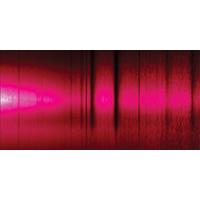
Phys. Rev. Lett. 135, 205101 (2025)
Plasma and Solar Physics, Accelerators and Beams
Latent Phase Transition in Two-Dimensional ${\mathrm{PdSe}}_{2}$
Article | Condensed Matter and Materials | 2025-11-12 05:00 EST
Qishuo Yang, Yabei Wu, Liang Zhu, Junjie Shan, Gang Wang, Xingxing Li, Erding Zhao, Shaolong Jiang, Xiao-lei Shi, Zhi-gang Chen, Jin Zou, Shi-Jun Liang, Feng Miao, Wenqing Zhang, and Junhao Lin
Adding extra atoms between sheets of PdSe doesn't affect the material's layered structure--until it does.
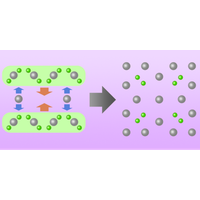
Phys. Rev. Lett. 135, 206102 (2025)
Condensed Matter and Materials
Non-Hermitian Numerical Renormalization Group: Solution of the Non-Hermitian Kondo Model
Article | Condensed Matter and Materials | 2025-11-12 05:00 EST
Phillip C. Burke and Andrew K. Mitchell
Non-Hermitian (NH) Hamiltonians describe open quantum systems, nonequilibrium dynamics, and dissipative processes. Although a rich range of single-particle NH physics has been uncovered, many-body phenomena in strongly correlated NH systems have been far less well studied. The Kondo effect, an impor…
Phys. Rev. Lett. 135, 206502 (2025)
Condensed Matter and Materials
All-Electrical Self-Switching of van der Waals Chiral Antiferromagnet
Article | Condensed Matter and Materials | 2025-11-12 05:00 EST
Junlin Xiong, Jiawei Jiang, Yanwei Cui, Han Gao, Ji Zhou, Zijia Liu, KuiKui Zhang, Shaobo Cheng, Kehui Wu, Sang-Wook Cheong, Kai Chang, Zhongkai Liu, Hongxin Yang, Shi-Jun Liang, Bin Cheng, and Feng Miao
Antiferromagnets have garnered significant attention due to their negligible stray field and ultrafast magnetic dynamics, which are promising for high-density and ultrafast spintronic applications. Their dual functionality as both spin sources and information carriers could enable all-electrical sel…
Phys. Rev. Lett. 135, 206701 (2025)
Condensed Matter and Materials
Exciton-Exciton Annihilation Mediated by Many-Body Coulomb and Phonon Interactions: An Ab Initio Study
Article | Condensed Matter and Materials | 2025-11-12 05:00 EST
Guy Vosco and Sivan Refaely-Abramson
Exciton-exciton annihilation, in which two excitons interact to generate high-energy excitations, is an important nonradiative channel in light-induced excited-state relaxation. When efficient, this process offers an alternative route to exciton emission, potentially allowing extended energetically …
Phys. Rev. Lett. 135, 206901 (2025)
Condensed Matter and Materials
Freezing-Induced Deformation in Water and Hydrogel Droplets
Article | Polymers, Chemical Physics, Soft Matter, and Biological Physics | 2025-11-12 05:00 EST
Lila Séguy, Axel Huerre, and Suzie Protière
We performed experiments to directionally freeze agar hydrogel drops on a copper substrate maintained at low temperature. Unlike the water droplets studied in the literature, where the liquid part can reorganize during freezing, these droplets present a strictly vertical expansion. This is due to th…
Phys. Rev. Lett. 135, 208201 (2025)
Polymers, Chemical Physics, Soft Matter, and Biological Physics
Physical Review X
Persistence of Charge Ordering Instability to Coulomb Engineering in the Excitonic Insulator Candidate ${\mathrm{TiSe}}_{2}$
Article | 2025-11-12 05:00 EST
Sebastian Buchberger, Yann in ‘t Veld, Akhil Rajan, Philip A. E. Murgatroyd, Brendan Edwards, Bruno K. Saika, Naina Kushwaha, Maria H. Visscher, Jan Berges, Dina Carbone, Jacek Osiecki, Craig Polley, Tim Wehling, and Phil D. C. King
Experiments on monolayer TiSe grown on different substrates show that its charge-density wave persists even when exciton formation is suppressed, proving that lattice effects--not excitons--drive the ordered state.
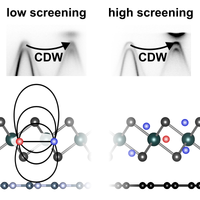
Phys. Rev. X 15, 041028 (2025)
arXiv
Toward fast, accurate and robust AI prediction of ground states in rotating BEC
New Submission | Quantum Gases (cond-mat.quant-gas) | 2025-11-12 20:00 EST
Zhizhong Kong, Jerry Zhijian Yang, Cheng Yuan, Xiaofei Zhao
We propose an unsupervised deep learning approach for computing the ground state (GS) of rotating Bose-Einstein condensation. To minimize the energy under a mass constraint, our approach introduces two key and novel ingredients: a normalized loss function that exactly enforces the mass constraint, and a training strategy named virtual rotation acceleration that is essential for avoiding local minima and guiding the learning process to the correct quantized vortex phase. Extensive numerical experiments demonstrate the proposed approach as an effective and accurate method to predict GS across physical conditions–from slow to fast rotation and from isotropic to anisotropic confinement. Through further distillation, we establish a unified operator network capable of efficiently generalizing physical parameters across different phases. It enables rapid GS predictions while correctly capturing phase transitions and is applied for inverse problems.
Quantum Gases (cond-mat.quant-gas), Computational Physics (physics.comp-ph)
Parametric Instabilities of Correlated Quantum Matter
New Submission | Strongly Correlated Electrons (cond-mat.str-el) | 2025-11-12 20:00 EST
Strongly correlated quantum materials exhibit a rich landscape of ordered phases with highly tunable properties, making them an intriguing platform for exploring non-equilibrium phenomena. A key to many of these phases is collective bosonic excitations, encoding fluctuations of the underlying order. In this work, we develop a general theoretical framework for parametric driving of such modes, whereby periodic modulation of microscopic parameters generates resonant two-boson processes. We show that the feasibility and strength of this drive depend sensitively on whether the targeted parameter alters the properties of the bosonic excitations vacuum, linking potential parametric instabilities directly to the fidelity susceptibility of the ground state. The driving facilitates nonthermal melting of the parent orders, as well as stabilization of novel steady states with experimentally distinct signatures. Through microscopic case-studies of correlated electronic systems, we identify promising driving knobs, highlight the role of quantum geometry in the collective modes susceptibility, and propose realistic experimental probes. Collective excitations are a powerful resource for steering correlated phases out of equilibrium, and will likely have several applications in quantum science. Our work provides the toolbox for controlling these excitations.
Strongly Correlated Electrons (cond-mat.str-el), Mesoscale and Nanoscale Physics (cond-mat.mes-hall)
Non-Reciprocal Zone Boundary Magnon Propagation in Cu$_2$OSeO$_3$
New Submission | Strongly Correlated Electrons (cond-mat.str-el) | 2025-11-12 20:00 EST
Tobias Weber, Niclas Heinsdorf, Michal Stekiel, Paul Steffens, Andreas Schnyder, Christian Pfleiderer
Inelastic neutron scattering in the chiral magnet Cu$ _2$ OSeO$ _3$ reveals strong non-reciprocal effects on magnon propagation at the boundary of the nuclear Brillouin zone. The non-reciprocal response is strongest at a central position between the zone corner and edge mid-point. We explain these results using an effective linear spin-wave model. While directional effects in chiral magnets have so far only been known to exist at low momenta close to the center of the Brillouin zone, the present study shows that non-reciprocity persists at the highest possible reduced momenta. The observed magnons show very little damping within the limits of our experimental resolution, making them of great interest for the fundamental research on compact, high-frequency magnonic applications.
Strongly Correlated Electrons (cond-mat.str-el)
paper and supplementary materials
High-speed antiferromagnetic domain walls driven by coherent spin waves
New Submission | Mesoscale and Nanoscale Physics (cond-mat.mes-hall) | 2025-11-12 20:00 EST
Kyle L. Seyler, Hantao Zhang, Daniel Van Beveren, Costel R. Rotundu, Young S. Lee, Ran Cheng, David Hsieh
The ability to rapidly manipulate domain walls (DWs) in magnetic materials is key to developing novel high-speed spintronic memory and computing devices. Antiferromagnetic (AFM) materials present a particularly promising platform due to their robustness against stray fields and their potential for exceptional DW velocities. Among various proposed driving mechanisms, coherent spin waves could potentially propel AFM DWs to the magnon group velocity while minimizing dissipation from Joule heating. However, experimental realization has remained elusive due to the dual challenges of generating coherent AFM spin waves near isolated mobile AFM DWs and simultaneously measuring high-speed DW dynamics. Here we experimentally realize an approach where ultrafast laser pulses generate coherent spin waves that drive AFM DWs and develop a technique to directly map the spatiotemporal DW dynamics. Using the room-temperature AFM insulator Sr$ _2$ Cu$ _3$ O$ _4$ Cl$ _2$ , we observe AFM DW motion with record-high velocities up to ~50 km/s. Remarkably, the direction of DW propagation is controllable through both the pump laser helicity and the sign of the DW winding number. This bidirectional control can be theoretically explained, and numerically reproduced, by the DW dynamics induced by coherent spin waves of the in-plane magnon mode - a phenomenon unique to magnets with an easy-plane anisotropy. Our work uncovers a novel DW propulsion mechanism that is generalizable to a wide range of AFM materials, unlocking new opportunities for ultrafast coherent AFM spintronics.
Mesoscale and Nanoscale Physics (cond-mat.mes-hall), Strongly Correlated Electrons (cond-mat.str-el)
10 pages main text, 4 figures, 8 pages supplementary information
Nature Communications 16, 9836 (2025)
Superconductivity in the two-dimensional Hubbard model revealed by neural quantum states
New Submission | Superconductivity (cond-mat.supr-con) | 2025-11-12 20:00 EST
Christopher Roth, Ao Chen, Anirvan Sengupta, Antoine Georges
Whether the ground state of the square lattice Hubbard model exhibits superconductivity re- mains a major open question, central to understanding high temperature cuprate superconductors and ultra-cold fermions in optical lattices. Numerical studies have found evidence for stripe-ordered states and superconductivity at strong coupling but the phase diagram remains controversial. Here, we show that one can resolve the subtle energetics of metallic, superconducting, and stripe phases using a new class of neural quantum state (NQS) wavefunctions that extend hidden fermion de- terminant states to Pfaffians. We simulate several hundred electrons using fast Pfaffian algorithms allowing us to measure off-diagonal long range order. At strong coupling and low hole-doping, we find that a non-superconducting filled stripe phase prevails, while superconductivity coexisting with partially-filled stripes is stabilized by a negative next neighbor hopping t-prime, with |t-prime| > 0.1. At larger doping levels, we introduce momentum-space correlation functions to mitigate finite size effects that arise from weakly-bound pairs. These provide evidence for uniform d-wave superconductivity at U = 4, even when t-prime = 0. Our results highlight the potential of NQS approaches, and provide a fresh perspective on superconductivity in the square lattice Hubbard model.
Superconductivity (cond-mat.supr-con), Disordered Systems and Neural Networks (cond-mat.dis-nn), Strongly Correlated Electrons (cond-mat.str-el)
Magnetic structure evolution and magnetoelastic coupling across the spin reorientation transition in TmCrO3
New Submission | Strongly Correlated Electrons (cond-mat.str-el) | 2025-11-12 20:00 EST
Vishesh Sharma, Gaurav Gautam, Poonam Yadav, Chin-Wei Wang, Kaya Wei, N. P. Lalla, Theo Siegrist, Shivani Sharma
We present a comprehensive study of the magnetic structure evolution across the spin reorientation transition in orthorhombic (Pnma) TmCrO3. Magnetic susceptibility reveals canted antiferromagnetic (CAFM) ordering at T_N = 125 K, two compensation points (T_comp1 and T_comp2), followed by magnetization reversal with a magnetic susceptibility minimum between T_comp1 and T_comp2. Heat capacity shows a sharp lambda-type transition at T_N, associated with the long-range antiferromagnetic ordering of Cr, followed by a broad feature near 9 K. Neutron powder diffraction (NPD) establishes the Pn’m’a (Gamma2) magnetic structure below T_N. A gradual change in magnetic structure occurs during the spin-reorientation (SRO) transition below 30 K, where the magnetic symmetry transforms from Pn’m’a (Gamma2) to Pn’ma’ (Gamma4) phase. However, below the SRO, neither Gamma2 nor Gamma4 alone adequately fit the intensity of magnetic reflections. A satisfactory refinement is achieved using the monoclinic subgroup P21’/c’, derived from a combination of Gamma2 and Gamma4. The gradual SRO of Tm and Cr moments across the compensation regime is consistent with the magnetic symmetry P21’/c’. Furthermore, the ordered moments of Cr and Tm in TmCrO3 exhibit a complex, non-monotonic temperature dependence, with the Tm sublattice driving the spin-reorientation transition near the compensation point. Anomalies in the lattice parameters reveal strong magnetoelastic coupling, linking structural distortions to the SRO.
Strongly Correlated Electrons (cond-mat.str-el), Materials Science (cond-mat.mtrl-sci)
17 pages, 8 figures
Hidden symmetry-breaking in a kagome Ising ferromagnet
New Submission | Strongly Correlated Electrons (cond-mat.str-el) | 2025-11-12 20:00 EST
Tianxiong Han, Tyler J. Slade, Liqin Ke, Qing-Ping Ding, Minseong Lee, Ryan D. McKenzie, Bing Li, Durba R. Jaishi, Yongbin Lee, Daniel M. Pajerowski, Qiang Zhang, Tao Hong, Paul C. Canfield, Yuji Furukawa, Komalavalli Thirunavukkuarasu, Aashish Sapkota, Rebecca Flint, Robert J. McQueeney
Kagome metals can host unconventional electronic phenomena that emerge from their frustrated lattice geometry and associated band topology. Correlated electronic orders, such as charge-density waves and superconductivity, are observed to intertwine with subtle time-reversal symmetry breaking whose microscopic origin is not currently understood. Here, we provide evidence for such time-reversal symmetry breaking in the kagome metal TbV$ _6$ Sn$ _6$ arising from staggered magnetic moments within the kagome layers. TbV$ _6$ Sn$ _6$ consists of metallic V kagome layers separated by Tb triangular layers that host Ising ferromagnetic order. Deep in the ferromagnetic state, the Tb Ising doublet ground state should display a single, dispersionless spin-flip excitation. Instead, inelastic neutron scattering reveals two sharp excitations associated with inequivalent Tb sites, demonstrating that a symmetry-broken phase coexists with Ising ferromagnetism. No additional structural or magnetic phase transitions are detected, and first-principles calculations rule out lattice distortions as the origin of the splitting. We attribute this effect to time-reversal symmetry breaking encoded by small V moments that couple to the Tb sublattice and leave a measurable spectral fingerprint. Our results establish rare-earth local moment spectroscopy as a sensitive probe of subtle broken symmetries and highlight an unexpected interplay between kagome magnetism and rare-earth local moment magnetism.
Strongly Correlated Electrons (cond-mat.str-el)
7 pages, 4 figures
Nanorod Pair Complexes Manipulated via Magnetic Casimir Forces
New Submission | Materials Science (cond-mat.mtrl-sci) | 2025-11-12 20:00 EST
S Pal, L. M. Woods, C. Persson, I. Brevik, U. De Giovannini, M. Boström
Controlling nanoscale interactions to suppress aggregation from short-range attractive forces is a key problem in nanoengineering. Here, we demonstrate a route to modulate Casmir-Lifshitz interactions between anisotropic nanoparticles with the magnetic fluids. By semi-classical quantum electrodynamics, we study ground state dispersion forces for cylindrical dielectric nanorods made of polystyrene (PS), and zinc oxide (ZnO) embedded in toluene-based host media with gold-coated magnetite nanoparticles and also predict magnetic contributions to the non-retarded excited state interaction. The variation in magnetic permeability enables tuning between repulsive and attractive interaction and a thermally unstable and measurable magnetic Casimir traps are predicted between a pair of ZnO-PS nanoparticles whose equilibrium position can be modulated over an order of magnitude with a small variation in the size of the magnetite nanoparticle. This provides an alternative magnetic Casimir-effect pathway to reversibly tune quantum electromagnetic forces at the nanoscale for assembly and enhancement of colloidal stability.
Materials Science (cond-mat.mtrl-sci)
43 pages, 7 figures
Topological Metal-Insulator Transition within the Ferromagnetic state
New Submission | Strongly Correlated Electrons (cond-mat.str-el) | 2025-11-12 20:00 EST
Ola Kenji Forslund, Chin Shen Ong, Moritz M. Hirschmann, Nicolas Gauthier, Hiroshi Uchiyama, Christian Tzschaschel, Daniel G. Mazzone, Romain Sibille, Antonio M. dos Santos, Masafumi Horio, Elisabetta Nocerino, Nami Matsubara, Deepak John Mukkattukavil, Konstantinos Papadopoulos, Kazuya Kamazawa, Kazuhiko Ikeuchi, Hidenori Takagi, Masahiko Isobe, Jun Sugiyama, Johan Chang, Yasmine Sassa, Olle Eriksson, Martin Månsson
A major challenge in condensed matter physics is integrating topological phenomena with correlated electron physics to leverage both types of states for next-generation quantum devices. Metal-insulator transitions (MITs) are central to bridging these two domains while simultaneously serving as ‘on-off’ switches for electronic states. Here, we demonstrate how the prototypical material of K2Cr8O16 undergoes a ferromagnetic MIT accompanied by a change in band topology. Through inelastic x-ray and neutron scattering experiments combined with first-principles theoretical calculations, we demonstrate that this transition is not driven by a Peierls mechanism, given the lack of phonon softening. Instead, we establish the transition as a topological MIT within the ferromagnetic phase (topological-FM-MIT) with potential axionic properties, where electron correlations play a key role in stabilizing the insulating state. This work pioneers the discovery of a topological-FM-MIT and represents a fundamentally new class of topological phase transitions, revealing a unique pathway through which magnetism, topology, and electronic correlations interact.
Strongly Correlated Electrons (cond-mat.str-el)
Random initial data and average shock time in the Fermi-Pasta-Ulam-Tsingou chain
New Submission | Statistical Mechanics (cond-mat.stat-mech) | 2025-11-12 20:00 EST
Matteo Gallone, Ricardo Grande, Antonio Ponno, Stefano Ruffo, Erwan Druais
We investigate the dynamics of the Fermi-Pasta-Ulam-Tsingou chain with long-wavelength random initial data. When the energy per particle is small, thermal equilibrium is not reached on a fast timescale and the system enters prethermalization. The formation of the prethermal state is characterized by the development of a Burgers-type shock and the onset of a turbulent-like spectrum with a time dependent exponent $ \zeta(t)$ in the inertial range. We perform a significant step forward by demonstrating that these features are robust under generic long-wavelength random initial conditions. By employing advanced probabilistic techniques inspired by the works of Dudley and Talagrand, we derive a sharp asymptotic expression for the average shock time in the thermodynamic limit. For large $ p$ , this time scales as $ (p \sqrt{\log p})^{-1}$ , where $ p$ is the number of excited modes proving that it is an intensive quantity up to a logarithmic correction in the size of the system.
Statistical Mechanics (cond-mat.stat-mech), Mathematical Physics (math-ph), Exactly Solvable and Integrable Systems (nlin.SI), Fluid Dynamics (physics.flu-dyn)
7 pages + 16 pages of supplemental material
Control of Spontaneous Orientation Polarization in Organic Semiconductors: The Role of Molecular Structure and Film Growth Conditions
New Submission | Materials Science (cond-mat.mtrl-sci) | 2025-11-12 20:00 EST
Albin Cakaj, Markus Schmid, Alexander Hofmann, Wolfgang Brütting
Spontaneous orientation polarization (SOP) occurs when molecules with a finite permanent dipole moment are grown as thin films by physical vapor deposition and their alignment is such that a net non-zero polarization remains. We discuss how SOP in organic semiconductors can be controlled by the design of molecules as well as the film growth conditions and discuss its relevance in organic light-emitting devices.
Materials Science (cond-mat.mtrl-sci)
PROCEEDINGS OF THE INTERNATIONAL DISPLAY WORKSHOPS, VOL. 31, 2024
The pseudogap and strange metal states in the square-lattice Hubbard model: a comprehensive study
New Submission | Strongly Correlated Electrons (cond-mat.str-el) | 2025-11-12 20:00 EST
To clarify the origin of the pseudogap and strange metal states as well as their mutual relationship in cuprate superconductors, a comprehensive study on the spectral function, Fermi surface, resistivity and dynamical spin susceptivity of the Hubbard model on the square lattice has been conducted by means of the ladder dual-fermion approximation with an electron self-energy correction. It is found that the appearance of these two states requires that the characteristic hole concentration below which the Mott-Heisenberg and Slater mechanisms of electron localization occurs $ p_{\rm MS}$ nearly coincides with the hole concentration where the Van Hove singularity (VHS) point is placed at the vicinity of the Fermi level. When this condition is met the VHS point is pined at which the nesting condition of the antiferromagnetic (AFM) fluctuation is fulfilled almost everywhere on the Fermi surface in wide range of the hole concentration in a metallic state, i.e., the strange metal state. The spin fluctuation of the strange metal state is nearly quantum critical and the dynamical spin susceptivity is well described by overdamped spin wave having the $ \omega/T$ scaling with the relaxation rate at the Planckian limit. Because of these distinctive features of the strange metal state, the $ k$ dependence of scattering rate of electrons is small and electrons behave as the marginal Fermi liquid, resulting in $ T$ -linear resistivity. In contrast, the pseudogap state is magnetically in the renormalized classical regime and the pseudogap is formed near the X point where the nesting condition of the short-range AFM order is fulfilled.
Strongly Correlated Electrons (cond-mat.str-el)
33 pages, 22 figures
Fusion of two critical points and accelerated phase dynamics in orientational ternary mixtures
New Submission | Soft Condensed Matter (cond-mat.soft) | 2025-11-12 20:00 EST
Motivated by intracellular phase separation, we theoretically investigate how molecular orientation and multi-component nature affect phase behavior. We construct a minimal model for a ternary mixture composed of isotropic (I), anisotropic (A), and solvent (s) components by combining the Flory-Huggins and Maier-Saupe theories. We obtain two main results from evaluating the phase behavior and the time evolution of the density fields. First, for certain interaction parameters, two distinct binodal lines appear in the plane of the volume fractions of the I- and A-components, and merge through their respective critical points. Second, rapid droplet formation emerges due to a weakly first-order phase transition, characterized by a discontinuity of the spinodal surface. The first result indicates the possibility of continuous transformation between the two phase-separated states. The second result suggests that anisotropic molecules can regulate phase separation kinetics. These findings might be physically general beyond biological systems.
Soft Condensed Matter (cond-mat.soft)
9pages, 11figures
Short-range order influences H distribution in Fe-Ni-Cr austenitic stainless steels
New Submission | Materials Science (cond-mat.mtrl-sci) | 2025-11-12 20:00 EST
Tianyu Su, Brian J. Blankenau, Namhoon Kim, Kshitij Vijayvargia, Petros Sofronis, Jessica A. Krogstad, Elif Ertekin
Hydrogen embrittlement (HE) in austenitic stainless steels is advanced by hydrogen enhanced localized plasticity (HELP), typically accompanied by a transition from homogeneous to localized slip. Short-range order (SRO) in face-centered cubic (FCC) alloys is known to promote slip planarity, and recent studies suggest that H may amplify this localization behavior linked to inherent SRO. However, the manner in which the introduction of H affects SRO properties and, conversely, the manner that pre-existing SRO may affect H behavior, are not fully understood. In this work, a spin cluster expansion model combined with Monte Carlo simulation is employed to study the interplay between H and SRO in Fe-Ni-Cr alloys. Chemical order is quantified using Warren-Cowley SRO parameters, and the model predictions are validated against experimental data. We find that the presence of H only slightly alters the intrinsic ordering preference of the Fe-Ni-Cr alloys. As temperature decreases and the alloy evolves from disordered to ordered thermodynamic states, distinct H-metal correlations emerge. In particular, H-Ni and H-Cr pairs exhibit stronger ordering tendencies than H-Fe pairs, suggesting a selective affinity of H for certain atomic environments. On the other hand, we also find that compared to random alloys, when pre-existing SRO is present, it significantly affects the resulting H distribution by promoting local H enrichment in SRO domains. Such SRO-driven local H accumulation may facilitate slip localization and contribute to the early onset of embrittlement. These findings provide thermodynamic and structural insights into the interaction between H and SRO in austenitic stainless steels, highlighting possible implications on how the interaction between HELP and SRO brings about hydrogen embrittlement in austenitic stainless steels.
Materials Science (cond-mat.mtrl-sci)
Compliant Mechanisms for Invertible Poisson’s Ratio and Tunable Stiffness in Cell Culture Substrates
New Submission | Soft Condensed Matter (cond-mat.soft) | 2025-11-12 20:00 EST
Manu Sebastian, Sreenath Balakrishnan, Safvan Palathingal
The mechanical environment of a substrate plays a key role in influencing the behavior of adherent biological cells. Traditional tunable substrates have limitations as their mechanical properties cannot be dynamically altered in-situ during cell culture. We present an alternate approach by using compliant mechanisms that enable realization of tunable substrate properties, specifically, invertible Poisson’s ratio and tunable stiffness. These mechanisms transition between positive and negative Poisson’s effects with tunable magnitude through a bistable Engaging-Disengaging Compliant Mechanism (EDCM). EDCM allows stiffness between two points of the substrate to switch between zero and theoretically infinite. In the stiffened state, lateral deformation reverses under a constant axial load, while in the zero-stiffness state, the deformation direction remains outward as that of re-entrant structure. EDCM in conjunction with an offset mechanism also allows tuning of the effective stiffness of the entire mechanism. We present analytical models correlating geometric parameters to displacement ratios in both bistable states and through illustrative design cases, demonstrate their potential for designing dynamic and reconfigurable cell culture substrates.
Soft Condensed Matter (cond-mat.soft)
A Dual-Memory Ferroelectric Transistor Emulating Synaptic Metaplasticity for High-Speed Reservoir Computing
New Submission | Other Condensed Matter (cond-mat.other) | 2025-11-12 20:00 EST
Yifan Wang, Muhammad Sakib Shahriar, Salma Soliman, Noah Vaillancourt, Lance Fernandes, Andrea Padovani, Asif Islam Khan, Md Sakib Hasan, Raisul Islam
The exponential growth of edge artificial intelligence demands material-focused solutions to overcome energy consumption and latency limitations when processing real-time temporal data. Physical reservoir computing (PRC) offers an energy-efficient paradigm but faces challenges due to limited device scalability and reconfigurability. Additionally, reservoir and readout layers require memory of different timescales, short-term and long-term respectively - a material challenge hindering CMOS-compatible implementations. This work demonstrates a CMOS-compatible ferroelectric transistor using hafnium-zirconium-oxide (HZO) and silicon, enabling dual-memory operation. This system exhibits non-volatile long-term memory (LTM) from ferroelectric HZO polarization and volatile short-term memory (STM) from engineered non-quasi-static (NQS) channel-charge relaxation driven by gate-source/drain overlap capacitance. Ferroelectric polarization acts as non-volatile programming of volatile dynamics: by modulating threshold voltage, the ferroelectric state deterministically switches the NQS time constant and computational behavior between paired-pulse facilitation (PPF) and depression (PPD). This establishes a generalizable material-design principle applicable to diverse ferroelectric-semiconductor heterostructures, extending beyond silicon to oxide semiconductors and heterogeneously-integrated systems. The device solves second-order nonlinear tasks with 3.69 x 10^-3 normalized error using only 16 reservoir states - 5x reduction - achieving 20 us response time (1000x faster) and 1.5 x 10^-7 J energy consumption, providing an immediately manufacturable pathway for neuromorphic hardware and energy-efficient edge intelligence.
Other Condensed Matter (cond-mat.other), Systems and Control (eess.SY)
Inhomogeneous dynamic state in the double trillium lattice antiferromagnet KBaFe$_2$(PO$_4$)$_3$
New Submission | Materials Science (cond-mat.mtrl-sci) | 2025-11-12 20:00 EST
S. J. Sebastian, S. S. Islam, R. Kolay, S. Mohanty, Q. P. Ding, Y. Skourski, J. Sichelschmidt, M. Baenitz, Jonas A. Krieger, T. J. Hicken, H. Luetkens, A. A. Tsirlin, Y. Furukawa, R. Nath
The three-dimensional (3D) magnet KBaFe$ _2$ (PO$ 4$ )$ 3$ hosts a double-trillium lattice of Fe$ ^{3+}$ (spin, $ S=5/2$ ) ions offering a prototypical platform to study the frustration induced effects in 3D. Through magnetization, specific heat, $ ^{31}$ P nuclear magnetic resonance (NMR), and muon spin relaxation ($ \mu$ SR) experiments, supported by first principles calculations, we uncover an unconventional ground state. Despite strong antiferromagnetic interactions with a large Curie-Weiss temperature $ \theta{\rm CW} = -70(2)$ K, no magnetic long-range order is observed down to 30 mK. Below $ T^{\ast}\simeq 3.5$ K, the NMR linewidth becomes nearly field-independent and the spin-spin relaxation rate $ 1/T_2$ saturates, accompanied by an inhomogeneous distribution of transverse nuclear magnetization $ M{xy}$ . The latter indicates the emergence of short-range dynamical correlations, which was further corroborated by a robust and field-insensitive broad maximum in specific heat. In $ \mu$ SR, we detect neither a static internal field nor spin freezing; instead the relaxation remains dynamic and is best described by two coexisting dynamic relaxation channels: a dominant fast (sporadic) channel and a slower Markovian component. Their differing weights and fluctuation rates suggest microscopic inhomogeneity in spin dynamics. Altogether, KBaFe$ _2$ (PO$ _4$ )$ _3$ exemplifies a rare high-spin stochiometric 3D antiferromagnet that evades ordering and instead fosters a mosaic of spin dynamics driven by strong geometric frustration intrinsic to the trillium lattice.
Materials Science (cond-mat.mtrl-sci)
7 pages and 3 figures
Gradient flow and Bogomolny bounds for quantum metric actions
New Submission | Mesoscale and Nanoscale Physics (cond-mat.mes-hall) | 2025-11-12 20:00 EST
We formulate gradient flow dynamics generated by two natural actions of the quantum metric for an isolated set of Bloch bands. Specializing to two spatial dimensions, we derive Bogomolny-type lower bounds that relate these actions to the Chern number and show that the bounds are saturated by (anti-)holomorphic projector configurations. Along the flows, the actions decrease monotonically while the Chern number is conserved, giving a constructive route to simplify models within a fixed topological phase toward canonical, low-complexity representatives.
Mesoscale and Nanoscale Physics (cond-mat.mes-hall)
7 pages, 1 figure
Mesoscopic Correlations in Aqueous Alkylamine Mixtures Between Molecular and Micro Emulsions
New Submission | Soft Condensed Matter (cond-mat.soft) | 2025-11-12 20:00 EST
Understanding how molecular correlations give rise to mesoscale organization is central to the physics of complex fluids such as hydrogen-bonded mixtures. In this work, we develop a mesoscale bridge formalism that connects the site-site Ornstein-Zernike (SSOZ) framework to the field theoretical Teubner-Strey (TS) approach. This bridge highlights how local orientational correlations, typically lost in the SSOZ closure, reemerge as effective long-range components at the mesoscale. The resulting theory provides a unified description of density fluctuations spanning molecular to mesoscopic length scales. The approach is illustrated using X-ray scattering spectra from simulated and experimental hydrogen-bonded fluids, showing that the TS representation captures the essential features of the mesoscale structure. Beyond this specific application, the proposed formalism offers a general route to interpret the structural crossover between microscopic interactions and collective mesoscale organization in complex fluids, including aqueous and amphiphilic systems.
Soft Condensed Matter (cond-mat.soft), Chemical Physics (physics.chem-ph)
Persistently Non-Gaussian Metastable Liquids
New Submission | Soft Condensed Matter (cond-mat.soft) | 2025-11-12 20:00 EST
Vinay Vaibhav, Tamoghna Das, Suman Dutta
Particles undergoing Fickian diffusion within smooth energy landscapes exhibit Gaussian statistics. However, this Gaussian behavior is often elusive in complex liquids, where particle dynamics within spontaneously fluctuating or spatio-temporally heterogeneous environments lead to a breakdown of ergodicity and time-reversal symmetry. This is usually caused by extreme particle movements or sudden dynamical arrest. Such situations are prevalent in dense metastable liquids exhibiting slow flow or cooperative movements, facilitated by cage-breaking. We investigate the dynamics of glassy systems driven by either thermal, external, or environmental fluctuations. Despite their differences, our findings reveal that particle motion is universally affected by large deviations, resulting in non-Gaussian tails persisting over multiple decades in time. We further discuss the underlying dynamical aspects.
Soft Condensed Matter (cond-mat.soft), Statistical Mechanics (cond-mat.stat-mech)
Angular Patterns of Photoluminescence in Quantum Dot Spherical Superparticles Mediated by Whispering-Gallery Modes
New Submission | Mesoscale and Nanoscale Physics (cond-mat.mes-hall) | 2025-11-12 20:00 EST
Quantum dot superparticles are a specific class of metamaterials created through the self-assembly of nanometer semiconductor quantum dots into organized micro-scale structures, such as microspheres. Superparticles exhibit unique optical, chemical, and electronic properties. These properties are not merely the sum of the constituent quantum dots but rather bear the signature of the collective behavior of the nanoscale building blocks. In particular, assembling an ensemble of quantum dots into a super-sphere allows them to function as a single, high-quality optical resonator. This structure efficiently confines the emission from the pump-excited quantum dots via whispering gallery modes. The emissive properties of such a superparticle resonator remain an area of active investigation. Using numerical simulation, we study the angular structure of the photoluminescence from superparticles of various sizes and architectures formed from CdS quantum dots. We show that, in general, the angular distribution of the SP emission is characterized by strong asymmetry, with a maximum in the backward direction relative to the incident pump beam. In contrast, this asymmetry is virtually absent in the forward and side-scattering directions. The excitation of resonant modes in the superparticle enhances the emission intensity and reduces the degree of its backward asymmetry. Furthermore, coating the CdS quantum dot particle with a silicon dioxide layer increases the probability of exciting field resonances in such a core-shell superparticle.
Mesoscale and Nanoscale Physics (cond-mat.mes-hall), Optics (physics.optics)
High and Magnetic-field-dependent Surface Carriers Mobility in 3D Topological Insulators without Bulk States
New Submission | Mesoscale and Nanoscale Physics (cond-mat.mes-hall) | 2025-11-12 20:00 EST
M. V. Pugachev, A. E. Borisov, A. V. Shupletsov, V. O. Sakhin, E. F. Kukovitsky, A. Yu. Kuntsevich
By applying the conventional two-liquid model to the magnetoresistivity tensor, we reveal a record-high carrier mobility for surface states in tetradymite topological insulators ($ \sim$ 20000 cm$ ^2$ /Vs) in both bulk crystals and thin flakes of Sn-Bi$ _{1.1}$ Sb$ _{0.9}$ Te$ _2$ S. Bulk crystals of this 3D topological insulator exhibit a transition from bulk to surface-dominated conductivity below 100 K, whereas in thin flakes, bulk conductivity is suppressed at even higher temperatures. Our data therefore suggest that a key ingredient for elevated mobility is the absence of bulk carriers at the Fermi level. A fingerprint of the high-mobility carriers, i.e a steep low-field magnetoresistance along with a strong Hall effect nonlinearity below 1 T, signifies the presence of at least two surface-related carrier species, even when bulk states are frozen out. To explain the magnetoresistance and the Hall effect in a wider range of magnetic fields ($ >1$ T), one must assume that the carrier mobility drops with the field. The influence of Zeeman splitting on mobility and the contribution of anomalous Hall conductivity provide a much better description of the magnetoresistance and the nonlinearity of the Hall coefficient. Our data call for a revision of the surface state mobility in 3D topological insulators.
Mesoscale and Nanoscale Physics (cond-mat.mes-hall), Materials Science (cond-mat.mtrl-sci)
Main: 7 pages, 4 figures. Supplementary: 2 pages, 4 figures
Implementation and application of a DFT$+U$$+V$ approach within the all-electron FLAPW method
New Submission | Materials Science (cond-mat.mtrl-sci) | 2025-11-12 20:00 EST
Wejdan Beida, Gustav Bihlmayer, Christoph Friedrich, Gregor Michalicek, Daniel Wortmann, Stefan Blügel
We present an implementation of the density-functional theory DFT$ +U$ +V$ formalism within the all-electron full-potential linearized augmented-plane-wave (FLAPW) method as implemented in the FLEUR code. The DFT$ +U$ +V$ formalism extends DFT, supplemented by the onsite Coulomb interaction $ U$ , to address local correlation effects in localized states by incorporating intersite Coulomb interaction terms $ V$ . It holds promise for improving charge and bond disproportionation, charge and orbital ordering, charge density wave formation, charge transfer, and the intersite correlation resulting from hybridization between states of neighboring sites in a solid. $ U$ and $ V$ parameters are obtained from first principles using the constrained random-phase approximation (cRPA) employing two different atom basis representations to project the screened Coulomb interaction: the Wannier and the muffin-tin basis functions. We investigate in detail the impact of the $ V$ term for typical covalently bonded materials like graphene, for bulk semiconductors such as silicon and germanium, and for charge-transfer insulators like NiO. Our results demonstrate an improvement in accuracy of specific properties across these systems, providing a framework for describing materials with different interaction regimes. We compare our DFT$ +U$ +V$ results using our cRPA parameter sets with (i) previous DFT$ +U$ +V$ calculation employing pseudopotential approximations, (ii) with experimental results and (iii) with our $ GW$ results.
Materials Science (cond-mat.mtrl-sci)
Submitted
On the decay of spatial correlations in the Tonks gas
New Submission | Soft Condensed Matter (cond-mat.soft) | 2025-11-12 20:00 EST
We provide an alternative derivation of the asymptotic behavior of the radial distribution function $ g(r)$ for the one-dimensional Tonks gas at high packing fractions, recently analyzed by Bouzar and Messina [Phys. Rev. E 112, L042105 (2025)]. Our approach is based on the Laplace representation of $ g(r)$ and pole analysis. By identifying the poles and residues of the Laplace transform in the limit of small void fraction, we obtain an exact representation of $ g(r)$ in terms of the Jacobi elliptic theta function $ \theta_3$ . This representation is shown to be essentially equivalent to the Gaussian superposition found by Bouzar and Messina through the Poisson summation formula, but offers a more compact form that naturally reveals the two asymptotic regimes governing the oscillatory decay toward unity: an algebraic decay at intermediate distances and an exponential decay at large distances. Our method complements the original analysis by connecting the spatial oscillations directly to the pole structure in Laplace space.
Soft Condensed Matter (cond-mat.soft)
3 pages, 3 figures
Tuning Stability of AB3-Type Alloys by Suppressing Magnetism
New Submission | Materials Science (cond-mat.mtrl-sci) | 2025-11-12 20:00 EST
Hung Ba Tran, Toyoto Sato, Ryuhei Sato, Hiroyuki Saitoh, Shin-ichi Orimo, Hao Li
Hydrogen is a promising clean energy carrier, yet effective and reversible storage remains challenging. AB3-type intermetallic alloys are promising for solid-state hydrogen storage due to intermediate thermodynamic stability and rapid hydrogen uptake. Optimizing stability and gravimetric density is hindered by competing thermodynamic and magnetic effects. Here, we analyze AB3 compounds (A = Ca, Y, Mg; B = Co, Ni) and ternary alloys CaxYyMg1-x-yB3 using first-principles calculations and Monte Carlo simulations. We find a direct correlation between formation energy and total magnetic moment that dictates alloy stability, explaining the trade-off in hydrogen storage. In Co-rich systems with large lattice volumes, formation energy rises with magnetization, showing magnetism as the dominant factor. Mg-rich compositions achieve high gravimetric densities, but strong magnetism destabilizes the system, requiring Y substitution to suppress magnetic moments. Replacing Co with Ni weakens magnetism: YNi3 is nonmagnetic, while CaNi3 and MgNi3 are weakly polarized, allowing thermodynamic stability across compositions. Notably, CaMg2Ni9 combines high theoretical capacity (3.32 wt%) with good reversibility. Mg-rich Ni-based alloys are predicted to offer negative formation energies with the highest gravimetric densities (up to 3.40 wt%). These results show that controlling magnetism via transition-metal substitution is key to overcoming the stability-capacity trade-off in AB3 hydrogen storage materials.
Materials Science (cond-mat.mtrl-sci)
Attosecond-resolved coherent control of zone-folded acoustic phonons in silicon carbide
New Submission | Materials Science (cond-mat.mtrl-sci) | 2025-11-12 20:00 EST
Hiromu Matsumoto, Tsukasa Maruhashi, Yosuke Kayanuma, Yadong Han, Jianbo Hu, Kazutaka G. Nakamura
Zone-folded acoustic phonons (6 THz) in 4H silicon carbide (SiC) have been coherently excited using a femtosecond near-infrared pulse and measured through transient reflectivity with a pump and probe protocol. Their amplitude is coherently controlled with 300-attoseconds precision and the results show interference fringe patterns due to electronic and phonon interference. The results are well reproduced by a model calculation with two electronic and phonon levels and an impulsive stimulated Raman process. Using the model, we obtain the analytical form of the coherent control scheme at an off-resonant condition.
Materials Science (cond-mat.mtrl-sci)
10 pages, 7 figures, including supplemental material
Localization transitions in an open quasiperiodic ladder
New Submission | Mesoscale and Nanoscale Physics (cond-mat.mes-hall) | 2025-11-12 20:00 EST
Suparna Sarkar, Soumya Satpathi, Swapan K. Pati
We investigate localization transition in an open quasiperiodic ladder where the quasiperiodicity is described by the Aubry-André-Harper model. While previous studies have shown that higher-order hopping or constrained quasiperiodic potentials can induce a mixed-phase zone in one dimension, we demonstrate that the dissipation can induce mixed phase zone in a one dimensional nearest-neighbor system without imposing any explicit constraints on the quasiperiodic potential or hopping param- eter. Our approach exploits an exact correspondence between the eigenspectrum of the Liouvillian superoperator and that of the non-Hermitian Hamiltonian, valid for quadratic fermionic systems un- der linear dissipation. Using third quantization approach within Majorana fermionic representation, we analyze two dissipation configurations: alternating gain and loss at every site, and at alternate sites under balanced and imbalanced conditions. By computing the inverse and normalized partici- pation ratios, we show that dissipation can drive the system into three distinct phases: delocalizd, mixed, and localized. Notably, the mixed-phase zone is absent for balanced dissipation at every site but emerges upon introducing imbalance, while for alternate site dissipation it appears in both balanced and imbalanced cases. Furthermore, the critical points and the width of the mixed-phase window can be selectively tuned by varying the dissipation strength. These findings reveal that the dissipation plays a decisive role in reshaping localization transitions in quasiperiodic systems, offering new insight into the interplay between non-Hermitian effects and quasiperiodic order.
Mesoscale and Nanoscale Physics (cond-mat.mes-hall)
Non-destructive 3D characterization of microtextured regions in the bulk of Ti-6Al-4V alloy
New Submission | Materials Science (cond-mat.mtrl-sci) | 2025-11-12 20:00 EST
Mads Carlsen, Xiaohan Zeng, Haixing Fang, Moritz Frewein, Tilman A. Grünewald, Joao Quinta da Fonseca, Wolfgang Ludwig
In this study we present spatially resolved texture and orientation maps from a cube-shaped sample of Ti-6Al-4V alloy, reconstructed by means of texture tomography (TT). Unlike grain resolved 3DXRD techniques which require “spotty” diffraction patterns, TT can reconstruct local (voxelized) orientation distribution function (ODFs) from continuous diffraction patterns collected in a 3D scanning procedure. Reconstructions of the same sample, scanned in two different settings and subsequent EBSD analysis parallel to one of the sample faces show excellent mutual agreement and validate the single-axis data collection and reconstruction procedure for this class of materials. The reconstruction reveals the presence and the 3D shape of several micro-textured regions, showing a sharp unimodal texture of the $ \alpha$ -phase with a clear link of the orientation and spatial alignment of these zones to the rolling, transverse and normal directions of the rolled material.
Materials Science (cond-mat.mtrl-sci)
6 pages, 4 figures
Confinement-induced collective motion in suspensions of run-and-tumble particles
New Submission | Soft Condensed Matter (cond-mat.soft) | 2025-11-12 20:00 EST
José Martín-Roca, Daniel Escobar Ortiz, Chantal Valeriani, Horacio Serna
Collective motion is ubiquitous in active systems at all length and time scales. The mechanisms behind such collective motion usually are alignment interactions between active particles, effective alignment after collisions between agents or symmetry-breaking fluctuations induced by passive species in active suspensions. In this article, we introduce a new type of collective motion in the shape of a traveling band induced purely by confinement, where no explicit or effective alignment are prescribed among active agents. We study a suspension of run-and-tumble particles confined in microchannels comprising asymmetric boundaries: one flat wall and one array of funnel-like obstacles. We study the phase behavior of the confined active suspension upon changes in the packing fraction and the persistence length to define the stability region of the traveling band. We characterize the traveling band structurally and dynamically and study its stability with respect to the tilt angle of the obstacles. Lastly, we describe the mechanism of motion of the band, which resembles the tracked locomotion of some heavy vehicles like tractors, finding that a counter-flux of active particles in the lower part of the band, explained in terms of source-sink and vacancy diffusion mechanisms, is the facilitator of the traveling band and sustains its motion. We name this new collective phenomenon confinement-induced tracked locomotion
Soft Condensed Matter (cond-mat.soft)
(Dis-)appearance of liquid-liquid phase transitions in a heterogeneous activated patchy particle model and experiment
New Submission | Soft Condensed Matter (cond-mat.soft) | 2025-11-12 20:00 EST
Furio Surfaro, Peixuan Liang, Hadra Banks, Fajun Zhang, Frank Schreiber, Martin Oettel
The ion-activated patchy particle model is an important theoretical framework to investigate the phase be- haviour of globular proteins in the presence of multivalent ions. In this work, we study and highlight the influence of patch heterogeneity on the extension, appearance and disappearance of the liquid-liquid coexis- tence region of the phase diagram. We demonstrate that within this model the binding energy between salt ions and patches of different type is a key factor in determining the phase behavior. Specifically, we show under which conditions liquid-liquid phase separation (LLPS) in these systems can appear or disappear for varying binding energy and ion-mediated attraction energy between ion-occupied and unoccupied patches. In particular we address the influence of the patch type dependence of these energies on the (dis)appearance of LLPS. These results rationalize our new results on ion-dependent liquid-liquid phase separation in solutions of bovine serum albumine with trivalent cations. In comparison with models with non-activated patches, where the gas-liquid transition disappears when the number of patches approaches two, we find the complementary mechanism that ions may shift the attractions from stronger to weaker patches (with an accompanying disappearance of the transition), if their binding energy to the patches changes. The results have implications for the understanding of charge-driven LLPS in biological systems and its suppression.
Soft Condensed Matter (cond-mat.soft)
13 pages, submitted to JCP
On the Role of Interlayer Electrons on the Frictional Behavior of Two-Dimensional Electrides
New Submission | Materials Science (cond-mat.mtrl-sci) | 2025-11-12 20:00 EST
Jingcheng Qi, Giuliana Materzanini, Gian-Marco Rignanese, Maria Clelia Righi, Junjie Wang
Friction accounts for up to 30% of global energy consumption, underscoring the urgent need for superlubricity in advanced materials. Two-dimensional (2D) electrides are layered materials with cationic layers separated by 2D confined electrons that act as anions. This study reveals the unique frictional properties of these compounds and the underlying mechanisms. We establish that interlayer friction correlates with the cationic charges and sliding-induced charge redistribution. Remarkably, the 2D electride Ba2N stands out for its lower interlayer friction than graphene, despite its stronger interlayer adhesion, defying conventional tribological understanding. This anomalous behavior arises from electron redistribution as the dominant energy dissipation pathway. Combining ab initio calculations and deep potential molecular dynamics (DPMD) simulations, we show that incommensurate twisted interfaces (2° < {\theta} < 58°) in Ba2N achieve structural superlubricity by suppressing out-of-plane buckling and energy corrugation. Notably, a critical normal load of 2.3 GPa enables barrier-free sliding in commensurate Ba2N ({\theta} = 0°), with an ultralow shear-to-load ratio of 0.001, suggesting the potential for superlubricity. Moreover, electron doping effectively reduces interlayer friction by controllably modulating stacking energies in 2D electrides. These findings establish 2D electrides as a transformative platform for energy-efficient tribology, enabling scalable superlubricity through twist engineering, load adaptation, or electrostatic gating. Our work advances the fundamental understanding of electron-mediated friction, with Ba2N serving a model system for cost-effective, high-performance material design.
Materials Science (cond-mat.mtrl-sci)
Suppression of magnetism in Co$_3$Sn$_2$S$_2$ under external pressure
New Submission | Materials Science (cond-mat.mtrl-sci) | 2025-11-12 20:00 EST
A. Chmeruk, D. Jones, R. Balducci, J. Ebad-Allah, F. Beiuşeanu, F. Schilberth, M. A. Kassem, U. Schade, A. Veber, L. Puskar, Y. Tabata, T. Waki, H. Nakamura, C. A. Kuntscher, A. Östlin, L. Chioncel
The ability to control the magnetic state provides a powerful means to tune the underlying band topology, enabling transitions between distinct electronic phases and the emergence of novel quantum phenomena. In this work, we address the evolution of ferromagnetic state upon applying external pressures up to 10.8~GPa using a combined experimental and theoretical study. The standard \emph{ab initio} Density Functional Theory computation including ionic relaxations grossly overestimates the unit cell magnetization as a function of pressure. In our theoretical analysis we identify two possible mechanisms to remedy this shortcoming. Matching the experimental observations is achieved by a symmetry-preserving adjustment of the sulfur atoms position within the unit cell. Alternatively, we explore various combinations of the exchange and correlation parts of the effective potential which reproduce the experimental magnetization, the structural parameters and the measured optical conductivity spectra. Thus, the pressure-dependent behavior of magnetization demands a careful theoretical treatment and analysis of theoretical and experimental data.
Materials Science (cond-mat.mtrl-sci)
11 pages, 6 figures
Prediction of the three-phase coexistence line of the ethane hydrate from molecular simulation
New Submission | Soft Condensed Matter (cond-mat.soft) | 2025-11-12 20:00 EST
Paula Gómez-Álvarez, Miguel J. Torrejón, Jesús Algaba, Felipe J. Blas
We investigate the three-phase coexistence line of ethane (C$ _2$ H$ _6$ ) hydrate through molecular dynamics simulations using the direct coexistence approach. In this framework, C$ _2$ H$ _6$ sI hydrate, aqueous, and pure guest phases are constructed within a single simulation box, allowing us to monitor their mutual stability. From the temporal evolution of the potential energy, we identify the equilibrium temperature (T$ _3$ ) at which all three phases coexist, across pressures ranging from 1000 to 4000 bar, in accordance with available experimental data. Simulations are performed with the GROMACS package (version 2016, double precision) in the $ NPT$ ensemble. Water and C$ _2$ H$ _6$ molecules are represented using the TIP4P/Ice and TraPPE-UA models, respectively, while unlike non-bonded interactions are computed with the Lorentz-Berthelot combining rule. Dispersive Lennard-Jones and Coulomb interactions are truncated at 1.6 nm, with long-range Coulombic contributions treated via Particle-Mesh Ewald summation. The predicted three-phase coexistence line shows excellent agreement with experimental measurements within the investigated pressure range. These results demonstrate the suitability of the direct coexistence methodology, combined with established molecular models, for reproducing hydrate dissociation behavior in systems that have received little prior computational attention.
Soft Condensed Matter (cond-mat.soft)
11 pages, 1 figures
J. Chem. Phys. 163, 184702 (2025)
Carrier-envelope phase control of ultrafast photocurrents in layered MoS$_2$
New Submission | Mesoscale and Nanoscale Physics (cond-mat.mes-hall) | 2025-11-12 20:00 EST
Johannes Schmuck, Björn Sinz, Nina Pettinger, Sergey Zherebtsov, Alexander W. Holleitner
We demonstrate carrier-envelope-phase (CEP)-controlled photocurrents in mono-, bi-, and tri-layer MoS$ _2$ driven by few-cycle laser pulses. The photocurrent in the two-terminal devices scales quadratically with the field amplitude, indicating perturbative carrier dynamics in the weak-field regime distinct from strong-field tunnelling. Our results extend light-field-sensitive current control from bulk dielectrics, semiconductors, and graphene to two-dimensional transition-metal dichalcogenides, highlighting their potential for electric-field sensitive optoelectronics.
Mesoscale and Nanoscale Physics (cond-mat.mes-hall), Optics (physics.optics)
15 pages, 12 figures
Coherence enhanced by detrained oscillators: Breaking $π$-reflection symmetry
New Submission | Statistical Mechanics (cond-mat.stat-mech) | 2025-11-12 20:00 EST
Hyunsuk Hong, Jae Sung Lee, Hyunggyu Park
We study a generalized Kuramoto model in which each oscillator carries two coupled phase variables, representing a minimal swarmalator system. Assuming perfect correlation between the intrinsic frequencies associated with each phase variable, we identify a novel dynamic mode characterized by bounded oscillatory motion that breaks the $ \pi$ -reflection symmetry. This symmetry breaking enhances global coherence and gives rise to a non-trivial mixed state, marked by distinct degrees of ordering in each variable. Numerical simulations confirm our analytic predictions for the full phase diagram, including the nature of transition. Our results reveal a fundamental mechanism through which detrained (dynamic) oscillators can promote global synchronization, offering broad insights into coupled dynamical systems beyond the classical Kuramoto paradigm.
Statistical Mechanics (cond-mat.stat-mech), Adaptation and Self-Organizing Systems (nlin.AO)
15 pages, 5 figures. To appear in Chaos
Control of ultrafast excitonic shift current induced THz emission efficiency of layered MoS2 crystals
New Submission | Materials Science (cond-mat.mtrl-sci) | 2025-11-12 20:00 EST
Following the ultrafast photoexcitation of a semiconductor, it embodies competing dynamics among photocarriers, many-body transient states of highly energetic excitons, and electron-hole liquid. Here, we show that femtosecond optical pulse excitation induces transient excitonic shift current contributing to stronger THz emission from a single crystalline bulk MoS2 at low temperatures. The control of dominating excitonic shift current is elucidated from excitation density dependent experiments at varying temperatures. A strong decrease in the excitonic contribution beyond a critical fluence of 150microJ/cm^2 is observed at a very low temperature of 20K. This behavior suggests the formation of a new quantum condensate, i.e., the electron-hole liquid, in the regime when the exciton density is overwhelmingly large that the average spacing between exciton pairs is comparable to the exciton radius. Furthermore, the exciton density dependent THz emission at varying temperatures is consistent with the Varshni model and the crystal Debye temperature of 260K.
Materials Science (cond-mat.mtrl-sci), Optics (physics.optics)
6 pages including 4 figures
High-Winding-Number Zero-Energy Edge States in Rhombohedral-Stacked Su-Schrieffer-Heeger Multilayers
New Submission | Disordered Systems and Neural Networks (cond-mat.dis-nn) | 2025-11-12 20:00 EST
Feng Lu, Ao Zhou, Shujie Cheng, Gao Xianlong
We study the topological properties of rhombohedral-stacked N-layer Su-Schrieffer-Heeger networks with interlayer coupling. We find that these systems exhibit $ 2N$ -fold degenerate zero-energy edge states with winding number $ W=N$ , providing a direct route to high-winding-number topological phases where $ W$ equals the layer number. Using effective Hamiltonian theory and Zak phase calculations, we demonstrate that the winding number scales linearly with $ N$ through a layer-by-layer topological amplification mechanism. We introduce the Wigner entropy as a novel detection method for these edge states, showing that topological boundary states exhibit significantly enhanced Wigner entropy compared to bulk states. Our results establish rhombohedral stacking as a systematic approach for engineering high-winding-number topological insulators with potential applications in quantum information processing.
Disordered Systems and Neural Networks (cond-mat.dis-nn)
6 pages, 3 figures
Growth-Controlled Twinning and Magnetic Anisotropy in CeSb$_2$
New Submission | Strongly Correlated Electrons (cond-mat.str-el) | 2025-11-12 20:00 EST
Jan T. Weber (1 and 2), Kristin Kliemt (1), Sergey L. Bud’ko (2 and 3), Paul C. Canfield (2 and 3), Cornelius Krellner (1) ((1) Kristall- und Materiallabor, Physikalisches Institut, Goethe-Universität Frankfurt, Germany, (2) Ames National Laboratory, U.S. DOE, Ames, USA, (3) Department of Physics and Astronomy, Iowa State University, Ames, USA)
Cerium diantimonide (CeSb$ 2$ ) is a layered heavy-fermion Kondo lattice material that hosts complex magnetism and pressure-induced superconductivity. The interpretation of its in-plane anisotropy has remained unsettled due to structural twinning, which superimposes orthogonal magnetic responses. Here we combine controlled crystal growth with magnetization and rotational magnetometry to disentangle the effects of twinning. Nearly untwinned high-quality single crystals reveal the intrinsic in-plane anisotropy: the in-plane easy axis saturates at $ M{\text{easy}}(4\text{T}) \approx 1.8\mu_{\text{B}}$ /Ce, while the in-plane hard axis magnetization is strongly suppressed, nearly linear, and comparable to the out-of-plane response. These results resolve long-standing discrepancies in reported magnetic measurements, in which in-plane metamagnetic transition fields and saturation magnetization varied significantly across previous studies. Growth experiments demonstrate that avoiding the proposed $ \alpha$ -$ \beta$ structural transition $ -$ through Sb-rich flux and slower cooling $ -$ systematically reduces twinning. However, powder X-ray diffraction and differential thermal analysis measurements show no clear evidence of a distinct $ \beta$ phase. Our results establish a consistent magnetic phase diagram and provide essential constraints for crystal-electric field models, enabling a clearer understanding of the interplay between anisotropic magnetism and unconventional superconductivity in CeSb$ _2$ .
Strongly Correlated Electrons (cond-mat.str-el)
14 pages, 8 figures in main paper, 7 figures in appendix
Non-linear spin wave theory in the strong easy-axis limit of the triangular XXZ model
New Submission | Strongly Correlated Electrons (cond-mat.str-el) | 2025-11-12 20:00 EST
Achille Mauri, Siebe Roose, Frédéric Mila
Motivated by recent experimental studies, we investigate the spectrum of the nearest-neighbour triangular XXZ model within the $ 1/S$ expansion, in the limit in which the exchange couplings present a strong easy-axis anisotropy $ J_{xy}/J_{zz} \ll 1$ . We show that in the limit in which $ 1/S \to 0$ and $ J_{xy} \to 0$ at fixed $ V = J_{zz}/(S J_{xy})$ , the triangular spin model can be reduced to an effective boson model with quartic interactions on the honeycomb lattice. This effective model interpolates between a spin-wave ($ V \to 0$ ) and a strong-coupling limit ($ V \to \infty$ ), and encodes in a simple framework the regimes discussed by Kleine et al. [Z. Phys. B Condens. Matter 86, 405 (1992); 87, 103 (1992)]. For zero field, the classical ground state of the model presents an accidental degeneracy, which has a particularly simple form and which can be expressed in terms of a simple symmetry of the classical energy. The model thus offers a particularly transparent realization of a theory with quantum order-by-disorder and a pseudo-Goldstone mode. We analyze the spectrum at zero magnetic field by calculating the self-energy at one-loop order, using a self-consistent renormalization of the gap and the energy scale. Within the self-consistent approximation considered here, the corrections present a complex evolution as a function of $ V$ . We discuss the one-loop corrections in comparison with the spectrum observed experimentally in K$ _{2}$ Co(SeO$ _{3}$ )$ _{2}$ .
Strongly Correlated Electrons (cond-mat.str-el)
25 pages, 12 figures
Quasi-amorphous crystal
New Submission | Materials Science (cond-mat.mtrl-sci) | 2025-11-12 20:00 EST
Oguz Umut Salman, Aylin Ahadi, Lev Truskinovsky
Brittle plastic yielding is a salient feature of well-annealed glassy materials. Here we show that the same behavior is characteristic of perfect crystals after they experience mechanically driven elastic instability leading to massive nucleation of dislocations. We argue that such ‘preparation’ effectively converts an atomic configuration from crystalline to quasi-amorphous. To understand the nature of the subsequent mechanical response, which is reminiscent of quasi-brittle yielding we study an athermal model 2D crystal subjected to quasistatic loading. We show that the intermittent pre- and post-yield dislocation avalanches exhibit power law statistics with matching exponents. The computed value of these exponents is indicative of marginal stability.
Materials Science (cond-mat.mtrl-sci), Mesoscale and Nanoscale Physics (cond-mat.mes-hall), Pattern Formation and Solitons (nlin.PS)
Cuprate Twistronics for Quantum Hardware
New Submission | Superconductivity (cond-mat.supr-con) | 2025-11-12 20:00 EST
Tommaso Confalone, Flavia Lo Sardo, Yejin Lee, Sanaz Shokri, Giuseppe Serpico, Alessandro Coppo, Valerii M. Vinokur, Luca Chirolli, Valentina Brosco, Uri Vool, Domenico Montemurro, Francesco Tafuri, Golam Haider, Kornelius Nielsch, Nicola Poccia
Recent advances in the manipulation of complex oxide layers, particularly the fabrication of atomically thin cuprate superconducting films via molecular beam epitaxy, have revealed new ways in which nanoscale engineering can govern superconductivity and its interwoven electronic orders. In parallel, the creation of twisted cuprate heterostructures through cryogenic stacking techniques marks a pivotal step forward, exploiting cuprate superconductors to deepen our understanding of exotic quantum states and propel next-generation quantum technologies. This review explores over three decades of research in the emerging field of cuprate twistronics, examining both experimental breakthroughs and theoretical progress. It also highlights the methodologies poised to surmount the outstanding challenges in leveraging these complex quantum materials, underscoring their potential to expand the frontiers of quantum science and technology.
Superconductivity (cond-mat.supr-con)
Adv Quantum Technol. 2025, 2500203
Ferroelectric Order and Enhanced Interfacial Superconductivity in Lightly-Doped Quantum Paraelectric KTa$_{1-x}$Nb$_x$O$_3$
New Submission | Materials Science (cond-mat.mtrl-sci) | 2025-11-12 20:00 EST
Ferroelectric quantum criticality in perovskite oxides offers a fertile ground for emergent collective phenomena. Here we develop a first-principles-inspired quantum-statistics-based theoretical analysis of the ferroelectric order and interfacial superconductivity in lightly-doped quantum paraelectric, niobium (Nb)-doped KTaO$ _3$ . We demonstrate that local distortions induced by the doped Nb atoms beyond its quantum critical composition induce a long-range ferroelectric order. The predicted dielectric properties quantitatively agree with the experimental measurements over the entire temperature range from the symmetry-broken ferroelectric phase across the phase transition to the paraelectric region. As the same soft phonon mode that governs dielectric behavior provides the essential pairing channel for interfacial superconductivity of KTaO$ _3$ , we predict a pronounced enhancement of this superconductivity on (111) surface when the system is tuned to its quantum-critical composition via Nb doping, providing a concrete avenue for experimental verification. This finding establishes ferroelectric quantum criticality as a unique design principle for engineering enhanced superconductivity and discovering emergent quantum phases in polar oxide heterostructures, explicitly suggesting that similar materials-tuning strategies (e.g., epitaxial strain) could be exploited to enhance superconductivity in quantum paraelectric systems.
Materials Science (cond-mat.mtrl-sci)
Effect of W in Cu-Zr-W thin films: Molecular dynamics simulations and experimental verification
New Submission | Materials Science (cond-mat.mtrl-sci) | 2025-11-12 20:00 EST
Hassan Ataalite, Jiri Houska, Deepika Thakur, Michaela Cervena, Petr Zeman
We investigate the effects of W incorporation into Cu-Zr thin film metallic glasses using molecular dynamics (MD) simulations combined with magnetron sputtering. All studies are carried out in the whole range of W concentrations (0 to 100 at. %) and the MD studies also in a wide range of incident energies (1 to 500 eV) and deposition angles (0 to 60°). Calculated X-ray diffractograms, packing factor, short-range order (bonding fractions and coordination numbers), medium-range order (network ring and common neighbor statistics) and stress are correlated with measured X-ray diffractograms and properties (hardness, hardness/Young’s modulus ratio and elastic recovery). The simulations explain the experimental results at the atomic level and provide a lot of information that is not available experimentally. Special attention is paid to non-monotonic dependencies on the elemental composition and incident energy. Collectively, the results explain the role of W in modifying the structure and improving the mechanical performance of Cu-Zr metallic glasses, predict optimum compositions which maximize some of the mechanical properties, and contribute to the development of advanced materials for various applications.
Materials Science (cond-mat.mtrl-sci)
Sliding properties of Transition Metal Dichalcogenide bilayers
New Submission | Materials Science (cond-mat.mtrl-sci) | 2025-11-12 20:00 EST
Pier Luigi Silvestrelli, S. Subashchandrabose, Alberto Ambrosetti, Maria Clelia Righi
Transition-metal dichalcogenides (TMDs) are valuable as solid lubricants because of their layered structure, which allows for easy shearing along the basal planes. Using Density Functional Theory (DFT) we conducted a first-principles study of the sliding properties of several TMD bilayers: MoS$ _2$ , MoTe$ _2$ , WS$ _2$ , WSe$ _2$ , VS$ _2$ , VSe$ _2$ , TaS$ _2$ , TaSe$ _2$ , TiS$ _2$ , TiSe$ _2$ , HfS$ _2$ , ZrS$ _2$ , MoS$ _2$ WS$ _2$ , MoS$ _2$ VS$ _2$ . Given the crucial role of van der Waals (vdW) interactions in accurately describing the interlayer interactions in TMD bilayers, we employed vdW-corrected DFT functionals. Our research confirms the dominance of vdW effects by estimating the fraction of interlayer binding energy attributable to these interactions. We also examined how the choice of different vdW-corrected DFT functionals might influence quantitative results. Using MoS$ _2$ as a reference TMD bilayer system, we found that most other TMD bilayers studied exhibit stronger interlayer bonds and greater corrugation. However, TiSe$ _2$ shows a profile similar to MoS$ _2$ , while, interestingly, TiS$ _2$ , VS$ _2$ , and ZrS$ _2$ are characterized by weaker bonding and lower corrugation than MoS$ _2$ . We explored relationships between various properties of TMD bilayers, with a particular focus on potential connections between tribological and electronic properties often characteristic of solid interfaces. To this end, we evaluated adhesion energies, work of separation, charge density redistributions in interface regions, differential charge densities, and corrugation. While corrugation and thus resistance to sliding generally tends to increase with the size of the chalcogen element and is typically proportional to the adhesion energy, the relationships between other structural, energetic, and electronic properties do not follow a single, well-defined trend.
Materials Science (cond-mat.mtrl-sci)
Journal of Chemical Physics 163, 084709 (2025)
Machine-learning interatomic potential for AlN for epitaxial simulation
New Submission | Materials Science (cond-mat.mtrl-sci) | 2025-11-12 20:00 EST
Nicholas Taormina, Emir Bilgili, Jason Gibson, Richard Hennig, Simon Phillpot, Youping Chen
A machine learned interatomic potential for AlN was developed using the ultra-fast force field (UF3) methodology. A strong agreement with density functional theory calculations in predicting key structural and mechanical properties, including lattice constants, elastic constants, cohesive energy, and surface energies has been demonstrated. The potential was also shown to accurately reproduce the experimentally observed atomic core structure of edge dislocations. Most significantly, it reproduced the experimentally observed wurtzite crystal structure in the overlayer during homoepitaxial growth of AlN on wurtzite AlN, something that prior potentials failed to achieve. Additionally, the potential reproduced the experimentally observed layer-by-layer growth mode in the epilayer. The combination of accuracy, transferability, and computational speed afforded by the UF3 framework thus makes large-scale, atomistic simulations of epitaxial growth of AlN feasible.
Materials Science (cond-mat.mtrl-sci), Computational Physics (physics.comp-ph)
27 pages, 10 figures. Submitted to Computational Materials Science
Cooling of electrons via superconducting tunnel junctions and their arrays exhibiting nodal lines
New Submission | Mesoscale and Nanoscale Physics (cond-mat.mes-hall) | 2025-11-12 20:00 EST
Linus Aliani, Viktoriia Kornich
We study theoretically a process of cooling electrons using a superconducting tunnel junction with a $ \pi$ phase difference and a usual insulator or a ferroelectric in-between, and an array of such junctions with ferroelectric layers in-between. These setups have a complex structure of entropy due to nodal lines, where the density of states can be divergent or larger than for a free electron gas at a chemical potential level. We consider a small current running from the bath of electrons through the setup, where electrons have to have higher entropy, and thus remove heat from the bath.
Mesoscale and Nanoscale Physics (cond-mat.mes-hall)
Revealing the Hidden Third Dimension of Point Defects in Two-Dimensional MXenes
New Submission | Materials Science (cond-mat.mtrl-sci) | 2025-11-12 20:00 EST
Grace Guinan, Michelle A. Smeaton, Brian C. Wyatt, Steven Goldy, Hilary Egan, Andrew Glaws, Garritt J. Tucker, Babak Anasori, Steven R. Spurgeon
Point defects govern many important functional properties of two-dimensional (2D) materials. However, resolving the three-dimensional (3D) arrangement of these defects in multi-layer 2D materials remains a fundamental challenge, hindering rational defect engineering. Here, we overcome this limitation using an artificial intelligence-guided electron microscopy workflow to map the 3D topology and clustering of atomic vacancies in Ti$ _3$ C$ _2$ T$ _X$ MXene. Our approach reconstructs the 3D coordinates of vacancies across hundreds of thousands of lattice sites, generating robust statistical insight into their distribution that can be correlated with specific synthesis pathways. This large-scale data enables us to classify a hierarchy of defect structures–from isolated vacancies to nanopores–revealing their preferred formation and interaction mechanisms, as corroborated by molecular dynamics simulations. This work provides a generalizable framework for understanding and ultimately controlling point defects across large volumes, paving the way for the rational design of defect-engineered functional 2D materials.
Materials Science (cond-mat.mtrl-sci), Machine Learning (cs.LG)
38 pages, 13 figures
D-Wave Phonon Angular Momentum Texture in Altermagnets by Magnon-Phonon-Hybridization
New Submission | Mesoscale and Nanoscale Physics (cond-mat.mes-hall) | 2025-11-12 20:00 EST
Hannah Bendin, Alexander Mook, Ingrid Mertig, Robin R. Neumann
In altermagnets, the magnon bands are anisotropically spin-split in reciprocal space without relativistic or dipolar spin-spin interactions. In this work, we theoretically study magnons and phonons coupled by spin-lattice interaction in a two-dimensional square-lattice $ d$ -wave altermagnet. We show that phonon-chirality-selective magnon-phonon hybridization can be caused by interfacial Dzyaloshinskii-Moriya interaction leading to the emergence of hybrid quasiparticles that possess finite phonon angular momentum. These hybrid quasiparticles are called magnon polarons and consist of spin-polarized magnons and chiral phonons. Their phonon angular momentum texture follows the $ d$ -wave character of the magnon spin texture opening up the possibility of phononic counterparts to the electronic response effects in altermagnets, such as a \emph{phonon angular momentum splitter effect}, i.e., the generation of a transverse phonon angular momentum current induced by a temperature gradient – the bosonic analogue of the spin-splitter effect.
Mesoscale and Nanoscale Physics (cond-mat.mes-hall)
Supplementary Material available under “Ancillary files”
Identification of Empirical Constitutive Models for Age-Hardenable Aluminium Alloy and High-Chromium Martensitic Steel Using Symbolic Regression
New Submission | Materials Science (cond-mat.mtrl-sci) | 2025-11-12 20:00 EST
Evgeniya Kabliman, Gabriel Kronberger
Process-structure-property relationships are fundamental in materials science and engineering and are key to the development of new and improved materials. Symbolic regression serves as a powerful tool for uncovering mathematical models that describe these relationships. It can automatically generate equations to predict material behaviour under specific manufacturing conditions and optimize performance characteristics such as strength and elasticity.
The present work illustrates how symbolic regression can derive constitutive models that describe the behaviour of various metallic alloys during plastic deformation. Constitutive modelling is a mathematical framework for understanding the relationship between stress and strain in materials under different loading conditions. In this study, two materials (age-hardenable aluminium alloy and high-chromium martensitic steel) and two different testing methods (compression and tension) are considered to obtain the required stress-strain data. The results highlight the benefits of using symbolic regression while also discussing potential challenges.
Materials Science (cond-mat.mtrl-sci), Machine Learning (cs.LG)
Accepted for publication in Special Issue on Symbolic Regression of the Philosphical Transactions of the Royal Society - Part A
Critical temperatures of two dimensional magnets beyond linear spin wave theory: application to CrI$_3$, MPS$_3$ (M=Ni, Mn, Fe) and CrSBr
New Submission | Materials Science (cond-mat.mtrl-sci) | 2025-11-12 20:00 EST
Varun Rajeev Pavizhakumari, Thomas Olsen
Magnetic anisotropy is crucial for sustaining long range magnetic order in two-dimensional materials (2D) and must be taken into account by any approximate scheme for calculating critical temperatures. While 2D ferromagnets have received significant attention with regard to predicting Curie temperatures, the treatment of 2D anti-ferromagnetism has largely been restricted to classical approaches, which typically underestimate Néel temperatures. The concept of anti-ferromagnetism can be regarded as a special case of single-$ Q$ magnetic order, and for such systems the critical temperature can be calculated from the magnon dispersion using either Holstein-Primakoff (HP) bosonization or Green’s function-based Random Phase Approximation (RPA). Here, we study the effects of single-ion anisotropy in general single-$ Q$ systems in both the HP and RPA methods. In the case of RPA, we generalize the approach to include the Callen Decoupling (CD) correction, which has previously been shown to yield good agreement with experimental Curie temperatures for 2D ferromagnets. We compare the calculated critical temperatures of CrI$ _3$ (uniaxial ferromagnet), MPS$ _3$ (M=Ni, Mn, Fe) (uniaxial anti-ferromagnets) and CrSBr (triaxial ferromagnet) monolayers with experimental values and find that the Green’s function-based methods are much more reliable than HP and that the CD decoupling appears to be more accurate than RPA if the single-ion anisotropy is large.
Materials Science (cond-mat.mtrl-sci)
14 pages, 3 figures
Porous-B$_{18}$: An Ideal Topological Semimetal with Symmetry-Enforced Orthogonal Nodal-Line and Nodal-Surface States
New Submission | Materials Science (cond-mat.mtrl-sci) | 2025-11-12 20:00 EST
Xiao-jing Gao, Yanfeng Ge, Yan Gao
Topological semimetals (TSMs) featuring symmetry-protected band degeneracies have attracted considerable attention due to their exotic quantum properties and potential applications. While nodal line (NL) and nodal surface (NS) semimetals have been extensively studied, the realization of a material where both NL and NS coexist and are intertwined, particularly with an ideal electronic band structure, remains a significant challenge. Here, we predict via first-principles calculations and symmetry analysis a metastable boron allotrope, Porous-B$ {18}$ (space group $ P6_3/m$ , No.176), as a pristine TSM hosting a NS and two straight NLs near the Fermi level. The structure, a honeycomb-like porous 3D framework, exhibits excellent dynamical, thermal (stable up to 1000K), and mechanical stability. Its electronic band structure is remarkably clean: only the highest valence band (HVB) and the lowest conduction band (LCB) cross linearly within a large energy window of 1.84~eV, free from trivial-band interference. The nodal surface lies on the $ k_z = \pm \pi$ planes, protected by combined time-reversal symmetry ($ T$ ) and twofold screw-rotational symmetry ($ S{2z}$ ), yielding a full-plane Kramers-like degeneracy. The two nodal lines along $ K$ –$ H$ and $ K’$ –$ H’$ are protected by inversion and time-reversal symmetries, carry a quantized Berry phase of $ \pm \pi$ , and connect orthogonally to the nodal surface, forming an intertwined nodal network. Drumhead surface states on the $ (1\bar{1}0)$ surface further confirm the nontrivial topology. Porous-B$ _{18}$ thus provides an ideal platform for investigating the interplay between nodal-line and nodal-surface fermions and exploring novel quantum transport phenomena.
Materials Science (cond-mat.mtrl-sci)
4 figures
Synergetic Enhancement on Bulk and Grain Boundary Ionic Conduction of Mg Doped High-Entropy NASICON-Type Solid Electrolyte for Solid-State Na+ Batteries by Spray Flame Synthesis
New Submission | Materials Science (cond-mat.mtrl-sci) | 2025-11-12 20:00 EST
Tianyi Wu, Yiyang Zhang, Zhu Fang, Shuting Lei, Xing Jin, Shuiqing Li
All-solid-state sodium batteries represent a promising next-generation energy storage technology, owing to cost-effectiveness and enhanced safety. Among solid electrolytes for solid-state sodium batteries, NASICON-structured Na3Zr2Si2PO12 has emerged as a predominant candidate. However, its widespread implementation remains limited by suboptimal ionic conductivity in both bulk and grain boundary regions. In this study, we demonstrate a novel approach utilizing swirling spray flame synthesis to produce Mg-doped NASICON solid electrolyte nanoparticles. This method facilitates efficient doping and homogeneous mixing for scalable production, resulting in core-shell non-NASICON structures with nano-scale high-entropy mixing. Notably, the atomic migration distances achieved by flame synthesis are significantly reduced compared to conventional solid-state reactions, thereby enabling reactive sintering to preserve high sinterability of nanoparticles during post-treatment processes. High-temperature sintering yields dense NASICON-structured solid electrolytes. Among those, Mg0.25NZSP exhibits an optimal ionic conductivity of 1.91 mS/cm at room temperature and an activation energy of 0.200 eV. The enhancement mechanism can be attributed to incorporation into the NASICON phase and formation of a secondary phase. The low-melting-point secondary phase significantly improves grain boundary contact to enhance grain boundary conductivity. The process achieves simultaneous enhancement of both bulk and grain boundary conduction through a single-step procedure. Comparative analysis of sintering temperatures and ionic conductivities among NASICON solid electrolytes synthesized via different methods demonstrates flame-synthesized nanoparticles offer superior performance and reduced post-treatment costs, owing to their exceptional nano-scale sinterability and uniform elemental distribution.
Materials Science (cond-mat.mtrl-sci)
14 pages, 4 figures
Multiscale Dynamics of Roughness-Driven Flow in Soft Interfaces
New Submission | Soft Condensed Matter (cond-mat.soft) | 2025-11-12 20:00 EST
Qian Wang, Suhaib Ardah, Tom Reddyhoff, Daniele Dini
Soft lubricated contacts exhibit complex interfacial behaviours governed by the coupled effects of multiscale surface roughness and non-linear fluid-solid interactions. Accurately capturing this interplay across thin-film flows is challenging due to the strong synergy between contact mechanics and hydrodynamic flow, spanning over various spatiotemporal scales. Here, we develop a rigorous computational framework to simulate the frictional behaviour of soft lubricated interfaces; its modularity and the use of optimal solvers provides solutions for realistic configurations in lubrication regimes ranging from direct solid contact to complete fluid separation. Surface roughness is described via Persson’s statistical theory as well as a deterministic Conjugate Gradient with Fast Fourier Transform (CG-FFT) approach, while limitations associated with classical half-space models are addressed by developing the Reduced Stiffness Method (RSM) to rigorously model pressure-induced surface responses. The integrated framework captures the full evolution of frictional behaviour, validated against experiments on rough elastomer-glass interfaces, revealing how surface roughness and material compliance together drive the transition from solid contact to fluid-mediated sliding. The developed approach establishes a robust and versatile simulation tool for analysing a plethora of soft interfacial systems shaped by fluid-solid interactions, with potential applications including but not limited to biomechanics, soft robotics and microfluidic systems.
Soft Condensed Matter (cond-mat.soft), Computational Physics (physics.comp-ph), Fluid Dynamics (physics.flu-dyn)
Kinetic Inductance of Few-Layer NbSe$_2$ in the Two-Dimensional Limit
New Submission | Superconductivity (cond-mat.supr-con) | 2025-11-12 20:00 EST
Sameia Zaman, Joel Î-j. Wang, Thomas Werkmeister, Miuko Tanaka, Thao Dinh, Max Hays, Daniel Rodan-Legrain, Aranya Goswami, Réouven Assouly, Ahmet Kemal Demir, David K. Kim, Bethany M. Niedzielski, Kyle Serniak, Mollie E. Schwartz, Kenji Watanabe, Takashi Taniguchi, Philip Kim, Riccardo Comin, Jeffrey A. Grover, Terry P. Orlando, Pablo Jarillo-Herrero, William D. Oliver
Van der Waals (vdW) superconductors remain superconducting down to the monolayer limit, enabling the exploration of emergent physical phenomena and functionality driven by reduced dimensionality. Here, we report the characterization of the kinetic inductance of atomically thin NbSe$ _2$ , a two-dimensional van der Waals superconductor, using superconducting coplanar waveguides and microwave measurement techniques familiar to circuit quantum electrodynamics (cQED). The kinetic inductance scales inversely with the number of NbSe$ _2$ layers, reaching 1.2 nH/$ \Box$ in the monolayer limit. Furthermore, the measured kinetic inductance exhibits a thickness-dependent crossover from clean- to dirty-limit behavior, with enhanced dirty-limit contributions emerging in the ultra-thin regime. These effects are likely driven by increased surface scattering, multi-band superconductivity, and geometric confinement. Additionally, the self-Kerr nonlinearity of the NbSe$ _2$ films ranges from $ K/2\pi$ = -0.008 to -14.7 Hz/photon, indicating its strong potential in applications requiring compact, nearly linear, high-inductance superconducting quantum devices and detectors. The fabrication and characterization techniques demonstrated here are extensible to the investigation of other two-dimensional superconductors.
Superconductivity (cond-mat.supr-con)
Phase behaviour and dynamical features of a two-dimensional binary mixture of active/passive spherical particles
New Submission | Soft Condensed Matter (cond-mat.soft) | 2025-11-12 20:00 EST
Diego Rogel Rodriguez, Francisco Alarcon, Raul Martinez, Jorge Ramirez, Chantal Valeriani
In this work we have characterized the phase behaviour and the dynamics of bidimensional mixtures of active and passive Brownian particles. We have evaluated state diagrams at several concentrations of the passive components finding that, while passive agents tend to hinder phase separation, active agents force crystal-like structures on passive colloids. In order to study how passive particles affect the dynamics of the mixture, we have computed the long-time diffusion coefficient of each species, concluding that active particles induce activity and super-diffusive behaviour on passive ones. Interestingly, at the density at which the system enters a MIPS state the active particles’ diffusivity shows an inflection point and the passive particles’ one goes through a maximum, due to the change in the dynamics of the active components, as shown in the displacement’s probability distribution function.
Soft Condensed Matter (cond-mat.soft)
Soft Matter, 2020,16, 1162
Polarization Controlled Supercurrent in Ferroelectric Josephson Junction
New Submission | Superconductivity (cond-mat.supr-con) | 2025-11-12 20:00 EST
Yaozu Tang, Mazhar N. Ali, Gerrit E. W. Bauer, Yaroslav M. Blanter
Josephson junctions are essential devices in superconducting electronics and quantum computing hardware. Here we predict electrical control of the supercurrent in composite superconductor-insulator-ferroelectric-insulator-superconductor (S-I-FE-I-S) Josephson junctions. Inversion symmetry broken by unequal dielectric barrier thicknesses and/or potentials converts ferroelectric polarization reversal into a substantial change of the critical current. With a WKB tunneling model we obtain non-volatile switching of the critical current with on-off efficiency up to 0.9 for physically realistic parameters. This can be achieved by optimizing the thicknesses and potential barriers of the insulating layers, as well as the thickness and dielectric constant of the ferroelectric layer. We also derive a compact linear expression for the critical current valid for small polarizations. Our results identify ferroelectric Josephson junctions as electrically programmable superconducting current switches for cryogenic memory and logic applications.
Superconductivity (cond-mat.supr-con)
8 pages, 6 figures
Microscopy of cavity-induced density-wave ordering in ultracold gases
New Submission | Quantum Gases (cond-mat.quant-gas) | 2025-11-12 20:00 EST
Tabea Bühler, Aurélien Fabre, Gaia Bolognini, Zeyang Xue, Timo Zwettler, Giulia Del Pace, Jean-Philippe Brantut
We demonstrate high-resolution in-situ imaging of density-wave ordering induced by cavity-mediated interactions in a unitary Fermi gas. We observe long-range spatial correlations throughout the formation of density waves, both for adiabatic preparation and following a quench, with a pattern controlled by the cavity mode structure. Our single-shot microscopic images together with the real-time readout of the cavity photons provide access to atom-photon correlations. We use this capability to investigate order fluctuations as a function of time following a quench and to directly confirm the correspondence between optical and atomic observables. Our system opens rich perspectives, from local patterning to correlation measurements in long-range interacting quantum gases.
Quantum Gases (cond-mat.quant-gas)
13 pages, 10 figures
Interband pairing as the origin of the sublattice dichotomy in monolayer FeSe/SrTiO_3
New Submission | Superconductivity (cond-mat.supr-con) | 2025-11-12 20:00 EST
Zhipeng Xu, Shengshan Qin, Kun Jiang, Jiangping Hu
Sublattice dichotomy in monolayer FeSe/SrTiO$ _3$ , signaling the breaking of symmetries exchanging the two Fe sublattices, has recently been reported. We propose that interband pairing serves as the origin of this di- chotomy, regardless of whether the symmetry is broken in the normal state or in the pairing state. If symmetry breaking occurs in the normal state, the Fermi surfaces are sublattice-polarized, and the intersublattice d-wave pairing naturally acts as interband pairing, reproducing the observed dichotomy in the spectra. Alternatively, if symmetry breaking takes place in the pairing state, it manifests as the coexistence of intraband and interband pairing, with the constraint that interband pairings share the same sign while intraband pairings carry opposite signs. In both cases, interband pairing is indispensable, establishing it as a key ingredient for understanding superconductivity in monolayer FeSe/SrTiO$ _3$ .
Superconductivity (cond-mat.supr-con)
6+2 pages, 3 figures
The Role of Elastic Anisotropy in Active Nematics
New Submission | Soft Condensed Matter (cond-mat.soft) | 2025-11-12 20:00 EST
We analyse the effect of anisotropy in elastic constants on the hydrodynamics of active nematics. Building on the multipole framework for a single elastic constant, we determine the leading effect of elastic anisotropy on the active response of generic distortions. The key findings are a new active torque, proportional to the anisotropy, in response to monopole distortions, and modifications to the propulsion of dipoles in both the direction of motion and changes in speed of up to 50%. For point defects in two dimensions we find that, despite the large morphological changes in the director field, elastic anisotropy has only a minor impact on their hydrodynamics, with the self-propulsion speed of $ +1/2$ defects lowered by less than 5%. Finally, we determine the elastic torques exerted on defect pairs due to elastic anisotropy.
Soft Condensed Matter (cond-mat.soft)
23 pages, 10 figures
Low-Field Ferroelectricity in 10 nm AlBScN Thin Films
New Submission | Materials Science (cond-mat.mtrl-sci) | 2025-11-12 20:00 EST
Xiaolei Tong, Pedram Yousefian, Ziyi Wang, Meenakshi A. Saravanan, Rajeev Kumar Rai, Giovanni Esteves, Eric A. Stach, Roy H. Olsson III
Ferroelectric aluminum scandium nitride (Al1-xScxN, AlScN) offers CMOS-compatible integration but suffers from high coercive fields and leakage currents that hinder thickness scaling. Further reduction in thickness is essential for low-voltage embedded nonvolatile memory applications. Boron incorporation into AlScN (AlBScN) suppresses leakage current in films down to 40 nm, yet its ferroelectric characteristics in ultrathin films remains unexplored. This letter demonstrates robust ferroelectric switching in 10 nm sputtered AlBScN capacitors with a low coercive field and approximately two orders of magnitude lower leakage than AlScN. Notably, ferroelectric switching was observed at 2.2 MV/cm in capacitance-voltage measurements, and symmetric polarization reversal occurred near 4.6 MV/cm in positive-up-negative-down (PUND) measurements using 2 {\mu}s pulses. Moreover, Weibull analysis revealed a breakdown-to-coercive-field ratio (EBD/Ec) of ~2.2. These findings demonstrated AlBScN as a promising candidate for CMOS back-end-of-line (BEOL) compatible ferroelectric applications with improved energy consumption and reduced leakage current.
Materials Science (cond-mat.mtrl-sci), Applied Physics (physics.app-ph)
Information Thermodynamics in a Quantum Dot Szilard Engine - Experimentally Investigating Fluctuation Theorems and Thermodynamic Uncertainty Relations
New Submission | Mesoscale and Nanoscale Physics (cond-mat.mes-hall) | 2025-11-12 20:00 EST
David Barker, Sebastian Lehmann, Kimberly A. Dick, Peter Samuelsson, Ville Maisi, Patrick P. Potts
In Szilard’s engine, measurement and feedback allows to extract work from an equilibrium environment, a process otherwise forbidden by the laws of thermodynamics. Recent theoretical developments have established fluctuation theorems and thermodynamic uncertainty relations that constrain the fluctuations in Szilard’s engine. These relations rely on auxiliary experimental protocols known as backward experiments. Here, we experimentally investigate the thermodynamics of Szilard’s engine by implementing two distinct types of backward experiments. We verify and compare the corresponding fluctuation theorems and thermodynamic uncertainty relations associated with each protocol. Our results reveal that the entropy production inferable from measurement may serve as a more relevant quantifier of information than the widely used mutual information.
Mesoscale and Nanoscale Physics (cond-mat.mes-hall)
Steady-states and response functions of the periodically driven O(N) scalar field theory
New Submission | Strongly Correlated Electrons (cond-mat.str-el) | 2025-11-12 20:00 EST
Oriana K. Diessel, Subir Sachdev, Pietro M. Bonetti
We investigate the phase diagram of a relativistic, parametrically driven O($ N$ )-symmetric theory coupled to a Markovian thermal bath. Our analysis reveals a rich variety of phases, including both uniform and spatially modulated symmetry-broken states, some of which feature an order parameter oscillating at half the drive frequency. When coupled to a background electromagnetic potential, these phases exhibit a Meissner effect, in the sense that the photon acquires a mass term. However, if the order parameter oscillates around a sufficiently small value, a fraction of an externally applied magnetic field can penetrate the sample in the form of a standing wave. We dub this property a \textit{Meissner polariton}, that is, a collective mode resulting from the hybridization of light with order parameter oscillations. Furthermore, near the onset of symmetry breaking, strong fluctuations give rise to a superconducting-like response even in the absence of a Meissner effect or of a Meissner polariton. Our results are relevant to experiments on light-induced orders, particularly superconductivity.
Strongly Correlated Electrons (cond-mat.str-el), Mesoscale and Nanoscale Physics (cond-mat.mes-hall), Superconductivity (cond-mat.supr-con)