CMP Journal 2025-11-11
Statistics
Nature: 2
Nature Nanotechnology: 1
Nature Physics: 1
Physical Review Letters: 6
Physical Review X: 2
arXiv: 114
Nature
Comprehensive echocardiogram evaluation with view primed vision language AI
Original Paper | Cardiomyopathies | 2025-11-10 19:00 EST
Milos Vukadinovic, I-Min Chiu, Xiu Tang, Neal Yuan, Tien-Yu Chen, Paul Cheng, Debiao Li, Susan Cheng, Bryan He, David Ouyang
Echocardiography is the most widely used cardiac imaging modality, capturing ultrasound video data to assess cardiac structure and function1. Artificial intelligence (AI) in echocardiography has the potential to streamline manual tasks and improve reproducibility and precision2. However, most echocardiography AI models are single-view, single-task systems that do not synthesize complementary information from multiple views captured during a full exam3,4, and thus lead to limited performance and scope of applications. To address this problem, we introduce EchoPrime, a multi-view, view-informed, video-based vision-language foundation model trained on over 12 million video-report pairs. EchoPrime uses contrastive learning to train a unified embedding model for all standard views in a comprehensive echocardiogram study with representation of both rare and common diseases and diagnoses. EchoPrime then utilizes view-classification and a view-informed anatomic attention module to weight video-specific embeddings that accurately map the relationship between echocardiographic views and anatomical structures. With retrieval-augmented interpretation, EchoPrime integrates information from all echocardiogram videos in a comprehensive study and performs holistic clinical interpretation. In datasets from five international independent healthcare systems, EchoPrime achieves state-of-the art performance on 23 diverse benchmarks of cardiac form and function, surpassing the performance of both task-specific approaches and prior foundation models. Following rigorous clinical evaluation, EchoPrime can assist physicians in the automated preliminary assessment of comprehensive echocardiography.
Cardiomyopathies, Computer science
High performance tandem perovskite LEDs through interlayer photon recycling
Original Paper | Lasers, LEDs and light sources | 2025-11-10 19:00 EST
You Ke, Wei Zhu, Chao Ma, Kuankuan Xiong, Wang Liu, Zhiyuan Kuang, Jianhong Wu, Dongmin Qian, Mengmeng Li, Saixue Wang, Jinpei Wang, Xiangru Tao, Shuang Xu, Lin Zhu, Qiming Peng, Nana Wang, Wei Huang, Jianpu Wang
Tandem light-emitting diodes (LEDs), achieved by vertically stacking multiple units in series to combine the luminance of individual light-emitting elements, are effective for improving efficiency and lifespan compared to single-unit devices1-3. In particular, tandem perovskite LEDs benefit from the small Stokes shifts of perovskites4, which in principle can enable significant photon recycling between individual perovskite layers and enhance light extraction from trapped modes. However, a tandem structure that effectively merges the luminance of each perovskite units still remains a significant challenge. Here, we demonstrate efficient and stable tandem LEDs by combining two solution-processed perovskite light-emitting units. This tandem structure effectively combines the original luminance of each light-emitting units; we argue that the emissions are also significantly enhanced through photon recycling between the individual light-emitting units. Consequently, we achieve tandem perovskite LEDs with a low turn-on voltage of 3.2 V, a high peak external quantum efficiency (EQE) of 45.5% (even 20% higher than the sum of peak EQEs of single-unit devices), an average peak EQE of 40.9%, and a half-lifetime of 64 h at an initial radiance of 70 W Sr-1 m-2. These findings represent a significant advancement in achieving high-performance and multicolor LEDs through the stacking of perovskite LEDs.
Lasers, LEDs and light sources, Materials for devices
Nature Nanotechnology
Lumen charge governs gated ion transport in β-barrel nanopores
Original Paper | Bionanoelectronics | 2025-11-10 19:00 EST
Simon Finn Mayer, Marianna Fanouria Mitsioni, Paul Robin, Lukas van den Heuvel, Nathan Ronceray, Maria Jose Marcaida, Luciano A. Abriata, Lucien F. Krapp, Jana S. Anton, Sarah Soussou, Justin Jeanneret-Grosjean, Alessandro Fulciniti, Alexia Möller, Sarah Vacle, Lely Feletti, Henry Brinkerhoff, Andrew H. Laszlo, Jens H. Gundlach, Theo Emmerich, Matteo Dal Peraro, Aleksandra Radenovic
β-Barrel nanopores are involved in crucial biological processes, from ATP export in mitochondria to bacterial resistance, and represent a promising platform for emerging sequencing technologies. However, in contrast to ion channels, the understanding of the fundamental principles governing ion transport through these nanopores remains largely unexplored. Here we integrate experimental, numerical and theoretical approaches to elucidate ion transport mechanisms in β-barrel nanopores. We identify and characterize two distinct nonlinear phenomena: open-pore rectification and gating. Through extensive mutation analysis of aerolysin nanopores, we demonstrate that open-pore rectification is caused by ionic accumulation driven by the distribution of lumen charges. In addition, we provide converging evidence suggesting that gating is controlled by electric fields dissociating counterions from lumen charges, promoting local structural deformations. Our findings establish a rigorous framework for characterizing and understanding ion transport processes in protein-based nanopores, enabling the design of adaptable nanofluidic biotechnologies. We illustrate this by optimizing an aerolysin mutant for computing applications.
Bionanoelectronics, Electrical and electronic engineering, Nanopores
Nature Physics
Field-tunable valley coupling in a dodecagonal semiconductor quasicrystal
Original Paper | Electronic properties and materials | 2025-11-10 19:00 EST
Zhida Liu, Qiang Gao, Yanxing Li, Giovanny Espitia, Xiaohui Liu, Chuqiao Shi, Fan Zhang, Dong Seob Kim, Yue Ni, Miles Mackenzie, Hamza Abudayyeh, Kenji Watanabe, Takashi Taniguchi, Yimo Han, Mit H. Naik, Chih-Kang Shih, Eslam Khalaf, Xiaoqin Li
Quasicrystals are characterized by atomic arrangements having long-range order without periodicity. Van der Waals bilayers provide an opportunity to controllably vary the atomic alignment between two layers from a periodic moiré crystal to an aperiodic quasicrystal. Here we reveal that in a dodecagonal WSe2 quasicrystal, two separate valleys in separate layers are brought arbitrarily close in momentum space through higher-order Umklapp scatterings. A modest perpendicular electric field is then sufficient to induce strong interlayer valley hybridization, manifested as another hybrid excitonic doublet. Concurrently, we observe the disappearance of the trion that exists at low field, which we attribute to a modified spatial distribution of the wavefunction due to the quasicrystal potential. This is possibly a precursor to localization. Our findings highlight the ability of incommensurate systems to bring any pair of momenta into close proximity, thereby introducing opportunities for valley engineering.
Electronic properties and materials, Micro-optics, Two-dimensional materials
Physical Review Letters
Overdispersed Radio Source Counts and Excess Radio Dipole Detection
Article | Cosmology, Astrophysics, and Gravitation | 2025-11-10 05:00 EST
Lukas Böhme, Dominik J. Schwarz, Prabhakar Tiwari, Morteza Pashapour-Ahmadabadi, Benedict Bahr-Kalus, Maciej Bilicki, Catherine L. Hale, Caroline S. Heneka, and Thilo M. Siewert
The source count dipole from wide-area radio continuum surveys allows us to test the cosmological standard model. Many radio sources have multiple components, which can cause an overdispersion of the source counts distribution. We account for this effect via a new Bayesian estimator, based on the ne…
Phys. Rev. Lett. 135, 201001 (2025)
Cosmology, Astrophysics, and Gravitation
Fingerprints of Triaxiality in the Charge Radii of Neutron-Rich Ruthenium
Article | Nuclear Physics | 2025-11-10 05:00 EST
Bernhard Maass, Wouter Ryssens, Kristian König, Michael Bender, Daniel P. Burdette, Jason Clark, Adam Dockery, Guilherme Grams, Max Horst, Phillip Imgram, Kei Minamisono, Patrick Müller, Peter Müller, Wilfried Nörtershäuser, Skyy V. Pineda, Simon Rausch, Laura Renth, Brooke J. Rickey, Daniel Santiago-Gonzalez, Guy Savard, Felix Sommer, and Adrian A. Valverde
We present the first measurements with a new collinear laser spectroscopy setup at the Argonne Tandem Linac Accelerator System, utilizing its unique capability to deliver neutron-rich refractory metal isotopes produced by the spontaneous fission of . We measured isotope shifts from optical spec…
Phys. Rev. Lett. 135, 202501 (2025)
Nuclear Physics
Disentangling the Role of Heterogeneity and Hyperedge Overlap in Explosive Contagion on Higher-Order Networks
Article | Statistical Physics; Classical, Nonlinear, and Complex Systems | 2025-11-10 05:00 EST
Federico Malizia, Andrés Guzmán, Iacopo Iacopini, and István Z. Kiss
We introduce group-based compartmental modeling (GBCM), a mean-field framework for irreversible contagion in higher-order networks that captures structural heterogeneity and correlations across group sizes. Validated through numerical simulations, GBCM analytically disentangles the role of each inte…
Phys. Rev. Lett. 135, 207401 (2025)
Statistical Physics; Classical, Nonlinear, and Complex Systems
Probing Interfacial Water Dissociation at the Nanoscale with a Quantum Sensor
Article | Polymers, Chemical Physics, Soft Matter, and Biological Physics | 2025-11-10 05:00 EST
Wentian Zheng, Ke Bian, Jiyu Xu, Xiakun Chen, Shichen Zhang, Rainer Stöhr, Andrej Denisenko, Jörg Wrachtrup, Sheng Meng, and Ying Jiang
A scheme combining a scanning probe microscope with a quantum sensor can locally trigger water dissociation and observe the elementary steps of such a reaction.
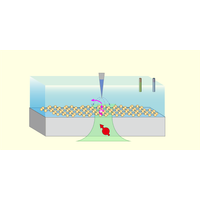
Phys. Rev. Lett. 135, 208001 (2025)
Polymers, Chemical Physics, Soft Matter, and Biological Physics
Optimal Distributions of Receptors on Arbitrarily Shaped Cell Surfaces
Article | Polymers, Chemical Physics, Soft Matter, and Biological Physics | 2025-11-10 05:00 EST
Daoning Wu (吴道宁), Sayun Mao (毛飒韵), and Jie Lin (林杰)
Efficient absorption of molecules through receptors on cell surfaces is crucial for various biological processes. While ubiquitous patterns of receptor distributions, including polar localization in rod-shaped cells, have been widely observed, the underlying evolutionary advantage of these patterns …
Phys. Rev. Lett. 135, 208401 (2025)
Polymers, Chemical Physics, Soft Matter, and Biological Physics
Chemotaxis-Induced Phase Separation
Article | Polymers, Chemical Physics, Soft Matter, and Biological Physics | 2025-11-10 05:00 EST
Henrik Weyer, David Muramatsu, and Erwin Frey
Chemotaxis allows single cells to self-organize at the population level, as classically described by Keller-Segel models. We show that chemotactic aggregation can be understood using a generalized Maxwell construction based on the balance of density fluxes and reactive turnover. This formulation imp…
Phys. Rev. Lett. 135, 208402 (2025)
Polymers, Chemical Physics, Soft Matter, and Biological Physics
Physical Review X
Letting the Tiger out of Its Cage: Bosonic Coding without Concatenation
Article | 2025-11-10 05:00 EST
Yijia Xu (许逸葭), Yixu Wang (王亦许), Christophe Vuillot, and Victor V. Albert
Tiger codes provide a unified framework for designing quantum error-correcting codes directly in harmonic oscillators, using integer-based homology to exploit their full structure and enable scalable quantum information processing.

Phys. Rev. X 15, 041025 (2025)
Statistical Physics Analysis of Graph Neural Networks: Approaching Optimality in the Contextual Stochastic Block Model
Article | 2025-11-10 05:00 EST
O. Duranthon and L. Zdeborová
An asymptotic analysis of graph convolutional networks shows that deeper architectures can boost performance when designed with residual connections, offering the first precise theory for infinitely deep graph neural networks.

Phys. Rev. X 15, 041026 (2025)
arXiv
Soluciones exactas para la interacción de materiales de Dirac anisótropos con campos eléctricos y magnéticos
New Submission | Mesoscale and Nanoscale Physics (cond-mat.mes-hall) | 2025-11-11 20:00 EST
This work analyzes anisotropic Dirac materials, such as graphene and borophene, under inhomogeneous electric and magnetic fields with position-dependent profiles. Exact solutions of the Dirac–Weyl equation are obtained for singular and exponentially decaying interactions, showing how anisotropy and field shape influence the energy spectrum, Landau levels, and state localization. The analysis is further extended using the Asymptotic Iteration Method (AIM) in its perturbative form, applied to systems with bounded domains $ ( -\infty, x_0 ]$ or $ ( 0, x_0 ]$ . In particular, we consider the case $ ( -\infty, x_0 ]$ , where the field vanishes asymptotically. The first-order corrections reveal how the finite range $ x_0$ modifies localization and transport, and how a critical electric field emerges at which Landau levels collapse, providing insight into the design of field-defined regions in two-dimensional nanoelectronic and quantum devices.
Mesoscale and Nanoscale Physics (cond-mat.mes-hall), Other Condensed Matter (cond-mat.other)
Master’s thesis, in Spanish language
Josephson Diode Effect for a Kitaev Ladder System
New Submission | Superconductivity (cond-mat.supr-con) | 2025-11-11 20:00 EST
Cheng-Rong Xie, Hiroki Tsuchiura, Manfred Sigrist
We study the Josephson diode effect realized purely by geometry in a Kitaev-ladder Josephson junction composed of two parallel spinless $ p$ -wave chains coupled by an interleg hopping $ t_\perp$ . The junction is governed by two phases: the superconducting phase difference across the weak link, $ \theta$ , and the leg-to-leg phase difference, $ \phi$ . For $ \phi\notin {0, \pi}$ (mod $ 2\pi$ ), time-reversal symmetry is broken, and the absence of leg-exchange symmetry leads to a breakdown of the antisymmetry of the current-phase relation, yielding nonreciprocal Josephson transport without magnetic fields or spin-orbit coupling. By resolving transport into bonding and antibonding channels defined by $ t_\perp$ , it is shown that the leg phase acts as an effective phase shift for interband ($ p_\nu/p_{-\nu}$ ) tunneling, whereas the same-band ($ p_\nu/p_\nu$ ) contribution remains unshifted. These channels arise at different perturbative orders and, together with the $ 4\pi$ -periodic Majorana channel that emerges near the topological transition, interfere to produce a pronounced diode response. The class-D Pfaffian invariant identifies the parameter regime where the ladder hosts Majorana zero modes. Bogoliubov-de Gennes calculations reveal a dome-like dependence of the diode efficiency $ \eta$ on $ t_\perp$ : $ \eta\to 0$ for $ t_\perp\to 0$ and for large $ t_\perp$ , with a maximum at intermediate coupling that is tunable by $ \phi$ . The present results establish a field-free, geometry-based route to superconducting rectification in one-dimensional topological systems and specify symmetry and topology conditions for optimizing the effect in ladder and network devices.
Superconductivity (cond-mat.supr-con)
Controlled generation of 3D vortices in driven atomic Josephson junctions
New Submission | Quantum Gases (cond-mat.quant-gas) | 2025-11-11 20:00 EST
Vijay Pal Singh, Ludwig Mathey, Herwig Ott, Luigi Amico
We propose an ac-driven atomic Josephson junction as a clean and tunable source of three dimensional (3D) solitary waves in quantum fluids. Depending on the height of the junction barrier, the emitted excitations appear as vortex rings at low velocity or vorticity-free rarefaction pulses near the sound velocity, thus spanning the complete Jones-Roberts family of solitons. The Shapiro-step phenomenon renders the emission deterministic: on the first, second, third Shapiro steps, the junction ejects one, two, and three solitary excitations per drive cycle. This enables controlled generation of single- and multi-excitation configurations, allowing detailed studies of the full crossover between vortex rings and rarefaction pulses and their interaction dynamics. In particular, deterministic multi-ring emission provides insights into leapfrogging dynamics of two and three coaxial rings and their decay via boundary-assisted, sound-mediated processes. This ac-driven protocol establishes a compact and reproducible platform for generating, classifying, and controlling 3D solitonic excitations, paving the way for precision studies of nonlinear vortex dynamics, dissipation, and quantum turbulence in trapped superfluids.
Quantum Gases (cond-mat.quant-gas), Quantum Physics (quant-ph)
10 pages, 5 figures
Flat electronic bands from cooperative moiré and charge order
New Submission | Strongly Correlated Electrons (cond-mat.str-el) | 2025-11-11 20:00 EST
B.K. Saika, S. Buchberger, S. Mo, A. Rajan, D. Halliday, Y.-C. Yao, L.C. Rhodes, B. Sarpi, T. Balasubramanian, C. Polley, P. Wahl, P.D.C. King
The formation of flat electronic bands from long-wavelength superperiodic moiré potentials in van der Waals heterostructures underpins the creation and control of a host of highly-tuneable correlated and topological phases. The underlying moiré periodicity is, however, typically considered a fixed property of the heterostructure. Here, we show how the development of a charge-density wave (CDW) in one of the constituent materials can create an emergent moiré periodicity, realising a superperiodic potential in TiSe$ _2$ /graphite epitaxial heterostructures with an order-of-magnitude longer wavelength than that expected from the normal-state lattice mismatch. We demonstrate how this drives the formation of a remarkably strong band flattening, which can be readily deactivated by carrier doping across the CDW phase transition, opening new prospects for engineering moiré matter by exploiting the rich many-body states of the parent compounds of 2D heterostructures.
Strongly Correlated Electrons (cond-mat.str-el), Mesoscale and Nanoscale Physics (cond-mat.mes-hall), Materials Science (cond-mat.mtrl-sci)
15 pages including supplementary information, 4+4 figures
Single-Atom Photocatalysts on TiO2 : Insights from X-ray Absorption Spectroscopy
New Submission | Materials Science (cond-mat.mtrl-sci) | 2025-11-11 20:00 EST
Yingying Li, David Morris, Peng Zhang
Surface modification of TiO2 with single-atom catalysts (SACs) is an effective strategy for enhancing photocatalytic efficiency. However, thorough characterization of SACs at the atomic scale remains challenging. X-ray absorption spectroscopy (XAS) offers unique advantages for the in-depth analysis of TiO2-supported SACs. By employing XAS, the local atomic structure, oxidation state, and electronic properties of the SACs, as well as the underlying photocatalytic mechanism, can be revealed. Herein, we present a short review on the application of XAS in studying TiO2-supported SACs. We first elucidate the key role of XAS in simultaneously probing the structure and electronic properties of monometallic SACs across different periods. Next, we discuss XAS studies of bimetallic SACs from the perspective of each constituent element and highlight the element-specific capabilities of XAS for analyzing multi-element SACs. Finally, we demonstrate how in situ XAS can effectively monitor structural and electronic property changes in SACs under real photocatalytic reaction conditions. Additionally, we provide practical suggestions for utilizing XAS more efficiently in the analysis of various SAC systems.
Materials Science (cond-mat.mtrl-sci), Chemical Physics (physics.chem-ph)
Surface acoustic wave enabled all-optical determination of the interlayer elastic constants of van der Waals interface
New Submission | Materials Science (cond-mat.mtrl-sci) | 2025-11-11 20:00 EST
N.Yu. Frolov, A.Yu. Klokov, A. I. Sharkov, M.V. Pugachev, A.Yu. Kuntsevich
Understanding the properties of two-dimensional materials interfaces with the substrate is necessary for device applications. Surface acoustic wave propagation through the layered material flake on a substrate could provide unique information on the transverse rigidity of the flake-to-substrate interaction. We generate ultrasonic waves by a focused femtosecond laser pulse at the surface of the model system – fused silica with h-BN flake transferred above. Using an all-optical spatially resolved pump-probe interferometric technique, we measure the spatial dependencies of the surface vertical velocity profiles. Our measurements reveal the appearance of the surface acoustic wave dispersion in the hBN flake region compared to fused silica surface. Multilayer modeling allows us to gain access to longitudinal and shear elastic coupling constants $ c^\ast_{33}$ and $ c^\ast_{44}$ between hexagonal BN and substrate.
Materials Science (cond-mat.mtrl-sci), Mesoscale and Nanoscale Physics (cond-mat.mes-hall), Applied Physics (physics.app-ph), Optics (physics.optics)
5 pages, 4 figures
Weakly universal dynamical correlations between eigenvalues of large random matrices
New Submission | Statistical Mechanics (cond-mat.stat-mech) | 2025-11-11 20:00 EST
Kirone Mallick, Gabriel Téllez, Frédéric van Wijland
It was shown roughly thirty years ago that the density correlations of eigenvalues of large random matrices display a universal form, independent of most of the details of the distribution of the random matrix itself. We show that when the matrix elements evolve according to a Dyson Brownian motion, dynamical correlations retain a large degree of the universality found at equal times when expressed in terms of the characteristics of some partial differential equation in the complex plane.
Statistical Mechanics (cond-mat.stat-mech), Disordered Systems and Neural Networks (cond-mat.dis-nn), Mathematical Physics (math-ph)
Exchange field induced symmetry breaking in quantum hexaborides
New Submission | Materials Science (cond-mat.mtrl-sci) | 2025-11-11 20:00 EST
D. Rivera, Fernando P. Sabino, H. Raebiger, A. Ruzsinszky, J. P. Perdew, G. M. Dalpian
Symmetry breaking (SB) has proven to be a powerful approach for describing quantum materials: strong correlation, mass renormalization, and complex phase transitions are among the phenomena that SB can capture, even when coupled to a mean-field-like theory. Traditionally, corrective schemes were required to account for these effects; however, SB has emerged as an alternative that can also successfully describe the intricate physics of quantum materials. Here, we explore spin SB on EuB6 and SmB6 and how its relation to the exchange field can determine onsite properties, depending on the type of symmetry breaking. Using spin-polarized Density Functional Theory (DFT) calculations with the r2SCAN functional, we systematically compare four magnetic configurations, one totally symmetric - non-magnetic (NM) configuration - and three with different types of symmetry breaking: ferromagnetic (FM), antiferromagnetic (AFM) and a paramagnetic (PM) configuration - modeled through a Special Quasirandom Structure (SQS) method - to capture local symmetry-breaking effects. Our results show that the PM configuration produces distinct magnetic environments for the rare-earth atoms, leading to different exchange fields. These, in turn, induce symmetry breaking in the electronic and magnetic properties of Eu and Sm. Those results provide an alternative explanation for the experimental results on both materials, EuB6 and SmB6, where X-ray Absorption Spectroscopy (XAS) and X-ray Absorption Near Edge Structure (XANES) measurements suggest the presence of multiple atomic environments, previously attributed to a mixed-valence configuration.
Materials Science (cond-mat.mtrl-sci)
9 pages, 9 figures, submitted to Physical Review B
Cluster percolation in the three-dimensional $\pm J$ random-bond Ising model
New Submission | Disordered Systems and Neural Networks (cond-mat.dis-nn) | 2025-11-11 20:00 EST
Lambert Münster, Martin Weigel
Based on extensive parallel-tempering Monte Carlo simulations, we investigate the relationship between cluster percolation and equilibrium ordering phenomena in the three-dimensional $ \pm J$ random-bond Ising model as one varies the fraction of antiferromagnetic bonds. We consider a range of cluster definitions, most of which are constructed in the space of overlaps between two independent real replicas of the system. In the pure ferromagnet that is contained as a limiting case in the class of problems considered, the relevant percolation point coincides with the thermodynamic ordering transition. For the disordered ferromagnet encountered first on introducing antiferromagnetic bonds and the adjacent spin-glass phase of strong disorder this connection is altered, and one finds a percolation transition above the thermodynamic ordering point that is accompanied by the appearance of /two/ percolating clusters of equal density. Only at the lower (disordered) ferromagnetic or spin-glass transition points the densities of these two clusters start to diverge, thus providing a percolation signature of these thermodynamic transitions. We compare the scaling behavior at this secondary percolation transition with the thermodynamic behavior at the corresponding ferromagnetic and spin-glass phase transitions.
Disordered Systems and Neural Networks (cond-mat.dis-nn), Statistical Mechanics (cond-mat.stat-mech), Computational Physics (physics.comp-ph)
19 pages, 17 figures, 4 tables, RevTeX 4.2
Excitation spectrum and low-temperature magnetism in disordered defect-fluorite Ho2Zr2O7
New Submission | Strongly Correlated Electrons (cond-mat.str-el) | 2025-11-11 20:00 EST
P. L. Oliveira Silva, J.G.A. Ramon, Viviane Peçanha-Antonio, Tatiana Guidi, J. S. Gardner, Chun Sheng Fang, R. S. Freitas
In this work, we report on the thermomagnetic characterization and crystalline-electric field (CEF) energy scheme of the disordered defect-fluorite Ho2Zr2O7. This structural phase is distinguished by the coexistence of magnetic frustration and extensive disorder, with Ho3+ and Zr4+ sharing randomly the same 4a site with even 50% occupancy, and an average 1/8 oxygen vacancy per unit cell. AC magnetic susceptibility measurements performed on powder samples down to 0.5 K revealed signs of slowing spin dynamics without glassy behavior, including a frequency dependent peak at 1 K. Yet, no evidence for long-range magnetic order is found down to 150 mK in specific heat. Inelastic neutron scattering measurements show a weak, low-lying CEF excitation around 2 meV, accompanied by a broad level centered at 60 meV. To fit our observations, we propose an approach to account for structural disorder in the crystal-field splitting of the non-Kramers Ho3+. Our model provides an explanation to the broadening of the high-energy, single-ion excitations and suggests that the zirconate ground-state wave function has zero magnetic moment. However, structural disorder acts as guarantor of the magnetism in Ho2Zr2O7, allowing the mixing of low lying states at finite temperatures. Finally, we show that this scenario is in good agreement with the bulk properties reported in this work.
Strongly Correlated Electrons (cond-mat.str-el), Disordered Systems and Neural Networks (cond-mat.dis-nn)
10 pages, 8 figures
From Quantum Annealing to Alloy Discovery: Towards Accelerated Design of High-Entropy Alloys
New Submission | Materials Science (cond-mat.mtrl-sci) | 2025-11-11 20:00 EST
Diego Ibarra-Hoyos, Peter Connors, Ho Jang, Nathan Grain, Israel Klich, Gia-Wei Chern, Peter K. Liaw, John R. Scully, Joseph Poon
Data scarcity remains a central challenge in materials discovery, where finding meaningful descriptors and tuning models for generalization is critical but inherently a discrete optimization problem prone to multiple local minima confounding the true optimal state. Classical methods often get trapped in these minima, while quantum annealing can escape them via quantum fluctuations, including tunneling, that overcome narrow energy barriers. We present a quantum-assisted machine-learning (QaML) framework that employs quantum annealing to address these combinatorial optimization challenges through feature selection, support-vector training formulated in QUBO form for classification and regression, and a new QUBO-based neural-network pruning formulation. Recursive batching enables quantum annealing to handle large feature spaces beyond current qubit limits, while quantum-pruned networks exhibit superior generalization over classical methods, suggesting that quantum annealing preferentially samples flatter, more stable regions of the loss landscape. Applied to high-entropy alloys (HEAs), a data-limited but compositionally complex testbed, the framework integrates models for fracture-strain classification and yield-strength regression under physics-based constraints. The framework identified and experimentally validated Al8Cr38Fe50Mn2Ti2 (at.%), a single-phase BCC alloy exhibiting a 0.2 % yield strength of 568 MPa, greater than 40 % compressive strain without fracture, and a critical current density in reducing acid nearly an order of magnitude lower than 304 stainless steel. These results establish QA as a practical route to overcome classical optimization limits and accelerate materials discovery.
Materials Science (cond-mat.mtrl-sci)
Chiral Cavity Control of the Interlayer Exciton Energy Spectrum
New Submission | Strongly Correlated Electrons (cond-mat.str-el) | 2025-11-11 20:00 EST
Jonathan Sanchez-Lopez, Ze-Xun Lin, Di Luo, Prineha narang
Heterostructures of two-dimensional materials offer a versatile platform to study light-matter interactions of electron and hole gases. By separating electron and hole layers with an insulator long-lived electron-hole bound states known as interlayer excitons can form. We predict that by placing an interlayer exciton in a time-reversal-symmetry-breaking chiral cavity the energy spectrum of an interlayer exciton can be reordered. As a consequence of this reordering the ground state of the interlayer exciton can be driven from an s-orbital to a p-orbital, effectively changing the symmetry of the electron-hole pair. We present a phase diagram showing the couplings and separations required for a p-orbital excitonic ground state where we predict that larger interlayer separations require higher cavity couplings. We expect these results to be relevant for angular-momentum-tunable, single photon emission physics.
Strongly Correlated Electrons (cond-mat.str-el), Mesoscale and Nanoscale Physics (cond-mat.mes-hall)
14 pages, 3 figures
Novel Pressure-Induced Transformations of PbTiO3
New Submission | Materials Science (cond-mat.mtrl-sci) | 2025-11-11 20:00 EST
Husam Farraj, Stefano Racioppi, Gaston Garbarino, Muhtar Ahart, Anshuman Mondal, Samuel G. Parra, Jesse S. Smith, R. E. Cohen, Eva Zurek, Jordi Cabana, Russell J. Hemley
We investigated the behavior of lead titanate (PbTiO3) up to 100 GPa, both at room temperature and upon laser heating, using synchrotron X ray diffraction combined with density functional theory (DFT) computations. At the high pressure temperature (PT) conditions produced in laser heated diamond anvil cells, PbTiO3 dissociates into PbO and TiO2, consistent with our DFT computations showing that decomposition becomes enthalpically favored above 65 GPa. In contrast, on room temperature compression, PbTiO3 persists in the tetragonal I4mcm phase up to at least 100 GPa. Laser heating produces distinct PbO phases: a compressed form of alpha PbO and a previously unreported delta PbO polymorph, both of which transform to beta PbO on decompression. The calculations predict that alpha PbO undergoes pressure-induced band gap closure, metallizing above 70 GPa, whereas the delta and beta phases remain semiconducting with a band gap above 1 eV even at megabar pressures. The experimental and confirming theoretical results reveal an unanticipated dimension of the behavior of PbTiO3, showing that distinct equilibrium and metastable phases can be stabilized along different PT synthesis paths.
Materials Science (cond-mat.mtrl-sci)
Controllable Superconductivity in Suspended van der Waals Materials
New Submission | Superconductivity (cond-mat.supr-con) | 2025-11-11 20:00 EST
Ruihuan Fang, Cuiju Yu, Youqiang Huang, Tosson Elalaily, Yuvraj Chaudhry, Yaoqiang Zhou, Andres Castellanos-Gomez, Sanshui Xiao, Jiwon Park, Hyunyong Choi, Fida Ali, Hanlin Fang, Jose Lado, Pertti Hakonen, Zhipei Sun
Tunable superconductors provide a versatile platform for advancing next-generation quantum technologies. Here, we demonstrate controllable superconductivity in suspended NbSe2 thin layers, achieved through local strain and thermal modulation of the superconducting state. Our results show that suspended NbSe2 structures enable strain modulation of the critical temperature by up to approximately 0.92 K (about 12.5% of the critical temperature) and allow the realization of gate-tunable superconducting critical currents. We further demonstrate configurable hysteretic transport characteristics exhibiting multistability and negative differential resistance, providing easily reconfigurable, spatially dependent superconducting states. These phenomena are well explained by calculations of electron-phonon coupling using density functional theory, together with time-dependent Ginzburg-Landau dynamics coupled to the thermal diffusion equation. Our work provides profound insight into strain and thermal modulation of van der Waals superconductors and opens new opportunities for tunable on-chip superconductor devices, integrated superconducting circuits, and quantum simulators.
Superconductivity (cond-mat.supr-con)
13 pages, 3 figures
Impact of electron-phonon interaction on the electronic structure of interfaces between organic molecules and a MoS$_2$ monolayer
New Submission | Materials Science (cond-mat.mtrl-sci) | 2025-11-11 20:00 EST
Ignacio Gonzalez Oliva, Sebastian Tillack, Fabio Caruso, Pasquale Pavone, Claudia Draxl
By means of first-principles calculations, we investigate the role of electron-phonon interaction in the electronic structure of hybrid interfaces, formed by MoS$ _2$ and monolayers of the organic molecules pyrene and pyridine, respectively. Quasiparticle energies are initially obtained within the $ G_0W_0$ approximation and subsequently used to evaluate the electron-phonon self-energy and momentum-resolved spectral functions to assess the temperature renormalization of the band structure. We find that the band-gap renormalization by zero-point vibrations of both hybrid systems is comparable to that of pristine MoS$ _2$ , with a value of approximately 80 meV. Pronounced features of molecular origin emerge in the spectral function of the valence region, which we attribute to satellites arising from out-of-plane vibrational modes of the organic monolayers. For pyrene, this satellite exhibits a predominantly molecular character, while for pyridine, it has a hybrid nature, originating from the coupling of molecular vibrations to the MoS$ _2$ valence band.
Materials Science (cond-mat.mtrl-sci)
10 pages, 3 figures, 2 tables
An Unusual Dresselhaus Spin-Orbit Contribution of Even Order in Momentum
New Submission | Mesoscale and Nanoscale Physics (cond-mat.mes-hall) | 2025-11-11 20:00 EST
Hao Yang, Wei Wang, Gerson J. Ferreira, Ning Hao, Ping Zhang, Jiyong Fu
The spin-orbit (SO) coupling is conventionally known to manifest as \emph{odd} functions of momentum. Here, through both model calculations and symmetry analysis along with the method of invariants, we reveal that, in ordinary semiconductor heterostructures, a \emph{quadratic} Dresselhaus SO term – inheriting from its bulk crystal form – emerges via the interband effect, while complying with time-reversal and spatial symmetries. Furthermore, we observe that this unusual SO term gives rise to a range of striking quantum phenomena, including hybridized swirling texture, anisotropic energy dispersion, avoided band crossing, longitudinal \emph{Zitterbewegung}, and opposite spin evolution between different bands in quantum dynamics. These stand in stark contrast to those associated with the usual \emph{linear} SO terms. Our findings uncover a previously overlooked route for exploiting interband effects and open new avenues for spintronic functionalities that leverage unusual SO terms of \emph{even} orders in momentum.
Mesoscale and Nanoscale Physics (cond-mat.mes-hall)
5 pages, 4 figures
Crossover from quantum correlation to hot-carrier transport in scattering-tolerant 2D transistors
New Submission | Mesoscale and Nanoscale Physics (cond-mat.mes-hall) | 2025-11-11 20:00 EST
Debottam Daw, Houcine Bouzid, Sung-Gyu Lee, Wujoon Cha, Ki Kang Kim, Min-kyu Joo, Yan Wang, Manish Chhowalla, Young Hee Lee
Quantum correlation and hot-carrier transport represent two fundamentally distinct regimes of electronic conduction, rarely accessible within the same device. Here, we report a state-of-the-art monolayer transition metal dichalcogenides transistor architecture on a ferroelectric substrate that enables this crossover by leveraging the strong dielectric screening and in-plane gate control. At cryogenic temperatures, the devices exhibit reproducible quasi-periodic current fluctuations, consistent with an emergent potential landscape driven by electron-electron interactions at low carrier densities. As the temperature increases, this correlated potential profile thermally dissolves and transport is dominated by the lateral gate-field that drives the carriers with high kinetic energy. These hot-carriers can efficiently surmount the scattering events, exhibiting a record-high room-temperature electron mobility of ~4,800 cm^2/Vs and a maximum on-current ~0.5 mA/{\mu}m, surpassing traditional FETs in key performance metrics. These findings establish a unified approach for probing intermediate mesoscopic orders, while advancing the transistor performance limits in scalable 2D transistors.
Mesoscale and Nanoscale Physics (cond-mat.mes-hall), Strongly Correlated Electrons (cond-mat.str-el)
66 pages, 4 main figures, 29 supporting figures
Effects of crystal field and momentum-based frustrated exchange interactions on multiorbital square skyrmion lattice
New Submission | Strongly Correlated Electrons (cond-mat.str-el) | 2025-11-11 20:00 EST
Motivated by recent theoretical predictions of a square-shaped skyrmion lattice (S-SkL) in centrosymmetric tetragonal Ce-based magnets [Yan Zha and Satoru Hayami, Phys. Rev. B 111, 165155 (2025)], we perform a comprehensive theoretical investigation on the role of multiorbital effects, magnetic anisotropy, and momentum-based frustrated exchange interactions in stabilizing such topologically nontrivial magnetic textures. By employing self-consistent mean-field calculations over a broad range of model parameters, we demonstrate that the cooperative interplay among multiorbital effects, frustrated exchange interactions at higher-harmonic wave vectors, and crystal-field anisotropy is crucial for the stabilization of the S-SkL. Furthermore, the competition between the easy-plane intraorbital coupling and the easy-axis interorbital coupling leads to a significant enhancement of the S-SkL stability region. We also identify a plethora of multi-$ Q$ states, including magnetic bubble lattice and double-$ Q$ phases with a local/global scalar chirality. Our findings elucidate the microscopic mechanism responsible for the emergence of S-SkLs in Ce-based magnets and provide a route toward realizing skyrmion lattices in a broader class of $ f$ -electron materials beyond conventional Gd- and Eu-based systems lacking orbital angular momentum.
Strongly Correlated Electrons (cond-mat.str-el), Materials Science (cond-mat.mtrl-sci)
full paper, 22 pages with 11 figures
Antiferromagnetic skyrmion as a magnonic lens
New Submission | Mesoscale and Nanoscale Physics (cond-mat.mes-hall) | 2025-11-11 20:00 EST
Hongbin Wu, Zi-Wu Wang, Jin Lan
A lens, a device transforming propagation directions in an organized fashion, is one of the fundamental tools for wave manipulation. Spin wave, the collective excitation of ordered magnetizations, stands out as a promising candidate for future energy-saving information technologies. Here we propose theoretically and verify by micromagnetic simulations, that an antiferromagnetic skyrmion naturally serves as a lens for spin wave, when the Dzyaloshinskii-Moriya strength exceeds a threshold. The underlying mechanism is the spin wave deflection caused by Dzyaloshinskii-Moriya interaction, a mechanism that is ordinarily overshadowed by the magnetic topology.
Mesoscale and Nanoscale Physics (cond-mat.mes-hall)
Exploiting Negative Capacitance for Unconventional Coulomb Engineering
New Submission | Mesoscale and Nanoscale Physics (cond-mat.mes-hall) | 2025-11-11 20:00 EST
Aravindh Shankar, Pramey Upadhyaya, Supriyo Datta
It is known that the many-body ground state of a two-dimensional electron system can be tuned through Coulomb engineering by controlling the permittivity of the surrounding media. However, permittivities are traditionally restricted to positive values. In this paper we argue that the negative capacitance effect demonstrated in appropriately engineered structures can open new vistas in Coulomb engineering. Negative permittivities transform the natural repulsive interaction of electrons into an attractive one raising the intriguing possibility of a superconducting ground state. Using models of two-dimensional electron systems with linear and parabolic dispersion relations coupled to environments with negative capacitance, we estimate the strength and sign of the engineered Coulomb interaction and outline parameter regimes that could stabilize correlated electronic phases.
Mesoscale and Nanoscale Physics (cond-mat.mes-hall), Superconductivity (cond-mat.supr-con)
7 pages, 3 figures; Author SD described the idea previously in arXiv:2112.12687
Ground states of the Ising model at fixed magnetization on a triangular ladder with three-spin interactions
New Submission | Statistical Mechanics (cond-mat.stat-mech) | 2025-11-11 20:00 EST
We study the Ising model at fixed magnetization on a triangular ladder with three-spin interactions. By recasting the ground-state determination as a linear programming (LP) problem, we solve it exactly using standard LP techniques. We construct the phase diagram for arbitrary fixed magnetization and identify three types of ground states: periodic, phase-separated, and ordered but aperiodic. When magnetization is treated as a free parameter, the ground state adopts only periodic configurations with the average magnetization per site $ 0$ , $ \pm 1/3$ or $ \pm 1$ , except for the phase boundaries.
Statistical Mechanics (cond-mat.stat-mech)
Unveiling the critical role of interfacial strain in adjusting electronic phase transitions in correlated vanadium dioxide
New Submission | Strongly Correlated Electrons (cond-mat.str-el) | 2025-11-11 20:00 EST
Xuanchi Zhou, Xiaohui Yao, Xiaomei Qiao
Thermally activated abrupt switching between localized and itinerant electronic states during the insulator-metal transition (IMT) in correlated oxide systems serves as a powerful platform for exploring exotic physical phenomena and device functionality. One ongoing focal challenge lies in the realization of the broadly tunable IMT property in correlated system, to satisfy the demands of practical applications across diverse environments. Here, we unveil the overwhelming advantage associated with interfacial strain in bridging the bandwidth and band-filling control over the IMT property of VO2. Tailoring the orbital overlapping through strain-mediated bandwidth control enables a widely tunable thermally-driven IMT property in VO2. Benefiting from adjustable defect dynamics, filling-controlled Mott phase modulations from electron-localized t2g1eg0 state to electron-itinerant t2g1+{\Delta}eg0 state through oxygen vacancies can be facilitated by using in-plane tensile distortion, overcoming the high-speed bottlenecks in iontronic devices. Defect-engineered electronic phase transitions are primarily governed by the electron filling in t2g band of VO2, showcasing a definitive relationship with the incorporated defect concentration. Our findings provide fundamentally new insights into the on-demand design of emergent electronic states and transformative functionalities in correlated oxide system by unifying two fundamental control paradigms of bandwidth and band-filling control.
Strongly Correlated Electrons (cond-mat.str-el)
Properties of multiterminal superconducting nanostructure with double quantum dot
New Submission | Mesoscale and Nanoscale Physics (cond-mat.mes-hall) | 2025-11-11 20:00 EST
G. Górski, K. Kucab, T. Domański
We study the charge transport and thermoelectric properties of the junction, comprising double quantum dot embedded in T-shaped geometry on the interface between two normal/ferromagnetic electrodes and superconducting lead. We show that the interdot coupling plays major role in controlling the local and nonlocal transport properties of this setup. For the weak interdot coupling limit, we obtain the interferometric (Fano-type) lineshapes imprinted in the quasiparticle spectra, conductances and Seebeck coefficients. In contrast, for the strong interdot coupling, we predict that the local and nonlocal transport coefficients are primarily dependent on the molecular Andreev bound states induced by superconducting proximity effect, simultaneously in both quantum dots.
Mesoscale and Nanoscale Physics (cond-mat.mes-hall)
15 pages, 14 figures
Prevailing orbital excitations in paramagnetic kagome superconductor Cs(V${0.95}$Ti${0.05}$)$_3$Sb$_5$
New Submission | Strongly Correlated Electrons (cond-mat.str-el) | 2025-11-11 20:00 EST
Chennan Wang, Yuhang Zhang, Zhen Zhao, Zhouyouwei Lu, Hui Chen, Ziqiang Wang, Haitao Yang, Christian Bernhard, Xiaoli Dong, Hong-Jun Gao
Using the muon as a sensitive local magnetic probe, we investigated the layered kagome superconductor Cs(V$ _{0.95}$ Ti$ _{0.05}$ )$ _3$ Sb$ _5$ , a material notably devoid of both static magnetic moments and long-range charge order. Our transverse-field $ \mu$ SR measurements reveal that the local magnetic susceptibility, obtained via the muon Knight shift, is dominated by orbital excitations with a split energy levels around 20 meV. Meanwhile, the persistence of itinerant electron paramagnetism down to 5 K and 7 T confirms the absence of static magnetism within this regime. In addition, zero-field (ZF) $ \mu$ SR experiments detect a significant increase in the inhomogeneous nuclear dipolar field distribution below a featured temperature at 70 K. We attribute this ZF-$ \mu$ SR feature to the emergence of local lattice distortions at low temperatures, potentially arising from orbital ordering. Significantly, our study establishes that orbital excitations constitute an intrinsic property of the layered V-Sb kagome lattice. Despite its small magnitude, spin-orbit coupling plays a crucial role in governing the lattice dynamics, potentially driving the emergence of novel phenomena such as phonon carrying angular momentum in crystals with non-chiral point groups.
Strongly Correlated Electrons (cond-mat.str-el), Superconductivity (cond-mat.supr-con)
7 pages, 4 figures
Magnetic field-induced degenerate ground state in the classical antiferromagnetic XX model on the icosahedron
New Submission | Strongly Correlated Electrons (cond-mat.str-el) | 2025-11-11 20:00 EST
The ground state of the classical antiferromagnetic XX model in a magnetic field is calculated for spins mounted on the vertices of the icosahedron. The magnetization is characterized by two discontinuities as a function of the external field. For a wide field range above the first discontinuity the ground state is degenerate, with two spins related by spatial inversion aligned with the field and the rest forming two magnetization units in the form of pentagons. It is shown that the degeneracy originates from the coupling of the two pentagons, which introduces the triangle, associated with ground-state degeneracy, as an interaction unit in the icosahedron. The magnetization discontinuities are shown to evolve first from the coupling of isolated triangles and then from the coupling of the two spins related by spatial inversion.
Strongly Correlated Electrons (cond-mat.str-el)
9 pages, 16 figures, 1 table
Large Spontaneous Nonreciprocal Charge Transport in a Zero-Magnetization Antiferromagnet
New Submission | Strongly Correlated Electrons (cond-mat.str-el) | 2025-11-11 20:00 EST
Kenta Sudo, Yuki Yanagi, Mitsuru Akaki, Hiroshi Tanida, Motoi Kimata
Spontaneous breaking of time-reversal and spatial-inversion symmetries in solids triggers diverse intriguing phenomena. Although these phenomena have been extensively studied in insulators, similar investigations for metals remain limited. Herein, we report the observation and properties of spontaneous (i.e., zero-magnetic field) nonreciprocal charge transport in the zigzag intermetallic compound NdRu2Al10. This effect is attributed to the antiferromagnetic (AF) order, which can be interpreted as a magnetic toroidal dipole order. Our results reveal an excessively large nonreciprocal coefficient for this material, attributed to the strong effective magnetic field generated through c-f exchange interactions. The results also suggest that the nonreciprocal response of this material depends on the spin configurations of the AF domains. Overall, our findings are distinct from those previously reported for field-induced nonreciprocal charge transport and contribute to a comprehensive understanding of cross-correlations in symmetry-broken metals.
Strongly Correlated Electrons (cond-mat.str-el)
15 pages, 3 figures, 1table
Design of an engaging-disengaging compliant mechanism by using bistable arches
New Submission | Soft Condensed Matter (cond-mat.soft) | 2025-11-11 20:00 EST
Mehul Srivastava, Trishna Gunna, Makarand Kandiyaped Serkad, Manu Sebastian, Safvan Palathingal
Compliant mechanisms utilise elastic deformation of their segments to transmit motion or force. The utility and behaviour of specific compliant mechanisms can be enhanced by introducing an engaging and disengaging ability with its elastic segments. Towards this, we present an engaging-disengaging compliant mechanism (EDCM) that can switch its stiffness between infinite and zero. The design of the EDCM is based on bistable arches and a locking mechanism. We describe its working, identify its design parameters, and use analytical expressions to arrive at its dimension. The design is verified by detailed finite element analysis and experiments on a 3D-printed prototype. Three alternate designs that lead us to the final mechanism are also briefly discussed.
Soft Condensed Matter (cond-mat.soft)
Strain-Tunable Spin Filtering and Valley Splitting Coexisting with Anomalous Hall Effect in 2D Half-Metallic VSe2/VN Heterostructure: Toward a Unified Spintronic-Valleytronic Platform
New Submission | Materials Science (cond-mat.mtrl-sci) | 2025-11-11 20:00 EST
Rapid progress in valleytronics and spintronics is limited by the scarcity of two-dimensional materials that simultaneously provide robust valley splitting and strong spin selectivity. Here we showed that a van der Waals heterostructure (VSe2/VN) built from hexagonal VSe2 and hexagonal VN addressed this gap. Using first-principles density functional theory, phonon, ab initio molecular dynamics stability tests, Bader charge analysis, and Wannier-based Berry-curvature calculations, we demonstrated an energetically and dynamically stable heterostructure that exhibited interlayer charge transfer and a work function intermediate between the constituent monolayers. The electronic structure showed small indirect PBE gap (108.9 meV), with HSE06 indicating a half-metallic tendency; a sizable conduction-band valley splitting (\Delta CKK’ = 22.9 meV for spin-up and \Delta CKK’ = 61.3 meV for spin-down); and pronounced spin asymmetry, where the spin-down channel showed a wide semiconducting gap (0.64 eV) while the spin-up channel was nearly gapless. These features yielded a high zero-strain spin-filter efficiency P = 75.4%, tunable to 82.5% under +4% biaxial tensile strain. The heterostructure also supported non-zero, valley-contrasting Berry curvature, and a large anomalous Hall conductivity (peak sigmaxy = 568.33 S/cm). Importantly, mean-field estimation placed the ferromagnetic Curie temperature near room temperature at zero strain (Tc = 284.04 K), while Tc decreased to 183.9 K at +4% strain, the magnetic order remained robust to cryogenic temperatures, providing a beneficial tuning knob to balance spin-filter performance with thermal stability in device-relevant regimes. These results identified VSe2/VN as a practical, strain-tunable platform for integrated valleytronic, spintronic devices, and for exploring anomalous Hall and valley-dependent transport phenomena.
Materials Science (cond-mat.mtrl-sci), Atomic and Molecular Clusters (physics.atm-clus), Quantum Physics (quant-ph)
Targeted synthesis of polycrystalline vanadium dioxide thin films via post-deposition annealing
New Submission | Materials Science (cond-mat.mtrl-sci) | 2025-11-11 20:00 EST
Kirill Trunov, Yuri Lebedinskii, Ilya Zavidovskiy, Sergey Novikov, Alexander Morozov, Petr Shvets, Ksenia Maksimova, Andrei Zenkevich, Anton Khanas
Implementation of neuromorphic hardware is a promising way to improve the computing efficiency and decrease the energy consumption of artificial neural networks. For this purpose, electronic elements emulating the behavior of synapses and neurons have to be developed. In order to realize electronic artificial neurons, threshold resistive switches or memristors can be efficiently used. One of the most widespread materials for threshold switches is vanadium dioxide due to its property to demonstrate the metal-insulator transition at a temperature about 70 °C. However, the processes of VO$ _{2}$ synthesis are quite restrictive in temperature and gas atmosphere conditions, which hinders its integration into CMOS fabrication. In this work, we propose a new method of VO$ _{2}$ synthesis: reactive pulsed laser deposition from metallic V target in oxygen atmosphere at room temperature, followed by vacuum annealing. Our method enables target synthesis of an appropriate VO$ _{2}$ phase in a polycrystalline thin film form by finely tuning oxygen pressure during room temperature deposition, which allows to relax the equipment demands, such as high temperature heating in oxygen. Successful targeted VO$ _{2}$ synthesis under fabrication conditions close to back-end-of-line CMOS production, achieved in this work, show the way toward its large-scale microelectronic integration for neuromorphic hardware creation.
Materials Science (cond-mat.mtrl-sci)
Magneto-Optical Study of Chiral Magnetic Modes in NiI$_{2}$: Direct Evidence for Kitaev Interactions
New Submission | Strongly Correlated Electrons (cond-mat.str-el) | 2025-11-11 20:00 EST
Kartik Panda, Chaebin Kim, Daniel Bazyliansky, Javier Taboada-Gutiérrez, Florian Le Mardelé, Jan Dzian, Guy Levy, Jae Ha Kim, Youjin Lee, Bumchan Park, Martin Mourigal, Jae Hoon Kim, Alexey B. Kuzmenko, Milan Orlita, Je-Geun Park, Nimrod Bachar
Bond-dependent magnetic interactions, particularly those described by the Kitaev model, have emerged as a key pathway toward realizing unconventional magnetic states such as quantum spin liquids and topologically nontrivial excitations, including skyrmions. These interactions frustrate conventional magnetic order and give rise to rich collective behavior that continues to challenge both theory and experiment. While Kitaev physics has been extensively explored in the context of honeycomb magnets, direct evidence for its role in real materials remains scarce. Magnetic van der Waals (vdW) materials have emerged as a versatile platform for exploring low-dimensional electrical, magnetic, and correlated electronic phenomena, and provide a fertile ground for potential applications ranging from spintronics to multiferroic devices and quantum information technologies. Here, we demonstrate, through magneto-transmission, Faraday angle rotation, and magnetic circular dichroism measurements, that the magnetic excitation spectrum of NiI$ _2$ , a van der Waals multiferroic material, is more accurately captured by a Kitaev-based spin model than by the previously invoked helical spin framework.
Strongly Correlated Electrons (cond-mat.str-el)
The number of spanning trees as an indicator of critical phenomena: When Kirchhoff meets Ising
New Submission | Statistical Mechanics (cond-mat.stat-mech) | 2025-11-11 20:00 EST
Roberto da Silva, Henrique A. Fernandes, Paulo G. Freitas, Sebastian Gonçalves, E. V. Stock, A. Alves
Visibility graphs are spatial interpretations of time series. When derived from the time evolution of physical systems, the graphs associated with such series may exhibit properties that can reflect aspects such as ergodicity, criticality, or other dynamical behaviors. It is important to describe how the criticality of a system is manifested in the structure of the corresponding graphs or, in a particular way, in the spectra of certain matrices constructed from them. In this paper, we show how the critical behavior of an Ising spin system manifests in the spectra of the adjacency and Laplacian matrices constructed from an ensemble of time evolutions simulated via Monte Carlo (MC) Markov Chains, even for small systems and short MC steps. In particular, we show that the number of spanning trees – or its logarithm – , which represents a kind of \emph{structural entropy} or \emph{topological complexity} here obtained from Kirchhoff’s theorem, can, in an alternative way, describe the criticality of the spin system. These findings parallel those obtained from the spectra of correlation matrices, which similarly encode signatures of critical and chaotic behavior.
Statistical Mechanics (cond-mat.stat-mech)
7 pages, 4 figures
Ordering in statistical systems on the way to the thermodynamic limit
New Submission | Statistical Mechanics (cond-mat.stat-mech) | 2025-11-11 20:00 EST
It is well known that the mathematically accurate description of ordering and related symmetry breaking in statistical systems requires to consider the thermodynamic limit. But the order does not appear from nowhere, and yet before the thermodynamic limit is reached, there should exist some kind of preordering that appears and grows in the process of increasing the system size. The quantitative description of growing order, under the growing system size, is developed by introducing the notion of {\it order indices}. The rigorous proof of the phase transition existence is a separate difficult problem that is not the topic of the present paper. We illustrate the approach resorting to several models in the mean-field approximation, which makes it possible to demonstrate the notion of order indices for finite systems in a clear way. We show how the order grows on the way to the thermodynamic limit for Bose-Einstein condensation, arising superconductivity, magnetization, and crystallization phenomena.
Statistical Mechanics (cond-mat.stat-mech)
Latex file, 31 pages, 5 figures
J. Stat. Phys. 192 (2025) 158
Phonon-Dominated Thermal Transport and Large Violation of the Wiedemann-Franz Law in Topological Semimetal CoSi
New Submission | Materials Science (cond-mat.mtrl-sci) | 2025-11-11 20:00 EST
Luyao Zhong, Xin Jin, Mingquan He, Rui Wang, Xiaoyuan Zhou, Tianqi Deng, Xiaolong Yang
The Wiedemann-Franz (WF) law, relating the electronic thermal conductivity ($ \kappa_{\rm e}$ ) to the electrical conductivity, is vital in numerous applications such as in the design of thermoelectric materials and in the experimental determination of the lattice thermal conductivity ($ \kappa_{\rm L}$ ). While the WF law is generally robust, violations are frequently observed, typically manifesting in a reduced Lorenz number ($ L$ ) relative to the Sommerfeld value ($ L_0$ ) due to inelastic scattering. Here, we report a pronounced departure from the WF law in the topological semimetal CoSi, where the electronic Lorenz number ($ L_{\rm e}$ ) instead rises up to $ \sim40%$ above $ L_0$ . We demonstrate that this anomaly arises from strong bipolar diffusive transport, enabled by topological band-induced electron-hole compensation, which allows electrons and holes to flow cooperatively and additively enhance the heat current. Concurrently, we unveil that the lattice contribution to thermal conductivity is anomalously large and becomes the dominant component below room temperature. As a result, if $ \kappa_{\rm L}$ is assumed negligible – as conventional in metals, the resulting $ L$ from the total thermal conductivity ($ \kappa_{\rm tot}=\kappa_{\rm L}+\kappa_{\rm e}$ ) deviates from $ L_0$ by more than a factor of three. Our work provides deeper insight into the unconventional thermal transport physics in topological semimetals.
Materials Science (cond-mat.mtrl-sci)
7 pages, 4 figures
Magnetic and structural properties of epitaxial Er-substituted yttrium iron garnet films grown by pulsed laser deposition
New Submission | Materials Science (cond-mat.mtrl-sci) | 2025-11-11 20:00 EST
Lukas Flajsman, Lars Peeters, Armi Kosunen, Lide Yao, Ionela Vrejoiu, Sebastiaan van Dijken
Er-substituted yttrium iron garnet (Er:YIG) holds the potential of combining the low magnetic damping of YIG with the telecom-band optical transitions of $ \text{Er}^{3+}$ ions, making it a suitable material for hybrid optomagnonic devices and microwave-to-optical quantum transduction. We report the epitaxial growth of $ \text{Er}{x}\text{Y}{3-x}\text{Fe}{5}\text{O}{12}$ films with $ x=0.008-0.20$ on (111)-oriented gadolinium gallium garnet (GGG) substrates using pulsed laser deposition. X-ray diffraction, reciprocal space mapping, and scanning transmission electron microscopy confirm single-phase, fully coherent growth with atomically sharp interfaces across the entire substitution range. Magnetometry reveals a gradual decrease in saturation magnetization with increasing Er content, consistent with antiparallel coupling between Er$ ^{3+}$ spins and the net Fe$ ^{3+}$ moments, along with the emergence of an in-plane uniaxial magnetic anisotropy. The ferromagnetic resonance broadens with Er concentration due to increased Gilbert damping and inhomogeneous linewidth broadening. Films with low Er content ($ x=0.008$ ), most relevant for optomagnonic applications, retain nearly isotropic magnetization and exhibit a damping parameter only slightly higher than that of undoped YIG. These results identify growth and substitution conditions that preserve YIG’s low-loss magnetic properties while introducing optical functionality, establishing Er:YIG as a viable platform for hybrid quantum magnonics and microwave-to-optical transduction.
Materials Science (cond-mat.mtrl-sci), Quantum Physics (quant-ph)
5 pages, 3 figures, 1 table
Robustness of bipolaronic superconductivity to electron-density-phonon coupling
New Submission | Superconductivity (cond-mat.supr-con) | 2025-11-11 20:00 EST
We study bipolaron formation and bipolaronic superconductivity on a square lattice, where electrons couple to both local Holstein phonons via on-site charge density and nonlocal bond Su-Schrieffer-Heeger phonons via modulation of hopping amplitudes. Using an unbiased Diagrammatic Monte Carlo method, we investigate how the interplay between these two types of electron-phonon coupling affects the bipolaron binding energy, effective mass, spatial extent (quantified by the mean-squared radius), and the superconducting transition temperature $ T_c$ . We find that, in some parameter space, the moderate Holstein coupling, though detrimental to $ T_c$ when acting alone, can enhance superconductivity when combined with the bond SSH coupling by further compressing the bipolaron without significantly increasing its mass. Similarly, introducing bond SSH coupling into a Holstein bipolaron reduces its size while keeping the effective mass nearly unchanged, leading a higher $ T_c$ . These effects give rise to nonmonotonic behavior and reveal a cooperative regime in which both couplings work together to enhance superconductivity. We further examine phonon frequency asymmetry, particularly the case $ \omega_H/t = 2\omega_B/t$ , and show that in the deep adiabatic regime, adding Holstein coupling can even raise $ T_c$ when combined with bond SSH coupling. These results highlight the distinct and complementary roles of local Holstein and non-local bond SSH electron-phonon couplings, and suggest strategies for optimizing high-$ T_c$ superconductivity in systems with multiple phonon modes.
Superconductivity (cond-mat.supr-con), Strongly Correlated Electrons (cond-mat.str-el)
7 pages 4 figures
Linear tetramer formation in nonmagnetic pyrochlore niobate
New Submission | Strongly Correlated Electrons (cond-mat.str-el) | 2025-11-11 20:00 EST
Shota Nishida, Shunsuke Kitou, Shingo Toyoda, Yuiga Nakamura, Yusuke Tokunaga, Taka-hisa Arima
We investigate displacive short-range order in pyrochlore Y2Nb2O7, which exhibits a nonmagnetic insulating state despite the presence of formally tetravalent Nb4+ (S = 1/2) ions on the pyrochlore network. Synchrotron x-ray diffraction on a single crystal reveals a characteristic x-ray diffuse scattering (XDS) pattern primarily around q = {0.5, 0.5, 2}. Reverse Monte Carlo (RMC) simulations uncover local Nb displacements along the <111> axes, leading to the formation of linear Nb4 tetramers. Our findings highlight a crucial role of molecular orbital degrees of freedom in stabilizing the nonmagnetic insulating state. This study demonstrates that RMC analysis of XDS provides a powerful approach for elucidating short-range correlations and the underlying mechanisms governing the physical properties of crystalline materials.
Strongly Correlated Electrons (cond-mat.str-el)
Active Noise Reduction in Si/SiGe Gated Quantum Dots
New Submission | Mesoscale and Nanoscale Physics (cond-mat.mes-hall) | 2025-11-11 20:00 EST
Rajat Bharadwaj, Parvathy Gireesan, Harikrishnan Sundaresan, Chithra H Sharma, Lucky Donald L Kynshi, Prasad Muragesh, D. Bougeard, Madhu Thalakulam
Solid-state quantum technologies such as quantum dot qubits and quantum electrical metrology circuits rely on quantum phenomena at ultra-low energies, making them highly sensitive to various forms of environmental noise. Conventional passive filtering schemes can reduce high-frequency noise but are often ineffective against low-frequency interference, like powerline or instrument-induced. Extending such filters to lower frequencies causes practical issues such as longer stabilization times, slower system response, and increased Johnson noise, which impede low-frequency transport measurements. To address these limitations, we propose and experimentally demonstrate a generalized active noise cancellation scheme for quantum devices operating at sub-Kelvin temperatures. Our approach compensates periodic environmental interference by dynamically injecting a phase-coherent anti-noise signal directly into the device. We employ an automated feedback protocol featuring beat-frequency reduction and adaptive phase-amplitude tuning, enabling real-time compensation without any manual intervention. Unlike post-processing or passive filtering, this method suppresses noise at the device level without introducing additional time constants. We implement the scheme on a gate-defined Si/SiGe quantum dot subject to strong 50 Hz powerline interference and validate its effectiveness through acquiring Coulomb Blockade Oscillations and Coulomb diamond plots. The technique achieves substantial suppression of both the targeted interference and the overall noise floor, thereby stabilizing transport characteristics and enhancing device fidelity. While demonstrated on a quantum dot, the proposed framework is broadly applicable to a wide class of solid-state quantum devices where deterministic noise presents a critical bottleneck.
Mesoscale and Nanoscale Physics (cond-mat.mes-hall)
Decoupling interface and thickness effects on hydrogen absorption in V/MgO: experiments and DFT
New Submission | Materials Science (cond-mat.mtrl-sci) | 2025-11-11 20:00 EST
Qiuxiang Zhang, Yan Zhu, Xiaofang Peng, Weiguang Yang, Yuping Le, Xiao Xin
We report combined experimental and first principles investigations of hydrogen absorption in epitaxial vanadium films on MgO(001) with nominal thicknesses of 10 nm and 50 nm. In - situ optical transmission and four - probe resistance isotherms show that the 50 nm film reproduces bulk like behavior with a clear first order alpha-beta hydride transition, the formation enthalpy and entropy gradually decrease with increasing hydrogen concentration. The 10 nm film, by contrast, displays continuous uptake without plateaus, with formation enthalpies H that are relatively close in magnitude to the 50 nm film (both exhibiting exothermic behavior in the range of approximately 0.5 to 0.3 eV/H), but with a more negative entropy change S (larger S) indicating reduced configurational freedom for hydrogen in the ultrathin limit; the critical temperature for phase coexistence is suppressed below 400 K. Density functional theory calculations on MgO V superlattices (Vn/(MgO)n, n = 3,5,7) reveal pronounced V 3d and O 2p hybridization and interfacial charge redistribution that weaken hydrogen binding near the interface and recover toward bulk values with increasing V thickness. These results indicate that interfacial electronic structure, in addition to finite size energetics, governs hydride stability in ultrathin V films and that layer - thickness and interface engineering can tune reversible hydrogen uptake.
Materials Science (cond-mat.mtrl-sci)
Spin-valley 0.7 anomaly in bilayer graphene/WSe$_2$ quantum point contacts
New Submission | Mesoscale and Nanoscale Physics (cond-mat.mes-hall) | 2025-11-11 20:00 EST
Jonas D. Gerber, Efe Ersoy, Michele Masseroni, Markus Niese, Artem O. Denisov, Christoph Adam, Lara Ostertag, Jessica Richter, Takashi Taniguchi, Kenji Watanabe, Yigal Meir, Thomas Ihn, Klaus Ensslin
We report a well-resolved 0.7 conductance anomaly at $ G = 0.7\times(2e^2/h)$ in bilayer graphene/WSe$ _2$ quantum point contacts. Proximity-enhanced spin-orbit coupling splits the four-fold ground state of bilayer graphene into well-separated spin-valley locked Kramers doublets. The anomaly emerges between these opposite spin-valley states. Despite fundamentally different band structure and wavefunction characteristics, the temperature and bias phenomenology closely mirror GaAs systems. In contrast, the parallel magnetic field response differs significantly, confirming the central role of valley degrees of freedom. This opens new pathways to study valley-exchange correlation physics in regimes inaccessible to conventional semiconductors.
Mesoscale and Nanoscale Physics (cond-mat.mes-hall)
Ultrafast symmetry modulation and induced magnetic excitation in the Kagome metal RbV3Sb5
New Submission | Strongly Correlated Electrons (cond-mat.str-el) | 2025-11-11 20:00 EST
Mengxue Guan, Xiaodong Zhou, Jingyi Duan, Chaoxi Cui, Wei Jiang, Zeying Zhang, Binhua Zhang, Zhengwei Nie, Xun Shi, Zhiwei Wang, Yugui Yao
Light-matter interaction in frustrated Kagome metals enables access to hidden quantum states, yet the microscopic origin of symmetry breaking under ultrafast excitation remains elusive. Here, we uncover a microscopic mechanism for laser-induced symmetry breaking in RbV3Sb5 through first-principles real-time simulations. Selective excitation of a single-QM phonon mode dynamically breaks both rotational and time-reversal symmetries within the 2X2X1 charge density wave (CDW) superlattice. The resulting anisotropic lattice distortion lifts geometric frustration and stabilizes a nonequilibrium ferrimagnetic phase, accompanied by a sizable intrinsic anomalous Hall effect. Distinct from prior interpretations based on orbital antiferromagnetism or extrinsic perturbations, our findings reveal a spin-driven pathway for symmetry breaking under strong optical fields. These results provide a microscopic foundation for exploring how spin, lattice and charge degrees of freedom are intertwined in nonequilibrium correlated states.
Strongly Correlated Electrons (cond-mat.str-el)
Comprehensive Validation of Replica Symmetry Breaking via Quantum Annealing: From Ground States to Topological Collapse
New Submission | Disordered Systems and Neural Networks (cond-mat.dis-nn) | 2025-11-11 20:00 EST
Giorgio Parisi’s exact solution of the Sherrington-Kirkpatrick spin glass, recognized with the 2021 Nobel Prize in Physics, revealed revolutionary hierarchical organization in disordered systems, yet systematic validation has remained computationally intractable beyond $ N \sim 100$ spins, and the topological limits of this complexity remain unexplored. Here we leverage quantum annealing to extend ground-state computations to 4000 spins and systematically probe both the emergence and breakdown of replica symmetry breaking. Three independent measurements validate core RSB predictions: ground-state energies converge to Parisi’s value $ E_\infty/N = -0.7633$ with predicted $ N^{-2/3}$ finite-size corrections; chaos exponent $ \theta = 0.51 \pm 0.02$ confirms mean-field square-root scaling ($ R^2 = 0.989$ ); and state-space overlap distribution exhibits broad continuous structure ($ \sigma_q = 0.19$ ) characteristic of hierarchical landscape organization. We then investigate RSB robustness by introducing controlled network dilution via the Blume-Capel model with vacancy formation. Remarkably, hierarchical complexity remains invariant under 36% dilution, proving RSB is a topological property of network connectivity rather than spin density. Beyond a critical threshold in the range $ 0.8 < D_c < 0.9$ , the hierarchy collapses discontinuously as the system undergoes complete conversion to the all-vacancy state within a narrow parameter window an abrupt avalanche-driven transition where independent-vacancy mean-field theory correctly predicts the energy scale but fails to capture the cooperative dynamics. This comprehensive validation across thermodynamics, universality, landscape geometry, and topological limits establishes quantum advantage for probing fundamental statistical mechanics in complex systems relevant to neural networks, optimization, and materials science.
Disordered Systems and Neural Networks (cond-mat.dis-nn), Statistical Mechanics (cond-mat.stat-mech), Strongly Correlated Electrons (cond-mat.str-el), Computational Physics (physics.comp-ph), Quantum Physics (quant-ph)
9 pages, 5 figures
Phase transitions in the spin-1/2 Heisenberg antiferromagnet on the square lattice
New Submission | Strongly Correlated Electrons (cond-mat.str-el) | 2025-11-11 20:00 EST
Jie Qiao, Shu-Hao Zhang, Jing-Bo Qin, Xiao-Long Zhao, Qiang Cheng
The nature of the intermediate ground-state phase in the spin-1/2 frustrated square lattice model has long been debated. Using cluster density matrix embedding theory, we investigate the phase diagram of this model. The Neel phase is directly identified for J2<0.45 and the collinear phase for J2>0.65 based on the ground state. Although no direct evidence of an internal phase transition is found within the intermediate phase from the ground state, analysis of the first excited state wave function reveals a continuous quantum phase transition in this region, with a critical point at J2=0.55. This critical point divides the intermediate phase into PVBS and CVBS.
Strongly Correlated Electrons (cond-mat.str-el)
Metamagnetic Transition in Low-Dimensional Site-Decorated Quantum Heisenberg Ferrimagnets
New Submission | Strongly Correlated Electrons (cond-mat.str-el) | 2025-11-11 20:00 EST
The prohibition of finite-temperature phase transition in one-dimensional (1D) Ising models and 1D/2D quantum Heisenberg models with short-range interactions fundamentally constrains the application potentials of low-dimensional magnetic materials. Recently, ultranarrow phase crossover (UNPC), which can approach a transition at a desirable finite temperature $ T_0$ arbitrarily closely, was discovered in 1D decorated Ising chains and ladders. Here we present a theoretical study of similarly decorated, yet much more challenging, quantum Heisenberg ferrimagnets in a magnetic field, which features ferromagnetic backbone exchange $ J$ , antiferromagnetic site-decoration coupling $ J_{AF}$ , and different magnetic moments for the backbone and decorating spins $ \mu_aS_a<\mu_bS_b$ . We exactly solved the model in the large $ J$ limit – as a central-macrospin model – and found two finite-temperature second-order transitions; just above $ T_{c2}$ a ``half-ice, half-fire’’ regime appears. Finite-$ J$ weak-field results follow from an effective-field mapping, suggesting the emergence of UNPC at finite $ T_0$ in 2D square lattices thanks to its exponentially strong initial magnetic susceptibility $ \chi_0\propto e^{4\pi S_a^2 J/T_0}$ , though less likely in 1D chains where $ \chi_0\propto J/T_0$ . These results may shed light on new technological applications of low-dimensional quantum spin systems and attract experimental and computational tests.
Strongly Correlated Electrons (cond-mat.str-el), Statistical Mechanics (cond-mat.stat-mech), Quantum Physics (quant-ph)
5 pages, 3 figures. Supplemental Material (2 pages, 2 figures)
Facile Salt-Assisted Hydrothermal Synthesis of Nanodiamonds from CHO Precursors: Atomic-Scale Mechanistic Insights
New Submission | Mesoscale and Nanoscale Physics (cond-mat.mes-hall) | 2025-11-11 20:00 EST
Soumya Pratap Tripathy, Sayan Saha, Saurabh Kumar Gupta, Pallavee Das, Binay Priyadarsan Nayak, Anup Routray, Priya Choudhary, Srihari V, Bitop Maitra, Ashna Reyaz, Anushka Samant, Debopriya Sinha, Kritideepan Parida, Kuna Das, Abhijeet Sahoo, Kunal Pal, Sirsendu Sekhar Ray
Hydrothermal synthesis offers an economical and scalable way to produce nanodiamonds under relatively mild, low-pressure and low-temperature conditions. However,its sustainability and the detailed mechanisms behind diamond formation in such environments are still not fully understood. In this work, we designed ten hydrothermal synthesis protocols using different CHO-based molecular precursors containing COOH and OH groups, such as organic acids, polyols, sugars, and this http URL reactions were carried out at 190 degrees Centigrade in chlorinated, strongly alkaline aqueous solutions with alkali and alkaline-earth metal ions. Using high-resolution transmission electron microscopy and X-ray photoelectron spectroscopy, we confirmed the presence of diamond-specific lattice planes and sp3-hybridized carbon structures. Our results show that the type of precursor, its molecular size, and the ionic composition of the solution play key roles in determining the defect patterns and polymorph distribution in the resulting nanodiamonds. Atomic-scale imaging showed both coherent and incoherent transitions from graphite to diamond, along with gradual lattice compression and complex twinning patterns. These observations provide direct insight into how interfacial crystallography and defect dynamics drive diamond formation in aqueous systems. Overall, the study positions hydrothermal synthesis as a sustainable, chemistry-driven, and tunable approach for creating nanodiamonds tailored for applications in quantum technologies, biomedicine, catalysis, and advanced materials.
Mesoscale and Nanoscale Physics (cond-mat.mes-hall), Materials Science (cond-mat.mtrl-sci)
Main Manuscript: 9 pages, 1 table, 5 figures; Supplementary Information: 18 pages, 1 table, 26 figures
Enhanced Coalescence in Driven Foams
New Submission | Soft Condensed Matter (cond-mat.soft) | 2025-11-11 20:00 EST
Alice Requier, Andrea Plati, Emmanuelle Rio, Anniina Salonen
External driving leads to the emergence of unique phenomena and properties in soft matter systems. We show that driving quasi-2D foams by mechanical vibration results in significant bubble coalescence, which is enhanced by the continuous phase yield stress. The competition between coarsening and coalescence can be modulated through vibration amplitude and foam liquid fraction, which can be used to create unusual structural motifs. The combined effect of coarsening and coalescence is captured through a statistical model that quantitatively describes the time evolution of the number of bubbles.
Soft Condensed Matter (cond-mat.soft)
6 pages, 6 figures
Resonating valence bond pairing energy in graphene by quantum Monte Carlo
New Submission | Strongly Correlated Electrons (cond-mat.str-el) | 2025-11-11 20:00 EST
S. Azadi, A. Principi, T.D. Kühne, M.S. Bahramy
We determine the resonating-valence-bond (RVB) state in graphene using real-space quantum Monte Carlo with correlated variational wave functions. Variational and diffusion quantum Monte Carlo (DMC) calculations with Jastrow-Slater-determinant and Jastrow-antisymmetrized-geminal-power ansatze are employed to evaluate the RVB pairing energy. Using a rectangular graphene sample that lacks $ \pi/3$ rotational symmetry, we found that the single-particle energy gap near the Fermi level depends on the system size along the $ x$ -direction. The gap vanishes when the length satisfies $ L_x=3n\sqrt{3}d$ , where $ n$ is an integer and $ d$ is the carbon-carbon bond length, otherwise, the system, exhibits a finite gap. Our DMC results show no stable RVB pairing in the zero-gap case, whereas the opening of a finite gap near the Fermi level stabilizes the electron pairing. The DMC predicted absolute value of pairing energy at the thermodynamic limit for a finite-gap system is $ \sim 0.48(1)$ mHa/atom. Our results reveal a feometry-driven electron pairing mechanism in the confined graphene nanostructure.
Strongly Correlated Electrons (cond-mat.str-el), Superconductivity (cond-mat.supr-con), Computational Physics (physics.comp-ph), Quantum Physics (quant-ph)
Machine learning intermolecular transfer integrals with compact atomic cluster representations
New Submission | Disordered Systems and Neural Networks (cond-mat.dis-nn) | 2025-11-11 20:00 EST
Keerati Keeratikarn, Christoph Ortner, Jarvist Moore Frost
Calculating intermolecular charge transfer integrals in organic semiconductors requires substantial computer resource for each individual calculation. We might alternatively construct a machine learning model for transfer integrals, which model the full six-degrees of freedom for the relative position of dimer pairs, trained on representative calculations for the molecules of interest. Recent developments have produced effective machine learning force fields, which model the total energy of atomic assemblies. We extend the Atomic Cluster Expansion (ACE) with the correct symmetries for transfer (kinetic-energy) integrals. Combined with a spherical harmonic basis makes, this forms a strong inductive bias and makes for a data efficient model. We introduce coarse-grained and heavy-atom representations, and assess the methodology on representative conjugated semiconductors: ethylene, thiophene, and naphthalene.
Disordered Systems and Neural Networks (cond-mat.dis-nn), Materials Science (cond-mat.mtrl-sci)
12 pages, 8 figures
Thermal conductivity of commodity polymers under high pressures
New Submission | Soft Condensed Matter (cond-mat.soft) | 2025-11-11 20:00 EST
Otavio Higino Moura de Alencar, James Mu, Marcus Müller, Debashish Mukherji
Understanding the thermal conductivity of polymers under high–pressure conditions is essential for a range of applications, from aerospace and deep–sea engineering to common lubricants. However, the complex relationship between pressure, $ P$ , the thermal transport coefficient, $ \kappa$ , and polymer architecture poses substantial challenges to both experimental and theoretical investigations. In this work, we study the pressure–dependent thermal transport properties of a widely used commodity polymer – poly(methyl methacrylate) (PMMA) – using a combination of all–atom molecular dynamics simulations and semi-analytical approaches. While we report both classical and quantum-corrected estimates of $ \kappa$ , the latter approach reveals that as the pressure increases from 1 atm to 10 GPa, $ \kappa$ rises by up to a factor of four – from 0.21 W m$ ^{-1}$ K$ ^{-1}$ to 0.80 W m$ ^{-1}$ K$ ^{-1}$ . To better understand the mechanisms behind this increase, we disentangle the contributions from bonded and nonbonded monomer interactions. Our analysis shows that nonbonded energy-transfer rates increase by a factor of six over the pressure range, while bonded interactions show a more modest increase – about a factor of three. This observation further consolidates the fact that the nonbonded interactions play the dominant role in dictating the microscopic heat flow in polymers. These individual energy-transfer rates are also incorporated into a simplified heat diffusion model to predict $ \kappa$ . The results obtained from different approaches show internal consistency and align well with available experimental data. Additionally, some data for polylactic acid (PLA) are presented.
Soft Condensed Matter (cond-mat.soft), Materials Science (cond-mat.mtrl-sci)
Mechanical instability generates monodisperse colloidosomes
New Submission | Soft Condensed Matter (cond-mat.soft) | 2025-11-11 20:00 EST
Seungwoo Shin, Federico Cao, Robert A. Pelcovits, Thomas R. Powers, Zvonimir Dogic
Formation and rupture of vesicles is a fundamental process underlying diverse phenomena in biology, materials science, and biomedical applications. Vesicles form when the area of a growing disk-like membrane exceeds a critical value at which the edge and bending energies balance each other. Observing such topological transitions in lipid bilayers is a challenge because of their nanoscale dimensions and rapid dynamics. We study a scaled-up model of colloidal membranes assembled from rod-shaped colloidal particles. The unique features of colloidal membranes enable the real-time visualization of spontaneous closure driven by instability relevant to all membrane-based materials. First-principles theory quantitatively predicts the instability point for vesicle formation and intermediate membrane conformations during the disk-to-vesicle transition. The instability generates monodisperse, selectively permeable colloidosomes with size controlled by gravity and membrane thickness, providing a scalable and programmable platform for diverse applications.
Soft Condensed Matter (cond-mat.soft)
A passive atomtronics filter for Fermi gases
New Submission | Quantum Gases (cond-mat.quant-gas) | 2025-11-11 20:00 EST
Jun Hao Hue, Martin-Isbjörn Trappe, Piotr T. Grochowski, Jonathan Lau, Leong-Chuan Kwek
We design an atomtronic filter device that spatially separates the components of a two-component Fermi gas with repulsive contact interactions in a two-dimensional geometry. With the aid of density–potential functional theory (DPFT), which can accurately simulate Fermi gases in realistic settings, we propose and characterize a barbell-shaped trapping potential, where a bridge-shaped potential connects two ring-shaped potentials. In the strongly repulsive regime, each of the ring traps eventually stores one of the fermion species. Our simulations are a guide to designing component filters for initially mixed, weakly repulsive spin components. We demonstrate that the functioning of this barbell design is robust against variations in experimental settings, for example, across particle numbers, for small deformations of the trap geometry, or if interatomic interactions differ from the bare contact repulsion. Our investigation marks the first step in establishing DPFT as a comprehensive simulation framework for fermionic atomtronics.
Quantum Gases (cond-mat.quant-gas), Other Condensed Matter (cond-mat.other), Quantum Physics (quant-ph)
9 pages, 8 figures
Shape-controlled growth of two-dimensional kagome-lattice colloidal crystals through nanoparticle capping
New Submission | Soft Condensed Matter (cond-mat.soft) | 2025-11-11 20:00 EST
Rui Huang, Jordan Austin-Frank Wilson, Allen Sun, Artemis Harlow, Zhiwei Li
Organic capping ligands can selectively bind to crystal facets to modulate growth kinetics and are important in chemical synthesis of inorganic nanocrystals. Using the capping ligands for shape-controlled growth of colloidal crystals is challenging due to the size mismatch of molecules and nanoparticle building blocks. In existing synthetic pathways, colloidal crystal shapes are determined by their thermodynamically favored phases yet controlling their shapes independent of lattice symmetry is vital to study many solid-state properties. Here, we develop a nanoparticle capping strategy to control colloidal crystal shapes and structural heterogeneity. Au bipyramids were used as building blocks and assembled into rhombohedral colloidal crystals driven by DNA hybridization. In (111) planes of the crystals, bipyramids assembled into kagome lattices, featuring structure cavities organized in a hexagonal lattice. The rhombohedral crystals have truncated tetrahedral crystal habits, and the degree of truncation defines the exposed facets and crystal shapes. Our surface capping strategy is to introduce DNA-modified nanospheres as effective capping agents, which selectively register on the surface vacancies of the kagome facets and resemble the role of organic ligands in classic nanocrystal growth. Such selective capping is driven by maximizing DNA hybridization and leads to slower growth of the (111) kagome facets, changing the crystal shape from three-dimensional truncated tetrahedra to two-dimensional layered microplates with structural heterogeneity and shape anisotropy. This study underpins the importance of capping agents in colloidal crystal growth and inspires effective ways to control the growth kinetics and heterostructures of colloidal crystals.
Soft Condensed Matter (cond-mat.soft), Materials Science (cond-mat.mtrl-sci)
Quantum Monte Carlo study of magnetism and chiral d+id-wave superconductivity in twisted bilayer graphene
New Submission | Superconductivity (cond-mat.supr-con) | 2025-11-11 20:00 EST
We employ a large-scale, unbiased constrained-path quantum Monte Carlo method to systematically simulate the effective two-orbital Hubbard model for twisted bilayer graphene in order to gain deeper insight into the relationship between correlated states and the superconducting pairing mechanism in twisted bilayer graphene, as well as the influence of the twist angle on superconductivity. Initially, we investigate the modulation of superconductivity by nearest-neighbor attractive Coulomb interactions, demonstrating that electron-phonon coupling plays a significant role in the system. Our numerical results reveal that the superconducting state is dominated by chiral NN-d+id superconducting electron pairing symmetry, and that such nearest-neighbor attractive Coulomb interactions significantly enhance the effective long-range pairing correlation function of chiral NN-d+id wave. Then, we explore how the twist angle affects the superconducting state. Our results show that as the twist angle deviates downward from 1.08°, the effective pairing correlation function of the chiral NN-d+id wave increases substantially. Through these investigations, our numerical findings not only contribute to a more comprehensive understanding of strongly correlated systems such as twisted bilayer graphene, but also provide guidance for identifying twist-angle systems with potentially higher superconducting transition temperatures.
Superconductivity (cond-mat.supr-con)
KTaO3-based editable superconducting diode
New Submission | Superconductivity (cond-mat.supr-con) | 2025-11-11 20:00 EST
Yishuai Wang, Wenze Pan, Meng Zhang, Yanwu Xie
Superconducting diodes, which enable dissipationless supercurrent flow in one direction while blocking it in the reverse direction, are emerging as pivotal components for superconducting electronics. The development of editable superconducting diodes could unlock transformative applications, including dynamically reconfigurable quantum circuits that adapt to operational requirements. Here, we report the first observation of the superconducting diode effect (SDE) in LaAlO3/KTaO3 heterostructures, a two-dimensional oxide interface superconductor with exceptional tunability. We observe a strong SDE in Hall-bar (or strip-shaped) devices under perpendicular magnetic fields (< 15 Oe), with efficiencies above 40% and rectification signals exceeding 10 mV. Through conductive atomic force microscope lithography, we demonstrate reversible nanoscale editing of the SDE’s polarity and efficiency by locally modifying the superconducting channel edges. This approach enables multiple nonvolatile configurations within a single device, realizing an editable superconducting diode. Our work establishes LAO/KTO as a platform for vortex-based nonreciprocal transport and provides a pathway toward designer quantum circuits with on-demand functionalities.
Superconductivity (cond-mat.supr-con)
Colloidal rod dynamics under large amplitude oscillatory extensional flow
New Submission | Soft Condensed Matter (cond-mat.soft) | 2025-11-11 20:00 EST
Steffen M. Recktenwald, Vincenzo Calabrese, Amy Q. Shen, Giovanniantonio Natale, Simon J. Haward
We perform a combined experimental and theoretical investigation of the orientational dynamics of rod-like colloidal particles in dilute suspension as they are subjected to a time-dependent homogeneous planar elongational flow. Our experimental approach involves the flow of dilute suspensions of cellulose nanocrystals (CNC) within a cross-slot-type stagnation point microfluidic device through which the extension rate is modulated sinusoidally over a wide range of Péclet number amplitudes ($ Pe_0$ ) and Deborah numbers ($ De$ ). The time-dependent orientation of the CNC is assessed via quantitative flow-induced birefringence measurements. For small $ Pe_0 \lesssim 1$ and small $ De \lesssim 0.03$ , the birefringence response is sinusoidal and in phase with the strain rate, i.e., the response is linear. With increasing $ Pe_0$ , the response becomes non-sinusoidal (i.e., nonlinear) as the birefringence saturates due to the high degree of particle alignment at higher strain rates during the cycle. With increasing $ De$ , the CNC rods have insufficient time to respond to the rapidly changing strain rate, leading to asymmetry in the birefringence response around the minima and a residual effect as the strain rate passes through zero. These varied dynamical responses of the rod-like CNC are captured in a detailed series of Lissajous plots of the birefringence versus the strain rate. Experimental measurements are compared with simulations performed on both monodisperse and polydisperse systems, with rotational diffusion coefficients $ D_r$ matched to the CNC. A semiquantitative agreement is found for simulations of a polydisperse system with $ D_r$ heavily weighted to the longest rods in the measured CNC distribution. The results will be valuable for understanding, predicting, and optimizing the orientation of rod-like colloids during transient processing flows such as fiber spinning and film casting.
Soft Condensed Matter (cond-mat.soft)
14 pages, 12 figures
Compression-induced magnetic obstructed atomic insulator and spin singlet state in antiferromagnetic KV2Se2O
New Submission | Strongly Correlated Electrons (cond-mat.str-el) | 2025-11-11 20:00 EST
Liucheng Chen, Jiayi Yue, Jingwen Cheng, Jianli Bai, Zexiao Zhang, Xiaoli Ma, Fang Hong, Genfu Chen, Jian-Tao Wang, Zhijun Wang, Xiaohui Yu
Among the complex many-body systems, the metal-insulator transition stands out as a cornerstone and a particularly fertile ground for scientific inquiry. The established models including Mott insulator, Anderson localization and Peierls transition, are still insufficient to capture the complex and intertwined phenomena observed in certain material systems. KV2Se2O, a newly discovered room-temperature altermagnetic candidate exhibiting a spin-density-wave transition below 100 K, provides a unique platform to investigate the interplay of many-body effects and unconventional magnetism, specifically the anticipated metal-insulator transition under extreme conditions. Here, we report a compression-induced insulator by suppressing the metallic behavior without structural phase transition. The newly opened gap is estimated to be 40 meV at around 43.5 GPa, given direct evidence for the insulating state. A concurrent switching of carrier type demonstrates the large Fermi surface reconstruction crossing the metal-insulator transition. The density functional theory calculations indicate that the discovered V+2.5-based insulator is a magnetic obstructed atomic insulator, being a spin-singlet state with bonding orbital order. This work not only presents an archetype of a pressure-driven metal-insulator transition decoupled from structural change but also delivers fundamental physical insights into the metal-insulator transition.
Strongly Correlated Electrons (cond-mat.str-el)
21 pages, 5 figures
Interface Roughness Scattering Processes in Quantum wells in a Tilted Quantizing Magnetic Field
New Submission | Mesoscale and Nanoscale Physics (cond-mat.mes-hall) | 2025-11-11 20:00 EST
Scattering processes by the interface roughness in a quantum well in a quantizing magnetic field are considered. An expression for the scattering rate is derived for a magnetic field tilted relative to the quantum well layers. By analyzing this expression, trends in the behavior of the scattering rate are established with variation in the magnetic field strength and orientation, the potential profile of the quantum well, and the interface roughness parameters.
Mesoscale and Nanoscale Physics (cond-mat.mes-hall)
34 pages, 14 figures
Broad Feshbach resonance with a large background scattering length in a fermionic atom-molecule mixture
New Submission | Quantum Gases (cond-mat.quant-gas) | 2025-11-11 20:00 EST
Zhen Su, Tong-Hui Shou, Huan Yang, Jin Cao, Bo-Yuan Wang, Ting Xie, Jun Rui, Bo Zhao, Jian-Wei Pan
We report the observation of a broad magnetic Feshbach resonance with a large background scattering length in an ultracold fermionic mixture of $ ^{23}$ Na$ ^{40}$ K molecules and $ ^{40}$ K atoms, with both species prepared in their lowest hyperfine states. The Feshbach resonance is characterized by measuring resonantly enhanced loss rates and elastic scattering cross sections via cross-species thermalization. The large background scattering length can drive the atom-molecule mixture into the hydrodynamic regime when the magnetic field is far from the resonance. We observe that the center-of-mass motions of the atoms and molecules are phase-locked and oscillate with a common frequency due to hydrodynamic drag effects. This broad atom-molecule Feshbach resonance with its large background scattering length opens up a new avenue towards studying strongly interacting fermionic gases with mass imbalance.
Quantum Gases (cond-mat.quant-gas), Atomic Physics (physics.atom-ph)
8 pages, 6 figures
Universal two-stage dynamics and phase control in skyrmion formation
New Submission | Mesoscale and Nanoscale Physics (cond-mat.mes-hall) | 2025-11-11 20:00 EST
Shiwei Zhu, Xinyuan Guan, Zhen Sun, Qiuyao Zhang, Changsheng Song
We uncover a universal two-stage dynamics during skyrmion formation and establish its connection to equilibrium phases through the introduction of a chiral correlation $ \chi$ . Stage I involves stripe coarsening governed by the exchange-to-DMI ratio $ J’$ , while stage II entails stripe contraction driven by the synergy between $ J’$ and the anisotropy-to-DMI ratio $ K’$ . The magnetic field-to-DMI ratio $ B’$ influences both stages. By combining symbolic regression with neural networks, we model the competition and cooperation among these parameters and derive a skyrmion formation criterion, $ 0.58 K’J’ + \mu B’J’ > 1$ . Our model disentangles their distinct roles: $ J’$ sets the stripe width, $ K’$ primarily controls the skyrmion size, and $ B’$ strongly affects the topological charge. This approach provides a general framework for predicting and controlling magnetic phases in chiral magnets.
Mesoscale and Nanoscale Physics (cond-mat.mes-hall)
Heat Coulomb blockade in a double-island metal-semiconductor device
New Submission | Mesoscale and Nanoscale Physics (cond-mat.mes-hall) | 2025-11-11 20:00 EST
We study the thermal transport properties of a mesoscopic device comprising two metallic islands embedded in a two-dimensional electron gas in the integer quantum Hall regime. It is shown that the $ 2M$ ballistic edge channels connecting the islands to the external reservoirs and the $ N$ inter-island channels play a central role in the phenomenon of heat Coulomb blockade. Unlike the single-island case, where the heat flux is reduced by exactly one quantum of thermal conductance, we predict an additional suppression proportional to the factor $ M^2/(2N+M)^2$ . We further examine a configuration in which the islands are placed between electrodes at different temperatures and identify the conditions under which the Wiedemann-Franz law is violated.
Mesoscale and Nanoscale Physics (cond-mat.mes-hall)
Polarization - Magnetization Coupling in Visible Light Ferroelectric Double Perovskites
New Submission | Materials Science (cond-mat.mtrl-sci) | 2025-11-11 20:00 EST
Sathiyamoorthy Buvaneswaran, Trilochan Sahoo, Saurabh Ghosh
The bulk photovoltaic effect (BPVE), arising from broken inversion symmetry in ferroelectrics, offers a distinct pathway toward high-efficiency next-generation photovoltaics. We propose and investigate A/A$ ^\prime$ -ordered double perovskites KLaFeMoO$ _6$ and NaLaFeMoO$ _6$ as promising single-phase ferroelectric photovoltaic (FE-PV) materials. First-principles calculations reveal robust P2$ _1$ symmetry with A-site layer and B-site rock-salt ordering, accompanied by hybrid improper ferroelectricity driven by $ a^{-}a^{-}c^{+}$ octahedral tilts. Both compounds exhibit significant spontaneous polarization and indirect band gaps of $ \sim$ 1.8 eV, well suited for visible-light absorption ($ >$ 10$ ^5$ cm$ ^{-1}$ ). Low carrier effective masses along the polar axis indicate efficient charge transport. \textit{Ab initio} molecular dynamics simulations (AIMD) show that polarization-coupled magnetization switching is feasible above room temperature, making these materials suitable for room-temperature applications.
Materials Science (cond-mat.mtrl-sci)
Anomalous Enhancement of Yield Strength due to Static Friction
New Submission | Soft Condensed Matter (cond-mat.soft) | 2025-11-11 20:00 EST
Ryudo Suzuki, Takashi Matsushima, Tetsuo Yamaguchi, Marie Tani, Shin-ichi Sasa
Friction is fundamental to mechanical stability across scales, from geological faults and architectural structures to granular materials and animal feet. We study the mechanical stability of a minimal friction-stabilized structure composed of three cylindrical particles arranged in a triangular stack on a floor under gravity. We analyze the yield force, defined as the threshold compressive force applied quasi-statically from above at which the structure collapses due to sliding at the floor contact. Using singular perturbation analysis, we derive an expression which quantitatively predicts the yield force as a function of the static friction coefficient and a small dimensionless parameter $ \epsilon$ characterizing elastic deformation.
Soft Condensed Matter (cond-mat.soft), Statistical Mechanics (cond-mat.stat-mech), Applied Physics (physics.app-ph)
Main: 7 pages, 4 figures. SI: 4 pages, 4 figures
Machine Learning Approach to Predict the Curie Temperature of Fe- and Pt-Based Alloys
New Submission | Materials Science (cond-mat.mtrl-sci) | 2025-11-11 20:00 EST
Svitlana Ponomarova, Oleksandr Ponomarov, Yurii Koval
Various techniques can be employed to determine the temperature of magnetic transformation, whether it be the Curie or Neel temperature. The standard procedure typically involves creating alloys with defined compositions and performing measurements experimentally. Alternatively, these temperatures can be predicted based on a material known physical and chemical properties prior to experiments. We identified an optimal feature set and selected the most effective algorithm. Our findings show that the Voting Ensemble model, when combined with Monte Carlo cross-validation, achieves the highest prediction accuracy. The normalized root mean squared error serves as the primary performance metric. For implementation, we utilize the Azure Machine Learning framework for its robust computational and integration capabilities. This approach offers an efficient and reliable strategy for designing and predicting the Curie temperature of ternary alloys. The paper also highlights potential applications of the model and its extensions for other systems.
Materials Science (cond-mat.mtrl-sci)
Tunable phononic transparency and opacity with isotopic defects
New Submission | Disordered Systems and Neural Networks (cond-mat.dis-nn) | 2025-11-11 20:00 EST
In an isotopically disordered harmonic chain, phonon transmission attenuates exponentially with distance because of multiple scattering by the isotopic defects. We propose a simple method, which is based on the static structure factor, for arranging the isotopic defects to suppress or enhance phonon scattering within a targeted frequency window, resulting in maximization or minimization of phonon transmission. The phononic transparency and opacity effects are demonstrated numerically from the frequency dependence of the transmission coefficient. We briefly discuss how the underlying concept can be extended to the design of aperiodic superlattices to improve or block phononic transmission.
Disordered Systems and Neural Networks (cond-mat.dis-nn), Mesoscale and Nanoscale Physics (cond-mat.mes-hall)
Mobility of Lactose in Milk Powders
New Submission | Soft Condensed Matter (cond-mat.soft) | 2025-11-11 20:00 EST
Armin Afrough, Pernille Andersen, Tanja Ninette Angelika Weihrauch, Dennis Wilkens Juhl, Serafim Bakalis, Kirsten Gade Malmos, Thomas Vosegaard
Lactose is the major component of milk powders and is normally found to be in a glassy/amorphous state. During storage, lactose is known to participate in physicochemical processes, including crystallization on the surface and reaction with proteins such as $ \beta$ -lactoglobulin. Lactose needs to be mobile to participate in such processes. However, there is a lack of evidence of its mobility in milk powders. In this study, we demonstrate that some of the lactose becomes mobile when milk powders are exposed to humid air $ -$ an inappropriate storage condition. This mobility is evidenced by peaks in magic angle spinning $ ^{1}\mathrm{H}$ NMR spectra of milk powders in the range of 3.5 ppm to 4.0 ppm, which stem from lactose molecules displaying considerable rotational mobility. These signals have a longitudinal relaxation time constant T1 similar to that of mobile water according to 2D T1$ -\delta(^{1}\mathrm{H})$ experiments under magic angle spinning. Furthermore, 2D $ ^{1}\mathrm{H}-^{13}\mathrm{C}$ HSQC magic angle spinning experiments of skim milk powder demonstrate the same fingerprint as that of lactose in the solution, confirming our observations.
Soft Condensed Matter (cond-mat.soft)
On the thermodynamic analogy of intracellular diffusivity fluctuations
New Submission | Statistical Mechanics (cond-mat.stat-mech) | 2025-11-11 20:00 EST
Two recent topics on a formal thermodynamic analogy of intracellular diffusivity fluctuations observed experimentally in normal/anomalous diffusion are reported. Not only the analogs of the quantity of heat and work as well as the internal energy but also that of the Clausius inequality are identified. Then, the analog of the heat engine is constructed to characterize extraction of the diffusivity change as the analog of work during a cycle, the efficiency of which is formally equivalent to that of the Carnot engine, making the total change of the entropy concerning the fluctuations vanish. The effect of the slow variation of the fluctuations on the efficiency is also briefly discussed.
Statistical Mechanics (cond-mat.stat-mech), Biological Physics (physics.bio-ph)
23 pages, 1 figure. For the proceedings of the 50th Conference of the Middle European Cooperation in Statistical Physics (25-29 March 2025, Dubrovnik, Croatia)
Physical properties and first-principles calculations of an altermagnet candidate Cs$_{1-δ}$V$_2$Te$_2$O
New Submission | Materials Science (cond-mat.mtrl-sci) | 2025-11-11 20:00 EST
Chang-Chao Liu, Jing Li, Ji-Yong Liu, Jia-Yi Lu, Hua-Xun Li, Yi Liu, Guang-Han Cao
We report the crystal growth, structure, physical properties, and first-principles calculations of a vanadium-based oxytelluride Cs$ _{1-\delta}$ V$ _2$ Te$ _2$ O. The material possesses two-dimensional V$ 2$ O square nets sandwiched by tellurium layers, with local crystallographic symmetry satisfying the spin symmetry for a $ d$ -wave altermagnet. An antiferromagnetic transition at 293 K is unambiguously evidenced from the measurements of magnetic susceptibility and specific heat. In addition, a secondary transition at $ \sim$ 70 K is also observed, possibly associated with a Lifshitz transition. The first-principles calculations indicate robust Néel-type collinear antiferromagnetism in the V$ 2$ O plane. Consequently, spin splittings show up in momentum space, in relation with the real-space mirror/rotation symmetry. Interestingly, the V-$ d{yz}/d{xz}$ electrons, which primarily contribute the quasi-one-dimensional Fermi surface, turns out to be fully orbital- and spin-polarized, akin to the case of a half metal. Our work lays a solid foundation on the potential applications utilizing altermagnetic properties in vanadium-based oxychalcogenides.
Materials Science (cond-mat.mtrl-sci), Strongly Correlated Electrons (cond-mat.str-el)
10 pages, 7 figures, and 2 tables
Density-dependent sodium-storage mechanisms in hard carbon materials
New Submission | Materials Science (cond-mat.mtrl-sci) | 2025-11-11 20:00 EST
Alexis Front, Tapio Ala-Nissila, Miguel A. Caro
Understanding the sodium-storage mechanism in hard carbon (HC) anodes is crucial for advancing sodium-ion battery (SIB) technology. However, the intrinsic complexity of HC microstructures and their interactions with sodium remains poorly understood. We present a multiscale methodology that integrates grand-canonical Monte Carlo (GCMC) simulations with a machine-learning interatomic potential based on the Gaussian approximation potential (GAP) framework to investigate sodium insertion mechanisms in hard carbons with densities ranging from 0.7 to 1.9 g cm$ ^{-3}$ . Structural and thermodynamic analyses reveal that increasing carbon density reduces pore size and accessibility, thereby modulating the relative contributions of adsorption, intercalation, and pore filling to the overall storage capacity. Low-density carbons favor pore-filling, achieving extremely high capacities at near-zero voltages, whereas high-density carbons primarily store sodium through adsorption and intercalation, leading to lower but more stable capacities. Intermediate-density carbons ($ 1.3-1.6$ g cm$ ^{-3}$ ) provide the most balanced performance, combining moderate capacity ($ \approx 400$ mAh g$ ^{-1}$ ), safe operating voltages, and minimal volume expansion ($ <10$ %). These findings establish a direct correlation between carbon density and electrochemical behavior, providing atomic-scale insight into how hard carbon morphology governs sodium-storage. The proposed framework offers a rational design principle for optimizing HC-based SIB anodes toward high energy density and long-term cycling stability.
Materials Science (cond-mat.mtrl-sci)
Ultra-long-range spin coupling in graphene revealed by atomically resolved spin excitations
New Submission | Mesoscale and Nanoscale Physics (cond-mat.mes-hall) | 2025-11-11 20:00 EST
Beatriz Viña-Bausá, Antonio. T. Costa, Joao Henriques, Eva Cortés-del Río, Roberto Carrasco, Pierre Mallet, Jean-Yves Veuillen, Joaquín Fernández-Rossier, Iván Brihuega
Magnetic interactions between localized spins-1/2 play a central role in quantum magnetism, spin-based quantum computing, and quantum simulation. The range and strength of these interactions are key figures of merit. Here, we probe exchange interactions in pairs and trimers of spins-1/2 introduced by chemisorption of individual hydrogen atoms on graphene. Using scanning tunneling microscopy and inelastic electron tunneling spectroscopy, supported by large-scale mean-field Hubbard calculations, we demonstrate 3 meV exchange couplings at separations beyond 10 nm, surpassing all prior systems. The couplings can be ferro- or antiferromagnetic depending on the relative sublattice arrangement. Real-space mapping of spin excitation amplitudes enables characterization with atomic-resolution. Through atomic manipulation we extend this control to spin trimers, revealing collective spin excitations when pairwise exchange couplings are comparable.
Mesoscale and Nanoscale Physics (cond-mat.mes-hall), Materials Science (cond-mat.mtrl-sci)
Plasmon resonance in a sub-THz graphene-based detector: theory and experiment
New Submission | Mesoscale and Nanoscale Physics (cond-mat.mes-hall) | 2025-11-11 20:00 EST
I.M. Moiseenko, E. Titova, M. Kashchenko, D. Svintsov
We present a combined experimental and theoretical study of photovoltage generation in a bilayer graphene (BLG) transistor structure exposed to subterahertz radiation. The device features a global bottom and split top gate, enabling independent control of the band gap and Fermi level, thereby enabling the formation of a tunable p-n junction in graphene. Measurements show that the photovoltage arises primarily through a thermoelectric mechanism driven by heating of the p-n junction in the middle of the channel. We also provide a theoretical justification for the excitation of two-dimensional plasmons at a record-low frequency of 0.13 THz, which manifests itself as characteristic oscillations in the measured photovoltage. These plasmonic resonances, activated by a decrease in charge carrier concentration due to opening of the band gap, lead to a local enhancement of the electromagnetic field and an increase in the carrier temperature in the junction region. The record-low frequency of plasmon resonance is enabled by the low carrier density achievable in the bilayer graphene upon electrical induction of the band gap.
Mesoscale and Nanoscale Physics (cond-mat.mes-hall)
Controlling the Size of Nanoparticles Using a Magnetic Field: A Sphere Packing Approach
New Submission | Mesoscale and Nanoscale Physics (cond-mat.mes-hall) | 2025-11-11 20:00 EST
Yazeed Tawalbeh, Marwa Ghazi, Mauro Fernandes Pereira
We present an analytical framework that predicts and controls nanoparticle size through external magnetic fields, uniting first-principles thermodynamics with a sphere packing approach. Calibrated to diamagnetic silver nanoparticles (20 nm at zero field and 5 nm at 250 mT), the model yields a closed-form relation between radius and field that reproduces the observed shift in most-probable size. Within the limits of classical capillarity and spherical demagnetization, the field lowers the nucleation barrier and drives the distribution toward smaller particles. Our results are robust for radii above 3 nm (5740 atoms). Below this scale non-extensive effects likely dominate, as discussed in detail in Supplementary Information. The approach generalizes to both diamagnetic and paramagnetic systems and the limitations expected for very small or ferromagnetically ordered nanoparticles are discussed.
Mesoscale and Nanoscale Physics (cond-mat.mes-hall)
Challenges in predicting positron annihilation lifetimes in lead halide perovskites: correlation functionals and polymorphism
New Submission | Materials Science (cond-mat.mtrl-sci) | 2025-11-11 20:00 EST
Kajal Madaan, Guido Roma, Jasurbek Gulomov, Pascal Pochet, Catherine Corbel, Ilja Makkonen
Halide perovskites have emerged in the last decade as a new important class of semiconductors for a variety of optoelectronic applications. A lot of previous studies were thus devoted to the characterisation of their point defects. Positron annihilation spectroscopy is a well recognized tool for probing vacancies in materials. Recent applications of this technique to APbX$ _3$ halide perovskites are sparse, and the rare theoretical predictions of positron lifetimes in these materials, published in association with experiments, do not fully agree with each other. These works suggest that vacancies on the A site are not detected.
In our theoretical study we focus on the role of the electron-positron correlation functional. We thoroughly revisit and compare several approximations when applied to methylammonium lead iodide (MAPbI$ _3$ ) with or without vacancies, as well as inorganic perovskites CsPbI$ _3$ and CsPbBr$ _3$ , in various phases. We show also the relationship between the size of the voids, through Voronoi volumes, and the calculated lifetimes. For the cubic phases we investigate in detail the role of polymorphism, including the distribution of vacancy formation energies and positron annihilation lifetimes.
In our lifetimes calculations, apart from older and more recent semi-local approximations for the electron-positron correlation potential, we also consider the weighted density approximation (WDA), which is truly non-local and should better describe positron annihilation in regions with strong electronic density variations. We show that for this class of materials, and especially for cations vacancies, the influence of the chosen approximation is crucial, much stronger than in metals, alloys and conventional semiconductors. This influence may induce to reconsider the interpretation of experimentally determined lifetimes.
Materials Science (cond-mat.mtrl-sci), Computational Physics (physics.comp-ph)
High-resolution magnetostriction measurements of the Pauli-limited superconductor Sr2RuO4
New Submission | Superconductivity (cond-mat.supr-con) | 2025-11-11 20:00 EST
Shunichiro Kittaka, Yohei Kono, Toshiro Sakakibara, Naoki Kikugawa, Shinya Uji, Dmitry A. Sokolov, Kazushige Machida
We performed high-resolution magnetostriction measurements on the Pauli-limited superconductor Sr$ _2$ RuO$ _4$ using high-quality single crystals. A first-order superconducting transition, accompanied by pronounced hysteresis, was observed under in-plane magnetic fields, where the relative length change of the sample, $ \Delta L/L$ , was on the order of $ 10^{-8}$ . To ensure the reliability of the measurements, particular attention was paid to minimizing the influence of magnetic torque, which can significantly affect data under in-plane field configurations, via field-angle-resolved magnetostriction. Within the hysteresis regime, slightly below the Pauli-limited upper critical field, a hump-like anomaly in the magnetostriction coefficient was identified. Furthermore, a characteristic double-peak structure in the field-angle derivative of the magnetostriction provides additional support for this anomaly. Although these findings may reflect a lattice response associated with the emergence of the Fulde-Ferrell-Larkin-Ovchinnikov (FFLO) phase in Sr$ _2$ RuO$ _4$ , the possibility of a broadened first-order transition cannot be excluded. Notably, this magnetostriction anomaly qualitatively deviates from the FFLO phase boundary suggested by previous NMR measurements, highlighting the necessity for further experimental and theoretical investigations to elucidate the nature of the FFLO state in this material.
Superconductivity (cond-mat.supr-con), Strongly Correlated Electrons (cond-mat.str-el)
7 pages, 7 figures (main text) + 4 pages, 2 figures (Supplemental Material), accepted for publication in J. Phys. Soc. Jpn
Coupling of Lipid Phase Behavior and Protein Oligomerization in a Lattice Model of Raft Membranes
New Submission | Soft Condensed Matter (cond-mat.soft) | 2025-11-11 20:00 EST
Membrane proteins often form dimers and higher-order oligomers whose stability and spatial organization depend sensitively on their lipid environment. To investigate the physical principles underlying this coupling, we employ a lattice Monte Carlo model of ternary lipid mixtures that exhibit liquid-disordered ($ L_d$ ) and liquid-ordered ($ L_o$ ) phase coexistence. In this framework, proteins are represented as small membrane inclusions with tunable nearest neighbor interactions with both lipids and other proteins, allowing us to examine how protein-lipid affinity competes with protein-protein interactions and lipid-lipid demixing. We find that the balance of these interactions controls whether proteins remain dispersed, assemble into small oligomers, or form large stable clusters within $ L_o$ domains, and that increasing the protein concentration further promotes coarsening of the ordered phase. To incorporate ligand-regulated activation, we extend the model to a kinetic Monte Carlo scheme in which proteins stochastically switch between inactive and active states with distinct affinities. The inverse switching rate, relative to the time required for a protein to diffuse across the characteristic size of the $ L_o$ domains, governs the aggregation behavior. Rapid switching yields only transient small oligomers, slow switching reproduces the static limit with persistent large clusters, and intermediate rates produce broad cluster-size distributions. These results highlight the interplay between lipid phase organization, protein-lipid affinity, and activation dynamics in regulating membrane protein oligomerization, a coupling that is central to signal transduction and membrane organization in living cells.
Soft Condensed Matter (cond-mat.soft), Biological Physics (physics.bio-ph)
11 pages, 6 Figures
Perspective on Moreau-Yosida Regularization in Density-Functional Theory
New Submission | Materials Science (cond-mat.mtrl-sci) | 2025-11-11 20:00 EST
Markus Penz, Michael F. Herbst, Trygve Helgaker, Andre Laestadius
Within density-functional theory, Moreau-Yosida regularization enables both a reformulation of the theory and a mathematically well-defined definition of the Kohn-Sham approach. It is further employed in density-potential inversion schemes and, through the choice of topology for the density and potential space, can be directly linked to classical field theories. This perspective collects various appearances of the regularization technique within density-functional theory alongside possibilities for their future development.
Materials Science (cond-mat.mtrl-sci), Mathematical Physics (math-ph), Chemical Physics (physics.chem-ph)
Wafer-Scale Films of Two-Dimensional Materials via Roll-to-Roll Mechanical Exfoliation
New Submission | Materials Science (cond-mat.mtrl-sci) | 2025-11-11 20:00 EST
Yigit Sozen, Thomas Pucher, Bhagyanath Paliyottil Kesavan, Nuria Jimenez-Arevalo, Julia Hernandez-Ruiz, Zdenek Sofer, Carmen Munuera, Juan J. Riquelme, Andres Castellanos-Gomez
In this study, we demonstrate an improved version of the roll-to-roll mechanical exfoliation method, incorporating a controlled sliding motion into the exfoliation process to achieve uniform nanosheet films of two-dimensional materials at wafer-scale. This scalable technique enables the fabrication of high-quality films suitable for electronic and optoelectronic applications. We validate the process by fabricating WSe2 phototransistors directly on the exfoliated films, achieving performance metrics comparable to the best reported devices based on electrochemically exfoliated material. The all-dry transfer method employed ensures minimal contamination and preserves the intrinsic properties of the material. This work highlights the potential of high-throughput mechanical exfoliation as a cost-effective and reliable route for large-scale production of 2D material-based devices.
Materials Science (cond-mat.mtrl-sci)
Non-local synchronization of continuous time crystals in a semiconductor
New Submission | Mesoscale and Nanoscale Physics (cond-mat.mes-hall) | 2025-11-11 20:00 EST
Alex Greilich, Nataliia E. Kopteva, Vladimir L. Korenev, Philipp A. Haude, Linus Kunze, Ben W. Grobecker, Sergiu Anghel, Markus Betz, Manfred Bayer
Synchronization resulting in unified collective behavior of the individual elements of a system that are weakly coupled to each other has long fascinated scientists. Examples range from the periodic oscillation of coupled pendulum clocks to the rhythmic behavior in biological systems. Here we demonstrate this effect in a solid-state platform: spatially remote, auto-oscillating electron-nuclear spin systems in a semiconductor. When two such oscillators separated by up to 40 $ {\mu}$ m are optically pumped, their individually different frequencies lock to a common value, revealing long-range coherent coupling. For larger separations, the synchronization breaks. The interaction distance matches the electron spin diffusion length, identifying spin transport as the coupling-mediating mechanism and establishing phase coherence over mesoscopic distances. As a consequence, a wide-area optical pump drives all oscillators within the illuminated spot into a single synchronized state, despite their inhomogeneity. This synchronization accounts for the exceptional stability of the resulting auto-oscillations, enabling collective motion in distributed spin systems and paving the way toward coherent spin networks in spintronics.
Mesoscale and Nanoscale Physics (cond-mat.mes-hall)
7 pages, 4 main figures, 9 supplementary figures
Controlling viscosity to engineer focal conic domains in photonic cellulose nanocrystal films
New Submission | Soft Condensed Matter (cond-mat.soft) | 2025-11-11 20:00 EST
Diogo V. Saraiva, Lotte Polling, Ivo R. Vermaire, Sander J. W. Vonk, Freddy T. Rabouw, Lisa Tran
Cellulose nanocrystals (CNCs) form cholesteric architectures that can have color specific reflectivity and enable sustainable photonic films. However, achieving uniform color, suppressing iridescence, and accessing ordered defect structures such as focal conic domains remain challenging. Here, we control the photonic properties of CNC films by steering the self assembly process. Across 24 dish-cast films with varying salt concentrations and sonication doses, we combine viscosity measurements, timelapse polarized optical microscopy, and angle-resolved reflectance spectroscopy to correlate evaporation dynamics with photonic structure. We show that viscosity, jointly controlled by NaCl-mediated electrostatic screening and sonication-induced bundle fragmentation, dictates the extent of tactoid coalescence. Low-viscosity suspensions generate large, homogeneous cholesteric domains and narrow spectral responses, while high viscosity leads to arrested, heterogenous domains and increased diffuse light reflection. Critically, within a narrow parameter window of intermediate ionic strength and moderate sonication, we reproducibly engineer photonically active focal conic domains. These results identify viscosity-driven flow as a key, previously underappreciated factor in CNC self-assembly and establish design rules for producing structurally colored films with tunable photonic response, reduced iridescence, and controllable defect architectures.
Soft Condensed Matter (cond-mat.soft)
main text and supporting information combined: 48 pages, 16 figures, 3 tables
The Microscopic Structure of Stacking Faults in Sr$_2$NaNb$5$O${15}$
New Submission | Materials Science (cond-mat.mtrl-sci) | 2025-11-11 20:00 EST
Robin Sjökvist, Yining Xie, Zabeada Aslam, Andy P. Brown, Nicholas C. Bristowe, Mark S. Senn, Richard Beanland
Stacking faults and other topological defects in ferroics can have a significant influence on the electronic and mechanical properties of the material. Here, regular stacking faults in the tetragonal tungsten bronze material Sr$ _2$ NaNb$ _5$ O$ _{15}$ are investigated through transmission electron microscopy, symmetry mode analysis and machine-learned force-field calculations. It is shown that the faults, with a fault vector of $ \frac{1}{4}[\bar{2}12]_o$ , annihilate in sets of four in the material, owing to the $ \frac{1}{4}$ unit cell displacement along the b-axis. The four resulting domains emerge as four possible directions of the S$ _3$ order parameter, related to NbO$ _6$ octahedral tilts in the material. Force-field calculations reveal that the stacking faults are likely placed at positions where the octahedra in neighbouring domains have similar magnitudes of rotation, and that the estimated stacking fault energy is 46 mJ/m$ ^2$ . The investigation shows that the stacking faults have a significant local effect on the polar modes present in the structure, and therefore could affect the ferroelectric properties.
Materials Science (cond-mat.mtrl-sci)
18 pages, 6 figures
Microscopic origin of period-four stripe charge-density-wave in kagome metal CsV$_3$Sb$_5$
New Submission | Strongly Correlated Electrons (cond-mat.str-el) | 2025-11-11 20:00 EST
Yuma Murata, Rina Tazai, Youichi Yamakawa, Seiichiro Onari, Hiroshi Kontani
The interplay between unconventional density waves and exotic superconductivity has attracted growing interest. Kagome superconductors $ A\rm{V}_3\rm{Sb}_5$ ($ A = \rm{K}, \rm{Rb}, \rm{Cs}$ ) offer a platform for studying quantum phase transitions and the resulting symmetry breaking. Among these quantum phases, the $ 4a_0$ stripe charge-density-wave (CDW) has been widely observed for $ A=\rm{Rb}$ and $ \rm{Cs}$ by scanning tunneling microscopy (STM) and nuclear magnetic resonance (NMR) measurements. However, the microscopic origin of the $ 4a_0$ stripe CDW remains elusive, and no theoretical studies addressing this phenomenon have been reported so far. In this paper, we propose a microscopic mechanism for the emergence of the $ 4a_0$ stripe CDW. We analyze the CDW instability in the 12-site kagome lattice Hubbard model with the $ 2\times2$ bond order driven by the paramagnon-interference mechanism by focusing on the short-range magnetic fluctuations due to the geometrical frustration of kagome lattice. We reveal that the nesting vector of the reconstructed Fermi surface, formed by the $ 2\times 2$ bond order, gives rise to a $ 4a_0$ -period CDW. Remarkably, the obtained stripe CDW is composed of both the off-site hopping integral modulations and on-site potentials. The real-space structure of the stripe CDW obtained here is in good qualitative agreement with the experimentally observed stripe pattern.
Strongly Correlated Electrons (cond-mat.str-el), Superconductivity (cond-mat.supr-con)
12 pages, 8 figures
Low Temperature Two Fluid State in SmB6
New Submission | Strongly Correlated Electrons (cond-mat.str-el) | 2025-11-11 20:00 EST
Sayantan Ghosh, Sugata Paul, Tamoghna Chattoraj, Ritesh Kumar, Zachary Fisk, S. S. Banerjee
Comprehensive study using DC transport, specific heat, magnetization, and two-coil mutual inductance measurements unveils an understanding of three temperature regimes in SmB$ 6$ : (i) $ T \geq T^{\ast}$ ($ \sim66$ K), (ii) $ T_g$ ($ \sim40$ K) $ \leq T < T^{\ast}$ , and (iii) $ T < T_g$ . Onset of Kondo breakdown below $ T^{\ast}$ releases disorder-driven magnetic fluctuations, which splits the bulk ($ \sim116$ K) and surface Kondo temperature ($ T_k^{s} \approx 7$ K). Below $ T_g$ , as magnetic fluctuations subside, surface Kondo screening revives, stabilizing the topological surface state and generating an in-gap feature ($ \sim2.2$ meV) across which Dirac-like carriers are excited. Nyquist impedance analysis reveals a crossover from purely capacitive to capacitive-inductive behavior, signalling a disorder-driven two-fluid phase of heavy quasiparticles and light, high-mobility carriers below $ T_g$ . We identify a characteristic length scale, $ L{\nu_0}(T)$ , associated with the high-mobility phase, exhibiting an almost divergent trend below $ T_k^{s}$ . These findings underscore the complex nature of the surface conducting state in SmB$ _6$ .
Strongly Correlated Electrons (cond-mat.str-el)
Why Extensile and Contractile Tissues Could be Hard to Tell Apart
New Submission | Soft Condensed Matter (cond-mat.soft) | 2025-11-11 20:00 EST
Jan Rozman, Sumesh P. Thampi, Julia M. Yeomans
Active nematic models explain the topological defects and flow patterns observed in epithelial tissues, but the nature of active stress-whether it is extensile or contractile, a key parameter of the theory-is not well established experimentally. Individual cells are contractile, yet tissue-level behavior often resembles extensile nematics. To address this discrepancy, we use a continuum theory with two-tensor order parameters that distinguishes cell shape from active stress. We show that correlating cell shape and flow, whether in coherent flows in channels, near topological defects, or at rigid boundaries, cannot unambiguously determine the type of active stress. Our results demonstrate that simultaneous measurements of stress and cell shape are essential to fully interpret experiments investigating the nature of the physical forces acting within epithelial cell layers.
Soft Condensed Matter (cond-mat.soft), Biological Physics (physics.bio-ph)
Electrical conductivity of randomly placed linear wires: a mean field approach
New Submission | Statistical Mechanics (cond-mat.stat-mech) | 2025-11-11 20:00 EST
Yuri Yu. Tarasevich, Andrei V. Eserkepov, Irina V. Vodolazskaya
Using the mean-field approximation, a formula for the effective electrical conductivity of a two-dimensional system of randomly arranged conducting sticks with a given orientation distribution was obtained. Both the resistance of the sticks themselves and the resistance of the contacts between them were taken into account. The accuracy in the resulting formula was analyzed. A comparison of the theoretical predictions of mean-field approach with the results of direct electrical conductivity calculations for several model orientation distributions describing systems with crossed sticks demonstrated good agreement.
Statistical Mechanics (cond-mat.stat-mech)
17 pages, 8 figures, 1 table, 34 refs
Designing new Zintl phases SrBaX (X = Si, Ge, Sn) for thermoelectric applications using \textit{ab initio} techniques
New Submission | Materials Science (cond-mat.mtrl-sci) | 2025-11-11 20:00 EST
Vivek Gusain, Mohd Zeeshan, B. K. Mani
Slack’s phonon-glass and electron-crystal concept has been the guiding paradigm for designing new thermoelectric materials. Zintl phases, in principle, have been shown as great contenders of the concept and thereby good thermoelectric candidates. With this as motivation, we design new Zintl phases SrBaX (X = Si, Ge, Sn) using state-of-the-art computational methods. Herein, we use first-principles simulations to provide key theoretical insights to thermal and electrical transport properties. Some of the key findings of our work feature remarkably low lattice thermal conductivities ($ <$ 1Wm$ ^{-1}$ ~K$ ^{-1}$ ), putting proposed materials among the well-known thermoelectric materials such as SnSe and other contemporary Zintl phases. We ascribe such low values to antibonding states induced weak bonding in the lattice and intrinsically weak phonon transport, resulting in low phonon velocities, short lifetimes, and considerable anharmonic scattering phase spaces. Besides, our results on electronic structure and transport properties reveal tremendous performance of SrBaGe ($ ZT\sim$ 2.0 at 700K), highlighting the relevance among state-of-the-art materials such as SnSe. Further, the similar performances for both $ p$ - and $ n$ -type dopings render these materials attractive from device fabrication perspective. We believe that our study would invite experimental investigations for realizing the true thermoelectric potential of SrBaX series.
Materials Science (cond-mat.mtrl-sci)
11 pages, 11 figures
Sedimentation profiles and phase stacking diagrams in polydisperse hard rounded rectangle fluids
New Submission | Soft Condensed Matter (cond-mat.soft) | 2025-11-11 20:00 EST
Tobias Eckert, Daniel de las Heras, Enrique Velasco, Yuri Martínez-Ratón
We analyze the sedimentation behavior of a polydisperse two-dimensional liquid-crystal fluid using a local density functional theory based on scaled particle theory. Polydispersity is incorporated through variations in the roundness of hard rectangular particles interacting solely via excluded area effects. Despite its simplicity, the model displays a rich phenomenology. In bulk, the fluid exhibits isotropic, nematic, and tetratic phases. In sedimentation, we obtain complex phase stacking diagrams featuring multiphasic stacking sequences with up to four stacks of different bulk phases, inverted stacking sequences such as top isotropic and bottom nematic together with top nematic and bottom isotopic, as well as stacking sequences with reentrant stacks such as tetratic and nematic stacks floating between two isotropic stacks. This phenomenology arises as a result of an intricate coupling between particle polydispersity and the effect of gravity. Our approach can be easily adapted to investigate the sedimentation behaviour of other polydisperse colloidal systems.
Soft Condensed Matter (cond-mat.soft)
Chiral phases and dynamics of dipoles in triangular optical ladders
New Submission | Quantum Gases (cond-mat.quant-gas) | 2025-11-11 20:00 EST
Arjo Dasgupta, Mateusz Łącki, Henning Korbmacher, Gustavo A. Domínguez-Castro, Jakub Zakrzewski, Luis Santos
Dipoles in triangular optical ladders constitute a flexible platform for the study of the interplay between geometric frustration and long-range anisotropic interactions, and in particular for the observation of the spontaneous onset of chirality. Frustration magnifies the effect of the dipolar interactions in itinerant polarized dipolar bosons. As a result, the dipole-induced transition between a chiral superfluid and a non-chiral two-component superfluid may be observed for current state-of-the-art temperatures even for the weak inter-site interaction characterizing magnetic atoms in standard optical lattices. On the other hand, pinned spin-$ 1/2$ dipoles, which we discuss in the context of polar molecules in two rotational states, realize frustrated dipolar XXZ spin models. By controlling the external electric field strength and orientation, these systems can explore a rich ground-state landscape including chiral and nematic phases, as well as intriguing chiral dynamics.
Quantum Gases (cond-mat.quant-gas)
Magnetic anisotropy and intermediate valence in CeCo$_5$ ferromagnet
New Submission | Strongly Correlated Electrons (cond-mat.str-el) | 2025-11-11 20:00 EST
Alexander B. Shick, Evgenia A. Tereshina-Chitrova (Institute of Physics, Czech Academy of Sciences, Na Slovance 2, 182 21 Prague, Czech Republic)
The intermediate valence of Ce in CeCo$ _5$ challenges standard density functional theory (DFT) and static DFT+$ U$ approaches, which fail to capture its magnetic properties. By combining DFT+$ U$ with exact diagonalization of the Anderson impurity model for the Ce 4$ f$ shell, we find a substantial reduction of Ce spin and orbital moments, consistent with DFT+DMFT, arising from Ce$ ^{4+}$ - Ce$ ^{3+}$ valence fluctuations. The total magnetic moment of 6.70 $ \mu_B$ agrees with experiment, and the calculated $ 4f$ density of states reproduces photoemission and Bremsstrahlung isochromat spectra. The uniaxial magnetic anisotropy energy reaches 4.8 meV/f.u. when Coulomb correlations on both Ce 4$ f$ and Co 3$ d$ shells are included, in very good agreement with experimental data. These results highlight the importance of dynamical correlations and provide guidance for exploring high-performance, low-rare-earth-content permanent magnets.
Strongly Correlated Electrons (cond-mat.str-el), Materials Science (cond-mat.mtrl-sci)
Uniaxial stress control of versatile helimagnetic phases in the square-lattice itinerant magnet EuAl$_{4}$
New Submission | Strongly Correlated Electrons (cond-mat.str-el) | 2025-11-11 20:00 EST
Masaki Gen, Takuya Nomoto, Hiraku Saito, Taro Nakajima, Yusuke Tokunaga, Rina Takagi, Shinichiro Seki, Taka-hisa Arima
We investigate uniaxial-stress effects on the magnetic phase diagram of the square-lattice itinerant magnet EuAl$ _{4}$ , where strong coupling among spin, lattice, and charge produces a variety of helimagnetic phases, including rhombic and square skyrmion lattices. Combining resistivity and magnetization measurements with neutron scattering, we find that compressive stresses of only several tens of MPa along [010] enhance antiferromagnetic character and shorten the magnetic modulation period in the lowest-temperature single-Q spiral state, thereby driving the critical temperatures and fields of multiple phases to higher values. First-principles calculations show that increasing orthorhombic lattice distortion deforms the Fermi surface relevant to the magnetism, providing compelling evidence that Fermi-surface nesting plays a crucial role in stabilizing the helical magnetic modulations in EuAl$ _{4}$ .
Strongly Correlated Electrons (cond-mat.str-el), Materials Science (cond-mat.mtrl-sci)
7 pages, 4 figures, SM: 2 pages, 2 figures
Cathodoluminescence, light injection and EELS in STEM: From comparative to coincidence experiments
New Submission | Materials Science (cond-mat.mtrl-sci) | 2025-11-11 20:00 EST
Luiz H. G. Tizei, Yves Auad, Florian Castioni, Mathieu Kociak
Electron spectroscopy implemented in electron microscopes provides high spatial resolution, down to the atomic scale, of the chemical, electronic, vibrational and optical properties of materials. In this review, we will describe how temporal coincidence experiments in the nanosecond to femtosecond range between different electron spectroscopies involving photons, inelastic electrons and secondary electrons can provide information bits not accessible to independent spectroscopies. In particular, we will focus on nano-optics applications. The instrumental modifications necessary for these experiments are discussed, as well as the perspectives for these coincidence techniques.
Materials Science (cond-mat.mtrl-sci), Instrumentation and Detectors (physics.ins-det)
Microscopy, 2025
Projection Operator The Mori - Zwanzig method of projection operators:Generalized Langevine equation.(Lecture Notes)
New Submission | Statistical Mechanics (cond-mat.stat-mech) | 2025-11-11 20:00 EST
A fairly brief and complete presentation of the Zwanzig - Mori projection operator technique is given.
Statistical Mechanics (cond-mat.stat-mech)
41 page
Synchronizing microwave cQED limit-cycle oscillators
New Submission | Mesoscale and Nanoscale Physics (cond-mat.mes-hall) | 2025-11-11 20:00 EST
Cecilie Hermansen, Jens Paaske
Self-sustained oscillators play a central role in the stabilization and synchronization of complex dynamical systems. A number of different physical systems are currently being investigated to clarify the importance of such active components in the quantum realm. Here we explore the properties of a driven dissipative electron-photon hybrid system based on superconducting microwave resonators coupled resonantly to a voltage-biased double quantum dot (DQD). First, we establish a Hopf bifurcation at a critical value of the electron-photon coupling, beyond which an effective negative friction sustains steady limit-cycle oscillations of individual resonators. Second, we show that two such limit-cycle resonators coupled via the same voltage-biased DQD synchronize for small enough frequency detuning. A nonlinear photon Keldysh action is derived by perturbation theory in the effective circuit fine-structure constant, and the limit-cycle dynamics is analyzed in terms of resulting saddle-point, and Fokker-Planck equations. In the Markovian limit of infinite bias voltage, these results are shown to agree well with the solution of a corresponding Lindblad master equation for the DQD resonator system.
Mesoscale and Nanoscale Physics (cond-mat.mes-hall), Strongly Correlated Electrons (cond-mat.str-el), Quantum Physics (quant-ph)
Complementary and Asymmetric Tapered Bent Mid-Infrared Waveguide Arrays for Subwavelength-Pitch Integration and Crosstalk Minimization
New Submission | Mesoscale and Nanoscale Physics (cond-mat.mes-hall) | 2025-11-11 20:00 EST
Humaira Zafar, Mauro Fernandes Pereira
This paper delivers the first report of a mid-infrared (MIR) waveguide array design that employs complementary and asym- metric tapered Euler-shaped bends. These provide greater fabrication flexibility to achieve subwavelength-pitch integration while reducing crosstalk to below 30 dB across the 3.1 to 3.6 micron wavelength range. Unlike previous designs, which main- tained constant waveguide widths, the Euler waveguide bends are characterized by asymmetric and complementary tapered waveguide widths. This approach significantly reduces crosstalk to below 30 dB for both the first and second neighboring waveguides across a 500 nm wavelength range, enhancing the efficiency of optical phased arrays (OPA) with a large field of view, optimizing light propagation and minimizing crosstalk. The waveguide array is fabricated on a silicon-on-insulator platform, with a 2-micron buried oxide layer and a 500 nm-thick silicon layer. The design is highly tolerant to fabrication variations, maintaining consistent performance even with width variations. The spectral responses, simulated using the 3D finite-difference time-domain method, demonstrate negligible coupling and low insertion loss across the wavelength range. This work offers a robust and CMOS-compatible solution for MIR integrated photonic circuits.
Mesoscale and Nanoscale Physics (cond-mat.mes-hall)
Pattern formation in ring condensates subjected to bichromatic driving
New Submission | Quantum Gases (cond-mat.quant-gas) | 2025-11-11 20:00 EST
Premabrata Manna, S. I. Mistakidis, P. G. Kevrekidis, Pankaj Kumar Mishra
We investigate the dynamical formation of nonlinear patterns in one-dimensional ring condensates under bichromatic periodic modulation of the interaction strength. The stability phase diagram of the condensate’s homogeneous density state is analytically derived through a suitable biharmonic variant of the Mathieu equation and computing the associated Floquet spectrum. It reveals the complex interplay between the driving parameters, i.e., amplitude, frequencies, and the so-called frequencies’ mixing angle, which dictate the instability onset and the selective enhancement of higher-order resonance tongues, thus offering precise control over the excited modes. These results are in agreement with time-dependent mean-field simulations evidencing the emergence of density wave modulations of specific momenta, while enabling a deeper understanding of the nonlinear stage of the relevant instability. Further insights on the ensuing unstable nonlinear dynamics are provided through a reduced {five-mode} model which captures the instability onset, the oscillatory behavior of the mode populations and the phase-space dynamics, in agreement with the mean-field predictions. Our study highlights the versatility of bichromatic driving to generate and control complex nonlinear patterns that are within reach in present day ultracold atom experiments.
Quantum Gases (cond-mat.quant-gas), Pattern Formation and Solitons (nlin.PS), Atomic Physics (physics.atom-ph)
14pages, 7figures
Defect-Mediated Phase Engineering of 2D Ag at the Graphene/SiC Interface
New Submission | Materials Science (cond-mat.mtrl-sci) | 2025-11-11 20:00 EST
Arpit Jain, Boyang Zheng, Sawani Datta, Kanchan Ulman, Jakob Henz, Matthew Wei-Jun Liu, Van Dong Pham, Wen He, Chengye Dong, Li-Syuan Lu, Alexander Vera, Nader Sawtarie, Wesley Auker, Ke Wang, Bob Hengstebeck, Zachary W. Henshaw, Shreya Mathela, Maxwell Wetherington, William H. Blades, Kenneth Knappenberger, Ursula Wurstbauer, Su Ying Quek, Ulrich Starke, Shengxi Huang, Vincent H. Crespi, Joshua A. Robinson
Atomically thin silver (Ag) films offer unique opportunities in plasmonic, quantum optics, and energy harvesting, yet conventional growth methods struggle to achieve structural control at the monolayer limit. Here, we demonstrate phase-selective synthesis of large-area, crystalline 2D Ag films via defect-engineered confinement heteroepitaxy (CHet) at the epitaxial graphene/silicon carbide (EG/SiC) interface. By tuning graphene growth and post-growth defect introduction, two distinct Ag phases are achieved with disparate properties: a nearly commensurate Ag(1) lattice stabilized by vacancy and line defects in epitaxial graphene, and a denser Ag(2) phase preferentially grown with sp3-rich zero-layer graphene. Structural and spectroscopic characterization confirm lattice registry with the SiC substrate, while theoretical calculations reveal a thermodynamic preference for Ag(2) but an easier nucleation for Ag(1). Both phases are found to be semiconducting, with the Ag(2) phase exhibiting slightly enhanced n-doping of graphene. Notably, nonlinear optical measurements reveal a three-order magnitude difference in second-order susceptibility between the two phases, demonstrating promise for phase-tunable 2D metals in reconfigurable optoelectronic and metamaterial platforms.
Materials Science (cond-mat.mtrl-sci)
Direct imaging of magnetotransport at graphene-metal interfaces with a single-spin quantum sensor
New Submission | Mesoscale and Nanoscale Physics (cond-mat.mes-hall) | 2025-11-11 20:00 EST
C. Ding, M. L. Palm, K. Kohli, T. Taniguchi, K. Watanabe, C. L. Degen
Magnetotransport underlines many important phenomena in condensed matter physics, such as the Hall effect and magnetoresistance (MR) effect. Thus far, most magnetotransport studies are based on bulk resistance measurements without direct access to microscopic details of the spatial transport pattern. Here, we report nanoscale imaging of magnetotransport using a scanning single-spin quantum magnetometer, which is demonstrated in a graphene-metal hybrid device at room temperature. By visualizing the current flow at elevated magnetic fields (~0.5 T), we directly observe the Lorentz deflection of current near the graphene-metal interface, which is a hallmark of magnetotransport. Combining the local current distribution with global resistance measurements, we reveal that transport properties of the hybrid are governed by a complex interplay of intrinsic MR around the Dirac cone, carrier hydrodynamics, interface resistance, and the nanoscale device geometry. Furthermore, accessing the local transport pattern across the interface enables quantitative mapping of spatial variations in contact resistance, which is commonly present in electronic devices made from two-dimensional materials yet non-trivial to characterize. Our work demonstrates the potential of nanoscale current imaging techniques for studying complex electronic transport phenomena that are difficult to probe by resistance-based measurements.
Mesoscale and Nanoscale Physics (cond-mat.mes-hall), Quantum Physics (quant-ph)
11 pages, 4 figures
Effect of Misfit and Threading Dislocations on Surface Energies of PbTe-PbSe Interfaces
New Submission | Materials Science (cond-mat.mtrl-sci) | 2025-11-11 20:00 EST
Emir Bilgili, Nicholas Taormina, Yang Li, Adrian Diaz, Simon R. Phillpot, Youping Chen
The manufacturing processes of heterostructures determine the structure and properties of their interfaces. In this work, we simulate PbTe and PbSe heterostructures manufactured via (1) direct wave bonding and (2) heteroepitaxial growth. The former contains interfaces with 2D misfit dislocation networks while the latter contains complex 3D networks with both misfit and threading dislocations. To compute the surface energy of interfaces, we measure the interaction energy across surfaces using a well-verified code. Compared with hypothetical interfaces modeled to be coherent, a typical assumption in traditional slab-based methods, the surface energy of wafer bonded and epitaxially grown interfaces are significantly different. Semi-coherent interfaces exhibit up to ~27% lower surface energies than coherent ones, while coherent models overestimate surface energies by up to ~50% relative to epitaxial interfaces. The consequence of such differences can lead to conflicting predictions of physical phenomena such as fracture toughness or growth mode.
Materials Science (cond-mat.mtrl-sci), Computational Physics (physics.comp-ph)
10 pages, 3 figures, 1 graphical abstract
A Strain-Engineered 0D/1D Heterojunction of InVO4/Cu-TbFeO3 for High- Selectivity CO2 Photoreduction
New Submission | Materials Science (cond-mat.mtrl-sci) | 2025-11-11 20:00 EST
The catalytic CO2 photoreduction to CO is significantly hindered by the pervasive kinetic bottleneck of \astCO-desorption and inefficient charge separation. Surpassing the conventional single photocatalytic strategy, herein, a multi-synergetic 0D/1D S-scheme heterojunction by precisely assembling 0D InVO4 nanoparticles on 1D Cu-doped TbFeO3 (IVO/CTFO). This nano-heterojunction is rationally designed at multiple steps where Cu2+ substitution at the Fe3+ site induces a compression in lattice strain and oxygen vacancies (VO), acting as electron traps and CO2 chemisorption sites, which breaks spin-polarization of pristine TbFeO3 to facilitate multichannel charge flow. The 0D/1D strategy couples the maximum surface active-sites and short charge diffusion routes with directional charge migration. Moreover, a 0D/1D lattice mismatch creates a built-in electric field at the interface, resulting in an enhanced lifetime (64.70 ns) of charged species, an efficient CO yield (65.75 mmole g-1.h-1), and high selectivity (95.93%). DFT calculations and experimental findings confirmed the Fermi level shift toward the conduction band and the existence of spin-hybridization. Operando-DRIFTS and the free-energy diagram unveil a H+ mediated mechanism at the interface, alongside a reduction in energy barrier for CO2 photoreduction from \astCOOH to \astCO. Thus, this study presents an excellent approach that integrates defect-engineering, strain-compression, and interfacial design in advancing solar fuels production.
Materials Science (cond-mat.mtrl-sci), Chemical Physics (physics.chem-ph)
Domain Walls and Defects in Ferroelectric Inorganic Halide Perovskites CsGeX$_3$ (X = Cl, Br, I)
New Submission | Materials Science (cond-mat.mtrl-sci) | 2025-11-11 20:00 EST
Kristoffer Eggestad, Benjamin A. D. Williamson, Sverre M. Selbach
Among all-inorganic halide perovskites, the only known ferroelectrics are the family of CsGeX$ _3$ (X = Cl, Br, I). Here, we study their ferroelectric domain walls (DWs) and common point defects by density functional theory (DFT) calculations and investigate the interplay between DWs and defects. The most stable defects are V$ _{\text{X}}$ and V$ _{\text{Cs}}$ and the former shows low migration barriers and high mobility. In contrast to oxide ferroelectrics, the affinity between point defects and DWs is negligible, reflecting the subtle structural distortions at CsGeX$ _3$ DWs. Concomitantly, the formation energies and migration energy barriers of CsGeX$ _3$ DWs are small compared to oxides, and neither V$ _{\text{X}}$ nor V$ _{\text{Cs}}$ pin migrating DWs. The band gap invariance across DWs and the lack of affinity towards intrinsic charged point defects imply that conducting DWs for nanoelectronics may be challenging to realise in CsGeX$ _3$ . However, shallow $ p$ -type defect levels and low hole effective masses suggest that high $ p$ -type conductivity may be achievable in nominally ferroelectric CsGeX$ _3$ . The low DW migration energy barriers and insignificant DW pinning by point defects make CsGeX$ _3$ promising materials as robust soft ferroelectrics for high-frequency switching applications with low energy dissipation.
Materials Science (cond-mat.mtrl-sci)
Controlling Quantum Transport in a Superconducting Device via Dissipative Baths
New Submission | Mesoscale and Nanoscale Physics (cond-mat.mes-hall) | 2025-11-11 20:00 EST
S. V. Aksenov, M. S. Shustin, I. S. Burmistrov
Within the quantum field-theoretical approach describing the evolution of a quadratic Liouvillian in the basis of Keldysh contour coherent states, we investigate the spectral and transport properties of a dissipative superconducting system coupled to normal Fermi reservoirs. We derive a generalization of the Meir-Wingreen formula and Onsager matrix for a superconducting system subject to an arbitrary number of fermionic baths. Following Kirchhoff’s rule, we obtain an expression describing the dissipation induced loss current and formulate modified quantum kinetic equations. For wide-band contacts locally coupled to individual sites, we find that each contact reduces the degeneracy multiplicity of the non-equilibrium steady state by one. These results are numerically verified through several cases of the extended Kitaev model at symmetric points with a single contact. Furthermore, in the linear response regime at low temperatures, we demonstrate that (non-)degenerate non-equilibrium steady states correspond to (non-)quantized conductance peaks. Revisiting a paradigmatic problem of resonant transport in the Majorana mode of the Kitaev model we demonstrate that the dissipation accounts for the zero-bias peak suppression and its asymmetry.
Mesoscale and Nanoscale Physics (cond-mat.mes-hall)
21 pages, 3 figures, 2 appendices
Relaxation time for competing short- and long-range interactions in the model A dynamic universality class
New Submission | Statistical Mechanics (cond-mat.stat-mech) | 2025-11-11 20:00 EST
Jean-François de Kemmeter, Stefano Ruffo, Stefano Gherardini
We study the relaxation dynamics at criticality in the one-dimensional spin-$ 1/2$ Nagle-Kardar model, where short- and long-range interactions can compete. The phase diagram of this model shows lines of first and second-order phase transitions, separated by a tricritical point. We consider Glauber dynamics, focusing on the slowing-down of the magnetization $ m$ both along the critical line and at the tricritical point. Starting from the master equation and performing a coarse-graining procedure, we obtain a Fokker-Planck equation for $ m$ and the fraction of defects. Using central manifold theory, we analytically show that $ m$ decays asymptotically as $ t^{-1/2}$ along the critical line, and as $ t^{-1/4}$ at the tricritical point. This result implies that the dynamical critical exponent is $ z=2$ , proving that the macroscopic critical dynamics of the Nagle-Kardar model falls within the dynamic universality class of purely relaxational dynamics with a non-conserved order parameter (model A). Large deviation techniques enable us to show that the average first passage time between local equilibrium states follows an Arrhenius law.
Statistical Mechanics (cond-mat.stat-mech)
Comments and feedback are welcome
Kondo cloud conductance in cavity-coupled quantum dots with asymmetric barriers
New Submission | Strongly Correlated Electrons (cond-mat.str-el) | 2025-11-11 20:00 EST
D. Fossion, V. Champain, S. Mohapatra, A. Cavanna, U. Gennser, D. Mailly, B. Hackens, L. Jansen, X. Jehl, S. De Franceschi, B. Brun-Barrière, H. Sellier
The Kondo effect emerges when a localized spin is screened by conduction electrons, giving rise to a strongly-correlated many-body ground state. In this work, we investigate this phenomenon in a GaAs/AlGaAs quantum dot, focusing on the spatial extension of the Kondo screening cloud in the electron reservoirs. To probe its properties, the dot is coupled to an electronic Fabry-Pérot interferometer, enabling controlled modulation of the density of states at the Fermi level. The observation of Kondo temperature oscillations indicates a Kondo screening length comparable to the cavity size. Furthermore, we explore how the coupling asymmetry with the two reservoirs affects both the amplitude and the phase of the conductance oscillations, revealing a subtle interplay between coherent transport and Kondo effect.
Strongly Correlated Electrons (cond-mat.str-el)
A Fast, Accurate, and Reactive Equivariant Foundation Potential
New Submission | Materials Science (cond-mat.mtrl-sci) | 2025-11-11 20:00 EST
Tsz Wai Ko, Runze Liu, Adesh Rohan Mishra, Zihan Yu
Electrostatics govern charge transfer and reactivity in materials. Yet, most foundation potentials (FPs) either do not explicitly model such interactions or pay a prohibitive scaling penalty to do so. Here, we introduce charge-equilibrated TensorNet (QET), an equivariant, charge-aware architecture that attains linear scaling with system size via an analytically solvable charge-equilibration scheme. We demonstrate that a trained QET FP matches state-of-the-art FPs on standard materials property benchmarks but delivers qualitatively different predictions in systems dominated by charge transfer. The QET FP reproduces the correct structure and density of the NaCl-CaCl2 ionic liquid, which charge-agnostic FPs miss. We further show that a fine-tuned QET captures reactive processes at the Li/Li6PS5Cl solid-electrolyte interface and supports simulations under applied electrochemical potentials. These results remove a fundamental constraint in the atomistic simulation of accurate electrostatics at scale and establish a general, data-driven framework for charge-aware FPs with transformative applications in energy storage, catalysis, and beyond.
Materials Science (cond-mat.mtrl-sci), Chemical Physics (physics.chem-ph)
39 pages (29 for Manuscript + 10 for SI), 13 figures (6 for Manuscript + 7 for SI)
Machine Learning Green’s Functions of Strongly Correlated Hubbard Models
New Submission | Strongly Correlated Electrons (cond-mat.str-el) | 2025-11-11 20:00 EST
We demonstrate that a machine learning framework based on kernel ridge regression can encode and predict the self-energy of one-dimensional Hubbard models using only mean-field features such as static and dynamic Hartree-Fock quantities and first-order GW calculations. This approach is applicable across a wide range of on-site Coulomb interaction strengths $ U/t$ , ranging from weakly interacting systems ($ U/t \ll 1$ ) to strong correlations ($ U/t > 8$ ). The predicted self-energy is transformed via Dyson’s equation and analytic continuation to obtain the real-frequency Green’s function, which allows access to the spectral function and density of states. This method can be used for nearest-neighbor interactions $ t$ and long-range hopping terms $ t’$ , $ t’’$ , and $ t’’’$ .
Strongly Correlated Electrons (cond-mat.str-el), Other Condensed Matter (cond-mat.other)
From Fresh to Salty: How Ions Modulate Solvent-Mediated Interactions between Grafted Silica Nanoparticles in Water
New Submission | Soft Condensed Matter (cond-mat.soft) | 2025-11-11 20:00 EST
Yuvraj Singh, Chandan K. Choudhury, Rakesh S. Singh
Nanoparticles (NPs) are fundamental building blocks for engineering functional soft materials, where precise control over the solvent-mediated inter-particle effective interaction (Ueff) is essential for tailoring bulk structure and properties. These solvent-mediated interactions are strongly influenced by NP’s surface chemistry, solvent properties, and thermodynamic conditions such as temperature (T) and pressure (P). However, despite considerable progress, a general predictive framework for tuning Ueff and guiding self-assembly remains lacking. In this work, using all-atom molecular dynamics simulations, we investigated the alteration of Ueff between silica nanoparticles (Si-NPs) functionalized with polyethylene (PE) and polyethylene glycol (PEG) by salt (sodium chloride) across a range of thermodynamic conditions. At ambient thermodynamic conditions, bare (not functionalized) Si-NPs exhibit minimal variation in Ueff even at high salt concentrations. In contrast, PE-grafted Si-NPs display strong salt-induced attractions, while PEG-grafted Si-NPs show an intermediate, more gradual response. To asses the transferability of these salt-induced effects on effective interactions, we further examined the effects of salt on Ueff under different (T,P) conditions. Our results indicate that the salt-induced modulation of Ueff between both bare and grafted Si-NPs is largely invariant across the explored (T,P) conditions. Molecular-level analysis reveals that salt promotes solvent depletion within the interparticle cavity for both hydrophobic PE and hydrophilic PEG grafts, with the strongest effect observed in the PE case. In general, this study highlights the coupled roles of surface chemistry, ion-polymer interactions, and solvent structuring in the regulation of Ueff, and provides important insights into the predictable control of interparticle interactions for soft material engineering.
Soft Condensed Matter (cond-mat.soft)
Oxygen vacancies in vanadium dioxide: A DFT$+V$ study
New Submission | Materials Science (cond-mat.mtrl-sci) | 2025-11-11 20:00 EST
Oskar Leibnitz, Peter Mlkvik, Nicola A. Spaldin, Claude Ederer
We present a density-functional theory study of the effects of oxygen vacancies on the structural and electronic properties of vanadium dioxide (VO$ _2$ ). Our motivation is the reported suppression of the metal-insulator transition by oxygen vacancies and the lack of a clear consensus on its origin. We use the DFT$ +V$ method with a static intersite vanadium-vanadium interaction term, $ V$ , to calculate the properties of the oxygen-deficient metallic rutile and insulating monoclinic M1 phases of VO$ _2$ on the same footing. We find that oxygen vacancies induce local distortions in the M1 phase, but do not destroy the dimerization usually associated with the insulating behavior. In spite of this, we find that the M1 phase becomes metallic as a result of the partial filling of the conduction band due to a rigid-band-like doping effect.
Materials Science (cond-mat.mtrl-sci), Strongly Correlated Electrons (cond-mat.str-el)
Thermal Tensor Network Simulations of Fermions with a Fixed Filling
New Submission | Strongly Correlated Electrons (cond-mat.str-el) | 2025-11-11 20:00 EST
Qiaoyi Li, Dai-Wei Qu, Bin-Bin Chen, Tao Shi, Wei Li
Numerical simulations of strongly correlated fermions at finite temperature are essential for studying high-temperature superconductivity and other quantum many-body phenomena. The recently developed tangent-space tensor renormalization group (tanTRG) provides an efficient and accurate framework by representing thermal density operators as matrix product operators. However, the particle number generally varies during the cooling process. The conventional strategy of fine-tuning chemical potentials to reach a target filling is computationally demanding. Here we propose a fixed-$ N$ tanTRG algorithm that stabilizes the average particle number by adaptively tuning the chemical potential within the imaginary-time evolution. We benchmark its accuracy on exactly solvable free fermions, and further apply it to the square-lattice Hubbard model. For hole-doped cases, we study the temperature evolution of charge and spin correlations, identifying several characteristic temperature scales for stripe formation. Our results establish fixed-$ N$ tanTRG as an efficient and reliable tool for finite-temperature studies of correlated fermion systems.
Strongly Correlated Electrons (cond-mat.str-el), Statistical Mechanics (cond-mat.stat-mech)
8 pages, 7 figures, comments are welcome
Persistence of the Berezinskii-Kosterlitz-Thouless transition with long-range couplings
New Submission | Statistical Mechanics (cond-mat.stat-mech) | 2025-11-11 20:00 EST
Luis Walther, Josef Willsher, Johannes Knolle
The Berezinskii-Kosterlitz-Thouless (BKT) transition is an archetypal example of a topological phase transition, which is driven by the proliferation of vortices. In this Letter, we analyze the persistence of the BKT transition in the XY model under the influence of long-range algebraically decaying interactions of the form $ \sim 1/{r^{2+\sigma}}$ . The model hosts a magnetized low temperature phase for sufficiently small $ \sigma$ . Crucially, in the presence of long-range interactions, spin waves renormalize the interaction between vortices, which stabilizes the BKT transition. As a result, we find that there is no direct transition from the magnetized to the disordered phase and that the BKT transition persists for arbitrary long-range exponents, which is distinct from previous results. We use both Landau-Peierls-type arguments and renormalization group calculations - including a coupling between spin wave and topological excitations - and obtain similar results. We emphasize that Landau-Peierls-type arguments are a powerful tool for analyzing continuous spin models. We discuss the relevance of our findings for current Rydberg atom experiments, and highlight the importance of long-range couplings for other types of topological defects.
Statistical Mechanics (cond-mat.stat-mech), Quantum Gases (cond-mat.quant-gas)
9 pages, 2 figures
Optically-Induced Faraday-Goldstone Waves
New Submission | Mesoscale and Nanoscale Physics (cond-mat.mes-hall) | 2025-11-11 20:00 EST
Daniel Kaplan, Pavel A. Volkov, Andrea Cavalleri, Premala Chandra
Faraday waves, typically observed in driven fluids, result from the confluence of nonlinearity and parametric amplification. Here we show that optical pulses can generate analogous phenomena that persist much longer than the pump time-scales in ordered quantum solids. We present a theory of ultrafast light-matter interactions within a symmetry-broken state; dynamical nonlinear coupling between the Higgs (amplitude) and the Goldstone (phase) modes drives an emergent phason texture that oscillates in space and in time: Faraday-Goldstone waves. Calculated signatures of this spatiotemporal order compare well with measurements on K$ _{0.3}$ MnO$ _{3}$ ; Higgs-Goldstone beating, associated with coherent energy exchange between these two modes, is also predicted. We show this light-generated crystalline state is robust to thermal noise, even when the original Goldstone mode is not. Our results offer a new pathway for the design of periodic structures in quantum materials with ultrafast light pulses.
Mesoscale and Nanoscale Physics (cond-mat.mes-hall), Strongly Correlated Electrons (cond-mat.str-el), Pattern Formation and Solitons (nlin.PS)
9 pages, 8 Figures + 3 pages in appendix
Characterizing Mott Insulators in the Interacting One-Body Picture
New Submission | Strongly Correlated Electrons (cond-mat.str-el) | 2025-11-11 20:00 EST
Theo N. Dionne, Santiago Villodre, Mikel Iraola, Maia G. Vergniory
We present a framework to characterize Mott insulating phases within the interacting one-body picture, focusing on the Hubbard diamond chain featuring both Hubbard interactions and spin-orbit coupling simulated within cellular dynamical mean field theory. Using symmetry analysis of the single-particle Green’s function, we classify spectral functions by irreducible representations at high-symmetry points of the Brillouin zone. Complementarily, we calculate the one-body reduced density matrix which allows us to reach both a qualitative description of charge distribution and an analysis of the state purity. Moreover, within the Tensor Network framework, we employ a Density Matrix Renormalization Group approach to confirm the presence of three distinct phases and their corresponding phase transitions. Our results highlight how symmetry-labelled spectral functions and effective orbital analysis provide accessible single-particle tools for probing correlation-driven insulating phases.
Strongly Correlated Electrons (cond-mat.str-el)
Weak localization and universal conductance fluctuations in large area twisted bilayer graphene
New Submission | Mesoscale and Nanoscale Physics (cond-mat.mes-hall) | 2025-11-11 20:00 EST
Spenser Talkington, Debarghya Mallick, An-Hsi Chen, Benjamin F. Mead, Seong-Jun Yang, Cheol-Joo Kim, Shaffique Adam, Liang Wu, Matthew Brahlek, Eugene J. Mele
We study diffusive magnetotransport in highly p-doped large area twisted bilayer graphene samples as a function of twist angle, crossing from 1° (below), to 20° (above) the van Hove singularity with 7° and 9° samples near the van Hove singularity. We report weak localization in twisted bilayer graphene for the first time. All samples exhibit weak localization, from which we extract the phase coherence length and intervalley scattering lengths, and from that determine that dephasing is caused by electron-electron scattering and intervalley scattering is caused by point defects. We observe signatures of universal conductance fluctuations in the 9° sample, which has high mobility and is near the van Hove singularity. Further improvements in sample quality and applications to large area moire materials will open new avenues to observe quantum interference effects.
Mesoscale and Nanoscale Physics (cond-mat.mes-hall)
5+1 pages, 3+1 figures
Spatio-temporal migration of antiferromagnetic domain walls in Sr2IrO4
New Submission | Strongly Correlated Electrons (cond-mat.str-el) | 2025-11-11 20:00 EST
Ian Robinson, David Yang, Ross Harder, Dina Sheyfer, Longlong Wu, Jack Griffiths, Emil Bozin, Mark P. M. Dean, Jialun Liu, Hengdi Zhao, Gang Cao, Angel Rodriguez-Fernandez, Jan-Etienne Pudell, Roman Shayduk, James Wrigley, Alexey Zozulya, Rustam Rysov, Aliaksandr Leonau, Ulrike Boesenberg, Joerg Hallmann, Anders Madsen
By laser pump-probe time-resolved coherent magnetic X-ray diffraction imaging, we have measured the migration velocity of antiferromagnetic domain walls in the Mott insulator Sr2IrO4 at 100 K. During the laser-induced demagnetization, we observe domain walls moving at 3x10^6 m/s, significantly faster than acoustic velocities. This is understood to arise from a purely electronic spin contribution to the magnetic structure without any role for coupling to the crystal lattice.
Strongly Correlated Electrons (cond-mat.str-el)
Machine-Learning Accelerated Calculations of Reduced Density Matrices
New Submission | Strongly Correlated Electrons (cond-mat.str-el) | 2025-11-11 20:00 EST
Awwab A. Azam, Lexu Zhao, Jiabin Yu
$ n$ -particle reduced density matrices ($ n$ -RDMs) play a central role in understanding correlated phases of matter. Yet the calculation of $ n$ -RDMs is often computationally inefficient for strongly-correlated states, particularly when the system sizes are large. In this work, we propose to use neural network (NN) architectures to accelerate the calculation of, and even predict, the $ n$ -RDMs for large-size systems. The underlying intuition is that $ n$ -RDMs are often smooth functions over the Brillouin zone (BZ) (certainly true for gapped states) and are thus interpolable, allowing NNs trained on small-size $ n$ -RDMs to predict large-size ones. Building on this intuition, we devise two NNs: (i) a self-attention NN that maps random RDMs to physical ones, and (ii) a Sinusoidal Representation Network (SIREN) that directly maps momentum-space coordinates to RDM values. We test the NNs in three 2D models: the pair-pair correlation functions of the Richardson model of superconductivity, the translationally-invariant 1-RDM in a four-band model with short-range repulsion, and the translation-breaking 1-RDM in the half-filled Hubbard model. We find that a SIREN trained on a $ 6\times 6$ momentum mesh can predict the $ 18\times 18$ pair-pair correlation function with a relative accuracy of $ 0.839$ . The NNs trained on $ 6\times 6 \sim 8\times 8$ meshes can provide high-quality initial guesses for $ 50\times 50$ translation-invariant Hartree-Fock (HF) and $ 30\times 30$ fully translation-breaking-allowed HF, reducing the number of iterations required for convergence by up to $ 91.63%$ and $ 92.78%$ , respectively, compared to random initializations. Our results illustrate the potential of using NN-based methods for interpolable $ n$ -RDMs, which might open a new avenue for future research on strongly correlated phases.
Strongly Correlated Electrons (cond-mat.str-el), Artificial Intelligence (cs.AI)
10+32 pages, 6+4 figures, 1+6 tables
Coexistence of Ferroelectric and Relaxor-like Phases in a Multiferroic Solid Solution (1-x)Pb(Fe1/2Nb1/2)O3 - xPbMnO3
New Submission | Materials Science (cond-mat.mtrl-sci) | 2025-11-11 20:00 EST
Anna N. Morozovska, Victor N. Pavlikov, Yuriy O. Zagorodniy, Iryna V. Kondakova, Oleksandr S. Pylypchuk, Andrii V. Bodnaruk, Oksana V. Leshchenko, Myroslav V. Karpets, Roman O. Kuzian, Eugene A. Eliseev
Experimental and theoretical studies of unusual polar, dielectric and magnetic properties of room temperature multiferroics, such as perovskites Pb(Fe1/2Nb1/2)O3 (PFN) and Pb(Fe1/2Ta1/2)O3 (PFT), are very important. We study the phase composition, dielectric, ferroic properties of the solid solutions PFN and PFT substituted with 5, 10, 15, 20 and 30 % of Mn ions prepared by the solid-state synthesis. The XRD analysis confirmed the perovskite structure of sintered ceramics. Electric measurements revealed the ferroelectric-type hysteresis of electric charge in pure PFN ceramics and in PFN ceramics substituted with (10 - 30)% of Mn. At the same time, the PFN-5% Mn ceramics did not show any ferroelectric properties due to very high this http URL dependences of the dielectric permittivity of PFN-10% Mn and PFN-15% Mn ceramics have two pronounced maxima, one of which is relatively sharp and has a weak frequency dispersion; another is diffuse and has a strong frequency dispersion. A further increase in the Mn content up to 20% leads to the right shift in the paraelectric-ferroelectric phase transition temperature, as well as to the strong suppression of the second wide maximum, which transforms into a small diffuse shoulder. An increase in the Mn substitution up to 30% leads to a significant decrease in the dielectric permittivity, left shift of its maximum, and induces a pronounced frequency dispersion of the paraelectric-ferroelectric transition temperature, which is inherent to relaxor-like this http URL of the model with experiments reveal the coexistence of the ordered ferroelectric-like and disordered relaxor-like phases in the multiferroic solid solutions PFN-Mn and PFT-Mn.
Materials Science (cond-mat.mtrl-sci)
26 pages, including 4 figures and Supplementary Materials
The ideal limit of rhombohedral graphene: Interaction-induced layer-skyrmion lattices and their collective excitations
New Submission | Mesoscale and Nanoscale Physics (cond-mat.mes-hall) | 2025-11-11 20:00 EST
Tixuan Tan, Patrick J. Ledwith, Trithep Devakul
We introduce an ideal limit of rhombohedral graphene multilayers. In this limit, we show analytically how short-range repulsion stabilizes a layer-pseudospin skyrmion lattice, which generates an effective magnetic field and gives rise to a Chern band. This establishes the real-space origin of interaction-driven topology in moiré rhombohedral graphene. The resulting interaction-induced skyrmion lattice is physically analogous to magnetic skyrmion crystals and hosts a hierarchy of collective excitations naturally described within the framework of skyrmion-lattice dynamics.
Mesoscale and Nanoscale Physics (cond-mat.mes-hall), Strongly Correlated Electrons (cond-mat.str-el)
Topological and Trivial Valence-Bond Orders in Higher-Spin Kitaev Models
New Submission | Strongly Correlated Electrons (cond-mat.str-el) | 2025-11-11 20:00 EST
Xing-Yu Zhang, Qi Yang, Philippe Corboz, Jutho Haegeman, Yuchi He
We investigate the quantum phases of higher-spin Kitaev models using tensor network methods. Our results reveal distinct bond-ordered phases for spin-1, spin-$ \tfrac{3}{2}$ , and spin-2 models. In all cases, we find translational symmetry breaking with unit cells being tripled by forming valence-bond orders. However, these three phases are distinct, forming plaquette order, topological dimer order, and non-topological dimer order, respectively. Our findings are based on a cross-validation between variational two-dimensional tensor network calculations: an unrestricted exploration of symmetry-broken states versus the detection of symmetry breaking from cat-state behavior in symmetry-restricted states. The origin of different orders can also be understood from a theoretical analysis. Our work sheds light upon the interplay between topological and symmetry-breaking orders as well as their detection via tensor networks.
Strongly Correlated Electrons (cond-mat.str-el)
4 + 3 pages