CMP Journal 2025-11-10
Statistics
Nature: 3
Physical Review Letters: 2
Physical Review X: 1
arXiv: 52
Nature
Flexible perovskite/silicon tandem solar cells with 33.6% efficiency
Original Paper | Materials science | 2025-11-09 19:00 EST
Shibo Wang, Wenhao Li, Cao Yu, Wei Shi, Qian Kang, Fengxian Cao, Kun Gao, Liu Yang, Bowen Yang, Jian Zhou, Shaofei Yang, Qi Wang, Qin Fei, Xi Chen, Gaoyuan Chen, Pengxu Chen, Zijia Li, Wei-Chih Hsu, Zhongliang Yan, Yang Bai, Wenzhu Liu, Stefaan De Wolf, Xinbo Yang, Xiaohong Zhang
Flexible solar cells have a transformative potential for niche applications, yet face fundamental challenges in simultaneously achieving high power conversion efficiency (PCE), extreme mechanical resilience and operational stability1-4. Herein, we demonstrate a certified 33.6%-efficient flexible perovskite/crystalline silicon (c-Si) tandem solar cell with a record open-circuit voltage (Voc) of 2.015 V, rivaling its rigid counterpart. The flexible tandem retains 91% of its initial PCE after 5,000 cycles under a bending radius (Rb) of 17.6 mm, and demonstrates exceptional operational and damp-heat (DH) stability, featuring a T80 lifetime exceeding 2,000 hours under continuous illumination and retaining 90% of its initial PCE after 1,000 hours DH test. This advancement is enabled by implementation of the reactive-plasma-deposited (RPD) cerium and hydrogen co-doped indium oxide (ICO:H) recombination layer (RL) that promotes self-assembled monolayers (SAMs) coverage and interfacial charge transfer, and in-situ annealed zinc-doped indium oxide (IZO) front transparent electrode with significantly enhanced optoelectronic and mechanical properties.
Materials science, Solar cells
A fault-tolerant neutral-atom architecture for universal quantum computation
Original Paper | Atomic and molecular physics | 2025-11-09 19:00 EST
Dolev Bluvstein, Alexandra A. Geim, Sophie H. Li, Simon J. Evered, J. Pablo Bonilla Ataides, Gefen Baranes, Andi Gu, Tom Manovitz, Muqing Xu, Marcin Kalinowski, Shayan Majidy, Christian Kokail, Nishad Maskara, Elias C. Trapp, Luke M. Stewart, Simon Hollerith, Hengyun Zhou, Michael J. Gullans, Susanne F. Yelin, Markus Greiner, Vladan Vuletić, Madelyn Cain, Mikhail D. Lukin
Quantum error correction (QEC) [1,2] is essential for the realization of large-scale quantum computers [3,4]. However, due to the complexity of operating on the encoded ‘logical’ qubits [5,6], understanding the physical principles for building fault-tolerant quantum devices and combining them into efficient architectures is an outstanding scientific challenge. Here we utilize reconfigurable arrays of up to 448 neutral atoms to implement the key elements of a universal, fault-tolerant quantum processing architecture and experimentally explore their underlying working mechanisms. We first employ surface codes to study how repeated QEC suppresses errors [6,7], demonstrating 2.14(13)x below-threshold performance in a four-round characterization circuit by leveraging atom loss detection and machine learning decoding [8,9]. We then investigate logical entanglement using transversal gates and lattice surgery [10-12], and extend it to universal logic through transversal teleportation with 3D [[15,1,3]] codes [13,14], enabling arbitrary-angle synthesis with polylogarithmic overhead [5,15]. Finally, we develop mid-circuit qubit re-use [16], increasing experimental cycle rates by two orders of magnitude and enabling deep-circuit protocols with dozens of logical qubits and hundreds of logical teleportations [17-20] with [[7,1,3]] and high-rate [[16,6,4]] codes while maintaining constant internal entropy. Our experiments reveal key principles for efficient architecture design, involving the interplay between quantum logic & entropy removal, judiciously using physical entanglement in logic gates & magic state generation, and leveraging teleportations for universality & physical qubit reset. These results establish foundations for scalable, universal error-corrected processing and its practical implementation with neutral atom systems.
Atomic and molecular physics, Quantum information, Qubits
Flexible perovskite/silicon tandem solar cell with a dual buffer layer
Original Paper | Devices for energy harvesting | 2025-11-09 19:00 EST
Zheng Fang, Lei Ding, Ying Yang, Xiaobing Gu, Haiyue Li, Hao Chen, Yue Yin, Wei Wang, Xiaoyong Wu, Zhijie Rao, Linyu Ning, Dongsheng Yang, Huimin Zhang, Yongdeng Long, Wei Li, Fu Zhang, Simeng Xia, Lingbo Jia, Chi Liu, Bochao Li, Bo Liu, Shijie Ju, Wei Du, Hua Zhang, Yuan Qin, Xiaoning Ru, Yongyuan Xu, Yue Lu, Yongcai He, Zhenguo Li, Xixiang Xu, Minghao Qu, Bo He, Jiang Liu, Xiaohong Zhang
Perovskite/silicon tandem solar cells have emerged as promising candidates for next-generation photovoltaic technology due to their ultra-high power conversion efficiency (PCE)1-3. However, the mechanical stress generated during repeated environmental stress cycles remains a critical challenge for flexible perovskite/silicon tandem solar cells, leading to interfacial delamination and device degradation. In this work, we propose a dual-buffer-layer strategy with a stress-release mechanism to synergistically mitigate ion bombardment during subsequent sputtering deposition and enhance interfacial adhesion while preserving efficient charge extraction. The loose SnOx buffer layer, engineered by adjusting the purging time of atomic layer deposition, can dissipate strain energy, whereas the compact SnOx layer can ensure robust electrical contact. Based on this dual-buffer-layer, the flexible tandem solar cell, constructed on a 60-micron thick ultra-thin silicon bottom cell, achieves a certified PCE of 33.4% on 1-cm2 area, and an certified PCE of 29.8% on wafer-sized area of 260-cm2 with a power-per-weight of up to 1.77 W/g. The modified tandem solar cells demonstrate good durability, retaining over 97% of their initial power conversion efficiencies after 43000 bending cycles under a maximum curvature radius of around 40 mm in air, and around 97% after thermal cycling testing (-40 °C to 85 °C) for 250 cycles.
Devices for energy harvesting, Solar cells
Physical Review Letters
Probing Interfacial Water Dissociation at the Nanoscale with a Quantum Sensor
Article | Polymers, Chemical Physics, Soft Matter, and Biological Physics | 2025-11-10 05:00 EST
Wentian Zheng, Ke Bian, Jiyu Xu, Xiakun Chen, Shichen Zhang, Rainer Stöhr, Andrej Denisenko, Jörg Wrachtrup, Sheng Meng, and Ying Jiang
A scheme combining a scanning probe microscope with a quantum sensor can locally trigger water dissociation and observe the elementary steps of such a reaction.
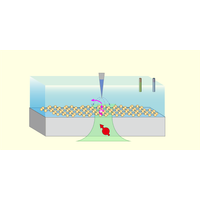
Phys. Rev. Lett. 135, 208001 (2025)
Polymers, Chemical Physics, Soft Matter, and Biological Physics
Chemotaxis-Induced Phase Separation
Article | Polymers, Chemical Physics, Soft Matter, and Biological Physics | 2025-11-10 05:00 EST
Henrik Weyer, David Muramatsu, and Erwin Frey
Chemotaxis allows single cells to self-organize at the population level, as classically described by Keller-Segel models. We show that chemotactic aggregation can be understood using a generalized Maxwell construction based on the balance of density fluxes and reactive turnover. This formulation imp…
Phys. Rev. Lett. 135, 208402 (2025)
Polymers, Chemical Physics, Soft Matter, and Biological Physics
Physical Review X
Letting the Tiger out of Its Cage: Bosonic Coding without Concatenation
Article | 2025-11-10 05:00 EST
Yijia Xu (许逸葭), Yixu Wang (王亦许), Christophe Vuillot, and Victor V. Albert
Tiger codes provide a unified framework for designing quantum error-correcting codes directly in harmonic oscillators, using integer-based homology to exploit their full structure and enable scalable quantum information processing.

Phys. Rev. X 15, 041025 (2025)
arXiv
AI-Driven Design of poly(ethylene terephthalate)-replacement copolymers
New Submission | Soft Condensed Matter (cond-mat.soft) | 2025-11-10 20:00 EST
Chiho Kim, Wei Xiong, Akhlak Mahmood, Rampi Ramprasad, Huan Tran
Poly(ethylene terephthalate) (PET), a widely used thermoplastic in packaging, textiles, and engineering applications, is valued for its strength, clarity, and chemical resistance. Increasing environmental impact concerns and regulatory pressures drive the search for alternatives with comparable or superior performance. We present an AI-driven polymer design pipeline employing virtual forward synthesis (VFS) to generate PET-replacement copolymers. Inspired by the esterification route of PET synthesis, we systematically combined a down-selected set of Toxic Substances Control Act (TSCA)-listed monomers to create 12,100 PET-like polymers. Machine learning models predicted glass transition temperature (Tg), band gap, and tendency to crystallize, for all designs. Multi-objective screening identified 1,108 candidates predicted to match or exceed PET in $ T_{\rm g}$ and band gap, including the ``rediscovery’’ of other known commercial PET-alternate polymers (e.g., PETG, Tritan, Ecozen) that provide retrospective validation of our design pipeline, demonstrating a capability to rapidly design experimentally feasible polymers at a scale. Furthermore, selected, entirely new (previously unknown) candidates designed here have been synthesized and characterized, providing a definitive validation of the design framework.
Soft Condensed Matter (cond-mat.soft), Materials Science (cond-mat.mtrl-sci)
Influence of carbon nanocone structure on ultra-efficient water flow
New Submission | Soft Condensed Matter (cond-mat.soft) | 2025-11-10 20:00 EST
Bruno H. S. Mendonça, Elizane E. de Moraes, João P. K. Abal, João V. L. Valle, Tássylla O. Fonseca, Hélio Chacham
In this study, using nonequilibrium molecular dynamics simulation, the water flow in carbon nanocones is studied using the TIP4P/2005 rigid water model. The results demonstrate a nonuniform dependence of the flow on the cone apex angle and the diameter of the opening where the flow is established, leading to a significant increase in the flow in some cases. The effects of cone diameter and pressure gradient are investigated to explain flow behavior with different system structures. We observed that some cones can optimize the water flow precisely. Nanocones with a larger opening facilitate the sliding of water, significantly increasing the flow, thus being promising membranes for technological use in water impurity separation processes. Nanocones with narrower opening angles limited water mobility due to excessive confinement. This phenomenon is linked to the ability of water to form a larger hydrogen-bond network in typical systems with diameters of this size, obtaining a single-layer water structure. Nanocones act as selective nanofilters capable of allowing water molecules to pass through while blocking salts and impurities. The conical shape of their structures creates a directed flow that improves separation efficiency. Membranes based on carbon nanocones are becoming promising for clean, smart, and efficient technologies. The combination of transport speed, selectivity, and structural control put them ahead of other nanostructures for various purposes.
Soft Condensed Matter (cond-mat.soft), Materials Science (cond-mat.mtrl-sci), Fluid Dynamics (physics.flu-dyn)
23 pages, 8 figures
AI-assisted design of chemically recyclable polymers for food packaging
New Submission | Soft Condensed Matter (cond-mat.soft) | 2025-11-10 20:00 EST
Brandon K. Phan, Chiho Kim, Janhavi Nistane, Wei Xiong, Haoyu Chen, Woo Jin Jang, Farzad Gholami, Yongliang Su, Jerry Qi, Ryan Lively, Will Gutekunst, Rampi Ramprasad
Polymer packaging plays a crucial role in food preservation but poses major challenges in recycling and environmental persistence. To address the need for sustainable, high-performance alternatives, we employed a polymer informatics workflow to identify single- and multi-layer drop-in replacements for polymer-based packaging materials. Machine learning (ML) models, trained on carefully curated polymer datasets, predicted eight key properties across a library of approximately 7.4 million ring-opening polymerization (ROP) polymers generated by virtual forward synthesis (VFS). Candidates were prioritized by the enthalpy of polymerization, a critical metric for chemical recyclability. This screening yielded thousands of promising candidates, demonstrating the feasibility of replacing diverse packaging architectures. We then experimentally validated poly(p-dioxanone) (poly-PDO), an existing ROP polymer whose barrier performance had not been previously reported. Validation showed that poly-PDO exhibits strong water barrier performance, mechanical and thermal properties consistent with predictions, and excellent chemical recyclability (95% monomer recovery), thereby meeting the design targets and underscoring its potential for sustainable packaging. These findings highlight the power of informatics-driven approaches to accelerate the discovery of sustainable polymers by uncovering opportunities in both existing and novel chemistries.
Soft Condensed Matter (cond-mat.soft), Materials Science (cond-mat.mtrl-sci), Chemical Physics (physics.chem-ph)
Main body is 14 pages with 5 figures. Supplementary Information is 15 pages with 8 figures
Microscopic model for a granular solid-liquid-like phase transition
New Submission | Soft Condensed Matter (cond-mat.soft) | 2025-11-10 20:00 EST
Sébastien Aumaître, Nicolas Mujica
Forced granular matter in confined geometries presents phase transitions and coexistence. Depending on the system and forcing parameters, liquid-vapor and liquid-solid co-existing states are possible. For the solid-liquid coexistence that is observed in quasi-two-dimensional vibrated systems, both first- and second-order transitions have been reported. Experiments show that particles in the solid cluster move collectively, synchronized with the cell’s vibration, in a similar way to the collect-and-collide regime observed in granular dampers. Here, we present a model that proposes a microscopic origin of this granular phase transition and co-existence. Imposing synchronicity, we model the solid cluster as an effective particle of zero restitution coefficient. In addition, we use the mechanical equilibrium between the two phases, with an equation of state validated for hard spheres relating the horizontal velocities in each phase. Balancing energy input and dissipation per unit time we obtain a global power equation, which relates the characteristic vertical and horizontal velocities to the microscopic relevant parameters (geometric and dissipation coefficients) as well as to the vibration amplitude and solid cluster’s size. The predictions of the model compare quite well with our experimental results and with the experimental and dynamic simulation results reported elsewhere.
Soft Condensed Matter (cond-mat.soft)
14 pages, 12 figures
Phase controlled multi-terminal Josephson junction in ternary hybrid nanowire
New Submission | Materials Science (cond-mat.mtrl-sci) | 2025-11-10 20:00 EST
Sabbir A. Kahn, Lukas Stampfer, Sara Marti-Sanchez, Dags Olsteins, Damon James Carrad, Thies Jansen, Jonas Johansson, Jordi Arbiol, Peter Krogstrup, Thomas Sand Jespersen
This work presents multiterminal Josephson junctions in hybrid semiconductor-superconductor InAsSb-Al nanocrosses. Hybrid nanocrosses are grown using molecular beam epitaxy and are formed through As-assisted merging of oppositely directed InAsSb nanowires. We explain this complex ternary merging mechanism using a temperature-dependent phase diagram and investigate the detailed crystal structure with atomic-resolution imaging. The hybrid nanoscrosses enabled the fabrication of multiterminal Josephson junction devices, which were characterized at low temperatures. The supercurrent through each terminal combination was measured as a function of the density in the junction and the relative phase of the terminals, which was controlled by an external magnetic field.
Materials Science (cond-mat.mtrl-sci), Mesoscale and Nanoscale Physics (cond-mat.mes-hall), Superconductivity (cond-mat.supr-con)
Superexchanges and Charge Transfer in the La$_3$Ni$_2$O$_7$ Thin Films
New Submission | Superconductivity (cond-mat.supr-con) | 2025-11-10 20:00 EST
Yuxun Zhong, Wéi Wú, Dao-Xin Yao
The recent discovery of superconductivity with $ T_c$ above 40 K in La$ _3$ Ni$ _2$ O$ _7$ and (La,Pr)$ _3$ Ni$ _2$ O$ _7$ thin films at ambient pressure marks a new era in the field of the nickelate superconductors. Motivated by the recent experimental reports, we study an 11-band Hubbard model with tight-binding parameters derived from \textit{ab initio} calculations of La$ _3$ Ni$ 2$ O$ 7$ thin films, by using large scale determinant quantum Monte Carlo and cellular dynamical mean-field theory approaches. Our results demonstrate that the major antiferromagnetic superexchange couplings in thin-film La$ 3$ Ni$ 2$ O$ 7$ can be significantly weaker than in the bulk at 29.5 Gpa. The out-of-plane antiferromagnetic correlation between Ni$ -d{3z^2-r^2}$ orbitals is significantly reduced by about 27% in film, whereas, the in-plane magnetic correlations remain largely unchanged. We estimate the antiferromagnetic coupling constants, $ J{\parallel}$ and $ J{\perp}$ by using perturbation theory. Regarding charge transfer, we find that biaxial compression in the thin films results in reduced charge-transfer gap compared to the bulk material. We determine the distribution of doped holes and electrons among the in-plane (Ni$ -d{x^2-y^2}$ and O$ -p_x/p_y$ ) orbitals and the out-of-plane (Ni$ -d{3z^2-r^2}$ and O$ -p_z$ ) orbitals. A significant particle-hole asymmetry regarding carrier doping is revealed. Our results provide a foundation for subsequent studies of the low-energy $ t-J$ model of La$ _3$ Ni$ _2$ O$ _7$ thin films, and ofer key insights into the understanding of physical differences between the film and bulk bilayer nickelate high-temperature superconductors.
Superconductivity (cond-mat.supr-con)
6 pages, 4 figures
Twistraintronics in Square Moire Superlattices of Stacked Graphene Layers
New Submission | Mesoscale and Nanoscale Physics (cond-mat.mes-hall) | 2025-11-10 20:00 EST
Roberto Carrasco, Federico Escudero, Zhen Zhan, Eva Cortes-del Rio, Beatriz Viña-Bausa, Yulia Maximenko, Pierre A. Pantaleon, Francisco Guinea, Ivan Brihuega
We report the first observation of controlled, strain-induced square moire patterns in stacked graphene. By selectively displacing native wrinkles, we drive a reversible transition from the usual trigonal to square moire order. Scanning tunneling microscopy reveals elliptically shaped AA domains, while spectroscopy shows strong electronic correlation in the form of narrow bands with split Van Hove singularities near the Fermi level. A continuum model with electrostatic interactions reproduces these features under the specific twist-strain combination that minimizes elastic energy. This work demonstrates that the combination of twist and strain, or twistraintronics, enables the realization of highly correlated electronic states in moire heterostructures with geometries that were previously inaccessible.
Mesoscale and Nanoscale Physics (cond-mat.mes-hall)
6 pages, 3 figures and supplementary information. Comments are very welcome
Electrostatics-induced breakdown of the integer quantum Hall effect in cavity QED
New Submission | Mesoscale and Nanoscale Physics (cond-mat.mes-hall) | 2025-11-10 20:00 EST
Gian Marcello Andolina, Zeno Bacciconi, Alberto Nardin, Marco Schirò, Peter Rabl, Daniele De Bernardis
We analyze the recently observed breakdown of the integer quantum Hall effect in a two-dimensional electron gas embedded in a metallic split-ring resonator. By accounting for both the quantized vacuum field and electrostatic boundary modifications, we identify a mechanism that could potentially explain this breakdown in terms of non-chiral edge channels arising from electrostatic boundary effects. For experimentally relevant geometries, a minimal single-electron model of this mechanism predicts characteristic signatures and energy scales consistent with those observed in experiments. These predictions can be directly tested against alternative, purely vacuum-induced explanations to shed further light on the origin of this puzzling phenomenon.
Mesoscale and Nanoscale Physics (cond-mat.mes-hall), Quantum Physics (quant-ph)
Interpretable disorder-promoted synchronization and coherence in coupled laser networks
New Submission | Disordered Systems and Neural Networks (cond-mat.dis-nn) | 2025-11-10 20:00 EST
Ana Elisa D. Barioni, Arthur N. Montanari, Adilson E. Motter
Coupled lasers offer a promising approach to scaling the power output of photonic devices for applications demanding high frequency precision and beam coherence. However, maintaining coherence among lasers remains a fundamental challenge due to desynchronizing instabilities arising from time delay in the optical coupling. Here, we depart from the conventional notion that disorder is detrimental to synchronization and instead propose an interpretable mechanism through which heterogeneity in the laser parameters can be harnessed to promote synchronization. Our approach allows stabilization of pre-specified synchronous states that, while abundant, are often unstable in systems of identical lasers. The results show that stable synchronization enabling coherence can be frequently achieved by introducing intermediate levels of random mismatches in any of several laser constructive parameters. Our results establish a principled framework for enhancing coherence in large laser networks, offering a robust strategy for power scaling in photonic systems.
Disordered Systems and Neural Networks (cond-mat.dis-nn), Adaptation and Self-Organizing Systems (nlin.AO)
Phys. Rev. Lett. 135, 197401 (2025)
Experimental Study of a Vortex Spin-Torque Oscillator in an MTJ with a Vortex Polarizer
New Submission | Other Condensed Matter (cond-mat.other) | 2025-11-10 20:00 EST
Maksim Stebliy, Alex Jenkins, Luana Benetti, Ricardo Ferreira
Spin-torque nano-oscillators (STNOs) are promising nanoscale microwave sources for spintronic applications, serving as signal generators or elements in neuromorphic computing systems. In this paper, we investigate the experimental realization of an oscillator based on a magnetic tunnel junction (MTJ) comprising two magnetic layers: a reference layer (RL) and a free layer (FL). We demonstrate that when magnetic vortices with opposite chirality and polarity are formed in the layers, the application of a current induces auto-oscillations even in the absence of external magnetic fields. This effect is observed in devices with diameters ranging from 800 to 1000 nm, exhibiting oscillation frequencies between 110 and 60 MHz. The underlying mechanism is attributed to the action of a spin current with vortex-like polarization injected from the RL, interacting with the magnetic vortex in the FL. This interaction generates a local out-of-plane effective field due to spin-transfer torque, which acts on the vortex core and initiates its motion. The observed mechanism differs qualitatively from the case of uniformly polarized spin currents perpendicular to the plane, where the resulting in-plane field acts on the planar components of the vortex magnetization.
Other Condensed Matter (cond-mat.other)
Photo-induced switching of magnetisation in the epsilon-near-zero regime
New Submission | Materials Science (cond-mat.mtrl-sci) | 2025-11-10 20:00 EST
Héloïse Damas, Carl S. Davies, Petr M. Vetoshko, Vladimir I. Belotelov, Andrzej Stupakiewicz, Andrei Kirilyuk
The possibility of controlling spins using ultrashort light and strain pulses has triggered intense discussions about the mechanisms responsible for magnetic re-ordering. All-optical magnetisation switching can be achieved through ultrafast heat-driven demagnetisation or transient modifications of magnetic anisotropy. During the phononic switching of magnetic dielectrics, however, mid-infrared optical excitations can modify the crystal environment via both the thermal quenching of anisotropy and the generation of strain respectively, with the relative distinction between these thermal and non-thermal processes remaining an open question. Here, we examine the effect of mid-infrared pulses tuned to the frequency of optical phonon resonances on the labyrinthine domain structure of a cobalt-doped yttrium iron garnet film. We find that the labyrinthine domains are transformed into stable parallel stripes, and quantitative micromagnetic calculations demonstrate this stems predominantly from a partial quenching of the anisotropy. Contrary to conventional wisdom, however, we find that this heat-facilitated process of magnetisation switching is spectrally strongest not at the maximum of absorbed optical energy but rather at the epsilon-near-zero points. Our results reveal that the epsilon-near-zero condition provides an alternative pathway for laser-driven control of magnetisation, even when the underlying mechanism is primarily thermal.
Materials Science (cond-mat.mtrl-sci)
Short-range Spin Freezing State in the Double Trillium Lattice Spin-Liquid Candidate KSrFe$_2$(PO$_4$)$_3$ Revealed via $^{31}$P NMR
New Submission | Strongly Correlated Electrons (cond-mat.str-el) | 2025-11-10 20:00 EST
Sebin J. Sebastian, Q. -P. Ding, A. A. Tsirlin, R. Nath, Y. Furukawa
A comprehensive $ ^{31}$ P nuclear magnetic resonance (NMR) study, combined with thermodynamic measurements and first-principle band-structure calculations, has been conducted to explore the ground state of the $ S = 5/2$ double trillium lattice antiferromagnet KSrFe$ _2$ (PO$ _4$ )$ _3$ . Our experimental results indicate that the magnetic ground state is neither a conventional three-dimensional (3D) long-range order (LRO) nor a pure gapless spin-liquid state, as conjectured previously [Boya et al., APL Mater. 10, 101103 (2022)]. Specifically, the observation of a nearly field-independent NMR linewidth below $ T^{\ast}$ = (3.5 $ \pm$ 0.4) K, and a significant enhancement of spin-spin relaxation rate $ 1/T_2$ below $ 2T^{\ast}$ (where $ T^{\ast}$ is the characteristic temperature identified from the magnetic susceptibility), indicate a complex magnetic ground state where spin freezing coexists with persistent dynamics. Furthermore, we argue that the lack of magnetic LRO and the persistence of strong magnetic fluctuations in KSrFe$ _2$ (PO$ _4$ )$ _3$ are unlikely to originate from intersite K/Sr disorder, rather arise due to intrinsic magnetic frustration. Our findings position KSrFe$ _2$ (PO$ _4$ )$ _3$ into a broader family of geometrically frustrated magnets characterized by coexisting spin freezing and pronounced antiferromagnetic fluctuations, marking it as a promising platform for investigating exotic phenomena in 3D frustrated magnets.
Strongly Correlated Electrons (cond-mat.str-el)
7 pages, 3 figures
Unexpected Behavior of Ultra-Low-Crosslinked Microgels in Crowded Conditions
New Submission | Soft Condensed Matter (cond-mat.soft) | 2025-11-10 20:00 EST
Susana Marín-Aguilar, Emanuela Zaccarelli
Ultra-low-crosslinked (ULC) microgels are among the softest colloidal particles nowadays routinely synthesized experimentally. Despite a growing literature of experimental results, their microscopic behavior under crowded conditions is yet to be revealed. To this aim, we resort to realistic monomer-resolved computer simulations to investigate their structural, mechanical, and dynamical properties across a wide range of packing fractions. Using particle-resolved analyses, we unveil the role of outer chains in the ULCs, which manifest in peculiar behaviors, utterly different from those of regularly crosslinked microgels. In particular, we report the absence of faceting and the dominance of interpenetration between microgels at high densities. Furthermore, we observe no signs of local ordering in the radial distribution functions, nor the structural reentrance characteristic of Hertzian-like particles. This is accompanied by the lack of a dynamical arrest transition, even well above random close packing. Altogether, our results establish ULCs as a distinct class of soft colloids in which polymeric degrees of freedom are highly predominant over colloidal ones, providing for the first time a robust, microscopic framework to interpret their unusual behavior.
Soft Condensed Matter (cond-mat.soft)
Direct Visualization of the Magnetic Monopole Field in a 3D Artificial Spin Ice
New Submission | Mesoscale and Nanoscale Physics (cond-mat.mes-hall) | 2025-11-10 20:00 EST
Arjen van den Berg, Peter Rickhaus, Frank Barrows, Cristiano Nisoli, Sam Ladak
Magnetic monopoles, long hypothesised as fundamental particles carrying isolated magnetic charge, emerge in spin-ice systems as fractionalised excitations governed by the ice rule. Yet their three-dimensional field structure has never been directly visualised. Here, we use two-photon lithography and processing to fabricate a fully three-dimensional artificial spin-ice lattice with diamond-bond geometry. We then use scanning nitrogen-vacancy magnetometry to directly measure the stray magnetic fields of both charge-neutral and monopole vertices. We find that ice-rule vertices produce antivortex textures directly above their vertices, stabilised by the local frustrated two-in/two out ordering principle. Direct imaging of the monopole stray field shows a highly divergent profile. By correlating experiment with micromagnetic simulations and performing a multipole expansion of the reconstructed magnetisation, we reveal that monopoles in 3DASI are non-trivial micromagnetic entities, carrying both magnetic charge and an intrinsic moment, giving rise to anisotropic interactions that are dependent upon the quasiparticles position on the lattice. Results suggest that as monopoles separate under an applied field, the dipolar contribution to their interaction reorients relative to the underlying Coulombic field, revealing that monopole coupling is tunable through geometry, being set by the local vertex topology. These findings establish 3DASI as a programmable magnetic metamaterial in which nanoscale geometry governs the energetics and dynamics of emergent magnetic charges.
Mesoscale and Nanoscale Physics (cond-mat.mes-hall)
In-Plane Field induced Quantized Longitudinal Conductivity in Magnetic Topological Insulators
New Submission | Mesoscale and Nanoscale Physics (cond-mat.mes-hall) | 2025-11-10 20:00 EST
Ting-Hsun Yang, Yaochen Li, Peng Zhang, Penghao Zhu, Hung-Yu Yang, Eun Sang Choi, Kaiwei Chen, Wenqiang Cui, Kin Wong, Peng Deng, Gang Qiu, Kang L. Wang
We report the discovery of an in plane quantization (IPQ) state in trilayer magnetic topological insulators, characterized by a quantized longitudinal conductivity of e2/h under strong in-plane magnetic fields. This state emerges at a quantum critical point separating quantum anomalous Hall phases tuned by field angle and orientation, directly linking gap-closing behavior to quantized criticality. Temperature and gate dependent transport measurements, supported by a self consistent approximation model, reveal that electron hole puddles dominate charge transport in this regime, highlighting the essential role of impurity disorder in stabilizing quantized critical transport. These findings establish a tunable experimental framework that connects gap-closing physics with universal conductivity, offering both microscopic insight into critical transport in magnetic topological insulators and a robust platform for probing quantum criticality in topological systems.
Mesoscale and Nanoscale Physics (cond-mat.mes-hall)
Mixed-Valent Ce Disrupts Magnetic Ordering in CeFe$_2$Ga$_8$
New Submission | Materials Science (cond-mat.mtrl-sci) | 2025-11-10 20:00 EST
Hui-Fei Zhai, Sergey L. Bud’ko, Jacob W. Fritsky, Jason F. Khoury
Mixed valency in intermetallics with lanthanide cations is well established as a pathway to unusual charge transport, complex magnetism, and superconductivity. In this work, we report a comprehensive study of the structural, magnetic, electronic, and thermal properties of the mixed valent compound CeFe$ _2$ Ga$ _8$ . Powder X-ray diffraction (PXRD) and X-ray photoelectron spectroscopy (XPS) characterize CeFe$ _2$ Ga$ _8$ as a quasi-one-dimensional (Q1D) compound with mixed-valent Ce$ ^{3+}$ and Ce$ ^{4+}$ on a single crystallographic site. $ ^{57}$ Fe Mössbauer spectroscopy indicates that the Fe sublattice is nonmagnetic, in direct contrast with recent reports of this compound. Low-temperature electrical resistivity and heat capacity measurements show no evidence of magnetic ordering, and a modest Sommerfeld coefficient ($ \gamma$ ) of 22.7 mJ/mol$ \cdot$ K$ ^2$ make extensive Kondo hybridization unlikely. DC and AC magnetic susceptibility data suggest short-range magnetic order at $ \sim$ 5.2 and 7.6 K with no frequency dependence, ruling out canonical spin-glass behavior in this compound. Additionally, the magnetic susceptibility data does not contain any broad features that are typically associated with an intermediate valence state in Ce, suggesting either high-temperature valence fluctuation or a different mechanism of mixed valency. This work demonstrates that mixed-valent Ce inhibits magnetic ordering in CeFe$ _2$ Ga$ _8$ and provides a broader picture for how to analyze short-range spin interactions in Q1D intermetallics.
Materials Science (cond-mat.mtrl-sci)
Preparation and evaluation of alexandrite, forsterite, and topaz substrates for the epitaxial growth of rutile oxides
New Submission | Materials Science (cond-mat.mtrl-sci) | 2025-11-10 20:00 EST
Monique Kubovsky, Yorick A. Birkhölzer, Luka B. Mitrovic, Hanjong Paik, George R. Rossman, Darrell G. Schlom
Metal-insulator transitions and superconductivity in rutile-structured oxides hold promise for advanced electronic applications, yet their thin film synthesis is severely hindered by limited substrate options. Here, we present three single- crystalline substrates, BeAl2O4, Mg2SiO4, and Al2SiO4(F,OH)2, prepared via optimized thermal and chemical treatments to achieve atomically smooth surfaces suitable for epitaxial growth. Atomic force microscopy confirms atomic step-and-terrace surface morphologies, and oxide molecular-beam epitaxy growth on these substrates demonstrates successful heteroepitaxy of rutile TiO2, VO2, NbO2, and RuO2 films. Among these unconventional substrates, BeAl2O4 exhibits exceptional thermal and chemical stability, making it a versatile substrate candidate. These findings introduce new substrate platforms that facilitate strain engineering and exploration of rutile oxide thin films, potentially advancing the study of their strain-dependent physical properties.
Materials Science (cond-mat.mtrl-sci), Other Condensed Matter (cond-mat.other)
Review of the tight-binding method applicable to the properties of moiré superlattices
New Submission | Materials Science (cond-mat.mtrl-sci) | 2025-11-10 20:00 EST
Xueheng Kuang, Federico Escudero, Pierre A. Pantaleón, Francisco Guinea, Zhen Zhan
Moiré superlattices have emerged as a versatile platform for exploring a wide range of ex- otic quantum phenomena. Unlike angstrom-scale materials, the moiré length-scale system contains a large number of atoms, and its electronic structure is significantly modulated by the lattice relaxation. These features pose a huge theoretical challenge. Among the available theoretical approaches, tight-binding (TB) methods are widely employed to predict the electronic, transport, and optical properties of systems such as twisted graphene, twisted transition-metal dichalcogenides (TMDs), and related moiré materials. In this review, we pro- vide a comprehensive overview of atomistic TB Hamiltonians and the numerical techniques commonly used to model graphene-based, TMD-based and hBN-based moiré superlattices. We also discuss the connection between atomistic TB descriptions and effective low-energy continuum models. Two examples of different moiré materials and geometries are provided to emphasize the advantages of the TB methods. This review is intended to serve as a theoretical and practical guide for those seeking to apply TB methods to the study of various properties of moiré superlattices.
Materials Science (cond-mat.mtrl-sci)
Invitation from PCCP
Intrinsic Fracture Nonreciprocity at the Nanoscale
New Submission | Materials Science (cond-mat.mtrl-sci) | 2025-11-10 20:00 EST
Siwei Zhao, Penghua Ying, Guoqiang Zhang, Ke Zhou, Shengying Yue, Yan Chen, Yilun Liu
We reveal intrinsic fracture nonreciprocity, manifesting as directional asymmetry in crack resistance, in two-dimensional heterostructures engineered through lattice-mismatched interfaces. Density-functional theory combined with machine-learning molecular dynamics show that intrinsic lattice mismatch between bonded component crystals imprints asymmetric prestrain states at crack tips, governing bond-breaking thresholds through charge redistribution. The failure criterion obeys a universal exponential scaling law between normalized charge density and bond strain, insensitive to bonding chemistry and local atomic environment. The magnitude of nonreciprocity scales systematically with lattice mismatch, reaching 49% at 10% mismatch. Validation across hexagonal, square, rectangular, and oblique two-dimensional lattices confirms universality, establishing interface strain engineering as a general design principle that bridges electronic structure to nanoscale failure, enabling rational design of damage-tolerant nanostructures.
Materials Science (cond-mat.mtrl-sci), Mesoscale and Nanoscale Physics (cond-mat.mes-hall), Chemical Physics (physics.chem-ph)
14 pages, 5 gigures
Recursive entropy in thermodynamics: establishing the statistical-physics basis of the zentropy approach
New Submission | Statistical Mechanics (cond-mat.stat-mech) | 2025-11-10 20:00 EST
Luke Allen Myers, Nigel Lee En Hew, Shun-Li Shang, Zi-Kui Liu
The recursive property of entropy is well known in the field of information theory; however, the concept is rarely used in the field of thermodynamics, despite being the field where the concept of entropy originated. This work shows that the equation for entropy used in the zentropy, which is an exact multiscale approach to thermodynamics, is a statement of the recursive property of entropy. Further, we clarify the meaning of entropy as the uncertainty arising from unconstrained degrees of freedom and separate configurational contributions from intra-configurational ones. Building on this, we derive the partition function, as used in zentropy, by maximizing entropy in its recursive form. The resulting framework is exact for a chosen level of description and enables principled coarse-graining, thereby reducing computational complexity while preserving thermodynamic consistency. These results position zentropy as a rigorous bridge between microscopic and macroscopic behavior, facilitating quantitative predictions and the study of emergent phenomena.
Statistical Mechanics (cond-mat.stat-mech)
Many-body wave function and edge magnetization of an open $p+is$ superconducting chain
New Submission | Superconductivity (cond-mat.supr-con) | 2025-11-10 20:00 EST
Jiarui Jiao, Chao Xu, Congjun Wu, Wang Yang
Although BCS wave function for superconductors under periodic boundary conditions are well-established, obtaining an explicit form of the many-body BCS wave function under open boundary condition is usually a nontrivial problem. In this work, we construct the exact BCS ground state wave function of a one-dimensional spin-1/2 superconductor with $ p+ is$ pairing symmetry under open boundary conditions for special sets of parameters. The spin magnetization on the edges are calculated explicitly using the obtained wave function. Approximate expression of the wave function is also discussed based on degenerate perturbation theory when the $ s$ -wave component is much smaller than the $ p$ -wave one, which provides more intuitive understanding for the system. Our work is useful for obtaining deeper understandings of open $ p+ is$ superconducting chains on a wave function level.
Superconductivity (cond-mat.supr-con)
19 pages, 5 figures
Disorder-broadened topological Hall phase and anomalous Hall scaling in FeGe
New Submission | Materials Science (cond-mat.mtrl-sci) | 2025-11-10 20:00 EST
Chaman Gupta, Chris Matsumura, Hongbin Yang, Sarah Edwards, Rebeca M. Gurrola, Jiun-Haw Chu, Hanjong Paik, Yongqiang Wang, David A. Muller, Robert Streubel, Tzu-Ming Lu, Serena Eley
Magnetic skyrmions are topologically protected spin textures that are promising candidates for low-power spintronic memory and logic devices. Realizing skyrmion-based devices requires an understanding of how structural disorder affects their stability and transport properties. This study uses Ne$ ^{+}$ ion irradiation at fluences from $ 10^{11}$ to $ 10^{14}$ ions-cm$ ^{-2}$ to systematically vary defect densities in 80 nm epitaxial FeGe films and quantify the resulting modifications to magnetic phase boundaries and electronic scattering. Temperature- and field-dependent Hall measurements reveal that increasing disorder progressively extends the topological Hall signal from a narrow window near 200K in pristine films down to 4K at the highest fluence, with peak amplitude more than doubling. Simultaneously, the anomalous Hall effect transitions from quadratic Berry curvature scaling to linear skew scattering behavior, with the skew coefficient increasing threefold. These results establish quantitative correlations between defect concentration, skyrmion phase space, and transport mechanisms in a chiral magnet. It demonstrates that ion-beam modification provides systematic control over both topological texture stability and electrical detectability.
Materials Science (cond-mat.mtrl-sci), Mesoscale and Nanoscale Physics (cond-mat.mes-hall), Quantum Physics (quant-ph)
20 pages, 5 figures
Ultrafast Terahertz Photoconductivity and Near-Field Imaging of Nanoscale Inhomogeneities in Multilayer Epitaxial Graphene Nanoribbons
New Submission | Materials Science (cond-mat.mtrl-sci) | 2025-11-10 20:00 EST
Arvind Singh, Jan Kunc, Tinkara Troha, Hynek Němec, Petr Kužel
We study broadband terahertz (THz) conductivity and ultrafast photoconductivity spectra in lithographically fabricated multilayer epitaxial graphene nanoribbons grown on C- face of 6H-SiC substrate. THz near-field spectroscopy reveals local conductivity variations across nanoscale structural inhomogeneities such as wrinkles and grain boundaries within the multilayer graphene. Ultrabroadband THz far-field spectroscopy (0.15-16 THz) distinguishes doped graphene layers near the substrate from quasi-neutral layers (QNLs) further from the substrate. Temperature-dependent THz conductivity spectra are dominated by intra-band transitions both in the doped and QNLs. Photoexcitation then alters mainly the response of the QNLs: these exhibit a very high carrier mobility and a large positive THz photoconductivity with picosecond lifetime. The response of QNLs strongly depends on the carrier temperature $ T_c$ : the scattering time drops by an order of magnitude down to ~10 fs upon an increase of $ T_c$ from 50 K to $ T_c >$ 1000 K, which is attributed to an enhanced electron-electron and electron- phonon scattering and to an interaction of electrons with mid-gap states.
Materials Science (cond-mat.mtrl-sci), Mesoscale and Nanoscale Physics (cond-mat.mes-hall)
Anisotropy of linear magnetoresistance in Kagome metal ZrV$_6$Sn$_6$
New Submission | Strongly Correlated Electrons (cond-mat.str-el) | 2025-11-10 20:00 EST
Yifan Deng, Ming Cheng, Lanxin Liu, Nan Zhou, Yu Zhao, Ruihuan Lan, Yongqiang Pan, Wenhai Song, Yuyan Han, Xiaoguang Zhu, Xuan Luo, Yuping Sun
The Kagome lattice has attracted extensive attention due to the diverse magnetic properties and non-trivial electronic states generated by its unique atomic arrangement, which provides an excellent system for exploring macroscopic quantum behavior. Here, we report the anomalous transport properties in 166-type Kagome metal ZrV$ _6$ Sn$ _6$ single crystals. The quadratic and linear magnetoresistance (LMR) can be observed depending on the directions of the field and the current. Integrating Hall resistivity and quantum oscillation measurements, we found that the LMR could match well with the Abrikosov model. However, this model encounters difficulties in explaining the anisotropy of the magnetoresistance. To solve the issue, we extrapolate the Abrikosov model to the case of two-dimensional linear dispersion. It was found that when the field is parallel to the linear dependence momentum, the quantized energy is $ \epsilon_n^{\pm}$ = $ \pm v\sqrt{p^2+2eHn/c}$ , resulting in LMR. By contrast, when it is parallel to the non-linear dependence momentum, the energy is $ \epsilon_n^{\pm}$ = $ \pm v\sqrt{2eHn/c}$ , without yielding LMR. Through the combination of experiment and theory, the modified Abrikosov model could interpret the macroscopic quantum transport in ZrV$ _6$ Sn$ _6$ crystal. The present research provides a new perspective for understanding the LMR behavior.
Strongly Correlated Electrons (cond-mat.str-el)
Coupled dimerized alternating-bond quantum spin chains in the distorted honeycomb-lattice magnet Cu$_5$SbO$_6$
New Submission | Strongly Correlated Electrons (cond-mat.str-el) | 2025-11-10 20:00 EST
C. Piyakulworawat, K. Morita, Y. Fukumoto, W.-Y. Hsieh, W.-T. Chen, K. Nakajima, S. Ohira-Kawamura, Y. Zhao, S. Wannapaiboon, P. Piyawongwatthana, T. J. Sato, K. Matan
We analyze powder-averaged inelastic neutron scattering and magnetization data for the distorted honeycomb compound Cu$ _5$ SbO$ _6$ using a first-order dimer expansion calculation and quantum Monte Carlo simulations. We show that, in contrast to the previously proposed honeycomb lattice model, Cu$ _5$ SbO$ _6$ accommodates interacting dimerized spin chains with alternating ferromagnetic-antiferromagnetic couplings along the chain. Moreover, unlike the typical couplings observed in other Cu$ ^{2+}$ -based distorted honeycomb magnets, the spin chains in Cu$ _5$ SbO$ _6$ primarily couple through an antiferromagnetic coupling $ J_4$ that arises between the honeycomb layers, rather than the expected interchain $ J_3$ coupling in the layers. This finding reveals a different magnetic coupling scheme, $ J_1$ -$ J_2$ -$ J_4$ , for Cu$ _5$ SbO$ _6$ . In addition, utilizing x-ray spectroscopy and transmission electron microscopy, we also refine the crystal structure and stacking-fault model of the compound.
Strongly Correlated Electrons (cond-mat.str-el)
16 pages, 7 figures
Probing the atomic dynamics of ultrafast melting with femtosecond electron diffraction
New Submission | Materials Science (cond-mat.mtrl-sci) | 2025-11-10 20:00 EST
M. Z. Mo, M. B. Maigler, T. Held, B. K. Ofori-Okai, A. Bergermann, Z. Chen, R. K. Li, X. Shen, K. Sokolowski-Tinten, R. Redmer, X. J. Wang, J. Schein, D. O. Gericke, B. Rethfeld, S. H. Glenzer
Melting is an everyday phase transition that is determined by thermodynamic parameters like temperature and pressure. In contrast, ultrafast melting is governed by the microscopic response to a rapid energy input and, thus, can reveal the strength and dynamics of atomic bonds as well as the energy flow rate to the lattice. Accurately describing these processes remains challenging and requires detailed insights into transient states encountered. Here, we present data from femtosecond electron diffraction measurements that capture the structural evolution of copper during the ultrafast solid to liquid phase transformations. At absorbed energy densities 2 to 4 times the melting threshold, melting begins at the surface slightly below the nominal melting point followed by rapid homogeneous melting throughout the volume. Molecular dynamics simulations reproduce these observations and reveal a weak electron lattice energy transfer rate for the given experimental conditions. Both simulations and experiments show no indications of rapid lattice collapse when its temperature surpasses proposed limits of superheating, providing evidence that inherent dynamics limits the speed of disordering in ultrafast melting of metals.
Materials Science (cond-mat.mtrl-sci)
36 pages, 5 figures, 2 extended data figures
Ultimate photon entanglement in biexciton cascade
New Submission | Mesoscale and Nanoscale Physics (cond-mat.mes-hall) | 2025-11-10 20:00 EST
V. N. Mantsevich, D. S. Smirnov, E. L. Ivchenko
The polarization entanglement of photons emitted by semiconductor quantum dots is unavoidably limited by the spin fluctuations of the host lattice nuclei. To overcome this limitation, we develop a theory of entangled photon pair generation by a symmetric colloidal quantum dot mediated by a triplet exciton. We derive general analytical expressions for the concurrence as a function of the hyperfine interaction strength and show that it is intrinsically higher than that in conventional doublet-exciton systems such as self-assembled quantum dots. The concurrence sensitively depends on the shape anisotropy and the strain applied to a nanocrystal. In particular, we uncover a possibility of completely suppressing the detrimental effect of the hyperfine interaction due to the interplay between nanocrystal anisotropy and electron-hole exchange interaction. We argue that this represents the ultimate limit for the generation of entangled photon pairs by semiconductor quantum dots.
Mesoscale and Nanoscale Physics (cond-mat.mes-hall), Quantum Physics (quant-ph)
9 pages, 3 figures
Compact localized fermions and Ising anyons in a chiral spin liquid
New Submission | Strongly Correlated Electrons (cond-mat.str-el) | 2025-11-10 20:00 EST
Quasiparticle hybridization remains a major challenge to realizing and controlling exotic states of matter in existing quantum simulation platforms. We report the absence of hybridization for compact localized states (CLS) emerging in the chiral spin liquid described by the Yao-Kivelson model. The CLS form due to destructive quantum interference at fine-tuned coupling constants and populate perfectly flat quasiparticle bands on an effective kagome lattice. Using a formalism for general Majorana-hopping Hamiltonians, we derive exact expressions for CLS for various flux configurations and both for the topological and trivial phases of the model. In addition to finite-energy matter fermions with characteristic spin-spin correlations, we construct compact localized Majorana zero modes attached to $ \pi$ -flux excitations, which enable non-Abelian braiding of Ising anyons with minimal separation. Our results inform the quantum simulation of topologically ordered states of matter and open avenues for exploring flat-band physics in quantum spin liquids.
Strongly Correlated Electrons (cond-mat.str-el), Quantum Physics (quant-ph)
12 pages, 5 figures
Unexpected increase of intensity-dependent excitonic second- and third-harmonic generation induced by static electric fields
New Submission | Mesoscale and Nanoscale Physics (cond-mat.mes-hall) | 2025-11-10 20:00 EST
Ruixin Zuo, Matthias Reichelt, Cong Ngo, Xiaohong Song, Weifeng Yang, Torsten Meier
We compute and analyze the dependence of excitonic second- and third-harmonic generation (SHG/THG) as a function of the optical excitation intensity in the presence of static electric fields by solving the semiconductor Bloch equations. Our simulations are performed for excitation of the strongly bound intralayer exciton of an inversion-symmetric homobilayer of MoS2 with in-plane electric fields. We demonstrate that for resonant excitation at the 1s K-exciton the SHG and the THG show complex dependencies on both the strength of the static field and the peak amplitude of the optical pulse. For sufficiently intense optical excitation, the THG increases and the SHG increases superlinearly with the amplitude of the static field as long as exciton ionization is not yet dominating. Microscopic simulations demonstrate that these dependencies arise from an interplay between several effects including static and transient Stark shifts, exciton ionization, Wannier-Stark localization, off-resonant Rabi oscillations, and a modified interference between optical nonlinearities induced by the intraband acceleration. Our findings offer several new possibilities for controlling the strong-field dynamics of systems with strongly bound excitons.
Mesoscale and Nanoscale Physics (cond-mat.mes-hall)
14 pages, 7 figures
An explicit formula for perturbation theory at any order with infinitely many perturbations
New Submission | Strongly Correlated Electrons (cond-mat.str-el) | 2025-11-10 20:00 EST
We provide a systematic formula, in terms of integer partitions, that generates perturbation theory explicitly at an arbitrary order. Our approach naturally includes an infinite number of perturbations and uses a single matrix equation that contains the information for both the eigenvalue and eigenvector corrections. The formula reduces to the standard case of one perturbation in the appropriate limit. This formulation streamlines the derivations that are traditionally tedious in perturbation theory, facilitating high-order calculations.
Strongly Correlated Electrons (cond-mat.str-el), Statistical Mechanics (cond-mat.stat-mech)
LeMat-Bulk: aggregating, and de-duplicating quantum chemistry materials databases
New Submission | Materials Science (cond-mat.mtrl-sci) | 2025-11-10 20:00 EST
Martin Siron, Inel Djafar, Ali Ramlaoui, Etienne du Fayette, Amandine Rossello, Edvin Fako, Matthew McDermott, Felix Therrien, Luis Barroso-Luque, Flaviu Cipcigan, Philippe Schwaller, Thomas Wolf, Alexandre Duval
The rapid expansion of materials science databases has driven machine learning-based discovery while also posing challenges in data integration, duplication, and interoperability. Robust standardization and de-duplication methods are needed to address these issues and streamline materials research. We present LeMat-Bulk, a unified dataset combining Materials Project, OQMD, and Alexandria, encompassing over 5.3 million PBE-calculated materials and also representing the largest collection of PBESol and SCAN functional calculations. Our methodology standardizes calculations across databases that utilize different parameters, effectively addressing redundancy and enhancing cross-compatibility. To de-duplicate, we propose a hashing function which we termed the Bonding Algorithm Weisfeiller-Lehman (BAWL). We comprehensively benchmark this fingerprint under atomic noise, lattice strain, and symmetry transformations, demonstrating that it outperforms existing fingerprinting techniques such as SLICES, and CLOUD in robustness while offering greater computational efficiency than similarity-based approaches such as Pymatgen’s StructureMatcher. Additionally, the fingerprint facilitates the analysis of functional-dependent trends (PBE, PBESol, SCAN) offering a scalable framework for data-driven materials science.
Materials Science (cond-mat.mtrl-sci)
Systematic global structure search of bismuth-based binary systems under pressure using machine learning potentials
New Submission | Materials Science (cond-mat.mtrl-sci) | 2025-11-10 20:00 EST
Hayato Wakai, Shintaro Ishiwata, Atsuto Seko
Machine learning potentials (MLPs) have significantly advanced global crystal structure prediction by enabling efficient and accurate property evaluations. In this study, global structure searches are performed for 11 bismuth-based binary systems, including Na-Bi, Ca-Bi, and Eu-Bi, under pressures ranging from 0 to 20 GPa, employing polynomial MLPs developed specifically for these systems. The searches reveal numerous compounds not previously reported in the literature and identify all experimentally known compounds that are representable within the explored configurational space. These results highlight the robustness and reliability of the current MLP-based structure search. The study provides valuable insights into the discovery and design of novel bismuth-based materials under both ambient and high-pressure conditions.
Materials Science (cond-mat.mtrl-sci), Computational Physics (physics.comp-ph)
REVTeX 4-2; 22 pages, 13 figures, and 15 tables in the main text; 13 pages, 22 figures, and 1 table in the supplemental material
Interplay between altermagnetism and superconductivity in two dimensions: intertwined symmetries and singlet-triplet mixing
New Submission | Superconductivity (cond-mat.supr-con) | 2025-11-10 20:00 EST
Kinga Jasiewicz, Paweł Wójcik, Michał Nowak, Michał Zegrodnik
We study the interplay between altermagnetism and unconventional superconductivity for the case of two-dimensional square- and triangular-lattice systems. Our approach is based on an effective single particle Hamiltonian which mimics the alternating spin splitting characteristic for the $ d$ -$ wave$ and $ i$ -$ wave$ altermagnetic state. By supplementing the model with intersite pairing term we characterize the principal features of the coexistent altermagnetic-superconducting state as well as the possibility of inducing the Fulde-Ferrell-Larkin-Ovchinnikov (FFLO) phase. Our calculations show that the subtle interplay between the symmetries of the superconducting and altermagnetic order parameters as well as the shape/size of the Fermi surface lead to various types of anisotropic behaviors of the resultant non-zero momentum pairing, which has not been possible in the originally proposed FFLO state. Moreover, in the considered systems additional pairing symmetries appear leading to an exotic multi-component order parameter with singlet-triplet mixing. To interpret the obtained data we analyze the Cooper pair density in the momentum space and the corresponding Fermi wave vector mismatch resulting from the altermagnetic spin splitting. We discuss our result in the context of possible applications like, e.g., the superconducting diode.
Superconductivity (cond-mat.supr-con), Mesoscale and Nanoscale Physics (cond-mat.mes-hall)
Application of boundary functionals of the theory of random processes to aerosol coagulation
New Submission | Statistical Mechanics (cond-mat.stat-mech) | 2025-11-10 20:00 EST
A new approach to describing aerosol behavior is proposed. Boundary functionals of random process theory are applied to describe the behavior of aerosol concentrations during coagulation. It is shown that considering the first-passage time of a given aerosol concentration level corresponds to experimental results for the time dependence of aerosol concentration. Probabilities for aerosol concentrations to attain specific values are obtained, as well as expressions for average aerosol concentrations.
Statistical Mechanics (cond-mat.stat-mech)
12 pages, 4 figures
Altermagnetic Spin Precession and Spin Transistor
New Submission | Mesoscale and Nanoscale Physics (cond-mat.mes-hall) | 2025-11-10 20:00 EST
Li-Shuo Liu, Kai Shao, Hai-Dong Li, Xiangang Wan, Wei Chen, D. Y. Xing
Altermagnets hold great potential for spintronic applications, yet their intrinsic spin dynamics and associated transport properties remain largely unexplored. Here, we investigate spin-resolved quantum transport in a multi-terminal setup based on a $ d$ -wave altermagnet. It is found that the altermagnetic spin splitting in momentum space induces an interesting spin precession in real space, giving rise to characteristic spin patterns. This altermagnetic spin precession manifests as a spatial modulation of the Hall voltage, whose oscillation period provides a direct measure of the spin-splitting strength. When the altermagnetism is electrically tunable, the proposed setup functions as a prototype for a highly efficient spin transistor. The key physical effects are shown to be robust against dephasing and crystalline warping. Our work not only identifies a fingerprint signature of altermagnets, offering a direct probe of the altermagnetic spin splitting, but also represents an important step toward bridging their fundamental physics with practical spintronic applications.
Mesoscale and Nanoscale Physics (cond-mat.mes-hall)
Exact analysis of the interplay of charge order and unconventional pairings in the 2D Hatsugai-Kohmoto model
New Submission | Strongly Correlated Electrons (cond-mat.str-el) | 2025-11-10 20:00 EST
Carlos Eduardo S. P. Corsino, Hermann Freire
We provide here a study of some competing ordering tendencies exhibited by the exactly solvable 2D Hatsugai-Kohmoto (HK) model on a square lattice. To this end, we investigate the interplay between superconductivity, charge-density wave (CDW) and pair-density wave (PDW) orders as a function of interaction, doping parameter, magnetic field, and uniaxial strain. As a result, we confirm the intertwined nature of CDW and PDW fluctuating orders for intermediate-to-strong couplings. We also verify that, while an applied magnetic field favors the formation of a CDW and allows the subsequent emergence of a PDW as a secondary order, strain effects favor unidirectional PDW as a primary order over the subdominant appearance of a stripe-like CDW. These results underscore the value of the HK model as an interesting platform in order to investigate (via an exactly solvable framework) the emergence of charge order and unconventional superconductivity in fermionic systems with strong interactions. Finally, we briefly discuss an orbital generalization of the HK model, which has been recently argued to be relevant to describe the properties of realistic strongly correlated systems.
Strongly Correlated Electrons (cond-mat.str-el)
11 pages, 5 figures
Physics Letters A 563, 131070 (2025)
Phase separation with non-local interactions
New Submission | Soft Condensed Matter (cond-mat.soft) | 2025-11-10 20:00 EST
Filipe C. Thewes, Yicheng Qiang, Oliver W. Paulin, David Zwicker
Phase separation in complex systems is a ubiquitous phenomenon. While simple theories predict coarsening until only macroscopically large phases remain, concrete models often exhibit patterns with finite length scales. To unify such models, we here propose a general field-theoretic model that combines phase separation with non-local interactions. Our analysis reveals that long-range interactions generally suppress coarsening, whereas systems with non-local short-range interactions additionally exhibit a continuous phase transition to patterned phases. Only the latter system allows for the coexistence of homogeneous and patterned phases, which we explain by mapping to the conserved Swift-Hohenberg model. Taken together, our generic model reveals an underlying framework that describes similar phenomena observed in many complex phase-separating systems.
Soft Condensed Matter (cond-mat.soft)
Uniaxial stress tuning of the anomalous Hall effect in Mn3Ge
New Submission | Materials Science (cond-mat.mtrl-sci) | 2025-11-10 20:00 EST
G. A. Lombardi, L. O. Kutelak, M. M. Piva, V. E. S. Frehse, G. A. Calligaris, K. Manna, C. Felser, R. D. dos Reis, M. Nicklas
Tunable electronic properties in magnetic materials lead to novel physical phenomena that have the potential to be exploited in the design of new spintronic devices. Here, we report the effect of uniaxial stress on the anomalous Hall effect (AHE) in the hexagonal frustrated antiferromagnetic Heusler compound Mn3Ge. Our x-ray diffraction results show that the c/a ratio varies linearly with strain when stress is applied along the a axis, as well as a significantly higher Young’s modulus along the c direction. The linear behavior of the c/a ratio under uniaxial stress mirrors that seen under hydrostatic pressure up to 1.8 GPa, but results in a characteristically different behavior of the AHE. Stress applied along the a axis induces a distortion in the ab plane, smoothing the abrupt jump in the AHE signal at zero magnetic field. In contrast, stress applied along the c axis has little effect, presumably due to the higher Young’s modulus. We argue that this is due to pronounced changes in magnetic order.
Materials Science (cond-mat.mtrl-sci), Strongly Correlated Electrons (cond-mat.str-el)
Phys. Rev. Mater. 9, 104204 (2025)
The action of the nearest neighbor Coulomb repulsion on the homogeneity in the high concentration domain for itinerant systems
New Submission | Strongly Correlated Electrons (cond-mat.str-el) | 2025-11-10 20:00 EST
Exact results are presented for itinerant systems
demonstrating that the nearest neighbor Coulomb
repulsion (V) destroys the homogeneity in the high concentration regime, this
property being not present in the low concentration domain. Since the effects
of V often seems contradictory, and the number of phases in which it could
appear is extremely large, this result underlines that the action of the
nearest neighbor repulsion is not necessarily routed in the characteristics
of phases on which it acts, but could be intimately related to V itself.
The $ V > 0$ case usually means non-integrability, hence the deduced exact
ground states are related to non-integrable systems, the technique being
based on positive semidefinite operator properties.
Strongly Correlated Electrons (cond-mat.str-el)
18 pages, 3 figures, Accepted for publication at Int. Jour. Mod. Phys. B (2025)
Directional Photocurrent Generated by Quantum Interference Control
New Submission | Other Condensed Matter (cond-mat.other) | 2025-11-10 20:00 EST
Yiming Gong, Kai Wang, Steven T. Cundiff
Although the absorption of light in a bulk homogeneous semiconductor produces photocarriers with non-zero momentum, it generally does not produce a current in the absence of an applied electric field because equal amounts of carriers with opposite momentum are injected. The interference of absorption processes, for example, between one-photon and two-photon absorption, can produce a current because constructive interference for carriers with one momentum can correspond to destructive interference for carriers with the opposite momentum. We show that for the interference between two-photon and three-photon absorption, the current has a narrower angular spread, i.e., a ``beam’’ of electrons in a specified direction is produced in the semiconductor.
Other Condensed Matter (cond-mat.other), Chemical Physics (physics.chem-ph), Optics (physics.optics)
Influence of Bi Alloying on GaAs Valence Band Structure
New Submission | Materials Science (cond-mat.mtrl-sci) | 2025-11-10 20:00 EST
Joshua J. P. Cooper, Jared W. Mitchell, Shane Smolenski, Ming Wen, Eoghan Downey, Chris Jozwiak, Aaron Bostwick, Eli Rotenberg, Kai Sun, Dominika Zgid, Na Hyun Jo, Rachel S. Goldman
Bi alloying is predicted to transform GaAs from a semiconductor to a topological insulator or semi-metal. To date, studies of the GaAs$ {1-x}$ Bi$ x$ alloy band structure have been limited, and the origins of Bi-induced enhancement of the spin-orbit splitting energy, $ \Delta\mathrm{SO}$ , are unresolved. Here, we present high-resolution angle-resolved photoemission spectroscopy (ARPES) of droplet-free epitaxial GaAs$ {1-x}$ Bi$ x$ films with $ x{\mathrm{Bi}}$ = 0.06. In addition to quantifying the Bi-induced shifts of the light-hole and heavy-hole valence bands, we probe the origins of the Bi-enhanced $ \Delta\mathrm{SO}$ . Using exact-two-component density functional theory calculations, we identify the key role of Bi p-orbitals in the upward shift of the light-hole and heavy-hole bands that results in the Bi-enhanced $ \Delta\mathrm{SO}$ .
Materials Science (cond-mat.mtrl-sci)
Engineering Anderson Localization in Arbitrary Dimensions with Interacting Quasiperiodic Kicked Bosons
New Submission | Quantum Gases (cond-mat.quant-gas) | 2025-11-10 20:00 EST
H. Olsen, P. Vignolo, M. Albert
We study the interplay of interactions and quasiperiodic driving in the Lieb-Liniger model of one-dimensional bosons subjected to a sequence of delta kicks. Building on the known mapping between the kicked rotor and the Anderson model, we show that both interparticle interactions and quasiperiodic modulations of the kicking strength can independently and simultaneously generate synthetic dimensions. In the absence of modulation, interactions between two bosons already promote an effective two-dimensional Anderson model. Introducing one or two additional incommensurate frequencies further extends the system to three and four effective dimensions, respectively. Through extensive numerical simulations of the two-body dynamics and finite-time scaling analysis, we observe Anderson localization and the associated critical behavior characteristic of the orthogonal universality class. This combined use of interactions and quasiperiodic driving thus provides a versatile framework for emulating Anderson localization and its transition in arbitrary dimensions.
Quantum Gases (cond-mat.quant-gas), Disordered Systems and Neural Networks (cond-mat.dis-nn)
14 pages, 5 figures
Antisolvent-Assisted Growth of Centimeter-Scale CsPbBr$_3$ Perovskite Single Crystals: A Theory-Guided Approach
New Submission | Materials Science (cond-mat.mtrl-sci) | 2025-11-10 20:00 EST
I.O. Simonenko, R.G. Nazmitdinov, T.N. Vershinina
The fabrication of large, high-quality single crystals (SCs) of all-inorganic cesium lead bromide (CsPbBr$ _3$ ) via accessible methods remains a significant challenge. This work presents a systematic approach to optimize the antisolvent vapor-assisted crystallization (AVC) method, where the experimental design is guided by a theoretical methods at each step. A synergistic 9:1 (v/v) DMSO/DMF binary solvent was selected to balance solubility and kinetics, a choice rationalized by an analysis of Gutmann’s donor numbers. Subsequently, ethanol was selected as a promising antisolvent by evaluating its properties against key criteria of miscibility and diffusion rate using Hansen Solubility Parameters (HSP) and Fick’s law expressed in terms of saturated vapor pressure. Within this rationally-defined chemical system, the “growth window” was experimentally mapped, identifying an optimal precursor concentration of 0.35 M and a preliminary titration step to induce a controlled metastable state. The optimized protocol consistently yields phase-pure, orthorhombic CsPbBr$ _3$ SCs up to 1 cm in size within one week at room temperature. The resulting crystals exhibit high crystallinity and thermal stability up to \SI{550}{\celsius}
Materials Science (cond-mat.mtrl-sci)
11 pages, 5 figures, 2 tables
On-Shell Methods for Quantum Matter: Strongly correlated Dirac materials
New Submission | Strongly Correlated Electrons (cond-mat.str-el) | 2025-11-10 20:00 EST
We propose a framework for applying on-shell scattering amplitude methods to emergent relativistic phases of quantum matter. Many strongly correlated systems, from Dirac and Weyl semimetals to topological-insulator surfaces, exhibit low-energy excitations that are effectively massless relativistic spinors. We show that physical observables such as nonlinear optical and Hall responses can be obtained from compact on-shell amplitudes, bypassing the complexity of Feynman diagrams. As a concrete demonstration, we derive the nonlinear Hall conductivity of a Dirac semimetal from a single parity-odd three-photon amplitude, highlighting the analytic and conceptual power of amplitude-based approaches for strongly correlated condensed-matter systems.
Strongly Correlated Electrons (cond-mat.str-el), High Energy Physics - Theory (hep-th)
6 pages. Prepared for PRL + Supplementary material
Coarse-graining nonequilibrium diffusions with Markov chains
New Submission | Statistical Mechanics (cond-mat.stat-mech) | 2025-11-10 20:00 EST
Ramón Nartallo-Kaluarachchi, Renaud Lambiotte, Alain Goriely
We investigate nonequilibrium steady-state dynamics in both continuous- and discrete-state stochastic processes. Our analysis focuses on planar diffusion dynamics and their coarse-grained approximations by discrete-state Markov chains. Using finite-volume approximations, we derive an approximate master equation directly from the underlying diffusion and show that this discretisation preserves key features of the nonequilibrium steady-state. In particular, we show that the entropy production rate of the approximation converges as the number of discrete states goes to the limit. These results are illustrated with analytically solvable diffusions and numerical experiments on nonlinear processes, demonstrating how this approach can be used to explore the dependence of entropy production rate on model parameters. Finally, we address the problem of inferring discrete-state Markov models from continuous stochastic trajectories. We show that discrete-state models significantly underestimate the true entropy production rate. However, we also show that they can provide tests to determine if a stationary planar diffusion is out of equilibrium. This property is illustrated with both simulated data and empirical trajectories from schooling fish.
Statistical Mechanics (cond-mat.stat-mech), Dynamical Systems (math.DS), Biological Physics (physics.bio-ph)
22 pages, 18 figures
Structural modulation, physical properties, and electronic band structure of the kagome metal UCr$_6$Ge$_6$
New Submission | Strongly Correlated Electrons (cond-mat.str-el) | 2025-11-10 20:00 EST
Z. W. Riedel, C. S. Kengle, A. Schmidt, K. Allen, C. Lane, Ying Wai Li, Jian-Xin Zhu, J. D. Thompson, F. Ronning, S. M. Thomas, P. F. S. Rosa, E. D. Bauer
The chemical flexibility of the $ RM_6X_6$ stoichiometry, where an $ f$ -block element is intercalated in the CoSn structure type, allows for the tuning of flatbands associated with kagome lattices to the Fermi level and for emergent phenomena due to interactions between the $ f$ - and $ d$ -electron lattices. Yet, 5$ f$ members of the “166” compounds are underrepresented compared with 4$ f$ members. Here, we report single-crystal growth of UCr$ _6$ Ge$ _6$ , which crystallizes in a monoclinically distorted Y$ _{0.5}$ Co$ _3$ Ge$ _3$ -type structure. The real-space character of the modulation, which is unique within the $ RM_6X_6$ family, is approximated by a 3$ \times$ 1$ \times$ 2 supercell of the average monoclinic cell. The compound has kagome-lattice flatbands near the Fermi level and a moderately enhanced electronic heat capacity, as evidenced by its low-temperature Sommerfeld coefficient ($ \gamma=86.5$ mJ mol$ ^{-1}$ K$ ^{-2}$ ) paired with band structure calculations. The small, isotropic magnetization and featureless resistivity of UCr$ _6$ Ge$ _6$ suggest itinerant uranium 5$ f$ electrons and Pauli paramagnetism. The isotropic magnetic behavior of the uranium 5$ f$ electrons starkly contrasts with localized behavior in other uranium 166 compounds, highlighting the high tunability of the magnetic ground state across the material family.
Strongly Correlated Electrons (cond-mat.str-el), Materials Science (cond-mat.mtrl-sci)
15 pages, 13 figures
Quantum-Uncertainty-Governed Spin Dynamics in s-d Coupled Systems
New Submission | Mesoscale and Nanoscale Physics (cond-mat.mes-hall) | 2025-11-10 20:00 EST
Jie Zheng (1), Jiyong Kang (1), Zheng Zhu (4), Di Wu (4), Yuesheng Li (4), Dongxing Yu (1), Jiayong Wang (4), Hongxing Xu (5 and 6), Chenglong Jia (1 and 2 and 3) ((1) School of Physical Science and Technology, Lanzhou University, Lanzhou, China, (2) Lanzhou Center for Theoretical Physics, Key Laboratory of Quantum Theory and Application of MoE, Lanzhou University, Lanzhou, China, (3) Key Laboratory of Theoretical Physics of Gansu Province, Gansu Provincial Research Center for Basic Disciplines of Quantum Physics, Lanzhou University, Lanzhou, China, (4) Institute of Integrated Circuits, Shanghai University, Shanghai, China, (5) Henan Academy of Sciences, Zhengzhou, China, (6) Wuhan University, Wuhan, China)
We investigate quantum fluctuation effects arising from the Heisenberg uncertainty principle governing angular momentum operators in the full dynamical evolution of disentanglement-entanglement-disentanglement between itinerant electrons and localized magnetic moments under the s-d exchange interaction. Beyond the conventional deterministic spin-transfer torque, we identify an intrinsic channel for the transfer of spin quantum fluctuations. By extending the Landau-Lifshitz-Gilbert equation to include both quantum and thermal stochastic fields, we reveal a temperature regime where quantum fluctuations dominate spin dynamics. Furthermore, voltage-controlled magnetic anisotropy can exponentially amplify these quantum fluctuation signals, enabling their binary detection via tunneling magnetoresistance in magnetic tunnel junctions. These results establish a microscopic framework for quantum fluctuation-driven spin dynamics and provide a fundamental route toward spin-based quantum true random number generation.
Mesoscale and Nanoscale Physics (cond-mat.mes-hall)
Anomalous Nodal Gap in a Doped Spin-1/2 Antiferromagnetic Mott Insulator
New Submission | Superconductivity (cond-mat.supr-con) | 2025-11-10 20:00 EST
Yong Hu, Christopher Lane, Xiang Chen, Shuting Peng, Zeliang Sun, Makoto Hashimoto, Donghui Lu, Tao Wu, Robert S. Markiewicz, Xianhui Chen, Arun Bansil, Stephen D. Wilson, Junfeng He
Many emergent phenomena appear in doped Mott insulators near the insulator-to-metal transition. In high-temperature cuprate superconductors, superconductivity arises when antiferromagnetic (AFM) order is gradually suppressed by carrier doping, and a $ \textit{d}$ -wave superconducting gap forms when an enigmatic nodal gap evolves into a point node. Here, we examine electron-doped Sr$ _{2}$ IrO$ _{4}$ , the 5$ \textit{d}$ -electron counterpart of cuprates, using angle-resolved photoemission spectroscopy. At low doping levels, we observe the formation of electronic states near the Fermi level, accompanied by a gap at the AFM zone boundary, mimicking the AFM gap in electron-doped cuprates. With increasing doping, a distinct gap emerges along the (0,0)-($ \pi$ ,$ \pi$ ) nodal direction, paralleling that observed in hole-doped cuprates. This anomalous nodal gap persists after the collapse of the AFM gap and gradually decreases with further doping. It eventually vanishes into a point node of the reported $ \textit{d}$ -wave gap. These observations replicate the characteristic features in both electron- and hole-doped cuprates, indicating a unified route toward nodal metallicity in doped spin-1/2 AFM Mott insulators.
Superconductivity (cond-mat.supr-con), Materials Science (cond-mat.mtrl-sci), Strongly Correlated Electrons (cond-mat.str-el)
Phys. Rev. Lett. 135, 196403 (2025)
Point Defects Limited Carrier Mobility in Janus MoSSe monolayer
New Submission | Materials Science (cond-mat.mtrl-sci) | 2025-11-10 20:00 EST
Nguyen Tran Gia Bao, Ton Nu Quynh Trang, Phan Bach Thang, Nam Thoai, Vu Thi Hanh Thu, Nguyen Tuan Hung
Point defects, often formed during the growth of Janus MoSSe, act as built-in scatterers and affect carrier transport in electronic devices based on Janus MoSSe. In this study, we employ first-principles calculations to investigate the impact of common defects, such as sulfur vacancies, selenium vacancies, and chalcogen substitutions, on electron transport, and compare their influence with that of mobility limited by phonons. Here, we define the saturation defect concentration ($ C_{\mathrm{sat}}$ ) as the highest defect density that still allows the total mobility to remain within 90% of the phonon-limited value, providing a direct measure of how many defects a device can tolerate. Based on $ C_{\mathrm{sat}}$ , we find a clear ranking of defect impact: selenium substituting for sulfur is relatively tolerant, with $ C_{\mathrm{sat}}\approx2.07\times10^{-4}$ , while selenium vacancies are the most sensitive, with $ C_{\mathrm{sat}}\approx3.65\times10^{-5}$ . Our $ C_{\mathrm{sat}}$ benchmarks and defect hierarchy provide quantitative, materials-specific design rules that can guide the fabrication of high-mobility field-effect transistors, electronic devices, and sensors based on Janus MoSSe.
Materials Science (cond-mat.mtrl-sci), Computational Physics (physics.comp-ph)
11 pages, 6 figures, 1 table
An improved reliability factor for quantitative low-energy electron diffraction
New Submission | Materials Science (cond-mat.mtrl-sci) | 2025-11-10 20:00 EST
Alexander M. Imre, Lutz Hammer, Ulrike Diebold, Michele Riva, Michael Schmid
Quantitative low-energy electron diffraction [LEED $ I(V)$ or LEED $ I(E)$ , the evaluation of diffraction intensities $ I$ as a function of the electron energy] is a versatile technique for the study of surface structures. The technique is based on optimizing the agreement between experimental and calculated intensities. Today, the most commonly used measure of agreement is Pendry’s $ R$ factor $ R_\mathrm{P}$ . While $ R_\mathrm{P}$ has many advantages, it also has severe shortcomings, as it is a noisy target function for optimization and very sensitive to small offsets of the intensity. Furthermore, $ R_\mathrm{P} = 0$ , which is meant to imply perfect agreement between two $ I(E)$ curves can also be achieved by qualitatively very different curves. We present a modified $ R$ factor $ R_\mathrm{S}$ , which can be used as a direct replacement for $ R_\mathrm{P}$ , but avoids these shortcomings. We also demonstrate that $ R_\mathrm{S}$ is as good as $ R_\mathrm{P}$ or better in steering the optimization to the correct result in the case of imperfections of the experimental data, while another common $ R$ factor, $ R_\mathrm{ZJ}$ (suggested by Zanazzi and Jona) is worse in this respect.
Materials Science (cond-mat.mtrl-sci), Instrumentation and Detectors (physics.ins-det)
A flexible implementation of strong segregation theory for two dimensional ABC star terpolymer morphologies
New Submission | Soft Condensed Matter (cond-mat.soft) | 2025-11-10 20:00 EST
Merin Joseph, Daniel J. Read, Alastair M. Rucklidge
We present a novel computational implementation of strong segregation theory, developed specifically for calculations of phase separated ABC star terpolymers. The method allows calculation of free energies of common two-dimensional morphologies for these polymers and the efficient construction of phase diagrams. The branch points of the ABC star terpolymers are localized in core regions, modeled as cylinders in three dimensions, and our framework is applicable to morphologies with single and multiple core types. Our central idea is that all the structures we wish to model can be assembled from a flexible base motif, which we call Strongly Segregated Polygons. This method is useful for exploring a wide range of complex morphologies, using a range of compositions and interaction strengths. We focus on 2D morphologies of ABC star terpolymers, but our method could be extended into three dimensions and to other molecular architectures, and in principle to large, irregular quasiperiodic two-dimensional structures.
Soft Condensed Matter (cond-mat.soft)
47 pages, 9 figures
Exact strong zero modes in quantum circuits and spin chains with non-diagonal boundary conditions
New Submission | Statistical Mechanics (cond-mat.stat-mech) | 2025-11-10 20:00 EST
Sascha Gehrmann, Fabian H. L. Essler
We construct exact strong zero mode operators (ESZM) in integrable quantum circuits and the spin-1/2 XXZ chain for general open boundary conditions, which break the bulk U(1) symmetry of the time evolution operators. We show that the ESZM is localized around one of the boundaries induces infinite boundary coherence times. Finally we prove that the ESZM becomes spatially non-local under the map that relates the spin-1/2 XXZ chain to the asymmetric simple exclusion process, which suggests that it does not play a significant role in the dynamics of the latter.
Statistical Mechanics (cond-mat.stat-mech), Mathematical Physics (math-ph), Quantum Physics (quant-ph)
22 pages