CMP Journal 2025-09-11
Statistics
Science: 15
Physical Review Letters: 45
Physical Review X: 1
arXiv: 66
Science
Rapid establishment of species barriers in plants compared with that in animals
Research Article | Speciation | 2025-09-11 03:00 EDT
François Monnet, Zoé Postel, Pascal Touzet, Christelle Fraïsse, Yves Van de Peer, Xavier Vekemans, Camille Roux
Speciation, the process by which new reproductively isolated species emerge from ancestral populations, results from the gradual accumulation of barriers to gene flow within genomes. To date, the notion that interspecific genetic exchange (introgression) occurs more frequently between plant species than animals has gained a strong footing in scientific discourse. By examining the dynamics of gene flow across a continuum of divergence in both kingdoms, we observed the opposite relationship: Plants experience less introgression than animals at the same level of genetic divergence, suggesting that species barriers are established more rapidly in plants. This pattern raises questions about which differences in microevolutionary processes between plants and animals influence the dynamics of reproductive isolation establishment at the macroevolutionary scale.
Oxytocin signaling regulates maternally directed behavior during early life
Research Article | Development | 2025-09-11 03:00 EDT
Daniel D. Zelmanoff, Rebecca Bornstein, Menachem Kaufman, Julien Dine, Jonas Wietek, Anna Litvin, Shaked Abraham, Savanna Cohen, Ayelet Atzmon, Ido Porat, Ofer Yizhar
Oxytocin is essential in shaping social behavior across the lifespan. Although the role of oxytocin signaling in parental care has been widely investigated, little is known about its function in social behavior during early life. We studied the role of oxytocin in mouse pup social behavior during acute separation from the mother as well as upon reunion. The activity of oxytocin neurons was increased by acute maternal separation. Behaviorally, maternally separated pups emitted more ultrasonic vocalizations upon reunion, which were further modulated by nipple attachment behavior. These effects were attenuated by blocking the oxytocin receptor during maternal separation. Optogenetic silencing of oxytocin neurons during maternal separation disrupted vocal behavior during separation and reunion. Our findings reveal an important role of oxytocin in context-dependent vocal communication in mouse pups.
Dual-cycle CO2 fixation enhances growth and lipid synthesis in Arabidopsis thaliana
Research Article | Plant science | 2025-09-11 03:00 EDT
Kuan-Jen Lu, Chia-Wei Hsu, Wann-Neng Jane, Mien-Hao Peng, Ya-Wen Chou, Pin-Hsuan Huang, Kuo-Chen Yeh, Shu-Hsing Wu, James C. Liao
Carbon fixation through the Calvin-Benson-Bassham (CBB) cycle accounts for the majority of carbon dioxide (CO2) uptake from the atmosphere. The CBB cycle generates C3 carbohydrates but is inefficient at producing acetyl-coenzyme A (CoA) (C2), which is the universal precursor for synthesizing lipids. In this work, we introduced in Arabidopsis thaliana a new-to-nature CO2 fixing cycle, malyl-CoA-glycerate (McG) cycle, which together with the CBB cycle forms a dual-cycle CO2 fixation system. This cycle can fix one additional carbon by phosphoenolpyruvate carboxylase and convert the photorespiration product, glycolate, to acetyl-CoA. Plants with the McG cycle show enhanced protein abundance in their photosystems and enhanced photosystem II efficiency. McG plants had doubled CO2 fixation rates under atmospheric CO2, increased lipid production, pronounced growth enhancement, and tripled the seed yield.
Fragmentation increased in over half of global forests from 2000 to 2020
Research Article | Habitat fragmentation | 2025-09-11 03:00 EDT
Yibiao Zou, Thomas W. Crowther, Gabriel Reuben Smith, Haozhi Ma, Lidong Mo, Lalasia Bialic-Murphy, Peter Potapov, Klementyna A. Gawecka, Chi Xu, Pablo J. Negret, Thomas Lauber, Zhaofei Wu, Dominic Rebindaine, Constantin M. Zohner
Habitat fragmentation, in which contiguous forests are broken into smaller, isolated patches, threatens biodiversity by disrupting species movement, shrinking populations, and altering ecosystem dynamics. Past assessments suggested declining global fragmentation, but they relied on structure-based metrics that overlook ecological connectivity. We analyzed global forest fragmentation from 2000 to 2020 using complementary metrics that captured patch connectivity, aggregation, and structure. Connectivity-based metrics revealed that 51 to 67% of forests globally–and 58 to 80% of tropical forests–became more fragmented, which is nearly twice the rate suggested by traditional structure-focused methods (30 to 35%). Aggregation-focused metrics confirmed increases in 57 to 83% of forests. Human activities such as agriculture and logging drive this change. Yet protected tropical areas saw up to an 82% reduction in fragmentation, underscoring the potential of targeted conservation.
Fire heat affects the impacts of wildfires on air pollution in the United States
Research Article | Wildfires | 2025-09-11 03:00 EDT
Qihan Ma, Linyi Wei, Yong Wang, Guang J. Zhang, Xinlin Zhou, Bin Wang
Conventional wisdom suggests that wildfires in the western United States (WUS) degrade air quality nationwide as a result of aerosol emissions and eastward transport. However, we found that heat produced by wildfires, a commonly neglected effect, can reduce fine particle concentrations (PM2.5) in the eastern United States (EUS) by an amount comparable to the increases in the WUS during the fire season. This phenomenon arises from fire heat-induced convection in the WUS and subsequent downstream meteorological changes distant from fires. Enhanced wet deposition and weakened eastward transport of fire aerosols lower PM2.5 levels in the EUS. Therefore, neglecting the effect of fire heat on PM2.5 pollution leads to an overestimate of 1200 additional premature deaths and 3.3 billion USD in economic losses, particularly in the densely populated EUS.
Genomic signatures indicate biodiversity loss in an endemic island ant fauna
Research Article | Insect declines | 2025-09-11 03:00 EDT
Cong Liu, Eli Sarnat, Jo Ann Tan, Julia Janicki, John Deyrup, Masako Ogasawara, Miquel L. Grau, Lijun Qiu, Francisco Hita Garcia, Georg Fischer, Akanisi Caginitoba, Nitish Narula, Clive T. Darwell, Yasuhiro Kubota, Naomi E. Pierce, Alexander S. Mikheyev, Evan P. Economo
Insect populations have declined worldwide, but the extent and drivers of these declines are debated. Most studies rely on field surveys performed in the past century, leaving gaps in our understanding of longer-term trends. Using a “community genomics” approach, we estimated community assembly over millions of years and more recent demographic trends of ant species in the Fijian archipelago. We found that 79% of endemic species are in decline, starting after the arrival of humans approximately 3000 years ago and accelerating in the past 300 years, whereas recent arrivals are expanding. The primary correlate of population decline among endemic species was found to be sensitivity to habitat disturbance. This study demonstrates the value of contemporary collections for estimating long-term community trends and highlights the vulnerability of endemic island species to anthropogenic change.
Visual objects refine head direction coding
Research Article | Neuroscience | 2025-09-11 03:00 EDT
Dominique Siegenthaler, Henry Denny, Sofía Skromne Carrasco, Johanna Luise Mayer, Daniel Levenstein, Adrien Peyrache, Stuart Trenholm, Émilie Macé
Animals use visual objects to guide navigation-related behaviors. However, visual object-preferring areas have yet to be described in the mouse brain, limiting our understanding of how visual objects affect spatial navigation system processing. Using functional ultrasound imaging, we identified brain areas that were preferentially activated by images of objects compared with their scrambled versions. Whereas visual cortex did not show a preference, areas associated with spatial navigation were preferentially activated by visual objects. Electrophysiological recordings in postsubiculum, the cortical head direction (HD) system hub, confirmed a preference for visual objects in both HD cells and fast-spiking interneurons. In freely moving animals, visual objects increased firing rates of HD cells aligned with a visual object but decreased activity in HD cells coding for other directions.
E. coli transcription factors regulate promoter activity by a universal, homeostatic mechanism
Research Article | Molecular biology | 2025-09-11 03:00 EDT
Vinuselvi Parisutham, Sunil Guharajan, Melina Lian, Md Zulfikar Ali, Hannah Rogers, Shannon Joyce, Mariana Noto Guillen, Robert C. Brewster
Transcription factors (TFs) may activate or repress gene expression through an interplay of different mechanisms, including RNA polymerase (RNAP) recruitment, exclusion, and initiation. However, depending on the regulated promoter identity, TF function can vary, and the principles underlying this context dependence remain unclear. We demonstrate an inverse scaling relationship between the promoter’s basal activity and its regulation by a given TF. Specifically, activation is weaker and repression is stronger on stronger promoters. This scaling applies to both activators and repressors, which suggests a common underlying mechanism where TFs regulate expression by stabilizing RNAP binding at the promoter. The consequence of this relationship is that TFs buffer expression by affecting constant regulated expression levels across promoters of different basal activity, ensuring homeostatic control despite genetic or environmental changes.
Structure and function of a huge photosystem I-fucoxanthin chlorophyll supercomplex from a coccolithophore
Research Article | Structural biology | 2025-09-11 03:00 EDT
Lili Shen, Fei Ren, Yin-Chu Wang, Zhenhua Li, Mengyuan Zheng, Xiaoyi Li, Wenzheng Fan, Yanyan Yang, Min Sang, Cheng Liu, Guangye Han, Song Qin, Jianhua Fan, Lijin Tian, Tingyun Kuang, Jian-Ren Shen, Wenda Wang
Photosystem I (PSI) is a pigment-protein complex, which converts light energy into chemical energy in photosynthesis. Among photosynthetic organisms, PSI-LHC (light-harvesting complex) structures exhibit substantial differences in their sizes, reflecting adaptation to different light environments. Here we report the structure of a PSI-fucoxanthin chlorophyll a/c binding protein (FCPI) supercomplex from the coccolithophore Emiliania huxleyi (Eh) at 2.79-angstrom resolution by cryo-electron microscopy, which showed a huge Eh-PSI-FCPI supercomplex containing 38 peripheral Eh-FCPI antennae and a linker protein (EhLP) in addition to the PSI core. A network of 819 pigments was found in Eh-PSI-FCPI, which functions to capture and transfer light energy with 95% quantum efficiency. This elucidates how its modular Eh-FCPI arrangement contributes to the expansion of PSI cross section and efficient light harvesting.
Structural basis for LZTR1 recognition of RAS GTPases for degradation
Research Article | Signal transduction | 2025-09-11 03:00 EDT
Srisathiyanarayanan Dharmaiah, Daniel A. Bonsor, Stephanie P. Mo, Alvaro Fernandez-Cabrera, Albert H. Chan, Simon Messing, Matthew Drew, Martha Vega, Dwight V. Nissley, Dominic Esposito, Pau Castel, Dhirendra K. Simanshu
The RAS family of small guanosine triphosphatases (GTPases) are tightly regulated signaling molecules that are further modulated by ubiquitination and proteolysis. Leucine Zipper-like Transcription Regulator 1 (LZTR1), a substrate adapter of the Cullin-3 RING E3 ubiquitin ligase, binds specific RAS GTPases and promotes their ubiquitination and proteasomal degradation. We present structures of LZTR1 Kelch domains bound to RIT1, MRAS, and KRAS, revealing interfaces that govern RAS isoform selectivity and nucleotide specificity. Biochemical and structural analyses of disease-associated Kelch domain mutations revealed three types of alterations: impaired substrate interaction, loop destabilization, and blade-blade repulsion. In cellular and mouse models, mutations disrupting substrate binding phenocopied LZTR1 loss, underscoring its substrate specificity. These findings define RAS recognition mechanisms by LZTR1 and suggest a molecular glue strategy to degrade oncogenic KRAS.
Preventing hypocontractility-induced fibroblast expansion alleviates dilated cardiomyopathy
Research Article | 2025-09-11 03:00 EDT
Ross C. Bretherton, Isabella M. Reichardt, Kristin A. Zabrecky, Abigail Nagle, Logan R. J. Bailey, Darrian Bugg, Sasha Smolgovsky, Amy L. Gifford, Timothy S. McMillen, Alex J. Goldstein, Kristina B. Kooiker, Galina V. Flint, Amy Martinson, Jagdambika Gunaje, Franziska Koser, Elizabeth Plaster, Wolfgang A. Linke, Michael Regnier, Farid Moussavi-Harami, Nathan J. Sniadecki, Cole A. DeForest, Jennifer Davis
Cardiomyocyte hypocontractility underlies inherited dilated cardiomyopathy (DCM). Yet, whether fibroblasts modify DCM phenotypes remains unclear despite their regulation of fibrosis, which strongly predicts disease severity. Expression of a hypocontractility-linked sarcomeric variant in mice triggered cardiac fibroblast expansion from the de novo formation of hyperproliferative-mechanosensitized fibroblast states, which occurred prior to eccentric myocyte remodeling. Initially this fibroblast response reorganized fibrillar collagen and stiffened the myocardium albeit without depositing fibrotic tissue. These adaptations coincided with heightened matrix-integrin receptor interactions and diastolic tension sensation at focal adhesions within fibroblasts. Targeted p38 deletion arrested these cardiac fibroblast responses in DCM mice, which prevented cardiomyocyte remodeling and improved contractility. In conclusion, p38-mediated fibroblast responses were essential regulators of DCM severity, marking a potential cellular target for therapeutic intervention.
Drop-printing with dynamic stress release for conformal wrap of bioelectronic interfaces
Research Article | Bioelectronics | 2025-09-11 03:00 EDT
An Li, Wenjianlong Zhou, Huizeng Li, Wei Fang, Yifei Luo, Zheng Li, Qingrong Zhang, Quan Liu, Qin Xu, Luanluan Xue, Kaixuan Li, Renxuan Yuan, Wanling Liu, Wang Jia, Xiaodong Chen, Yanlin Song
Bioelectronic interfaces demonstrate promising applications in health monitoring, medical treatment, and augmented reality. However, conformally wrapping these film devices onto three-dimensional surfaces often leads to stress-induced damage. We propose a “drop-printing” strategy that enables damage-free film transfer using a droplet. The droplet acts as a lubricating layer between the film and the target surface, facilitating local sliding during shape-adaptive deformation. This mechanism prevents in-plane film stretching and reduces stress concentration. Even nonstretchable and fragile films can be intactly and accurately wrapped onto delicate surfaces, such as microscale microorganisms and optical fibers. Two-micrometer-thick silicon films, without any stretchable engineering, can form conformal neural-electronic interfaces by being drop-printed on nerves and brain tissue. The interfaces achieve light-controlled in vivo neuromodulation with high spatiotemporal resolution.
Cryo-EM structure of endogenous Plasmodium falciparum Pfs230 and Pfs48/45 fertilization complex
Research Article | Malaria | 2025-09-11 03:00 EDT
Melanie H. Dietrich, Jill Chmielewski, Li-Jin Chan, Li Lynn Tan, Amy Adair, Frankie M. T. Lyons, Mikha Gabriela, Sash Lopaticki, Toby A. Dite, Laura F. Dagley, Lucia Pazzagli, Priya Gupta, Mohd Kamil, Ashley M. Vaughan, Rattanaporn Rojrung, Anju Abraham, Ramin Mazhari, Rhea J. Longley, Kathleen Zeglinski, Quentin Gouil, Ivo Mueller, Stewart A. Fabb, Rekha Shandre-Mugan, Colin W. Pouton, Alisa Glukhova, Shabih Shakeel, Wai-Hong Tham
Malaria parasite fertilization occurs in the midgut of a female Anopheles mosquito. Blocking fertilization within the mosquito can prevent malaria transmission. Plasmodium falciparum Pfs230 and Pfs48/45 proteins are critical for male fertility and transmission of the malaria parasite. They form a core fertilization complex, but it is unknown how they interact. We determined a cryo-electron microscopy structure of the endogenous Pfs230-Pfs48/45 complex showing that Pfs48/45 interacts with Pfs230 domains 13 and 14. Transgenic parasite lines with these domains removed were defective in Pfs230 gamete localization and showed reduced oocyst formation. Nanobodies against domains 13 and 14 inhibited Pfs230-Pfs48/45 complex formation and reduced transmission, and structural analyses revealed their epitopes. These Pfs230 domains were targets of naturally acquired immunity and immune sera from messenger RNA lipid nanoparticle immunizations blocked parasite transmission.
A main-group metal carbonyl complex: Structure and isomerization to a carbene-stabilized tin atom
Research Article | Organometallics | 2025-09-11 03:00 EDT
Maximilian Dietz, Andrey V. Protchenko, Agamemnon E. Crumpton, Surendar Karwasara, Matthew M. D. Roy, James Stewart-Moreno, Christiane Timmel, Simon Aldridge
In contrast to transition elements, s- and p-block metal compounds that coordinate carbon monoxide (CO) under near-ambient conditions are elusive. Here, we report an isolable, crystalline main-group metal carbonyl complex and its isomerization to a carbene-stabilized metal atom. The stannylene (Boryl)2Sn [where Boryl is B(NDippCH)2] coordinates CO reversibly, affording an isolable adduct below 0°C, which was characterized by x-ray crystallography. This complex rearranges at temperatures above 0°C to generate the stannavinylidene, (Boryl)(OBoryl)C=Sn, that is, a complex between the triplet carbene (Boryl)(OBoryl)C and monatomic Sn(0) in its electronic ground state.
Microcanonical kinetics of water-mediated proton transfer in microhydrated 4-aminobenzoic acid
Research Article | Chemical kinetics | 2025-09-11 03:00 EDT
Abhijit Rana, Payten A. Harville, Thien Khuu, Mark A. Johnson
Isolated cluster systems can help to elucidate the molecular level description of water-mediated proton transfer. Protonation of neutral 4-aminobenzoic acid (4ABA) occurs at the acid (O-protomer) and amine (N-protomer) functionalities, yielding two distinct species with relative energies dependent on the degree of hydration. Here, we measured the rates of intramolecular proton transfer in 4ABAH+·(H2O)6 ions upon protomer-selective vibrational excitation of initially cold (6 K) cluster ions isolated in a cryogenic ion trap. Interconversion rates were observed on the microsecond time scale. These results quantify the kinetics of proton transfers in the context of a closed, finite system at well-defined internal energies and therefore provide experimental benchmarks for theoretical efforts that are being developed to treat relatively slow, highly cooperative solvent-mediated chemical processes.
Physical Review Letters
Quantum Information Perspective on Many-Body Dispersive Forces
Research article | Chemical Physics & Physical Chemistry | 2025-09-11 06:00 EDT
Christopher Willby, Martin Kiffner, Joseph Tindall, Jason Crain, and Dieter Jaksch
Despite its ubiquity, the quantum many-body properties of dispersion remain poorly understood. Here, we investigate the entanglement distribution in assemblies of quantum Drude oscillators, minimal models for dispersion-bound systems. We establish an analytic relationship between entanglement and correlation energy and show how entanglement monogamy determines whether many-body corrections to the pair potential are attractive, repulsive, or zero. These findings, demonstrated in trimers and extended lattices, apply in more general chemical environments where dispersion coexists with other cohesive forces.
Phys. Rev. Lett. 135, 110403 (2025)
Chemical Physics & Physical Chemistry, Approximation methods for many-body systems
Quantum Dissipative Continuous Time Crystals
Research article | Open quantum systems | 2025-09-11 06:00 EDT
Felix Russo and Thomas Pohl
Continuous time crystals, i.e., nonequilibrium phases with a spontaneously broken continuous time-translational symmetry, have been studied and recently observed in the long time dynamics of open quantum systems. Here, we investigate a lattice of interacting three-level particles and find two distinct time-crystal phases that cannot be described within mean-field theory. Remarkably, one of them emerges only in the presence of correlations, upon accounting for beyond-mean-field effects. Our findings extend explorations of continuous time-translational symmetry breaking in dissipative systems beyond the classical phenomenology of periodic orbits in a low-dimensional nonlinear system. The proposed model applies directly to the laser-driven dynamics of interacting Rydberg states in neutral-atom arrays and suggests that the predicted time-crystal phases are observable in such experiments.
Phys. Rev. Lett. 135, 110404 (2025)
Open quantum systems, Time crystals, Rydberg atoms & molecules
Entangling Two Rydberg Superatoms via Single-Photon Interference
Research article | Dipolar Rydberg atoms | 2025-09-11 06:00 EDT
Chao-Wei Yang, Jun Li, Peng-Fei Sun, Zi-Ye An, Xiao-Hui Bao, and Jian-Wei Pan
Remote entanglement of matter qubits plays an important role in quantum networks and quantum repeater. Collective excitations generated via Rydberg blockade in an atomic ensemble—known as Rydberg superatoms—are promising candidates due to collectively enhanced atom-photon coupling and Rydberg-enabled nonlinearity. Here, we experimentally realize remote entanglement between two Rydberg superatoms via single-photon interference. The two setups are separated by 3 m and linked with two 20-m fibers, operated with independent control lasers. We verify that the entanglement generated is free from high-order excitation noise that is a key drawback in the traditional Duan-Lukin-Cirac-Zoller scheme. This Letter paves the way for entangling long-distance separated Rydberg superatoms at a high rate, as the success probability of a single-photon-based entangling scheme scales with the square root of the channel transmittance.
Phys. Rev. Lett. 135, 110802 (2025)
Dipolar Rydberg atoms, Quantum engineering, Quantum memories, Quantum networks, Quantum optics, Quantum state transfer, Rydberg gases
Topological Phase Transitions in a Constrained Two-Qubit Quantum Control Landscape
Research article | Coherent control | 2025-09-11 06:00 EDT
Nicolò Beato, Pranay Patil, and Marin Bukov
In optimal quantum control, control landscape phase transitions (CLPTs) indicate sharp changes occurring in the set of optimal protocols, as a physical model parameter is varied. Here, we demonstrate the existence of a new class of CLPTs, associated with changes in the topological properties of the optimal level set in a two-qubit state-preparation problem. In particular, the distance distribution of control protocols sampled through stochastic homotopic dynamics reveals discontinuous changes in the number of connected components in the optimal level set, as a function of the protocol duration. We demonstrate how topological CLPTs can be detected in modern-day experiments.
Phys. Rev. Lett. 135, 110803 (2025)
Coherent control, Nitrogen vacancy centers in diamond, Rydberg atoms & molecules, Trapped atoms, Trapped ions, Bifurcation analysis, Brownian dynamics, Computational complexity, Finite-size scaling, Monte Carlo methods
Approaching the Multiparameter Quantum Cram'er-Rao Bound via Classical Correlation and Entangling Measurements
Research article | Quantum communication, protocols & technology | 2025-09-11 06:00 EDT
Minghao Mi, Ben Wang, and Lijian Zhang
Multiparameter quantum metrology is essential for a wide range of practical applications. However, simultaneously achieving the ultimate precision for all parameters, as prescribed by the quantum Cram'er-Rao bound (QCRB), remains a significant challenge. In this work, we propose a scheme termed local operation with entangling measurements (LOEM) strategy, which leverages classically correlated orthogonal pure states combined with entangling measurements to attain the multiparameter QCRB. We experimentally validate this scheme using a quantum photonic system. Additionally, we employ iterative interactions to demonstrate that the LOEM strategy can achieve the precision of Heisenberg scaling. By theoretically and experimentally demonstrating the saturation of the multiparameter QCRB with the LOEM strategy, our work advances the practical applications of quantum metrology in multiparameter estimation.
Phys. Rev. Lett. 135, 110804 (2025)
Quantum communication, protocols & technology, Quantum metrology, Quantum parameter estimation
Probing the Nature of Dark Matter Using Strongly Lensed Gravitational Waves from Binary Black Holes
Research article | Dark matter | 2025-09-11 06:00 EDT
Souvik Jana, Shasvath J. Kapadia, Tejaswi Venumadhav, Surhud More, and Parameswaran Ajith
Next-generation ground-based gravitational-wave (GW) detectors are expected to detect millions of binary black hole mergers during their operation period. A small fraction ($\sim 0.1–1%$) of them will be strongly lensed by intervening galaxies and clusters, producing multiple copies of the GW signals. The expected number of lensed events and the distribution of the time delay between lensed images will depend on the mass distribution of the lenses at different redshifts. Warm dark matter and fuzzy dark matter models predict lower abundances of low-mass dark matter halos as compared to the standard cold dark matter. This will result in a reduction in the number of strongly lensed GW events, especially with small time delays. Using the number of lensed events and the lensing time delay distribution, we will be able to put a lower bound on the mass of the warm and fuzzy dark matter particles from a catalog of lensed GW events. Our first forecasts suggest that the expected bounds from GW strong lensing from next-generation detectors are better than the current constraints.
Phys. Rev. Lett. 135, 111402 (2025)
Dark matter, Gravitational lenses, Gravitational waves, Particle dark matter
Nucleon Decays into Light New Particles in Neutrino Detectors
Research article | Rare decays | 2025-09-11 06:00 EDT
Julian Heeck and Ian M. Shoemaker
Proton and neutron decays into light new particles $X$ can drastically change the experimental signatures and benefit from the complementarity of large water-Cherenkov neutrino detectors such as Super- and Hyper-Kamiokande and tracking detectors such as JUNO and DUNE. The proton decays $p\rightarrow {\ell }^{+}X$ and $p\rightarrow {\pi }^{+}X$ with ${m}_{X}$ near phase-space closure lead to charged particles below the Cherenkov threshold, rendering them practically invisible in Super- and Hyper-Kamiokande but not in JUNO and DUNE, which are therefore uniquely positioned for these baryon-number-violating signatures despite their smaller size. As an additional signature, such nucleon decays in the Earth can produce a sizable flux of $X$ particles in underground detectors. We present a simple model in which nucleons decay into sub-GeV sterile neutrinos that subsequently decay through active-sterile neutrino mixing, with a promisingly large number of events in Super-Kamiokande even in the seesaw-motivated parameter space.
Phys. Rev. Lett. 135, 111804 (2025)
Rare decays, Signatures with missing energy, Signatures with new bosons, Signatures with new fermions, Protons, Sterile neutrinos, Baryon & lepton number symmetries
Medium-Enhanced Polaron Repulsion in a Dilute Bose Mixture
Research article | Bose-Bose mixtures | 2025-09-11 06:00 EDT
Jesper Levinsen, Olivier Bleu, and Meera M. Parish
We investigate the fundamental problem of a small density of bosonic impurities immersed in a dilute Bose gas at zero temperature. Using a rigorous perturbative expansion, we show that the presence of the surrounding medium enhances the repulsion between dressed bosonic impurities (polarons) in the regime of weak interactions. Crucially, this differs from prevailing theories based on Landau quasiparticles, which neglect the possibility of quantum degenerate impurities and predict an exchange-induced attraction. We furthermore show that the polaron-polaron interactions are strongly modified if the medium chemical potential rather than the density is held fixed, such that the medium-induced attraction between thermal impurities becomes twice the expected Landau effective interaction. Our work provides a possible explanation for the differing signs of the polaron-polaron interactions observed in experiments across cold atomic gases and two-dimensional semiconductors, and it has important implications for theories of quasiparticles and quantum mixtures in general.
Phys. Rev. Lett. 135, 113402 (2025)
Bose-Bose mixtures, Impurities, Polarons, Bose-Einstein condensates, Ultracold gases
Floquet Engineering of Interactions and Entanglement in Periodically Driven Rydberg Chains
Research article | Quantum entanglement | 2025-09-11 06:00 EDT
Nazli Ugur Koyluoglu, Nishad Maskara, Johannes Feldmeier, and Mikhail D. Lukin
Neutral atom arrays driven into Rydberg states constitute a promising approach for realizing programmable quantum systems. Enabled by strong interactions associated with Rydberg blockade, they allow for simulation of complex spin models and quantum dynamics. We introduce a new Floquet engineering technique for systems in the blockade regime that provides control over novel forms of interactions and entanglement dynamics in such systems. Our approach is based on time-dependent control of Rydberg laser detuning and leverages perturbations around periodic many-body trajectories as resources for operator spreading. These time-evolved operators are utilized as a basis for engineering interactions in the effective Hamiltonian describing the stroboscopic evolution. As an example, we show how our method can be used to engineer strong spin exchange, consistent with the blockade, in a one-dimensional chain, enabling the exploration of gapless Luttinger liquid phases. In addition, we demonstrate that combining gapless excitations with Rydberg blockade can lead to dynamic generation of large-scale multipartite entanglement. Experimental feasibility and possible generalizations are discussed.
Phys. Rev. Lett. 135, 113603 (2025)
Quantum entanglement, Quantum quench, Quantum simulation, Floquet systems, Rydberg atoms & molecules, Bethe ansatz, Luttinger liquid model, Quantum spin chains
Theory and Experimental Observation of Scattering by a Space-Time Corner
Research article | Metamaterials | 2025-09-11 06:00 EDT
Luca Stefanini, Emanuele Galiffi, Shixiong Yin, Sahitya Singh, Diego M. Solís, Nader Engheta, Alessandro Toscano, Davide Ramaccia, Filiberto Bilotti, and Andrea Alù
The corner problem is a century-old canonical scattering problem describing wave diffraction at a quarter-plane spatial discontinuity. Here, we study its space-time analog: wave scattering at a corner in space-time, arising at a time-switched spatial interface. We highlight and resolve an inconsistency between spatial and temporal boundary conditions arising in this problem, and analytically demonstrate the emergence of shock waves launched by the scattering process. After numerically verifying our theory, we realize and experimentally probe the scattering at a space-time corner arising at the edge of a time-switched waveguide. Our results unveil and efficiently model the unusual phenomena arising at the spatial interface between time-modulated and static media, of great relevance for the growing field of spatiotemporal metamaterials.
Phys. Rev. Lett. 135, 113802 (2025)
Metamaterials, Time crystals, Wave scattering, Floquet systems
Berezinskii-Kosterlitz-Thouless Renormalization Group Flow at a Quantum Phase Transition
Research article | BKT transition | 2025-09-11 06:00 EDT
Matthias Thamm, Harini Radhakrishnan, Hatem Barghathi, C. M. Herdman, Arpan Biswas, Bernd Rosenow, and Adrian Del Maestro
We present a controlled numerical study of the Berezinskii-Kosterlitz-Thouless (BKT) transition in the one-dimensional Bose-Hubbard model at unit filling, providing evidence of the characteristic logarithmic finite-size scaling of the BKT transition. Employing density matrix renormalization group and quantum Monte Carlo simulations under periodic boundary conditions, together with a systematic finite-size scaling analysis of bipartite particle number fluctuations, we resolve boundary-induced complications that previously obscured critical scaling. We demonstrate that a suitably chosen central region under open boundaries reproduces universal renormalization group signatures, reconciling earlier discrepancies. Finally, leveraging a nonparametric Bayesian analysis, we determine the critical interaction strength with high precision to be ${U}_{c}/J=3.275(2)$, establishing a benchmark for BKT physics in one-dimensional quantum models.
Phys. Rev. Lett. 135, 116002 (2025)
BKT transition, Mott-superfluid transition, Phase transitions, Superfluids, Bose-Hubbard model, Density matrix renormalization group, Quantum Monte Carlo, Renormalization group
Design of Frictionless Interfaces for Moir'e Layers
Research article | Friction | 2025-09-11 06:00 EDT
Zichong Zhang and Shuze Zhu
Ultralow friction offers great potential for energy-efficient applications. However, the superlubric sliding of a flake is often plagued by persistent finite friction arising from incomplete moir'e tiles at flake edges. To tackle this challenge, we develop a theory of structural frictionless interface based on moir'e geometry. Our theory predicts the existence of a directional frictionless interface, which can further evolve to two kinds of all-direction frictionless interfaces, even when the total flake area is not a multiple of the size of a complete moir'e tile. Before reaching the frictionless state, friction scales with flake area via a geometry-dependent proportionality factor that encodes frictionless directions, agreeing with large-scale molecular dynamics simulations for both homogeneous or heterogeneous interfaces. Our theory further paves the way for designing frictionless motions in double-interface nanoconfinement channels. Our work provides insights into the creation of structural frictionless interfaces for future advancements in nanoscale tribology and nanoconfinement transport.
Phys. Rev. Lett. 135, 116202 (2025)
Friction, 2-dimensional systems, Interfaces, Twisted heterostructures
Unveiling Stripe-Shaped Charge Density Modulations in Doped Mott Insulators
Research article | Charge density waves | 2025-09-11 06:00 EDT
Ning Xia, Yuchen Guo, and Shuo Yang
Inspired by recent experimental findings, we investigate various scenarios of the doped Hubbard model with impurity potentials. We calculate the lattice Green’s function in a finite-size cluster and then map it to the continuum real space, which allows for a direct comparison with scanning tunneling microscopy measurements on the local density of states. Our simulations successfully reproduce experimental data, including the characteristic stripe- and ladder-shaped structures observed in cuprate systems. Moreover, our results establish a connection between previous numerical findings on stripe-ordered ground states and experimental observations, thus providing new insights into microscopic mechanisms of the Mott insulator to superconductor transition in cuprates.
Phys. Rev. Lett. 135, 116504 (2025)
Charge density waves, Local density of states, Matrix product states, Stripes, Cuprates, High-temperature superconductors, Mott insulators, Hubbard model
Observation of Hybrid Degenerate Point in Projected Non-Hermitian Metasurfaces
Research article | Acoustic metamaterials | 2025-09-11 06:00 EDT
Jingyi Chen, Zhiling Zhou, Yu Xiao, Nengyin Wang, Xu Wang, and Yong Li
Degeneracy appears ubiquitously in physical systems. Exceptional points, the non-Hermitian degeneracies, have unveiled numerous novel phenomena that have no counterparts in Hermitian degeneracies—diabolic points. Here, we observe a hybrid degenerate point (HP) in a projected non-Hermitian system, namely a subsystem obtained by projecting a metasurface characterized by a Hermitian scattering matrix. In the projected space, the metasurface is found naturally anchored at the merging point of two exceptional curves, each carrying opposite chirality. The HP exhibits a unique topology that encodes features of both Hermitian and non-Hermitian degeneracies, thereby exhibiting linear and square-root sensitivities simultaneously. We conceptually validate and experimentally confirm the projected HP using a passive and lossless acoustic metagrating, uncovering its unique singular behavior: the pronounced anisotropic sensitivity to perturbations. Our findings highlight the potential for exploring degenerate states via the projective Hilbert space and pave the way for extreme wave manipulation in open spaces.
Phys. Rev. Lett. 135, 116601 (2025)
Acoustic metamaterials, Exceptional points, Non-Hermitian systems
Stabilization and Observation of Large-Area Ferromagnetic Bimeron Lattice
Research article | Dzyaloshinskii-Moriya interaction | 2025-09-11 06:00 EDT
Miming Cai, Shangyuan Wang, Yuelin Zhang, Xiaoqing Bao, Dekun Shen, Jinghua Ren, Lei Qiu, Haiming Yu, Zhenlin Luo, Mathias Kläui, Shilei Zhang, Nicolas Jaouen, Gerrit van der Laan, Thorsten Hesjedal, Ka Shen, and Jinxing Zhang
Symmetry engineering is an effective approach for generating emergent phases and quantum phenomena. In magnetic systems, the Dzyaloshinskii-Moriya (DM) interaction is essential for stabilizing chiral spin textures. The symmetry manipulation of DM vectors, described in three dimensions, could provide a strategy toward creating abundant topologically magnetic phases. Here, we have achieved breaking the rotational and mirror symmetries of the three-dimensional DM vectors in a strongly correlated ferromagnet, which were directly measured through the nonreciprocal spin-wave propagations in both in-plane and out-of-plane magnetic field geometries. Combining cryogenic magnetic force microscopy and micromagnetic simulations, we discover a bimeron phase that emerges between the spin spiral and skyrmion phases under an applied magnetic field. Such an artificially manipulated DM interaction is shown to play a critical role in the formation and evolution of the large-area bimeron lattice, a phenomenon that could be realized across a broad range of materials. Our findings demonstrate that symmetry engineering of the DM vectors can be practically achieved through epitaxial strain, paving the way for the creation of diverse spin topologies and the exploration of their emergent functionalities.
Phys. Rev. Lett. 135, 116703 (2025)
Dzyaloshinskii-Moriya interaction, Spin texture, Magnetic thin films, Inversion symmetry, Landau-Lifschitz-Gilbert equation, Magnetic force microscopy, Micromagnetic modeling
Microwave Negative Refractive Index Enabled by Anti-Parity-Time Symmetry in a Coupled Photon-Magnon Hybrid System
Research article | Light-matter interaction | 2025-09-11 06:00 EDT
Junyoung Kim, Bojong Kim, and Sang-Koog Kim
We experimentally demonstrate that anti-parity-time (anti-$\mathcal{P}\mathcal{T}$) symmetry can induce a negative refractive index (NRI) in a coupled photon-magnon hybrid system. Using an analytical circuit model, we show that the non-Hermitian dynamics originating from anti-$\mathcal{P}\mathcal{T}$ symmetry give rise to antiphase propagation, reversing the phase velocity and resulting in an NRI. Furthermore, we identify cooperativity as the critical threshold parameter dictating the presence of an NRI in the anti-$\mathcal{P}\mathcal{T}$-symmetric regime. These findings provide an alternative framework for manipulating wave propagation and refractive properties in non-Hermitian hybrid quantum systems, opening avenues for advanced control of wave phenomena using magnetic materials.
Phys. Rev. Lett. 135, 116905 (2025)
Light-matter interaction, Magnetic coupling, Negative refraction, PT-symmetric quantum mechanics, Spintronics, Non-Hermitian systems, PT-symmetry
Magic Sizes Enable Minimal-Complexity High-Fidelity Assembly of Programmable Shells
Research article | Crystal defects | 2025-09-11 06:00 EDT
Botond Tyukodi, Fernando Caballero, Daichi Hayakawa, Douglas M. Hall, W. Benjamin Rogers, Gregory M. Grason, and Michael F. Hagan
Recent advances in synthetic methods enable designing subunits that self-assemble into structures with precise, finite sizes and well-defined architectures, but yields are frequently suppressed by the formation of off-target metastable structures. Increasing the complexity (the number of distinct subunit types) can inhibit off-target structures, but leads to slower kinetics and higher synthesis costs. Here, we study icosahedral shells formed of programmable triangular subunits as a model system, and identify design principles that produce the highest target yield at the lowest complexity. We use a symmetry-based construction to create a range of design complexities, starting from the maximal symmetry Caspar-Klug assembly up to the fully addressable, zero-symmetry assembly. Kinetic Monte Carlo simulations reveal that the most prominent defects leading to off-target assemblies are disclinations at sites of rotational symmetry. We derive symmetry-based rules for identifying the optimal (lowest complexity, highest symmetry) design that inhibits these disclinations, leading to robust high-fidelity assembly of targets with arbitrarily large, yet precise, finite sizes. The optimal complexity varies nonmonotonically with target size, with ‘’magic’’ sizes appearing for high-symmetry designs in which symmetry axes do not intersect vertices of the triangular net. The optimal designs at magic sizes require 12 times fewer inequivalent interaction types than the (minimal symmetry) fully addressable construction, which greatly reduces the timescale and experimental cost required to achieve high-fidelity assembly of large targets. This symmetry-based principle for pruning off-target assembly generalizes to diverse architectures with different topologies.
Phys. Rev. Lett. 135, 118203 (2025)
Crystal defects, Origami & Kirigami, Self-assembly, Virology & self-assembly
Information and Majorization Theory for Fermionic Phase-Space Distributions
Research article | Entropy | 2025-09-10 06:00 EDT
Nicolas J. Cerf and Tobias Haas
We put forward several information-theoretic measures for analyzing the uncertainty of fermionic phase-space distributions using the theory of supernumbers. In contrast to the bosonic case, the anticommuting nature of Grassmann variables allows us to provide simple expressions for the Glauber $P$, Wigner $W$, and Husimi $Q$ distributions of the arbitrary state of a single fermionic mode. It appears that all physical states are Gaussian and, thus, can be described by positive or negative thermal distributions (over Grassmann variables). We then prove several fermionic uncertainty relations, including notably the fermionic analogs of the (yet unproven) phase-space majorization and Wigner entropy conjectures for a bosonic mode, as well as the Lieb-Solovej theorem and the Wehrl-Lieb inequality. Our central point is that, although fermionic phase-space distributions are Grassmann-valued and do not have a straightforward interpretation, the corresponding uncertainty measures are expressed as Berezin integrals, which take on real values and are physically relevant.
Phys. Rev. Lett. 135, 110201 (2025)
Entropy, Fermions, Quantum information theory, Quantum metrology, Uncertainty relation
Prethermal Time-Crystalline Corner Modes
Research article | Quantum simulation | 2025-09-10 06:00 EDT
Si Jiang, Dong Yuan, Wenjie Jiang, Dong-Ling Deng, and Francisco Machado
We demonstrate the existence of prethermal discrete time crystals whose subharmonic response is entirely localized to zero-dimensional corner modes. Within the exponentially long prethermal regime, we show that the robustness of these corner modes arises from two related, yet distinct, mechanisms: the presence of a higher-order symmetry-protected topological phase in the effective Hamiltonian, or the emergence of a dynamical constraint that prevents the decay of the corner mode. While the first mechanism ensures the stability of the subharmonic response throughout the entirety of the prethermal regime, it is restricted to initial states in the ground state manifold of the effective Hamiltonian. By contrast, the second mechanism enables the observation of the prethermal time-crystalline order for arbitrary initial states, albeit with a timescale that is not only determined by the frequency of the drive, but also the relative energy scale across the system’s sublattices. We characterize these two mechanisms by simulating the dynamics of a periodically driven two-dimensional spin model, and discuss natural extensions of our model to all other dimensions.
Phys. Rev. Lett. 135, 110401 (2025)
Quantum simulation, Symmetry protected topological states, Time crystals, Floquet systems, Quantum many-body systems, Discrete symmetries in condensed matter, Exact diagonalization
Quantum Thermodynamic Advantage in Work Extraction from Steerable Quantum Correlations
Research article | Quantum correlations in quantum information | 2025-09-10 06:00 EDT
Tanmoy Biswas, Chandan Datta, and Luis Pedro García-Pintos
Inspired by the primary goal of quantum thermodynamics—to characterize quantum signatures and leverage their benefits in thermodynamic scenarios—we design a work extraction task within a bipartite framework that exhibits a quantum thermodynamic advantage. The steerability of quantum correlations between the two parties is the key resource enabling such an advantage. In designing the task, we exploit the correspondence between steerability and the incompatibility of observables. Our work extraction protocol involves mutually unbiased bases, which exhibit maximum incompatibility and therefore maximum steerability, showcased in maximally entangled quantum states. The work extraction protocols consist of quenches and thermalization processes, which serve as fundamental building blocks for various thermodynamic protocols, such as heat engines. We derive upper bounds on the extractable work for unsteerable and steerable correlations and devise a protocol that saturates the latter. The ratio between the extractable work in steerable and unsteerable scenarios, which encapsulates the quantum advantage, increases with the dimension of the underlying system (sometimes referred to as an unbounded advantage). This proves a quantum thermodynamic advantage arising from steerable quantum correlations.
Phys. Rev. Lett. 135, 110402 (2025)
Quantum correlations in quantum information, Quantum foundations, Quantum information theory, Quantum quench, Quantum thermodynamics, Stochastic thermodynamics, Thermodynamics of computation, Thermodynamics of mixing
Strain-Enhanced Spin Readout Contrast in Silicon Carbide Membranes
Research article | Quantum algorithms & computation | 2025-09-10 06:00 EDT
Haibo Hu, Guodong Bian, Ailun Yi, Chunhui Jiang, Junhua Tan, Qi Luo, Bo Liang, Zhengtong Liu, Xinfang Nie, Dawei Lu, Shumin Xiao, Xin Ou, Ádám Gali, Yu Zhou, and Qinghai Song
By employing the strain engineering strategy, optical spin readout contrast is more than doubled at room temperature.
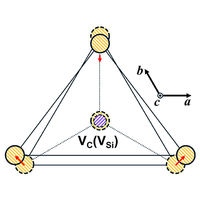
Phys. Rev. Lett. 135, 110601 (2025)
Quantum algorithms & computation, Quantum computation, Quantum control, Quantum engineering
Covariant Quantum Error-Correcting Codes with Metrological Entanglement Advantage
Research article | Quantum error correction | 2025-09-10 06:00 EDT
Cheng-Ju Lin, Zi-Wen Liu, Victor V. Albert, and Alexey V. Gorshkov
We show that a subset of the basis for the irreducible representations of a tensor-product SU(2) rotation forms a covariant approximate quantum error-correcting code with transversal U(1) logical gates. Generalizing previous work on ‘’thermodynamic codes’’ to general local spin and different irreducible representations using only properties of the angular momentum algebra, we obtain bounds on the code inaccuracy under generic noise on any known $d$ sites, under independent and identically distributed noise, and under heralded $d$-local erasures. We demonstrate that this family of codes protects a probe state with quantum Fisher information surpassing the standard quantum limit when the sensing parameter couples to the generator of the U(1) logical gate.
Phys. Rev. Lett. 135, 110801 (2025)
Quantum error correction, Quantum metrology
Could We Observe an Exploding Black Hole in the Near Future?
Research article | Extensions of gauge sector | 2025-09-10 06:00 EDT
Michael J. Baker, Joaquim Iguaz Juan, Aidan Symons, and Andrea Thamm
Primordial black holes could be stabilized by a dark, electromagnetic-like interaction, delaying their violent end until the present day.

Phys. Rev. Lett. 135, 111002 (2025)
Extensions of gauge sector, Gamma ray astronomy, Hypothetical particle physics models, Particle astrophysics, Phenomenology, Primordial black holes
Systematic Analysis of Parity-Violating Modes
Research article | Cosmology | 2025-09-10 06:00 EDT
Hong-Ming Zhu (朱弘明) and Ue-Li Pen (彭威禮)
Recent reports of cosmological parity violation in the four-point correlation function (4PCF) raise the question of how such violations could be systematically generated. Here we present a constructive procedure to generate arbitrary violations of vectorial and tensorial types on any scale, which is computationally efficient in the squeezed limit. We directly compute their numerical transfer function and find strong conservation in the linear regime. This procedure spans all squeezed parity-violating observables at the 4PCF following the quadratic estimator classification.
Phys. Rev. Lett. 135, 111003 (2025)
Cosmology, Large scale structure of the Universe, Symmetries, P-symmetry, Astrophysical & cosmological simulations
GW250114: Testing Hawking’s Area Law and the Kerr Nature of Black Holes
Research article | Gravitational waves | 2025-09-10 06:00 EDT
A. G. Abac et al. (LIGO Scientific, Virgo, and KAGRA Collaborations)
*et al.*Using a very strong black-hole merger signal, the LIGO-Virgo-KAGRA Collaboration has shown Hawking’s area law to hold with high credibility.

Phys. Rev. Lett. 135, 111403 (2025)
Gravitational waves, Astronomical black holes
Evidence for Longitudinally Polarized $W$ Bosons in the Electroweak Production of Same-Sign $W$ Boson Pairs in Association with Two Jets in $pp$ Collisions at $\sqrt{s}=13\text{ }\text{ }\mathrm{TeV}$ with the ATLAS Detector
Research article | Electroweak symmetry breaking | 2025-09-10 06:00 EDT
G. Aad et al. (ATLAS Collaboration)
*et al.*A deep neural network has proven essential in confirming a key prediction of one of the standard model’s cornerstones.
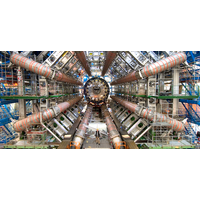
Phys. Rev. Lett. 135, 111802 (2025)
Electroweak symmetry breaking, W & Z bosons, Weak boson production, Polarization, Hadron colliders
Precise Measurement of the Form Factors in ${D}^{0}\rightarrow {K}^{\ast}(892{)}^{- }{\mu }^{+}{\nu }{\mu }$, and Test of Lepton Universality with ${D}^{0}\rightarrow {K}^{\ast}(892{)}^{- }{\ell }^{+}{\nu }{\ell }$ Decays
Research article | Electroweak interaction | 2025-09-10 06:00 EDT
M. Ablikim et al. (BESIII Collaboration)
We report a study of the semileptonic decay ${D}^{0}\rightarrow {\overline{K}}^{0}{\pi }^{- }{\mu }^{+}{\nu }{\mu }$ based on a sample of $7.9\text{ }\text{ }{\mathrm{fb}}^{- 1}$ of ${e}^{+}{e}^{- }$ annihilation data collected at a center-of-mass energy of 3.773 GeV with the BESIII detector at the BEPCII collider. The branching fraction of the decay is measured for the first time to be $\mathcal{B}({D}^{0}\rightarrow {\overline{K}}^{0}{\pi }^{- }{\mu }^{+}{\nu }{\mu })=(1.373\pm{}0.02{0}{\mathrm{stat}}\pm{}0.02{3}{\mathrm{syst}})%$, where the first uncertainty is statistical and the second is systematic. Based on the investigation of the decay dynamics, we find that the decay is dominated by the ${K}^{\ast}(892{)}^{- }$ resonance with the branching fraction measured to be $\mathcal{B}({D}^{0}\rightarrow {K}^{\ast}(892{)}^{- }{\mu }^{+}{\nu }{\mu })=(1.948\pm{}0.03{3}{\mathrm{stat}}\pm{}0.03{6}{\mathrm{syst}})%$. We also determine the hadronic form factors for the ${D}^{0}\rightarrow {K}^{\ast}(892{)}^{- }{\mu }^{+}{\nu }{\mu }$ decay to be ${r}{V}=V(0)/{A}{1}(0)=1.46\pm{}0.1{1}{\mathrm{stat}}\pm{}0.0{4}{\mathrm{syst}}$, ${r}{2}={A}{2}(0)/{A}{1}(0)=0.71\pm{}0.0{8}{\mathrm{stat}}\pm{}0.0{3}{\mathrm{syst}}$, and ${A}{1}(0)=0.609\pm{}0.00{8}{\mathrm{stat}}\pm{}0.00{8}{\mathrm{syst}}$, where $V(0)$ is the vector form factor and ${A}{1,2}(0)$ are the axial-vector form factors evaluated at ${q}^{2}=0$. The ${A}{1}(0)$ is measured for the first time in ${D}^{0}\rightarrow {K}^{\ast}(892{)}^{- }{\mu }^{+}{\nu }{\mu }$ decay. Averaging the form factor parameters that we reported previously in ${D}^{0}\rightarrow {K}^{\ast}(892{)}^{- }(\rightarrow {\overline{K}}^{0}{\pi }^{- }){e}^{+}{\nu }{e}$ and ${D}^{0}\rightarrow {K}^{\ast}(892{)}^{- }(\rightarrow {K}^{- }{\pi }^{0}){\mu }^{+}{\nu }{\mu }$ decays, we obtain ${r}{V}=1.456\pm{}0.04{0}{\mathrm{stat}}\pm{}0.01{6}{\mathrm{syst}}$, ${r}{2}=0.715\pm{}0.03{1}{\mathrm{stat}}\pm{}0.01{4}{\mathrm{stat}}$, and ${A}{1}(0)=\phantom{\rule{0ex}{0ex}}0.614\pm{}0.00{5}{\mathrm{stat}}\pm{}0.00{4}{\mathrm{syst}}$. This is the most precise determination of the form factor parameters to date measured in $D\rightarrow {K}^{\ast}(892)$ transitions, which provide the most stringent test on various theoretical models.
Phys. Rev. Lett. 135, 111803 (2025)
Electroweak interaction, Charm quark, Form factors
Measurement of Two-Point Energy Correlators within Jets in $p+p$ Collisions at $\sqrt{s}=200\text{ }\text{ }\mathrm{GeV}$
Research article | Color confinement | 2025-09-10 06:00 EDT
B. E. Aboona et al. (STAR Collaboration)
Hard-scattered partons ejected from high-energy proton-proton collisions undergo parton shower and hadronization, resulting in collimated collections of particles that are clustered into jets. A substructure observable that highlights the transition between the perturbative and nonperturbative regimes of jet evolution in terms of the angle between two particles is the two-point energy correlator (EEC). In this Letter, the first measurement of the EEC at RHIC is presented, using data taken from 200 GeV $p+p$ collisions by the STAR experiment. The EEC is measured both for all the pairs of particles in jets and separately for pairs with like and opposite electric charges. These measurements demonstrate that the transition between perturbative and nonperturbative effects occurs within an angular region that is consistent with expectations of a universal hadronization regime that scales with jet momentum for a given initiator flavor. Additionally, a deviation from Monte Carlo predictions at small angles in the charge-selected sample could result from mechanics of hadronization not fully captured by current models.
Phys. Rev. Lett. 135, 111901 (2025)
Color confinement, Quantum chromodynamics, Quark & gluon jets, Strong interaction
Bayesian Inferring Nucleon Gravitational Form Factors via Near-Threshold $J/\psi $ Photoproduction
Research article | Form factors | 2025-09-10 06:00 EDT
Yuxun Guo, Feng Yuan, and Wenbin Zhao
With Bayesian inference, we investigate the impact of recent near-threshold $J/\psi $ production measurements by the $J/\psi 007$ experiment and GlueX Collaboration on the extraction of proton gravitational form factors. We apply the generalized parton distribution framework at the next to leading order and demonstrate a stable expansion for the near-threshold kinematics. We find that the experimental constraints are in good agreement with the state-of-the-art lattice simulations, where negative ${C}{q}(t)$ and ${C}{g}(t)$ are strongly preferred. This highlights a great potential to extract them from future high-precision experiments.
Phys. Rev. Lett. 135, 111902 (2025)
Form factors, Generalized parton distributions, Nonrelativistic QCD, Perturbative QCD, QCD phenomenology
Evidence of Oscillating Neutron-Capture Cross Sections
Research article | Fission | 2025-09-10 06:00 EDT
P. E. Koehler and A. Stamatopoulos
Analysis of neutron-capture cross sections in the resolved resonance range reveals that a large fraction of them (13 of 21, or 62%) exhibit highly significant ($>99.9%$ confidence level) oscillations about their average value. Oscillations exceed a significance level of $5\sigma $ in nine cases (43%). Oscillations comprise $10.86\pm{}0.64%$ of the average cross section with periods ranging from 68.2 to 2380 eV. This contradicts random matrix theory (RMT), which predicts that fluctuations about the average cross section should be entirely random and demonstrates that deviations from RMT are common and widespread in neutron-capture data. These facts suggest there is a widespread physical mechanism that is missing from current nuclear physics models describing neutron-capture cross sections.
Phys. Rev. Lett. 135, 112501 (2025)
Fission, Nuclear reactions, Radiative capture, Resonance reactions, Statistical phenomena & chaos, Thermal & statistical models
Contribution of Subthreshold States to the Residual Energy Distribution of $^{159}\mathrm{Dy}$
Research article | Electron & muon capture | 2025-09-10 06:00 EDT
Tadafumi Kishimoto and Toru Sato
We investigate the residual energy distribution in the electron capture (EC) process of $^{159}\mathrm{Dy}$, emphasizing the role of subthreshold atomic states, which have typically been omitted in conventional spectral analyses. By incorporating these energetically forbidden hole states into the spectral function $P(E)$, we demonstrate a significant enhancement—over an order of magnitude—in the EC rate near the zero-momentum neutrino emission region. This enhancement increases further with larger $Q$ values, contrary to standard expectations. Our analysis shows that $P(E)$ can be experimentally determined, resolving ambiguities near the end point and enabling new approaches to ‘’ultralow $Q$ value’’ EC reactions for neutrino mass studies.
Phys. Rev. Lett. 135, 112502 (2025)
Electron & muon capture
Testing Strong-Field QED to Second Order in the Highly Correlated Atomic System Berylliumlike ${\mathrm{Pb}}^{78+}$ by Electron-Ion Collision Spectroscopy
Research article | Autoionization & Auger processes | 2025-09-10 06:00 EDT
S. Schippers et al.
A low-energy storage ring with an ultracold electron cooler has been coupled with a heavy-ion accelerator facilitating high-resolution electron-ion collision spectroscopy of the heaviest few-electron ions. In the present Letter resonant electron-ion recombination of berylliumlike ${\mathrm{Pb}}^{78+}$ ions was measured in the collision-energy range 9.3–16.5 eV and a value of 244.937(30) eV is derived for the ${\mathrm{Pb}}^{78+}(2{s}^{2}\text{ }{^{1}S}{0}- 2s2p\text{ }{^{3}P}{1})$ excitation energy. This result agrees with the most recent (less accurate) theoretical value of 244.942(52) eV [Malyshev et al., Phys. Rev. A 110, 062824 (2024)], which has been calculated by applying strong-field QED rigorously up to the second order. The present investigation suggests that further technical improvements can potentially increase the experimental accuracy by an order of magnitude.
Phys. Rev. Lett. 135, 113001 (2025)
Autoionization & Auger processes, Electron & positron scattering, Lineshapes & shifts, Ions, Storage rings
Selective Bond Breaking in ${\mathrm{CO}}_{2}^{2+}$ Induced by Photoelectron Recoil
Research article | Atomic & molecular structure | 2025-09-10 06:00 EDT
J. Weiherer, N. Melzer, M. Kircher, A. Pier, L. Kaiser, J. Kruse, N. Anders, J. Stindl, L. Sommerlad, O. D. McGinnis, M. Schmidt, J. Drnec, F. Trinter, M. S. Schöffler, L. Ph. H. Schmidt, N. Sisourat, S. Eckart, T. Jahnke, and R. Dörner
After core ionization of ${\mathrm{CO}}_{2}$, typically an Auger-Meitner decay takes place, leading to the formation of a dicationic molecule that may dissociate into ${\mathrm{CO}}^{+}$ and ${\mathrm{O}}^{+}$. We demonstrate experimentally that the recoil momentum of the photoelectron determines which of the two equivalent bonds breaks during dissociation. At 20 keV photon energy, we observe an asymmetry of up to 25% for bond cleavage that depends on the emission direction of the photoelectron. Furthermore, we show that this effect leads to a significant nondipole effect in molecular dissociation in the laboratory frame: ${\mathrm{O}}^{+}$ fragments are more likely to be emitted in the direction opposite to the light propagation than along it.
Phys. Rev. Lett. 135, 113002 (2025)
Atomic & molecular structure, Autoionization & Auger processes, Molecular dissociation, Photodissociation, Rotational states, Vibrational states
Molecular Wave Plate for the Control of Ultrashort Pulses Carrying Orbital Angular Momentum
Research article | Atomic & molecular processes in external fields | 2025-09-10 06:00 EDT
Chengqing Xu, Lixin He, Wanchen Tao, Xiaosong Zhu, Feng Wang, Long Xu, Lu Xu, Pengfei Lan, Ilya Averbukh, Yehiam Prior, and Peixiang Lu
Ultrashort laser pulses carrying orbital angular momentum (OAM) have become essential tools in atomic, molecular, and optical studies, particularly for investigating strong-field light-matter interactions. However, controlling and generating ultrashort vortex pulses presents significant challenges, since their broad spectral content complicates manipulation with conventional optical elements, while the high peak power inherent in short-duration pulses risks damaging optical components. To address these challenges, we demonstrate a ‘’molecular wave plate’’ as a promising way for generating and controlling broadband ultrashort vortex beams. By exploiting the nonadiabatic alignment of linear gas-phase molecules induced by vector beams, the interaction between the vector beam and the gas-phase molecules results in spatially varying polarizability, imparting a phase modulation to a probe laser. This process effectively creates a tunable molecular wave plate that adapts naturally to a broad spectral range. By leveraging this approach, we can generate ultrashort vortex pulses across a wide range of wavelengths. Under optimized gas pressure and interaction length conditions, this method allows for highly efficient, near unity, conversion of circularly polarized light into the desired OAM pulse, thus enabling the generation of few-cycle, high-intensity vortex beams. This molecular wave plate, which overcomes the limitations imposed by conventional optical elements, opens up new possibilities for exploring strong-field physics, ultrafast science, and other applications that require high-intensity vortex beams.
Phys. Rev. Lett. 135, 113201 (2025)
Atomic & molecular processes in external fields, Structured light
Nonlinear Stage of Modulational Instability in Repulsive Two-Component Bose-Einstein Condensates
Research article | Bose-Einstein condensates | 2025-09-10 06:00 EDT
S. Mossman, S. I. Mistakidis, G. C. Katsimiga, A. Romero-Ros, G. Biondini, P. Schmelcher, P. Engels, and P. G. Kevrekidis
Modulational instability (MI) is a fundamental phenomenon in the study of nonlinear dynamics, spanning diverse areas such as shallow water waves, optics, and ultracold atomic gases. In particular, the nonlinear stage of MI has recently been a topic of intense exploration and has been shown to manifest, in many cases, in the generation of dispersive shock waves (DSWs). In this Letter, we experimentally probe the MI dynamics in an immiscible two-component ultracold atomic gas with exclusively repulsive interactions, catalyzed by a hard-wall-like boundary produced by a repulsive optical barrier. We analytically describe the expansion rate of the DSWs in this system, generalized to arbitrary intercomponent interaction strengths and species ratios. We observe excellent agreement among the analytical results, an effective 1D numerical model, full 3D numerical simulations, and experimental data. Additionally, we extend this scenario to the interaction between two counterpropagating DSWs, which leads to the production of Peregrine soliton structures. These results further demonstrate the versatility of atomic platforms toward the controlled realization of DSWs and rogue waves.
Phys. Rev. Lett. 135, 113401 (2025)
Bose-Einstein condensates, Cold atoms & matter waves, Modulation instability, Nonlinear dynamics in fluids, Solitary waves
Selective Collective Emission from a Dense Atomic Ensemble Coupled to a Nanophotonic Resonator
Research article | Atoms, ions, & molecules in cavities | 2025-09-10 06:00 EDT
Xinchao Zhou, Deepak A. Suresh, F. Robicheaux, and Chen-Lung Hung
We experimentally and theoretically study collective emission of a dense atomic ensemble coupled to a single mode in a nanophotonic microring resonator. Because many cold atoms are localized in a small volume, these trapped atoms collectively couple not only to the guided resonator mode but also to the nonguided modes in free space. Through tuning the atom-photon coupling and by adjusting the number of trapped atoms, we demonstrate superradiant emission to the microring resonator. For photon emission via the nonguided modes, our study reveals signatures of subradiance and superradiance when the system is driven to the steady state and to the timed-Dicke state, respectively. Our experimental platform thus presents the first atom-light interface with selective collective emission behavior into a guided mode and the environment. Our observation and methodology could shed light on future explorations of collective emission with densely packed quantum emitters coupled to nanophotonic light-matter interfaces.
Phys. Rev. Lett. 135, 113601 (2025)
Atoms, ions, & molecules in cavities, Cavity quantum electrodynamics, Collective effects in quantum optics, Light-matter interaction, Nanophotonics, Quantum optics, Superradiance & subradiance
Temporally Localized Quantum Operations on Continuous-Wave Thermal Light
Imaging & optical processing | 2025-09-10 06:00 EDT
Yunkai Wang, Yujie Zhang, and Virginia O. Lorenz
Previous work showed that thermal light with a blackbody spectrum cannot be decomposed into a mixture of independent localized pulses. However, we find that in the weak-source limit and under the assumption of a flat spectrum, the first nonvacuum term in the state expansion does form a mixture of such pulses. This decomposition is essential for quantum-enhanced astronomical interferometry, which typically operates on localized pulses even though stellar light is inherently continuous-wave. We present a quantum derivation of the van Cittert–Zernike theorem that incorporates finite bandwidth, thereby justifying the operations on localized pulses while processing continuous-wave thermal light. For general spectra in the weak-source limit, we establish a criterion under which correlations between pulses can be safely neglected. When this criterion is not met, we provide a corrected strategy that accurately accounts for both the spectral profile and the detector-defined pulse shape.
Phys. Rev. Lett. 135, 113602 (2025)
Imaging & optical processing, Optical quantum information processing, Optics & lasers, Quantum information with atoms & light, Quantum optics, Quantum states of light
Spontaneous Vortex-Antivortex Lattice and Majorana Fermions in Rhombohedral Graphene
Research article | Anyons | 2025-09-10 06:00 EDT
Filippo Gaggioli, Daniele Guerci, and Liang Fu
The discovery of superconducting states in multilayer rhombohedral graphene with spin and valley polarization [1] has raised an interesting question: how does superconductivity cope with time-reversal symmetry breaking? In this Letter, using Ginzburg-Landau theory and microscopic calculation, we predict the existence of a new superconducting state at low electron density, which exhibits a spontaneously formed lattice of vortices and antivortices hosting Majorana zero modes in their cores. We further identify this vortex-antivortex lattice state in the experimental phase diagram and describe its experimental manifestations.
Phys. Rev. Lett. 135, 116001 (2025)
Anyons, FFLO, Flat bands, Majorana fermions, Phase transitions, Spin-triplet pairing, Superconducting order parameter, Superconducting phase transition, Superconductivity, Valley degrees of freedom, Vortices in superconductors, Graphene
Fast Crystallization Driven by Quasiatomic Electrons at Ultralow Temperatures
Research article | Crystal growth | 2025-09-10 06:00 EDT
Long Zhao, Hongxiang Zong, Artem R. Oganov, Xiangdong Ding, Jun Sun, and Graeme J. Ackland
In electride liquids, electrons detach from atomic orbitals and freely occupy the interstitial regions, forming quasiatomic electrons. Here, using dense electride potassium liquid as an example, we uncover a fast crystallization behavior at ultralow temperatures. By combining machine-learned molecular dynamic simulations and ab initio calculations, we demonstrate that this rapid crystallization is attributed to quasiatomic electron flexibility, i.e., self-accommodation of atom size with the help of the change of quasiatomic electrons, particularly the population of involved quasiatomic electrons that is enhanced at low temperatures. This effect not only accelerates atomic mobility but also softens the stiffness of the solid-liquid interface, triggering supercollective atomic motion and enabling rapid crystallization. Our findings challenge conventional views of crystallization kinetics and reveal a previously unrecognized mechanism where electronic contributions play a dominant role in dictating metallic solidification.
Phys. Rev. Lett. 135, 116101 (2025)
Crystal growth, Crystallization, Phase transitions, Supercooled liquid, Ab initio molecular dynamics, Machine learning, Molecular dynamics
Interlayer Charge Transfer Induced by Electronic Instabilities in the Natural van der Waals Heterostructure $4{H}{b}\text{- }{\text{TaS}}{2}$
Research article | Charge density waves | 2025-09-10 06:00 EDT
R. Mathew Roy, X. Feng, M. Wenzel, V. Hasse, C. Shekhar, M. G. Vergniory, C. Felser, A. V. Pronin, and M. Dressel
Low-energy (far-infrared) features in the optical conductivity point to temperature-dependent band modifications that couple to layer-selective intralayer charge density wave states in 4Hb-TaS2.
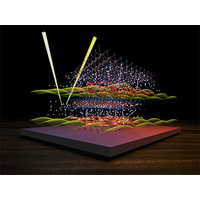
Phys. Rev. Lett. 135, 116503 (2025)
Charge density waves, Charge dynamics, Optical conductivity, 2-dimensional systems, Transition metal dichalcogenides, Density functional theory, Fourier transform infrared spectroscopy
Near-Field Dynamical Casimir Effect
Research article | Casimir effect | 2025-09-10 06:00 EDT
Renwen Yu and Shanhui Fan
We propose the dynamical Casimir effect in a time-modulated near-field system at finite temperatures. The system consists of two bodies made of polaritonic materials that are brought in close proximity to each other, and the modulation frequency is approximately twice the relevant resonance frequencies of the system. We develop a rigorous fluctuational electrodynamics formalism to explore the produced Casimir flux, associated with the degenerate as well as the nondegenerate two-polariton emission processes. We have identified flux contributions from both quantum and thermal fluctuations at finite temperatures, with a dominant quantum contribution even at room temperature under the presence of a strong near-field effect. We have found that the Casimir flux can be generated with a smaller modulation frequency through the higher-order dynamical Casimir effect. We have conducted a nonclassicality test for the total radiative flux at finite temperatures, and we have shown that nonclassical states of emitted photons can be obtained for a high temperature up to $\sim 250\text{ }\text{ }\mathrm{K}$. Our findings open an avenue for the exploration of the dynamical Casimir effect beyond cryogenic temperatures, and may be useful for creating tunable nanoscale nonclassical thermal states.
Phys. Rev. Lett. 135, 116901 (2025)
Casimir effect, Heat radiation, Near-field optics, Polaritons
Inverse Faraday Effect in Disordered Two-Dimensional Electronic Systems
Research article | Faraday effect | 2025-09-10 06:00 EDT
Maxim Dzero
I formulate a theory of the inverse Faraday effect in an impure two-dimensional metallic system with lifted spin degeneracy induced by Rashba spin-orbit coupling. Using the formalism of nonequilibrium quantum field theory, the static contributions to the current density up to the second order in powers of the external electromagnetic field are evaluated. For circularly polarized light one of the contributions describes the emergence of static magnetization. It is shown that the direction of induced magnetization may change depending on the frequency of the external radiation and disorder scattering rate. I also find that at large frequencies the leading contribution to the induced magnetization is proportional to the square of the spin-orbit interaction and is inversely proportional to the fifth power of the frequency of an external electromagnetic wave.
Phys. Rev. Lett. 135, 116902 (2025)
Faraday effect, Magneto-optics, Optical conductivity, Rashba coupling, Two-dimensional electron system
Extended XY Model for Spinor Polariton Simulators
Research article | Polaritons | 2025-09-10 06:00 EDT
A. Kudlis, D. Novokreschenov, and I. A. Shelykh
The classic lattice XY model is one of the universal models of statistical mechanics appearing in a broad variety of optical and condensed matter systems. One of its possible realizations is a system of tunnel-coupled spinor polariton condensates, where phases of individual condensates play a role of the two- dimensional spins. We show that the account of the polarization degree of freedom of cavity polaritons adds a new twist to the problem, modifying in particular the structure of the ground state. We formulate the corresponding classical spin Hamiltonian, which couples phase and polarization dynamics, and consider several particular geometries, demonstrating the principal differences between the scalar and spinor cases. Possible analog of spin Meissner effect for coupled condensates is discussed.
Phys. Rev. Lett. 135, 116903 (2025)
Polaritons, Polariton condensate, XY model
Power Spectra of Velocity Fluctuations in Granular Heap Flow
Research article | Granular flows | 2025-09-10 06:00 EDT
Shuchang Yu, Jin Shang, Yangrui Chen, Ran Li, Quan Chen, Hui Yang, Hu Zheng, and Jie Zhang
This Letter used speckle visibility spectroscopy to probe velocity fluctuations in three-dimensional granular heap flow. The mean velocity profile comprises a fast-flowing surface layer over a creeping layer. In both layers, velocity fluctuations are scale invariant and self-similar, and the velocity spectra demonstrate power-law scaling, $E(f)\propto {f}^{\alpha }$. In the surface layer, $\alpha $ is between $- 1.0$ and $- 0.8$, consistent with Hwa and Kardar’s ‘’running’’ sandpile model, indicative of a dynamically self-organized critical state. In the creep layer, $\alpha $ decreases with depth, reaching $\approx - 1.5$ at a sufficiently deep layer; its theoretical basis remains unclear. Analysis of the fluctuation velocity distributions provides further insight into the microscopic origins of the spectrum. These findings may help resolve the long-standing puzzle of flow localization in gravity-driven granular flows, despite a uniform shear stress-to-pressure ratio.
Phys. Rev. Lett. 135, 118201 (2025)
Granular flows, Shear flows, Granular materials
Channel Flows of Deformable Nematics
Research article | Complex fluids | 2025-09-10 06:00 EDT
Ioannis Hadjifrangiskou, Sumesh P. Thampi, and Julia M. Yeomans
We describe channel flows in a continuum model of deformable nematic particles. In a simple shear flow, deformability leads to a nonlinear coupling of strain rate and vorticity, and results in shape oscillations or flow alignment. The final steady state can depend on initial conditions, and we explain this behavior by considering a phase space representation of the dynamics. In Poiseuille flow, particle deformability and nematic elasticity induce banding, where particles near the walls are aligned, and those near the center of the channel oscillate in direction and shape. Our results show that particle deformability can lead to complex behavior even in simple flows, suggesting new microfluidic experiments.
Phys. Rev. Lett. 135, 118202 (2025)
Complex fluids, Liquid crystals, Soft colloids
Physical Review X
Středa Formula for Floquet Systems: Topological Invariants and Quantized Anomalies from Cesàro Summation
Research article | Topological phases of matter | 2025-09-10 06:00 EDT
Lucila Peralta Gavensky, Gonzalo Usaj, and Nathan Goldman
A nonequilibrium extension of the Středa formula provides a physical framework for the topological classification of Floquet systems, revealing universal quantized magnetic responses in driven settings.

Phys. Rev. X 15, 031067 (2025)
Topological phases of matter, Floquet systems, Bloch-Floquet theorem, Green’s function methods
arXiv
Machine learning applications in cold atom quantum simulators
New Submission | Quantum Gases (cond-mat.quant-gas) | 2025-09-11 20:00 EDT
Henning Schlömer, Annabelle Bohrdt
As ultracold atom experiments become highly controlled and scalable quantum simulators, they require sophisticated control over high-dimensional parameter spaces and generate increasingly complex measurement data that need to be analyzed and interpreted efficiently. Machine learning (ML) techniques have been established as versatile tools for addressing these challenges, offering strategies for data interpretation, experimental control, and theoretical modeling. In this review, we provide a perspective on how machine learning is being applied across various aspects of quantum simulation, with a focus on cold atomic systems. Emphasis is placed on practical use cases – from classifying many-body phases to optimizing experimental protocols and representing quantum states – highlighting the specific contexts in which different ML approaches prove effective. Rather than presenting algorithmic details, we focus on the physical insights enabled by ML and the kinds of problems in quantum simulation where these methods offer tangible benefits.
Quantum Gases (cond-mat.quant-gas), Strongly Correlated Electrons (cond-mat.str-el), Quantum Physics (quant-ph)
24 pages, 8 figures
PyPAS – Python package for Positron Annihilation Spectroscopy Doppler Broadening Analysis
New Submission | Materials Science (cond-mat.mtrl-sci) | 2025-09-11 20:00 EDT
Achiya Yosef Amrusi, Sharon May-Tal Beck, Hadar Steinberg, Guy Ron
Doppler Broadening (DB) of annihilation radiation is a well-established technique within Positron Annihilation Spectroscopy (PAS), used for probing the electronic structure of materials. The analysis of DB experimental data relies on gamma spectroscopy analysis tools, while depth profiling using variable-energy slow positron beams depends on solving the positron diffusion equation. Traditional Variable Energy Doppler Broadening (VEDB) analysis tools, such as VEPFIT and ROYPROF, often present limitations due to outdated interfaces and lack of integration with comprehensive spectroscopy analysis platforms. Addressing these challenges, an open-source Python package for PAS analysis, PyPAS, is introduced. PyPAS offers functionalities including Coincidence Doppler Broadening (CDB) filtering, two-dimensional CDB analysis with DB and resolution extraction, and computation of lineshape parameters (S and W). Furthermore, it integrates modules for generating thermal positron implantation profiles based on established models, solving positron diffusion equations using finite-difference methods and optimizing diffusion length. This work presents the architecture of the PyPAS package and the validation results and demonstrates the application of the package through case studies.
Materials Science (cond-mat.mtrl-sci)
21 pages, 7 figures, 2 table
Critical Majorana fermion at a topological quantum Hall bilayer transition
New Submission | Strongly Correlated Electrons (cond-mat.str-el) | 2025-09-11 20:00 EDT
Cristian Voinea, Wei Zhu, Nicolas Regnault, Zlatko Papić
Quantum Hall bilayers are a uniquely tunable platform that can realize continuous transitions between distinct topological phases of matter. One prominent example is the transition between the Halperin state and the Moore–Read Pfaffian, long predicted to host a critical theory of Majorana fermions but so far not verified in unbiased microscopic simulations. Using the fuzzy sphere regularization, we identify the low-energy spectrum at this transition with the 3D gauged Majorana conformal field theory. We show that the transition is driven by the closing of the neutral fermion gap, and we directly extract the operator content in both integer and half-integer spin sectors. Our results resolve the long-standing question of the nature of a topological phase transition in a setting relevant to quantum Hall experiments, while also providing the first realization of a fermionic theory on the fuzzy sphere, previously limited to bosonic theories.
Strongly Correlated Electrons (cond-mat.str-el), Mesoscale and Nanoscale Physics (cond-mat.mes-hall), Statistical Mechanics (cond-mat.stat-mech), High Energy Physics - Theory (hep-th)
8 pages, 4 figures (main text); 4 pages, 3 figures (supplemental material)
Laser-engineered $Γ$-point Topology in Trigonal Bismuthene
New Submission | Materials Science (cond-mat.mtrl-sci) | 2025-09-11 20:00 EDT
Zhe Li, Haijun Cao, Sheng Meng
The $ \Gamma$ -point topology represents a significant segment in the family of topological insulators. Here we provide a comprehensive prediction of light-induced $ \Gamma$ -point-based topological manipulation in trigonal bismuthene and its derivatives. Our findings unveil a two-stage process of topological phase transitions (TPT) as the laser intensity increases. Initially, a quantum-spin-Hall or metallic state transitions to a quantum-anomalous-Hall (QAH) state ($ C$ = $ \pm$ 3), followed by another TPT that yields a compensated Chern-insulating state ($ C$ = 0). The trigonal warping model accounts for these states, describing the $ C_{3z}$ -rotational band-inversion process, which is determined by $ \pm$ 1 orders of replica bands. Notably, this high Chern-number QAH state persists over a broad range of laser parameters, maintaining functionality beyond room temperature as evidenced by the large global gaps ($ \geq$ 60 meV). Our work provides a comprehensive roadmap towards the designer $ \Gamma$ -point topology under laser excitation, facilitating applications of artificial topological materials.
Materials Science (cond-mat.mtrl-sci)
Self-organized hyperuniformity in a minimal model of population dynamics
New Submission | Statistical Mechanics (cond-mat.stat-mech) | 2025-09-11 20:00 EDT
Tal Agranov, Natan Wiegenfeld, Omer Karin, Benjamin D. Simons
We identify a novel scenario for hyperuniformity in a generic model of population dynamics that has been recently introduced to account for biological memory in the immune system and epigenetic inheritance. In this model, individuals’ competition over a shared resource guides the population towards a critical steady state with prolonged individual life time. Here we uncover that the spatially extended model is characterized by hyperuniform density fluctuations. A hydrodynamic theory is derived by explicit coarse-graining, which shows good agreement with numerical simulations. Unlike previous models for non-equilibrium hyperuniform states, our model does not exhibit conservation laws, even when approaching criticality. Instead, we trace the emergence of hyperuniformity to the divergence of timescales close to criticality. These findings can have applications in engineering, cellular population dynamics and ecology.
Statistical Mechanics (cond-mat.stat-mech), Populations and Evolution (q-bio.PE)
Hidden frustration in the triangular-lattice antiferromagnet NdCd3P3
New Submission | Strongly Correlated Electrons (cond-mat.str-el) | 2025-09-11 20:00 EDT
Juan R. Chamorro, Steven J. Gomez Alvarado, Dibyata Rout, Sarah Schwarz, Allen Scheie, Ganesh Pokharel, Alexander I. Kolesnikov, Lukas Keller, Stephen D. Wilson
We report a study of the magnetic ground state and crystal electric field (CEF) scheme in the triangular-lattice antiferromagnet NdCd$ _3$ P$ 3$ . Combined neutron scattering, magnetization, and heat capacity measurements demonstrate that the Nd$ ^{3+}$ moments occupying the triangular lattice in this material harbor hidden signs of frustration not detected in typical Curie-Weiss-based parameterization of the frustration index ($ f=\Theta{CW} / T_N$ ). This is evidenced by a zero-field splitting of the Kramers’ ground state and first excited state doublets at temperatures far in excess of $ T_N$ as well as signatures of low-energy fluctuations for $ T>>T_N$ . A suppression of the zero-field ordered moment relative to its field saturation value is observed, and the impacts of this magnetic frustration as well as the coexisting bond frustration in the CdP honeycomb network on the physical properties of NdCd$ _3$ P$ _3$ are discussed.
Strongly Correlated Electrons (cond-mat.str-el), Materials Science (cond-mat.mtrl-sci), Other Condensed Matter (cond-mat.other)
A two-axes shear cell for rheo-optics
New Submission | Soft Condensed Matter (cond-mat.soft) | 2025-09-11 20:00 EDT
We develop and test a rheo-optical platform based on a two-axes, parallel plates shear cell coupled to an optical microscope and a photon correlation imaging setup, for simultaneous investigation of the rheological response and the microscopic structure and dynamics of soft materials under shear. Each plate of the shear cell is driven by an air bearing linear stage, actuated by a voice coil motor. A servo control loop reading the plate displacement through a contactless linear encoder enables both strain-controlled and stress-controlled rheology. Simultaneous actuation of both linear stages enables both parallel and orthogonal superposition rheology. We validate the performance of our device in both oscillatory and transient rheological tests on a microgel soft glass, and we demonstrate its potential through orthogonal superposition rheology experiments. During steady-state flow, we reconstruct the strain field across the gap by tracking the motion of tracer particles, to check for slip or shear banding instabilities. At the same time, we measure the microscopic dynamics, both affine and non-affine, resolving them in space and time using photon correlation imaging.
Soft Condensed Matter (cond-mat.soft)
Poly-liquid behaviors of self-associating fluids and mesoscopic aggregation in liquid solutions
New Submission | Soft Condensed Matter (cond-mat.soft) | 2025-09-11 20:00 EDT
Ilya Davydov, Vassiliy Lubchenko
In conflict with standard notions of thermodynamics, mesoscopically-sized inclusions (``clusters’’) of a solute-rich liquid have been observed in equilibrated solutions of proteins and other molecules. According to a complexation scenario proposed earlier, a steady-state ensemble of finite-sized droplets of a metastable solute-rich liquid can emerge in a solution, if the solute molecules can form transient complexes with each other and/or solute. Here we solve for the thermodynamics of an explicit model of a self-associating fluid in which particles can form transient dimers. We determine ranges of parameters where two distinct dense liquid phases, dimer-rich and monomer-rich respectively, can co-exist with each other and the solute-poor phase. We find that within a certain range of the dimer’s binding strength, thermodynamic conditions for mesoscopic clusters to emerge are indeed satisfied. The location and size, respectively, of the corresponding region on the phase diagram are consistent with observation. We predict that the clusters are comprised of a metastable monomer-rich dense liquid, while the bulk solution itself contains substantial amounts of the dimer and exhibits large, pre-critical density fluctuations. Surprisingly, we find that the dense phase commonly observed during the macroscopic liquid-liquid separation should be dimer-rich, another testable prediction. The present findings provide further evidence for the complexation scenario and suggest new experimental ways to test it.
Soft Condensed Matter (cond-mat.soft), Statistical Mechanics (cond-mat.stat-mech), Chemical Physics (physics.chem-ph)
J. Chem. Phys. vol. 163, p. 094502 (2025)
Insertion space in repulsive active matter
New Submission | Soft Condensed Matter (cond-mat.soft) | 2025-09-11 20:00 EDT
Luke K. Davis, Karel Proesmans
For equilibrium hard spheres the stochastic geometry of the insertion space, the room to accommodate another sphere, relates exactly to the equation of state. We begin to extend this idea to active matter, analyzing insertion space for repulsive active particles in one and two dimensions using both on- and off-lattice models. In 1D we derive closed-form expressions for the mean insertion cavity size, cavity number, and total insertion volume, all in excellent agreement with simulations. Strikingly, activity increases the total insertion volume and tends to keep the insertion space more connected. These results provide the first quantitative foundation for the stochastic geometry of active matter, and opens up a new route to building a thermodynamics of active systems.
Soft Condensed Matter (cond-mat.soft), Statistical Mechanics (cond-mat.stat-mech), Chemical Physics (physics.chem-ph), Computational Physics (physics.comp-ph)
5 pages main text, 4 main figures, 9 pages total, 8 figures total
Controlling the collective transport of large passive particles with suspensions of microorganisms
New Submission | Soft Condensed Matter (cond-mat.soft) | 2025-09-11 20:00 EDT
Taha Laroussi, Julien Bouvard, Etienne Jambon-Puillet, Mojtaba Jarrahi, Gabriel Amselem
A promising approach to transport cargo at the microscale lies within the use of self-propelled microorganisms, whose motion entrains that of passive particles. However, most applications remain limited to just a few passive particles of similar size as the microorganisms, since the transport mechanism relies on the interaction between individual swimmers and single particles. Here, we demonstrate how to control the collective transport of hundreds of large passive particles with phototactic microalga. Using directional light stimuli in suspensions of Chlamydomonas reinhardtii, we trigger bioconvection rolls capable of macroscale transport. Passive particles an order of magnitude larger than the microalgae are either attracted or repelled by the rolls depending on their density. Using experiments and simulation, we rationalize these bioconvective flows and describe how to harness them for cargo transport, with future applications in targeted drug delivery and decontamination.
Soft Condensed Matter (cond-mat.soft), Biological Physics (physics.bio-ph), Fluid Dynamics (physics.flu-dyn)
Structural Phase Separation and Enhanced Superconductivity in La1.875Ba0.125CuO4 under Uniaxial Strain
New Submission | Superconductivity (cond-mat.supr-con) | 2025-09-11 20:00 EDT
Baizhi Gao, Ehsan Nikbin, Graham Johnstone, Ze Shi, Christopher Heath, Narayan Appathurai, Beatriz Diaz Moreno, Al Rahemtulla, G. D. Gu, John M. Tranquada, Jane Y. Howe, Young-June Kim
Strain engineering has attracted significant attention in recent years due to its capability in tuning lattice and electronic structures of quantum materials. Using moderate uniaxial compressive strain, we induce structural phase separation in the low-temperature phase of x=1/8 La2-xBaxCuO4 (LBCO) single crystals. These structures are low temperature tetragonal (LTT), low temperature less orthorhombic (LTLO), and a plastically deformed nano-domain structure (PDNS), comprised of few-nanometer-sized orthorhombic domains within an amorphous matrix. These three structures exhibit distinct superconducting behaviors. The volume fraction of the LTT structure is suppressed with increasing strain, while its superconducting transition temperature increases and broadens. The LTLO structure exhibits a sharp superconducting transition above 32 K, which increases up to ~36 K at maximum strain. The PDNS phase exhibits a very broad superconducting transition and persists even after removing the strain. Our study illustrates the sensitivity of superconductivity to the structure of the LBCO sample near its stripe instability.
Superconductivity (cond-mat.supr-con)
Quantum phase with spontaneous translational symmetry breaking in an extended diamond chain
New Submission | Strongly Correlated Electrons (cond-mat.str-el) | 2025-09-11 20:00 EDT
Hironori Yamaguchi, Shunsuke C. Furuya, Yu Tominaga, Akira Matsuo, Koichi Kindo
We report the experimental realization of a spin-1/2 extended diamond chain in a verdazyl-Cu complex, where competing interactions and lattice distortions give rise to exotic quantum phases. The magnetic properties exhibit a zero-field energy gap and 1/2 magnetization plateau, which is explained by a dimer-monomer model. Considering the effective interactions between the monomers, three types of dimer-dimer phases are expected to appear as the ground state, depending on the magnitude of the lattice distortions. By mapping to the nonlinear sigma model, three phases are distinguished topologically, and a symmetry-protected topological phase equivalent to the Haldane phase is identified. Furthermore, a nontrivial magnetization is observed above the 1/2 plateau region, suggesting a gapped dimer phase accompanied by a spontaneous breaking of translational symmetry. The discovery of this rare quantum state has broad implications for strongly correlated systems, topological matter, and quantum information science, where symmetry and topology play crucial roles.
Strongly Correlated Electrons (cond-mat.str-el)
7 pages, 3 figures
Phys. Rev. B 112, 094420 (2025)
Highly tunable Gilbert damping in two-dimensional van der Waals ferromagnet Fe3GaTe2: From bilayer to the twisted bilayer
New Submission | Materials Science (cond-mat.mtrl-sci) | 2025-09-11 20:00 EDT
Jie Wang, Shi-Bo Zhao, Jia-wan Li, Lin Zhuang, Yusheng Hou
Van der Waals ferromagnet Fe3GaTe2 possesses both a high Curie temperature and robust perpendicular magnetic anisotropy, holding promise for practical spintronic applications. In particular, understanding and engineering its Gilbert damping which determines magnetization dynamics are crucial for its applications. Here, we investigate the Gilbert damping of bilayer and the twisted bilayer Fe3GaTe2 through first-principles calculations. For the bilayer Fe3GaTe2, we obtain a quite low Gilbert damping when its magnetization is along the z axis at room temperature. In addition, the bilayer Fe3GaTe2 exhibits a large orientational anisotropy of Gilbert damping when its magnetization is rotated from the magnetic easy axis to the hard one. Such anisotropy is attributed to the distinct band structures caused by the anisotropic spin-orbit coupling. Surprisingly, we find that twisting the bilayer Fe3GaTe2 can effectively reduce the Gilbert damping for the perpendicular magnetization, and enhance the orientational anisotropy of Gilbert damping up to 635% when rotating the magnetization from the magnetic easy axis to the hard one. These findings open up an entirely new avenue for the manipulation of Gilbert damping and its anisotropy in two-dimensional van der Waals ferromagnets.
Materials Science (cond-mat.mtrl-sci), Applied Physics (physics.app-ph)
5 Figures, accepted by Physical Review B
Reinterpretation of chiral anomaly on a lattice
New Submission | Mesoscale and Nanoscale Physics (cond-mat.mes-hall) | 2025-09-11 20:00 EDT
Huan-Wen Wang, Bo Fu, Shun-Qing Shen
The chiral anomaly is a quantum mechanical effect for massless Dirac fermions in both particle physics and condensed matter physics. Here we present a set of effective models for single massless Dirac fermions in one- and three-dimensions in the whole Brillouin zone from higher-dimensional Chern insulators, which uniquely capture both the chiral fermion behavior near the Dirac point and high-energy states at Brillouin zone boundaries. In the presence of electromagnetic fields, the chiral coefficient $ C_{5}$ is found to be chemical-potential dependent in general, but quantized precisely at the Fermi surface where chiral symmetry is preserved. This result provides an alternative interpretation of chiral anomaly on a lattice: the anomaly is caused by the symmetry-broken states far below the Fermi surface, and protected by the local chiral symmetry. Our analysis here might provide a potential theoretical foundation for applying the concept of chiral anomaly in condensed matter physics.
Mesoscale and Nanoscale Physics (cond-mat.mes-hall)
12 pages, 4 figures
Moiré excitons in generalized Wigner crystals
New Submission | Materials Science (cond-mat.mtrl-sci) | 2025-09-11 20:00 EDT
Jing-Yang You, Chih-En Hsu, Zien Zhu, Benran Zhang, Ziliang Ye, Mit H. Naik, Ting Cao, Hung-Chung Hsueh, Steven G. Louie, Mauro Del Ben, Zhenglu Li
Moiré superlattices of transition-metal dichalcogenide bilayers host strong Coulomb interactions residing in narrow electron bands, leading to correlated insulating states at fractional carrier doping densities, known as generalized Wigner crystals. In excited states, the formation of moiré excitons is expected to be fundamentally shaped by the Wigner-crystal ground states, manifesting an intricate interplay between electronic and excitonic correlations. However, the microscopic description of these Wigner crystalline excitons (WCEs) remains elusive, largely subject to speculations, and is further needed for the understanding of exotic excitonic phases (e.g., exciton insulators and exciton density waves) and their unique properties (e.g., anomalous exciton diffusion). Here, using first-principles many-body GW-Bethe-Salpeter-equation calculations, we directly reveal the internal structures of WCEs in angle-aligned MoSe2/MoS2 moiré heterostructure at hole fillings of 1/3 and 2/3. Our results unveil the propagation of correlation effects from the ground state to excited states, shaping the real-space characteristics of WCEs. The strong two-particle excitonic correlations dominate over the kinetic energy of free electron-hole pairs, in analog to the strong single-particle correlations of flat bands. We propose that such unusual excited-state correlation effects of WCEs can be experimentally probed by photocurrent tunneling microscopy. Our work provides a microscopic understanding of strongly correlated WCEs, suggesting them as a highly tunable mixed boson-fermion platform to study many-body interactions and phenomena.
Materials Science (cond-mat.mtrl-sci)
Sb doping effect on transport behavior in the topological insulator Bi2Se3
New Submission | Mesoscale and Nanoscale Physics (cond-mat.mes-hall) | 2025-09-11 20:00 EDT
Shu-Wei Wang, Hang Chi, Jui-Che Chung
Bismuth selenide (Bi2Se3) is a good topological insulator (TI) with its surface band Dirac point inside the bulk bandgap. However, Bi2Se3 films grown by molecular beam epitaxy (MBE) often require tuning of Fermi level near the Dirac point for optimal proximity effect with magnetic or superconducting materials. In this study, we achieve the control of the Fermi level in MBE-grown Bi2Se3 thin films by antimony (Sb) doping and systematically investigate the transport properties of these Bi2-xSbxSe3 films with different doping concentrations. Excellent topological surface conduction is attained, and weak antilocalization is observed in all Sb-doped Bi2Se3 films. While the carrier mobility shows no dependence on the Sb concentrations, indicating that the phonon scattering dominates over the impurity scattering from Sb dopants, the coherence length varies significantly with the Sb doping level at low temperatures (< 30 K), highlighting the non-negligible electron-electron interactions in the low temperature regime. Furthermore, EuS/Bi2-xSbxSe3 heterostructures are fabricated to explore proximity-induced ferromagnetism in the TI surface states. However, the long-range magnetic order is not formed in the TI surface states under our growth conditions. Our results emphasize the critical role of interface quality for realizing exchange coupling. This work offers new insights into the interplay of disorder, decoherence, and scattering mechanisms in Sb-doped Bi2Se3 thin films, providing guidance for the future study of the proximity effect in heterostructures involving Sb-doped Bi2Se3.
Mesoscale and Nanoscale Physics (cond-mat.mes-hall)
APL Materials 13, 091107 (2025)
Impurity-Induced Interference at a Topological Boundary in an Infinite SSH Heterojunction
New Submission | Mesoscale and Nanoscale Physics (cond-mat.mes-hall) | 2025-09-11 20:00 EDT
Hao-Ru Wu, Hong-Yi Chen, Yiing-Rei Chen
In this work, we investigate the coupling between a strong impurity and the topological boundary of an SSH heterojunction, composed of two SSH chains belonging to different topological classes. We show that impurity boundary coupling gives rise to bonding and antibonding states within the SSH bulk gap. This coupling produces an interference effect in the local density of states, as the impurity approaches the boundary the LDOS evolves from a single sharp peak to a characteristic double peak structure. Moreover, the interference strength can be quantified by the decay length of the bonding or antibonding wavefunction and by the energy splitting of the LDOS resonance peaks near the Fermi energy.
Mesoscale and Nanoscale Physics (cond-mat.mes-hall)
Percolation Diagrams Derived from First-Principles Investigation of Chemical Short-Range Order in Binary Alloys
New Submission | Materials Science (cond-mat.mtrl-sci) | 2025-09-11 20:00 EDT
Abhinav Roy, Karl Sieradzki, Michael J. Waters, James M. Rondinelli, Ian D. McCue
Recent developments in the percolation theory of passivation have shown that chemical short-range order (SRO) affects the aqueous passivation behavior of alloys. However, there has been no systematic exploration to quantify these SRO effects on percolation in practical alloys and the related passivation behavior. In this study, we quantify the effects of SRO on percolation in a binary size-mismatched Cu-Rh alloy and study the related passivation behavior. We develop a mixed-space cluster expansion model trained on the mixing energy calculated using density functional theory. We use the cluster expansion model to sample the configuration space via variance-constrained semi-grand canonical Monte Carlo simulations and develop SRO diagrams over a range of compositions and temperatures. Building on this with the percolation crossover model, specifically the variation of percolation threshold with SRO in the FCC lattice, we construct the first nearest-neighbor chemical percolation diagram. These diagrams can inform the design of the next generation of corrosion-resistant metallic alloys.
Materials Science (cond-mat.mtrl-sci), Statistical Mechanics (cond-mat.stat-mech)
12 pages, 8 figures
Nonlinear opto-magnetic signuature of d-wave altermagnets
New Submission | Materials Science (cond-mat.mtrl-sci) | 2025-09-11 20:00 EDT
Altermagnetism, a recently discovered collinear magnetic order with net zero magnetization but exhibits spin-splitting band structure, has attracted much research interest due to the rich fundamental physics and possible applications. In this work, we investigate the opto-magnetic response of $ d$ -wave altermagnets, focusing on the inverse Cotton-Mouton effect–the induction of static magnetization via linearly polarized light. We find that the direction of the induced magnetization is determined by the Néel vector. Moreover, its magnitude exhibits a periodic dependence on the polarization angle of the incident light, a hallmark of the system’s symmetry. Our findings demonstrate that the inverse Cotton-Mouton effect provides both a method of manipulating altermagnetic magnetization in altemagnets and a probe of their intrinsic properties.
Materials Science (cond-mat.mtrl-sci)
6 pages, 4 figures
Two-dimensional materials as a multiproperty sensing platform
New Submission | Mesoscale and Nanoscale Physics (cond-mat.mes-hall) | 2025-09-11 20:00 EDT
Dipankar Jana, Shubhrasish Mukherjee, Dmitrii Litvinov, Magdalena Grzeszczyk, Sergey Grebenchuk, MakarsŠiškins, Virgil Gavriliuc, Yihang Ouyang, Changyi Chen, Yuxuan Ye, Yiming Meng, Maciej Koperski
Two-dimensional (2D) materials have disrupted materials science due to the development of van der Waals technology. It enables the stacking of ultrathin layers of materials characterized by vastly different electronic structures to create man-made heterostructures and devices with rationally tailored properties, circumventing limitations of matching crystal structures, lattice constants, and geometry of constituent materials and supporting substrates. 2D materials exhibit extraordinary mechanical flexibility, strong light-matter interactions driven by their excitonic response, single photon emission from atomic centers, stable ferromagnetism in sub-nm thin films, fractional quantum Hall effect in high-quality devices, and chemoselectivity at ultrahigh surface-to-volume ratio. Consequently, van der Waals heterostructures with atomically flat interfaces demonstrate an unprecedented degree of intertwined mechanical, chemical, optoelectronic, and magnetic properties. This constitutes a foundation for multiproperty sensing, based on complex intra- and intermaterial interactions, and a robust response to external stimuli originating from the environment. Here, we review recent progress in the development of sensing applications with 2D materials, highlighting the areas where van der Waals heterostructures offer the highest sensitivity, simultaneous responses to multiple distinct externalities due to their atomic thickness in conjunction with unique material combinations, and conceptually new sensing methodology.
Mesoscale and Nanoscale Physics (cond-mat.mes-hall)
23 pages 6 figures
Electrically Controlled 0-$π$ Oscillations and Josephson Giant Magnetoresistor with PT-Symmetric Antiferromagnetic Bilayers
New Submission | Superconductivity (cond-mat.supr-con) | 2025-09-11 20:00 EDT
Jin-Xin Hu, Mengli Hu, Ying-Ming Xie, K. T. Law
We propose that unconventional Josephson effects typically emerge in {\it PT}-symmetric antiferromagnetic (AFM) bilayer systems. When proximitized by a conventional superconductor, these systems host dominant interlayer Cooper pairing that features a distinctive spin texture enabled by the strong exchange field. Specifically, we demonstrate a novel mechanism for electrically tunable 0-$ \pi$ oscillations in lateral Josephson junctions, controlled by an out-of-plane electric displacement field. This behavior originates from field-induced finite-momentum Cooper pairing, a hallmark of the unique layer-pseudospin structure in {\it PT}-symmetric AFM bilayers. Furthermore, we introduce a Josephson giant magnetoresistor based on these exotic spin-layer-locked Cooper pairs, in which the supercurrent exhibits a strong dependence on the internal Néel order. Our findings establish {\it PT}-symmetric AFM bilayers as a versatile platform for phase-controllable Josephson junctions and superconducting magnetic random-access memory, with promising applications in superconducting circuits and ultralow-power computing.
Superconductivity (cond-mat.supr-con)
6 pages, 4 figures
Controlling GaN nucleation via O$_2$-plasma-perforated graphene masks on c-plane sapphire
New Submission | Materials Science (cond-mat.mtrl-sci) | 2025-09-11 20:00 EDT
Atomically thin, perforated graphene on $ c$ -plane sapphire functions as a nanoscale mask that enables GaN growth through thru-holes. We tune the perforated-area fraction $ f_p$ by controlled O$ _2$ -plasma exposure and quantify its impact on early-stage nucleation: the nucleation-site density scales with $ f_p$ , while the nucleation-delay time decreases approximately as $ 1/f_p$ . Time-resolved areal coverage and domain counts exhibit systematic $ f_p$ -dependent trends. A kinetic Monte Carlo (kMC) model that coarse-grains atomistic events – adatom arrival, surface diffusion, attachment at exposed sapphire within perforations, and coalescence (the first front-front contact between laterally growing domains) – reproduces these trends using a constant per-site nucleation rate. Fitting the kMC simulation data yields onset times t$ _0$ for the nucleation delay that closely match independently observed no-growth thresholds (Set 1: 28.5s vs $ \sim$ 30s; Set 2: 38s vs $ \sim$ 35s), validating the kMC-experiment mapping and highlighting plasma dose as an activation threshold for plasma-induced through-hole formation in 2D materials. Together, experiment and kMC identify $ f_p$ as a single, surface-engineerable parameter governing GaN nucleation statistics on perforated graphene masks, providing a quantitative basis and process window for epitaxial lateral overgrowth (ELOG)/thru-hole epitaxy (THE) workflows that employ two-dimensional masks.
Materials Science (cond-mat.mtrl-sci)
Membrane Heterogeneity Driven Dynamics of Multicomponent Vesicles in Shear Flow
New Submission | Soft Condensed Matter (cond-mat.soft) | 2025-09-11 20:00 EDT
Shuqi Tang, Steven M. Wise, John Lowengrub, Zhenlin Guo
Despite their significance in biology and materials science, the dynamics of multicomponent vesicles under shear flow remain poorly understood because of their nonlinear and strongly coupled nature, especially regarding the role of membrane heterogeneity in driving nonequilibrium behavior. Here we present a thermodynamically consistent phase-field model, which is validated against experiments, for the quantitative investigation of these dynamics. While prior research has primarily focused on viscosity or bending rigidity contrasts, we demonstrate that surface tension heterogeneity can also trigger swinging and tumbling in vesicles under shear. Additionally, our systematic phase diagram reveals three previously unreported dynamical regimes arising from the interplay between bending rigidity heterogeneity and shear flow. Overall, our model provides a robust framework for understanding multicomponent vesicle dynamics, with findings offering new physical insights and design principles for tunable vesicle-based carriers.
Soft Condensed Matter (cond-mat.soft), Biological Physics (physics.bio-ph), Fluid Dynamics (physics.flu-dyn)
Crossover between kite growth and vibrational bridging in pillar-assisted controlled formation of carbon nanotube networks
New Submission | Materials Science (cond-mat.mtrl-sci) | 2025-09-11 20:00 EDT
Yuanjia Liu, Taiki Inoue, Yoshihiro Kobayashi
Pillar-assisted growth is a technique in which short carbon nanotubes (CNTs) form suspended networks by growing across closely spaced microfabricated pillars. During growth, the CNT tips exhibit vibrations that allow them to bridge the neighboring pillars. To improve the complexity and controllability of the CNT networks, we introduce a kite-growth mechanism in which CNTs are elongated and aligned by gas flow during growth, enabling a longer bridging distance compared to vibrational bridging. By integrating theoretical modeling, simulations, and experimental synthesis, we found that CNT tip vibrations dominate bridging at short lengths, whereas gas flow increasingly influences alignment as CNTs grow longer. This results in a crossover behavior governed by gas flow and pillar arrangement. We also developed a bridging model based on geometric constraints to quantify the bridging behavior based on pillar spacing and angular accessibility. The statistical analysis of the resulting network structures demonstrates that the pillar arrangement significantly influences the connection types, with kite growth enabling more diverse network topologies. These findings provide design principles for tuning the density and structural complexity of suspended CNT networks, offering promising applications in nanoscale electrical interconnect wiring and three-dimensional circuit architectures.
Materials Science (cond-mat.mtrl-sci)
Pre-peer review version. Main manuscript: 29 pages, 6 figures. Supporting information: 7 pages, 8 figures
ACS Appl. Nano Mater. 2025, 8, 34, 16861
Non-equilibrium lifetimes of DNA under electronic current in a molecular junction
New Submission | Mesoscale and Nanoscale Physics (cond-mat.mes-hall) | 2025-09-11 20:00 EDT
Julian A. Lawn, Nicholas S. Davis, Daniel S. Kosov
We investigate the non-equilibrium mechanical motion of double-stranded DNA in a molecular junction under electronic current using Keldysh-Langevin molecular dynamics. Non-equilibrium electronic force reshapes the effective potential energy surface, and along with electronic viscosity force and stochastic force, governs voltage-dependent dynamics of DNA’s collective mechanical coordinate. We compute mean first-passage times to quantify the non-equilibrium lifetime of the DNA junction. At low voltage biases, electron-mechanical motion coupling destabilises DNA by shifting the potential minimum towards critical displacement and suppressing barriers, shortening lifetimes by several orders of magnitude. Unexpectedly, at higher voltages the trend reverses: the potential minimum shifts away from instability and the barrier re-emerges, producing re-stabilisation of the junction. In addition, we demonstrate the Landauer blowtorch effect in this system: coordinate-dependent fluctuations generate a spatially varying effective temperature, changing current-induced dynamics of mechanical degrees of freedom. Apparent temperatures of DNA mechanical motion increase far above ambient due to current-induced heating, correlating with suppressed electronic current at stronger couplings. Our results reveal a non-equilibrium interplay between current-driven forces, dissipation, and fluctuations in DNA junctions, establishing mechanisms for both destabilisation and recovery of DNA stability under electronic current.
Mesoscale and Nanoscale Physics (cond-mat.mes-hall), Biological Physics (physics.bio-ph), Chemical Physics (physics.chem-ph)
Comparative study of terbium tellurides Tb2Te5 and TbTe3
New Submission | Materials Science (cond-mat.mtrl-sci) | 2025-09-11 20:00 EDT
I. Shamova, V. Popova, D. Chareev, L. Shvanskaya, D. Ksenofontov, A. Demidov, C-W. Luo, P. Monceau, E. Pachaud, E. Lorenzo, A. Sinchenko, A. Vasiliev, O. Volkova
Two terbium tellurides, TbTe3 and Tb2Te5, were studied by means of thermodynamics, ultrafast pump-probe spectroscopy and torque magnetometry. While crystal structure and some physical properties of TbTe3 were established previously, the crystal structure of Tb2Te5 was solved only in this work in the orthorhombic space group Cmcm with the parameters of unit cell a = 4.3120(5), b = 41.0305(76) and c = 4.2979(8) Å. In contrast to TbTe3, which experiences three successive magnetic phase transitions, Tb2Te5 orders antiferromagnetically in two steps at TN1 = 9.0 K and TN2 = 6.8 K, both readily suppressed by an external magnetic field. The third transition in TbTe3 is due to the interaction of the magnetic subsystem with the charge density waves. The interaction of magnetic and electronic subsystems in Tb2Te5 has been revealed by the pump probe. Torque measurements of TbTe3 show that the magnetic moments of Tb are oriented predominantly in the ac plane at high temperatures and switch to the b axis at low temperatures. In Tb2Te5, the magnetic moments of Tb are oriented predominantly in the ac plane at low temperatures.
Materials Science (cond-mat.mtrl-sci)
Treasure Map Toward Skyrmion Evolution in Ambient Conditions: A Perspective from Electronic Instabilities and the Density of Energy
New Submission | Materials Science (cond-mat.mtrl-sci) | 2025-09-11 20:00 EDT
Magnetic skyrmions with topologically protected properties are anticipated to shape the future of electronics. Understanding how skyrmions may evolve in ambient conditions presents a key challenge in the pursuit of technologically significant materials. In this perspective, we focus on electronic instabilities and the density of energy of established skyrmion hosts, where a pathway to a skyrmion phase transition is readily available, to identify signposts for the emergence of skyrmions. We value the impressive research efforts in the field that have built the foundation for many more enticing breakthroughs to come. We share a framework that connects the electronic origins of skyrmion formation to the temperature and field requirements, allowing predictions of candidate materials that may host skyrmions at ambient conditions (the treasure).
Materials Science (cond-mat.mtrl-sci)
Trans-scale spin Seebeck effect in nanostructured bulk composites based on magnetic insulator
New Submission | Materials Science (cond-mat.mtrl-sci) | 2025-09-11 20:00 EDT
Sang J. Park, Hirata Keisuke, Hossein Sepehri-Amin, Fuyuki Ando, Takamasa Hirai, Ken-ichi Uchida
The spin Seebeck effect (SSE) enables thermoelectric conversion through thermally generated spin currents in magnetic materials, offering a promising transverse geometry for scalable devices. However, conventional SSE devices are confined to nanoscale thin-film architectures, with significantly restricted output power due to the intrinsic constraints of spin and magnon diffusion lengths. Here, we demonstrate a trans-scale SSE using nano-structured bulk composite materials composed of Pt-coated yttrium iron garnet (YIG) powders fabricated via dynamic powder sputtering and low-temperature sintering. The resulting three-dimensional composites exhibit continuous Pt channels and robust mechanical integrity. The effective electrical conductivity of the composites is 2-3 orders of magnitude higher than conventional thin-film-based YIG/Pt devices. Transverse thermoelectric measurements confirm isotropic SSE signals at the bulk scale. This work establishes a scalable platform for bulk SSE-based thermoelectrics, bridging nanoscale spin caloritronics with macroscopic device integration.
Materials Science (cond-mat.mtrl-sci)
Capillary rise on hydrogel surfaces
New Submission | Soft Condensed Matter (cond-mat.soft) | 2025-09-11 20:00 EDT
Anagha Datar, Joonas Ryssy, Aku O. Toivonen, Matilda Backholm
Capillary rise occurs when a thin tube contacts a liquid, which rises against gravity due to the capillary force. This phenomenon is present in a wide range of everyday and industrial settings and provides the means to measure the physical properties of liquids. Here, we report on the unusual ultra-slow capillary rise on a solid-like material of agarose hydrogels. The observed meniscus motion cannot be described with classical capillary rise models, and we develop a new model based on the fluid transport through the porous hydrogel network. Our model is in good agreement with the experimental data for agarose gels made with five different concentrations and with two different viscosities of the liquid flowing inside the gel. Our results provide a non-invasive technique to directly estimate the permeability of hydrogel interfaces, which is crucial for the implementation of hydrogels in different bioadhesion applications.
Soft Condensed Matter (cond-mat.soft)
An Efficient Phase-Transition Framework for Gate-Tunable Superconductivity in Monolayer WTe$_2$
New Submission | Superconductivity (cond-mat.supr-con) | 2025-09-11 20:00 EDT
F. Yang, G. D. Zhao, Y. Shi, L. Q. Chen
The recently reported gate-tunable superconductivity in monolayer WTe$ _2$ exhibits several striking anomalies beyond the standard paradigm, including a contrasting carrier-density dependence of the transition temperature $ T_c$ in weakly and strongly disordered regimes and more surprisingly, the sudden disappearance of superconducting fluctuations below a critical carrier density. To understand these features, we go beyond the mean-field theory to treat the superconducting gap and superfluid density by explicitly incorporating both Nambu-Goldstone (NG) phase fluctuations and Berezinskii-Kosterlitz-Thouless (BKT) fluctuations. We show that these fluctuations are minimal in the weak-disorder regime but become crucial under strong disorder, where the zero-temperature gap renormalized by NG quantum fluctuations becomes density-dependent while the BKT fluctuations drive the superconducting $ T_c$ below the gap-closing temperature. Simulations within this unified framework combining with the density-functional-theory input to account for the excitonic instability quantitatively reproduced nearly all key experimental observations in monolayer WTe$ _2$ , providing a consistent understanding of reported anomalies.
Superconductivity (cond-mat.supr-con), Materials Science (cond-mat.mtrl-sci)
Ultrafast Spin Injection in Graphene via Dynamical Carrier Filtering at Transition Metal Dichalcogenide Interfaces
New Submission | Materials Science (cond-mat.mtrl-sci) | 2025-09-11 20:00 EDT
Shunsuke Yamada, Arqum Hashmi, Tomohito Otobe
We report a real-time first-principles study of ultrafast spin injection in a WSe$ _2$ -graphene heterobilayer under circularly polarized laser irradiation, using time-dependent density functional theory. Contrary to conventional expectations, spin transfer into graphene is not a passive process but is actively driven by spin-selective carrier filtering at the interface. Spin-polarized carriers generated in the WSe$ _2$ layer induce a preferential migration of opposite-spin carriers from graphene, which results in net spin magnetization in graphene. This process is governed by interlayer band offsets, density-of-state asymmetry, and Pauli blocking. These findings indicate a microscopic mechanism of spin injection in non-magnetic systems and identify a guiding principle for the design of ultrafast opto-spintronic functionalities in van der Waals heterostructures.
Materials Science (cond-mat.mtrl-sci)
10 pages, 9 figures
Layer-dependent Charge Transfer and inter-layer coupling in WSe2/Graphene Heterostructures
New Submission | Materials Science (cond-mat.mtrl-sci) | 2025-09-11 20:00 EDT
Lan Huang, Laric Bobzien, Ángel Labordet Álvarez, Daniel E. Cintron Figueroa, Li-Syuan Lu, Chengye Dong, Joshua A. Robinson, Bruno Schuler, Mirjana Dimitrievska
Understanding interfacial interactions in two-dimensional (2D) heterostructures is essential for advancing optoelectronic and quantum technologies. We investigate metal-organic chemical vapor deposition (MOCVD)-grown WSe$ _2$ films (one to five layers) on graphene/SiC, directly compared to exfoliated WSe$ _2$ on SiO$ _2$ , using Raman and photoluminescence (PL) spectroscopy complemented by atomic force microscopy (AFM). Raman measurements reveal compressive strain and interfacial charge transfer in WSe$ _2$ /graphene heterostructures, evidenced by blue-shifted phonon modes and the emergence of higher-order interlayer breathing modes absent on SiO$ _2$ . Concomitant shifts and attenuation of graphene’s G and 2D modes with increasing WSe$ _2$ thickness indicate progressive p-type doping of graphene, while WSe$ _2$ phonon shifts point to n-type doping of the semiconductor, consistent with interfacial electron transfer. PL shows strong quenching for monolayer WSe$ _2$ on graphene due to ultrafast charge transfer and F”orster resonance energy transfer (FRET), with partial emission recovery in multilayers relative to SiO$ _2$ -supported flakes. Exciton behavior differs strongly between substrates: on SiO$ _2$ , A- and B-exciton energies vary markedly with thickness, whereas on graphene they remain nearly pinned. This stability reflects the combined effects of graphene’s strong dielectric screening and charge-transfer-induced free-carrier screening, with strain playing a secondary role. These results establish graphene, unlike SiO$ _2$ , as an active interfacial partner that stabilizes excitonic states and enables engineering of the optical response of 2D heterostructures.
Materials Science (cond-mat.mtrl-sci)
Comprehensive Structure Exploration and Thermodynamics of Heteroatom Doped Graphene Superstructures
New Submission | Materials Science (cond-mat.mtrl-sci) | 2025-09-11 20:00 EDT
Benedict Saunders, Lukas Hörmann, Reinhard J. Maurer
Graphene has been studied in detail due to its mechanical, electrical, and thermal properties. It is well documented that the introduction of dopants or defects in the lattice can be used to tune material properties for a specific application, such as in electronics, sensors, or catalysis. To design graphene with specific properties, one must achieve control over the composition and concentration of defects. This requires a fundamental understanding of the stability of defects and their interaction in a superstructure. We present a comprehensive defect structure determination approach that enables close to exhaustive enumeration of all relevant defect structures. The approach uses a combination of Density Functional Theory and machine learning to build a transferable energy model for defect formation. Henceforth, we show the capabilities of our approach for a proof-of-principle application on free-standing graphene with heteroatom defects. This allows us to provide physical insights into defect interactions and to establish a thermodynamic model to investigate how temperature affects the configuration space of doped graphene.
Materials Science (cond-mat.mtrl-sci), Statistical Mechanics (cond-mat.stat-mech)
Adsorption Barrier Limits the Ice Inhibition Activity of Glycan-Rich Antifreeze Glycoproteins
New Submission | Soft Condensed Matter (cond-mat.soft) | 2025-09-11 20:00 EDT
Antifreeze glycoproteins (AFGPs) are among the most potent ice recrystallization inhibition (IRI) agents, yet the molecular basis for their counterintuitive decline in activity with increasing glycosylated threonine (T\ast) content remains unresolved. Through molecular dynamics simulations of model glycoproteins with increasing T\ast content, we show that potent IRI activity arises not only from the thermodynamic stability of strong ice-binding states, but also from their kinetic accessibility. Specifically, the free energy barrier for forming strong ice-binding states from the unbound state constitutes a critical kinetic bottleneck. Increasing T\ast content enhances the overall hydration capacity due to the additional glycan moieties, thereby imposing a greater desolvation penalty and elevating the adsorption barrier. This kinetic limitation, rather than the absence of strong ice-binding states, accounts for the experimentally observed decline in IRI activity. To quantify the structural basis of this behavior, we introduce a facial amphiphilicity index that integrates both spatial segregation and compositional ratio of hydrophilic and hydrophobic residues, and show that it correlates well with IRI activity. These findings highlight that facial amphiphilicity mediates a critical balance between binding stability and kinetic accessibility, providing a rational design principle for advanced IRI materials.
Soft Condensed Matter (cond-mat.soft), Biological Physics (physics.bio-ph)
29 pages, 6 figures
Diameter-Controlled High-Order Vortex States and Magnon Hybridization in VSe2 Nanotubes
New Submission | Materials Science (cond-mat.mtrl-sci) | 2025-09-11 20:00 EDT
Jia-Wen Li, Xin-Wei Yi, Jin Zhang, Gang Su, Bo Gu
Curved magnets offer a rich phase diagram and hold great promise for next-generation spintronic technologies. This study establishes the paramount significance of high-order vortex states (e.g., 3$ \varphi$ with winding number $ n$ > 1) in VSe2 nanotubes, which uniquely enable magnonic functionalities fundamentally inaccessible to conventional magnetic systems. These states arise from diameter-dependent competition between the nearest-neighbor ferromagnetic ($ J_1$ ) and longer-range antiferromagnetic ($ J_2$ /$ J_3$ ) couplings, as rigorously validated through density-functional theory calculations and Heisenberg modeling of phase diagrams. Critically, by the Landau-Lifshitz-Gilbert equation, we find that high-order vortex configurations unlock an intrinsic hybridization mechanism governed by strict orbital angular momentum (OAM) selection rules ($ \Delta l = \pm 2(n-1)$ ) – a process strictly forbidden in fundamental vortices ($ n$ = 1) – generating complex high-OAM magnons with measurable topological charge. This is vividly demonstrated in the 3$ \varphi$ state, where hybridization between $ l$ = -4, 0 and 4 modes produces eight-petal magnon density patterns. Such states provide an essential platform-free solution for generating high-OAM magnons, wchich is crucial for spin-wave-based information transport. These findings establish a predictive theoretical framework for controlling high-order vortex states in curved magnets and highlight VSe2 nanotubes as a promising platform for exploring complex magnetism and developing future magnonic and spintronic devices.
Materials Science (cond-mat.mtrl-sci), Computational Physics (physics.comp-ph)
Terahertz nonlinear response in cuprate superconductors and the Higgs field in doped Mott insulators
New Submission | Strongly Correlated Electrons (cond-mat.str-el) | 2025-09-11 20:00 EDT
A puzzling phenomenon has been recently revealed in terahertz nonlinear optical response experiments: A third harmonic generation (THG) signal, identified only in the superconducting (SC) phase in a conventional BCS superconductor, is found to persist into a wide pseudogap regime in the underdoped cuprate, accompanied by a $ \pi$ phase shift in the THG signal across the SC transition. In this paper, we offer a consistent understanding of such an unconventional phenomenon based on an emergent Higgs mode of the condensed holons in the doped Mott insulator. Specifically, in the lower pseudogap phase (LPP) where, although the holons still remain Bose condensed, the SC phase coherence gets disordered by excited spinons, which induce vortex-like responses from the holon condensate. By coupling to such internal fluctuations described by a mutual Chern-Simons gauge theory, we show that an external electromagnetic field can indeed produce the optical THG response in both the SC and LPP states, which are distinguished by a $ \pi$ phase shift with a substantial suppression of the THG signal in the latter regime at higher temperatures.
Strongly Correlated Electrons (cond-mat.str-el), Superconductivity (cond-mat.supr-con)
12 pages, 5 figures
Recent progress in nickelate superconductors
New Submission | Superconductivity (cond-mat.supr-con) | 2025-09-11 20:00 EDT
Yuxin Wang, Kun Jiang, Jianjun Ying, Tao Wu, Jinguang Cheng, Jiangping Hu, Xianhui Chen
The discovery of superconductivity in nickelate compounds has opened new avenues in the study of high-temperature superconductors. Here we provide a comprehensive overview of recent progress in the field, including all different nickelate systems, reduced-Ruddlesden-Popper-type infinite layer LaNiO$ _2$ , Ruddlesden-Popper-type bilayer La$ _3$ Ni$ _2$ O$ _7$ and trilayer La$ _4$ Ni$ _3$ O$ _{10}$ . We begin by introducing the superconducting properties of the hole-doped LaNiO$ _2$ system, which marked the starting point for nickelate superconductivity. We then turn to the bilayer La$ _3$ Ni$ _2$ O$ _7$ system, discussing both its high-pressure and thin-film superconducting phases. This is followed by an examination of the trilayer La$ _4$ Ni$ _3$ O$ _{10}$ system and other related multilayer nickelates. Throughout the review, we highlight emerging trends, key challenges, and open questions. We conclude by addressing current limitations in materials synthesis and characterization, and future directions that may help uncover the mechanisms driving superconductivity in these complex oxide systems.
Superconductivity (cond-mat.supr-con)
18 pages, 11 figures
National Science Review, nwaf373 (2025)
Facet: highly efficient E(3)-equivariant networks for interatomic potentials
New Submission | Materials Science (cond-mat.mtrl-sci) | 2025-09-11 20:00 EDT
Nicholas Miklaucic, Lai Wei, Rongzhi Dong, Nihang Fu, Sadman Sadeed Omee, Qingyang Li, Sourin Dey, Victor Fung, Jianjun Hu
Computational materials discovery is limited by the high cost of first-principles calculations. Machine learning (ML) potentials that predict energies from crystal structures are promising, but existing methods face computational bottlenecks. Steerable graph neural networks (GNNs) encode geometry with spherical harmonics, respecting atomic symmetries – permutation, rotation, and translation – for physically realistic predictions. Yet maintaining equivariance is difficult: activation functions must be modified, and each layer must handle multiple data types for different harmonic orders. We present Facet, a GNN architecture for efficient ML potentials, developed through systematic analysis of steerable GNNs. Our innovations include replacing expensive multi-layer perceptrons (MLPs) for interatomic distances with splines, which match performance while cutting computational and memory demands. We also introduce a general-purpose equivariant layer that mixes node information via spherical grid projection followed by standard MLPs – faster than tensor products and more expressive than linear or gate layers. On the MPTrj dataset, Facet matches leading models with far fewer parameters and under 10% of their training compute. On a crystal relaxation task, it runs twice as fast as MACE models. We further show SevenNet-0’s parameters can be reduced by over 25% with no accuracy loss. These techniques enable more than 10x faster training of large-scale foundation models for ML potentials, potentially reshaping computational materials discovery.
Materials Science (cond-mat.mtrl-sci), Machine Learning (cs.LG)
Resonant current-in-plane spin-torque diode effect in magnet$-$normal metal bilayers
New Submission | Mesoscale and Nanoscale Physics (cond-mat.mes-hall) | 2025-09-11 20:00 EDT
Ulli Gems, Oliver Franke, Piet W. Brouwer
Via the spin-Hall effect and its inverse, in-plane charge currents in a normal metal$ -$ ferromagnet (N$ |$ F) bilayer can be used to excite and detect magnetization dynamics in F. Using a magneto-electric circuit approach, we here consider the current response to quadratic order in the applied electric field, which is resonantly enhanced for driving frequencies close to frequencies of coherent magnetization modes. Our theory can be applied to bilayers with a magnetic insulator or with a magnetic metal. It focuses on the contribution of coherent magnetization dynamics to spin currents collinear with the equilibrium magnetization direction, but also takes into account relaxation of spin accumulation via spin currents carried by incoherent magnons and conduction electrons in F.
Mesoscale and Nanoscale Physics (cond-mat.mes-hall)
5+2 pages, 4 figures. This is a companion article to arXiv:2408.13099v3 and arXiv:2508.02492
Line defects in infinite networks of resistors
New Submission | Disordered Systems and Neural Networks (cond-mat.dis-nn) | 2025-09-11 20:00 EDT
Róbert Németh, József Cserti, Gábor Széchenyi
We study infinite resistor networks perturbed by line defects, in which the resistances are periodically modified along a single line. Using the Sherman-Morrison identity applied to the reciprocal-space representation of the lattice Green’s function, we develop a general analytical framework for computing the equivalent resistance between arbitrary nodes. The resulting expression is a one-dimensional integral that is evaluated exactly in special cases. While our analysis is carried out for the square lattice, the method readily extends to other lattice geometries and networks with general impedances. Therefore, this framework is useful for studying the boundary behavior of topolectrical circuits, which serve as classical analogs of topological insulators.
Disordered Systems and Neural Networks (cond-mat.dis-nn)
28 pages, 10 figures
From Kardar-Parisi-Zhang scaling to soliton proliferation in Josephson junction arrays
New Submission | Statistical Mechanics (cond-mat.stat-mech) | 2025-09-11 20:00 EDT
Mikheil Tsitsishvili, Reinhold Egger, Karsten Flensberg, Sebastian Diehl
We propose Josephson junction arrays as realistic platforms for observing nonequilibrium scaling laws characterizing the Kardar-Parisi-Zhang (KPZ) universality class, and space-time soliton proliferation. Focusing on a two-chain ladder geometry, we perform numerical simulations for the roughness function. Together with analytical arguments, our results predict KPZ scaling at intermediate time scales, extending over sufficiently long time scales to be observable, followed by a crossover to the asymptotic long-time regime governed by soliton proliferation.
Statistical Mechanics (cond-mat.stat-mech), Quantum Physics (quant-ph)
7 pages, 4 figures
Probing up-conversion electroluminescence of decoupled porphyrin molecules in a plasmonic nanocavity
New Submission | Mesoscale and Nanoscale Physics (cond-mat.mes-hall) | 2025-09-11 20:00 EDT
Li-Qing Zheng, Fábio J.R. Costa, Abhishek Grewal, Ruonan Wang, Fengmin Wang, Wei Li, Anna Rosławska, Klaus Kuhnke, Klaus Kern
Molecular triplet states can produce significant phosphorescence and act as a relay state for luminescence, such as in up-conversion processes. While this property makes triplet emitters interesting for organic light-emitting diodes (OLEDs), the study of their luminescence at the single molecule level in high resolution scanning tunneling microscopy (STM) is challenging. We investigate individual Pd-octaethylporphyrin (PdOEP) molecules decoupled from Ag(100) and Ag(111) by an ultrathin NaCl layer and observe singlet and triplet emission lines at visible wavelengths, only about 100 nm apart from each other. This is in stark contrast to the metal or free-base phthalocyanines, for which typically the lowest triplet transitions lie in the far red or infrared where the sensitivity of CCD camera decreases significantly. The singlet S1 state of PdOEP emits photons even when the photon energy is higher than the energy provided by a tunneling electron, in an energy up-conversion process. This mechanism requires a relay (or shelving) state in which energy is stored in the molecule for the interval between tunneling electrons. Analyzing the energy levels of different molecular states (S1, D0, and T1 states) and fitting the current dependencies of S1 under up-conversion electroluminescence (UCEL) condition for S1 and T1 emission, we verify the validity of a triplet-mediated up-conversion model. We also discuss a preliminary result for coupling with a neighboring molecule.
Mesoscale and Nanoscale Physics (cond-mat.mes-hall)
44 pages, 19 figures, 1 table
Visualizing phonon edge states on molybdenum disulphide
New Submission | Materials Science (cond-mat.mtrl-sci) | 2025-09-11 20:00 EDT
Patrick Giese, Mathias Stokkebye Nissen, Stig Helveg, Jakob Schiøtz
We employ Molecular Dynamics (MD) simulations to study atom vibrational amplitudes in carbon-supported Molybdenum Disulphide (MoS2) nanoparticles. Enhanced and correlated atom vibrational amplitudes are observed as the nanoparticle edges are approached from the bulk, consistent with recent experimental High-Resolution Transmission Electron Microscopy (HR-TEM) observations by Chen et al (Nature Communications 12, 5007 (2021). Analysis of phonon modes in finite systems explains the experimental observation by low-energy phonon modes confined at the nanoparticle edge, underscoring the need of full MD modeling for accurate HR-TEM image interpretation. Noticeably, we introduce a workflow for training Equivariant Neural Network-based machine learning potentials using limited Density Functional Theory (DFT) calculations. This approach effectively captures both covalent and van der Waals interactions, enabling accurate extrapolations of DFT calculations to larger systems with built-in error estimation.
Materials Science (cond-mat.mtrl-sci)
8 figures
Benchmarking CHGNet Universal Machine Learning Interatomic Potential Against DFT and EXAFS: Case of Layered WS2 and MoS2
New Submission | Materials Science (cond-mat.mtrl-sci) | 2025-09-11 20:00 EDT
Pjotrs Žguns, Inga Pudza, Alexei Kuzmin
Universal machine learning interatomic potentials (uMLIPs) deliver near ab initio accuracy in energy and force calculations at low computational cost, making them invaluable for materials modeling. Although uMLIPs are pre-trained on vast ab initio datasets, rigorous validation remains essential for their ongoing adoption. In this study, we use the CHGNet uMLIP to model thermal disorder in isostructural layered 2Hc-WS2 and 2Hc-MoS2, benchmarking it against ab initio data and extended X-ray absorption fine structure (EXAFS) spectra, which capture thermal variations in bond lengths and angles. Fine-tuning CHGNet with compound-specific ab initio (DFT) data mitigates the systematic softening (i.e., force underestimation) typical of uMLIPs and simultaneously improves alignment between molecular dynamics-derived and experimental EXAFS spectra. While fine-tuning with a single DFT structure is viable, using ~100 structures is recommended to accurately reproduce EXAFS spectra and achieve DFT-level accuracy. Benchmarking the CHGNet uMLIP against both DFT and experimental EXAFS data reinforces confidence in its performance and provides guidance for determining optimal fine-tuning dataset sizes.
Materials Science (cond-mat.mtrl-sci)
J. Chem. Theory Comput. 2025, 21, 16, 8142-8150
Approximation in Lattice Field Theories
New Submission | Strongly Correlated Electrons (cond-mat.str-el) | 2025-09-11 20:00 EDT
We investigate an approximation to the Schwinger-Dyson (SD) equations of the collective Coulomb field of the large $ N$ homogeneous electron fluid. The large $ N$ approximation transforms the infinite SD hierarchy is into a set of closed, equations for 1 and 2-pt correlators. In this paper, the dynamics of a toy model - a small square Euclidean lattice with periodic boundary conditions - are considered. The Markov Chain Monte Carlo numerical method evaluated the 1 and 2-pt correlation functions on a $ 2 \times 2$ and $ 3 \times 3$ lattice. The derived equations are checked with the correlator values, and an agreement at $ N \sim 10^3$ to order $ 10^{-3}$ was found. The agreement can be further strengthened by increasing runs in the Markov Chain Monte Carlo method.
Strongly Correlated Electrons (cond-mat.str-el), High Energy Physics - Lattice (hep-lat), High Energy Physics - Phenomenology (hep-ph), High Energy Physics - Theory (hep-th)
12 pages, 7 figures
Observation of tunable chiral spin textures with nonlinear optics
New Submission | Mesoscale and Nanoscale Physics (cond-mat.mes-hall) | 2025-09-11 20:00 EDT
Youqiang Huang, Tiago V. C. Antao, Adolfo O. Fumega, Mikko Turunen, Yi Zhang, Hanlin Fang, Nianze Shang, Juan C. Arias-Munoz, Fedor Nigmatulin, Hao Hong, Andrew S. Kim, Faisal Ahmed, Hyunyong Choi, Sanshui Xiao, Kaihui Liu, Jose L. Lado, Zhipei Sun
Chiral spin textures, such as spin spirals and skyrmions, are key to advancing spintronics by enabling ultrathin, energy-efficient memory, and high-density data storage and processing. However, their realization remains hindered by the scarcity of suitable host materials and the formidable experimental challenges associated with the characterization of these intricate chiral magnetic states. Here, we report the observation of tunable chiral magnetic textures in van der Waals magnet CrPS$ _4$ with nonlinear optics. These tunable textures exhibit strong chiral third-order nonlinear optical responses, driven by interlayer and intralayer spin couplings under varying magnetic fields and temperatures. These pronounced chiral nonlinear optical responses highlight the potency and high sensitivity of the nonlinear optical readout for probing non-collinear magnetic orders. Moreover, our findings position van der Waals magnets and their heterostructures as an exceptional platform for reconfigurable spin-photonics and spintronics, unifying optical, electrical, and magnetic properties through unique intralayer and interlayer spin coupling properties and effective spin interaction between photons and electrons.
Mesoscale and Nanoscale Physics (cond-mat.mes-hall), Materials Science (cond-mat.mtrl-sci), Optics (physics.optics)
Hysteresis and the Barkhausen noise in magnets
New Submission | Statistical Mechanics (cond-mat.stat-mech) | 2025-09-11 20:00 EDT
Deepak Dhar, Sanjib Sabhapandit
We provide an overview of studies of hysteresis in models of magnets. We discuss the shape of the hysteresis loop, dynamical symmetry breaking, and the dependence of the area of the loop on the amplitude and frequency of the driving field. The Barkhausen noise in the hysteresis loop may be modelled by the wide distribution of sizes of magnetization jumps in the random-field Ising model. We discuss the distribution of sizes of these jumps in the random field Ising model on the Bethe lattice.
Statistical Mechanics (cond-mat.stat-mech)
Review article. 30 pages, 12 figures
Constraint correlation functions of the Ising model in the scaling limit
New Submission | Statistical Mechanics (cond-mat.stat-mech) | 2025-09-11 20:00 EDT
We study the correlation function of the one-dimensional Ising model at fixed magnetization. Focusing on the scaling limit close to the zero-temperature fixed point, we show that this correlation function, in momentum space, exhibits surprising oscillations as a function of the magnetization. We show that these oscillations have a period inversely proportional to the momentum and give an interpretation in terms of domain walls. This is in sharp contrast with the behavior of the correlation function in constant magnetic fields, and sheds light on recent results obtained by Monte Carlo simulations of the critical two-dimensional Ising model at fixed magnetization.
Statistical Mechanics (cond-mat.stat-mech)
11 pages, 3 figures
Inverse Clausius Thermodynamics in Run-and-Tumble Dynamics
New Submission | Statistical Mechanics (cond-mat.stat-mech) | 2025-09-11 20:00 EDT
We consider a one-dimensional run-and-tumble particle (RTP) confined by an external potential and coupled to a thermal reservoir. Starting from the corresponding Fokker-Planck equation, we derive an explicit expression for the local entropy flux between the system and the heat bath. We then construct a thermodynamic representation of the RTP dynamics, modeling the system as an overdamped particle in a medium with a spatially inhomogeneous effective temperature field, determined directly from the entropy flux. This forms the basis of an Inverse Clausius Thermodynamics framework, in which thermodynamic quantities are inferred from entropy exchange with the heat bath rather than postulated. In addition to an exact expression for the entropy flux, the framework introduces a physically motivated approximation for evaluating the local entropy production rate. The approach is computationally efficient and broadly applicable, and is particularly well suited for RTP models where propulsion velocities are redrawn from a continuous distribution at each tumbling event rather than restricted to discrete states.
Statistical Mechanics (cond-mat.stat-mech)
6 pages, 4 figures
Shape-specific fluctuations of an active colloidal interface
New Submission | Soft Condensed Matter (cond-mat.soft) | 2025-09-11 20:00 EDT
Arvin Subramaniam, Tirthankar Banerjee, Rajesh Singh
Motivated by a recently synthesized class of active interfaces formed by linked self-propelled colloids, we investigate the dynamics and fluctuations of a phoretically (chemically) interacting active interface with roto-translational coupling. We enumerate all steady-state shapes of the interface across parameter space and identify a regime where the interface acquires a finite curvature, leading to a characteristic C-shaped topology, along with persistent self-propulsion. In this phase, the interface height fluctuations obey Family-Vicsek scaling but with novel exponents: a dynamic exponent $ z_h \approx 0.6$ , a roughness exponent $ \alpha_h \approx 0.9$ and a super-ballistic growth exponent $ \beta_h \approx 1.5$ . In contrast, the orientational fluctuations of the colloidal monomers exhibit a negative roughness exponent, reflecting a surprising smoothness law, where steady-state fluctuations diminish with increasing system size. Together, these findings reveal a unique non-equilibrium universality class associated with self-propelled interfaces of non-standard shape.
Soft Condensed Matter (cond-mat.soft), Statistical Mechanics (cond-mat.stat-mech)
30 pages, 10 figures, 2 tables
Accelerating first-principles molecular-dynamics thermal conductivity calculations for complex systems
New Submission | Materials Science (cond-mat.mtrl-sci) | 2025-09-11 20:00 EDT
Sandro Wieser, YuJie Cen, Georg K. H. Madsen, Jesús Carrete
Atomistic simulations of heat transport in complex materials are costly and hard to converge. This has led to the development of several noise reduction techniques applicable to equilibrium molecular-dynamics simulations. We analyze the performance of those strategies, taking InAs nanowires as our benchmark due to the diverse structures and complex phonon spectra of these quasi-1D systems. We demonstrate how, for low-thermal-conductivity systems, cepstral analysis can reduce computational demands while still delivering accurate results that do not require discarding arbitrary parts of the dataset. However, issues with this approach are revealed when treating high-thermal-conductivity systems, where the thermal conductivity is significantly underestimated. We discuss alternative methods to be used in that situation, relying on uncertainty propagation from independent simulations. We show that the contributions of the covariance matrix have to be included for a quantitative assessment of the error. The combination of these strategies with machine-learning interatomic potentials (MLIPs) provides an accelerated, robust workflow applicable to a diverse set of systems, as our examples using a highly transferable MACE potential illustrate.
Materials Science (cond-mat.mtrl-sci)
Microstructural Control and Heat Transport Enhancement in Lanthanum Sulfate for Thermochemical Heat Storage
New Submission | Materials Science (cond-mat.mtrl-sci) | 2025-09-11 20:00 EDT
Kunihiko Shizume, Naoyuki Hatada
Enhancing heat transport within thermochemical heat storage (TCHS) materials is essential for improving the heat output. A common strategy is combining salts with highly conductive additives such as carbon or metals. However, such composites often suffer from drawbacks including interfacial instability and a reduction of gas permeability. In this work, we propose an alternative approach based on microstructural orientation control, aiming to create efficient heat transport pathways without relying on conductive additives. As a model material, La$ _2$ (SO$ _4$ )$ _3$ was selected, which undergoes reversible hydration and dehydration below 250 °C. Centimeter-scale hexagonal prismatic La$ _2$ (SO$ _4$ )$ _3\cdot$ 9H$ _2$ O grains were grown from solution and then formed into plate-shaped specimens either parallel to the longitudinal direction or transverse to it, and then dehydrated to $ \beta$ -La$ _2$ (SO$ _4$ )$ _3$ . Laser flash analysis revealed clear orientation-dependent thermal diffusivity of pre-dehydrated $ \beta$ -La$ _2$ (SO$ _4$ )$ _3$ , with values of about 0.24 mm$ ^2$ /s for the longitudinal plate and about 0.15 mm$ ^2$ /s for the transverse plate at room temperature. Microstructural observations indicated the formation of aligned rod-like domains, suggesting that orientation provides an efficient heat transport pathway. These findings demonstrate that controlling orientation provides a viable route to enhance heat transport in TCHS materials, offering a new design approach.
Materials Science (cond-mat.mtrl-sci)
17 pages (Main Manuscript: 13 pages; Supporting Information: 4 pages), 7 figures in the main text, 2 figures and 1 table in the SI
Stochastic Modeling of Fish Schooling Dynamics: Decomposition into Collective and Individual Movements
New Submission | Other Condensed Matter (cond-mat.other) | 2025-09-11 20:00 EDT
Elena G. de Lamo, M. Carmen Miguel, Romualdo Pastor-Satorras
The movement of fish in schools can be effectively modeled using stochastic frameworks, particularly through descriptions based on random walk dynamics. In this study, we analyze fish motion by decomposing it into two components: the movement of the school’s center of mass and the relative motion of individual fish with respect to this center. We demonstrate that the center of mass follows an active random walk subjected to hard wall interactions and driven by white noise, while individual fish move independently within an effective field generated by the group. Their trajectories can be described as active random walks within a potential shaped by the spatial distribution of the school, influenced by multiplicative noise. Our findings enhance the understanding of collective animal behavior and offer valuable insights into the stochastic modeling of fish movement.
Other Condensed Matter (cond-mat.other)
6 pages, 3 figures + SM
Quantifying the liquid-liquid transition in cold water/glycerol mixtures by ih-RIDME
New Submission | Soft Condensed Matter (cond-mat.soft) | 2025-09-11 20:00 EDT
Water/glycerol mixtures are common for experiments with biomacromolecules at cryogenic temperatures due to their vitrification properties. Above the glass transition temperature, they undergo liquid-liquid phase separation. Using the novel EPR technique called intermolecular hyperfine Relaxation-Induced Dipolar Modulation Enhancement (ih-RIDME), we quantified the molar composition in frozen water/glycerol mixtures with one or the other component deuterated after the phase transition. Our experiments reveal nearly equal phase composition regardless of the proton/deuterium isotope balance. With the new ih-RIDME data, we can also revisit the already reported body of glass transition data for such mixtures and build a consistent picture for water/glycerol freezing and phase transitions. Our results also indicate that ih-RIDME has the potential for investigating the solvation shells of spin-labelled macromolecules.
Soft Condensed Matter (cond-mat.soft), Chemical Physics (physics.chem-ph), Biomolecules (q-bio.BM)
Manuscript prepared for submission
Intertwined polar, chiral, and ferro-rotational orders in a rotation-only insulator
New Submission | Materials Science (cond-mat.mtrl-sci) | 2025-09-11 20:00 EDT
Weizhe Zhang, June Ho Yeo, Xiaoyu Guo, Tony Chiang, Nishkarsh Agarwal, John T. Heron, Kai Sun, Junjie Yang, Sang-Wook Cheong, Youngjun Ahn, Liuyan Zhao
Intertwined orders refer to strongly coupled and mutually dependent orders that coexist in correlated electron systems, often underpinning key physical properties of the host materials. Among them, polar, chiral, and ferro-rotational orders have been theoretically known to form a closed set of intertwined orders. However, experimental investigation into their mutual coupling and physical consequences has remained elusive. In this work, we employ the polar-chiral insulator Ni$ _3$ TeO$ _6$ as a platform and utilize a multimodal optical approach to directly probe and reveal the intertwining among polarity, chirality, and ferro-rotational order. We demonstrate how their coupling governs the formation of domains and dictates the nature of domain walls. Within the domains, we identify spatial inversion symmetry as the operation connecting two domain states of opposite polarity and chirality, with a common ferro-rotational state serving as the prerequisite for these interlocked configurations. At the domain walls, we observe a pronounced enhancement of in-plane polarization accompanied by a suppression of chirality. By combining with Ginzburg-Landau theory within the framework of a pre-existing ferro-rotational background, we uncover the emergence of mixed Néel- and Bloch-type domain walls. Our findings highlight the critical role of intertwined orders in defining domain and domain wall characteristics and open pathways for domain switching and domain wall control via intertwined order parameters.
Materials Science (cond-mat.mtrl-sci)
15 pages, 4 figures
Actin driven morphogenesis in hydra
New Submission | Soft Condensed Matter (cond-mat.soft) | 2025-09-11 20:00 EDT
Sabyasachi Mukherjee, Anirban Sain
Hydra, a centimeter long cylindrical-shaped freshwater organism, has emerged as an interesting model system for studying morphogenesis in animals. Recently, fluorescent imaging of cytoskeletal actin filaments on the outer surface of hydra has revealed nematic-type arrangement of actin filaments. {Several topological defects in the nematic field have also been detected. In particular, aster-like +1 defects appear at the curved head of hydra and at the tip of its tentacles, while -1/2 defects are seen at the base of the tentacles. However, functional role of these defects in tissue development is not clear. Motivated by these observations, we here model hydra’s epthelial tissue as a visco-elastic membrane and the tentacles as growing membrane tubes driven by a nematic interaction among actin. We consider the epithelial layer of hydra as a fluid membrane and carry out a non-equilibrium simulation which also includes membrane growth and polymerization of actin. We show that specific kind of defect at the head does not play any positive role in emergence of the tentacles. The reorganization of actin at the base and the tip of growing tentacles are consistent with other possible defect structures at the head as well. While it is known that regions of tentacle growth are hot spots of chemical signaling, involving Wnt3/$ \beta$ -catenin pathway, we propose that active polymerization of actin bundles could also be an important player in the growth of tubular tentacles. In addition to polymerization, fluidity of our model membrane, capturing effective fluidity of the epithelial tissue, turns out to be essential for enabling such growth.
Soft Condensed Matter (cond-mat.soft), Biological Physics (physics.bio-ph)
A Local-Phase Framework for the BaTi_{1-x}Zr_xO_3$ Phase Diagram: From Ferroelectricity to Dipolar Glass
New Submission | Materials Science (cond-mat.mtrl-sci) | 2025-09-11 20:00 EDT
M. Sepliarsky, F. Aquistapace, F. Di Rino, R. Machado, M.G. Stachiotti
We apply a first-principles-based atomistic model to investigate the BaTi(1-x)Zr(x)O3 phase diagram, focusing on both macroscopic and local structural changes. Our approach, which combines molecular dynamics with machine learning techniques, accurately captures the influence of Ti and Zr cations on their local environment and its evolution with composition and temperature. The computed phase diagram shows excellent agreement with existing experimental and theoretical data. Beyond reproducing known results, our analysis reveals that the behavior of the solid solution across different compositions and temperatures can be understood in terms of coexisting Ti cells with different symmetries, whose stability depends on the local B-site configuration. This local-phase-based approach provides a unified description of the distinct regions of the solid solution, including ferroelectric, relaxor, and dipolar glass phases, and captures the continuous evolution from one regime to another. Our findings demonstrate how atomic-level distortions drive the complex macroscopic behavior of the material.
Materials Science (cond-mat.mtrl-sci)
12 pages, 9 figures
Persistent spin texture preserved by local symmetry in graphene/WTe$_2$ heterostructure
New Submission | Materials Science (cond-mat.mtrl-sci) | 2025-09-11 20:00 EDT
Przemyslaw Przybysz, Karma Tenzin, Berkay Kilic, Witold Kozlowski, Pawel J. Kowalczyk, Pawel Dabrowski, Jagoda Slawinska
Crystal symmetries in solids give rise to spin-momentum locking, which determines how an electron’s spin orientation depends on its momentum. This relationship, often referred to as spin texture, influences both charge-to-spin conversion and spin relaxation, making it one of the essential characteristics for spin-orbit-driven phenomena. Materials with strong spin-orbit coupling and broken inversion symmetry can host persistent spin textures (PSTs) - unidirectional spin configurations in momentum space, supporting efficient charge-to-spin conversion and extended spin lifetimes. Monolayer WTe$ _2$ , a topological material crystallizing in a rectangular lattice, is a notable example; its symmetry enforces a canted PST enabling quantum spin Hall effect with the nontrivial spin orientation. Here, we use first-principles calculations to explore how these properties are modified when WTe$ _2$ is interfaced with graphene. We find that the PST is preserved by the local symmetry present in different regions of the heterostructure, while the system develops extended electron and hole pockets, resulting in semimetallic behavior. Although the band gap closes and eliminates the quantum spin Hall phase, spin Hall effects remain robust in both conventional and unconventional geometries. The computed spin Hall conductivities are comparable to those of other two-dimensional materials, and the survival of the PST suggests the possibility of long-range spin transport even in the absence of topological edge states. In addition, the graphene layer serves as an oxidation barrier, helping protect the intrinsic properties of WTe$ _2$ and supporting the potential of this heterostructure for spintronic applications.
Materials Science (cond-mat.mtrl-sci)
Ultra-Efficient Reconstruction of Anisotropic Hyperuniform Continuous Random Fields in 2D and 3D via Generalized Spectral Filtering
New Submission | Materials Science (cond-mat.mtrl-sci) | 2025-09-11 20:00 EDT
Hyperuniform continuous random fields suppress large-scale fluctuations while preserving rich local disorder, making them highly attractive for next-generation photonic, thermal and mechanical materials. However, traditional reconstruction techniques often suffer from limited spectral control or excessive computational cost, especially in high-resolution 2D and 3D settings. In this work, we present an ultra-efficient generative algorithm based on generalized superellipse spectral filtering, which allows independent tuning of isotropic and anisotropic spectral envelopes without resorting to costly iterative schemes. We demonstrate our method on a comprehensive set of 2D and 3D examples, showing precise manipulation of spectral band shape and orders-of-magnitude speedup compared to existing approaches. Furthermore, we explore the effect of simple thresholding on the generated fields, analyzing the morphological features and power-spectrum characteristics of the resulting two-phase maps. Our results confirm that the proposed framework not only accelerates hyperuniform field synthesis but also provides a versatile platform for systematic study of binary microstructures derived from continuous designs. This work opens new avenues for large-scale simulation and optimized design of advanced hyperuniform materials.
Materials Science (cond-mat.mtrl-sci)
Quantized Charge Accumulation in a Quantum Anomalous Hall System
New Submission | Mesoscale and Nanoscale Physics (cond-mat.mes-hall) | 2025-09-11 20:00 EDT
Yuanze Li (1), Jiahao Chen (1), Renfei Wang (2), Yifan Zhang (3), Yingdong Deng (4), Jin Xie (4), Xufeng Kou (3 and 5), Yang Liu (2), Tian Liang (1 and 6) ((1) State Key Laboratory of Low Dimensional Quantum Physics, Department of Physics, Tsinghua University, Beijing, China, (2) International Center for Quantum Materials, Peking University, Beijing, China, (3) School of Information Science and Technology, ShanghaiTech University, Shanghai, China, (4) School of Physical Science and Technology, ShanghaiTech University, Shanghai, China, (5) ShanghaiTech Laboratory for Topological Physics, School of Physical Science and Technology, ShanghaiTech University, Shanghai, China, (6) Frontier Science Center for Quantum Information, Beijing, China)
We report the first experimental observation of magnetic-field-induced quantized charge accumulation in a quantum anomalous Hall (QAH) system – a phenomenon originating from the intrinsic two-dimensional surface state and fundamentally distinct from conventional edge-dependent transport phenomena. Our approach employs a novel out-of-plane capacitive detection method to directly probe this charge accumulation, revealing its distinction and correlation with other surface state properties, such as Laughlin charge pumping. We demonstrate that the accumulated charge density is governed by the quantized Hall conductance but is significantly influenced by dissipation effects due to finite longitudinal conductance. By performing frequency and longitudinal conductance dependence measurements, the underlying ideal quantized charge accumulation is extracted, in agreement with theoretical predictions. Importantly, our out-of-plane method of measuring charge accumulation allows the detection of small electric polarization in future studies, establishing a pathway toward the direct observation of the topological magnetoelectric effect, a manifestation of the four-dimensional quantum Hall effect.
Mesoscale and Nanoscale Physics (cond-mat.mes-hall)
Quantum backreaction in an analogue black hole
New Submission | Quantum Gases (cond-mat.quant-gas) | 2025-09-11 20:00 EDT
G. Ciliberto, R. Balbinot, A. Fabbri, N. Pavloff
We extend the Gross-Pitaevskii equation to incorporate the effect of quantum fluctuations onto the flow of a weakly interacting Bose-Einstein condensate. Applying this framework to an analogue black hole in a quasi-one-dimensional, transonic flow, we investigate how acoustic Hawking radiation back-reacts on the background condensate. Our results point to the emergence of stationary density and velocity undulations in the supersonic region (analogous to the black hole interior) and enable to evaluate the change in upstream and downstream Mach numbers caused by Hawking radiation. These findings provide new insight into the interplay between quantum fluctuations and analogue gravity in Bose-Einstein condensates.
Quantum Gases (cond-mat.quant-gas)
Feynman paradox induced by vacuum and thermal fluctuations
New Submission | Mesoscale and Nanoscale Physics (cond-mat.mes-hall) | 2025-09-11 20:00 EDT
A charged particle initially at rest in an external magnetic field starts to rotate when the magnetic field is switched off. This is a variant of the Feynman disc paradox, where the conservation of angular momentum is seemingly violated. The paradox is understood by realizing that angular momentum is initially stored in the electromagnetic field and is transferred to the particle when the magnetic field is removed. In a classical description, no rotation occurs if the particle is uncharged, as the initial angular momentum is zero in this case. We show that electromagnetic fluctuations in thermal equilibrium can induce a quantum analog of the Feynman paradox, where a nonreciprocal particle without charge starts to rotate when the source of nonreciprocity is removed. This paradox is due to persistent energy fluxes arising in nonreciprocal systems at equilibrium, leading to angular momentum stored in the electromagnetic field. We demonstrate that the contribution of vacuum fluctuations to persistent energy fluxes dominate over thermal fluctuations at finite temperature, so vacuum fluctuations dominate the equilibrium angular momentum as well. Observation of the induced motion would thus provide a means of detecting persistent energy fluxes and offer further evidence for the physical reality of vacuum fluctuations.
Mesoscale and Nanoscale Physics (cond-mat.mes-hall)
Weakly superconducting anisotropy in 4Hb-Nb0.95Ti0.05Se2 with 1T/1H heterostructure
New Submission | Superconductivity (cond-mat.supr-con) | 2025-09-11 20:00 EDT
Heterostructures of layered transition metal dichalcogenide (TMD) exhibit rich physical properties by the combination of strong electronic correlation effects in 1T layer and superconductivity in 1H layer. But the limited number of bulk TMD materials with such heterostructures impedes the in-depth understanding of the physical mechanisms behind these properties, as well as research on tuning of these properties. Here, we report a systematic study on physical properties of the 4Hb-Nb0.95Ti0.05Se2 single crystals with 1T/1H heterostructure. It exhibits a superconducting transition at temperature below 3.3 K. Further analysis indicates that 4Hb-Nb0.95Ti0.05Se2 is an intermediately coupled type-II superconductor. Moreover, 4Hb-Nb0.95Ti0.05Se2 shows a rather weak superconducting anisotropy (~ 2), distinctly different from other known TMD superconductors with 4Hb heterostructure.
Superconductivity (cond-mat.supr-con), Strongly Correlated Electrons (cond-mat.str-el)
16 pages and 4 figures
Finite-temperature transport in the gapped spin-1/2 XXZ chain and one-dimensional lattice spinless fermion model
New Submission | Strongly Correlated Electrons (cond-mat.str-el) | 2025-09-11 20:00 EDT
J. M. P. Carmelo, P. D. Sacramento
Here we consider a class of energy eigenstates of the spin-1/2 XXZ chain that exist both for anisotropies 1 and larger than 1. We show that at the isotropic point their contributions are behind the diffusion constant being infinite, spin transport being anomalous superdiffusive for temperatures T>0. That for anisotropy larger than 1 such states do not contribute to the diffusion constant is shown to imply it is finite, spin transport being normal diffusive for T>0. By combining the connection through a Jordan-Wigner transformation of the spin-1/2 XXZ chain to the one-dimensional (1D) lattice spinless fermion model at zero chemical potential for V/J larger or equal to 1 with its Bethe-ansatz solution, where V is the nearest-neighbor Coulomb repulsion and J is twice the hopping integrai, in this paper we also address the issue of the T>0 charge transport of that model at zero chemical potential. It is found to be anomalous superdiffusive for V/J=1 and normal diffusive for V/J>1.
Strongly Correlated Electrons (cond-mat.str-el)
12 pages, 1 figure
Physical Review B 112, 125121 (2025)
Kitaev-derived Gapless Spin Liquid in the $K$-$J$-$Γ$-$Γ’$ Quantum Magnet Na$_2$Co$_2$TeO$_6$
New Submission | Strongly Correlated Electrons (cond-mat.str-el) | 2025-09-11 20:00 EDT
Han Li, Xu-Guang Zhou, Gang Su, Wei Li
The realization of quantum spin liquids (QSLs) in Kitaev magnets represents an intriguing topic in frustrated quantum magnetism. Despite prediction in the pure Kitaev honeycomb model, realization of QSLs in realistic systems and materials remain scarce. The recent discovery of cobalt-based compound Na$ _2$ Co$ _2$ TeO$ _6$ has raised significant research interest. By establishing a realistic $ K$ -$ J$ -$ \Gamma$ -$ \Gamma’$ model for Na$ _2$ Co$ _2$ TeO$ _6$ – with a dominant antiferromagnetic (AFM) Kitaev interaction ($ K>0$ ) that quantitatively explains its thermodynamics measurements – we reveal an intermediate gapless QSL phase under [111] magnetic fields with tensor-network calculations. We confirm the QSL nature of this phase by demonstrating its adiabatic connection to the intensively studied intermediate QSL of the pure AFM Kitaev model under out-of-plane fields. Our results show excellent agreement with recent high-field experiments, thereby explaining the intermediate-field phase in Na$ _2$ Co$ _2$ TeO$ _6$ . These findings bridge the gap between theoretical proposals for a Kitaev-derived QSL and experimental realization, opening new avenues for exploring exotic quantum states of matter in realistic Kitaev materials.
Strongly Correlated Electrons (cond-mat.str-el)
6 pages, 4 figures, Supplementary materials
Absence of two-orbital superconductivity in cuprate family: A DFT+DMFT perspective
New Submission | Superconductivity (cond-mat.supr-con) | 2025-09-11 20:00 EDT
Jian-Hong She, Jing-Xuan Wang, Rong-Qiang He, Zhong-Yi Lu
The recent discovery of high-temperature superconductivity in the bilayer nickelate La$ _3$ Ni$ _2$ O$ _7$ has spurred intense interest in exploring analogous mechanisms in other transition metal oxides. This raises a pivotal question: can cuprates, as neighbors to nickelates in the periodic table, host similar two-orbital superconductivity? Here, we systematically investigate the electronic structure of a series of designed Ruddlesden-Popper cuprates. Our calculations reveal that the parent compound La$ _3$ Cu$ _2$ O$ _7$ is a weakly correlated metal, and hole-doping fails to induce strong correlation. We find that the actual valence of the copper cations becomes strikingly pinned around +2.3, far away from the targeted $ d^8$ configuration. This valence pinning is attributed to the inherent charge-transfer nature of cuprates. We propose this mechanism as a general principle explaining the robust single-orbital physics consistently observed in the cuprate family, holding true even in materials like the high-$ T_c$ superconductor Ba$ _2$ CuO$ _{3+\delta}$ that appear structurally primed for two-orbital activity. Our results therefore conclude that the route towards two-orbital superconductivity is fundamentally obstructed in cuprates, providing a crucial constraint for the future design of high-temperature superconductors.
Superconductivity (cond-mat.supr-con), Strongly Correlated Electrons (cond-mat.str-el)
7 pages, 4 figures, 2 tables