CMP Journal 2025-09-09
Statistics
Physical Review Letters: 6
Physical Review X: 1
arXiv: 128
Physical Review Letters
Two-Step Procedure to Detect Cosmological Gravitational Wave Backgrounds with Next-Generation Terrestrial Gravitational-Wave Detectors
Research article | Cosmology | 2025-09-08 06:00 EDT
Haowen Zhong, Luca Reali, Bei Zhou, Emanuele Berti, and Vuk Mandic
Cosmological gravitational-wave backgrounds are an exciting science target for next-generation ground-based detectors, as they encode invaluable information about the primordial Universe. However, any such background is expected to be obscured by the astrophysical foreground from compact-binary coalescences. We propose a novel framework to detect a cosmological gravitational-wave background in the presence of binary black holes and binary neutron star signals with next-generation ground-based detectors, including Cosmic Explorer and the Einstein Telescope. Our procedure involves first removing all the individually resolved binary black hole signals by notching them out in the time-frequency domain. Then, we perform joint Bayesian inference on the individually resolved binary neutron star signals, the unresolved binary neutron star foreground, and the cosmological background. For a flat cosmological background, we find that we can claim detection at $5\sigma $ level when ${\mathrm{\Omega }}{\mathrm{ref}}\ge 2.7\times{}{10}^{- 12}/\sqrt{ {T}{\mathrm{obs}}/\mathrm{yr}}$, where ${T}_{\mathrm{obs}}$ is the observation time (in years), which is within a factor of $\lesssim 2$ from the sensitivity reached in the absence of these astrophysical foregrounds.
Phys. Rev. Lett. 135, 111401 (2025)
Cosmology, General relativity, Gravitational waves, Astronomical black holes, Neutron stars & pulsars, Gravitational wave detectors, Numerical simulations in gravitation & astrophysics
Superradiant Neutrino Lasers from Radioactive Condensates
Research article | Atom lasers | 2025-09-08 06:00 EDT
B. J. P. Jones and J. A. Formaggio
A Bose-Einstein condensate of radioactive atoms could turn into a source of intense, coherent, and directional neutrino beams, according to a theoretical proposal.
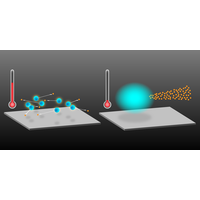
Phys. Rev. Lett. 135, 111801 (2025)
Atom lasers, Beta decay, Bose-Einstein condensates, Lasers, Lifetimes & widths, Neutrino oscillations, Optical coherence, Particle decays, Quantum coherence & coherence measures, Spontaneous emission, Ultracold collisions
Electric Hall Effect and Quantum Electric Hall Effect
Research article | Hall effect | 2025-09-08 06:00 EDT
Chaoxi Cui, Run-Wu Zhang, Yuhui Qiu, Yilin Han, Zhi-Ming Yu, and Yugui Yao
Exploring new Hall effect is always a fascinating research topic. The ordinary Hall effect and the quantum Hall effect, initially discovered in two-dimensional (2D) nonmagnetic systems, are the phenomena that a transverse current is generated when a system carrying an electron current is placed in a magnetic field perpendicular to the currents. In this Letter, we propose the electric counterparts of these two Hall effects, termed the ‘’electric Hall effect’’ (EHE) and the ‘’quantum electric Hall effect’’ (QEHE). The EHE and QEHE emerge in 2D magnetic systems, where the transverse current is generated by applying an electric gate field instead of a magnetic field. We present a symmetry requirement for both intrinsic EHE and QEHE. Besides, we establish an analytical expression for the intrinsic EHE coefficient when the gate field is weak. We show that it is determined by two band geometric quantities: Berry curvature polarization and Berry curvature polarizability. Via first-principles calculations, we investigate the EHE in the monolayer $\mathrm{Ca}{(\mathrm{FeN})}{2}$, where significant EHE coefficient is observed around band crossings. Furthermore, we demonstrate that the QEHE can appear in the semiconductor monolayer $\mathrm{BaM}{\mathrm{n}}{2}{\mathrm{S}}_{3}$, of which the Hall conductivity exhibits steps that take on the quantized values 0 and $\pm{}1$ in the unit of ${e}^{2}/h$ by varying the gate field within the experimentally achievable range. Because of the great tunability of the electric gate field, the EHE and QEHE proposed here can be easily controlled, and should have significant potential applications.
Phys. Rev. Lett. 135, 116301 (2025)
Hall effect, Transport phenomena, 2-dimensional systems, Altermagnets, Magnetic systems
Universal Transport at Lifshitz Metal-Insulator Transitions in Two Dimensions
Research article | Metal-insulator transition | 2025-09-08 06:00 EDT
Harry Tomlins and Jan M. Tomczak
We study the charge transport across a band-tuned metal-insulator transition in two dimensions. For high temperatures $T$ and chemical potentials $\mu $ far from the transition point, conduction is ballistic and the resistance $R(T)$ verifies a simple one-parameter scaling relation. Here, we explore the limits of this semiclassical behavior and study the quantum regime beyond, where scaling breaks down. We analytically evaluate the simplest Feynman diagram of the linear-response conductivity $\sigma =1/R$ of a parabolic band endowed with a finite lifetime. Our formula shows excellent agreement for experiments for a field-tuned ${\mathrm{MoTe}}{2}/{\text{WSe}}{2}$ moir'e bilayer, and can capture the quantum effects responsible for breaking the one-parameter scaling. We go on to discuss a fascinating prediction of our model: The resistance at the quantum-critical band-tuned Lifshitz point ($\mu =T=0$) has the universal value, ${R}_{L}=(2\pi h)/{e}^{2}$, per degree of freedom, in congruence with experiment. Furthermore, we investigate whether two-dimensional metal-insulator transitions driven by strong electron correlations or disorder can also be classified by their quantum-critical resistance and come up with an, in principle, complete assignment of the transition mechanism.
Phys. Rev. Lett. 135, 116302 (2025)
Metal-insulator transition, Transport phenomena, Twisted heterostructures, Two-dimensional electron system, Linear response theory
Inversion-Asymmetric Itinerant Antiferromagnets by the Space Group Symmetry
Research article | Antiferromagnetism | 2025-09-08 06:00 EDT
Changhee Lee and P. M. R. Brydon
Antiferromagnetic states which break inversion symmetry are able to host odd-parity spin splittings, in analogy to altermagnets. Here we study the emergence of these inversion-asymmetric antiferromagnet (IA AFM) states via an itinerant mechanism in nonsymmorphic systems with two magnetic ions per unit cell. We identify the symmetries that allow mixed-parity irreducible representations for commensurate ordering vectors, and hence permit a continuous transition into the IA AFM. The Landau free energy which describes the transition is derived from a general microscopic model, from which we establish conditions favorable to the appearance of the IA AFM: inversion is not a site symmetry of a magnetic ion, and the nesting involves different bands. Moreover, the odd-parity spin splitting is negatively correlated with the stability of the IA AFM. We illustrate our conclusions with specific examples. The insight into the IA AFM provided by our work can guide the identification of candidate materials.
Phys. Rev. Lett. 135, 116701 (2025)
Antiferromagnetism, Hubbard model, Tight-binding model
Single-Chain Nanoparticles Break the Strength-Toughness-Processability Trilemma in Polymer Glasses
Research article | Polymer blends | 2025-09-08 06:00 EDT
Lei Zhang, Xu-Ze Zhang, Rui Shi, Shi-Long Wu, Chao-Hao Xu, Ji-Chun You, Yu Zhang, Ming-Yang Li, Wen-Yu Xu, Qing-Lin Li, Zhen-Zhong Yang, Zhong-Yuan Lu, and Hu-Jun Qian
Incorporating single-chain nanoparticles in polymer glasses can simultaneously enhance strength, toughness, and processabilty - qualities that are typically at odds with one another.
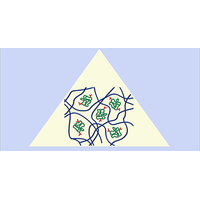
Phys. Rev. Lett. 135, 118101 (2025)
Polymer blends, Polymer composites, Polymer glasses, Coarse graining, Molecular dynamics, Multiscale modeling, Rheology techniques, Strain engineering
Physical Review X
Strange Metals and Planckian Transport in a Gapless Phase from Spatially Random Interactions
Research article | Critical phenomena | 2025-09-08 06:00 EDT
Aavishkar A. Patel, Peter Lunts, and Michael S. Albergo
A simple, realistic model shows that electrons scattering off localized magnetic modes created by heterogeneous interactions explains strange metals’ linear resistance and universal scattering rate in high-temperature superconductors.

Phys. Rev. X 15, 031064 (2025)
Critical phenomena, Electrical conductivity, Quantum criticality, Quantum phase transitions, Disordered systems, High-temperature superconductors, Metals, Strongly correlated systems, Non-Fermi-liquid theory, Quantum Monte Carlo
arXiv
Wetting Interactions Between Porous Carbon Hosts and Liquid Sodium-Potassium Alloys Toward Their Use in Negative Electrodes of Alkali-Metal Batteries
New Submission | Soft Condensed Matter (cond-mat.soft) | 2025-09-09 20:00 EDT
Johannes Baller, André Hilger, Naiyu Qi, Chiara Morini, Andrea Cornelio, Arndt Remhof, Markus Osenberg, Ingo Manke, Julian Moosmann, Felix Beckmann, Gustav Graeber
Batteries with liquid alkali-metal negative electrodes offer a route to compact, high-performance energy storage. Innovation in alkali-metal management, i.e., controlled storage, release and transport of liquid alkali metal, can enable simpler and cheaper cell designs. Porous carbons have emerged as potential host materials for liquid alkali metals. Here, we study the wetting interactions between porous carbon hosts and liquid sodium-potassium alloy (NaK) as a function of carbon host morphology and surface functionalization via X-ray computed tomography. While as-received carbon samples show no affinity towards NaK, heat-treated carbon is spontaneously infiltrated with NaK filling almost the entire pore volume. We explore how forced wetting partially fills pores of NaK-repellent hosts, showing large differences in pore filling based on the average pore size of the host material. In electrochemical discharge experiments, we show that both as-received and heat-treated carbon felt enable high areal capacities beyond 40 mAh cm-2. However, the heat-treated carbon shows ten times lower overpotential. Finally, we demonstrate how heat-treated carbon felt can enable capillary transport of NaK. In summary, this study elucidates important aspects of the interactions between liquid alkali metals and porous carbon hosts, generating insights into possible applications in liquid alkali-metal batteries.
Soft Condensed Matter (cond-mat.soft), Materials Science (cond-mat.mtrl-sci)
A topological approach to the Cahn-Hilliard equation and hyperuniform fields
New Submission | Soft Condensed Matter (cond-mat.soft) | 2025-09-09 20:00 EDT
Abel H. G. Milor, Otto Sumray, Heather A. Harrington, Axel Voigt, Marco Salvalaglio
Hyperuniform structures are disordered, correlated systems in which density fluctuations are suppressed at large scales. Such a property generalizes the concept of order in patterns and is relevant across diverse physical systems. We present a numerical characterization of hyperuniform scalar fields that leverages persistent homology. Topological features across different lengths are represented in persistence diagrams, while similarities or differences between patterns are quantified through Wasserstein distances between these diagrams. We apply this framework to numerical solutions of the Cahn-Hilliard equation, a canonical model for generating hyperuniform scalar fields. We validate the approach against known features of the Cahn-Hilliard equation, including its scaling properties, convergence to the sharp interface limit, and self-similarity of the solutions. We then generalize the approach by studying Gaussian random fields exhibiting different degrees and classes of hyperuniformity, showing how the proposed approach can be exploited to reconstruct global properties from local topological information. Overall, we show how hyperuniform characteristics systematically correlate with distributions of topological features in disordered correlated fields. We expect this analysis to be applicable to a wide range of scalar fields, particularly those involving interfaces and free boundaries.
Soft Condensed Matter (cond-mat.soft), Disordered Systems and Neural Networks (cond-mat.dis-nn), Statistical Mechanics (cond-mat.stat-mech), Analysis of PDEs (math.AP)
20 pages, 6 figures
Machine Learning for Polymer Chemical Resistance to Organic Solvents
New Submission | Soft Condensed Matter (cond-mat.soft) | 2025-09-09 20:00 EDT
Shogo Kunieda, Mitsuru Yambe, Hiromori Murashima, Takeru Nakamura, Toshiaki Shintani, Hitoshi Kamijima, Yoshihiro Hayashi, Yosuke Hanawa, Ryo Yoshida
Predicting the chemical resistance of polymers to organic solvents is a longstanding challenge in materials science, with significant implications for sustainable materials design and industrial applications. Here, we address the need for interpretable and generalizable frameworks to understand and predict polymer chemical resistance beyond conventional solubility models. We systematically analyze a large dataset of polymer solvent combinations using a data-driven approach. Our study reveals that polymer crystallinity and density, as well as solvent polarity, are key factors governing chemical resistance, and that these trends are consistent with established theoretical models. These findings provide a foundation for rational screening and design of polymer materials with tailored chemical resistance, advancing both fundamental understanding and practical applications.
Soft Condensed Matter (cond-mat.soft), Materials Science (cond-mat.mtrl-sci)
Supporting information is provided as this http URL
How hydrodynamic interactions alter polymer stretching in turbulence
New Submission | Soft Condensed Matter (cond-mat.soft) | 2025-09-09 20:00 EDT
Aditya Ganesh, Dario Vincenzi, Ranganathan Prabhakar, Jason R. Picardo
Hydrodynamic interactions (HI) between segments of a polymer have long been known to strongly affect polymer stretching in laminar viscometric flows. Yet the role of HI in fluctuating turbulent flows remains unclear. Using Brownian dynamics simulations, we examine the stretching dynamics of bead-spring chains with inter-bead HI, as they are transported in a homogeneous isotropic turbulent flow (within the ultra-dilute, one-way coupling regime). We find that HI-endowed chains exhibit a steeper coil-stretch transition as the elastic relaxation time is increased, i.e., HI cause less stretching of stiff polymers and more stretching of moderately to highly elastic polymers. The probability distribution function of the end-to-end extension is also modified, with HI significantly limiting the range of extensions over which a power-law range appears. On quantifying the repeated stretching and recoiling of chains by computing persistence time distributions, we find that HI delays migration between stretched and coiled states. These effects of HI, which are consistent with chains experiencing an effective conformation-dependent drag, are sensitive to the level of coarse-graining in the bead-spring model. Specifically, an HI-endowed dumbbell, which cannot form a physical coil, is unable to experience the hydrodynamic shielding effect of HI. Our results highlight the importance of incorporating an extension-dependent drag force in dumbbell-based simulations of turbulent polymer solutions. To develop and test such an augmented dumbbell model, we propose the use of a time-correlated Gaussian random flow, in which the turbulent stretching statistics are shown to be well-approximated.
Soft Condensed Matter (cond-mat.soft), Statistical Mechanics (cond-mat.stat-mech), Chemical Physics (physics.chem-ph)
19 pages, 8 figures
Self-Driving Laboratory Optimizes the Lower Critical Solution Temperature of Thermoresponsive Polymers
New Submission | Soft Condensed Matter (cond-mat.soft) | 2025-09-09 20:00 EDT
Guoyue Xu, Renzheng Zhang, Tengfei Luo
To overcome the inherent inefficiencies of traditional trial-and-error materials discovery, the scientific community is increasingly developing autonomous laboratories that integrate data-driven decision-making into closed-loop experimental workflows. In this work, we realize this concept for thermoresponsive polymers by developing a low-cost, “frugal twin” platform for the optimization of the lower critical solution temperature (LCST) of poly(N-isopropylacrylamide) (PNIPAM). Our system integrates robotic fluid-handling, on-line sensors, and Bayesian optimization (BO) that navigates the multi-component salt solution spaces to achieve user-specified LCST targets. The platform demonstrates convergence to target properties within a minimal number of experiments. It strategically explores the parameter space, learns from informative “off-target” results, and self-corrects to achieve the final targets. By providing an accessible and adaptable blueprint, this work lowers the barrier to entry for autonomous experimentation and accelerates the design and discovery of functional polymers.
Soft Condensed Matter (cond-mat.soft), Machine Learning (cs.LG)
Metamaterials and Fluid Flows
New Submission | Soft Condensed Matter (cond-mat.soft) | 2025-09-09 20:00 EDT
Francesco Avallone, Federico Bosia, Yi Chen, Giada Colombo, Richard Craster, Jacopo Maria De Ponti, Nicolò Fabbiane, Michael R. Haberman, Mahmoud I. Hussein, Wontae Hwang, Umberto Iemma, Abigail Juhl, Muamer Kadic, Marios Kotsonis, Vincent Laude, Olivier Marquet, Fabien Mery, Theodoros Michelis, Mostafa Nouh, Daniele Ragni, Marie Touboul, Martin Wegener, Anastasiia O. Krushynska
Understanding and controlling the dynamic interactions between fluid flows and solid materials and structures-a field known as fluid-structure interaction -is central not only to established disciplines such as aerospace and naval engineering but also to emerging technologies such as energy harvesting, soft robotics, and biomedical devices. In recent years, the advent of metamaterials-rationally designed composites with properties beyond their constituents, often not found in conventional materials-has provided exciting opportunities for rethinking and redesigning fluid-structure interaction. The premise of engineering the internal structure of materials interfacing with fluid flows is opening a new horizon for precise and effective manipulation and control of coupled fluidic, acoustic, and elastodynamics responses. This review focuses on this relatively unexplored interdisciplinary theme with broad real-world technological significance. Key performance metrics, such as fuel consumption of transport systems, efficiency of renewable energy extraction, mitigation of noise emissions, and resilience to structural fatigue, depend on the control of interactions between flow, acoustic, and vibration mechanisms. Flow control, for example, which spans a wealth of regimes such as laminar, transitional, turbulent, and unsteady separated flows, is highly influenced by the ability to tailor fluid-structure interaction behavior. We survey and discuss theoretical frameworks that describe the interplay between fluids and elastic solids, with a focus on contemporary work and emerging concepts. The paper is organised into three main sections-flow-structure interactions, acoustic-structure interactions, and exotic metamaterial concepts with potential impact on fluid-structure interaction-and concludes with perspectives on current challenges and future directions in this rapidly expanding area of research.
Soft Condensed Matter (cond-mat.soft), Materials Science (cond-mat.mtrl-sci), Fluid Dynamics (physics.flu-dyn)
4 figures
Self-similar rupture of thin films of power-law fluid
New Submission | Soft Condensed Matter (cond-mat.soft) | 2025-09-09 20:00 EDT
Michael C Dallaston, Steven A Kedda, Scott W McCue
Models that describe Newtonian liquid films evolving due to the competing effects of surface tension and attractive intermolecular or van der Waals forces are known to rupture in finite time in a self-similar manner. We extend the computation of similarity solutions to non-Newtonian power-law liquid films. The bifurcation diagram, indexed by power law exponent $ n$ , has a highly nontrivial structure with branches merging via a snaking bifurcation around $ n=1$ . A countably infinite number of solutions are also found in the extreme shear-thinning ($ n\to 0$ ) limit, in which similarity solutions possess an exponentially small inner region. Numerical simulations are shown to be attracted to the single primary branch of similarity solutions.
Soft Condensed Matter (cond-mat.soft), Fluid Dynamics (physics.flu-dyn)
22 pages, 6 figures
Spin-transport characteristics in a Si-based spin metal-oxide-semiconductor field-effect transistor (spin MOSFET): Bias dependence of the spin polarization in Si and magnetoresistance in spin-valve signals
New Submission | Mesoscale and Nanoscale Physics (cond-mat.mes-hall) | 2025-09-09 20:00 EDT
Shoichi Sato, Masaaki Tanaka, Ryosho Nakane
We have studied the spin transport characteristics of a spin metal-oxide-semiconductor field-effect transistor (spin MOSFET), particularly the bias voltage dependence of the electron spin polarization P_S in Si and the magnetoresistance ratio MR in spin-valve signals, to optimize the device performance. The spin MOSFET device has an 8-nm-thick p-Si channel with a back gate (G) and ferromagnetic source / drain (S/D) junctions consisting of Fe/Mg/MgO/SiOx/n+-Si. In addition to transistor characteristics with an on-off ratio of 104, clear spin-valve signals and Hanle spin precession signals were observed at 4 K in a wide range of the source-to-gate V_GS and source-to-drain V_DS bias voltages. We achieved a high P_S of 50% and a high MR of 0.35% as the maximum values in their single-peaked curves plotted as a function of the junction voltage V_J, mainly because the ferromagnetic S/D junction can generate high P_S and the spin diffusion length is very long in the Si inversion channel. These P_S and MR values are the highest ever reported in spin-MOSFETs. Our spin transport model for our spin MOSFET structure was improved in this study by taking into account the electron distribution and band profile of the n+-Si regions in the ferromagnetic S/D junctions, which enables the accurate estimation of P_S. Detailed analyses with various V_GS and V_J clarified that P_S is determined only by V_J. Our analyses also revealed that the main parameters for determining MR, such as P_S and the resistance-area products of the S/D ferromagnetic junctions, have different V_J dependences, leading to the finding that the present device does not exploit the full potential of the ferromagnetic S/D junctions to maximize MR. Based on the results, we discuss the device physics and engineering for further enhancement of MR, with a focus on the electrical and spin-related properties of the ferromagnetic S/D junctions.
Mesoscale and Nanoscale Physics (cond-mat.mes-hall)
Diffusioosmosis of electrolyte solutions in uniformly charged channels
New Submission | Soft Condensed Matter (cond-mat.soft) | 2025-09-09 20:00 EDT
Evgeny S. Asmolov, Elena F. Silkina, Olga I. Vinogradova
When the concentration of electrolyte solution varies along the channel the forces arise that drag the fluid toward the higher or lower concentration region inducing a flow termed diffusio-osmotic. This article investigates a flow that emerges in channels with constant density of surface charge {\sigma} and thin compared to their thickness electrostatic diffuse layers. An equation for the fluid flow rate Q is derived and used to describe analytically the flux of ions, and local potentials and concentrations. This equation, which allows to treat the diffusio-osmotic problems without tedious and time consuming computations, clarifies that the global flow rate is controlled only by the surface charge and concentration drop between the channel ends, and indicates that there always exist two different values of {\sigma} that correspond to a particular Q. Our theory provides a simple explanation of the directions of the fluid flow rate and ionic flux depending on the surface charge and diffusivity of ions, predicts a non-linear concentration distribution along the channel caused by convection, and relates it to the local potential changes by a compact formula. We also present and interpret the variations of the diffusio-osmotic velocity profiles and the apparent slip velocity along the channel and show that the latter is highly non-uniform and could even becomes alternating. The relevance of our results for diffusio-osmotic experiments and for some electrochemistry and membrane science issues is discussed briefly.
Soft Condensed Matter (cond-mat.soft)
15 pages, 12 figures
Wilson-Loop-Ideal Bands and General Idealization
New Submission | Mesoscale and Nanoscale Physics (cond-mat.mes-hall) | 2025-09-09 20:00 EDT
Jiabin Yu, Biao Lian, Shinsei Ryu
Quantum geometry is universally bounded from below by Wilson-loop windings. In this work, we define an isolated set of bands to be Wilson-loop-ideal, if their quantum metric saturates the Wilson-loop lower bound. The definition naturally incorporates the known Chern-ideal and Euler-ideal bands, and allows us to define other types of ideal bands, such as Kane-Mele $ Z_2$ -ideal bands. In particular, we find that an isolated set of two $ Z_2$ -ideal bands with non-singular nonabelian Berry curvature always admits a Chern-ideal gauge (i.e., effectively behaving as two decoupled Chern-ideal bands), even in the absence of any global good quantum number (such as spin). This enables the direct construction of fractional topological insulator wavefunctions. We further propose a general framework of constructing monotonic flows that achieve Wilson-loop-ideal states starting from non-ideal bands through band mixing, where Wilson-loop-ideal states are not energy eigenstates but have smooth projectors similar to isolated bands. We apply the constructed flows to the realistic model of $ 3.89^\circ$ twisted bilayer MoTe$ _2$ and a moiré Rashba model, and numerically find Chern-ideal and $ Z_2$ -ideal states, respectively, with relative error in the integrated quantum metric below $ 5\times 10^{-3}$ . Our general definition of Wilson-loop-ideal bands and general procedure of constructing Wilson-loop-ideal states provide a solid basis for future study of novel correlated physics.
Mesoscale and Nanoscale Physics (cond-mat.mes-hall), Strongly Correlated Electrons (cond-mat.str-el)
10+20 pages, 2+0 figures
Interacting many-body non-Hermitian systems as Markov chains
New Submission | Other Condensed Matter (cond-mat.other) | 2025-09-09 20:00 EDT
Zichang Hao, Wei Jie Chan, Ching Hua Lee
Rich phenomenology emerges at the intersection of non-Hermiticity and many-body dynamics, yet physically realizable implementations remain challenging. In this work, we propose a general formalism that maps non-Hermitian many-body Hamiltonians to the Laplacians of Markov chains, such that wavefunction amplitudes are re-interpreted as stochastic many-body configuration probabilities. Despite explicitly preserving all state transition processes and inheriting analogous non-Hermitian localization and state-space fragmentation, our Markov chain processes exhibit distinct steady-state behavior independently of energetic considerations that govern quantum evolution. We demonstrate our framework with two contrasting representative scenarios, one involving asymmetric (biased) propagation with exclusion interactions, and the other involving flipping pairs of adjacent spins (agents). These results reveal robust and distinctive signatures of non-Hermitian phenomena in classical stochastic settings such as ecological and social networks, and provide a versatile framework for studying non-reciprocal many-body dynamics across and beyond physics.
Other Condensed Matter (cond-mat.other), Statistical Mechanics (cond-mat.stat-mech), Quantum Physics (quant-ph)
32 pages, 11 figures
Giant Molecular Toroidal Moment Amenable to Direct Observation in a Fe${10}$Dy${10}$ Ring
New Submission | Mesoscale and Nanoscale Physics (cond-mat.mes-hall) | 2025-09-09 20:00 EDT
Alessandro Soncini, Kieran Hymas, Jonas Braun, Yannik F. Schneider, Simone Calvello, Amer Baniodeh, Yanhua Lan, Wolfgang Wernsdorfer, Marco Affronte, Christopher E. Anson, Annie K. Powell
In single molecule toroics (SMTs) atomic spins and orbital currents generate magnetic vortices known as toroidal moments $ \boldsymbol{\tau}$ , endowed with both magnetic and electric dipole symmetries, which can enable spin control via magnetoelectric effects as well as the development of robust qubits. In the archetypal Dy$ _3$ SMT, $ \boldsymbol{\tau}$ is challenging to detect and control. Larger molecular rings can offer an enhanced toroidal response amenable to direct observation and manipulation. Here we report SMT properties for the $ 3d$ -$ 4f$ icosanuclear molecular ring Fe$ _{10}$ Dy$ _{10}$ , displaying toroidal excitations of unprecedented magnitude and energy dispersion spanning a $ \sim$ 62 billion dimensional toroidal space. We show these properties can be modeled using an ab initio-parameterised transfer matrix approach yielding excellent agreement with experiments. To assess the bulk toroidal polarization attainable in this system, we introduce the molar toroidal susceptibility $ \xi$ , a thermodynamic linear response function measuring the SMT finite-temperature toroidal polarization induced by a magnetic field with a small non-vanishing curl. Direct calculation of $ \xi$ for Fe$ _{10}$ Dy$ _{10}$ reveals a significant finite-temperature ground state toroidal polarization which should be amenable to experimental detection via spatially-focused magnetic field curls, as attainable e.g. using focused femtosecond laser pulses. Our findings could thus pave the way for direct observation and manipulation of molecular toroidal moments.
Mesoscale and Nanoscale Physics (cond-mat.mes-hall), Atomic and Molecular Clusters (physics.atm-clus)
Main manuscript: 20 pages, 5 figures. Supplementary notes: 17 pages, 4 figures
Modifying the Optical Emission of Vanadyl Phthalocyanine via Molecular Self-Assembly on van der Waals Materials
New Submission | Materials Science (cond-mat.mtrl-sci) | 2025-09-09 20:00 EDT
S. Carin Gavin, William Koll, Moumita Kar, Yiying Liu, Anushka Dasgupta, Ethan Garvey, Thomas W. Song, Chunxi Zhou, Brendan P. Kerwin, Jash Jain, Tobin J. Marks, Mark C. Hersam, George C. Schatz, Jay A. Gupta, Nathaniel P. Stern
Vanadyl phthalocyanine (VOPc) is a promising organic molecule for applications in quantum information because of its thermal stability, efficient processing, and potential as a spin qubit. The deposition of VOPc in different molecular orientations allows the properties to be customized for integration into various devices. However, such customization has yet to be fully leveraged to alter its intrinsic properties, particularly optical emission. Normally, VOPc films on dielectric substrates emit a broad photoluminescence peak in the near-infrared range, attributed to transitions in the Pc ring from its pi orbital structure. In this work, we demonstrate that the dominant optical transition of VOPc can be shifted by over 250 meV through the controlled deposition of thin films on van der Waals material substrates. The weak interactions with van der Waals materials allow the molecules to uniquely self-assemble, resulting in modified optical behavior modulated by molecular phase and thickness. This work connects the self-assembling properties of molecules with their altered electronic structures and the resulting optical emission.
Materials Science (cond-mat.mtrl-sci)
8 pages, 5 figures
Quantum anomalous Hall phases in gated rhombohedral graphene
New Submission | Mesoscale and Nanoscale Physics (cond-mat.mes-hall) | 2025-09-09 20:00 EDT
Matthew Frazier, Guillaume Bal
We consider a coupled system of Dirac operators that finds applications as a macroscopic model of spin and valley polarized gated rhombohedral graphene (RHG) with an arbitrary number of layers as well as in replica models of Floquet topological insulators. We classify all quantum anomalous Hall phases that are compatible with the model and show that a bulk-edge correspondence between bulk phases and chiral edge states carrying a quantized anomalous Hall charge applies. When the displacement field is sufficiently small compared to the inter-layer coupling in the RHG application, we retrieve the known phases where the charge is given by the number of graphene layers. When the displacement field increases, we identify all possible topological phase transitions and corresponding quantized chiral edge charges. Numerical simulations confirm the theoretical findings.
Mesoscale and Nanoscale Physics (cond-mat.mes-hall), Mathematical Physics (math-ph)
21 pages, 7 figures
Emergent Inductance from Chiral Orbital Currents in a Bulk Ferrimagnet
New Submission | Strongly Correlated Electrons (cond-mat.str-el) | 2025-09-09 20:00 EDT
Gang Cao, Hengdi Zhao, Yu Zhang, Alex Fix, Tristan R. Cao, Dhruva Ananth, Yifei Ni, Gabriel Schebel, Rahul Nandkishore, Itamar Kimchi, Hua Chen, Feng Ye, Lance E. DeLong
We report the discovery of a new form of inductance in the bulk ferrimagnet Mn3Si2Te6, which features strong spin-orbit coupling, large magnetic anisotropy, and pronounced magnetoelastic interactions. Below its Curie temperature, Mn3Si2Te6 hosts chiral orbital currents (COC) that circulate within the crystal lattice and give rise to collective electronic behavior [1]. By applying a magnetic field along the hard c axis and driving the system with low-frequency currents, we uncover a giant inductive response up to millihenry scale, originating from first-order reconfigurations of COC domains. These domains act as coherent mesoscopic inductive elements that resist reversal upon current reduction, producing a large electromotive force and sharply increasing voltage. This emergent inductance defies classical models, occurs without superconductivity or engineered nanostructures, and opens a new frontier in orbital-based quantum functionality and device concepts.
Strongly Correlated Electrons (cond-mat.str-el), Quantum Physics (quant-ph)
To be published in Physical Review Letters
Stockmayer Fluid with a Shifted Dipole: Interfacial Behavior
New Submission | Soft Condensed Matter (cond-mat.soft) | 2025-09-09 20:00 EDT
Samuel Varner, Pierre J. Walker, Ananya Venkatachalam, Bilin Zhuang, Zhen-Gang Wang
We investigate the properties of the liquid-vapor interface in the shifted Stockmayer fluid using molecular dynamics simulations in the canonical ensemble. We study the role of the dipole moment strength and the degree of asymmmetry on equilibrium interfacial characteristics, including density profiles, polar order, nematic order, interfacial polarization, electric field, and electrostatic potential. In addition, we compute angular distribution functions across the interface to gain insight into how the dipole shift affects the molecular orientation. We find that the shift significantly effects angular distribution functions by altering the polar order while leaving the nematic order relatively unaffected, in comparison to the reference symmetric Stockmayer fluid. We find that these results are consistently explained using an image-dipole construction that has been previously applied to symmetric Stockmayer fluids but has never been extended to the shifted model. We find remarkable agreement between the simple theory and the simulations in the qualitative shape of the distribution functions for both the liquid and vapor phases in proximity to the interface. Unexpectedly, the spontaneous polarization at the interface, and therefore the generated electric field, changes sign as the dipole moment strength increases. This also leads to an inversion of the sign of the potential difference across the interface.
Soft Condensed Matter (cond-mat.soft), Materials Science (cond-mat.mtrl-sci), Statistical Mechanics (cond-mat.stat-mech)
Le Chatelier principle and field-induced change in magnetic entropy leading to spin lattice partitioning and magnetization plateau
New Submission | Strongly Correlated Electrons (cond-mat.str-el) | 2025-09-09 20:00 EDT
Myung-Hwan Whangbo, Hyun-Joo Koo, Olga S. Volkova
For a certain antiferromagnet, the magnetization does not increase gradually with increasing magnetic field but exhibits field region(s) typically at an integer fraction of its saturation magnetization. This phenomenon is understood by the supposition that such an antiferromagnet undergoes field-induced partitioning of its spin lattice into ferrimagnetic fragments. We searched for a theoretical basis for this supposition by investigating how external magnetic fields affect the magnetic entropy of such an antiferromagnet, to find that the field region of the magnetization plateau has a single magnetic phase, but a nonzero slope region of the magnetization curve has two magnetic phases of different magnetic entropy, and that the magnetic entropy of a single-phase region does not depend on magnetic field but that of a two-phase region does. We tested these predictions by carrying out magnetization and specific heat measurements for g-Mn3(PO4)2. It was found that the magnetic entropy of the two-phase region increases with field, indicating that field-induced breaking of magnetic bonds and hence field-induced partitioning of an antiferromagnetic spin lattice are time-averaged results of all allowed spin arrangements that occur repeatedly during static magnetization measurements. The temperature-dependent magnetic specific heats of g-Mn3(PO4)2 between 2 - 6 K shows a larger excitation gap when measured at 9 T than at 0 T, suggesting that these energy gaps reflect the two successive local excitations of linear Mn2+-Mn2+-Mn2+ ferrimagnetic trimers embedded in the antiferromagnetic spin lattice of g-Mn3(PO4)2 and arise from the Boltzmann factor associated with these excitations
Strongly Correlated Electrons (cond-mat.str-el)
Interaction-driven quantum criticality in two-dimensional quadratic band crossing semimetals with time-reversal symmetry breaking
New Submission | Strongly Correlated Electrons (cond-mat.str-el) | 2025-09-09 20:00 EDT
We present a systematic investigation of all sixteen marginally relevant fermion-fermion interactions in two-dimensional time-reversal symmetry-breaking kagomé semimetals hosting a quadratic band crossing point. Employing a momentum-shell renormalization group approach that treats every interaction on equal footing, we derive energy-dependent flow equations that capture the hierarchical evolutions of interaction parameters. Our analysis begins by tracking the energy-dependent flows of fermion-fermion interactions. The interaction couplings go towards divergence at a critical energy scale, signaling quantum critical behavior. Such behavior is characterized by a certain fixed point (FP) whose characteristics depends intimately on structural parameters $ d_{0,1,2,3}$ that cluster the microscopic model into rotationally symmetric and asymmetric cases. Then, we identify two stable FPs in the rotationally symmetric and nine additional FPs in asymmetric case dubbed FP$ _{1-10}$ . Their boundary conditions are approximately demarcated and established by linear and plane fitting techniques in the structural parameter space. Furthermore, we examine distinct interaction-driven instabilities nearby these FPs by incorporating the relevant external source terms and computing their susceptibilities. It indicates that the charge density wave and superconductivity become dominant at FP$ _{2,4,5,6,8}$ and FP$ _{1,9,10}$ , while the $ x$ -current and bond density prevail at FP$ _3$ and FP$ _7$ , respectively. In addition to these leading states, several underlying subordinate instabilities are presented as well. These results would be helpful to further study the low-energy critical behavior in 2D kagomé QBCP and related materials.
Strongly Correlated Electrons (cond-mat.str-el), Mesoscale and Nanoscale Physics (cond-mat.mes-hall)
25 pages, 18 figures
Gate-Tunable Ambipolar Josephson Current in a Topological Insulator
New Submission | Mesoscale and Nanoscale Physics (cond-mat.mes-hall) | 2025-09-09 20:00 EDT
Bomin Zhang, Xiaoda Liu, Junjie Qi, Ling-Jie Zhou, Deyi Zhuo, Han Tay, Hongtao Rong, Annie G. Wang, Zhiyuan Xi, Chao-Xing Liu, Chui-Zhen Chen, Cui-Zu Chang
Dirac surface states in a topological insulator (TI) with proximity-induced superconductivity offer a promising platform for realizing topological superconductivity and Majorana physics. However, in TIs, the Josephson effect is usually observed in regimes where transport is dominated by either substantial bulk conduction channels or unipolar surface states. In this work, we demonstrate gate-tunable ambipolar Josephson current in lateral Josephson junction (JJ) devices based on bulk-insulating (Bi,Sb)2Te3 thin films grown by molecular beam epitaxy (MBE). For thinner films, the supercurrent exhibits pronounced gate-tunable ambipolar behavior and is significantly suppressed as the chemical potential approaches the Dirac point, yet persists across it. In contrast, thicker films exhibit a much weaker ambipolar response. Moreover, we find that the supercurrent becomes significantly less resilient to external magnetic fields when the chemical potential is tuned near the Dirac point in both thickness regimes. Our numerical simulations demonstrate the ambipolar behavior of these TI JJ devices and attribute the asymmetric supercurrent observed in thicker TI films to the coexistence of Dirac surface states and bulk conduction channels. The demonstration of gate-tunable ambipolar Josephson transport in MBE-grown TI films paves the way for realizing Dirac-surface-state-mediated topological superconductivity and establishes a foundation for future exploration of electrically tunable Majorana modes.
Mesoscale and Nanoscale Physics (cond-mat.mes-hall), Superconductivity (cond-mat.supr-con)
26 pages, 4 figures, comments are welcome
Orbital Hybridization-Induced Ising-Type Superconductivity in a Confined Gallium Layer
New Submission | Mesoscale and Nanoscale Physics (cond-mat.mes-hall) | 2025-09-09 20:00 EDT
Hemian Yi, Yunzhe Liu, Chengye Dong, Yiheng Yang, Zi-Jie Yan, Zihao Wang, Lingjie Zhou, Dingsong Wu, Houke Chen, Stephen Paolini, Bing Xia, Bomin Zhang, Xiaoda Liu, Hongtao Rong, Annie G. Wang, Saswata Mandal, Kaijie Yang, Benjamin N. Katz, Lunhui Hu, Jieyi Liu, Tien-Lin Lee, Vincent H. Crespi, Yuanxi Wang, Yulin Chen, Joshua A. Robinson, Chao-Xing Liu, Cui-Zu Chang
In low-dimensional superconductors, the interplay between quantum confinement and interfacial hybridization effects can reshape Cooper pair wavefunctions and induce novel forms of unconventional superconductivity. In this work, we employ a plasma-free, carbon buffer layer-assisted confinement epitaxy method to synthesize trilayer gallium (Ga) sandwiched between a graphene layer and a 6H-SiC(0001) substrate, forming an air-stable graphene/trilayer Ga/SiC heterostructure. In this confined light-element Ga layer, we demonstrate interfacial Ising-type superconductivity driven by atomic orbital hybridization between the Ga layer and the SiC substrate. Electrical transport measurements reveal that the in-plane upper critical magnetic field u0Hc2,|| reaches 21.98T at T=400 mK, approximately 3.38 times the Pauli paramagnetic limit (6.51T). Angle-resolved photoemission spectroscopy (ARPES) measurements combined with theoretical calculations confirm the presence of split Fermi surfaces with Ising-type spin textures at the K and K’ valleys of the confined Ga layer strongly hybridized with SiC. Moreover, by incorporating finite relaxation time induced by impurity scattering into an Ising-type superconductivity model, we reproduce the entire temperature-dependent u0Hc2,|| phase diagram. This work establishes a new strategy to realize unconventional pairing wavefunctions by combining quantum confinement and interfacial hybridization effects in superconducting thin films. It also opens new avenues for designing scalable superconducting quantum electronic and spintronic devices through interfacial engineering.
Mesoscale and Nanoscale Physics (cond-mat.mes-hall), Superconductivity (cond-mat.supr-con)
40 pages, 4 figures and 10 extended data figures, comments are welcome
Quantization of spin circular photogalvanic effect in altermagnetic Weyl semimetals
New Submission | Mesoscale and Nanoscale Physics (cond-mat.mes-hall) | 2025-09-09 20:00 EDT
Hiroki Yoshida, Jan Priessnitz, Libor Šmejkal, Shuichi Murakami
We theoretically predict a spin-current analog of the quantized circular photogalvanic effect in Weyl semimetals. This phenomenon is forbidden in antiferromagnets by symmetry but uniquely allowed in altermagnets, highlighting a novel and intrinsic characteristic of altermagnetism. To systematically explore second-order spin current responses, we classify all symmetry-allowed responses based on spin point groups. Furthermore, we provide a comprehensive classification of altermagnetic Weyl semimetals by identifying spin space groups that host symmetry-enforced Weyl points. Utilizing this classification, we construct a symmetry-guided tight-binding model and confirm our predictions. Finally, we identify Weyl crossings in a material candidate via first-principle calculations. Our work unveils a distinctive optical response of altermagnets, paving the way for a new frontier in altermagnetism.
Mesoscale and Nanoscale Physics (cond-mat.mes-hall), Materials Science (cond-mat.mtrl-sci), Other Condensed Matter (cond-mat.other)
5+17 pages, 3+1 figures
Modified Quantum Wheatstone Bridge based on current circulation
New Submission | Mesoscale and Nanoscale Physics (cond-mat.mes-hall) | 2025-09-09 20:00 EDT
We investigate a simple fermionic system designed to detect an unknown hopping rate between two sites by analyzing current circulation. The system exploits geometric asymmetry and utilizes the connection between the additional energy degeneracy point (AEDP) and current circulation for precise parameter detection. In the low-temperature, low-bias regime, with baths chemical potentials aligned near the degenerate energy, we find that a balanced Wheatstone bridge condition emerges when the direction of current circulation reverses, providing a direct means to determine the unknown hopping strength. We further examine the impact of environmental interactions, demonstrating that the device remains functional under moderately strong dephasing and particle losses, though extreme environmental effects eventually degrade performance. Extending the analysis to general operating conditions, we show that the device continues to function effectively at higher voltages and temperatures. Our results highlight geometric asymmetry as a robust and practical tool for quantum metrology.
Mesoscale and Nanoscale Physics (cond-mat.mes-hall), Statistical Mechanics (cond-mat.stat-mech)
11 pages
Giant Splitting of Folded Dirac Bands in Kekulé-ordered Graphene with Eu Intercalation
New Submission | Strongly Correlated Electrons (cond-mat.str-el) | 2025-09-09 20:00 EDT
Xiaodong Qiu, Tongshuai Zhu, Zhenjie Fan, Kaili Wang, Yuyang Mu, Bin Yang, Di Wu, Haijun Zhang, Can Wang, Huaiqiang Wang, Yi Zhang
Kekulé-ordered graphene on SiC realized by intercalating two-dimensional metal layers offers a versatile platform for exploring intriguing quantum states and phenomena. Here, we achieve the intercalation of $ (\mathrm{\sqrt{3}\times\sqrt{3}})\mathit{R}30^\circ$ -ordered Eu layer between epitaxial graphene and SiC substrate, realizing a Kekulé graphene with large local magnetic moments of intercalated Eu atoms. Combining angle-resolved photoemission spectroscopy (ARPES) and density functional theory (DFT) calculations, we revealed that the Kekul{é} order folds the Dirac cones of graphene from the corners to the Brillouin zone center via intervalley scattering, forming the replica Dirac bands with gap opening. More intriguingly, the Dirac fermions in the replica Dirac bands show a strong exchange coupling with the localized magnetic moments of Eu $ 4f$ orbitals, resulting in a giant splitting of the folded Dirac bands. The observation of strong coupling between Dirac fermions and local magnetic moments of Eu $ 4f$ electrons via Kekulé order pave a new way for generating Dirac band splitting in graphene, advancing the potential applications of Kekulé-ordered graphene in spintronics, as well as exploring intriguing physical properties and correlation states for quantum technology.
Strongly Correlated Electrons (cond-mat.str-el), Mesoscale and Nanoscale Physics (cond-mat.mes-hall), Materials Science (cond-mat.mtrl-sci)
Exact many-body wavefunction of the Kondo model with time-dependent interaction strength
New Submission | Strongly Correlated Electrons (cond-mat.str-el) | 2025-09-09 20:00 EDT
Parameshwar R. Pasnoori, Emil. A. Yuzbashyan
We present an exact solution of the nonstationary Schrodinger equation for the Kondo Hamiltonian with a time-dependent spin-exchange coupling $ J(t)$ under periodic boundary conditions. Unlike previously studied time-dependent integrable models, which are rooted in the classical Yang-Baxter structure and associated Knizhnik-Zamolodchikov equations, our approach is based on the quantum Knizhnik-Zamolodchikov framework and the quantum Yang-Baxter algebra. We demonstrate that the dynamics is integrable for a class of exchange couplings $ J(t)$ of the form $ \lambda t + p(t) \pm \sqrt{(\lambda t + p(t))^2 + 4/3}$ , where $ p(t)$ is an arbitrary periodic function, and construct the corresponding many-body wavefunction. We also discuss extensions to other one-dimensional integrable models with linear dispersion, such as Gross-Neveu and Thirring. Our results broaden the domain of time-dependent integrability to a genuinely quantum class of models and provide a new platform for exploring coherent nonequilibrium dynamics in strongly correlated systems.
Strongly Correlated Electrons (cond-mat.str-el)
34 pages
Crystallization in the Winterbottom shape and sharp fluctuation laws
New Submission | Mesoscale and Nanoscale Physics (cond-mat.mes-hall) | 2025-09-09 20:00 EDT
Manuel Friedrich, Leonard Kreutz, Ulisse Stefanelli
We address finite crystallization in two dimensions in the presence of a flat crystalline substrate. Particles interact through short-range two- and three-body potentials favoring local square-lattice arrangements. An additional interaction term of relative strength $ \beta>0$ couples the particles and the substrate. Our first main result proves crystallization for all $ \beta>0$ , corresponding to
the onset of discrete Winterbottom configurations. The proof relies on a stratification technique from [31], characterizing the topology of the bond graph of minimizing configurations.
Our second main result concerns fluctuations estimates for $ \beta\in (0,1)$ . We obtain bounds on the distance between distinct minimizers with the same number $ N$ of particles, showing a sharp scaling law $ N^{3/4}$ when $ \beta$ is rational, and $ N^{1/3}$ when $ \beta$ is irrational and algebraic. This reveals a genuine substrate-driven effect on fluctuation laws. As a corollary, we derive a discrete-to-continuum convergence of minimizers towards the Winterbottom equilibrium shape in the large-particle limit.
Mesoscale and Nanoscale Physics (cond-mat.mes-hall), Mathematical Physics (math-ph), Analysis of PDEs (math.AP)
Quantum Phases in a Two-Dimensional Generalized interacting SSH Model
New Submission | Strongly Correlated Electrons (cond-mat.str-el) | 2025-09-09 20:00 EDT
We study interaction-driven quantum phases in a two-dimensional generalized Su-Schrieffer-Heeger (SSH) defined on a square lattice with inequivalent nearest-neighbor hopping, next-nearest-neighbor hopping and a staggered on-site potential. In the non-interacting limit, the model hosts either a quadratic band touching (QBT) at the Brillouin-zone center or symmetry-protected Dirac nodes, depending on microscopic parameters. In the parameter regime with a QBT, our self-consistent Hartree-Fock analysis shows that weak to intermediate interactions can spontaneously break time-reversal symmetry and stabilize a quantum anomalous Hall (QAH) insulating phase with a finite Chern number. Interestingly, this QAH phase is found to weakly break lattice-symmetries, leading to a small but finite nematic bond order. This is in contrast to the standard QAH phase in checkerboard lattice, which preserves all lattice symmetries. Additionally, we find an enhanced bond-nematic Dirac semimetallic (BNDS) phase due to asymmetric hopping, which is thought to be absent in the Hartree-Fock approach. In the parameter regimes where QBT splits into two Dirac nodes, the QAH phase survives up to a finite staggered on-site potential. However, as the staggered potential increases, the QAH phase is suppressed while the BNDS phase grows stronger.
Strongly Correlated Electrons (cond-mat.str-el)
Strain-control of electronic superlattice domains in CsV${3}$Sb${5}$
New Submission | Strongly Correlated Electrons (cond-mat.str-el) | 2025-09-09 20:00 EDT
Elaheh Sadrollahi, João Almeida Mendes, Nina Stilkerich, Avdhesh Kumar Sharma, Chandra Shekhar, Claudia Felser, Tobias Ritschel, Jochen Geck
The kagome metals AV$ _{3}$ Sb$ _{5}$ (A = K, Rb, Cs) provide a unique platform to investigate the physics of interacting electrons, a central challenge in condensed matter physics. A key obstacle in unraveling their correlated behavior is to determine which structural and electronic degrees of freedom are involved and how they couple. Here we address this important issue with a novel approach, namely by exploring the strain dependence of electronic superlattices in CsV$ _{3}$ Sb$ _{5}$ . Using high-resolution x-ray diffraction, we track the detwinning of the $ 2\times 2\times 4$ electronic crystal and uncover a gigantic strain response of its domains. We further show that the detwinned $ 2\times 2\times 4$ phase exhibits an intrinsic 2$ \textbf{q}$ -modulation and strong mode coupling. Density functional theory reveals that the structural $ 2\times 2\times 4$ modulation couples strongly to the V $ 3d$ -orbitals, naturally explaining its pronounced strain response. In contrast, the $ 2\times 2\times 2$ phase at lower temperatures remains essentially unaffected by small uniaxial strain. This dichotomy points to fundamental differences in the symmetry breaking and stabilization mechanisms of the two electronic orders. More specifically, our results provide evidence for the active role of orbital degrees of freedom, which can realize distinct, complex ordering patterns driven by competing interactions.
Strongly Correlated Electrons (cond-mat.str-el)
11 pages, 8 figures,1 table
Chiral magnetic properties of MnF2
New Submission | Strongly Correlated Electrons (cond-mat.str-el) | 2025-09-09 20:00 EDT
Symmetry informed diffraction patterns for magnetically ordered MnF2 illuminated by x-rays tuned in energy to a Mn atomic resonance depend on circular polarization in the primary beam. The change in intensity of a Bragg spot with a change in handedness defines a chiral signature for the compensated antiferromagnet that is calculated for electric dipole (E1) and electric quadrupole (E2) absorption events. E1-E2 absorption events are forbidden by inversion symmetry in Wyckoff positions assigned to Mn ions in the established MnF2 magnetic symmetry. Spin-flip signals from the magnetic scattering of polarized neutrons depend on electronic quadrupole and octupole moments that are zero for the nominal 3d5 configuration of Mn2+, which make them good tests of the actual electronic structure.
Strongly Correlated Electrons (cond-mat.str-el)
Accelerated Design of Mechanically Hard Magnetically Soft High-entropy Alloys via Multi-objective Bayesian Optimization
New Submission | Materials Science (cond-mat.mtrl-sci) | 2025-09-09 20:00 EDT
Mian Dai, Yixuan Zhang, Weijia He, Chen Shen, Xiaoqing Li, Stephan Schönecker, Liuliu Han, Ruiwen Xie, Tianhang Zhou, Hongbin Zhang
Designing high-entropy alloys (HEAs) that are both mechanically hard and possess soft magnetic properties is inherently challenging, as a trade-off is needed for mechanical and magnetic properties. In this study, we optimize HEA compositions using a multi-objective Bayesian optimization (MOBO) framework to achieve simultaneous optimal mechanical and magnetic properties. An ensemble surrogate model is constructed to enhance the accuracy of machine learning surrogate models, while an efficient sampling strategy combining Monte Carlo sampling and acquisition function is applied to explore the high-dimensional compositional space. The implemented MOBO strategy successfully identifies Pareto-optimal compositions with enhanced mechanical and magnetic properties. The ensemble model provides robust and reliable predictions, and the sampling approach reduces the likelihood of entrapment in local optima. Our findings highlight specific elemental combinations that meet the dual design objectives, offering guidance for the synthesis of next-generation HEAs.
Materials Science (cond-mat.mtrl-sci)
Unveiling the critical factors in crystal structure graph representation: a comparative analysis using streamlined MLPSets frameworks
New Submission | Materials Science (cond-mat.mtrl-sci) | 2025-09-09 20:00 EDT
Graph Neural Networks have rapidly advanced in materials science and chemistry,with their performance critically dependent on comprehensive representations of crystal or molecular structures across five dimensions: elemental information, geometric topology, electronic interactions, symmetry, and long-range interactions. Existing models still exhibit limitations in representing electronic interactions, symmetry, and long-range information. This study compares physics-based site feature calculators with data-driven graph representation strategies. We find that the latter achieve superior performance in representation completeness, convergence speed, and extrapolation capability by incorporating electronic structure generation models-such as variational autoencoders (VAEs) that compress Kohn-Sham wave functions and leveraging multi-task learning. Notably, the CHGNet-V1/V2 strategies, when integrated into the DenseGNN model,significantly outperform state-of-the-art models across 35 datasets from Matbench and JARVIS-DFT, yielding predictions with accuracy close to that of DFT calculations. Furthermore, applying a pre-training and fine-tuning strategy substantially reduces the prediction error for band gaps of complex disordered materials, demonstrating the superiority and potential of data-driven graph representations in accelerating materials discovery.
Materials Science (cond-mat.mtrl-sci)
Emergent collective heat engines from neighborhood-dependent thermal reservoirs
New Submission | Statistical Mechanics (cond-mat.stat-mech) | 2025-09-09 20:00 EDT
We introduce and analyze a class of heat engines composed of interacting units, in which the thermal reservoir is associated with the neighborhood surrounding each unit. These systems can be mapped onto stochastic opinion models and are characterized by collective behavior at low temperatures, as well as different types of phase transitions, marked by spontaneous symmetry breaking and classifications that depend on topology and neighborhood structure. For the case of contact with two thermal baths, equivalent to each unit having $ k = 4$ nearest neighbors, the system can be tuned to operate at maximum power without sacrificing efficiency or increasing dissipation. These quantities are related by the general expression $ \beta_2 {\cal P} \eta_c =-J_4 \eta \sigma$ when the worksource stems from different interaction energies. The heat engine placed in contact with more than three reservoirs is more revealing, showing that the intermediate thermal reservoir can be conveniently adjusted to achieve the desired compromise between power, efficiency, and dissipation. The influence of lattice topology (regular and random-regular networks), as well as the distinct ratios between the temperatures of the thermal baths, has also been investigated.
Statistical Mechanics (cond-mat.stat-mech), Other Condensed Matter (cond-mat.other), Soft Condensed Matter (cond-mat.soft)
6 pages, 4 figures, comments are welcome
Tree-frog-inspired osmocapillary adhesive bonding to diverse substrates
New Submission | Soft Condensed Matter (cond-mat.soft) | 2025-09-09 20:00 EDT
The performance of conventional pressure-sensitive adhesives (PSA) critically relies on the wetting of the adhesive over the substrate. When the wetting is hindered by low surface-energy substrates or the presence of interfacial liquids, the adhesion is greatly compromised. Here, inspired by tree frogs that secrete mucus with surfactants to achieve good wetting over diverse dry and wet substrates, we explore a novel mechanism, osmocapillary adhesion, to use interfacial liquid modified by surfactant to wet diverse substrates and achieve robust reversible adhesion. We show that osmocapillary adhesives greatly outperform conventional PSAs over low-energy, moist, oily, and greasy substrates while achieving similar performance on high-energy surfaces.
Soft Condensed Matter (cond-mat.soft)
Depth Profiling of Oxygen Migration in Ta/HfO2 Stacks During Ionic Liquid Gating
New Submission | Materials Science (cond-mat.mtrl-sci) | 2025-09-09 20:00 EDT
Beatrice Bednarz, Martin Wortmann, Olga Kuschel, Fabian Kammerbauer, Mathias Kläui, Andreas Hütten, Joachim Wollschläger, Gerhard Jakob, Timo Kuschel
Ionic liquid (IL) gating has emerged as a powerful tool to control the structural, electronic, optical, and magnetic properties of materials by driving ion motion at solid interfaces. In magneto-ionic systems, electric fields are used to move ions, typically oxygen, from a donor layer into an underlying magnetic metal. Although oxygen distribution is key to enabling precise and stable control in magneto-ionic systems, the spatial distribution and voltage-dependence of oxygen incorporation in such nanoscale stacks remain unknown. Here, we quantify oxygen depth profiles and oxide formation in Si/ SiO2/ Ta (15)/ HfO2 (t) films after IL gating as a function of the gate voltage and HfO2 capping thickness (2 and 3 nm). X-ray reflectivity and X-ray photoelectron spectroscopy measurements revealed a threshold electric field of ~ -2.8 MV/cm to initiate oxygen migration from HfO2 into metallic Ta. The resulting Ta2O5 thickness increases linearly with gate voltage, reaching up to 4 nm at -3 V gating. Notably, the required electric field rises with oxide thickness, indicating a progressively growing barrier for thicker oxide films. The Ta/Ta2O5 interface remains atomically sharp for all gate voltages. This suggests that complete Ta2O5 layers form sequentially before further oxygen penetration, with no sign of deeper diffusion into bulk Ta. Thinner capping layers enhance oxidation, relevant for optimized stack design. Additionally, indium migration from the indium tin oxide electrode to the sample surface was observed, which should be considered for surface-sensitive applications. These insights advance design principles for magneto-ionic and nanoionic devices requiring precise interface engineering.
Materials Science (cond-mat.mtrl-sci), Mesoscale and Nanoscale Physics (cond-mat.mes-hall)
Document containing manuscript and supporting information
Measuring the Chern-Simons invariant in quantum gases
New Submission | Quantum Gases (cond-mat.quant-gas) | 2025-09-09 20:00 EDT
Chang-Rui Yi, Jinlong Yu, Huan Yuan, Xin Chen, Jia-Yu Guo, Jinyi Zhang, Shuai Chen, Jian-Wei Pan
Chern-Simons (CS) invariant is a fundamental topological invariant describing the topological invariance of 3D space based on the Chern-Simons field theory. To date, direct measurement of the CS invariant in a physical system remains elusive. %to be elusive. Here, the CS invariant is experimentally measured by quenching a 2D optical Raman lattice with 1/2 spin in ultracold atoms. With a recently developed Bloch state tomography, we measure the expectation values of three Pauli matrices in 2D quasi-momentum space plus 1D time [(2+1)D], and then respectively extract the Berry curvature and the corresponding Berry connection. By integrating the product of these two quantities, we obtain the CS invariants near $ \pm 1$ and 0, which are consistent with theoretical predictions. We also observe transitions among these values, which indicates the change of the topology of the quantum state in (2+1)D quantum dynamics.
Quantum Gases (cond-mat.quant-gas), Atomic Physics (physics.atom-ph)
A universal route to chiral Ising superconductivity in monolayer TaS$_2$ and NbSe$_2$
New Submission | Superconductivity (cond-mat.supr-con) | 2025-09-09 20:00 EDT
Lucia Gibelli, Simon Höcherl, Julian Siegl, Viliam Vaňo, Somesh C. Ganguli, Magdalena Marganska, Milena Grifoni
We investigate Ising superconductivity in two archetypal intrinsic superconductors, monolayer 1H-TaS$ _2$ and 1H-NbSe$ _2$ , in a bottom-up approach. Using ab initio-based tight-binding parameterizations for the relevant low-energy d-bands, the screened interaction is evaluated microscopically, in a scheme including Bloch overlaps. In direct space, the screened potential displays for both systems long-range Friedel oscillations alternating in sign. Upon scaling, the oscillation pattern becomes universal, with the periodic features locked to the lattice. Solving the momentum-resolved gap equations, a chiral ground state with p-like symmetry is generically found. Due to the larger Ising spin-orbit coupling, the chiral gap is more anisotropic in TaS$ _2$ than in NbSe$ _2$ . This is reflected in tunneling spectra displaying V-shaped features for the former, in quantitative agreement with low-temperature scanning tunneling experiments on TaS$ _2$ . At the same time, our results reconcile the apparent discordance with hard gap tunneling spectra reported for the sibling NbSe$ _2$ .
Superconductivity (cond-mat.supr-con)
8 pages, 6 figures
Magnetocrystalline Anisotropy and 3D Hopping Conduction at the Surface of FeSb2
New Submission | Strongly Correlated Electrons (cond-mat.str-el) | 2025-09-09 20:00 EDT
Jarryd A. Horn, Yun Suk Eo, Keenan Avers, Hyeok Yoon, Ryan G. Dorman, Shanta R. Saha, Johnpierre Paglione
Motivated by the recent discovery of metallic surface states in the d-electron Kondo insulator candidates FeSi and FeSb2, along with some recent reports of magnetic correlations in the surface transport properties of FeSi, we have investigated the low temperature surface magnetotransport properties of FeSb2. By using a Corbino disk transport geometry, we were able to isolate the electrical transport properties of a single surface of our samples and study the [110] and [101] naturally forming faces separately. Studying the relationship between the applied magnetic field, current direction and crystal symmetry has allowed us to separate possible contributions to the magnetotransport anisotropy. Unlike previous studies of SmB6 surface states, we find no two-dimensional Drude-like dependence on field orientation relative to current direction, but instead a magnetocrystalline anisotropy that appears to originate from local moment scattering with a well defined easy-axis along the [100] direction. We compare these results with the magnetotransport properties of the conducting surface states on the [111] facet of FeSi. We also find evidence of 3D variable-range hopping conduction below the bulk-to-surface crossover, extending below 1 K, which implies that the electrical transport at the surface of these materials is carried by a thin, but 3D conducting channel, which is inconsistent with the lower dimensional states expected for a strong topological insulator.
Strongly Correlated Electrons (cond-mat.str-el)
10 pages, 6 figures
Spectral Methods in Complex Systems
New Submission | Statistical Mechanics (cond-mat.stat-mech) | 2025-09-09 20:00 EDT
These notes offer a unified introduction to spectral methods for the study of complex systems. They are intended as an operative manual rather than a theorem-proof textbook: the emphasis is on tools, identities, and perspectives that can be readily applied across disciplines. Beginning with a compendium of matrix identities and inversion techniques, the text develops the connections between spectra, dynamics, and structure in finite-dimensional systems. Applications range from dynamical stability and random walks on networks to input-output economics, PageRank, epidemic spreading, memristive circuits, synchronization phenomena, and financial stability. Throughout, the guiding principle is that eigenvalues, eigenvectors, and resolvent operators provide a common language linking problems in physics, mathematics, computer science, and beyond. The presentation is informal, accessible to advanced undergraduates, yet broad enough to serve as a reference for researchers interested in spectral approaches to complex systems.
Statistical Mechanics (cond-mat.stat-mech), Machine Learning (cs.LG), Mathematical Physics (math-ph)
Expanded and cleaned notes. Based on lectures given at the online school on spectral methods in complex systems (2019); 467 pages. Comments welcome
LabelImg: CNN-Based Surface Defect Detection
New Submission | Mesoscale and Nanoscale Physics (cond-mat.mes-hall) | 2025-09-09 20:00 EDT
Mohsen Asghari Ilani, Yaser Mike Banad
In the journey of computer vision system development, the acquisition and utilization of annotated images play a central role, providing information about object identity, spatial extent, and viewpoint in depicted scenes. However, thermal manufacturing processes like Laser Powder Bed Fusion (LPBF) often yield surfaces with defects such as Spatter, Crack, Pinhole, and Hole due to the Balling phenomenon. Preprocessing images from LPBF, riddled with defects, presents challenges in training machine learning (ML) algorithms. Detecting defects is critical for predicting production quality and identifying crucial points in artificial or natural structures. This paper introduces a deep learning-based approach utilizing Convolutional Neural Networks (CNNs) to automatically detect and segment surface defects like cracks, spatter, holes, and pinholes on production surfaces. In contrast to traditional machine learning techniques requiring extensive processing time and manual feature crafting, deep learning proves more accurate. The proposed architecture undergoes training and testing on 14,982 labeled images annotated using the LabelImg tool. Each object in the images is manually annotated with bounding boxes and segmented masks. The trained CNN, coupled with OpenCV preprocessing techniques, achieves an impressive 99.54% accuracy on the dataset with resolutions of 1536 x 1103 pixels. Evaluation metrics for 50 true crack tests demonstrate precision, recall, and F1-score exceeding 96%, 98%, and 97%, respectively. Similarly, for 124 true pinhole tests, the metrics are 99%, 100%, and 100%, for 258 true hole tests, they are 99%, 99%, and 99%, and for 318 spatter tests, the metrics are 100%, 99%, and 100%. These results highlight the precision and effectiveness of the entire process, showcasing its potential for reliable defect detection in production surfaces.
Mesoscale and Nanoscale Physics (cond-mat.mes-hall)
Total Faraday rotation by the Hall effect in a 2D electron gas
New Submission | Mesoscale and Nanoscale Physics (cond-mat.mes-hall) | 2025-09-09 20:00 EDT
Vishnunarayanan Suresh, Talia J. Martz-Oberlander, Sujatha Vijayakrishnan, Loren N. Pfeiffer, Ken W. West, Guillaume Gervais, Bertrand Reulet, Thomas Szkopek
We report the realization of near total Faraday rotation of $ \theta_F$ =1.43 rad (82 degrees) on a single pass through a 2D electron gas (2DEG), approaching the ideal limit of $ \pi/2$ rad (90 degrees). The corresponding Verdet constant V = $ 9.5\times10^{8}$ rad T$ ^{-1}$ m$ ^{-1}$ , exceeds by approximately one order of magnitude that reported in other material systems. Our measurements were conducted at microwave frequencies (f=9.2-11.2 GHz) in a 2DEG with a high dc mobility $ \mu$ = $ 7\times10^6$ cm$ ^2$ V$ ^{-1}$ s$ ^{-1}$ , in a hollow waveguide at low-magnetic field (B < 200 mT). Near-total Faraday rotation is attributed to the Hall effect with weak radiative coupling to the 2DEG in the inertial, collisionless regime, $ \omega \tau \gg 1$ , where $ \tau$ is the charge transport scattering time. A conducting iris was used to realize weak radiative coupling. Under these conditions, Faraday rotation is strongly enhanced away from the dissipation peak at cyclotron resonance. Our work demonstrates that the classical Hall effect could be ideally suited for the implementation of ideal non-reciprocal devices.
Mesoscale and Nanoscale Physics (cond-mat.mes-hall)
7 pages, 6 figures
Unifying Anderson transitions and topological amplification in non-Hermitian chains
New Submission | Disordered Systems and Neural Networks (cond-mat.dis-nn) | 2025-09-09 20:00 EDT
Clément Fortin, Kai Wang, T. Pereg-Barnea
Non-Hermitian systems with non-reciprocal hopping may display the non-Hermitian skin effect, where states under open boundary conditions localize exponentially at one edge of the system. This localization has been linked to spectral winding and topological gain, forming a bulk-boundary correspondence akin to the one relating edge modes to bulk topological invariants in topological insulators and superconductors. In this work, we establish a bulk-boundary correspondence for disordered Hatano-Nelson models. We relate the localization of states to spectral winding using the Lyapunov exponent and the Thouless formula. We identify two kinds of phase transitions and relate them to transport properties. Our framework is relevant to a broad class of 1D non-Hermitian models, opening new directions for disorder-resilient transport and quantum-enhanced sensing in photonic, optomechanical, and superconducting platforms.
Disordered Systems and Neural Networks (cond-mat.dis-nn), Mesoscale and Nanoscale Physics (cond-mat.mes-hall)
16 pages, 7 figures
Extended Hubbard Model realized in 2D clusters of molecular anions
New Submission | Mesoscale and Nanoscale Physics (cond-mat.mes-hall) | 2025-09-09 20:00 EDT
Oliver Tong, Katherine A. Cochrane, Bingkai Yuan, Tanya Roussy, Mona Berciu, Sarah A. Burke
The Hubbard model, despite its simplicity, is remarkably successful at describing numerous many-body phenomena. However, due to the small class of problems which can be solved exactly, there has been substantial interest in quantum simulations of extended Hubbard models to in turn, simulate materials and the interaction-driven phases they host. Here, we study small clusters of molecular anions of 3,4,9,10-perylene tetracarboxylic dianhydride on NaCl bilayers on Ag(111) using non-contact Atomic Force Microscopy, Electrostatic Force Spectroscopy, and Scanning Tunnelling Microscopy and Spectroscopy, and show that the occupation and transition energies are well described by an extended Hubbard model. In particular, asymmetric clusters of four molecules require the addition of differing inter-site electrostatic interaction terms and on-site potentials, as well as asymmetric hoping terms. With $ t<<U$ , occupation asymmetry is driven by these terms, independent of U. The good agreement between the model and the data indicate such molecular anion clusters could be used to probe larger systems and a more varied phase space of realistic fermionic Hubbard models.
Mesoscale and Nanoscale Physics (cond-mat.mes-hall), Strongly Correlated Electrons (cond-mat.str-el)
8 pages, 4 figures
Self-learning QMC: application to the classical Holstein-Spin-Fermion model
New Submission | Strongly Correlated Electrons (cond-mat.str-el) | 2025-09-09 20:00 EDT
To evaluate the effectiveness of machine learning in systems with competing interactions, we developed a self-learning quantum Monte Carlo (SLQMC) method to simulate the phase transition in the classical Holstein-spin-fermion model. In SLQMC, machine learning techniques are employed to approximate the free energy, thereby bypassing the need for exact diagonalization and significantly reducing computational cost. We assess the performance of SLQMC using both linear regression and neural network models. Our results show that both models are capable of capturing the phase transition from the antiferromagnetic state to the charge-density-wave state. However, the sampling efficiency decreases near the AFM-CDW phase transition, which is attributed to the increased mean-squared-error of the machine learning model. Additionally, the sampling efficiency decreases with increasing lattice size. This suppression is due to the increased root-mean-squared-error as the machine learning model is applied to a large lattice and the finite-size effect, wherein the energy gap between the ground state and low-energy excited states decreases as the lattice grows. Our findings highlight the necessity of highly accurate machine learning models to simulate theoretical models with complex, competing microscopic interactions on a large lattice.
Strongly Correlated Electrons (cond-mat.str-el), Computational Physics (physics.comp-ph)
14 figures, 1 table
Machine learning magnetism from simple global descriptors
New Submission | Materials Science (cond-mat.mtrl-sci) | 2025-09-09 20:00 EDT
The reliable identification of magnetic ground states remains a major challenge in high-throughput materials databases, where density functional theory (DFT) workflows often converge to ferromagnetic (FM) solutions. Here, we partially address this challenge by developing machine learning classifiers trained on experimentally validated MAGNDATA magnetic materials leveraging a limited number of simple compositional, structural, and electronic descriptors sourced from the Materials Project database. Our propagation vector classifiers achieve accuracies above 92%, outperforming recent studies in reliably distinguishing zero from nonzero propagation vector structures, and exposing a systematic ferromagnetic bias inherent to the Materials Project database for more than 7,843 materials. In parallel, LightGBM and XGBoost models trained directly on the Materials Project labels achieve accuracies of 84-86% (with macro F1 average scores of 63-66%), which proves useful for large-scale screening for magnetic classes, if refined by MAGNDATA-trained classifiers. These results underscore the role of machine learning techniques as corrective and exploratory tools, enabling more trustworthy databases and accelerating progress toward the identification of materials with various properties.
Materials Science (cond-mat.mtrl-sci), Machine Learning (cs.LG)
Main Text: 9 pages + 10 Figures & 3 Supplementary Tables
Sharp transitions in small exciton spectra for multi-orbital lattice systems
New Submission | Strongly Correlated Electrons (cond-mat.str-el) | 2025-09-09 20:00 EDT
We demonstrate that strongly bound excitons, whose radii approach the lattice constant, display physics that eludes continuum descriptions not just quantitatively but qualitatively. We investigate such phenomenology by calculating the exciton spectra for several one- and two-dimensional lattice models, whose valence band has a multi-orbital character. We identify sharp transitions in the character and momentum of the lowest-energy exciton driven directly by the multi-orbital nature of the lattice models. Such transitions cannot occur in simple continuum descriptions.
Strongly Correlated Electrons (cond-mat.str-el), Mesoscale and Nanoscale Physics (cond-mat.mes-hall)
8 pages, 17 figures
Theory of Localized States in Quasiperiodic Lattices
New Submission | Disordered Systems and Neural Networks (cond-mat.dis-nn) | 2025-09-09 20:00 EDT
Jin-Rong Chen, Xin-Yu Guo, Shi-Ping Ding, Tian-Le Wu, Miao Liang, Jin-Hua Gao, X. C. Xie
The physics of localized states in quasiperiodic lattices has been extensively studied for decades, but still lacks an comprehensive theoretical framework. Recently, we developed a incommensurate energy band (IEB) theory, which extends the concept of energy bands to quasiperiodic systems lacking translational symmetry, thereby achieving a breakthrough in elucidating extended states. Here, we demonstrate that, due to the inherent duality between momentum and real space, the IEB theory also offers a comprehensive framework for elucidating localized states. Specifically, via a so-called spiral (module) mapping, the energy spectrum of localized states can be represented as a function defined on a compact circular manifold-akin to the Brillouin zone-whose form resembles conventional energy bands. These localized state energy bands (LSEBs) fully characterize all the properties of the localized states. Moreover, we show that quasiperiodic systems with mobility edges exhibit a unique hybrid band structure: the IEB for extended states (momentum space) and LSEB for localized states (real space), separated by mobility edges. Our theory thus establishes a comprehensive framework for analyzing the localized states in quasiperiodic lattices.
Disordered Systems and Neural Networks (cond-mat.dis-nn)
6 pages, 3 figures
Skyrmion manipulation and logic gate functionality in transition metal multilayers
New Submission | Materials Science (cond-mat.mtrl-sci) | 2025-09-09 20:00 EDT
Tamali Mukherjee, V Satya Narayana Murthy, Banasree Sadhukhan
Magnetic skyrmions, due to their topological stability and high mobility, are strong candidates for information carriers in spintronic devices. To advance their practical applications, a detailed understanding of their nucleation and current-driven dynamics is essential. We investigate the formation and manipulation of skyrmions in a square nano structure (200 $ \times$ 200 nm$ ^{2}$ , 1 nm thick) of PdFe/Ir(111) multilayers subjected to nano second current pulses with magnitude ranging from (1-5)$ \times$ 10$ ^{11}$ A/m$ ^2$ . Using micromagnetic simulations, we demonstrate controlled motion of skyrmion under different types of spin-transfer torque (STT). The calculated skyrmion Hall angle (SkH) for Slonczewski type STT is $ {\theta_{SkH}^{SL}} = 89.53^{\circ}$ for PdFe/Ir(111) multilayers which ensures the edge accululation of skyrmion like a track within the nano structure and we extend this idea further for different shape engineering of skyrmion in 4d tranisition metal multilayers by manipulating the magnitude and direction of current pulses. Next, we investigate the influence of voltage-controlled magnetic anisotropy ranging from (1.4 - 4.2) $ \times$ 10$ ^6$ J/m$ ^3$ with external magnetic field B$ _{ext}$ = 2 T, and (0 - 2.8) $ \times$ 10$ ^6$ J/m$ ^3$ with B$ {ext}$ = 3 T respectively, on skyrmion dynamics for designing anisotropy-engineered barriers to guide their trajectories in PdFe/Ir(111) multilayers. We use further these barriers to implement basic logic operations, including OR and AND gates, with skyrmions representing binary states. The calculatd skyrmion Hall angle for Zhang-Li type STT in PdFe/Ir(111) multilayers is $ {\theta{SkH}^{ZL}} = 3.26^{\circ}$ . Consequently, the skyrmions propagate predominantly along the direction of the applied current with minimal deflection, a feature that renders them highly suitable for logic operations.
Materials Science (cond-mat.mtrl-sci)
Intrinsic Topological Dice Flat Band in Yttrium Monochloride Electrides
New Submission | Materials Science (cond-mat.mtrl-sci) | 2025-09-09 20:00 EDT
Jianqi Zhong, Songyuan Geng, Haoxiang Li, Benjamin T. Zhou
In a recent experiment [arXiv:2508.21311] the long-sought dice lattice and its characteristic flat band has been discovered for the first time in the two-dimensional layered electride yttrium monochloride (YCl), in which the interstitial anionic electrons of the electride self-organize into a dice lattice geometry. In this Letter, combining symmetry analysis, relativistic density-functional theory and realistic tight-binding model calculations, we predict that the dice flat band in YCl is intrinsically topological and characterized by a high Chern number of $ \mathcal{C} = \pm 4$ . In particular, the intrinsic atomic spin-orbit coupling (SOC) from $ 4d$ -electrons of yttrium atoms creates topological gaps on the scale of 20 meV near $ \pm K$ and leads to the emergence of nontrivial Berry curvatures and band topology. Displacement fields applied across the layered electride architecture can easily drive topological phase transitions. Our findings establish the newly discovered YCl electride as the first natural material hosting a dice flat Chern band without any extrinsic band engineering.
Materials Science (cond-mat.mtrl-sci), Strongly Correlated Electrons (cond-mat.str-el)
5+4 pages, 3+1 figures. Comments are welcome
Extracting Phonon Quasiparticles from Molecular Dynamics Simulations
New Submission | Materials Science (cond-mat.mtrl-sci) | 2025-09-09 20:00 EDT
Wenjing Li, Yong Lu, Fawei Zheng
Phonon anharmonicity are ubiquitous in real materials, creating finite phonon lifetimes. These effects are crucial for understanding thermal properties and phase stability. In this work, we define optimal phonon quasiparticles as those that maximize their lifetimes, and prove that the information about these quasiparticles is contained in two small matrices $ \mathcal{S}$ and $ \mathcal{Q}$ , which can be constructed directly from molecular dynamics simulations. Based on these knowledge, we proposed an optimization scheme, which allows us to efficiently determine temperature-dependent phonon modes, frequencies and lifetimes. We applied this method to silicon and cubic CaSiO$ _3$ , revealing their temperature-dependent phonon behaviors and obtaining the well-known phonon softening in cubic CaSiO$ _3$ . This theory provides a convenient tool for investigating phonon quasiparticles and can be extended to study other quasiparticles, such as electrons and magnons.
Materials Science (cond-mat.mtrl-sci)
6 pages, 3 figures
Tensorial Model of Chiral Smectic C Liquid Crystals
New Submission | Soft Condensed Matter (cond-mat.soft) | 2025-09-09 20:00 EDT
Jingmin Xia, Jinbing Wu, Yucen Han
We propose a continuum tensorial model for chiral smectic C (SmC$ ^\ast$ ) liquid crystals using a tensor-valued order parameter $ \mathbf{Q}$ to describe orientational order and a real-valued order parameter $ \delta\rho$ to capture layer modulation. This model accounts for the coupled effects of nematic alignment, smectic layering, chirality and spontaneous polarisation inherent in SmC$ ^\ast$ systems. The model is validated through a series of numerical experiments – helix, bistable switching, bookshelf and chevron, and defect in SmC$ ^\ast$ . Our results highlight the model’s capability to describe complex phenomena in SmC$ ^\ast$ liquid crystals, providing a robust foundation for further theoretical and applied studies on phase transitions.
Soft Condensed Matter (cond-mat.soft)
Packing, Phase Separation and Interface Compatibility in Reversibly Crosslinked Polymers
New Submission | Soft Condensed Matter (cond-mat.soft) | 2025-09-09 20:00 EDT
Abhishek S. Chankapure, Rahul Karmakar, Srikanth Sastry, Sanat K. Kumar, Tarak K. Patra
Vitrimers are a class of crosslinked polymer that are capable of undergoing bond exchange reactions, allowing structural reorganization while maintaining overall network integrity. Two key features that are particularly relevant when this vitrimer concept is used to compatibilize immiscible polymer blends are how they affect the (i) bulk polymer density and (ii) interfacial activity of the crosslink groups. To probe these issues, we model both a bulk polymer melt and a thin film of a polymer melt both with explicit small molecular crosslinkers, in the associative limit, i.e., when the number of crosslinks are fixed. We show that the bulk density and the distribution of stickers within a polymer matrix is strongly influenced by their size and interactions with the base polymer. Specifically, when the crosslinkers are chemically compatible with the base polymer, then the overall packing fraction increases, regardless of crosslinker size, while it decreases when crosslinkers are incompatible with the polymers. Similarly, the crosslinkers segregate preferentially to the polymer-air interface when they are incompatible with the polymer chains, leading to a reduction interfacial tension. Thus, these incompatible crosslinkers should help in affecting both the miscibility of polymer blends, and also their compatibility by creating copolymer structures at the interface. These results demonstrate the key role of crosslinker-polymer interactions and crosslinker size on the structural and interfacial properties of vitrimer melts.
Soft Condensed Matter (cond-mat.soft), Materials Science (cond-mat.mtrl-sci)
Exploring PdCrAs Half-Heusler Alloy for Sustainable Energy Solutions: An Ab-initio Study
New Submission | Materials Science (cond-mat.mtrl-sci) | 2025-09-09 20:00 EDT
Rajinder Singh, Shyam Lal Gupta, Sumit Kumar, Lalit Abhilashi, Diwaker, Ashwani Kumar
This work presents a comprehensive investigation of the HH alloy PdCrAs using first - principles methods, highlighting its potential applications in various fields, including spintronics, thermoelectrics, and optoelectronics. We employed density functional theory (DFT) within the full potential linearized augmented plane wave (FLAPW) framework. Structural optimizations indicate that the alloy stabilizes in the ferromagnetic phase. Both mechanical and dynamical stability have been confirmed through analyses of elastic constants and phonon dispersion. Our calculations of the electronic band structure and density of states (DOS) reveal that PdCrAs exhibits half-metallic behavior, with a spin-polarized band gap of 0.670 eV in the minority spin channel. The magnetic moment aligns with the Slater Pauling (SP) rule, indicating robust ferromagnetism. Mechanical analysis shows that the material is ductile in nature. Thermodynamic analysis highlights the alloy’s resilience, supported by consistent trends in entropy, heat capacity, and Debye this http URL optical response demonstrates strong absorption in the visible and ultraviolet (UV) regions, along with pronounced dielectric and plasmonic features, suggesting potential applications in optoelectronics and refracective coatings. Furthermore, evaluations of the transport properties reveal high Seebeck coefficients and a significantly tunable figure of merit (ZT), with values approaching 0.9 across the temperature range of 300 - 1500 K, indicating excellent thermoelectric characteristics. Overall, these findings position PdCrAs as a promising multifunctional material suitable sustainable energy solutions.
Materials Science (cond-mat.mtrl-sci)
Thermoelectric Potential of NaVAs Half-Heusler Alloy: Insights from Ab-initio Calculations
New Submission | Materials Science (cond-mat.mtrl-sci) | 2025-09-09 20:00 EDT
Rajinder Singh, Shyam Lal Gupta, Sumit Kumar, Lalit Abhilashi, Diwaker, Ashwani Kumar
This work presents a comprehensive investigation of the HH alloy NaVAs using first - principles methods, emphasizing its potential applications in various fields, including spintronics, thermoelectrics, and optoelectronics. We utilized density functional theory (DFT) within the full-potential linearized augmented plane wave (FLAPW) framework. Structural optimizations indicate that the alloy stabilizes in the ferromagnetic phase. Both mechanical and dynamical stability have been confirmed through analysis of elastic constants and phonon dispersion. Our calculations of the electronic band structure and density of states (DOS) reveal that NaVAs exhibits half-metallic behavior, with a spin-polarized band gap of 2.77 eV in the minority spin channel. The magnetic moment aligns with the Slater Pauling (SP) rule, demonstrating robust ferromagnetism. Mechanical analysis shows that the material is brittle in nature. The thermodynamic analysis highlights the alloy’s resilience, supported by consistent trends in entropy, heat capacity, and Debye temperature. Its optical response indicates strong absorption in the visible and ultraviolet (UV) regions, along with pronounced dielectric and plasmonic features, suggesting potential for applications in optoelectronics and refective coatings. Furthermore, evaluations of the transport properties show high Seebeck coefficients and a significantly tunable figure of merit (ZT). ZT values approach 1.0 across the temperature range of 600 - 1500 K, demonstrating excellent thermoelectric characteristics. Overall, these findings position NaVAs as a promising multifunctional material suitable for advanced technological applications in green energy area.
Materials Science (cond-mat.mtrl-sci)
Kinetic equation from Landau level basis: Beyond relaxation-time approximation
New Submission | Mesoscale and Nanoscale Physics (cond-mat.mes-hall) | 2025-09-09 20:00 EDT
The purpose of this paper is to formulate a kinetic theory describing transport properties of electrons in a uniform magnetic field of arbitrary magnitude. Exposing an electronic system to a constant magnetic field quenches its energy bands into a series of discrete energy levels, known as Landau levels. The Landau-level states, exact solutions of the Schrödinger equation in a constant background magnetic field, are natural and suitable basis to use, especially, for the investigation of strong-magnetic-field phenomena. Starting from the Keldysh formalism, we derive the quantum kinetic equation from the Landau-level basis. As an illustration, we apply the kinetic equation to calculate the electrical conductivity of a two-dimensional electron gas exposed to a perpendicular magnetic field.
Mesoscale and Nanoscale Physics (cond-mat.mes-hall), Other Condensed Matter (cond-mat.other), High Energy Physics - Theory (hep-th)
Path integral approach to quantum thermalization
New Submission | Mesoscale and Nanoscale Physics (cond-mat.mes-hall) | 2025-09-09 20:00 EDT
Alexander Altland, Kun Woo Kim, Tobias Micklitz
We introduce a quasiclassical Green function approach describing the unitary yet irreversible dynamics of quantum systems effectively acting as their own environment. Combining a variety of concepts of quantum many-body theory, notably the nonlinear $ \sigma$ -model of disordered systems, the $ G \Sigma$ -formalism for strong correlations, and real time path integration, the theory is capable of describing a wide range of system classes and disorder models. It extends previous work beyond perturbation theory (in inverse Hilbert space dimensions), enabling a description of thermalization dynamics from short scattering times, through the onset of ergodicity at an effective `Thouless time’, up to the many-body Heisenberg time. We illustrate the approach with two case studies, (i) a brickwork model of unitarily coupled quantum circuits with and without conserved symmetries, and (ii) an array of capacitively coupled quantum dots. Using the spectral form factor as a test observable, we find good agreement with numerical simulations. We present our formalism in a self-contained and pedagogical manner, aiming to provide a transferable toolbox for the first-principles description of many-body chaotic quantum systems in regimes of strong entanglement.
Mesoscale and Nanoscale Physics (cond-mat.mes-hall), Quantum Physics (quant-ph)
28 pages, 15 figures
Magnetic inertia induced spin-wave dispersion in two-sublattice ferromagnets
New Submission | Mesoscale and Nanoscale Physics (cond-mat.mes-hall) | 2025-09-09 20:00 EDT
Subhadip Ghosh, Darpa Narayan Basu, Ritwik Mondal
Magnetic inertial dynamics has recently been predicted and experimentally observed in two-sublattice ferromagnets such as CoFeB and NiFe permalloy. In this work, we investigate the spin-wave spectrum of such systems by incorporating the full magnetic inertia tensor. Decomposing the tensor into its symmetric and antisymmetric components allows us to identify isotropic, anisotropic, and chiral contributions to the magnetic inertia. Using linear spin-wave theory, we find that the spectrum consists of two precessional magnon bands and two inertial magnon bands. Remarkably, the upper precessional magnon band crosses the lower inertial magnon band within the Brillouin zone. We show that both cross-sublattice inertia and chiral inertia provide effective tuning knobs for these magnon band structures. Furthermore, our results reveal that the inertial spin-wave spectrum becomes nonreciprocal along directions where the Dzyaloshinskii-Moriya interaction is finite. On the other hand, a nonreciprocal spin-wave spectrum can also be engineered through chiral inertia, even in the absence of Dzyaloshinskii-Moriya interaction. These findings open avenues for engineering nonreciprocal magnonic devices and ultrafast spintronic applications through control of magnetic inertia.
Mesoscale and Nanoscale Physics (cond-mat.mes-hall)
12 pages, 9 figures
Stochastic Compartment Model of Epidemic Spreading in Complex Networks with Mortality and Resetting
New Submission | Statistical Mechanics (cond-mat.stat-mech) | 2025-09-09 20:00 EDT
Thomas M. Michelitsch, Bernard Collet, Michael Bestehorn, Alejandro P. Riascos, Andrzej F. Nowakowski
We propose an epidemic compartment model, which includes mortality caused by the disease, but excludes demographic birth and death processes. Individuals are represented by random walkers, which are in one of the following states (compartments) S (susceptible to infection), E (exposed: infected but not infectious corresponding to the latency period), I (infected and infectious), R (recovered, immune), D (dead). The disease is transmitted with a certain probability at contacts of I to S walkers. The compartmental sojourn times are independent random variables drawn from specific (here Gamma-) distributions. We implement this model into random walk simulations. Each walker performs an independent simple Markovian random walk on a graph, where we consider a Watts-Strogatz (WS) network. Only I walkers may die. For zero mortality, we prove the existence of an endemic equilibrium for basic reproduction number $ {\cal R}_0 > 1$ and for which the disease free (globally healthy) state is unstable. We explore the effects of long-range-journeys (stochastic resetting) and mortality. Our model allows for various interpretations, such as certain chemical reactions, the propagation of wildfires, and in population dynamics.
Statistical Mechanics (cond-mat.stat-mech), Physics and Society (physics.soc-ph)
5 pages, 2 Figures
Ionic glass formers show an inverted relation between fragility and relaxation broadness
New Submission | Soft Condensed Matter (cond-mat.soft) | 2025-09-09 20:00 EDT
Sophie G.M. van Lange, Diane W. te Brake, Eline F. Brink, Jochem Pees, Mathilde M. van Nieuwenhuijzen, Nayan Vengallur, Alessio Zaccone, Andrea Giuntoli, Joris Sprakel, Jasper van der Gucht
Supercooled liquids undergo a rapid change in dynamics as they are cooled to their glass transition temperature and turn from a flowing liquid into an amorphous solid. Depending on how steeply the viscosity changes with temperature around the glass transition, glass formers are classified as strong or fragile. An empirical relation exists between the fragility of the liquid and the broadness of its relaxation spectrum. However, the microscopic origins of this correlation remain unclear and its generality has been debated\cite. Here, we demonstrate that this relationship is inverted in organic materials with ionic interactions. We introduce a novel class of materials consisting of highly charged hydrophobic polymers cross-linked via moderated ionic interactions, and show that these combine a strong glass transition with an unusually broad mechanical relaxation spectrum. By surveying a large variety of ionic liquids, polymerized ionic liquids, and ionomers, we show that all these charged materials follow a trend between fragility and relaxation broadness that is opposite to that of non-charged materials. This finding suggests a special role of long-ranged ionic interactions in vitrification and opens up a route toward developing new materials that combine the processability of strong glass formers with the mechanical dissipation of polymers.
Soft Condensed Matter (cond-mat.soft)
Topological energy pumping in a quasi-periodically driven four-level system
New Submission | Mesoscale and Nanoscale Physics (cond-mat.mes-hall) | 2025-09-09 20:00 EDT
Vansh Kaushik, Sayan Choudhury, Tanay Nag
We investigate a quasi-periodically driven four-level system that serves as a temporal analog of topological phenomena found in four-band models with intertwined spin and orbital degrees of freedom. Under a two-tone drive in the strong-driving regime, the system realizes a two-dimensional synthetic Floquet lattice, thus facilitating the realization of topological energy pumping. For a temporal quantum spin Hall insulator, we find that the rates of emission and absorption of energy between the two drives are not exactly opposite for a given band. However, when contributions from two chiral symmetric partner bands are added, they become exactly opposite. This quantized rate of energy exchange is a direct consequence of propagating edge modes in the real-space model, which we further characterize by computing the spin-Chern number. Interestingly, our analysis yields zero rate of exchange of energy between the drives for a temporal higher-order topological insulator, suggesting the presence of localized corner modes that we characterize by the mid-gap Wannier spectra. Finally, we demonstrate that the perfect (imperfect) nature of the fidelity during the time-evolution of the system serves as a characteristic signature of a topological (trivial) phase.
Mesoscale and Nanoscale Physics (cond-mat.mes-hall), Quantum Physics (quant-ph)
13 pages, 5 figures
A facile vector substrate platform via BaTiO3 membrane transfer enables high quality solution processed epitaxial PZT on silicon
New Submission | Materials Science (cond-mat.mtrl-sci) | 2025-09-09 20:00 EDT
Asraful Haque, Antony Jeyaseelan, Shubham Kumar Parate, Srinivasan Raghavan, Pavan Nukala (Centre for Nanoscience and Engineering, Indian Institute of Science, Bengaluru, India)
The direct integration of high-performance ferroelectric oxides with silicon remains challenging due to lattice mismatch, thermal incompatibility, and the need for high-temperature epitaxial growth. Here, a hybrid integration approach is demonstrated in which crystalline BaTiO3 (BTO) membranes are first transferred onto Pt coated Si substrates and subsequently used as vector substrates (VS) for the growth of epitaxial (001) Pb(Zr0.52Ti0.48)O3 (PZT) thin films via chemical solution deposition (CSD). A KI and HCl based etchant enables rapid and complete dissolution of the SrVO3 sacrificial layer in about 30 minutes, reducing the release time from days to minutes compared with conventional water based approaches to dissolve AVO3 and AMoO3 (A is Ca, Sr, Ba). The BTO VS imposes dominant (00l) out of plane orientation and in plane cube on cube epitaxy in the overlying PZT. Devices exhibit remnant polarization 10 to 12 micro coulomb/cm2 and coercive field of 100 kV/cm, with stable switching to 10^8 cycles on the VS. From piezoelectric butterfly loops, we extract effective d33 of 70 pm/V for PZT on VS, and 54 pm/V for PZT grown on conventional Pt Si substrates. This approach demonstrates a scalable and cost effective route for integrating functional ferroelectric materials onto silicon and offers a promising platform for future CMOS compatible oxide electronics.
Materials Science (cond-mat.mtrl-sci)
17 pages, 7 figures
Irreversibility of the pendulum revisited from Husimi’s adiabaticity parameter
New Submission | Statistical Mechanics (cond-mat.stat-mech) | 2025-09-09 20:00 EDT
We revisit the irreversibility of the pendulum with time-dependent angular frequency, considered in a classical paper by K. Husimi. He introduced a parameter that measures the adiabaticity of a process utilizing an adiabatic invariant for the equation of motion of the pendulum. With this adiabaticity parameter, Husimi showed the irreversibility of the pendulum for a cyclic process, which is reminiscent of the Planck principle in thermodynamics, based on the microscopic mechanics. In this study, we generalize the argument by Husimi to a damped pendulum with friction, and highlight the role of conservation of a phase-space area on the Husimi’s adiabaticity parameter. Moreover, we also investigate the second law of thermodynamics and its generalization for a general non-cyclic process as well as a cyclic process, and elucidate how the Husimi’s adiabaticity parameter impacts on this law. In particular, for a general non-cyclic process, we show the law of entropy non-decrease for the pendulum without friction by using the property of the Husimi’s adiabaticity parameter.
Statistical Mechanics (cond-mat.stat-mech)
11 pages, 1 figure
Electric-field Control of Giant Ferronics
New Submission | Materials Science (cond-mat.mtrl-sci) | 2025-09-09 20:00 EDT
Baolong Zhang, Ruihuan Duan, Sobhan Subhra Mishra, Sambhu Jana, Jonghyeon Kim, Thomas Tan Caiwei, Yi Ji Tan, Wenhao Wang, Pang Teng Chen Ietro, Zheng Liu, Ranjan Singh
Ferrons are quantum excitations of electric polarization in ferroelectrics and electric analogues of magnons but have lacked direct experimental verification at room temperature. We harness the coupling of soft phonons and ferroelectric order in layered NbOX2 (X = I, Br, Cl) to generate, detect, and control giant ferrons, creating a new class of ultralow-power, chip-scale terahertz (THz) sources. Multiple ferron modes produce intense, narrowband THz emission with quality factors up to 228 and radiation efficiencies up to five orders of magnitude greater than state of the art semiconductor emitters. Resonant excitation of a high-Q ferron mode achieves efficiencies two orders of magnitude higher than intense lithium niobate THz sources. We further demonstrate direct, non-volatile electric-field control of ferron oscillations. These findings provide evidence for multiple ferrons and establish Ferronics as a foundational platform for light- and field-driven control of quantum order, with broad impact on ultrafast electronics, photonics, quantum technologies, and next-generation wireless communication.
Materials Science (cond-mat.mtrl-sci)
15 pages, 5 figures
Relation between chiral anomaly and electric transport in $1D$ Dirac semimetal
New Submission | Mesoscale and Nanoscale Physics (cond-mat.mes-hall) | 2025-09-09 20:00 EDT
We investigate the interplay of chiral anomaly and dissipation in one - dimensional Dirac semimetal. For definiteness we consider the Su Schrieffer Heeger (SSH) model, which on the language of lattice field theory represents 1 D Wilson fermions. We employ the non-equilibrium Keldysh Green function formalism, and calculate the chiral imbalance and electric conductivity in the presence of energy dissipation, revealing how these observables are connected to the chiral anomaly. By systematically incorporating dissipation effects into the Keldysh framework, we demonstrate how the anomaly-induced contributions manifest in both axial charge density and electric current.
Mesoscale and Nanoscale Physics (cond-mat.mes-hall)
Latex, 11 pages, 1 figure
A Strongly Anisotropic Superconducting Gap in the Kagome Superconductor CsV$_3$Sb$_5$: A Study of Directional Point-Contact Andreev Reflection Spectroscopy
New Submission | Superconductivity (cond-mat.supr-con) | 2025-09-09 20:00 EDT
Yu-qing Zhao, Zhi-fan Wu, Hai-yan Zuo, Weiming Lao, Wangju Yang, Qiuxia Chen, Yao He, Hai Wang, Qiangwei Yin, Qi Wang, Yang-peng Qi, Gang Mu, He-chang Lei, Cong Ren
In the recently discovered V-based kagome superconductors AV$ _3$ Sb$ _5$ (A = K, Rb, and Cs), superconductivity is intertwined with an unconventional charge density wave (CDW) order, raising a fundamental concern on the superconducting gap structure of such kagome superconductors in the presence of CDW orders. Here, we report directional soft point-contact Andreev reflection (SPCAR) spectroscopy measurements on the kagome superconductor CsV$ _3$ Sb$ _5$ , revealing compelling evidence for the existence of a strongly anisotropic superconducting gap pairing state. The SPCAR spectra measured with current injected parallel to the $ ab$ -plane exhibit an in-gap single conductance peak, in contrast to those of SPCAR spectra: a double-peak structure in the perpendicular direction. These spectra are well described by an anisotropic single-gap BTK model. The extracted superconducting gaps comprise an isotropic large gap and a strongly anisotropic gap, originating from different Fermi surface sheets. Quantitative analysis reveals an anisotropy around $ \ sim$ 70% with a gap minimum of about 0.15 meV. These results shed new light on the unconventional multiband pairing states in kagome superconductors.
Superconductivity (cond-mat.supr-con)
Boundary-shape driven transitions in vortex and oscillatory dynamics of confined epithelial cells
New Submission | Soft Condensed Matter (cond-mat.soft) | 2025-09-09 20:00 EDT
Ryo Ienaga, Kazuyuki Shigeta, Tatsuya Fukuyama, Kazusa Beppu, Yusuke T. Maeda
Controlling the collective motion of epithelial cell populations is fundamental for understanding multicellular self-organization and for advancing tissue engineering. Under spatial confinement, cells are known to exhibit either vortex rotation or oscillatory motion depending on boundary geometry, but the mechanisms governing transitions between these states remain unclear. Here, we investigated the collective motion of MDCK cells confined within a doublet circular boundary, where the confinement aspect ratio, defined as the distance between the centers of two circles relative to their radius, can be tuned by varying the degree of overlap. When the overlap is large, cells form a stable vortex. Increasing the confinement aspect ratio destabilizes this vortex and induces oscillatory motion characterized by periodic reversals of migration direction, before ultimately transitioning into disordered dynamics. To elucidate the underlying mechanism, we developed simulations of self-propelled particles incorporating local alignment (LA) and contact inhibition of locomotion (CIL). The model successfully reproduced the experimentally observed transitions from vortices to oscillatory motion and further revealed that an appropriate balance between LA and CIL is critical for stabilizing vortex pairs with velocity reversals. Our findings demonstrate that the confinement aspect ratio serves as a minimal control parameter governing transitions in the collective dynamics of epithelial monolayers.
Soft Condensed Matter (cond-mat.soft), Biological Physics (physics.bio-ph)
25 pages, 5 figures
The Thermodynamic Limit of Extreme First-Passage Times
New Submission | Statistical Mechanics (cond-mat.stat-mech) | 2025-09-09 20:00 EDT
The statistics of the slowest first-passage time among a large population of $ N$ searchers is crucial for determining the completion time of many stochastic processes. Classical extreme-value theory predicts that for diffusing particles in a finite domain of size $ L$ , the slowest first passage time follows a Gumbel distribution, but a Fréchet distribution in an infinite domain. Here, we study the physically relevant thermodynamic limit where both $ N$ and $ L$ diverge while the density $ \rho = N/L$ remains constant. We obtain an explicit solution for the extreme value in the thermodynamic limit, which recovers the Fréchet and Gumbel distributions in the low- and high-density limits, respectively, and reveals new, nontrivial behavior at intermediate densities. We then extend the framework to compact diffusion on fractal domains, showing that the walk dimension $ d_w$ and fractal dimension $ d_f$ control the extreme-value statistics via geometry-dependent scaling. The theory yields the full set of moments and finite-density corrections, providing a unified description of slowest-arrival times in confined Euclidean and fractal media.
Statistical Mechanics (cond-mat.stat-mech)
Persistent Charge and Spin Currents in a Ferromagnetic Hatano-Nelson Ring
New Submission | Mesoscale and Nanoscale Physics (cond-mat.mes-hall) | 2025-09-09 20:00 EDT
Sourav Karmakar, Sudin Ganguly, Santanu K. Maiti
We investigate persistent charge and spin currents in a ferromagnetic Hatano-Nelson ring with anti-Hermitian intradimer hopping, where non-reciprocal hopping generates a synthetic magnetic flux and drives a non-Hermitian Aharonov-Bohm effect. The system supports both real and imaginary persistent currents, with ferromagnetic spin splitting enabling all three spin-current components, dictated by the orientation of magnetic moments. The currents are computed using the current operator method within a biorthogonal basis. In parallel, the complex band structure is analyzed to uncover the spectral characteristics. We emphasize how the currents evolve across different topological regimes, and how they are influenced by chemical potential, ferromagnetic ordering, finite size, and disorder. Strikingly, disorder can even amplify spin currents, opening powerful new routes for manipulating spin transport in non-Hermitian systems.
Mesoscale and Nanoscale Physics (cond-mat.mes-hall), Disordered Systems and Neural Networks (cond-mat.dis-nn), Strongly Correlated Electrons (cond-mat.str-el), Computational Physics (physics.comp-ph), Quantum Physics (quant-ph)
17 pages, 14 figures. Comments are Welcome
Modulation of structural short-range order due to chemical patterning in multi-component amorphous interfacial complexions
New Submission | Materials Science (cond-mat.mtrl-sci) | 2025-09-09 20:00 EDT
Esther C. Hessong, Zhengyu Zhang, Tianjiao Lei, Mingjie Xu, Toshihiro Aoki, Timothy J. Rupert
Amorphous interfacial complexions have been shown to restrict grain growth and improve damage tolerance in nanocrystalline alloys, with increased chemical complexity stabilizing the complexions themselves. Here, we investigate local chemical composition and structural short-range order in Cu-rich, multi-component nanocrystalline alloys to understand how dopants self-organize within these amorphous complexions and how local structure is altered. High resolution scanning transmission electron microscopy and elemental analysis are used to study both grain boundaries and interphase boundaries, with chemical partitioning observed for both. Notably, the amorphous-crystalline transition region is observed to be enriched in certain dopant species and depleted of others as compared to the interior of the amorphous complexions. This chemical patterning can be explained in terms of the elemental preference for ordered or disordered grain boundary environments. As only a qualitative measure of structural short-range order can be obtained with nanobeam electron diffraction for these specimens, atomistic simulations with a custom-built machine learning interatomic potential are then used to probe how dopant patterning affects local structural state. Increased grain boundary chemical complexity is found to result in a more disordered complexion structure, with segregation to the amorphous-crystalline transition regions driving changes in local structure that are sensitive to dopant ratios. As a whole, the intimate connection between local chemistry and order in amorphous interfacial complexions is demonstrated, opening the door for microstructural engineering within the amorphous complexions themselves.
Materials Science (cond-mat.mtrl-sci)
Bulk Ferroelectric Heterostructures: Imprinted Actuators
New Submission | Materials Science (cond-mat.mtrl-sci) | 2025-09-09 20:00 EDT
Yizhe Li, Ziqi Yang, Ying Chen, Zhenbo Zhang, Yun-Long Tang, Annette K. Kleppe, Egor Koemets, Xuezhen Cao, Steven J. Milne, Juncheng Pan, Jiajun Shi, Yuge Yang, David A. Hall
Domain switching is the cornerstone of ferroelectric materials. Most associated functionalities can be tuned via domain switching, including but not limited to piezoelectricity, thermal conductivity, domain wall conductivity and topological structures. However, achieving the full potential of reversible ferroelectric domain switching is restricted by the incomplete access to the entire ferroelectric texture space, as well as the memory effects and energy dissipation associated with the hysteretic nature of ferroelectrics. The manipulation of domain switching behaviour is moderately attainable in epitaxial heterostructures by exploiting the valence or lattice mismatch at heterointerfaces, which is generally constrained by the necessity for two dimensional architectures. In this study, domain-engineered bulk ferroelectric heterostructures (DE-BFH), constructed via elemental partitioning, are employed to unleash full potential of bulk ferroelectrics, providing comprehensive control of domain switching characteristics and adjustable reversibility within the entire range of ferroelectric texture space. Exemplar DE-BFH ceramics exhibit unprecedented enhancement in reversible electrostrain and stability in both axial and shear modes, including a record high peak to peak shear strain up to 0.9% at intermediate field levels, confirmed by digital image correlation measurements and in-situ synchrotron XRD studies. The advancement of domain switching behaviour in DE-BFH could also promote development of new types of lead-free piezoelectric devices, including actuators, energy harvesters, multiple state memory devices, and domain wall switch. Moreover, design concept of DE-BFH could contribute to the creation of distinctive ferroelastic, ferromagnetic, and multiferroic materials by broadening its scope to the entire ferroic family, encompassing polycrystalline, single-crystal, and thin-film forms.
Materials Science (cond-mat.mtrl-sci)
Symmetry-required Orbital Selectivity in Monolayer FeSe
New Submission | Strongly Correlated Electrons (cond-mat.str-el) | 2025-09-09 20:00 EDT
Mercè Roig, Qiang Zou, Basu Dev Oli, Tatsuya Shishidou, Yue Yu, Huimin Zhang, Daniel F. Agterberg, Lian Li, Michael Weinert
Orbital-selective correlations have been observed to play an important role in Fe-based superconductors. Here, in contrast to previous site-local Mott transition-based origins, we present a band-theory-based mechanism for orbital-selective physics in monolayer FeSe, for which only electron pockets appear. Underlying our mechanism is our density functional theory (DFT)-based observation that, for the electron pockets, antiferromagnetic fluctuations are strongly coupled to electrons in $ x^2-y^2$ orbitals but weakly coupled to those in $ {xz,yz}$ orbitals. Symmetry-arguments reveal that this orbital selective coupling originates from the different intertwined orbital and Fe-site sublattice Bloch wavefunctions for these two sets of orbitals, specifically, the $ x^2-y^2$ orbitals can be Fe-site localized. The strong coupling of electrons in $ x^2-y^2$ orbitals to the magnetic fluctuations enables orbital-selective electronic renormalizations that can account for important features of our angle-resolved photoemission spectroscopy (ARPES) measurements. Our symmetry-required mechanism for orbital selective physics can be generalized to a range of crystal space groups with four-fold and six-fold screw axes.
Strongly Correlated Electrons (cond-mat.str-el), Superconductivity (cond-mat.supr-con)
7 pages, 4 figures
Harnessing the polar vortex motion in oxide heterostructures
New Submission | Materials Science (cond-mat.mtrl-sci) | 2025-09-09 20:00 EDT
Pushpendra Gupta, Mohit Tanwani, Qi Xu, Guanshihan Du, Peiran Tong, Yongjun Wu, Zijian Hong, He Tian, Ramamoorthy Ramesh, Sujit Das
Polar topology, an analogue of the magnetic topology, serves as a large playground for exotic physical phenomena with a wide range of multifunctional applications. Polar vortices and skyrmions are representative polar topologies that have been predicted to significantly enhance the functionality and information density of nanoelectronic devices due to their ultrasmall dimensions. Despite these advantages, the practical realization of polar topologies in devices is impeded by the intrinsic challenges associated with their controlled motion and manipulation. Therefore, harnessing vortex manipulation-such as motion, on demand creation, annihilation, and shape transformation-is essential for practical device integration. However, vortex motion is often challenged by intrinsic physical limitations in collective lattice distortions and strong pinning effects from the surrounding environment, which remains elusive. In this study, we present real time observation of vortex motion in PbTiO3/SrTiO3 heterostructures, achieved through the application of localized pulsed electric fields and trailing bias fields from a conductive tip. Notably, the vortices exhibit reversible motion in response to the field direction. Furthermore, by precisely manoeuvring the conductive Atomic-Force-Microscopy tip along specific trajectories, we achieved controlled vortex reshaping, with reconfigured vortices showing remarkable stability over extended periods. This underline physical mechanism is further pinpointed by phase-field simulations, which revealed that the motion of the vortex boundary is controlled through the switching of the zigzag patterns of the vortex core. This study highlights the feasibility of harnessing vortex dynamics through external stimuli, advancing the fundamental physical understanding and prospects for next-generation polar vortex-based nanoelectronic devices.
Materials Science (cond-mat.mtrl-sci), Mesoscale and Nanoscale Physics (cond-mat.mes-hall)
Multi-Scale Modeling and Predictive Control of Active Brownian Particles
New Submission | Soft Condensed Matter (cond-mat.soft) | 2025-09-09 20:00 EDT
Sadra Saremi, Amirhossein Ahmadkhan Kordbacheh
Active Brownian particles (ABPs) function as self-driving agents that display non-equilibrium behavior through their pairwise interactions which lead to phase separation and vortex patterns in both soft matter and living systems. A multiscale approach needs to link particle-level random motion to collective density evolution for proper management of these dynamic systems. Our research delivers a unified control system for ABP groups through particle-based simulation and spectral continuum modeling alongside model predictive control and deep learning forecasting. The N-particle Brownian dynamics simulations implement Weeks-Chandler-Andersen potential to model excluded-volume interactions while incorporating thermal noise and angular velocity modulation with wavelength $ \lambda$ . The forced advection-diffusion equation describes the coarse-grained density evolution which the FTCS spectral space solver solves. A new MPC approach uses complex-valued density states to minimize immediate tracking errors against sinusoidal spatial setpoints with actuator limits and control penalties. The hybrid deep neural network combines Conv1D and LSTM and multi-head attention to learn future density profiles from simulated snapshot sequences.
Soft Condensed Matter (cond-mat.soft)
Site Basis Excitation Ansatz for Matrix Product States
New Submission | Strongly Correlated Electrons (cond-mat.str-el) | 2025-09-09 20:00 EDT
We introduce a simple and efficient variation of the tangent-space excitation ansatz used to compute elementary excitation spectra of one-dimensional quantum lattice systems using matrix product states (MPS). A small basis for the excitation tensors is formed based on a single diagonalization analogous to a single site DMRG step but for multiple states. Once overlap and Hamiltonian matrix elements are found, obtaining the excitation for any momentum only requires diagonalization of a tiny matrix, akin to a non-orthogonal band-theory diagonalization. The approach is based on an infinite MPS description of the ground state, and we introduce an extremely simple alternative to variational uniform matrix product states (VUMPS) based on finite system DMRG. For the $ S=1$ Heisenberg chain, our method – site basis excitation ansatz (SBEA) – efficiently produces the one-magnon dispersion with high accuracy. We also examine the role of MPS gauge choices, finding that not imposing a gauge condition – leaving the basis nonorthogonal – is crucial for the approach, whereas imposing a left-orthonormal gauge (as in prior work) severely hampers convergence. We also show how one can construct Wannier excitations, analogous to the Wannier functions of band theory, where one Wannier excitation, translated to all sites, can reconstruct the single magnon modes exactly for all momenta.
Strongly Correlated Electrons (cond-mat.str-el), Quantum Physics (quant-ph)
8 pages, 4 figures
Low-temperature-compatible iron garnet films grown by liquid phase epitaxy
New Submission | Materials Science (cond-mat.mtrl-sci) | 2025-09-09 20:00 EDT
Jamal Ben Youssef, Nathan Beaulieu, Richard Schlitz, Davit Petrosyan, Michaela Lammel, William Legrand
Single-crystalline yttrium iron garnet (YIG) thin films (< 100 nm) form the backbone of magnonics, owing to the record-low losses affecting their magnetization dynamics. However, thin epitaxial YIG has mostly been investigated under ambient temperatures, limited by the paramagnetic losses occurring at low temperatures due to the gadolinium gallium garnet (GGG) substrates required for epitaxial growth. Driven by a growing interest in magnonic devices that can operate in cryogenic conditions and address quantum information applications, there is a strong need for iron garnet epitaxial films grown on diamagnetic substrates that can maintain low losses at low temperatures. In this work, we use liquid phase epitaxy (LPE) to grow ultrathin films of strained YIG on a commercial diamagnetic substrate, yttrium scandium gallium garnet (YSGG). We investigate their magnetization dynamics in the 3-300 K temperature range, and compare them to equivalent films grown on paramagnetic GGG. We demonstrate for LPE YIG on YSGG substrates a ferromagnetic resonance linewidth below 1 mT at 3 K, together with a very weak temperature and frequency dependence of the losses. The growth of YIG/YSGG by LPE provides a straightforward approach to producing iron garnet thin films for use in low-temperature investigations.
Materials Science (cond-mat.mtrl-sci), Mesoscale and Nanoscale Physics (cond-mat.mes-hall)
16 pages, 14 figures
Observation of the influence of anomalous tunneling on collective excitations using a cloud-accessible experiment platform of Bose-Einstein condensates
New Submission | Quantum Gases (cond-mat.quant-gas) | 2025-09-09 20:00 EDT
Daichi Kagamihara, Hironori Kazuta, Yewei Wu, Noah Fitch, Ippei Danshita
Recent development of cloud-based experiment platforms has allowed physicists to examine theoretical concepts with unprecedented convenience. Oqtant is a cloud-accessible platform for trapped Bose-Einstein Condensates (BECs) of neutral atomic gases, providing an invaluable experimental tool for studying the dynamics of BECs. Anomalous tunneling, which means low-energy phonon excitations of BECs easily transmit through a barrier potential, has been theoretically predicted as a characteristic phenomenon of BECs. We utilize Oqtant to observe the effects of anomalous tunneling on collective excitations of BECs. For this purpose, we theoretically show that anomalous tunneling affects the frequencies of the collective excitations in the low-energy region and experimentally measure their frequencies, finding that low-energy collective modes are less affected by a potential barrier, which indicates the presence of anomalous tunneling. Our work would contribute to fundamental understandings of BECs and stimulate further development and use of cloud-based experiments in this field.
Quantum Gases (cond-mat.quant-gas), Quantum Physics (quant-ph)
8 pages, 6 figures, 3 tables
Generalizing the composite fermion theory for fractional Chern insulators
New Submission | Strongly Correlated Electrons (cond-mat.str-el) | 2025-09-09 20:00 EDT
We propose a generalized composite fermion (CF) theory for fractional Chern insulators (FCIs) by adapting the quantum mechanics approach of CFs. The theoretical framework naturally produces an effective CF Hamiltonian and a wavefunction ansatz, and the Bloch band characteristics of FCIs determine effective scalar and vector potentials experienced by CFs. Our analysis clarifies the construction of CF wavefunctions and state counting in CF phase space, which is subject to a density-of-states correction for filling factors $ |\nu| \neq 1/2$ . We apply the theory to study the $ \nu=-2/3$ FCI state of the twisted bilayer MoTe$ _2$ system, modeling it as either a $ 1/3$ -filled electron band or a $ 2/3$ -filled hole band. While both CF models exhibit trends and features consistent with exact diagonalization results, the electron-based model shows better agreement. Furthermore, we find that the FCI phase transition coincides with a topological phase transition in unoccupied CF $ \Lambda$ -bands.
Strongly Correlated Electrons (cond-mat.str-el)
5 pages, 4 figures
Absence of high-field spin supersolid phase in Rb$_2$Co(SeO$_3$)$_2$ with a triangular lattice
New Submission | Strongly Correlated Electrons (cond-mat.str-el) | 2025-09-09 20:00 EDT
K. Shi, Y. Q. Han, B. C. Yu, L. S. Ling, W. Tong, C. Y. Xi, T. Shang, Zhaosheng Wang, Li Pi, Long Ma
Magnetization, torque magnetometry, specific heat and nuclear magnetic resonance (NMR) are used to study the high field intermediate phase between the 1/3-magnetization plateau and polarized state in the quantum Ising antiferromagnet Rb$ _2$ Co(SeO$ _3$ )$ _2$ with a triangular lattice. The magnetic phase diagram with the magnetic field up to 30 T is mapped by the comprehensive experimental data. The “up-up-down” (UUD) spin configuration of the 1/3-magnetization plateau state is identified by NMR spectral analysis. At higher magnetic fields, this UUD structure persist to the intermediate phase, which is finally destroyed in the polarized state. This observation supplies unambiguous spectroscopic evidence for the absence of proposed high field spin supersolid phase. The high-field phase diagram of this quantum magnet proximate to the Ising-anisotropy limit contradicts with that proposed by theoretical studies.
Strongly Correlated Electrons (cond-mat.str-el)
6 pages, 4 figures
Topological Origin of Intrinsic High Chern Numbers in Two-Dimensional M$_2$X$_2$ Materials
New Submission | Materials Science (cond-mat.mtrl-sci) | 2025-09-09 20:00 EDT
Zujian Dai, Xudong Zhu, Lixin He
Despite sharing a common lattice structure, monolayer M$ 2$ X$ 2$ compounds realize quantum anomalous Hall phases with distinct Chern numbers, a striking phenomenon that has not been fully exploared. Combining first-principles calculations with symmetry analysis and tight-binding models, we identify two generic band-inversion mechanisms governed by the orbital composition and symmetry representations of 3$ d$ states near the Fermi level. When $ d{xz}/d{yz}$ orbtials dominate, a doubly degenerate $ \Gamma$ -point inversion yields $ C=1$ ; otherwise, inversions occur along $ \Gamma$ -X and $ \Gamma$ -Y at four $ C_4$ -related momenta, whose Berry-curvature contributions add to give $ C=2$ , distinct from scenarios relying on multiple bands inversions at a single $ \mathbf{k}$ point. The same mechanism consistently explains related two-dimensional systems, including LiFeSe, KTiSb, MgFeP, and Janus M$ _2$ X$ _2$ derivatives. The mechanism provide practical guidance for screening and engineering tunable high-Chern-number insulators.
Materials Science (cond-mat.mtrl-sci)
Nonlinear planar Hall effect from superconducting vortex motion
New Submission | Superconductivity (cond-mat.supr-con) | 2025-09-09 20:00 EDT
Mio Hashimoto, Takako Konoike, Tomoki Kobayashi, Shintaro Hoshino, Takuya Kawada, Tomoyuki Yokouchi, Shinya Uji, Atsutaka Maeda, Yuki Shiomi
We report the nonreciprocal charge transport along the longitudinal and transverse directions in the vortex flow regime of FeSe superconducting films. Clear nonreciprocal signals under an inplane magnetic field reveals symmetry breaking at the film surfaces since the crystal structure of FeSe is centrosymmetric. Although the symmetry in such polar superconductors allows the nonreciprocal transverse response under a magnetic field parallel to the electric current, its observation is physically counterintuitive because vortex motion is not expected in this configuration. We propose that thermally excited (anti)vortices due to the two-dimensional nature of FeSe give rise to the nonreciprocal transverse signals when the mirror symmetry is broken by the inplane magnetic field.
Superconductivity (cond-mat.supr-con)
Thermal Fluctuation Driven Structural Relaxation in Undeformed Glasses: Unraveling the Evolution of Mechanical Stability
New Submission | Soft Condensed Matter (cond-mat.soft) | 2025-09-09 20:00 EDT
Avinash Kumar Jha, Shiladitya Sengupta
Glasses are mechanically rigid, still undergo structural relaxation which changes their properties and affects potential technological applications. Understanding the underlying physical processes is a problem of broad theoretical and practical interest. We investigate intermittent structural relaxation events or ``avalanches’’ occurring inside glassy regime. Contrary to the more well-known avalanches due to shear, here they are induced by thermal fluctuations in undeformed glass. By analyzing changes in structural, mechanical, dynamical, topological and vibrational properties of the system, we provide a multi-faceted characterization of avalanches. Overall we find that the system softens due to avalanches. Further, we develop a formalism to extract local measures of non-Affine displacement and tensorial strain for thermal amorphous solids in absence of any external deformation. Our analysis highlights a key difference between two types of driving: while the shear deformation response is dominated by volume preserving deviatoric strain, changes in local density must be considered to model response of undeformed glass under thermal noise. The observations suggest the idea of Generalized Strain Transformation Zones (GSTZ), where coupled shear and volume-changing deformations govern thermally-mediated plasticity. Our work paves the way for a unified description of elasto-plastic response of (athermal) mechanically deformed and thermally driven undeformed glasses.
Soft Condensed Matter (cond-mat.soft), Disordered Systems and Neural Networks (cond-mat.dis-nn), Statistical Mechanics (cond-mat.stat-mech)
Hydrogen-induced fast fracture in a 1.5 GPa dual-phase steel
New Submission | Materials Science (cond-mat.mtrl-sci) | 2025-09-09 20:00 EDT
Rama Srinivas Varanasi, Motomichi Koyama, Shuya Chiba, Saya Ajito, Eiji Akiyama
This study clarifies the hydrogen embrittlement (HE) behavior in a 1.5 GPa ferrite-martensite dual-phase (DP) steel. Hydrogen pre-charging (3.8 mass ppm diffusible hydrogen), followed by slow strain tensile testing (10-4 s-1), resulted in a brittle fracture at 900 MPa within the elastic regime. Fractographic studies indicated that surface crack initiation consists of intergranular and quasi-cleavage morphology; site-specific transmission electron microscopy (TEM) investigations revealed sub-surface secondary crack blunting by ferrite. A mixed-mode morphology consisting of ductile and brittle features was observed adjacent to crack initiation. It differs from the previous investigation of uncharged DP steel, wherein a predominant brittle fracture was observed. Following significant crack growth, the pre-charged specimen exhibited predominant brittle fracture; site-specific TEM and transmission Kikuchi diffraction studies revealed {100} ferrite cleavage cracking. Electron backscatter diffraction studies were performed on the cross-sectional cracks. We explain the HE via hydrogen-induced fast fracture mechanism. During loading, hydrogen diffuses to the prior austenite grain boundary, resulting in hydrogen-induced decohesion. Subsequent hydrogen diffusion to the crack tip promotes brittle fracture at high crack velocity (>Vcrit). The high crack velocity effectively inhibits crack blunting via dislocation emission, ensuring sustained brittle crack growth even after hydrogen depletion at the crack tip, resulting in {100} ferrite cleavage cracking. Based on TEM observations, we explain the formation of river pattern features on the {100} cleavage surface.
Materials Science (cond-mat.mtrl-sci)
Ferroelectricity in antiferromagnetic wurtzite nitrides
New Submission | Materials Science (cond-mat.mtrl-sci) | 2025-09-09 20:00 EDT
Steven M. Baksa, Lin-Ding Yuan, Stephen D. Wilson, James M. Rondinelli
Wurtzite-type nitrides have recently emerged as promising candidates for ferroelectric applications, yet their magnetic counterparts remain largely unexplored. Here, we establish MnSiN$ _2$ and MnGeN$ _2$ as aristotypes of a new multiferroic wurtzite family that simultaneously exhibits ferroelectricity and antiferromagnetism. These Mn(II)-based nitrides crystallize in polar structures and display robust G-type antiferromagnetism at room temperature. First-principles calculations reveal that nonmagnetic analogs incorporating Zn and Mg possess high polarization reversal barriers (0.735 and 0.683 eV per formula unit) and wide band gaps (4.0 and 4.8 eV), making them ideal ferroelectric candidates. In contrast, MnSiN$ _2$ and MnGeN$ _2$ exhibit strong antiferromagnetic exchange interactions (5–9 meV per Mn site) and moderate band gaps (1.6 and 1.0 eV), with reversal barriers of 0.963 and 0.460 eV per formula unit, respectively. Despite their limited magnetoelectric coupling, we show this family of Type-1 multiferroics exhibits altermagnetic spin splitting which reverses sign upon polarization switching. By strategically substituting alkaline-earth metals, we engineer multiple materials with coexisting switchable polarization, spin texture, and magnetic order. These findings open new avenues for the design of nitride-based altermagnetic multiferroics, offering a platform for integrated antiferromagnetic spintronic devices.
Materials Science (cond-mat.mtrl-sci)
12 pages, 7 figures
Coexistence of Two Types of Liquid Structures at Platinum-Water Interfaces
New Submission | Materials Science (cond-mat.mtrl-sci) | 2025-09-09 20:00 EDT
Yitong Li, Qian Ai, Lalith Krishna Samanth Bonagiri, Yingjie Zhang
Platinum-water interfaces underpin many electrochemical energy conversion processes. However, despite decades of research, the real-space liquid structure of these interfaces remains elusive. Using three-dimensional atomic force microscopy (3D-AFM), we mapped Pt-water interface in real space with angstrom-level resolution. Topographic imaging revealed atomically flat (type I) and stripe-like (type II) surface nanodomains. Force-distance profiles above type I domains exhibited oscillatory decay patterns with periodicity of ~0.33 nm, consistent with water. In contrast, type II domains showed stronger oscillations with larger periodicity of ~0.45 nm and extended decay lengths, indicative of a different liquid structure with stronger correlation and ordering. Wide-angle X-ray scattering (WAXS) measurements of pure water and a series of liquid n-alkanes revealed peaks at ~0.31 nm and ~0.46 nm, in agreement with 3D-AFM observations of type I and type II structures, respectively. Our findings uncover the coexistence of two types of liquid structures at Pt-water interfaces modulated by surface heterogeneity, enabling new understandings and design principles for energy conversion applications.
Materials Science (cond-mat.mtrl-sci), Chemical Physics (physics.chem-ph)
A flat-mode perspective on the boson peak in amorphous solids
New Submission | Soft Condensed Matter (cond-mat.soft) | 2025-09-09 20:00 EDT
Shivam Mahajan, Long-Zhou Huang, Cunyuan Jiang, Yun-Jiang Wang, Massimo Pica Ciamarra, Jie Zhang, Matteo Baggioli
The boson peak is a characteristic anomaly of amorphous solids broadly defined as a low-energy excess in the density of states and heat capacity compared to the textbook predictions of Debye theory. The origin of this anomaly has long been the subject of ongoing debate and remains a topic of active controversy. While remaining agnostic about the microscopic origin of the phenomenon, we propose that the boson peak (BP) may universally originate from a dispersionless, optic-like excitation, which we refer to as the ‘flat mode’. We revisit both experimental and simulation data from the literature through this lens and conduct further simulations in 2D and 3D amorphous systems. These analyses collectively provide supporting evidence for this interpretation. Notably, if this is indeed the case, a striking analogy emerges with similar anomalies observed in crystalline materials, where the nonphononic flat mode is effectively replaced by anomalously low-energy optical phonons.
Soft Condensed Matter (cond-mat.soft)
11 pages, 13 figures
Tunable topology, Hall response, and spin-textures in bicircularly polarized light illuminated altermagnets
New Submission | Mesoscale and Nanoscale Physics (cond-mat.mes-hall) | 2025-09-09 20:00 EDT
Maitri Ganguli, Aneek Jana, Awadhesh Narayan
Altermagnets, featuring non-relativistic spin splitting, have drawn enormous attention due to their intriguing properties. Here, we investigate the effects of shining bicircularly polarized light (BCL) on altermagnets with Rashba spin-orbit coupling. We discover a remarkable tunability of topology, spin-textures, and Fermi surfaces of altermagnets by means of BCL illumination, going beyond monochromatic light. We illustrate a cascade of topological phase transitions controllable by BCL and demonstrate how these transitions are reflected in the anomalous Hall response of the altermagnet. Furthermore, we show that the spin-textures and Fermi surfaces can be directly tuned by the relative phase of the BCL, stemming from the underlying symmetry changes. Our findings can pave the way for effectively controlling altermagnetic materials with structured light.
Mesoscale and Nanoscale Physics (cond-mat.mes-hall)
6 pages, 4 figures
Driven dynamics of localization phase transition in the Aubry-André model with initial gapless extended states
New Submission | Disordered Systems and Neural Networks (cond-mat.dis-nn) | 2025-09-09 20:00 EDT
Xin-Yu Wang, Wen-Jing Yu, Yue-Mei Sun, Liang-Jun Zhai
Recently, the driven dynamics of localization phase transitions have garnered growing interest. However, studies so far have mainly considered initial localized states, whose driven dynamics follow the Kibble-Zurek mechanism (KZM). In this study, we investigate the driven dynamics of the localization phase transition in the Aubry-André (AA) model starting from a gapless extended state, which violates the adiabatic-impulse scenario of KZM. By linearly driving the quasiperiodic potential strength across the critical point, we numerically simulate the driven dynamics and analyze the scaling behavior of both the inverse participation ratio ($ \mathcal{I}$ ) and the dynamic deviation from the instantaneous ground state energy $ (\mathcal{D})$ . We demonstrate that the driven dynamics starting from initially extended states satisfies the criterion for the applicability of KZM and its extension, finite-time scaling (FTS). The scaling functions governing the driven dynamics of both $ \mathcal{I}$ and $ \mathcal{D}$ have been derived based on FTS and numerically validated. We found that the scaling functions exhibit significant differences at large $ R$ and small $ R$ , and also differ considerably from the scaling functions when the initial state is localized, highlighting the crucial role of initial state behavior. The established scaling laws remain robust across a wide range of system sizes and driving rates, providing testable predictions for experimental realizations.
Disordered Systems and Neural Networks (cond-mat.dis-nn), Statistical Mechanics (cond-mat.stat-mech)
The vortex comb: eliminating vortices from Bose-Einstein condensates using optical lattices
New Submission | Quantum Gases (cond-mat.quant-gas) | 2025-09-09 20:00 EDT
Shrohan Mohapatra, Andrew J. Schaffer, P. G. Kevrekidis, R. Carretero-González, B. P. Anderson
In the present work we introduce and explore a technique for the efficient removal of vortices from an atomic Bose-Einstein condensate, through the application and subsequent removal of a one-dimensional optical lattice. We showcase a prototypical experimental realization of the technique that motivates a detailed theoretical study of vortex removal mechanisms. Through simulations of the condensate dynamics during application of the optical lattice, we also discover a vortex removal mechanism that arises in narrow, optical-lattice-induced atomic density channels for which the channel width is on the order of the nominal vortex core size and healing length. This mechanism involves the density profile typically associated with a vortex core spatially separating from the phase singularity associated with the vortex. By analyzing numerical experiments covering a wide range of variations of the optical lattice amplitude and fringe periodicity, we identify the existence of an optimal set of parameters that enables the efficient removal of all vortices from the condensate. This analysis paves the way for further studies aimed at understanding vortex dynamics in narrow channels, and adds to an experimental toolkit for working with vortices and controlling the dynamical states of condensates.
Quantum Gases (cond-mat.quant-gas), Soft Condensed Matter (cond-mat.soft), Pattern Formation and Solitons (nlin.PS)
14 pages, 19 figures
Financial Interactions and Collective States Part I. Investors and Firms
New Submission | Other Condensed Matter (cond-mat.other) | 2025-09-09 20:00 EDT
Pierre Gosselin (IF), Aïleen Lotz
In a series of papers, we applied a field formalism to analyze capital allocation and accumulation within a microeconomic framework of investors and firms. Financial agents could invest in both firms and other investors, while banks, introduced as investors with a credit multiplier, played a stabilizing or destabilizing role. Two types of interactions were considered within the financial sector: financial agents could either lend capital to or buy shares of other investors. We examined the collective states emerging from these interactions. At the macro level, we identified multiple collective states, each characterized by distinct levels of average capital and investor distribution across sectors. These states reflect the inherent instability of financial markets, with some configurations leading to default. At the micro level, we analyzed how returns and defaults propagate within a given collective state, highlighting the critical role of banks in stabilizing or amplifying financial fluctuations. However, these results were derived under the assumption that financial connections were exogenous. The present paper removes this assumption by modeling financial connections as dynamic endogenous variables. Specifically, we extend the framework by introducing a field representation of the network of financial relationships. The collective states previously identified are now embedded in a broader class of states, characterized by the structure of investment shares among investors. We show that these collective states consist of interconnected groups of agents, along with their returns and disposable capital. Depending on the strength and form of connections between agents within each group, collective states may be stable or unstable, allowing for transitions between configurations. In each collective state, some sectors may experience defaults. When the collective state exhibits specific structural conditions, defaults may spread across a significant share of the group.
Other Condensed Matter (cond-mat.other)
An Approach to the Quantum Hall Effect in Three- Dimensional Electron Systems
New Submission | Mesoscale and Nanoscale Physics (cond-mat.mes-hall) | 2025-09-09 20:00 EDT
We present a theoretical framework to describe the integer quantum Hall effect (IQHE) in three-dimensional (3D) electron systems. This extends our previous single-electron approach, which was successfully applied to two-dimensional (2D) systems such as semiconductor quantum wells and graphene, where insights provided into both the IQHE and the fractional quantum Hall effect (FQHE). Starting from the graphene model, where the unconventional sequence of Hall plateaux, 2(2n+1), naturally emerges from Landau quantization, we generalize the formulation to 3D semimetals with low carrier density and high mobility, where recent experiments have reported signatures of the QHE. For 3D systems, the model accounts for strong band anisotropy by introducing an effective correction to the cyclotron frequency, and, also by considering large effective gyromagnetic factor, as observed in semimetallic materials. From the calculated density of states and carrier concentration, we derive semiclassical expressions for the diagonal and Hall conductivities. The resulting Hall conductivity exhibits quantized values in agreement with theoretical predictions and experimental observations of 3D quantum Hall states. Simulations reproduce both Hall plateaux and Shubnikov de Haas oscillations under realistic parameter sets. Our results demonstrate that the IQHE in 3D semimetals can be understood as a natural extension of the single-electron Landau quantization framework originally developed for 2D systems. This provides a unified picture of quantum magnetotransport across dimensions, highlighting the crucial role of low carrier density and high mobility. The model further suggests new avenues for analyzing thermodynamic and transport properties in 3D systems under quantum Hall conditions.
Mesoscale and Nanoscale Physics (cond-mat.mes-hall), Materials Science (cond-mat.mtrl-sci)
Article submitted to European Physical Journal Plus
Computational Insight into the Complexation of DNA-Functionalized Gold Nanoparticles
New Submission | Soft Condensed Matter (cond-mat.soft) | 2025-09-09 20:00 EDT
J.Hingies Monisha, V.Vasumathi, Prabal K Maiti
Ensuring the stability of the AuNP-gene complex until it reaches the target sites is a crucial factor for the success of gene therapy. Though different AuNP sizes and AuNP-to-DNA ratios are investigated for specific therapeutic needs, their role on the stability and packaging of AuNP-DNA complex remains unclear. In this study, we employ all-atom molecular dynamics simulations to investigate the influence of cationic ligand-functionalized AuNP (CAuNP) size and CAuNP-to-DNA ratio on DNA wrapping and binding affinity. The obtained results show that single DNA interacting with smaller CAuNPs exhibit greater bending and wrapping due to their higher curvature. However, when two DNAs bind to smaller CAuNPs, electrostatic repulsion prevents the effective wrapping which leads the DNAs to twist from their original orientation. Such behaviour is not observed with larger CAuNPs since their increased size may mitigates repulsive forces. Further, the analysis on axial bending angle reveals that smaller AuNPs induce sharper DNA bending and larger AuNPs promote smoother bending. In addition, the Potential of Mean Force (PMF) analysis confirms a stronger DNA binding affinity for larger AuNPs with affinity decreasing when two DNAs attach to a single CAuNP. Our results from the DNA loading capacity calculations provide insights into the maximum number of DNA molecules that can be loaded onto CAuNPs of a given size. These findings offer key insights into optimizing the size of AuNP and DNA-to-AuNP ratios for the development of efficient gene delivery systems.
Soft Condensed Matter (cond-mat.soft)
Euler band topology in superfluids and superconductors
New Submission | Superconductivity (cond-mat.supr-con) | 2025-09-09 20:00 EDT
Shingo Kobayashi, Manabu Sato, Akira Furusaki
Real band topology often appears in systems with space-time inversion symmetry and is characterized by invariants such as the Euler and second Stiefel-Whitney classes. Here, we examine the generic band topology of Bogoliubov de-Gennes (BdG) Hamiltonians with $ C_{2z}T$ symmetry, where $ C_{2z}$ and $ T$ are twofold rotation about the $ z$ axis and time-reversal symmetries, respectively. We discuss the Euler band topology of superfluids and superconductors in the DIII and CI Altland-Zirnbauer symmetry classes, where the Euler class serves as an integer-valued topological invariant of the $ 4\times4$ BdG Hamiltonian. Using expressions for the Euler class under $ n$ -fold rotational symmetry, we derive formulas relating the Euler class to previously known topological invariants of class DIII and CI systems. We demonstrate that three-dimensional class DIII topological phases with an odd winding number, including the B phase of superfluid Helium 3, are topological superconductors or superfluids with a nontrivial Euler class. We refer to these as Euler superconductors or superfluids. Specifically, the $ ^3$ He-B superfluid in a magnetic field is identified as an Euler superfluid. Three-dimensional class CI topological phases with twice an odd winding number are also Euler superconductors or superfluids. When spatial inversion symmetry is present, class CI superconductors with a nontrivial Euler class exhibit superconducting nodal lines with a linking structure. This phenomenon is demonstrated using a model of a three-dimensional $ s_\pm$ -wave superconductor. These findings provide a unified framework for exploring Euler band topology in superfluids and superconductors, connecting various phenomena associated with $ T$ -breaking perturbations, including Majorana Ising susceptibility and higher-order topology.
Superconductivity (cond-mat.supr-con), Mesoscale and Nanoscale Physics (cond-mat.mes-hall)
8 pages, 3 figures
Quasidegenerate charge-density wave states in 1T-TiSe$_2$
New Submission | Materials Science (cond-mat.mtrl-sci) | 2025-09-09 20:00 EDT
Seungrok Mun, Woojin Choi, Hayoon Im, Sung-Kwan Mo, Choongyu Hwang, Jinwoong Hwang, Heung-Sik Kim
Transition metal dichalcogenides have been actively studied for their intriguing charge density wave (CDW) formations and their impacts on material properties. Among these, 1T-TiSe$ _2$ is well-known to exhibit a 2$ \times$ 2$ \times$ 2 CDW state transition at 200 K, but its true ground state nature remains under debate. In this study, we investigate possible CDW states in 1T-TiSe$ _2$ and their consequences for transport properties by employing first-principles electronic structure calculations and angle-resolved photoemission spectroscopy. We identify seven distinct types of 2$ \times$ 2$ \times$ 2 CDW phases, most of which have not been reported previously. All of these phases are nearly degenerate in energy with each other ($ < 1.41$ meV per formula unit). Using the band unfolding technique, we compare the electronic band structures of these CDW phases with experimental angle-resolved photoemission spectroscopy data. Our findings support the presence of a possible second phase transition at 165 K and suggest a new intermediate CDW order between 165 and 200 K that was previously unexplored. This result provides a possible resolution to the conflict between previous reports on the ground state symmetry of 1T-TiSe$ _2$ , and opens a viable route to phase engineering of 1T-TiSe$ _2$ for functional applications.
Materials Science (cond-mat.mtrl-sci)
8 pages, 3 figures
Duality between dissipation-coherence trade-off and thermodynamic speed limit based on thermodynamic uncertainty relation for stochastic limit cycles in the weak-noise limit
New Submission | Statistical Mechanics (cond-mat.stat-mech) | 2025-09-09 20:00 EDT
We derive two fundamental trade-offs for general stochastic limit cycles in the weak-noise limit. The first is the dissipation-coherence trade-off, which was numerically conjectured and partially proved by Santolin and Falasco [Phys. Rev. Lett. 135, 057101 (2025)]. This trade-off bounds the entropy production required for one oscillatory period using the number of oscillations that occur before steady-state correlations are disrupted. The second is the thermodynamic speed limit, which bounds the entropy production with the Euclidean length of the limit cycle. These trade-offs are obtained by substituting mutually dual observables, derived from the stability of the limit cycle, into the thermodynamic uncertainty relation. This fact allows us to regard the dissipation-coherence trade-off as the dual of the thermodynamic speed limit. We numerically demonstrate these trade-offs using the noisy Rössler model.
Statistical Mechanics (cond-mat.stat-mech)
7 pages, 2 figures (main text) + 4 pages (supplemental material)
Time-resolved measurement of Seebeck effect for superionic metals during structural phase transition
New Submission | Materials Science (cond-mat.mtrl-sci) | 2025-09-09 20:00 EDT
Shilin Li (1, 2, 3)Hailiang Xia (4), Takuma Ogasawara (1), Liguo Zhang (1), Katsumi Tanigaki (1) ((1) Beijing Academy of Quantum Information Sciences (BAQIS) (2) Beijing National Laboratory for Condensed Matter Physics, Institute of Physics (IOP) (3) University of Chinese Academy of Sciences (UCAS) (4) Beijing Huihaoyu Intelligent Technology Co., Ltd)
We propose a new time (t)-resolved method of both vertical- and horizontal-temperature gradients in an orthogonal configuration (t-resolved T(t)-HVOT) to have real interpretations of the enhancement in thermoelectric Seebeck effect (SE) observed during the structural phase transition. We apply our new method to superionic-state semiconductors of p-type Cu2Se and n-type Ag2S. The experimental data differentiate the two types of enhancements during the phase transition: a colossal SE (Scolossal), exhibiting an enormous value of up to 5 mV/K, and a slight enhancement in SE (Sstructure), approximately 1.5-2.0 times larger than those in the absence of the phase transition. We provide critical insights that both enhancements in SE arising during the structural phase transition are not intrinsic phenomena.
Materials Science (cond-mat.mtrl-sci)
Mexican hat-like valence band dispersion and quantum confinement in rhombohedral ferroelectric alpha-In2Se3
New Submission | Materials Science (cond-mat.mtrl-sci) | 2025-09-09 20:00 EDT
Geoffroy Kremer, Aymen Mahmoudi, Meryem Bouaziz, Mehrdad Rahimi, Francois Bertran, Jean-Francois Dayen, Maria Luisa Della Rocca, Marco Pala, Ahmed Naitabdi, Julien Chaste, Fabrice Oehler, Abdelkarim Ouerghi
Two-dimensional (2D) ferroelectric (FE) materials offer a large variety of electronic properties depending on chemical composition, number of layers and stacking-order. Among them, alpha-In2Se3 has attracted much attention due to the promise of outstanding electronic properties, attractive quantum physics, in- and out-of-plane ferroelectricity and high photo-response. Precise experimental determination of the electronic structure of rhombohedral (3R) alpha-In2Se3 is needed for a better understanding of potential properties and device applications. Here, combining angle resolved photoemission spectroscopy (ARPES) and density functional theory (DFT) calculations, we demonstrate that 3R alpha-In2Se3 phase exhibits a robust inversion of the valence band parabolicity at the Gamma point forming a bow-shaped dispersion with a depth of 140 +- 10 meV between the valence band maximum (VBM) along the GammaK direction of the Brillouin zone (BZ). Moreover, we unveil an indirect band gap of about 1.25 eV, as well as a highly electron doping of approximatively 5.1012 electrons per cmsquare at the surface. This leads to surface band bending and the formation of a prominent electron accumulation layer. These findings allow a deeper understanding of the rhombohedral alpha-In2Se3 electronic properties underlying the potential of III/VI semiconductors for electronic and photonic technologies.
Materials Science (cond-mat.mtrl-sci), Mesoscale and Nanoscale Physics (cond-mat.mes-hall)
accepted to PRB
Morphology of Polarization States in Strained Ferroelectric Films
New Submission | Materials Science (cond-mat.mtrl-sci) | 2025-09-09 20:00 EDT
Léo Boron, Anaïs Sené, Yuri Tikhonov, Anna Razumnaya, Igor Lukyanchuk, Svitlana Kondovych
Ferroelectric thin films under epitaxial strain exhibit a variety of vortex-like topological polarization textures. To analyze them, we build on the Ginzburg-Landau-Devonshire framework and extend the previously introduced soft-domain approach. This formulation provides a compact variational theoretical description of polarization morphologies in strained PbTiO$ _3$ films. It yields phase diagrams as a function of temperature, strain, and thickness, and clarifies the morphological structure of emergent topological states. The method is computationally efficient and offers practical guidance for experimental studies of ferroelectric nanostructures.
Materials Science (cond-mat.mtrl-sci), Mesoscale and Nanoscale Physics (cond-mat.mes-hall)
11 pages, 5 figures, 3 tables
Non-linear jog-dragging effect on the mobility law of edge dislocations in face-centered cubic nickel
New Submission | Materials Science (cond-mat.mtrl-sci) | 2025-09-09 20:00 EDT
Wu-Rong Jian, Yifan Wang, Wei Cai
Dislocation jogs have strong effects on dislocation motion that governs the strain-hardening behavior of crystalline solids, but how to properly account for their effect in mesoscale models remains poorly understood. We develop a mobility model for jogged edge dislocations in FCC nickel, based on systematic molecular dynamics (MD) simulations across a range of jog configurations, stresses, and temperatures. At low stresses, jogged edge dislocations exhibit non-linear, thermally activated dragging and a higher Peierls barrier compared to straight dislocations. Surprisingly, stress-velocity curves for a given jog configuration across varying temperatures intersect at an invariant point ($ \tau_{\rm c}$ , $ v_{\rm c}$ ), where $ \tau_{\rm c}$ delineates thermally-activated and phonon-drag regimes and is close to the Peierls stress ($ \tau_{\rm p}$ ). Motivated by this observation, we propose a simple three-section expression for jogged dislocation mobility, featuring minimal and physically interpretable parameters. This mobility law offers a realistic description of jog effects for dislocation dynamics (DD) simulations, improving their physical fidelity for crystal plasticity predictions.
Materials Science (cond-mat.mtrl-sci)
Sub-nanosecond structural dynamics of the martensitic transformation in Ni-Mn-Ga
New Submission | Materials Science (cond-mat.mtrl-sci) | 2025-09-09 20:00 EDT
Yuru Ge, Fabian Ganss, Daniel Schmidt, Daniel Hensel, Mike J. Bruckhoff, Sakshath Sadashivaiah, Bruno Neumann, Mariana Brede, Markus E. Gruner, Peter Gaal, Klara Lünser, Sebastian Fähler
Martensitic transformations drive a multitude of emerging applications, which range from high stroke actuation and, mechanocaloric refrigeration, to thermoelastic energy harvesting. All these applications benefit from faster transformations, as a high cycle frequency is essential for achieving high power density. However, systematic investigations of the fast dynamics and fundamental speed limits of martensitic transformations are scarce. Especially for ultrashort time transformations, the temperature evolution throughout the transformation is not measured, which is a substantial shortcoming as temperature is the intrinsic force driving the transformation. Here, we present a synchrotron-based time-resolved X-ray diffraction study of a 270 fs laser-induced martensitic transformation in a Ni-Mn-Ga-based epitaxial thin film. We observe the transformation from martensite to austenite within about 100 ps, just limited by the synchrotron probe pulse duration. Furthermore, a full transformation cycle from martensite to austenite and back to martensite can almost be finished within 5 ns, which is the fastest martensitic transformation reported so far. Measurements and calculations of the temperature evolution allow us to analyse the influence of temperature on transformation time. By time-resolved strain measurements we demonstrate that in addition to temperature, thermal film stress must be considered as a competing influence on the martensitic transformation. Our experimental findings are supported by molecular dynamics simulations with machine learned force fields adapted to density functional theory calculations. These reveal that the huge distortion during a martensitic transformation requires the collective movement of many atoms within the microstructure, which delays the transformation.
Materials Science (cond-mat.mtrl-sci)
A long article with 29 pages and 9 figures
200 keV energy electron irradiation of single crystal diamond: Quantification of vacancy and nitrogen-vacancy production
New Submission | Materials Science (cond-mat.mtrl-sci) | 2025-09-09 20:00 EDT
Chloe C Newsom, Lillian B Hughes, Ben L Green, Ania C Bleszynski Jayich, Mark E Newton
Electron irradiation and annealing treatments are a method of colour centre/defect creation in diamond. The depth profile of defects created by low energy 200 keV electrons in single crystal high purity (type II) electronic grade diamond grown via chemical vapour deposition has been investigated. The depth profile of monovacancies created was found, using photoluminescence (PL), to decay exponentially, with decay length $ 12\pm1$ $ \mu$ m and production rate of $ (1.1\pm0.2)\times 10 ^{-1}$ V/e$ ^{-}$ /cm at the surface. The depth distribution of the neutral and negatively charged nitrogen-vacancy (NV$ ^{0/-}$ ) centre, and the 733 nm zero phonon line defect formed during an isochronal annealing study have also been investigated by PL. The observed NV profiles, which do not match the vacancy profiles, can be qualitatively explained in terms of a simple model that includes the formation of vacancy clusters and the nitrogen-divacancy (NV$ _{2}$ ) defect. The production of (NV$ ^{0/-}$ ) has been assumed to be nitrogen limited, but this paper has shown that this is not the case, with NVs lost to the production of NV$ _{2}$ when the concentration of vacancies greatly exceeds that of substitutional nitrogen.
Materials Science (cond-mat.mtrl-sci), Quantum Physics (quant-ph)
GPUTB: Efficient Machine Learning Tight-Binding Method for Large-Scale Electronic Properties Calculations
New Submission | Materials Science (cond-mat.mtrl-sci) | 2025-09-09 20:00 EDT
Yunlong Wang, Zhixin Liang, Chi Ding, Junjie Wang, Zheyong Fan, Hui-Tian Wang, Dingyu Xing, Jian Sun
The high computational cost of ab-initio methods limits their application in predicting electronic properties at the device scale. Therefore, an efficient method is needed to map the atomic structure to the electronic structure quickly. Here, we develop GPUTB, a GPU-accelerated tight-binding (TB) machine learning framework. GPUTB employs atomic environment descriptors, enabling the model parameters to incorporate environmental dependence. This allows the model to transfer to different basis, xc-functionals, and allotropes easily. Combined with the linear scaling quantum transport method, we have calculated the electronic density of states for up to 100 million atoms in pristine graphene. Trained on finite-temperature structures, the model can be easily extended to millions of atom finite-temperature systems. Furthermore, GPUTB can also successfully describe h-BN/graphene heterojunction systems, demonstrating its capability to handle complex material with high precision. We accurately reproduce the relationship between carrier concentration and room temperature mobility in graphene to verify the framework’s accuracy. Therefore, our GPUTB framework presents a delicate balance between computational accuracy and efficiency, providing a powerful computational tool for investing electronic properties for large systems with millions of atoms.
Materials Science (cond-mat.mtrl-sci), Computational Physics (physics.comp-ph)
Mechanisms of Chain Exchange in Diblock Copolymer Micelles
New Submission | Soft Condensed Matter (cond-mat.soft) | 2025-09-09 20:00 EDT
Samuel Varner, Marcus Müller, Alejandro Gallegos, Timothy P. Lodge, Kevin D. Dorfman, Zhen-Gang Wang
We investigate the mechanism of chain exchange in diblock copolymer micelles using two distinct yet complementary simulation techniques. First, enhanced sampling method is combined with coarse-grained molecular dynamics to compute a two-dimensional free energy surface for the chain expulsion process in the strong segregation regime. To facilitate chain expulsion, a distance-based collective variable is biased, and the end-to-end distance of the core block is also biased to ensure sufficient sampling of chain conformations. The free energy surface reveals a bimodal distribution of chain conformations along the effective reaction coordinate. The minimum free energy pathway qualitatively aligns with the Halperin-Alexander budding-like mechanism. The free energy barrier along this pathway is calculated for core block lengths ranging from $ N_\textrm{core}=4$ -$ 100$ , and the barrier is shown to scale as $ \beta\Delta F_\textrm{barr} \sim N_\textrm{core}^{2/3}$ , consistent with the Halperin-Alexander prediction for a globular transition state. Notably, the free energy surface also reveals a nearly degenerate alternative pathway in which the chain escapes by extending out bead-by-bead, in agreement with previous simulations. We also study the case of a dense copolymer melt, where the core-block shrinks but does not collapse into a dry compact globule in the opposite phase. To examine the kinetic pathway, a simplified model is introduced in which a single chain escapes from a planar interface within a mean-field background. Forward flux sampling calculations yield a linear scaling of the barrier, $ \beta\Delta F_\textrm{barr} \sim N_\textrm{core}$ , in agreement with experimental observations and prior simulations. Moreover, analysis of successful escape trajectories highlights an extended chain conformation at the transition state.
Soft Condensed Matter (cond-mat.soft), Statistical Mechanics (cond-mat.stat-mech)
Nonreciprocal magnons in layered antiferromagnets VPX3(X =S,Se,Te)
New Submission | Materials Science (cond-mat.mtrl-sci) | 2025-09-09 20:00 EDT
Quanchao Du, Zhenlong Zhang, Jinyang Ni, Zhijun Jiang, Laurent Bellaiche
Nonreciprocal magnons, characterized by propagation with differing energies along the k and -k directions, are crucial for modern spintronics applications. However, their realization in van der Waals layered antiferromagnets remains elusive. In this letter, we report robust nonreciprocal magnon behavior in layered honeycomb antiferromagnets VPX3(X =S,Se,Te). Our results demonstrate that, in addition to their intrinsic Dzyaloshinskii-Moriya interaction (DMI), the nonreciprocity of magnons is strongly influenced by the layer number, interlayer coupling, and magnon-magnon interactions. More importantly, in such layered antiferromagnets, the magnon nonreciprocity exhibits an asymmetric periodic dependence on the Neel vector, offering a novel route for experimentally probing antiferromagnetic order parameters in the 2D limit.
Materials Science (cond-mat.mtrl-sci)
5 figures
Exciton Formation in Two-Dimensional Semiconductors
New Submission | Materials Science (cond-mat.mtrl-sci) | 2025-09-09 20:00 EDT
K. Mourzidis, V. Jindal, M. Glazov, A. Balocchi, C. Robert, D. Lagarde, P. Renucci, L. Lombez, T. Taniguchi, K. Watanabe, T. Amand, S. Francoeur, X. Marie
The optical properties of atomically thin semiconductors are dominated by excitons, tightly bound electron-hole pairs, which give rise to particularly rich and remarkable physics. Despite their importance, the microscopic formation mechanisms of excitons remain very poorly understood due to the complex interplay of concurrent phenomena occurring on an ultrafast timescale. Here, we investigate the exciton formation processes in 2D materials based on transition metal dichalcogenide (TMD) monolayers using a technique based on the control of excitation light polarization. It allows us to distinguish between the two competing models of exciton formation: geminate and bimolecular formation. The geminate process is the direct formation of the exciton from the initially photogenerated electron hole pair before the loss of correlation between them, whereas the bimolecular process corresponds to the random binding of free electron hole-pairs from the initially photogenerated plasma. These processes control the exciton formation time. Our findings reveal that the luminescence intensity is higher by up to 40% for circularly polarized excitation compared to linearly polarized excitation for laser energy above the free carrier gap. We show that this spin-dependent exciton emission is a fingerprint of the bimolecular formation process. Importantly, we observe that exciton linear polarization (valley coherence) persists even for laser excitation energies exceeding the gap. We demonstrate that it is the result of a fraction of excitons formed by a geminate process. This shows that two formation processes coexist for excitation energies above the gap, where both mechanisms operate concurrently.
Materials Science (cond-mat.mtrl-sci)
Interlayer Coupling and Exciton Dynamics in 2D Hybrid Structures based on an InGaN Quantum Well coupled to a MoSe2 Monolayer
New Submission | Materials Science (cond-mat.mtrl-sci) | 2025-09-09 20:00 EDT
D. Chen, D. Lagarde, L. Hemmen, L. Lombez, P. Renucci, M. Mauguet, L. Ren, C. Robert, N. Grandjean, X. Marie
Hybrid structures incorpora1ng both III-nitride and Transi1on Metal Dichalcogenide (TMD) semiconductors have strong applica1on poten1al for light harves1ng and optoelectronics. Here we have inves1gated the proper1es of hybrid structures based on a MoSe2 monolayer coupled to an InGaN quantum well (QW). The coupling efficiency is controlled by a thin GaN barrier of variable thickness located between them. Time-integrated and 1me-resolved micro-photoluminescence experiments show a quenching of the InGaN QW exciton emission which increases with the decrease of the GaN barrier thickness d: the PL intensity is reduced by a factor 3 for d=1 nm as a consequence of carrier transfer to the MoSe2 monolayer. This interplay between the two semiconductors is confirmed by 1meresolved photoluminescence spectroscopy highligh1ng a clear reduc1on of the QW exciton life1me in the presence of the monolayer. Interes1ngly the coupling between the QW and the TMD monolayer is also demonstrated by measuring op1cally the excitonic transport proper1es in the quantum well: the exciton diffusion length decreases in the presence of the MoSe2 monolayer. The measured dependences as a func1on of temperature highlight the role played by localiza1on effects in the QW. All these results can be well interpreted by a type II band alignment between the InGaN QW and the MoSe2 monolayer and a tunneling process between the two semiconductors.
Materials Science (cond-mat.mtrl-sci)
Silicon-Compatible Ionic Control over Multi-State Magnetoelectric Phase Transformations in Correlated Oxide System
New Submission | Materials Science (cond-mat.mtrl-sci) | 2025-09-09 20:00 EDT
Xuanchi Zhou, Jiahui Ji, Wentian Lu, Huihui Ji, Chunwei Yao, Xiaohui Yao, Xiaomei Qiao, Guowei Zhou, Xiaohong Xu
Realizing room-temperature ferromagnetic insulators, critical enablers for low-power spintronics, is fundamentally challenged by the long-standing trade-off between ferromagnetic ordering and indirect exchange interactions in insulators. Ionic evolution offers tempting opportunities for accessing exotic magnetoelectric states and physical functionality beyond conventional doping paradigm via tailoring the charge-lattice-orbital-spin interactions. Here, we showcase the precise magneto-ionic control over magnetoelectric states in LSMO system, delicately delivering silicon-compatible weakly ferromagnetic insulator state above room temperature. Of particular note is the decoupling of ion-charge-spin interplay in correlated LSMO system, a primary obstacle in clarifying underlying physical origin, with this process concurrently giving rise to an emergent intermediate state characterized by a weakly ferromagnetic half-metallic state. Benefiting from the SrTiO3 buffer layer as epitaxial template to promote interfacial heterogeneous nucleation, hydrogenation enables diverse magnetoelectric states in LSMO integrated on silicon, fully compatible with traditional semiconductor processing. Assisted by theoretical calculations and spectroscopic techniques, hydrogen-induced magnetoelectric transitions in LSMO are driven by band-filling control and suppression in double exchange interaction. Our work not only defines a novel design paradigm for exploring exotic quantum states in correlated system, with transformative potential for spintronics, but also fundamentally unveils the physical origin behind ionic evolution via disentangling the ion-charge-spin coupling.
Materials Science (cond-mat.mtrl-sci), Strongly Correlated Electrons (cond-mat.str-el)
Topological Regularization for Force Prediction in Active Particle Suspension with EGNN and Persistent Homology
New Submission | Soft Condensed Matter (cond-mat.soft) | 2025-09-09 20:00 EDT
Sadra Saremi, Amirhossein Ahmadkhan Kordbacheh
Capturing the dynamics of active particles, i.e., small self-propelled agents that both deform and are deformed by a fluid in which they move is a formidable problem as it requires coupling fine scale hydrodynamics with large scale collective effects. So we present a multi-scale framework that combines the three learning-driven tools to learn in concert within one pipeline. We use high-resolution Lattice Boltzmann snapshots of fluid velocity and particle stresses in a periodic box as input to the learning pipeline. the second step takes the morphology and positions orientations of particles to predict pairwise interaction forces between them with a E(2)-equivariant graph neural network that necessarily respect flat symmetries. Then, a physics-informed neural network further updates these local estimates by summing over them with a stress data using Fourier feature mappings and residual blocks that is additionally regularized with a topological term (introduced by persistent homology) to penalize unrealistically tangled or spurious connections. In concert, these stages deliver an holistic highly-data driven full force network prediction empathizing on the physical underpinnings together with emerging multi-scale structure typical for active matter.
Soft Condensed Matter (cond-mat.soft), Machine Learning (cs.LG)
Quantum Size Effect in Optically Active Indium Selenide Crystal Phase Heterostructures Grown by Molecular Beam Epitaxy
New Submission | Mesoscale and Nanoscale Physics (cond-mat.mes-hall) | 2025-09-09 20:00 EDT
Piotr Wojnar, Maciej Wojcik, Piotr Baranowski, Jacek Kossut, Marta Aleszkiewicz, Jaroslaw Z. Domagala, Roza Dziewiatkowska, Pawel Ciepielewski, Maksymilian Kuna, Zuzanna Kostera, Slawomir Kret, Sergij Chusnutdinow
Indium selenide attracts the interest due to its outstanding electronic and optical properties which are potentially prospective in view of applications in electronic and photonic devices. Most of the polymorphic crystal phases of this semiconductor belong to the family of two-dimensional van der Waals semiconductors. In this study optically active indium selenide crystal phase heterostructures are fabricated by molecular beam epitaxy in a well-controlled manner. It is demonstrated that by changing the growth conditions one may obtain either {\gamma}-InSe, or {\gamma}-In2Se3, or \b{eta}-yIn2Se3 crystal phases. The most promising crystal phase heterostructures from the point of view of photonic applications is found to be the {\gamma}-InSe/{\gamma}-In2Se3 heterostructure. An intense optical emission from this heterostructure appears in the near infrared spectral range. The emission energy can be tuned over 250 meV by changing {\gamma}-InSe layer thickness which is explained by the quantum size effect. The optically active indium selenide crystal phase heterostructures represent, therefore, an interesting platform for the design of light sources and detectors in the near infra-red. The use of molecular beam epitaxy for this purpose ensures that the structures are fabricated on large surfaces opening the possibility for the design of device prototypes by using lithography methods
Mesoscale and Nanoscale Physics (cond-mat.mes-hall)
4 Figures; 17 pages, submitted version
Advanced Optical Materials, 2025, e00738
Dynamically emergent correlations in Brownian particles subject to simultaneous non-Poissonian resetting protocols
New Submission | Statistical Mechanics (cond-mat.stat-mech) | 2025-09-09 20:00 EDT
Gabriele de Mauro, Marco Biroli, Satya N. Majumdar, Gregory Schehr
We consider a one-dimensional gas of $ N$ independent Brownian particles subject to simultaneous stochastic resetting, with inter-reset times drawn from a general waiting-time distribution $ \psi(\tau)$ . This includes the well-known Poissonian case, where $ \psi(\tau)=re^{-r\tau}$ , and extends to more general classes of resetting, such as heavy-tailed and bounded distributions. We show that the simultaneous resetting generates correlations between particles dynamically. These correlations grow with time and eventually drive the system into a strongly correlated non-equilibrium stationary state (NESS). Exploiting the renewal structure of the resetting dynamics, we derive explicit analytical expressions for the joint distribution of the positions of the particles in the NESS. We show that the NESS has a conditionally independent and identically distributed (CIID) structure that enables us to compute various physical observables exactly for arbitrary $ \psi(\tau)$ . These observables include the average density, extreme value and order statistics, the spacing distribution between consecutive particles and the full counting statistics, i.e., the distribution of the number of particles in a given interval centered at the origin. We discuss the universal features of the large $ N$ scaling behaviors of these observables for different choices of the resetting protocol $ \psi(\tau)$ . Our results provide an interesting example of a stochastic control whereby, by tuning the inter-reset distribution $ \psi(\tau)$ , one can generate a class of tunable, and yet solvable, strongly correlated NESS in a many-body system.
Statistical Mechanics (cond-mat.stat-mech)
33 pages, 11 figures
Evolution of spin excitations in superconducting La${2-x}$Ca${x}$CuO$_{4-δ}$ from the underdoped to the heavily overdoped regime
New Submission | Superconductivity (cond-mat.supr-con) | 2025-09-09 20:00 EDT
S. Hameed, Y. Liu, M. Knauft, K. S. Rabinovich, G. Kim, G. Christiani, G. Logvenov, F. Yakhou-Harris, A. V. Boris, B. Keimer, M. Minola
We investigate high-energy spin excitations in hole-doped La$ _{2-x}$ Ca$ _{x}$ CuO$ _{4-\delta}$ films across a broad Ca doping range $ x = 0.05-0.50$ using resonant inelastic x-ray scattering (RIXS). Polarization analysis and incident-photon energy detuning measurements confirm the persistence of collective paramagnon excitations up to $ x = 0.50$ . Consistent with previous studies on other cuprate families, we observe a pronounced crossover near $ x = 0.15$ , where paramagnon spectral weight is transferred to incoherent spin-flip excitations associated with the particle-hole continuum. The overall behavior of paramagnons in LCCO resembles that in other hole-doped cuprates and appears insensitive to the persistence of superconductivity at high doping levels in LCCO - up to at least $ x = 0.50$ , as demonstrated in prior work. These findings support the view that high-energy magnetic excitations probed by RIXS are not a major contributor to superconducting pairing, in line with theories of spin-fluctuation mediated superconductivity.
Superconductivity (cond-mat.supr-con), Strongly Correlated Electrons (cond-mat.str-el)
6 figures
Nanoscale photonic neuron with biological signal processing
New Submission | Mesoscale and Nanoscale Physics (cond-mat.mes-hall) | 2025-09-09 20:00 EDT
Joachim E. Sestoft, Thomas K. Jensen, Vidar Flodgren, Abhijit Das, Rasmus D. Schlosser, David Alcer, Mariia Lamers, Thomas Kanne, Magnus T. Borgström, Jesper Nygård, Anders Mikkelsen
Computational hardware designed to mimic biological neural networks holds the promise to resolve the drastically growing global energy demand of artificial intelligence. A wide variety of hardware concepts have been proposed, and among these, photonic approaches offer immense strengths in terms of power efficiency, speed and synaptic connectivity. However, existing solutions have large circuit footprints limiting scaling potential and they miss key biological functions, like inhibition. We demonstrate an artificial nano-optoelectronic neuron with a circuit footprint size reduced by at least a factor of 100 compared to existing technologies and operating powers in the picowatt regime. The neuron can deterministically receive both exciting and inhibiting signals that can be summed and treated with a non-linear function. It demonstrates several biological relevant responses and memory timescales, as well as weighting of input channels. The neuron is compatible with commercial silicon technology, operates at multiple wavelengths and can be used for both computing and optical sensing. This work paves the way for two important research paths: photonic neuromorphic computing with nanosized footprints and low power consumption, and adaptive optical sensing, using the same architecture as a compact, modular front end
Mesoscale and Nanoscale Physics (cond-mat.mes-hall), Disordered Systems and Neural Networks (cond-mat.dis-nn)
Towards Accurate and Scalable High-throughput MOF Adsorption Screening: Merging Classical Force Fields and Universal Machine Learned Interatomic Potentials
New Submission | Materials Science (cond-mat.mtrl-sci) | 2025-09-09 20:00 EDT
Satyanarayana Bonakala, Mohammad Wahiduzzaman, Taku Watanabe, Karim Hamzaoui, Guillaume Maurin
High-throughput computational screening (HTCS) of gas adsorption in metal-organic frameworks (MOFs) typically relies on classical generic force fields such as the Universal Force Field (UFF), which are efficient but often fail to capture complex host-guest interactions. Universal machine-learned interatomic potentials (u-MLIPs) offer near-quantum accuracy at far lower cost than density functional theory (DFT), yet their large-scale application in adsorption screening remains limited. Here, we present a hybrid screening strategy that merges Widom insertion Monte Carlo simulations performed with both UFF and the PreFerred Potential (PFP) u-MLIP to evaluate the adsorption performance of a large MOF database, using ethylene capture under humid conditions as a benchmark. From a curated set of MOFs, 88 promising candidates initially identified using UFF-based HTCS were re-evaluated with the PFP u-MLIP, benchmarked against DFT calculations to refine adsorption predictions and assess the role of framework flexibility. We show that PFP u-MLIP is essential to accurately assess the sorption performance of MOFs involving strong hydrogen bonding or confinement pockets within narrow pores, effects poorly captured using UFF. Notably, accounting for framework flexibility through full unit cell relaxation revealed deviations in ethylene affinity of up to 20 kJ mol-1, underscoring the impact of guest-induced structural changes. This HTCS workflow identified seven MOFs with optimal pore sizes, high ethylene affinity, and high C2H4/H2O selectivity, offering moisture-tolerant performance for applications from food packaging to trace ethylene removal. Our findings highlight the importance of accurately capturing host-guest energetics and framework flexibility, and demonstrate the practicality of incorporating u-MLIPs into scalable HTCS for identifying top MOF sorbents.
Materials Science (cond-mat.mtrl-sci)
Confinement, deconfinement, and bound states in the spin-$1$ and spin-$3/2$ generalizations of the Majumdar–Ghosh chain
New Submission | Strongly Correlated Electrons (cond-mat.str-el) | 2025-09-09 20:00 EDT
Aman Sharma, Mithilesh Nayak, Natalia Chepiga, Henrik M. Rønnow, Frédéric Mila
We investigate the nature of low-energy excitations in a spin chain with antiferrmomagnetic nearest-neighbor $ J_1$ , next-nearest-neighbor $ J_2$ , and three-site $ J_3$ interactions using the time-dependent density matrix renormalization group and the single mode approximation techniques. In the absence of the $ J_2$ interaction, we identify clear distinctions in the spectral functions in the fully dimerized phase across the exactly dimerized line for different magnitudes of the spins. In contrast to the spin-$ 1/2$ chain, where the spinon continuum dominates the spectral functions, the magnon modes are prominent in the spectral functions of the spin-$ 1$ and spin-$ 3/2$ chains. Through single mode approximation and valence bond solid approaches, we disentangle magnon and spinon contributions to the spectral functions. After including the $ J_2$ interactions, for the spin-$ 1$ chain we trace the evolution of the dynamical structure factor along the phase transition line between the Haldane phase and the fully dimerized phase. We find that the excitation spectrum is a continuum along this line and the spectral gap closes as the order of the transition changes from first order to second order. Along the line of first-order transitions, the spinon-like domain walls are deconfined, and the model exhibits their confinement into discrete bound states away from the transition line. A similar phenomenon occurs in the spin-$ 3/2$ chain across the phase transition between partially dimerized to fully dimerized phases, revealing a universal spinon confinement phenomenon across first-order phase transitions. This study presents the dynamical structure factor corresponding to the ground state phase diagram and establishes a unified quasiparticle framework for understanding the fundamental nature of excitations across distinct quantum phases in frustrated $ J_1$ -$ J_2$ -$ J_3$ Heisenberg spin chains.
Strongly Correlated Electrons (cond-mat.str-el)
Trigonal distortion in the Kitaev candidate honeycomb magnet BaCo2(AsO4)2
New Submission | Strongly Correlated Electrons (cond-mat.str-el) | 2025-09-09 20:00 EDT
M. M. Ferreira-Carvalho, S. Rößler, C. F. Chang, Z. Hu, S. M. Valvidares, P. Gargiani, M. W. Haverkort, Prashanta K. Mukharjee, P. Gegenwart, A. A. Tsirlin, L. H. Tjeng
We conducted x-ray absorption (XAS) and magnetic circular dichroism (XMCD) measurements at the Co $ L_{2,3}$ edges on single crystals of the Kitaev candidate honeycomb lattice compound BaCo$ _2$ (AsO$ _4$ )$ _2$ . The measurements employed the inverse partial fluorescence yield technique, which is ideal for acquiring reliable x-ray absorption spectra from highly insulating samples, enabling precise quantitative analysis. Our experimental results revealed a significant linear dichroic signal, indicating strong trigonal distortion in the CoO$ _{6}$ octahedra in BaCo$ _2$ (AsO$ 4$ )$ 2$ . We performed a detailed analysis of the experimental XAS and XMCD spectra using a full-multiplet configuration-interaction cluster model. This analysis unveiled that the $ t{2g}$ hole density is predominantly localized in the $ a{1g}$ orbital. Through XMCD sum rules and theoretical calculations, we quantified both the spin and orbital magnetic moments. Our study demonstrates that the local electronic structure of the CoO$ _{6}$ octahedra displays an effective trigonal distortion of approximately $ -0.114$ eV. This distortion is larger than the Co $ 3d$ spin-orbit coupling constant, emphasizing the crucial impact of local structural distortions on the electronic and magnetic properties of BaCo$ _2$ (AsO$ _4$ )$ _2$ .
Strongly Correlated Electrons (cond-mat.str-el)
Magnetic excitations in biaxial-strain detwinned $α$-RuCl$_{3}$
New Submission | Strongly Correlated Electrons (cond-mat.str-el) | 2025-09-09 20:00 EDT
Yi Li, Yanyan Shangguan, Xinzhe Wang, Ruixian Liu, Chang Liu, Yongqi Han, Zhaosheng Wang, Christian Balz, Ross Stewart, Shun-Li Yu, Jinsheng Wen, Jian-Xin Li, Xingye Lu
The honeycomb magnet $ \alpha$ -RuCl$ _{3}$ has been a leading candidate for realizing the Kitaev quantum spin liquid (QSL), but its intrinsic spin dynamics have remained obscured by crystal twinning. Here we apply biaxial anisotropic strain to detwin $ \alpha$ -RuCl$ _{3}$ single crystals and directly visualize the intrinsic magnetic excitations using inelastic neutron scattering. We discover that the low-energy spin waves emerge from the $ M$ points – transverse to the magnetic Bragg peaks – providing direct evidence of anisotropic magnetic interactions in $ \alpha$ -RuCl$ _{3}$ . The intrinsic spin-wave spectrum imposes stringent constraints on the extended Kitaev Hamiltonian, yielding a refined, quantitatively consistent set of exchange couplings for the zigzag ground state and its low-energy dynamics. Above the magnon band, we uncover broad excitation continua: while a twofold-symmetric feature near 6 meV at $ \Gamma$ is consistent with bimagnon scattering, the dominant spectral weight forms a sixfold-symmetric continuum extending up to $ \sim 16$ meV that cannot be explained by conventional magnons. This strongly supports the presence of fractionalized excitations-a hallmark of Kitaev QSL physics. Our findings establish biaxial strain as a powerful symmetry-breaking probe to access the intrinsic spin dynamics of Kitaev materials and provide critical benchmarks for refining theoretical models of quantum magnetism in $ \alpha$ -RuCl$ _{3}$ .
Strongly Correlated Electrons (cond-mat.str-el)
8 pages, 4 figures
Transitional patterns on a spherical surface: from scars to domain defects of mixed lattices
New Submission | Soft Condensed Matter (cond-mat.soft) | 2025-09-09 20:00 EDT
Wenyu Liu, Han Xie, Yu Du, Baohui Li, Jeff Z. Y. Chen, Yao Li
The system of mixed hexagonal and square lattices on a spherical surface is examined, with an emphasis on the exploration of the disclination patterns that form in the square-rich regime. To demonstrate the possible outcomes, the Hertzian potential energy is used as a model for pairwise molecular interactions, which is known to support coexistent hexagonal and square lattices. Through molecular dynamics simulations, we show that at least four different disclination morphologies arise in a square-rich background: triangular defect domains composed of hexagonal lattices arranged in a cubic formation, bridged cubic state, linear scar disclinations with no hexagon content, and open scar disclinations containing a significant amount of hexagonal lattice in the open regions. Order parameters are also introduced to highlight the significance of the bridged and open-scar disclinations, both being the new morphologies reported in this study. The fact that the bridged state is an energetically preferred one is further demonstrated by a separate elastic energy model, which confirms its prevalence over the unbridged cubic state.
Soft Condensed Matter (cond-mat.soft), Statistical Mechanics (cond-mat.stat-mech)
10 pages, 7 figures, accepted by Soft Matter
Altermagnetic Proximity Effect
New Submission | Materials Science (cond-mat.mtrl-sci) | 2025-09-09 20:00 EDT
Ziye Zhu, Richang Huang, Xianzhang Chen, Xunkai Duan, Jiayong Zhang, Igor Zutic, Tong Zhou
Proximity effects not only complement the conventional methods of designing materials, but also enable realizing properties that are not present in any constituent region of the considered heterostructure. Here we reveal an unexplored altermagnetic proximity effect (AMPE), distinct from its ferromagnetic and antiferromagnetic counterparts. Using first-principles and model analyses of van der Waals heterostructures based on the prototypical altermagnet V$ _2$ Se$ _2$ O, we show that its hallmark momentum-alternating spin splitting can be directly imprinted onto adjacent nonmagnetic layers – a process we term altermagnetization. This is demonstrated in a monolayer PbO through characteristic band splitting and real-space spin densities, with systematic dependence on interlayer spacing and magnetic configuration. We further predict broader AMPE manifestations: Valley-selective spin splitting in a monolayer PbS and a topological superconducting phase in monolayer NbSe$ _2$ , both inheriting the alternating $ k$ -space spin texture of the altermagnet. These results establish AMPE not only as a distinct proximity mechanism, but also as a powerful method of using altermagnetism in designing emergent phenomena and versatile applications.
Materials Science (cond-mat.mtrl-sci)
7 pages, 4 figures
Resonant spin Hall effect in a nanoribbon of a spin-orbit coupled electronic system
New Submission | Mesoscale and Nanoscale Physics (cond-mat.mes-hall) | 2025-09-09 20:00 EDT
Mohamad Usman, Tarun Kanti Ghosh, SK Firoz Islam
We present a theoretical study of spin Hall phenomena in a nanoribbon made of a two-dimensional square lattice with Rashba and Dresselhaus spin-orbit coupling. We show that the nanoribbon can give rise to a number of additional spin degeneracy points as well as anti-crossing points, apart from the $ \Gamma$ point, between two nearest sub-bands. We compute the spin Hall conductivity and demonstrate that it diverges and gives rise to a resonance when chemical potential passes through those spin-degenerate or anti-crossing points. Contrary to the previous studies, here such resonance emerges even without any external perturbation like magnetic field or light. In addition, we examine the influence of anisotropy in Rashba and Dresselhaus interactions, as well as finite-temperature effects, and show that the inter subband resonance remains robust. Finally, we also investigate the signature of such additional spin degeneracy and anti-crossing points in the longitudinal conductance by using retarded Green function approach in lattice model. The peculiar features of the bands are reflected in the longitudinal conductance, which takes quantized values of $ 2n e^{2}/{h},$ where $ n$ denotes the number of bands occupied by the chemical potential with each band having spin split sub-bands.
Mesoscale and Nanoscale Physics (cond-mat.mes-hall)
8 pages, 8 figures. Comments are welcome
Oxygen-driven altermagnetic symmetry inducing d-wave superconductivity in the cuprates and nickelates
New Submission | Superconductivity (cond-mat.supr-con) | 2025-09-09 20:00 EDT
Tom G. Saunderson, James F. Annett, Samir Lounis
Since the discovery of cuprate high-Tc superconductivity, numerous theoretical frameworks have been proposed; Anderson’s RVB picture (Science 235, 1196-1198, 1987) and U(1) gauge theory (Phys. Rev. Lett. 76, 503-506, 1996) motivate a minimal one-band view that largely integrates out oxygen. By contrast, altermagnetism (Phys. Rev. X 12, 040501, 2022) yields a d-wave-like k-space magnetic texture from alternatingly rotated nonmagnetic cages; La2CuO4 (the parent of a high-Tc cuprate) is a prototypical example. As a proof of principle, we show in La2CuO4 that an alternating local pairing potential on the two Cu sublattices (plus/minus s(r)) produces a nodal, d-wave-like Delta(k). Since orthorhombic tilts are not the driver (and even suppress superconductivity in nickelates; Nature 621, 493, 2023), we then show that the in-plane oxygen sublattice of CuO2/NiO2 layers - ubiquitous in cuprates and nickelates - intrinsically realizes the same symmetry. Imposing an oxygen-centered, staggered s pairing yields a d-wave gap with perfect C4 symmetry, demonstrated self-consistently in NdNiO2 from first principles. While the microscopic origin remains open, we outline possible scenarios, and our real-space construction maps directly onto lattice models, placing superconductivity and Hubbard physics on the same footing.
Superconductivity (cond-mat.supr-con)
Spin-dependent transport in Fe${_3}$GaTe${_2}$ and Fe${_n}$GeTe${_2}$ ($n$=3-5) van der Waals ferromagnets for magnetic tunnel junctions
New Submission | Materials Science (cond-mat.mtrl-sci) | 2025-09-09 20:00 EDT
Anita Halder, Declan Nell, Akash Bajaj, Stefano Sanvito, Andrea Droghetti
We present a systematic first-principles investigation of linear-response spin-dependent quantum transport in the van der Waals ferromagnets Fe$ _3$ GeTe$ _2$ , Fe$ _4$ GeTe$ _2$ , Fe$ _5$ GeTe$ _2$ , and Fe$ _3$ GaTe$ _2$ . Using density functional theory combined with the non-equilibrium Green’s function formalism, we compute their Fermi surfaces, transmission coefficients, and orbital-projected density of states. All compounds exhibit nearly half-metallic conductance along the out-of-plane direction. This is characterized by a finite transmission coefficient for one spin channel and a gap in the other, resulting in spin polarization values exceeding 90$ %$ in the bulk. Notably, Fe$ _3$ GaTe$ _2$ displays the ideal half-metallic behavior, with the Fermi energy located deep in the spin-down transmission gap. We further show that this high spin polarization is preserved in bilayer magnetic tunnel junctions, which exhibit a large tunnel magnetoresistance of the order of several hundred percent. This findings underscore the promise of these materials, and in particular of Fe$ _3$ GaTe$ _2$ , for spintronics applications.
Materials Science (cond-mat.mtrl-sci)
11 pages, 5 figures
Strongly tilted field induced fractional quantized-drift in non-interacting system
New Submission | Quantum Gases (cond-mat.quant-gas) | 2025-09-09 20:00 EDT
Bo Zhu, Zhi Tan, Huilin Gong, Honghua Zhong, Xin-You Lü, Xiaoguang Wang
Fractional quantized response appears to be a distinctive characteristic in interacting topological systems. Here, we discover a novel phenomenon of tilt-induced fractional quantize drift in non-interacting system constructed by a time-modulated superlattice subjected to a external time-independent gradient potential. Depending on the tilt strength, Rabi oscillations between adjacent lowest enegy bands caused by Landau-Zener tunneling, can induce that the one-cycle-averaged drift displacement is fraction, which is relate to the ratio of the sum of Chern numbers of multiple bands to the number of energy bands involved in Landau Zener tunneling. As representative examples, we construct fractional (1/3, 1/2) quantize drift only via adjusting period of lattice. The numerical simulations allow us to consider a realistic setup amenable of an experimental realization. Our findings will expand the research implications of both fractional quantize response and topological materials.
Quantum Gases (cond-mat.quant-gas)
9 pages, 5 figures
Shape of liquid meniscus in open cells of varying geometry: a combined study via simulation and experiment
New Submission | Soft Condensed Matter (cond-mat.soft) | 2025-09-09 20:00 EDT
Konstantin S. Kolegov, Viktor M. Fliagin, Natalia A. Ivanova
Evaporative lithography in cells of arbitrary configuration allows for the creation of diverse particle deposition patterns due to the formation of a specific flow structure in the liquid caused by non-uniform evaporation. The latter in turn is determined by the shape of the liquid layer surface and the wetting menisci on the cell walls. Thus, predicting the shape of the wetting menisci can serve as a tool for controlling the process of creating desired particle deposition patterns and evaporation dynamics. Here, we propose a simple and sufficiently accurate methodology for determining the shape of the liquid meniscus in cells of arbitrary geometric shape, based on a combination of mathematical modeling and a series of experimental measurement techniques. The surface profiles of the liquid meniscus in cylindrical, square, and triangular cells were determined by measuring the change in the reflection angle of a laser beam from the free liquid surface while scanning from the cell wall to its center. The height of the wetting meniscus on the inner cell wall and the minimum liquid layer thickness at the center of the cell were measured by analyzing optical images and using a contact method, respectively. 3D meniscus profiles were obtained by numerically solving the Helmholtz equation. The boundary conditions and the unknown constant in the equation were determined based on experimental data obtained for several local points or cross-sections. A comparison of the simulated meniscus shapes and experimentally obtained local values showed satisfactory agreement, with an error of less than 14%.
Soft Condensed Matter (cond-mat.soft)
Unified Description for Reentrance and Tc Enhancement in Ferromagnetic Superconductors
New Submission | Superconductivity (cond-mat.supr-con) | 2025-09-09 20:00 EDT
Xusheng Wang, Lianyi He, Shuaihua Ji
Ferromagnetic superconductors, where ferromagnetism and superconductivity coexist despite their antagonism, exhibit strikingly diverse behaviors. Depending on the interplay between the ferromagnetic exchange field and the superconducting condensate, superconductivity may vary with temperature monotonically, non-monotonically, or even reentrantly, all of which can be tuned by external magnetic fields. Here, we present a unified theoretical framework and construct comprehensive phase diagrams that capture these regimes and predict new phenomena, including doublereentrant superconductivity. We further demonstrate how magnetic fields drive systematic shifts between distinct temperature-dependent behaviors, thereby explaining recent experimental results and predicting new transitions. In addition, we show that the field-induced enhancement of superconductivity, previously observed as a slight increase in Tc, can under certain conditions become dramatic.
Superconductivity (cond-mat.supr-con)
Flux Switching Floquet Engineering
New Submission | Other Condensed Matter (cond-mat.other) | 2025-09-09 20:00 EDT
We present an analysis of a square-lattice Harper-Hofstadter model with a periodically varying magnetic flux with time. By switching the dimensionless flux per plaquette between a set of values $ {p_j/q_j}$ the Floquet quasienergy spectrum is folded into Q = lcm$ {q_j}$ bands. We determine closed form analytical solutions for the quasienergy spectrum and Chern numbers for the -1/2 $ \to$ 1/2 flux switching case, as well as the Rudner-Lindner-Berg-Levin (RLBL) winding invariants W numerically, and construct the corresponding topological phase diagram for arbitrary driving period. We find that generic flux-switching drives feature interlaced Hofstadter butterfly quasienergy spectra, and the gaps in the spectrum may be labeled according to a Diophantine equation which relates the quasienergy gap index to the fluxes attained in the drive and their associated per-step windings.
Other Condensed Matter (cond-mat.other), Quantum Physics (quant-ph)
9 pages, 5 figures
Yet another exponential Hopfield model
New Submission | Disordered Systems and Neural Networks (cond-mat.dis-nn) | 2025-09-09 20:00 EDT
Linda Albanese, Andrea Alessandrelli, Adriano Barra, Peter Sollich
We propose and analyze a new variation of the so-called {\em exponential Hopfield model}, a recently introduced family of associative neural networks with unprecedented storage capacity. Our construction is based on a cost function defined through exponentials of standard quadratic loss functions, which naturally favors configurations corresponding to perfect recall. Despite not being a mean-field system, the model admits a tractable mathematical analysis of its dynamics and retrieval properties that agree with those for the original exponential model introduced by Ramsauer and coworkers. By means of a signal-to-noise approach, we demonstrate that stored patterns remain stable fixed points of the zero-temperature dynamics up to an exponentially large number of patterns in the system size. We further quantify the basins of attraction of the retrieved memories, showing that while enlarging their radius reduces the overall load, the storage capacity nonetheless retains its exponential scaling. An independent derivation within the perfect recall regime confirms these results and provides an estimate of the relevant prefactors. Our findings thus complement and extend previous studies on exponential Hopfield networks, establishing that even under robustness constraints these models preserve their exceptional storage capabilities. Beyond their theoretical interest, such networks point towards principled mechanisms for massively scalable associative memory, with potential implications for both neuroscience-inspired computation and high-capacity machine learning architectures.
Disordered Systems and Neural Networks (cond-mat.dis-nn)
Symmetry-enforced Moiré Topology
New Submission | Mesoscale and Nanoscale Physics (cond-mat.mes-hall) | 2025-09-09 20:00 EDT
Yunzhe Liu, Kaijie Yang, Chao-Xing Liu, Jiabin Yu
Topological flat bands in two-dimensional (2D) moiré materials have emerged as promising platforms for exploring the interplay between topology and correlation effects. However, realistic calculations of moiré band topology using density functional theory (DFT) are computationally inefficient due to the large number of atoms in a single moiré unit cell. In this work, we propose a systematic scheme to predict the topology of moiré bands from atomic symmetry data and moiré symmetry group, both of which can be efficiently extracted from DFT. Specifically, for $ \Gamma$ -valley electron gases, we find that certain combinations of atomic symmetry data and moiré symmetry groups can enforce nontrivial band topology in the low-energy moiré bands, as long as the moiré band gap is smaller than the atomic band splitting at the moiré Brillouin zone boundary. This symmetry-enforced nontrivial moiré topology, including both topological insulators and topological semimetals, is robust against various material-specific details such as the precise form and strength of the moiré potential or the exact twist angle. By exhaustively scanning all 2D atomic symmetry data and moiré symmetry groups, we identify 197 combinations that can yield symmetry-enforced nontrivial moiré topology, and we verify one such combination using a moiré model with cubic Rashba spin-orbit coupling. Our approach is generalizable to other valleys and provides a useful guideline for experimental efforts to discover and design new topologically nontrivial moiré materials.
Mesoscale and Nanoscale Physics (cond-mat.mes-hall), Materials Science (cond-mat.mtrl-sci)
43 pages, 10 figures
Quantum Mpemba effect in a four-site Bose-Hubbard model
New Submission | Quantum Gases (cond-mat.quant-gas) | 2025-09-09 20:00 EDT
Asad Ali, M.I. Hussain, Hamid Arian Zad, H. Kuniyil, M. T. Rahim, Saif Al-Kuwari, Saeed Haddadi
We investigated the quantum Mpemba effect (QME) in a one-dimensional Bose-Hubbard model across clean and disordered regimes using exact numerical technique of a four-site lattice under Lindblad dynamics with local dephasing noise. By systematically varying hopping strength, onsite interactions, Stark potentials, and random disorder, we probe relaxation dynamics toward a common steady state using trace distance, relative entropy, entanglement asymmetry, and $ \ell_1$ -norm of coherence metrics. Our results reveal that QME emerges prominently in the clean-interacting regime, where many-body correlations drive nonlinear relaxation pathways, enabling initially distant states to overtake closer ones. In contrast, non-interacting systems exhibit conventional thermalization, whereas Stark potentials and random disorder suppress QME by inducing localization barriers, with disorder causing milder delays compared to the pronounced effects of Stark fields. Entanglement asymmetry proves to be particularly sensitive to the symmetry restoration dynamics underlying QME. These findings elucidate the critical role of interactions in anomalous relaxation and provide insights for controlling quantum thermalization in experimental platforms such as ultra-cold atomic systems.
Quantum Gases (cond-mat.quant-gas), Quantum Physics (quant-ph)
11 pages, 4 figures
Ultrafast electronic coherence from slow phonons
New Submission | Superconductivity (cond-mat.supr-con) | 2025-09-09 20:00 EDT
Mattia Moroder, Sebastian Paeckel, Matteo Mitrano, John Sous
Light offers a route to engineer new phases of matter far from equilibrium, including transient states suggestive of superconducting, charge-ordered, and excitonic ordering behavior. Yet it remains unclear how optical excitation can dynamically produce long-range phase coherence-a defining feature of true order such as superconductivity-rather than merely enhancing local pairing. Here we show that impulsively driven low-frequency phonons enhance long-range electronic correlations in a low-dimensional metal. Through numerically exact simulations, we demonstrate that slow phonons suppress dynamical disorder, enabling buildup of coherence and enhancement of charge (and pairing) orders. These findings provide direct evidence that light can mediate enhancement of long-range order and suggest that future experimental strategies-such as the design of selective excitations of narrow phonon distributions to limit dephasing-may offer viable routes to design and stabilize transient superconducting states.
Superconductivity (cond-mat.supr-con), Disordered Systems and Neural Networks (cond-mat.dis-nn), Strongly Correlated Electrons (cond-mat.str-el)
8 pages main text + 15 pages supplementary information, 5 figures main text + 12 figures supplementary information
Mechanisms of Anomalous Three-Body Loss in a Population Imbalanced Three-Component Fermi Gas
New Submission | Quantum Gases (cond-mat.quant-gas) | 2025-09-09 20:00 EDT
Kajsa-My Tempest, Chris H. Greene
Achieving precise control of ultracold atomic gases requires a detailed understanding of atom loss mechanisms. Motivated by the anomalous three-body decay in a three-component Fermi gas reported in Ref. [1], this work investigates mechanisms that possibly contribute to the observed loss. The three-body Schrödinger equation is solved in the hyperspherical adiabatic representation with pairwise van der Waals interactions, and the $ S$ -matrix is obtained via the eigenchannel $ R$ -matrix method to compute recombination rate coefficients $ K_3$ and two-body cross sections. At the magnetic field strength where the anomalous decay occurs, $ K_3$ is unitary limited, exhibiting the threshold energy scaling $ K_3(E)\propto E^{-1}$ . Consequently, the thermally averaged $ \langle K_3 \rangle$ acquires a temperature dependence. Because the experiment is performed in the degenerate regime, $ \langle K_3 \rangle$ also explicitly depends on the per-spin densities through the per-spin Fermi energies $ E_{F}^{(i)}\propto n_i^{2/3}$ . As the gas is diluted and degeneracy is reduced, $ \langle K_3 \rangle$ approaches the non-degenerate value and becomes a function of temperature only. Channel-resolved branching ratios and cross sections are folded into a Monte Carlo cascade simulation of secondary collisions and trap escape. The analysis indicates that typical three-body recombination events remove fewer than three atoms on average, and that the atom losses are primarily due to the ejection of secondary collision products, rather than the initial three-body recombination products. Therefore, a significant fraction of the released binding energy remains in the trapped ensemble as kinetic energy. Retained energy drives evaporative loss, offering a plausible, partial explanation for the anomalous decay.
Quantum Gases (cond-mat.quant-gas), Atomic Physics (physics.atom-ph)
Towards effective models for low-dimensional cuprates: From ground state Hamiltonian reconstruction to spectral functions
New Submission | Strongly Correlated Electrons (cond-mat.str-el) | 2025-09-09 20:00 EDT
Hannah Lange, Tizian Blatz, Ulrich Schollwöck, Sebastian Paeckel, Annabelle Bohrdt
Understanding which minimal effective model captures the essential physics of cuprates is a key step towards unraveling the mechanism behind high-$ T_c$ superconductivity. Recent measurements of the dynamical spin structure factor (DSF) in cuprate ladder compounds have indicated the presence of a large effective attraction in the single-band Hubbard model, possibly mediated by phonons. Here, we demonstrate that similar DSF features can also be captured by $ t$ -$ J$ descriptions with or even without any attractive term. Motivated by this observation, we systematically investigate the strength and origin of different contributions to the single-band Hamiltonians by downfolding either from the three-band Emery model or the electron-phonon coupled Hubbard-Holstein model. For one-dimensional systems, we find that the extended versions of both single-band descriptions can reproduce the experimentally observed DSF signatures. Finally, we extend our analysis to two dimensions by comparing two-hole correlation functions for the different single-band models. Our results provide new insights into the long-standing question of which single-band Hamiltonian can capture the essential physics of cuprates.
Strongly Correlated Electrons (cond-mat.str-el), Quantum Gases (cond-mat.quant-gas), Superconductivity (cond-mat.supr-con)
6 pages + Supplemental Material