CMP Journal 2026-10-27
Statistics
Nature Materials: 2
Physical Review Letters: 11
Physical Review X: 1
Review of Modern Physics: 1
arXiv: 130
Research Square: 1
Nature Materials
Direct imaging elucidates ionic memory in two-dimensional nanochannels
Original Paper | Nanofluidics | 2026-10-26 20:00 EDT
Kalluvadi Veetil Saurav, Nathan Ronceray, Baptiste Coquinot, Agustin D. Pizarro, Ashok Keerthi, Theo Emmerich, Aleksandra Radenovic, Boya Radha
Nanofluidic memristors promise brain-inspired information processing with ions, yet their microscopic origin remains debated. So far, ionic memory has been attributed to ion-specific interactions, dynamic wetting, chemical reactions or mechanical deformations, yet typically without direct experimental evidence. Here, by combining operando interferometric imaging with electrokinetic measurements, we directly visualize voltage-induced blistering of the confining walls of two-dimensional (2D) nanochannels as the key origin of memristive hysteresis. We identify two distinct classes of blisters: unidirectional, driven by electrostatic forces on surface charges, and bidirectional, arising from osmotic pressure due to concentration polarization. This mechanistic framework explains device evolution and device-to-device variability, and reframes stochastic blistering as a functional design element. Our results constitute a direct proof of electromechanical coupling as a robust pathway to ionic memory in 2D nanochannels and open routes towards high-performance ionic memristors and electrically actuated nanofluidic valves.
Nanofluidics, Imaging techniques, Two-dimensional materials
III-nitride-based in-sensor computing enabled by interfacial polarization effects
Original Paper | Photonic devices | 2026-10-26 20:00 EDT
Ke Jiang, Bingxiang Wang, Xiaojuan Sun, Jiaxin Liu, Guangdi Feng, Shikun Duan, Peiran Tong, Tong Fang, Shanli Zhang, Jianquan Liu, Yuping Jia, Mingrui Liu, Jianwei Ben, Peng Gao, Bobo Tian, Weida Hu, He Tian, Dabing Li
In-sensor computing enables real-time and intelligent analysis with superior energy efficiency. However, existing oxide-based or 2D-ferroelectric-based in-sensor computing devices suffer from severe response loss and challenges in large-scale fabrication. Here a III-nitride-based in-sensing computing device is proposed by exploiting its intrinsic polarization effects in their heterostructures. The polarization-induced spatial separation of photogenerated carriers and the defect-free nature of bipolar polarization interfaces effectively avoid carrier recombination losses, enabling high light sensitivity level of nanowatt per square centimetre, responsivity level of 106 A W-1 and on/off ratio level of 105 in the sensor-memristor mode. Additionally, controlled applied bias allows the sensor-memristor to transform into a high-speed detector. These results establish a viable design principle that utilizes interfacial-electrostatics-induced photocarrier spatial separation and asymmetric-barriers-modulated carrier transport to realize in-sensor computing. Moreover, the high-temperature resistance of III-nitrides allows the device to maintain high performance at temperatures up to 300 °C. This approach aligns with industrial-scale III-nitride manufacturing and complementary metal-oxide-semiconductor integration, probably advancing the feasibility of in-sensor computing architectures.
Photonic devices, Imaging and sensing
Physical Review Letters
Deep Thermalization and Measurements of Quantum Resources
Article | Quantum Information, Science, and Technology | 2026-10-26 06:00 EDT
Naga Dileep Varikuti, Soumik Bandyopadhyay, and Philipp Hauke
Quantum resource theories provide a unified framework for characterizing useful quantum phenomena subject to physical constraints, but are notoriously hard to assess in experimental systems. In this Letter, we introduce a unified protocol for quantifying the resource-generating power of arbitrary qu…
Phys. Rev. Lett. 137, 180401 (2026)
Quantum Information, Science, and Technology
Spreading of Magic Resource under Unitary Clifford Dynamics
Article | Quantum Information, Science, and Technology | 2026-10-26 06:00 EDT
Mircea Bejan, Pieter W. Claeys, and Jiangtian Yao
Nonstabilizerness, or quantum magic resource, presents a valuable resource in quantum error correction and computation. We study the dynamics of locally injected nonstabilizerness in unitary Clifford circuits, where the total nonstabilizerness is conserved. However, the absence of physical observabl…
Phys. Rev. Lett. 137, 180402 (2026)
Quantum Information, Science, and Technology
Learning Midcircuit Measurement Backaction from Three Repeated Measurements
Article | Quantum Information, Science, and Technology | 2026-10-26 06:00 EDT
Chia-Tung Chu, Su-un Lee, Han Zheng, Senrui Chen, Bibek Pokharel, Alireza Seif, and Liang Jiang
Accurate modeling of midcircuit measurements (MCMs) is essential for dynamic-circuit operations such as syndrome extraction, measurement-based reset, and the separation of state-preparation and measurement error. Unlike terminal measurement, a noisy MCM both produces a classical outcome and alters t…
Phys. Rev. Lett. 137, 180601 (2026)
Quantum Information, Science, and Technology
Closing the Mass Window for Stupendously Large Black Holes
Article | Cosmology, Astrophysics, and Gravitation | 2026-10-26 06:00 EDT
Christopher Gerlach, Yann Gouttenoire, Antonio J. Iovino, and Nicholas Leister
Primordial black holes heavier than solar masses generate isocurvature perturbations that exceed current cosmic microwave background limits, ruling them out as a dark matter candidate.
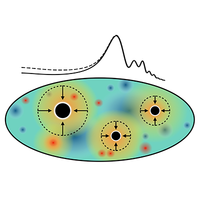
Phys. Rev. Lett. 137, 181401 (2026)
Cosmology, Astrophysics, and Gravitation
Real-Space Imaging of Thomson Charge Configurations in Superfluid Helium Nanodroplets
Article | Atomic, Molecular, and Optical Physics | 2026-10-26 06:00 EDT
Thomas Pohl, Jan Mayerhofer, Hanqing Liu, Arin Mizouri, Hao Sha, Masoomeh Mahmoodi Darian, Fabio Zappa, Andrew M. Ellis, David J. Wales, Shengfu Yang, and Paul Scheier
Predicting the lowest-energy arrangement of like charges on a sphere defines the Thomson problem, a long-standing challenge with analytical solutions only for a few small systems. We report a real-space experimental realization using superfluid helium nanodroplets, where surface-localized charges ar…
Phys. Rev. Lett. 137, 183001 (2026)
Atomic, Molecular, and Optical Physics
Self-Synchronized Soft X-Ray and Infrared Free-Electron Lasers from a Single Prebunched Electron Beam
Article | Plasma and Solar Physics, Accelerators and Beams | 2026-10-26 06:00 EDT
Yin Kang et al.
Ultrafast pump-probe spectroscopy combining intense infrared and x-ray pulses is an important tool for investigating complex structural and electronic dynamics in materials. However, current configurations combining external sources and x-ray free-electron lasers (FELs) often suffer from high system…
Phys. Rev. Lett. 137, 185001 (2026)
Plasma and Solar Physics, Accelerators and Beams
Exciton-Based Sensing of Remote Electron Correlations in 2D Heterostructures
Article | Condensed Matter and Materials | 2026-10-26 06:00 EDT
Tobias M. R. Wolf, Tian Xie, Chenhao Jin, and Allan H. MacDonald
Many monolayer transition metal dichalcogenides, including , , , and , are direct band gap two-dimensional (2D) semiconductors with sharp optical resonances at excitonic bound state frequencies. Recent adjacent-layer sensing experiments have demonstrated that excitonic resonance freq…
Phys. Rev. Lett. 137, 186501 (2026)
Condensed Matter and Materials
Microscopic Geometric Theory for Gapped Excitations in Fractional Topological Fluids
Article | Condensed Matter and Materials | 2026-10-26 06:00 EDT
Yuzhu Wang and Bo Yang
We propose a geometric description of all gapped excitations in fractional quantum Hall phases that reveals several fundamental understandings with experimental consequences. These include a duality between the Hilbert space of multiple gapped "gravitonlike" spin 2 excitations at Laughlin phas…
Phys. Rev. Lett. 137, 186502 (2026)
Condensed Matter and Materials
Millisecond-Coherent 2D Nuclear Shells around ${V}_{\mathrm{B}}^{-}$ Defects in hBN
Article | Condensed Matter and Materials | 2026-10-26 06:00 EDT
G. V. Mamin, E. V. Dmitrieva, F. F. Murzakhanov, I. N. Gracheva, K. L. Franzke, T. Biktagirov, W. G. Schmidt, U. Gerstmann, and V. A. Soltamov
We demonstrate an essentially two-dimensional (2D) driven central-spin regime based on negatively charged boron vacancy () defects in the dense nuclear quadrupolar lattice of hexagonal boron nitride (hBN). At 3 T magnetic field, the bath collapses into classes of planar, equidistant nuclei. E…
Phys. Rev. Lett. 137, 186701 (2026)
Condensed Matter and Materials
Nonreciprocal Lensing and Backscattering Suppression via Magneto-optical Nonlocality
Article | Condensed Matter and Materials | 2026-10-26 06:00 EDT
Dmitry Vagin and Maxim A. Gorlach
We introduce a special kind of nonreciprocal electromagnetic response that gives rise to backscattering suppression in the bulk, a long-sought feature in topological photonics, as well as nonreciprocal lensing--an effect when the same structure focuses light incident from one direction and defocuses …
Phys. Rev. Lett. 137, 186901 (2026)
Condensed Matter and Materials
Using the Force Landscape of an Active Solid to Predict Plastic Deformation
Article | Polymers, Chemical Physics, Soft Matter, and Biological Physics | 2026-10-26 06:00 EDT
Tyler Hain, Edan Lerner, and M. Lisa Manning
Nonactive disordered solids feature quasilocalized excitations that control plasticity, similar to crystal lattice defects, identified via harmonic or anharmonic analyses of the potential energy landscape. We extend this idea to active matter, focusing on dense packings of self-propelled rods. We ge…
Phys. Rev. Lett. 137, 188301 (2026)
Polymers, Chemical Physics, Soft Matter, and Biological Physics
Physical Review X
Thermodynamic Space of Chemical Reaction Networks
Article | | 2026-10-26 06:00 EDT
Shiling Liang (梁师翎), Paolo De Los Rios, and Daniel Maria Busiello
By deriving bounds on reaction affinities and stationary concentrations, this work defines the thermodynamic space of chemical reaction networks and establishes their fundamental thermodynamic constraints.

Phys. Rev. X 16, 041026 (2026)
Review of Modern Physics
Viscosity variation in fluid flows across scales
Article | General physics | 2026-10-26 06:00 EDT
Arjun Sharma, Ritabrata Thakur, Sharath Jose, and Rama Govindarajan
Although most treatments of fluid mechanics consider the fluid viscosity to be constant or uniform, many systems have a viscosity that varies in time or space. Examples arise in microbial habitats, in the ocean, and in Earth's mantle. In this review, the authors explain how viscosity gradients occur in real systems, examine how these gradients lead to new phenomena at both low and high Reynolds number, and highlight open research questions.
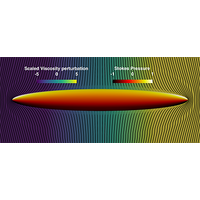
Rev. Mod. Phys. 98, 045002 (2026)
General physics
arXiv
Chemistry-resolved disagreement between Materials Project-compatible PBE(+U) and r2SCAN stability verdicts in the GNoME materials database
New Submission | Materials Science (cond-mat.mtrl-sci) | 2026-10-27 20:00 EDT
GNoME’s stability labels rest on a Materials Project-compatible GGA/GGA+U workflow. Its authors report that 84% of discovered binaries and ternaries retain a negative decomposition energy under r2SCAN and 86.8% of tested quaternaries remain stable on the r2SCAN hull. We resolve that aggregate by chemistry over the 139,541 GNoME materials released with r2SCAN recomputations, a subset the dataset authors selected rather than sampled, using cluster bootstrap intervals over 8,429 structural-prototype proxy clusters.
The aggregate conceals a 26.7-point spread at fixed element count, from 4.0% [3.3, 4.7] for plain quaternary intermetallics (no lanthanide, no 3d metal) to 30.7% [27.7, 33.8] for lanthanide-free 3d-containing quaternary oxides, a pair identified post hoc against a prospectively fixed threshold. Under our reading of the release’s “All” reference set the two cells sit at 14.5% and 37.4%, preserving a 22.9-point spread. Presence of a Materials Project Hubbard-U-list element is strongly associated with disagreement, conditional on the other covariates, in a model over all 139,541 materials (cluster-robust odds ratio 3.45 [3.13, 3.80]). Neither selective U application nor hull proximity explains the association away: disagreement stays elevated outside the U-treated regime, and a natural cubic spline in the continuous PBE decomposition energy moves the odds ratio in the 117,018-material model only from 3.53 to 3.43 [3.07, 3.83]. For allocating a verification budget, composition supplements hull proximity rather than replacing it: over held-out cluster splits at a 20% budget, the two together surface 45.8% of disagreements against 40.4% for hull distance alone. An exploratory comparison against previously catalogued materials changes direction between populations. We measure disagreement between two workflows, not accuracy.
Materials Science (cond-mat.mtrl-sci)
40 pages, 3 figures, 18 tables. Code, pre-committed decision rules and full reproduction pipeline: this https URL
On the Doppler Effect in Static Materials: Vortices and Black, White and Worm-Hole Like Wave Trajectories
New Submission | Materials Science (cond-mat.mtrl-sci) | 2026-10-27 20:00 EDT
We demonstrate the Doppler effect in a static material. The effect is achieved with a network of thin waveguides whose lengths depend on the direction of travel, chosen to simulate the compression and expansion of the wave experienced by a source travelling with velocity $ v$ . Each edge of length $ \ell$ becomes a pair of waveguides of lengths $ \ell/(1\mp v/c)$ , one for each direction of travel. On a lattice this gives the field pattern of a moving source. To demonstrate the effect, we design a vortex, an analogue black hole and wormhole.
Materials Science (cond-mat.mtrl-sci), General Relativity and Quantum Cosmology (gr-qc)
The Ising lattice gas and the surface diffusion of CO on Cu(001) at finite coverage
New Submission | Statistical Mechanics (cond-mat.stat-mech) | 2026-10-27 20:00 EDT
The memory equation of the coherent intermediate scattering function (ISF), derived previously for lattice gases, is applied to the Ising lattice gas under Kawasaki dynamics. The ISF follows the decay of a density wave of adparticles, a superposition of exponential relaxation modes: the decay starts at a rate fixed by a sum rule and is then slowed by a memory. The static structure factor and the effective hop rate are obtained in closed form, exactly along a one-dimensional channel; with the sum rule they give a single exponential, a lower bound on the ISF. Exact relaxation spectra show that this single exponential, built from equilibrium quantities alone, reproduces the correlation time only at weak coupling; only there can a measured dephasing rate be read through the statics. For strong attraction the slow dissolution of clusters lengthens the correlation time up to ninefold, whereas a repulsive layer relaxes nearly as a single mode at its structure peak. The dephasing rate, fitted over a time window where it is nearly constant, approaches the slowest relaxation rate, not the initial one; the sum rule reaches the data only through the area beneath the normalized decay, which defines the correlation time. For CO/Cu(001), the lattice gas reproduces the dephasing rates measured along two crystal directions and requires a nearest-neighbour repulsion of at least $ 35$ –$ 50$ ~meV, whatever the jump rates; the measured rate is then close to the inverse correlation time, and the memory is predicted to grow with coverage.
Statistical Mechanics (cond-mat.stat-mech)
22 pages; 6 figures; 1 table
Cooperation of itinerant and localized physics in the magnetic phase diagram of 214 Ruddlesden-Popper iridates
New Submission | Strongly Correlated Electrons (cond-mat.str-el) | 2026-10-27 20:00 EDT
Francesco Cassol, Michele Casula, Benjamin Lenz
The $ 5d^5$ Ruddlesden-Popper iridates Sr$ _2$ IrO$ _4$ and Ba$ _2$ IrO$ _4$ have attracted considerable attention as spin-orbit entangled analogues of the cuprates, yet the origin of their antiferromagnetic insulating state, of Slater or of Mott-Heisenberg type, remains debated. We find that both materials sit in an intermediate regime in which itinerant and localized electrons cooperate in stabilizing the antiferromagnetic order, with Ba$ _2$ IrO$ _4$ slightly more correlated than Sr$ _2$ IrO$ 4$ . We obtain this by computing, within dynamical mean-field theory, the interaction-temperature phase diagram of a realistic three-orbital $ t{2g}$ Hubbard model with spin-orbit coupling. Our study shows that neither the behavior of the gap across the Néel temperature nor the spin-polaron features of the spectral function unambiguously identify the cooperative regime, whereas the two-peak structure of the optical conductivity is reproduced only there and therefore constitutes a reliable fingerprint. By placing both compounds in a common phase diagram, our results reconcile seemingly contradictory experimental and theoretical reports, and provide a unified framework for future studies of the 214 iridates and of other spin-orbit coupled correlated materials.
Strongly Correlated Electrons (cond-mat.str-el)
13 pages, 13 figures
Orbital Hall response of spin-1 fermions with a curved central band
New Submission | Mesoscale and Nanoscale Physics (cond-mat.mes-hall) | 2026-10-27 20:00 EDT
J. H. Warnes, Dayana Joy, Pankaj Bhalla, Rhonald Burgos Atencia
We investigate the orbital Hall effect in a three-band system described by a low-energy Hamiltonian containing both linear and quadratic momentum-dependent contributions. The linear term lifts the degeneracy between the dispersive bands, providing a minimal setting to study orbital transport in a multiband system with a curved central band. Within a quantum kinetic approach, we derive the intrinsic orbital Hall response and analyze its microscopic origin in terms of interband coherence induced by an external electric field. We show that the orbital Hall conductivity arises from the interplay between the momentum-dependent orbital character of the eigenstates and transitions between different bands. The spin-1 structure provides a particularly transparent platform in which the contributions associated with different interband channels can be identified separately. We further show that the differential orbital Hall response provides a direct probe of the low-energy structure, exhibiting distinct scaling singularities associated with the linear and quadratic bands, respectively, while remaining independent of the ultraviolet cutoff. Our results establish a connection between the multiband quantum geometry of spin-1 fermions and their transverse orbital response, and provide a simple framework for investigating orbital transport beyond two-band models.
Mesoscale and Nanoscale Physics (cond-mat.mes-hall)
18 pages, 4 figures
Evolution of microstructure and crystallographic texture in a novel Zr-4Nb-2Al alloy during hot rotary swaging
New Submission | Materials Science (cond-mat.mtrl-sci) | 2026-10-27 20:00 EDT
Adam Strnad, Jana Šmilauerová, Josef Stráský, Lukáš Horák, Jan Čapek, Alžběta Endrychová, Martin Holčák, Jiří Zýka, Miloš Janeček, Petr Harcuba
A multi-step induction-assisted hot rotary swaging route was developed for the novel dual-phase Zr-4Nb-2Al alloy to investigate the evolution of microstructure, crystallographic texture, and mechanical properties during sequential deformation. Phase-transformation temperatures determined by electrical resistivity measurements were used to select processing conditions in the single-phase $ \beta$ field at 880°C and the $ \alpha+\beta$ field at 780°C. Induction heating with thermographic temperature control enabled reduction of the initial 12 mm rod to 6.3 mm, corresponding to a total area reduction of 72%. Swaging in the $ \beta$ field refined millimetre-sized prior-$ \beta$ grains to approximately 100 $ \mu$ m, while subsequent cooling produced a fine lamellar $ \alpha+\beta$ microstructure. Further deformation in the $ \alpha+\beta$ field disrupted the lamellar structure, promoted globularisation and recrystallisation of the $ \alpha$ phase, and refined the $ \beta$ phase. The microstructural evolution was accompanied by a pronounced $ \langle 11\bar{2}0\rangle_{\alpha}\parallel\mathrm{SD}$ fibre texture in the $ \alpha$ phase, whereas the $ \beta$ phase exhibited predominantly $ \langle 110\rangle_{\beta}\parallel\mathrm{SD}$ together with a $ \langle 111\rangle_{\beta}\parallel\mathrm{SD}$ component. The phase constitution remained comparatively stable, with approximately 12-15 wt.% retained $ \beta$ throughout processing. Subsequent $ \alpha+\beta$ swaging decreased the compressive yield strength from 1103 to 839 MPa while increasing plastic deformability, with a maximum fracture strain of 32%. Radial hardness heterogeneity was progressively eliminated. These results demonstrate that induction-assisted rotary swaging in selected phase fields provides an effective route for tailoring microstructure, texture, and mechanical response in dual-phase zirconium alloys.
Materials Science (cond-mat.mtrl-sci)
25 pages, 15 figures; submitted to Journal of Alloys and Compounds
Winding-Controlled Topological Descendants of Antialtermagnets
New Submission | Materials Science (cond-mat.mtrl-sci) | 2026-10-27 20:00 EDT
Sahar Izadi Vishkayi, Carmine Autieri, Meysam Bagheri Tagani
Odd-parity spin splitting constrains magnetic band crossings but does not determine their topological descendants. We show that the Chern contribution of an isolated inverted sector is controlled by the phase winding of its transverse mass pair: when the masses and tangential velocities reverse together, contributions from successive Dirac points add rather than cancel. This distinguishes topological winding from the polynomial degree labeling the magnetic parent. For specified complementary masses, periodic tetragonal $ h$ - and hexagonal $ j$ -wave models host eight and twelve same-chirality Weyl points on a momentum plane, with gapped-slice Chern numbers $ |C|=4$ and $ 6$ , respectively. A microscopic four-band $ p$ -wave model identifies an antiunitary obstruction to first-order transverse masses and demonstrates a symmetry-broken $ C=1$ phase at quarter filling. First-principles calculations for the proposed coplanar spin-vortex texture of LaMnAu$ _5$ reveal the $ h$ -wave nodal pattern, its anisotropic spin–orbit reconstruction, and a mirror-channel spectral response that reverses under opposite spin rotations. Together, these results distinguish the symmetry of an odd-parity magnetic parent from the mass structure controlling the topology of its descendants.
Materials Science (cond-mat.mtrl-sci)
7 pages, 3 figures and Supplementary file
Unified First-Principles Theory of Finite-Wave-Vector Photocurrents in Crystals
New Submission | Mesoscale and Nanoscale Physics (cond-mat.mes-hall) | 2026-10-27 20:00 EDT
Bumseop Kim, Sayed Ali Akbar Ghorashi, Yicong Chen, Ritesh Agarwal, Andrew M. Rappe
Spatially structured light carries independent phase and envelope variations in addition to its polarization and frequency. We develop a first-principles theory of second-order dc photocurrents (especially shift and injection) that resolves how these optical degrees of freedom drive distinct dc responses in crystals. The second-order dc response couples two optical field components at the same frequency but with generally different wave vectors. Expanding the response to first order in these wave vectors identifies two rank-four material tensors: $ \xi$ , which couples to the optical phase gradient and contains the plane-wave photon-drag limit, and $ \zeta$ , which couples to the intensity gradient and describes a spatially varying dc current. Wannier-interpolated calculations for monolayer GeS show symmetry-allowed finite-wave-vector responses that survive at a centrosymmetric structure where conventional bulk photovoltaic effect vanishes. For a Gaussian beam with a uniform phase gradient, the phase-gradient contribution drives current in the same direction on both sides of the beam center, whereas the intensity-gradient contribution drives currents in opposite directions, showing that distinct photocurrent patterns can be selected through the wavefront and envelope of light. A multipolar analysis further resolves the optical corrections into electric-quadrupole, orbital magnetic-dipole, and band-dispersion contributions. Together, these results show how the spatial structure of light can serve as an independent control variable for nonlinear photocurrent generation and provide a first-principles route to predict this response in real materials.
Mesoscale and Nanoscale Physics (cond-mat.mes-hall)
3 figures
Chern non-trivial two-dimensional square-net nodal line semimetal
New Submission | Mesoscale and Nanoscale Physics (cond-mat.mes-hall) | 2026-10-27 20:00 EDT
Kendall Ramos, Salvador Barraza-Lopez, Elias Andrade
We investigate a two-dimensional $ p_xp_y$ square-net tight-binding model with two sublattices and introduce a symmetry-informed, momentum-dependent spin-orbit coupling (SOC) with a finite-range real-space hopping representation. Its two components jointly gap the nodal line, while one breaks time-reversal symmetry, producing a Chern-insulating phase with an occupied band Chern number $ C=2$ . Nanoribbon calculations reveal edge-localized states traversing this gap, with two net chiral modes per edge. We further show that the conserved spin sectors are unitarily equivalent and therefore have equal Chern numbers, ruling out a nontrivial time-reversal-protected $ \mathbb{Z}_2$ phase within this ansatz. Our results establish a phenomenological route to Chern topology in square-net two-dimensional systems and clarify the symmetry constraints governing the accessible insulating phases.
Mesoscale and Nanoscale Physics (cond-mat.mes-hall)
6 pages, 4 figures
Exploring Joint-Embedding Predictive Architectures for Self-Supervised Representation Learning of Powder X-ray Diffraction Patterns
New Submission | Materials Science (cond-mat.mtrl-sci) | 2026-10-27 20:00 EDT
Ming-Chiang Chang, Brian DeCost
Powder X-ray diffraction (XRD) is the primary high-throughput method for resolving crystal structures, a cornerstone of materials science. As high-throughput synthesis and self-driving laboratories advance, automated XRD pattern analysis has become vital for accelerating materials discovery. However, traditional matrix factorization methods fail when lattice variations cause non-linear peak shifts. At the same time, supervised learning approaches face a combinatorial explosion when handling multi-phase mixtures. To overcome these challenges, we adopt a self-supervised Joint Embedding Predictive Architecture (JEPA) to learn representation embeddings from 1D diffraction patterns. By optimizing a masked self-prediction loss directly within the latent space, the framework captures high-level crystallographic semantics. Downstream evaluations show that lightweight attentive probes trained on frozen JEPA representations achieve space group classification and lattice parameter estimation accuracy close to much larger supervised vision transformers. Furthermore, latent probing reveals that the learned representation space naturally organizes physical transformations, isolating smooth trajectories for peak broadening. Interestingly, decoding along latent paths between single-phase crystal representations yields realistic multi-phase mixture patterns, demonstrating an emergent continuous structure learned without explicit multi-phase supervision.
Materials Science (cond-mat.mtrl-sci), Artificial Intelligence (cs.AI), Machine Learning (cs.LG)
8 pages, 6 figures, 1 table. Accepted by AAAI 2026 Fall Symposium Series Workshop “Parsimonious Scientific Machine Learning: Accelerating Scientific Discovery with AI under Data and Compute Constraints”
Optimal Search Strategies under Finite Resource Constraints
New Submission | Statistical Mechanics (cond-mat.stat-mech) | 2026-10-27 20:00 EDT
Improving target search is a challenge faced by many natural and artificial agents, often requiring the use of energetic or material resources. These inputs may be supplied by an external controller or generated by the searcher itself, for example, through the deposition of cues along its trajectory. Although such resources are commonly modeled as costly but available without an explicit limit, in practice, they can often only be produced in finite amounts. Here, we go beyond the assumption of an unlimited supply of resources by investigating searches in which a finite resource budget must be allocated throughout the search process. To investigate this problem, we equip a one-dimensional diffusive searcher with three types of resources: an external force, a supply of partially reflecting flags, and auto-chemotactic cues. We derive exact optimal resource-allocation protocols for informed search processes in which the agent has continuous access to its past and current positions, which we find to always require resource allocation to be spatially concentrated. We then determine the corresponding protocols for blind searchers and show that resource usage must be more evenly distributed. Non-Markovian cues that generate environmental memory are found to substantially improve search performance when the agent has access to positional information, even under finite-resource constraints. In contrast, their benefits are considerably more limited for blind search, particularly when the cues provide no directional information.
Statistical Mechanics (cond-mat.stat-mech), Data Analysis, Statistics and Probability (physics.data-an)
OpenFerro: a unified framework for mesoscale ferroic dynamics and enhanced sampling
New Submission | Materials Science (cond-mat.mtrl-sci) | 2026-10-27 20:00 EDT
Modeling ferroic materials requires connecting microscopic fluctuations to collective dynamics over mesoscales. We introduce OpenFerro, a unified lattice-field dynamics framework that combines flexible Hamiltonians, automatic differentiation, parallel execution, and enhanced sampling. The same framework can simulate ferroelectric domain motion, magnetic disordering, and coupled spin-lattice thermodynamics. On four graphics processors, a bulk BaTiO$ _3$ benchmark with long-range dipolar interaction reaches $ 840^3$ unit cells, representing 3 billion atoms through the retained lattice variables. We simulate polarization textures in a PbTiO$ _3$ /SrTiO$ _3$ superlattice spanning $ 0.8\mu\mathrm{m}$ laterally and a BaTiO$ _3$ nanoparticle 200nm in diameter, retaining unit-cell resolution. We also demonstrate enhanced-sampling simulations that reconstruct the polarization free-energy surface of bulk BaTiO$ _3$ without a prescribed polynomial form. With moderate computational resources, OpenFerro achieves atomistic-resolution simulations at mesoscopic scales traditionally studied with continuum models.
Materials Science (cond-mat.mtrl-sci), Mesoscale and Nanoscale Physics (cond-mat.mes-hall), Statistical Mechanics (cond-mat.stat-mech)
Elasto-Plastocapillarity: Surface-Tension-Driven Flows of Yield-Stress Fluids
New Submission | Soft Condensed Matter (cond-mat.soft) | 2026-10-27 20:00 EDT
In this perspective article, we introduce elasto-plastocapillarity: surface-tension-driven free-surface flows of yield-stress fluids in which capillary stresses compete with yielding and elastic relaxation. We frame the relevant parameter space, and highlight representative problems (drops, bubbles, jets/filaments, thin films, and porous media) that are central to applications ranging from additive manufacturing and coatings to biological flows. We then outline a set of timely open challenges, including surface-tension measurements, breakdown of scale separation near the microstructures, coupled bulk-interface flow experimental diagnosis, interfacial rheology and surface stresses, history dependence, constitutive models and boundary conditions, reduced theoretical models, and the emerging opportunity provided by artificial intelligence and microgravity; aimed at guiding future experiments, theory, and computation.
Soft Condensed Matter (cond-mat.soft), Fluid Dynamics (physics.flu-dyn)
Distributional statistics of nonequilibrium
New Submission | Statistical Mechanics (cond-mat.stat-mech) | 2026-10-27 20:00 EDT
Harrison Hartle, Aanjaneya Kumar, David H. Wolpert
We establish a reference modeling framework for random probability distributions subject to constraints. Generalizing the hyperensemble approach of Crooks, we formulate Jaynesian priors of maximal uncertainty over the unit simplex of categorical distributions. This framework is entirely general, but we primarily investigate models with constraints on physically relevant quantities, namely, average energy and Shannon entropy. A constraint on the exact value of average energy uniquely determines a Boltzmann-Gibbs equilibrium, but also defines a hyperplanar subset of the probability simplex consisting of all distributions with that value of average energy. The associated hyperensemble has a uniform probability density across all such distributions, regardless of distance to equilibrium. Such reference models make predictions of generic nonequilibrium properties such as the mean and modal microstate distributions and the expected free energy of a random distribution, which we examine analytically and via exact sampling algorithms. Moreover, introducing constraints on Shannon entropy permits parametric access to tunably nonequilibrium regimes. The approach follows conventional Jaynesian modeling logic and is compatible with standard Bayesian inference, and reduces to Boltzmann-Gibbs statistics when Shannon entropy is maximized. We examine the physical predictions of this scheme, and demonstrate its wide compatibility with other approaches to nonequilibrium modeling. We illustrate the framework in three scenarios: (i) comparison to superstatistics quasi-equilibrium modeling, (ii) generation of random nonequilibrium steady states, and (iii) Bayesian inference under a prior hyperensemble. We highlight numerous prospects for theoretical extensions and empirical application.
Statistical Mechanics (cond-mat.stat-mech), Information Theory (cs.IT), Probability (math.PR), Data Analysis, Statistics and Probability (physics.data-an)
23 pages, 5 figures
Controlling transport with structured long-range hopping
New Submission | Disordered Systems and Neural Networks (cond-mat.dis-nn) | 2026-10-27 20:00 EDT
Boris Gurevich, Michael H. Kolodrubetz
The combined effects of disorder and long-range hopping play an important role in determining localization and transport in low-dimensional quantum systems. We study transport in a one-dimensional disordered chain with nearest-neighbor hopping supplemented by a long-range hopping term. The long-range coupling is characterized by site-dependent amplitudes that may be either uniform or random. We investigate the interplay between diagonal disorder and long-range hopping, characterizing the resulting transport efficiency. We find that nearest-neighbor hopping in the presence of uniform long-range hopping amplitudes strongly suppresses delocalization over a range of weak disorder. The disorder-enhanced transport regime, established in previous studies, can be understood here as the recovery of delocalization from this strongly suppressed regime. An analytical solution in the Anderson eigenstate basis reveals the microscopic origin of this behavior. In particular, we show that the low-disorder regime of strongly suppressed delocalization can be eliminated by introducing randomness into the long-range hopping amplitudes, providing an additional mechanism for enhancing transport and qualitatively changing the response of the system to disorder.
Disordered Systems and Neural Networks (cond-mat.dis-nn), Quantum Physics (quant-ph)
15 pages, 7 figures
Mapping bimodal colloidal depletion systems onto the monodisperse gelation phase diagram
New Submission | Soft Condensed Matter (cond-mat.soft) | 2026-10-27 20:00 EDT
Robert A. Campbell, Ziye Zhuang, Ali Mohraz, Safa Jamali
Many industries rely on models of colloidal gelation and phase behavior to predict how processing equipment will handle new product formulations. In colloidal systems with nearly uniform particle size it is possible to predict the formation of a gel from only three state variables; however, the extension of this model to bimodal and multimodal systems is not well described. Here we present a systematic simulation study of the attractive bimodal depletion gel phase diagram. For these systems, we find that gelation is highly dependent on total volume fraction, attraction conditions, and bimodal composition. Attraction and composition can be effectively collapsed into a single parameter using the contact-weighted second virial coefficient. This successfully projects the bimodal phase diagram onto the established monodisperse phase diagram, including accurately describing most bulk assembly properties; however, the underlying network structure of these gels remains highly dependent on the details of bimodal composition and attraction.
Soft Condensed Matter (cond-mat.soft)
Dephasing-powered open quantum-dot battery
New Submission | Mesoscale and Nanoscale Physics (cond-mat.mes-hall) | 2026-10-27 20:00 EDT
Alok Nath Singh, Rafael Sánchez, Andrew N. Jordan
We propose a simple realization of an open quantum battery powered by local dephasing. The setup consists of a triple-quantum-dot chain coupled at one end to a thermal reservoir, with the dot at the opposite end strongly detuned to form a high-energy storage element. Local dephasing populates this highly excited state and autonomously drives the system into a nonequilibrium steady state with high ergotropic efficiency. We find a limit where the ergotropic efficiency approaches unity, while the ergotropy itself approaches one-third of the energy detuning. We characterize the battery through its energy-storage performance, charging time, and stability, showing that the charged state remains long-lived after the dephasing source is switched off. We then demonstrate two complementary protocols for extracting the stored energy. First, nearly all the available ergotropy can be recovered through a simple cyclic unitary protocol involving only modulation of the detuned-dot gate. Second, coupling the detuned dot to an electronic load allows the extraction of electrochemical work exceeding the initial ergotropy, thereby accessing part of the battery’s passive energy. Our results establish local dephasing as an autonomous resource for charging open quantum batteries and demonstrate simple routes for extracting the resulting stored energy in experimentally accessible mesoscopic platforms.
Mesoscale and Nanoscale Physics (cond-mat.mes-hall), Quantum Physics (quant-ph)
Zeptojoule Microwave Calorimetry with Nanosecond Recovery in Graphene
New Submission | Mesoscale and Nanoscale Physics (cond-mat.mes-hall) | 2026-10-27 20:00 EDT
Seunghan Lee, Woochan Jung, Jayeon Kim, Dongsung T. Park, Seong Jang, Seongeun Jeon, Kenji Watanabe, Takashi Taniguchi, Jong-Chul Park, Philip Kim, Kin Chung Fong, Gil-Ho Lee
Graphene calorimeters are predicted to combine extreme energy sensitivity with rapid thermal recovery, yet experiments remain far from ideal estimates. Here, we directly calibrate a graphene Josephson-junction microwave calorimeter using nanosecond pulses and independently determine the thermal parameters of the same operating device. At 110 mK, calibrated pulse measurements yield a characteristic switching-energy scale of 18.1 meV (2.90 zJ), while time-resolved two-pulse thermometry gives an intrinsic relaxation time of 19.5 ns. Pulse-width-dependent calorimetry and bolometric thermometry show that the electronic heat capacity is 12.4 times and the electron-phonon coupling is approximately 50 times larger than ideal estimates. A thermal model using these measured parameters predicts 21.2 meV, quantitatively reproducing the observed switching response. These results identify the microscopic origin of the sensitivity gap in graphene calorimeters and establish a self-consistent calibration framework for ultrafast nanoscale thermal detectors.
Mesoscale and Nanoscale Physics (cond-mat.mes-hall), Quantum Physics (quant-ph)
Dynamic Pseudogap Model: Analytic Results vs Monte Carlo Numerics
New Submission | Disordered Systems and Neural Networks (cond-mat.dis-nn) | 2026-10-27 20:00 EDT
Recently proposed dynamic pseudogap model analytical results for spectral density of an electron scattered by random time-dependent Gaussian field representing fluctuations with finite nesting vector $ {\bf Q}$ , characteristic oscillation frequency $ \omega_0$ and damping $ \gamma$ , leading to pseudogap formation, are compared with exact numerical solution by Monte Carlo (MC) approach. We consider both commensurate (real) and incommensurate (complex) fluctuations, for a wide range of parameters of the model. Electron Green’s function is approximated either by a double Poisson series with history-dependent Bogoliubov gaps or by exact static continued fraction solution. In the coherent regime double-series representation provides description of dynamic sideband formation in the spectral density. As coherence is progressively lost, the theory crosses over to the quasistatic fluctuating-gap regime described by the exact continued-fraction solution. The exact MC solution overcomes the limitations of analytic approach, such as neglect of Magnus-type corrections in commuting approximation, and establish the limits of analytic approach, as well as confirming the exactness of continued fraction solution in static limit. In general, analytic expressions demonstrate rather satisfactory agreement with exact MC numerics within their limits, confirming the overall qualitative physical picture of dynamic pseudogap formation.
Disordered Systems and Neural Networks (cond-mat.dis-nn)
10 pages, 9 figures
First-Principles Investigation of the Structural, Electronic, Optical, Elastic, and Thermoelectric Properties of X2MoSeO6 (X = K, Rb, Cs)
New Submission | Materials Science (cond-mat.mtrl-sci) | 2026-10-27 20:00 EDT
Sha Ajharul Islam Forhat, Md. Rakibul Hasan Rakib, Md. Al Noman Ruhin, Md Tashfiq Bin Kashem
Understanding how alkali-metal substitution influences the coupled physical properties of molybdenum selenite oxides is essential for establishing their composition-structure-property relationships. Although the lighter members of the X2MoSeO6 family have been investigated, the heavier alkali-metal compounds remain comparatively unexplored, particularly regarding their integrated electronic, mechanical, optical, and thermoelectric responses. Here, a comprehensive first-principles investigation of X2MoSeO6 (X = K, Rb, and Cs) is presented using density functional theory and semi-classical Boltzmann transport calculations. The optimized structures exhibit progressive unit-cell expansion with increasing alkali-metal ionic size, while their indirect electronic bandgaps vary non-monotonically, reaching 2.646, 2.216, and 2.427 eV for K2MoSeO6, Rb2MoSeO6, and Cs2MoSeO6, respectively. All three structures satisfy the elastic stability criteria, with Hill-averaged bulk moduli increasing from 16.332 to 20.975 GPa across the series. K2MoSeO6 exhibits the strongest elastic anisotropy, whereas Rb2MoSeO6 possesses the highest static electronic dielectric constant (4.614) and maximum absorption coefficient (2.291\ast106 cm-1). Thermoelectric calculations reveal pronounced carrier-polarity-dependent behavior, with Rb2MoSeO6 attaining a positive Seebeck coefficient of 390.55e-6 V/K at 100 K and an electronic-only figure of merit (ZTe) of 7.286 at 300 K under the selected positive-Seebeck condition. By extending the investigation to the K-Rb-Cs series, this work establishes a comparative foundation for understanding and further exploring the functional characteristics of molybdenum selenite oxides.
Materials Science (cond-mat.mtrl-sci)
Chemical Substitution as a Route to Anomalous Surface Superconductivity in NiBi$_3$
New Submission | Superconductivity (cond-mat.supr-con) | 2026-10-27 20:00 EDT
Anupam Barik, Subhadip Chakrabarty, Achintya Low, Sudip Pal, Setti Thirupathaiah
Stabilizing two-dimensional superconductivity in a bulk superconducting material provides a unique route to exploring the interplay between superconducting condensates of different dimensionalities. Here, we present evidence for a distinct surface-associated superconducting state in Pb-substituted NiBi$ 3$ . NiBi$ {2.8}$ Pb$ {0.2}$ exhibits a resistive onset at $ T{c,\mathrm{onset}}^{\ast}\approx8.1$ K, nearly twice the bulk superconducting transition temperature of approximately 4.1K. The absence of a corresponding Meissner response or specific-heat anomaly at the higher-temperature transition supports its non-bulk origin. A cusp-like angular dependence of the critical field, well described by the two-dimensional Tinkham model, together with nonlinear current–voltage characteristics and signatures of a Berezinskii–Kosterlitz–Thouless transition, establishes the low-dimensional character of this superconducting state. Remarkably, the surface-associated superconductivity persists well beyond the bulk upper critical field, reaching a maximum ratio of $ H{c3}/H{c2}\approx4.3$ , far exceeding the conventional Saint-James–de Gennes value of 1.695. These results demonstrate that Pb substitution can stabilize an anomalously enhanced low-dimensional superconducting state in NiBi$ _3$ , providing a platform for investigating superconductivity at the boundary of a bulk superconductor.
Superconductivity (cond-mat.supr-con), Materials Science (cond-mat.mtrl-sci)
36 pages, 7 Figures
Diffusion of chiral active Brownian particles in oscillatory Poiseuille flow
New Submission | Soft Condensed Matter (cond-mat.soft) | 2026-10-27 20:00 EDT
Anshika Sharma, Vikas Sharma, Narender Khatri, Suneet Kumar Awasthi
Micro- and nanoswimmers diffusing in a fluid flow confined to microchannels are often described by overdamped active Brownian particle dynamics, in which viscous effects dominate and inertia is negligible. Here, we investigate the diffusive behavior of chiral self-propelled particles in a two-dimensional microchannel with oscillatory Poiseuille flow. Using numerical simulations, we show that the effective diffusion coefficient strongly depends on the oscillation frequency, flow strength, intrinsic angular velocity, and rotational diffusion rate. Interestingly, the effective diffusion coefficient can oscillate with oscillation frequency and flow strength, exhibiting distinct maxima and minima. The enhanced diffusion peaks arise from resonant diffusion associated with the matching between the flow oscillation time scale and the intrinsic characteristic diffusion time scale. Moreover, we identify an additional vorticity matching mechanism, leading to alternating channel wall accumulation of particles during successive flow half-cycles. Additionally, chiral particles strongly amplify the resonant diffusion, producing diffusion enhancements of several orders of magnitude compared to nonchiral particles. The results of this study could have implications for controlling the diffusion of self-propelled particles in microfluidic channels using time-dependent flow.
Soft Condensed Matter (cond-mat.soft)
18 pages, 8 figures
Charge state and hydration of vacancies in silicon and silicon carbide in contact with water: A grand-canonical first-principles stability map
New Submission | Materials Science (cond-mat.mtrl-sci) | 2026-10-27 20:00 EDT
The state of a vacancy in a semiconductor is normally described by the Fermi level alone. In wet-etched, electrochemically processed, or humid silicon and silicon carbide, a vacancy also takes up hydrogen and oxygen from water, in amounts set by pH and electrode potential. We treat both effects together by minimizing the grand potential of a vacancy complex over its charge state and hydrogen/oxygen content. The result is a stability map in Fermi level and hydrogen chemical potential, which the computational hydrogen electrode relates to pH and potential. We parameterize it with spin-polarized density functional theory in 64-atom cells, including the vibrational free energy of bound H and O, for the silicon vacancy, its H, O, and OH complexes, and both vacancies of 3C-SiC. Hydrogen binds cooperatively to the silicon vacancy, which goes directly from bare to fully passivated $ V$ H$ _4$ . In contact with water the bare vacancy is never the lowest-energy state. Near neutral pH it binds oxygen from water as the A center, the paramagnetic hydroxyl complex forms below about pH 5 at zero bias, and full passivation to $ V$ H$ 4$ requires cathodic bias. In PBE the Fermi level barely moves these boundaries, because the acceptor levels lie at or above the conduction-band edge. In SiC the first hydrogen binds to the silicon vacancy by 1.97 eV but is unbound at the carbon vacancy (the $ Z{1/2}$ center), so hydrogen from water alone should not passivate it except under cathodic bias.
Materials Science (cond-mat.mtrl-sci), Mesoscale and Nanoscale Physics (cond-mat.mes-hall)
Large spin large deviations for interacting particle systems
New Submission | Statistical Mechanics (cond-mat.stat-mech) | 2026-10-27 20:00 EDT
Cristian Giardinà, Tomohiro Sasamoto
We propose a novel framework for analyzing the sample-path large deviations of interacting particle systems directly on a lattice by considering a large-spin limit ($ s \to \infty$ ). Through an appropriate scaling of variables, the process concentrates around its deterministic trajectory, governed by the lattice diffusion equation. We quantify the exponential cost of observing atypical trajectories by explicitly computing the path-space large deviation rate function from the scaled microscopic generator, based on a theory due to Feng and Kurtz. The rate function is described in terms of a Hamiltonian on a lattice in terms of classical spin variables. Notably, for our main model, the symmetric harmonic process, the corresponding Hamiltonian is identified with the classical integrable non-compact Ishimori spin chain.
Furthermore, we show that our large spin large deviation theory is fully consistent with traditional Macroscopic Fluctuation Theory (MFT), smoothly recovering the standard MFT Hamiltonian in the spatial continuous limit. We also perform a Poisson-noise Martin–Siggia–Rose (MSR) computation to derive the non-linear lattice Hamiltonian directly from microscopic dynamics, use a relative entropy argument to obtain the density-current action, and establish the lattice fluctuation theorem alongside its symmetry origin. Overall, our framework provides a naturally regularized, lattice analogue of MFT that circumvents spatial ultraviolet singularities and possible continuous density blow-ups.
We also apply our new scheme to partial symmetric exclusion process, symmetric inclusion processes, Brownian energy process and integrable heat conduction model, showing how their large-deviation Hamiltonians relate to classical compact and non-compact spin chains.
Statistical Mechanics (cond-mat.stat-mech), Mathematical Physics (math-ph), Probability (math.PR)
27 pages, no fiugre
Phonon-Dressed Quasiparticles in Epitaxial Scandium Nitride Resolved by Soft X-ray ARPES
New Submission | Materials Science (cond-mat.mtrl-sci) | 2026-10-27 20:00 EDT
Sourav Rudra, Dheemahi Rao, Meng-Jie Huang, Subhajit Manna, Renuka Karanje, Aritra Dey, Sanjoy Kr Mahatha, Samuel Poncé, Bivas Saha
Electron-phonon interactions govern quasiparticle energies, lifetimes, and temperature-dependent band structures in semiconductors. However, direct momentum-resolved experimental evidence of their impact on quasiparticle electronic structure remains scarce, particularly in nitride semiconductors. Here, we present conclusive experimental evidence of electron-phonon interaction-induced quasiparticle renormalization and pronounced spectral broadening in p-type scandium nitride (ScN), using soft x-ray angle-resolved photoemission spectroscopy. First-principles spectral-function calculations due to electron-phonon coupling reproduce the measured spectra, capturing a pronounced quasiparticle kink ~2.3 eV below the valence-band maximum, phonon satellite features arising from long-range electron-phonon coupling, and a direct bandgap zero-point renormalization of -124.3 meV within the non-adiabatic Allen-Heine-Cardona approach. We further show that the anomalous temperature-induced increase in the direct bandgap in ScN originates from the combined effects of thermal expansion and electron-phonon coupling, contributing comparably near room temperature. Our results establish ScN as a model platform for visualizing electron-phonon coupling and provide a quantitative benchmark for predictive first-principles descriptions of quasiparticle renormalization in semiconductors.
Materials Science (cond-mat.mtrl-sci)
Effect of Size Asymmetry and Zwitterionic Character of Solvent Ions on Impedance Spectra of Ultradilute Colloidal Suspensions
New Submission | Soft Condensed Matter (cond-mat.soft) | 2026-10-27 20:00 EDT
Meenakshi, Shalini Gupta, Gaurav Goel
Buffer chemistry modulates colloidal impedance critically for label-free biosensing and electrokinetic diagnostics, yet classical models neglect buffer-specific interactions. We studied carboxylated polystyrene (PS) microspheres in conductivity-matched zwitterionic 4-(2-hydroxyethyl)-1-piperazineethanesulfonic acid (HEPES) and phosphate-buffered saline (PBS). Two concentration-dependent regimes emerged: oscillatory at ultradilute concentrations (<0.02 w/v%; Region 1) and monotonic at higher concentrations (Region 2). In Region 1, HEPES at pH 6.9 (approximately 80% zwitterionic) produced the largest deviation of delta Z from the O’Brien prediction. The conductivity increment was opposite in sign to classical expectation. We attribute this to zwitterion-driven interfacial ordering that enhances local conductivity and promotes self-limiting particle clustering. Dynamic light scattering detected cluster formation at 0.008 w/v%, well below aggregation thresholds. Changing pH from 6.9 to 8.1 strongly altered impedance amplitude; DLS profiles remained invariant. This indicates zwitterions modulate electrochemical polarization, not physical assembly. Molecular dynamics simulations showed pH-dependent HEPES organization at the PS surface. At pH 6.9, interfacial charge- and number-density profiles showed comparable oscillatory periodicity. At pH 8.1, anionic HEPES produced a more diffuse profile with increased Na+ compensation. These results support interfacial ordering as a contributor to enhanced conductivity but do not establish discrete layers or registry. Zeta potentials distinguished stable HEPES interfaces from PBS, where magnitude increased with ionic strength, contrary to classical screening theory. These nonlinear signatures and mesoscale organization underscore the role of buffer selection in high-sensitivity impedance biosensing.
Soft Condensed Matter (cond-mat.soft)
44 Pages, 8 Figures, 2 Tables
First-order magnetostructural transition in Ni-Mn-Sn powder - A matter of particle and grain size
New Submission | Materials Science (cond-mat.mtrl-sci) | 2026-10-27 20:00 EDT
Johannes Puy, David Koch, Enrico Bruder, Sagar Ghorai, Benedikt Beckmann, Heiner Gutte, Volodymyr Baran, Oliver Gutfleisch, Franziska Scheibel
In Ni-Mn-based Heusler alloys, the magnetocaloric effect originates from a first-order magnetostructural transition (FOMST). However, the influence of particle and grain size on thermal hysteresis, transition width, and nucleation and growth mechanism remains poorly understood, as mechanical grinding can introduce residual stresses and processing-induced defects. In this study, we examined the size dependence of the FOMST in gas-atomized Ni-Mn-Sn powder by combining microstructural characterization with temperature-dependent XRD, magnetometry, calorimetry and single-particle measurements, enabling decoupling of size dependence from processing-related influences. We observed a pronounced size dependence of the transition ranges (Ms-Mf) and (Af-As), which decrease with decreasing particle size and approach zero for single-crystalline particles below ~20-30 micrometer. The thermal hysteresis decreases with increasing particle size, reaching a lower limit of 17 K for large polycrystalline particles above 100 micrometer. EBSD reveals a nearly constant grain size, implying a transition from polycrystalline to single-crystalline particles as particle size decreases. In polycrystalline particles, multiple grains transform gradually over an extended temperature interval because grain boundaries act as barriers to the progression of transformation. In contrast, single-grain particles lack preferred nucleation sites, resulting in larger hysteresis, while the absence of barriers to transformation propagation causes the entire particle to transform in a narrow range. These results demonstrate that the size dependence of the FOMST is governed by the interplay between particle size, grain boundaries, and the free particle surface.
Materials Science (cond-mat.mtrl-sci)
Exact Magnetic Confinement of a Doped Hole by Kinetic Frustration
New Submission | Strongly Correlated Electrons (cond-mat.str-el) | 2026-10-27 20:00 EDT
Nikolai Peshcherenko, Yixin Zhang, Cristian D. Batista, Yang Zhang
We establish an exact mechanism of magnetic confinement driven purely by kinetic frustration. In a finite open sawtooth $ U=\infty$ Hubbard chain of $ L$ unit cells doped with one hole, the ground state at magnetization $ M$ contains $ M$ polarized triplet dimers surrounding a connected singlet region of length $ \ell_{\rm s}=L-M$ . A magnetic field selects $ M$ and hence the confinement length. The hole forms a standing wave in the singlet region with exponential tails in the triplet background. Confinement requires neither disorder nor an exchange-generated string tension: destructive interference between direct and apex-mediated hopping makes the triplet bonds reflecting. At $ t_2/t_1=[2+4\cos(\pi/(\ell_{\rm s}+2))]^{-1/2}$ , they become perfectly reflecting, producing a position-degenerate compact localized state. At every fixed field $ 0<h<h_{\rm sat}$ , the singlet region remains finite as $ L\to\infty$ and shrinks stepwise with increasing field, whereas at $ h=0$ it spans the system.
Strongly Correlated Electrons (cond-mat.str-el)
Co layer Thickness Driven Structural Evolution and Magnetic Behaviour of Co/Ir/Co Trilayers
New Submission | Materials Science (cond-mat.mtrl-sci) | 2026-10-27 20:00 EDT
Subhavenkadesh SS, Dushyant Singh, Tharundev V V, Subha Maity, Navneet Sharma, Vigneshwari SR, Krista R. Khiangte
Ferromagnetic heavy-metal (FM/HM) trilayer heterostructures provide a versatile platform for investigating the interplay between structural and magnetic properties. In this study, we investigate the effect of Co-layer thickness on the structural and magnetic properties of sputter-deposited $ \mathrm{Co}(t_{\mathrm{Co}})/\mathrm{Ir}(5,\mathrm{nm})/\mathrm{Co}(t_{\mathrm{Co}})$ varying from 2 to 10 nm. Structural characterization using grazing-incidence X-ray diffraction (GIXRD) and high-resolution transmission electron microscopy (HRTEM) reveals a nanocrystalline structure, with the crystallite size increasing with Co-layer thickness. Furthermore, X-ray reflectivity (XRR) reveals a thickness-dependent variation in interface morphology, with the interface roughness ratio reaching a maximum at $ t_{\mathrm{Co}} = 4$ nm. Temperature-dependent zero-field-cooled and field-cooled (ZFC-FC) magnetization measurements reveal thickness-dependent characteristic temperatures and multiple relaxation regimes in selected samples, indicating complex thermally activated magnetic behaviour. In contrast, field-dependent hysteresis measurements reveal that the saturation magnetization increases with Co-layer thickness, whereas the coercivity exhibits a pronounced non-monotonic variation, with enhanced values at intermediate thicknesses. Moreover, low-temperature hysteresis loops display thickness-dependent exchange-bias-like shifts, particularly for $ t_{\mathrm{Co}} = 2$ -$ 4$ nm. These findings highlight the strong influence of Co-layer thickness on the structural and magnetic properties of Co/Ir/Co trilayers.
Materials Science (cond-mat.mtrl-sci), Mesoscale and Nanoscale Physics (cond-mat.mes-hall)
Second-Harmonic Bulk Response of Fractional Quantum Hall Fluids
New Submission | Mesoscale and Nanoscale Physics (cond-mat.mes-hall) | 2026-10-27 20:00 EDT
J. Luke Pimlott, Pablo Reiser, T. Hans Hansson, Habib Rostami
We develop a bulk description for the second-harmonic Hall response of fractional quantum Hall fluids with broken inversion and rotational symmetries, distinct from edge theories based on nonlinear edge-mode dispersion. By projecting a tilted massive Dirac model onto a single low-energy band, we construct a composite-boson Chern–Simons theory for the lowest Landau level that retains projection-induced nonlinear electromagnetic couplings. The nonlinear Hall resistivity vanishes in the dc limit, while its finite-frequency response retains the characteristic filling-factor dependence $ \rho^{(2)}_{TLL}\propto\nu^{-2}$ , where $ \nu$ is the Landau-level filling factor. At low frequency, its real and imaginary parts scale as $ (\omega/\omega_c)^2$ and $ \omega/\omega_c$ , respectively, where $ \omega_c$ is the cyclotron frequency, and the response is strongly anisotropic with respect to the crystalline tilt axis. Notably, the Kohn-mode resonances present in the second-order conductivity cancel in the nonlinear Hall resistivity. These results establish finite-frequency nonlinear transport as a bulk probe of fractional quantum Hall fluids without requiring nonlinear edge-mode dispersion.
Mesoscale and Nanoscale Physics (cond-mat.mes-hall), Strongly Correlated Electrons (cond-mat.str-el)
7+13 pages, 2+1 figures
Perpendicular Anisotropy and g-Factor of Sputtered Ni Films on Si(111) Studied by Angle-Dependent Ferromagnetic Resonance
New Submission | Mesoscale and Nanoscale Physics (cond-mat.mes-hall) | 2026-10-27 20:00 EDT
Dushyant Singh, Tharundev V V, Subha Maity, Subhavenkadesh SS, Vigneshwari SR, Krista R. Khiangte
Ni films with thicknesses of 312 and 1011,Å were grown on Si(111) by dc magnetron sputtering at room temperature and studied by atomic force microscopy, grazing-incidence X-ray diffraction, X-ray reflectivity, magnetometry and angle-dependent ferromagnetic resonance. Both films are polycrystalline fcc Ni with smooth surfaces, a bulk-like (111) lattice spacing and a saturation magnetization of $ {\approx}480$ ,emu,cm$ ^{-3}$ , and both are magnetized in plane. The angular dependence of the resonance field, from the film plane to the film normal, is described by a uniaxial anisotropy model with first- and second-order terms. From this model, $ g = 2.160\pm0.005$ and $ 2.101\pm0.014$ and effective perpendicular anisotropies of $ (6.0\pm0.4)\times10^{5}$ and $ (4.5\pm0.6)\times10^{5}$ ,erg,cm$ ^{-3}$ were obtained for the thinner and thicker film, respectively. The conventional analysis of only the in-plane and perpendicular resonances gives $ g$ -factors that are lower by 0.02–0.04. The perpendicular linewidths give upper limits for the Gilbert damping of $ \alpha \le 0.030$ and $ \le 0.038$ .
Mesoscale and Nanoscale Physics (cond-mat.mes-hall), Materials Science (cond-mat.mtrl-sci)
Effect of niobium doping on the local structure and oxidation state of Co atoms in SrTiO$_3$
New Submission | Materials Science (cond-mat.mtrl-sci) | 2026-10-27 20:00 EDT
A. I. Lebedev, I. A. Sluchinskaya
XAFS spectroscopy combined with first-principles calculations are used to study SrTiO$ _3$ samples simultaneously doped with cobalt and niobium. It is shown that additional doping of the samples with Nb donors results in a decrease in the oxidation state of cobalt atoms to +2, which is accompanied by an increase in the Co–O distance to the nearest oxygen atoms, in agreement with first-principles calculations. The impurity Co atoms are shown to occupy Ti sites and are on-center. The suppression of the oxygen-vacancy formation upon doping SrTiO$ _3$ (Co) with niobium was revealed. First-principles calculations indicate that the Coulomb interaction of ions with local electric fields generated by non-isoelectronic Nb impurities plays a decisive role in the local distortions of atomic positions observed around the cobalt atom in the unit cell. The possibility of controlling the magnetic moment of Co atoms by intentional change in the lattice parameter is demonstrated.
Materials Science (cond-mat.mtrl-sci)
8 pages, 4 figures, 2 tables; authors’ translation to appear in Physics of the Solid State
Aging dynamics and generalized superposition principles in carbon black-carboxymethylcellulose hydrogels
New Submission | Soft Condensed Matter (cond-mat.soft) | 2026-10-27 20:00 EDT
Gauthier Legrand, Guilhem P. Baeza, Jarno L. Waeterloos, Christian Clasen, Sébastien Manneville, Thibaut Divoux
Aqueous dispersions of hydrophobic carbon black (CB) particles can be stabilized by carboxymethylcellulose (CMC), forming CB-CMC hydrogels whose microstructure is controlled by the relative CB-to-polymer content. At low CMC content, CB particles form a percolated, electrically conductive network, whereas at higher polymer content, CB particles act as isolated physical crosslinkers within an electrically insulating polymer matrix [see Legrand \textit{et al.}, Macromolecules 56, 2298-2308 (2023)]. Combining rheology and electrical impedance spectroscopy, we show that these two regimes exhibit markedly different aging dynamics. Conductive hydrogels exhibit logarithmic elastic recovery associated with a percolated CB network, whereas insulating hydrogels exhibit a combination of logarithmic and power-law stiffening, accompanied by dielectric polarization associated with confined ionic motion. The insulating hydrogels further exhibit a time-aging superposition principle, as their viscoelastic spectra measured in a time-resolved fashion can collapse onto a single master curve. Under steady shear, the viscoelastic response measured perpendicular to the flow also obeys a time–shear-rate superposition principle. Remarkably, the scaling between the shift factors under shear is reminiscent of critical-gel behavior, unlike that observed during aging at rest. Finally, time-resolved rheo-USAXS measurements performed during shear-rate cycles reveal structural rearrangements of CB particles and clusters that correlate with rheological hysteresis. These results provide a microstructural basis for understanding the nonlinear rheology of insulating CB-CMC hydrogels and establish generalized superposition principles as a unifying framework for their aging and flow behavior.
Soft Condensed Matter (cond-mat.soft), Materials Science (cond-mat.mtrl-sci), Applied Physics (physics.app-ph)
18 pages, 12 figures
Harnessing Electrostructural Bistability to Control Defects in Polarizable Materials
New Submission | Materials Science (cond-mat.mtrl-sci) | 2026-10-27 20:00 EDT
Tyler C. Sterling, Tomke E. Glier, David Abbe, Rahul Nandkishore, Dmitry Reznik
Structural defects are central to the functionalities of materials. However, conventional approaches to defect control are often slow and imprecise. This work identifies and characterizes a distinct physical phenomenon of electrostructural bistability that provides a rapid and precise pathway for engineering materials with defect-controlled physical properties. A generalized theory of conductivity bistability is developed and experimentally validated to unify two distinct regimes: previously reported electrothermal bistability in weakly polarizable insulators, such as silicon, and electrostructural bistability in strongly polarizable materials, such as TiO$ _2$ . In agreement with the theory, experiments on TiO$ _2$ demonstrate that bulk-homogeneous defect concentrations in electrostructurally bistable materials can be tuned rapidly and deterministically by controlling applied electric current. Abruptly interrupting the current quenches the system into long-lived, room-temperature metastable states with distinct properties. This establishes a practical, rapid, and scalable pathway for defect engineering with direct relevance to nonvolatile memory devices.
Materials Science (cond-mat.mtrl-sci), Applied Physics (physics.app-ph), Chemical Physics (physics.chem-ph)
Chiral Superconductivity Adjacent to a Wigner Crystal in Rhombohedral Graphene
New Submission | Superconductivity (cond-mat.supr-con) | 2026-10-27 20:00 EDT
Can the correlations favoring electron crystallization also generate superconductivity in the neighboring metal? We investigate this possibility in rhombohedral tetralayer graphene with repulsive Coulomb interactions. Self-consistent Hartree–Fock calculations identify a commensurate triangular Wigner-crystal state. To investigate pairing on the metallic side, we construct a crossing-symmetric particle–hole vertex using coupled parquet and Bethe–Salpeter equations, incorporating exchange vertex corrections beyond polarization-bubble screening. Near crystallization, the enhanced electronic correlations generate an effective attraction favoring chiral $ f$ -wave pairing. Superconductivity is confined to a narrow metallic region adjacent to the crystal, qualitatively consistent with the superconducting sleeve observed near an insulating regime in rhombohedral graphene. These results connect the emergence of chiral pairing and its location in the phase diagram to the electronic correlations favoring crystallization.
Superconductivity (cond-mat.supr-con), Strongly Correlated Electrons (cond-mat.str-el)
6 pages, 3 figures
Scattering and Schmid-Bulgadaev Transition in Qubits Based on Josephson Junction Chains
New Submission | Superconductivity (cond-mat.supr-con) | 2026-10-27 20:00 EDT
Sviatoslav D. Krasin, Alexey Radkevich, Emil Rizvanov, Andrew G. Semenov
A Josephson junction subject to an ohmic dissipative environment undergoes a zero-temperature quantum phase transition called Schmid-Bulgadaev transition form an insulating state to a superconducting state upon increasing the impedance of the environment above the resistance quantum. Superconducting qubits based on Josephson junction chains represent a system where it is possible to dynamically explore both sides of this transition by probing the scattering of individual plasma modes of the junction chain on a SQUID at the boundary which was achieved in recent experiments. Here, we provide a theoretical analysis of the scattering in the system paying special attention to the non-perturbative superconducting regime. We find that in this regime, a specific diagrammatic resummation must be performed in order to correctly account for fluctuation renormalization of the SQUID’s potential. We find analytic expressions for the modes’ frequency shifts and quality factors which together provide a full description of scattering. We argue that the non-perturbative nature of the superconducting phase manifests itself through a power-law dependence of the frequency shifts on the SQUID flux and through non-monotonous dependence of the quality factors on the mode frequency. Our predictions may be readily verified in modern low-temperature experiments.
Superconductivity (cond-mat.supr-con)
Emergent parafermions with tunable localization in a quantum circuit network
New Submission | Mesoscale and Nanoscale Physics (cond-mat.mes-hall) | 2026-10-27 20:00 EDT
D. B. Karki, Andrew K. Mitchell
\noindent Quantum circuit simulators with hybrid metal-semiconductor dots provide a versatile platform to realize Kondo anyons. These arise at critical points driven by frustrated Kondo screening of dot charge degrees of freedom and have been demonstrated experimentally in linear circuits of one or two dots. Here we study a triangular triple dot device, where geometric frustration gives rise to an emergent $ \mathbb{Z}_3$ parafermion shared among the three dots. We show that the parafermion can be tunably relocated to any pair of dots by applying gate voltages, and is supported in both the weak-tunneling Kondo limit' and the strong transmission quasiballistic’ regime. The critical states survive strong coupling to external leads and other dots, establishing the basis for a scalable and reconfigurable network architecture in which non-Abelian excitations can be realized and manipulated.
Mesoscale and Nanoscale Physics (cond-mat.mes-hall)
4+ pages, 3 figures
First-Principles-Informed Modeling of Thermal Transport and Laser-Induced Heating in Ultrahigh-Temperature Carbides
New Submission | Materials Science (cond-mat.mtrl-sci) | 2026-10-27 20:00 EDT
Shivanand Yadav, Shailendra Kumar Verma, Vardhman Dwivedi, Raihan Ahammed, Rohitash Kumar, Manvendra Sharma, Pritam Chakraborty, Somnath Bhowmick
Using first-principles density functional theory and Boltzmann transport calculations, we systematically investigate the electronic structure, lattice and electronic thermal transport, optical response, and laser-induced heating of ultrahigh-temperature carbides (UHTCs), including Group IV (TiC, ZrC, and HfC) and Group V carbides (VC, NbC, and TaC), and SiC. The transition-metal carbides (TMCs) exhibit metallic electronic structures, whereas SiC exhibits semiconducting character. The calculated thermal transport properties reveal distinct contributions from phonons and electrons, with electronic heat transport becoming increasingly important at elevated temperatures in TMCs. The Group V carbides exhibit substantially lower lattice thermal conductivity than their Group IV counterparts, accompanied by pronounced Kohn anomalies and modified phonon dispersions associated with their distinct electronic structures, suggesting a possible connection between Fermi-surface topology, phonon dynamics, and lattice thermal transport. In contrast, SiC exhibits comparatively high lattice thermal conductivity, consistent with its long-lived acoustic phonons, but no electronic contribution due to its semiconducting nature. Optical calculations reveal relatively high reflectivity in the visible and infrared spectral ranges for the metallic carbides, whereas SiC exhibits lower reflectivity in the infrared region. Finally, one-dimensional and three-dimensional continuum heat-conduction models are employed to compare the thermal responses of these materials under specified laser irradiation conditions. The predicted temperature distributions depend on the thermal and optical properties of the materials as well as the specimen geometry.
Materials Science (cond-mat.mtrl-sci)
Annealing-atmosphere control of paramagnetic defects in ZnO microparticles
New Submission | Materials Science (cond-mat.mtrl-sci) | 2026-10-27 20:00 EDT
D. Savchenko, M. Holiatkina, A. Prokhorov, A. Vasin, E. Kalabukhova
In this work, we used temperature-dependent electron paramagnetic resonance (EPR) spectroscopy to reveal the effect of high-temperature annealing in N2 and air on paramagnetic and electronic properties of ZnO microparticles. EPR spectral simulations have shown that N2 annealing produces Zni, VO+, and shallow-donor centers, whereas Zni, VO+, and Hi-related centers are observed after annealing the ZnO microparticles in an air atmosphere. The resolved paramagnetic centers exhibit distinctly different behavior over 5-297 K. The shallow-donor and Hi signals are rapidly quenched below approximately 50 K, while the Zni contribution shows a nonmonotonic temperature dependence. In contrast, the VO+ signal persists up to room temperature and increases with temperature, consistent with charge redistribution among donor-related defects involving deep oxygen-vacancy states. The cavity Q-factor generally decreases with increasing temperature for both annealed samples, indicating atmosphere-dependent changes in the microwave losses. These results show that the annealing atmosphere controls the paramagnetic defect population, the temperature dependence of donor-related centers, and the associated electronic response of ZnO microparticles.
Materials Science (cond-mat.mtrl-sci)
13 pages, 5 figures
Momentum-selective graphene spectroscopy of moiré excitons
New Submission | Mesoscale and Nanoscale Physics (cond-mat.mes-hall) | 2026-10-27 20:00 EDT
Far-field photoluminescence probes only the light-cone corner of an exciton’s momentum content, whereas energy transfer to nearby graphene integrates in-plane momenta up to the inverse spacer thickness $ 1/z$ . For a WSe$ _2$ /MoSe$ _2$ heterobilayer we build the transition polarization $ \bm{P}n(\qv)$ of each localized moiré exciton from the registry-dependent vector dipole texture and use each $ \bm{P}n$ for both baths. The two baths rank the states differently: the graphene-rate ratios differ from the optical ones, their ordering inverts with spacer thickness, and the distance exponents at $ z=10$ ,nm spread by more than two units. These ratios are independent of the transition-dipole prefactor. Within the $ C_3$ -symmetric leading-harmonic model the chiral $ p+$ and $ d-$ states are also dark at normal incidence yet transfer to graphene at rates comparable to the bright ground state. Their graphene rate depends on the sign of the texture phase, a quantity invisible in far-field emission, which we determine from first principles. In a device this prediction requires a splitting, larger than the symmetry-breaking mixing, that protects the chiral partners. Graphene proximity thus acts as a momentum-selective near-field probe of moiré excitons, and we propose its use as a practical spectroscopy.
Mesoscale and Nanoscale Physics (cond-mat.mes-hall), Materials Science (cond-mat.mtrl-sci)
21 pages, 10 figures
Deep Scientific Reasoning under Physical Constraints: Structure-Aware Spectrum Prediction
New Submission | Materials Science (cond-mat.mtrl-sci) | 2026-10-27 20:00 EDT
Yingheng Wang, Tao Yu, Shufeng Kong, Francesco Ricci, John M. Gregoire, Carla P. Gomes
Structured scientific spectra encode rich physical information while obeying hard constraints, such as conservation laws and characteristic spectral geometry. Accurate prediction of these spectra is central to materials discovery, yet existing methods often treat them as unconstrained sequences and therefore fail to enforce the underlying physical structure. Taking electronic density of states (eDOS) as the prototypical example, we introduce DeepSciReasoner, a general paradigm for predicting scientific spectra under physical constraints. The framework combines structure-aware spectrum decoding with constraint-preserving physical reasoning, allowing predictions to capture rich spectral structure while respecting the underlying physics. We evaluate DeepSciReasoner on eDOS, phonon density of states (phDOS), X-ray absorption near-edge structure (XANES), and Raman spectra, where it substantially improves prediction accuracy while maintaining physical consistency. These results establish DeepSciReasoner as a reusable blueprint for structured scientific spectrum prediction under hard physical constraints.
Materials Science (cond-mat.mtrl-sci), Artificial Intelligence (cs.AI), Machine Learning (cs.LG)
Published in ICML 2026. Code and data are available on the project page: this https URL
TCSP3.0: Template-Based Crystal Structure Prediction with Coefficient-Preserving Element Substitution and Structural Diversity
New Submission | Materials Science (cond-mat.mtrl-sci) | 2026-10-27 20:00 EDT
Ying Feng, Jeffrey Hu, Lai Wei, Liang Tao, Madeline Miklos, Dipannoy Das Gupta, Hossein Erfanshekooh, Jianjun Hu
Template-based crystal structure prediction (CSP) transfers a known crystal structure to a new composition by element substitution, so its accuracy depends on retrieving suitable templates, mapping elements and ranking the resulting candidates correctly. Auditing the original TCSP2.0 implementation on the T180 benchmark, we found that 469 of its 2,347 selected structures (20%) have the wrong composition, caused by element mappings that ignore stoichiometric coefficients and by sequential text substitution that cascades or corrupts element symbols. We propose TCSP3.0, which enforces coefficient-preserving mappings, substitutes species simultaneously on parsed structures and validates every candidate’s composition and cell. It further adds periodic-number retrieval, soft oxidation-state evidence, radius-compatibility scoring, structural deduplication, and ORB-v3 machine-learning-potential relaxation and energy ranking of its candidates, as used by deep generative CSP baselines. TCSP3.0 achieves Top-1 and Top-20 match rates of 72.2% and 90.6% on T180, compared with 28.3% and 45.6% for TCSP2.0, and a Top-20 match rate of 74.0% on a new 800-target benchmark (T800). On T180 it also outperforms PNcsp+ and deep generative models CrystalFlow and MaskGXT (Top-1 72.2% versus at most 63.9%). Even without relaxation, TCSP3.0 reaches 67.8% at Top-1 and 90.6% at Top-20 in a median of 28 s per target on two CPU cores, about ten times faster than CrystalFlow. Paired ten-arm ablations on T180 and T800 show that most of the improvement comes from the correctness fixes; structural deduplication significantly improves the Top-5 match rate, embedding-based retrieval is required for coverage, and the remaining scoring features have small or null effects.
Materials Science (cond-mat.mtrl-sci), Machine Learning (cs.LG)
23 pages
Electrically Reversible Layer-Tensor Responses in Bilayers
New Submission | Other Condensed Matter (cond-mat.other) | 2026-10-27 20:00 EDT
Zehou Li, Shenda He, Pan Zhou, Baoru Pan, Rui Tan, Lizhong Sun
The layer Hall effect provides a prototypical example of a hidden layer response in van der Waals bilayers: opposite layers carry compensating Hall currents at zero out-of-plane electric field, while an applied out-of-plane electric field $ E_z$ selects one layer over the other and switches the net Hall response. Here we show that this field-switching mechanism is not restricted to Hall transport, but follows from a general symmetry principle for response tensors. We formulate a selection rule for the layer tensor effect (LTE) using Jahn symbols. For a tensor with Jahn symbol $ J$ and rank $ r$ , the stacking operation that exchanges the two layers acts as a coset representative relating the $ +E_z$ and $ -E_z$ states. Tensor components that are odd under this operation are forced to cancel between layers at $ E_z=0$ , and acquire a macroscopic response satisfying $ T_\alpha(+E_z)=-T_\alpha(-E_z)$ . This criterion allows us to enumerate the symmetry-allowed electrically reversible tensor components associated with different Jahn symbols and to identify their physical realizations in common response tensors. We apply the theory to representative anomalous Hall, shift-current, nonlinear Drude, piezoelectric, spin Hall, and spin-photocurrent channels. Model calculations and first-principles simulations further confirm the predicted field-odd responses. Our results establish an electrically switchable LTE framework, providing a unified route to multifunctional layertronic responses in bilayer materials.
Other Condensed Matter (cond-mat.other)
Jensen-Mercer two-sided bounds for entropy production rate
New Submission | Statistical Mechanics (cond-mat.stat-mech) | 2026-10-27 20:00 EDT
Bounds on entropy production convert limited observations into constraints on hidden dissipation. The Jensen bound expresses a lower bound on the total and subsystem entropy production rates of continuous stochastic systems in terms of mean coordinate rates alone. We show that the same convexity structure yields a complementary upper bound, inspired by Mercer’s reflection inequality. For the quadratic entropy-production functional of overdamped Langevin dynamics, Mercer’s reflection inequality is identical to the sharp Bhatia-Davis variance bound and coincides with the convex dual of the smallest affine majorant of the functional over the range of the local current. The two bounds yield a two-sided sandwich controlled solely by the mean drift and the extrema of the current, organized into a hierarchy of optimal bounds in which each further observation tightens the ceiling. The thermodynamic uncertainty relation supplies an independent fluctuation floor. We also treat position-dependent diffusion, underdamped dynamics and the tilted periodic potential, for which the weak-barrier series is obtained in closed form and the strong-barrier regime is solved asymptotically. We check the bounds numerically on the Brownian motor.
Statistical Mechanics (cond-mat.stat-mech)
18 pages, 3 figures
Field misalignment effect on the in-plane magnetoresistance in the high-temperature superconductor FeSe/SrTiO3
New Submission | Superconductivity (cond-mat.supr-con) | 2026-10-27 20:00 EDT
Jie Liu, Zihan Cui, Xiaorong Liu, Yanzhao Liu, Ziqiao Wang, Jian Wang, Yi Liu
The azimuthal angular dependence of the in-plane magnetoresistance provides a powerful probe for detecting rotational symmetry breaking in superconductors, which has significant implications for understanding the superconducting pairing symmetry and the intertwined orders. However, in two-dimensional or layered superconductors with strong anisotropy between in-plane and out-of-plane critical fields, measuring the in-plane magnetoresistance is particularly challenging as it is extremely sensitive to the field misalignment. Here we perform systematic electrical transport measurements on ultrathin FeSe films grown on SrTiO3 substrates. By remounting the same FeSe film to change the field misalignment, two qualitatively different angular dependences of the in-plane magnetoresistance are observed in the superconducting transition region, indicating the extreme sensitivity of the measurement to field misalignment. The observed anisotropic in-plane magnetoresistance can be well captured by our geometric model considering the field misalignment effect. Our work provides a practical framework for disentangling the misalignment effect and investigating the in-plane rotational symmetry breaking in two-dimensional or layered superconductors.
Superconductivity (cond-mat.supr-con), Materials Science (cond-mat.mtrl-sci)
Physical Review B 114, 225413 (2026)
Spin and Charge Photocurrents from Electric-Magnetic Dipole Interference in Centrosymmetric Crystals
New Submission | Materials Science (cond-mat.mtrl-sci) | 2026-10-27 20:00 EDT
Yiwei Zhao, Jian Zhou, Haowei Xu
A common view regarding even-order nonlinear optical (NLO) effects, such as second-harmonic generation and the bulk photovoltaic effect, is that the breaking of inversion symmetry is necessary. However, this view relies on the assumption that light interacts with materials solely through its electric field. Here, we demonstrate that interference between the electric and magnetic components of the same light field can induce even-order NLO effects even in centrosymmetric materials. Using charge and spin photocurrents as prototypical examples, we present a unified microscopic theory showing how such electric-magnetic dipole interference (EMDI) drives NLO responses in inversion-symmetric crystals. Bilinear in both electric and magnetic fields, these responses scale linearly with light intensity. Combining symmetry analysis with first-principles calculations, we decompose the EMDI-induced photocurrents into shift-like and injection-like contributions and classify their dependence on crystal symmetry, time-reversal symmetry, and light polarization. Notably, we reveal that these EMDI-induced responses in centrosymmetric materials are weaker than conventional responses in non-centrosymmetric materials roughly by a factor of fine structure constant $ \alpha \approx [10^{-3}\text{–}10^{-2}] $ . Nevertheless, they remain well within experimental reach. Our work thus unlocks NLO functionalities in centrosymmetric materials for e.g., materials characterization, photonics and optoelectronics. This is vital given that many functionally importantly materials, such as cubic Si and cubic $ \mathrm{SrTiO_3}$ , possess inversion symmetry.
Materials Science (cond-mat.mtrl-sci)
7 pages, 3 figures
Tuning from intrinsic to disorder-dominated quantum states in a kagome antiferromagnet
New Submission | Strongly Correlated Electrons (cond-mat.str-el) | 2026-10-27 20:00 EDT
Y. Tanaka, R. Kumakura, T. Yamaguchi, M. Kato, K. Totsuka, B. Li, Y. Zhao, Y. Li, R. Grasset, O. Cavani, A. Alessi, V. Sharma, Y. Kohama, S. Suetsugu
The spin-1/2 kagome Heisenberg antiferromagnet (AFM) provides a paradigmatic platform for realizing quantum spin-liquid (QSL) and magnetization-plateau states. Experimental progress, however, has been hindered by structural disorder, whose effects on these quantum states remain elusive. A key experimental challenge is therefore to connect intrinsic and disorder-dominated regimes through controlled disorder and identify emergent degrees of freedom associated with disorder. Here we introduce controlled point defects through electron irradiation into the spin-1/2 kagome AFM YCu3(OH)6.5Br2.5 (YCOB) and track the resulting evolution of its low-energy magnetic states. High-field magnetic torque measurements reveal that the 1/9 and 1/3 magnetization plateaus are strongly suppressed by only ~0.05% irradiation-induced defects, demonstrating that these delicate quantum many-body states are extraordinarily fragile against dilute disorder. Moreover, the irradiation induces a sign reversal of the magnetic torque only at low temperatures and low fields, indicating the emergence of correlated defect-induced moments rather than isolated free spins. Remarkably, the characteristic scaling of the magnetic specific heat, absent in pristine YCOB, progressively emerges with increasing disorder. These findings establish dilute disorder as an effective tuning parameter that drives the kagome AFM from intrinsic quantum states toward a disorder-dominated regime. The contrasting responses further identify pristine YCOB as an exceptionally clean kagome AFM for accessing intrinsic quantum states.
Strongly Correlated Electrons (cond-mat.str-el)
19 pages, 11 figures
Andreev Reflection at a Graphene Normal-Superconductor Interface: A Lattice-Continuum Comparison
New Submission | Mesoscale and Nanoscale Physics (cond-mat.mes-hall) | 2026-10-27 20:00 EDT
Dar Faheem Ul Haq, S. S. Z. Ashraf
We compare quadratic continuum and nearest-neighbour tight-binding models of Andreev reflection at a clean graphene normal-superconductor interface. For abrupt changes in chemical potential and pairing potential, with unchanged hopping, the lattice model yields four independent boundary conditions. Its reflection probabilities agree with independent Kwant calculations to numerical precision for the channels examined.
We investigate trigonal warping and its effect on the relation between momentum and group velocity. For $ (\mu_N,\mu_S,\Delta_0,E)/t_0=(0.5,1,0.1,0.05)$ , the Andreev-reflection probability for the $ \xi=+1$ valley peaks at $ 19.9^\circ$ in the lattice model, versus $ 3.4^\circ$ in the quadratic continuum model. These parameters lie outside the expected validity regime of the low-energy approximation. As all energy scales are reduced at fixed ratios, the central angular response and conductance become more consistent with lattice results.
The quadratic continuum boundary problem also requires short-wavelength auxiliary modes outside the validity range of the valley expansion. Thus, differences cannot be attributed to bulk dispersion alone. A small excitation energy relative to chemical potential does not ensure continuum validity; relevant energy scales, modes in both regions, and interface matching assumptions must also be considered.
Mesoscale and Nanoscale Physics (cond-mat.mes-hall)
13 pages,8 figures,
Interfacial Orbital Rashba Edelstein Effect Identified in CoO/Cu/Pt Trilayers
New Submission | Materials Science (cond-mat.mtrl-sci) | 2026-10-27 20:00 EDT
C. Schmitt, S. Krishnia, E. E. Galíndez-Ruales, H. Meer, T. Kikkawa, T. Denneulin, A. Kovács, O. Kuschel, R. E. Dunin-Borkowski, E. Saitoh, T. Kuschel, Y. Mokrousov, M. Kläui
We investigate the generation of orbital angular momentum currents at engineered Cu-oxide interfaces using CoO/Cu/Pt thin-film trilayers. Angular-dependent magnetoresistance measurements on samples with varying Cu interlayer thickness reveal systematic changes in both longitudinal and transverse resistance components, including a sign inversion of the signal. By systematically varying the Cu interlayer thicknesses, we disentangle the spin and orbital contributions to the magnetoresistive response. Our results show that large orbital currents originate from the interfacial orbital Rashba-Edelstein effect due to the presence of the Cu-O bonds at the CoO/Cu interface. Unlike previously studied CoO/Cu bilayers that rely on uncontrolled natural oxidation, our trilayer geometry enables reproducible and stable orbital-current generation at ambient conditions. Our results identify Cu-oxide interfaces as efficient sources of orbital angular momentum and clarify the microscopic mechanism underlying orbital current generation. Consequently, this work establishes a well-defined materials platform for all-orbitronic devices that does not require relativistic spin-orbit coupling or orbital-spin interconversion processes.
Materials Science (cond-mat.mtrl-sci)
Controlling Surface Chemistry in Tin-Lead Perovskites for High-Efficiency Solar Cells
New Submission | Materials Science (cond-mat.mtrl-sci) | 2026-10-27 20:00 EDT
Lijun Chen, Sitong Zhao, Gaukhar Nigmetova, David Garcia Romero, Matteo Pitaro, Sofia Lerda, Edoardo Mosconi, Michael Aidi, Douwe van Netten, Julia Kraft, Jiaxiong Li, Jacopo Pinna, Asya Serafimova, Antonija Grubišić-Čabo, Loredana Protesescu, Giuseppe Portale, Petra Rudolf, Filippo De Angelis, Maria Antonietta Loi
Interfacial nonradiative recombination limits tin-lead perovskite photovoltaics. Here we show that neutral ethylenediamine chelates undercoordinated metals at tin-rich surfaces, weakens metal-iodide bonds, and removes excess tin, reconstructing the surface towards a stoichiometric tin-to-lead ratio. In contrast, protonated ethylenediammonium iodide initially passivates undercoordinated metal sites before undergoing defect-assisted deprotonation. Atomistic simulations reveal that subsurface iodide vacancies promote iodide migration and lower the energetic cost of deprotonation. Ethylenediamine-induced reconstruction produces stronger n-type surface character, facilitates electron extraction into C60, and suppresses interfacial nonradiative recombination, enabling methylammonium-free solar cells with a power conversion efficiency of 25.86%. Together, these distinct surface reaction pathways and the defect-assisted evolution of the passivating species underscore the importance of understanding perovskite surface chemistry for the rational design of molecular passivation strategies.
Materials Science (cond-mat.mtrl-sci), Applied Physics (physics.app-ph)
54 pages, including supplementary information
Controllable charge-spin conversion in sliding multiferroic metal Fe3GaTe2
New Submission | Strongly Correlated Electrons (cond-mat.str-el) | 2026-10-27 20:00 EDT
Tongrui Li, Lidong Zhang, Weiyi Pan
Controlling charge–spin conversion within a single magnetic material is important for compact spintronic devices. Using first-principles calculations, symmetry analysis, and Wannier-based linear response, we study the Edelstein and spin Hall responses of sliding-ferroelectric bilayer \ce{Fe3GaTe2}. Two degenerate ground states with opposite interlayer sliding vectors and out-of-plane dipole moments are separated by a calculated switching barrier of about $ 16.3$ meV per unit cell. Magnetization orientation determines the allowed current-induced spin components, while ferroelectric switching induces component-selective sign reversals governed by $ M_z\mathcal T$ for in-plane magnetization and by $ M_z$ for out-of-plane magnetization. The Edelstein response is strongly energy dependent, with spin accumulation approaching $ 2\hbar$ for $ \mathbf m\parallel+y$ under a reference field of $ 1$ ~V/Å. Momentum-resolved analysis links the TR-even and TR-odd Edelstein responses to $ \Gamma$ -centered constant-energy contours and localized interband features, respectively. Spin-conductivity contributions show the opposite momentum-space character, with broad sign-competing spin Berry curvature for TR-even and narrow Fermi-surface contours for TR-odd. The transverse spin Hall conductivity reaches $ \sim10^{3},(\hbar/e)(\mathrm{S/cm})$ and depends strongly on ferroelectric state and magnetization direction. Magnetization rotations in the $ xy$ and $ xz$ planes reveal symmetry-allowed higher angular harmonics in both spin accumulation and spin-current responses. These results establish sliding-ferroelectric bilayer \ce{Fe3GaTe2} as a tunable platform for reconfigurable spin accumulation and spin-current generation.
Strongly Correlated Electrons (cond-mat.str-el), Materials Science (cond-mat.mtrl-sci)
27 pages, 16 figures
Edelstein Effect in Ferromagnetic Monolayers Fe3GaTe2 and Fe3GeTe2
New Submission | Materials Science (cond-mat.mtrl-sci) | 2026-10-27 20:00 EDT
Tongrui Li, Lidong Zhang, Weiyi Pan
The Edelstein effect enables intrinsic current-induced spin polarization in noncentrosymmetric van der Waals magnets. Here, we compare the Edelstein responses of monolayer \ce{Fe3GaTe2} and \ce{Fe3GeTe2} using first-principles Wannier-based linear-response calculations. Despite sharing the same noncentrosymmetric $ D_{3h}$ symmetry and selection rules, the two materials show markedly different time-reversal-even and -odd spin accumulations in magnitude, sign, and energy dependence. Strong responses occur mainly near $ -0.4$ ~eV in \ce{Fe3GaTe2} and $ +0.4$ ~eV in \ce{Fe3GeTe2}. At the intrinsic Fermi level, atom-resolved analysis shows that Ga-to-Ge substitution reverses the even contribution of the inequivalent Fe3 site for both in-plane magnetization directions and enhances its negative odd contribution, reorganizing the cancellation among atomic sites. Momentum-resolved calculations link the hole-side response of \ce{Fe3GaTe2} to a few large $ \Gamma$ -centered Fermi contours, whereas the electron-side response of \ce{Fe3GeTe2} involves dense Fe-$ 3d$ bands with strong interband contributions. The even response arises from incomplete cancellation of opposite-sign intraband Fermi-surface contributions, while the odd response originates from interband coherence between closely spaced states. Magnetization rotation reveals symmetry-constrained angular dependences with higher-order harmonics, especially in the $ xz$ plane, while biaxial strain causes substantial amplitude changes and sign reversals. These results show how crystal symmetry, electronic structure, magnetization orientation, and lattice deformation govern the intrinsic Edelstein effect in \ce{Fe3$ X$ Te2} ($ X=\mathrm{Ga},\mathrm{Ge}$ ).
Materials Science (cond-mat.mtrl-sci)
17 pages, 10 figures
Virtual defect mediated quantum melting in supersolids
New Submission | Quantum Gases (cond-mat.quant-gas) | 2026-10-27 20:00 EDT
Lazaros Tsaloukidis, Matheus Grossklags, Luca Salasnich, Alejandro Mendoza-Coto
The current understanding of supersolid melting is largely based on mean-field theories predicting that such transitions arise from a structural energy minimization mechanism. Here, we show that soft-core quasi-one-dimensional supersolids stabilized by a shallow external lattice can instead melt at zero temperature into a superfluid phase with quasi-long-range positional order through the proliferation of virtual soliton–antisoliton pairs, leading to a Kosterlitz–Thouless transition. We derive the corresponding Renormalization Group equations from first principles and use them to determine the critical properties of the system. Remarkably, the proliferation of topological defects near criticality strongly renormalizes both the density modulation and the superfluidity behavior. The transition described is intrinsically a beyond mean-field effect, since the external lattice produces only a smooth crossover between weakly and strongly modulated states at the mean-field level.
Quantum Gases (cond-mat.quant-gas), Statistical Mechanics (cond-mat.stat-mech)
8 pages, 3 figures
Crystal-surface polarity enables nonreciprocal transport in a centrosymmetric kagome magnet
New Submission | Materials Science (cond-mat.mtrl-sci) | 2026-10-27 20:00 EDT
Daiki Yamaguchi, Max T. Birch, Hibiki Onodera, Akiko Kikkawa, Naoto Nagaosa, Yoshinori Tokura
Every crystal surface breaks inversion symmetry even when the bulk is centrosymmetric, creating an intrinsic boundary polarity ($ \mathbf{\mathit{P}}$ ). Here we show that this polarity enables zero-field nonreciprocal transport in the centrosymmetric kagome magnets TbMn$ _6$ Sn$ _{6-x}$ In$ _x$ . In symmetric TbMn$ _6$ Sn$ _{4.4}$ In$ _{1.6}$ microdevices, opposing side surfaces exhibit second-harmonic longitudinal resistances of comparable magnitude and opposite sign. Reversing the spontaneous magnetization ($ \mathbf{\mathit{M}}$ ) reverses both signals, whereas rotating $ \mathbf{\mathit{M}}$ so that the toroidal moment $ \mathbf{\mathit{P}} \times \mathbf{\mathit{M}}$ has no component along the current suppresses the response. In pristine TbMn$ _6$ Sn$ _6$ , the signal switches off across the spin-reorientation transition, providing a chemically ordered control of the same symmetry relation. Spatial potential mapping indicates that the nonlinear boundary contribution is distinct from the bulk linear conduction. Spin-orbit-coupled surface states associated with topological bands may enhance the effect. Crystal-surface polarity therefore offers a broadly applicable route to zero-field rectification in centrosymmetric magnetic conductors around room temperature.
Materials Science (cond-mat.mtrl-sci)
Tilt-Controlled Multi-Gap Superconductivity in Type-II Weyl Semimetals
New Submission | Superconductivity (cond-mat.supr-con) | 2026-10-27 20:00 EDT
Mingyu Lee, Myungjun Kang, Sangmo Cheon
In type-II Weyl semimetals, strongly tilted Weyl cones produce coexisting electron and hole pockets, a natural multi-band setting for superconductivity, yet how the tilt controls the number and relative size of the superconducting gaps remains unclear. Here we classify the symmetry-allowed on-site pairing channels of a simple time-reversal symmetric tilted Weyl-semimetal model with $ D_4$ symmetry and identify the fully symmetric $ A_1$ channel as the leading instability for attractive on-site interactions, supporting a fully gapped two-gap state. The tilt acts as a microscopic control parameter, redistributing the band-resolved pairing susceptibility between the two Fermi-surface sectors rather than simply rescaling the total density of states. Once the tilt sufficiently enhances the secondary channel, a robust secondary gap develops and can exceed the primary gap even at weaker effective coupling, while inter-gap coupling locks both gaps to a common critical superconducting temperature. The Weyl cone tilt thus controls the emergence and hierarchy of multi-gap superconductivity.
Superconductivity (cond-mat.supr-con)
Universal Scaling of the Little-Parks Oscillation Amplitude
New Submission | Superconductivity (cond-mat.supr-con) | 2026-10-27 20:00 EDT
Yuelin Shen, Zixuan Huang, Xiaoying Xu, Wei Qin, Yufan Li
The Little-Parks effect played a pivotal role in establishing fluxoid quantization in doubly connected superconductors and providing early evidence for electron pairing, central to BCS theory. More recently, it has emerged as an important phase-sensitive probe of superconducting order. Yet the amplitude of the Little-Parks oscillation has never been fully understood theoretically, as the conventional mean-field Ginzburg-Landau description does not account for its pronounced temperature dependence. Here, we develop a universal theoretical framework incorporating thermal fluctuations in reduced-dimensional superconducting rings. By analyzing Little-Parks measurements across multiple superconductors, we show that the resulting scaling quantitatively captures the temperature-dependent oscillation amplitudes over a broad range of materials and device geometries, resolving the long-standing discrepancy between theory and experiment.
Superconductivity (cond-mat.supr-con)
25 pages, 11 figures
Phase fluctuations dominated superconductivity in a thick Granular Boron-Doped Diamond film
New Submission | Superconductivity (cond-mat.supr-con) | 2026-10-27 20:00 EDT
Sulagna Dutta, Subhajit Chatterjee, Vivas Bagwe, Pritam Das, S. Anantha Bharathi, C. Nikhil, M.S. Ramachandra Rao, Pratap Raychaudhuri
We investigate the superconducting properties of a 1.2-{\mu}m-thick granular boron-doped diamond film, where tightly packed grains form a disordered network of Josephson junctions. The film exhibits a sharp superconducting transition at a critical temperature, T_c ~ 3 K. Its transport properties are well described by the Ambegaokar-Halperin theory of phase fluctuations. Direct measurements of the penetration depth using a two-coil mutual inductance technique reveal classic phase-fluctuation-dominated behavior: below T_c, the superfluid density (n_s) varies linearly over a wide temperature range - a hallmark of thermal phase fluctuations - before crossing over to a T^2 dependence at ultra-low temperatures. Both the large low-temperature penetration depth, {\lambda}(0) ~ 8.8 {\mu}m, and the slope of the linear ns variation in the thermal regime reveal a remarkably low superfluid stiffness in the range of 0.5-0.8 K. These results establish granular boron-doped diamond films as an excellent model system for investigating the role of long-wavelength phase fluctuations in three-dimensional superconductors.
Superconductivity (cond-mat.supr-con), Materials Science (cond-mat.mtrl-sci)
Fermionic superfluid transition and pairing scale separation in the kagome flat band
New Submission | Strongly Correlated Electrons (cond-mat.str-el) | 2026-10-27 20:00 EDT
Flat-band systems provide a promising platform for exploring exotic correlated phases owing to quenched kinetic energy and enhanced interaction effects. In this work, we investigate the flat-band superfluid transition in the attractive kagome Hubbard model using large-scale determinant quantum Monte Carlo simulations accelerated by fast Fourier transforms and delay updates. Through systematic calculations of the transition temperature, spin susceptibility, and density compressibility, we establish the finite-temperature phase diagram at the flat-band filling $ \rho=5/3$ and find a clear linear scaling of the superfluid transition temperature with the interaction strength, $ T_{\mathrm{c}}=0.0314|U|$ . Our results reveal a wide separation of temperature scales between local pair formation and global phase coherence, which stabilizes a broad intermediate supercompressible bosonic fluid region of preformed pairs that bridges the normal Fermi gas and the flat-band superfluid. We further demonstrate that both the transition temperature and density compressibility are significantly enhanced in the flat band compared to van Hove fillings. Our findings highlight the essential role of flat-band-enhanced pair-density fluctuations in separating the pairing and phase-coherence scales, offering clear experimental signatures for probing flat-band superfluidity and superconductivity in cold-atom and kagome-material platforms.
Strongly Correlated Electrons (cond-mat.str-el), Quantum Gases (cond-mat.quant-gas), Superconductivity (cond-mat.supr-con)
6 pages, 5 figures
The Evolution and Current State of Swift-Heavy-Ion Track Modeling
New Submission | Other Condensed Matter (cond-mat.other) | 2026-10-27 20:00 EDT
This paper briefly reviews the modeling approaches to the swift heavy ion (SHI) track formation. It presents a step-by-step derivation of the two-temperature model, highlighting its underlying assumptions and approximations. Special attention is given to identifying assumptions that fail under the typical SHI track conditions, and what methods currently exist to go beyond them. As an alternative to analytical approximations, a combined Monte Carlo- molecular dynamics model is demonstrated, outlining its basic assumptions, their justifications, and validations. Finally, the paper addresses bottlenecks of the current multiscale approach, its remaining weaknesses, and necessary further developments of the theory and models.
Other Condensed Matter (cond-mat.other)
Proceedings for ICACS & SHIM Conference 2026
Transition Metal-Anchored Newly Synthesized Aza-Triphenylene Monolayer for Efficient Hydrogen Evolution Reaction: Insights from DFT
New Submission | Materials Science (cond-mat.mtrl-sci) | 2026-10-27 20:00 EDT
Soumendra Kumar Das, Jagannath Pradhan, Prasanjit Samal, Sridhar Sahu, Brahmananda Chakraborty
First-principles calculations were employed to explore the hydrogen evolution reaction (HER) activity in two-dimensional aza-triphenylene monolayers functionalized with transition metals. Among the various metals studied, Co, Ru, and Y demonstrate outstanding catalytic efficacy, lowering the hydrogen adsorption free energy from -0.78 eV for pure aza-triphenylene to 0.05, 0.20, and 0.06 eV, respectively. Volcano plot analysis corroborates their enhanced HER activity. Ab initio molecular dynamics simulations confirm thermal stability, while the electronic structure and charge transfer analysis reveal the strong catalyst-surface interaction. Metal decoration also improves the carrier mobility, particularly for Ru-functionalized aza-triphenylene. The climbing-image nudged elastic band calculations for Co-functionalized aza-triphenylene exhibit activation barriers of 1.61, 2.29, and 5.88 eV for the Volmer, Heyrovsky, and Tafel reactions, respectively, highlighting a preferred Volmer-Heyrovsky route with the Heyrovsky being the rate-determining step. These findings highlight the potential of transition-metal-functionalized aza-triphenylene as a promising platform for developing efficient HER electrocatalysts.
Materials Science (cond-mat.mtrl-sci)
Nodeless d-wave pairing in monolayer FeSe revealed by intra-unit-cell Josephson interferometry
New Submission | Superconductivity (cond-mat.supr-con) | 2026-10-27 20:00 EDT
Runxin Li, Yuchen Huo, Jiong Mei, Ming-Qiang Ren, Miaomiao Wang, Quanxing Wei, Fengyu Yao, Maowen Zheng, Qing Qu, Cui Ding, Hongtao Yuan, Zhuoyu Chen, Wei-Qiang Chen, Kun Jiang, Qi-Kun Xue, Yu-Jie Sun
The Josephson effect provides a direct phase-sensitive probe of superconducting order and has played a central role in identifying unconventional pairing symmetries1-6. Conventional Josephson interferometry, however, extracts phase information through engineered junction geometries and crystallographic orientations, rather than by resolving the internal phase structure of the pair state within a single unit cell. Here, we use a superconducting Nb tip to realize atomic-scale Josephson interferometry in monolayer FeSe/SrTiO3. Despite a fully gapped quasiparticle spectrum, the local Josephson response exhibits a striking intra-unit-cell pattern, with maxima centred on Fe-Fe bonds and robust nodal lines along the Fe-Se directions. We show that these nodal lines arise from destructive interference between Josephson tunnelling amplitudes associated with opposite-sign pairing components. Microscopic calculations reproduce the observed spatial pattern and identify it as a fingerprint of nodeless d-wave pairing. Our results establish intra-unit-cell Josephson interferometry as a local phase-sensitive probe of pairing symmetry in unconventional superconductors.
Superconductivity (cond-mat.supr-con), Strongly Correlated Electrons (cond-mat.str-el)
Phase field dislocation dynamics prediction of stacking fault widths in Cu-Al Alloys using generalised stacking fault energy from DFT and interatomic potentials
New Submission | Materials Science (cond-mat.mtrl-sci) | 2026-10-27 20:00 EDT
Arjun Varma R., Ankosh D. Deshmukh, Sushil Kumar, Vaishali Shah, M. P. Gururajan
The equilibrium width of intrinsic stacking faults is an important material parameter affecting key deformation phenomena. Here, we perform a comparative assessment of $ \gamma$ -surfaces generated using MD – with a classical embedded-atom potential (ZW) and a machine-learned Gaussian Approximation Potential (GAP) – and density functional theory (DFT), for Cu-Al alloys of varying Al content, and incorporate them as an energy term in PFDD simulations to obtain the equilibrium SFW. All three methods reproduce the lattice parameter and elastic moduli of Cu and Cu-Al alloys in reasonable agreement with each other and with experimental measurements from literature, but the MD-derived $ \gamma$ -surfaces, for both ZW and GAP, deviate substantially from DFT at the seven characteristic points, with the largest discrepancies at $ T$ and $ T_1$ . When incorporated into PFDD, the DFT-derived $ \gamma$ -surfaces successfully predict an equilibrium SFW that increases with Al content and agrees well with standalone MD measurements and experimental values for pure Cu, whereas the MD-derived $ \gamma$ -surfaces do not yield an accurate SFW within PFDD, as the altered generalized stacking fault energy landscape causes the dissociating partials to become pinned soon after separation. These results show that DFT-derived $ \gamma$ -surfaces remain the more reliable route to alloy SFW prediction, and interatomic potentials must capture the shear path accurately to enable robust, efficient MD-PFDD modelling of stacking faults in alloys.
Materials Science (cond-mat.mtrl-sci)
22 pages, 8 figures and supplementary information
Matter that learns what matters
New Submission | Disordered Systems and Neural Networks (cond-mat.dis-nn) | 2026-10-27 20:00 EDT
Can a material learn what deserves its attention? We show that it can in a model optical network, in which action outcomes train a persistent record in each link. The record biases whether a source is consulted and sets how strongly it changes a stored answer, so useful sources gain attention and influence without being identified in advance. The network’s experience thus shapes the information available for its future learning. Resonant readouts make this learning fragile: reinforcement can carry a record past resonance, where it persists but its influence weakens. We derive bounds within which relevant signals guide the answer, irrelevant signals are rejected and stored answers remain open to revision. These bounds guide a learning rule that limits reinforcement as records form; in simulations, it acquires useful records and keeps them functional. When relevance changes, an obsolete record can block its own replacement. A local state that strengthens negative writing after unsuccessful actions releases obsolete records and completes the learning sequence more often. How a memory is read should decide how it is written.
Disordered Systems and Neural Networks (cond-mat.dis-nn), Emerging Technologies (cs.ET), Adaptation and Self-Organizing Systems (nlin.AO), Optics (physics.optics)
22 pages, 5 figures
Theory of the $1/9$ Magnetization Plateau of the Spin-$1/2$ Kagome Heisenberg Antiferromagnet
New Submission | Strongly Correlated Electrons (cond-mat.str-el) | 2026-10-27 20:00 EDT
We investigate the $ 1/9$ magnetization plateau of the spin-$ 1/2$ kagome Heisenberg antiferromagnet using infinite projected entangled-pair states and identify a spin-density-wave state with a $ 27$ -site unit cell and a lower variational energy than previous approaches. In contrast to higher-magnetization plateaus, which are well described by localized magnons on nonoverlapping hexagons and preserve a sixfold rotational symmetry, the $ 1/9$ plateau only keeps a threefold rotational symmmetry and consists of a tiling by three types of $ 9$ -site clusters related by $ \pm2\pi/3$ rotations. These conclusions are supported by a complementary cluster mean-field theory which correctly preserves the symmetry of the higher plateaus but leads to the same spontaneous symmetry breaking for the $ 1/9$ plateau with a qualitatively similar pattern of nine different local magnetizations.
Strongly Correlated Electrons (cond-mat.str-el)
7 pages, 3 figures
Photoinduced charging and spatially selective photochemistry on ferroelectric surfaces
New Submission | Materials Science (cond-mat.mtrl-sci) | 2026-10-27 20:00 EDT
Ferroelectric surfaces exhibit polarization-dependent photoreactivity and provide a route to program chemical patterns through local electrical control of polarization. Observations accumulated over several decades show reaction products in domain interiors, at domain boundaries, and in other selected regions, indicating that the mechanisms extend beyond a single polarization-induced band-bending picture. Here we analyze light-induced charging and interfacial reactions on uniformly polarized ferroelectrics and domain patterns, for dry surfaces and surfaces in contact with an electrochemically active solution. A common semiconductor transport and charge-conservation framework distinguishes five cases: an isolated dry ferroelectric, a dry ferroelectric connected to a carrier reservoir, a blocking ferroelectric-electrolyte junction, a reactive interface with an external carrier return, and two opposite domains coupled through the solid and electrolyte. Analytical solutions and numerical evaluations connect stationary potentials versus illumination to differential optical spectra and finite light-step responses. We further examine the doping effects on static potentials in all five cases and dynamic photovoltage in the isolated film and a fixed-polarization, bare-surface contacted-film variant. For reactive interfaces, the same framework determines reduction and oxidation rates, their spatial distributions, and accumulated reaction amount. The analysis covers surface charging and photochemical conversion beyond deposition, while retaining the electrical and chemical boundaries that distinguish finite charging from sustained turnover, and explains the observed range of photodeposition morphologies. Finally, this framework builds the theoretical foundation for the modulated photovoltage imaging methods that can readily be realized in SPM under illumination.
Materials Science (cond-mat.mtrl-sci), Other Condensed Matter (cond-mat.other)
Symmetry-resolved quasilocal entanglement as a key to Mott and pseudogap physics in plaquette CDMFT
New Submission | Strongly Correlated Electrons (cond-mat.str-el) | 2026-10-27 20:00 EDT
Gabriele Bellomia, Carlos Mejuto-Zaera, Massimo Capone, Adriano Amaricci
In order to identify intrinsic quantum resources in strongly interacting fermionic systems, we introduce a symmetry resolution of the parity-superselected two-site entanglement, as measured by both the fermionic negativity and the relative entropy of entanglement. We discuss how the symmetry resolution can be extended also to the full entanglement in pure and mixed two-site states. We apply our recipe to the Hubbard model, first for a dimer, and then for a plaquette cluster dynamical mean-field theory, an established method tailored to accurately capture short-range correlations. Following the evolution of the model through the interaction- and density-driven Mott transitions at zero temperature, we highlight how the three symmetry-resolved components of the two-site entanglement probe different key aspects of Mott and pseudogap physics.
Strongly Correlated Electrons (cond-mat.str-el), Quantum Physics (quant-ph)
30 pages, 8 figures + Appendix (6 pages, 3 figures) | Comments are most welcome!
Computational screening of amorphous lithium trivalent-metal chloride solid-state electrolytes
New Submission | Materials Science (cond-mat.mtrl-sci) | 2026-10-27 20:00 EDT
Xiaolin Liu, Shuang (Sarah)Xia, De-en Jiang
Amorphous solid-state electrolytes (SSEs) are attractive candidates for safe, high-energy-density all-solid-state batteries. The recent discovery that amorphous LiTaCl$ _6$ and LiNbCl$ _6$ reach room-temperature ionic conductivities above 10 mS cm$ ^{-1}$ with activation energies below 0.2 eV has spurred a broad search for new amorphous halide Li conductors. Here we report a computational screening of amorphous lithium trivalent-metal chlorides (Li-M(III)-Cl) using molecular dynamics driven by a universal machine-learning force field. For the sixteen Li-M(III)-Cl compositions spanning fifteen rare-earth elements and indium, all phases exhibit fast room-temperature Li$ ^+$ diffusion, with diffusivities of roughly $ 2$ -$ 5 \times 10^{-7}$ cm$ ^2$ s$ ^{-1}$ . After scaling the conductivity versus diffusivity relation to an experimental LiTaCl$ _6$ reference, the estimated room-temperature conductivities range from 7.7 mS cm$ ^{-1}$ for amorphous Li$ _3$ InCl$ _6$ to 14 mS cm$ ^{-1}$ for amorphous Li$ _3$ ScCl$ _6$ . With a low activation energy of 0.18 eV, amorphous Li$ _3$ ScCl$ _6$ is predicted to be among the most conductive amorphous halide electrolytes. To rationalize the composition-dependent transport, we identify two descriptors: the Li$ ^+$ vibrational density of states (VDOS) center, which correlates inversely with diffusivity, and the average number of correlated bodies in string-like Li$ ^+$ motion. Compositions in which Li$ ^+$ has a lower VDOS center and migrates more by individual hopping rather than by concerted motion exhibit higher Li-ion diffusivities. These results suggest rich Li-ion transport characteristics in amorphous halide SSEs.
Materials Science (cond-mat.mtrl-sci)
15 pages, 6 figures
Geometric tailoring of domain wall traps and diodes in ferromagnetic nanostripes
New Submission | Mesoscale and Nanoscale Physics (cond-mat.mes-hall) | 2026-10-27 20:00 EDT
Dmytro Karakuts, Kostiantyn V. Yershov, Denis D. Sheka
Geometric tailoring of magnetic responses is a central theme in modern magnetism. By employing cross-sectional geometric modulation, we investigate how geometric variations influence the dynamics of field-driven domain walls. This approach enables the realization of a domain-wall trap, achieved through a nanostripe constriction, and a domain-wall diode, realized via a wedge-shaped expansion. We demonstrate that domain walls can be efficiently pinned by cross-sectional modulation, with the depinning field exhibiting strong dependence on the cross-sectional gradient. Under weak applied fields, the domain wall undergoes localized oscillations near the pinning site; under strong fields, this pinning breaks down, reproducing the typical diode characteristics. Theoretical calculations based on a biaxial ferromagnet model and a collective-variable approach are in excellent agreement with micromagnetic simulations. Finally, we delineate the parameter regime for realistic samples in which these predicted effects are most pronounced.
Mesoscale and Nanoscale Physics (cond-mat.mes-hall)
11 pages, 5 figures
Quasiparticle Interactions in the $S = 1/2$ Heisenberg Antiferromagnetic Chain CuPzN
New Submission | Strongly Correlated Electrons (cond-mat.str-el) | 2026-10-27 20:00 EDT
Leshan Zhao, Timothy Reeder, Matthew Stone, Daniel G. Mazzone, Jakob Lass, Christof Niedermayer, Daniel H. Reich, Anna Keselman, Oleg A. Starykh, Collin Broholm
We investigate spinon–spinon interactions in the quasi-one-dimensional $ S=1/2$ Heisenberg antiferromagnet Cu(C$ _4$ H$ _4$ N$ _2$ )(NO$ _3$ )$ _2$ (CuPzN) using inelastic neutron scattering. At zero field, the spectrum exhibits the canonical multi-spinon continuum of the Heisenberg chain. With increasing field we demonstrate the appearance of an energy gap $ 2\Delta$ towards momentum $ q\rightarrow 0$ between the uniform magnetization precession mode and the shifted spinon continuum. $ 2\Delta$ is a direct measure of spinon backscattering interactions. Comparison with numerical matrix-product-state calculations and a recent analytical theory shows excellent agreement. By examining the integrable spin-1/2 chain, we provide an example of how quasiparticle interactions can be quantified experimentally in isotropic quantum spin systems.
Strongly Correlated Electrons (cond-mat.str-el)
Role of site-specific coordination for the structural and electronic properties of a Co-HATCN network on silver
New Submission | Materials Science (cond-mat.mtrl-sci) | 2026-10-27 20:00 EDT
Martin Anstett, Ariyan Tavakoli, Simone Mearini, Yan Yan Grisan Qiu, Vitaliy Feyer, Peter Puschnig, Martin Aeschlimann, Lu Lyu, Hans Christian Schneider, Benjamin Stadtmüller
Two-dimensional metal-organic porous networks (2DMOPNs) on metal surfaces provide a versatile platform for exploring emergent electronic and magnetic phenomena in designed surface nanostructures. While the porous architecture is governed by coordination between molecular building blocks and metal centers, most 2DMOPNs utilize only one type of coordination site, leaving the impact of multiple coordination sites largely unexplored. We address this question by investigating the structural formation of a Co-coordinated 2DMOPN on Ag(111) with the linker molecule hexaazatriphenylene-hexacarbonitrile (HATCN), which has two chemically distinct nitrogen coordination sites at the peripheral nitrile groups and pyrazine-type core nitrogen atoms. Scanning tunneling microscopy (STM) reveals the transformation from a simple honeycomb HATCN structure to a Co-coordinated porous network with three structurally and electronically inequivalent molecules in a 6:3:1 ratio. The existence of two distinct coordination sites leads to selective Co coordination geometries for all three molecules, accompanied by site-specific charge transfer from Co into the former lowest unoccupied molecular orbital (LUMO), as revealed by momentum-resolved photoemission and density functional theory. Our results demonstrate that site-selective Co coordination not only controls the overall architecture of the porous network structure but also strongly influences the local electronic properties through site-specific metal-molecule interaction, providing a route to tailor the site-specific electronic structure of 2DMOPNs at the molecular level.
Materials Science (cond-mat.mtrl-sci)
A thermodynamic correction layer for machine learning interatomic potentials
New Submission | Materials Science (cond-mat.mtrl-sci) | 2026-10-27 20:00 EDT
Sarath Menon, Braulio Sanchez Ortega, Ralf Drautz
Machine learning interatomic potentials enable atomistic simulations with near \textit{ab initio} accuracy over large length and time scales. Foundation models extend this capability across the periodic table but inherit the thermodynamic description of the electronic structure methods used to generate their training data. Small errors in relative phase stability can therefore produce large errors in transformation temperatures. We introduce an additive thermodynamic correction layer that shifts phase free energies towards an assessed reference without retraining or modifying the base potential. A first order thermodynamic construction converts the required phase free energy shifts directly into configuration energy targets, which are fitted using a linear atomic cluster expansion and refined iteratively from measured free energies. We apply the method to melting and solid to solid transformations across elements with different crystal structures using a foundation GRACE model. After the correction, all transformation temperatures lie within the prescribed tolerance of the assessed values, including Ca, Ti, and Zr, where a solid to solid transition and melting are corrected together. Static energy curves, bulk moduli, and liquid structure remain close to those of the base model. Vacancy formation energies, thermal expansion, and liquid density depend on the corrected phase balance and change where the correction is large. The method requires neither retraining, differentiable dynamics, nor access to the parameters of the base potential. It provides a modular route for combining transferable atomistic models with assessed phase thermodynamics.
Materials Science (cond-mat.mtrl-sci)
Extremal and global-time statistics of sluggish random walks with stochastic resetting
New Submission | Statistical Mechanics (cond-mat.stat-mech) | 2026-10-27 20:00 EDT
We study the extremal and global-time statistics of a one-dimensional sluggish random walk, whose diffusivity decays as a power law of the distance from the origin, under Poissonian resetting to the origin. A change of variable maps the process onto a signed Bessel process, so that renewal theory applies. We obtain the exact Laplace transform of the distribution of the maximum over a finite window. At long times the centered maximum of the transformed process follows the Gumbel law, and in physical space the typical maximum grows as a power of the logarithm of the window length. The far-tail rate function does not depend on $ \alpha$ in the Bessel variable, so the second-order dynamical transition known for Brownian resetting, between maxima produced by a single anomalously long inter-reset interval and maxima produced by an interval occupying essentially the whole window, holds for every $ \alpha$ . The time of the maximum is uniformly distributed in the bulk of the window, with boundary layers that shift its mean above the midpoint logarithmically in the window length. The last-passage time through the origin has an exact density, and the time elapsed since it converges to a Gamma law. Reflection symmetry makes the occupation time of the positive half-line and the last-passage time uncorrelated. The results reduce to the Brownian case and agree with simulations.
Statistical Mechanics (cond-mat.stat-mech)
27 pages, 7 figures
Spontaneous magnetic diode effect in Co$_{1/3}$TaS$_2$
New Submission | Strongly Correlated Electrons (cond-mat.str-el) | 2026-10-27 20:00 EDT
Yining Hu, Taikang Chen, Jan Priessnitz, Zili Feng, Takashi Kurumaji, Linda Ye, Libor Šmejkal, Chunyu Mark Guo, Philip J. W. Moll
When electrons move through non-trivial spin textures in magnetic metals, conduction electrons couple to magnetic order through both their charge and their spin, acquiring non-trivial equations of motion and a dynamic spin polarization providing the foundation of spintronics. These mechanisms are, however, almost invariably reciprocal and the resistance a current encounters does not depend on its flow direction. Here we show that a chiral crystal lattice and an independently reversible chiral magnetic order together produce a diode whose forward direction is set by the magnetism rather than by the structure. In the triangular-lattice antiferromagnet Co$ _{1/3}$ TaS$ _2$ , whose chiral lattice hosts a chiral magnetic order of its own, independent handedness, we observe a pronounced nonreciprocal resistance. Unlike conventional electrical magnetochiral anisotropy, which is driven by an external magnetic field, our spontaneous magnetic diode effect arises from an internal noncoplanar spin texture with vanishing net magnetization. Symmetry analysis and model calculations show that the effect originates from the interplay of noncoplanar spin order and spin-orbit coupling, which generates a chiral, time-reversal-symmetry-breaking electronic response. Crucially, reversing the magnetic handedness reverses the sign of the nonreciprocal resistance, demonstrating magnetic control of the diode polarity.
Strongly Correlated Electrons (cond-mat.str-el), Mesoscale and Nanoscale Physics (cond-mat.mes-hall), Materials Science (cond-mat.mtrl-sci)
16 pages, 5 figures (+ Supplementary Information: 13 pages, 10 figures)
Non-magnetic impurities as a quantum microscope of finite size effects in spin chains
New Submission | Strongly Correlated Electrons (cond-mat.str-el) | 2026-10-27 20:00 EDT
Quentin Faure, Shintaro Takayoshi, Virginie Simonet, Béatrice Grenier, Stéphane Raymond, Eric Ressouche, Xavier Fabrèges, Pascal Lejay, Thierry Giamarchi, Sylvain Petit
Finite-size effects are ubiquitous in quantum matter, yet typically invisible in the thermodynamic limit; when system size is restricted, boundaries and confinement reveal modified spectra, correlations, and emergent phenomena. With growing access to well-controlled few-spin systems, these effects are now directly observable and offer a route to probing universal physics and enabling quantum information applications. Here, we study finite-size physics in the quasi-one-dimensional Ising-like quantum antiferromagnet Ba(Co$ _{1-x}$ Mg$ _x$ )$ _2$ V$ _2$ O$ _8$ with $ x = 2%$ and $ x = 5%$ , where non-magnetic Mg$ ^{2+}$ ions fragment the Co$ ^{2+}$ spin chains into finite segments. Combining inelastic neutron scattering and numerical calculations, we identify distinct regimes with fundamentally different low-energy quantum excitations: spinons confined to chain boundaries, and a cluster mode in shorter chains corresponding to a collective reversal of the Néel-ordered segment without classical analogue. Our results demonstrate how chemical substitution acts as a quantum microscope providing direct access to boundary-shaped excitations in strongly correlated spin systems.
Strongly Correlated Electrons (cond-mat.str-el), Materials Science (cond-mat.mtrl-sci)
20 pages, 5 figures
Synthetic staggered fields switch Neel vectors probed by magnetic resonance
New Submission | Mesoscale and Nanoscale Physics (cond-mat.mes-hall) | 2026-10-27 20:00 EDT
Yifang Hao, Zhiyi Che, Jack Brierley, Aakanksha Sud, Satoshi Iihama, Rishi Siddani, Chenghao Yang, Charlie W. F. Freeman, Troy Dion, Daniel Prestwood, Zekun Xue, Tianyi Wei, Murat Cubukcu, Craig Barton, Shunsuke Fukami, Shigemi Mizukami, Hidekazu Kurebayashi
Electrical detection of antiferromagnetic order is a critical challenge for antiferromagnetic spintronics owing to their vanishing macroscopic magnetisation. While magnetic resonance has demonstrated sub-terahertz antiferromagnetic spin pumping and nonlinear magnon dynamics, its application to electrically contacted on-chip devices has room for further exploration. Here we show that magnetic resonance enables direct electrical detection of Néel vector states. A $ 180^\circ$ reversal in synthetic antiferromagnets is realised by current-driven effective fields with opposite polarisation acting on each magnetic sublayer, which we term synthetic staggered fields. The switching induces a $ \pi$ phase shift of precessional motion in time, producing hysteretic rectified voltages in our phase-sensitive detection scheme. Angular-dependent resonance analysis offers further insight into the Néel vector directions, pointing to a model beyond the macrospin formalism. We address this by defect-incorporated micromagnetic simulations that reveal fragmented domain states after current excitation. An extracted current density of $ 7.4\times10^{9}$ A/m$ ^2$ is, to our knowledge, the lowest reported value for the room-temperature Néel vector switching and we show that it scales with the in-plane uniaxial anisotropy both experimentally and numerically. Synthetic staggered fields and the resonance-based methodology provide a research platform for nanoscale characterisation of electrically driven antiferromagnetic textures, guiding the development of high-frequency on-chip spintronic architectures.
Mesoscale and Nanoscale Physics (cond-mat.mes-hall), Materials Science (cond-mat.mtrl-sci)
10 pages, 4 figures (main) and SI
From Autonomous Knowledge Generation to Generalizable Property Prediction: A Precision-First Pipeline for Electro-Optic Materials Discovery
New Submission | Materials Science (cond-mat.mtrl-sci) | 2026-10-27 20:00 EDT
Electro-optic materials, whose refractive index changes linearly with an applied electric field (the Pockels effect), set the speed and energy of optical modulators and microwave-to-optical links for quantum computing. Designing better materials requires optimizing composition alongside temperature, strain, and bias field. However, general repositories lack electro-optic tensor data. We present a pipeline that builds such a database from literature following the rule: “no value is better than a wrong value.” The pipeline has five stages: physics-aware acquisition, layout-aware extraction via LLM and deterministic table parsers, a three-tier verification gate, cross-paper consensus using median and median absolute deviation, and a noise-robust surrogate model audited by leave-one-material-out (LOMO) testing. Physics enters directly: notation is mapped, point-group symmetry-forbidden Pockels components are rejected, equivalent labels are merged, and values carry provenance tags. In a run over 49 publications, the gate processed 816 candidates into 414 accepted, 215 held for review, and 187 rejected. Against a hand-certified gold standard of 303 values from 16 papers, the run achieved a precision of 0.51 and recall of 0.48 for exact record matches. Across four database snapshots, held-out materials where the surrogate model beat a predict-the-mean baseline grew from 1 of 4 to 9 of 13 as the database expanded from 10 to 22 materials. While not a controlled comparison, this trend supports the premise that a precision-oriented, physics-checked database can power forward models beyond its training set and clarifies requirements for inverse material design.
Materials Science (cond-mat.mtrl-sci)
28 pages, 9 figures
Symmetry-driven in-situ physical adjoint computing beyond reciprocity
New Submission | Disordered Systems and Neural Networks (cond-mat.dis-nn) | 2026-10-27 20:00 EDT
Cunshen Li, Rong Li, Jiongning Che, Cheng-Zhen Wang, Liang Huang
Nonreciprocity enriches wave control and information processing through directional transport, yet challenges conventional in-situ physical adjoint optimization, which relies on reciprocity to acquire adjoint responses. Here we demonstrate symmetry-driven in-situ physical adjoint computing (Sym-iPAC) in nonreciprocal systems, which enables access to adjoint responses on the original hardware through three classes of transpose symmetry: local geometric permutations, complex gauge reweighting, and latent symmetry in effective port dynamics revealed by Schur reduction. Experiments with programmable nonreciprocal microwave networks validate these transpose relations and yield adjoint gradients, enabling closed-loop optimization. These results establish experimentally accessible transpose symmetry as a route to in-situ physical adjoint computing beyond reciprocity.
Disordered Systems and Neural Networks (cond-mat.dis-nn), Applied Physics (physics.app-ph), Computational Physics (physics.comp-ph), Optics (physics.optics)
26 pages, 7 figures
No Value Is Better Than a Wrong Value: Finding and Handling Erroneous Data in Literature-Mined Datasets for AI
New Submission | Materials Science (cond-mat.mtrl-sci) | 2026-10-27 20:00 EDT
Achyut Manoj, Advai Aiyer, Andrew Lee, Nayan Saini, Pragya Birla, Dibakar Datta
Machine learning across materials science, chemistry, energy, and medicine increasingly relies on literature-extracted datasets due to a lack of curated databases. However, automated extraction introduces errors: text recognition misreads digits, units and notations are confused, values are misattributed, and LLMs hallucinate numbers. Drawing on our work building an electro-optic property database, we present a taxonomy of errors organized by their origin and signatures, alongside a layered framework for error detection. The framework combines schema and provenance checks, physical admissibility (bounds, symmetry, and governing equations), cross-source statistical consensus, model auditing, and suspicion-ranked review. In a production run, our verification gate halted 402 of 816 candidate values with typed reasons. Yet, an audit against curated references showed that 30 of 112 accepted values were defective; standard symmetry rules alone caught 21 of these. On measured BaTiO3 and KNbO3 tensors, constitutive identities caught 8 of 10 single-value errors and isolated the corrupted entries. In a controlled benchmark, the combined framework caught 81% of errors at 85% precision, including errors in single-report materials, bringing model accuracy on held-out data to within 3% of a model trained on clean data. Uncleaned data severely impairs discovery: 89% of the twenty largest values were errors, causing AI searches to prioritize false positives. Once bad numbers are controlled, missing measurement conditions emerge as the main limit, as distinct records become indistinguishable without full context. We outline directions for the field, including shared physics rule libraries and self-reporting databases.
Materials Science (cond-mat.mtrl-sci)
34 pages, 7 figures
Reference-state dependence and interface scaling of superfluid response in a two-dimensional crystal
New Submission | Statistical Mechanics (cond-mat.stat-mech) | 2026-10-27 20:00 EDT
Grain boundaries modify both transport paths and the surrounding crystal, making their contribution to superfluid stiffness difficult to isolate. We quantify these contributions in stationary two-dimensional soft-core Gross–Pitaevskii (GP) crystals using tensor response, independently prepared bicrystals, and measured interface lengths. A one-percent change of lattice spacing alters the bulk stiffness by approximately 5–9%, comparable to the boundary contribution. For the same defective state, two bulk references give relative excesses of 0.027% and 4.15%. Matching the comparator to grain strain and chemical potential yields positive diagonal excesses in paired preparations at three interaction strengths. Within a twelve-state family with comparable grain interiors, the excess is robust to 288 bulk substitutions and follows an approximate length-per-area relation. Independent fixed-area pairs yield a line-response coefficient 3.1% higher than the three-size estimate. Size and directional dependence restrict this relation to the specified crystal conditions. Reduced link networks relate the directional response to the organization of boundary connections but do not accurately resolve every small bulk-subtracted excess. The results distinguish boundary enhancement from changes in the surrounding crystal and establish a quantitative comparison protocol for superfluid transport in defective crystals.
Statistical Mechanics (cond-mat.stat-mech)
Magnetoelectric Exchange Spring for Spin-Wave Logic with Ultralow Energy Consumption
New Submission | Materials Science (cond-mat.mtrl-sci) | 2026-10-27 20:00 EDT
Aiji Wang, Mingming Li, Yuben Yang, Hanchen Wang, Yuelin Zhang, Liang Yang, Kai Liu, Sheng Cheng, Yang Yang, Yu Yun, Tianxiang Nan, Ka Shen, Tao Zhu, Xiufeng Han, Haiming Yu, Ce-Wen Nan, Jinxing Zhang
Spin waves (magnons) are intrinsically free of Joule heating during their propagation in magnets. Exploring, understanding, and manipulating such quasiparticles not only helps reveal the exotic magnonic phenomena in condensed matter physics but also underpins the development of information devices with low energy consumption. However, achieving low-power and scalable control of spin-wave propagation remains a critical challenge. Herein, a magnetoelectric exchange spring has been artificially designed and constructed across an interface between ferroelectric BaTiO3 and ferromagnetic (La,Sr)MnO3 with low magnetic damping, in which polarization-modulated orbital reconstruction tailors local magnetic anisotropy and enables reversible control of spin-wave propagation. By successfully deviating from the Janovec-Kay-Dunn law, reversal polarization of engineered BaTiO3 (Ps1.2 uC cm^-2, Vc0.4 V) is sufficient to switch the coherent magnon transport in the (La,Sr)MnO3, indicating the magnetoelectric heterointerface may serve as a promising candidate for atto-joule control of spin-wave propagation (normalized to a 10\ast10 nm^2 device). Furthermore, taking advantage of amplitude, phase, and frequency to encode spin waves, all 16 compact Boolean logics with ultralow energy consumption have been designed. The artificial magnetoelectric exchange spring can be broadly applicable to various material choices, offering a versatile platform for developing energy-efficient and integrated magnonic devices.
Materials Science (cond-mat.mtrl-sci)
16 pages,4 figures
Simplified Parisi Ansatz III: Constructive Cavity Method and Ultrametricity
New Submission | Statistical Mechanics (cond-mat.stat-mech) | 2026-10-27 20:00 EDT
We present a physical explaination of the Constructive Cavity Method (CCM) for the Sherrington–Kirkpatrick model, which identifies the decomposition of the cavity variables into layers with the random overlap structure of Aizenman–Sims–Starr. We describe the low-temperature excitations through a dilute gas of defects relative to the ground state. The sharing of these defects among the descendants and the renewal of the fluctuations along new branches produce the GREM structure and the ultrametricity of the overlaps. This mechanism is developed first with a finite number of defects and then extended to exponential populations of states. At fixed kernel, the Gaussian covariances of the fresh fields connect the complete cavity variables, including their common components, to the same hierarchy that determines the Gibbs masses. We also correct some ambiguities of earlier formulations.
Statistical Mechanics (cond-mat.stat-mech)
74 pages, 1 figure
Optimised growth of epitaxial D019 Mn3Ge(0001) thin films via single target sputtering
New Submission | Materials Science (cond-mat.mtrl-sci) | 2026-10-27 20:00 EDT
Servet Ozdemir, Ping-Luen Ho, Callum Brennan-Rich, Matthew Rogers, Philippa Shepley, Ahmet Yagmur, Ismet Gelen, Sehwan Song, Zabeada Aslam, Mannan Ali, Shelly Conroy, Sandrine Heutz, Gavin Burnell, B J Hickey
Materials with chemical identity Mn3X, where X is Sn, Ga, or Ge, are Heusler alloys with intriguing properties that are fundamentally and technologically interesting. They have topological properties with a non-trivial band structure that identify them as Weyl semimetals in the bulk. Their magnetic properties, which give rise to the topological band structure through spin-orbit coupling, are determined by their Kagome lattice structure, making them chiral non-collinear antiferromagnets. Among these materials, Mn3Ge is particularly interesting because it has a larger Berry curvature, leading to a large anomalous Hall conductivity and motivating potential spintronic applications. The desirable properties are only obtained when Mn3Ge has the D019 crystal structure, so producing an easily reproducible growth recipe is the main objective of this paper. Here we show that ultra-high-quality thin films of Mn3Ge with D019 symmetry can be grown from a Mn5Ge target on an Al2O3(0001) substrate with a Ru(0001) seed layer. The expected non-collinear antiferromagnetic order was confirmed by the finding of weak zero-field magnetisation (0.0086 +/- 0.0002) mu_B/Mn that does not saturate at high magnetic fields and has a Neel temperature of (291 +/- 2) K.
Materials Science (cond-mat.mtrl-sci), Mesoscale and Nanoscale Physics (cond-mat.mes-hall)
19 pages, 18 figures, 2 tables
A van der Waals Floating-Gate Platform for Broadband Optoelectronic Neuromorphic Computing
New Submission | Materials Science (cond-mat.mtrl-sci) | 2026-10-27 20:00 EDT
Thi Phuong Anh Bach, Sangeun Cho
Artificial synapses that integrate nonvolatile memory with broadband optoelectronic learning are essential for next-generation neuromorphic computing. However, their realization remains challenging because conventional floating-gate memories exhibit limited optical functionality and poor scalability. Here, we report a van der Waals ReS2/hBN/InSe floating-gate synaptic transistor that combines efficient charge storage with broadband optoelectronic learning in a single device architecture. The heterostructure incorporates InSe as a floating-gate layer for stable charge storage, hexagonal boron nitride (hBN) as a tunneling dielectric, and ReS2 as a photoresponsive channel, enabling carrier tunneling under electrical and optical stimulation. Through the combined operation of these layers, the device achieves a large memory window, an on/off current ratio exceeding 10^6, stable multilevel conductance states, and reliable retention over 10^4 s. Broadband visible-to-near-infrared optical excitation enables controllable synaptic weight modulation and the emulation of essential synaptic functions, including short- and long-term plasticity, paired-pulse facilitation, and pulse-amplitude- and pulse-duration-dependent plasticity. Optical potentiation and electrical depression further enable bidirectional modulation of synaptic weights. Beyond these synaptic functions, the device demonstrates higher-order learning through associative and discrimination conditioning inspired by the Pavlovian learning paradigm, as well as reconfigurable Boolean logic driven by electro-optical inputs. These results establish a multifunctional van der Waals floating-gate platform that integrates nonvolatile memory, broadband optoelectronic learning, and adaptive information processing within a single transistor, providing a promising strategy for compact, energy-efficient neuromorphic hardware.
Materials Science (cond-mat.mtrl-sci)
24 pages, 6 figures
Learning by Confusion Locates a Parametrization-Dependent Fisher Information Maximum
New Submission | Statistical Mechanics (cond-mat.stat-mech) | 2026-10-27 20:00 EDT
George Issa, Richard Scalettar
Learning by confusion (LBC) is a machine-learning method for locating phase transitions without assuming a known order parameter. Its characteristic accuracy curve contains a central maximum that is interpreted as the transition point, but what determines the location and finite-size scaling of this maximum has remained unclear. We derive an exact balance condition for the Bayes-optimal confusion peak and show that, for equilibrium systems with a single swept parameter, the peak closely follows the maximum of the corresponding Fisher information. This immediately gives its finite-size scaling and reveals an unexpected dependence on how the data are sampled: the same configurations arranged on grids uniform in $ T$ , $ \ln T$ , or $ \beta=1/T$ can yield different finite-size pseudocritical trajectories. Tests on the Ising, Blume-Capel, Potts, and Baxter-Wu models confirm the prediction across continuous, tricritical, and first-order transitions. Our results identify the statistical quantity measured by LBC and show that finite-size machine-learning estimates can depend on the parametrization of the training data as well as on the underlying physics.
Statistical Mechanics (cond-mat.stat-mech), Disordered Systems and Neural Networks (cond-mat.dis-nn), Data Analysis, Statistics and Probability (physics.data-an)
5 pages, 4 figures; Supplemental Material: 2 pages
Electronic Responses in Solid Oxygen with Coexisting Structural and Magnetic Orders
New Submission | Strongly Correlated Electrons (cond-mat.str-el) | 2026-10-27 20:00 EDT
Naomichi Sato, Makoto Naka, Joji Nasu
Solid oxygen provides a unique platform for studying the interplay between structural and magnetic degrees of freedom, as each O$ _2$ molecule possesses an $ S=1$ spin and weak intermolecular van der Waals interactions allow substantial structural flexibility. In addition, because of its small intermolecular hopping integrals, this system is known to be a strongly correlated electron system with a multiorbital nature. In this study, we examine electronic states and magnetic and dielectric responses using a multiorbital Hubbard model with Peierls-type electron-lattice coupling. This model provides a minimal description of the interplay between structural and magnetic degrees of freedom in solid oxygen. We apply the Hartree-Fock approximation to obtain the ground-state phase diagram. Antiferromagnetic order appears when the onsite Coulomb interaction is strong, whereas three nonmagnetic bond-ordered states emerge when it is weak. At intermediate interaction strengths, antiferromagnetic order coexists with each of the three bond orders. These three coexistence phases all break time-reversal symmetry; one preserves spatial inversion symmetry, whereas the other two also break it. The two inversion-breaking phases exhibit linear magnetoelectric responses, whereas the inversion-symmetric phase exhibits altermagnetic spin splitting and a piezomagnetic response. These responses may provide experimental signatures of coexisting magnetic and structural orders in high-pressure solid oxygen suggested by recent experiments.
Strongly Correlated Electrons (cond-mat.str-el)
Magnetic susceptibility and superfluid density of inhomogeneous superconducting films: the Tc-mosaic model
New Submission | Superconductivity (cond-mat.supr-con) | 2026-10-27 20:00 EDT
Whole-sample and mutual-inductance part-sample measurements of the linear magnetic susceptibility, $ \chi$ , of superconducting films are routinely used to obtain the London penetration depth, $ \lambda(T)$ , assuming uniform superconductivity. However, spatially resolved probes show that many films of current interest are inhomogeneous on micrometer scales. Here we ask whether a distribution of local transition temperatures in a fully gapped film can produce an apparent line-nodal, $ T$ -linear $ \lambda(T)$ . The film is modeled as a random Voronoi mosaic of domains with $ T_c$ distributed between $ T_{c,\min}$ and $ T_{c,\max}$ with s-wave (also d-wave, for comparison) London response inside each domain. We show that detectable screening appears only below the percolation temperature, $ T_p$ , and the transition broadens with the spread of $ T_c$ . For s-wave domains, $ \lambda(T)$ remains activated for any $ T_{c,\min}>0$ . Only for $ T_{c,\min}=0$ does it become a power law, $ \Delta\lambda\propto T^n$ with $ n\approx1.7$ , but then the onset of screening drops to $ T_p=T_{c,\max}/2$ . Weighting the $ T_{c}$ distribution towards $ T_c\to0$ (more low-$ T_{c}$ domains) can bring $ n$ closer to 1 ($ n\approx1.2$ ), but simultaneously pushes the apparent transition, $ T_p$ , more than an order of magnitude below $ T_{c,\max}$ . For d-wave domains, the linear term survives, and its relative slope is enhanced almost fourfold for $ T_{c,\min}=0$ .
Hence, a $ T$ -linear $ \lambda(T)$ measured in a film with screening onset within a factor of a few of $ T_{c,\max}$ by whole-sample or mutual-inductance part-sample measurements cannot originate from $ T_c$ mosaicity in a fully gapped superconductor.
Superconductivity (cond-mat.supr-con)
Helicity-Selective Electron-Phonon Coupling Between $PT$-Partner States in $2H$-bilayer MoS$_2$
New Submission | Mesoscale and Nanoscale Physics (cond-mat.mes-hall) | 2026-10-27 20:00 EDT
Rotational symmetry ($ C_n$ ) constrains chiral phonons, but how other symmetries affect their interactions remains largely unexplored. We perform a theoretical and computational study of chiral phonon coupling to parity-time ($ PT$ )-degenerate electron doublets in $ 2H$ -bilayer MoS$ _2$ . Although $ PT$ suppresses phonon singlet chirality, chiral phonon doublets can helically interact with $ PT$ -partner electronic states via a mechanism similar to pseudospin. Selection rules are then analyzed with the interplay of $ PT$ and $ C_3$ . Our computational results of $ 2H$ -bilayer MoS$ _2$ suggest chiral phonons may be used to resolve intravalley electronic states in $ PT$ systems.
Mesoscale and Nanoscale Physics (cond-mat.mes-hall), Quantum Physics (quant-ph)
8 pages, 5 figures, with supplementary information
Equivalent Pseudo-angular Momentum Governs Selective Magnon-Phonon Hybridization
New Submission | Other Condensed Matter (cond-mat.other) | 2026-10-27 20:00 EDT
Hong Sun, Hao Chen, Lifa Zhang
Magnon-phonon hybridization provides a powerful route to couple spin and lattice excitations, yet the symmetry principle governing mode selectivity remains unclear. Here, we show that crystalline pseudoangular momentum provides a general criterion for selective magnon-phonon hybridization in noncollinear multisublattice magnetic systems. The rotation eigenvalue associated with pseudoangular momentum encodes polarization transformations, sublattice permutations, and Bloch phases, requiring magnetoelastic coupling between modes belonging to the same rotation sector. We illustrate this principle in a stacked kagome model with noncollinear spin order. An out-of-plane magnetic field tunes one magnon sector into resonance with a degenerate phonon doublet, yet only the pseudoangular-momentum-matched phonon develops a pronounced avoided crossing while the other remains nearly unmixed. Field reversal switches the selected rotation sector and reverses the rotational polarization of the hybridized phonon component without changing the hybrid-mode energies. Our results reveal pseudoangular-momentum matching as a general framework for understanding and controlling mode-selective spin-lattice hybridization.
Other Condensed Matter (cond-mat.other)
5 pages, 4 figures. Submitted to Physical Review Letters on 1 September 2026
Inverse origami inspired by insect morphogenesis: geometric design of wrinkle structures for curved surface formation
New Submission | Soft Condensed Matter (cond-mat.soft) | 2026-10-27 20:00 EDT
Kentaro Morikawa, Yuuki Shimizu, Nen Saito, Yasuhiro Inoue
Insect exoskeletons abruptly acquire complex three-dimensional forms during metamorphosis from larva to pupa. This transformation occurs through the unfolding of preformed wrinkle structures inside the larval body under internal pressure. Inspired by this process, we investigate an inverse-origami strategy for fabricating curved surfaces. Whereas conventional origami produces three-dimensional objects by folding a flat sheet, this strategy produces curved surfaces by unfolding preformed wrinkle structures. The central design problem is to derive a wrinkle structure from a prescribed target surface. Our key idea is to regard a wrinkle structure as a unidirectional stretching field, which specifies at each point the stretch produced when the structure unfolds. We first derive such a field from the target surface geometry and then translate it into spatially varying wrinkle directions and spacing, so that the wrinkle structure unfolds into the target. The resulting numerical designs approximate the intrinsic metric of the target surface. We demonstrate the method on multiple target surfaces through numerical construction, mechanical unfolding simulations, and 3D-printed prototypes. This work provides a biologically inspired geometric design principle for encoding prescribed surface shapes in wrinkle structures, as well as a framework for designing and fabricating deployable curved surfaces.
Soft Condensed Matter (cond-mat.soft), Graphics (cs.GR), Applied Physics (physics.app-ph), Biological Physics (physics.bio-ph)
10 pages, 7 figures; SI Appendix: 4 pages
Nanoscale mapping of native defects in Td-MoTe2 and their impact on graphene-based van der Waals heterostructures
New Submission | Mesoscale and Nanoscale Physics (cond-mat.mes-hall) | 2026-10-27 20:00 EDT
Wojciech Ryś, Iaroslav Lutsyk, Mindaugas Lukosius, Przemysław Przybysz, Paweł Dąbrowski, Maciej Rogala, Paweł Krukowski, Paweł J. Kowalczyk
We investigate native defects and their impact on the electronic structure of Td-MoTe2 and graphene/Td-MoTe2 van der Waals heterostructures using scanning tunnelling microscopy and spectroscopy. STM reveals a high density of circular, hollow surface defects that we attribute to Te vacancies. STS on pristine MoTe2 shows semimetallic, V-shaped dI/dV spectra with subtle low-energy states. The vacancies suppress the tunnelling conductance below the Fermi level without introducing new sharp defect-related resonances, consistent with a vacancy-induced redistribution of Mo-Te spectral weight rather than the appearance of new electronic states. In the heterostructure, graphene preserves these MoTe2 fingerprints with no noticeable graphene doping or charge transfer. Our results demonstrate that isolated native Te vacancies act as spectroscopically weak perturbations to the low-energy electronic structure of graphene. The graphene overlayer further screens their impact on the electronic structure, making graphene/Td-MoTe2 heterostructures intrinsically tolerant to such interface defects.
Mesoscale and Nanoscale Physics (cond-mat.mes-hall)
Dynamic helimagnetism via charged spin current
New Submission | Mesoscale and Nanoscale Physics (cond-mat.mes-hall) | 2026-10-27 20:00 EDT
We present a theoretical and numerical study of classical, localized spins coupled to conduction electrons that carry both charge and spin currents, deriving the effective equations of motion from the s-d exchange Hamiltonian. Applied to a periodically arranged one-dimensional spin chain, these equations yield two current-driven helical phases: a static helix stabilized by a pure spin current alone, and a coherently precessing helix that appears once a small charge-current component is added. For a given helical wavenumber, the precession angular frequency $ \omega$ and the canting ratio $ \Delta$ toward the hard axis follow analytically from the equations of motion, while the wavenumber $ q_{\rm helix}$ of the precessing helix is selected by a heuristically constructed effective Lagrangian. Direct numerical integration of the same equations of motion reproduces all three observables wherever it yields a coherent helix. The helix chirality is set by a long-range, current-generated Dzyaloshinskii-Moriya (DM)-type coupling rather than an intrinsic DM interaction, so materials without bulk or interfacial DM interactions could also host current-controlled helical order. Because the helical pitch, precession frequency, and canting ratio are all continuously tunable by the current amplitudes, these helices could serve as probes of spin currents.
Mesoscale and Nanoscale Physics (cond-mat.mes-hall), Strongly Correlated Electrons (cond-mat.str-el)
38 pages, 11 figures; Supplemental Material (PDF) included as an ancillary file (movies not included)
Trajectory Functionals in the Thermodynamics of Radiation-Induced Damage in Structural Materials
New Submission | Materials Science (cond-mat.mtrl-sci) | 2026-10-27 20:00 EDT
This paper delivers a novel self-consistent non-local kinetic framework based on dose-dependent semi-Markov renewal transport and the generalized Doob’s h-transform to evaluate the structural degradation of WWER-1000/1200 fuel claddings. By leveraging the Feynman-Kac formalism, we map the continuous microscopic defect path trajectories generated by the Liouville operator directly onto the evolution of the macroscopically integrated damage potential. The framework accounts for long-range memory effects in the degradation kinetics via a non-vanishing structural commutator of the path Liouville operator and Zwanzig-Mori projection operators, which mathematically links the spatial restrictions of microscopic sinks to energetic path penalties. Spatial profiling of the cladding’s mean lifetime, demonstrates a distinct sigmoidal, S-shaped degradation trajectory encompassing distinct incubation, linear growth, and avalanche breakdown stages. The numerical results reveal an abrupt, localized reduction in the operational lifespan near the cladding boundaries. This marginal vulnerability is shown to be a direct physical consequence of boundary stress field singularities at the fuel cladding interface and localized embrittlement. The developed path integral architecture provides a strict thermodynamic link between non-equilibrium fluctuations and the global Griffiths macro-barrier, offering a robust predictive tool for high-burnup nuclear fuel safety assessments.
Materials Science (cond-mat.mtrl-sci), Statistical Mechanics (cond-mat.stat-mech), Mathematical Physics (math-ph), Nuclear Theory (nucl-th)
27 pages, 5 figures
Rigid Band Shift in Electron-Doped Kagome Metal
New Submission | Materials Science (cond-mat.mtrl-sci) | 2026-10-27 20:00 EDT
M. Pinterić, E. Uykur, S. Salters, G. Pokharel, S. D. Wilson, M. Dressel, M. Wenzel
We study the effects of Sn-site doping on the electronic structure of nonmagnetic kagome metal YV$ _6$ Sn$ _{6-x}$ Sb$ _x$ by infrared spectroscopy and density-functional theory. The results for samples with $ x$ = 0 and 1.4 demonstrate that partial substitution of Sn by Sb acts as a rigid shift of the Fermi level while leaving the band dispersion largely intact. Our findings establish Sn-site substitution in YV$ _6$ Sn$ _6$ as a route to systematically investigate band-filling-dependent electronic properties of nonmagnetic kagome metals.
Materials Science (cond-mat.mtrl-sci), Strongly Correlated Electrons (cond-mat.str-el)
Interaction dependence of the critical correlation length amplitude ratio in anisotropic scalar lattice $ϕ^4$ theory
New Submission | Statistical Mechanics (cond-mat.stat-mech) | 2026-10-27 20:00 EDT
We investigate critical correlations in the weakly anisotropic two-dimensional scalar lattice $ \phi^4$ theory and demonstrate that a previously reported independence of the correlation length amplitude ratio from the local interaction strength does not hold. Monte Carlo simulations instead reveal a pronounced dependence of this ratio on the interaction strength. As the coupling is increased, the amplitude ratio interpolates between the continuum and Ising limits, highlighting a nontrivial interplay between lattice effects and local interactions. These findings call for a revised theoretical description of anisotropy effects at finite coupling in this prototypical lattice field theory.
Statistical Mechanics (cond-mat.stat-mech), High Energy Physics - Lattice (hep-lat)
7 pages, 9 figures
Nonlocal Einstein Relation in Confined Phonon Hydrodynamics
New Submission | Materials Science (cond-mat.mtrl-sci) | 2026-10-27 20:00 EDT
Guanda Quan, Ronggui Yang, Xin Qian
Einstein relations connect carrier mobility to macroscopic transport coefficients and constitute a fundamental link between microscopic dynamics and transport. In phonon hydrodynamics, this connection is conventionally local: the drift-induced thermal conductivity is proportional to the local drift mobility. Here we show that this relation becomes intrinsically nonlocal under spatial confinement. We derive a nonlocal Einstein relation, $ \kappa_H(y) = \int P(y-y’)\mu(y’),dy’$ , in which hydrodynamic thermal conductivity $ \kappa_H(y)$ at one position depends on collective drift mobility $ \mu(y’)$ across the entire cross-section of the channel. In the small-Knudsen-number limit, our nonlocal theory recovers the viscous heat equation and the local Einstein relation. At finite Knudsen number, nonlocality produces intrinsic boundary slip and distinct size-scaling behavior of the drift mobility $ \mu$ and hydrodynamic thermal conductivity $ \kappa_H(y)$ . First-principles calculations for graphite show that nonlocality broadens the channel-size window over which thermal conductivity exhibits superlinear size dependence. Temperature-dependent simulations further show that the nonlocal theory captures the emergence of a hydrodynamic peak in thermal conductivity normalized by ballistic conductance, whereas the local theory fails to accurately predict its magnitude. Our results establish a microscopic connection between collective phonon mobility and heat conduction beyond local hydrodynamics.
Materials Science (cond-mat.mtrl-sci)
Temperature-dependent magnetic properties of the antiferromagnet Mn$_2$Au
New Submission | Materials Science (cond-mat.mtrl-sci) | 2026-10-27 20:00 EDT
Jackson L. Ross, Sarah Jenkins, Ricardco Rama-Eiroa, Paul-Iulian Gavriloaea, Jack Collins, Unai Atxitia, Oksana Chubykalo-Fesenko, Karin Everschor-Sitte, Rubén M. Otxoa, Roy W. Chantrell, Richard F. L. Evans
Mn$ _2$ Au is one of the most promising materials for antiferromagnetic spintronics due to its high Néel temperature, moderate anisotropy, layered spin structure allowing current induced spin-orbit-torques, and ultrafast spin dynamics. Further understanding and control of the magnetic order in Mn$ _2$ Au for ultrafast spintronics applications via ultrashort electric/optical means requires accurate understanding of how its magnetic properties depend on temperature. Here we present atomistic spin dynamics simulations of the temperature-dependent macroscopic magnetic properties of Mn$ _2$ Au single crystals. We introduce a spin Hamiltonian based on previous ab initio calculations which produces temperature-dependent scaling of the anisotropy constants with magnetisation consistent with Zener-Akulov-Callen-Callen power laws. The calculated temperature dependence of exchange stiffness follows a scaling law with magnetisation of $ m^{1.83}_e$ , and predicts a temperature-dependent domain wall width that agrees very well with direct simulation. Our model provides an understanding of temperature-dependent magnetic properties of Mn$ _2$ Au that enables large-scale simulation of the working conditions of spintronic devices.
Materials Science (cond-mat.mtrl-sci)
10 pages main, 4 figures. 3 pages SI, 2 figures
Optical Thermometry in Monolayer WS2: Raman and Photoluminescence Spectroscopy from 5 K to 1273 K
New Submission | Materials Science (cond-mat.mtrl-sci) | 2026-10-27 20:00 EDT
Gyeongjun Lee, Antoine Borel, Takashi Taniguchi, Kenji Watanabe, Fausto Sirotti, Fabian Cadiz
Reliable temperature measurement is essential for characterizing and engineering two-dimensional (2D) semiconductor devices, yet optical thermometry of 2D materials has so far been demonstrated only over narrow temperature windows spanning a few hundred kelvin. Here, we establish a comprehensive optical thermometry framework for monolayer WS2 from 5K to 1273K. We show that: (i) the out-of-plane A1g Raman mode shifts linearly with temperature above 100K, with a slope of -0.0138 cm^{-1}/K in non-encapsulated WS2 (fitted over 298-1223K) and a measurably smaller slope of -0.0121 cm^{-1}/K in an hBN-encapsulated sample (fitted over 100-1273K); (ii) photoluminescence spectra measured over the same 5–1273K range provide an independent optical indicator of the temperature: the neutral-exciton emission redshifts continuously with temperature and is well described by the semi-empirical Pässler model. The two indicators probe distinct physical mechanisms, lattice anharmonicity and bandgap renormalization, and together provide contact-free thermometry for monolayer WS2 from 5K to 1273K, an approach applicable to 2D semiconductors more broadly.
Materials Science (cond-mat.mtrl-sci)
Control of the Electronic and Atomic Structure of the Altermagnetic α-MnTe Surface via Substrate-Induced Surfactants
New Submission | Materials Science (cond-mat.mtrl-sci) | 2026-10-27 20:00 EDT
Martin Heinrich, Mahdi Hajlaoui, Takuya Takashiro, Tetiana Zakusylo, Petr Babor, Ondrej Caha, Dawid Wutke, Natalia Olszowska, Gunther Springholz, Matthias Muntwiler
Altermagnets are a novel class of materials with unique momentum dependent spin-polarization of the electronic band structure, which opens up new avenues for spintronic devices. Altermagnetic {\alpha}-MnTe is particularly interesting for such applications due to its giant spin splitting and the persistence of altermagnetic order up to room temperature. Growth of thin films is, however, challenging and governed by interactions with the substrate. As a result, the surface of {\alpha}-MnTe thin films exhibits very different atomic structures in dependence of the substrate material. Whereas on SrF2(111) an atomically clean, perfectly (2x2) reconstructed surface forms, on InP(111)A the MnTe surface is always InTe terminated due to super-segregation of In from the substrate to the surface. Most strikingly, the InTe surfactant layer displays a quasi-periodic dislocation network to accommodate the InTe/MnTe lattice mismatch. This leads to the emergence of distinct surface states in dependence of surface termination that strongly affect the electronic band structure at the surface as shown by angle resolved photoemission and tunneling spectroscopy. Thus, control and characterization of the atomic structure of the surface is fundamentally important for understanding the properties of altermagnets and provides room for engineering and tailoring of spin-polarized states in actual devices.
Materials Science (cond-mat.mtrl-sci)
Flexural Altermagnetism
New Submission | Materials Science (cond-mat.mtrl-sci) | 2026-10-27 20:00 EDT
Songbo Li, Jinxiong Jia, Zeyu Li, Xudong Zhu, Jiaqi An, Feitong Chu, Songbo Zhang, Wenguang Zhu, Hualing Zeng, Zhenhua Qiao
We establish flexural deformation as a versatile route for engineering altermagnetism in two-dimensional collinear antiferromagnets. By tailoring the flexure, we selectively break different symmetries to realize altermagnetic states with distinct wave symmetries and reverse their spin splitting. A tight-binding model and first-principles calculations for monolayer MnPS3 demonstrate d- and i-wave states and a switchable transverse spin current in the d-wave state.
Materials Science (cond-mat.mtrl-sci), Mesoscale and Nanoscale Physics (cond-mat.mes-hall)
7 pages, 4 figures
Interfacial bacteria-driven rotation of free-floating active droplets
New Submission | Soft Condensed Matter (cond-mat.soft) | 2026-10-27 20:00 EDT
Dixi Yang, Anheng Wang, Chunming Wang, Hajime Tanaka, Jiaxing Yuan
Active droplets provide a platform for converting microscopic propulsion into macroscopic flow. Previous realizations of bacteria-driven droplet rotation typically rely on nearby solid boundaries, external fields, or dense active nematics. Here, we report autonomous rotation of droplets in a three-dimensional aqueous two-phase system driven by interfacial population of \textit{Pseudomonas aeruginosa}. Combining confocal microscopy with fluid particle dynamics simulations, we show that amphiphilic bacteria accumulate at the dextran–polyethylene glycol interface and preferentially move and orient along the local tangent. Interfacial localization partitions the force-free swimming dipole between the two liquid phases, allowing either phase to experience a finite active torque while the combined system remains torque balanced. The simulated interfacial population is more spatially heterogeneous than in the experiments, emphasizing that both the bacterial distribution and its signed orientational organization can influence the instantaneous torque. Over the accessible size range, the macroscopic angular velocity exhibits an inverse-radius ($ R^{-1}$ ) dependence. We also formulate a theoretical model to rationalize this scaling law, revealing how the macroscopic rotation is governed by collective interfacial swimming and surface coverage. These results identify a fluid-interface-mediated route for converting swimmer activity into macroscopic rotational flow and establish a strategy for harnessing interfacial active matter to regulate droplet dynamics.
Soft Condensed Matter (cond-mat.soft)
High-Q, high-power spin Hall nano-oscillators with thick NiFe layers enabled by SiC substrates
New Submission | Mesoscale and Nanoscale Physics (cond-mat.mes-hall) | 2026-10-27 20:00 EDT
Maha Khademi, Akash Kumar, Martina Ahlberg, Artem Litvinenko, Xiaotian Zhao, Saroj P. Dash, Johan Åkerman
Spin Hall nano-oscillators (SHNOs) are nanoscale microwave sources with potential applications in local spin excitation, neuromorphic computing, and oscillator-based Ising machines. Further improvements in output power and coherence are essential for these applications, and increasing the thickness of the ferromagnetic layer offers a promising route toward this goal. However, this comes at the cost of higher drive currents, which increase Joule heating and can degrade device performance. Here, we show that this bottleneck can be overcome by SiC substrates. By comparing otherwise identical W/NiFe nanoconstriction SHNOs on Al2O3, Si, and SiC, we find that the high thermal conductivity of SiC enables stable auto-oscillations in NiFe layers as thick as 10 nm, while the optimum performance occurs at 7 nm. The best SiC device reaches an average output power of 13.1 pW and a mean quality factor of Q = 23,000, representing the highest reported simultaneous output power and coherence for a single free-running SHNO. These results establish SiC and thermal substrate engineering as a route to thick-ferromagnet spintronic oscillators for coherent microwave generation in nanoscale devices.
Mesoscale and Nanoscale Physics (cond-mat.mes-hall)
15 pages, 4 figures
Impact of organic spacer cations on the light and thermal stability of two-dimensional lead halide perovskites
New Submission | Materials Science (cond-mat.mtrl-sci) | 2026-10-27 20:00 EDT
Mahesh Eledath-Changarath, Jesús Ortiga-Fibla, Andrés F. Gualdrón-Reyes, Jesús Rodríguez-Romero, Iván Mora-Seró, Ana Cros, Núria Garro, Rodolfo Canet-Albiach, Juan P. Martínez-Pastor, Andrii Boichuk, Tetiana Boichuk, Juan F. Sánchez-Royo, Marie Krecmarova
Long-term stability remains a critical challenge limiting the photovoltaic and optoelectronic applications of two-dimensional lead halide perovskites. In these materials, the choice of the organic spacer plays a key role not only in enhancing environmental stability, but also in determining their structural characteristics and carrier dynamics. Here, we present an environmental photo- and thermal-stability analysis of BA2PbI4 and PEA2PbI4 two-dimensional lead halide perovskites by means of confocal micro-Raman and X-ray photoelectron spectroscopy techniques. We have investigated two different organic spacers, n-butylammonium (BA) and 2-phenylethylammonium (PEA), which provide comparable room-temperature luminescence in freshly exfoliated perovskite nanoflakes and degrade similarly through the removal of organic components and fast crystal phase decomposition into PbI2 and Pb0. However, we observed that the PEA organic cation significantly improves crystal morphology and suppresses lattice defects, resulting in slower degradation and enhanced resistance to light and thermal stress under ambient conditions. Our findings indicate that structural and chemical engineering, along with surface passivation and encapsulation strategies, are essential for achieving long-term stability in two-dimensional halide perovskite devices. Nevertheless, optimizing the balance between stability and device performance remains a critical consideration.
Materials Science (cond-mat.mtrl-sci)
Orbital-selective correlations in kagome flat bands of Co$_3$Sn$_2$S$_2$
New Submission | Strongly Correlated Electrons (cond-mat.str-el) | 2026-10-27 20:00 EDT
Rongxiang Zhu, Huaiqiang Wang, Haijun Zhang, Jianzhou Zhao
Geometrical flat bands provide an ideal platform for studying electronic correlations and quantum-geometric effects. Although the ferromagnetic Weyl semimetal \CoSnS is generally considered a moderately correlated system, recent spectroscopy experiments have revealed a flat-band feature near the Fermi level ($ \EF$ ) that is absent in conventional density functional theory (DFT) calculations. Using DFT plus dynamical mean-field theory and a minimal kagome model, we show that this feature arises not from heavy-fermion-like dynamical band renormalization, but from the shifting of a $ d_{x^2-y^2}$ dominated geometrical kagome flat band toward $ \EF$ driven by orbital- and spin-dependent self-energies. The relocated flat band enhances the local Berry curvature near $ \EF$ , resulting in a strongly energy-dependent anomalous Hall conductivity and a giant anomalous Nernst effect. Our findings establish an orbital-selective correlation mechanism for positioning geometrical flat bands at $ \EF$ , and propose anomalous thermoelectric transport as a sensitive probe of flat band induced topology.
Strongly Correlated Electrons (cond-mat.str-el), Materials Science (cond-mat.mtrl-sci)
5 pages, 4 figures
Higher-harmonic spin-wave excitation by a superconducting antenna with vortices
New Submission | Mesoscale and Nanoscale Physics (cond-mat.mes-hall) | 2026-10-27 20:00 EDT
Anton Pokusinskyi, Paweł Gruszecki, Julia Kharlan, Oleksandr Dobrovolskiy, Jarosław W. Kłos
The interaction between superconductivity and magnetism provides new routes for controlling nonlinear excitations in hybrid systems. While dc-driven Abrikosov vortices (fluxons) are known to interact with spin waves, the ability of confined, nearly harmonic vortex oscillations to generate higher-frequency spin-wave modes remains unexplored. Here, by combining time-dependent Ginzburg–Landau modeling with spectral analysis of the microwave near field, we demonstrate higher-harmonic spin-wave excitation driven by a superconducting microstrip antenna in the Shubnikov phase. Unlike conventional harmonic-generation mechanisms associated with nonlinear magnetization dynamics, the magnetic layer remains a linear receiver, whereas the superconducting antenna generates the nonlinear microwave field. We show that nearly sinusoidal vortex motion and the accompanying redistribution of superconducting screening currents produce higher harmonics that couple to spin-wave modes. This response arises from spatial-to-temporal transduction, whereby harmonic vortex motion and the associated redistribution of screening currents convert a spatially nonuniform magnetic-field profile into higher temporal harmonics. Magnetic flux quanta thus act as active nonlinear elements for frequency conversion, extending the accessible spin-wave frequency range in superconducting–magnonic hybrids.
Mesoscale and Nanoscale Physics (cond-mat.mes-hall), Superconductivity (cond-mat.supr-con)
15 pages, 6 figures, 1 table
Synchronization-controlled transport near an absorbing transition: Effective Enskog kinetic theory of a driven granular monolayer
New Submission | Soft Condensed Matter (cond-mat.soft) | 2026-10-27 20:00 EDT
David González Méndez, Rubén Gómez González, Raphaël Maire, Vicente Garzó, Ignacio Pagonabarraga
Synchronization with vibrating boundaries can qualitatively alter the dynamics of confined granular fluids and control the collision-induced transfer of energy to horizontal motion. We develop an Enskog kinetic theory for the active phase of a driven granular monolayer within the framework of the $ \Delta$ -model, which accounts for the transfer of energy from the vertical to the horizontal degrees of freedom of grains. Synchronization effects are incorporated through a state-dependent effective collision rule governed by the interplay between the local collision frequency and a characteristic synchronization time. A viscous drag force is also included to account for energy dissipation arising from interactions with the confining plates. Within this framework, we characterize the homogeneous active state and use it as the reference state for a Chapman–Enskog expansion. The solution of the Enskog equation to Navier–Stokes order then yields explicit expressions for the shear and bulk viscosities, the thermal conductivity, the diffusive heat coefficient, and the first-order contribution to the cooling rate, consistently accounting for inelasticity, damping, finite-density effects, and synchronization. Event-driven molecular-dynamics simulations show that the theory accurately describes the steady temperature and shear and bulk viscosities over a broad region of the active phase. Close to the discontinuous synchronization-controlled absorbing transition, deviations are mainly attributed to the mean-field coarse-graining of the microscopic synchronization dynamics: fluctuations of the collision-dependent injection amplitude and correlations between synchronization and pre-collisional velocities become increasingly important. These results provide a kinetic description of synchronization-controlled transport and delineate its range of validity near the absorbing transition.
Soft Condensed Matter (cond-mat.soft)
33 pages and 13 figures
Investigation of the Microstructural and Magnetic Properties of Ni on GeSn Layers
New Submission | Materials Science (cond-mat.mtrl-sci) | 2026-10-27 20:00 EDT
Tharundev V V, Dushyant Singh, Subha Maity, Vigneshwari S R, Dhammapriy Gayakwad, Shivesh Yadav, Krista R Khiangte
Thermal processing of nickel (Ni) layers on germanium-tin (GeSn) can strongly modify the Ni film and the Ni/GeSn interface within a restricted thermal budget; however, the influence of GeSn crystalline quality on Ni-Ge-Sn interfacial evolution and the magnetic response of the Ni layer remains incompletely understood. Here, Ni (15nm)/Ge$ _{1-x}$ Sn$ _x$ /Ge/Gd$ _2$ O$ _3$ /Si(111) heterostructures ($ x = 0.08$ and $ 0.10$ ) were investigated following rapid thermal annealing at 573 and 973K for 10s using X-ray diffraction, pole-figure analysis, X-ray photoelectron spectroscopy depth profiling, and temperature- and field-dependent magnetization measurements. Annealing at 573K preserves the crystallographic texture of Ge$ _{0.92}$ Sn$ _{0.08}$ , whereas Ge$ _{0.90}$ Sn$ _{0.10}$ exhibits microtwin formation and reduced structural integrity. Annealing at 973K, employed as a severe upper-bound thermal reference, causes extensive structural degradation in both heterostructures, with substantially greater deterioration in the higher-Sn sample. XPS depth profiling reveals progressive Ni-Ge-Sn intermixing accompanied by pronounced Sn surface segregation with increasing annealing temperature. Magnetization measurements show coexisting ferromagnetic and superparamagnetic contributions in the as-deposited and 573K samples, whereas annealing at 973~K strongly suppresses the ferromagnetic response, producing highly unsaturated $ M(H)$ loops together with reduced saturation magnetization and coercivity. These magnetic changes are consistent with extensive interfacial alloying and dilution of the metallic Ni layer. This study establishes a direct correlation between GeSn crystalline quality, interfacial diffusion, and magnetic behavior.
Materials Science (cond-mat.mtrl-sci), Mesoscale and Nanoscale Physics (cond-mat.mes-hall)
Anomalous Mobility Enhancement in Restricted Geometries
New Submission | Statistical Mechanics (cond-mat.stat-mech) | 2026-10-27 20:00 EDT
We investigate the effect of geometrical confinement on driven transport in anomalous media within the framework of the quenched trap model. The particle performs a biased random walk on a lattice, where quenched disorder introduces power-law distributed trapping times. We consider channels that are infinite along one direction and have a finite cross-section in the remaining $ d-1$ directions. In the glassy regime, where $ \alpha=T/T_g<1$ , we derive an analytical expression for the mean longitudinal displacement in the long-time and weak-force limits. We find the scaling $ \langle x_\parallel(t)\rangle \propto F_\parallel^\alpha t^\alpha \Omega^{-(1-\alpha)}$ , where $ F_\parallel>0$ is the effective longitudinal force and $ \Omega$ is the number of sites in a transverse cross-section. Thus, the anomalous mobility is enhanced for narrower channels. Our analytical result applies to general Bravais lattices in $ d$ dimensions with periodic transverse boundary conditions. Numerical simulations confirm the analytical predictions for different lattice geometries and show quantitative agreement even for channels with reflecting boundary conditions.
Statistical Mechanics (cond-mat.stat-mech)
12 pages, 5 figures
Anisotropic magneto-elastic coupling in the quasi-2D Ising magnet Li$_2$FeSiO$_4$ and thermodynamic signature of low-energy orbital excitations
New Submission | Strongly Correlated Electrons (cond-mat.str-el) | 2026-10-27 20:00 EDT
Waldemar Hergett, Kevin Ackermann, Sven Spachmann, Martin Jonak, Mahmoud Abdel-Hafiez, Hend Shahed, Michael Merz, Maurits W. Haverkort, Rüdiger Klingeler
The relevance of spin, lattice and orbital degrees of freedom in the quasi-2D Ising-like magnet Li$ 2$ FeSiO$ 4$ is demonstrated by thermal expansion and specific heat measurements supported by numerical studies. By means of thermodynamic and Grüneisen analysis, we separate the orbital signatures and quantify the energy gap and its pressure dependence from the experimental data as $ \Delta\sim 300 - 350$ K and $ \partial \ln \Delta/\partial p{\rm c} \approx -4.6$ %/GPa). Both values excellently agree with the theoretical DFT predictions. The thermal expansion anomalies associated with the onset of long-range magnetic order imply significant magneto-elastic coupling and are used to determine the anisotropic uniaxial strain dependencies of $ T{\rm N}$ . They are dominated by the in-plane (i.e., $ c$ axis) response $ (\partial \ln{ T_{\rm N}} )/\partial p_{\rm c} \simeq 15$ %/GPa while the (negative) $ a$ axis and (positive) out-of-plane ($ b$ axis) pressure dependencies are much smaller. Short-range magnetic order extends well above $ T_{\rm N}$ but is not driven by the same energy scale as $ T_{\rm N}$ as evidenced by the observation of non-monotonic in-plane distortion, sign-change of the Grüneisen parameter, and failure of Grüneisen scaling.
Strongly Correlated Electrons (cond-mat.str-el)
Direct observation of a spin-polarized surface Dirac gap in the antiferromagnetic topological insulator NdBi
New Submission | Materials Science (cond-mat.mtrl-sci) | 2026-10-27 20:00 EDT
Yuto Fukushima, Hiroyuki S. Suzuki, Masayuki Ochi, Takuma Nishida, Toshiya Ikenobe, Hiraku Saito, Yuto Kinoshita, Kaishu Kawaguchi, Hiroaki Tanaka, Ayumi Harasawa, Takushi Iimori, Koichiro Yaji, Masashi Tokunaga, Taro Nakajima, Kiyohisa Tanaka, Takahiro Morimoto, Ryo Mori, Takeshi Kondo
A gapped Dirac cone in antiferromagnetic topological insulators (AFM-TIs) is essential for realizing the quantized anomalous Hall effect, yet its intrinsic magnitude remains controversial. In the prototypical AFM-TI MnBi2Te4, however, the observed Dirac gap is significantly smaller than theoretical predictions or nearly absent, highlighting a long-standing discrepancy. Here we demonstrate that NdBi hosts a spin-polarized topological surface Dirac cone with a sizable gap of 17 meV at the Dirac point, in excellent agreement with density functional theory predictions (12 meV). This direct observation is enabled by high-resolution 7 eV laser-based spin- and angle-resolved photoemission spectroscopy, which unambiguously disentangles the spin-polarized surface Dirac cone from bulk-derived states. Furthermore, through temperature dependence and controlled surface contamination, we establish a direct linkage between surface magnetism and the Dirac gap, demonstrating that the gap opens only in the presence of surface magnetic order. These results provide definitive spectroscopic evidence for an intrinsic Dirac gap in AFM-TIs and establish NdBi as a model platform to resolve the long-standing discrepancy between experiment and theory in AFM-TIs.
Materials Science (cond-mat.mtrl-sci), Strongly Correlated Electrons (cond-mat.str-el)
Nature Communications 17, 10841 (2026)
Simultaneous suppression and temperature-driven crossover of particle-like and wave-like thermal transport in trigonal CsAg$_3$S$_2$
New Submission | Materials Science (cond-mat.mtrl-sci) | 2026-10-27 20:00 EDT
The simultaneous suppression of particle-like ($ \kappa_p$ ) and wave-like ($ \kappa_c$ ) thermal transport channels in crystalline materials remains a challenging problem, as reducing one channel can enhance the other. Here, we investigate the thermal transport in trigonal $ P\Bar{3}m1$ CsAg$ _3$ S$ _2$ using self-consistent phonon theory with cubic and quartic anharmonicity and the unified theory of thermal transport.
Our calculations predict an ultralow lattice thermal conductivity of 0.222 W m$ ^{-1}$ K$ ^{-1}$ at 300 K, featuring simultaneously low $ \kappa_p$ and $ \kappa_c$ with a weak temperature dependence of $ \sim$ T$ ^{-0.42}$ , which deviates significantly from the conventional $ \sim$ T$ ^{-1}$ behavior. This simultaneous suppression arises from localized Cs modes, which enhance anharmonic scattering, and the softer Ag-S framework, which reduces phonon group velocities, together suppressing $ \kappa_p$ , in conjunction with sparse, well-separated high-frequency S-derived optical modes that suppress $ \kappa_c$ by limiting the coherent coupling between the phonon modes. Furthermore, the dominant transport channel exhibits a temperature-dependent crossover, with $ \kappa_p$ contributing $ \sim$ 74 % of total lattice thermal conductivity at 300K and $ \kappa_c$ contributing $ \sim$ 63 % at 700K. Combining the ultralow thermal conductivity with electrical transport calculated within the momentum relaxation time approximation (MRTA), we obtain a $ ZT$ of 1.28 for $ n$ -type doping at 700 K. The present work not only clarifies the microscopic mechanism of ultralow thermal conductivity in trigonal CsAg$ _3$ S$ _2$ but also identifies the covalent M-Ch framework modification within the AM$ _3$ Ch$ _2$ family of ternary chalcogenides as an additional tuning parameter for further reducing $ \kappa_p$ within the bonding-hierarchy design principle.
Materials Science (cond-mat.mtrl-sci)
18 pages, 10 figures
Rigid Particle-Induced Anomalous Softening in Elastomer Composites
New Submission | Soft Condensed Matter (cond-mat.soft) | 2026-10-27 20:00 EDT
Yonghyun Cho, Hyeongho Min, Hongdeok Kim, Dongeun Lee, Minjune Kim, Siyeon Jang, Ali Amini, Zitang Wei, Hosub Lim, Hwan-ho Cho, Bo-yong Park, Sang Won Lee, Joonmyung Choi, Metin Sitti, Sangyul Baik
Particle-filled soft composites generally stiffen as particle loading increases, imposing a trade-off between functionality and compliance. Here, we show that this trade-off can be overcome by designing particles to actively direct gelation rather than act as passive fillers. In a sol-rich elastomer matrix, sol-phase kinetics redirect network formation towards particle-mediated assembly, yielding anomalous softening despite increasing particle content. This response is governed by topological reconfiguration of the load-bearing network during gelation rather than by filler loading alone. A structure-based model captures the composition-dependent onset of this behaviour, and the same response is reproduced across distinct particle systems. The resulting materials combine functionality with softness, energy dissipation, and recoverability under large deformation. These findings establish topology-guided gelation as a general strategy for engineering compliant functional composites for soft robotic actuation, conformal interfaces, and other systems that require both deformability and embedded material functionality.
Soft Condensed Matter (cond-mat.soft), Applied Physics (physics.app-ph)
Momentum-resolved thermodynamics and barrier-free order-parameter collapse in spin-orbit-coupled superconductors under a Zeeman field
New Submission | Superconductivity (cond-mat.supr-con) | 2026-10-27 20:00 EDT
Xusheng Wang, Gaomin Tang, Lianyi He, Shuai-Hua Ji
Spin-orbit coupling (SOC) can enhance the critical Zeeman field of clean superconductors beyond the Pauli limit. We develop a momentum decomposition of the zero-temperature free energy to investigate spin-singlet $ s$ -wave superconductors with general time-reversal-symmetric SOC. The SOC component perpendicular to the Zeeman field enhances the critical field and suppresses first-order features, whereas the parallel component favors Pauli-limited thermodynamic behavior. Applying this framework to Rashba superconductors and Ising superconductors with weak Rashba SOC, we identify the origin of the abrupt collapse of the superconducting order parameter at the critical field. Competing angular contributions produce a nearly flat free-energy landscape, allowing a barrier-free order-parameter collapse distinct from the conventional Pauli-limited first-order transition.
Superconductivity (cond-mat.supr-con)
7 pages, 4 figures
Zeeman-field-induced three-spin interactions and relativistic coupling to the scalar spin chirality
New Submission | Materials Science (cond-mat.mtrl-sci) | 2026-10-27 20:00 EDT
Magnetic fields are commonly incorporated in atomistic spin models through the Zeeman energy of individual magnetic moments. Starting from a microscopic electronic Hamiltonian, we show that the Zeeman coupling of conduction electrons also generates field-linear three-spin interactions, the lowest-order corrections allowed by time-reversal symmetry. Using a Green-function expansion of the grand potential, we identify two classes of interactions. Isotropic terms of the form $ (\mathbf S_i\cdot\mathbf S_j)(\mathbf S_k\cdot\mathbf B)$ exist without spin-orbit coupling, and their total strength obeys a sum rule involving the three-site electronic loop at the Fermi energy. Relativistic terms require spin-orbit coupling and include $ \mathbf K_{ijk}\cdot\mathbf B,\chi_{ijk}$ , where $ \chi_{ijk}=\mathbf S_i\cdot(\mathbf S_j\times\mathbf S_k)$ is the scalar spin chirality. We show that this coupling is forbidden in the spin channel without spin-orbit coupling, whereas the orbital channel recovers the orbital-flux mechanism of Mott insulators. Exact diagonalization of the Hubbard trimer confirms the independence and additivity of both channels. For magnetic trimers in Rashba electron gases, we derive analytical expressions showing that $ \mathbf K_{ijk}$ lies in-plane at first order in spin-orbit coupling but vanishes for $ C_{3v}$ -symmetric trimers, where an out-of-plane component emerges at second order. These interactions can shift magnetization-step fields and modify field-induced noncoplanarity. In the continuum limit, the chirality coupling splits skyrmions from antiskyrmions, while the relativistic terms generate a field-dependent Dzyaloshinskii-Moriya interaction.
Materials Science (cond-mat.mtrl-sci)
Microscopic Derivation of Stochastic Thin-Film Equation and Extensions to Two-Layer and Evaporating Films
New Submission | Statistical Mechanics (cond-mat.stat-mech) | 2026-10-27 20:00 EDT
While classical thin-film hydrodynamics models widely govern macroscopic fluid layers, they fail to capture the molecular-level thermal fluctuations that dictate nanoscale interfacial dynamics. Standard stochastic extensions rely on the long-wave approximation of the continuum fluctuating Navier-Stokes equations; however, this top-down paradigm lacks a formal connection to microscopic particle trajectories and cannot readily accommodate complex, non-equilibrium boundary mechanisms. We resolve this limitation by deriving the stochastic thin-film equation directly from the exact underlying N-particle Hamiltonian dynamics. This is achieved via a systematic, bottom-up coarse-graining framework based on a generalized fluctuating dynamic density-functional theory. Crucially, this first principles formulation offers unparalleled flexibility, enabling the seamless integration of multi-layered interfaces and non-conserved dynamics such as evaporation. For these complex configurations, our framework rigorously yields entirely novel stochastic thin-film equations featuring emergent noise terms that encapsulate microscopic fluctuations missing from classical top-down models.
Statistical Mechanics (cond-mat.stat-mech), Fluid Dynamics (physics.flu-dyn)
Precursor Ratio-Controlled Chloride Vacancies in Lead-Free KCuCl3-x Memristors for Forming-Free Gradual Resistive Switching and Neuromorphic Learning
New Submission | Materials Science (cond-mat.mtrl-sci) | 2026-10-27 20:00 EDT
Chinmayee Mandar Mhaskar, Sangeeta Roy Chaudhuri, Ayan Roy Chaudhuri
Defect engineering of memristive materials offers a powerful strategy for regulating ionic transport and analog resistive switching required for neuromorphic computing. Here, we report a wet chemical synthesis route for chloride-vacancy (VCl) engineering in lead-free all-inorganic KCuCl3-x thin films and establish a direct correlation between defect concentration, electronic structure, transport dynamics, and neuromorphic performance. Controlled precursor-ratio variation systematically tunes the VCl concentration in KCuCl3-x thin films, driving preferential vacancy formation at the terminal chloride sites, band-gap narrowing, and enhanced electronic disorder. W/KCuCl3-x/FTO memristors exhibit stable bipolar VCM-type resistive switching, with increasing VCl concentration promoting forming-free operation. An optimal VCl concentration (~ 1.3\ast10^21 cm^-3) provides a balance between ionic mobility and defect controllability, resulting in highly linear potentiation/depression characteristics and superior pulse endurance (>104 cycles). When the experimentally measured conductance characteristics of the optimized memristor are implemented as synaptic weights in artificial neural network simulations, recognition accuracies of 98.96% and 91.82% are achieved on the MNIST and Fashion-MNIST datasets, respectively. These findings establish precursor ratio-controlled VCl engineering as an effective strategy for simultaneously optimizing ionic transport, analog switching, and neuromorphic learning in lead-free halide perovskite memristors, providing a general materials design principle for energy-efficient neuromorphic electronics.
Materials Science (cond-mat.mtrl-sci), Disordered Systems and Neural Networks (cond-mat.dis-nn)
Pulsed Laser Deposition of Ferroelectric SrTiO3 Shells Enables Polarization-Controlled Charge Separation in TiO2 Photoanode
New Submission | Materials Science (cond-mat.mtrl-sci) | 2026-10-27 20:00 EDT
Yiqi Jin, Weizeng Zheng, Beibei Wang, Lei Zhao, Binmin Wu, Leonhard Mayrhofer, Xiangjian Meng, Hao Shen, Xiaodan Wang, Weiguang Huang, Junhao Chu
Ferroelectric polarization offers a powerful route to govern the interfacial charge separation in photoelectrodes; however, chemically converted ferroelectric shells lack sub-nanometer thickness control, coherent strain retention, and chemically clean interfaces. Here, we use pulsed laser deposition to fabricate stoichiometric SrTiO3 shells on hydrothermally grown TiO2 nanorod arrays, achieving atomically defined core-shell architectures while preserving the one-dimensional transport geometry. The photocurrent density followed a volcano-shaped dependence on shell thickness and reached 1.9 mA cm-2 at 1.23 V versus RHE under AM 1.5G illumination for the optimized 15-mins sample, exceeding the established hydrothermal benchmark. High-resolution transmission electron microscopy and X-ray photoelectron spectroscopy revealed a tetragonally distorted, oxygen-stoichiometric shell, identifying coherent interfacial strain rather than defect dipoles as the origin of the ferroelectric order. Kelvin probe force microscopy directly imaged a polarization-induced built-in electric field whose magnitude scaled with charge-transfer efficiency and photocurrent density. Together, these complementary structural, chemical, electrostatic, and device-level measurements established a quantitative strain-polarization-built-in field-charge separation relationship. This work transforms ferroelectric photoanode engineering from empirical optimization into an atomically controllable and predictive materials strategy for high-efficiency solar water-splitting devices. This approach is readily extendable to visible-light absorbers and complex ferroelectric heterostructures.
Materials Science (cond-mat.mtrl-sci), Chemical Physics (physics.chem-ph)
27 pages,5 figures
Multi-objective Bayesian optimization reveals HiPIMS deposition rates exceeding direct current sputtering
New Submission | Materials Science (cond-mat.mtrl-sci) | 2026-10-27 20:00 EDT
Nathan Rodkey (1), Felix Thelen (2), Alfred Ludwig (2,3), Sebastian Siol (1) ((1) Empa, Swiss Federal Laboratories for Materials Science and Technology, Laboratory for Surface Science and Coating Technologies, Überlandstrasse 129, 8600 Dübendorf, Switzerland (2) Materials Discovery and Interfaces, Institute for Materials, Ruhr University Bochum, 44801 Bochum, Germany (3) Center for Interface-Dominated High-Performance Materials (ZGH), Research Center Future Energy Materials and Systems (RC FEMS), Ruhr University Bochum, 44801 Bochum, Germany)
Pulsed sputter processes are essential for a wide range of applications from hard coatings to microelectronics. High power impulse magnetron sputtering (HiPIMS) offers unique possibilities for process design due to its high ionized flux fraction. Because of the high peak-current densities involved, correspondingly high plasma densities generate many ions. This enables tuning of kinetic energies by applying accelerating bias potentials. However, some HiPIMS processes have low deposition rates due to the back-attraction these ions experience with the negatively charged sputter target. Recent work in HiPIMS has targeted this problem, exploring complex pulsing schemes such as bipolar, multi-pulse, or chopped HiPIMS. These pulsing schemes introduce another problem: process complexity. As such, the process space, even with coarse intervals quickly blows up to 1E5-1E20 possible process combinations. This calls for efficient and intelligent sampling, which can be enabled by machine-learning algorithms such as Bayesian optimization. In this work we use multi-objective Bayesian optimization (MOBO) to efficiently sample the process space of pulse-packets, targeting high ionization flux fractions and deposition rates. Over 2,000 distinct processes were sampled during this exploration. Surprisingly, we found that many HiPIMS processes, including single pulse, can achieve deposition rates higher than DC references. In fact, at a working pressure of 1.0 Pa and moderate ionization rates of 5-20% we found that ms-scale pulses were ideal. We hypothesize these processes maximize gas rarefaction, creating a low-collision channel between the target and the substrate. These results showcase previously unreported behavior of pulsed sputter processes and challenge a long-held trade-off between film quality and speed in thin-film manufacturing.
Materials Science (cond-mat.mtrl-sci)
High-efficiency solid-state electrochemical thermal switching through phonon engineering of 2D materials
New Submission | Materials Science (cond-mat.mtrl-sci) | 2026-10-27 20:00 EDT
Harry Mclean, Steven Paul Hepplestone
Reversible solid-state thermal switches with large thermal contrasts remain rare, yet are essential for advanced thermal management. Using universal machine-learned interatomic potentials (uMLIPs) and density functional theory (DFT), we screen 57 transition metal dichalcogenides (TMDCs), spanning the 1T and 2H phases with Li and Mg intercalation. Among the candidates, Li$ _a$ ZrS$ _2$ combines exceptional thermal conductivity switching with low heat capacity. Lithiation to Li$ _{0.125}$ ZrS$ _2$ reduces the cross-plane thermal conductivity from approximately 3.7 to 0.05 W m$ ^{-1}$ K$ ^{-1}$ . The switching behaviour exceeds that of previously reported solid-state electrochemical thermal switches. Device-level modelling further demonstrates the potential for waste-heat recovery, with a pulsed system capturing 86% of the energy recovered by an ideal switch. We attribute the switching behaviour to substantial softening of the Zr–Zr framework, with the mean force constant decreasing from approximately 4.2 to 1.2 eV $ \mathrm{\mathring{A}}^{-2}$ , alongside enhanced scattering of heat-carrying acoustic phonons. These findings establish electrochemical intercalation as a promising route to engineering thermal transport in layered materials.
Materials Science (cond-mat.mtrl-sci)
Giant third-order nonlinearity amplifies second-harmonic transport in Ca3Ru2O7
New Submission | Other Condensed Matter (cond-mat.other) | 2026-10-27 20:00 EDT
Subin Mali, Yufei Zhao, Yu Wang, Binghai Yan, Zhiqiang Mao
Nonlinear electrical transport enables the conversion and detection of electromagnetic signals, supporting wireless energy harvesting, sensing and frequency conversion. Achieving both a large response and electrical tunability remains a central materials challenge. Here we harness giant third-order nonlinearity to amplify and electrically control second-harmonic transport in the correlated polar metal Ca3Ru2O7. Superposing a dc bias on an ac excitation enhances the second-harmonic signal by more than an order of magnitude. The bias controls the polarity of the induced response and activates channels forbidden by symmetry at zero bias. Both transverse and longitudinal components scale quadratically with the ac excitation and are odd in the dc bias, with angular dependences consistent with third-order conductivity. The underlying third-harmonic electric-field responsivity reaches 4.5 \times 10-6 m2V-2 at 3 K, providing a quantitative measure of the strong nonlinearity. The induced response emerges below the spin-reorientation transition near 48 K, linking its enhancement to the reconstructed low-temperature electronic state. Theoretical calculations identify quantum-geometric contributions to the nonlinear conductivity and reproduce the observed response symmetry. These results demonstrate how strong higher-order nonlinearity can amplify an effective second-order response, providing a route to electrically tunable nonlinear transport in correlated materials.
Other Condensed Matter (cond-mat.other)
16 pages, 3 figures
Retention-constrained fine-tuning of a pre-trained aluminium MACE potential for non-equilibrium defect dynamics and plasticity
New Submission | Materials Science (cond-mat.mtrl-sci) | 2026-10-27 20:00 EDT
Yue Wu, Yuan Tian, Deng Pan, Mingwei Chen
Adapting a pre-trained machine-learning interatomic potential for non-equilibrium defect dynamics and plasticity requires improving defect accuracy without degrading the near-equilibrium elastic and vibrational response. Here we achieve this balance for the aluminium MACE potential QP17 by integrating conditional readout uncertainty, iterative full-parameter updates and protocol-compatible relative-energy anchoring. Sensitivities over 144 linear readout weights guide acquisition, with within-batch covariance updates and evolving neural representations. After four active-learning rounds (32 acquired configurations and 400 gradient updates), force-uncertainty acquisition reduces mean development force error from 22.43 to 21.52 meV/Angstrom, outperforming random sampling (22.70), geometry-diversity selection (22.46) and uniform training across all 104 candidate labels (22.71) under the same update budget. All three force-uncertainty runs satisfy bulk-mechanical retention criteria: historical relative-energy error decreases from 0.375 to 0.207 meV/atom, while harmonic phonon root-mean-square drift remains below 0.05 THz. Matched objective ablations reveal that relative-energy anchoring suppresses harmonic drift. Out-of-sample evaluations across planar faults, twin boundaries and grain boundaries demonstrate transferable gains in defect energies and deviatoric stresses, even though virial stresses are never fitted. A closed-loop molecular dynamics and density functional theory (MD-DFT) pilot confirms that automated acceptance gating intercepts updates that violate historical elastic-group energy or vibrational tolerances. Together, these components establish a retention-constrained fine-tuning protocol for improving plastic-deformation observables while preserving the tested bulk mechanical response.
Materials Science (cond-mat.mtrl-sci)
Phonon-assisted shift-current from first-principles: application to AlN monolayer
New Submission | Materials Science (cond-mat.mtrl-sci) | 2026-10-27 20:00 EDT
Yuncheng Mao, Pierre Lechifflart, Elena Cannuccia, Claudio Attaccalite
In this work, we present a first-principles approach to investigate phonon-assisted shift current in extended systems. Our method combines the special displacement technique with real-time simulations based on the dynamical Berry phase. Merging these two frameworks enables direct access to non-linear optical responses at finite temperatures, while naturally incorporating phonon scattering and phonon-assisted electronic transitions into the time-dependent dynamics. This allows us to capture temperature-dependent features and lattice fluctuations that are essential for a realistic description of non-linear photocurrent generation. As a representative example, we apply our approach to the shift-current response of a monolayer of hexagonal AlN (h-AlN). This system provides an ideal testing ground because it features an indirect band gap and lacks inversion symmetry. Moreover, h-AlN layers of different thicknesses have been fabricated and characterized in a variety of experimental settings, opening the concrete possibility of testing our predictions. Our results demonstrate the relevance of phonon-mediated processes and the importance of temperature in determining the magnitude and spectral features of the shift current in layered materials.
Materials Science (cond-mat.mtrl-sci), Mesoscale and Nanoscale Physics (cond-mat.mes-hall)
Information-thermodynamic principles unveil the response of complex networks to perturbations
New Submission | Statistical Mechanics (cond-mat.stat-mech) | 2026-10-27 20:00 EDT
Andrea Filippo Beretta, Manlio De Domenico
Understanding how complex networks respond to perturbations is key to uncovering their functional organization. We show that, for a maximum-entropy perturbation prior, standard diffusion cannot increase response entropy, a measure of the diversity of the system’s response. To overcome this limitation, we develop a density-matrix-based information thermodynamics of perturbation responses along arbitrary dynamical trajectories. We show that this framework is grounded in an information-theoretic principle of least dissipation and introduces a generalized free energy that quantifies deviations from an instantaneous diffusive reference. We then illustrate the formalism using nonlinear complex networks, revealing regimes of enhanced response diversity that cannot be captured by standard diffusive descriptions.
Statistical Mechanics (cond-mat.stat-mech), Chaotic Dynamics (nlin.CD), Physics and Society (physics.soc-ph)
Local Broadband Gigahertz Spectroscopy via SQUID-on-Tip DC Readout
New Submission | Superconductivity (cond-mat.supr-con) | 2026-10-27 20:00 EDT
Senne Vervoort, Lukas Nulens, Julia Baumgarten, Daan B. Boltje, Jessalyn DeVine, Alejandro V. Silhanek, Joris Van de Vondel, Kaveh Lahabi
Superconducting microwave circuits are shaped by their local electromagnetic environment, yet standard microwave measurements do not resolve the local fields and device features that govern their behavior. Here, we combine microwave spectroscopy, nanoscale magnetic sensing, and topographic imaging in a single tapping-mode SQUID-on-tip microscope. The nonlinear Josephson response converts local GHz excitations into Shapiro steps, enabling quantitative measurements of microwave frequency signals and their excitation strength using only DC readout. Applied to a superconducting coplanar waveguide resonator, local spectroscopy reproduces the power-dependent resonance and nonlinear bifurcation observed in microwave transmission measurements. Spatially resolved measurements map the microwave response while simultaneously recording topography and static magnetic features, including vortices and Meissner screening currents. Electromagnetic simulations reveal how coupling through the superconducting probe leads limits spatial resolution and guides localized detector designs. Together, these capabilities establish a platform for correlating microwave circuit dynamics with the local structural and magnetic environment of superconducting devices.
Superconductivity (cond-mat.supr-con)
Growth Phase Map of α and \b{eta} Tantalum as a Function of Growth Temperature and Oxygen Partial Pressure
New Submission | Superconductivity (cond-mat.supr-con) | 2026-10-27 20:00 EDT
Marius O. Eji, Tyler J. Kirkpatrick, Ty J. Cawein, Joseph P. Corbett
Tantalum thin films are used in low-loss superconducting quantum circuits, yet the growth conditions governing selection of $ \alpha$ -Ta(110), $ \alpha$ -Ta(111), and metastable $ \beta$ -Ta on c-plane sapphire remain uncertain. We deposited 100 nm Ta films by dc magnetron sputtering on Al$ 2$ O$ 3$ (0001) at 300-900 $ ^\circ$ C while varying the O$ 2$ partial pressure from a $ 5.5\times10^{-11}$ Torr ultrahigh-vacuum baseline to $ 2.23\times10^{-4}$ Torr. Absorption-corrected X-ray diffraction texture coefficients were used to construct a ternary phase-orientation growth map in terms of temperature and the oxygen-to-Ta impingement flux ratio ($ 2\Phi{O_2}/\Phi{Ta}\leq4.8\times10^{-6}$ to 19). Without added oxygen, $ \alpha$ -Ta(110) dominated at every temperature. At an O$ 2$ pressure of only $ 2.5\times10^{-9}$ Torr ($ 2\Phi{O_2}/\Phi{Ta}=2.2\times10^{-4}$ ), $ \alpha$ -Ta(111) accounted for 98-99% of the normalized texture weight from 300 to 700 $ ^\circ$ C, decreasing to 65% at 900 $ ^\circ$ C. Substantial $ \beta$ -Ta formed only at the highest oxygen dose, dominating at 300 $ ^\circ$ C and disappearing at 900 $ ^\circ$ C. The apparent $ \beta$ (001)/$ \alpha$ (110) selection energy of $ 1.07\pm0.16$ eV is comparable to the activation energy for oxygen diffusion in Ta, consistent with oxygen transport influencing phase selection. Oxygen also produced orientation-dependent changes in crystallite size and microstrain. These findings establish oxygen-controlled processing windows for phase- and orientation-selective growth of Ta films for superconducting devices.
Superconductivity (cond-mat.supr-con), Materials Science (cond-mat.mtrl-sci), Quantum Physics (quant-ph)
Wrinkling dynamics of thin crystalline sheets and its dependency on topological defects
New Submission | Mesoscale and Nanoscale Physics (cond-mat.mes-hall) | 2026-10-27 20:00 EDT
Emma Radice, Ingo Nitschke, Marco Salvalaglio, Axel Voigt
We investigate the wrinkling dynamics of thin crystalline sheets under uniaxial compression using a Surface Phase-Field-Crystal-Helfrich (SPFCH) model, which captures the coupling between crystalline order, out-of-plane deformations, and topological defects. In particular, the model allows us to track and characterize two distinct classes of defects, namely those forming in the underlying hexagonal crystal lattice, such as dislocations and grain boundaries, and defects in the wrinkling patterns, known as wrinklons. By resolving the evolution and interactions of these defects, we investigate how the interplay between in-plane and out-of-plane relaxation mechanisms influences wrinkling onset and the coarsening regime. Our results indicate that crystalline defects do not affect coarsening scaling, but they quantitatively affect the onset of wrinkling and the emerging wrinkling wavelength, promote more irregular wrinkle patterns with a higher density of wrinklons, and modify long-timescale morphological evolution.
Mesoscale and Nanoscale Physics (cond-mat.mes-hall)
Information-theoretic entropy imaging of quantum matter
New Submission | Mesoscale and Nanoscale Physics (cond-mat.mes-hall) | 2026-10-27 20:00 EDT
Chen Wu, Leonard W. Cao, Lingyuan Lyu, Liam Cohen, Jiahui Nie, Can Uzundal, Yujia Hu, Quanjin Wang, Ziying Yan, Sneh Pancholi, Kenji Watanabe, Takashi Taniguchi, Feng Wang, Andrea F. Young, Tarun Grover, Monica T. Allen
Phase transitions can generate intricate spatial organization invisible to spatially averaged probes, yet quantitative measures of this organization remain limited. Here we develop “entropy imaging,” an information-theoretic technique that harnesses lossless compression to quantify spatial complexity, predictability, and order in quantum materials. Using this approach, emergent spatial textures can be imaged and converted into an experimentally-accessible observable: the computable information density (CID), a compression-based measure of information complexity that approaches the Shannon entropy rate in the large-system limit. Applied to millikelvin microwave impedance microscopy of graphene, the method reveals a pronounced maximum in the CID near quantum Hall transitions, a quantitative measure of the information-rich spatial organization of the critical landscape. A disordered Hofstadter model reproduces this behavior and shows that the CID can identify the quantum critical point from a sequence of images, without ensemble averaging over disorder realizations. The same framework tracks fractional quantum Hall transitions and resolves isolated fractional puddles that coexist with a disordered background. By contrast, the trivial band-edge crossover in a MoSe2/WS2 moiré heterobilayer exhibits qualitatively different behavior, suggesting that the pronounced CID enhancement observed at the quantum Hall critical point is not simply a generic feature of a conductive-insulating crossover. We further show that the geometric information encoded in CID is not reducible to a correlation length, and it can even distinguish spatial textures with identical multifractal statistics. Together, these results establish lossless compression as a framework for quantifying emergent spatial organization in quantum materials, with portability across imaging modalities and physical systems.
Mesoscale and Nanoscale Physics (cond-mat.mes-hall), Materials Science (cond-mat.mtrl-sci), Strongly Correlated Electrons (cond-mat.str-el)
34 pages including Supplementary Information; 4 main text figures and 21 supplementary figures. Address correspondence to mtallen[at]this http URL and tagrover[at]this http URL
Modeling the CNOT gate in Germanium double quantum dots
New Submission | Mesoscale and Nanoscale Physics (cond-mat.mes-hall) | 2026-10-27 20:00 EDT
Mauricio J. Rodriguez, Yann-Michel Niquet
We model a controlled-NOT (CNOT) gate mediated by exchange interactions in a realistic Ge/GeSi hole spin-qubit device. We use for that purpose a computationally efficient framework based on a compact dressed basis of many-body singlet and triplet states, which enables fast time-dependent simulations that would be prohibitive within a conventional configuration-interaction approach. We discuss the dominant sources of infidelity in ideal (noise-free) devices. On the one hand, the nonadiabaticity of the tunnel barrier ramps, enhanced by the transverse component of the exchange interaction, imposes limits on the speed of the CNOT gate. On the other hand, the AC Stark shift of the conditional resonance and the off-resonant driving of the complementary transition can significantly degrade the gate fidelity and call for a careful optimization of the driving conditions. Finally, we investigate the impact of quasi-static charge noise on the fidelity of the CNOT gate. We find that the capture of charges near the qubits can strongly disrupt the conditional operation, while the nanometer-scale motion of charges results in a loss of fidelity that sensitively depends on the position and strength of the corresponding dipole. Our results quantify the requirements on barrier control, microwave driving, and charge-noise stability for high-fidelity two-qubit operations in Ge/GeSi hole-spin qubits.
Mesoscale and Nanoscale Physics (cond-mat.mes-hall)
22 pages, 20 figures
Third harmonic generation in the transition metal trichalcogenides
New Submission | Materials Science (cond-mat.mtrl-sci) | 2026-10-27 20:00 EDT
Timothy Y. Chung, Vergil M. Schreiber, Randy M. Sterbentz, David P. Shelton, Eduardo Flores, Jose Ramon Ares, Isabel J. Ferrer, Joshua O. Island
The transition metal trichalcogenides (TMTs) are an interesting class of layered 2D materials that have strong anisotropic electrical and optical properties. We report on the polarization-dependent nonlinear optical response of exfoliated crystals at the third harmonic using non-resonant excitation with a 1560 nm femtosecond laser. All members of the TMT crystal family explored (ZrS3, HfS3, TiS3, and NbS3) display large anisotropy in their polarized third harmonic generation signal, with anisotropy ratios as large as chi_11/chi_22 ~ 6.5. From the expected nonlinear dependence of these monoclinic and triclinic crystals we extract the relative nonlinear susceptibility coefficients. We find that the anisotropy ratio is largest for ZrS3 and decreases across the family, a trend we associate with the proximity of the third harmonic energy to the strongly b-polarized absorption edge of each material. NbS3, the only triclinic crystal, displays a pronounced anisotropy in thick flakes that is strongly reduced in the thinnest flakes, which we attribute to a partial relaxation of the Peierls-type Nb-Nb dimerization that underlies the triclinic distortion. The large anisotropic nonlinear response in this crystal family sets it apart from other 2D materials and makes it particularly attractive for further investigation.
Materials Science (cond-mat.mtrl-sci)
14 pages, 7 figures (main text and Supplemental Material combined). Published in Physical Review Materials
Phys. Rev. Materials 10, 104009 (2026)
The fate of $s_{\pm}$ superconductivity in the bilayer nickelate La$_3$Ni$_2$O$_7$
New Submission | Superconductivity (cond-mat.supr-con) | 2026-10-27 20:00 EDT
Motivated by the recent measurement of high-temperature superconductivity in the bilayer nickelate system La$ _3$ Ni$ _2$ O$ 7$ in the bulk as well as thin film samples, we seek to understand the role of the interlayer coupling in this system in dictating the pairing symmetry. Many proposals posit the existence of an $ s\pm$ superconducting phase in close competition with the mroe conventional cuprate-like $ d$ -wave state in both weak- and strong-coupling theories. However, at least in the latter, the effects of Coulomb repulsion and the double occupancy constraint have been largely neglected. In this manuscript, we propose a mean-field fractionalization treatment that captures the full $ SU(2)$ particle-hole symmetry of the t-J model at half-filling, and show how a systematic treatment of this new symmetry leads to an added Coulomb pseudopotential constraint - one that is absent in the usual $ U(1)$ treatment. We then apply this new fractionalization scheme to a simplified bilayer t-J model of La$ _3$ Ni$ _2$ O$ 7$ , showing how the Coulomb pseudopotential suppresses the existence of $ s\pm$ symmetry in favor of $ d$ -wave pairing.
Superconductivity (cond-mat.supr-con), Strongly Correlated Electrons (cond-mat.str-el)
Collinear and Coplanar Altermagnetism in a Penrose Quasicrystal
New Submission | Strongly Correlated Electrons (cond-mat.str-el) | 2026-10-27 20:00 EDT
Bai-He Yao, Zhi-Yan Shao, Ye Cao, Fan Yang
We generalize the previous group-theory based classification of collinear magnetism in the quasicrystal (QC) to general magnetic states. Taking the Penrose lattice as an example, we find that all magnetic states belonging to 2D irreducible representations (IRRPs) of the $ D_5$ point group, including collinear states and coplanar ones, correspond to altermagnetism (AM). Unlike conventional collinear AM wherein zero magnetism is protected by, e.g. rotation or mirror reflection, which globally flip the spin in the magnetic pattern, the zero magnetism in these 2D-IRRP states is instead protected by a special group-theory-orthogonality theorem that basis functions belonging to different IRRPs are always mutually orthogonal. Taking the single-orbital Penrose-Hubbard as an example, our linear-response theory based calculations show that the largest portion of the parameter space is occupied by these 2D-IRRP states, and our further Ginzburg-Landau theory based analysis reveals that the polarization directions of the two basis magnetic states in the 2D IRRPs can be either parallel or perpendicular, leading to collinear or coplanar magnetic states. The special group-theory-orthogonality compensation mechanism and the absence of the PT symmetry finally leads to AM states, which are to be verified by the spin split in the spin-dependent angle-resolved-photoemission-spectrum and the spin conductance. These intriguing collinear and coplanar AM can also emerge in other QCs.
Strongly Correlated Electrons (cond-mat.str-el)
4 pages, 3 figures
Research Square
Experimental zero-added-loss multiplexing Bell-pair source for long-haul quantum networks
Article | Single photons and quantum effects | 2026-10-26 20:00 EDT
Yoshiaki Tsujimoto, Daiki Ichii, Rikizo Ikuta, Mikio Fujiwara, Masahiro Takeoka, Go Kato, Kentaro Wakui
Boosting the communication rate of quantum networks is a central challenge in quantum information science. Recently, an efficient entanglement distribution scheme employing quasi-deterministic Bell-pair sources based on time-frequency multiplexing, referred to as zero-added-loss multiplexing(ZALM), has been proposed. Its implementation, however, requires high-fidelity entanglement swapping across densely multiplexed time-frequency modes, which has remained an experimental challenge. Here we demonstrate entanglement swapping across 16 parallel frequency modes with a high average fidelity of 93.9$\pm$1.4%. Notably, polarization-entangled photon pairs in each frequency mode are spectrally single-mode using only off-the-shelf 50-GHz dense wavelength-division multiplexing(DWDM) filters, eliminating the need for additional narrowband filtering. Furthermore, in order to fully exploit the temporal degree of freedom, the pump pulse is operated with a repetition frequency of 3.0 GHz. By combining the frequency and time multiplexing, the total swapping rate reaches 5.38$\pm$0.17,\pairs,$s^{-1}$, which corresponds to the ZALM Bell-pair rate of 8.2e2 pairs $s^{-1}$. Our results establish the key experimental capabilities required for ZALM and demonstrate a scalable route toward practical high-rate quantum repeaters and long-haul quantum networks.
Research Square:rs-10740579 (2026)
Posted on Research Square and Under Review at Nature Portfolio
Physical sciences/Physics/Quantum physics/Single photons and quantum effects, Physical sciences/Physics/Quantum physics/Quantum information, Physical sciences/Optics and photonics/Optical physics/Quantum optics