CMP Journal 2026-09-09
Statistics
Nature: 19
Physical Review Letters: 20
Physical Review X: 1
Review of Modern Physics: 1
arXiv: 233
Research Square: 4
Nature
Highly efficient base editing at PCSK9 and normal human embryo development
Original Paper | Biotechnology | 2026-09-08 20:00 EDT
Stepan Jerabek, Chanju Jung, Michelle Kappy, Qiaojin Zhao, Julie Sung, Ning Wang, Euihyun Kim, Jimin Kim, Marcos Iuri Roos Kulmann, Madeleine Bliss King, Mitchell John McAndrew, Meng Li, Sakshi Bhatele, Melisa Isado, Hong-Su Jang, Michal Dolezal, Robert Prosser, Shuangyi Xu, Gue-Ho Hwang, Iva Pichova, Jia Xu, Diego Marin, Jae-Sung Woo, Sangsu Bae, Nathan Treff, Audrone Lapinaite, Dieter Egli
Cas9-based tools enable programmable DNA lesions for studying repair outcomes, gene function, and genome correction. In human embryos, Cas9-induced DNA double-strand breaks are genotoxic, causing frequent aneuploidy and large deletions1,2. Here, we evaluate DNA repair outcomes at nicks and mismatches introduced by base editors at the PCSK9 and HBG loci in human embryos. Delivering ABE8e-V106W as a protein at fertilization achieved editing at all PCSK9 alleles, supporting development to the blastocyst stage and the derivation of homozygous edited stem cell lines. No insertions or deletions were detected, although rare on-target chromosome breakage and chromosomal abnormalities occurred. Nevertheless, editing at bystander and off-target sites was mosaic, and the introduction of the editor as mRNA caused frequent embryo arrest due to guide-independent deaminase activity. Thus, unlike Cas9-induced DNA breaks, base editor-induced lesions are efficiently repaired. However, undesirable consequences for the genome and development can occur, currently precluding clinical use in reproduction.
Biotechnology, Embryology, Embryonic stem cells, Genetic engineering, Genomic instability
Breaking timescales with generative sampling of conformational transitions
Original Paper | Biological physics | 2026-09-08 20:00 EDT
Chenyu Tang, Mayank Prakash Pandey, Cheng Giuseppe Chen, Alberto Megías, François Dehez, Christophe Chipot
Molecular transitions, including protein folding, allostery and membrane transport, are central to biological functions, yet remain notoriously difficult to simulate. Their intrinsic rarity places them beyond the reach of standard molecular dynamics, whereas enhanced-sampling strategies are computationally demanding and often depend on arbitrarily chosen parameters and variables that bias outcomes1,2,3. Here we introduce Gen-COMPAS, a generative committor-guided path-sampling framework that reconstructs transition pathways without predefined collective variables and at acceptable computational cost. Gen-COMPAS couples a denoising diffusion probabilistic model, which produces structurally plausible intermediate targets, with committor-based filtering to identify transition states4,5. Short unbiased simulations from these intermediates yield transition-region ensembles at nanosecond-to-submicrosecond aggregate sampling scales for which conventional approaches require orders of magnitude more sampling. Applied to systems ranging from a miniprotein to a pentameric, ligand-gated ion channel, Gen-COMPAS recovers committors, transition states and free-energy landscapes from known end-point structures alone, without predefined reaction coordinates or prior mechanistic knowledge, thereby providing a computationally tractable route to mechanistic insight in biomolecular systems that have so far resisted conventional simulation approaches.
Biological physics, Computational biophysics, Machine learning, Software
Within-family effect of ancestry on complex traits in a Mexican population
Original Paper | Epidemiology | 2026-09-08 20:00 EDT
Siqi Wang, Jaime Berumen, Alejandra Vergara-Lope, Paulina Baca, Elizabeth Barrera, Fernando Rivas, Diego Aguilar-Ramirez, Rory Collins, Jonathan R. Emberson, Michael Hill, Michael E. Goddard, Loic Yengo, Alexander Strudwick Young, Jesus Alegre-Díaz, Pablo Kuri-Morales, Roberto Tapia-Conyer, Jason M. Torres, Peter M. Visscher
Human populations differ in disease prevalence and phenotypes, but the extent to which differences are caused by genetic factors is unknown for most complex traits. Comparing phenotypic means across populations is confounded by environmental differences and using polygenic predictors can lead to biased inference1,2. Family-based analyses of people of genetically admixed ancestry enable estimation of ancestry effects unconfounded by ancestry-environment correlations. Here we leverage genetic data from admixed adults in the Mexico City Prospective Study3,4 to estimate within-family ancestry effects5. We assessed genetic ancestry and 15 complex traits in 52,583 unrelated people and 39,714 relatives from 17,627 families. At the population level, relative to European ancestry, the effect of Indigenous American ancestry was -1.98 s.d. (P < 2 × 10-16) for height and a natural log odds ratio of 1.73 (95% confidence interval, 1.54-1.92) for type 2 diabetes. Within families, the effect of Indigenous American ancestry was -1.51 s.d. (P = 10-8) for height and natural log odds ratio of 5.13 (95% confidence interval, 2.48-7.78) for type 2 diabetes. These effects are supported by between-ancestry differences in trait-increasing allele counts and evidence of selection at trait-associated loci. We found no within-family ancestry effect on educational attainment or other traits despite significant associations at the population level, implying environmental causes or confounding. Overall, this study provides an experimental design to study between-ancestry genetic effects and identifies significant ancestry differences for height, type 2 diabetes and metabolic traits in a genetically diverse population from Mexico City.
Epidemiology, Genetic association study, Genetics research, Heritable quantitative trait, Population genetics
Neocortical long-range inhibition promotes cortical synchrony and sleep
Original Paper | Neural circuits | 2026-09-08 20:00 EDT
Jacob M. Ratliff, Geoffrey Terral, Arenski Vazquez, Stefano Lutzu, Arena Manning, Nelson Perez-Catalan, Gabriela Neubert da Silva, Soyoun Kim, Julie Mota, Matt Mallory, Bianca Stith, Charu Ramakrishnan, Gianna Mattessich, Lief E. Fenno, Tanya Daigle, David A. Stafford, Hongkui Zeng, Bosiljka Tasic, Staci Sorensen, Karl Deisseroth, John Ngai, Thomas S. Kilduff, Lucas Sjulson, Stephanie Rudolph, Renata Batista-Brito
Sleep and wakefulness are associated with distinct cortical patterns of rhythmic activity1. During low-arousal states such as slow-wave sleep, synchronous low-frequency rhythms dominate activity across widespread cortical regions. Although inhibitory neurons are increasingly recognized as key regulators of cortical state2,3,4, the circuit mechanisms that coordinate synchronized activity across local and distant neocortical networks in vivo remain poorly understood. Here we show in mice that cells co-expressing somatostatin (Sst) and chondrolectin (Chodl)–which constitute a sparse and genetically distinct class of neocortical GABAergic inhibitory neurons–are selectively active during low-arousal states and mostly silent during periods of high arousal. In contrast to most neocortical inhibitory neurons, Sst-Chodl cells, despite being extremely sparse, exert widespread influence across the neocortex, through long-range axons that target multiple regions simultaneously. Selective activation of Sst-Chodl cells is sufficient to promote the multi-region cortical synchronization that is characteristic of low-arousal states and to induce sleep. Together, these findings show that long-range Sst-Chodl inhibitory neurons not only track behavioural state, but can also actively promote synchronized cortical activity and sleep behaviour, highlighting that cortical circuits have a key role in sleep regulation, alongside established subcortical mechanisms.
Neural circuits, Slow-wave sleep
An operational perturbation proteomics-based virtual cell model
Original Paper | Computational models | 2026-09-08 20:00 EDT
Rui Sun, Liujia Qian, Yongge Li, Tong Liu, Honghan Cheng, Xuedong Zhang, Xueya Zhou, Yuecheng Zhan, Guangmei Zhang, Zhengchao Luo, Kunpeng Ma, Chunlong Wu, Dongchen Ji, Zhangzhi Xue, Hongxue Meng, Yuhang Xiang, Dingwei Lei, Qianhe Zhou, Wenbin Hu, Yuhan Deng, Lingling Tan, Qi Xiao, Zhiwei Liu, Lei Zeng, Liqin Qian, Xuan Zheng, Qiong Hu, Nianzi Luo, Weinan E, Peijie Zhou, Han Wen, Yi Zhu, Tiannan Guo
Artificial intelligence-empowered virtual cell models represent an emerging approach for in silico drug discovery1,2,3, yet most existing approaches lack large-scale, time-resolved perturbation proteomics data and interpretable frameworks for predicting therapeutic responses. Here we generated more than 38 million temporal protein-abundance measurements from systematically perturbed breast cancer cell lines, and developed ProteinTalks, a virtual cell model. Central to ProteinTalks is the synergy of this large-scale dynamic proteomic resource and the model architecture, enabling a new pretraining framework that learns transferable dynamical latent representations from temporal proteome trajectories. By modelling how proteins respond conditionally to different perturbations, this approach enables the model to function as an operational tool for diverse drug discovery tasks: predicting drug efficacy and synergy, discovering new drug combinations, probing proteins associated with drug resistance, stratifying patient responses and prioritizing drug candidates for patient organoids. It also shows robust transferability, extending beyond cell lines to patient-derived organoids and clinical biopsies, generally achieving higher performance than the selected benchmark implementations under the evaluated protocols. Together, ProteinTalks shows how scalable pretraining of transferable dynamic representations enables operational, dynamics-aware, proteomics-based virtual cell models to advance in silico drug discovery.
Computational models, Proteomic analysis
PLA2G2D in tumour-draining lymph nodes regulates anti-tumour immunity
Original Paper | Cancer therapy | 2026-09-08 20:00 EDT
Anneloes van Krimpen, Julie Huang, Mike Eterman, Vivian Gerretsen, Michihisa Umetani, Josephine C. Janssen, Menno van Nimwegen, Nina Rozendaal, Thierry P. P. van den Bosch, Xinguo Jiang, Kathryn Logronio, Angela Z. Liu, Yun-Ru Liu, Yuki Nagasaki, Makoto Murakami, Anne Onrust-Van Schoonhoven, Asabi Leliveld, Disha Vadgama, Hedwig Langeveld, Rogier van Wijck, Eric Bindels, Jan von der Thüsen, Antien Mooyaart, Febe van Maldegem, Claudia M. Brenis, Stijn Verwaerde, Rudi W. Hendriks, Bart N. Lambrecht, Dirk J. Grünhagen, Cornelis Verhoef, Joachim G. J. V. Aerts, Li-Fen Lee, Kan V. Lu, Ralph Stadhouders, Floris Dammeijer
Systemic anti-tumour immunity results from T cell priming in tumour-draining lymph nodes (TDLNs)1,2,3,4. Although the suppression of T cells in tumours is well characterized5,6,7,8, whether this occurs in TDLNs–and if so, through which mechanisms–remains poorly understood. Here, using imaging mass cytometry of TDLNs from patients with melanoma, we identify a spatial neighbourhood in the TDLN paracortex that is linked to the development of distant metastases. Targeted spatial transcriptomics of cells inside this neighbourhood revealed activated CD8+ T cells engaging with myeloid cells that expressed high levels of the immunosuppressive secretory phospholipase PLA2G2D. PLA2G2D+ myeloid cells were substantially more abundant in TDLNs than they were in primary tumours or metastases. Genetic loss-of-function or antibody-mediated inhibition of PLA2G2D reduced tumour growth markedly, and single-cell transcriptomics in melanoma-bearing mice revealed that expression of Pla2g2d is confined to lymph-node macrophages. Mechanistically, PLA2G2D directly suppressed the early proliferation of T cells in vitro, and inhibiting PLA2G2D resulted in an expansion of tumour-specific T cells in TDLNs, leading to an increase in these T cells in the circulation and subsequently in tumours. Notably, PLA2G2D and PD-1 act as non-redundant immune checkpoints, with combination treatment showing additive or synergistic efficacy in humanized mice treated with human-specific antibodies. Collectively, our in-depth spatial profiling identifies PLA2G2D as a TDLN-centred targetable immune checkpoint for cancer immunotherapy.
Cancer therapy, Tumour immunology
Foaming photopolymers as a high-resolution biomimetic printing platform
Original Paper | Bioinspired materials | 2026-09-08 20:00 EDT
Detao Qin, Xianghui Liu, Baian Kuang, Yuzhe Zhang, Masateru Ito, Tatsuya Katsuno, Yuan Liu, Jianduo Zhang, Claudia Rosa, Meifang Zhu, Mikihito Takenaka, Hiroshi Imahori, Ganesh N. Pandian, Taiki Yanagishima, Easan Sivaniah
Nature creates a diverse range of foam-like materials, from bones to banana peels, through a rich orchestration of physical and biochemical processes across hierarchical length scales1. Here, we introduce deep-foam photolithography, a spatially controlled, light-induced foaming process in which a photosensitized polymer film is exposed to deeply penetrating UV-A light, which initiates the production of both scission and crosslinked polymers throughout the depth of the film. Hypotonically driven case II permeation2 of a weak solvent triggers pore nucleation, expansion and a controllable viscoelastic collapse to create foams through a localized solubilization of polymer fragments within a crosslinked network. The resemblance to amorphous structural whites in nature enables inkless printing in white and greyscale; the resolution is high enough (about 20,000 dots per inch) to generate diffractive colour. This uniquely allows the printing of mechanically expanded and collapsed foams with high aspect ratios (20×); controlled collapse creates hierarchically rough surfaces with lotus-like super-hydrophobicity. Deep-foam photolithography is applied to both films and fibres, using a range of amorphous and semi-crystalline polymeric materials. Patterning μm-level spatial differences in foamability, wettability, optical properties and local thickness enables high-resolution printing, microfluidics and picolitre capture of liquids and colloidal matter.
Bioinspired materials, Design, synthesis and processing, Polymers
Advancing conflict research and response through satellite-derived data
Original Paper | Computer science | 2026-09-08 20:00 EDT
Valerie Sticher, Corinne Bara, Jenniina Kotajoki, Lars Bromley, Thierry Crevoisier, Emanuele Dalsasso, Olivier Dietrich, Karsten Donnay, Filip Dorm, Manuel Fiol, Xi Li, Mikael Hiberg Naghizadeh, Corey Scher, Jamon Van Den Hoek, Konrad Schindler, Devis Tuia, Jan Dirk Wegner
With armed conflicts at a historic high and attacks on civilians rising1, understanding the evolving nature of conflict is a critical research priority. The current paradigm in conflict research relies heavily on text-based data, using fatalities as the primary–and often sole–proxy for violence intensity. Although these data have expanded our ability to study armed conflict, they exhibit inherent limitations due to uneven human reporting2,3,4,5,6. War damage assessments based on satellite data7,8,9,10,11,12,13 offer a complementary perspective. Satellite-derived data have their own limitations, but these arise from different mechanisms, creating distinct, complementary strengths that can be leveraged through data integration. Here we propose three concrete approaches to integration: improvement, enrichment and fusion. Each bridges a different gap in the underlying data sources. We use case studies from Ukraine and Myanmar to illustrate how integration can be implemented in practice and the novel analytical insights that emerge. Prioritizing data integration enables a paradigm shift away from fatality-centric research towards a broader spectrum of violence, revealing the complexity of conflict dynamics.
Computer science, Environmental social sciences, Interdisciplinary studies, Politics
Denisovans from southwestern China and their subsistence strategies
Original Paper | Archaeology | 2026-09-08 20:00 EDT
Qijun Ruan, Hao Li, Song Xing, Keliang Zhao, Jianhui Liu, Clément Zanolli, Luc Doyon, Davide Delpiano, Marco Peresani, Francesco d’Errico, Fabrice Demeter, Jean-Jacques Hublin, Peiyuan Xiao, Yuqing Wang, Zhenxiu Jia, Qingjiang Yang, Qiaomei Fu, Qiyahui Sun, Yuhao Zhao, Sungui Lin, Anchuan Fan, Youping Wang, Qingfeng Shao, Bo Li, Fahu Chen
Growing fossil and genomic evidence has substantially advanced our understanding of Denisovans’ evolutionary history1,2,3,4,5,6,7,8,9, yet their technological behaviours and subsistence strategies remain poorly documented. Here we present a comprehensive analysis of hominin fossils and associated archaeological remains from Bianfu Cave, Yunnan Province, southwestern China. The hominin fossils are dated to about 167-134 thousand years ago (ka), whereas the cultural sequence spanned from about 190 ka to 70 ka, representing one of the longest cultural records most parsimoniously attributed to Denisovans–identified through enamel-dentine junction morphology and palaeoproteomic analyses10. The new fossils include four teeth that expand the known dental variation of this group, two cranial fragments and a radius. Faunal and pollen records indicate a conifer-dominated forest or forest-steppe environment across Marine Isotope Stages 6 to 4. The inhabitants of Bianfu Cave practised specialized hunting of medium- to large-bodied prey and used a technological strategy characterized by expedient core reduction and tool production, alongside pervasive use of unmodified bones. This pattern suggests an adaptive system prioritizing the exploitation of object affordance over intensive tool manufacture. Bianfu Cave provides unprecedented insights into Denisovan biology, behaviour and ecology in eastern Asia and points to a substantial genetic and cultural legacy in later populations in Southeast Asia and Oceania.
Archaeology, Biological anthropology, Palaeontology
A serpin-myeloid axis in pancreatic cancer heterogeneity and immune evasion
Original Paper | Cancer microenvironment | 2026-09-08 20:00 EDT
Chiara Falcomatà, Maximilian M. Schaefer, Bhavya Singh, Divya Chhamalwan, Alexander Tepper, Sebastian R. Nielsen, Hunter T. Potak, Maxime Dhainaut, Gurkan Mollaoglu, Matthew D. Park, Miriam Merad, Alessia Baccarini, Brian D. Brown
Pancreatic ductal carcinoma (PDAC) is characterized by a highly immunosuppressive, extracellular matrix-rich microenvironment, yet tumours display marked heterogeneity1,2,3,4. This raises the question of whether immune resistance is a global tumour property or is organized within spatially restricted niches. Here, using Perturb-map spatial functional genomics, we determine how different genes shape the growth and cellular environments of PDAC clones across space and time. This analysis revealed early gene-driven remodelling of local immune neighbourhoods preceding late-stage spatial clonal dominance. We identify SERPINE1 (encoding plasminogen activator inhibitor 1 (PAI1)) and SERPINB2 (encoding PAI2) as dominant regulators of tumour microenvironment control and immune evasion. These serpins promote stabilization of fibrin-rich extracellular matrix niches that spatially retain and programme macrophages towards immunosuppressive states while excluding cytotoxic T cells. Loss of Serpine1 or Serpinb2, or pharmacological inhibition of PAI1 or CD18, improves tumour control in mice and synergizes with anti-PD-1. Multimodal spatial analysis of patient tumours revealed that immunosuppressive niches form around rare SERPINB2- and SERPINE1-expressing PDAC subpopulations, dominated by SPP1+/MARCO+ macrophages. These findings identify cancer-derived SERPINE1 and SERPINB2 as local spatial organizers of immune suppression, linking tumour-intrinsic heterogeneity to local microenvironmental control and immunotherapy resistance in PDAC.
Cancer microenvironment, Tumour heterogeneity, Tumour immunology
Mobile education builds resilience during shocks in five countries
Original Paper | Economics | 2026-09-08 20:00 EDT
Noam Angrist, Micheal Ainomugisha, Sai Pramod Bathena, Peter Bergman, Colin Crossley, Claire Cullen, Thato Letsomo, Moitshepi Matsheng, Rene Marlon Panti, Shwetlena Sabarwal, Tim Sullivan
Education systems need to withstand frequent shocks, including disease and climate events, which close schools for more than 222 million children1. During these emergencies, alternative models are needed to deliver education. However, rigorous evaluation of effective educational approaches in these settings is challenging and rare, especially across multiple countries. Here we present results from five randomized trials in India, Kenya, Nepal, the Philippines and Uganda to evaluate the provision of education in emergency settings. We test multiple scalable models of remote targeted tutoring instruction, comparing delivery by governments and non-governmental organizations (NGOs). Whereas text messages have mixed results, tutorials conducted via phone call show effectiveness across diverse settings. We find large and robust effect sizes on learning. These effects are highly cost-effective, and deliver approximately 4 years of high-quality instruction per US$100 spent. Results show large effects when delivered by government teachers or NGO instructors. Together, our results reveal that it is possible to strengthen the resilience of education systems, enabling education provision amid disruptions, and to deliver cost-effective learning gains across contexts and with governments.
Economics, Education, Society
Ancient proteins identify various Denisovan remains from Southwest China
Original Paper | Archaeology | 2026-09-08 20:00 EDT
Huiyun Rao, Song Xing, Qijun Ruan, Fan Bai, Yuhao Zhao, Zhongyou Wu, Siyuan Tang, E. Andrew Bennett, Xiaotian Feng, Sungui Lin, Qingfeng Shao, Xiong Yang, Zitao Li, Kai Zhou, Feng Liu, Qiaomei Fu
More than a decade of multidisciplinary research has identified a collection of cranial, facial and dental remains of Denisovans from across Asia, providing insight into their cranial capacity, appearance, diet and evolutionary history. However, our understanding of their spatiotemporal dispersal and morphological phenotype is limited by a conspicuous distribution gap in Southwest China and the scarcity of postcranial remains, in particular, the absence of long bones with diagnostic characteristics. To identify further hominin long bones, we morphologically screened more than 60,000 bone fragments from Bianfu Cave in Southwest China, of which 76 were selected for zooarchaeology by mass spectrometry and 17 for proteomic sequencing analysis. These analyses identified three hominin fossils, comprising two parietal bone fragments and one proximal radial fragment, from layers dated to approximately 167-134 thousand years ago1. Subsequent proteomic analysis confirmed the taxonomic affiliation of these newly identified hominin bones, as well as that of two hominin teeth discovered during the excavation, as Denisovan. These findings establish Bianfu Cave as a Denisovan locality yielding the most abundant remains of this hominin group outside Denisova Cave in Siberia. The results also fill a critical geographic gap in the documented distribution of Denisovans and refine our understanding of their evolutionary history. Furthermore, this study provides direct information on the radial morphology of Denisovans, providing insight into their postcranial phenotype.
Archaeology, Biological anthropology, Palaeontology
Predicting genome-wide functional constraints with GPN-Star
Original Paper | Evolutionary biology | 2026-09-08 20:00 EDT
Chengzhong Ye, Gonzalo Benegas, Carlos Albors, Jianan Canal Li, Sebastian Prillo, Peter D. Fields, Brian Clarke, Yun S. Song
Genomic language models have emerged as a powerful approach for learning genome-wide functional constraints directly from DNA sequences1. However, standard genomic language models adapted from natural language processing often require large model sizes and computational resources, yet still fall short of classical evolutionary models in predictive tasks2,3,4. Here we introduce a genomic pretrained network with species tree and alignment representations (GPN-Star), which is a biologically grounded genomic language model featuring a phylogeny-aware architecture that leverages whole-genome alignments and species trees to model evolutionary relationships explicitly. Trained on alignments spanning vertebrate, mammal and primate evolutionary timescales, GPN-Star achieves state-of-the-art performance across a wide range of variant effect prediction tasks in both coding and non-coding regions of the human genome. Analyses across timescales show task-dependent advantages of modelling more recent versus deeper evolution. To demonstrate its potential to advance human genetics, we show that GPN-Star substantially outperforms previous methods in prioritizing pathogenic and fine-mapped genome-wide association study variants, yields strong enrichments of complex trait heritability and improves power in rare variant association testing5. Extending beyond humans, we train GPN-Star for five model organisms–Mus musculus, Gallus gallus, Drosophila melanogaster, Caenorhabditis elegans and Arabidopsis thaliana–demonstrating the robustness and generalizability of the framework. Taken together, these results position GPN-Star as a scalable, powerful and flexible tool for genome interpretation, well suited to leverage the growing abundance of comparative genomics data.
Evolutionary biology, Genetic variation, Machine learning, Phylogenomics
Imaging cellular activity across all organs reveals body-wide circuits
Original Paper | Bioinformatics | 2026-09-08 20:00 EDT
Virginie M. S. Ruetten, Wei Zheng, Igor Siwanowicz, Brett D. Mensh, Mark Eddison, Amy Hu, Yunfeng Chi, Andrew L. Lemire, Caiying Guo, Mykola Kadobianskyi, Marc Renz, Sara Lelek-Greskovic, Yisheng He, Kari Close, Gudrun Ihrke, Aparna Dev, Alyson Petruncio, Yinan Wan, Rongwei Zhang, Mark C. Fishman, Florian Engert, Benjamin Judkewitz, Mikail Rubinov, Philipp J. Keller, Chie Satou, Guoqiang Yu, Paul W. Tillberg, Maneesh Sahani, Misha B. Ahrens
An animal’s ability to survive and thrive–whether fleeing from danger, eating a meal, or fighting an infection–arises from the collective moment-to-moment activity of many interacting cell types throughout the body. Physiology seeks to elucidate these cellular interactions that span organs, cell types and timescales, but has been limited by the inability to record this time-varying cellular activity simultaneously throughout the entire body. Here we develop WHOLISTIC (WHole-Organism Live-Imaging System for recording Tissue and IntraCellular activity), a method to image second-timescale activity of cells across the entire vertebrate body at cellular resolution. WHOLISTIC advances and integrates volumetric fluorescence microscopy, machine learning, and pancellular transgenic expression of calcium sensors1, demonstrated in larval zebrafish, with proof of concept in adult Danionella cerebrum. To access information about the molecular and ultrastructural substrates for the measured dynamics, we advanced whole-body expansion microscopy2. At the cellular scale, body-wide screening revealed unexpected responses, including chondrocyte reactions to cold and meningeal responses to ketamine. At the organ scale, WHOLISTIC identified rhythmic travelling waves along the renal nephron. At the multi-organ scale, it revealed unknown muscle synergies and muscle-organ interactions. At the whole-organism scale, the method captured brainstem-controlled redistribution of body-wide blood flow. Combining optogenetics with WHOLISTIC enabled all-optical causal dissection of brain-body interactions. These advances establish a paradigm for systems biology that bridges cellular and organismal physiology, enabling comprehensive discovery across scales–from fundamental mechanisms to therapeutic targets.
Bioinformatics, Neuroscience, Physiology, Population dynamics, Time-lapse imaging
TRI-611, a selective, brain-penetrant molecular glue degrader of ALK
Original Paper | Drug discovery | 2026-09-08 20:00 EDT
Andrew R. Conery, Daniel S. La, Artyom A. Alekseyenko, David Marcoux, Aaron G. Bart, Matt L. Harlow, Patrick R. Arsenault, Nico R. Cantone, Rebecca L. Casaubon, Alexander Constan, Hari B. Kamadurai, Aravind Prasad Medikonda, Duncan E. Nunes, Hannah Szeto, Tim J. Wigle, Maolin Yu, Aleksandra Zagulyaeva, Christine M. Zarate, Lauren Highfield, Nobuyuki Kondo, Aaron N. Hata, Kenneth Ngo, Jisu Lee, Prafulla C. Gokhale, Caroline Germa, Kathleen I. Seyb, Patrick Trojer, Vito J. Palombella
Tyrosine kinase inhibitors (TKIs) targeting anaplastic lymphoma kinase (ALK) have transformed the treatment landscape of ALK fusion-positive non-small-cell lung carcinoma (ALK-positive NSCLC), but the limited options for patients who progress on approved TKIs highlight a continued need for an orthogonal therapeutic approach1,2. TRI-611 is a potent, brain-penetrant molecular glue degrader of ALK fusion proteins with the potential to address this need. TRI-611 promotes the proximity of the ALK kinase domain and CRL4 substrate adaptor CRBN through a unique degron interface distal from the kinase active site. The unique binding interface of TRI-611 leads to selectivity across the proteome including known CRBN neosubstrates and other kinases. TRI-611 treatment induces degradation of all forms of ALK fusion proteins, including wild-type and ALK TKI-resistant versions, leading to regression of cell line and patient-derived subcutaneous and intracranial tumour models of ALK-positive NSCLC. TRI-611 can be combined with orthosteric ALK TKIs, achieving synergistic and durable tumour regressions. TRI-611 represents to our knowledge the first clinical-stage molecular glue degrader targeting an oncogenic gene fusion and has the potential to expand the arsenal of therapeutic options for patients with ALK-positive NSCLC .
Drug discovery, Kinases, Non-small-cell lung cancer, Targeted therapies
Anodic Pd membrane H2 extraction enhances thermochemical dehydrogenation
Original Paper | Chemical engineering | 2026-09-08 20:00 EDT
Rui Zeng
(曾瑞), Julian Ufert, Bryan Y. Tang, Ryan P. Bisbey, Yogesh Surendranath
Dehydrogenation reactions underpin fuel processing1, chemical synthesis2 and hydrogen storage and transport3. Many are endothermic and kinetically inhibited by H2, leading to low single-pass yields at moderate temperatures4. These reactions can be promoted by integrating the catalyst with a hydrogen-selective membrane, which relies on an H2 partial pressure differential to drive in situ hydrogen removal5. However, this approach often results in limited hydrogen flux, reduced mechanical stability and low recovered hydrogen partial pressures6. Here we use a hydrogen-selective Pd-based membrane as the anode of a molten-hydroxide electrochemical cell with a hydrogen-evolving cathode. This construct enables electrochemically driven H2 separation at dehydrogenation temperatures without a pressure differential. We demonstrate that low anode potentials of <0.3 V versus the reversible hydrogen electrode are sufficient to drive diffusion-limited H transport across the membrane. Compared with pressure-driven processes, this approach enables a 4-fold enhancement in the hydrogen separation rate at 300 °C, while enriching H2 from 0.05 atm (balance Ar) to a pure 1.0 atm H2 stream. Interfacing the anode with a dehydrogenation catalyst enables the conversion of ammonia and methylcyclohexane at 250 °C up to 91% and 94%, respectively. This work provides a proof-of-concept demonstration for electrochemically assisted hydrogen removal to enhance selected dehydrogenation reactions.
Chemical engineering, Electrocatalysis, Heterogeneous catalysis
Integrated signatures define mutational processes in prostate cancer
Original Paper | Cancer genetics | 2026-09-08 20:00 EDT
Andreas J. Gruber, André V. Olsen, Barbara Hernando, Kevin C. L. Cheng, Clarissa Gerhäuser, Marina Torres, Francesco Favero, Daria Kiriy, Ángel Fernández-Sanromán, Juan Maria Roldan-Romero, Lucy Barton, Diogo Pellegrina, G. Steven Bova, Daniel S. Brewer, Mark N. Brook, Benedikt Brors, Adam Butler, Géraldine Cancel-Tassin, Niall M. Corcoran, Olivier Cussenot, Abraham Gihawi, Etsehiwot G. Girma, Vincent J. Gnanapragasam, Anis A. Hamid, Vanessa M. Hayes, Housheng Hansen He, Christopher M. Hovens, Eddie L. Imada, G. Maria Jakobsdottir, Chol-Hee Jung, Francesca Khani, Zsofia Kote-Jarai, Philippe Lamy, Gregory Leeman, Massimo Loda, Pavlo Lutsik, Luigi Marchionni, Ramyar Molania, Anthony T. Papenfuss, Bernard Pope, Lucio R. Queiroz, Tobias Rausch, Brian Robinson, Atef Sahli, Karina D. Sørensen, Takafumi N. Yamaguchi, Sebastian Uhrig, Yaobo Xu, Claudio Zanettini, Ronald Simon, Guido Sauter, Ros A. Eeles, Colin S. Cooper, Robert G. Bristow, David C. Wedge, Thorsten Schlomm, Geoff Macintyre, Jüri Reimand, Joachim Weischenfeldt
Prostate cancer follows a long and heterogeneous disease course with incompletely understood aetiology1. Here we dissect the mutational processes shaping the genomes of 959 donors from the Pan Prostate Cancer Group and assess their clinical relevance. By integrating de novo extracted single-base substitution, insertion-deletion and copy-number signatures with six novel complex structural variant signatures, we identify eight integrated mutational footprints (IMFs) that collectively explain the mutational processes in 85% of primary prostate cancer genomes. IMFs were strongly influenced by regional biases in the genome, most prevalently androgen receptor-mediated mutagenesis and replication stress. Four IMFs, present in 37% of primary tumours, were significantly associated with shorter time to metastasis. These included reactive oxygen-species-driven mutagenesis and both canonical and non-canonical homologous recombination deficiency, the latter being enriched in patients of African ancestry. Extending to the metastatic setting, we found that IMFs predicted sensitivity to androgen receptor pathway inhibitors. Taken together, our study delineates the aetiologies and mutational processes that drive the genomic and clinical heterogeneity of prostate cancer, introduces IMFs as a unifying framework, and highlights their potential to improve both risk stratification and biomarker-guided treatment selection.
Cancer genetics, Genome informatics, Prostate cancer
TM184C is a GPCR-like regulator of intercellular exchange and autophagy
Original Paper | Cellular signalling networks | 2026-09-08 20:00 EDT
Kyutae D. Lee, Samuel Taylor, Jennifer Arcuri, Shraddha Chandthakuri, Jacinda Pujols, Bruno Colon, Qiang Wang, Chenzhou Wu, Zhipeng Meng, Sebastian J. Thompson-Ceccato, Jonathan Mitchell, Defne Bayik, Alexandra Carbone, Vladlen Slepak, Tatiana I. Slepak, Scott M. Welford, Michael E. Ivan, Dazhi Wang, Blake O. Goldberg, Warner Baringer, Elvis Maradzike, Daniel G. Isom
Sequence similarity underlies most protein annotation, yet many functions remain hidden beyond detectable homology1,2,3. By mining millions of AlphaFold2 models4,5, we identify two human families of ‘superdark’ seven-transmembrane proteins–TM184 and PRRT–with structural homology to G-protein-coupled receptors (GPCRs). These proteins exhibit hallmark GPCR activities, including β-arrestin recruitment and GPCR kinase (GRK)-dependent phosphorylation. Here we focus on TM184C–the most broadly expressed and evolutionarily conserved superdark GPCR-like protein, which localizes to highly dynamic intracellular vesicles rather than the plasma membrane. These vesicles move along microtubules, accumulate in cell projections and promote the formation of tunnelling nanotube- and tumour microtubule-like intercellular connections. These bridges mediate organelle sharing through a process that requires the TM184C C-terminal tail and its arrestin code motif6, linking GPCR-like β-arrestin and GRK regulation to vesicle function and intercellular connectivity. TM184C also constrains autophagic flux by limiting LC3B lipidation and autophagosome accumulation–a role that is deeply conserved, as human TM184C restores autophagic body homeostasis in yeast lacking its homologue, Hfl1. Together, these findings illustrate how structure-based protein discovery can illuminate the dark proteome and identify TM184C as an ancient GPCR-like regulator of autophagy, intercellular connectivity and material exchange.
Cellular signalling networks, Macroautophagy, Membrane structure and assembly, Nutrient signalling, Protein structure predictions
Proximity-guided graph learning reveals tumour-associated proximity antigens
Original Paper | Biologics | 2026-09-08 20:00 EDT
Cody Scandore, Clare F. Malone, Christopher K. May, Anna K. de Regt, Jeff Guernsey, Hayley Ma, Noah Dephoure, Ben Setter, Rebecca A. Howell, Kendall R. Johnson, Carol L. Farr, Sophia Romero, Lydia Vignale, Tali Vittum, Emma Dawson, Tsadik Habtetsion, Francesca Nardi, Brian Woodruff, Martin Mathay, Julia Swanson, Mikaela Rusnak, Quynh Ton, Payam E. Farahani, Robert W. Gene, Jason Misurelli, Zach Caldwell, Hengyu Xu, Michael Hornsby, Marc A. Gavin, Heath E. Klock, Ertan Eryilmaz, Pamela M. Holland, Scott A. Lesley, Rob C. Oslund, Olugbeminiyi O. Fadeyi
The spatial organization of membrane proteins is an underexplored dimension of cell surface biology1,2. Spatial proximity shapes cellular function and therapeutic targetability2,3, yet efforts to identify tumour-associated antigens (TAAs) have largely focused on expression alone4. Here, we developed an industrialized surface protein proximity-mapping workflow to interrogate TAAs within their membrane microenvironments. Using this workflow, we generated 248 proximity maps across 12 receptor tyrosine kinases and 28 tumour cell systems. The resulting atlas enabled the development of MetaMap, a correlation-based analytical framework that defines spatial protein communities and infers conserved proximity relationships among non-targeted proteins, and establishes the concept of tumour-associated proximity antigens (TAPAs), a class of co-targets defined by disease-specific spatial proximity to TAAs rather than expression alone. Integrating these proximity-derived relationships within a multimodal prioritization framework, we identified and validated EGFR-CDCP1 as a TAA-TAPA pair that enhances tumour cell killing across therapeutic modalities. Together, this work advances disease-associated membrane proximity as a guiding principle for the design of precision multispecific therapeutics.
Biologics, Proteomics, Target identification
Physical Review Letters
Exponentially Enhanced Two-Mode Multiboson Entanglement via Phase-Modulated Tunneling
Article | Quantum Information, Science, and Technology | 2026-09-08 06:00 EDT
Pritam Chattopadhyay, Abraham G. Kofman, and Gershon Kurizki
The entanglement of quantum systems is commonly restricted by their coupling Hamiltonian and initial state properties. Here, we prove by exact analysis of tunnel-coupled bosonic field modes that factorized multiboson two-mode states can become fully entangled via stroboscopic sign flips of the two-m…
Phys. Rev. Lett. 137, 110201 (2026)
Quantum Information, Science, and Technology
Parent Hamiltonian and Intrinsic Phase Transition in Non-Hermitian Photonic Systems
Article | Quantum Information, Science, and Technology | 2026-09-08 06:00 EDT
Yuntao Xiao, Yuchen Guo, Xiaojian Huang, Huixia Gao, Dengke Qu, Lei Xiao, Kunkun Wang, Shuo Yang, and Peng Xue
Non-Hermitian systems host phenomena absent in Hermitian physics, but realizing Hamiltonians with intrinsic non-Hermitian properties remains challenging. The theoretical method of non-Hermitian parent Hamiltonian (NH-PH) enables the construction of a non-Hermitian system from a pair of matrix produc…
Phys. Rev. Lett. 137, 110401 (2026)
Quantum Information, Science, and Technology
Simple, Efficient, and Generic Postselection Decoding for qLDPC Codes
Article | Quantum Information, Science, and Technology | 2026-09-08 06:00 EDT
Haipeng Xie, Nobuyuki Yoshioka, Kento Tsubouchi, and Ying Li
Quantum error correction is indispensable for scalable quantum computation. Although encoding logical qubits substantially enhances noise resilience, achieving logical error rates low enough for practical algorithms remains challenging on existing hardware. Here, we introduce argument reweighting, a…
Phys. Rev. Lett. 137, 110601 (2026)
Quantum Information, Science, and Technology
Bounds on Lorentz Invariance Violation from Muon Fluctuations at the Pierre Auger Observatory
Article | Cosmology, Astrophysics, and Gravitation | 2026-09-08 06:00 EDT
A. Abdul Halim et al. (Pierre Auger Collaboration)
Quantum gravity theories often modify spacetime symmetries. In particular, Lorentz invariance may be violated when approaching the Planck scale. Although the scales at which interactions occur in extensive air showers induced by ultra-high-energy cosmic rays in the atmosphere are many orders of magn…
Phys. Rev. Lett. 137, 111001 (2026)
Cosmology, Astrophysics, and Gravitation
Lorentz-Violating Scenarios for the Highest-Energy Photons from GRB 221009A
Article | Cosmology, Astrophysics, and Gravitation | 2026-09-08 06:00 EDT
Giorgio Galanti and Marco Roncadelli
A photon at from GRB 221009A was detected by the Carpet Collaboration in 2022 using a partial dataset. Very recently, Carpet has completed its full data analysis reporting further support for its previous photon now at . Within standard propagation models, this observation…
Phys. Rev. Lett. 137, 111002 (2026)
Cosmology, Astrophysics, and Gravitation
Conformal Defects and Goldstone Bosons in Anti-de Sitter Space
Article | Particles and Fields | 2026-09-08 06:00 EDT
Lorenzo Bianchi, Elia de Sabbata, and Marco Meineri
We study local quantum field theories in anti-de Sitter (AdS) space, with boundary conditions that break some of the bulk isometries. Specifically, we focus on conformal defects and we prove that their spectrum supports a displacement operator of protected dimension, despite the nonlocal nature of t…
Phys. Rev. Lett. 137, 111601 (2026)
Particles and Fields
Delayed Charged Lepton Yukawa Equilibration in Minimal Seesaw
Article | Particles and Fields | 2026-09-08 06:00 EDT
Rishav Roshan and Sudipta Show
While most studies of the minimal type-I seesaw neglect the heaviest decoupled right-handed neutrino, assuming negligible contributions to neutrino masses and leptogenesis, we demonstrate that its cosmological role can be significant. When long-lived, the presence of this particle can substantially …
Phys. Rev. Lett. 137, 111802 (2026)
Particles and Fields
Isotensor $πππ$ Scattering with a $ρ$-Resonant Subsystem from QCD
Article | Particles and Fields | 2026-09-08 06:00 EDT
Raúl A. Briceño, Maxwell T. Hansen, Andrew W. Jackura, Robert G. Edwards, and Christopher E. Thomas (for the Hadron Spectrum Collaboration)
This Letter presents a lattice quantum chromodynamics (QCD) determination of scattering amplitudes for the isospin-2 channel with angular momentum and parity . The calculation is performed using unphysically heavy light-quark masses, corresponding to a pion mass of , for which th…
Phys. Rev. Lett. 137, 111901 (2026)
Particles and Fields
Energy Correlators within Jets in Transversely Polarized Proton-Proton Collisions at $\sqrt{s}=200\text{ }\text{ }\mathrm{GeV}$
Article | Particles and Fields | 2026-09-08 06:00 EDT
B. E. Aboona et al. (STAR Collaboration)
We report the first measurement of one- and two-point energy correlators within jets in transversely polarized proton-proton collisions at , using the STAR detector at the Relativistic Heavy Ion Collider. These observables quantify the energy-weighted angular distribution of single hadrons…
Phys. Rev. Lett. 137, 111902 (2026)
Particles and Fields
Photoelectron Chiral Dichroism Induced by Lasers without Helicity via Excited Chiral Electronic Wave Packets
Article | Atomic, Molecular, and Optical Physics | 2026-09-08 06:00 EDT
Gal Bouskila, Avner Fleischer, and Ofer Neufeld
Photoelectron circular dichroism (PECD) is a method where randomly oriented chiral molecules are photoionized due to irradiation by circularly polarized lasers, yielding large chiral signals in the photoelectron momentum distribution. Recently, PECD was explored with polarization-tailored light, suc…
Phys. Rev. Lett. 137, 113201 (2026)
Atomic, Molecular, and Optical Physics
General Double-Zero-Index Photonic Crystals
Article | Atomic, Molecular, and Optical Physics | 2026-09-08 06:00 EDT
Zebin Zhu, Dong Zhao, Ziyao Wang, Xucheng Yang, Liyong Jiang, and Zhen Gao
Some photonic crystals (PCs) with Dirac-like (or semi-Dirac) conical dispersions exhibit the property of double-zero index (DZI), which was previously thought to occur only at the center of the Brillouin zone ( point). Here, we demonstrate a general DZI effect in PCs, whose Dirac-like point can app…
Phys. Rev. Lett. 137, 113801 (2026)
Atomic, Molecular, and Optical Physics
Negative Refraction of Terahertz Phonons via Interfacial Momentum Compensation
Article | Condensed Matter and Materials | 2026-09-08 06:00 EDT
Hao Chen, Zhong-Ke Ding, Yuan Yao, Chang-Hao Ding, Nannan Luo, Jiang Zeng, Li-Ming Tang, and Ke-Qiu Chen
Negative refraction provides a route to steer and focus wave energy flow, but it remains difficult to realize for coherent terahertz phonons. The difficulty stems from conventional dispersion-based mechanisms, which require strongly anisotropic or negative-curvature dispersions, while the long-wavel…
Phys. Rev. Lett. 137, 116301 (2026)
Condensed Matter and Materials
Competing Ordering Modes in the Distorted Quantum Kagome Material Clinoatacamite ${\mathrm{Cu}}{2}\mathrm{Cl}{(\mathrm{OH})}{3}$
Article | Condensed Matter and Materials | 2026-09-08 06:00 EDT
L. Stödter, C. Kastner, H. O. Jeschke, M. Reehuis, E. Chan, M.-H. Lemée-Cailleau, K. Beauvois, B. Ouladdiaf, F. Yokaichiya, F. Bert, T. J. Hicken, J. A. Krieger, H. Luetkens, J. L. Allen, R. Feyerherm, M. Tovar, D. Menzel, A. U. B. Wolter, B. Büchner, K. C. Rule, F. J. Litterst, U. K. Rößler, and S. Süllow
We have studied the magnetic properties of clinoatacamite , the parent compound of the quantum spin liquid candidate herbertsmithite and a long-standing puzzle among frustrated quantum magnets. As we reveal using density-functional theory, clinoatacamite belongs to the class of distorted k…
Phys. Rev. Lett. 137, 116701 (2026)
Condensed Matter and Materials
Magnetization Plateaux as a Roadmap to Quantum Spin Liquids
Article | Condensed Matter and Materials | 2026-09-08 06:00 EDT
Anna Keselman, Xinyuan Xu, Hao Zhang, Cristian D. Batista, and Oleg A. Starykh
We investigate the spin- triangular-lattice Heisenberg antiferromagnet in a magnetic field by combining large-scale density matrix renormalization group (DMRG) simulations with self-consistent spin-wave theory. The resulting field-coupling phase diagram reveals that quantum fluctuations sta…
Phys. Rev. Lett. 137, 116702 (2026)
Condensed Matter and Materials
Approaching Kasteleyn Transition in Frustrated Quantum Heisenberg Antiferromagnets
Article | Condensed Matter and Materials | 2026-09-08 06:00 EDT
Katarína Karl’ová, Afonso Rufino, Taras Verkholyak, Nils Caci, Stefan Wessel, Jozef Strečka, Frédéric Mila, and Andreas Honecker
We show that the Kasteleyn transition, the abrupt proliferation of infinite strings of defects in classical dimer and related models, can also be relevant for frustrated 2D quantum magnets. This is explicitly demonstrated in a phase of the spin- Heisenberg diamond-decorated honeycomb lattice wher…
Phys. Rev. Lett. 137, 116703 (2026)
Condensed Matter and Materials
Spontaneous Raman Scattering under Vibrational Strong Coupling: The Critical Role of Polariton Spatial Mode Coherence
Article | Condensed Matter and Materials | 2026-09-08 06:00 EDT
Maxime Dherbécourt, Joël Bellessa, Clémentine Symonds, Guillaume Weick, and David Hagenmüller
Resonant coupling of a vibration to a cavity mode has been reported to dramatically modify spontaneous Raman scattering, but subsequent studies have produced conflicting results. In this Letter, we develop a microscopic quantum framework that captures the spatial structure of polaritonic modes. In a…
Phys. Rev. Lett. 137, 116901 (2026)
Condensed Matter and Materials
Near-Field Photon Nernst Effect
Article | Condensed Matter and Materials | 2026-09-08 06:00 EDT
Alireza Kalantari Dehaghi and Linxiao Zhu
We consider the consequence of having nonreciprocal photon transfer between two surfaces with temperature gradient. We demonstrate that in a system consisting of graphene and a magneto-optical substrate separated by a gap, a transverse electric field is generated in graphene perpendicular to magneti…
Phys. Rev. Lett. 137, 116902 (2026)
Condensed Matter and Materials
Microscopic Theory of a Fluctuation-Induced Dynamical Crossover in Supercooled Liquids
Article | Polymers, Chemical Physics, Soft Matter, and Biological Physics | 2026-09-08 06:00 EDT
Corentin C. L. Laudicina, Liesbeth M. C. Janssen, and Grzegorz Szamel
Mean-field theories of the glass transition predict a phase transition to a dynamically arrested state, yet no such transition is observed in experiments or simulations of finite-dimensional systems. We resolve this long-standing discrepancy by incorporating critical dynamical fluctuations into a mi…
Phys. Rev. Lett. 137, 118201 (2026)
Polymers, Chemical Physics, Soft Matter, and Biological Physics
Extensive Spatiotemporal Chaos in Nonreciprocal Flocking
Article | Polymers, Chemical Physics, Soft Matter, and Biological Physics | 2026-09-08 06:00 EDT
Chul-Ung Woo, Jae Dong Noh, and Heiko Rieger
Two intermingled species of active matter can exhibit coherent rotation or disorderly scrambling depending on their mutual interactions.
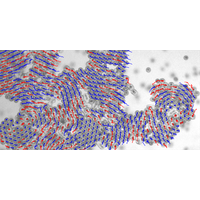
Phys. Rev. Lett. 137, 118301 (2026)
Polymers, Chemical Physics, Soft Matter, and Biological Physics
Breakdown of Emergent Chiral Order and Defect Chaos in Nonreciprocal Flocks
Article | Polymers, Chemical Physics, Soft Matter, and Biological Physics | 2026-09-08 06:00 EDT
Charlotte Myin, Suropriya Saha, and Benoît Mahault
Two intermingled species of active matter can exhibit coherent rotation or disorderly scrambling depending on their mutual interactions.
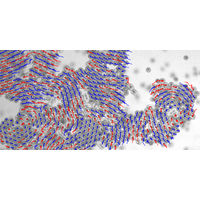
Phys. Rev. Lett. 137, 118302 (2026)
Polymers, Chemical Physics, Soft Matter, and Biological Physics
Physical Review X
Topological Flowscape Reveals State Transitions in Nonreciprocal Living Matter
Article | 2026-09-08 06:00 EDT
Hyunseok Lee, EliseAnne Koskelo, Shreyas Gokhale, Junang Li, Chenyi Fei, Chih-Wei Joshua Liu, Lisa Lin, Jörn Dunkel, Dominic J. Skinner, and Nikta Fakhri
Characterizing living systems far from the thermodynamic limit can yield insight into the physics of nonreciprocity and biological self-organization.
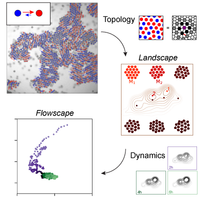
Phys. Rev. X 16, 031061 (2026)
Review of Modern Physics
Security proofs for practical QKD: Variations, techniques, gaps, and limitations
Article | Quantum information | 2026-09-08 06:00 EDT
Devashish Tupkary, Ernest Y.-Z. Tan, Shlok Nahar, Lars Kamin, and Norbert Lütkenhaus
It is sometimes said that if one uses quantum cryptography methods to distribute keys, their secrecy is guaranteed by the laws of physics. This is only partly true: while quantum physics provides a strong boost to security, the proper mathematical analysis of the full detailed protocol is still nontrivial. This review provides details of this analysis for one of the most important quantum protocols for key distribution and its variants, in which weak (few photon) coherent pulses are transmitted and threshold detectors are used for measurements.
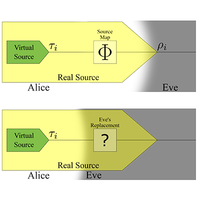
Rev. Mod. Phys. 98, 035003 (2026)
Quantum information
arXiv
Superdiffusive two-dimensional superconductors
New Submission | Superconductivity (cond-mat.supr-con) | 2026-09-09 20:00 EDT
Iogann Tolbatov, Luca Salasnich
We formulate a non-local, field-theoretic description of phase fluctuations and topological transitions in two-dimensional (2D) superconductors by generalizing the local only-phase Popov action to a framework utilizing non-local fractional operators. By replacing the standard spatial Laplacian with the Riesz fractional Laplacian $ -(-\nabla^2)^{\alpha/2}$ (where $ 1<\alpha<2$ ), we prove that the vortex-antivortex interaction transitions from logarithmic confinement to a stronger power-law confinement of the form $ V(r)\propto r^{2-\alpha}$ . Through a generalized Kosterlitz-Thouless energetic-entropic analysis, we demonstrate that this non-local confinement strictly suppresses thermal vortex proliferation. Because the non-local operator safely places the system outside the strict domain of validity of the Mermin-Wagner restriction, this power-law confinement natively stabilizes true long-range order at finite temperatures. Finally, by constructing a gauge-invariant fractional action, we formulate a fractional London equation. This approach yields a real-space power-law kernel that maps directly onto the anomalous Pippard limit of superconductors with long coherence lengths, providing a unified phenomenologically motivated framework for non-local electrodynamics.
Superconductivity (cond-mat.supr-con)
8 pages, 0 figures, submitted to Physical Review B
The prey-predator motion of the active droplets
New Submission | Soft Condensed Matter (cond-mat.soft) | 2026-09-09 20:00 EDT
Yibo Chen, Kai Leong Chong, Roberto Verziccoa, Detlef Lohse
We present a generic solution for the relative motion of two diffusiophoretic prey-predator particles of arbitrary chemical activity Ai and radius Ri, where i = 1;2 refers to the predator and prey, respectively. Using the Lorentz reciprocal theorem, we investigate the impact of radius ratios and chemical reaction rates on the interaction between the particles. Our study reveals four distinct regimes of interaction, similar to the findings of Nasouri & Ramin (Phys. Rev. Lett., vol. 124, 2020, pp. 168003) for particles of identical sizes: (i) the prey particle escapes; (ii) two particles reach a stable equilibrium distance; (iii) two particles reach an unstable equilibrium distance where the prey is captured below it and escapes above it; (iv) the prey particle is captured. Unlike previous work, we differentiate between regimes with near-field and far-field interactions, which can be either attractive or repulsive, and find that the boundary between (i, iii) and (ii, iv) represents the transition from the attraction to repulsion in the far field, given by jA1=A2j = (R2=R1)2, while the transition between (i, ii) and (iii, iv) represents the interaction transition for particles in close proximity. We also perform three-dimensional simulations of prey-predator systems, which validate our theoretical predictions. Our study extends the applicability of the Lorentz reciprocal theorem to prey-predator system and quantitatively obtains interaction regime transition curves by distinguishing near-field and far-field interactions.
Soft Condensed Matter (cond-mat.soft)
A Reduced-Order Dynamical Model for the Ignition of Diver-Induced Cohesive Silt-Out on Sloping Beds
New Submission | Soft Condensed Matter (cond-mat.soft) | 2026-09-09 20:00 EDT
Sandy Hardian Susanto Herho, Iwan Pramesti Anwar, Umar Abdurrahman, Faruq Khadami, Alfita Puspa Handayani, Karina Aprilia Sujatmiko, Dasapta Erwin Irawan
A downward fin thrust near a cohesive seabed lofts sediment. Whether this cloud settles or organizes into a self-sustaining down-slope current determines if a diver loses visibility briefly or catastrophically. We reduce the layer-averaged balances of fluid mass, sediment mass, and momentum to a temporal slab of fixed thickness in the weakly entraining limit. This yields an autonomous planar vector field in dimensionless near-bed speed and suspended load, governed by three dimensionless groups: drag against settling, erosion strength, and near-bed concentration. The field possesses a quiescent equilibrium at the origin and, above a critical bed slope obtained in closed form as the ratio of near-bed concentration times drag-settling number to erosion-strength number, an interior saddle equilibrium. The saddle’s stable manifold partitions the state space into basins of decay and unbounded growth, establishing the exact threshold between self-limiting and igniting disturbances. On a flat bed, the origin attracts globally for all admissible erosion laws. For representative silt, the ignition threshold is near a 17-degree bed angle. The closed-form structure is confirmed numerically to machine precision. A closure study demonstrates the critical slope is robust in existence but closure-dependent in value, identifying the linear erosion law as the conservative choice. The model thus isolates bed slope as the controlling parameter for ignition.
Soft Condensed Matter (cond-mat.soft), Atmospheric and Oceanic Physics (physics.ao-ph), Computational Physics (physics.comp-ph)
14 pages, 7 figures, 4 tables
A Heterogeneous General Model for Neuromorphic-Inspired Computation
New Submission | Disordered Systems and Neural Networks (cond-mat.dis-nn) | 2026-09-09 20:00 EDT
In recent years, both academia and industry have focused on the development of computational architectures inspired by the distributed, adaptive, and event-driven characteristics of biological neural systems, with the aim of reducing the computational cost associated with conventional training approaches [1]. However, a major challenge is the lack of general models and design guidelines for emerging computational systems and hardware. This work introduces a general model based on an input-dependent stochastic weight network, referred to as a substrate. The substrate weights evolve through input-triggered stochastic updates, with correlations between weight coefficients described by a matrix-valued covariance kernel. The proposed framework is implemented using quadratic polynomial weight functions, where the input amplitude controls the magnitude of the stochastic perturbation and a substrate-dependent distance determines the correlation structure. Numerical simulations show that correlations in the stochastic weight evolution significantly affect the system response, suggesting a potential mechanism for neuromorphic-inspired computation without conventional weight training. The aim of this work is to provide a general formulation of the model and identify its main properties and characteristics. 1 H. Jaeger, Towards a generalized theory comprising digital, neuromorphic and unconventional computing, Neuromorphic Comput. Eng., vol. 1, no. 1, p. 012002, Sep. 2021
Disordered Systems and Neural Networks (cond-mat.dis-nn), Neural and Evolutionary Computing (cs.NE)
15 pages, 5 figures
Tilt control of coverage heterogeneity for hard spherocylinders locked on a sphere
New Submission | Soft Condensed Matter (cond-mat.soft) | 2026-09-09 20:00 EDT
Jonathan Washburn, Hartmut Löwen, Elshad Allahyarov
We study hard spherocylinders on a sphere with axes rigidly locked to a tangential director field at fixed angle $ \tilt$ to the meridian, necessarily singular at the poles. Three lengths set the problem: the rod length $ \Lrod$ , the diameter $ \Drod$ , and the host radius $ \Rsph$ . Monte Carlo simulations across fifteen geometries and four coverages give two main results for the polar marginal, the azimuthal average of rod-center density. First, the tilt is a continuous handle on the width of the depleted region that packing induces around each singularity. Under meridian locking it is set principally by the rod length; turning the director toward the latitude contracts it substantially, the contraction being spent well before latitude locking. Second, how uniform the polar marginal can be made is limited by geometry, not tilt. The smallest variance on the sampled grid follows a power law in $ \Lrod^{2}/(\Rsph\Drod)$ , which measures how far a straight rod’s ends stand off the curved surface in rod diameters, with an effective exponent between $ 1.1$ and $ 1.3$ . Long rods on small hosts cannot be made uniform at any sampled tilt; the remedy is geometric, not orientational. The polar marginal is equator-heavy almost everywhere, inverting only at high coverage and tilt; meridian locking is the least uniform choice, and the variance-minimizing tilt usually lies in a sampled band from $ 31.7^{\circ}$ to $ 55^{\circ}$ . The golden-ratio tilt $ \arctan(1/\phigold)$ is one of those angles: a benchmark, not one the model selects. Both results describe the infinitely locked athermal ensemble.
Soft Condensed Matter (cond-mat.soft), Mesoscale and Nanoscale Physics (cond-mat.mes-hall)
12 pages with 8 figures
Electrospun Fields: 3D Nano-Fiber Material Computation as Design Method
New Submission | Soft Condensed Matter (cond-mat.soft) | 2026-09-09 20:00 EDT
Wai Lok Wan, Ayah Mahmoud, Sergio Mutis, Avantika Velho, Annie Xing, Behnaz Farahi
We present a robotic electrospinning platform and design method for depositing nanofiber membranes onto non-planar, three-dimensional conductive geometries. Conventional electrospinning relies on fixed emitters and planar grounded collectors, which restricts deposition to flat substrates: on concave geometries, field shielding prevents fibers from reaching recessed regions, and material bridges across elevated features instead. We address this with a custom end-effector integrated with a six-axis UR20 arm. The tool carries a localized stepper-driven syringe pump that maintains consistent polymer flow independent of orientation, and routes high-voltage DC (up to 25 kV) directly to a robot-mounted needle, turning the arm into a mobile emitter with full kinematic control over position, orientation, working distance, and traversal velocity. Toolpaths that continuously reorient the emitter along surface normals give access to concave topologies unreachable by fixed-axis systems.
We characterize the resulting deposition behavior in two parts. A catalog of four bio-compatible polymer systems (PEO, PVA, keratin-PEO, silk-PEO) establishes the operating envelope, reporting deposition speed, jet stability, fiber size, alignment, and durability for each. A taxonomy of 3D-printed conductive scaffolds spanning geometric primitives, hybrid compositions, and square, triangular, and hexagonal lattices links collector geometry to fiber alignment, density, and cross-void bridging. We also demonstrate programmable grounding, in which selectively energized pins in an array steer deposition without changing physical geometry. Assembly instructions and toolpath-generation code are released as an open-source repository.
Soft Condensed Matter (cond-mat.soft), Graphics (cs.GR), Robotics (cs.RO)
15 pages, 10 figures. Published in Proceedings of the ACM on Computer Graphics and Interactive Techniques (SIGGRAPH 2026). Open-source hardware and toolpath code: this https URL
Proc. ACM Comput. Graph. Interact. Tech. 9, 3, Article 43 (July 2026), 16 pages
Beyond Crease Geometry: Multistability in Origami-Inspired Structures through Local Fold Architectures
New Submission | Soft Condensed Matter (cond-mat.soft) | 2026-09-09 20:00 EDT
Sagi Senderovich, Ezra Ben-Abu, Shai Elbaz, Nadav Zemah, Anna Zigelman, Amir Daniel Gat
Origami-inspired tubular structures provide a versatile platform for shape morphing, with multistability achieved predominantly through crease-network geometry. Expanding the range of morphing behaviors can therefore require increasingly intricate crease patterns that become more difficult to model and fabricate, ultimately constraining the realizable morphing landscape. Here, we expand the design space of origami-inspired structures beyond geometry by introducing localized instabilities within the crease network, thereby creating compliant multistable structures whose local fold architectures govern global deformation and stability through both constitutive mechanics and geometric constraints. To relate local fold architectures to global multistability, we develop and experimentally validate a modeling framework in which compliant folds are represented as continuous fields that capture spatially varying bistable mechanics. Force- and displacement-controlled design maps demonstrate that global deformation and stability can be programmed through the fold architecture’s local parameters. Redistributing bistability within a fixed crease-network topology shifts the global response between compliant, spatially distributed deformation in semi-bistable architectures and discrete transitions within a hierarchically organized space of stable configurations in fully bistable architectures. These results establish a local-to-global design principle for programming both the stable configurations of a structure and the transition pathways connecting them, expanding the design space for multistable metamaterials, adaptive morphing structures, and soft robotic systems.
Soft Condensed Matter (cond-mat.soft), Materials Science (cond-mat.mtrl-sci), Applied Physics (physics.app-ph)
8 pages, 4 figures
Performance comparison of tethered and self-propelled models of fish locomotion using unsteady thin airfoil theory
New Submission | Soft Condensed Matter (cond-mat.soft) | 2026-09-09 20:00 EDT
Anshul Nayak, Emad Masroor, Hodjat Pendar
Numerous experimental and computational studies have been conducted in the past few decades to understand the swimming performance of fish, and to identify the optimal kinematic strategies for a swimming fish or fish-like robot. Many of these studies model the swimmer in a `tethered’ condition, in which the swimmer is held fixed while it is subjected to a free stream. Its performance is then quantified using power expenditure, thrust generation, and efficiency. However, the dynamics of a tethered swimmer are different from those of a self-propelled swimmer, whose performance is best measured using its steady-state swimming speed in still fluid and its efficiency. It is an open question whether the conclusions drawn from studies of tethered swimmers can be directly applied to free swimmers. In this study, we use an unsteady panel method to systematically compare the swimming performance of a tethered fin and that of a self-propelled fin attached to a virtual drag-producing body to investigate how their performance varies over a set of prescribed kinematics. After validating the numerical model against previous experimental results, we show how the pitch amplitude, heave amplitude and the phase offset between them affect the efficiency and thrust generation in the tethered case, and how they affect the speed and efficiency in the self-propelled case. We find that the kinematic strategies that optimize the performance of a tethered swimmer do not necessarily optimize the performance of a self-propelled swimmer.
Soft Condensed Matter (cond-mat.soft), Fluid Dynamics (physics.flu-dyn)
A dual network approach to connect structure and flow in random networks
New Submission | Soft Condensed Matter (cond-mat.soft) | 2026-09-09 20:00 EDT
Marco Dentz, Philippe Gouze, Tanguy le Borgne, Alexandre Puyguiraud
Flows in random networks are known to exhibit heavy-tailed statistics, giving rise to anomalous transport in a range of biological, environmental and engineered systems. Yet, how structure determines flow remains an open question. Here we derive a dual network approach that relates flow statistics and network properties. Conditional statistics in a range of networks reveal the existence of two interlaced subnetworks with distinct hydraulic behaviors. Based on this hidden structure, we derive a universal analytical approach that predicts heavy-tailed flow statistics based on network topology and disorder distribution across a range of random networks.
Soft Condensed Matter (cond-mat.soft), Statistical Mechanics (cond-mat.stat-mech), Fluid Dynamics (physics.flu-dyn)
Physics-Informed Neural Networks for Depth-Averaged Granular Avalanche Dynamics on Curved Topography
New Submission | Soft Condensed Matter (cond-mat.soft) | 2026-09-09 20:00 EDT
Pujan Pranavkumar Purohit, Pradyumn Singh Sikarwar, Vishal Sharma, Gaurav Bhutani
Physics-informed neural networks (PINNs) provide a mesh-free framework for solving governing equations, but their application to granular avalanche dynamics over curved terrain remains largely unexplored. This study extends a depth-averaged PINN formulation based on the Savage-Hutter equations to an exponentially curved chute with spatially varying inclination and a strain-rate-dependent Mohr-Coulomb earth-pressure closure. The model is validated against measured front- and rear-edge trajectories from a laboratory granular-avalanche experiment, with selected observations withheld from training. A staged temporal curriculum proved essential for accurate prediction, reducing the held-out trajectory error by approximately two orders of magnitude compared with training over the full time domain from the outset. Sparse-data experiments further showed that observation placement was more influential than observation number within the configurations tested. Four observations bracketing the transition from acceleration to deceleration achieved nearly the same accuracy as the eight-observation reference configuration, whereas observations clustered at early or late times performed poorly. The results demonstrate the importance of both training strategy and informative data placement when applying PINNs to granular flows over curved topography.
Soft Condensed Matter (cond-mat.soft), Computational Engineering, Finance, and Science (cs.CE), Machine Learning (cs.LG), Fluid Dynamics (physics.flu-dyn)
16 pages, 5 figures
Kibble-Zurek Dynamics in Two-dimensional Frustrated Systems with a Neural Foundation-state Subspace Method
New Submission | Strongly Correlated Electrons (cond-mat.str-el) | 2026-09-09 20:00 EDT
Linda Mauron, Luciano Loris Viteritti, Zakari Denis, Riccardo Rende, Giuseppe Carleo
Universal scaling generated when a strongly interacting quantum many-body system is driven across a continuous phase transition provides a dynamical probe of equilibrium criticality. Accessing this regime numerically in two dimensions is challenging because it requires accurate real-time evolution of correlated many-body states over many system sizes and driving rates. We introduce a Neural Foundation-state Subspace (NFS) method for near-adiabatic dynamics. A foundation neural-network quantum state represents the ground-state manifold along the driving path, and a small fidelity-selected subset defines a fixed variational subspace. The many-body Schrödinger equation then reduces to the evolution of a few linear coefficients, with projected operators reusable across ramp times. We validate the method on the two-dimensional transverse-field Ising model, recovering the expected Kibble-Zurek scaling and critical exponents in quantitative agreement with ground-state quantum Monte Carlo estimates. Applied to the frustrated square-lattice $ J_1$ -$ J_2$ Heisenberg model up to $ 16 \times 16$ clusters, our approach provides strong numerical evidence of Kibble-Zurek mechanism across the Néel-to-spin-liquid transition at $ J_2/J_1=0.49$ , yielding $ {\nu=1.23(15)}$ and $ {\eta=0.409(19)}$ at fixed $ z=1$ , consistent with static estimates and supporting the proposed continuous critical behavior.
Strongly Correlated Electrons (cond-mat.str-el), Quantum Physics (quant-ph)
Quantum Quenches across the Bose-glass Transition
New Submission | Quantum Gases (cond-mat.quant-gas) | 2026-09-09 20:00 EDT
Bo Song, Shaurya Bhave, Emmanuel Gottlob, Leanne Reeve, Ulrich Schneider
Due to their intrinsic interplay between long-range order and quasi-disorder, quasicrystalline systems provide a rich platform for investigating novel quantum phenomena. Here we study the non-equilibrium dynamics following quantum quenches across the superfluid to Bose-glass transition using ultracold bosons in an optical quasicrystal. Fast quenches into the Bose glass regime induce a quantum walk in momentum space that spreads over increasingly higher momentum orders. Conversely, quenches into the superfluid regime initiate a real-space quantum walk of initially localized atoms, forming a light-cone-like structure bounded by Lieb-Robinson limits. Characteristic timescales reveal strong links to the underlying Hamiltonian and are governed primarily by quasi-disorder strength in the Bose glass phase, and by tunneling strength in the superfluid phase. Finally, we analyze slower quenches into deeper lattices and observe the decay of coherence across the phase transition.
Quantum Gases (cond-mat.quant-gas), Disordered Systems and Neural Networks (cond-mat.dis-nn), Quantum Physics (quant-ph)
7+9 pages
Pair density wave order from non-symmorphic momentum symmetry
New Submission | Superconductivity (cond-mat.supr-con) | 2026-09-09 20:00 EDT
Matteo Dürrnagel, C. Alexander Baum, Michael Klett, Lennart Klebl, Ronny Thomale
We develop a class of microscopic lattice models in which pair density wave order emerges in the asymptotically exact weak coupling limit. The underlying mechanism is due to non-symmorphic momentum symmetry implied by the models’ projective space group representation of electrons. Our mechanism suggests moiré systems and extended s-wave altermagnets as potential hosts for pair density wave order.
Superconductivity (cond-mat.supr-con), Strongly Correlated Electrons (cond-mat.str-el)
4 pages, 3 figures
First principles calculations of electric-field-driven topological phase transitions in silicene, germanene and stanene
New Submission | Mesoscale and Nanoscale Physics (cond-mat.mes-hall) | 2026-09-09 20:00 EDT
Julián Antonio Villarreal Murúa, Pablo Roura-Bas, Javier Daniel Fuhr, Ricardo Faccio
The emergence of two-dimensional topological materials, particularly the group-14 monolayers known as silicene, germanene, and stanene has opened promising pathways for next-generation nanoelectronics and spintronics. Their buckled honeycomb structure and strong spin-orbit coupling allow for bandgap engineering via a perpendicular electric field, leading to topological phase transitions (TPTs) from non-trivial to trivial insulating states. However, precise determination of the critical electric field $ E_z^{\text{cr}}$ at which these transitions occur remains challenging, with tight-binding models often underestimating these values. Here, we present a first-principles framework that combines density-functional theory (DFT), maximally localized Wannier functions, and evolution of the Wannier charge centers (WCC) to accurately characterize TPTs in silicene, germanene, and stanene through the $ \mathbb{Z}_2$ topological invariant. In contrast to earlier work, at each electric-field strength we run fully self-consistent ab initio simulations to obtain the screened electronic structure, accounting for the material’s dielectric response from both electrons and ions. From these converged results we construct a Wannier tight-binding Hamiltonian at each electric field strength, which then enables a gauge-invariant calculation of the $ \mathbb{Z}_2$ topological invariant. This methodology yields significantly more accurate numerical predictions of $ E_z^{\text{cr}}$ , $ 0.020$ and $ 0.250$ V/Å for silicene and germanene, respectively. Compared to previous approaches, our framework delivers a marked quantitative improvement for predicting topological phase boundaries, essential for guiding the design of topological field-effect transistors and electrostatically controlled quantum devices based on two-dimensional materials.
Mesoscale and Nanoscale Physics (cond-mat.mes-hall), Materials Science (cond-mat.mtrl-sci)
31 pages, 7 figures
Fast universal parametric spin control in an acoustically modulated quantum dot
New Submission | Mesoscale and Nanoscale Physics (cond-mat.mes-hall) | 2026-09-09 20:00 EDT
Mateusz Kuniej, Michał Gawełczyk
Quantum communication, distributed computing, and hybrid architectures rely on nodes enabling coherent control of qubits and coupling to propagating quantum modes. While semiconductor quantum-dot (QD) spins couple to microwave and optical photons, weak interaction with mechanical waves has limited the integration of single-QD spin qubits into on-chip, acoustically coupled hybrid systems. The existing theory of acoustic QD spin control suffers from a limited range of rotation-axis angles, enforcing complex realizations of gate primitives and long gate times, leaving little margin against decoherence from trion decay and quasi-static nuclear-spin noise. We propose parametric control that overcomes these problems. We use far-detuned optical coupling to a trion state to dress and thus mix spin states, combined with acoustic modulation of the optical transition energy. Instead of relying on direct acoustic resonance with the spin splitting that leads to significant bottlenecks, we induce spin rotations parametrically via resonance with the dressed-spin splitting. We thus develop a spin analog of the ``swing-up’’ charge-state excitation. Our scheme provides fast universal qubit control with nearly arbitrary rotation axes. Our $ {\sim}$ 155 ps Pauli-$ X$ gate duration is $ {\sim}290\times$ faster than in the previous acousto-optical formulation and $ {\sim}14\times$ faster than optical Faraday-geometry spin rotation. The parametric scheme naturally enables higher-harmonic processes. Numerical simulations for $ {\sim}44$ GHz acoustic driving show average gate fidelity $ \ge99.9%$ even for uncooled nuclear-spin environments of GaAs and InAs QDs for trion lifetime $ \gtrsim1.25$ ns. These metrics suggest practically usable control and may introduce a spin-phonon interface with high interaction rates, versatility, and multi-phonon processes, essential for future acoustically coupled hybrid architectures.
Mesoscale and Nanoscale Physics (cond-mat.mes-hall), Quantum Physics (quant-ph)
12 pages, 5 figures
Gauge-covariant magnetic Bloch sums for general multiorbital Hofstadter models
New Submission | Mesoscale and Nanoscale Physics (cond-mat.mes-hall) | 2026-09-09 20:00 EDT
Hao Shi, Tianyu Qiao, Wangqian Miao, Jin-Tao Jin, Quansheng Wu, Xi Dai
We formulate a unified treatment of the Hofstadter problem for general two-dimensional multiorbital Peierls tight-binding Hamiltonians using a gauge-covariant magnetic Bloch-sum basis. The construction retains the full Bravais geometry, arbitrary intracell orbital positions, and the original hopping table, so lattice geometry, orbital embedding, hopping range, and orbital content can all be handled within the same framework. At rational flux $ \Phi/\Phi_0=p/q$ , commuting magnetic translations reduce the Peierls Hamiltonian to minimal $ qN_{\rm orb}\times qN_{\rm orb}$ blocks. Their dimension depends only on the flux through the primitive cell, even when the fractional orbital coordinates are irrational. Electromagnetic gauge transformations act by unitary conjugation within the construction and do not alter the required magnetic supercell. We derive an explicit sparse matrix in an oblique Landau gauge and establish the associated band counting, spectral redundancy, Chern-number formulation, magnetic spatial constraints, and flux periodicity. Numerical examples include elementary lattices, topological and flat-band models, and a spinful 22-band Wannier Hamiltonian of monolayer $ \mathrm{MoS}_2$ , demonstrating a direct interface with first-principles electronic-structure calculations. As a complementary representation, we also derive exact generalized Harper equations from the same hopping data and relate them to the finite magnetic-Bloch blocks.
Mesoscale and Nanoscale Physics (cond-mat.mes-hall)
Distribution of currents in a system of active particles with biased hops and Ising interactions
New Submission | Statistical Mechanics (cond-mat.stat-mech) | 2026-09-09 20:00 EDT
Evgeniy Khain, Shriram Ramesh, Vladimir Chernyak
We consider an ensemble of particles performing a biased random walk on a two-dimensional lattice. Due to the adhesion between particles (nearest-neighbor Ising interactions), the probability of hopping depends on the number of neighbors and the strength of adhesive interaction. The asymmetry in the hopping directions leads to a macroscopic current of particles through the system. We theoretically compute the distribution of currents and verify the results in stochastic particle simulations. To make theoretical progress, one has to determine the probabilities of various particle configurations such as single particles, pairs, and different configurations of three-particle clusters. These probabilities are theoretically derived by formulating rate equations for the concentrations of various structures resembling Becker-Döring cluster equations. One intriguing finding is that the concentration of left-handed triplets is not equal to the concentration of right-handed triplets for non-zero asymmetry of hops and non-zero interaction between particles.
Statistical Mechanics (cond-mat.stat-mech)
6 pages, 4 figures
From agent-based dynamics to a kinetic theory of jellyfish swarms
New Submission | Soft Condensed Matter (cond-mat.soft) | 2026-09-09 20:00 EDT
Nicolas Perez, Erik Gengel, Zafrir Kuplik, Eyal Heifetz
Massive jellyfish swarms observed at sea can extend over tens of kilometres and contain millions of individuals, yet the mechanisms governing their formation and large-scale dynamics remain poorly understood. Agent-based models provide a framework for describing this dynamics based on jellyfish responses to ocean currents and environmental cues, but become computationally prohibitive when extended to large populations and spatial scales relevant to ocean circulation. Here we derive a continuous kinetic theory from an active-particle model of jellyfish motion. The resulting Fokker-Planck framework incorporates transport by prescribed currents, stochastic reorientation, direct interactions and stimulated steering, allowing chemical signalling to be represented through a coupled field. We further derive a hydrodynamic closure for large swarms by exploiting the separation between fast orientational and slow spatial dynamics, yielding a reduced density equation suitable for implementation in ocean-current models. This framework provides a route from individual behavioural mechanisms to continuum descriptions of jellyfish populations and establishes a basis for constraining model parameters using observations and in-situ measurements. This approach offers a theoretical foundation for future numerical prediction of large jellyfish swarm formation and evolution in realistic ocean flows.
Soft Condensed Matter (cond-mat.soft), Statistical Mechanics (cond-mat.stat-mech), Adaptation and Self-Organizing Systems (nlin.AO), Biological Physics (physics.bio-ph)
24 pages, 6 figures
A magneto-mechanical gyroscope with spintronic readout
New Submission | Mesoscale and Nanoscale Physics (cond-mat.mes-hall) | 2026-09-09 20:00 EDT
Andrea Meo, Francesca Garesci, Pedro Bossi Nunez, Maddalena Fiorentino, Teresa Natale, Ludovico Dindelli, Victor Lopez-Dominguez, Banibrato Sinha, Riccardo Tomasello, Francesco Dell’Olio, Pedram Khalili Amiri, Mario Carpentieri, Giovanni Finocchio
Gyroscopes are essential elements in navigation, consumer electronics, robotics, and aerospace applications. Most micro electro-mechanical systems (MEMS) implementations rely on capacitive sensing mechanisms, which limit the dimensional scaling to the micrometer scale. In this work, we introduce a MEMS-like two-degree-of-freedom (2-DOF) gyroscope that exploits the rectification functionality of magnetic tunnel junctions (MTJs) as its readout mechanism and as the transducer of the mechanical dynamics. Experimentally characterized MTJs have been used to calibrate and perform an experiment-informed design of the magneto-mechanical model combining micromagnetic theory with 2-DOF mechanical equations. We demonstrated that the output is linear with angular rate, and that the proposed device is able to extract the angular rate in dynamic cases exploiting a homodyne demodulation approach. The results open a path towards a compact, complementary metal-oxide semiconductor (CMOS)-compatible readout pathway that relaxes reliance on tight capacitive gaps and motivates multi-physics designs of the device.
Mesoscale and Nanoscale Physics (cond-mat.mes-hall)
Spectroscopy With Intelligent Feature Tracking for automated characterization of excited-state structure in semiconductor quantum dot devices
New Submission | Mesoscale and Nanoscale Physics (cond-mat.mes-hall) | 2026-09-09 20:00 EDT
A. R. Huffman, Daniel Schug, Merritt Losert, Sanghyeok Park, Daniel King, Yuna Chun, Giordano Scappucci, M. A. Eriksson, Justyna P. Zwolak
The characterization of excited-state structure in semiconductor quantum dot (QD) devices is an important component of tuning them for spin-qubit operation. We present Spectroscopy With Intelligent Feature Tracking (SWIFT), a framework that combines machine-learning (ML)-assisted feature identification with physics-informed geometric processing to extract energy-level splittings from pulsed-gate spectroscopy data. SWIFT isolates the relevant spectral features and exploits their characteristic geometry to reduce the two-dimensional spectroscopy analysis to a one-dimensional peak-detection problem. It further combines an ensemble-based confidence metric with sequential accumulation of rapid, low-SNR scans, allowing the inferred spectrum to be reevaluated as experimental evidence accumulates. Using Si/SiGe QD devices, we demonstrate SWIFT both offline and in real time, including automated tracking of QD excited states and lead resonances. Benchmarking on 255 manually labeled scans shows that SWIFT reduces the median splitting error to 0.05 mV from 0.11 mV for a classical baseline, with the largest improvement on lower-quality measurements. These results provide a path toward incorporating excited-state spectroscopy into autonomous QD characterization, tuning, and optimization, which will be essential in large-scale quantum dot devices.
Mesoscale and Nanoscale Physics (cond-mat.mes-hall), Applied Physics (physics.app-ph), Quantum Physics (quant-ph)
Hidden amplitude and dynamical information in phase-separation spectra
New Submission | Soft Condensed Matter (cond-mat.soft) | 2026-09-09 20:00 EDT
Boliang Yu, Ruixin Zhou, Jiaxing Yuan
Framewise variance normalization removes fluctuation amplitude from an observation, but not from the dynamics that generate later patterns. The current normalized spectrum therefore need not determine its own future. We study this effect in three two-dimensional phase-separation models that change transport, add active driving, or suppress large-scale separation. For paired initial fields, their normalized spectra evolve identically in the linear regime. The restoring model provides an exact example: damping does not directly change how the normalized spectrum evolves when both equations are applied to the same field. It nevertheless changes the hidden amplitude, which alters the later nonlinear shape. An exact comparison separates the immediate effect of changing the equation from the effect of reaching a different state through earlier evolution. It also reveals strong cancellation between these effects in the mobility and active models. As a practical test, spectral histories improve classification by about 4-6 percentage points at several later observation windows, although the gain depends on quench depth and spectral construction. Temporal spectra can therefore reveal dynamical consequences of information absent from every individual normalized frame.
Soft Condensed Matter (cond-mat.soft), Statistical Mechanics (cond-mat.stat-mech), Chaotic Dynamics (nlin.CD)
32 pages, 8 figures
Bridging simulation length scales with cellular automata
New Submission | Materials Science (cond-mat.mtrl-sci) | 2026-09-09 20:00 EDT
John J. Karnes, Esteban D. Gadea, Shakkira Erimban, Ignacio J. Bombau, Valeria Molinero
Multiscale simulation requires coupling physics models that operate at different characteristic length and time scales, because no single method spans the range needed for most problems of interest. Moving to a coarser-grained representation unlocks longer length and time scales, but it discards the microscopic interactions that build morphology. A fine-grained model can be initialized from an arbitrary packing and left to self-assemble into a physically meaningful structure; a lower-resolution model cannot, and must inherit its starting configuration from a higher-fidelity simulation. The length scales accessible to the coarse-grained model are therefore set not by the coarse-grained method itself, but by the largest fine-grained configuration that can be affordably equilibrated. A representative example is the scale-up from particle-based molecular dynamics (MD) to a lattice-based representation such as kinetic Monte Carlo (kMC). In this work, we present a cellular automata (CA) approach for generating arbitrarily large lattice starting configurations. CA is a natural fit for this task: short-ranged local rules drive the evolution of a lattice, and their repeated application gives rise to emergent long-range order, thematically mirroring how short-ranged interactions in MD produce self-assembled morphology. We use a configuration from a higher-fidelity simulation as a training set and learn the CA rules from it via logistic regression. As a proof of principle, we develop these rules for a hydrated anion exchange membrane (AEM), generate new starting configurations, and benchmark their performance in mesoscale kMC simulations against an MD-derived “ground truth.” We then demonstrate the ability to generate substantially larger lattices and show that their behavior in kMC is consistent with that of the smaller CA benchmark configurations.
Materials Science (cond-mat.mtrl-sci), Soft Condensed Matter (cond-mat.soft), Cellular Automata and Lattice Gases (nlin.CG)
Generating quantum error correcting codes from topological pre-thermal scars
New Submission | Quantum Gases (cond-mat.quant-gas) | 2026-09-09 20:00 EDT
William N. Faugno, Frank Barrows, Terry A. Loring, Nathan Goldman, Alexander Cerjan
Quantum many-body scars are rare nonthermal states embedded within otherwise thermalizing spectra, making them promising candidates for storing and manipulating quantum information. However, a general framework that can both identify such states without prior knowledge of their microscopic scarring mechanism and determine when they enable a quantum error correcting code has remained elusive. Here, we develop an end-to-end framework connecting nonthermal-state discovery to certifiable quantum error correction using a many-body spectral localizer. By searching for states jointly localized in energy and a diagnostic observable in systems with a many-body grading symmetry, the spectral localizer identifies candidate scars within dense many-body spectra in tandem with a topological index whose shifts determine their graded subspace. For suitable pairs of same-graded scars, the grading renders grading-odd errors exactly detectable, while their localization can suppress the logical action of sufficiently local grading-even error products, yielding an approximate Knill–Laflamme condition and an operator-algebra quantum error-correction structure. We demonstrate the scar-identification framework in one- and two-dimensional density-difference-dependent bosonic models and in the PXP model, and explicitly construct the resulting approximate quantum code in the one-dimensional bosonic system. Our results establish a systematic route from identifying nonthermal many-body states to exploiting them for protecting quantum information, and position pseudospectral methods as a broadly applicable tool for discovering useful behaviors in interacting quantum systems.
Quantum Gases (cond-mat.quant-gas), Mathematical Physics (math-ph), Quantum Physics (quant-ph)
FPBench: Application-Oriented Error Decomposition for Foundation Potentials
New Submission | Materials Science (cond-mat.mtrl-sci) | 2026-09-09 20:00 EDT
Kiyan Amirian, Ramanuja Srinivasan Saravanan, Felix Adams, Charles E Schwarz, Yifei Mo
Foundation potentials (FPs) have emerged as a new basis for atomistic modeling. While their evaluation using average energy and force errors often indicates near-DFT accuracy, their performance in practical computational studies remains inconsistent. Here, we present FPBench, an application-oriented benchmark that evaluates FPs on representative computational tasks. Multiple state-of-the-art FPs are assessed on three fundamental tasks: force prediction for atomistic simulations, energy ranking for substitutional and vacancy orderings, and ion/vacancy migration. Benchmarking these FPs shows that average force and energy errors often fail to predict task performance, revealing substantial differences in practical reliability. FPBench introduces application-oriented error decomposition through metrics that resolve performance according to the physically consequential quantities and configurations governing computational tasks, including the fractions of highly accurate and large-force-error atoms, far-from-equilibrium atoms, relative phase-stability and convex-hull agreement, and along-path errors in ion migration. These error-decomposition metrics identify where FP errors arise within specific computational tasks, providing targeted guidance for model development. FPBench provides an open benchmark, evaluation code, and a public leaderboard for rigorous FP assessment and development.
Materials Science (cond-mat.mtrl-sci)
Plasmon drag and photoinduced magnetic effects in plasmonic and magnetic metals
New Submission | Materials Science (cond-mat.mtrl-sci) | 2026-09-09 20:00 EDT
Md Afzalur Rab, Terence Baker, Natalia Noginova
Photoinduced electric effects in plasmonic and magnetic materials under pulsed laser illumination exceed the prediction of the electromagnetic momentum-transfer mechanism by orders of magnitude. In order to get more information on the nature of the effect we study the kinetics of photovoltages in permalloy thin films at different photoexcitation configurations. The photoinduced electric signals consist of magnetically dependent and magnetically independent components which are of significant magnitude and mainly follow the temporal profile of the laser pulse. In contrast, the predicted contribution from the Anomalous Nernst Effect is much weaker and exhibits substantially slower kinetics. These observations suggest that ultrafast photoexcited hot electrons, rather than thermal mechanisms, play the dominant role in generating the observed photovoltage.
Materials Science (cond-mat.mtrl-sci)
12 pages, 6 figures
Deviation from Fermi-liquid $T^2$ resistivity caused by collective transport
New Submission | Strongly Correlated Electrons (cond-mat.str-el) | 2026-09-09 20:00 EDT
`Fermi-liquid behavior’ is nowadays used as a shorthand for quadratic temperature dependence of the electrical resistivity. In a metal, for this to occur, electrons must be cooled well below the Fermi degeneracy temperature, $ T_{\mathrm{F}}$ . A departure from this behavior is observed at finite temperature. Here, we note that this departure has opposite signs in two distinct types of Fermi liquids. In weakly correlated ones, the upward departure implies a higher exponent of the inelastic resistivity, attributable to \textit{additional scattering} by phonons. In contrast, there is a downward deviation in strongly correlated metals, which implies either \textit{reduced scattering} or \textit{additional conduction}, as in the case of normal liquid $ ^3$ He, in which a distinct contribution to heat transport by a sound mode has been recently identified. Such a channel of conduction smoothly transforms across $ T_{\mathrm{F}}$ to the one captured by the Bridgman formula for thermal conductivity of classical liquids. In three metals (UPt$ _3$ , Sr$ _2$ RuO$ 4$ , and heavily overdoped LSCO), according to the available experimental data, the normalized amplitude of excess conductivity at $ T/T{\mathrm{F}}\simeq0.02$ is comparable to what has been seen in $ ^3$ He, suggesting, without establishing, a common origin.
Strongly Correlated Electrons (cond-mat.str-el), Materials Science (cond-mat.mtrl-sci)
12 pages, 4 figures
Ultrafast electron crystallography reveals the atomic pathway of a light-driven correlated insulator-to-metal transition
New Submission | Strongly Correlated Electrons (cond-mat.str-el) | 2026-09-09 20:00 EDT
Arthur Niedermayr, Hongyi Xu, Chin Shen Ong, Patrik Thunström, Michael Yannai, Jianyu Wu, Gaolong Cao, Lior Kornblum, Ido Kaminer, Oscar Grånäs, Xiaodong Zou, Jonas Weissenrieder
Ultrafast phase transitions in correlated materials are often inferred from selected diffraction peak intensities or diffraction peak displacements, leaving the underlying three-dimensional atomic trajectories elusive. Resolving these trajectories is essential for identifying which atomic motions drive changes in electronic properties and how they couple to electronic degrees of freedom. We address this challenge in vanadium dioxide (VO2), a correlated oxide with a near-room-temperature transition between the insulating monoclinic (M1) phase and metallic rutile (R) phase. For this purpose, we introduce ultrafast three-dimensional electron diffraction, which enables refinement of the transient unit cell and internal V and O coordinates, revealing the V-V dimerization and zigzag motion during the phase transition. The refined atomic coordinates follow a linear trajectory in real space during the transition, in contrast to nonlinear or sequential transformation pathways inferred from more indirect observables in earlier work. Quantum many-body calculations treating each V-V pair as a correlated unit show that dimerization creates the level splitting responsible for the electronic gap, which is further enhanced by nonlocal electronic interactions between the paired V atoms. The gap collapses when dimerization is lost. This work turns time-resolved diffraction from order-parameter tracking into transient crystallography, directly connecting atomic trajectories to electronic mechanisms in correlated materials.
Strongly Correlated Electrons (cond-mat.str-el)
Diffusion Quantum Monte Carlo Benchmark of Interlayer Binding and Charge Redistribution in Chemically Distinct Two-Dimensional Van Der Waals Bilayers
New Submission | Materials Science (cond-mat.mtrl-sci) | 2026-09-09 20:00 EDT
Kayahan Saritas, Hyeonedok Shin, Jaron T. Krogel, Anouar Benali, P. Ganesh, Paul R. C. Kent
Interlayer interactions in two-dimensional materials can generate emergent phenomena absent in their constituent monolayers, including unconventional magnetic order, multiferroicity, and topological magnetic phases. Predicting such emergent behavior requires simultaneously resolving long-range dispersion, short-range orbital hybridization, and electronic correlation interactions that are intrinsically nonlocal and many-body and remain challenging even for advanced density-functional approximations. Here we establish a systematically controlled many-body benchmark for diverse bilayer materials using diffusion Monte Carlo (DMC), spanning single-sheet materials, transition-metal dichalcogenides, and magnetic transition-metal halides. We obtain equilibrium separations, binding energetics, interlayer vibrational modes, and charge redistribution, finding excellent agreement with available experiments while revealing systematic and property-dependent failures across widely used semilocal, meta-GGA, and dispersion-corrected density functionals. Beyond energetics, DMC resolves subtle interlayer charge rearrangements, particularly leading to long-ranged dipolar tails in magnetic Cr trihalides that survive well beyond the regime where semilocal DFT predicts appreciable interlayer polarization, providing a many-body basis for understanding interlayer-coupled ferroic and magnetic phenomena. The resulting energies, response properties, and high-accuracy electron densities constitute a transferable benchmark for developing next-generation density functionals. Finally, we provide a scalable high-performance-computing workflow that enables systematic expansion of many-body benchmark datasets across emerging families of layered quantum materials by the scientific community.
Materials Science (cond-mat.mtrl-sci)
Extended strange metal regime in a pure nematic quantum critical superconductor
New Submission | Superconductivity (cond-mat.supr-con) | 2026-09-09 20:00 EDT
Kousuke Ishida, Kiyotaka Mukasa, Shusaku Imajo, Andrew Hardy, Mingwei Qiu, Mikihiko Saito, Aavishkar A. Patel, Kohei Matsuura, Yuichi Sugimura, Yu Uezono, Takumi Otsuka, Nigel E. Hussey, Takao Watanabe, Koichi Kindo, Takasada Shibauchi
High-temperature superconductivity often emerges from a strange metallic state, where the electrical resistivity exhibits a linear-in-temperature dependence over an anomalously extended temperature range. The prevailing belief is that magnetic critical fluctuations gives rise to strange metallicity, enhancing the superconducting transition temperature. Here, using high pulsed magnetic fields, we have uncovered the strange metallic ground state hidden below the superconducting dome of nonmagnetic FeSe$ _{1-x}$ Te$ _{x}$ , which harbors a quantum critical point (QCP) of pure electronic nematicity, characterized by spontaneous rotational symmetry breaking. Unlike the conventional quantum criticality, this strange metallic state does not appear in a fan-shaped region above the singular QCP but spans a wide compositional range, where pairing interactions are strengthened by nonmagnetic nematic critical fluctuations. This stands in sharp contrast to the much cleaner system FeSe$ _{1-x}$ S$ _{x}$ , which displays a quantum critical fan above nematic QCP, indicating that disorder-induced spatial randomness of the nematic fluctuations likely enlarges the QCP of FeSe$ _{1-x}$ Te$ _{x}$ into an extended region of criticality, as suggested by relevant hybrid Quantum Monte Carlo simulations. These observations highlight superconductivity promoted by a unique interplay between pure nematic critical fluctuations, strange metallicity and disorder, providing new insight into the emergence of non-Fermi-liquid transport in various correlated materials.
Superconductivity (cond-mat.supr-con), Strongly Correlated Electrons (cond-mat.str-el)
18 pages, 4 figures
Foundations of Many-Body Theory of Quantum Unified Statistics: Green functions and Linear Response Theory
New Submission | Statistical Mechanics (cond-mat.stat-mech) | 2026-09-09 20:00 EDT
M. Beyrami, M. N. Najafi, H. Esmaili, M. Dournama, H. Mohammadzadeh
We develop a comprehensive many-body theory for systems of particles obeying quantum unified statistics, or quons. After exploring the properties of the Fock space of this system, we formulate a systematic S-matrix expansion and a generalized Wick’s theorem. A consistent Green-function formalism is constructed at both zero and finite temperatures, accompanied by a generalized Wick’s theorem appropriate for infinite-statistics operator algebras. Within this framework, we establish diagrammatic rules for interacting quon systems. Employing the random phase approximation, we derive the dielectric function and reveal the emergence of anomalous plasmon modes that have no direct counterpart in conventional Bose or Fermi systems. We further analyze the ground-state energy, energy-loss function, generalized Thomas-Fermi screening wave vectors, and Friedel oscillations, elucidating how infinite statistics qualitatively modifies collective behavior and screening properties.
Statistical Mechanics (cond-mat.stat-mech)
Large Nernst effect in chemically derived multilayer graphene at millitesla magnetic fields
New Submission | Mesoscale and Nanoscale Physics (cond-mat.mes-hall) | 2026-09-09 20:00 EDT
Valentin Semkin, Denis Borisenko, Yana Litun, Oleg Kononenko, Dmitry Mylnikov, Alexey Bocharov, Dmitry Svintsov
Simple synthesis of graphitic compounds, their high conductivity, and integrability with other materials motivate the effort toward graphite-based thermoelectric generators. At the same time, semimetallic nature of graphite and graphene results in nearly-zero thermopower due to electron-hole compensation. Here, we observe large transverse thermopower in chemically derived multilayer graphene films with strong fluctuations of thickness and carrier density at low magnetic fields $ B$ . Using the scanning laser-induced heating of macroscopic film, we find that transverse (Nernst) thermoelectric voltage becomes comparable to the longitudinal thermoelectric voltage at the metal-doped graphene contact at $ B^\ast\approx4$ mT and ambient conditions. Estimates of transverse thermopower $ S_{xy}$ based on the known laser-induced temperature show that it is as large as $ \sim 10$ $ \mu$ V/K at $ B^\ast$ , and raises in a sub-linear fashion to 250 $ \mu$ V/K at $ B\approx315$ mT, the maximum field we reach with centimeter-sized permanent magnet. Extra increase in thermoelectric signal is achieved upon voltage measurement at Hall probes when the dc field lines are co-directional with local Nernst current. Our results show the promise of large-scale multilayer graphene for thermoelectricity generation.
Mesoscale and Nanoscale Physics (cond-mat.mes-hall), Disordered Systems and Neural Networks (cond-mat.dis-nn), Applied Physics (physics.app-ph)
7 pages, 3 figures
The electromagnetic stress tensor in cubic crystals and amorphous solids
New Submission | Materials Science (cond-mat.mtrl-sci) | 2026-09-09 20:00 EDT
The electromagnetic vacuum stress tensor in a system consisting of classical point-like atoms on a cubic lattice is derived directly from the electric field and, alternatively, using the known more phenomenological formula involving the (usually unknown) derivative of the dielectric tensor. The results agree. The stress tensor contains a nontrivial constant and therefore cannot be obtained from macroscopic electrodynamics alone.
A system consisting of a mosaic of randomly oriented grains of a cubic crystal is used as a model of an amorphous solid. The electromagnetic stress tensor in this system is deduced by averaging the corresponding quantity in a cubic crystal over all orientations. Two components remain: the component in the direction of the electric field and the component perpendicular to it. The transverse component agrees with the analogous quantity for liquids derived by Peierls in an entirely different way.
Materials Science (cond-mat.mtrl-sci), Classical Physics (physics.class-ph), Optics (physics.optics)
Reusable Operators for Irreducible Cartesian Tensor Decomposition and Coupling
New Submission | Materials Science (cond-mat.mtrl-sci) | 2026-09-09 20:00 EDT
Molecular and material properties, from the polarizability to the elastic constants, are described by tensors. Their behavior under rotations is made explicit when a tensor is decomposed into irreducible parts that transform independently. In Cartesian form these parts are the symmetric and traceless irreducible Cartesian tensors (ICTs), whose decomposition and coupling underlie selection rules, orientational averages, and the use of symmetry. The decomposition is a textbook result at rank two, but higher rank and the intrinsic symmetry of physical tensors make it nontrivial. What has been lacking, unlike in the well-established spherical formalism, is a general construction for a given intrinsic symmetry, together with reusable operators that extract the ICTs and rebuild the original tensor exactly. Here, we develop such a construction and obtain these operators explicitly. These operators depend on rank and symmetry alone, and therefore each need only be built once and then applied to any tensor of that class. Building on them, we further obtain the Cartesian harmonics of a vector and the operators that couple two ICTs into a third, both central to equivariant machine learning. The construction is demonstrated on the elastic tensor, in both its second-order form of rank four and its third-order form of rank six. The ICTs of the rank-4 tensor also define a rotation- and scale-invariant measure of anisotropy, which we evaluate across the first-principles elastic tensors of crystalline materials from the Materials Project. The construction is implemented in the open-source package natto, which produces the operators in both exact symbolic and numerical form.
Materials Science (cond-mat.mtrl-sci), Other Condensed Matter (cond-mat.other)
In situ local learning of dynamic network materials
New Submission | Soft Condensed Matter (cond-mat.soft) | 2026-09-09 20:00 EDT
Functional materials realize functionalities through pre-designed structures, whereas physical neural networks are trained by prescribing input-output behavior. Unifying these views would allow materials to acquire functions directly from dynamical tasks. Here we introduce an in situ local learning framework for dynamic network materials. A forward drive and a time-reversed adjoint error drive are applied to the same mechanical network, enabling the material to compute gradients of a time-domain loss through its own dynamics. The resulting update rules are local, compatible with the principle of physical learning. Each bond or node requires only co-located forward and adjoint fields. The method trains spring constants, nodal masses, bond damping coefficients and nodal damping coefficients, and programs dynamical functions including broadband wave cloaking, evanescent-wave imaging, passive transient output enhancement and vowel classification. These examples involve distinct physical mechanisms, such as wave scattering, near-field information transfer, dissipative non-normal dynamics and machine learning, but are obtained by simply changing the loss function, rather than leveraging expert knowledge. Therefore, dynamic network materials can act both as programmable matter and as physical neural networks, providing a route to material systems that learn temporal responses in situ.
Soft Condensed Matter (cond-mat.soft), Materials Science (cond-mat.mtrl-sci), Applied Physics (physics.app-ph)
26 pages, 5 figures
Static and Ensemble-Dependent Thermodynamics of the Strain-Induced Parity Anomaly in Gapped Graphene
New Submission | Mesoscale and Nanoscale Physics (cond-mat.mes-hall) | 2026-09-09 20:00 EDT
A static deformation of graphene can act on its Dirac electrons as a valley-odd magnetic field. In sublattice-gapped graphene this field makes the two valleys add in the parity-odd response rather than cancel. We derive the equilibrium thermodynamics of this effect and separate it from the finite-frequency transport response. At fixed electrochemical potential, reversing the pseudomagnetic field removes every nonzero pseudo-Landau level in the continuum theory. The remaining grand-potential difference is fixed by the spectrally asymmetric zeroth level. The static charge response is a thermally broadened plateau confined to the gap and has no metallic $ m/|\mu|$ tail. Near a band edge, pseudofield reversal transfers $ \mathrm{B}\ln2$ of entropy per unsplit zero-mode state in the low-temperature window. The fixed-$ \mu$ heat capacity has two side lobes per edge and a universal peak $ 0.439229,D_B k_{\mathrm B}$ . We then formulate a definite constant-gate-voltage circuit and show that the measured sheet heat capacity depends on the electrical boundary condition. The full massive-Dirac density of states and an exact finite-field pseudo-Landau-level calculation give the same gate crossover in their common limit. At fixed carrier number, the low-temperature edge value is $ -2(\ln2)^2 D_B k_{\mathrm B}$ , rather than a node. A finite geometric capacitance gives a continuous and experimentally tunable interpolation. Finally, we give a trace-free triaxial strain geometry, a disorder–interaction window, and realistic calorimetric and quantum-capacitance scales. The field-reversal protocol isolates an equilibrium electromechanical anomaly without a real magnetic field.
Mesoscale and Nanoscale Physics (cond-mat.mes-hall), Quantum Physics (quant-ph)
13 pages, 9 figures
Controlling pair dynamics of rotating magnetic microparticles through radial and transverse interactions
New Submission | Soft Condensed Matter (cond-mat.soft) | 2026-09-09 20:00 EDT
Dongfang Fu, Leilei Wang, Kailai Wang, Xu Zheng, Zaiyi Shen
Rotating magnetic microparticles are building blocks for field-driven assembly and microrobotic control. As the elementary interaction rule for larger assemblies, pair motion in these systems is governed not only by magnetic forcing, but also by hydrodynamic coupling and other long-range interactions. Here we develop a reduced framework for two synchronized rotating magnetic particles by resolving the interactions into radial components that change the interparticle distance and transverse components that rotate the line of centers. The competition between magnetic dipolar interaction, additional radial repulsion, and rotation-induced transverse coupling selects three pair-motion modes: rigid-body rotation, contact-separation rotation, and irreversible separation. We derive transition criteria for the rigid-body state, reversed orbital motion, and the separation boundary, and obtain an asymptotic solution for the separation dynamics. Lattice Boltzmann simulations of particles rotating near a wall provide a hydrodynamic realization of the model, in which inertial secondary flow generates radial repulsion and rotational flow produces transverse coupling. The resulting phase diagram in the physical $ (\mathrm{Re},C_m)$ plane is consistent with the reduced-model predictions. These results provide design rules for programming elementary pair interactions in rotating magnetic-particle systems and may help guide the control of microrobotic assemblies.
Soft Condensed Matter (cond-mat.soft), Fluid Dynamics (physics.flu-dyn)
Microscopic calculation of coherence lengths and magnetic penetration depth in multiband superconductors
New Submission | Superconductivity (cond-mat.supr-con) | 2026-09-09 20:00 EDT
Tristan Ryoma Fuchs, Takuya Nomoto, Hikaru Watanabe, Ryotaro Arita
We present an extended Ginzburg-Landau (GL) method for calculating the superconducting coherence length and magnetic penetration depth at temperatures well below the transition temperature $ T_{\mathrm c}$ . In contrast to conventional GL theory, which expands the free energy in both the order parameters and their gradients, our method applies a perturbative expansion only to the covariant-gradient terms, while retaining the full dependence on the superconducting order parameters. The coefficients of these terms are determined from finite differences of microscopic free energies evaluated at small imposed pair momenta. The method applies to both single-band and multiband superconductors and therefore provides a framework for incorporating more realistic electronic structures. For the models examined here, the extended GL method agrees well with real-space Bogoliubov-de Gennes (BdG) calculations over a wide temperature range, while requiring substantially less computational effort.
Superconductivity (cond-mat.supr-con)
13 pages, 10 figures, 2 tables
Oxidation of Tantalum Nano-Film by Microwave Exposure
New Submission | Materials Science (cond-mat.mtrl-sci) | 2026-09-09 20:00 EDT
Massimiliano Zamengo, Lina Grineviciute, Hsin-Hui Huang, Haoran Mu, Julianija Nikitina, Saulius Juodkazis, Junko Morikawa
Oxidation and ablation of 200 nm tantalum films were carried out by three routes: (i) femtosecond (fs-)laser direct write, (ii) high-temperature annealing (HTA) in a tube furnace, and (iii) annealing in a 2.45 GHz microwave cavity. Complete conversion of the 200 nm Ta layer into 409 nm of Ta2O5 required one hour at 600 C in the furnace, but only minutes at ~ 50 W of microwave power. Fs-laser (515 nm/200 fs) oxidation of the Ta nano-film set in at an average single-pulse fluence of ~ 0.1 J/cm2 under strong pulse-to-pulse overlap (900 pulses per focal spot), i.e. within a narrow window bounded from above by the onset of ablation. Under microwave annealing, both the cavity resonance frequency and the quality factor Q changed markedly at the metal-to-oxide transition, reflecting the collapse of the real and imaginary parts of the permittivity at 2.45 GHz. This dielectric contrast turns the cavity into a sensor: the oxidation can be followed in real time from the shift of the cavity resonance, providing a non-invasive, in-situ diagnostic tool.
Materials Science (cond-mat.mtrl-sci)
12 pages, 6 figures
Elucidating Guest-Host Mechanisms in ZIF-L for Tuneable Highly Luminescent 2D Materials
New Submission | Materials Science (cond-mat.mtrl-sci) | 2026-09-09 20:00 EDT
Dylan A. Sherman, Lorenzo Donà, Cyril Besnard, Lars Mester, Ben Slater, Judit Farrando-Pérez, Christopher Allen, Joaquín Silvestre-Albero, Jin-Chong Tan
3D metal-organic frameworks (MOFs) are well known effective hosts for luminescent guests that improve tuneability, photostability and material fabricability. 2D guest@MOF systems, while less explored, offer competitive advantages over 3D guest@MOF systems due to their optical transparency, inter-layer spacing, and vertical thinness. This work examines luminescent organic dyes@ZIF-L to establish the underlying mechanisms of guest incorporation in ZIF-L and demonstrate the advantages of the 2D ZIF-L architecture for the material’s functional luminescence. Analysing a case study system, fluorescein@ZIF-L (F@ZIF-L), using nanoscale FTIR, diffraction, and topology mapping, confirmed that fluorescein (F) resided in the ZIF-L framework cavities. Supported by surface energy simulations, the extent of guest incorporation was found to be indicated by a morphological continuum, from the characteristic leaf-shaped ZIF-L to rectangular F@ZIF-L. By modifying synthesis temperature and solvent ratios, the luminescent properties of F@ZIF-L could be rationally tuned in terms of guest loading (% mol) and arrangement (i.e. guest monomer to aggregate ratio). When optimised, F@ZIF-L exhibited tuneable emission chromaticity, 99.7% photoluminescent quantum yield, minimal guest leaching in solution over 12 months, and high photostability. Perylene@ZIF-L exhibited unique white light emitting properties, with CIE coordinates (0.33, 0.34) arising from a combination of yellow alpha-phase excimer and blue monomeric perylene emission. Finally, oriented luminescent thin films of guest@ZIF-L materials were grown on malleable Zn foils, demonstrating an in situ fabrication technique. Together, the work highlights the potential for luminescent dye@ZIF-L systems in developing tuneable and resilient luminescent components of next-generation optoelectronics, sensors, and lighting systems.
Materials Science (cond-mat.mtrl-sci)
41 pages, 8 figures, supporting information
One-dimensional quasicrystals with tensor-network finite-state automata
New Submission | Mesoscale and Nanoscale Physics (cond-mat.mes-hall) | 2026-09-09 20:00 EDT
Milla Kolehmainen, Jose L. Lado, Anouar Moustaj
Quasicrystals occupy a distinctive position between the translational order of crystals and the disordered amorphous matter. Simulating this physics has remained challenging, since quasiperiodic structures lack the translational symmetry exploited for crystals and generally require costly diagonalization of large finite approximants. Quasicrystalline order admits two equivalent descriptions, a cut-and-project scheme from a higher-dimensional periodic crystal, and a discrete set of substitution rules acting on a finite alphabet. We show that the latter, written in a numeration system adapted to the substitution, defines a deterministic finite automaton with output, the digits of a site index are fed, and the automaton returns the letter occupying that site. We further exploit another equivalence to a different construction, the transition matrices are exactly the tensors of a matrix product state, whose bond dimension is the number of automaton states and is independent of system size. This allows efficient representation of extremely large tight-binding Hamiltonians in the tensor-train language, thereby yielding an exact matrix product operator for the quasicrystal Hamiltonian at any system size. We show how this framework works for two families of one-dimensional quasicrystals, the metallic-mean and $ k$ -bonacci families and we explicitly construct the Fibonacci, silver-mean, and Tribonacci quasicrystals. By leveraging efficient tensor-network compression and the kernel polynomial method, we compute spectral densities for chains with more than $ 10^9$ sites and directly resolve the hierarchical structure of the spectrum.
Mesoscale and Nanoscale Physics (cond-mat.mes-hall), Computational Physics (physics.comp-ph), Quantum Physics (quant-ph)
17 pages (8 main text, 9 appendix), 5 figures (3 main text, 2 appendix). Submission to Physical Review B
Momentum-Resolved Electronic Structure for Quasicrystals: Full-Band Spectra and Chern Number
New Submission | Materials Science (cond-mat.mtrl-sci) | 2026-09-09 20:00 EDT
Donglin Yang, Huajie Chen, Dexuan Zhou, Xiaoxu Li
Quasicrystals lack the translational symmetry that underlies Bloch decomposition and Brillouin-zone integration, making full-band momentum-resolved electronic structure difficult to formulate and compute. We develop a systematically convergent reciprocal-space tight-binding framework for a broad class of quasicrystals. The method combines two systematically refinable components: a Fourier-module scattering-channel Hamiltonian that yields local spectral and current-current correlation quantities at each physical momentum, and an expanding hierarchy of pseudo-Brillouin zones that converts the resulting local quantities into bulk thermodynamic observables through an exact local-to-global relation. Applied to the Penrose and Ammann-Beenker models, the framework uncovers full-band momentum-resolved quasibands and a multichannel mechanism for pseudogap formation, both beyond the scope of low-energy effective models. It further resolves Zeeman-driven gap closings and reopenings, quantized Chern plateaus, and the phason invariance of bulk spectral and topological observables. This framework provides a unified reciprocal-space route to full-band spectral and topological properties of quasicrystals.
Materials Science (cond-mat.mtrl-sci), Computational Physics (physics.comp-ph)
41 pages, 10 figures, 1 table
Multiplicity of surface polariton configurations in bi-isotropic media with anomalous Hall current
New Submission | Other Condensed Matter (cond-mat.other) | 2026-09-09 20:00 EDT
Alex Q. Costa, Pedro D. S. Silva, Manoel M. Ferreira Jr
In this work, we investigate surface polaritons (SPs) arising at the interface between a simple dielectric and a bi-isotropic medium, in the lossless regime and in the presence of small losses. For the former, non-Dyakonov surface polaritons can arise for positive permittivities and magnetoelectric parameters. General restrictions on the permittivities and bi-isotropic parameter (existence conditions) are derived. For the latter, the effect of small losses is considered, and the characteristic surface plasmon-polariton lengths are discussed. The propagation length can exhibit a local maximum for specific values of the magnetoelectric parameter, an unusual new behavior that can be regarded as a signature of these chiral surface polaritons. Surface waves in an interface involving a bi- isotropic medium with an anomalous Hall effect (AHE) are also examined. Multiple configurations for their occurrence are obtained, revealing a richer scenario with distinct regimes of propagation and coexistence in the parameter space. The presence of a non-null AHE contribution creates a magnetoelectric range for which the surface wave propagation is forbidden, providing an additional signature of surface-polariton propagation in bi-isotropic media with an AHE contribution.
Other Condensed Matter (cond-mat.other), Optics (physics.optics)
13 pages, 11 figures
Coupled self-charging and self-propulsion of evaporating sessile droplets
New Submission | Soft Condensed Matter (cond-mat.soft) | 2026-09-09 20:00 EDT
Nitish Singh, Aaron D. Ratschow, Syed N. R. Kazmi, Dan Daniel
Evaporating sessile water droplets universally deposit surface charges while simultaneously becoming self-charged—a phenomenon that remains under-appreciated despite its potentially important consequences. Here, we investigate one such consequence: droplet self-propulsion driven by self-charging. This self-propulsion arises spontaneously in the absence of external stimuli and produces self-avoiding trajectories that can displace droplets by many times their own diameter. Our results have important practical implications for processes requiring spatial precision, such as inkjet printing. The coupling between self-charging and self-propulsion produces mosaic surface charge patterns characterized by alternating polarities, which we explain with a physical model based on properties of the electric double layer.
Soft Condensed Matter (cond-mat.soft)
Nanothermodynamics: stable thermal equilibrium and nanoscale fluctuations
New Submission | Statistical Mechanics (cond-mat.stat-mech) | 2026-09-09 20:00 EDT
Nanothermodynamics describes the process where large systems subdivide into equilibrium distributions of small subsystems. A key ingredient is Hill’s subdivision potential (E) that ensures adherence to the 1st and 2nd laws of thermodynamics in systems of any size. In this review and reassessment, it is emphasized that nanothermodynamics gives new insight into many measurements, theories, and simulations. Measurements establishing the need for nanothermodynamics show thermodynamic heterogeneity from multiple effective temperatures (T_i) inside most types of materials. One theoretical result that requires E=0 is the stable solution of Ising’s original model for finite chains of interacting spins, a solution Ising could not have found 40 years before Hill’s work. Another result is a novel solution to Gibbs’ paradox that makes the entropy of the semiclassical ideal gas exactly extensive. Molecular dynamics simulations reveal how a standard fluctuation relation is modified when local degrees of freedom fluctuate faster than their coupling to the heat bath, consistent with the measured thermodynamic heterogeneity. Simulations of a Creutz-like model, comprised of Ising spins coupled to an explicit heat bath of Einstein oscillators, are used to study the 2nd law. It is found that maximizing the total entropy (S_t) requires an intrinsically irreversible step, providing a counterexample to the usual claim that statistical mechanics emerges from reversible dynamics. Furthermore, fluctuations of this model are best described by Einstein’s reversal of Boltzmann’s relation and the 2nd-law, not by recent fluctuation theorems.
Statistical Mechanics (cond-mat.stat-mech), Disordered Systems and Neural Networks (cond-mat.dis-nn), Mesoscale and Nanoscale Physics (cond-mat.mes-hall), Materials Science (cond-mat.mtrl-sci)
36 pages, 10 figures
Altermagnetism from the viewpoint of chemistry
New Submission | Materials Science (cond-mat.mtrl-sci) | 2026-09-09 20:00 EDT
Nayana Devaraj, Anumita Bose, Md Afsar Reja, Arka Bandyopadhyay, Awadhesh Narayan
Magnetism has been a central theme of research in chemistry, physics, and materials science, with chemical composition and bonding playing key roles in determining magnetic behavior. Altermagnets are a newly identified class of magnetic materials that combine features of conventional ferromagnets and antiferromagnets, arising from specific symmetry and electronic structure motifs. In this review, we present a chemistry-driven viewpoint on altermagnetism, highlighting how crystal chemistry, bonding, and electronic structure enable this unconventional magnetic order. We begin by introducing the fundamental concepts required to understand altermagnets, with an emphasis on symmetry considerations, orbital character, and electronic structure signatures. We then survey the diverse material families in which altermagnetism has been identified, drawing attention to coordination environments and structure-property relationships that favor altermagnetic order. We subsequently present experimental approaches which are useful for the characterization of altermagnetic materials. We examine ab initio materials discovery as a promising strategy for identifying new altermagnets, emphasizing how chemical constraints, such as symmetry and bonding, can guide computational searches. Other than their intrinsic importance, altermagnets provide interesting possibilities for technology. For this reason, we highlight possible applications that may be enabled through altermagnetic materials, along with their coupling with existing orders such as ferroelectricity and superconductivity. In conclusion, we point out some challenges and prospects, where chemically-based design guidelines can play an important role towards advancing altermagnetism research. In summary, this review offers an account of recent developments in altermagnetism, from basic concepts to the current state-of-the-art.
Materials Science (cond-mat.mtrl-sci), Mesoscale and Nanoscale Physics (cond-mat.mes-hall)
100 pages, 13 figures, 4 tables
Chem. Soc. Rev. (2026)
A Transport Framework for Evaluating Nanoscale Interconnect Materials
New Submission | Materials Science (cond-mat.mtrl-sci) | 2026-09-09 20:00 EDT
Md. Rafiqul Islam, Patrick E. Hopkins
As CMOS technology continues to scale, metallic interconnects increasingly limit circuit performance through rising resistivity, self-heating, and reliability degradation. Although several alternative metals have been proposed, a quantitative framework for evaluating their transport performance under nanoscale confinement remains unavailable. Here, we establish a transport framework by combining independently measured thermal and electrical conductivities with normalized and unnormalized transport figures of merit. We apply this framework to Cu, Ru, W, Co, Ir, and Mo thin films using new steady-state thermoreflectance measurements of Mo, Co, and Ir together with previously reported Cu, Ru, and W data. While Cu exhibits the highest intrinsic transport performance, its effective performance is substantially reduced by thickness scaling and Ta liner resistance. In contrast, Ru and Mo maintain favorable transport properties while enabling barrierless integration, identifying them as promising candidates for next-generation CMOS interconnects
Materials Science (cond-mat.mtrl-sci)
Zonal dislocations in Laves phases: A coupled synchro-shear slip mechanism
New Submission | Materials Science (cond-mat.mtrl-sci) | 2026-09-09 20:00 EDT
Sang-Hyeok Lee, Mariano Forti, Thomas Hammerschmidt, Gang Liu, Julien Guénolé, Siyuan Zhang, Gerhard Dehm, Sandra Korte-Kerzel, Zhuocheng Xie
Synchro-shear is the primary plastic deformation mechanism in Laves phases at elevated temperatures, mediated by synchro-Shockley partial dislocations-zonal dislocations that proceed via localized events such as kink-pair nucleation and propagation. Using atomistic simulations, we identified a novel slip mechanism in Laves phases, namely coupled synchro-shear slip, involving the synchronized glide of two synchro-Shockley partial dislocations on adjacent slip planes, leading to the formation of extrinsic stacking faults. High-resolution scanning transmission electron microscopy revealed the extended core structures consistent with coupled synchro-Shockley partial dislocations bounded by extrinsic stacking faults in C15 NbCr2 and their involvement in twinning. These results highlight the critical role of coupled synchro-shear slip in enabling phase transformations between Laves polytypes and in governing twinning behavior, providing new atomistic insight into the kinetic nature of plasticity in topologically close-packed intermetallic phases.
Materials Science (cond-mat.mtrl-sci)
Purely Electric-Field Control of Topological Magnetism in Two-Dimensional Magnets
New Submission | Mesoscale and Nanoscale Physics (cond-mat.mes-hall) | 2026-09-09 20:00 EDT
Zhonglin He, Naafis Ahnaf Shahed, Kai Huang, Himanshu Mavani, Evgeny Y. Tsymbal
Electrical control of topological magnetism is central to realizing energy-efficient topological spintronics. Yet most electric-field approaches modify the competing magnetic interactions through a nonselective rearrangement of low-energy electronic states, yielding coarse magnetic phase control that often requires external magnetic fields to stabilize topological quasiparticles, while few schemes solely based on electric fields are restricted to specific conducting materials. Here, we establish a general approach for purely electric-field control of topological magnetism, in which an applied electric field electrostatically dopes a selected orbital-angular-momentum-polarized band edge of a two-dimensional (2D) van der Waals (vdW) magnetic semiconductor via proximity to an adjacent nonmagnetic vdW metal. We show that the resulting electrostatic doping predominantly tunes magnetic anisotropy of the 2D magnet, while leaving exchange interaction and Dzyaloshinskii-Moriya interaction nearly unchanged, thereby reversibly driving the system through ferromagnetic, skyrmion, spiral, and bimeron phases. We demonstrate this mechanism for CrBr3/graphene and Cr2Ge2Te6/TaS2 vdW heterostructures hosting electron and hole pockets of different orbital characters. These results establish a broadly applicable strategy for purely electric-field control in topological spintronics.
Mesoscale and Nanoscale Physics (cond-mat.mes-hall), Materials Science (cond-mat.mtrl-sci)
Effect of non-homogeneous non-magnetic Impurities in Superconductors: A comparison between Microscopic and Macroscopic theories
New Submission | Superconductivity (cond-mat.supr-con) | 2026-09-09 20:00 EDT
Carlos Redondo Herrero, Tejas Guruswamy, Orlando Quaranta, Akira Miyazaki
Non-homogeneous, non-magnetic impurities in superconductivity have recently gained traction as a promising approach to reduce surface resistance and increase the superheating field. We aim to deepen the understanding of impurities’ role from a theoretical perspective by utilizing Eilenberger’s equation, and to investigate the validity of a more phenomenological approach based on London’s equation for determining the magnetic field profile within the superconductor. We show that the microscopic and macroscopic theories produce identical electromagnetic field distributions for any spatial distributions of impurities inside the superconductors. However, the two approaches provide different magnetic field-related quantities. The macroscopic model only gives the Bean-Livingston barrier, while the microscopic theory provides the experimentally-relevant superheating field. Based on the microscopic formalism, we determine a family of impurity profiles that make the superheating field $ H_{\rm{sh}}$ equal to the critical field $ H_c$ , which is the maximum achievable.
Superconductivity (cond-mat.supr-con)
8 pages, G figures
Magnetization processes and spin dynamics across field-induced phase transitions in the quasi-two-dimensional quantum magnet Cu$_2$(OH)$_3$Br
New Submission | Strongly Correlated Electrons (cond-mat.str-el) | 2026-09-09 20:00 EDT
Anneke Reinold, Dirk Wulferding, Laur Peedu, Kirill Amelin, Urmas Nagel, Toomas Rõõm, Zhiying Zhao, Patrick Pilch, Changqing Zhu, Hans Engelkamp, Lucas Berger, Denis I. Gorbunov, Yurii Skourski, Kwang-Yong Choi, Thomas Lorenz, Zhe Wang
We present magnetic-field-dependent evolution of magnetization and spin dynamics in the quasi-two-dimensional spin-$ 1/2$ magnet $ \mathrm{Cu_2(OH)_3Br}$ , consisting of alternately coupled ferromagnetic Cu1 and antiferromagnetic Cu2 spin chains. Terahertz spectroscopy reveals a pronounced field-direction dependence of the low-energy magnetic excitation spectrum. For magnetic fields applied perpendicular to the spin chains, $ B\parallel a$ and $ B\parallel c^\ast$ , the spectra undergo abrupt reconstructions at the spin-flop transitions identified independently by high-field magnetization measurements. For $ B\parallel b$ , by contrast, no spin-flop occurs; instead, the excitation spectrum evolves continuously with field and exhibits a strong terahertz radiation polarization dependence as the ferromagnetic Cu1 subsystem becomes progressively polarized. At higher fields, the complex low-field spectrum is replaced by a reduced set of broad excitations, consistent with a weakening of the coupling between the ferromagnetic and antiferromagnetic chain subsystems. Complementary Raman spectroscopy resolves magnon and spinon excitations alongside several phonon modes and traces the characteristic temperature- and magnetic-field-dependent evolution of the magnetic excitations. The combined spectroscopic and magnetization results map out how a magnetic field reorganizes the coupled ferromagnetic and antiferromagnetic subsystems in $ \mathrm{Cu_2(OH)_3Br}$ across field-induced phase transitions.
Strongly Correlated Electrons (cond-mat.str-el)
12 pages, 11 figures
Exploring causal relationships in elastomeric fracture
New Submission | Soft Condensed Matter (cond-mat.soft) | 2026-09-09 20:00 EDT
Asal Y Siavoshani, Zehao Fan, Shi-Qing Wang
The conventional interpretation of elastomeric fracture treats the tearing energy G as an output determined by tear speed, taken to equal crack velocity vc, concluding that higher vc produced greater viscoelastic dissipation to increase G. Based on spatially and temporally resolved polarized optical microscopic (str-POM) measurements of tip stress tip stress, we use prenotched pure shear experiments to clarify the causality: Local crack-tip stress determines the network lifetime, making vc the passive kinetic output. In the elastic limit that can be readily achieved for a well crosslinked elastomer in a wide range of temperatures, Rivlin-Thomas scaling holds, and vc depends only on the applied strain, independent of stretch rate, indicating one-to-one correspondence between vc and tip stress. In a highly stretchable elastomer made with reduced crosslink density, vc no longer correlates well with the far-field load as rate-dependent viscoelastic processes emerge to affect network lifetime. Because of the rheological effects on how chain tension builds in the elastomeric network, vc is higher at a common nominal strain when it is imposed with higher stretch rate. confirm that different stretch rates produce different levels of tip stress. The same tip stress still produces the same vc. With str-POM measurements we are also able to elucidate the nature of temperature dependence: at a given tip stress,, crack growth is slower at lower temperatures; conversely it requires higher tip stress to produce the same vc at lower temperatures.
Soft Condensed Matter (cond-mat.soft)
Chemical and interface confinement effects in promoting plastic co-deformation in high-strength nano-scale eutectics
New Submission | Materials Science (cond-mat.mtrl-sci) | 2026-09-09 20:00 EDT
Eutectics offer a route to overcome plastic incompatibility in disparate-phase heterostructures by coupling microstructural refinement with phase-specific chemical and crystallographic hierarchy. Here, we investigate laser-rapid-solidified Al-(Si,Ge) eutectic composites designed along the univariant ternary eutectic path, solidifying with an Al-rich face-centered cubic (fcc) matrix and (Si,Ge)-rich diamond-cubic (dc) fibers as constituent eutectic phases with faceted interfaces. The microstructure was hierarchical in nature with finer structures within eutectic phases: nanoscale (Si,Ge) clusters in the Al phase and growth twins within the (Si,Ge) fibers with some Al retention. Although increasing Ge content coarsens the eutectic spacing, the yield strength is slightly enhanced compared to the relatively finer Al-Si, and tensile ductility of Al-(Si,Ge) is higher than that of Al-Si. In situ SEM micromechanical testing combined with post-mortem STEM and TEM showed that in the Al-rich phase, Ge segregated to the deformation-induced sub-grain boundaries that confined glide dislocations. Simultaneously, the (Si,Ge)-rich fibers remain crack-resistant at large plastic strain and exhibit deformation-induced planar faults, consistent with localized partial-dislocation activity at highly stressed interfaces and twin boundaries. These coupled mechanisms due to interface confinement and hard phase chemistry enable co-deformation of the metallic and covalent phases, providing a pathway for designing high-tensile-strength and ductile hierarchical eutectics beyond conventional length-scale-controlled strengthening.
Materials Science (cond-mat.mtrl-sci)
First Principles Thermodynamics of Zr B Segregation at Grain Boundaries in Recycled Nd2Fe14B
New Submission | Materials Science (cond-mat.mtrl-sci) | 2026-09-09 20:00 EDT
Grain-boundary chemistry is central to the coercivity and thermal stability of Nd2Fe14B permanent magnets, particularly in recycled magnets where recovery of the hard-magnetic phase does not by itself restore the intergranular microstructure. Our recent experimental study showed that nanoscale ZrB2 precipitates can emerge at grain boundaries and triple junctions during recycling despite an overall Zr concentration of only about 0.1 at.%, where they are associated with boundary stabilization and suppression of grain coarsening. Here we use spin-polarized density-functional theory with a Hubbard correction (DFT+U) to determine the atomistic thermodynamics underlying this preferential localization. A systematic set of composition-matched bulk/grain-boundary DFT+U supercells provides a common correlated-electron description across boundary chemistries. We compare B, Zr, Dy, and ZrB2-like local configurations in bulk and grain-boundary environments of Nd2Fe14B. Excess B is strongly stabilized at the boundary, while Zr also shows an independent thermodynamic preference for the interfacial region. When Zr and B are combined in a ZrB2-like configuration, the boundary preference is retained, indicating that the interface remains favorable as Zr-B coordination develops. These results establish a thermodynamic pathway for the co-localization of Zr and B prior to ZrB2 formation. Magnetic-state analysis further shows that all compared structures remain within the same high-moment Fe-sublattice regime, and boundary-localized defects generally perturb the normalized magnetization less than their matrix counterparts. The calculations therefore provide a first-principles explanation for why Zr-B chemistry concentrates at intergranular regions and how such boundary-localized states can support the microstructural stability required for high-coercivity recycled Nd-Fe-B magnets.
Materials Science (cond-mat.mtrl-sci)
Single Dirac Fermions on a Lattice: A Unified View of Chiral and Parity Anomalies in Condensed Matter
New Submission | Other Condensed Matter (cond-mat.other) | 2026-09-09 20:00 EDT
Quantum anomalies are usually formulated in continuum field theory, where regularization may violate a classical symmetry. In a crystal, the compact Brillouin zone and the high-energy bands make that ultraviolet completion physical. This Perspective develops a unified lattice view of chiral and parity anomalies through the problem of realizing a single massless Dirac fermion. The central motif is a finite low-energy region in which the relevant symmetry is restored, embedded in a high-energy sector that breaks the symmetry and completes the lattice theory. In $ 1+1$ and $ 3+1$ dimensions, the quantized chiral response is protected by local chiral symmetry near the Fermi surface. In $ 2+1$ dimensions, the half-integer Hall response belongs to a single massless Dirac band with mirror symmetry, not to a generic massive Dirac insulator that breaks the symmetry explicitly. In both cases the lattice perspective reveals how the low-energy symmetry emerges from the high-energy sector and protects the anomalous and quantized response. Recent experimental progress in quantum materials is discussed in light of this unified view.
Other Condensed Matter (cond-mat.other)
18 pages, 6 figures
Barrierless Water Dissociation on Rare-Earth Sesquioxide Surfaces from First Principles
New Submission | Materials Science (cond-mat.mtrl-sci) | 2026-09-09 20:00 EDT
Shuxiang Zhou, Jay A. LaVerne, Hanna Hlushko
Water dissociation on metal oxide surfaces is a key elementary step in heterogeneous catalysis, photocatalysis, and radiation chemistry, yet its mechanistic details on rare-earth (RE) sesquioxides remain poorly understood. Here, we investigate water dissociation on the (110) surfaces of three cubic bixbyite oxides, Sc$ _2$ O$ _3$ , Y$ _2$ O$ _3$ , and Lu$ _2$ O$ _3$ , using molecular dynamics combining ab initio calculations with on-the-fly machine-learning force field acceleration. By sampling 25 independent trajectories per material, we obtain an unbiased picture of the reaction landscape inaccessible to conventional static calculations. Two distinct dissociation pathways are identified: a conventional proximal mechanism with a small but finite barrier of $ \sim$ 0.1 eV, and a previously unreported distal mechanism that is effectively barrierless and energetically preferred at both the adsorption and dissociation stages. The low barriers are consistent with the periodic array of inherently undercoordinated RE$ ^{3+}$ sites in the bixbyite lattice, suggesting that ordered intrinsic coordination defects play a role analogous to stochastic oxygen vacancies in conventional oxides.
Materials Science (cond-mat.mtrl-sci), Chemical Physics (physics.chem-ph)
J. Phys. Chem. C 130 (35), 12311-12317 (2026)
Continuum Limit of Nonlocal Electrostatics in Random Media
New Submission | Mesoscale and Nanoscale Physics (cond-mat.mes-hall) | 2026-09-09 20:00 EDT
Prashant K. Jha, Kaushik Dayal
We derive a two-scale continuum limit for the electrostatic energy of random charge density fields that are stationary and ergodic under lattice translations. Each microscopic cell is charge neutral in every realization, while its dipole moment may fluctuate and have a nonzero mean. Under assumptions on the stationary microscopic potential and the finite-volume fields, the local and nonlocal energies converge almost surely to deterministic limits. The local limit consists of the ensemble-averaged microscopic Coulomb energy and a cell-depolarization term, whereas the effective polarization determines the nonlocal limit. The cell-depolarization terms cancel in the total energy, which consists of the ensemble-averaged microscopic cell energy and the macroscopic electrostatic field energy. The deterministic specialization recovers the periodic two-scale limit. For an independent-cell random-displacement model, we verify the assumptions of the continuum-limit theorem and show that centered microscopic fluctuations can change the local energy without changing the effective polarization or the nonlocal energy.
Mesoscale and Nanoscale Physics (cond-mat.mes-hall), Analysis of PDEs (math.AP)
40 pages
First-Principles Study of Magnetism, Electronic Structure, and Bonding in Nb-Mn-Ge Kagome Compounds
New Submission | Materials Science (cond-mat.mtrl-sci) | 2026-09-09 20:00 EDT
Wei-Shen Tee, Shiya Chen, Weiyi Xia, Peter Minch, Cai-Zhuang Wang, Vladimir Antropov
In this work, we systematically investigate the magnetic ground states, electronic structures, and bonding characteristics of the computationally predicted stable NbMn6Ge6, NbMn6Ge5, and NbMn6Ge4 using first-principles calculations. Our results show that structurally stable NbMn6Ge6 has a collinear antiferromagnetic configuration, while the metastable rhombohedral NbMn6Ge5 and NbMn6Ge4 favor ferromagnetic ground states. Magnetic moments on Mn atoms are nearly localized, suggesting the applicability of a generalized spin Hamiltonian. Magnetic anisotropy in AFM NbMn6Ge6 and FM NbMn6Ge5 has uniaxial behavior, while FM NbMn6Ge4 has in-plane anisotropy. Charge density difference and electron localization function analyses further show charge redistribution and bonding features within the Mn-Ge Kagome network and between adjacent structural layers. Electronic structures near the Fermi level show no features suitable for topological magnetism studies. Experimental synthesis, structural characterization, and magnetic measurements are required to verify our predictions.
Materials Science (cond-mat.mtrl-sci)
Autonomous Chaotic Time Series Prediction using Physical Neuromorphic Networks
New Submission | Disordered Systems and Neural Networks (cond-mat.dis-nn) | 2026-09-09 20:00 EDT
Akshaya Rajesh, Yinhao Xu, Wave Ngampruetikorn, Zdenka Kuncic
Physical reservoir computing (PRC) with neuromorphic networks offers a promising approach to brain-inspired information processing, exploiting emergent nonlinear dynamics of physical neural networks as a computational resource. This study demonstrates fully autonomous closed-loop prediction of the Mackey–Glass (MG) chaotic time series using a simulated neuromorphic nanowire network as the physical reservoir. Two strategies are evaluated: the virtual node (VN) method, which expands the feature space by temporal multiplexing of reservoir states, and a non-VN approach that uses all physical node readouts directly without temporal multiplexing. Results are reported for two values of the MG time delay parameter, $ \tau = 18$ and $ \tau = 21$ , the latter representing a more complex chaotic regime not previously evaluated for this class of physical reservoir. Over a short prediction horizon of $ T = 100$ timesteps, the VN approach achieves autonomous prediction accuracies of $ 90.4$ and $ 89.7$ at $ \tau = 18$ and $ \tau = 21$ , respectively, while the non-VN approach achieves $ 81.5$ and $ 76.2$ . Long-horizon analysis over $ T = 500$ timesteps shows that both approaches reproduce the qualitative attractor structure and dominant spectral content of the true MG signal, with trajectories remaining bounded throughout. These results suggest that the intrinsic dynamics of neuromorphic nanowire networks are sufficient to support meaningful autonomous chaotic time series prediction without virtual node augmentation, and that performance may improve further as physical network sizes scale to the millions of nodes achievable in hardware. As this study uses simulated networks, extrapolation to physically fabricated large-scale arrays remains to be validated experimentally.
Disordered Systems and Neural Networks (cond-mat.dis-nn), Chaotic Dynamics (nlin.CD)
16 pages, 8 figures, ICONIP2026, accepted
Signatures of spin-wave dynamics in quasiparticle interference
New Submission | Strongly Correlated Electrons (cond-mat.str-el) | 2026-09-09 20:00 EDT
Alireza Akbari, Peter Thalmeier
We investigate momentum-resolved quasiparticle interference (QPI) in a localized-itinerant antiferromagnet, where ordered local moments are exchange coupled to conduction electrons. Static antiferromagnetic order reconstructs the electronic bands, while one-magnon processes further dress the quasiparticles through a momentum- and frequency-dependent self-energy. Incorporating this dynamical renormalization directly into the Born impurity scattering, we find a characteristic crossover in the QPI spectrum. Below the lower magnon-emission edge, the modification is predominantly dispersive and governed by the real part of the self-energy, whereas above this scale its imaginary part produces pronounced broadening and redistribution of the scattering intensity. The dynamical response persists beyond the upper magnon energy and is strongly asymmetric in tunneling bias for a particle–hole-asymmetric band. These results show that Fourier-transform tunneling spectroscopy can distinguish static magnetic reconstruction from dynamical spin-wave renormalization.
Strongly Correlated Electrons (cond-mat.str-el), Materials Science (cond-mat.mtrl-sci)
Statistical mechanical evaluation of a spread-spectrum watermarking model with image restoration II AT stability of a hybrid system with message decoding and image
New Submission | Statistical Mechanics (cond-mat.stat-mech) | 2026-09-09 20:00 EDT
Tatsuya Uezu, Kao Hayashi, Masaki Kawamura
In the previous paper (arxiv.org/abs/1209.4772), we proposed a spread-spectrum watermarking model with image restoration based on Bayes estimation assuming several prior probabilities and adopting the Gaussian channel model to represent attacks from unauthorized users. When an image is generated from the infinite range Ising model, we analyzed the model using the statistical mechanical method, the replica method, and derived the replica symmetric (RS) solution and performed Markov chain Monte Carlo simulations. The theoretical results of the RS solution and the simulation results were in good agreement except for some range of parameters. We treated the informed case where only the original image is known and the blind case where both the original message and the original image are unknown and found that the difference between these cases was small as long as the embedding and attack rates were small. In this paper, we treat the blind case and investigate the de Almeida-Thouless (AT) stability of the RS solution and reveal that the AT stability is broken in the range of parameters where theoretical and simulation results do not agree.
Statistical Mechanics (cond-mat.stat-mech)
34 pages, 7 figures
Near-Field Spin Seebeck Effect
New Submission | Mesoscale and Nanoscale Physics (cond-mat.mes-hall) | 2026-09-09 20:00 EDT
The conventional spin Seebeck effect generates spin currents through interfacial thermal conduction. In this Letter, we establish a photon-mediated spin Seebeck effect driven by near-field thermal radiation. Using a monolayer transition metal dichalcogenide separated from a thermal emitter by a vacuum gap, we demonstrate Rashba spin-orbit coupling can convert optical orbital excitations into an electron spin polarization. This occurs via two complementary mechanisms: the direct transfer of angular momentum from chiral thermal photons, and the rectification of unpolarized thermal fluctuations by a magnetized two-dimensional electron gas. These findings unveil a radiative pathway for nanoscale electron spin manipulation.
Mesoscale and Nanoscale Physics (cond-mat.mes-hall)
7 pages, 3 figures
$β-(Al_{0.19} Ga_{0.81})_2 O_3/Ga_2 O_3$ Modulation-Doped Field-Effect Transistors with $>$ 6 kV Breakdown
New Submission | Materials Science (cond-mat.mtrl-sci) | 2026-09-09 20:00 EDT
Julian Gervassi Saga, Joshua T Buontempo, Nabasindhu Das, Advait Gilankar, Hari P Nair, Nidhin Kurian Kalarickal
$ \beta-(Al_{0.19} Ga_{0.81})2 O_3/Ga_2 O_3$ modulation-doped field-effect transistors (MODFETs) incorporating a high-quality Al2O3 gate dielectric and SiNx passivation are demonstrated for high-voltage operation. The devices exhibited a maximum drain current of 54 mA/mm, an on-resistance of 149 this http URL, a minimum subthreshold slope of 94 mV/dec, and an ION/IOFF ratio exceeding $ 10^8$ . Three-terminal breakdown measurements performed in Flourinert demonstrated a breakdown voltage that increased with gate-drain spacing, reaching 6.6 kV for a device with LGD = 28 microns. The corresponding average lateral electric field approached 2.4 MV/cm, while a power figure of merit of 222 MW/cm2 was achieved. To the best of the authors knowledge, the demonstrated breakdown voltage represents the highest reported value for a $ \beta-(Al_x Ga{1-x})_2 O_3/Ga_2 O_3$ MODFET and highlights the potential of modulation-doped $ \beta$ -Ga2O3 heterostructures for next-generation multi-kV power devices.
Materials Science (cond-mat.mtrl-sci), Applied Physics (physics.app-ph)
Machine learning for the design and prediction of soft-magnetic electromagnetic shielding FeCo-based alloys in laser cladding
New Submission | Materials Science (cond-mat.mtrl-sci) | 2026-09-09 20:00 EDT
Luting Wang, Suiyuan Chen, Xiancheng Zhu, Zhiqing Fang, Mei Wang, Yifan Li, Lei Shen
Electromagnetic shielding materials play a pivotal role in both aerospace applications and daily life. However, their design and manufacturing still face persistent challenges. Machine learning demonstrates significant potential in accelerating material development and compositions optimization. Furthermore, laser additive manufacturing provides powerful technical support for fabricating multi-component, multifunctional electromagnetic shielding materials with tailored properties. In this study, the multiple machine learning strategies have been proposed, based on experimental derivation and soft magnetic material databases, to accelerate the design of multifunctional FeCo-based alloys for electromagnetic interference (EMI) shielding within an almost infinite compositional space. This work presents a novel approach for the rapid and automated discovery of multifunctional alloys with optimized EMI shielding effectiveness, as well as enhanced magnetic and electrical properties.
Materials Science (cond-mat.mtrl-sci)
$^{139}$La nuclear quadrupole resonance studies of pressurized La$_4$Ni$3$O${10}$
New Submission | Superconductivity (cond-mat.supr-con) | 2026-09-09 20:00 EDT
Meng Zhang, Zhuo Wang, Yantao Cao, Yang Yuan, Kangjian Luo, Shanxiang Gao, Hanjie Guo, Yongkang Luo
Density-wave (DW) orders are considered as competing orders to unconventional superconductivity and are commonly seen in a variety of superconductors including but not limited to the recently discovered Ruddlesden-Popper-phase nickelates. By utilizing $ ^{139}$ La nuclear quadrupole resonance, we systematically investigate into the nature of DW orders and their evolution under pressure in La$ _4$ Ni$ _3$ O$ _{10}$ . Spin and charge DW orders are found to be intertwined in this material, which is in stark contrast to those in La$ _3$ Ni$ _2$ O$ _7$ . Short-range DW orders are observed near 150 K, well above the development of long-range DW orders at around 139 K. Upon applying a hydrostatic pressure of 2.3 GPa, the transition temperatures of the short-range and long-range orders decrease at rates of 1 K/GPa and 10 K/GPa, respectively. Our results thus affirm that both spin density wave and charge density wave as competing orders with the superconducting state in La$ _4$ Ni$ _3$ O$ _{10}$ , and provide new insights into the interplay between DW orders and unconventional superconductivity.
Superconductivity (cond-mat.supr-con), Strongly Correlated Electrons (cond-mat.str-el)
8+4 pages, 4+3 figures
NMR evidence of pressure-induced structural transition and enhanced spin fluctuations up to 14~GPa in SrCu$_2$(BO$_3$)$_2$
New Submission | Strongly Correlated Electrons (cond-mat.str-el) | 2026-09-09 20:00 EDT
Zhanlong Wu, Kefan Du, Shuo Li, Tong Shi, Ying Chen, Qingxin Dong, Rui Zhou, Rong Yu, Juanjuan Liu, Bosen Wang, Jinguang Cheng, Weiqiang Yu, Yi Cui
The Shastry-Sutherland compound SrCu$ _2$ (BO$ _3$ )$ _2$ has attracted considerable interest as a platform for exploring quantum phases and quantum phase transitions driven by magnetic frustration. The pressure-induced structural and magnetic phase transitions in SrCu$ _2$ (BO$ _3$ )$ _2$ , however, remain controversial. To address this issue, we performed high-pressure $ ^{11}$ B nuclear magnetic resonance (NMR) measurements on SrCu$ _2$ (BO$ _3$ )$ _2$ up to 14GPa. The NMR spectra reveal two pressure-induced monoclinic phases. With pressure above 4GPa and with temperature below 10K, the rapid broadening of the NMR spectrum and the power-law behavior in the spin-lattice relaxation rate $ 1/T_1$ provide clear evidence for a gapless 3D antiferromagnetic (AFM) phase in the monoclinic phase. At an intermediate temperature range around 20K, the emergence of the field-dependent NMR line splits resolves a two-dimensional, short-range ordered AFM phase; at temperature above 30~K, the sublinear power-law behavior of $ 1/T_1$ identifies an extended correlated paramagnetic regime.
Strongly Correlated Electrons (cond-mat.str-el)
7 pages, 4 figures
Dynamical signatures of Hardcore-Boson Supersolid on the Triangular Lattice
New Submission | Quantum Gases (cond-mat.quant-gas) | 2026-09-09 20:00 EDT
Xingchuan Zhu, Qingyang Guo, Junsong Sun, Yujun Fu, Xingmin Huo, Yixuan Huang, Shiping Feng, Richard T. Scalettar, Huaiming Guo
We investigate the dynamical signatures of the supersolid phase in the triangular-lattice hardcore Bose-Hubbard model via large-scale quantum Monte Carlo simulations and linear spin-wave theory. We reveal a distinct momentum-space separation in the spectral weights. The transverse spectrum shows gapless Goldstone modes at the $ \Gamma$ and $ K$ points, while the longitudinal spectrum features a gapless mode at $ K$ and a roton-like minimum at $ M$ . Directly in the imaginary-time domain, the supersolid is unambiguously characterized by the coexistence of transverse spectral lines at $ \Gamma$ and $ K$ . Furthermore, we show that strong quantum fluctuations induce a breakdown of the sharp quasiparticle picture, leading to asymmetric line shapes and broad continua. Our work establishes the definitive dynamical signatures of the hardcore-boson supersolid, providing key insights into analogous spin supersolids in triangular quantum magnets.
Quantum Gases (cond-mat.quant-gas), Strongly Correlated Electrons (cond-mat.str-el)
6 pages, 4 figures
Exact Analytic Solution for the Time-Fractional Hunter-Saxton Equation with Caputo derivative
New Submission | Soft Condensed Matter (cond-mat.soft) | 2026-09-09 20:00 EDT
A time fractional extension of the Hunter Saxton equation is examined, in which the temporal derivative of u_x is replaced by a Caputo derivative of order 0 < alpha <= 1. This modification introduces memory effects into a model traditionally associated with director field dynamics in nematic liquid crystals. By employing a fractional separation of variables strategy together with the exponential spatial profile phi(x) = exp(b+x), which cancels the nonlinear structure exactly, the governing nonlinear partial differential equation is reduced to a fractional relaxation ODE, whose closed form solution is the one-parameter Mittag Leffler function. The exact analytic solution is derived algebraically from the separation process. This appears to be the first exact closed form solution of the Caputo time fractional Hunter Saxton equation. The result is validated symbolically using the MathHandbook computer-algebra system. Quantitative analysis in both the fractional (0 < alpha < 1) and classical (alpha -> 1) limits demonstrates how fractional-order memory slows temporal relaxation relative to the exponential baseline. The solution provides a reliable benchmark for numerical schemes and clarifies how fractional dynamics influence nonlinear wave propagation in orientationally ordered fluids.
Soft Condensed Matter (cond-mat.soft), Mathematical Physics (math-ph), Analysis of PDEs (math.AP), Dynamical Systems (math.DS)
Nonlinear Science, 8(10):100193 (2026)
Superfluidity in active quantum flocks
New Submission | Quantum Gases (cond-mat.quant-gas) | 2026-09-09 20:00 EDT
Byjesh N. Radhakrishnan, Reyhaneh Khasseh, Thomas Schmidt, Markus Heyl
Active quantum matter has very recently emerged at the intersection between bio- and quantum many-body physics, combining the self-organization of living systems with the coherence of the quantum world. Active quantum systems have been shown to exhibit flocking - a collective phenomenon with no precedent in equilibrium quantum physics. In this work we uncover an unexpected layer of quantum order in active quantum flocks: they can become superfluid. We show that, in addition to the symmetry breaking associated with their directed motion, these flocks can also break an additional U(1) symmetry, giving rise to off-diagonal long-range order. For a microscopic model of active hard-core bosons governed by Lindblad dynamics, we derive an effective long-wavelength description of the single-particle density matrix and demonstrate that the flocking phase develops an instability toward off-diagonal long-range order characteristic of superfluid behavior. Our findings reveal active quantum matter as a promising research direction for discovering exotic nonequilibrium phases of quantum matter.
Quantum Gases (cond-mat.quant-gas), Biological Physics (physics.bio-ph), Quantum Physics (quant-ph)
Emergent Chiral Metal Phase in Compressible Quantum Hall Fluids
New Submission | Mesoscale and Nanoscale Physics (cond-mat.mes-hall) | 2026-09-09 20:00 EDT
Suparna Sahoo, Suvankar Purkait, Pooja Agarwal, Tanmay Maiti, Sourin Das, Vladimir Umansky, Biswajit Karmakar
We report transmitted conductance measurements between a source and reflection-less contacts connected to a compressible quantum Hall fluid with filling fraction $ \nu$ . We observe that total sum of transmitted conductances universally approaches Hall conductance $ \nu(e^2/h)$ . The universality of this sum rule is established experimentally across integer and fractional quantum Hall regimes, remaining invariant under variation in temperatures, sample geometries, material qualities and quasi-particle interactions. Chiral transport in compressible quantum Hall fluids, characterized by suppressed dissipative transport with a distinct handedness, is confirmed by floating contact measurements. Consequently, this sum rule emerges as a conduction law of the chiral metal phase. Theoretically, we argue that time-reversal-symmetry breaking under a strong magnetic field within this chiral metal gives rise unidirectional trajectories of carriers in a nearly flat potential landscape with point-like disorder potentials, a regime realized when the screening length is smaller than the magnetic length. Within this chiral framework, longitudinal resistance does not originate from bulk dissipation but primarily from the equilibration of electrochemical potentials at the contacts. Our study introduces a new paradigm of chiral transport across a broad class of gapless two-dimensional systems characterized by short-range screening and broken time-reversal symmetry.
Mesoscale and Nanoscale Physics (cond-mat.mes-hall), Strongly Correlated Electrons (cond-mat.str-el)
Three-Dimensional Fermiology and Thickness-Tuned Magnetotransport in Single-Crystalline Antimony Flakes
New Submission | Mesoscale and Nanoscale Physics (cond-mat.mes-hall) | 2026-09-09 20:00 EDT
Mikhail Gaponov, Jicheng Wang, Liang Zha, Rui Wu
The extreme magnetoresistance of compensated semimetals is governed by both the Fermi-surface geometry and carrier relaxation, but these contributions are difficult to disentangle in finite-size structures. Here, we combine longitudinal and Hall magnetotransport measurements with temperature- and angle-dependent Shubnikov–de Haas oscillations in single-crystalline Sb flakes grown by chemical vapor deposition (CVD), with thicknesses ranging from 110 to 783 nm. As thickness increases, the non-saturating MR at 2 K and 14 T rises nearly 30-fold, reaching $ 7.13\times10^{5}%$ , while the primary frequency $ F_{\alpha}$ remains approximately 99 T without any systematic shift. A joint three-channel analysis of $ \rho_{xx}(B)$ and $ \rho_{xy}(B)$ reveals that this evolution is driven by an increase in the mobility of a nearly compensated electron–hole pair, rather than by a reconstruction of the primary pockets. Angle-dependent measurements confirm the existence of a closed three-dimensional $ \alpha$ pocket, and a reproducible high-frequency sector (335-377 T) is consistent with the electron $ \beta$ orbit of the $ L$ -point pockets in bulk Sb. Together, the transport and quantum-oscillation results show that thickness tunes extreme MR through dimension-dependent scattering while preserving bulk-like fermiology.
Mesoscale and Nanoscale Physics (cond-mat.mes-hall), Materials Science (cond-mat.mtrl-sci)
Coupling and decoupling between translational and rotational dynamics in a tetrahedral molecular liquid
New Submission | Soft Condensed Matter (cond-mat.soft) | 2026-09-09 20:00 EDT
The translational dynamics usually decouples earlier than the rotational in supercooled liquids as the temperature decreases, whereas the inverted scenario remains scarce reported. In this work, starting from the coarse-grained ortho-terphenyl model, we build a rigid tetrahedral structure model. It exhibits an earlier decoupling in rotation than in translation. The Stokes-Einstein-Debye relation breaks down while the Stokes-Einstein relation remains intact. The decoupling happens at approximately 2Tg similar as that observed in supercooled water. The rotation shows more heterogeneous dynamics than the translation at all temperatures. Our results suggest that the steric hindrance plays an important role in determining the decoupling between the translational and rotational dynamics.
Soft Condensed Matter (cond-mat.soft)
Communications in Theoretical Physics. 2026, 78(9): 95603
Structure and dynamics of interface around a quenched impurity in a colloidal liquid film
New Submission | Soft Condensed Matter (cond-mat.soft) | 2026-09-09 20:00 EDT
Sabuj Mandal, Jaydeb Chakrabarti
The interfacial structure and dynamics around a quenched impurity is far from understood till date. Here we explore the structural and dynamical properties of interface between colloidal fluid film and a quenched impurity by using computer simulation. We tune the size($ \sigma_{imp}$ ) of a quenched pinned impurity and observe that the impurity surface is wetted by a fluid layer, giving rise to a finite-width interfacial region for sufficiently large impurities. Beyond this interfacial region, the host fluid exhibits quasi-long ranged orientational order(QLRO) due to the fluid- crystal phase coexistence. We find that the mean diffusivity becomes very low in the QLRO phase where the self van Hove function shows an exponential tail, signature of dynamic heterogeneity within the system. In the presence of second impurity the orientational order is suppressed if the fluid layers around the impurity particles overlap.
Soft Condensed Matter (cond-mat.soft)
Discovery of Superconductivity in a Bulk Moire Superlattice Material
New Submission | Superconductivity (cond-mat.supr-con) | 2026-09-09 20:00 EDT
Subham Naik, Paul Monson, Susanta Manna, Prabuddhakant Mishra, Soumyojit Chatterjee, Sandip Kuila, Partha Pratim Jana, M. B. Sreedhara, Rahul Sharma, Gohil S. Thakur
Moire materials provide a versatile platform realizing emergent electronic states arising from enhanced correlation due to flat bands. A variety of phenomena including superconductivity, low dimensional ferromagnetism, Mott insulating phase, topological phenomena have been reported in such systems. To date, moire phenomena have been predominantly explored in artificially assembled low-dimensional van der Waals heterostructures, where relative twist and lattice alignment are controlled during device fabrication. Recently, intrinsically grown bulk moire crystals have emerged as a complementary materials platform, in which lattice mismatch between constituent layers generates a coherent moire superlattice throughout the bulk crystal. Here we report the evidence of bulk superconductivity in single crystals of a recently reported bulk Moire materials (Sr6TaS8)1+x(TaS2)8 under ambient pressure conditions. The material exhibits a superconducting transition at Tc = 2.5 K, evidenced consistently by electrical transport, magnetic susceptibility, and heat-capacity measurements on single-crystal and polycrystalline samples. Transport measurements reveal a pronounced anomaly near 270 K, suggestive of a charge-density-wave transition in this moire system. The observation of bulk superconductivity establishes superconductivity as an emergent phase in this intrinsically synthesized moire material and highlights bulk moire crystals as a promising platform for investigating correlated quantum phenomena beyond artificially assembled two-dimensional heterostructures.
Superconductivity (cond-mat.supr-con), Materials Science (cond-mat.mtrl-sci)
13 pages, 6 figure
First-principles-based Prediction of Phase Fields: Part I. Binary and Ternary Refractory Alloys
New Submission | Materials Science (cond-mat.mtrl-sci) | 2026-09-09 20:00 EDT
Pravan Omprakash, Nicholas Crnkovich, John Cavin, Nathan Curtis, Adrien Couet, Rohan Mishra
Multiple principal element alloys (MPEAs) exhibit complex phase equilibria involving multinary solid solutions and intermetallics, which makes it challenging to predict their temperature-composition phase diagrams. Their vast compositional space makes first principles methods prohibitively expensive, while CALPHAD is limited by scarce experimental data. Here, we present a computationally efficient framework to predict the solvus phase boundaries, and hence, phase fields, in refractory MPEAs composed of Cr, Hf, Mo, Nb, Ta, Ti, V, W, and Zr. The approach combines DFT calculated binary mixing enthalpies with sub regular solution models to construct phase diagrams without fitting higher order interactions, enabling efficient scaling across composition space. Validation against 36 binary and 15 ternary phase diagrams demonstrates good agreement, with both experimental results and CALPHAD calculations. We find that the prediction accuracy is enhanced by incorporating lattice dependent energetics through sub regular solution models and including temperature-dependent elemental phase transitions. The framework captures miscibility gaps, solid solution stability, and intermetallic formation, with predicted miscible temperatures typically within 300 K of experimental values. Overall, this work establishes a scalable, first principles based route for highthroughput prediction of phase diagrams in refractory MPEAs. A publicly accessible web interface has also been developed to allow interactive exploration of the predicted phase diagrams, available at this https URL.
Materials Science (cond-mat.mtrl-sci)
44 pages, 14 figures
Evidence of Haldane-Chain Physics in an Fe-Dehydroindigo Coordination Polymer
New Submission | Mesoscale and Nanoscale Physics (cond-mat.mes-hall) | 2026-09-09 20:00 EDT
Ritam Chakraborty, Shobhana Narasimhan, T. V. Ramakrishnan
We investigate whether an Fe–dehydroindigo spin-crossover coordination polymer can support Haldane-chain physics in its intrinsic, substrate-free limit. Spin-orbit-coupled density-functional-theory calculations and magnetic energy mapping yield a nearly isotropic antiferromagnetic coupling, $ J_{\mathrm H}=32.206$ ~meV, together with much weaker single-ion anisotropy. Using these parameters, exact diagonalization and density-matrix renormalization group calculations give a nondegenerate ground state separated from the lowest triplet-derived excitations by a gap of about $ 13$ –$ 14$ ~meV, on the scale expected for the spin-1 Haldane gap. The anisotropy produces only a small splitting of the low-energy modes. The dynamical spin structure factor places the lowest spectral weight near the antiferromagnetic wave vector $ q=\pi$ . These results identify the isolated cis-dehydroindigo chain as a material-specific coordination-polymer platform whose microscopic interactions place it in a gapped regime consistent with Haldane-chain physics.
Mesoscale and Nanoscale Physics (cond-mat.mes-hall), Strongly Correlated Electrons (cond-mat.str-el)
Electronic correlations and fluctuating lattice distortions in vanadium dioxide
New Submission | Strongly Correlated Electrons (cond-mat.str-el) | 2026-09-09 20:00 EDT
Antonio Picano, Martin Eckstein, Francesco Grandi
Metal-insulator transitions in correlated materials are often accompanied by a change of crystal structure. They are commonly described within a coherent lattice approximation, which combines a correlated treatment of the electrons with a lattice represented by one or a few classical distortion coordinates fixed by minimizing an energy. The structural degrees of freedom then carry no entropy of their own, even though the partition of the transition entropy between electrons and lattice is often what decides the transition temperature. Here we develop a stochastic semiclassical extension of dynamical mean-field theory in which correlated electrons and fluctuating lattice distortions are evolved together, extending previous formulations from linear to nonlinear electron-phonon interactions and from a single to several coupled lattice modes. The resulting non-conservative Langevin equations have deterministic forces, damping, and correlated noise generated self-consistently by the interacting electronic subsystem. Applying the approach to a minimal two-orbital model containing the two symmetry-distinct distortions of the monoclinic phase of vanadium dioxide, we find that the two distortions melt at well separated temperatures, giving an insulating, an intermediate metallic, and a high-symmetry phase. The two transitions have different origins: the melting of the dimerization is driven by the coupling to the correlated electrons and is captured already within the coherent lattice approximation, whereas the restoration of the undistorted structure requires the entropy of the fluctuating lattice. Since the electronic subsystem is treated within nonequilibrium dynamical mean-field theory, the framework can be extended in future work to photoexcited systems with nonthermal electronic distributions.
Strongly Correlated Electrons (cond-mat.str-el), Disordered Systems and Neural Networks (cond-mat.dis-nn), Materials Science (cond-mat.mtrl-sci)
23 pages, 6 figures
Activity enhances heterogenous dynamics in 2D granular glasses
New Submission | Soft Condensed Matter (cond-mat.soft) | 2026-09-09 20:00 EDT
We study the effect of self-propulsion in the approach to the glassy regime of 2D bidisperse mixtures of frictional discs, confined to a horizontal plane, and fluidized by vertical vibrations. The discs are designed either to be passive, that is, exhibiting isotropic motion in the plane, or active, with a preferred polar mobility. When dynamics in mixtures of large active and small passive discs are compared to mixtures of large and small passive discs, the active system shows faster dynamics at equal area fractions. To explore whether activity merely speeds up motion, we select active and passive mixtures with the same relaxation time and compare their dynamics. Many indicators show that dynamical heterogeneity is much greater in the active glass with longer-ranged spatial velocity correlations, larger temporal variations in displacement, and higher amplitude of the four-point correlator. In this very crowded regime, despite frequent collisions, the activity directions of the discs remain persistent. However, the activity direction of the discs remains spatially uncorrelated, and furthermore, the particle displacements are not aligned with the activity direction, thus presenting a puzzle as to how activity leads to such strong heterogeneity.
Soft Condensed Matter (cond-mat.soft)
Revealing the origin of ionic conduction in silver-iodide-doped silver phosphate glass
New Submission | Materials Science (cond-mat.mtrl-sci) | 2026-09-09 20:00 EDT
Jennifer Freedberg, Joseph Maduzia, Andias Santoso, Ranveer Singh, Placid Ferreira, Fahad Mahmood
Fast ionic transport is a defining feature of many solid electrolytes, yet its microscopic origin is not fully understood. In the absence of microscopic insights, the development of next-generation solid-state batteries remains largely empirical. Most existing measurements access either the low-frequency transport response or the high-frequency bound polarization, yet the intermediate mesoscopic frequency regime is where ionic transport emerges. By varying the $ \mathrm{AgI}$ concentration ($ x$ ) and performing time-domain terahertz spectroscopy (TDTS) in a prototypical glassy electrolyte $ \left(\mathrm{AgI}\right){x}\left(\mathrm{AgPO_3}\right){(1-x)}$ , we reveal this intermediate frequency regime and identify a crossover from bound-current-dominated conduction to conductivity arising from short-range dispersive ionic transport. We find that bound polarization associated with the bond-bending motion of the $ \mathrm{P{-}O^- -Ag^+}$ motif is present across compositions but is insufficient to produce ionic transport on its own. Transport emerges only when this polarization is embedded in a sufficiently soft $ \mathrm{AgPO_3}$ glassy matrix and accompanied by a high carrier density. These ingredients together take the system from a vibrationally bound response to short-range dispersive motion.
Materials Science (cond-mat.mtrl-sci), Disordered Systems and Neural Networks (cond-mat.dis-nn)
7 pages, 4 figures. Supplemental Information available on request
Collective Excitonic Structure Governs Anomalously Weak Thermal Optical Dephasing in Conjugated Polymers
New Submission | Materials Science (cond-mat.mtrl-sci) | 2026-09-09 20:00 EDT
Henry J. Kantrow, Elizabeth Gutiérrez-Meza, Eric R. Bittner, Hao Li, Carlos Silva-Acuña
Conjugated polymer aggregates exhibit optical decoherence in the presence of strong vibronic coupling and substantial diversity in chemical structure, solid-state organization, and excitonic character. Here, we use coherence-detected and population-detected two-dimensional electronic spectroscopies to examine the temperature dependence of the homogeneous optical linewidth across a series of semiconducting polymers. Despite substantial differences in molecular architecture and solid-state organization, all polymers studied exhibit remarkably weak thermal linewidth scaling over the measured temperature range. Comparison between complementary detection modalities further shows that, while this weak temperature dependence is obust, the absolute homogeneous linewidth depends on the measured observable. This behavior reflects the different ways in which coherence- and population-detected measurements project population relaxation and pure dephasing onto the spectroscopic response. These results establish the weak thermal scaling of optical decoherence across a diverse series of conjugated polymers and show that its experimental manifestation must be interpreted in the context of the detection observable.
Materials Science (cond-mat.mtrl-sci), Chemical Physics (physics.chem-ph)
To be submitted for publication
Ginzburg-Landau Theory for Non-Invertible Symmetry-Breaking Transitions
New Submission | Strongly Correlated Electrons (cond-mat.str-el) | 2026-09-09 20:00 EDT
Vibhu Ravindran, Luisa Eck, Xie Chen
Recently, a generalized Landau paradigm has been proposed, in which a broad class of “unconventional” phase transitions lying beyond the original symmetry-breaking framework of Landau are understood as the symmetry-breaking transitions of generalized symmetries. In particular, in (1+1)D, such “topological” or “deconfined” transitions can be mapped to the symmetry-breaking transitions of non-invertible symmetries. How to extract the universal dynamical properties of the transitions from this understanding? In this paper, we follow the Ginzburg-Landau philosophy and develop a field-theoretic description of such critical points in terms of the fluctuations of local order parameters, now of non-invertible symmetries. The Symmetry Topological Field Theory formalism plays a central role in our analysis, allowing us to identify the algebra of local order parameters from the Lagrangian algebra of a (2+1)D topological order. We illustrate the key ideas and the full steps of this generalized Ginzburg-Landau procedure using the transitions between gapped phases with a simple non-invertible symmetry — the Rep($ S_3$ ) symmetry.
Strongly Correlated Electrons (cond-mat.str-el), High Energy Physics - Theory (hep-th), Quantum Physics (quant-ph)
20 pages, v1
Symmetry-selective field-induced triplet superconductivity in Ising-superconductor monolayer NbSe$_2$
New Submission | Superconductivity (cond-mat.supr-con) | 2026-09-09 20:00 EDT
Sudipta Biswas, Sudhansu S. Mandal, A. Taraphder
We investigate superconductivity in monolayer NbSe$ _2$ , an Ising superconductor, under an in-plane Zeeman field $ h_x$ , focusing on the emergence of symmetry selected equal-spin triplet pairing. Using a self-consistent Bogoliubov–de Gennes approach with realistic hopping parameters for monolayer NbSe$ _2$ on a triangular lattice, we determine the energetically favored singlet pairing states in a range of chemical potentials $ \mu$ for onsite, nearest-neighbor, and next-nearest-neighbor pairing channels, and map the resulting phase diagram in $ (h_x,\mu)$ plane. A momentum-resolved analysis reveals distinct dominant contributions in order parameters arise from the surroundings of $ \Gamma$ , $ K$ , and $ K’$ points of the Brillouin zone. We find that an in-plane magnetic field helps to induce a triplet pairing whose symmetry is determined by the parent singlet state, upon opening the triplet interaction channel. For the nonlocal pairing channels, chiral-$ d$ pairing is energetically favored and it induces chiral-$ p$ equal-spin triplet component with opposite chirality. We further find that Rashba spin-orbit coupling, relevant to substrate coupling and electrostatic gating, suppresses the superconducting orders and reduces the critical field. Our results establish a direct link between the symmetry of the parent singlet condensate and the emergent triplet superconductivity, highlighting monolayer NbSe$ _2$ as a promising platform for field-tunable mixed-parity superconducting states.
Superconductivity (cond-mat.supr-con)
14 pages, 16 figures
Improved mean squared displacement analysis for anomalous single particle trajectories
New Submission | Statistical Mechanics (cond-mat.stat-mech) | 2026-09-09 20:00 EDT
Jakub Ślęzak, Joanna Janczura, Diego Krapf, Ralf Metzler
The mean squared displacement (MSD) is a cornerstone in the analysis of diffusion processes in complex media. When the system is heterogeneous and, in particular, when single-particle trajectories are short, it is essential to extract maximal information from each measured trajectory. This is typically done by time-averaging squared increments and examining the scaling of the time-averaged MSD in log-log space. However, classical regression methods perform poorly in this setting because time-averaging introduces correlations aggravated by those inherent to anomalous diffusion. We tackle these limitations by applying a generalized least squares framework, which substantially reduces variance and bias in diffusion parameter estimates, especially for short (around 100 points) and ultra-short (around 10 points) trajectories. The method is fully automated and requires no supervision. Furthermore, it enables prediction of estimation error probability density, which is asymptotically Gaussian, for both classical and enhanced approaches. Leveraging this prediction, we introduce a specialized deconvolution algorithm that reconstructs the underlying particle ensemble structure from experimental data.
Statistical Mechanics (cond-mat.stat-mech), Soft Condensed Matter (cond-mat.soft), Statistics Theory (math.ST)
31 pages, 16 figures
Biophysical Journal, 2026; 125, 4649-4661
A Novel Nb-Based Eutectic Superalloy with Exceptional Ultrahigh-Temperature Mechanical Properties
New Submission | Materials Science (cond-mat.mtrl-sci) | 2026-09-09 20:00 EDT
Ayeman M. Nahin, Alfredo Navarrete, Xiaokun Yang, Eric A. Lass, Mingwei Zhang
Refractory alloys operating above 1300 °C, beyond the limit of Ni-based superalloys, must balance high-temperature strength, thermal stability, low density, low cost, and room-temperature tensile ductility, a combination that existing refractory alloys have yet to achieve. Here we report a castable Nb-based eutectic superalloy, Nb-10Mo-9.5C (at. %, NMC-1), comprising a uniform lamellar structure of Nb-Mo solid solution and Nb2C carbide phases. NMC-1 achieves 0.2% yield strengths of 300 MPa and ~200 MPa at 1300 °C and 1500 °C, respectively, among the highest reported for Nb-based alloys, with pronounced strain hardening, non-zero room-temperature tensile ductility, and no observed microstructural coarsening after 100 h at 1400 °C. Its low density (8.65 g/cc) and cost ($ 85/kg) yield a specific-strength-per-cost merit index that far surpasses commercial Nb, Mo, Ta, and W alloys, establishing a new design paradigm for ultrahigh-temperature structural materials.
Materials Science (cond-mat.mtrl-sci)
Magneto-spin-orbit graphene: Chern topology and photoinduced Hall response
New Submission | Materials Science (cond-mat.mtrl-sci) | 2026-09-09 20:00 EDT
Artem V. Tarasov, Alexander V. Eryzhenkov
Magneto-spin-orbit graphene can host Chern phases due to proximity interactions, but in realistic heterostructures these depend on substrate chemistry, local stacking registry and may be altered by buried-interface reconstruction. Investigation of these effects requires special efforts to take into account the long-range moire patterns that often arise for these heterostructures. We address this question using first-principles calculations and effective four-band models for four out-of-plane magnetized Gr/(Au, Pt)/(Co, Mn) heterostructures in commensurate (2 x 2) and moire (9 x 9) supercells where the latter include misfit dislocations for the Co-based interfaces. The commensurate cells overestimate charge transfer and exaggerate valley asymmetry, whereas moire averaging strongly reduces both effects while preserving sizable spin splittings. The Pt spacer mediates stronger proximity interactions than Au, while replacing Co by Mn substantially changes the balance of the effective exchange interactions in a spacer-dependent manner. Introduction of misfit dislocations into the Co-based structures is selective and tunes the Dirac gap in Gr/Au/Co or spin splittings in Gr/Pt/Co. Graphene in Gr/Pt/Co exhibits effective ferromagnetic Chern phase with C = 2 in all studied supercells. By contrast, the moire models of the other three compositions are ferrimagnetic and topologically trivial, with C = 0. Nevertheless, they exhibit helicity-dependent photoinduced Hall responses, which are strongly enhanced by misfit-dislocation reconstruction in Gr/Au/Co. This work demonstrates that moire-scale stacking controls the effective Chern phase and Hall conductivity, whereas buried-interface defects tune the photoinduced Hall response without changing the topology.
Materials Science (cond-mat.mtrl-sci)
14 pages, 7 figures, 3 tables
On average stress within sub-regions of granular media
New Submission | Other Condensed Matter (cond-mat.other) | 2026-09-09 20:00 EDT
The paper concerns computation of average stress within small sub-regions of a larger static granular assembly, where the sub-region’s boundary is allowed to pass through the assembly’s particles. An exact average is computed for certain stress components and for certain categories of sub-regions. The paper also identifies those choices of sub-regions for which exact stress components may be exactly computed, but when these conditions are not met, provides reasonable bounds on the error.
Other Condensed Matter (cond-mat.other)
Mechanics Research Communications, Vol. 150, 104567 (2025)
Human-agent discovery of reconfigurable in-plane ferroelectric superdomain control
New Submission | Materials Science (cond-mat.mtrl-sci) | 2026-09-09 20:00 EDT
Yu Liu, Boris Slautin, Ching-Che Lin, Jaegyu Kim, Lane W. Martin, Sergei V. Kalinin
Automated experimentation is most effective when the observables, available actions, and objective are defined before the experiment starts, as is the case for Bayesian optimization. However, in many exploratory experiments, the variables that describe the sample must be extracted from the data, new operations emerge during the experiments, and the instrument budget is too small to learn the problem by trials. Here we introduce the Scanning Probe Agentic Research Cycle (SPARC) framework, in which a coding agent and a human operator share one microscope, one notebook, and two persistent memory files. this http URL stores graded conclusions about the experiment, whereas this http URL records learned failure modes of analysis and instrument. We apply SPARC to reconfigure the in-plane superdomain direction of a (111)-oriented PbZr0.2Ti0.8O3 film. In an operator-supervised campaign, the agent reanalyzed earlier manual measurements and developed an oriented lattice of stationary bias pulses with alternating polarity to reconfigure the superdomain direction. In a subsequent agent-controlled campaign, this http URL entries were compiled into checks that validate a design before any write. The experiments showed that spatial polarity alternation, instead of the exact matching between the lattice and lamellar periods, determines directional selection. Combining a raster scan with a masked pulse lattice printed the letters UTK into the superdomain orientation. The campaign also identified practical requirements for agentic experimentation where physical verification of instrument execution, the conditions under which stored findings remain valid, validation of new observables on instrument data, and robust control protocols.
Materials Science (cond-mat.mtrl-sci), Artificial Intelligence (cs.AI)
Spin–orbit-enhanced correlation sensitivity and anomalous magnetic response in non-dimerized $4d^4$ ilmenite CdRuO$_3$
New Submission | Strongly Correlated Electrons (cond-mat.str-el) | 2026-09-09 20:00 EDT
Yuya Haraguchi, Hayato Yatsuzuka, Hiroko Aruga Katori
We report the synthesis and physical properties of CdRuO$ 3$ , a nominal Ru$ ^{4+}$ $ 4d^4$ ilmenite with edge-sharing RuO$ 6$ honeycomb layers. Powder X-ray diffraction establishes a crystallographically non-dimerized $ R\bar{3}$ structure with equivalent Ru-Ru bonds and a strongly distorted RuO$ 6$ environment. The compacted-pellet resistivity is nonmetallic but non-Arrhenius, while the heat capacity contains a finite residual linear term. Matched nonmagnetic calculations show that PBE+$ U$ without spin-orbit coupling remains metallic or semimetallic up to $ U{\mathrm{eff}} = 3$ eV, whereas PBE+SOC+$ U$ exhibits a strong $ U{\mathrm{eff}}$ dependence and opens a direct gap of approximately 55 meV at $ \Gamma$ for $ U{\mathrm{eff}} = 2.5$ eV. Spin-orbit coupling therefore markedly enhances the correlation sensitivity of the non-cubic Ru $ t_{2g}$ manifold. After subtraction of a dilute Curie-Weiss defect contribution, the susceptibility remains weakly nonmonotonic and is inconsistent with both an ordinary Pauli response and independent spin-only $ S = 1$ moments. CdRuO$ _3$ thus realizes the non-dimerized structural branch predicted for ruthenium ilmenites, but not a simple robust multiorbital metal.
Strongly Correlated Electrons (cond-mat.str-el), Materials Science (cond-mat.mtrl-sci)
15 pages, 7 figures, accepted in Journal of Physics: Condensed Matter
Scalable machine learning framework for multiphase identification from powder X-ray diffraction
New Submission | Materials Science (cond-mat.mtrl-sci) | 2026-09-09 20:00 EDT
Xinyang Tong, Ethan Jin, Jiahan Xu, Aditya Rao, Pengcen Jiang, Nathan J. Szymanski
X-ray diffraction (XRD) is the primary tool for identifying crystalline phases following synthesis, but automated phase identification remains challenging, particularly for multiphase samples with overlapping peaks and experimental artifacts. While deep-learning methods have been proposed to improve upon classical search-match algorithms, most formulate phase identification as a single closed-set classification problem, requiring one shared model to discriminate among all candidate phases. Here we introduce GALAXI, which instead decouples the identification task into independent one-versus-all binary classifiers that each specialize in recognizing a single phase. These pre-trained classifiers first narrow the search space to a small set of plausible phases, which are then evaluated through Rietveld refinement to identify the combination of phases that best explains the full diffraction pattern. On a curated set of experimental patterns, GALAXI identifies the correct phases with a micro-F1 score of 0.935, outperforming classical search-match and prior deep-learning models. The method remains robust to common experimental artifacts, including low impurity phase fractions, small crystallite size, peak shifts, sample displacement, and texture, and performs well when applied to time-resolved in-situ XRD data from solid-state reactions. Moreover, because the phase-specific models are independent, GALAXI can expand to large reference libraries without retraining existing models. This modular architecture enables us to train classifiers for 64,594 structures from the Crystallography Open Database and deploy them through a public web interface at this https URL.
Materials Science (cond-mat.mtrl-sci)
Restoring the Surface Magnetic Gap in MnBi$_2$Te$_4$
New Submission | Materials Science (cond-mat.mtrl-sci) | 2026-09-09 20:00 EDT
Ce Bian, Hengxin Tan, Wenhui Duan
A widespread experimental realization of quantized anomalous transport in the intrinsic magnetic topological insulator MnBi$ _2$ Te$ _4$ is hindered by its elusive surface magnetic gap. Uncovering the origin of the gapless states is essential for accessing its topological properties. Here we show that surface defects lower the electrostatic potential, drive topological surface states into subsurface layers, suppress exchange interactions, thereby closing the gap. Tuning the surface electrostatic potential via external electric fields or interfacial fields in van der Waals heterostructures restores the expected gap and enables control of its topology. This is confirmed by model calculations and validated in defective MnBi$ _2$ Te$ _4$ films interfaced with polar insulators, explaining the enhanced quantum anomalous Hall effect under AlO$ _x$ capping observed in recent experiments. Our theory identifies electrostatically driven surface-state delocalization as a competitive origin of gap suppression and proposes displacement-field engineering for robust quantized transport.
Materials Science (cond-mat.mtrl-sci), Mesoscale and Nanoscale Physics (cond-mat.mes-hall), Strongly Correlated Electrons (cond-mat.str-el)
Supplementary included
Self-Trapping Enabled Highly Bright Momentum-Indirect Interlayer Excitons
New Submission | Mesoscale and Nanoscale Physics (cond-mat.mes-hall) | 2026-09-09 20:00 EDT
Dong Yang, Zisheng Gong, Hao Wen, Yue Hu, Kaichen Jiang, Baixu Xiang, Weibo Gao, Qihua Xiong, Dehui Li
Interlayer excitons in two dimensional material heterostructures exhibit large exciton binding energies and long lifetimes, making them ideal platforms for studying excitonic devices and many body quantum phenomena. However, the spatially separated electron and hole nature of IXs reduces their oscillator strength by two orders of magnitude compared to intralayer excitons. Achieving high efficiency IX emission remains challenging and requires optimal material selection with appropriate momentum matching and meticulous device fabrication. Here we demonstrate a highly bright momentum indirect IX emission within heterostructures formed between 2D perovskites and monolayer transition metal dichalcogenides. The quantum yield of IX emission reaches 35.2% on average, over 50 times higher than that of the corresponding constituent TMD monolayer, with the highest value exceeding 60%. Notably, the radiative recombination efficiency of this momentum indirect IX exceeds that of momentum direct IXs in monolayer TMD-based heterostructures by two orders of magnitude. We suggest that the remarkably bright IX emission in our heterostructure originates from IX self trapping, induced by strong exciton phonon coupling arising from the soft lattice nature of the 2D perovskite. Our findings provide new insights into achieving high IX emission efficiency and open new avenues for exploring long lifetime excitonic devices.
Mesoscale and Nanoscale Physics (cond-mat.mes-hall), Materials Science (cond-mat.mtrl-sci)
Metastable polar order and phase competition in Carpy-Galy LaTaO4
New Submission | Materials Science (cond-mat.mtrl-sci) | 2026-09-09 20:00 EDT
Carpy-Galy LaTaO4 undergoes a structural sequence linking the antipolar monoclinic P21/c ground state and the polar orthorhombic Cmc21 phase through an incommensurately modulated regime. First-principles calculations identify a metastable polar monoclinic P21 phase as a commensurate intermediate in the phase-transition landscape. As a common subgroup of P21/c and Cmc21, P21 provides a symmetry-connected route between the established polymorphs. Mode-resolved energy surfaces for these symmetry-breaking pathways show that coupling between the respective primary order parameters and an isosymmetric Gamma_1+ relaxation stabilizes the P21 minimum along both pathways. Consequently, the P21/c -> P21 transformation has a finite energy barrier, while a restricted soft-mode model retains competing P21 and Cmc21 basins over an illustrative range of harmonic stiffness. Lattice-metric and neutron-diffraction comparisons indicate a shared S_2+-dominated displacement character between the calculated commensurate state and the experimental IC-o modulation, supporting the use of P21 as a commensurate structural reference for IC-o. Finally, composition-dependent energetics suggest chemical routes for tuning polar-antipolar competition.
Materials Science (cond-mat.mtrl-sci)
Quantum hot carrier spectra in plasmonic catalysis
New Submission | Materials Science (cond-mat.mtrl-sci) | 2026-09-09 20:00 EDT
Yu Chen, Hanwen Jin, Fei Gao, Johannes Lischner, Shiwu Gao
Vibrational activation of admolecules on metal nanoparticles is an elementary step in plasmonic catalysis, yet the underlying dynamics driven by hot carriers is not fully understood in the quantum regime. Using an atomistic description of plasmonic hot carrier generation, we investigate vibrational excitation and dissociation of oxygen on silver nanoparticles as a function of diameter D. As D reduces from the classical to quantum-sized regime, quantized distribution of hot carriers emerges with increasing population in the high-energy regions. These highly energetic hot carriers deliver more efficient vibrational coupling and dissociation. The rate of vibrational excitation shows a linear 1/D scaling, which results from Landau damping. It turns nonlinear at elevated light intensities due to vibrational heating generated by multiple electron scattering. The finding of quantized distribution of hot carrier in plasmonic catalysis opens new avenues for selective control and nonthermal energy conversion.
Materials Science (cond-mat.mtrl-sci)
Relaxation of Sliding Friction from a Statistical Model of Aging Contacts
New Submission | Statistical Mechanics (cond-mat.stat-mech) | 2026-09-09 20:00 EDT
Frictional relaxation after a sudden velocity change underlies the phenomenological laws that describe the stability of steady sliding and of seismic faults. To connect this relaxation with measurable statistics of microscopic contacts, we introduce a minimal model incorporating logarithmic aging of contact forces and a power-law contact-size distribution reflecting fractal interface roughness, and derive the relaxation function analytically. Depending on the power-law exponent $ \alpha$ , the intermediate-time response exhibits a plateau, logarithmic decay, or power-law decay, in contrast to the exponential decay assumed in the phenomenological laws. The theory provides experimentally testable links between microscopic contact statistics and macroscopic frictional relaxation.
Statistical Mechanics (cond-mat.stat-mech), Disordered Systems and Neural Networks (cond-mat.dis-nn), Soft Condensed Matter (cond-mat.soft)
11 pages, 6 figures
Irreversibility of many-body harmonic oscillators characterized by generalized Husimi’s adiabaticity parameter
New Submission | Statistical Mechanics (cond-mat.stat-mech) | 2026-09-09 20:00 EDT
Kyosuke Watanabe, Yuki Izumida
In a classical paper [K. Husimi, Prog. Theor. Phys. 9, 381 (1953)], Husimi showed that, for a single harmonic oscillator with a time-dependent angular frequency and initial conditions sampled from an equilibrium distribution, the averaged energy cannot decrease after a cyclic operation. This irreversibility is quantified by Husimi’s adiabaticity parameter constituted with adiabatic invariants. In this work, we generalize Husimi’s framework to a many-body system of one-dimensional harmonic oscillators coupled on an arbitrary connected network, with all spring constants sharing a common time dependence. For a system attached to a fixed wall, the dynamics can be decomposed into independent normal modes by transforming to mass-weighted coordinates and diagonalizing the resulting positive definite matrix, with each mode characterized by its own Husimi’s adiabaticity parameter. By defining the generalized Husimi’s adiabaticity parameter as their arithmetic mean, we derive the exact time evolution of the averaged energy and establish its non-decrease under cyclic operations. Numerical simulations confirm these results for both a uniform nearest-neighbor chain and a heterogeneous network.
Statistical Mechanics (cond-mat.stat-mech)
10 pages, 3 figures
Theory of staggered damping-like spin-orbit torque on synthetic antiferromagnetic domain walls
New Submission | Mesoscale and Nanoscale Physics (cond-mat.mes-hall) | 2026-09-09 20:00 EDT
The Néel, or staggered, spin-orbit torque (SOT) enables an efficient electrical manipulation of antiferromagnetic order. However, it has been tied to special crystal structures, and only its field-like component is established. We develop a theory of staggered damping-like SOT, which arises generically in synthetic antiferromagnets sandwiched by the same heavy metal on both sides. Deriving a Néel-vector Lagrangian, we obtain the domain-wall (DW) velocity in closed form: bilinear in current and in-plane field, opposite in sign for Néel and Bloch walls, and tunable through the interlayer exchange coupling. DW structure thus becomes a control knob for DW motion, while the DW motion, in turn, offers an electrical readout of its structure. Micromagnetic simulations confirm the theory. The predicted sign reversals and scaling laws of the DW velocity, together with the thresholds for the Néel-Bloch transition, give immediate experimental targets.
Mesoscale and Nanoscale Physics (cond-mat.mes-hall)
22 pages, 4 figures, including Supplemental Material
Excitons probe intrinsic flat band Mottness in a van der Waals heterostructure
New Submission | Materials Science (cond-mat.mtrl-sci) | 2026-09-09 20:00 EDT
Xinyue Huang, Xintong Tan, Haowei Chen, Yingzhou Huang, Yushen Zhou, Yuchen Gao, Zhijie Ma, Chengxin Xiao, Kenji Watanabe, Takashi Taniguchi, Jianpeng Liu, Zuxin Chen, Youguo Shi, Wang Yao, Yu Ye
Excitons provide a sensitive optical probe of electronic correlations in nearby two-dimensional materials, yet their coupling to intrinsic flat-band Mott systems remains largely unexplored. Here we combine gate-tunable optical spectroscopy with first-principles calculations to study monolayer WSe$ _2$ in direct contact with the van der Waals Mott insulator Nb$ _3$ Cl$ _8$ . The gate evolution of WSe$ _2$ excitonic resonances reveals signatures of a correlation-reconstructed Mott gap in Nb$ _3$ Cl$ _8$ that is absent from the single-particle band picture. In the electron-doped regime, the WSe$ _2$ 2s Rydberg exciton undergoes a multistage evolution and develops into interlayer attractive and repulsive polaron branches, showing that a Rydberg exciton can be dressed by strongly correlated flat-band electrons in an adjacent Mott layer. Under an out-of-plane magnetic field, spin-polarized Nb$ _3$ Cl$ _8$ states further induce valley-selective exciton coupling, producing a strongly enhanced circular polarization of the WSe$ _2$ exciton emission. These results extend exciton-based sensing and exciton-polaron physics to intrinsic flat-band Mott materials, providing an optical route to probe and engineer correlation-driven interfacial quasiparticles.
Materials Science (cond-mat.mtrl-sci), Optics (physics.optics)
9 pages, 4 figures
Coupled structural and electronic evolution under pressure in CuIr2Se4, CuRh2S4, and CuRh2Se4
New Submission | Materials Science (cond-mat.mtrl-sci) | 2026-09-09 20:00 EDT
M. Emi, M. Shiomi, K. Kojima, K. Sugimoto, T. Karasawa, H. Suzuki, M. Takahashi, K. Oka, H. Kadobayashi, S. Kawaguchi-Imada, N. Hirao, T. Ohashi, D. Ito, T. Kubo, M. Matsushita, M. Nohara, K. Matsubayashi, N. Katayama
Spinel chalcogenides provide a platform for investigating the interplay among metallic, superconducting, and pressure-induced insulating states. Here, we combine synchrotron powder X-ray diffraction and electrical-resistivity measurements to investigate the pressure evolution of CuIr2Se4, CuRh2S4, and CuRh2Se4 over pressure ranges extending beyond those previously explored. High-pressure diffraction reveals closely related monoclinic supercells in all three compounds. For CuIr2Se4 and CuRh2S4, constrained profile fits based on structural models relaxed using density functional theory are compatible with Phase-IV-type bond-disproportionated structures, whereas the data for CuRh2Se4 establish a compatible monoclinic unit cell without resolving its atomic-scale ordering pattern. Insulating-like transport develops abruptly over a narrow pressure range in CuIr2Se4 but more gradually over broader pressure ranges in the Rh-based compounds, in close correspondence with their respective structural transformations. We also establish previously unreported bulk superconductivity in CuIr2Se4 at ambient pressure: zero resistance is attained at 0.29 K, and the accompanying ac diamagnetic response is consistent with nearly complete superconducting shielding. These results establish a close relationship between the formation of the high-pressure monoclinic phases and the evolution toward insulating transport, and demonstrate that transition-metal and chalcogen substitutions tune the characteristic pressure scales and the competition with superconductivity within a closely related structural framework.
Materials Science (cond-mat.mtrl-sci), Strongly Correlated Electrons (cond-mat.str-el), Superconductivity (cond-mat.supr-con), Chemical Physics (physics.chem-ph)
19 pages, 8 figures
Probing magnetic correlations in space and time within predefined topological sectors of a macroscopic spin liquid
New Submission | Statistical Mechanics (cond-mat.stat-mech) | 2026-09-09 20:00 EDT
Rémy Dangoisse, Jeanne Colbois, Laurent Del Rey, Nicolas Rougemaille, Johann Coraux
The triangular Ising antiferromagnet, with its residual entropy density and critical correlations at absolute zero, is the archetype of a two-dimensional spin liquid. Its ground state is partitioned into topological sectors connected by global spin flip events that wrap the lattice boundaries, and become statistically irrelevant in the thermodynamic limit where magnetic fluctuations are restricted to the dominant sector. Thus far, these properties have been mainly investigated from a theoretical perspective, and one might wonder to what extent they can be transposed to real materials. Here, we present experimental observations obtained in an artificial, macroscopic realisation of the seminal triangular Ising antiferromagnet that consists of a lattice of millimeter-sized NdFeB cylinders put into motion by a mechanical shaker. Specifically, we demonstrate that the very-low-energy physics and the true ground state of this model can be reached experimentally. Besides, we are able to probe, in space and time, the magnetic properties within manually preselected pockets of the ground-state manifold that emulate, to a good approximation, the behaviour in distinct topological sectors. Our approach opens new avenues for naked-eye visualisation and hand manipulation of many-body phenomena associated to frustrated magnetism and models of statistical physics.
Statistical Mechanics (cond-mat.stat-mech), Disordered Systems and Neural Networks (cond-mat.dis-nn)
5 figures
Nature Communication 2026
Nonequilibrium full counting statistics of multicomponent strongly-interacting quantum gases with defects
New Submission | Quantum Gases (cond-mat.quant-gas) | 2026-09-09 20:00 EDT
Ovidiu I. Patu, Oleksandr Gamayun, Catalin Pascu Moca
We investigate the full counting statistics of a one-dimensional multicomponent impenetrable gas released from a bipartite state in the presence of a local defect. Spin–charge separation reduces the multivariate generating function to an exact Fredholm determinant whose kernel is built from time-evolved single-particle orbitals. Expressing these orbitals in terms of scattering data gives access to both transient dynamics and the nonequilibrium steady state. We derive the leading long-time asymptotics and identify persistent oscillations in densities and currents caused by multiple bound states at the junction. We argue that interactions between components lead to a linear low-temperature correction to the current, in contrast to the quadratic correction in the single-component case. At equilibrium, we obtain the M-Wright distribution of spin transfer with $ t^{1/4}$ scaling.
Quantum Gases (cond-mat.quant-gas), Statistical Mechanics (cond-mat.stat-mech)
7+2 pages, 1 figure, RevTeX 4.2
Reverse engineering of mechano-kinetic parameters from stochastic force profiles in heterogeneous ensembles of molecular motors and tracks
New Submission | Statistical Mechanics (cond-mat.stat-mech) | 2026-09-09 20:00 EDT
Valentina Buonfiglio, Irene Pertici, Pasquale Bianco, Duccio Fanelli, Stefano Gherardini
Heterogeneity in contractile systems of molecular motors interacting with their tracks plays a key role in numerous cellular physiological and pathological processes. However, its effects cannot be captured by theoretical models assuming identical mechano-kinetic properties for all motors. We developed a stochastic framework to describe heterogeneous ensembles of myosin motors comprising two populations with distinct mechano-kinetic properties. Assuming that motors interact with the actin filament (their track) as independent force generators, we derived the probability distribution of the isometric force and characterised the statistics of finite-size force fluctuations. The proposed framework includes an estimation procedure that simultaneously infers the mechano-kinetic parameters and the size of the motor ensemble, eliminating the need to prescribe it a priori. Validation against synthetic and experimental data shows the model accurately captures force fluctuations and provides realistic estimates of the ensemble size. Furthermore, the framework enables a quantitative assessment of ensemble heterogeneity and the inference of an unknown motor species properties. This approach provides a quantitative tool for characterising heterogeneous actin-myosin systems, such as those arising from the co-presence of different protein isoforms in cardiac and skeletal muscle, or from the partial replacement of native proteins with mutation-derived or engineered variants.
Statistical Mechanics (cond-mat.stat-mech)
Precision tests of nonlinear and stochastic modifications of quantum mechanics with a 1D quantum gas
New Submission | Quantum Gases (cond-mat.quant-gas) | 2026-09-09 20:00 EDT
Yi Zeng, Angelo Bassi, Grigori E. Astrakharchik, Yanliang Guo, Manuele Landini, Hanns-Christoph Nägerl
We propose a cold-atom platform for precision tests of nonlinear and stochastic modifications to the Schrödinger equation, utilizing strongly correlated ultracold $ ^{133}$ Cs in a uniform array of one-dimensional tubes formed by a two-dimensional optical lattice. Objective collapse models can be tested using the metastable super-Tonks-Girardeau gas. Based on a calibration test performed on our existing experimental setup, we project a sensitivity to the Continuous Spontaneous Localization collapse rate of $ \lambda_c \simeq 1.8\times10^{-11},\mathrm{s^{-1}}$ at a correlation length of $ r_c = 10^{-7},$ m. This would establish a new bound an order of magnitude below the strongest existing constraint that remains robust against a cutoff in the collapse noise spectrum. Additionally, we can test deterministic nonlinear modifications by probing the symmetry-protected breathing mode frequency of the Tonks-Girardeau gas in harmonic traps. Crucial to both measurement schemes is the capability to independently tune the atom number and the linear density. By exploiting the different scaling laws associated with these parameters, we can cleanly distinguish genuine new physics signals from technical systematics.
Quantum Gases (cond-mat.quant-gas), Quantum Physics (quant-ph)
15 pages, 4 figures, including Supplemental Material
Groove-shaped defects in as-grown (001)-oriented $β$-Ga$_2$O$_3$ epilayers prepared by halide vapor phase epitaxy
New Submission | Materials Science (cond-mat.mtrl-sci) | 2026-09-09 20:00 EDT
Yongzhao Yao, Daiki Katsube, Hirotaka Yamaguchi, Yukari Ishikawa
Groove-shaped defects (GSDs) degrade the surface flatness of as-grown (001)-oriented $ \beta$ -Ga$ _2$ O$ _3$ epilayers and necessitate chemical mechanical polishing before device fabrication, increasing processing costs and the risk of damage. We investigated the morphology, subsurface structure, and formation mechanism of GSDs in a homoepitaxial layer grown by halide vapor phase epitaxy using synchrotron X-ray topography and electron microscopy. The GSDs extended several millimeters along [010] and consisted predominantly of (-102) basal facets bounded by steep (100) sidewalls. Their wafer-scale distribution showed a spatial correspondence with variations in wafer curvature, suggesting that local surface orientation influences GSD formation. Careful alignment of surface images with transmission X-ray topographs revealed no one-to-one correspondence between GSDs and substrate defects, providing no evidence that substrate dislocations serve as their nucleation sites. Instead, transmission electron microscopy revealed planar defects localized near the terminal boundaries where the faceted GSD sectors met the surrounding (001) growth region; no such defects were observed in specimens extracted from the middle of GSDs. These defects exhibited {\alpha}-fringe contrast characteristic of inclined translational planar defects, with the dominant segments assigned to the (1-21) plane. The observations suggest that variations in local surface orientation and step supply may promote three-dimensional faceted growth, producing persistent (-102)/(100) sectors. The localized planar defects are therefore interpreted as consequences of growth-sector coalescence rather than the origins of GSD nucleation. These findings provide insight into the roles of wafer curvature and surface step supply in GSD formation.
Materials Science (cond-mat.mtrl-sci)
42 pages, 9 figures, 5 supplementary figures
Atomistic origin and strain control of the finite-temperature dielectric response in BaTiO3
New Submission | Materials Science (cond-mat.mtrl-sci) | 2026-09-09 20:00 EDT
Ryotaro Sahashi, Po-Yen Chen, Teruyasu Mizoguchi
The dielectric response of BaTiO3 (BTO) varies strongly with temperature, yet its local atomic origin remains unclear. Using electric-field-coupled molecular dynamics with a machine-learning force field, we show that the permittivity tracks the field-induced angular redistribution of local Ti-O off-centering rather than its magnitude or mean polar angle. Temperature and biaxial strain modify the local structure differently, but both responses follow a common relation with the same orientational descriptor, providing a real-space counterpart to soft-mode behavior.
Materials Science (cond-mat.mtrl-sci)
Finite-rank multiplicative perturbations of rotationally invariant non-Hermitian random matrices
New Submission | Disordered Systems and Neural Networks (cond-mat.dis-nn) | 2026-09-09 20:00 EDT
Pierre Bousseyroux, Marc Potters
We study finite-rank multiplicative deformations of rotationally invariant non-Hermitian random matrices. More precisely, we consider models of the form $ \mathbf{A}(\mathbf{I}+\mathbf{T})$ , where $ \mathbf{A}$ is a large rotationally invariant non-Hermitian random matrix, $ \mathbf{T}$ is a finite-rank normal perturbation, and $ \mathbf{I}$ denotes the identity matrix. We characterize the emergence of outlier eigenvalues, their fluctuations, and the associated eigenvector overlaps. Our results provide a multiplicative non-Hermitian counterpart to the classical Baik–Ben Arous–Péché framework.
Disordered Systems and Neural Networks (cond-mat.dis-nn), Mathematical Physics (math-ph), Probability (math.PR)
Lindbladian Phase Geometry and Hall Transport in Open Bloch Systems
New Submission | Mesoscale and Nanoscale Physics (cond-mat.mes-hall) | 2026-09-09 20:00 EDT
Zhihao Jiang, Longjun Xiang, Jian Wang
Quantum geometry underlies a wide range of transport phenomena in Bloch systems. How quantum-geometric transport is modified when Bloch electrons are coupled to an environment, however, remains largely unexplored, even though the environment can alter both the electronic state and the physical current operator. Here we formulate dc linear response within a trace-preserving Lindblad kinetic theory by defining the physical velocity as the Liouvillian time derivative of the position operator. This construction reveals an environment-induced contribution to the current vertex whose momentum-space curl generates new Hall responses governed by the gauge-invariant phase geometry encoded by Lindblad jump amplitudes, which characterize electron-environment coupling. To leading order in the dissipative coupling, this geometry gives rise to interband shift-vector and diagonal-vorticity Hall responses arising from off-diagonal and diagonal jump amplitudes, respectively. Remarkably, both mechanisms can produce a finite Hall conductivity even when the conventional Berry-curvature anomalous Hall effect vanishes identically. Our work establishes Lindbladian phase geometry as an independent geometric origin of transverse transport in open quantum matter.
Mesoscale and Nanoscale Physics (cond-mat.mes-hall)
Metallic-Phase-Fe$_3$GaTe$_2$ Enabled Interface Engineering for Self-Powered and High-Gain WS$_2$ Photodetectors
New Submission | Materials Science (cond-mat.mtrl-sci) | 2026-09-09 20:00 EDT
Wajid Ali, Ming Huang, Juan Li, Jianhua Huang, Liuli Yang, Sajid Ur Rehman, Chinmay K. Mohanty, Zahir Muhammad, Ziwei Li, Maciej R. Molas
Two-dimensional transition-metal dichalcogenides offer strong light-matter interaction but suffer from inefficient carrier separation and contact-related losses in photodetectors. Here, we demonstrate a high-gain WS$ _2$ /Fe$ _3$ GaTe$ _2$ van der Waals heterostructure photodetector, where metallic Fe$ _3$ GaTe$ _2$ serves as an active interfacial contact. The work-function mismatch, together with interfacial charge redistribution and asymmetric contact geometry, contributes to a built-in field that supports self-powered photodetection at zero bias. Under 450 nm illumination, the device delivers a zero-bias responsivity of 23.5 A/W and an apparent external quantum efficiency of 6.4 x 10$ ^3$ . At -1 V biasing, the heterostructure exhibits photoresponse at 450, 520 and 633 nm, achieving a responsivity of 9.7 x 10$ ^3$ A/W and a noise derived specific detectivity of 2.3 x 10$ ^13$ Jones at 100 Hz under 450 nm illumination. The high photoresponse is attributed to interfacial carrier separation, efficient extraction, and a likely contribution from trap-assisted photogating in multilayer WS$ _2$ . These results establish Fe$ _3$ GaTe$ _2$ -enabled interface engineering as an effective route for self-powered, highly sensitive 2D photodetectors.
Materials Science (cond-mat.mtrl-sci), Mesoscale and Nanoscale Physics (cond-mat.mes-hall)
15 pages, 5 figures + SI
Modular and Cost-effective Scanning Photocurrent Microscopy System for Sub-micron characterization of 2D optoelectronic devices
New Submission | Materials Science (cond-mat.mtrl-sci) | 2026-09-09 20:00 EDT
Nuria Jiménez-Arévalo, Dan Zheng, Yong Xie, Peng Cheng, Yi Liu, Rafael Luque Merino, Haiwen Yu, Tao Wang, Riccardo Frisenda, Andres Castellanos-Gomez, Qinghua Zhao
Scanning photocurrent microscopy (SPCM) is a powerful technique for probing local optoelectronic phenomena in 2D semiconducting devices. However, commercial setups remain costly, complex and often lack flexibility and adaptability. In this work, we present a home-built SPCM platform built around the retrofitting of a conventional metallographic microscope by coupling it with different light sources (single-mode fiber-coupled lasers and multimode fiber-coupled high-power LEDs), a motorized XY stage, a digital camera and an electronic readout module. This system enables simultaneous acquisition of photocurrent and reflection intensity maps, requiring minimal modifications of the microscope. We reached sub-micron spatial resolution and high imaging fidelity by correlating photocurrent maps with reflection maps, optical micrographs and AFM topography data on different devices fabricated with different materials (InSe, MoS2, WSe2, Gr), on different substrates (Si/SiO2, compact disk). This work provides a reliable, accessible and reproducible high-performance SPCM platform that can be easily implemented in most laboratories for microscale optoelectronic characterization of 2D devices.
Materials Science (cond-mat.mtrl-sci)
Unveiling the Scaling Potential of Drain Merge through Active (DMtA) in CFETs: Breaking the Super-Via Bottlenecks and Unlocking New PPA Boosters
New Submission | Mesoscale and Nanoscale Physics (cond-mat.mes-hall) | 2026-09-09 20:00 EDT
Jingru Jiang, Haoran Lu, Kairong Guo, Yibo Zhang, Yifei Chen, Wanyue Peng, Yu Liu, Jiacheng Sun, Xiaoyan Xu, Ming Li, Yibo Lin, Runsheng Wang, Ru Huang, Heng Wu
Drain merge (DM), a super via vertically connecting the common S/D terminals of stacked n/pFETs in Complementary FETs (CFETs), blocks further parasitic optimization and cell scaling. For the first time, this work systematically investigates the state-of-the-art Drain Merge through Active (DMtA), a revolutionary technology reported recently with the DM embedded in the active region, through a comprehensive DTCO framework spanning process integration, contact-configuration-dependent (CTCD) compact modeling, standardcell design, RO evaluation and block-level PPA benchmark on a 32-bit RISC-V Ibex core. By reducing DM parasitics and enabling DM-width optimization, DMtA improves RO frequency by 11.7% over its conventional Drain Merge through field (DMtF) counterpart. Active widening and Area Borrowing, the latter first reported in [8] and exploiting spatial slack in adjacent cells to further enlarge the nanosheet width (WNS), increase the maximum Ibex-core frequency by up to 34.8%. More importantly, DMtA also enables the once GAA-exclusive Hyper-cells on CFETs by merging the active regions across adjacent cell rows, providing a further 8.7% frequency gain. A post-routing floating-output-pin-aware optimization further removes redundant S/D contacts (CTs) and reduces power by 5.3%. Finally, DMtA facilitates more area-efficient 2.5T cell scaling by preserving single-row cell compatibility, reducing post-PR core area by 25.7%.
Mesoscale and Nanoscale Physics (cond-mat.mes-hall)
Emergent Equilibrium Structure Along a Critical Cluster Recursion
New Submission | Statistical Mechanics (cond-mat.stat-mech) | 2026-09-09 20:00 EDT
Shuo Wei, Abbas Ali Saberi, Youjin Deng
Critical universality does not determine the microscopic conditional structure of a probability measure. We study a bicolored cluster recursion constrained to remain critical at every generation, with no equilibrium spin measure or fixed coupling imposed. In both two and three dimensions, the resulting history-dependent sequence develops a common Ising/Fortuin–Kasteleyn (FK) compatibility structure: the second-shell dependence of a one-site conditional law is strongly suppressed, nearest-neighbor effective couplings move progressively toward one another near the critical Ising value, and cluster and interface observables organize around the corresponding FK geometry. An exact cluster-coloring factorization singles out $ q=2$ as the point where the residual connectivity weight disappears from the two-color spin marginal. Thus equilibrium-compatible conditional structure can emerge along a trajectory that remains critical throughout.
Statistical Mechanics (cond-mat.stat-mech), Disordered Systems and Neural Networks (cond-mat.dis-nn), Computational Physics (physics.comp-ph)
13 pages, 9 figures
Storing Infinite Dynamical Attractors in Nonreciprocal Associative Neural Networks
New Submission | Disordered Systems and Neural Networks (cond-mat.dis-nn) | 2026-09-09 20:00 EDT
Miguel Aguilera, Daniele De Martino
We develop a dynamical mean-field theory for nonreciprocal associative networks that store an extensive number of dynamical attractors, from limit cycles to strange attractors. Using a path integral calculation under quenched disorder, we derive self-consistent dynamical mean-field equations for pattern overlaps, autocorrelations and response functions. Memory retrieval capacity is governed by the spectral structure of the coupling matrices encoding stored patterns. When their eigenvalues are coherently aligned, retarded self-interactions and quenched noise feed back destructively: at zero eigenphase (fixed point attractors) the classical equilibrium capacity bound is recovered, while for limit cycles retrieval collapses far below it. In contrast, for uniformly distributed eigenphases, retarded self-interactions and much of the quenched noise cancels, reducing the dynamics to an effective single-spin process and amplifying capacity substantially. We validate the theory against microscopic simulations for limit-cycle and chaotic attractors, identifying eigenvalue decoherence as the mechanism enabling enhanced storage of dynamical memories.
Disordered Systems and Neural Networks (cond-mat.dis-nn), Statistical Mechanics (cond-mat.stat-mech)
Trion-mediated quantum operations on a double-dot charge qubit
New Submission | Mesoscale and Nanoscale Physics (cond-mat.mes-hall) | 2026-09-09 20:00 EDT
A scheme for controlling a charge qubit on a semiconductor asymmetric double quantum dot with suppressed tunnel coupling between individual quantum dots is proposed. Laser pulses convert the logical single-electron states of the qubit into auxiliary trion states, for which the resonant tunneling condition is restored due to the compensation of structural asymmetry by the Coulomb interaction of the particles. The conditions for performing orthogonal single-qubit rotations are formulated. For a two-dimensional structure, the parameters of the qubit are calculated, and the dependence of the fidelity of the inversion operation on the parameters of the laser field and the rates of dissipative processes is obtained. It is shown that the considered algorithm is characterized by high speed and reliability.
Mesoscale and Nanoscale Physics (cond-mat.mes-hall)
Static-Dynamic Correlations and Complex Spin-Wave Eigenmodes in Single- and Multilayer Diamond-Shaped Nanomagnets Without Bias Field
New Submission | Mesoscale and Nanoscale Physics (cond-mat.mes-hall) | 2026-09-09 20:00 EDT
Diamond-shaped nanomagnets provide a suitable platform for developing microwave devices with reconfigurable characteristics. In this study, the static and dynamic magnetic behaviour of single layer and multilayer diamond-shaped nanomagnets was systematically investigated using micromagnetic simulations. Two distinct remanent magnetic configurations were obtained through a simple magnetic field initialization process. These configurations exhibited different magnetization patterns and dynamic responses. Their resonance characteristics could be modified by applying a nanosecond-scale magnetic field pulse, enabling reconfigurable microwave operation. A clear resonance frequency shift in the sub-GHz (0.9 GHz) range was observed for the single-layer structure, while the multilayer structure exhibited a significantly larger frequency shift in the GHz range (3 GHz). The larger frequency tunability observed in the multilayer configuration arises primarily from the enhanced dipolar coupling between the vertically coupled magnetic layers, which modifies the local effective magnetic field and consequently influences the magnetization dynamics. These findings demonstrate that diamond-shaped nanomagnets can provide a simple and effective route toward reconfigurable microwave functionality, with potential applications in ultralow-power, ultrafast, and frequency tunable microwave devices.
Mesoscale and Nanoscale Physics (cond-mat.mes-hall)
28 pages and 8 figures
Fragility from Enthalpy Fluctuations and Fictive-Temperature Dynamics
New Submission | Statistical Mechanics (cond-mat.stat-mech) | 2026-09-09 20:00 EDT
Fragility and fictive temperature are two central measures of glass formation, but their connection is usually expressed indirectly through structural relaxation times or cooling-rate dependence. Here we formulate this connection in terms of configurational enthalpy fluctuations. The time evolution of the fictive temperature during cooling or aging is controlled by the enthalpy–enthalpy correlation function that also determines the frequency-dependent configurational heat capacity. Fragility enters through the strong temperature dependence of the structural relaxation time and therefore controls how rapidly the corresponding enthalpy-relaxation spectrum shifts to long times near the glass transition. This leads to a direct time-domain description of the onset and growth of the fictive-temperature lag, including the Debye limit, and connects calorimetric relaxation, fragility, and nonequilibrium structural arrest within a common framework.
Statistical Mechanics (cond-mat.stat-mech)
35 pages, 2 Figures
How to enhance the applicability of Murnaghan equation of state
New Submission | Materials Science (cond-mat.mtrl-sci) | 2026-09-09 20:00 EDT
The paper presents the brief overview of known isothermal equations of state for solids and of theoretical background to construct them, focusing on widely used Murnaghan equation. Since the latter has a limited range of application, failing to reproduce reliably both near-equilibrium and high-pressure regions simultaneously, the paper proposes simple, but rather efficient way to improve it. The suggested modification favors its applicability at high pressures, allowing to expand considerably the region of reliable reproducing of experimental or computational data. The proposed improved equation has been tested in fitting of U(V) data, obtained within ab initio computations, as well as of experimental V-P data for a representative selection of solids. In comparison with ordinary Murnaghan equation, it has found significant advantages, extending the range, where the computational data may be reproduced trustworthy (from the equilibrium state to the pressures, appreciably higher, the ordinary equation could). As for the fitting of experimental data, the proposed improved Murnaghan equation reproduces them, in the presented examples, at least not worse than other well-known equations (Vinet, Birch-Murnaghan, Mao) do. Some aspects of fitting process, as well as some alternative approaches to obtain the proposed equation of state in various forms are also discussed.
Materials Science (cond-mat.mtrl-sci), Other Condensed Matter (cond-mat.other)
53 pages, 6 figures
Spontaneous counterflow in rotating supersolids
New Submission | Quantum Gases (cond-mat.quant-gas) | 2026-09-09 20:00 EDT
Silvia Trabucco, Elena Poli, Massimo Mannarelli, Francesca Ferlaino
Rotating supersolids challenge the conventional notion of superfluid flow: quantized vortices coexist with crystalline order arising from the system’s intrinsic density modulation. Drawing on concepts developed in the context of superfluid helium, this seemingly paradoxical state is often described phenomenologically in terms of a dual response, combining superfluid flow with rigid-body-like motion. Here we show that these apparently distinct behaviors emerge from a single microscopic velocity field, globally constrained by irrotationality. By applying a Helmholtz decomposition, we disentangle a divergence-free incompressible component, which carries vortex circulation, from a curl-free compressible component generated by the intrinsic density modulation. In absence of vortices, the response is entirely encoded in the compressible field: the droplets co-rotate with the external drive, while the interstitial fluid develops an oppositely directed counterflow that preserves vanishing circulation. Above the vortex nucleation threshold, the incompressible component carries the usual quantized circulation, whereas the compressible field counteracts the vortex-induced angular momentum, reducing the total jump with respect to an unmodulated condensate. Our results recast supersolid rotation in terms of a flow-counterflow response, providing a microscopic interpretation of the phenomenological rigid/superfluid partitioning.
Quantum Gases (cond-mat.quant-gas), High Energy Physics - Phenomenology (hep-ph)
Quantifying thermal and driven magnon populations with femtosecond noise correlation spectroscopy
New Submission | Materials Science (cond-mat.mtrl-sci) | 2026-09-09 20:00 EDT
F. S. Herbst, M. A. Weiss, A. Leitenstorfer, M. Lammel, N. Beaulieu, J. Ben Youssef, R. Schlitz, S. T. B. Goennenwein
Precise knowledge of the total number of magnons, including both coherent and incoherent (e.g. thermal) excitations, is imperative for the advancement of fundamental spin-wave physics and the development of next-generation magnonic devices. In particular, quantifying magnons is key to understanding magnon transport phenomena, the nonlinear regime, or ultrafast magnetization dynamics. Typically, incoherent magnons are accessed by frequency-domain techniques, which lack the temporal resolution required for ultrafast processes, while ultrafast time-domain methods are generally sensitive only to the coherent dynamics. In this work, we demonstrate that femtosecond noise correlation spectroscopy enables a fully quantitative, time-domain measurement of both thermal and coherently excited magnon modes in bismuth-substituted yttrium iron garnet driven by a free-running microwave. We model the experimental data and extract the magnon number by simulating the magnon band structure of the sample, the magneto-optical response function, and the optical spot size used in the experiment. Our analysis establishes a connection between magnon mode calculations and experimentally accessible magnetic properties and fiducially reproduces the waveform and amplitude of the magneto-optical correlation signal for different experimental conditions. These results open a new pathway towards the optical tomography of magnon modes in non-linear or non-equilibrium conditions and can be readily extended to study ultrafast incoherent dynamics in other condensed matter systems.
Materials Science (cond-mat.mtrl-sci), Optics (physics.optics)
Layer-Dependent Phonons, Excitons, and Magneto-Optical Phenomena in CrSBr: A Mini Review
New Submission | Mesoscale and Nanoscale Physics (cond-mat.mes-hall) | 2026-09-09 20:00 EDT
Muhammad Aftab, Chinmay Kumar Mohanty, Zain Ashfaq, Warisha Mehmood, Xiaoli Wang, Clément Faugeras, Wajid Ali, Maciej R. Molas
Two-dimensional layered magnetic materials offer a versatile platform for exploring low-dimensional magnetism and coupled many-body interactions in these materials. Chromium sulfur bromide (CrSBr) is a promising candidate for advanced spintronic and optoelectronic applications because of its intrinsic air stability, semiconducting nature, strong in-plane anisotropy, and A-type antiferromagnetic ordering. This review summarizes recent advances in the understanding of the layer-dependent vibrational and excitonic properties of CrSBr, as well as its magneto-optical response, from bulk crystals to the monolayer limit. We examined its crystal structure, magnetic anisotropy, and interlayer spin reorientation, followed by insights into vibrational dynamics and spin-phonon coupling. Particular emphasis is placed on the excitonic landscape, including magnetic-field-sensitive photoluminescence, localized excitonic states, and the coexistence of Frenkel- and Wannier-Mott excitons in the bandgap. Finally, we discuss the challenges and prospects of harnessing the unique layer-dependent properties of CrSBr in spintronic, magneto-optical, and quantum photonic technologies.
Mesoscale and Nanoscale Physics (cond-mat.mes-hall), Materials Science (cond-mat.mtrl-sci)
23 pages, 5 figures
Charge-spin conversion in altermagnets: electronic anisotropy versus magnon-mediated spin drag
New Submission | Mesoscale and Nanoscale Physics (cond-mat.mes-hall) | 2026-09-09 20:00 EDT
Altermagnets acquire a momentum-dependent spin splitting without net magnetization or spin-orbit coupling.
This raises the question of whether the transport anisotropy originates in the electrons or the magnons, and whether the magnon-mediated channel distinguishes an altermagnet from a conventional antiferromagnet.
We compute the spin-resolved conductivity of a metallic ferromagnet, antiferromagnet, and altermagnet within a common model, treating the spin-diagonal channel with the magnon self-energy and the spin-flip channel to leading order in the electron-magnon coupling.
The anisotropy of the charge-spin conversion is dominated by the electronic spin splitting, the magnon branches contributing only marginally.
The magnon-mediated spin-flip channel is even under $ C_{4}$ , so it carries no signature at first order in the anisotropy and cannot on its own distinguish an altermagnet from a conventional antiferromagnet.
It does, however, respond linearly to a sublattice-selective perturbation that lowers the bulk $ B_{1g}$ symmetry.
The resulting susceptibility vanishes identically in the antiferromagnet, is small in the ferromagnet, and is finite in the altermagnet, where the electronic anisotropy ties spin and sublattice together, so that among magnets with no net magnetization it is unique to altermagnetic order.
Being even in the magnetic domain index, this response can be measured without preparing a single magnetic-domain sample.
Mesoscale and Nanoscale Physics (cond-mat.mes-hall)
Direct Realization of Near-Ideal Carbyne in Ultrathin Boron Nitride Nanotubes
New Submission | Mesoscale and Nanoscale Physics (cond-mat.mes-hall) | 2026-09-09 20:00 EDT
Iryna Ivanenko (1), Pietro Marabotti (2 and 3), Yifan Zhang (4 and 5), Getulio Silva e Souza Júnior (2 and 3), Johannes M. A. Lechner (2 and 3), Pablo Hernández López (2 and 3), Martin Magg (1), Shivani Shivaprakash (1), Carlo Spartaco Casari (4), Sebastian Heeg (2 and 3), Benjamin S. Flavel (1) ((1) Institute of Nanotechnology Karlsruhe Institute of Technology Karlsruhe Germany, (2) Institut für Physik Humboldt-Universität zu Berlin Berlin Germany, (3) Center for the Science of Materials Berlin Humboldt-Universität zu Berlin Berlin Germany, (4) Dipartimento di Energia Politecnico di Milano Milan Italy, (5) School of Engineering Huzhou Normal University Huzhou, China)
Carbyne, the sp-hybridized one-dimensional allotrope of carbon, is predicted to be the stiffest known material, with electronic and optical properties set by a single structural parameter, the bond length alternation. However, its intrinsic properties have never been measured: chains synthesized through molecular chemistry carry endgroup and finite-length perturbations that persist even in the longest molecules available, while chains grown inside carbon nanotubes strongly couple to the host, which renormalizes their vibrational frequency by up to 110 cm$ ^{-1}$ in a diameter-dependent manner. Here, we show that encapsulating and thermally converting hydrogen-capped polyynes inside ultrathin boron nitride nanotubes, structural analogues of carbon nanotubes but electrically insulating, yields carbyne chains in a near-ideal regime, where endgroup, finite length, and host-guest perturbations are reduced to secondary effects. Statistical Raman spectroscopy across 245 locations returns a vibrational frequency distribution an order of magnitude narrower than in carbon nanotubes, an anharmonicity consistent with the universal law for carbyne-like materials, and a bond length alternation matching correlated calculations for the free chain. No photoluminescence is detected, despite the transparent host, as expected for the dipole-forbidden emission of an unperturbed carbyne chain. Boron nitride nanotubes give experimental access to carbyne in its near-ideal form.
Mesoscale and Nanoscale Physics (cond-mat.mes-hall), Materials Science (cond-mat.mtrl-sci)
4 figures, 14 pages
Graph neural networks and the energetic cavity method for combinatorial optimization
New Submission | Disordered Systems and Neural Networks (cond-mat.dis-nn) | 2026-09-09 20:00 EDT
Joe Bacchus George, George T. Cantwell
We study the use of graph neural networks (GNNs) for finding approximate ground states of Ising models. Efficiently finding these ground states is of broad significance because many combinatorial optimization problems can be formulated as an Ising model with the appropriate choice of couplings and fields. Exactly solving these problems is hard but there are many good heuristic methods. A lineage of these heuristics build from mean-field approximations: one approach uses the leading eigenvector of an appropriately defined matrix, another is the min-sum algorithm, also known as the energetic cavity method. Without modification, GNNs perform worse than both of these methods. We consider small modifications to the GNN to incorporate these heuristics and find that this considerably improves performance. While the modified approach is competitive against other deep-learning approaches, we still find that simulated annealing is reliably at least as good as deep learning methods for the same computational cost.
Disordered Systems and Neural Networks (cond-mat.dis-nn), Machine Learning (cs.LG)
Benchmarking Universal Machine Learning Force Fields for Crystal Structure Prediction of High-Energy Molecular Systems
New Submission | Materials Science (cond-mat.mtrl-sci) | 2026-09-09 20:00 EDT
Musiha Mahfuza Mukta, Osman Goni Ridwan, Romain Perriot, Qiang Zhu
Recent developments of universal machine learning interatomic potentials (UMLIPs) offer a fast route for screening molecular crystals based on geometry relaxation and energy ranking, but their reliability across chemically diverse energetic materials remains elusive. In particular, it is unclear whether or not these UMLIPs are over-sensitive to break the desired molecular connectivity for relaxing the periodic crystals. Herein we tested the hypothesis that classical force-field pre-relaxation can provide a more suitable starting geometry for subsequent UMLIP relaxation on a large database of high energy molecular crystals. Three models (MACE, MACE-OFF and UMA) in conjunction with the General Amber Force Field (GAFF) were applied to test this hypothesis. Among them, direct MACE-OFF and UMA showed very high relaxation success and preserved the reference geometries most closely, but they still exhibit failures for some rare cases. Using GAFF pre-relaxation can systematically reduce the number of failed relaxations with lower computational costs. Our comparative failure and robustness analyses revealed distinct trade-offs among the evaluated models. Among them, MACE-OFF achieves a better compromise between potential energy surface smoothness, structural fidelity, and stress convergence, serving as a good choice to provide a reliable foundation for automated structural optimization.
Materials Science (cond-mat.mtrl-sci)
10 pages, 9 figures
Exact Hamiltonian Dynamics of Rare Events in Active Matter
New Submission | Statistical Mechanics (cond-mat.stat-mech) | 2026-09-09 20:00 EDT
Andrea Crisanti, Matteo Paoluzzi
Active systems navigate complex environments through non-equilibrium fluctuations, rendering standard equilibrium transition-rate theories inadequate. Moreover, transition rates provide only partial information on how non-equilibrium dynamics explore metastable states, whereas knowledge of the optimal paths offers deeper physical insight. Using an active Ornstein-Uhlenbeck particle as a paradigmatic model, i.e., a stochastic dynamics driven by exponentially correlated noise, we establish an exact mapping of the non-Markovian optimal path onto a higher-dimensional Hamiltonian dynamical system so that, for arbitrary force fields, optimal paths can be computed systematically by solving the corresponding Hamilton equations. Tuning the conserved energy allows us to explore diverse dynamical regimes: ranging from classical instanton trajectories strictly confined to the zero-energy surface, to closed periodic orbits that emerge only at non-zero energies, representing a distinct signature of the non-Markovian active dynamics.
Statistical Mechanics (cond-mat.stat-mech), Soft Condensed Matter (cond-mat.soft)
Nearly Isotropic Vortex Solid in $\mathbf{(La,Pr){3}Ni{2}O_{7}}$ Thin Films
New Submission | Superconductivity (cond-mat.supr-con) | 2026-09-09 20:00 EDT
Yaolong Bian, Yaqi Chen, Heng Wang, Guangdi Zhou, Fei Peng, Zichen Lv, Jiaqiang Cai, Yifan Chen, Wenjie Meng, Ze Wang, Haoliang Huang, Daohua Zhang, Mingliang Tian, Jinfeng Jia, Qi-kun Xue, Zhuoyu Chen, Jinglei Zhang
The discovery of superconductivity in bulk bilayer nickelates has established a new platform for exploring high-$ T_c$ superconductivity beyond the cuprates. The role of the Ni $ 3d_{z^2}$ -derived $ \gamma$ band in the superconductivity of bilayer nickelates remains unresolved. By performing simultaneous resistance and diamagnetism measurements on (La,Pr)$ 3$ Ni$ 2$ O$ 7$ thin films, we map the vortex melting phase diagram for both in-plane and out-of-plane magnetic fields. For $ H\parallel c$ , the geometric confinement effect gives rise to pancake vortices. Remarkably, the anisotropy parameter of the vortex melting field $ \gamma{H_m} \equiv H_m^{ab}/H_m^c$ decreases monotonically with decreasing temperature and approaches unity at low temperatures. Within the anisotropic Ginzburg–Landau scaling, $ H_m^{ab}/H_m^c = \sqrt{\rho_s^{ab}/\rho_s^c}$ tracks the superfluid-density anisotropy. Such a vortex solid implies a nearly isotropic superfluid density, which is irreconcilable with the strictly two-dimensional $ 3d{x^2-y^2}$ -derived bands, but naturally explained by a substantial interlayer superfluid contribution from the $ 3d{z^2}$ -derived $ \gamma$ band. Our results provide thermodynamic evidence for a substantial contribution of the $ \gamma$ band to superconductivity in bilayer nickelate thin films.
Superconductivity (cond-mat.supr-con)
Doping-controlled topological superconducting transition in misfit layer compounds
New Submission | Superconductivity (cond-mat.supr-con) | 2026-09-09 20:00 EDT
Hugo Le Du, Robin Salvatore, Justine Cordiez, Ludovica Zullo, Arindam Mukherjee, Daniel Schmieg, Dominik Volavka, Francois Debontridder, Marie Herve, Tomas Samuely, Shunsuke Sasaki, Florent Pawula, Etienne Janod, Laurent Cario, Tristan Cren
Achieving topological superconductivity is a key goal in quantum physics, offering a path to fault-tolerant quantum computers. A central challenge in this field is to continuously drive a material through a topological quantum phase transition to directly observe the evolution from trivial to topological superconductivity. However, finding a robust platform that allows such extreme and precise tuning remains a challenge. Here, we demonstrate a doping-controlled phase transition from a conventional to a topological superconducting state in the bulk misfit layer compound (LaxPb1-xSe)1.14(NbSe2)2. We reveal a non-monotonic phase diagram characterized by two distinct superconducting regimes separated by a non-superconducting phase at a precise doping. In the highly doped regime, the superconducting phase becomes remarkably sensitive to non-magnetic disorder, and orientation-selective in-gap modes emerge at atomic step edges. Supported by Bogoliubov-de Gennes calculations, these emergent spatial signatures are consistent with a time-reversal-symmetric crystalline-topological order parameter. Our results establish misfit compounds as a platform to engineering topological superconductivity.
Superconductivity (cond-mat.supr-con)
Interference-controlled magnetic bound states and subgap transport in a Square–octagon superconductor
New Submission | Superconductivity (cond-mat.supr-con) | 2026-09-09 20:00 EDT
The square–octagon lattice provides a useful setting for studying magnetic adatoms because its multisublattice structure allows different adsorption geometries to probe distinct combinations of the host electronic states. We study magnetic adatoms in an $ s$ -wave superconducting square–octagon lattice, focusing on the interplay between adsorption geometry, narrow and flat-band states, and subgap transport. We find that the large spectral weight associated with a flat band does not necessarily imply strong impurity–host coupling. For symmetric square-hollow adsorption, destructive interference strongly suppresses the overlap with the flat-band manifold, whereas top and octagon-hollow adsorption retain substantial overlap. This selectivity is reflected in the magnetic bound states, with the square-hollow channel supporting a predominantly atomic state, while the top and octagon-hollow states are strongly hybridized with the superconducting host. The effect develops continuously as the relevant band becomes flatter and remains pronounced in a material-motivated parameter regime. In a normal–superconductor–normal geometry, these differences are also reflected in the nonlocal subgap conductance. At a representative exchange splitting, square-hollow adsorption suppresses the low-bias conductance relative to the clean device, whereas octagon-hollow adsorption enhances it, with the square-hollow response showing a much sharper dependence on exchange splitting. Our results show that the magnetic-adatom response in narrow and flat-band superconductors is governed by the available spectral weight and by the symmetry and wave-function structure of the impurity–host hybridization.
Superconductivity (cond-mat.supr-con)
11 pages, 11 figures
Switchable Altermagnetism in a Layered van der Waals Metal-Organic Framework Driven by Spin-Crossover
New Submission | Materials Science (cond-mat.mtrl-sci) | 2026-09-09 20:00 EDT
Diego López-Alcalá, Alberto M. Ruiz, Andrei Shumilin, José J. Baldoví
Dynamical control of altermagnetism is a key requirement for translating its unique spin-dependent functionalities into practical spintronic devices, yet effective switching mechanisms remain largely unexplored. Here, we open an unprecedented, versatile and programmable route based on spin-crossover to switch altermagnetism on demand in molecular materials. Using density functional calculations, we demonstrate an altermagnetic ground state in the layered van der Waals MOFs MnX$ _2$ (tdz)$ _2$ (X = Cl, Br; tdz = thiadiazole), stabilized by anisotropic interlayer exchange interactions, which gives rise to a characteristic d-wave momentum-space spin splitting and an associated spin-splitter transport response. Our findings reveal that under hydrostatic pressure, a high-spin to low-spin transition reconfigures the Mn d-orbital occupation, thus modifying the magnetic exchange network, and stabilizing a different antiferromagnetic ground state whose symmetry suppresses the nonrelativistic spin splitting. Crucially, spin-crossover switches altermagnetism not by directly altering the electronic structure, but by changing the symmetry of the magnetic ground state. These results establish molecular spin-crossover altermagnets as a platform for externally reconfigurable spintronic devices.
Materials Science (cond-mat.mtrl-sci)
Raman signatures of a non-reciprocal magnetic phase transition in Ca$_2$RuO$_4$
New Submission | Strongly Correlated Electrons (cond-mat.str-el) | 2026-09-09 20:00 EDT
Giacomo Jarc, Giovanni Tartaglia, Francesco Gabriele, Filomena Forte, Anita Guarino, Angela Montanaro, Enrico Maria Rigoni, Nitesh Khatiwada, Costanza Lincetto, Gabriele Bartolini, Antonio Mastropasqua, Shahla Yasmin Mathengattil, Marco Malvestuto, Muhammad Waqee Ur Rehman, Rosalba Fittipaldi, Joachim Deisenhofer, Alexander A. Tsirlin, Antonio Vecchione, Mario Cuoco, Daniele Fausti
The magnetic behavior of Ca$ _2$ RuO$ _4$ represents a unique puzzle due to the interplay of strong electronic correlations, magneto-elastic interactions, and large spin-orbit coupling. At low temperatures, an anomalous Mott insulating state emerges, characterized by a complex antiferromagnetic order with a collective amplitude excitation of the magnetic moment which has been discussed in analogy with the Higgs mode. We report here evidence of a magnetic first-order phase transition driven by an out-of-plane magnetic field along the crystallographic $ c$ -axis of Ca$ _2$ RuO$ _4$ . Raman measurements in magnetic field reveal the emergence of mode of magnetic origin and a concomitant modification of the coupling between a phonon and the Higgs amplitude mode. Both the Raman features are characterized by a non-reciprocal hysteresis in magnetic field. Surprisingly, the observed phase transition does not affect the Raman scattering from the in-plane magnons, indicating that the dipolar antiferromagnetic order is preserved. This is consistent with the onset of a new quadrupolar field-controlled state, whose fluctuations structure can trigger an hybridization between the lattice and the magnetic Higgs mode resulting in the observed Raman features.
Strongly Correlated Electrons (cond-mat.str-el), Materials Science (cond-mat.mtrl-sci)
26 pages, 14 figures
Aggressive Phase Separation in Dense Mixtures of Passive and Active Particles
New Submission | Soft Condensed Matter (cond-mat.soft) | 2026-09-09 20:00 EDT
Purnendu Pathak, Gokul Upadhyay, Subir K. Das
Using Vicsek-like self-propulsion rule, we study kinetics of liquid-liquid phase separation in mixtures of passive and active particles. For evolutions following temperature quenches of homogeneous configurations to the immiscible region of the phase diagram, we identify a remarkably strong dependence of the domain growth exponent on the choice of final state point. The singular dependence is indicative of the possibility of even an exponentially fast growth for suitable choices of system parameters. This striking observation, supported by finite-size scaling and other advanced analyses, is despite the fact that the overall mixture density is quite high that risks congestion with the prospect of slowing down particle transport. From flocking in pure biological systems to robotic swarming, these results are of much practical relevance. Theoretical pictures suitable for interpreting such high growth rates are discussed. In this regard, we discuss coarsening in the velocity field as well that describes how the density field coarsening follows the latter.
Soft Condensed Matter (cond-mat.soft), Statistical Mechanics (cond-mat.stat-mech)
12 pages, 5 figures
Encapsulated macroscopic WS$_2$ monolayers enable room-temperature exciton-polariton lattices
New Submission | Mesoscale and Nanoscale Physics (cond-mat.mes-hall) | 2026-09-09 20:00 EDT
Shiyu Huang, Sander Scheel, Jiang Qu, Johannes Düreth, Dominik Horneber, Edith Wietek, Simon Widmann, Libo Ma, Monika Emmerling, Martin Kamp, Simon Betzold, Alexey Chernikov, Sven Höfling, Sebastian Klembt
Large-area, optically homogeneous monolayer semiconductors are a critical prerequisite for scalable room-temperature polaritonics and for realizing polariton lattices extending across many unit cells. Yet, the small size, optical inhomogeneity, and device-to-device variability of conventional exfoliated flakes have remained major obstacles. Here, we overcome these limitations using 1-dodecanol-encapsulated WS$ 2$ monolayers that combine millimeter-scale coverage with remarkably uniform optical properties over lateral distances approaching $ 300,$ \mu \mathrm{m}$ . Integrated into a tunable open microcavity, these monolayers exhibit robust room-temperature exciton-photon strong coupling, evidenced by a pronounced anti-crossing and a Rabi splitting of $ \hbar \Omega{\mathrm{R}} \approx 31,\mathrm{meV}$ . Leveraging the exceptional uniformity of this platform, we realize a two-dimensional polaritonic kagome lattice and directly resolve its characteristic band structure. Angle-resolved spectroscopy reveals Dirac dispersive bands together with a weakly dispersive flat-band-like branch within the $ s$ -band, in good agreement with a linear non-interacting model. Complementary momentum- and real-space imaging further identifies the associated bond-centered and site-centered mode profiles. These results establish large-area WS$ _2$ monolayers in open microcavities as a scalable platform for engineering polariton band structures and exploring synthetic quantum materials under ambient conditions.
Mesoscale and Nanoscale Physics (cond-mat.mes-hall)
12 pages, 4 figures, 1 Supplementary Information
Topological Edge States and Collective Radiation in a One-Dimensional Atomic Chain
New Submission | Other Condensed Matter (cond-mat.other) | 2026-09-09 20:00 EDT
Arda Deniz İyican, Ahmet Levent Subaşı, Özgür Çakır
We investigate the topological and collective radiative properties of a one-dimensional diatomic chain of identical quantum emitters with alternating spacing, coupled to the electromagnetic vacuum. The system realizes an extended, non-Hermitian Su-Schrieffer-Heeger-type model with vacuum-mediated long-range interactions and collective dissipation. We focus on the single-excitation manifold, where the dynamics are described by an effective Hamiltonian. For an infinite chain, the complex band structure reveals subradiant modes associated with wave vectors outside the light line, as well as parameter regimes where real-part band crossings occur. The bulk topology is characterized by a complex Berry phase, which remains quantized in the presence of inversion symmetry and a spectral gap. For finite chains, using exact diagonalization, we identify superradiant, subradiant, and edge states with distinct decay rates and spatial profiles. Edge states emerge in the topologically nontrivial regime when a bulk gap in the real part of the energy spectrum is present, while subradiant states exhibit strongly suppressed decay with system-size dependence. Finally, we analyze the far-field radiation patterns associated with different classes of eigenstates and show that the emission characteristics reflect the decay properties, spatial localization, and the parity of the unit-cell amplitudes.
Other Condensed Matter (cond-mat.other), Quantum Physics (quant-ph)
Submitted to Physical Review A
Microcanonical Hamiltonian Monte Carlo and the Helmholtz Theorem
New Submission | Statistical Mechanics (cond-mat.stat-mech) | 2026-09-09 20:00 EDT
Heinrich von Campe, Bjoern Malte Schaefer
The recently proposed Microcanonical Hamiltonian Monte Carlo algorithm has not yet been studied in detail from a thermodynamic point of view; this work aims to fill that gap. We demonstrate how thermodynamical state variables and potentials can be derived and thereby demonstrate that the construction of the algorithm formally represents a microcanonical thermodynamic ensemble. In particular, we demonstrate (analytically and numerically) that the algorithm fulfils the Helmholtz theorem, an alternative formulation of the first law of thermodynamics. Furthermore, we construct a new sampling algorithm that extends the original to lower-dimensional inference problems. Finally, we argue that canonical Markov Chain Monte Carlo algorithms are more natural than Microcanonical Hamiltonian Monte Carlo from the thermodynamic and information-theoretic point of view.
Statistical Mechanics (cond-mat.stat-mech), Artificial Intelligence (cs.AI)
General solution of the Dirac equation for electrons bound by a charged atomic chain
New Submission | Other Condensed Matter (cond-mat.other) | 2026-09-09 20:00 EDT
Alexander Eremko, Larissa Brizhik, Vadim Loktev
The system of electrons bound by a charged atom chain is studied within the Dirac theory. The general analytical solution of the Dirac equation is obtained. Analytical expression for electron energy is derived from which it follows that the principal quantum number can be introduced for electron states in such a system, similar to the case of a hydrogen atom. We prove that electrons bound by the atomic chain, are fully collectivized and the energy can be calculated as a function of the occupation number. The spectral band with the principal quantum number $ n$ is shown to be split into $ n$ subbands forming the fine structure. The scale of the fine structure splitting is calculated.
Other Condensed Matter (cond-mat.other), Quantum Physics (quant-ph)
17 pages
Metal-Insulator Coexistence and Gap-Crossing Domain-Wall Modes in an Aubry-André Model with Nonlocal Hopping
New Submission | Mesoscale and Nanoscale Physics (cond-mat.mes-hall) | 2026-09-09 20:00 EDT
Xiarui Zhan, Mingsheng Tian, Qiongyi He, Kaiye Shi, Wei Zhang
Nonequilibrium transport remains a central theme in modern physics, spanning from condensed matter to synthetic systems. Here, we investigate particle transport in an extended Aubry-André model with system-scale hopping, namely nonlocal hopping with a range proportional to the system size, and uncover a metal-insulator coexistence regime in real space, where metallic and insulating spatial domains coexist within the same system and are separated by sharp spatial boundaries. In the insulating region, particles exhibit flat-band-like localization in the absence of quasiperiodic potentials, while a quasiperiodic potential induces distinct multi-point localization, different from conventional exponential localization. Meanwhile, particles can freely propagate and tunnel across spatially disconnected metallic domains separated by the insulating region. Beyond this coexistence phase, we identify unconventional gap-crossing domain-wall modes with comb-like spatial profiles that mediate nonlocal, multi-point transport across separated metallic domains. Our findings reveal a rich interplay between localization, nonlocality, and transport in systems with nonlocal hopping.
Mesoscale and Nanoscale Physics (cond-mat.mes-hall)
Phys. Rev. A 114, 033308, 2026
Exciton Coherence in CsPbBr3 Nanocrystals is Bounded by Phonon-Mediated Bright-Triplet Relaxation
New Submission | Materials Science (cond-mat.mtrl-sci) | 2026-09-09 20:00 EDT
Tara Šverko, Annette J. Jones, Chantalle J. Krajewska, Peter C. Sercel, Alexander L. Efros, Alexander E. Kaplan, Niamh L. Brown, Stefano Toso, Moungi G. Bawendi
Scalable sources of indistinguishable single photons or entangled photon pairs are fundamental to many quantum photonic technologies. Colloidal lead halide perovskite nanocrystals are promising such sources, but their exciton coherent properties are not fully understood. We show that in single CsPbBr3 nanocrystals at 4 K, acoustic phonon-mediated exciton fine structure relaxation (EFSR) drives leakage of population between the bright exciton triplet states, competing with the radiative lifetime. The leakage pathway reaches 0.64 $ \pm$ 0.04 of the radiative rate, bounding state coherence to 0.81 times the transform limit at 4 K. This pathway is intrinsic to the nanocrystal, not its environment, making it a tractable target for materials and device design. We identify fine structure and acoustic phonon engineering as effective intrinsic routes to higher coherence in perovskite quantum light sources.
Materials Science (cond-mat.mtrl-sci)
45 pages including Supplementary information. 4 main text figures, 10 supporting figures, and 2 supporting tables
Where Is the (p)-Wave Superfluid? Correlated Phase Diagram of Microwave-Shielded Polar Molecules
New Submission | Quantum Gases (cond-mat.quant-gas) | 2026-09-09 20:00 EDT
Chiral $ p_x!\pm! i p_y$ superfluidity in fermionic polar molecules offers a direct route to topological quantum matter with non-Abelian excitations, yet the parameter regime in which pairing survives strong correlations and competing instabilities has remained unresolved. Here we determine this regime for microwave-shielded polar molecules. Under tight confinement along the (z) direction, the microscopic molecular interaction collapses onto a universal quasi-two-dimensional form specified by an interaction length $ \sigma$ , defined as the position of its attractive minimum, and a single dimensionless coupling. We combine Fermi-hypernetted-chain Euler–Lagrange theory with correlated-basis pairing theory, thereby treating the correlation hole, density response, stability of the homogeneous fluid, and $ p$ -wave pairing within one framework. The largest pairing gap occurs immediately on the stable side of a long-wavelength spinodal instability at a two-dimensional density $ 4\times10^{-2}/\sigma^2$ . Mapping this universal regime onto microscopic shielding schemes exposes an intrinsic limitation of single-microwave dressing: weakening the attraction to the optimal pairing range simultaneously weakens collisional shielding. Dual-microwave dressing removes this constraint by compensating the long-range attraction while retaining a large repulsive core. Imposing explicit requirements on collisional loss, confinement, and microwave-amplitude stability, we identify the regime of molecular mass and dipole moment favorable for (p)-wave superfluidity and determine experimentally realistic microwave and confinement conditions for its realization. These results turn the search for molecular $ p$ -wave superfluidity into a quantitative optimization problem and define a route toward the topological weak-pairing phase.
Quantum Gases (cond-mat.quant-gas)
15 pages, 5 figures, 2 tables
A Bifurcation Theory for the Equilibria of Modern Hopfield Networks
New Submission | Disordered Systems and Neural Networks (cond-mat.dis-nn) | 2026-09-09 20:00 EDT
Vincenzo Maria Schimmenti, Matteo Ciarchi
Modern Hopfield networks provide a unifying framework for associative memory, transformer attention, diffusion-based generative models, and biological attractor dynamics, linking these systems through a common energy-based dynamics in which states are updated toward weighted combinations of stored patterns. Across these settings, network dynamics is determined by the organization of the energy landscape and the bifurcations of its fixed points. Despite their central role, a general theory of these bifurcations has remained unavailable beyond specific architectures and idealized pattern ensembles. Here we derive stability and bifurcation criteria for the fixed points of general convex-dual Modern Hopfield networks for a general statistics of the stored patterns. Applying this framework to random, block-correlated, and infinitely hierarchical pattern ensembles, we show how memory correlations systematically organize the emergence of hierarchical attractors through successive bifurcations. We further demonstrate that these predictions quantitatively describe retrieval bifurcations in MHNs storing patterns sampled from MNIST, and recapitulate the hierarchical organization of hematopoietic cell identities. Our results establish a general bifurcation theory for Modern Hopfield networks and identify the organization of fixed points as a unifying principle underlying their computational and biological behavior.
Disordered Systems and Neural Networks (cond-mat.dis-nn)
21 pages, 5 figures
Topographic Disorder, Wind Coupling, and Directional Fire Spread: Critical Behavior in a Terrain-Weighted Forest Fire Model
New Submission | Statistical Mechanics (cond-mat.stat-mech) | 2026-09-09 20:00 EDT
Juan M. Florez, Eric Suárez Morell, Cristian Millan, J. Restrepo
We introduce the Terrain-Weighted Forest Fire Model (TFFM), a lattice model in which fire spreads on a spatially correlated Gaussian height field with the asymmetric bond probability $ p_{i\to j}=\mathrm{clip}[e^{-\beta+\gamma(h_j-h_i)},0,1]$ , plus an additive wind bias. Simulations up to $ L=8192$ reveal a sharp active-to-inactive transition whose critical suppression threshold $ \beta_c$ is even in $ \gamma$ , decreases with $ |\gamma|$ , and decreases as the terrain correlation length $ \sigma_h$ is reduced: slope asymmetry acts as a suppressant because downhill bonds are penalized and fire stalls at local elevation maxima. For rough terrain and low tree density, the fire fails to percolate even at zero suppression. Finite-size scaling gives a front-velocity exponent $ \delta=0.34\pm0.02$ , identical for smooth and rough terrain and matching neither directed percolation ($ \nu_\parallel-\nu_\perp\approx0.56$ ) nor isotropic percolation ($ \approx0.18$ ). The single-seed survival probability at $ \beta_c$ is independent of $ L$ and decays extremely slowly, with a running exponent falling from $ \approx0.09$ to $ \approx0.04$ , excluding directed percolation and suggesting a survival probability that remains finite at criticality, consistent with the $ L$ -independent value $ P^\ast\approx0.5$ at which $ P_{\rm surv}$ drops to zero. The correlation-length exponent cannot be resolved at these sizes, consistent with slow crossover corrections from quenched correlated disorder. Wind raises $ \beta_c$ by a factor of 2–4, produces a sharp onset of downwind fire-scar drift at weak coupling, and, at high terrain coupling, decreases the burned fraction at boundary crossing—a terrain-wind competition effect absent from isotropic bond-disorder models. The model yields fire-risk thresholds and fire-scar signatures comparable to satellite burn-scar data.
Statistical Mechanics (cond-mat.stat-mech), Atmospheric and Oceanic Physics (physics.ao-ph), Geophysics (physics.geo-ph)
23 pages, 16 figures, 2 tables
Directional memory of early spectral selection during spinodal decomposition in finite systems
New Submission | Statistical Mechanics (cond-mat.stat-mech) | 2026-09-09 20:00 EDT
Boliang Yu, Ruixin Zhou, Zheng Zhang
Cahn-Hilliard phase separation turns small composition fluctuations into coarsening domains. In Fourier space, the pattern forms a ring whose angular intensity favors an axis. We ask whether the axis favored early in an evolution remains related to the axis favored later in the same evolution. We analyze two-dimensional simulations with isotropic initial fluctuations and no imposed direction. We introduce $ Q_2$ , a normalized angular average over the Fourier spectrum, as a measure of the strength and direction of spectral anisotropy. Linear growth amplifies different wave numbers at different rates, selecting an early axis from the angular imbalances in the initial spectrum. This axis remains correlated with the late axis during coarsening. At a fixed time, shallow quenches show stronger early-late alignment. This advantage disappears when the quenches are compared at similar stages of domain growth. Adding the early $ Q_2$ to a prediction based on quench depth, mean composition, and box size reduces the mean absolute error for late $ Q_2$ by $ 3.53%$ . This reduction disappears when only the magnitude of the early $ Q_2$ is retained, or when its direction is replaced by the direction from another evolution. The early Fourier intensity therefore carries information about the later state of the same evolving field.
Statistical Mechanics (cond-mat.stat-mech), Soft Condensed Matter (cond-mat.soft)
35 pages, 13 figures
High-Field Electron Transport in AlGaN alloys: A Full-Band Monte Carlo Study Based on Ab Initio Supercell Calculations
New Submission | Materials Science (cond-mat.mtrl-sci) | 2026-09-09 20:00 EDT
Animesh Datta, Matinehsadat Hosseinigheidari, Uttam Singisetti
AlGaN alloys are promising wide and ultra-wide-bandgap semiconductors for next-generation power and RF electronics applications. To realize the full potential of AlGaN based devices, it is important to understand the electron transport to accurately predict device performance and identify material limits under various operating conditions. In this work, the high-field electron transport properties of AlxGa1-xN are investigated using a supercell based full band Monte Carlo method. The supercell approach is employed to explicitly capture the true disorder of the alloy system, enabling a more realistic description of carrier transport. The velocity field characteristics are calculated across a range of Al compositions to evaluate key transport metrics, including peak velocity, saturation velocity, and critical electric field. The role of different scattering mechanisms is studied in detail to understand the high field transport mechanism in the AlGaN alloy system. In addition to steady state transport, transient electron dynamics are examined for various Al fractions to study velocity-overshoot behavior, which is especially important for improving the performance of scaled RF devices. Finally, the temperature dependence of the velocity field characteristics in ultra-wide-bandgap Al0.75Ga0.25N is investigated to assess its transport performance under high temperature conditions. These results provide a detailed understanding of high-field transport in AlGaN alloys and offer guidance for the design of AlGaN-based RF and power electronic devices.
Materials Science (cond-mat.mtrl-sci), Mesoscale and Nanoscale Physics (cond-mat.mes-hall), Applied Physics (physics.app-ph)
Simple invariants for band topology
New Submission | Mesoscale and Nanoscale Physics (cond-mat.mes-hall) | 2026-09-09 20:00 EDT
Adam Yanis Chaou, Adolfo G. Grushin, Peru d’Ornellas
Despite the exhaustive understanding gathered around non-interacting topological states of matter, there is no single method capable of systematically delivering simple, numerically efficient topological invariants that is applicable to all crystalline and non-crystalline systems alike. Here we revisit the spectral localizer operator, constructed from the Hamiltonian and position operators, and show how it can be treated it as an auxiliary zero-dimensional Hamiltonian whose topology encodes the higher dimensional phases of the parent Hamiltonian. Its classification reduces every topological invariant to a matrix signature or the sign of a Pfaffian for an appropriate localizer, both of which are simple to interpret and efficient to compute in real space. We validate this approach by deriving simple real-space invariants for weak and rotationally invariant crystalline phases that were previously beyond the grasp of the spectral localizer formalism, atomic limits that escape scattering invariants, phases that evade symmetry-based indicator methods, as well as phases that had no previously known invariant. Our work provides a systematic way to construct any non-interacting topological invariant for a crystalline or non-crystalline systems, opening avenues to classify and predict the topology of previously unexplored classes of materials.
Mesoscale and Nanoscale Physics (cond-mat.mes-hall), Disordered Systems and Neural Networks (cond-mat.dis-nn)
21 pages, 4 figures
Temperature-Dependent nonlinear optics from first-principles: Second-Harmonic Generation in few-layers MoS$_2$
New Submission | Materials Science (cond-mat.mtrl-sci) | 2026-09-09 20:00 EDT
Anna Romani, Claudio Attaccalite, Myrta Grüning
We present a first-principles real-time approach to study non-linear response of solids at finite temperature. Finite temperature effects are included as renormalization of the quasiparticle energies and a dephasing term proportional to the quasiparticle lifetimes. We evaluate electron-phonon matrix elements from Density-Functional Perturbation Theory for lattice dynamics and then calculate quasiparticles renormalization and lifetime from the Fan and Debye-Waller terms of the electron self-energy. Electron excitations are treated at the independent particle level of approximation. We apply the approach to the second-harmonic generation (SHG) in monolayer and trilayer MoS$ _2$ . We observe a nontrivial temperature-dependence of the SHG due to a strong crystal-momentum dependent quasiparticle renormalization. From the phonon-mode analysis we find that the coupling with acoustic and shear modes determines the overall crystal-momentum dependence respectively in monolayer and trilayer MoS$ _2$ . The nontrivial temperature-dependence of the SHG can help rationalize the increase of SHG intensity with increasing temperature observed in monolayer MoS$ _2$ at a given laser energy [Adv. Optical Mater. 8, 2000441 (2020)].
Materials Science (cond-mat.mtrl-sci)
15 pages, 8 figures
Creation and characterization of leviton excitations in tight-binding chains
New Submission | Mesoscale and Nanoscale Physics (cond-mat.mes-hall) | 2026-09-09 20:00 EDT
Stephen R. McMillan, Thomas Frederiksen, Géza Giedke
Levitons are minimal-excitation electronic wave packets generated by Lorentzian voltage pulses and constitute a central resource for electron quantum optics. Their creation and defining properties are usually formulated in continuum scattering descriptions, whereas many candidate platforms for integrated electronic quantum circuits are finite, discrete, and strongly shaped by lattice dispersion. We study leviton generation in finite one-dimensional tight-binding chains of non-interacting fermions driven by time-dependent voltage pulses. Using the single-particle density matrix, we resolve the excitation above the initial Fermi sea and quantify its quality through the average excitation number and its fluctuations. We find that clean leviton-like states emerge only in an intermediate regime where the pulse is slow enough to be resolved by the dynamics on the lattice, but not so slow that truncation and finite-size effects distort the Lorentzian profile in the time domain. Lorentzian pulses (even if truncated) systematically outperform non-Lorentzian pulse shapes in approaching the low-noise limit with increasing system size. We further identify finite-lattice signatures associated with band filling, pulse amplitude, linear voltage-drop geometry, and residual deviations from the continuum integer-charge condition. These results establish a microscopic framework for understanding leviton formation beyond the ideal continuum limit and for evaluating lattice-based platforms for coherent few-electron transport.
Mesoscale and Nanoscale Physics (cond-mat.mes-hall), Quantum Physics (quant-ph)
Exact fermionic dual of the Bose-Hubbard model
New Submission | Strongly Correlated Electrons (cond-mat.str-el) | 2026-09-09 20:00 EDT
Lei Su, Ivar Martin, Aashish A. Clerk
Recent developments have established exact bosonization and fermionization with a $ \mathbb{Z}_2$ symmetry as dualities through gauging. In this work, we apply fermionic gauging, which realizes generalized Jordan-Wigner transformations, to the Bose-Hubbard (BH) model with a global $ U(1)$ symmetry and derive an exact dual description in terms of fermionic composites, built from bosons and fermions. In 1D, this duality generalizes the exact mapping between the extended hard-core BH model and the spinless Fermi-Hubbard model to now cover soft-core interactions. At low energies, the mapping reduces to the well-known equivalence between the sine-Gordon model and the Thirring model. The oscillation wave vector of the fermionic composite correlation function in the gapless phase is fixed by their density, providing a novel manifestation of Luttinger’s theorem. We verify the exact duality using density matrix renormalization group (DMRG) calculations and demonstrate that the gapless phase and the phase transition are governed by the compact boson conformal field theory. Our construction naturally extends to generic bosonic systems and higher dimensions, opening new avenues for studying Bose-Fermi mixtures in optical lattices and other strongly correlated quantum systems.
Strongly Correlated Electrons (cond-mat.str-el), Statistical Mechanics (cond-mat.stat-mech), High Energy Physics - Lattice (hep-lat), High Energy Physics - Theory (hep-th), Quantum Physics (quant-ph)
23 pages, 7 figures
Valency-bounding correction potential for coarse-grained molecular dynamics simulations
New Submission | Soft Condensed Matter (cond-mat.soft) | 2026-09-09 20:00 EDT
Vladimir Dmitriev, Ankit Gupta, Anton Goloborodko
Many systems in soft and living matter bind through a limited number of bonds per particle: proteins associate via discrete surface patches, nucleic acids form one-to-one contacts, and the phase behaviour of multivalent biomolecules is governed by the number of binding sites they carry. In simulations, valency limits are typically enforced with patchy particles, whose anisotropic potentials require integration of rotational degrees of freedom and combine hard cores with narrow patches, which forces small timesteps and commits the model to a fixed binding-site geometry that is often unknown, flexible or mobile. We introduce the valency-bounding correction (VBC), a many-body modification of generic short-range pairwise potentials that smoothly suppresses attraction once the neighbour count of either interacting particle exceeds a prescribed valency. The correction carries no angular degrees of freedom, applies on top of soft repulsive cores and evaluates in two passes over the neighbour list at the cost of a standard pairwise potential. The VBC drives the coordination number to the prescribed valency with low error, while its cluster statistics depart from Wertheim and Flory-Stockmayer predictions through unrestricted ring formation. A tuned variant exchanges bonded partners through ordinary molecular dynamics, reducing bond lifetimes at high saturation by an order of magnitude. On GPUs the cost of the correction is nearly independent of valency, reaching an almost tenfold advantage over a patchy-particle reference. We illustrate large-scale applications by reproducing the reentrant aggregation of repeat-expanded RNA, and show that the VBC also remedies the Fisher-Ruelle thermodynamic instability of soft-core potentials with attraction. The VBC is available as an open-source GPU plugin for HOOMD-blue.
Soft Condensed Matter (cond-mat.soft), Biological Physics (physics.bio-ph), Computational Physics (physics.comp-ph)
Tensor network investigation of the monomer-dimer model on the honeycomb lattice
New Submission | Statistical Mechanics (cond-mat.stat-mech) | 2026-09-09 20:00 EDT
De-Zhang Li, Jie Liu, Xin Wang
The monomer-dimer model is one of the most well-known unsolved lattice models. In this paper we study the monomer-dimer model on the honeycomb lattice using the tensor network method, in the case that the dimer and monomer activities are 1. The monomer-dimer configurations are exactly mapped into the ground states of the antiferromagnetic Ising model on the Kagomé lattice in the critical field $ H_{\rm{ex}}=4J$ , and the tensor network is constructed based on the local ground states of each Ising triangle. The VUMPS approach is employed to contract the tensor network, providing a high-precision result of the monomer-dimer problem. We also revisit the edge coloring problem on the honeycomb lattice and discuss its relationship to the monomer-dimer model. Finally we formulate the monomer-dimer problem in the language of the sixteen-vertex model, and discuss the non-integrability of the general monomer-dimer model and the integrability of the pure dimer model.
Statistical Mechanics (cond-mat.stat-mech), Mesoscale and Nanoscale Physics (cond-mat.mes-hall)
16 pages, 7 figures
Hysteretic Coherence Collapse Across the First Order CDW Transition in 1T-TaS2
New Submission | Strongly Correlated Electrons (cond-mat.str-el) | 2026-09-09 20:00 EDT
Turgut Yilmaz, Anil Rajapitamahuni, Asish K. Kundu, Menka Jain, Elio Vescovo
The first order phase transition between the nearly commensurate (NC-CDW) and commensurate (C-CDW) charge density wave phases in 1T-TaS2 underpins its exotic electronic behavior, yet the spectroscopic evolution of the low energy electronic structure across this transition remains crucial to understand. Using angle resolved photoemission spectroscopy (ARPES), we investigate the low temperature C-CDW phase, characterized by a flat band commonly associated with the lower Hubbard band and a distinct in-gap state located closer to the Fermi level. Photon energy dependent measurements distinguish these two low energy features through their different spectral weight evolution. Temperature dependent ARPES across heating and cooling cycles reveals that the in-gap state undergoes an abrupt collapse upon heating into the NC-CDW phase and re-emerges sharply upon cooling back into the C-CDW phase. This pronounced thermal hysteresis provides direct spectroscopic evidence of the first order nature of the transition. Furthermore, the disappearance and recovery of the in-gap state closely track the corresponding changes in resistivity, highlighting its intimate connection to the electronic reconstruction across the C-CDW/NC-CDW phase transition.
Strongly Correlated Electrons (cond-mat.str-el), Materials Science (cond-mat.mtrl-sci)
6 pages, 4 figures
Vertical quantum confinement in bulk MoS$_2$
New Submission | Strongly Correlated Electrons (cond-mat.str-el) | 2026-09-09 20:00 EDT
Jairo Obando-Guevara, Álvaro González-García, Marcin Rosmus, Natalia Olszowska, César González, Miguel Ángel González-Barrio, Antonio Tejeda, Arantzazu Mascaraque
We experimentally observe quantum confinement states in bulk MoS$ _2$ using Angle-Resolved Photoemission Spectroscopy (ARPES). The band structure at the $ \overline{\Gamma}$ point reveals quantum well states (QWSs) linked to vertical quantum confinement of the electrons, confirmed by the absence of dispersion in k$ _z$ and a strong intensity modulation with photon energy. Notably, the binding energy dependence of the QWSs vs $ n$ does not follow the quadratic dependence of a two-dimensional electron gas. Instead, a linear behaviour is observed that is consistent with a parabolic-like quantum well. This confinement arises from the mechanical exfoliation preparation method, which leads to the detachment of a multilayer stack from the underlying bulk. This is confirmed by Density Functional Theory (DFT) calculations. The quantum confinement in bulk-like MoS$ _2$ not only offers the opportunity to explore intersubband transitions to exploit optical properties but also provides a means to study fundamental quantum phenomena in multilayer stacks of different thicknesses.
Strongly Correlated Electrons (cond-mat.str-el), Mesoscale and Nanoscale Physics (cond-mat.mes-hall), Materials Science (cond-mat.mtrl-sci)
Steady reservoir-mediated self-trapping of polariton condensates
New Submission | Mesoscale and Nanoscale Physics (cond-mat.mes-hall) | 2026-09-09 20:00 EDT
Pavel N. Kozhevin, Oleg I. Utesov, Igor S. Aranson, Sergey V. Koniakhin, Anton V. Nalitov
Nonequilibrium bosonic condensates of exciton-polaritons generated by tightly focused incoherent optical beams are typically expected to form a stationary ballistically expanding state with the notable exception of experimentally observed compact self-trapped states [Phys. Rev. Lett. 123, 047401 (2019)]. We show that the back-action of the condensate on the optically pumped excitonic reservoir via bosonic stimulated scattering can cause local reservoir depletion, producing a steady condensate confined in a self-induced potential trap. Notably, this self-trapped state is formed by persistent converging rather than radially expanding polariton currents and exists even below the conventionally defined condensation threshold. This state remains steady over nanosecond-scale times and is eventually ejected from the self-induced trap due to a bullet-type instability, enabling spiking neuromorphic dynamics in networks of polariton condensates.
Mesoscale and Nanoscale Physics (cond-mat.mes-hall)
11 pages, 11 figures
Limit Cycles in a Photonic Dimer with Tuneable Non-Hermitian Interactions
New Submission | Quantum Gases (cond-mat.quant-gas) | 2026-09-09 20:00 EDT
Kevin J. H. Peters, Peter Schnorrenberg, Daniel Ehrmanntraut, Nikolas Longen, Julian Schmitt
Interactions govern the emergence of collective behaviour in classical and quantum many-body systems. While conservative interactions are well known to generate nonlinear phenomena ranging from self-trapping to pattern formation, it remains largely unexplored whether purely dissipative – i.e., non-Hermitian – interactions can give rise to similarly rich dynamics and nontrivial system states. Here, we experimentally realise tuneable non-Hermitian interactions in two coupled condensates of light confined within a dye-filled double-well microcavity. Local coupling to molecular reservoirs generates the effective dissipative photon interactions. We show that the interplay between coherent tunnelling and interactions stabilises limit-cycle oscillations, a hallmark of nonlinear dynamics traditionally associated with Hermitian nonlinearities. By tuning the reservoir coupling, we map out the dynamical phase diagram comprising stable fixed points and limit cycles, thereby demonstrating direct control over the interaction strength. Our experimentally validated model reveals both supercritical and subcritical Hopf bifurcations, giving rise to hysteresis, bistability and excitability. These results validate dissipative interactions as a mechanism for organising collective nonlinear dynamics in driven-dissipative systems and pave the way towards exploring nonequilibrium many-body physics through controlled dissipation.
Quantum Gases (cond-mat.quant-gas), Optics (physics.optics), Quantum Physics (quant-ph)
12 pages, 7 figures
Substrate-induced crystallisation in polymers: Exceptional impact of prefreezing versus heterogeneous nucleation on kinetics and morphology
New Submission | Soft Condensed Matter (cond-mat.soft) | 2026-09-09 20:00 EDT
Marthinus van Niekerk, Muhammad Tariq, Oleksandr Dolynchuk
Crystallisation of liquids often occurs at solid surfaces, via heterogeneous nucleation or prefreezing. Understanding this process is crucial for controlling crystal morphology in thin films and developing efficient nucleating agents - especially for polymers, typically processed in a molten state. However, the efficiency of nucleation and prefreezing with respect to crystallisation kinetics and semicrystalline polymer morphology has not been well studied and remains unclear. Here, we address this challenge by conducting a systematic study of substrate-induced crystallisation in dewetted droplets of the model polymer poly($ \varepsilon$ -caprolactone) (PCL) on various crystalline and amorphous substrates. Using polarized light optical microscopy, droplet crystallisation temperature was monitored and varied across the substrates, revealing three scenarios: close-to-homogeneous nucleation on glass and silicon; heterogeneous nucleation on ordered and disordered carbon-rich substrates; and prefreezing on graphene. The temperature-dependent nucleation rate was analysed and found to obey classical nucleation theory for all systems except PCL on graphene, where it diverges as all the droplets crystallise simultaneously. The highest in- and out-of-plane PCL crystal orientation is found on graphene, where the epitaxially grown lamellae extend vertically over several hundred nanometres. These results demonstrate that prefreezing has a superior influence on crystallisation kinetics and crystal morphology, making prefreezing substrates perfect nucleating agents.
Soft Condensed Matter (cond-mat.soft), Other Condensed Matter (cond-mat.other), Chemical Physics (physics.chem-ph)
Nonlinear Topological Orbital Responses of Antiferromagnetic Skyrmions
New Submission | Mesoscale and Nanoscale Physics (cond-mat.mes-hall) | 2026-09-09 20:00 EDT
Amir N. Zarezad, Arne Brataas, Alireza Qaiumzadeh
Antiferromagnetic skyrmions evade the skyrmion Hall effect, but compensation suppresses their conventional topological charge Hall signal. We predict a semiclassical nonlinear topological orbital response of an isolated skyrmion in a $ \mathcal{PT}$ -symmetric hexagonal antiferromagnet without spin-orbit coupling. In the diffusive, weak-emergent-field regime, the spin-dependent emergent Lorentz force reshapes the carrier distribution, generating a local orbital Hall-current correction and a local orbital accumulation, both quadratic in the applied electric field. The current correction requires spin-asymmetric longitudinal scattering, whereas the accumulation survives spin-symmetric scattering. When the spin-diffusion length greatly exceeds the strip width, the current correction persists while the accumulation approaches zero. Both signals are even under electric-field reversal, odd under reversal of the skyrmion topological charge $ Q$ , and helicity independent within this model. These symmetries enable rectified detection and distinguish this mechanism from the $ Q$ -even quantum-regime topological orbital Hall effect.
Mesoscale and Nanoscale Physics (cond-mat.mes-hall), Materials Science (cond-mat.mtrl-sci)
4.5 +2 pages + 2 figures
Leveraged Learning: entropy destroyed per bit received
New Submission | Statistical Mechanics (cond-mat.stat-mech) | 2026-09-09 20:00 EDT
A learner holds a prior belief over boolean maps that answer a finite set of $ Q$ questions, and receives answers one by one. Each answer costs surprisal and destroys uncertainty, not only about the question asked but every question still unasked. We call the ratio the leverage: table entropy destroyed per bit of surprisal received. It is unit for a uniform prior, but with an intelligent prior can be higher (not lower).
Averaged over the truth prior and over the question order, the leverage is found exactly, and is generated by one sequence: the mean entropy $ G_\ell$ of the answers to $ \ell$ questions. Sending the number of input bits to infinity at fixed asked fraction $ t = \ell/Q$ , the increments of that sequence become a profile $ \gamma(t)$ , and initial question entropy $ \eta_0$ . The leverage closes to a thermodynamic limit. $ L(t) = [\eta_0 - (1-t)\gamma(t)]/\int_0^t \gamma$ .
Exchangeable priors, by de Finetti, all give a flat $ \gamma(t)$ and hence a hyperbolic $ L(t)$ , their deduction confined to a boundary layer at $ t = 0$ . We construct a simplicity prior that escapes this, grading Boolean maps by the degree of their polynomial over $ \mathbb{F}_2$ and budgeting weight across degree shells by a CDF $ F$ . Reed-Muller capacity then gives $ \gamma(t) = 1 - F(t)$ exactly, so any nonincreasing profile, and any leverage curve it generates, is realizable at macroscopic times.
Statistical Mechanics (cond-mat.stat-mech), Information Theory (cs.IT)
87 pages, 22 figures, 11 tables, 44 worked examples. Expository in style; four appendices. Comments welcome
Edge energy fluctuation: A unified theory of friction scaling laws in twisted layered material interfaces
New Submission | Mesoscale and Nanoscale Physics (cond-mat.mes-hall) | 2026-09-09 20:00 EDT
Interlayer twisting in van der Waals (vdW) layered materials generates moire superlattices, unlocking unique opportunities for engineering their electronic and mechanical functionalities. Here, building on two key insights - the invariance of the potential energy of complete moire tiles during sliding, and the symmetry-breaking effect induced by the slider edge - we propose the concept of edge energy fluctuation (EEF) and demonstrate that the EEF governs the sliding energy barrier of finite-sized sliders. Interestingly, we found that even at a fixed twist angle and sliding direction, significant frictional anisotropy emerges when the slider edge is cut along different directions, resulting in distinct friction scaling laws. Furthermore, we present a friction engineering paradigm for twisted layered material interfaces through the deliberate introduction of hierarchical edges, offering a promising route for friction control in superlubric devices.
Mesoscale and Nanoscale Physics (cond-mat.mes-hall)
4 figures
Selective coupling of high-order phonons in La2-xSrxCuO4
New Submission | Strongly Correlated Electrons (cond-mat.str-el) | 2026-09-09 20:00 EDT
Ke-Jun Xu, Paulina Majchrzak, Nathan Giles-Donovan, Sangheon Kim, Jaewon Choi, Jun Okamoto, Ganesha Channagowdra, Hsiao-Yu Huang, Di-Jing Huang, Seiki Komiya, Takao Sasagawa, Shuichi Wakimoto, Wei-Sheng Lee, Zhi-Xun Shen, Thomas P. Devereaux, Dung-Hai Lee, Robert J. Birgeneau
In crystals and molecules with strong coupling between the charge carriers and atomic vibrations, high order harmonics of the vibrational excitations can be observed with intensity following the Franck-Condon envelope. Here, we uncover a new regime of electron-phonon coupling in La2-xSrxCuO4 using resonant inelastic X-ray scattering. In the undoped compound, we find sharp peaks at approximately 85$ \pm$ 5 meV, 180$ \pm$ 7 meV, and 330$ \pm$ 5 meV with no observable dispersion, and an absence of appreciable intensity from other modes observed in Raman spectroscopy in this energy range. The 180 meV and 330 meV excitations have energies approximately consistent with two-phonon and four-phonon in-plane Cu-O bond stretching mode, suggesting that the resonantly excited valence electrons strongly couple to this mode. These excitations exhibit significant doping dependence, eventually becoming unresolvable at 10% hole doping, where the low energy charge excitations are dominated by dispersive plasmons. The observation of selective coupling to even-ordered phonons and stark contrast with the Raman spectra indicate anomalous electron-phonon coupling beyond the Franck-Condon picture. One intriguing possibility is the existence of locally paired quasiparticles in insulating cuprates.
Strongly Correlated Electrons (cond-mat.str-el), Materials Science (cond-mat.mtrl-sci), Superconductivity (cond-mat.supr-con)
Electronic Orbital Angular Momentum Driven by Finite-Momentum Phonons: Beyond Chiral and Axial Phonons
New Submission | Mesoscale and Nanoscale Physics (cond-mat.mes-hall) | 2026-09-09 20:00 EDT
Yongho Park, Jeonghun Sohn, Sejoong Kim, Kyoung-Whan Kim
We show that finite-momentum phonons generate electronic orbital angular momentum (OAM) even without phonon axiality or chirality, with the response controlled by the phonon wave vector $ q$ and frequency $ \omega$ . We develop a general gauge-field theory in which a unitary transformation absorbs the phonon displacement into emergent vector and scalar potentials acting on the electrons, providing a perturbative classification of the OAM response in $ q$ and $ \omega$ . We derive $ q$ - and $ \omega$ -scaling laws for AC and DC responses. Notably, AC OAM arises even for linearly polarized phonons, with its magnitude and sign tunable by $ q$ . Its generation is governed by the matching between the phonon geometry and the electronic orbital texture rather than solely by the phonon angular momentum. The connection of the DC response to the electronic Berry curvature further supports that phonon angular momentum is not the only degree of freedom governing electronic OAM generation. Time-dependent tight-binding simulations under acoustic-phonon driving independently confirm the core predictions. Our results extend phonon-driven OAM beyond chiral and axial phonons and establish a wave-vector-tunable route to orbitronics, accessible with surface acoustic waves.
Mesoscale and Nanoscale Physics (cond-mat.mes-hall), Materials Science (cond-mat.mtrl-sci)
8 pages, 5 figures
Tunable topological narrow bands in twisted bilayer-trilayer graphene
New Submission | Mesoscale and Nanoscale Physics (cond-mat.mes-hall) | 2026-09-09 20:00 EDT
Dong Wang, Federico Escudero, Zhen Zhan, Shengjun Yuan
We investigate the low-energy band structure and topology of twisted bilayer–trilayer graphene with four stacking configurations: AB–ABC, BA–ABC, AB–ABA, and BA–ABA. Using both tight-binding and continuum models, we first establish that the two approaches show good agreement in the band structure in low-energy regime. We then study the evolution of the flat bands and their valley Chern numbers as functions of twist angle, perpendicular electric field, and the self-consistent Hartree potential. At relatively large twist angles and under electric field, we find a topological transition between the narrow bands, with the total Chern number of the flat bands following the Chern number sum rules derived from the chiral-limit description. We also observe another type of topological transition when the flat bands hybridize with adjacent remote bands, where gap closing and reopening processes lead to Chern number and charge density transfer. By constructing topological phase diagrams in the space of twist angle and electric field, we show that the perpendicular electric field provides an efficient tuning knob for controlling the stability and transitions of the Chern bands. Finally, we find that the Hartree potential mainly induce weak band shifts and reshaping in the narrow bands. However, with a combination of Hartree potential and the electric fields, the narrow bands show rich topological phase diagram. Our results clarify the interplay between the stacking, twist angle and electric field in manipulating the narrow bands and their topology in twisted bilayer–trilayer graphene, and provide guidance for engineering topological narrow bands with tunable Chern numbers in realistic twisted multilayer graphene systems.
Mesoscale and Nanoscale Physics (cond-mat.mes-hall)
13 pages, 7 figures. Comments are welcome!
Atomistic modeling of molecular beam epitaxy growth of SrTiO3 and Sr2TiO4 thin films
New Submission | Materials Science (cond-mat.mtrl-sci) | 2026-09-09 20:00 EDT
Molecular beam epitaxy (MBE) is renowned for its potential for atomic layer control, but unexpected growth mechanisms can potentially compromise this level of precision. In this study, we employ first-principles calculations to investigate the atomistic processes governing the MBE growth of perovskite SrTiO3 and Ruddlesden-Popper Sr2TiO4 films on a SrTiO3 substrate. We systematically explore the potential molecular species in the gas phase and their reactions and diffusion dynamics on the film surfaces and layer edges. Our analyses uncover three mechanisms of importance for understanding this type of growth. First, oxygen vacancies can be dynamically induced during surface diffusion on defect-free substrate and noticeably accelerate the diffusion processes. Second, while the SrO layer is expected to grow in a single-layer growth mode, the presence of potential TiSr defects may promote the formation of SrO islands. Lastly, adsorbed Ti atoms and TiO2 molecules on the SrO bilayer can insert into SrO bilayers, resulting in an unexpected growth sequence. These findings may have broader implications for the MBE growth of metal oxide films and provide guidance for achieving improved control over their growth processes.
Materials Science (cond-mat.mtrl-sci)
21 pages, 15 figures
Physical Review Materials 10, 083405 (2026)
Signatures of nodal superconductivity in stoichiometric FeTe
New Submission | Superconductivity (cond-mat.supr-con) | 2026-09-09 20:00 EDT
Cequn Li, Zi-Jie Yan, Yang Ge, Zihao Wang, Bing Xia, Stephen Paolini, Pu Xiao, Lok-Kan Lai, Jiatao Song, Austin R. Kaczmarek, Lujin Min, Kenji Yasuda, Peter J. Hirschfeld, Jiabin Yu, Cui-Zu Chang, Katja C. Nowack
Superconductivity in stoichiometric FeTe opens access to the FeTe endpoint of the Fe(Se,Te) phase diagram, yet the nature of its superconducting pairing state remains unresolved. In this work, we combine scanning superconducting quantum interference device (SQUID) microscopy, electrical transport, scanning tunneling microscopy and spectroscopy (STM/S), and mean-field calculations to investigate the local superfluid response and pairing state of FeTe thin films with tunable stoichiometry. Even in stoichiometric FeTe, we observe micrometer-scale spatial variations in both superfluid stiffness and superconducting transition temperature $ T_c$ , while the London penetration depth remains non-saturating down to 0.02$ T_c$ and follows a power-law temperature dependence with an exponent of approximately 1-1.5. Together with a V-shaped low-energy density of states and two-gap modeling, these results indicate a superconducting state with gap nodes or deep minima, consistent with either a $ d$ -wave or nodal $ s$ -wave superconducting state. Our findings establish stoichiometric FeTe as a distinct superconducting regime that departs from the trend toward more isotropic gaps at intermediate Se/Te compositions, providing a new benchmark for modern microscopic theories of iron-chalcogenide superconductivity. Our work also reveals a crossover from weak to rapid suppression of $ T_c$ as superfluid stiffness decreases, connecting FeTe to the broader phenomenology observed in unconventional superconductors.
Superconductivity (cond-mat.supr-con), Mesoscale and Nanoscale Physics (cond-mat.mes-hall)
14 pages, 5 figures, with Supplementary Information. Comments are welcome
Textures as a phase-transition probe for quantum spin chains
New Submission | Strongly Correlated Electrons (cond-mat.str-el) | 2026-09-09 20:00 EDT
Heitor P. Casagrande, Isaac M. Carvalho, William J. Munro, Krissia Zawadzki
The idea of quantum texture has been recently proposed and used as a tool for quantifying coherences and for quantum gate identification. In this work we offer a study on its usage to quantum phase transitions, demonstrating the rugosity metric as a simple tool for effective phase-transition probing. We establish the link between rugosity in the computational basis and the hierarchy of spin correlators, and analyze rugosities defined in the global ground-state and in ground-states belonging to different magnetization sectors (to which we refer to as global vs symmetry-resolved rugosities) to study the phase diagram of the Heisenberg XXZ model. We find distinct rugosity signatures at both transition points. In particular, a sharp feature appears at $ \Delta=1$ already for small systems, revealing a pronounced sensitivity of the correlation hierarchy encoded by the texture to this point. Since the BKT transition coincides with the isotropic $ SU(2)$ point of the XXZ model, this behavior may reflect a particular sensitivity of rugosity to the structure of the spin-correlation hierarchy at isotropy.
Strongly Correlated Electrons (cond-mat.str-el), Quantum Physics (quant-ph)
Observation of multipartite spin entanglement in a cuprate chain
New Submission | Strongly Correlated Electrons (cond-mat.str-el) | 2026-09-09 20:00 EDT
S. F. R. TenHuisen, Z. Shen, V. Bhartiya, V. Menon, P. Sharma, H. Padma, Z. Guan, W. He, M. K. Lajer, J. Li, D. Banerjee, J. Pelliciari, I. A. Zaliznyak, G. D. Gu, M. D. Lukin, S. Johnston, M. P. M. Dean, V. Bisogni, Y. Wang, M. Mitrano
Quantum materials are believed to host highly entangled states of matter, but probing and quantifying such entanglement has long remained experimentally elusive. Here, we use resonant inelastic X-ray scattering (RIXS) as a probe of multipartite spin entanglement. By projecting the RIXS cross section onto the appropriate spin excitation channel, we show that the Quantum Fisher Information can be extracted directly from the measured spin fluctuation spectrum. We detect at least 7-partite spin entanglement in the model one-dimensional cuprate Sr$ _2$ CuO$ _3$ , revealing one of the largest entanglement depths yet reported in a solid. The observed entanglement depth agrees with Hubbard-model expectations and persists to elevated temperatures. Our results establish RIXS as an experimental probe of many-body spin entanglement and provide a platform for extensions to charge and orbital sectors and nonequilibrium settings.
Strongly Correlated Electrons (cond-mat.str-el), Materials Science (cond-mat.mtrl-sci)
30 pages (Main + Supplementary), 15 figures
Successive Phase Transitions from a Composite Fermion Liquid to a Fractional Quantum Hall State at ν=3/2 Driven by In-Plane Magnetic Field
New Submission | Strongly Correlated Electrons (cond-mat.str-el) | 2026-09-09 20:00 EDT
Xinghao Wang, L. N. Pfeiffer, A. Gupta, K. W. Baldwin, K. W. West, Rui-Rui Du
We report an even-denominator fractional quantum Hall state at {\nu} = 3/2 induced entirely by in-plane magnetic field B_|| in an ultra-high-mobility GaAs quantum well. As B_|| increases, the system undergoes two successive transitions: from a composite fermion liquid to a soft-gap FQH state (B_||12.2 T), then via a topological phase transition to a hard-gap robust FQH state (B_||14.7 T), accompanied by a daughter state at {\nu} = 19/13. We present systematic data, and discuss a possible scenario in interpreting these findings. Our work demonstrates that topological order may be engineered through k-space Fermi contour splitting under an in-plane magnetic field.
Strongly Correlated Electrons (cond-mat.str-el)
Transport properties and topological phase transitions for a Creutz-Su-Schrieffer-Heeger ladder
New Submission | Other Condensed Matter (cond-mat.other) | 2026-09-09 20:00 EDT
K. A. González, S. Bravo, L. Rosales, P.A. Orellana
In this work, we investigate the electronic, topological, and transport properties of a Creutz-Su-Schrieffer-Heeger (CSSH) ladder. Using a tight-binding model within the Green’s function formalism, we calculate the energy spectrum, local density of states (LDOS), and electronic transmission. We first determine the energy spectrum of the CSSH ladder and analyze the different topological phases present in the system, identifying one trivial phase and three distinct nontrivial regions. We then study electronic transport and show that the transmission reproduces the different topological phases through characteristic transport signatures. Finally, we derive the conditions for the emergence of non-topological flat bands and demonstrate that these bands also provide the necessary conditions for the formation of bound states in the continuum (BICs). Our results establish a direct connection between the topological properties, flat-band formation, and electronic transport in the CSSH ladder.
Other Condensed Matter (cond-mat.other), Quantum Physics (quant-ph)
12 pages, 6 figures
Pressure Evolution of Atomic Volume Systematics in Transition Metals
New Submission | Materials Science (cond-mat.mtrl-sci) | 2026-09-09 20:00 EDT
We investigated the evolution of the well-known parabolic dependence of atomic volume on atomic number in transition metals under extreme compression at pressures up to 400 GPa using density functional theory calculations. Our results reveal that the ambient-pressure parabolic trend transforms into a characteristic cubic-like behavior at high pressures. This evolution is attributed to the higher compressibility of bcc transition metals associated with comparatively large increases in the total energy. The present findings are discussed in relation to previous experimental observations and first-principles calculations.
Materials Science (cond-mat.mtrl-sci)
9 pages, 2 figures
Viscoelasticity reshapes the frequency response of a rotating magnetic particle
New Submission | Soft Condensed Matter (cond-mat.soft) | 2026-09-09 20:00 EDT
Zhiyuan Zhao, Tingting Sun, Han Gao, Ye Xu, Mingcheng Yang, Masao Doi
A magnetic particle driven by a rotating magnetic field undergoes a transition from synchronous to asynchronous rotation at a critical driving frequency. The asynchronous dynamics is well understood in Newtonian fluids but remains unclear in viscoelastic media. Here, we develop a theoretical description of the asynchronous rotation of a magnetic particle in a Jeffreys-type viscoelastic fluid. The particle’s time-averaged angular velocity exhibits a nontrivial frequency dependence that changes from non-monotonic to monotonic as the polymer relaxation time increases. This behavior is explained by the interplay among magnetic driving, viscoelastic relaxation, and frequency-dependent viscous dissipation. We further derive an asymptotic expression that captures the non-monotonic dependence. These results clarify how solvent and polymer contributions jointly control asynchronous rotation and provide a physical basis for guiding relevant applications in complex fluids.
Soft Condensed Matter (cond-mat.soft)
Increase of Magnetic Trap Loading Efficiency for $^{39}\mathrm{K}$ Bose–Einstein Condensation Experiments
New Submission | Quantum Gases (cond-mat.quant-gas) | 2026-09-09 20:00 EDT
Yihao Cheng, Xiaoyang Shen, Weixin Li, Hao Du, Hongwu Zhao, Lin Xia
During the experimental sequence, a large atom number is important for the creation of high-quality Bose–Einstein condensates. We report an experimental increase of about 15% in magnetic-trap (MT) loading efficiency by optimizing the MT loading process. The loading time is much shorter than the lifetime of the atoms in the MT, which means atom loss during loading due to the finite trap lifetime can be neglected. We obtain an almost pure $ ^{39}\mathrm{K}$ condensate with $ 1.2\times10^{5}$ atoms after evaporative cooling in our optical trap.
Quantum Gases (cond-mat.quant-gas)
Speed Limit for Information Acquisition in Stochastic Learning Dynamics
New Submission | Statistical Mechanics (cond-mat.stat-mech) | 2026-09-09 20:00 EDT
Shuta Kobayashi, Andreas Dechant
Neural networks acquire internal representations through learning. In this work, we formulate stochastic gradient descent (SGD) as a Markovian stochastic process and derive a Fisher-information flow speed limit that bounds the rate at which trainable parameters can acquire information about latent variables in the data-generating process. The resulting inequality decomposes the information flow into drift and noise contributions, thereby quantifying the roles of deterministic learning forces and SGD-induced fluctuations from an information-theoretic perspective. We verify the bound in analytically tractable basis-function linear regression, where the information budget predicted by the bound reproduces the ordering and characteristic time scales with which different latent variables are encoded in the learned parameters. These results establish Fisher-information speed limits as a quantitative framework for diagnosing when and how different aspects of the data-generating mechanism are acquired during stochastic learning.
Statistical Mechanics (cond-mat.stat-mech), Machine Learning (cs.LG), Machine Learning (stat.ML)
14 pages, 4 figures
Large-Chern-number flat bands, anomalous Dirac cones, and unconventional superfluidity in square-lattice systems with SU(N) non-Abelian gauge fields
New Submission | Quantum Gases (cond-mat.quant-gas) | 2026-09-09 20:00 EDT
We study topological band structures and superfluid phases in two-dimensional square-lattice systems with homogeneous SU($ N$ ) non-Abelian gauge fields. Starting from an SU(4) gauge-field model related to the Hofstadter model with flux $ \alpha=1/4$ , we show that the lowest and highest bands are isolated Chern bands that carry Chern numbers $ C=-4$ and give rise to four chiral edge modes in a strip geometry. Remarkably, although the two middle bands touch and form $ 16$ gapless Dirac cones, their combined Chern number is $ C=8$ . We then generalize the construction to SU($ N$ ) systems and reveal an even–odd structure of the band topology: when $ N$ is odd, all bands are isolated and carry nonzero Chern numbers; when $ N$ is even, the two middle bands touch at $ N^{2}$ Dirac points, while all other bands remain isolated and topologically nontrivial. We find that the uppermost and lowermost bands become increasingly flat and their Berry curvature becomes more uniform as $ N$ increases, providing a promising platform for realizing fractional Chern insulating phases. We further examine the spin-$ 3/2$ SU(4) model with on-site attractive Hubbard interactions, exploring its superfluid phases at partial filling. We find that the non-Abelian gauge field breaks the hidden SO(5) degeneracy of the quintet pairing and selects distinct nematic superfluid states. For fillings in the middle-band regime, the resulting spectrum can host topologically protected Bogoliubov Fermi surfaces. Our results provide a starting point for exploring both topological band physics and unconventional superfluidity in synthetic SU($ N$ ) cold-atom systems.
Quantum Gases (cond-mat.quant-gas), Strongly Correlated Electrons (cond-mat.str-el), Superconductivity (cond-mat.supr-con)
13 pages, 6 figures
A unified description of flow-induced scission of wormlike micelles under shear and extensional flows
New Submission | Soft Condensed Matter (cond-mat.soft) | 2026-09-09 20:00 EDT
Yusuke Koide, Takato Ishida, Takashi Uneyama, Yuichi Masubuchi
We investigate flow-induced scission of wormlike micelles under different flow kinematics using dissipative particle dynamics simulations of surfactant solutions in shear, uniaxial extensional, planar extensional, and biaxial extensional flows. The average lifetime of wormlike micelles is used to quantify the degree of scission. While flow-induced scission occurs in all flow types when the deformation rate is sufficiently high, the dependence of the average lifetime on the deformation rate differs among flow types. To provide a unified description, we introduce an effective extension rate determined by the velocity gradient tensor and micellar orientation. When expressed in terms of this effective extension rate, the average lifetimes obtained under all flow types considered collapse onto a single curve. These results demonstrate that a unified description of flow-induced scission requires not only the strength and kinematics of the imposed flow, but also the micellar orientation relative to the extensional direction.
Soft Condensed Matter (cond-mat.soft), Fluid Dynamics (physics.flu-dyn)
Magnetochiral anisotropy of thermally activated phase slips in noncentrosymmetric superconductors
New Submission | Superconductivity (cond-mat.supr-con) | 2026-09-09 20:00 EDT
Resistive tails of narrow superconducting wires below the critical temperature are governed by phase slips, thermally activated near the transition and quantum at lower temperatures. We develop the theory of thermally activated phase slips in wires lacking inversion symmetry, modeled microscopically as a diffusive wire formed from a two-dimensional electron gas with Rashba spin-orbit coupling in an in-plane magnetic field. The phase-slip resistance acquires magnetochiral anisotropy: at fixed current it changes upon reversal of the field, and at fixed field upon reversal of the current, while the linear-response resistance remains field symmetric as required by Onsager reciprocity. The nonreciprocity originates from an asymmetry of the phase-slip activation barrier that is odd in both current and field. It is generated by the Lifshitz invariants of the free energy, the cubic gradient term and the momentum-odd quartic vertex, together with even gradient terms promoted to odd ones by the helical ground state, precisely the combination that determines the superconducting diode effect. The barrier asymmetry is therefore fixed by the diode efficiency of the same wire through a universal numerical ratio, with no adjustable parameters. The kinetic Lifshitz invariant, which makes relaxation and noise of the order parameter nonreciprocal, affects only the fluctuation prefactor at a parametrically subleading level. Because the asymmetry resides in the activation exponent, the magnetochiral signal is amplified relative to the diode asymmetry by the ratio of barrier height to temperature, and appears as a field-antisymmetric splitting of the exponential slopes of differential-resistance traces routinely used to identify thermally activated phase slips.
Superconductivity (cond-mat.supr-con)
14 pages, 2 figures
Kane-Lubensky phonons in Maxwell lattice frustrated Mott insulators
New Submission | Strongly Correlated Electrons (cond-mat.str-el) | 2026-09-09 20:00 EDT
We show that zero-energy gapless Weyl-line phonons of the Kane-Lubensky’s type can arise in the three-dimensional Maxwell lattice frustrated Mott insulators through the magnetopological mechanics. In a pyrochlore antiferromagnet with the spin-lattice coupling, a magnetic field selects the spin state whose lattice distortion generates a $ P4_3 32$ topological lattice. More crucially, the spin-lattice coupling and the spin configuration cause the bending of the neighbouring bonds, and converts the system into the topological Maxwell lattice. Remarkably, the resulting system is found to host the bulk zero-frequency Weyl-line phonons protected topologically, and these gapless phonons are not Goldstone modes. Unlike the conventional $ {C_{\rm ph}\sim T^3}$ for the Goldstone phonons, these one-dimensional zero-mode manifolds yield a characteristic low-temperature phonon specific heat $ {C_{\rm ph}\sim T^2}$ . Our results could find applications in the Cr-based spinel systems, and moreover, we establish a low-energy platform where an extensive number of topological zero-frequency phonons can strongly couple to other degrees of freedom, opening a route to exotic phonon-mediated phenomena.
Strongly Correlated Electrons (cond-mat.str-el), Materials Science (cond-mat.mtrl-sci)
5 pages, 2 figures; Supplemental Material included (11 pages, 2 figures, 3 tables)
Light-facilitated ferroelectric switching in wurtzite crystals
New Submission | Materials Science (cond-mat.mtrl-sci) | 2026-09-09 20:00 EDT
Ricardo Jiménez-Sánchez, Fernando Salazar, Miguel Cruz-Irisson, Riccardo Rurali, Claudio Cazorla
Wurtzite ferroelectrics combine large remanent polarization with full CMOS compatibility, positioning them as a leading platform for next-generation non-volatile memory. Their practical deployment, however, is hindered by an intrinsically large coercive field, rooted in the high energy barrier separating the polar wurtzite phase from the nonpolar hexagonal phase that mediates polarization switching. Here, using first-principles calculations, we propose an alternative, field-free strategy for lowering this barrier: above-bandgap electronic photoexcitation. Taking LaN as a representative wurtzite ferroelectric, we show that light induced carriers dramatically reduce the energy difference between the hexagonal intermediate phase and the wurtzite ground state, sharply reducing the energy barrier to ferroelectric switching. This effect originates from a photoinduced partial metallization of the polar phase, which screens the dipole-dipole interactions that stabilize ferroelectric order and thereby favors the competing nonpolar structure. The robustness of this mechanism is further confirmed for the rocksalt polymorph. Our results establish light as a powerful, non-invasive route to controlling ferroelectric switching in wurtzites, opening a path toward faster, lower-voltage, and more energy-efficient non-volatile memory technologies.
Materials Science (cond-mat.mtrl-sci)
6 pages, 4 figures
Néel-Vector Control of the Josephson Diode Effect in $\mathcal{PT}$-symmetric Antiferromagnets
New Submission | Superconductivity (cond-mat.supr-con) | 2026-09-09 20:00 EDT
Xian-Tang Xu (1 and 2), Xun-Jiang Luo (1), Mingliang Tian (1), Ning Hao (1) ((1) High Magnetic Field Laboratory, HFIPS, Chinese Academy of Sciences, Hefei, China, (2) Science Island Branch of Graduate School, University of Science and Technology of China, Hefei, China)
The interplay of superconductivity and magnetism gives rise to rich phenomena in Josephson junctions. In this Letter, we study Josephson junctions formed by conventional $ s$ -wave superconductors and a $ \PT$ -symmetric collinear antiferromagnet modeled on CuMnAs. Using microscopic modeling and symmetry analysis, we show that these junctions exhibit both the Josephson diode effect and $ \varphi_{0}$ -junction states. Remarkably, both effects are controlled by the Néel vector: rotating it by $ 90^{\circ}$ switches off both, while reversing it switches the diode polarity. To reveal the microscopic mechanism, we develop a channel-resolved scattering theory that accurately captures the anomalous phases and establishes the exact condition for the diode effect. The interplay of the channel current-phase relations yields a sizable diode efficiency, tunable by both the magnitude and direction of the exchange field. Furthermore, a Green-function reduction identifies a single renormalized $ \PT$ -degenerate band as the transport carrier and precisely reproduces the full current amplitudes. Our work establishes $ \PT$ -symmetric antiferromagnets as versatile platforms for field-free, highly tunable Josephson diodes and $ \varphi_{0}$ junctions.
Superconductivity (cond-mat.supr-con)
15 pages, 8 figures, including Supplemental Material
Flexoelectric Polarization in Wrinkled Janus Transition-Metal Dichalcogenide Monolayers
New Submission | Materials Science (cond-mat.mtrl-sci) | 2026-09-09 20:00 EDT
Stefan Velja, Surender Kumar, Domenico Corona, Caterina Cocchi
Strain-gradient engineering via out-of-plane wrinkling offers a powerful route to tune electronic and electromechanical properties in two-dimensional (2D) materials. Here, we systematically investigate the electronic and flexoelectric response of wrinkled Janus MoSSe/MoSeS monolayers using density functional theory (DFT) calculations coupled with continuum elastica modeling. Exploring varying wrinkle sizes and compressive strain levels ($ 5%-20%$ ), we show that the global out-of-plane polarization follows a linear behavior when parameterized by the projected aspect ratio of the nanowrinkles. On this basis, we develop a physically grounded geometric model incorporating an effective 2D flexoelectric coefficient, which accurately predicts DFT polarizations without requiring higher-order nonlinear parameters. Atom- and orbital-resolved charge density analyses reveal the microscopic origin of this behavior: while the central Mo $ 4d$ -orbital manifold acts as a robust, linear flexoelectric core, local curvature drives continuous, chemically asymmetric charge transfer between the S $ 3p$ and Se $ 4p$ sublayer manifolds. Our findings establish clear geometric design rules for harnessing Janus-based flexoelectricity for flexible nanoelectronics and optoelectronics.
Materials Science (cond-mat.mtrl-sci)
$1/3$-Flux Bound States in Multicomponent Superconductor Exhibiting Non-Abelian Statistics of $\mathbb {Z}_3$ Parafermions
New Submission | Superconductivity (cond-mat.supr-con) | 2026-09-09 20:00 EDT
Xing-Yu Wu, Y. H. Wang, X. C. Xie, Yijia Wu
Multicomponent superconductors (MSCs) are predicted to host magnetic flux quanta carrying arbitrary fractions of the superconducting flux quantum. Recent advances have raised the expectation that $ 1/3$ flux quanta may emerge in MSCs with $ C_3$ rotational symmetry. Electrons bound to such fractional flux are long regarded to form anyons, yet their explicit braiding statistics remain unexplored. We propose that these 1/3-flux bound states (1/3-FBSs) exhibit the intriguing non-Abelian statistics of $ \mathbb{Z}_3$ parafermions. Under no-double-occupancy constraint, two successive braiding operations of 1/3-FBSs are equivalent to a single $ \mathbb Z_3$ parafermion braiding operation. The parafermion parity encoding the braiding outcome can be read out via the fermionic occupation number of the 1/3-FBSs. Combined with a crossed-Andreev-reflection-induced Hadamard gate, one can realize the complete set of $ \mathbb{Z}_3$ parafermion braiding operations.
Superconductivity (cond-mat.supr-con), Mesoscale and Nanoscale Physics (cond-mat.mes-hall)
6 pages, 1 figure
Band Structure Modulation of ZrO2 Nanoparticles for Control of CO Adsorption Properties: A Combined Density Functional Theory - Density Functional Tight Binding Study
New Submission | Materials Science (cond-mat.mtrl-sci) | 2026-09-09 20:00 EDT
Kexin Chen, William Dawson, Aulia Sukma Hutama, Takahito Nakajima, Keisuke Kameda, Manabu Ihara, Sergei Manzhos
We present a combined density functional theory (DFT) and density functional tight binding (DFTB) study of zirconia (ZrO2) nanoparticles of experimentally relevant sizes of several nanometers and their interactions with the CO molecule. A hybrid DFTB - Force Field (DFTB-FF) framework is developed, whereby band structure calculations rely on an existing Slater-Koster framework, while the accuracy of structural optimization and adsorption properties is controlled by the introduction of classical long-range interatomic potentials into DFTB instead of the traditional repulsive potentials. Additionally, coordination-dependent Zr-C potentials are introduced to account for the distinct local chemical environments of bulk-like facet sites and under-coordinated tip and edge sites, thereby improving the description of CO adsorption. This hybrid DFTB-FF approach substantially improves the robustness of geometry optimization and provides a practical strategy for extending the applicability of DFTB to complex oxide nanostructures. The calculations reveal that termination stoichiometry can be used to engineer intrinsic, p-type, or n-type electronic structures and thereby tune the adsorption activity of zirconia nanoparticles. While stoichiometric nanoparticles do not activate the C-O bond, low-coordinated sites in Zr-rich (n-type) nanoparticles exhibit chemisorption accompanied by charge donation into a CO antibonding LUMO-derived orbital, resulting in C-O bond activation. These results demonstrate that stoichiometry-controlled electronic structure and under-coordinated surface sites introduced by nanostructuring play a key role in governing the adsorption strength and reactivity of zirconia nanoparticles.
Materials Science (cond-mat.mtrl-sci), Chemical Physics (physics.chem-ph)
EBSDmagus: Managing Multi-Stage Dynamical Electron Backscatter Diffraction Simulations
New Submission | Materials Science (cond-mat.mtrl-sci) | 2026-09-09 20:00 EDT
Ulrich Kerzel, Lukas Berners, Sanddra Korte-Kerzel
Dynamical electron backscatter diffraction (EBSD) simulations increasingly support systematic studies of how material and experimental parameters affect diffraction patterns. Investigations that combine composition and crystal structure, including changes in atomic order, with accelerating voltage, temperature, and many orientations or detector conditions can require large sets of related calculations. Several packages provide dynamical EBSD simulation; we use the open-source, scriptable EMsoft programs because they are well suited to large studies on high-performance computing systems. An EMsoft investigation nevertheless spans separate configuration, structure, scattering, and orientation files and several dependent calculation stages. As variations multiply, manual preparation becomes difficult to check, interruptions obscure which results remain usable, and the origin of individual patterns becomes laborious to reconstruct.
With EBSDmagus, researchers define fixed and varying parameters once. The software prepares the required EMsoft calculations, reuses compatible intermediate results, and checks that the generated files represent the requested investigation before execution. After execution, it checks the expected outputs and, following an interruption, resumes only unresolved calculations while preserving completed work. A portable run record links each output to its inputs and calculation history, providing the provenance needed when the results are deposited as findable, accessible, interoperable, and reusable (FAIR) data.
We assess this approach using a completed representative calculation, a larger study prepared and checked before submission, two observed cluster interruptions, and a controlled job cancellation. During recovery, EBSDmagus retained completed calculations and resubmitted only incomplete work.
Materials Science (cond-mat.mtrl-sci)
The First Magic Angle Beyond the Chiral Limit in Twisted Bilayer Graphene
New Submission | Mesoscale and Nanoscale Physics (cond-mat.mes-hall) | 2026-09-09 20:00 EDT
Leonardo A. Navarro-Labastida, Pierre A. Pantaleon, Francisco Guinea, Gerardo G. Naumis
We develop a squared-Hamiltonian description of twisted bilayer graphene beyond the chiral limit to explain why the first magic angle remains robust under lattice relaxation, while higher-order magic angles are strongly destabilized. Starting from the non-chiral Bistritzer–MacDonald model with finite same-sublattice tunneling, we show that lattice relaxation reshapes the effective confinement landscape rather than acting as a simple perturbation of the chiral theory. A central result is that the realistic relaxation-renormalized tunneling ratio lies close to a special confinement point where the oscillatory part of the symmetric confinement potential nearly cancels. This places realistic twisted bilayer graphene near a nearly uniform confinement regime. At the same time, finite same-sublattice tunneling activates an additional inter-sublattice current-like channel that competes with the chiral orbital channel. The first magic angle survives because these confinement and current-like contributions remain balanced, whereas higher-order magic angles lose this balance through stronger remote-band hybridization and enhanced real-space localization around AA regions. Our results provide a single-particle mechanism for the breakdown of the chiral magic-angle hierarchy and clarify why the experimentally relevant first magic angle remains the most stable remnant of the chiral flat-band structure.
Mesoscale and Nanoscale Physics (cond-mat.mes-hall), Materials Science (cond-mat.mtrl-sci)
21 pages and 13 figures
Geometry-induced current decrowding in superconducting 3D constrictions
New Submission | Superconductivity (cond-mat.supr-con) | 2026-09-09 20:00 EDT
Igor Bogush, Oleksandr Dobrovolskiy
Current crowding is a ubiquitous limitation in nanoscale devices, where confinement and sharp features distort current flow, generating localized current-density hotspots and premature failure. In superconductors, this effect suppresses the order parameter and promotes vortex nucleation, reducing the critical current below the intrinsic depairing limit. Here, we demonstrate that 3D shaping of superconducting nanoarchitectures overcomes geometric current crowding through spatial current redistribution, establishing a geometry-induced decrowding effect. Using finite-element modeling based on the time-dependent Ginzburg–Landau equation, we reveal that 3D constrictions exhibit a pronounced and tunable response to moderate in-plane magnetic fields—a functionality absent in planar geometries. This field-controlled geometry enables critical-current modulation and unveils new vortex-dynamics regimes, including a non-reciprocal critical current. Furthermore, curvature and finite thickness fundamentally alter vortex nucleation by enabling apex-mediated entry of single vortex lines, followed by their 3D splitting into two vortex filaments—a mechanism that does not occur in 2D manifolds. Our findings demonstrate 3D geometric engineering as a design paradigm for superconducting nanoarchitectures, offering control over current distribution and vortex dynamics in devices approaching the depairing limit.
Superconductivity (cond-mat.supr-con)
10 pages, 6 figures
Davydov Splitting Without a Davydov Pair and Highly Mobile Singlet Excitons in Perylene Red Microcrystals
New Submission | Materials Science (cond-mat.mtrl-sci) | 2026-09-09 20:00 EDT
Chris Rehhagen, Tolibjon Abdurakhmonov, Magnus Frank, Oliver Kühn, Stefan Lochbrunner
We investigate the excitonic properties of perylene red microcrystals, whose unit cell contain eight molecules, using both experimental and theoretical methods. Only two of the nominal eight Davydov transitions are experimentally observed, with an apparent splitting of 610 cm$ ^{-1}$ that is reasonably reproduced by a Frenkel-Holstein exciton model parametrized from density functional theory. A symmetry-based analysis of the eigenstates reveals that the two observed transitions do not belong to the same Davydov pair, so the splitting does not directly report on the Coulomb coupling within the unit cell. The complex mixture of local excitations produces a J-like band for the dominant transitions, favouring exciton transfer through increased spectral overlap. Consistent with this picture, time-correlated single-photon counting of the emission and ultrafast transient absorption spectroscopy show that the dynamics is dominated by highly mobile singlet Frenkel excitons. The exciton mobility extracted from experiment agrees very well with that obtained from Kinetic Monte Carlo simulations, supporting a picture of incoherent hopping transport.
Materials Science (cond-mat.mtrl-sci)
11 pages, 7 figures, supplement
A thermally grown SiO2 diffusion barrier enabling high-temperature investigation of Ag-Au-Pd-Pt thin films
New Submission | Materials Science (cond-mat.mtrl-sci) | 2026-09-09 20:00 EDT
Elaheh Akbarnejad, Aleksander Kostka, Advika Chesetti, Alan Savan, Georg Fritz, Kamen Kozhuharov, Matthias Karl Klein, Yujiao Li, Alfred Ludwig
Combinatorial processing platforms (CPPs), integrating Si microtip arrays with combinatorial thin film synthesis and atom probe tomography (APT), enable near-atomic-scale characterization of compositionally complex solid solutions (CCSSs) under diverse processing and reaction conditions, including oxidation, thermal phase stability and electrocatalytic reactions. Their application at elevated temperatures, however, can be limited when CCSS constituents such as Pd and Pt react with the Si support to form silicides. Although thermally grown SiO2 has proven effective as a diffusion barrier between pure Pt and Si, its performance for multicomponent CCSS thin films is unclear. Here, using Ag-Au-Pd-Pt as a model system, we compare a 25 nm thermally grown SiO2 barrier with native Si oxide during annealing using APT and transmission electron microscopy. Native Si oxide prevents detectable interfacial reactions up to 300°C, but at 400°C Pd and Pt react with Si, causing silicide formation and substantial redistribution of the film constituents. At 600°C, extensive substrate reactions disrupt the CCSS film and produce a pronounced needle-shaped silicide morphology. In contrast, thermally grown SiO2 suppresses CCSS thin film-substrate reactions up to 600°C and retains the CCSS composition. The thermally grown SiO2 thus extends the applicable temperature range of Si-based CPPs to at least 600°C for near-atomic-scale characterization of CCSS thin films.
Materials Science (cond-mat.mtrl-sci)
From London to Morse via Binnig, Quate, and Gerber
New Submission | Mesoscale and Nanoscale Physics (cond-mat.mes-hall) | 2026-09-09 20:00 EDT
Sofia Alonso Perez, Matthew O. Blunt, Frederick Carlisle, Neil R. Champness, Janette L. Dunn, Matthew Edmondson, Rowan Evers, Connor Fields, Subhashis Gangopadhyay, James Hayton, Samuel P. Jarvis, Filipe Junqueira, Lev Kantorovich, Brian Kiraly, Natalio Krasnogor, Ioannis Lekkas, Morten Møller, Philip Moriarty, Chris Pakes, Emmanuelle Pauliac-Vaujour, Oliver Phillips, Adrian Radocea, Philipp Rahe, Mohammad Abdur Rashid, Hongqian Sang, Alex Saywell, Nikhil Seeja Sivakumar, Peter Sharp, Andrew Stannard, Julian Stirling, Adam Sweetman, Simon Taylor, Richard A.J. Woolley
In their landmark paper introducing the atomic force microscope [Phys. Rev. Lett. \textbf{56}, 930 (1986)], Binnig, Quate, and Gerber presciently anticipated that the technique would ultimately be capable of probing interactions running the gamut from weak van der Waals interactions to strong covalent bonding. They also highlighted that the tip-sample forces central to AFM are present, and often highly influential, in scanning tunnelling microscopy; indeed, this realisation directly inspired the invention of the force microscope. In this perspective for the \textit{Forty Years of AFM} special issue, we review selected aspects of two decades of work from our group at the University of Nottingham that span the force range highlighted by BQG and are united by a common, central theme: the probe as active participant rather than passive observer. Our selection of results also covers length- and correlation-scales from the microscopic right down to the single chemical bond limit, tracking a spectrum of interactions from van der Waals/Hamaker forces, through hydrogen bonding, to covalent bonds and, finally, atom-by-atom assembly of metal clusters via vertical tip-sample transfer. Echoing BQG’s own observations on the prevalence of probe-sample forces in STM, we also discuss recent evidence that tip-induced heterogeneity underpins first-passage dynamics in molecular diffusion and highlight the challenges in acquiring non-invasive measurements of diffusion barriers for adsorbed molecules that are readily perturbed by the probe. We close with a perspective on machine learning’s growing role in automating tip-driven atomic and molecular manipulation.
Mesoscale and Nanoscale Physics (cond-mat.mes-hall), Materials Science (cond-mat.mtrl-sci), Chemical Physics (physics.chem-ph)
15 journal pages; 7 figures
Impurity as a probe of Berry curvature and wavefunction winding in gapped two-band models
New Submission | Mesoscale and Nanoscale Physics (cond-mat.mes-hall) | 2026-09-09 20:00 EDT
Reda Nabil, Pascal Simon, Andrej Mesaros
We explore the possibility of using quasiparticle interference near impurities to extract non-local properties of bands. Focusing on the minimal two-band description of a system with multiple valleys, we show that the local density of states (LDOS) induced by non-magnetic impurities can effectively probe both the Berry curvature and the wavefunction winding, locally in each valley. We analyze gapped models based on Dirac, semi-Dirac, quadratic touching, and higher-order touching energy dispersions, in presence of a point-like potential scatterer. We find that for strong enough impurity potentials the LDOS along a contour around the impurity unambiguously shows the wavefunction winding number, in contrast to the case of gapless Dirac-like dispersions where the winding can be precluded by LDOS oscillations in the radial direction. We also establish a general connection between, on the one hand, the Berry curvature as a function of momentum locally in a valley, and on the other hand, the wavefunction winding number and the energy dispersion parameters, making hence the local Berry curvature directly observable from spectroscopic LDOS information.
Mesoscale and Nanoscale Physics (cond-mat.mes-hall)
19 pages, 9 figures
Theory of Kondo hybridization wave in Kondo lattice
New Submission | Strongly Correlated Electrons (cond-mat.str-el) | 2026-09-09 20:00 EDT
Recent scanning tunneling microscopy experiments have discovered emergent spatially modulated Kondo hybridization wave (KHW) order in the heavy fermion superconductor UTe$ _2$ and the artificial Kondo lattice system 1T/1H-TaS$ _2$ , challenging the conventional paradigm of spatially uniform Kondo hybridization in heavy fermion physics. Here, we develop a microscopic theory for KHW order based on the canonical square-lattice Kondo lattice model within the large-$ N$ fermionic mean-field approximation. We systematically identify stable modulated KHW phases and establish their ground-state phase diagram. The prominent $ \boldsymbol{Q}=(0,\pi)$ KHW phase yields uniaxial stripe modulation of the Kondo hybridization gap, which faithfully reproduces the spatial modulation pattern observed in UTe$ _2$ . Moreover, its inherent unit-cell-doubling modulation precisely accounts for the spectroscopic features measured in 1T/1H-TaS$ _2$ . We further predict a characteristic in-plane conductivity anisotropy that serves as a definitive transport fingerprint to discriminate KHW states with distinct ordering wavevectors. Our work provides a microscopic foundation for the newly observed KHW order and establishes a unified theoretical framework for understanding emergent modulated hybridization phenomena in heavy fermion materials.
Strongly Correlated Electrons (cond-mat.str-el), Superconductivity (cond-mat.supr-con)
6+8 pages,6+5 figures,comments are welcome!
Laser Shock Peening in Hydrogen Environments: Coupled Stress Transport Trapping Mechanisms and Application Gaps
New Submission | Materials Science (cond-mat.mtrl-sci) | 2026-09-09 20:00 EDT
Elzbieta Gadalinska, Jan Kaufman, Jan Smaus, Jan Brajer
Hydrogen embrittlement limits the deployment of high-strength steels and advanced alloys in hydrogen infrastructure. Laser shock peening (LSP) is increasingly considered as a mitigation route because it combines deep compressive residual stresses with near-surface microstructural modification. This review critically assesses LSP not as an isolated strengthening treatment, but as a surface layer design strategy governed by coupled stress, hydrogen transport and trapping mechanisms. Evidence from steels, nickel based alloys and additively manufactured materials shows that compressive residual stresses may suppress stress assisted hydrogen transport and delay crack initiation, while LSP-induced nanostructuring, dislocations, twins and interfaces can either redistribute hydrogen beneficially or promote localized plasticity and damage. Reported trends are frequently confounded by hydrogen charging mode, surface roughness, contamination, residual stress depth profiling and limited structure performance correlations. Two design critical gaps are identified: the lack of quantitative links between post-LSP stress/defect architectures and hydrogen assisted fatigue crack growth, and the near absence of impact toughness data after LSP under hydrogen exposure. The review proposes mechanism informed qualification routes combining residual stress mapping, hydrogen characterization, service representative mechanical testing and modelling.
Materials Science (cond-mat.mtrl-sci)
41 pages, 2 figures, 1 table. Original pre-peer-review manuscript. A substantially revised version has been published in Materials & Design
Materials & Design 269 (2026) 116819
Thermal response of an in-situ STEM MEMS chip under rapid pulse heating
New Submission | Materials Science (cond-mat.mtrl-sci) | 2026-09-09 20:00 EDT
Phillip Dumitraschkewitz, Thomas Kremmer
In-situ rapid solidification studies demand measurements of thermal histories with high temporal resolution. We present a simple, effective setup to quantify the cooling response of an uncoated commercial Protochips Fusion MEMS chip in an in-situ scanning transmission electron microscopy (STEM) context. We drive user-defined temperature programs via an arbitrary waveform generator (AWG), while recording the voltage drops across a series shunt to reconstruct chip resistance and temperature at sub-millisecond resolution. We confirm the response times inferred from the current; however, the temperature obtained from the physically linked resistance, $ T(R)$ , evolves more slowly. Analysis of the maximum cooling step reveals an exponential-like relaxation with time constant $ \tau=1.80$ ms, consistent with reported thermal lag constants for fast scanning calorimetry. From the time to reach $ 95%$ of the temperature difference $ \Delta T$ , we measure an average cooling rate of $ \approx 7.9\times 10^{4}$ K/s. Robustness checks include repeated $ R(T)$ measurements (revealing a modest downward drift approaching an asymptote), a 10 k$ \Omega$ test load, and characterization of small off-duty arbitrary waveform generator leakage/offsets. These findings define practical bounds on achievable thermal-path rates when planning in-situ electron microscopy experiments with this chip platform.
Materials Science (cond-mat.mtrl-sci)
Nonequilibrium stochastic thermodynamics of boundary functionals: From Zubarev’s ensemble to stochastic particle separation
New Submission | Statistical Mechanics (cond-mat.stat-mech) | 2026-09-09 20:00 EDT
This paper develops a generalization of Zubarev’s nonequilibrium statistical operator method for the case of simultaneous inclusion of additive and nonlocal boundary functionals of trajectories. Using a unified thermodynamic approach, a three-parameter model of nonequilibrium systems is constructed, including the first-passage time, the dwell time above a given level, and the absolute extremum of the process. A correspondence is demonstrated between the maximum information entropy method for trajectories and the Donsker-Varadan large deviation formalism. Using the Doob`s h-transform, it is demonstrated that fixing extremal functionals of history induces efficient non-Markovian transport in the system with dynamic adaptation to historical records. Criteria for the applicability of the developed apparatus in the “large time” domain and the possibilities of its use for optimizing stochastic particle separation in periodic potentials are discussed.
Statistical Mechanics (cond-mat.stat-mech), Data Analysis, Statistics and Probability (physics.data-an)
33 pages, 5 figures
Phonon-Programmable Hidden Unconventional Magnetism in Two-Dimensional Spin-Degenerate Antiferromagnets
New Submission | Materials Science (cond-mat.mtrl-sci) | 2026-09-09 20:00 EDT
Xiaonong Shen, Cheng Tang, Wei Ren
Spin-degenerate antiferromagnets can host hidden unconventional magnetism in their lattice degrees of freedom. We show that coherent phonons activate this magnetism by removing the spin-layer operations that enforce equilibrium band degeneracy without changing the collinear Néel order. The frequency and polarization of a pump electric field select a resonant (\Gamma)-point optical phonon and, within a doublet, its coordinate direction. This choice fixes the residual spin-layer symmetry. In monolayer MnPSe$ 3$ , an (A{2u}) mode produces (i)-wave splitting odd in the mass-weighted phonon coordinate $ Q$ , reversing sign under $ Q\to-Q$ , whereas two orthogonal directions of the same doubly degenerate (E_u) doublet produce (d)- and (s)-wave splitting at a common resonance. Rotating the in-plane pump field (\bm E_\parallel) therefore programs both the
spin-splitting texture and the thermoelectric spin current, continuously tuning the
response between transverse pure-spin and longitudinal spin-polarized
currents. A complete classification of two-dimensional collinear spin layer
groups identifies the (\Gamma)-point coordinates that remove the
degeneracy-enforcing operations and activate such unconventional magnetism.
Materials Science (cond-mat.mtrl-sci)
High-resolution angle-resolved photoemission spectroscopy with tunable magnetic field
New Submission | Strongly Correlated Electrons (cond-mat.str-el) | 2026-09-09 20:00 EDT
Jairo Obando-Guevara, Huu-Thong Le, Emiliano Corcino Aracena, Sayan Singha, Kyungchan Lee, Yingdong Guan, Zhiqiang Mao, Dezhe Jin, Chaoxing Liu, Heike Pfau
The control and perturbation of quantum phenomena with magnetic fields is an indispensable tool in materials research. Recently, in-situ field tuning was implemented into angle-resolved photoemission spectroscopy (magneto-ARPES), which provides direct momentum and energy-resolved information of the field-dependent electronic structure. However, aberrations of the electron trajectories were shown to be substantial, leading to significant spectral distortions and broadening even in small fields. Here we show that the electronic structure can be recovered from magneto-ARPES spectra with high accuracy while maintaining high momentum resolution even when strong trajectory aberrations are present. We studied Bi$ _2$ Se$ _3$ in a dipole field of a coil using a laser-based ARPES system. The electronic structure was reconstructed in post-processing using detailed electron trajectory simulations. We identify two-dimensional (2D) momentum mapping, a micron beam spot size, and precise numerical field simulations as critical technical requirements for high-resolution magneto-ARPES. We show how circular dichroism can provide additional information about the coupling of the magnetic field to the spin. The experimental achievements and the scaling laws from our simulations provide a road map towards magneto-ARPES in larger fields.
Strongly Correlated Electrons (cond-mat.str-el), Materials Science (cond-mat.mtrl-sci), Superconductivity (cond-mat.supr-con)
Thomas-Fermi screening of electrostatic fields in a type-I superconductor
New Submission | Superconductivity (cond-mat.supr-con) | 2026-09-09 20:00 EDT
Nikhil Seeja Sivakumar, Tyler James, Frederick Carlisle, Philip Moriarty, Brian Kiraly
The empirical London equations make distinct predictions for a superconductor’s longitudinal and transverse electrodynamic response. Conventionally, this framework attributes the Meissner effect to the transverse component, with the longitudinal response predicted to remain unchanged on entering the superconducting state, i.e. a static electric field is screened over the Thomas-Fermi length ($ \lambda_{\mathrm{TF}} \sim 1$ Å), just as in the nonsupercondcuting metal. J.E.Hirsch[\textit{Phys.~ Rev.B}\textbf{69},214515(2004)] has developed an alternative formalism, which predicts that the longitudinal screening length should instead be governed by the London penetration depth as the system is cooled below the superconducting transition temperature ($ T_{\mathrm{c}}$ ). Here we use a combination of qPlus atomic force microscopy and scanning tunneling microscopy/spectroscopy of single-crystal Pb(111) at $ \sim$ 340mK~ \mbox{($ T/T_{\mathrm{c}}\sim0.05$ )} in an attempt to detect any modifications in electrostatic screening of the longitudinal tip field upon entering the superconducting phase. We quench superconductivity using a magnetic field of 200 mT normal to the Pb(111) surface. By measuring force-distance curves and local field-emission resonance spectra at the same sample position in the presence and absence of the magnetic field, we constrain the change in screening between the normal and superconducting state to less than $ \sim 1 %$ . This is between two to three orders of magnitude smaller than that predicted by Hirsch’s theory, and entirely consistent with unmodified Thomas-Fermi screening across the superconducting transition.
Superconductivity (cond-mat.supr-con), Mesoscale and Nanoscale Physics (cond-mat.mes-hall), Materials Science (cond-mat.mtrl-sci)
Main: 5 pages, 4 figures; Supplementary: 4 pages, 6 figures
Memory Control of Ice Growth During Non-Equilibrium Freezing of Water
New Submission | Mesoscale and Nanoscale Physics (cond-mat.mes-hall) | 2026-09-09 20:00 EDT
Abhigyan Hazarika, Sudeep N. Punnathanam, Biman Bagchi, Prabal K. Maiti
Freezing of supercooled water is a classic non-equilibrium problem, yet the influence of thermal history on crystallization remains unclear. Using molecular dynamics simulations with the TIP4P/Ice model, we investigate how the initial temperature $ T_i$ shapes freezing following rapid quenching to 250 K. By monitoring the evolution of hydrogen-bonded ring structures, we find a non-monotonic dependence of the freezing time $ t_F$ on $ T_i$ , with the slowest crystallization occurring near 300 K. Remarkably, this means that initially hotter water can freeze faster than cooler water, a molecular-scale analogue of the Mpemba effect. A non-stationary generalized Langevin equation framework shows that two-time memory kernels retain information about the system’s thermal past, directly influencing crystallization dynamics. Structural analysis further reveals that five-membered rings act as kinetic traps, while correlations among ring types regulate the accessibility of ice-like motifs. These results uncover a molecular origin of memory-driven freezing and establish structural memory as a key driver of non-equilibrium phase transitions.
Mesoscale and Nanoscale Physics (cond-mat.mes-hall)
Abhigyan Hazarika, Sudeep N. Punnathanam, Biman Bagchi, Prabal K. Maiti; Memory control of ice growth during non-equilibrium freezing of water. J. Chem. Phys. 7 June 2026; 164 (21): 214302
Equivalent Circuit Representation and Thermodynamic Limitations of Non-Adiabatic Spin-Transfer Torque effect
New Submission | Mesoscale and Nanoscale Physics (cond-mat.mes-hall) | 2026-09-09 20:00 EDT
We present an equivalent circuit representation of the Thiele equation for the current-driven domain walls. We show that the non-adiabatic spin-transfer torque (\beta-term) cannot be represented by passive elements alone (such as resistors, inductors, and capacitors) and necessarily requires active elements, corresponding to negative dissipation. Consequently, assuming that the driving current is the only power source for the texture dynamics, directly incorporating the \beta-term introduces a fundamental contradiction with thermodynamic principles. This equivalent circuit theory indicates that the interpretation of experiments solely through the \beta-term does not fully capture the underlying physics, highlighting the need to account for effects distinct from the spin dynamics.
Mesoscale and Nanoscale Physics (cond-mat.mes-hall)
Schwinger boson perturbation theory for spin-$S$ Kitaev-Heisenberg magnets: phase diagram and dynamical response near Kitaev spin liquids
New Submission | Strongly Correlated Electrons (cond-mat.str-el) | 2026-09-09 20:00 EDT
We develop a Schwinger boson perturbative framework for the spin-$ S$ Kitaev-Heisenberg model. The spin-liquid saddle point of the pure Kitaev model is used as the unperturbed state, and magnetic instabilities and dynamical spin correlations are evaluated around this saddle point. We decompose the Hamiltonian exactly into two parts by exploiting the Klein duality intrinsic to the Kitaev-Heisenberg model. We perform the random-phase approximation by taking the part invariant under the duality transformation as the unperturbed term and treating the remaining term, which changes sign under it, as the perturbation. We determine the phase boundaries separating the quantum spin-liquid regimes from the adjacent magnetically ordered phases for $ S=1/2$ , $ 1$ , $ 3/2$ , and $ 2$ . The spin-liquid regions shrink rapidly with increasing $ S$ and become very narrow at $ S=2$ . We also compute the spin dynamics of the spin-$ S$ Kitaev-Heisenberg model, focusing on $ S=1$ , and find that the dressed dynamical spin structure factor retains a broad two-spinon continuum at finite energies, while the low-energy spectral weight softens at the ordering wave vectors of the adjacent magnetic phases. Our framework thus enables thermodynamic-limit calculations of spin dynamics near magnetic instabilities.
Strongly Correlated Electrons (cond-mat.str-el)
16 pages, 6 figures
Fabrication And Characterization Of High-Quality Nb/Al-AlO$_x$/Nb Cross-Type Josephson Tunnel Junctions Utilising CMP-based Planarisation Techniques
New Submission | Superconductivity (cond-mat.supr-con) | 2026-09-09 20:00 EDT
Alexander Stoll, Andreas Reifenberger, Daniel Hengstler, Andreas Fleischmann, Christian Enss
Josephson tunnel junctions (JJs) are the fundamental building blocks of today’s most advanced superconducting electronic components, such as qubits and superconducting quantum interference devices (SQUIDs). Given the ongoing demand for scalability of these devices on the wafer-scale, it is crucial to control the fabrication process as precisely as possible to ensure uniform quality and reproducibility. Today, window-type JJs are often used in the production of DC SQUIDs and while they are reliable and reproducible, they suffer from alignment inaccuracies caused by photolithography and unavoidable parasitic capacitances, thus limiting the energy sensitivity of DC SQUIDs. These problems can be circumvented by producing JJs with cross-type geometry, which allows for smaller junction areas and eliminates parasitic capacitances. Here we discuss the fabrication of Nb/Al-AlOx/Nb-based cross-type JJs, where the trilayer is embedded in sputter-deposited SiO$ _2$ to allow for planarisation of the structures and to ensure the reliable insulation of the sidewalls of the bottom electrode. Instead of lift-off processes that require a lot of time and potentially leave unwanted wings along the edges of microstructures behind that might compromise subsequent layers, we use chemical-mechanical polishing (CMP) for the removal of excess SiO$ _2$ . This is not only much faster, but produces smooth and uniform surfaces, which in turn effectively improves the reliability of our JJ production process resulting in a high yield of over $ 90,%$ on wafer-scale. In addition, we discuss the influence of fabrication details on the quality and electrical properties of our JJs with different junction areas down to $ 1,\mathrm{\mu m} \times 1,\mathrm{\mu m}$ distributed across the wafer and extract the junction specific quality parameters from their IV-characteristics and their Fraunhofer patterns.
Superconductivity (cond-mat.supr-con)
Submitted to the Journal “Superconductor Science and Technology”
Magnetic phases of Kondo lattice materials Ce$_5$RhGe$_2$ and Ce$_5$IrGe$_2$
New Submission | Strongly Correlated Electrons (cond-mat.str-el) | 2026-09-09 20:00 EDT
Jiawen Zhang, Yanan Zhang, Mingyi Wang, Ye Chen, Yu Liu, Yongjun Zhang, Michael Smidman, Huiqiu Yuan
Single crystals of Ce$ _5$ RhGe$ _2$ and Ce$ _5$ IrGe$ _2$ have been systematically investigated by electrical resistivity, specific heat, and magnetization measurements. Together with Ce$ _5$ CoGe$ _2$ , all three compounds crystallize in the orthorhombic \emph{Pnma} structure, with the lattice parameters increasing monotonically from Co to Rh to Ir, consistent with the effect of negative chemical pressure. Magnetization measurements along the three principal crystallographic axes identify the \emph{a} axis as the easy magnetization direction throughout the series. Ce$ _5$ RhGe$ 2$ exhibits ferromagnetic ordering with a Curie temperature of approximately 11.5 K and shows magnetic behavior closely resembling that of Ce$ 5$ CoGe$ 2$ . In contrast, Ce$ 5$ IrGe$ 2$ undergoes two successive magnetic transitions at $ T{\rm M1}=12.7$ K and $ T{\rm M2}=11.8$ K, and there are multiple metamagnetic transitions under magnetic fields, giving rise to magnetization plateaus at fractions of the saturation magnetization $ M{\rm s}$ of approximately $ M{\rm s}/5$ and $ M{\rm s}/3$ . The low-field metamagnetic transition along the easy axis shifts to lower field with decreasing temperature, and eventually a pronounced hysteresis loop is observed about zero-field, establishing that Ce$ _5$ IrGe$ _2$ exhibits a ferrimagnetic ground state at the lowest measured temperatures.
Strongly Correlated Electrons (cond-mat.str-el), Materials Science (cond-mat.mtrl-sci)
8 pages, 6 figures
The Hidden Cost of Alloying: Disorder-Driven Transport Collapse in TMDs
New Submission | Materials Science (cond-mat.mtrl-sci) | 2026-09-09 20:00 EDT
Michele Pisarra, Clara Rebanal, Enrique Arévalo Rodríguez, Marc Meléndez, Elena Blundo, Giacomo Amadore, Jonathan J. Finley, Fabián Calleja, Marc G. Cuxart, Jesús Álvarez, Ma-ría José Capitán, Fernando J. Urbanos, Julia García Pérez, Ramón Bernardo Gavito, Daniel Granados, Ji Dai, Massimo Tallarida, Antonello Sindona, Fernando Martín, Ferry Prins, Iolanda Di Bernardo, Amadeo L. Vázquez de Parga
Alloying in two dimensional semiconductors is widely used to tune bandgaps, yet its implications for charge and energy transport remain poorly understood. Here, we investigate MoS2xSe2(1-x) alloys as a model system to study the interplay between composition, thickness, and disorder. Optical transitions and valence band dispersions evolve continuously with both stoichiometry and number of layers, with negligible bandgap bowing and a composition dependent attenuation of thickness driven renormalization. In contrast, time resolved spatial mapping of photoexcited carriers reveals a pronounced and asymmetric collapse of carrier diffusivity at intermediate compositions, which cannot be accounted for by changes in effective mass or band alignment, and instead emerges from strong real space fluctuations in the local energetic landscape generated by random chalcogen substitution. Microscopic simulations reproduce the experimental trends and show that the character of disorder depends critically on the direction of alloying, producing either scattering barriers or deep trapping sites. Together, these results demonstrate that transport in TMD alloys is governed by disorder physics, overlooked by conventional optical and photoemission probes at equilibrium. Our findings establish transport as a stringent metric of electronic quality and high-light intrinsic limitations in the usage of TMD alloys for layered semiconductor devices.
Materials Science (cond-mat.mtrl-sci)
Polymorph Engineering of the Layered Rare-Earth Magnet GdAlGe
New Submission | Materials Science (cond-mat.mtrl-sci) | 2026-09-09 20:00 EDT
Dmitry V. Averyanov, Ivan S. Sokolov, Alexander N. Taldenkov, Oleg E. Parfenov, Alexey N. Mihalyuk, Ivan A. Yakovlev, Igor A. Karateev, Oleg A. Kondratev, Andrey M. Tokmachev, Vyacheslav G. Storchak
The recent advances in research on layered magnets have established them as invaluable materials for spintronic applications and precursors to 2D magnets. The problem is that the number of such materials available for experimentation is still low. To tackle the problem, one may employ phase engineering; in particular, the interplay between the phase stability and dimensionality provides great opportunities for design of layered magnets. Here, this interrelation is harnessed to produce epitaxial films of an overlooked layered polymorph of GdAlGe. The compound is formed by alternating triangular Gd and honeycomb AlGe lattices. It is stable in ultrathin films, up to 5 monolayers. In thicker films, an additional unwanted phase emerges. The structural quality of the ultrathin films is witnessed by electron and X-ray diffraction as well as electron microscopy. Magnetization measurements detect an anisotropic ferromagnetic state. The GdAlGe magnetism is corroborated by a study of electron transport revealing the anomalous Hall effect and negative magnetoresistance. The material is naturally integrated with Ge, a technological semiconductor, which should facilitate applications. The present study can serve as a blueprint for design of layered magnets via polymorph engineering.
Materials Science (cond-mat.mtrl-sci), Strongly Correlated Electrons (cond-mat.str-el)
19 pages, 5 figures
Pulse-Burst Excitation Reveals Time-Dose Reciprocity Breakdown in Mixed-Halide Perovskites
New Submission | Materials Science (cond-mat.mtrl-sci) | 2026-09-09 20:00 EDT
Alexandr Marunchenko, Shivam Singh, Daniel Lizotte, Bhaskar De, Yana Vaynzof, Ivan G. Scheblykin
Time-dose reciprocity, commonly associated with the Bunsen-Roscoe law, states that the response of a photosensitive system depends only on the total exposure dose, regardless of how that energy is delivered over time. Light-sensitive processes in mixed-halide perovskites, such as photoinduced halide segregation, often exhibit threshold-like behavior that may violate this principle and enable material-state control by photon timing. We test this using pulse-burst excitation, which introduces an additional temporal control dimension beyond conventional parameters such as pulse fluence, repetition rate, and average power. By redistributing the same photon dose over microsecond-to-millisecond timescales, we create distinct nonequilibrium excitation conditions and show that mixed-halide perovskites can evolve into different metastable states, revealing a breakdown of time-dose reciprocity in the combined processes of halide segregation and remixing. This additional temporal degree of freedom not only enables control of the material state but also provides a new experimental framework for disentangling the competing processes underlying photoinduced halide redistribution. Our findings establish photon timing as a control parameter for perovskite photochemistry and open additional opportunities for optical memory and neuromorphic photonic applications.
Materials Science (cond-mat.mtrl-sci)
20 pages, 5 figures, 6 supplementary figures
Exciton-polariton condensates in epsilon-near-zero cavities
New Submission | Quantum Gases (cond-mat.quant-gas) | 2026-09-09 20:00 EDT
We propose an epsilon-near-zero (ENZ) artificial cavity that can enhance light-matter coupling around the ENZ frequency and theoretically show the possibility of exciton-polariton condensation in the suggested platform. By using a rate equation model based on the driven-dissipative reservoir approach, we calculate the pump threshold for condensation and then compare the suggested platform’s advantages/disadvantages with distributed Bragg reflector cavities. We also discuss the validity of the mean field theory within our model.
Quantum Gases (cond-mat.quant-gas), Mesoscale and Nanoscale Physics (cond-mat.mes-hall)
8 pages, 7 figures
Wafer-Level 1/f Noise Characterization of Scaled P-Type Nanosheets and Comparison with Planar HKMG Transistors
New Submission | Mesoscale and Nanoscale Physics (cond-mat.mes-hall) | 2026-09-09 20:00 EDT
Ruben Asanovski, Anabela Veloso, Ben Kaczer, Naoto Horiguchi, Jacopo Franco
We present a comprehensive wafer-level 1/f noise study of scaled Gate-All-Around (GAA) p-type nanosheet transistors and benchmark them against large-area planar High- \k{appa} Metal Gate (HKMG) devices to assess the impact of device architecture on reliability. By statistically analyzing noise data from 188 nanosheets, we extract the effective trap density in the dielectric and compare it to that of planar transistors with identical gate stack, comparable processing thermal budgets, and no specific reliability anneals. The effective trap density extracted from 1/f noise is comparable in planar and nanosheet architectures. This indicates that transitioning to GAA nanosheets does not increase noise, which remains governed by gate stack quality.
Mesoscale and Nanoscale Physics (cond-mat.mes-hall), Materials Science (cond-mat.mtrl-sci)
2026 IEEE International Reliability Physics Symposium (IRPS), Tucson, AZ, USA, 2026, pp. 1-5
Observation of linear magnetoresistance and planar Hall effect in the Dirac semimetal PdTe
New Submission | Mesoscale and Nanoscale Physics (cond-mat.mes-hall) | 2026-09-09 20:00 EDT
Bhawana Mehra (1), Bibek Ranjan Satapathy (1), V S Abhishek (2), Reena (3), Ritu Gupta (3), Yogesh Singh (2), S. Chakraverty (1), Amit Vashist (1) ((1) Quantum Materials and Devices Unit, Institute of Nano Science and Technology, Sector-81, Punjab, India, (2) Department of Physical Sciences, Indian Institute of Science Education and Research Mohali, Sector 81, S. A. S. Nagar, India, (3) Department of Physics, Indian Institute of Technology Ropar, Punjab, India)
PdTe is a Dirac semimetal that also exhibits superconductivity, providing an intriguing platform to explore topological superconductivity and unconventional magnetotransport phenomena. While the superconducting properties of PdTe have been extensively studied in recent years, the detailed magnetotransport phenomena have remained unexplored. Here, we present the first observation of linear magnetoresistance (LMR) and the planar Hall effect (PHE) in a high-quality single crystal of PdTe. We observe temperature-dependent unsaturated LMR in both in-plane ($ B \parallel I$ ) and out-of-plane ($ B \perp I$ ) configurations. The magnetoresistance (MR) shows a crossover from parabolic to linear dependence at the critical field Bc, and detailed analysis indicates that disorder-driven mobility fluctuations are the origin rather than the Abrikosov quantum-limit mechanism. Furthermore, prominent PHE has been observed by rotating the magnetic field within the plane of the sample. The detailed analysis of the field and temperature dependence of PHE-amplitude, along with the parametric plot, suggests that PHE originates predominantly from the anisotropic orbital magnetoresistance rather than the chiral anomaly. Our results demonstrate that although the Dirac point is close to the Fermi level, the observed LMR and PHE in the Dirac semimetal PdTe can be understood within a semiclassical transport framework, highlighting the importance of distinguishing between topological and conventional classical transport mechanisms in topological materials
Mesoscale and Nanoscale Physics (cond-mat.mes-hall)
$g$-wave altermagnetic order parameter in hematite
New Submission | Strongly Correlated Electrons (cond-mat.str-el) | 2026-09-09 20:00 EDT
Tianren Wang, Yuehong Li, Yu Feng, Andong Liu, Yuetong Wu, Qian Zhao, Yujie Yan, Wei Luo, Xin Tong, Yi Lu, Yao Shen, Stefano Agrestini, Jaewon Choi, Qisi Wang
Altermagnets combine the vanishing net magnetization of antiferromagnets with momentum-dependent spin splitting. Magnon band splitting provides a direct probe of altermagnetic order and may enable chirality-selective magnon transport, yet the momentum-space symmetry of this splitting has not been determined quantitatively. Here we use inelastic neutron scattering to map the momentum dependence of altermagnetic magnon splitting in hematite ($ \alpha$ -Fe$ _2$ O$ _3$ ). The splitting vanishes along nodal directions and reaches maxima off the nodes, revealing the $ g$ -wave symmetry of the altermagnetic order parameter. These results agree with linear spin-wave theory calculations based on the altermagnetic model, which further identify the nondegenerate branches as magnons of opposite chirality and trace the splitting to symmetry-inequivalent long-range exchange interactions. Our results provide the first quantitative determination of the momentum-space symmetry of altermagnetic chiral magnons. These findings, together with hematite’s high magnetic ordering temperature and low magnon damping, establish it as a promising platform for low-dissipation, symmetry-selective magnonic applications.
Strongly Correlated Electrons (cond-mat.str-el), Materials Science (cond-mat.mtrl-sci)
Supplementary Information available upon request
Effective particle size governs structure and dynamics in rough hard-particle fluids
New Submission | Soft Condensed Matter (cond-mat.soft) | 2026-09-09 20:00 EDT
Nanqing Xiao, Zhen Zhang, Walter Kob, Yujie Wang
We numerically investigate how particle surface roughness affects the static and dynamic properties of a hard-particle fluid across a wide range of densities, rho. These simulations of a simple model of granular systems reveal that, although the amplitude and coverage of surface corrugation significantly influence the rho-dependence of system properties, the qualitative behavior of this dependence remains unchanged. These findings can be described quantitatively by introducing an effective particle size, which enables a direct mapping of the rough particle systems to equivalent hard-disk systems. Analytical calculations provide an explicit form of this mapping, and allow us to predict the static and dynamic properties of rough particles using standard liquid-state theories for hard disks.
Soft Condensed Matter (cond-mat.soft), Disordered Systems and Neural Networks (cond-mat.dis-nn), Materials Science (cond-mat.mtrl-sci), Statistical Mechanics (cond-mat.stat-mech)
Pressure Dependence of Ferromagnetism in Uranium Hydride UH$_3$ up to 20 GPa Revealed by NV Centers Magnetometry
New Submission | Materials Science (cond-mat.mtrl-sci) | 2026-09-09 20:00 EDT
Valentin Schmidt, Loïc Toraille, Florent Occelli, Jean-François Roch, Paul Loubeyre
The origin of ferromagnetism in the stable $ \beta$ -UH$ _3$ phase is still debated. With a high Curie temperature and a short uranium-uranium interatomic distance, $ \beta$ -UH$ _3$ is placed outside the known systematics of uranium compounds. Pressure provides a powerful means of tuning magnetism toward its suppression, thereby offering valuable insights into its underlying mechanisms, yet the high-pressure behavior of $ \beta$ -UH$ _3$ has remained largely unexplored. Here, we combine in the Diamond Anvil Cell (DAC) the development of pure $ \beta$ -UH$ _3$ synthesis and widefield nitrogen-vacancy (NV) center magnetometry to measure the pressure dependence of the Curie temperature in $ \beta$ -UH$ _3$ up to about 20GPa. We present two data analysis methods, vector magnetic field reconstruction and statistical analysis of the optically detected magnetic resonance (ODMR) response, which enable us to directly image the magnetic dipole of $ \beta$ -UH$ _3$ during isobaric warming. We observe a linear decrease in the Curie temperature with pressure, yielding a slope of $ \text{d}T_C/\text{d}P=-3.86,(8)$ ~K/GPa. Ferromagnetism in $ \beta$ -UH$ _3$ is predicted to reach 0K at approximately 44~GPa, where a quantum critical point may emerge.
Materials Science (cond-mat.mtrl-sci)
Study on Thickness and Temperature Dependence of Thermoelectric Properties in SnS Nanofilms
New Submission | Materials Science (cond-mat.mtrl-sci) | 2026-09-09 20:00 EDT
Liqi Chen, Ziyang Wang, Donghao Li, Jingye Wang, Ning Zhao, Jun Zhou, Jie Zhu, Dawei Tang
SnS as an environmentally friendly, cost-effective, and earth-abundant narrow-bandgap semiconductor material, has demonstrated significant application potential in the field of medium-temperature thermoelectric conversion. However, the thermoelectric performance of its bulk counterpart is inherently constrained by intrinsic point defects (e.g., vacancies) and the material’s specific band structure. Low-dimensional engineering has emerged as a pivotal strategy for overcoming these limitations and enhancing thermoelectric performance. In this work, we systematically investigate the thermoelectric properties of SnS nanofilms with distinct thicknesses (82 nm, 199 nm, 616 nm, and 813 nm) across a temperature range of 300-600 K. Measurements were conducted using time-domain thermoreflectance (TDTR) and a dedicated thin-film thermoelectric parameter test system (ZEM-3). Our results confirm that low-dimensionalization effectively boosts the thermoelectric performance of SnS, with the thermoelectric figure of merit (ZT) displaying a pronounced dependence on both film thickness and temperature. All four SnS thin films exhibit thermoelectric performance that is markedly superior to that of bulk SnS. This enhancement is primarily attributed to the quantum confinement effect, energy filtering effect, and intensified phonon scattering, all of which are induced by the low-dimensional structural characteristics. This work provides not only experimental evidence and theoretical insights for the performance optimization of SnS nanofilms but also establishes a foundational framework for the development of high-efficiency, eco-friendly medium-temperature thermoelectric materials, thereby holding significant scientific value and practical implications.
Materials Science (cond-mat.mtrl-sci), Mesoscale and Nanoscale Physics (cond-mat.mes-hall)
The absence of a central metal ion destabilizes phthalocyanine on In$_2$O$_3$(111)
New Submission | Materials Science (cond-mat.mtrl-sci) | 2026-09-09 20:00 EDT
Viktoria Waidbacher, Sarah Tobisch, Faith J. Lewis, Moritz Eder, Michael Schmid, Gareth Parkinson, Ulrike Diebold, Margareta Wagner
Metal phthalocyanines (MPc) are a versatile molecular platform for applications ranging from organic optoelectronic devices to single-atom catalysis (SAC). Their adsorption and layer formation on the prototypical transparent electrode substrates of organic optoelectronic devices is directly relevant for charge injection and transport across the organic-oxide interface. Moreover, the well-defined M-N$ _4$ coordination of the metal cation defines their activity as SACs for (electro-)catalysis. Here, the adsorption of the metal-free phthalocyanine (H$ _2$ Pc) is characterized on In$ _2$ O$ _3$ (111) using low-temperature STM, nc-AFM, and STS. In$ _2$ O$ _3$ is not only a model system of indium tin oxide (ITO) but also an active catalytic material for CO$ _2$ reduction. H$ _2$ Pc adsorbs in the same site and configuration reported for copper phthalocyanine [J. Mater. Chem. C 13, 17650-17661 (2025)] and for the majority of cobalt phthalocyanine [Surf. Sci. 722, 122065 (2022)]. Despite this shared preference in adsorption site, H$ _2$ Pc cannot be organized into extended and ordered monolayer structures by gentle annealing: the molecule starts to decompose at $ \approx$ 50$ ^\circ$ C, well below the temperature used to grow monolayers of CoPc and CuPc. Self-metalation is not observed on stoichiometric In$ _2$ O$ _3$ (111). On the reduced surface where In$ ^0$ adatoms are present, new H$ _2$ Pc-related features appear but cannot be identified by imaging only. The comparison of H$ _2$ Pc with CoPc and CuPc identifies distinct roles of the central metal ion in the metal-Pc/In$ _2$ O$ _3$ (111) systems: it acts as a structural anchor that stabilizes the macrocycle against decomposition on the surface, and it modifies the frontier-orbital character in ways that determine whether a second adsorption configuration is populated.
Materials Science (cond-mat.mtrl-sci)
Decorated electronic kagome lattice in twisted bilayer germanene
New Submission | Mesoscale and Nanoscale Physics (cond-mat.mes-hall) | 2026-09-09 20:00 EDT
Dennis J. Klaassen, Rian A.M. Ligthart, Andrés R. Botello Mendez, Lumen Eek, Esra van ‘t Westende, Paul L. de Boeij, Y. Wang, D. Vanmaekelbergh, Pantelis Bampoulis, Cristiane Morais Smith, Ingmar Swart, Zeila Zanolli, Harold J.W. Zandvliet
Artificial kagome lattices provide a route to electronic flat bands, geometric frustration, and correlation driven phases, but their realization in atomically controlled two-dimensional materials remains scarce. Here, we show that commensurate twisted bilayer germanene on Ge2Pt produces two electronically distinct large-angle moiré phases. Scanning tunneling microscopy measurements and density functional theory calculations reveal that commensurate twisted bilayers that are odd under an exchange of sublattices are semiconducting, whereas the twisted bilayers with an even parity are metallic. The twisted bilayers with an even parity host an empty state resonance that exhibits an emergent decorated kagome structure with a C3 symmetry. These results establish large-angle twisted germanene as a platform for engineering kagome-like electronic states in a buckled two-dimensional material.
Mesoscale and Nanoscale Physics (cond-mat.mes-hall), Materials Science (cond-mat.mtrl-sci)
Examining Convergence of Cluster Perturbation Theory and Cluster Coupled Cluster for J1-J2 Heisenberg Spin Lattices
New Submission | Strongly Correlated Electrons (cond-mat.str-el) | 2026-09-09 20:00 EDT
Jeffrey Keyes, Carlos Jimenez-Hoyos
In previous work, it was shown that using the cluster mean field(cMF) wavefunction as the zeroth order wavefunction for perturbation theory and coupled cluster produces a reasonable approximation for the J 1-J 2 Heisenberg model in the thermodynamic limit(TDL). However, this work was limited to cPT4 and cCCSD. The central claim of cMF is that it takes strongly correlated systems and makes them weakly correlated so that PT weakly correlated methods can be used. To confirm that this claim is true, it is important to show that the PT and CC series converge. In this paper, we extend the previous calculations to cPT7 and cCCSDTQ5 where we show that the energy is converging. We also discuss how to perform cluster based calculations efficiently in the thermodynamic limit, which is crucial for these more expensive calculations.
Strongly Correlated Electrons (cond-mat.str-el), Chemical Physics (physics.chem-ph)
9 pages, 8 figures
Contrasting roles of the superexchange and direct exchange interactions in the metal-insulator transitions of the 2D ferromagnetic $1T$-Fe$X_2$ ($X$=Cl, Br, I) monolayers
New Submission | Materials Science (cond-mat.mtrl-sci) | 2026-09-09 20:00 EDT
Hongxu Luo, Baoyang Zhou, Sai Lyu
Within the rapidly growing family of two-dimensional (2D) materials, 2D ferromagnetic (FM) materials have attracted a great deal of recent attention. The ferromagnetism in 2D FM materials originates from the underlying exchange interactions. In particular, metal-insulator transitions (MITs) in 2D FM materials induced via various modulation strategies is critical to the design of 2D electronic devices with reduced sizes (e.g. transistor). However, the critical behaviors of exchange interactions and their effects on the Curie temperatures near MITs remains to be clarified. By taking the 2D FM 1T-FeX2 (X=Cl, Br, I) monolayers as the testbeds, we computationally study the critical behaviors of the exchange interactions in the vicinity of the MITs driven by the on-site Coulomb electron-electon interactions. The FM superexchange interactions and the direct exchange interactions are found to energetically favor the halfmetallic and semiconducting states, respectively. In addition, the halfmetallic states have the stronger FM couplings and thus the higher Curie temperatures. This study provides a comprehensive understanding of the interrelations between MITs and exchange interactions and could be useful for the device design requiring both MITs and exchange-interaction related magnetic properties, particularly robust magnetic ordering and higher Curie temperatures, in 2D FM materials.
Materials Science (cond-mat.mtrl-sci)
When does nonreciprocity matter? Scale-dependence and nonequilibrium signatures
New Submission | Statistical Mechanics (cond-mat.stat-mech) | 2026-09-09 20:00 EDT
Sarah A.M. Loos, Robert L. Jack
Nonreciprocity is increasingly recognized as a unifying concept linking diverse nonequilibrium phenomena found across physics, chemistry, and biology. It gives rise to distinctive behavior including run-and-chase dynamics and spatio-temporal patterns, often associated with a breaking of time-reversal symmetry. However, nonreciprocity and its nonequilibrium signatures are fundamentally scale-dependent, and may emerge or disappear under coarse-graining. A central challenge is therefore to understand when and how nonreciprocity manifests itself on different scales, for example via irreversible fluctuations or macroscopic currents. In this Perspective, we discuss the physical origin and fate of effective nonreciprocal interactions and the characteristic irreversible dynamics they give rise to across scales.
Statistical Mechanics (cond-mat.stat-mech), Soft Condensed Matter (cond-mat.soft)
Perspective Article
Non-perturbative theory of valley splitting in Si qubits from variational wave function: periodic effects of shear strain and asymptotic freedom in the wiggle-well potential
New Submission | Mesoscale and Nanoscale Physics (cond-mat.mes-hall) | 2026-09-09 20:00 EDT
Johannes L. P. Steinschuld, Hendrik J. Bluhm, Seyed Akbar Jafari
Valley splitting sets the energy scale at which spin and valley degrees of freedom hybridize in silicon quantum-well qubits, but its sensitivity to interface structure makes it difficult to predict. Using the valleyor basis, we formulate a two-band effective-mass model for intervalley coupling in a finite quantum well and develop an analytical framework for treating non-perturbative effects of shear strain and wiggle-well potentials. For a $ z$ -independent coupling $ V_s\tau_2$ , corresponding to uniform shear strain, we construct a variational state from the exact plane-wave valleyors and a hard-wall envelope. This yields closed-form expressions for the two lowest states and their splitting, including the characteristic oscillatory $ |\sin(k_{\rm min}L)|$ dependence. The variational result agrees with exact diagonalization to within $ \sim1%$ for realistic couplings, and provides a simple prescription for tuning the shear strain away from the nodes to enhance the valley splitting. We further show that finite barrier heights primarily renormalize the effective width of the quantum well while preserving the oscillatory dependence. For a wiggle-well coupling $ V_w\cos(k_wz)\tau_1$ , the valleyor representation reveals a crossover near the $ k_w=2k_1$ resonance from wiggle-dominated splitting to orbital quantization. Remarkably, at high wiggle-well amplitudes, the empty-box energy scale predominantly dictates the near-resonant valley splitting, while the wiggle-well potential enters only as a sub-leading correction. This behavior can be viewed as asymptotic freedom for spin qubits. Away from resonance, the splitting exhibits a broadly peaked resonance with diffraction-like side-lobes as a function of detuning.
Mesoscale and Nanoscale Physics (cond-mat.mes-hall), Materials Science (cond-mat.mtrl-sci), Quantum Physics (quant-ph)
Stochastic Processes as Non-Metric Geodesics in Information Geometry
New Submission | Statistical Mechanics (cond-mat.stat-mech) | 2026-09-09 20:00 EDT
We establish a one-to-one correspondence between geodesics associated with the one-parameter family of $ \alpha$ -connections on the Gaussian statistical manifold and a class of continuous stochastic processes characterized by a time-independent noise intensity. We demonstrate that geodesics in expectation parameters naturally classify into three distinct geometric categories, among which the Boundary-connecting class allows us to construct an explicit linear stochastic realization with constant diffusion, representing a generalized bridge process. This result demonstrates how continuous stochastic processes within this Gaussian class can be extended along geometric curves. Under appropriate operational limits, this generalized bridge process reduces to fundamental stochastic dynamics, either Ornstein-Uhlenbeck (OU) relaxation or free Brownian diffusion. Crucially, the physical restoring force governing the resulting OU relaxation directly determines the underlying connection parameter $ \alpha$ , providing a concrete physical observable to constrain the manifold geometry. Depending on the chosen affine connection representation, this restoring force can be attributed either to scalar curvature or purely to non-metricity, establishing a direct conceptual analogy with the Geometrical Trinity of Gravity. Furthermore, applying this framework to driven stochastic thermodynamics, we show that the work-minimizing optimal protocol in the slow-driving limit coincides precisely with an expectation geodesic of the statistical manifold with non-metricity equipped with $ (g, {}^{(1/2)}\Gamma, {}^{(-1/2)}\Gamma)$ , highlighting the active physical role of non-metricity in information geometry.
Statistical Mechanics (cond-mat.stat-mech), Mathematical Physics (math-ph)
20 pages, 2 figures
Controlling Hydrogen Isotope Retention at Helium Cavities through Radiation-Induced Segregation in Fusion Steels
New Submission | Materials Science (cond-mat.mtrl-sci) | 2026-09-09 20:00 EDT
Lihao Shi, Logan N. Clowers, Qing Peng, Gary S. Was, Fei Gao
Hydrogen isotope retention in plasma facing and structural alloys is a central materials challenge for deuterium-tritium fusion. Motivated by ion beam irradiation experiments and first principles calculations, we identify an irradiation-enabled mechanism whereby solute segregation to defect sinks enhances hydrogen isotope trapping. Triple-ion irradiation of reduced activation ferritic-martensitic steel F82H reveals pronounced segregation of Cr and Ta to cavity surfaces. Density functional theory shows that these segregants markedly increase H stability at cavities by strengthening binding energies and increasing migration barriers, leading to substantially higher attention. The effect originates from solute-tuned electronic structure: Ta promotes strong H 1s-metal d orbital hybridization, whereas Cr shifts the surface d-band toward a more favorable bonding configuration. These findings provide an atomistic link between irradiation-induced segregation and elevated-temperature hydrogen isotope retention and alloy chemistry routes to control tritium inventory in fusion environments.
Materials Science (cond-mat.mtrl-sci)
The manuscript is currently under review at Physical Review Letters
Zirconium Carbide as a High-Temperature Benchmark for the Beyond Quasi-Harmonic Method
New Submission | Materials Science (cond-mat.mtrl-sci) | 2026-09-09 20:00 EDT
Molar heat capacity at constant pressure, C_p (T), is a central thermodynamic quantity in materials science, but it remains difficult to calculate accurately from first principles when anharmonic vibrational effects become important. In this work, rocksalt ZrC is used as a high-temperature benchmark for the Beyond Quasi-Harmonic (BQH) method, a prepared-supercell first-principles approach that extracts anharmonic vibrational energy directly from density-functional-theory energy evaluations. The calculated BQH molar heat capacity is compared with CALPHAD reference values, a fully anharmonic thermodynamic-integration calculation, a calculated C_v (T) curve from the present work, and a quasi-harmonic calculation. The BQH curve gives a substantial improvement beyond C_v (T) and beyond the quasi-harmonic approximation. Because ZrC is electronically conductive, an electronic heat-capacity correction was also estimated from the density of states at the Fermi level and added to the vibrational BQH result. This correction brings the calculated molar heat capacity into close agreement with the fully anharmonic theoretical benchmark through approximately 1200 K. These results show that the BQH method fully captures important anharmonic phonon contributions missing from ordinary quasi-harmonic calculations.
Materials Science (cond-mat.mtrl-sci), Quantum Physics (quant-ph)
10 pages, 4 figures,
Positive Temperature Coefficient of Anisotropy due to $d^6L$ Groundstate in $ε$-Fe$_2$O$_3$
New Submission | Strongly Correlated Electrons (cond-mat.str-el) | 2026-09-09 20:00 EDT
Rachel Nickel, Kurt Kummer, Johan van Lierop
Positive anisotropy temperature coefficients ($ dK/dT>0$ ) usually arise from hybridization between magnetic 3d states and strongly spin-orbit-coupled (SOC) subsystems. Yet $ \epsilon$ -Fe$ _2$ O$ _3$ shows $ dK/dT>0$ (125-200~K) without an obvious SOC partner. We study pure and Cr-doped (with weakened Fe-O hybridization) $ \epsilon$ -Fe$ _2$ O$ _3$ across the transition from low temperature incommensurate to high-anisotropy magnetic phases. We identify a $ d^6L$ groundstate in $ \epsilon$ -Fe$ _2$ O$ _3$ while reduced hybridization yields $ d^6 + d^6L^2$ in the Cr-doped system, highlighting metal-ligand hybridization as a route to tune magnetic, electronic and orbitronic properties.
Strongly Correlated Electrons (cond-mat.str-el)
Thermomechanics of dense granular materials: a particle-scale perspective
New Submission | Soft Condensed Matter (cond-mat.soft) | 2026-09-09 20:00 EDT
The paper presents a broad thermomechanic framework for the isothermal rate-independent constitutive behavior of dense granular materials. The essential quantities in this framework are directly measurable in discrete element (DEM) simulations: free energy, dissipation, stress, and strain. The paper proposes that energy and dissipation are governed by two sets of internal variables: fabric variables that control the reversible stiffness and structure variables associated with internal sliding. The relevant fabric variables are identified and measured with simulations. Two hypotheses are considered for the structure variables: the macro-scale irreversible strain and an aggregate measure of the micro-scale frictional forces among sliding contacts. Both hypotheses are tested with simulations, which allow direct calculation of the internal variables. The paper then demonstrates the manner in which the measured variables are applied in incremental constitutive models. Among other findings are the following. (1) Dissipation from contact sliding is pervasive and occurs in all directions of incremental loading. (2) Contact motions are not reversed by a reversal of the strain direction, and contacts continue to slide when loading is reversed. (3) The free energy can not be assumed smoothly differentiable; instead, Gâteaux derivatives must be used with irreversible effects. (4) Basic assumptions of elastoplasticity are contravened: no region of purely reversible strain exists, no uniform yield direction exists, no uniform flow direction exists, and irreversible strain is not proportional to the projected total strain. A three-mechanism elastoplasticity model, however, closely fit the DEM results, and methods are demonstrated for quantifying the model. The results emphasize that advanced constitutive models are needed for capturing the general incremental behavior of granular materials.
Soft Condensed Matter (cond-mat.soft), Other Condensed Matter (cond-mat.other)
Journal of the Mechanics and Physics of Solids, Vol. 216, 106749
Edge-Dominated Twist Mechanics at van der Waals Interfaces
New Submission | Materials Science (cond-mat.mtrl-sci) | 2026-09-09 20:00 EDT
Yifan Shao, Zhaoheng Zhang, Hao Li, Oded Hod, Michael Urbakh, Quanshui Zheng, Xiang Gao, Deli Peng
Despite the pivotal role of twist in modulating physical properties at van der Waals (vdW) interfaces, the mechanics governing torsional response remain poorly understood. Here, we probe twist mechanics at homo- and heterogeneous vdW interfaces, together with their sliding behaviors within a unified experimental framework. For both systems, the peak torque scales nearly linearly with contact area, in contrast to predictions from linear elastic and rigid models. Remarkably, while the sliding friction of the two interfaces diverges by over three orders of magnitude owing to different scaling laws, the corresponding torque follows the same linear scaling and differs by only about twenty-fold. Large-scale atomistic simulations reveal an edge-dominated yielding mechanism for torsional motion, wherein elastic reconstruction shifts the effective load-bearing region toward the edges, eliminating torque from the contact interior. This mechanism contrasts with the bulk-mediated stress transmission governing translational sliding, a distinction rooted in the different loading geometries inherent to the two motion modes, where torsional loading necessitates perimeter actuation, whereas sliding enables center-driven loading. This symmetry-imposed divergence demonstrates that translational and torsional properties cannot be predicted from one another at vdW interfaces, providing critical insights for the design of dynamically reconfigurable micro- and nanoelectromechanical devices.
Materials Science (cond-mat.mtrl-sci)
Real-time Dyson expansion for the nonequilibrium $GW$ approximation: Correlated spectra and dependence on the reference propagator
New Submission | Strongly Correlated Electrons (cond-mat.str-el) | 2026-09-09 20:00 EDT
Erik Schroedter, Jan-Philip Joost, Michael Bonitz, Vojtech Vlcek
Electronic spectra provide direct insight into the excitations and correlations of condensed matter systems. Their description requires electron correlations beyond mean field. In equilibrium, the $ GW$ approximation has become the method of choice for many materials. Extending this approximation to nonequilibrium, however, is challenging. Full two-time $ GW$ simulations within the nonequilibrium Green’s functions approach scale at least cubically with propagation time, whereas improved scaling schemes such as time-local (adiabatic) approximations or the generalized Kadanoff–Baym ansatz usually retain only mean-field character in the spectra. The recently introduced real-time Dyson expansion recovers dynamical correlations in the spectrum at time-linear cost, but has so far been restricted to the second-order Born approximation with mean-field reference propagators. Here we formulate and implement the RT-DE for the nonequilibrium $ GW$ self-energy with reference propagators of general form whose off-diagonal evolution is time local. In particular, we assess Hartree–Fock propagators, propagators with statically screened exchange with nonequilibrium screening, and a correlated propagator based on the Hartree–Fock GKBA. Benchmarks against exact diagonalization for a driven two-band lattice model with long-range interactions show that the mean-field and statically screened references yield the most accurate spectra, including satellite structures absent at mean-field level, whereas the GKBA-based approach best captures scattering-induced occupation dynamics, but artificially broadens and splits spectral peaks. When applied to large systems that are beyond the reach of exact methods, the scheme resolves the excitonic replica of the valence band and satellites identified as exciton shake-up, as well as their reshaping with increasing excitation density.
Strongly Correlated Electrons (cond-mat.str-el)
Water, vacancies, and competing exchange interactions in Prussian blue analogues: a neutron diffraction study of field and dehydration-driven magnetic transitions
New Submission | Materials Science (cond-mat.mtrl-sci) | 2026-09-09 20:00 EDT
N. S. Dhami, C. V. Colin, V. Nassif, O. Fabelo, T. Nait, A. Bleuzen, A. Bordage, V. Balédent
We report a neutron diffraction study of the structural and magnetic properties of a family of ferro- and ferrimagnetic Prussian blue analogues (PBAs), $ A_4$ [Fe(CN)$ _6$ ]$ _{2.7}$ ($ A$ = Co, Mn, Ni), Rb$ _2$ Ni$ _4$ [Fe(CN)$ _6$ ]$ _{3.3}$ , and Mn$ _4$ [Cr(CN)$ _6$ ]$ _{2.7}$ , as a function of temperature (2–450K) and applied magnetic field. All bimetallic compounds of the Fm$ \overline{3}$ m family exhibit a broad diffuse feature at low scattering angle, which we identify, through comparison with the cation-stabilized Rb$ _2$ NiFe framework, as an intrinsic signature of correlated vacancies and their associated interstitial water. High-temperature diffraction reveals a continuous crossover from positive to negative thermal expansion in CoFe and MnFe upon dehydration, while NiFe remains structurally robust up to 450K. At low temperature, all compounds order in a collinear ferrimagnetic state with propagation vector $ \mathbf{k}=(0,0,0)$ , except MnFe, which adopts a partially frustrated magnetic structure with $ \mathbf{k}=(1,0,0)$ . A moderate magnetic field of $ B_c = 1.3$ ~T drives a spin reorientation in MnFe toward the collinear $ \mathbf{k}=(0,0,0)$ ferrimagnetic state common to the other compounds; the same transition is independently induced by dehydration. A minimal Heisenberg model shows that this transition results from a near-compensation between antiferromagnetic Mn–Fe coupling and a geometrically frustrated antiferromagnetic Mn–Mn interaction on the face-centered-cubic Mn sublattice, placing MnFe in the vicinity of a magnetic compensation point. These results resolve a longstanding ambiguity in the interpretation of the Fe $ K$ -edge XMCD response of MnFe-based PBAs, and establish water content as a key parameter controlling both the structural and magnetic stability of this family of materials, with direct relevance to their use as battery electrodes.
Materials Science (cond-mat.mtrl-sci), Other Condensed Matter (cond-mat.other)
Time-Dependent Density Functional Theory with Coulomb Interactions
New Submission | Materials Science (cond-mat.mtrl-sci) | 2026-09-09 20:00 EDT
Asbjørn Bækgaard Lauritsen, Mathieu Lewin, Jakob Oldenburg
We provide the first fully rigorous justification of time-dependent density functional theory in the continuum: Given a time-dependent density, we prove that there exists an external potential, unique up to a time-dependent constant, such that the corresponding Schrödinger equation reproduces the given density. This potential can be obtained with an iteration scheme. Our argument covers Coulomb interactions and does not need any Taylor expansion in time. It instead requires analyticity in space for the density and potential, which is compatible with extended nuclei.
Materials Science (cond-mat.mtrl-sci), Mathematical Physics (math-ph), Chemical Physics (physics.chem-ph)
7 pages, 1 figure
Exact Phase-Space Rotation in the Trapped Quantum Calogero Model
New Submission | Other Condensed Matter (cond-mat.other) | 2026-09-09 20:00 EDT
We develop a microscopic phase-space description of the quantum Calogero model in the presence of an external harmonic confining potential. Building on the quantum Lax-pair structure, we construct a Hermitian Wigner operator whose expectation value obeys the exact phase-space evolution equation d_t rho + lambda d_x rho - Omega^2 x d_lambda rho = 0 for arbitrary initial states and to all orders in the interaction strength. The resulting dynamics is a rigid rotation in phase space with period 2 pi/Omega, providing a microscopic realization of the isochronous dynamics of the trapped Calogero model. We further show that the moments of the phase-space density form rotating multiplets rather than independent conserved quantities. In particular, within the quadratic sector, the unique conserved combination is proportional to the trapped Hamiltonian, providing a nontrivial consistency check of the construction. In the limit Omega -> 0, the equation reduces to the exact free-streaming equation of the untrapped model.
Other Condensed Matter (cond-mat.other), Statistical Mechanics (cond-mat.stat-mech)
Probing Antialtermagnetism via Orbital-Field-Induced Spin Splitting
New Submission | Mesoscale and Nanoscale Physics (cond-mat.mes-hall) | 2026-09-09 20:00 EDT
Layer compensation can conceal spin polarization behind a spin-degenerate bulk spectrum in antialtermagnets, preventing spectroscopic identification of the underlying magnetic order. Here we show that the orbital effect of an in-plane magnetic field converts the hidden spin texture into an observable spin splitting of opposite momentum parity, thereby restoring spectroscopic access. Once the parity of the hidden exchange order is determined, complementary response functions in the weak-field regime further resolve its wave character: within a minimal model, we illustrate that a band sum rule over the induced band splittings isolates the momentum gradient of the form factor and differentiates hidden even-parity orders, whereas for odd-parity sectors the induced net spin polarization exhibits characteristic field-amplitude and angular dependences. These results establish orbital-field-induced spin splitting as a generic route to identifying the hidden altermagnetic order parameter without layer resolution.
Mesoscale and Nanoscale Physics (cond-mat.mes-hall), Materials Science (cond-mat.mtrl-sci)
5+2 pages, 3 figures
Hilbert space connectivity in non-Hermitian many-body systems: emergent scale-dependent amplification and constraint-induced skin localization
New Submission | Mesoscale and Nanoscale Physics (cond-mat.mes-hall) | 2026-09-09 20:00 EDT
Zichang Hao, Wen-Tan Xue, Ching Hua Lee
Various exotic many-body phenomena such as quantum scars and fractons have been linked to Hilbert space fragmentation. In this work, we find that in non-Hermitian settings, Hilbert space connectivity has an even more universal and fundamental influence, tightly controlling the nature of spectral amplification and state localization. Far more complicated than real-space lattices, non-Hermitian many-body Hilbert space graphs not only possess intricate competing amplification channels, but also global feedback loops connecting remote Fock states related by particle symmetry. These features lead to amplification behavior with unconventional scaling and localization properties. Particle occupation constraints can furthermore remove selected Hilbert space pathways, leading to robust unipolar and asymmetric bipolar skin localization in otherwise reciprocal processes. These results extend beyond simple interacting bosonic models and establish Hilbert space connectivity as a versatile control knob for many-body non-Hermitian critical transitions.
Mesoscale and Nanoscale Physics (cond-mat.mes-hall), Quantum Physics (quant-ph)
30 pages, 22 figures
Discretization strategies for colloidal particles in multiparticle collision dynamics simulations
New Submission | Soft Condensed Matter (cond-mat.soft) | 2026-09-09 20:00 EDT
Michaela Bush, Michael P. Howard
Discrete models are frequently used in multiparticle dynamics simulations to capture hydrodynamic interactions between colloidal particles and the solvent as well as to represent anisotropic pairwise interactions between colloidal particles; however, there is currently limited guidance on how to reliably parameterize these models. Here, we first compare strategies for selecting the density and mass of discrete surface sites used to couple colloidal particles to the solvent, finding that using a minimum of 2 sites per unit area with a scheme that matches the total mass and moment of inertia for a neutrally buoyant solid particle produces reliable and accurate results for the transport properties of colloidal particles at both infinite dilution and in suspension. We then compare strategies for representing the excluded volume of nearly-hard shape-anisotropic colloidal particles using a collection of discrete interaction sites with isotropic repulsion, finding that having a discrepancy between the nominal volume and the excluded volume of the particle can significantly affect suspension transport properties. This discrepancy can be mitigated by placing the interaction sites inside and tangent to the surface of the colloidal particle. We expect these findings to help construct discrete models for colloidal particles with less sensitivity to parameterization.
Soft Condensed Matter (cond-mat.soft)
Divergent Orbital Diamagnetism from Chiral Edge States in Chern Insulators
New Submission | Mesoscale and Nanoscale Physics (cond-mat.mes-hall) | 2026-09-09 20:00 EDT
Two-dimensional massless Dirac systems, exemplified by graphene, are known to exhibit a divergent orbital diamagnetic susceptibility that scales linearly with system size. Motivated by viewing a chiral edge state as one half of an enlarged analogue of a benzene ring, we study Chern insulators under open boundary conditions and find the same divergent scaling. This giant diamagnetism is robust against disorder, revealing its topological nature. Our results further suggest a profound connection to the divergent diamagnetism of massless Dirac systems.
Mesoscale and Nanoscale Physics (cond-mat.mes-hall), Disordered Systems and Neural Networks (cond-mat.dis-nn), Materials Science (cond-mat.mtrl-sci), Statistical Mechanics (cond-mat.stat-mech)
8 pages, 4 figures
On spectral properties of Generalized Kadanoff–Baym Ansatz
New Submission | Strongly Correlated Electrons (cond-mat.str-el) | 2026-09-09 20:00 EDT
The Generalized Kadanoff–Baym Ansatz with mean-field propagators is increasingly used to simulate non-equilibrium quantum fermionic and bosonic systems. Compared with the full Kadanoff–Baym equations, its mean-field propagators substantially reduce computational cost, enabling simulations with computational effort that scales linearly with propagation time. However, the time-diagonal structure of the Generalized Kadanoff–Baym Ansatz obscures spectral properties within the collision integral of the transport equation. Here, we recover and investigate these hidden spectral properties using the extended Generalized Kadanoff–Baym Ansatz. For a Hubbard cluster, we compare ground-state spectral functions obtained with the extended Generalized Kadanoff–Baym Ansatz against those from standard Kadanoff–Baym equations. At moderate interaction strengths, the spectral functions show good agreement. At large interaction strengths, however, significant deviations emerge, and the spectral function obtained with the extended Generalized Kadanoff–Baym Ansatz becomes negative. These results demonstrate that, despite its computational advantages, the Generalized Kadanoff–Baym Ansatz has important limitations in strongly interacting regimes and may produce unphysical spectral properties when interactions become sufficiently large.
Strongly Correlated Electrons (cond-mat.str-el), Mesoscale and Nanoscale Physics (cond-mat.mes-hall)
Renormalization of One-Dimensional Semirelativistic Bosons with Contact Interactions
New Submission | Quantum Gases (cond-mat.quant-gas) | 2026-09-09 20:00 EDT
We study one-dimensional spinless bosons with semirelativistic spinless-Salpeter dispersion and attractive pairwise contact interactions. Because the dispersion becomes linear at large momentum, the contact interaction is marginal by power counting and produces a logarithmic ultraviolet divergence. We construct the renormalized many-body theory using an enlarged Fock space and a Schur-complement representation of the resolvent, eliminating the bare coupling in favor of the physical zero-total-momentum two-body bound-state energy. The resulting cutoff-independent resolvent defines a self-adjoint Hamiltonian in each fixed particle-number sector. We treat the two-body problem explicitly and show, in the norm-resolvent sense, that the nonrelativistic limit reproduces the attractive Lieb–Liniger Hamiltonian. We also formulate a mean-field approximation directly within the renormalized theory. In the massless and deeply bound large-particle-number regimes, it predicts an exponentially increasing binding scale whose exponent is determined by a one-dimensional variational problem.
Quantum Gases (cond-mat.quant-gas), Mathematical Physics (math-ph), Quantum Physics (quant-ph)
49 pages
Effects of Interaction Range on Fluid Multicriticality: A Computational Study of an Interconverting Lattice Model
New Submission | Statistical Mechanics (cond-mat.stat-mech) | 2026-09-09 20:00 EDT
Thomas J. Longo, Sergey V. Buldyrev, Frédéric Caupin, Mikhail A. Anisimov
The range of intermolecular interactions plays a central role in determining the nature of phase behavior and critical phenomena. It is well established through studies of the Ising model that as interaction range increases, Monte Carlo simulations progressively approach meanfield predictions as the effects of critical fluctuations are suppressed. In this work, we investigate how varying interaction range influences fluid multicriticality using an interconverting lattice model that exhibits both Ising-like liquid-gas criticality and symmetric fluid tricriticality (similar to that in the superfluid $ ^4$ He-$ ^3$ He mixture). This minimal model serves as a representative system for exploring the evolution of competing critical points within a generic framework. We analyze the model using both meanfield theory and three-dimensional Monte Carlo simulations while systematically varying the number of interacting neighbors, $ Z_n$ , from 6 to 388. We find that the system with nearest-neighbor interactions ($ Z_n=6$ ) reveals only two types of multicritical behavior, while for larger interaction ranges, four distinct archetypes emerge. We demonstrate the convergence of the simulation results to those of the meanfield theory as the number of interacting neighbors tends to infinity, and we discuss the results within the framework of crossover critical phenomena.
Statistical Mechanics (cond-mat.stat-mech)
Submitted to Journal of Chemical Physics
Junction-free polarity-tunable superconducting diode effect enables XNOR logic operation
New Submission | Superconductivity (cond-mat.supr-con) | 2026-09-09 20:00 EDT
Alapan Bera, Soumik Mukhopadhyay
The realization of the superconducting diode effect (SDE), characterized by non-reciprocal supercurrent, is a major step towards dissipationless logic circuits. A polarity-tunable superconducting diode with high diode efficiency primarily consists of Josephson-junction architectures that couple two superconducting regions via a weak link. Realizing an SDE without a weak-link junction would reduce fabrication complexity, lower electrical noise, and minimize dependence on junction quality. Here, we report an all-vdW, highly efficient, junction-free SDE in NbSe2, enabled by proximity-induced symmetry breaking from a strong uniaxial ferromagnet Fe3GeTe2 (F3GT). Superconducting diode efficiency of up to 30% is achieved at a small magnetic field of 50 mT. A field-free diode rectification effect is realized with diode polarity that is tunable by the F3GT spin polarization. Furthermore, by employing the active-field dependence of the SDE, a two-input exclusive-NOR (XNOR) logic gate operation is demonstrated. The findings highlight the potential utilization of magnetic proximity effect towards realizing junction-free superconducting diodes for high-performance, energy-efficient logic circuits.
Superconductivity (cond-mat.supr-con)
Topological Impurity Bands
New Submission | Mesoscale and Nanoscale Physics (cond-mat.mes-hall) | 2026-09-09 20:00 EDT
The effects of disorder on topological phases of matter are typically either preservation of topology or its destruction. For example, the quantum Hall effect’s quantization and chiral edge mode remain robust until a strong-disorder percolation transition exits the topological phase. Disorder can also enlarge a preexisting topological phase, yielding a topological Anderson insulator (TAI). However, the reliance of TAI and other theoretical treatments on perturbatively averaging out long-wavelength randomness suggests that additional effects might appear when the disorder involves localized defects. Here we show that a finite density of randomly distributed defects can generate various new topological phase transitions. This route to disorder-induced topology can be viewed as the formation of topological impurity bands (TIB) and is applicable even if the initial clean model is a trivial band insulator. The theory relies on an orbital-dependent vorticity of impurity bound states, which we derive analytically near a generic Dirac cone phase transition as well as using the Chern insulator lattice models of Qi-Wu-Zhang and Haldane. Their numerically computed phase diagrams at 3% defect density show robust topological transitions in distinct TIB and TAI regimes, suggesting a local route to topological phases.
Mesoscale and Nanoscale Physics (cond-mat.mes-hall), Disordered Systems and Neural Networks (cond-mat.dis-nn), Materials Science (cond-mat.mtrl-sci), Strongly Correlated Electrons (cond-mat.str-el)
10 pages, 2 figures
Few-body bound states in the anyon-Hubbard model
New Submission | Quantum Gases (cond-mat.quant-gas) | 2026-09-09 20:00 EDT
Isaac Tesfaye, Christina Mascherbauer, Joyce Kwan, Perrin Segura, Yanfei Li, Markus Greiner, Luis Santos, André Eckardt, Brice Bakkali-Hassani
Quantum statistics in low-dimensional systems predicts anyonic particles with fractional exchange statistics which are neither that of bosons nor fermions. While anyons are typically found in two dimensions as excitations of topologically-ordered states of matter, anyon-like exchange statistics has also been discussed in one dimension, for instance, in the context of the anyon-Hubbard model (AHM), the physics of which has recently been observed in experiment [Kwan et al., arXiv:2306.01737; Dhar et al., arXiv:2412.21131; and Bakkali-Hassani et al., arXiv:2602.20421]. The AHM can be formulated in terms of bosons featuring density-dependent Peierls phases, described by a statistical phase angle $ \theta$ , which controls asymmetric transport and the formation of dynamically bound pairs at finite momentum. Here, we show theoretically that the AHM also hosts exact two-body bound states in the continuum (BICs) for arbitrary $ \theta\neq 0$ , and genuine three- and four-body bound states. Unlike conventional bound states stabilized by attractive (or repulsive) interactions, which are energetically localized with a large effective mass, these clusters here are bound by a purely kinematic mechanism endowing them with fast chiral transport properties. We provide a simple variational approximation to the three-body bound states and explain their binding mechanism. Moreover, we show that the signatures of three-body bound states in the AHM can be directly probed experimentally from the expansion dynamics starting from three localized particles.
Quantum Gases (cond-mat.quant-gas), Mesoscale and Nanoscale Physics (cond-mat.mes-hall), Strongly Correlated Electrons (cond-mat.str-el), Quantum Physics (quant-ph)
12 + 32 pages, 9 + 10 figures. Comments are welcome
Anderson orthogonality scaling in the Rabi-driven heavy Fermi polaron
New Submission | Quantum Gases (cond-mat.quant-gas) | 2026-09-09 20:00 EDT
Michael Rautenberg, Tobias Krom, Eugen Dizer, Olivier Bleu, Eleonora Lippi, Tilman Enss, Manfred Salmhofer, Lauriane Chomaz, Matthias Weidemüller
The Anderson orthogonality catastrophe (AOC) is a paradigmatic many-body phenomenon in which a local perturbation induces a macroscopic response of a Fermi sea. We probe signatures of the AOC by coherently driving heavy Fermi polarons in an ultracold $ ^6$ Li-$ ^{133}$ Cs mixture. We observe a power-law dependence of the measured Rabi frequency on the drive strength, with exponents consistent with AOC predictions. Finite-temperature simulations quantitatively reproduce the observed scaling, indicating that AOC signatures persist beyond the idealized zero-temperature, infinite-mass limit. The damping of the Rabi oscillations provides access to polaron dephasing and reveals a nonmonotonic drive dependence, qualitatively consistent with current theories. Our results establish coherently driven impurities as a versatile probe of quantum many-body dynamics through local coherent control.
Quantum Gases (cond-mat.quant-gas), Quantum Physics (quant-ph)
Large-scale dynamics of integrable quenches
New Submission | Statistical Mechanics (cond-mat.stat-mech) | 2026-09-09 20:00 EDT
David X. Horvath, Bruno Bertini
The Ballistic Macroscopic Fluctuation Theory (BMFT) is a path-integral based approach to treat large-scale correlations in interacting integrable systems which, so far, has only been applied to quasi-equilibrium settings. In this paper we extend this approach to integrable quench problems and, to illustrate it, we compute the time evolution of the full-counting-statistics (FCS) of a conserved charge. We identify the relevant path integral, solve it via saddle-point, and obtain a set of partial differential equations describing the dynamics of the FCS. We solve these equations explicitly for free fermionic systems and for the interacting cellular automaton Rule 54. In both cases, we recover the known exact results. For Rule 54, our construction moreover completes the solution across the entire ballistic window.
Statistical Mechanics (cond-mat.stat-mech), Quantum Physics (quant-ph)
32 pages 5 fihures
Green’s Functions from Sample-based Krylov Quantum Diagonalization: An Impurity Solver for Dynamical Mean-Field Theory
New Submission | Strongly Correlated Electrons (cond-mat.str-el) | 2026-09-09 20:00 EDT
Jay Patel, Chakradhar Rangi, Ka-Ming Tam
We generalize the sample-based Krylov quantum diagonalization (SKQD) method from ground-state calculations to the evaluation of single-particle Green’s functions. By constructing and sampling unitary Krylov subspaces in the N +/- 1 particle-number sectors and evaluating all sector-connecting overlaps classically, the approach reconstructs the Green’s function via a Lanczos continued fraction while retaining the shallow-circuit, ancilla-free character of SKQD. The quantum device is required only to prepare and sample short-time evolutions. Applied to the particle-hole-symmetric single-impurity Anderson model in chain geometry, with the discrete bath representation used in dynamical mean-field theory (DMFT), the method recovers the spectral function using a relatively small fraction of the full Hilbert space. Across a range of interaction strengths that spans the metal-insulator transition, the main spectral features are reproduced. These results suggest that SKQD-based Green’s-function calculations may allow DMFT impurity solvers with a larger number of bath sites on near-term quantum hardware than is currently practical.
Strongly Correlated Electrons (cond-mat.str-el), Materials Science (cond-mat.mtrl-sci), Quantum Physics (quant-ph)
20 pages, 10 figures
Research Square
High-performance electroluminescent LEDs via structural engineering of ultrasound-assisted carbon quantum dots
Article | Quantum dots | 2026-09-08 20:00 EDT
Jinxing Zhao, Ziyi Liu, Xu Li, Jiayun Li, Binghan Liu, Longxue Zheng, Li Guan, Zhan’ao Tan
Carbon quantum dots (CQDs) have emerged as eco-friendly luminescent nanomaterials, offering a low-toxicity alternative to heavy metal-based quantum dots for optoelectronic applications. However, the harsh synthesis conditions of CQDs and the difficulty in tuning their optical properties hinder their application in CQD light-emitting diodes (CQD-LEDs). Here, we report a rapid gram-scale synthesis of matrix-free solid-state fluorescent CQDs via an ultrasonic-assisted method (UA-CQDs). Experimental and theoretical analyses reveal that structural engineering via tailored biphenyl structures enhances steric hindrance, suppresses π-π stacking, and significantly boosts solid-state fluorescence intensity with a nearly fixed emission wavelength, achieving a 63% increase. By leveraging these UA-CQDs, high-performance CQD-LEDs are fabricated. Devices using UA-CQDs directly as the emissive layer achieve a record luminance of 7774 cd m- 2 among undoped green CQD-LEDs. Furthermore, a record-high maximum EQE of 12.2% is achieved by employing a thermally activated sensitized fluorescence (TSF) mechanism. Through device structure optimization, a peak luminance of 19,043 cd m- 2 is subsequently realized, both representing the highest among reported CQD-LEDs. This work provides a simple and generalizable strategy for advancing CQD-LEDs technology.
Research Square:rs-10944446 (2026)
Posted on Research Square and Under Review at Nature Portfolio
Physical sciences/Optics and photonics/Optical materials and structures/Quantum dots, Physical sciences/Optics and photonics/Lasers, LEDs and light sources/Organic LEDs
A tunable chiral light-matter interface with on-chip spin control
Article | Quantum optics | 2026-09-08 20:00 EDT
Shikai Liu, Joan Alba, Bálint Sárközi, Nikolai Bart, Arne Ludwig, Ming Lai Chan, Peter Lodahl, Anders Sørensen
The ability to engineer chiral light-matter interactions is a valuable resource for realizing quantum networks and non-reciprocal quantum optics. Here, we demonstrate chiral coupling between light and a negatively charged exciton state, i.e., a four-level system, embedded in a standard photonic-crystal waveguide. By controlling the orientation and strength of an external magnetic field, we tune the polarization of the individual optical transition dipoles relative to the fixed elliptically polarized waveguide mode. In a two-sided waveguide, an optimized oblique magnetic field allows a selected transition to decay exclusively into a single propagation direction, enabling near-unity directional emission ($0.99^{+0.01}{-0.02}$), despite the waveguide exhibiting imperfect polarization for chiral coupling. We further observe two tunable chiral branching ratios–the directional analogue of optical cyclicity–for two $\Lambda$-systems, with one reaching $134{-77}^{+\infty}$. The magnetic-field-dependent spectroscopy also allows reconstruction of the local guided-mode polarization at the emitter via the Stokes parameters relative to the emitter’s dipole moments. Finally, we demonstrate that this local chirality enables coherent control of an electron spin via an optical Raman process mediated by waveguide driving. Building on the simultaneous realization of a large branching ratio, directionality and spin control achieved at the same oblique magnetic-field angle, we propose a protocol with high tolerance to photon loss for generating high-fidelity remote spin–spin entanglement. Our magnetic control opens a reconfigurable and generic route for enhancing on-chip chiral spin-photon coupling in standard nanophotonic interfaces without the need to carefully engineer the polarization of the waveguide.
Research Square:rs-10959137 (2026)
Posted on Research Square
Physical sciences/Optics and photonics/Optical physics/Quantum optics, Physical sciences/Optics and photonics/Optical physics/Atom optics, Physical sciences/Optics and photonics/Optical physics/Single photons and quantum effects, Physical sciences/Optics and photonics/Optical physics/Nanophotonics and plasmonics
Shaping causality: programmable nonlocal signal generation in long-range spin systems
Physical Sciences - Article | Quantum information | 2026-09-08 20:00 EDT
Shreyas Sadugol, Giuseppe Celardo, Fausto Borgonovi, Lev Kaplan
Understanding how information spreads in non-relativistic many-body systems is a central issue for quantum information processing. While short-range interactions confine information within a local light cone, long-range interactions typically lead to uncontrolled nonlocal spread across the entire system. Here, we demonstrate that this apparent dichotomy is not fundamental and that nonlocality in systems with long-range interactions can be deterministically controlled. By mapping spin dynamics to a hard-core boson chain, we identify a regime in which the causal space-time landscape can be precisely shaped. We show that placing spin excitations in a polarized background allows a local perturbation to trigger nonlocal signals exactly at the positions of these excitations. These pre-selected sites act as seeds for new, effective light cones, allowing information to bypass the bulk and re-emerge at distant, programmable locations. This mechanism avoids uncontrollable global nonlocality while circumventing the speed limits associated with local transport. By engineering these nonlocal communication channels, our findings offer a versatile framework for information distribution relevant to quantum memories, error correction, and programmable platforms such as trapped ions.
Research Square:rs-10423014 (2026)
Posted on Research Square and Under Review at Nature Portfolio
Physical sciences/Physics/Quantum physics/Quantum information, Physical sciences/Physics/Quantum physics/Theoretical physics
Reconstructing non-Abelian braiding and fusion without anyon transport
Article | Quantum simulation | 2026-09-08 20:00 EDT
Jiannis Pachos, Lucy Byles, Matthew Horner, Benjamin Varcoe
Non-Abelian anyons offer a route to fault-tolerant and universal quantum computing, but experimental access to their defining braiding and fusion data remains limited by the resource overhead of implementing extended anyonic processes on quantum hardware. Here we introduce and experimentally realise a measurement-only protocol based on temporally ordered ribbon operations that reconstructs the non-Abelian braiding and fusion primitives of the quantum double model $D(S_3)$ without physical anyon transport. We implement a reduced two-qutrit version of the protocol on Quantinuum’s H2 trapped-ion processors, realising ancilla-assisted ribbon operations and anyonic charge projections in a qubit encoding. We reconstruct the squared braiding phases and fusion amplitudes using an adapted Hadamard test and post-selected measurements, respectively. The associated braiding and fusion transformations reproduce their ideal actions with average normalised output-state fidelities of $\overline{\mathcal{F}}{R}=0.9988$ and $\overline{\mathcal{F}}{F}=0.9987$. Combining these primitives produces a non-Clifford braid and a non-stabilizer resource state, supporting measurement-only anyonic encodings as building blocks for larger topologically encoded quantum processors.
Research Square:rs-10607154 (2026)
Posted on Research Square and Under Review at Nature Portfolio
Physical sciences/Physics/Quantum physics/Quantum simulation, Physical sciences/Physics/Condensed-matter physics/Topological matter/Topological defects, Physical sciences/Physics/Quantum physics/Theoretical physics