CMP Journal 2026-07-17
Statistics
Nature Materials: 1
Physical Review Letters: 15
Physical Review X: 1
arXiv: 72
Nature Materials
Jammed interconnected bilayer emulsions as 3D-printable biological tissue mimics
Original Paper | Design, synthesis and processing | 2026-07-16 20:00 EDT
Aida Fica, McKayla Torbett-Dougherty, Samuel West, Malika Rao, Raman Dhiman, Jun Wang, Yang Gao, Yu-Ming Tu, Harekrushna Behera, Claude Roc, Kyler Grogan, Alexandra Beaver, Chang Liu, Alexander Jui-An Lin, Brian Belardi, Benjamin K. Keitz, Robert J. Hickey, Zunlong Ke, Adrianne M. Rosales, Berkin Dortdivanlioglu, Stephen A. Sarles, Manish Kumar
Here we present jammed interconnected bilayer emulsions (JIBEs) as a class of tissue-like materials with macroscopic scalability, comprising billions of bilayer-separated aqueous compartments per millilitre. These materials mimic the organizational structure and properties of biological tissues. Our self-assembly method generates up to decilitre-scale volumes of JIBEs within minutes. The process is highly adaptable to a wide range of amphiphiles, including lipids and block copolymers, providing flexibility in tailoring JIBEs for diverse applications. The jammed architecture of JIBEs imparts unique properties, such as direct extrusion 3D printability into aqueous solutions. Their membrane-bound structure allows functionalization with nanochannels, enabling the material to adopt the properties of the incorporated channels. In this study, we demonstrate three key features of JIBEs using distinct ion channels: tunable conductance, selective transport and memristance. We propose that functionalized JIBEs could unlock a broad range of applications, including separations, energy storage, neuromorphic computing, tissue engineering, drug delivery and soft robotics.
Design, synthesis and processing, Self-assembly
Physical Review Letters
Synchronized Aharonov-Bohm Motifs via Engineered Dissipation
Article | Quantum Information, Science, and Technology | 2026-07-16 06:00 EDT
Christopher W. Wächtler and Gloria Platero
The interplay between external gauge fields and lattice geometry can induce extreme localization dynamics through complete destructive interference. We show that combining this flux-induced localization with engineered dissipation leads to robust spin synchronization in rotationally symmetric spin g…
Phys. Rev. Lett. 137, 030405 (2026)
Quantum Information, Science, and Technology
Experimental Demonstration of Calibration-Free Non-Markovian Noise Suppression
Article | Quantum Information, Science, and Technology | 2026-07-16 06:00 EDT
Hongfeng Liu, Zizhao Han, Xinfang Nie, Zhenhuan Liu, and Dawei Lu
Non-Markovian noise, arising from environmental memory effects, is the most general and challenging form of noise in quantum computing, and is typically difficult to characterize and suppress. Here, we analyze and experimentally demonstrate a non-Markovian noise suppression scheme inspired by quantu…
Phys. Rev. Lett. 137, 030601 (2026)
Quantum Information, Science, and Technology
Extending Ground-Based Gravitational-Wave Sensitivity to 5 Hz
Article | Cosmology, Astrophysics, and Gravitation | 2026-07-16 06:00 EDT
Amit Singh Ubhi, Lari Koponen, Jiri Smetana, Yulin Xia, Haixing Miao, Emilia Chick, John Bryant, Geraint Pratten, Teng Zhang, Richard Mittleman, Peter Fritschel, Alan V. Cumming, Giles Hammond, and Denis Martynov
Extending the sensitivity of terrestrial gravitational-wave detectors below 20 Hz is a long-standing challenge, limited by ground motion and inertial sensing noise. In this Letter, we demonstrate ultra-high-vacuum compatible inertial isolation and position sensing technologies that achieve active pl…
Phys. Rev. Lett. 137, 031401 (2026)
Cosmology, Astrophysics, and Gravitation
Crust Glass Formation Reveals the Neutron Star Birth Properties in IGR J17480-2446
Article | Cosmology, Astrophysics, and Gravitation | 2026-07-16 06:00 EDT
D. A. Baiko and A. I. Chugunov
IGR J17480-2446 is a low-mass x-ray binary, harboring an exceptional accreting pulsar (a neutron star) with an unusual spin frequency of 11 Hz and a very slow postoutburst crust cooling. The former may imply that it is observed at an early stage of recycling, while the latter was shown to indicate t…
Phys. Rev. Lett. 137, 031402 (2026)
Cosmology, Astrophysics, and Gravitation
Anomaly in Canonical Semiclassical Gravity
Article | Cosmology, Astrophysics, and Gravitation | 2026-07-16 06:00 EDT
Viqar Husain and Irfan Javed
We show that the canonical formulation of the semiclassical Einstein equation, where the matter terms in the constraints are replaced by expectation values of the corresponding operators in quantum states, is inconsistent due to the nonclosure of the resulting constraint algebra.
Phys. Rev. Lett. 137, 031501 (2026)
Cosmology, Astrophysics, and Gravitation
Search for Sub-GeV Dark Particles in $η→{π}^{0}+\text{Invisible}$ Decay
Article | Particles and Fields | 2026-07-16 06:00 EDT
M. Ablikim et al. (BESIII Collaboration)
BESIII collaboration performs the first search for a sub-GeV dark scalar in decays using over 10 billion events, observing no signal.
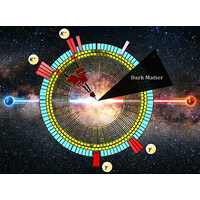
Phys. Rev. Lett. 137, 031804 (2026)
Particles and Fields
Engineering Quantum Noise Interference with Squeezed Vacuum in Dissipative Optomechanics
Article | Atomic, Molecular, and Optical Physics | 2026-07-16 06:00 EDT
Guang-Zheng Ye, Ye Liu, Wan-Jun Su, Yong Li, and Huaizhi Wu
Quantum noises impose limits on both backaction cooling and displacement measurements in macroscopic resonators. Here, we demonstrate that for dissipative optomechanical systems in the deeply unresolved sideband regime, squeezed-vacuum engineering of Fano interference enables broadband, tunable supp…
Phys. Rev. Lett. 137, 033602 (2026)
Atomic, Molecular, and Optical Physics
Synchronization Driven Reciprocity Breaking
Article | Atomic, Molecular, and Optical Physics | 2026-07-16 06:00 EDT
Alexander K. Stoychev, Ulrich Kuhl, and Nicolas Noiray
Wave transmission reciprocity is broken by exploiting the synchronization of two coupled self-oscillators. The underlying principle is that illumination from one port drives the in phase, while illumination from the other port drives the antiphase synchronization state. Because of its self-adjustmen…
Phys. Rev. Lett. 137, 033802 (2026)
Atomic, Molecular, and Optical Physics
Dynamical Pathway to Radiative Divertor Driven by Transient X-Point Vortex in Tokamaks
Article | Plasma and Solar Physics, Accelerators and Beams | 2026-07-16 06:00 EDT
H. Yang, N. Fedorczak, G. Ciraolo, E. Serre, H. Bufferand, L. Fèvre, E. Havlickova, N. Lemoine, N. Rivals, P. Tamain, the WEST team, and the WPTE team
Recent X-point radiator (XPR) experiments in L-mode plasmas of the tungsten-W Environment in Steady-state Tokamak (WEST) tokamak show that a stable radiative ring can be sustained above the X point for approximately 70 s, on timescales not limited by intrinsic plasma physics, demonstrating the compa…
Phys. Rev. Lett. 137, 035104 (2026)
Plasma and Solar Physics, Accelerators and Beams
Microwave Signature of the Emerging Abrikosov Lattice above ${H}_{c2}$
Article | Condensed Matter and Materials | 2026-07-16 06:00 EDT
Hang Zhou, Zhanghai Chen, A. A. Varlamov, Andreas Glatz, and Yuriy Yerin
The emergence of the Abrikosov lattice in the normal phase of type-II superconducting films as the magnetic field approaches the critical field from above was predicted in Glatz et al. [Fluctuation spectroscopy of disordered two-dimensional superconductors, Phys. Rev. B 84, 104510 (2011)]. In th…
Phys. Rev. Lett. 137, 036001 (2026)
Condensed Matter and Materials
Doping-Induced Polyamorphic Transitions in Fluorite Oxides
Article | Condensed Matter and Materials | 2026-07-16 06:00 EDT
Hao Yang, Qiaotong Luan, Qing Zhang, Yongqing Sun, Weijie Zheng, Zhen Wang, Huan-hua Wang, Xiaohui Liu, Zheng Wen, and Zhaoru Sun
Fluorite oxides, such as , exhibit rich and tunable phase behaviors, making them promising candidates for next-generation electronic devices. In this field, a key challenge consists in the design of amorphous -based high- materials with both structural and performance stability. Here, using…
Phys. Rev. Lett. 137, 036101 (2026)
Condensed Matter and Materials
Ellipticity-Controlled Bright-Dark Coherence Transition in Monolayer ${\mathrm{WSe}}_{2}$
Article | Condensed Matter and Materials | 2026-07-16 06:00 EDT
Kang Lan, Xiangji Cai, Zhongxiao Man, Shijie Xie, Ning Hao, Ping Zhang, and Jiyong Fu
The generation of exciton valley coherence typically requires linearly polarized (LP) light as an external coherent drive, whereas circularly polarized (CP) light fails to induce coherence. Here, we develop a unified, microscopically grounded open-quantum-system framework within a five-level model i…
Phys. Rev. Lett. 137, 036202 (2026)
Condensed Matter and Materials
Microscopic Evidence for a Zhang-Rice Triplet State in the van der Waals Antiferromagnet, ${\mathrm{NiPS}}_{3}$
Article | Condensed Matter and Materials | 2026-07-16 06:00 EDT
Beom Hyun Kim, Youjin Lee, Junik Hwang, Junghyun Kim, Je-Geun Park, and Seung-Ho Baek
Nuclear magnetic resonance measurements verify the Zhang-Rice triplet ground state in the van der Waals antiferromagnet NiPS.
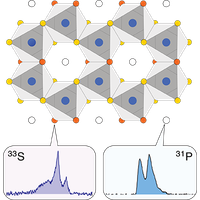
Phys. Rev. Lett. 137, 036505 (2026)
Condensed Matter and Materials
Photoinduced Switching of Magnetization in the Epsilon-Near-Zero Regime
Article | Condensed Matter and Materials | 2026-07-16 06:00 EDT
Héloïse Damas, Carl S. Davies, Petr M. Vetoshko, Vladimir I. Belotelov, Andrzej Stupakiewicz, and Andrei Kirilyuk
Midinfrared laser pulses tuned to optical phonon frequencies can induce magnetization switching in magnetic dielectrics, but the underlying mechanisms remain unclear, since excitations of the crystal lattice can simultaneously produce heating and nonthermal strain. Here, we study the response of lab…
Phys. Rev. Lett. 137, 036704 (2026)
Condensed Matter and Materials
Directional Photocurrent Generated by Quantum Interference Control
Article | Condensed Matter and Materials | 2026-07-16 06:00 EDT
Yiming Gong, Kai Wang, and Steven T. Cundiff
Using higher-order quantum interference, an "electron lighthouse" is created with the capability of optically steering highly directional 2D beams of photocurrent in semiconductors.
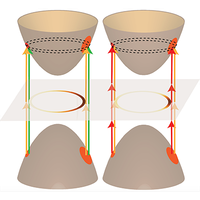
Phys. Rev. Lett. 137, 036901 (2026)
Condensed Matter and Materials
Physical Review X
Candidate for a Fractional Topological Insulator in Twisted ${\mathrm{MoTe}}_{2}$
Article | 2026-07-16 06:00 EDT
Yiping Wang, Gillian E. Minarik, Weijie Li, Yves Kwan, Shuai Yuan, Eric Anderson, Chaowei Hu, Julian Ingham, Jeongheon Choe, Takashi Taniguchi, Kenji Watanabe, Xavier Roy, Jiun-Haw Chu, Raquel Queiroz, James C. Hone, N. Regnault, Xiaodong Xu, and Xiaoyang Zhu
Pump-probe modulation spectroscopy of a MoTe bilayer superlattice reveals an out-of-plane antiferromagnetic response, providing experimental signatures of a putative fractional topological insulator state.
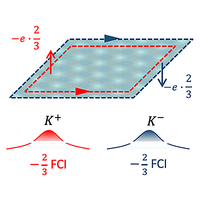
Phys. Rev. X 16, 031009 (2026)
arXiv
Gravity-Induced Thermal Rectification in Gaseous Systems
New Submission | Statistical Mechanics (cond-mat.stat-mech) | 2026-07-17 20:00 EDT
Rongxiang Luo, Chao Yang, Juncheng Guo, Qiyuan Zhang
Thermal rectification (TR) typically relies on structural asymmetry or material heterogeneity. Here, we show that gravity alone can induce and modulate TR in gaseous systems. Using a minimal model of a single gas particle confined in a two-dimensional channel between heat baths at different temperatures, we analytically demonstrate that gravitational fields generate TR, enabling perfect unidirectional heat conduction across broad gravitational parameter ranges. This effect exhibits an intrinsic trade-off between rectification efficiency and heat power. Extending beyond the single-particle limit, numerical simulations confirm that gravitationally induced TR persists in interacting many-particle systems. Notably, in interacting gas mixtures, the rectification direction can be reversed. Gravity-mediated control of heat currents thus provides new fundamental insights into thermal transport and suggests design principles for gaseous thermal diodes.
Statistical Mechanics (cond-mat.stat-mech), Quantum Gases (cond-mat.quant-gas)
Spinless charged excitation at the interface between a conventional topological insulator and a topological Mott insulator
New Submission | Strongly Correlated Electrons (cond-mat.str-el) | 2026-07-17 20:00 EDT
Cesar A. Gallegos, Andrew J. Millis, Steven R. White
We investigate the interface separating two topologically distinct insulating phases of matter using extensive density-matrix renormalization group calculations to study the triangular-lattice Hofstadter-Hubbard model with a spatially varying interaction strength, chosen to realize both integer quantum Hall and chiral spin liquid states in different spatial regions. We find that the integer quantum Hall-chiral spin liquid interface hosts a spinless charged excitation that is bound to the interface. This mode at the interface is identified through charge and spin pumping, and by direct calculations of low-lying excited states. We also characterize bulk excitations in both phases, finding evidence for fractionalization in the chiral spin liquid and for spin-triplet exciton formation in the integer quantum Hall phase.
Strongly Correlated Electrons (cond-mat.str-el)
5+1 pages, 5+2 figures
Phonons in low-dimensional confined systems: Emergent non-reciprocity in 1D
New Submission | Mesoscale and Nanoscale Physics (cond-mat.mes-hall) | 2026-07-17 20:00 EDT
An important feature of solid-state or cold atom systems in low dimensions is the restricted oscillations of ionic/atomic degrees of freedom in the confining directions, for which the conventional phonon from canonical quantization is not an ideal description. In this work we propose a general recipe to introduce this feature to otherwise unrestricted systems by mapping displacement fields to spin degrees of freedom. We demonstrate the validity of the approach with a 1D harmonic chain, and the results lead to massive Dirac fermions at long distances, showing the absence of acoustic modes as the signature of confined out-of-plane motion of the entire chain. We then introduce a short-range interaction via anharmonicities and show that for energy scale slightly above the gap, it gives rise to a (quantum) phase transition to a nonreciprocal state with spontaneous time reversal symmetry breaking (TRSB) of the type $ \hat{T}^2=+1$ . Despite the non-conserved total particle number, the model holds an under-appreciated $ U(1)$ symmetry with conserved “polarization charge”, so that the nonreciprocity can be probed by measuring the change of inductivity to artificial gauge fields in and out of the ordered phase.
Mesoscale and Nanoscale Physics (cond-mat.mes-hall), Materials Science (cond-mat.mtrl-sci), Quantum Gases (cond-mat.quant-gas)
AutoHF: a general Hartree-Fock solver utilizing direct energy minimization with automatic differentiation
New Submission | Strongly Correlated Electrons (cond-mat.str-el) | 2026-07-17 20:00 EDT
Ryan Levy, Brandon Eskridge, Lukas Weber, Miguel A. Morales, Shiwei Zhang
We present autohf, a general, easy-to-use mean-field solver for quantum many-fermion Hamiltonians. It allows the user to bypass the process of deciphering the mean-field form for each many-body Hamiltonian $ H$ and thus avoid setting up a tailored program for each $ H$ . Rather, autohf finds the optimal Slater determinant $ |\Psi\rangle$ , written in terms of orbital coefficients and subject to symmetry constraints, by directly minimizing the variational energy $ \langle H \rangle$ . By embracing this variational approach, autohf makes use of the growing power of automatic differentiation and optimization tools developed by the machine learning community.
Strongly Correlated Electrons (cond-mat.str-el), Computational Physics (physics.comp-ph)
Structure Selection by Non-Conservative 3-Body Acoustic Interactions
New Submission | Soft Condensed Matter (cond-mat.soft) | 2026-07-17 20:00 EDT
Qinghao Mao, Heinrich M. Jaeger
Non-conservative multi-body interactions are typically associated with instabilities and activity in driven, field-mediated systems. Here we show that they can also promote stable static structures. Combining experiments and simulations in a minimal, acoustically levitated three-particle system, we tune the relative strength of conservative and non-conservative contributions to the force field. The conservative component favors a symmetric equilibrium configuration, whereas the non-conservative 3-body contribution selects a flattened isosceles triangle. Our results identify non-conservative multi-body forces as a mechanism for static structure selection in driven-dissipative matter in the absence of an effective-energy landscape.
Soft Condensed Matter (cond-mat.soft)
Long-lived memory in sliding spin chains
New Submission | Statistical Mechanics (cond-mat.stat-mech) | 2026-07-17 20:00 EDT
We study a system of two ferromagnetic one-dimensional Ising chains coupled to a thermal bath, which are driven out of equilibrium by being moved past one another at a constant speed. We show that even at modest speeds, magnetic friction between the two chains significantly increases the ability of the system to order. In particular, at inverse temperature $ \beta$ , Ising coupling $ J$ , and sliding speed $ v$ , the dynamics retains memory of its initial magnetization for a time that increases from $ \exp(O(\beta J))$ at $ v = 0$ to $ \exp(O((\beta J)^2v\ln v))$ when $ v>v_c$ , where $ v_c$ is a small constant. Magnetic friction thus provides a simple mechanism for parametrically slowing down thermalization in a one-dimensional magnet.
Statistical Mechanics (cond-mat.stat-mech), Soft Condensed Matter (cond-mat.soft), Cellular Automata and Lattice Gases (nlin.CG)
5 pages, 3 figures
Memory of Initial Conditions in Self-Similar Diffusion: A Renormalization-Group Perspective
New Submission | Statistical Mechanics (cond-mat.stat-mech) | 2026-07-17 20:00 EDT
Universality is usually associated with asymptotic behavior becoming independent of details of the initial state. Using a unified renormalization-group (RG) framework for self-similar dynamics, we show that retaining relevant length scales leads naturally to distinct classes of memory-retaining fixed points. A modified density-dependent diffusion model reveals a general scaling structure in which initial-condition information remains asymptotically relevant, with the Barenblatt equation emerging as a special case. These results provide a new perspective on universality and anomalous scaling.
Statistical Mechanics (cond-mat.stat-mech)
7 pages, no figures
The two-particle density matrix of a Luttinger liquid
New Submission | Strongly Correlated Electrons (cond-mat.str-el) | 2026-07-17 20:00 EDT
Harini Radhakrishnan, Matthias Thamm, Hatem Barghathi, Bernd Rosenow, Adrian Del Maestro
Two-particle coherence is the first level of the reduced-density-matrix hierarchy that contains correlations inaccessible to single-particle observables, yet analytic two-particle density matrices are rare even in one dimension. We derive a closed, finite-size expression for the equal-time two-particle reduced density matrix of spinless fermions in a Tomonaga-Luttinger liquid using constructive bosonization with an explicit ultraviolet cutoff. In addition to the familiar Luttinger parameter $ K$ -dependent exponent $ \gamma^2=(K+K^{-1}-2)/2$ which governs the spatial decay of matrix elements, the result exposes a second exponent, $ \lambda=(K^{-1}-K)/2$ , which encodes correlations between opposite chiralities and controls the off-diagonal structure. The diagonal limit of the two-particle reduced density matrix yields density correlations and the static structure factor, while its coherences resolve algebraic $ 2k_F$ charge-density-wave correlations for repulsion and odd-parity p-wave pairing correlations for attraction. After fixing the cutoff from the one-particle density matrix, the analytic result quantitatively reproduces density matrix renormalization group calculations of the interacting J-V chain within the Luttinger liquid regime. The result connects universal Luttinger liquid scaling with observables in finite microscopic systems.
Strongly Correlated Electrons (cond-mat.str-el)
24 pages, 14 figures. For associated data and code repository see: this https URL
Memory-Driven Self-Propulsion and Flocking of Chemically Active Droplets
New Submission | Soft Condensed Matter (cond-mat.soft) | 2026-07-17 20:00 EDT
Samuel Kovach, Trevor GrandPre
Biomolecular condensates are continually remodeled by biochemical reactions that can exhibit non-Markovian, history-dependent dynamics. We develop a theory of active phase separation with non-Markovian reactions and show that delayed reaction feedback destabilizes stationary droplets: when the memory time becomes comparable to the reaction turnover time, condensates deform and spontaneously acquire a polar, self-propelled state. In multidroplet systems, persistent memory wakes mediate alignment, producing polar flocks and, at higher concentrations, traveling labyrinths. These results establish reaction memory as a control parameter of active phase separation, linking condensate remodeling, autonomous motility, and collective organization, and suggest a possible route to flocking-like behavior within cells.
Soft Condensed Matter (cond-mat.soft), Biological Physics (physics.bio-ph), Biomolecules (q-bio.BM)
Interlayer sliding direction as a symmetry selector in altermagnetic bilayer Fe2WS4: Switchable anomalous Hall and anomalous valley Hall effects
New Submission | Materials Science (cond-mat.mtrl-sci) | 2026-07-17 20:00 EDT
Quan Shen, Jianing Tan, Tao Yao, Wenhu Liao, Jiansheng Dong
Altermagnets combine compensated collinear magnetic order with momentum-dependent spin splitting, offering a promising platform for coupling spin and valley degrees of freedom with ferroelectricity and Berry-curvature driven transport in the absence of net magnetization. However, achieving nonvolatile and selective control of these intertwined degrees of freedom remains a key challenge. Here, using first-principles calculations, we show that the direction of interlayer sliding serves as a symmetry selective control parameter in altermagnetic bilayer Fe2WS4. Diagonal sliding breaks inversion symmetry and produces two sliding ferroelectric states with opposite out-of-plane polarizations. Reversal of the ferroelectric polarization switches the momentum-dependent spin texture and reverses the anomalous Hall conductivity, revealing strong magnetoelectric coupling and enabling a ferroelectrically switchable anomalous Hall effect. In contrast, axial sliding preserves inversion symmetry but breaks the crystalline symmetry relating the X and Y valleys, leading to reversible valley polarization and a switchable anomalous valley Hall effect. These results establish the direction of interlayer sliding as a nonvolatile symmetry selector for controlling ferroelectricity, spin texture, valley polarization, and Hall transport responses in two-dimensional altermagnetic bilayers.
Materials Science (cond-mat.mtrl-sci), Mesoscale and Nanoscale Physics (cond-mat.mes-hall)
Multistate ferroelectricity and switchable layer-locked anomalous valley Hall effects in bilayer ReIrGe2Se6
New Submission | Materials Science (cond-mat.mtrl-sci) | 2026-07-17 20:00 EDT
Tao Yao, Quan Shen, Jianing Tan, Jiansheng Dong
Two-dimensional multiferroic materials, which combine magnetic and ferroelectric (FE) orders with strong magnetoelectric coupling, represent ideal platforms for high-density information storage and low-power multistate electronics. However, the intrinsic bistability of conventional ferroelectricity poses a substantial challenge to realizing multiple nonvolatile states and programmable Berry-curvature driven transport responses within a single material. Here, using first-principles calculations, we predict multistate ferroelectricity in AA0-stacked bilayer ReIrGe2Se6. The system hosts four energetically stable FE polarization configurations, among which three are connected through reversible switching pathways, while the fourth exhibits a unidirectional switching pathway. The distinct FE configurations further give rise to a cyclic semiconductor-metal-semiconductor evolution in the electronic structure. Notably, FE polarization switching is intimately coupled to layer degrees of freedom and Berry curvature. The layer-dependent electrostatic potential associated with different FE configurations controls the layer character of the band-edge states, thereby locking the Berry curvature to specific layer channels. As a result, bilayer ReIrGe2Se6 enables switching between an anomalous valley Hall effect and a layer-locked anomalous valley Hall effect, providing nonvolatile control of layer, valley, and spin-resolved transport responses. In addition, magnetization reversal switches the valley and spin channels while preserving the layer-resolved character. These results establish bilayer ReIrGe2Se6 as a multistate ferroelectric platform for programmable Berry-curvature related transport, offering microscopic insight into topology based multifunctional electronic and valleytronic devices.
Materials Science (cond-mat.mtrl-sci)
Fractional quantum ferroelectric control of spin-valley locking and valley Hall effects in altermagnetic monolayer Cr2S2
New Submission | Materials Science (cond-mat.mtrl-sci) | 2026-07-17 20:00 EDT
Tao Yao, Quan Shen, Jiansheng Dong, Jianing Tan
Fractional quantum multiferroics, arising from the coupling between fractional quantum ferroelectricity (FQFE) and altermagnetism (AM), provide a promising platform for nonvolatile control of momentum dependent spin splitting in systems with zero net magnetization. However, extending this FQFE-AM coupling to valley degrees of freedom and Berry curvature driven valley Hall effects remains largely unexplored. Here, using first-principles calculations, we demonstrate that monolayer Cr2S2 realizes a two dimensional FQFE-AM platform with two switchable FQFE states connected by composite symmetry operations combining a fractional lattice translation with time reversal or parity-time reversal. We show that FQFE switching reverses the AM spin-polarized band structure and interchanges the spin characters of the X and Y valleys without rotating the Néel vector, thereby enabling polarization switchable spin-valley locking. Moreover, the two FQFE states exhibit reversed Berry curvature distributions, which, together with the switched spin-valley locking, enable polarization controlled valley Hall effects under both electron and hole doping. These results demonstrate a symmetry based mechanism for nonvolatile electrical control of AM spin splitting, spin-valley locking, and valley Hall effects, offering a general route toward low-power valleytronic devices based on FQFE-AM coupling.
Materials Science (cond-mat.mtrl-sci)
Moment-Resolved Readout and Reservoir Diversity in Nonequilibrium Langevin Computing
New Submission | Statistical Mechanics (cond-mat.stat-mech) | 2026-07-17 20:00 EDT
JiZheng Duan, MingYang Zhao, YanWei Chen, Lei Yang
Nonlinear thermodynamic computers based on Langevin dynamics exploit thermal fluctuations as a physical substrate for computation. Recent work has shown that quartic-confined fluctuating degrees of freedom can act as thermodynamic neurons capable of nonlinear function approximation at finite observation times. Here we extend this paradigm from mean-only readout to moment-resolved readout. Instead of representing each driven reservoir solely by its first moment, we construct a response vector from the elementwise raw polynomial moments
(\mathbb{E}[\bm{x}]),
(\mathbb{E}[\bm{x}^{\odot 2}]), and
(\mathbb{E}[\bm{x}^{\odot 4}]).
These observables combine displacement and central-shape contributions and are naturally aligned with the linear, quadratic, and quartic terms of the local driven dynamics.
We further introduce a heterogeneous multi-reservoir architecture in which three reservoirs with distinct initialization and training histories form a joint (2304)-dimensional response representation. Under the fixed MNIST (60000/10000) reproduction protocol, feature-level fusion achieves the best observed accuracy of (9695/10000=96.95%), compared with (9682/10000=96.82%) for the strongest single-reservoir model and (9684/10000=96.84%) for equal-weight logit averaging. An exact paired McNemar test does not establish a statistically significant improvement over the strongest single reservoir, but the ablation and wrong-set overlap results provide suggestive evidence of complementary classification errors. These results motivate higher-order polynomial-moment readout and reservoir heterogeneity as candidate design principles for finite-time Langevin computing.
Statistical Mechanics (cond-mat.stat-mech), Neural and Evolutionary Computing (cs.NE)
Dispersive Readout of a SiMOS Quantum Dot Using a Flip-Chip Integrated Microwave Resonator
New Submission | Mesoscale and Nanoscale Physics (cond-mat.mes-hall) | 2026-07-17 20:00 EDT
Vo Kim Hieu Van, Santiago Serrano, Cédric Bohémier, Ajit Dash, Fay E. Hudson, Tuomo Tanttu, Chih Hwan Yang, MengKe Feng, Ensar Vahapoglu, Florian K. Unseld, Wee Han Lim, Andrea Morello, Andrew S. Dzurak, Kok Wai Chan
Heterogeneous integration provides a promising route to combine semiconductor quantum dot devices and superconducting microwave circuits, while allowing each component to be fabricated using an optimized process flow. Here, we demonstrate a flip-chip integrated platform for dispersive readout of silicon metal-oxide semiconductor (SiMOS) quantum dot devices. A SiMOS double quantum dot chip is bonded to a superconducting aluminum resonator chip using indium bump interconnects to enable microwave coupling to the quantum dot gate. We show that the developed flip-chip process is compatible with cryogenic operation of both the SiMOS device and the superconducting resonator, and demonstrate resonator-based detection of charge transitions in the quantum dot system. The readout signal-to-noise ratio follows a dependence of $ \sqrt{t}$ with the integration time, reaching SNR = 1 at an integration time of approximately 0.3 ms. These results establish flip-chip bonding as a viable integration approach for SiMOS quantum dot devices operating at both dc and microwave frequencies, with potential applications for resonator-based techniques such as spin-photon coupling.
Mesoscale and Nanoscale Physics (cond-mat.mes-hall)
6 pages, 3 figures
Phase coherence control of a programmable high-Tc superconductor created by light
New Submission | Superconductivity (cond-mat.supr-con) | 2026-07-17 20:00 EDT
Viktoria Yursa, Igor Vaskivskyi, Anze Mraz, Damjan Svetin, Sergej Raznjevic, Vinko Srsan, Saso Sturm, Tomaz Mertelj, Mikhail Feigelman, Dragan Mihailovic
The quest for superconductivity created by light extends for more than half a century, yet direct evidence of a true zero-resistance state -whose macroscopic quantum phase coherence is both created and controlled by light – has remained elusive. Here we report for the first time on a complex but robust light-programmable superconducting (LiPS) state at an aluminium-silicon heterojunction that is created and fully controlled with femtosecond laser pulses. The superconducting critical temperatures – ranging from 1.8-8.5 K, can be increased or erased at will by the application of tailored pulse sequences. At low temperatures the LiPS state shows features characteristic of a Berezinski-Kosterlitz-Thouless topological transition, but another distinct state appears at temperatures above 2 K, which shows clear signatures of quantum phase disorder. In the presence of a magnetic field we observe behaviour characteristic of vortex pinning and creep consistent with the 2-dimensional (2D) nature of the phase coherent system. The origin of the LiPS effect is attributed to light pulse control of the Moire-like superlattice of misfit dislocations (MDs) that naturally occur as a result of discommensurations between Al and Si lattices at the interface, and is clearly observable by high-resolution electron microscopy. We show how light pulses can be used to control the superlattice periodicity and highlight the appearance of topologically protected soliton-like kinks along the dislocation lines, important for imparting metastability to the system. The demonstration of LiPS opens a route to the design of metastable long-range phase coherent superconducting states, leading to light-engineering of quantum circuits, local gap tuning in quantum processors and novel devices utilizing switchable superconductivity.
Superconductivity (cond-mat.supr-con), Mesoscale and Nanoscale Physics (cond-mat.mes-hall), Strongly Correlated Electrons (cond-mat.str-el), Optics (physics.optics), Quantum Physics (quant-ph)
14 pages, 3 figures
A Modern Multimodal Assistant on a 6 GB 2011 GPU: Stage-Validated, All-GPU CUDA Inference for Fermi
New Submission | Other Condensed Matter (cond-mat.other) | 2026-07-17 20:00 EDT
A companion study ran a 35B mixture-of-experts model on a 2011 NVIDIA Tesla C2075 (Fermi, sm_20, 6GB) as a GPU-prefill/CPU-decode hybrid, because the 4-bit model did not fit in device memory (arXiv:2606.24031). This report keeps the hardware and asks what a model that fits can do: we deploy MiniCPM-V-4.6, a modern multimodal assistant pairing a SigLIP2 vision encoder and window-attention merger (16x visual token compression) with a compact hybrid gated-delta-net backbone, entirely on the GPU. Three results. (i) An all-GPU engine built on measured foundations: projections that dequantize 8-bit weights once and call the vendor SGEMM still in the last Fermi toolchain (64% of FP32 peak; our best hand-written GEMM hit 37%, wrongly called the ceiling); a chunked delta-rule rewrite of the recurrent layers, 2.8x faster than the sequential scan once attribution exposed one bad kernel; and a measured negative: 4-bit weights make decode slower than 8-bit here, since Fermi issues nibble-unpacking shifts at half rate. (ii) The vision side is a port with a proof obligation: we translate tower, merger, and projector to sm_20 CUDA, validating every stage against a locally generated reference forward (full tower 1.4e-5). One failure, position-embedding bucketization differing on exact rational ties, generalizes to a rule: float tie-breaking in index arithmetic is implementation-defined; call the reference operator, do not reimplement it. (iii) Long context exposes an O(N^2) wall short benchmarks hide: prefill falls from 114 tok/s at 2k tokens to 21 at 10k in a naive attention kernel; per-head vendor-GEMM calls writing into the existing score buffer (zero extra memory) restore a flat profile (408 at 2k, 361 at 10k; 17x), verified by exact needle retrieval from 60% depth. The same rewrite cuts image encoding 6x, to 0.93s. The system answers an image question end-to-end in 1.7s.
Other Condensed Matter (cond-mat.other), Artificial Intelligence (cs.AI)
Second-Order Optical Nonlinearity of AlScN Films Grown By Molecular Beam Epitaxy
New Submission | Materials Science (cond-mat.mtrl-sci) | 2026-07-17 20:00 EDT
Joongwon Lee, Thai-Son Nguyen, Len van Deurzen, Debaditya Bhattacharya, Chandrashekhar Savant, Siddhartha Ghosh, Patrick Shea, Carl Bernard, Huili Grace Xing, Debdeep Jena, Farhan Rana
Alloys of AlN have rapidly emerged as a material platform for nonlinear optics. In this paper, we measure the second-order optical nonlinearity of AlScN films grown directly on nitrided c-plane sapphire by molecular beam epitaxy. This direct growth approach, which bypasses a thick AlN buffer layer, allows us to isolate the true nonlinear response of the AlScN film. Our results show a large enhancement of d31, but a suppression of d33 in AlScN films compared to AlN. We observe that d31 can be as high as 4.92 pm/V , which is 60 times larger than that of AlN. The development of AlScN-based photonic devices can enable energy-efficient nonlinear optical operations that can be epitaxially integrated with electronic and photonic devices based on Si, GaN and AlN.
Materials Science (cond-mat.mtrl-sci)
7 pages, 4 figures
Numerical and experimental framework for bending elasticity of highly flexible slender structures
New Submission | Soft Condensed Matter (cond-mat.soft) | 2026-07-17 20:00 EDT
Shunsuke Nomura, Satsuki Shibuya, Isamu Hashiguchi, Ryuichi Tarumi, Tomohiko G. Sano
Slender structures are highly flexible, spanning several orders of magnitude in length scale. Their deformation depends on the slenderness of their cross sections, highlighting that the elasticity and geometry of structures are intrinsically coupled. The deformation of the cross-section becomes significant, particularly when tubes and pipes are subjected to bending, known as the Brazier instability. Although the bending performance of slender structures is quantified experimentally using a canonical three-point bending test, their numerical counterparts remain under-explored because complex contact mechanics must be implemented in simulations. In this study, we develop a computational framework to simulate experimental three-point bending tests using a hybrid material point method (hybrid-MPM) approach, which integrates Lagrangian finite element and Eulerian finite difference frameworks. We adapt our framework to elastic tubes and tape springs as canonical examples that exhibit characteristic bending deformation in which the cross-sectional and lengthwise bending are coupled. The predictions of numerical simulations are validated against desktop experiments and classical theory. The excellent agreement between the simulation and the experiments implies that the hybrid-MPM framework provides a robust computational framework for predicting the large deformation of structures involving complex contact, such as soft robots and deployable structures.
Soft Condensed Matter (cond-mat.soft), Materials Science (cond-mat.mtrl-sci), Statistical Mechanics (cond-mat.stat-mech)
Submitted to Acta Mechanica, special issue on Highly Flexible Slender Structures (HFSS 2025)
Spin fluctuation-mediated unconventional superconductivity in ThFeAsN from first-principles
New Submission | Superconductivity (cond-mat.supr-con) | 2026-07-17 20:00 EDT
Guang-Yu Guo, Jau-Wen Liu, Mitsuaki Kawamura
Superconducting (SC) pairing mechanism, origin of high $ T_c$ and symmetry of SC order parameter in Fe-based superconductors are among the important unsolved problems in condensed matter and materials physics. We study the SC properties of ThFeAsN, a Fe-based high $ T_c$ superconductor, by {\it ab initio} superconducting density functional theory calculations with electron-phonon coupling, screened static and dynamic electron-electron Coulomb repulsion and spin fluctuation (SF) mediated pair-interaction fully taken into account. Our calculations reveal that ThFeAsN is a SF-mediated multiband superconductor with the calculated $ T_c$ of 22.4 K and the $ d_{xy}$ -wave SC order parameter with different signs on different Fermi surface sheets, in consistent with experiments. We also present distinct SC properties such as quasiparticle density of states and ultrasonic attenuation coefficient which can be immediately verified by experiments.
Superconductivity (cond-mat.supr-con), Materials Science (cond-mat.mtrl-sci), Strongly Correlated Electrons (cond-mat.str-el), Computational Physics (physics.comp-ph)
8 pages, 7 figures and 2 tables
Imaging and characterization of spontaneous vortices in a proximity-induced superconductor
New Submission | Superconductivity (cond-mat.supr-con) | 2026-07-17 20:00 EDT
Iku Nakaaki, Kotaro Taki, Mio Nomura, Haruna Ishimaru, Minagi Yono, Jun Chen, Hiroyo Segawa, Akiko Nakamura, Taku Moronaga, Minoru Tachiki, Shuuichi Ooi, Shunichi Arisawa, Tsutomu Nojima, Takashi Uchino
Observation of spontaneous symmetry breaking is crucial to our understanding of a continuous second-order phase transition from a disordered system into an ordered one, which often leads to the formation of topological defects. In the case of superconductors, such topological defects are identified as quantized vortices. However, their geometrical characteristics have not been well investigated and understood yet. For the imaging of spontaneous vortices, we employ a proximity-coupled superconducting nanocomposite. Here we show from scanning superconducting quantum interference device microscope measurements that vortices with different polarities, size and shapes are observed stochastically especially under near zero-field conditions. The field distributions of the spontaneous vortices are more extended and intricate than those of the field induced Abrikosov vortices, yielding longer penetration depths ranging from ~1 to ~10 micrometer. The spontaneous vortices are created during cooling as a result of the competition between Josephson coupling and thermal phase fluctuation, both of which are inherently present in this proximity-coupled system. The morphology of the vortices most likely imprints the information that is frozen at the time of vortex formation, providing insights into the local phase differences that are present in the early stage of the phase transition.
Superconductivity (cond-mat.supr-con)
11 pages, 5 figures
Direct observation of anisotropic exciton dispersion in the 2D semiconductor CrSBr
New Submission | Materials Science (cond-mat.mtrl-sci) | 2026-07-17 20:00 EDT
Yiwen Song, Peiyi He, Weizhe Zhang, Wenyuan Ouyang, Wenjing Liu, Jinlong Du, Zuxin Chen, Jiuyu Sun, Peng Gao, Yu Ye
We report momentum-resolved measurements of exciton dispersion in multilayer CrSBr using defocus-engineered electron energy-loss spectroscopy, supported by first-principles calculations. A pronounced in-plane anisotropy is observed, with the exciton exhibiting a linear dispersion along $ \Gamma$ Y within $ \lvert \boldsymbol{q} \rvert$ < 0.007 Å$ ^{-1}$ , while remaining nearly dispersionless along $ \Gamma$ X. The slope reaches 7.02 eV Å, among the largest reported in low-dimensional systems. The calculations reproduce the experimentally observed linear dispersion, confirming its intrinsic origin. We attribute the anisotropic dispersion to the long-range electron–hole exchange interaction, enhanced by strong out-of-plane confinement and governed by the directional selection rules of the transition dipole moment. Comparative measurements across the magnetic phase transition from the paramagnetic to the A-type antiferromagnetic state show that the dispersion remains essentially unchanged, indicating negligible coupling between exciton propagation and magnetic order. These results establish CrSBr as a model system for investigating anisotropic exciton dynamics in low-symmetry layered semiconductors.
Materials Science (cond-mat.mtrl-sci)
6 pages, 3 figures
Amoeboid swimming of active vesicles
New Submission | Soft Condensed Matter (cond-mat.soft) | 2026-07-17 20:00 EDT
Reiner Kree, Annette Zippelius
We investigate the shape dynamics and migration of weakly deflated active vesicles driven by processes acting either directly in the membrane or transmitted by the cytoskeleton. For a force-free vesicle, local membrane incompressibility suppresses rigid-body translation, so that migration arises from time-dependent shape deformations. Assuming small excess area enables a systematic analysis of the coupled deformation and migration dynamics in free space, i.e. in the absence of substrate adhesion or confinement. Depending on the strength and frequency of the activity, the vesicle exhibits several dynamical regimes, including synchronized oscillations, quasiperiodic shape changes, transitions between non-propelling and propelling states, and intermittent motion.
Soft Condensed Matter (cond-mat.soft), Biological Physics (physics.bio-ph), Fluid Dynamics (physics.flu-dyn)
Tunable Magneto-Excitonic Coupling in Alloyed van der Waals Antiferromagnet
New Submission | Materials Science (cond-mat.mtrl-sci) | 2026-07-17 20:00 EDT
Maciej Smiertka, Oliwia Janikowska, Katarzyna Olkowska-Pucko, Grzegorz Krasucki, Katarzyna Posmyk, Paulina Peksa, Alessandro Surrente, Dimitar Pashov, Kseniia Mosina, Zdenek Sofer, Mark van Schilfgaarde, Adam Babinski, Maciej R. Molas, Gabriela Komorowska, Esteban Zamora-Amo, Andres Castellanos-Gomez, Federico Mompean, Mar Garcia-Hernandez, Michal Baranowski, Swagata Acharya, Paulina Plochocka
The unique coupling between magnetic order and photo-generated excitons, electron-hole pairs bound by Coulomb interaction, in layered magnetic semiconductors offers a powerful mechanism for controlling light-matter interactions. In the van der Waals antiferromagnet CrSBr, this coupling is exceptionally strong and manifests distinctly between two coexisting excitonic states: the localised, Frenkel-like XA exciton and the more delocalised, Wannier-Mott-like XB exciton, providing a unique playground for the optical control of magnetism. Here, we reveal how chlorine incorporation reshapes the magneto-optical interplay in CrSBr1-xClx by simultaneously modifying its electronic structure, excitonic properties, and magnetic interactions. Combining magneto-optical spectroscopy up to 85 T with state-of-the-art quasiparticle self-consistent GW (QSGW) calculations on alloy supercells, we show that Cl insertion progressively localises the excitonic wavefunctions and drives both states toward a more Frenkel-like regime. This evolution is accompanied by a systematic reduction of the magnetic-field-induced energy renormalisation, most prominently for the XB exciton. Our work connects exciton character directly to magneto-excitonic coupling. Furthermore, it establishes compositional alloying as an effective strategy for engineering the coupling between magnetic and optical properties in van der Waals magnetic semiconductors.
Materials Science (cond-mat.mtrl-sci), Mesoscale and Nanoscale Physics (cond-mat.mes-hall)
Boson peak and medium-range elastic heterogeneity in calcium silicate hydrate probed by terahertz spectroscopy and low-temperature calorimetry
New Submission | Materials Science (cond-mat.mtrl-sci) | 2026-07-17 20:00 EDT
Xiangyu Li, Ying Chen, Jipeng Luo, Ya Chen, Linhao Wang, Lidan Tian, Gan Ding, Zeyu Lu, Zhangli Hu, Biqin Dong, Yue Li, Zongjin Li
The boson peak (BP), a universal vibrational anomaly of disordered solids, has been predicted but not systematically characterized in calcium silicate hydrate (C-S-H), the binding phase of hardened cement. Building on a preliminary terahertz survey, we characterize the BP across five Ca/Si ratios (0.5-1.7) using terahertz time-domain spectroscopy (THz-TDS) and low-temperature calorimetry, two probes of vibrational dynamics that complement the static picture of conventional structural methods. After Bruggeman correction for crystalline impurities, both probes locate the BP near 1 THz; they agree on frequency but diverge in intensity. The terahertz integrated spectral weight and the calorimetric Cp/T3 peak both fall monotonically with Ca/Si, whereas the apparent terahertz peak height is maximal at Ca/Si = 1.0, where damping is low and oscillator strength still substantial. This decoupling marks a structural crossover between silicate-chain depolymerization and interlayer calcium filling. From the BP we obtain a medium-range dynamical correlation length of order 1 nm (0.3-2 nm) and a coherent-potential elastic-heterogeneity parameter that decreases from gamma = 0.98 to 0.48 as Ca/Si rises; the Debye-normalized BP frequency (nu_BP/nu_D = 0.15-0.17) places C-S-H within the range reported for silicate glasses. Because gamma governs the distribution of energy barriers for local structural rearrangements, it provides a quantitative, composition-resolved descriptor relevant to the intrinsic creep and thermal transport of C-S-H, linking nanoscale vibrational dynamics to the macroscopic durability of concrete. The dual-probe boson-peak approach is transferable to other amorphous solids, including the supplementary cementitious materials of low-carbon cements.
Materials Science (cond-mat.mtrl-sci), Disordered Systems and Neural Networks (cond-mat.dis-nn)
Emergence of a monopole phase in the $J_1{-}J_2$ Heisenberg model on the triangular lattice for small magnetic fields
New Submission | Strongly Correlated Electrons (cond-mat.str-el) | 2026-07-17 20:00 EDT
Sasank Budaraju, Shi Feng, Josef Willsher, Johannes Knolle, Frank Pollmann, Federico Becca
We investigate the ground-state phase diagram of the $ J_1{-}J_2$ Heisenberg model on the triangular lattice under an external Zeeman field $ H$ by using the variational Monte Carlo approach. We span a region with $ 0 \le J_2/J_1 \le 0.2$ and $ 0 \le H/J_1 \le 2$ , to assess the fate of the (putative) spin-liquid phase that has been detected for $ J_2/J_1=1/8$ at zero magnetic field. Simple variational ansatze are proposed for a few candidate states, and their energetics are compared on large clusters to obtain the phase diagram. For $ J_2/J_1 \lesssim 1/6$ , a continuous transition from a gapless “Y’’ phase to a gapped “up-up-down’’ phase is obtained, as predicted by spin-wave theory. Most importantly, around $ J_2/J_1=1/8$ , a condensate of monopoles (which are gapless gauge excitations of the spin liquid at $ H=0$ ) is stabilized in a significant region of the phase diagram, for small Zeeman fields. Here, a finite scalar chirality is present, while no transverse magnetic order is detected. The stability of the monopole phase is confirmed by a field-theory approach that includes a self-consistent random-phase approximation of the low-lying spin fluctuations. The boundary between the monopole and “Y’’ phases is also obtained with no free parameters.
Strongly Correlated Electrons (cond-mat.str-el)
13 pages, 10 figures
Computing binary alloy phase diagrams with explicit configurational and vibrational entropy
New Submission | Materials Science (cond-mat.mtrl-sci) | 2026-07-17 20:00 EDT
Sarath Menon, Marvin Poul, Tilmann Hickel, Jörg Neugebauer, Ralf Drautz
Phase stability in multicomponent solid solutions depends on configurational entropy beyond the ideal mixing limit, but capturing it together with vibrational entropy within the same atomistic framework remains challenging. Here, we extend non-equilibrium thermodynamic integration to composition-dependent transformations through an alchemical interpolation of the interactions, combined with Monte Carlo identity exchange moves and molecular dynamics that sample the vibrational and non-ideal configurational entropy along the integration path. We apply the framework to the Au-Cu binary alloy using Atomic Cluster Expansion potentials trained on density functional theory data using the LDA, PBE, and r2SCAN functionals, and construct composition-temperature phase diagrams directly from atomistic free energies. We find that explicit configurational sampling lowers the AuCu order-disorder transition temperature predicted by the ACE potential trained on LDA data from approximately 810 K to 710 K, closer to the experimental value of 683 K, and substantially widens the stability range of the solid solution. At the same time, the much larger sensitivity to the exchange-correlation functional shows that this level of agreement should not be interpreted as general predictive accuracy. Non-ideal configurational entropy must therefore be sampled explicitly, alongside a careful choice of functional, for a reliable atomistic description of binary phase diagrams.
Materials Science (cond-mat.mtrl-sci)
The distribution of eccentricities in random regular graphs
New Submission | Statistical Mechanics (cond-mat.stat-mech) | 2026-07-17 20:00 EDT
Dor Lev-Ari, Ofer Biham, Eytan Katzav
We derive a closed-form analytical expression for the distribution of eccentricities (DoE) in random regular graphs (RRGs) that consist of $ N$ nodes of degree $ c$ . The DoE is given by the tail distribution $ P(E > \ell) \simeq 1 - \exp \left[ - \exp \left( - \frac{ e^{b \ell} - \mu }{\beta} \right) \right]$ , where the distance $ \ell$ takes integer values, $ b = \ln (c-1)$ is the shape parameter, $ \beta = \frac{c-2}{c} N$ is the scale parameter and $ \mu = \frac{c-2}{c} N \ln N$ is the location parameter. By providing the full distribution rather than a single characteristic length scale, we present a detailed view of the large-scale structure. In spite of the fact that the degrees of all the nodes are the same, their eccentricities exhibit non-trivial variations. We derive a closed-form expression for the mean eccentricity, which is given by $ \langle E \rangle \simeq \frac{\ln N}{\ln (c-1)} +
\frac{\ln \ln N}{\ln (c-1)} - \frac{ \ln c - \ln (c-2) }{ \ln (c-1) } + \frac{1}{2}$ . We calculate the mode of the DoE, which exhibits a staircase profile as a function of the network size. Interestingly, the mode is given by $ E_{\rm mode} ={\rm Round} \left( \langle E \rangle \right)$ , where $ {\rm Round}( x )$ is the nearest integer to $ x$ . We also calculate the variance $ {\rm Var}(E)$ and show that it exhibits oscillations as a function of the network size $ N$ . The results presented in this paper may serve as benchmarks for algorithmic approaches to eccentricity calculations in large sparse networks. The eccentricities are important in practical applications such as broadcasting and global dissemination, where the network performance is determined by the longest delay times.
Statistical Mechanics (cond-mat.stat-mech), Disordered Systems and Neural Networks (cond-mat.dis-nn), Physics and Society (physics.soc-ph)
25 pages, 7 figures
$c$-axis strain tuning of superconductivity and symmetric elastoresistivity in CsV$_3$Sb$_5$
New Submission | Superconductivity (cond-mat.supr-con) | 2026-07-17 20:00 EDT
Xiaoran Yang, Yutong Li, Chunyi Li, Qi Tang, Jiawen Zhang, Yu Song, Huiqiu Yuan, Xingye Lu
The kagome metal CsV$ {3}$ Sb$ {5}$ hosts an intriguing interplay between charge-density-wave (CDW) order and superconductivity that is highly sensitive to lattice distortions. However, determining the specific roles of the in-plane ($ A{1g,1}$ ) and out-of-plane ($ A{1g,2}$ ) symmetric strain channels has been hindered by their intrinsic mixing in conventional piezo-based experiments. Here, we combine in-plane uniaxial strain with direct $ c$ -axis compression to independently access and disentangle these symmetry-resolved responses in CsV$ {3}$ Sb$ {5}$ . We reveal that $ c$ -axis compression drives a massive, linear enhancement of the superconducting transition temperature ($ T_c$ ) alongside a suppression of $ T{\rm CDW}$ . The tuning efficiency of this out-of-plane deformation acts with an opposite sign and far exceeds that of in-plane strain, demonstrating that $ c$ -axis lattice control dictates the phase competition. Furthermore, by isolating the pure elastoresistivity coefficients, we find that the out-of-plane cross-coupling coefficient ($ m{13}$ ) is comparable in magnitude but opposite in sign to the in-plane response ($ m_{11}+m_{12}$ ). Unlike the sharply peaked in-plane response, $ m_{13}$ exhibits a distinct, order-parameter-like onset across the CDW transition. Our results establish that out-of-plane lattice control plays a dominant role in tuning the intertwined states in CsV$ _{3}$ Sb$ _{5}$ and provide a general pathway for resolving strain-coupled electronic responses in layered quantum materials.
Superconductivity (cond-mat.supr-con), Strongly Correlated Electrons (cond-mat.str-el)
8 pages, 4 figures
SevenNet-Polar for MultiTask Prediction of Energy, Forces, Stress, and Born Effective Charges: Development and Application to ZrO$_2$, Li$_3$PO$_4$, and Perovskites
New Submission | Materials Science (cond-mat.mtrl-sci) | 2026-07-17 20:00 EDT
Anh Khoa Augustin Lu, Shungo Arai, Yutack Park, Seungwu Han, Tsuyoshi Miyazaki, Satoshi Watanabe
Accurate prediction of the Born effective charge (BEC) tensor is crucial for modeling materials under electric fields but remains computationally expensive. To bridge this gap, we present SevenNet-Polar, an equivariant graph neural network framework based on the SevenNet architecture for fast and accurate BEC predictions. Our BEC-only predictors can achieve an RMSE as low as 0.0043 e on ZrO$ _2$ , Li$ _3$ PO$ _4$ , and perovskites, despite the presence of high-temperature (up to 2,000 K) and defect-laden training data. Our all-in-one multitask models for predicting energy, forces, stress, and BEC in ZrO$ _2$ and Li$ _3$ PO$ _4$ achieve high accuracy with an RMSE of 1.0 meV/atom for energy, 12 meV/angstrom for forces, 0.05 GPa for stress, and 0.0029 e for BEC. BEC accuracy is not degraded by multitask training. Scaling analysis reveals distinct exponents for diagonal and off-diagonal BEC components, both of which exhibit less favorable scaling than energy, force and stress errors. SevenNet-Polar generalizes robustly when tested on scenarios containing structural environments absent from the training set, such as along nudged elastic band (NEB) trajectories or grain boundaries in ZrO$ _2$ . Accelerated by FlashTP, SevenNet-Polar enables simulations containing up to 1.5 million atoms on multi-GPU supercomputers and up to approximately 15,000 atoms on a single consumer-grade GPU. This makes charge-aware molecular dynamics simulations under electric fields more accessible.
Materials Science (cond-mat.mtrl-sci), Disordered Systems and Neural Networks (cond-mat.dis-nn), Computational Physics (physics.comp-ph)
Monopole Spin Density Wave States in Magnetic Weyl Semimetals
New Submission | Strongly Correlated Electrons (cond-mat.str-el) | 2026-07-17 20:00 EDT
The interplay between topology and magnetism in Weyl semimetals has recently emerged as a fertile ground for novel quantum phases. While monopole harmonic order parameters have been established for superconductivity and charge density waves in these systems, their spin density wave counterparts remain unexplored. Here we introduce monopole spin density wave (SDW) states arising from particle-hole pairing between nested Fermi surfaces enclosing Weyl nodes of the same chirality. We demonstrate that the SDW order parameter inherits a nontrivial pairing Berry phase and is described by monopole harmonic functions that exhibit topologically protected nodal structures in the gap function. Through a concrete lattice model, we show that helical and cycloidal SDW orders produce distinct signatures in band structures, Fermi arc distributions, and surface spin polarization patterns, which can be directly resolved by spin- and angle-resolved photoemission spectroscopy. Remarkably, we find that the quantum geometric tensor of the monopole pairing realizes ideal quantum geometry in the weak-coupling limit, where quantum distance fluctuations are entirely governed by Berry curvature. Our results not only unify the understanding of monopole ordered states across pairing channels but also provide experimental avenues for distinguishing competing magnetic orders in ReAlX (Re=rare earth elements, X=Si, Ge) materials and suggest potential applications in topological spintronics.
Strongly Correlated Electrons (cond-mat.str-el)
9 pages, 2 figures
Density-driven reentrant polymer transitions via saturable bridging crowders
New Submission | Soft Condensed Matter (cond-mat.soft) | 2026-07-17 20:00 EDT
Monmee Phukan, Hitesh Garg, Satyavani Vemparala
Reentrant coil-globule-coil transitions, in which a polymer collapses and then reexpands as a single parameter is varied, have been observed across diverse soft matter systems, yet the minimal ingredients required to produce them remain unclear. Using molecular dynamics simulations of coarse-grained polymers interacting with a single species of attractive crowder, we show that crowder volume fraction $ \phi_c$ alone is sufficient to drive a complete reentrant transition. At low $ \phi_c$ , crowders bridge distant monomers and drive cooperative collapse; at high $ \phi_c$ , saturation of monomer binding sites suppresses bridging connectivity and produces reentrant expansion. This density-driven transition is absent with purely repulsive crowders, which produce only monotonic compaction while preserving self-avoiding walk (SAW) chain statistics. In contrast, bridging breaks SAW universality: the rescaled size distributions no longer collapse onto a universal curve, and the conformational distributions trace the full coil-globule-coil trajectory as $ \phi_c$ is varied. For charged polymers with explicit counterions, electrostatics amplifies rather than suppresses reentrance: bridging crowders displace counterions from the chain, and upon saturation the unscreened backbone charges drive expansion well beyond the original chain size. Saturable geometric bridging thus emerges as a minimal mechanism linking reentrant phenomena across neutral and charged polymers in crowded environments.
Soft Condensed Matter (cond-mat.soft), Biological Physics (physics.bio-ph), Chemical Physics (physics.chem-ph), Computational Physics (physics.comp-ph)
12 pages, 7 main figures, 6 supp figures
Are we facing a reproducibility crises in materials synthesis? A systematic review of Turkevich AuNP synthesis and CVD MoS2 growth
New Submission | Materials Science (cond-mat.mtrl-sci) | 2026-07-17 20:00 EDT
Julia S. Correa, Leandro V. Silva, Nichollas G. G. Silva, Cesar Raitz, Alex S. Lima, Daniel Grasseschi
Reproducibility remains a major challenge in materials synthesis, particularly for nanomaterials whose properties are highly sensitive to experimental conditions. Here, we present a systematic review and meta-analysis evaluating the reproducibility of two widely used synthesis routes: the Turkevich method for gold nanoparticles (AuNPs) and the chemical vapor deposition (CVD) growth of MoS2. An adapted PRISMA-based protocol combined with a modified SPIDER framework was applied to assess methodological transparency, parameter reporting, and experimental consistency across the literature. More than 1,300 articles for each case study were retrieved from Scopus and Web of Science and systematically screened using structured checklists and a Python-based text classification algorithm validated against independent human reviewers. Despite the extensive literature and the widespread perception of these methods as reproducible, only a small fraction of studies rigorously addressed synthesis reproducibility. Critical experimental parameters were frequently underreported, and statistical analyses were rarely included, limiting inter-laboratory comparability and reproducibility. These findings demonstrate the value of systematic reviews and meta-analyses as tools for identifying reproducibility gaps and guiding the development of more transparent and reliable synthesis protocols in materials science.
Materials Science (cond-mat.mtrl-sci)
36 pages, 5 figures, 132 references
Curvature Converts Phonon Hall Viscosity into Phonon Angular Momentum
New Submission | Mesoscale and Nanoscale Physics (cond-mat.mes-hall) | 2026-07-17 20:00 EDT
In a flat crystalline membrane, the low-energy spectrum is dominated by a flexural mode that does not couple to phonon Hall viscosity. We show that static curvature converts normal motion into in-plane strain and thereby opens a Hall-active flexural channel. Tracefree curvature couples directly to Hall-active shear, while mean curvature acts indirectly through the shear generated by ordinary in-plane elasticity. Together, these channels generate in-plane phonon angular momentum along the surface normal. For statistically isotropic shallow ripples, the time average has a definite sign fixed by the Hall viscosity, producing a steady field-odd torque proportional to the mean-square curvature. Using the measured bulk Hall viscosity of $ \alpha$ -RuCl$ _3$ to set the scale, we estimate a torque of order $ 10^{-22},\mathrm{N,m}$ for a few-layer membrane, within reach of demonstrated torsional sensors. The same flexural-to-shear response provides a probe of phonon Hall viscosity in atomically thin crystals.
Mesoscale and Nanoscale Physics (cond-mat.mes-hall), High Energy Physics - Theory (hep-th)
12 pages, 1 figure
Optimization dynamics of Transformer backflow neural quantum states for the two-dimensional Hubbard model
New Submission | Strongly Correlated Electrons (cond-mat.str-el) | 2026-07-17 20:00 EDT
Zong-Yu Liao, Jia-Qi Wang, Rong-Qiang He, Zhong-Yi Lu
Building on the multi-determinant Transformer backflow neural quantum state (NQS) ansatz and the associated multi-stage training workflow for the doped two-dimensional Hubbard model, we investigate how the optimization dynamics of the NQS depend on several key optimization and architectural hyperparameters. The workflow consists of neural-network backflow (NNB) initialization, supervised Transformer pre-training, and main energy optimization using the Moment-Adaptive ReConfiguration Heuristic (MARCH) within variational Monte Carlo. Using the doped $ 4\times4$ periodic Hubbard model at $ U=8$ as a baseline, we examine how the update-norm threshold, Transformer width, number of determinant channels, and Monte Carlo batch size affect convergence. We find that a moderate update constraint improves the efficiency of MARCH optimization, larger Transformer width and more determinant channels improve the expressive capacity of the ansatz, and larger Monte Carlo batches reduce sampling noise in the update direction. We further test the same workflow at half filling, weaker interaction strength, open boundary conditions, and on a larger $ 8\times8$ doped lattice. These results identify practical optimization trends for Transformer backflow NQSs and highlight the balance between ansatz expressivity, MARCH update stability, and Monte Carlo sampling quality.
Strongly Correlated Electrons (cond-mat.str-el), Disordered Systems and Neural Networks (cond-mat.dis-nn), Computational Physics (physics.comp-ph)
11 pages, 4 figures, 1 table
Sizable Ligand-Mediated Bond-Dependent Interactions in a Spin-1 Triangular Antiferromagnet NiI$_2$
New Submission | Strongly Correlated Electrons (cond-mat.str-el) | 2026-07-17 20:00 EDT
Hao Xu, Weiqin Zhu, Shufan Cheng, Yanyan Shangguan, Song Bao, Junbo Liao, Bo Zhang, Zihang Song, Shuai Dong, Maofeng Wu, Stanislav E. Nikitin, Travis J. Williams, Changsong Xu, Jinsheng Wen
The bond-dependent anisotropic Kitaev interactions are the key for the Kitaev model, which has attracted intense interest for its potential to host quantum-spin-liquid states and fractional excitations. However, experimental realizations of such interactions remain scarce. Here, we investigate the magnetic excitations of NiI$ _2$ , a van der Waals magnet with spin $ S=1$ . By combining inelastic neutron scattering, magnetization measurements, magnetic structure analysis, first-principles calculations, and linear-spin-wave simulations, we identify a minimal model that features substantial Kitaev and off-diagonal $ \Gamma$ interactions, which together stabilize the canted magnetic ground state and open a gap in the spin-wave spectrum. Notably, these interactions arise from strong spin-orbit coupling on the ligand ions, despite the quenched orbital moment of the magnetic Ni$ ^{2+}$ ions. Our results provide compelling experimental evidence for the ligand-driven Kitaev mechanism. This demonstrates a concrete pathway to generating strong bond-dependent anisotropy in systems where the magnetic ions themselves have weak spin-orbit coupling, thereby substantially broadening the range of potential Kitaev materials.
Strongly Correlated Electrons (cond-mat.str-el)
8 pages, 4 figures
Star-triangle duality estimates for triangular and honeycomb permutation models
New Submission | Disordered Systems and Neural Networks (cond-mat.dis-nn) | 2026-07-17 20:00 EDT
We study a duality analysis in conjunction with the star-triangle transformation for symmetric-group permutation models on the triangular and honeycomb lattices. The calculation is motivated by the permutation-model description of random tensor networks and by earlier duality analyses of replicated spin glasses. The essential point is that the finite-basis unit is not a bare bond but a star-triangle block. Our analysis estimates the critical bond dimension for the honeycomb lattice to be 2.634929344884, and the associated single-bond duality relation yields the triangular-lattice estimate 1.475661534848.
Disordered Systems and Neural Networks (cond-mat.dis-nn), Quantum Physics (quant-ph)
14 pages
Spot Profile Analysis Low Energy Electron Diffraction of Plasma-Enhanced Chemical Vapor Deposition Grown Epitaxial Few-Layer Graphene on Sapphire
New Submission | Materials Science (cond-mat.mtrl-sci) | 2026-07-17 20:00 EDT
Niels Ganser, Marko A. Kriegel, Umut Kaya, Jixi Zhang, Rodney D. L. Smith, Marika Schleberger, Wolfgang Mertin, Gerd Bacher, Michael Horn-von Hoegen
We demonstrate the use of high-resolution spot-profile analysis low-energy electron diffraction to determine the mean grain size of plasma-enhanced chemical vapor deposition grown few-layer graphene on sapphire (Al$ _2$ O$ _3$ ). The diffraction patterns exhibit broadened graphene spots, pronounced diffuse scattering, and azimuthally extended features, indicating finite crystallite size and rotational disorder. By analyzing the finite-size broadening of the specular (00) spot with an Airy-type diffraction profile, we determine a mean grain diameter of 3.7$ ,$ nm for the as-grown graphene layer. Post-growth annealing under ultrahigh-vacuum conditions increases the mean grain size to about 5.7$ ,$ nm and 6.8$ ,$ nm, respectively. These results establish SPA-LEED as a sensitive reciprocal-space method for quantifying the structural coherence of directly grown graphene on insulating substrates.
Materials Science (cond-mat.mtrl-sci), Applied Physics (physics.app-ph)
The following article has been submitted to Applied Physics Letters
Tomographic flow regime vs even-odd effect for the magnetotransport in the Corbino geometry
New Submission | Mesoscale and Nanoscale Physics (cond-mat.mes-hall) | 2026-07-17 20:00 EDT
In two dimensions, the geometric constraints due to Pauli blocking and conservation laws lead to the even-odd effect exhibited by the electron-electron scattering lengths: electron-electron collisions are more efficient at relaxing the even angular harmonics of the distribution function than the odd ones. Inspired by a recent experiment on the magnetotransport in the Corbino disk geometry, we numerically analyze the electron flows in this geometry across all the regimes.
We predict a clear signature of the even-odd effect - enhancement of the resistance sensitivity $ \partial R/\partial(B^2)$ at small magnetic fields $ B\rightarrow 0$ . This enhancement is most prominent at the crossover from the ballistic to the tomographic regime, and gradually disappears when the temperature is further increased. Our estimates suggest that in the temperature range of the experiment, the effect should be small. This implies that the attribution of the anomalous scaling of the kinematic viscosity, that was observed in the experiment, to the even-odd effect might need more careful consideration.
As a side note, we show how the method of characteristics can be extended to treat the long-lived odd harmonics, which allows one to recast the linearized Boltzmann equation as a system of integral ones.
Mesoscale and Nanoscale Physics (cond-mat.mes-hall), Quantum Gases (cond-mat.quant-gas), Statistical Mechanics (cond-mat.stat-mech)
Avoiding Dilution: Using Diffusion and Vision Transformers to resolve Majorana Features in Nanowires at High Temperature
New Submission | Mesoscale and Nanoscale Physics (cond-mat.mes-hall) | 2026-07-17 20:00 EDT
Jacob R. Taylor, Haining Pan, Jay D. Sau, Sankar Das Sarma
Identifying Majorana zero modes in semiconductor–superconductor nanowires requires ultra-low temperature transport measurements in dilution refrigerators, making device screening slow and resource-intensive. Here, we investigate whether high-temperature conductance data can be used to infer low-temperature Majorana nanowire properties before committing devices to dilution-refrigerator characterization. We generate paired high- and low-temperature conductance simulations for disordered Majorana nanowires and train neural networks to perform two related tasks. First, we use a Shifted Window U-Net Transformer diffusion-inspired architecture to reconstruct low-temperature conductance from thermally broadened high-temperature measurements, achieving high-fidelity recovery with $ R^2 \approx {0.95}$ for local conductance and $ R^2 \approx {0.91}$ for nonlocal conductance. Second, we train a Video Vision Transformer-based network to predict the low-temperature topological visibility directly from high-temperature conductance, obtaining $ R^2 \approx {0.80}$ . These results demonstrate that machine-learning models can recover and infer low-temperature Majorana features from experimentally easier high-temperature data, providing a practical route for rejecting poor devices early thus avoiding slow and resource-intensive dilution refrigeration for non-promising devices. This high-temperature screening approach could substantially accelerate the experimental feedback loop for Majorana nanowire device development.
Mesoscale and Nanoscale Physics (cond-mat.mes-hall), Disordered Systems and Neural Networks (cond-mat.dis-nn)
3 Figures, 6 Pages
Self-organized defect clustering and concentration-dependent vacancy diffusion in MoS$_2$
New Submission | Materials Science (cond-mat.mtrl-sci) | 2026-07-17 20:00 EDT
Aaron Flötotto, Benjamin Spetzler, Martin Ziegler, Erich Runge, Christian Dreßler
Sulfur vacancy migration has a crucial impact on electronic transport and the functional behavior of MoS$ _2$ -based devices such as memristors and memtransistors. According to recent atomistic simulations, vacancy migration proceeds via cooperative, vacancy-assisted sulfur jumps, implying strongly correlated defect dynamics. Here, we investigate the collective behavior of sulfur-vacancy clusters in MoS$ _2$ using kinetic Monte-Carlo simulations with transition rates derived from machine learning interatomic potential molecular dynamics simulations. We identify three transport regimes: At low concentrations, vacancies are immobile or confined within small clusters, whereas at high concentrations, classical diffusive transport with a constant diffusion coefficient is observed, and vacancies aggregate into anisotropically extended clusters. A well defined intermediate regime is characterized by clusters merging into a connected, fluctuating network with a concentration-dependent diffusion coefficient. This regime is characterized by a broad distribution of cluster sizes. The strong dependence of the vacancy diffusion coefficient on the average defect concentration provides new insights into the origin of memristive behavior observed in MoS$ _2$ .
Materials Science (cond-mat.mtrl-sci), Computational Physics (physics.comp-ph)
Stochastic process model of rough surface contact
New Submission | Soft Condensed Matter (cond-mat.soft) | 2026-07-17 20:00 EDT
The stochastic process model of rough surface contact, widely known as Persson’s theory of contact, serves as a representative multi-scale model that has been extensively applied across various fields of tribology. In this chapter, we briefly introduce the background of the development of Persson’s theory of contact. We thoroughly discuss Persson’s theory for purely normal elastic contact, with a special focus on solving the probability density of the contact pressure and the interfacial gap using partial differential equations. Subsequent applications of these fundamental results in addressing more complex interfacial properties in other fields of tribology are also examined. Finally, several recommendations regarding future studies of Persson’s theory are proposed. This review article is expected to assist researchers in quickly familiarizing themselves with the current state of the art of Persson’s theory and to attract more attention from tribologists and solid mechanicians, thereby contributing to the development and application of Persson’s theory of contact.
Soft Condensed Matter (cond-mat.soft), Statistical Mechanics (cond-mat.stat-mech)
Collective dynamics of harmonically trapped 1D quantum droplets under linear gravitational-like confinement
New Submission | Quantum Gases (cond-mat.quant-gas) | 2026-07-17 20:00 EDT
Saurab Das, Jayanta Bera, Ajay Nath
We investigate the dynamics of harmonically confined quantum droplets in a binary Bose Einstein condensate within the one dimensional extended Gross Pitaevskii framework, including LHY corrections, under a constant linear (gravitational like) potential. By analyzing the COM and width dynamics, we show that the monopole (breathing) mode remains governed by the harmonic confinement, with a frequency asymptotically insensitive to the linear perturbation, demonstrating the robustness of internal collective excitations against uniform external forcing. In contrast, the COM exhibits interaction-dependent transport, with weak confinement producing large susceptibility and rapid displacement, whereas strong confinement suppresses transport even under large forcing. The COM response decreases monotonically with increasing trap frequency. We further characterize the evolving quantum state through the quantum Fisher information and Wigner quasi-probability distributions, showing that the linear potential enables controlled generation of states with enhanced metrological sensitivity over finite times, while stronger confinement shifts the onset of the high-sensitivity regime to larger forcing strengths. Numerical simulations based on the split-step Fourier method confirm the dynamical stability of the obtained solutions. These results illustrate the impact of linear gravitational like trap on the collective excitations, transport, and quantum metrological properties of 1D ultradilute quantum fluids.
Quantum Gases (cond-mat.quant-gas)
11 pages, 7 figures
Synergistic Effects of Phosphorus Doping and Oxygen Vacancies on Formaldehyde Oxidation over CeO$_2$(111): A First Principles Investigation
New Submission | Materials Science (cond-mat.mtrl-sci) | 2026-07-17 20:00 EDT
Tarek Ayadi, Mourad Debbichi, Michael Badawi, Fabien Pascale, Adel Mesbah, Sébastien Lebègue
Using a combination of static and dynamic density functional theory simulations, we systematically investigated how phosphorus doping and oxygen vacancies on the CeO$ _2$ (111) surface influence the oxidation mechanisms of formaldehyde (HCHO). Our results reveal that P cations (P$ ^{5+}$ ) substitutionally replace Ce$ ^{4+}$ in the lattice, forming Ce$ -$ O$ -$ P bonds that reduce the band gap (from 2.26 eV to 2.09 eV) and generate localized Ce$ ^{3+}$ states through charge redistribution. This synergistic effect of P doping combined with oxygen vacancy strengthens HCHO adsorption by decreasing the adsorption energy from -0.62 eV on pristine CeO$ _2$ (111) to -2.65 eV on the defective P-doped surface. Importantly, P doping lowers the C$ -$ H bond cleavage barrier by 0.84 eV relative to pristine CeO$ _2$ (111), accelerating formaldehyde oxidation on the defective surface. In addition, the rapid desorption of CO$ _2$ and H$ _2$ O ($ \tau \sim 0.59 s$ at 300 K) indicates weak product-surface interactions, which favor efficient catalyst regeneration during continuous operation. These findings highlight P-doped CeO$ _2$ (111) as a promising system for low-temperature HCHO oxidation and provide insights into the design of ceria-based catalytic materials.
Materials Science (cond-mat.mtrl-sci)
Parallel analog quantum simulation in homogeneous quantum gases
New Submission | Quantum Gases (cond-mat.quant-gas) | 2026-07-17 20:00 EDT
Diego Hernández Rajkov, Alberto Terenzi, Marcia Frómeta Fernández, Nicola Grani, Massimo Inguscio, Giulia Del Pace, Giacomo Roati
Analog quantum simulation offers a powerful way to study strongly correlated quantum systems that are beyond the reach of classical computation. In this context, ultracold atomic gases have been demonstrated to be an exceptionally versatile and well-controlled platform for implementing various quantum Hamiltonians. In this work, we extend this level of control to a multiplexed configuration in which distinct quantum-simulation units are independently controlled and engineered starting from a single atomic cloud. We demonstrate multiplexed operation in two representative settings. First, by shaping box-trap potentials and separately controlling the evaporative cooling trajectories, we prepare subsystems at various temperatures across the superfluid transition of the unitary Fermi gas. Second, we demonstrate parallel quantum simulation of the Josephson Hamiltonian across distinct Josephson-junction quantum simulation units with individually tunable parameters, including local phase control to initialize the dynamics. Our scheme provides a versatile route toward systematic studies of dynamics and transport Hamiltonians in strongly correlated ultracold matter. Moreover, it is readily extendable to a wide range of atomic species, geometries, and dimensionalities.
Quantum Gases (cond-mat.quant-gas), Atomic Physics (physics.atom-ph)
Scalable Fabrication of Diamond-on-Silica Heterostructures via High-Selectivity Deep ICP-RIE and Room-Temperature Bonding
New Submission | Materials Science (cond-mat.mtrl-sci) | 2026-07-17 20:00 EDT
R. Chembra Vasudevan, A. Hammouti, J. Le Pouliquen, T. Batte, P. Pirasteh, Y. Dumeige, P. Huillery
Single-crystal diamond is a leading material platform for high-power electronics and solid-state quantum technologies, yet many device architectures require micrometer-scale membranes with deeply etched features, patterned from commercially available substrates. In this work, we demonstrate a complete through-etch of a 16 {\mu}m -thick NV-doped single-crystal diamond membrane using a single-layer SiO2 hard mask combined with a multi-step oxygen-based ICPRIE process. With a diamond-to-SiO2 selectivity of 15:1, this non-metallic mask strategy can achieve etch depths of few tens of {\mu}m with well-defined sidewalls, conserved surface roughness and negligible micromasking. Furthermore, we use the oxide layer that remains after etching to serve as the bonding surface in a subsequent integration step. The etched microstructures are transferred onto SiO2 substrates and bonded at room temperature using O2 plasma surface activation and a sodium silicate interlayer. The resulting siloxane film is optically transparent across the visible spectrum and introduces no detectable parasitic photoluminescence, preserving the optical readout of the embedded NV centers. Together, this deep-etch and room-temperature bonding process provides a scalable and contaminationfree route from bulk diamond membranes to diamond-on-silica heterostructures for integrated quantum photonics and sensing applications.
Materials Science (cond-mat.mtrl-sci)
12 pages, 5 figures
Modeling the Fatigue Behavior of Amorphous Polymers
New Submission | Materials Science (cond-mat.mtrl-sci) | 2026-07-17 20:00 EDT
Valeriy V. Ginzburg, Oleg V. Gendelman, Alessio Zaccone
Prediction of material durability is both very important and very difficult. In many cases, material durability is measured by subjecting a sample to repeating oscillatory cycles (in shear or tension-compression) until it fails in either ductile or brittle fashion. Typically, the stress amplitude is denoted S, and the number of cycles N, so the resulting dependence is known as the SN-curve. For many materials, SN curve has been shown to obey the empirical Basquin’s law, N = AS^(-m), where the prefactor A was a function of the temperature, load frequency, and sample history, and the power law m was a real number, usually between 3 and 12. Here, we derive the Basquin’s law using a linearized version of the Long’s plasticity model and demonstrate that within this framework, m = 3. We also derive the expression for the prefactor A. Finally, we show that our theory successfully describes experimental data for three amorphous polymers, PS, PMMA, and PVC.
Materials Science (cond-mat.mtrl-sci), Soft Condensed Matter (cond-mat.soft)
17 pages, 4 figures, 1 table
Plug Flow and Cavitation in Rough Lubricated Contacts: Molecular Dynamics of Single- vs. Two-Component Fluids
New Submission | Soft Condensed Matter (cond-mat.soft) | 2026-07-17 20:00 EDT
Shubham Agarwal, Martin H. Müser
We present non-equilibrium molecular dynamics simulations of lubricated sliding between rough, deformable surfaces under conditions representative of boundary and mixed lubrication. One aim is to reduce the gap between highly idealized simulations of smooth interfaces and real, rough, load-bearing contacts. Another aim is to determine whether favorable tribological properties of two-fluid lubrication reported for solvated hydrophilic-hydrophobic polymer-brush interfaces can also be realized in rough contacts without brushes. To this end, we compare aqueous (water), hydrocarbon ($ n$ -dodecane), which has a similar equilibrium viscosity to water at ambient conditions, and immiscible two-fluid lubrication under identical geometric conditions. For the single-component lubricants, the simulations reproduce established trends: Water shows stronger speed dependence but reduced load-bearing capacity than $ n$ -dodecane, despite their similar ambient viscosities. Beyond this expected behavior, the simulations reveal that the combination of strong confinement and large height gradients can cause plug flow and cavitation after asperity collisions. For a high-surface-tension liquid like water, cavitation provides a mechanism for abrupt shear-stress release observable on scales much exceeding the size of the cavity. The mixed lubricant exhibits the lowest friction and material transfer, while maintaining plug flow to the lowest sliding velocity. It is also the only system in which folding lips form, occasionally developing into transient wear particles at high speeds.
Soft Condensed Matter (cond-mat.soft), Mesoscale and Nanoscale Physics (cond-mat.mes-hall), Materials Science (cond-mat.mtrl-sci)
57 Ref, 33 pages, 10 figures
Ridge-Spin-Layer Coupling and Emergent Ridgetronics in 2D Altermagnets
New Submission | Materials Science (cond-mat.mtrl-sci) | 2026-07-17 20:00 EDT
Mu Tian, Run-Wu Zhang, Chaoxi Cui, Zhi-Ming Yu, Yugui Yao
Extending valleytronics from discrete points to continuous lines in momentum space transforms dispersionless bands into a controllable degree of freedom. Here we introduce ridge–spin–layer coupling (RSLC) in two-dimensional (2D) altermagnets, where a one-dimensional continuous line of dispersionless electronic states (a ridge) in momentum space locks to both spin polarization and atomic sublayer. This ridge-induced quenching of kinetic energy mimics flat-band physics, yet crucially, RSLC grants external control, allowing for layer-selective switching of ridge orientation in reciprocal space, spin-filtered transport in real space, and a distinct electric Hall response. Guided by collinear spin layer group symmetry, we identify three 2D candidate materials, namely Mg$ _2$ Mo$ _2$ (PO$ _5$ )$ _2$ , Ca(FeP)$ _2$ , and Mg$ _2$ V$ _2$ (SO$ _5$ )$ _2$ , each featuring a crossed-ridge structure with two ridges, one per spin channel and sublayer. Our work establishes ridgetronics as a controllable platform for direction-discriminating currents, bridging dispersionless bands with multifunctional device operation.
Materials Science (cond-mat.mtrl-sci), Strongly Correlated Electrons (cond-mat.str-el)
7 pages, 4 figures
Competing Orders Driven by Wigner Crystal Phase in Rhombohedral Graphene
New Submission | Mesoscale and Nanoscale Physics (cond-mat.mes-hall) | 2026-07-17 20:00 EDT
Zekang Zhou, Kilian Krötzsch, Raphaël Ayache, Yonggen Li, Sandeep Joy, Kenji Watanabe, Takashi Taniguchi, Moty Heiblum, Preden Roulleau, Mitali Banerjee
Rhombohedral graphene systems provide a unique platform where strong electronic interactions and nontrivial band topology coexist at low carrier densities and high displacement fields, giving rise to a rich landscape of emergent electronic phases. Here, we report that the highly insulating state on the low-density side of chiral superconductivity in rhombohedral pentalayer graphene (R5G) corresponds to a Wigner crystal (WC) phase. In addition, a hole-doped metallic Wigner crystal (h-mWC) phase emerges near the WC boundary. Under an out-of-plane magnetic field, the system hosts competing magnetic-field-stabilized superconductivity (fSC) and unconventional reentrant quantum Hall (RIQH) states. These emergent phases are closely connected to the underlying WC and mWC states and evolve continuously across phase boundaries. Our results establish that WC phase plays an important role in the phase diagram of rhombohedral multilayer graphene and highlight its connection to a rich landscape of emergent phases.
Mesoscale and Nanoscale Physics (cond-mat.mes-hall), Strongly Correlated Electrons (cond-mat.str-el), Superconductivity (cond-mat.supr-con)
Recent progress on liquid transport growth of quantum materials
New Submission | Materials Science (cond-mat.mtrl-sci) | 2026-07-17 20:00 EDT
Liquid transport growth (LTG) is a horizontal flux growth technique that is closely analogous to chemical vapor transport, with the key distinction that a molten flux rather than a vapor serves as the transport agent. Unlike conventional flux growth, LTG spatially separates charge dissolution and crystal precipitation and couples them through continuous solute transport under a deliberately imposed temperature gradient. This enables crystal growth to begin before the charge is completely dissolved, removes the equilibrium solubility constraint on the starting charge/flux ratio, and allows large yields of single crystals to be obtained from a single growth. Recent studies have further shown that by spatially separating dissolution and crystallization and maintaining crystallization at a nearly constant temperature, LTG is particularly effective for two classes of materials: compounds that crystallize only within a narrow temperature and/or composition window, and compounds whose stoichiometry, defect concentration, and thus physical properties are sensitive to the crystallization temperature. In this review, we discuss representative examples including Fe$ _3$ Sn$ _2$ , CrTe$ _3$ , YFe$ _2$ Ge$ _2$ , UTe$ _2$ , CeRh$ _2$ As$ _2$ , MoTe$ _2$ , WTe$ _2$ , and LuNb$ _6$ Sn$ _6$ to illustrate the unique capabilities of LTG for producing high quality single crystals of diverse quantum materials. We also summarize practical considerations for LTG experimental design, including furnace selection, growth time, melt stability, and ampoule geometry, and discuss future opportunities for transforming LTG from an empirical growth method into a more predictive crystal growth technique.
Materials Science (cond-mat.mtrl-sci), Strongly Correlated Electrons (cond-mat.str-el), Superconductivity (cond-mat.supr-con)
Comments are welcome
Derivation and application of a general scaling relation between the dc and asymptotic high-frequency optical Hall responses
New Submission | Strongly Correlated Electrons (cond-mat.str-el) | 2026-07-17 20:00 EDT
E. Abelev, R. Romero III, N. P. Armitage
Based on the Kramers-Krong relations, we derive and apply a quite general expression that that relates the low frequency quasi-dc Hall conductivity to the asymptotic high frequency optical Hall response (and its manifestations in Kerr and Faraday effects) for time-reversal symmetry breaking (TRSB) states of matter like ferromagnets and time-reversal symmetry breaking superconductors as well as metals in magnetic field. Parametric plots shows this relation is obeyed exactly for the trivial single-mode case of sharp cyclotron resonance, and approximately for theoretical models for ferromagnets and TRSB superconductors. We also apply it to the experimental data from a variety of ferromagnetic systems and show reasonable agreement there as well. We use the relation to predict, from the size of the spontaneous Kerr effect at the pseudogap temperature of the cuprate superconductors that cuprates should exhibit an anomalous Hall effect of approximately 0.1 Ohm$ ^{-1}\cdot$ cm$ ^{-1}$ . This is a small value, but one within experimental reach and we encourage the search for it. Although not explicitly quantum geometric, our treatment has some similarities to efforts to set bounds on physical quantities based on quantum geometric relations and limited physical information.
Strongly Correlated Electrons (cond-mat.str-el)
Learning the Fermion sign structure in path-integral Monte Carlo
New Submission | Statistical Mechanics (cond-mat.stat-mech) | 2026-07-17 20:00 EDT
Starting from a \emph{probabilistic numerics} approach to the Fermion sign problem in path integral Monte Carlo, we recast the arithmetic calculation of a Fermionic observable as a statistical inference problem. We develop approaches that learn the behaviour of Fermion exchange cycles binned by the conjugacy class of the permutation group (which we term `permutation family’). This extends the work of DuBois, Brown and Alder\cite{dubois2017overcoming} to inhomogeneous and more complex systems. Monte Carlo samples are used to train models for both the probability of a permutation family and the energy of this set of exchange permutations. The overall Fermionic energy is then directly inferred from these models, without using a direct ratio estimator on the Monte Carlo samples.
By imposing physical understanding as inductive priors, we produce accurate and useful fits that remain robust even in regimes with severe sign problems. We generalise the linear (ideal-gas style) models of DuBois et al. with Bayesian priors that enforce the intuitive models of Feynman\cite{Feynman1953A} at their asymptotic limits. These linear models serve as the baseline for a Long Short-Term Memory (LSTM) neural network, which is tasked with learning only the residual many-body \emph{correlations} on top of the physical model. We develop active important sampling methods driven by these models, which direct the Monte Carlo chains toward undersampled permutation regions, to efficiently reduce the variance in the observable.
We apply this framework to small experiments on benchmark systems: the spin-polarised uniform electron gas, and electrons in a 2D harmonic confining potential. In both cases we demonstrate that this inference-based framework can extract stable energies in regimes where direct Monte Carlo sampling fails due to the sign problem.
Statistical Mechanics (cond-mat.stat-mech)
16 pages, 2 figures; prepared for the April 2026 The Sign Problem of Fermions workshop at ECT* Villazzano (Trento), Italy
Light-activated Janus particles in geometrically confined binary solvent
New Submission | Soft Condensed Matter (cond-mat.soft) | 2026-07-17 20:00 EDT
Michał Przerwa, Piotr Nowakowski, Takeaki Araki, Anna Maciołek
The coupled dynamics of local fields exert a drastic influence on the light-activated self-propulsion of a Janus particle in a binary solvent under spatial confinement. In this work, we investigate this problem using numerical simulations that account for local phase separation and wetting phenomena, as well as hydrodynamic effects. We find that confining the binary solvent within a channel results in a reduction of the active particle’s propulsion speed and an extension of the duration of its directed motion. Furthermore, the orientational dynamics of this self-propelled particle are not restricted to two dimensions, unlike the phenomenon known as “orientational quenching”. Increasing the light intensity leads to strong fluctuations in the local fields and, consequently, in the particle’s speed. In this context, the significance of key physical parameters governing the efficiency of particle motion control is elucidated.
Soft Condensed Matter (cond-mat.soft)
16 pages, 13 figures, and 2 tables
A magnetic monopole in a superfluid bubble
New Submission | Quantum Gases (cond-mat.quant-gas) | 2026-07-17 20:00 EDT
Marianna Sorba, Andrea Richaud
Magnetic monopoles lie at the crossroads of gauge fields, topology, geometric phases, and charge quantization, yet they remain elusive as fundamental particles. Here we show that an emergent Dirac-monopole framework arises naturally from the dynamics of massive quantum vortices in a spherical superfluid shell. Their dynamics is formally equivalent to that of interacting charged particles constrained to a sphere in the field of a magnetic monopole. The monopole charge is fixed by the superfluid density and automatically satisfies Dirac’s quantization condition. The emergent monopole description predicts cyclotron-like vortex motion, in quantitative agreement with Gross–Pitaevskii simulations. We further show that topological frustration induced by two like-charged polar vortices gives rise to the formation of an equatorial vortex necklace, a configuration reminiscent of the polygonal cyclone clusters observed around Jupiter’s poles, before its subsequent breakup through a Kelvin–Helmholtz-like instability. Within this framework, the vortex necklace may be viewed as a quantized analogue of Wu–Yang gauge patching. Our results establish spherical superfluids as a versatile platform for realizing and exploring fundamental aspects of Dirac-monopole physics.
Quantum Gases (cond-mat.quant-gas), Quantum Physics (quant-ph)
9 pages (including 3 figures) + 10 pages (including 5 figures) of Sup. Mat
Local magnetic correlations and light-sensitive centers in the Cr2AlC MAX phase
New Submission | Materials Science (cond-mat.mtrl-sci) | 2026-07-17 20:00 EDT
Malgorzata Wierzbowska, Anna Basa, Kazuhiro Marumoto, Jiaxi Wang, Katarzyna Gas, Maciej Sawicki, Kacper Sierakowski, Karel Carva, Michal Bockowski
Cr2AlC MAX phase is synthesized by high-pressure solid-state annealing and investigated as a candidate platform for optically responsive magnetism. Structural characterization confirms the formation of the Cr2AlC phase, while magnetic and optical-magnetic properties are examined by superconducting quantum interference device (SQUID) magnetometry, electron spin resonance (ESR), and first principles calculations. SQUID magnetometry identifies Cr 2AlC as a weak, field-linear metallic paramagnet dominated by Pauli-like susceptibility of itinerant Cr-derived states. Its non-monotonic temperature dependence is described by an additional contribution from antiferromagnetically coupled Cr-Cr dimers, whereas the low-temperature Curie-like upturn originates from only a trace population of localized Cr centers. Under red-light illumination, SQUID magnetometry does not reveal an intrinsic macroscopic optomagnetic response. In contrast, ESR at 4 K shows a reversible light-induced reduction of a local magnetic signal, but the optically modified spin population corresponds only to several tens of ppm of the Cr sublattice. Ab initio Bethe-Salpeter equation (ai-BSE) calculations combined with the maximally localized Wannier function analysis suggest that optical excitation can redistribute spin polarization between neighboring Cr sites with the opposite local moments. The combined experiment-theory approach therefore establishes the hierarchy of magnetic contributions in Cr 2AlC and identifies the microscopic origin of its local optical sensitivity. This provides a reference for designing MAX phases and related MXenes in which defects, surface terminations or reduced dimensionality may enhance optically active magnetic states.
Materials Science (cond-mat.mtrl-sci)
19 pages, 7 figures and supplementary information
Spin Hall Effect in Collinear Ferromagnets from Spin-Group Symmetry
New Submission | Mesoscale and Nanoscale Physics (cond-mat.mes-hall) | 2026-07-17 20:00 EDT
Qing Zhang, Yizhuo Song, Jiahao Shentu, Jianting Dong, Jia Zhang
Magnetic materials support both time-reversal-even (T-even) and time-reversal-odd (T-odd) spin Hall currents, yet their underlying microscopic origins remain elusive. Here, we elucidate the spin Hall effect (SHE) in collinear ferromagnets by treating spin-orbit coupling (SOC) as a perturbation that breaks spin-group symmetry, thereby revealing how magnetic order activates distinct spin Hall response. To first order in SOC, we identify two dominant T-even SHE mechanisms: a magnetization-independent conventional contribution and a magnetization-dependent channel associated with anomalous Hall charge transport. At the same order, the leading T-odd magnetic spin Hall effect (MSHE) originates from the exchange interaction between the conventional spin current and the local magnetization. At second order in SOC, we further uncover a distinct T-odd planar spin Hall mechanism. Our spin-symmetry analysis is corroborated by first-principles calculations, which reveal a pronounced anisotropic magnetic spin Hall effect whose magnitude can be comparable to the T-even spin Hall conductivity (SHC) when the magnetic moment is tilted away from the principal crystallographic axes. These findings clarify the microscopic origins of the SHC in collinear ferromagnets and pave the way for ferromagnet-based spin current sources with versatile properties in spintronic applications.
Mesoscale and Nanoscale Physics (cond-mat.mes-hall), Strongly Correlated Electrons (cond-mat.str-el)
14 pages, 3 figures
Thermodynamic theory of voting and EU elections
New Submission | Statistical Mechanics (cond-mat.stat-mech) | 2026-07-17 20:00 EDT
Klaus M. Frahm, Dima L. Shepelyansky
We introduce a thermodynamic theory of voting and show that it provides a good description of distribution of party votes in EU elections. The theory traces parallels between system energies of coupled nonlinear oscillators and party vote fractions. Such a classical system evolution is characterized by the conservation of total energy and probability norm that leads to the Rayleigh-Jeans (RJ) thermalization and condensation at low energy states. A similar thermalization also describes the wealth inequality in society. This feature belongs to the phenomena of constraint driven condensation known in statistical mechanics. We show that the RJ theory well depicts the Lorenz and Pareto curves obtained from the EU vote results. The theory also recovers the dispersion of votes between candidates of first round presidential elections in France.
Statistical Mechanics (cond-mat.stat-mech), General Economics (econ.GN), Chaotic Dynamics (nlin.CD), Physics and Society (physics.soc-ph), Statistical Finance (q-fin.ST)
7 pages, 6 figures + 3 pages SupMat with 12 figures, may include certain unpublished parts of arXiv:2512.06420, arXiv:2506.17720, arXiv:2606.17965, arXiv:2607.07315
Growth-controlled suppression of electrically active defects in CrSBr
New Submission | Materials Science (cond-mat.mtrl-sci) | 2026-07-17 20:00 EDT
Sara R. Tulchinsky, Sergii Grytsiuk, Shen van Hassel, Iva Plutnarová, Rami Dana, David Sedmidubský, Zdenek Sofer, Malte Rösner, Frances M. Ross, Julian Klein
In CrSBr, as in many crystalline materials, the type and density of defects are expected to strongly influence material behavior. Identifying the underlying atomic defect configurations and controlling their populations during growth are therefore important steps toward understanding and ultimately tailoring its rich magneto-electrical properties. However, systematic control of defects in CrSBr during chemical vapor transport (CVT) growth has not yet been established. Here, we correlate CVT growth conditions with defect concentrations measured using conductive atomic force microscopy (CAFM). We focus on a characteristic defect with a strong electronic fingerprint, labeled D\ast, and decrease its concentration by up to an order of magnitude through optimized growth conditions. We show that defect densities can be tuned by adjusting precursor stoichiometry, where sulfur- and bromine-rich conditions suppress defect formation, and by lowering the absolute growth temperatures while maintaining the same temperature gradient. Thermodynamic modeling and density functional theory calculations suggest that D\ast is most consistent with a sulfur-related vacancy complex rather than an isolated point defect. These results provide practical strategies for growing high-quality CrSBr with controlled defect densities.
Materials Science (cond-mat.mtrl-sci), Mesoscale and Nanoscale Physics (cond-mat.mes-hall)
main: 11 pages, 6 figures, 2 tables; SI: 19 pages, 14 figures
Fluidic hysterons and memory in flow networks
New Submission | Soft Condensed Matter (cond-mat.soft) | 2026-07-17 20:00 EDT
Abhineet Singh Rajput, Amir A. Pahlavan
Hysterons provide a minimal description of memory in driven matter: bistable elements with distinct switching thresholds whose interactions generate hysteresis, avalanches, and return point memory or its violation. Experimental realizations have so far been dominated by solid state mechanical systems, where bistability is usually encoded structurally through buckling, snap through, or geometric incompatibility. Here we realize hysteron physics through a hydrodynamic route. A single elastic fiber anchored in a microfluidic channel becomes bistable through nonlinear elastohydrodynamic feedback: viscous loading deforms the fiber, deformation reshapes hydraulic resistance, and flow redistribution modifies the loading. This feedback produces a fluidic hysteron whose onset is organized by a cusp catastrophe in geometric control parameters. A parallel bypass channel acts as a geometric load line that reshapes, and can even eliminate, bistability while simultaneously mediating long ranged hydraulic interactions between fibers. In arrays, varying a single geometric parameter drives a transition from a non interacting Preisach regime with return point memory to an interacting regime with avalanche like switching and return point memory violation. These results establish a passive hydrodynamic route to hysteron networks, in which memory emerges from flow structure feedback and global hydraulic constraints rather than solid state multistability or external control.
Soft Condensed Matter (cond-mat.soft), Adaptation and Self-Organizing Systems (nlin.AO), Fluid Dynamics (physics.flu-dyn)
Fast two-dimensional tensor-network contraction via subspace iteration
New Submission | Strongly Correlated Electrons (cond-mat.str-el) | 2026-07-17 20:00 EDT
The corner transfer matrix renormalization group (CTMRG) is one of the standard contraction methods for infinite projected entangled-pair states (iPEPS), but its computational cost is dominated by repeated truncated singular value decompositions (SVDs). We introduce subspace-iteration CTMRG (SI-CTMRG), a QR-based projector construction that replaces each large-matrix SVD with an SVD of a much smaller matrix. The resulting algorithm shifts the dominant cost from decompositions to tensor contractions, making it highly suited to GPU acceleration and yielding speedups of up to two orders of magnitude over standard CTMRG. We demonstrate the efficiency and accuracy of the method for the triangular-lattice Heisenberg antiferromagnet, reaching state-of-the-art iPEPS results on a single H100 GPU in approximately 10 hours of computation.
Strongly Correlated Electrons (cond-mat.str-el), Quantum Physics (quant-ph)
8 pages, 4 figures
Driven-dissipative superconductivity in moiré heterostructure without attraction
New Submission | Strongly Correlated Electrons (cond-mat.str-el) | 2026-07-17 20:00 EDT
Tsung-Sheng Huang, Atac Imamoglu, Mohammad Hafezi, Sebastian Diehl
Dissipative preparation of quantum order offers a route to superconductivity that does not rely on enhancing attractive interactions. Here we propose a driven-dissipative protocol to prepare superconductivity as a stationary state of a two-dimensional moiré heterostructure. The key ingredient is a bilayer moiré platform in which the layer degree of freedom acts as a pseudospin, allowing the pseudospin structure required for pairing to be implemented through optically induced spatial operations. This preparation scheme requires local dissipation, which we show to arises naturally from weakly dispersive bosonic modes in the heterostructure. In contrast, in the opposite regime of collective dissipation, the same platform exhibits an early-time superradiant burst. Our results establish driven-dissipative moiré heterostructures as a promising platform for preparing superconductivity, while also revealing a connection between steady-state pairing and transient superradiance.
Strongly Correlated Electrons (cond-mat.str-el), Mesoscale and Nanoscale Physics (cond-mat.mes-hall), Materials Science (cond-mat.mtrl-sci), Superconductivity (cond-mat.supr-con), Quantum Physics (quant-ph)
Gyrotropy from Extrinsic Geometry in Twisted Materials
New Submission | Mesoscale and Nanoscale Physics (cond-mat.mes-hall) | 2026-07-17 20:00 EDT
Spenser Talkington, Eugene J Mele
Gyrotropy in twisted bilayer graphene can be used as a signature of interlayer electronic coherence. Gyrotropy can emerge in the absence of interlayer coupling in time-reversal symmetric bilayer systems. This gyrotropy originates from the extrinsic geometry associated with the physical geometry of the system and is independent of the structure of the electronic states. We first illustrate this effect for a purely classical bilayer array of one-dimensional wires. Next we study twisted bilayer graphene and show that the gyrotropy is entirely due to interlayer coherence. In doing so we observe that conductivities calculated in the Bistritzer-MacDonald frame differ significantly from conductivities measurable in the lab frame. Finally we consider twisted bilayer MoTe2, first as a pristine model where the gyrotropy exactly vanishes, and then with weak strain and displacement fields where we show that the geometric gyrotropy can dominate the coherent gyrotropy. Our results call attention to the necessity to separate the contribution of extrinsic physical geometry from the contribution of intrinsic electronic states to the properties of twisted materials.
Mesoscale and Nanoscale Physics (cond-mat.mes-hall)
10 pages, 4 figures
Emergent d-wave altermagnetism in chlorine-adsorbed FeSe monolayer
New Submission | Materials Science (cond-mat.mtrl-sci) | 2026-07-17 20:00 EDT
Zi-Hao Ding, Ze-Feng Gao, Kai Liu, Peng-Jie Guo, Zhong-Yi Lu
The recent emergence of altermagnetism has opened new frontiers in condensed matter physics, yet material platforms capable of hosting both intrinsic altermagnetic order and superconductivity remain exceedingly rare. Here, based on symmetry analysis and first-principles calculations, we propose a realistic route to engineer robust altermagnetism in monolayer FeSe, a prototypical iron-based superconductor. By designing a stoichiometric Fe2Se2Cl structure through single-side Cl adsorption and introducing gate-tunable hole doping, we achieve a highly stable altermagnetic ground state. Our calculations reveal a synergistic mechanism: hole doping firmly stabilizes the checkerboard magnetic order, while the asymmetric ligand environment intrinsically breaks the outof-plane spatial inversion symmetry. Consequently, this interplay induces a giant altermagnetic spin splitting of up to 620 meV. Crucially, we demonstrate that this altermagnetic state and its giant spin splitting are highly resilient, persisting even in a 10-layer slab model that accurately simulates the bulk limit. By introducing altermagnetism into the well-established FeSe-based superconducting family, our findings identify Fe2Se2Cl as a promising platform for spintronic applications and motivate future studies of the possible interplay between altermagnetism and superconductivity.
Materials Science (cond-mat.mtrl-sci)
Hyperfine driven spin relaxation of charge carriers in metal-halide perovskites
New Submission | Materials Science (cond-mat.mtrl-sci) | 2026-07-17 20:00 EDT
Guillaume Lague, Frédérick Bernardot, Mauricio Calvo, Olfa Selmi, Sofia Masi, Christophe Testelin, Hernan Miguez, Ivan Mora-Sero, Maria Chamarro
Spin relaxation of localized charge carriers in semiconductors is primarily governed by hyperfine interaction with the surrounding nuclear spin bath. While this mechanism is well-established in III-V bulk materials and quantum dots, its critical role in metal halide perovskites (MHPs) has only recently emerged. Their inverted band structure induces an unusual hierarchy of hyperfine couplings, with hole interactions dominating electron interactions, particurlaly in Pb-based perovskites. Here, we adapt a spin relaxation model - originally developed for muon spin spectroscopy - to provide an exact description of longitudinal spin relaxation for localized carriers across arbitrary hyperfine correlation times. This approach is motivated by recent experimental evidence in MAPbI3, which places carrier spins in an intermediate correlation regime, where conventional mono-exponential approximations fail. Our analysis reveals distinct hyperfine relaxation channels: electrons couple primarily to halogen nuclei, whereas holes are governed by metal nuclei. This leads to a key prediction - perovskites with lighter halogens and metal cations exhibit significantly extended spin lifetimes. Applied to time-resolved Faraday rotation data obtained from two perovskite samples, our model extracts key microscopic parameters - including the carrier localization volume and hyperfine correlation time - demonstrating the necessity of the exact dynamical solution over a single-exponential approximation. These findings provide microscopic insight into hyperfine-driven spin relaxation in MHPs and establish a robust framework for characterizing carrier localization and spin dynamics.
Materials Science (cond-mat.mtrl-sci)
Magnetic Order in bilayer Ruddlesden-Popper Nickelates
New Submission | Superconductivity (cond-mat.supr-con) | 2026-07-17 20:00 EDT
Yiming Wang, Guijing Duan, Zhiguang Liao, Kuan-Sen Lin, Rong Yu, Qimiao Si
The recent discovery of high-temperature superconductivity in the bilayer nickelate La$ _3$ Ni$ _2$ O$ _7$ has led to extensive interest in the correlation physics of its normal state. Given that the superconducitivity develops near a density wave order in the phase diagram, it is important to elucidate the nature of this order. Based on the accumulated experimental evidence for a bad metal state in proximity to an orbital-selective Mott phase, here we describe magnetic correlations of the system in a conceptually new way – in terms of effective local moments experiencing a combination of RKKY and superexchange interactions. This gives rise to a magnetic order with a wavevector that is close to $ \mathbf{Q}=(\pi/2,\pi/2)$ and, at the same time, yields a clear understanding of the associated spin dynamics. Our results are consistent with the rapidly emerging experiments about the magnetic correlations in the density wave order of the bilayer nickelate. Implications for unconventional superconductivity in this and related multiorbital systems are discussed.
Superconductivity (cond-mat.supr-con), Materials Science (cond-mat.mtrl-sci), Strongly Correlated Electrons (cond-mat.str-el)
7+3 pages, 5+1 figures
High-Q superconducting microwave resonators using MBE titanium nitride
New Submission | Superconductivity (cond-mat.supr-con) | 2026-07-17 20:00 EDT
Anand Ithepalli, Haoran Lu, Eegene Clara Chung, Xiangqin Wang, Amit Rohan Rajapurohita, Keun-Yeol Park, Celesta S. Chang, Peter McMahon, Huili Grace Xing, David Muller, Valla Fatemi, Debdeep Jena
Using molecular beam epitaxy, we have realized thin films of titanium nitride (TiN) on c-plane sapphire that exhibit the lowest observed full-width at half maximum X-ray rocking curve width of 18 arcsec. Though the (111) oriented TiN exhibits an abrupt and crystalline interface with sapphire, for the first time we observe sub-surface defects in the sapphire substrate, which nucleate structural defects in the epitaxial TiN layer. Using quarter-wavelength coplanar waveguide (CPW) resonators in a 3 \textmu m/6 \textmu m/3 \textmu m gap/strip/gap lines in a hanger geometry, we find the internal quality factor of the TiN resonators to be $ >10^{6}$ in the single-photon $ \langle n \rangle \sim 1$ limit at 5.8 GHz and 10 mK, rising to $ >20 \times 10^{6}$ at $ \langle n \rangle \sim 10^{6}$ . The results are of high interest for applications of superconducting TiN in several areas, and provide a path towards epitaxial Josephson junctions with crystalline barriers in the future for high coherence qubits.
Superconductivity (cond-mat.supr-con), Materials Science (cond-mat.mtrl-sci)
Journal paper 8 pages and 5 figures
Catalytic Crosstalk: Cooperative Enzyme Dynamics in Artificial Crowded Environments
New Submission | Soft Condensed Matter (cond-mat.soft) | 2026-07-17 20:00 EDT
Rik Chakraborty, Manisha Jhajhria, Arnab Maiti, Nividha, Priyanka, Snigdha Thakur, Krishna Kanti Dey
In cellular environments, enzymes operate under densely crowded conditions that often hinder catalytic efficiency by limiting substrate diffusion and essential conformational dynamics. While reports suggest that crowding can often lead to inhibition of enzyme’s catalytic activity, persistent efficiency of cellular biochemistry hints at underlying cooperative mechanisms among these molecules. Here, we experimentally demonstrate catalytic crosstalk between two enzymes - catalase and urease - in artificially crowded environments. Our results reveal that when co-localized in dense media, these enzymes mutually enhance each other’s catalytic activity and dynamic behavior. This cooperative interaction leads to a net increase in reaction rates and mobility, suggesting an emergent many-body effect in enzyme assemblies. Modeling enzymes as dimeric active particles, we propose a minimal simulation framework that qualitatively captures the observed synergy. Our findings show that inter-enzyme cooperation can counteract the detrimental effects of crowding, offering insights into how enzymatic efficiency is sustained in complex biological milieu.
Soft Condensed Matter (cond-mat.soft)
6 pages, 5 figures
Fermiology of the kagome compound LuNb6Sn6 probed by de Haas-van Alphen oscillations
New Submission | Strongly Correlated Electrons (cond-mat.str-el) | 2026-07-17 20:00 EDT
Tucker Beekmann, Caue Kaufmann Ribeiro, Kyryl Shtefiienko, Jiaqiang Yan, Brenden R. Ortiz, Christopher A. Mizzi, Keshav Shrestha
We report a detailed de Haas-van Alphen (dHvA) study of the recently discovered kagome metal LuNb6Sn6 using torque magnetometry, magnetization, and heat-capacity measurements. Temperature-dependent torque and heat-capacity data reveal a charge density wave (CDW) transition at T_CDW = 85 K. The thermal hysteresis observed in both measurements establishes the first-order nature of the transition. Quantum oscillation measurements identify two major dHvA frequencies: F_alpha ~ 20 T and F_beta ~ 200 T, and their angular dependence is consistent with ellipsoidal Fermi surface (FS) pockets. Landau fan diagram analysis reveals evidence for a nontrivial Berry phase associated with the F_alpha pocket, indicating possible nontrivial electronic topology in LuNb6Sn6. Analysis of the temperature and magnetic field dependence of the oscillations using the Lifshitz-Kosevich formula yields electronic parameters that indicate anisotropic quantum transport properties. First-principles calculations provide further insight into the electronic structure, revealing Dirac-like band crossings, a flat band, and multiple van Hove singularities near the Fermi level. Our calculations based on the pristine phase cannot fully reproduce the experimentally observed quantum oscillation frequencies, suggesting that CDW-induced FS reconstruction plays a crucial role in the ground-state electronic structure of LuNb6Sn6. These results provide new insight into the FS topology and electronic structure of LuNb6Sn6, enriching our understanding of the electronic properties of kagome materials.
Strongly Correlated Electrons (cond-mat.str-el)
25 pages, 10 figures, and 1 Table
Altermagnetic spin textures coupled to superconductors: Domain wall spin-triplet superconductivity and supercurrent-induced torques
New Submission | Superconductivity (cond-mat.supr-con) | 2026-07-17 20:00 EDT
Yasir Dar, Mathias S. Scheurer, Constantin Schrade
Motivated by the absence of sizable stray fields and the recently discovered highly non-trivial impact of altermagnetic textures on itinerant electrons, we here study the form of Cooper pairs in spatially varying altermagnets coupled to conventional $ s$ -wave superconductors. As a consequence of the detrimental impact of altermagnetism on spin-singlet pairing and the local symmetry reduction caused by textures in the magnetic order parameter, we show that superconductivity predominantly impacts the regions between altermagnetic domains. Focusing on a planar radial domain wall for concreteness, we show that emergent Zeeman and spin-orbit fields create spatially separated triplet hotspots and transitions between nodal and fully gapped superconducting regions, whose structure is set by both the domain wall and the altermagnetic order parameter. We also identify a reciprocal effect, where a supercurrent generates a quasiparticle-mediated quadrupolar torque that inherits the symmetry of the altermagnetic order. Our results show that accounting for spatial inhomogeneities in the altermagnetic order parameter is essential for an understanding of the superconducting proximity effect and suggest that hybrid systems of altermagnetic textures and superconductors offer unique opportunities for local engineering of Cooper pairs and for detecting altermagnetic order.
Superconductivity (cond-mat.supr-con), Mesoscale and Nanoscale Physics (cond-mat.mes-hall)
Long-range and steady-state entanglement of driven-dissipative nitrogen vacancy centers using microwaves as a drive and synthetic antiferromagnet as a dissipator
New Submission | Mesoscale and Nanoscale Physics (cond-mat.mes-hall) | 2026-07-17 20:00 EDT
Federico Garcia-Gaitan, Branislav K. Nikolic
The search for optimal schemes and dissipative environments for mediating long-range entanglement between two distant nitrogen-vacancy centers (NVCs) in diamond is the subject of ongoing vigorous efforts due to potential applications of such microscopic solid-state qubits in quantum sensing and quantum computing. However, stabilizing entanglement of NVCs into steady-state poses a significant challenge, typically requiring tuning the environment into a {\em nonequilibrium} state. Here we microscopically derive a Lindblad quantum master equation for a system of two driven-dissipative NVCs, where the drive is microwave radiation and dissipation is provided by a single magnetic bath that is kept in {\em equilibrium}. This equation allows us to predict precise conditions for long-range and steady-state entanglement of NVCs, while it also suggests synthetic antiferromagnet as an optimal choice for a dissipative environment. By using realistic parameters from available experiments, we estimate steady-state concurrence reaching $ \mathcal{C}\simeq 0.28$ for two NVCs separated by $ \sim 100 : \mathrm{nm}$ .
Mesoscale and Nanoscale Physics (cond-mat.mes-hall)
7 pages, 3 figures, 72 references
Tunable Mpemba effect in a polymer-bead system with inertia
New Submission | Soft Condensed Matter (cond-mat.soft) | 2026-07-17 20:00 EDT
Hosung Kwak, Yongjoo Baek, Hawoong Jeong
We propose an experimentally motivated model in which the Mpemba effect can be controlled through the system’s inertia. The model describes a polymer undergoing a denaturation transition whose force-extension curve contains a plateau that slows relaxation. When the system is initially prepared at a higher temperature or under a weaker stretching force, the bead accumulates greater kinetic energy, allowing it to cross the plateau more rapidly and thereby producing the Mpemba effect. Increasing the bead mass broadens the range of initial temperatures over which this mechanism operates. A similar mechanism also generates the inverse Mpemba effect.
Soft Condensed Matter (cond-mat.soft), Statistical Mechanics (cond-mat.stat-mech)
Single-component twisted $\mathbb{Z}_3$ orthogonal metal in an $e/3$-anyon fluid
New Submission | Strongly Correlated Electrons (cond-mat.str-el) | 2026-07-17 20:00 EDT
Zhaoyu Han, Ashvin Vishwanath, Eslam Khalaf
We propose an unconventional metallic phase emerging on doping the $ 1/3$ Fractional Chern insulator, which can serve as a parent state to anyon superconductivity with arbitrary chiral central charge. It is a twisted $ \mathbb{Z}_3$ orthogonal metal: a state with vanishing electron quasiparticle weight but a single well-defined Fermi surface of emergent charge-$ e/3$ fermions coupled to a Dijkgraaf-Witten twisted $ \mathbb{Z}_3$ gauge field. It is manifestly valley-symmetric and valley-gapped. Pairing this fractionalized Fermi surface then removes the topological order and produces a family of superconductors whose chiral central charge is directly set by the BdG band topology of the paired $ e/3$ fermions, while the angular momentum of the physical order parameter is constrained to be a multiple of three. This scenario provides a route to superconducting states beyond anyon-superconductivity constructions based on $ 2e/3$ anyons. The metallic phase itself carries distinctive ``fractional Fermiology’’ signatures: $ e/3$ shot noise, anomalous quantum oscillations, and a $ 6\pi$ ac Josephson effect when it mediates the Josephson coupling between superconductors. We construct explicit wavefunction ansatz realizing the phase, and argue that inter-valley repulsion between anyons stabilizes this phase compared to competing states. We show that the construction extends to higher Laughlin states but not to Jain states.
Strongly Correlated Electrons (cond-mat.str-el)