CMP Journal 2026-07-10
Statistics
Nature Nanotechnology: 3
Nature Physics: 1
Physical Review Letters: 2
Physical Review X: 1
arXiv: 72
Nature Nanotechnology
Nanosecond phase ordering in ultra-large spin Hall nano-oscillator lattices for unconventional computing
Original Paper | Magnetic devices | 2026-07-09 20:00 EDT
Nilamani Behera, Avinash Kumar Chaurasiya, Akash Kumar, Roman Khymyn, Artem Litvinenko, Lakhan Bainsla, Ahmad A. Awad, Johan Åkerman
Networks of coupled oscillators underpin fundamental studies of collective dynamics and emerging paradigms in physical computing. Spin Hall nano-oscillators (SHNOs) are particularly attractive due to their scalability and fast spin-wave-mediated interactions, yet mutual synchronization has so far been limited to small arrays and predominantly steady-state characterization. Here we demonstrate nanosecond phase ordering in lattices of up to N = 105,000 constriction-type SHNOs with widths of 10-20 nm. Microwave spectra reveal full mutual synchronization, a quality factor exceeding 106, power scaling as N and linewidth scaling as N-1. Time-resolved Brillouin light scattering shows a weak, approximately logarithmic increase in the synchronization time with array size. The synchronization time varies from 10 ns in arrays of 100 SHNOs to 45 ns for the largest arrays and is consistent with Kuramoto-type collective phase-ordering dynamics in a large two-dimensional oscillator lattice. These results establish spin-wave-mediated SHNO lattices as an experimentally accessible platform for exploring collective oscillator physics and for developing embedded-Ising and reservoir-computing architectures operating at tens of gigahertz.
Magnetic devices, Spintronics
Rigid polyanion architectures enable multiple ion-transport pathways and nanocluster dynamics in composite polymer battery electrolytes
Original Paper | Batteries | 2026-07-09 20:00 EDT
Kai Li
(李凯), Jifeng Wang
(王纪峰), Qingyun Shen
(沈青云), Feifan Ji
(纪非凡), Yuanyuan Song
(宋媛媛), Rui Gao
(高瑞), Mengyuan Ruan
(阮梦元), Bingwen Hu
(胡炳文), Ming Shen
(沈明), Ying Wang
(汪莹)
The effective use of polymer electrolytes in lithium metal batteries is tied to the molecular design and topological control of the polymer to simultaneously achieve high ionic conductivity, robust mechanical modulus and low interfacial resistance at the electrode interface. Here we introduce a composite polymer electrolyte design strategy based on tailored interactions between rigid polyanion architectures and lithium-containing ionic liquids. In these composite polymer electrolytes, the lithium-ion conduction is decoupled from polymer segmental dynamics, while enabling fast interfacial charge transfer and a high modulus to effectively stabilize the interfacial area in contact with the lithium metal electrode. Using solid-state exchange nuclear magnetic resonance and discrete Markov state model analysis of nanocluster dynamics, we reveal distinct lithium-ion conduction mechanisms and quantitatively assign their contributions to the bulk lithium-ion conductivity. The various lithium-ion transport pathways in rigid polyanion architectures endow the composite polymer electrolytes with ionic conductivity up to 2.5 mS cm-1 at 25 °C, mechanical modulus ranging from 250 to 530 MPa and improved interfacial kinetics. The best-performing composite polymer electrolyte also enables effective battery operation of Li||LiFePO4 60-mAh pouch and 80-mAh cylindrical cells.
Batteries, Materials for energy and catalysis, Molecular self-assembly, NMR spectroscopy
Coherent twins for manufacturing thick lithium-rich battery positive electrodes
Original Paper | Batteries | 2026-07-09 20:00 EDT
Guiyang Gao, Jiantao Li, Yuanyuan Liu, Mengjian Fan, Hualong Wu, Saichao Li, Xiaolong Zha, Guiyan Zang, Guanyi Wang, Yang Ren, Laisen Wang, Jie Lin, Kai Zhang, Jun Chen, Dong-Liang Peng, Qingshui Xie
Thick electrodes are a key strategy for enhancing the energy density of non-aqueous lithium-based batteries. However, their practical application is hindered by sluggish ion transport, reaction inhomogeneity and mechanical degradation. Lithium-rich layered oxides offer a high theoretical specific capacity via anionic charge compensation, yet, from a practical perspective, they suffer from nanoscopic structural stress, oxygen redox irreversibility and electrode-scale transport limitations. These factors detrimentally affect performance, exacerbating degradation processes, especially in cells with thick electrodes. Here, by regulating the crystal growth process, we introduce coherent twin boundaries (CTBs) into lithium-rich layered oxides to construct quasi-three-dimensional ion diffusion pathways that accelerate Li-ion transport at the nanoscale, beyond conventional two-dimensional-layered channels, and mitigate reaction inhomogeneity. CTBs redistribute lattice mechanical stress, transforming localized strain into a more uniform configuration to enhance structural stability. CTBs also activate lattice oxygen within the LiTMO2 (TM indicating a transition metal) domain, contributing additional reversible capacity. As a demonstration, CTBs enable battery operation across a broad temperature range from 55 °C to -15 °C, and the designed 1.05 Ah lithium-ion pouch cell achieves a specific discharge capacity retention of 88.5% after 100 cycles at 100 mA g-1 and 30 °C with a positive electrode mass loading of 33.6 mg cm-2.
Batteries, Energy storage, Materials for energy and catalysis
Nature Physics
Dephasingless laser wakefield acceleration of electrons using a flying focus
Original Paper | Experimental particle physics | 2026-07-09 20:00 EDT
C. D. Arrowsmith, K. G. Miller, M. V. Ambat, S.-W. Bahk, I. A. Begishev, J. Bromage, S. Bucht, N. Dauphin, C. Dorrer, C. Jeon, J. Kendrick, I. A. LaBelle, L. S. Mack, A. L. Martin, C. Mileham, S. Qin, J. J. Pigeon, A. Raymond, M. Romanofsky, H. G. Rinderknecht, R. G. Roides, J. Szczepanski, I. A. Settle, M. Spilatro, B. Webb, J. L. Shaw, J. P. Palastro, D. H. Froula
Laser-plasma accelerators are able to sustain electric fields that are orders of magnitude stronger than conventional radio-frequency cavities, offering a path towards ultracompact, high-energy particle accelerators. It is predicted that electron energies exceeding 100 GeV can be achieved using metre-scale accelerators, which would match the highest-energy electrons ever produced at CERN’s Large Electron-Positron Collider. However, electron energy gain remains limited by dephasing, where the electrons eventually outrun the accelerating field driven by a subluminal laser pulse. Flying-focus laser pulses can eliminate dephasing by continuously focusing incoming light along the accelerator axis to drive a plasma wave at the vacuum speed of light. Here we demonstrate that a flying focus can be used to accelerate electrons well beyond the traditional dephasing limit, exceeding it by a factor of two. This establishes a proof of concept for spatiotemporal control of laser-driven wakefields and the generation of tera-electronvolt-class electron beams using near-future multi-petawatt lasers.
Experimental particle physics, Plasma-based accelerators
Physical Review Letters
Thick Lunar Crust Amplifies Deci-Hertz Gravitational-Wave Signals
Article | Cosmology, Astrophysics, and Gravitation | 2026-07-09 06:00 EDT
Lei Zhang, Han Yan, Xian Chen, and Jinhai Zhang
A proposed gravitational-wave observatory on the Moon might gather more information than previously thought, thanks to geology.
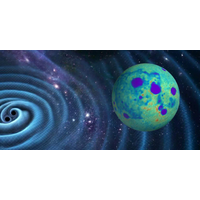
Phys. Rev. Lett. 137, 021408 (2026)
Cosmology, Astrophysics, and Gravitation
Gravitational-Wave Tomography of the Moon: Constraining Lunar Structure with Calibrated Gravitational Waves
Article | Cosmology, Astrophysics, and Gravitation | 2026-07-09 06:00 EDT
Han Yan and Jan Harms
A proposed gravitational-wave observatory on the Moon might gather more information than previously thought, thanks to geology.
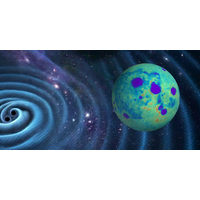
Phys. Rev. Lett. 137, 021409 (2026)
Cosmology, Astrophysics, and Gravitation
Physical Review X
Vast World of Quantum Advantage
Article | 2026-07-09 06:00 EDT
Hsin-Yuan Huang, Soonwon Choi, Jarrod R. McClean, and John Preskill
Researchers explore quantum advantage across different domains, showing a picture much richer and more nuanced than commonly appreciated.

Phys. Rev. X 16, 030501 (2026)
arXiv
Folding-Driven Auxetic Weft Knit Textiles with Integrated Capacitive Sensing
New Submission | Soft Condensed Matter (cond-mat.soft) | 2026-07-10 20:00 EDT
Kausalya Mahadevan, Helen E. Read, Anya X. Zhang, Louis-Justin Tallot, Michelle C. Yuen, Katia Bertoldi
Machine knitting provides a scalable platform for manufacturing multifunctional textiles in which geometry, mechanics, and embedded functionality can be programmed at the stitch level. However, predictive design tools capable of linking knit architecture to large-deformation mechanical response remain limited. Here, we develop a reduced-order spring-network model that captures the relaxation, unfolding, and deformation of knitted fabrics composed of checkerboard arrangements of rib and garter patches. The model accurately predicts the corrugated relaxed configuration of the knits and the evolution of local deformations under tensile loading using only linear extensional and torsional springs. Combining simulations with experiments, we show that the programmed unfolding of the corrugations generates tunable auxetic behavior, with both the magnitude of the negative Poisson’s ratio and the strain at which it occurs governed by the unit-cell geometry. We further integrate capacitive strain sensing directly during fabrication through partial plating of conductive yarns, eliminating post-processing. The resulting knitted capacitors exhibit programmable tradeoffs between strain sensitivity and sensing range, enabling either highly sensitive sensors over narrow deformation windows or lower-sensitivity sensors capable of measuring larger strains. Together, our modeling framework and fabrication strategy provide a route toward the rational design of mechanically programmable, sensorized knits with tailored shape-morphing and sensing functionalities.
Soft Condensed Matter (cond-mat.soft), Materials Science (cond-mat.mtrl-sci)
12 pages, 10 figures
Universality and Dynamical Inequivalence in Isospectral Non-Hermitian Anderson Transitions
New Submission | Mesoscale and Nanoscale Physics (cond-mat.mes-hall) | 2026-07-10 20:00 EDT
Aziz Hasan, Anant Vijay Varma, Namit Anand, Sourin Das
The Hatano Nelson paradigm establishes that extensive bulk nonreciprocity can destabilize Anderson localization via an imaginary gauge flux. Here, we demonstrate that extensive nonreciprocity is not a necessary ingredient: a single non-Hermitian boundary bond in a disordered one-dimensional ring suffices to drive the localization-delocalization transition. More generally, we construct an exactly isospectral family of non-Hermitian Hamiltonians that continuously interpolates between the uniform Hatano Nelson model and the single-bond limit. We show that the universal critical behavior encompassing spectral, eigenstate, and topological diagnostics is gauge invariant and governed solely by the total imaginary gauge flux, regardless of its spatial distribution. Remarkably, despite sharing identical spectra and critical exponents, different configurations within this isospectral family exhibit qualitatively distinct quantum dynamics, establishing a fundamental separation between static and dynamical universality in non-Hermitian systems. Specifically, the single boundary realization features rapid operator scrambling, oscillatory wavepacket acceleration, and a double re-entrant steady state entanglement transition. Finally, we propose an experimentally feasible realization based on multi-terminal topological transport, providing a realistic route toward observing boundary induced non Hermitian criticality and its unconventional dynamical signatures.
Mesoscale and Nanoscale Physics (cond-mat.mes-hall), Mathematical Physics (math-ph)
16 pages, 13 figures
Second-harmonic signal in electric-field-modulated EPR spectra of Fe3 spin triangles
New Submission | Materials Science (cond-mat.mtrl-sci) | 2026-07-10 20:00 EDT
Jason S. R. McCoombs, Jorge I. Hilari, Jérôme Robert, Balwant Singh Chauhan, Ratnamala Chatterjee, Filippo Troiani, Athanassios K. Boudalis
We present electric-field-modulated electron paramagnetic resonance (EFM-EPR) measurements on centrosymmetric single crystals of the molecular spin triangle $ \mathrm{[{Fe_3}O({O_2}CPh){_6}(py){_3}]ClO{_4}{\cdot}py}$ ($ \bf{Fe_3}$ ). We provide the first observation of second harmonic EFM-EPR signal in polynuclear magnetic molecules. This signal is simulated and explained in terms of an electric-field induced modulation of the isotropic exchange in the molecule, and of their symmetry lowering resulting from a Jahn-Teller effect. Additionally, an unexpected first harmonic EFM-EPR signal is observed. Various plausible symmetry-breaking mechanisms are discussed in an attempt to explain this feature, whose observation is unexpected in a nominally centrosymmetric crystal.
Materials Science (cond-mat.mtrl-sci), Quantum Physics (quant-ph)
Axion-Induced Casimir Interaction Between Graphene Plates
New Submission | Mesoscale and Nanoscale Physics (cond-mat.mes-hall) | 2026-07-10 20:00 EDT
Ahmad Alachkar, Philippe Brax, Pierre Brun
Axion dark matter may induce observable electromagnetic effects in resonant cavity systems and potentially lead to modifications of the Casimir interaction. In this context, graphene represents an attractive platform owing to its tunable electromagnetic properties, and the fact that its electromagnetic response can be modelled microscopically from first principles within quantum field theory. The electromagnetic response induced by axion dark matter is investigated in a planar cavity consisting of parallel graphene interfaces in the presence of a homogeneous external magnetic field, incorporating finite temperature, chemical potential and dissipation through the graphene conductivity. Closed analytical expressions are obtained for the induced electric field and the resulting pressure. The pressure exhibits resonant enhancement at a series of plate separations satisfying $ d_n=(2\pi n-\phi(r))/m_a$ , where $ m_a$ is the axion mass and the phase $ \phi(r)$ is determined by the reflection coefficient $ r$ , which depends on the graphene conductivity evaluated at $ \omega=m_a$ . The resonant structure is strongly influenced by the graphene chemical potential and damping parameter. In particular, increased doping, for example via a gate voltage, sharpens the resonances and amplifies the axion-induced signal. By comparing the resonantly enhanced signal with the conventional Casimir background, the parametric regimes in which the effect could become experimentally relevant are identified, with the strongest sensitivity obtained for highly doped low-dissipation graphene configurations operated near resonance. These results demonstrate that graphene-based Casimir-type configurations may provide a sensitive framework for probing axion-induced electromagnetic phenomena and highlight the interplay between axion electrodynamics, cavity resonances, and material properties in low-dimensional systems.
Mesoscale and Nanoscale Physics (cond-mat.mes-hall), High Energy Physics - Theory (hep-th)
Seven- and eight-loop critical exponents of the three-dimensional Ising model
New Submission | Statistical Mechanics (cond-mat.stat-mech) | 2026-07-10 20:00 EDT
D. Shapoval, Yu. Honchar, B. Delamotte, M. Dudka, Yu. Holovatch
We determine the critical exponents $ \eta$ , $ \nu$ , and the correction-to-scaling exponent $ \omega$ of the three-dimensional Ising universality class by resumming the recently computed seven- and eight-loop renormalization-group series in the $ \epsilon=4-d$ expansion (O.Schnetz, \textit{Phys. Rev. D} \textbf{97}, 085018 (2018); O.Schnetz, \textit{Phys. Rev. D} \textbf{107}, 036002 (2023)). The resummation combines conformal mapping with a homographic transformation, while the resummation parameters are optimized according to two complementary criteria. This approach yields precise estimates of the critical exponents together with quantitative uncertainty estimates. We find that the error bar on $ \eta$ decreases rapidly with increasing loop order, whereas this is the case neither for $ \nu$ nor for $ \omega$ . Unexpectedly, although the estimated values are accurate in absolute terms, their slow convergence with the loop order leads to a slight but systematic tension with the conformal bootstrap estimates that are currently considered as the benchmark. We discuss several possible origins of this behavior and its implications for high-order resummations of perturbative renormalization-group series.
Statistical Mechanics (cond-mat.stat-mech)
36 pages, 19 figures, 6 tables
Anisotropic vacancy-induced magnetization textures in altermagnets
New Submission | Strongly Correlated Electrons (cond-mat.str-el) | 2026-07-10 20:00 EDT
Ruben Burkard, Mathias S. Scheurer, Urban F. P. Seifert
We study magnetic textures induced by vacancies in altermagnets using microscopic simulations and low-energy field theory. We show that a vacancy generically produces a real-space anisotropic distortion of the magnetic order, whose structure encodes the symmetry of the underlying altermagnetic state. This impurity response offers a direct route to detecting altermagnetic order with locally resolved probes. We demonstrate this for both classical altermagnets, where vacancies generate anisotropic magnetization textures in a transverse magnetic field, and quantum models, where fluctuations induce longitudinal power-law decaying magnetic distortions even at zero field.
Strongly Correlated Electrons (cond-mat.str-el), Materials Science (cond-mat.mtrl-sci)
8+5 pages, 6+1 figures
Monte-Carlo solution of the Kondo model
New Submission | Mesoscale and Nanoscale Physics (cond-mat.mes-hall) | 2026-07-10 20:00 EDT
Nicolas Paris, Oscar Bouverot-Dupuis, Christophe Mora
The Kondo model is a paradigmatic quantum impurity problem realized in a wide variety of experimental platforms and central to the study of strongly correlated electrons. We introduce a discrete model that exactly reproduces the multichannel Kondo model and demonstrate that it can be simulated efficiently. Using cluster Monte Carlo algorithms, we completely eliminate critical slowing down, providing direct access to universal crossover functions and transport properties across a broad range of parameters. Remarkably, the same model captures both the weak- and strong-coupling regimes, unifying descriptions traditionally derived in complementary limits and revealing their common origin. Our method naturally accommodates large channel numbers, anisotropy, interacting one-dimensional leads, and channel asymmetry, yielding predictions for transport properties in charge-Kondo devices.
Mesoscale and Nanoscale Physics (cond-mat.mes-hall), Strongly Correlated Electrons (cond-mat.str-el)
7+20 pages, 4+8 figures
Electron-Phonon Functional Renormalization Group of Fermi Liquid Instabilities
New Submission | Strongly Correlated Electrons (cond-mat.str-el) | 2026-07-10 20:00 EDT
C. Alexander Baum, Matteo Dürrnagel, Ronny Thomale, Lennart Klebl
We formulate a functional renormalization group (FRG) ansatz for correlated electron models that incorporates electronic interactions as well as electron-phonon coupling (EPC) stemming from dispersive phonon bands. Particularizing to the RG flow of the electron-electron interaction vertex, we treat phonon- and electron-mediated Fermi liquid instabilities on equal footing as we analyze tentative electronic order parameters related to charge, spin, nematicity, and superconducting pairing. We illustrate the approach at the example of Peierls-type transitions we find for the Hubbard model on the square lattice coupled to acoustic phonon bands. Our method allows to incorporate full electronic and phononic ab initio input, and thus lends itself to the analysis of electronic order from intertwined electronic interactions and EPC at a microscopically most substantiated level.
Strongly Correlated Electrons (cond-mat.str-el), Materials Science (cond-mat.mtrl-sci), Superconductivity (cond-mat.supr-con)
Parity Anomaly of Preformed Pairs Governs the Thermal Hall Effect above $T_c$
New Submission | Superconductivity (cond-mat.supr-con) | 2026-07-10 20:00 EDT
A large negative thermal Hall signal has been reported across multiple cuprate families in the pseudogap phase where the superconducting order parameter has vanished, with a magnitude that no existing microscopic theory reproduces without free parameters. Competing proposals based on chiral phonons, spinons, or loop currents each require undetermined coupling constants and do not predict the temperature dependence in terms of an independently measured spectroscopic gap. We show that the parity anomaly of $ (2+1)$ -dimensional quantum field theory resolves this long-standing puzzle: the preformed-pair pseudogap $ \Delta_{\rm pg}(T)$ enters the parity-odd fermion determinant identically to a condensate mass, yielding the exact parameter-free formula $ \kappa_{xy}/T = (\pi^2 k_B^2/6h),C,\tanh[\Delta_{\rm pg}(T)/(2k_BT)]$ , where $ C$ is the Chern number of the chiral pairing channel and $ \Delta_{\rm pg}(T)$ is directly measurable by ARPES or STM. Coleman-Hill non-renormalization protects the result against higher-loop corrections, and two independent numerical tests, Wilson-loop flux threading and DMRG on $ p+ip$ cylinders, confirm the anomaly correlation length to $ 0.2%$ accuracy with no power-law finite-size corrections. The theory predicts thermal Hall onset at $ T^\ast$ rather than $ T_c$ , provides a falsifiable logarithmic-derivative test against ARPES data, and yields a concrete quantitative target for magic-angle twisted bilayer graphene.
Superconductivity (cond-mat.supr-con), Mesoscale and Nanoscale Physics (cond-mat.mes-hall), Strongly Correlated Electrons (cond-mat.str-el), High Energy Physics - Theory (hep-th)
15 pages, 3 figures
Bogolyubov excitons as a microscopic origin of two-level systems
New Submission | Superconductivity (cond-mat.supr-con) | 2026-07-10 20:00 EDT
Andrey Grankin, Victor Galitski
Two-level systems (TLS) are a leading source of decoherence and dielectric loss in Josephson-junction qubits, yet their microscopic origin remains unresolved. We propose an intrinsic, purely electronic TLS candidate: subgap bound states of Bogolyubov quasiparticles. We show that, in a model of a conventional superconductor with electron-electron attraction in the $ s$ -wave channel and repulsion in higher-angular-momentum channels, the latter produce an effective attraction between Bogolyubov quasiparticles, forming bound states. These Bogolyubov excitons resemble Bardasis–Schrieffer excitons but are driven by repulsive interactions. Bulk Bogolyubov excitons are not easily detectable through single-particle tunneling or other conventional probes, but we show that surface excitons couple to an external electric field and behave as two-level systems. We examine an idealized model of a bulk superconductor proximity-coupled to a two-dimensional repulsive metal, which could represent an external metallic or semiconductor layer or an underscreened region of the superconductor. The two levels correspond to the absence and presence of a single exciton, which carries an electric dipole moment and exhibits an avoided crossing with a resonator, as observed for TLS. Because this mechanism requires no defects and cannot be eliminated by screening or annealing, it suggests that TLS-like excitations may be intrinsic to superconductors.
Superconductivity (cond-mat.supr-con)
Fluctuation theorems for autonomous work
New Submission | Statistical Mechanics (cond-mat.stat-mech) | 2026-07-10 20:00 EDT
Christopher Jarzynski, Sebastian Deffner, Saar Rahav
Classical fluctuation theorems for work have been obtained theoretically, and verified experimentally, within a non-autonomous framework in which work is performed on a system of interest, $ {\cal S}$ , by the external manipulation of a work parameter, such as a piston’s position. Here we obtain fluctuation theorems within an autonomous framework in which $ {\cal S}$ exchanges energy with a reversible work source, $ {\cal R}$ . The two subsystems, $ {\cal R}$ and $ {\cal S}$ , interact with one another as they evolve under Hamiltonian or stochastic dynamics, without external intervention. In this setting, we must account for the back-action of $ {\cal S}$ on $ {\cal R}$ , which is absent in the non-autonomous setting. We obtain autonomous versions of standard fluctuation theorems for work and entropy production. In each case, we argue, the autonomous fluctuation theorem reduces to its non-autonomous counterpart when $ {\cal R}$ ‘s inertia becomes infinitely large.
Statistical Mechanics (cond-mat.stat-mech)
13 pages, 2 figures. Published with Open Access on Dec. 12, 2025, in Proceedings of the National Academy of Sciences (USA). This version contains the published article together with the published Supporting Information
Proc. Natl. Acad. Sci. (USA) 122, e2524775122 (2025)
Lecture notes on random matrix theory: the results, the applications, and the analytical tools
New Submission | Disordered Systems and Neural Networks (cond-mat.dis-nn) | 2026-07-10 20:00 EDT
Random matrix theory has established itself as a theoretical cornerstone of the mathematical sciences over the past century. It has undeniable utility in areas of research as diverse as nuclear physics, finance, ecology and disordered systems. The purpose of these notes is twofold. First, the most famous and widely used classic results are derived in a pedagogical manner, mostly using the comparatively elementary and transparent cavity method. The significance of each result is then demonstrated in the context of a particular application. There are also some select exercises at the end of each section. In the second part of these notes, a reference guide of analytical techniques for the random-matrix/disordered-systems practitioner is provided. Introducing the diagrammatic, replica, path-integral, and supersymmetric formalisms from first principles, we rederive some of the aforementioned classic results, particularly focussing on the simplest one – the semicircle law. Innovations such as the population dynamics method and the tools of free probability theory are also included. We discuss the merits of each analytical approach, and we highlight the contexts in which each becomes particularly useful.
Disordered Systems and Neural Networks (cond-mat.dis-nn)
227 pages, 41 figures
Perturbations in the spin-orbital liquid (the Yao-Lee model)
New Submission | Strongly Correlated Electrons (cond-mat.str-el) | 2026-07-10 20:00 EDT
I investigate the stability of the spin-orbital liquid described by the Yao-Lee model in the presence of multiple perturbations that naturally arise in a recently proposed microscopic realization. While most perturbations are irrelevant and do not qualitatively alter the exact solvability, we find that the Kitaev interaction plays a special role: it couples to the $ \mathbb{Z}_2 $ gauge field and renders the visons mobile.
Strongly Correlated Electrons (cond-mat.str-el)
3 pages, 2 figures
Quantum Dot Moiré from Crossed MoS2 Nanoribbons
New Submission | Materials Science (cond-mat.mtrl-sci) | 2026-07-10 20:00 EDT
Xinting Shuai, Hao Zhang, Wenjing Wu, Chongning Wu, Maryam Amiri, T. A. M. Ragib Shahriar, Dian Pan, Zhi Kai Ng, Tymofii Pieshkov, Leeza Dutta, Yijun Zhou, Rohith Narra, Luke Van Leeuwen, Jishnu Murukeshan, Luyao Shi, Jiawei Lai, Atin Pramanik, Bipin Kumar Gupta, Edwin Hang Tong Teo, Robert Vajtai, Xiang Zhang, Hanyu Zhu, Shengxi Huang, Aditya D. Mohite, Pulickel M. Ajayan
Twisted atomically thin layers have attracted much attention for Moiré potential and correlated quantum phenomena. However, existing Moiré superlattices have largely been limited to extensive wavefunction without lateral confinement. Here we introduce a new platform where 1D nanoribbons of 2D MoS2 grown by vapor deposition can be easily superposed at various angles from stacking and transferring, to form Moiré quantum dots at their intersections with unique exciton physics. Angle-dependent Moiré intersections show enhanced exciton emission at commensurate angle 22 deg, which demonstrates faster relaxation at the cryogenic temperature. A size-dependent study further exhibits a reduced exciton energy and soften out-of-plane interlayer coupling for smaller Moiré areas. Our results reveal exciton physics turnability via precise overlapping of 1D nanoribbons.
Materials Science (cond-mat.mtrl-sci), Mesoscale and Nanoscale Physics (cond-mat.mes-hall), Optics (physics.optics), Quantum Physics (quant-ph)
20 pages, 4 figures
Directed assembly of tetrahedral patchy particles
New Submission | Soft Condensed Matter (cond-mat.soft) | 2026-07-10 20:00 EDT
Xin Yin, Ekaterina Kostyurina, Bert Nickel, Tim Liedl, Gregor Posnjak
Colloidal particles with prescribed valency such as the tetrahedral patchy particles have long been seen as a viable route to technologically relevant open lattice structures on the scale of hundreds of nanometers. However, conceptual limitations and resulting competing local bonding configurations often lead to mixed lattice phases. Here, we present a DNA-origami enabled approach to controlling the attachment of tetrapod building blocks in predictable ways. By varying the relative strength of two designed binding configurations we are able to direct the assembly of tetrapod particles into diamond cubic, twinned diamonds, stacking-disordered mixtures, hexagonal diamonds, and sII clathrates. Under specific conditions, the diamond structures are interpenetrated by additional networks, resulting in triple cubic and triple hexagonal diamond structures. The 440 nm large unit cell of the clathrates shifts structural reflections into the visible range, giving these rationally designed, self-assembled crystals structural color.
Soft Condensed Matter (cond-mat.soft), Materials Science (cond-mat.mtrl-sci)
23 pages, 5 figures; Supplementary materials: 38 pages, 33 figures
Bulk Boundary Condition for Surface Calculations in Density Functional Theory
New Submission | Materials Science (cond-mat.mtrl-sci) | 2026-07-10 20:00 EDT
Sayan Bhowmik, Andrew J Medford, Phanish Suryanarayana
We present a bulk boundary condition formalism for surface calculations in Kohn–Sham density functional theory. The approach exploits the nearsightedness of electronic interactions in real space to restrict the calculation to a localized surface region. Within this region, the electron density is evaluated by leveraging the decay of the density matrix, with bulk values imposed on the density and electrostatic potential in the interior, and the electrostatic potential solved subject to bulk boundary conditions. The energy and atomic forces are computed using density-matrix-based expressions. Through representative calculations of surface and adsorption energies, we demonstrate the accuracy and efficiency of the proposed formalism.
Materials Science (cond-mat.mtrl-sci), Chemical Physics (physics.chem-ph), Computational Physics (physics.comp-ph)
15 pages, 5 figures, 2 tables
Understanding quorum sensing self-organization: Clustering and defect-induced ordering of diffusing particles
New Submission | Soft Condensed Matter (cond-mat.soft) | 2026-07-10 20:00 EDT
Feifei Liu, Vyacheslav R. Misko, Yunyun Li, Fabio Marchesoni
Quorum sensing (QS) is known in biology as a form of intercellular communication mediated by signaling molecules called autoinducers. The QS protocol governs the transition from individual to collective cell behavior once a critical population density is reached. Using numerical simulations, we investigate how defects influence the QS transition and the structural organization of the resulting colonies. Our model system consists of a mixture of slow (“cold”) and fast (“hot”) diffusing colloidal particles that obey the QS protocol, together with defect particles characterized by a constant diffusivity. A striking reentrant solidification of QS particles, characterized by long-range order, is induced by hot defects, whereas cold defects give rise to amorphous structures with only short-range order. These findings deepen our understanding of the QS interaction and provide a mechanism to control the degree of organization in QS systems, with potential applications in robotics, social sciences, and medicine – for instance, in overcoming antimicrobial resistance.
Soft Condensed Matter (cond-mat.soft), Biological Physics (physics.bio-ph), Medical Physics (physics.med-ph)
9 pages, 8 figures (first version submitted on May 14, 2026)
Liquid Crystal Ground States on Hyperbolic Cones
New Submission | Soft Condensed Matter (cond-mat.soft) | 2026-07-10 20:00 EDT
We generalize the analytic theory and simulation models for liquid crystal ground states on conventional cones with positive apex Gaussian curvature and study liquid crystal ground states on hyperbolic cones with a delta function of negative apex Gaussian curvature. While both the local apex curvature on a conventional cone and a hyperbolic cone lead to a fixed unquantized pseudodefect in the conformal domain and behave like conventional disclinations with opposite topological charges, there are fundamental differences in the ground states as well, which can be viewed as a violation of charge conjugation symmetry in a liquid crystal phase. To illustrate the violated charge conjugation symmetry on curved surfaces, we study two simple examples: (a) $ p$ -atic liquid crystals on a hyperbolic cone with free boundary conditions at the cone base. (b) $ p$ -atic liquid crystals on a hyperbolic cone with tangential boundary conditions at the cone base. In the simple case of $ p=1$ liquid crystals (a vector order parameter field) on a hyperbolic cone with tangential boundary conditions, the positive pseudocharge caused by the apex curvature can be stably bound with a topological charge of the same sign despite their repulsive interaction, in sharp contrast to the charge conjugated situation associated with conventional cones.
Soft Condensed Matter (cond-mat.soft)
Gate induced strain on a two-dimensional hole gas in silicon
New Submission | Mesoscale and Nanoscale Physics (cond-mat.mes-hall) | 2026-07-10 20:00 EDT
D. van der Bovenkamp, C.S.A. Müller, B.D. Pantiru, I. Bošnjak, M. Cignoni, Q. Torrent Nicolau, M.E. Bal, S. Wiedmann, J. Ridderbos, F.A. Zwanenburg
We show the effect of gate-induced strain on the valence band of a silicon (Si) metal oxide semiconductor (MOS) confined two-dimensional hole gas (2DHG). Increasing aluminum gate thickness, and thereby the strain in the channel, results in the onset of a second subband contributing to Shubnikov-de Haas oscillations. Temperature-dependent magnetotransport measurements reveal distinct cyclotron masses of $ m_c^\ast=(0.36\pm0.04)m_0$ and $ m_c^\ast=(0.49\pm0.02)m_0$ . The measured cyclotron masses differ from those expected for an idealized heavy-hole (HH)/light-hole (LH) picture, reflecting the combined influence of quantum confinement, strain, and HH-LH mixing on the valence band.
Mesoscale and Nanoscale Physics (cond-mat.mes-hall), Applied Physics (physics.app-ph), Quantum Physics (quant-ph)
7 pages, 6 figures
Tunable Emergent Gauge Fields from Skyrmions in a Quasicrystalline Lattice
New Submission | Strongly Correlated Electrons (cond-mat.str-el) | 2026-07-10 20:00 EDT
Leandro M. Chinellato, Flavia A. Gómez Albarracín, Cristian D. Batista, Pablo S. Cornaglia
We study magnetic skyrmions in a two-dimensional quasicrystalline lattice using a classical Heisenberg model with Dzyaloshinskii-Moriya interactions and an external magnetic field. The competition between the skyrmion-skyrmion repulsion and an emergent quasiperiodic pinning landscape gives rise to a sequence of distinct skyrmion lattice configurations as a function of field. The resulting hierarchy of quasiperiodic pinning potentials, characterized by closely spaced quasi-degenerate minima, enables a quasi-continuous suppression of the skyrmion density as the saturation field is approached, in sharp contrast to the strongly first-order collapse of skyrmion crystals on periodic lattices. This provides a direct mechanism for controlling the topological charge and, consequently, the emergent gauge field for itinerant electrons. As a consequence, the Hall conductivity can be strongly modified with small changes in the magnetic field and driven smoothly to zero near saturation. This field-controlled tunability, rooted in the underlying multistability, identifies quasicrystalline magnets as a platform for tunable topological textures, with potential applications in magnetic memory and magnetoelectronic response.
Strongly Correlated Electrons (cond-mat.str-el), Mesoscale and Nanoscale Physics (cond-mat.mes-hall)
13+3 pages, 11+3 figures
Equilibrium in a Reaction Network of Assemblies
New Submission | Statistical Mechanics (cond-mat.stat-mech) | 2026-07-10 20:00 EDT
Giampaolo Folena, Germán Kruszewski
We study a mean-field reaction network whose species are assemblies built from identical atoms by reversible coagulation and fragmentation. Each assembly is an ordered binary tree, so the number of species of a given length grows combinatorially, as the Catalan numbers. The model nonetheless admits an explicit equilibrium and tractable stochastic dynamics. A finite volume $ V$ sets a crossover length $ l_c \sim \ln V$ that splits the equilibrium into two sectors. Below $ l_c$ each assembly occurs in many copies and the rank-frequency distribution is Zipf-like; above $ l_c$ individual species are rare and fluctuation-dominated. The statistical weight of the rare sector decays slowly with volume, controlling the finite-size scaling of diversity, Shannon entropy, and other assembly-weighted observables. The equilibrium also admits a transparent grand-canonical description in terms of a bond energy and an atomic chemical potential. Together these results make the model a controlled neutral baseline against which selection and driving in richer assembly networks can be measured.
Statistical Mechanics (cond-mat.stat-mech), Chemical Physics (physics.chem-ph)
38 pages, 11 figures
A Generalized Mechanical Model for the Cycle Rank Dependence of Stretch at Break in Phantom Chain Star Polymer Networks
New Submission | Soft Condensed Matter (cond-mat.soft) | 2026-07-10 20:00 EDT
Yuichi Masubuchi, Takato Ishida, Takashi Uneyama
A simple mechanical model was recently proposed to explain the universality of stretch at break ({\lambda}_b) as a function of cycle-rank density ({\xi}) in phantom-chain network simulations [J Non-Newtonian Fluid Mech., 349, 105620 (2026)]. Here, that model is reformulated as a series of the bottleneck strand and the surrounding network, yielding {\lambda}_b-1=({\lambda}_bs-1)[1+{\nu}_h/(1+c{\xi})]. In this formula, {\lambda}_bsis the stretch at break of the bottleneck strand, {\nu}_h is the number of stiff units in series along the rupture path, and c is a geometric constant for the parallel redundancy of the medium. Since c and {\nu}_hare difficult to separate over the examined range of {\xi}, c is fixed, and {\lambda}_bs and {\nu}_hare treated as fitting parameters. The formula is applied to phantom-chain simulations of networks with various conditions. In all cases, it reasonably captures the data, and the two parameters represent network characteristics.
Soft Condensed Matter (cond-mat.soft)
11 pages, 5 figures
Observation of giant nonvolatile magneto-thermal switching in superconductor-ferromagnet hybrids
New Submission | Superconductivity (cond-mat.supr-con) | 2026-07-10 20:00 EDT
Yui Sakamoto, Fuyuki Ando, Keigo Ito, Hossein Sepehri-Amin, Takamasa Hirai, Yuto Watanabe, Poonam Rani, Yoshikazu Mizuguchi, Ken-ichi Uchida
Magneto-thermal switch is a crucial thermal component which enables heat transfer control by the application of an external magnetic field. Recently, a nonvolatile behavior in magneto-thermal conductivity at zero magnetic field was observed in type-II and phase-separated superconductors owing to magnetic flux pinning nature, leading to an energy-efficient thermal control technology. However, the nonvolatile magneto-thermal switching ratio has been much lower than the volatile one in conventional materials. Here, we demonstrate a giant nonvolatile magneto-thermal switching in ferromagnetic Fe-superconducting Pb hybrids. The dispersion of pure Fe particles realizes increased electron and decreased phonon contributions in the thermal conductivity, which enhances the magneto-thermal switching ratio at the superconducting-to-normal conducting phase transition. Furthermore, in concert with trapped magnetic flux by supercurrent, ferromagnetic moment of Fe breaks the superconductivity of Pb matrix at zero magnetic field, enabling a significantly large nonvolatility even with a slight amount of Fe inclusions. Consequently, the nonvolatile magneto-thermal switching ratio reaches 719% in maximum at the Fe ratio of 8.7 vol%, which is more than twice the previous record value observed in Pb-Sn composites and the volatile one in pure Pb. This work broadens the exploration space and strategy for giant nonvolatile magneto-thermal switching materials.
Superconductivity (cond-mat.supr-con)
Interfacial chirality-induced magnetic-field-free switching with high energy efficiency in all-vdW heterostructures
New Submission | Materials Science (cond-mat.mtrl-sci) | 2026-07-10 20:00 EDT
Kai-Xuan Zhang, Suik Cheon, Seungbok Lee, Joonyoung Choi, Jihoon Keum, Hyuncheol Kim, Yeochan An, Woonghee Cho, Suhan Son, Jingyuan Cui, Pyeongjae Park, Younjung Jo, Jun Sung Kim, Hyun-Woo Lee, Je-Geun Park
Chirality, a central concept across many scientific disciplines, continues to inspire the discovery of novel physical phenomena. In condensed matter physics, structural chirality - defined by the absence of mirror plane symmetries - has primarily been explored in bulk materials. However, new chiral phenomena can emerge uniquely at the interface, distinct from their bulk counterparts, when a chiral material forms a heterostructure. Here, we demonstrate that all van-der-Waals (vdW) heterostructure composed of the chiral Co1/3TaS2 and the achiral vdW ferromagnet Fe3GeTe2 exhibits two distinct and unconventional spin-orbit torques originating from the interfacial chirality. These torques enable magnetic-field-free switching of perpendicular magnetization with ultralow current density ~ 10^6 A/cm^2 and minimal power dissipation < 10^15 W/m^3. Moreover, by replacing Fe3GeTe2 with a similar vdW ferromagnet, Fe3GaTe2, but of higher Curie temperature, we achieved the magnetic-field-free switching at room temperature in the Fe3GaTe2/Co1/3TaS2 vdW heterostructure. Our findings establish interfacial chirality as a powerful new handle for spintronic control, opening a new pathway to explore chirality-induced phenomena beyond the bulk symmetry constraints - and paving the way toward highly efficient, low-power spintronic devices based on all-vdW heterostructures.
Materials Science (cond-mat.mtrl-sci), Applied Physics (physics.app-ph), Quantum Physics (quant-ph)
Accepted by Nature Communications; 30 pages; 4 main figures; 12 supporting figures
Active Particles Imprint Persistent Percolating Networks in Polymer Condensates
New Submission | Soft Condensed Matter (cond-mat.soft) | 2026-07-10 20:00 EDT
Ligesh Theeyancheri, Jennifer L. Ross, J. M. Schwarz
Fluid condensates readily exchange components and reorganize, and in doing so typically erase structural history. Using simulations of sticker-spacer polymers in an active particle bath, we show that activity drives condensates from compact droplets into system-spanning percolated networks by enhancing interchain connectivity, suppressing intrachain collapse, and increasing topological constraints through interchain winding. The network persists after the active particles are removed, despite continued polymer exchange and contact turnover, revealing a fluid-like state with activity-induced topological imprinting. Hence, activity can write long-lived structural organization and memory into fluid condensates.
Soft Condensed Matter (cond-mat.soft)
Helically Enhanced Chiroptical Response and Symmetry Breaking in Conjugated Polymers
New Submission | Materials Science (cond-mat.mtrl-sci) | 2026-07-10 20:00 EDT
Aaron Forde, Braden M. Weight, Prashanna Poudel, Avadh Saxena, Zeev Valy Vardeny, Christoph Boehme, Alan Bishop, Sergei Tretiak
Chiral $ \pi$ -conjugated polymers are an attractive material platform for spin polarized carrier-transport and spectroscopy, but fundamental considerations for how torsional disorder influences the response properties of the material have not been considered. Here we combine atomistic electronic structure modeling with with experimental spectroscopic measurements to examine symmetry breaking in the prototypical $ \pi$ -conjugated polymer polyacetylene, (CH)$ _x$ . Chiral (CH)$ _x$ oligomers are generated in distinct conformations which differ in their out-of-plane tonsorial ordering. We find that a \textit{helical }conformation introduces orders of magnitude enhanced chiroptical activity due to a solenoid effect. This effect is visualized by the Transition Chiral Tensor analysis which shows signatures of domain ordering which eliminates destructive interference between electric and magnetic contributions. These findings highlight the capability to develop a hierarchical interpretation relating local, fragment symmetry breaking to global, nonlocal interactions governing chiroptical response in emerging chiral materials.
Materials Science (cond-mat.mtrl-sci)
Basin-volume distributions in monodisperse particle packings – the soul of memory
New Submission | Soft Condensed Matter (cond-mat.soft) | 2026-07-10 20:00 EDT
Varda F. Hagh, Zhaoning Liu, Sidney R. Nagel
Mechanically stable packings of $ N$ particles in $ d$ dimensions lie at the minima of an $ Nd$ -dimensional potential energy landscape. Starting from random initial particle positions, the system can relax using gradient-based optimization until it arrives at one of the equilibrium states; all initial conditions that end at the same minimum belong to the same catchment basin. We measure the distribution of the catchment basin volumes for indistinguishable monodisperse soft spheres in both $ d=2$ and $ d=3$ . Ordering the basins at each system size, $ N$ , according to their volume, $ P_N(n)$ , from the largest at $ n=1$ to smaller at larger $ n$ , we find a very wide distribution of volumes which is similar in both dimensions: $ P_N(n) \approx A_Nn^{-\alpha}$ with $ \alpha \approx 1$ which, in our most favorable cases, extends over $ 7$ decades. We explore aspects of the connectivity of the basins, show that their structure is highly contorted, and demonstrate how these results may be used to understand the imprinting of memories in cyclic strain studies of solids.
Soft Condensed Matter (cond-mat.soft)
Perpendicular magnetic anisotropy tuning of macrospin-to-vortex transitions in Co-based artificial spin-vortex ice
New Submission | Materials Science (cond-mat.mtrl-sci) | 2026-07-10 20:00 EDT
Yu Maruyama (1, 2), Amrit Kumar Mondal (2), Bijaya Kharel (2), Ryo Ohshima (1,3), Jorge Puebla (1,3), M. Benjamin Jungfleisch (2), Masashi Shiraishi (1, 3) ((1) Kyoto Univ., (2) Univ. Delaware, (3) CSRN, Kyoto Univ.)
We investigate the macrospin-to-vortex (MS-to-V) transition in Co-based artificial spin-vortex ice (ASVI) in the presence of perpendicular magnetic anisotropy (PMA) by spin-wave spectroscopy. Detailed micromagnetic simulations using mumax3 reveal that the PMA modifies the magnetic energy landscape and facilitates vortex formation, suggesting that PMA can enhance the transition probability. To seek experimental validation of this hypothesis, we prepared Ti (3 nm)/Co (10 nm)/Ti (3 nm)/Pt (2 nm) (TCT) and Ti (3 nm)/Co (10 nm)/Pt (2 nm) (TCP) multilayer stacks. Vibrating sample magnetometry measurements confirm that the TCP film exhibits a larger PMA than the TCT film. Using these stacks, we then investigate the MS-to-V transition probability in ASVIs and found that TCP ASVIs exhibit a higher transition probability than TCT ASVIs, in agreement with the simulation prediction. These findings identify PMA as an effective design parameter for controlling vortex formation in ASVIs and provide a promising route toward task-dependent tuning of fading-memory properties for physical reservoir computing based on artificial spin lattices.
Materials Science (cond-mat.mtrl-sci)
12pages, 4 figures
Scalable Simulation of Strongly Correlated Electron-Phonon Systems via Non-Gaussian Matrix Product States
New Submission | Strongly Correlated Electrons (cond-mat.str-el) | 2026-07-10 20:00 EDT
We investigate strongly correlated electron-phonon (e-ph) systems via a non-Gaussian matrix product state method. By combining non-Gaussian states with matrix product states, our method efficiently characterizes the intractable entanglement between strongly correlated electrons and phononic modes of unbounded Hilbert space, enabling scalable simulations across broad parameter regimes. In one-dimensional generalized Hubbard–Holstein (HH) models, we identify a pronounced tendency toward phase separation (PS), an instability relevant to recent angle-resolved photoemission spectroscopy observations on doped cuprate chain. In two-dimensional HH models, we construct the phase diagram at half-filling featuring a metallic phase emerging from the competition between non-local phonon-mediated attraction and local Hubbard repulsion. Upon doping, we elucidate the role of soft phonons in stabilizing stripe phases. In the antiferromagnet, the stabilization of the fully filled stripe is attributed to a local retardation effect, wherein the charge order is pinned by phonons, leading to a diminished response to spin fluctuations. In the doped charge-density-wave regime, a novel bipolaronic stripe phase with an enlarged unit cell is stabilized via a non-local retardation effect, where long-range phonon-mediated interactions suppress PS. Our work establishes a systematic route to decoding the e-ph interplay that is crucial for superconductivity.
Strongly Correlated Electrons (cond-mat.str-el)
Viscoelasticity Enhances Contactless Adhesion of Soft Substrates
New Submission | Soft Condensed Matter (cond-mat.soft) | 2026-07-10 20:00 EDT
Marco Rizzo, Jacco H. Snoeijer, Vincent Bertin, Pascal Damman
Understanding adhesion is essential for describing stability, friction, and interfacial dynamics. Here, we investigate the adhesion force dynamics between a rigid sphere and a soft surface without direct contact, mediated by a viscous fluid. By combining controlled experiments, a first-principles visco-elastohydrodynamic theory, and numerical simulations, we demonstrate that viscoelastic relaxation fundamentally modifies elastohydrodynamic adhesion. Rather than simply dissipating energy, viscoelasticity causes the substrate to behave transiently as a stiffer solid, enhancing the maximum adhesive force, changing the early-time force growth for $ t^{2/3}$ to $ t^{1/3}$ , shortening the interaction time, and giving rise to new scaling laws governed by the Deborah number. The two proposed dimensionless parameters, the softness parameter and the Deborah number, define a unified phase diagram connecting three distinct adhesion regimes: classical Reynolds lubrication, elastohydrodynamic adhesion, and the newly identified visco-elastohydrodynamic regime.
Soft Condensed Matter (cond-mat.soft)
Phase stability and ionic transport in post-spinel CaV$_2$O$_4$ cathode
New Submission | Materials Science (cond-mat.mtrl-sci) | 2026-07-10 20:00 EDT
Dereje Bekele Tekliye, Javeed Ahmad Dar, Gopalakrishnan Sai Gautam
Calcium-ion batteries (CBs) represent an alternative to lithium-ion technology but their advancement is limited by the lack of high-performance intercalation cathodes. Identified via computational screening, post-spinel CaV$ _2$ O$ _4$ has emerged as a promising candidate, though its practical application is hindered by limited electrochemical capacity. Hence, we investigate the thermodynamic and ionic transport characteristics of Ca$ _x$ V$ _2$ O$ _4$ ($ 0 \leq x \leq 1$ ) in this work, by integrating the cluster expansion formalism with Monte Carlo simulations and density functional theory based calculations. We construct the temperature-composition phase diagram of Ca$ _x$ V$ _2$ O$ _4$ revealing several stable phases ($ \alpha$ through $ \zeta$ ) that can appear during electrochemical operations at different voltages. Importantly, we observe the formation of the $ \varepsilon$ phase at $ x \sim 0.83$ across a 370-590K temperature window via invariant reactions, which agrees with observations in the experimental voltage profiles. Further, migration barrier calculations confirm that Ca mobility is severely impeded within the $ \alpha$ ($ x \sim 0$ ) and $ \gamma$ ($ x \sim 0.5$ ) phases. With the strong Ca-vacancy ordering contributing to the high barrier in $ \gamma$ and the persistent two-phase region stretching across the $ \delta$ ($ x \sim 0.67$ ) and the $ \gamma$ phases, we expect the accessible electrochemical capacity in the CaV$ _2$ O$ _4$ system to be kinetically limited to at most half the theoretical capacity at 298K, in agreement with experiments. Strategies including cation doping and particle size reduction can be considered to flatten the potential energy landscape of $ \gamma$ and improve Ca mobility. Our computational findings highlight the interplay between stability and transport and provide design strategies that can enable the practical use of CaV$ _2$ O$ _4$ as a CB cathode.
Materials Science (cond-mat.mtrl-sci)
Nonlocal Electrostatic Origin of Schottky-Barrier Variability in 2D Contacts
New Submission | Materials Science (cond-mat.mtrl-sci) | 2026-07-10 20:00 EDT
Electrical contacts often limit the performance of atomically thin semiconductor devices. The Schottky barrier height (SBH) is conventionally treated as a local interface property, yet reported values for the same metal/2D-semiconductor contact vary by hundreds of meV. Here we show that, in top contacts, the effective SBH exhibits a pronounced nonlocal electrostatic dependence on defects near the contact edge, beyond the conventional local interface framework. A nonlocal electrostatic model, supported by density-functional-theory-based transport calculations for Ti–MoS$ _2$ and Au–MoS$ _2$ , captures the large, metal-dependent variations in SBH as a function of defect position relative to the contact edge. These results provide a unified explanation for the longstanding variability in experimentally extracted SBHs and establish nonlocal electrostatics, mediated by edge-proximal defects, as a key mechanism governing carrier injection in 2D contacts.
Materials Science (cond-mat.mtrl-sci)
Emergent Topology from Nonlocal Electronic Correlations in One Dimension
New Submission | Strongly Correlated Electrons (cond-mat.str-el) | 2026-07-10 20:00 EDT
Félix Fossati, Erik Linnér, Evgeny A. Stepanov
We demonstrate that electronic correlations in low-dimensional systems can induce topological phases starting from a topologically trivial noninteracting band structure. Using an advanced cluster-diagrammatic many-body approach applied to the one-dimensional extended Hubbard model, we show that tuning the nonlocal Coulomb interaction drives the emergence of bond-order-wave (BOW) and charge-density-wave (CDW) phases. Despite being interaction-driven and symmetry-broken, these states admit an effective low-energy single-particle description. In particular, the BOW phase maps onto an effective Su-Schrieffer-Heeger model, while the CDW phase, with subleading bond-order correlations, corresponds to a Rice-Mele model. Both phases exhibit a nontrivial topological character, manifested by the presence of localized edge states. Our results establish a mechanism by which nonlocal electronic correlations generate emergent topology in correlated systems.
Strongly Correlated Electrons (cond-mat.str-el)
Main text:7 pages and 3 figures, Supplementary Material: 6 pages and 4 figures
Interplay of Quasiperiodic Criticality and the Non-Hermitian Skin Effect
New Submission | Mesoscale and Nanoscale Physics (cond-mat.mes-hall) | 2026-07-10 20:00 EDT
Zhangyuan Chen, Xianqi Tong, Xiaosen Yang
Quasiperiodic lattices can host critical eigenstates, whereas nonreciprocal hopping in non-Hermitian lattices can induce non-Hermitian skin effect. In this work, we investigate localization phenomena in a Hatano–Nelson model with quasiperiodically modulated hopping amplitudes, where nonreciprocity arises from unequal modulation strengths of the right and left hoppings. Using a non-unitary gauge transformation, we map the non-Hermitian system into a Hermitian quasiperiodic system and obtain an exact analytical expression for the Lyapunov exponent in the thermodynamic limit. Under periodic boundary conditions, inverse participation ratios and finite-size scaling analysis are used to identify the quasiperiodic critical regimes. The comparison shows that parameter regimes hosting quasiperiodic critical states under periodic boundary conditions can exhibit the non-Hermitian skin effect under open boundary conditions. Furthermore, the non-Hermitian skin effect associated with quasiperiodic critical regimes is also observed in representative long-range hopping models and multiband extensions. Our results provide an analytically controlled perspective on how quasiperiodicity, modulated nonreciprocity, and boundary conditions jointly shape the non-Hermitian skin effect in critical regimes.
Mesoscale and Nanoscale Physics (cond-mat.mes-hall), Quantum Physics (quant-ph)
8 pages, 4 figures
Anomalous Reflection of Caustic Spin-Wave Beams in a Magnonic Waveguide
New Submission | Mesoscale and Nanoscale Physics (cond-mat.mes-hall) | 2026-07-10 20:00 EDT
Franz Vilsmeier, Christian Back
Reflection of waves at interfaces is conventionally governed by Snell’s law, which follows from conservation of momentum parallel to the interface. Here we show experimentally that caustic spin-wave beams in anisotropic media obey a fundamentally different reflection mechanism. Applying time-resolved Kerr microscopy to a yttrium iron garnet waveguide, we observe that reflected beams are selected by transitions between caustic points on the anisotropic iso-frequency contour rather than by momentum conservation. As a consequence, the reflected carrier wave vector and wavefront orientation exhibit trends opposite to those predicted by Snell’s law. By tuning the magnitude and orientation of an external magnetic field, we continuously control the resulting reflection process and beam routing. Our results establish caustic-point transitions as a distinct reflection law for anisotropic wave beams and provide a route towards reconfigurable magnonic beam steering.
Mesoscale and Nanoscale Physics (cond-mat.mes-hall), Optics (physics.optics)
Magnetic control of Goos-Hänchen shifts and group delay time in monolayer WSe$_2$
New Submission | Mesoscale and Nanoscale Physics (cond-mat.mes-hall) | 2026-07-10 20:00 EDT
Youssef Fattasse, Rachid El Aitouni, Miloud Mekkaoui, Pablo Díaz, David Laroze, Ahmed Jellal
We study the influence of an external magnetic field on the Goos-Hänchen (GH) shift and the group delay time (GDT) in monolayer WSe$ _2$ in the presence of a magnetic barrier. The transport properties of Dirac-like carriers are obtained by solving the effective low-energy Hamiltonian and evaluating the corresponding transmission amplitudes. The GH shift and the GDT are subsequently extracted from the phase of the transmission coefficient. We systematically analyze their dependence on the magnetic field strength, incident energy, angle of incidence, and barrier width, with particular emphasis on the spin and valley degrees of freedom associated with the $ K$ and $ K’$ valleys. Our results show that the magnetic barrier strongly modulates both the GH shift and the GDT, leading to oscillatory behavior and pronounced spin-valley-dependent transport characteristics. Remarkably, the magnetic field enables selective control of the lateral shift and traversal time of carriers for each spin and valley channel, allowing for tunable spatial and temporal separation of electronic wave packets. This provides a mechanism for manipulating fermionic trajectories after transmission through the barrier in a highly controllable manner. Such tunability opens promising avenues for designing nanoscale devices based on spin and valley filtering, as well as for potential applications in information storage and processing within spintronic and valleytronic platforms.
Mesoscale and Nanoscale Physics (cond-mat.mes-hall), Quantum Physics (quant-ph)
10 pages, 6 figures
Interplay between Electronic Structure, Chemical Bonding, and Lattice Symmetry in Bismuth Vanadate
New Submission | Materials Science (cond-mat.mtrl-sci) | 2026-07-10 20:00 EDT
Philip Schwinghammer, Franziska S. Hegner, Frederico P. Delgado, Michel Panhans, Konrad Merkel, Frank Ortmann, Ian D. Sharp, David A. Egger
Bismuth vanadate (BiVO$ _4$ ) is a prototypical oxide photocatalyst that occurs in both tetragonal and monoclinic scheelite phases with markedly different photocatalytic and photoelectrochemical activities. Accurately identifying the monoclinic phase as the ground state and explaining the origin of its symmetry-breaking distortion are unusually challenging from a theoretical perspective, with various levels of theory and associated physical interpretations for this behaviour reported in the literature. Here, we resolve these discrepancies by systematically assessing the role of exact exchange with and without spin-orbit coupling, demonstrating that an accurate treatment of electronic localization is essential to stabilize the monoclinic scheelite structure. Using this framework, we compute the electronic band structure through dense sampling of the Brillouin zone and show that the band edges in monoclinic and tetragonal BiVO$ _4$ lie far from conventional high-symmetry paths, leading to substantial differences in band gaps and carrier effective masses. Choosing the exchange-correlation functional that best reproduces the crystal structure leads to excellent predictions of the band gap once excitonic and thermal effects are taken into account. In addition, we show that the monoclinic distortion is driven by charge transfer between non-equivalent oxygen sites, which breaks the lattice symmetry and is suppressed by self-interaction errors when using semi-local DFT. These results establish a direct connection between the exchange-correlation functional, electronic localization, chemical bonding, and structural stability in BiVO$ _4$ , providing a foundation for robust ab initio descriptions of phase stability and optoelectronic properties in such complex oxides.
Materials Science (cond-mat.mtrl-sci)
16 pages, 6 figures
Rotation Sensing via Josephson-frequency Splitting in a Toroidal Superfluid
New Submission | Quantum Gases (cond-mat.quant-gas) | 2026-07-10 20:00 EDT
We show that a toroidal superfluid interrupted by $ n$ tunneling barriers realizes a compact Josephson gyroscope with an $ n$ -enhanced response to rotation. In the small-amplitude regime, we derive analytically the normal mode spectrum of the coupled population-phase oscillations. In the absence of rotation, pairs of modes are degenerate: a finite angular velocity $ \Omega$ lifts this degeneracy through a Doppler shift, producing a frequency splitting that grows linearly with both $ \Omega$ and $ n$ . Full numerical simulations confirm this prediction and reveal long-lived two-frequency beatings, in sharp contrast with the monochromatic Josephson oscillations of the nonrotating system. These beatings provide a direct rotation signal with estimation uncertainty scaling as $ \Delta\Omega \sim n^{-3/2}$ , while remaining robust against imperfections and dynamical excitations. These results identify multi-junction toroidal superfluids as scalable, micrometer-size rotation sensors compatible with current experimental platforms.
Quantum Gases (cond-mat.quant-gas)
8 pages, 4 figures
Bond, orbital and spin order in d4/d6/d7 perovskite oxides: successes and limitations of foundation interatomic potentials
New Submission | Materials Science (cond-mat.mtrl-sci) | 2026-07-10 20:00 EDT
Swagata Acharya, Dimitar Pashov, Mark van Schilfgaarde, Alin M. Elena
Foundation machine-learning interatomic potentials (MLIPs) are rapidly replacing density-functional theory (DFT) for modeling structure and nuclear dynamics, making their fidelity in strongly correlated systems an urgent question. We test three foundation potentials on the low-temperature order of three correlated, isostructural ABO3 perovskite oxides: LaMnO3 (d4), LaCoO3 (d6), and NdNiO3 (d7). We run molecular dynamics for 1 ns on 80- and 160-atom supercells from 50 to 300 K with no system-specific training. These oxides expose three distinct classes of low-temperature order that define a hierarchy of difficulty for the potentials. The scalar class, represented by NdNiO3, has a simple geometric fingerprint and is captured. The vector class, represented by LaMnO3, requires identifying which Cartesian axis carries the long bond at each site, and is captured in magnitude but not in symmetry. The on-site class, represented by the low-spin to high-spin crossover in LaCoO3, is a purely local multiplet population shift with no spatial order parameter and remains inaccessible to present-day MLIPs.
Materials Science (cond-mat.mtrl-sci), Computational Physics (physics.comp-ph)
Signature in sound-mode of the exciton bilayer two-dimensional superfluid transition
New Submission | Superconductivity (cond-mat.supr-con) | 2026-07-10 20:00 EDT
Giovanni Midei, Filippo Pascucci, Milorad V. Milosevìc, Jacques Tempere, David Neilson, Andrea Perali
Obtaining definitive evidence of exciton superfluidity in electron-hole bilayers in zero magnetic field remains a major longstanding challenge since the condensate is electrically neutral, making its phase coherence difficult to detect directly. We show that the Anderson-Bogoliubov sound velocity provides a dynamical signature of exciton superfluidity. Across the BCS-BEC crossover, the velocity is known to discontinuously drop to zero at the Berezinskii-Kosterlitz-Thouless (BKT) transition. The magnitude of the drop has a strong density dependence. We compute this behavior, with the inclusion of finite-temperature screening, and determine the BKT transition using a renormalization-group approach. We further identify a temperature window which is experimentally accessible, where vortex-antivortex excitations strongly renormalize both the sound velocity and the transition temperature.
Superconductivity (cond-mat.supr-con), Strongly Correlated Electrons (cond-mat.str-el)
Bright and Dark Excitons in CrSBr: Local Ligand-Field Character and Band-Coherent Optical Selection Rules
New Submission | Materials Science (cond-mat.mtrl-sci) | 2026-07-10 20:00 EDT
Swagata Acharya, Jessica McDivitt, Dimitar Pashov, Mark van Schilfgaarde, Justin C. Johnson, Jeffrey L. Blackburn
Magnetic van der Waals semiconductors such as CrSBr host an intricate exciton landscape whose physical interpretation has converged only recently. A many-body Feynman diagrammatic approach based on quasiparticle self-consistent GW with electron-hole ladder vertex corrections to the screened Coulomb interaction has established the electronic band gap, excitonic orbital character, real-space extent, binding energies, and bosonic-coupling signatures of the bright XA exciton near 1.34 eV and the higher XB manifold near 1.8 eV. These results agree well with ARPES and magneto-optical experiments and supersede the early Rydberg-like assignment of the excitons. What has remained unresolved is why these intense bright excitons coexist, within a few tens of meV, with companion states that are several orders of magnitude darker despite drawing from essentially the same single-particle transition manifold. Here we show that brightness is a band-coherent property of the excitonic eigenfunctions: bright and dark partners are sublattice-symmetric and sublattice-antisymmetric superpositions of the same ligand-field-like Bloch transitions across the two Cr atoms of the orthorhombic primitive cell. The commonly used Frenkel and Wannier-Mott labels describe what an exciton is made of, but brightness requires a symmetry-adapted interference rule between transition dipoles. Disentangling this bare excitonic structure is a prerequisite for interpreting the optical response of CrSBr once magnon, phonon, and photon couplings are included.
Materials Science (cond-mat.mtrl-sci), Strongly Correlated Electrons (cond-mat.str-el), Computational Physics (physics.comp-ph)
Polycrystalline ferroelectric croconic acid for multisource environmental energy harvesting
New Submission | Materials Science (cond-mat.mtrl-sci) | 2026-07-10 20:00 EDT
Gloria P. Moreno-Martínez, Hari K. Mishra, Xabier García-Casas, María Alcaire, Vanda Godinho, Juan R. Sanchez-Valencia, Ana Borras, Angel Barranco
The development of organic ferroelectric materials through scalable and simplified fabrication routes remains a major challenge for next-generation energy-harvesting technologies. Here, polycrystalline croconic acid (CA) thin films are fabricated by vacuum sublimation onto Ar plasma-treated flexible substrates and stabilized by in situ encapsulation with an adamantane-based remote plasma polymer. This solvent-free strategy effectively suppresses surface degradation under ambient conditions, providing long-term stability. Piezoresponse force microscopy confirms robust ferroelectricity with an oblique polarization orientation, well-defined domains, and low nanoscale coercive fields. The films were integrated into multilayer piezoelectric and pyroelectric devices. The piezoelectric performance strongly depends on film thickness, while embedding the CA layer between dielectric polymeric films significantly improves the macroscopic response, reaching power densities of up to 37 microW m-2 for ca. 2 micrometer CA films. Despite the common assumption that high crystallinity is required to sustain ferro-, piezo-, and pyroelectricity, these polycrystalline CA films exhibit remarkable RT pyroelectricity, a property not previously demonstrated in CA-based devices. A pyroelectric coefficient of ca. 10 microC m-2 K-1 highlights a functional response comparable to that of well-established organic and inorganic pyroelectric materials, demonstrating the potential of CA thin films for thermal energy harvesting. Beyond their functional performance, the proposed low-T fabrication route combines deposition and encapsulation in a single in situ process, simplifying device fabrication. Its compatibility with scalable vacuum technologies, flexible substrates, and further process optimization makes this approach highly promising for developing low-cost, lead-free, multisource energy-harvesting systems.
Materials Science (cond-mat.mtrl-sci), Applied Physics (physics.app-ph)
Theoretical exploration of Be Ag(II) F phases and their magnetic properties using learning algorithms
New Submission | Superconductivity (cond-mat.supr-con) | 2026-07-10 20:00 EDT
Katarzyna Kuder, Wojciech Grochala
The search for novel silver(II) fluorides is driven by their potential as electronic and magnetic analogues to high temperature cuprate(II) superconductor precursors. Here, we explore the previously uncharted Be Ag(II) F chemical space using global structure prediction algorithms combined with first principles calculations. Focusing on the AgBeF4 stoichiometry, we identify the five lowest enthalpy polymorphs crystallizing in the C2, P minus 1, and P 21/c space groups. All polymorphs show an antiferromagnetic ground state, with AgBeF4_4 and AgBeF4_5 exhibiting unprecedented strong superexchange interactions of J equal circa to minus 460meV and J equal circa to minus 359meV respectively. Those high J values are due to the presence of either [Ag2F7] for AgBeF4_4, or related infinite [AgF2/2+2/1]2 minus chains for AgBeF4_5. Although the phases are found to be metastable with respect to binary difluorides, the thermodynamic analysis suggests that they could be targeted via synthetic routes employing fluorine radicals, with reaction enthalpies reaching minus 370 kJ/mol.
Superconductivity (cond-mat.supr-con), Materials Science (cond-mat.mtrl-sci), Strongly Correlated Electrons (cond-mat.str-el)
8 pages, 4 Figures, 2 Tables, and electronic supplement of 18 pages
Quantum weight and low-loss EELS signatures of Wannier quantum geometry in black phosphorus
New Submission | Materials Science (cond-mat.mtrl-sci) | 2026-07-10 20:00 EDT
Vinayak M. Kulkarni, Sharona Horta
Quantum geometry is now experimentally accessible in crystalline solids, with black phosphorus providing a key platform through polarization-resolved angle-resolved photoemission spectroscopy. We develop a first-principles framework that connects the momentum-resolved quantum metric of black phosphorus to a complementary bulk observable: the direction-resolved quantum weight measurable through low-loss electron energy-loss spectroscopy (EELS). A 32-band DFT–Wannier Hamiltonian is used to compute both single-band and occupied-manifold geometric quantities from analytic momentum derivatives. We show that the raw single-band quantum metric of the top valence band is not globally meaningful in the conventional cell because folding degeneracies and intra-valence near degeneracies produce true isolated-band singularities; masked maps and occupied-manifold projectors are therefore essential. Because semilocal PBE produces near-gap semimetallic pockets and spurious subgap interpolation features, we introduce an experimentally motivated restricted quantum weight $ K_{ii}(\omega_c)$ , which obeys the corresponding restricted Souza–Wilkens–Martin sum rule and is the appropriate quantity for low-loss EELS once the zero-loss region is excluded. The restricted in-plane quantum weight is nearly isotropic, $ K_{zz}/K_{xx}=0.972\pm0.005$ (armchair/zigzag), despite the strong band-mass anisotropy and armchair-only absorption onset of black phosphorus. Orbital-resolved Hubbard–Hartree corrections leave the absolute quantum weights rigid at the sub-percent level while producing a small but resolved armchair-directed drift of $ K_{zz}/K_{xx}$ , approximately $ +0.46%$ per eV of $ U$ . These results identify low-loss EELS spectral moments as a practical probe of integrated quantum geometry in an anisotropic layered material.
Materials Science (cond-mat.mtrl-sci)
10 pages, 4 figures from results of codes used , 3 figures schematic from tikz code
Influence of electronic correlations on disorder-induced loop currents in high-Tc superconductors
New Submission | Superconductivity (cond-mat.supr-con) | 2026-07-10 20:00 EDT
Time-reversal symmetry breaking in superconducting systems can manifest itself in the form of currents which are induced by inhomogeneities in the charge and order parameter distribution. With regard to cuprates such states have been theoretically studied in the overdoped region of the phase diagram where the inhomogeneities are related to out-of plane dopants. In this paper we will extend previous work by including local correlations within the unrestricted Gutzwiller approximation in order to study its impact on the induced loop currents. In addition, we investigate the effect of next-nearest neighbor hopping which extends the TRSB phase towards half-filling. We find that in general correlations lead to a suppression of loop currents, however, the Gutzwiller approach can sustain such states to larger values of the local on-site repulsion as compared to the Hartree-Fock approximation. Our investigations allow for an estimation of the local magnetic moment emerging from impurity-induced loop currents for cuprate superconductors.
Superconductivity (cond-mat.supr-con)
11 pages, 14 figures
Charge carrier flow through trimmed graphene nanoribbon junctions
New Submission | Mesoscale and Nanoscale Physics (cond-mat.mes-hall) | 2026-07-10 20:00 EDT
Julien Leuenberger, Kristiāns Čerņevičs, Oleg V. Yazyev (Institute of Physics, EPFL, Lausanne, Switzerland)
As Moore’s law approaches its fundamental limits, the development of nanoelectronic devices using low-dimension materials has become a promising avenue for further miniaturization and performance improvements. Among the various novel materials, graphene nanoribbons (GNRs) have emerged as particularly attractive candidates due to their unique electronic properties, opening up a whole new nanoelectronics paradigm consisting of circuits made entirely of graphene. However, due to the technical constraints that naturally arise when working on a two-dimensional plane, the design of efficient nanoelectronic components with a minimal spatial footprint remains a significant challenge. In particular, connecting various components can be a real architectural challenge, comparable to that of the first printed circuit boards. This paper investigates strategies for designing optimal-sized nanoribbon junctions which allow connecting GNRs at an angle, by trimming the junction edge while maintaining favorable electronic properties. Specifically, we show that the probability density current at the tip of junctions is negligible, implying that a selection of atoms can safely be removed without significantly altering the conductance. More generally, we demonstrate that larger trimmings have impacts on the conductance channels, resulting in a conductance that is mainly dictated by the ratio of armchair and zigzag edges. Finally, we propose a simple model relating this ratio to the conductance.
Mesoscale and Nanoscale Physics (cond-mat.mes-hall), Materials Science (cond-mat.mtrl-sci)
8 pages, 6 figures; supplementary information available as ancillary file (5 additional figures)
Layer-resolved Electronic Structure and Correlation of Low-$n$ Square-planar Nickelates: A DFT+DMFT Prediction of Superconducting Candidates
New Submission | Superconductivity (cond-mat.supr-con) | 2026-07-10 20:00 EDT
Jian-Hong She, Rong-Qiang He, Zhong-Yi Lu
Multi-layer square-planar nickelates provide a rare platform in which the nominal Ni valence, dimensionality, and layer-resolved electronic structure can be tuned within the same structural family. Recent experiments have found superconductivity in $ n=4$ –8 $ R_{n+1}Ni_nO_{2n+2}$ compounds, with the highest $ T_c$ near $ n=6$ , whereas the more heavily hole-doped $ n=3$ member remains nonsuperconducting. Here we propose spacer-layer Cl doping as a route to convert low-$ n$ nickelates into superconducting candidates. Compared with changing the layer number $ n$ , Cl substitution on the spacer-layer oxygen sites offers a chemically natural way to continuously tune the Ni valence while leaving the NiO$ _2$ planes largely intact; the lower-$ n$ compounds may also be more accessible for synthesis. Using density functional theory combined with dynamical mean-field theory, we show that electron-compensated $ n=2$ and $ n=3$ La-based nickelates, targeted to the nominal Ni valence of superconducting $ n=6$ , develop Ni-$ d$ correlations comparable to those of superconducting higher-$ n$ compounds while preserving the characteristic low-energy Ni-$ d$ electronic structure. These results suggest spacer-layer Cl doping as a promising strategy for designing low-$ n$ square-planar nickelate superconductors.
Superconductivity (cond-mat.supr-con), Materials Science (cond-mat.mtrl-sci), Strongly Correlated Electrons (cond-mat.str-el)
8 pages, 6 figures, 2 tables
The charge density fluctuations and the Shrinking Fermi Liquid scenario for strange metallicity in cuprates
New Submission | Strongly Correlated Electrons (cond-mat.str-el) | 2026-07-10 20:00 EDT
Sergio Caprara, Sauri Bhattacharyya, Carlo Di Castro, Giovanni Mirarchi, Götz Seibold, Marco Grilli
We interpret the strange metal (SM) properties of slightly overdoped cuprates in terms of the recently proposed Shrinking Fermi Liquid theory. This is based on the pervading presence in the cuprate phase diagram of charge density fluctuations (CDF), which have been identified and characterized in RIXS. These fluctuations are abundant and have a low energy due to the proximity of the charge density wave quantum critical point hidden under the superconducting dome of cuprates, but have a short range and non-critical character with a finite energy M/\gamma 10 meV as measured above Tc. Here M \xi^-2 is determined by the short correlation length \xi, while \gamma encodes the Landau damping ruling the lifetime of the charge fluctuations. Besides these low energy CDF, cuprates also display phonons and a broad continuum of particle-hole excitations, mostly due to spin paramagnons arising from their strongly correlated character. With these experimentally characterized ingredients we show that above Tc the SM properties in transport are well described in terms of fermionic Landau quasiparticles scattering with CDF and phonons. The optical properties can instead be interpreted by the combined effect of low energy CDF determining the temperature dependence, and of the paramagnon continuum determining a linear in frequency scattering rate. Remarkably, the combined effect of these simple ingredients also induces \omega/T scaling properties for frequencies larger than M/\gamma. When superconductivity is suppressed by strong magnetic fields the SM properties extend down to a few Kelvin. By assuming that the CDF dissipation parameter \gamma grows logarithmically by lowering T, we account for all anomalous transport and thermodynamic properties of cuprates (specific heat, Seebeck, heat transport, resistivity, and magnetoresistance) thereby providing a consistent scenario for the SM phase of cuprates.
Strongly Correlated Electrons (cond-mat.str-el), Superconductivity (cond-mat.supr-con)
30 pages, 26 figures
Exciton valley depolarization in monolayer MoS2: non-Markovian quantum dynamics, intervalley scattering, and the breakdown of the Dyakonov-Perel mechanism
New Submission | Materials Science (cond-mat.mtrl-sci) | 2026-07-10 20:00 EDT
Yang-hao Chan, Jonah B. Haber, Mit H. Naik, Felipe H. da Jornada, Diana Y. Qiu
In monolayer transition metal dichalcogenides, exciton valley relaxation is typically attributed to the Dyakonov-Perel (DP) mechanism, where frequent intravalley scattering with phonons or defects suppresses the intervalley exchange-induced precession and the role of intervalley scattering is considered secondary. Employing a first-principles nonequilibrium exciton Green’s function (NEGF) approach with the generalized Kadanoff-Baym ansatz (GKBA), which treats exchange-driven precession and exciton-phonon scattering on an equal footing across the full Brillouin zone, we demonstrate that even in the small momentum regime most favorable to DP physics, realistic exciton-phonon scattering is too weak to induce the motional narrowing that defines the DP regime. Upon accounting for excitons across the entire Brillouin zone, large momentum intervalley scattering becomes the dominant pathway for valley relaxation, shortening the depolarization by a factor of 3-4 relative to intravalley-only models. We find that valley depolarization and decoherence time are approximately 50 fs at 300 K and lengthen to 130 fs at 10 K. By comparing our results with a Lindblad-type collision framework, we explicitly demonstrate the role of non-Markovian effects and reveal that the Markovian Lindblad framework is highly basis dependent. In the valley-pseudospin basis underlying prior analyses, the Lindblad approach artificially amplifies scattering-induced equilibration, biasing the dynamics toward a DP interpretation. Our study provides a comprehensive picture of valley relaxation, and establishes the exciton density matrix approach derived from NEGF+GKBA as a powerful tool for investigating ultrafast exciton dynamics.
Materials Science (cond-mat.mtrl-sci)
17 pages, 8 figures
PhononScore: a phonon-aware scoring function for dynamical stability
New Submission | Materials Science (cond-mat.mtrl-sci) | 2026-07-10 20:00 EDT
Xiao-Qi Han, Ze-Feng Gao, Zhong-Yi Lu
In recent years, crystal generation models have enabled the design of massive numbers of candidate materials. However, the lack of dynamical stability among generated structures has become a major bottleneck preventing their translation into practical materials discovery. To address this challenge, we propose PhononScore, a phonon-aware scoring function for crystal generation. Unlike computationally expensive explicit phonon calculations, PhononScore predicts a unified stability score from crystal structures, enabling ranking of candidate materials dynamical stability with second-level computational cost. We construct a multi-fidelity phonon dataset containing 157,463 crystal structures. On the PhononBench benchmark, PhononScore improves the average dynamical stability rate of candidate pools generated by nine crystal generation models from 30.7% to 83.7%, achieving a 2.72-fold enrichment of stable structures, while the average stability rate of the Top-10 candidates reaches 97.5%. On a high-fidelity DFT-PBE phonon benchmark, the DFT-finetuned PhononScore-DFT increases the Top-100 stability rate to 93.0% and achieves 5-6-fold enrichment of dynamically stable structures under an extremely imbalanced hard-screening scenario. As a materials-screening tool analogous to scoring functions in drug discovery, PhononScore can serve directly as a dynamical-stability feedback signal for crystal generation, active learning, and reinforcement learning, enabling second-level stability-aware reranking without explicit phonon calculations and providing a unified and efficient dynamical stability evaluator for high-throughput materials discovery, active learning, reinforcement learning, and closed-loop inverse design. The online PhononScore platform is available at: this http URL
Materials Science (cond-mat.mtrl-sci)
32 pages, 11 figures
A crystal-field route to THz-driven magnetization
New Submission | Materials Science (cond-mat.mtrl-sci) | 2026-07-10 20:00 EDT
T. Zalewski, M.S. Mrudul, Y. Lee, M. Weissenhofer, A.V. Boris, P.M. Oppeneer, A. Kirilyuk, C.S. Davies
Light carries angular momentum, but the microscopic pathways that transform it into magnetization remain elusive. Here we establish that crystal-field excitations, historically viewed primarily as equilibrium spectroscopic fingerprints of localized 4$ f$ electrons, constitute an active microscopic route through which circularly-polarized terahertz (THz) light creates magnetic polarization. Using wavelength-selective ultrafast Faraday spectroscopy on the paramagnetic insulator CeF$ _3$ , we show that resonant excitation of localized 4$ f$ crystal-field transitions generates a helicity-dependent magnetization that survives for up to about 100 ps. Most strikingly, while the optical helicity is held fixed, the THz-driven response reverses sign as the excitation wavelength is tuned across the crystal-field resonance. The resulting dispersive spectral response follows the crystal-field excitation spectrum rather than that of optical phonons, and is captured by resonant electronic theory of the inverse Faraday effect. Our results identify crystal-field excitations as a previously unrecognized dynamical reservoir for optical angular momentum and broaden the microscopic pathways through which THz light can create and manipulate magnetic states.
Materials Science (cond-mat.mtrl-sci), Other Condensed Matter (cond-mat.other)
35 pages, 3 figures, 10 supplementary figures, and 2 supplementary tables
The Radial Distribution Functions of Nanofluids: Molecular Dynamics Simulations
New Submission | Mesoscale and Nanoscale Physics (cond-mat.mes-hall) | 2026-07-10 20:00 EDT
Nanofluids, which are composed of insoluble, stable, and well-dispersed solid particles of nanoscale and/or subnanometer sizes suspended in a base liquid, are the next generation of liquids of today. The purpose of this paper is to investigate the one dimensional and three dimensional angle dependent radial distribution functions RDF and ARDF of polymeric nanofluids made up of nonrigid (soft) nanoparticles and a polymer melt (base fluid) using the molecular dynamics simulation approach and to search the shape stabilities by using these results. For this purpose, we use the nanoparticles of three different sizes: 28, 42, and 56 particles. We research them both within the base fluid and without this polymeric medium for instability analysis. We found that the nanoparticles with 28 atoms show the shape instability inside the base fluid when we increase the system temperature from T=1.2 to T=1.8 and hence, the structure of two concentric spherical shell of the nanoparticle breaks down and as a result the empty vacuum between these inner and the outer shells disappears. In contrast to this findings, the nanoparticles with 42 and 56 atoms show the shape stability inside the base fluid by preserving their concentric shell structures when we rise the system temperature and decrease the affinity between the nanoparticles and the base liquid medium.
Mesoscale and Nanoscale Physics (cond-mat.mes-hall), Materials Science (cond-mat.mtrl-sci)
Heterostructuring as Gateway to Electron Doping of Nickelate Superconductors
New Submission | Superconductivity (cond-mat.supr-con) | 2026-07-10 20:00 EDT
Chao Deng, Motoharu Kitatani, Guiwen Jiang, Siqi Guo, Niklas Witt, Ao Zhang, Wenfeng Wu, Mi Jiang, Karsten Held, Liang Si
Despite enormous expenditures in the research field, the electron-doped side of nickelate superconductors remains uncharted territory. Substituting the trivalent rare-earth cations by a tetravalent one hitherto failed. Here, we demonstrate by first-principles calculations a disorder-free route to electron dope Ruddlesden-Popper nickelates. When intercalating wide-band-gap insulating layers such as La$ X$ O$ _3$ ($ X$ =Al, Ga, Sc) into La$ _2$ NiO$ _4$ , the extra (LaO)$ ^+$ layers act as electron donors, releasing carriers into the Ni-3$ d$ orbitals. This electron doping puts La$ _2$ NiO$ _4$ :La$ _2$ AlO$ 4$ naturally in the optimal region for $ d{x^2-y^2}$ -wave superconductivity with T$ _c$ exceeding 50 K. The same concept also allows us to electron dope La$ _3$ Ni$ _2$ O$ _7$ , the superconductor in the limelight.
Superconductivity (cond-mat.supr-con), Materials Science (cond-mat.mtrl-sci), Strongly Correlated Electrons (cond-mat.str-el)
The main text spans 6 pages with 4 figures and 1 table, while the Supplemental Material contains 11 pages, 5 figures, and 3 tables. Accepted as an Editors’ Suggestions in Physical Review Letters
Curvature-Controlled Topological Magnon Phases in a Folded Kagome Lattice
New Submission | Mesoscale and Nanoscale Physics (cond-mat.mes-hall) | 2026-07-10 20:00 EDT
We show that geometric curvature, encoded in the folding angle between two corner-sharing triangles on a kagome lattice, provides a continuous tuning knob for topological magnon phase. Starting from an extended spin Hamiltonian with exchange, Dzyaloshinskii-Moriya (DM) interaction, and a higher-order bow-tie coupling of scalar chiralities, we derive the chirality-mediated hopping amplitude, which depends on the folding and spin canting of the bow-tie triangles. At small folding and canting angles, the bow-tie coupling surpasses DM, establishing a curvature-dominated regime. These results establish curvature as an intrinsic geometric control parameter for topological magnonics and reveal a direct analogy with chirality-induced spin selectivity in molecular systems, pointing to a unified mechanism for chirality driven transport across scales. The mechanism is particularly relevant for chiral crystals where the DM interaction is weak or forbidden by symmetry, as in systems with a six-fold screw axis.
Mesoscale and Nanoscale Physics (cond-mat.mes-hall)
Holographic Theory of Mixed-Dimensional Statistics and Conservation-Encoding Hopping-Operator Algebras
New Submission | Strongly Correlated Electrons (cond-mat.str-el) | 2026-07-10 20:00 EDT
We develop a general framework for the statistics of mixed-dimensional excitations subject to intertwined conservation laws, extending the familiar Fermi statistics with conserved particle number. We define statistics microscopically through a \emph{hopping-operator algebra}: a local operator subalgebra (LOsA) generated by operators that locally move or deform excitations while preserving the conservation law. Nontrivial statistics arise when this subalgebra is nontrivial.
We first focus on LOsAs that encode \emph{pointed} conservation laws. These give rise to invertible excitations, whose fusion rules are exactly those of the symmetry defects of a higher group $ \cG$ . For such $ \cG$ -conserved excitations in $ d$ -dimensional space, we show that the corresponding LOsA – and hence the statistics it defines – is classified by a cohomology class $ [\omega] \in H^{d+2}(B\cG;\R/\Z)$ , where changing $ [\omega]$ by a coboundary corresponds merely to a rephasing of the local operators. We further provide a holographic realization: excitations with this prescribed conservation law and statistics live on the boundary of a $ \cG$ higher-group gauge theory in $ (d+1)$ -dimensional space, twisted by $ [\omega]$ .
More generally, non-pointed conservation laws and the associated statistics of non-invertible excitations are defined by a pair: a LOsA together with its excitation-complex representation. This is equivalent to the pair consisting of a LOsA and its Hilbert-space representation, which is the data defining a generalized symmetry. Consequently, non-pointed conservation laws and their statistics in $ d$ -dimensional space are classified by fusion $ d$ -categories, just as generalized symmetries are. The higher-group results above are the fully-pointed special cases of this more general classification.
Strongly Correlated Electrons (cond-mat.str-el), High Energy Physics - Theory (hep-th), Quantum Physics (quant-ph)
Vortex Dynamics in Magic-Angle Twisted Graphene
New Submission | Superconductivity (cond-mat.supr-con) | 2026-07-10 20:00 EDT
Marta Perego, Peter Koopmann, Clara Galante Agero, Alexandra Mestre Torà, Takashi Taniguchi, Kenji Watanabe, Vadim Geshkenbein, Gianni Blatter, Thomas Ihn, Klaus Ensslin
We use a gate-defined Josephson junction (JJ) device made from twisted-layer graphene for studying vortex dynamics in two dimensions. The JJ sensor signals the presence of individual vortices in the superconducting leads nearby the junction through shifts in the Fraunhofer interference pattern of the magnetic-field-dependent critical current $ I_c(B)$ across the junction. Rapid vortex fluctuations manifest as telegraph-type noise in time traces of the junction voltage $ V(t)$ . Measurements of $ I_c(B)$ and $ V(t)$ are interpreted in terms of multi-vortex processes where fast vortex fluctuations in the leads are modulated by quasi-stationary vortices trapped in the leads. The different timescales associated with these processes allow for their disentangling and quantitative analysis. Tracking the temperature dependence of the vortex-dynamical rates between $ T = 7$ mK and $ T = 120$ mK, we find that the creep type vortex motion is thermally activated above $ T \approx 100$ mK, while the saturation of rates below $ T \approx 80$ mK is suggestive of a sharp transition to macroscopic quantum tunneling of vortices.
Superconductivity (cond-mat.supr-con), Mesoscale and Nanoscale Physics (cond-mat.mes-hall)
Universality of Measurement-Induced Criticality under Symmetry-Breaking Measurements
New Submission | Statistical Mechanics (cond-mat.stat-mech) | 2026-07-10 20:00 EDT
Angelo Russotto, Filiberto Ares, Pasquale Calabrese
We study the critical properties of random quantum circuits with a $ U(1)$ symmetry subject to local projective measurements that explicitly break this symmetry. We find that, at the measurement-induced phase transition, symmetry-breaking measurements act as a relevant perturbation at large scales, leading to the same universal critical properties as the corresponding monitored random circuit with non-symmetric unitary dynamics. In particular, we consider monitored $ U(1)$ -symmetric Haar-random circuits in the limit of large local Hilbert-space dimension, where the trajectory-averaged entanglement entropy can be exactly obtained in terms of a classical statistical mechanics model. In this model, the charge associated with the conservation law follows a symmetric simple exclusion process, in which symmetry-breaking measurements correspond to disordered defects that create and destroy charges. We prove that the charge correlation length remains finite for any measurement rate, ruling out a charge-sharpening transition, in contrast to the case of symmetry-preserving measurements. We further support our predictions at finite local Hilbert-space dimension through numerical finite-size scaling analyses of the entanglement transition in monitored $ U(1)$ -symmetric Haar and stabilizer random circuits.
Statistical Mechanics (cond-mat.stat-mech), Quantum Physics (quant-ph)
35 pages, 9 figures
Barnett effect generated by a rotating electric field in a ferromagnetic film
New Submission | Materials Science (cond-mat.mtrl-sci) | 2026-07-10 20:00 EDT
Jorge F. Soriano, Eugene M. Chudnovsky
We investigate the space-time evolution of the magnetization induced in a 2D ferromagnetic island by a short pulse of a rotating electric field. The field generates elastic twists that act on the magnetization via the Barnett effect: magnetization by rotation. Analytical studies are conducted within classical electrodynamics of continuous media and continuous elastic theory, while numerical studies are performed using discretized Landau-Lifshitz spin dynamics on the atomic lattice. The effect is studied for typical parameters of magnetic oxides at various field frequencies and amplitudes, and for various strengths of magnetic anisotropy, exchange, and damping. The possibility of reversing the island magnetization with an electric-field pulse is demonstrated.
Materials Science (cond-mat.mtrl-sci)
11 pages, 9 figures
An Efficient Method for Gibbs Free Energy Evaluation under Volume Compression
New Submission | Materials Science (cond-mat.mtrl-sci) | 2026-07-10 20:00 EDT
Zhiyuan Gao, Yong Yang, Yoshiyuki Kawazoe
Accurate evaluation of Gibbs free energies is essential for constructing pressure-temperature phase diagrams. Conventional methods based on the quasi-harmonic approximation (QHA) require phonon spectra at many volume points and are therefore expensive in general. Here we develop an efficient method based on the interpolation of a few ab initio data points for Gibbs free energy evaluation under volume compression. Phonon spectra are calculated only at selected volumes. An effective Gruneisen parameter derived from the zero-point energy (ZPE) reconstructs the static-ZPE branch, while piecewise mode-resolved Gruneisen slopes reconstruct the finite-temperature vibrational branches on the target volume grids. The method is validated against QHA benchmarks for diamond (C), Al, Si, Ge, rutile TiO2, beta-PtO2, and Ta2O5 polymorphs. For simple benchmark systems (C, Al, Si, Ge, rutile TiO2, and beta-PtO2), the Gibbs free energy mean absolute errors (MAEs) relative to the QHA benchmarks remain below 0.53 meV/atom, with a six-system average of 0.148 meV/atom, while the number of explicit phonon volume points is reduced from about 20-21 to 3 in the lowest-cost implementation. For the more complex Ta2O5 polymorphs, the reconstructed free energies reproduce the main phase-stability topology despite larger phase-dependent errors. With reference to the QHA workflows, the interpolation method in this work achieves speedups of 5.911-9.023 times and remains reliable for moderate compression ranges where phonon frequencies vary smoothly with volume.
Materials Science (cond-mat.mtrl-sci)
21 pages, 17 figures
Accurate Self-Attention Wavefunctions at Large Scale
New Submission | Strongly Correlated Electrons (cond-mat.str-el) | 2026-07-10 20:00 EDT
Filippo Gaggioli, Sam Azadi, Liang Fu
Self-attention neural networks provide powerful variational wavefunctions that surpass the expressivity of traditional variational ansatze. This expressivity, however, comes with increased computational complexity, raising a pressing question about scalability – can such wavefunctions retain their accuracy at large system sizes? We apply self-attention wavefunctions to the two-dimensional homogeneous electron gas for up to N=169 particles, obtaining energies systematically lower than state-of-the-art DMC. Direct access to the ground state wavefunction further lets us recover the full collective-mode dispersion of the liquid phase, from the small-q plasmon branch to a roton-like minimum near q=2k_F. Observables at N=91 and N=169 are in near-perfect agreement, indicating convergence to the thermodynamic limit.
Strongly Correlated Electrons (cond-mat.str-el), Materials Science (cond-mat.mtrl-sci)
Large-scale first-principle simulations of amorphous indium oxide
New Submission | Materials Science (cond-mat.mtrl-sci) | 2026-07-10 20:00 EDT
Matthew Bousquet, Francois Gygi, Giulia Galli
Amorphous indium oxide (a-In$ _2$ O$ _3$ ) is a high-electron-mobility semiconductor of central importance in thin-film transistors and a promising photoanode for solar-driven water oxidation. Despite sustained experimental and computational investigations, the structural motifs underlying its unusual transport properties and the existence of O-O peroxide-like bonds within its network have remained unresolved. Here we develop a MACE-based machine-learned interatomic potential trained on first-principles molecular dynamics trajectories and use it to generate and analyze amorphous structures containing up to 5120 atoms, two orders of magnitude larger than those adopted in typical ab initio studies. We find X-ray structure factors in excellent quantitative agreement with experiment and we confirm that In$ _2$ O$ _3$ is a poor glass former, with the likely presence of quasi-crystalline regions in amorphous samples. Our large-scale structural analysis reveals extended chains of edge-sharing InO$ _k$ polyhedra providing a concrete structural basis for the high electron mobility of a-In$ _2$ O$ _3$ . Our results strongly support the formation of O-O peroxide-like bonds in the amorphous network, with a mean length of 1.5 Å. We show that these bonds introduce localized in-gap states near the conduction band minimum, acting as a source of intrinsic n-type self-doping and enhancing sub-gap optical absorption. These effects are detectable via a distinct Raman feature near 850 cm$ ^{-1}$ that is absent in the IR spectrum. Overall, our results establish a comprehensive structure-property picture of a-In$ _2$ O$ _3$ , provide directly testable experimental predictions, and suggest that controlled amorphization is a viable strategy for improving the photoelectrochemical activity of a-In$ _2$ O$ _3$ .
Materials Science (cond-mat.mtrl-sci), Disordered Systems and Neural Networks (cond-mat.dis-nn)
Harnessing orbital Hall effect for energy-efficient magnetization switching in room-temperature van der Waals ferromagnet Fe3GaTe2
New Submission | Materials Science (cond-mat.mtrl-sci) | 2026-07-10 20:00 EDT
Chenhui Zhang, Hua Bai, Yuchen Pu, Hyunsoo Yang
2D van der Waals (vdW) magnets provide new opportunities for spin-orbit torque magnetoresistive random-access memory (SOT-MRAM) due to their unique properties. Electrically manipulating the magnetization of vdW magnets is key to realizing 2D SOT-MRAM, whereas conventional spin Hall materials such as heavy metals and topological insulators suffer from limitations in torque efficiency and energy consumption. Although recent studies show that the orbital Hall conductivity in light metals greatly exceeds the spin Hall conductivity, direct experimental demonstrations that the orbital Hall effect (OHE) can induce more energy-efficient SOT switching than the spin Hall effect in vdW magnets remain scarce. Here, we utilize Cr as the orbital current source to efficiently manipulate the magnetization of the vdW ferromagnet Fe3GaTe2 at room temperature. In the Fe3GaTe2/Pt (1.5 nm)/Cr (4.5 nm) trilayer structure, the orbital current originating from Cr is converted into the spin current via Pt, which then exerts a torque on Fe3GaTe2. Compared with control samples using 6 nm Pt as the spin current source, the switching current density in OHE-based devices is reduced by 3.9 times, resulting in a 52% reduction in power consumption. This work presents the promising potential of harnessing orbital currents to realize energy-efficient 2D SOT-MRAM.
Materials Science (cond-mat.mtrl-sci)
4 figures
Short Peptide Tails Modulate DNA Association and Condensation by PAMAM Dendrimers
New Submission | Soft Condensed Matter (cond-mat.soft) | 2026-07-10 20:00 EDT
Corinna Dannert, Pablo M. Blanco, Sebastian P. Pineda, Peter Košovan, Rita S. Dias
Poly(amidoamine) (PAMAM) dendrimers are promising candidates for nucleic acid delivery; however, biocompatibility and transfection efficiency remain a challenge. Here, we investigated how the composition of short peptide tails conjugated to generation 2 PAMAM (G2) dendrimers influence DNA association and condensation across a range of pH values. Using a combination of potentiometric titrations, DNA precipitation assays, and coarse-grained molecular simulations with charge regulation, we show that the ionization of G2 dendrimers is strongly affected by both pH and proximity to DNA. Although charge regulation enhances dendrimer protonation and strengthens DNA association at low pH, DNA condensation by unmodified G2 remains largely insensitive to pH within the studied range.
In contrast, conjugation of a single peptide tail introduces a pronounced pH dependence to DNA condensation. Histidine-containing conjugates exhibit the strongest response, with condensation efficiency decreasing markedly as the pH increases. Simulations reveal that the interaction strength between conjugates and DNA depends on both peptide composition and pH and that histidine-containing peptide tails become nearly neutral at physiological pH, contributing little to DNA binding. While single-conjugate simulations explain the trends in DNA association, they do not fully account for the observed condensation behavior, highlighting the importance of collective effects involving multiple conjugates.
Overall, peptide conjugation transforms G2 PAMAM dendrimers from relatively pH-insensitive DNA condensing agents into pH-responsive DNA-binding systems. These findings provide molecular-level insight into the interplay between charge regulation, peptide composition, and DNA condensation.
Soft Condensed Matter (cond-mat.soft)
Stochastic dynamics of particles in correlated fields
New Submission | Soft Condensed Matter (cond-mat.soft) | 2026-07-10 20:00 EDT
The effective dynamics of a colloidal particle immersed in a complex medium at equilibrium is usually described in terms of a linear overdamped Langevin equation, possibly with memory. However, numerical simulations and experiments have shown that this linear model fails, suggesting that the effective dynamics of the probe is actually nonlinear. Focusing on the case in which the medium is described by a fluctuating and correlated Gaussian field, linearly coupled to the colloid, we derive this effective dynamics and discuss its various consequences, including those on the stochastic thermodynamics of a driven particle. When the field is generated by the particle itself, with negligible fluctuations, the resulting self-chemotactic dynamics turns out to display anomalous diffusion and run-and-tumble motion in low spatial dimension, which we characterise analytically.
Soft Condensed Matter (cond-mat.soft), Statistical Mechanics (cond-mat.stat-mech)
Talk delivered at StatPhys29, Firenze, Italy, July 13-18, 2025 (19 pages, 6 figures)
Valley Hall viscosity in the integer quantum Hall phases of (2+1)D Dirac materials
New Submission | Mesoscale and Nanoscale Physics (cond-mat.mes-hall) | 2026-07-10 20:00 EDT
We calculate the valley-resolved Hall viscosity for Lorentz-invariant integer quantum Hall phases in Semenoff-semiconducting graphene-like systems at zero temperature. The Kubo formalism based discussion reported in Phys. Rev. B 100, 115421 (2019) revealed the divergence of single valley viscous Hall contributions for this case with only a valley-summed Hall viscosity being finite and therefore well-defined. Our approach to the Hall viscosity calculation is based on an equivalent Green function formulation within Wigner-Weyl calculus. We find that the previously identified divergence seems to be regularized to a finite value in a proper representation of the valley-resolved Hall viscosity in terms of energy eigenfunctions and eigenvalues. Together with the local Hall conductivity and its first nonlocal correction, reported as well in Phys. Rev. B 100, 115421 (2019), we extend the empirical relativistic Hoyos-Son formula to individual valleys. Both the original Hoyos-Son formula for Galilean invariant fluids and its relativistic extension to Dirac materials are found to be structurally identical for integer quantum Hall phases and expressible in terms of local electric and viscous Hall responses. In addition we evaluate the valley(-difference) Hall viscosity for biased Bernal bilayer graphene in the chiral fermion low energy approximation. Prospects of measuring valley Hall viscosity in nonlocal transport for mono- and bilayer graphene- and group-VI TMD-based devices are discussed.
Mesoscale and Nanoscale Physics (cond-mat.mes-hall)
10 pages
Physical aging of glasses of an organic semiconductor
New Submission | Materials Science (cond-mat.mtrl-sci) | 2026-07-10 20:00 EDT
Shinian Cheng, Kritika Jha, Zijian Wang, Juliana B. Lugo, Hayley Kositzke, John H. Perepezko, Zahra Fakhraai, Mark D. Ediger
All glasses, including organic semiconductor glasses, are non-equilibrium materials whose properties will change with time. This physical aging process is poorly understood for organic semiconductors, hindering the rational design of highly durable devices. In this study, we investigated the volume and enthalpy recovery processes in both thin films and bulk glasses of N,N’-Bis(3-methylphenyl)-N,N’-diphenylbenzidine (TPD). Our results revealed that volume recovery kinetics exhibit negligible dependence on film thickness for liquid-cooled TPD films between 400 nm and 100 nm. Additionally, the volume recovery process in TPD films was strongly coupled to the enthalpy recovery observed in bulk TPD glasses during annealing near the glass transition temperature. Remarkably, TPD films prepared by physical vapor deposition at room temperature demonstrated exceptional resistance to physical aging, with an aging rate approximately one order of magnitude lower than that of their liquid-cooled counterparts. These results not only enhance our understanding of the non-equilibrium dynamics in amorphous systems but also offer valuable insights for the design of next-generation organic devices with significantly improved stability and durability.
Materials Science (cond-mat.mtrl-sci)
22 pages, 6 figures, 59 references, Supporting Information (12 figures)
J. Mater. Chem. C, 2025, 13, 13214
Best Practices for First-Principles Modeling of Amorphous Oxide Semiconductors: A Statistical Framework and Application to Zn-Sn-O
New Submission | Materials Science (cond-mat.mtrl-sci) | 2026-07-10 20:00 EDT
Michiel J. van Setten, Tonglin L. Newsom, Christopher Pashartis, Vera van Noort, Rebecca L. Peterson, Geoffrey Pourtois
Ternary and quaternary amorphous oxide semiconductors have many properties that make them promising candidates for use in electronic applications like display, memory, and back end of line logic. However, finding the right material for a given application and optimizing its properties, deposition, and integration, requires a thorough understanding of the physics and chemistry at play. When properly carried out, first principles computations can play a crucial role in enhancing this understanding. In this work, we highlight several pitfalls often observed in research applying these computations, with the Zn-Sn-O system as an example. We show that a proper understanding of the fundamental differences between the physics of the crystalline and amorphous or disordered phases is crucial, as is a proper statistical sampling of structural models. For the Zn-Sn-O system we conclude that from a performance point of view, mobility and initial threshold voltage, it is a promising material class. However, our computed results show that a similar sensitivity to hydrogen induced doping may be present as in IGZO.
Materials Science (cond-mat.mtrl-sci)
Microwave Studies of Single Crystal TeO2 at Cryogenic Temperatures
New Submission | Materials Science (cond-mat.mtrl-sci) | 2026-07-10 20:00 EDT
Timothy Holt, Maxim Goryachev, William Campbell, Michael E. Tobar
We use whispering-gallery-mode analysis to characterise the microwave dielectric properties of single-crystal TeO$ 2$ at cryogenic temperatures and compare its loss performance with other low-loss dielectric materials. Finite-element modelling is combined with measurements at room temperature, 4 K, and 20 mK to develop accurate cryogenic simulations and extract the anisotropic dielectric permittivities, giving $ \varepsilon\parallel=25.75\pm0.08$ and $ \varepsilon_\perp=20.90\pm0.07$ . Loss measurements reveal quality factors as high as $ 9\times10^6$ and minimum loss tangents approaching $ 3\times10^{-8}$ , placing TeO$ _2$ among promising low-loss dielectrics for cryogenic microwave applications. Electron-spin-resonance spectroscopy further indicates a clean spin environment, while identifying distinct spin systems consistent with the known properties of the crystal.
Materials Science (cond-mat.mtrl-sci), Applied Physics (physics.app-ph), Instrumentation and Detectors (physics.ins-det)
10 pafes, 7 figures
Magnetophonon Resistance Oscillations in Structures with a GaAs Quantum Well and Barriers of AlAs/GaAs$\langleδ$-Si$\rangle$ Superlattices
New Submission | Mesoscale and Nanoscale Physics (cond-mat.mes-hall) | 2026-07-10 20:00 EDT
I. L. Drichko, I. Yu. Smirnov, M. O. Safonchik, M. A. Shakhov, A. K. Bakarov, A. A. Bykov
Magnetophonon resistance oscillations (MPR) associated with the resonant scattering of electrons by optical phonons at temperatures of 77-240 K, as well as resonant scattering of electrons by acoustic phonons (PIRO) at temperatures of 10-25 K, were investigated in the same samples featuring a GaAs quantum well and AlAs/GaAs superlattice barriers doped with Si. The study of MPR demonstrated that resonant electron scattering occurs on bulk longitudinal optical phonons and does not depend on the dimensionality of the system or inter-subband transitions in systems with two subbands of size quantization. However, the amplitude of the oscillation with number $ N=1$ in two-dimensional structures depends on the interplay of scattering mechanisms, which, in turn, is influenced by the structure of the system. As for PIRO, in samples with two size quantization subbands, resonant electron scattering by longitudinal acoustic phonons is observed against the background of inter-subband transitions (MISO), leading to their interference.
Mesoscale and Nanoscale Physics (cond-mat.mes-hall)
5 pages, 6 figures
J. Exp. Theor. Phys., v.167, 2, 2025, p. 219 - 225
Complex polar superstructure controlled thermal conductivity in ferroelectric PbTiO3/SrTiO3 superlattices
New Submission | Materials Science (cond-mat.mtrl-sci) | 2026-07-10 20:00 EDT
Noa Varela-Domínguez, Marcel S. Claro, Araceli Gutiérrez-Llorente, Eric Langenberg, Xinxin Hu, Núria Bagués, Anthony Edgeton, Chang Beom-Eom, Jordi Arbiol, José Santiso, Francisco Rivadulla
Integrating epitaxial thin films of ferroelectric PbTiO3 and paraelectric SrTiO3 into artificially layered periodic superlattices provides a unique platform for tuning strain, depolarization, and interfacial/surface energies, thereby accessing a rich phase diagram of topological polar structures (skyrmions, vortices, merons, or sinusoidal waves) and superstructures (polar supercrystals). Here we show that the 3D arrangement of polar vortices in a supercrystal suppresses thermal conductivity (k) of PTO/STO superlattices (SLs). The temperature dependence of k reflects the evolution of the polar superstructure, as determined by X-ray diffraction and transmission electron microscopy. The comparison with other SLs suggests that the 3D arrangement is crucial for controlling thermal conductivity beyond the usual interfacial scattering. Moreover, we observed an unexpected reduction in thermal conductivity with increasing superlattice thickness, a phenomenon reminiscent of phonon-wave Anderson localization. Our results show that complex polar superstructures can be useful active elements for modulating heat transport in technologies where control over heat dissipation is critical.
Materials Science (cond-mat.mtrl-sci), Mesoscale and Nanoscale Physics (cond-mat.mes-hall)
15 pages, 5 figures, 11 pages of supporting informatiton
Quantum-Geometric Design of Lattice Generalized Landau Levels
New Submission | Mesoscale and Nanoscale Physics (cond-mat.mes-hall) | 2026-07-10 20:00 EDT
We design lattice models with tailored quantum geometry, including generalized Landau levels (LLs) satisfying the integrated trace condition and higher-Chern bands with ideal quantum geometry. Our models with $ N=2$ , $ 3$ , and $ 4$ sublattices include a generalized Haldane model ($ N=2$ honeycomb lattice model) with Gaussian-decaying hoppings realizable in twisted bilayer MoTe$ _2$ , and $ N \geq 3$ models with exponentially decaying hoppings. Exact diagonalization reveals fractional Chern insulators in the generalized zeroth LL bands of all three models, a Moore-Read state in the generalized first LL band of the $ N=4$ model, and various interaction-driven topological phases$ \unicode{x2013}$ including integer and fractional anomalous Hall crystals and a multicomponent Halperin state$ \unicode{x2013}$ in the ideal higher-Chern band of the $ N=3$ model. Informed by quantum geometry, our work provides a pathway for lattice realizations of Landau-level and beyond-Landau-level physics.
Mesoscale and Nanoscale Physics (cond-mat.mes-hall), Strongly Correlated Electrons (cond-mat.str-el)
6+12 pages, 4+13 figures
Competing Chern states revealed by quasiparticle charging in moiré rhombohedral graphene
New Submission | Mesoscale and Nanoscale Physics (cond-mat.mes-hall) | 2026-07-10 20:00 EDT
Hongyuan Li, Zuhan Geng, Junseok Seo, Chenxi Xu, Yifan Jiang, Shenyong Ye, Zhenqi Hua, Jiabin Xie, Lujin Min, Kenji Watanabe, Takashi Taniguchi, Kenji Yasuda, Xiaomeng Liu, Long Ju, Jie Shan, Kin Fai Mak
Moiré materials realize a versatile platform for exploring the physics of fractional Chern insulators (FCIs). The recently observed evolution from FCIs to an extended quantum anomalous Hall background upon lowering the electronic temperature in moiré rhombohedral graphene (mRG)8 raises a fundamental question: Is it caused by a failure to equilibrate the edge states of an FCI or by a genuine phase transition in the bulk from an FCI to a generalized anomalous Hall crystal? Here we address this question by probing quasiparticle charging in a mesoscopic mRG antidot device and by bulk resistance measurements, both of which are bulk-sensitive and free from complications from edge states. Tunneling to the mRG antidot reveals quasiparticles carrying one electron charge for both Chern states at filling factors {\nu}=1 and 2/3 at low temperatures. Temperature dependence measurements of the bulk resistance near {\nu}=2/3 further suggest a thermodynamic phase transition from an FCI to a generalized anomalous Hall crystal at temperatures below about 150mK. The results clearly exclude the edge state equilibration scenario and favor the phase transition scenario. Our work establishes mesoscopic probes as a powerful approach to uncover competing ground states in moiré materials and provides a basis for probing fractionalized excitations in FCIs.
Mesoscale and Nanoscale Physics (cond-mat.mes-hall), Strongly Correlated Electrons (cond-mat.str-el)