CMP Journal 2026-06-18
Statistics
Nature Materials: 2
Science: 17
Physical Review Letters: 13
arXiv: 61
Nature Materials
Nanotechnology-mediated precision delivery of mRNA
Review Paper | Drug delivery | 2026-06-17 20:00 EDT
Hongzhang Deng, Lin Li, Caiyan Zhao, Zhongliang Wang, Yufen Xiao, Pei Huang, Daniel Siegwart, Xiaoyuan Chen
Messenger RNA-based therapeutics have been successful in preventing and treating various diseases. Nonetheless, these therapies still face difficulties in achieving specific delivery to organs, tissues and cells, which are exacerbated by the need to overcome multilevel biological barriers and intrinsically complex physiological disease characteristics. Several approaches are being developed to overcome these challenges, including optimizing administration routes, enhancing targeting abilities and facilitating responsive release. These tailored design strategies have been utilized in applications including mRNA vaccines, protein replacement and gene editing for enhanced precision therapies. This Review discusses various heterogeneous barriers for mRNA delivery and nanocarrier-mediated mRNA precision-delivery strategies, and highlights their uses in biomedical applications. Moreover, we discuss current limitations and future perspectives to accelerate the development of precision mRNA delivery to address current clinical needs.
Drug delivery, Drug development
Methane storage using metal-dipyrazolate frameworks
Original Paper | Metal-organic frameworks | 2026-06-17 20:00 EDT
Xiang-Jing Kong, Varvara I. Nikolayenko, Alan C. Eaby, Lenore Miller, Debobroto Sensharma, Daqiang Yuan, Hongliang Huang, Guang-Rui Si, Xia Li, Soumya Mukherjee, Leonard J. Barbour, Brian Space, Xian-He Bu, Zuo-Ren Nie, Tao He, Jian-Rong Li, Michael J. Zaworotko
Adsorbed natural gas storage using porous materials at ambient temperature and relatively low pressure promises to address safety and cost concerns of conventional natural gas storage technologies (liquefaction and compression), but its utility is hindered by low deliverable capacity. Flexible porous materials such as metal-organic frameworks can exhibit isotherms with the potential to afford enhanced deliverable capacity. However, prototypal flexible adsorbed natural gas sorbents, exemplified by the metal-organic framework cobalt benzenedipyrazolate, Co(bdp), suffer from hydrolytic instability and are unsuitable for pelletization. Here we report a family of metal-bipyrazolate frameworks, including hydrophobic sorbents, Zn(dpt) and Co(dpt) (H2dpt = 2,5-di(1H-pyrazol-4-yl)thiophene), that exhibit methane-induced reversible transformations between narrow-pore and large-pore phases. Zn(dpt) shows exceptionally high methane deliverable capacities for 5-35 and 5-65 bar, that is, 173 cm3 (STP) cm-3 and 225 cm3 (STP) cm-3, respectively, but, unlike Co(bdp), is hydrolytically stable. In situ structural characterization, high-pressure gas sorption and modelling provide an insight into the narrow-pore-large-pore transformations, whereas testing with 250-ml tanks reveals that Zn(dpt) retains high deliverable capacity over multiple cycles. We demonstrate a practical alternative to pelletization through a formulation approach that is probably generally suitable for flexible sorbents.
Metal-organic frameworks
Science
CD4+ T cells impair tumor growth through IL-3 and TNF-dependent vascular damage
Research Article | Cancer immunology | 2026-06-18 03:00 EDT
Qiaoshi Lian, Jia Nie, Jatinder Singh, Qiang Chen, Jennifer Matta, Waipan Chan, Mariah Balmaceno-Criss, Melanie S. Vacchio, Weiming Yu, Alexander D. Clark, Elijah Edmondson, Michael C. Kelly, Ronald N. Germain, Rémy Bosselut
Most cancer immunotherapy strategies are focused on direct tumor killing by immune cells, especially T lymphocytes. Clinical and conceptual limitations of these approaches create a need for additional strategies. We identified a tumor stroma-targeting mechanism in which tumor antigen-specific CD4+ T cells inhibit tumor growth through myeloid cell and tumor necrosis factor (TNF)-dependent vascular damage. Multiplex immunofluorescence and single-cell and tissue transcriptomics showed that CD4+ T cells trigger the formation of perivascular myeloid cell clusters containing “classically activated” macrophages that produce TNF in response to T cell-derived interleukin-3. TNF causes intratumoral endothelial damage and blood supply disruption, which are associated with localized tumor cell death. Thus, intratumoral antigen-triggered T cell activation can mediate antitumor effects without direct recognition of living tumor cells, thereby avoiding many of the inhibitory mechanisms that limit anti-tumor immunity.
Dynamic asymmetric strain imprinted into substrates by an oxide thin film
Research Article | 2026-06-18 03:00 EDT
Elliot Kisiel, Alexandre Pofelski, Pavel Salev, Erbin Qiu, Spencer Reisbick, Chuhang Liu, Andreas Glatz, Ishwor Poudyal, Wei He, Rourav Basak, Kaan Alp Yay, Junjie Li, Umeshkumar Patel, Zhan Zhang, Arndt Last, Yimei Zhu, Ivan K. Schuller, Zahir Islam, Alex Frano
In film-substrate systems, the substrate role is often considered to be limited to providing static mechanical constraints. Dynamic film-substrate interactions when a structural change in the film modifies the substrate are generally disregarded. Using combined X-ray and electron microscopies, we observed that the electrically induced filament in a VO2 film created strong asymmetric strain in the underlying Al2O3 substate. This asymmetric substrate strain fed back into the film and defined the filament expansion direction, revealing the importance of film-substrate dynamic interactions in determining film functionality. Furthermore, the strain imprint propagated at least tens of microns deep into the substrate, exceeding the film thickness more than 200 times, potentially enabling substrate functionalization as an active mechanical coupling media in 3D-integrated microelectronics architectures.
Brain-wide topographic coordination of rotating waves
Research Article | Neurophysiology | 2026-06-18 03:00 EDT
Zhiwen Ye, Alexander E. Ladd, Nancy MacKenzie, Ljuvica Kolich, Anna J. Li, Daniel Birman, Matthew S. Bull, Tanya L. Daigle, Bosiljka Tasic, Hongkui Zeng, Nicholas A. Steinmetz
Patterns of brain activity moving in waves occur across brain regions and species, yet their spatial organization, anatomical basis, and brain-wide distribution remain unclear. Using cortex-wide imaging and electrophysiology in awake mice, we revealed a prominent wave motif across spatial scales. Waves frequently formed rotational patterns centered on somatosensory cortex and sweeping across somatotopic maps. Axonal architecture within sensory cortex exhibited a matching circular arrangement. Rotating waves were mirrored between hemispheres and between sensory and motor cortex and were coordinated with subcortical spiking. Bilaterally cutting the circular circuitry diminished rotating waves. Rotating waves were modulated across behavioral states, evoked by sensory inputs, and recruited during correct visuomotor performance. These results establish that rotating waves are sculpted by axonal architecture across diverse brain systems and behavioral contexts.
Scalable fabrication of COF membranes for aliphatic/aromatic separation of crude oil
Research Article | Membranes | 2026-06-18 03:00 EDT
Li Cao, Shuhao An, Bingbing Yuan, Zhen Li, Vasilios G. Samaras, Ting Xu, Xixiang Zhang, Huabin Zhang, Zhiping Lai
Distillation has been the cornerstone of crude oil refining for more than a century, relying on boiling point differences for fractionation. Although effective, it is highly energy-intensive and lacks the precision to separate specific hydrocarbon classes. We report crystalline covalent organic framework (COF) membranes with well-defined micropores and alkyl-functionalized frameworks that combine molecular sieving with preferential affinity to enrich aliphatics. An electric field-assisted roll-to-roll process enabled scalable fabrication of continuous membranes. These COF membranes enriched aliphatics to >95% and delivered permeance orders of magnitude higher than amorphous polymers in Arabian Light crude oil. A crude oil permeance of 0.34 liters m-2 hours-1 bar-1 with >90% aliphatics enrichment was achieved using industrial-standard 1812 membrane modules, demonstrating a lower energy demand than distillation.
Lamprey 3D single-cell transcriptomics reveals ancestral and specialized features of the vertebrate brain
Research Article | Evolution | 2026-06-18 03:00 EDT
Haixu Wu, Duoyuan Chen, Jun Li, Tao Zhou, Zhenkun Zhuang, Zhiwei Niu, Zeyu Du, Yongjie Chen, Shunqin Chuan, Chunyan Xu, Xun Liao, Xiaoyu Meng, Jiali Lu, Wenxue Cui, Youning Lin, Fubaoqian Huang, Kuo Liao, Yan Liu, Tao Yang, Jing Chen, Hui Wang, Zhiqiang Dong, Longqi Liu, Xiaodong Fang, Xun Xu, Qingwei Li, Yue Pang, Shiping Liu, Bing Su
The lamprey occupies a pivotal position for elucidating vertebrate brain evolution. Using spatial transcriptomics and single-nucleus RNA sequencing, we generated a three-dimensional molecular atlas of the lamprey brain, identifying 209 distinct cell clusters across 14 regions. Cross-species comparisons revealed broad conservation of regional spatial architecture, defining an ancestral organizational blueprint. Within this conserved framework, however, marked lineage-specific divergence emerged. We observed extensive neuronal specialization across vertebrate lineages, accompanied by regulatory shifts associated with spatial reorganization and functional diversification of neuronal populations. Additionally, our results suggest that a cerebellum-like architecture predates the jawed vertebrate cerebellum. Together, these findings identified constraints on neural organization and detected cellular innovations driving evolutionary diversification.
Maternal trans-vaccenic acid shapes neonatal T cell development and early-life immune imprinting
Research Article | Immunology | 2026-06-18 03:00 EDT
Hao Fan, Zhong Zheng, Kaitlyn Oliphant, Jiacheng Li, Ryan Mack, Cheng-Wei Ju, Brandon Trandai, Jiayi Tu, Freya Q. Zhang, Rukang Zhang, Zhicheng Xie, Chunzhao Yin, Chufan Cai, Megan S. Kennedy, Tess McNeely, Candace Cham, Hardik Shah, Lei Dong, Rui Su, Camilia R. Martin, Brian T. Layden, Robert B. Hamanaka, Gökhan M. Mutlu, Eugene B. Chang, Jiwang Zhang, Hongbo Chi, Erika C. Claud, Chuan He, Jing Chen
How maternal nutrition influences neonatal immune development and imprinting through breastfeeding remains largely unclear. We report that maternal supplementation with trans-vaccenic acid (TVA), the predominant naturally occurring trans-fatty acid in human breast milk, promoted neonatal T cell development in mice. Neonates fed by mothers on a TVA-enriched diet showed an expanded naïve cluster of differentiation 4 (CD4+) T cell population and enhanced adaptive immunity against infection. TVA reprogrammed neonatal naïve CD4+ T cells through a G protein-coupled receptor-CCCTC-binding factor axis and promoted T helper cells (Th1)-skewing by cooperating with the transcription factor TBX21. Early-life exposure to maternal TVA via breastfeeding supported long-lasting antiviral immunity in adulthood. Our findings establish the multifaceted benefits of maternal nutrition and breastfeeding via TVA in promoting infant immune homeostasis and protective immunity.
Age and early life adversity shape heterogeneity of the epigenome across tissues in macaques
Research Article | Epigenetics | 2026-06-18 03:00 EDT
Baptiste Sadoughi, Rachel M. Petersen, Sam K. Patterson, Elizabeth Slikas, Christine Adjangba, Nicholas Ryan, Christina E. Costa, Laura E. Newman, Marina M. Watowich, Cameron R. Kelsey, Ashlee Greenier, Elisabeth A. Goldman, Josué E. Negrón-Del Valle, Daniel Phillips, Indya Thompson, Samuel E. Bauman Surratt, Olga González, Nicole Compo, Armando Burgos, Cayo Biobank Research Unit‡, Alex R. DeCasien, Kenneth L. Chiou, Christopher S. Walker, Angelina V. Ruiz Lambides, Melween I. Martínez, Kirstin N. Sterner, Amanda D. Melin, Lauren J. N. Brent, James P. Higham, Michael J. Montague, Michael L. Platt, Noah Snyder-Mackler, Amanda J. Lea
Age and early life adversity (ELA) are key determinants of health, but whether they affect similar physiological mechanisms across tissues is unknown. We generated DNA methylation (DNAm) profiles across 14 tissues in 237 semi-free-ranging rhesus macaques with naturally occurring ELA. Age-associated DNAm was predominantly tissue dependent, yet tissue-specific epigenetic clocks showed that epigenetic aging was relatively consistent within individuals. ELA effects were adversity dependent, but each ELA exerted coordinated effects across tissues. Although ELA targeted many of the same loci as age, the directions of effects differed, which indicates that ELA does not uniformly increase epigenetic age. Instead, ELA leaves a coordinated, cross-tissue epigenetic signature that is distinct from–yet intertwined with–age-related differences, which advances our understanding of how early environments sculpt the molecular foundations of aging and disease.
Decoupling of global metabolic flux and proteome partitioning in bacteria
Research Article | Microbiology | 2026-06-18 03:00 EDT
Ryan Thiermann, Jin Yang, Aniket Zodage, Fukang She, Danny K. Fung, Taylor Rytlewski, Farshad Abdollah-Nia, Fangzhou Xiao, John T. Sauls, Sarah Cox, Zulfar Ghulam-Jelani, Victoria Castillo, Quinn A. Paulsen, David M. Stevenson, Daniel Amador-Noguez, James R. Williamson, Jue D. Wang, Suckjoon Jun
Bacteria regulate homeostatic growth by adjusting proteome composition. In Escherichia coli, this coordination is mediated by guanosine tetraphosphate and pentaphosphate, collectively termed (p)ppGpp, which couple amino acid supply with ribsosome production. We identified a distinct architecture in Bacillus subtilis, in which guanosine triphosphate (GTP), not (p)ppGpp, controls proteome allocation. Translational inhibition resulted in GTP depletion and suppressed amino acid biosynthesis through feedback inhibition without altering ribosome abundance, establishing a regulated decoupling between total amino acid flux and proteome composition, with flux deviating from proteome-based predictions. By artificially adjusting GTP concentrations, we recoupled flux and proteome, restoring growth to maximal amounts. The regulated suboptimality enables a trade-off to balance growth and stress resilience. Similar GTP-based strategies were present in other Firmicute species, indicating possible evolutionary conservation. Proteome composition and metabolic flux have distinct regulatory layers in some bacteria.
Direct development of stem tetrapods across the fin-to-limb transition
Research Article | Paleontology | 2026-06-18 03:00 EDT
Jason D. Pardo, Arjan Mann
Modern amphibians are characterized by an aquatic larval stage that ends abruptly with a period of widespread tissue remodeling (metamorphosis) upon transition to terrestrial adulthood. A transient larval stage ending in gradual metamorphosis is often assumed for the earliest digited tetrapods, but direct evidence of this larval stage is lacking. Exceptionally preserved stem tetrapod hatchlings show that a transient larval stage was absent in tetrapods both before and after the fin-to-limb transition; instead we identified soft- and hard-tissue evidence of direct development, falsifying hypotheses of an ancestral origin of metamorphosis or of a gradual larval-postlarval transition serving as a template for lissamphibian metamorphosis. We argue that a transient larval period culminating in metamorphosis originated near or within the tetrapod crown group as part of a broader suite of traits associated with terrestrialization.
The Lucy flyby of (52246) Donaldjohanson: A bilobed asteroid with tumbling rotation
Research Article | Asteroids | 2026-06-18 03:00 EDT
Simone Marchi, Harold F. Levison, Keith S. Noll, John R. Spencer, Thomas S. Statler, Olivier S. Barnouin, James F. Bell, Edward B. Bierhaus, Richard Binzel, William F. Bottke, Daniel Britt, Michael E. Brown, Marc W. Buie, Philip R. Christensen, Neil Dello Russo, Joshua P. Emery, William M. Grundy, Victoria E. Hamilton, Carly Howett, Hannah H. Kaplan, Katherine Kretke, Tod R. Lauer, Brian H. May, Stefano Mottola, Catherine B. Olkin, Martin Pätzold, Joel Wm. Parker, Frank Preusker, Silvia Protopapa, Dennis C. Reuter, Stuart J. Robbins, Julien Salmon, Amy A. Simon, S. Alan Stern, Jessica M. Sunshine, David Vokrouhlický, Harold A. Weaver, Harrison Agrusa, Emily S. Costello, Masatoshi Hirabayashi, Fiona Nichols-Fleming, Jennifer E. C. Scully, Anne Verbiscer, Coralie Adam, John Andrews, Kevin E. Berry, Emma Birath, Rich Burns, Russell Carpenter, Mark Effertz, Kristen Francis, Jeroen Geeraert, Sheila Gray, Katie Hegedus, David Kaufmann, Brian A. Keeney, Thomas Kennedy, Jim McAdams, Matthew Montanaro, Jon Pineau, Devin Poland, Eric Sahr, Ishita Solanki, Dale Stanbridge, Brian Sutter, Michael Vincent
The main belt asteroid (52246) Donaldjohanson (DJ) is a likely member of the Erigone asteroid family. This implies that DJ is a fragment of a larger parent body that was destroyed in a collision about 155 million years ago. We report observations taken during a flyby of DJ by the Lucy spacecraft. We found that DJ is composed of two heavily cratered lobes, connected by a smoother neck, with overall dimensions 8.8 kilometers (km) by 4.4 km by 3.1 km. The crater density is consistent with the Erigone family’s age, except for craters <0.4 km, which have been preferentially erased. DJ rotates slowly in a tumbling state, likely owing to spin-down by radiative forces. Surface spectra show iron-bearing phyllosilicates, indicating moderate aqueous evolution on the parent body.
ScS-triggered slip on megathrust interfaces after the 2011 MW 9.0 Tohoku-Oki earthquake
Research Article | Seismology | 2026-06-18 03:00 EDT
Sunyoung Park, Hiroo Kanamori, Luis Rivera
We report an extraordinary observation of ground motion in Japan after the moment magnitude (MW) 9.0 2011 Tohoku-Oki earthquake attributed to a multiplate-interface slip event triggered by shear wave that traveled to the Earth’s core and back. The megathrust earthquake generated a strong ScS phase with a peak-to-peak amplitude exceeding 1 centimeter in Japan. Superposed on this waveform, an eastward steplike displacement of up to 5 to 6 millimeters was recorded in Global Navigation Satellite System (GNSS) data throughout Japan. This likely originated from slip on the megathrust interfaces triggered by the nearly simultaneous arrival of the ScS wave across Japan. Such an ScS triggering is a previously unrecognized source of seismic hazard, which can potentially (re)activate the mainshock area and the broader surrounding megathrust interfaces.
Strain-induced fully coherent triphase nanoarchitecture in refractory high-entropy alloys
Research Article | Metallurgy | 2026-06-18 03:00 EDT
Yu Zhang, Zhiqiao Li, Jin Xie, Xiaojun Zhao, Houwen Chen, Yunzhi Wang, Jian-Feng Nie
Nanostructured materials have exceptional properties, yet scalable fabrication of bulk, three-dimensional, nanograined structures remains a formidable challenge. We report the self-assembly of a fully coherent, triphase nanostructure–resembling a mesocrystal–formed through solid-state phase separation in an equiatomic refractory alloy. The resulting architecture integrates three common metallic crystal structures–face-centered cubic, body-centered cubic, and hexagonal close-packed–interwoven through strain-induced phase separation and unconventional transformation pathways triggered by the separation itself. This nanostructure accommodates large atomic-size mismatches and lattice misfits while maintaining full coherency and thermal stability. The resulting material exhibits a compressive yield strength exceeding 2 gigapascals. These findings provide a method for nanostructure engineering in compositionally complex alloys through strain-induced transformation pathway engineering.
Induction of broadly neutralizing HIV antibodies by a two-step mechanism informs vaccine design
Research Article | Hiv vaccines | 2026-06-18 03:00 EDT
Ashwin N. Skelly, Harry B. Gristick, Hui Li, Edem Gavor, Andrew J. Connell, Edward F. Kreider, Lorie Marchitto, Michael P. Hogarty, Maddy L. Newby, Joel D. Allen, Weimin Liu, Anthony P. West, Kasirajan Ayyanathan, Mary S. Campion, Kaitlyn Winters, Colette G. Gordon, Rebecca A. Osbaldeston, Macy J. Akeley, Emily Lewis, Yingying Li, Ajay Singh, Kendra Cruickshank, Younghoon Park, Chengyan Zhao, Xuduo Li, Khaled Amereh, Elizabeth Van Itallie, John W. Carey, Amie Albertus, Andrew T. DeLaitsch, Jennifer R. Keeffe, Melinda G. Lituchy, Agnes A. Walsh, Daniel J. Morris, Rumi Habib, Frederic Bibollet-Ruche, Nitesh Mishra, Gabriel Avillion, Nicholas S. Koranda, Samantha J. Plante, Christian L. Martella, Jinery Lora, Eric J. D. Wang, Mark G. Lewis, Malcolm A. Martin, Michel C. Nussenzweig, Michael S. Seaman, Darrell J. Irvine, Kevin J. Wiehe, Barton F. Haynes, Kshitij Wagh, Bette Korber, Raiees Andrabi, Max Crispin, Drew Weissman, Pamela J. Bjorkman, Beatrice H. Hahn, George M. Shaw
A major obstacle confronting HIV-1 vaccine and cure research is the lack of an outbred animal model for rapid and consistent induction of broadly neutralizing antibodies (bNAbs). We designed an epitope-focused simian-human immunodeficiency virus (SHIV.5MUT) that elicited broad and potent V3-glycan-targeted antibodies within a year of infection in 14 of 22 macaques compared with 0 of 14 control animals. SHIV.5MUT elicited bNAbs by a two-step mechanism, inducing an initial wave of V1-directed antibodies that selected for envelope (Env) glycoprotein variants with shortened, hypoglycosylated V1 loops, which in turn primed V3-glycan bNAb precursors. Rhesus bNAbs were immunogenetically and structurally diverse, closely resembling human V3-glycan bNAbs. Env-bNAb coevolution revealed a diverse repertoire of bNAb precursors and the Env variants that matured them, yielding a molecular blueprint for vaccine design.
Ultrathin polymer membranes with locked intrinsic microporosity for hydrocarbon fractionation
Research Article | Membranes | 2026-06-18 03:00 EDT
Adam Oxley, Chunchun Ye, Seok Ju Han, Guoke Zhao, Yihao Guo, Xin Shi, Jie Liu, Keenan Smith, Mona Sarter, Lakshmeesha Upadhyaya, Shanshan Hong, Vasilios G. Samaras, Qin Qian, Yanan Liu, Gary S. Nichol, Yiqun Liu, Suzana P. Nunes, Fabrizia Foglia, Jianwen Jiang, Anqi Wang, Neil B. McKeown, Andrew G. Livingston, Zhiwei Jiang
Membrane technologies offer an energy-efficient alternative to conventional distillation for hydrocarbon fractionation, but they suffer from a trade-off between fast liquid transport and high molecular selectivity. We report a scalable approach to fabricate polymer membranes with stable interconnected pathways by locking in their intrinsic microporosity. This locking strategy reduces polymer swelling and preserves the subnanometer pore structure in hydrocarbon liquids, resulting in 10-fold higher permeance for synthetic crude oil compared with current state-of-the-art membranes. When applied to Arabian Extra Light crude oil, these membranes achieved excellent size- and class-based separation, removing 99.8% of hydrocarbons containing >15 carbon atoms and 93% of sulfur-containing components. These scalable membranes underpin processes providing rapid and selective hydrocarbon separation, enabling a more sustainable pathway toward crude oil refining.
Changes in wildlife activity patterns in response to war in Ukraine
Research Article | Conservation | 2026-06-18 03:00 EDT
Svitlana Kudrenko, Richard Bischof, Andreas Zedrosser, Nuria Selva, Kateryna Korepanova, Denys Vyshnevskiy, Martin Gahbauer, Serhii Obrizan, Serhii Domashevskiy, Oleksandr Borsuk, Alona Varukha, Marco Heurich
Conflict zones are inherently hazardous and inaccessible for researchers, which results in a knowledge gap about the immediate effects of armed conflicts on the environment, particularly wildlife. We used camera-trap detections to investigate the impact of armed conflict on wildlife activity patterns before, during, and after the Russian occupation of the Chornobyl Exclusion Zone (Ukraine) in 2022 and compared it to the same period in 2021. Mammal species responded to armed conflict through immediate behavioral adjustments, including reduced activity during night and on dates when armed-conflict activities intensified. Our results provide insight into wildlife’s behavioral responses to armed conflict in real time and underscore the potential of camera trapping to quantify the ecological effects of war.
Viola seed pod architecture shapes sequential, force-augmented pinching
Research Article | Plant science | 2026-06-18 03:00 EDT
Cheongsan Kim, Jihyun Won, Donghyeon Kim, Sohyun Jung, Ho-Young Kim, Youbong Hyun
Many plants explosively launch seeds, but these natural catapults often display inefficient, unpredictable energy transfer in seed ejection. Violets (Viola spp.) address this problem by ejecting seeds successively with consistent propulsive force from a single pod, a strategy that requires sophisticated energy release. In this work, we show that Viola achieves this feat with a simple and compact structure that generates adaptive force augmentation through sequential pinching. Our biological and mathematical analyses indicate that the pod valve’s morphogeometry optimizes pinching with sufficient strength for seed ejection with limited material cost and creates a shifting force-amplifying hotspot, which allows consecutive seed ejections. We use this design principle to create autonomous zipping actuators for a range of applications, including biomedical soft machines.
Indium-free perovskite/silicon tandem solar cells with tin oxide recombination layer and electrodes
Research Article | 2026-06-18 03:00 EDT
Wei Shi施伟, Shibo Wang王仕博, Shumao Wang王树茂, Yue Zhang张悦, Xiaoqiong Ren任晓穹, Cao Yu郁操, Xinya Niu牛新雅, Bo Gao高博, Liu Yang杨柳, Bowen Yang杨博文, Wenhao Li李文昊, Xinyao Sun孙鑫尧, Jianwei Yu虞坚炜, Jun Zhu朱俊, Shengxing Zhou周升星, Yihua Chen陈怡华, Fengxian Cao曹凤仙, Kun Gao高锟, Chang Wang王畅, Xi Chen陈汐, Shaofei Yang杨少飞, Jian Zhou周剑, Chenxu He何晨旭, Ruy Sebastian Bonilla, Yiliang Wu吴颐良, Qi Chen陈棋, Zijia Li李子佳, Yuan Cheng程渊, Xinbo Yang杨新波, Xiaohong Zhang张晓宏
Indium-based transparent conductive oxides are widely used as electrodes and recombination layers in perovskite/silicon tandem solar cells, yet their scalability is constrained by indium scarcity and sputtering-induced damage. Here we report high efficiency and stable indium-free perovskite/silicon tandem solar cells enabled by reactive plasma deposited tin oxide (RPD-SnOx). For RPD-SnOx as the recombination layer, a certified efficiency of 33.6% is achieved. Fully indium-free tandems that used RPD-SnOx as both recombination layer and electrodes delivering a champion PCE of 33.2% (1 cm2) and a mini-module with a certified efficiency of 31.0% (207.9 cm2). Dense and uniform self-assembled monolayer anchoring enabled by RPD-SnOx suppressed non-radiative recombination and reduced halide migration. Indium-free mini-modules exhibited high thermal, damp-heat, and outdoor operational stability and retained 65% of their maximum initial efficiency after 105 days of outdoor operation.
Physical Review Letters
Generalized Kramers-Wanier Duality from Bilinear Phase Map
Article | Quantum Information, Science, and Technology | 2026-06-17 06:00 EDT
Linhao Li, Masaki Oshikawa, and Han Yan (闫寒)
We present the bilinear phase map, a concept that generalizes the Kramers-Wannier transformation to investigate unconventional gapped phases of qudit spin chains. Encoding the transformation in a matrix, the bilinear phase map enables the exploration of a broader spectrum of generalized quantum phas…
Phys. Rev. Lett. 136, 240403 (2026)
Quantum Information, Science, and Technology
Memory-Assisted Nonlocal Interferometer toward Long-Baseline Telescopes
Article | Quantum Information, Science, and Technology | 2026-06-17 06:00 EDT
Bin Wang, Xi-Yu Luo, Bo-Feng Gao, Jian-Long Liu, Chao-Yang Wang, Zi Yan, Qiao-Mu Ke, Da Teng, Ming-Yang Zheng, Yuan Cao, Jun Li, Cheng-Zhi Peng, Qiang Zhang, Xiao-Hui Bao, and Jian-Wei Pan
A memory-assisted nonlocal optical interferometer leverages delocalized single-photon entanglement to extend interferometric baselines (up to 20 km) and compensate geometric delay.
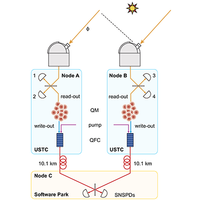
Phys. Rev. Lett. 136, 240801 (2026)
Quantum Information, Science, and Technology
Properties of Heavy Cosmic Nuclei Phosphorus, Chlorine, Argon, Potassium, and Calcium: Results from the Alpha Magnetic Spectrometer
Article | Cosmology, Astrophysics, and Gravitation | 2026-06-17 06:00 EDT
A. Aceituno et al. (AMS Collaboration)
We report the unique properties of cosmic phosphorus (P), chlorine (Cl), argon (Ar), potassium (K), and calcium (Ca) fluxes in the GV to TV rigidity range collected by the Alpha Magnetic Spectrometer (AMS) on the International Space Station. With a total of one million events collected over 13.5 yea…
Phys. Rev. Lett. 136, 241002 (2026)
Cosmology, Astrophysics, and Gravitation
Probing Scalar-Neutrino and Scalar-Dark-Matter Interactions with PandaX-4T
Article | Particles and Fields | 2026-06-17 06:00 EDT
Tao Li et al. (PandaX Collaboration)
Scalar-mediated interactions may exist among neutrinos, dark matter particles, or between the two. Double -decay experiments provide a powerful tool to probe such exotic interactions. Using double -decay data from PandaX-4T, we perform the first direct spectral search in the energy range of …
Phys. Rev. Lett. 136, 241802 (2026)
Particles and Fields
Evidence of Spin-Interference Effects in Exclusive $J/ψ→{e}^{+}{e}^{-}$ Photoproduction in Ultraperipheral Heavy-Ion Collisions
Article | Nuclear Physics | 2026-06-17 06:00 EDT
B. E. Aboona et al. (STAR Collaboration)
We report the first evidence of spin interference in exclusive photoproduction in ultraperipheral heavy-ion collisions at STAR at . In collisions, a negative modulation is found for with a significance of , while the isobar data (, ) …
Phys. Rev. Lett. 136, 242302 (2026)
Nuclear Physics
Role of Spin-Isospin Symmetries in Nuclear $β$-Decays
Article | Nuclear Physics | 2026-06-17 06:00 EDT
Simone Salvatore Li Muli, Tor R. Djärv, Christian Forssén, and Daniel R. Phillips
A century ago, Wigner's SU(4) symmetry was introduced to explain the properties of atomic nuclei. Despite recent revived interest, its impact on nuclear structure, transitions, and reactions has not been fully explored. Here, we show that a variety of high-fidelity nuclear interactions predict nucle…
Phys. Rev. Lett. 136, 242501 (2026)
Nuclear Physics
Bootstrapping Quantum Hamiltonians with Symmetry
Article | Condensed Matter and Materials | 2026-06-17 06:00 EDT
Michael G. Scheer
We describe a semidefinite relaxation method which finds lower bounds to the ground state energy of a quantum Hamiltonian subject to Hermitian linear constraints along with approximations of ground state expectation values. We show that symmetry can be used to significantly reduce the computational …
Phys. Rev. Lett. 136, 246501 (2026)
Condensed Matter and Materials
Ising Supercriticality and Universal Magnetocalorics in Spiral Antiferromagnet ${\mathrm{Nd}}{3}{\mathrm{BWO}}{9}$
Article | Condensed Matter and Materials | 2026-06-17 06:00 EDT
Xinyang Liu, Enze Lv, Xueling Cui, Han Ge, Fangyuan Song, Zhaoming Tian, Gang Su, Kan Zhao, Junsen Xiang, Peijie Sun, and Wei Li
An emergent Ising supercritical regime in NdBWO with universal thermodynamic behavior extends the liquid-gas analogy to a rare-earth antiferromagnetic compound and shows its potential for sub-Kelvin refrigeration due to critical endpoint and topological excitations.
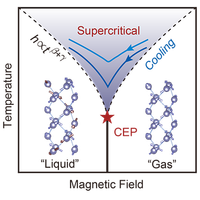
Phys. Rev. Lett. 136, 246502 (2026)
Condensed Matter and Materials
Exciton Steering via Potential Landscape Engineered by Excited Electron-Hole Phase Transition
Article | Condensed Matter and Materials | 2026-06-17 06:00 EDT
Yiling Yu, Yan Xu, Volodymyr Turkowski, Bo Liu, Sheng Liu, Yihan Xiang, Yaorong Liu, Chen Shen, Sheng Wang, Talat S. Rahman, Ting Yu, and Jun He
Controlling exciton transport--especially intralayer excitons with strong light-matter interactions--is challenging due to the lack of efficient, tunable driving mechanisms, hindering practical excitonic device development. In this Letter, we demonstrate all-optical steering of intralayer excitons in …
Phys. Rev. Lett. 136, 246901 (2026)
Condensed Matter and Materials
Mean-Field Approach to Finite-Size Fluctuations in the Kuramoto-Sakaguchi Model
Article | Statistical Physics; Classical, Nonlinear, and Complex Systems | 2026-06-17 06:00 EDT
Oleh E. Omel’chenko and Georg A. Gottwald
We develop an ab initio approach to describe the statistical behavior of finite-size fluctuations in the deterministic Kuramoto-Sakaguchi model. We obtain explicit expressions for the covariance function of fluctuations of the complex order parameter and determine the variance of its magnitude entir…
Phys. Rev. Lett. 136, 247201 (2026)
Statistical Physics; Classical, Nonlinear, and Complex Systems
State- versus Reaction-Based Information Processing in Biochemical Networks
Article | Polymers, Chemical Physics, Soft Matter, and Biological Physics | 2026-06-17 06:00 EDT
Anne-Lena Moor, Age Tjalma, Manuel Reinhardt, Pieter Rein ten Wolde, and Christoph Zechner
Trajectory mutual information is frequently used to quantify information transfer in biochemical systems. Tractable solutions of the trajectory mutual information can be obtained via the widely used linear-noise approximation (LNA) using Gaussian channel theory. This approach is expected to be accur…
Phys. Rev. Lett. 136, 248401 (2026)
Polymers, Chemical Physics, Soft Matter, and Biological Physics
Erratum: Lifetime of the ${^{2}F}_{7/2}$ Level in ${\mathrm{Yb}}^{+}$ for Spontaneous Emission of Electric Octupole Radiation [Phys. Rev. Lett. 127, 213001 (2021)]
Article | 2026-06-17 06:00 EDT
R. Lange, A. A. Peshkov, N. Huntemann, Chr. Tamm, A. Surzhykov, and E. Peik
Phys. Rev. Lett. 136, 249901 (2026)
Erratum: Spectroscopy and Ground-State Transfer of Ultracold Bosonic $^{39}\mathrm{K}^{133}\mathrm{Cs}$ Molecules [Phys. Rev. Lett. 135, 203401 (2025)]
Article | 2026-06-17 06:00 EDT
Krzysztof P. Zamarski, Charly Beulenkamp, Yi Zeng, Manuele Landini, and Hanns-Christoph Nägerl
Phys. Rev. Lett. 136, 249902 (2026)
arXiv
Stochastic Thermodynamics and SDE-based Generative Models
New Submission | Statistical Mechanics (cond-mat.stat-mech) | 2026-06-18 20:00 EDT
SDE-based generative models, including diffusion models and the Schrödinger bridge, have found broad applications in signal processing tasks such as speech enhancement, image restoration, and time-series generation. This note presents a modeling framework for such models within the context of stochastic thermodynamics. The main results of this note are trajectory-level definitions of work, heat, and entropy production, along with a generalized Jarzynski identity and a second-law-like inequality. The proposed framework extends the original Jarzynski setup to accommodate time-dependent bath temperature and nonconservative driving forces. This thermodynamic perspective may deepen our understanding of diffusion models and the Schrödinger bridge from a nonequilibrium statistical mechanics viewpoint.
Statistical Mechanics (cond-mat.stat-mech), Machine Learning (cs.LG), Signal Processing (eess.SP)
Quantum Geometry and Topology of Bulk Plasmons in Weyl Metals
New Submission | Mesoscale and Nanoscale Physics (cond-mat.mes-hall) | 2026-06-18 20:00 EDT
Hong-Yi Xie, Peter Abbamonte, Bruno Uchoa
We address the quantum geometric structure of plasmons in Fermi surfaces enclosing a topological charge. We demonstrate that Weyl fermion plasmons have monopole structure, are topological and have a finite vorticity $ \zeta=2\mathsf{C}{\text{w}}$ , where $ \mathsf{C}{\text{w}}$ is the Chern number of the Fermi surface enclosing the Weyl point. We show that these plasmons selectively couple to light linearly polarized along the plasmon effective dipole moment $ \mathbf{d}$ , which has quantum geometric origin and points along the direction of the plasmon center of mass momentum $ \hat{\mathbf{Q}}$ . We suggest that Weyl metal topological plasmons have distinctive optical properties compared to conventional plasmons.
Mesoscale and Nanoscale Physics (cond-mat.mes-hall)
6 pages, 2 figures
akaitools: A Python package for parsing and analyzing AkaiKKR electronic structure calculations
New Submission | Materials Science (cond-mat.mtrl-sci) | 2026-06-18 20:00 EDT
Doğuhan Sarıtürk, Raymundo Arróyave
The Korringa-Kohn-Rostoker (KKR) Green’s function method is a first-principles electronic structure approach well suited to substitutionally disordered alloys through the Coherent Potential Approximation (CPA). AkaiKKR is a widely used implementation, known for efficient treatment of metallic systems and their magnetic properties. Its output, however, is unstructured plain text with no programmatic interface, leaving data extraction entirely to the user and making systematic or high-throughput studies impractical. akaitools is a Python package that parses AkaiKKR output files into structured, type-annotated Python objects. The package covers three output types: self-consistent field (SCF) results, which capture convergence history and per-atom electronic and magnetic properties; spin-resolved, orbital projected density of states for each CPA component; and Bloch spectral functions on a user-defined k-point path. Results come back as immutable dataclasses backed by NumPy arrays. Energy quantities are available in both Rydbergs and electronvolts, and results can be exported to Pandas DataFrames. A built-in plotting module produces Matplotlib figures for DOS curves and SCF convergence. A command-line interface provides file summaries and JSON export without any Python scripting. The package also includes a programmatic input file generator, so full calculation pipelines from input preparation to output analysis can be run in Python.
Materials Science (cond-mat.mtrl-sci), Computational Physics (physics.comp-ph)
5 pages, 1 figure
Negative diffusivity of excitons in electron-hole plasmas
New Submission | Mesoscale and Nanoscale Physics (cond-mat.mes-hall) | 2026-06-18 20:00 EDT
We develop a minimal hydrodynamic framework to describe exciton transport in the presence of an electron hole plasma in 2D semiconductors. Treating excitons, electrons, and holes as coupled fluids, we show that exciton diffusion is strongly renormalized by momentum exchange with the plasma. In the collisional regime, mutual diffusion leads to a nontrivial redistribution of transport coefficients but preserves the positivity of the exciton diffusivity. In contrast, when plasma inertia and collective charge oscillations are accounted for, the exciton diffusive mode hybridizes with acoustic plasma modes, giving rise to a dynamical instability manifested as an effective negative diffusion coefficient. We demonstrate that this instability originates from the nonequilibrium coupling between slow excitons and fast plasma degrees of freedom, rather than from nonlinear diffusion or thermodynamic effects. Our results provide a unified physical mechanism for negative exciton diffusivity reported in recent experiments and establish collective plasma dynamics as a key control parameter of exciton transport in 2D materials.
Mesoscale and Nanoscale Physics (cond-mat.mes-hall), Quantum Gases (cond-mat.quant-gas)
9 pages, 3 figures
Magnetotransport Measurements on Isolated Polycrystalline Grains of Type-II Silicon Clathrate
New Submission | Materials Science (cond-mat.mtrl-sci) | 2026-06-18 20:00 EDT
Sam Saiter, Joseph P. Briggs, Yinan Liu, Audrey Faricy, Gavin Sher, Carolyn A. Koh, Reuben T. Collins, Meenakshi Singh
The first low-temperature electronic transport characterization of individual polycrystalline grains of type-II silicon clathrate (Na$ _x$ Si$ _{136}$ , $ x \ll 1$ ), isolated using microfabrication techniques, is reported. Structural characterization via Raman spectroscopy confirms that the isolated grains are largely devoid of amorphous silicon (a-Si). Temperature-dependent resistivity reveals multiple conduction regimes, including thermally activated freeze-out behavior and a transition to low-activation-energy transport at cryogenic temperatures, consistent with hopping conduction mechanisms. Hall measurements from 290 K to 3.5 K yield carrier concentration and mobility trends that correlate with the extracted activation energies, verifying $ n$ -type conduction. Additionally, gate-dependent conductivity measurements demonstrate electrostatic tunability at room temperature. Collectively, these results establish the magnetotransport parameters of single, isolated grains of type-II silicon clathrate and demonstrate the potential of this material for future quantum and optoelectronic devices.
Materials Science (cond-mat.mtrl-sci)
14 pages, 5 figures
Persistent current and orbital magnetization along a valley-contrasting junction in bilayer graphene in a magnetic field
New Submission | Mesoscale and Nanoscale Physics (cond-mat.mes-hall) | 2026-06-18 20:00 EDT
In a magnetic field bilayer graphene hosts an octet of pseudo-zero-mode electron levels nearly degenerate in orbitals $ n=(0,1)$ , valleys and spins. They split in valleys by electrostatic gating. In gated bilayer graphene, in which the interlayer bias is set up to flip sign across a line, one has a line junction that traps a portion of pseudo-zero-mode electrons inside the insulating bulk band gap, giving rise to electron states localized along the junction, known as kink states. A close look is made into the spectra and electromagnetic response of such kink states. There are two species of valley current associated with them, a drift current driven by the bias gradient and a circulating current coming from cyclotron motion. It turns out that they both flow in essentially the same direction, with the circulating current exhibiting a magnetic character distinct from those of other higher levels. In equilibrium they spatially circulate within the kink states, creating a quasi-one-dimensional channel of orbital magnetization. The electric control of the orbital magnetization and valley currents via a network of gated junctions will find useful applications in valley electronics.
Mesoscale and Nanoscale Physics (cond-mat.mes-hall)
13 pages, 4 figures
Phys. Rev. B 113, 235422 (2026)
Hydration-controlled twist forms a moiré glass in charge-frustrated layered silicates
New Submission | Materials Science (cond-mat.mtrl-sci) | 2026-06-18 20:00 EDT
Juhyeok Lee, Piotr Zarzycki, Colin Ophus, Jim Ciston, Benjamin Gilbert, Jillian F. Banfield, Mary C. Scott, Michael L. Whittaker
Twisting layered materials produces moiré superlattices, but prescribed twist angles are usually obtained by demanding assembly procedures. Here we show that montmorillonite, an abundant swelling clay, forms tunable moiré superlattices naturally. Focal-series high-resolution transmission electron microscopy, geometric phase analysis, and molecular dynamics simulation reveal that its apparent rotational disorder is biased toward low-angle misorientations inherited from discrete hydration states. Multilayer stacks preferentially adopt twists near 1-2°, 4°, and 10°, producing long-wavelength moirés without long-range rotational order. We define this kinetically trapped state as a moiré glass, distinct from featureless turbostratic stacking. Simulations indicate that lattice-charge disorder stabilizes the angular preferences, whereas charge ordering promotes random stacking. Hydration screens interlayer interactions and lubricates twist, while dehydration arrests the resulting configurations in discrete steps. These results establish dynamic hydration as a macroscopic handle for programming twist in layered matter.
Materials Science (cond-mat.mtrl-sci), Soft Condensed Matter (cond-mat.soft)
25 pages, 4 main figures, 8 supplementary figures, 1 supplementary table
Magnetic field induced transition from nodeless to nodal superconductivity in $β$-PdBi$_{2}$
New Submission | Superconductivity (cond-mat.supr-con) | 2026-06-18 20:00 EDT
Emmanouil K. Kokkinis, Joseph J. Betouras, Andrey V. Chubukov
Recent tunneling measurements on $ \beta$ -PdBi$ _2$ reported a magnetic field induced phase transition from a fully gapped to a nodal superconducting state. We develop a microscopic theory of superconductivity in this multi-band material, taking into account spin-orbit coupling and Zeeman splitting. We show that there are two attractive pairing channels in this system: an s-wave and a p-wave. At zero magnetic field, s-wave superconductivity wins. At a finite field, this channel becomes less favorable because Fermi surfaces split, and the gap symmetry changes to p-wave. We show that at a higher field, the excitation spectrum of a p-wave multi-band superconductor becomes gapless, with nodal points located in between the split Fermi surfaces. We argue that this behavior accounts for the experimentally observed field-induced nodal superconductivity in $ \beta$ -PdBi$ _2$ .
Superconductivity (cond-mat.supr-con), Strongly Correlated Electrons (cond-mat.str-el)
39 pages + 11 figures
Dynamical axion quasiparticles: an open quantum system
New Submission | Other Condensed Matter (cond-mat.other) | 2026-06-18 20:00 EDT
We study the non-equilibrium dynamics of emergent dynamical axion quasiparticles (DAQ) coupled to a photon bath in equilibrium via a Chern-Simons term as a quantum open system. A quantum master equation (QME) is derived up to second order in this coupling implementing only a \emph{partial} Markov approximation, allowing time dependent rates in the Lindblad (QME). These are determined by the equilibrium correlation functions of the Chern-Simons density, and their time dependence allows us to explore transient dynamics in coherences and population: the formation of the quasiparticle on short time scales and its decay, and the build-up of population with an effective time dependent rate. Early time evolution features quantum \emph{anti} Zeno dynamics with enhanced quasiparticle decay and population growth. These phenomena describe transient violations of Fermi’s Golden rule and of \emph{detailed balance}, and are distinct \emph{non-Markovian} effects directly related to the spectral density of the Chern-Simons correlators. We obtain the equation of motion of coherent (DAQ) condensates both with the (QME) and with quantum many body linear response establishing a direct bridge between both methods. As a corollary we obtain the expectation value of the Chern-Simons density \emph{induced} by a (DAQ) condensate in linear response, the topological susceptibility is shown to be proportional to the (DAQ) many body self-energy. We provide a Feynman diagram-based interpretation of approximations invoked in the (QME) and corrections from system-bath correlations in higher order.
Other Condensed Matter (cond-mat.other)
Magnon-dislon hybridization in magnetic insulators
New Submission | Mesoscale and Nanoscale Physics (cond-mat.mes-hall) | 2026-06-18 20:00 EDT
Carlos Saji, Nicolas Vidal-Silva, Roberto E. Troncoso
Spin dynamics in ordered magnets with topological lattice defects is investigated. Using fracton–elasticity duality, we develop an effective field theory of magnons coupled to quantized lattice dislocations (dislons) in magnetic insulators. Within this framework, an elastic gauge field mediates a nonlocal interaction between dislocations and magnetization gradients. The resulting magnetoelastic coupling gives rise to coherent magnon-dislon hybridization whose properties are dictated by dislocation topology. Screw dislocations exhibit helicity-selective hybridization and symmetry-protected dark dislon sectors, while edge dislocations generate anisotropic hybrid excitations with finite spin-precession ellipticity through the glide constraint. Our results establish dislocations as dynamical topological defects with directly observable polarization fingerprints in magnon spectra, and reveal magnon-dislon hybridization as a new route to control spin dynamics.
Mesoscale and Nanoscale Physics (cond-mat.mes-hall), Materials Science (cond-mat.mtrl-sci), Other Condensed Matter (cond-mat.other)
5 pages, supplemental material and 3 figures
Tunable Chaos in the Finite Mean SYK Model
New Submission | Strongly Correlated Electrons (cond-mat.str-el) | 2026-06-18 20:00 EDT
Arkaprava Mukherjee (Department of Physics, The Ohio State University, USA), Sumilan Banerjee (Centre for Condensed Matter Theory, Department of Physics, Indian Institute of Science, Bangalore, India), Sandip P. Trivedi (Department of Theoretical Physics, Tata Institute of Fundamental Research, Mumbai, India), Nandini Trivedi (Department of Physics, The Ohio State University, USA)
The complex Sachdev-Ye-Kitaev (SYK) model, featuring fermions with all-to-all interactions, serves as a dual paradigm for understanding non-Fermi liquid behavior and the holographic nature of charged black holes. Two defining characteristics of the standard SYK model are its maximal chaos (Lyapunov exponent $ \lambda_{\mathrm{L}}=2\pi T$ at temperature $ T$ ), and its finite zero-temperature residual entropy. While previous studies have largely focused on couplings drawn from a zero-mean Gaussian distribution, we investigate a generalized model with a finite mean-to-standard-deviation ratio, $ g\equiv J_{0}/\delta J$ of the coupling distribution in order to get deeper insight into the evolution of chaos. We find that increasing $ g$ yields the following effects: (i) The system remains a fast scrambler with $ \lambda_{\mathrm{L}}=A~T$ , but with a suppressed coefficient $ A<2\pi$ . (ii) In the limit $ g\to \infty$ , out-of-time-ordered correlators (OTOCs) no longer exhibit exponential growth with $ \lambda_{\mathrm{L}}\simeq 0$ . (iii) The spectral correlations indicative of late-time chaos maintain Wigner-Dyson level spacing statistics for all values of $ g$ . (iv) The system preserves a finite residual entropy, albeit with reduced magnitude, for all $ g$ values. We conclude that in this generalized SYK model, there is a chaotic to non-chaotic crossover. Moreover different measures of chaos decouple, demonstrating that the presence of finite residual entropy does not strictly imply maximal chaos.
Strongly Correlated Electrons (cond-mat.str-el), High Energy Physics - Theory (hep-th), Quantum Physics (quant-ph)
23 pages, 12 figures
Chemical Vapor Deposition of Ni-doped Iron Germanium Telluride Nanosheets
New Submission | Materials Science (cond-mat.mtrl-sci) | 2026-06-18 20:00 EDT
Matthew Metcalf, Jesse Martinez, Armella Mushfique, Alexander Riou, Lutfun Nahar, Bamidele Onipede, Hui Cai
Iron germanium telluride (FGT; FemGenTe2) compounds have attracted significant interest due to their layered van der Waals structure, relatively high Curie temperature, and tunable magnetic properties. Chemical vapor deposition (CVD) is a particularly promising synthesis route owing to its simplicity, low cost, potential for scalability, and widespread adoption in the semiconductor industry, yet it has not been used previously to synthesize FGT with dopants. Here, we report CVD synthesis of both undoped and Ni-doped FGT nanosheets on SiO2/Si substrates. By adjusting precursor molar ratios, we synthesized Ni-doped FGT with multiple Fe concentrations and a 4% Ni-to-Fe ratio. X-ray photoelectron spectroscopy depth profiling further demonstrates that Ni is present in the bulk of the crystals. This straightforward, low-cost, and CMOS-compatible approach demonstrates a route to Ni-doped FGT nanosheets, establishing a foundation for future characterization of Ni-doped FGT and its potential integration into spintronic devices.
Materials Science (cond-mat.mtrl-sci)
Time-resolved synchronization analysis of stacked intrinsic Josephson junctions of a cuprate superconductor with frequency-modulated terahertz radiation spectra
New Submission | Superconductivity (cond-mat.supr-con) | 2026-06-18 20:00 EDT
Masashi Miyamoto, Keisuke Mizoguchi, Ryota Kobayashi, Nozomi Yagyu, Manabu Tsujimoto, Itsuhiro Kakeya
Terahertz radiation from $ \text{Bi}2\text{Sr}2\text{CaCu}2\text{O}{8+\delta}$ intrinsic Josephson junctions (IJJs) provides an ideal platform to study the synchronization of a macroscopic quantum system. Here, we present a spectral analysis of a frequency-modulated Josephson plasma emitter coupled with patch antennas. In the unmodulated intensity distribution as a function of radiation frequency $ I{\mathrm{UM}}(\omega)$ , we observe a double Gaussian peak structure. Crucially, double-peak spectra obtained at a constant bias voltage imply either a rapid temporal distribution of resonances or their simultaneous excitation, driven by the mutual electromagnetic coupling between the IJJ mesa and the antennas. At low modulation frequencies $ f_m$ , the spectra are well reproduced by the products of $ I{\mathrm{UM}}(\omega)$ and frequency combs, yielding a synchronized relaxation time $ \tau_s \simeq 0.28\text{ ns}$ . Incorporating $ \tau_s$ quantitatively reproduces a drastic spectral transformation observed around $ f_m \sim 1\text{ GHz}$ , unveiling the sub-nanosecond non-equilibrium dynamics of coupled Josephson plasma.
Superconductivity (cond-mat.supr-con), Mesoscale and Nanoscale Physics (cond-mat.mes-hall)
22 pages, 5 figures
Strain induced magnetic phase transition and anomalous transport phenomena in RuO$_2$ and MnF$_2$
New Submission | Materials Science (cond-mat.mtrl-sci) | 2026-06-18 20:00 EDT
Xiuxian Yang, Zhangqi Wu, Xiangju Wang, Shifeng Qian, Ping Yang, Xiaodong Zhou, Jian Hao, Wanxiang Feng
Collinear antiferromagnets with broken time-reversal symmetry have emerged as a fertile platform for spintronics. Using a general tight-binding model and first-principles calculations, we show that strain engineering provides a simple route to control magnetic phase transition and activate transverse responses in representative altermagnets RuO$ _2$ and MnF$ _2$ . For pristine RuO$ _2$ and MnF$ _2$ with Néel vector $ \mathbf{n}\parallel$ [001], symmetry constrains the off-diagonal elements of the Hall conductivity tensor to vanish, thereby forbidding anomalous transport and magneto-optical responses. Shear strain applied along the $ ac$ direction preserves the spin symmetry relating the two spin-opposite magnetic sublattices and therefore maintains the altermagnetic phase. By contrast, shear strain applied along the $ ab$ direction breaks this spin symmetry and drives a transition from an altermagnetic phase to a partially compensated ferrimagnetic phase in metallic RuO$ _2$ and to a fully compensated ferrimagnetic phase in semiconducting MnF$ _2$ . In addition, the lowered symmetry enables finite anomalous Hall, anomalous Nernst, and anomalous thermal Hall conductivities, as well as magneto-optical rotation angles, which are prohibited in the pristine systems. These responses exhibit a clear strain dependence and become progressively stronger as the strain amplitude increases. Our results establish strain engineering as an effective route to manipulate magnetic phases and functional responses in unconventional antiferromagnets, thereby expanding opportunities for antiferromagnetic spintronics and magneto-optical applications.
Materials Science (cond-mat.mtrl-sci)
Hallmark Signatures of Electronic Pairing in Two-Photon Two-Electron Coincidence Angle-Resolved Photoemission Spectroscopy
New Submission | Strongly Correlated Electrons (cond-mat.str-el) | 2026-06-18 20:00 EDT
Janez Bonca, Alberto Nocera, Andrea Damascelli, Mona Berciu
Understanding strongly correlated quantum materials remains a central challenge in condensed matter physics and materials science. While angle-resolved photoemission spectroscopy (ARPES) has become an indispensable probe of single-quasiparticle excitations, it accesses electronic correlations only indirectly. Here we show that unlike one-photon in, two-electrons out coincidence ARPES ($ \gamma!\rightarrow!2e$ 2eARPES), the two-photon in, two-electron out $ 2\gamma!\rightarrow!2e$ 2eARPES provides a direct and unambiguous probe of electronic pairing. We establish this on general theoretical grounds and substantiate it through large-scale numerical simulations of strongly correlated models with both paired and unpaired ground states. The key result is a model-independent separation in the $ (\omega_1,\omega_2)$ plane of the two photoelectrons’ energies, between signal from electrons emitted from the \emph{same} pair and signal from electrons emitted from \emph{different} pairs; this follows from energy conservation alone and is independent of any material-specific assumptions. Our findings demonstrate that $ 2\gamma!\rightarrow!2e$ 2eARPES can identify pairing and extract the pair binding energy as well as the energy of the ‘glue’ boson without any sophisticated data analysis or complementary measurements.
Strongly Correlated Electrons (cond-mat.str-el)
6 pages, 4 figures. Supplementary Material available upon request
Dynamics of monohydroxy alcohols with chain-like structures: Hydrogen bonding lifetime, chain swapping, and Debye process
New Submission | Soft Condensed Matter (cond-mat.soft) | 2026-06-18 20:00 EDT
By assuming reversible H-bonding association and dissociation, this work provides a description of the supramolecular structure and dynamics of monohydroxy alcohols (MAs) within the framework of a recently proposed living chain model (LCM). Structurally, reversible H-bonding leads to a single exponential distribution of the molar concentration of the supramolecular chain with length N. Dynamically, reversible H-bonding enables supramolecular chain breakage and recombination, which modifies the relaxation time of the supramolecular chains. In addition to the structural relaxation, tau_a, and the Debye relaxation, tau_D, two other relaxation times are revealed: the chain breakage time, tau_B, and the H-bonding lifetime, tau_H. The interplay among these four-time scales defines five distinct dynamics regimes. In Regimes I and V, no supramolecular chains form. In Regimes II and IV, supramolecular chains form and give a Debye relaxation. The characteristic chain length scales as Nc~tau_D/tau_a. In these two regimes, the H-bonding lifetime controls the Debye process. In Regime III, large supramolecular chains form. In all regimes with supramolecular chain formation, the Debye relaxation comes from the overall chain end-to-end dipole reorientation and scales with Nc. Excellent agreements between experiments and LCM have been observed, leading to quantitative descriptions of the dielectric and linear viscoelastic properties of MAs. These results thus establish a theoretical framework linking reversible H-bonding interactions to supramolecular structures, dynamics, and macroscopic properties of MAs.
Soft Condensed Matter (cond-mat.soft), Chemical Physics (physics.chem-ph)
53 Pages, 15 Figures
Trion Hall effect in electron-hole double layers
New Submission | Mesoscale and Nanoscale Physics (cond-mat.mes-hall) | 2026-06-18 20:00 EDT
Raghav Chaturvedi, Phuong X. Nguyen, Patrick Knüppel, Kenji Watanabe, Takashi Taniguchi, Kin Fai Mak, Jie Shan
The realization of Coulomb coupled electron-hole double layers in 2D semiconductor heterostructures has enabled the thermodynamic and transport studies of equilibrium exciton fluids without a magnetic field. By doping the exciton fluid with additional electrons/holes, an equilibrium fluid of trions - three particle bound states of electrons and holes - further emerge, providing the platform to explore new transport phenomena associated with such composite particles. Here we report the observation of a Hall effect for trions in MoSe2/WSe2 heterobilayers, which support Coulomb-coupled electron and hole fluids with tunable densities. The Hall effect arises from a Lorentz force on trions under a perpendicular magnetic field. It is manifested in both Hall drag measurements and standard Hall effect measurements on just one of the semiconductor layers. For negatively charged trions, an electron Hall effect is observed even in a hole doped WSe2 monolayer due to the presence of trion drags. The trion Hall effect also disappears when the trions are ionized at elevated temperatures and/or high trion densities. Our work opens the door for realizing quantum oscillations and the quantum Hall effect for trions.
Mesoscale and Nanoscale Physics (cond-mat.mes-hall), Other Condensed Matter (cond-mat.other), Strongly Correlated Electrons (cond-mat.str-el), Quantum Physics (quant-ph)
Bidirectional motion of antiferromagnetic skyrmions driven by competing spin torques
New Submission | Mesoscale and Nanoscale Physics (cond-mat.mes-hall) | 2026-06-18 20:00 EDT
Laichuan Shen, Wang Kang, Xichao Zhang, Qiuping Huang, Yalin Lu, Zhifeng Zhu, Yan Zhou
Antiferromagnetic skyrmions are swirling topological spin textures with rich dynamics and intriguing transport properties, yet their bidirectional dynamics remain largely unexplored. Here, we investigate the dynamics of antiferromagnetic skyrmions driven by current-induced spin-transfer and spin-orbit torques. We computationally demonstrate that antiferromagnetic skyrmions moving in one direction at low current densities can reverse their motion direction when the driving current is above a threshold. Based on the Thiele approach analysis, we show that this bidirectional motion originates from a change in the relative strengths of two effective forces arising from spin-transfer and spin-orbit torques. Furthermore, exploiting this bidirectional motion on a single racetrack, we design programmable logic gates. Our results not only uncover a hidden mechanism for bidirectional skyrmion motion but also facilitate the development of antiferromagnet-based logic devices.
Mesoscale and Nanoscale Physics (cond-mat.mes-hall)
4 figures
Counterintuitive inverse superconducting transition beyond 4He-cooling limit
New Submission | Superconductivity (cond-mat.supr-con) | 2026-06-18 20:00 EDT
Haowen Han, Yi Bian, Tong Ma, Yusong Zhao, Nuofu Chen, Chuanying Xi, Ze Wang, Binghui Ge, Hongliang Dong, Jia-Cai Nie, Ho-Kwang Mao, Jikun Chen
Thermally driven quantum-orders observed in exceptional instances may redefine the role of thermal-fluctuation from a source of decoherence to a resource for coherent-state engineering. While preliminary signs of counterintuitive temperature-rise-triggered superconductivity manifested in CeCu2Si2, ErRh4B4, Ho1.2Mo6S8 and (La,Ce)Al2, their critical-temperatures (Tc-inv) remain below Kelvin-range, precluding substantial applications. Here, we report field-modulated inverse-superconducting-transitions above 4He-cooling-limit in Eu-based infinite-layer nickelates (EuxNd1-xNiO2 and EuxPr1-xNiO2) grown on a substrate under both overdoped and underdoped regimes. Paradigmatically, superconductivity with zero-resistance is confined between Tc-inv (2.6-5.4 K) and another higher normal-Tc, rising and decreasing with applied magnetic-field, respectively. Starting from the resistive-state below Tc-inv, the inverse-superconducting-transition is driven by not only temperature-rising, but also current-density, while superconductivity further vanishes at higher temperature and current thresholds. The Kelvin-range inverse superconducting transition is plausibly explained by temperature-induced alternating dominance of effective magnetic-fields arising from Eu2+4f7 related compensations relative to the upper-critical-field. Furthermore, an extended-phenomenological-framework is also supported by reemerged superconductivity below 300 mK under magnetic-field, giving rise to an unprecedented temperature-induced reentrant superconductivity. Our findings establish magnetic-interaction-reconfigured high-Tc systems as fertile platforms for exploring quantum phenomena that reverse thermal-decoherence paradigm, also enabling antithetical-designs to unlock untapped application-scenarios for quantum-phase-transition devices.
Superconductivity (cond-mat.supr-con)
Josephson spectroscopy in a circular atomic tunnel junction with acceleration-induced symmetry breaking
New Submission | Quantum Gases (cond-mat.quant-gas) | 2026-06-18 20:00 EDT
Yurii Borysenko, Yuriy Bidasyuk, Olena Prykhodko, Gerhard Birkl, Dominik Pfeiffer, Ludwig Lind, Mark Edwards, Alexander Yakimenko
We study Josephson dynamics in a long atomic Bose-Josephson junction formed by two tunnel-coupled coplanar Bose-Einstein-condensate rings. An in-plane linear acceleration breaks the axial symmetry of the trap and transforms a single Josephson plasma oscillation into a multimode population-imbalance response. Gross-Pitaevskii simulations and Bogoliubov-de Gennes analysis show that the additional spectral components arise from collective modes that acquire finite overlap with the population-imbalance operator under symmetry breaking, with their activation governed by reflection symmetry about the acceleration direction. We also propose a mode-resolved Josephson-spectroscopy protocol based on a weak localized periodic perturbation. Frequency scans reveal resonant amplitude peaks and phase shifts at the eigenfrequencies of active Bogoliubov modes, while angular scans of the drive position provide access to the angular structure of the corresponding mode density perturbations. A dissipative time-dependent Bogoliubov theory yields analytical response functions in quantitative agreement with full Gross-Pitaevskii simulations in the linear regime. Our results demonstrate that accelerated dual-ring condensates provide a controllable platform for symmetry-selected Josephson dynamics and spectroscopic probing of collective modes.
Quantum Gases (cond-mat.quant-gas)
12 pages, 9 figures
$d$-wave altermagnetism revealed by resonant inelastic X-ray scattering
New Submission | Strongly Correlated Electrons (cond-mat.str-el) | 2026-06-18 20:00 EDT
Guangkai Zhang, Yuehong Li, Xubin Ye, Vincent C. Morano, Sze Tung Li, Jaewon Choi, Rebecca Scatena, Shuai Tang, Maocai Pi, Mengqi Ye, Mirian Garcia-Fernandez, Alessandro Bombardi, Xiaomei Qin, Zhao Pan, Daniel G. Mazzone, Qisi Wang, Yi Lu, Yao Shen, Youwen Long
Altermagnetism defines a third fundamental class of collinear magnetic order, featuring compensated magnetic moments with antiparallel spin alignment, yet lifted Kramers degeneracy without the need for relativistic spin-orbit coupling. Its ability to host spin-polarized electronic bands and unconventional chiral magnons makes it a promising platform for functional materials. However, experimental verification has proven challenging; while circular dichroism in resonant inelastic X-ray scattering (RIXS) has been suggested as a signature of chiral magnons, it remains controversial whether this effect is an intrinsic property of altermagnetism or an artifact of experimental geometry. In this work, we resolve this debate and provide unambiguous experimental evidence of $ d$ -wave altermagnetism in the strongly correlated Lieb-lattice magnet La$ _2$ O$ _3$ Mn$ _2$ Se$ _2$ . The RIXS spectra exhibit a $ d$ -wave-symmetry circular dichroism in the magnetic excitations that vanishes in the paramagnetic phase. Through RIXS-operator symmetry analysis and exact-diagonalization calculations, we prove that the observed dichroism is a direct consequence of altermagnetic symmetry constraints, independent of magnon branch splitting. Our results provide definitive evidence for the experimental realization of $ d$ -wave altermagnetism in La$ _2$ O$ _3$ Mn$ _2$ Se$ _2$ and establish circularly polarized RIXS as a highly symmetry-sensitive spectroscopic framework for detecting magnetic phases that evade conventional probes.
Strongly Correlated Electrons (cond-mat.str-el), Materials Science (cond-mat.mtrl-sci)
Supplementary Information available upon request
Ewald summing irreducible components of flow around active particles
New Submission | Soft Condensed Matter (cond-mat.soft) | 2026-06-18 20:00 EDT
We present a method to compute Ewald summation for the irreducible components of flow around active particles to study hydrodynamic interactions in active colloidal suspensions. An active particle is modeled as a colloidal sphere with a surface slip velocity. Using this model, we obtain an irreducible representation of the fluid flow produced by an active particle in periodic geometry of Stokes flow for an arbitrary surface slip. The solution of the active flow is obtained in terms of lattice sum of the Oseen tensor and their derivatives. The lattice sum is accelerated using the Ewald summation technique. We apply the method to compute explicit expression for rigid body motion of hydrodynamically interacting active particles. Our method presents a way for dynamic simulation of active particles due to arbitrary mode of active slip in periodic geometry of Stokes flow.
Soft Condensed Matter (cond-mat.soft)
Published in J. Chem. Phys
J. Chem. Phys. 163, 024901, 2025
Role of Local Structural Variation in X-ray Photoelectron Spectrum of Silicon Oxide Interfaces
New Submission | Materials Science (cond-mat.mtrl-sci) | 2026-06-18 20:00 EDT
Mikael Santonen, Sari Granroth, Johanna Laaksonen, Pekka Laukkanen, Johannes Niskanen
We show that the broad X-ray photoelectron lines of silicon oxide on silicon arise from a continuous statistical distribution of core-level binding energies. Statistical simulations spanning compositions from Si to SiO$ _2$ reproduce the full extent of this broadening, reaching 5 eV for SiO$ _{1.0}$ , in quantitative agreement with 0.23 nm layer-resolved spectra reconstructed from Ar$ ^+$ sputtering data. This continuous distribution blurs distinct spectral fingerprints of local structural motifs, thereby challenging conventional chemical state assignment in oxide X-ray photoelectron spectra.
Materials Science (cond-mat.mtrl-sci), Disordered Systems and Neural Networks (cond-mat.dis-nn)
Polarized neutron scattering as a probe for vortex-type spin correlations in iron oxide multicore assemblies
New Submission | Mesoscale and Nanoscale Physics (cond-mat.mes-hall) | 2026-06-18 20:00 EDT
Venus Rai, Ivan Titov, Elizabeth M. Jefremovas, Štefan Liščák, Sivarenjini Shan, Nina-Juliane Steinke, Jonathan Leliaert, Álvaro Gallo-Córdova, María P. Morales, Davide Peddis, Pierfrancesco Maltoni, Luis Fernández Barquín, Andreas Michels, Michael P. Adams
We report an experimental investigation of the magnetic microstructure of iron oxide multicore assemblies by means of polarized small-angle neutron scattering (SANS). Guided by a recently developed analytical theory for vortex-state magnetic nanoparticles, we provide a quantitative comparison between the measured and calculated cross sections, revealing signatures that are consistent with vortex-type magnetization configurations at low applied magnetic fields. In particular, the field evolution and the characteristic isotropic ring-type feature of the spin-flip scattering intensity at intermediate momentum transfers are in line with the formation of flux-closure states. The latter are stabilized by the interplay of exchange, Zeeman, and magnetostatic energies. The methodology allows for a statistically significant characterization of vortex states in densely packed nanoparticle systems, thereby complementing surface-sensitive techniques that are commonly limited to the observation of spin structures in individual particles.
Mesoscale and Nanoscale Physics (cond-mat.mes-hall), Materials Science (cond-mat.mtrl-sci)
Mimicry of chaos and $k$-design in higher order OTOCs of Luttinger liquids
New Submission | Strongly Correlated Electrons (cond-mat.str-el) | 2026-06-18 20:00 EDT
Balázs Dóra, Catalin Pascu Moca, Roderich Moessner
Out-of-time-order correlators (OTOCs) provide a fundamental metric for quantum chaos, but capturing the fine structure of information scrambling requires exploring their higher-order generalizations. Here, we systematically investigate the sequence of higher-order OTOCs in a Luttinger liquid and its lattice realization, the XXZ Heisenberg chain. Using bosonization and numerics, we extract the full temporal dynamics of the first three OTOCs, revealing that they rapidly erase memory of the initial state, and quickly saturate to their steady state values. Strikingly, we show that calculating the late time saturation values for the entire sequence of higher-order OTOCs maps exactly onto determining the partition function of a non-Hermitian Harper model. Through this mapping, we demonstrate that for moderately strong interactions, the steady-state OTOCs become parametrically small up to the seventh order, mimicking higher $ k$ -design. Our results reveal that Luttinger liquids exhibit an unexpectedly profound degree of apparent scrambling when viewed through the lens of higher-order OTOCs.
Strongly Correlated Electrons (cond-mat.str-el), Quantum Gases (cond-mat.quant-gas)
6 pages, 2 figures
Solution gate control of shallow silicon vacancy charge states in diamond
New Submission | Materials Science (cond-mat.mtrl-sci) | 2026-06-18 20:00 EDT
Charlie Pattinson, Daniel J. McCloskey, Nikolai Dontschuk, Brett C. Johnson, Alexander A. Wood, David Simpson
Silicon-vacancy (SiV) centers in diamond combine near-infrared emission with solid-state robustness, but their performance hinges on isolating favorable defect charge states. We demonstrate static and dynamic control of ultra-shallow (<15 nm) SiV ensembles in type IIa diamond. By combining low-energy ion implantation with tailored oxygen and hydrogen terminations, we map regimes that maximise the fluorescent SiV- population over dark charge states. We then realize reversible SiV- to SiV0 conversion using aqueous electrolytic gating with sub-200 mV biases and low optical powers. Our results enable low-power electrical control of SiV ensembles for integrated quantum photonics and biologically compatible voltage imaging in the near-infrared.
Materials Science (cond-mat.mtrl-sci)
7 pages, 3 figures
Classical dissipative search of unstructured database
New Submission | Statistical Mechanics (cond-mat.stat-mech) | 2026-06-18 20:00 EDT
A.E. Allahverdyan, Y. Bisharyan
We propose a physical realization of the unstructured database search that works via classical, dissipative model of spherical spins. The database is implemented via spin-spin couplings, where the selected coupling refers to a larger ferromagnetic interaction between two selected spins. The low-temperature equilibrium of this model leads to magnetization strongly concentrated on the selected spins, which means that the search is complete. The search time refers to the relaxation time to equilibrium from a homogeneous initial state, and is described via Langevin equations. This time scales as $ {\cal O}(M^a)$ with $ a<1/2$ , where $ M$ is the database volume. This is faster than Grover’s search, showing how a dissipative, classical analog computer can overcome the quantum unitary computer.
Statistical Mechanics (cond-mat.stat-mech), Disordered Systems and Neural Networks (cond-mat.dis-nn), Computational Physics (physics.comp-ph), Quantum Physics (quant-ph)
1 figure, 5+5 pages
Extracting effective scaling exponents in finite-size hyperuniform systems
New Submission | Disordered Systems and Neural Networks (cond-mat.dis-nn) | 2026-06-18 20:00 EDT
Yuan Liu, Xurui Li, Jianxiang Tian, Xunwang Yan, Ge Zhang
Hyperuniform systems strongly suppress long-wavelength density fluctuations, which is quantitatively characterized by the small-wavenumber scaling. In finite samples, however, accurately estimating the hyperuniformity exponent {\alpha} can be challenging. The inferred value depends strongly on the range of length scales accessible in the measurement, finite-size effects, and the specific characterization method employed, whether based on Fourier-space structure factors, real-space density fluctuations, or dynamical probes such as diffusion spreadability. In particular, the structure-factor method provides the most direct estimate of {\alpha}, but is sensitive to empirical low-k fitting cutoffs. The number-variance method offers a real-space Class-like diagnosis, but contributes a numerical exponent only when the finite-size data retain Class III-like scaling information. The spreadability method provides a smoother dynamic estimate and reduces configuration-level fluctuations, but requires a physically admissible long-time fitting window. Here, we develop a practical method-aware protocol for robust estimation of the effective scaling exponent {\alpha} in finite-size hyperuniform point configurations, combining three complementary methods with distinct roles. Our protocol summarizes the method-specific estimates through a joint empirical estimator and reports the internal dispersion among the participating methods to determine the optimal estimate.
Disordered Systems and Neural Networks (cond-mat.dis-nn)
48 pages, 7 figures
Electron state tomography from quasiparticle interference maps
New Submission | Mesoscale and Nanoscale Physics (cond-mat.mes-hall) | 2026-06-18 20:00 EDT
A. Razanajatovo, J. Cayssol, C. Dutreix
Characterizing electronic band structures requires precise knowledge of wave functions and their quantum geometry. Here, we introduce a tomography method to reconstruct the density matrix of electron states from quasiparticle interference maps around single impurities. We consider two-orbital models on a honeycomb lattice, relevant to graphene heterostructures and direct-gap semiconductors. For on-site impurities, backscattering between time-reversed states directly maps the density matrix populations and coherences into distinct orbital contributions in the interference map. While local probes usually lack orbital resolution, these orbital contributions transform under distinct symmetry group representations and can thus be disentangled to reveal the density matrix and quantum geometric tensor of the scattering states. This establishes impurities as tomographic probes for band structures in scanning tunneling microscopy using conventional, unpolarized tips.
Mesoscale and Nanoscale Physics (cond-mat.mes-hall)
On the emergence of molecular tilt in a ferroelectric smectic liquid crystal with broken director-inversion symmetry
New Submission | Soft Condensed Matter (cond-mat.soft) | 2026-06-18 20:00 EDT
Aitor Erkoreka, Mauricio Vera-Arévalo, Alberto Concellón, Sergio Diez-Berart, Jordi Sellarès, Adrià Gràcia-Condal, Ibon Alonso, Josu Martinez-Perdiguero
The origin of some mesophases of the ferroelectric nematic realm is not yet well understood. In this work we study the highly polar liquid crystal MIO, a close structural analogue of the prototypical ferroelectric nematogen DIO, which exhibits a ferroelectric smectic A to ferroelectric smectic C (SmAF-SmCF) phase transition. Calorimetric, dielectric and light-scattering experiments reveal that it is a second-order phase transition with mean-field behavior, and is driven by the softening of the tilt elastic constant accompanied by the divergence of the amplitude of the associated dielectric mode.
Soft Condensed Matter (cond-mat.soft)
Theory of In-Plane Orbital Magnetization with Layer Hybridization
New Submission | Mesoscale and Nanoscale Physics (cond-mat.mes-hall) | 2026-06-18 20:00 EDT
Jin-Xin Hu, Zi-Ting Sun, Yugui Yao
The modern theory of orbital magnetization successfully describes the response of Bloch electrons to magnetic fields in fully periodic crystals, but it does not directly address the distinct regime of an in-plane field in multilayer systems with layer hybridization. Coherent interlayer tunneling allows electrons to form circulating current loops, producing an in-plane orbital response that is absent in a strictly two-dimensional limit and qualitatively different from the conventional three-dimensional one. Here we develop a theory of in-plane orbital magnetization for this {\it transdimensional} regime, where the layer thickness is comparable to the vertical mean free path. Starting from the current-loop picture, we construct the in-plane orbital angular momentum operator and derive exact expressions for the orbital magnetic moment and the in-plane orbital magnetic susceptibility. As an application, we predict a gate-tunable in-plane orbital magnetoelectric effect in layered materials. Our framework establishes a general foundation for in-plane orbital responses and suggests new opportunities for orbitronics in layer-hybridized quantum materials.
Mesoscale and Nanoscale Physics (cond-mat.mes-hall)
Thermodynamics of photonic nonlinear Aharonov-Bohm cages
New Submission | Statistical Mechanics (cond-mat.stat-mech) | 2026-06-18 20:00 EDT
We investigate equilibrium and non-equilibrium thermodynamics of one-dimensional photonic diamond lattices with Kerr nonlinearity. The equilibrium phase diagram is obtained as a function of the synthetic magnetic flux acting on each plaquette. In the linear regime, the magnetic flux can induce Aharonov-Bohm caging, flattening all Bloch bands and suppressing particle and energy currents. In this caging regime, non-vanishing currents are enabled by nonlinearity. By imposing stationary temperature- and chemical potential- imbalances at the system boundaries, we show that at weak nonlinearity fine tuning the flux at the Aharonov-Bohm caging transforms the system from a conductor to an insulator. For intermediate nonlinear strength, the system remains conducting for all magnetic fluxes; however, the caging condition significantly enhances the Seebeck coefficient and thermoelectric figure of merit, improving the thermoelectric features of the system. Our results give evidence of a novel route towards optimization of coupled transport devices, based on the control of linear versus nonlinear conduction channels via a synthetic magnetic flux.
Statistical Mechanics (cond-mat.stat-mech), Optics (physics.optics)
First-Principles Study of Novel Lead-Free Double Perovskite \b{eta}2SnGeX6 (\b{eta} = K, Rb; X = Cl, Br, I) for thermomechanical, optoelectronic and outstanding thermoelectric applications
New Submission | Materials Science (cond-mat.mtrl-sci) | 2026-06-18 20:00 EDT
Jubair Hossan Abir, Tauhidur Rahman, S.S.B. Pallab, Md. Sharear Aman, R. S. Islam, S. H. Naqib
In this study, the structural, mechanical, electronic, optical, and thermoelectric properties of the novel lead-free halide double perovskite series beta2SnGeX6 (beta = K, Rb; X = Cl, Br, I) are systematically investigated using density functional theory (DFT). Calculated formation energies, Tolerance factors, and octahedral factors confirm that all six compounds exhibit robust thermodynamic stability within a highly symmetric cubic geometry. Mechanical analysis derived from elastic parameters characterizes the entire series as fundamentally ductile, ensuring high processing elasticity and resistance to micro-cracking during device manufacturing. Electronic band structures reveal direct bandgaps showing exceptional composition-dependent tunability from 1.44 eV down to 0.64 eV via progressive halogen substitution. The wide gap chloride variations are optimized for single-junction photovoltaic absorbers, while the narrower-gap bromide and iodide analogs show immense promise for tandem solar architectures and near-infrared photodetectors. Thermoelectrically, heavy constituent atoms introduce strong lattice anharmonicity and intense high-temperature Umklapp phonon scattering, significantly suppressing lattice thermal conductivity. Combined with low carrier effective masses that optimize electrical transport, the iodide compounds achieve higher power factors and outstanding dimensionless figures of merit (ZT = 2.4 for K2SnGeI6 at 1000 K). Ultimately, these lead-free double perovskite family emerges as an environmentally benign and versatile platform for next-generation green optoelectronics and solid-state waste-heat recovery.
Materials Science (cond-mat.mtrl-sci)
Self-Aligned Metallic-Semiconducting Phosphorus Nanoarrays Driven by Facet Engineering
New Submission | Materials Science (cond-mat.mtrl-sci) | 2026-06-18 20:00 EDT
M. Bassotti, M. Tallarida, J. Dai, S. Salaverria, P. Angulo-Portugal, L. Fernandez, A. El-Sayed, J.E. Ortega, A.A. Makarova, Dimas G. de Oteyza, D.Yu. Usachov, A. Verdini, F. Schiller
Two-dimensional (2D) materials often require specific substrate terminations for epitaxial stabilization, yet the search for suitable templates has largely focused on low-index metal surfaces, which may not provide the optimal conditions for the growth of new phases. Here, we show that crystal-facet engineering on curved Cu surfaces enables the stabilization, within a single preparation step, of two distinct 2D phosphorus phases with different electronic properties. Hexagonal blue phosphorene forms on Cu(111) terraces, whereas a previously unreported skewed-square phosphorus phase is stabilized on Cu(513) facets. By combining complementary microscopy and spectroscopy techniques with theoretical calculations, we determine the structural and electronic properties of this new phase, which displays semiconducting character, in contrast to the metallic behavior of blue phosphorene. The coexistence of these two competing phases gives rise to a metal-to-semiconducting transition of the 2D phosphorus layer over the substrate. Locally, the competition between the two phases gives rise to self-aligned nanoarrays of alternating metallic and semiconducting phosphorus terraces. These results establish crystal-facet engineering as a practical route for discovering and stabilizing emergent 2D material phases on high-index substrates, while also enabling the engineering of nanostructures with tailored electronic properties through a simple and scalable growth process.
Materials Science (cond-mat.mtrl-sci)
Nonequilibrium nucleation theory for nonconserved fields: from active matter to population dynamics
New Submission | Statistical Mechanics (cond-mat.stat-mech) | 2026-06-18 20:00 EDT
Michalis Chatzittofi, Noah Ziethen, Cesare Nardini, Michael E. Cates
Classical nucleation theory (CNT) describes the formation of a stable phase from a metastable one. In equilibrium systems, it quantifies the free-energy competition between a favorable bulk gain and an unfavorable interfacial cost. For systems without detailed balance, the corresponding nonequilibrium nucleation theory (NNT) was so far developed only for cases with a conserved order parameter, such as active fluid-fluid phase separation. Here we construct the NNT for systems with a (single, scalar) nonconserved order parameter. Unlike in the conserved case, the nucleation barrier controlling (noise-driven) droplet growth is profoundly altered by deviations in the interfacial density profile from the one arising during (deterministic) droplet relaxation. The barrier can nonetheless be analysed by carefully defining the reaction coordinate (droplet radius) to project out those deviations. We give explicit NNT predictions for models drawn from population dynamics and active matter, finding excellent agreement with numerical studies.
Statistical Mechanics (cond-mat.stat-mech), Soft Condensed Matter (cond-mat.soft)
7 pages, 3 figures
Spin-orbit coupling renormalization of the natural optical activity of Pb5Ge3O11 from first-principles
New Submission | Materials Science (cond-mat.mtrl-sci) | 2026-06-18 20:00 EDT
Asier Zabalo, Massimiliano Stengel, Eric Bousquet
We present a first-principles study of the natural optical activity of the gyroelectric Pb$ _5$ Ge$ _3$ O$ _{11}$ crystal, explicitly accounting for spin-orbit coupling (SOC) effects. We derive a new analytical expression for the gyration coefficients within the recent framework of long-wavelength density-functional perturbation theory [Phys. Rev. Lett. \textbf{131}, 086902 (2023)], which significantly improves computational efficiency by reducing the number of required response functions and includes spin-orbit coupling effects. We use this implementation to investigate the evolution of Pb$ _5$ Ge$ _3$ O$ _{11}$ ‘s optical rotation across the ferroelectric double-well, from the paraelectric $ P\bar{6}$ phase to the ferroelectric $ P3$ phase. Our results demonstrate that, in addition to the substantial renormalization of the double-well energy, spin-orbit coupling contributions play an equally crucial role in the natural optical activity, largely through purely electronic contributions, while SOC-induced structural relaxation effects are minor.
Materials Science (cond-mat.mtrl-sci)
The electric-field-driven intermediate state of three-dimensional superconductors
New Submission | Superconductivity (cond-mat.supr-con) | 2026-06-18 20:00 EDT
Ion Cojocari, Enzo Andreani, Paola Verniere, Florian Pallier, Marc Gabay, Miguel Monteverde, Claire Marrache-Kikuchi, Shamashis Sengupta
The coexistence of superconductivity and finite electric fields may enable access to intriguing forms of electronic states. We demonstrate the emergence of an intermediate state in which electric fields penetrate the system while superconductivity still persists. Our measurements reveal a nonclassical regime characterized by the simultaneous presence of supercurrent and dissipative charge transport. This state, realized in a pristine unpatterned three-dimensional system, arises from electric-field-driven order parameter fluctuations. It provides a platform to explore dissipative states of charged quantum fluids far from equilibrium.
Superconductivity (cond-mat.supr-con), Mesoscale and Nanoscale Physics (cond-mat.mes-hall)
13 pages, 8 figures
Suppression of Extrinsic Anomalous Hall Conductivity in Disordered Parity Anomalous Semimetal
New Submission | Disordered Systems and Neural Networks (cond-mat.dis-nn) | 2026-06-18 20:00 EDT
Shi-Hao Bi, Bo Fu, Shun-Qing Shen
We present an analytical investigation of the extrinsic contributions to the anomalous Hall conductivity in the context of the half-quantized Hall effect observed in disordered parity anomalous semimetal emerged from semi-magnetic topological insulator thin films. The gapless Dirac cone surface state, which embodies the quintessence of the half-quantized Hall effect, exhibits remarkable robustness against disorder scattering. Two primary extrinsic mechanisms, the side-jump and skew-scattering, are deemed irrelevant and make no contributions. These results establish the parity anomalous semimetal as a disorder-resilient quantum phase, thereby providing insights into Dirac fermion physics.
Disordered Systems and Neural Networks (cond-mat.dis-nn), Mesoscale and Nanoscale Physics (cond-mat.mes-hall)
13 pages, 4 figures
Projected altermagnetism by symmetry reduction at surfaces and in thin films
New Submission | Materials Science (cond-mat.mtrl-sci) | 2026-06-18 20:00 EDT
Sopheak Sorn, Charanpreet Singh, Lukasz Plucinski, Gustav Bihlmayer, Yuriy Mokrousov, Wulf Wulfhekel
Altermagnets are a newly identified class of magnetic materials that combine vanishing net magnetization within the unit cell with spin-split electronic states. Their theoretical description relies on symmetry properties of the bulk band structure. Surfaces and thin films, however, inherently break these symmetries. Here, we investigate the consequences of such symmetry reduction for the electronic structure of bulk altermagnets near the surface and of thin films. When the surface coincides with a symmetry plane of the bulk altermagnetic order, the resulting two-dimensional Brillouin zone exhibits spin-degenerate bands, corresponding to conventional antiferromagnetic behavior. In all other cases, the symmetry of the altermagnetic order is reduced, leading to modified spin splitting. Remarkably, we discover a thin-film geometry of a $ g$ -wave altermagnet with a particular surface orientation that enables a $ d$ -wave spin splitting, which is commonly accompanied by the spin-splitter effect, suggesting the functionalization of non-$ d$ -wave altermagnets by surfaces. Our findings demonstrate that symmetry breaking at surfaces and in thin films fundamentally reshapes altermagnetic spin textures, providing a tunable platform for controlling spin-dependent electronic phenomena.
Materials Science (cond-mat.mtrl-sci), Mesoscale and Nanoscale Physics (cond-mat.mes-hall)
Emergence of Resonating Valence-Bond Correlations in Stretched Graphene
New Submission | Strongly Correlated Electrons (cond-mat.str-el) | 2026-06-18 20:00 EDT
Sam Azadi, A. Principi, T. D. Kühne, M. S. Bahramy
Electronic correlations in graphene are generally considered weak due to the large bandwidth of its $ \pi$ electrons. Here we show that tensile expansion of the honeycomb lattice provides a direct route to enhancing correlation effects. Using variational and diffusion quantum Monte Carlo, we compare a conventional Jastrow-Slater determinant wave function with a resonating-valence-bond (RVB) Jastrow-antisymmetrized geminal product ansatz for a series of stretched graphene lattices. We find that the energy gain of the RVB state relative to the single-determinant description increases with bond expansion up to a critical strain $ \delta_{\mathrm{cr}}$ , and decreases beyond it, revealing a nonmonotonic evolution of electronic correlations. The crossover is found to occur in the range $ 15% < \delta_{\mathrm{cr}} < 20%$ , in agreement with mechanical stability limits. This behavior indicates a transition from a weakly correlated Dirac semimetal to a regime with enhanced non-dynamic correlation and short-range singlet pairing. Our results provide direct many-body evidence that lattice expansion drives graphene into a regime where RVB-like correlations become energetically favorable, offering a simple route to tuning correlation effects in Dirac materials.
Strongly Correlated Electrons (cond-mat.str-el), Mesoscale and Nanoscale Physics (cond-mat.mes-hall), Superconductivity (cond-mat.supr-con), Quantum Physics (quant-ph)
Observation of anyonic thermodynamics and generalized Pauli principle
New Submission | Quantum Gases (cond-mat.quant-gas) | 2026-06-18 20:00 EDT
Fansu Wei, Chi Zhang, Zimeng Ye, Dengbo Wang, Botao Wang, Xiaoji Zhou, Hepeng Yao
Anyons are quasiparticles with quantum statistics interpolating between those of bosons and fermions. Two distinct manifestations of anyonic behaviour have been theoretically established: fractional exchange statistics where particle exchange can produce any phase, and generalized exclusion statistics which extends the Pauli exclusion principle. While anyons exhibiting fractional exchange statistics have been observed in diverse platforms, experimental realizations of generalized exclusion statistics and direct measurements of its thermodynamic signatures have remained elusive. Here, we realize an anyonic thermodynamic ensemble obeying generalized exclusion statistics and detect its anyonic thermodynamics in a one-dimensional strongly interacting quantum gas. To achieve this, we exploit the bijective mapping between dynamical and statistical interactions in one dimension. By tuning interaction strength and temperature over a wide range, we measure the equation of state and identify clear departures from Bose-Einstein and Fermi-Dirac statistics. These deviations are quantitatively captured by generalized exclusion statistics, providing direct evidence for the generalized Pauli principle. Independent probes of other thermodynamic quantities including pressure and the Tan contact further validate this framework. Our results establish a versatile platform for engineering anyonic exclusion statistics and open the door to thermodynamic applications of anyons in quantum technologies.
Quantum Gases (cond-mat.quant-gas)
From Localized Packets to Plane Waves: A Time-Domain Approach to Transport in Mesoscopic Systems
New Submission | Mesoscale and Nanoscale Physics (cond-mat.mes-hall) | 2026-06-18 20:00 EDT
Quantum transport in mesoscopic systems is conventionally formulated within the Landauer–Büttiker scattering framework, where steady-state currents emerge from the transmission of plane waves representing propagating carriers. While highly successful, this description obscures the explicit time-domain dynamics of individual fermionic excitations and their role in establishing macroscopic transport. Here, we present an exact and self-contained time-domain construction of Landauer transport based on a discrete basis of orthogonal fermionic wave packets. Starting from a second-quantized formulation, we define packet creation operators via a continuous Fourier transform over a finite transport energy window. By encoding the Pauli exclusion principle, which enforces a fundamental temporal spacing $ \Delta t = h/eV$ , the current is reproduced in terms of orthogonal wave packets that are used for the rigorous construction of the many-body fermionic state. In this representation, a noiseless current emerges as a deterministic sequence of charge-carrying events, yielding the Landauer conductance $ G_0 = e^2/h$ without invoking momentum-space kinematics. We further demonstrate that this construction remains exact for arbitrary energy dispersion. Additionally, the underlying Fock space decomposition into finite disjoint energy sub-bands renders the numerical approach highly scalable for high performance computing platforms. Our results establish a direct and rigorous bridge between the continuous scattering description of quantum transport and a discrete, time-resolved picture based on fermionic wave packets.
Mesoscale and Nanoscale Physics (cond-mat.mes-hall)
Room-Temperature Calcium Intercalation into Graphite Catalyzed by Sodium
New Submission | Superconductivity (cond-mat.supr-con) | 2026-06-18 20:00 EDT
Akira Iyo, Shigeyuki Ishida, Hiroshi Eisaki, Hiraku Ogino, Kenji Kawashima
Calcium (Ca) insertion into graphite (C) has been considered to require elevated temperatures, and its occurrence at room temperature (RT) has been regarded as highly unlikely. Here, we demonstrate that sodium (Na) catalysis enables the formation of superconducting CaC$ _6$ even at RT. In mixtures of Ca, Na, and graphite, the gradual development of superconducting diamagnetism and the emergence of X-ray diffraction peaks confirm the formation of CaC$ _6$ during storage at RT. The superconducting transition temperature increases with storage time, and the amount of CaC$ _6$ scales proportionally to the square root of storage time. These findings provide new insights into the mechanism of superconductivity and Na-catalyzed formation of CaC$ _6$ , and highlight the potential of this RT intercalation process for practical applications such as electrode materials in Ca-ion batteries.
Superconductivity (cond-mat.supr-con), Materials Science (cond-mat.mtrl-sci)
7 pages, 3 figures
Appl. Phys. Lett. 128, 113906 (2026)
Large-deviation tails of critical order-parameter distributions
New Submission | Statistical Mechanics (cond-mat.stat-mech) | 2026-06-18 20:00 EDT
Jinhong Zhu, Yihao Xu, Abbas Ali Saberi, Youjin Deng
Large-deviation tails of critical probability distributions provide a sensitive probe of universality beyond standard finite-size scaling. We study these tails for critical percolation and Fortuin–Kasteleyn Ising models on two-dimensional lattices, three-dimensional lattices, and complete graphs. We consider two rescaled order parameters: the magnetization-like variable $ x_m=|M|/\langle |M|\rangle$ , including a signed cluster-mass analogue for percolation, and the largest-cluster variable $ x_C=C_1/\langle C_1\rangle$ . For $ x_m$ , we test the expected stretched-exponential large-deviation tail and show that the same form applies to the percolation analogue. For $ x_C$ , guided by the exact complete-graph result and scaling arguments, we propose universal scaling forms for both tails of the cumulative distribution and test them by extensive Monte Carlo simulations. In the complete-graph FK-Ising model, the left tail is governed by rare configurations with percolation-like scaling rather than by the typical Ising scaling. Our results show that the tails of order-parameter distributions reveal universal features of critical fluctuations that are not captured by averaged observables alone.
Statistical Mechanics (cond-mat.stat-mech)
9 pages, 4 figures
Enucleated incompressible red blood cells in shear flow: theoretical analysis of shape instabilities
New Submission | Soft Condensed Matter (cond-mat.soft) | 2026-06-18 20:00 EDT
Avraham Moriel, Howard A. Stone, Simon Mendez
Red blood cells (RBCs) are essential for oxygen transport, and their remarkable ability to undergo significant deformations during flow is a crucial feature for their physiological function. At intermediate shear rates typical of the microcirculation, RBCs can adopt complex, multi-lobed shapes, signifying a dynamic instability. Here we adopt a perturbative theoretical framework of a quasi-spherical RBC under external shear flow to study such shape instabilities. To better capture RBC maturation and enucleation, we first extend the framework to explicitly account for different excess areas between the stress-free and current membrane shapes. We revisit the reduced equations of motion obtained for an ellipsoidally-shaped RBC, and demonstrate the effect of different excess areas and initial orientation on the dynamical trajectories. Then, we introduce additional spatial modes and show that an emerging instability critically depends on the RBC’s shear and bending moduli, the internal to external viscosity ratio, and the excess area, mainly through the RBC’s membrane tension. We also study the instability-induced saturation of the membrane tension, and the resulting excess area redistribution at long times. The theoretical framework and the emerging picture of the different instabilities provide insights into the emergence of stomatocyte and trilobe shapes exhibited by RBCs under external flow.
Soft Condensed Matter (cond-mat.soft), Fluid Dynamics (physics.flu-dyn)
19 pages, 10 figures
Controlling magnetic domain walls with supercurrents
New Submission | Superconductivity (cond-mat.supr-con) | 2026-06-18 20:00 EDT
Tim Kokkeler, Risto Ojajärvi, F. Sebastian Bergeret, Tero T. Heikkilä
Establishing a versatile, fast and reliable magnetic memory technology is a giant bottleneck for cryogenic computing since present-day room-temperature solutions either cease to work or consume too much power. The long-term goal of superconducting spintronics has been to overcome this bottleneck by generating magnetic memories with equal-spin triplet supercurrent driven through them to control their magnetization direction. This path has been hampered by the short spin relaxation length and strong anisotropy in ferromagnets. Here we show how the supercurrent driven generation of spin accumulation in a superconductor/magnetic insulator bilayer, together with Gilbert damping of magnetization lead to a motion of magnetic domain walls. This manifests as a local voltage across the wall, which allows its position to be identified. Associated with this voltage and the current, there is Joule power which is dissipated via the Gilbert damping. The power required to maintain domain wall motion is orders of magnitude smaller than in the normal state, where most of the power is wasted in producing the current.
Superconductivity (cond-mat.supr-con), Mesoscale and Nanoscale Physics (cond-mat.mes-hall)
6 pages, 3 figures
Chiral Packings in Cylinders are Ultrasensitive to Confinement Deformation
New Submission | Soft Condensed Matter (cond-mat.soft) | 2026-06-18 20:00 EDT
Xuebin Wang, Jiahao Guo, Yao Li
Sphere packings in circular cylinders have attracted substantial research interest, among which the discovery of chiral helical structures is the most iconic. However, recent experimental results on zebrafish do not match the known packing structures in circular cylinders. To account for the inherent imperfections of biological tubes, we take elliptic cylinders as the canonical deformation of circular cylinders and investigate the densest packings of hard spheres in them using simulation, theory, and experiments. Starting from the chiral structures in circular cylinders, we demonstrate that even a weak cross-sectional deformation can trigger entirely new phases, including ones that either eliminate global chirality or significantly complicate the chiral structures. This reveals the significant effect of cylindrical anisotropy. The new helical phases under anisotropic confinement remain chiral and develop hierarchical periodic structures, which are difficult to obtain by simulations but are predicted by our newly developed theory for helical phases in elliptic cylinders. The theory also predicts double oscillated-chain phases without chirality, which perfectly match the simulations. Our work offers fresh insights into understanding packings in anisotropic cylinders, which will help researchers to design new materials and to understand many living systems.
Soft Condensed Matter (cond-mat.soft), Statistical Mechanics (cond-mat.stat-mech), Mathematical Physics (math-ph), Biological Physics (physics.bio-ph)
9 pages, 6 figures, accepted by Nature Communications
Pore-shape and its spatial organization control intrinsic permeability of porous media
New Submission | Soft Condensed Matter (cond-mat.soft) | 2026-06-18 20:00 EDT
Wenqiao Jiao, Isaac Pincus, Chiara Recalcati, Alberto Guadagnini, Pietro de Anna
The structure of a porous material, and in particular its spatial variability, is known to control the intrinsic permeability of the system. We investigate how dead-end pores influence the intrinsic permeability of a porous medium beyond their contribution to total pore volume. Dead-end pores are ubiquitous in porous media, yet they are often treated as hydraulically inactive regions whose influence is assumed to be negligible or absorbed into effective-porosity descriptions. We perform pore-scale flow simulations across different dead-end pore structures, including heterogeneous arrangements, controlled granular assemblies, and a minimal single-channel model to study their impact on the system macroscopic permeability. This strategy allows us to isolate the effects of dead-end pore density, depth, and orientation while preserving the transmitting network. We find that dead-end pores can influence intrinsic permeability: increasing the density of dead-end pores along percolating flow paths enhances permeability, whereas pore depth and junction orientation have negligible effects. The observed permeability enhancement originates from localized hydrodynamic interactions at junctions between transmitting and dead-end pores. Based on these results, we propose an effective formulation that relates the density and spatial organization of dead-end pores relative to the transmitting network to macroscopic permeability. Our findings show that dead-end pore architecture provides an additional geometric control on intrinsic permeability beyond porosity and pore-size statistics.
Soft Condensed Matter (cond-mat.soft), Fluid Dynamics (physics.flu-dyn)
5 Figures
Evidence for Multiband Superconductivity in 2H-NbSeS
New Submission | Superconductivity (cond-mat.supr-con) | 2026-06-18 20:00 EDT
K. Yadav, M. Lamba K. Bhattacharya, M. Majumder, S. Patnaik
The nature of superconductivity in 2H-NbSe2 has generated sustained debate in the recent past. While angle resolved photoemission spectroscopy data have been interpreted as evidence for multiband superconductivity, the data from scanning tunneling microscope experiments relate to strongly anisotropic single-band superconductivity. In the later case, the charge density wave (CDW) order mimics the multigap character. Because the CDW reconstructs the Fermi surface and modifies the superconducting gap distribution, disentangling intrinsic multiband pairing from CDW-related effects is challenging. To address this issue, we investigate single-crystalline 2H-NbSeS, a mixed-chalcogen analogue of 2H-NbSe2 in which random Se/S substitution suppresses long-range CDW order while preserving the layered crystal structure P63/mmc. The material becomes superconducting below 6.0 K with moderate magnetic anisotropy. The upper critical field exhibits a pronounced upward curvature that cannot be described within a single-band framework but is well captured by a dirty-limit two-band model with a large diffusivity ratio. This indicates strong band-dependent scattering. The in-plane upper critical field exceeds the weak-coupling Pauli limit. Measurements of the lower critical field, superfluid density, and electronic specific heat are consistent with an interpretation of a fully gapped superconducting state with two nodeless gaps of different magnitudes.
Superconductivity (cond-mat.supr-con), Materials Science (cond-mat.mtrl-sci), Strongly Correlated Electrons (cond-mat.str-el)
Generalized deformation potential and machine-learning approaches for electron-phonon coupling and thermoelectric transport in semiconductors
New Submission | Materials Science (cond-mat.mtrl-sci) | 2026-06-18 20:00 EDT
The ability to compute electron-phonon coupling from first principles, using density functional perturbation theory and interpolation techniques, has enabled predictive calculations of electronic transport coefficients in crystalline materials. However, these methods are still computationally expensive. Here we present two inexpensive methods to obtain thermoelectric transport properties of semiconductors using a small number of electron-phonon matrix elements calculated from first principles. The first method combines models for coupling of electrons with different phonon modes whose parameters are obtained from $ \sim 10$ matrix elements per electronic band and phonon mode calculated from first principles. Within this method, we formulate the acoustic deformation potential model for arbitrary crystal symmetries and band extrema locations. The second method uses machine learning to interpolate $ \sim 100$ electron-phonon matrix elements per electronic band and phonon mode on dense reciprocal space grids in the parts of the Brillouin zone relevant for transport. We apply both methods to two-dimensional MoS$ _2$ and show very good agreement with the state-of-the-art method. The calculated thermoelectric properties also agree well with experiments. We find that the machine-learning method is more accurate and straightforward to implement compared to the model approach.
Materials Science (cond-mat.mtrl-sci), Mesoscale and Nanoscale Physics (cond-mat.mes-hall)
16 pages, 7 figures
Controllable Growth and Characterization of α- and β-phase MnSe by Chemical Vapor Deposition
New Submission | Materials Science (cond-mat.mtrl-sci) | 2026-06-18 20:00 EDT
Jennifer E. DeMell, Elias Kallon, Michael Pedowitz, Jimmy C. Kostakidis, Ihteyaz Aqaeed Avash, Kevin M. Daniels
Manganese selenide (MnSe) is a promising air-stable two-dimensional magnetic semiconductor for which theory predicts robust ferromagnetism in monolayers with Curie temperatures approaching 250 K. However, the crystallographic phases and magnetic properties of thin-film MnSe grown by scalable methods remain poorly understood. Here, we demonstrate the controllable growth of $ {\alpha}$ - and $ {\beta}$ -phase MnSe on C-face sapphire using a three-zone chemical vapor deposition process with elemental Se and $ {MnCl_{2}}$ precursors in an $ Ar/{H_{2}}$ atmosphere. Using Raman spectroscopy, atomic force microscopy, scanning electron microscopy, and X-ray photoelectron spectroscopy, we show that our process yields phase-pure $ {\alpha}$ -MnSe nanorods and $ {\beta}$ -MnSe triangular flakes with lateral sizes up to 20 $ {\mu}m$ and thicknesses of 15-30 nm. Low-temperature photoluminescence of the $ {\beta}$ -phase films reveals a bandgap of approximately 2.0 eV. Systematic variation of growth parameters shows that precursor vapor pressure, rather than $ {H_{2}}$ partial pressure, is the dominant factor controlling lateral flake size. Vibrating-sample magnetometry measurements reveal a $ N{é}el$ temperature of 53 K in the $ {\beta}$ -phase films, providing clear evidence of antiferromagnetism in the multilayer regime and establishing MnSe as a tunable platform for 2D spintronic and optoelectronic devices.
Materials Science (cond-mat.mtrl-sci), Applied Physics (physics.app-ph)
AdsMind: A Physics-Grounded Multi-Agent System for Self-Correcting Discovery of Adsorption Configurations on Heterogeneous Catalyst Surfaces
New Submission | Materials Science (cond-mat.mtrl-sci) | 2026-06-18 20:00 EDT
Zongmin Zhang, Yuyang Lou, Bowen Zhang, Junwu Chen, Ryo Kuroki, Xuan Vu Nguyen, Edvin Fako, Lixue Cheng, Philippe Schwaller
Identifying the lowest-energy surface-adsorbate configuration is critical for modeling heterogeneous catalysis, yet exhaustive exploration with ab initio calculations is computationally prohibitive. Machine-learning force fields (MLFFs) accelerate structural relaxation but leave the search over the vast configurational space a major bottleneck, and open-loop large language model (LLM) agents lack a physics-grounded feedback mechanism to correct erroneous initial guesses. We propose AdsMind (Adsorption configuration discovery with Machine intelligence and relaxation feedback), a closed-loop multi-agent framework that enables autonomous error correction through MLFF relaxation feedback. Across four LLM backends, AdsMind achieves consistently high search reliability, with success rates of 100% and 98.8% on the benchmarks AA20 and OCD-GMAE62. Relative to its single-pass (1-Shot) ablation it reduces cross-backend energy dispersion, and it uses only 4.11 and 4.67 MLFF relaxations per case, respectively – an approximately 14-fold reduction over heuristic enumeration baselines. Density functional theory (DFT) validation using VASP/PBE on six representative AA20 systems shows that the reported open-loop Adsorb-Agent outputs exhibit qualitative adsorption-energy sign errors for molecular adsorbates, whereas AdsMind preserves the correct sign in all tested cases with closer quantitative agreement. AdsMind thus delivers reliability, self-reflection, and interpretability simultaneously, supporting more DFT-informed autonomous chemistry workflows.
Materials Science (cond-mat.mtrl-sci), Artificial Intelligence (cs.AI)
37 pages, 5 figures
Cavity Enhanced Superconductivity
New Submission | Superconductivity (cond-mat.supr-con) | 2026-06-18 20:00 EDT
Hanxiang Zhang, Zexin Feng, I-Te Lu, Zhiwei Li, Songhao Guo, Qiuyu Shang, Dening Luan, Mingcheng Panmai, Kenji Watanabe, Takashi Taniguchi, Angel Rubio, Weibo Gao
Vacuum electromagnetic fluctuations have recently emerged as a promising means of controlling collective quantum phases. Although cavity-induced modifications of superconductivity have been widely predicted, experimental studies have so far reported only suppression of superconducting properties. Here, by carefully tuning a terahertz cavity to resonate with key phononic modes in few-layer niobium diselenide (NbSe2), we demonstrate cavity-enhanced superconductivity in few-layer NbSe2 coupled to a complementary split-ring resonator. In trilayer NbSe2, the superconducting transition temperature increases by ~10%, from 3.02 K to 3.41 K, when coupled to a cavity resonant at 2.04 THz. The enhancement exhibits a clear spatial dependence following the cavity field profile and a non-monotonic frequency dependence, with maximal enhancement near 2 THz. These results provide experimental evidence that vacuum electromagnetic fields can enhance superconductivity and establish cavity engineering as a powerful platform for tailoring quantum materials.
Superconductivity (cond-mat.supr-con)
Constriction-induced modulation of charging energy in a quantum Hall cavity
New Submission | Mesoscale and Nanoscale Physics (cond-mat.mes-hall) | 2026-06-18 20:00 EDT
Emily Hajigeorgiou, Arup Kumar Paul, Mario Di Luca, Vladimir Umansky, Moty Heiblum, Mitali Banerjee
Electronic Fabry-Pérot interferometers (FPIs) operating in the fractional quantum Hall regime are a key platform for probing anyonic braiding statistics, yet interpreting their interference signals is complicated by Coulomb charging effects, which are commonly treated as parasitic, static properties governed by the cavity’s geometry and electrostatics. Here, using a gate-defined quantum Hall cavity tuned to the Coulomb-dominated regime, we demonstrate that the charging energy is in fact strongly and non-monotonically modulated by the magnetic field, varying by up to 60% over a range of only 100 mT. The effect appears exclusively when the quantum point contacts (QPCs) forming the cavity are weakly pinched off, i.e., in the strong cavity-to-lead coupling regime. By correlating the charging energy modulation with the QPC magneto-conductance, we attribute this behavior to field-dependent changes in local compressibility and electrostatic screening between the cavity and the leads, driven by the formation of incompressible fractional quantum Hall states within the constrictions. This result establishes QPC constrictions of quantum Hall cavities as active electrostatic elements rather than passive boundaries, revealing a dynamic screening mechanism, with direct consequences for the interpretation of interference measurements and the extraction of anyonic statistics.
Mesoscale and Nanoscale Physics (cond-mat.mes-hall)
Direct large-area observation of subsurface plastic activity in conditioned copper electrodes
New Submission | Materials Science (cond-mat.mtrl-sci) | 2026-06-18 20:00 EDT
Yinon Ashkenazy, Inna Popov, Victoria M. Bjelland, William L. Millar, Walter Wuensch
High-field conditioning is the process by which radio-frequency structures in particle accelerators and other high-gradient devices reach their operating fields, yet the underlying physical mechanism remains an open question. Models and indirect measurements point to subsurface dislocation dynamics, but large-area structural measurements have been missing. We present electron backscatter diffraction measurements spanning millimeter-scale regions on a copper cathode conditioned at pulsed direct-current fields up to $ \sim$ 80~MV/m in a sloped-anode geometry, which imposes a known gradient of field exposure across a single electrode. Across nine regions of interest spanning this exposure range, the mean intragrain misorientation of field-exposed regions exceeds that of unexposed references by $ \sim$ 75%; the difference is reproduced by three independent misorientation metrics and confirmed by Kolmogorov–Smirnov tests. To our knowledge, this is the first large-area observation of structural differences between conditioned and unconditioned regions of a high-field electrode. The misorientation separates into three tiers (high-field center and edge, low-field periphery, and unexposed reference) that match the spatial profile of the conditioning-state variable $ E_S$ predicted by Monte Carlo simulations. These observations point to the evolving subsurface dislocation population as a candidate physical basis of conditioning.
Materials Science (cond-mat.mtrl-sci), Accelerator Physics (physics.acc-ph)
Mapping the non-equilibrium interacting Anderson Impurity Model to an effective Gaussian theory
New Submission | Strongly Correlated Electrons (cond-mat.str-el) | 2026-06-18 20:00 EDT
Emmanuel Bogacz, Graham Kells, Andrew K. Mitchell
Quantum impurity models with strong electron correlations, such as the paradigmatic Anderson Impurity Model (AIM), are central to our understanding of a range of physical phenomena including local moment formation, Coulomb blockade and Kondo screening. They describe magnetic atoms and molecules on surfaces, quantum dot circuits, and correlated materials through dynamical mean field theory. The physics of such systems in strongly non-equilibrium conditions is particularly complex and challenging to capture, whereas Gaussian models of free fermions can be easily solved. Here we show that the time-evolving dynamics of the AIM after a quench can be described by a completely non-interacting version of the model, at the expense of coupling to additional static auxiliary degrees of freedom. Starting from the full solution of the quenched AIM using ED and DMRG, we study the properties of this mapping using numerical optimization, and uncover intriguing structure in the auxiliary system. The method allows us to understand interacting non-equilibrium dynamics through the simpler lens of an effective non-interacting system of larger dimension.
Strongly Correlated Electrons (cond-mat.str-el), Mesoscale and Nanoscale Physics (cond-mat.mes-hall), Quantum Physics (quant-ph)
13 pages, 11 figures
Spin point group symmetry and classification of non-relativistic spin splitting in non-collinear magnetic structures: Identification of high-order spin splitting types (l=5,7, and 9)
New Submission | Materials Science (cond-mat.mtrl-sci) | 2026-06-18 20:00 EDT
Luis Elcoro, Jesus Etxebarria, J. Manuel Perez-Mato, Emre S. Tasci
A comprehensive study of the possible types of non-relativistic spin splitting of electronic bands in coplanar and non-coplanar magnetic structures is presented on the basis of spin-group theory. First, we tabulate all non-equivalent spin point groups (SpPGs) which can be expressed as a direct product of a nontrivial part and a spin-only group limited to be the intrinsic (trivial) one, or augmented by the time-reversal (TR) operation. This tabulation, which includes the listing of symmetry operations for 1249 nonequivalent SpPGs, is now available as an online database SPGENPOS in the Bilbao Crystallographic Server (BCS). This extends previous enumerations, in which the possible presence of TR in the magnetic point group was not taken into account, thus overlooking the full SpPG symmetry associated with the numerous magnetic structures which have a magnetic space group of type IV. For each of the listed coplanar and non-coplanar SpPGs, the spin-splitting that is symmetry allowed is analyzed in detail using the program STENSOR also in the BCS. Except for the SpPGs that include the operation 1’, i.e., the combined operation of TR and space inversion, all other coplanar and non-coplanar SpPGs allow spin splitting at some order in a power expansion of the electron wave vector components. We find that, depending on the SpPG, spin-splitting terms can appear with the lowest-order monomials ranging from l=0 to 9, with the exception of l=8. This contrasts with the collinear case, where the lowest order is not higher than l=6, and where TR forbids any spin splitting. For the newly identified spin textures with powers l=5, 7, and 9, which are possible in some noncentrosymmetric SpPGs, the functional form of the spin splitting in terms of the components of the crystal momentum is given. One example of a real material, LaMnAu5, showing l=5 spin splitting is identified.
Materials Science (cond-mat.mtrl-sci)
10 pages in the main text and three figures. 57 pages of supporting information with three figures
Theory of nonlinear spin transport in chiral conductors
New Submission | Mesoscale and Nanoscale Physics (cond-mat.mes-hall) | 2026-06-18 20:00 EDT
Lorenzo Cavicchi, Marco Polini
The chirality-induced spin selectivity (CISS) effect, discovered by Naaman and collaborators in 1999, describes the emergence of a finite spin polarization in response to current flow through a chiral electronic system. While extensive experimental studies have verified the presence of CISS in molecular systems and, more recently, in chiral materials, a complete microscopic understanding of this effect remains elusive. In this work, we propose a theoretical framework linking the CISS effect to the orbital Edelstein effect. In the latter, a drive current induces a finite orbital magnetization, even in the absence of spin-orbit coupling. Our non-equilibrium theory naturally explains key features of the CISS effect: its persistence in systems with weak or vanishingly small spin-orbit coupling and its connection to natural optical activity, a distinctive signature of chiral systems.
Mesoscale and Nanoscale Physics (cond-mat.mes-hall)
6 pages, 1 figure
On operator product expansion in the spin-orbit coupled bosonic system
New Submission | Quantum Gases (cond-mat.quant-gas) | 2026-06-18 20:00 EDT
Rajesh Kumar Gupta, Siddhant Tiwari
Ultra-cold bosonic systems can be tuned to exhibit quantum phase transitions. For example, the Rabi-coupled bosonic system exhibits ferromagnetic and paramagnetic phases, whereas the spin-orbit-coupled system exhibits exciting phases such as supersolidity. The physics of these phases and phase transitions is very rich. It is an important topic of research to probe these phases and phase transitions using various tools in many-body physics. The operator product expansion (OPE) provides one such tool. It expresses the product of two separated operators as a series expansion of local operators. In this article, we will derive the OPE of two operators $ \psi^\dagger_\sigma(\vec r)$ and $ \psi_{\sigma’}(\vec r’)$ . More specifically, we look for the contact density term, which controls many of the universal physics of the underlying bosonic system.
Quantum Gases (cond-mat.quant-gas), High Energy Physics - Theory (hep-th)
13 pages, 2 figures
Exclusion Statistics as a Thermodynamic Resource in Quantum Heat Engines
New Submission | Mesoscale and Nanoscale Physics (cond-mat.mes-hall) | 2026-06-18 20:00 EDT
Sampurna Karmakar, Aziz Hasan, Sourin Das
The maximum power extractable from a quantum thermoelectric heat engine operating with free fermion carriers is bounded by the universal Whitney limit, $ P_{\text{fermion}}^{\max} \simeq 0.0321\pi^2 k_B^2(T_L-T_R)^2/h$ . We demonstrate that this bound is not fundamental to quantum heat engines but is instead an artifact of fermionic statistics. Within the nonlinear Landauer-Büttiker framework, a bosonic working medium yields a strictly enhanced universal maximum power, $ P_{\text{boson}}^{\max} = (\ln 2)^2, k_B^2(T_L-T_R)^2/h$ , exceeding the fermionic limit by a factor of $ (\ln 2)^2/(0.0321\pi^2) \approx 1.52$ . We propose magnon transport through a ferromagnetic spin chain as an experimentally viable bosonic realization. Incorporating Haldane fractional exclusion statistics with parameter $ g$ provides a continuous interpolation between the bosonic ($ g = 0$ ) and fermionic ($ g = 1$ ) limits, revealing a monotonic enhancement of maximum power for $ g < 1$ at reduced bias cost. These results establish quantum statistical exclusion as a previously unrecognized and independently tunable thermodynamic resource, opening performance regimes inaccessible to conventional carrier-engineering approaches.
Mesoscale and Nanoscale Physics (cond-mat.mes-hall)
6 pages, 4 figures
Topological spectral form factor reveals emergent non-Hermitian single-particle $\mathcal{PT}$ transitions from many-body quantum chaos
New Submission | Statistical Mechanics (cond-mat.stat-mech) | 2026-06-18 20:00 EDT
Daniel Harkin, Chun Y. Leung, Amos Chan
In equilibrium physics, topological defect insertions in quantum and classical partition functions provide non-perturbative probes of phase transitions beyond local observables. In non-equilibrium physics, the spectral form factor provides a minimal probe of universal quantum dynamics, and admits a representation as a product of two partition functions at imaginary inverse temperature. We define the topological spectral form factor (TopSFF) by inserting topological defects acting non-trivially on the doubled partition functions, producing mismatched spacetime world-sheet topologies. For the minimal $ \mathbb{Z}2$ spatially extended defect, implemented by the global swap operator, we derive an exact mapping of the TopSFF of a generic 1D many-body chaotic system to an emergent $ (3+1)$ D non-Hermitian single-particle problem describing a temporal domain wall (tDW). We show analytically that the effective tDW dynamics undergoes a $ \mathcal{PT}$ symmetry breaking transition at a finite interaction strength $ \epsilon{\mathrm{EP}}$ : below $ \epsilon_{\mathrm{EP}}$ , the leading modes are polarized into Gaussian or non-Gaussian tDW sectors and the TopSFF varies monotonically and exponentially with system size; above $ \epsilon_{\mathrm{EP}}$ , the tDW sectors hybridize and the TopSFF oscillates with system size; at the exceptional point $ \epsilon_{\mathrm{EP}}$ , Jordan non-diagonality produces a linear-in-system-size enhancement. For temporally extended topological defects, we derive exact universal scaling forms for the TopSFF free energy in systems with time reversal or time translation symmetry, and verify them numerically in independent models.
Statistical Mechanics (cond-mat.stat-mech), High Energy Physics - Theory (hep-th), Chaotic Dynamics (nlin.CD), Quantum Physics (quant-ph)
9+67 pages, 5+37 figures