CMP Journal 2026-06-16
Statistics
Nature Materials: 1
Physical Review Letters: 7
Physical Review X: 1
arXiv: 136
Nature Materials
String-sliding vibrational modes govern the boson peak and phonon anomalies in amorphous materials
Original Paper | Chemical physics | 2026-06-15 20:00 EDT
Qing Xi, Yinqiao Wang, Hajime Tanaka
The boson peak is a universal vibrational anomaly of amorphous materials, yet its microscopic origin has remained unclear for decades. Using simulations of ordinary, hyperuniform and unstressed glasses in two and three dimensions, we show that the boson peak originates from the strong resonant coupling–arising from frequency matching–between phonons and intrinsic string-sliding vibrational modes. We identify two classes of excitations with distinct roles: quadrupolar quasi-localized modes (which dominate low-frequency non-affine responses) and string-sliding vibrational modes (which resonate with phonons at terahertz frequencies to generate the boson-peak excess). The boson peak persists even in glasses without quasi-localized modes or associated elastic heterogeneity, whereas phonon anomalies follow directly from this resonance mechanism. Together, these findings establish string-phonon resonance–rather than quasi-localized modes or elastic heterogeneity–as the central microscopic mechanism of the boson peak and provide a unified mode-based framework for understanding and tailoring the vibrational and mechanical properties of amorphous solids.
Chemical physics, Glasses, Structure of solids and liquids
Physical Review Letters
Entanglement Transition in Unitary System-Bath Dynamics
Article | Quantum Information, Science, and Technology | 2026-06-15 06:00 EDT
Bo Xing, Giuliano Chiriacò, Paola Cappellaro, Rosario Fazio, and Dario Poletti
The evolution of a system coupled to baths is commonly described by a master equation that, in the long-time limit, yields a steady-state density matrix. However, when the same evolution is unraveled into quantum trajectories, it is possible to observe a transition in the scaling of entanglement wit…
Phys. Rev. Lett. 136, 240401 (2026)
Quantum Information, Science, and Technology
Parent Hamiltonians for Stabilizer Quantum Many-Body Scars
Article | Quantum Information, Science, and Technology | 2026-06-15 06:00 EDT
Shane Dooley
Quantum many-body scars (QMBS) have attracted considerable interest due to their role in weak ergodicity breaking in many-body systems. We present a general construction that embeds stabilizer states as QMBS of local Hamiltonians. The method relies on a notion of factorizability of Pauli strings on …
Phys. Rev. Lett. 136, 240402 (2026)
Quantum Information, Science, and Technology
Duality between Correlation Functions and Wilson Loops in Gauge Theory from Effective Field Theory
Article | Particles and Fields | 2026-06-15 06:00 EDT
Hao Chen, Pier Francesco Monni, Zhaoyan Pang, Gherardo Vita, and Hua Xing Zhu
In this Letter, we initiate a systematic study of the -point correlation functions (CFs) in gauge theories in the sequential light-cone (SLC) limit. Focusing on QCD, we formulate a factorization theorem for the CF of four vector currents in this limit using tools from soft-collinear effective field…
Phys. Rev. Lett. 136, 241601 (2026)
Particles and Fields
Geometric Bookkeeping Guide to Feynman Integral Reduction and $\epsilon$-Factorized Differential Equations
Article | Particles and Fields | 2026-06-15 06:00 EDT
Iris Bree, Federico Gasparotto, Antonela Matijašić, Pouria Mazloumi, Dmytro Melnichenko, Sebastian Pögel, Toni Teschke, Xing Wang, Stefan Weinzierl, Konglong Wu, and Xiaofeng Xu ( Collaboration)
We report on three improvements in the context of Feynman integral reduction and -factorized differential equations. First, we show that with a specific choice of prefactors, we trivialize the dependence of the integration-by-parts identities. Second, we observe that with a specific choice of ord…
Phys. Rev. Lett. 136, 241602 (2026)
Particles and Fields
Trace Anomaly of Cold Dense Matter Constrained by Collective Flow
Article | Nuclear Physics | 2026-06-15 06:00 EDT
Bao-An Li
The trace anomaly of dense matter, , defined through the ratio of pressure to energy density , quantifies deviations from conformal symmetry and provides a dimensionless measure of the stiffness of the equation of state (EOS) relevant for both neutron stars and heavy-ion collisions…
Phys. Rev. Lett. 136, 242301 (2026)
Nuclear Physics
Momentum-Resolved Direct Observation of Chiral Phonons in Elemental Tellurium
Article | Condensed Matter and Materials | 2026-06-15 06:00 EDT
Qiyang Sun, Songrui Hou, Ayman H. Said, Yanzhong Pei, Jie Ma, Wei Tian, and Chen Li
Chiral phonons carry finite phonon angular momentum, yet their momentum-resolved behavior in acoustic branches remains largely unexplored. Here, we report the direct detection of chiral acoustic phonons in elemental Te. Through a combination of high-energy-resolution inelastic x-ray scattering exper…
Phys. Rev. Lett. 136, 246101 (2026)
Condensed Matter and Materials
Nonlinear Hall Quantum Oscillations to Probe Topological Brown-Zak Fermions in Graphene Moiré Systems
Article | Condensed Matter and Materials | 2026-06-15 06:00 EDT
Jinrui Zhong, Huimin Peng, Yuqing Hu, Qi Feng, Qiuli Li, Shihao Zhang, Qinsheng Wang, Jinhai Mao, Junxi Duan, and Yugui Yao
A new experiment probes the quantum geometry of electronic wave functions involved in a nonlinear Hall response.

Phys. Rev. Lett. 136, 246301 (2026)
Condensed Matter and Materials
Physical Review X
Dynamics of Quantum Chiral Solitons
Article | 2026-06-15 06:00 EDT
Leandro M. Chinellato, Oleg A. Starykh, and Cristian D. Batista
A nonperturbative quantization framework for chiral solitons in spin chains demonstrates that they condense into a Tomonaga-Luttinger liquid, appearing as low-energy excitations above the ferromagnetic phase and becoming detectable via inelastic neutron scattering.
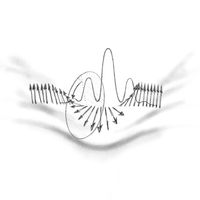
Phys. Rev. X 16, 021056 (2026)
arXiv
Kinematic Inconsistencies and Initial-Value Boundary Paradoxes in Rate-Dependent Viscoelastic Yield Stress Models
New Submission | Soft Condensed Matter (cond-mat.soft) | 2026-06-16 20:00 EDT
We present a rigorous analysis of the mathematical boundaries and kinematic consistency of a recently proposed rate-dependent relaxation time framework intended to unify pre- and post-yield dynamics in yield-stress fluids. By evaluating the governing constitutive equations under an idealized transient creep protocol from a state of physical rest, we show that the model encounters an unavoidable boundary paradox. To avoid predicting perfectly rigid solid behavior or falling into a division-by-zero mathematical singularity under a constant applied stress below the yield threshold ($ \sigma \le \sigma_y$ ), the framework requires an unphysical, instantaneous velocity or strain-rate step at $ t = 0^+$ . We show that assuming a non-zero initial strain rate explicitly violates momentum conservation and fluid inertia. Consequently, the framework preserves the piecewise, discontinuous drawbacks of classic viscoplastic models.
Soft Condensed Matter (cond-mat.soft)
4 pages, 0 figures, review comments
Inverse Laplace Transform for Dynamic Light Scattering: Impact of Regularization
New Submission | Soft Condensed Matter (cond-mat.soft) | 2026-06-16 20:00 EDT
Pierre Pajuelo, Stéphane G. Roux, Adrien Meynard, François Liénard, Éric Freyssingeas, Pierre Borgnat
Dynamic Light Scattering (DLS) analyzes particle dynamics from the autocorrelation functions of scattered light intensity, yet extracting accurate relaxation time distributions from noisy data is challenging. We develop an inverse problem approach to recover this distribution by inverting the Laplace transform with physics-based regularization, called the CONTIN method. We improve it to use it on noisy data, across a wide range of time scales, with a selection of the regularization strength through a data-driven L-curve criterion. Our approach enhances robustness under high noise and reveals multi-scale dynamics in complex systems. Validation is performed on simulated data, compared to the Cramér-Rao bound and to parametric methods, and on experimental data from Carbopol microgels. It demonstrates superior accuracy over parametric methods, especially for broad time distributions. The algorithm’s logarithmic discretization and variance-reduced correlation estimation enhance performance, offering a powerful tool for non-parametric DLS analysis and deeper insights into soft matter dynamics.
Soft Condensed Matter (cond-mat.soft), Applied Physics (physics.app-ph), Data Analysis, Statistics and Probability (physics.data-an)
2026 34rd European Signal Processing Conference (EUSIPCO), 5 pages
Kinetics of coagulation phenomena from a granular matter perspective
New Submission | Soft Condensed Matter (cond-mat.soft) | 2026-06-16 20:00 EDT
Gustavo Castillo, Nicolás Mujica
Aggregation processes play a central role in systems ranging from aerosol coagulation and cloud formation to dust growth in protoplanetary disks and granular materials. These processes are traditionally described by Smoluchowski’s coagulation equation, which provides a mean-field account of growth through binary collisions. However, incorporation of granular physics-dissipative interactions, spatial heterogeneity, and force transmission through contact networks-reveals important limitations of this framework.
In this review, we show how such effects lead to the breakdown of mean-field assumptions and motivate a view of aggregation as a multi-scale process shaped by the interplay between interactions, structure, and collective dynamics. Phenomena such as segregation, jamming, and clogging further highlight the role of mechanical constraints and spatial organization in limiting or redirecting growth. By integrating insights from granular physics, aerosol science, and astrophysics, we outline a unified perspective on coagulation in non-equilibrium particulate systems.
This paper is part of the thematic issue “Sand, silos and asteroids: clustering challenges in granular materials research”.
Soft Condensed Matter (cond-mat.soft), Fluid Dynamics (physics.flu-dyn)
Plateau Gaps of Poisson Correctors Encode Metastable Reaction Rates
New Submission | Statistical Mechanics (cond-mat.stat-mech) | 2026-06-16 20:00 EDT
Metastable reaction rates are commonly inferred from transition-state fluxes, mean first-passage times, or fitted kinetic models. We show that they are directly encoded in the plateau gap of an occupation-time Poisson corrector. For a centered basin-occupation observable, the Poisson corrector develops metastable plateaus in the reactant and product basins, and their separation determines the forward and backward transition rates. This construction requires only the generator, stationary measure, and metastable partition, and therefore does not rely on a predefined transition-state surface. In overdamped and underdamped double-well dynamics, the plateau-gap rate recovers the Kramers, Grote-Hynes, and Pollak-Grabert-Hänggi hierarchy. The same corrector-martingale decomposition yields a reactive-noise density, revealing where stochastic forcing contributes to transitions in configuration or phase space. Thus, reaction rates and their fluctuation sources emerge from a single corrector field.
Statistical Mechanics (cond-mat.stat-mech), Probability (math.PR), Chemical Physics (physics.chem-ph)
11pages, 5figures
A Multi-Level Architecture for Reusable Materials Ontologies – The OntoCrafter Ceramics Ontology (OCO) as Reference Implementation
New Submission | Materials Science (cond-mat.mtrl-sci) | 2026-06-16 20:00 EDT
The Materials Science and Engineering ontology landscape is fragmented along multiple axes simultaneously. Horizontally: a recent survey identified 94 ontologies of which over 40 are structurally incompatible; each new application domain – ceramics, polymers, batteries, smart materials – typically restarts ontology design from scratch. Vertically: EU regulation (CSRD, CSDDD, PPWR, CBAM, R2R, AI Act, ESPR) forces material, manufacturing, supply-chain, and lifecycle data into integrated digital product passports, leaving ontologies that only address horizontal fragmentation incomplete for any contemporary consumer. And mechanistically: a vocabulary that records that BNT-BT has $ d_{33} \approx 580$ pC/N stores a fact but cannot surface why – Bi-6s$ ^2$ lone-pair stereo-activity, anomalous Born effective charges, soft modes, defect chemistry – without a systematic explanation skeleton. We propose a multi-level modular architecture with two independent classification axes – level of abstraction (L0 bridges, L1 material-agnostic laboratory-notebook, L2 material-class-specific, L3 categorical reasoning) and consumer audience (material vs. compliance) – in which the material-specific level is internally organised by a seven-tier mechanistic-explanation skeleton (Symmetry, Energy/DFT, Thermo/CALPHAD, Kinetics, Microstructure, Defect chemistry, Bonding) applicable to any crystalline ionic oxide. The level-and-audience modularity dissolves the horizontal fragmentation, the compliance audience absorbs the vertical regulation pressure, and the seven-tier organisation of Level 2 delivers the mechanistic explanation depth. We instantiate the architecture as the OntoCrafter Ceramics Ontology (OCO v0.94): 5,196 classes across 44 modules; 167,348 OWL axioms (40,454 logical); 1,674 properties; 829 cross-ontology bridge mappings; 1,172 SHACL shapes; 163 published competency questions.
Materials Science (cond-mat.mtrl-sci), Artificial Intelligence (cs.AI), Applied Physics (physics.app-ph), Chemical Physics (physics.chem-ph), Computational Physics (physics.comp-ph)
3 figures, 55 pages
Experimental realization of the complete seven-phase Anderson-localization landscape
New Submission | Disordered Systems and Neural Networks (cond-mat.dis-nn) | 2026-06-16 20:00 EDT
Yao Qin, Chao Yang, Yuzhe Zhang, Yucheng Wang, Jingyun Fan
Anderson localization has evolved far beyond the conventional dichotomy between extended and localized states. Modern localization theory predicts a complete transport hierarchy comprising extended, critical, and localized phases together with all coexistence phases among them, forming a seven-phase Anderson-localization landscape. Despite its fundamental importance, this hierarchy has never been experimentally realized within a single system. Here we realize the complete seven-phase Anderson-localization landscape in a one-dimensional Floquet photonic lattice. By engineering quasiperiodic hopping profiles containing inhomogeneously distributed hopping zeros, we generate critical states and enable their coexistence with extended and localized sectors. The resulting transport regimes are directly resolved through their distinct spatiotemporal dynamics, including ballistic expansion, confined critical oscillations, and persistent localization. We observe all seven phases, including the elusive triply coexisting extended-critical-localized phase, and experimentally track the phase transitions connecting them. Our results establish the first complete experimental map of the Anderson-localization landscape and provide a unified platform for investigating mobility edges, multifractality, and programmable coherent transport.
Disordered Systems and Neural Networks (cond-mat.dis-nn), Quantum Gases (cond-mat.quant-gas), Optics (physics.optics), Quantum Physics (quant-ph)
Ising Dirac fermions across a topological phase transition
New Submission | Mesoscale and Nanoscale Physics (cond-mat.mes-hall) | 2026-06-16 20:00 EDT
Aoqian Zhang, Yaqi Ma, Yifei Jin, Nan Zhang, Wentao Jiang, Tianyu Qiao, Ivana Wang, Ulf Lampe, Kenji Watanabe, Takashi Taniguchi, Tze Kin Cheung, Junwei Liu, Shilin Huang, Xi Dai, Hoi Chun Po, Ning Wang, Kaifei Kang
Dirac fermions have attracted significant interest due to their relativistic dispersions and close connections to topological physics, yet they are generally expected to be gapped in two-dimensional systems with strong Ising spin orbit coupling, making their realization in such materials an outstanding challenge. Here we report the emergence of six fold degenerate Dirac fermions in an Ising moire system across a quantum spin Hall transition in twisted WSe2. In a 3.65 degree device, we observe a quantum spin Hall phase at high electric fields with nearly quantized resistance h/(2e2), and a Dirac semimetal phase over a broad range of electric fields near zero field. Magnetotransport measurements of the Dirac phase exhibit a half-integer Landau fan sequence, characteristic of Dirac fermions, with six-fold degeneracy on the hole-doped side and two fold degeneracy on the electron-doped side. Temperature dependence shows weakly metallic behavior consistent with a semimetallic state. Our twist-angle-dependent transport measurements map out a complete phase diagram and identify a critical twist angle of 3.3 degree, establishing the phase boundary between the quantum spin Hall and Dirac semimetal regimes. Our work establishes a new route to realizing Dirac fermions in strongly spin orbit coupled moire systems through a topological phase transition, providing a promising platform for high mobility spintronics.
Mesoscale and Nanoscale Physics (cond-mat.mes-hall)
Jahn-Teller effect in $j = 3/2$ Mott insulators: Ground states and thermal fluctuations
New Submission | Strongly Correlated Electrons (cond-mat.str-el) | 2026-06-16 20:00 EDT
Kathleen Hart, Ruairidh Sutcliffe, Arun Paramekanti
The interplay of strong atomic spin-orbit coupling with Jahn-Teller (JT) lattice distortions is an important theme in quantum materials hosting heavy atoms. A prototypical example of such a system is a degenerate $ j = 3/2$ multiplet coupled to local phonon modes. Here, we study the multipolar ground states of this system as realized in Mott insulators, explore its thermal phase diagram via an $ SU(4)$ spin Monte Carlo approach coupled to JT phonons, and study the temperature dependent splittings of the $ j = 3/2$ multiplet as relevant to spectroscopic probes. Our work sheds light on coexisting distinct multipolar orders engendered by phonon coupling, role of thermal JT fluctuations, and the entropy of the coupled multipole-phonon system. We discuss broad implications for double perovskites $ \rm Ba_2MgReO_6$ , $ \rm Ba_2NaOsO_6$ and lacunar spinels such as $ \rm GaTa_4Se_8$ and $ \rm GaNb_4Se_8$ .
Strongly Correlated Electrons (cond-mat.str-el)
5 pages, 4 figures + End Matter, Supplementary Materials
Designing Strong and Broadband Nonreciprocal Thermal Radiation in Magnetic Topological Materials
New Submission | Materials Science (cond-mat.mtrl-sci) | 2026-06-16 20:00 EDT
Yiyang Jiang, Yufei Zhao, Linxiao Zhu, Binghai Yan
Breaking reciprocity in thermal radiation opens opportunities for energy harvesting, sensing, and thermal management. Traditional nonreciprocal radiative semiconductor devices need external magnetic field. In this work, we predict a series of magnetic topological materials for magnetic-field-free nonreciprocal thermal radiation in the infrared regime, by combining first-principles calculations with Maxwell electrodynamics. We find strong and broadband nonreciprocity in magnetic Weyl semimetals (e.g., Co$ _3$ Sn$ _2$ S$ _2$ ), outperforming the conventional semiconductor such as InAs. Furthermore, we propose universal material design recipes: strong nonreciprocity requires a large anomalous Hall response relative to the optical loss, whereas the broadband response favors large optical loss and small dielectric dispersion. Our work establishes a predictive materials-discovery framework and quantitative design rules for next-generation magnet-free nonreciprocal thermal devices.
Materials Science (cond-mat.mtrl-sci), Mesoscale and Nanoscale Physics (cond-mat.mes-hall), Applied Physics (physics.app-ph)
16 pages, 5 figures
Absence of orbital current torque in a magnetic metal/Pt/CuOx trilayer
New Submission | Materials Science (cond-mat.mtrl-sci) | 2026-06-16 20:00 EDT
Zhihao Yan, Lujun Zhu, Xiangrui Qin, Zhengxiao Li, Lijun Zhu
Naturally oxidized copper (CuOx) was cited as an exceptionally strong orbital-current source despite the keen debate over the concept of orbital current. Here, we report unambiguous experimental evidence for the absence of a detectable orbital-current torque in the Fe/Pt/CuOx trilayers. Using a magnetic metal detector of Fe thin film with a negligible self-induced torque, the damping-like torque due to Pt/CuOx bilayers is clarified to entirely arise from the spin Hall spin current of the Pt. As the Pt thickness increases, the torque for Fe/Pt/CuOx and Fe/Pt/MgO increases coherently and monotonically, as exactly expected from the spin Hall effect of Pt and the drift-diffusion model of spin angular momentum. These findings suggest poor generality or even universal absence of orbital current torque.
Materials Science (cond-mat.mtrl-sci)
Dominant spin Hall torque and negligible orbital Hall torque in α-W/ferromagnet heterostructures with artifacts-free angular momentum detectors
New Submission | Mesoscale and Nanoscale Physics (cond-mat.mes-hall) | 2026-06-16 20:00 EDT
Taiyang Zhang, Lujun Zhu, Qianbiao Liu, Lijun Zhu
{\alpha}-phased W was theoretically predicted to have a negative spin Hall conductivity and a positive orbital Hall conductivity at the same time, leaving the physical origin of the current-induced torque a critical open question. Here, we develop two angular momentum detectors of Cu/Ni/Cu and Cu/FeCoB/Cu that are free of artifacts torques (e.g., self-induced torque and spin-vorticity torque) and clarify that the spin-orbit torque contributed by W remains negative and predominantly from the spin Hall effect in the entire thickness regime. With both detectors, the damping-like torque exhibits a monotonic decay as the W thickness increases above 5 nm, which results from the structural phase transition from \b{eta}-W to {\alpha}-W. The negative torque in the entire thickness regime suggests negligible orbital Hall torque and orbital current from the {\alpha}-W. This result is consistent with the theory that the orbital Hall effect from simplified band structure calculations is not a non-local angular momentum source. These findings suggest poor generality or even universal absence of orbital current.
Mesoscale and Nanoscale Physics (cond-mat.mes-hall), Materials Science (cond-mat.mtrl-sci)
Valley Valves at Domain Walls in Symmetry-Broken Rhombohedral Graphene
New Submission | Mesoscale and Nanoscale Physics (cond-mat.mes-hall) | 2026-06-16 20:00 EDT
Vo Tien Phong, Elsa Prada, Pablo San-Jose, Francisco Guinea, Eugene J Mele
Rhombohedral multilayer graphene polarized by a moderate perpendicular displacement field hosts a time-reversal-symmetry-breaking valley-and-spin-polarized metallic phase that may condense into a chiral superconductor. Recent magnetic imaging and transport measurements in this unconventional system suggest the presence of domain walls both in the metallic and superconducting phases. In this work, we show that valley domain walls are impenetrable barriers to transport in the metallic regime. Transmission through such a domain wall must therefore be mediated by intervalley interactions. We derive the symmetry-allowed terms and show via microscopic numerical simulations that they enable the transmission of electrons across the domain wall. In the superconducting phase, we find that intervalley mixing is crucial for supporting an appreciable supercurrent through a SNS’ Josephson junction that connects opposite-chirality superconducting regions. Taken together, our work elucidates the nature of domain walls in these experimentally relevant multilayer systems and emphasizes the critical role of intervalley hybridization plays in governing their transport properties.
Mesoscale and Nanoscale Physics (cond-mat.mes-hall), Superconductivity (cond-mat.supr-con)
Comments are very appreciated; 7 + 37 pages, 5 + 18 figures
Atomistic insights into the structural, thermal, and mechanical evolution of $Zr_{47.5}Cu_{47.5}Ag_{5}$ bulk metallic glass
New Submission | Materials Science (cond-mat.mtrl-sci) | 2026-06-16 20:00 EDT
N. Mendez, S. Jaroszewicz, M. P. Beccar-Varela, M. C. Mariani
Bulk metallic glasses (BMGs) are distinguished by amorphous atomic structures that confer superior mechanical performance; however, the evolution of these properties in ternary bulk configurations remains insufficiently explored. In this study, we employed large-scale molecular dynamics simulations to investigate the structural, thermal, and mechanical properties of $ Zr_{47.5}Cu_{47.5}Ag_{5}$ BMGs. Our thermodynamic and topological analyses, utilizing potential energy regression and the Modified Wendt-Abraham parameter, identified a glass transition temperature ($ T_g$ ) of approximately $ 692\text{ K}$ . Structural characterization via Voronoi tessellation and partial radial distribution functions reveals that the amorphous matrix is stabilized by icosahedral clusters, with Ag atoms inducing significant chemical heterogeneity through localized nano-clustering. Thermal transport properties, computed via the Green-Kubo formalism, demonstrate a monotonic decrease in conductivity with temperature, consistent with structural scattering saturation in disordered lattices. Mechanical tensile testing reveals that the material exhibits robust rate- and temperature-dependent behavior, with yield strengths reaching $ \approx 2.3\text{ GPa}$ at room temperature. We show that macroscopic strain-softening is intrinsically linked to the thermally induced collapse of rigid icosahedral motifs, which facilitates shear band percolation. These findings provide a structural rationale for the beneficial role of Ag dopants in enhancing the resilience of multicomponent metallic glasses.
Materials Science (cond-mat.mtrl-sci)
Precipitation strengthening: a collective multi-dislocation phenomenon
New Submission | Materials Science (cond-mat.mtrl-sci) | 2026-06-16 20:00 EDT
Mahmudul Islam, Nicolas Bertin, Sylvie Aubry, Vasily V. Bulatov, Rodrigo Freitas
Precipitation strengthening is a cornerstone of physical metallurgy, delivering otherwise unattainable combinations of strength and ductility. The approach relies on nanoscale precipitates that impede the motion of dislocations, the primary carriers of plastic deformation. Historically, precipitation strengthening has been rationalized via two idealized, limiting mechanisms: dislocations either cut through or bow around precipitates. However, in situ experiments cannot yet resolve the coupled, real-time evolution of dislocation networks and nanoprecipitates, leaving these atomic-scale dynamics inaccessible to direct observation. Here, using large-scale atomistic simulations that fully capture these dynamics, we demonstrate that the classical cutting-versus-bowing dichotomy is incomplete. Instead, strengthening arises as an emergent collective phenomenon driven by concurrent, multi-dislocation interactions. These interactions simultaneously induce dislocation accumulation at interfaces, storage within precipitates, and precipitate-mediated multiplication inside the matrix. These findings establish a mechanistic framework that transcends traditional models and provides a new foundation for predicting strengthening behavior.
Materials Science (cond-mat.mtrl-sci)
13 pages, 4 figures
Many-body activity emerging in a monolayer of air-fluidized hollow pentagons
New Submission | Soft Condensed Matter (cond-mat.soft) | 2026-06-16 20:00 EDT
Wan-Jung Lin, Bohan Wu-Zhang, Rodrigo Fernández-Quevedo García, C. Miguel Barriuso G., Aayush Agarwal, Yue Fan, Miguel Ruiz-García, Chantal Valeriani, Hongyi Xiao
Particles governed by many-body interactions exhibit remarkably complex structures and dynamics. We experimentally investigate a monolayer of pentagon particles subjected to an up-lifting air flow which induces many-body aerodynamic interactions and stochastic motion akin to a thermal bath. To minimize air flow resistance, particles move collectively with interactions dictated by their geometry: hollow particles exhibit effective attraction, whereas solid particles repel each other. Under sufficiently large air flow, sparsely packed hollow pentagons overcome substrate friction and undergo long-time diffusive motion. Under lower air flow, we see a coexistence of isolated, static pentagons and densely packed, “active” clusters, whose particles display super-diffusivity. This “emergent activity” arises collectively when locally disordered structures interact with the air flow, resulting in correlated motion across broad temporal and spatial scales. Using Langevin dynamics simulations of two-dimensional attractive active pentagons, whose activity is an effective result of the local packing density, we further unravel the basic features of this emergent activity.
Soft Condensed Matter (cond-mat.soft)
10 pages, 5 figures, supplemental material included
Controlling Porosity in Supraparticles Composed of Colloidal Rods and Spheres
New Submission | Soft Condensed Matter (cond-mat.soft) | 2026-06-16 20:00 EDT
Kritika Kritika, Michael P. Howard, Arash Nikoubashman
Supraparticles (SPs) are assemblies of colloidal particles whose properties can be tuned by modifying the chemistry, shape, and size of the colloidal particles as well as their arrangement in the SP. SPs with internal porosity are of particular interest for catalysis, photonics, and adsorption applications because of their high surface area and tunable pore size distribution. SPs are often fabricated by droplet drying, and the nonequilibrium nature of drying processes may provide an additional handle to control particle arrangement within the SP. Here, we use mesoscale particle-based simulations to explore the drying-induced assembly of SPs made from rod-shaped and spherical colloidal particles. We selectively remove one type of particle after drying and characterize the structure of the resulting porous SP. We find that the remaining particles form connected networks for most compositions, with rods percolating at lower volume fractions than spheres. Most of the resulting void volume forms a single contiguous space whose surface area closely follows the total surface area of the remaining component. The pore-size distribution, however, depends strongly on sphere size and on the removed component, reflecting differences in sphere-clustering and rod-bundling before removal. This work provides new insight into how particle size and shape, as well as processing conditions, might be used to manipulate porosity in SPs.
Soft Condensed Matter (cond-mat.soft)
Fermi-Level-Dependent Defect Chemistry and Oxygen Evolution Reaction Activity of Fe-Doped and Oxygen-Deficient \ce{SrTiO3}(001)
New Submission | Materials Science (cond-mat.mtrl-sci) | 2026-06-16 20:00 EDT
The oxygen evolution reaction (OER) on perovskite oxides is controlled by the interplay of dopant chemistry, defect charge states, and surface segregation, yet these factors are rarely treated on equal footing. Using first-principles density functional theory, we investigate how Fe dopants (\FeTi{}) and oxygen vacancies (\VO{}) in different charge states affect the OER on TiO$ 2$ -terminated \ce{SrTiO3}(001). We combine charge-dependent defect formation energies, segregation energies, and charge transition levels with OER free-energy profiles obtained in the computational hydrogen electrode framework. Neutral \FeTix{} preserves near-pristine activity, with overpotentials of $ 0.43$ –$ 0.48$ ~V compared to $ 0.45$ ~V for the pristine surface, whereas the reduced states \FeTip{} and \FeTipp{} raise the overpotential to as much as $ 1.35$ ~V when intermediates bind to Ti sites adjacent to surface Fe. Oxygen vacancies segregate to the surface across the entire band gap ($ \Delta E\mathrm{seg} = -0.50$ to $ -0.80$ ~eV) but do not improve the activity: \VOx{} and \VOp{} overstabilize oxygenated intermediates ($ \eta$ up to $ 2.13$ ~V), and only \VOpp{} retains a balanced pathway ($ \eta = 0.45$ ~V in the bulk-like region). Because the stable charge state and the segregation tendency of each defect are set by the Fermi level, the OER overpotential itself becomes a Fermi-level-dependent quantity. These results establish Fermi-level engineering as a framework for assessing and tuning defect-mediated OER activity in perovskite oxides.
Materials Science (cond-mat.mtrl-sci)
Complementary Thermodynamic Mechanisms of Boron and Carbon Segregation at Grain Boundaries in Nickel Alloys
New Submission | Materials Science (cond-mat.mtrl-sci) | 2026-06-16 20:00 EDT
Tyler D. Doležal, Rodrigo Freitas, Ju Li
Grain boundary stabilization by light interstitials is central to the performance of Ni-based superalloys, yet the thermodynamic mechanisms governing their interactions with substitutional chemistry remain poorly resolved. Here, we use hybrid Monte Carlo molecular dynamics simulations to quantify how boron and carbon modify the thermodynamic, structural, and chemical ordering of grain boundaries in Ni–Cr alloys. By analyzing interfacial state variables, site-resolved segregation spectra, local chemical ordering, and structural evolution, we show that boron and carbon stabilize grain boundaries through complementary pathways. Carbon drives saturation-controlled stabilization by recruiting Cr and conditioning boundary chemistry, while suppressing temperature-driven structural transformations of the boundary. In contrast, boron stabilizes grain boundaries through a selective mechanism that lowers the interfacial grand potential via localized ordering while permitting gradual structural evolution. These effects arise from coupled interactions between interstitial segregation and Cr redistribution, which together regulate site accessibility, chemical competition, and the range of accessible interfacial states. This work provides a thermodynamic framework for grain boundary engineering and suggests design principles for leveraging interstitial-substitutional interactions in alloys.
Materials Science (cond-mat.mtrl-sci), Applied Physics (physics.app-ph)
npj computational materials 2026
Optical Creation of Synthetic Microgravity for Quantum Degenerate Gases
New Submission | Quantum Gases (cond-mat.quant-gas) | 2026-06-16 20:00 EDT
Catie LeDesma, Kendall Mehling, Tristan Rojo, Murray Holland
Microgravity environments provide unique opportunities for ultracold-atom experiments by enabling long interrogation times and reduced acceleration-induced dynamics. However, their realization has largely been restricted to specialized facilities such as drop towers, sounding rockets, and space-based laboratories. Here we realize synthetic microgravity for quantum degenerate gases using optically engineered force landscapes that compensate Earth’s gravity to the milli-g level while maintaining continuous confinement of the atomic ensemble. These force landscapes are generated by dynamically painted optical dipole potentials and calibrated in situ through Bloch oscillations in a vertical optical lattice, enabling precise control of the residual acceleration. We use this capability to demonstrate matter-wave beam splitting with arm separations of several hundred microns. We further implement a Bloch-band atom interferometer in which interaction-induced dephasing is strongly suppressed through controlled three-dimensional expansion in the synthetic microgravity potential. This reduction of mean-field effects restores near-$ \sqrt{N}$ scaling of interferometric sensitivity for large quantum degenerate ensembles. Our results establish a versatile platform for realizing synthetic microgravity with trapped quantum gases in terrestrial laboratories, bringing the advantages of microgravity experiments to continuously operating systems and opening new opportunities for quantum sensing, matter-wave interferometry, and precision measurements.
Quantum Gases (cond-mat.quant-gas), Atomic Physics (physics.atom-ph), Quantum Physics (quant-ph)
11 pages, 4 figures
Ternary-composition tuning of the anomalous Nernst effect in amorphous-like Gd-Co-Pt films
New Submission | Materials Science (cond-mat.mtrl-sci) | 2026-06-16 20:00 EDT
Tomohiro Koizumi, Mojtaba Mohammadi, Hiroto Imaeda, Hiroyuki Awano, Kenji Tanabe
We report composition tuning of the anomalous Nernst effect in amorphous-like Gd-Co-Pt ternary films. Pt incorporation into Gd-Co films modifies the anomalous Nernst coefficient and induces a sign reversal of S_ANE, whereas Gd incorporation into Co-Pt films suppresses S_ANE but reduces thermal conductivity. Owing to the balance between transverse thermoelectric response and thermal transport, the heat-flux sensitivity reaches approximately 0.24 {\mu}m/A. Composition maps reveal that the magnitude and heat-flux sensitivity of the anomalous Nernst effect can be systematically tuned in the Gd-Co-Pt ternary composition space. This work extends ANE material design from binary-alloy optimization to ternary-composition engineering.
Materials Science (cond-mat.mtrl-sci)
Universal scaling in the rheology of dense cellular systems
New Submission | Soft Condensed Matter (cond-mat.soft) | 2026-06-16 20:00 EDT
Helen S. Ansell, Daniel M. Sussman
Biological tissues must dynamically transition between rigid and fluid-like states during processes like morphogenesis and collective migration, often while simultaneously resisting physiological shear stresses. It remains unclear whether these tissue dynamics are governed by the same non-equilibrium critical phenomena that control conventional disordered matter. Here we show that model cell monolayers under constant stress display a rich phase diagram of nonlinear rheology. In rigid regimes, small internal fluctuations maintain a solid-like state up to a finite yield stress, above which the tissue shear-thins; conversely, fluid-like regimes exhibit robust continuous and discontinuous shear thickening, culminating in structural arrest via shear jamming. This space-filling shear-jamming transition is accompanied by structural changes including the formation of system-spanning force chains and the emergence of orientational ordering. We demonstrate that the macroscopic viscosity across these disparate regimes is described by universal scaling behavior controlled by the same underlying physical parameters. These results establish confluent tissues as a distinct class of disordered matter, demonstrating that universal jamming phenomena can emerge entirely through shape-driven topological constraints to regulate biological mechanics.
Soft Condensed Matter (cond-mat.soft)
21 pages, 17 figures
Programmable Gauge-Field Textures with Ultracold Atoms in Momentum Space
New Submission | Quantum Gases (cond-mat.quant-gas) | 2026-06-16 20:00 EDT
Hongru Wang, Hang Li, Yichen Pan, Yuyan Luo, Bryce Gadway, Tao Chen, Bo Yan
Synthetic gauge fields with ultracold atoms offer a route to quantum matter in which electromagnetic environments can be designed rather than merely imposed. While the Harper-Hofstadter model has been realized in several cold-atom systems, existing implementations are largely limited to spatially uniform magnetic fluxes. Here we experimentally realize a highly programmable two-dimensional momentum-state lattice of ultracold atoms with local control over the Peierls phase pattern, enabling direct implementation of Harper-Hofstadter Hamiltonians with tunable and spatially structured synthetic gauge fields. We observe a crossover from ballistic to strongly flux-modified bulk dynamics with suppressed transport. By introducing a synthetic electric field through site-dependent energy gradients, we further demonstrate Hall-type transverse drift arising from the interplay between electric and magnetic fields. In addition, we engineer a synthetic flux domain wall separating regions with opposite magnetic fluxes and observe anisotropic propagation guided along the interface. These results move cold-atom gauge-field engineering from uniform magnetic backgrounds toward designer gauge textures, providing an experimental setting for transport across programmable topological interfaces.
Quantum Gases (cond-mat.quant-gas), Atomic Physics (physics.atom-ph), Quantum Physics (quant-ph)
7 pages, 4 figures
Interaction-enabled topological pumping of Rydberg electrons
New Submission | Quantum Gases (cond-mat.quant-gas) | 2026-06-16 20:00 EDT
Chenxi Huang, Tao Chen, Kaden R. A. Hazzard, Jacob P. Covey, Bryce Gadway
Topological pumping is a paradigmatic realization of quantized transport in band systems, yet its fate in strongly correlated regimes, especially with long-range interactions, remains largely unexplored. Here we report the experimental observation of interaction-enabled topological pumping of correlated Rydberg electrons in a synthetic lattice. We show that dipolar exchange interactions induce a controllable shift of the underlying topological singularity in parameter space, such that a fixed pumping trajectory can be driven through successive topological transitions by tuning the interaction strength alone. This leads to the emergence and breakdown of quantized transport. The observations are consistent with an effective Rice-Mele description with interaction-renormalized onsite potentials and are supported by characterizing the adiabaticity and robustness to control trajectory imperfections. Our results establish a platform for exploring interaction-controlled topological transport beyond perturbative regimes and open a route toward engineering correlated topological matter in synthetic quantum systems.
Quantum Gases (cond-mat.quant-gas), Atomic Physics (physics.atom-ph), Quantum Physics (quant-ph)
6 pages, 4 figures, 3 pages supplement
Oxidation-induced ultrafast spin-to-orbital conversion at heavy-metal interfaces
New Submission | Mesoscale and Nanoscale Physics (cond-mat.mes-hall) | 2026-06-16 20:00 EDT
Xiaoxue Zeng, Tianyi Zhang, Yaokai Niu, Qiye Wen, Zhiyong Zhong, Zhi-Min Liao, Peng Yan, Xiufeng Han, Lichuan Jin
Oxidation engineering provides a route to control orbital degrees of freedom, yet its role in spin-to-orbital conversion remains largely unexplored. Here, we report an efficient spin-to-orbital conversion mechanism driven by interfacial oxidation at heavy-metal interfaces. In W/Co/SiO2 heterostructures, terahertz emission exhibits a time delay that scales linearly with the W thickness, identifying orbital-current transport as the dominant origin. The emission amplitude is approximately three times larger than that of Co/Pt bilayers, indicating highly efficient conversion from spin to orbital angular momentum. Systematic variation of Co thickness, stoichiometry, and interface configuration reveals that the effect originates from oxidation of the W layer at the W/Co interface, which modulates the interfacial orbital texture. We further show that this mechanism is generic across different heavy metals and scales with their spin-orbit coupling strength. These results establish oxidation as an effective handle to engineer spin-to-orbital conversion and provide a general route toward orbitronic terahertz emitters.
Mesoscale and Nanoscale Physics (cond-mat.mes-hall)
18 pages, 4 figures
Quasiparticle Diffusion for the Toda Fluid in Equilibrium
New Submission | Statistical Mechanics (cond-mat.stat-mech) | 2026-06-16 20:00 EDT
Seema Chahal, Alberto Brollo, Indranil Mukherjee, Abhishek Dhar, Anupam Kundu, Herbert Spohn
Many-body integrable systems can be understood as a gas of quasiparticles. They propagate ballistically and drive large-scale transport. However, with the exception of the hard rods system, no tools have been available to numerically track such quasiparticles. Focusing on the Toda fluid, whose integrability relies on the availability of a Lax pair, we present a numerical scheme to track quasiparticle trajectories as determined by the time-dependent eigenvectors of the Lax matrix. Simulating the Toda fluid in thermal equilibrium, this tracking scheme is used to numerical confirm Brownian motion of a quasiparticle. Simulated is also the motion of a tagged particle. Our numerical results for the diffusion constant matches with a novel TBA prediction. We believe our numerical scheme can be extended to other classical many-particle models possessing a Lax matrix.
Statistical Mechanics (cond-mat.stat-mech)
19 pages+ Appendices, 13 figures
Creation and motion of antiferromagnetic skyrmions by edge manipulation
New Submission | Mesoscale and Nanoscale Physics (cond-mat.mes-hall) | 2026-06-16 20:00 EDT
Aleksey Berg, Tim Matthies, Roland Wiesendanger, Elena Y. Vedmedenko
Magnetic racetrack architectures that use topological magnetic particles to store information are one of the most promising concepts for future storage applications. Antiferromagnetic racetracks are particularly appealing as they are not susceptible to external magnetic fields. State-of-the-art racetracks use magnetic fields, spin-transfer and spin-orbit torques caused by electric currents to move the bits across the entire circuit. However, the application of currents in many antiferromagnetic racetracks is limited because many of them are insulating. Recently, however, a concept for ferromagnetic racetrack memories that are free of global driving forces has been proposed. It has been demonstrated that various topological entities can be generated and transported over long distances solely through local magnetization rotation at the sample boundaries, independent of global driving forces. Here, we demonstrate that the local rotation of magnetization at the boundary of an antiferromagnetic sample can be exploited in racetracks to efficiently generate and transmit antiferromagnetic skyrmions. Additionally, we demonstrate that local switching of staggered magnetization at the edge of an antiferromagnetic racetrack can be even more successful than the rotational procedure. A comparison of ferromagnetic and antiferromagnetic processing of skyrmionic bits, together with energy considerations, shows that this procedure is fairly efficient in antiferromagnets.
Mesoscale and Nanoscale Physics (cond-mat.mes-hall)
J. Appl. Phys. 139, 183904 (2026)
Interaction and non-Hermiticity controlled transmission in extended Su-Schrieffer-Heeger models
New Submission | Mesoscale and Nanoscale Physics (cond-mat.mes-hall) | 2026-06-16 20:00 EDT
Syeda Rafisa Rahaman, Shreekantha Sil, Nilanjan Bondyopadhaya
We study the transport characteristics of an extended version of the Su-Schrieffer-Heeger (SSH) model with next-nearest-neighbor (NNN) interactions and non-Hermitian onsite energies. We observed that transport in such a system is significantly modified by the NNN interaction and the non-Hermitian terms. The transmission coefficient exhibits oscillatory behavior as the strength of the NNN interaction varies in a fixed-length chain. Moreover, the transmission coefficient also shows oscillation with system size for a fixed strength of the NNN interaction. We find that novel oscillatory behavior of the transmission coefficient, arising form the NNN interaction, is a unique feature of such a model and has not been reported previously. The presence of the non-Hermitian terms also enhances/reduces the transmission coefficient depending on the values of the other system parameters like intra-, inter- and NNN hopping. It appears from our study that both the NNN interaction and the non-Hermiticity introduce significant changes in the transport properties of the extended SSH chain, which are not observed in the standard Hermitian nearest-neighbour variant of the SSH model.
Mesoscale and Nanoscale Physics (cond-mat.mes-hall), Quantum Physics (quant-ph)
10 figures
On the flow of electrically charged particles in an elastic solid
New Submission | Soft Condensed Matter (cond-mat.soft) | 2026-06-16 20:00 EDT
This paper is a specialization of a broad and complicated continuum theory [arXiv:2403.07582] to a relatively simple and useful case so that it is more reader friendly. A continuum theory of the flow of charged particles in an elastic solid is presented. It can describe the behavior of soft solid electrolytes and elastic semiconductors. It is nonlinear and is valid for large deformation and strong fields. The theory is derived from a three-continuum mixture model including a charged lattice continuum, a bound charge continuum for electric polarization, and an ideal fluid for the flow of mobile charges. The basic electromechanical laws are applied systematically to the model. The electric fields are quasistatic and are in SI units.
Soft Condensed Matter (cond-mat.soft), Materials Science (cond-mat.mtrl-sci)
Impedance Matching and Absorption Enhancement in Helical Carbon Coil Microwave Absorbers via Tunable Anchoring Layer Thickness
New Submission | Materials Science (cond-mat.mtrl-sci) | 2026-06-16 20:00 EDT
Helical carbon coils exhibit unique three dimensional chiral architectures that can effectively interact with microwaves in the 2 to 18 GHz range. Inspired by recent experimental studies, we develop a coarse grained electrodynamic model for helical carbon coil arrays supported on quartz substrates, and examine their potential as microwave absorbers. Guided by the heuristic relation $ f_{\mathrm{res}} = c / (n_{\mathrm{eff}} p)$ , we compute absorption and reflection fractions for both bare helical carbon coil on substrate and helical carbon coil with anchoring layer on substrate configurations. The anchoring layer thickness is treated as a tunable parameter to improve absorption at selected frequencies. We find that the introduction of a carbon based anchoring layer of optimized thickness enhances impedance matching absorption. The parameters are chosen as representative values for demonstration purposes, and may vary within a certain range depending on preparation conditions. Our results serve to illustrate the potential of helical carbon coils as microwave absorbing devices, and to identify possible active tuning strategies. In the discussion section, we consider extensions of the present model to account for circular dichroism absorption, and examine the influence of actual interfacial reflection on microwave absorption and reflection.
Materials Science (cond-mat.mtrl-sci), Mesoscale and Nanoscale Physics (cond-mat.mes-hall)
13 pages, 3 figures
Floquet-Sambe Bottleneck and Frequency-Selective Localization in a Driven Synthetic Spin Chain
New Submission | Mesoscale and Nanoscale Physics (cond-mat.mes-hall) | 2026-06-16 20:00 EDT
J. Cao, K. L. Zhang, R. Wang, X. Z. Zhang
We study a finite Floquet chain in which a uniform nearest-neighbor hopping coexists with a periodically rotating, \textrm{SU(2)}-dictated spin-assisted hopping profile. The resulting coupling is spatially inhomogeneous – weakest at the chain boundaries and strongest in the bulk – and produces a frequency-dependent Floquet-Sambe bottleneck. In the closed system, the mean inverse participation ratio (\textrm{MIPR}) of the Floquet eigenstates exhibits a striking nonmonotonic dependence on the driving frequency $ \omega $ : the states remain extended at both low and high frequencies, but become maximally localized at an intermediate frequency. We demonstrate that this localization maximum occurs at $ \omega _{\mathrm{peak}}\sim \mu _{-s}=\sqrt{2s}$ , a scale controlled by the first boundary bottleneck. To connect these spectral properties to measurable transport, we construct an open-system Floquet-Sambe Green-function inverse participation ratio from the spatial density of the injected scattering state. This open-system diagnostic recovers the same nonmonotonic localization trend as its closed-system counterpart, with the peak shifted to higher frequencies by the static bandwidth and the lead self-energy. These findings establish the driven synthetic spin chain as a directly realizable, frequency-tunable platform for coherent information storage and retrieval, rooted in the interplay of Floquet-Sambe virtual channels, boundary-controlled localization, and frequency-selective transport in emerging multi-level superconducting circuit architectures.
Mesoscale and Nanoscale Physics (cond-mat.mes-hall), Other Condensed Matter (cond-mat.other)
Identifying Mobility Edge from Finite Temperature Spectral Form Factor
New Submission | Disordered Systems and Neural Networks (cond-mat.dis-nn) | 2026-06-16 20:00 EDT
Basudha Roy, Anandamohan Ghosh, Adway Kumar Das
The spectral form factor (SFF) is a measure of energy correlations and has been widely used to identify the transition from the ergodic to the localized phase in interacting many-body quantum systems. In this work, we show that in a disordered Heisenberg spin-$ \frac{1}{2}$ model, the finite temperature SFF can be used to generate a canonical phase diagram exhibiting a critical temperature $ T_\mathrm{MBL}$ . Using simple ideas of statistical mechanics, we obtain the critical energy density $ \epsilon_\mathrm{MBL}$ dual to $ T_\mathrm{MBL}$ . We show that the mobility edge (ME), numerically estimated from the spread of local perturbations and the optical conductivity, indeed coincides with $ \epsilon_\mathrm{MBL}$ .
Disordered Systems and Neural Networks (cond-mat.dis-nn)
12 pages, 7 figures
Interlayer pairing mechanism for bilayer nickelate superconductors
New Submission | Superconductivity (cond-mat.supr-con) | 2026-06-16 20:00 EDT
The discovery of superconductivity in Ruddlesden-Popper bilayer nickelates under both high pressure and ambient conditions has opened a new paradigm for exploring unconventional superconductivity. This review provides a brief survey of theoretical progress on bilayer nickelate superconductors. Drawing from the key experimental observations, we summarize essential physical ingredients including the hybridized Ni-3$ d_{x^2-y^2}$ and 3$ d_{z^2}$ electronic structure, orbital-dependent electronic correlation, Hund’s coupling, and strong interlayer magnetic coupling. The fundamental theoretical models including the bilayer two-orbital Hubbard model and its minimal $ t$ -$ J$ variants are introduced. Starting from the atomic-limit interlayer valence bond picture of the half-filled $ d_{z^2}$ orbital, we elaborate on strong correlation interlayer pairing mechanisms based on different limiting considerations. Specific emphasis is placed on the hybridization mechanism, where the $ d_{z^2}$ local singlet pairs provide the pairing energy and their hybridization with itinerant $ d_{x^2-y^2}$ promotes superconducting phase coherence. We further analyze the pairing symmetry, the dependence of $ T_c$ on various internal and external parameters, the nontrivial normal state properties including the Fermi liquid, non-Fermi liquid, weakly insulating and pseudogap behaviors. Effects of pressure tuning, oxygen content, and Kondo scattering induced by oxygen vacancies are also discussed. Finally, weak correlation theories based on spin fluctuations associated with Fermi surface nesting are briefly covered.
Superconductivity (cond-mat.supr-con), Strongly Correlated Electrons (cond-mat.str-el)
18 pages, 7 figures
Intrinsic decay length in elastic localization
New Submission | Soft Condensed Matter (cond-mat.soft) | 2026-06-16 20:00 EDT
Localization in finite elastic structures is often studied using infinite-domain solutions, which avoid the explicit treatment of boundaries and admit simpler analytical descriptions. Yet it remains poorly understood when finite-domain localized states can be accurately approximated by their infinite-domain counterparts. In this work, we show that the accuracy is controlled by an intrinsic decay length. Using a prototypical localization model, we show that finite-domain localized solutions converge exponentially to the corresponding infinite-domain localized solution once the structural length exceeds the intrinsic decay length. The intrinsic decay length also explains the markedly different validity regimes of finite- and infinite-domain weakly nonlinear approximations. It further has important implications for numerical computation, since once the structural length exceeds the intrinsic decay length, localized solutions corresponding to different domain lengths differ only by exponentially small quantities, making them increasingly difficult to distinguish numerically. The theoretical predictions are validated using two representative localization problems: bulging in membrane tubes and localized helical buckling in twisted rods. The present work provides a unified geometric framework for understanding localization transition, asymptotic validity, and numerical computation in elastic localization.
Soft Condensed Matter (cond-mat.soft), Pattern Formation and Solitons (nlin.PS)
36 pages, 8 figures
Symmetry-aware generative design of flat-band materials beyond known crystal-net prototypes
New Submission | Materials Science (cond-mat.mtrl-sci) | 2026-06-16 20:00 EDT
Yihao Wei, Ivan Savochkin, Artem Mishchenko, Xiangwen Wang, Qian Yang
Flat electronic bands underlie a range of strongly correlated and topological phenomena, whose design in real materials has so far relied on a small catalogue of named geometric motifs such as kagome, Lieb, and pyrochlore nets. This discrete catalogue is by no means to exhaust the geometries that support flat bands in real compounds, as band flatness is a property of network connectivity. Here we combine a continuous geometric representation of crystal sublattices, with a symmetry-constrained generative model, to access a broader design space for materials hosting flat bands. The key step is to choose sublattice motifs that are outside the known geometric clusters, ensuring the novelty of the generated structures. We then introduce SkeleGen, which pins these unconventional skeletons to symmetry-compatible Wyckoff positions while denoising the surrounding chemistry, resulting in 9,352 crystal candidates that survive stability and flatnessscreening. Band flatness is confirmed using high throughput full DFT calculations, which agree well also with the tight-binding spectra of the isolated skeletons, supporting a geometric origin of the band flatness. We demonstrate “out-of-distribution” motifs as a new design principle to dramatically expand geometric repertoire for materials discovery, potentially beyond flat bands.
Materials Science (cond-mat.mtrl-sci), Mesoscale and Nanoscale Physics (cond-mat.mes-hall)
Nonlocal Orbital-Free Kinetic Energy Functional from the Jellium-with-Gap Model for Finite Systems
New Submission | Materials Science (cond-mat.mtrl-sci) | 2026-06-16 20:00 EDT
Abhishek Bhattacharjee, Subrata Jana, Szymon Smiga, Prasanjit Samal
The quasi-linear scaling of orbital-free density functional theory (OF-DFT) with system size makes it a computationally efficient alternative to conventional Kohn–Sham density functional theory for many condensed-matter applications. However, its applicability remains limited, particularly for finite systems such as molecular clusters, due to the lack of accurate kinetic energy density functionals. In this context, the development of nonlocal kinetic energy density functionals (NL-KEDFs) has significantly advanced the practical utility of OF-DFT. Here, following an alternative formulation based on the linear-response kernel derived from the jellium-with-gap model (JGM), we develop an NL-KEDF capable of accurately describing the diverse density regimes characteristic of finite systems, including molecular clusters. Benchmark calculations, together with an analysis of the corresponding Pauli potentials, demonstrate that the proposed functional achieves higher accuracy than state-of-the-art orbital-free approaches for finite systems. Furthermore, the optical properties computed using the present method show good agreement with reference results, highlighting its reliability. These results indicate that the proposed NL-KEDF provides a robust and efficient framework for extending OF-DFT to finite systems, with potential implications for nanomaterial design and a deeper understanding of nanoscale phenomena.
Materials Science (cond-mat.mtrl-sci)
Accepted in J. Chem. Theory Comput. (2026)
A Unified Dielectric-Dependent Hybrid Functional for Accurate Band Gaps across Dimensions
New Submission | Materials Science (cond-mat.mtrl-sci) | 2026-06-16 20:00 EDT
Subrata Jana, Manoar Hossain, Arghya Ghosh, Gabriel Chirchir, Prasanjit Samal, Szymon Smiga
Predicting fundamental band gaps across material classes and dimensionalities remains a central challenge in electronic-structure theory. Here, we show that intrinsic dielectric screening provides a unified control parameter for nonlocal exchange from bulk to low-dimensional and heterogeneous materials. We introduce a geometry-independent dielectric response and incorporate it self-consistently into a nonempirical screened-dielectric-dependent hybrid functional. Benchmarks for 100 materials spanning bulk, two-dimensional, one-dimensional, and mixed-dimensional systems show near-GW accuracy at the computational cost of generalized Kohn-Sham theory. These results reveal a screening-exchange-gap relation in which reduced dimensionality weakens intrinsic dielectric screening, strengthens nonlocal exchange, and drives the opening of fundamental gaps.
Materials Science (cond-mat.mtrl-sci)
6 pages, 2 figures
Generative modelling powered by room-temperature polariton condensates
New Submission | Disordered Systems and Neural Networks (cond-mat.dis-nn) | 2026-06-16 20:00 EDT
Yuan Wang, Marcin Muszynski, Avinash Dash, Rishabh Kaurav, Vinod M. Menon, Oleksandr Kyriienko
Generative modelling requires efficient stochastic nonlinear transformations and physical platforms that can naturally realise them. We experimentally demonstrate that nonlinear optical systems operating in the strong light-matter coupling regime can serve as physical transformation layers for conditional generative modelling. Specifically, we develop a workflow in which room-temperature exciton-polariton condensates formed in organic dye microcavities act as a physical stochastic transform within a generative adversarial network and enable conditional digit-to-image translation. By using the nonlinear many-body dynamics and intrinsic stochasticity of polariton condensates, the workflow outperforms baseline approaches based on digitally injected perturbations. We find that polariton-enabled sampling via generative adversarial network (Polariton GAN) yields improved inception score, digit preservation accuracy and structural similarity compared with both digital sampling and laser-based systems. We further show that spatially correlated output variations can naturally regularise adversarial training and enhance output diversity. Our results establish polariton condensation as a new computational resource for generative modelling, opening a pathway towards physics-enhanced machine learning systems.
Disordered Systems and Neural Networks (cond-mat.dis-nn), Machine Learning (cs.LG), Optics (physics.optics), Quantum Physics (quant-ph)
9 pages and 4 figures in the main text; 17 pages SM; codes to be released
Topological Surface Charge Detection via Terahertz Time-domain Spectroscopy
New Submission | Mesoscale and Nanoscale Physics (cond-mat.mes-hall) | 2026-06-16 20:00 EDT
Tong Shen (1), Yiyang Xie (1), Yucheng Dai (1), Yifan Zhang (2), Yuanze Li (1), Xufeng Kou (2 and 3), Tian Liang (1 and 4) ((1) State Key Laboratory of Low Dimensional Quantum Physics, Department of Physics, Tsinghua University, Beijing 100084, People’s Republic of China, (2) School of Information Science and Technology, ShanghaiTech University, Shanghai 201210, People’s Republic of China, (3) ShanghaiTech Laboratory for Topological Physics, School of Physical Science and Technology, ShanghaiTech University, Shanghai 201210, People’s Republic of China, (4) Frontier Science Center for Quantum Information, Beijing 100084, People’s Republic of China)
The topological magnetoelectric effect (TME) in three-dimensional topological insulators manifests as a quantized surface charge accumulation proportional to an applied magnetic field. Here we demonstrate an optical method using terahertz time-domain spectroscopy (THz-TDS) to detect surface charge accumulation in a chromium-doped (Bi,Sb)$ _2$ Te$ _3$ thin film under oblique incidence, achieving sub-milliradian Faraday rotation precision. Unlike transport probes that require ultralow longitudinal conductivity, this optical technique is robust against finite $ \sigma_L$ , degrading by less than $ 0.3%$ even when $ \sigma_L \sim \sigma_T$ . We extract the charge accumulation $ \eta/B_z$ from the measured Faraday rotation and show results at $ 45^\circ$ and $ 60^\circ$ coincide within experimental uncertainty. Extending this to axion insulators, we predict that the TME produces an imaginary Faraday rotation linear in frequency, whose slope directly reflects the single-surface charge density. With improved sample thickness and precision, this optical scheme provides a viable pathway toward direct verification of the TME and four-dimensional quantum Hall effect.
Mesoscale and Nanoscale Physics (cond-mat.mes-hall), Optics (physics.optics)
Tong Shen, Yiyang Xie, and Yucheng Dai contributed equally to this work
Cobalt-Catalysed Chain Transfer Polymerisation Enables Soft Methacrylate Nematic Elastomers for Switchable Pressure-Sensitive Adhesion
New Submission | Soft Condensed Matter (cond-mat.soft) | 2026-06-16 20:00 EDT
Noboru Koshimizu, Mohand O. Saed
Liquid crystal elastomers (LCEs) exhibit unique viscoelastic behavior arising from reversible liquid-crystalline ordering, making them attractive candidates for switchable pressure-sensitive adhesives (PSAs). However, methacrylate-based LCEs are typically highly crosslinked, leading to elevated glass-transition temperatures ($ T_g$ ) and storage moduli ($ E’$ ) that limit adhesive performance. Here, we demonstrate that catalytic chain-transfer polymerization provides an effective strategy for engineering soft methacrylate nematic elastomers through systematic control of network architecture. Incorporation of parts-per-million concentrations of bis(boron difluorodimethylglyoximate)cobalt(II) (CoBF) during photopolymerization reduced the effective crosslink density and increased the molecular weight between crosslinks, producing substantial decreases in $ T_g$ and $ E’$ while preserving nematic order. Dynamic mechanical analysis revealed that increasing CoBF concentration enhanced viscoelastic dissipation and broadened the accessible nematic temperature window. To further optimize rheological properties for pressure-sensitive adhesion, monofunctional methacrylates and flexible poly(ethylene glycol) dimethacrylate (PEGDMA) were incorporated into the network. The optimized formulation exhibited a $ T_g$ near 0~$ ^\circ$ C, a room-temperature storage modulus of approximately 0.3 MPa, and high damping behavior, approaching the Dahlquist criterion for pressure-sensitive adhesion. As a result, the resulting nematic elastomers displayed strong tack, peel, and lap-shear adhesion in the nematic state, together with rapid, reversible, and residue-free debonding upon heating above the nematic-to-isotropic transition temperature.
Soft Condensed Matter (cond-mat.soft), Materials Science (cond-mat.mtrl-sci)
Cluster-based Message-Passing (CluMP) Optimization for Complex QUBO Problems
New Submission | Disordered Systems and Neural Networks (cond-mat.dis-nn) | 2026-06-16 20:00 EDT
Paolo Rissone, Stefan Boetcher, Alfonso Amendola, Simone Sala, Federico Ricci-Tersenghi
Quadratic Unconstrained Boolean Optimization (QUBO) problems are widespread in both industrial applications and scientific studies. A QUBO problem corresponds to the optimization of a system of Ising spins defined on a generally sparse and heterogeneous graph. When the QUBO problem contains conflicting requests, the corresponding Ising system is frustrated, generating a complex energy landscape, which is hard to explore and optimize. Despite extensive algorithmic and hardware developments, finding low-energy configurations in these systems remains challenging (e.g., local-update heuristics typically become trapped in metastable states), especially when the (possibly frustrated) interactions generate extended correlated domains.
We introduce CluMP (Cluster-based Message-Passing), an algorithm that performs collective updates on connected clusters of spins using information from Belief Propagation (BP). By controlling the amount of frustration within clusters, CluMP enables BP convergence on large subgraphs and proposes nonlocal rearrangements involving up to hundreds of spins in a single move. We benchmark CluMP against state-of-the-art local-update heuristics on spin-glass models defined on several graph topologies, including random regular graphs and lattice regular graphs in two and three dimensions. Cluster moves consistently bypass local trapping and reach lower energies with fewer effective operations than single-spin dynamics. These results demonstrate that frustration-tolerant cluster updates can be implemented efficiently on sparse graphs. The CluMP framework provides a scalable strategy for large-scale combinatorial optimization and inference problems, where exploiting medium- and long-range correlations is key to navigating complex energy landscapes.
Disordered Systems and Neural Networks (cond-mat.dis-nn), Statistical Mechanics (cond-mat.stat-mech), Computation (stat.CO)
8 pages, 4 figures, 1 table
Kinetic Criticality in Linker-Mediated Colloidal Aggregation
New Submission | Soft Condensed Matter (cond-mat.soft) | 2026-06-16 20:00 EDT
Alexei V. Tkachenko, Soojung Lee, Zohar A. Arnon, Oleg Gang
Linker-mediated aggregation plays an important role in modern nanoscience. We demonstrate that it departs sharply from classical Smoluchowski kinetics because cluster reactivity evolves during growth. Combining theory with DNA-linked gold-nanoparticle experiments, we establish kinetic critical point controlled by linker abundance. Below threshold, active linkers are depleted and growth arrests; above threshold, clusters accumulate reactive sites, self-accelerate, and cross over to diffusion-limited coarsening. Experiments verify the predicted arrest, accelerated growth, and scaling collapse.
Soft Condensed Matter (cond-mat.soft), Statistical Mechanics (cond-mat.stat-mech), Mathematical Physics (math-ph)
5 pages, 3 figures
Underscreening and related phenomena in strong electrolytes
New Submission | Soft Condensed Matter (cond-mat.soft) | 2026-06-16 20:00 EDT
We propose a heuristic model of underscreening phenomenon in high density Coulomb systems, such as strong electrolytes and electron hole conglomerates under ultra high dose rate (UHDR) radiation in biological tissues. It explains the data on screening length $ L$ increasing with charge particle concentration and offers additional insights in understanding the conductivity and reduction potential of concentrated electrolytes. Also, it validates our current understanding of the FLASH radiation treatment of tumors (FLASH-RT) perceived as an analogous system. The underlying physics is that mutual binding creates diffusion barriers which suppress the concentration of mobile particles thus increasing the screening length. Also, they slow down the rates of chemical reactions responsible for generation of biologically active radicals which explains the sparing effect observed under UHDR.
Soft Condensed Matter (cond-mat.soft)
5 pages, 3 figures
NIMO: A Software Platform for Closed-Loop Materials Exploration with Diverse AI Algorithms
New Submission | Materials Science (cond-mat.mtrl-sci) | 2026-06-16 20:00 EDT
Ryo Tamura, Naruki Yoshikawa, Koji Tsuda, Shoichi Matsuda
Self-driving laboratories (SDLs), where artificial intelligence proposes subsequent experiments and robotic systems execute them, are rapidly becoming the vanguard of materials discovery. A critical bottleneck, however, lies in seamlessly bridging diverse AI algorithms tailored for specific exploration goals with the heterogeneous robotic hardware found across different laboratories. Here, we present NIMO, an open-source software platform designed to dissolve this barrier through three core paradigms: a modular AI-robot decoupling mediated via simple CSV file exchange, a discrete candidate-pool architecture that seamlessly absorbs domain knowledge, and a unified Python interface pre-loaded with twelve distinct AI algorithms. In this Perspective, we review the operational principles of each algorithm alongside six diverse SDL implementations driven by NIMO, covering electrolyte discovery, organic synthesis, thin-film exploration, fuel-cell process informatics, coffee-ring phase exploration, and legacy liquid-handling automation. One of these also demonstrates NIMO’s seamless interoperability with the IvoryOS orchestration framework. To democratize autonomous science, we also introduce a no-code desktop application that enables intuitive, human-in-the-loop exploration for non-programmers. NIMO is freely available at this https URL, offering a versatile, plug-and-play foundation to accelerate autonomous materials exploration across diverse experimental landscapes.
Materials Science (cond-mat.mtrl-sci), Robotics (cs.RO)
29 pages, 5 figures
Switching Chern number by sliding and gating in alternately twisted tetralayer MoTe2
New Submission | Materials Science (cond-mat.mtrl-sci) | 2026-06-16 20:00 EDT
Xiao-Wei Zhang, Kaijie Yang, Xiaodong Xu, Ting Cao, Di Xiao
Switching the bulk Chern number in topological materials is of central importance for the design of topological electronic devices. Motivated by recent observations of integer and fractional quantum anomalous Hall effects in twisted transition metal dichalcogenides (tTMDs), we realize the switching of valley Chern number through sliding and gating in alternately twisted tetralayer (ATT) MoTe$ _{2}$ . Using large-scale density functional theory (DFT) calculations, we show that the Chern number of the first $ K$ -valley moiré band evolves from $ +1$ to $ -1$ under the interlayer sliding. Furthermore, an applied electric field can switch the valley Chern number from $ -1$ to $ +1$ . Based on the developed continuum model, we reveal that these switching behaviors are caused by the sliding- and gate-dependent intralayer moiré potential distributions across the layers. Our results establish ATT MoTe$ _{2}$ as a promising platform for engineering moiré band topologies through the design of moiré potentials with sliding in multilayer moiré systems.
Materials Science (cond-mat.mtrl-sci)
6 pages, 4 figures
Entropic Necks, Dynamic Crossovers, and Fragility in Supercooled Liquids
New Submission | Statistical Mechanics (cond-mat.stat-mech) | 2026-06-16 20:00 EDT
The dramatic slowdown of dynamics in supercooled liquids is accompanied by a sequence of dynamical crossovers, most notably the transition from high-temperature collision-dominated transport to low-temperature activated structural relaxation. A particularly striking manifestation of this change is the crossover from Rosenfeld excess-entropy scaling to the Adam–Gibbs relation. In this work we develop a theoretical framework based on a configuration-space extension of Zwanzig’s entropic-neck picture and combine it with a Mori–Zwanzig memory-function formalism to address anomalies of supercooled liquids. The central idea is that structural relaxation is controlled by the narrowing of configurational pathways connecting metastable basins of the inherent-structure landscape. Starting from coupled slow variables describing intrabasin motion and neck fluctuations, we derive a reduced generalized Langevin description in which elimination of the neck coordinate generates a long-lived memory kernel and naturally leads to entropy-controlled activated dynamics. At high temperatures the neck is broad and readily accessible, yielding Rosenfeld-type transport governed primarily by local structural entropy. Upon cooling, progressive neck constriction produces an increasing entropy deficit, leading to Adam–Gibbs behavior and activated relaxation. Within this picture, fragility acquires a simple geometric interpretation: fragile liquids are characterized by a rapid collapse of the effective configurational neck with decreasing temperature, whereas strong liquids exhibit a much slower evolution of accessible pathways. The framework does not by itself compute the configurational entropy, mismatch penalty, or cooperative length from microscopic interactions; its aim is to provide a dynamical and geometrical interpretation.
Statistical Mechanics (cond-mat.stat-mech)
59 pages 1 Figure
End-Functionalized Ions Promote Stability of Highly Frustrated Phases in Diblock Copolymers
New Submission | Soft Condensed Matter (cond-mat.soft) | 2026-06-16 20:00 EDT
Block copolymers self-assemble into ordered nanostructures whose geometry is governed by a competition between interfacial energy and chain conformational entropy. While this competition produces a rich sequence of morphologies, topologically complex ``frustrated’’ phases such as the primitive cubic ($ Im\bar{3}m$ ) network incur severe packing penalties and are difficult to access in neutral systems. Here we show that ions functionalized at the termini of one block in an AB diblock copolymer melt introduce a qualitatively new stabilization mechanism. Strong ion correlations drive chain-end association and generate a curvature preference toward the charged domain; the resulting tendency of end-localized ion clusters to adopt compact, curved geometries selectively favors the highly frustrated $ Im\bar{3}m$ single-network over the classical phases, in a region of parameter space lying below the order-disorder transition of the neutral system. Free energy decomposition reveals that the electrostatic energy, arising almost entirely from beyond-mean-field ion correlations, becomes increasingly negative with increasing interfacial curvature. In the primitive cubic network, pronounced local segregation of ions into the cylindrical struts generates compact curved clusters whose correlation energy gain more than offsets the enhanced packing frustration, so the very geometry that is the source of packing frustration in neutral systems becomes the source of its stability here. Increasing ion size weakens correlations and suppresses the $ Im\bar{3}m$ phase, consistent with experimental observations. Our results establish curvature-selective end-group association as a general principle for accessing frustrated topologies in block copolymer systems.
Soft Condensed Matter (cond-mat.soft), Statistical Mechanics (cond-mat.stat-mech), Applied Physics (physics.app-ph), Chemical Physics (physics.chem-ph)
Topological Tricritical Ising Universality Class in One Dimension
New Submission | Strongly Correlated Electrons (cond-mat.str-el) | 2026-06-16 20:00 EDT
Sheng Yang, Hai-Qing Lin, Xue-Jia Yu
Recent advances have revealed that quantum critical universality can be enriched by nontrivial topology. Here we study the tricritical point of the one-dimensional cluster O Brien-Fendley model and show that it realizes a topologically nontrivial tricritical Ising ($ \text{TCI}^\ast$ ) universality class. The transition shares the local bulk conformal data of ordinary TCI criticality, while realizing a distinct symmetry-enriched topological sector, manifested through a protected twofold degeneracy under open boundary conditions. We further show that TCI criticality admits two spontaneously fixed boundary conditions, realized respectively through symmetry enrichment and boundary renormalization-group flow, which are distinguished by the $ \mathbb{Z}_2^T$ charge of the disorder field. Remarkably, we find that the topological twofold degeneracy at the $ \text{TCI}^\ast$ critical point exhibits an exponential energy splitting, in stark contrast to the algebraic splitting at the $ \text{Ising}^\ast$ critical point. These results reveal a symmetry-enriched form of TCI criticality and uncover topologically distinct boundary structures beyond those of the ordinary TCI theory.
Strongly Correlated Electrons (cond-mat.str-el), Statistical Mechanics (cond-mat.stat-mech)
24 pages, 17 figures. Any comments or suggestions are welcome!
Dressed Floquet scars from protected zero modes in a Rydberg chain
New Submission | Quantum Gases (cond-mat.quant-gas) | 2026-06-16 20:00 EDT
Saptadip Roy, Bhaskar Mukherjee, K. Sengupta, Arnab Sen
In this Letter, we present an approximate analytic construction of two zero quasienergy quantum many-body scars in a periodically driven model of Rydberg atoms on a ring, which persist over a range of driving amplitudes and frequencies for finite sizes. An index theorem protects an exponentially large number (in system size) of exact zero energy modes of the Floquet Hamiltonian in this setting. Unlike most of these zero modes which continuously change with drive parameters, these two quantum many-body scars retain the memory of particular states. They can be expressed as {\it dressed versions} of two contrasting states, the Rydberg vacuum and a unitarily rotated variant of a volume-law scar [Ivanov and Motrunich, Phys. Rev. Lett. {\bf 134}, 050403 (2025)], respectively. We provide an analytic understanding of their existence using a Floquet perturbation theory and show their resilience beyond the perturbative regime using exact diagonalization in finite systems. Our study provides insight into the structure of protected zero modes in interacting Floquet settings.
Quantum Gases (cond-mat.quant-gas), Strongly Correlated Electrons (cond-mat.str-el), Quantum Physics (quant-ph)
20 pages including End Matter and supplementary material
Unveiling AlSb as a Promising Zincblende Semiconductor for Visible-Light Shift-Current Generation
New Submission | Materials Science (cond-mat.mtrl-sci) | 2026-06-16 20:00 EDT
César Castillo-Quevedo, Edgar Paredes-Sotelo, Peter L. Rodríguez-Kessler, Gerardo Martínez-Guajardo, Jose Luis Cabellos
We use density functional theory to investigate the shift-current response in zincblende III–V (AlP, AlAs, AlSb, GaP, GaAs, InP, InAs, and InSb) and II–VI (ZnS, ZnSe, ZnTe, CdS, CdSe, and CdTe) semiconductors. Our main goal is to identify which material generates the largest shift-current under illumination and to examine the factors influencing this response. We find that aluminum-containing semiconductors, particularly AlSb, exhibit the highest shift-current responses, while CdSe shows the lowest. We analyze the contributions of specific band-to-band transitions to the shift-current in AlSb by selectively summing valence and conduction bands. Additionally, we calculate delocalization indices to investigate the electron delocalization, which correlates with the shift current. Hydrostatic pressure does not enhance the shift current in these materials. These findings have potential applications in optoelectronics and identify the most promising zincblende semiconductors for efficient shift-current generation under visible-light illumination
Materials Science (cond-mat.mtrl-sci)
25 pages, 13 figures
Dimensional Crossover of Mass Anisotropy in Ta-doped WTe2
New Submission | Materials Science (cond-mat.mtrl-sci) | 2026-06-16 20:00 EDT
P. Das, D. Das, P. Kumar, Monika, S. Patnaik
The observation of extremely large magnetoresistance in WTe2 has attracted considerable attention towards understanding its underlying origin. With its layered van der Waals structure, the question that remains largely unexplored is whether the three-dimensional anisotropic transport characteristics of WTe2 persists under chemical substitution. Here, we present a systematic angle-dependent magneto-transport study of single-crystalline TaxW1-xTe2 (x = 0, 0.05, 0.1). The results are analysed within a mass anisotropy scaling framework to extract the mass anisotropy parameter {\gamma} as a function of temperature and doping. It is observed that Ta substitution leads to monotonic increase of {\gamma} across all temperatures, indicating a progressive deepening of quasi-two-dimensional Fermi surface character. Ta doping also leads to a substantial improvement in crystalline quality, reflected in a pronounced increase in the residual resistivity ratio. Despite weakening electron-hole compensation, the magnetoresistance rises sharply to ~58,211% at x = 0.1, which is assigned to a substantial enhancement in carrier mobility. Rietveld refinement confirms a systematic c-axis contraction with Ta content, identifying the structural origin of the enhanced anisotropy. The mass anisotropy scaling that holds for x = 0 and x = 0.05 breaks down for x = 0.1, where the angular magneto-resistance anisotropy substantially exceeds single-ellipsoid predictions, pointing to a multi-pocket Fermi surface with distinct anisotropies. Nonlinear Hall resistivity provides independent evidence for the underlying multiband character of transport in this system. These findings demonstrate that Fermi surface anisotropy, carrier compensation, and mobility are independent parameters that can lead to tuneable control of large magnetoresistance in topological semimetal WTe2.
Materials Science (cond-mat.mtrl-sci), Other Condensed Matter (cond-mat.other), Strongly Correlated Electrons (cond-mat.str-el)
Carbon Layer Orientation and Closed-Pore Construction Achieving Ultra-Low Specific Surface Area Hard Carbon for High-Performance Na-ion Storage
New Submission | Materials Science (cond-mat.mtrl-sci) | 2026-06-16 20:00 EDT
Bowen Wang, Zihan Yang, Minghui Zhao, Wenjie Mai, Qing Xu, Huan Li, Liang Zhang, Chul Gyu Jhun, Le Chen, Wentao Zhang, Jingtai Zhao, Jinliang Li
Addressing the critical trade-off between initial Coulombic efficiency (ICE) and reversible capacity in hard carbon anodes for Na-ion batteries (NIBs), we introduce a novel coupling strategy that combines carbon layer orientation reconstruction with closed-pore construction to produce hard carbon with an ultra-low specific surface area. We demonstrate that the nanographite domains within the hard carbon precursor undergo entropy-driven orientation reconstruction through the synergistic regulation of heteroatom doping and medium-temperature carbonization. This process not only increases interlayer spacing and promotes structural disorder but also enables the formation of dense, closed pores and ultramicropores at domain boundaries via confined atomic migration, while simultaneously encapsulating surface open pores within internal closed ones. Due to this unique pore architecture, our hard carbon exhibits an ultra-low specific surface area of 1.89 m2 g-1 with a markedly higher proportion of closed pores. As a result, our hard carbon achieves a remarkable reversible capacity of 342.3 mAh g-1 at 20 mA g-1, with an exceptional ICE of 90.4% and a dominant plateau capacity of 262.3 mAh g-1 (76.6%) for NIBs. We believe this coupling strategy provides a new paradigm for the structural engineering of high-ICE anode materials in advanced NIBs.
Materials Science (cond-mat.mtrl-sci), Chemical Physics (physics.chem-ph)
24 pages, 7 figures
Van der waals engineering of valley polarization in WSe2 via kagome V2O3 monolayer heterostructure through magnetic proximity effect
New Submission | Materials Science (cond-mat.mtrl-sci) | 2026-06-16 20:00 EDT
To achieve a robust valley splitting in transition metal dichalcogenides (TMDs) at zero magnetic field is a challenging and elusive goal for valleytronic and spintronic devices. Therefore, in the current study, using the first principles calculations, we introduce an oxide-driven valleytronic platform by employing a two-dimensional ferromagnetic oxide (V2O3) as a magnetic proximity partner for WSe2. We found that the intrinsic ferromagnetism of V2O3 induces a prominent and spontaneous valley splitting of ~ 10.41 meV in WSe2. This pronounced valley polarization mainly originates from the strong interfacial exchange coupling interaction and charge redistribution mediated by V 3d electrons, coupled with the intrinsic spin-orbit coupling of WSe2. Interestingly, this value is significantly greater than the previously reported value for CrI3/WSe2, which corresponds to an effective magnetic field of ~ 10 T. Besides, we also have a high Curie temperature of 500 K, and an out-of-plane magnetic anisotropy energy (MAE) of 0.31 meV, indicating that this oxide-based heterostructure can also be used for near-room temperature operation. Importantly, under the external electric field with a step of 0.1 eV/Å, the ferromagnetism is preserved and an enhancement in Curie temperature and MAE makes this oxide-based heterostructure more valuable for the next generation valleytronic devices. Therefore, these findings establish a new paradigm for realizing tunable, robust, and magnetic field-free valleytronic and spintronic devices for this oxide-based heterostructure. Moreover, this concept can be generalized to other correlated oxide-based TMD systems, providing a versatile strategy for next-generation quantum and functional materials.
Materials Science (cond-mat.mtrl-sci), Other Condensed Matter (cond-mat.other)
Coupled-cluster study of dynamic Jahn-Teller effect in a $5d^2$ W antifluorite
New Submission | Strongly Correlated Electrons (cond-mat.str-el) | 2026-06-16 20:00 EDT
Teruki Matsuzaki, Liviu F. Chibotaru, Maristella Alessio, Naoya Iwahara
In correlated insulators, the interplay among coexisting charge, spin, orbital, and lattice degrees of freedom gives rise to rich quantum phenomena, while unraveling the interplay is not straightforward. In the family of cubic $ 5d^2$ double perovskites, the ground spin-orbit coupled electronic states of $ 5d$ metal sites are degenerate and couple to the Jahn-Teller active vibrations, whereas no experimental evidence of the symmetry-lowering in the low-temperature ordered phases has been reported. To quantitatively unravel the nature of $ 5d^2$ centers, we apply equation-of-motion coupled cluster (EOM-CC) theory to analyze the vibronic and magnetic properties of $ 5d^2$ W sites of Cs$ _2$ WCl$ _6$ . We derive the electronic and vibronic model Hamiltonians, calculate the W $ L_3$ edge resonant inelastic x-ray scattering (RIXS) spectra, and determine the effective magnetic moment. The simulated RIXS spectra show that vibronic coupling makes several peaks asymmetric. The effective magnetic moments exhibit a temperature dependence similar to that observed experimentally, confirming the validity of the calculated distribution of low-energy levels. Our calculations indicate that the Jahn-Teller effect in Cs$ _2$ WCl$ _6$ is in a weak regime, and noticeable deformation would not occur, whereas the dynamic Jahn-Teller effect modulates the shapes of the RIXS spectra and affects the magnetic moment. This work demonstrates the usefulness of the EOM-CC method for predicting physical phenomena on metal sites in correlated insulating materials.
Strongly Correlated Electrons (cond-mat.str-el)
15 pages, 7 figures
Mapping the Stability of Spin Qubits in Superconducting Pseudogap Systems
New Submission | Mesoscale and Nanoscale Physics (cond-mat.mes-hall) | 2026-06-16 20:00 EDT
Chen-How Huang, Miguel A. Cazalilla
Superconducting spin qubits, realized as Yu-Shiba-Rusinov spin-doublet states in quantum-dot-superconductor systems, represent a cornerstone of current research in quantum technologies. We analyze these ground states of quantum impurities in superconducting pseudogap systems, namely systems with a pseudogap tunneling density of states $ \rho(\epsilon) \sim |\epsilon|^r$ for energies $ |\epsilon|\gg \Delta$ ($ \Delta$ being a $ s$ -wave pairing potential). For $ r=1$ , these hosts are realized as Dirac materials (graphene or 3D topological insulator surfaces) in proximity to conventional superconductors, or as $ d+i s$ superconductors. Using effective field theory and numerical renormalization group, we map the phase diagram against the pseudogap exponent $ r > 0$ and particle-hole symmetry-breaking perturbations. At particle-hole symmetry, increasing $ r$ also increases the critical value, $ J_c$ , of the Kondo coupling that triggers the transition from spin doublet to singlet. Unlike the gapless pseudogap Kondo systems, numerical and analytical evidence suggest that Andreev reflection stabilizes a singlet ground state at $ J$ for all $ r > 0$ . Breaking particle-hole symmetry – by potential scattering or chemical potential – eventually restores the transition at lower $ J_c$ . Our results indicate that coupling to superconducting hosts with large pseudogap exponents enhances the stability of spin qubits at large Kondo coupling.
Mesoscale and Nanoscale Physics (cond-mat.mes-hall), Materials Science (cond-mat.mtrl-sci), Strongly Correlated Electrons (cond-mat.str-el), Superconductivity (cond-mat.supr-con)
6 pages + 2 figures
Ground States and Excitations of Magnetic Impurities in Pseudogap Superconducting Systems
New Submission | Mesoscale and Nanoscale Physics (cond-mat.mes-hall) | 2026-06-16 20:00 EDT
Miguel A. Cazalilla, Chen-How Huang
Combining effective field theory and numerical renormalization-group (NRG), we study the ground-state phase diagram and single-particle excitations of a spin-$ \tfrac{1}{2}$ impurity in a superconducting system with a tunneling density of states behaving as $ \rho(\epsilon) \sim |\epsilon|^{r}$ , for $ |\epsilon|\gg \Delta$ ($ \Delta$ being the $ s$ -wave pairing potential). We focus on the properties of the doublet-singlet transition at large Kondo coupling. The effective field theory for the singlet phase is inferred from a strong coupling expansion in the Kondo coupling. For $ \Delta \neq 0$ , it contains a local pairing term which drives the system into a spin-singlet phase with enhanced paring correlations. We study how the singet-doublet phase boundary is affected by particle-hole symmetry breaking perturbations such as a scattering potential and/or the chemical potential. Results for the $ T$ -matrix spectral function are also reported near the transition both at particle-hole symmetry and away from it. It is shown that the singlet-doublet transition can be induced by the chemical potential rather than the Kondo coupling strength. At particle-hole symmetry, a resonance-like feature is observed for $ r= 1$ and related to a two-quasiparticle excitation using a single-site model which is derived from effective field theory.
Mesoscale and Nanoscale Physics (cond-mat.mes-hall)
21 pages + 5 figures
Self-Consistent Closure of Fractal Dimension, Nonextensive Statistics, and Non-Markovian Dynamics in Critical Systems
New Submission | Statistical Mechanics (cond-mat.stat-mech) | 2026-06-16 20:00 EDT
O. Sotolongo-Costa, J. Weberszpil, M. E. Mora-Ramos
Self-organized critical systems often exhibit three macroscopic features simultaneously: nonextensive thermodynamics (quantified by the Tsallis index $ q$ ), structural fractality (measured by the Hausdorff dimension $ D$ ), and non-Markovian dynamics (characterized by the memory exponent $ \alpha$ ). Historically, these parameters have been treated as independent, to be empirically fitted case by case. Here we demonstrate that phase-space self-consistency imposes a unique algebraic closure: $ \alpha=D/(2D-1)$ . This relation, together with $ q=1+1/D$ derived from the extensivity of Tsallis entropy on fractal supports, yields the known result $ \alpha=1/(3-q)$ as a consequence, not as an independent assumption. The closure contains no free parameters and satisfies the physical boundary conditions $ \alpha(1)=1$ (ballistic transport in Euclidean spaces) and $ \alpha\to1/2$ as $ D\to\infty$ (maximally subdiffusive regime). We validate the Troika relation across eight independent experimental systems, including seismicity, electromagnetic precursors, EEG, urban networks, botanical architectures, and space plasma. All measured values fall within error bars of the theoretical prediction, establishing the universality of the closure.
Statistical Mechanics (cond-mat.stat-mech), Other Condensed Matter (cond-mat.other), Soft Condensed Matter (cond-mat.soft), Mathematical Physics (math-ph)
3 pages, 2 columns, 1 figure
Stabilizing Itinerant Electrons in a Corner-Sharing Kagomé Oxide Nd4Os3ZnO14
New Submission | Strongly Correlated Electrons (cond-mat.str-el) | 2026-06-16 20:00 EDT
Ryutaro Okuma, Yuita Fujisawa, Chia-Hsiu Hsu, Keita Kojima, Daisuke Nishio-Hamane, Kazuki Sumida, Akio Kimura, Akira Yasui, Kohei Yamagami, Jun-ichi Yamaura, Yoshihiko Okamoto
Kagome oxides provide a fertile platform for exploring exotic electronic states arising from geometrical frustration and characteristic band topology. Here, we report the synthesis of a 5d transition-metal kagome oxide, Nd4Os3ZnO14, obtained via high-temperature, high-pressure hydrothermal synthesis. Single-crystal X-ray diffraction reveals a two-dimensional kagome network formed by corner-sharing OsO6 octahedra, with a nominal osmium valence of +4.67. In-plane resistivity and hard X-ray photoelectron spectroscopy measurements indicate that the semimetallic electronic structure at room temperature evolves into a semiconducting ground state upon cooling, accompanied by a pronounced enhancement of hole mobility. Magnetic susceptibility measurements demonstrate localized Nd3+ moments without long-range magnetic order down to 2 K. The coexistence of a metallic kagome plane, strong spin-orbit coupling inherent to 5d electrons, and rare-earth magnetism establishes Nd4Os3ZnO14 as a promising platform for investigating correlated electron phenomena in kagome oxides within the itinerant regime.
Strongly Correlated Electrons (cond-mat.str-el), Materials Science (cond-mat.mtrl-sci)
18 pages, 12 figures
Spin-dependent electron transfer through a ring-wire coupled junction: Role of in-plane electric field
New Submission | Mesoscale and Nanoscale Physics (cond-mat.mes-hall) | 2026-06-16 20:00 EDT
Prabhab Patra, Santanu K. Maiti
We study spin-dependent transport in a hybrid magnetic system, where a non-magnetic (NM) wire is coupled to a side-attached antiferromagnetic (AFM) mesoscopic ring, placed between two non-magnetic electrodes subject to an in-plane electric field oriented perpendicular to the NM wire. The system is described within a tight-binding (TB) framework, and transport properties are computed using the non-equilibrium Green’s function (NEGF) formalism. We consider two junction configurations distinguished by the wire-ring coupling: a single-coupled junction and a double-coupled junction. In the single-coupled configuration, the coupling geometry alone breaks the spin symmetry, yielding a finite spin polarization (SP) even without any external field. The in-plane electric field further enhances the symmetry breaking in both configurations, serving as an efficient tuning parameter that drives the SP nearly $ 100%$ in the low-bias region. In the double-coupled configuration, spin symmetry is preserved in the absence of the external field, and the electric field acts as a sole source of symmetry breaking, producing a large SP. Finite temperature effects and different system sizes are examined, confirming the robustness of the observed features. To validate the findings over a wide parameter space, we considered different sets of parameters and found that the key signatures remain unchanged. Our results demonstrate that such hybrid structures are promising candidates for realizing an externally controllable spintronic device in low-dimensional systems.
Mesoscale and Nanoscale Physics (cond-mat.mes-hall)
10 pages, 9 figures. Comments are welcome
Machine Learning Topological Order from Defect Partition Functions
New Submission | Disordered Systems and Neural Networks (cond-mat.dis-nn) | 2026-06-16 20:00 EDT
Kazem Bitaghsir Fadafan, Wei Cui, Babak Haghighat, Shailesh Lal
We introduce a machine learning framework for extracting Ising topological order from defect partition functions of the two-dimensional Ising model on a torus. Restricted Boltzmann Machines (RBMs) are trained on Ising model data sampled at criticality across topological sectors. We take a component-wise square-root map of the learned distributions which naturally produces candidate wavefunctions for the (2+1)-dimensional Ising TQFT. As a nontrivial consistency check, we extract the modular S-matrix from overlaps of the resulting states and recover the expected Ising modular data. Our results demonstrate that neural network representations can capture both critical fluctuations and emergent topological structure, providing a data-driven route from lattice statistical mechanics to topological quantum field theory.
Disordered Systems and Neural Networks (cond-mat.dis-nn), Strongly Correlated Electrons (cond-mat.str-el), High Energy Physics - Theory (hep-th)
Intrinsic linewidths of confined phonons in few-layer hBN
New Submission | Materials Science (cond-mat.mtrl-sci) | 2026-06-16 20:00 EDT
Aleksandar Radic, Jack Kelsall, Akshay Rao
Understanding lattice vibrations in two-dimensional (2D) materials is essential for controlling thermal transport, mechanical response, and energy dissipation in nanoscale devices. However, the intrinsic lifetimes of low-energy phonon modes, particularly those that are optically silent, remain largely unexplored. Here we use helium-3 spin-echo spectroscopy to resolve low-energy phonons at the surface of hexagonal boron nitride (hBN) and measure their intrinsic linewidths. We observe the flexural and Rayleigh wave modes and extract the bending rigidity of a quasi-freestanding hBN monolayer. We further report the simultaneous observation of multiple surface-confined interlayer shear modes whose energies agree closely with linear-chain model predictions. By resolving their intrinsic linewidths, we demonstrate a strong confinement-induced reduction in phonon lifetimes, with a near order of magnitude increase in linewidth between the four- and two-layer modes. The temperature dependence of the linewidths indicates that phonon-phonon scattering dominates between 160-360K, while the systematic broadening with decreasing layer number reveals the impact of confinement on phonon decay. These results reveal how reduced dimensionality affects the decay of interlayer shearing modes in hBN, providing direct insight into the phonon lifetimes, confinement effects, and dissipation pathways that govern the dynamical behaviour of two-dimensional materials.
Materials Science (cond-mat.mtrl-sci), Other Condensed Matter (cond-mat.other)
Surface-Sensitive Mapping of Anisotropic Phonon Cascades in T${d}$-WTe${2}$
New Submission | Materials Science (cond-mat.mtrl-sci) | 2026-06-16 20:00 EDT
Alp Akbiyik, Felix Kurtz, Sergey V. Yalunin, Claus Ropers, Hannes Böckmann
Understanding how energy flows from photoexcited carriers into the lattice is essential for describing nonequilibrium phenomena in low-symmetry quantum materials. Here, we use ultrafast low-energy electron diffraction and diffuse scattering to probe momentum-resolved phonon dynamics at the surface of T$ _{d}$ -WTe$ _{2}$ , a strongly anisotropic semimetal. Following optical excitation, the Debye-Waller suppression of Bragg peaks reveals a biexponential increase of the mean-squared atomic displacement, indicating sequential lattice relaxation. Analysis of the diffuse background reveals a preferential intensity build-up parallel to the tungsten-chain axis in the material, attributed to anisotropic electron-phonon coupling during electronic cooling. Diffuse intensity subsequently redistributes across the surface Brillouin zone and finally accumulates near the zone centre, consistent with anharmonic phonon-phonon scattering and the gradual population of low-frequency acoustic modes on a 30–100 ps timescale. The results reveal a hierarchical relaxation pathway in which energy is first deposited into selected finite-momentum phonons before spreading through the broader lattice bath. Our work highlights the importance of momentum-resolved diffuse scattering for disentangling electron-phonon and phonon-phonon relaxation in anisotropic topological semimetals.
Materials Science (cond-mat.mtrl-sci), Strongly Correlated Electrons (cond-mat.str-el)
Probing Interfacial Magnetic Anisotropy in \texorpdfstring{CoV${2}$O${4}$}{CoV2O4} using Spin Hall Magnetoresistance
New Submission | Strongly Correlated Electrons (cond-mat.str-el) | 2026-06-16 20:00 EDT
Sairam Ithineni, Krishna Jha, Aditya A. Wagh, Shwetha G. Bhat, Debashree Nayak, K. Senapati, P.S. Anil Kumar, D. Samal
Spin Hall magnetoresistance (SMR) has emerged as a powerful probe for investigating interfacial spin transport and magnetic anisotropy in complex oxide heterostructures. In this work, we investigate the interfacial magnetic anisotropy in Pt/CVO through angle-dependent magnetotransport measurements. Unlike the bulk-sensitive magnetic measurements on both strained CVO and Pt/CVO films, which exhibit a ferrimagnetic transition at $ T_{C} \approx 150$ K accompanied by out-of-plane anisotropy that reorients toward in-plane anisotropy below 90 K, SMR reveals a distinct interfacial magnetic anisotropy. The rotational scans of the in-plane transverse SMR at 20 K exhibit substantial hysteresis about [100], while no hysteresis is observed along [110] and [1$ \bar{1}$ 0], indicating a biaxial anisotropy with easy axes along [110] and [1$ \bar{1}$ 0]. Furthermore, the absence of sharp discontinuities in both the in-plane longitudinal and transverse SMR, together with pronounced discontinuities near the in-plane [010] direction during out-of-plane rotation, strongly indicates the presence of in-plane anisotropy. This behavior persists up to 120 K. The discrepancy between the bulk-sensitive magnetic measurements and the SMR response suggests that the Pt/CVO interface retains a magnetic anisotropy distinct from the bulk, highlighting the interfacial sensitivity of SMR. Additionally, the spin mixing conductance is found to be of the order of $ 10^{14}$ $ \Omega^{-1}\mathrm{m}^{-2}$ , comparable to other oxide-based spintronic systems. These findings highlight the crucial role of interfacial effects in spin transport and establish Pt/CVO as a promising platform for spintronic applications.
Strongly Correlated Electrons (cond-mat.str-el), Materials Science (cond-mat.mtrl-sci)
Quantum Information Geometry of Multicomponent Superconducting Fluctuation Transport
New Submission | Mesoscale and Nanoscale Physics (cond-mat.mes-hall) | 2026-06-16 20:00 EDT
Zi-Ting Sun, Ying-Ming Xie, Naoto Nagaosa
Quantum geometry underlies many electronic responses, but its transport signatures have so far been established mainly for pure single-particle Bloch states. Whether collective many-body fluctuations possess a measurable quantum geometry remains largely unexplored. Here we show that superconducting fluctuation transport provides a direct probe of quantum information geometry in collective many-body matter. Starting from a multicomponent time-dependent Ginzburg-Landau theory in the Gaussian fluctuation regime, we identify the equilibrium density matrix of fluctuating Cooper pairs as the static pair propagator, which defines a positive mixed-state manifold in momentum space. The geometry of this manifold is directly measurable through paraconductivity: the longitudinal paraconductivity is governed by the quantum Fisher information of superconducting fluctuation modes, while the fluctuational anomalous Hall effect is governed by the mean Uhlmann curvature, the mixed-state counterpart of Berry curvature. This correspondence further yields geometric bounds between these two transport components, with no direct analogue in normal electronic transport. Applied to chiral superconducting fluctuations in quarter-metal systems motivated by rhombohedral multilayer graphene, a symmetry-allowed Lifshitz invariant generates finite mean Uhlmann curvature and logarithmically enhances the anomalous Hall conductivity above the critical temperature. Our results establish collective superconducting fluctuations as an experimentally accessible transport probe of mixed-state quantum information geometry.
Mesoscale and Nanoscale Physics (cond-mat.mes-hall), Superconductivity (cond-mat.supr-con), Quantum Physics (quant-ph)
7 pages, 3 figures, plus Supplementary Materials
Wavelet Localisation and Local Modulation Freezing in MRW Unwrapping
New Submission | Statistical Mechanics (cond-mat.stat-mech) | 2026-06-16 20:00 EDT
Mateusz Polakowski, Zbigniew R. Struzik
We develop a localised wavelet formulation of multifractal random walk unwrapping based on the local multiplicative modulation freezing. The framework is motivated by the observation that finite-support wavelet localisation may induce approximate local factorisation of multiplicatively modulated stochastic fields, allowing the modulation component to become effectively frozen within sufficiently localised probing domains. Within this regime, logarithmic wavelet amplitudes admit an approximate additive decomposition linking local wavelet statistics directly to the underlying modulation field. This viewpoint reformulates covariance-based MRW unwrapping as a localised multiscale operator problem in which wavelet coefficients act as finite-support probes of multiplicative organisation. The validity of the approximation depends explicitly on support geometry, scale-dependent overlap, and residual multiscale mixing generated by internal modulation variability. We show that these effects naturally produce finite-scale deviations from ideal logarithmic covariance scaling and lead to structured covariance distortions whose form depends on the interaction between the modulation field and the geometry of the wavelet representation. In the resulting framework, localisation itself becomes the operational mechanism enabling multiscale probing of local stochastic organisation. Numerical investigations using orthonormal wavelet decompositions support the proposed interpretation and demonstrate the emergence of scale-dependent freezing regimes, residual covariance mixing, and finite-support breakdown effects consistent with the theory. The proposed framework suggests a broader connection between wavelet localisation, local regularity organisation, and finite-support multiscale stochastic operators. Wavelet localisation becomes an operational mechanism for probing localised multiscale structure.
Statistical Mechanics (cond-mat.stat-mech), Information Theory (cs.IT), Data Analysis, Statistics and Probability (physics.data-an)
48 pages, 12 figures
Adiabatic preparation of a fractional quantum Hall fluid by coherently pumping atoms from a Bose-Einstein condensate
New Submission | Quantum Gases (cond-mat.quant-gas) | 2026-06-16 20:00 EDT
Alberto Tabarelli de Fatis, Christof Weitenberg, Alexander Schnell, André Eckardt, Iacopo Carusotto
We propose a protocol to adiabatically prepare a many-particle fractional quantum Hall fluid of bosonic ultracold atoms exploiting a time-dependent coherent coupling of a strongly interacting atomic state with a large dilute Bose-Einstein condensate. Starting from an empty cloud, atoms with well-defined angular momentum are coherently pumped into the fluid by Raman beams with a Laguerre-Gauss profile. Compared to number-conserving schemes which rely on finite-size-induced topological gaps, we identify an adiabatic path in the Fock space which avoids crossing topological phase transitions and thus maintains a sizable adiabatic gap open at all times. The efficiency of our preparation protocol is numerically assessed for typical experimental parameters up to particle numbers that largely exceed the experimental state-of-the-art. The crucial advantage of including an anharmonic confinement is finally highlighted.
Quantum Gases (cond-mat.quant-gas), Quantum Physics (quant-ph)
10 pages, 10 figures
Confined Oxygen-Vacancy Migration Drives Ferroelectric Switching
New Submission | Materials Science (cond-mat.mtrl-sci) | 2026-06-16 20:00 EDT
Conventional ferroelectricity arises from intrinsic lattice distortions, whereas oxygen vacancies are generally regarded as detrimental because their migration induces leakage currents and polarization degradation. However, the recently discovered ultrathin van der Waals ferroelectric Bi2SeO5 exhibits robust out-of-plane polarization switching despite its pristine crystal symmetry forbidding the corresponding displacive ferroelectric instability. Here we show that this apparent contradiction originates from confined oxygen-vacancy migration. We find that oxygen vacancies preferentially form within SeO3 units and undergo reversible low-barrier rearrangements between nearly degenerate configurations. These localized vacancy dynamics generate a large switchable out-of-plane polarization, while long-range vacancy diffusion is suppressed by substantially higher migration barriers. At a representative vacancy concentration of 2.5%, the resulting polarization reaches approximately 16 uC cm^-2, consistent with experiment. Our results identify confined oxygen-vacancy migration as the microscopic origin of ferroelectric switching in Bi2SeO5 and establish defect-enabled ferroelectricity as a general mechanism for layered van der Waals oxides.
Materials Science (cond-mat.mtrl-sci)
5 pages, 4 figures
The limits of interpretability in multiple linear regression
New Submission | Disordered Systems and Neural Networks (cond-mat.dis-nn) | 2026-06-16 20:00 EDT
Anand Sharma, Chen Liu, Daniele Coslovich, Misaki Ozawa
Interpreting machine-learning models has attracted increasing attention, particularly in the physical sciences, where one often seeks to understand the underlying mechanisms rather than merely make predictions. Multiple linear regression is often regarded as an interpretable alternative to more complex models, such as deep neural networks, because its predictions are expressed as explicit weighted sums of input features. However, when input features are strongly correlated, namely in the presence of multicollinearity, the learned weights can exhibit large dataset-to-dataset fluctuations and oscillatory behavior across physically similar features, making their interpretation difficult or even impossible. Although the instability of the weights under multicollinearity is well known in statistics, its consequences for physical interpretation, in particular its connection to oscillatory weights across physically similar features, have not been systematically clarified. Here, we theoretically discuss the mechanism behind this loss of interpretability by analyzing the eigenmodes of the feature correlation matrix. We show that small-eigenvalue modes associated with multicollinearity amplify fluctuations in the weights and generate oscillatory patterns that do not necessarily reflect meaningful contributions. We test this theoretical picture numerically on physics datasets and show that Ridge regularization suppresses these unstable modes, although the resulting weights must still be interpreted with caution. We further confirm the generality of our findings beyond physics by analyzing a diverse collection of publicly available datasets. Our results clarify why, in the presence of multicollinearity, physical interpretation can remain difficult even for linear regression models.
Disordered Systems and Neural Networks (cond-mat.dis-nn), Machine Learning (cs.LG), Data Analysis, Statistics and Probability (physics.data-an), Machine Learning (stat.ML)
23 pages, 8 figures
Universality in the target arrival statistics of non-conservative search processes
New Submission | Statistical Mechanics (cond-mat.stat-mech) | 2026-06-16 20:00 EDT
José Giral-Barajas, Samantha Linn, Paul C. Bressloff
Stochastic search processes in which searchers are continuously introduced to and removed from a target search domain are fundamental to a wide class of physical and artificial systems. The theory of such non-conservative search processes is, however, much less developed than for search processes with a fixed number of particles. Here we exploit a natural mapping between non-conservative stochastic search and queueing theory to derive the full time-dependent distribution of target arrivals under minimal assumptions on the underlying search process. Remarkably, we find that the steady-state inter-arrival time distribution is exactly exponential, regardless of the details of the search process, showing a robust universality that emerges directly from the queueing framework. Thus, counterintuitively, the arrival statistics of a non-conservative search process are much simpler than sequential search-and-capture processes involving a fixed number of searchers. This has major implications for target resource accumulation, where the delivery of resources is counter-balanced by their downstream consumption.
Statistical Mechanics (cond-mat.stat-mech), Probability (math.PR)
6 pages, 3 figures (6 pages of Supp. Mat.)
Asymmetric binary Bose mixtures: a Functional Renormalisation Group study
New Submission | Quantum Gases (cond-mat.quant-gas) | 2026-06-16 20:00 EDT
Zero-temperature binary Bose mixtures with mass and intraspecies couplings imbalances are studied using the functional renormalisation group (FRG) framework. We find that this dual asymmetry induces a spontaneous redistribution of quantum fluctuations between the components. This effect leads to a significant divergence in the quasiparticle residues of the two species, a phenomenon not captured in mean-field treatments. Critically, our FRG analysis predicts a systematic reduction of the density-channel sound velocity with increasing asymmetry – a result that qualitatively contradicts the behaviour predicted by standard Bogoliubov theory. The ratio of the renormalisation factors is proposed as a robust quantitative probe of many-body correlations and fluctuation transfer. These findings provide a consistent non-perturbative framework for interpreting future experiments on heterogeneous mixtures.
Quantum Gases (cond-mat.quant-gas), Nuclear Theory (nucl-th)
20 pages, 10 figures
Contacts to Low-Dimensional Semiconductors: Physical Theory and Analytical Model
New Submission | Mesoscale and Nanoscale Physics (cond-mat.mes-hall) | 2026-06-16 20:00 EDT
Metal contacts to low-dimensional semiconductors are critical for nanoelectronics, yet a general physical description has remained elusive. We present an analytical model for metal-induced gap states (MIGS), revealing a universal scaling law governed by semiconductor dimensionality. Linking MIGS to transport observables, we provide a unified formulation of Schottky barrier height, transfer length, and contact resistance. Our model explains recent experiments on carbon nanotubes and 2D materials, clarifying the fundamental criteria for achieving scalable, low-resistance contacts.
Mesoscale and Nanoscale Physics (cond-mat.mes-hall)
6 pages; 14-page supplement
Machine learning enables roughness-driven inverse design of milling processes
New Submission | Other Condensed Matter (cond-mat.other) | 2026-06-16 20:00 EDT
Hadi Bakhshan, Sima Farshbaf, Fernando Rastellini, Josep Maria Carbonell
Interest in applying data-driven approaches in manufacturing has grown significantly, particularly for mapping complex, high-dimensional relationships. The milling process is one area where predictive models can link influential parameters to surface roughness metrics prior to in situ operations. While this approach offers clear advantages, it faces challenges due to limited datasets and robustness issues in inverse design paradigms. To address these challenges, this paper proposes a machine learning (ML)-based framework for the inverse design of the surface milling process, with a focus on surface roughness as the design objective. The framework employs forward training of two ML models, a deep neural network (DNN) and a random forest (RF) ensemble, both developed using a high-fidelity synthetic dataset generated from a computational simulation framework. These trained models are integrated into a Bayesian optimization (BO) procedure to overcome the multiplicity problem arising from the many-to-one mapping inherent in the dataset. The approach identifies top-performing milling process configurations, considering both process and tool parameters, and presents them from the full solution space. The models achieve average relative errors below 5% when compared to reference results, thereby demonstrating the robustness and reliability of the proposed methodology.
Other Condensed Matter (cond-mat.other), Machine Learning (cs.LG)
Optically Active Fractional Wannier-Center Displacement Drives Giant Second-Harmonic Generation
New Submission | Materials Science (cond-mat.mtrl-sci) | 2026-06-16 20:00 EDT
Electric polarization is a static ground-state Berry-phase property, whereas second-harmonic generation (SHG) and shift current are dynamical optical responses. Their connection is encoded in the shift vector, whose Brillouin-zone average is governed by the band-resolved Berry-phase polarization difference between the optically connected initial and final states. Here we exploit this geometric relation in quantized formal polarization (QFP) crystals, where symmetry-quantized formal-polarization branches correspond to fractional Wannier-center sectors. First-principles screening identifies noncentrosymmetric QFP materials with giant SHG responses, including $ \mathrm{InNbBr}_6$ and $ \mathrm{InPS}_3$ . Band-resolved Berry-phase analysis shows that their dominant optical transitions connect occupied and low-lying unoccupied states whose Wannier centers lie at distinct fractional Wyckoff positions, producing a large transition-resolved Wannier-center displacement. This displacement gives rise to a large shift vector and a dominant shift-vector-related intraband contribution to the static SHG susceptibility. Our results show that symmetry-quantized formal polarization can become optically active through transitions between fractional Wannier-center sectors, providing a symmetry-guided route to giant SHG and shift-current responses.
Materials Science (cond-mat.mtrl-sci), Optics (physics.optics)
Luttinger liquid parameters in one-dimensional Rydberg arrays
New Submission | Quantum Gases (cond-mat.quant-gas) | 2026-06-16 20:00 EDT
Shu-Ao Liao, Li-Ping Yang, Jin Zhang
We investigate Berezinskii-Kosterlitz-Thouless (BKT) transitions in one-dimensional Rydberg chains, where commensurate critical regimes associated with the melting of crystalline orders with period larger than five and incommensurate floating phases are both described by Luttinger liquid theory. The central quantity is the Luttinger liquid parameter $ K$ , which characterizes the universal low-energy theory and controls the relevance of perturbations driving BKT transitions. We extract $ K$ using Friedel oscillations and the recently developed crosscap method introduced in Phys. Rev. Lett. 134, 076501 (2025). As benchmarks, we first apply the crosscap method to a $ \mathbb{Z}_3$ dual hard-core boson chain and a spin-1 XY chain with single-ion anisotropy, obtaining BKT transition points consistent with previous results after finite-size extrapolation. We then compute $ K$ in the Rydberg chain along lines with fixed correlation-oscillation period near BKT transitions. Along the commensurate period-five line, the critical values of $ K$ predicted by sine-Gordon theory reveal two BKT transitions separating the disordered phase, the critical phase, and the $ \mathbb{Z}_5$ crystalline phase. The results from Friedel oscillations and the crosscap method agree with each other and are further supported by energy-gap scaling and Binder-cumulant analysis. To obtain reliable values of $ K$ from Friedel oscillations, we use a multi-harmonic fitting scheme throughout the analysis. Along incommensurate lines, the BKT points obtained from Friedel oscillations agree with those extracted from entanglement entropy. Finally, we show that the values of $ K$ obtained from the two methods are mutually consistent inside the incommensurate floating phase.
Quantum Gases (cond-mat.quant-gas)
14 pages, 11 figures
Collective relaxation eigenmodes and anisotropic magnon thermal transport in $α$-MnTe
New Submission | Materials Science (cond-mat.mtrl-sci) | 2026-06-16 20:00 EDT
Rui-Jie Yao, Lei Wang, Bo-Ye Sun
The intrinsic magnon thermal transport in the altermagnet $ \alpha$ -MnTe is studied by solving the three-dimensional linearized Boltzmann transport equation with the four-magnon collision matrix. Diagonalizing the collision matrix gives direct access to the relaxation eigenmodes beyond the relaxation-time approximation. We show that Umklapp scattering lifts the momentum-related zero modes of the Normal-only collision operator and substantially modifies the low-lying relaxation spectrum. Using the same collision matrix, we compute the magnon thermal conductivity tensor. The full linearized Boltzmann transport equation result exceeds the relaxation-time approximation by more than an order of magnitude at low temperature and reveals a strong transport anisotropy, with the out-of-plane thermal conductivity remaining larger than the in-plane component over the studied temperature range. A mode-resolved analysis shows that the dominant heat-carrying modes retain momentum-like character inherited from the Normal-only zero modes, and that the larger out-of-plane conductivity mainly originates from the stronger out-of-plane group-velocity contribution, rather than from a large difference in relaxation lifetimes.
Materials Science (cond-mat.mtrl-sci)
InvDesMobility: a reliability-gated first-principles feedback framework for closed-loop materials discovery
New Submission | Materials Science (cond-mat.mtrl-sci) | 2026-06-16 20:00 EDT
Wen-Kao Li, Ze-Feng Gao, Peng-Jie Guo, Wei Ji, Zhong-Yi Lu
Inverse materials design starts from target functionality and searches for structures that can realize it. Its value in closed-loop discovery depends not only on prediction performance, but also on whether expensive first-principles results are independently validated, provenance-recorded, and admitted as feedback only when evidence is sufficient. This is especially important for composite properties such as carrier mobility, where a final scalar value hides intermediate quantities, fit quality, convergence history, and workflow assumptions. Here we present InvDesMobility, a reliability-gated first-principles feedback framework that integrates multi-agent automated DFT, evidence stratification, generative structure proposal, acquisition ranking, and auditable release. Using 516 2DMatPedia-derived candidates, the workflow produced 280 QC-passed materials and 573 retained carrier-direction seed channels after channel-level reliability gating. These records were split into two feedback objects: relaxed structures updated the generative model, while retained mobility channels trained the acquisition model and set validation priority. Over multiple iterations, InvDesMobility screened 2.4 x 10^6 structures, submitted 102 candidates for DFT validation, and retained 86 reliability-gated generated channels across 41 formulas. Overall, the main contribution is not a fixed list of high-mobility materials, but a transferable feedback contract that makes closed-loop inverse design both useful and auditable when learning from expensive calculated properties. All source data, retained feedback records, and workflows are available at this https URL, with an accompanying evidence website at this https URL.
Materials Science (cond-mat.mtrl-sci), Artificial Intelligence (cs.AI)
33 pages, 4 main figures, 2 main tables; Supplementary Information included
Staggered Virtual-Loop-Current Order in Pseudospin-1 Dirac Flat Bands
New Submission | Strongly Correlated Electrons (cond-mat.str-el) | 2026-06-16 20:00 EDT
Although interactions are known to generate exotic phases in pseudospin-1/2 flat-band Dirac materials, it remains an open question whether the higher-pseudospin systems could realize entirely new types of orders and, if so, how such orders are governed by the nature of the underlying Dirac states. Here, we demonstrate that short-range interactions can drive a staggered virtual-loop-current (SVLC) order together with a $ \sqrt{3}\times\sqrt{3}$ charge order in a partially filled pseudospin-1 Dirac flat band of the dice lattice. The virtual loop currents are shown to originate from interaction-driven quantum fluctuations of charge densities and exhibit alternating circulation between the neighboring triangular plaquettes. The resulting spontaneous time-reversal symmetry breaking is found to induce finite intrinsic anomalous Hall conductivity and orbital magnetization. The SVLC state is shown to be the lowest energy solution in restricted real-space Hartree-Fock calculations in the weakly interacting regime. The pseudospin-1 Dirac cones enter the SVLC order through the equivalence of their flat-band wavefunctions, and unlike the pseudospin-1/2 Dirac systems, do not rely on the presence of well-defined low-energy valleys in the electronic spectrum. Our study establishes higher-pseudospin Dirac systems as a new platform for investigating exotic emergent orders in flat-band physics.
Strongly Correlated Electrons (cond-mat.str-el)
16 pages, 10 figures
Phase Behavior of Unilamellar Hybrid Lipid-Diblock Copolymer Membranes
New Submission | Soft Condensed Matter (cond-mat.soft) | 2026-06-16 20:00 EDT
James F. Tallman, Junyu Wu, Antonia Statt
Hybrid lipid block copolymer membranes are promising for many applications in drug delivery, single molecule detection, in-membrane protein folding, and synthetic cells. However, rational design is difficult due to the many design parameters which determine the nano- and micron-scale morphology and properties. In this work, we propose a physically-informed framework which incorporates chemical immiscibility, hydrophobic thickness mismatch and geometric constraints to predict the morphology of hybrid membranes. For this purpose, we extend existing theory for amphiphilic monolayers to model the thickness of diblock copolymer bilayers, demonstrating that both the hydrophobic and hydrophilic block lengths determine the thickness. We identify and rationalize the four primary membrane morphologies observed: mixed, laterally phase-separated, unzipped (thick-thin coexistence), and polymer-rich. Specifically, chemical immiscibility differentiates mixed membranes from laterally phase separated membranes, and hydrophobic mismatch drives transitions to unzipped or polymer-rich morphologies. Areal density, finally, determines the crossover between unzipped and polymer-rich states. We validate our theoretical predictions using coarse-grained molecular dynamics across a broad parameter space, including multiple lipid species (DOPC, DPPC), polymer species (1,4 PBD-b-PEO, 1,2 PBD-b-PEO, PE-b-PEO), block lengths, temperatures, and compositions. The resulting phase maps unify previously reported experimental and simulation observations and enable a generic and mechanistic understanding for the effect of system parameters on the nanoscale morphology.
Soft Condensed Matter (cond-mat.soft), Mesoscale and Nanoscale Physics (cond-mat.mes-hall), Chemical Physics (physics.chem-ph)
Preprint, 14 pages, 5 figures, and SI
A Geometrically Exact Treatment of Percolation Through Voids around Faceted Regular and Structurally Disordered Grains
New Submission | Disordered Systems and Neural Networks (cond-mat.dis-nn) | 2026-06-16 20:00 EDT
Fluid and charge flow through interstitial volumes among impermeable randomly placed grains in porous materials ceases to occur at a critical concentration where networks of void volumes are disrupted at macroscopic scales. This critical density for void percolation can be difficult to calculate due to the irregular shape of the void regions. We develop and implement a geometrically exact method, scaling only linearly in the system volume, for identifying the shape and size of contiguous voids. In this manner, we calculate percolation thresholds for both grain cluster percolation (where system spanning networks of overlapping grains begin to appear with increasing density) and void percolation at much higher grain concentrations where networks of interstitial volumes no longer exist on macroscopic scales. For both the former and the latter, we calculate critical concentrations for inclusions in the shape of the Platonic solids (as well as truncated icosahedra) for both aligned and randomly oriented grains. In the case of critical densities for void percolation, the accuracy of our results is significantly improved relative to prior benchmarks. We also incorporate structural disorder of inclusions by considering impermeable grains in the form of cubes subject to a series of randomly placed and oriented fracture planes to mimic aggressively fractured inclusions found in nature. As the number of sustained slices becomes large, we find that the critical porosity for void percolation tends to 5%
Disordered Systems and Neural Networks (cond-mat.dis-nn)
7 pages, 4 figures; this article draws heavily from arXiv:2510.08296 by the same author, D. J. Priour, Jr
Evaluating the Structural Basis for Polar Altermagnet Candidate Ca${3}$(Ru,Ti)${2}$O$_{7}$
New Submission | Strongly Correlated Electrons (cond-mat.str-el) | 2026-06-16 20:00 EDT
Akash Saha, Yihuang Xiong, Vladimir A. Stoica, Subin Mali, Aaron Pearre, Saugata Sarker, Huaiyu Wang, Yufei Zhao, Evguenia Karapetrova, Yu Wang, Jadupati Nag, Zachary W. Hazenstab, Seng Huat Lee, Long-Qing Chen, Geoffroy Hautier, Binghai Yan, Zhiqiang Mao, Venkatraman Gopalan
The interplay between polar and altermagnetic orders remains largely unexplored in the broader landscape of correlated electron systems. Ca$ {3}$ Ru$ {2}$ O$ {7}$ has been proposed by density functional theory (DFT) as a polar altermagnet, reliant on the transformation of experimentally reported $ Bb2{1}m$ phase to a lower symmetry $ Pn2{1}a$ structure. Here, we perform a targeted search for the $ Pn2{1}a$ phase using synchrotron X-ray diffraction on single crystals of Ca$ _{3}$ Ru$ _{2}$ O$ _{7}$ and Ca$ _{3}$ (Ru$ _{0.99}$ Ti$ _{0.01}$ )$ _{2}$ O$ {7}$ . No diffraction signature of the $ Pn2{1}a$ structure is detected down to 20 K within experimental limits of $ \sim$ 60-200 fm atomic displacements, significantly smaller than the DFT prediction of $ \sim$ 1 pm. Combined with recent nonlinear transport measurements, our structural study suggests Ca$ _{3}$ Ru$ _{2}$ O$ {7}$ as a unique system where strong electron correlations drive an electronic phase transition without any measurable lattice symmetry change. With Ti substitution exceeding $ \sim$ 3%, a chemically tunable altermagnetic phase with $ Bb2{1}m$ structure emerges. The study highlights the importance of sub-picometer metrology towards de-convolving structural versus electronic origins of altermagnets.
Strongly Correlated Electrons (cond-mat.str-el), Materials Science (cond-mat.mtrl-sci)
Electronic structure trends in La$_{2}R$Ni$_2$O$_7$ ($R=$ Pr, Nd, Sm) from first-principles
New Submission | Superconductivity (cond-mat.supr-con) | 2026-06-16 20:00 EDT
The discovery of superconductivity in bilayer La$ _3$ Ni$ _2$ O$ _7$ under pressure has sparked tremendous attention on Ruddlesden-Popper (RP) nickelates. Recently, a higher superconducting transition temperature of 96 K was reported in Sm-doped La$ _3$ Ni$ _2$ O$ _7$ single crystals at $ \sim$ 22 GPa. Motivated by this experimental observation, we systematically explore the crystal structure and electronic properties of La$ _3$ Ni$ _2$ O$ _7$ doped with different rare-earth elements in comparison to the undoped counterpart. As expected due to the effect of chemical pressure, we find that the volume of La$ _{2}$ R$ Ni$ _2$ O$ 7$ ($ R=$ Pr, Nd, Sm) progressively decreases with doping from Pr to Sm. We further find a pressure-induced structural transition to tetragonal symmetry that approximately coincides with the emergence of superconductivity in all cases. This transition is characterized by the emergence of flat $ d{z^2}$ bands at the Fermi level in the electronic structure. Despite subtle distinctions in the electronic structure between undoped and $ R$ -doped La$ _3$ Ni$ _2$ O$ _7$ , an increase in the dominant planar hopping is obtained as the $ R$ size decreases. In contrast, the out-of-plane hopping decreases (in spite of the $ c$ lattice constant compression), due to the decrease in the apical Ni-O$ _{\rm rocksalt}$ bond length. Our findings provide further microscopic insights into the effects of $ R$ -doping in the electronic structure of RP nickelate superconductors in connection to $ T_c$ .
Superconductivity (cond-mat.supr-con)
symveig: Verified eigenvalue enclosures for symmetry-decomposed Hermitian matrices
New Submission | Strongly Correlated Electrons (cond-mat.str-el) | 2026-06-16 20:00 EDT
Exact diagonalization of quantum lattice Hamiltonians returns floating-point eigenvalues whose accuracy is not certified: rounding error, eigensolver behaviour, and ill-conditioning can corrupt a result without warning. We present \texttt{symveig}, a pure NumPy/SciPy package that computes rigorous, machine-checkable enclosures of all eigenvalues of a Hermitian matrix, with an optional symmetry-sector decomposition. For a matrix that commutes with an abelian conserved quantity diagonal in the working basis (for example the total magnetization of a spin model), the package verifies each symmetry sector independently. Because each sector block is much smaller than the full matrix, this yields enclosures that are both tighter (by a factor of $ 3$ -$ 9$ across system sizes $ L = 4$ -$ 12$ ) and dramatically faster (a wall-clock speedup of up to $ 130\times$ at $ L = 12$ ) than verifying the full matrix, while never forming or diagonalizing it. Every enclosure half-width is a guaranteed upper bound on the distance from a computed eigenvalue to the nearest true eigenvalue under IEEE~754 round-to-nearest arithmetic, obtained by explicit floating-point error analysis with no heuristic slack. The implementation requires neither INTLAB nor MATLAB, bringing rigorously verified eigenvalue enclosure into the standard scientific-Python stack used in computational physics. We validate the package on $ 1$ D Heisenberg (open and periodic), $ J_1$ -$ J_2$ Heisenberg, and $ 2$ D Heisenberg lattices, confirming that every computed eigenvalue is contained in its enclosure across all tested configurations.
Strongly Correlated Electrons (cond-mat.str-el), Numerical Analysis (math.NA), Computational Physics (physics.comp-ph)
17 pages, 4 figures, 2 tables. Code available at Zenodo: \url{this https URL} and Github: \url{this https URL}. Submission to CPC, Elsevier
The free energy of the square lattice Ising model with interactions alternating in horizontal and vertical directions
New Submission | Statistical Mechanics (cond-mat.stat-mech) | 2026-06-16 20:00 EDT
The free energy of the Ising model on the square lattice with alternating interactions in both horizontal and vertical directions is exactly derived. This model is distinct from the checkerboard Ising model. The result includes Onsager’s free energy as a special case, and also includes Lee-Yang’s free energy with an imaginary field, and relates these two solutions via continuous parameters. It is also derived that each imaginary magnetic field $ i\pi/2$ applied to a lattice site corresponds to a single frustrated square in its dual lattice.
Statistical Mechanics (cond-mat.stat-mech)
13 pages, 2 figures
Hidden chirality and half-vortex formation in exciton-polariton condensates
New Submission | Mesoscale and Nanoscale Physics (cond-mat.mes-hall) | 2026-06-16 20:00 EDT
A. N. Osipov, I. Y. Chestnov, P. G. Lagoudakis, A. V. Yulin
We show that a radially symmetric, nonresonantly pumped spinor exciton-polariton condensate can acquire chirality without a rotating drive, chiral geometry, or pump orbital angular momentum. Spin relaxation in a two-reservoir system shifts the reservoir-induced blueshift relative to the gain profile, creating an effective non-Hermitian chiral potential. A reduced angular-mode theory reveals tunable exceptional points and non-reciprocal coupling between counter-rotating modes. Full driven-dissipative Gross-Pitaevskii simulations show that this hidden chirality enables all-optical formation of spin-selective half-vortices.
Mesoscale and Nanoscale Physics (cond-mat.mes-hall), Optics (physics.optics)
Interfacial control of magnetism and electron transport in nonisostructural SrRuO$_3$/SrCuO$_2$ heterostructure
New Submission | Strongly Correlated Electrons (cond-mat.str-el) | 2026-06-16 20:00 EDT
Digbijaya Palai, B. Maharana, P. Biswal, Shwetha G. Bhat, D. Nayak, D. Sahoo, R. Soni, K. Senapati, Z. Hossain, D. Samal
Heterointerfaces between structurally dissimilar oxides provide a platform to exploit the interfacial mismatch in the lattice and electronic degrees of freedom to realize emergent functionalities and tunable physical properties with potential applications in oxide electronics. Here, we investigate the magnetic and electronic transport properties of symmetry-mismatched SrRuO$ _3$ (SRO)/SrCuO$ _2$ (SCO) heterostructure, in which a 4-nm-thick itinerant ferromagnetic metal SRO is interfaced with a planar-type antiferromagnetic insulator SCO, in comparison with a reference SRO (4 nm) film. While both the bare SRO and SRO/SCO bilayer exhibit perpendicular magnetic anisotropy (PMA), the SRO/SCO bilayer shows a pronounced enhancement in the saturation magnetization (M$ _S$ $ \approx$ 2.7 $ \mu_B$ /Ru) and effective anisotropy constant (K$ _{\mathrm{eff}}$ $ \approx$ 2.13 $ \times$ 10$ ^6$ erg/cc) relative to the bare SRO film (M$ _S$ $ \approx$ 1.3 $ \mu_B$ /Ru and K$ _{\mathrm{eff}}$ $ \approx$ 5.25 $ \times$ 10$ ^5$ erg/cc). Interestingly, the low-temperature resistivity upturn below 5 K arising from disorder-induced quantum corrections in bare SRO is strongly suppressed in SRO/SCO, and it exhibits Fermi-liquid-like transport ($ \rho \propto T^2$ ) down to 2 K. Analysis of the anomalous Hall effect (AHE) reveals dominant intrinsic Berry-curvature driven electron transport in both samples, with enhanced intrinsic and skew-scattering contributions in the SRO/SCO bilayer, indicating the critical role of the interface in modifying the electronic band structure near the Fermi level. Our results demonstrate that the interface acts as an effective control knob, concurrently enhancing the magnetization, PMA, and intrinsic scattering contribution to the AHE in the SRO/SCO heterostructure, while suppressing the disorder-driven quantum corrections to transport behavior observed in the bare SRO film.
Strongly Correlated Electrons (cond-mat.str-el)
Initial version. The manuscript may be updated and revised in future submissions
Orbital-selective band evolution and out-of-plane correlation in the FeGe-family kagome antiferromagnet ScFe$_6$Ge$_6$
New Submission | Strongly Correlated Electrons (cond-mat.str-el) | 2026-06-16 20:00 EDT
Jae Hyuck Lee, Ze Yan, Tongrui Li, Yichen Yang, Dirk Wulferding, Jongkeun Jung, Zhicheng Jiang, Mao Ye, Zhengtai Liu, Changyoung Kim, Soohyun Cho, Yanfeng Guo, Dawei Shen
In strongly correlated materials such as high-temperature superconductors, the relation between charge density wave (CDW) order and magnetism remains an important unresolved problem. FeGe is the first kagome metal known to exhibit CDW order deep within an antiferromagnetic state, accompanied by an unconventional evolution of lattice symmetry. To elucidate the general conditions governing such spin-correlated CDW order, we investigate ScFe$ _6$ Ge$ _6$ , which lacks CDW order and therefore exhibits reduced involvement of charge degrees of freedom while retaining other properties of FeGe. Instead of a CDW order, ScFe$ _6$ Ge$ _6$ undergoes a magnetic transition at $ T^\ast$ = 195 K. Across this transition, angle-resolved photoemission and Raman spectroscopy reveal orbital-selective behavior confined to a single kagome Dirac band, together with electron-phonon and magnetoelastic coupling to an out-of-plane phonon mode. These results suggest that orbital-selective physics and out-of-plane correlations play enhanced roles in realizing spin-correlated CDW order in magnetic kagome metals.
Strongly Correlated Electrons (cond-mat.str-el), Materials Science (cond-mat.mtrl-sci)
11 pages, 4 figures
Multiband transport hierarchy and large Nernst effect in EuAuBi: Establishing a Nernst scaling for asymmetric multiband systems
New Submission | Strongly Correlated Electrons (cond-mat.str-el) | 2026-06-16 20:00 EDT
Weimin Quan, Xiaodong Guo, Lingxiao Zhao, Shengwei Chi, Gang Xu, Zengwei Zhu, Xiaokang Li
In correlated materials, coexisting pockets of vastly different carrier densities raise two fundamental questions: which pocket governs the various transport coefficients, and does the conventional Nernst scaling $ \nu/T \propto \mu/E_F$ , originally derived for single-band systems, still hold? We address both questions in the polar semimetal EuAuBi, where a dilute electron pocket ($ n_e \sim 10^{16}\mathrm{cm}^{-3}$ ) coexists with a dense hole pocket ($ n_h \sim 10^{21}\mathrm{cm}^{-3}$ ). We find a clear hierarchy: the hole pocket dominates the longitudinal resistivity; the Hall effect crosses from electron- to hole-dominance with increasing field; the Seebeck coefficient is dominated by the electron pocket at low temperature and by both pockets at high temperature. Remarkably, the Nernst effect is governed entirely by the ultrahigh-mobility electron pocket, yielding a large low-field signal of $ \sim 5\mu\mathrm{V/K}$ near 1T at 202~K, comparable to anomalous Nernst signals in magnetic Weyl semimetals. By analyzing the two-band thermoelectric conductivity, we show that the Nernst coefficient follows a scaling $ \nu/T \propto \mu_e/{E_{F, tot}}$ . This scaling originates from a compensation between the electron-to-hole conductivity ratio and the Fermi-energy ratio, establishing that the large Nernst effect is a semiclassical multiband phenomenon rather than a topological Berry-curvature contribution. This understanding advances the thermoelectric transport physics of multiband electronic systems and offers a guiding principle for low-field transverse thermoelectric design.
Strongly Correlated Electrons (cond-mat.str-el)
6 pages,3 figures
Tuning superconductivity and charge density wave order by next-nearest-neighbor hopping integral in honeycomb Holstein model
New Submission | Superconductivity (cond-mat.supr-con) | 2026-06-16 20:00 EDT
Hongxing Liu, Lufeng Zhang, Tianxing Ma
By using unbiased determinant quantum Monte Carlo simulations, we investigate the interplay between superconductivity and charge density wave order in the Holstein model on a honeycomb lattice with next-nearest-neighbor hopping (t^{\prime}).
We find that a finite negative (t^{\prime}) enhances (s)-wave superconducting pairing susceptibility near the van Hove fillings in the weak electron-phonon coupling regime, while it suppresses superconductivity and promotes charge density wave order at intermediate electron-phonon coupling strengths.
The effect of (t^{\prime}) on a charge density wave is filling-dependent: It suppresses the charge density wave at half filling but enhances it near the van Hove singularities.
A spectral analysis reveals the opening of a gap at low temperatures, highlighting the competitive relationship between superconducting and charge density wave orders mediated by electron-phonon coupling and tuned by (t^{\prime}).
Superconductivity (cond-mat.supr-con), Strongly Correlated Electrons (cond-mat.str-el)
7 pages, 9 figures. Published version in Physical Review B
Phys. Rev. B 113, 205153 (2026)
Dynamically suppressed lattice rotations in SrTiO$_3$ as a basis for photo-induced ferroelectricity
New Submission | Materials Science (cond-mat.mtrl-sci) | 2026-06-16 20:00 EDT
Huaiyu Hugo Wang (1 and 2), Michael Fechner (3), Giovanni De Vecchi (3), Sylvia L. Griffitt (4), Gal Orenstein (1 and 2), Jade Stanton (1 and 2), Viktor Krapivin (1 and 2), Man T. Wong (5), Zhuquan Zhang (5), Mina Bionta (1), Vincent Esposito (1), Meredith Henstridge (1), Matthias C. Hoffmann (1), Patrick L. Kramer (1), Zach Porter (1), Ryan A. Duncan (2), Takahiro Sato (1 and 2), Soyeun K. Kim (1 and 2), Hasan Yavas (1 and 2), Samuel Teitelbaum (6), Keith Nelson (5), Ankit S. Disa (4), Michael F”orst (3), Mariano Trigo (1 and 2), Andrea Cavalleri (3 and 7) ((1) Linac Coherent Light Source, SLAC National Accelerator Laboratory, Menlo Park, USA, (2) Stanford Pulse Institute, SLAC National Accelerator Laboratory, Menlo Park, USA, (3) Max Planck Institute for the Structure and Dynamics of Matter, Hamburg, Germany, (4) School of Applied and Engineering Physics, Cornell University, Ithaca, USA, (5) Department of Chemistry, Massachusetts Institute of Technology, Cambridge, USA, (6) Applied Structural Discovery, Arizona State University Biodesign Institute, Tempe, USA, (7) Department of Physics, Clarendon Laboratory, University of Oxford, Oxford, UK)
Photo-induced ferroelectricity in the quantum paraelectric SrTiO$ _3$ involves the dynamical interplay between a coherently driven Ti-O stretching vibration and multiple structural degrees of freedom, including antiferrodistortive rotations, strain, and the polar mode instability. In the high-temperature cubic phase, in the absence of average antiferrodistortion, time-resolved X-ray diffuse scattering has evidenced a correlation between a photo-induced reduction in antiferrodistortive fluctuations and the emergence of ferroelectric order. Here, we complement these measurements with time-resolved elastic X-ray diffraction in the low-temperature tetragonal phase, in which antiferrodistortive fluctuations are small but a finite average rotation has set in. In this phase, we observe a long-lived reduction of the equilibrium antiferrodistortive rotation angle. A unified theory of the nonlinear lattice dynamics based on first-principles calculations describes the dynamics in both high-temperature cubic and low-temperature tetragonal phases, providing a basis for light-induced ferroelectricity in SrTiO$ _3$ .
Materials Science (cond-mat.mtrl-sci), Computational Physics (physics.comp-ph), Optics (physics.optics)
Huaiyu Hugo Wang and Michael Fechner contributed equally to this work
Foundations of entropy in complex systems
New Submission | Statistical Mechanics (cond-mat.stat-mech) | 2026-06-16 20:00 EDT
This chapter reviews the foundations of entropy and their extensions to complex systems. We first discuss the relation between Boltzmann’s formula, multiplicity, coarse-graining, and Shannon entropy, before introducing generalized entropies such as Rényi, Tsallis, and Burg entropy. We then examine Maxwell–Boltzmann, Bose–Einstein, and Fermi–Dirac statistics, structure-forming systems, sample-space reducing processes, Pólya urns, and nonlinear dynamics. Axiomatic approaches are presented through the Shannon–Khinchin axioms, Tempesta group-composability, Hanel–Thurner asymptotic scaling, Shore–Johnson consistency axioms, and Lieb–Yngvason axioms. Finally, we discuss calibration invariance, Hanel–Thurner–Gell-Mann duality between linear and escort averages, and Kolmogorov–Nagumo averages, showing how the same distribution can arise from different entropies, constraints, or dynamics. These results emphasize that the choice of entropy should be guided by the structure and physical properties of the system.
Statistical Mechanics (cond-mat.stat-mech)
38 pages
Endoreversible Carnot machines with long-time reversible limit
New Submission | Statistical Mechanics (cond-mat.stat-mech) | 2026-06-16 20:00 EDT
Ramandeep S. Johal, Rajeshree Chakraborty
The well-known Curzon-Ahlborn (CA) engine [Am. J. Phys. {\bf 43}, 22 (1975)] runs in finite time and yields a finite power output. In order to recover the standard Carnot cycle from the CA model, the limit of quasi-static operation has to be concurrent with the reversible limit, a condition strangely missing from the CA model. We augment this model by specifying the duration of the isothermal process as a monotonic decreasing function of the temperature difference between the working substance and the reservoir. As an illustration, we analyze the machine’s operation in the low-dissipation regime in which the entropy production in each isothermal branch is inversely proportional to the duration of the process. The modified model is able to determine the optimal durations of isothermal processes as well as heat and work per cycle, while retaining the optimal power conditions of the CA model.
Statistical Mechanics (cond-mat.stat-mech)
6 pages, 2 figures. Comments are welcome
Implementation of rotational invariance for first-principles phonons and application to low-dimensional materials
New Submission | Materials Science (cond-mat.mtrl-sci) | 2026-06-16 20:00 EDT
Benoit Van Troeye, Xavier Gonze, Geoffrey Pourtois
The acoustic flexural (phonon) modes of low-dimensional materials should show a quadratic dispersion close to the Brillouin zone center. Any departure from this behavior in Density Functional Theory calculations is typically associated with a breaking of the rotational invariance, with few methods available to correct it. In this work, we reexamine this issue based on a reciprocal-space imposition of this condition, with corrections on the zone-center IFCs and their first and second derivatives with respect to the phonon wavevector. We propose two correction schemes for the short-range part of the interatomic force constants, one based on the Moore-Penrose pseudoinverse, that we implement in the ABINIT software package, and one based on the straight modification of the on-site antisymmetric part of the first-order derivative of the dynamical matrix with respect to the wavevector. We investigate the impact of imposing rotational invariance for different system dimensionalities and pseudopotentials. Finally, we discuss rotational invariance in the context of long-range electrostatics contribution to the IFCs. We observe that the usual treatment of electrostatics is by construction not rotationally invariant. This is found especially critical when correcting the second derivatives of the IFCs.
Materials Science (cond-mat.mtrl-sci)
Non-stationary longitudinal Josephson effect in electron-hole bilayers
New Submission | Superconductivity (cond-mat.supr-con) | 2026-06-16 20:00 EDT
O.M. Konstantynov, S.I. Shevchenko
The non-stationary longitudinal Josephson effect in bilayer systems with pairing of spatially separated electrons and holes is investigated. The tunneling current between two (right and left) weakly coupled electron-hole condensates is analyzed in the presence of an external voltage applied along the layers. Two limiting regimes are considered: the high-density regime, where pairing occurs in momentum space similarly to conventional superconductors, and the low-density regime corresponding to a Bose-Einstein condensate of spatially indirect excitons. Using the tunneling Hamiltonian approach, expressions for the quasiparticle, superconducting and interference contributions to the tunneling current are derived. It is shown that in the high-density limit the quasiparticle and interference currents vanish at zero temperature below a threshold voltage determined by the energy gap, so that only the supercurrent remains. In contrast, in the low-density regime the gapless spectrum of collective excitations leads to finite dissipative contributions even at zero temperature, resulting in damping of Josephson oscillations. For spatially separated tunneling barriers with distance exceeding the coherence length, phase jumps occur at each barrier, resulting in voltage oscillations across the electron and hole barriers and a non-sinusoidal current-phase relation governed by the critical currents of the two barriers.
Superconductivity (cond-mat.supr-con)
14 pages, 2 figures
Thermodynamic Uncertainty Relation For a Multi-Phase Alternating Renewal Random Walk
New Submission | Statistical Mechanics (cond-mat.stat-mech) | 2026-06-16 20:00 EDT
Fatemeh Karimi, Farhad H. Jafarpour
Thermodynamic Uncertainty Relations (TURs) impose universal bounds linking current precision to entropy production in nonequilibrium systems. While general bounds like the Proesmans–Van den Broeck (PV) relation provide a broad framework, they often remain loose for processes characterized by renewal events. In this work, we derive a generalized entropic bound for current fluctuations in renewal-reward processes. By utilizing a rigorous variance decomposition within the framework of renewal-reward theory, we obtain a model-independent bound that is not only rigorous but tighter than the standard PV relation. Notably, in the linear-response regime, our bound correctly scales with the renewal rate and identifies a precision penalty arising from cycle-length fluctuations. These results provide a physically informative constraint on the precision of run-and-tumble-type dynamics and highlight the universal limits of transport in complex stochastic walkers.
Statistical Mechanics (cond-mat.stat-mech), Biological Physics (physics.bio-ph)
7 pages, 2 figures
Melt-Quench Failures and Practical Solutions for Universal Machine-Learning Interatomic Potentials in Amorphous Structure Generation
New Submission | Materials Science (cond-mat.mtrl-sci) | 2026-06-16 20:00 EDT
Shuwei Li, Yuqi An, Xingyu Guo, Wenqiang Yang, Zhenbin Wang
Generating experimentally relevant amorphous structures via melt-quench molecular dynamics is prohibitively expensive at the first-principles level. Universal machine-learning interatomic potentials (uMLIPs) could accelerate such simulations, but their reliability under non-equilibrium conditions remains unclear. Here, we examine eight leading uMLIPs for generating amorphous IrO2, using this electrocatalytically relevant oxide as a diagnostic case. Under the conventional melt-quench protocol, all models yield unphysically expanded structures with densities of 1-4 g/cm3, far below the ab initio molecular dynamics (AIMD) reference value of 10.04 g/cm3. Comparisons against ab initio references show that accurate energies and forces alone do not ensure stable NPT dynamics; correct energy-volume responses and pressure predictions are also essential. We identify two practical remedies: pressure-targeted fine-tuning and a revised NVT-quench/NPT-equilibration protocol that avoids unphysical volume expansion without additional ab initio training data. Both recover IrO2 densities and local structures consistent with AIMD. Across 30 chemically diverse materials, the volume-expansion failure proves general, and the revised protocol substantially improves density predictions, reducing the AIMD-referenced MAE from 2.46 to 0.35 g/cm3. This work establishes practical validation criteria and simulation strategies for robust uMLIP-driven amorphous structure generation.
Materials Science (cond-mat.mtrl-sci)
Effect of a Cone Shape on the Motion of Active Janus Colloids
New Submission | Soft Condensed Matter (cond-mat.soft) | 2026-06-16 20:00 EDT
Zhiyuan Zhao, Teun W.J. Verouden, Dillip K. Mohapatra, Evert M.E. Simons, Janne-Mieke Meijer
The propulsion of active colloids is governed by their symmetry and shape, yet a systematic investigation of how small geometric effects influence the locomotion of anisotropic active colloids is lacking. In this paper, we study the effect of a cone shape by combining high-resolution two-photon polymerization 3D printing with AC electric field experiments to study anisotropic Janus micro swimmers. We fabricate a series of Janus colloids with different shapes, ranging from a sphere to a hemisphere with a cone-protrusion, but containing similar hemispherical gold-coatings. Under an applied alternating current (AC) electric field, all particles exhibit active, ballistic motion. We find a shape and size dependence on the propulsion velocity, with the spherical Janus particle moving fastest, followed by a small cone and a large cone protrusion, while surprisingly a printed sphere with a flat side moves slowest. In addition, a reversal in the direction of motion for all shapes was triggered, a phenomenon governed by a transition from induced-charge electrophoresis (ICEP) at low frequencies to self-dielectrophoresis (sDEP) at high frequencies. We reveal a distinct shape influence, with the large cone-protrusion increasing their velocity in the sDEP regime. Our results provide insight into the link between active particle geometry and their propulsion velocity that are important for understanding biological micro swimmers and designing optimized microrobots.
Soft Condensed Matter (cond-mat.soft)
17 pages, 7 figures, 1 SI figure
Quantum oscillations in proximity to high-angular-momentum band inversion
New Submission | Strongly Correlated Electrons (cond-mat.str-el) | 2026-06-16 20:00 EDT
Quantum oscillations provide a fundamental probe of electronic structure in magnetic fields, revealing the Fermi surface topology in metals, and/or the quasiparticle properties even in the insulating regimes. Here we study quantum oscillations in minimal models of high-angular-momentum (HAM) band inversion for both a chiral two-band model and a time-reversal-invariant four-band model. In the former case, finite oscillations can appear at the hybridized Chern-insulating regime due to thermal-activated excitations. In the latter case, interference between the two time-reversal-related blocks drives a strong deviation from the Lifshitz-Kosevich form, producing a non-monotonic temperature dependence of the oscillation amplitude and characteristic suppression temperatures whose number follows the angular momentum $ l$ . These results identify experimentally accessible signatures of HAM band inversion and provide a framework for other discrete-symmetry-related hybridizations and excitonic pairings.
Strongly Correlated Electrons (cond-mat.str-el), Mesoscale and Nanoscale Physics (cond-mat.mes-hall), Materials Science (cond-mat.mtrl-sci)
Non-Equilibrium Model Selection via Finite-Time Thermodynamics
New Submission | Disordered Systems and Neural Networks (cond-mat.dis-nn) | 2026-06-16 20:00 EDT
Information criteria such as WAIC and WBIC extend model selection to singular learning machines, but they are usually derived for equilibrium posteriors. We formulate a finite-time analogue of WBIC by replacing the equilibrium posterior with an effective ensemble generated by learning dynamics under a resource constraint. When this ensemble admits an analytic effective potential, singular learning theory yields a resource-dependent real log canonical threshold. The resulting estimator gives a computable thermodynamic contribution to time-bounded MDL and identifies the finite-time singular complexity relevant to the structural information measured by epiplexity.
Disordered Systems and Neural Networks (cond-mat.dis-nn), Statistics Theory (math.ST)
4 pages
Direct Nanoscale Pyroelectric Characterization of a CuInP${}_2$S${}_6$ van der Waals Nanogenerator
New Submission | Mesoscale and Nanoscale Physics (cond-mat.mes-hall) | 2026-06-16 20:00 EDT
Valentin Fonck, Roop K. Mech, Mohammadali Razeghi, Stuart Finch, Aljoscha Söll, Phillip Dobson, Jonathan R. Weaver, Zdenek Sofer, Oleg Kolosov, Jean Spièce, Pascal Gehring
Pyroelectric energy conversion offers a route for harvesting time-dependent thermalfluctuations that are abundant in natural and technological environments. Twodimensional ferroelectrics are particularly attractive for this purpose because reduced dimensionality enables ultrathin, mechanically compliant device architectures. Here, we demonstrate direct nanoscale pyroelectric characterization of an out-of-plane van der Waals nanogenerator based on CuInP2S6 (CIPS) encapsulated between few-layer graphene electrodes. A scanning thermal microscopy (SThM) probe is employed as a localized nanoscale heat source while the electrically generated response is measured in situ through the device electrodes. Harmonic detection isolates the pyroelectric signal from parasitic first-harmonic electromechanical contributions, while finite-element thermal modeling combined with probe calibration enables direct determination of the local pyroelectric coefficient from the measured electrical response. Beyond quantitative characterization, the spatially resolved measurements directly identify electrically inactive regions associated with device defects, revealing local performance-limiting features that remain hidden in conventional spatially averaged pyroelectric measurements. The presented approach establishes a versatile platform for quantitative nanoscale pyroelectric characterization and the optimization of van der Waals pyroelectric devices.
Mesoscale and Nanoscale Physics (cond-mat.mes-hall)
Twistronic control of shift current in multilayer moiré system
New Submission | Materials Science (cond-mat.mtrl-sci) | 2026-06-16 20:00 EDT
Michele Bagaglini, Cesare Tresca, Federico Bisti, Gianni Profeta
The bulk photovoltaic effect in non-centrosymmetric materials provides an alternative mechanism for the conversion of light into a current response compared to p-n junctions. Among its various contributions, the shift current is particularly attractive because it is governed by the geometric properties of electronic wavefunctions and can generate large photocurrents in low-dimensional materials. Here, we investigate the evolution of the shift current response in mono-, bi-, and trilayer H-MoS2, as well as in twisted moiré bilayers and trilayers. To describe large moiré supercells we develop a Slater-Koster tight-binding model parametrized from first-principles calculations. The resulting electronic structures and shift-current responses are compared with density functional theory calculations and Wannier-interpolated results to verify the accuracy of the approach. The model accurately reproduces the electronic structure near the band edges and captures the main spectral features of the shift current conductivity. We show that twisting breaks the crystal symmetry and activates additional conductivity tensor components that are forbidden in untwisted structures, leading to new tunable in-plane photocurrent components. Analysis of the shift distance reveals a direct connection between the twist-induced modification of the electronic wavefunctions and the increase of the nonlinear response. Our results establish the twist angle as an effective parameter for engineering shift current generation in multilayer transition-metal dichalcogenide base systems and demonstrate that tight-binding approaches provide a practical route for exploring nonlinear optical phenomena in large-scale moiré materials beyond the limits of conventional first-principles calculations.
Materials Science (cond-mat.mtrl-sci)
Real-space spectral functions of three-dimensional billion-size topological non-Hermitian matter with tensor networks
New Submission | Mesoscale and Nanoscale Physics (cond-mat.mes-hall) | 2026-06-16 20:00 EDT
Yitao Sun, Jose L. Lado, Guangze Chen
Non-Hermitian systems host a wide range of unconventional topological phenomena while large-scale simulations in finite three dimensional systems remain challenging because of the rapidly growing number of sites. In particular, higher-order topological corner modes are often studied only in small lattices, where strong finite-size effects can mask their intrinsic behavior. Here, we develop a tensor-network framework that combines quantics tensor cross interpolation with the kernel polynomial method, enabling compact representations of large non-Hermitian tight-binding Hamiltonians and direct calculations of real-space spectral functions for systems exceeding one billion lattice sites. Using this approach, we investigate three-dimensional non-Hermitian higher-order topological insulators with with structured real-space geometries. The unprecedented system size enables direct access to the macroscopic regime and allows corner-mode spectral responses to be resolved in genuinely three-dimensional this http URL tuning the loss strength, we identify distinct in-gap corner modes across weak- and strong-loss this http URL results establish tensor-network algorithms as a powerful strategy to perform real-space spectral calculations in exceptionally large non-Hermitian systems.
Mesoscale and Nanoscale Physics (cond-mat.mes-hall), Quantum Physics (quant-ph)
7 pages,4 figures
Persistence Properties of a Phase-ordering System with Competing Dynamics
New Submission | Statistical Mechanics (cond-mat.stat-mech) | 2026-06-16 20:00 EDT
We investigate the persistence properties during phase ordering in the two-dimensional ($ d=2$ ) Ising model evolving under competing nonconserved spin-flip and conserved spin-exchange dynamics by means of Monte Carlo simulations at zero temperature. We examine three distinct persistence probabilities: (i) the total persistence probability, defined as the probability that a lattice site has never experienced a change in the sign of the spin residing there; (ii) the spin-flip persistence probability, which exclusively measures the fraction of sites that have never undergone a spin-flip event; and (iii) the composite persistence probability, defined as the fraction of sites that have experienced neither a spin-flip nor a spin-exchange event. In the asymptotic regime, both the total and spin-flip persistence probabilities exhibit identical power-law decay, irrespective of the relative occurrence probability of the spin-flip move $ p_r$ . The corresponding persistence exponent $ \theta_i \approx 0.225$ , is found to be consistent with the value reported for systems evolving purely under nonconserved dynamics. We further demonstrate that both persistence measures satisfy the scaling relation $ d-d_f^i=\theta_i/\alpha_i$ , where $ d_f^i$ is the fractal dimension of the corresponding persistence lattice and $ \alpha_i\approx 1/2$ characterizes the asymptotic power-law growth of spatially correlated regions of non-persistent spins. In contrast, although the composite persistence probability also exhibits asymptotic power-law decay, both the corresponding persistence exponent $ \theta_{\rm c}$ and the fractal dimension $ d_f^{\rm c}$ of the persistence lattice show strong dependence on $ p_r$ . Combined with the presence of a universal growth exponent $ \alpha_{\rm c}\approx 1/2$ , this leads to the breakdown of the scaling relation among the characteristic exponents for the composite persistence.
Statistical Mechanics (cond-mat.stat-mech)
11 pages, 11 figures, 2 tables
Superconducting diode effect via Floquet topological Fulde-Ferrell phase in driven Rashba nanowire
New Submission | Mesoscale and Nanoscale Physics (cond-mat.mes-hall) | 2026-06-16 20:00 EDT
Sayak Bhowmik, Arijit Saha, Tanay Nag
Much has been studied on Floquet engineering in Rashba nanowire model regarding topological superconductivity hosting Majorana $ 0$ - and anomalous $ \pi$ -modes, here we theoretically investigate the possible emergence of finite momentum Fulde-Ferrell (FF) superconducting state in quasi-energy of the above model under the periodic modulation of in-plane and out-of-plane magnetic fields while the static limit does not host a FF ground state. We demonstrate controllable switching between Floquet Majorana $ 0$ - and $ \pi$ -modes via reversal of the supercurrent direction, revealing pronounced nonreciprocal supercurrent signatures which is a manifestation of the FF pairing. We validate the onset of FF pairing following a self-consistent mean-field analysis where externally applied supercurrent facilitates nonreciprocal signatures in quasi-energy spectra. The above findings directly indicates to the intriguing phenomenon of superconducting diode effect (SDE). The drive amplitude serves as a parameter to regulate the diode efficiency with chemical potential. Our study thus reveals a rich interplay between Floquet topological superconductivity and finite-momentum FF pairing, providing a tunable way to switch between different Floquet Majorana modes and realize the SDE with high efficiency.
Mesoscale and Nanoscale Physics (cond-mat.mes-hall), Superconductivity (cond-mat.supr-con)
7 pages, 4 figures (main text) + 3 pages, 2 figures (supplementary materials). Comments are welcome
Geometric decomposition of the $d$-dimensional hard-sphere partition function
New Submission | Statistical Mechanics (cond-mat.stat-mech) | 2026-06-16 20:00 EDT
We introduce a geometric decomposition of the hard-sphere partition function. Using a close-packing-inspired geometric bound on the available insertion volume, made rigorous when a corresponding local density certificate is available, we establish a reference upper bound $ Q^\ast$ on the configurational integral. Factoring this upper bound out of the statistical geometric partition function of Speedy yields a new form for the $ d$ -dimensional partition function, $ Q(N,V,T)=Q^\ast \exp(-N \mathcal{J})$ , where $ \mathcal{J}$ depends strictly on the boundary-to-volume ratio of the voids and the close-packing density. Overall, this work deepens our statistical geometric understanding of the hard-sphere system.
Statistical Mechanics (cond-mat.stat-mech), Mathematical Physics (math-ph)
6 pages, 3 figures
Atom Probe Tomography as an Emerging Tool for Understanding Defect-driven Mechanisms in HfO$_{2}$-based Ferroelectrics
New Submission | Materials Science (cond-mat.mtrl-sci) | 2026-06-16 20:00 EDT
Kasper A. Hunnestad, Catherine Dubourdieu, Alexei Gruverman, Dennis Meier
HfO$ _{2}$ -based ferroelectrics are essential for the next generation of CMOS-compatible memory and logic devices, yet their performance is governed by a complex interplay between oxygen vacancies, dopants, and structural defects that remains an active area of investigation. These defects shape the function-critical dynamic phenomena, such as polar phase stabilization, wake-up, fatigue, and imprint. In this Perspective, we review the limitations of established high-resolution structural characterization techniques and propose atom probe tomography (APT) as a powerful tool for the three-dimensional (3D), atomic-scale mapping of all constituent species in hafnia-based ferroelectric systems. By resolving individual dopants, vacancy clustering, and interfacial segregation, APT can facilitate a quantitative understanding of defect-property relations in hafnia-based ferroelectrics. We discuss current experimental challenges for APT application to ferroelectric oxides, demonstrate a proof-of-concept of atomic-scale reconstruction in a hafnia-based device stack, and highlight the potential of APT to guide the development of ferroelectric structures with enhanced reliability and performance.
Materials Science (cond-mat.mtrl-sci)
16 pages, 4 figures
Vortex-core size and quantum geometry in flat-band superconductors
New Submission | Superconductivity (cond-mat.supr-con) | 2026-06-16 20:00 EDT
We investigate the real-space vortex structure of a flat-band superconductor described by the attractive Hubbard model on the Mielke checkerboard lattice. Using a momentum-space mean-field analysis, we derive a closed-form expression for the coherence length in terms of the quantum metric of the Bloch states and a particle-hole-symmetric pair density. Self-consistent Bogoliubov-de Gennes calculations on a finite disk confirm this prediction across a wide range of fillings and interaction strengths. The coherence length is minimized at half filling, diverges toward both band edges as the pair density vanishes, and depends only logarithmically on the interaction strength. These features differ qualitatively from the conventional BCS picture, which relies on a well-defined Fermi surface and a kinetic mechanism for pair transport. Instead, the vortex-core size is governed by a geometric pair mass arising from virtual interband processes encoded in the quantum metric. Our results establish the vortex core as a direct real-space manifestation of flat-band quantum geometry.
Superconductivity (cond-mat.supr-con), Quantum Gases (cond-mat.quant-gas), Strongly Correlated Electrons (cond-mat.str-el)
13 pages with 6 figures
Lattice Matching Dictates the Growth Mode and Quality of Deuterium Crystallization in Confined Spherical Shells
New Submission | Materials Science (cond-mat.mtrl-sci) | 2026-06-16 20:00 EDT
Peng Bi, Yu-Shen Wan, Wei Zhang, Jian Chen, Yong Yi, Qi-Feng Chen
Cryogenic hydrogen isotope fuel layers with high structural integrity and atomic-scale smoothness are prerequisites for symmetric implosion and ignition in inertial confinement fusion (ICF). Using deuterium (D$ _2$ ) as model fuel, we perform large-scale molecular dynamics simulations with a Feynman-Hibbs corrected Silvera-Goldman potential to describe nuclear quantum effects at low temperatures, systematically investigating D$ _2$ crystallization inside spherical ablator capsules. By varying substrate lattice constant from 3.1 angstrom to 3.9 angstrom, we demonstrate that lattice matching dictates the transition from coherent epitaxial growth to polycrystalline formation, establishing it as the primary design principle for high-performance targets. When the substrate lattice closely matches the equilibrium hexagonal-close-packed (HCP) spacing of cryogenic D$ _2$ (approximately 3.5 angstrom), D$ _2$ forms coherent layer-by-layer epitaxial growth consistent with Ostwald’s stepwise nucleation theory, yielding HCP-dominated near-single crystals with minimal dislocations and ultra-smooth inner surfaces. In contrast, large lattice mismatch destabilizes coherent growth and causes island-like growth, producing polycrystalline structures with mixed HCP/FCC phases, elevated defects, and greatly increased surface roughness. Radial stress analysis shows that interfacial stress from mismatch localizes within 2-3 molecular layers near the interface, triggering subsequent defect-mediated growth. These findings highlight substrate lattice matching in regulating confined solid growth and crystallization quality, establish it as a key principle for ablator inner-surface engineering in ICF cryogenic targets, and offer atomic guidance for growing high-quality single-crystal deuterium-tritium (DT) fuel layers with optimal smoothness.
Materials Science (cond-mat.mtrl-sci), Chemical Physics (physics.chem-ph), Computational Physics (physics.comp-ph)
15 pages, 13 figures
Moiré trapping of quadrupolar excitons in van der Waals trilayers
New Submission | Materials Science (cond-mat.mtrl-sci) | 2026-06-16 20:00 EDT
Indrajit Maity, Arash A. Mostofi, Ángel Rubio, Johannes Lischner
Quadrupolar excitons in van der Waals heterostructures - quantum superpositions of anti-aligned dipolar excitons - offer a novel platform to explore exotic many-body physics, with applications to quantum sensing and photonic devices. Yet their internal structure, symmetry, and real-space localisation remain largely unknown. Here, we reveal the atomic-scale structure of quadrupolar excitons in twisted WSe2/WS2/WSe2 trilayers by solving the Bethe-Salpeter equation within a large-scale atomistic framework. We discover that large atomic relaxations at small twist angles give rise to two distinct quadrupolar excitons trapped at moiré lattice sites, differing in the in-plane symmetry of the electron density about the hole: one azimuthally symmetric, with the density maximal at the hole, and one threefold symmetric, with a node at the hole. Moiré trapping, neglected in commonly used models of quadrupolar exciton formation, is critical to their many-exciton phases. Without moiré trapping, quadrupolar excitons transition into anti-parallel dipolar excitons on a bipartite square lattice, while with trapping, the same dipoles are confined to a triangular lattice and experience geometric frustration. Our study uncovers the highly non-trivial nature of quadrupolar excitons, with direct implications for simulating frustrated quantum magnetism in a fully tunable excitonic platform.
Materials Science (cond-mat.mtrl-sci)
Interfacial Magnetotransport in a NiI_2/Graphene Heterostructure
New Submission | Mesoscale and Nanoscale Physics (cond-mat.mes-hall) | 2026-06-16 20:00 EDT
Stasiu Thomas Chyczewski, Xiaotong Xu, Wenjuan Zhu
We investigate magnetotransport in a van der Waals heterostructure composed of monolayer graphene and the insulating helical antiferromagnet NiI$ _2$ . While NiI$ _2$ is highly resistive and thus poorly suited for direct transport measurements, we demonstrate that magnetotransport in an adjacent graphene layer provides an electrical readout of magnetic-state-dependent interfacial behavior. Most notably, first-harmonic longitudinal magnetoresistance under in-plane magnetic fields exhibits large, anisotropic low-field peaks that are absent from a monolayer graphene/h-BN control device and are suppressed above the multiferroic transition temperature of NiI$ _2$ . Temperature-dependent harmonic measurements provide complementary evidence: the second-harmonic resistance shows the clearest nonlinear contrast relative to the control device, while the third harmonic contains a larger generic nonlinear and thermal background that is nevertheless modified in the heterostructure. These results demonstrate that graphene-based transport measurements offer a sensitive, non-invasive probe of magnetic phase behavior in electrically insulating van der Waals magnets, opening routes toward spintronic devices based on insulating vdW multiferroics.
Mesoscale and Nanoscale Physics (cond-mat.mes-hall), Materials Science (cond-mat.mtrl-sci)
33 pages combined main manuscript and supplementary info. Main manuscript ends on page 11, remainder is supplementary info and references. Presented as a poster as SMM 2026 and PM’26
Ultracold atomic lattice systems for simulating topological phases: A review
New Submission | Quantum Gases (cond-mat.quant-gas) | 2026-06-16 20:00 EDT
Bei-Bei Wang, Xiao-Dong Lin, Jinyi Zhang, Long Zhang
Owing to rapid recent progress, ultracold atomic lattice systems for simulating topological phases are now at a pivotal stage, evolving from established paradigms into increasingly versatile and programmable quantum simulators. In this review, we survey recent experimental advances across four major classes of platforms: optical lattices, including optical lattices with laser-assisted tunneling and optical Raman lattices; synthetic lattices in momentum or internal-state space; Floquet-engineered lattices; and optical tweezer arrays, all of which offer distinct capabilities for realizing and probing topological matter. For each class, we highlight representative experimental breakthroughs, the topological models that have been realized, and the advanced detection and characterization techniques employed, emphasizing how these complementary approaches collectively expand the frontier of quantum simulation. We also discuss emerging directions in strongly correlated and nonequilibrium topological phases, and conclude with an outlook on future prospects.
Quantum Gases (cond-mat.quant-gas), Mesoscale and Nanoscale Physics (cond-mat.mes-hall), Atomic Physics (physics.atom-ph), Quantum Physics (quant-ph)
22 pages, 8 figure, 1 table, submitted to Quantum Review Letters
Intervalley coherence and flavor polarization in three-valley moiré systems
New Submission | Strongly Correlated Electrons (cond-mat.str-el) | 2026-06-16 20:00 EDT
Jeyong Park, Laura Classen, Mathias S. Scheurer
We investigate interaction-induced symmetry breaking in moiré superlattices created by twisting two identical materials where the electronic low-energy degrees of freedom reside in the vicinity of the $ M$ points. Based on general symmetry arguments, we identify and classify the possible candidate instabilities that, besides flavor polarized states, also involve a variety of intervalley-coherent (IVC) orders. This complexity is related primarily to the presence of three valleys, instead of the well-studied scenario of two, e.g., in graphene: IVC states can couple all three valleys identically, with a non-trivial sign structure, or even with different magnitudes. We study the energetics using an analytical strong-coupling framework and unrestricted Hartree-Fock applied to the full continuum model, with very good agreement between the two approaches. Interestingly, depending on stacking, IVC instabilities not only appear due to superexchange at moderate bandwidths, but also deep in the strong-coupling regime as a result of deviations from the flat-metric condition. Our work demonstrates that twisted $ M$ -point materials provide a rich playground for complex correlated physics and highlights differences and similarities to twisted multilayer graphene.
Strongly Correlated Electrons (cond-mat.str-el), Mesoscale and Nanoscale Physics (cond-mat.mes-hall)
7+17 pages, 2+9 figures, 4 tables
Effect of the hyperbolic photon mode on the metal insulator transition in a proximate material
New Submission | Superconductivity (cond-mat.supr-con) | 2026-06-16 20:00 EDT
The hyperbolic mode (HM) refers to a polariton mode where the dielectric function is negative in some direction of propagation. Within a frequency window the light occupies a greatly expanded region in momentum space. We compute the photon density of states and find that the zero point fluctuation in the RMS electric field can reach $ MV/cm$ , comparable to the largest field used in pump probe experiments in the THz scale. The HM in hexagonal Boron Nitride (hBN) has been under intense study and we consider placing a material that is near the Mott transition directly on top hBN. We find that a substantial shift in the metal-insulator transition is possible, but the effect decays rapidly with distance, so that only a few monolayers are affected. We provide estimates and suggestions for a number of materials of interest.
Superconductivity (cond-mat.supr-con)
Possible high temperature superconductivity induced by coupling to proximate hyperbolic photon modes
New Submission | Superconductivity (cond-mat.supr-con) | 2026-06-16 20:00 EDT
The hyperbolic mode (HM) refers to a polariton mode in a polar insulator where the dielectric function is negative in some direction of propagation. Within a frequency window the light occupies a greatly expanded region in momentum space. The HM in hexagonal Boron Nitride (hBN) has been under intense study and we consider placing a metal directly on top hBN and ask whether its physical properties can be strongly affected. While the problem resembles superficially the electron phonon coupling problem, there are important differences. Due to the longitudinal nature of the HM mode the coupling is driven by time dependent charge fluctuations which results in a coupling that strongly increases with the energy difference of the initial and final states. We find a significant modification of the wavefunction and velocity renormalization and we identify the dimensionless coupling constant $ \lambda_0$ that controls this effect. The virtual exchange of HM leads to a repulsive interaction. However, due to its strong energy dependence, pairing is possible by a process analogous to the Anderson-Morel mechanism, but in energy space instead of frequency space. We estimate the effective pairing interaction and find that very high $ T_c$ is possible, even for small $ \lambda_0$ where the theory is controlled. We provide estimates using realistic parameters.
Superconductivity (cond-mat.supr-con), Strongly Correlated Electrons (cond-mat.str-el)
Optical vortex probe of loop-current chirality in moiré materials
New Submission | Mesoscale and Nanoscale Physics (cond-mat.mes-hall) | 2026-06-16 20:00 EDT
Nobuhiko Yokoshi, Akihito Kato
We propose a symmetry-resolved optical probe of intrinsic loop-current chirality in moiré materials, with twisted bilayer graphene as a representative realization. Interlayer interference generates chiral electronic circulation on triangular plaquettes, giving rise to an intrinsic geometric chirality that enters the second-order response through a $ C_3$ -selected angular harmonic of the Berry curvature and can be isolated by the orbital-angular-momentum difference $ \Delta\ell$ of interfering optical vortex beams. When moiré $ C_3$ symmetry is preserved, the intrinsic contribution appears in the $ \Delta\ell=3$ channel of the helicity-dependent dc photocurrent, whereas $ C_3$ -breaking perturbations activate additional channels. These results establish angular-momentum-resolved nonlinear optics as a route to probing geometric chirality in moiré and other symmetry-engineered quantum materials.
Mesoscale and Nanoscale Physics (cond-mat.mes-hall), Optics (physics.optics)
8 pages, 1 figure
Phys. Rev. B 113, 245303 (2026)
Activated Migration of Localized Ligand-Field Excitons in Atomically Thin CrCl3
New Submission | Materials Science (cond-mat.mtrl-sci) | 2026-06-16 20:00 EDT
Hyesun Kim, Renlong Liu, Sangho Yoon, Hyunjong Lim, Takashi Taniguchi, Kenji Watanabe, Jonghwan Kim, Changgu Lee, Sunmin Ryu
Two-dimensional crystals with densely packed atoms exhibit a range of emerging properties, particularly a wide variety of excitonic behaviors. Thickness-variable layered chromium trihalides with finite surface recombination sites provide an ideal system for understanding how excitons confined in octahedral ligand fields migrate on nanometer length scales, a regime that defies conventional transport probes. In this work, we demonstrate that Cr3+-derived photoluminescence in CrCl3 is spectrally thickness-independent, but its relaxation dynamics are strongly sensitive to thickness and temperature, thereby indicating significant activated migration. A diffusion-coupled surface recombination model reveals an effective out-of-plane diffusivity of 4.5 x 10⁻⁶ cm2/s for the ligand-field excitons and a diffusion activation energy of 130 meV. The latter is comparable to the reorganization energy independently estimated from optical Stokes shifts, suggesting that exciton transport is coupled to local lattice relaxation. Furthermore, we show that the relaxation dynamics can be systematically tuned by either enhancing or suppressing surface recombination through controlled surface reactions or encapsulation. This work not only reveals the nanoscopic transport of localized ligand-field excitons but also establishes a spectroscopic transport probe applicable to various 2D materials.
Materials Science (cond-mat.mtrl-sci), Chemical Physics (physics.chem-ph)
Field-selected seven-site topological magnons in a classical frustrated triangular-lattice K-$Γ$-$Γ’$ magnet
New Submission | Strongly Correlated Electrons (cond-mat.str-el) | 2026-06-16 20:00 EDT
Bin Xi, Jie Lu, Shun-Li Yu, Yafang Xu
Defining magnon topology in strongly frustrated magnets is often hindered by the absence of a simple harmonic magnon vacuum at zero field. Within a classical-spin ground-state search followed by linear spin-wave theory (LSWT), we demonstrate that a representative triangular-lattice K-Gamma-Gamma’ model in a dominant-Gamma exchange regime has an in-plane-field-selected compact, noncoplanar seven-site order. This field-selected state provides a controlled classical reference state and hosts magnon bands with field-tunable Chern numbers. Increasing the field drives a Dirac-like band touching that transfers Berry curvature between the fifth and sixth bands, altering the Chern vector from (0, 1, 0, -2, 1, 0, 0) to (0, 1, 0, -2, -1, 2, 0). This topological transition reorganizes the band-resolved thermal Hall conductivity, driving the total $ \kappa_{xy}(T)$ through a near-zero crossing once the upper bands are thermally populated. The dynamical structure factor places roughly half of the coherent spectral weight on the Chern-active branches, offering a spectroscopic route to identify the topological branches. These results define a controlled semiclassical benchmark for magnon topology in this pure nearest-neighbor exchange model.
Strongly Correlated Electrons (cond-mat.str-el)
11 pages, 7 figures,
GaN Nucleation Landscape on Patterned Sapphire Shaped by the Growth Temperature of Directly Grown Boron-Compound Masks
New Submission | Materials Science (cond-mat.mtrl-sci) | 2026-06-16 20:00 EDT
Yunjin Heo, Donghoi Kim, Hyeonoh Jo, Aelim Ha, Soohyung Park, Jaewu Choi, Chinkyo Kim
The growth temperature of directly grown boron-compound masks on patterned sapphire can modify the local accessibility of the underlying sapphire surface and thereby alter the subsequent nucleation behavior of GaN. In this work, we investigate how ammonia-borane-derived boron-compound masks grown at different temperatures shape the GaN nucleation landscape within circular SiO$ _2$ openings during the initial stage of epitaxial lateral overgrowth. The preferential nucleation position of GaN changes systematically with mask growth temperature: masks grown at 700–750$ ^\circ$ C produce pronounced edge-biased distributions, whereas higher-temperature masks lead to more inward-shifted and spatially sparse GaN domains. Quantitative analysis of the GaN areal fraction, the number of visibly isolated domains, and the radial distribution of domain centers shows that the mask growth temperature affects both the amount of GaN coverage and the spatial arrangement of GaN domains within each opening. The nonmonotonic change in the number of visibly isolated domains is interpreted as a consequence of competition between reduced lateral merging and reduced effective substrate accessibility, rather than as a direct measure of the number of active nucleation sites. Kinetic Monte Carlo simulations reproduce the essential experimental trends by varying the effective density and radial distribution of substrate-accessible sites. These results suggest that the growth temperature of directly formed boron-compound masks provides a practical means of reshaping the intra-opening GaN nucleation landscape by controlling the spatial distribution and effectiveness of local pathways through which GaN precursors can access the underlying sapphire surface.
Materials Science (cond-mat.mtrl-sci)
Connectivity and Rigidity in Borosilicate Glasses
New Submission | Disordered Systems and Neural Networks (cond-mat.dis-nn) | 2026-06-16 20:00 EDT
We present a structural analysis of glasses formed by mix of SiO2 and B2O3 glass formers with soda and lime modifiers (Na2O and CaO), which provide a good testing ground for Stochastic Agglomeration Theory. With local structural units properly identified, we can reproduce the one-parameter glass transition temperature T_g (z) curve for the family of (0.75-z) SiO_2 + 0.15 Na_2O + 0.10 CaO + z B_2O_3 glasses studied experimentally by Smedskjaer et al.
Disordered Systems and Neural Networks (cond-mat.dis-nn), Statistical Mechanics (cond-mat.stat-mech)
21 pages, 11 figures, 1 Table. Presented at the Glass Science and Technology Conference, Cambridge, Sept. 2025. Submitted to “Physics and Chemistry of Glasses”, European Journal of Glass Science and Technology
Refining Unified Colored-Noise Approximation
New Submission | Statistical Mechanics (cond-mat.stat-mech) | 2026-06-16 20:00 EDT
Alessandro Corso, Daniel M. Busiello
Countless biological and physical systems experience fluctuations that exhibit non-trivial temporal correlations. The Unified Colored-Noise Approximation (UCNA) is a framework providing an approximate description of such stochastic dynamics with colored noise, valid in the limits of vanishing and infinite correlation time of the noise. We first pinpoint and address some criticalities in its original derivation, recasting the result through a time-scale separation procedure. By using our approach, we derive the next-to-leading order correction to the dynamics in both limiting regimes, and highlight the relevant physical scalings of these approximations. Our result helps frame the limits of validity of both the original and the refined formulas, especially in comparison with those derived through different approximation procedures. We show our findings in two paradigmatic examples, a quartic potential and a stochastic logistic growth with multiplicative noise.
Statistical Mechanics (cond-mat.stat-mech)
Extracting Boundary Conformal Data from Periodic Non-Hermitian Critical Chains
New Submission | Statistical Mechanics (cond-mat.stat-mech) | 2026-06-16 20:00 EDT
Yifan Liu, Haruki Shimizu, Dongchang Liu, Kohei Kawabata
Boundary conformal field theory (BCFT) contains universal data that are usually accessed microscopically by imposing spatial boundaries on the lattice. Here, we introduce a periodic-chain projected-partition-function spectroscopy that extracts universal boundary quantities directly from non-Hermitian bulk-critical quantum chains, avoiding the need to engineer microscopic open boundaries and circumventing subtle boundary effects in non-Hermitian systems. Using a short-range-entangled boundary preparation and its infrared-compatible left dual, we obtain the Affleck-Ludwig boundary entropy in non-Hermitian systems. We demonstrate this construction for two representative non-Hermitian infrared structures. For a $ \mathcal{PT}$ -symmetric Ising realization of the real nonunitary Yang-Lee CFT, we extract the minimal-boundary projected coefficient and recover a nontrivial negative excited-to-ground ratio. For the genuinely complex fixed points of the non-Hermitian five-state Potts chain, we resolve intrinsically complex boundary coefficients and reproduce the exact relation required by the Kramers-Wannier duality. Our results establish a route to nonunitary BCFT universal data via only knowledge of the bulk critical system, opening a window into non-Hermitian boundary criticality.
Statistical Mechanics (cond-mat.stat-mech), Strongly Correlated Electrons (cond-mat.str-el), High Energy Physics - Theory (hep-th)
9+10 pages, 5 figures, 5 tables
Riviera model with egoistical settlers
New Submission | Statistical Mechanics (cond-mat.stat-mech) | 2026-06-16 20:00 EDT
The Riviera model mimics a densifying settlement along the coastline. In the lattice version, houses are built sequentially in empty sites with the constraint that every newly built house has at least one empty neighboring site. The distribution of clusters of adjacent houses does not obey a closed set of evolutionary equations, but the void-cluster-void distribution does. We compute the latter and extract the cluster distribution from it. In the jammed state, when all voids have length one and the evolution ceases, the cluster distribution has a neat form and exhibits a factorial decay with the length of the cluster. To investigate finite systems, we employ a static approach directly treating jammed states. If the coastline is a finite segment, we determine the statistics of the number of empty sites in the jammed state (the average, variance, and higher cumulants). We also study a continuum version in which houses are built along the line so that each newly built house is sufficiently separated from at least one neighboring house.
Statistical Mechanics (cond-mat.stat-mech), Probability (math.PR)
14 pages, 5 figures
Data-Driven Micromechanical Characterization and Mapping of Shale Rocks Using High Speed Nanoindentation
New Submission | Materials Science (cond-mat.mtrl-sci) | 2026-06-16 20:00 EDT
Shaziya Ahmed Banu, Xukai Zhang, Samah A. Mahgoub, Christopher C. Walker, George M. Pharr, Arash Noshadravan, Sara Abedi
This study investigates the potential of high-speed nanoindentation in collaboration with data analytics and phase volume fractions to achieve micromechanical characterization of heterogeneous rocks. While micromechanical characterization can be performed using mechanical testing alone, integrating chemical analysis-such as elemental mapping techniques-provides essential phase identification. This enables more accurate interpretation of phase-specific mechanical properties. However, incorporating chemical analysis increases the complexity of the process. Hence, this study proposes data-driven micromechanical characterization and mapping of heterogeneous rocks based primarily on mechanical data and limited dependence on chemical analysis. In this study, Mancos shale rock is analyzed using high-speed nanoindentation to determine the mechanical properties at the microscale. Subsequently, a suite of unsupervised statistical learning techniques, such as Uniform Manifold Approximation and Projection (UMAP) with k-means Clustering, Gaussian Mixture Model (GMM), Dirichlet Process Mixture Model (DPMM), and Density-Based Spatial Clustering of Applications with Noise (DBSCAN), are applied to the nanoindentation data. Additionally, an automated image processing and segmentation technique was developed and tested. The results from each technique have been systematically compared against the conventional chemo-mechanical approach using two metrics: weighted error and spatial error. Based on the results, UMAP with k-means clustering is the most appropriate technique, while DBSCAN, DPMM, and image segmentation techniques are more suitable as secondary approaches. This study demonstrates the capability of high-speed nanoindentation combined with machine learning techniques for micromechanical characterization with reduced analytical complexity and improved workflow efficiency.
Materials Science (cond-mat.mtrl-sci)
Exact solution of the Glauber-Ising model on the finite-length semi-open chain
New Submission | Statistical Mechanics (cond-mat.stat-mech) | 2026-06-16 20:00 EDT
The exact time-space correlation function of the $ 1D$ Glauber-Ising model, quenched to temperature $ T=0$ and on a semi-open lattice of finite size $ N$ , is obtained. This also allows to deduce the exact empty-interval probability of the dual $ 1D$ coagulation-diffusion process on a periodic finite ring and to reproduce the long-time decay of the particle concentration. These results are consistent with the generic expectations of dynamical finite-size scaling theory.
Statistical Mechanics (cond-mat.stat-mech), High Energy Physics - Theory (hep-th), Mathematical Physics (math-ph)
Latex2e, 1+20 pp, 4 figures included
High-entropy Fe$_2$VAl-based thermoelectric modules with improved conversion efficiency
New Submission | Materials Science (cond-mat.mtrl-sci) | 2026-06-16 20:00 EDT
Michael Parzer, Geoffrey Roy, Fabian Garmroudi, Pawel Ziolkowski, Thomas Konegger, Ernst Bauer, Pascal J. Jacques
Thermoelectric (TE) materials enable the direct conversion of heat into electricity and are attractive for sustainable energy applications. For practical deployment, TE materials must combine high efficiency with low cost, non-toxicity, and scalability. In this work, we optimize the TE performance of low-cost and robust Fe$ 2$ VAl-based full-Heusler compounds through high-entropy engineering: a synergistic combination of heavy-element doping and controlled off-stoichiometry results in substitutional disorder on all lattice sites, triggering one of the lowest lattice thermal conductivities, $ \kappa\text{L}\sim2.3$ W m$ ^{-1}$ K$ ^{-1}$ , reported so far for full-Heusler systems. The resulting materials exhibit improved values of the average figure of merit $ zT_\text{ave}\approx 0.3$ from $ 300-500$ K. To demonstrate reproducibility and technological relevance, a full TE module (TEM) based on the optimized alloys was fabricated and characterized. Scaled-up material batches were synthesized by hot pressing, exhibiting TE properties in excellent agreement with laboratory-scale samples, with only slightly increased resistivities in absence of post-annealing treatments. Owing to the excellent mechanical workability of Fe$ _2$ VAl-based materials, the TEM legs were directly brazed onto copper electrodes, enabling robust module fabrication. A ($ 6\times 6$ )-leg TEM was assembled and systematically characterized. The device exhibits the highest output power and one of the highest conversion efficiencies reported to date for Fe$ _2$ VAl-based generators over the broad temperature range of $ 300-673$ K, underscoring the potential of this material system for scalable TE energy harvesting.
Materials Science (cond-mat.mtrl-sci), Other Condensed Matter (cond-mat.other)
Spin-orbit-entangled $J_{\rm eff}=\frac{1}{2}$ magnetism and unconventional spin freezing in the bond-disordered pyrochlore antiferromagnet NaCdCo$_2$F$_7$
New Submission | Strongly Correlated Electrons (cond-mat.str-el) | 2026-06-16 20:00 EDT
Andrej Kancko, Hironori Sakai, Javier Herrero-Martín, Adam Berlie, Marc Uhlarz, Tetiana Haidamak, Yo Tokunaga, Ross H. Colman
Bond disorder in frustrated pyrochlore antiferromagnets can give rise to fundamentally different quantum ground states depending on the nature of the local magnetic moments. Here, we show that the bond-disordered pyrochlore NaCdCo$ _2$ F$ _7$ realizes an unconventional spin-glass-like state with continued dynamics, in stark contrast to its isostructural $ S=\frac{1}{2}$ NaCdCu$ 2$ F$ 7$ counterpart. High-field magnetization and Co $ L{2,3}$ -edge XAS/XMCD establish spin-orbit-entangled $ J{\rm eff}=\frac{1}{2}$ Co$ ^{2+}$ moments with a substantial unquenched orbital contribution, consistent with local $ XY$ anisotropy seen in the isostructural Na$ A’’$ Co$ _2$ F$ _7$ ($ A’’$ = Ca, Sr) analogues. $ \mu$ SR and $ ^{23}$ Na NMR measurements reveal progressive slowing of spin fluctuations below $ \sim10$ K, culminating in a partially frozen state with persistent low-temperature dynamics that deviates from a canonical spin glass. Comparison with the isostructural bond-disordered pyrochlore NaCdCu$ _2$ F$ _7$ , which realizes a random-singlet state, reveals a fundamentally different response of spin-orbit-entangled Co$ ^{2+}$ moments to bond disorder. These results identify spin-orbit coupling as a key ingredient governing the fate of bond-disordered frustrated pyrochlore magnets.
Strongly Correlated Electrons (cond-mat.str-el), Other Condensed Matter (cond-mat.other)
Distinguishing between Direct and Parametric Driving in Nanomechanics Using a Vibrating Carbon Nanotube
New Submission | Mesoscale and Nanoscale Physics (cond-mat.mes-hall) | 2026-06-16 20:00 EDT
Sam Dicker, Patrick Steger, Deepanjan Das, Saba M. Khan, Edward A. Laird
Parametric driving is a powerful route to amplification and nonlinear control in nanomechanical resonators, but its signatures can be ambiguous because standard dc electrical readout does not directly reveal the frequency of motion. Here we resolve this ambiguity by measuring the motional frequency of a vibrating carbon nanotube independently of the drive frequency. We operate the nanotube as an electromechanical mixer and detect microwave sidebands using a low-noise superconducting amplifier. This frequency-resolved readout distinguishes direct motion of the first overtone from parametric motion of the fundamental, even when the corresponding drive frequencies nearly coincide. The two mechanisms are further separated by their drive-power dependence. Beyond conventional parametric resonance at $ 2f_0$ , we observe responses to driving at $ 3f_0$ and $ 4f_0$ , consistent with high-order parametric excitation associated with nonlinear stiffness terms.
Mesoscale and Nanoscale Physics (cond-mat.mes-hall)
Band-minimum degeneracy is not enough: density-of-states control of low-density ferromagnetism
New Submission | Quantum Gases (cond-mat.quant-gas) | 2026-06-16 20:00 EDT
Jinghao Wang, Pierbiagio Pieri
Recent ultracold-atom experiments have observed ferromagnetic correlations in a geometrically tunable Fermi–Hubbard lattice at intermediate densities. Motivated by subsequent theoretical work that connected the low-density limit of the same model to the Mueller–Hartmann mechanism for itinerant ferromagnetism, we investigate the stability of ferromagnetism across a broad density range using the T-matrix approximation, a controlled approach in the dilute limit. We reproduce the ferromagnetic regime observed experimentally at intermediate densities and systematically compare finite-size and thermodynamic-limit calculations in the dilute regime. We find that the low-density ferromagnetic phase reported for the one-diagonal hopping lattice is strongly suppressed with increasing system size and disappears in the thermodynamic limit, indicating that it originates from finite-size effects. By contrast, low-density ferromagnetism remains robust in the square-lattice Hubbard model with hopping along both diagonal directions. We show that this qualitative difference cannot be explained by the degeneracy of the band minima alone, which occurs in both models. Instead, it is controlled by the singular behavior of the density of states at the band bottom: a weak divergence is insufficient to stabilize ferromagnetism, whereas a much stronger quasi-one-dimensional singularity supports a fully polarized ground state even in the dilute limit. Our results demonstrate that band-minimum degeneracy alone is not sufficient for low-density ferromagnetism and that the nature of the band-bottom density-of-states singularity ultimately controls its stability.
Quantum Gases (cond-mat.quant-gas)
8 pages, 5 figures
Dynamical Steering and Unambiguous Signature of Majorana Corner Modes in Altermagnetic Josephson Junctions
New Submission | Superconductivity (cond-mat.supr-con) | 2026-06-16 20:00 EDT
Dynamical manipulation of Majorana zero modes and their unambiguous distinction from topologically trivial states remain paramount challenges in topological quantum computation. Here, we propose a phase-biased altermagnetic Josephson junction as a versatile platform for generating and controlling Majorana corner configurations. Moving beyond conventional global parameter tuning that merely toggles the topological phase in situ, our platform utilizes the macroscopic superconducting phase difference and the Néel-vector orientation as independent control knobs to dynamically reshape the boundary mass. This synergistically enables the deterministic spatial relocation of Majorana corner modes (MCMs) among selected corners of a fixed device geometry. Crucially, this spatial reconfiguration yields a definitive experimental fingerprint: a control-correlated conductance switching. As the MCMs are relocated, the quantized zero-bias peak perfectly emerges at the target corner while simultaneously vanishing at the initial one. This macroscopically phase-locked spatial correlation effectively eliminates false positives from trivial Andreev bound states, establishing a control-correlated diagnostic and a promising route toward future Majorana braiding architectures.
Superconductivity (cond-mat.supr-con), Materials Science (cond-mat.mtrl-sci)
8 pages, 6 figures
Time-of-flight photon spectroscopy for scanning tunneling microscopy luminescence
New Submission | Other Condensed Matter (cond-mat.other) | 2026-06-16 20:00 EDT
Lebin Yu, Jiří Doležal, Maximilian Rödel, Amandeep Sagwal, Benjamin Frölich, Martin Švec, Fabian Donat Natterer
We build and commission a time-of-flight photon spectrometer (TOFS) for scanning tunneling microscopy luminescence (STML). We obtain the spectrum by exploiting the wavelength dependent refractive index of a long dispersive optical fiber that converts photon arrival times into wavelength information; blue photons are delayed more than red photons. The setup uses a pulsed excitation source, either laser flashes or voltage pulses, to launch the photons from the junction into a single photon detector. The TOFS calibration can be performed and transferred to the STML setup from a separate benchtop experiment using pulsed light sources with known wavelength. We verify the TOFS during STML operation by simultaneously recording luminescence from the Ag-Ag(111) plasmon using a conventional grating spectrometer. Our experiments show that the TOFS is a straightforward and cost-effective addition to existing STML setups with good performance in the near-infrared range. The TOFS is compatible with a drop-in replacement of the single photon detector such as a superconducting nanowire single photon detector or even bolometers that may expand the useful spectral range beyond the abilities of current STML setups.
Other Condensed Matter (cond-mat.other)
14 pages, 7 figures
Adiabatic realization of anomalous Floquet topological systems
New Submission | Quantum Gases (cond-mat.quant-gas) | 2026-06-16 20:00 EDT
Luca Asteria, Marcel N. Kosch, Henrik P. Zahn, Jonathan Bracker, André Eckardt, Klaus Sengstock, Christof Weitenberg
Topology has emerged as a central concept for classifying phases of matter. The situation is especially rich in periodically driven systems, where anomalous Floquet topological phases break the usual bulk-boundary correspondence between Chern number and edges modes of two-dimensional systems. These phases were so far realized by periodic modulation of the tunneling elements at frequencies near-resonant with respect to the system’s bandwidth, a regime where Floquet heating plays a significant role in interacting systems. Here we show that such anomalous Floquet topological phases can also be realized by means of an adiabatic protocol, where the system is always in the instantaneous ground state of the cyclic path in parameter space, like in a Thouless charge pump. We experimentally realize such a state using ultracold atoms in a hexagonal lattice where we adiabatically modulate the lattice geometry, including the sublattice offset. To infer the topology, we use the micromotion area in real-space, which was recently identified as a proxy for the winding number. This way of realizing anomalous phases avoids resonant Floquet heating and imperfect loading into the target state. We demonstrate the robustness of the adiabatic construction by observing the anomalous phase even in the presence of mean-field interactions of magnitude comparable to all other energy scales. These findings are promising for engineering novel topological states in a more robust way.
Quantum Gases (cond-mat.quant-gas), Mesoscale and Nanoscale Physics (cond-mat.mes-hall)
Electronic Green’s function across the pseudogap to stripe transition in the $t$-$t’$-$J$ model
New Submission | Strongly Correlated Electrons (cond-mat.str-el) | 2026-06-16 20:00 EDT
Martin Ulaga, Aritra Sinha, Alexander Wietek
Superconducting domes in strongly correlated electronic systems are often accompanied by charge density waves and peculiar features in the electronic structure. The appearance of a pseudogap, in particular, and its relation to charge density waves remains insufficiently understood. Here, we investigate the electronic Green’s function of the underdoped $ t$ -$ t’$ -$ J$ model of the cuprate superconductors using tensor network algorithms for finite temperature dynamics on cylinders of width $ 4$ . We find the prominent momentum differentiation, the hallmark of the pseudogap, to be strongly dependent on $ t’$ , which develops into a momentum-dependent opening of a gap upon decreasing temperature, consistent with the formation of a Fermi arc at intermediate temperatures. The nodal gap around $ {\bf k}=(\pi/2,\pi/2)$ closes and fills with increasing temperature as coherent stripe order melts into a regime of fluctuating charge clusters.
Strongly Correlated Electrons (cond-mat.str-el)
Disentangling multi-spin dynamic correlations in the Heisenberg spin-$\frac{1}{2}$ chain
New Submission | Strongly Correlated Electrons (cond-mat.str-el) | 2026-06-16 20:00 EDT
V. K . Bhartiya, U. Kumar, T. Kim, S. Fan, S. Okamoto, M. Mitrano, M. P. M. Dean, J. Pelliciari, I. A. Zaliznyak, S. Johnston, V. Bisogni
Higher-order correlations are essential for understanding exotic phases and uncovering universal aspects of quantum dynamics. While inelastic neutron scattering provides well-established access to two-particle correlations, measuring correlations in solids involving more than two particles remains a major challenge. Focusing on magnetic excitations in the Heisenberg spin-$ \frac{1}{2}$ chain, we demonstrate that resonant inelastic X-ray scattering (RIXS) can selectively probe multi-spin dynamical correlations by exciting distinct intermediate states through energy detuning. Through theoretical modeling, we isolate the two- and multi- spin responses, and establish that: (i) The resonant energies of the two- and multi- spin dynamical correlations are separated by $ \approx \frac{3}{4}J$ ; implying that the multi-spin part of the cross-section comes from intermediate states that contain spin flips; (ii) The spectral weight of the two-spin channel exhibits a Lorentzian resonant energy profile consistent with a single dominant electronic configuration, whereas the multi-spin channel response shows a Gaussian-like profile, implying contributions from multiple intermediate spin configurations. These characteristics are reproduced by exact diagonalization of the $ t-J$ Hamiltonian, which further reveals that the widths of Lorentzian and Gaussian resonant energy profiles depend primarily on core-hole lifetime ($ \Gamma/2$ ) and $ \frac{2J}{\Gamma}$ , respectively. Controlled access to multi-spin dynamics, using RIXS energy detuning as a knob, can open new pathways to explore many-body dynamics in quantum materials.
Strongly Correlated Electrons (cond-mat.str-el)
14 pages, 7 figures
Progress toward a better BOCS: Systematic coarse-graining with local density potentials
New Submission | Soft Condensed Matter (cond-mat.soft) | 2026-06-16 20:00 EDT
Maria C. Lesniewski, Michael R. DeLyser, W. G. Noid
We describe version 5.0 of the Bottom-up Open-source Coarse-graining Software (BOCS) package. BOCS employs the force-matching variational principle to parameterize potentials for coarse-grained (CG) models directly from atomically detailed simulations. BOCS version 5.0 significantly extends previous versions by treating potentials that depend upon the local density (LD) around each particle, as well as potentials that depend upon the square gradient (SG) of this local density. We also describe a new package, PKG-BOCS, for simulating these potentials in LAMMPS. This software treats complex molecular topologies and provides considerable flexibility for defining the local density, as well as the LD and SG potentials. We present numerical calculations that provide physical insight into these potentials and demonstrate the accuracy of our implementation. Finally, we demonstrate that LD potentials can significantly improve the structural fidelity, thermodynamic properties, and transferability of CG models for water.
Soft Condensed Matter (cond-mat.soft)
81 (64+17) pages, 13 figures (9 + ToC + 3)
Evolution of Nonlinear Ion Transport in Nanopore Arrays: Ionic Conductance, Current Rectification, and Osmotic Power
New Submission | Materials Science (cond-mat.mtrl-sci) | 2026-06-16 20:00 EDT
Understanding the ionic transport and scaling behaviors in nanopore arrays is essential for bridging fundamental ion physics and blue energy applications. By fabricating sub-3 nm and sub-20 nm diameter nanopore arrays (NPAs) spanning from few pores to N ~ 10000, we systematically investigate ionic conductance, ion current rectification, and osmotic energy conversion. We report the ionic conductance scaling laws and nonlinearity with nanopore number, with stronger deviations from linearity at lower salt concentrations. Experimental evidence reveals that surface-charge-governed conductance and ion current rectification progressively weaken with increasing N and even vanish as the NPA scales up to N ~ 10000, resulting in an underestimation of surface charge density. In a sub-3 nm densely packed array (separation ~ 25 nm), the conductance exhibits an anomalous power-law dependence on concentration, deviating markedly from the single nanopore characteristics, attributed to the strong pore interactions. Furthermore, osmotic power harvesting measurements reveal a substantial reduction in power density upon scaling, with decreases of up to three orders of magnitude over the same range. To elucidate the underlying mechanism, we developed rigorous 3D modeling showing that the nonlinear behavior originates from concentration polarization at pore entrances and suppressed electric field across NPAs, collectively hindering ion transport. Our work provides insight into nonlinear ion-transport scaling and reveals fundamental differences between transport phenomena in single nanopores and nanopore arrays.
Materials Science (cond-mat.mtrl-sci), Mesoscale and Nanoscale Physics (cond-mat.mes-hall)
36 pages, 6 figures
Distributed Acoustic Sensing for Urban Monitoring: Coverage Thresholds and Percolation
New Submission | Statistical Mechanics (cond-mat.stat-mech) | 2026-06-16 20:00 EDT
Distributed Acoustic Sensing (DAS) enables the repurposing of existing fiber-optic networks as ultra-dense, long-range seismic arrays for urban monitoring. However, constraints imposed by real-world fiber infrastructure topology and components limit its use for city-scale applications. Recent technological developments have paved the way for short-range, on-chip DAS. Assuming their availability, and based on a Graph Theory framework, we show that monitoring applications fall along a coverage spectrum with two critical thresholds that define three distinct regimes. Low coverage (<10%) can, with optimal design, resolve earthquake early warning, groundwater monitoring, geological mapping, and urban activity tracking. A percolation transition occurs at 51.6% coverage, beyond which the city effectively becomes fully covered and statistical traffic monitoring is possible. Only for effectively complete coverage, infrastructure monitoring, individual vehicle tracking, and pedestrian movement analysis become possible. Thus, privacy-related risks remain very low. We show and exemplify how, for metropolises around the world, an optimal sensing network can be designed for earthquake early warning, traffic monitoring, and urban activity tracking. This framework provides a near-future roadmap for deploying urban DAS networks as a backbone of smart city sensing.
Statistical Mechanics (cond-mat.stat-mech), Applied Physics (physics.app-ph), Geophysics (physics.geo-ph), Optics (physics.optics)
Milestoning Markov-jump dynamics: Stationary properties, thermodynamic consistency, kinetic hysteresis, and fluctuation symmetries
New Submission | Statistical Mechanics (cond-mat.stat-mech) | 2026-06-16 20:00 EDT
Tassilo Schwarz, David Hartich, Aljaž Godec
We derive an exact coarse graining of generic Markov-jump processes into observable semi-Markov dynamics. Exact results for waiting-time distributions for jumps between observable states are derived and proved that these decompose into conditionally independent dwell and transition times. Dwell times are proved to be a local property of mesostates - they depend on the initial but not final state. Conversely, transition-path times depend on both states, trigger kinetic hysteresis, and, under suitable conditions on the hidden sub-network, are shown to obey a reflection symmetry. We characterize the stationary properties of the milestoned dynamics, prove its thermodynamic consistency, and demonstrate robustness to milestone positioning. Surprisingly, even in the limit of a time-scale separation rendering the observed dynamics approximately Markovian, the effect of kinetic hysteresis on the dissipation persists. A minimal example shows how the results lay the foundation for inferring affinities of hidden dissipative cycles from observations of transition-path times.
Statistical Mechanics (cond-mat.stat-mech), Biological Physics (physics.bio-ph)
Compact Spin-Charge Separated Neural Quantum States for Valence-Bond States
New Submission | Strongly Correlated Electrons (cond-mat.str-el) | 2026-06-16 20:00 EDT
Ang-Kun Wu, Louis Primeau, Yixin Zhang, Jingtao Zhang, Adrian Del Maestro, Yang Zhang
Neural-network quantum states (NQS) provide a flexible nonlinear representation of quantum many-body wavefunctions, but their efficiency depends sensitively on whether the architecture reflects the sign structure and constrained Hilbert space of the target state. In this work, we propose a solvable-point-guided strategy: design the architecture at an exactly solvable point where the correct local rules can be read off, then refine to the non-exact regime by enlarging only the kernel size and hidden dimension. The strategy is built from four physics-motivated designs: a stride-matched local-rule convolution, geometric pooling, a sign-resolving $ \tanh(x^{2k+1})$ activation, and explicit spin-hole sector separation. We test this approach on quasi-one-dimensional valence-bond-solid (VBS) states and their doped soliton variants (sVBS), the exact ground states of a $ t$ -$ J$ -like model with a single mobile hole. In finite-size benchmarks, this architecture reaches high fidelity for the exact sVBS state with substantially fewer parameters than generic fully connected, convolutional, and transformer baselines tested under the same setup. For the spin sector, the learned local rule transfers from small to larger systems without retraining. Away from the solvable point, increasing kernel size and hidden dimension systematically improves accuracy, and the model shows approximately $ L^2$ parameter scaling in the gapless regime for system size $ L$ , compared with approximately $ L^4$ for matrix-product states in the same regime. Our work establishes a recipe for compact NQS in sign-structured, constrained Hilbert spaces and paves the pathway to physics-informed architectures for the broader $ t$ -$ J$ and Hubbard families.
Strongly Correlated Electrons (cond-mat.str-el), Disordered Systems and Neural Networks (cond-mat.dis-nn)
13 pages, 7 figures