CMP Journal 2026-05-12
Statistics
Nature Materials: 1
Nature Nanotechnology: 1
Nature Physics: 3
Physical Review Letters: 8
Physical Review X: 2
Review of Modern Physics: 1
arXiv: 115
Nature Materials
Detecting linear dichroism with atomic resolution
Original Paper | Characterization and analytical techniques | 2026-05-11 20:00 EDT
Roger Guzman, Ján Rusz, Ang Li, Juan Carlos Idrobo, Wu Zhou, Jaume Gazquez
X-ray linear dichroism has been pivotal for probing electronic anisotropies, but its inherent limited spatial resolution precludes the atomic-scale investigations of orbital polarization. Here we introduce a versatile electron linear dichroism methodology in scanning transmission electron microscopy that overcomes these constraints. Using electron energy loss spectroscopy with an atomic-sized probe and selecting momentum transfers along two orthogonal directions, we directly visualize orbital occupation at individual atomic columns in real space. Using strained La0.7Sr0.3MnO3 thin films as a model system, we resolve the Mn3d eg orbital polarization with sub-ångström precision. We show that compressive strain stabilizes 3z2-r2 occupation whereas tensile strain favours x2-y2. These results validate our approach against established X-ray measurements, achieving the ultimate single-atomic-column sensitivity. We further demonstrate two optimized signal extraction protocols that adapt to experimental constraints without compromising sensitivity. This generalizable platform opens unique opportunities to study symmetry-breaking phenomena at individual defects, interfaces and in quantum materials where atomic-scale electronic anisotropy governs emergent functionality.
Characterization and analytical techniques, Electronic properties and materials, Transmission electron microscopy
Nature Nanotechnology
Tunable polaritonic topologies generated by non-local photonic modes
Original Paper | Nanophotonics and plasmonics | 2026-05-11 20:00 EDT
Enrico Baù, Connor Heimig, Jonas Biechteler, Florian Mangold, Julian Schwab, Manobina Karmakar, Leonardo Menezes, Haoran Ren, Stefan A. Maier, Harald Giessen, Andreas Tittl
Photonic skyrmions are topological textures that exhibit remarkable resilience to environmental perturbations and support deeply subwavelength features, making them promising candidates for high-resolution microscopy, optical computing devices and ultrahigh-density information encoding. However, in contrast to free-space optical skyrmions, all existing approaches to generate polaritonic field skyrmions are limited by a lack of dynamic tunability. In general, without engineering the phase of the incident light, both their lattice site diameter and total topological charges remain fixed after fabrication. These constraints originate from a shared reliance on wavelength-dependent coupling structures or complex excitation conditions. To overcome these limitations, we introduce the concept of dynamically controllable polaritonic topologies generated by non-local photonic modes. Here we leverage quasi-bound states in the continuum resonances in dielectric metasurfaces to launch hyperbolic phonon polaritons in hexagonal boron nitride that interfere to create highly confined photonic skyrmion lattices with diameters down to 271 nm (λ/25). Thanks to the steep dispersion of hexagonal boron nitride, we can change the excitation frequency to achieve control over the size of individual photonic skyrmions within the same physical resonator structure. In addition, our platform is not limited to one type of topology but can generate optical meron lattices and kπ-twist skyrmions through straightforward variations in resonator shape, providing a feasible path towards skyrmion multiplexing and near-arbitrary topologies. The synergistic integration of resonant metasurfaces with polaritonic topologies has potential applications for nanophotonics, such as topological lasing, nonlinear optics and twistronics, as well as for condensed matter physics, such as Chern insulators and topological edge states.
Nanophotonics and plasmonics, Polaritons, Silicon photonics, Sub-wavelength optics, Two-dimensional materials
Nature Physics
Higher-order harmonics in Josephson tunnel junctions due to series inductance
Original Paper | Characterization and analytical techniques | 2026-05-11 20:00 EDT
Junghyun Kim, Max Hays, Ilan T. Rosen, Junyoung An, Helin Zhang, Aranya Goswami, Kate Azar, Jeffrey M. Gertler, Bethany M. Niedzielski, Mollie E. Schwartz, Terry P. Orlando, Jeffrey A. Grover, Kyle Serniak, William D. Oliver
Josephson tunnel junctions are essential elements of superconducting quantum circuits. The standard analysis of these circuits presumes a 2π-periodic sinusoidal potential for a tunnel junction, but higher-order corrections to this Josephson potential, often referred to as harmonics, cause deviations from the expected circuit behaviour. Two potential sources of these harmonics are the intrinsic current-phase relationship of the Josephson junction and the inductance of the metallic traces connecting the junction to other circuit elements. Here we introduce a method to distinguish the origin of the observed harmonics using nearly symmetric superconducting quantum interference devices. Spectroscopic measurements of level transitions in multiple devices reveal features that cannot be explained by a standard cosine potential, but are accurately reproduced when accounting for a second-harmonic contribution to the model. The observed scaling of the second harmonic with Josephson junction size indicates that it is due almost entirely to the metallic trace inductance. These results can inform the design of next-generation superconducting circuits for quantum information processing and investigations of the supercurrent diode effect.
Characterization and analytical techniques, Qubits, Superconducting properties and materials
Laser mode braiding on a chip
Original Paper | Optical physics | 2026-05-11 20:00 EDT
Wenbo Mao, Bofeng Zhu, Qian Zhang, Weijie Xu, Di Jia, Yuan Meng, Chongwu Wang, Fu Li, Sang-Hoon Bae, Qi Jie Wang, Y. D. Chong, Lan Yang
The concept of topology in modern physics characterizes properties that remain invariant under continuous perturbations. In non-Hermitian systems–those containing gain or loss–topological features emerge through braids of complex eigenvalues. As parameters encircle exceptional points, the eigenvalues trace out distinct links and knots of arbitrary complexity. However, the controllable realization and direct visualization of such processes remain experimentally challenging, limiting their potential for light manipulation and device functionality. Here we demonstrate non-Hermitian braiding of laser modes on an integrated photonic chip. By actively controlling the parametric trajectories for gain and detuning, we directly observe photonic braiding through the evolution of laser frequencies and intensities. We present a rich variety of topological structures, including Hopf links, trefoil knots and Solomon links. Our chip-based platform offers scalable and programmable control over non-Hermitian dynamics. It enables robust light manipulation and reconfigurable lasing behaviour and can serve as a versatile test bed for exploring topological photonics. These results also open a pathway towards implementing synthetic topological structures on chip-scale photonic systems.
Optical physics, Photonic devices
Observation of angular momentum transfer among crystal lattice modes
Original Paper | Condensed-matter physics | 2026-05-11 20:00 EDT
Olga Minakova, Carolina Paiva, Maximilian Frenzel, Michael S. Spencer, Joanna M. Urban, Christoph Ringkamp, Martin Wolf, Gregor Mussler, Dominik M. Juraschek, Sebastian F. Maehrlein
Transfer of energy and linear momentum between lattice vibrations via anharmonic coupling is an important concept in solid-state physics. However, it remained difficult to directly observe how angular momentum is exchanged and conserved among lattice modes, even though these processes are thought to play an important role in achieving magnetization equilibrium and in spin relaxation effects like the Einstein-de Haas effect. Here we demonstrate and coherently control angular momentum transfer between two lattice modes using the inverse process of anharmonic decay. The observed rotational phonon-phonon Umklapp scattering enforces the conservation of quantized crystal angular momentum, as dictated by the discrete rotational symmetry of the crystal. We thereby experimentally confirm the fundamental analogy between linear and angular momentum conservation in solids. Moreover, we establish axial nonlinear phononics as a promising handle for the ultrafast control of material properties.
Condensed-matter physics, Nonlinear phenomena, Terahertz optics
Physical Review Letters
Universal Precision Limits in General Open Quantum Systems
Article | Quantum Information, Science, and Technology | 2026-05-11 06:00 EDT
Tan Van Vu, Ryotaro Honma, and Keiji Saito
The intuition that the precision of observables is constrained by thermodynamic costs has recently been formalized through thermodynamic and kinetic uncertainty relations. While such trade-offs have been extensively studied in Markovian systems, corresponding constraints in the non-Markovian regime …
Phys. Rev. Lett. 136, 190401 (2026)
Quantum Information, Science, and Technology
Search for Signatures of Dark Matter Annihilation in the Galactic Center with HAWC
Article | Cosmology, Astrophysics, and Gravitation | 2026-05-11 06:00 EDT
R. Alfaro et al. (HAWC Collaboration)
We conduct an indirect dark matter (DM) search in the vicinity of the Galactic Center, focusing on a square region within in Galactic longitude and latutide, using 2865 days of data () from the High-Altitude Water Cherenkov (HAWC) Observatory. We explore DM particles within the weakly inte…
Phys. Rev. Lett. 136, 191001 (2026)
Cosmology, Astrophysics, and Gravitation
Bifurcated Impact of Neutrino Fast Flavor Conversion on Core-Collapse Supernovae Informed by Multiangle Neutrino Radiation Hydrodynamics
Article | Cosmology, Astrophysics, and Gravitation | 2026-05-11 06:00 EDT
Ryuichiro Akaho, Hiroki Nagakura, Wakana Iwakami, Shun Furusawa, Akira Harada, Hirotada Okawa, Hideo Matsufuru, Kohsuke Sumiyoshi, and Shoichi Yamada
By incorporating a detailed model of neutrino-flavor oscillations in simulations of collapsing stars, researchers have shown that the phenomenon can both promote and inhibit supernovae.
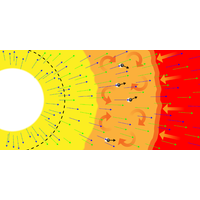
Phys. Rev. Lett. 136, 191002 (2026)
Cosmology, Astrophysics, and Gravitation
First High-Throughput Evaluation of Dark Matter Detector Materials
Article | Particles and Fields | 2026-05-11 06:00 EDT
Sinéad M. Griffin, Yonit Hochberg, Benjamin V. Lehmann, Rotem Ovadia, Kristin A. Persson, Bethany A. Suter, Ruo Xi Yang, and Wayne Zhao
We perform the first high-throughput search and evaluation of materials that can serve as excellent low-mass dark matter detectors. Using properties of close to 1000 materials from the Materials Project database, we project the sensitivity in dark matter parameter space for experiments constructed f…
Phys. Rev. Lett. 136, 191801 (2026)
Particles and Fields
Few-Femtosecond XUV Pulse Pairs with Independently Tunable Topological Properties
Article | Plasma and Solar Physics, Accelerators and Beams | 2026-05-11 06:00 EDT
Primož Rebernik Ribič and Takashi Tanaka
By leveraging a recently developed slippage-compensation scheme in externally seeded free-electron lasers (FELs), we propose a method for generating few-femtosecond extreme-ultraviolet (XUV) pulse pairs with tunable topological properties and adjustable temporal delay. Simulations show that the topo…
Phys. Rev. Lett. 136, 195001 (2026)
Plasma and Solar Physics, Accelerators and Beams
New Framework for Interfacial Statistics: Exact $n$-Point Correlations of Gaussian Level Sets
Article | Condensed Matter and Materials | 2026-05-11 06:00 EDT
Aleksei M. Cherkasov, Kirill M. Gerke, and Aleksey Khlyupin
We derive exact analytical expressions for higher-order correlations of Gaussian level-set interfaces, establishing a direct link between bulk field statistics and interface geometry. This framework enables efficient reconstruction of disordered media, detailed modeling of Gaussian foams--structured,…
Phys. Rev. Lett. 136, 196101 (2026)
Condensed Matter and Materials
Rototranslational Sum Rules for Nuclear Dynamics via Traveling Pseudopotentials
Article | Condensed Matter and Materials | 2026-05-11 06:00 EDT
Massimiliano Stengel, Miquel Royo, and Emilio Artacho
We establish a set of exact sum rules that relate the interatomic force constants to the frequency-dependent electromagnetic susceptibility of a solid or molecule, thereby generalizing the long-established principles of rototranslational symmetry to the nonadiabatic regime. Crucially, we show that i…
Phys. Rev. Lett. 136, 196401 (2026)
Condensed Matter and Materials
Light-Induced Charge Order Mode in a Metastable Cuprate Ladder
Article | Condensed Matter and Materials | 2026-05-11 06:00 EDT
Hari Padma, Prakash Sharma, Sophia F. R. TenHuisen, Filippo Glerean, Antoine Roll, Pan Zhou, Sarbajaya Kundu, Arnau Romaguera, Elizabeth Skoropata, Hiroki Ueda, Biaolong Liu, Eugenio Paris, Yu Wang, Seng Huat Lee, Zhiqiang Mao, Mark P. M. Dean, Edwin W. Huang, Elia Razzoli, Yao Wang, and Matteo Mitrano
We report the observation of an emergent charge order mode in the optically excited cuprate ladder . Near-infrared light in the ladder plane drives a symmetry-protected electronic metastable state together with a partial melting of the equilibrium charge order. Our time-resolved resonant …
Phys. Rev. Lett. 136, 196501 (2026)
Condensed Matter and Materials
Physical Review X
Using Folded Proteins as Mechanically Well-Defined Units to Understand Fatigue Fracture in Hydrogels: Bridging Single Molecule and Bulk Studies
Article | 2026-05-11 06:00 EDT
Liang Dong, Puyu Cao, Huiyan Chen, Yu Zhang, Ying Li, Bin Chen, Yi Cao, and Hai Lei
A force-response model helps understand fatigue behavior and provides a design strategy for fatigue resistant hydrogels and soft materials.
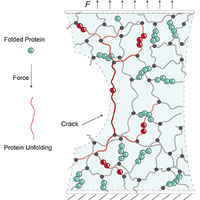
Phys. Rev. X 16, 021031 (2026)
Liquid-Gas Criticality of Hyperuniform Fluids
Article | 2026-05-11 06:00 EDT
Shang Gao, Hao Shang, Hao Hu, Yu-Qiang Ma, and Qun-Li Lei
Where ordinary fluids show wild fluctuations and critical opalescence, hyperuniform fluids of spinning particles stay unusually calm yet highly susceptible at the liquid-vapor critical point.
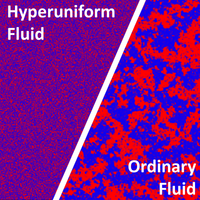
Phys. Rev. X 16, 021032 (2026)
Review of Modern Physics
Colloquium: Simulating non-Markovian dynamics in open quantum systems
Article | 2026-05-11 06:00 EDT
Meng Xu, Vasilii Vadimov, J. T. Stockburger, and J. Ankerhold
The dynamics of "open" quantum systems, which interact with their environments, are of paramount importance for basic research and quantum technologies alike. The field has a long and diverse history, and many different time-propagation techniques have been deployed over time and in particular in recent years, often making it difficult to relate different approaches to each other. Based on a unified framework, this Colloquium provides an overview of methods used to describe and to simulate open quantum systems in various contexts, including quantum optics, quantum information, quantum thermodynamics, and solid-state and many-body physics, as well as chemical physics, highlighting the commonalities and differences between them.
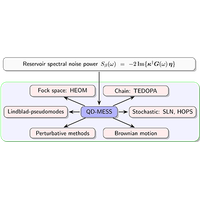
Rev. Mod. Phys. 98, 021002 (2026)
arXiv
Criticality in optical properties of the Drude and Drude-Sommerfeld metals around the plasma frequencies for high carrier concentrations
New Submission | Strongly Correlated Electrons (cond-mat.str-el) | 2026-05-12 20:00 EDT
Bikram Keshari Behera, Rhitabrata Bhattacharyya, Shyamal Biswas
We have analytically determined the attenuation constant of the Drude metal for the entire range of frequency ($ 0<\omega<\infty$ ) of an electromagnetic (plane) wave incident on it within a single framework of classical electrodynamics. Here, by the Drude metal, we mean an electrical conductor that obeys the Drude model for the conduction electrons. We further consider the conductor to have linear dielectric and magnetic properties (i.e. permittivity $ \epsilon>\epsilon_0$ and permeability $ \mu>\mu_0$ ) due to the bound charges and bound currents in the background. Interestingly, for such a conductor with a high carrier concentration ($ \omega_p\tau\gg1$ ), we have obtained a simple form of the attenuation constant $ k_-\simeq+\sqrt{\frac{\mu\epsilon}{2}}\sqrt{\omega_p^2-\omega^2+|\omega_p^2-\omega^2|}$ for a wide range of high frequencies below and above plasma frequency $ \omega_p$ . Such a result gives rise to criticality in the conductor’s optical properties, such as – the attenuation constant, group velocity, and complex dielectric constant near around $ \omega=\omega_p$ . We have obtained the critical exponents for these quantities. We also have obtained a quantum correction to the optical properties within the Drude-Sommerfeld model with the Thomas-Fermi screening.
Strongly Correlated Electrons (cond-mat.str-el), Statistical Mechanics (cond-mat.stat-mech), Optics (physics.optics)
7 pages, 1 figure
Heat Transfer in Phase Change Materials with Multiple Fin Insertion
New Submission | Soft Condensed Matter (cond-mat.soft) | 2026-05-12 20:00 EDT
Paolo Proia, Mauro Sbragaglia, Giacomo Falcucci
We leverage 3D numerical simulations to study phase change materials (PCMs) cells under the effect of buoyancy forces. The solid PCM is heated from a source boundary, triggering melting. The source features multiple solid fins that protrude into the PCM cell; the impact of the fins and their number is investigated by designing and testing equivalent (in terms of heating power) finless and single fin simulations. For each configuration, the performance is quantified via the total molten substance in time. The designs were also tested for different values of the non-dimensional numbers encoding relevant properties. We confirm that fins increase the melting performance and find that single fin configurations are sub-optimal since a layout with multiple fins takes advantage of interstitial spaces, melting the substance more efficiently. The results also indicate that fins should be properly spaced, as closeness can result in overlapping, thus interfering, molten areas.
Soft Condensed Matter (cond-mat.soft), Materials Science (cond-mat.mtrl-sci)
7 pages, 3 figures, submitted to Europhysics Letters - Focus Issue on Complex Flows and Complex Fluids
Nonlinear Coherent Transport in 2D Thermal Metamaterials: From Solitons and Topological Defects to Quantum Computing
New Submission | Mesoscale and Nanoscale Physics (cond-mat.mes-hall) | 2026-05-12 20:00 EDT
R. A. C. Correa, K. N. M. Sharma, P. Lolur, J. van Velzen
Understanding heat transport in low-dimensional and nano-architectured materials remains a central challenge in nonequilibrium statistical physics due to persistent deviations from Fourier’s law. These deviations are driven by anharmonicity, reduced dimensionality, and the emergence of long-lived coherent excitations. In this work, we develop a unified theoretical framework for two-dimensional thermal metamaterials that combines nonlinear lattice dynamics, soliton-based effective field theories, and geometrically organized defect networks as guiding structures for energy flow. We introduce minimal discrete and continuum-inspired models suitable for controlled benchmarking of thermal transport in patterned two-dimensional architectures and identify a two-channel transport mechanism in which coherent nonlinear excitations coexist with incoherent hydrodynamic modes. The interplay between these channels is shown to be highly sensitive to geometry, nonlinearity, and temperature, offering new avenues for thermal management. We establish rigorous connections between microscopic nonlinearity, geometry-driven channeling of heat in two dimensions, and quantum-enabled exploration of both high-occupation classical regimes and genuinely quantum regimes beyond the reach of standard simulation strategies. The theoretical predictions are corroborated by recent experimental and computational results in Stone-Wales-defected PdSSe monolayers and silicon phononic crystal nanostructures, which exhibit ultra-low thermal conductivity coexisting with high carrier mobility and strong anisotropy – direct manifestations of the two-channel mechanism. This synthesis provides actionable guidance for the design of engineered heat-spreading architectures and positions quantum simulation as a transformative tool for advancing the theory of nonlinear heat transport.
Mesoscale and Nanoscale Physics (cond-mat.mes-hall), Materials Science (cond-mat.mtrl-sci), High Energy Physics - Theory (hep-th), Quantum Physics (quant-ph)
20 pages
Construction and Analysis of the Effective Model for the Bulk Steady State under Current in Boundary-Driven Open Systems
New Submission | Mesoscale and Nanoscale Physics (cond-mat.mes-hall) | 2026-05-12 20:00 EDT
Current-induced phenomena are often obscured by Joule heating, and their steady states are difficult to analyze in large open systems. We introduce a translationally invariant asymmetric-hopping model as an effective bulk description of boundary-driven systems under current. In a minimal case, it corresponds to an open-system Hatano–Nelson model. We find that the effective temperature rises linearly with current density, as observed experimentally. The model provides a useful tool for separating intrinsic current-induced effects from heating.
Mesoscale and Nanoscale Physics (cond-mat.mes-hall), Strongly Correlated Electrons (cond-mat.str-el)
Rashba engineering at van der Waals interfaces
New Submission | Mesoscale and Nanoscale Physics (cond-mat.mes-hall) | 2026-05-12 20:00 EDT
Rahul Sharma, Soumya Mukherjee, Fatima Ibrahim, Gaétan Verdierre, Libor Vojáček, Martin Mičica, Sylvain Massabeau, Oliver Paull, Vincent Polewczyk, Nicola Marzari, Alain Marty, Isabelle Gomes de Moraes, Frédéric Bonell, Juliette Mangeney, Jérôme Tignon, Gauthier Krizman, Anupam Jana, Jun Fujii, Ivana Vobornik, Federico Mazzola, Jing Li, Leticia Melo Costa, Olivier Renault, Adrien Michon, Henri Jaffrès, Jean-Marie George, Mairbek Chshiev, Sukhdeep Dhillon, Matthieu Jamet
Two-dimensional transition metal dichalcogenide (TMD) interfaces offer a versatile platform for studying emergent quantum phenomena and enabling novel device functionalities. When distinct TMD monolayers are stacked vertically or laterally stitched, their interfaces can exhibit unique electronic band alignments, giving rise to long-lived interlayer excitons, charge transfer effects, and moiré superlattices with correlated states. Here, we demonstrate that the interface between a large variety of two different epitaxially grown TMD monolayers controls the intensity and sign of the Rashba spin splitting, which is probed using THz spintronic emission. Optimized TMD heterobilayers, such as HfSe$ _2$ /PtSe$ _2$ , show enhanced THz emission that surpass the spin-to-charge conversion efficiency of bulk TMDs, confirming the presence of Rashba states with large spin splitting at the interface. By combining spin- and angle-resolved photoemission spectroscopy with density functional theory, we reveal that the electronic hybridization between the two different TMD monolayers gives rise to extended in-gap states with strong Rashba spin-orbit coupling. The choice of TMD layers enables to engineer the sign and strength of spin-to-charge conversion in van der Waals heterobilayers opening up perspectives to build efficient and tunable THz spintronic emitters.
Mesoscale and Nanoscale Physics (cond-mat.mes-hall), Materials Science (cond-mat.mtrl-sci)
25 pages, 5 figures
Dynamically Characterizing the Structures of Dirac Points via Wave Packets
New Submission | Mesoscale and Nanoscale Physics (cond-mat.mes-hall) | 2026-05-12 20:00 EDT
Dan-Dan Liang, Xin Shen, Zhi Li
Topological non-trivial band structures are the core problem in the field of topological materials. In this paper, we investigate the topological band structure in a system with controllable Dirac points from the perspective of wave packet dynamics. By adding a third-nearest-neighboring coupling to the graphene model, additional pairs of Dirac points emerge. The emergence and annihilation of Dirac points result in hybrid and parabolic points, and we show that these band structures can be revealed by the dynamical behaviors of wave packets. Particularly, for the gapped hybrid point, the motion of the wave packet shows a one-dimensional \emph{Zitterbewegung} motion. Furthermore, we also show that the winding number associated with the Dirac point and parabolic point can be determined via the center-of-mass and spin texture of wave packets, respectively. The results of this work could motivate new experimental methods to characterize the system’s topological signatures through wave packet dynamics, which may also find application in systems of other exotic topological materials.
Mesoscale and Nanoscale Physics (cond-mat.mes-hall), Quantum Physics (quant-ph)
6 pages, 5 figures. comments are welcome
Chinese Physics Letters 40, 110302 (2023)
Two-dimensional Clay Channels for Tunable Nanofluidic Memristor
New Submission | Materials Science (cond-mat.mtrl-sci) | 2026-05-12 20:00 EDT
Sangeeta Yadav, Raj Kumar Gogoi, Aziz Lokhandwala, Siddhi Vinayak Pandey, Ankit Bhardwaj, Sunando DasGupta, Boya Radha
Dynamic reconfiguration of charge carriers in confined ion-channels under electrical stimulation produces memory effects, where the internal resistance depends on history of the electric field. Vermiculite nanofluidic devices harness this effect to store and process information within a single component. We report switching between distinct memory loops by tuning ion transport pathways, governed by asymmetrical device architecture and intrinsic surface-charge. Polarity-dependent memory switching between crossing-1 and crossing-2 loops is achieved solely by altering electrode configurations, without modifying electrolyte, channel surface chemistry or device structure: providing mechanistic insights into ionic memristors through a straightforward, experimentally validated strategy. The memristive characteristics are demonstrated in both in-plane and out-of-plane channel configurations with channel lengths spanning from centimeters to micrometers length scales using re-stacked vermiculite membranes and further investigated for miniaturization with devices having nanometer scale channel lengths, fabricated via ultramicrotomy method. Furthermore, we demonstrate neuromorphic functionalities, including synaptic potentiation-depression and programmable memory retention, highlighting potential for bio-inspired computing systems. Cost-effective and scalable fabrication solution processed vermiculite membrane memristors pave the way for practical integration of nanofluidic memristors for neuromorphic computing applications.
Materials Science (cond-mat.mtrl-sci), Other Condensed Matter (cond-mat.other)
SLayerGen: a Crystal Generative Model for all Space and Layer Groups
New Submission | Materials Science (cond-mat.mtrl-sci) | 2026-05-12 20:00 EDT
Rees Chang, Andrew Novick, Ryan P Adams, Elif Ertekin
Crystal generative models have shown rapid progress for accelerating the discovery of bulk, periodic materials. However, many material systems such as 2D superconductors, thin film semiconductors, and catalytic surfaces are diperiodic, i.e., aperiodic along one of the lattice directions. These systems are invariant under the layer groups, which are known to influence materials properties yet not considered by existing models. In this paper, we propose SLayerGen, a generative model that produces crystals constrained to be invariant to any space or layer group. SLayerGen consists of coarse-to-fine discrete autoregressive lattice generation; transformer-based autoregressive sampling of Wyckoff positions, elements, and numbers of symmetrically unique atoms; and space or layer group equivariant diffusion of atomic coordinates. For the diffusion component, we corrected an inconsistency in the loss from prior work arising from hexagonal groups being non-orthogonal in fractional coordinates. To facilitate progress in generative modeling of diperiodic materials, we assembled and filtered datasets of monolayers and bilayers, propose relevant evaluation metrics, and developed novel representations for layer group symmetries. For de novo generation of diperiodic materials, SLayerGen achieves consistent performance gains over bulk crystal generative models and is competitive when training jointly on bulk and diperiodic materials.
Materials Science (cond-mat.mtrl-sci), Artificial Intelligence (cs.AI)
Photovoltaic Possibility of Cu2SiSe3 and Cu2SnS3 Ternary Chalcogenides- Single Junction to Tandem Architecture
New Submission | Materials Science (cond-mat.mtrl-sci) | 2026-05-12 20:00 EDT
Saptarshi Mandal, Surbhi Ramawat, Sumit Kukreti, Ambesh Dixit
Cu based ternary chalcogenides are gathering attention for sustainable energy applications due to their reduced complexity compared to quaternary alternatives. We used drift diffusion modeling to evaluate the feasibility of photovoltaics employing ternary chalcogenide absorbers based on Cu2SiSe3 and Cu2SnS3. The device metrics are evaluated by analyzing absorber layer thickness intrinsic carrier concentration defect density and energy band alignment at interfacial junctions. The optimized single junction Cu2SiSe3 based device configuration achieves a power conversion efficiency of 18.13 percent exhibiting a short circuit current density of 38 mA cm^-2 and an open circuit voltage of 0.64 V. The Cu2SnS3 based device achieves an efficiency of 15.59 percent with a short circuit current density of 48.8 mA cm^-2 and an open circuit voltage of 0.42 V. We examined the impact of the buffer layer on device parameters uncovering further avenues for performance improvement. Additionally we simulated a two terminal tandem solar cell using Cu2SiSe3 Eg 1.44 eV in the upper cell to capture photons from the visible spectrum and Cu2SnS3 Eg 0.91 eV in the lower cell to absorb from the infrared spectrum. The simulated tandem architecture, featuring a VOC of 1.24 V a JSC of 24.6 mA cm^-2 a fill factor (FF) of 79.2 percent and an efficiency of 24.1 percent markedly surpassed conventional single junction devices demonstrating the viability of Cu2SiSe3-Cu2SnS3 absorber-based tandem solar cells for next generation high-efficiency solar technologies.
Materials Science (cond-mat.mtrl-sci)
28 Pages, 15 Figures, Submitted to Solar Energy Journal
Stochastic Dynamics of Domain Wall on a Racetrack: Impact of Line-Edge Roughness
New Submission | Disordered Systems and Neural Networks (cond-mat.dis-nn) | 2026-05-12 20:00 EDT
Anton V. Hlushchenko, Oksana L. Andrieieva, Mykhailo I. Bratchenko, Andriy M. Styervoyedov, Kostyantyn I. Polozhiy, Aleksei V. Chechkin
We investigate the impact of line-edge roughness on current-driven domain wall dynamics in ferromagnetic racetracks. Modeling the edge disorder as a spatially correlated Ornstein-Uhlenbeck process, we demonstrate that even minimal experimentally relevant roughness induces pronounced stochastic pinning of domain walls. Notably, this stochasticity of the current-driven motion arises purely from spatial disorder, even in the absence of thermal fluctuations. The probability of a domain wall to reach a given position exhibits a robust sigmoidal dependence on the applied current, reflecting an effective distribution of depinning thresholds. At the same time, the underlying dynamics is highly nontrivial: the mean velocity exhibits a nonlinear dependence on both time and current, while the mean-square displacement exhibits a ballistic regime at short times followed by saturation due to trapping at pinning sites. These results demonstrate that line-edge roughness provides a controllable source of stochasticity and enables p-bit-like functionality in racetrack systems, offering a pathway toward hardware implementations of probabilistic and neuromorphic computing.
Disordered Systems and Neural Networks (cond-mat.dis-nn)
Submitted to physica status solidi (RRL) - Rapid Research Letters
Mirror transitions in diffusion with stochastic resetting confined on a ring
New Submission | Statistical Mechanics (cond-mat.stat-mech) | 2026-05-12 20:00 EDT
Pedro Julián-Salgado, Pavel Castro-Villarreal, Leonardo Dagdug, Denis Boyer
Diffusion with an incorporated resetting mechanism provides a reference framework for modeling a wide range of natural phenomena. Within this framework, the optimal resetting rate is a key quantity that arises from the optimization of the mean first-passage time. While substantial work has focused on the study of the optimal resetting rate in unbounded one dimensional domains, little is still known about the optimization of the mean first-passage time in bounded systems, in particular when multiple resetting sites are available. In this work, we consider a particle diffusing along a circular circumference and under resetting, with an absorbing target site at a fixed location. Using the appropriate free propagator for this system, we compute the Laplace transform of the survival probability when resetting occurs to multiple sites drawn from an arbitrary probability density function. We also calculate the mean first-passage time at the target site, and study the dependence of the optimal resetting rate in terms of the relevant parameters of the system in a two-resetting site configuration. Depending on the arc length between one of the resetting sites and the absorbing target site, and the weight of the remaining resetting site, the optimal resetting rate can exhibit abrupt (“first order’’) and continuous (“second order’’) transitions. Moreover, the behavior of the mean first-passage time is rich enough to allow both critical and tri-critical points to exist in the parameter space. All the transitions have “mirror symmetry’’ around the selected target site and its corresponding diametrically opposite site.
Statistical Mechanics (cond-mat.stat-mech)
17 pages, 10 figures and 1 table
Multiscale modeling of materials and neural operators
New Submission | Materials Science (cond-mat.mtrl-sci) | 2026-05-12 20:00 EDT
Multiscale modeling is essential for understanding the complex behavior of materials. However, accurately transferring all relevant information from one scale to another has remained an outstanding challenge. Neural operators, discretization-independent generalizations of neural networks, is proving to be a powerful tool in addressing this challenge. This article provides an introduction to neural operators, and illustrates their use in multiscale modeling of materials through three selected examples.
Materials Science (cond-mat.mtrl-sci)
Antiferro-Chiral Phonons in $\mathcal{P}\mathcal{T}$-Symmetric Antiferromagnets
New Submission | Mesoscale and Nanoscale Physics (cond-mat.mes-hall) | 2026-05-12 20:00 EDT
Sanjib Kumar Das, Randy Yeh, Yafei Ren
Chiral phonons provide a route to couple lattice motion to magnetic order, but conventional chiral phonons carry a net angular momentum and thus couple naturally to net magnetization rather than to compensated Néel order. Here we show that $ \mathcal{P}\mathcal{T}$ -symmetric antiferromagnets can host \emph{antiferro-chiral phonons} (AFCPs): phonon modes with vanishing total angular momentum but finite sublattice-staggered angular momentum. Symmetry enforces this distinction because $ \mathcal{P}\mathcal{T}$ forbids a net phonon angular momentum while allowing counter-rotating local motion on inversion-related sublattices. AFCPs arise from a Néel-vector-locked coupling between Raman and infrared-active phonons. The coupling is odd under both $ \mathcal{P}$ and $ \mathcal{T}$ while preserving their product. Through this hybridization, the normal modes acquire both Raman and infrared character and carry a sublattice-staggered phonon angular momentum that acts as a conjugate field to the Néel vector. This coupling is microscopically generated by the molecular Berry curvature, which is demonstrated in a prototype lattice model. Reversing the Néel vector reverses the staggered phonon chirality. These results indicate AFCPs as probes of antiferromagnetic order and suggest coherent phonon excitation as a route to its dynamical control.
Mesoscale and Nanoscale Physics (cond-mat.mes-hall), Materials Science (cond-mat.mtrl-sci)
7 pages, 2 figures, 1 table, Supplemental Material added as Ancillary file
Fokker–Planck framework for stochastic octupole moment dynamics in chiral antiferromagnet Mn3Sn
New Submission | Mesoscale and Nanoscale Physics (cond-mat.mes-hall) | 2026-05-12 20:00 EDT
We develop a reduced stochastic framework for thermally assisted octupole moment dynamics in Mn3Sn by combining the reduced Landau–Lifshitz–Gilbert (LLG) equation with the Fokker–Planck formalism. The reduced model is benchmarked against the complete three-sublattice octupole dynamics and is shown to capture the essential switching behavior with good accuracy. We then derive the corresponding Fokker–Planck equation, which is implemented and solved via a CUDA-accelerated solver. The analysis shows that the octupole dynamics are highly sensitive to the out-of-plane grid resolution because ultrafast rotation of the octupole is controlled by its very small deviations from the basal plane. The solver is validated against Monte Carlo simulations through equilibrium distributions, relaxation trajectories, and switching times. Finally, we apply the method to thermally assisted field-driven switching and demonstrate efficient access to ultra-low error probabilities beyond the practical reach of direct Monte Carlo simulations.
Mesoscale and Nanoscale Physics (cond-mat.mes-hall)
14 pages, 7 figures, includes supplementary material
Quasiparticle Quality Factors in Superconducting Resonators: Effects of Bath Temperature and Readout Power
New Submission | Superconductivity (cond-mat.supr-con) | 2026-05-12 20:00 EDT
Zhenyuan Sun, S Withington, Songyuan Zhao
The performance of superconducting resonators underpins a wide range of modern quantum technologies, yet their quality factor often deviates at low temperatures from standard Mattis-Bardeen predictions. This discrepancy is often attributed to nonthermal quasiparticles generated by microwave readout power, which limits the sensitivity of superconducting devices. We present a macroscopic model based on modified Rothwarf-Taylor equations that incorporates a power-dependent phonon generation term, providing an explicit relationship between quality factor, bath temperature and readout power. The model shows excellent agreement with temperature sweep measurements of NbN microstrip resonators with \b{eta}-Ta terminations over a wide dynamic range of readout power levels, accurately capturing the transition between thermally-dominated and microwave-induced loss regimes. This framework provides a predictive tool for optimizing superconducting resonators and advancing the design of high-Q devices for quantum sensing and quantum information processing.
Superconductivity (cond-mat.supr-con), Instrumentation and Methods for Astrophysics (astro-ph.IM)
The superite phase and phase transition inducing multiscale solidification microstructures and segregations in steels
New Submission | Materials Science (cond-mat.mtrl-sci) | 2026-05-12 20:00 EDT
Xiaoping Ma, Dianzhong Li, Zhuo Zhao, Saichao Cao, Donghao Pei, Pei Wang, Yuxi Tao, Paixian Fu, Hongwei Liu, Xiuhong Kang
Based on classical concept, solidification of alloys is a direct transition from liquid phase to solid phase, by which dendrites and dendritic segregation are produced. Through in-situ and real time morphology observation and XRD test during solidification of three steels, a new superite phase featured as statistically oriented tiny structures was identified, and a general liquid-superite-solid phase transformation process is revealed. In the early solidification stage, the liquid alloys transit to dendrites composed of superite phase. Initiated from the boundaries of dendritic arms or dendrite grains, the superite phase transits to austenite grains within an initial dendritic arm, and expels solute elements to the residual superite phase. Mixed multi-phase microstructures are subsequently produced from the residual enriched superite phase. Here, although three steels exhibit different phase proportion and phase constitution in the superite-solid transition, they all follow above general transition mode. Multiscale microstructures and segregations are produced in the transition from superite to solid. These new findings change the basic understanding about the solidification of alloys, rediscover the formation mechanism on segregations and multiscale solidification microstructures, including dendrite pattern, solid dendritic arm, dendritic segregation, the mixed multi-phase microstructures, eutectic, inclusions and precipitate. These new findings are also crucial to the control of solidification microstructures and segregation in metals.
Materials Science (cond-mat.mtrl-sci)
Emergent Quantum-Geometric Equivalence of Injection and Shift Currents
New Submission | Mesoscale and Nanoscale Physics (cond-mat.mes-hall) | 2026-05-12 20:00 EDT
Mohammad Yahyavi, Tay-Rong Chang, Md Shafayat Hossain, Arun Bansil, Naoto Nagaosa, Guoqing Chang
Injection and shift currents are generally regarded as distinct nonlinear optical responses with separate microscopic origins. Here, we uncover a general hidden connection between them through interband Berry-curvature and quantum-metric dipoles. In systems with approximately linear electronic dispersion near the Fermi level and at low photon energies, this relation sharpens into an emergent equivalence, with injection and shift currents governed by the same interband quantum-geometric dipole. This regime is naturally realized in Dirac and Weyl semimetals, as well as in strained graphene, where measurements of injection and shift currents probe a unified geometric property of the electronic wavefunctions rather than distinct dynamical processes. Our results establish a new framework for interpreting nonlinear optical experiments and suggest that quantum geometry may provide a broader organizing principle linking seemingly distinct nonlinear optical responses in solids.
Mesoscale and Nanoscale Physics (cond-mat.mes-hall), Materials Science (cond-mat.mtrl-sci)
Multi-Fidelity Computational Screening of High-Entropy MBenes for CO$_2$ Electroreduction
New Submission | Materials Science (cond-mat.mtrl-sci) | 2026-05-12 20:00 EDT
Sree Harsha Bharadwaj H, Raghavan Ranganathan
High-entropy MBenes (HE-MBenes) represent a promising, unexplored class of 2D materials for electrocatalysis. In this work, we present a systematic computational screening of 56 equiatomic quinary HE-MBene compositions from the {Ti, V, Cr, Mo, Nb, Ta, Zr, Hf} pool for CO$ _2$ adsorption and electroreduction. Using the Monte Carlo Special Quasirandom Structure (MCSQS) algorithm, we generated disordered M$ _1B_1$ -type supercells and assessed structural stability via DFT (PBE+D3) in VASP. Of the 56 candidates, 55 passed relaxation, with 45 exhibiting negative formation energies, confirming thermodynamic stability. To efficiently screen CO$ _2$ adsorption across disordered surfaces, we developed a machine-learning interatomic potential (MLIP) using the MACE architecture. Fine-tuned on our DFT dataset, the model achieved energy RMSEs of 3.49 and 3.0 meV/atom for adsorbed and pristine sets, respectively. Active sites were identified via PDOS analysis, matching metal d-orbital signatures with CO$ _2$ molecular orbitals. The rate-determining step of the CO$ _2$ -to-CO pathway was evaluated using the computational hydrogen electrode (CHE) model. Short-time structural integrity was assessed via AIMD at 500 K over 2.5 ps; phonon-based stability remains a priority for future work. Our results establish an integrated DFT-MLIP-AIMD framework for the rational design of high-entropy 2D materials tailored for CO$ _2$ conversion.
Materials Science (cond-mat.mtrl-sci)
Concentration-Dependent Membrane Destabilization in DPPC Bilayers: Distinct Insertion Mechanisms and Stress Redistribution by Chloroform and Alkanols
New Submission | Soft Condensed Matter (cond-mat.soft) | 2026-05-12 20:00 EDT
How do solute concentration and molecular chemistry govern the transition from membrane saturation to destabilization? We address this using microsecond-scale molecular dynamics simulations of dipalmitoylphosphatidylcholine (DPPC) bilayers with chloroform (CHCl$ _3$ ) and a homologous series of alkanols (methanol, ethanol, octanol) over $ 0-50%$ concentrations. Although complete membrane melting is not observed within $ 1000, ns$ , all systems exhibit clear precursors of destabilization, including enhanced thickness fluctuations, reduced lipid order, and mechanical softening. Chloroform induces pronounced thinning and large fluctuations, consistent with deep, transient insertion. Methanol perturbs primarily the headgroup region, while ethanol shows intermediate behavior with partial insertion. Octanol preserves bilayer thickness at high concentrations due to lipid-like insertion but significantly increases fluctuations and interdigitation. Across all systems, increasing concentration decreases the area compressibility modulus and deuterium order parameter, accompanied by smoothing of lateral pressure profiles, indicating stress redistribution. Free energy analysis reveals increased membrane partitioning and reduced translocation barriers with concentration, strongest for octanol and weakest for methanol. These results demonstrate that membrane destabilization is governed by the interplay of insertion depth, interfacial crowding, and lipid packing disruption.
Soft Condensed Matter (cond-mat.soft), Biological Physics (physics.bio-ph)
An ab initio approach to energy alignment and charge-state prediction of adsorbates on ultrathin insulators
New Submission | Mesoscale and Nanoscale Physics (cond-mat.mes-hall) | 2026-05-12 20:00 EDT
Kevin Lizárraga, Saba Taherpour, Cesar E. P. Villegas, Christoph Wolf
The rapid progress of electron spin resonance scanning tunneling microscopy experiments has enabled the manipulation of individual adsorbate spin states physisorbed on ultrathin oxide layers supported on metal substrates. Electron resonance requires unpaired spin density on the adsorbate, which can be achieved, for instance, through charge transfer from the supporting substrate. This requires the correct energy-level alignment between the energy levels of the adsorbate and the Fermi energy of the substrate. Experiments on molecules and single atoms adsorbed on metal-insulator systems have revealed complex phenomena, including electronic bandgap narrowing, charge transfer, Fermi-level pinning, and the re-ordering of adsorbate orbitals after charge transfer. Despite these advances, a predictive first-principles approach based on accurate methods such as quasiparticle GW, capable of capturing these effects without the prohibitive cost of full adsorbate/oxide/metal simulations, remains an open challenge. In this work, we present a theoretical approach to determine the energy-level alignment of adsorbates on oxide/metal substrates. Our method transparently exposes all physical processes and strikes a balance between computational cost and accuracy. Ionization potentials and electron affinities of the isolated adsorbates are obtained using GW calculations, electronic bandgap polarization is quantified through the quasiparticle renormalization caused by the substrate, Fermi-level pinning is evaluated within the integer charge transfer model, and work function shifts arising from Pauli pushback or from the adsorbate-metal dipole are determined from the local variations of the electrostatic potential. This computationally efficient framework paves the way for highthroughput screening of molecular qubits and organic electronic interfaces.
Mesoscale and Nanoscale Physics (cond-mat.mes-hall)
A Closer Look on the Influence of Constraints Upon the Optimization of the Nonadditive Entropic Functional $S_{q}$
New Submission | Statistical Mechanics (cond-mat.stat-mech) | 2026-05-12 20:00 EDT
Leandro Lyra Braga Dognini, Constantino Tsallis
The thermal-equilibrium canonical distribution is currently obtained by maximizing the Boltzmann-Gibbs-von Neumann-Shannon entropy $ S_{BG}(p)=k\sum^{W}{i=1}p{i}\ln 1/p_{i}$ constrained to $ \sum^{W}{i=1}p{i}=1$ and $ \sum^{W}{i=1}p{i},e_{i}=U$ , $ e_{1}\leq\ldots\leq e_{W}$ being the energies of the $ W$ possible states and $ U\in[e_{1},e_{W}]$ their mean value. We revisit a generalized version of this optimization problem grounded in the nonadditive entropy $ S_{q}(p)=k,(\sum^{W}{i=1}p{i}^{q}-1)/(1-q)$ (frequently, though not necessarily, $ q\in(0,1)$ ; $ S_1=S_{BG}$ ), and the constraint $ \sum^{W}{i=1} p{i}^{q^{\prime}}e_{i} / \sum^{W}{i=1}p{i}^{q^{\prime}}=U$ , $ q^{\prime}>0$ . Sufficient conditions for existence, strict positivity, and uniqueness of solutions are derived, along with a theorem that enables their closed-form calculation. We apply these results to deepen the understanding of the two standard cases in the literature ($ q^{\prime}=1$ and $ q^{\prime}=q$ ), as well as of a new one ($ q^{\prime}=2-q$ ). We prove that these standard cases are the only ones yielding optimizing probability distributions of $ q$ -exponential form. Furthermore, we define an effective temperature $ T_{q,q^{\prime}}$ through a Clausius-like relation $ 1/T_{q,q^{\prime}}=\partial S_{q} / \partial U$ and derive a Helmholtz-like energy $ F_{q,q^{\prime}}=U-T_{q,q^{\prime}}S_{q}$ , with the former grounding the validity of the $ 0^{th}$ Principle of Thermodynamics within this generalized statistical mechanics. Finally, we show that the case with a linear constraint (i.e., $ q^{\prime}=1$ ) with $ q\in(0,1)$ (i) preserves the Third Law of Thermodynamics; (ii) can be used to model classical many-body Hamiltonian systems with arbitrarily-ranged interactions; and (iii) resembles features of low-dimensional nonlinear dynamical systems at the edge of chaos.
Statistical Mechanics (cond-mat.stat-mech), Mathematical Physics (math-ph)
Thermodynamic Approach for Deciphering Magneto-Structural Phase Transitions: Proof of Concept in Heusler Alloys
New Submission | Materials Science (cond-mat.mtrl-sci) | 2026-05-12 20:00 EDT
Eleonora Rusconi, Lorenzo Gallo, Victor A. L’vov, Anna Kosogor, Simone Fabbrici, Giovanna Trevisi, Francesco Cugini, Massimo Solzi, Thomas Schrefl, Franca Albertini
Ferromagnetic solids acquire nontrivial magnetic and caloric properties when the temperature of the structural phase transition approaches the Curie point. Deciphering magneto-structural transitions, i.e. determining their characteristic temperatures and elucidating the related properties, remains challenging. In the present paper, three types of transformational behaviour of Ni50Mn25-xCuxGa25 (x = 6.25, 6.5, 6.75, 7) and Ni50.5Mn18.5Cu6.5Ga24.5 alloys have been identified, arising from small variations in chemical composition: (i) structural martensitic transformation (MT) in the ferromagnetic phase; (ii) magneto-structural phase transition from paramagnetic austenite to ferromagnetic martensite; (iii) MT in paramagnetic phase. The temperature-dependent values of magnetization, M(T), and of magnetic susceptibility, $ \chi(T)$ , were measured for each alloy. A novel thermodynamic analysis was used to determine the Curie points and MT temperatures. The novelty lies in considering the interplay between structural and magnetic characteristics of the alloys through the impact of the structural transition on the spin-exchange parameter. The theoretical analysis of experimental data revealed that this impact results in a large difference ($ \geq$ 50 K) between the Curie temperatures computed for the austenitic and martensitic states of each alloy. The characteristic temperatures, corresponding to the extrema of the dM(T)/dT and $ \chi(T)$ functions, were calculated. The correlation of these temperatures with the Curie temperatures and the MT temperatures is not straightforward and depends strongly on the type of transformational behaviour (i) - (iii). The proposed approach provides a robust framework for extracting unmeasurable characteristic temperatures from standard magnetization data, applicable to ferromagnetic Heusler systems and other multiferroic ferromagnetic materials.
Materials Science (cond-mat.mtrl-sci), Applied Physics (physics.app-ph)
Bond strengths in solids computed from a Wannier-type construction of local vibrational modes
New Submission | Materials Science (cond-mat.mtrl-sci) | 2026-05-12 20:00 EDT
Mateusz Mojsak, Elfi Kraka, Adam A. L. Michalchuk
We introduce a Wannier-type formulation of periodic local vibrational mode theory that yields real-space-localized vibrational modes associated with individual internal coordinates in crystalline solids. These modes are constructed as locally coherent superpositions of wavevector-resolved local modes, yielding a smooth and gauge-consistent real-space representation without the need for additional phase-fixing procedures. The resulting Wannier-type local modes provide well-defined force constants and frequencies that enable robust, chemically interpretable measures of bond and interaction strengths in periodic systems. Moreover, our framework demonstrates that phonon dispersion behavior makes important contributions to the bond and interaction strengths calculated via local vibrational mode theory. We demonstrate the method for representative ionic and covalent systems, including MgO, tetrahedrally-coordinated C, Si, SiC, and two polymorphs of CaCO3. Our framework establishes a direct analog of molecular local modes for fully periodic systems and opens new avenues for quantitative bonding analysis in crystalline materials.
Materials Science (cond-mat.mtrl-sci), Other Condensed Matter (cond-mat.other)
CrystalREPA: Transferring Physical Priors from Universal MLIPs to Crystal Generative Models
New Submission | Materials Science (cond-mat.mtrl-sci) | 2026-05-12 20:00 EDT
Chengqian Zhang, Yucheng Jin, Duo Zhang, Tiejun Li, Han Wang
Crystal generative models mainly learn what stable crystals look like, with little explicit supervision for what makes them stable. We reveal a substantial representation gap between state-of-the-art crystal generative models and pretrained universal machine learning interatomic potentials (MLIPs) via energy probing, and show this gap can be closed by a simple training-time alignment. We propose Crystal REPresentation Alignment (CrystalREPA), a plug-and-play framework that aligns the atom-wise hidden states of generative encoders with frozen MLIP representations through an element-aware contrastive objective, transferring stability-aware atomistic priors with marginal training overhead and no additional inference cost. Across three generative frameworks, ten MLIP teachers, and two benchmark datasets, CrystalREPA consistently improves the thermodynamic stability, structural validity, and structural fidelity of generated crystals. Equally important, we find that an MLIP’s transfer effectiveness is poorly predicted by its accuracy on standard leaderboards (e.g., Matbench Discovery) but strongly predicted by the distinguishability of its atom-wise representation space, yielding a practical, accuracy-independent criterion for selecting MLIP teachers for generative transfer.
Materials Science (cond-mat.mtrl-sci), Machine Learning (cs.LG), Chemical Physics (physics.chem-ph), Computational Physics (physics.comp-ph)
Condensation Transition in Entropy-Constrained Probability Spaces
New Submission | Statistical Mechanics (cond-mat.stat-mech) | 2026-05-12 20:00 EDT
Bautista Arenaza, Sebastián Risau-Gusman, Inés Samengo, Damián G. Hernández
The organization of high-dimensional probability spaces is a fundamental problem at the intersection of statistical physics and information theory. Here, we analyze the distributions populating level surfaces of the probability simplex $ \Delta_{K-1}$ defined by a fixed Shannon entropy. We introduce a discretization strategy that assigns equal statistical weight to distinct microstate distributions and enables a combinatorial analysis of the simplex. A condensation phase transition is shown to take place below a critical entropy that scales as $ H_c \simeq \log K - 1 + \gamma$ in the thermodynamic limit. For entropy values $ H_0 < H_c$ , the overwhelming majority of distributions are found in a condensed state, in which a single component captures a macroscopic fraction of the total probability mass while the remaining components form a homogeneous fluid background. These results provide a framework for understanding phenomena such as overconfident predictions in machine learning and the emergence of dominant species in ecology, and suggest that sparsity can arise naturally from entropic constraints in high-dimensional manifolds.
Statistical Mechanics (cond-mat.stat-mech), Mathematical Physics (math-ph), Quantitative Methods (q-bio.QM)
5 pages, 3 figures
Angle-Resolved Cryogenic Brillouin-Mandelstam Spectroscopy of Surface and Bulk Acoustic Phonons in Diamond
New Submission | Materials Science (cond-mat.mtrl-sci) | 2026-05-12 20:00 EDT
Jordan Teeter, Dylan Wright, Nidhish Thiruthukkal Puthenveettil, Fariborz Kargar, Alexander A. Balandin
We used angle-resolved Brillouin-Mandelstam light-scattering spectroscopy to monitor surface and bulk acoustic phonons in diamond along the <100> and <110> crystallographic directions across a temperature range from 10 K to 300 K. The frequencies and phase velocities were measured for three types of surface acoustic phonons: Rayleigh waves, shear horizontal waves, and high-frequency pseudo-longitudinal waves. All surface acoustic phonons exhibit weak temperature dependence, with the largest observed change of 1.6% across the examined temperature range. The frequencies of all three types of surface acoustic phonons agree with the theoretical values within the experimental uncertainty. Cryogenic surface-acoustic-phonon data are important for diamond-based quantum sensors, surface acoustic wave devices, and other electronic technologies. Knowledge of surface acoustic phonons can also be used for developing accurate models for thermal transport between interfaces.
Materials Science (cond-mat.mtrl-sci)
21 pages, 5 figures
Manipulation of magnetic skyrmions by non-uniform electric fields
New Submission | Mesoscale and Nanoscale Physics (cond-mat.mes-hall) | 2026-05-12 20:00 EDT
N. I. Simchuck, I. S. Burmistrov, S. S. Apostoloff
Magnetic skyrmions are topologically protected spin textures in ferromagnetic materials that hold great promise for both classical information storage and processing, as well as for fault-tolerant quantum computing. Realizing practical skyrmion-based devices demands an energy-efficient and precise method for their flexible manipulation. In this paper, we theoretically propose such a tool, leveraging the magnetoelectric effect induced by a localized electric field generated by one or several charged tips. Combining complementary numerical simulations and analytical approaches, we develop a consistent theory describing the stability and dynamics of Néel-type skyrmions under the influence of the electric field from a charged tip. Specifically, we demonstrate that the electric field can create, drive, and annihilate skyrmions of both chiralities, as well as more complex textures such as skyrmioniums and target skyrmions. We identify several distinct dynamical regimes of skyrmion motion near the tip and map them onto a phase diagram. Finally, we discuss the feasibility of a practical device capable of controlled skyrmion manipulation based on this principle.
Mesoscale and Nanoscale Physics (cond-mat.mes-hall)
16 pages, 7 figures
Effect of spin-dependent tunneling and intervalley scattering in magnetic-semiconductor van der Waals heterostructures on exciton and trion polarization
New Submission | Mesoscale and Nanoscale Physics (cond-mat.mes-hall) | 2026-05-12 20:00 EDT
We present a theoretical analysis of valley pseudospin control in the transition metal dichalcogenide (TMD) monolayer by utilizing the magnetic proximity effect of 2D magnetic layer and, propose self-consistent analysis of photoluminescence (PL) polarization peculiarities in TMD/magnetic material van der Waals heterostructures. We attribute observed peculiarities to the interplay between spin-dependent interlayer charge transfer and intervalley scattering of excitons and trions. The ratio between the electron tunneling timescale and the exciton and trion intervalley scattering lifetimes and radiative lifetimes determine the PL dynamics. A possibility to switch PL polarization sign due to the quasi-particles dynamics under circularly polarized laser excitations is revealed. We also discuss generalization of the proposed model due to the careful analysis of both intervalley and intravalley scattering processes between bright and dark excitons. Obtained results allow a long-distance manipulation of exciton and trion behaviors and open the possibilities for the effective control under spin and valley pseudospin in multilayer magnetic-semiconductor van der Waals heterostructures.
Mesoscale and Nanoscale Physics (cond-mat.mes-hall)
12 pages, 6 figures
Nonequilibrium Theory for Molecular Machine Design
New Submission | Statistical Mechanics (cond-mat.stat-mech) | 2026-05-12 20:00 EDT
Modeling the dynamical flows on networks of biomolecular machines often entails computing node populations and edge fluxes with Master Equations and correlating machine performance with entropy production. But this alone is not sufficient for design, optimization and evolution because it doesn’t treat cost-benefit tradeoffs, or small-system misflows (backsteps, futile cycles, ineffective actions), or differential properties for flow design. Here we develop CFT Design, based on the recently developed Caliber Force Theory (CFT). We apply it to: designing faster molecular motors through ``traffic control’’; optimizing speed, energy, and accuracy in kinetic proofreaders; and designing better enzyme inhibitors. CFT Design provides a general framework for optimizing nonequilibrium flow networks.
Statistical Mechanics (cond-mat.stat-mech), Biological Physics (physics.bio-ph)
Band alignment of grafted diamond/GaN p-n heterojunctions interfaced with ALD Al2O3 and SiNx/Al2O3
New Submission | Materials Science (cond-mat.mtrl-sci) | 2026-05-12 20:00 EDT
Tsung-Han Tsai, Chenyu Wang, Jiarui Gong, Xuanyu Zhou, Luke Suter, Aaron Hardy, Carolina Adamo, Yang Liu, Dong Liu, Connor S Bailey, Michael Eller, Stephanie Liu, Matthias Muehle, Jung-Hun Seo, Katherine Fountaine, Vincent Gambin, Zhenqiang Ma
Diamond and gallium nitride are complementary semiconductors for forming p-n junctions because of their respective doping limitations. Understanding the band alignment of grafted diamond/GaN heterojunctions is therefore essential for optimizing diode performance. In this study, the band alignment of diamond/Al2O3/GaN and diamond/Al2O3/SiNx/GaN heterostructures was determined by X-ray photoelectron spectroscopy. Both structures exhibit type-II band alignment, but with different band offsets. The band offsets of the diamond/Al2O3/SiNx/GaN heterojunction are larger by 0.42 eV than those of diamond/Al2O3/GaN. This difference is attributed to a modification of the interfacial electrostatic potential, which may arise from a reduced density of positive fixed charges in the interfacial dielectric near the diamond/Al2O3 interface after insertion of the SiNx layer. These results demonstrate that interfacial-layer engineering provides an effective strategy for tailoring the band alignment of grafted diamond/GaN heterojunctions, offering guidance for the design of p-n diodes with tunable rectifying characteristics.
Materials Science (cond-mat.mtrl-sci)
31 pages, 5 figures
Theory and Experiment of Chirality-induced Magnetic Nonreciprocity Manifested by Coupling Phase
New Submission | Mesoscale and Nanoscale Physics (cond-mat.mes-hall) | 2026-05-12 20:00 EDT
Jiguang Yao, Ying Yang, Chenyang Lu, Lihua Zhong, Xiaolong Fan, Desheng Xue, C.-M. Hu
Magnetic interactions have long served as the most robust and widely used approach for realizing nonreciprocity, with an externally applied magnetic field breaking time-reversal symmetry (TRS) and chiral photon-magnon interactions introducing spatial asymmetry. In this work, we investigate the chirality mechanisms essential for magnetic nonreciprocity from a unified experimental and theoretical perspective. We begin by examining conventional chiral interactions that generate chiral electromagnetic fields through specially designed structures, and then place particular emphasis on synthetic chirality enabled by nontrivial phase accumulation in traveling-wave-mediated coupling systems. We establish a microscopic theoretical framework that maps field polarization onto the phase of a complex coupling strength and validate it with systematic experiments, thereby providing a consistent formalism that describes both conventional and synthetic chirality. Notably, we highlight the symmetry properties and the unique features of synthetic chirality that distinguish it from conventional nonreciprocal mechanisms.
Mesoscale and Nanoscale Physics (cond-mat.mes-hall)
27 pages, 18 figures, under review at Physical Review B
Sensitivity Analysis in the Face of Rare Events
New Submission | Statistical Mechanics (cond-mat.stat-mech) | 2026-05-12 20:00 EDT
John Strahan, Todd R. Gingrich
Molecular motors and other complex nonequilibrium systems are controlled by large sets of design parameters, and optimizing those parameters requires computing sensitivities – derivatives of dynamical observables with respect to the parameters. When the system’s dynamics involves rare events, both the observable and its sensitivity are difficult to estimate from direct simulation. We present a practical computational pipeline that addresses both challenges by combining importance sampling with a Markov state model (MSM). The MSM separately captures the slow, rare-event dynamics and the fast, local dynamics, and the chain rule connects those two pieces to yield an efficient sensitivity estimator. An iterative reweighting procedure based on the RiteWeight algorithm substantially reduces approximation errors from the MSM coarse-graining. We validate the approach on diffusion in the Müller-Brown potential, where the sensitivity of a transition rate to landscape parameters can be computed exactly. We then use sensitivies to optimize the directional bias of a particle-based model of a catalysis-driven molecular motor.
Statistical Mechanics (cond-mat.stat-mech)
Lubrication-Induced Newtonianization Enables Passive Transport of Non-Newtonian materials
New Submission | Soft Condensed Matter (cond-mat.soft) | 2026-05-12 20:00 EDT
Arvind Arun Dev, Paszkal Papp, Thomas M. Hermans, Bernard Doudin
Non Newtonian flows are typically governed by intrinsic bulk rheology, which imposes strong constraints on transport through confined geometries. Here, we show that stable boundary lubrication can fundamentally alter this behavior by localizing shear within a thin, low-viscosity interfacial layer. As a result, the nonlinear rheological response of a broad class of complex materials, including yield-stress, shear-dependent, and thixotropic materials, is strongly suppressed during flow. Using analytical solutions of Stokes flow and numerical simulations, we demonstrate that lubrication-induced shear localization leads to an apparent Newtonianization of transport, in which the macroscopic flow response becomes primarily controlled by the lubricating layer and geometric confinement rather than the intrinsic material properties. In this regime, materials that would otherwise require large pressure gradients can be transported at substantially lower driving forces. Notably, this boundary-dominated transport enables gravity-driven passive flow with orders-of-magnitude enhancement in throughput compared to rigid-wall conduits. These results establish lubrication as a powerful mechanism for tuning and simplifying complex fluid transport, with implications for biological systems, soft and jammed materials, and energy-efficient fluids.
Soft Condensed Matter (cond-mat.soft), Fluid Dynamics (physics.flu-dyn)
13 pages, 7 figures
Embedded Direct Ink Writing of Thermoset and Elastomeric Polymers via Frontal Polymerization
New Submission | Soft Condensed Matter (cond-mat.soft) | 2026-05-12 20:00 EDT
Mohammad Tanver Hossain, Yun Seong Kim, Pallab Layek, Pranav Krishnan, Youngbum Lee, Minjiang Zhu, Shubh Singh, Philippe H. Geubelle, Paul V. Braun, Jeffery W. Baur, Nancy R. Sottos, Sameh H. Tawfick, Randy H. Ewoldt
Direct ink writing (DIW) using frontal ring-opening metathesis polymerization (FROMP) offers a compelling route to the rapid and energy-efficient fabrication of thermoset and elastomeric polymer architectures, leveraging a self-propagating exothermic curing reaction. While FP-DIW excels at freestanding path printing due to the rapid solidification, it is constrained by stringent rheological requirements, a lower bound on achievable feature size due to quenching, and the need for the reaction front to closely follow the nozzle during printing. Here, we overcome these constraints by leveraging embedded 3D printing to implement FP-DIW with delayed solidification, thereby decoupling shape retention and solidification from ink chemistry and rheology. The use of a yield-stress support medium enables extrusion of low-viscosity inks by suppressing gravitational and capillary instabilities, mitigating front quenching at small diameters, and allowing time-delayed solidification to fuse complex, overlapping, and mechanically interlinked features after deposition. Two complementary thermal initiation strategies are introduced:\ volumetric dielectric heating via microwaves and surface heating at the boundary of the support bath. Formulations based on dicyclopentadiene (DCPD), cyclooctadiene (COD), and mixtures thereof, result in tunable final mechanical properties with glass transition temperatures spanning $ -50$ to $ 160 $ ^\text{o}$ C. The versatility of this approach is demonstrated through the fabrication of lattices, springs, mechanically interlocked, and multimaterial architectures. Compared to printing in air, this embedded approach introduces a substantially broader range of possible formulations, material properties, feature sizes, and architectures.
Soft Condensed Matter (cond-mat.soft)
Magnetization alignment in spin-transfer-torque magnetic random-access memory
New Submission | Mesoscale and Nanoscale Physics (cond-mat.mes-hall) | 2026-05-12 20:00 EDT
Afan Terko, George Lertzman-Lepofsky, Dieter Suess, Claas Abert, Erol Girt
Reliable operation of perpendicular spin-transfer-torque magnetic random-access memory (p-STT-MRAM) requires control of magnetic alignment within the synthetic antiferromagnet (SAF) reference layer. At nanopillar dimensions, however, devices can exhibit magnetic states that are absent in extended thin films. We present a systematic micromagnetic study of 30 nm-diameter three-layer p-STT-MRAM nanopillars using experimentally motivated material parameters, and map equilibrium states as functions of bilinear and biquadratic interlayer exchange coupling. Phase diagrams show that introducing asymmetry between the SAF layers in saturation magnetization, anisotropy, and thickness reduces the coupling strength required to stabilize antiparallel SAF states and suppress competing configurations. Minimum-energy path calculations show that, for noncollinear antiparallel SAF states, increasing SAF asymmetry can raise SAF reversal barriers while lowering the free-layer barrier; this trade-off is absent for collinear antiparallel SAF states. Stray fields also significantly modify both SAF and free-layer energy barriers. To support the design of p-STT-MRAM devices with either collinear or noncollinear antiparallel SAF reference states, we publicly release the simulation dataset covering 4374 distinct device configurations.
Mesoscale and Nanoscale Physics (cond-mat.mes-hall)
13 pages, 6 figures
Spin Elasticity:A New Paradigm for Spintronics
New Submission | Mesoscale and Nanoscale Physics (cond-mat.mes-hall) | 2026-05-12 20:00 EDT
Zhong-Chen Gao, Tianyi Zhang, Feifei Wang, Jingguo Hu, Peng Yand, Xiufeng Han
Elasticity shapes our world. For centuries, it has been regarded as a property exclusive to ordinary matter. Here we uncover its hidden existence in the spin degree of freedom. We introduce spin elasticity-a framework linking spin torque to spin morpgology. This reveals a topological Hooke’s law, uncovers spontaneous oscillations and resonance, and predicts a new class of collective excitations:spin stress waves. By establishing a unfied tau-D theory bridging classical elasticity and topological spin physics, this work completes the elastic picture and opens a new frontier for spintronics-spinelastronics.
Mesoscale and Nanoscale Physics (cond-mat.mes-hall)
8 pages,5 figures
Benchmarking a restricted Boltzmann machine on the $\mathbb{Z}_2$ Bose-Hubbard chain in the adiabatic hard-core regime
New Submission | Quantum Gases (cond-mat.quant-gas) | 2026-05-12 20:00 EDT
Gustavo Alejandro Avalos Valentín, Roman Josué Armenta Rico, Isaac Pérez Castillo
We study the ground state of the $ \mathbb{Z}_2$ Bose-Hubbard chain in the adiabatic hard-core limit at half filling using variational Monte Carlo with a shallow restricted Boltzmann machine as the variational ansatz. In this context, the neural quantum state is compared with the established adiabatic description of the model. The variational results reproduce the overall structure of the phase diagram obtained from magnetization observables, distinguish the polarized and Néel-ordered regions, and capture representative spin patterns and site occupations for the staggered insulating configurations selected by a weak symmetry-breaking field. Taken together, these results show that a shallow restricted Boltzmann machine reproduces the main adiabatic phase structure of the one-dimensional $ \mathbb{Z}_2$ Bose-Hubbard chain and captures the selected symmetry-broken insulating configurations at half filling.
Quantum Gases (cond-mat.quant-gas), Statistical Mechanics (cond-mat.stat-mech)
Bound-State Spectra of a Lifshitz-Type Dirac Equation in (2+1) Dimensions
New Submission | Strongly Correlated Electrons (cond-mat.str-el) | 2026-05-12 20:00 EDT
Lucas K. R. Queiroz, Van Sérgio Alves, Nilberto Bezerra, Luis Fernández, Francisco Peña
We investigate a Dirac-type equation in (2+1) dimensions modified by Lifshitz spatial derivatives with dynamical exponent $ z=2$ , focusing on the spectral properties of bound states under radial confinement. Analytical solutions are obtained for constant backgrounds, hard-wall confinement, and harmonic potentials, while logarithmic confinement is treated numerically via the Numerov method and complemented by a semiclassical WKB analysis. The resulting spectra exhibit characteristic scaling laws governed by the Lifshitz parameter $ b$ , including $ E - M \propto b/R_0^2$ for hard-wall confinement, $ E - M \propto \sqrt{2b},\omega$ for harmonic trapping, and $ E - M \sim \alpha \ln\sqrt{b}$ in the semiclassical regime of logarithmic confinement. These results provide a consistent characterization of how higher-order spatial derivatives modify bound-state spectra in two-dimensional Dirac systems and may be relevant for effective descriptions of materials with quadratic low-energy dispersion, such as bilayer graphene and related anisotropic 2D systems.
Strongly Correlated Electrons (cond-mat.str-el), Quantum Physics (quant-ph)
Universal 3:1 Scaling of Quantum-Confined Stark Spectra Revealed by a Three-Dimensional Profile
New Submission | Materials Science (cond-mat.mtrl-sci) | 2026-05-12 20:00 EDT
Sha Han, Kebei Chen, Runnan Zhang, Juemin Yi, Wentao Song, Ke Xu
We report that the quantum-confined Stark effect spectrum exhibits a nearly rigid redshift while preserving its characteristic peak spacing patterns when increasing the electric field strength F. Using InGaN as a model system, we uncover two electric-field-independent scaling laws for the spectral peaks in both the sub-bandgap and above-bandgap regions and the coefficient ratio is near 3:1. With a novel three-dimensional (3D) visualization, we reveal that the sub-bandgap peak spacings scale as $ \frac{12\pi\hbar^2}{L^2\sqrt{m_em_h}}$ while the above-bandgap peak spacings scale as $ \frac{4\pi\hbar^2}{L^2\sqrt{m_em_h}}$ , explaining the origin of the 3:1 ratio. This scaling behavior, validated in both InGaN and GaAs systems and at electroluminescence working conditions, shows that increasing F only expands the energy range and increases the number of peaks without altering the spacing. Beyond these laws, the 3D profile offers new insights into the Tauc background, Franz-Keldysh oscillations and coherence length, providing a powerful tool for the design and diagnostics of electro-optic devices.
Materials Science (cond-mat.mtrl-sci), Mesoscale and Nanoscale Physics (cond-mat.mes-hall)
Microscopic resonant-shell mechanism for slow Liouvillian sectors in an open correlated lattice
New Submission | Strongly Correlated Electrons (cond-mat.str-el) | 2026-05-12 20:00 EDT
We develop a microscopic theory for how slow Liouvillian sectors are selected in an open correlated lattice. The starting point is not a postulated non-Hermitian band, but a local interacting resonance between an on-site doublon and a branch-resolved nearest-neighbor bond. This resonance defines a composite shell orbital whose doublon weight controls reservoir visibility and whose mixed doublon-bond character controls shell mobility. Projecting the microscopic hopping onto the selected shell yields a branch-selective dimerized channel. In the dilute regime, a boundary doublon-loss channel yields an exponentially slow edge-memory pole through a Zeno-type return. At the shell-critical point, the edge pole is replaced by a near-zero standing-wave doublet with an algebraic coherent spacing. At finite shell filling, the same local shell becomes density dressed. A number-conserving phase-locking jump removes a bright mismatch sector, leaving defects as the asymptotic slow variables and producing a diffusive finite-size gap. We derive the local shell, the projected branch topology, the edge-memory law, the shell-critical doublet, the density-dressed shell Hamiltonian, and the defect generator within one Schur-projection framework. The resulting mechanism identifies the reservoir-engineered fast block as the selector of the observable slow sector, while the microscopic parent shell remains fixed.
Strongly Correlated Electrons (cond-mat.str-el), Quantum Physics (quant-ph)
13 pages, 7 figures
Dynamical geometric modes in non-Euclidean plates
New Submission | Soft Condensed Matter (cond-mat.soft) | 2026-05-12 20:00 EDT
Joseph C. Roback, Carlos E. Moguel-Lehmer, Katharina A. Fransen, Christian D. Santangelo, Ryan C. Hayward
When subjected to specific prestresses, continuum elastic shells can exhibit geometric zero modes: complex motions that require vanishing elastic energy to excite, enabling them to be driven by weak and generic energy inputs. Despite recent interest in these modes, we understand very little about their dynamical properties. Non-Euclidean plates modeled on minimal surfaces are one example in which prestresses and geometry combine to produce a continuum of ground states that the plate can explore through a geometric zero mode. We demonstrate that a non-Euclidean plate with metric corresponding to Enneper’s minimal surface exhibits the predicted continuous stability, but this degeneracy is ultimately lifted by aging. Despite developing a preferred configuration, the zero mode remains the softest mode. Using a combination of analytical theory and experiments, we show that the elastodynamics of this soft mode is captured by the dynamics of a damped pendulum. A periodic driving uncovers resonance phenomena in this pendulum mode, such as small oscillations and steady rotations, but mixes with an additional flapping mode at high frequencies.
Soft Condensed Matter (cond-mat.soft)
First-Principles Study of the Temperature Dependence of Structural, Electronic, and Hyperfine Properties of the Cu(100) Surface
New Submission | Materials Science (cond-mat.mtrl-sci) | 2026-05-12 20:00 EDT
Germán N. Darriba, R. Faccio, Mario Rentería
In this work, we investigate the temperature-dependent behavior of the pure (undoped) Cu(100) surface using first-principles calculations within the Density Functional Theory framework. One of the main objectives is to determine whether the linear dependence of the predicted electric-field gradient (EFG) tensor on the outermost Cu atom on the Cu(100) surface arises from the same generation of the surface or from the reconstruction of the surface. To this end, we perform here a comprehensive $ \it{ab}$ $ \it{initio}$ study of the Cu(100) surface reconstruction and its associated structural, electronic, and hyperfine properties as a function of temperature, not only at the outermost atomic layer (i.e., the topmost Cu atom) but also as a function of atomic depth relative to the reconstructed surface. To study the temperature dependence of the EFG, we use experimentally determined temperature-dependent lattice parameters for bulk copper in our calculations. The anisotropic relaxation that arises when bulk symmetry is broken helps unravel the potential sources of EFG temperature dependence at the surface. Studying the electron density of conduction electrons $ \rho$ ($ \bf{r}$ ) at the atomic scale near the Cu nucleus and the atom-resolved partial density of states at the topmost Cu atom allows us to correlate the surface effect on the EFG with the bulk value. Finally, we correlate the temperature dependence of the EFG on the undoped Cu(100) surface with the linear behavior of the ‘’ionic’’ contribution to the EFG.
Materials Science (cond-mat.mtrl-sci), Mesoscale and Nanoscale Physics (cond-mat.mes-hall)
21 pages, 9 figures, 38 references
Characterizing Dislocation Substructures in Creep-Deformed Olivine Using Electron Channeling Contrast Imaging
New Submission | Materials Science (cond-mat.mtrl-sci) | 2026-05-12 20:00 EDT
M. Haroon Qaiser, Jessica White, David Wallis, T. Ben Britton
Olivine is the dominant mineral in Earth’s upper mantle and therefore controls mantle rheology and the mechanics of plate tectonics. The constitutive laws for dislocation-mediated deformation of olivine depend on the nature, density, and arrangements of dislocations within crystals. Hence, imaging and characterizing these defects is important, albeit challenging. Traditional imaging approaches involve (1) transmission electron microscopy (TEM), which samples small areas and requires extensive preparation and (2) oxidation decoration methods that have low spatial resolution and cannot distinguish dislocations of opposite Burgers vectors. Here, we apply electron channeling contrast imaging (ECCI) to unlock insight into the deformation structures within olivine, and combined with electron backscatter diffraction (EBSD) and weighted Burgers vector (WBV) mapping as an informative route to characterize dislocation substructures in bulk materials. Specifically, we have used an ECCI workflow based on selected-area electron channeling patterns (SA-ECPs) and we apply this workflow to a single crystal of San Carlos olivine that was deformed by creep at high temperature. ECCI micrographs reveal subgrain boundaries, surface threading dislocations, and dislocation loops across representative areas. The observations demonstrate that this workflow can reliably reveal the complexity of subgrain boundaries in olivine, which can host multiple dislocation types and exhibit non-planar geometries. Despite the limited number of slip systems in olivine, subgrain boundaries can form complex, mixed assemblies. Overall, such observations can provide a variety of constraints on dislocation types, morphologies, and distributions, which are required to parameterize and calibrate models of transient and steady-state dislocation creep in olivine and other materials.
Materials Science (cond-mat.mtrl-sci)
Preprint (as-submitted version)
Power spectral density of trajectories of active Ornstein-Uhlenbeck particles
New Submission | Statistical Mechanics (cond-mat.stat-mech) | 2026-05-12 20:00 EDT
Yeongjin Kim, Gleb Oshanin, Jae-Hyung Jeon
The power spectral density (PSD) is a central frequency-domain descriptor of stochastic processes. While PSDs have been studied for Brownian motion and a few anomalous diffusion processes, the spectral densities of active nonequilibrium processes remain almost unexplored. Here, we present an exact theory for the PSDs of active diffusion using the model of active Ornstein-Uhlenbeck particles (AOUPs). We investigate the spectral densities of AOUPs in free space and under harmonic confinement. In free space, active motion does not alter the Brownian $ f^{-2}$ spectrum, but only modifies its amplitude and introduces a crossover at the persistence frequency. Under confinement, the spectrum exhibits a rich variety of features depending on the persistence, trap relaxation, and activity strength, including two characteristic signatures that are absent in both thermal systems and free AOUPs. These are a two-plateau structure from a double-trapping mechanism due to two noise sources, and the new $ f^{-4}$ spectral scaling associated with transient ballistic motion. We also investigate the finite time effects through the finite-time PSD, and find that the low-frequency plateau and high frequency oscillation exhibit distinct dependences on the observation time $ T$ in free and confined systems. Finally, we discuss our results in connection with previously reported experimental studies of active systems. Our results provide an analytically tractable framework for interpreting such systems.
Statistical Mechanics (cond-mat.stat-mech), Soft Condensed Matter (cond-mat.soft)
Microscopic origin of Boson peak in amorphous solids
New Submission | Disordered Systems and Neural Networks (cond-mat.dis-nn) | 2026-05-12 20:00 EDT
We proposed a non-analytic model to explain the microscopic origin of the anomalous vibrational density of states (DOS), the Boson peak (BP), in amorphous solids based on the scalar dynamical matrix of a network with springs and nodes. We argue that disorder can be classified into two factors: fluctuation of spring strength and fluctuation of coordination numbers (the number of springs connected to a node). The results suggest that BP originates solely from fluctuation of coordination numbers, while the fluctuation of spring strength only contributes to the effect of damping and has very limited effect on low frequency DOS. This work converts complexity into simplicity and provides a direct answer to the puzzle of the microscopic origin of BP in amorphous solids.
Disordered Systems and Neural Networks (cond-mat.dis-nn)
12pages, 4 figures
Emergent critical phases of the Ashkin-Teller model on the Union-Jack Lattice
New Submission | Statistical Mechanics (cond-mat.stat-mech) | 2026-05-12 20:00 EDT
Changzhi Zhao, Wanzhou Zhang, Yuan Huang, Chengxiang Ding, Youjin Deng
The Ashkin-Teller (AT) model is a classic spin model in statistical mechanics. For traditional homogeneous lattices like triangular and kagome lattices, even when frustration exists, the model only has one ferromagnetic-paramagnetic critical line in the $ J>0$ and $ K<0$ region. However, in this paper, for the Union Jack lattice, where the lattice coordination numbers are 4, 8, and 8 and which also contains a large number of small triangular units, using Metropolis Monte Carlo method, we find that, the critical line of the AT model splits into two Berezinskii-Kosterlitz-Thouless(BKT) boundaries, and a critical phase emerges in the intermediate region. This phenomenon is the combined result of frustration, lattice inhomogeneity and the two coupled spin degrees of freedom inherent to the AT model. In detail, the novel critical phase characterized by a power-law decay of magnetization with system size, where the correlation length ratio $ \xi/L$ remains finite even in the thermodynamic limit. We also introduce the susceptibility $ \widetilde{\chi} = \text{d}\langle m \rangle /\text{d}J$ as a key probe, and through this probe, pseudo-critical points $ J_c(L)$ are observed to scale proportionally to $ (\ln L)^{-2}$ , a behavior consistent with BKT criticality. Since superfluids, superconductors, and supersolids all possess quasi-long-range order and fall into the category of critical phases, our results could also inspire the exploration of such quantum phases.
Statistical Mechanics (cond-mat.stat-mech)
12 pages, 11 figures
Coherence, long-range transport and nuclear polarization in a driven-dissipative dark exciton condensate
New Submission | Mesoscale and Nanoscale Physics (cond-mat.mes-hall) | 2026-05-12 20:00 EDT
Amit Jash, Maheswar Swar, Uri Shimon, Vladimir Umansky, Israel Bar-Joseph
We report direct evidence for macroscopic coherence in a condensate of dark dipolar excitons in coupled quantum wells and show that its formation follows a non-equilibrium, driven-dissipative mechanism. The condensation transition is governed by gain-loss competition, in which the exceptionally long lifetime of dark excitons enables their dominance in mode selection. Condensate formation is revealed by photoluminescence darkening, changes in radiative recombination channels, and the emergence of long-range hydrodynamic transport manifested by propagation of density (sound) modes over millimeter-scale distances. The buildup of dark exciton density induces dynamic nuclear polarization, which closes the dark-bright exciton gap, \Delta, via the Overhauser field. This leads to nuclear spin polarization across the entire mesa, far beyond the optically excited region, and produces pronounced hysteresis behavior. At \Delta ~ 0 the gap is locked and the condensate loss are minimal, resulting in a second threshold manifested as a photoluminescence blueshift. Coherence is revealed through interference between incident and boundary-reflected exciton currents, producing spatial modulation of the photoluminescence from the radiative reservoir and enabling extraction of the condensate coherence length. These results establish dark excitons as a platform for coherent quantum fluids in a driven-dissipative, strongly interacting regime with electrical tunability, bridging the physics of polariton condensates and matter-like excitonic systems.
Mesoscale and Nanoscale Physics (cond-mat.mes-hall), Applied Physics (physics.app-ph)
Spin Quadrupolar orders in $d$-wave Unconventional Magnetism
New Submission | Strongly Correlated Electrons (cond-mat.str-el) | 2026-05-12 20:00 EDT
Jian-Keng Yuan, Zhiming Pan, Congjun Wu
Unconventional magnetism represents a class of metallic states whose Fermi surfaces exhibit spin-dependent splittings under the non-trivial representations of the rotation group. The $ d$ -wave $ \alpha$ -phase unconventional magnetic state, commonly known as altermagnet, recently, has attracted significant attention. While these systems exhibit distinct anisotropic $ d$ -wave characteristics in momentum space, how this microscopic topology translates into the spin distributions in real space remains a question. In this work, we bridge the intrinsic spin quadrupolar ordering in momentum space to the real-space staggered magnetic distribution. By introducing a weak, non-magnetic periodic crystal potential into a $ d$ -wave unconventional magnetic state, the spin-charge cross susceptibility is calculated by using the linear response theory. We reveal that the interplay between the crystal potential and the intrinsic $ d$ -wave spin-splitting naturally induces a spatial spin quadrupole distribution without enlarging the unit cell. Our study thus provides a physical connection between momentum-space multipoles in the even partial wave channel and real-space spin multipole orders.
Strongly Correlated Electrons (cond-mat.str-el)
7 pages, 3 figures
Orienting-Field Effects on Instability and Mode Selection in Active Nematics
New Submission | Soft Condensed Matter (cond-mat.soft) | 2026-05-12 20:00 EDT
I.K. Joseph, A.J.H. Houston, K.N. Kowal, N.J. Mottram
We examine the instabilities of a confined active nematic subjected to an orienting field using a low Reynolds number Ericksen-Leslie framework with active stresses and field-induced torques. Linear analysis reveals two distinct modes, with odd and even director symmetry, the instabilities of which depend on the interplay between activity and field strength. We derive exact and approximate analytic forms of the stability boundaries and show that an orienting field that aligns the director perpendicular to the substrate anchoring direction cooperatively lowers activity thresholds and enables a field-driven even symmetry mode instability, while an orienting field that aligns the director parallel to the substrate anchoring tends to stabilise the system. Numerical solutions of the full nonlinear equations show that the linear stability analysis correctly identifies the symmetries of long-time states. These results demonstrate how orienting fields can promote an instability below the classical critical activity and can be used to both tune the instability onset and control the mode selection in confined active nematics.
Soft Condensed Matter (cond-mat.soft)
Boundary-dependent topological degeneracy in an Ising chain
New Submission | Strongly Correlated Electrons (cond-mat.str-el) | 2026-05-12 20:00 EDT
The topological degeneracy is a characteristic of quantum phase diagram in an Ising chain with transverse field. We revisit the phase diagram at nonzero temperature of an Ising chain with two types of open boundary conditions. In this work, we focus on an alternative boundary condition that not only removes the coupling between the two end sites but also eliminates the transverse field on them. We show that such a system can be exactly mapped onto two independent Kitaev chains, where spinless fermions correspond to domain-wall excitations. This results in a switch in the existence of the topological Kramers-like degeneracy in the phase diagram. The underlying mechanism is analyzed within the Majorana representation, which indicates that such a switch arises from the gauge dependence of the winding number in an SSH chain. The manifestation of bulk-boundary correspondence at nonzero temperature is demonstrated by numerical simulations on finite-size systems. This finding provides insight into the quantum spin chain.
Strongly Correlated Electrons (cond-mat.str-el)
Stacking-dependent thermoelectric transport in layered Sc_2Si_2Te_6 from first principles
New Submission | Materials Science (cond-mat.mtrl-sci) | 2026-05-12 20:00 EDT
Zhongjuan Han, Wu Xiong, Zhonghao Xia, WeiTong Huang, Jiangang He
Stacking polymorphism is a common characteristic of van der Waals layered materials and can substantially modify their physical properties. Here, based on first-principles calculations combined with electron and phonon transport theories, we systematically investigate the thermodynamic stability, electronic structure, lattice dynamics, and thermoelectric performance of Sc_2Si_2Te_6 with three high-symmetry stacking sequences, namely, AA, AB, and ABC. We find that the AA- and AB-stacked structures are nearly degenerate in energy with the experimentally reported ABC phase, and that the maximum sliding barrier among these stacking sequences is only about 10~meV/atom, thereby accounting for the stacking faults observed experimentally. These three stacking sequences exhibit distinct electronic structures, with the conduction-band minimum being highly sensitive to the stacking sequence. As a consequence, the conduction-band degeneracies are 12, 2, and 8 for the ABC, AA, and AB stackings, respectively, leading to markedly different electronic transport properties near the band edge. The lattice thermal conductivity is governed primarily by three-phonon scattering, whereas four-phonon scattering provides an additional reduction, particularly in the ABC stacking. Among the three structures, the AB stacking exhibits the lowest lattice thermal conductivity owing to its stronger three-phonon scattering and lower phonon group velocity. As a result, the maximum thermoelectric figure of merit, ZT, is achieved in the ABC structure, followed closely by the AB structure, whereas the AA structure shows a substantially reduced value. These results demonstrate that the stacking sequence exerts a non-negligible influence on the thermoelectric performance of Sc_2Si_2Te_6 and suggest that suppressing the formation of the AA stacking is important for achieving high thermoelectric performance.
Materials Science (cond-mat.mtrl-sci)
Interparticle Interactions in Nonlocal Media: Attraction and Repulsion from Charge-Polarization Coupling
New Submission | Soft Condensed Matter (cond-mat.soft) | 2026-05-12 20:00 EDT
Ali Behjatian, Madhavi Krishnan
Recent measurements of microsphere interactions in diverse media suggest that the standard dielectric-continuum models of solution-phase interactions are fundamentally incomplete. Experiments indicate that the interactions of charged particles in liquids can be dominated by solvent structuring at interfaces, thereby motivating the concept of electrosolvation. While interfacial spectroscopy and molecular simulations have established that solvent molecules can exhibit net orientation at interfaces, conventional theoretical frameworks treat the fluid as a structureless medium described by a constant dielectric permittivity. This view does not envisage a contribution of interfacial polarization to interactions at longer range. Here, we employ nonlocal dielectric theory accounting for spatial correlations in polarization to describe interactions in solution. This model permits both charge and polarization to govern interactions, leading to dramatic departures from classical expectations. Specifically, the balance between charge and polarization generates a framework of symmetric (repulsive) and antisymmetric (attractive) interactions, wherein: (i) like-charged surfaces can attract at long range, (ii) oppositely charged objects can repel, and (iii) neutral matter can acquire effective electrical mobility and display long-range forces-potentially explaining long-range hydrophobic attraction. Further, like-charged biomolecules can attract in aqueous electrolytes even for modest polarization correlation lengths ($ \xi=2$ Å). Our results also suggest that electrosolvation effects may underpin flocculation in suspended matter, which has traditionally been attributed to attractive dispersion forces. These findings indicate how solvent structuring and correlations may play a dominant, complex role in fluid-phase physics.
Soft Condensed Matter (cond-mat.soft)
On the thermal properties of knotted block copolymer rings
New Submission | Soft Condensed Matter (cond-mat.soft) | 2026-05-12 20:00 EDT
Neda Abbasi Taklimi, Franco Ferrari, Marcin R. Piątek, Luca Tubiana
We investigate the thermal and structural properties of knotted diblock copolymer rings using a coarse-grained lattice model in an implicit solvent. The system is studied by means of the Wang–Landau Monte Carlo algorithm, allowing us to analyze thermodynamic and conformational responses over a wide temperature range. Different knot topologies, including the unknot, trefoil, figure-eight, and pentafoil knots, are considered for both symmetric and asymmetric monomer compositions.
In the AB model employed here, A-type monomers are self-repulsive, B-type monomers are self-attractive, and A-B interactions are neutral, such that the solvent is effectively good for A-type monomers and poor for B-type monomers at low temperatures. We analyze several key observables, including the heat capacity, the radius of gyration, and its temperature derivative for both the entire copolymer ring and the individual blocks, and the probability that a monomer belongs to the knotted region. Our results show that the interplay between knot topology, monomer composition, and temperature strongly influences polymer conformations. Small variations in the B-block length induce nonmonotonic, reentrant-like conformational behavior as a function of temperature, including transitions between knot localization and delocalization at low temperatures. These effects arise from the competition between energetic and entropic contributions imposed by topological constraints.
Soft Condensed Matter (cond-mat.soft)
28 pages, 15 figures, RevTeX 4.1, pdflatex
Molecular Nitrogen Formation in Nitrogen-Implanted (100) $β-Ga_2O_3$ Revealed by Temperature-Dependent $N$ $K$-edge XANES
New Submission | Materials Science (cond-mat.mtrl-sci) | 2026-05-12 20:00 EDT
I.N. Demchenko, Y. Syryanyy, A. Shokri, Y. Melikhov, M. Chernyshova, M. Turek, A. Droździel, F. Munnik, R. Jakieła, R. Minikayev, J.Z. Domagala, A. Derkachova, M. Zając, J. Krajczewski, E. Grzanka, Z.Galazka
The realization of $ p$ -type doping in wide-band-gap oxide semiconductors remains a major challenge, particularly in $ \beta-Ga_2O_3$ where nitrogen has long been considered a potential acceptor dopant but has consistently failed to produce hole conductivity. Here we investigate the microscopic configuration of implanted nitrogen in (100) $ \beta-Ga_2O_3$ using temperature-dependent $ N$ $ K$ -edge x-ray absorption spectroscopy. The spectra reveal a pronounced $ \pi^\ast$ resonance characteristic of molecular nitrogen, which becomes increasingly dominant upon thermal annealing. First-principles calculations and multiple-scattering simulations reveal a pronounced tendency for nitrogen atoms to form $ N-N$ bonded configurations in the $ Ga_2O_3$ matrix, particularly in defect-rich environments created by ion implantation, reproducing the characteristic spectral features observed in the $ N$ $ K$ -edge XANES spectra. Structural analysis further indicates that implantation induces a defect-rich near-surface layer with local $ \beta$ -to-$ \gamma$ -like structural motifs, highlighting the strongly nonequilibrium structural environment in which nitrogen incorporation occurs. Reported results show that implanted nitrogen preferentially forms molecular $ N_2$ -like configurations rather than substitutional acceptors. Our results provide a microscopic explanation for the long-standing failure of nitrogen acceptor doping in $ \beta-Ga_2O_3$ and reveal dopant molecularization as a previously overlooked pathway for impurity incorporation under strongly nonequilibrium implantation conditions.
Materials Science (cond-mat.mtrl-sci)
8 pages, 1 figure; Supplemental Material included
Effective sextic field theory for tricritical-critical crossover
New Submission | Statistical Mechanics (cond-mat.stat-mech) | 2026-05-12 20:00 EDT
Effective field theories provide a suitable framework for both particle physics and statistical physics. We delve deeper into the study of the effective three-dimensional scalar field theory for its application to statistical physics, especially considering the role of the sextic coupling in the tricritical-to-critical crossover. The three-loop renormalization of the mass and the two coupling constants that we perform allows us to obtain, for the first time, the complete renormalization group flow of the couplings in that order. We analyze what universality means in this problem and how we can recover non-universal terms from the renormalization group beta functions. The crossover is realized by the convergence of the renormalization group flow towards the line connecting the tricritical and critical fixed points.
Statistical Mechanics (cond-mat.stat-mech), High Energy Physics - Theory (hep-th)
43 pages, 1 figure
Purcell enhancement in layered InSe on the Mie-resonant silicon nitride waveguide
New Submission | Mesoscale and Nanoscale Physics (cond-mat.mes-hall) | 2026-05-12 20:00 EDT
A.I. Veretennikov, E.A. Shepelev, A.S. Shorokhov, P.A. Alekseev, I.A. Eliseyev, A.A. Fedyanin, M.V. Rakhlin
Hybrid integration of layered van der Waals (vdW) semiconductors with dielectric resonant structures provides an effective approach for controlling excitonic emission dynamics. Here, we demonstrate Purcell-enhanced spontaneous emission from a thin InSe flake integrated with a Mie-resonant Si$ _3$ N$ _4$ waveguide. The structure is designed to spectrally overlap with the InSe photoluminescence band and enhance coupling of excitonic emission to the guided mode. Time-resolved photoluminescence shows a reduction of the excitonic decay time by up to a factor of three relative to planar InSe. The extracted Purcell factors are approximately 3 for out-of-plane excitons and 2.1 for in-plane excitons. These results demonstrate resonator-induced control of excitonic recombination in layered InSe and highlight vdW-dielectric interfaces as a platform for integrated excitonic and quantum photonic devices.
Mesoscale and Nanoscale Physics (cond-mat.mes-hall)
Giant Rashba Splitting and Enhanced Nonlinear Berry-Phase Responses in Sliding-Tunable vdW MXene Heterostructures
New Submission | Materials Science (cond-mat.mtrl-sci) | 2026-05-12 20:00 EDT
Ali Sufyan, J. Andreas Larsson, Andreas Kreisel, Erik van Loon
Chalcogen-terminated van der Waals MXenes (M2CX2; M = Nb, Ta; X = S, Se) provide a robust platform for exploring strong spin-orbit coupling and proximity engineering. To probe their tunability and guide optimization of emergent properties, we systematically examine sister compounds and propose M2CS2/CrBr3 heterostructures that break time-reversal symmetry via proximity exchange coupling, enabling combined intrinsic magnetic and mechanical control.
First-principles calculations reveal Rashba splitting up to 2.53 eV A and valley-contrasting spin polarization in monolayers. These features drive strong second-order nonlinear responses, with pristine bilayer Ta2CS2 reaching a shift current of |sigma|_max approx 5 A mA/V^2 and Nb2CS2/CrBr3 attaining |D|_max approx 18.44 A. In M2CS2/CrBr3 heterostructures, the ferromagnetic substrate induces a magnetization-reversible proximity exchange field with valley-selective conduction-band renormalization (Delta_val approx 50 meV). Crucially, interfacial geometry, controlled by stacking inversion and lateral sliding, acts as a mechanical knob that continuously tunes the exchange-SOC interplay and bandgap, driving an emergent quantum anomalous Hall phase in the bilayer.
Materials Science (cond-mat.mtrl-sci)
Hole-Doping Suppresses Competing Magnetism in High-DOS C136 Carbon Schwarzite: A Computational Route Toward Superconductivity in Negative-Curvature Carbon Networks
New Submission | Superconductivity (cond-mat.supr-con) | 2026-05-12 20:00 EDT
Carbon schwarzites are negative-curvature carbon networks with electronic structures distinct from graphene, fullerenes, and conventional carbon allotropes. Here we report a spin-polarized first-principles screening study of D-type C136 carbon schwarzite focused on the competition between magnetism, doping, and high-DOS metallic behavior. Neutral C136 has a robust competing magnetic branch, with total magnetization of about 11.01-11.03 Bohr magnetons per 136-atom cell. Charged-cell calculations reveal a clear electron-hole asymmetry: adding two electrons per cell increases the total magnetization to 12.11 Bohr magnetons per cell, while removing two electrons reduces it to 9.61. Further hole doping suppresses the magnetic branch monotonically, giving 8.02, 6.34, and 4.76 Bohr magnetons per cell for removal of 4, 6, and 8 electrons, respectively.
The most strongly hole-doped point, h8, was examined with spin-polarized NSCF and density-of-states calculations on a 4x4x4 k-point mesh. The NSCF Fermi energy, -0.7414 eV, agrees with the SCF value, -0.7413 eV. The DOS remains high near the Fermi level: at E = -0.740 eV, the total DOS is about 44.69 states/eV/cell, with DOS_up = 33.11 and DOS_down = 11.58 states/eV/cell. Thus h8 combines substantial suppression of the competing magnetic branch with preservation of a high-DOS metallic state.
We do not claim superconductivity in C136. Instead, these calculations identify hole doping as a route for suppressing a competing magnetic instability while preserving electronic conditions relevant for further superconductivity screening. Lattice stability, electron-phonon coupling, and transition-temperature estimates remain open problems.
Superconductivity (cond-mat.supr-con)
9 pages, 2 figures. Follow-up to arXiv:2605.02082. No superconductivity claim; lattice stability and electron-phonon coupling remain open
Spin-charge separation in two-leg t-J ladders
New Submission | Strongly Correlated Electrons (cond-mat.str-el) | 2026-05-12 20:00 EDT
Spin-charge separation is a hallmark of one-dimensional fermionic systems, yet its realization in higher dimensions remains an open question. To address this issue, we investigate a two-leg t-J ladder using the density matrix renormalization group (DMRG) method and its time-dependent extension. By analyzing ground-state correlations and single-particle removal spectra, we systematically examine the effects of plaquette diagonal hopping, spin exchange, and hole doping. Within appropriate parameter regimes, these factors drive the system from the well-known Luther Emery phase, with gapped spin and gapless charge modes, into a Luttinger liquid phase characterized by gapless spin and charge excitations, where signatures of spin-charge separation emerge. In combination with previous studies using exact diagonalization, our results provide evidence that spin-charge separation may persist in wider ladder systems.
Strongly Correlated Electrons (cond-mat.str-el)
Non-magnetic insulating phase induced by Jahn-Teller effect in RNiO$_3$
New Submission | Strongly Correlated Electrons (cond-mat.str-el) | 2026-05-12 20:00 EDT
Sangeeta Rajpurohit, Liang Z. Tan, Tadashi Ogitsu, Peter E. Blöchl
We propose a three-dimensional multi-orbital tight-binding model for rare-earth nickelates RNiO$ _3$ that treats charge, spin, orbital, and lattice degrees of freedom on equal footing. All model parameters, including the on-site interactions $ U$ and $ J$ and the electron-phonon (el-ph) coupling to the breathing mode, are extracted from hybrid-functional DFT calculations for the small-bandwidth nickelate LuNiO$ _3$ . The model describes three competing insulating phases governed by the interplay of $ U{-}3J$ and el-ph coupling to the breathing and Jahn–Teller (JT) modes. For large $ U{-}3J$ , the insulating state is stabilized by local JT distortions on high-spin Ni$ ^{3+}$ sites. For smaller $ U{-}3J$ , the system undergoes charge disproportionation, $ 2\mathrm{Ni}^{3+}\rightarrow\mathrm{Ni}^{2+}+\mathrm{Ni}^{4+}$ , resulting in the spin-polarized charge-ordered state observed experimentally below the Néel temperature in small-bandwidth RNiO$ _3$ . When the JT energy on the Ni$ ^{2+}$ site exceeds Hund’s exchange $ 3J$ , a distinct charge- and orbital-ordered insulating phase emerges in which the two $ e_g$ -electrons occupy the same orbital with opposite spin. The stability of this phase is further confirmed by self-consistent calculations within the full three-dimensional tight-binding model. This newly predicted metastable state, characterized by JT distortions in a nonmagnetic charge-ordered RNiO$ _3$ phase, shows that the onset of magnetic order is not required for the metal-insulator transition in RNiO$ _3$ .
Strongly Correlated Electrons (cond-mat.str-el)
12 pages, 6 figures
Magnetic structure in the two-dimensional van der Waals ferromagnet Fe$_3$GaTe$_2$
New Submission | Strongly Correlated Electrons (cond-mat.str-el) | 2026-05-12 20:00 EDT
Po-Chun Chang, Sabreen Hammouda, Yung-Hsiang Tung, Yishui Zhou, Iurii Kibalin, Bachir Ouladdiaf, Chao-Hung Du, Yixi Su
High-quality single crystals of the two-dimensional van der Waals ferromagnet Fe$ _3$ GaTe$ _2$ (FGaT) were successfully grown using the chemical vapour transport method, which effectively reduced surface impurities compared with conventional self-flux growth. Structural and magnetic characterizations were performed using single-crystal X-ray and neutron diffraction. The results confirm that FGaT crystallizes in the hexagonal $ P6_3/mmc$ structure, with Fe occupying two inequivalent sites (Fe$ ^{i}$ and Fe$ ^{ii}$ ), where the magnetic moment of Fe$ ^{i}$ [1.9(2) $ \mu_B$ ] is larger than that of Fe$ ^{ii}$ [1.4(6) $ \mu_B$ ]. The magnetic easy axis is oriented along the $ c$ axis and the Curie temperature ($ T_C$ ) is approximately 355-360 K. Compared with Fe$ _3$ GeTe$ _2$ (FGT), FGaT exhibits a slightly expanded $ a$ axis and a contracted $ c$ axis, resulting in a reduction in the Fe$ ^{i}$ -Fe$ ^{ii}$ interatomic distance along the $ c$ axis. This pronounced contraction could strengthen the Fe$ -$ Fe exchange interaction, which is believed to be the key factor responsible for the significantly higher $ T_C$ in FGaT relative to FGT.
Strongly Correlated Electrons (cond-mat.str-el), Materials Science (cond-mat.mtrl-sci)
J. Appl. Cryst. (2026)
Equilibrium and non-equilibrium properties of active matter systems
New Submission | Statistical Mechanics (cond-mat.stat-mech) | 2026-05-12 20:00 EDT
Active matter systems encompass both natural and artificially created systems consisting of numerous active particles. These particles actively consume energy to propel themselves or exert mechanical forces, leading to intricate behaviors and a diverse range of collective motions from flocking transition to motility-induced phase separation. The flocking transition refers to the spontaneous alignment and coordination of individuals in a group, resembling the cohesive motion observed in flocks of birds or schools of fish. On the other hand, motility-induced phase separation refers to the segregation of active particles into distinct regions based on their differing motility levels. In this presentation, I will talk about active matter systems, specifically focusing on the collective behavior and dynamics, including the influence of volume exclusion features, the impact of disorder in the media, and the behavior of self-propelled particles in off-lattice domains by introducing spin anisotropy. The objective is to understand how the collective behavior of self-propelled particles is affected by various system parameters, including thermal noise, self-propulsion velocity, external field strength, etc. I will furthermore show the phenomena such as jamming, kinetic arrest, motility-induced phase separation, coexisting phases, microphase separation, and phase transitions within the context of active matter models.
Statistical Mechanics (cond-mat.stat-mech)
PhD thesis
Spin Seebeck effect in magnetic junctions with a compensated ferrimagnet
New Submission | Mesoscale and Nanoscale Physics (cond-mat.mes-hall) | 2026-05-12 20:00 EDT
Xin Theng Lee, Takahiro Misawa, Mamoru Matsuo, Takeo Kato
Compensated ferrimagnets enable ferromagnet-like spin transport without net magnetization. We study the spin Seebeck effect in a compensated ferrimagnet/normal-metal junction using a four-sublattice model in which sublattice inequivalence arises from differences in exchange couplings, in contrast to the previously studied anisotropy-based mechanism. Within the nonequilibrium Green’s function framework, we show that isotropic magnon splitting generates a robust spin current with a magnitude comparable to that in standard ferromagnetic junctions. We also demonstrate that the spin Seebeck effect vanishes in altermagnet junctions under identical conditions, thereby establishing compensated ferrimagnets as uniquely suited for thermal spin-current generation among magnetically compensated systems. These results provide a theoretical basis for the applications of compensated ferrimagnets with exchange-coupling asymmetry as stray-field-free spin-current sources in spintronic devices.
Mesoscale and Nanoscale Physics (cond-mat.mes-hall)
20 pages, 4 figures
Attenuation of long-wavelength sound in quenched disordered media
New Submission | Disordered Systems and Neural Networks (cond-mat.dis-nn) | 2026-05-12 20:00 EDT
We derive analytically, and validate numerically, the dispersion renormalization and attenuation of acoustic waves propagating through quenched disordered media in the long-wavelength limit. We consider weak spatial fluctuations in elastic moduli and/or mass density and compute the disorder-induced self-energies within the leading (Born) approximation. For sufficiently weak disorder, the results depend only on the variances of the fluctuations and are therefore insensitive to the detailed form of the underlying random distribution. For spatially uncorrelated elasticity disorder we obtain Rayleigh-type attenuation, $ \Gamma(q)\propto q^{d+1}$ , together with a reduction of the sound speed. In contrast, density disorder produces Rayleigh-type attenuation but does not renormalize the acoustic dispersion to leading order. Molecular dynamics simulations and normal-mode analyses of disordered one- and two-dimensional lattices quantitatively confirm the theoretical predictions.
Disordered Systems and Neural Networks (cond-mat.dis-nn)
Antisymmetric linear transverse magnetization and ferroaxial moments induced by geometry-driven electric field gradients
New Submission | Mesoscale and Nanoscale Physics (cond-mat.mes-hall) | 2026-05-12 20:00 EDT
We theoretically investigate the transverse magnetization and ferroaxial moments induced by electric field gradients arising from the geometry of finite systems. Based on the Kubo formalism and real-time numerical simulations for a finite trapezoidal model, we demonstrate that both quantities are generated under the electric field gradient and are enhanced by tuning the leg inclination, which controls the gradient strength. We further show that the induced transverse magnetization is antisymmetric and linear in the magnetic field; such a response is prohibited by Onsager reciprocity in the absence of an electric field gradient. In addition, we find that the total transverse magnetization scales linearly with the electric field, in contrast to the longitudinal one, which exhibits a quadratic dependence, providing an advantage for experimental observation. Our results establish geometry-induced electric field gradients as a versatile mechanism for realizing and controlling unconventional transverse responses in mesoscopic systems.
Mesoscale and Nanoscale Physics (cond-mat.mes-hall)
9 pages, 9 figures
Localization phase diagram of the Hexagonal Lattice with irrational magnetic flux
New Submission | Mesoscale and Nanoscale Physics (cond-mat.mes-hall) | 2026-05-12 20:00 EDT
We study the Hofstadter model on a hexagonal lattice with irrational magnetic flux in this work. The Hofstadter model of the square lattice with irrational flux has been solved mathematically by Avila in his Fields medal work. However, this theory is usually not applicable to lattices with internal degrees of freedom, such as spin or sub-lattices. In this work, we show that for the hexagonal lattice with only nearest neighbor hopping, the system can still be characterized by a 2\ast2 transfer matrix and solved exactly by Avila$ ‘$ s global theory of Avila although this lattice has two sub-lattices. We obtained the exact localization phase diagram of the hexagonal lattice with irrational flux by this theory, which reveals three pure phases, that is, the extended, localized and critical states but no mobility edge due to the chiral symmetry. We used the renormalization group (RG) theory to verify these results, which can determine part of the phase diagram. We then computed the fractal dimension of the remaining part numerically. The results from both the RG theory and numerical analysis confirmed the phase diagram we get from Avila$ ‘$ s global theory.
Mesoscale and Nanoscale Physics (cond-mat.mes-hall), Mathematical Physics (math-ph)
3 figures
Valley-contrasting Spin Textures in Janus Metal Phosphochalcogenides
New Submission | Materials Science (cond-mat.mtrl-sci) | 2026-05-12 20:00 EDT
Zeyu Yin, Li Liang, Zhichao Zhou, Xiao Li
Momentum-resolved spin textures and potential valley-contrasting physical properties in the momentum space are two intriguing characteristics of noncentrosymmetric materials, and they have broad applications in spintronics and valleytronics. The realization of diverse spin textures within a single material, along with their further coupling to the valley degree of freedom, is highly desirable. Via first-principles calculations, we investigate electronic properties of Janus MP$ _2$ S$ 3$ Se$ 3$ monolayers, which exhibits distinct spin textures at different valleys. While Ising-type spin textures are located at $ K\pm$ valleys, the symmetry breaking from the Janus structure brings about a coexistence of Weyl-type and Rashba-type spin textures at $ \Gamma$ valley. In addition to valley-contrasting spin textures, valley dependence also occurs in Berry-curvature-driven anomalous Hall currents and optical selectivity. Besides, energy differences between $ \Gamma$ and $ K\pm$ , as well as band gaps, are highly tunable by applied strain. These findings present an intriguing coupling between diverse spin textures and multiple valleys, and pave the way for designing advanced electronic devices that leverage spin and valley degrees of freedom.
Materials Science (cond-mat.mtrl-sci), Mesoscale and Nanoscale Physics (cond-mat.mes-hall)
6 pages, 5 figures
Families of planar lattices with arbitrarily high $T_{\rm c}$ for the ferromagnetic Ising model
New Submission | Statistical Mechanics (cond-mat.stat-mech) | 2026-05-12 20:00 EDT
Davidson Noby Joseph, Connor M. Walsh, Igor Boettcher
We construct families of periodic tessellations of the plane with arbitrarily high critical temperature, $ T_{\rm c}$ , for the classical ferromagnetic Ising model. Our approach is motivated by recently found exact bounds, which imply that large values of $ T_{\rm c}$ require large values of the maximal coordination number of the lattice, $ q_{\rm max}$ . We create such lattices through iterative triangulation and derive explicit expressions for their $ T_{\rm c}$ . Furthermore, we show that $ T_{\rm c}$ for these families scales asymptotically as $ T_{\rm c}/J\sim A \ln q_{\rm max}$ with a universal prefactor $ A=2/\ln 2$ . We introduce a function $ T_{\rm c}^\ast(q_{\rm max})$ that we conjecture to be optimal for all periodic tessellations of the plane. We show that the family of so-called Apollonian lattices, which are derived from the Triangular lattice through iterative triangulation, saturates this bound. The lattices discussed in this work are relevant for theoretical questions of optimality in network systems and may be realized experimentally in Coherent Ising Machines or topoelectric circuits in the future.
Statistical Mechanics (cond-mat.stat-mech), Mesoscale and Nanoscale Physics (cond-mat.mes-hall), Materials Science (cond-mat.mtrl-sci), Mathematical Physics (math-ph)
13+10 pages
Orbital and Spin Nernst Effects in Monolayers of Transition Metal Dichalcogenides
New Submission | Mesoscale and Nanoscale Physics (cond-mat.mes-hall) | 2026-05-12 20:00 EDT
Saikat Saha, Arnab Bose, Sayantika Bhowal
In recent years, orbitronic effects have attracted growing attention as complementary counterparts to the well-established spintronic phenomena. In this work, we demonstrate that monolayers of transition metal dichalcogenides provide an excellent platform for the observation of the orbital Nernst effect, a relatively less explored phenomenon describing the generation of a transverse orbital current in response to an applied temperature gradient. We show that, similar to its electrical counterpart, viz., the orbital Hall effect, the orbital Nernst effect does not require the presence of spin-orbit coupling. Analytical results based on a low-energy valley model offer key insights into the underlying mechanisms, highlighting in particular the crucial role of electronic states at the Fermi energy for the emergence of this effect. The inclusion of spin-orbit coupling further gives rise to a spin Nernst effect, which scales with the strength of spin-orbit coupling and vanishes in its absence. We substantiate our analytical findings with full Brillouin-zone tight-binding results for two representative systems, monolayer 2H MoS$ _2$ and 2H NbS$ _2$ . Our results show that while both orbital and spin Nernst conductivities in MoS$ _2$ require electron or hole doping, both effects are intrinsically present in metallic NbS$ _2$ . Our work reveals the central role of orbital and spin Berry curvatures, identifies doping as an effective route for tuning orbital and spin Nernst responses, and proposes a possible experimental setup for detecting these effects in monolayer transition metal dichalcogenides.
Mesoscale and Nanoscale Physics (cond-mat.mes-hall), Materials Science (cond-mat.mtrl-sci)
13 pages, 9 figures
A molecular perspective on coordination, screening, and emergent length scales in lithium electrolytes
New Submission | Soft Condensed Matter (cond-mat.soft) | 2026-05-12 20:00 EDT
A. Coste, E. Zunzunegui-Bru, A. van Roekeghem, I. Skarmoutsos, S. Mossa
Lithium electrolytes are commonly described using separate conceptual frameworks for local coordination chemistry, electrostatic screening, and ionic transport. This separation is effective in dilute conditions but breaks down at higher concentration, where coordination, ion pairing, clustering, and collective dynamics become intrinsically coupled. In this Perspective, we develop a unified multiscale framework that links local coordination motifs, mesoscopic ionic organization, and macroscopic transport within a single physical picture. Through representative examples spanning carbonate liquids, polymer electrolytes, concentrated systems, and confinement, we show that increasing concentration drives a systematic evolution from solvent-dominated Li$ ^+$ coordination to ion pairing, clustering, and correlated domains. In this regime, screening and transport are not independent phenomena but arise from the same underlying correlated structures. This perspective implies that rational electrolyte design must simultaneously control short-range coordination, mesoscale organization, and collective electrostatic response.
Soft Condensed Matter (cond-mat.soft), Materials Science (cond-mat.mtrl-sci)
Correlation-Driven Orbital-Selective Fermiology and Superconductivity in the Bilayer Nickelate La$_3$Ni$_2$O$_7$
New Submission | Strongly Correlated Electrons (cond-mat.str-el) | 2026-05-12 20:00 EDT
Yong-Yue Zong, Shun-Li Yu, Jian-Xin Li
Recent angle-resolved photoemission measurements on La$ 3$ Ni$ 2$ O$ 7$ have challenged the density-functional-theory-based picture of three Fermi surfaces by revealing that the $ d{z^2}$ -derived $ \gamma$ band can reside below the Fermi level. Motivated by this discrepancy, we investigate a realistic bilayer two-orbital Hubbard model using time-dependent variational principle (TDVP)-based cluster perturbation theory (CPT), alongside large-scale density matrix renormalization group (DMRG) calculations. Our TDVP-CPT calculations, performed on clusters of up to 16 physical sites, reveal that electronic correlations drive a pronounced orbital-selective reconstruction of the low-energy spectrum: the $ d{z^2}$ spectral weight is progressively depleted, the $ \gamma$ band sinks below the Fermi level, and pseudogaps open on the remaining $ \alpha$ and $ \beta$ bands, leaving Fermi arcs dominated by the $ d{x^2-y^2}$ orbital at strong coupling. Furthermore, large-scale DMRG calculations demonstrate that the leading superconducting correlations evolve consistently with this Fermi surface reconstruction, transitioning from $ d_{z^2}$ -dominated to $ d_{x^2-y^2}$ -dominated interlayer spin-singlet pairing while retaining an $ s_{\pm}$ structure. Consequently, our results indicate that the disappearance of the $ \gamma$ pocket is not detrimental to superconductivity; rather, it signals a correlation-driven shift of the pairing channel mediated by interlayer antiferromagnetism, Hund’s coupling, and inter-orbital hybridization.
Strongly Correlated Electrons (cond-mat.str-el), Superconductivity (cond-mat.supr-con)
7 pages, 4 figures for main text and 2 pages 4 figures for supplemental material
B-H hysteresis in itinerant Feromagnetism from Chern-Simons Gauge theory
New Submission | Strongly Correlated Electrons (cond-mat.str-el) | 2026-05-12 20:00 EDT
The log H term is derived in the free energy of many-electron system from Chern-Simons gauge theory. Owing to the singularity at $ H=0$ , this leads the first order transition and B-H hysteresis to many-electron systems of symmetric and single domain. This has the origin in quantum mechanics and is irrelevant to non-invertible motions of domains. This transition appears in single and symmetric domain.
Strongly Correlated Electrons (cond-mat.str-el)
5 pages including Appendix
Chiral Porphyrin Monolayers on Ferromagnetic Thin Films: Ultrafast Spectroscopy of Hybrid Interfaces
New Submission | Materials Science (cond-mat.mtrl-sci) | 2026-05-12 20:00 EDT
Karol Hauza, Anna Lewandowska-Andralojc, Ruslan Salikhov, Jürgen Lindner, Gotard Burdzinski, Marcin Kwit, Bronislaw Marciniak, Aleksandra Lindner
Hybrid ferromagnetic metal/organic interfaces (spinterfaces) exhibit unique properties, including spin filtering. In parallel, chiral organic molecules can themselves induce efficient spin filtering, leading to unexpectedly high spin polarizations. Here, we investigate how the proximity of gold-capped Co/Ni ferromagnetic multilayers influences the spectroscopic properties and photoinduced electron dynamics of chiral oligopeptides bearing a porphyrin chromophore. The molecules are covalently attached to the gold cap via a chiral linker, forming a self-assembled monolayer. The porphyrin macrocycles adopt an orientation parallel to the surface, resulting in the formation of J-like aggregates. Photoinduced dynamics are probed using femtosecond pump-probe transient absorption spectroscopy. Despite excitation of only a single molecular layer, a clear transient absorption signal of the porphyrin singlet excited state is observed. Adsorption on the metal surface leads to a pronounced reduction of the excited-state lifetime. However, no signatures of long-lived photoinduced charge-transfer products are detected. Furthermore, no dependence of the excited-state dynamics on either the magnetization direction of the ferromagnetic layer or the molecular chirality is observed.
Materials Science (cond-mat.mtrl-sci), Chemical Physics (physics.chem-ph)
Superconductivity Mediated Long Range Magnetic Coupling
New Submission | Superconductivity (cond-mat.supr-con) | 2026-05-12 20:00 EDT
We study a Rashba superconductor thin film with ferromagnetic insulators (FIs) placed on top of it. We show that the ferromagnetic insulators generate circular super-currents, enabling long-range magnetic interactions (LRMI), decaying in power laws. In the static case, the long-range magnetic interaction can be ferromagnetic, in contrast to previous studies showing that superconductor mediates anti-ferromagnetic interactions decaying exponentially. Surprisingly, we find that in the dynamic case, the LRMI has a different distance dependence. Our results have potential applications in superconducting spintronics.
Superconductivity (cond-mat.supr-con)
18 pages, 3 figures
Cascade of fractional quantum Hall states in 2D system
New Submission | Mesoscale and Nanoscale Physics (cond-mat.mes-hall) | 2026-05-12 20:00 EDT
Zhimou Chen, Jiaojie Yan, Yuxuan Zhu, Zhe Cui, Loren N. Pfeiffer, Kenneth W. West, Kirk W. Baldwin, Adbhut Gupta, Yang Liu, Wei Zhu, Wencheng Luo, Ying-Hai Wu, Shuai Yuan, Xi Lin
The observation of the fractional quantum Hall (FQH) effect in 2D electron gases ushered in investigations of topological phases driven by strong electron correlations. Their remarkable features include fractionalized elementary excitations, gapless boundary states, and non-trivial quantum entanglement patterns. Thanks to persistent efforts in the building of new platforms and making higher-quality samples, a diverse plethora of FQH states have been unveiled in experiments. We report a systematic study of ultrahigh-quality GaAs/AlGaAs quantum wells with mobility up to 3.7\ast10^7 cm^2/V/s using quantum transport measurements in nuclear adiabatic demagnetization and dilution refrigerators down to 1 mK. In addition to many FQH states that have already been identified in previous work, new longitudinal resistance dips are observed at filling factors 17/33 and 15/31. The application of an in-plane magnetic field causes disparate variations of the FQH states. The theoretical foundation of these states is discussed in the framework of composite fermion theory. While most fractions can be explained as non-interacting composite fermions forming integer quantum Hall states, a few states correspond to FQH states of composite fermions that arise from residual interaction between them. We summarize the observed fractions in the range of 0 < {\nu} < 2 and propose a pattern to account for their experimental appearance that provides an intuitive picture about the relative strengths of different FQH states.
Mesoscale and Nanoscale Physics (cond-mat.mes-hall), Strongly Correlated Electrons (cond-mat.str-el)
15 pages, 4 figures and 1 table in manuscript; 5 pages and 4 figures in supplemental material
Ytterbium charge state and stabilization in the Ba(Ca)F$_2$ host by electron paramagnetic resonance and infrared photoluminescence
New Submission | Materials Science (cond-mat.mtrl-sci) | 2026-05-12 20:00 EDT
David John, Shelja Sharma, Marius Stef, Gabriel Buse, Zdeněk Remeš, Anna Artemenko, Sergii Chertopalov, Vineet Sikarwar, Alan Mašláni, Jafar Fathi, Jakub Pilař, Tomáš Hostinský, Jan Zich, Tomáš Mates, Brenda Natalia Lopez Nino, Michal Hlína, Karol Bartosiewicz, Marina Konuhova, Anatoli Popov, Ján Lančok, Maksym Buryi
Lanthanide-doped fluorides are promising materials for advanced photonic and quantum applications due to their wide bandgap, low phonon energy, and chemical stability. In this work, we present a systematic comparative study of ytterbium incorporation at low doping levels (0.05–0.2 mol%) in BaF$ _2$ and CaF$ _2$ single crystals, focusing on the interplay between host lattice properties, charge-state stabilization, and defect formation mechanisms. Using a combination of X-ray diffraction (XRD), X-ray photoelectron spectroscopy (XPS), electron paramagnetic resonance (EPR), transmittance, and infrared photoluminescence (IR PL), we explore how host lattice properties affect the stabilization of Yb$ ^{3+}$ and Yb$ ^{2+}$ ions. XRD confirmed cubic phase purity and lattice parameter stability in both hosts, while XPS revealed surface chemical composition variations associated with charge-compensating defects and trace impurities. EPR spectra indicated that BaF$ _2$ favored perturbed Yb$ ^{3+}$ environments with increasing dopant levels, while CaF$ _2$ maintained predominantly unperturbed sites, suggesting a more favorable ionic match for Yb$ ^{2+}$ . Photothermal deflection spectroscopy (PDS) and IR PL results showed host-specific optical responses, with CaF$ _2$ exhibiting crystal-field splitting and broader local field effects. These results reveal a clear decoupling between long-range structural stability and local lattice perturbations, and demonstrate that host cation identity governs the balance between Yb$ ^{2+}$ and Yb$ ^{3+}$ stabilization as well as defect-driven optical behavior. This offers valuable insights for optimizing rare-earth-doped fluoride crystals in laser, scintillator, and quantum device applications.
Materials Science (cond-mat.mtrl-sci)
Non-homogeneous structure of complex concentrated alloys: Effect of intrinsic strain
New Submission | Materials Science (cond-mat.mtrl-sci) | 2026-05-12 20:00 EDT
Vaclav Paidar, Pavel Lejcek, Andrea Skolakova
Even if the atoms of a multicomponent alloy occupy a common lattice, their distribution is not homogeneous, and regions with different compositions can be detected. Three representative examples will be discussed: a Cantor-type system containing transition-metal elements (Cr, Mn, Fe, Ni, and Co), a refractory high-entropy alloy (Ti, Zr, Nb, Ta, and Mo), and a multicomponent system combining transition and refractory metals (Cu, Ni, Ti, Zr, and Hf). Using a combination of theoretical analysis and experimental observations, we demonstrate that the formation of locally segregated regions can lead to a reduction in the overall energy of the system. This stabilization arises from the compensation of tensile and compressive strain fields associated with atoms of different sizes, highlighting the key role of local chemical and structural heterogeneity in determining the thermodynamic stability of multicomponent alloys.
Materials Science (cond-mat.mtrl-sci)
This is a preprint article distributed under the CC-BY license
Computing eigenpairs of quantum many-body systems with Polfed.jl
New Submission | Statistical Mechanics (cond-mat.stat-mech) | 2026-05-12 20:00 EDT
Rok Pintar, Konrad Pawlik, Rafał Świętek, Miroslav Hopjan, Jan Šuntajs, Jakub Zakrzewski, Piotr Sierant, Lev Vidmar
We present this http URL, an open-source Julia package implementing the Polynomially Filtered Exact Diagonalization (POLFED) algorithm for computing mid-spectrum eigenvalues and eigenvectors (shortly, eigenpairs) of quantum many-body Hamiltonians. Access to such eigenpairs is essential for studying non-equilibrium many-body physics, but is hindered by the exponential growth of Hilbert-space dimension. POLFED addresses this challenge through a polynomial spectral transformation evaluated on the fly within a Lanczos iteration, preserving Hamiltonian sparsity and substantially reducing memory costs compared to other diagonalization methods. The package supports flexible energy targeting, automatic optimization of the spectral mapping for structured Hamiltonians, and GPU acceleration, which is particularly effective since the dominant computational cost reduces to repeated sparse matrix-vector multiplications. Benchmarks on disordered spin-chain and fermionic models demonstrate access to larger system sizes than alternative approaches, and CPU–GPU comparisons confirm significant speedups. In particular, we also provide code for constructing the quantum sun model Hamiltonian, a toy model of a many-body ergodicity-breaking transition. While our focus is on many-body Hamiltonians, this http URL may be applied to any large sparse matrix.
Statistical Mechanics (cond-mat.stat-mech), Disordered Systems and Neural Networks (cond-mat.dis-nn), Strongly Correlated Electrons (cond-mat.str-el), Quantum Physics (quant-ph)
Code is available at: this https URL
One-dimensional relativistic hydrogen-like atom in Dirac materials: Energy spectra and supercritical states
New Submission | Mesoscale and Nanoscale Physics (cond-mat.mes-hall) | 2026-05-12 20:00 EDT
S.Z. Rakhmanov, K.P. Matchonov, A.K. Rakhimov, D.U. Matrasulov
We consider a model of 1D relativistic hydrogen-like atom, formed by a Coulomb impurity in graphene nanoribbon. Describing the electron motion in terms of the one-dimensional Dirac equation for Coulomb potential taking into account the finite-size of the atomic nucleus, we compute the eigenvalues and eigenfunctions of the atomic electron. The cases of unconfined atom and atomin-box system are considered. Special focus is given calculation of supercritical energy levels and the critical charge. The latter is the value of the atomic nucleus charge, when the electronic state reaches the border of the Dirac sea. It is found that for confined atom the value of the critical charge is larger than that of free atom. Experimentally measurable characteristics, local density of states is also plotted for both cases. Existence of strong localization for atom-in-box system is shown.
Mesoscale and Nanoscale Physics (cond-mat.mes-hall)
Parabolic-growth universality and its nucleation-driven breakdown across lithium-battery anode chemistries
New Submission | Materials Science (cond-mat.mtrl-sci) | 2026-05-12 20:00 EDT
Solid-electrolyte interphase (SEI) growth is widely modeled cell-by-cell with chemistry-specific closures, yet its underlying kinetic scaling is rarely tested across chemistries. By compiling cycle-resolved data from public long-cycle datasets covering four anode configurations – graphite, silicon composite, lithium metal, and anode-free – we show that the cumulative interphase-loss index Lambda_int obeys the parabolic law Lambda_int = A_chem \ast sqrt(1 - Theta_Li) in three of the four chemistries, with an exponent indistinguishable from alpha = 1/2 within experimental uncertainty. The chemistry-specific prefactor A_chem spans an order of magnitude, but the diffusion-limited parabolic kinetics is preserved. The fourth chemistry, anode-free configurations, deviates with a super-parabolic exponent alpha approx 0.77, consistent with a nucleation-controlled growth regime. We rationalize the result using the Tammann-Deal-Grove parabolic-growth framework adapted to interphase formation and identify the conditions under which universality is recovered. The observed regularity reduces SEI modeling complexity to a single rate constant per chemistry and provides a sharp falsifiable test for next-generation cell formats.
Materials Science (cond-mat.mtrl-sci)
Apparent double-$T_c$ from a single BKT transition in anisotropic phase-only models
New Submission | Superconductivity (cond-mat.supr-con) | 2026-05-12 20:00 EDT
Transport experiments on two-dimensional superconductors often yield direction-dependent transition temperatures, raising the question of whether such a ``double-$ T_c$ ‘’ reflects a true thermodynamic splitting or a transport artifact. To establish a baseline, we study a minimal anisotropic phase-only Josephson-junction array in equilibrium and under resistively shunted junction dynamics with fluctuating twist boundary conditions. The equilibrium model exhibits a single Berezinskii–Kosterlitz–Thouless (BKT) transition. Out of equilibrium, anisotropic Josephson couplings and anisotropic dissipation reshape the linear $ R$ –$ T$ curves in a finite-size, finite-current crossover regime, so that curve-shape criteria such as Halperin–Nelson fits and fixed-resistance thresholds yield an apparent double-$ T_c$ . In contrast, critical-scaling criteria – the universal exponent $ \alpha=3$ and dynamic finite-size scaling – remain consistent with the single $ T_{\mathrm{BKT}}$ . A robust splitting that persists in the nonlinear critical scaling, such as that recently reported at KTaO$ _3$ interfaces, therefore points to physics beyond this clean anisotropic baseline.
Superconductivity (cond-mat.supr-con), Statistical Mechanics (cond-mat.stat-mech), Strongly Correlated Electrons (cond-mat.str-el)
Local supersolid in moiré modulated Bose-Hubbard model using density-matrix renormalization group method
New Submission | Quantum Gases (cond-mat.quant-gas) | 2026-05-12 20:00 EDT
Siyu Xie, Qiang Xu, Qianqian Shi, Wanzhou Zhang
The search and characterization of supersolid phases remain a central topic in condensed matter physics. Inspired by the experimental discovery of local superfluid and insulating phases in two-dimensional moiré optical lattices [Meng et al., Nature 615, 231 (2023)], we systematically explore the emergence of a local supersolid ($ l$ SS) phase in a one-dimensional Bose-Hubbard model subjected to a moiré potential, using the density-matrix renormalization group method. We impose a maximum site occupation $ n_{\rm max}=2$ to realize the soft-core boson constraint. In the absence of nearest-neighbor repulsion, we identify the conventional superfluid, local superfluid, Mott insulator, and moiré-induced insulator phases. When the nearest-neighbor repulsion is turned on, the $ l$ SS phase emerges in the strong-moiré regime. This phase is uniquely characterized by three key signatures: (i) coexisting local staggered density order and local off-diagonal coherence within isolated moiré supercells; (ii) exponentially decaying global off-diagonal correlations; and (iii) a vanishing global structure factor in the thermodynamic limit, while the local structure factor remains finite. These features clearly distinguish the $ l$ SS from the conventional global supersolid (SS) phase, which exhibits algebraic correlations and a finite global structure factor. Our results provide a complete microscopic picture of local quantum phases in moiré lattices and offer clear experimental observables for detecting $ l$ SS states with ultracold atoms.
Quantum Gases (cond-mat.quant-gas)
17 pages, 13 figures
Saddle-node bifurcation in interfacial morphology selects battery degradation phase
New Submission | Materials Science (cond-mat.mtrl-sci) | 2026-05-12 20:00 EDT
We propose a minimal nonlinear closure ODE for the dynamic active-area factor of a battery interface and show that it exhibits a saddle-node bifurcation when the smoothing rate saturates with surface roughness. The closure is the simplest physically motivated extension of a recently introduced single-fixed-point closure [C. Bae, in preparation (2026)]: u = K - u/(1 + alphau^2), where u = xi - 1 is the dimensionless excess active area, K the dimensionless drive, and alpha a single saturation parameter. The bifurcation occurs at K_c = 1/(2sqrt(alpha)), separating a smooth passivating phase from a morphologically unstable phase. Mapping four canonical anode configurations – graphite, silicon composite, lithium metal, and anode-free Li/Cu – onto the closure via end-of-cycling steady-state xi extracted from publicly available long-cycle data populates the stable branch with monotonically increasing K/K_c ratios: graphite (0.01), silicon composite (0.24), lithium metal (0.73), and anode-free (0.95). The anode-free configuration sits within 5% of the saddle-node threshold, predicting a vanishingly small operational stability window in current density, temperature, and electrolyte composition. We test three falsifiable predictions of the framework – a critical current density, a critical temperature shift, and a mean-field critical-slowing-down exponent – and find them broadly consistent with publicly available data. We argue that this near-critical position is universal to nucleation-controlled deposition on non-passivating substrates.
Materials Science (cond-mat.mtrl-sci)
Floquet-tuned superfluid-checkerboard competition in dipolar bosons
New Submission | Quantum Gases (cond-mat.quant-gas) | 2026-05-12 20:00 EDT
Jin Yang, Yaghmorassene Hebib, Chao Zhang
We study hard-core dipolar bosons on a square lattice subject to a unidirectional periodic drive that Floquet-engineers anisotropic hopping. Driving along one lattice direction provides a controlled way to suppress transverse tunneling, yielding a kinetically quasi-one-dimensional regime with strongly anisotropic transport within the leading-order high-frequency Floquet effective description. In this limit, the system does not reduce to decoupled chains, due to the long-range in-plane dipolar interaction remains isotropic and couples different chains. Focusing on dipoles polarized perpendicular to the plane, for which the interaction is purely repulsive and isotropic, we use sign-problem-free worm-algorithm quantum Monte Carlo simulations to map the half-filling phase diagram versus kinetic anisotropy and dipolar coupling. We find that increasing kinetic anisotropy systematically lowers the interaction strength required to stabilize checkerboard order, demonstrating that Floquet-induced suppression of transverse motion enhances density ordering. Near the superfluid–checkerboard boundary, finite-size results reveal a narrow transition region where the stiffness drops rapidly while checkerboard correlations rise sharply; Its pronounced sharpening with system size is consistent with a weakly first-order transition rounded by finite-size effects. Away from half filling, on the doped sides of the checkerboard plateau, we identify a narrow checkerboard-supersolid regime with simultaneously finite checkerboard correlations and superfluid stiffness, where the superfluid stiffness is anisotropic but the density pattern is isotropic.
Quantum Gases (cond-mat.quant-gas)
Partial annealing and pattern decorrelation in associative neural networks
New Submission | Disordered Systems and Neural Networks (cond-mat.dis-nn) | 2026-05-12 20:00 EDT
Linda Albanese, Andrea Alessandrelli, Adriano Barra, Silvio Franz, Federico Ricci-Tersenghi
Using the Hopfield model as a benchmark case, the present work focuses on the investigation of partially annealed associative neural networks, wherein neural dynamics is coupled to slowly evolving patterns within the two-temperature-two-timescale framework. This setting inherently introduces a real parameter n, reminiscent of the number of replicas in the celebrated replica trick, that tunes the separation of timescales and the effective interaction between fast (i.e. the neurons) and slow (i.e. the synapses) degrees of freedom. By adapting Guerra’s interpolation to the case, we derive the free energy without relying on analytical continuation. The obtained results demonstrate that negative values of n induce a progressive decorrelation of the stored patterns, thereby effectively reducing interference, promoting orthogonal configurations and ultimately conferring to the network the maximal storage alphac=1. Numerical simulations based on a mean field Monte Carlo dynamics have been employed to confirm this scenario and prove that partial annealing restores retrieval in challenging regimes, such as in the presence of biased patterns, outperforming standard decorrelation methods. These findings underscore the notion of partial annealing as an adaptive mechanism for enhancing memory organisation and retrieval in complex systems.
Disordered Systems and Neural Networks (cond-mat.dis-nn)
Beyond Topological Invariants: Order Parameters from Dominant Fock-state Patterns
New Submission | Other Condensed Matter (cond-mat.other) | 2026-05-12 20:00 EDT
Tsz Hin Hui, Xiaodan Xia, Pedro D. Sacramento, Wing Chi Yu
We introduce a general scheme for constructing order parameters (OPs) by extracting generic patterns from the dominant Fock states of many-body ground states. While topological phases are traditionally characterized by non-local invariants, we demonstrate that our real-space OPs provide a more refined classification. In the extended Su-Schrieffer-Heeger model, we show that the standard winding number is insufficient to fully distinguish all phases; our OPs reveal a hidden sub-structure where each topological sector splits into two distinct phases. Beyond identifying the phase boundaries, these OPs quantify the depth of a phase, and remain robust in characterizing transitions in disordered systems. Furthermore, our approach provides a practical finite-size diagnostic for the Berezinskii-Kosterlitz-Thouless transition in the interacting spin-1/2 XXZ model. The presented framework offers a broadly applicable tool for uncovering the phase diagrams of diverse interacting and non-interacting quantum many-body systems.
Other Condensed Matter (cond-mat.other), Disordered Systems and Neural Networks (cond-mat.dis-nn), Statistical Mechanics (cond-mat.stat-mech), Quantum Physics (quant-ph)
5 pages, 4 figures
Statistical mechanics of the $N$-queens problem
New Submission | Statistical Mechanics (cond-mat.stat-mech) | 2026-05-12 20:00 EDT
Zong-Yue Liu, Hai-Jun Liao, Lei Wang
We investigate the $ N$ -queens problem as a lattice gas – a model in which $ N$ queens are placed on an $ N \times N$
chessboard with pairwise repulsive interactions along shared rows, columns, and diagonals – from the perspective of
statistical mechanics. The ground states are exactly the $ Q(N)$ solutions of the classical $ N$ -queens problem, with
entropy per queen $ s_0 \approx \ln N - \gamma$ ($ \gamma \approx 1.944$ ). This entropy reflects a characteristic
constraint hierarchy: each successive geometric constraint – columns, then diagonals – reduces the entropy from the
free-placement value $ \ln N$ by a definite constant. We derive the exact high-temperature energy $ E/N \to 5/3$ as $ N
\to \infty$ . Extensive Monte Carlo simulations with $ 10^8$ sweeps per temperature point for $ N = 8$ –$ 1024$ reveal
that the specific heat per queen $ C_v/N$ converges to a universal function of $ T$ as $ N \to \infty$ . The converged
curve features a non-divergent peak $ C_v^{\max}/N \approx 1.63$ at $ T^\ast \approx 0.235,J$ , establishing the absence of
a thermodynamic phase transition. Combined with the trivially exact high-temperature entropy $ S(\infty)/N = (1/N) \ln
\binom{N^2}{N}$ , the convergence of $ C_v/N$ enables a thermodynamic integration of $ C_v/T$ from $ T = \infty$ to $ T =
0$ that recovers the ground-state entropy – and hence the Simkin constant $ \gamma$ – purely from Monte Carlo data.
This provides an independent thermodynamic route to a fundamental combinatorial constant. Thermodynamic integration
yields $ \gamma_{\rm MC} = 1.946 \pm 0.003$ at $ N = 1024$ , within $ 0.1%$ of the precise combinatorial value $ \gamma =
1.94400(1)$ . We further present a transfer-matrix-based tensor network formulation that encodes the non-attacking
constraints into a rank-9 site tensor with 17 nonzero elements, providing a complementary exact-enumeration route.
Statistical Mechanics (cond-mat.stat-mech), Computational Physics (physics.comp-ph)
9 pages, 6 figures, 2 tables. Code and data: this https URL
Strain-Enhanced Coherence in Curved hBN Quantum Emitters
New Submission | Materials Science (cond-mat.mtrl-sci) | 2026-05-12 20:00 EDT
Eyal Shoham, Sukanta Nandi, Ayelet Teitelboim, Jeny Jose, Gil Atar, Ashwin Ramasubramaniam Tomer Lewi, Doron Naveh
Hexagonal boron nitride (hBN) hosts robust room-temperature single-photon emitters, yet their coherence is typically limited by phonon induced dephasing and spectral broadening. Here, we show that thermally induced curvature in bulk like hBN flakes provides a strain enabled route to suppress defect phonon coupling under ambient conditions. Nanoscale bubbles formed by thermal processing generate strong through thickness strain gradients, which we directly probe by infrared nano spectroscopy. These measurements reveal strain induced splitting of in-plane phonon modes, evidencing a substantial local modification of the phonon density of states. Quantum emitters localized within these curved regions exhibit markedly enhanced room temperature spectral purity, with Debye Waller factors of 0.91 and narrower line widths than emitters in flat regions. Photon correlation measurements confirm high-purity single photon emission at room temperature. Supported by first-principles calculations, we attribute this behavior to strain driven phonon redistribution, which depletes phonons in tensile regions and accumulates them in compressive regions, thereby creating locally phonon suppressed environments for defect emitters. These results establish strain engineering as an effective route for phonon control in hBN and open a pathway toward high coherence, room-temperature quantum light sources for integrated nano photonic platforms.
Materials Science (cond-mat.mtrl-sci)
Layer-antisymmetric pair-phase resonance at the bonding-antibonding splitting in the AA-stacked bilayer attractive Hubbard model
New Submission | Superconductivity (cond-mat.supr-con) | 2026-05-12 20:00 EDT
The relative phase between the two pair condensates of a bilayer s-wave superconductor is a collective degree of freedom distinct from the usual in-phase Anderson-Bogoliubov mode. Working at the Gaussian fluctuation level for the AA-stacked attractive-Hubbard honeycomb bilayer, we show analytically that the layer-antisymmetric pair-phase channel hosts an in-gap collective pole at twice the single-particle interlayer hopping, $ 2t_h$ , precisely the bonding-antibonding band splitting. The mechanism is algebraic: at this frequency, the antisymmetric phase bubble reduces pointwise in momentum space to the static symmetric phase bubble that enforces the in-phase Goldstone pole. The resulting resonance scale is therefore fixed by the single-particle hybridization, rather than by the interaction-driven Josephson coupling that controls the canonical Leggett mode. The identity is verified numerically by direct Bogoliubov-de Gennes calculations. The diagonal antisymmetric phase-channel kernel zero is exact within Gaussian theory at any chemical potential; the full coupled amplitude-phase pole coincides with it at half filling and tracks it closely away from half filling. The excitation is Raman-forbidden by inversion, which motivates layer-odd probes. We find that a layer-imbalance drive has finite Gaussian-level overlap with the pair-phase sector, suggesting a possible cold-atom layer-bias response feature near the sub-kilohertz scale for typical optical-lattice parameters.
Superconductivity (cond-mat.supr-con), Strongly Correlated Electrons (cond-mat.str-el)
23 pages, 10 Figs
Pulse, polarization and topology shaping of polariton fuids
New Submission | Other Condensed Matter (cond-mat.other) | 2026-05-12 20:00 EDT
Lorenzo Dominici, David Colas, Stefano Donati, Galbadrakh Dagvadorj, Antonio Gianfrate, Carlos Sánchez Muñoz, Dario Ballarini, Milena De Giorgi, Giuseppe Gigli, Marzena H. Szymańska, Fabrice P. Laussy, Daniele Sanvitto
Here we present different approaches to ultrafast pulse and polarization shaping, based on a ``quantum fluid’’ platform of polaritons. Indeed we exploit the normal modes of two dimensional polariton fluids made of strong coupled quantum well excitons and microcavity photons, by rooting different polarization and topological states into their sub-picosecond Rabi oscillations. Coherent control of two resonant excitation pulses allows us to prepare the desired state of the polariton, taking benefit from its four-component features given by the combination of the two normal modes with the two degrees of polarization. An ultrafast imaging based on the digital off-axis holography technique is implemented to study the polariton complex wavefunction with time and space resolution. We show in order coherent control of the polariton state on the Bloch sphere, an ultrafast polarization sweeping of the Poincaré sphere, and the dynamical twist of full Poincaré states such as the skyrmion on the sphere itself. Finally, we realize a new kind of ultrafast swirling vortices by adding the angular momentum degree of freedom to the two-pulse scheme. These oscillating topology states are characterized by one or more inner phase singularities tubes which spirals around the axis of propagation. The mechanism is devised in the splitting of the vortex into the upper and lower polaritons, resulting in an oscillatory exchange of energy and angular momentum and in the emitted time and space structured photonic packets.
Other Condensed Matter (cond-mat.other), Quantum Gases (cond-mat.quant-gas), Optics (physics.optics)
19 pages, 9 figures, 1 video
Complex Light and Optical Forces XI, Proc. of SPIE Vol. 10120, 101200E (2017)
Bose-Fermi Mapping in Hubbard Models at Imaginary Chemical Potential and Phase-Induced Fermionization
New Submission | Quantum Gases (cond-mat.quant-gas) | 2026-05-12 20:00 EDT
We find a mapping between the attractive Fermi-Hubbard model and the repulsive Bose-Hubbard model at finite temperature and at imaginary chemical potential $ \mu =i\theta$ . We show, by using a large $ N$ -expansion, that the partition functions of the two models are related by a simple shift $ \theta \to \theta + \pi$ . This condition maps the BCS–BEC crossover of attractive fermions to a Bose–Fermi crossover (fermion-like occupation) of repulsive bosons. Central feature of this correspondence plays the thermal kernel $ g(\beta E,\phi),$ whose analytic continuation $ g_B(\beta E,\phi) = g_F(\beta E,\phi+\pi)$ governs the bosonic and fermionic sectors. Interestingly, we are able to find that the special angles $ \phi = 2\pi/3,4\pi/3$ for fermions correspond to $ \phi = \pi/3,5\pi/3$ for bosons, marking the boundaries of a universal thermal window. We further argue that the present mechanism shows that fermionization can occur at finite interaction strength through a thermodynamic effect induced by the imaginary chemical potential. This suggests that it is a new way of fermionization (not a change in statistics but a fermion-like behaviour) unlike the Tonks–Girardeau limit, where fermionization arises from an infinite repulsive interaction and anyonic or Floquet-engineered systems where transmutation emerges from modified statistics or dynamics. Essentially, the phase $ \phi$ is a statistical parameter; by twisting the thermal phase, it generates fermion-like behaviour without hard-core constraints or infinite repulsion but only by using thermodynamics. We derive the gap equation and number equation for the bosonic model, highlighting the role of the imaginary chemical potential as a statistical regulator. Our results provide a unified framework for understanding crossovers in interacting lattice systems.
Quantum Gases (cond-mat.quant-gas), Strongly Correlated Electrons (cond-mat.str-el)
16 pages, 1figure
Effective dynamic constants for nonequilibrium third-principles simulations
New Submission | Materials Science (cond-mat.mtrl-sci) | 2026-05-12 20:00 EDT
Mauro Pulzone, Iñigo Robredo-Magro, Jorge Íñiguez-González
Computational studies of the thermodynamic properties of materials at the mesoscopic and macroscopic scales – involving lengths and times of at least $ \mu$ m and $ \mu$ s, respectively – rely on a coarse-graining approximation such that only a few relevant collective variables are treated explicitly. Those variables typically take the form of fields defined everywhere in space or macroscopic quantities when spatial inhomogeneities can be treated implicitly. The free energy is usually expressed as a Landau-like potential whose temperature-dependent minima track stable states, characteristic equilibrium fluctuations being implicitly accounted for. Further, the response of the system to external perturbations, and its relaxation toward thermal equilibrium, are described in terms of simple equations of motion governed by effective inertial and viscous-damping constants. There is considerable literature on the problem of deriving Landau free energy potentials, from either experiment or predictive atomistic simulations, including recent efforts to develop systematic machine-learning approaches that we denote ``third principles’’. Much less attention has received the calculation of the effective constants controlling the nonequilibrium macroscopic or mesoscopic dynamics. Here we tackle that problem, describing a protocol that allows us to compute the temperature-dependent inertial and damping coefficients associated to the electric polarization in representative soft-mode ferroelectric PbTiO$ _{3}$ . Our scheme lends itself to a widespread application, although the non-trivial behaviors found in PbTiO$ _{3}$ suggest that more case studies will be needed to finetune a general and robust calculation protocol. Our results also allow us to comment on common assumptions in the literature of effective dynamic treatments of ferroelectrics and related materials.
Materials Science (cond-mat.mtrl-sci)
Renormalization of Quantum Operations: Parity-Time Transition and Chaotic Flows
New Submission | Statistical Mechanics (cond-mat.stat-mech) | 2026-05-12 20:00 EDT
Atsushi Oyaizu, Hongchao Li, Masaya Nakagawa, Masahito Ueda
The renormalization group (RG) in statistical physics focuses on ground-state properties of equilibrium systems. However, it is unclear how it should be generalized to nonunitary quantum dynamics caused by dissipation and measurement backaction, in which the notion of conserved energy is absent. Here, we extend the RG to cover nonunitary quantum dynamics governed by quantum operations. By performing coarse-graining in real time, we find that the competition between decoherence and coherent dynamics plays a decisive role in the behavior of the RG flow. In particular, we find that chaotic behavior without fixed points emerges in the RG flow when coherent dynamics is dominant, with the parity-time transition serving as a prototypical example. The measurement-induced parity-time transition belongs to the universality class of the one-dimensional Yang-Lee edge singularity, which serves as a guide for experimentally realizing imaginary fields in lattice spin systems with a quantum system.
Statistical Mechanics (cond-mat.stat-mech), Quantum Physics (quant-ph)
17 pages, 4 figures
Influence of pump size on pattern formation in exciton-polaritonic Bose-Einstein condensates in the non-Markovian regime
New Submission | Quantum Gases (cond-mat.quant-gas) | 2026-05-12 20:00 EDT
N. V. Kuznetsova, A. D. Alliluev, D. V. Makarov, A. A. Anisich
Dynamics of exciton-polaritonic condensate under incoherent pumping is studied using the non-Markovian stochastic Gross-Pitaevskii equation with the pseudo-differential dispersion term. This term corresponds to the lower energy branch of polaritons. It is shown that an increasing of the pumping spot area leads to the appearance of various spatial structures whose properties depend on the duration of the dynamical memory. In the regime of short memory time, condensate can form an extended state that spans outside the pumping area. We conclude that onset of such extended states is related to the specific form of the dispersion term causing the ``traffic jam’’ effect. The case of long memory time corresponds to enhanced condensate formation, when increasing of the pumping area leads to appearance of angular condensate structures which partially suppress emission of matter waves from the pumping area.
Quantum Gases (cond-mat.quant-gas), Statistical Mechanics (cond-mat.stat-mech), Pattern Formation and Solitons (nlin.PS), Optics (physics.optics), Quantum Physics (quant-ph)
9 pages, 5 figures
Laser-induced demagnetization in a MAX phase (Cr0.5Mn0.5)2GaC
New Submission | Materials Science (cond-mat.mtrl-sci) | 2026-05-12 20:00 EDT
Iaroslav Mogunov (1), Artyom Gorshkov (1), Mikhail Rautskii (2), Tatyana Andryushchenko (2), Alexandra Kalashnikova (1) ((1) Ioffe Institute, (2) Kirensky Institute of Physics)
Magnetic MAX phases are nanolaminated metals that combine ceramic-like thermal and mechanical stability with peculiar magnetic ordering, making them attractive for thin-film optoelectronics and spintronics. However, their magnetization dynamics remain largely unexplored. Here, we investigate laser-induced ultrafast demagnetization in a 40-nm-thick epitaxial film of the magnetic MAX phase (Cr0.5Mn0.5)2GaC, which magnetically orders below ~250 K, using time-resolved magneto-optical Kerr effect spectroscopy. We reveal, that the demagnetization transients exhibit a two-step type-II demagnetization - a signature of two-dimensional magnetic systems. The fast demagnetization stage is small at low temperatures and fluences but becomes prominent with increasing excitation. The second stage dominates the process and has a characteristic time of approximately 100 ps. Applying the three-temperature model, we extract the electron-lattice, spin-lattice, and electron-spin coupling constants. The reconstructed spin heat capacity exhibits a weak temperature dependence, accounting for the absence of significant slowing down of demagnetization at elevated temperatures and fluences. Our results provide a starting point for experimental optical control of magnetism in MAX phases, bringing this broad class of materials into modern 2D spintronics.
Materials Science (cond-mat.mtrl-sci)
8 pages, 4 figures
Rare-Earth-Tuned Evolution from d- to f-Orbital Dominance and Giant Anomalous Hall Effect in Topological RGaGe (R = Ce, Pr, Nd) Semimetals
New Submission | Materials Science (cond-mat.mtrl-sci) | 2026-05-12 20:00 EDT
Zhian Xu, Jian Yuan, Ze Yan, Xia Wang, Na Yu, Shihao Zhang, Yanfeng Guo
The family of noncentrosymmetric rare-earth germanides RGaGe (R = Ce, Pr, Nd) provides a rich materials platform to explore the intertwined physics of strong magnetism, electronic correlations, and topological band structures. Through a combination of crystal growth, characterization, and first-principles calculations, we reveal that these compounds exhibit a pronounced uniaxial magnetic anisotropy, leading to distinct ground states: RGaGe orders ferromagnetically with moments along the crystallographic c-axis, and shows an antiferromagnetic-like structure in the ab-plane. A key finding is a significantly enhanced intrinsic anomalous Hall conductivity (AHC) compared to their well-known RAlGe counterparts, which even reaches as high as 948 {\Omega}-1 cm-1 at 2 K in PrGaGe. Our theoretical analysis predicts that this AHC originates from a robust Weyl semimetallic state driven by inversion symmetry breaking, where Weyl points near the Fermi level couple strongly to the magnetic order. Importantly, this topological state persists above the magnetic ordering temperature, confirming its intrinsic electronic origin. Our calculation also reveals that, while the near-Fermi-level states in CeGaGe and PrGaGe are dominated by d-orbital contributions, NdGaGe exhibits significant f-orbital involvement, signaling a progressive evolution from d- to f-orbital dominated topology. These results establish the RGaGe system as a tunable platform for systematically extending the RAlGe-related family, showcasing a large anomalous Hall response and orbital evolution near the Fermi level, and advancing the understanding of the interplay between topology and magnetism in quantum materials.
Materials Science (cond-mat.mtrl-sci)
12 pages, 5 figures
Chinese Physics Letters, 2026
Collective Alignment in LLM Multi-Agent Systems: Disentangling Bias from Cooperation via Statistical Physics
New Submission | Statistical Mechanics (cond-mat.stat-mech) | 2026-05-12 20:00 EDT
We investigate the emergent collective dynamics of LLM-based multi-agent systems on a 2D square lattice and present a model-agnostic statistical-physics method to disentangle social conformity from intrinsic bias, compute critical exponents, and probe the collective behavior and possible phase transitions of multi-agent systems. In our framework, each node of an $ L!\times!L$ lattice hosts an identical LLM agent holding a binary state ($ +1$ /$ -1$ , mapped to yes/no) and updating it by querying the model conditioned on the four nearest-neighbor states. The sampler temperature $ T$ serves as the sole control parameter. Across three open-weight models (llama3.1:8b, phi4-mini:3.8b, mistral:7b), we measure magnetization and susceptibility under a global-flip protocol designed to probe $ \mathbb{Z}_2$ symmetry. All models display temperature-driven order-disorder crossovers and susceptibility peaks; finite-size scaling on even-$ L$ lattices yields effective exponents $ \gamma/\nu$ whose values are model-dependent, close to but incompatible with the 2D Ising universality class ($ \gamma/\nu=7/4$ ). Our method enables the extraction of effective $ \beta$ -weighted couplings $ \tilde{J}(T)$ and fields $ \tilde{h}(T)$ , which serve as a measure of social conformity and intrinsic bias. In the models we analyzed, we found that collective alignment is dominated by an intrinsic bias ($ \tilde{h}\gg\tilde{J}$ ) rather than by cooperative neighbor coupling, producing field-driven crossovers instead of genuine phase transitions. These effective parameters vary qualitatively across models, providing compact collective-behavior fingerprints for LLM agents and a quantitative diagnostic for the reliability of multi-agent consensus and collective alignment.
Statistical Mechanics (cond-mat.stat-mech), Computation and Language (cs.CL), Multiagent Systems (cs.MA), Physics and Society (physics.soc-ph)
10 pages, 7 figures
Structural transition and fragmentation of vortex lattices in rotating tilted dipolar Bose-Einstein condensate
New Submission | Quantum Gases (cond-mat.quant-gas) | 2026-05-12 20:00 EDT
Mamta Ale, Harsimranjit Kaur, Kuldeep Suthar
We investigate the vortex lattices of harmonically confined quasi-two-dimensional tilted rotational dipolar Bose-Einstein condensates. By employing an extended Gross-Pitaevskii equation for a rotating condensate, we reveal the structural transformation of vortices from square to triangular lattices as the tilt of dipolar bosons relative to the polarization axis approaches a critical angle. When the tilt of the magnetic dipoles surpasses the magic angle, the condensate elongates diagonally and becomes devoid of vortices. Moreover, we include the Lee-Huang-Yang correction, which enables the formation of vortices in the elongated condensate. Additionally, when dipoles are oriented perpendicular to the polarization axis, the Lee-Huang-Yang correction results in the fragmentation of condensates under strong rotation. The quench dynamics of the rotational frequency demonstrate the development of vortex lattices; however, with a strong rotational quench, the condensate remains free of vortices. Our numerical analysis highlights the beyond mean-field effects of the rotational properties of anisotropic dipolar bosons, which can be observed in current dipolar quantum gas experiments.
Quantum Gases (cond-mat.quant-gas)
10 pages, 9 figures
Data-driven body-centered cubic phase prediction in cobalt free high-entropy alloys
New Submission | Materials Science (cond-mat.mtrl-sci) | 2026-05-12 20:00 EDT
Xuliang Luo, Yulin Li, Tero Mäkinen, Silvia Bonfanti, Wenyi Huo, Mikko J. Alava
High-entropy alloys (HEAs) are known for superb combination of performance attributes, making them ideal for advanced applications, e.g., nuclear engineering. The concept of cobalt-free HEAs aims to mitigate concerns about cobalt’s radioactivity, however, predicting their phase formation remains challenging due to their complex compositions. In this work, we integrate six semiempirical parameters, i.e., mixing entropy ({\Delta}Smix), mixing enthalpy ({\Delta}Hmix), atomic size difference ({\delta}), valence electron concentration (VEC), d-orbital energy level (Md), and the {\Omega} parameter, along with machine learning (ML) to predict the body-centered cubic phase stability in Co free HEAs. To address the limitations of experimental data, generative adversarial networks were used to augment the dataset, thus improving the accuracy of the Gaussian process classification model used for phase prediction. After dimensionality reduction to five principal components, the model achieved an accuracy of 84%, with {\Delta}Hmix and {\delta} identified as the key descriptors influencing phase formation. This approach highlights the synergy of ML and data augmentation in accelerating the design of HEAs for advanced applications.
Materials Science (cond-mat.mtrl-sci)
Materials Today Communications 46 (2025) 112464
The diffusion equation for non-Markovian Gaussian stochastic processes
New Submission | Statistical Mechanics (cond-mat.stat-mech) | 2026-05-12 20:00 EDT
Alessandro Taloni, Gianni Pagnini, Aleksei Chechkin
We derive the exact evolution equation for the probability density function of particle displacements generated by arbitrary Gaussian velocity processes, when neither Markovianity and nor stationarity are assumed. Starting from the characteristic function of the density of the position, we construct a systematic hierarchy of equations based on Wick’s theorem, in which the dynamics is governed by sums of geometrically connected Wick contractions. This approach yields a closed non-Markovian diffusion equation that generalizes the Fokker-Planck description and preserves Gaussianity only in the infinite-order limit.
Statistical Mechanics (cond-mat.stat-mech)
Ultra-Fast Quantum Control via Non-Adiabatic Resonance Windows: A 9x Speed-up on 127-Qubit IBM Processors
New Submission | Mesoscale and Nanoscale Physics (cond-mat.mes-hall) | 2026-05-12 20:00 EDT
Standard adiabatic protocols for superconducting qubits often face a trade-off between gate speed and decoherence. In this work, using IBM Quantum 127-qubit processors (ibm_fez and ibm_kingston), we report the discovery of a fundamental non-adiabatic resonance window at about 4.9. This window demonstrates the potential for a 9.2-fold reduction in gate duration relative to the conventional adiabatic limit, while maintaining state high fidelities within the identified resonance windows. Through synchronous cross-backend execution, we demonstrate a near-perfect correlation (R = 0.9998) in the resonance profile, confirming the universality of the non-adiabatic parameter across independent hardware architectures. However, our longitudinal analysis reveals that these high-Q windows are sensitive to sub-percent calibration drifts, which dynamically shift the system into a stochastic regime. These findings suggest that achieving next-tier quantum performance requires a transition from static gate protocols to dynamic resonance-tracking control tools. This study provides both the theoretical foundation and the experimental evidence for such ultra-fast, high-performance quantum architectures.
Mesoscale and Nanoscale Physics (cond-mat.mes-hall)
29 pages, 5 figures
Inherent Altermagnetism on regular hyperbolic lattices
New Submission | Mesoscale and Nanoscale Physics (cond-mat.mes-hall) | 2026-05-12 20:00 EDT
Eric Petermann, Kristian Mæland, Haye Hinrichsen, Björn Trauzettel
Altermagnets are a novel class of magnetic systems characterized by their momentum-dependent spin splitting without net magnetization. In this work, we extend established Euclidean tight-binding models of altermagnets to regular hyperbolic lattices in two spatial dimensions defined on a discretized Poincaré disk. Using hyperbolic crystallography and hyperbolic band theory, we show that the inclusion of next-nearest neighbor hopping is sufficient to induce spin splitting in bipartite hyperbolic lattices. While certain families and special cases of hyperbolic lattices remain antiferromagnetic, we identify an entire family and a special case that show spin splitting in this framework. Hence, altermagnetism is inherent to certain hyperbolic lattices. Since hyperbolic band theory yields a momentum space that is at least four-dimensional, we classify the leading spin-splitting harmonics using four-dimensional atomic orbitals.
Mesoscale and Nanoscale Physics (cond-mat.mes-hall), Strongly Correlated Electrons (cond-mat.str-el), High Energy Physics - Theory (hep-th)
13 pages, 7 figures
Exact Fixed-Point Constraints in Neural-ODEs with Provable Universality
New Submission | Disordered Systems and Neural Networks (cond-mat.dis-nn) | 2026-05-12 20:00 EDT
Feliciano Giuseppe Pacifico, Duccio Fanelli, Lorenzo Buffoni, Lorenzo Chicchi, Diego Febbe, Raffaele Marino
We introduce a technique that enables Neural-ODEs to approximate arbitrary velocity fields with a priori planted fixed-points. Specifically, a recipe is given to explicitly accommodate for a finite collection of points in the reference multi-dimensional space of the Neural-ODE where the velocity field is exactly equal to zero. In this way, the gradient-based training is rigorously constrained inside the prescribed hypothesis class while leaving the expressive power of the Neural-ODE unaltered. We rigorously prove the universality of the Neural-ODE under any local constraints in the velocity field and give a computationally convenient way of imposing the fixed points. Our method is then tested on two paradigmatic physical models.
Disordered Systems and Neural Networks (cond-mat.dis-nn), Machine Learning (cs.LG)
15 pages, 3 figures
Thermodynamics and dynamics of non-compact prismatic dislocation loops simulated using a machine-learning model
New Submission | Materials Science (cond-mat.mtrl-sci) | 2026-05-12 20:00 EDT
Sho Hayakawa, Sergei L. Dudarev, Max Boleininger
We explore how the thermodynamic properties and dynamics of a self-interstitial prismatic dislocation loop are affected by microscopic-scale variations in its geometric configuration, an aspect that rarely received attention in literature. First, we develop a machine-learning (ML) model to predict the formation energy of an arbitrary geometrically complex configuration of a self-interstitial atom dislocation loop. Trained on atomistic simulation data, the ML model achieves high predictive accuracy across a broad range of configurations, with a typical error in the 1% range. Second, from the ML model, we evaluate the density of configurational microstates as a function of loop’s formation energy and derive analytical expressions valid in tractable limiting cases. Using statistical mechanics, we derive the configurational free energy, the average energy, and the thermodynamic entropy of a dislocation loop as a function of temperature. Third, we simulate the dynamics of self-climb of dislocation loops with various geometries and evaluate their diffusion coefficients and effective activation energies. Our analysis shows that there is a single universal parameter describing the morphological irregularity of loop configurations in its ground state. This parameter determines the thermodynamic properties of a loop as well as its dynamics, and simulations illustrate how the properties and mobility of a configurationally complex loop vary as functions of the irregularity parameter.
Materials Science (cond-mat.mtrl-sci)
Oxygen vacancies beyond the dilute limit in doped CaMnO3 perovskites and implications for screening materials in thermochemical applications
New Submission | Materials Science (cond-mat.mtrl-sci) | 2026-05-12 20:00 EDT
Harender S. Dhattarwal, Colin M. Hylton-Farrington, Ian G. McKendry, Christopher Abram, Richard C. Remsing
Thermochemical energy storage (TCES) in oxide perovskites relies on reversible oxygen vacancy formation, and computational high-throughput screening of candidate materials has predominantly used the single oxygen vacancy formation energy (OVFE) as the key descriptor. We demonstrate that the OVFE is insufficient for screening cubic CaMnO3 perovskites, because the stoichiometric compound is not the minimum energy reference state; vacancies are inherently present at operating temperatures. Materials with negative single OVFEs are routinely excluded from screening datasets as unsuitable, but this reflects a mischoice of reference state rather than a genuine materials limitation, and risks discarding promising TCES candidates. We address this by computing OVFEs as a function of vacancy concentration using ab initio density functional theory, establishing the equilibrium vacancy concentration as the correct reference point. OVFE curves referenced to this minimum align with experimentally measured reduction enthalpies, providing a framework directly comparable to experiments. We further show that A-site and B-site doping modify the vacancy formation landscape through distinct mechanisms. A-site dopants act primarily through strain relaxation and symmetry breaking, while B-site dopants reshape the local redox environment and introduce strong configurational dependence. Finally, we develop a thermodynamic model incorporating configurational entropy that accurately predicts equilibrium oxygen stoichiometry as a function of temperature and oxygen partial pressure and reveals that selective reduction of Mn4+ versus B-site dopant ions can tune the onset temperature for vacancy formation. These results establish a screening framework for perovskite TCES materials and provide practical guidance for extending high-throughput workflows beyond the single-vacancy paradigm.
Materials Science (cond-mat.mtrl-sci)
12 pages, 8 figures
Susceptible-Infected-Susceptible Model with Mitigation on Scale-Free Networks
New Submission | Statistical Mechanics (cond-mat.stat-mech) | 2026-05-12 20:00 EDT
João Gabriel Simões Delboni, M. O. Hase
We investigate infectious disease spreading on scale-free networks using a heterogeneous mean-field approach applied to the susceptible-infected-susceptible model, incorporating a mitigation factor. Individual heterogeneity is incorporated through a power-law distribution, while a mitigation factor accounts for behavioral responses and external effects that effectively reduce transmission from infected individuals. This mechanism, inspired by Malthus-Verhulst-type constraints, introduces a nonlinear saturation effect that encodes self-limiting dynamics in a tractable way. Analytical results are supported by stochastic simulations. We find that the mitigation factor induces a nontrivial behavior in the probability that a link points to an infected node, which develops a maximum at finite infection rates. In contrast, the overall prevalence remains a monotonically increasing function of the transmission rate. Additionally, the mitigation mechanism leads to an inversion in the dependence of epidemic observables on the degree exponent at sufficiently high transmission rates. While in the standard model smaller exponents yield higher endemic prevalence, in the modified model this trend reverses, with larger exponents producing higher prevalence and increased infection probability along network links.
Statistical Mechanics (cond-mat.stat-mech), Populations and Evolution (q-bio.PE)
Cavity-Induced Excitonic Insulation and Non-Fermi-Liquid Behavior in Dirac Materials
New Submission | Strongly Correlated Electrons (cond-mat.str-el) | 2026-05-12 20:00 EDT
We investigate two-dimensional Dirac fermions embedded in a deep-subwavelength cavity formed by high-impedance metasurfaces. We point out that, unlike conventional metallic boundaries, these metasurfaces support quasielectrostatic transverse-magnetic modes that mediate a long-range interaction between two-dimensional electrons. Combining static electronic screening with a Dyson-Schwinger analysis, we show that this engineered interaction can qualitatively alter the ground-state properties of Dirac materials. For a fermion flavor number $ N_{f}$ below a critical value $ N_{c}=16/\pi$ , the interaction drives an excitonic insulating phase through an infinite-order quantum phase transition and spontaneously generates a mass gap. At $ N_{f}>N_{c}$ , the system remains gapless but enters a non-Fermi-liquid critical regime where the quasiparticle residue is singularly suppressed to zero, and the Dirac cone exhibits a nonanalytic dispersion relation. Furthermore, under a perpendicular magnetic field, the cavity fluctuations dynamically lift the zeroth Landau level degeneracy across all $ N_{f}$ . These results identify high-impedance metasurface cavities as promising platforms for engineering correlated Dirac matter.
Strongly Correlated Electrons (cond-mat.str-el)
33 pages, 2 figures
Micro-environment of the Eu interstitial in $β$-SiAlON:Eu$^{2+}$ green phosphor
New Submission | Materials Science (cond-mat.mtrl-sci) | 2026-05-12 20:00 EDT
Julien Bouquiaux, Samuel Poncé, Yongchao Jia, Masayoshi Mikami, Xavier Gonze
The precise atomic-scale structure around Eu$ ^{2+}$ activators in the $ \beta$ -Si$ _{6-z}$ Al$ _z$ O$ _z$ N$ _{8-z}$ :Eu$ ^{2+}$ commercial green phosphor remains elusive. We use the first-principles $ \Delta$ SCF excited-state method, embedding of the interatomic force constants for supercells up to 3501 atoms, and Huang-Rhys theory to clarify this issue. Monte Carlo exploration is used to identify representative low-energy structural models spanning different levels of Al/O concentration $ z$ . For the lowest-energy structure at low $ z$ , our computed photoluminescence spectrum reproduces the experimental vibronic peaks at 6~K with excellent agreement in peak positions and intensities, validating the Eu-N$ _9$ coordination model with Al, O, and Eu confined to the same crystallographic plane. Analysis of the low-energy structures reveals that the electron-phonon coupling is weak ($ S \approx 2.15$ ) with a robust characteristic phonon signature across different Al/O arrangements, explaining the surprising persistence of resolved phonon replicas with increasing $ z$ . We explain the experimentally observed red-shift of emission with increasing $ z$ through systematic trends in zero-phonon line energies, modest increases in Huang-Rhys factors, and larger configurational diversity at higher compositions.
Materials Science (cond-mat.mtrl-sci)
Ginzburg–Landau Theory for Confined Thin-Film Superconductors
New Submission | Superconductivity (cond-mat.supr-con) | 2026-05-12 20:00 EDT
Giovanni A. Ummarino, Alessio Zaccone
We develop a Ginzburg–Landau theory for superconducting thin films under quantum confinement. Starting from the microscopic BCS free energy and the recently developed confinement theory of metallic thin films, explicit analytical expressions are derived for the Ginzburg–Landau coefficients, coherence length, penetration depth, electronic mean free path, and Ginzburg–Landau parameter in confined geometries. The central result is that quantum confinement directly renormalizes the intrinsic superconducting coherence length through confinement-induced modifications of the electronic density of states and Fermi energy. This effect is absent in conventional thin-film transport theories based solely on surface scattering. As a consequence, confinement simultaneously suppresses the coherence length and enhances the penetration depth, thereby driving superconductors toward progressively stronger type-II behavior with decreasing film thickness. The theory predicts a crossover regime in which confinement-induced renormalization of superconducting length scales and transport scattering become strongly intertwined. Comparison with recent penetration-depth measurements in Al thin films shows that the observed enhancement of the penetration depth originates from the interplay between confinement-induced renormalization of the coherence length and suppression of the effective mean free path by surface and disorder scattering. The results establish a direct connection between quantum confinement and superconducting electrodynamics in confined metallic films.
Superconductivity (cond-mat.supr-con), Disordered Systems and Neural Networks (cond-mat.dis-nn), Mesoscale and Nanoscale Physics (cond-mat.mes-hall), Materials Science (cond-mat.mtrl-sci), Quantum Physics (quant-ph)
Transverse Magnetic Response from Orbitally Polarized Cooper Pairs in Elemental Superconductors
New Submission | Superconductivity (cond-mat.supr-con) | 2026-05-12 20:00 EDT
Gabor Csire, Maria Teresa Mercaldo, Balazs Ujfalussy, Carmine Ortix, Mario Cuoco
We demonstrate how crystalline symmetry lowering, as for instance through strain, allows elemental superconductors such as vanadium and niobium to realize spin-singlet orbitally polarized Cooper pairs composed of electrons with identical orbital moments. Using superconducting density functional theory, we show that lowering of trigonal symmetry to $ C_s$ , thus keeping only a single mirror plane, activates interorbital pairing in bulk and (111) surfaces, with a pronounced surface enhancement. In a magnetic field, the resulting orbitally polarized superconducting state leads to a novel transverse magnetic response. For in–plane field orientations that break the remaining mirror symmetry, a sizable orbital magnetization emerges perpendicular to the applied field. We show that this effect is a direct consequence of equal–orbital-moment Cooper pairing, providing an experimentally accessible signature of this state. Our results establish strained elemental superconductors as a minimal material platform for superconducting orbitronics.
Superconductivity (cond-mat.supr-con), Mesoscale and Nanoscale Physics (cond-mat.mes-hall), Materials Science (cond-mat.mtrl-sci), Strongly Correlated Electrons (cond-mat.str-el), Quantum Physics (quant-ph)
9 pages, 4 figures
Freestanding GdBa2Cu3O7 Thin Films via Optimized Buffer Layer Design: Preserving Superconducting Properties
New Submission | Superconductivity (cond-mat.supr-con) | 2026-05-12 20:00 EDT
Kazumasa Iida, Kai Walter, Takafumi Hatano, Kose Morinaga, Manuela Erbe, Hongye Gao, Satoshi Hata, Jens Hänisch
Freestanding GdBa2Cu3O7 (GdBCO) superconducting thin films were fabricated using a water-soluble Sr3Al2O6 (SAO) sacrificial layer in combination with thermal release tape. An amorphous Al2O3 capping layer was introduced to suppress crack formation during the lift-off process. The influence of buffer-layer design inserted between the GdBCO and SAO layers was systematically investigated with respect to structural integrity and superconducting properties after lift-off. A LaAlO3/SrTiO3 bilayer buffer was found to be essential for maintaining epitaxial growth and a superconducting transition temperature (Tc) of approximately 92 K after lift-off, comparable to that of the as-grown films. In contrast, a reversed SrTiO3/LaAlO3 bilayer and single-layer buffer structures led to a suppression of Tc, highlighting the critical role of stacking sequence. These results demonstrate that optimization of the buffer-layer design is a key factor for realizing high-quality freestanding GdBCO films while maintaining their superconducting characteristics.
Superconductivity (cond-mat.supr-con)
ACS Applied Electronic Materials (2026)
Optical selection rules in hexagonal Ge polytypes and their lifting by symmetry perturbation
New Submission | Materials Science (cond-mat.mtrl-sci) | 2026-05-12 20:00 EDT
Martin Keller, Haichen Wang, Friedhelm Bechstedt, Jürgen Furthmüller, Silvana Botti
Hexagonal germanium polytypes have emerged as promising direct-gap semiconductors for silicon-integrated optoelectronics, yet their optical properties remain largely unexplored beyond the well-studied 2H phase. We present a comprehensive theoretical study of optical properties of hexagonal 2H-, 4H-, and 6H-Ge polytypes through ab initio calculations of quasiparticle band structures, dipole transition matrix elements, and solution of the Bethe-Salpeter equation. While all three polytypes exhibit direct band gaps of increasing size from 2H to 6H, we reveal that the fundamental optical transition in 4H-Ge is parity-forbidden due to matching band parities at the valence and conduction band edges. This selection rule results in a radiative lifetime seven orders of magnitude longer than in 2H- and 6H-Ge, severely limiting light emission capabilities. To demonstrate that the selection rule can be lifted, we introduce controlled symmetry perturbations by substituting single Ge atoms with Si in each unit cell, breaking the crystal symmetry. This perturbation increases the optical matrix elements by up to two orders of magnitude and reduces radiative lifetimes for all perturbed polytypes. We also compute absorption coefficients and frequency-dependent dielectric tensors for both light polarizations, including excitonic effects up to 5 eV, providing complete optical characterization of ideal and symmetry-perturbed hexagonal Ge systems relevant for optoelectronic applications.
Materials Science (cond-mat.mtrl-sci)
21 pages, 7 figures, submitted to Phys. Rev. B
Anomalous and diode Josephson effect in junctions with inhomogeneous ferromagnetic barrier and interfacial Rashba spin-orbit coupling
New Submission | Superconductivity (cond-mat.supr-con) | 2026-05-12 20:00 EDT
Stevan Djurdjević, Zorica Popović
We theoretically investigate the anomalous and diode Josephson effects in planar two-dimensional Josephson junctions with arbitrarily oriented exchange fields in two ferromagnets within the barrier, and spin-orbit coupling at the superconductor/ferromagnet interfaces, where the superconducting electrodes can have $ s$ -wave or arbitrarily oriented $ d$ -wave order parameter lobes. We perform a systematic symmetry analysis of the junction Hamiltonian and identify the minimal conditions for breaking time-reversal and space-inversion symmetries, which are required for the emergence of anomalous and diode Josephson effects. We classify the junctions into three classes, with particular attention to those between $ d_{x^2-y^2}$ and $ d_{xy}$ oriented superconductors. Our symmetry analysis is supported by numerical calculations of the current-phase relation (CPR) obtained using a generalized Furusaki-Tsukada (F-T) approach. By tuning the directions of exchange fields in the ferromagnets, Rashba SOC at the interfaces and superconducting order parameter orientations, nonreciprocity can be enhanced by more than 40%. We further analyze the phase-dependent Andreev bound states (ABS) spectrum and their contribution to charge transport, as well as their signatures in the nonreciprocal transport characteristics. By comparing the current carried by ABS with that obtained using the F-T technique, we find that the contribution from continuum states above the gap becomes pronounced in presence of zero energy crossings in the ABS spectrum, and in junctions with $ d$ -wave superconducting electrodes due to the narrower superconducting gap, which may become closed. In the nonreciprocal regime, the ABS spectra show an asymmetric profile with respect to phase inversion, indicating the presence of a finite current at zero phase difference and unequal critical currents in opposite directions.
Superconductivity (cond-mat.supr-con)
25 pages, 16 figures
Lyapunov Exponents as Duality-Invariant Signatures of Critical States
New Submission | Disordered Systems and Neural Networks (cond-mat.dis-nn) | 2026-05-12 20:00 EDT
Critical eigenstates are usually identified through wave-function geometry in a chosen basis, such as participation ratios, multifractal spectra, or finite-size scaling. Here we formulate criticality instead as a dual-space Lyapunov property. We prove a Fourier exclusion principle: exponential localization in one representation is incompatible with exponential localization in its Fourier-dual representation. This turns the Liu–Xia condition, (\gamma_x(E)=\gamma_m(E)=0), from a phenomenological criterion into a rigorous length-scale statement: a critical state is characterized by the simultaneous absence of exponential confinement in real and momentum space. The criterion is invariant under bounded local gauge transformations of the transfer matrix and remains compatible with conventional single-space multifractal diagnostics. More importantly, it is exactly predictive. In analytically tractable quasiperiodic models, the same condition yields closed-form critical lines, an exact finite critical region with an additional critical branch, and a complex critical surface in a non-Hermitian non-self-dual spectrum. Thus the Liu–Xia condition provides not only a diagnostic of critical states, but an exact solvability principle for locating critical sets across distinct microscopic structures.
Disordered Systems and Neural Networks (cond-mat.dis-nn), Mesoscale and Nanoscale Physics (cond-mat.mes-hall), Quantum Gases (cond-mat.quant-gas), Statistical Mechanics (cond-mat.stat-mech), Strongly Correlated Electrons (cond-mat.str-el)
6 pages, 4 figures, Comments are welcome
Theory of Spin-splitter Magnetoresistance in Altermagnets
New Submission | Mesoscale and Nanoscale Physics (cond-mat.mes-hall) | 2026-05-12 20:00 EDT
Tim Kokkeler, Vitaly N. Golovach, F. Sebastian Bergeret
We develop a theory of angle-dependent magnetoresistance (ADMR) in metallic altermagnets coupled to ferromagnetic insulators and establish criteria that distinguish them from conventional compensated magnets with spin-orbit coupling. We show that the spin-splitter magnetoresistance (SSMR) reported by H. Chen et al. [Adv. Mater. 37, 2507764 (2025)] constitutes a smoking-gun signature of collinear altermagnetism in metallic systems. In contrast to spin-Hall magnetoresistance (SMR), SSMR exhibits three key distinctions: it depends solely on the relative orientation between the ferromagnetic magnetization and the altermagnetic Néel vector, yields a longitudinal ADMR response of opposite sign, and features a direct proportionality between longitudinal and transverse ADMR signals, absent in SMR. These results provide a clear route to unambiguously identify altermagnets in transport.
Mesoscale and Nanoscale Physics (cond-mat.mes-hall)
6 pages, 3 figures, 1 table