CMP Journal 2026-05-02
Statistics
Physical Review Letters: 10
Physical Review X: 1
arXiv: 88
Physical Review Letters
Time Crystal from Self-Amplification of Spontaneous Analog Hawking Radiation
Article | Quantum Information, Science, and Technology | 2026-05-01 06:00 EDT
Juan Ramón Muñoz de Nova and Fernando Sols
We propose a time crystal based on a quantum black-hole laser, where the genuinely spontaneous character of the symmetry breaking stems from the self-amplification of spontaneous Hawking radiation. The resulting Hawking time crystal (HTC) is characterized by the periodic dependence of the out-of-tim…
Phys. Rev. Lett. 136, 170402 (2026)
Quantum Information, Science, and Technology
Violation of the Third Law of Black Hole Mechanics in Vacuum Gravity
Article | Cosmology, Astrophysics, and Gravitation | 2026-05-01 06:00 EDT
John R. V. Crump, Maxime Gadioux, Harvey S. Reall, and Jorge E. Santos
The violation of the third law of black hole mechanics in higher dimensional vacuum gravity is numerically demonstrated.

Phys. Rev. Lett. 136, 171405 (2026)
Cosmology, Astrophysics, and Gravitation
Clustered Nature of Hot and Dense Nuclear Matter: Signatures from Heavy-Ion Collisions
Article | Nuclear Physics | 2026-05-01 06:00 EDT
Rui Wang, Zhen Zhang, Yu-Gang Ma, Lie-Wen Chen, Che Ming Ko, and Kai-Jia Sun
Although light nuclear clusters are known to form abundantly in warm and dilute nuclear matter, their role in hot and dense nuclear matter remains unclear due to the lack of experimental indication for their modifications by the Mott effect under such conditions. To address this issue, we resort to …
Phys. Rev. Lett. 136, 172301 (2026)
Nuclear Physics
Dipole Strength Distribution of $^{8}\mathrm{He}$ and Decay Characteristics
Article | Nuclear Physics | 2026-05-01 06:00 EDT
C. Lehr et al.
The weak binding and spatially extended neutron densities characteristic of drip-line nuclei give rise to a distinctive low-energy dipole response. The drip-line nucleus is the most neutron-rich bound nucleus with a mass-to-charge ratio of . We measure the dipole response of , including …
Phys. Rev. Lett. 136, 172501 (2026)
Nuclear Physics
Neural Quantum States for Light Nuclei with Chiral Two- and Three-Body Interactions
Article | Nuclear Physics | 2026-05-01 06:00 EDT
Pengsheng Wen, Alexandros Gezerlis, and Jeremy W. Holt
Finding high-quality trial wave functions for quantum Monte Carlo calculations of light nuclei requires a strong intuition for modeling the interparticle correlations as well as large computational resources for exploring the space of variational parameters. Moreover, for systems with three-body int…
Phys. Rev. Lett. 136, 172502 (2026)
Nuclear Physics
Three-Body Barrier Dynamics of Double-Alpha Decay in Heavy Nuclei
Article | Nuclear Physics | 2026-05-01 06:00 EDT
Shulin Tang, Tao Wan, Yibin Qian, Chong Qi, Ramon A. Wyss, Roberto J. Liotta, Dong Bai, Bo Zhou, and Zhongzhou Ren
The simultaneous emission of two particles--double- decay--represents a long-predicted but unobserved mode of nuclear radioactivity. Here, we formulate this process as a genuine three-body problem within the hyperspherical coordinate framework and evaluate decay probabilities by numerically solving…
Phys. Rev. Lett. 136, 172503 (2026)
Nuclear Physics
Magnetic-Field-Driven Insulator-Superconductor Transition in Rhombohedral Graphene
Article | Condensed Matter and Materials | 2026-05-01 06:00 EDT
Jian Xie, Zihao Huo, Zhimou Chen, Zaizhe Zhang, Kenji Watanabe, Takashi Taniguchi, Xi Lin, and Xiaobo Lu
Recent studies of rhombohedral multilayer graphene have revealed a variety of superconducting states that can be induced or enhanced by magnetic fields, reinforcing rhombohedral multilayer graphene as a powerful platform for investigating novel superconductivity. Here, we report an insulator-superco…
Phys. Rev. Lett. 136, 176505 (2026)
Condensed Matter and Materials
Microwave Imaging of Edge Conductivity in Graphene at Charge Neutrality and Quantum Hall States
Article | Condensed Matter and Materials | 2026-05-01 06:00 EDT
Hongtao Yan, Chun-Chih Tseng, Anzhuoer Li, Manish Kumar, Kaile Wang, Shizai Chu, Kenji Watanabe, Takashi Taniguchi, Allan H. MacDonald, Matthew Yankowitz, and Keji Lai
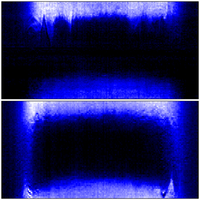
The contrasting edge evolution between , consistent with a canted antiferromagnetic phase, and chiral edge channels reveals the microscopic distinction between trivial and topological states.
Phys. Rev. Lett. 136, 176603 (2026)
Condensed Matter and Materials
Multiferroic-like Quasiparticles in Ferroelectrics
Article | Condensed Matter and Materials | 2026-05-01 06:00 EDT
Ping Tang and Gerrit E. W. Bauer
Multiferroics are materials with coexisting electric and magnetic orders that are of central importance for fundamental research and technological applications. Unfortunately, intrinsic multiferroics that operate at room temperature remain rare due to an apparent incompatibility between magnetism an…
Phys. Rev. Lett. 136, 176702 (2026)
Condensed Matter and Materials
Hyperbolic Shear Plasmon Polaritons in a Twisted Anisotropic 2D Material
Article | Condensed Matter and Materials | 2026-05-01 06:00 EDT
Yueheng Du, Haotian Sun, and Mingwen Zhao
Hyperbolic shear polaritons, recently discovered in infrared (IR) phononic systems, offer enhanced directionality and subwavelength confinement. This Letter proposes a strategy for realizing hyperbolic shear plasmon polaritons (HSPPs) in natural two-dimensional (2D) materials with time-reversal symm…
Phys. Rev. Lett. 136, 176902 (2026)
Condensed Matter and Materials
Physical Review X
Tracking Ultrafast Ion Diffusion Dynamics in ${\mathrm{AgCrSe}}_{2}$ Superionic Conductor
Article | 2026-05-01 06:00 EDT
Jianmin Yang, Lin Xie, Mingyuan Hu, Yingpeng Qi, Jun Li, Baohai Jia, Jianghe Feng, Zijing Chen, Michel Bosman, Dao Xiang, and Jiaqing He
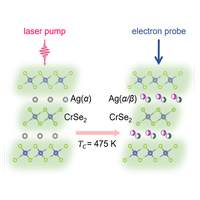
Direct spatial and temporal characterization of ion diffusion in superionic conductors provides a better link to macroscopic properties and high-performance material design.
Phys. Rev. X 16, 021024 (2026)
arXiv
The effect of Van der Waals interaction on the microstructure of EPD deposits: a simulation study
New Submission | Materials Science (cond-mat.mtrl-sci) | 2026-05-01 20:00 EDT
Rémi Martin, Sandrine Duluard, Céline Merlet
Electrophoretic deposition is a method of choice for generating coatings thanks to its ease of implementation and its ability to produce coatings of relatively large thicknesses in a single step process. While this process also benefits from a large number of tunable parameters to adapt the coating to each application (applied electric field, particle concentration, viscosity of the suspension, etc…), such a freedom can lead to the selection of parameters being an overwhelming task. A better fundamental understanding of the microscopic phenomena and mechanisms at play during deposition can provide clues for the more efficient design of optimized coatings. Particle-based models, allowing for the simulation of deposit microstructures for various process parameters, are particularly interesting to get insights in such systems. Nevertheless, such studies are rare and usually do not involve the possibility of self-cohesion between particles, while it seems crucial for the final structure of the deposit. Here, we use particle-based simulations to study the influence of aggregation on the deposit formed for different applied electric fields. We show that the self-cohesion indeed leads to different microstructures, both in the close vicinity of the substrate and in the bulk of the deposit, and relate this to the mechanical signature of the deposits. Our results reveal that at high electric field, the influence of self-cohesion on resulting microstructures essentially vanishes beyond a critical field strength. This marks the transition between a deposition regime affected by aggregation to a regime largely dominated by volume exclusion effects.
Materials Science (cond-mat.mtrl-sci)
Thin film synthesis of SrZn2P2 with SrI2 post-annealing for enhanced crystallinity and optoelectronic quality
New Submission | Materials Science (cond-mat.mtrl-sci) | 2026-05-01 20:00 EDT
Sita Dugu, Shaham Quadir, Christopher P. Muzzillo, Zhenkun Yuan, Smitakshi Goswami, Xiaojing Hao, Jialiang Huang, Guillermo Esparza, Baptiste Julien, David Fenning, Jifeng Liu, Geoffroy Hautier, Andriy Zakutayev, Sage R. Bauers
Ternary Zintl phosphides are promising light-absorbing semiconductors for thin-film optoelectronic applications, but strategies for controlling their microstructure and optoelectronic quality remain underexplored. Here, we report the synthesis of phase-pure SrZn2P2 thin films using radio-frequency co-sputtering in a PH3 + Ar atmosphere and investigate the impact of post-growth processing on their structural and optical properties. Grazing-incidence X-ray scattering and Raman spectroscopy confirm the formation of crystalline SrZn2P2 films over a finite compositional window. Optical measurements reveal strong absorption near the direct-band-gap energy (~1.8 eV) and near-band-edge photoluminescence. Further, we have studied the effects of chemically compatible halide-assisted annealing. It is found that SrI2 treatments lead to pronounced grain growth and reduced diffraction peak broadening while preserving phase purity, in contrast to rapid thermal or forming-gas annealing. Notably, annealing with SrI2 at 450 °C significantly enhances both the intensity and spatial uniformity of the photoluminescence, thus connecting the observed microstructural consolidation with improved radiative recombination. Our study demonstrates that halide-assisted annealing provides an effective pathway for microstructural control in SrZn2P2 thin films and highlights a generalizable processing strategy for advancing Zintl phosphide semiconductors toward optoelectronic applications.
Materials Science (cond-mat.mtrl-sci)
Triadic Phase Transitions in AI Networks: Composite-Operator Scaling in Cognitive Architectures
New Submission | Statistical Mechanics (cond-mat.stat-mech) | 2026-05-01 20:00 EDT
Multi-agent AI architectures whose dominant collective observable is a $ k$ -body spin correlator $ O_k\equiv\langle\phi^k\rangle$ over a $ \mathbb{Z}2$ -symmetric order parameter exhibit composite-operator criticality with effective exponents $ \beta_k = k/2$ and $ \gamma_k = 2-k$ , thereby producing a finite susceptibility for $ k\geq2$ and a vanishing susceptibility for $ k\geq3$ . This is a qualitative departure from all pairwise-network universality classes. We derive these results for the first non-trivial case $ k=3$ as presented in COGENT$ ^3$ (Salazar, 2026). The formation transition of COGENT$ ^3$ and comparable models, under controlled universality and mean-field arguments, reduces to an exactly solvable triadic Ising model.
The minimal triad Hamiltonian admits an exact partition function on $ {-1,+1}^3$ , with crossover temperature $ T^\ast=4(J+\gamma w)/\ln 3$ and mean-field critical point $ T_c=J+\gamma w$ (gradient coupling cooperatively enhancing order). The formation correlator $ \Psi{\rm form}\equiv\langle\phi_i\phi_j\phi_k\rangle$ scales as $ (T_c-T)^{3/2}$ . Its conjugate susceptibility vanishes at $ T_c$ , confirmed by an independent field-theoretic two-point function argument. A Mori-Zwanzig memory ansatz yields a continuously tunable dynamical exponent, completing the composite-operator scaling regime.
Statistical Mechanics (cond-mat.stat-mech)
Momentum-Space Entanglement Signatures and Spinon Breakdown in the $J_1$-$J_2$ Zig-Zag Heisenberg Chain
New Submission | Strongly Correlated Electrons (cond-mat.str-el) | 2026-05-01 20:00 EDT
Tom Oeffner, Ludwig Bordfeldt, Andreas Feuerpfeil, Lukas Elter, Tobias Helbig, Tobias Hofmann, Martin Greiter, Ronny Thomale
We investigate the resilience of spinon quasiparticles in the $ J_1$ -$ J_2$ zig-zag spin chain ($ J_2>0$ ) from the viewpoint of momentum-space entanglement. For small $ J_2$ , we show that deconfined spinons survive well past the liquid-dimer transition before eventually collapsing towards the Majumdar-Ghosh point. In the highly frustrated zig-zag regime ($ J_2 \gg |J_1|$ ), we model the system as two coupled Heisenberg chains and by Fourier transforming each subchain individually, a framework we dub the double-spinon description. While continuum field theories predict that this decoupled phase is strictly unstable to any finite inter-chain coupling, our analysis reveals that the double-spinon description remains robust over an extensive parameter regime. Notably, we find a stark asymmetry in spinon stability reflecting the underlying renormalization group flow: ferromagnetic coupling ($ J_{1} < 0$ ) is marginally irrelevant and sustains fractionalization deep into the spiral phase, whereas antiferromagnetic coupling ($ J_{1} > 0$ ) is marginally relevant and drives confinement much earlier. The ultimate breakdown of this fractionalized description is driven by a continuum of inter-chain excitations which manifests itself as a sharp ground-state momentum shift distinct from macroscopic thermodynamic phase boundaries. Our results establish momentum cut entanglement analysis as a tool to trace the quasiparticle resilience of spinons, as we show that treating the zig-zag Heisenberg chain as two coupled SU(2)$ _1$ Wess-Zumino-Witten models provides a theoretical framework for strongly frustrated quantum magnets applicable beyond the decoupled limit.
Strongly Correlated Electrons (cond-mat.str-el)
21 pages, 7 figures
Local Current Algebra for the HK Universality Class
New Submission | Strongly Correlated Electrons (cond-mat.str-el) | 2026-05-01 20:00 EDT
Yuting Bai, Philip W. Phillips
We show that a Hamiltonian in terms of the local real-space currents obeying an $ \mathfrak{su}_1(2)$ affine Lie algebra eliminates the non-locality in the Hatsugai-Kohmoto model for a doped Mott insulator. We establish this local correspondence through the Bjorken-Johnson-Low prescription for anomalous commutators. With this result, we show that the charge susceptibility computed from the current Hamiltonian is identical to that with the elemental Fermionic fields. Consequently, the HK model is local in real space, though not in terms of the Fermionic fields, thereby eliminating the key criticism of this model and reinforcing the utility of current algebras for strong interactions.
Strongly Correlated Electrons (cond-mat.str-el)
4.5 pages
Dissipation Mechanisms and Dissipative Phase Transitions of two coupled Fully Connected Quantum Ising models
New Submission | Statistical Mechanics (cond-mat.stat-mech) | 2026-05-01 20:00 EDT
Bidyut Dey, Andrea Nava, Domenico Giuliano
We study dissipative phase transitions in a system of two coupled fully-connected quantum Ising models interacting with an environment. The dynamics is governed by a Lindblad master equation combining coherent unitary evolution and incoherent dissipative processes, where the unitary part is described within a self-consistent mean-field framework effectively acting on the local Hilbert space of two coupled spins at each site.
We analyze two fundamentally different classes of dissipators. In the first case, the jump operators are defined in the instantaneous eigenbasis of the mean-field Hamiltonian and satisfy a detailed-balance condition. In this setting, the relaxation dynamics depends strongly on the quench protocol: a parametric quench of the Hamiltonian leads to conventional relaxation, whereas a temperature quench gives rise to a dynamical phase transition characterized by nonanalytic behavior in time. Yet, in both cases, the system relaxes toward a steady state determined solely by the post-quench parameters and the bath temperature, which closely resembles a thermal Gibbs state of the mean-field Hamiltonian. As a result, the dissipative phase transition occurs at a critical point consistent with the corresponding equilibrium transition. In contrast, when the dissipators are realized via local spin raising and lowering operators, the steady state is genuinely nonequilibrium, leading to a significantly richer phase diagram. In particular, for sufficiently strong system-bath coupling, we observe a reentrant phase featuring a symmetry-broken region bounded by two continuous dissipative phase transitions.
Our results evidence how the structure of dissipative processes controls the emergence of equilibrium-like versus genuinely nonequilibrium critical behavior in open quantum systems.
Statistical Mechanics (cond-mat.stat-mech)
20 pages, 11 figures
Superconductivity-Enabled Conversion of Ferromagnetic Resonance into Standing Spin Waves
New Submission | Superconductivity (cond-mat.supr-con) | 2026-05-01 20:00 EDT
Ya. V. Turkin, N. G. Pugach, F. M. Maksimov, A. S. Pakhomov, A. I. Chernov, V. I. Belotelov, S. N. Polulyakh, V. S. Stolyarov
Superconductors can transport spin without Joule dissipation, yet their coherent coupling to short-wavelength magnons in insulating magnets remains largely unexplored. Here we demonstrate experimentally and theoretically that a conventional diffusive superconductor can enable the conversion of the uniform ferromagnetic-resonance (FMR) mode into perpendicular standing spin waves (PSSWs) in an adjacent ferrimagnetic insulator. In Bi-substituted iron-garnet/Nb bilayers, the microwave transmission develops an additional resonance feature that appears only below the Nb transition temperature and lies close to the uniform FMR peak. A microscopic theory that self-consistently couples the quasiclassical Keldysh–Usadel description of the superconducting condensate to the Landau–Lifshitz–Gilbert dynamics shows that the conversion requires two ingredients: (i) an interfacial spin-transfer torque mediated by spin-polarized triplet Cooper pairs and (ii) a depth-dependent effective field produced by Abrikosov vortices (electromagnetic proximity). The resulting susceptibility reproduces the measured lineshapes and establishes superconductivity as an active control knob for exchange standing-wave modes in magnetic insulators.
Superconductivity (cond-mat.supr-con)
Phase Stability of Superfluid $^{3}\mathrm{He}$ in Anisotropic Aerogel
New Submission | Superconductivity (cond-mat.supr-con) | 2026-05-01 20:00 EDT
J. W. Scott, D. Park, X. Yuan, W. P. Halperin
The A and B phases of superfluid 3 He have vector degrees of freedom that reflect their characteristic broken symmetries, respectively chiral and spin-orbit rotation axes. Anisotropic disorder in the superfluid, imbibed in uniformly strained silica aerogel, orients these degrees of freedom, thereby affecting phase stability. These degrees of freedom have been found to spontaneously reorient at a field-independent transition temperature Tx , that can be accounted for with a temperature dependent anisotropic Ginzburg-Landau model.
Superconductivity (cond-mat.supr-con)
Contrasting Effects of Functionalization in Binary and Medium-Entropy MXene Coatings for Corrosion Protection
New Submission | Materials Science (cond-mat.mtrl-sci) | 2026-05-01 20:00 EDT
Aqsa Fayyaz, Ulises Martin Diaz, Jianyu Dai, Homero Castaneda, Chenglin Wu
Developing scalable and environmentally benign anticorrosion coatings is critical for protecting steel infrastructure in chloride-rich environments. Here, a nacre-inspired multilayer epoxy coating reinforced with four MXene systems is investigated. This architecture forms a dense lamellar network that increases diffusion tortuosity and introduces electroactive surfaces for ion interactions. Electrochemical impedance spectroscopy (EIS) confirms that the multilayer design increases coating resistance from ~103 to ~108 Ohm/cm2. A clear performance hierarchy was observed: P-(TiVCrMo)C3 > O-Ti3C2Tx > O-(TiVCrMo)C3 > P-Ti3C2Tx. Density functional theory (DFT) calculations reveal that P-Ti3C2 strongly adsorbs O2, indicating higher surface reactivity, while oxygen termination stabilizes the surface by partially passivating Ti sites. In contrast, P-(TiVCrMo)C3 exhibits strong adsorption of oxygen-containing species due to its multi-metal electronic structure, promoting the formation of protective oxides. These results highlight the delicate balance of surface chemistry, electronic structure, and compositional entropy in designing next-generation MXene-based anticorrosion coatings for marine and industrial environments.
Materials Science (cond-mat.mtrl-sci)
First-Principles Thermodynamic Analysis of Ternary Chalcogenide Phase Change Materials
New Submission | Materials Science (cond-mat.mtrl-sci) | 2026-05-01 20:00 EDT
Felix Adams, Ichiro Takeuchi, Carlos Ríos Ocampo, Yifei Mo
Chalcogenide phase-change materials (PCMs) are important for nonvolatile memory and reconfigurable photonic technologies. The GeTe-Sb2Te3 mixture system, commonly referred to as GST, is the most well-known PCM family, but new PCMs are needed to broaden the accessible property space while retaining fast switching. Here, we propose a thermodynamic framework, motivated by Ostwald’s rule, for understanding and identifying PCM materials. Since direct modeling of phase-transition dynamics is computationally expensive, Using first-principles calculations, we systematically evaluate the energetics of ternary chalcogenide mixtures along binary-binary tie lines and their polymorphs. By comparing ground-state and metastable structures, we assess phase stability, miscibility, and the likelihood of GST-like polymorph-mediated crystallization pathways across a broad composition space. The calculations reproduce known behavior in GST and related systems and identify several promising candidate mixtures with similar features. These results provide insight into why some PCM systems are more favorable than others and establish thermodynamic polymorph screening as a practical route for future PCM discovery.
Materials Science (cond-mat.mtrl-sci)
Practical Insights to Thin Film Dewetting
New Submission | Materials Science (cond-mat.mtrl-sci) | 2026-05-01 20:00 EDT
Karim Gadelrab, Stefan Reimann-Zitz
Thin liquid films exhibit rich instability and rupture dynamics that critically impact coating performance across many applications. In this work, we use the lattice Boltzmann method (LBM) simulations within a lubrication-theory framework to systematically quantify how film thickness, surface energy, wettability, and intermolecular forces govern dewetting kinetics and long-time morphology. Master-curve scalings are identified for the time to dewet, revealing a strong power-law sensitivity to film thickness and a comparatively weak dependence on moderate variations in the contact angle. Following rupture, the film reaches a physically meaningful coverage plateau, whose magnitude correlates with material parameters and provides a practical window for morphological stabilization prior to coarsening. Long-time evolution obeys classical coarsening scaling laws, with surface energy controlling domain density. These results demonstrate that lubrication-based models can deliver predictive design guidance for evaluating coating robustness and forming materials and surface engineering strategies. Source code is available at this https URL.
Materials Science (cond-mat.mtrl-sci)
Dual role of core electrons in electronic friction
New Submission | Materials Science (cond-mat.mtrl-sci) | 2026-05-01 20:00 EDT
Non-equilibrium energy dissipation in multi-shell swift-ion/matter systems remains a fundamental yet incompletely understood problem, with electronic stopping power $ \mathcal{S}\text{e}$ as a relevant observable for electronic friction. Using real-time time-dependent density functional theory, we perform first-principles calculations of $ \mathcal{S}\text{e}$ for beryllium self-irradiation with explicit treatment of all electrons. Our results reveal a Bragg peak exhibiting a distinct structure which lies beyond the reach of standard semi-empirical models. We attribute its appearance to a dual effect of the presence of core electrons, by which their excitation provides an additional dissipation channel while simultaneously suppressing valence electron excitations. An electron capture process by the projectile’s core from the host cores is behind such suppression, rather than Pauli blocking. This dual mechanism contrasts with the shake-up effect reported for water, whereby the inclusion of core electrons enhances valence excitation. Our work provides a new perspective on the effect and importance of core electrons in projectile energy dissipation in matter.
Materials Science (cond-mat.mtrl-sci)
Confinement-Connectivity Coupling Enables High-Efficiency Piezoionic Transduction
New Submission | Mesoscale and Nanoscale Physics (cond-mat.mes-hall) | 2026-05-01 20:00 EDT
Tofayel Ahammad Ovee, Daniel Kroeger, Jean-François Louf
Piezoionic hydrogels offer a route to mechanically driven bioelectronic interfaces, but their output is limited by rapid, symmetric ion redistribution that dissipates charge gradients. In biological electrocytes, efficient signal generation arises from the coupling of ion selectivity with spatial confinement that regulates transport. Here, we introduce a confinement-connectivity design strategy for piezoionic hydrogels, implemented through a supramolecular poly(vinyl alcohol)-glycerol-cucurbit[5]uril (PVA-glycerol-CB[5]) mesoporous network with a layered Negative-Neutral-Positive architecture that simultaneously increases pore fraction while reducing characteristic pore size. This architecture constrains ionic redistribution while maintaining a large mobile-ion reservoir, enabling deformation-driven charge separation. Compression generates peak outputs of ~180 mV and ~9 mA and elicits synchronized electromyographic responses in the mouse sciatic nerve without external power. These results establish confinement-connectivity coupling, rather than bulk conductivity, as a materials design framework in which coupling pore connectivity and confinement governs piezoionic transduction.
Mesoscale and Nanoscale Physics (cond-mat.mes-hall), Soft Condensed Matter (cond-mat.soft)
24 pages, 7 figures
Emergence of prethermal time quasicrystalline order in a quasiperiodically driven non-interacting spin chain
New Submission | Disordered Systems and Neural Networks (cond-mat.dis-nn) | 2026-05-01 20:00 EDT
Davood Marripour, Jahanfar Abouie
We study prethermal time quasicrystalline (TQC) order in a quasiperiodically driven chain of non-interacting spin-1/2 particles. The drive consists of two parts, switched on and off periodically with frequency $ \omega_d$ : (i) disordered Ising interactions, with exchange couplings chosen from a symmetric interval $ [-J/2, J/2]$ , allowing random antiferromagnetic or ferromagnetic nearest-neighbor couplings, together with a random transverse field; and (ii) a rotating transverse magnetic field with frequency $ \Omega$ .
The ratio $ \omega_d/\Omega$ is chosen to be irrational, producing multiple incommensurate frequencies and yielding quasiperiodic dynamics beyond Floquet theory. Using exact diagonalization, we analyze the time autocorrelation function, dynamical structure factor, and entanglement entropy (EE). In the high-frequency regime, robust spectral peaks at incommensurate frequencies (not integer multiples of the fundamental drives) signal quasiperiodic time-translation symmetry breaking (QTTSB). The EE exhibits sublinear power-law growth followed by a prethermal plateau, indicating suppressed resonant heating due to an energy scale mismatch. The nonequilibrium lifetime increases rapidly with driving frequency. Unlike symmetric disorder sampling, an asymmetric distribution of the Ising exchange couplings induces collective spin rigidity, enhancing the system’s resistance to heating. The TQC phase remains stable against next-nearest-neighbor (NNN) exchange perturbations and rotational imperfections, with robustness comparable to discrete time crystals (TCs) under periodic driving. Our results establish this quasiperiodically driven system as a platform for long-lived nonequilibrium temporal order, revealing the interplay of disorder, collective rigidity, and quasiperiodic driving.
Disordered Systems and Neural Networks (cond-mat.dis-nn), Quantum Gases (cond-mat.quant-gas)
15 pages, 12 Figures
Electrically Tunable Terahertz Chirality from Quantum Geometry
New Submission | Mesoscale and Nanoscale Physics (cond-mat.mes-hall) | 2026-05-01 20:00 EDT
Sobhan Subhra Mishra, Thomas CaiWei Tan, Faxian Xiu, Ranjan Singh
Quantum geometry encoded in the momentum space structure of electronic wavefunctions, governs charge dynamics through Berry curvature, enabling unconventional transport and optical responses. In topological semimetals, this geometry is sampled over Fermi pockets, suggesting electrical control by Fermi surface tuning, yet such control has remained largely limited to DC transport. Here we show that electrostatic gating of the 3D Dirac semimetal Cd3As2 reshapes Fermi pockets surrounding photoinduced Floquet Weyl nodes, enabling electrical control of terahertz (THz) emission chirality. Gate tuning selectively modulates the Berry curvature driven linearly polarized THz component by up to 60% and 49% at positive and negative bias, respectively, while the orthogonal linearly polarized photon-drag component remains unchanged. With the two orthogonal fields intrinsically phase-locked at \sfrac{\pi}{2} by the excitation geometry, the selective gate-tuned amplitude control enables the polarization tuning across the Poincaré sphere, achieving near-circular polarization (\chi\approx-42°) at +10 V. These results establish Fermi surface tuning as a general route to programmable quantum geometric control of chiral terahertz emission.
Mesoscale and Nanoscale Physics (cond-mat.mes-hall), Materials Science (cond-mat.mtrl-sci)
Topological phase transitions in twisted bilayer graphene/hBN from interlayer coupling and substrate potentials
New Submission | Strongly Correlated Electrons (cond-mat.str-el) | 2026-05-01 20:00 EDT
Twisted bilayer graphene aligned with hexagonal boron nitride (TBG/hBN) hosts rich topological and correlated quantum phases, such as (fractional) Chern insulators, whose character is dictated by the topology of the moiré flat band. This topology is highly sensitive to several material parameters in the continuum model, yet a systematic understanding of their combined influence has been lacking. Here, we present a comprehensive study of topological phase transitions in TBG/hBN by varying the interlayer hopping strengths ($ w_0, w_1$ ) and hBN-induced staggered potential, both with and without the hBN moiré potential. We map out Chern number phase diagrams across a broad, experimentally relevant parameter space, revealing a progressive enrichment of the topological landscape including multiple high-Chern number ($ C$ = 3, 4, and 5) states. Each transition is linked to distinct band-inversion mechanisms at generic $ C_3$ -symmetric k points, high-symmetry momenta, or parabolic touchings, clearly reflecting in the evolution of the Berry curvature. Our results offer theoretical insights that help interpret existing experimental observations, elucidate the mechanisms driving these topological phase transitions and facilitate the exploration of topological states in TBG/hBN and related moiré systems.
Strongly Correlated Electrons (cond-mat.str-el), Computational Physics (physics.comp-ph)
13 pages, 10 figures
Exotic Spin Excitation Continuum in a Weakly Coupled Quantum Chainsaw Antiferromagnet
New Submission | Strongly Correlated Electrons (cond-mat.str-el) | 2026-05-01 20:00 EDT
Asiri Thennakoon, Prena Chaudhary, Sankha Subhra Bakshi, Tommy Park, Tristen Lowrey, Daniel Pajerowski, Christina Hoffmann, Junghong H. He, Hiroaki Ueda, Collin Broholm, Gia-Wei Chern, Seung-Hun Lee
Collective motions in strongly interacting magnets involve many spins and are often described in terms of integer-spin excitations. However, in certain cases, the collective motion can behave as if these integer excitations break apart into smaller, particle-like entities with unusual properties. Such fractionalized excitations in quantum magnets are commonly associated either with topological order in two dimensions or with criticality in one dimension. It remains unclear how these distinct mechanisms are connected across a dimensional crossover. Here we investigate the Ti-based quantum antiferromagnet, $ Cs_{8}LiNa_{3}Ti_{12}F_{48}$ , in which $ Ti^{3+}$ ($ 3d^{1}$ , $ S=1/2$ ) ions interact antiferromagnetically within distorted kagome planes. Our inelastic neutron scattering study on a single crystal reveals a frustrated network of weakly coupled spin-$ 1/2$ chainsaws, realizing a regime of dimensional frustration in which interchain couplings fail to establish coherent two-dimensional order. The magnetic excitation spectrum exhibits a strong continuum spanning the full measured momentum and energy phase space. In addition, the dynamic spin correlation function displays rod-like scattering in momentum space, indicating a quasi-one-dimensional nature of the magnetic correlations. These results point to fractionalized excitations with intrinsically directional character, demonstrating that signatures of one-dimensional criticality can persist within a two-dimensional lattice. Our findings establish anisotropic fractionalization as a distinct organizing principle for quantum-disordered states.
Strongly Correlated Electrons (cond-mat.str-el), Materials Science (cond-mat.mtrl-sci), Other Condensed Matter (cond-mat.other)
18 pages, 4 figures, 2 tables
Low-Energy Purification of Crystal Defects by Rydberg Excitons
New Submission | Mesoscale and Nanoscale Physics (cond-mat.mes-hall) | 2026-05-01 20:00 EDT
Shiva Kant Tiwari, Tijs Karman, Valentin Walther
Recent experiments show that optically generated Rydberg excitons in cuprous oxide can neutralize charged impurities, strongly reducing stray electric fields and effectively purifying the crystal. Here, we develop a multichannel theory of Rydberg exciton-impurity scattering that resolves the competing roles of capture, elastic scattering, and inelastic transitions between excitonic states. We find that at high collision energies, as effective under conventional single-photon excitation, purification is reduced relative to Langevin capture. These collisions are accompanied by inelastic redistribution and dominant elastic scattering, including pronounced glory scattering, which suppress purification efficiency. We identify a quantum regime at ultralow collision energies favorable for purification, where only the s-wave contributes: capture is enhanced while elastic and inelastic channels are strongly suppressed. This regime can be accessed via degenerate two-photon excitation of even-parity Rydberg excitons with tunable recoil, additionally enabling the systematic exploration of exciton-impurity scattering over a wide range of collision energies beyond what is readily achievable in atomic counterparts in atomic gas experiments.
Mesoscale and Nanoscale Physics (cond-mat.mes-hall)
18 pages and 9 figures
Ultrafast Sliding Ferroelectric Switching in Bilayer Hexagonal Boron Nitride Revealed by Deep Learning Molecular Dynamics
New Submission | Materials Science (cond-mat.mtrl-sci) | 2026-05-01 20:00 EDT
Yinan Wang, Poyen Chen, Teruyasu Mizoguchi
Sliding ferroelectricity in bilayer hexagonal boron nitride (h-BN) offers compelling prospects for next-generation non-volatile memory, yet the atomistic dynamics of electric-field-driven polarization switching remain poorly understood. Here, we present a fully data-driven, coupled atomistic framework that integrates a fine-tuned MACE machine learning potential (MLP) with an equivariant graph convolutional neural network (EGCNN) for real-time Born effective charge (BEC) prediction, enabling large-scale non-equilibrium molecular dynamics simulations of AB-stacked bilayer h-BN under applied electric fields. By implementing a rigorous real-space path-integral polarization formalism combined with a state-constrained Gaussian convolution background extraction procedure, we successfully isolate the intrinsic spontaneous polarization from the dominant dielectric background. Our simulations reveal that coherent single-domain rigid sliding, completing within 5 ps, constitutes a physically viable ultrafast switching mechanism, and reproduces clean ferroelectric hysteresis loops whose shape is qualitatively consistent with experimental observations.
Materials Science (cond-mat.mtrl-sci)
26 pages, 4 figures, 14 pages of Supporting information
Propulsion and far-field hydrodynamics of linked-sphere microswimmers with viscoelastic deformability
New Submission | Soft Condensed Matter (cond-mat.soft) | 2026-05-01 20:00 EDT
Viscoelasticity governs the locomotion strategies of deformable microorganisms, rendering it a fundamental mechanical property of microbial motility and an integral component in the design of envisioned microbots. Recent studies have shown that it can enable effective propulsion through non-reciprocal body deformations, even under time-reversible actuation. In this work, we investigate the dynamics of model microswimmers driven by reciprocal actuation, wherein the passive body exhibits viscoelastic deformability. We consider two linked-sphere designs, distinguished by the location of actuation: applied at one end (3-sphere design) or at the midpoint of the swimmer body (4-sphere design). Adopting Kelvin-Voigt deformability, we characterize the kinematic performance of both designs: the three-sphere swimmer possesses an optimal actuation frequency, while the four-sphere swimmer exhibits a critical frequency at which the locomotion direction reverses. We examine the swimmer’s far-field hydrodynamic signature and find that resulting flow field is characterized by dominant dipolar and quadrupolar contributions, whose magnitudes are sensitive to the relative length of the actuator segment.
Soft Condensed Matter (cond-mat.soft), Fluid Dynamics (physics.flu-dyn)
10 pages, 6 figures
Constructing Bulk Topological Orders via Layered Gauging
New Submission | Strongly Correlated Electrons (cond-mat.str-el) | 2026-05-01 20:00 EDT
Understanding quantum phases and phase transitions in the presence of symmetries is a central objective of quantum many-body physics. A powerful modern paradigm for investigating this problem is topological holography, which relates symmetries in $ k$ dimensions to “bulk” topological orders in $ (k+1)$ dimensions. While conceptually profound, most existing bulk construction methods rely on sophisticated mathematical formalisms and can be difficult to apply to certain symmetry types. In this work, we propose a physically intuitive and versatile method, termed the layered gauging construction, to systematically generate $ (k+1)$ -dimensional (liquid or fracton) topological orders from $ k$ -dimensional generalized symmetries. Roughly speaking, the prescription is to stack many layers of $ k$ -dimensional quantum systems with certain symmetries into a $ (k+1)$ -dimensional pile, and then sequentially gauge a diagonal symmetry acting on each nearest-neighbor pair of layers. The detailed procedure depends on the specific symmetry types. We have successfully implemented the method in a number of examples in different spatial dimensions, with symmetries that are conventional, higher-form, subsystem, anomalous, nonabelian, or noninvertible. We hence conjecture the method to be very general. For example, from the subsystem symmetry of the $ 2d$ plaquette Ising model, we derive the X-cube model and also an anisotropic fracton topological order. Additionally, starting from an anomalous $ \mathbb Z_2$ symmetry in $ 1d$ , we construct a new square lattice model realizing the double semion topological order.
Strongly Correlated Electrons (cond-mat.str-el), High Energy Physics - Theory (hep-th), Quantum Physics (quant-ph)
20+4 pages, 10 captioned figures
Phase-Transition Induced Domain Evolution and Magnetization Dynamics in FePt/FeRh Bilayers for Efficient Heat-Assisted Magnetic Recording
New Submission | Materials Science (cond-mat.mtrl-sci) | 2026-05-01 20:00 EDT
Saroj K. Mishra, Y. Sasaki, S. Isogami, I. Suzuki, Keerthana P, J. Mohanty, Y. K. Takahashi
Achieving ultrahigh recording densities with low power consumption is a central challenge for next generation heat assisted magnetic recording (HAMR), as conventional L10 FePt media require intense laser heating due to their high coercivity (Hc) and high Curie temperature (700 K). Here, we address this issue using FePt/FeRh bilayers, where the antiferromagnetic to ferromagnetic transition of FeRh near 350 K generates strong interfacial exchange coupling that assists magnetization switching in the FePt layer. Magnetometry measurements reveal a 40% reduction in Hc from 300 K to 400 K in the bilayer, compared to only 8% in single layer FePt. Temperature dependent MFM directly captures phase transition induced domain evolution, showing a 30% reduction in domain size and enhanced phase contrast. TR-MOKE measurements reveal only a minor (0.4 T) modification of the effective anisotropy field during phase transition, confirming that the intrinsic anisotropy of FePt remains largely preserved. These results demonstrate that the reduction in Hc in FePt/FeRh bilayers is primarily governed by phase transition induced domain wall mobility coupled with interfacial magnetic interactions, rather than by intrinsic anisotropy softening. This mechanism provides a pathway toward efficient magnetization switching under reduced thermal load, making FePt/FeRh heterostructures promising candidates for advanced HAMR media.
Materials Science (cond-mat.mtrl-sci)
10 pages, 8 figures
Mobile Exceptional Points Generate Momentum-Space Switching Domains
New Submission | Mesoscale and Nanoscale Physics (cond-mat.mes-hall) | 2026-05-01 20:00 EDT
Exceptional points (EPs), non-Hermitian degeneracies where both eigenvalues and eigenvectors coalesce, play a central role in the topology of non-Hermitian spectra. Recent advances have enabled the controlled creation and manipulation of EPs in a wide range of physical systems, raising the question of what new band topology emerges when EPs become mobile under cyclic modulation. Here we show that mobile EPs generate momentum-space switching domains that partition the Brillouin zone into regions with distinct band-switching behavior. Using a minimal two-band lattice model, we introduce a band-permutation invariant that determines whether eigenmodes exchange after one modulation cycle. The boundaries between switching regions arise from the projection of EP trajectories in an extended parameter space combining crystal momentum and the modulation parameter. As the modulation strength increases, the switching domains expand and eventually cover the entire Brillouin zone, resulting in global band switching. The predicted switching-domain structure is further demonstrated in a photonic crystal with lossy materials. These results open a new avenue within non-Hermitian topology by enabling the engineering of EP-driven phenomena through their controlled motion.
Mesoscale and Nanoscale Physics (cond-mat.mes-hall), Optics (physics.optics)
13 pages, 8 figures
Evidence for interior-gap pair-density-wave state in Kondo-Heisenberg chains
New Submission | Strongly Correlated Electrons (cond-mat.str-el) | 2026-05-01 20:00 EDT
Yuto Hirose, Shunsuke C. Furuya, Yasuhiro Tada
Interior-gap superconductivity has long been discussed as an exotic paired state in the presence of Fermi-surface mismatch, but its realization in canonical strongly correlated models has remained elusive. Here we present evidence that the superconducting phase of one-dimensional Kondo-Heisenberg models realizes an interior-gap pair-density-wave (PDW) state generated by strong correlations. Combining infinite density-matrix-renormalization-group (iDMRG) and finite DMRG calculations for $ S=1/2$ and $ S=3/2$ chains, we show that the PDW correlation is the dominant bulk superconducting correlation in the spin-gapped regime and that the momentum distribution function $ n(k)$ exhibits a reconstructed structure characteristic of interior-gap physics. In particular, while the feature in $ n(k)$ for the $ S=1/2$ chain is only hump-like, the corresponding structure in the $ S=3/2$ chain develops into a clear dip, strongly supporting the interpretation in terms of an interior-gap-like dip structure. Unlike conventional interior-gap scenarios based on a mismatch between preexisting Fermi surfaces, the present system starts from a single bare conduction-electron Fermi surface, and the additional low-energy single-particle structure emerges dynamically together with the dominant PDW correlation through the Kondo coupling. Finite DMRG data further demonstrate that boundary effects can substantially modify real-space correlations in this gapless one-dimensional system, making a direct thermodynamic-limit calculation essential for identifying the intrinsic bulk momentum structure and the dominant correlation channel.
Strongly Correlated Electrons (cond-mat.str-el), Superconductivity (cond-mat.supr-con)
11 pages, 11 figures
Anomalous tunneling as a low-energy theorem for Nambu-Goldstone modes
New Submission | Quantum Gases (cond-mat.quant-gas) | 2026-05-01 20:00 EDT
Keisuke Fujii, Daichi Kagamihara, Masaru Hongo
Anomalous tunneling refers to the phenomenon in which the transmission coefficient through a potential barrier approaches unity as the energy of an incident particle or quasiparticle tends to zero. This counterintuitive effect has been reported in systems exhibiting spontaneous symmetry breaking (SSB), such as superfluids, yet the general conditions for its occurrence remain unclear. In this Letter, we establish that anomalous tunneling of Nambu-Goldstone (NG) modes is a universal low-energy theorem dictated solely by symmetry and scaling, using a low-energy effective field theory (EFT) framework. We formulate the scattering of NG modes by external potentials in terms of spatially dependent EFT coefficients and demonstrate that symmetry-preserving localized potentials are irrelevant in the long-wavelength limit, leading to perfect transmission. In contrast, symmetry-breaking perturbations are relevant and suppress transmission, resulting in the absence of anomalous tunneling. We illustrate this universal behavior with explicit examples of superfluid phonons and magnons.
Quantum Gases (cond-mat.quant-gas)
7pages, 2 figures
Magnetic Quantum Criticality inside the Superconducting State Revealed by Penetration Depth Scaling with Local $T_{\mathrm c}$
New Submission | Superconductivity (cond-mat.supr-con) | 2026-05-01 20:00 EDT
Yusuke Iguchi, Kaede Inoh, Ryosuke Koizumi, Makoto Yokoyama
We demonstrate a magnetic quantum critical point embedded within the superconducting state of Zn-doped CeCoIn$ 5$ , revealed by a pronounced peak in the magnetic penetration depth at zero temperature $ \lambda(0)$ . Using scanning SQUID microscopy, we determine the local superconducting transition temperature $ T{\mathrm c}$ and $ \lambda(0)$ . By parameterizing $ \lambda(0)$ in terms of the local $ T_{\mathrm c}$ rather than nominal Zn substitution, we circumvent the ambiguity caused by doping inhomogeneity and enable a more precise extraction of the critical exponent. The extracted exponent exceeds the clean spin-density-wave value, indicating a disorder-modified quantum critical regime. The enhancement of $ \lambda(0)$ reflects the suppression of the superfluid stiffness and is consistent with critical scaling. Our approach provides a route to uncover intrinsic quantum critical behavior hidden by inhomogeneity in unconventional superconductors.
Superconductivity (cond-mat.supr-con), Strongly Correlated Electrons (cond-mat.str-el)
11 pages, 9 figures
The optical phonoelectric effect
New Submission | Materials Science (cond-mat.mtrl-sci) | 2026-05-01 20:00 EDT
D. Choi, M. Först, M. Fechner, M. Buzzi, X. Deng, Z. Zeng, K. H. Martens, D. Prabhakaran, C. Putzke, P. Moll, P.G. Radaelli, A. Cavalleri
Piezoelectricity is a technologically important property of certain insulators in which mechanical strain induces an electrical polarization. However, the rate at which a piezoelectric response can be established over a macroscopic volume is limited by the sound velocity, constraining applications in high-bit-rate transduction and sensing. Furthermore, the strength of the piezoelectric effect is not readily tunable, as it depends on intrinsic anharmonic coupling between strain and intra-unit-cell distortions in a given material. Lastly, the maximum amplitude of the effect is bounded by material fracture, which sets in already at percent level strain values. Here we overcome these limitations by realizing a strain-free, piezoelectric-like response driven solely by photo-excited optical phonon distortions. We demonstrate such optical phonoelectricity in the weak piezoelectric BPO$ _4$ , in which we induce electrical polarization through phonon rectification. This effect is established over macroscopic volumes with four orders of magnitude higher speed than piezoelectric responses, ultimately limited by the speed of light. The maximum induced polarization is estimated to be far in excess of that attainable through strain at the fracture limit. Ultrafast phonoelectricity opens up new opportunities for optical control in quantum materials, but also for device applications.
Materials Science (cond-mat.mtrl-sci)
29 pages, including Supplementary Information
Curvature-induced nonlinear anomalous Hall effect in thin magnetic shells
New Submission | Mesoscale and Nanoscale Physics (cond-mat.mes-hall) | 2026-05-01 20:00 EDT
Maria Teresa Mercaldo, Mario Cuoco, Carmine Ortix
Optoelectronic and nonlinear transport experiments probe the quantum geometric tensor of Bloch states, whose real and imaginary components – the quantum metric and the Berry curvature – are typically constrained by symmetry. Here, we show that geometric bending provides a route to engineer such responses in centrosymmetric ferromagnets. Curvature-induced strain gradients across the shell thickness break inversion symmetry and activate an orbital Rashba coupling. In the presence of in-plane magnetization and spin-orbit coupling, this generates spin textures with a nontrivial quantum geometry, leading to an intrinsic nonlinear anomalous Hall effect (NAHE) governed by the quantum metric and maximized when the magnetization aligns with the applied electric field. When geometric deformations further break twofold rotational symmetry around the out-of-plane axis, an additional NAHE emerges, maximal for magnetization perpendicular to the driving electric field and governed by the Berry curvature dipole, thus giving access to the imaginary component of the quantum geometric tensor. These results establish curved ferromagnetic shells as a platform for engineering anisotropic nonlinear transport and for selectively probing both components of the quantum geometric tensor.
Mesoscale and Nanoscale Physics (cond-mat.mes-hall), Materials Science (cond-mat.mtrl-sci)
main text: 11 pages, 4 figures; supplementary inf. 6 pages 6 figures
Topological antiqued mechanical toy
New Submission | Soft Condensed Matter (cond-mat.soft) | 2026-05-01 20:00 EDT
Hirofumi Wada, Hayato Mizobata, Shuto Ueno, Taiju Yoneda
{\it Jacob’s ladder} – a classic children’s toy – is a simple mechanical frame comprising rigid blocks connected by strings that shows curious unidirectional flipping waves. Nonetheless, its physical origin remains elusive. By combining experiment, numeral simulation, and theory, we show that understanding the underlying design principle of this toy requires diverse physical ideas. First, we conduct a water-tank experiment that excludes the domino-like mechanism, thus defying widespread expectations. Subsequently, we analytically demonstrate that the toy is bistable under gravity, thus implying its kink wave as a class of topological solitons. The waves are surprisingly reminiscent – both experimentally and theoretically – to those in the Kane–Lubensky topological chain, owing to the stiffening of zero modes by the pretension under gravity. However, a close examination based on the index theorem reveals that the similarity remains superficial and that the floppiness of the toy underlies the kink and antikink coexistence – a forbidden mode in the topological chain. By analyzing a generalized asymmetric toy, we reveal that its symmetric connection renders it topologically singular, thus resulting in amusing motions. We demonstrate these ideas by experimentally observing a dramatic pair annihilation of kink and antikink waves.
Soft Condensed Matter (cond-mat.soft)
14 pages, 10 figures
Directional Cluster Migration Driven by Escape-Rate Asymmetry in Multi-Compartment Granular Systems
New Submission | Soft Condensed Matter (cond-mat.soft) | 2026-05-01 20:00 EDT
Kai Kono, Hiroyuki Ebata, Shio Inagaki
Granular materials are inherently out-of-equilibrium systems due to energy dissipation through inelastic collisions and friction. When driven by mechanical agitation such as vibration, they exhibit rich collective behaviors including segregation, clustering, and spontaneous oscillations. Here, we report directional stepwise migration of particle clusters from one compartment to the next in a vertically vibrated granular system composed of small and large particles. To clarify the underlying mechanism, we directly measured how the flux of both particle species depends on the instantaneous particle populations. The measurements reveal an asymmetric interaction between particle species: the flux of small particles is enhanced by the presence of large particles, whereas that of large particles is suppressed by small particles. A minimal flux model incorporating these measured fluxes reproduces the observed directional dynamics and provides an experimentally grounded framework for collective transport in vibrated granular systems.
Soft Condensed Matter (cond-mat.soft)
12 pages, 12 figures
Quantum Scalar Spin Chirality in Coplanar Kagome Antiferromagnets
New Submission | Mesoscale and Nanoscale Physics (cond-mat.mes-hall) | 2026-05-01 20:00 EDT
Nanse Esaki, Gyungchoon Go, Se Kwon Kim
We theoretically demonstrate that quantum fluctuations inherent to antiferromagnets can generate scalar spin chirality at zero temperature even in coplanar ordered magnets. In a kagome antiferromagnet with coplanar ground-state spin configurations, the quantum-fluctuation-induced scalar spin chirality is shown to arise at zero temperature when an effective time-reversal-like antiunitary symmetry is broken in the Hamiltonian describing fluctuations, and a magnetic point group of the classical ground state allows for its presence. The scalar spin chirality fluctuations are shown to grow further with increasing temperature by thermally excited magnons. These scalar spin chirality fluctuations can reach a magnitude comparable to the static one predicted for noncoplanar spin structures, highlighting their physical implications in coplanar spin systems.
Mesoscale and Nanoscale Physics (cond-mat.mes-hall), Strongly Correlated Electrons (cond-mat.str-el)
8 pages, 3 figures
VibroML: an automated toolkit for high-throughput vibrational analysis and dynamic instability remediation of crystalline materials using machine-learned potentials
New Submission | Materials Science (cond-mat.mtrl-sci) | 2026-05-01 20:00 EDT
Rogério Almeida Gouvêa, Gian-Marco Rignanese
While machine-learned interatomic potentials (MLIPs) accelerate phonon dispersion calculations, merely identifying dynamical instabilities in computationally predicted materials is insufficient; automated pathways to resolve them are required. We introduce VibroML, an open-source Python toolkit driven by foundational MLIPs that shifts the paradigm from stability verification to automated structural remediation. VibroML employs an energy-guided genetic algorithm that vastly outperforms traditional soft-mode following, efficiently navigating the potential energy surface to uncover diverse, dynamically stable polymorphs. As 0 K harmonic stability does not guarantee macroscopic viability, an automated molecular dynamics workflow evaluates finite-temperature structural retention. VibroML also couples with ProtoCSP, our combinatorial structure prediction engine, to stabilize frustrated crystal topologies via targeted alloying, successfully rescuing functional perovskite networks like Cs$ _2$ KInI$ _6$ and KTaSe$ _3$ . Demonstrating broader applicability, we mined the Alexandria database – where ~50% of quaternary and 99.5% of quinary elemental combinations lack any structural entries – to identify thousands of abandoned, high-symmetry stoichiometries. Deploying ProtoCSP’s “cold start” retrieval and VibroML’s evolutionary search on a sample, we successfully identified dynamically stable low-symmetry candidates. Through integrated structural remediation, thermal validation, and systematic compositional exploration, VibroML enables a comprehensive deep-screening approach, yielding physically sound structural propositions that far surpass standard high-throughput workflows.
Materials Science (cond-mat.mtrl-sci), Artificial Intelligence (cs.AI), Machine Learning (cs.LG), Computational Physics (physics.comp-ph)
Conditional Generative Models Enable Targeted Exploration of MAX Phase Design Space
New Submission | Materials Science (cond-mat.mtrl-sci) | 2026-05-01 20:00 EDT
Jamie Swain, Cyprien Bone, Matthew T. Darby, Ewan Galloway, Keith T. Butler
MAX phases (M$ _{n+1}$ AX$ n$ ), precursors to MXenes, span a vast compositional space, motivating efficient computational screening for synthesisable candidates. We employ CrystaLLM$ -\pi$ , a large language model fine-tuned on 6,179 double transition-metal MAX phases, and demonstrate its ability to generate out-of-sample structures consistent with known experimental trends. Using a conditioning vector with two dimensions (a statistically derived MXene derivative count and a surrogate for A-site binding energy), the model was able to target MXene-favourable regions of phase space for generation. Specific condition vectors double novel stable structure generation rates versus unconditioned baselines. Of ten compositionally novel candidates, five exhibit DFT-validated stability ($ E{hull} < 0.050$ eV/atom). This work showcases the potential for autoregressive generative models to explore targeted materials’ spaces, offering a scalable framework for accelerated discovery in compositionally complex systems.
Materials Science (cond-mat.mtrl-sci)
Size-Limited Room Temperature Single-Photon Emission from Sidewall-Treated Fractional Dimension InGaN Quantum Dots: Determined by Density-of-States-Corrected Ultrafast Carrier Dynamics and Improved Signal-to-Noise Ratio
New Submission | Mesoscale and Nanoscale Physics (cond-mat.mes-hall) | 2026-05-01 20:00 EDT
Room-temperature single-photon emission (SPE) resulting from a biexciton-exciton cascaded decay is demonstrated for the first time from chemically and photoelectrochemically etched site-controlled In0.14Ga0.86N quantum dots (QDs) embedded in vertical GaN nanowires. Diameter-dependent biexciton-exciton dynamics are analysed to determine the eligibility of QD as a single-photon emitter. The signal-to-noise ratio degrades with increasing QD diameter. Background noise photons pose a bottleneck to achieving SPE. This is also explained from a carrier dynamics perspective. Surface recombination contributes to inhomogeneous broadening at QD diameters larger than 35 nm. Below 35 nm, density-of-states-corrected Auger gradually becomes the principal biexciton-decay route with further reduction in QD diameter, thereby quenching the possibility of thermal broadening and setting a threshold for SPE. Below 9 nm, the Auger recombination rate becomes manyfold of other decay rates, causing multi-photon suppression via single Auger decay to form an exciton. Surface recombination probability of this exciton is minimized while biexciton state filling probability is maximized by reducing sidewall surface states through wet-treatment. These improve biexciton state preparation and enhance the single-photon purity of the exciton towards the exciton Bohr radius (3 nm) regime. Far away from this regime, higher-order autocorrelations to characterize quantum emission involving multi-photon events are discussed. This study establishes a generalized physical framework for predetermining SPE probability as a function of QD surface and geometry down to the exciton Bohr radius regime, with practical implementations. This work shows the pathway to design and develop next-generation semiconductor QDs for high-purity room-temperature SPE.
Mesoscale and Nanoscale Physics (cond-mat.mes-hall), Optics (physics.optics), Quantum Physics (quant-ph)
30 pages, 5 figures
Emergent electric fields driven by phonon-coupled skyrmion resonances
New Submission | Materials Science (cond-mat.mtrl-sci) | 2026-05-01 20:00 EDT
We develop a coarse-grained theoretical description of the macroscopic emergent electric field generated by phonon-coupled lattice deformations in the breathing and rotational dynamics of a skyrmion lattice under microwave excitation. The analysis identifies the symmetry and dynamical conditions that yield rectified (dc) and oscillating (ac) electric fields, even in the absence of net translational motion of the skyrmion lattice, particularly in the dilute-lattice limit. Using experimentally measurable skyrmion profile parameters such as the equilibrium radius, domain-wall width, and dynamical resonance frequency of skyrmion lattice, the model further enables identification of harmonic components contributing to the observed macroscopic electrodynamic response in the long-wavelength phonon limit ($ q \to 0$ ) and at finite phonon frequency, providing a unified framework for phonon-driven spin-charge-lattice coupling in topological magnets.
Materials Science (cond-mat.mtrl-sci), Mesoscale and Nanoscale Physics (cond-mat.mes-hall)
3 figures, 1 table
Guided elastic waves for soft elastomer characterization: an alternative to conventional rheometry
New Submission | Soft Condensed Matter (cond-mat.soft) | 2026-05-01 20:00 EDT
Samuel Croquette, Pierre Chantelot, Daniel A. Kiefer, Claire Prada, Fabrice Lemoult
Elastic wave propagation is intrinsically sensitive to the mechanical properties of the medium through which it travels. In soft elastomers, this makes guided elastic waves natural probes of viscoelastic and acoustoelastic behavior over a broad frequency range. In this work, we introduce a wave-based mechanical characterization method in which a thin elastomer strip acts as a waveguide supporting multiple in-plane guided modes. By combining stroboscopic measurements of monochromatic wave fields with a theoretical framework that couples frequency-dependent viscoelasticity and elongation-dependent acoustoelasticity, we extract complex-valued dispersion relations for guided modes under controlled static elongation. A dedicated numerical implementation allows these experimental dispersion curves to be quantitatively matched to theory, enabling identification of the material’s rheological and hyperelastic parameters. Applied to several commercial silicone elastomers, the method yields mechanical parameters that are consistent with conventional plate-plate rheometry, while extending the accessible frequency range beyond that of conventional techniques. By exploiting the richness of guided-wave dispersion and the sensitivity of waves to both frequency and pre-stress, this approach provides a unified, broadband, and experimentally simple route to the mechanical characterization of soft elastomers.
Soft Condensed Matter (cond-mat.soft), Applied Physics (physics.app-ph)
On the proposed concept of mechanical phasons in Ni-Mn-Ga modulated martensite
New Submission | Materials Science (cond-mat.mtrl-sci) | 2026-05-01 20:00 EDT
Petr Sedlák, Tomáš Grabec, Hanuš Seiner (Institute of Thermomechanics, Czech Academy of Sciences, Prague)
We discuss modulation phasons as a possible source of unusual elastic behavior of five-layer modulated (10,M) martensite of the Ni-Mn-Ga shape memory alloy. This material exhibits anomalous macroscopic shear compliance along specific planes perpendicular to the modulation vector, and this compliance disappears when the modulations become incommensurate. Using a simple mechanical model, we show that modulation phasons in Ni-Mn-Ga can have macroscopic mechanical manifestations, and that the resulting ‘mechanical phasons’ can relax external shear loadings for commensurate and weakly incommensurate modulations, but not for strongly incommensurate modulations. The model merges ideas from the adaptive martensite theory and electronic-structure considerations, and enables straightforward explanations of several properties of the 10,M lattice, such as spontaneous monoclinic distortion or easy formation and propagation of $ a/b$ twins.
Materials Science (cond-mat.mtrl-sci)
Manuscript submitted to Journal of Materials Research (JMRS)
Sampling two-dimensional spin systems with transformers
New Submission | Disordered Systems and Neural Networks (cond-mat.dis-nn) | 2026-05-01 20:00 EDT
Piotr Białas, Piotr Korcyl, Tomasz Stebel, Adam Stefański, Dawid Zapolski
Autoregressive Neural Networks based on dense or convolutional layers have recently been shown to be a viable strategy for generating classical spin systems. Unlike these methods, sampling with transformers is commonly considered to be computationally inefficient. In this work, we propose a novel approach to transformer-based neural samplers in which we generate not a single spin per step but groups of spins. As an additional improvement, we construct a model of approximated probabilities, further improving the efficiency of the algorithm. Despite our approach being computationally heavier than dense networks or CNN-based approaches, we were able to sample larger systems of up to $ 180 \times 180$ spins in case of the Ising model. The Effective Sample Size of our sampler is $ \sim 20$ times larger than that of the previous state-of-the-art neural sampler when trained for the $ 128 \times 128$ Ising model at critical temperature. Finally, we also test our algorithm on the 2D Edwards-Anderson model, where we train $ 64\times 64$ spin systems.
Disordered Systems and Neural Networks (cond-mat.dis-nn), Statistical Mechanics (cond-mat.stat-mech), Machine Learning (cs.LG), High Energy Physics - Lattice (hep-lat)
15 pages, 7 figures
The second altermagnet candidate in organic conductors: $κ$-(BEDT-TTF)$_2$$m$-HOOCC$_6$H$_4$SO$_3$
New Submission | Materials Science (cond-mat.mtrl-sci) | 2026-05-01 20:00 EDT
Kohei Tokura, Takato Masuta, Kazushi Aoyama, Hiroki Akutsu, Yasuhiro Nakazawa, Scott S. Turner
We have developed a novel BEDT-TTF-based organic conductor, $ \kappa$ -(BEDT-TTF)$ _2 m$ -HOOCC$ _6$ H$ _4$ SO$ 3$ ($ \kappa$ -$ m$ -SBA), and propose it as a candidate for altermagnet. Tight-binding band calculations of $ \kappa$ -$ m$ -SBA provide a $ t’/t$ of 1.01 at 100 K, indicating that the spin structure is closely aligned to an equilateral triangle ($ t’/t= 1$ ). While most $ \kappa$ -type BEDT-TTF-based salts become spin liquids due to the spin frustration caused by the triangular lattice, $ \kappa$ -$ m$ -SBA surprisingly shows a weak ferromagnetic transition at $ T\mathrm{N} = 14$ K due to a canted antiferromagnetic (AFM) spin structure. Until recently, $ \kappa$ -(BEDT-TTF)$ _2$ Cu[N(CN)$ _2$ ]Cl ($ \kappa$ -Cl) was the only $ \kappa$ -type organic conductor known to exhibit this order, and it is also recognized as the first candidate for altermagnetism in organic conductors. This was theoretically predicted by Naka et al. in 2019, who demonstrated that $ \kappa$ -type organic conductors can be candidates for altermagnetism if they display such order. Consequently, $ \kappa$ -$ m$ -SBA can be considered the second candidate for altermagnetism in organic conductors. Furthermore, numerical calculations demonstrate a characteristic of altermagnets in $ \kappa$ -$ m$ -SBA, namely spin splitting of energy bands.
Materials Science (cond-mat.mtrl-sci), Statistical Mechanics (cond-mat.stat-mech)
10 pages, 14 figures
On Linear and Non-Linear Mechanics of Cyanobacterial Colonies
New Submission | Soft Condensed Matter (cond-mat.soft) | 2026-05-01 20:00 EDT
Yuri Z. Sinzato, Annemieke M. Drost, Dedmer B. Van de Waal, Robert Uittenbogaard, Petra M. Visser, Jef Huisman, Maziyar Jalaal
Toxic cyanobacterial blooms are a growing environmental concern that affects freshwater ecosystems, drinking water supplies, and public health. The cyanobacterium Microcystis is among the most important bloom forming species. It often grows in large colonies, which enhances its flotation, reduces grazing, and improves nutrient regulation. Microcystis cells are held together by a matrix of extracellular polymeric substances (EPS), making colony mechanics crucial for bloom formation. However, an analysis of the biomechanical properties of cyanobacterial colonies, and how these properties relate to environmental conditions like nutrient availability, remains largely missing. Here, we use micropipette force sensors to quantify the linear and non-linear mechanical properties of individual colonies at single-cell resolution. Bulk shear rheology complements these measurements by probing macroscopic properties. The measured tensile strength and yield stress are broadly comparable to those of bacterial biofilms and are far greater than the hydrodynamic stresses typically found in wind-mixed lakes. This implies that cyanobacterial colonies are highly resistant to fragmentation by natural mixing processes. We also show that low nutrient availability, particularly low phosphorus, produced stronger colonies, suggesting structural changes in the EPS. Overall, our results establish mechanical testing as a tool for a more complete and physically grounded understanding of cyanobacterial colony formation.
Soft Condensed Matter (cond-mat.soft), Biological Physics (physics.bio-ph)
10 pages, 3 figures, 1 table
Spin-orbit interaction in core-shell semiconductor-metal nanowires
New Submission | Mesoscale and Nanoscale Physics (cond-mat.mes-hall) | 2026-05-01 20:00 EDT
Tudor-Gabriel Dumitru, Anna Sitek, Gunnar Thorgilsson, Sigurdur I. Erlingsson, Andrei Manolescu
We study theoretically the spin-orbit interaction of electrons confined in a tubular semiconductor nanowire, between an inner semiconductor core and an outer metallic extra shell. A band off-offset potential is present at the inner semiconductor-semiconductor interface and a more complex potential barrier at the outer metal-semiconductor contact. The cross section of the nanowire has a hexagonal geometry. We use a model derived from the k-dot-p method, and discuss the effects of the interface potentials on the strength of the spin-orbit coupling and on the localization of the wave functions within the semiconductor shell
Mesoscale and Nanoscale Physics (cond-mat.mes-hall)
4 pages, 4 figures, 12 references
Data-Efficient Indentation Size Effect Correction in Steels Using Machine Learning and Physics-Guided Augmentation
New Submission | Materials Science (cond-mat.mtrl-sci) | 2026-05-01 20:00 EDT
Shallow nanoindentation enables mechanical characterization of thin films, individual phases and other volume-constrained materials, but measured hardness is often inflated by the indentation size effect (ISE), contact-area errors and tip-geometry artifacts. Classical ISE corrections such as the Nix-Gao require a deep linear regime and are unreliable when only shallow measurements are used. This study investigates how a small experimental dataset can be used to predict a reference hardness with physics-guided feature engineering and augmentation. Approximately 700 experimental indentations were collected from three steel reference specimens covering a hardness range of 2-6.5 GPa and augmented using physically motivated variations representing instrumental noise, session-level drift, and local multiphase boundary blending. The input space combined Oliver-Pharr values with mechanics descriptors, including indentation work partitioning, ($ H\text{/}E_{r}$ ), and the area-invariant compliance proxy ($ P_{\max}\text{/}S^{2}$ ). Ridge Regression (RR), Random Forest, XGBoost, and Neural Networks (NN) were evaluated using a quarantined fourth steel specimen tested at staggered loads. The hardness mapping was nonlinear: RR failed, whereas nonlinear models achieved ($ R^2 > 0.98$ ) internally. A constrained (64-8-64) NN gave the best results, reaching RMSE = 0.470 GPa, MAPE = 5.4% on the quarantined steel. Unlike Nix-Gao analysis, the NN produced stable estimates in the shallow regime. SHAP and latent-space analysis showed reliance on area-invariant and energy-based descriptors. The results demonstrate the feasibility of a this workflow for ISE correction in steels using small datasets and suggest a pathway toward data-efficient characterization of any volume constrained materials.
Materials Science (cond-mat.mtrl-sci), Machine Learning (cs.LG)
Preprint, 19 pages, 8 figures, 4 tables
Geometric memory in incomplete phase transitions across dimensions
New Submission | Statistical Mechanics (cond-mat.stat-mech) | 2026-05-01 20:00 EDT
We model a direct solid-state phase transition through a nucleation-and-growth process in which plates have simple, regular shapes - squares, cubes, or square-faced lamellae - and grow homothetically (self-similarly) until they either reach a randomly assigned maximum size or are stopped by impingement with previously formed plates. The reverse transformation is represented by the preferential disappearance of smaller plates, while larger plates are retained during an incomplete reversion. A subsequent direct transformation therefore produces a modified plate-size distribution, a memory effect that forms the main focus of this study. Building upon an earlier two-dimensional (2D) formulation, we extend the model to cubes (3D) and to lamellar plates (3DL) in order to examine how dimensionality affects transformation memory. We introduce a quantitative descriptor of memory, the size mass ratio, and find that memory is robust in all geometries but overall stronger in 2D than in 3D or 3DL. We provide growth snapshots, arrest-regrowth cycles, size distributions, and differential scanning calorimetry simulations, and we compute the Shannon size-entropy to quantify configurational diversity. Although motivated by the thermal memory effect in shape-memory alloys, the model more generally identifies a purely geometric mechanism for memory in first-order solid-solid transformations, highlighting the role of dimensionality and geometric blocking in controlling the strength of transformation memory.
Statistical Mechanics (cond-mat.stat-mech), Materials Science (cond-mat.mtrl-sci)
14 pages, 14 figures
APS Open Sci. 1, 000005 (2026)
Chern number reversal and emergent superconductivity in rhombohedral graphene induced by in-plane magnetic fields
New Submission | Strongly Correlated Electrons (cond-mat.str-el) | 2026-05-01 20:00 EDT
Xiaozhou Zan, Hangzhe Li, Jiawei Guo, Gengdong Zhou, Kangyao Chen, Cihan Gao, Zijun Xu, Kenji Watanabe, Takashi Taniguchi, Anqi Wang, Jie Shen, Jinsong Zhang, Zhida Song, Yayu Wang
Rhombohedral graphene with topological flat bands offers an ideal platform for realizing correlated and topological quantum phases. Here we investigate hBN aligned eight-layer rhombohedral graphene moire superlattices, which host a robust quantum anomalous Hall (QAH) state alongside three unconventional superconducting phases. For electron-doped carriers away from the moire potential, we observe QAH Chern number reversal driven by the displacement fields and in plane magnetic fields. For hole-doped carriers near the moire superlattice, the three superconducting phases exhibit distinctively different in plane magnetic field responses: one is weakly enhanced, the second is strongly suppressed, and the third exclusively induced by in plane magnetic field. The isotropic in plane magnetic field response in the QAH regime points to interplay between orbital magnetism and spin-orbit coupling, and the field-emergent superconductivity provides compelling evidence for spin-triplet pairing. Our work demonstrates a highly versatile platform for coexisting topological and superconducting states, and highlights in plane magnetic field as a powerful in-situ control knob for engineering novel quantum devices.
Strongly Correlated Electrons (cond-mat.str-el)
Bosonic Josephson junction dynamics: interplay between quantum and thermal fluctuations
New Submission | Quantum Gases (cond-mat.quant-gas) | 2026-05-01 20:00 EDT
Andrea Bardin, Francesco Lorenzi, Luca Salasnich
We investigate the superfluid dynamics of a Josephson junction beyond the mean-field description, incorporating the role of thermal fluctuations as well as quantum fluctuations. Using a formalism that accounts for the fluctuations in a homogeneous gas, and under the assumption that the transport of the non-condensed component is negligible, we derive a corrected equation of motion within the two-site approximation. The resulting corrections for the typical dynamical quantities, like the Josephson frequency, the strength of macroscopic quantum self-trapping, and the threshold for spontaneous symmetry breaking, allow us to predict the effects of both types of fluctuations and assess their relative importance in different regimes in a semianalytical fashion. For all the dynamical quantities, the quantum fluctuations are shown to play an opposite role with respect to the thermal fluctuations. Josephson frequency is decreased by thermal fluctuations and both the critical strenghts of macroscopic quantum self trapping and spontaneous symmetry breaking are increased. We assess the experimentally accessible regimes by calculating the relevant parameters of recent experimental realizations of Bosonic Josephson junction and show that the expected regime is dominated by quantum fluctuations.
Quantum Gases (cond-mat.quant-gas)
10 pages, 6 figures, 1 table
Critical temperatures and critical currents of wide and narrow quasi-one-dimensional superconducting aluminum structures in zero magnetic field
New Submission | Superconductivity (cond-mat.supr-con) | 2026-05-01 20:00 EDT
V. I. Kuznetsov, O. V. Trofimov
We measured the critical temperatures and critical switching and retrapping currents of wide and narrow thin-film quasi-one-dimensional superconducting aluminum structures of the same thickness in zero magnetic field. For the first time, we found that the narrower the structure, the lower the critical temperature and critical current density in the structure. Probably, the influence of depairing centers that are on dirty longitudinal boundaries of the structure, is the stronger than the narrower the structure. It is found for the first time that, in most cases, the temperature-dependent switching critical current in both structures is approximated by two functions. At temperatures below the temperature corresponding to the bottom of the resistive N-S transition of structures, the switching critical current is described by the Kupriyanov-Lukichev theory. At temperatures close to the top of the N-S transition, the switching current is linear with temperature and coincides with the critical Josephson current. At these temperatures, Josephson SNS junctions are formed in structures.
Superconductivity (cond-mat.supr-con), Mesoscale and Nanoscale Physics (cond-mat.mes-hall)
8 pages, 4 figures
Physica C: Superconductivity and its applications 595 (2022) 1354030
Spin-coherence characterization of boron vacancy defects in hexagonal boron nitride with broadband microwave pulses
New Submission | Mesoscale and Nanoscale Physics (cond-mat.mes-hall) | 2026-05-01 20:00 EDT
Yuki Nakamura, Takuya Iwasaki, Shu Nakaharai, Shinichi Ogawa, Yukinori Morita, Kenji Watanabe, Takashi Taniguchi, Kento Sasaki, Kensuke Kobayashi
Negatively charged boron vacancy (VB-) defects in hexagonal boron nitride (hBN) are promising for nanoscale-proximity quantum sensing. To evaluate their performance, it is important to characterize the spin coherence times T2\ast and T2. In this study, we realized sub-GHz Rabi oscillations of VB- using an isotopically enriched hBN thin film directly stamped onto a narrow gold wire. Using these strong microwave pulses, we performed Ramsey interference and Hahn echo measurements. The Ramsey interference signal showed Gaussian-like decay, yielding T2\ast = 13.8 ns. The Hahn echo measurement gave T2 = 108.7 ns and a stretch factor of {\alpha}= 1.25. These results experimentally clarify the spin coherence properties of VB- and provide an effective method for evaluating the coherence of spin defects in van der Waals thin films with broad resonance linewidths.
Mesoscale and Nanoscale Physics (cond-mat.mes-hall)
Shift of the maxima of the critical currents of different polarity relative to the zero magnetic flux along the flux axis in a superconducting asymmetric aluminum ring
New Submission | Superconductivity (cond-mat.supr-con) | 2026-05-01 20:00 EDT
V. I. Kuznetsov, O. V. Trofimov
We measured the rectification of an ac voltage in a structure of superconducting circularly-asymmetric aluminum rings in series, permeated with a magnetic flux and biased with a low-frequency alternating current (without a dc component). This rectification is due to the shift of the maxima of the critical currents of different polarity relative to the zero flux in opposite directions along the flux axis in the asymmetric ring. For the first time, we propose a model for a temperature-dependent phase shift equal to difference between dimensionless kinetic inductances of wide and narrow semirings having the same length and thickness. The shift is not zero in the case of different critical currents densities in both semirings. This is possible only in a situation of different critical temperatures of both semirings. The model describes well the temperature-dependent shift of the maxima of the critical currents, answers the long-standing mysterious challenge of the shift and removes extremely strange contradiction between the results of different measurements, previously found in circularly-asymmetric aluminum structures.
Superconductivity (cond-mat.supr-con)
13 pages, 9 figures, 2 tables
Physica C: Superconductivity and its applications 593 (2022) 1354012
Magnetic excitation spectrum and hierarchy of magnetic interactions in ErFeO3
New Submission | Strongly Correlated Electrons (cond-mat.str-el) | 2026-05-01 20:00 EDT
Dnyaneshwar R. Bhosale, Piotr Fabrykiewicz, Devashibhai Adroja, Martin Meven, Astrid Schneidewind, Michal Stekiel
We report a comprehensive investigation of the excitation spectrum of ErFeO$ _3$ orthoferrite by means of time-of-flight neutron spectroscopy. The spectrum consists of two distinct components: strongly dispersive spin wave excitations of the Fe$ ^{3+}$ sublattice spanning $ \approx$ ~9 - 65 meV, and crystal electric field (CEF) excitations of Er$ ^{3+}$ ions below 36 meV. The observed spin wave dispersions and spectral weight are well captured within linear spin wave theory, enabling extraction of the key Fe-Fe exchange parameters. Low-energy incident neutrons with their enhanced energy resolution, further revealed the dispersive character and splitting of Kramers-degenerate CEF levels. We show that the dispersion is caused by the exchange coupling between Er$ ^{3+}$ ions, while the degeneracy is lifted by interactions between the Er$ ^{3+}$ and Fe$ ^{3+}$ sublattices. We further explore the influence of dipolar and antisymmetric exchange interactions with the focus on the magnetic ground state of ErFeO$ _3$ , with particular attention to the low-temperature spin arrangement. Taken together, our results provide a detailed account of the spin dynamics in ErFeO$ _3$ and reveal a hierarchy of interactions scales characteristic for orthoferrites.
Strongly Correlated Electrons (cond-mat.str-el), Materials Science (cond-mat.mtrl-sci)
Transport Detection of Whirlpools in GaAs Electron Liquid
New Submission | Mesoscale and Nanoscale Physics (cond-mat.mes-hall) | 2026-05-01 20:00 EDT
Dmitry A. Egorov, Dmitriy A. Pokhabov, Evgeny Yu. Zhdanov, Andrey A. Shevyrin, Askhat K. Bakarov, Arthur G. Pogosov
We report the formation of large-scale steady-state whirlpools in a GaAs-based two-dimensional electron liquid and demonstrate them by straightforward transport measurements. A whirlpool forming inside a circular cavity adjoining a wide conducting channel appears as a negative four-terminal resistance over a broad range of temperatures and cavity sizes. The effect scales with the Gurzhi length, in quantitative accord with the hydrodynamic analogy. Obtained results firmly establish this analogy and probe the limits of its applicability.
Mesoscale and Nanoscale Physics (cond-mat.mes-hall)
13 pages, 4 figures
Theory for the mixed alkali effect in glasses
New Submission | Materials Science (cond-mat.mtrl-sci) | 2026-05-01 20:00 EDT
Justus Leiber, Quinn Emilia Fischer, Sven Lohmann, Philipp Maass
The mixed alkali or mixed mobile ion effect in glasses manifests itself by strong nonlinear variations of ionic transport properties upon mixing of different types of mobile ions. We develop a theory for this effect based on thermally activated hopping transport in disordered site energy landscapes that consistently incorporates the statistical-mechanical and kinetic aspects of a mobile ion mixture. This includes a consideration of the joint probability density of site energy states, generalized Fermi distributions for mean site occupations, and cross-terms in the current response described by nondiagonal Onsager coefficients. The theory shows that a mixed alkali effect can arise even when the two ion species share identical site energy distributions. It suffices that sites have distinct energies when occupied by ions of different type. Taking into account that a mismatch energy is needed for ions of one type to occupy sites adapted to the other type, the mixed alkali effect becomes stronger. Spatial correlations between site energies are needed for the mobility of the majority ion to decrease stronger than exponential upon replacement by the minority ion. The theory agrees well with kinetic Monte Carlo simulations. Application to mixed alkali phosphate glasses yields good agreement with measured conductivity activation energies.
Materials Science (cond-mat.mtrl-sci), Disordered Systems and Neural Networks (cond-mat.dis-nn), Statistical Mechanics (cond-mat.stat-mech)
17 pages, 7 figures
Acoustic modulation of shear thickening transition in dense adhesive suspensions
New Submission | Soft Condensed Matter (cond-mat.soft) | 2026-05-01 20:00 EDT
Aoxuan Wang, Fabrice Toussaint, Thomas Gibaud
Discontinuous shear thickening (DST) in dense suspensions leads to flow instabilities that limit processing in many systems. While high-power ultrasound has been reported to reduce the apparent viscosity of such materials, the origin of this effect remains unclear. Here, we investigate dense adhesive cornstarch suspensions, where shear thickening arises from fragile, load-bearing force networks embedded in heterogeneous density-wave structures. Using a rheo-ultrasound setup, we show that ultrasound does not directly reduce viscosity but instead shifts the shear-thickening transition toward higher shear rates. This is evidenced by the collapse of stress probability distributions onto master curves, revealing a continuous evolution toward more fluid-like states without a sharp threshold. We interpret these results through a separation of time scales, in which the suspension behaves as an effectively immobile porous medium subjected to high-frequency interstitial flows. Fluidization then arises from a combination of boundary slip, bulk destabilization of force networks by drag-force fluctuations, and localized acoustic streaming. Beyond these mechanisms, we propose that ultrasound modifies the stability of force networks by introducing fluctuating hydrodynamic forces at the pore scale. As a result, larger stresses or shear rates are required to sustain jammed states, leading to a continuous renormalization of the DST transition. These findings provide a consistent physical picture of acoustic fluidization in adhesive suspensions and establish ultrasound as a powerful tool to control discontinuous shear thickening in confined flows.
Soft Condensed Matter (cond-mat.soft)
Generation of magnetic metal-organic frameworks
New Submission | Materials Science (cond-mat.mtrl-sci) | 2026-05-01 20:00 EDT
Alexander C. Tyner, Avinash Pathapati, Alexander V. Balatsky
The potential to utilize metal-organic frameworks as a replacement for rare earth materials as well as in technological applications has prompted increased interested in this material class. The simulation of organic materials, including metal-organic frameworks (MOFs), represents a computational challenge due to an increased average number of atoms in the unit cell. Compounding this challenge, modern materials databases are generally limited to inorganic structures due to their utility in modern technologies such as batteries and integrated circuits. Machine-learning tools appear ideally suited to study these systems. However, organic materials are generally underrepresented in the training sets of foundational models. In this work we leverage the the Organic Materials Database (OMDB) to create a training dataset comprised of more than 15,000 single-point first-principles computations for finetuning machine learned interatomic potentials. Specifically, we fine tune CHGNet and implement a site substitution workflow to identify novel, highly magnetic, MOFs from structural prototypes within the QMOF database.
Materials Science (cond-mat.mtrl-sci)
6 pages, 5 figures
Unusual critical currents in quasi-one-dimensional superconducting aluminum two-width structures in a magnetic field
New Submission | Superconductivity (cond-mat.supr-con) | 2026-05-01 20:00 EDT
V. I. Kuznetsov, O. V. Trofimov
We measured unusual critical currents as functions of temperature in the zero field and as functions of a magnetic field perpendicular to the substrate surface at a given temperature close to the critical temperature in thin-film long quasi-one-dimensional superconducting aluminum two-width structures consisting of narrow and wide wires with different critical temperatures. It is found that the experimental critical switching current as a function of the field at a given temperature, determined by the appearance of a dc voltage on a short section of the structure, is nonlocal (dependent on electron transport in the area containing the junction line between the narrow and wide wires). When current flows through the narrow and wide wires of the structure, the switching currents, experimental and calculated within the framework of the Ginzburg-Landau theory, differ radically from each other. A nonzero switching current exists in high fields greater than the maximum critical magnetic field in a quasi-one-dimensional superconducting wire. In the aluminum two-width structures studied here, the unusual measured switching current challenges description by known theories.
Superconductivity (cond-mat.supr-con), Mesoscale and Nanoscale Physics (cond-mat.mes-hall)
18 pages, 10 figures, 7 tables
Quantum integrable matrix models of spinor Bose gases in one spatial dimension
New Submission | Quantum Gases (cond-mat.quant-gas) | 2026-05-01 20:00 EDT
Degenerate spinor Bose gases with repulsive density-density interaction and anti-ferromagnetic spin-spin coupling in one spatial dimension are shown to be described by a quantum integrable matrix extension of the nonlinear Schrödinger model, whose fundamental fields are described by an $ m,\times,n$ matrix of bosonic field operators. The eigenstates of this model are constructed for arbitrarily sized matrix field operators by means of algebraic Bethe-ansatz techniques, and the corresponding Bethe equations governing the spectra of conserved quantities are derived. The approach thus generalizes previously chosen techniques to account for arbitrary spin multiplets and their spin-spin interaction. Focusing on the specific case of the $ 2\times2$ model, which is shown to correspond to a spin-$ 1$ Bose gas, a set of integral equations is derived, which describe its equilibrium thermodynamic properties. From these, the ground state phase diagram is computed both, numerically and analytically in the parameter plane spanned by the chemical potential and an external magnetic field. Furthermore, the existence of paired bound states is shown to modify the Pauli exclusion principle for interacting bosons in one dimension. In particular, it is found that no two quasiparticle rapidities can coincide, provided that the Lieb parameter satisfies $ \gamma>4/3$ .
Quantum Gases (cond-mat.quant-gas), High Energy Physics - Theory (hep-th)
30 pages, 3 figures
Discrete Lattice Models for Interface Growth on a Complete Graph
New Submission | Statistical Mechanics (cond-mat.stat-mech) | 2026-05-01 20:00 EDT
J. M. Marcos, J. J. Meléndez, R. Cuerno, J. J. Ruiz-Lorenzo
We investigate the behavior of discrete interface growth models belonging to the Edwards–Wilkinson (EW) and Kardar–Parisi–Zhang (KPZ) universality classes, when defined on a complete graph, a topology commonly used to probe the infinite-dimensional limit of statistical mechanical systems. Our aim is to assess to what extent discrete lattice models reproduce the behavior of their corresponding continuum equations in this highly connected setting. After assessing the trivial behavior shown by some well known cases (like random deposition with surface relaxation or the etching model), we focus on two paradigmatic models associated with the KPZ universality class, the Restricted Solid-on-Solid (RSOS) and Ballistic Deposition (BD) models, and assess non-trivial behavior through several observables including the roughness, height fluctuations, power spectra, and two-time autocorrelation functions. Still, despite similarities with continuum equations, important differences arise in the fluctuations and long-time dynamics. In both discrete models the rescaled height fluctuations display a pronounced left tail, indicating the presence of lagging nodes. While the RSOS model exhibits a saturation roughness that decreases with system size, similarly to the EW and KPZ equations, the BD model exhibits a saturation roughness that increases with system size and an additional ultrafast growth regime, placing it outside the KPZ universality class on a complete graph.
Statistical Mechanics (cond-mat.stat-mech)
Fragment-Constrained Charge Equilibration for Charge-Aware Machine Learning Potentials at Electrochemical Interfaces
New Submission | Materials Science (cond-mat.mtrl-sci) | 2026-05-01 20:00 EDT
Akhil Reddy Peeketi, Blas P Uberuaga, Travis E Jones
Predictive simulation of electrochemical interfaces requires atomistic models that capture reactive bond rearrangements, long-range electrostatics, and charge distributions reflecting the electronic distinctness of electrode and electrolyte. Existing charge-aware machine-learned interatomic potentials (MLIPs) built on global charge equilibration (QEq) settle electrode and electrolyte at a common electrochemical potential, leaving no room for the interfacial gradient that the double layer requires and admitting spurious charge transfer between electronically disconnected regions. Per-fragment charge equilibration is the established remedy in classical molecular dynamics, but reliance on predefined molecular topology has confined it to non-reactive systems. We lift this restriction by making fragment identification itself a differentiable function of atomic geometry, yielding soft fragment-constrained charge equilibration (Soft-FQEq) – a solver layer that restores fragment-resolved charge conservation in reactive MLIPs. The layer consumes four scalar MLP readouts from a shared atomic-feature network – per-atom electronegativity, source charge, short-range energy, and a soft bond connectivity – and returns equilibrated charges together with per-fragment chemical potentials. We implement Soft-FQEq as an extension of the hippynn framework on a HIP-NN feature network and train it on DFT energies, forces, and DDEC6 charges for IrO2/H2O/Na+/ClO4- interfaces. The trained model recovers a clear electrode-to-electrolyte gradient in the per-atom electrochemical potential. With the same trained weights but the fragment-constrained solver replaced by global QEq at inference, this gradient collapses to an essentially uniform profile, directly showing that the gradient cannot be sustained within global QEq while the fragment formulation recovers it.
Materials Science (cond-mat.mtrl-sci), Chemical Physics (physics.chem-ph), Computational Physics (physics.comp-ph)
Theory of quantum decoherence in macroscopic topological insulators
New Submission | Mesoscale and Nanoscale Physics (cond-mat.mes-hall) | 2026-05-01 20:00 EDT
Xian-Peng Zhang, Yan-Qing Feng, Wanxiang Feng, Yugui Yao
Quantum decoherence-the loss of quantum coherence due to interactions with an environment-plays a central role in quantum transport, and controlling this ubiquitous yet inevitable phenomenon is essential for practical quantum technologies. Despite its importance, the microscopic mechanisms of decoherence in infinite-size topological insulators remain poorly understood. Here, we develop a comprehensive theory that quantitatively investigates how quantum decoherence shapes the quantum spin Hall effect in macroscopic topological insulators, and reveal that decoherence-induced corrections scale quadratically with impurity density. Besides, we uncover a previously unidentified mechanism of the extrinsic spin Hall effect: a second-order skew-scattering process intrinsically tied to quantum decoherence-fundamentally distinct from, yet substantially stronger than, the conventional third-order skew-scattering mechanism. Furthermore, we predict a new scaling law in which the decoherence-induced spin Hall conductivity scales quadratically with the longitudinal conductivity, providing a clear experimental signature of decoherence effects. Our results establish the essential role of decoherence in quantum transport of topological insulators and reveal that macroscopic topological insulators offer a promising platform for next-generation spintronic applications.
Mesoscale and Nanoscale Physics (cond-mat.mes-hall)
20 pages, 3 figures
Propelling catalytic structures using active phase separation
New Submission | Soft Condensed Matter (cond-mat.soft) | 2026-05-01 20:00 EDT
Benjamin Sorkin, Ned S. Wingreen
Living systems routinely consume energy to achieve motility, often using intricate biomolecular machinery. In this work, we show that active droplets can sustain indefinite self-propulsion of a spherical colloid in an otherwise homogeneous, isotropic, and autonomous environment. Our proposed minimal mechanism consists of phase-separating proteins, enzymes passivating them, and complementary enzymes anchored to the colloid surface that reactivate the proteins. This passivation-activation cycle gives rise to a symmetry breaking - nucleation and stabilization of a condensate near the colloid surface, which in turn exerts a repulsive force on the colloid. We numerically demonstrate that this mechanism can propel micron-sized colloids at speeds of up to a hundred microns per second. This propulsion mode is strongly resistant to Brownian fluctuations and external forces, suggesting that propulsion mechanisms based on biomolecular condensates may offer a complementary, motor-free route to biological transport.
Soft Condensed Matter (cond-mat.soft), Statistical Mechanics (cond-mat.stat-mech), Biological Physics (physics.bio-ph)
19 pages, 7 figures
Discontinuous BBP transitions
New Submission | Disordered Systems and Neural Networks (cond-mat.dis-nn) | 2026-05-01 20:00 EDT
Dario Bocchi, Giulio Biroli, Chiara Cammarota, Federico Ricci-Tersenghi
The Baik-Ben Arous-Peche (BBP) transition sets fundamental limits for detecting low-rank structure in noisy high-dimensional data and underlies a wide range of spectral methods in many fields from physics to statistics and data sciences. In standard settings, this transition is continuous, implying that signal recovery emerges gradually above a sharp threshold. We show that BBP transitions can instead be discontinuous in very general settings and provide a full theory of this phenomenon. When the eigenvalue density vanishes faster than linearly at the spectral edge, the overlap between the leading eigenvector and the signal jumps discontinuously at the critical point. We study this mechanism in deformed Gaussian and reweighted Wishart ensembles. We analyze in detail the finite-size effects, which play a central and qualitatively new role in the discontinuous BBP transition. Unlike the continuous BBP transition, we establish the existence of an extended pre-critical region where informative eigenvectors emerge well before the asymptotic threshold. The main consequence-and difference from the continuous BBP transition-is that signal recovery can occur at significantly lower signal-to-noise ratio and it is accompanied by strong sample-to-sample variability. Our results show the relevance and the novelty of the discontinuous BBP transition, and highlight the practical implications for signal detection.
Disordered Systems and Neural Networks (cond-mat.dis-nn), Statistical Mechanics (cond-mat.stat-mech)
16 pages, 6 figures
The Synergistic Route to Stretched Criticality
New Submission | Disordered Systems and Neural Networks (cond-mat.dis-nn) | 2026-05-01 20:00 EDT
Lorenzo Lucarini, Sandro Meloni, Pablo Villegas
Griffiths phases are typically associated with quenched disorder, while frustration gives rise to multistability and spin-glass behavior. Whether extended criticality can arise in other contexts remains an open question. Here, we show that synergistic interactions provide a distinct route to non-conventional critical phenomena. By combining spreading mechanisms that reinforce activity through complementary pathways, we uncover a broad distribution of relaxation rates, leading to Griffiths-like slow dynamics and extended criticality. We demonstrate that this mechanism is robust across networks and emerges both in systems with explicit higher-order interactions and in purely pairwise systems with nonlinear dynamics.
Disordered Systems and Neural Networks (cond-mat.dis-nn), Statistical Mechanics (cond-mat.stat-mech), Adaptation and Self-Organizing Systems (nlin.AO), Physics and Society (physics.soc-ph)
5 Pages, 3 Figures and Supplementary Information
Compressibility of micromagnetic solutions in tensor train format
New Submission | Mesoscale and Nanoscale Physics (cond-mat.mes-hall) | 2026-05-01 20:00 EDT
Thierry Valet, Nicolas Vukadinovic
For three-dimensional (3D) magnetic objects with linear size $ L$ exceeding a few exchange lengths, the micromagnetic state exhibits pronounced informational sparsity: low-dimensional, high-gradient regions (e.g., domain walls) coexist with near-uniformly magnetized volumetric domains. Because standard micromagnetic simulation methods discretize the magnetization on near-uniform 3D grids with linear cell size $ a$ , they cannot take advantage of this sparsity. The computational problem scales as $ \sim L^3$ and $ \sim (1/a)^3$ . In this Letter, we establish that direct tensor-train (TT) representations overcome these poor scalings by exploiting the spatial sparsity optimally, while preserving accuracy in a controlled way. Focusing on representative flux-closure configurations in soft-magnetic rectangular prisms, in the near-micrometer regime, we demonstrate that the parameter count of TT-compressed micromagnetic data scales approximately as $ L^{1.8}$ and $ (1/a)^{1.2}$ . Hence the relative advantage over dense discretizations rapidly grows with the problem size and refinement level. These first results provide a strong motivation for future developments of micromagnetic solvers in TT format which could transcend the limitations of traditional simulators, with far reaching potential impacts on fundamental research and technology development.
Mesoscale and Nanoscale Physics (cond-mat.mes-hall), Computational Physics (physics.comp-ph)
Order by disorder up to arbitrarily high temperature
New Submission | Statistical Mechanics (cond-mat.stat-mech) | 2026-05-01 20:00 EDT
We prove that a class of classical lattice models on $ \mathbb{Z}^d$ ($ d \geq 2$ ) with on-site space $ \mathbb{N}_0$ exhibits long-range checkerboard order at sufficiently high temperature. The model has a nearest-neighbour interaction $ f : \mathbb{N}_0 \times \mathbb{N}_0 \to [0,\infty)$ satisfying four structural conditions, subsuming the recently introduced power-law model of Han–Huang–Komargodski–Lucas–Popov (arXiv:2503.22789) as a special case. The ordering mechanism is purely entropic: the checkerboard configurations are not energy minimisers, but are selected by the partial trace over occupation numbers in the $ \beta \to 0$ limit. The proof uses Pirogov–Sinai theory and the key input is a Peierls bound.
Statistical Mechanics (cond-mat.stat-mech)
22 pages, 1 figure
A nanoionic diode: Equilibrium rectifying junction enabling large and stable resistance variations
New Submission | Other Condensed Matter (cond-mat.other) | 2026-05-01 20:00 EDT
We report on a new type of rectifier which is in full contact equilibrium and thus, if down-sized to the nanoscale, shows no drift even if exposed to elevated temperatures and/or extreme waiting times. This is in contrast to existing diodes which rely on frozen doping profiles and are hence non-equilibrium devices. Our rectifiers are related to Schottky diodes but employ “dopants” whose mobilities are high enough to follow the electrical field quickly but low enough to not compete with the electrons in terms of conductivities. In order to realize such a device based on mixed conductors, we use nanosized TiO2 films on Ru as a substrate which can store Li at the interface according to a job-sharing mechanism (Li-ions on the TiO2 side, electrons on the Ru side). The excellent functionality of this nanoionic device is demonstrated (e.g., current on-off ratio can exceed 6-7 orders of magnitude) and the additional advantages stressed (such as ease of preparation and tuning the characteristics electrochemically).
Other Condensed Matter (cond-mat.other), Mesoscale and Nanoscale Physics (cond-mat.mes-hall), Materials Science (cond-mat.mtrl-sci)
Deep Strong light-matter Coupling in 3D Kane Fermions
New Submission | Mesoscale and Nanoscale Physics (cond-mat.mes-hall) | 2026-05-01 20:00 EDT
Dmitriy Yavorskiy, David Hagenmuller, Noureddine Charrouj, Yurii Ivonyak, Alexander Kazakov, Yanko Todorov, Wojciech Knap, Marcin Bialek
Deep strong light-matter coupling represents an extreme non-perturbative regime of quantum electrodynamics, in which the interaction strength exceeds the bare frequencies of the uncoupled systems. The ground state features strong quantum correlations between photons and matter excitations, and new cavity-driven phase transitions are expected to occur. Whether a superradiant quantum phase transition, marked by spontaneous dipole ordering and photon condensation, is possible has remained a long-standing and controversial question. Such phenomena have been proposed to arise in exotic electronic systems hosting Dirac and Kane fermions, owing to the formal absence of an $ A^2$ term in their low-energy Hamiltonian. Here we exploit the ultralow effective mass of Kane fermions to realise Landau polaritons in a bulk mercury cadmium telluride layer coupled to a Fabry-Perot resonator. Using thermally tunable carrier density, we continuously tune the coupling from the weak to the deep-strong regime, achieving a record normalised coupling ratio exceeding 1.6 above room temperature. The measured polariton spectra are in excellent agreement with a rigorous, gauge-invariant microscopic theory. Despite the nonlinear Landau level structure of relativistic Kane fermions, we show that a diamagnetic $ A^2$ term naturally emerges and precludes a superradiant phase transition. These results resolve the long-standing controversy surrounding cavity quantum electrodynamics of relativistic-like matter systems, extend deep-strong-coupling physics to Kane fermions, and open new opportunities for polaritonic semiconductor devices operating in extreme light-matter coupling regimes.
Mesoscale and Nanoscale Physics (cond-mat.mes-hall), Optics (physics.optics), Quantum Physics (quant-ph)
Dimensionality-Driven Electronic and Orbital Transitions Mediating Interfacial Magnetism in LaNiO3/CaMnO3 Observed In Situ
New Submission | Strongly Correlated Electrons (cond-mat.str-el) | 2026-05-01 20:00 EDT
B-A. Courchene, A. Hampel, S. Beck, J. R. Paudel, J. D. Grassi, L. A. Lapinski, A. M. Derrico, M. Terilli, M. Kareev, C. Klewe, A. Gloskovskii, C. Schlueter, S. K. Chaluvadi, F. Mazzola, I. Vobornik, P. Orgiani, J. Chakhalian, A. J. Millis, A. X. Gray
Emergent magnetic states at oxide interfaces arise from the interplay of charge transfer, orbital reconstruction, and dimensional confinement, offering a route to engineered correlated-electron behavior in nanoscale spintronic materials. Here, we combine in situ synthesis, polarization-dependent angle-resolved photoelectron spectroscopy, X-ray magnetic circular dichroism, and first-principles electronic-structure calculations to investigate LaNiO3/CaMnO3 superlattices. We show that reducing the LaNiO3 thickness drives a metal-insulator transition accompanied by loss of electronic coherence and an orbital-polarization crossover in the ultrathin limit. These changes weaken charge transfer across the interface and suppress the interfacial Mn magnetic moment in CaMnO3, revealing that the emergent ferromagnetic state is directly governed by electronic confinement in LaNiO3. The insulating state and orbital reconstruction are reproduced by density functional theory combined with dynamical mean-field theory. Together, these results establish a direct and tunable coupling among electronic, orbital, and magnetic degrees of freedom in oxide heterostructures.
Strongly Correlated Electrons (cond-mat.str-el), Materials Science (cond-mat.mtrl-sci)
Anharmonic phonon coupling enabled by local inversion symmetry breaking at domain walls in ferroelastic
New Submission | Materials Science (cond-mat.mtrl-sci) | 2026-05-01 20:00 EDT
Seyyed Jabbar Mousavi, Vivek Unikandanunni, Niccolo Sellati, Paolo Barone, Martina Basini, Steven L. Johnson, Andrey Shalit, Peter Hamm, Mattia Udina, Thomas Feurer
In ferroelastic materials, spontaneous symmetry breaking leads to the formation of twin domains. Although the bulk crystal typically remains centrosymmetric, inversion symmetry can be locally broken at the domain walls, potentially changing phonon selection rules and enabling local anharmonic phonon coupling. Here we report direct evidence of such anharmonic coupling in ferroelastic LaAlO$ 3$ using two-dimensional Raman-terahertz spectroscopy. We attribute the cross-peaks observed in the two-dimensional spectra to both mechanical and electrical anharmonicity between the $ A{1g}$ Raman-active phonon and the $ E_g$ phonon, which acquires finite infrared activity through local inversion symmetry breaking at ferroelastic domain walls. These findings provide new insight into the complex lattice dynamics of ferroelastic materials and highlight the potential of two-dimensional Raman-terahertz spectroscopy to uncover subtle symmetry breaking through the detection of intrinsically weak anharmonic signals.
Materials Science (cond-mat.mtrl-sci)
Local probing of superconductivity at oxide interfaces with atomic force microscopy
New Submission | Superconductivity (cond-mat.supr-con) | 2026-05-01 20:00 EDT
Dilek Yildiz (1,2,3), Sungmin Kim (1,2), Dengyu Yang (1,2,4), Muqing Yu (4), Kyoungjun Lee (5), Ruiqi Sun (5), En-Min Shih (1,6), Steven R. Blankenship (1), Patrick Irvin (4), Franz J. Giessibl (7), Chang-Beom Eom (5), Jeremy Levy (4), Joseph A. Stroscio (1) ((1) Physical Measurement Laboratory, National Institute of Standards and Technology, Gaithersburg, USA, (2) Joint Quantum Institute, Department of Physics, University of Maryland, College Park, USA, (3) Department of Advanced Material Science, The University of Tokyo, Chiba, Japan, (4) Department of Physics and Astronomy, University of Pittsburgh, Pittsburgh, USA, (5) Department of Materials Science and Engineering, University of Wisconsin-Madison, Madison, USA, (6) Department of Chemistry and Biochemistry, University of Maryland, College Park, USA, (7) Institute of Experimental and Applied Physics, University of Regensburg, Regensburg, Germany)
Superconductivity in strontium titanate has remained enigmatic for more than 50 years. The LaAlO$ _3$ /SrTiO$ _3$ (LAO/STO) heterointerface enables systematic dimensional confinement, from a two-dimensional electron gas to quasi-one-dimensional nanostructures, providing access to this quantum state. Transport measurements in patterned devices reveal puzzling phenomena, including width-independent critical currents and anomalous pairing suggestive of one-dimensional behavior, but direct local probes of the patterned interface and its superconducting response have been lacking. Here we use ultralow-temperature non-contact atomic force microscopy, dissipation spectroscopy, and Kelvin probe force microscopy to locally probe signatures of superconductivity in patterned LAO/STO devices. Spatially resolved energy-dissipation measurements reveal superconducting signatures, with features confined in some devices to edge channels approximately 200 nm wide. Dissipation spectra exhibit a characteristic nonlinear bias dependence that provides a local diagnostic of superconductivity, consistent with the intermediate carrier-density regime near the superconducting dome, and persisting up to the critical field. These results establish atomic force microscopy as a local probe of superconductivity in patterned LAO/STO structures and provide a route to addressing longstanding questions about quantum confinement and transport anomalies in correlated oxide nanostructures.
Superconductivity (cond-mat.supr-con), Mesoscale and Nanoscale Physics (cond-mat.mes-hall)
g-tensor Optimization in Ge/SiGe Quantum Dots
New Submission | Mesoscale and Nanoscale Physics (cond-mat.mes-hall) | 2026-05-01 20:00 EDT
Aram Shojaei, Edmondo Valvo, Maximilian Rimbach-Russ, Eliska Greplova, Ana Silva
Planar germanium heterostructures hosting hole-spin qubits are among the leading platforms for scalable semiconductor-based quantum computing. Yet, device performance is hindered by significant quantum dot variability, which leads to uncertainty in qubit energy levels and random orientations of the spin quantization axis. Tailored control of the g-tensor offers a strategy to overcome these limitations and achieve more reliable qubit operations. Here, we introduce a flexible optimization framework for engineering g-tensor properties. As a benchmark, we numerically obtain the optimal reshaping of the out-of-plane potential in a SiGe-Ge-SiGe quantum well to suppress the in-plane g-tensor components and realize the recently proposed gapless single-spin qubit encoding. This reshaping is achieved through heterostructure engineering, specifically by adjusting the silicon concentration within the quantum well, though the framework remains readily adaptable to alternative design objectives. Our results provide practical design principles for improving the tunability of the spin response, paving the way towards large-scale germanium-based quantum computers.
Mesoscale and Nanoscale Physics (cond-mat.mes-hall), Quantum Physics (quant-ph)
Code available at this https URL 18 pages, 14 figures
Giant Spin Magnetization from Quantum Geometry in Altermagnets
New Submission | Mesoscale and Nanoscale Physics (cond-mat.mes-hall) | 2026-05-01 20:00 EDT
Neelanjan Chakraborti, Sudeep Kumar Ghosh, Snehasish Nandy
Altermagnets host spin-split band structures while exhibiting vanishing equilibrium spin magnetization, making field-induced responses a direct probe of their quantum geometry. A central question, in this regard, is which quantum-geometric mechanism can generate a linear spin magnetization in centrosymmetric systems. Here we develop a unified framework based on a generalized quantum geometric tensor that incorporates both momentum translations and spin rotations of Bloch states, and decompose spin magnetization into equilibrium, electric-field-driven, and magnetic-field-driven contributions. We show that inversion symmetry forbids the linear electric-field response in centrosymmetric systems, while $ C_n T$ symmetry further suppresses the equilibrium contribution in altermagnets. Consequently, centrosymmetric altermagnets provide a particularly clean realization in which the magnetic-field-induced spin magnetization emerges as the only symmetry-allowed linear quantum-geometric response. We demonstrate that this contribution originates entirely from the spin-rotation quantum metric, establishing it as the sole linear quantum-geometric mechanism in such systems. Using representative centrosymmetric altermagnets, including the $ d$ -wave compound $ \mathrm{FeSb}_2$ and the $ g$ -wave compound $ \mathrm{CrSb}$ , we show that the spin-rotation quantum metric directly controls this response. Crucially, we predict a giant linear spin magnetization of order $ 10^{-2}\mu_B,\mathrm{nm}^{-3}$ at magnetic fields of $ \sim 10,\mathrm{mT}$ , exceeding typical experimental values for conventional magnets by several orders of magnitude. Our results identify a universal quantum geometric mechanism of spin magnetization operative in centrosymmetric systems in general, and establish centrosymmetric altermagnets as an ideal platform for its experimental detection with potential applications in spintronics.
Mesoscale and Nanoscale Physics (cond-mat.mes-hall)
10 pages, 3 figures
Observation of the Magnus Nonlinear Hall effect from Chiral Weyl Monopoles
New Submission | Mesoscale and Nanoscale Physics (cond-mat.mes-hall) | 2026-05-01 20:00 EDT
Heda Zhang, Nikolai Peshcherenko, Ning Mao, Nianlong Zou, Jiaqiang Yan, Claudia Felser, Yang Zhang
The nonlinear Hall effect (NLHE) connects crystalline symmetry to quantum geometry, offering a probe of band topology beyond linear transport. While most studies have focused on the Berry curvature dipole in low-symmetry crystals, mechanisms that directly probe Berry monopoles in higher-symmetry chiral lattices remain unexplored. Here, we report the observations of the NLHE in the chiral Weyl semimetal CoSi, a platform where the Berry curvature dipole is symmetry-forbidden. By employing focused ion beam-fabricated crossbar devices, we detect a robust second-harmonic Hall voltage under zero magnetic field, hosting all key signatures of the NLHE. Theoretical analysis attributes the nonlinear Hall conductivity to skew scattering of self-rotating electron wave packets, whose chirality is dictated by the underlying band topology, a process reminiscent of the classical Magnus effect. Furthermore, the NLHE signal exhibits a temperature-dependent sign reversal, and a strong, linearly field-dependent modulation that grows with carrier mobility, directly reflecting the topological Weyl nodes distribution near the Fermi level. These findings establish CoSi as a platform for Berry monopole-driven nonlinear transport, demonstrating a skew-scattering route to topological nonlinear Hall responses that bypasses conventional symmetry constraints.
Mesoscale and Nanoscale Physics (cond-mat.mes-hall)
Quantifying Thermal, Photovoltage, and Defect Contributions to Transient Absorption of Ta${3}$N${5}$ Photoanodes
New Submission | Materials Science (cond-mat.mtrl-sci) | 2026-05-01 20:00 EDT
Johannes Dittloff, Lukas M. Wolz, Matthias U. Quintern, Laura I. Wagner, Matthias Kuhl, Johanna Eichhorn, Ian D. Sharp
Ta$ _{3}$ N$ _{5}$ is among the most intensively studied photoanode materials for solar-driven water oxidation, yet its performance often remains limited by short carrier lifetimes and defect mediated recombination. Although transient absorption spectroscopy is widely used to probe carrier dynamics in photoelectrodes, spectral assignments are frequently ambiguous due to overlapping contributions. Here, microsecond-to-second transient absorption of Ta$ _{3}$ N$ _{5}$ thin films is combined with complementary optical spectroscopies to disentangle contributions from lattice heating, electrostatics, and defect states. Photoreflectance reveals three critical points in the Ta$ _{3}$ N$ _{5}$ band structure, including two anisotropic near-edge transitions at 2.14 eV and 2.27 eV and a higher-lying transition near 2.80 eV, all closely aligned with dominant transient absorption features. A previously unreported photo-induced absorption at 2.80 eV is attributed to pump-induced lattice heating, while potential-dependent measurements reveal that near-edge bleach features arise from pump-induced band flattening and subsequent surface photovoltage relaxation. Fitting transient absorption spectra with independently measured thermal and electrostatic components enables quantification of both thermal and photovoltage dynamics, while the sub-bandgap response provides insight into the redistribution of defect charge states. Thus, this approach to quantifying thermal, electrostatic, and defect-mediated contributions to microsecond-to-second transient absorption provides broadly applicable insights into photoexcitation and relaxation mechanisms in functional semiconductor photoelectrodes.
Materials Science (cond-mat.mtrl-sci)
30 pages, 5 figures in the main manuscript; 8 pages, 8 figures in the supporting information
Yukawa screening derivation of the bond-valence rule
New Submission | Materials Science (cond-mat.mtrl-sci) | 2026-05-01 20:00 EDT
Michael L. Whittaker, Pan Wang, Chunhui Li, Naman Katyal, Piotr Zarzycki
The bond-valence model is a standard way to estimate bond strengths in crystals, but its exponential dependence on bond length has lacked a derivation from a specific physical interaction. We show that this form emerges as the leading-order limit of screened Coulomb electrostatics and that the fitted bond-valence softness can be interpreted in terms of an electronic screening length. This turns bond valence from an empirical fitting rule into a transferable descriptor of local screened charge response across coordination environments. The resulting theory predicts how the bond-valence parameters should vary with ionic charge and coordination number, and that prediction agrees with 150 fitted valences from 94 cation-oxygen species, including 68 in fourfold coordination and 82 in sixfold coordination, at an abundance-weighted coefficient of determination of 0.986. A comparison with first-principles charge densities shows that the bond-valence shell radius tracks the electronic screening cloud with coefficients of determination of 0.9998 for ten alkali and alkaline-earth oxides and 0.967 for 21 other binary oxides whose nearest-neighbor environments match the theory’s assumptions. The widely used bond-valence model is thus the leading-order expression of screened electrostatics in ionic solids.
Materials Science (cond-mat.mtrl-sci)
Radio Frequency Field-Induced Enhancement of Detection Sensitivity in Silicon Nanowire Sensors
New Submission | Materials Science (cond-mat.mtrl-sci) | 2026-05-01 20:00 EDT
Ang Liu, Jingsong Shang, Jiangang J. Du, Shyamsunder Erramilli, Pritiraj Mohanty
Sensitive biomarker detection in physiological fluids is often limited by Debye screening, which suppresses electrostatic signals at sensor surfaces. Here we report a sensing approach based on flexoelectric resonance in silicon nanowire field-effect transistors. An applied radiofrequency field induces strain gradients in the nanowires, generating flexoelectric polarization that is amplified at resonant frequencies. This effect enhances the sensitivity of conductance measurements to small surface charge variations associated with biomolecular binding. Using C-reactive protein as a model biomarker, we observe an order-of-magnitude improvement in detection sensitivity compared to conventional operation, with a 62% conductance increase versus 30% without radiofrequency modulation. The high-frequency field also perturbs the electrical double layer, reducing Debye screening in high-ionic-strength environments. These combined effects enable direct biomarker detection without sample dilution. This work establishes flexoelectric resonance as a general strategy for improving nanoscale biosensing performance in physiologically relevant conditions.
Materials Science (cond-mat.mtrl-sci), Applied Physics (physics.app-ph), Chemical Physics (physics.chem-ph)
32 pages, 7 figures
From Narrow-gap Semiconductor to Metallic Altermagnet: Optical Fingerprints of Co-Doped FeSb$_2$
New Submission | Materials Science (cond-mat.mtrl-sci) | 2026-05-01 20:00 EDT
R. Mathew Roy, M. Povolotskiy, J. Kirschke, C. Prange, Y. Xia, V. Sundaramurthy, P. Puphal, M. Pinteric, M. van de Loo, A. Kreyssig, T. Zhang, A. E. Böhmer, M. Dressel, M. Wenzel
The realization of bulk metallic altermagnetism has remained elusive despite the growing number of candidate materials. Here, we present evidence that moderate cobalt substitution ($ \sim$ 15%) drives the correlated narrow-gap semiconductor FeSb$ _2$ into a metallic altermagnetic state persisting up to room temperature. The infrared optical conductivity reveals low-energy interband transitions near 0.1 eV that emerge upon doping and grow with Co concentration. Density functional theory calculations show that these transitions originate exclusively from altermagnetic spin ordering, with spin split bands ($ \sim$ 0.2 meV) of non-relativistic origin, together with spin-orbit coupling induced band splitting of the order of $ \sim$ 5 meV near the Fermi level. Co substitution further leads to Fano lineshapes and mode mixing in the infrared-active phonons, reflecting enhanced electron-phonon coupling and local inversion symmetry breaking, while leaving the altermagnetic spin symmetry intact. Our results establish carrier-tuned FeSb$ _2$ as a platform for exploring metallic $ d$ -wave altermagnetism and its coupling to lattice degrees of freedom.
Materials Science (cond-mat.mtrl-sci), Other Condensed Matter (cond-mat.other)
Machine Learning and Molecular Simulations Reveal Mechanisms of ZIFs Polymorph Selection
New Submission | Materials Science (cond-mat.mtrl-sci) | 2026-05-01 20:00 EDT
Emilio Méndez (1), Rocio Semino (1) ((1) Sorbonne Université, CNRS, Physico-chimie des Electrolytes et Nanosystèmes Interfaciaux, PHENIX, Paris, France)
Zn(imidazolate)$ _2$ metal-organic frameworks (MOFs) exhibit a remarkable degree of polymorphism. Because of their promising industrial applications, many research groups have investigated phase transitions, phase diagram and relative stability of these polymorphs. There is now wide consensus in the research community that these MOFs are solvothermally formed via non-classical nucleation mechanisms, in which pre-nucleation clusters are first formed, followed by an intermediate amorphous structure that subsequently reorganizes to yield the final crystalline MOF. However, no study up to date has uncovered which part of the synthesis process determines the final polymorph obtained. In this work, path collective variable metadynamics simulations performed with a partially reactive force field give insights into mechanistic and thermodynamic aspects of the self-assembly of these MOFs. Databases of transient and intermediate synthesis structures are built from the simulations. By developing and applying neural network classifiers over these databases, it is found that both pre-nucleation clusters and the amorphous intermediate structures are polymorph-dependent. These results suggest that polymorph selection happens as early as the pre-nucleation cluster stage.
Materials Science (cond-mat.mtrl-sci), Chemical Physics (physics.chem-ph)
54 pages, 20 figures, 4 tables
Strong Mpemba Effect Through a Reentrant Phase Transition
New Submission | Statistical Mechanics (cond-mat.stat-mech) | 2026-05-01 20:00 EDT
Kristian Blom, Doron Benyamin, Uwe Thiele, Oren Raz, Aljaz Godec
We investigate temperature quenches across the reentrant phase transition of the antiferromagnetic Ising model in a magnetic field and show that the strong direct and inverse Mpemba effects arise when quenches terminate in the paramagnetic phase. These anomalous relaxation phenomena originate from the selective excitation of the slowest relaxation mode, which in the paramagnetic phase is purely staggered. Consequently, quenches starting from the paramagnetic phase have zero overlap with the slow mode and exhibit a strong (inverse) Mpemba effect. Quenches from the antiferromagnetic phase excite the staggered mode and display a slow-relaxation tail. By varying the lattice coordination number we show that the strong Mpemba effect disappears in the absence of reentrance. Our results provide the first demonstration of the strong (inverse) Mpemba effect in the antiferromagnetic Ising model based on the pair-approximation, and establish a link between anomalous relaxation and the equilibrium phase behavior.
Statistical Mechanics (cond-mat.stat-mech)
Polar Topologies in a Ferroelastic Metal Membrane
New Submission | Materials Science (cond-mat.mtrl-sci) | 2026-05-01 20:00 EDT
Rahil Haria, Noah Schnitzer, T. Ben Britton, Yaqi Li, Tom J. P. Irons, Sophia Linssen Pitsaros, Ella Banyas, Geri Topore, Annabel Hoyes, Mariana Palos, Sinead M. Griffin, Katherine Inzani, Michele Shelly Conroy
Polar metals, materials in which electric polarisation and metallicity coexist, are exceptionally rare because itinerant electrons screen long-range dipoles and favour centrosymmetric structures. Engineering polar textures in a conducting magnet holds promise for reconfigurable spin orbit coupling and magnetoelectric functionality. Here we show that releasing epitaxial SrRuO3 films from their substrates drives a hierarchy of ferroelastic domain refinement from micrometre to nanometre length scales, and that this structural reorganisation spontaneously generates two distinct classes of emergent polar texture that are ubiquitous across the freestanding membrane. Using correlative microscopy from mesoscale electron channelling contrast imaging (ECCI) to atomic resolution scanning transmission electron microscopy (STEM), we demonstrate that electric polarisation emerges selectively at translation-inequivalent antiphase boundaries (APBs). At these boundaries multicomponent aac tilt field undergoes Neel-like interpolation that preserves the in-phase tilt component and amplifies roto flexoelectric coupling, while translation-equivalent boundaries remain nonpolar. The Neel like interpolation at hard APBs and Ising like collapse of all tilt components at easy APBs is corroborated with ab initio calculations. While embedded 90 ferroelastic walls provide an additional mechanistically distinct source of electric polarisation resulting in polar nanoclusters (4 nm). These distinct nanotextures at 90 walls from via elastic accommodation of strain mismatch between variants and rotostriction as the tilt field interpolates across the boundaries. These findings show that, in a membrane form, metal oxides provide a robust platform for hosting nanoscale ferroelastic domains that generate polar textures.
Materials Science (cond-mat.mtrl-sci)
Unveiling the potential of NdPO4 magnetocaloric phases in cryogenic refrigeration
New Submission | Materials Science (cond-mat.mtrl-sci) | 2026-05-01 20:00 EDT
M. Balli, L. Attou, S-E. Bouzarmine, S. Oubad, K. El Maalam, P. Fournier, S. Mangin
The RPO4 orthophosphates (R = rare earth element) have recently attracted a wide interest due to the strong coupling between their electronic, orbital and structural ordering parameters resulting in a variety of functional properties. Herein, we demonstrate that NdPO4 phases synthesized via a facile precipitation growth process unveil promise in low-temperature magnetic cooling. The analysis of their structural properties reveals nanorod forms with diameters of 10 to 20 nm and lengths ranging from 200 to 500 nm while the heat treatment transforms their hexagonal rhabdophane-type structure to a monoclinic anhydrous monazite-type symmetry. Magnetization measurements and DFT calculations show strong antiferromagnetic couplings and the absence of any magnetic ordering in the 2-300 K range. On the other hand, the monoclinic phase of NdPO4 exhibits a large magnetocaloric effect of about 19 J/kg K under 5 T near 3 K, outperforming some reference materials containing more expensive rare-earth elements with high magnetic moments.
Materials Science (cond-mat.mtrl-sci)
Paper presented at Intermag2026, Manchester, UK
Multi-scale calculation of light-induced structural changes in low-angle twisted bilayer WSe$_2$
New Submission | Materials Science (cond-mat.mtrl-sci) | 2026-05-01 20:00 EDT
Rafael R. Del Grande, David A. Strubbe
Exciton-phonon interactions in transition metal dichalcogenides (TMD) are strong and lead to phenomena such as coherent phonon generation. When stacked and twisted, their properties can be tuned by the twisting angle. In experiments with 1.1$ ^\circ$ twisted 2L WSe$ _2$ , a change of 0.1 Å in the interlayer distance was observed when light was shone on this material, and here we explain the microscopic mechanism behind this. Theoretical works to study such systems are limited because the Moiré unit cell is too large. To overcome this, we combined classical force field relaxations with our implementation of ab initio GW/Bethe-Salpeter excited state forces (ESF). From the relaxations we found that the low-angle twisting induced an in-plane strain field, the AB regions are large enough to be simulated as periodic AB stacked 2L WSe2, and the interlayer force constant becomes softer in relation to the perfect AB stacking. From the ab initio ESF we obtained that the in-plane strain increases the out of plane ESFs. Those two effects combined, the weakening of the interlayer force constant and strain dependence of the ESF, make light-induced changes in the interlayer distance of twisted 2L WSe2 stronger than in the perfectly stacked case, in agreement with experimental observations. Therefore, our results show that the exciton-phonon interactions can be tuned in twisted 2L TMDs and can be observed experimentally, which makes those materials excellent platforms to study light-induced changes in materials.
Materials Science (cond-mat.mtrl-sci)
Strong coupling between quantized magnon modes in a YIG microstucture and microwaves in a superconducting resonator
New Submission | Materials Science (cond-mat.mtrl-sci) | 2026-05-01 20:00 EDT
Seth W. Kurfman, Philipp Geyer, Anoop Kamalasanan, Karl Heimrich, Kwangyul Hu, Paul Tharnier, Frank Heyroth, Michael Flatté, Georg Schmidt
Strong-coupling experiments based on magnons enable the exploration into on-chip demonstrations involving numerous long-lived excitations. Yttrium iron garnet (YIG) has been considered for decades as a gold standard material for magnonics due to its low-loss magnonic properties. While YIG has successfully demonstrated strong-coupling in macroscopic device geometries, the strong coupling of magnons in truly sub-10 micron YIG structures to date has not yet been realized. This obstacle is due to the difficulty producing large enough effective magnonic mode volume necessary primarily due to thickness limitations of YIG deposition and device fabrication techniques. Here, we demonstrate the use of a microplatelet of YIG, manufactured from a single crystal of YIG via focused ion beam (FIB) techniques, placed on a constricted inductive line of an optimized superconducting lumped element LC resonator to achieve strong coupling between numerous magnon modes and the LC resonator photons. These experimental findings are qualitatively backed by micromagnetic simulations and quantitatively supported by analytical calculations to identify the magnon modes corresponding to the experimentally observed anti-crossings in the microwave transmission signal. Further, we show that these anti-crossings remain even at incredibly low device input powers ($ \leq 10$ fW). The fabrication techniques and device geometry enable the deterministic use of numerous confined magnon modes in micron-scale YIG structures for various magnetic field strengths and orientations at substantially reduced device powers. The results here establish a foundational path forward to achieving efficient magnon-based strong-coupling experiments in micron-scale YIG magnetic elements for effective on-chip studies.
Materials Science (cond-mat.mtrl-sci)
Domain-wall melting in all-to-all QSSEP from random-matrix theory
New Submission | Statistical Mechanics (cond-mat.stat-mech) | 2026-05-01 20:00 EDT
Denis Bernard, Lorenzo Piroli, Stefano Scopa
We study the melting of a domain wall in the quantum simple exclusion process with all-to-all hoppings (a.k.a. the charged SYK$ _2$ model). We show that the real-time dynamics of physical quantities of interest can be obtained exploiting spectral results in random matrix theory. We first show that the eigenvalues of the correlation matrix corresponding to the initially charged subsystem evolve according to a Jacobi process, which is defined in terms of a closed system of stochastic differential equations. In turn, this observation allows us to obtain the real-time dynamics of all the eigenvalue moments. We present two physical applications. First, we study the dynamics of the averaged von Neumann entanglement entropy, arriving at a fully explicit expression in the thermodynamic limit. Second, we compute analytically the full-counting statistics of the charge. Our formula allows us to perform a thorough comparison with the full-counting statistics of the classical simple exclusion process. Notably, we show that, in the thermodynamic limit, the quantum and classical full-counting statistics coincide, with no finite-time corrections.
Statistical Mechanics (cond-mat.stat-mech), Quantum Physics (quant-ph)
31 pages, 6 figures
Optimal current-based sensing of phonon temperature using a finite reservoir
New Submission | Statistical Mechanics (cond-mat.stat-mech) | 2026-05-01 20:00 EDT
Sindre Brattegard, Stephanie Matern, Mark T. Mitchison, Saulo V. Moreira
In realistic nanoscale transport set-ups, electron-phonon coupling leads to the exchange of heat between phonon baths and electronic reservoirs with finite heat capacities. Such exchange affects the finite reservoir’s temperature. However, this sensitivity of the finite reservoir temperature to the exchange of heat with the finite reservoir has remained unexplored for thermometry. Here, we fill this gap by combining current metrology techniques with a thermodynamic framework encompassing finite reservoirs. We focus on an experimentally realizable set-up with a quantum dot coupled to a finite reservoir and consider two distinct current-based strategies in the long time limit, namely monitoring quanta exchanged between the quantum dot and finite reservoir and the measurement of the total current flowing from the quantum dot into an infinite reservoir. A third strategy involves measurements of the quantum dot occupation. For a large but finite reservoir, we show that the Fisher information for all three strategies captures the finite reservoir’s contribution to sensitivity through common factors. We also demonstrate that monitoring quanta exchanged between the system and finite reservoir in the long time limit achieves optimal precision. Finally, we provide an optimization analysis that explores how maximal precision can be achieved within each of the current-based strategies by tuning the gate voltage.
Statistical Mechanics (cond-mat.stat-mech), Quantum Physics (quant-ph)
Comments are welcome
Mapping the Phase Diagram of the Vicsek Model with Machine Learning
New Submission | Soft Condensed Matter (cond-mat.soft) | 2026-05-01 20:00 EDT
In this study, we use machine learning to classify and interpolate the phase structure of the Vicsek flocking model across the three-dimensional parameter space $ (\eta,\rho,v_0)$ . We construct a dataset of simulated parameter points and characterize each point using long-time dynamical observables. These observables are then used as inputs to a K-Means clustering procedure, which assigns each point to a disorder, order, or coexistence phase. Using these clustered labels, we train a neural-network classifier to learn the mapping from model parameters to phase behavior, achieving a classification accuracy of 0.92. The resulting phase map resolves a narrow coexistence region separating the ordered and disordered phases and extends the inferred phase boundaries beyond the originally sampled simulation points. More broadly, this approach provides a systematic way to convert sparse simulation data into a global phase diagram for collective-motion models.
Soft Condensed Matter (cond-mat.soft), Machine Learning (cs.LG)
8 pages, 3 figures
Uniaxial strain-driven ferroelastic domain control in LaAlO3
New Submission | Materials Science (cond-mat.mtrl-sci) | 2026-05-01 20:00 EDT
Matthias Roeper, Robin Buschbeck, Jakob Wetzel, Tobias Ritschel, Anna-Lena Hofmann, Vladyslav Kovtunovych, Mike N. Pionteck, Javier Taboada-Gutiérrez, Alexey B. Kuzmenko, Martina Basini, Vivek Unikandanunni, Iuliia Kiseleva, Jochen Geck, Susanne C. Kehr, Maximilian Lederer, Simone Sanna, Lukas M. Eng, Samuel D. Seddon
Multiferroic domain walls in functional oxides exhibit properties distinct from the bulk and are increasingly exploited as active elements in nanoelectronic and photonic devices. Deterministic control of domain populations has typically remained limited to local control, or removal with temperature. Here we demonstrate continuous, reversible manipulation of the ferroelastic domain structure in single-crystal LaAlO$ _3$ using in-situ uniaxial strain. Combining atomic force microscopy, X-ray diffraction, and Raman spectroscopy with first-principles calculations we map the complete microscopic evolution of the twin domain population through the strain-driven transition from the rhombohedral $ R\bar{3}c$ ground state toward the predicted orthorhombic $ Fmmm$ phase. Applied strains below $ 0.5%$ produce pronounced surface flattening and large-scale domain reorganisation, establishing uniaxial strain as a technically accessible control parameter for ferroelastic domain engineering. These results open a route to active, real-time programming of domain architectures in LaAlO$ _3$ -based heterostructures, with implications for strain-tunable superconducting interfaces, nanoscale phonon-polariton optics, and ultrafast lattice control.
Materials Science (cond-mat.mtrl-sci), Mesoscale and Nanoscale Physics (cond-mat.mes-hall), Applied Physics (physics.app-ph)
Intrinsic anomalous thermal hall effect as a signature of quantum metric in d-wave altermagnets
New Submission | Mesoscale and Nanoscale Physics (cond-mat.mes-hall) | 2026-05-01 20:00 EDT
Rishi G. Gopalakrishnan, Srimayi Korrapati, Sumanta Tewari
We investigate the intrinsic anomalous thermal Hall effect in d-wave altermagnets, where a transverse heat current is generated by a longitudinal temperature gradient in the absence of a magnetic field, with the leading response proportional to $ (\nabla T)^3$ . In these systems, the intrinsic Berry curvature-driven linear and thermal quantum-metric-driven second-order anomalous thermal Hall currents vanish as a consequence of crystalline symmetry. We show that the first nonvanishing contribution arises at third order in the temperature gradient and is governed by a nonlinear thermal Berry-connection polarizability, a quantity introduced in this work. Our analysis reveals a distinctive angular dependence of the anomalous thermal Hall conductance as the applied thermal gradient is rotated with respect to the crystal axes. We also find characteristic temperature and chemical-potential dependences that can be tested experimentally. These results identify unique quantum geometry-induced thermal responses and establish altermagnets as a promising platform for exploring intrinsic (i.e., scattering-time-independent) geometric transport phenomena.
Mesoscale and Nanoscale Physics (cond-mat.mes-hall)
10 pages, 4 figures
Enhancement of superconducting stiffness in hybrid superconducting-metallic bilayers
New Submission | Superconductivity (cond-mat.supr-con) | 2026-05-01 20:00 EDT
J. E. Ebot, Lorenzo Pizzino, Sam Mardazad, Johannes S. Hofmann, Thierry Giamarchi, Adrian Kantian
Boosting superconductivity by metallic reservoirs is the essence of Kivelson’s bilayer proposal.
One layer provides pairing to the electrons, while the weakly coupled metal provides additional phase coherence to those pairs by mediating extended-range pair-pair coupling.
Demonstrating significant and unambiguous performance gains with strong-coupling methods for such set-ups had been difficult.
In the present work, we study these systems doped away from half-filling, corresponding to a partially spin-polarized 1D Anderson- or Kondo-lattice.
We show that this breaks the coexistence of dominant superconducting and density-density correlations decisively in favour or the former.
Consequently, we provide evidence that in this doped regime, superconducting near-long-range order is not precluded by a small charge-gap in the thermodynamic limit, as we have recently shown to be the case at half-filling [JE Ebot $ et$ $ al.$ , arXiv:2602.11153 [this http URL-con]].
We study the complex manner in which the enhancement of superconductivity in the pairing layer depends on the parameters of the metal, and especially that both pairing-limited and stiffness-limited regimes may appear in these systems.
In addition to superconducting bilayers, our results are relevant, via a particle-hole transformation, for heavy-fermion Kondo-lattice materials in magnetic fields, as we provide previously lacking insight on the competition between antiferromagnetic and easy-plane magnetism, as well as a route for comprehensive indirect tests of Kivelson’s bilayer proposal well beyond previous capabilities.
Superconductivity (cond-mat.supr-con), Quantum Gases (cond-mat.quant-gas), Strongly Correlated Electrons (cond-mat.str-el)
11 pages, 6 figures
Observation of Vinen turbulence during far-from-equilibrium Bose-Einstein condensation
New Submission | Quantum Gases (cond-mat.quant-gas) | 2026-05-01 20:00 EDT
Sebastian J. Morris, Martin Gazo, Simon M. Fischer, Haoyu Zhang, Christopher J. Ho, Nigel R. Cooper, Christoph Eigen, Zoran Hadzibabic
Relaxation of far-from-equilibrium quantum fluids, intimately related to the emergence of long-range order, is theoretically associated with the decay of a turbulent isotropic tangle of vortex lines. We observe and study such decaying quantum turbulence in a homogeneous 3D atomic Bose gas. Using matter-wave techniques to magnify the gas density distribution, and then imaging a thin slice of the magnified cloud, we observe imprints of randomly oriented vortex lines and measure the vortex line-length density $ \mathcal{L}$ . The observed decay of $ \mathcal{L}$ agrees with the prediction for Vinen `ultraquantum’ turbulence. Although our weakly interacting gases are highly compressible, their large-scale dynamics are consistent with the behavior of an incompressible hydrodynamic fluid, with the decay of $ \mathcal{L}$ not depending on the strength of the interatomic interactions and being similar to that in the strongly interacting superfluid helium.
Quantum Gases (cond-mat.quant-gas), Other Condensed Matter (cond-mat.other), Statistical Mechanics (cond-mat.stat-mech), Quantum Physics (quant-ph)
6 pages, 5 figures