CMP Journal 2026-04-24
Statistics
Physical Review Letters: 7
Physical Review X: 1
arXiv: 73
Physical Review Letters
Evidence of Cosmic-Ray Acceleration up to Sub-PeV Energies in the Supernova Remnant IC 443
Article | Cosmology, Astrophysics, and Gravitation | 2026-04-23 06:00 EDT
Zhen Cao et al. (LHAASO Collaboration)
Recently detected gamma rays are best accounted for by relativistic protons accelerated by a millennia-old supernova.

Phys. Rev. Lett. 136, 161002 (2026)
Cosmology, Astrophysics, and Gravitation
Subleading Color Corrections at Three Loops to the $\mathrm{tr}({ϕ}^{2})$ Three-Point Form Factor in $\mathcal{N}=4$ Supersymmetric Yang-Mills Theory
Article | Particles and Fields | 2026-04-23 06:00 EDT
Xin Guan, Bernhard Mistlberger, and Michael Ruf
We compute three-loop corrections to the three-point form factor of the operator in supersymmetric Yang-Mills theory. In particular, our result is valid beyond the leading-color limit and will consequently be an important input towards extending the amplitude-bootstrap program beyond the …
Phys. Rev. Lett. 136, 161601 (2026)
Particles and Fields
Electromagnetic Form Factors and Structure of the ${T}_{bb}$ Tetraquark from Lattice QCD
Article | Particles and Fields | 2026-04-23 06:00 EDT
Ivan Vujmilovic, Sara Collins, Luka Leskovec, and Sasa Prelovsek
We present the first lattice QCD determination of the electromagnetic form factors of the exotic tetraquark with quantum numbers . The extracted form factors encode information about its internal structure, including the charge distribution and the magnetic dipole moments, det…
Phys. Rev. Lett. 136, 161901 (2026)
Particles and Fields
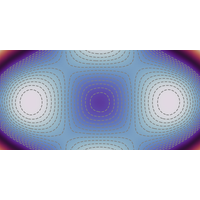
Emergent Chirality and Enantiomeric Selectivity in Layered ${\mathrm{NbOX}}_{2}$ Crystals
Article | Condensed Matter and Materials | 2026-04-23 06:00 EDT
Martin Gutierrez-Amigo, Claudia Felser, Ion Errea, and Maia G. Vergniory
Theorists have identified a phase that could facilitate the switching of a crystal between its right-handed and left-handed versions.
Phys. Rev. Lett. 136, 166605 (2026)
Condensed Matter and Materials
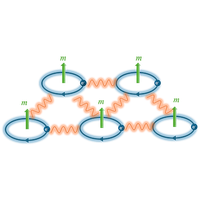
Orbital Magnetization of Correlated States in Twisted Bilayer Transition Metal Dichalcogenides
Article | Condensed Matter and Materials | 2026-04-23 06:00 EDT
Xiaoyu Liu, Chong Wang, Haoran Chen, Xiao-Wei Zhang, Ting Cao, and Di Xiao
The modern theory of orbital magnetization, derived for noninteracting electrons, applied to strongly correlated states remains valid for Hartree-Fock states, so can be used to interpret magnetization in interacting moiré systems.
Phys. Rev. Lett. 136, 166606 (2026)
Condensed Matter and Materials
Self-Induced Floquet States via Three-Wave Processes in Synthetic Antiferromagnets
Article | Condensed Matter and Materials | 2026-04-23 06:00 EDT
Thibaut Devolder and Joo-Von Kim
We present a mechanism for self-induced Floquet states involving acoustic and optical modes in synthetic antiferromagnets. By driving optical modes off-resonantly with radio frequency fields in the canted antiferromagnetic state, limit cycles arising from the predator-prey dynamics of the acoustic a…
Phys. Rev. Lett. 136, 166702 (2026)
Condensed Matter and Materials
Unconventional Quantization of 2D Plasmons in Cavities Formed by Gate Slots
Article | Condensed Matter and Materials | 2026-04-23 06:00 EDT
Ilia Moiseenko, Zhanna Devizorova, Olga Polischuk, Viacheslav Muravev, and Dmitry Svintsov
We demonstrate that the slot between parallel metal gates placed above a two-dimensional electron system (2DES) forms a plasmonic cavity with unconventional mode quantization. The resonant plasmon modes are excited when the slot width and the plasmon wavelength satisfy the condition ,…
Phys. Rev. Lett. 136, 166901 (2026)
Condensed Matter and Materials
Physical Review X
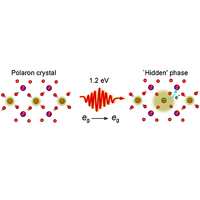
Excitations across the Equilibrium and Photoinduced “Hidden” States of Magnetoresistive Manganites
Article | 2026-04-23 06:00 EDT
Shiyu Fan, Feng Jin, Taehun Kim, Umesh Kumar, Zixun Zhang, Vivek Bhartiya, Jiemin Li, Brandon Yalin, Yanhong Gu, Mingqiang Gu, Wen Hu, Claudio Mazzoli, G. Lawrence Carr, Osor S. Barišić, Andrey S. Mishchenko, Valentina Bisogni, Sobhit Singh, Wenbin Wu, and Jonathan Pelliciari
Ultrafast photoexcitation in generates a long-lived hidden phase with unique polaronic and phononic excitations that do not exist under standard equilibrium conditions.
Phys. Rev. X 16, 021018 (2026)
arXiv
Predicting Scale-Up of Metal-Organic Framework Syntheses with Large Language Models
New Submission | Materials Science (cond-mat.mtrl-sci) | 2026-04-24 20:00 EDT
Peter Walther, Hongrui Sheng, Xinxin Liu, Bin Feng, Reid Coyle, Xinhua Yan, Kyle Smith, Harrison Kayal, Shyam Chand Pal, Zhiling Zheng
Scalable synthesis remains the gate between MOF discovery and industrial deployment, as scale-up know-how is fragmented across disparate reports. We introduce ESU-MOF, a literature-mined dataset and a positive-unlabeled learning strategy that fine-tunes large language models to predict scalability potential with 91.4% accuracy, enabling rapid data-driven triage for industrial MOF discovery.
Materials Science (cond-mat.mtrl-sci), Artificial Intelligence (cs.AI)
39 pages
Impact of Photoelectric Readout Noise on Magnetic Field Sensitivity of NV Centers in Diamond
New Submission | Mesoscale and Nanoscale Physics (cond-mat.mes-hall) | 2026-04-24 20:00 EDT
Ilia Chuprina, Genko Genov, Christoph Findler, Johannes Lang, Petr Siyushev, Fedor Jelezko
Nitrogen-vacancy (NV) centers in diamond are of great interest for nano- and macro-scale magnetic field sensing. Most sensing protocols rely on conventional optical readout, which is limited by photon shot noise. The recently developed photoelectrical (PE) readout of the NV center electron spin state promises to overcome these limitations. However, the noise of the PE readout and its influence on readout efficiency have not been thoroughly studied. In this work, we perform magnetic field sensing and estimate the sensitivity using optical and PE readout with a single and an ensemble of NV centers in diamond. We investigate the electronic noise associated with the photoelectric detection and estimate the readout efficiency, using Gaussian statistics. Our quantitative analysis shows that the Johnson-Nyquist noise-limited photoelectric magnetic field sensitivity could outperform optical measurements by an order of magnitude. This work is an essential step towards the development of on-chip magnetometers using photoelectrical detection in diamond.
Mesoscale and Nanoscale Physics (cond-mat.mes-hall), Quantum Physics (quant-ph)
24 pages, 14 figures
Element-deletion-enhanced digital image correlation for automated crack detection and tracking in lattice materials
New Submission | Soft Condensed Matter (cond-mat.soft) | 2026-04-24 20:00 EDT
Alessandra Lingua, Arturo Chao Correas, François Hild, David S. Kammer
Architected materials can exhibit remarkable combinations of stiffness, strength, and toughness, yet their application is currently limited by an incomplete understanding of how cracks initiate and propagate through their discrete architecture. Elucidating the mechanisms that underpin these processes is challenging because lattice failure is governed by highly localized deformations of slender beams, which fall outside the resolution and assumptions of optical methods developed for continuum solids, such as digital image correlation (DIC). Thus, characterizing crack propagation within lattice materials requires measurement strategies capable of resolving lattice-scale deformations while accounting for both the intrinsic discreteness of lattice architectures and the progressive formation of material discontinuities during failure. This work introduces a global DIC framework tailored to architected materials, in which the correlation problem is solved directly on the lattice mesh and damaged elements are automatically removed during the analyses. Damage detection, which relies on a data-driven residual criterion, enables the robust tracking of localized deformation and crack-tip motion under different testing conditions. The method provides physically consistent displacement field measurements on the evolving intact lattice topology and resolves the crack path over time. Validations on 3D-printed regular and imperfect triangular lattices under mode-I loading demonstrate that the approach accurately captures both damage initiation and crack propagation. Furthermore, we demonstrate that identifying damaged elements provides an estimate of the critical failure strain, which can be used directly in numerical models or adopted as an alternative element-deletion threshold in DIC analyses.
Soft Condensed Matter (cond-mat.soft), Materials Science (cond-mat.mtrl-sci)
Local Electroneutrality Violation as a Universal Constraint in Confined Electrolytes
New Submission | Statistical Mechanics (cond-mat.stat-mech) | 2026-04-24 20:00 EDT
We show that finite-size violations of local electroneutrality in confined electrolytes are governed by the topology of the confining domain, yielding a universal hierarchy of deviations across spherical, cylindrical, and planar geometries. Within Poisson-Boltzmann theory, we introduce an electroneutrality deviation ratio that quantifies how global electrostatic constrains associated with compacness and boundary multiplicity modify charge balance inside confined domains. Although electroneutrality is asymptotically restored in all geometries, finite-size deviations are strongest in compact spherical cavities, weaker in cylindrical confinement, and weakest in planar slits. These results identify topology as the structural origin of confinement-induced charge redistribution and stablish the violation of local electroneutrality as global constraint underlying phenomena such as overcharging anf charge reversal, demostrating that confinement-not local-not local geometric details-controls the emergence of these effects.
Statistical Mechanics (cond-mat.stat-mech)
3 pages, 1 figure
Giant spontaneous Kerr effect reveals the defect origin of macroscopic time-reversal symmetry breaking in altermagnetic MnTe
New Submission | Strongly Correlated Electrons (cond-mat.str-el) | 2026-04-24 20:00 EDT
Weitung Yang, Choongjae Won, Cory Cress, Marshall Zachary Franklin, Xiaochen Fang, Shelby Fields, Nicholas Combs, Shaofeng Han, Weihang Lu, I. I. Mazin, Steven P. Bennett, Sang-Wook Cheong, Jing Xia
Altermagnetism, a recently identified third class of collinear magnetism with spin-split bands and vanishing net magnetization, has emerged in hexagonal \alphaMnTe{} and is regarded as a promising platform for ultrafast, stray-field-free spintronics and for optical readout of spin order at telecommunication wavelengths. Whether the macroscopic symmetry-breaking signatures reported in MnTe, a spontaneous Hall effect and a tiny ``gossamer’’ remanent moment, reflect the ideal altermagnetic order or are activated by defects remains an open question. Here we report giant spontaneous Kerr rotations of up to $ \pm 1500\microrad$ in \alphaMnTe{} single crystals at the telecommunication wavelength of $ 1550,\mathrm{nm}$ , onsetting precisely at the Néel temperature $ \TN = 307,\mathrm{K}$ . In contrast, a stoichiometric insulating \alphaMnTe{} thin film shows no detectable signal. The bulk–film contrast identifies carrier self-doping, rather than the ideal altermagnetic order, as the source of macroscopic magneto-optical response, establishing telecom-wavelength Kerr imaging as a practical readout for altermagnetic spintronics.
Strongly Correlated Electrons (cond-mat.str-el), Materials Science (cond-mat.mtrl-sci), Optics (physics.optics)
Orientation Dynamics of Gyrotactic Microswimmers in Turbulent Flows
New Submission | Soft Condensed Matter (cond-mat.soft) | 2026-04-24 20:00 EDT
Suraj Kumar Nayak, Vishwanath Shukla, Akshay Bhatnagar
We study the dynamics of gyrotactic microswimmers suspended in homogeneous and isotropic turbulence by using direct numerical simulations (DNS). The swimmers are characterized by three non-dimensional parameters: their aspect ratio ($ \gamma$ ), a dimensionless swimming speed ($ \phi$ ), and a dimensionless reorientation time ($ \psi$ ). Strong gyrotaxis (smaller $ \psi$ ) promotes vertical alignment of the swimmers, while weak gyrotaxis leads to nearly isotropic orientations. At low swimming numbers, the orientation distribution is largely shape-independent with spheres and spheroids showing marginally greater vertical alignment than rods, whereas at higher activity the peaks of the distributions exhibit largely shape-independent behavior and the tails show a clear dependence on particle shape. However, at large $ \psi$ rods exhibit a stronger alignment along the vertical. We observe that at small $ \psi$ the rod-shaped swimmers respond to shear by aligning with the stretching direction of the strain-rate tensor, while at large $ \psi$ the alignment with the vorticity vector is preferred. The orientation autocorrelation is found to decay exponentially, with a decay rate that scales as $ 1/(2\psi)$ . Analysis of the mean-squared displacement (MSD) reveals a transition from a ballistic motion at short times to a diffusive regime at longer times. To assess the efficiency of vertical migration, we compute the probability distributions of vertical displacement over a fixed time interval and the time taken to migrate a specific vertical distance. Furthermore, we use a simplified two-dimensional model for spherical swimmers that qualitatively reproduces the key trends observed in the full three-dimensional (3D) simulations.
Soft Condensed Matter (cond-mat.soft), Fluid Dynamics (physics.flu-dyn)
11 pages, 8 figures, 37 references
Evolution of the Saddle Point in Antimony Telluride Homologous Superlattices
New Submission | Materials Science (cond-mat.mtrl-sci) | 2026-04-24 20:00 EDT
Yi-Hsin Shen, Shane Smolenski, Ming Wen, Yimo Hou, Eoghan Downey, Jakob Hammond-Renfro, Katharine Moncrieffe, Chun Lin, Makoto Hashimoto, Donghui Lu, Kai Sun, Dominika Zgid, Emanuel Gull, Pierre Ferdinand P. Poudeu, Na Hyun Jo, Rachel S. Goldman
Combining topological insulators with topological semimetals in the form of homologous superlattices is a promising approach for generating correlated quantum matter based upon Fermi level alignment with band extrema. For antimony telluride, a saddle point is predicted to occur at the M-point, while antimonene layering is predicted to move the M-point valence band towards the Fermi level. To date, the predicted saddle point at the M-point has not yet been demonstrated, and studies of antimony telluride homologous superlattices have been limited to one or two layers of antimonene added to antimony telluride. Here, we present scanning tunneling spectroscopy and angle-resolved photoemission spectroscopy studies of a series of antimony telluride homologous superlattices with two to four layers of antimonene. In addition to demonstrating the presence of a saddle point and associated van Hove singularity near the M-point, we identify the key role of Sb and Te $ p_z$ orbital hybridization in driving the van Hove singularity toward the Fermi level.
Materials Science (cond-mat.mtrl-sci)
Expanding the extreme-k dielectric materials space through physics-validated generative reasoning
New Submission | Materials Science (cond-mat.mtrl-sci) | 2026-04-24 20:00 EDT
Hossain Hridoy, Tahiya Chowdhury, Md Shafayat Hossain
The most technologically consequential materials are often the rarest: they occupy narrow regions of chemical space, obey competing physical constraints, and appear only sparsely in existing databases. High-kappa dielectrics, high-Tc superconductors, and ferromagnetic insulators are to name a few. This scarcity fundamentally limits today’s data-driven materials discovery, where machine-learning models excel at interpolation but struggle to generate genuinely new candidates. Here, we introduce DielecMIND, an artificial intelligence framework that reframes materials discovery as a reasoning-driven exploration instead of a database-screening problem. Using high-kappa dielectrics as a data-scarce and technologically stringent test case, DielecMIND combines large-language-model hypothesis generation for the first time with physics validated first-principles calculation to navigate chemical space beyond known compounds. Prior to our work, only 14 experimentally or computationally validated materials with kappa > 150 were known. Our framework discovers and validates 5 new such compounds, expanding this rare-materials class by a remarkable = 35% in a single study. Among them, we find that Ba2TiHfO6 exhibits a dielectric constant of 637, minimal loss at low optical frequencies, and stability up to 800 K. Beyond dielectrics, this work demonstrates a new paradigm for artificial-intelligence-guided discovery: one that generates a small number of physically grounded, experimentally plausible candidates yet measurably expands sparsely populated functional materials spaces. Thus, DielecMIND points toward a general strategy for discovering rare, high-impact functional materials where data scarcity has long constrained progress.
Materials Science (cond-mat.mtrl-sci), Mesoscale and Nanoscale Physics (cond-mat.mes-hall), Artificial Intelligence (cs.AI)
Accelerating point defect simulations using data-driven and machine learning approaches
New Submission | Materials Science (cond-mat.mtrl-sci) | 2026-04-24 20:00 EDT
Arun Mannodi-Kanakkithodi, Menglin Huang, Prashun Gorai, Seán R. Kavanagh
Point defects in solid-state materials are now routinely simulated using large supercell structures, requiring efficient quantum mechanical solutions. Data-driven and machine learning (ML) models trained on computational data can enable rapid defect property predictions and high-throughput screening. In this article, we provide an overview of prominent efforts to accelerate defect simulations using these approaches. We begin by discussing the motivations for data-driven techniques in defect modeling, and describe efforts over the past decade to use descriptor-based models for rapid screening of defect properties – most notably in oxides. In particular, we discuss case studies where surrogate models and interatomic potentials were trained on density functional theory (DFT) data, leading to predictions with quantum-mechanical accuracies at a fraction of the cost. In addition to geometry relaxation and formation energy predictions, these interatomic potentials are capable of predicting phonon modes and vibrational free energies to yield defect energetics at finite temperatures – representing a key frontier for computational defect research. We finish with a discussion on how to connect these approaches and their outputs with experimental data, and provide an outlook on this burgeoning sub-field.
Materials Science (cond-mat.mtrl-sci), Chemical Physics (physics.chem-ph), Computational Physics (physics.comp-ph)
Part of the MRS Bulletin ‘100 Years of Point Defects’ Special Collection
Generative Discovery of Magnetic Insulators under Competing Physical Constraints
New Submission | Materials Science (cond-mat.mtrl-sci) | 2026-04-24 20:00 EDT
Qiulin Zeng, Tahiya Chowdhury, Md Shafayat Hossain
Discovering materials that must simultaneously satisfy multiple competing constraints remains a central challenge in computational materials design, particularly in data-scarce regimes where conventional data-driven approaches are least effective. Magnetic insulators represent a stringent example: the electronic conditions that favor magnetic order often also promote metallicity, while insulating behavior suppresses the interactions that stabilize magnetism. As a result, experimentally viable magnetic insulators are rare and difficult to identify through conventional screening. Here, we introduce MagMatLLM, a constraint-guided generative discovery framework that integrates language-model-based crystal generation with evolutionary selection, surrogate screening, and first-principles validation to target simultaneous stability, magnetism, and insulating behavior. Unlike stability-first approaches, the framework enforces functional constraints during generation and selection, steering the search toward sparsely populated regions of materials space defined by competing physical requirements. Using this workflow, we identify twelve previously unreported candidate magnetic insulators, including Tm$ _4$ Co$ _2$ Cr$ _2$ O$ _{12}$ and Cr$ _4$ Nb$ _2$ O$ _{12}$ . Of these, ten are dynamically stable by phonon analysis and exhibit finite band gaps and nonzero magnetic moments in spin-polarized density functional theory calculations. Beyond the specific compounds identified here, this work establishes a general constraint-guided paradigm for multi-objective materials discovery in sparse chemical spaces and provides a transferable strategy for the design of quantum materials under competing physical constraints.
Materials Science (cond-mat.mtrl-sci), Artificial Intelligence (cs.AI)
Studying 3D O(N) Surface CFT on the Fuzzy Sphere
New Submission | Strongly Correlated Electrons (cond-mat.str-el) | 2026-04-24 20:00 EDT
Boundary conformal field theory (BCFT) provides a universal framework for critical phenomena in the presence of boundaries. We determine BCFT data for the normal and ordinary boundary universality classes of the $ 1+1$ -dimensional boundaries of the $ 2+1$ -dimensional $ O(2)$ and $ O(3)$ Wilson-Fisher fixed points, realized microscopically by a bilayer Heisenberg model on the fuzzy sphere. Using the fuzzy-sphere state-operator correspondence, we obtain boundary operator spectra, identify low-lying boundary primary operators, extract operator-product-expansion (OPE) data, and estimate the boundary central charges for both boundary conditions. For the normal boundary condition, the universal amplitudes $ a_\sigma$ and $ b_t$ extracted from one- and two-point functions agree quantitatively with Monte Carlo benchmarks where available. For both $ N=2$ and $ N=3$ , we find a positive extraordinary-log exponent $ \alpha$ , providing independent microscopic evidence for extraordinary-log boundary criticality. Our results extend fuzzy-sphere BCFT spectroscopy beyond the Ising universality class to continuous $ O(N)$ symmetry.
Strongly Correlated Electrons (cond-mat.str-el), Statistical Mechanics (cond-mat.stat-mech), High Energy Physics - Theory (hep-th)
10 pages, 7 figures
Healing of topological defects while crystallizing nanocrystals
New Submission | Superconductivity (cond-mat.supr-con) | 2026-04-24 20:00 EDT
M. I. Dolz, A. B. Kolton, Y. Fasano
Understanding the role of confinement while crystallizing nanocrystals is very relevant for predicting their structure and physical properties. With this aim we perform Langevin dynamics simulations of nanocrystals of the model system of few hundred vortices nucleated in micron-sized superconductors. We study the crystallization dynamics and the low-temperature structural properties of vortex nanocrystals nucleated in field-cooling conditions when changing vortex density or elasticity of the system and physical size of the samples. The low-temperature snapshots obtained in simulations present a healing effect at the edges that is in quantitative agreement with experimental data in Bi2Sr2CaCu2O8+{\delta} micron-sized samples. We show that the low-temperature radial distribution of topological defects is a stationary profile frozen at a temperature below the melting line tuned by intrinsic properties of the vortex structure and on the confinement effect. These findings on the dynamics and spatial profile of topological defects can be applied to describe the physical properties of confined soft condensed matter nanocrystals in general.
Superconductivity (cond-mat.supr-con), Disordered Systems and Neural Networks (cond-mat.dis-nn), Materials Science (cond-mat.mtrl-sci)
10 figures
The two-level systems in cryogenic solids, or how to avoid stressful memories
New Submission | Disordered Systems and Neural Networks (cond-mat.dis-nn) | 2026-04-24 20:00 EDT
Structural glasses prepared by bulk quenching a liquid melt universally exhibit puzzling low-energy excitations commonly known as the ``two-level systems’’ (TLSs). Recent studies indicate that ultrastable glassy films made by vapor deposition exhibit substantially fewer TLSs and, at the same time, are more stable enthalpically than conventional glasses made by quenching a melt. A similar phenomenon is observed in very stable glasses of model liquid mixtures prepared using swap Monte Carlo sampling. However, in a separate set of enthalpically stable solids, exemplified by amber matured over geological times, the two-level systems persist. In addressing this seeming conflict, we emphasize that a depletion of the TLSs, if any, means the configurational entropy of the material is lower than that of conventional glasses made by bulk-quenching a melt. Ageing does induce reduction in configurational entropy, but amber, we speculate, achieves enthalpic stabilization through increased bonding, not ageing. We separately comment on the discrepancy among existing predictions for the extent of cooperativity of the two-level systems. Several experiments are suggested to test the present picture.
Disordered Systems and Neural Networks (cond-mat.dis-nn), Materials Science (cond-mat.mtrl-sci), Soft Condensed Matter (cond-mat.soft)
under review in Adv. Phys. since Nov 10, 2025
Double circular dichroism high harmonic spectroscopy: An ultrafast probe for topological photocurrents
New Submission | Other Condensed Matter (cond-mat.other) | 2026-04-24 20:00 EDT
Understanding optical responses of topological matter is a central problem for enabling optoelectronic applications based on topological physics, which is of fundamental concern for photocurrents control and spectroscopy. Currently, schemes for sensing ultrafast photocurrents and separating their bulk/surface contributions are lacking. We introduce here double circular dichroism (DCD) harmonic spectroscopy as an all-optical probe of ultrafast dynamics in topological materials. In this scheme, pump and probe pulses are circular with helicities that are independently controlled, yielding the circular dichroism of the circular dichroism – a time-resolved response evaluating how probe-induced dichroism depends on pump helicity. While DCD vanishes in symmetric systems, it survives in broken time-reversal symmetry materials including Chern insulators. We theoretically demonstrate this concept through simulations in a Haldane nanoflake, where a pump laser manipulates chiral current-carrying states, and intense probe pulses drive harmonic emission. We show that DCD originates from both bulk and edge-localized states, but these have opposite signs, similar magnitudes, and a different amplitude scaling. Hence, DCD could allow efficient separation of bulk/edge contributions to photocurrents. Variation of the electronic structure and laser parameters further reveals anomalies that might be useful for probing topological attributes of photocurrents in select harmonics. Overall, our work introduces DCD as a potentially powerful approach for disentangling bulk/boundary photo-responses in broken-symmetry quantum matter, and could also be implemented in other pump-probe spectroscopies based on photoelectrons and absorption, as well as other chiral systems.
Other Condensed Matter (cond-mat.other), Mesoscale and Nanoscale Physics (cond-mat.mes-hall)
Percolation Critical Probability of Aperiodic Smith Hat tile(1, $\sqrt3$)
New Submission | Statistical Mechanics (cond-mat.stat-mech) | 2026-04-24 20:00 EDT
The Smith Hat tile is the first known aperiodic monotile, having been discovered in 2023. The simple structure, constructed using only 8 kites, is unique and well motivated for analysis within percolation theory. The primary goal of this paper is to discover the critical threshold $ p_c$ in both site and bond Bernoulli structures using Monte Carlo simulation for the Smith hat tile(1,$ \sqrt3$ ). Our findings are site and bond values of $ p_c^s = 0.822725 \pm 0.000044$ and $ p_c^b = 0.798161 \pm 0.000044$ for edge percolation and $ 0.544247 \pm 0.000101$ for site percolation on the dual graph.
Statistical Mechanics (cond-mat.stat-mech), Data Analysis, Statistics and Probability (physics.data-an)
18 pages, 10 figures
Linking molecular timescales to linear viscoelastic response in dilute and semidilute unentangled wormlike micelle solutions
New Submission | Soft Condensed Matter (cond-mat.soft) | 2026-04-24 20:00 EDT
Avishek Kumar, Rico F Tabor, P. Sunthar, J. Ravi Prakash
Unentangled wormlike micelle solutions relax stress through a dynamic interplay of reversible scission and intrachain relaxation involving a hierarchy of molecular timescales whose relationship to linear viscoelastic response remains incompletely resolved. A multiparticle mesoscopic Brownian dynamics framework has been developed in which persistent worms, represented by bead-spring chains with sticky ends, assemble to form wormlike micelles via reversible scission and fusion. Both linear and ring-like micelles are formed across the dilute and semidilute concentration regimes. Accurate predictions of dynamic properties are obtained through inclusion of hydrodynamic interactions using a RPY tensor. We identify and quantify characteristic timescales governing micellar dynamics, including bond lifetimes, self- and non-self-recombination times, breakage times of wormlike micelles of length $ L$ , relaxation times of various contributions to stress, and the longest relaxation time. The dependence of these timescales on sticker strength, concentration, micellar topology and hydrodynamic interactions is established. The presence of ring micelles is found to moderately prolong recombination and breakage processes, while hydrodynamic interactions are shown to affect some of the timescales by reducing sticker mobility. When appropriately scaled, the dependence on mean length of the non-self-recombination and micelle breakage times collapse onto master curves. Storage and loss moduli exhibit distinctive features in the intermediate-frequency regime that are absent in homopolymer solutions. A clear connection is made between micellar timescales and these signatures in the dynamic moduli at various characteristic frequencies, providing a direct link between microscopic dynamics and macroscopic rheology in unentangled wormlike micellar solutions, in dilute and semidilute concentration regimes.
Soft Condensed Matter (cond-mat.soft)
25 pages, 18 figures, submitted to Journal of Rheology
Magnetic-field control of interactions in alkaline-earth Rydberg atoms and applications to {\it XXZ} models
New Submission | Quantum Gases (cond-mat.quant-gas) | 2026-04-24 20:00 EDT
Masaya Kunimi, Takafumi Tomita
We study the magnetic-field dependence of the interactions between two alkaline-earth(-like) Rydberg atoms, $ {}^{88}$ Sr and $ {}^{174}$ Yb. Considering the pair of Rydberg states $ |ns,{}^3S_1,m_J\rangle$ and $ |(n+1)s,{}^3S_1,m_J\rangle$ , we show that the effective Hamiltonian takes the form of an {\it XXZ}-type quantum spin model, as in the alkali-atom case [M. Kunimi and T. Tomita, Phys. Rev. A {\bf 112}, L051301 (2025)]. We find that the behavior of the anisotropy parameter for $ {}^{174}$ Yb at zero magnetic field is significantly different from that for other atomic species. This behavior originates from the strong spin-orbit coupling in $ {}^{174}$ Yb. We systematically calculate the interaction parameters of the {\it XXZ} model in the presence of a magnetic field and show that they can be tuned by the field. As applications to quantum many-body problems, we investigate one-dimensional systems in the large-anisotropy regime and show that the folded {\it XXZ} model can be realized in $ {}^{174}$ Yb systems without fine-tuning of the field. We also investigate two-dimensional square-lattice systems and show that a supersolid phase can emerge in the ground state at the mean-field level.
Quantum Gases (cond-mat.quant-gas), Statistical Mechanics (cond-mat.stat-mech), Strongly Correlated Electrons (cond-mat.str-el), Atomic Physics (physics.atom-ph), Quantum Physics (quant-ph)
23 pages, 14 figures
Neutron and X-ray Diffraction Reveal the Limits of Long-Range Machine Learning Potentials for Medium-Range Order in Silica Glass
New Submission | Materials Science (cond-mat.mtrl-sci) | 2026-04-24 20:00 EDT
Sai Harshit Balantrapu, Atul C. Thakur, Chris Benmore, Ganesh Sivaraman
Glassy silica is a foundational material in optics and electronics, yet accurately predicting its medium-range order (MRO) remains a major challenge for machine-learning interatomic potentials (MLIPs). While local MLIPs reproduce the short-range SiO4 tetrahedral network well, it remains unclear whether locality alone is sufficient to recover the first sharp diffraction peak (FSDP), the principal experimental signature of MRO. Here, we combine neutron and X-ray diffraction measurements with large-scale molecular dynamics driven by two MACE-based models: a short-range (SR) potential and a long-range (LR) extension incorporating reciprocal-space gated attention. The SR model systematically over-structures the network, producing an overly intense FSDP in both the liquid and glassy states. Incorporating long-range interactions improves agreement with experiment for the liquid structure by reducing this excess ordering, but the LR model still fails to recover the experimental amorphous MRO after quenching. Ring-statistics and bond-angle analyses reveal that SR model exhibits an artificially narrow distribution dominated by six-membered rings, while the LR model produces a broader but still biased ring population. Despite preserving the correct tetrahedral geometry, both models show limited variability in Si-O-Si angles, indicating constrained network flexibility. These structural signatures demonstrate that both models retain excessive memory of the parent liquid network, leading to kinetically trapped and nonphysical medium-range configurations during vitrification. These results show that explicit long-range interactions are necessary but not sufficient for predictive modelling of disordered silica and suggest that accurate MRO further requires training data and sampling strategies that adequately represent the liquid-to-glass transition.
Materials Science (cond-mat.mtrl-sci), Machine Learning (cs.LG)
19 pages, 9 figures
Velocity-field characteristics and device performance in nanoscale amorphous oxide Thin-Film-Transistors
New Submission | Materials Science (cond-mat.mtrl-sci) | 2026-04-24 20:00 EDT
Chankeun Yoon, Xiao Wang, Jatin Vikram Singh, Sanjay K. Banerjee, Ananth Dodabalapur
The electron velocity-electric field characteristics in short channel length (50-100 nm) amorphous oxide field-effect transistors (FETs) are described using measured experimental data from indium gallium zinc oxide (IGZO) FETs in conjunction with a physics-based model. Such understanding is crucial for the design of FETs for emerging applications such as in back-end-of-line circuitry for advanced memories and artificial intelligence hardware. In such semiconductor systems, there is an interplay between trapping and extended state (band) transport that has to be considered in detail for a more complete physical understanding of device operation. The approach described in this paper demonstrates such a method and its use for an exemplary semiconductor IGZO. It can be used in many emerging thin-film semiconductors, including several amorphous oxide semiconductors. The carrier mobility is calculated for dominant scattering mechanisms such as trapped carrier scattering and optical phonon scattering. The carrier velocity is computed from the mobility using a modified Caughey-Thomas equation. The physical model considers contact resistance, Joule heating, and electric-field-induced carrier heating, all of which are very important in small geometry FETs. The carrier velocity exhibits a tendency to saturate at high electric fields and reaches values > 2\ast10^6 cm/s when averaged over all induced carriers (both trapped and in the band) and > 4\ast10^6 cm/s for carriers in the band.
Materials Science (cond-mat.mtrl-sci)
BCS-BEC crossover of polaritonic condensates in mass-imbalanced semimetal/semiconductor microcavities
New Submission | Strongly Correlated Electrons (cond-mat.str-el) | 2026-04-24 20:00 EDT
Thi-Hau Nguyen, Minh-Tien Tran, Van-Nham Phan
The impacts of the mass imbalance and Coulomb interaction on the complex phase structures of the polaritonic condensates and their Bardeen-Cooper-Schrieffer (BCS)–Bose-Einstein condensation (BEC) crossover in semiconductor and semimetal microcavities are investigated. In the framework of the unrestricted Hartree-Fock approximation, a two-band electron-hole model involving photon mode is analyzed by treating Coulomb attraction and light-matter coupling on equal footing. The single-particle spectral functions and the luminescence properties are then examined. In the semiconducting regime, a positive band gap stabilizes tightly bound excitons and yields predominantly BEC-type excitoniclike polaritonic condensates at low density, while increasing excitation density and reducing mass imbalance drives a continuous crossover toward BCS-type pairing with intermediate and photoniclike polaritonic character. In contrast, the semimetallic regime favors itinerant electron-hole pairing, with BCS-type condensates dominating and BEC excitoniclike coherence emerging only at sufficiently strong Coulomb interaction and large mass imbalance situations. The evolution of luminescence spectra provides clear spectroscopic signatures of these crossover phenomena, offering a unified framework for understanding and controlling polaritonic condensates in microcavity systems.
Strongly Correlated Electrons (cond-mat.str-el)
15 pages, 12 figures
Phys. Rev. B 113, 165139 (2026)
Fate of the Unbound States in Near-infinitely Deep Potential Models
New Submission | Disordered Systems and Neural Networks (cond-mat.dis-nn) | 2026-04-24 20:00 EDT
Shujie Cheng, Tong Liu, Gao Xianlong
Based on the one-dimensional model with quasi-periodicity and nearly infinite depth potential well, this paper studies how the depth of the potential well and non-Hermiticity affects the unbound states. By extending the Liu-Xia model to a deeper structure, we confirm through calculating IPR and based on Avila’s global theory, that although the potential well is deeper, there are still unbound states within specific energy intervals. Extending the research to non-Hermitian systems with gain-loss effects, we find that the non-Hermiticity leads to the existence of unbound states in a mixed state form composed of bound states and unbounded states. However, there are clear energy boundaries between the mixed regions with unbound states and the pure bound state regions, which can be proved by Avila’s global theory. Our research results provide new insights into the unbound states in extreme potential fields.
Disordered Systems and Neural Networks (cond-mat.dis-nn)
7 pages, 7 figures. If any question, please contact us. Comments are welcome
Electrically switchable vacancy state revealed by in-operando positron experiments
New Submission | Materials Science (cond-mat.mtrl-sci) | 2026-04-24 20:00 EDT
Ric Fulop, Laurence Lyons IV, Robert Nick, Marc H. Weber, Ming Liu, Haig Atikian, Uwe Bauer, Alexander C. Barbati, Neil Gershenfeld
Whether the flash state in electrically driven solids involves non-equilibrium defect production or is accounted for by Joule heating alone has been debated since 2010. Using positron annihilation spectroscopy on copper, we observe a fully reversible, electrically switchable vacancy population: the DBS S-parameter rises above baseline whenever applied current exceeds a critical density and returns on current removal. Positron lifetime spectroscopy independently confirms open-volume defect formation and reveals a void to cluster relaxation hierarchy. The current-induced vacancy concentration exceeds the thermal-equilibrium value at 352C by > 106x, is present only while current is applied, and vanishes within minutes. The nucleation rate scales steeply with the applied current, connecting the minute-scale kinetics resolved here to the sub-second flash events observed in ceramic sintering. These results demonstrate current-induced Frenkel-pair production in a metal and identify a defect-mediated, non-equilibrium contribution to the flash state.
Materials Science (cond-mat.mtrl-sci), Applied Physics (physics.app-ph)
Room-temperature third-order nonlinear anomalous Hall effect in ferromagnetic metal Fe3GaTe2
New Submission | Materials Science (cond-mat.mtrl-sci) | 2026-04-24 20:00 EDT
Zheng Dai, Shuai Zhang, Jiajun Li, Xiubing Li, Congcong Li, Fengyi Guo, Heng Zhang, Ziqi Wang, Minhao Zhang, Xuefeng Wang, Huaiqiang Wang, Fengqi Song
Berry curvature, as the imaginary component of quantum geometry, plays a crucial role in condensed matter physics. The spatial distribution of Berry curvature can be characterized by its dipole and multipole moments, which can induce the nonlinear anomalous Hall effect (NLAHE). To date, the NLAHE has been demonstrated in various materials, yet reports on room-temperature NLAHE are still limited. In this work, we report the observation of the third-order NLAHE in ferromagnetic metal Fe3GaTe2. The third-order NLAHE shows hysteretic behavior with the variation of magnetic field, where the coercive field is the same as that of the anomalous Hall effect, and the third-order NLAHE remains observable up to the Curie temperature (~350 K). The scaling analysis suggests that the third-order NLAHE may be attributed to the Berry curvature quadrupole. Our work not only provides an approach to study magnetic materials through nonlinear electric transports, but also opens up possibilities for the future development of room-temperature third-order nonlinear electronic devices.
Materials Science (cond-mat.mtrl-sci)
Higher odd-order nonlinear Hall effect in magnetic topological insulator Mn(Bi1-xSbx)2Te4
New Submission | Mesoscale and Nanoscale Physics (cond-mat.mes-hall) | 2026-04-24 20:00 EDT
Xiubing Li, Zheng Dai, Shuai Zhang, Heng Zhang, Congcong Li, Boyuan Wei, Fengyi Guo, Chunfeng Li, Fucong Fei, Minhao Zhang, Xuefeng Wang, Huaiqiang Wang, Fengqi Song
The nonlinear Hall effect is a new member of the Hall effect family, which attracts intense research interests, and it is closely related to the quantum geometry of quantum materials. The previous studies primarily concentrate on the second-order and third-order nonlinear Hall effect. However, the experimental study of higher-order nonlinear Hall effect is scarce at present. In this work, we report the observations of the higher odd-order (third-, fifth-, seventh-order) nonlinear Hall effect in magnetic topological insulator Mn(Bi1-xSbx)2Te4 thin flakes. The higher odd-order nonlinear Hall voltage exhibits a twofold angular dependence and exists only below the Néel temperature. It reaches its maximum near the charge neutral point and decays exponentially as the order of the nonlinear Hall effect increases. Furthermore, such higher odd-order nonlinear Hall effect is observed in both odd- and even-layer samples with comparable magnitudes. Theoretical analysis indicates that the higher odd-order nonlinear Hall effect responses may arise from the Berry curvature multipoles. Our work paves the way for the study of the higher-order nonlinear transport phenomena.
Mesoscale and Nanoscale Physics (cond-mat.mes-hall), Materials Science (cond-mat.mtrl-sci)
Condensate states in Fermi and Bose-Hubbard ladders
New Submission | Strongly Correlated Electrons (cond-mat.str-el) | 2026-04-24 20:00 EDT
Although neither hardcore bosons nor fermions can occupy the same single-site state, they still obey different statistics, resulting in distinct many-particle quantum states, such as condensate states versus Fermi-liquid states. However, when only pair states are considered, the two can take the same form, since a local hardcore Bose pair and a Fermi pair obey the same statistics. In this work we demonstrate this by studying both Fermi and Bose extended Hubbard ladders, which can be realized experimentally in synthetic atomic ladders. A set of exact condensate-pair eigenstates for the Fermi ladder is constructed under SU(2) symmetry and can then be obtained by the spectrum generating algebra. The corresponding hardcore boson counterpart can be simply obtained by replacing fermionic operators with hardcore bosonic ones. Nevertheless, the boson-pair eigenstates are associated not with symmetry but with the restricted spectrum generating algebra. We also investigate the effect of next-nearest-neighbor hopping on the condensate states through numerical simulations of the dynamic response. The conclusions can be extended to a two-layer system. Our result reveals not only the resemblance of fermions to hardcore bosons, but also a possible mechanism of Hilbert-space fragmentation.
Strongly Correlated Electrons (cond-mat.str-el), Quantum Gases (cond-mat.quant-gas)
$η$-pairing in a two-band model of spinless fermions
New Submission | Strongly Correlated Electrons (cond-mat.str-el) | 2026-04-24 20:00 EDT
We study the two-band model of spinless fermions in which itinerant fermions interact with localized fermions through the two-particle hybridization. In 1D version, the model has exact solution using the Bethe ansatz. It has been shown that accounting for two-particle hybridization reduces the repulsive interaction between itinerant fermions. In the case of strong interaction, the effective interaction between itinerant fermions is attractive, and $ \eta$ -pairing of spinless fermions is realized. The proposed pairing mechanism via two-particle hybridization can lead to $ p$ -superconducting states with $ \eta$ -pairing. $ \eta$ -pairing of spinless fermions could explain the phenomenon of high-temperature superconductivity experimentally observed in hydrogen-rich materials at high pressures.
Strongly Correlated Electrons (cond-mat.str-el), Superconductivity (cond-mat.supr-con)
13 pages, 2 figures
Pressure-Tuned Competing Electronic States in Layered Tellurides
New Submission | Strongly Correlated Electrons (cond-mat.str-el) | 2026-04-24 20:00 EDT
Mahmoud Abdel-Hafiez, Govindaraj Lingannan, D. A. Chareev, A. N. Vasiliev, Anas Abutaha, Kadir Can Dogan, Mehmet Yagmurcukardes, Mehmet Egilmez, Hasan Sahin, Sami El-Khatib
Layered transition-metal dichalcogenides (TMDs) host competing electronic states that can be tuned by external perturbations, providing a platform to explore the interplay between disorder, electronic structure, and quantum transport. Here we investigate magnetotransport in bulk semiconducting 2H-MoTe2 under hydrostatic pressure. At ambient pressure, transport evolves from high-temperature metallic behavior into activated conduction and ultimately a strongly localized variable-range hopping regime, accompanied by a pronounced magnetotransport anomaly near 45 K and large, nonsaturating magnetoresistance extending up to an unprecedented field of 60 T in semiconducting 2H-MoTe2. Under compression to 15.6 GPa, the insulating state is rapidly suppressed and a low-resistivity regime emerges in which quantum interference dominates, exhibiting a crossover from weak antilocalization (WAL) to weak localization (WL) at low temperatures. A physically motivated phenomenological description captures the magnetoresistance across these regimes and yields a characteristic electronic length scale that remains comparable across the localized and quantum-interference regimes. First-principles calculations reveal a continuous pressure-driven collapse of the bandgap into a semimetallic electronic structure. These results establish a unified picture of pressure-tuned transport spanning hopping and quantum-coherent regimes.
Strongly Correlated Electrons (cond-mat.str-el)
Fractals of Simple Random Walks in Two Dimensions: A Monte Carlo Study
New Submission | Statistical Mechanics (cond-mat.stat-mech) | 2026-04-24 20:00 EDT
Jiang Zhou, Ziru Deng, Pengcheng Hou
We present a Monte Carlo study of the fractal geometry of clusters formed by discrete-time simple random walks (sRW) of $ L^2$ steps on a periodic square $ L\times L$ lattice. We verify with high precision that the asymptotic behavior of the cluster mass follows $ M/L^2 \simeq (\ln L)^{-1} [\frac{\pi}{2}+b (\ln L)^{-2}]$ , with $ b\approx -(\pi/2)^{-2}$ , demonstrating marginal ``logarithmic fractals”. We further determine the fractal dimension of the hull to be $ d_{\rm hull}=1.333,29(14)=4/3$ , in excellent agreement with the prediction of Schramm-Loewner evolution ($ \rm SLE_{8/3}$ ) for the Brownian frontier universality class. More importantly, we analyze the chemical distance $ S$ spanning the cluster and obtain strong evidence that it asymptotically scales as $ S\sim L(\ln L)^{1/4}$ , lying exactly on the theoretical upper bound for the chemical distance for level-set percolation clusters on the two-dimensional Gaussian free field. Our numerical results show that the sRW cluster exhibits a conformally invariant external frontier and contains highly efficient asymptotically linear connective paths.
Statistical Mechanics (cond-mat.stat-mech), Probability (math.PR), Computational Physics (physics.comp-ph)
Collective Excitations and Stability of Nonequilibrium Polariton Supersolids
New Submission | Mesoscale and Nanoscale Physics (cond-mat.mes-hall) | 2026-04-24 20:00 EDT
A. Grudinina, J. Cao, A. Kavokin, N. Voronova, A. Nalitov
Formation of nonequilibrium counterparts of supersolids, simultaneously characterized with spontaneous superfluid and crystalline order, was recently reported in incoherently pumped polariton condensates. We investigate collective excitation spectra of this phase and explicitly demonstrate the emergence of gapless Nambu-Goldstone modes due to spontaneously broken continuous phase and translation symmetries. For the recent implementation of the polariton nonequilibrium supersolidity in semiconductor metasurfaces [D. Trypogeorgos et al., Nature 639, 337 (2025)], we demonstrate the key role of attractive polariton interactions, mediated by the excitonic reservoir, for stability of the supersolid phase. Performing a thorough numerical investigation, we identify the conditions for existence of the diagonal and off-diagonal long-range order in negative-mass nonequilibrium supersolids.
Mesoscale and Nanoscale Physics (cond-mat.mes-hall), Quantum Gases (cond-mat.quant-gas)
7 pages, 3 figures (main text); 7 pages, 4 figures (SM)
Time-Uniform Error Bound for Temporal Coarse Graining in Markovian Open Quantum Systems
New Submission | Statistical Mechanics (cond-mat.stat-mech) | 2026-04-24 20:00 EDT
Teruhiro Ikeuchi, Takashi Mori
Several approximation procedures, such as the full or partial rotating-wave, time-averaging, and geometric-arithmetic approximations, have been proposed to derive Gorini-Kossakowski-Sudarshan-Lindblad (GKSL) generators from the Born-Markov quantum master equation (e.g., the Redfield equation). Establishing rigorous error bounds for these approximations is of fundamental and practical importance. However, existing bounds face two major limitations: they are highly specific to individual methods, and, more critically, they diverge in the long-time limit, ensuring the accuracy of the derived GKSL generator only in short-time regimes. In this Letter, we resolve both issues by deriving a unified, rigorous error bound for a general class of approximation methods – termed temporal coarse graining – that encompasses all aforementioned schemes. Crucially, our error bound is time-uniform. This guarantees that GKSL generators obtained via temporal coarse graining remain accurate for arbitrarily long times, provided the dissipation timescale is significantly longer than the bath correlation timescale.
Statistical Mechanics (cond-mat.stat-mech), Quantum Physics (quant-ph)
6+2 pages
Navigating Order-(Dis)Order Family Trees via Group-Subgroup Transitions
New Submission | Materials Science (cond-mat.mtrl-sci) | 2026-04-24 20:00 EDT
Shuya Yamazaki, Yuyao Huang, Martin Hoffmann Petersen, Wei Nong, Kedar Hippalgaonkar
As closed-loop materials discovery systems scale to produce millions of candidate compounds, the credibility of the novelty they reward becomes a critical concern. Novelty is commonly assessed against databases of ordered crystal structures, in which atomic sites are fully occupied. Yet, a predicted ordered structure may simply correspond to a particular ordering of a known disordered phase, whose sites are occupied by multiple species in the statistical average structure; we refer to such a structure as an ordered child of a disordered parent. Here, we introduce order-(dis)order family trees, a symmetry-based framework that organizes ordered and disordered structures through group-subgroup relations and enables novelty to be explicitly evaluated. We develop a high-throughput family matching procedure, to identify possible disordered parents and symmetry-related ordered relatives for a given ordered structure. As validation, we test our framework on synthesis-facing case studies (A-Lab), where it correctly recovers existing disordered parents for the targeted ordered structures. Extending this family-tree-based benchmark to experimental structure databases (ICSD), computational datasets (MP-20, Alex-MP-20, and GNoME), and crystal generative models further reveals that many ordered structures that appear novel as individual entries are, in fact, better understood as members of experimentally known order-(dis)order family trees. We also show that this is particularly evident in symmetry-agnostic all-atom generative models, which more frequently produce ordered structures derived from known disordered parents, whereas symmetry-constrained models are 2-4x less prone to this behavior. Our results establish order-(dis)order family trees as a key requirement for achieving genuine novelty in data-driven materials discovery.
Materials Science (cond-mat.mtrl-sci)
Identifying Oriented Spin Space Groups and Related Physical Properties Using an Online Platform FINDSPINGROUP
New Submission | Materials Science (cond-mat.mtrl-sci) | 2026-04-24 20:00 EDT
Yutong Yu, Xiaobing Chen, Yanzhou Zhu, Yuhui Li, Renzheng Xiong, Jiayu Li, Yuntian Liu, Qihang Liu
Unconventional magnets that combine antiferromagnetic structures with ferromagnetic-like responses are essential for the development of next-generation spintronics. Their emergent properties are fundamentally dictated by the interplay between exchange-driven magnetic geometry and spin-orbit coupling, which are described by spin space group (SSG) and magnetic space group (MSG) frameworks, respectively. However, the lack of direct correspondence between these frameworks, developed in different eras, hinders the systematic tracking of symmetry evolution of these intertwined physical contributions. In this work, we introduce FINDSPINGROUP, a computational architecture that implements the recently emerged, oriented spin space group framework to unify SSG and MSG descriptions. By automating the tracking of symmetry-breaking pathways from the non-relativistic to the relativistic limit, this online platform enables the classification of magnetic phases and the derivation of symmetry-constrained tensors for phenomena such as momentum-dependent spin splitting and the anomalous Hall effect. By standardizing data exchange through the spin crystallographic information file, this architecture establishes a computational infrastructure for the high-throughput discovery and design of unconventional magnets.
Materials Science (cond-mat.mtrl-sci)
26 pages, 6 figures
GEWUM: General Exploration Workflow for the Utopia of Materials: A Unified Platform for Automated Structure Generation, Selection, and Validation
New Submission | Materials Science (cond-mat.mtrl-sci) | 2026-04-24 20:00 EDT
Jiexi Song, Aixian She, Changpeng Song, Diwei Shi, Fengyuan Xuan, Chongde Cao
The discovery of materials with tailored properties is increasingly reliant on computational methods. However, the fragmented landscape of existing software often hinders the seamless integration of large-scale structure prediction with rigorous stability validation, particularly in high-performance computing (HPC) environments. To address this gap, we present GEWUM (General Exploration Workflow for the Utopia of Materials), a unified, open-source platform designed to automate and accelerate materials discovery. GEWUM integrates the Selective Random Structure Search (SRSS) strategy with universal Machine Learning Interatomic Potentials (uMLIPs), enabling efficient exploration of vast chemical spaces. Its core architecture features a modular design with native support for SLURM-based HPC clusters. The platform unifies the entire workflow, from random structure generation and diversity-preserving selection to thermodynamic and dynamic stability assessments, as well as advanced property calculations (e.g., elastic constants, thermal conductivity, and quasi-harmonic approximations). We demonstrate GEWUM’s capabilities through three distinct case studies: (1) the prediction of low-energy polymorphs in the complex Al-Sc-N nitride system; (2) the identification of a P-62c phase of U3Si5, distinct from the known AlB2 type; and (3) the high-pressure structure prediction of ThH10 at 150 GPa. Furthermore, benchmark tests show reasonable agreement in predicting thermophysical properties. By bridging the gap between uMLIPs and automated high-throughput workflows, GEWUM serves as a valuable framework to facilitate efficient and scalable materials exploration.
Materials Science (cond-mat.mtrl-sci)
Decomposing Fractional Quantum Hall Wave Functions via Operator Contraction Multiplication
New Submission | Strongly Correlated Electrons (cond-mat.str-el) | 2026-04-24 20:00 EDT
Dong-Hao Guan, Licheng Wang, Yuan Zhou, Ai-Lei He, Yi-Fei Wang
We develop a general algebraic scheme to decompose fractional quantum Hall (FQH) wave functions based on the operator contraction multiplication. By introducing fermionic and bosonic operators and establishing three fundamental contraction rules, we achieve an exact decomposition of Laughlin states. This approach naturally extends to multi-component systems by factorizing coupled Jastrow factors via resultants and elementary symmetric polynomials, enabling the first complete decomposition of Halperin states. For Halperin ($ 2,2,1$ ) state, we explicitly derive its basic expansion, identify root configurations, and reveal intra- and inter-color squeezing operators, thereby uncovering the underlying generalized Pauli principle. Using this method, we compute orbital entanglement spectra for up to $ 16$ particles with decomposition dimensions exceeding $ 10^{11}$ , obtaining edge excitation sequences that precisely match chiral Luttinger liquid theory. Our framework breaks through the longstanding limitations of Jack polynomials, provides a unified decomposition for both single- and multi-component FQH states, and opens a new avenue for exploring wave functions for more complex FQH states.
Strongly Correlated Electrons (cond-mat.str-el)
4.5 pages, 3 figures. Comments welcome
Continuum granular flow model with restitution-derived viscoelastic damping
New Submission | Soft Condensed Matter (cond-mat.soft) | 2026-04-24 20:00 EDT
Bodhinanda Chandra, Sachith Dunatunga, Ken Kamrin
This work presents a unified viscoelastic-viscoplastic continuum framework for modeling rate-dependent granular flows across regimes. The formulation incorporates two distinct rate-dependent mechanisms, namely micro-inertia and viscoelastic dissipation, within a single continuum description. A central contribution is an explicit link between the coefficient of restitution and a continuum viscosity, derived from an analysis of wave attenuation in granular assemblies, thereby establishing a direct connection between particle-scale collision physics and macroscopic damping. This relation is introduced while retaining inertia-dependent plastic flow governed by the classical $ \mu(I)$ rheology. The constitutive model is constructed by meticulously partitioning elastic and viscous responses within the model and corresponding stress-update routine, such that viscous dissipation governs wave propagation and collisional processes without altering the plastic flow rule. The framework is implemented within the material point method to simulate transient processes involving large deformations, material separation, and subsequent reconsolidation. A range of numerical examples, including steady, transient, vibrational, and impact-driven flows, demonstrates that the model captures wave propagation, diffusion, and rate-dependent granular behavior within a unified continuum setting.
Soft Condensed Matter (cond-mat.soft), Numerical Analysis (math.NA), Fluid Dynamics (physics.flu-dyn)
36 pages, 20 figures
Single-crystal growth and magnetic, magnetoelectric, and optical properties of ferroaxial-type SrMn$_2$Ni$_6$Te$3$O${18}$
New Submission | Materials Science (cond-mat.mtrl-sci) | 2026-04-24 20:00 EDT
Ryoya Nakamura, Shinichiro Asai, Yusuke Nambu, Takatsugu Masuda, Kenta Kimura
Single crystals of SrMn$ _2$ Ni$ 6$ Te$ 3$ O$ {18}$ , a member of the ferroaxial-type magnetic oxide family $ AB{2}C{6}$ Te$ 3$ O$ {18}$ ($ A$ = Pb, Sr; $ B$ = Mn, Cd; $ C$ = Ni, Co), have been successfully grown, and their structural, magnetic, magnetoelectric, and optical properties have been systematically studied. Imaging of the spatial distribution of electric-field-induced optical rotation reveals that the single crystals preferentially form single ferroaxial (FA) domains. Magnetization and neutron diffraction measurements show that Mn$ ^{2+}$ and Ni$ ^{2+}$ magnetic moments order antiferromagnetically at $ T{\rm N}$ = 83 K, forming a $ c$ -axis collinear bidirector-type antiferromagnetic structure. All independent magnetoelectric tensor components allowed by the magnetic point group 6/$ m^{\prime}$ have been detected, and the $ \chi{33}$ component exhibits a pronounced temperature-dependent anomaly, including a peak and a sign reversal. Preferential formation of single FA domains and a similar $ \chi{33}$ anomaly are also observed in the isostructural compound PbMn$ _2$ Ni$ _6$ Te$ _3$ O$ _{18}$ . These findings suggest that the ferroaxial and magnetic characteristics within this structural framework are robust against Sr-Pb replacement.
Materials Science (cond-mat.mtrl-sci), Strongly Correlated Electrons (cond-mat.str-el)
Intertwined charge density wave, tunable anti-dome superconductivity, and topological states in kagome metal VSn
New Submission | Materials Science (cond-mat.mtrl-sci) | 2026-04-24 20:00 EDT
Shu-Xiang Qiao, Ya-Ping Li, Jie Zhang, Yi Wan, Na Jiao, Meng-Meng Zheng, Hong-Yan Lu, Ping Zhang
These years, kagome materials with 1:1 stoichiometry have garnered increasing attention, among which FeSn, CoSn, and FeGe have been the focus of current studies. However, all of them are antiferromagnetic, thereby hindering the observation of superconductivity and other novel physical properties. Here, we predict a novel 1:1 kagome metal VSn, which is an intrinsic charge density wave (CDW) material. Interestingly, with increasing pressure or doping concentration, the CDW order is progressively suppressed, followed by the emergence of superconductivity characterized by a non-monotonic transition temperature that exhibits a rare anti-dome-shaped dependence. Above a critical threshold, a reentrance of the CDW phase occurs. The anti-dome superconductivity originates from the first hardening and then softening of phonon modes, together with band reconstruction. Crucially, VSn retains nontrivial topological properties across the entire superconducting regime, a feature of paramount importance for realizing robust topological superconductivity. These intertwined CDW, superconductivity, and topological phenomena elucidate the correlations among multiple quantum states in VSn. Therefore, this research paves the way for for designing 1:1 kagome superconducting topological metals and establishes a platform for exploring the interplay of multiple phases in kagome systems.
Materials Science (cond-mat.mtrl-sci), Superconductivity (cond-mat.supr-con)
10 pages, 4 figures
Data-Driven Thermal and Mechanical Modeling of Defective Covalent Organic Frameworks
New Submission | Materials Science (cond-mat.mtrl-sci) | 2026-04-24 20:00 EDT
Aleksander Szewczyk, Leonardo Medrano Sandonas, David Bodesheim, Bohayra Mortazavi, Gianaurelio Cuniberti
Covalent Organic Frameworks (COFs) are versatile two-dimensional (2D) materials for flexible electronics, catalysis, and sensing, owing to their tunable architectures and large surface areas. However, like most materials, COFs inevitably contain synthesis-induced defects, which-similar to graphene-can strongly influence intrinsic properties, such as thermal transport and mechanical strength. To address this challenge, we have assessed the performance of a set of machine learning interatomic potentials (MLIP) capable of efficient large-scale simulations of COFs with quantum accuracy. In doing so, QCOF models (Quantum COF) were developed by tuning the state-of-the-art MACE architecture on an extensive dataset of non-equilibrium COF conformations generated from high-fidelity density functional theory calculations. The accuracy, computational efficiency, memory footprint, and transferability to unseen chemical environments of these models were benchmarked against general-purpose MACE models and their fine-tuned variants. Our results show that an invariant QCOF model with a small descriptor dimensionality and cutoff outperforms all other models in most validation tasks, including scalability to large systems, force prediction in defective COFs, and phonon dispersion calculations. The best-performing QCOF model was then used to run large-scale simulations of thermal conductivity for defective CTF-1 and COF-LZU1 systems via non-equilibrium MD, revealing a more pronounced sensitivity of CTF-1 to structural defects. Stress-strain curves were also investigated, showing that the mechanical response remains nearly invariant at low defect densities, while asymmetric behaviour emerges at large strains. This work thus provides a foundation for the design of robust quantum-informed MLIP for large-scale property simulations of defective of extended network materials.
Materials Science (cond-mat.mtrl-sci), Chemical Physics (physics.chem-ph)
15 pages, 5 figures, 2 tables
Controlled Manipulation of Intermediate State in a Type-I Superconductor
New Submission | Superconductivity (cond-mat.supr-con) | 2026-04-24 20:00 EDT
Xin-Sheng Gao, Qun Wang, Ya-Xun He, Xing-Jian Liu, Jun-Han Zhang, Kang-Hong Yin, Jia-Ying Zhang, Jun-Yi Ge
The intermediate state of type-I superconductors presents a classic paradigm of modulated pattern formation, arising from the competition between short-range attractive and long-range repulsive vortex-vortex interactions. However, direct visualization and, more importantly, active control over the topology and dynamics of these flux structures have remained significant challenges, limiting our ability to manipulate them for fundamental studies and potential applications. Here, using low-temperature magnetic force microscopy, we achieve direct imaging and controllable manipulation of the flux structures in a high-purity tantalum single crystal. We systematically track the evolution of flux morphology - from tubes to stripes - during flux penetration and expulsion, revealing a pronounced topological hysteresis originating from the geometric barrier. Furthermore, we demonstrate precise local control by using the magnetic tip to drag and merge individual flux tubes and to reconfigure entire stripe domains. Under global alternating current (AC) excitation, we discover a reversible stripe-grid-stripe transition, a dynamic reorganization driven by current-induced flux penetration and pinning effects. The corresponding phase diagram shows that the threshold current decreases with magnetic field but increases with AC frequency. Our work establishes a pathway for active flux manipulation in type-I superconductors, revealing rich dynamics and paving the way for flux-based superconducting devices.
Superconductivity (cond-mat.supr-con)
this https URL
Physical Review B 113, 134520 (2026)
Design optimization of flux concentrators for magnetic tunnel junctions-based sensors
New Submission | Mesoscale and Nanoscale Physics (cond-mat.mes-hall) | 2026-04-24 20:00 EDT
Thomas Brun, Javier Rial, Lucia Risoli, Johanna Fischer, Philippe Sabon, Guillaume Jannet, Matthieu Kretzschmar, Helene Bea, Claire Baraduc
Miniaturized, ultra-sensitive and easily integrable magnetometers are needed for many applications, like space exploration or health monitoring. Achieving this goal requires a magnetic sensor with high sensitivity and low noise. High sensitivity (>1000 %/mT) can be obtained by integrating high gain permalloy flux concentrators (FC). And reducing the magnetic 1/f noise can be realized by increasing the number of magnetic tunnel junctions (MTJs) in the air-gap of the FC. However, this is obtained at the expense of a wider air-gap and consequently a decrease of the magnetic gain and thus of the sensitivity. In this paper, we explore a design optimization scheme in order to find the best trade-off between high FC gain and low magnetic noise. To model the gain of the flux concentrator, we propose two complementary approaches; one is based on finite elements simulations of the FC gain where the influence of geometrical parameters of the air-gap is investigated. Then, in a second step, we propose an analytical formula consistent with all our simulations results and based on magnetic reluctance. Finally, we derive an analytical model of the sensor detectivity from which we can extract the optimal sensor design which allows an improvement by three orders of magnitude of the performances compared to a single junction.
Mesoscale and Nanoscale Physics (cond-mat.mes-hall), Materials Science (cond-mat.mtrl-sci)
10 pages, 4 figures, 1 table
How to quantify long-time rotational motion in molecular systems
New Submission | Statistical Mechanics (cond-mat.stat-mech) | 2026-04-24 20:00 EDT
Romain Simon, Hadrien Bobas, François Villemot, Jean-Louis Barrat, Ludovic Berthier
We show that all existing methods quantifying rotational motion in molecular fluids eventually fail in systems undergoing complex rotational motion characterised by slow, heterogeneous, or intermittent dynamics. This impacts in particular the study of rotational dynamics in molecular supercooled liquids near their glass transition, as well as discussions of the decoupling between rotational and translational motion and violations of the Debye-Stokes-Einstein relation. We present a brief overview of existing methods and explain why none of them can accurately capture the evolution of rotational dynamics from a diffusive fluid to an arrested solid, thus resolving inconsistent literature results. We then introduce an empirical method that efficiently solves all issues. We benchmark our method devising a family of continuous time random walk models for rotational dynamics. Our method correctly quantifies the statistics of free and caged rotational motion, as well as non-Gaussian and non-Fickian rotational dynamics, and should allow a better characterisation of dynamic heterogeneity in the rotational motion of supercooled molecular fluids.
Statistical Mechanics (cond-mat.stat-mech), Disordered Systems and Neural Networks (cond-mat.dis-nn), Materials Science (cond-mat.mtrl-sci), Soft Condensed Matter (cond-mat.soft), Chemical Physics (physics.chem-ph)
15 pages, 9 figures
Symplectic symmetry of quadratic-band-touching Hamiltonians in two dimensions
New Submission | Strongly Correlated Electrons (cond-mat.str-el) | 2026-04-24 20:00 EDT
Igor F. Herbut, Samson C.H. Ling
The internal low-energy symmetry of the massless Lorentz-invariant Dirac Hamiltonian in $ 2+1$ dimensions is known to be $ O(2N)$ , where $ N$ is the number of two-component Dirac fermions. Here we point out that there exists an analogous internal symmetry of the single-particle quadratic-band-touching Hamiltonian in two spatial dimensions, and it is the unitary symplectic group, $ USp(2N)$ . All fermionic bilinears belong to one of the three small irreducible representations of this group. The interacting theory that respects the $ USp(2N)$ symmetry and the spatial rotations is constructed and found to allow two independent interaction terms. When these interactions are infrared-relevant the symplectic symmetry either remains preserved or becomes spontaneously broken to $ USp(N) \times USp(N)$ . The symmetry in the lattices such as honeycomb to infinite order in the dispersion’s expansion in powers of local momentum is given by the overlap of the symplectic and the orthogonal groups. We show that this overlap is $ O(2N) \bigcap USp(2N) = U(N)$ .
Strongly Correlated Electrons (cond-mat.str-el), Mesoscale and Nanoscale Physics (cond-mat.mes-hall), High Energy Physics - Theory (hep-th), Mathematical Physics (math-ph)
6 pages
Pairing mechanism and superconductivity in 1313 phase La$_3$Ni$_2$O$_7$
New Submission | Superconductivity (cond-mat.supr-con) | 2026-04-24 20:00 EDT
Cui-Qun Chen, Ming Zhang, Fan Yang, Dao-Xin Yao
Recently, the observation of superconductivity (SC) with $ T_c$ $ \approx$ 3.6 K in the pressurized 1313 La$ _3$ Ni$ _2$ O$ _7$ has attracted considerable interest. Here, we systematically investigate the electronic properties and superconducting mechanism of 1313 La$ _3$ Ni$ _2$ O$ 7$ using density functional theory plus dynamical mean-field theory (DFT+DMFT) and random phase approximation (RPA). Our DFT+DMFT calculations reveal that the single-layer (SL) subsystem exhibits nearly insulating behavior, with the $ d{z^2}$ orbital showing Mott physics, while the trilayer (TL) subsystem remains metallic. This indicates that SC primarily resides in the TL subsystem, whose Ni-$ e_g$ orbitals are found to be hole-doped relative to bulk La$ _4$ Ni$ _3$ O$ _{10}$ . Based on DFT+DMFT-derived low-energy Hamiltonian, RPA-based analysis yields an $ s^{\pm}$ -wave pairing symmetry within the TL subsystem. Importantly, we identify two key factors that contribute to the significant suppression of $ T_c$ in 1313 La$ _3$ Ni$ _2$ O$ _7$ compared to bulk La$ _4$ Ni$ _3$ O$ _{10}$ . First, the hole doping in the TL subsystem, as established by DMFT, leads to a decreased pairing strength, as confirmed by RPA calculations – a trend resembling that in bulk La$ _4$ Ni$ _3$ O$ _{10}$ . Second, the SL subsystem acts as a bridge connecting adjacent superconducting TL subsystems, thereby forming an S-N-S Josephson junction. The resulting interlayer Josephson coupling governs the phase coherence between TL subsystems and further suppresses the global $ T_c$ . Combinedly, our findings suggest that the high-$ T_c$ phase in the RP La$ _3$ Ni$ _2$ O$ _7$ family should be attributed to the 2222 La$ _3$ Ni$ _2$ O$ _7$ rather than the 1313 La$ _3$ Ni$ _2$ O$ _7$ .
Superconductivity (cond-mat.supr-con), Materials Science (cond-mat.mtrl-sci), Strongly Correlated Electrons (cond-mat.str-el)
8 pages, 5 figures
Chiral spin-textures in van der Waals heterostructures
New Submission | Mesoscale and Nanoscale Physics (cond-mat.mes-hall) | 2026-04-24 20:00 EDT
Chiral spin textures such as skyrmions have attracted considerable attention due to their nontrivial topology, chirality, stability at the nanoscale, and potential for low-power spintronic devices. The recent discovery of intrinsic magnetism in van der Waals (vdW) materials and the ability to engineer their heterostructures has opened a new platform to study and manipulate such textures. In these layered systems, atomically sharp interfaces, strong spin-orbit coupling, and tunable symmetry breaking provide unique opportunities to stabilize and control chiral magnetic states. This review summarizes the fundamental mechanisms underlying the formation of chiral spin textures in vdW heterostructures, including the roles of exchange interactions, magnetic anisotropy, Dzyaloshinskii-Moriya interaction, and dipolar effects. We highlight key experimental advances in the observation and manipulation of chiral textures, discuss their dynamical properties and transport signatures, while overviewing selected theoretical investigations. Finally, we outline current challenges and future directions toward realizing robust, room-temperature chiral spin textures for practical spintronic technologies.
Mesoscale and Nanoscale Physics (cond-mat.mes-hall), Materials Science (cond-mat.mtrl-sci)
Dean-Kawasaki fluctuating hydrodynamics for backscattering hard rods
New Submission | Statistical Mechanics (cond-mat.stat-mech) | 2026-04-24 20:00 EDT
We study a system of backscattering hard rods in one dimension. Contrary to the usual ballistic hard rods, these hard rods flip the sign of their velocities with a rate $ \gamma$ . This leads to the decay of the odd moments of velocity while preserving the even moments: the number of conserved quantities in the system becomes half. The introduction of the flipping rate, $ \gamma$ , is a kind of integrability-breaking perturbation. One expects a change in the transport properties in the system due to the integrability breaking. We show using a Dean-Kawasaki fluctuating hydrodynamic formulation that for $ t \gg 1/\gamma$ , the two-time density density correlation spreads in a diffusive manner, and for $ t \ll 1/\gamma$ , the correlation spreads ballistically.
Statistical Mechanics (cond-mat.stat-mech)
15 pages, 2 figures
Superconductivity induced by altermagnetic spin fluctuations in high-pressure MnB$_4$
New Submission | Superconductivity (cond-mat.supr-con) | 2026-04-24 20:00 EDT
Danylo Radevych, Mercè Roig, Daniel F. Agterberg, Igor I. Mazin
Recent experiments found superconductivity in nonmagnetic MnB$ 4$ with a high critical temperature ($ T{c}$ ) reaching 14 K at 158 GPa. However, ab initio calculations of the electron-phonon coupling predict a $ T_{c}$ below 1 K, suggesting that a conventional mechanism cannot explain this phenomenon. In this Letter, we find that MnB$ _4$ is close to an altermagnetic instability in density-functional theory calculations. We propose that the superconductivity is driven by altermagnetic spin fluctuations. To verify the pairing symmetry, we have constructed a two-orbital tight-binding model, where boron states at the Fermi level are integrated out. Using this model, we identify an extended-$ s$ symmetry as the leading pairing instability. If confirmed, this will be the first reported case of superconductivity driven by altermagnetic spin fluctuations.
Superconductivity (cond-mat.supr-con)
Magnetic-flux tunable electronic transport through domain walls in a three-dimensional second-order topological insulator
New Submission | Mesoscale and Nanoscale Physics (cond-mat.mes-hall) | 2026-04-24 20:00 EDT
The three-dimensional (3D) topological insulators (TIs), hosting topologically protected helical surface states, can be promoted into second-order TIs when a diagonal Zeeman term, typical of magnetic doping, is introduced. The latter hosts exotic chiral one-dimensional (1D) topological hinge states (THSs). In this paper, we investigate the electronic transport of THSs through a magnetic domain wall (DW) in a 3D TI nanowire. Due to the sign reversal of the out-of-plane magnetization across the DW, four 1D topological boundary states, residing on the edge of the DW, arise and form an enclosed loop mediating the counterpropagating THSs. By applying a uniform magnetic field parallel to the nanowire, we obtain a perfect sinusoidal Aharonov-Bohm oscillation in the two-terminal conductance $ G$ , formulated by $ G=\frac{e^2}{2h} \left[ 1- \cos(\pi \Phi/\Phi_0) \right]$ , with $ \Phi$ the magnetic flux through the DW and $ \Phi_0 = h/2e$ the flux quantum. Applying a phenomenological scattering matrix approach, we explain this novel Aharonov-Bohm oscillation perfectly, and attribute the constructive (destructive) interference of transmission at $ \Phi = \Phi_0$ (0) to the $ \pi$ -spin rotation of the THSs traveling through the DW. Extending our study to a double-DW junction, where the central region has antiparallel magnetization to the leads, we observe Fabry-P{é}rot oscillations, in which the conductance minima are tuned by the magnetic flux. Our findings open a new avenue for finely controlling the quantum transport of THSs in magnetic systems using magnetic flux, and provide a faithful way for detecting THSs in experiments.
Mesoscale and Nanoscale Physics (cond-mat.mes-hall)
Physical Review B 112, 035418 (2025)
Dynamical mean-field theory for dense spin systems at finite temperature
New Submission | Strongly Correlated Electrons (cond-mat.str-el) | 2026-04-24 20:00 EDT
Przemysław Bieniek, Timo Gräßer, Götz S. Uhrig
In recent years, a method for computing spin dynamics at infinite temperature (spinDMFT) was developed. It utilizes the ideas of dynamical mean-field theory for fermions: single-site approximation and a self-consistency condition to approximate time-dependent spin correlations. In this work, we develop a crucial extension of the method to systems at finite temperature, able to compute imaginary-time correlations and thermodynamical quantities. We benchmark the method by comparison to results in finite-size systems, obtaining very good agreement with correlations in a random-coupling system, good agreement for a ferromagnetic system and large discrepancies in the case of an antiferromagnet. We note the appearance of ferromagnetic order in the method. We discuss possible extensions and potential applications of the approach.
Strongly Correlated Electrons (cond-mat.str-el), Statistical Mechanics (cond-mat.stat-mech)
Emergence of a non-bulk hexagonal Fe$_2$S$_2$ single layer via phase transformation
New Submission | Materials Science (cond-mat.mtrl-sci) | 2026-04-24 20:00 EDT
Affan Safeer, Wejdan Beida, Felix Oberbauer, Nicolae Atodiresei, Gustav Bihlmayer, Max Wolfertz, Chiara Schlichte, Wouter Jolie, Stefan Blügel, Jeison Fischer, Thomas Michely
Two-dimensional materials can stabilize crystal structures that are absent from their bulk counterparts, offering opportunities for materials design. Here, we report the synthesis of a previously unknown hexagonal Fe$ _2$ S$ _2$ single layer with $ \beta$ -CuI structure, a buckled layer of two vertically stacked FeS honeycomb lattices, realized by thermally induced transformation of single layer mackinawite grown on graphene/Ir(111). In situ scanning tunneling microscopy and low-energy electron diffraction reveal a transition from a tetragonal to a hexagonal lattice accompanied by distinct morphological and electronic signatures. The hexagonal Fe$ _2$ S$ _2$ forms reproducibly upon annealing and represents a new structural motif within the Fe-S material family. First-principles calculations identify the $ \beta$ -CuI structure as most consistent with experiment. The calculations suggest that on-site Coulomb interactions and magnetic order are relevant to understanding the stability of the new 2D Fe-S compound. The preferred nucleation of single-layer mackinawite, despite being energetically disfavored, is speculated to result from its low edge energy, analogous to the 3D case. Our results establish Fe$ _2$ S$ _2$ as a platform for exploring structural polymorphism in two dimensions and demonstrate that reduced dimensionality can stabilize crystal structures not accessible in bulk materials.
Materials Science (cond-mat.mtrl-sci), Mesoscale and Nanoscale Physics (cond-mat.mes-hall)
DC Cryogenic Modeling of Open-Source SkyWater 130 nm MOSFETs at 77 K Using BSIM4
New Submission | Mesoscale and Nanoscale Physics (cond-mat.mes-hall) | 2026-04-24 20:00 EDT
F.Beall, A.Rimal, O.Seidel, Y.Mei, A.D.McDonald, I. Parmaksiz, V.A.Chirayath, J.Asaadi, D.Braga, J.B.R.Battat
Cryogenic applications in high-energy physics (HEP) demand reliable, low-power CMOS electronics capable of operating at liquid nitrogen temperatures (77 K). The open-source SkyWater 130nm (SKY130) CMOS process has previously been shown to operate at temperatures as low as 4 K making it a promising candidate for HEP applications. In this work, we characterize and model SKY130 low-threshold voltage transistors at 77 K, which is a temperature commonly used in modeling applications for liquid argon detectors. DC characteristic measurements were performed at both room temperature and liquid nitrogen temperature. We created a cryogenic modeling approach to produce a SPICE-compatible, isothermal BSIM4-based model for select transistor sizes at 77 K. The resulting model agrees with data at 77 K with an average error on the order of 20% (relative RMS) and shows no dependence on drain voltage. Due to the open-source nature of SKY130, we have made our models publicly available on Github. We hope this work will continue the trend for democratizing circuit design at cryogenic temperatures in high-energy physics by enabling open access to accurate cryogenic CMOS device models at 77 K.
Mesoscale and Nanoscale Physics (cond-mat.mes-hall), High Energy Physics - Experiment (hep-ex)
Two-gap to Single-gap Transition and Two-dome-like Superconductivity in Alkali-Metal Intercalated Bilayer PdTe2
New Submission | Superconductivity (cond-mat.supr-con) | 2026-04-24 20:00 EDT
Yu-Lin Han, Shu-Xiang Qiao, Kai-Yue Jiang, Jie Zhang, Bao-Tian Wang, Ping Zhang, C. S. Ting, Hong-Yan Lu
PdTe2 has been synthesized with controllable thickness down to the monolayer limit. Based on first-principles calculations within the fully anisotropic Migdal-Eliashberg framework, this work reveals that alkali-metal intercalation markedly enhances the weak superconductivity of bilayer PdTe2, boosting the transition temperature from 1.4 K to 5.0 -13.5 K and yielding a two-dome-like evolution of Tc. Rubidium intercalation induces the highest Tc of 13.5 K, which can be further increased to 14.5 K under biaxial tensile strain. The strain-dependent evolution of Tc also exhibits a two-dome-like behavior, reflecting the interplay between strain-induced band structure modifications and electron-phonon coupling (EPC). Moreover, a systematic correlation is identified between interlayer interaction and superconducting gap. Lithium intercalation induces a distinct two-gap state, whereas intercalants with larger atomic radii (Na, K, Rb, and Cs) drive the system into a single-gap character. The two-gap to single-gap transition originates from the modulation of interlayer coupling through intercalation-induced interlayer expansion. In addition, pristine and Li/Na-intercalated bilayers exhibit nontrivial band topology, suggesting that layered PdTe2 provides a promising platform for realizing the coexistence of superconductivity and nontrivial topology. These results provide detailed anisotropic insights into EPC and offer viable pathways for enhancing Tc and achieving diverse properties in layered PdTe2 systems.
Superconductivity (cond-mat.supr-con), Materials Science (cond-mat.mtrl-sci)
12 pages, 7 figures
Stable Wave-Function Zeros Indicate Exciton Topology
New Submission | Mesoscale and Nanoscale Physics (cond-mat.mes-hall) | 2026-04-24 20:00 EDT
Yoonseok Hwang, Henry Davenport, Frank Schindler
Excitons are bound states of electrons and holes whose band topology arises from an interplay between the topology of the underlying electronic bands and the structure of the electron-hole interaction. In crystalline solids, symmetry representations and topological invariants of the conduction and valence bands constrain the structure of the exciton envelope wave function. In particular, we show that crystalline symmetry can enforce stable zeros in the exciton wave function. These occur at high-symmetry momenta, including the optically accessible total momentum p=0. We work out how the stable zeros constrain both the relative exciton-band topology (the difference of exciton and non-interacting topological invariants) and the relative band topology (the difference of valence and conduction band invariants), all without requiring detailed knowledge of the band structure or interactions. We establish these results for two-band excitons in inversion- and rotation-symmetric systems in one and two dimensions, where the relevant topological invariants are the Berry phase in one dimension and the Chern number (modulo the rotation order) in two dimensions. In two dimensions, the exciton Chern number itself can also be constrained by zero patterns.
Mesoscale and Nanoscale Physics (cond-mat.mes-hall), Strongly Correlated Electrons (cond-mat.str-el)
6+20 pages, 1+1 figures
Self-consistent evaluation of the Berry connection for Wannier functions
New Submission | Materials Science (cond-mat.mtrl-sci) | 2026-04-24 20:00 EDT
Martin Thümmler, Alexander Croy, Thomas Lettau, Ulf Peschel, Stefanie Gräfe
The Berry connection is a gauge-dependent quantity frequently used to describe the optical response of solids. Its evaluation requires a k-derivative with respect to the cell periodic-part of the Bloch-functions and is commonly calculated in the Wannier basis by using overlap matrices of cell-periodic parts of Bloch-functions at neighboring k-points. So far, all proposed interpolation schemes for the Berry connection do not account for the matrix structure of the overlap matrices explicitly but treat the matrix elements as independent, or only distinguish between diagonal and off-diagonal entries. In this work, we propose a self-consistent interpolation scheme based on the matrix logarithm resulting in a strongly improved accuracy. Furthermore, we discuss how the basis set incompleteness of the bands used in the ab-initio calculation imposes constraints on the accuracy. We quantify the basis incompleteness based on the singular values of the overlap matrices and relate it to the invariant part of the spread functional $ \Omega_\mathrm{I}$ of the Wannier functions. Numerical calculations for monolayer MoS2 and bulk Si demonstrate that the proposed interpolation scheme is much less sensitive to the Wannierization details and leads to an improved quality of the velocity matrix and the optical conductivity.
Materials Science (cond-mat.mtrl-sci)
13 pages, 6 figures, submitted to PRB
Effect of Mn Substitution on Superconductivity in PrFeAs(O,F): Role of Magnetic Impurities
New Submission | Superconductivity (cond-mat.supr-con) | 2026-04-24 20:00 EDT
Priya Singh, Konrad Kwatek, Tatiana Zajarniuk, Taras Palasyuk, Cezariusz Jastrzębski, A. Szewczyk, Michał Wierzbicki, Shiv J. Singh
We investigate Mn substitution at the Fe site in PrFe1-xMnxAsO0.7F0.3 (0 to 0.1) using structural, Raman, density functional theory (DFT), transport, and magnetic measurements. X-ray diffraction and Raman analyses confirm preferential Mn incorporation into the FeAs planes, accompanied by lattice expansion and suppression of Fe-related vibrational modes. Electrical transport reveals a systematic decrease of the superconducting transition temperature from 48 K (x = 0) to complete suppression at x = 0.1, together with low-temperature resistivity upturns evolving toward insulating-like behavior. Magnetization and magnetotransport measurements show degradation of superconducting coherence, critical current density, upper critical field, and vortex activation energy with increasing Mn content. The results demonstrate that Mn acts as an efficient magnetic impurity, strongly perturbing the electronic and magnetic environment of the FeAs layers. Comparative analysis indicates relatively enhanced robustness of superconductivity in the Pr-based system, highlighting the role of rare-earth-dependent electronic correlations in impurity effects.
Superconductivity (cond-mat.supr-con), Materials Science (cond-mat.mtrl-sci), Strongly Correlated Electrons (cond-mat.str-el)
30 pages, 7 figures
Self-phoretic colloids in chiral active fluids
New Submission | Soft Condensed Matter (cond-mat.soft) | 2026-04-24 20:00 EDT
Michalis Chatzittofi, Yuto Hosaka, Andrej Vilfan, Ramin Golestanian
Autonomous and driven transport in chiral active fluids have been shown to exhibit features that cannot be accommodated within the classical formulation of fluid mechanics, due to the role of odd viscosity. We generalize the theory of phoretic active matter to fluid environments with odd viscosity and derive expressions for translational and rotational self-propulsion velocities in the case of a spherical swimmer with arbitrary activity and mobility surface profiles. We discuss specific examples of chemically active colloids with axisymmetric and non-axisymmetric coatings and the resulting interplay between symmetry and chirality. Our results can be applied to study the emergent collective dynamics of phoretic particles in fluid media with broken time-reversal and parity symmetries.
Soft Condensed Matter (cond-mat.soft)
11 pages, 3 figures
Disorder-induced crossover from phase-averaging to mode-mixing regimes in magnetic domain walls of a second-order topological insulator
New Submission | Mesoscale and Nanoscale Physics (cond-mat.mes-hall) | 2026-04-24 20:00 EDT
We investigate electronic transport across a magnetic domain wall (DW) in a three-dimensional (3D) second-order topological insulator subject to Anderson disorder. In the clean limit, the DW hosts two co-propagating one-dimensional (1D) topological edge states that act as the two arms of an effective Aharonov-Bohm (AB) interferometer, inducing a sinusoidal conductance oscillation. Upon the introduction of disorder, the AB oscillations are suppressed, while a half-quantized plateau of $ 0.5 e^2/h$ for the ensemble-averaged conductance emerges. Notably, within this plateau, the conductance fluctuation exhibits a distinctive two-step plateau structure, with values of $ \sim 0.35 e^2/h$ at moderate disorder, followed by a second plateau at $ \sim0.29 e^2/h$ under strong disorder. By developing theoretical frameworks that account for the random-phase interference and inter-mode mixing of the two arms, we identify the first fluctuation plateau as a signature of the phase-averaging regime (PAR) and the second as a signature of the mode-mixing regime (MMR). Furthermore, we show that, in the PAR the conductance follows a U-shaped beta distribution, while it evolves into a uniform distribution in the MMR. The Fano factor associated with shot noise is also computed, which exhibits a similar two-step plateau structure at $ 1/4$ and $ 1/3$ , corresponding to the PAR and MMR, respectively. Our work provides a clear demonstration of the disorder-induced crossover from PAR to MMR, and highlights the crucial role of second-order conductance cumulants in identifying these transport regimes. The results suggest disorder-engineering as a powerful route for controlling electronic transport across DW-based devices.
Mesoscale and Nanoscale Physics (cond-mat.mes-hall), Disordered Systems and Neural Networks (cond-mat.dis-nn)
14 pages, 7 figures
Tailoring Germanium Heterostructures for Quantum Devices with Machine Learning
New Submission | Mesoscale and Nanoscale Physics (cond-mat.mes-hall) | 2026-04-24 20:00 EDT
Patrick Del Vecchio, Kevin Rossi, Giordano Scappucci, Stefano Bosco
Germanium (Ge) quantum wells are emerging as versatile platforms for quantum devices, supporting high-quality spin qubits and integration with superconducting leads. These applications benefit from strong intrinsic spin-orbit interaction (SOI), enabling efficient electrical control and engineering of spin degrees of freedom. The most advanced Ge/SiGe heterostructures to date, based on compressively strained Ge channels within strain-relaxed silicon-germanium (SiGe) barriers, exhibit weak SOI due to the heavy-hole character of the wave function, posing challenges for spin-based quantum devices and requiring complex device designs for fast qubit manipulation. In this work, we demonstrate that concrete heterostructure modifications can overcome these limitations, enhancing SOI by up to three orders of magnitude. Specifically, we propose to enrich unstrained Ge channels by localized, strained silicon spikes. Leveraging a multi-objective Bayesian optimization, we optimize the spike profile to maximize SOI, while ensuring compatibility with current epitaxial growth processes and robustness against realistic variations of growth parameters. Our heterostructure substantially enhances device performance, yielding up to two orders of magnitude higher quantum-dot spin qubit quality factors than state-of-the-art materials. We also predict GHz-scale spin splittings for hybrid superconducting Andreev spin qubits. These novel Ge heterostructures with engineered Si concentration profiles can open pathways to scalable quantum and spintronic applications.
Mesoscale and Nanoscale Physics (cond-mat.mes-hall)
Nickel intercalation in epitaxial graphene on SiC(0001): a novel platform for engineering two-dimensional heterostructures
New Submission | Materials Science (cond-mat.mtrl-sci) | 2026-04-24 20:00 EDT
Ylea Vlamidis, Stiven Forti, Antonio Rossi, Arrigo Calzolari, Carmela Marinelli, Camilla Coletti, Stefan Heun, Stefano Veronesi
Two-dimensional (2D) magnetic materials integrated with graphene offer a compelling platform for next-generation spintronic devices, yet nickel in its 2D form remains largely unexplored, due to fundamental synthesis limitations. Here, we report the controlled intercalation of Ni beneath epitaxial graphene on the Si-face of SiC(0001), achieved through a scalable colloidal nanoparticle deposition route. Chemically synthesized Ni nanoparticles (~10 nm diameter) are uniformly deposited onto graphene via immersion in colloidal solution at room temperature; subsequent thermal annealing at 650 °C drives intercalation, yielding well-ordered Ni islands at the graphene/buffer-layer interface with morphology dictated by annealing conditions. Scanning tunneling microscopy (STM) and angle-resolved photoemission spectroscopy (ARPES), supported by density functional theory (DFT) calculations, elucidate the atomic and electronic structure of the intercalated layers. DFT simulations further confirm the thermodynamic stability of the 2D nanostructures as a function of shape and lateral size, predicting a robust average magnetic moment of 0.9 $ \mu_B$ per atom. The resulting Ni-intercalated graphene on SiC constitutes a well-defined 2D heterostructure combining preserved graphene band structure with robust interfacial magnetism, stable under ambient conditions. These findings establish a reproducible, scalable pathway to engineer magnetic graphene-based heterostructures and open new avenues for their integration into spintronic architectures.
Materials Science (cond-mat.mtrl-sci)
28 bpages, 8 figures
Neural surrogates for crystal growth dynamics with variable supersaturation: explicit vs. implicit conditioning
New Submission | Materials Science (cond-mat.mtrl-sci) | 2026-04-24 20:00 EDT
Matteo Rigoni, Daniele Lanzoni, Francesco Montalenti, Roberto Bergamaschini
Simulations of crystal growth are performed by using Convolutional Recurrent Neural Network surrogate models, trained on a dataset of time sequences computed by numerical integration of Allen-Cahn dynamics including faceting via kinetic anisotropy. Two network architectures are developed to take into account the effects of a variable supersaturation value. The first infers it implicitly by processing an input mini-sequence of a few evolution frames and then returns a consistent continuation of the evolution. The second takes the supersaturation parameter as an explicit input along with a single initial frame and predicts the entire sequence. The two models are systematically tested to establish strengths and weaknesses, comparing the prediction performance for models trained on datasets of different size and, in the first architecture, different lengths of input mini-sequence. The analysis of point-wise and mean absolute errors shows how the explicit parameter conditioning guarantees the best results, reproducing with high-fidelity the ground-truth profiles. Comparable results are achievable by the mini-sequence approach only when using larger training datasets. The trained models show strong conditioning by the supersaturation parameter, consistently reproducing its overall impact on growth rates as well as its local effect on the faceted morphology. Moreover, they are perfectly scalable even on 256 times larger domains and can be successfully extended to more than 10 times longer sequences with limited error accumulation. The analysis highlights the potential and limits of these approaches in view of their general exploitation for crystal growth simulations.
Materials Science (cond-mat.mtrl-sci), Mesoscale and Nanoscale Physics (cond-mat.mes-hall), Computational Engineering, Finance, and Science (cs.CE), Machine Learning (cs.LG)
Novel dynamics for an inertial polar tracer in an active bath
New Submission | Statistical Mechanics (cond-mat.stat-mech) | 2026-04-24 20:00 EDT
A polar tracer immersed in an active bath is known to be propelled forward and therefore activated. Here we report that the induced dynamics of an inertial tracer can be much richer than expected. We investigate a heavy polar tracer immersed in a bath of independent active Brownian particles. Using the projection-operator formalism to integrate out the bath, we show that the tracer’s reduced dynamics can be mapped to a stochastic Lorenz equation. According to the attractors in the Lorenz equation, the tracer motion is classified into several different dynamical regimes, including active Brownian motion, chiral active Brownian motion, complex chaotic motion, and zigzag active Brownian motion. For certain regimes, we derive analytical expressions for the propulsion speed, the velocity covariance, and the effective diffusion coefficient. Numerical simulations corroborate these theoretical predictions.
Statistical Mechanics (cond-mat.stat-mech), Soft Condensed Matter (cond-mat.soft)
Physics of Computation and Behavior in Plants
New Submission | Other Condensed Matter (cond-mat.other) | 2026-04-24 20:00 EDT
Plants solve complex problems without centralized control, relying instead on growth-driven dynamics to sense, navigate, and optimize resource acquisition. This review presents a unified physical framework for understanding plant behavior through three complementary principles: distributed physical computation, embodied mechanical intelligence, and functional stochasticity. Tropic responses and circumnutations are interpreted as spatio-temporal dynamical systems in which information is encoded in biochemical and mechanical fields, integrated over space and time, and translated into differential growth. Mechanical interactions couple morphology to environmental constraints, enabling computation through material properties. Stochastic fluctuations, from molecular to organismal scales, act as functional resources that enhance sensing, exploration, and collective organization. Together, these processes position plants as a model system for decentralized computation in active matter, where behavior and structure emerge from the interplay of growth, transport, mechanics, and noise.
Other Condensed Matter (cond-mat.other), Adaptation and Self-Organizing Systems (nlin.AO)
5 figures
Amorphous Nanoconfinement Enables Self-sustaining Sabatier Reaction at Ambient Conditions
New Submission | Materials Science (cond-mat.mtrl-sci) | 2026-04-24 20:00 EDT
Zhiyong Qiu, Cheng Li, Jinzhen Yang, Fangkun Sun, Zheng Zhang, Canwen Yu, Weizheng Cai, Liang Guo, Yutong Gong, Junjie Wang, Meng Danny Gu, Jiazhen Wu
The Sabatier reaction, the catalytic hydrogenation of CO2 into CH4, offers a cornerstone for carbon capture and utilization, and in-situ resource utilization during space exploration; however, it faces a fundamental thermodynamic-kinetic paradox: although highly exothermic, conventional catalysts still require continuous external heating to activate CO2 and maintain stable operation. Here we report an amorphous silica-embedded ruthenium catalyst that enables a long-term self-sustaining autothermal Sabatier reaction dispensing with external energy supply. Operating under ambient conditions, this system achieves a record-high CH4 yield of 0.50 mol gcat-1 h-1 with 100% selectivity, stable operation for over 2,000 hours, and a record-low catalyst bed temperature down to 100 oC. This exceptional self-sustaining behavior stems from the synergistic effect of the catalyst’s ultralow effective thermal conductivity (0.27 W m-1 K-1), induced by amorphous nanoconfinement, and its superior intrinsic activity. This synergy generates localized hot spots at Ru sites while suppressing macroscopic heat loss. In situ measurements further reveal CH4 formation even at 54 oC and identify a \astCO-mediated pathway for CO2 methanation. The reaction ignites readily with a lighter or focused sunlight and persists even under forced convection from an electric fan, demonstrating strong environmental tolerance. By removing the need for constant energy input, this “ignite-and-forget” system paves the way for decentralized Power-to-Gas systems and autonomous fuel production in resource-constrained environments like Mars.
Materials Science (cond-mat.mtrl-sci)
25 pages, 5 figures
Nearly Complete Charge–Spin Conversion via Strain-Eliminated Fermi Pockets in a $d$-Wave Altermagnet
New Submission | Materials Science (cond-mat.mtrl-sci) | 2026-04-24 20:00 EDT
Wancheng Zhang, Zhenhua Zhang, Rui Xiong, Zhihong Lu
The room-temperature altermagnet \mathrm{KV_2Se_2O} possesses nearly orthogonal flat Fermi surfaces, which in an idealized $ d$ -wave limit enable complete spin-channel separation and a theoretical charge-to-spin conversion efficiency (CSE) of 100%. Realistic samples, however, host residual elliptical Fermi pockets that enhance charge conductivity while suppressing spin conductivity, drastically reducing the CSE. Here we show that in-plane equibiaxial tensile strain systematically eliminates these parasitic pockets, restoring the flat-band geometry. Our first-principles calculations reveal that the CSE increases monotonically with strain, reaching a record value of approximately 96% at 4% strain. An effective tight-binding model fitted to the computed band structure accurately captures the evolution of the Fermi surface and confirms that the suppression of the pockets – governed by reduced next-nearest-neighbor hoppings – is the dominant mechanism for the strain-enhanced CSE. We further identify an unconventional out-of-plane spin current that emerges under tilted electric fields and achieves a CSE of nearly 55% at optimal orientations, offering a promising pathway for field-free perpendicular magnetization switching. Our work establishes strain engineering as a practical route to approach the ultimate conversion limit in altermagnets and provides a design principle for high-efficiency spintronic devices.
Materials Science (cond-mat.mtrl-sci), Computational Physics (physics.comp-ph)
7 pages, 4 figures
Direct observation of surface bandgap shrinkage and negative electronic compressibility in SrTiO3
New Submission | Materials Science (cond-mat.mtrl-sci) | 2026-04-24 20:00 EDT
Warakorn Jindata, Trung-Phuc Vo, Chutchawan Jaisuk, Sung-Kwan Mo, Thanh-Tien Nguyen, Ján Minár, Worawat Meevasana
In this work, we investigate and compare the electronic structures of SrTiO3 and KTaO3 under ultraviolet (UV) light induced electron doping. Using angle-resolved photoemission spectroscopy (ARPES), the evolution of the surface electronic structures of SrTiO3 and KTaO3 is systematically examined as a function of electron density. In contrast to KTaO3, SrTiO3 exhibits a pronounced shrinking of its surface bandgap by approximately 390 meV, accompanied by a counterintuitive shift of the valence band peak toward lower binding energies of up to 200 meV with increasing electron density. This anomalous behavior constitutes a spectroscopic signature of negative electronic compressibility (NEC). Density-functional-theory calculations provide qualitative support for the experimental observations. The calculations show that surface formation already reduces the apparent near-gap separation in SrTiO3, while additional electron accumulation further drives the slab toward a more metallic state; oxygen-vacancy models likewise produce strong bandgap reduction, identifying plausible mechanisms contributing to the observed surface bandgap shrinkage. These findings establish a direct spectroscopic link between bandgap engineering and the NEC effect at the SrTiO3 surface, highlighting the potential of SrTiO3 for next-generation oxide electronic, optoelectronic, and high-performance capacitive energy storage devices applications.
Materials Science (cond-mat.mtrl-sci)
34 pages, 12 figures
Electronic and Vibrational Properties of On-Surface Synthesized Gulf-Edged Chiral Graphene Nanoribbons
New Submission | Materials Science (cond-mat.mtrl-sci) | 2026-04-24 20:00 EDT
Xuanchen Li, Amogh Kinikar, Vikas Sharma, Andres Ortega Guerrero, George F. S. Whitehead, Mickael Lucien Perrin, Carlo A. Pignedoli, Roman Fasel, Ashok Keerthi, Gabriela Borin Barin
On-surface synthesis enables the fabrication of graphene nanoribbons (GNRs) with atomic precision, allowing their electronic, optical, and magnetic properties to be tuned by engineering edge structure and width. Progress on the synthesis of chiral GNRs has nevertheless remained limited, largely because existing precursor designs rely on laterally fused acene units and cannot access edge topologies beyond armchair and zigzag. Here, we introduce a new on-surface synthesis motif that yields a gulf-edged chiral GNR. The growth steps are monitored by scanning probe microscopy, and the atomic structure is confirmed by non-contact atomic force microscopy. Scanning tunneling spectroscopy combined with theoretical simulations identifies the gulf-edged chiral GNR as a closed-shell semiconductor with a bandgap of 1.8 eV. Raman spectroscopy reveals vibrational properties, including a distinctive mode that may serve as a fingerprint for chiral GNRs. The Raman analysis further uncovers ambient instability despite the large bandgap and non-spin-polarized edges, consistent with prior reports linking GNR stability to zigzag edge features. This work establishes a rationally designed synthesis motif for chiral GNRs and provides a combined structural, electronic, and vibrational characterization, offering guidelines for future synthesis strategies.
Materials Science (cond-mat.mtrl-sci), Mesoscale and Nanoscale Physics (cond-mat.mes-hall)
Optical nonlinear anomalous Hall effect reveals the hidden spin order in antiferromagnets
New Submission | Materials Science (cond-mat.mtrl-sci) | 2026-04-24 20:00 EDT
A. Schmid, D. Siebenkotten, D. Dai, J. Godinho, T. Ostatnický, N. Zou, Y. Zhang, J. Železný, Z. Šobáň, F. Křížek, V. Novák, S. Fairman, A. Hoehl, A. Hertwig, T. Janda, M. A. Huber, R. Huber, B. Kästner, J. Wunderlich
Reading antiferromagnetic order remains a central obstacle for antiferromagnetic memory and logic because zero net magnetisation precludes conventional magnetic readout. Domain imaging typically relies on x-ray magnetic linear dichroism (XMLD) microscopy at synchrotron sources, but XMLD is even under time reversal and cannot distinguish 180°-reversed magnetic states. Here we report the first experimental observation of the optical nonlinear anomalous Hall effect, predicted for antiferromagnets with combined parity - time-reversal ($ PT$ ) symmetry. The effect stems from light-induced interband electric-dipole transitions, where spin-orbit coupling induces an asymmetry between $ \pm k$ states and generates a time-reversal-odd photocurrent whose sign flips upon 180° reversal of the Néel vector. In $ PT$ -symmetric CuMnAs, we use near-field excitation to map this photocurrent with sub-100-nm spatial resolution after current-induced spin-orbit-torque switching. The signal polarity follows local Néel vector reversal, enabling nanoscale imaging of antiferromagnetic texture and direct readout of 180°-reversed antiferromagnetic states that remain indistinguishable in XMLD and other time-reversal-even linear-dichroic probes. The optical nonlinear anomalous Hall effect thus reveals a new light-spin interaction and provides a scalable route to nanoscale readout of hidden spin order, with potential for ultrafast all-electrical and all-optical antiferromagnetic spintronic technologies.
Materials Science (cond-mat.mtrl-sci)
v1: preprint; licence: CC BY 4.0, supplementary material is a part of this submission
Modeling High Entropy Alloys’ Mechanical Property through Natural Language-Derived Descriptors
New Submission | Materials Science (cond-mat.mtrl-sci) | 2026-04-24 20:00 EDT
Li-Cheng Hsiao, Zi-Kui Liu, Wesley Reinhart
Processing treatments of alloys, despite being influential to alloy properties, are often neglected in machine-learning aided alloy designs due to the difficulties in expressing this information. We investigated the expressiveness of transformer embeddings through synthesized annealing processing treatment text and verified that embeddings could be utilized to reconstruct the processing parameters of alloys effectively with an R2>0.99. We then utilized the vector representations of alloys’ processing treatment descriptions as descriptors to model high-entropy alloys’ hardness and achieved a 20% improvement in prediction, verifying that natural language-derived descriptors of processing treatment information could be utilized to improve prediction of alloy properties.
Materials Science (cond-mat.mtrl-sci)
7 pages, 6 figures
Critical role of phase-dependent properties in modeling photothermal sintering of LiCoO2 cathodes
New Submission | Materials Science (cond-mat.mtrl-sci) | 2026-04-24 20:00 EDT
Yang Hu, Benoit Sklénard, Wouter Vels, Yaroslav E. Romanyuk, Vladyslav Turlo
Photothermal (photonic) sintering crystallizes as-deposited amorphous LiCoO2 (LCO) cathodes for solid-state thin-film batteries using millisecond, surface-localized heating. However, process design often relies on 1D models with phase-averaged, temperature-independent properties, which can mispredict peak temperatures and thermal damage margins. Here we develop a multiscale, data-driven framework that provides phase- and grain size-resolved thermophysical inputs for stoichiometric LCO. We train an Allegro neural network potential with near-ab initio accuracy, enabling Green-Kubo calculations of thermal conductivity for crystalline and amorphous phases. The low, weakly density-dependent conductivity of amorphous LCO motivates its use as an effective intergranular phase in a thin-interface model that reproduces observed grain-size-dependent thermal transport. Combined with measured wavelength-resolved optical properties in 1D multiphysics simulations, we show amorphous LCO absorbs more strongly and reaches higher peak temperatures than crystalline LCO; thus crystalline, constant-property models systematically overestimate safe operating windows.
Materials Science (cond-mat.mtrl-sci)
OptiMat Alloys: A FAIR End-to-End Agent with Living Database for Computational Multi-Principal Alloy Exploration
New Submission | Materials Science (cond-mat.mtrl-sci) | 2026-04-24 20:00 EDT
The FAIR principles have transformed how computational data and workflows are shared in materials research, yet existing repositories can only serve pre-computed entries – broad coverage is perpetually incomplete and cannot adapt to new questions on demand. To address these challenges, we present OptiMat Alloys, a large language model-powered conversational agent for multi-principal element alloy exploration built on three pillars: a living database that stores every calculation with provenance, low-barrier accessibility through a web interface requiring zero programming expertise, and built-in uncertainty quantification via cross-potential and cross-configuration validation (see demo here this https URL). Coupling foundational machine learning interatomic potentials covering near-all periodic table of elements with natural-language interaction, OptiMat Alloys enables targeted, on-demand computation guided by the user’s domain knowledge-extending FAIR from pre-computed repositories to on-demand knowledge generation and making computational alloy screening accessible to any materials scientist.
Materials Science (cond-mat.mtrl-sci)
Bismuth Films on EuO(111) as a Platform for Proximity-Induced Topological States
New Submission | Mesoscale and Nanoscale Physics (cond-mat.mes-hall) | 2026-04-24 20:00 EDT
Interfacing two-dimensional bismuth with a magnetic layer provides a promising route towards realizing higher-order topological phases. In particular, bismuthene on a ferromagnetic insulator substrate has been theoretically proposed by \citet{Chen2020} as a universal platform for magnetic second-order topological insulators. Here, we report the experimental realization of epitaxial bismuth films grown on the ferromagnetic insulator EuO(111). Using high-resolution scanning tunneling microscopy, we observe atomically ordered bi-layer bismuth with a (012)-oriented quasi-square lattice, corresponding to a stabilized $ \alpha$ -phase bismuthene. The resulting film is exceptionally flat compared to conventional metallic films, reflecting the intrinsic two-dimensional nature of the Bi(012) phase. Tunneling spectroscopy(STS) reveals a robust energy gap of about 400 meV in the local density of states, consistent with a quantum spin Hall insulating phase persisting up to room temperature. Spatially resolved STS further identifies enhanced edge-localised states at the island boundaries. Complementary low-temperature magnetotransport measurements on proximity-coupled ultrathin Bi films exhibit linear magnetoresistance and a Hall sign reversal, indicative of quantum-confinement-driven surface-dominated transport. Our results establish bismuthene-magnetic-insulator heterostructures as a viable experimental platform for realizing magnetically tunable topological phases, providing a critical step toward the observation of higher-order topology in two dimensions.
Mesoscale and Nanoscale Physics (cond-mat.mes-hall), Materials Science (cond-mat.mtrl-sci)
10 Pages and 4 figures
Extending Hamiltonian-Adaptive Resolution Simulation to Interfaces: An Updated LAMMPS Implementation and Application to Porous Solids
New Submission | Materials Science (cond-mat.mtrl-sci) | 2026-04-24 20:00 EDT
Hari Haran Sudhakar (1), Alessandra Serva (1 and 2), Rocio Semino (1) ((1) Sorbonne Université, CNRS, Physicochimie des Électrolytes et Nanosystèmes Interfaciaux, F-75005, Paris, France. (2) Réseau sur le Stockage Electrochimique de l’Energie (RS2E), FR CNRS 3459, 80039 Amiens Cedex, France)
Many natural phenomena involve processes that happen simultaneously at different characteristic length- and timescales. Typically, the region where the process of interest happens is affected by fluctuations in its surroundings. Modeling these systems requires an effective combination of simulation resolutions. The Hamiltonian-Adaptive Resolution Simulation (H-AdResS) method allows to model dual-resolution systems in length- and time-scales compatible with molecular diffusion, by combining atomistic and particle-based coarse graining models in the same simulation box. In this work, a new implementation of H-AdResS is provided in LAMMPS 2023. New features extend the usage to more diverse interaction potentials and simplify the preparation of input files via dedicated lammps input commands, while keeping the efficiency gain of the basis method. The implementation is benchmarked by reproducing water properties from a reference atomistic simulation. Importantly, the new implementation includes changes in compensation routines allowing to simulate systems with fluctuating density. As an example, the method in its new implementation is applied to modeling a porous metal-organic framework and its gas adsorption structure and transport properties. We demonstrate that structural and dynamic properties in the atomistic region of the dual-resolution scheme are unaffected and remain those of the fully atomistic system, while increasing simulation efficiency. This paves the way for using H-AdResS to simulate complex interfaces across applications in energy storage, electrocatalysis, and membrane technologies.
Materials Science (cond-mat.mtrl-sci)
16 pages, 12 figures
$3d_{z^2}$ orbital delocalization and magnetic collapse in superconducting (La,Pr)$_3$Ni$2$O${7-δ}$ films
New Submission | Superconductivity (cond-mat.supr-con) | 2026-04-24 20:00 EDT
Xiaoyang Chen, Wenliang Zhang, Fei Peng, Ting Cui, Guangdi Zhou, Zezhong Li, Jaewon Choi, Lizhi Xu, Yiu-Fung Chiu, Stefano Agrestini, Sahil Tippireddy, Haoliang Huang, Heng Wang, Xianfeng Wu, Peng Li, Jin-Feng Jia, Mirian Garcia-Fernandez, Yi Lu, Er-Jia Guo, Qi-Kun Xue, Zhuoyu Chen, Donglai Feng, Ke-Jin Zhou
The recent discovery of Ruddlesden-Popper (RP) nickelate thin-film superconductors has opened a new frontier in unconventional superconductivity. Its realization requires both compressive epitaxial strain and highly oxidative growth conditions, yet the microscopic pathway from the parent phase to the superconducting phase remains elusive. Here, X-ray absorption spectroscopy and resonant inelastic X-ray scattering are employed to track this evolution by independently tuning strain and oxygen content in (La,Pr)$ 3$ Ni$ 2$ O$ {7-\delta}$ thin films. We uncover a remarkable two-step evolution. First, signatures of delocalization emerge in the same way upon two independent tunings: spectral weight transfers from an upper Hubbard-like peak to the hole-like peak associated with the O $ 2p_z$ state, and in parallel, the initially localized Ni $ 3d{z^2}$ orbital becomes more itinerant, accompanied by the broadening and weakening of $ dd$ orbital excitations. Second, as itinerancy increases, long-range spin-density-wave (SDW) order is suppressed in both intensity and correlation length, indicating direct competition with superconductivity. Yet, short-range magnons persist: they become damped, but their bandwidth remains unchanged. Our results paint a coherent picture in which both strain and oxygenation drive the RP bilayer nickelates towards superconducting instability, where the O $ 2p_z$ and Ni $ 3d{z^2}$ orbitals become delocalized. Concomitantly, the long-range magnetic order loses coherence and is suppressed. These findings establish an orbital-selective route to RP nickelate superconductivity, in which the delocalization of the interlayer $ 3d{z^2}$ -$ 2p_z$ -$ 3d_{z^2}$ molecular orbital and the robust short-range magnons upon the melting of SDW order are prerequisites, providing strong constraints for theory and a roadmap for designing nickelate superconductors.
Superconductivity (cond-mat.supr-con), Strongly Correlated Electrons (cond-mat.str-el)
9 pages, 4 figures
Cryogenic shock exfoliation for ultrahigh mobility rhombohedral graphite nanoelectronics
New Submission | Mesoscale and Nanoscale Physics (cond-mat.mes-hall) | 2026-04-24 20:00 EDT
Ludwig Holleis, Youngjoon Choi, Canxun Zhang, Jack H. Farrell, Gabriel Bargas, Audrey Hsu, Zexing Chen, Ian Sackin, Wenjie Zhou, Yi Guo, Thibault Charpentier, Yifan Jiang, Benjamin A. Foutty, Aidan Keough, Martin E. Huber, Takashi Taniguchi, Kenji Watanabe, Andrew Lucas, Andrea F. Young
Rhombohedral multilayer graphene (RMG) offers a highly tunable platform for correlated electron physics, featuring field-effect control of magnetic, superconducting, and topological phases[1-24]. The promise of these materials has been held back by the limited abundance of rhombohedral stacking in natural graphite, which constrains both sample yield and useful area. Here we introduce ‘cryogenic shock exfoliation’ to produce large area rhombohedral graphene flakes which, combined with a low-pressure van der Waals assembly technique that preserves stacking order, enable highly uniform devices exceeding 1300 $ \mu m^2$ with fabrication yields of 90%. Using scanning nanoSQUID-on-tip imaging, we demonstrate uniform spin magnetism over the full central 10 times 10 $ \mu m^2$ area of our devices. Transverse magnetic focusing reveals a disorder mean free path exceeding 200 $ \mu m$ at low temperatures. Within the flat surface bands of RMG[20], we observe a size-driven crossover from Poiseuille to porous electron flow in the intermediate-temperature regime of strong electron-electron hydrodynamics[16, 25], providing a further signature of ultrahigh device quality. Our approach overcomes a key materials bottleneck in the fabrication of mesoscopic rhombohedral graphene devices, paving the way for incorporating strongly correlated phases into two-dimensional nanoelectronics.
Mesoscale and Nanoscale Physics (cond-mat.mes-hall), Materials Science (cond-mat.mtrl-sci), Strongly Correlated Electrons (cond-mat.str-el)