CMP Journal 2026-04-21
Statistics
Nature Physics: 2
Nature Reviews Physics: 2
Physical Review Letters: 5
arXiv: 116
Nature Physics
Laser-induced nucleation of magnetic hopfions
Original Paper | Magnetic properties and materials | 2026-04-20 20:00 EDT
Xiaowen Chen, Donghai Yang, Zefang Li, Jiangteng Guo, Haixue Wang, Yue Hu, Vladyslav M. Kuchkin, Andrii S. Savchenko, Huai Zhang, Bei Ding, Zhipeng Hou, Wen Shi, Filipp N. Rybakov, Olle Eriksson, Stefan Blügel, Yu Han, Rafal E. Dunin-Borkowski, Nikolai S. Kiselev, Xuewen Fu, Fengshan Zheng
Hopfions are three-dimensional topological solitons formed by closed loops of vortex strings, often taking the shape of rings. In magnetic crystals, hopfions have so far been observed only in unusual configurations in which hopfion rings are linked to skyrmion strings. Although theory predicts the existence of stable, isolated hopfions, their experimental realization has remained challenging. Here we demonstrate the laser-induced nucleation and direct observation of isolated magnetic hopfions in a cubic chiral magnet, FeGe, using transmission electron microscopy. The nucleation conditions are determined as a function of laser fluence and external magnetic field. Quantitative agreement between experimental data and micromagnetic simulations provides evidence for the emergence of isolated hopfions. We derive the topological invariant for hopfions under realistic rather than idealized boundary conditions and calculate its integer values for the observed objects. We also reveal that hopfions can coexist and interact with other topological spin textures over a broad field range. These findings demonstrate a contact-free approach for nucleating complex three-dimensional magnetic textures, thus providing a basis for further fundamental and applied research on magnetic hopfions.
Magnetic properties and materials, Spintronics
Two-electron quantum walks for probing entanglement and decoherence in an electron microscope
Original Paper | Matter waves and particle beams | 2026-04-20 20:00 EDT
Offek Tziperman, David Nabben, Ron Ruimy, Jacob Holder, Ethan Nussinson, Yiqi Fang, Alexey Gorlach, Daniel Kazenwadel, Aviv Karnieli, Ido Kaminer, Peter Baum
Revealing and quantifying entanglement of particles is central for understanding the foundations of quantum mechanics and its implications for modern technology. Recent works have demonstrated entanglement of free electrons and photons; however, the quantum properties of multiple free electrons, and the extent of their entanglement, remain largely unexplored. Here we investigate the degree of coherence and entanglement in a free-space electron beam in an ultrafast electron microscope. We introduce a two-electron quantum walk that transforms the quantum state into different bases for quantum state tomography of entangled or partially entangled electron-electron pairs. The method can distinguish point-like particles from delocalized two-electron matter waves with or without classical correlations or entanglement. As a first application, we study multiparticle quantum effects in short pulses of hundreds of electrons under strong Coulomb correlations. Pairs of postselected electrons are delocalized matter waves with correlation between different parts of the two-electron state. The degree of entanglement is less than 7% due to a limited purity of the initial states and decoherence effects from unmeasured reservoir electrons. This measurement tool provides the necessary means to create and measure entangled free electrons for exploring fundamental quantum physics and advancing quantum electron microscopy.
Matter waves and particle beams, Other photonics
Nature Reviews Physics
Interpreting coherence in wall turbulence
Review Paper | Aerospace engineering | 2026-04-20 20:00 EDT
Daniele Massaro, Fazle Hussain
Coherent structures (CSs) are characteristic features of turbulent flows, extensively studied but still ill-defined and poorly understood. This Review focuses on CS interpretations in wall turbulence, framing CSs as manageable components of turbulence. We discuss coherence and causality, covering foundational perspectives such as vortical CSs and ‘dynamic eddies’, alongside more recent approaches, including modal decompositions and causal coherence. Although there is no single universally accepted definition of CSs, we review diverse interpretations, highlighting differences, strengths and limitations, and discussing when one interpretation may be preferred over another. We clarify concepts often used interchangeably (vortices and CSs) and distinguish between modelling-based (attached and detached eddies) and observational (large-scale and very-large-scale motions) representations of CSs. Finally, we outline open questions and challenges, such as uncovering causal relationships among different CSs and leveraging machine learning for their detection and interpretation.
Aerospace engineering, Applied mathematics, Fluid dynamics, Information theory and computation, Mechanical engineering
Reconfigurable and programmable integrated topological photonics
Review Paper | Photonic devices | 2026-04-20 20:00 EDT
Anqi Ma, Tianxiang Dai, Guangzhen Li, Luqi Yuan, José Capmany, Zhigang Chen, Qihuang Gong, Jianwei Wang
Integrated topological photonics is emerging as a versatile platform to control topological states of light. Although passive photonic devices have revealed fundamental principles of topological physics, their static configurations limit the investigation of dynamical topological phenomena, phase transitions and disorder effects. However, global controls implemented through nonlinear optical interactions and/or external excitations provide dynamic control of topological properties and precise engineering of non-Hermitian effects for optical routing, fast switching, active lasing and quantum light generation. Programmable photonic circuits offer site-resolved addressing and control of individual photonic atoms, enabling full dynamic manipulation of topological phases, controlled disorder engineering and access to a range of lattice geometries. Together, these approaches are transforming topological photonics from a platform for static demonstration into one for active, reconfigurable control. In this article, we review recent advances in reconfigurable and programmable integrated topological photonics, wherein global and site-resolved control techniques enable reprogrammable manipulation of photonic topological devices with one-dimensional to three-dimensional geometries for fundamental research and practical applications. We discuss future research directions to improve controllability and scalability, including multi-scale control, photon-photon interactions and heterogeneous integration.
Photonic devices, Single photons and quantum effects
Physical Review Letters
Experimental Verification of Multicopy Activation of Genuine Multipartite Entanglement
Article | Quantum Information, Science, and Technology | 2026-04-20 06:00 EDT
Robert Stárek, Tim Gollerthan, Olga Leskovjanová, Michael Meth, Peter Tirler, Nicolai Friis, Martin Ringbauer, and Ladislav Mišta, Jr.
A central concept in quantum information processing is genuine multipartite entanglement (GME), a type of correlation beyond biseparability, that is, correlations that cannot be explained by statistical mixtures of partially separable states. GME is relevant for characterizing and benchmarking compl…
Phys. Rev. Lett. 136, 160201 (2026)
Quantum Information, Science, and Technology
Time-domain Measurement of Auger Electron Dynamics in Xenon and Krypton Atoms after Giant Resonance Photoionization
Article | Atomic, Molecular, and Optical Physics | 2026-04-20 06:00 EDT
Mahmudul Hasan, Jingsong Gao, Hao Liang, Yiming Yuan, Zach Eisenhutt, Ming-Shian Tsai, Ming-Chang Chen, Hans Jakob Wörner, Artem Rudenko, and Meng Han
Attosecond soft-X-ray pump-probe spectroscopy of xenon and krypton atoms reveals two previously unobserved dynamical features in xenon that are inconsistent with lifetimes inferred from energy-domain measurements.
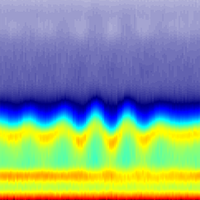
Phys. Rev. Lett. 136, 163201 (2026)
Atomic, Molecular, and Optical Physics
Phase-Dependent Squeezing in Dual-Comb Interferometry
Article | Atomic, Molecular, and Optical Physics | 2026-04-20 06:00 EDT
Daniel I. Herman, Molly Kate Kreider, Noah Lordi, Mathieu Walsh, Eugene J. Tsao, Alexander J. Lind, Matthew Heyrich, Joshua Combes, Scott A. Diddams, and Jérôme Genest
Manipulating the quantum noise of continuous-wave lasers through squeezing has reshaped optical interferometry. However, progress in optical frequency comb interferometry with pulsed squeezed sources has been limited, despite the role of frequency combs in ultraprecise optical metrology. Here, we in…
Phys. Rev. Lett. 136, 163601 (2026)
Atomic, Molecular, and Optical Physics
Quantum Signatures of Proper Time in Optical Ion Clocks
Article | Atomic, Molecular, and Optical Physics | 2026-04-20 06:00 EDT
Gabriel Sorci, Joshua Foo, Dietrich Leibfried, Christian Sanner, and Igor Pikovski
High-precision clocks based on quantum systems will work in a regime where a quantum description of proper time might be necessary.

Phys. Rev. Lett. 136, 163602 (2026)
Atomic, Molecular, and Optical Physics
Compatible Instability: Gauge Constraints of Elasticity Inherited by Electronic Nematic Criticality
Article | Condensed Matter and Materials | 2026-04-20 06:00 EDT
W. Joe Meese and Rafael M. Fernandes
A 19th-century theory of elasticity inspires a new way to analyze a quantum phase transition that has become central to modern quantum materials research.
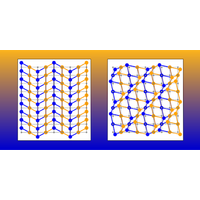
Phys. Rev. Lett. 136, 166501 (2026)
Condensed Matter and Materials
arXiv
Signature of Unconventional Superconductivity in the High Temperature Normal State Resistivity
New Submission | Superconductivity (cond-mat.supr-con) | 2026-04-21 20:00 EDT
Yuchen Wu, Yiwen Liu, Wanyue Lin, Zohar Nussinov, Sheng Ran
Unconventional superconductivity remains one of the central unsolved problems in quantum materials, and revealing its connection to the normal state is widely believed to be key to uncovering the pairing mechanism. Previous efforts have largely focused on the temperature range immediately above the superconducting transition, where specific scattering channels-such as strange-metal transport-have been identified as sharing a possible microscopic origin with superconductivity. Here, using machine learning, we demonstrate a strong correlation between normal-state resistivity and superconductivity in Fe-based superconductors. Remarkably, the predictive information reside in a wide window of 150-300 K, far above $ T_c$ of this family. We further show that the signatures of superconductivity are distributed across multiple scattering channels, which requires further theoretical investigation.
Superconductivity (cond-mat.supr-con)
Comment on “Extension of the adiabatic theorem”
New Submission | Statistical Mechanics (cond-mat.stat-mech) | 2026-04-21 20:00 EDT
Phys. Rev. B 113, 165102 (2026) proposed the conjecture that, for quantum quenches within the same phase, the overlap between the initial ground state and postquench eigenstates is maximal for the postquench ground state. We show that this conjecture is not valid in general. An explicit local, translationally invariant, gapped free-fermion counterexample exists even though the pre- and postquench Hamiltonians are connected by a symmetry-preserving gapped path and the thermodynamic-limit spectrum is continuous.
Statistical Mechanics (cond-mat.stat-mech), Quantum Physics (quant-ph)
Comment on arXiv:2505.06029
Quantum Tunnelling and Room-Temperature Superconductivity of Hydride from Size Effects
New Submission | Superconductivity (cond-mat.supr-con) | 2026-04-21 20:00 EDT
Superconductivity of a micron-sized hydride sample measured between metal probes under extreme pressure could be considered as a macroscopic quantum tunnelling phenomenon through metal-hydride-metal. The energy barrier height of hydride is regulated by pressure. The energy barrier width between tips of the metal probes should be minimized to limit the chance of exponential decay in electron tunnelling. There is also a thickness effect since thinner hydride samples around 1 micron are favoured for achieving higher superconductive temperatures. Hence, reduction in both barrier width and sample thickness is recommended to ensure optimum quantum tunnelling for realization of the room temperature superconductivity.
Superconductivity (cond-mat.supr-con)
Prepared for M2S Conference (Materials and Mechanisms of Superconductivity), Stuttgart Germany 19-25 July 2026. Abstract was submitted to M2S on 26 March 2026. 11 pages, 4 figures
Spectral origin of conformal invariance in active nematic turbulence
New Submission | Soft Condensed Matter (cond-mat.soft) | 2026-04-21 20:00 EDT
Zero-vorticity contours in the collective flows of living cells obey Schramm-Loewner evolution with diffusivity $ \kappa = 6$ and thus fall in the universality class of critical percolation. This observation is surprising because the underlying vorticity field has long-range correlations that, according to the Weinrib-Halperin criterion, should alter the universality class. Here we propose a spectral explanation for this apparent paradox in two-dimensional active nematic turbulence. The universal energy spectrum $ E(q) \sim q^{-1}$ implies sign-field correlations whose decay exponent $ a = 3/2$ matches the Weinrib-Halperin marginal threshold $ 2/\nu_0 = 3/2$ for two-dimensional percolation. At this marginal point the long-range correlations are irrelevant under renormalization, so the system flows to the uncorrelated percolation fixed point. Gaussian surrogate fields with the same spectrum confirm $ a = 3/2$ to three significant figures, and left-passage analysis of their zero-vorticity interfaces yields $ \kappa = 5.98 \pm 0.08$ , consistent with SLE_6.
Soft Condensed Matter (cond-mat.soft), Statistical Mechanics (cond-mat.stat-mech), Biological Physics (physics.bio-ph)
4 + 4 pages (main text + supplemental material), 2 figures, 2 tables
Concentration-dependent shear response of multi-chain amphiphilic block copolymer self-assemblies
New Submission | Soft Condensed Matter (cond-mat.soft) | 2026-04-21 20:00 EDT
Ehsan Kamali Ahangar, Dominic Robe, Elnaz Hajizadeh
Amphiphilic block copolymers self-assemble into diverse nanoscale morphologies with significant implications for drug delivery. This work presents systematic Brownian dynamics simulations of multi-chain diblock and triblock copolymers across dilute and semi-dilute unentangled regimes, hydrophobic fractions, f of 0-1, and shear rates of 0-0.1 1/ns. In the dilute regime, quiescent conditions yield spherical micelles evolving to cigar-like structures at shear rate ~0.01 1/ns and fragmenting at higher shear; varying f produces dispersed chains (f=0), cigar-like (f=0.25), short cylindrical (f=0.5), and gnarled or worm-like (f=0.75) micelles, culminating in sheet-like phase-separated structures (f=1). While, in the semi-dilute regime, shear drives collective reorganisation toward sheet-like morphologies at moderate rates before fragmentation; the f-dependent progression yields cigar-like (f=0.25), sheet-like (f=0.5), and necklace micelles (f=0.75), with larger phase-separated domains at f=1. Rheological characterisation reveals a universal architectural inversion between equilibrium and flow conditions: diblocks show higher equilibrium viscosity while triblocks maintain superior viscosity under flow via bridging networks. Aggregation number scaling exponents of alpha=0.833 in dilute, consistent with star-to-crew-cut bounds of 0.8 to 1.0, and alpha=1.07 in semi-dilute confirm the concentration-driven transition between regimes. Viscoelastic analysis establishes universal non-terminal power-law scaling across all conditions, governed by micellar relaxation dynamics independent of concentration or topology. These findings provide valuable insights into tailoring the injectability and flow behaviour of block copolymers in drug delivery formulations.
Soft Condensed Matter (cond-mat.soft)
Parametric Resonance and RF-to-THz Frequency Conversion in Semiconductor Plasmonic Crystals
New Submission | Mesoscale and Nanoscale Physics (cond-mat.mes-hall) | 2026-04-21 20:00 EDT
G. R. Aizin, J. Mikalopas, M. Shur
We show that plasma excitations in nanoscale field-effect transistor structures with periodic alternation of gated and ungated regions (plasmonic crystals) differ fundamentally from conventional plasmons in isolated gated or ungated regions. In contrast to the linear dispersion of purely gated plasmons and the square-root dispersion of ungated plasmons, these collective modes also exhibit a parabolic dispersion law characterized by a finite effective mass. We call these excitations “rotonic plasmons” emphasizing the analogy to roton-like excitations. The dynamics of rotonic plasmons are governed by a generalized Mathieu equation, describing either resonant or non-resonant parametric excitations of rotonic plasmons depending on damping. These nonlinear resonances can be efficiently driven by gate-voltage pumping, avoiding the spatial nonuniformities and electron drift velocity saturation effects associated with current-driven excitation. Gate-voltage pumping enables much higher terahertz (THz) power levels in plasmonic crystals. More importantly, in contrast to source-drain excitation, gate voltage pumping has the same gate voltage swing over large area transistors or transistor arrays. We develop a unified theory of rotonic plasmons and demonstrate their application for RF to THz frequency multiplication and THz generation. Starting from the general dispersion relation in plasmonic crystals based on coupled gated-ungated regions with two-dimensional electron gas, we derive the parabolic (“rotonic”) plasmon spectrum and establish its analogy with roton-like excitations. The analysis predicts parametric instabilities in III-N and III-V plasmonic crystals under gate-voltage pumping. The results confirm that these systems can function as tunable, compact THz sources and detectors suitable for emerging 6G communications and sensing applications.
Mesoscale and Nanoscale Physics (cond-mat.mes-hall), Applied Physics (physics.app-ph)
21 pages, 7 figures
Unveiling Topological Fusion in Quantum Hall Systems from Microscopic Principles
New Submission | Mesoscale and Nanoscale Physics (cond-mat.mes-hall) | 2026-04-21 20:00 EDT
Arkadiusz Bochniak, Shinsei Ryu, Jürgen Fuchs, Gerardo Ortiz
Establishing the fusion rules of anyonic quasiparticles in fractional quantum Hall fluids is essential for understanding their underlying topological order. Building on the conjecture that key topological properties are encoded in the “DNA” of candidate many-body wave functions - that is, the pattern of dominant orbital occupations restricted to a finite number of lowest Landau levels - we propose a combinatorial framework that derives these fusion rules directly from microscopic data. By extending Schrieffer’s counting argument and introducing classes of topological excitations, our framework provides a unified route to the fusion rules for both Abelian and non-Abelian excitations. This approach elucidates the emergence of topological features from first principles in both fermionic and bosonic systems.
Mesoscale and Nanoscale Physics (cond-mat.mes-hall), Strongly Correlated Electrons (cond-mat.str-el), Mathematical Physics (math-ph), Quantum Physics (quant-ph)
Emergent Information Formation in Prebiotic Protocell Clusters: A Computational Mechanics Framework of $ε$-Machines and Attractor Memory
New Submission | Soft Condensed Matter (cond-mat.soft) | 2026-04-21 20:00 EDT
Casimir-Lifshitz forces generate an unavoidable, long-range attraction between protocells under prebiotically realistic conditions. This interaction stabilizes mesoscale clusters such as tetrahedra, octahedra, and 13-cell icosahedra. These highly symmetric assemblies act as persistent macrostates whose transitions remain reproducible despite microscopic noise. A physics-guided coarse-graining yields a well-defined mesodynamics that can be represented as an $ \epsilon$ -machine: a small deterministic automaton whose causal states correspond to cluster attractors and whose transitions encode ordered reconfiguration pathways. The theory of Rosas et al. (Software in the natural world) shows that such systems can become informationally, causally, and computationally closed, thereby forming an autonomous proto-software layer. In this framework, prebiotic information does not arise from polymers but from attractor-based memory and structured transition dynamics in a purely physical cluster process.
Soft Condensed Matter (cond-mat.soft)
7 pages, 3 figures, The Eighteenth International Conference on Bioinformatics, Biocomputational Systems and Biotechnologies, BIOTECHNO 2026, Valencia, Spain
Supersolid Rotation in an Annular Bose-Einstein Condensate coupled to a Ring Cavity
New Submission | Quantum Gases (cond-mat.quant-gas) | 2026-04-21 20:00 EDT
Gunjan Yadav, Nilamoni Daloi, Pardeep Kumar, M. Bhattacharya, Tarak Nath Dey
We theoretically investigate an annularly confined Bose-Einstein Condensate (BEC) coupled to a four-mirror ring cavity supporting traveling-wave optical modes. Under symmetric driving by counter-propagating Laguerre-Gaussian beams carrying equal and opposite orbital angular momenta, the system realizes supersolid phases coexisting with persistent superfluid circulation. Specifically, we obtain a supersolid state if we start with a BEC of winding number $ L_p$ as well as supersolid packets with coherent superpositions of two different BEC $ L_p$ values. Under asymmetric pumping, realized with Laguerre-Gaussian beams of different orbital angular momenta, chiral symmetry is broken in the system, resulting in asymmetric cavity field amplitudes, directional density modulations, and tunable rotational dynamics of the resulting supersolid lattice. This leads to rotating supersolid density structures for a single winding-number state, and rotating wave packets for an initial superposition of rotational eigenstates. Finally, we probe the presence of Goldstone and Higgs modes which can be observed using minimally destructive measurements of the cavity output spectrum. Our mean-field theory reveals interference-driven rotation without physical stirring, and distinguishes our work from prior static cavity supersolids. Our results establish the ring cavity annular BEC as a versatile platform for generating chiral quantum matter, implementing rotation-sensing devices and generating atomtronic circuits with supersolids.
Quantum Gases (cond-mat.quant-gas), Optics (physics.optics), Quantum Physics (quant-ph)
Ultrafast Magneto-Pressure Spectroscopy and Control of Correlated Phases in a Trilayer Nickelate
New Submission | Superconductivity (cond-mat.supr-con) | 2026-04-21 20:00 EDT
Zhi Xiang Chong, Joong-Mok Park, Shuyuan Huyan, Avinash Khatri, Martin Mootz, Xinglong Chen, Daniel P. Phelan, Liang Luo, Ilias E. Perakis, J. F. Mitchell, Sergey L. Bud’ko, Paul C. Canfield, Jigang Wang
Ultrafast spectroscopy under simultaneous high pressure and magnetic field provides a versatile approach for investigating pressure-driven electronic instabilities and correlated phases, and for probing potential bulk superconducting behavior under extreme conditions. However, such an experimental platform has yet to be implemented, standing as a roadblock to a fuller understanding of nonequilibrium superconductivity and vortex-controlled quasi-particle (QP) dynamics.
Here, we bridge this capability gap by developing high pressure (up to 40 GPa), high magnetic field (up to 7 T), cryogenic (down to 5 K) femtosecond spectroscopy, and using it to probe magneto-pressure evolution of quasiparticle dynamics in the trilayer nickelate $ \mathrm{Pr}_4\mathrm{Ni}3\mathrm{O}{10}$ .
We observe pronounced critical slowing down of QP relaxation at the charge-density-wave transition, which collapses under applied pressure. At higher pressures, the relaxation instead lengthens at low temperature, consistent with incipient superconducting correlations.
However, the negligibel magnetic-field-dependence up to 7~T and absence of vortex-induced pre-bottleneck dynamics–robust signatures observed in our controlled bulk superconducting samples–indicates that any superconducting state under the present pressure conditions is likely non-bulk, filamentary, or strongly inhomogeneous.
The magneto-pressure ultrafast capability opens a new avenue for resolving outstanding questions surrounding pressure-induced superconductivity and intertwined orders in correlated quantum materials.
Superconductivity (cond-mat.supr-con), Materials Science (cond-mat.mtrl-sci), Strongly Correlated Electrons (cond-mat.str-el)
Conformal Elastodynamics in 2D Dilational Metamaterials
New Submission | Soft Condensed Matter (cond-mat.soft) | 2026-04-21 20:00 EDT
Neel Singh, Audrey A. Watkins, Giovanni Bordiga, Vincent Tournat, Katia Bertoldi, Zeb Rocklin
Flexible mechanical structures can undergo large deformations under small loads, enabling large, complex, and nonlinear wave responses under finite-frequency driving. Here, we study a dynamically driven canonical flexible mechanical metamaterial composed of rigid squares connected at their corners by flexible hinges. This metamaterial supports a uniform dilational mechanism and, in the limit of ideal joints, exhibits a Poisson ratio of -1. The presence of this dilational mode of deformation gives rise to a conformal symmetry, in which the dynamics are approximately invariant under a wide class of physical transformations – conformal maps. We find that the low-frequency response of the system is dominated by conformal deformations consisting of spatially varying rotations and dilations concentrated at the boundary. Even at high frequencies, each conformal map implies a conserved spatially complex momentum. We explore how experimental parameters such as material stiffnesses and the geometry and number of unit cells allow experimental conformal momenta to approach this conservation, varying slowly compared to the non-conformal momenta of same order. These results constitute a new framework opening fundamental avenues for the study of conformal wave phenomena in dilational metamaterials as well as potential strategies for controlling nonlinear waves and vibrations.
Soft Condensed Matter (cond-mat.soft), Applied Physics (physics.app-ph)
Two New Molecular Nitrogen Phases near Megabar Pressures
New Submission | Materials Science (cond-mat.mtrl-sci) | 2026-04-21 20:00 EDT
Alexander F. Goncharov, Elena Bykova, Iskander Batyrev, Maxim Bykov, Huawei Chen, William Palfey, Mahmood Mohammad, Stella Chariton, Vitali Prakapenka, Jesse S. Smith
Molecular nitrogen exhibits remarkable structural diversity near the polymeric transition, where multiple phases are metastable. Here, we report two new molecular phases. The first, $ t\zeta$ -N$ _2$ , is a polytype of monoclinic $ C2/c$ $ \zeta$ -N$ _2$ , characterized by a tripled $ c$ axis and 96 atoms per unit cell. The second, $ \xi$ -N$ _2$ , is a previously unreported hexagonal phase ($ P6cc$ ) containing 112 atoms per unit cell. Both phases were synthesized in a diamond anvil cell by laser heating $ \zeta$ -N$ _2$ to 1800–2500K at pressures of 78–98GPa. Their crystal structures were determined using single-crystal X-ray diffraction, corroborated by Raman spectroscopy, and supported by first-principles calculations. The $ t\zeta$ -N$ _2$ phase likely corresponds to the previously reported $ \kappa$ -N$ _2$ phase.
Materials Science (cond-mat.mtrl-sci)
26 pages, 10 figures, 4 Tables
Nonequilibrium Cooper quartet generation in superconducting devices
New Submission | Mesoscale and Nanoscale Physics (cond-mat.mes-hall) | 2026-04-21 20:00 EDT
Luca Chirolli, Alessandro Braggio, Michele Governale
Cooper quartets are aggregates of four electrons that generalize the concept of Cooper pairs, and their study can unfold unexplored perspectives in correlated matter and many-body physics. We propose a method to isolate them in a double-quantum-dot system coupled to conventional superconducting and normal leads. By driving the system out of equilibrium, we show that a resonance between the vacuum $ |0\rangle$ and the four-electron state $ |4e\rangle$ emerges in the high bias voltage regime, which involves a two-Cooper pair exchange process and is characterized by finite quartet correlations. We study the transport properties of the system and show that a peak in the Andreev current at high bias voltage has a width that scales with the magnitude of the quartet coupling $ \Gamma_{4e}$ , which can be tuned by the phase of additional superconducting leads, yielding distinctive signatures. By further studying the current-current correlations and the Fano factor, we establish a regime characterized by equal auto- and cross-correlations, which we interpret as a definitive signature of fast coherent two-Cooper-pair oscillations between the dots and the superconducting leads. The proposed platform, experimentally accessible in a quantum solid-state laboratory, enables exploration of quartet correlations and multifermion-correlated states of matter.
Mesoscale and Nanoscale Physics (cond-mat.mes-hall), Strongly Correlated Electrons (cond-mat.str-el), Superconductivity (cond-mat.supr-con)
22 pages, 7 figures
Thermodynamic Curvature and the Widom Ridge in Interacting Spin Systems
New Submission | Statistical Mechanics (cond-mat.stat-mech) | 2026-04-21 20:00 EDT
We develop a geometric formulation of thermodynamic response in the classical Ising model by defining a curvature field over the control manifold spanned by inverse temperature $ \beta$ and magnetic field $ h$ . We show that the existence of nontrivial curvature depends sensitively on the choice of control variables: while the $ (J,h)$ manifold at fixed temperature is integrable and exhibits zero curvature, the $ (\beta,h)$ manifold supports a finite curvature field arising from variations of the statistical ensemble. This curvature is given by a mixed derivative of the free energy and can be expressed directly as the covariance between energy and magnetization fluctuations. We evaluate the curvature field using Monte Carlo sampling and demonstrate that it develops a pronounced ridge structure extending from the critical point into the supercritical regime. This identifies the Widom line as a geometric feature of control space, corresponding to a locus of maximal thermodynamic response. More generally, the formulation provides a direct connection between geometric thermodynamics, critical phenomena, and experimentally accessible observables, and suggests that thermodynamic curvature may be probed through measurements of work performed under cyclic driving protocols.
Statistical Mechanics (cond-mat.stat-mech), Disordered Systems and Neural Networks (cond-mat.dis-nn)
Anisotropic spin-valley coupling in SiMOS and Si/SiGe quantum dots
New Submission | Mesoscale and Nanoscale Physics (cond-mat.mes-hall) | 2026-04-21 20:00 EDT
N. Tobias Jacobson, Natalie D. Foster, Ryan M. Jock, Andrew M. Mounce, Daniel R. Ward, Malcolm S. Carroll, Dwight R. Luhman
While bulk silicon has long been understood to exhibit relatively weak spin-orbit coupling (SOC), confinement of electrons to quantum dots (QDs) at a silicon heterointerface results in significantly larger SOC. This is a concern for electron spin qubit performance, as intravalley and intervalley SOC can significantly perturb the operation of electron spin qubits. While these interactions can be harnessed to drive coherent rotations in a singlet-triplet qubit, coupling to low-lying excited valley states can lead to undesirable spin relaxation when valley splitting is on resonance with the Zeeman energy. In this work, we measure the angular dependence of the interfacial spin-orbit interaction as a function of the direction and magnitude of an applied external magnetic field in SiMOS and Si/SiGe heterostructures, two common material platforms for silicon spin qubits. We construct a physical model that accurately infers intra- and inter-valley SOC physics from fits to the data, allowing for a direct comparison between these two material systems. For the devices measured we find that, while the $ g$ -factor differences are comparable, the SiMOS QDs exhibit an order of magnitude larger spin-valley coupling than for Si/SiGe. Moreover, we find that the angular dependence of the spin-valley coupling is similar for both devices, with similar magnetic field orientations minimizing the spin-valley coupling. Our work points towards operational schemes for optimizing spin-valley coupling to avoid or exploit this mechanism for qubit operation.
Mesoscale and Nanoscale Physics (cond-mat.mes-hall), Quantum Physics (quant-ph)
16 pages, 13 figures
Quantum many-body operator cascade as a route to chaos
New Submission | Statistical Mechanics (cond-mat.stat-mech) | 2026-04-21 20:00 EDT
Dynamical properties of classical chaotic systems, for instance relaxation, can be understood as emerging from the time evolution of initially smooth long-wavelength densities to ever finer short-wavelength densities with fractal structure. Whether there is any analogous fractality by which one could characterize quantum many-body chaos is not known. By studying the spectral properties of the truncated operator propagator, we provide such structures. Namely, we show that the slowest-decaying operators, i.e., the leading Ruelle-Pollicott eigenvectors, have a nontrivial fractal dimension quantifying their non-locality, visible also in the divergence of their condition numbers. Furthermore, we find that unitarity imposes a constraint, i.e., an (approximate) equality, between the temporal decay rate of local correlations and this spatial operator fractal dimension. With this insight, a scenario for many-body quantum chaos becomes clear: over time, local operators evolve towards increasingly non-local ones with a quantifiable fractal structure, thereby naturally leading to effective non-unitary relaxation on the subspace of local operators - a kind of many-body Kolmogorov cascade in the space of operators. Our predictions are demonstrated in various quantum circuits: the kicked Ising model, brickwall circuits with a random 2-qubit gate, and dual-unitary circuits, where our results are exact.
Statistical Mechanics (cond-mat.stat-mech), Chaotic Dynamics (nlin.CD), Quantum Physics (quant-ph)
13 + 7 pages, 10 figures
Dynamics of spinor Bose-Einstein condensates close to spin-spatial resonances
New Submission | Quantum Gases (cond-mat.quant-gas) | 2026-04-21 20:00 EDT
We develop a coupled-channel framework to describe the dynamics of spinor Bose-Einstein condensates (BECs), with particular emphasis on the behavior near resonances between spin dynamics and spatial excitations. Taking advantage of the disparity between the spin-dependent and spin-independent scattering lengths in typical spinor BECs, the Bogoliubov modes of the spin-independent part of the full system Hamiltonian provide an efficient set of basis functions for describing the system dynamics in a coupled-channel framework. For quadratic Zeeman shifts far from any resonance, the system can be described by a single spatial wavefunction during the spin dynamics, i.e., the so-called single-mode approximation holds. By tuning the quadratic Zeeman shift, we find resonant excitations of the Bogoliubov modes, which can be classified into two categories: those with particle-hole correlations and those without particle-hole correlations. We show that the beyond-quadratic-order terms that are neglected in standard Bogoliubov theories become increasingly important for capturing the long-time dynamics of the system near resonances. The coupled-channel framework is benchmarked against results from 1D Gross-Pitaevskii equation simulations. The framework developed in this work not only provides a numerically efficient tool for describing spinor BEC dynamics governed by different length scales, but also provides a clean physical interpretation of resonance phenomena in spinor BECs. Applications of this approach to other systems and extensions to the beyond-mean-field regime are also discussed.
Quantum Gases (cond-mat.quant-gas)
22 pages, 9 figures
Intrinsic grain-size gradients upon grain growth near a free surface
New Submission | Materials Science (cond-mat.mtrl-sci) | 2026-04-21 20:00 EDT
Jing Tang, Runlu Yan, Donglan Zhang, Ronald Schnitzer, Lorenz Romaner, Marlene Kapp, Marco Salvalaglio, Oliver Renk
Grain growth fundamentally shapes the microstructure of crystalline materials upon annealing, affecting their overall mechanical and functional properties. Recently, it has been rationalized that grain growth in polycrystals does not result solely from weighted curvature flow, but elastic effects (intrinsic stress) arised from shear coupling also need to be taken into account. We characterize and examine the effect of free surfaces on grain growth kinetics of high-purity, bulk polycrystalline nickel. By analyzing the microstructural evolution on cross sections of 1 mm thick specimens from the surface to the interior, as well as through in-plane investigations on specimens with varying thickness (1 mm, 40 $ \mu$ m, and 10 $ \mu$ m), an intrinsic grain-size gradient was identified, characterized by a gradual increase in grain size towards the interior. Interestingly, this grading was not restricted to the very surface but continued to depths of five to ten layers of grains, where effects from thermal grooves are considered negligible. We demonstrate that this behavior is significantly affected by elastic relaxation at the free surface, which alters the internal stress fields generated by shear-coupled grain boundary migration. These findings emphasize the relevance of free surfaces to the microstructural evolution of polycrystal.
Materials Science (cond-mat.mtrl-sci)
8 figures in the main text; 3 figues in the supplementary information
Reevaluating Quantum Geometric Criteria for Itinerant Magnetic Instabilities
New Submission | Strongly Correlated Electrons (cond-mat.str-el) | 2026-04-21 20:00 EDT
The interplay between quantum geometry and electron correlation has emerged as a compelling paradigm in quantum many-body physics. Recent studies have highlighted the diagnostic utility of quantum geometry in identifying magnetic instabilities within itinerant electron systems. In the present work, we critically re-examine these theoretical proposals. Using the Ginzburg-Landau framework within the Hartree-Fock mean-field approximation and accounting for multiple channels of magnetic ordering, we formulate a rigorous matrix-based instability criterion in the channel representation for generic two-orbital systems. Our results demonstrate that magnetic phase transitions are intricately governed by the interplay between the bare susceptibility tensor and the spin interaction matrix. Consequently, prior assertions that instabilities can be predicted solely from the quantum geometric structure of a single-channel susceptibility are valid only under complete channel decoupling in both the interaction and susceptibility matrices. By adopting the channel representation, our formulation achieves greater physical transparency and computational tractability compared to the conventional orbital-space approach, thereby furnishing a promising alternative for advancing theoretical studies of complex multi-orbital systems.
Strongly Correlated Electrons (cond-mat.str-el)
8 pages
A new thermodynamic language for colloid systems
New Submission | Soft Condensed Matter (cond-mat.soft) | 2026-04-21 20:00 EDT
Junfeng Zhou, Geliang Zhu, Lei Xu
A simple framework is presented for unified applications in various fields of colloidal research, with minimal additional concepts & definitions. Several case studies concerning glass transition & crystallization are provided under the minimalist version, upon which adaptations can be made to suit more complicated topics. Major factors influencing accuracy are also discussed.
Soft Condensed Matter (cond-mat.soft)
11 pages, 4 figures
Impact dynamics of flexible hydrogels on solid substrates of different wettabilities
New Submission | Soft Condensed Matter (cond-mat.soft) | 2026-04-21 20:00 EDT
Akash Chowdhury, Surjyasish Mitra, Sushanta K. Mitra
In this work, we perform experiments with spherical polyacrylamide (PAAm) hydrogel drops/spheres, spanning a broad range of shear moduli and impact velocities on hydrophilic (plasma-treated glass) and hydrophobic (silane-coated) substrates, yielding an elastic number El variation of five orders of magnitude. Transient spreading morphology and impact force were simultaneously resolved using synchronized high-speed imaging and piezoelectric force sensing. At low elastic numbers ($ El < 1$ ), impacting hydrogels exhibit a hybrid poroelastic response: a liquid-rich contact foot is expelled from the polymer network and spreads independently, while the bulk drop undergoes viscoelastic contact-line pinning into a pancake geometry at maximum deformation. At high elastic numbers ($ El > 1$ ), contact foot spreading is suppressed, and deformation is accurately described by a neo-Hookean energy balance, yielding a maximum spreading factor independent of substrate wettability. Further, we show that the normalized peak impact force $ F^\ast$ collapses to a constant value consistent with the Wagner limit for $ El < 1$ and follows a power-law scaling $ F^\ast \sim El^{0.38}$ for $ El > 1$ , in close agreement with both Hertzian and neo-Hookean predictions, and independent of substrate wettability. Furthermore, we highlight that post-impact retraction is suppressed across nearly the entire parameter space due to adsorbed polymer chains anchoring the receding gel network to the substrate, producing circumferential ridge instabilities; rebound occurs only when elastic restoring forces overcome the work of adhesion.
Soft Condensed Matter (cond-mat.soft), Fluid Dynamics (physics.flu-dyn)
Theoretical and Numerical Efforts in Understanding Modern Experiments on Quantum Magnetism
New Submission | Strongly Correlated Electrons (cond-mat.str-el) | 2026-04-21 20:00 EDT
Zi Yang Meng, Cristian D. Batista, Shiliang Li
In recent decades, the study of quantum magnets, which feature unconventional behaviour such as exotic quantum phase transitions and quantum spin liquids, and unconventional magnetic states of matter, has made remarkable progress. However, each of the three foundational pillars – numerical simulations, analytical methods, and, to a lesser extent, materials synthesis and experiments – often tends to view itself as the primary driver of the field. Even through the need for collaboration among theory, numerics and experiment to understand the complex phases of quantum magnets is well established, yet, in our view there remains a persistent perception from experts in one area that the other two serve merely as supporting tool, primarily useful for validating the dominant ideas of one specialty, and less relevant to shaping the underlying scientific narrative. In this article, we advocate for a different, more integrated approach to overcome the challenges faced by quantum magnetism researchers. We argue that this alternative mindset has already started to advance the understanding of several important quantum magnetic models and their materials realizations.
Strongly Correlated Electrons (cond-mat.str-el)
9 pages, 3 figures, review article
On the complementary roles of anisotropic crack density and anisotropic crack driving force in phase-field modeling of mixed-mode fracture
New Submission | Materials Science (cond-mat.mtrl-sci) | 2026-04-21 20:00 EDT
Guk Heon Kim, Minseo Kim, Kwangsan Chun, Jaemin Kim
Phase-field models for anisotropic fracture employ two complementary mechanisms: (i) the anisotropic crack density function, controlling direction-dependent fracture resistance, and (ii) the anisotropic strain energy, governing the fracture driving force. Although the unified framework was presented in Pranavi et al.[Comput. Mech., 73 (2024)], the distinct roles of these mechanisms and their interaction remain uninvestigated. This work addresses this gap by first validating the formulation against mixed-mode fracture experiments on a soft elastomer (Lu et al. [Extreme Mech. Lett., 48 (2021)]), and then conducting systematic parametric studies on single-edge-notched (SEN) and open-hole tension (OHT) specimens to isolate each mechanism. The SEN studies show that the crack density anisotropy controls the crack path and toughness while leaving the elastic response unchanged, whereas the anisotropic strain energy deflects the crack but saturates rapidly. The OHT studies reveal a geometry-dependent role expansion: the anisotropic strain energy governs fiber-orientation-dependent stiffness, peak force, and fracture displacement. When both mechanisms act together, the combined response exhibits nonlinear synergistic interaction exceeding the linear sum of the individual contributions. These results establish that the crack density anisotropy governs the crack path (fracture resistance), while the anisotropic strain energy governs the driving force and, in stress-concentration geometries, additionally controls the elastic strain energy distribution around the stress concentrator.
Materials Science (cond-mat.mtrl-sci), Soft Condensed Matter (cond-mat.soft), Dynamical Systems (math.DS)
31 pages, 17 figures
Charge-Density Waves of Single and Double NbS$_{3}$ Chains
New Submission | Mesoscale and Nanoscale Physics (cond-mat.mes-hall) | 2026-04-21 20:00 EDT
S. Tanda, S. Kashimoto, H. Yamamoto, K. Inagaki, H. Nobukane, Y. Fukuda
The physics of a genuine one-dimensional system in which electrons are confined in one direction remains unclear. The actual electronic state of such a genuinely one-dimensional system has not been investigated in previous experiments, for they have all been conducted on quasi-one-dimensional specimens, namely in strongly anisotropic bulk crystals. Conventionally, charge-density waves (CDWs) driven by Fermi surface nesting have been considered to appear in one-dimensional electron-lattice systems. However, the CDW transitions actually observed to date have all occurred in quasi-one-dimensional systems and therefore do not directly indicate a genuine one-dimensional electronic state.
We investigated, for the first time, isolated single and double-chain NbS$ _{3}$ samples using the carbon-nanotube-sheath method and discovered CDWs in both systems. In the single-chain, surprisingly, a $ (1/4)b^\ast$ CDW was observed, in contrast to the $ (1/3)b^\ast$ CDW that has been observed in bulk samples. In the double-chain, the coexistence of a $ (1/2)b^\ast$ dimer structure and a $ (1/3)b^\ast$ CDW was confirmed. This discovery represents a significant advancement in the field of low-dimensional physics, surpassing the limitations of previous studies on bulk systems.
Mesoscale and Nanoscale Physics (cond-mat.mes-hall)
17 pages, 4 figures
UCd$_{11}$: A strongly localized 5$f^3$ material
New Submission | Strongly Correlated Electrons (cond-mat.str-el) | 2026-04-21 20:00 EDT
Martin Sundermann, Naoki Ito, Daisuke Takegami, Chun-Fu Chang, Sheng-Huai Chen, Chang-Yang Kuo, Simone G. Altendorf, Andrei Gloskovskii, Hlynur Gretarsson, Eric D. Bauer, Jan Kuneš, Liu Hao Tjeng, Andrea Severing, Atsushi Hariki
UCd$ {11}$ is an antiferromagnetic uranium intermetallic compound ($ T{\rm N}$ = 5.3K) with enhanced electron mass and uranium-uranium spacings nearly twice the Hill limit, suggesting a weakly hybridized 5$ f$ electronic character. Various x-ray spectroscopy techniques indicate that uranium in UCd$ _{11}$ adopts the formal U$ ^{3+}$ 5$ f^3$ configuration, while core-level photoemission spectroscopy (PES) data of UCd$ _{11}$ reveal only a weak satellite feature, typically interpreted as a signature of itinerancy. In this work, we present density functional theory (DFT) combined with dynamical mean-field theory (DMFT) calculations of UCd$ _{11}$ , using material-specific parameters tuned to reproduce valence-band PES spectra at different photon energies, thereby exploiting the energy dependence of photoionization cross sections. Our results demonstrate that UCd$ _{11}$ is a highly localized uranium 5$ f^3$ system. Furthermore, core-level spectra obtained from a DFT+DMFT Anderson impurity model reveal that, contrary to common assumptions, the presence or absence of satellite structures is not a reliable indicator of strong correlations or itinerant 5$ f$ behavior.
Strongly Correlated Electrons (cond-mat.str-el), Materials Science (cond-mat.mtrl-sci)
Phys. Rev. Research 8, 023008 (2026)
Band mixing and particle-hole asymmetry in moiré fractional Chern insulators
New Submission | Strongly Correlated Electrons (cond-mat.str-el) | 2026-04-21 20:00 EDT
Nicolás Morales-Durán, Jingtian Shi, Cristian Voinea, Paweł Potasz, Jennifer Cano
We investigate the effect of remote band mixing on the stability of fractional Chern insulators in a family of models that approximate continuum descriptions of moiré materials. Our results suggest that the experimentally observed asymmetry between filling fractions $ \nu=1/3$ and $ \nu=2/3$ in twisted MoTe$ _2$ originates from a competition between a fractional Chern insulator, an electron Wigner crystal, and a hole Wigner crystal. In the absence of band mixing, the leading instability at $ \nu = 1/3$ is the electron crystal, whereas at $ \nu = 2/3$ the main competing phase is the hole crystal. Remote band mixing substantially lowers the energy of the electron crystal but has only a weak effect on the hole crystal. Consequently, it destabilizes the fractional Chern insulator at $ \nu=1/3$ more strongly than at $ \nu=2/3$ . This mechanism also provides an explanation for the emergence of re-entrant integer quantum anomalous Hall states in moiré MoTe$ _2$ for fillings $ \nu>1/2$ .
Strongly Correlated Electrons (cond-mat.str-el)
15 pages, 13 figures
Evolution of topological phases in atomically thin WTe2 films
New Submission | Mesoscale and Nanoscale Physics (cond-mat.mes-hall) | 2026-04-21 20:00 EDT
Changcang Qiao, Chen-Chia Hsu, Tao Zhang, Zhiming Sun, Dong Qian, Yang-hao Chan, Peng Chen
Topological materials ranging from topological insulators to semimetals host many novel quantum phenomena including quantum spin Hall effect and topological Fermi arcs. Transitions between these topological phases have attracted much research interest. We performed angle-resolved photoemission spectroscopy (ARPES) on WTe2 ranging from a monolayer to the bulk and reveal the evolution of the electronic structure and the band gap. Notably, the gap observed in the monolayer system is suppressed in the three layers, where the film becomes metallic. Variations in the topological properties with thickness are demonstrated by the first-principles calculations. Topological Z2 invariant is shown to oscillate between 1 and 0 with the addition of layers, originating from the interlayer coupling-induced change in band crossing. The system evolves into a Weyl semimetal when the conduction and valence bands touch near the Fermi level and the topological nature is described by the Chern number. Our findings demonstrate the non-monotonic dependence of topological states on dimensionality and how layer-driven electronic band reconfiguration leads to phase transitions in solids.
Mesoscale and Nanoscale Physics (cond-mat.mes-hall), Materials Science (cond-mat.mtrl-sci)
16 pages, 4 figures, accepted by Chinese Physics Letters
Chin. Phys. Lett. 2026 43(5): 050702
Quantum Computing of Phonon Spectra and Thermal Properties of Crystalline Solids
New Submission | Materials Science (cond-mat.mtrl-sci) | 2026-04-21 20:00 EDT
Naman Khandelwal, Bikash K. Behera, Ashok Kumar, Prasanta K. Panigrahi
Variational quantum algorithms offer a promising framework for solving eigenvalue problems on near-term quantum hardware, yet their applicability beyond electronic structure calculations remains relatively unexplored. In this work, we investigate the quantum computing of lattice vibrational and thermodynamical properties by applying the variational quantum eigensolver and variational quantum deflation to phonon Hamiltonians derived from first-principles force constants obtained using density functional theory. The mass-weighted dynamical matrix is mapped onto a qubit-encoded Hermitian operator, enabling computation of the full set of acoustic and optical phonon branches of crystalline silicon and graphene using a reduced qubit register and direct benchmarking against classical diagonalization. The quantum-computed phonon spectrum is further used to evaluate vibrational entropy, constant-volume specific heat, and thermal expansion coefficient, reproducing expected low-temperature quantum behavior and the high-temperature Dulong-Petit limit. We further demonstrate that combined error mitigation strategies help recover phonon dispersions and thermodynamic behavior consistent with expected trends on near-term quantum hardware. Although classical phonon methods remain computationally superior, our results establish phonon-based thermodynamics as a stringent and physically transparent benchmark for assessing variational quantum algorithms on near-term quantum devices.
Materials Science (cond-mat.mtrl-sci), Other Condensed Matter (cond-mat.other)
33 pages, 10 figures, 3 tables
Crystal Anisotropy Implications on the Magneto-Optical Properties of van der Waals FePS3
New Submission | Materials Science (cond-mat.mtrl-sci) | 2026-04-21 20:00 EDT
Ellenor Geraffy, Kusha Sharma, Shahar Zuri, Faris Horani, Adam K. Budniak, Muhamed Dawod, Yaron Amouyal, Thomas Brumme, Andrea Maricel León, Thomas Heine, Rajesh Kumar, Doron Naveh, Efrat Lifshitz
Antiferromagnetic FePS3 has recently gained significant interest in its potential applications in spin-related devices. Here, we show that in-plane structural anisotropy has a major impact in shaping the optical responses of FePS3 single-crystals from the bulk form down to the monolayer limit. X-ray diffraction on a bulk FePS3 crystal confirms a distorted FeS6 octahedron causing inequivalent Fe-Fe distances and consequently resulting in a higher a/b lattice parameter ratio. Micro-photoluminescence observations on bulk and monolayer FePS3 reveal four emissions: one intra-atomic d-d transition (band A, centered at ~1.24 eV) and three p-d charge transfer transitions (bands B, C, and D, centered around ~1.79 eV, ~2.3 eV, and ~2.56 eV, respectively). These bands exhibit different polarization behaviors, which persist down to the monolayer limit. Density functional theory calculations from bulk to monolayer FePS3 reveal the underlying electronic structure, assign the observed emissions, and indicate why these peaks have contrasting linear and circular polarization responses. These results establish a direct structure-optics relation in FePS3, highlighting the strong coupling between lattice anisotropy, electronic transitions, and symmetry-selective optical selection rules.
Materials Science (cond-mat.mtrl-sci)
Wave Packet Propagation in Tilted Weyl Semimetals for Black Hole Analog Systems
New Submission | Mesoscale and Nanoscale Physics (cond-mat.mes-hall) | 2026-04-21 20:00 EDT
We explore the realization of distinct analog black hole horizons within tilted Weyl semimetals by comparing two models with contrasting spectral properties. We demonstrate that a spatially varying tilt in the Weyl cone structure creates an effect analogous to the tilting of light cones near a gravitational black hole horizon. By analyzing wave packet dynamics in both models, we reveal two fundamentally different types of analog horizons. The first model exhibits complete wave packet reflection, effectively mimicking an impenetrable barrier. In contrast, the second model permits wave packet transmission across the horizon. Critically, for both models, wave packets initialized with zero momentum ($ k_0=0.0$ ) experience the strongest horizon effects, characterized by a dramatic slowing and significantly longer dwell times at the horizon region. Finally, we find that both systems exhibit substantial probability loss, which we demonstrate is directly correlated with the wave packet’s dwell time near the horizon. Our findings establish tilted Weyl semimetals as a rich, tunable platform for investigating non-trivial quantum effects and information dynamics associated with analog black hole horizons.
Mesoscale and Nanoscale Physics (cond-mat.mes-hall), General Relativity and Quantum Cosmology (gr-qc)
12 pages, 7 figures
The Origin of Linearly-Polarized Photoluminescence in WS2/WSe2 Moiré superlattices
New Submission | Materials Science (cond-mat.mtrl-sci) | 2026-04-21 20:00 EDT
Yuto Urano, Ryo Tamura, Yui Tamogami, Toshikaze Kariyado, Yasumitsu Miyata, Daichi Kozawa, Kenji Watanabe, Takashi Taniguchi, Ryo Kitaura
Reliable optical control of valley degrees of freedom in moire excitons requires that the emitted polarization faithfully reflect the underlying valley state. Here, we show that linearly polarized photoluminescence from WS2/WSe2 moiré excitons is largely insensitive to the excitation polarization and therefore is not primarily governed by valley-contrast selection rules. Automated polarization-resolved photoluminescence and Raman mapping at cryogenic temperatures reveal that the degree of linear polarization correlates strongly with local Raman shifts and moiré-exciton observables, identifying strain as the dominant experimental correlate. Exhaustive linear-regression analysis further shows that strain-related descriptors provide the best prediction of the observed polarization. Guided by theory, we attribute this behavior to strain-amplified breaking of C3 symmetry in the moire potential: weak uniaxial strain produces only partial cancellation of locally elliptical emission, yielding a finite far-field degree of linear polarization. These results establish strain as a key control parameter for reliable optical readout in TMD moire superlattices.
Materials Science (cond-mat.mtrl-sci), Mesoscale and Nanoscale Physics (cond-mat.mes-hall)
On the Energy Dissipation in the Landau-Lifshitz-Gilbert Equation
New Submission | Materials Science (cond-mat.mtrl-sci) | 2026-04-21 20:00 EDT
Kutay Kulbak, Mohamed Iyad Boualem, Charlie Masse, Mariana Delalibera de Toledo, Vasily V. Temnov
The dynamics of magnetization near a stable equilibrium in ferromagnetic nanomagnets are examined within the Landau–Lifshitz–Gilbert (LLG) framework. For a small angle precession, the dependence of ferromagnetic resonance (FMR) frequency, the damping constant and the resulting quality factor $ Q$ of the resonance on the local curvature around the free-energy minimum is systematically analyzed. Special attention is devoted to the behavior of the FMR decay time in the vicinity of bifurcation points, where the number of metastable energy minima changes and the commonly used approximation for the quality factor $ Q\simeq 1/2\alpha$ (where $ \alpha$ denotes the Gilbert damping) fails.
Materials Science (cond-mat.mtrl-sci), Mathematical Physics (math-ph), Classical Physics (physics.class-ph)
Hierarchical spectral inhomogeneity in photoluminescence of a twisted MoSe2/WSe2 heterobilayer moiré superlattice revealed by hyperspectral mapping
New Submission | Materials Science (cond-mat.mtrl-sci) | 2026-04-21 20:00 EDT
Nurul Fariha Ahmad, Yuto Urano, Kenji Watanabe, Takashi Taniguchi, Daichi Kozawa, Ryo Kitaura
Low-temperature photoluminescence from MoSe2/WSe2 moiré superlattice often consists of a broad interlayer emission background with dense, narrow peaks, making microscopic line-by-line assignment difficult. Here, we use hyperspectral photoluminescence mapping and peak-decomposition-free spectral analyses to determine how this spectral complexity is organized in space. A 20 x 20 map acquired with a 400 nm pitch reveals three dominant spectral families that form contiguous real-space domains. Feature-wise spatial correlation analysis and whole-spectrum similarity yield a characteristic micron-scale length of 1.27-2.05 um, all exceeding the 0.85 um optical spot size. At the same time, individual pixels retain a dense, multi-peak structure, implying an unresolved local spectral manifold below optical resolution. Correlations among centroid, dominant energy, asymmetry, width, entropy, sharp fraction, and roughness indicate that the micron-scale energy landscape and local manifold complexity can be statistically separated, while remaining correlated across the map, consistent with a hierarchical organization of the emission spectrum. These results establish hierarchical inhomogeneity as an organizing principle of MoSe2/WSe2 moiré superlattice photoluminescence.
Materials Science (cond-mat.mtrl-sci), Mesoscale and Nanoscale Physics (cond-mat.mes-hall)
Solution of the Ising model with Brascamp-Kunz boundary conditions by the transfer matrix method
New Submission | Statistical Mechanics (cond-mat.stat-mech) | 2026-04-21 20:00 EDT
The square lattice Ising model under the Brascamp-Kunz boundary conditions is a well-known exactly solvable lattice model. The exact solution of this system has been derived within the framework of Pfaffian-type method. In this paper we provide a derivation for the solution by the Schultz-Mattis-Lieb method in the transfer matrix formalism. We set special interactions on the boundaries and take certain limit of these interactions, so that the system under the Brascamp-Kunz boundary conditions is transformed into another system under the toroidal boundary conditions. The Schultz-Mattis-Lieb method is applied to the mapping system and the partition function is exactly solved in the fermionic representation. The Fisher zeros are analytically calculated and the physical critical point is identified. We also discuss the difference between the transfer matrix approaches to the Brascamp-Kunz and to the toroidal boundary conditions. Our work introduces a member to the family of transfer-matrix-based studies for Ising model under various boundary conditions.
Statistical Mechanics (cond-mat.stat-mech), Mathematical Physics (math-ph)
12 pages, 2 figs
Motility and interfacial instability of confined chemically active droplets
New Submission | Soft Condensed Matter (cond-mat.soft) | 2026-04-21 20:00 EDT
Pawan Kumar, Sobiya Ashraf, Naveen Tiwari, Dipin Pillai, Rahul Mangal
Microorganisms navigating through narrow spaces encounter significant hydrodynamic challenges. To overcome these constraints and sustain efficient motion, they employ adaptive strategies, including adaptive oscillatory body deformations. While artificial microdroplets can traverse channels narrower than their diameter, studies of their locomotion have thus far been largely restricted to steady-shape regimes. In this work, we demonstrate a transition from steady shape to dynamic interfacial undulations in 5CB (4’-pentyl-4-cyanobiphenyl) droplets within aqueous trimethylammonium bromide (TTAB) solutions. We show that while droplets in dilute, additive-free solutions maintain a steady shape, the introduction of solutes or higher surfactant concentrations triggers pronounced interfacial undulations. Notably, both steady and undulating droplets exhibit a comparable velocity dependence on the confinement ratio, characterized by an initial deceleration followed by saturation, governed by the competition between hydrodynamic resistance and phoretic flow within the lubrication film. Furthermore, we find that increased surfactant concentration increases the capillary number, resulting in a thicker lubrication layer that facilitates a symmetry-breaking transition. Upon varying confinement, the droplet interface shifts from bilateral undulations to a mode localized on one side, forming a traveling-wave pattern strongly coupled to flow field fluctuations at the droplet’s anterior. Linear stability analysis identifies the Yih-Marangoni instability as the underlying mechanism for these oscillations, revealing a previously unrecognized mode of adaptive locomotion in confined active matter.
Soft Condensed Matter (cond-mat.soft)
13 pages, 7 figures, 4 Supporting figures
The origin and promise of transition metal dichalcogenide hosted single photon emitters for quantum technologies
New Submission | Mesoscale and Nanoscale Physics (cond-mat.mes-hall) | 2026-04-21 20:00 EDT
Mayank Chhaperwal, Amartyaraj Kumar, Kausik Majumdar
Single photon emitters (SPEs) are integral parts of several quantum technology implementations. Over the past decade or so, monolayers of transition metal dichalcogenides (TMDCs) have emerged as one of the promising candidates for SPE platforms with attractive characteristics. To move ahead, it is necessary to understand the atomistic origin of SPEs in TMDCs - a topic which is highly debated with contradicting proposals. In this paper, we critically review these existing proposals to elucidate their origin. Further, we perform a critical trend analysis for different figures of merit of TMDC-based SPEs, and propose a characterization methodology to streamline the reporting process. Finally, we review several quantum technology implementations where solid state SPEs are being used, and identify the advancements required in TMDC-based SPEs for their successful adoption in these technologies.
Mesoscale and Nanoscale Physics (cond-mat.mes-hall), Materials Science (cond-mat.mtrl-sci), Applied Physics (physics.app-ph), Quantum Physics (quant-ph)
Fundamental temperature in the superstatistical description of non-equilibrium steady states
New Submission | Statistical Mechanics (cond-mat.stat-mech) | 2026-04-21 20:00 EDT
Among the statistical mechanical frameworks able to describe systems in non-equilibrium steady states such as collisionless plasmas, self-gravitating systems and other complex systems, superstatistics have gained recent attention. Superstatistics postulates a superposition of canonical systems with inverse temperatures $ \beta$ described by a probability distribution depending on the external conditions. Unfortunately, the uncertainty about $ \beta$ cannot be attributed to fluctuations of a phase space function, and this suggests that the distribution of $ \beta$ is purely of statistical nature and must be inferred rather than measured. This lack of direct observability of the superstatistical temperature then becomes a conceptual issue in need of resolution. In this work we address this issue, showing that a mapping exists between functions of the superstatistical temperature and functions of the recently proposed fundamental temperature, a model-dependent function of the energy, in such a way that their expectation values coincide. We illustrate the use of this mapping by computing the conditional distribution of inverse temperature given energy for the $ q$ -canonical ensemble, as well as the full inverse temperature distribution, without the use of Laplace inversion.
Statistical Mechanics (cond-mat.stat-mech)
Medium-Throughput Evaluation of Transport and Optical Responses in Altermagnets
New Submission | Materials Science (cond-mat.mtrl-sci) | 2026-04-21 20:00 EDT
Fu Li, Bo Zhao, Vikrant Chaudhary, Shengqiao Wang, Chen Shen, Hao Wang, Hongbin Zhang
Altermagnets provide a promising platform for unconventional transport and optical responses beyond conventional ferromagnets and antiferromagnets. In this work, we develop a medium-throughput first-principles workflow to evaluate transport and optical properties in approximately 150 known altermagnetic compounds collected from the MAGNDATA database. By combining density functional theory, Wannier interpolation, and symmetry analysis, we investigate representative linear and nonlinear responses, including the anomalous Hall effect, magneto-optical Kerr effect, and bulk photovoltaic effect. We find that these responses are strongly constrained by magnetic symmetry and further shaped by spin-orbit coupling, band structure, and inversion symmetry breaking. Representative examples include a finite anomalous Hall response in metallic VNb3S6, giant Kerr rotation in insulating CaIrO3, and large shift current in non-centrosymmetric CuFeS2. These results establish a symmetry-guided route for identifying experimentally accessible fingerprints and functional transport properties in altermagnetic materials.
Materials Science (cond-mat.mtrl-sci)
Experimental Signatures of Topological Transport in Polycrystalline FeSi Thin Films
New Submission | Strongly Correlated Electrons (cond-mat.str-el) | 2026-04-21 20:00 EDT
R. Mantovan, A. Bozhko, V. Zhurkin, A. Bogach, A. Khanas, S. Zarubin, A. Zenkevich, V. Glushkov
Disorder in any form is considered to be highly detrimental to the experimental exploration of novel phenomena in quantum materials with non-trivial band topology. Contrary to established belief, clear topological features are reliably detected in the electron transport of polycrystalline 65-nm-thick \epsilon -FeSi films grown via solid-state reaction of Fe deposited on a Si(100) substrate. The observation of temperature-independent anomalous Hall conductivity \sigma_{xy}^{AHE} \sim const (\sigma_{xx)) (\sigma_{xy}^{AHE} \approx 14 uS/sq.) below 200 K firmly proves the anomalous Hall effect in this compound to be intrinsic and originating from a non-trivial Berry phase. The discovered scaling dominates over the nanoscale (\sim 40 nm) polycrystalline texture and is robust to temperature crossover between bulk and surface modes of electron transport. The non-trivial topological state of \epsilon-FeSi is also confirmed by a chiral anomaly both in anisotropic longitudinal magnetoresistance and planar Hall effect specific for Weyl semimetals. Relating scaled anomalous Hall conductance to a “quantized” Hall response of a Weyl semimetal the distance between two Weyl points has been estimated as (k_{+}^{W}-k_{-}^{W})/(2\pi) \approx 0.36. Our findings confirm the topological origin of electron transport in the polycrystalline \epsilon -FeSi thin films and discover its potential as a new high temperature and noble metal-free Weyl semimetal.
Strongly Correlated Electrons (cond-mat.str-el), Materials Science (cond-mat.mtrl-sci)
23 pages, 4 figures, 1 appendix with supplemental material (submitted to Applied Materials Today)
Pairing Mechanism in Bilayer Nickelate La$_3$Ni$_2$O$_7$ Superconductors
New Submission | Superconductivity (cond-mat.supr-con) | 2026-04-21 20:00 EDT
Xianxin Wu, Tao Xiang, Jiangping Hu
The recent discovery of superconductivity with $ T_c \approx 80$ ~K in bilayer nickelate La$ 3$ Ni$ 2$ O$ 7$ provides a new setting in which to test the organizing principles of unconventional high-temperature superconductivity. We show that the gene principle and the collaborative Fermi-surface rule which were previously proposed to unify unconventional high temperature superconductors, extend naturally to this bilayer, multi-orbital system. We identify that there are two antiferromagnetic exchange channels that can provide the dominant pairing force: an interlayer intra-orbital nearest-neighbour exchange $ J\perp$ between $ d{z^2}$ orbitals mediated by the inner apical oxygen, and an intralayer inter-orbital nearest-neighbour exchange $ J{xz}$ between $ d_{z^2}$ and $ d_{x^2-y^2}$ orbitals mediated by the in-plane oxygen. Owing to the bilayer bonding–antibonding splitting and the $ B_{1g}$ symmetry of the $ d_{x^2-y^2}$ orbital, these two channels cooperate to produce a robust $ s^\pm$ superconducting state with an internal sign reversal between mirror-even and mirror-odd Fermi-surface pockets in momentum space. Both pairing channels maximize the superconducting gap on the $ \beta$ pocket with a form factor $ (cosk_x-cosk_y)^2$ in momentum space. The result places La$ _3$ Ni$ _2$ O$ _7$ within a unified framework for unconventional superconductivity while revealing a distinct electronic environment for high-$ T_c$ pairing.
Superconductivity (cond-mat.supr-con)
6 pages, 2 figures
Unraveling the significance of Raman modes, Gruneisen parameters and phonon lifetimes in the hexagonal allotropes of Silicon and Germanium compounds
New Submission | Materials Science (cond-mat.mtrl-sci) | 2026-04-21 20:00 EDT
Lekshmi S M, Upasana Agrawal, Akarsh Jain, Siddharth Sastri, Suvadip Das
Advancement in quantum information and quantum technologies has ushered in a new era of technological revolution in large scale atomistic simulation and efficient system on a chip device fabrication. This has led to innovative ways of harnessing rigorous search algorithms for functional quantum materials and steered scientists to dig deeper into the world of quantum phenomenon and applications. In this work, we delineate the advanced electronic structure and vibrational properties utilizing the popular meta-GGA functionals, spectral signatures of the Raman active phonon modes, explored their average mean free paths, and whether they conserve helicity, by leveraging first principles density functional theory and density functional perturbation theory. A systematic analysis of the role of phonon lifetimes, consequences of phonon-phonon and three phonon scattering rates and phonon linewidths have been presented. Further, a study of the the frequency and temperature dependent Gruneisen parameter has been employed in conjecture with the temperature dependent thermal expansion and thermal conductivity to portray the effect of anharmonicity in the phonon spectra of these two materials. Finally, we provide strategies for tuning the properties of these materials in an effort to improve their efficacy for advanced thermoelectric, photovoltaic and optoelectronic device applications.
Materials Science (cond-mat.mtrl-sci), Quantum Physics (quant-ph)
22 pages, 12 figures, 3 tables
Polarized light Raman scattering by an atom near an ultrathin periodically aligned carbon nanotube film
New Submission | Mesoscale and Nanoscale Physics (cond-mat.mes-hall) | 2026-04-21 20:00 EDT
SK Firoz Islam, Michael Dean Pugh, Igor V. Bondarev
We present a systematic theoretical study of the Raman scattering effect for a two-level atomic system in near proximity of an ultrathin dielectric film with an embedded parallel array of periodically aligned single-wall semiconducting carbon nanotubes. More generally, our model provides a unified description of the quantum near-field medium-assisted enhancement effects for in-plane anisotropic metasurfaces, of which ultrathin periodically aligned carbon nanotube films are the representative example. Particular attention is given to incoming photon parameters of the external light radiation such as polarization and incidence plane orientation relative to the main anisotropy axis (nanotube alignment axis). By explicitly deriving the Raman scattering cross-section, we establish that for the two-level atomic system in the near-field zone of the carbon nanotube metasurface the effect can be enhanced by a factor of up to 10^4, not only for p-polarized but for s-polarized light as well.
Mesoscale and Nanoscale Physics (cond-mat.mes-hall)
20 pages, 6 figures, 3 appendices, 84 references
Collective Resonance of Superconducting/Normal Domain Walls in the Intermediate State of type-I superconductor
New Submission | Superconductivity (cond-mat.supr-con) | 2026-04-21 20:00 EDT
Mengju Yuan, Yugang Zhang, Ying Zhu, Jingchun Gao, Aifeng Wang, Mingquan He, Jun-Yi Ge, Yisheng Chai
The dynamics of phase boundaries, such as superconducting/normal (S/N) interfaces in type-I superconductors, are typically obscured in conventional magnetic measurements, which are dominated by surface barriers and over-damped flux processes. Here, we employ ac magnetostriction as a sensitive probe to reveal the distinct bulk dynamics of these domain walls in the intermediate state of lead. In contrast to the Debye-type relaxation observed in magnetic susceptibility, we discover a pronounced quasiresonant response characterized by a sign reversal of the imaginary component and a non-monotonic evolution of the real part with frequency. We attribute this behavior to the collective oscillations of S/N interfaces driven by eddy currents generated within the normal domains. This work uncovers a fundamental dynamical channel in superconducting modulated phases and establishes ac magnetostrictive coefficient as a powerful tool for probing hidden interface physics.
Superconductivity (cond-mat.supr-con)
4 figures submitted
Influence of Ni substitution on the phase transitions and magnetocaloric effect of NdCo2 at cryogenic temperatures
New Submission | Materials Science (cond-mat.mtrl-sci) | 2026-04-21 20:00 EDT
Vilde G. S. Lunde, Øystein S. Fjellvåg, Allan M. Döring, Marc Straßheim, Vladimir Pomjakushin, Konstantin P. Skokov, Oliver Gutfleisch, Tino Gottschall, Joachim Wosnitza, Anja O. Sjåstad, Bjørn C. Hauback, Christoph Frommen
We have investigated NdCo2-xNix cubic Laves compounds with 0 <= x <= 1 using neutron diffraction and bulk magnetization measurements to study the influence of partial Ni substitutions of Co on the phase transitions and the magnetocaloric effect. Upon cooling, NdCo2 undergoes a cubic to tetragonal transition at 100 K, and a tetragonal to orthorhombic transition at 42 K. The transitions are associated with long-range ferromagnetic ordering of the magnetic moments along the c axis and spin reorientation into the ab plane, respectively. Both transitions shift to lower temperatures as the Ni content x increases. For x >= 0.5, the orthorhombic phase is suppressed. Additionally, there was a reduction in the magnetic moment upon increasing the Ni substitution of Co. The magnetocaloric effect was determined both indirectly and directly, with good agreement between the methods. NdCo2 exhibits an adiabatic temperature change of 6.3 K for a field of 20 T, which is decreased to 4.9 K for NdCoNi for the same field strength due to the reduced magnetic moment upon Ni substitution.
Materials Science (cond-mat.mtrl-sci)
Accepted to Physical Review B (17.04.2026), but not yet published. 11 pages manuscript, 14 pages supplementary. 9 figures manuscript, 14 figures supplementary
From Flow to Form: Emergence of the Cytokinetic Ring via Active Cortical Dynamics
New Submission | Soft Condensed Matter (cond-mat.soft) | 2026-04-21 20:00 EDT
Sabyasachi Mukherjee, Anirban Sain
During cell division active flows occur in the cortex, a thin layer of gel like network of acto myosin filaments, beneath the cell surface. The cortical flow and the associated stresses bring about change in the cell shape, in particular a sharp invagination at the mid cell. Using 3D phase field simulation of an active deformable shell, which captures coupled dynamics of cortical velocity and nematic order, we show how a nematic like actomyosin ring spontaneously emerge at the equator and drive sharp invagination. We further demonstrate how different cortical flow patterns, including counter rotating flows emerge near the division furrow. We show that these flow patterns, often attributed to intrinsic chirality of actomyosin filaments can instead arise from bias in the initial nematic alignment, revealing a memory effect in the system. By analyzing a simpler model of activity gradient driven compressive flow on a flat interface we decipher the main ingredients for surface instability leading to invagination and counter moving flows.
Soft Condensed Matter (cond-mat.soft), Biological Physics (physics.bio-ph)
G-type antiferromagnetic structure in Rb1-xV2Te2O
New Submission | Materials Science (cond-mat.mtrl-sci) | 2026-04-21 20:00 EDT
Wu Xie (1, 2), Changchao Liu (3), Fayuan Zhang (4), Zhenhong Tan (1, 2), Wenhai Ji (1, 2), Nan Zhao (1, 2), Lingxiang Bao (1, 2), Dong Zhang (1, 2), Feiran Shen (1, 2), Lunhua He (1, 5), Hao Wang (1, 2), Rong Du (1, 2), Guanghan Cao (3), Chaoyu Chen (6), Ping Miao (1, 2) ((1) Spallation Neutron Source Science Center, Dongguan 523803, P. R. China (2) Institute of High Energy Physics, Chinese Academy of Sciences, Beijing 100049, P. R. China (3) School of Physics, Zhejiang University, Hangzhou, China (4) Quantum Science Center of Guangdong-Hong Kong-Macao Greater Bay Area, Shenzhen 518045, China (5) Beijing National Laboratory for Condensed Matter Physics, Institute of Physics, Chinese Academy of Sciences, Beijing 100190, China (6) Songshan Lake Materials Laboratory, Dongguan, China)
Altermagnetism, known for its non-relativistic spin-split band structures with yet compensated moments, is being intensively investigated. Discovering new altermagnetic materials with characteristics suitable for practical use remains an important ongoing task. Recently a metallic room-temperature altermagnet candidate Rb1-xV2Te2O with a layered structure and d-wave spin symmetry has been reported based on experimental results from the spin-resolved photoemission spectroscopy and scanning tunnelling microscopy/spectroscopy (STM/STS) measurements. Here we report neutron powder diffraction (NPD) investigations on the magnetic structure of Rb1-xV2Te2O, which shows a G-type antiferromagnetic structure below the transition temperature of 337 K. The result is different from the original theoretical expectation, which might lead to new insights on the physics of this altermagnet candidate.
Materials Science (cond-mat.mtrl-sci), Quantum Physics (quant-ph)
6 pages, 4 figures
Modern Solid Electrolytes for All-Solid-State Batteries: Materials Chemistry, Structure, and Transport
New Submission | Materials Science (cond-mat.mtrl-sci) | 2026-04-21 20:00 EDT
Denys Butenko, Mustafa Khan, Liusuo Wu, Jinlong Zhu
In this review, from crystallographic symmetry to amorphous local polyhedra arrangement and combinations, we examine inorganic solid state electrolytes through the lens of structure property relationships, with oxides, sulfides, and halides representing three major framework chemistries. Halide solid electrolytes and their derivatives, including mixed anion halides and antiperovskite related materials, have expanded this landscape further by introducing new ways to regulate local coordination chemistry, defect populations, and transport active frameworks. Across these families, fast ion conduction depends not simply on composition or crystallographic diffusion pathways, but on the coupled effects of framework topology, site energy distribution, defect chemistry, bottleneck response, and local anion flexibility. Oxides illustrate transport within chemically robust but geometrically constrained frameworks. Sulfides demonstrate that a soft, easily polarizable lattice can broaden the array of low energy migration pathways. Halides occupy an intermediate state, in which the closely packed anion sublattices, an approximately degenerate lithium environment, and mixed anion coordination enable effective transport while simultaneously enhancing oxidation stability and compatibility with cathodes. Building on these comparisons, we argue that long range ion transport is increasingly understood not as motion along a single idealized pathway, but as the macroscopic outcome of statistically connected low barrier local migration events distributed across the structure. We further discuss the experimental and computational approaches required to establish such multiscale structure property relationships and outline future strategies for designing transport active frameworks in which conductivity, stability, and processability are optimized together.
Materials Science (cond-mat.mtrl-sci)
46 pages, 6 figures reviews on solid electrolytes in amorphous and crystal forms
Designer metal-free altermagnetism in honeycomb two-dimensional frameworks
New Submission | Materials Science (cond-mat.mtrl-sci) | 2026-04-21 20:00 EDT
Hongde Yu, Thomas Brumme, Thomas Heine
Altermagnetism combines momentum-dependent spin splitting of opposite-spin channels with zero net magnetization, enabling electric-field control of spin transport that is robust against external magnetic fields. Although widely explored in inorganic systems, metal-free altermagnets with pi-spin splitting, particularly in two-dimensional organic frameworks, have remained elusive. Here, we introduce a molecular design strategy that achieves designer metal-free altermagnetism in honeycomb 2D crystals. By reducing the monomer point-group symmetry from D3h to C2v in triangulene-derived radicals, inversion symmetry is selectively broken while the bipartite lattice is preserved. Spin-polarized density-functional-theory calculations reveal strong antiferromagnetic couplings of -130 meV, d-wave spin splitting of 17 meV at the M point, and Mott-Hubbard gaps of 1.26 eV, all fully consistent with Lieb’s theorem. A minimal tight-binding model shows that anisotropic nearest-neighbor hopping arising from direction-dependent pi-orbital overlap is the microscopic origin of spin splitting and altermagnetism. Biaxial compressive strain further enhances the spin splitting to 27 meV. These results establish a general approach to room-temperature organic altermagnets and open a pathway toward carbon-based altermagnetism via engineered inversion-symmetry breaking.
Materials Science (cond-mat.mtrl-sci), Strongly Correlated Electrons (cond-mat.str-el)
Observation of Compressional Acoustic Wave Responses in Cell Culture Media Using a Quartz Crystal Microbalance
New Submission | Soft Condensed Matter (cond-mat.soft) | 2026-04-21 20:00 EDT
Hansa Kannan, Ram Prakash Babu, Trisha Ghosh, Arpita Mohapatra, Mainak Dutta, Adarsh Ganesan
Quartz Crystal Microbalance (QCM) sensors are widely used to study biological and soft-matter interfaces due to their exceptional sensitivity to mass loading and interfacial mechanical properties. While classical QCM theory assumes predominantly shear-wave coupling into a semi-infinite Newtonian liquid, finite liquid thickness and acoustic reflections give rise to pronounced compressional (longitudinal) wave effects that strongly modulate both resonance frequency and motional resistance. Such compressional acoustic-wave responses should be properly accounted for when sensing in the liquid phase, for instance when working with cell suspensions. In this work, we systematically investigate compressional-wave responses in cell culture media including DMEM and RPMI-1640 across varying droplet volumes using a 5 MHz AT-cut QCM. Time-resolved measurements are analyzed using four parameters: the time period of compressional acoustic waves (Tca), the time associated with a phase shift between resonance frequency and resistance oscillations (Tp), the peak-to-peak shifts in frequency ({\Delta}fpp) and resistance ({\Delta}Rpp). DMEM and RPMI-1640 both exhibit strong volume-dependent periodic oscillations. At lower volumes, they exhibit low-frequency oscillations with a time period of approximately 40 minutes. However, as volume increases, the oscillations gradually evolve into high-frequency oscillations with a time period Tca of approximately 5 minutes. The peak-to-peak shifts ({\Delta}fpp) and ({\Delta}Rpp) are approximately 100-150 Hz and 40-60 {\Omega}, respectively. The resonance frequency and resistance oscillations also exhibit a phase shift Tp of approximately 10 minutes. These results highlight that compressional-wave artifacts occur even in simple cell culture media, necessitating their explicit consideration when interpreting QCM data in the presence of cells.
Soft Condensed Matter (cond-mat.soft), Applied Physics (physics.app-ph)
7 pages, 4 figures
Localized Exciton Emission with Spontaneous Circular Polarization in NiPS3/WSe2 Heterostructures
New Submission | Materials Science (cond-mat.mtrl-sci) | 2026-04-21 20:00 EDT
Adi Harchol, Shahar Zuri, Rajesh Kumar Yadav, Nirman Chakraborty, Idan Cohen, Tomasz Woźniak, Thomas Brumme, Thomas Heine, Doron Naveh, Efrat Lifshitz
Two-dimensional (2D) van der Waals (vdW) heterostructures (HSs) provide a versatile platform for tailoring electronic, optical, and magnetic properties via proximity effects at their interfaces. In this work, we explore the optical response of few-layer NiPS3/WSe2 HSs using low-temperature micro-photoluminescence ({\mu}-PL) and magneto-PL spectroscopy. The HSs exhibit multiple sharp excitonic peaks that do not appear in the individual constituent materials, indicating the emergence of localized intralayer WSe2 excitons confined by interface-induced potentials. Notably, these excitons exhibit spontaneous circular polarization even in the absence of an external magnetic field, suggesting a magnetic proximity effect induced by uncompensated spins at the NiPS3 interface. Magneto-PL measurements further reveal nonlinear Zeeman splitting, consistent with the presence of an interfacial exchange field that alters the valley exciton dynamics. Density functional theory (DFT) calculations confirm the intralayer origin of the PL and reveal interfacial hybridization and spin texture modifications, supporting the experimental findings. These results highlight how combining a 2D semiconductor with a layered antiferromagnet enables control over valley polarization and spin degrees of freedom, offering new opportunities for chiral light sources and magnetically tunable optoelectronic devices.
Materials Science (cond-mat.mtrl-sci)
Static and Dynamic Electronic Properties and the Possible Magnetic Structure of the $4f^3$-$Γ_6$ System NdCo2Zn$_{18}$Ga$_2$ Investigated Using $^{59}$Co Nuclear Quadrupole Resonance
New Submission | Strongly Correlated Electrons (cond-mat.str-el) | 2026-04-21 20:00 EDT
Tetsuro Kubo, Atsushi Sasaki, Keita Murooka, Hisashi Kotegawa, Rikako Yamamoto, Takahiro Onimaru, Hideki Tou
We report $ ^{59}$ Co nuclear quadrupole resonance (NQR) measurements on the Nd-based compound NdCo$ 2$ Zn$ {18}$ Ga$ 2$ , which undergoes an antiferromagnetic transition at $ T{\rm N} = 1.5$ K. Although the NQR spectra show no detectable change across $ T{\rm N}$ , the nuclear spin-lattice relaxation rate, $ 1/T_1$ , exhibits a clear anomaly at $ T{\rm N}$ . An analysis based on the alignment of the Nd moments demonstrates that the internal magnetic fields generated by these moments cancel each other at the Co sites. If the nearest-neighbor Nd moments align antiferromagnetically, this finding suggests that Ga substitution removes magnetic frustration, thereby increasing $ T_{\rm N}$ .
Strongly Correlated Electrons (cond-mat.str-el)
5 pages, 4 figures
J. Phys. Soc. Jpn. 94, 083706 (2025)
Spin State versus Potential of Zero Charge as Predictors of Density-Dependent Oxygen Reduction in M-N-C Electrocatalysts
New Submission | Materials Science (cond-mat.mtrl-sci) | 2026-04-21 20:00 EDT
Di Zhang, Zixun Yu, Fangzhou Liu, Yumeng Li, Jiaxiang Chen, Xun Geng, Yuan Chen, Li Wei, Hao Li
Metal-site density strongly influences oxygen reduction activity and selectivity in M-N-C electrocatalysts, but the descriptors that predict these trends remain under debate. Here, we compare spin state and the potential of zero charge as predictors of density-dependent oxygen reduction behavior in Fe-N-C and Co-N-C catalysts. Using constrained-magnetization calculations combined with Landau analysis, we find that the ground-state magnetic moments vary only weakly across a broad range of metal-site densities, suggesting that magnetic descriptors alone cannot account for the pronounced performance changes. In contrast, explicit-solvent simulations reveal systematic density-dependent shifts in PZC, which alter the interfacial electric field and thereby modulate field-sensitive adsorption energetics of ORR intermediates. Incorporating these PZC shifts into a pH-field-coupled microkinetic model captures the density-dependent activity trends and reproduces the experimentally observed increase in two-electron selectivity at lower site densities under acidic conditions. Experimental PZC measurements further support the predicted trend. Together, these results show that PZC is a more effective predictor than spin state for density-dependent oxygen reduction activity and selectivity in M-N-C electrocatalysts.
Materials Science (cond-mat.mtrl-sci), Chemical Physics (physics.chem-ph)
22 pages
Classical Percolation from Quantum Metric in Flat-Band Delocalization
New Submission | Disordered Systems and Neural Networks (cond-mat.dis-nn) | 2026-04-21 20:00 EDT
Bo Yin Zhijun Wang, Quansheng Wu
The quantum metric is a fundamental ingredient of band quantum geometry and has recently at tracted intense interest, with most of its transport signatures appearing in the intrinsic second order nonlinear conductivity. In the clean limit, previous works argued that linear response conductivity is insensitive to the quantum metric, while the Berry curvature yields an intrinsic anomalous Hall con tribution. Here we combine analytic derivations with new numerics to show that disorder modifies the linear response conductivity dominated by geometric conductivity which is determined by the real space quantum metric. Focusing on a two dimensional multi-flatband stub-pyrochlore lattice, we identify a critical delocalized regime sandwiched between flat band localization and Anderson localization, characterized by finite geometric conductivity. Upon including spin orbit coupling, this regime evolves into a diffusive metallic phase, constituting a two dimensional inverse Anderson transition. Moreover, exploiting the connection between the real space quantum metric marker and the Wannier function spread, we construct a bond-percolation model on a square lattice. The resulting percolation region quantitatively coincides the critical delocalized regime, the exponent of which supports a classical percolation universality class. These findings suggest that flat band de localization can be understood as a classical percolation of quantum metric puddles. This advances our understanding of quantum geometric contributions to transport and establishes linear response measurements as a new avenue for accessing the quantum metric.
Disordered Systems and Neural Networks (cond-mat.dis-nn), Mesoscale and Nanoscale Physics (cond-mat.mes-hall)
Quantum higher-spin Hall insulators
New Submission | Mesoscale and Nanoscale Physics (cond-mat.mes-hall) | 2026-04-21 20:00 EDT
Takuto Kawakami, Igor Kuzmenko, Yshai Avishai, Yigal Meir, Masatoshi Sato
We develop a theory of quantum spin Hall insulators with arbitrary spin $ J$ . Our analysis demonstrates that such systems support $ J+\tfrac{1}{2}$ pairs of helical edge modes protected by nontrivial mirror Chern numbers. We establish that the corresponding edge theory is described by a generalized Dirac fermion with higher-order dispersion. These modes produce unique transport responses that are non-linear with voltage. An in-plane magnetic field opens a mass gap in the edge spectrum, and magnetic domain walls host $ (J+\tfrac{1}{2})$ -fold degenerate bound states characterized by nontrivial winding numbers. Our results extend quantum spin Hall physics to higher-spin systems and suggest possible realizations in ultracold atomic gases.
Mesoscale and Nanoscale Physics (cond-mat.mes-hall)
11 pages, 5 figures
Hydrodynamic theory of chemically active emulsions
New Submission | Soft Condensed Matter (cond-mat.soft) | 2026-04-21 20:00 EDT
Efe Ilker, Kathrin Laxhuber, Jean-Francois Joanny, Frank Jülicher
We present a systematic theory of chemically active emulsions in the hydrodynamic limit by constructing a thermodynamically consistent framework in which the equilibrium is broken by chemo-stating of fuel molecules. For ternary solutions with active chemical reactions, we obtain an effective dynamics of the conserved field dynamics at long length and time scales. The effective dynamics takes into account the broken time reversal symmetry that manifests itself by the emergence of gradient terms akin to those of Active Model B+, which is a generic theory of active phase separation. In addition to the active coefficients modifying the interfacial energy coefficient, the theory contains higher order terms in the gradient expansion that are necessary to correctly describe the dynamics of chemically active emulsions, extending thus Active Model B+. We study numerically a Flory-Huggins model with active chemical reactions. Our theory predicts the formation of microphases when the effective interfacial energy coefficient becomes negative. Moreover, including noise, we show the existence of bubbly phase separation. We also identify a new type of phase behavior, a dynamic active filament phase. Finally, we discuss the steady state entropy production rate in the system resulting from the active chemical reactions. We observe that the total entropy production rate increases with the driving chemical potential and exhibits a kink-like singularity at the transition to the dynamic active filament phase. Our work shows that the generic behaviors of active phase separation can emerge in chemically active emulsions.
Soft Condensed Matter (cond-mat.soft)
16 pages, 5 figures
Orbital glass conceals missing magnetic entropy in a relativistic Mott insulator
New Submission | Strongly Correlated Electrons (cond-mat.str-el) | 2026-04-21 20:00 EDT
Ilija K. Nikolov, Rong Cong, Adrien Rosuel, Stephen Carr, Ian R. Fisher, Dmitri E. Feldman, Adrian Del Maestro, Chandrasekhar Ramanathan, Vesna F. Mitrović
Coupling between different degrees of freedom (DOF) in an electronic material leads to exotic phases of matter characterized by complex and competing order parameters as well as emergent excitations. Building a microscopic understanding of these order parameters and their mutual relationship is hindered by the fact that different orders often mask each others’ response to conventional experimental probes. Here, we reveal how to disentangle responses from distinct orders that arise from the coupling between the spin and orbital DOF. Our method uses a phase sensitive technique that measures ground state properties by independently resolving interactions of different symmetries. This allows us to directly detect an orbital glass state caused by competing interactions in the $ 5d^1$ relativistic Mott insulator Ba$ _2$ NaOsO$ _6$ . We observe short-range orbital order up to 380 K and a dramatic increase of orbital dispersion near the magnetic phase transition. This orbital dispersion generates a directional ordering, $ \textit{i.e.}$ , it forms an orbital nematic state which breaks the rotational symmetry of the crystal. We establish that the orbital nematic state induces the magnetic ordering. The presence of this short-range orbital order well above the magnetic phase transition solves the long-standing puzzle of missing entropy in this material.
Strongly Correlated Electrons (cond-mat.str-el)
Anisotropic Electrostatic-Elastic Softening and Stability in Charged Colloidal Crystals
New Submission | Soft Condensed Matter (cond-mat.soft) | 2026-04-21 20:00 EDT
Charged colloidal crystals exhibit a subtle interplay between electrostatic screening and elastic deformation. In an anisotropic elastic medium the coupling between dilation and the local ionic environment becomes direction dependent, leading to a preferential softening of the longitudinal acoustic response along specific crystallographic axes. This article provides a self-contained derivation of the long-wavelength static stability condition for cubic crystals subject to a generic electrostatic-elastic coupling. Starting from an effective static elastic tensor renormalized by a scalar coupling constant $ \lambda_g$ , we obtain an explicit condition for the onset of a homogeneous instability: the direction $ \hat{\mathbf{k}}$ that first loses rigidity is determined by the inverse Christoffel matrix evaluated along that direction. Closed-form expressions for the critical coupling $ \lambda_g^c$ are given for the $ [100]$ , $ [110]$ , and $ [111]$ high-symmetry directions. We further provide a microscopic derivation of $ \lambda_g$ from the Poisson-Boltzmann theory in a spherical Wigner-Seitz cell, linking the phenomenological constant to experimentally accessible parameters such as salt concentration, particle charge, and volume fraction. The analysis reveals that the most fragile direction can be identified without full lattice-dynamical calculations, and the associated unstable strain patterns are discussed. Numerical illustrations using experimentally measured elastic moduli of soft colloidal assemblies demonstrate the predictive power of the criterion. The present framework serves as a diagnostic tool for interpreting directional anomalies in static compressibility or low-frequency acoustic softening.
Soft Condensed Matter (cond-mat.soft), Materials Science (cond-mat.mtrl-sci), Statistical Mechanics (cond-mat.stat-mech)
10 pages, 3 figures
Crystallographic Challenges in Microscopy of Multidomain Spinel Materials
New Submission | Materials Science (cond-mat.mtrl-sci) | 2026-04-21 20:00 EDT
Ninon Scherz, Shashwat Anand, Colin Ophus, Tucker Holstun, Mary Scott, Tara P. Mishra, Gerbrand Ceder
Electron microscopy techniques are instrumental in the characterization of energy storage materials, with atomic resolution images providing the detailed structural features that are needed to understand their properties. Atomically resolved electron microscopy techniques have been routinely used to study the microstructure in high performing Mn-based oxide cathodes, which often contain spinel-like ordering. Here, we evaluate STEM-HAADF imaging and subsequent Fourier filtering as tools for characterizing {\delta}-DRX spinel domains and their antiphase boundaries, which play a central role in the material’s electrochemical performance. Using electron microscopy simulations and recent theoretical insight into the structural makeup of {\delta}-DRX, we attempt to characterize the crystallographic spinel variants which occur in its multi-domain structure. We show that each domain interface, arising from pairings among eight distinct variants, can be categorized into one of four Fourier filtered profiles, one of which leaves the boundary undetectable in atomically resolved electron microscopy when viewed along the preferred [110] zone axis. Our results also suggest that the appearance of seemingly disordered or layered-like regions might actually arise from low energy domain boundaries which are slanted relative to the [110] viewing direction. Our findings highlight the need for careful interpretation of atomic-resolution micrographs of phase transitions, where local reordering drives transformations from higher to lower symmetry structures while maintaining lattice coherence.
Materials Science (cond-mat.mtrl-sci)
15 pages, 4 figures, 1 table
Photocurrent at oblique illumination and reconstruction of wavefront direction with 2d photodetectors
New Submission | Mesoscale and Nanoscale Physics (cond-mat.mes-hall) | 2026-04-21 20:00 EDT
Kirill Kapralov, Vladislav Atlasov, Alina Khisameeva, Viacheslav Muravev, Weiwei Cai, Dmitry Svintsov
Many contemporary photodetectors operate beyond the readout of light intensity and enable the reconstruction of spectrum and polarization at the single-pixel level. However, the determination of light incidence direction with reconstructive detectors has not been realized so far. We show that photodetectors based on symmetric junctions of metals and 2d electron systems (2DES) enable (1) zero-bias photocurrent at oblique light incidence (2) reconstruction of incidence direction based on photocurrent measurements at variable carrier density. The former effect is based on peculiar electrodynamics of metal-contacted 2DES, where spatial variations of incident field phase translate into strong variations of local field amplitude. The local absorbances at two opposite metal-2DES junctions at oblique incidence are dissimilar, which results in finite photocurrent independent of microscopic rectification mechanism at these junctions. The direction of photocurrent uniquely determines the quadrant of light incidence. Quantitative determination of incidence angle becomes possible under conditions of 2d plasmon resonance at variable carrier density. In such a case, obliquely incident radiation excites the asymmetric plasmon modes, which amplitude carries unique information about angle of incidence.
Mesoscale and Nanoscale Physics (cond-mat.mes-hall), Applied Physics (physics.app-ph), Optics (physics.optics)
Anisotropic Superconducting Diode Effect in Planar Josephson Junctions
New Submission | Superconductivity (cond-mat.supr-con) | 2026-04-21 20:00 EDT
Abhishek Chilampankunnel Prasannan, Baris Pekerten, Nowar Alashkar, Alex Matos-Abiague
We theoretically investigate the magnetic and crystalline anisotropies of the superconducting diode effect (SDE) in proximitized planar Josephson junctions (JJs) with coexisting Rashba and Dresselhaus spin-orbit couplings (SOCs) under an in-plane magnetic field. A symmetry analysis identifies geometric constraints on magnetic-field and crystallographic orientations for which the SDE is suppressed independently of field strength, providing experimentally testable signatures of the interplay between SOC and Zeeman interaction. We develop a phenomenological model showing that the diode efficiency depends on the relative alignment between spin-orbit and magnetic fields, and corroborate this behavior in the narrow-junction, low-field regime using an analytical approach that links the anisotropy of the diode response to SOC-induced Fermi surface distortions and anisotropic Cooper pair momentum. These findings are supported by tight-binding simulations of the Bogoliubov-de Gennes equation, which reproduce recent experimental trends. The simulations reveal that electrostatic gating can induce polarity reversals of the SDE in the low-field regime even with only Rashba SOC, consistent with recent experiments, and predict additional reversals for specific field orientations, junction geometries, and SOC ratios. Our results elucidate the origin of anisotropic nonreciprocal superconducting transport and provide guidance for experimentally probing the mechanisms underlying the SDE in semiconductor-based planar JJs.
Superconductivity (cond-mat.supr-con), Mesoscale and Nanoscale Physics (cond-mat.mes-hall)
13 pages, 9 figures
Activation and Avalanche Length Scales in the Finite-Temperature Creep of an Elastic Interface
New Submission | Statistical Mechanics (cond-mat.stat-mech) | 2026-04-21 20:00 EDT
Giovanni Russo, Ezequiel E. Ferrero, Alejandro B. Kolton, Alberto Rosso, Damien Vandembroucq
We investigate the creep dynamics of a driven elastic line at finite temperature, well below the depinning threshold. We show that creep is governed by two distinct length scales. The first, $ \ell_{\mathrm{opt}}$ , corresponds to the optimal activated rearrangements that control the dynamics’ bottleneck and remains essentially temperature-independent. The second, $ \ell_{\mathrm{av}}$ , characterizes the spatial extent of thermally activated avalanches and grows as temperature decreases. By combining structural and dynamical observables, we show that $ \ell_{\mathrm{av}}$ governs both the crossover in the structure factor and the growth of the four-point dynamical susceptibility, while the relaxation time remains controlled by activation over large barriers associated with $ \ell_{\mathrm{opt}}$ . We find that the avalanche scale follows $ \ell_{\mathrm{av}}(T)\sim T^{-\nu_{\mathrm{dep}}}$ , thereby selecting a unique scenario among competing theoretical predictions. These results establish a unified picture of finite-temperature creep in which activation controls temporal scales while depinning criticality governs spatial correlations.
Statistical Mechanics (cond-mat.stat-mech), Soft Condensed Matter (cond-mat.soft)
7 pages, 5 figures
Chiral Magnetism and Quantum Anomalous Hall Effect in a Low-energy Kondo Model on the Triangular Lattice
New Submission | Strongly Correlated Electrons (cond-mat.str-el) | 2026-04-21 20:00 EDT
Kai Vylet, Xingkai Huang, Leon Balents
We study an effective low-energy Kondo model on the triangular lattice in which itinerant electrons occupy a valence pocket at $ \Gamma$ and three conduction pockets at the $ M$ points of the Brillouin zone. This construction has a Fermi-surface nesting structure that favors triple-$ Q$ magnetic order while only assuming the low-energy band-structure. Treating the local moments as classical spins on a four-sublattice magnetic unit cell, we find extended regions of non-coplanar order, including tetrahedral and related canted tetrahedral states, in addition to ferromagnetic and coplanar phases. The chiral phases remain stable over a broad range of inter-pocket Kondo couplings and persist in the presence of an external magnetic field. For certain chiral orders, the electronic bands can become gapped and host a quantum anomalous Hall state with $ \sigma_{xy}=4,e^2/h$ . These results show that chiral magnetism and a quantized anomalous Hall effect on the triangular lattice do not rely on a specific tight-binding band structure, but can arise more generally from low-energy nested pockets at $ \Gamma$ and $ M$ .
Strongly Correlated Electrons (cond-mat.str-el), Mesoscale and Nanoscale Physics (cond-mat.mes-hall)
11 pages, 7 figures
Crystallography, Lorentz violation, and the Standard-Model Extension
New Submission | Mesoscale and Nanoscale Physics (cond-mat.mes-hall) | 2026-04-21 20:00 EDT
Marco Schreck, Rogeres A. da Silva Magalhães
The motivation behind the present work is to adopt methodology from field theory and high-energy physics to crystallography. In particular, we establish a relationship between the electromagnetic sector of the Standard-Model Extension (SME) for Lorentz invariance violation and optical media. At an effective level, electromagnetic properties associated with different crystal structures are demonstrated to be parametrized in the SME. Crystallographic and magnetic point groups provide the mathematical tools to show this correspondence. Birefringent and magnetoelectric media merit a dedicated study. Intriguing effects, which have not been described systematically in the modern literature, are rediscovered for the latter and expressed in SME language. With the setting developed at our disposal, materials with specific symmetries such as birefringent or multiferroic crystals serve as condensed-matter analogs for SME effects. It enables us to propose materials with unusual optical properties, which have not been thoroughly looked at in recent times.
Mesoscale and Nanoscale Physics (cond-mat.mes-hall), Materials Science (cond-mat.mtrl-sci), High Energy Physics - Phenomenology (hep-ph), High Energy Physics - Theory (hep-th)
27 pages, 6 figures, 10 tables
Microscopic Theory of Acoustic Phonon Scattering by Charge-Density-Wave Fluctuations
New Submission | Mesoscale and Nanoscale Physics (cond-mat.mes-hall) | 2026-04-21 20:00 EDT
Charge-density-wave (CDW) order in correlated metals originates in a peaked electronic susceptibility at a finite wavevector $ \mathbf Q_0$ , set either by Fermi-surface features (nesting or saddle-point singularities) or by momentum-resolved electron-phonon coupling, or by a combination of the two. CDW precursor fluctuations can attenuate heat-carrying acoustic phonons even when long-range order is absent. We develop a Green’s-function theory in which a damped-harmonic-oscillator propagator for a hybrid CDW–lattice soft mode at the ordering wavevector $ \mathbf Q_0$ and a strain–intensity vertex obtained from an electron loop combine to give the acoustic phonon self-energy. The theory identifies two scattering channels: a local-intensity channel, controlled by a retarded composite CDW response and giving a narrow critical contribution when the CDW correlation length is large, and a texture (gradient) channel, which couples acoustic strain to spatial variations of the CDW envelope and, in a frozen-texture limit, reduces to a phenomenological form set by the measured diffraction peak weight and width. The same propagator fixes the lattice projection of a hybrid CDW–phonon soft pole measured by inelastic X-ray scattering, with an underdamped-to-overdamped crossover controlled by the distance to the CDW instability and a mass-tracking identity for the slow overdamped relaxation rate. The framework unifies diffraction, soft-mode spectroscopy, and thermal transport and applies broadly across CDW materials, including the transition-metal dichalcogenides, rare-earth tritellurides, kagome CDW compounds, and the cuprate fluctuating charge-order regime; we illustrate it by direct comparison with experimental IXS phonon softening and anomalous thermal transport in 2H-TaSe$ _2$ at elevated temperatures.
Mesoscale and Nanoscale Physics (cond-mat.mes-hall), Materials Science (cond-mat.mtrl-sci), Strongly Correlated Electrons (cond-mat.str-el), Superconductivity (cond-mat.supr-con)
pyzentropy: A Python package implementing recursive entropy for first-principles thermodynamics
New Submission | Materials Science (cond-mat.mtrl-sci) | 2026-04-21 20:00 EDT
Nigel Lee En Hew, Luke Allen Myers, Shun-Li Shang, Zi-Kui Liu
While the recursive property of entropy is well known in information theory, it is rarely utilized in thermodynamics, despite entropy originating in this field. Moreover, computational tools to implement this concept within first-principles thermodynamics remain lacking. In this work, we introduce an open-source Python package, pyzentropy, to implement this approach. We demonstrate its effectiveness using $ Fe_3Pt$ as a case study, considering a 12-atom supercell with multiple magnetic configurations. By applying the recursive formulation of entropy to compute the total entropy of the system, we reproduce the Invar behavior, along with the anomalous temperature dependence of the linear coefficient of thermal expansion (LCTE), heat capacity $ C_P$ , and bulk modulus $ B$ . We also construct the $ T$ -$ V$ and $ P$ -$ T$ phase diagrams in good agreement with experimental observations. Finally, we highlight the importance of determining key high-probability configurations to accurately capture material properties.
Materials Science (cond-mat.mtrl-sci)
16 pages, 6 figures
Magnetoresistance from decoherence
New Submission | Mesoscale and Nanoscale Physics (cond-mat.mes-hall) | 2026-04-21 20:00 EDT
Xian-Peng Zhang, Yan-Qing Feng, Haiwen Liu, Yugui Yao
Microscopic theories of magnetoresistance have traditionally focused on momentum relaxation and the plasma frequency of itinerant electrons. Here, we uncover a distinct mechanism in which magnetoresistance originates from quantum decoherence throughout the whole Fermi sea, specifically the decay of the off-diagonal components of the density matrix. The resulting conductivity, parameterized by two complex decoherence times, scales linearly with impurity density-markedly contrasting the conventional Drude picture, where conductivity is governed by momentum relaxation of Ferm-surface quasiparticles and is inversely proportional to impurity density. This unconventional scaling provides a direct electrical probe of quantum decoherence, a quantity central to both fundamental studies and emerging nanoscale technologies. Furthermore, the interplay between the external magnetic field and the exchange field gives rise to rich magnetotransport phenomena, including temperature-drive crossover from positive to negative magnetoresistance and a nonmonotonic temperature dependence with a conductivity maximum reminiscent of the Kondo effect. Our results establish quantum decoherence as a key ingredient in magnetoresistance and our findings should have an unprecedented impact on advancing research and applications involving magnetoresistance.
Mesoscale and Nanoscale Physics (cond-mat.mes-hall)
6 pages, 3 figures
Dynamical spin-nematic order in a transverse field Ising chain with non-Hermitian Gamma interaction
New Submission | Mesoscale and Nanoscale Physics (cond-mat.mes-hall) | 2026-04-21 20:00 EDT
Yu-Hong Yan, Ran Wang, Kun-Liang Zhang
We investigate the effect of non-Hermitian Gamma interaction on the phase transitions and magnetic correlations for the transverse field Ising chain. We demonstrate that apart from the gapped ferromagnetic and paramagnetic phases, there is a gapless phase, where the system exhibits long-range spin-nematic order induced by parity-time symmetry breaking. Furthermore, we reveal that the parity-time symmetry breaking leads to the emergence of dynamical spin-nematic order, which also suggests a way of characterizing the spin-nematic phase diagram through non-equilibrium dynamics. Our findings show rich quantum phases stem from the competition among the Ising interaction, transverse field and non-Hermitian Gamma interaction, as well as providing a scheme for generating spin-nematic order in the spin chain.
Mesoscale and Nanoscale Physics (cond-mat.mes-hall), Quantum Physics (quant-ph)
10 pages, 5 figures
Metal Atom (Dis)Order and Superconductivity in YCaH$_{n}$ ($n=8-20$) High-Pressure Superhydrides
New Submission | Superconductivity (cond-mat.supr-con) | 2026-04-21 20:00 EDT
Masashi W. Kimura, Seong Won Jang, Nisha Geng, Eva Zurek
High-pressure superhydrides have attracted much attention due to their high superconducting critical temperatures ($ T_\text{c}$ s). Herein, density functional theory (DFT) calculations are used to study the structures and properties, including potential for metal atom disorder and doping-enhanced $ T_\text{c}$ , within Y-Ca superhydrides with YCaH$ _{n}$ ($ n=8-20$ ) compositions. For YCaH$ 8$ numerous phases that differed in the arrangement of the metal atoms were found to be nearly isoenthalpic, suggesting the importance of configurational entropy on stability. The equimolar ratio of the two metal atoms brought the Fermi level to a peak in the density of states, enhancing $ T\text{c}$ to 149K and 170K for $ P4/mmm$ and $ Cmmm$ YCaH$ {8}$ , respectively, at 180GPa within the isotropic Eliashberg formalism. YCaH$ {12}$ was also predicted to be disordered, however the $ T\text{c}$ s of the ordered variants spanned a wide range from 105-253K at 200~GPa, showing that doping could either mildly enhance or drastically reduce $ T\text{c}$ from that of the parent compounds. For YCaH$ _{18}$ and YCaH$ _{20}$ , only a single dynamically stable superhydride was predicted, which we attribute to the differences in the structures of the stable binary parents.
Superconductivity (cond-mat.supr-con)
Seed Layer Engineering for Effective Charge Transfer Doping of MoS$_2$ Transistors
New Submission | Materials Science (cond-mat.mtrl-sci) | 2026-04-21 20:00 EDT
Sahej Sharma, Shao-Heng Yang, Himani Jawa, Rana Yuvraj, Bach Nguyen, Chang Niu, Shiva Radhakrishnan, Shalini Tripathi, Dennis Lin, Cesar Javier Lockhart de la Rosa, Pierre Morin, Dmitry Zemlyanov, Francesca Iacopi, Zhihong Chen, Joerg Appenzeller, Thomas E. Beechem
Integrating two-dimensional semiconductors such as MoS$ _2$ with dielectric materials remains a central challenge for their use in future logic technologies. While seed layers are typically introduced to promote dielectric nucleation and adhesion, we show that they also critically govern charge-transfer doping and, in turn, transistor performance. Back-gated monolayer MoS$ _2$ transistors passivated on their top-surface with a Ta-seed/HfO$ _x$ dielectric stack were fabricated and characterized electrically and physically using Raman, photoluminescence, and X-ray photoelectron spectroscopies. Threshold voltage and on-current varied strongly with Ta-seed thickness and deposition conditions, and these changes correlated with signatures observed across all spectroscopic probes. The results reveal that the seed layer both introduces disorder into the MoS$ _2$ channel and modifies the interfacial charge environment controlling charge transfer between HfO$ _x$ and MoS$ _2$ . Optical spectroscopy shows that on-current tracks seed-induced disorder, whereas X-ray photoelectron spectroscopy indicates that threshold voltage correlates with shifts in the local electrostatic environment associated with interfacial charge transfer. Better performance was obtained with ultrathin 0.2 nm Ta seed layers deposited under oxygen-poor conditions, which limit deposition-induced damage while facilitating charge transfer. These findings identify seed-layer engineering as a key strategy for controlling disorder and interfacial doping in MoS$ _2$ devices and establish multimodal spectroscopy as a practical during-fabrication approach for process development and monitoring.
Materials Science (cond-mat.mtrl-sci)
24 pages, 6 figures
Pairing properties of correlated three-leg ladders with strong interchain couplings near 1/3 filling
New Submission | Superconductivity (cond-mat.supr-con) | 2026-04-21 20:00 EDT
Yushi Yamada, Tatsuya Kaneko, Masataka Kakoi, Ryota Ueda, Kazuhiko Kuroki
We investigate the ground-state properties of correlated three-leg ladders near 1/3 filling. We apply the density-matrix renormalization group method to the three-leg t-J ladder with strong interchain couplings and evaluate its pairing nature. When holes are doped into the spin-gapped state at 1/3 filling, we find that pair correlations develop with power-law decays while spin correlations decay exponentially. On the other hand, doping of electrons into the 1/3-filled state does not give rise to substantial pair correlations. We also discuss the hole-doped state in the three-leg Hubbard model to compare it with the pairing state in the t-J model. Our numerical demonstrations provide insights into the electronic properties of trilayer nickelate superconductors.
Superconductivity (cond-mat.supr-con), Strongly Correlated Electrons (cond-mat.str-el)
8 pages, 5 figures
Scale invariance of the polaron energy at the Mott-superfluid critical point
New Submission | Quantum Gases (cond-mat.quant-gas) | 2026-04-21 20:00 EDT
Matija Čufar, Ragheed Alhyder, C. J. Bradly, Victor E. Colussi, Georg M. Bruun, Joachim Brand, Alessio Recati
Continuous quantum phase transitions are characterized by an order parameter and correlation functions that are often challenging to access experimentally or in direct numerical simulations. The energy of an added impurity can on the other hand be probed by established polaron spectroscopy, or numerically with Monte Carlo methods. We provide evidence from ground-state quantum Monte Carlo calculations that the energy of a mobile impurity interacting weakly with a surrounding lattice Bose gas provides access to the critical behavior of the Mott insulator-superfluid phase transition. Finite-size scaling of the energy reveals that its value is scale invariant at the critical point of the quantum phase transition, and we extract a scaling exponent that is currently unexplained by theory. For a small lattice we further observe a flattening of the impurity-boson density-density correlations at the critical point, which hints at a divergence of a corresponding length scale in the thermodynamic limit. Our results suggest that impurity spectroscopy represents a useful way to probe the critical properties of quantum phase transitions in general.
Quantum Gases (cond-mat.quant-gas), Computational Physics (physics.comp-ph)
8 pages, 5 figures
Three-dimensional visualization of lattice defects in $β$-Ga$_2$O$_3$ via synchrotron-radiation Borrmann-effect X-ray topo-tomography
New Submission | Materials Science (cond-mat.mtrl-sci) | 2026-04-21 20:00 EDT
Yongzhao Yao, Daiki Katsube, Hirotaka Yamaguchi, Shinya Yamaguchi, Daiki Wakimoto, Hironobu Miyamoto, Yukari Ishikawa
beta-Ga2O3 is a promising material for next-generation power electronics; however, its performance is strongly affected by lattice defects such as dislocations. In this study, we demonstrate three-dimensional (3D) visualization of dislocations in \b{eta}-Ga2O3 using synchrotron-radiation X-ray topo-tomography under a two-beam Borrmann-effect condition in transmission X-ray topography. By rotating the sample about the diffraction vector and acquiring a series of topo-tomographic images at different rotation angles, the evolution of dislocation contrast is captured, providing intuitive, depth-resolved visualization of dislocations. This method enables clear separation of dislocations in the epilayer and substrate in Schottky barrier diode structures, offering insight into dislocation propagation and their impact on epitaxial growth and device performance. This study represents the first demonstration of 3D dislocation reconstruction in beta-Ga2O3.
Materials Science (cond-mat.mtrl-sci)
22 pages, 5 figures
Type-II-like ultrafast demagnetization behavior in NiCo2O4 thin films
New Submission | Materials Science (cond-mat.mtrl-sci) | 2026-04-21 20:00 EDT
Ryunosuke Takahashi, Kaede Yamada, Harjinder Singh, Kanata Watanabe, Junta Igarashi, Julius Hohlfeld, Jon Gorchon, Gregory Malinowski, Daisuke Kan, Yuichi Shimakawa, Takayuki Ishibashi, Stephane Mangin, Hiroki Wadati
Rare-earth-ferrimagnetic oxides are emerging as attractive platforms for investigating ultrafast spin dynamics. Here, we study the photoinduced magnetization dynamics of epitaxial NiCo2O4 (NCO) thin films by time-resolved magneto-optical Faraday effect using two independent pump-probe configurations: 1030/515 nm and 800/400 nm. In both measurements, photoexcitation induces an immediate reduction of the magneto-optical signal within the experimental time resolution, followed by a reproducible slower demagnetization component with a characteristic timescale of approximately 5-6 ps and a subsequent recovery on the ~100 ps timescale. Importantly, this picosecond demagnetization component is observed consistently across the two experimental configurations and excitation wavelengths, demonstrating that it is an intrinsic feature of the ultrafast magnetic response of NCO thin films. Because the earliest-time dip may contain a transient optical contribution, we describe the overall response as type-II-like, rather than assigning a definitive textbook type-II classification solely on the basis of the sub-resolution signal. These results establish a robust two-step ultrafast demagnetization behavior in NCO and highlight rare-earth-free oxide ferrimagnets as promising systems for exploring Mult sublattice spin dynamics on ultrafast timescales.
Materials Science (cond-mat.mtrl-sci)
8 pages, 4 figures
Implosive Dynamics from Topological Quenches in Bose-Einstein Condensates
New Submission | Quantum Gases (cond-mat.quant-gas) | 2026-04-21 20:00 EDT
Marios Kokmotos, Dimitri M. Gangardt, Giovanni Barontini
We show numerically that a repulsive Bose-Einstein condensate can be driven into implosive dynamics by a direct topological quench. We first realize giant vortices by quasi-adiabatic phase imprinting, and then perform a sudden anti-imprint that cancels the accumulated winding in a single step, abruptly switching the condensate from a highly charged vortex state to the trivial sector. The resulting phase-density mismatch launches a rapid inward radial flow and produces a strong central density buildup, despite the repulsive interactions. We find a clear threshold in the initial winding for the onset of this focusing. After the first implosion, the dynamics evolves into circular nonlinear wave fronts that subsequently undergo breaking of azimuthal symmetry (axisymmetry) down to a polygonal one, whose shape is determined by the way the giant vortex is built. These results establish topological engineering as a new tool for studying implosive dynamics and symmetry-breaking instabilities in quantum fluids.
Quantum Gases (cond-mat.quant-gas), Quantum Physics (quant-ph)
The vibrational spectrum of vitreous silica: rigorous decomposition via recursive orthogonal splitting analysis
New Submission | Disordered Systems and Neural Networks (cond-mat.dis-nn) | 2026-04-21 20:00 EDT
Nikita S Shcheblanov (MSME, NAVIER UMR 8205), Anaël Lemaître (NAVIER UMR 8205)
Our understanding of vibrations in solids currently rests on concepts and techniques designed for crystals and explicitly relying on periodicity, hence inapplicable to amorphous materials. As a consequence, no established framework enables a systematic decomposition of the vibrational spectrum of amorphous solids into contributions associated with well-defined types of atomic motions. This methodological gap obscures the interpretation of various experimental probes of linear response, based on the measurements of acoustic, thermal, or optical properties. Here, we construct such a framework-Recursive Orthogonal Splitting Analysis (ROSA)-which decomposes the vibrational space by recursive applications of the projection formalism. Each step of the procedure exploits a dominant stiffness contrast to split a vibrational displacement subspace into two weakly coupled orthogonal complements. We illustrate ROSA by applying it to the archetypal covalent glass-vitreous silica. Successively separating bond-stretching, symmetric and antisymmetric oxygen motions, isotropic and deviatoric tetrahedral strains, and distinct classes of tetrahedral bending, reveals a hierarchical structure of the space of vibrational degrees of freedom, involving six mutually orthogonal subspaces. These subspaces selectively capture all salient spectral features, including the two-humped structure in the low-frequency range, the peak near 800 cm -1 , and the high-frequency doublet. In the low-frequency range, rigid-unit tetrahedral rotations do not constitute independent degrees of freedom but are kinematically enslaved to bending coordinates by no-stretch constraints. Because ROSA relies solely on the existence of contrasted stiffness scales associated with the point symmetry of local structural units, and on their separation by enforcing geometric constraints via the projection formalism, it is directly applicable to a broad class of covalent network glasses.
Disordered Systems and Neural Networks (cond-mat.dis-nn)
Replica Theory of Spherical Boltzmann Machine Ensembles
New Submission | Disordered Systems and Neural Networks (cond-mat.dis-nn) | 2026-04-21 20:00 EDT
Thomas Tulinski (LPENS), Jorge Fernandez-De-Cossio-Diaz (IPHT, LPENS), Simona Cocco (LPENS), Rémi Monasson (LPENS)
Training in machine learning generally consists in finding one model, whose parameters minimize a data-dependent loss. Yet, empirical work shows that ensemble learning, an approach in which multiple models are sampled, can improve performance. Here, we provide an analytical framework to understand these observations in the case of Boltzmann machines, exploiting a duality between ensemble learning and large deviations of the free energy in spin-glass models. Replica calculations allow us to fully solve the case of spherical Boltzmann machine ensembles, and clarify when ensemble learning improves over standard loss minimization. Our findings are corroborated by numerical simulations on deep networks. Special care is brought to the case of nearly finite-dimensional data, for which we show that replica predictions are valid for arbitrarily large number of data points compared to the (large) embedding dimension.
Disordered Systems and Neural Networks (cond-mat.dis-nn), Statistical Mechanics (cond-mat.stat-mech)
Monte Carlo Study of the Phase Transition of the $XY$ Model on a Diamond Lattice
New Submission | Strongly Correlated Electrons (cond-mat.str-el) | 2026-04-21 20:00 EDT
Sena Watanabe, Yukitoshi Motome, Haruki Watanabe
We study the phase transition of the classical $ XY$ model on a diamond lattice by Monte Carlo simulations using the Wolff cluster algorithm. Finite-size scaling (FSS) analysis of the Binder cumulant and the second-moment correlation length ratio $ \xi_{2\rm nd}/L$ yields $ T_c = 1.30036(1)$ and $ \nu = 0.671(6)$ . Data collapse of both quantities confirms the three-dimensional $ XY$ universality class.
Strongly Correlated Electrons (cond-mat.str-el), Statistical Mechanics (cond-mat.stat-mech)
2 pages, 1 figure
$0-π$ transitions in non-Hermitian magnetic Josephson junctions
New Submission | Superconductivity (cond-mat.supr-con) | 2026-04-21 20:00 EDT
Roberto Capecelatro, Marco Marciani, Claudio Guarcello, Gabriele Campagnano, Procolo Lucignano, Roberta Citro
We study the transport properties of non-Hermitian magnetic Josephson junctions, considering a superconductor-quantum dot-superconductor device coupled to a ferromagnetic metallic reservoir in the presence of an external magnetic field. We focus on the $ 0-\pi$ transitions that occur when the equilibrium phase difference between the superconductors shifts from $ \phi=0$ to $ \phi=\pi$ upon increasing the magnetic field amplitude. The coupling to the environment induces spin-dependent dissipation and leads to the broadening of the junction Andreev levels. By combining Green’s function calculations with an effective non-Hermitian description restricted to the sub-gap Andreev quasi-bound states, we show that dissipation shifts the $ 0-\pi$ transition to higher magnetic fields. Remarkably, also the relative angle between the applied field and the reservoir magnetization can be used to drive the transition, at fixed field magnitude. We demonstrate that this effect can be entirely ascribed to the behavior of the complex eigenvalues of the non-Hermitian Hamiltonian. These findings highlight non-Hermiticity as a resource that can introduce new control knobs for engineering the current-phase relation in superconducting junctions.
Superconductivity (cond-mat.supr-con), Mesoscale and Nanoscale Physics (cond-mat.mes-hall)
Regular article. 10 pages, 12 figures. Comments are welcome
Enhanced Anomalous Nernst Effect in the Ferromagnetic Kondo Lattice CeCo2As2
New Submission | Strongly Correlated Electrons (cond-mat.str-el) | 2026-04-21 20:00 EDT
Shuyue Guan, Weian Guo, Pengyu Zheng, Xinxuan Lin, Yuqing Huang, Jiawei Li, Xiao-Bin Qiang, Longfei Li, Weiwei Xie, Hai-Zhou Lu, Zhiping Yin, Shuang Jia
The anomalous Nernst effect (ANE), generating a voltage perpendicular to a temperature gradient due to magnetization, is closely linked to the Berry curvature (BC) near the Fermi energy in topological magnets. We report an enhanced spontaneous ANE in the ferromagnetic Kondo lattice CeCo2As2, which features Kondo-screened cerium-based 4f moments embedded in a ferromagnetic d-electron framework. The observed large anomalous Nernst coefficient, greater than the Seebeck coefficient, is attributed to the strong BC present in the f-orbital-dominated flat bands. The enhanced ANE in CeCo2As2 serves as a signature of the Fermi energy pinning within the topological flat band, highlighting the correlation-driven topology in the Kondo lattice.
Strongly Correlated Electrons (cond-mat.str-el)
Phys. Rev. Lett. 136, 036505 (2026)
Propagation, generation, and utilization of topologically trivial magnetic solitons in magnetic nanowires
New Submission | Mesoscale and Nanoscale Physics (cond-mat.mes-hall) | 2026-04-21 20:00 EDT
Magnetic solitons are nonlinear, local excitations in magnetic systems. In this study, we theoretically and numerically investigate the properties and generation of one-dimensional (1D) topologically trivial magnetic solitons in ferromagnetic nanowires. An approximate analytical soliton solution described by two free parameters is validated by comparing with the micromagnetic simulation. Across an interface between two media of different anisotropy, the reflection and refraction of a soliton are highly nonlinear that are different from the linear spin waves. A pair of magnetic solitons that propagate in opposite directions can be generated by alternately applying magnetic field or spin-polarized current pulses of opposite directions to at least two successive regions. Each soliton falls into a soliton solution that can be controlled by the generation process. These magnetic solitons can be used to drive domain wall motion over a certain distance determined by the soliton magnitude, allowing for discrete manipulation of domain walls compatible with the digital nature of information technology. Our findings pave the way for the application of topologically trivial solitons in spintronics.
Mesoscale and Nanoscale Physics (cond-mat.mes-hall)
Chinese Physics B 34, 107502 (2025)
SWORD: Symmetry and Wyckoff-sequence of Ordered and Disordered crystals
New Submission | Materials Science (cond-mat.mtrl-sci) | 2026-04-21 20:00 EDT
Yuyao Huang, Wei Nong, Shuya Yamazaki, Martin Hoffmann Petersen, Jianghai Wang, Ruiming Zhu, Kedar Hippalgaonkar
Novelty in materials discovery requires candidates to be distinct, non-redundant, and thermodynamically plausible. While crystallographic databases continue to expand in both size and complexity, making efficient and reliable novelty assessment has become increasingly difficult. This becomes particularly acute when crystallographic disorder is involved, as partial occupancies greatly enlarge the structure-composition space and obscure the identification of genuinely distinct structures. Here, we introduce SWORD, a symmetry-aware, Wyckoff-based string representation compatible with both ordered and disordered crystals. SWORD provides (i) standardization of symmetry-equivalent structural descriptions into a consistent label, (ii) explicitly represents co-occupying species on partially occupied sites, and (iii) quantifies complex disorder through a degree of mixing descriptor that captures continuous variation in site stoichiometry. These features enable efficient structure grouping, duplicate identification, and finer refinement of disordered structures. Benchmarking against existing fingerprint and structure-matching methods shows that SWORD remains invariant under identity-preserving transformations while retaining interpretable sensitivity to structural perturbations. In addition, SWORD shows competitive performance in associating unrelaxed and intermediate configurations with their final relaxed states along relaxation trajectories. This feature could enable more reliable novelty assessment directly from partially relaxed or even unrelaxed generated structures. Finally, SWORD was used to showcase its capability of disorder-aware database-scale deduplication and curation for the Inorganic Crystal Structure Database (ICSD). The curated ICSD would serve as the basis for the materials informatics and data-driven materials design in the era of artificial intelligence.
Materials Science (cond-mat.mtrl-sci)
A unified framework for grain boundary distributions in textured materials
New Submission | Materials Science (cond-mat.mtrl-sci) | 2026-04-21 20:00 EDT
Ralf Hielscher, Rüdiger Kilian, Erik Wünsche, Katharina Tinka Marquardt
Grain boundary plane distributions are widely used to infer the mechanisms governing grain boundary formation in polycrystalline materials. We show that such interpretations are inherently ambiguous. Using a unified eight-parameter boundary distribution framework, we derive both the grain boundary character distribution (GBCD) and the grain boundary normal distribution (GBND) and identify two limiting cases of boundary network formation.
We show that in macroscopically driven networks, the crystal-frame GBND is given by a convolution of the specimen GBND with the orientation distribution function (ODF), whereas in crystallographically driven networks the specimen GBND is obtained by convolution of the crystal GBND with the ODF. This duality implies that anisotropy in the GBND may arise from macroscopic alignment effects rather than intrinsic crystallographic selection. Conversely, this relationship may be used to identify the dominant formation process in the measured mcirostructures.
Evaluation of a wide variety of simulated microstructures confirm the theoretically predicted relationships between texture, GBND and GBCD. In particular, our examples confirm that the GBND or GBCD alone are not sufficient for identifying grain boundary formation mechanisms.
Materials Science (cond-mat.mtrl-sci)
Magnetic-fluctuation-driven suppression of spin-orbit hybridization in the surface ferromagnet GdAg$_2$/Ag(111)
New Submission | Strongly Correlated Electrons (cond-mat.str-el) | 2026-04-21 20:00 EDT
Ryo Noguchi, Jongkeun Jung, Younsik Kim, Sungsoo Hahn, Changyoung Kim
Magnetic materials hosting topological band structures have attracted intense interest due to the interplay between magnetism and spin-orbit coupling (SOC). Here, using temperature- and polarization-dependent angle-resolved photoemission spectroscopy, we investigate the surface ferromagnet GdAg$ _2$ /Ag(111), a two-dimensional system with Weyl-nodal-line-like band crossings. We find that spin fluctuations preserve the nodal-line-derived band crossings even above the Curie temperature, while SOC-induced hybridization develops only at low temperatures, as evidenced by spectral-weight redistribution. The suppression of the hybridization at high temperature is attributed to spin decoherence and band-dependent scattering, captured by an effective non-Hermitian framework. Our results establish magnetic fluctuations as a control knob for SOC-induced hybridization and associated Berry curvature, and highlight magnetic systems as a platform for exploring non-Hermitian band physics.
Strongly Correlated Electrons (cond-mat.str-el)
7 pages, 4 figures
Intrinsic Neuro-Synaptic Spiking Dynamics and Resonance in Memristive Networks
New Submission | Disordered Systems and Neural Networks (cond-mat.dis-nn) | 2026-04-21 20:00 EDT
Yinhao Xu, Georg A. Gottwald, Zdenka Kuncic
Self-organizing memristive networks are physical circuits that dynamically reconfigure their circuitry in response to external input signals. Their adaptive behavior arises from intrinsic neuro-synaptic dynamics combined with a heterogeneous network topology. In this work, we demonstrate that such networks naturally generate neuronal population spiking dynamics similar to those observed in biological neuronal systems. This study investigates the intrinsic and emergent dynamics of memristive networks mathematically and numerically for both DC and AC input signals. Nonlinear spike-like features are maximized when the frequency of the input driving signal matches the network’s intrinsic dynamical timescale, where nonlinear resonance is observed. Furthermore, the optimal frequency for computation is found to be the maximal frequency before the onset of resonance.
Disordered Systems and Neural Networks (cond-mat.dis-nn), Emerging Technologies (cs.ET)
6 pages, 6 figures, IJCNN 2026, accepted
Observation of low-lying impurity states in Bose-Einstein condensates
New Submission | Quantum Gases (cond-mat.quant-gas) | 2026-04-21 20:00 EDT
A. M. Morgen, S. S. Balling, M. T. Strøe, T. G. Skov, M. R. Skou, K. K. Nielsen, A. Camacho-Guardian, G. M. Bruun, J. J. Arlt
Impurities embedded in a Bose-Einstein Condensate (BEC) of 39K atoms are investigated with a pump-probe ejection spectroscopy sequence. The spectroscopic signal exhibits a strong feature corresponding to a Bose polaron in agreement with prior injection spectroscopy and theory. In addition, significant spectral weight at energies well below the energy of the polaron is observed, which is absent in injection spectroscopy. The energy and spectral weight of this signal are measured as a function of interaction strength and evolution time between the pump and probe pulses. We tentatively compare these results to two different theoretical models: a low-energy impurity state dressed by many bosonic excitations and a bipolaron state formed by two polarons due to attractive interactions mediated by the BEC. Such states can exist due to the large compressibility of the weakly interacting BEC. Both theories predict ejection spectra consistent with the low-energy signal, but only the bipolaron model is compatible with its spectral weight. These results indicate that lowenergy states below the usual polaron exist for strong interactions, calling for further experimental investigations
Quantum Gases (cond-mat.quant-gas), Atomic Physics (physics.atom-ph)
Influence of near-field effect on magnetic hysteresis in magneto-active elastomers
New Submission | Soft Condensed Matter (cond-mat.soft) | 2026-04-21 20:00 EDT
Pawan Patel, Dirk Romeis, Marina Saphiannikova
Magneto-active elastomers (MAEs) are polymer composites consisting of magnetic microparticles embedded in an elastomeric matrix. These materials exhibit strong magneto-mechanical coupling under external magnetic fields, resulting in tunable stiffness, reversible shape changes, and nonlinear magnetic responses. This study presents a multiscale theoretical framework to investigate the origin of magnetic hysteresis in MAEs, with emphasis on the evolution of the internal microstructure during magnetization and demagnetization. The total energy of the system is formulated as the sum of magnetic and micromechanical contributions, while macroscopic deformation of a cylindrical MAE sample is fully constrained. Particle interactions are modeled first via pure dipole-dipole interactions and then extended to include higher-order near-field effects at close particle separations. The results show that hysteresis in MAEs with magnetically soft particles primarily arises from trapped microstructural rearrangements, leading to distinct particle configurations under increasing and decreasing magnetic fields. Parametric studies demonstrate that particle volume fraction, sample aspect ratio, and matrix stiffness strongly influence the microstructure evolution and the width of resulting hysteresis loops. The proposed framework provides a solid foundation for modeling magnetic hysteresis, which is essential for the design and optimization of MAEs in practical applications.
Soft Condensed Matter (cond-mat.soft)
preprint style, 31 pages, 10 figures
Self-averaging parameter estimation for coarse-grained particle models
New Submission | Statistical Mechanics (cond-mat.stat-mech) | 2026-04-21 20:00 EDT
Carlos Monago, J. A. de la Torre, Pep Español
We introduce a parameter estimation method that utilizes microscopic data, specifically averages and correlations of selected microscopic observables, to determine the parameters of a stochastic differential equation governing coarse-grained degrees of freedom. The method is not limited to static parameters found in the reversible part of the coarse-grained dynamics, such as those in the free energy function or potential of mean force, but also extends to dynamic parameters, including friction coefficients. The method couples the stochastic differential equation with free parameters to dynamic equations for the parameters. The coupled system self-averages, according to Anosov-Kifer’s theorem, in such a way that the final state of the parameters gives coincidence between the microscopic and mesoscopic averages and correlations of selected observables. The method is validated in two examples: a Brownian particle in a harmonic potential, and a set of Brownian particles interacting hydrodynamically with the Rotne-Prager-Yamakawa mobility tensor. This latter case illustrates how the method can be used not only to determine coefficients but also state dependent transport properties - in this case, the position dependent form of the mobility tensor. The parameter estimation for these two models yields excellent results. Subsequently we use the methodology to study a bimodal-mass Lennard-Jones fluid for which we infer both the potential of mean force between the heavy particles and its hydrodynamic mobility tensor.
Statistical Mechanics (cond-mat.stat-mech), Soft Condensed Matter (cond-mat.soft)
18 pages, 14 figures
Preparation of quasi-two-dimensional Bose mixture of ultracold $^{23}$Na and $^{87}$Rb atoms
New Submission | Quantum Gases (cond-mat.quant-gas) | 2026-04-21 20:00 EDT
Ji-Kai Liao, Hao-Ran Zhang, Xiao-Rong Yu, Ya-Qun Qi, Yi-Cheng Guo, Bo Zhao, Jun Rui, Jian-Wei Pan
Quantum gases confined in reduced dimensions have enabled the observation of many exotic quantum phenomena. While existing experiments primarily focus on homonuclear systems, we report here on the efficient preparation of a quasi-two-dimensional (2D) heteronuclear quantum degenerate mixture of ultracold $ ^{23}$ Na and $ ^{87}$ Rb. We describe the design of the vacuum system and detail the experimental procedures for preparing the 2D quantum mixture. The designed apparatus has several unique features, including compact and modular 2D-MOT sources, a science chamber that accommodates various lattice geometries, a precision in-vacuum electrode assembly, and high-resolution imaging for both atomic species. After loading the dual-species condensate into a single layer of a vertical optical lattice, we prepare a 2D gas mixture and observe quantum immiscibility in the in-situ equilibrium density profiles. The observed density profiles agree well with mean-field theories. The apparatus provides a versatile platform for investigating several interesting problems, including quantum impurities, quantum droplets, or polar molecules in low dimensions.
Quantum Gases (cond-mat.quant-gas), Atomic Physics (physics.atom-ph)
12 page, 9 figures. Comments welcome
Generic skyrmion phase diagram in ferrimagnetic films
New Submission | Mesoscale and Nanoscale Physics (cond-mat.mes-hall) | 2026-04-21 20:00 EDT
Ferrimagnetic skyrmions offer enhanced tunability due to antiferromagnetically coupled sublattices and reduced net magnetization. In chiral magnetic films at zero magnetic field, skyrmion stability is commonly characterized by a dimensionless parameter $ \kappa$ , yet its applicability to ferrimagnetic systems remains unclear, as most studies assume a fixed, strong inter-sublattice exchange coupling $ J$ . Here we investigate how variations in $ J$ govern relaxed stable and metastable ferrimagnetic skyrmion configurations and introduce a dimensionless parameter $ \zeta_{eff}$ to characterize the crossover between strong and weak inter-sublattice locking. In the strong-coupling regime, inter-sublattice locking enables stabilization of skyrmion in a sublattice where intrinsic Dzyaloshinskii-Moriya interaction is absent while the other sublattice has finite DMI, yielding a sublattice with DMI-free ferrimagnetic skyrmions. As $ J$ decreases, this locking breaks down, leading to independent sublattice behavior and the failure of an effective $ \kappa$ -based description. Our results establish a unified framework linking inter-sublattice exchange and skyrmion phase stability in ferrimagnetic systems.
Mesoscale and Nanoscale Physics (cond-mat.mes-hall)
18 pages, 10 figures
Thermodiffusion in Aqueous Alkali Halide Solutions from Ambient to Supercooled Conditions: Ion-Specific, Structural, and Mass Effects
New Submission | Soft Condensed Matter (cond-mat.soft) | 2026-04-21 20:00 EDT
Thermodiffusion in aqueous electrolyte solutions exhibits complex dependencies on temperature, concentration, and salt composition, yet its microscopic origins remain incompletely understood. Here, we employ non-equilibrium molecular dynamics (NEMD) simulations to investigate thermal transport and thermodiffusion in aqueous alkali halide solutions over the temperature range 240-300 K at concentrations of 1 m and 4 m. Building on previous studies of NaCl and LiCl, we extend the analysis to systems containing K$ ^+$ and I$ ^-$ ions to assess ion-specific effects. Across all systems studied, the thermal conductivity decreases upon cooling and is generally reduced at higher salt concentration. The Soret coefficient generally increases with temperature, shifting the solutions from thermophilic behavior at low temperature toward more thermophobic behavior at high temperature. Clear ion-dependent trends are observed, with Na$ ^+$ and K$ ^+$ salts generally showing stronger thermophobic responses than Li$ ^+$ salts, especially in iodide solutions. We estimate that the shift in the inversion temperatures of the iodide salts relative to experiment corresponds to a small local offset of the effective heat of transport, 4-5 kJ/mol, showing that small changes in hydration thermodynamics or heat-mass coupling can strongly affect the sign change of the Soret coefficient. Structural analyses indicate that lower temperatures and lower concentrations favor more tetrahedrally ordered, LDL-like water environments, which are associated with enhanced thermophilicity. Analysis of inversion temperatures and mass effects further suggests that the heat of transport contains both structural and kinetic contributions. These findings provide molecular-level insight into the interplay between hydration structure, ionic mass, and thermodiffusive transport in aqueous electrolytes.
Soft Condensed Matter (cond-mat.soft)
Submitted to The European Physical Journal E
Materials Informatics Across the Length Scales
New Submission | Materials Science (cond-mat.mtrl-sci) | 2026-04-21 20:00 EDT
Jamal Abdul Nasir, Hamide Kavak, Oguzhan Der, Ali Ercetin, Amila Akagic, Jesper Friis, Francesca L. Bleken, Andrea Lorenzoni, Francesco Mercuri, Scott M. Woodley, Keith T. Butler
Materials informatics is increasingly used to support modelling, analysis and design across the length scales of materials science, from atomistic simulations to microstructural characterisation and continuum descriptions. Despite rapid progress, the reliability and transferability of these approaches vary strongly with scale. Here we survey data-driven methods at the nanoscale, mesoscale, and micro-to-continuum levels, highlighting established capabilities as well as unresolved challenges. Machine-learning interatomic potentials, mesoscale surrogate and operator-learning models, and learning-based analysis of experimental microstructures are discussed, with emphasis on data quality, uncertainty, interpretability, and cross-scale consistency. We further examine the role of data standards, ontologies, and emerging tools, such as autonomous laboratories, where they directly affect multiscale workflows. This perspective clarifies what can be considered reliable today and identifies key obstacles to the broader integration of materials informatics across scales.
Materials Science (cond-mat.mtrl-sci)
Polarization Engineering of the Orbital Hall Conductivity in Two-dimensional Ferroelectric Higher-Order Topological Insulator Tl$_2$S and SnS
New Submission | Materials Science (cond-mat.mtrl-sci) | 2026-04-21 20:00 EDT
YingJie Hu, Heng Gao, Yabei Wu, Wei Ren
Ferroelectric higher-order topological insulators (HOTIs) exhibit tunable physical properties arising from the interplay between ferroelectric polarization and band topology. This work investigates the topological origin of two classes of two-dimensional (2D) ferroelectric HOTIs with out-of-plane or in-plane polarization, revealing their distinct orbital transport behaviors and the mechanism for engineering orbital Hall conductivity (OHC) via polarization control. Our results demonstrate the unique role of polarization in modulating both the higher-order band topology and orbital transport. A strong coupling between in-plane polarization and higher-order topology is identified, establishing in-plane polarization as an intrinsic means to reversibly switch the OHC plateau within the band gap. Using Tl$ _2$ S and SnS as representative models of the two HOTI types, we demonstrate persistent and electrically switchable orbital transport, respectively. Our study advances the understanding of the coupling among ferroelectricity, higher-order topology, and orbital transport, offering new avenues for controllable orbitronics.
Materials Science (cond-mat.mtrl-sci)
Asymmetric Scattering-Induced Neel Spin-Orbit Torque in Antiferromagnets
New Submission | Mesoscale and Nanoscale Physics (cond-mat.mes-hall) | 2026-04-21 20:00 EDT
Magnetic switching in antiferromagnets relies on Neel spin orbit torque (NSOT), which originates from a current-induced staggered spin polarization of itinerant electrons. In collinear antiferromagnets, such a response requires the spin susceptibility to be odd under combined space-time inversion symmetry (PT), and is conventionally attributed to symmetric scattering processes. Here, we demonstrate that asymmetric impurity scattering generates an additional PT-odd spin polarization when coupled with the anomalous spin polarizability (ASP) of Bloch electrons. This extrinsic contribution arises from the interplay between antisymmetric higher-order scattering processes and band geometry, effectively converting an otherwise PT-even susceptibility into a staggered spin polarization. Using a minimal model of tetragonal CuMnAs, we show that this anomalous skew-scattering contribution can be comparable to, and with sufficient impurity density even exceed, the conventional symmetric scattering (Drude) contribution. Our results identify a new band-geometry-driven mechanism for NSOT and establish an efficient route for electrical control of antiferromagnets.
Mesoscale and Nanoscale Physics (cond-mat.mes-hall)
15 pages, 5 figures
Stability and breakdown of chiral motion in non-reciprocal flocking
New Submission | Statistical Mechanics (cond-mat.stat-mech) | 2026-04-21 20:00 EDT
Aditya Kumar Dutta, Swarnajit Chatterjee, Matthieu Mangeat, Raja Paul
We study a two-species Vicsek model with intra-species alignment and asymmetric inter-species couplings, where one species aligns with the other while the latter anti-aligns. Motivated by recent results showing that globally coherent chiral motion is not a generic large-scale state of finite-range non-reciprocal flocking, we ask whether a chiral state can nevertheless be stabilized in the discrete-time, metric, non-reciprocal two-species Vicsek model, and if so, under what conditions. For equal populations and motilities, we show that such a state exists only within a restricted window characterized by high density, very low self-propulsion speed, and small system size relative to the interaction range. Within this window, we also find that chirality appears primarily when aligning interactions dominate over anti-alignment, whereas stronger anti-alignment leads to species segregation and suppresses chirality. Conversely, introducing species asymmetry through population imbalance drives transitions from chiral states to porous parallel-flocking or anti-parallel-flocking liquids; motility imbalance induces asynchronous oscillations and, in extreme cases, leads to segregation into moving clusters of the faster species within a more dispersed background of slower particles. Overall, these results indicate that chirality in the non-reciprocal two-species Vicsek model arises within a restricted regime set by density, motility, inter-species coupling, and system size, rather than being a generic outcome of non-reciprocal interactions.
Statistical Mechanics (cond-mat.stat-mech)
Evaluating dispersion models for ab initio simulation of G-I and G-II molten fluoride salts
New Submission | Materials Science (cond-mat.mtrl-sci) | 2026-04-21 20:00 EDT
Shubhojit Banerjee, Rajni Chahal Crockett, Julian Barra, Stephen T Lam
Ab initio molecular dynamics (AIMD) based on density functional theory (DFT) is a powerful approach for modeling molten salts. However, standard exchange-correlation functionals often neglect dispersion interactions, introducing potential errors in property predictions. Dispersion corrections are commonly applied ad hoc to match experimental salt densities, but their systematic impact on predicting structure, thermophysical, and transport properties of salt remains unexamined. This study evaluates the impact of Grimme’s DFT-D and nonlocal van der Waals (vdW-DF) corrections on molten fluorides of Group-I (LiF, NaF, KF) and Group-II (BeF$ _2$ , MgF$ _2$ , CaF$ _2$ ), which are relevant to reactor applications. Results indicate that dispersion corrections have a minor effect on binding energies but significantly influence density predictions. Systematic benchmarking across compositions and temperatures reveals that semi-empirical dispersion models often produce more accurate densities compared to vdW-DF. Diffusion coefficients remain largely invariant to dispersion corrections at fixed densities, while coordination number distributions exhibit notable differences based on chosen dispersion. BeF$ _2$ , in particular, deviates from other fluorides, showing pronounced structural and dynamical differences in the absence of dispersion corrections. This highlights the necessity of dispersion effects for high-charge-density cations that promote intermediate- to long-range ordering. These findings provide a systematic framework for selecting dispersion models in molten salt simulations, improving density and structural predictions.
Materials Science (cond-mat.mtrl-sci), Other Condensed Matter (cond-mat.other)
Dynamics of one-dimensional Bose-Josephson Junction in a Box Trap: From Coherent Oscillations to Many-Body Dephasing and Dynamical Freezing
New Submission | Quantum Gases (cond-mat.quant-gas) | 2026-04-21 20:00 EDT
Abhik Kumar Saha, L. F. Calazans de Brito, Rhombik Roy, Romain Dubessy, Barnali Chakrabarti, Arnaldo Gammal
Understanding how coherent quantum dynamics give way to correlation-dominated behavior in low-dimensional systems remains a central challenge in quantum many-body physics. Here, we address this problem by investigating the interplay of interactions and initial population imbalance in a one-dimensional Bose-Josephson junction confined in a box trap. Using the multiconfigurational time-dependent Hartree method for bosons (MCTDHB), we identify distinct dynamical regimes governed by the interplay between coherence and correlation-induced fragmentation. In the weakly interacting regime, the system exhibits coherent Josephson oscillations, while strong initial imbalance leads to damping. At intermediate interaction strength, fixing the interaction and varying only the initial imbalance, we uncover a crossover in the dynamics: very small imbalances yield nearly pure, non-fragmented oscillations; moderate imbalances induce many-body dephasing with collapse-and-revival behavior; and large imbalances drive equilibration accompanied by strong fragmentation and saturation of many-body observables, including orbital entropy and participation ratio. In the strongly interacting regime, the system enters a dynamical freezing regime characterized by pronounced fragmentation, where the density develops well-separated, particle-resolved peaks and tunneling is strongly suppressed. These results establish a unified picture of how coherence, dephasing, equilibration, and dynamical freezing emerge and compete in one-dimensional Josephson dynamics.
Quantum Gases (cond-mat.quant-gas)
11+5 pages, 9+5 figures, 3 appendices
Density Profiles and Direct Correlation Functions from Density Functional Theory in Binary Hard-Sphere Crystals: Substitutional Solid and Interstitial Solid Solution
New Submission | Statistical Mechanics (cond-mat.stat-mech) | 2026-04-21 20:00 EDT
Alessandro Simon, Martin Oettel
We determine the fully resolved equilibrium density profiles for two binary hard-sphere crystal structures using classical density functional theory through the White Bear II functional from fundamental measure theory. While for the substitutional crystal, in which some hard spheres are replaced by spheres of slightly smaller diameter, the density profiles are rather similar to the single-component case (narrow Gaussian peaks centered at fcc lattice sites), we observe a more complex behavior for the case of interstitial solid solutions, where the small species is fairly delocalized in the unit cell. Further, we compute the species-resolved inhomogeneous two-body direct correlation functions for these two types of binary crystals. The large-large components are mainly determined by the vacancy concentration $ n_\text{vac}$ and show a characteristic magnitude $ ~1/n_\text{vac}$ . Based on this observation, we propose a simple geometric picture of this six-dimensional function. The components of the direct correlation function involving the small spheres substantially differ in interstitial solid solutions from those of the substitutional crystal.
Statistical Mechanics (cond-mat.stat-mech), Soft Condensed Matter (cond-mat.soft)
Magnetotransport and Phase competition in three-dimensional Hubbard-Holstein model at half-filling
New Submission | Strongly Correlated Electrons (cond-mat.str-el) | 2026-04-21 20:00 EDT
Sandip Halder, Moshe Schechter
We investigate the magnetotransport properties of the one-band Hubbard-Holstein model at half-filling in three dimensions (3D) using exact diagonalization based semi-classical Monte Carlo simulations with phonons treated in the adiabatic limit. The low-temperature electronic correlation $ U$ vs electron-phonon coupling $ V$ phase diagram reveals two insulating phases–antiferromagnetic (AF-I) and charge-ordered (CO-I)–separated by a first-order transition, with no metallic phase observed at their intersection, indicating robustness of these phases in 3D. For $ U \sim bandwidth$ , the $ V$ vs temperature $ T$ phase diagram exhibits multiple phases including AF-I, CO-I, Mott-Hubbard insulator, bipolaronic insulator, and two bipolaronic metallic states. Several first-order transitions occur near $ V \sim 3.75$ . Above the ordering temperature, the density of states shows universal behavior dominated by electronic contribution, while susceptibility and DOS analyses reveal pseudogap features. Magnetic and transport properties along the phase boundary highlight strong proximity effects between competing phases, suggesting routes for tuning correlated materials and emergent electronic states.
Strongly Correlated Electrons (cond-mat.str-el)
17 pages, 12 figures
Phonon number relaxation in a 3D superfluid with a concave acoustic branch
New Submission | Quantum Gases (cond-mat.quant-gas) | 2026-04-21 20:00 EDT
Yvan Castin (LKB (Lhomond)), Mariia Tsimokha (LKB (Lhomond))
We consider the collisional evolution towards equilibrium of a spatially homogeneous and isotropic phonon gas of a three-dimensional superfluid with a concave acoustic excitation branch, at a non-zero but arbitrarily low temperature $ T$ . Three-phonon collisions $ 1\phi\leftrightarrow 2\phi$ are forbidden by conservation of energy-momentum. Four-phonon collisions $ 2\phi\to 2\phi$ of Landau and Khalatnikov lead, after a time $ \propto T^{-7}$ , only to a partial thermal equilibrium, a Bose law of non-zero chemical potential for the phonons, because they conserve the total number of phonons. Relaxation towards complete thermochemical equilibrium is therefore ensured by the much slower five-phonon collisions $ 2\phi\leftrightarrow 3\phi$ of Khalatnikov, in a time $ \propto T^{-9}$ . Using kinetic equations on the occupation numbers of the phonon modes and explicitly calculating the $ 2\phi\to 3\phi$ collisional amplitude with quantum hydrodynamics at low temperature, we determine the corresponding evolution of the fugacity $ z_\phi$ of the phonon gas from the non-degenerate regime $ z_\phi=0^+$ to complete equilibrium $ z_\phi=1^-$ . Using the conservation of total energy, we find that the fugacity varies with a non-integer power law $ \propto t^{4/5}$ at short times and an exponential law at long times; the speed of change of entropy, always positive, is asymptotically proportional to the square of the speed of change of fugacity, $ (\mathrm{d}/\mathrm{d}t)S_\phi\propto[(\mathrm{d}/\mathrm{d}t)z_\phi]^2$ , as Landau predicted for an arbitrarily slow adiabatic transformation. Our results bring to a close the study initiated by Khalatnikov in 1950 and could be experimentally verified in a gas of cold fermionic atoms on the BCS side of the BEC-BCS crossover, or in superfluid liquid helium-4 at sufficiently high pressure.
Quantum Gases (cond-mat.quant-gas)
In English (31 pages) and in French (31 pages)
Uncertainty-aware phase fraction prediction and active-learning-guided out-of-domain discovery of refractory multi-principal element alloys
New Submission | Materials Science (cond-mat.mtrl-sci) | 2026-04-21 20:00 EDT
A. K. Shargh, C. D. Stiles, J. A. El-Awady
Refractory multi-principal element alloys (RMPEAs) represent a novel class of alloys characterized by an extensive compositional design space and the potential for exceptional mechanical performance under extreme conditions. While accurate phase stability prediction is essential for their robust design, existing machine learning approaches rely on deterministic mappings from composition-derived features to phase labels, neglecting the uncertainty inherent in such predictions. In this study, we present a deep learning framework based on Mixture Density Networks (MDNs) to predict phase fractions in RMPEAs and quantify the associated aleatoric uncertainty across a wide temperature range. By training separate models for up to six constituent phases of RMPEAs using CALPHAD derived data, our approach achieves high predictive accuracy while capturing the probabilistic nature of phase formation. To address epistemic uncertainty arising from incomplete knowledge of the most informative features, we perform a perturbation-based feature importance analysis and identify a minimally sufficient input set that maintains both predictive performance and uncertainty calibration. Finally, we propose an uncertainty-based active learning strategy to discover novel RMPEAs with the target phase incorporating previously unseen elements, while investigating the exploration-exploitation trade-off in model-guided discovery. Our uncertainty-aware framework has the potential to accelerate and improve the reliability of discovering novel high-performance alloys and is broadly applicable.
Materials Science (cond-mat.mtrl-sci)
Multipolar Piezoelectricity and Anisotropic Surface Transport in Alterelectrics
New Submission | Materials Science (cond-mat.mtrl-sci) | 2026-04-21 20:00 EDT
Amber Visser, Viktor Könye, Oleg Janson, Jeroen van den Brink, Corentin Coulais, Jasper van Wezel
Altermagnets are an emergent class of materials combining features of ferro- and antiferro-magnetic materials. They have spin-separated bands normally associated with ferromagnets, but a vanishing net magnetization. Moreover the symmetries giving rise to $ d$ -wave altermagnetism can provide them with a particular anisotropic, quadrupolar (i.e. with equal and opposite values when strained in perpendicular directions) piezomagnetism. Observing that the same symmetries provide a natural place to look for hyberbolic wave dispersion, this raises the question which properties are intrinsically linked to magnetism and which are determined by the symmetry. Here, we disentangle these concepts by introducing an alternative to altermagnets, based on electric polarization. These alterelectrics display quadrupolar piezoelectricity and a hyperbolic dispersion, which we demonstrate conceptually within a simplified model as well as a first-principles material realization. We furthermore establish that a counterpart of the spin-separated bands is formed by surface modes which allow for surface dependent anisotropic electronic transport analogous to the spintronic applications proposed for altermagnets.
Materials Science (cond-mat.mtrl-sci), Strongly Correlated Electrons (cond-mat.str-el)
Direct observation of quadruple spin-texture locking in a 2D d-wave altermagnet
New Submission | Materials Science (cond-mat.mtrl-sci) | 2026-04-21 20:00 EDT
Dan Mu, Bei Jiang, Qingchen Duan, Zulin Xu, Xingkai Cheng, Yusen Xiao, Xinru Han, Xinyu Liang, Zhaokun Luo, Ryan L. Kong, Qiheng Wang, Junwei Liu, Jianxin Zhong, Ruidan Zhong, Qiangqiang Gu, Baiqing Lv, Hong Ding
Altermagnets combine vanishing net magnetization with nonrelativistic, momentum-dependent spin splitting, offering a new paradigm for spintronics. Spin-crystal symmetry coupling, namely spin-lattice locking, is the defining mechanism of altermagnetism, enforcing opposite spin sublattices in real space and spin-momentum-locked electronic structure in reciprocal space. Direct atomic-scale visualization of spin-lattice locking therefore constitutes a decisive benchmark of the altermagnetic state, yet such evidence has remained elusive despite extensive efforts. Here we show that the electronic states in RbV2Se2O exhibit a d-wave-like spin texture at the sublattice level, providing the first atomic-scale evidence of spin-lattice locking with a predominantly c-axis spin orientation. By employing an in-situ, field-switchable spin-polarized Cr tip, we realize spin-contrast mapping of quasiparticle interference at identical energies, overcoming a long-standing experimental barrier in altermagnets. The resulting interference patterns exhibit pronounced spin-dependent modulations, establishing spin scattering locking and spin momentum locking as the real and reciprocal space manifestations. Unexpectedly, we uncover that the spin-selective scattering response is organized by a long-period stripe modulation, giving rise to a previously unidentified form of spin-texture locking, spin-stripe locking. We attribute this behavior to the emergence of a spin-density-wave moiré pattern. Together, these results establish a unified picture of quadruple spin-texture locking phenomena in a d-wave altermagnet, and position altermagnets as a versatile platform for exploring many-body interactions among intertwined degrees of freedom, including spin, lattice, momentum, moiré potential and valley.
Materials Science (cond-mat.mtrl-sci)
Under Review
Superconductivity in Ruddlesden-Popper nickelates: a review of recent progress, focusing on thin films
New Submission | Superconductivity (cond-mat.supr-con) | 2026-04-21 20:00 EDT
Yang Zhang, Ling-Fang Lin, Thomas A. Maier, Elbio Dagotto
The discovery of superconductivity with Tc ~ 80 K in the nickelate Ruddlesden-Popper bilayer La3Ni2O7 at high pressure has opened a new platform for unconventional superconductivity, followed by the subsequent observation of superconductivity in trilayer La4Ni3O10, also at high pressure. Remarkably, ambient-pressure superconductivity was also observed recently in La3Ni2O7 ultra-thin films when grown on substrates that provide compressive strain. This discovery significantly extends the type of experimental techniques that can be used in nickelates, previously limited due to the high-pressure constraint. Discussing the similarities and differences among these nickel oxides will provide new insights into understanding the mechanism of high-Tc superconductivity in correlated electron systems. In this paper, we review the experimental and theoretical progress on RuddlesdenPopper nickelates, with emphasis on thin films, and discuss future perspectives and research directions.
Superconductivity (cond-mat.supr-con), Strongly Correlated Electrons (cond-mat.str-el)
32 pages 22 figures
Transition path sampling in Ising models on heterogeneous graphs
New Submission | Disordered Systems and Neural Networks (cond-mat.dis-nn) | 2026-04-21 20:00 EDT
Riccardo Cipolloni, Federico Ricci-Tersenghi, Francesco Zamponi
Activated transitions have rates that are often exponentially small in system size. Extracting the associated activation barriers is challenging in practice, especially in the deeply metastable regimes and in the presence of disorder. Here, we use transition path sampling to evaluate transition probabilities between ferromagnetic states in the Ising model on finite sparse random graphs, which are perhaps the simplest example of a disordered system with metastable states. To interpret the transient onset of the transition probability curve, we introduce a minimal three-state kinetic description that highlights the role of intermediate configurations. We validate the method on the heterogeneous Zachary Karate Club network, where distinct dynamical regimes emerge as temperature varies. We then apply the method to random regular graphs and Erdős-Rényi graphs, showing that sample-to-sample fluctuations are weak in the former but that quenched topological disorder induces sizable instance variability in the latter. For Erdős-Rényi graphs, we introduce an instance-dependent temperature rescaling that restores a consistent finite-size scaling of dynamical rates and enables a direct comparison with the corresponding static free-energy barrier.
Disordered Systems and Neural Networks (cond-mat.dis-nn), Statistical Mechanics (cond-mat.stat-mech)
Impact of Initial Charge Distributions on the Kinetics of Charged Particle Coagulation
New Submission | Soft Condensed Matter (cond-mat.soft) | 2026-04-21 20:00 EDT
Gustavo Castillo, Nicolás Mujica
We investigate the kinetics of particle aggregation within the framework of the Smoluchowski coagulation equation, extending it to account for electrostatic interactions among charged clusters. Using a stochastic Monte Carlo implementation, we examine how different charge distributions and net system charge affect cluster growth dynamics. Electrostatic interactions are incorporated directly into the classical Brownian collision kernel, yielding charge-dependent modifications of the collision rates that may either enhance or suppress aggregation depending on the signs and magnitudes of the interacting charges. Our simulations reveal distinct regimes of growth: at intermediate times, charge heterogeneity accelerates or delays aggregation depending on the initial underlying charge distribution, while at long times the system tends toward quasi–stationary states whose properties depend on the net charge. Comparisons between Gaussian and Cauchy–Lorentz initial charge statistics highlight the role of heavy-tailed distributions in promoting faster cluster growth. These findings contribute to a unified understanding of coagulation kinetics in charged particulate systems, with potential implications for aerosol and astrophysical coagulation processes, volcanic ash aggregation, and clustering in industrial fluidized granular beds.
Soft Condensed Matter (cond-mat.soft), Statistical Mechanics (cond-mat.stat-mech)
Plasmonic Photocatalysis Enables Selective Oxidative Coupling of Methane with Nitrous Oxide under Ambient Conditions
New Submission | Materials Science (cond-mat.mtrl-sci) | 2026-04-21 20:00 EDT
Serin Lee, Lin Yuan, Elijah Begin, Dali Yang, Cedric Lim, Yirui Arlene Zhang, Lu Ma, Colin Ophus, Yi Cui, Junwei Lucas Bao, Jennifer A. Dionne
Methane (CH4) and nitrous oxide (N2O) are potent greenhouse gases that represent substantial chemical energy. Conversion of these abundant waste gases to high-value chemicals typically requires high temperatures up to 1000 C, producing substantial CO2 emissions and limited selectivity toward desirable multi-carbon products. Here we demonstrate a plasmonic photocatalyst that enables CH4 and N2O conversion under ambient conditions to form C2 and C3 hydrocarbons. By systematically tuning AuPd alloys on TiO2, we identify an optimal composition (AuPd0.05) where Au enhances light harvesting and Pd enables selective C-H activation and C-C coupling. Under visible-light illumination, this catalyst produces C2H4, C2H6, C3H6, and C3H8 with ~80% selectivity while suppressing CO2 formation. In-situ spectroscopy and hot-carrier calculations show that plasmon-generated carriers redistribute interfacial hydroxyl intermediates, shifting the hydrophilic center to suppress overoxidation. Ab-initio calculations further reveal the reduction in C-C coupling barriers from 2.7 eV to 0.7 eV under illumination. Our work illustrates how engineering interfacial electronic and adsorbate dynamics enables selective multicarbon formation.
Materials Science (cond-mat.mtrl-sci)
Quantum quenches in a spin-1 chain with tunable symmetry
New Submission | Quantum Gases (cond-mat.quant-gas) | 2026-04-21 20:00 EDT
Luis Eduardo Ramos-Solís, Sayan Choudhury, Freddy Jackson Poveda-Cuevas, Eduardo Ibarra-García-Padilla
In recent years, the dynamics of interacting quantum systems far from equilibrium have attracted significant research interest. Driven by rapid progress in quantum simulators, various non-equilibrium phenomena have now been realized experimentally. In this work, we use the time-evolving block decimation (TEBD) method to investigate the dynamics of an anisotropic spin-1 Heisenberg chain for a wide range of experimentally accessible initial states. By adjusting the parameter $ J_q$ that controls the quadrupolar interaction strength, we can tune the system from a non-integrable SU(2) Heisenberg model to an integrable SU(3) Heisenberg model. We examine the local magnetization, entanglement entropy, and spin correlations, and characterize their dependence on $ J_q$ . We identify a new conserved quantity at the SU(3) symmetric point and provide a theoretical framework to explain our numerical observations in terms of the number of accessible states permitted by this conservation law. Our results provide a route to realize a rich array of non-equilibrium behavior in spin-1 lattice models, which can be engineered in several experimental platforms such as ultracold atoms in optical lattices.
Quantum Gases (cond-mat.quant-gas), Strongly Correlated Electrons (cond-mat.str-el)
23 pages, 17 figures
Moire Control of Alterelectric Quadrupolar Order
New Submission | Materials Science (cond-mat.mtrl-sci) | 2026-04-21 20:00 EDT
Alterelectricity is a compensated ferroic state in which quadrupolar electronic order reshapes low-energy electronic structure without producing a net polarization. Here we show that a moiré superlattice can turn such order into a controllable phase. Within a Bloch-periodic two-orbital theory, the slowly varying interlayer registry is coarse-grained into an effective moiré field acting on a self-consistent two-component alterelectric quadrupole. The resulting phase develops above a strongly filling-dependent instability threshold and crosses over from a weakly selected regime into a robust axial-dominated ground state, while the diagonal-dominated branch remains only a weak competitor. A registry-phase sweep supplies an explicit continuous path through internal quadrupole space, demonstrating that the moiré superlattice does more than stabilize alterelectricity: it steers its internal orientation. This orientational selection is encoded directly in the redistribution of low-energy spectral weight across the moiré Brillouin zone. These results identify moiré superlattices as a generic route to controllable alterelectric order and to programmable anisotropic electronic functionality.
Materials Science (cond-mat.mtrl-sci)
5 pages, 4 figures
Bose metal near pair-density-wave order in a spin-orbit-coupled Kondo lattice
New Submission | Strongly Correlated Electrons (cond-mat.str-el) | 2026-04-21 20:00 EDT
Piers Coleman, Aaditya Panigrahi, Alexei Tsvelik
We show that a three-dimensional superconductor with a non-Abelian SU(2) order parameter can support an extended resistive regime a Bose metal, in which transport is carried by bosonic electron-Majorana bound states - separating a uniform superconductor from a pair-density-wave (PDW) phase. The setting is a solvable Kondo lattice model introduced previously by the present authors, in which Kondo screening of a Yao-Lee $ \mathbb{Z}_2$ spin liquid generates an order parameter with SU(2), rather than conventional U(1), symmetry, containing both superconducting and spin-density-wave components. Two effects cooperate to make fluctuations anomalously strong in three dimensions: the vanishing of the quadratic superconducting stiffness near the Lifshitz point where the optimal pairing momentum shifts from zero to finite $ Q$ , and the enlarged SU(2) order-parameter manifold. Building on our prior result that doping away from half-filling drives amplitude-modulated PDW order via finite-momentum electron-Majorana condensation, we analyze the fluctuation-dominated regime above that phase using a nonlinear sigma model. We find that the order-parameter propagator develops a ring of soft modes throughout the disordered phase, and that the resulting resistivity scales approximately as $ R \sim T^3$ in three dimensions.
Strongly Correlated Electrons (cond-mat.str-el), Superconductivity (cond-mat.supr-con)
7 pages, 8 figures
Diffusion compaction coupling controls pore pressure dynamics in granular fluid flows
New Submission | Soft Condensed Matter (cond-mat.soft) | 2026-04-21 20:00 EDT
Eric C.P. Breard, Claudia Elijas Parra, Mattia de’ Michieli Vitturi
Excess pore pressure in granular–fluid mixtures can transiently suppress frictional contacts and dramatically enhance flow mobility, yet its evolution is commonly modeled using constant effective diffusivities. Here we show that the apparent diffusivity is not intrinsic but emerges from the coupling between pore-pressure diffusion and granular compaction.
Starting from two-phase mass conservation for a deformable, gas-saturated granular assembly, we derive an evolution equation for excess pore pressure that captures deformation of the granular skeleton. In the thin-flow, small-excess-pressure limit, this reduces to a one-dimensional diffusion–compaction equation with a time-dependent source term controlled by porosity changes.
A modal analysis yields a reduced basal equation that separates diffusive drainage from compaction-driven forcing and identifies the corresponding timescales. This framework introduces a dimensionless source-to-diffusion ratio, $ \Psi_0$ , which governs the competition between these processes and collapses effective diffusivities obtained from high-resolution two-fluid simulations over nearly two orders of magnitude in bed height. This scaling implies that the apparent diffusivity, and thus flow mobility, is not intrinsic but depends on flow thickness through the competition between diffusion and compaction.
Incorporating this physics into a depth-averaged model demonstrates that the resulting closure reproduces the thickness dependence of pore-pressure decay and runout observed in experiments. These results provide a physically grounded description of pore-pressure evolution in granular–fluid flows and clarify how diffusion–compaction coupling controls their mobility.
Soft Condensed Matter (cond-mat.soft), Fluid Dynamics (physics.flu-dyn)
Approx. 55 pages, 12 figures, 4 tables, and 1 appendix; not associated with a conference
BBP transition and the leading eigenvector of the spiked Wigner model with inhomogeneous noise
New Submission | Disordered Systems and Neural Networks (cond-mat.dis-nn) | 2026-04-21 20:00 EDT
Leonardo S. Ferreira, Fernando L. Metz
The spiked Wigner ensemble is a prototypical model for high-dimensional inference. We study the spectral properties of an inhomogeneous rank-one spiked Wigner model in which the variance of each entry of the noise matrix is itself a random variable. In the high-dimensional limit, we derive exact equations for the spectral edges, the outlier eigenvalue, and the distribution of the components of the outlier eigenvector. These equations determine the BBP transition line that separates the gapped phase, where the signal is detectable, from the gapless phase. In the gapped regime, the distribution of the outlier eigenvector provides a natural estimator of the spike. We solve the equations for a noise matrix whose variances are generated from a truncated power-law distribution. In this case, the BBP transition line is non-monotonic, showing that an inhomogeneous noise can enhance signal detectability.
Disordered Systems and Neural Networks (cond-mat.dis-nn), Information Theory (cs.IT), Statistics Theory (math.ST)
21 pages, 7 figures
Photoinduced orbital polarization and Jahn-Teller effect in RNiO$_3$
New Submission | Strongly Correlated Electrons (cond-mat.str-el) | 2026-04-21 20:00 EDT
Sangeeta Rajpurohit, Sheikh Rubaiat Ul Haque, Aaron M. Lindenberg, Peter E. Blöchl, Tadashi Ogitsu1
The orbital degree of freedom in rare-earth nickelates is typically inactive across the temperature-driven metal-insulator transition, where the system develops two inequivalent Ni sites associated with Ni-O bond disproportionation and breathing-mode distortions of NiO$ _6$ octahedra. Here, we show that orbital polarization can be induced by optical excitation with linearly polarized light. Using an interacting multiband tight-binding model combined with real-time simulations of coupled electron-ion-spin dynamics, we find that photoinduced $ d$ -$ d$ transitions reduce the local magnetic moments at Ni sites and effectively suppress Hund’s coupling $ J$ in the excited state. Importantly, these transitions can be made strongly orbital-selective by tuning the light polarization, leading to an imbalance in $ e_g$ orbital occupancies. The resulting nonequilibrium state, characterized by reduced effective $ J$ and unequal orbital populations, becomes unstable toward Jahn-Teller (JT) distortions, driving structural relaxation along coherently excited JT modes. Our results demonstrate that polarization-controlled optical excitation provides a pathway to access hidden nonthermal phases with emergent orbital order, enabling coherent control of coupled charge, spin, and lattice degrees of freedom on ultrafast timescales.
Strongly Correlated Electrons (cond-mat.str-el)
5 pages, 4 figures
Fractional motions of an active particle on the quantum vortex
New Submission | Statistical Mechanics (cond-mat.stat-mech) | 2026-04-21 20:00 EDT
Yun Jeong Kang, Sung Kyu Seo, Kyungsik Kim
We analytically investigate the diffusive motion inferred from experimental observations of active particles driven by quantum vortices on the surface of superfluid helium. We first study the dynamical behavior of an active particle subject to a viscoelastic memory effect characterized by a power-law kernel. We then analyze the dynamics of an active particle under a uniform vortex force, thermal noise, and viscous dissipation subject to a power-law kernel. Next, by including a harmonic confining force, we obtain analytical solutions for the joint probability density in two distinct time regimes.
Statistical Mechanics (cond-mat.stat-mech), Quantum Gases (cond-mat.quant-gas)
11 pages, 2 tables
Emergent nonreciprocity in open thermodynamically-consistent chemical reaction networks
New Submission | Statistical Mechanics (cond-mat.stat-mech) | 2026-04-21 20:00 EDT
Daniel Evans, Yizhi Shen, Ahmad K. Omar
Nonreciprocity, a hallmark of nonequilibrium systems, can generate dynamics not possible near thermodynamic equilibrium, including oscillatory and rotating patterns. The onset of temporal oscillations is often evident in linearized dynamics, where nonreciprocity appears as complex eigenvalues of an asymmetric Jacobian. Here, we show that the topology of open, thermodynamically-consistent chemical reaction networks can result in oscillatory instabilities near nonequilibrium steady states. These instabilities arise from chemostat-induced breaking of Onsager reciprocity, while the local equilibrium hypothesis preserves the variational structure of the dissipative part of the dynamics. Numerical results confirm that such nonreciprocity in reaction-diffusion systems produces oscillatory dynamics that nevertheless minimize a free energy.
Statistical Mechanics (cond-mat.stat-mech)
Fingerprints of preformed pairs in two-electron angle-resolved photoemission spectroscopy
New Submission | Strongly Correlated Electrons (cond-mat.str-el) | 2026-04-21 20:00 EDT
Janez Bonča, Andrea Damascelli, Mona Berciu
We use variational exact diagonalization (VED) to calculate the two-electron removal spectral weight for the Hubbard-Holstein model, starting from the ground-state with two electrons on a one-dimensional chain. We argue that this spectral weight provides a valuable proxy for the intensity of 2eARPES processes. Our results show that when contrasted to the presumably larger signal due to two electrons ejected from two different pairs, the presumably weaker signal due to two electrons ejected from the same pair (i) is segregated in energy, appearing at a lower binding energy, and (ii) has a very characteristic momentum dependence, with a different symmetry than that of the signal corresponding to two electrons emitted from two different pairs. We verify that these fingerprints appear for pairs with different symmetries, and prove that they arise as a direct consequence of momentum and energy conservation, therefore they are generic for any model with electron-boson coupling that can lead to formation of electron pairs. Experimental observation of these fingerprints will confirm the existence of pairs. Moreover, the momentum dependence map allows one to distinguish whether the pairs are coherent (superconducting) or not. Finally, we argue that these considerations generalize to finite but low electron concentrations, finite temperatures and higher dimensions.
Strongly Correlated Electrons (cond-mat.str-el), Superconductivity (cond-mat.supr-con)
6 pages, 3 figures. Supplementary Material available upon request from berciu@phas.this http URL
Magnetism and symmetry of superconducting gap in LaFeAsO from dynamical mean-field theory
New Submission | Strongly Correlated Electrons (cond-mat.str-el) | 2026-04-21 20:00 EDT
S. L. Skornyakov, V. I. Anisimov, A. A. Katanin
By employing a combined method of density functional theory and dynamical mean field theory (DFT+DMFT) we investigate the effect of electronic correlations on the magnetic and superconducting properties of the iron-based parent compound LaFeAsO. We find that the static non-local susceptibility $ \chi({\bf q})$ exhibits a peak at the in-plane wave vector $ {\mathbf Q}=(\pi,\pi)$ , which is strongly enhanced upon inclusion of the vertex corrections in the ladder approximation, leading to magnetic instability. Considering the eigenfunctions of the Bethe-Salpeter equation with the vertex, obtained within the second order perturbation theory, as well as the ladder approach containing dynamic interaction vertices, in agreement with earlier weak-coupling-based studies of LaFeAsO, we obtain a close competition between $ d$ -wave and $ s_{\pm}$ order parameters, dominating in the second-order and ladder approach, respectively. We argue that the dominating $ s_{\pm}$ instability in the ladder DFT+DMFT approach is related to the reduced degree of magnetic frustration by itinerant degrees of freedom due to only partially formed local magnetic moments. Our study shows that dynamic correlation effects do not change the type of the leading superconducting instability in LaFeAsO.
Strongly Correlated Electrons (cond-mat.str-el)