CMP Journal 2026-04-10
Statistics
Physical Review Letters: 4
Physical Review X: 1
arXiv: 72
Physical Review Letters
Core-Collapsed SIDM Halos as the Common Origin of Dense Perturbers in Lenses, Streams, and Satellites
Article | Cosmology, Astrophysics, and Gravitation | 2026-04-09 06:00 EDT
Hai-Bo Yu
We show that core-collapsed self-interacting dark matter halos of mass , originally simulated to explain the dense perturber of the GD-1 stellar stream, also reproduce the structural properties inferred for the dense perturber detected in the strong lensing system JVAS from radio obs…
Phys. Rev. Lett. 136, 141001 (2026)
Cosmology, Astrophysics, and Gravitation
Fully Collective Superradiant Lasing with Vanishing Sensitivity to Cavity Length Vibrations
Article | Atomic, Molecular, and Optical Physics | 2026-04-09 06:00 EDT
Jarrod T. Reilly, Simon B. Jäger, John Cooper, and Murray J. Holland
To date, realization of a continuous-wave active atomic clock has been elusive, primarily due to parasitic heating from spontaneous emission while repumping the atoms. Here, we propose a solution to this problem by replacing the random emission with coupling to an auxiliary cavity, making repumping …
Phys. Rev. Lett. 136, 143803 (2026)
Atomic, Molecular, and Optical Physics
Classical and Single-Photon-Seeded Polarization Memories Based on Polariton Lasers
Article | Condensed Matter and Materials | 2026-04-09 06:00 EDT
D. Novokreschenov, A. Kudlis, and A. V. Kavokin
Stimulated scattering of incoherent excitons into an exciton-polariton mode leads to the buildup of a polariton condensate whose polarization is sensitive to a small seeded population that triggers the stimulated process. We show, within a semiclassical stochastic Gross-Pitaevskii model, that this m…
Phys. Rev. Lett. 136, 146902 (2026)
Condensed Matter and Materials
Anomalous Critical Behavior of Driven Disordered Systems Beyond the Overdamped Limit
Article | Polymers, Chemical Physics, Soft Matter, and Biological Physics | 2026-04-09 06:00 EDT
Giuseppe Petrillo, Eduardo Jagla, Eugenio Lippiello, and Alberto Rosso
Elastic disordered interfaces driven through a heterogenpeous landscape respond via intermittent avalanches. In the overdamped limit, avalanche sizes follow a scale-free power-law distribution. Here, we investigate how inertial and dynamical terms beyond the overdamped approximation modify this beha…
Phys. Rev. Lett. 136, 148202 (2026)
Polymers, Chemical Physics, Soft Matter, and Biological Physics
Physical Review X
Active Hydrodynamic Theory of Euchromatin and Heterochromatin
Article | 2026-04-09 06:00 EDT
S. Alex Rautu, Alexandra Zidovska, David Saintillan, and Michael J. Shelley
Researchers develop a theoretical framework that shows how mechanical forces and flows drive the spatial segregation and nucleus-wide patterning of chromatin in cells.
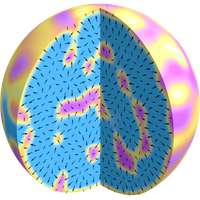
Phys. Rev. X 16, 021009 (2026)
arXiv
K$2$Co$2$(TeO${3}$)${3}$ $\cdot$ 2.5 H$_2$O : A mineral-inspired pseudo-honeycomb cobalt dimer antiferromagnet
New Submission | Strongly Correlated Electrons (cond-mat.str-el) | 2026-04-10 20:00 EDT
Austin M. Ferrenti, Maxime A. Siegler, Yiqing Hao, Chris Lygouras, Tong Chen, Tiffany A. Soetojo, Megan R. Rutherford, Kenji M. Kojima, Huibo Cao, Natalia Drichko, Alannah M. Hallas, Tyrel M. McQueen
In recent years, magnetically-frustrated triangular and honeycomb lattice cobaltates have seen extensive study in the pursuit of a quantum spin liquid (QSL) state in a real material. In this work, we describe the hydroflux synthesis of K$ _2$ Co$ _2$ (TeO$ _{3}$ )$ _{3}$ $ \cdot$ 2.5 H$ 2$ O (KCoTOH), a novel zemannite-type antiferromagnet (AFM) possessing structural elements of both triangular dimer and honeycomb structural motifs. Bulk magnetometry and specific heat data support the onset of long-range AFM order below $ T\text{N}$ = 7.6(1) K, with neutron diffraction and muon spin relaxation ($ \mu$ SR) measurements placing the majority of the ordered moment within the pseudo-honeycomb plane. We resolve three unique oscillation frequencies from the zero-field $ \mu$ SR spectra, additionally suggesting a remarkably low level of structural disorder in as-grown KCoTOH crystals. Whereas interactions between dimerized chains of Co$ ^{2+}$ cations are typically observed to be negligible or ferromagnetic in nature, the largely planar ordering motif observed in KCoTOH is instead stabilized by net antiferromagnetic interactions through bridging tellurite groups. This work highlights the potential of hydroflux synthesis methods in the stabilization of magnetic materials possessing novel and potentially more frustrated lattice geometries.
Strongly Correlated Electrons (cond-mat.str-el), Materials Science (cond-mat.mtrl-sci)
Main text (21 pages, 5 figures, 1 table); Supplementary information (27 pages, 8 figures, 18 tables)
Quasicrystal Architected Nanomechanical Resonators via Data-Driven Design
New Submission | Mesoscale and Nanoscale Physics (cond-mat.mes-hall) | 2026-04-10 20:00 EDT
Kawen Li, Hangjin Cho, Richard Norte, Dongil Shin
From butterfly wings to remnants of nuclear detonation, aperiodic order repeatedly emerges in nature, often exhibiting reduced sensitivity to boundaries and symmetry constraints. Inspired by this principle, a paradigm shift is introduced in nanomechanical resonator design from periodic to aperiodic structures, focusing on a special class: quasicrystals (QCs). Although soft clamping enabled by phononic stopbands has become a central strategy for achieving high-$ Q_m$ nanomechanical resonators, its practical realization has been largely confined to periodic phononic crystals, where band structure engineering is well established. The potential of aperiodic architectures, however, has remained largely unexplored, owing to their intrinsic complexity and the lack of systematic approaches to identifying and exploiting stopband behavior. Here we demonstrate that soft clamping can be realized in quasicrystal architectures and that high-$ Q_m$ nanomechanical resonators can be systematically achieved through a data-driven design framework. As a representative demonstration, the 12-fold QC-based resonator exhibits a quality factor $ Q_m \sim 10^7$ and an effective mass of sub-nanograms at MHz frequencies, corresponding to an exceptional force sensitivity of $ 26.4$ ~aN/$ \sqrt{\text{Hz}}$ compared to previous 2D phononic crystals. These results establish QCs as a robust platform for next-generation nanomechanical resonators and open a new design regime beyond periodic order.
Mesoscale and Nanoscale Physics (cond-mat.mes-hall), Machine Learning (cs.LG), Applied Physics (physics.app-ph)
Classification of magnon thermal Hall systems based on U(1) to non-Abelian gauge fields
New Submission | Mesoscale and Nanoscale Physics (cond-mat.mes-hall) | 2026-04-10 20:00 EDT
Magnon thermal Hall effect in insulating magnets is the manifestation of Berry curvature in magnon bands, which is formulated using the emergent gauge fields that act on magnons as a fictitious magnetic field. In ferromagnets, it is commonly accepted as the outcome of U(1) gauge fields generated by Dzyaloshinskii-Moriya interactions and spin textures, but this mechanism is often suppressed by symmetry-enforced cancellations in many lattice geometries, known as a no-go rule. As a result, antiferromagnetic insulators have long been considered as unfavorable platforms for the effect. We show that antiferromagnets with multiple magnetic sublattices naturally host non-Abelian SU(N) gauge fields in magnon band structures, providing a robust rule-to-go mechanism. The noncommutativity of these gauge fields prevents Berry-curvature cancellation and guarantees a nonvanishing thermal Hall response. As a minimal realization, we demonstrate that a coplanar 120$ ^{\circ}$ antiferromagnet with Dzyaloshinskii-Moriya interactions constitutes a canonical SU(3) platform for the magnon thermal Hall effect. We provide a table of so-far-known two-dimensional lattice geometries and variants of magnetic structures, along with the corresponding gauge fields, providing a unified guideline for identifying magnetic materials, including antiferromagnets and altermagnets, that host thermal Hall transport.
Mesoscale and Nanoscale Physics (cond-mat.mes-hall), Materials Science (cond-mat.mtrl-sci)
32 pages, 7 figures
J. Phys.: Condens. Matter 38, 145801 (2026)
Geometric Entropy and Retrieval Phase Transitions in Continuous Thermal Dense Associative Memory
New Submission | Disordered Systems and Neural Networks (cond-mat.dis-nn) | 2026-04-10 20:00 EDT
Tatiana Petrova, Evgeny Polyachenko, Radu State
We study the thermodynamic memory capacity of modern Hopfield networks (Dense Associative Memory models) with continuous states under geometric constraints, extending classical analyses of pairwise associative memory. We derive thermodynamic phase boundaries for Dense Associative Memory networks with exponential capacity $ p = e^{\alpha N}$ , comparing Gaussian (LSE) and Epanechnikov (LSR) kernels. For continuous neurons on an $ N$ -sphere, the geometric entropy depends solely on the spherical geometry, not the kernel. In the sharp-kernel regime, the maximum theoretical capacity $ \alpha = 0.5$ is achieved at zero temperature; below this threshold, a critical line separates retrieval from a spin-glass phase. The two kernels differ qualitatively in their phase boundary structure: for LSE, the retrieval region extends to arbitrarily high temperatures as $ \alpha \to 0$ , but interference from spurious patterns is always present. For LSR, the finite support introduces a threshold $ \alpha_{\text{th}}$ below which no spurious patterns contribute to the noise floor, producing a qualitatively different retrieval regime in this sub-threshold region. These results advance the theory of high-capacity associative memory and clarify fundamental limits of retrieval robustness in modern attention-like memory architectures.
Disordered Systems and Neural Networks (cond-mat.dis-nn), Machine Learning (cs.LG)
Score Shocks: The Burgers Equation Structure of Diffusion Generative Models
New Submission | Statistical Mechanics (cond-mat.stat-mech) | 2026-04-10 20:00 EDT
We analyze the score field of a diffusion generative model through a Burgers-type evolution law. For VE diffusion, the heat-evolved data density implies that the score obeys viscous Burgers in one dimension and the corresponding irrotational vector Burgers system in $ \R^d$ , giving a PDE view of \emph{speciation transitions} as the sharpening of inter-mode interfaces. For any binary decomposition of the noised density into two positive heat solutions, the score separates into a smooth background and a universal $ \tanh$ interfacial term determined by the component log-ratio; near a regular binary mode boundary this yields a normal criterion for speciation. In symmetric binary Gaussian mixtures, the criterion recovers the critical diffusion time detected by the midpoint derivative of the score and agrees with the spectral criterion of Biroli, Bonnaire, de~Bortoli, and Mézard (2024). After subtracting the background drift, the inter-mode layer has a local Burgers $ \tanh$ profile, which becomes global in the symmetric Gaussian case with width $ \sigma_\tau^2/a$ . We also quantify exponential amplification of score errors across this layer, show that Burgers dynamics preserves irrotationality, and use a change of variables to reduce the VP-SDE to the VE case, yielding a closed-form VP speciation time. Gaussian-mixture formulas are verified to machine precision, and the local theorem is checked numerically on a quartic double-well.
Statistical Mechanics (cond-mat.stat-mech), Machine Learning (cs.LG), Analysis of PDEs (math.AP), Machine Learning (stat.ML)
41 pages, 7 figures. Introduces a Burgers equation formulation of diffusion model score dynamics and a local binary-boundary theorem for speciation
Superradiance enhances and suppresses fermionic pairing based on universal critical scaling rate in two order parameters systems
New Submission | Quantum Gases (cond-mat.quant-gas) | 2026-04-10 20:00 EDT
Distinguished from the system with one order parameter, systems described by two or more order parameters will manifest more complex and much richer phase diagram and critical phenomena. In systems of two order parameters, the phase transition of one order parameter may influence the strength of another. Focus on the Landau’s theory of continuous phase transitions, we give a general physcial quantity to decide the changing rate of the two order parameters based on a general formula of free energy. Taking two-mode Rabi model and the 1D Fermi Dicke model as the examples, we verify our analytical results and show how the superradiant phase transition manipulates the two-spin pairing strength and the superconductor band gap. Our work proposes the new paradigm to study the complex systems with two or more order parameters and provides novel avenue to enhancing or suppressing the desired physical effect by such interplay.
Quantum Gases (cond-mat.quant-gas), Quantum Physics (quant-ph)
Exploring topological phases with extended Su-Schrieffer-Heeger models
New Submission | Mesoscale and Nanoscale Physics (cond-mat.mes-hall) | 2026-04-10 20:00 EDT
The Su-Schrieffer-Heeger (SSH) model describes a tight-binding one-dimensional (1D) lattice with alternating nearest-neighbor amplitudes. Despite its mathematically simple and physically intuitive structure, the SSH model is capable of supporting a 1D topological phase that is characterized by the presence of zero energy eigenstates (zero modes) localized at each end of the lattice. For this reason, many studies in the area of topological phases of matter often consider the SSH model as a subject for various extensions that give rise to more sophisticated topological phenomena. The purpose of this article is to review, in sufficient detail, existing approaches to extending the SSH model. This includes extensions by increasing the dimensionality of the lattice, enlarging the size of its unit cell, or adding extra terms that represent various physical effects. For each approach, some extended SSH models studied in relevant existing literature are discussed as case studies. Noteworthy properties of such models, which are of topological origin, are further comprehensively elaborated.
Mesoscale and Nanoscale Physics (cond-mat.mes-hall)
25 pages, 16 Figures. Invited topical review for JPCM. Accepted version
Rhythm as an ordered phase of sound: how musical meter emerges in a statistical mechanical model
New Submission | Statistical Mechanics (cond-mat.stat-mech) | 2026-04-10 20:00 EDT
Robert St.Clair, Jesse Berezovsky
We develop a model of musical rhythm and meter based on optimizing the trade-off between human psychological preferences for perceiving repeated patterns in time with a desire for variety and complexity. By mapping these competing preferences onto analogous quantities in statistical physics, we define an effective free energy which is minimized in the grand canonical ensemble. Using a mean field approximation, we observe phase transitions in the model from disordered events in time to orderings that closely reproduce those seen in music. We then compare the range of rhythmic characteristics predicted by the model to a dataset drawn from compositions by Johann Sebastian Bach, finding generally good quantitative agreement. The results provide a new lens through which to study musical rhythm, and a method for generatively producing rhythms.
Statistical Mechanics (cond-mat.stat-mech)
30 pages, 7 figures
Stability of Supported Pd-based Ethanol Oxidation Reaction Electrocatalysts in Alkaline Media
New Submission | Materials Science (cond-mat.mtrl-sci) | 2026-04-10 20:00 EDT
Tuani C. Gentil, Maria Minichova, Valentín Briega-Martos, Victor S. Pinheiro, Felipe M. Souza, João Paulo C. Moura, Júlio César M. Silva, Bruno L. Batista, Mauro C. Santos, Serhiy Cherevko
This study evaluates the dissolution of the supported electrocatalysts Pd/C, PdSn/C, PdNb/C, and PdFe3O4/C during ethanol oxidation reaction for ADLFC applications. A scanning flow cell (SFC) coupled to an inductively coupled mass spectrometry (online ICP-MS) is used to assess the dissolution stability in a broad potential window. Accelerated stress tests with and without ethanol are developed using a rotating disk electrode (RDE) with dissolution products analysis by ex-situ ICP-MS. Potential profiles simulating those experienced by the catalyst during regular fuel cell operation were used. Sn and Fe catalysts demonstrate improved activity and stability compared with the material with Pd alone. For these reasons, PdSn/C and PdFe3O4/C are suitable for ADLFC applications. Severe Nb dissolution destabilizes Pd, increasing its leaching. This work demonstrates that while additional metals and oxides can improve the alcohol oxidation kinetics of Pd, these additives’ dissolution stability must already be considered at the catalyst design stage.
Materials Science (cond-mat.mtrl-sci)
Laterally Differentiated Polymorphs: a route to multifunctional nanostructures
New Submission | Materials Science (cond-mat.mtrl-sci) | 2026-04-10 20:00 EDT
Pete E. Lauer, Kensuke Hayashi, Yuichiro Kunai, Ondřej Wojewoda, Jan Klíma, Ekaterina Pribytova, Michal Urbánek, Aubrey Penn, Takayuki Kikuchi, Renzhi Ma, Takayoshi Sasaki, Takaaki Taniguchi, Caroline A. Ross
Multifunctional materials can exhibit emergent behavior from the coupling of two or more different properties. For example, coupling between magnetic and ferroelectric order enables electrical control of the magnetic state, enabling for example magnetoelectric memory or logic devices that combine the nonvolatility of magnetic order with the energy efficiency of voltage control. Magnetic iron garnets have outstanding magnonic and magnetooptical properties making them valuable in a range of technologies, but they have not been successfully incorporated into thin film two-phase magnetoelectric nanocomposites. Taking advantage of heterogeneously patterned substrates, this work demonstrates the engineering of garnet-perovskite composites in which both phases are polymorphs with the same composition but dramatically different structures and properties. Applying an electric field to the perovskite phase modulates the magnon dispersion and magnetooptical response of the garnet, opening a path to voltage-controlled garnet devices.
Materials Science (cond-mat.mtrl-sci)
Mode-Resolved Multiband Ballistic Transport and Conductance Thresholds in Bilayer Graphene Junctions
New Submission | Mesoscale and Nanoscale Physics (cond-mat.mes-hall) | 2026-04-10 20:00 EDT
Dan-Na Liu, Jun Zheng, Pierre A. Pantaleon
We study ballistic transport in bilayer graphene junctions and show how electrostatic gating, interlayer bias, and homogeneous strain provide complementary control over electron transmission. In the absence of strain, transport is governed by symmetry constraints that suppress transmission at specific incidence angles despite the availability of states. An interlayer bias lifts this suppression through mode mixing and opens a tunable transport gap. Within a full four-band description, we identify a distinct conductance threshold that marks the onset of propagation of the upper band inside the barrier. This produces a clear change in the slope of the conductance and serves as an experimentally accessible transport fingerprint of the multiband structure and interlayer coupling. Homogeneous in-plane strain acts as a geometric control mechanism. By reshaping the band structure in momentum space, it redistributes the angular transmission window and suppresses conductance without introducing disorder. Importantly, strain preserves the underlying symmetry-based decoupling responsible for transmission suppression while shifting its condition away from normal incidence. These results provide a unified framework for interpreting angle-resolved transport in bilayer graphene and establish multiband ballistic transport as a practical probe of band-structure geometry.
Mesoscale and Nanoscale Physics (cond-mat.mes-hall)
14 pages, 8 figures. Comments are very welcome
Linear odd electrophoresis of a sphere in a charged chiral active fluid
New Submission | Soft Condensed Matter (cond-mat.soft) | 2026-04-10 20:00 EDT
Reinier van Buel, Bogdan Cichocki, Jeffrey C. Everts
The electrophoresis of charged colloidal particles in fluids exhibiting odd viscosity represents a fundamental challenge in understanding transport phenomena within charge-stabilized chiral active suspensions. Here, we provide the first concept of a charged chiral active fluid, where electrokinetics is coupled to odd Stokes flow, to explore how classical results from electrophoresis in Newtonian fluids generalize in the presence of odd viscosity. In particular, we derive a general expression for the electrophoretic mobility for particles of any shape under weak external electric fields using the Lorentz reciprocal theorem for odd fluids. By applying this result to a conducting charged sphere at low zeta potentials, we obtain an exact, closed-form analytical expression for the electrophoretic mobility, valid for arbitrary values of the Debye screening length and the odd-viscosity coefficient. Similar to Newtonian fluids, we find that the electrophoretic mobility is proportional to the translational mobility of an uncharged sphere, modulated by the Henry function. However, unlike in Newtonian fluids, odd viscosity leads to directional asymmetries in the electrophoretic mobility tensor that persist even for thin electric double layers. This case contrasts significantly with a charged anisotropic particle suspended in an isotropic Newtonian fluid, where anisotropic effects would vanish under the same electrostatic-screening conditions.
Soft Condensed Matter (cond-mat.soft), Chemical Physics (physics.chem-ph), Fluid Dynamics (physics.flu-dyn)
d-Wave pair density wave superconductivity in a two-orbital model
New Submission | Strongly Correlated Electrons (cond-mat.str-el) | 2026-04-10 20:00 EDT
Samuel Vadnais, Arun Paramekanti
Motivated by exploring superconductivity in multi-orbital systems, we study two orbital models of spinful fermions representing ($ p_x,p_y$ ) or ($ d_{xz}, d_{yz})$ orbitals on the square lattice. For minimal interorbital $ t$ -$ J$ or $ t$ -$ V$ on-site interactions, a random phase approximation uncovers regimes of instability towards incommensurate $ d_{xy}$ pair density wave ($ d$ -PDW) superconductivity with driven by interband pairing. We study the competition of PDW order with uniform nodal $ d_{xy}$ pairing states and magnetic and charge density wave (CDW) instabilities. At strong coupling, we derive an effective hard-core Cooper pair Hamiltonian which we study using a bosonic Gutzwiller ansatz to reveal a period-$ 2$ PDW over a wide range of fillings as well as a checkerboard CDW at quarter-filling. Our results apply to correlated multi-orbital materials with quasi-1D bands, Hubbard models on the square-octagon lattice, and atomic fermions in $ p$ -orbitals. Our work highlights the role of the orbital content and multiband Fermi surfaces in stabilizing interband PDW states.
Strongly Correlated Electrons (cond-mat.str-el), Superconductivity (cond-mat.supr-con)
7+5 pages, 6 figures
Phonon-driven decoherence of high-harmonic generation in the solid-state
New Submission | Mesoscale and Nanoscale Physics (cond-mat.mes-hall) | 2026-04-10 20:00 EDT
Saadat Mokhtari, Vedran Jelic, David N. Purschke, Shima Gholam-Mirzaei, Katarzyna M. Kowalczyk, David A. Reis, T. J. Hammond, David M. Villeneuve, André Staudte, François Légaré, Giulio Vampa
High-harmonic generation in solids has emerged as a powerful probe of ultrafast electron dynamics and lattice motion, and recent theoretical work has suggested that thermally driven lattice fluctuations can act as an effective source of decoherence in the harmonic-generation process. However, a direct experimental link between high-harmonic emission and temperature-driven incoherent phonons has remained unclear. Here, we investigate the temperature dependence of high-harmonic generation in ultrapure silicon using reflection-geometry measurements over a wide temperature range. We observe that the harmonic yield increases significantly with decreasing temperature. To interpret these results, we introduce a one-dimensional atomic-chain model in which finite temperature is represented by random lattice displacements that mimic incoherent phonon fluctuations. The simulations reproduce the magnitude of temperature-dependent change of the harmonic signal and support a picture in which thermally induced lattice disorder enhances electron-hole decoherence, thereby reducing high-harmonic emission. Our results establish incoherent phonons as an important source of decoherence in solid-state high-harmonic generation.
Mesoscale and Nanoscale Physics (cond-mat.mes-hall)
Impact of charge transition levels on grain boundary properties in acceptor doped oxide ceramics: A phase-field study
New Submission | Materials Science (cond-mat.mtrl-sci) | 2026-04-10 20:00 EDT
Kai Wang, Sangjun Kang, Mahmoud Serour, Roger A. De Souza, Andreas Klein, Rotraut Merkle, Wolfgang Rheinheimer, Christian Kübel, Lijun Zhang, Karsten Albe, Bai-Xiang Xu
Advanced doping strategies enable oxide ceramic functionalities by tailoring bulk defect chemistry and space-charge-layer (SCL) behavior at interfaces. Charge transition levels (CTLs), defined as the Fermi level at which a defect changes its stable charge state, play a central role. Their alignment governs bulk defect chemistry, while their bending within SCLs induces additional charge-state transitions. Incorporating CTLs is therefore essential for a consistent description of defect equilibria and SCL formation. In this work, we propose a defect-chemistry-consistent phase-field model explicitly coupled with CTLs to investigate their role in SCL evolution. The model includes multivalent oxygen vacancies, multivalent acceptor dopants, electrons, and holes. It is applied to Fe-doped SrTiO3 over wide ranges of oxygen partial pressure and temperature, capturing both symmetric SCLs at stationary grain boundaries and asymmetric SCLs during migration. Two distinct grain boundary types, slow and fast boundaries, emerge during migration, consistent with experimental observations. Simulations reveal that CTL-governed bulk defect chemistry, together with CTL-induced charge-state transitions within SCLs, critically determine SCL characteristics. Moreover, CTL-mediated hole transport is significantly faster than acceptor dopant diffusion, modulating solute drag and grain boundary kinetics. Finally, the model predicts grain boundary properties dependent on both thermal history and boundary type, with slow and fast boundaries exhibiting distinct behaviors. This framework links defect chemistry, Fermi level, CTLs, and grain boundary kinetics, providing new insights for designing oxide ceramics with tailored properties.
Materials Science (cond-mat.mtrl-sci)
Fortuitous Universality of Bose-Kondo Impurities
New Submission | Strongly Correlated Electrons (cond-mat.str-el) | 2026-04-10 20:00 EDT
Abhijat Sarma, Zheng Zhou, Ryan A. Lanzetta, Yin-Chen He
We use the fuzzy-sphere approach to study the Bose-Kondo impurity problem, namely a spin-$ S$ impurity coupled to the $ (2+1)$ -dimensional $ O(3)$ Wilson-Fisher CFT (Heisenberg universality class). We demonstrate that for $ S=1/2,1,3/2$ the impurity flows to a distinct stable interacting conformal defect for each $ S$ . Using large-scale exact diagonalization and density-matrix renormalization group methods, we observe integer-spaced defect spectrum consistent with defect conformal symmetry and compute several low-lying defect primary operators as well as the RG monotonic $ g$ -function. Our findings show that despite sharing the same symmetry and anomaly, Bose-Kondo impurities flow to distinct stable infrared conformal fixed points, which we refer to as \emph{fortuitous universality}. We expect this fortuitous universality to persist for all $ S$ , extending to $ S\rightarrow\infty$ , with each spin-$ S$ impurity flowing to its own stable infrared conformal fixed point.
Strongly Correlated Electrons (cond-mat.str-el), High Energy Physics - Theory (hep-th)
6 pages, 3 figures + 11 pages appendix
Optomagnetic non-thermal modification of the ferromagnetic resonance
New Submission | Materials Science (cond-mat.mtrl-sci) | 2026-04-10 20:00 EDT
Nika Gribova, Anatoly Zvezdin, Shixun Cao, Vladimir Belotelov
We investigate the photoinduced shift of the ferromagnetic resonance (FMR) frequency in magnets caused by the inverse Cotton-Mouton effect (ICME) under linearly polarized light. Using a Lagrangian description of magnetization dynamics, we derive the equations of motion, and obtain analytical expressions for the resonance frequency in both in-plane and out-of-plane equilibrium configurations. The theory shows that the FMR frequency depends on the polarization angle and propagation direction of light, with ICME producing a frequency shift that can dominate over thermal effects. The analytical results agree well with numerical simulations and with available experimental data for bismuth-substituted yttrium iron garnet, enabling estimation of the ICME contribution. These findings demonstrate that linearly polarized light can be used to control ferromagnetic resonance through magneto-optical effects.
Materials Science (cond-mat.mtrl-sci)
Massive dynamics of skyrmions in ferrimagnetic films
New Submission | Mesoscale and Nanoscale Physics (cond-mat.mes-hall) | 2026-04-10 20:00 EDT
Dmitry A. Garanin, Eugene M. Chudnovsky
Deformations of skyrmions arising from the presence of more than one magnetic sublattice lead to their massive dynamics in ferrimagnets as compared to the massless dynamics in 2D ferromagnets. This results in the gyroscopic motion of skyrmions, which manifests as skyrmion cyclotron resonance that can be excited by microwaves or spin currents. We investigate analytically and numerically the motion and resonant oscillations of individual skyrmions and skyrmion lattices in the presence of dissipation in a two-sublattice transition-metal – rare-earth (TM/RE) system. The focus is on the dependence of the skyrmion dynamics on the RE concentration. Parameters of the CoGd ferrimagnet are utilized in the numerical work. The massive dynamics of skyrmions in ferrimagnets, as well as the spectrum of their excitations, undergo significant changes near the angular momentum compensation point, which should not be difficult to detect in experiments.
Mesoscale and Nanoscale Physics (cond-mat.mes-hall)
15 PR pages, 14 figure captions
Statistical Physics of the Two-Dimensional Coulomb Liquid with Ionic Hard-Core Size
New Submission | Soft Condensed Matter (cond-mat.soft) | 2026-04-10 20:00 EDT
A self-consistent theory of bulk electrolytes incorporating electrostatic and hard-core interactions on an equal level is applied to the two-dimensional Coulomb liquid with finite ion size. The ionic pair distributions, the structure factors, and the thermodynamic functions of the formalism are compared with extensive Monte-Carlo simulation results from the literature. At moderate salt densities, our computational approach can accurately describe the thermodynamics of two-dimensional solutions from weak to intermediate coupling strengths. The improved accuracy of the present theory with respect to continuum approaches stems mainly from its ability to account for the non-uniform screening of electrostatic interactions associated with the impenetrability of the charged hard disks by their ionic atmosphere. At low salt densities, the validity domain of our self-consistent framework underestimating the extent of ionic cluster formation drops below the critical coupling domain where the conductor-insulator transition of two-dimensional charged hard disks occurs. This indicates that approaching the low-temperature dielectric phase via the present formalism will require the extension of the underlying self-consistent approximation at least up to the next cumulant order.
Soft Condensed Matter (cond-mat.soft)
Programmable Dynamic Phase Control of a Quasiperiodic Optical Lattice
New Submission | Quantum Gases (cond-mat.quant-gas) | 2026-04-10 20:00 EDT
Andrew O. Neely, Cedric C. Wilson, Ryan Everly, Yu Yao, Raffaella Zanetti, Charles D. Brown
The quantum dynamics of quasiperiodic systems display a rich variety of physical behaviors due to the combination of rotational symmetry that is mathematically forbidden in periodic systems, and long-range order despite the lack of translation symmetry. New experimental probes into these dynamics with a quantum simulator, consisting of ultracold atoms in an optical lattice potential, will yield new insights into the physics of quasiperiodic systems. This potential is imbued with the flexibility, tunability, and purity of the individual laser beams that constitute it, allowing for exquisite control over a rich system. Programmable dynamic control over the lattice beam phases opens up an even richer space of achievable systems via Floquet engineering. We thus describe an experimental scheme for creating a programmable, dynamic, two-dimensional (2D) quasiperiodic optical lattice with heavily suppressed phase noise. We observe suppression of phase noise for frequency components up to 5 kHz, and report phase noise suppression of over 70 dB over the DC-60 Hz frequency band. We further demonstrate a phase modulation bandwidth of 350 kHz. This scheme allows for full translational and phasonic control of the lattice, including changes to the rotational symmetry of the potential, at speeds exceeding the lattice recoil velocity, which paves a path towards direct observation and control of quantum dynamics in quasicrystals.
Quantum Gases (cond-mat.quant-gas), Atomic Physics (physics.atom-ph), Optics (physics.optics)
10 pages, 7 figures
Multiscale morphology and contact mechanics of physisorbed Al and Cu nanoparticles
New Submission | Mesoscale and Nanoscale Physics (cond-mat.mes-hall) | 2026-04-10 20:00 EDT
Mykola Prodanov, Oleksii Khomenko
Using large-scale molecular dynamics simulations, we investigate the scaling of morphological and contact mechanics properties of Al and Cu nanoparticles (NPs) physisorbed on suspended graphene. The characteristic linear size of a NP ranges from 1 nm to 49 nm, covering a length scale of 1.5 decades. The NPs were obtained using a procedure mimicking thermal dewetting of thin films. Calculations show that NPs with a surface area-to-volume ratio above about 1.8 nm$ ^{-1}$ , or with a linear size under 3-6 nm, behave differently from larger particles. For these smaller NPs, scaling of their total surface area and volume with the linear size can deviate from quadratic and cubic dependencies, respectively. Their mean interfacial separation and relative contact area change rapidly with size, exhibiting substantial variation. In contrast, for larger NPs, these quantities approach the thermodynamic limit. The height distributions of all particles exhibit a narrow spike and a decaying tail, both of which can be fit to Gaussians for larger NPs. In contrast, the interfacial gap distributions are close to a single Gaussian. The height power spectrum density (PSD) heatmaps of the smaller NPs are smeared and do not manifest a clear structure in contrast to the sixfold symmetry of the PSD of the larger ones. The maximum spatial frequency of the hexagonal 2D PSD roughly corresponds to the nearest-neighbor atomic distance of Al and Cu. For larger NPs with diameters of 20-25 nm, the isotropic height PSD exhibits power-law regions, which can be interpreted as self-affine roughness with Hurst exponents of 0.1-0.56. We also calculate the relative difference between the apparent contact area and the approximated area of the bottom atomic layer. Our simulations illustrate how surface topography evolves with NP size and suggest that larger NPs can have random surface roughness.
Mesoscale and Nanoscale Physics (cond-mat.mes-hall), Soft Condensed Matter (cond-mat.soft)
Strain continuously rotates the Néel vector in altermagnetic MnTe
New Submission | Materials Science (cond-mat.mtrl-sci) | 2026-04-10 20:00 EDT
Alex Liebman-Peláez, Jon Kruppe, Resham Babu Regmi, Nirmal J. Ghimire, Yue Sun, Igor I. Mazin, Hilary M. L. Noad, James Analytis, Veronika Sunko, Joseph Orenstein
Altermagnetism has recently emerged as a distinct class of collinear antiferromagnets that break time-reversal symmetry, exhibiting a host of novel properties. Applied strain has attracted particular attention as a key tuning parameter for altermagnets. Although several experimental studies have demonstrated the preparation of single-domain states through a combination of applied strain and magnetic field, the route to such states remains unclear. Here, we use magneto-optical measurements on single crystals of MnTe under applied strain to show that, in contrast to previous reports, strain acts primarily to rotate the Néel vector L continuously. Since the orientation of L determines the magnetic point group symmetry, this continuous rotation effectively tunes the symmetry and its associated physical properties. Furthermore, we demonstrate that built-in strain in free-standing crystals is sufficient to pin L into continuous textures over millimeter length scales. Together, these results provide guidance for future device design and open the door to leveraging the Néel vector orientation as a tunable degree of freedom in spintronic applications.
Materials Science (cond-mat.mtrl-sci)
6 pages, 4 figures
Symmetry-guided and AI-accelerated design of intercalated transition metal dichalcogenides for antiferromagnetic spintronics
New Submission | Materials Science (cond-mat.mtrl-sci) | 2026-04-10 20:00 EDT
Yu Pang, Yue Gu, Runsheng Zhong, Liyang Zou, Xiaobin Chen, Xiaolong Zou, Wenhui Duan
The advancement of antiferromagnetic spintronics depends on quantum materials with target symmetry-dictated functionalities, however, their systematic discovery is hindered by the immense configurational complexity of the available material space. Here, we introduce a symmetry-guided, AI-accelerated framework incorporating graph neural networks with high generalization ability to overcome this bottleneck. Based on fully intercalated transition metal dichalcogenides (iTMDs) and using only 200 relaxed partially intercalated structures for transfer learning, our model effectively explores more than 100,000 partially intercalated configurations and identifies 35 altermagnetic and 20 $ T\tau$ -antiferromagnetic ground-state candidates. Interestingly, we show that tuning spin-group symmetry through intercalant arrangement or magnetic ordering realizes a series of d-wave altermagnets in these hexagonal systems with high spin-charge conversion efficiency. Furthermore, we reveal plentiful $ T\tau$ -antiferromagnets enabling efficient Néel spin-orbit torque switching, driven by giant $ T$ -odd spin Edelstein susceptibilities. These results establish iTMDs as a versatile platform for spintronics and provide a general strategy for the accelerated design of symmetry-enforced quantum materials.
Materials Science (cond-mat.mtrl-sci)
29 pages, 4 figures, 2 tables
Bilattice-Catastrophe Isomorphism for Four-Valued Logic in Digital Systems
New Submission | Disordered Systems and Neural Networks (cond-mat.dis-nn) | 2026-04-10 20:00 EDT
Jiu Hui Wu, Hua Tian, Mengqi Yuan, Kejiang Zhou
Belnap’s four-valued logic, distinguished by its inherent bilattice structure, provides a natural algebraic bridge between discrete Four-valued logic (4VL) in circuit and continuous catastrophe theory (CT). Building on the rigorous verification of the bilattice-catastrophe isomorphism theorem, we establish a categorical correspondence spanning the catastrophe category, interlaced bilattice category, and 4VL category, with the cusp catastrophe emerging as the canonical CT counterpart to this http URL unification provides a foundational framework for explaining 4VL’s robustness. Crucially, we demonstrate that the four-valued algebra FOUR is the minimal complete algebraic structure capable of describing continuous-discrete interfaces with involution symmetry. Unlike the empirical adoption of X and Z in engineering practice, our work reveals their mathematical necessity: X and Z are topological invariants of discretized continuous dynamical systems, encoding fundamental properties of catastrophe-induced discontinuities. The work enables cross-disciplinary extensions to uncertainty propagation, complex system modeling, and fault-tolerant design.
Disordered Systems and Neural Networks (cond-mat.dis-nn)
Localization–non-ergodic transition in controllable-dimension fractal networks from diffusion-limited aggregation
New Submission | Disordered Systems and Neural Networks (cond-mat.dis-nn) | 2026-04-10 20:00 EDT
Oleg I. Utesov, Alexei Andreanov, Tomasz Bednarek, Alexandra Siklitskaya, Sergei V. Koniakhin
Our study connects the physics of disordered integer-dimensional systems and regular self-similar objects by studying spectral properties of fractal agglomerates with tunable dimension. The latter is controlled by parameter $ \alpha$ of the algorithm that generates the agglomerates. We consider the nearest-neighbor tight-binding model on the agglomerates embedded in 2D and 3D, and observe that all eigenstates are localized in the 2D case, whereas in the 3D case, there is a localization–non-ergodic transition upon increasing $ \alpha$ ,i.e., going from sparse to dense fractals: a sub-extensive number of critical states emerge in the spectrum at a certain critical value of $ \alpha$ . The complex geometry of the agglomerates is also responsible for a peculiar hierarchy of compact localized states and singularities in the density of states, which are typical for ordered fractals.
Disordered Systems and Neural Networks (cond-mat.dis-nn), Mesoscale and Nanoscale Physics (cond-mat.mes-hall)
12 pages, 13 figures
Generative optimal transport via forward-backward HJB matching
New Submission | Statistical Mechanics (cond-mat.stat-mech) | 2026-04-10 20:00 EDT
Haiqian Yang, Vishaal Krishnan, Sumit Sinha, L. Mahadevan
Controlling the evolution of a many-body stochastic system from a disordered reference state to a structured target ensemble, characterized empirically through samples, arises naturally in non-equilibrium statistical mechanics and stochastic control. The natural relaxation of such a system - driven by diffusion - runs from the structured target toward the disordered reference. The natural question is then: what is the minimum-work stochastic process that reverses this relaxation, given a pathwise cost functional combining spatial penalties and control effort? Computing this optimal process requires knowledge of trajectories that already sample the target ensemble - precisely the object one is trying to construct. We resolve this by establishing a time-reversal duality: the value function governing the hard backward dynamics satisfies an equivalent forward-in-time HJB equation, whose solution can be read off directly from the tractable forward relaxation trajectories. Via the Cole-Hopf transformation and its associated Feynman-Kac representation, this forward potential is computed as a path-space free energy averaged over these forward trajectories - the same relaxation paths that are easy to simulate - without any backward simulation or knowledge of the target beyond samples. The resulting framework provides a physically interpretable description of stochastic transport in terms of path-space free energy, risk-sensitive control, and spatial cost geometry. We illustrate the theory with numerical examples that visualize the learned value function and the induced controlled diffusions, demonstrating how spatial cost fields shape transport geometry analogously to Fermat’s Principle in inhomogeneous media. Our results establish a unifying connection between stochastic optimal control, Schrödinger bridge theory, and non-equilibrium statistical mechanics.
Statistical Mechanics (cond-mat.stat-mech), Machine Learning (cs.LG), Optimization and Control (math.OC), Probability (math.PR)
16 pages, 4 figures
Type-I and Type-II Saddle Points and a Topological Flat Band in a Bi-Pyrochlore Superconductor CsBi2
New Submission | Mesoscale and Nanoscale Physics (cond-mat.mes-hall) | 2026-04-10 20:00 EDT
Yusei Morita, Yongkai Li, Yu-Hao Wei, Kosuke Nakayama, Zhiwei Wang, Hua-Yu Li, Takemi Kato, Seigo Souma, Kiyohisa Tanaka, Kenichi Ozawa, Jia-Xin Yin, Takashi Takahashi, Min-Quan Kuang, Yugui Yao, Takafumi Sato
The divergence of the electron density of states (DOS) plays an important role in enhancing many-body interactions and inducing various quantum phases in low-dimensional systems. However, such unique electronic structures remain experimentally elusive in three-dimensional (3D) systems, particularly those with strong spin-orbit coupling (SOC). Using angle-resolved photoemission spectroscopy and first-principles calculations for a Laves-phase superconductor CsBi2, which features a Bi-pyrochlore 3D network with strong SOC, we identify two characteristic electronic structures with a large DOS. One is a dispersionless topological flat band with p-orbital character, locally formed around the U-K line, which enhances DOS near the Fermi level. The other involves type-I and type-II saddle points connected by a flat band, which cooperatively produce an enhancement in the DOS. Our findings suggest a novel mechanism for achieving a DOS enhancement and lay a foundation for exploring exotic phenomena driven by the interplay of multiple singularities with a large DOS, nontrivial topology, and strong SOC in 3D pyrochlores.
Mesoscale and Nanoscale Physics (cond-mat.mes-hall), Strongly Correlated Electrons (cond-mat.str-el)
18 pages, 3 figures
Directional Criticality and Higher-Order Flatness: Designing Van Hove Singularities in Three Dimensions
New Submission | Strongly Correlated Electrons (cond-mat.str-el) | 2026-04-10 20:00 EDT
Hua-Yu Li, Hengxin Tan, Hao-Yu Zhu, Hong-Kuan Yuan, Min-Quan Kuang
Van Hove singularities (VHSs) play a pivotal role in driving correlated electronic phenomena. Traditional classifications focus only on critical points where the band gradient vanishes in all directions. Here we establish a unified classification of VHSs in three-dimensional systems, characterized by the number of vanishing gradient components and Hessian eigenvalues: ordinary ($ M$ -type), higher-order ($ T_1$ , $ T_2$ , $ T_3$ ), noncritical ordinary ($ N_0$ , $ N_1$ , $ N_2$ ), and noncritical higher-order ($ S_1$ , $ S_2$ ) types. Noncritical VHSs exhibit directional quenching: the gradient vanishes in a two-dimensional subspace while remaining finite along the orthogonal direction, yielding finite density-of-states enhancements with distinct energy dependencies. Using an $ s$ -orbital tight-binding model on the pyrochlore lattice with spin-orbit coupling, we demonstrate that all singularity classes emerge at distinct high-symmetry points through controlled tuning of the hopping ratio. This work establishes directional criticality and higher-order flatness as design principles for tailoring density-of-states enhancements in three-dimensional quantum materials.
Strongly Correlated Electrons (cond-mat.str-el), Materials Science (cond-mat.mtrl-sci)
6 pages, 3 figures, 1 table
Granular Superconductivity in La${2}$PrNi${2}$O$_{7-δ}$ Thin Films
New Submission | Superconductivity (cond-mat.supr-con) | 2026-04-10 20:00 EDT
Ziao Han, Lifen Xiang, X.J. Zhou, Zhihai Zhu
Superconductivity realized in bilayer nickelate thin films enables direct spectroscopic and transport studies at ambient pressure. However, a persistent two-step resistive transition remains a major barrier to achieving optimal superconducting properties. Here, we show that the two-step transition in La$ _2$ PrNi$ _2$ O$ {7-\delta}$ thin films originates from the granular nature of superconductivity, specifically, the coexistence of two distinct superconducting grain phases coupled by a Josephson junction network. A secondary, lower-temperature transition appears in the $ R(T)$ curve, even when residual resistance becomes vanishingly small near 30 K. This two-step behavior significantly lowers the zero-resistance transition temperature, $ T{c, zero}$ \approx$ 10 K, and limits advanced spectroscopic studies. Our findings reveal the microscopic mechanism underlying the two-step transition in thin films and underscore the need for improved oxygen homogeneity to achieve bulk superconductivity in this system.
Superconductivity (cond-mat.supr-con)
Mode-coupling theory for aging in active glasses: relaxation dynamics and evolution towards steady state
New Submission | Soft Condensed Matter (cond-mat.soft) | 2026-04-10 20:00 EDT
Soumitra Kolya, Nir S. Gov, Saroj Kumar Nandi
Aging refers to the evolution of system properties with waiting time $ t_w$ . It is a key feature of glassy dynamics. Recent experiments have demonstrated aging in biological systems that are inherently active with a magnitude of self-propulsion force $ f_0$ and a persistence time $ \tau_p$ . Thus, what governs the aging dynamics in these active systems has fundamental importance. We formulate a generic mode-coupling theory (MCT) of active glasses to address this question. The aging solutions of the theory show that the two-point correlation function decays more slowly with growing $ t_w$ , and the relaxation time $ t_r$ increases. The activity-modification of the MCT critical point, $ \lambda_\text{C}$ , has profound significance for active aging: the quench distance from $ \lambda_\text{C}$ governs aging and determines $ \delta$ , where $ t_r\sim t_w^\delta$ . $ \delta$ decreases with increasing $ f_0$ , in agreement with existing simulations. However, the variation with $ \tau_p$ depends on the nature of activity. Our work has fundamental theoretical implications for active glasses and paves the way for a deeper understanding of the aging dynamics in biological systems.
Soft Condensed Matter (cond-mat.soft), Disordered Systems and Neural Networks (cond-mat.dis-nn), Statistical Mechanics (cond-mat.stat-mech)
Alkaline-Earth Rare-Earth Fluoride Nanoparticle Superlattices for Ultrafast, Radiation Stable Scintillators
New Submission | Materials Science (cond-mat.mtrl-sci) | 2026-04-10 20:00 EDT
Parivash Moradifar, Tim Brandt van Driel, Masashi Fukuhara, Cindy Shi, Ariel Stiber, Federico Moretti, Qingyuan Fan, Diana Jeong, Aaron M. Lindenberg, Garry Chinn, Craig S. Levin, Jennifer A. Dionne
Radioluminescent nanostructures provide a pathway to the fabrication of next-generation scintillators with tunability in composition, size, and morphology, and spectral and temporal properties, as well as scalable processing. Here we create a 3D millimeter-scale solid-state scintillators from SrLuF Ce3+, Pr3+ (SrLuF) core-shell nanostructures, integrating nanoscale building blocks into self-assembled macroscopic crystals. These scintillators exhibit single-digit nanosecond decay times, linear response, resistance to radiation-induced degradation, and optical emission yields within an order of magnitude of YAG Ce3+. We select a SrLuF host lattice owing to its high effective atomic number, wide band gap, and low phonon energy, which together support efficient 4f-5d radiative transitions from Ce3+ and Pr3+ activators while suppressing afterglow. We create a library of core-shell nanoscintillators with undoped SrLuF shells and cores spanning compositions from undoped SrLuF to fully doped SrCeF or SrPrF. Time-resolved and steady-state X-ray excited optical luminescence (XEOL) reveal broadband emission at 310 nm (Ce3+) and 335 nm (Pr3+) with biexponential decays in the sub-nanosecond (100-500 ps) and sub-15 ns (4-13 ns) regimes, demonstrating tunable radiative efficiency and ultrafast dynamics. Ensemble performance of the mm-scale superlattices is characterized under both continuous-wave and femtosecond high-intensity excitation, revealing high light yield, linear response, and radiation hardness under extreme irradiation of ultrafast 50fs X-ray pulses up to 5mJ per mm2 corresponding to a peak intensity of 1013 W per cm2. Together, these results establish a design framework for stable, bright, and tunable scintillation platforms with applications in precision health, space exploration and hard X-ray imaging at next-generation free-electron laser facilities.
Materials Science (cond-mat.mtrl-sci), Instrumentation and Detectors (physics.ins-det)
Interaction-driven transport in a non-degenerate mixture of Dirac and massive fermions at charge neutrality point
New Submission | Mesoscale and Nanoscale Physics (cond-mat.mes-hall) | 2026-04-10 20:00 EDT
Yuping Huang, O. V. Kibis, V. M. Kovalev, I. G. Savenko
The interplay between distinct carrier species in systems with broken Galilean invariance gives rise to a rich landscape of interaction-driven transport phenomena. Here, we develop a comprehensive theory for the electrical conductivity of a non-degenerate two-dimensional mixture of massless Dirac and massive fermions, a system realized in HgTe quantum wells tuned to the charge neutrality point. In this regime, all carriers are thermally activated, enabling a self-consistent, temperature-dependent interplay between the two species. We demonstrate that the conductivity undergoes a distinct crossover as temperature increases: at low temperatures, transport is dominated by massless Dirac carriers, yielding a temperature-independent conductivity reminiscent of graphene’s charge neutrality point. As the temperature rises, massive holes become thermally excited, and their mutual Coulomb scattering with Dirac carriers induces a negative, non-Drude correction to the conductivity. We show that this correction is governed by the dominant scattering mechanism: short-range interparticle interactions yield a stronger suppression than long-range Coulomb interactions, and it scales monotonically with temperature. Crucially, the charge neutrality condition ensures that the chemical potential is not externally pinned but is determined self-consistently, making the system’s transport response an intrinsic probe of inter-species quantum friction. Our findings establish HgTe quantum wells at charge neutrality as a clean, highly tunable platform for isolating and quantitatively studying interaction-driven transport in the absence of Galilean invariance, offering a direct pathway to explore regimes where interparticle collisions dominate over disorder.
Mesoscale and Nanoscale Physics (cond-mat.mes-hall)
Fluctuation Mechanism of Single-Ion Anisotropy of Topological Insulator MnBi$_2$Te$_4$
New Submission | Strongly Correlated Electrons (cond-mat.str-el) | 2026-04-10 20:00 EDT
V.V. Val’kov, A.O. Zlotnikov, A. Gamov
We demonstrate that charge fluctuations induced by electron hopping, combined with spin-orbit coupling, lift the sixfold degeneracy of the orbital singlet $ ^{6}S$ of Mn ions in the topological insulator MnBi$ _2$ Te$ _4$ , resulting in single-ion anisotropy. To solve the problem, a multiplet representation is introduced for the creation operators of atomic-state fermions in terms of the operators describing transitions between many-body wavefunctions. Using the operator form of perturbation theory up to the second order, we derive expressions for the populations $ n_M$ of Mn ion states with spin projections $ M$ of the $ ^{6}S$ term and determine the single ion anisotropy constants. The calculations reveal that the fluctuation mechanism ensures the possibility of implementing the easy-axis anisotropy observed in MnBi$ _2$ Te$ 4$ . Notably, the range of anisotropy constants $ D_2$ obtained by varying the model parameters includes the value $ D_2 = -0.0095$ meV, required to reproduce the critical field of the spin-flop transition $ H{\text{sf}}$ , known from the experiment. The proposed mechanism has a wide range of applicability for describing the anisotropy in compounds where the ground state of a magnetic ion in a weak crystal field is described by an orbital singlet.
Strongly Correlated Electrons (cond-mat.str-el)
11 pages, 3 figures, 2 tables
JOURNAL OF EXPERIMENTAL AND THEORETICAL PHYSICS, 2025, Vol. 167, No. 6, pp. 849-856
Stochastic Thermodynamics for Autoregressive Generative Models: A Non-Markovian Perspective
New Submission | Statistical Mechanics (cond-mat.stat-mech) | 2026-04-10 20:00 EDT
Autoregressive generative models – including Transformers, recurrent neural networks, classical Kalman filters, state space models, and Mamba – all generate sequences by sampling each output from a deterministic summary of the past, producing genuinely non-Markovian observed processes. We develop a general theoretical framework based on stochastic thermodynamics for this class of architectures and introduce the entropy production, which can be efficiently estimated from sampled trajectories without exponential sampling cost despite the non-Markovian nature of the observed dynamics. As a proof-of-concept experiment for a large language model (LLM), we evaluate the token-level and sentence-level entropy production for a pre-trained Transformer-based model, GPT-2. We also demonstrate the framework in the linear Gaussian case, where the model reduces to the Kalman innovation representation and the entropy production admits an analytical expression. We further show that the entropy production decomposes exactly into non-negative per-step contributions in terms of retrospective inference, and each of those terms further splits into information-theoretically meaningful terms: a compression loss and a model mismatch. Our results establish a bridge between stochastic thermodynamics and modern generative models, and provide a starting point for quantifying irreversibility in a broad class of highly non-Markovian processes such as LLMs.
Statistical Mechanics (cond-mat.stat-mech), Disordered Systems and Neural Networks (cond-mat.dis-nn)
41 pages, 10 figures
Layer-by-layer water filling in molecular-scale capillaries
New Submission | Mesoscale and Nanoscale Physics (cond-mat.mes-hall) | 2026-04-10 20:00 EDT
Mingwei Chen, Jingshan Wang, Artem Mishchenko, Ivan Timokhin, Fengchao Wang, Andre K. Geim, Qian Yang
Under ambient humidity, water spontaneously condenses in pores only a few nanometers in size, making nanoscale capillarity central to numerous natural phenomena and technological applications. At these dimensions, water may no longer be treated as a continuous fluid, yet the consequences of molecular discreteness for capillary condensation and filling remain poorly understood. Here we study nanocapillaries fabricated by van der Waals assembly and, using atomic force microscopy, monitor their wall deformations during humidity-driven water uptake. We observe two distinct regimes: layer-by-layer filling of flexible capillaries and abrupt filling of rigid ones. Flexible walls deform in steps of ~3 Å, corresponding to the sequential entry of individual water molecular layers. The different filling regimes are explained by the competition between deformation energy and oscillatory wall-water interactions. Our findings show that the molecular discreteness of water can profoundly affect ubiquitous capillary phenomena, with wall compliance selecting between discrete and abrupt filling.
Mesoscale and Nanoscale Physics (cond-mat.mes-hall)
Spectral solution of axisymmetric magnetization problems for thin superconducting shells
New Submission | Superconductivity (cond-mat.supr-con) | 2026-04-10 20:00 EDT
Leonid Prigozhin, Vladimir Sokolovsky
Existing numerical methods for modeling magnetization in thin type-II superconducting films have mostly been developed for flat films. This work introduces an efficient spectral method for axisymmetric magnetization problems involving non-flat films. The method is based on the integral thin-shell current-density formulation of the problem, employs Chebyshev polynomial expansions for spatial discretization, and uses the method of lines for time integration. It applies to both open and closed axisymmetric shells and is so accurate that the solutions obtained can serve as benchmarks for numerical methods for general, not necessarily axisymmetric, thin-shell magnetization problems. As one of the examples, we consider magnetic shielding by a superconducting sphere.
Superconductivity (cond-mat.supr-con)
8 pages
Differentiable hybrid force fields support scalable autonomous electrolyte discovery
New Submission | Materials Science (cond-mat.mtrl-sci) | 2026-04-10 20:00 EDT
Xintian Wang, Junmin Chen, Zhuoying Zhu, Peichen Zhong
Autonomous electrolyte discovery demands a computational engine that satisfies a critical trilemma: it must be fast enough for high-throughput screening, accurate enough for quantitative property prediction, and calibratable enough for online refinement. Classical empirical force fields (FFs) are fast but rely heavily on error cancellation, while standard machine learning interatomic potentials (MLIPs) are computationally expensive, lack rigorous long-range physics, and resist gradient-based calibration. In this Perspective, we highlight that differentiable hybrid FFs resolve this trilemma by fusing physically motivated functional forms with neural-network short-range corrections. Grounded in Energy Decomposition Analysis (EDA), state-of-the-art models such as PhyNEO-Electrolyte and ByteFF-Pol achieve zero-shot generalization to bulk phases, delivering throughputs on the order of tens of ns/day (up to $ \sim$ 50 ns/day, depending on model complexity) for 10,000-atom systems. Crucially, their physical skeletons provide a well-conditioned parameter space for differentiable molecular dynamics (dMD). This enables a dual-calibration paradigm: bottom-up \textit{ab initio} parameterization combined with top-down fine-tuning from macroscopic experimental observables. We propose that this architecture meets the requirements of a ``ChemRobot-ready’’ digital twin by integrating physics-grounded simulation with experimentally calibratable refinement, thereby enabling closed-loop autonomous electrolyte discovery.
Materials Science (cond-mat.mtrl-sci), Computational Physics (physics.comp-ph)
Tailoring the Optoelectronic, Photocatalytic, Thermoelectric and Thermodynamic Properties of Halides Li2InBiX6 (X = Cl, Br, I) for Energy Conversion: A DFT Study
New Submission | Materials Science (cond-mat.mtrl-sci) | 2026-04-10 20:00 EDT
Huda A. Alburaih, Sikander Azam, N. A. Noor, A. Laref, Sohail Mumtaz
Double perovskite halides are emerging as promising materials for a wide range of applications, particularly in renewable energy technologies such as solar cell devices, thereby contributing to addressing global energy demands. In this work, the structural, electronic, optical, dielectric, thermoelectric, and photocatalytic properties of Li2InBiX6 (X = Cl, Br, I) halides are systematically investigated using density functional theory. The calculated formation energies confirm the thermodynamic stability of these compounds in the cubic phase. The studied materials exhibit semiconducting behavior with direct bandgaps of 1.7 eV, 1.3 eV, and 1.1 eV for Li2InBiCl6, Li2InBiBr6, and Li2InBiI6, respectively. The complex dielectric function is analyzed to explore their optical response, revealing strong absorption in the infrared and visible regions, indicating suitability for optoelectronic applications. Thermoelectric properties, including the Seebeck coefficient, electrical conductivity, and figure of merit (ZT), are evaluated over a temperature range of 30 to 800 K. The relatively small bandgaps contribute to enhanced thermoelectric performance, reflected in improved power factors. Furthermore, photocatalytic analysis indicates that Li2InBiX6 compounds are suitable candidates for water oxidation reactions within the pH range of 0 to 7. Overall, the combined thermoelectric and optical performance highlights these double perovskite halides as promising materials for future energy conversion applications.
Materials Science (cond-mat.mtrl-sci)
Optical Hall absorption sum rule and spectral compensation in time-reversal-breaking moiré and Hofstadter systems
New Submission | Mesoscale and Nanoscale Physics (cond-mat.mes-hall) | 2026-04-10 20:00 EDT
Optical spectroscopy provides a powerful, contact-free probe of topological quantum states, yet exact constraints on antisymmetric Hall absorption remain much less well developed than their longitudinal counterparts. Motivated by earlier Hall-conductivity sum rules, we formulate the corresponding first-frequency-moment constraint for the antisymmetric optical conductivity, whose imaginary part governs chirality-dependent absorption. We then demonstrate this sum rule in two classes of time-reversal-breaking topological systems. For a zero-field moiré continuum model hosting topological bands, the moment vanishes exactly, implying that any low-frequency anomalous Hall absorption must be compensated by higher-frequency spectral weight of the opposite sign. For a Hofstadter model under a uniform magnetic field, the same moment takes a universal value fixed by the magnetic flux density, independent of microscopic model details. By linking low- and high-frequency spectral contributions, this optical Hall absorption sum rule provides a rigorous framework for quantifying circular dichroism constraints and diagnosing Landau-level mixing. Our results show how a known Hall spectral constraint acquires new and experimentally relevant content in modern interacting topological materials.
Mesoscale and Nanoscale Physics (cond-mat.mes-hall), Materials Science (cond-mat.mtrl-sci), Strongly Correlated Electrons (cond-mat.str-el)
Machine Learning the order-disorder Jahn-Teller transition in LaMnO$_3$
New Submission | Statistical Mechanics (cond-mat.stat-mech) | 2026-04-10 20:00 EDT
Lorenzo Celiberti, Alexander Ehrentraut, Luca Leoni, Cesare Franchini
We investigate the Jahn-Teller structural phase transition in LaMnO$ 3$ at $ T{JT} \simeq 750$ K using molecular dynamics simulations based on machine-learning force fields trained on ab initio data. Analysis of the site-site correlation function of the distortions reveals that the transition is driven by the ordering of the $ Q_2$ Jahn-Teller distortion of the MnO$ 6$ octahedra, which acts as the order parameter and establishes the order-disorder nature of the transition. Dynamical local distortions are found to persist above $ T{JT}$ . Our results reproduce the experimental temperature dependence of both structural and phonon properties and highlight the presence of anharmonic effects at finite temperature. More broadly, the combined use of machine-learning molecular dynamics and velocity autocorrelation function analysis provides a robust framework for uncovering the microscopic mechanisms of structural phase transitions in correlated materials. In particular, this approach enables a clear distinction between order-disorder transitions and alternative mechanisms, such as displacive behavior, through the temperature evolution of vibrational properties.
Statistical Mechanics (cond-mat.stat-mech)
Accepted for publication in JCP
Emergence of Lissajous trajectories in skyrmion oscillator
New Submission | Materials Science (cond-mat.mtrl-sci) | 2026-04-10 20:00 EDT
Tamali Mukherjee, V Satya Narayana Murthy
Understanding the dynamics of current-driven skyrmion is essential for their practical applications. In this study, we apply an AC current pulse (a) in x– direction, and (b) in both x– and y– directions through the free layer of a Co/Pt thin film and investigate the motion of the skyrmion. We show that the skyrmion follows the sinusoidal current pulse and behaves like a forced oscillator in the range of current amplitude 1 $ \times$ 10$ ^{11}$ A/m$ ^2$ to 1 $ \times$ 10$ ^{12}$ A/m$ ^2$ and frequency 5 $ \times$ 10$ ^{8}$ Hz to 1 $ \times$ 10$ ^{10}$ Hz. For current pulse of (A$ _1$ sin$ \omega_1$ t, A$ 2$ sin($ \omega_2$ t+$ \phi$ ), 0), the skyrmion forms Lissajous figures in the x-y plane, same as observed in classical mechanics. The results are compared at T = 0 K and T $ >$ 0 K to analyze the effect of temperature. As the skyrmion Hall angle ($ \theta{SkH}$ ) and stochastic thermal fluctuation ($ \textbf{F}^{Th}$ ) are functions of temperature, the skyrmion starts deviating from its path at T = 0 K with increasing temperature and eventually generates somewhat deformed Lissajous figures from ideal.
Materials Science (cond-mat.mtrl-sci)
10 Pages, 8 Fugures and 2 Tables
Oxophilic Silver-Based Nanoparticles with Low Pd-Au Loading for Ethanol and Glycerol Electrooxidation in Alkaline Media
New Submission | Materials Science (cond-mat.mtrl-sci) | 2026-04-10 20:00 EDT
Tuani Carla Gentil, Camilo Andrea Angelucci, Bruno Lemos Batista, Camila Neves Lange, Handro S. N. Lourenço, Mauro Coelho dos Santos, Vinicius Del Colle, Germano Tremiliosi-Filho
The electrocatalytic activity of oxophilic Ag nanoparticles, combined with small amounts of Pd and Au, was investigated for ethanol oxidation reactions (EOR) and glycerol oxidation reactions (GOR) in alkaline media. The EOR and GOR results revealed competitive current densities and less positive onset potentials for the AgPd/C and AgPdAu/C electrocatalysts, both containing 5 wt% Pd, compared to the commercial Pd/C catalyst, which has a significantly higher loading of the costly noble metal (20 wt%). In situ FTIR analyses during EOR confirmed that ethanol is initially adsorbed as acetylated species, which are subsequently oxidized to acetate ions, the main stable product in alkaline medium. However, the incorporation of Pd and Au into the Ag matrix did not significantly alter the reaction mechanism. During GOR, the in situ FTIR studies demonstrated that catalyst composition influences the oxidation pathways: Pd-rich surfaces favor oxalate formation, while a significant presence of Ag promotes deeper oxidation (up to carbonate), with the AgPdAu ternary catalyst exhibiting intermediate behavior. One key benefit is the lower susceptibility of Ag to irreversible adsorption of reaction byproducts, which enhances electrocatalyst durability. Thus, surface segregation of Ag at high potentials can modify the catalytic surface reactivity, affecting both stability and efficiency.
Materials Science (cond-mat.mtrl-sci)
Hubbard vs. Emery model: spectra, transport and relevance for cuprates
New Submission | Strongly Correlated Electrons (cond-mat.str-el) | 2026-04-10 20:00 EDT
Understanding the transport properties of cuprate superconductors is one of the central challenges in the physics of strongly correlated electrons. The most common approach is to define and solve a low-energy lattice model, but it is still unclear what the minimal model is to capture all relevant mechanisms and provide quantitative predictions. The main uncertainty concerns the choice of the orbital degrees of freedom to be included in the model, as well as the definition of the effective coupling. In this paper, we study the two most commonly considered models, namely the single-orbital Hubbard model and the three-orbital Emery model. We investigate and compare their spectral and transport properties, and find that the two models present a similar, but not the same, physical picture. We identify several strong quantitative differences which might allow one to discriminate between the two models by comparing theory with experiments. We compare our results for several physical quantities with 7 different experiments on 3 different La$ _2$ CuO$ _4$ -based cuprates, and in general find excellent agreement. The dc resistivity and the effective mass results suggest that the coupling constant in the effective Hubbard model is larger than expected. We find several more properties that are sensitive to the precise value of the coupling constant, including the critical doping for the Lifshitz transition, and the local spectral weight in the vicinity of the Fermi level; the latter provides a promising way to estimate the effective coupling constant in future photoemission experiments.
Strongly Correlated Electrons (cond-mat.str-el)
34 pages, 22 figures
Time-dependent THz dielectric function of ZnTe under two-photon optical excitation at 800 nm wavelength
New Submission | Other Condensed Matter (cond-mat.other) | 2026-04-10 20:00 EDT
Farell Keiser, Wentao Zhang, Dominik Johannesmann, Nicolas S. Beermann, Yuhao Meng, Hassan A. Hafez, Savio Fabretti, Dmitry Turchinovich
ZnTe is arguably the most widely used nonlinear crystal for the generation and detection of THz radiation, used in conjunction with sub-bandgap optical excitation by femtosecond lasers operating near 800 nm. The THz dielectric function of ZnTe is the key parameter defining the efficiency and bandwidth of THz generation and detection. Here, we demonstrate that the THz dielectric function of ZnTe undergoes substantial transient modification at 800 nm sub-bandgap excitation under conditions typical for THz generation. These modifications arise from significant free-carrier generation via two-photon absorption of the 800 nm pump, accompanied by the pump-driven activation of the THz-active phonon modes. Using optical pump-THz probe spectroscopy, we characterized the THz dielectric function of ZnTe under 800 nm excitation as a function of pump fluence and pump-probe delay. Analysis of the experimental data within the Drude-Lorentz model provided the generated free carrier density and momentum scattering time, and oscillator strength of the pump activated THz phonon modes, revealing their transient evolution in dependence on the excitation conditions.
Other Condensed Matter (cond-mat.other)
Unveiling the Core of Materials Properties via SISSO and Sensitivity Analysis
New Submission | Materials Science (cond-mat.mtrl-sci) | 2026-04-10 20:00 EDT
Lucas Foppa, Matthias Scheffler
Interpretable AI can reveal physical principles governing intricate materials properties by uncovering explicit relationships between physical parameters and target properties. The sure-independence screening and sparsifying operator (SISSO) symbolic-regression approach identifies analytical expressions that correlate a target property with a small set of parameters, termed materials genes, selected from a large pool of candidates. However, multiple gene combinations can yield equally accurate SISSO models, with individual genes contributing with different weights. Here, we establish a derivative-based sensitivity analysis that resolves the non-uniqueness of symbolic-regression descriptions, enhances interpretability, thereby enabling deeper physical insight. This analysis reveals how distinct gene combinations encode equivalent information and identifies valence orbital radii, nuclear charges, and their products as the key quantities governing the equilibrium lattice constant of perovskites.
Materials Science (cond-mat.mtrl-sci)
Spatially Structured Cohesion from Extremal Alignment in Topological Active Matter
New Submission | Soft Condensed Matter (cond-mat.soft) | 2026-04-10 20:00 EDT
Julian Giraldo-Barreto, Viktor Holubec
Alignment interactions in active matter are typically modeled as relaxational dynamics toward local consensus. In unbounded systems, this makes alignment effectively decoupled from local density and therefore unable to sustain self-confined collective motion without additional attractive forces. Here we show that this limitation can be overcome by extremal alignment rules in which the interaction neighborhood depends on the candidate orientation. For a broad class of candidate- dependent rules with pairwise additive utilities, the decision utility factorizes into the product of an average interaction score and the number of selected neighbors. This multiplicative structure couples orientational decisions to local density and thereby generates an effective cohesive bias without explicit cohesive forces. In metric models, however, the same mechanism drives collapse toward globally connected, effectively mean-field states that suppress spatial structure. We show that topological interactions regularize this tendency, stabilizing self-confined flocks of finite extent in open space. The resulting dynamics exhibits a rich dynamical phase diagram as a function of noise intensity and turning rate, including polarized flocks, swarms, and persistent swirling states. Our results identify candidate-dependent extremal alignment as a simple mechanism for generating cohesive, spatially structured active matter beyond the standard relaxational paradigm.
Soft Condensed Matter (cond-mat.soft), Adaptation and Self-Organizing Systems (nlin.AO)
12 pages, 10 figures
Equivariant Many-body Message Passing Interatomic Potentials for Magnetic Materials
New Submission | Materials Science (cond-mat.mtrl-sci) | 2026-04-10 20:00 EDT
Cheuk Hin Ho, Cas van der Oord, James P. Darby, Theo Keane, Raz L. Benson, Cristian Rebolledo Espinoza, Rutvij Kulkarni, Elina Spinu, Michail Papanikolaou, Richard Tomsett, Robert M. Forrest, Jonathan J. Bean, Gábor Csányi, Christoph Ortner
Magnetism governs key properties of materials used in energy, data storage, and spintronic technologies, yet its complex coupling to lattice and electronic degrees of freedom challenges conventional first-principles approaches. We introduce an equivariant message-passing graph neural network that embeds atomic magnetic moments as explicit degrees of freedom, enabling the learning of magnetic interactions beyond collinear approximations. The model learns physically consistent and transferable representations of magnetic behaviour and can incorporate spin-orbit coupling, achieving near density-functional-theory accuracy with strong data efficiency across diverse magnetic systems by fine-tuning from a pre-trained model. Applications to structural transformations, finite-temperature magnetic phenomena, and materials screening for strongly spin-orbit coupled materials demonstrate transferable magnetic behaviour, establishing a practical foundation for data-driven, high-throughput discovery of complex magnetic materials.
Materials Science (cond-mat.mtrl-sci)
26 pages, 13 figures
Chirality of Zitterbewegung and its relation to Berry curvature in Dirac systems
New Submission | Mesoscale and Nanoscale Physics (cond-mat.mes-hall) | 2026-04-10 20:00 EDT
We establish an exact analytical relation between Zitterbewegung dynamics and the band geometry in two-dimensional Dirac systems. By identifying a time-independent antisymmetric observable-the \textit{areal rate of Zitterbewegung}-we show that this quantity is directly determined by the Berry curvature. Its sign defines the sense of rotation and reproduces the contributions of Dirac points to the Chern number. This relation is independent of the initial state and holds for generic two-band Dirac models. Our findings reveal a direct connection between interband quantum dynamics and topological band geometry beyond the semiclassical regime.
Mesoscale and Nanoscale Physics (cond-mat.mes-hall)
5 pages, 2 figures
FlowEqProp: Training Flow Matching Generative Models with Gradient Equilibrium Propagation
New Submission | Disordered Systems and Neural Networks (cond-mat.dis-nn) | 2026-04-10 20:00 EDT
We introduce Gradient Equilibrium Propagation (GradEP), a mechanism that extends Equilibrium Propagation (EP) to train energy gradients rather than energy minima, enabling EP to be applied to tasks where the learning objective depends on the velocity field of a convergent dynamical system. Instead of fixing the input during dynamics as in standard EP, GradEP introduces a spring potential that allows all units, including the visible units, to evolve, encoding the learned velocity in the equilibrium displacement. The spring and resulting nudge terms are both purely quadratic, preserving EP’s hardware plausibility for neuromorphic implementation. As a first demonstration, we apply GradEP to flow matching for generative modelling - an approach we call FlowEqProp - training a two-hidden-layer MLP (24,896 parameters) on the Optical Recognition of Handwritten Digits dataset using only local equilibrium measurements and no backpropagation. The model generates recognisable digit samples across all ten classes with stable training dynamics. We further show that the time-independent energy landscape enables extended generation beyond the training horizon, producing sharper samples through additional inference-time computation - a property that maps naturally onto neuromorphic hardware, where longer relaxation yields higher-quality outputs. To our knowledge, this is the first demonstration of EP training a flow-based generative model.
Disordered Systems and Neural Networks (cond-mat.dis-nn)
5 pages, 4 figures
Switching magnetic spin-states using small magnetic fields in compositionally complex Sm(M7)O$_3$
New Submission | Materials Science (cond-mat.mtrl-sci) | 2026-04-10 20:00 EDT
R. K. Dokala, M. Geers, P. Nordblad, R. Clulow, R. Mathieu
High-entropy perovskites (HEPs) offer a unique platform for exploring magnetic phenomena arising from extreme B-site chemical disorder. In Sm(M7)O$ _3$ , where there are 7 cations in equal amounts at the B-site; M = Ti, Cr, Mn, Fe, Co, Ni, Cu), we observe long-range antiferromagnetic ordering near 105 K accompanied by a small but robust excess magnetic moment intrinsic to the chemically disordered lattice. This uncompensated moment is evident from ZFC-FC irreversibility, shifts in the isothermal M(H) loops, and discrete remanent states identified through direct-current-demagnetization measurements. Remarkably, cooling fields as small as $ \pm$ 20 Oe are sufficient to select the direction of the excess moment, and the chosen magnetic state remains stable against applied fields up to 50 kOe. A low-temperature anomaly in the remanent magnetization further reveals a secondary contribution from the Sm$ ^{3+}$ sublattice, although the primary origin of the excess moment resides in the B-site AFM sublattice.
Materials Science (cond-mat.mtrl-sci)
9 pages, 4 figures
Bulk versus interface nucleation of CO$_2$ hydrates from computer simulations
New Submission | Materials Science (cond-mat.mtrl-sci) | 2026-04-10 20:00 EDT
Joanna Grabowska, Samuel Blazquez, Carlos Vega, Eduardo Sanz
Gas hydrates are of great relevance to both the oil industry and the environment. Understanding how these solid structures nucleate from aqueous solutions is essential to controlling their formation. Experimental studies have often suggested that hydrate nucleation originates at the interface between the aqueous phase and the guest-molecule reservoir. To assess this hypothesis, we perform molecular dynamics simulations of CO$ _2$ hydrate nucleation. First, we place hydrate seeds at different positions relative to the interface and monitor their evolution, finding that seeds embedded in the bulk are more likely to grow than those located near or at the interface. Second, we analyse spontaneous nucleation simulations with and without an interface. Our previous work showed that nucleation rates are indistinguishable in both systems, strongly indicating that the interface does not play a role. Here, trajectory analysis reveals that hydrates nucleate in regions of locally high CO$ _2$ concentration, which arise spontaneously in the bulk and are not associated with the interface. Our results indicate that hydrate nucleation does not preferentially occur at the interface, at least at the at deep supercooling conditions explored in this work. Further work at higher temperatures, and considering alternative nucleation locations, is needed to reconcile experiments and simulations, and thereby reach a deep understanding of the mechanism of hydrate formation.
Materials Science (cond-mat.mtrl-sci)
9 figures
The Journal of Physical Chemistry B 2026 130 (13), 3717-3728
Giant photostriction in lead-free ferroelectric stemming from photo-excited thermalized carriers
New Submission | Materials Science (cond-mat.mtrl-sci) | 2026-04-10 20:00 EDT
Gaëlle Vitali-Derrien, Oana Condurache, Antoine Ducournau, Pascale Gemeiner, Maxime Vallet, Nicolas Guiblin, Thomas Antoni, Sylvia Matzen, Pascal Ruello, Dagmar Chvostova, Tetyana Ostapchuk, Jirka Hlinka, Simon Hurand, Mouna Khiari, Houssny Bouyanfif, Charles Paillard, Pierre-Eymeric Janolin
Ferroelectrics are polar materials whose polarization can be switched by applying electric fields; they offer unique opportunities to develop performant photostrictive materials, i.e., materials that can deform under visible light illumination. Naturally devoid of inversion symmetry, they exhibit original photogalvanic effects such as the Bulk Photovoltaic Effect, which relies on ``hot’’ photoexcited carriers. It has long been thought that the electric field generated by this effect may couple to the natural piezoelectric abilities of ferroelectrics to provide large photoinduced deformations. However, due to competing effects, such as thermal dilatation, deformation potential, polarization, or depolarizing-field screening by \textit{thermalized} carriers, it remains unclear which microscopic phenomena govern the photoinduced deformations in classical ferroelectric materials. Here, we demonstrate the largest photoinduced deformation measured in a ferroelectric thin film. Reaching 1 %, this giant photostriction likely originates from the contribution of thermalized photoinduced carriers.
Materials Science (cond-mat.mtrl-sci)
Co-operating multiorbital and nonlocal correlations in bilayer nickelate
New Submission | Strongly Correlated Electrons (cond-mat.str-el) | 2026-04-10 20:00 EDT
Evgeny A. Stepanov, Steffen Bötzel, Ilya M. Eremin, Frank Lechermann
The interplay of multiorbital physics and nonlocal self-energy effects is studied within an effective three-orbital model for the high-pressure normal state of superconducting bilayer nickelate La$ _3$ Ni$ _2$ O$ _7$ . The model is solved within an advanced many-body framework capturing $ k$ -dependent correlations beyond dynamical mean-field theory. Different low-energy scenarios subtly depend on the strength of the interorbital interaction, either placing the notorious flat $ \gamma$ quasiparticle band in the occupied part of the spectrum, or letting it cross the Fermi level. In the latter case, intriguing spin-polaron formation due to the scattering of electrons with paramagnon excitations takes place. This leads to bound states appearing as a shadow band with incoherent low-energy spectral weight below the Fermi level. Our results uncover additional competing states that exist in bilayer nickelates and could explain the controversy of recent angle-resolved photoemission experiments.
Strongly Correlated Electrons (cond-mat.str-el), Materials Science (cond-mat.mtrl-sci)
Engineering Ferrimagnetic Interactions in Molecular Quantum Systems
New Submission | Mesoscale and Nanoscale Physics (cond-mat.mes-hall) | 2026-04-10 20:00 EDT
Elia Turco, Fupeng Wu, Annika Bernhardt, Nils Krane, Ji Ma, Roman Fasel, Michal Juriček, Xinliang Feng, Pascal Ruffieux
Achieving long-range ferrimagnetic order in purely organic systems remains a major challenge in molecular magnetism. Here we report the synthesis and characterization of heterospin-coupling motifs, formed by covalently linking spin-1/2 and spin-1 triangular nanographenes. A combined solution-phase and on-surface synthetic strategy yields three distinct compounds, whose structures are elucidated by bond-resolved scanning probe microscopy. Starting from a spin-1/2–spin-1 dimer as the elemental ferrimagnetic unit, we employ inelastic electron tunneling spectroscopy to resolve low-energy magnetic excitations and extract the parameters of the Heisenberg Hamiltonian. Extension to trimeric architectures results in two distinct spin configurations, with compensated ($ S=0$ ) and uncompensated ($ S=3/2$ ) ferrimagnetic ground states. The Heisenberg model accurately describes all magnetic transitions, offering direct insight into increasingly complex spin Hamiltonians. These findings establish a molecular platform for designing tunable heterospin systems with robust exchange interactions, opening routes toward multi-level spin encoding in qudit-based quantum technologies.
Mesoscale and Nanoscale Physics (cond-mat.mes-hall), Strongly Correlated Electrons (cond-mat.str-el)
Exploring the conventional and anomalous Josephson effects at arbitrary disorder strength in systems with spin-dependent fields
New Submission | Superconductivity (cond-mat.supr-con) | 2026-04-10 20:00 EDT
Maryam Darvishi, F. Sebastián Bergeret, Stefan Ilić
We present a theory of the Josephson current in superconductor-normal metal-superconductor (SNS) junctions in the presence of generic spin-dependent fields, such as spin-orbit coupling (SOC), Zeeman fields, and altermagnetism. We consider systems with arbitrary disorder strength, going beyond the usual diffusive and ballistic approximations. Using the linearized quasiclassical Eilenberger equation, we derive a compact expression for the Josephson current, which is then applied to various situations of experimental interest. First, we investigate the evolution of the Josephson critical current in an applied magnetic field in the presence of Rashba and Dresselhaus SOC, and discuss how this dependence can be used to probe SOC in the junction. We then study the anomalous Josephson ($ \varphi_0$ ) effect in systems with Rashba SOC and show that it remains robust over a wide range of disorder strength, and can even be enhanced by moderate disorder in sufficiently long junctions. Finally, we investigate the Josephson current in disordered junctions with altermagnets, and show how the $ 0$ -$ \pi$ transition in such systems is suppressed by disorder. Our results may be useful for describing experimental setups with high-mobility samples, which nevertheless always contain some amount of disorder, and where neither purely ballistic nor diffusive approximations are adequate.
Superconductivity (cond-mat.supr-con)
12 pages, 10 figures
Odd-parity Magnetism from the Generalized Bloch Theorem
New Submission | Materials Science (cond-mat.mtrl-sci) | 2026-04-10 20:00 EDT
Mikkel Christian Larsen, Thomas Olsen
In the non-relativistic limit, helimagnetic order is always associated with odd-parity magnetism. That is, for single-particle states the expectation value of the electronic spin is odd in crystal momentum, which implies direct control of the spin by means of electric fields. However, the theoretical description of helimagnets is hindered by the fact that the spiral pitch may require large super cells or even be incommensurate with the lattice. In the this letter we show that such issues may be remedied by use of the Generalized Bloch theorem. It allows one to describe (by models or first principles) the system in terms of the primitive unit cell, from which all relevant properties can be obtained by downfolding in reciprocal space. We exemplify the procedure using MnI$ _2$ and NiI$ _2$ , which are known type II multiferroics having spiral order and the helimagnetic metal MnTe$ _2$ . We analyze how the magnitude of spin splitting depends on orbital composition of bands, and we show that spin splitting is maximized for states having large odd-orbital ($ p$ -type) character. It is straightforward to generalize the framework to handle response functions for helimagnets using only the primitive unit cell and the present downfolding procedure thus strongly facilitate theoretical progress in the field.
Materials Science (cond-mat.mtrl-sci)
5 pages, 4 figures
Topological multicomponent-pairing superconductivity in twisted bilayer cuprates
New Submission | Superconductivity (cond-mat.supr-con) | 2026-04-10 20:00 EDT
Yu-Hang Li, Congjun Wu, Wang Yang
We investigate the emergence of a multicomponent superconducting state in twisted bilayer cuprates, characterized by the order parameter $ s+d_1 e^{i\phi_1}+d_2 e^{i\phi_2}$ , where $ s=s_1+s_2$ denotes the symmetric combination of the layer-resolved $ s$ -wave components, and $ s_i$ and $ d_i$ ($ i=1,2$ ) represent the $ s$ -wave and $ d$ -wave pairings associated with the individual layers. In particular, when $ \phi_1-\phi_2\neq 0,\pi$ , this three-component pairing state is topologically nontrivial. By combining Ginzburg–Landau analysis with self-consistent mean-field calculations based on a microscopic model, we show that such a topological three-component pairing state can be stabilized over a substantial parameter regime. Our results indicate that twisted bilayer cuprates can remain chiral and topological even in the presence of a sizable $ s$ -wave pairing component.
Superconductivity (cond-mat.supr-con)
22 pages, 12 figures
3D microprinting anisotropic and deformable active matter – A perspective
New Submission | Soft Condensed Matter (cond-mat.soft) | 2026-04-10 20:00 EDT
Active colloidal particles provide versatile model systems for exploring non-equilibrium physics in motile matter. To date, most experimental realizations have focused on spherical particles, largely due to fabrication constraints. However, theoretical and computational studies have long predicted that particle anisotropy and flexibility can dramatically enrich single-particle dynamics, interparticle interactions, and emergent collective behavior. Here, we highlight recent advances in the fabrication of anisotropic active particles and architectures enabled by the unprecedented design freedom of 3D microprinting. We discuss how additive manufacturing is expanding the accessible parameter space of active soft matter, allowing precise control over shape, location of active forces, and functionality at the microscale. These developments establish new model platforms for uncovering fundamental principles of active and soft matter, and simultaneously pave the way toward microrobotic systems with programmable dynamics and emergent functionalities.
Soft Condensed Matter (cond-mat.soft)
Rapid and Highly Efficient Synergistic Sonophotocatalytic Degradation of Methyl Orange with CuDoped LaFeO3 Perovskite Nanoparticles
New Submission | Materials Science (cond-mat.mtrl-sci) | 2026-04-10 20:00 EDT
Salma Elmouloua, M barek Amjoud, Daoud Mezzane, Manal Benyoussef, Jaafar Ghanbaja, Mohamed Goune, Mohamed Lahcini, Zdravko Kutnjak, Mimoun El Marssi
The integration of sonocatalysis with photocatalysis offers a powerful strategy for advanced wastewater treatment by overcoming rapid charge carrier recombination in conventional photocatalytic systems. Although these processes are often treated separately due to their distinct mechanisms, their combination creates a highly efficient synergistic system. In this study, we investigate the sonophotocatalytic degradation of methyl orange (MO) using Cu-doped LaFeO3 perovskite nanoparticles. The Cu doped catalyst demonstrated excellent performance, achieving a degradation rate of 0.0455 min-1 and complete removal of MO within 120 minutes under combined ultrasonic and light irradiation. A strong synergistic effect was observed, with a synergy index of approximately 10, highlighting the enhanced interaction between sonocatalysis and photocatalysis. The catalyst also exhibited good stability and reusability, maintaining high efficiency over four consecutive cycles. Mechanistic studies using scavenger experiments revealed that hydroxyl radicals and photogenerated holes are the main reactive species responsible for degradation. A plausible reaction pathway is proposed based on these findings. Overall, Cu doped LaFeO3 shows superior sonophotocatalytic activity compared to the undoped material, demonstrating the potential of synergistic sonophotocatalytic processes for efficient pollutant removal.
Materials Science (cond-mat.mtrl-sci)
Modern Approach to Orbital Hall Effect Based on Wannier Picture of Solids
New Submission | Mesoscale and Nanoscale Physics (cond-mat.mes-hall) | 2026-04-10 20:00 EDT
Mirco Sastges, Insu Baek, Hojun Lee, Hyun-Woo Lee, Yuriy Mokrousov, Dongwook Go
In the field of orbital dynamics and orbital transport, a particularly important quantity is the so-called orbital Hall conductivity (OHC), which is expressed in terms of operators of velocity and orbital angular momentum (OAM). To overcome the difficulties in treating the unbounded position operator, very often atom-centered approximations are used, which capture only a part of the local contributions to the OAM operator. Here, we promote a new approach to quantify the OAM operator in the basis of Wannier functions, which is based on the modern theory of orbital magnetization and which captures both local and itinerant contributions to the OHC. By performing first-principles calculations for various materials, we show that significant corrections to the OHC by non-local effects arise when compared to common approximations. Our approach improves the understanding of the OAM in solids and allows for a precise estimation of various orbital effects in complex materials.
Mesoscale and Nanoscale Physics (cond-mat.mes-hall), Materials Science (cond-mat.mtrl-sci)
7 pages, 2 figures
Orbital-Selective $d$-wave Superconductivity in the Two-Band $t$-$J$ Model: Possible Applications to La$_3$Ni$_2$O$_7$
New Submission | Strongly Correlated Electrons (cond-mat.str-el) | 2026-04-10 20:00 EDT
Zhan Wang, Kun Jiang, Fu-Chun Zhang, Hui-Ke Jin
We investigate superconductivity in a two-band $ t$ -$ J$ model consisting of an itinerant orbital (orbital-0) and a quasi-localized orbital (orbital-1) using variational Monte Carlo. A robust orbital-selective $ d$ -wave superconducting state is found to emerge exclusively from the itinerant orbital. An analysis of the superexchange energy hierarchy shows that the quasi-localized orbital-1 competes with superconductivity by favoring local inter-orbital bound states, which act as energy defects and disrupt phase coherence. Consistently, the superconducting order parameter is monotonically suppressed as the occupancy of orbital-1 increases. Motivated by superconductivity in nickelate La$ _3$ Ni$ _2$ O$ 7$ , these results highlight the essential role of multi-orbital physics beyond the single-band $ t$ -$ J$ framework and point to a concrete route to enhance $ T_c$ : suppressing the involvement of localized $ d{z^2}$ -derived orbitals.
Strongly Correlated Electrons (cond-mat.str-el), Superconductivity (cond-mat.supr-con)
7+1 pages, 3 figures
Exact Generalized Langevin Dynamics of Pair Coordinates in Elastic Networks
New Submission | Soft Condensed Matter (cond-mat.soft) | 2026-04-10 20:00 EDT
Shunsuke Ando, Tomoya Urashita, Soya Shinkai, Tomoshige Miyaguchi
Generalized Langevin equations (GLEs) provide a powerful framework for describing slow dynamics in soft-matter systems, but deriving an exact homogeneous GLE (hGLE) for a reaction coordinate from an underlying many-body system remains generally difficult. Here, we analytically derive an exact hGLE for the relative coordinate of two tagged beads in arbitrary elastic networks. The memory kernel and effective restoring force are expressed explicitly in terms of the network matrices, thereby providing a systematic reduction of the high-dimensional network dynamics to a pair coordinate. Within the small-displacement approximation, we further derive a hGLE for the inter-bead distance, a central observable in distance-sensitive single-molecule experiments. These results therefore have broad potential applications in modeling proteins and other soft-matter systems.
Soft Condensed Matter (cond-mat.soft), Statistical Mechanics (cond-mat.stat-mech)
6 pages, 2 figures
Controlling the rain fall statistics using Mean-Reverting Jump Diffusion model
New Submission | Statistical Mechanics (cond-mat.stat-mech) | 2026-04-10 20:00 EDT
Joya GhoshDastider, D. Pal, Pankaj Kumar Mishra
We present a stochastic mean-reverting jump-diffusion model to simulate rainfall time series and validate it using long-term half-hourly rain fall data from the North-East region of India. The model captures the intermittent and extreme-event dynamics of rainfall, reproducing superdiffusive behavior with an exponent $ \sim 1.8$ , along with the observed probability distributions and multifractal features. By systematically varying key parameters, we demonstrate a transition between Log-Normal and Gamma distributions, and show how the occurrence of extreme events and dry-patch durations can be controlled. Spectral and wavelet analyses further confirm that the simulated series reproduces the dominant temporal scales observed in real rainfall data. Our proposed framework provides a robust tool for generating realistic synthetic rainfall series and serves as an effective approach for understanding the influence of underlying stochastic processes that governs the rainfall statistics.
Statistical Mechanics (cond-mat.stat-mech), Chaotic Dynamics (nlin.CD)
19pages, 13 figures
2D Ferroelectric Ruddlesden-Popper Perovskites: an Emerging Fully Electronically Controllable Shift Current and Persistent Spin Helix
New Submission | Materials Science (cond-mat.mtrl-sci) | 2026-04-10 20:00 EDT
Yue Zhao, Fu Li, Vikrant Chaudhary, Hongbin Zhang, Gaoyang Gou, Niuzhuang Yang, Yue Hao, Wenyi Liu
Two-dimensional (2D) hybrid organic–inorganic perovskites (HOIPs) are promising candidates for next-generation optoelectronic and spintronic applications. This work systematically investigates the relationship between structural distortions and functional responses in three $ C_{2v}$ -symmetric Ruddlesden–Popper (RP) ferroelectric perovskites, $ (4,4\text{-DFPD}){2}\mathrm{PbI}{4}$ , $ (\mathrm{DFCHA}){2}\mathrm{PbI}{4}$ , and PEPI, using first-principles calculations combined with irreducible representation decomposition and wave-vector point-group symmetry (WPGS) analysis. The results reveal that the lead–iodide framework yields shift-current (SC) magnitudes comparable to, and in specific cases even an order of magnitude larger than, those of traditional ferroelectric oxides, with PEPI reaching a maximum of $ 69.16\ \mu\mathrm{A}/\mathrm{V}^{2}$ . The SC magnitude correlates positively with the octahedral distortion index ($ D_i$ ), while a competition mechanism is identified between covalent bond strength and structural asymmetry, where increased average bond lengths can offset the enhancement induced by $ D_i$ . Regarding spintronics, $ C_{2v}$ symmetry-protected persistent spin textures (PST) are identified. A transition to $ C_2$ -protected quasi-PST occurs in monoclinic $ (4,4\text{-DFHHA}){2}\mathrm{PbI}{4}$ , leading to a persistent spin helix (PSH) with long-distance spin transport. The synergy among ferroelectricity, SC, and PST enables nonvolatile electrical control of both photocurrent direction and spin configurations. This work provides evaluation criteria and practical guidance for designing high-performance integrated spintronic–photovoltaic devices.
Materials Science (cond-mat.mtrl-sci)
Axial forces in capillary liquid bridges of polymer solutions
New Submission | Soft Condensed Matter (cond-mat.soft) | 2026-04-10 20:00 EDT
Sreeram Rajesh, Riley S. Tinianov, Jooyeon Park, Alban Sauret
Liquid bridges form between particles during wet mixing with binders or by condensation due to ambient humidity. The consequences of capillary bridges can be quite drastic, creating macroscopic cohesion, as seen in sandcastles and in the formation of particulate agglomerates. Bulk effects in cohesive particles arise from forces generated by capillary bridges, so particle-scale measurements are needed to develop predictive models. Most existing studies at the particle scale assume Newtonian liquids. Yet many binders in industry and in the environment can exhibit viscoelastic behavior. In this study, we measure the axial force generated by liquid bridges of viscoelastic polymer solutions between two spherical beads during controlled uniaxial separation. We vary the polymer concentration, separation velocity, and particle size, and track the force as the bridge thins and ruptures. At quasi-static rates, the axial force remains dominated by capillarity and is not significantly affected by polymer rheology. However, increasing the stretching rate increases the peak force through viscous dissipation and promotes the formation of a viscoelastic filament, thereby delaying rupture. The peak axial forces collapse when rescaled by a capillary number and particle size, while the effective rupture distance collapses with a Weissenberg number. These results provide a simple first-order particle-scale force law for polymeric binders.
Soft Condensed Matter (cond-mat.soft), Fluid Dynamics (physics.flu-dyn)
Comparative high-pressure study on rare-earth entropy fluorite-type oxides
New Submission | Materials Science (cond-mat.mtrl-sci) | 2026-04-10 20:00 EDT
Pablo Botellaa, David Vie, Leda Kolarek, Neha Bura, Peijie Zhang, Anna Herlihy, Dominik Daisenberger, Catalin Popescu, Daniel Errandonea
We report a comparative high-pressure study of two fluorite-type rare-earth oxides with increasing configurational entropy, (CePr)O$ _{2-{\delta}}$ and (CePrLa)O$ _{2-{\delta}}$ . Synchrotron-based powder X-ray diffraction and Raman spectroscopy were carried out up to 30 GPa and 20 GPa, respectively. Both compounds retain the cubic fluorite structure throughout the pressure range explored, although an anomaly is observed between 9-16 GPa, characterized by a compressibility plateau and changes in vibrational modes. This behavior is attributed to local lattice distortions and a progressive bond angle bending rather than abrupt phase transitions. In (CePrLa)O$ _{2-{\delta}}$ , the onset of amorphization is observed above 22 GPa, highlighting its reduced structural stability. The bulk modulus of both systems shows a slight decrease after the onset of the anomaly, suggesting subtle lattice softening. Raman spectroscopy reveals suppression of the F$ _{2g}$ mode intensity with increasing cationic disorder, and under compression, partial reordering is evidenced by an increase in the RE-O mode intensity. Our results highlight the complex interplay between configurational entropy, cation size, and pressure in determining the structural stability and vibrational properties of rare-earth high-entropy oxides and provide insight into the mechanisms governing their resilience and local disorder under extreme conditions.
Materials Science (cond-mat.mtrl-sci), Chemical Physics (physics.chem-ph)
26 pages, 7 figures
Cryst. Growth Des. 2025, 25, 24, 10473-10481
Theory-Guided Discovery of Pressure-Induced Transitions in Fast-Ion Conductor BaSnF4
New Submission | Materials Science (cond-mat.mtrl-sci) | 2026-04-10 20:00 EDT
Robin Turnbull, Zhang YingLong, Claudio Cazorla, Akun Liang, Rahman Saqib, Miriam Pena-Alvarez, Catalin Popescu, Laura Pampillo, Daniel Errandonea
Fast-ion conductors such as BaSnF4 are of significant interest for next-generation solid-state battery technologies due to their high ionic conductivity and chemical stability. However, the behaviour of these materials under extreme conditions remains poorly understood, despite the relevance of pressure-induced modifications for tuning functional properties. In this study, we combine density functional theory (DFT) calculations with high-pressure experiments to investigate the structural evolution of BaSnF4 up to 40 GPa. DFT predicts two pressure-induced phase transitions: from the ambient-pressure tetragonal P4/nmm phase to a monoclinic P21/m-I structure at 10 GPa, and subsequently to a denser monoclinic P21/m-II phase at 32 GPa. The first transition is experimentally confirmed via angle-dispersive X-ray diffraction, Raman spectroscopy, and electrical resistivity measurements, all performed at ambient temperature. The second transition is supported by distinct changes in high-pressure Raman modes and resistivity behaviour, consistent with a further structural reorganization. These findings not only clarify the high-pressure phase diagram of BaSnF4, but also shed light on the potential for pressure-tuned ionic transport in fluorostannate-based solid electrolytes.
Materials Science (cond-mat.mtrl-sci), Chemical Physics (physics.chem-ph)
31 pages, 11 figures, 12 tables
Phys. Rev. B 112, 184104 (2025)
Valley-controlled many-body exciton interactions in monolayer WSe$_2$ phototransistors
New Submission | Mesoscale and Nanoscale Physics (cond-mat.mes-hall) | 2026-04-10 20:00 EDT
Daniel Vaquero, Cédric A. Cordero-Silis, Daniel Erkensten, Roberto Rosati, Martijn H. Takens, Kenji Watanabe, Takashi Taniguchi, Ermin Malic, Marcos H. D. Guimarães
Many-body exciton interactions shape the optoelectronic response of atomically-thin transition metal dichalcogenides, yet optical control of these interactions remains largely unexplored. To date, modulation of exciton-exciton interactions has primarily relied on electrical gating or van der Waals engineering. Here, we demonstrate all-optical control of many-body exciton interactions in monolayer WSe$ _2$ via valley-selective excitation using polarization-resolved pulsed-laser photocurrent spectroscopy. Circular excitation selectively populates excitons in a single valley, whereas linear excitation populates both valleys, inducing a valley-dependent nonlinear photoresponse. We observe helicity-dependent exciton renormalization, alongside a two-fold enhancement of sublinear photocurrent scaling under circular excitation, reflecting single-valley population of interacting excitons. A microscopic model incorporating intervalley-exchange and exciton-exciton annihilation mediated by dark and bright exciton populations reproduces the nonlinear valley-selective response. These results establish the valley degree of freedom as an all-optical control parameter for tuning many-body excitonic effects and, exploring correlated exciton states and valleytronic applications in two-dimensional semiconductors.
Mesoscale and Nanoscale Physics (cond-mat.mes-hall), Materials Science (cond-mat.mtrl-sci), Optics (physics.optics)
Main text 25 pages, Supporting Information 23 pages, 3 figures, 9 supporting figures
Harmonic morphisms and dynamical invariants in network renormalization
New Submission | Statistical Mechanics (cond-mat.stat-mech) | 2026-04-10 20:00 EDT
Francesco Maria Guadagnuolo, Marco Nurisso, Federica Galluzzi, Antoine Allard, Giovanni Petri
Renormalization of complex networks requires principled criteria for assessing whether a coarse-graining preserves dynamical content. We prove that discrete harmonic morphisms – surjective maps preserving harmonic functions – provide the minimal condition under which random walks on a fine-grained network project exactly onto random walks on its coarse-grained image, through an appropriate random time change. We formalize this via the harmonic degree, a diagnostic quantifying how closely any network coarse-graining approximates a harmonic morphism. Applying this framework to geometric, Laplacian, and GNN-based renormalization across real-world networks, we find that each method produces a distinct dynamical fingerprint encoding its underlying physical assumptions. Most strikingly, Laplacian renormalization spontaneously yields exact harmonic morphisms in several networks, achieving exact preservation of first-exit random-walk transition structure at specific scales, a property that entropic susceptibility fails to detect. Our results identify a discrete analog of diffusion-preserving conformal maps for irregular network topologies and provide quantitative tools for designing and evaluating multi-scale network descriptions.
Statistical Mechanics (cond-mat.stat-mech), Mathematical Physics (math-ph), Physics and Society (physics.soc-ph)
Light-controlled van der Waals tunnel junctions: mechanisms, architectures, functionalities, and opportunities
New Submission | Mesoscale and Nanoscale Physics (cond-mat.mes-hall) | 2026-04-10 20:00 EDT
Mohamed Shehabeldin, Xuguo Zhou, Ran Li, Pablo Jarillo-Herrero, Yuxuan Cosmi Lin, Jian Tang, Qiong Ma
The phenomenon of electron tunneling has long been central to quantum transport and continues to provide a powerful framework for understanding and controlling electronic processes in solids. When combined with optical excitation, tunneling becomes a particularly rich platform for experiments, because light can drive nonequilibrium carrier populations and open transport pathways that are inaccessible without optical excitation. The emergence of van der Waals (vdW) materials has greatly expanded this opportunity by enabling atomically thin heterostructures with clean interfaces, engineered barriers, and highly tunable band alignment. In this review, we discuss the fundamental mechanisms of photo-assisted transport and the realization of vdW tunnel junctions, and show how they provide electrical access to nonequilibrium dynamics and collective excitations in quantum materials. We further examine emerging functionalities including photodetection, tunneling-driven light emission, sensing, and memory. Finally, we present a forward-looking perspective on new opportunities such as quantum-geometric probes, twist-resolved spectroscopy, moire ferroelectricity, and scalable architectures for computing and sensing.
Mesoscale and Nanoscale Physics (cond-mat.mes-hall)
52 pages; 9 figures; Invited review, comments are welcome
Three-Dimensional Electronic Structures in Superconducting Ruddlesden-Popper Bilayer Nickelate Films
New Submission | Superconductivity (cond-mat.supr-con) | 2026-04-10 20:00 EDT
Yueying Li, Lizhi Xu, Wei Lv, Zihao Nie, Zechao Wang, Yu Miao, Jianchang Shen, Guangdi Zhou, Wenhua Song, Heng Wang, Haoliang Huang, Junfeng He, Jin-Feng Jia, Peng Li, Qi-Kun Xue, Zhuoyu Chen
Beyond the quasi-two-dimensional (2D) paradigm of cuprates, the role of the third dimension of the Ruddlesden-Popper bilayer nickelates is essential to decoding their superconducting mechanism. Here, using angle-resolved photoemission spectroscopy (ARPES) with varied photon energies, we systematically investigate the electronic band structures in three dimensions for superconducting (La,Pr,Sm)$ 3$ Ni$ 2$ O$ 7$ /SrLaAlO$ 4$ thin films (superconducting onset temperature $ T_c^{\text{onset}} \sim 48$ K) transferred via a cryogenic ultra-high vacuum suitcase. We reveal an orbital-dependent dimensionality: while the $ d{x^2-y^2}$ -dominant bands exhibit a quasi-2D character, the $ d{z^2}$ -dominant band displays a finite $ k_z$ dispersion. Finite energy gaps are identified on all observed bands across multiple high-symmetry directions. Systematic temperature-dependent analysis characterizes the superconducting nature of the gap on the $ d{z^2}$ -derived band, revealing a large gap $ \Delta\sim 18$ meV and a ratio $ 2\Delta/k_BT_c\sim 8$ exceeding the weak-coupling BCS limit. The suppression of spectral weight near the Fermi level persists above the superconducting transition temperature. Ubiquitous waterfall-like spectral features evidence the presence of electron interactions. These results underscore the role of the $ d{z^2}$ orbital and correlations, placing constraints on theoretical models for nickelate superconductivity.
Superconductivity (cond-mat.supr-con), Strongly Correlated Electrons (cond-mat.str-el)
Revealing the nature of the charge density wave order of ErTe$_3$ via Raman scattering under anisotropic strain
New Submission | Strongly Correlated Electrons (cond-mat.str-el) | 2026-04-10 20:00 EDT
Theotime Freitas, Mattia Udina, Alexandr Alekhin, Niloufar Nilforoushan, Sarah Houver, Alain Sacuto, Benito A. Gonzalez, Ian R. Fisher, Indranil Paul, Yann Gallais
The nature of charge density wave (CDW) order parameter of the tritelluride ErTe$ _3$ is investigated by polarization-resolved Raman scattering under anisotropic strain. We show that the CDW amplitude mode can be used to track the mirror-symmetry breakings associated with the CDW order. The mirror-symmetry breakings are found to track each other as a function of strain and temperature arguing against the recently proposed ferro-axial multi-component order. Instead, we show that a single component CDW order parameter with an ordering wavevector tilted away from the principle crystallographic axis can reproduce the observed mirror symmetry breakings and their manifestation in the symmetry-resolved Raman spectra.
Strongly Correlated Electrons (cond-mat.str-el)
6 pages, 5 figures