CMP Journal 2026-04-09
Statistics
Nature: 1
Nature Reviews Physics: 1
Science: 16
Physical Review Letters: 16
Physical Review X: 1
arXiv: 74
Nature
Ambiphilic cross-coupling with aryl-bismuth reagents
Original Paper | Homogeneous catalysis | 2026-04-08 20:00 EDT
Byeongdo Roh, Benedict A. Williams, Josep Cornella
Cross-coupling reactions traditionally permit the formation of Ar-Ar bonds between an aryl nucleophile and an aryl electrophile under transition metal catalysis1,2. The high selectivity of the myriad of couplings known to date relies on a tailored combination of nucleophilic and electrophilic coupling partners, enabled by the mechanistic distinction between nucleophiles and electrophiles, which undergo fundamentally different catalytic steps.3 Here, we report ambiphilic aryl-bismuth reagents that can behave as either nucleophiles or electrophiles in transition metal-catalysed cross-couplings, fundamentally breaking from this dichotomy in reactivity. Their ambiphilic reactivity arises from their ability to engage in both oxidative addition and transmetalation processes with transition metal complexes, as demonstrated by stoichiometric and mechanistic studies. By demonstrating that a single aryl reagent can engage in both canonical elementary steps, this work challenges the long-standing assumption that intrinsic bond polarity rigidly dictates mechanistic role in cross-coupling chemistry.
Homogeneous catalysis, Synthetic chemistry methodology
Nature Reviews Physics
Laser-produced plasmas as probes of astrophysical magnetic fields
Review Paper | Planetary science | 2026-04-08 20:00 EDT
Jiayong Zhong, Jie Zhang
Astrophysical magnetic fields shape the dynamics of various astrophysical phenomena, from the formation of stars and galaxies to the acceleration of cosmic rays and the generation of powerful astrophysical jets. Intense laser-produced plasmas offer a unique laboratory environment for studying the fundamental properties of these magnetic fields and their interactions, under extreme conditions that are analogous to those astrophysical environments. This Review outlines the processes that govern the generation, amplification and transport of astrophysical magnetic fields and describes experiments using intense laser-produced plasmas that can test existing models and provide further insight.
Planetary science, Solar physics
Science
Emergent predictability in microbial ecosystems
Research Article | Microbial ecology | 2026-04-09 03:00 EDT
Jacob Moran, Lucas C. Graham, Mikhail Tikhonov
A long-standing hypothesis of microbial ecology is that simple patterns might persist despite community complexity or even emerge because of it. However, the concept of “emergent simplicity” remains partly intuitive. Here, we defined emergent predictability of microbial ecosystems based on the predictive power of coarsened descriptions that group individual microbial strains into broader classes. We used two published datasets to show that coarse descriptions became more predictive for more species-rich communities. This behavior was not explained by simple averaging effects in large communities. To the contrary, our analysis indicates that emergent predictability arises when physiological or environmental feedback counteracts these averaging effects along certain axes of community variation, allowing these axes to become more informative as diversity increases.
Nutritional specialization and social evolution in woodroaches and termites
Research Article | Evolutionary biology | 2026-04-09 03:00 EDT
Yingying Cui, Fangfang Liu, Dongwei Yuan, Mingtao Liao, Zhaoxin Li, Yun-Xia Luan, Shuxin Yu, Kesen Zhu, Qian Gao, Yunlong Cheng, Gangqi Fang, Zongqing Wang, Shiming Zhu, Jinlan Xu, Shuai Wang, Melissa Sánchez Herrera, Qiuying Huang, Xiaohong Su, Zhang Wang, Hui Xiang, Nathan Lo, Jacobus J. Boomsma, Shuai Zhan, Sheng Li
Woodroach biparental care and termite sibling altruism evolved from solitary cockroach ancestors after nutritional specialization on nutrient-deficient deadwood, but the accompanying genomic changes remained unclear. We sequenced eight new species of the order Blattodea, showing stepwise contracted genomes. Woodroach brood rearing remained constrained by deactivated oxidative phosphorylation and peroxisome genes, consistent with slow immature growth. Termites lost key genes that mediate sperm motility, corroborating that reproductive division of labor required monogamous colony founding. They also co-opted many genes from fundamental nutrition-sensitive juvenile hormone, insulin, epidermal growth factor receptor (EGFR), and Decapentaplegic (Dpp) signaling pathways. Thus, most larvae develop as workers by means of high energy metabolism early on, whereas reproductive nymphs highly express energy metabolism genes late in development. These pathways are consistent with obligate dependence on provisioning by specialized workers and feedback loops that allow large homeostatic colonies to evolve.
A shared code for perceiving and imagining objects in human ventral temporal cortex
Research Article | Neuroscience | 2026-04-09 03:00 EDT
V. S. Wadia, C. M. Reed, J. M. Chung, L. M. Bateman, A. N. Mamelak, U. Rutishauser, D. Y. Tsao
Mental imagery allows us to remember previous experiences and imagine new ones. Animal studies have yielded rich insight into mechanisms for visual perception, but the neural mechanisms for visual imagery remain poorly understood. We determined that approximately 80% of visually responsive single neurons in the human ventral temporal cortex (VTC) use a distributed axis code to represent objects. We used that code to reconstruct objects and generate maximally effective synthetic stimuli. We then recorded responses from the same neural population while subjects imagined specific objects; about 40% of axis-tuned VTC neurons recapitulated the visual code. Our findings reveal that visual imagery is supported by reactivation of the same neurons involved in perception, providing single-neuron evidence for the existence of a generative model in human VTC.
Wildlife trade drives animal-to-human pathogen transmission over 40 years
Research Article | Wildlife disease | 2026-04-09 03:00 EDT
Jérôme M. W. Gippet, Colin J. Carlson, Tristan Klaftenberger, Mattéo Schweizer, Evan A. Eskew, Meredith L. Gore, Cleo Bertelsmeier
The wildlife trade affects a quarter of terrestrial vertebrates and creates opportunities for cross-species pathogen transmission, but its precise role in shaping animal-human pathogen exchange remains unclear. In our analysis of 40 years of global wildlife trade data, we show that traded mammals are 1.5-fold as likely to share pathogens with humans as nontraded mammals, and that illegal and live-animal trade further exacerbate pathogen sharing. Time spent in trade predicts the number of zoonotic pathogens that a wildlife species hosts. On average, a species shares an additional pathogen with humans for every 10 years it is traded.
Species-specific oxygen sensing governs the initiation of vertebrate limb regeneration
Research Article | Tissue regeneration | 2026-04-09 03:00 EDT
Georgios Tsissios, Marion Leleu, Kelly Hu, Alp Eren Demirtas, Hanrong Hu, Sabrina Vinzens, Toru Kawanishi, Evangelia Skoufa, Atharva Valanju, Alessandro Valente, Lorenzo Noseda, Haruki Ochi, Antonio Herrera, Selman Sakar, Mikiko Tanaka, Sara A. Wickström, Fides Zenk, Can Aztekin
Why mammals cannot regenerate limbs like amphibians do presents a long-standing puzzle in biology. To uncover the underlying differences, we compared amputation responses of embryonic mouse (Mus musculus) and Xenopus laevis tadpole limbs. Lowering environmental oxygen or stabilizing the oxygen-sensitive hypoxia-inducible factor 1A (HIF1A) induced rapid wound healing in mouse limbs. This response was accompanied by altered cellular mechanics, metabolism, and a histone landscape that primed regenerative cell states. Conversely, Xenopus tadpole limbs retained these features even under high oxygen levels. Their reduced oxygen-sensing capacity was associated with decreased HIF1A-regulating gene expression. Our results thus identify species-specific oxygen-sensing capacity as a fundamental, targetable mechanism that can unlock latent regenerative programs in mammals.
Tectonic origin of Yellowstone’s translithospheric magma plumbing system
Research Article | Calderas | 2026-04-09 03:00 EDT
Zebin Cao, Lijun Liu, Bo Wan, Ling Chen, Craig Lundstrom
Yellowstone is widely recognized for its crustal magma reservoirs replenished by asthenospheric melts. However, how primary melts traverse the rigid lithosphere and evolve into bimodal volcanism remains unclear. By leveraging multidisciplinary observations and a data-oriented geodynamic modeling approach, we demonstrate that magma generation and migration in the Yellowstone region are primarily governed by lithospheric tectonics, with negligible contribution from the mantle plume. Below Yellowstone, our model predicts a southwest-dipping extension zone, shaped jointly by the lithospheric body force and basal traction. This tilted translithospheric deforming zone resembles the geophysically imaged magma plumbing system, confirming the key role of tectonic extension in tapping asthenospheric melts to shallow depths. Furthermore, we suggest that the translithospheric magma plumbing system facilitates complex magmatic processes, ultimately driving surface bimodal volcanism.
Hyaluronic acid and tissue mechanics orchestrate mammalian digit tip regeneration
Research Article | Tissue regeneration | 2026-04-09 03:00 EDT
Byron W. H. Mui, Joseph J. Y. Wong, Camille E. Dumas, Jia Hua Wang, Toni Bray, Kentaro Hirose, Lauren Connolly, Alexander Winkel, Sebastian Timmler, Nicholas A. Bright, Evelina Sliauteryte, Ragnhildur Thóra Káradóttir, Pamela G. Robey, Kristian Franze, Kevin J. Chalut, Mekayla A. Storer
Tissue regeneration is rare in mammals, but the digit tip can regrow after amputation, whereas injuries beyond the nail do not. How the microenvironment drives divergent outcomes remains unclear. In this study, we found that the extracellular matrix (ECM) and tissue mechanics govern the amputation response in mouse digits. Nonregenerative regions were stiffer and contained dense, organized collagen, whereas regenerative regions were soft and enriched in hyaluronic acid (HA). Depleting HA inhibited regeneration and promoted fibrosis, demonstrating that the HA-collagen balance shaped tissue mechanics and repair signaling. Stabilization of HA with hyaluronan and proteoglycan link protein 1 (HAPLN1) after nonregenerative amputations tuned ECM mechanics, reduced scarring, and enhanced bone repair. Thus, ECM composition and mechanics influence cell behavior and ECM-targeted strategies could help unlock mammalian regeneration.
Sialylated CD43 forms a glyco-immune barrier that restrains antileukemic immunity
Research Article | Cancer immunology | 2026-04-09 03:00 EDT
Jooho Chung, Mounica Vallurupalli, Sarah Noel, Gail Schor, Sofia Mrowka, Ilario Scapozza, Zelalem Demere, Sachin V. Kammula, Margaret Hu, Sarah Y. Kim, YuhJong Liu, Celeste Nobrega, Jonathan J. Perera, Ewa Wrona, Collins K. Cheruiyot, Yunkang Lin, David W. Wu, Maria Saberi, Aidan Cruickshank, Elliot C. Woods, Cun Lan Chuong, Filippo Birocchi, Ashwin V. Kammula, Omar I. Avila, Nelson Knudsen, Mustafa Kocak, John G. Doench, Dean Procter, Lindsey Thornton, Andrew M. Brunner, Eric Winer, Daniel J. DeAngelo, Jacqueline S. Garcia, Richard M. Stone, Russell W. Jenkins, Marcela V. Maus, Timothy A. Graubert, Kathleen B. Yates, Todd R. Golub, Robert T. Manguso
Macrophages exert antitumorigenic activity through phagocytosis, but phagocytosis-enhancing therapeutics have not improved acute myeloid leukemia (AML) outcomes. To identify phagocytosis regulators, we performed CRISPR knockout screens in human AML cells cocultured with human macrophages. We found that the “don’t eat me” signal CD47 inhibited mouse but not human macrophage phagocytosis. However, O-linked glycosylation and sialylation were strong negative regulators of phagocytosis. In AML, the cell surface mucin-like glycoprotein CD43 was the major effector of these pathways. Inhibition of phagocytosis by CD43 was dependent on the length of its ectodomain and independent of the macrophage sialic acid receptors SIGLEC-1, SIGLEC-7, and SIGLEC-9. The inhibitory effects of CD43 extended beyond human macrophages to natural killer and T cells. Thus, CD43 forms a glyco-immune barrier that restrains both innate and adaptive antileukemic immunity.
Shape anisotropy governs organization of active rods: Swarming, turbulence, flocking, and jamming
Research Article | Active matter | 2026-04-09 03:00 EDT
Yogesh Shelke, Anpuj Nair S, Hanumantha Rao Vutukuri
Shape anisotropy of individual building blocks plays a crucial role in creating exotic structures and controlling phase behavior in equilibrium systems. We present a combined experimental and simulation study in which we used light-driven self-propelled rods to investigate when and how shape-induced alignment and steric and hydrodynamic interactions govern self-organization. Varying rod aspect ratio and area fraction causes the system to evolve from active Brownian motion to swarming, active turbulence, flocking, large clusters, and jamming. A state diagram summarizes emergent behaviors, and spatiotemporal analyses reveal distinct giant-number fluctuations across states. This minimal model offers insight into the self-organization of biological rodlike microswimmers, enabling the decoupling of physical from biological mechanisms. Our results provide design rules for programmable synthetic active materials and highlight parallels with bacterial swarms and other biological assemblies.
Lethal conflict after group fission in wild chimpanzees
Research Article | Anthropology | 2026-04-09 03:00 EDT
Aaron A. Sandel, Yixuan He, Junpeng Ren, Yik Lun Kei, Kevin C. Lee, Isabelle R. Clark, Rachna B. Reddy, Jacob D. Negrey, Charles Birungi, Blessing A. Apamaku, Diana Kanweri, Davis Kalunga, Christopher Aliganyira, Sebastián Ramírez-Amaya, Phionah Nakayima, Raymond Katumba, Brian Kamugyisha, Daniela Acosta-Florez, Bas van Boekholt, Godfrey Mbabazi, Erone Akamumpa, Sharifah Namaganda, Alfred Tumusiime, Samuel Angedakin, Gesine Reinert, Oscar Madrid-Padilla, Mihai Cucuringu, David Wipf, Kevin E. Langergraber, David P. Watts, John C. Mitani
Territorial conflicts in animals can inform aspects of human warfare, but civil war, with its shifting group identities, has not been previously observed. We report a rare, permanent fission in the largest-known group of wild chimpanzees (Pan troglodytes). Using 30 years of behavioral observations and network analyses, we describe a transition from cohesion to polarization in 2015 and the emergence of two distinct groups by 2018. Over the next 7 years, members of one group made 24 attacks, killing at least seven mature males and 17 infants in the other group. These findings indicate that group identities can shift and escalate into lethal hostility in one of our closest living relatives in the absence of the cultural markers often thought necessary for human warfare.
Luminal surface proteome of the brain vasculature uncovers blood-brain barrier regulators
Research Article | Proteomics | 2026-04-09 03:00 EDT
Zijian Zhu, Zuzhi Jiang, Yupu Wang, Khanh Nguyen, Yuxiang Zhang, Cameron Genxuan Lian, D. R. Mani, Jun Zheng, Lang Ding, Shihong Max Gao, Ruyue Alps Xia, Anne Kuszpit, Sarah Lindo, Crystall Lopez, Catherine Lindsey, Brooke Groff, Xinhong Chen, Jiahui Wu, Weiliang Xia, Wei Li, Xiaorong Liu, Viviana Gradinaru, Steven A. Carr, Namrata D. Udeshi, Jiefu Li
At the blood-tissue interface, vasculature luminal surface is critical for molecular transport, signaling transduction, and cell extravasation. Here, we present a method for proteomic profiling of the vasculature luminal surface in vivo, broadly applicable to any vertebrate. Quantitative mass spectrometry revealed the luminal surface proteome of the mouse brain vasculature and its temporal evolution from development to aging. In vivo genetic perturbation found that the arginine transporter SLC7A1 and the nitric oxide synthase NOS3 are needed for blood-brain barrier integrity in neonatal but not adult mice, whereas the hyaluronan degradation enzyme HYAL2 safeguards the barrier throughout the lifespan. By characterizing the proteomic dynamics of the vasculature luminal surface, the study links the metabolism of nitric oxide and hyaluronan to blood-brain barrier integrity.
Observation of Kardar-Parisi-Zhang universal scaling in two dimensions
Research Article | Quantum simulation | 2026-04-09 03:00 EDT
Simon Widmann, Siddhartha Dam, Johannes Düreth, Christian G. Mayer, Romain Daviet, Carl Philipp Zelle, David Laibacher, Monika Emmerling, Martin Kamp, Sebastian Diehl, Simon Betzold, Sebastian Klembt, Sven Höfling
Equilibrium and nonequilibrium states of matter can exhibit fundamentally different behavior. A key example is the Kardar-Parisi-Zhang universality class in two spatial dimensions (2D KPZ), where microscopic deviations from equilibrium give rise to macroscopic scaling laws without equilibrium counterparts. Although extensively studied theoretically, experimental evidence of 2D KPZ scaling has remained limited to interface growth. Here, we report the observation of KPZ universal scaling in 2D exciton-polariton condensates–quantum fluids of light that inherently break equilibrium conditions. Using spectroscopy and Michelson interferometry, we probed the phase correlations across microscopically different systems. Our analysis revealed correlation dynamics and scaling exponents in excellent agreement with 2D KPZ predictions. These results establish exciton-polariton condensates as an experimental platform for exploring 2D nonequilibrium universality.
Integrative experiments identify how punishment affects welfare in public goods games
Research Article | Behavioral economics | 2026-04-09 03:00 EDT
Mohammed Alsobay, David G. Rand, Duncan J. Watts, Abdullah Almaatouq
Despite decades of research, the conditions under which punishment promotes cooperation remain unclear. Through an integrative experiment varying 14 design parameters of public goods games across 360 experimental conditions (147,618 decisions from 7100 participants), we reveal substantial heterogeneity in punishment effectiveness: Its impact on welfare ranges from 43% improvement to 44% reduction depending on the game parameters. To characterize these patterns, we developed models that outperformed human forecasters in predicting punishment effectiveness in new experiments. Communication emerges as the most important factor, followed by contribution framing (opt out versus opt in), contribution type (variable versus all-or-nothing), game length, and outcome visibility, though these factors often interact. The results reframe the debate from whether punishment works to when it does, demonstrating how integrative experiments enable discovery of generalizable patterns in social phenomena.
Modular enantioselective photocatalysts from privileged pybox scaffolds
Research Article | Photocatalysis | 2026-04-09 03:00 EDT
Riley M. Kelch, Lea Hämmerling, Eli Zysman-Colman, Tehshik P. Yoon
Modern organic synthesis relies upon the availability of chiral catalysts to control the stereochemistry of bond-forming reactions. Several families of chiral catalysts have become recognized as “privileged” structures because of their notable generality for diverse transformations with different reaction mechanisms. However, examples of highly enantioselective photocatalyst structures remain scarce. We have designed a family of enantioselective photocatalysts by modifying the structures of privileged pyridine bis(oxazoline) complexes with electron-donating carbazole units. The chiral ligands are accessible through a three-step synthetic sequence starting from commercially available chiral pool materials, and their charge-transfer photochemistry can be rationally tuned to optimize photocatalytic activity. We demonstrate the generality of these new chiral photocatalyst structures in a series of three model asymmetric reactions, which includes both photoredox and excited-state photoreactions.
Competence-mediated DNA uptake diversifies Vibrio cholerae sedentary chromosomal integrons
Research Article | Microbiology | 2026-04-09 03:00 EDT
Laurie Righi, Sandrine Stutzmann, Loriane Bader, Alexandre Lemopoulos, Melanie Blokesch
Bacteria often survive viral attack and environmental stress by sharing genes that enhance their defenses. The cholera pathogen Vibrio cholerae carries a sedentary chromosomal integron (SCI), a genetic element containing hundreds of mostly promoterless gene cassettes, about 10% of which encode antiviral systems. Cassettes are thought to reshuffle under stress to the favorable first array position, yet the SCI in pandemic V. cholerae has remained static for more than 60 years. In this study, we show that SCI diversification efficiently occurs by horizontal transfer linked to the genus’s aquatic lifestyle: DNA released from lysed cells is taken up by naturally competent vibrios and integrated into the first position of the SCI array, the primary site of strong expression, where it confers resistance to phage and potentially other threats.
Many-body interferometry with semiconductor spins
Research Article | Quantum simulation | 2026-04-09 03:00 EDT
D. Jirovec, S. Reale, P. Cova Fariña, C. Ventura-Meinersen, M. P. Nguyen, X. Zhang, S. D. Oosterhout, G. Scapucci, M. Veldhorst, M. Rimbach-Russ, S. Bosco, L. M. K. Vandersypen
Quantum simulators enable studies of many-body phenomena, which are intractable with classical hardware. The manipulation of electronic spin states in devices based on semiconductor quantum dots promises precise electrical control and scalability advantages, but accessing many-body phenomena has so far been restricted by challenges in nanofabrication and simultaneous control of multiple interactions. In this study, we performed spectroscopy of up to eight interacting spins using a 2-×-4 array of gate-defined germanium quantum dots. The spectroscopy protocol is based on Ramsey interferometry and adiabatic mapping of many-body eigenstates to single-spin eigenstates, enabling complete energy spectrum reconstruction. As the interaction strength exceeds magnetic disorder, we observed signatures of the crossover from localization to a chaotic phase marking a step toward the observation of many-body phenomena in quantum dot systems.
Physical Review Letters
Quantum Diffusion in a Photonic Fibonacci Chain: From Localization to Ballistic Dynamics
Article | Quantum Information, Science, and Technology | 2026-04-08 06:00 EDT
Jiankun Zhu, Yao Qin, Yuxiang Guo, Jizhou Wu, Sheng-Jun Yang, Yucheng Wang, and Jingyun Fan
Quantum transport remains a central yet experimentally challenging problem in condensed matter and quantum physics. Here we report the first complete experimental characterization of the full spectrum of quantum transport behaviors in a one-dimensional Fibonacci chain--the paradigmatic quasicrystalli…
Phys. Rev. Lett. 136, 140402 (2026)
Quantum Information, Science, and Technology
Adaptive, Symmetry-Informed Bayesian Metrology for Precise Quantum Technology Measurements
Article | Quantum Information, Science, and Technology | 2026-04-08 06:00 EDT
Matt Overton, Jesús Rubio, Nathan Cooper, Daniele Baldolini, David Johnson, Janet Anders, and Lucia Hackermüller
High precision measurements are essential to solve major scientific and technological challenges, from gravitational wave detection to healthcare diagnostics. Quantum sensing delivers greater precision, but an in-depth optimization of measurement procedures has been overlooked. Here, we present a sy…
Phys. Rev. Lett. 136, 140801 (2026)
Quantum Information, Science, and Technology
Thermal Noise Measurement below the Standard Quantum Limit
Article | Cosmology, Astrophysics, and Gravitation | 2026-04-08 06:00 EDT
Ronald Pagano, Scott Aronson, Torrey Cullen, Garrett D. Cole, and Thomas Corbitt
We present a method characterizing thermal noise in an optical cavity independent from quantum noise despite the thermal noise falling below the quantum noise limit. Using this method, we measured the thermal noise contribution from a GaAs/AlGaAs micromirror suspended on a GaAs cantilever microreson…
Phys. Rev. Lett. 136, 141401 (2026)
Cosmology, Astrophysics, and Gravitation
Observation of the Electromagnetic Radiative Decays of the $\mathrm{Λ}(1520)$ and $\mathrm{Λ}(1690)$ to $γ{\mathrm{Σ}}^{0}$
Article | Particles and Fields | 2026-04-08 06:00 EDT
M. Ablikim et al. (BESIII Collaboration)
Using events collected with the BESIII detector, we present a study of resonant structures in the and processes, reporting the first observation of the electromagnetic radiative decays of the and to , with a statistical significance of and…
Phys. Rev. Lett. 136, 141801 (2026)
Particles and Fields
Emergence of the $π(1300)$ Resonance from Lattice QCD
Article | Particles and Fields | 2026-04-08 06:00 EDT
Haobo Yan (燕浩波), Maxim Mai, Marco Garofalo, Yuchuan Feng, Michael Döring, Chuan Liu (刘川), Liuming Liu (刘柳明), Ulf-G. Meißner, and Carsten Urbach
The mass of the lightest hadron in nature, the pion, is one seventh of that of the nucleon and one tenth of the mass of its first excited state, the . This enormous energy difference opens an interesting window into the confinement of quarks and the structure of the lightest hadrons. In this …
Phys. Rev. Lett. 136, 141901 (2026)
Particles and Fields
Observation of a Threshold Enhancement in the ${π}^{+}{π}^{-}$ Spectrum in $ψ(3686)→{π}^{+}{π}^{-}J/ψ$ Decays
Article | Particles and Fields | 2026-04-08 06:00 EDT
M. Ablikim et al. (BESIII Collaboration)
Based on the events collected with the BESIII detector, we present a high-precision study of the mass spectrum in decays. A clear resonancelike structure is observed near the mass threshold for the first time. A fit with a Breit-Wigner function yie…
Phys. Rev. Lett. 136, 141902 (2026)
Particles and Fields
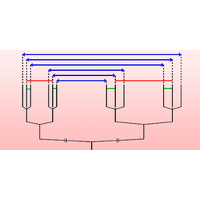
High-Precision Penning Trap Spectroscopy of the Ground State Spin Structure of ${\mathrm{HD}}^{+}$
Article | Atomic, Molecular, and Optical Physics | 2026-04-08 06:00 EDT
Charlotte M. König, Matthew Bohman, Fabian Heiße, Jonathan Morgner, Tim Sailer, Bingsheng Tu, Klaus Blaum, Sven Sturm, Dimitar Bakalov, Hugo D. Nogueira, Jean-Philippe Karr, Ossama Kullie, and Stephan Schiller
Precise spectroscopy of a simple molecular ion opens a new path toward stringent tests of quantum electrodynamics.
Phys. Rev. Lett. 136, 143002 (2026)
Atomic, Molecular, and Optical Physics
Magnetic-Free Optical Mode Degeneracy Lifting in Lithium Niobate Microring Resonators
Article | Atomic, Molecular, and Optical Physics | 2026-04-08 06:00 EDT
Xin-Biao Xu, Zheng-Xu Zhu, Yuan-Hao Yang, Jia-Qi Wang, Yu Zeng, Jia-Hua Zou, Juanjuan Lu, Yan-Lei Zhang, Weiting Wang, Guang-Can Guo, Luyan Sun, and Chang-Ling Zou
Breaking time-reversal symmetry in integrated photonics without magnetic fields remains a fundamental challenge. We demonstrate phonon-induced nonreciprocity through direct lifting of forward-backward mode degeneracy in microring resonators. Coherent acousto-optic coupling generates differential AC …
Phys. Rev. Lett. 136, 143802 (2026)
Atomic, Molecular, and Optical Physics
Bloch Diode
Article | Condensed Matter and Materials | 2026-04-08 06:00 EDT
M. Houzet, T. Vakhtel, and J. S. Meyer
The Josephson diode effect--an asymmetry of critical currents at opposite polarities--has attracted much attention recently. One of its simplest realizations is an asymmetric SQUID with multiple Josephson harmonics tuned away from half-integer flux (in units of the superconducting flux quantum). Here …
Phys. Rev. Lett. 136, 146001 (2026)
Condensed Matter and Materials
Friedel Oscillations in Nanoconfined $^{4}\mathrm{He}$
Article | Condensed Matter and Materials | 2026-04-08 06:00 EDT
Bernd Rosenow and Adrian Del Maestro
One-dimensional bosonic systems, such as helium confined to nanopores, exhibit Luttinger liquid behavior characterized by density waves as collective excitations. We investigate the impact of a scattering potential on a low-dimensional quantum liquid. We consider a microscopic model of inside a …
Phys. Rev. Lett. 136, 146002 (2026)
Condensed Matter and Materials
Resonant Magnetophonon Emission by Supersonic Electrons in Ultrahigh-Mobility Two-Dimensional Systems
Article | Condensed Matter and Materials | 2026-04-08 06:00 EDT
Z. T. Wang, M. Hilke, N. Fong, D. G. Austing, S. A. Studenikin, K. W. West, and L. N. Pfeiffer
We investigate resonant acoustic phonon scattering in the magnetoresistivity of an ultrahigh-mobility two-dimensional electron gas system subject to DC current in the temperature range 10 mK to 3.9 K. For a DC current density of , the induced carrier drift velocity becomes equal to t…
Phys. Rev. Lett. 136, 146302 (2026)
Condensed Matter and Materials
Quantum Impurity Sensing of Altermagnetic Order
Article | Condensed Matter and Materials | 2026-04-08 06:00 EDT
V. A. S. V. Bittencourt, Hossein Hosseinabadi, Jairo Sinova, Libor Šmejkal, and Jamir Marino
Quantum sensing with individual spin defects has emerged as a versatile platform to probe microscopic properties of condensed matter systems. Here we demonstrate that quantum relaxometry with nitrogen-vacancy (NV) centers in diamond can reveal the anisotropic spin dynamics of altermagnetic insulator…
Phys. Rev. Lett. 136, 146701 (2026)
Condensed Matter and Materials
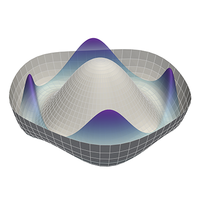
Finite-Size Spectral Signatures of Order by Quantum Disorder: A Perspective from Anderson’s Tower of States
Article | Condensed Matter and Materials | 2026-04-08 06:00 EDT
Subhankar Khatua, Griffin C. Howson, Michel J. P. Gingras, and Jeffrey G. Rau
Order by quantum disorder leaves distinct finite-size signatures in the exact diagonalization spectrum that are captured by an effective quantum-rotor description analogous to the Anderson tower of states.
Phys. Rev. Lett. 136, 146702 (2026)
Condensed Matter and Materials
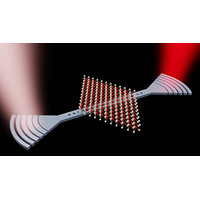
Strongly Nonlinear Nanocavity Exciton Polaritons in Gate-Tunable Monolayer Semiconductors
Article | Condensed Matter and Materials | 2026-04-08 06:00 EDT
Zhi Wang, Bumho Kim, Bo Zhen, and Li He
Precise adjustment of the doping level in a transition metal dichalcogenide heterostructure using electrostatic gating demonstrates a wide range of tunability in the exciton oscillator strength and thus the exciton photon hybridization.
Phys. Rev. Lett. 136, 146901 (2026)
Condensed Matter and Materials
Comment on “Near-Field Spin Chern Number Quantized by Real-Space Topology of Optical Structures”
Article | 2026-04-08 06:00 EDT
Didier Felbacq and Emmanuel Rousseau
Phys. Rev. Lett. 136, 149301 (2026)
Fu et al. Reply:
Article | 2026-04-08 06:00 EDT
Tong Fu, Ruo-Yang Zhang, Shiqi Jia, C. T. Chan, and Shubo Wang
Phys. Rev. Lett. 136, 149302 (2026)
Physical Review X
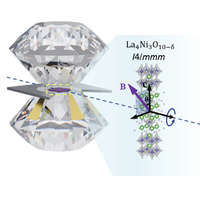
Nearly Isotropic Upper Critical Field in Pressurized Trilayer Nickelate ${\mathrm{La}}{4}{\mathrm{Ni}}{3}{\mathrm{O}}_{10-δ}$
Article | 2026-04-08 06:00 EDT
Di Peng et al.
Angle-dependent magnetotransport measurements under extreme pressure reveal an isotropic upper critical field in trilayer nickelates driven by the compensation of distinct electronic orbitals.
Phys. Rev. X 16, 021008 (2026)
arXiv
Optoelectronic and Thermoelectric Properties of High-Performance AlSb Semiconductors
New Submission | Materials Science (cond-mat.mtrl-sci) | 2026-04-09 20:00 EDT
Dilshod Nematov, Amondulloi Burkhonzoda, Iskandar Raufov, Sherali Murodzoda, Saidjafar Murodzoda, Sakhidod Sattorzoda, Anushervon Ashurov, Makhsud Barot Islomzoda, Kholmirzo Kholmurodov
This study presents a comprehensive first-principles investigation of the optoelectronic and thermoelectric properties of aluminum antimonide (AlSb) in its cubic (F-43m) and hexagonal (P63mc) phases. Structural optimization was performed using the SCAN functional, and all electronic and optical properties were evaluated using the modified Becke-Johnson potential combined with the Hubbard correction (mBJ+U), which best describes the band-edge electronic structure, explicitly accounting for the contribution of the d-states of the Sb half-core, which cannot be adequately accounted for by conventional functionals and may be overestimated by hybrid approaches. Both AlSb phases are found to be quasi-direct bandgap semiconductors, with calculated band gaps of 1.71 eV for the cubic phase and 1.50 eV for the hexagonal phase, in good agreement with available experimental data. The optical response reveals strong absorption in the visible and ultraviolet regions, moderate reflectivity, and high refractive indices, indicating pronounced light-matter interaction characteristic of III-V semiconductors. The hexagonal phase exhibits enhanced low-energy optical absorption due to its reduced symmetry and narrower band gap. Thermoelectric analysis demonstrates large negative Seebeck coefficients, thermally activated carrier generation, and a monotonic increase of the power factor with carrier concentration for both phases. The cubic phase shows higher power factor values due to enhanced carrier mobility, whereas the hexagonal phase benefits from reduced thermal conductivity, which is favorable for thermoelectric performance at elevated temperatures. These results establish AlSb as a multifunctional semiconductor with tunable optoelectronic and thermoelectric properties and highlight the importance of an accurate treatment of Sb d-electron effects for reliable property prediction.
Materials Science (cond-mat.mtrl-sci)
DYNAMITE: A high-performance framework for solving Dynamical Mean-Field Equations
New Submission | Disordered Systems and Neural Networks (cond-mat.dis-nn) | 2026-04-09 20:00 EDT
Johannes Lang, Vincenzo Citro, Luca Leuzzi, Federico Ricci-Tersenghi
Understanding the dynamics of systems evolving in complex and rugged energy landscapes is central across physics, economics, biology, and computer science. Disordered mean-field models provide a powerful framework, as exact Dynamical Mean-Field Equations (DMFE) can be derived. However, solving the DMFE – a set of coupled integral-differential equations for two-time functions – remains a major numerical challenge.
So far, large-time solutions of DMFE rely either on analytical approaches, such as the Cugliandolo–Kurchan ansatz based on assumptions like weak ergodicity breaking (which is known to fail in some cases), or on numerical integrations that reliably reach times $ O(10^3)$ and extend further only via poorly controlled approximations. Consequently, no general method currently exists to solve DMFE at very long times, limiting the study of slow dynamics in complex landscapes.
We present \textsc{Dynamite} (DYNAmical Mean-fIeld Time Evolution solver), a high-performance framework for solving DMFE up to unprecedented times $ t=O(10^7)$ . It combines non-uniform interpolation, adaptive time stepping, and numerical `renormalization’ of memory, enabling accurate evaluation of history integrals. Its asymptotic runtime is linear, with sublinear memory scaling. Stability and precision are ensured via an adaptive Runge–Kutta scheme and periodic sparsification of the past.
\textsc{Dynamite} achieves orders-of-magnitude speedups over uniform-grid methods while maintaining accuracy and reproducibility on CPU and GPU architectures. Benchmarks on glassy mean-field models, including the mixed spherical $ p$ -spin system, demonstrate access to aging and relaxation regimes previously out of reach. The framework provides a reproducible and extensible foundation for studying long-memory dynamical systems.
Disordered Systems and Neural Networks (cond-mat.dis-nn), Numerical Analysis (math.NA), Computational Physics (physics.comp-ph)
15 pages, 8 figures
Crystallization in the Fractional Quantum Hall Regime with Disorder-Aware Neural Quantum States
New Submission | Strongly Correlated Electrons (cond-mat.str-el) | 2026-04-09 20:00 EDT
Jihang Zhu, Yi Huang, Xiaodong Hu, Di Xiao, Ting Cao
We present the first microscopic demonstration of a disorder-pinned hole Wigner crystal (WC), providing a natural explanation for the reentrant integer quantum Hall effect observed near $ \nu=2/3$ , as well as its analogs in fractional Chern insulators. We further identify a novel crossover regime above filling $ \nu=2/3$ that connects this hole WC to an electron WC, characterized by a network-like electron density structure. To uncover these phenomena, we use neural-network variational Monte Carlo (NNVMC) with a disorder-aware self-attention neural quantum state that describes both fractional quantum Hall (FQH) liquids and Wigner crystals within a single unbiased variational framework. More broadly, our method establishes a unified phase diagram that exposes a fundamental asymmetry in crystallization across half-filling: near $ \nu=1/3$ , increasing LL mixing and disorder both stabilize an electron WC, whereas near $ \nu=2/3$ , the hole WC dominates at weak LL mixing and ultimately gives way to the electron WC at strong LL mixing.
Strongly Correlated Electrons (cond-mat.str-el)
10 pages, 4 figures
Higher Nishimori Criticality and Exact Results at the Learning Transition of Deformed Toric Codes
New Submission | Statistical Mechanics (cond-mat.stat-mech) | 2026-04-09 20:00 EDT
Rushikesh A. Patil, Malte Pütz, Simon Trebst, Guo-Yi Zhu, Andreas W. W. Ludwig
We revisit a learning-induced tricritical point, at which three phases with strong, weak, and broken $ Z_2$ symmetry meet, in the phase diagram of a deformed toric code wavefunction subjected to weak measurements. This setting is exactly dual to a classical Bayesian inference phase diagram of the $ 2D$ classical Ising model. Here we demonstrate that this tricritical point lies on a distinct $ \textit{higher Nishimori line}$ , which has an emergent gauge-invariant formulation, just like the ordinary Nishimori line but with a higher replica symmetry as a replica stat-mech model in the replica number $ R\rightarrow2$ limit, where disorder is averaged according to the Born rule. As such, the learning tricritical point is in fact a $ \textit{higher Nishimori critical point}$ . Using this identification, we obtain a number of $ \textit{exact results}$ at this $ \textit{higher}$ Nishimori critical point; e.g., we show that the power-law exponent of the Edwards-Anderson correlation function is exactly equal to that of the spin correlation function at the unmeasured Ising critical point and verify this in numerical simulations. Using the tools of the proof of a $ c$ -effective theorem [arXiv:2507.07959], we show that the Casimir effective central charge $ c_{\text{eff}}$ $ \textit{decreases}$ under renormalization group (RG) flow from the $ \textit{higher}$ Nishimori critical point to the unmeasured $ 2D$ Ising critical point, and is thus greater than $ 1/2$ . This is corroborated by extensive numerical simulations finding $ c_{\text{eff}} = 0.522(1)$ . The analytical result also explains, with a physically motivated assumption, the numerically observed increase of the Casimir effective central charge under the RG flow from the ordinary Nishimori critical point to the clean Ising critical point in the random-bond Ising model. We also discuss $ \textit{higher}$ Nishimori criticality in general dimensions $ D>1$ .
Statistical Mechanics (cond-mat.stat-mech), Disordered Systems and Neural Networks (cond-mat.dis-nn), Strongly Correlated Electrons (cond-mat.str-el), Quantum Physics (quant-ph)
35 pages, 14 figures, 1 table
Tunable Valley Polarization in Diamond
New Submission | Mesoscale and Nanoscale Physics (cond-mat.mes-hall) | 2026-04-09 20:00 EDT
Nattakarn Suntornwipat, Jan Isberg, Saman Majdi
Device stability is essential for quantum information technologies, where reliable control of electronic states is crucial. Diamond valleytronics offers a promising platform by exploiting the valley degree of freedom to store and manipulate information. In this work, we demonstrate a diamond-based valley transistor with a dual-gate, two-drain architecture that enables tunable valley-polarized transport via gate voltage modulation. By leveraging the significant effective-mass anisotropy of diamond’s conduction band valleys, this architecture provides control over spatial distribution and transit times. We further demonstrate that valley-polarized transport in diamond is remarkably robust against thermal variations over macroscopic distances. These results demonstrate the resilience of valley states and highlight diamond’s potential for energy-efficient valleytronic devices in next-generation quantum and high-power electronics.
Mesoscale and Nanoscale Physics (cond-mat.mes-hall), Materials Science (cond-mat.mtrl-sci), Applied Physics (physics.app-ph)
Grafted Low-Leakage Si/AlN p-n Diodes Enabled by Fluorinated AlN Interface
New Submission | Materials Science (cond-mat.mtrl-sci) | 2026-04-09 20:00 EDT
Yi Lu, Tsung-Han Tsai, Qingxiao Wang, Haicheng Cao, Jie Zhou, You Jin Koo, Chenyu Wang, Yang Liu, Yueyue Hao, Michael Eller, Connor Bailey, Stephanie Liu, Nicholas J. Tanen, Zhiyuan Liu, Mingtao Nong, Robert M. Jacobberger, Tien Khee Ng, Katherine Fountaine, Vincent Gambin, Boon S. Ooi, Xiaohang Li, Zhenqiang Ma
Ultrawide-bandgap AlN is a promising material for next-generation power electronics; however, its practical implementation is hindered by unstable surface chemistry and the high activation energy of p-type dopants. In particular, high-temperature rapid thermal annealing (RTA), required for forming low-resistance contacts on n-type AlN, leads to the formation of thick and defective surface oxides that degrade heterojunction performance.
In this work, we present an interface engineering approach based on fluorination-induced AlFx formation combined with SiNx passivation to suppress defect-assisted leakage in p-Si/n-AlN heterojunction diodes fabricated via semiconductor grafting. A low-damage pseudo-atomic layer etching process is employed to remove RTA-induced oxides and restore a near-stoichiometric AlN surface. Subsequent XeF2 treatment forms an ultrathin AlFx layer, which is stabilized by an atomic-layer-deposited SiNx capping layer prior to p-Si nanomembrane integration.
Electrical measurements show that the engineered AlFx/SiNx interface reduces reverse leakage current by several orders of magnitude compared to untreated or oxide-removed AlN surfaces, while preserving forward conduction characteristics. Temperature-dependent analysis indicates strong suppression of Poole-Frenkel emission and a shift of leakage onset to higher reverse bias, ultimately limited by bulk AlN crystal quality. X-ray photoelectron spectroscopy and transmission electron microscopy confirm the formation of Al-F bonds, reduced Al-O content, and the presence of a thin interfacial SiOx/SiON layer.
These results establish AlFx/SiNx passivation as an effective strategy for stabilizing AlN interfaces and enabling low-leakage ultrawide-bandgap heterojunction devices.
Materials Science (cond-mat.mtrl-sci)
12 pages
Influence of Manganese Content on Plastic Deformation Mechanisms in Polycrystalline α-Ti-Mn Alloys
New Submission | Materials Science (cond-mat.mtrl-sci) | 2026-04-09 20:00 EDT
G. Marković, M. Fedorov, M. Sokića, K. Frydrych, F. J. Dominguez-Gutierrez
Titanium alloys are widely used in aerospace, biomedical, and energy applications owing to their high specific strength, corrosion resistance, and biocompatibility. Among them, $ \alpha$ -titanium alloys with a hexagonal close-packed (hcp) crystal structure exhibit characteristic deformation mechanisms governed by crystallographic slip and defect evolution. In this study, the influence of manganese content on the plastic deformation mechanisms of polycrystalline $ \alpha$ -Ti-2Mn and $ \alpha$ -Ti-4Mn (at.%) alloys is investigated using molecular dynamics simulations. Atomistic models were subjected to uniaxial loading at room temperature at a strain rate of 10$ ^9$ s$ ^{-1}$ . The mechanical response was evaluated through stress-strain behavior, structural evolution, dislocation nucleation and interaction, and analysis of the local deformation field. Plastic deformation in these $ \alpha$ -Ti-Mn alloys is dominated by dislocation nucleation and their subsequent evolution within the hcp lattice. Increasing Mn content leads to higher stress levels and enhanced resistance to plastic deformation, accompanied by changes in dislocation activity and defect evolution.
Materials Science (cond-mat.mtrl-sci)
Disorder averaging in random lattice models with periodic boundary conditions: Application to models with uncorrelated and correlated disorder
New Submission | Disordered Systems and Neural Networks (cond-mat.dis-nn) | 2026-04-09 20:00 EDT
Balázs Hetényi, Luís Miguel Martelo, András Lászlóffy
Periodic boundary conditions are not always used in the study of disordered systems, but it can be advantageous to apply them to mimick thermodynamically large systems. In this case, polarization and its cumulants can not be obtained directly, but through the tools of the modern theory of polarization. This theory casts the polarization in crystalline systems as a geometric phase, rather than an operator expectation value. We develop disorder averaging techniques within the context of this theory which can calculate the variance of the polarization, its higher order moments, and the excess kurtosis (or Binder cumulant). We also derive an indicator of delocalization based on the degeneracy as a function of boundary conditions. We apply the computational techniques to two model systems. To test localization, we use a one-dimensional disordered model which is fully Anderson localized. Our calculations verify this. We also apply our techniques to the one dimensional de Moura-Lyra model, developed to study power law correlated (controlled by a parameter, $ \alpha$ ) disorder. While this model is a pathological one, our method is validated. We also point out the significance of pairwise degeneracies found in the parameter range, $ \alpha>2$ and near the band center (or near half filling), where the model was conjectured to exhibit a mobility edge.
Disordered Systems and Neural Networks (cond-mat.dis-nn), Mesoscale and Nanoscale Physics (cond-mat.mes-hall)
Two-dimensional active polar semiflexible polymer under shear flow
New Submission | Soft Condensed Matter (cond-mat.soft) | 2026-04-09 20:00 EDT
The nonequilibrium structural and dynamical properties of semiflexible active polar polymers subject to linear flow are studied by numerical simulations. Filaments are confined in two dimensions and immersed in a fluid described by the Brownian Multiparticle Collision Dynamics approach. The applied shear flow causes conformational changes of a polymer, aligns it along the flow direction, and induces a tumbling motion at large flow rates. In an intermediate, activity-dependent shear-rate regime, a characteristic scaling exponent for the mean-square end-to-end distance along the gradient direction is observed. This exponent appears to be determined by the semiflexibility of the polymer. The tumbling dynamics exhibits a characteristic time, with a stronger dependence on the Weissenberg number than that of flexible active or passive polymers. Activity strongly impacts the rheological properties of the semiflexible polymers, and even implies a negative viscosity for weak flows. At very large values of the shear rate, shear dominates over activity and passive-polymer behavior is assumed.
Soft Condensed Matter (cond-mat.soft), Computational Physics (physics.comp-ph)
Accepted for publication in J. Chem. Phys
Study of the Nonlinear Dependence of Anomalous Hall Conductivity on Magnetization in Weak Itinerant Ferromagnet ZrZn2
New Submission | Materials Science (cond-mat.mtrl-sci) | 2026-04-09 20:00 EDT
Surasree Sadhukhan, Stepan S. Tsirkin, Yaroslav Zhumagulov, Igor. I. Mazin
As opposed to the ordinary Hall effect, the anomalous Hall effect (AHE) remained unexplained for decades, and, amazingly, some misconceptions have survived even now, in particular, the claim that AHE is linearly related to the net magnetization. Karplus and Luttinger provided a quantum-mechanical explanation of AHE by explicitly including the SOC and the Berry curvature of electronic bands. They did address the question of linearity, but only in the relatively uncommon limit of the exchange coupling smaller than SOC. Now the linear relation in traditional ferromagnets is understood as a domain population effect: both AHE and magnetization are independently proportional to the domain disbalance. In this connection, it is interesting to check to what extent this relation will hold in {\em single-domain} itinerant ferromagnet, the closest case to that analyzed by Karplus and Luttinger? We answer this question by direct calculations, using the Karplus-Luttinger formula, of AHE in a prototypical itinerant ferromagnet, ZrZn$ _2$ . We show that in the zero-magnetization limit, $ M\rightarrow 0$ , the linear relation hold, but at rather small moments of $ \sim 0.4\ \mu_B$ /Zr breaks down completely and even flips the sign.
Materials Science (cond-mat.mtrl-sci)
Topochemically-engineered coexistence of charge and spin orders in intercalated endotaxial heterostructures
New Submission | Strongly Correlated Electrons (cond-mat.str-el) | 2026-04-09 20:00 EDT
Samra Husremović, Wanlin Zhang, Medha Dandu, Berit H. Goodge, Isaac M. Craig, Ellis Kennedy, Matthew P. Erodici, Karen C. Bustillo, Chengyu Song, Jim Ciston, Sinéad Griffin, Archana Raja, D. Kwabena Bediako
Correlated electron systems that host multiple electronic orders offer routes to multifunctional quantum materials, but strong competition between these orders often prevents their coexistence. Here we show that nanoscale, metastable intercalated heterostructures can stabilize a rare combination of long-range magnetism and a commensurate charge density wave (C-CDW) order in a single material. We synthesize a two-dimensional (2D) metastable crystal, T/H-Fe$ _x$ TaS2, which comprises an endotaxial polytype heterostructure of 1T-TaS$ _2$ and H-TaS$ _2$ with Fe intercalated in the van der Waals interfaces. In T/H-Fe$ _x$ TaS2, Fe intercalants provide localized spins that support ferromagnetism, while 1T layers host a robust commensurate charge density wave (C-CDW) that persists to room temperature. In these intercalated heterostructures, Fe content simultaneously tunes ordering of spin and charge degrees of freedom, positioning topochemically-prepared intercalated endotaxial heterostructures as a route to stabilize and control competing quantum phases in 2D materials.
Strongly Correlated Electrons (cond-mat.str-el), Mesoscale and Nanoscale Physics (cond-mat.mes-hall), Materials Science (cond-mat.mtrl-sci)
Extensive Spatio-Temporal Chaos in Non-reciprocal Flocking
New Submission | Statistical Mechanics (cond-mat.stat-mech) | 2026-04-09 20:00 EDT
Chul-Ung Woo, Jae Dong Noh, Heiko Rieger
Non-reciprocal interactions in active matter gives rise to a multitude of fascinating phenomena among which are collective oscillatory states without intrinsic particle chirality and active turbulence. Here we show that in a paradigmatic model for non-reciprocal flocking, the two species Vicsek model, these two states coexist: chiral order for small flocks, and extensive spatiotemporal chaos for large flocks, both separated by a finite wavelength instability whose scale is set by the rotation radius of the chiral orbits. For system sizes larger than this length scale extensive spatiotemporal chaos unfolds, as manifested by an extensive number of Floquet exponents for the unstable chiral state, a positive Lyapunov exponent, a finite correlation and chaotic length and a broad energy spectrum. Our results suggest that complex, turbulent behavior is a generic possibility in any system where particles or fields interact asymmetrically and may have significant implications for understanding how non-reciprocal interactions could drive chaotic, fluid-like behavior in active matter.
Statistical Mechanics (cond-mat.stat-mech)
6 pages, 4 figures
Dimensional crossover in surface growth on rectangular substrates
New Submission | Statistical Mechanics (cond-mat.stat-mech) | 2026-04-09 20:00 EDT
Ismael S. S. Carrasco, Tiago J. Oliveira
In a recent work [Phys. Rev. E 109, L042102 (2024)], interesting dimensional crossovers [from two- to one-dimensional (2D to 1D) scaling] were found in the growth of Kardar-Parisi-Zhang (KPZ) interfaces on rectangular substrates, with lateral sizes $ L_y > L_x$ . Here, we extend this study to other universality classes for interface growth – specifically, the Edwards-Wilkinson (EW), the Mullins-Herring (MH), and the Villain-Lai Das Sarma (VLDS) classes. From extensive simulations, we demonstrate that, in all systems with sufficiently large aspect ratio $ \mathcal{R}=L_y/L_x$ , the roughness $ W$ scales with time $ t$ in the growth regime as $ W \sim t^{\beta_{\text{2D}}}$ for $ t \ll t_c$ and $ W \sim t^{\beta_{\text{1D}}}$ for $ t \gg t_c$ , where $ t_c \sim L_x^{z_{2\text{D}}}$ in most cases. For the VLDS class, this crossover is also observed in the height distribution (HD), which approaches its characteristic probability density function for the 2D case at short times ($ t \ll t_c$ ) and then crosses over to the asymptotic 1D HD. Dimensional crossovers are also found in the steady state regime, both in the roughness scaling as well as in the VLDS HD, which interpolate between the 2D and 1D ones as $ \mathcal{R}$ increases. The particular case $ L_x = L_y^{\delta}$ , with $ 0 < \delta < 1$ , is also discussed in detail and reveals interesting features of the investigated systems. For instance, there exist a `special’ exponent $ \delta^\ast = z_{1\text{D}}/z_{2\text{D}}$ such that the temporal crossover cannot be observed for $ \delta > \delta^\ast$ . Moreover, this leads the saturation roughness to display a nonuniversal scaling: $ W_s \sim L_y^{\Lambda}$ , with $ \Lambda = (1-\delta) \alpha_{1\text{D}} + \delta \alpha_{2\text{D}}$ .
Statistical Mechanics (cond-mat.stat-mech)
10 pages, 7 figures
Ballistic atomic transport in narrow carbon nanotubes
New Submission | Mesoscale and Nanoscale Physics (cond-mat.mes-hall) | 2026-04-09 20:00 EDT
Alberto Ambrosetti, Pier Luigi Silvestrelli, John F. Dobson, Luca Salasnich
Friction forces are conventionally modeled via semiclassical theories that associate energy dissipation with newtonian motion on corrugated interface potentials. This consolidated approach is challenged at the nanoscale by observation of nearly unimpeded water flow in narrow carbon nanotubes (CNTs), in spite of nonvanishing energy corrugations. Here we go beyond the standard newtonian perspective, adopting a quantum mechanical description of 4 He flow through narrow CNTs. Building upon our Bloch-wave dynamics [Phys. Rev. Lett. 131, 206301 (2023)] we explore realistic flow conditions, including non-negligible interface interactions, finite temperatures, and imperfect CNTs. At T = 0 K we found that 4 He waves can propagate through ideally periodic, corrugated interface potentials with no friction: below a critical velocity regulated by interface corrugations, energy loss by emission of plasmon and phonon quanta is forbidden. Introducing realistic impurities/defects one still finds very large mean free paths that can exceed the micrometer scale, while thermal phonons and plasmons yield even lower scattering rates. This establishes the unexpected emergence of ballistic wavelike transport in narrow CNTs within realistic nanoscale devices, and demonstrates the intrinsic quantumness of nanoscale interfaces.
Mesoscale and Nanoscale Physics (cond-mat.mes-hall), Other Condensed Matter (cond-mat.other)
3 figures
Floquet X-Ray Scattering as a Probe of Hidden Electronic Orders
New Submission | Strongly Correlated Electrons (cond-mat.str-el) | 2026-04-09 20:00 EDT
Martin Eckstein, Eva Paprotzki
We develop a theoretical framework for Floquet resonant X-ray scattering, using Floquet theory combined with the ultrashort core-hole lifetime expansion. We obtain a compact expression for the Floquet components of the resonant inelastic X-ray scattering operator, which shows that Floquet X-ray scattering provides direct access to bond and current correlations that do not directly produce charge Bragg peaks in conventional diffraction. Applying this framework to charge-ordered states on the Kagome lattice, we demonstrate that different symmetry-breaking orders exhibit distinct polarization fingerprints in the Floquet Bragg peaks. Moreover, the relative weight of bond and current contributions can be tuned through the drive frequency. These results establish Floquet X-ray scattering as a symmetry-resolved probe of hidden electronic order or fluctuations in quantum materials.
Strongly Correlated Electrons (cond-mat.str-el)
17 pages, 7 figures
Observation of roton emission from a quantized vortex
New Submission | Quantum Gases (cond-mat.quant-gas) | 2026-04-09 20:00 EDT
A. Lester, N. Morrison, F. Novotny, D. Schmoranzer, S.Ó Peatáin, V. Zavjalov, V. Tsepelin, S. Kafanov
Turbulence in inviscid quantum fluids offers unparalleled access to the universal principles of non-equilibrium dynamics, spanning a vast range of length scales from macroscopic flow down to the individual vortex core. In the zero-temperature limit, the microscopic mechanism by which the turbulent energy cascade terminates in the absence of viscosity remains a foundational challenge in quantum hydrodynamics. While prevailing theoretical descriptions prioritize phonon emission, they fail to account for the strong interatomic correlations that give rise to the roton minimum in superfluid $ ^4\mathrm{He}$ . Here, we report the direct observation of roton emission from a single quantized vortex using a high-quality-factor nanomechanical resonator at 10 mK. We identify a sharp onset of dissipation at a critical velocity, and measure the energy loss per cycle, which corresponds quantitatively to the roton gap energy. Our findings address the long-standing mystery of zero-temperature energy relaxation by establishing roton emission as the primary dissipation channel in strongly correlated quantum liquids.
Quantum Gases (cond-mat.quant-gas)
Quantitative 3D Analysis of Porosity and Fractal Geometry in Electrochemically Etched Macroporous Silicon
New Submission | Materials Science (cond-mat.mtrl-sci) | 2026-04-09 20:00 EDT
A. Ramírez-Porras, I. Prado, N.R. Schwarz, U. Steiner
Macroporous silicon is widely employed in sensing and optoelectronic applications due to its large internal surface area and adjustable pore structure. However, quantitative correlations between morphology and functionality require accurately characterizing the three dimensional pore network. In this study, we used focused Ga+ ion beam scanning electron microscopy tomography to reconstruct representative volumes of electrochemically etched macroporous silicon layers. We extracted true three dimensional porosity and surface-to-volume ratios and compared them with two-dimensional estimates obtained from SEM images. Our results demonstrate that surface-based porosity systematically underestimates true volumetric porosity. These discrepancies arise from anisotropy, branching, and variability in pore size. Fractal analysis reveals that the pore network has moderate geometric complexity, consistent with electrochemical macropore formation mechanisms. The results highlight the importance of direct 3D characterization for reliable morphological quantification and provide a robust framework for interpreting structural trends in macroporous silicon.
Materials Science (cond-mat.mtrl-sci)
7 pages, 3 figures, 2 tables
The effects of dispersion damping and three-body interactions for accurate layered-material exfoliation energies
New Submission | Materials Science (cond-mat.mtrl-sci) | 2026-04-09 20:00 EDT
Adrian F. Rumson, Kyle R. Bryenton, Erin R. Johnson
Accurate predictions of exfoliation energies and lattice constants of layered materials hinge on a correct description of London dispersion physics. Modern a posteriori dispersion corrections in density-functional theory (DFT), such as the exchange-hole dipole moment (XDM) model, capture the proper asymptotic behaviour at long range while making use of damping functions to prevent unphysical divergence at short range. In the united-atom limit, the dispersion energy is damped to a finite, non-zero value by both the canonical Becke–Johnson (BJ) damping function and the new Z-damping function. XDM(BJ) has previously demonstrated exceptional accuracy for modelling layered materials, such as in the LM26 benchmark, which includes graphite, hexagonal boron nitride, lead(II) oxide, and transition-metal dichalcogenides. This work presents the first assessment of XDM(Z) on the same benchmark. We also show that inclusion of three-body interactions via the Axilrod–Teller–Muto (ATM) term further improves the computed exfoliation energies for both XDM(BJ) and XDM(Z), yielding the best performance achieved on LM26 using semi-local functionals to date.
Materials Science (cond-mat.mtrl-sci), Chemical Physics (physics.chem-ph)
9 pages, 3 figures, 2 tables
On the possibility of hybrid chalcogenide perovskite photovoltaics
New Submission | Materials Science (cond-mat.mtrl-sci) | 2026-04-09 20:00 EDT
Ruiqi Wu, JJ Acton, Shirui Wang, Alex Ganose
Chalcogenide perovskites are an emerging class of photovoltaic absorbers offering stable, lead-free structures and promising optoelectronic properties. To date, the literature on chalcogenide perovskites has focused primarily on fully inorganic systems such as \ce{BaZrS3}. This contrasts with the halide perovskites, for which hybrid organic-inorganic systems exhibit record performance. In this work, we assess the viability of hybrid chalcogenide perovskite absorbers using first-principles calculations. We screen a wide range of monovalent and divalent organic cations within the A-site to evaluate their electronic, optical, and thermodynamic properties. Our analysis reveals that the majority of candidates are structurally unstable; however, we identify the hydrazinium cation (\ce{N2H6^{2+}}) as a unique candidate that maintains a stable perovskite structure. Specifically, we identify \ce{N2H6ZrSe3} as the most promising candidate, exhibiting a quasi-direct band gap of \SI{1.31}{eV} and a theoretical maximum efficiency of \SI{24.5}{\percent} for a \SI{200}{\nm} thin film. This study represents the first comprehensive computational report on hybrid chalcogenide perovskites, opening new avenues for the development of Earth-abundant photovoltaic materials.
Materials Science (cond-mat.mtrl-sci)
Decomposing momentum scales in the Hubbard Model: From Hatsugai-Kohmoto to Aubry-André
New Submission | Strongly Correlated Electrons (cond-mat.str-el) | 2026-04-09 20:00 EDT
Dmitry Manning-Coe, Barry Bradlyn
The all-to-all momentum coupling of the Hubbard interaction makes interacting lattice models generically unsolvable. In many settings, however, from Peierls instabilities to Moiré superlattice physics, the low-energy behavior is dominated by scattering at a few characteristic wavevectors. We exploit this by constructing a momentum-space clustering scheme that retains only a chosen subset of interaction channels. Our scheme can be considered a generalization of twist-averaged boundary conditions. In proving this, we also prove that our scheme can be considered as a generalization of Hatsugai-Kohmoto (HK) models, and all versions of the HK model previously considered in the literature arise as special cases. This shows that the surprising phenomenological success of HK models arises from their correspondence to the finite-site Hubbard model. In particular, the recently introduced “Momentum-Mixing HK” model corresponds to a specific choice of clustering limit, which is equal to the original finite-site Hubbard model with twist-averaged boundary conditions. Our scheme becomes particularly powerful when a spatially varying potential selects the dominant momentum channels. We demonstrate this on the one-dimensional analogue of interacting moiré systems: the Aubry-André-Hubbard model. We show that for sufficiently strong onsite potential, clusters as small as two sites can recover the ground state energy to below 1% error relative to DMRG benchmarks. This establishes that physically motivated momentum-space truncations can yield accurate low-energy descriptions at feasible computational cost, opening a path toward tractable interacting models of Moiré systems in two dimensions. Code for reproducing all numerical results is available at this https URL.
Strongly Correlated Electrons (cond-mat.str-el), Other Condensed Matter (cond-mat.other)
Code for reproducing all numerical results is available at this https URL
Breathing Modes as a Probe of Energy Fluctuations in a Unitary Fermi Gas
New Submission | Quantum Gases (cond-mat.quant-gas) | 2026-04-09 20:00 EDT
Shi-Guo Peng, Jing Min, Kaijun Jiang
Directly accessing energy fluctuations in interacting quantum many-body systems remains a long-standing challenge, especially far from equilibrium. Here we show that in scale-invariant quantum gases with SO$ (2,1)$ dynamical symmetry, the amplitude of the breathing mode provides a direct and quantitative probe of energy fluctuations. We establish an exact and universal relation between the oscillation amplitude and the energy fluctuation, with a dimensionless ratio fixed solely by the Bargmann index $ k$ , which labels the irreducible representation of the underlying SU$ (1,1)$ algebra and thereby determines the structure of the many-body spectrum and dynamics. As a consequence, this relation is fully dictated by symmetry and remains independent of microscopic details and excitation protocols. Furthermore, we show that the excitation of breathing-mode states follows a universal statistical distribution governed by a single parameter, independent of the specific driving protocol. Our findings demonstrate that energy fluctuations, typically encoded in the many-body spectrum, can be directly accessed through collective dynamics, offering a symmetry-based route to probe nonequilibrium energy statistics in strongly interacting quantum systems.
Quantum Gases (cond-mat.quant-gas)
6 pages; 5 figures
Investigating the intrinsic anomalous Hall effect in MnPt3 topological semimetal
New Submission | Strongly Correlated Electrons (cond-mat.str-el) | 2026-04-09 20:00 EDT
Jing Meng, Hongru Wang, Kun Zheng, Yuhao Wang, Zheng Li, Bocheng Yu, Haoyu Lin, Keqi Xia, Jingzhong Luo, Zengyao Wang, Xiaoyan Zhu, Baiqing Lv, Yaobo Huang, Jie Ma, Yang Xu, Shijing Gong, Tian Shang, Qingfeng Zhan
The cubic Cu$ _3$ Au-type $ X$ Pt$ _3$ family ($ X$ = V, Cr, and Mn) is a topological semimetal characterized by anti-crossing gapped nodal lines near the Fermi level, which give rise to significant Berry curvatures and thus to the anomalous Hall effect (AHE). Among the three members, CrPt$ _3$ has been experimentally verified to exhibit a large anomalous Hall conductivity (AHC), while its counterparts MnPt$ _3$ and VPt$ _3$ remain largely unexplored. Here, a series of MnPt$ _3$ thin films with varying thicknesses (20–70 nm) was epitaxially grown on the MgO substrates using magnetron sputtering and was systematically investigated by magnetization, electrical resistivity, and Hall resistivity measurements. MnPt$ 3$ films undergo a ferromagnetic transition at a Curie temperature $ T\mathrm{C}$ , which increases as the film thickness increases, reaching $ \sim$ 344 K for the 70-nm-thick film. All the anomalous Hall transport properties of MnPt$ _3$ films, including the resistivity, conductivity, and angle, exhibit a strong correlation with their magnetic properties. The scaling analysis suggests that the intrinsic Berry-curvature mechanism dominates the observed AHE, while the extrinsic contributions are much smaller. The intrinsic AHC increases as the film thickness increases, while the extrinsic AHC is thickness-independent. Such an enhanced intrinsic AHC in the MnPt$ _3$ films is most likely attributed to the strain effect, implying that it serves as an effective method to tune the electronic band topology in the $ X$ Pt$ _3$ topological semimetal.
Strongly Correlated Electrons (cond-mat.str-el), Materials Science (cond-mat.mtrl-sci)
8 pages, 5 figures; accepted by Phys. Rev. B
High-Mobility Indium Native Oxide Transistors via Liquid-Metal Printing in Air
New Submission | Materials Science (cond-mat.mtrl-sci) | 2026-04-09 20:00 EDT
Shi-Rui Zhang, Sanjoy Kumar Nandi, Felipe Kremer, Shimul Kanti Nath, Wenzhong Ji, Thomas Ratcliff, Li Li, Nicholas J. Ekins-Daukes, Teng Lu, Yun Liu, Robert Glen Elliman
Oxide semiconductors have emerged as common channel materials in transistors and hold promise for next-generation electronics, yet achieving high mobility typically requires costly vacuum-based techniques. Here, ultrathin (5-nm) indium native oxide (InOx) prepared by ambient-air liquid-metal printing (LMP) at low temperature (250 °C), is applied as semiconducting channel in field-effect transistor (FET). The resulting InOx is found to be polycrystalline with large lateral grains that extend vertically throughout the film thickness. InOx FETs in a transfer length method (TLM) configuration demonstrate a high conductivity mobility (uCON) of 125 cm2 V-1 s-1, with systematic analysis of contact resistance confirming potential for channel length scaling. Integration with atomic-layer-deposited (ALD) gate dielectrics further reveals excellent compatibility, for instance, InOx FET integrated with HfO2 exhibits a high field-effect mobility (uFE) of 107 cm2 V-1 s-1, an on/off current ratio (ION/IOFF) of >107, a subthreshold swing (SS) of 204 mV dec-1, a gate leakage of <10-6 A cm-2, while maintaining stable performance over 104 endurance cycles without degradation. Post-fabrication oxygen-plasma treatment is applied to achieve enhancement-mode operation and a depletion-load inverter is demonstrated, exhibiting a voltage gain of 69.8 V/V. These results demonstrate the great potential of LMP InOx as semiconducting channel in high-performance and power-efficient transistors for next-generation oxide electronics.
Materials Science (cond-mat.mtrl-sci)
ACS Applied Materials & Interfaces, Accepted
Cholesteric Fingers from a Magnetic Perspective: Topology, Energetics, and Interactions
New Submission | Soft Condensed Matter (cond-mat.soft) | 2026-04-09 20:00 EDT
Takayuki Shigenaga, Andrey O. Leonov
Chiral liquid crystals and chiral magnets host a wide variety of topological solitons described by closely related continuum theories, namely the Frank-Oseen and Dzyaloshinskii models. Exploiting this correspondence, we develop a unified description of cholesteric fingers in confined liquid crystals and their magnetic counterparts. Within a continuum framework including bulk and surface anisotropies, we analyze the topology, structure, interactions, and collective states of the two main finger types, CF-1 and CF-2.
We show that cholesteric fingers are composite chiral solitons built from merons. CF-2 corresponds to a bimeron with unit topological charge, while CF-1 is a topologically trivial composite of two merons with identical vorticities. From a homotopic viewpoint these textures correspond to skyrmions and droplets. Strong homeotropic anchoring induces confinement effects that reshape the meron structure and redistribute topological charge across the film thickness.
Isolated fingers in the homogeneous state interact repulsively and behave as particle-like objects. Periodic phases emerge when the energy of an isolated finger becomes negative, leading to nucleation-type transitions with a diverging lattice period. Degenerate finger types allow mixed periodic sequences, analogous to stacking polytypes. In a conical background, interactions become attractive due to overlap of distortion regions.
Film thickness controls stability and structure: at small thickness solitons collapse, while at large thickness bimerons exhibit bistability between surface-stabilized and bulk-like states.
Soft Condensed Matter (cond-mat.soft), Mesoscale and Nanoscale Physics (cond-mat.mes-hall), Mathematical Physics (math-ph)
18 pages, 10 figures
Magnon harmonic generation in antiferromagnets: Dynamical symmetry enriched by symmetry breaking
New Submission | Strongly Correlated Electrons (cond-mat.str-el) | 2026-04-09 20:00 EDT
Yuto Jita, Minoru Kanega, Takumi Ogawa, Shunsuke C. Furuya, Masahiro Sato
In recent years, techniques of intense THz laser have enabled us to experimentally observe nonlinear spin dynamics in antiferromagnets since the elementary excitations such as magnons reside on a THz to GHz range in antiferromagnets and THz laser thus can directly excite them. We numerically and theoretically investigate THz-laser or GHz-wave driven harmonic generations in typical ordered phases of antiferromagnets: Néel, canted and weak ferromagnetic phases. The radiation waves (harmonic generations) are created by the incident-wave driven magnon dynamics. We point out that magnetic orders and phase transitions can change the spectra of harmonic generations, differently from those of metallic, semiconductor, or atomic-gas systems without (spontaneous) symmetry breakings. We consider both the magnon harmonic generation driven by standard single-color laser and that by two-color laser in the antiferromagnets, and find several dynamical symmetries and the corresponding selection rules of the harmonic generations. These results indicate that the magnon harmonic generation spectra provide new information about symmetry or symmetry breaking of antiferromagnets.
Strongly Correlated Electrons (cond-mat.str-el), Mesoscale and Nanoscale Physics (cond-mat.mes-hall), Statistical Mechanics (cond-mat.stat-mech), Quantum Physics (quant-ph)
38 pages (2 column version), 17 figures
Directional Andreev-Reflection Signatures of Inter-Orbital Pairing in Sr$_2$RuO$_4$
New Submission | Superconductivity (cond-mat.supr-con) | 2026-04-09 20:00 EDT
G. Csire, Y. Fukaya, M. Cuoco, Y. Tanaka, R.K. Kremer, A.S. Gibbs, G.A. Ummarino, D. Daghero, R.S. Gonnelli
Unconventional superconductivity in quasi–two-dimensional systems is commonly identified through the emergence of Andreev bound states (ABS) at in-plane edges, while surfaces perpendicular to out-of-plane direction remain fully gapped due to weak interlayer coherence. This directional anisotropy has long served as a key paradigm for constraining pairing symmetries. Here, we show that Sr$ _2$ RuO$ _4$ exhibits a striking reversal of this behavior. Using edge- and surface-sensitive spectroscopy, we observe pronounced in-gap ABS at surfaces perpendicular to the out-of-plane direction, whereas in-plane edges exhibit a reduced intensity of the in-gap spectral features. We show that this anomalous anisotropy can arise from the inter-orbital character of the superconducting pairing. Both even- and odd-parity inter-orbital pairing channels naturally generate robust surface ABS while suppressing planar edge modes and can also provide a mechanism for the appearance of a horizontal line node. Supported by \textit{ab initio} and model calculations, including Sr$ _2$ RuO$ _4$ /Ag interface reconstructions, our results highlight the possible role of inter-orbital correlations in shaping the spectroscopic response and provide constraints on the structure of the superconducting order parameter in Sr$ _2$ RuO$ _4$ .
Superconductivity (cond-mat.supr-con), Mesoscale and Nanoscale Physics (cond-mat.mes-hall), Materials Science (cond-mat.mtrl-sci), Strongly Correlated Electrons (cond-mat.str-el)
10 pages, 4figures, and 9 pages, 4 figures, comments are welcome
Exact Solution for Current-Driven Domain-Wall Dynamics Beyond Lorentz Contraction in Antiferromagnets with Dzyaloshinskii-Moriya Interaction
New Submission | Mesoscale and Nanoscale Physics (cond-mat.mes-hall) | 2026-04-09 20:00 EDT
Mu-Kun Lee, Rubén M. Otxoa, Masahito Mochizuki
We study current-driven domain-wall (DW) dynamics in antiferromagnets (AFMs) with Dzyaloshinskii-Moriya interaction (DMI). We obtain an exact analytical solution for spiral DW dynamics, applicable to both head-to-head DWs under bulk DMI and up-down DWs under interfacial DMI when the magnetic easy axis is aligned with the DMI vector. For the latter case experimentally relevant to synthetic AFMs with in-plane anisotropy, the solution predicts a constant DW velocity driven by nonadiabatic spin-transfer torque together with a steady rotation of the DW tilt angle induced by damping-like spin-orbit torque. Remarkably, the DW width shows unconventional current dependence, either pure elongation or contraction followed by elongation depending on damping and torque parameters, in sharp contrast to the Lorentz-type contraction known for antiferromagnetic (AF) DWs without DMI. These results provide an exact description of current-driven AF-DW dynamics and suggest experimentally accessible signatures of DMI-modified DW dynamics in synthetic AFMs.
Mesoscale and Nanoscale Physics (cond-mat.mes-hall)
9 pages, 4 figures
Bond-Strength-Based Understanding of Oxygen Vacancy Migration Barriers in Rutile Oxides
New Submission | Materials Science (cond-mat.mtrl-sci) | 2026-04-09 20:00 EDT
We carry out bond-strength based analysis for the migration barrier ($ E_{\rm B}$ ) of oxygen vacancies in rutile-type 3$ d$ transition-metal dioxides by combining density-functional theory (DFT) and the bond-valence model. The covalent and ionic contributions to chemical bonding are explicitly decomposed and quantified by the sum of the integrated crystal orbital Hamilton population ($ S_c$ ) and the Madelung energy ($ S_i$ ), respectively. Both $ S_c$ and $ S_i$ exhibit strong correlations with the $ E_{\rm B}$ from DFT ($ E_{\rm B}^{\rm DFT}$ ), and their average $ \bar{S}$ provides a reasonable estimate of $ E_{\rm B}^{\rm DFT}$ across the oxide series. Inspired by the bond-valence model, two parameters are extracted by fitting to a large dataset of 3$ d$ transition-metal dioxides. Our results show that using these parameters, $ E_{\rm B}$ of oxygen vacancies can be efficiently estimated.
Materials Science (cond-mat.mtrl-sci)
Projector, Neural, and Tensor-Network Representations of $\mathbb{Z}_N$ Cluster and Dipolar-cluster SPT States
New Submission | Disordered Systems and Neural Networks (cond-mat.dis-nn) | 2026-04-09 20:00 EDT
Seungho Lee, Daesik Kim, Hyun-Yong Lee, Jung Hoon Han
The $ \mathbb{Z}_N$ cluster-state wavefunction, a paradigmatic example of symmetry-protected topological (SPT) order with $ \mathbb{Z}_N \times \mathbb{Z}_N$ symmetry, is expressed in various equivalent ways. We identify the projector-based scheme called the $ P$ -representation as the efficient way to express cluster and dipolar cluster state’s wavefunctions. Employing the restricted Boltzmann machine scheme to re-write the interaction matrix in the $ P$ -representation in terms of neural weight matrices allows us to develop the neural quantum state (NQS) and the matrix product state (MPS) representations of the same state. The NQS and MPS representations differ only in the way the weight matrices are split and grouped together in a matrix product. For both $ \mathbb{Z}_N$ cluster and dipolar cluster states, we derive in closed form the weight function $ W(s,h)$ that couples physical spins $ s$ to hidden variables $ h$ , generalizing the previous construction for $ Z_2$ cluster states to $ \mathbb{Z}_N$ . For the dipolar cluster state protected by two charge and two dipole symmetries, the procedure we have developed leads to the tensor product state (TPS) representation of the wavefunction where each local tensor carries three virtual indices connecting a given site to two nearest neighbors and one further neighbor. We benchmark the resulting TPS construction against conventional MPS representation using density-matrix renormalization group simulations and argue that the TPS could offer a more efficient representation for some modulated SPT states. As a by-product of the investigation, we generalize the previous $ Z_2$ matrix product operator construction of the Kramers-Wannier (KW) operator to $ \mathbb{Z}_N$ and interprets it as the dipolar generalization of the discrete Fourier transform on $ \mathbb{Z}_N$ variables. The new interpretation naturally explains why the KW map is non-invertible.
Disordered Systems and Neural Networks (cond-mat.dis-nn), Strongly Correlated Electrons (cond-mat.str-el), Chemical Physics (physics.chem-ph)
18 pages, 7 figures
Resolving Single-Peptide Phosphorylation Dynamics in Plasmonic Nanopores using Physics-Informed Bi-Path Model
New Submission | Mesoscale and Nanoscale Physics (cond-mat.mes-hall) | 2026-04-09 20:00 EDT
Mulusew W. Yaltaye, Yingqi Zhao, Kuo Zhan, Vahid Farrahi, Jian-An Huang
Protein phosphorylation provides a dynamic readout of cellular signaling yet remains difficult to detect at low abundance and stoichiometry. Single-molecule surface-enhanced Raman spectroscopy (SM-SERS) using particle-in-pore plasmonic nanopores offers label-free molecular detection with submolecular sensitivity. However, reliable identification of subtle post-translational modifications (PTMs) is hindered by the stochastic nature of SM-SERS signals, partial excitation of peptide residues within the plasmonic hotspot, and background interference. Here, we introduce a physics-informed deep learning framework to decode complex SM-SERS dynamics and identify single-peptide PTMs. The model integrates multiple-instance learning with a temporal encoder combining temporal convolutional networks and bidirectional gated recurrent units to capture both local spectral variability and long-range blinking dynamics. To address diffusion-driven spectral heterogeneity, long spectral trajectories are segmented using Pearson-correlation, enabling weakly supervised training under label ambiguity. This framework robustly distinguishes single peptide phosphorylation despite strong background interference and stochastic signal fluctuations. By coupling nanoplasmonic confinement with spatiotemporal deep learning, our approach enables high-fidelity detection of single-molecule phosphorylation events and advances ultrasensitive phosphoproteomic analysis.
Mesoscale and Nanoscale Physics (cond-mat.mes-hall), Data Analysis, Statistics and Probability (physics.data-an)
Nonlinear phononics in LaFeAsO: Optical control of the crystal structure toward possible enhancement of superconductivity
New Submission | Superconductivity (cond-mat.supr-con) | 2026-04-09 20:00 EDT
Shu Kamiyama, Tatsuya Kaneko, Kazuhiko Kuroki, Masayuki Ochi
Nonlinear phononics provides a route to control crystal structures through light-induced phonon excitation. In this study, we apply nonlinear phononics to an iron-based superconductor, LaFeAsO, with the aim of tuning its crystal structure toward the ideal one to enhance superconductivity. We simulate light-induced phonon dynamics on the anharmonic lattice potential determined by first-principles calculations. We find that the anion height $ h$ , a key structural parameter in iron-based superconductors, approaches its ideal value when an appropriate infrared-active phonon mode is selectively excited. This result suggests the possibility of controlling crystal structures and enhancing superconductivity in iron-based superconductors based on the concept of nonlinear phononics.
Superconductivity (cond-mat.supr-con), Materials Science (cond-mat.mtrl-sci), Strongly Correlated Electrons (cond-mat.str-el), Optics (physics.optics)
14 pages, 9 figures
Self-Assembled Telecom Color Centers in Silicon and Their Growth Environment
New Submission | Mesoscale and Nanoscale Physics (cond-mat.mes-hall) | 2026-04-09 20:00 EDT
Jacqueline Marböck, Enrique Prado Navarrete, Merve Karaman, Oliver E. Lang, Thomas Fromherz, Maciej O. Liedke, Andreas Wagner, Moritz Brehm, Johannes Aberl
Artificial atoms based on color centers in silicon (SiCCs) have recently emerged as promising candidates for highly integrable and scalable key components in photonic quantum technology, including telecom single-photon sources and spin memory devices. A novel all-epitaxial fabrication technique for SiCCs, based on ultra-low-temperature (ULT) molecular beam epitaxy (MBE), addresses limitations of conventional fabrication via ion implantation, such as vertical ion straggle and collateral crystal lattice damage. This method solely relies on self-assembly of SiCCs during kinetically-limited growth of (carbon-doped) Si(:C) at ULTs <~350°C. The latter requires an extraordinary pristine growth environment to prevent unintended defect formation caused by the incorporation of impurities from the background vapor; however, so far, no study has specifically addressed how exactly the vacuum conditions during epitaxy influence SiCC formation, their optical properties, and the quality of the surrounding crystal matrix. Here, we investigate the impact of the growth pressure and the substrate temperature on the self-assembly and photoluminescence (PL) properties of important SiCCs, such as W, G, G’, and T centers. Further, we use PL and Doppler broadening variable energy positron annihilation spectroscopy to emphasize the role of the growth pressure in suppressing the luminescence background, which is crucial for advancing quantum photonics applications.
Mesoscale and Nanoscale Physics (cond-mat.mes-hall), Optics (physics.optics)
25 pages, 7 Figures
Volume Collapse Without a Structural Transition in Shock-Compressed FeO
New Submission | Materials Science (cond-mat.mtrl-sci) | 2026-04-09 20:00 EDT
C. Crépisson, T. Stevens, M. Fitzgerald, C. Camarda, P. G. Heighway, D. Peake, D. McGonegle, A. Descamps, A. Amouretti, D. A. Chin, K. K. Alaa El-Din, S. Azadi, E. Brambrink, K. Buakor, L. Pennacchioni, M. Sieber, A. Coutinho Dutra, J. Hernandez Gordillo, K. Yamamoto, J.-A. Hernandez, R. Torchio, T. Tschentscher, Y. Wang, H. Taylor, J. Pintor, O. S. Humphries, M. Andrzejewski, C. Baehtz, E. Barraud, A. B. Belonoshko, D. S. Bespalov, E. Boulard, R. Briggs, D. Cabaret, O. Castelnau, A. Chakraborti, J. Chantel, D. M. Cheshire, G. Collins, T. E. Cowan, Y. J. Deng, S. Di Dio Cafiso, L. Dresselhaus-Marais, X. Fang, A. Forte, S. Galitskiy, E. Galtier, T. Gawne, H. Ginestet, F. Hanby, A. Hari, N. J. Hartley, H. Höppner, N. Jaisle, J. Kim, Z. Konôpková, A. Krygier, J. Kuhlke, C. M. Lonsdale, S-N. Luo, J. Lütgert, M. Masruri, E. E. McBride, J. D. McHardy, M. I. McMahon, R. S. McWilliams, S. Merkel, T. Michelat, J-P. Naedler, B. Nagler, M. Nakatsutsumi, A-M. Norton, I. K. Ocampo, I. I. Oleynik, C. Otzen, N. Ozaki, C. A. J. Palmer, S. E. Parsons, A. Pelka, A. Phelipeau, C. Prescher, N. Pulver, C. Prestwood, C. Qu, D. Ranjan, R. Redmer, C. Sahle, A. A. Sanjuan Mora, S. Schumacher, J-P. Schwinkendorf, N. Sévelin-Radiguet, G. Shoulga, R. F. Smith, S. Singh, C. N. Somarathna, M. Stevenson, C. V. Storm, C. Strohm, T-A. Suer, M. X. Tang
We report x-ray diffraction and emission spectroscopy of FeO under laser-driven shock compression between 31-199 GPa. FeO retains the B1 (rocksalt) structure along the Hugoniot to the melt boundary at 191 GPa. While the phase and volume are broadly consistent with results from static compression, we observe an anomalous 7-10% volume collapse around 60 GPa absent in static experiments. We identify this as an isostructural high-spin to low-spin metallic transition in FeO. The low-spin state is directly evidenced by x-ray emission spectroscopy at 180 GPa.
Materials Science (cond-mat.mtrl-sci), High Energy Physics - Experiment (hep-ex)
10 pages, 3 figures
Magnetic-field switching of exciton-magnon coupling in LiNiPO$_4$
New Submission | Strongly Correlated Electrons (cond-mat.str-el) | 2026-04-09 20:00 EDT
Bei Sun, Zhuo Yang, Julian Shibuya, Koichi Kindo, Kenta Kimura, Atsuhiko Miyata
Exciton-magnon transitions provide a fundamental optical fingerprint of coupled excitonic and magnetic excitations in antiferromagnets. However, controlling such coupled excitations by external fields remains a key challenge. Here we report the temperature and magnetic-field evolution of exciton-magnon coupling in the magnetoelectric antiferromagnet LiNiPO$ _4$ using pulsed magnetic fields up to 50 T. The magnon sideband intensity exhibits sharp switching across field-induced magnetic phases, with strong suppression in plateau phases and enhancement in canted spin states. This behavior is attributed to the interplay between the thermal magnon population and the spin-dependent optical transition matrix element. These results demonstrate that magnetic-field control of spin degrees of freedom enables selective switching of exciton-magnon coupling in antiferromagnets.
Strongly Correlated Electrons (cond-mat.str-el)
6 pages, 4 figures
Proximate quantum spin liquid state in the frustrated HoInCu$_4$ metal
New Submission | Strongly Correlated Electrons (cond-mat.str-el) | 2026-04-09 20:00 EDT
I. Ishant, T. Shiroka, O. Stockert, V. Fritsch, M. Majumder
We conducted a comprehensive and comparative muon-spin relaxation and rotation ($ \mu$ SR) investigation on two fcc-lattice metallic compounds, HoCdCu$ 4$ ($ T\mathrm{N}\approx 8$ K) and HoInCu$ 4$ ($ T\mathrm{N}\approx 0.76$ K), to elucidate the nature of their magnetic ground states and the role of frustration in stabilizing them. Our $ \mu$ SR results reveal that, in contrast to HoCdCu$ _4$ , strong magnetic frustration exists in HoInCu$ _4$ . Notably, in HoInCu$ {4}$ , only 30% of the Ho-moments participate in the static magnetic ordering below $ T\mathrm{N}$ , while the remaining 70% of the Ho-moments exhibit dynamic correlations and persistent spin dynamics down to 0.3 K, resembling a quantum spin-liquid (QSL) behavior. By contrast, in HoCdCu$ {4}$ , all the Ho-moments contribute to the magnetic order below $ T\mathrm{N}$ . Furthermore, in HoInCu$ {4}$ , the temperature dependence of the relaxation rate indicates the presence of quantum critical fluctuations in the paramagnetic state near $ T\mathrm{N}$ , suggesting the proximity to a quantum critical point (QCP). These observations suggest that the ground state of HoInCu$ _{4}$ is a proximate quantum spin liquid (PQSL), a state that has not been reported before in frustrated metallic systems. Our $ \mu$ SR findings are further corroborated by recent inelastic neutron results on HoInCu$ _4$ , which show similarities to other insulating PQSL candidates, thus reinforcing our conclusions.
Strongly Correlated Electrons (cond-mat.str-el)
7 pages, 4 figures
Telecom C-band single-photon sources with a semiconductor-dielectric microresonator
New Submission | Mesoscale and Nanoscale Physics (cond-mat.mes-hall) | 2026-04-09 20:00 EDT
Yuriy Serov, Aidar Galimov, Sergey Sorokin, Nikolai Maleev, Marina Kulagina, Yuriy Zadiranov, Grigorii Klimko, Maxim Rakhlin, Alexey Veretennikov, Gleb Veyshtort, Olga Lakuntsova, Yuliya Salii, Daria Berezina, Sergey Troshkov, Demid Kirilenko, Alexey Blokhin, Alexei Vasil’ev, Alexander Kuzmenkov, Mikhail Bobrov, Irina Sedova, Tatiana V. Shubina, Alexey A. Toropov
Secure communications with quantum key distribution over fiber-optic links is one of the few recognized applications of quantum physics at the level of individual quanta – single C-band photons. Currently, the widely used sources of such photons are highly attenuated laser pulses, featured by a low probability of single photon occurrence. Here, we present an efficient source with an InAs/GaAs quantum dot on a metamorphic buffer layer inside a micropillar-shaped microcavity. The key innovation is the use of different semiconductor and dielectric materials to form the lower (GaAs/AlGaAs) and upper (Si/SiO$ _2$ ) Bragg reflectors. Compatibility of these materials in a monolithic source is achieved by depositing a small amount of Si/SiO$ _2$ pairs on an incomplete micropillar made from a coherent heterostructure grown by molecular beam epitaxy. This design enables resonant excitation with $ \pi$ -pulses and generation of polarized photons with a record-breaking end-to-end efficiency of 11%.
Mesoscale and Nanoscale Physics (cond-mat.mes-hall), Optics (physics.optics), Quantum Physics (quant-ph)
Between Mott and cluster Mott: spin-orbit entangled dimer singlets in Ba$_3$CeRu$_2$O$_9$
New Submission | Strongly Correlated Electrons (cond-mat.str-el) | 2026-04-09 20:00 EDT
L. Pätzold, A. Sandberg, H. Schilling, H. Gretarsson, E. Bergamasco, M. Magnaterra, P. Becker, P. H. M. van Loosdrecht, J. van den Brink, M. Hermanns, M. Grüninger
The hexagonal 4d ruthenates Ba3MRu2O9 host structural dimers and exhibit a delicate balance of competing interactions. Hund’s coupling, trigonal crystal-field splitting, and hopping for $ a_{1g}$ and $ e_g^\pi$ orbitals all fall within a narrow energy window. This yields a series of possible ground states, ranging from the localized Mott limit with (anti-) ferromagnetic exchange coupling via orbital-selective behavior to the cluster Mott limit with quasimolecular orbitals that are delocalized over the two dimer sites. Using resonant inelastic x-ray scattering, we show that Ba3CeRu2O9 with four holes per dimer resides in the intricate crossover regime between the localized Mott case and the quasimolecular limit. The spin-orbit entangled singlet ground state predominantly shows a Mott-like charge distribution with two holes per Ru site. At the same time, spin and orbital occupation contradict an exchange-based Mott scenario but agree with a cluster Mott approach. A quasimolecular trial wave function describes more than 70% of the ground state. In this crossover regime, small changes of, e.g., the crystal field may strongly affect the character of electronic states.
Strongly Correlated Electrons (cond-mat.str-el)
14 pages, 9 figures
Millisecond spin relaxation times of distinct electron and hole subensembles in MA$x$FA${1-x}$PbI$_3$ perovskite crystals
New Submission | Mesoscale and Nanoscale Physics (cond-mat.mes-hall) | 2026-04-09 20:00 EDT
Rongrong Hu, Sergey R. Meliakov, Dmitri R. Yakovlev, Bekir Turedi, Maksym V. Kovalenko, Manfred Bayer, Vasilii V. Belykh
The unique combination of outstanding optical quality and attractive spin properties opens new avenues for optical spin control in hybrid organic-inorganic perovskite semiconductors. Using the optically detected magnetic resonance technique, we study the spins of electrons and holes in mixed-cation MA$ _x$ FA$ _{1-x}$ PbI$ _3$ single crystals with $ x = 0.4$ and 0.8. Multiple distinct spin subensembles with $ g$ -factors spanning from 2.9 to 3.6 for electrons and from 0.5 to 1.2 for holes are resolved, revealing diverse localization environments. We measure the longitudinal spin relaxation times, $ T_1$ , reaching 2 ms and remaining in the $ \mu$ s range even for weakly localized carriers at the cryogenic temperature of 1.6 K. The magnetic-field dependence of $ T_1$ is dominated by the random nuclear (Overhauser) fields with strengths of $ \sim 0.4-0.8$ mT for electrons and $ \sim 4-12$ mT for holes, corresponding to $ \mu$ s-long correlation times of the hyperfine field determined by carrier hopping between shallow localization sites. The temperature dependence of $ T_1$ reveals a weak localization potential of the charge carriers and shows a correlation between $ T_1$ and the inhomogeneity of the spin ensemble. These results establish mixed-A-site perovskite single crystals as a promising solid-state platform with long-lived spin states for quantum information applications.
Mesoscale and Nanoscale Physics (cond-mat.mes-hall), Quantum Physics (quant-ph)
18 pages, 12 figures
Microscopic contributions to the deviation from Amontons friction law
New Submission | Materials Science (cond-mat.mtrl-sci) | 2026-04-09 20:00 EDT
Suresh Ravisankar, Ravikant Kumar, Antonio Cammarata, Thilo Glatzel, Tomas Polcar
We investigate the nanoscale friction behaviour of MX2 monolayers (M = Mo, W; X = S, Se) on Au(111) and Ag(111) substrates with a silicon tip using classical molecular dynamics simulations with machine-learning-based force fields. This approach enables an accurate description of tip-surface interactions and friction mechanisms at the atomic scale. We observe a pronounced non-monotonic dependence of the friction force on the applied normal load, indicating a breakdown of Amontons’s law at the nanoscale. Analysis of lateral force’ signals and their spatial Fourier transforms reveals the coexistence of multiple sliding modes, including longitudinal sliding, lateral slip, and zig-zag motions. We show that the overall friction response is governed by the relative contributions of these motions. While the qualitative features of friction are largely substrate-independent, both the magnitude of friction and the balance between sliding modes depend sensitively on the substrate-monolayer combination. In particular, Au/MoSe2/Si exhibits significantly reduced friction due to suppression of lateral slip motion. Our results indicate that the method is broadly applicable for probing nanoscale friction in related heterostructures.
Materials Science (cond-mat.mtrl-sci)
Excitonic Mott transition without population inversion
New Submission | Mesoscale and Nanoscale Physics (cond-mat.mes-hall) | 2026-04-09 20:00 EDT
Oleg Dogadov, Armando Genco, Allison R. Cadore, James A. Kerfoot, Evgeny M. Alexeev, Osman Balci, Chiara Trovatello, Kenji Watanabe, Takashi Taniguchi, Seth Ariel Tongay, Andrea C. Ferrari, Giulio Cerullo, Stefano Dal Conte, Gianluca Stefanucci, Enrico Perfetto
Exciton dissociation via the excitonic Mott transition (EMT) governs the high-density optical response of semiconductors and sets fundamental limits for optoelectronic devices. The EMT is conventionally linked to the onset of population inversion and the emergence of optical gain. Here, we demonstrate that this paradigm can break down under ultrafast non-equilibrium excitation. Using femtosecond pump-probe optical spectroscopy, we drive a monolayer transition metal dichalcogenide into a dense photoexcited state in which the excitonic resonance is completely quenched within ~100 fs, while the optical gain is entirely absent across the explored fluence range. State-of-the-art real-time ab initio simulations reveal that the EMT is governed by an interplay of strongly nonthermal carrier populations and nonequilibrium dynamical screening of the Coulomb interaction. The quantitative agreement between theory and experiment identifies a distinct, ultrafast pathway to exciton ionization beyond quasi-equilibrium descriptions and demonstrates that population inversion is not a universal prerequisite for the EMT.
Mesoscale and Nanoscale Physics (cond-mat.mes-hall)
26 pages, 3 figures
A Practical Introduction to Tensor Network Renormalization with TNRKit.jl
New Submission | Strongly Correlated Electrons (cond-mat.str-el) | 2026-04-09 20:00 EDT
Victor Vanthilt, Adwait Naravane, Chenqi Meng, Atsushi Ueda
We present this http URL, an open-source Julia package for Tensor Network Renormalization (TNR) of two- and three-dimensional classical statistical models and Euclidean lattice field theories. Built on top of this http URL\cite{tensorkit}, it provides a symmetry-aware framework for constructing tensor-network representations of partition functions and coarse-graining them using methods such as TRG, HOTRG, and LoopTNR. Beyond thermodynamic quantities, the package enables the extraction of universal conformal data – including scaling dimensions and the central charge – directly from fixed-point tensors. this http URL is designed with both usability and extensibility in mind, offering a practical platform for applying, benchmarking, and developing modern tensor renormalization algorithms. This paper also serves as a self-contained introduction to the TNR framework.
Strongly Correlated Electrons (cond-mat.str-el), Statistical Mechanics (cond-mat.stat-mech), Mathematical Software (cs.MS), Quantum Physics (quant-ph)
Development of ab initio Hubbard parameter calculation schemes in the k-point sampling real-time TDDFT program in CP2K
New Submission | Strongly Correlated Electrons (cond-mat.str-el) | 2026-04-09 20:00 EDT
We implemented ab initio Hubbard parameter calculation schemes in the k-point sampling real-time TDDFT (RT-TDDFT) program in CP2K. We propose a new linear-response-based calculation scheme for energy-dependent Hubbard parameters. Our scheme extends the minimum-tracking linear-response method proposed in [Moynihan et al., arXiv preprint arXiv:1704.08076(2017); E. B. Linscott et al., Phys. Rev. B 98, 235157 (2018)] to realize the calculation of energy-dependent Hubbard parameters that reflect the exchange-correlation (xc) effects included in the xc-functional.
We discuss the properties of the minimum-tracking linear-response method in comparison to another promising scheme, ACBN0 [Agapito et al., Phys. Rev. X, 5, 011006 (2015)]. We show that, while neither clearly outperforms the other in the accuracy of static property calculations, each has a distinct dynamical application depending on its theoretical formulation.
Strongly Correlated Electrons (cond-mat.str-el), Chemical Physics (physics.chem-ph), Computational Physics (physics.comp-ph)
38 pages, 4 figures
Tensor-network simulation of quantum transport in many-quantum-dot systems
New Submission | Mesoscale and Nanoscale Physics (cond-mat.mes-hall) | 2026-04-09 20:00 EDT
Maximilian Streitberger, Marko J. Rančić
Transport through correlated nanoscale systems underpins the operation of quantum-dot and molecular-scale devices, yet accurate simulations of large open quantum systems remain computationally challenging as system size increases. Tensor-network methods offer a promising route past this scaling barrier by efficiently compressing quantum states. Here we extend a tensor-based solver with a jump-counting estimator that enables direct computation of steady-state electron currents from lead-induced tunneling events. We benchmark the resulting currents against the state-of-the-art master-equation solver QmeQ across a range of lead-dot and inter-dot coupling parameters and find quantitative agreement in the tractable regime. Compared with classical approaches, TJM reduces memory requirements and wall-clock time by orders of magnitude, enabling simulations of interacting quantum-dot arrays far beyond the range accessible to density-matrix-based transport solvers and systematic studies of size-dependent nonequilibrium transport in larger arrays. Our approach allow us to model quantum transport in an array of up to fifty (50) quantum dots.
Mesoscale and Nanoscale Physics (cond-mat.mes-hall), Quantum Physics (quant-ph)
Microscopic evidence of spin-driven multiferroicity and topological spin textures in monolayer NiI2
New Submission | Mesoscale and Nanoscale Physics (cond-mat.mes-hall) | 2026-04-09 20:00 EDT
Haitao Wang, Tianxing Jiang, Weiyi Pan, Xu Wang, Hongyu Wang, Junchao Tian, Lianchuang Li, Dongming Zhao, Qingle Zhang, Chenxi Wang, Ying Yang, Hongjun Xiang, Changsong Xu, Donglai Feng, Tong Zhang
In type II multiferroics, noncollinear spin textures are expected to induce electric polarization directly, leading to strong magnetoelectric coupling. Realizing such spin driven multiferroicity in two-dimensional systems, and elucidating the interplay between local spins and electric polarization, are of both fundamental and technological importance. Here, using vectorial spin polarized scanning tunneling microscopy, we investigated the spin-driven multiferroicity in monolayer NiI2 at atomic scale. We identify a canted spin-spiral state with fully determined spin rotation plane, accompanied by a 2Q charge modulation. At spin spiral domain walls, we discover topological spin textures that composed of meron/antimeron pairs. These textures are associated with distinct charge pattern and notable band shifts, indicating local bound charges induced by variations of ferroelectricity at domain wall. Our observations are well captured by a realistic spin model incorporating Kitaev interactions and generalized spin-current model of type II multiferroicity. The findings provide microscopic evidence of spin-driven multiferroicity in an extreme 2D system and establish a platform for low-dissipation, electric-field control of topological spin textures.
Mesoscale and Nanoscale Physics (cond-mat.mes-hall), Materials Science (cond-mat.mtrl-sci)
26 pages, 20 figures, supplementary materials included
Phys. Rev. Lett. 136, 026402 (2026)
Frictional sliding strength of knotted and capstan configurations along the axis of a cylinder
New Submission | Soft Condensed Matter (cond-mat.soft) | 2026-04-09 20:00 EDT
Javier Sabater, Ji-Sung Park, Jérôme Crassous, Sébastien Neukirch, Pedro M. Reis
We investigate the sliding strength of thin filaments in frictional contact with a translating cylinder, perpendicular to the filaments’ axes, in knotted (clove hitch) and unknotted (capstan) configurations. Recent work reported superlinear scaling for surgical knots with elasto-plastic filaments [1]. Testing the clove hitch with various materials (elastomeric rods, metallic wires, braided ropes) reveals similar nonlinear behavior, ruling out plasticity. To explore the source of the previously reported nonlinear behavior, we perform three-dimensional FEM simulations (resolving full 3D mechanics) and reduced-order DER simulations (isolating geometric effects by neglecting cross-sectional deformation). Both FEM and DER simulations reproduce the experimental scaling. Simplifying the knot topology by studying capstan angles from $ \pi/4$ to $ 4\pi$ yields comparable superlinear behavior, transitioning to linearity at smaller angles. We rationalize the results by developing an analytical model based on planar elastica theory for the capstan configuration (which exhibits behavior similar to the clove hitch but with a simpler topology). The model reproduces the observed superlinear behavior and rationalizes it by coupling the evolution of normal forces and contact arclength during tightening. The analysis further predicts transition to linearity when full contact between the filament and the cylinder is established, providing a mechanical framework applicable across materials, geometries, and topologies.
Soft Condensed Matter (cond-mat.soft), Applied Physics (physics.app-ph)
Identifying Topological Invariants of Non-Hermitian Systems via Domain-Adaptive Multimodal Model for Mathematics
New Submission | Other Condensed Matter (cond-mat.other) | 2026-04-09 20:00 EDT
Jiuchun Meng, Lichao Sun, Xiumei Wang, Dandan Zhu, Xingping Zhou
The emergence of the non-Hermitian skin effect, distinguished by the exponential localization of bulk states onto boundaries in open systems, has redefined the conventional band theory. It can be established through the generalized Brillouin zone framework, the amoeba formulation or generalized Fermi surface in the different dimensions. However, its algorithmic implementation is still challenging in the high-dimensional cases. The large language models (LLM), functioning as the new paradigm in machine learning, can help to tack scientific problems. Here, we propose a framework composed by domain-adaptive Multimodal model for mathematics to identify topological invariants. We feed the eigenvalues and eigenvectors of the Hamiltonian in momentum space into our model as two input modalities. The Qwen Math is integrated as the backbone of the multimodal model, significantly enhancing its mathematical understanding capability and computational precision. Our results provide a paradigm for future studies on topological invariants identification via LLMs.
Other Condensed Matter (cond-mat.other)
Using test particle sum rules to improve approximations in classical DFT : White-Bear and White-Bear mark II versions of the Lutsko Functional
New Submission | Soft Condensed Matter (cond-mat.soft) | 2026-04-09 20:00 EDT
Melih Gül, Roland Roth, Robert Evans
In a recent paper [M. Gül et al., Phys. Rev. E, 110 (6), 064115] we showed that test particle sum rules, which address the excess chemical potential and isothermal compressibility, could be used to develop new and accurate classical density functionals for hard-sphere (HS) fluids. Here we extend our approach to the construction of HS functionals building upon the state of art White-Bear (WB) and White-Bear mark II functionals. Employing the same test-particle sum rules we determine the two free parameters in the Lutsko [James F. Lutsko, Phys. Rev. E, 102, 062137] formulation of fundamental measure theory (FMT) by minimizing the relative errors between different routes to the two thermodynamic quantities. The resulting optimized Lutsko WB functionals, especially Lutsko WB mark II, are generally more accurate and consistent than those obtained in earlier treatments.
Soft Condensed Matter (cond-mat.soft), Mesoscale and Nanoscale Physics (cond-mat.mes-hall), Statistical Mechanics (cond-mat.stat-mech)
Phys. Rev. E 113, 034104 (2026)
Influence of the Ortho-II superstructure in the YBa$_2$Cu$3$O${7-δ}$ Orthorhombic phase after annealing
New Submission | Superconductivity (cond-mat.supr-con) | 2026-04-09 20:00 EDT
Roberto F. Luccas, Lorenzo Gallo, Cesar E. Sobrero, Jorge A. Malarría
Based on experimental results, this work proposes the influence of the Oxygen order present in the Ortho-II superstructure of YBa$ _2$ Cu$ _3$ O$ _{7-\delta}$ (YBCO), on the final ordering of Oxygens in its Orthorhombic phase for $ \delta$ $ \approx$ 0. Isothermal oxygenation (oxyg) of YBCO powder material is performed, starting from non-oxygenated material ($ \delta$ $ =$ 1) and evolving until saturation in an oxygen atmosphere. The oxyg process is carried out within a temperature range from 300 $ ^o$ C to 800 $ ^o$ C (300 $ ^o$ C $ <$ T$ _O$ $ <$ 800 $ ^o$ C). During the oxyg process, and using a thermogravimetric balance, the evolution of mass (m) and the differential thermal analysis (DTA) of the material are monitored with respect to an inert reference material subjected to the same conditions as the YBCO powder.
These results allow observation of the Tetragonal-Orthorhombic (T-O) transition occurring in the YBCO material. From these results, oxygenated YBCO material is obtained by working at different temperatures and under two different conditions: through a direct T-O transition into the Ortho-I superstructure, and by passing through the Ortho-II superstructure along the transition. The material obtained under these two conditions is studied by X-Ray diffraction, revealing differences in the resulting diffractograms. Furthermore, we propose that, for low values of T$ _O$ (T$ _O$ $ <$ 400 $ ^o$ C), the T-O transition proceeds through the region of the phase diagram where the Ortho-II superstructure is present, leading to progressive ordering of the Oxygen atoms within the material. This ordering leaves a fingerprint in the final configuration reached by the YBCO material, even beyond the region where the Ortho-II superstructure is stable. Finally, we suggest that this mechanism is responsible for the differences observed between the diffractograms obtained under both conditions.
Superconductivity (cond-mat.supr-con), Applied Physics (physics.app-ph)
9 pages, 2 figures, 21 referencies
Topological Defects in Amorphous Solids
New Submission | Materials Science (cond-mat.mtrl-sci) | 2026-04-09 20:00 EDT
Matteo Baggioli, Michael L. Falk, Walter Kob
Topological defects (TDs) are crucial for understanding important physical properties of crystalline materials including mechanical failure, ion transport, and two-dimensional melting. This concept has not translated to disordered materials like glasses because these solids have no obvious reference structure that can be used to define TDs. As a result, key properties related to those listed above have typically been modeled using purely phenomenological approaches. Recent studies have demonstrated that certain observables commonly associated with TDs can also be identified in disordered solids indicating that topological concepts may be as crucial in amorphous solids as in crystals. This hints that TDs may offer a first-principles framework for understanding their mechanical response and complex spatiotemporal dynamics. In this Perspective, we review recent theoretical, numerical, and experimental studies that have exploited topological concepts to rationalize mechanical properties of amorphous solids. We also highlight pressing open questions and some promising directions for future research in the field.
Materials Science (cond-mat.mtrl-sci), Disordered Systems and Neural Networks (cond-mat.dis-nn), Mesoscale and Nanoscale Physics (cond-mat.mes-hall), Soft Condensed Matter (cond-mat.soft), Statistical Mechanics (cond-mat.stat-mech)
Invited Perspective Article
Unveiling Mechanisms of SEI Formation and Sodium Loss in Sodium Batteries via Interface Reactor Sampling
New Submission | Materials Science (cond-mat.mtrl-sci) | 2026-04-09 20:00 EDT
Zhoulin Liu, Ziliang Wang, Zherui Chen, Jianchun Sha, Fengzijun Pan, Pingyang Zhang, Yinghe Zhang
The solid electrolyte interphase SEI critically dictates the cyclability and Coulombic efficiency of sodium-metal batteries, yet its dynamic formation mechanisms and atomic-scale evolution during electrochemical cycling remain elusive due to the spatiotemporal limitations of existing techniques. Here, an “Interface Reactor” sampling strategy is proposed to construct a charge-aware neuroevolution potential (qNEP). This approach overcomes the instability bottlenecks of conventional machine learning potentials, enabling stable, first-principles-accurate molecular dynamics simulations of complex electrode-electrolyte interfaces on the hundred-nanosecond scale. Fundamentally distinct SEI formation mechanisms are revealed during the early stage: carbonate-based electrolytes form heterogeneous organic-inorganic matrices via “mixed co-formation,” whereas ether-based electrolytes generate dense, self-limiting inorganic barriers through “surface-energy-controlled” NaF crystallization. Metadynamics simulations further elucidate that these compositional disparities govern sodium-ion storage dynamics: NaF-rich SEIs facilitate efficient metallic deposition, while carbonate-dominated interphases induce irreversible sodium trapping and continuous electrolyte decomposition. These findings establish a comprehensive atomic-scale framework linking solvation structure, interfacial reaction networks, and electrochemical performance, providing mechanistic guidelines for rational SEI engineering in next-generation alkali-metal batteries. Crucially, a general and robust computational framework is established for simulating complex interfacial reactions in electrochemical systems.
Materials Science (cond-mat.mtrl-sci)
Phase coherence and disorder-induced wave propagation in micromotor arrays
New Submission | Soft Condensed Matter (cond-mat.soft) | 2026-04-09 20:00 EDT
Romane Braun, Alexis Poncet, Alexandre Morin, Denis Bartolo
Machines are designed, assembled, and programmed to convert power into predetermined dynamics and functions. In contrast, living systems such as interacting cells and animal groups self-organize, synchronize, and perform complex tasks without predefined patterns. Inspired by these decentralized architectures, experiments have shown that small assemblies of elastically coupled self-propelled robots can achieve two fundamental functionalities observed in nature: collective motion and oscillatory deformations. However, biological inspiration has steered research toward translational self-propulsion, while active rotation remains an underexplored route to designing broader animate materials. Here, we study the self-organization of microscopic metamachines composed of thousands of 3D-printed rotary motors. We first demonstrate and explain how motors precessing in unspecified directions collectively arrange their dynamics into a pristine antiferromagnetic phase. Next, we elucidate the emergence of spatiotemporal order in the form of phase coherence in the rotors’ precession. Finally, we show how quenched disorder initiates the free propagation of phase waves across self-organized regions with mismatched rotation speeds. Our results suggest that spinner-based metamachines could illuminate metachronal-wave formation in living systems, and signal propagation in synthetic animate materials.
Soft Condensed Matter (cond-mat.soft)
30 pages, 33 figures
Balancing Power, Efficiency, and Constancy under Broken Time-Reversal Symmetry
New Submission | Statistical Mechanics (cond-mat.stat-mech) | 2026-04-09 20:00 EDT
Ousi Pan, Zhiqiang Fan, Shunjie Zhang, Liwei Chen, Jincan Chen, Shanhe Su
We derive general trade-off relations among the power, efficiency, and constancy for two-terminal thermoelectric systems in the linear response regime. Constancy, which quantifies the steadiness of the heat engine, is measured by its fluctuations. The bounds of the efficiency, power and fluctuations are valid even when time-reversal symmetry is broken, revealing how such a symmetry breaking alters the fundamental constraints on steady-state energy conversion. Our results extend and refine previously established universal trade-offs, offering deeper insight into the performance limits in nonequilibrium thermodynamics. Guided by this bound, heat engines with broken time-reversal symmetry can be operated at near-Carnot efficiency while maintaining finite power output and fluctuations, enabling them to outperform their traditional counterparts.
Statistical Mechanics (cond-mat.stat-mech)
Towards viable H$_2$ storage in Ca decorated low-dimensional materials with insights from reference quantum Monte Carlo
New Submission | Materials Science (cond-mat.mtrl-sci) | 2026-04-09 20:00 EDT
Yasmine S. Al-Hamdani, Dario Alfè, Andrea Zen
Hydrogen technology is set to be a key energy alternative for mitigating pollution and reducing CO$ _2$ emissions. However, the current storage mechanism of hydrogen molecules in carbon fibre tanks detracts from the fuel economy of hydrogen in mobile applications, necessitating the development of alternative storage mechanisms. Adsorbing hydrogen in its molecular form (H$ _2$ ) at typical operating conditions of proton exchange membranes can potentially meet storage requirements. However, H$ _2$ is the smallest molecule with only two electrons and therefore it has very limited propensity to physisorb in a material within the binding energy window of $ -0.2$ to $ -0.4$ eV that is suitable for storage. Calcium atom decorators on graphene have previously shown promise for tunable H$ _2$ binding, but the system is thermodynamically unstable toward the formation of calcium hydride. Moreover, the absolute adsorption of H$ _2$ is challenging to predict accurately and is typically overestimated with van der Waals inclusive density functional approximations. In this work, we perform state-of-the-art fixed-node diffusion Monte Carlo alongside a selection of density functional approximations for two strategies of anchoring Ca: (i) Ca on boron doped graphene and (ii) Ca inside carbon nanotubes. We predict reliable Ca and H$ _2$ binding energies, and establish that Ca is anchored inside carbon nanotubes and on boron doped graphene, while boosting the H$ _2$ adsorption energy. Importantly, the H$ _2$ adsorption energy is found to be improved by the anchoring strategies, with the energy inside a Ca decorated carbon nanotube reaching the viable storage window. The reference DMC binding energies provide much-needed benchmarks for developing data-driven methods and guiding experiment in the systematic design of hydrogen storage materials.
Materials Science (cond-mat.mtrl-sci)
Alterelectricity: Electrical Analogue of Altermagnetism
New Submission | Materials Science (cond-mat.mtrl-sci) | 2026-04-09 20:00 EDT
Shibo Fang, Jianhua Wang, Zhenzhou Guo, Jialin Gong, Haiyu Meng, Wenhong Wang, Zhenxiang Cheng, Xiaotian Wang, Yee Sin Ang
We propose alterelectricity, an electrical analogue of altermagnetism, in which two switchable states possess alternating band structures. Such alterelectric states arise when a switchable sublattice-selective structural change connects two configurations related by a non-inversion symmetry. Using an anisotropic Lieb-lattice model, we establish a general symmetry framework for identifying alterelectricity. We further identify two material realizations of alterelectricity: (i) interlayer sliding in bilayers, as exemplified by tetragonal Ag2N and hexagonal FeHfI6; and (ii) ferroelectrically switchable Ti-adsorbed SnP2S6. We also propose an alterelectric tunnel junction that exploits switchable anisotropic Fermi surfaces to achieve a sizable tunneling electroresistance of 120%. This work establishes the foundational concept of alterelectricity and expands the material landscape of ferroic electronics.
Materials Science (cond-mat.mtrl-sci)
Photoexcited Hole States at the SrTiO3(001) Surface Imaged with Noncontact AFM
New Submission | Materials Science (cond-mat.mtrl-sci) | 2026-04-09 20:00 EDT
Igor Sokolovic, Florian Ellinger, Aji Alexander, Dominik Wrana, Llorenc Albons, Sreehari Sreekumar, Michael Schmid, Ulrike Diebold, Michele Reticcioli, Cesare Franchini, Martin Setvin
The behaviour of excess charges in ionic lattices, such as the formation of polarons and charge trapping at defect sites, influences the physical and chemical properties of materials and translates into applications in electronics, optics, photovoltaics, and catalysis. Here we show that the bulk-terminated SrTiO3(001) surface accumulates photoexcited charges and keeps the associated photovoltage for many days at cryogenic temperatures. A combination of scanning tunneling microscopy, atomic force microscopy (STM/AFM) and Kelvin probe force microscopy (KPFM) was used to measure this photovoltage and to localize the photoexcited charges with atomic precision down to the single-quasiparticle limit. Density functional theory (DFT) shows that holes favor localization at oxygen 2p orbitals adjacent to Sr vacancies, creating long-lived trapped states. The methodology presented here provides guidelines for imaging of charges trapped in the crystal lattice using noncontact AFM.
Materials Science (cond-mat.mtrl-sci)
Magnetic order and excitations in the magnetically intercalated van der Waals material Cr$_{\frac{1}{4}}$NbSe$_2$
New Submission | Strongly Correlated Electrons (cond-mat.str-el) | 2026-04-09 20:00 EDT
Ryota Yamaoka, Hiraku Saito, Yuki Settai, Xiang Huang, Daisuke Nishio-Hamane, Shingo Takahashi, Daichi Ueta, Tatsuro Oda, Hodaka Kikuchi, Tao Hong, Masaki Nakano, Shinichiro Seki, Taro Nakajima
Cr$ _{\frac{1}{4}}$ NbSe$ _2$ is a triangular lattice magnet in which magnetic Cr$ ^{3+}$ ions are intercalated to form triangular lattices between NbSe$ _2$ van der Waals layers stacked along the c axis. By unpolarized and polarized neutron scattering experiments, we have revealed that the magnetic ground state of this system is a 120$ ^{\circ}$ -type antiferromagnetic order characterized by the magnetic propagation wave vector of $ q=(\frac{1}{3}, \frac{1}{3}, 0)$ . We also performed inelastic neutron scattering measurements using co-aligned single crystals, and determined dispersion relations of magnetic excitations at low temperatures. Comparing the observed spectra with calculations based on the linear spin-wave theory, we revealed that the out-of-plane ferromagnetic interaction is fairly strong as compared to the in-plane nearest neighbor antiferromagnetic interaction. Although the crystal structure of this system is composed of two-dimensional van der Waals layers, the magnetic order has a three dimensional character, which would be attributed to long-range magnetic interactions mediated by conduction electrons.
Strongly Correlated Electrons (cond-mat.str-el)
13 pages, 12 figures
Revisiting quadratic band crossing: from interaction-driven instability to intrinsic topology
New Submission | Mesoscale and Nanoscale Physics (cond-mat.mes-hall) | 2026-04-09 20:00 EDT
Yadong Jiang, Linghao Huang, Zhaochen Liu, Huan Wang, Jing Wang
The realization of robust quantum anomalous Hall (QAH) phases at elevated temperatures remains a central challenge in condensed matter physics. While quadratic band crossing points (QBCP) provide a promising route towards QAH states, existing proposals are largely confined to idealized models or hindered by interaction-driven competing orders. Here, we demonstrate that these limitations are not intrinsic to QBCP but arise from their specific implementation. We propose a general mechanism where band inversion between a symmetry-protected orbital doublet (e.g. $ d_{xz},d_{yz}$ ) and an isolated orbital (e.g. $ d_{z^2}$ )-generically generates a QBCP with opposite curvature. This crossing is directly gapped at the single-particle level by intrinsic atomic spin-orbit coupling, while the underlying band inversion naturally shields the resulting topological gap against other interaction-driven instabilities. We further suggest monolayer compounds $ MNX_2$ ($ M$ = Ni, Pd, Pt; $ N$ = Nb, Ta; $ X$ = S, Se, Te) as a realistic material class that intrinsically realizes this mechanism. These findings provide a concrete pathway toward robust QAH phases in correlated materials.
Mesoscale and Nanoscale Physics (cond-mat.mes-hall), Materials Science (cond-mat.mtrl-sci)
7 pages, 4 figures
Observation of the Ferromagnetic Kondo Effect
New Submission | Mesoscale and Nanoscale Physics (cond-mat.mes-hall) | 2026-04-09 20:00 EDT
Elia Turco, Nils Krane, Hongyan Chen, Simon Gerber, Wulf Wulfhekel, Roman Fasel, Pascal Ruffieux, David Jacob
The quest for quantum ground states beyond the conventional Fermi-liquid paradigm remains a central challenge in many-body physics. The ferromagnetic Kondo effect represents a particularly intriguing case: an exotic variant of the Kondo effect in which an asymptotically free spin gives rise to singular Fermi-liquid behavior. Despite its theoretical importance, this regime has long eluded experimental observation owing to its subtle spectroscopic signatures, vanishingly small energy scales, and strict symmetry constraints in conventional nanostructures. Here, we demonstrate the coexistence of the ferromagnetic and overscreened Kondo effects within a single molecular spin system$ \unicode{x2014}$ a triangulene dimer comprising spin-1 and spin-1/2 units adsorbed on a metal surface. Low-temperature scanning tunneling spectroscopy reveals characteristic signatures of singular Fermi-liquid behavior, which are fully supported by many-body calculations. The unique molecular design provides intrinsic control over spin configuration and coupling asymmetry, allowing distinct many-body regimes to be accessed within the same platform. Our results establish a robust strategy for realizing non-Fermi-liquid physics at the atomic scale and demonstrate that ferromagnetic Kondo behavior can not only be observed but also deliberately engineered in molecular systems.
Mesoscale and Nanoscale Physics (cond-mat.mes-hall), Strongly Correlated Electrons (cond-mat.str-el)
24 pages, 3 figures, plus supplemental material (12 pages, 8 figures)
Perpendicular electric field induced $s^\pm$-wave to $d$-wave superconducting transition in thin film La$_3$Ni$_2$O$_7$
New Submission | Superconductivity (cond-mat.supr-con) | 2026-04-09 20:00 EDT
Yongping Wei, Xun Liu, Fan Yang, Mi Jiang
Inspired by the possibility that superconducting properties may be altered by applying a perpendicular electric field in the Ruddlesden-Popper (RP) bilayer nickelate La$ 3$ Ni$ 2$ O$ 7$ , we investigated the imbalanced two-orbital bilayer Hubbard model using dynamical cluster quantum Monte Carlo calculations. Focusing on the pairing symmetries induced by the electric field and their evolution with field strength in the undoped, hole-doped, and electron-doped regimes, we found that the $ s^\pm$ -wave pairing originating from the $ d{z^2}$ orbital is suppressed; while a pairing symmetry transition from $ s^\pm$ -wave to $ d$ -wave pairing occurs, driven by the interlayer $ d{z^2}$ orbital mismatch and the transfer of electrons into the $ d{x^2-y^2}$ orbital under the applied electric field. Intriguingly, the $ d$ -wave pairing arising from the $ d_{x^2-y^2}$ orbital exhibits dome-like behavior with the electric field. Our large-scale many-body calculations align with the previous expectation from weak-coupling methods and provide further insight into the superconducting mechanism in RP nickelates.
Superconductivity (cond-mat.supr-con), Strongly Correlated Electrons (cond-mat.str-el)
9 Pages, 7 figures
In-situ Observation of Magnetostriction Crossover in a Strongly Dipolar Two-Dimensional Bose Gas
New Submission | Quantum Gases (cond-mat.quant-gas) | 2026-04-09 20:00 EDT
Yifei He, Xin-Yuan Gao, Haoting Zhen, Mithilesh K. Parit, Yangqian Yan, Gyu-Boong Jo
Magnetostriction, the anisotropic spatial deformation, is a hallmark of dipolar gases with strong long-range interactions, yet it poses a challenge for in-situ characterization. Here, we observe a magnetostriction crossover from the strongly anisotropic superfluid phase to the nearly isotropic normal phase using in-situ imaging of quasi-two-dimensional 166Er gases. Then, we develop a quasi-2D Hartree-Fock-mean-field framework that provides a robust tool for interaction-aware thermometry, enabling the determination of temperature and chemical potential across all dipole orientations from a single fit. We further demonstrate that the low-density wings effectively obey a local-density equation of state. Finally, we reveals the crossover from the isotropic thermal wings to the anisotropic coherent core in a single in-situ image, providing a pathway for future accurate studies of strongly dipolar superfluidity and thermodynamics in 2D.
Quantum Gases (cond-mat.quant-gas)
Machine learning Hamiltonian enables scalable and accurate defect calculations: The case of oxygen vacancies in amorphous SiO$_2$
New Submission | Materials Science (cond-mat.mtrl-sci) | 2026-04-09 20:00 EDT
Zhenxing Dai, Zhong Yang, Mingjue Ni, Menglin Huang, Hongjun Xiang, Xin-Gao Gong, Shiyou Chen
Point defects critically influence the properties of materials and devices, yet density functional theory (DFT) remains computationally demanding for defect supercell calculations. Machine learning interatomic potentials (MLIPs) offer high efficiency but require extensive datasets. MLIPs trained only on defect configurations in small supercells exhibit systematic energy errors in larger supercells, demonstrating limited transferability. Here, we present a machine learning Hamiltonian (MLH) model-based method for calculating total energies and atomic forces in defect supercells with linear-scaling computational cost, enabling efficient structural relaxation and accurate formation energy predictions. We take oxygen vacancies in amorphous SiO$ _2$ as an example and train the MLH model on defect configurations in 95-atom supercells, with the training data derived from 120 self-consistent field calculations and 12 structural relaxations. The MLH model enables efficient structural relaxations for host (defect-free) and defect systems in larger supercells, avoiding the systematic energy errors observed in MLIPs. The cancellation of energy errors between host and defect systems yields accurate formation energy predictions, with deviations from DFT below 50 meV. The proposed method holds significant potential for defect simulations in complex materials.
Materials Science (cond-mat.mtrl-sci)
Excitons in WSe2 time-resolved ARPES: particle or oscillation?
New Submission | Materials Science (cond-mat.mtrl-sci) | 2026-04-09 20:00 EDT
Kai Wu, Michele Puppin, Andrea Marini
The time-resolved angle-resolved photoemission spectra of WSe$ _2$ , a paradigmatic transition metal dichalcogenide, are dominated by a transient signal that, after being initially observed in the gap at the K valley, scatters, on an ultra-fast time scale of $ \sim$ 30 fs, to the $ \Sigma$ valley. In this work we question the common interpretation of the experimental dynamics in terms of a massive bound electron-hole exciton that scatters with phonons and behaves as a quasi-particle. By using a combined theoretical and experimental investigation, we demonstrate that the observed dynamics can be interpreted as the photo-induced transition from direct to indirect excitonic-insulating order. The features that appear in the experimental spectrum correspond to single-particle levels renormalized by the excitonic spontaneous polarization.
Materials Science (cond-mat.mtrl-sci)
Photo-Assisted Pd-Nb2O5/Carbon Nanocomposites for Enhanced Ethanol Electro-Oxidation Kinetics and CO Tolerance in Alkaline Media
New Submission | Materials Science (cond-mat.mtrl-sci) | 2026-04-09 20:00 EDT
João V. T. Neves, Stephanie S. Aristides-Barros, Aline B. Trench, Ivani M. Costa, Mauro C. Santos, Giancarlo R. Salazar-Banda, Katlin I. B. Eguiluz
Pd-based anodes for alcohol oxidation suffer from surface poisoning and sluggish kinetics. Here, we developed Pd-Nb2O5/C nanocomposites to improve ethanol electrooxidation kinetics and CO tolerance in alkaline media. Orthorhombic Nb2O5 prepared by the Pechini route was combined with fcc Pd nanoparticles via polyol reduction, yielding Pd(x)-Nb2O5(y)/C nanocomposites with x:y = 100:0, 70:30, 50:50, 30:70, 0:100. Rietveld-refined X-ray diffraction confirmed phase purity and showed similar Pd crystallite sizes (4.46 nm for Pd/C and 4.92-5.08 nm for Nb2O5-containing catalysts). Transmission and scanning electron microscopies coupled with energy-dispersive X-ray spectroscopy reveal uniformly dispersed Pd nanoparticles on Nb2O5 and carbon. UV-Vis diffuse reflectance indicated a band gap of 3.10 eV, and chopped-light photocurrent measurements confirm the strong ultraviolet responsiveness of Nb2O5. X-ray photoelectron spectroscopy reveals that Pd(0.5)Nb2O5(0.5)/C had the highest Pd0 content (58.99%). Electrochemical testing demonstrates that, relative to Pd/C, optimized Pd(0.5)Nb2O5(0.5)/C reduces the ethanol oxidation onset potential by up to 160 mV, increases poisoning tolerance by a factor of five at a fixed potential, and raises the current density from 1.59 to 1.76 mA cm-2. Under light irradiation, the current density increases from 1.07 to 2.10 mA cm-2, accompanied by improved stability and extended durability, attributed to light-induced electron-hole generation and enhanced OH- adsorption. These results highlight the synergistic contribution of oxide-metal interactions and photoactivation to ethanol oxidation and provide insights for designing efficient catalysts for alkaline fuel cells. s
Materials Science (cond-mat.mtrl-sci)
Fe3O4 nano-octahedra and SnO2 nanorods modifying low-Pd amount electrocatalysts for alkaline direct ethanol fuel cells
New Submission | Materials Science (cond-mat.mtrl-sci) | 2026-04-09 20:00 EDT
Tuani C. Gentil, Lanna E.B. Lucchetti, João Paulo C. Moura, Júlio César M. Silva, Maria Minichov, Valentín Briega-Martos, Aline B. Trench, Bruno L. Batista, Serhiy Cherevko, Mauro C. Santos
This work describes the ethanol oxidation reaction (EOR) in alkaline medium using low-palladium nanoparticle electrocatalysts modified by Fe3O4 nano-octahedra and SnO2 nanorods. Operation studies on an alkaline direct ethanol fuel cell (ADEFC) were conducted using the developed electrocatalysts, and stability studies were performed using the advanced scanning flow cell (SFC) technique coupled to inductively coupled plasma mass spectrometry (online SFC-ICP-MS). The EOR was catalyzed by single (Pd/C and commercial Pd/C Alfa Aesar) and by synthesized binary and ternary electrocatalysts, in which Fe3O4 and SnO2 nanostructures partially replaced the high-cost noble metal. The PdFe3O4/C was identified as the most promising synthesized material in the electrochemical studies, exhibiting the highest mass activity (1426 mA mg-1 Pd) by cyclic voltammetry (CV), followed by the binary PdSnO2/C (1135 mA mg-1 Pd), and by the ternary (1074 mA mg-1 Pd). This enhancement was attributed to the bifunctional mechanism enabled by Fe3O4 and SnO2, therefore reducing poisoning and improving the EOR. Moreover, the operating results revealed that PdFe3O4/C showed the highest power density among the synthesized materials (31 mW cm-2 at 70 C), even with an approximately 45 percent reduction in Pd content compared to the commercial catalyst. XPS results showed that the Pd 3d5/2 and 3d3/2 peaks for PdFe3O4/C, PdSnO2/C, and PdFe3O4SnO2/C were shifted by approximately 0.5 eV to higher binding energies compared to Pd/C, indicating a loss of electron density in Pd due to strong metal-oxide interactions.
Materials Science (cond-mat.mtrl-sci)
Magnetoelastic Transport-Path Reconstruction and Giant Magnetotransport Responses in a Two-Dimensional Antiferromagnet
New Submission | Materials Science (cond-mat.mtrl-sci) | 2026-04-09 20:00 EDT
Liu Yang, Ming Li, Shui-Sen Zhang, Hang Zhou, Yi-Dong Liu, Xiao-Yan Guo, Wen-Jian Lu, Yu-Ping Sun, Evgeny Y. Tsymbal, Kaiyou Wang, Ding-Fu Shao
Nonvolatile magnetotransport responses in a single magnetic material have generally not been expected to exhibit a large ON/OFF ratio, because they are usually tied to spin-orbit coupling and therefore remain relatively weak. Here we show, contrary to this expectation, that giant nonvolatile magnetotransport can arise in a single magnetic material through magnetoelastic reconstruction of nonrelativistic real-space transport paths. Using the two-dimensional antiferromagnet FePS$ _{3}$ as a representative system, first-principles quantum transport calculations reveal that charge transport is strongly tied to its quasi-one-dimensional zigzag sublattice chains and, under suitable doping, can even become confined to them. Moreover, strain lifts the degeneracy among symmetry-related zigzag variants and thus reorients these transport paths through magnetoelastic coupling. As a result, both the longitudinal and transverse conductivities change dramatically, yielding a giant magnetoelastic magnetoresistance of up to $ 10^{4}$ and an energy-independent Hall ratio that far exceeds the spontaneous Hall ratios found in conventional magnets. These results establish a route to exploiting symmetry-related magnetic variants and their associated transport paths for reconfigurable, high-performance spintronic devices with large nonvolatile readout contrast.
Materials Science (cond-mat.mtrl-sci), Mesoscale and Nanoscale Physics (cond-mat.mes-hall)
Atomic-Scale Detection of Néel Vector Switching in the Single-Layer A-type Antiferromagnet Cr2S3-2D
New Submission | Mesoscale and Nanoscale Physics (cond-mat.mes-hall) | 2026-04-09 20:00 EDT
Affan Safeer, Calisa Dias, Mahdi Ghorbani-Asl, Abdallah Karaka, Pradyumna Bawankule, Weibin Li, Pierluigi Gargiani, Wouter Jolie, Arkady V. Krasheninnikov, Amilcar Bedoya-Pinto, Thomas Michely, Jeison Fischer
The detection of Néel vector switching in a single-layer A-type antiferromagnet marks an important step toward functional two-dimensional spintronics. Here, Cr$ _2$ S$ _3$ -2D, grown on graphene on Ir(110), is established as a first single-layer A-type antiferromagnet. Spin-polarized scanning tunneling microscopy reveals hysteresis loops with a large switching field and a pronounced dependence on island size. X-ray magnetic circular dichroism at the Cr L$ _{2,3}$ edges exhibits a tiny signal with a linear magnetic field dependence, consistent with a nearly compensated antiferromagnetic ground state and a Néel temperature of about 160 K. Quantitative analysis of the island-size dependence of the switching field, together with first principles calculations, indicates a slight imbalance between the magnetic moments of the two Cr planes of Cr$ _2$ S$ _3$ -2D when supported on a substrate. This imbalance results in a net magnetization for the A-type antiferromagnet, which enables the 180$ ^\circ$ rotation of the Néel vector. Moreover, Cr$ _2$ S$ _3$ -2D retains its magnetic properties after several days of exposure to air.
Mesoscale and Nanoscale Physics (cond-mat.mes-hall), Materials Science (cond-mat.mtrl-sci)
Critical scaling and supercritical coarsening in Active Model B+
New Submission | Statistical Mechanics (cond-mat.stat-mech) | 2026-04-09 20:00 EDT
We study critical dynamics and phase-ordering kinetics in Active Model B (AMB) and its minimal extension, Active Model B$ +$ (AMB$ +$ ), using deterministic simulations in two dimensions. At criticality $ r_c=0$ , both models display identical mean-field scaling despite nonequilibrium currents, with order-parameter decay with time as $ m(t)\sim t^{-\alpha}$ , with $ \alpha=\frac14$ , and dynamical exponent being $ z=4$ . A generalized equal-area construction yields the binodal densities and phase diagram of AMB$ +$ . For supercritical quenches, domain size grows as $ L(t)\sim t^{1/3}(1+c/\ln t)$ , revealing logarithmic corrections to the classic $ t^{1/3}$ growth-law; moreover it is consistent with the functional renormalization group predictions for marginal activity in $ d=2$ . While the logarithmic corrections are quite prominent in AMB, in AMB$ +$ they are suppressed as the active current acts against the formation of macro-clusters; the growth is eventually arrested when a long-lived microphase-separated state appears.
Statistical Mechanics (cond-mat.stat-mech), Soft Condensed Matter (cond-mat.soft)
10 pages, 7 pdf figures
Programmable Photocatalysis via Symmetry-Defined Periodic Potentials
New Submission | Materials Science (cond-mat.mtrl-sci) | 2026-04-09 20:00 EDT
Qun Yang, Di Luo, Prineha Narang
Photocatalysis in atomically thin semiconductors is often limited by rapid electron-hole recombination, making it difficult to translate favorable band structures into efficient chemical function. Here we propose symmetry-defined periodic potentials as a strategy for photocatalysis: instead of modifying the chemistry of the active layer, one engineers a long-wavelength electrostatic landscape that spatially separates photoexcited electrons and holes. Applied to monolayer InSe, we show that experimentally accessible moiré patterns, such as those generated by twisted hBN, produce miniband formation, band-gap renormalization, and robust carrier separation. Using commensurate BN/InSe local registries, we further show that the moiré control layer transfers a measurable electrostatic modulation to InSe, providing the microscopic link between continuum potential engineering and the local surface environment. The key result is that the periodic potential strongly reorganizes carrier distribution while only weakly perturbing adsorption trends, thereby identifying a practically useful regime in which charge separation can be engineered without demanding major changes to the underlying surface chemistry. These results position periodic potentials as a broadly applicable design principle for photocatalysis and other light-driven interfacial phenomena in two-dimensional materials.
Materials Science (cond-mat.mtrl-sci)
6 pages, 4 figures
Determining the Free-Carrier Fraction in 2D Perovskites using Power Dependent Photoluminescence
New Submission | Materials Science (cond-mat.mtrl-sci) | 2026-04-09 20:00 EDT
Antonella Cutrupi, Marc Melendez Schofield, Raquel Utrera-Melero, Michel Frising, Enrique Arevalo Rodriguez, Upasana Das, Ferry Prins
Determining the nature of the optical excited state (excitons or free carriers) in nanostructured materials is crucial for device design, as optoelectronic and photovoltaic technologies require different considerations regarding the optimized excited state dynamics. Power-dependent photoluminescence is widely used to distinguish between excitons and free carriers, but the classical power-law analysis oversimplifies the underlying physics when the exponent lies between the linear (pure excitons) and quadratic (pure free carriers) limits. In this work, we present a complete study enabling a direct and quantitative analysis of the free-carrier fraction based on power-dependent peak photoluminescence and placing its analysis in the context of the Saha-equation. We study Ruddlesden-Popper perovskites with varying thickness as a model system, as they cover a wide range of exciton binding energies and the full range of free carrier fractions. Our results agree with previously reported values for the exciton binding energies in these materials, confirming the reliability of this approach and providing a simple and effective tool for probing the nature of optically excited states in semiconductors with intermediate exciton binding energies. We demonstrate that our method allows probing spatial variations in the fraction of free charges near grain boundaries or edges at micrometer spatial resolution. Finally, our results highlight the importance of performing optical characterization under excitation densities relevant to realistic operating conditions, as higher fluences can artificially enhance exciton formation and distort excited-state interpretation under solar-fluence conditions.
Materials Science (cond-mat.mtrl-sci)
Physics-Informed 3D Atomic Reconstruction and Dynamics of Free-Standing Graphene from Single Low-Dose TEM Images
New Submission | Materials Science (cond-mat.mtrl-sci) | 2026-04-09 20:00 EDT
Xiaojun Zhang, Shih-Wei Hung, Yawei Wu, Jyh-Pin Chou, Angus I. Kirkland, Roar Kilaas, Fu-Rong Chen
Resolving the three-dimensional (3D) atomic geometry of free-standing graphene in real time is essential for understanding how intrinsic rippling governs its electronic properties. However, the low electron doses required to mitigate radiation damage impose severe signal-to-noise constraints that limit conventional reconstruction methods. Here, we present a physics-informed computational framework that reconstructs 3D atomic coordinates of single-layer graphene from individual low-dose transmission electron microscopy (TEM) frames (8x10^3 e-/Ang^2, 1 ms temporal resolution). The approach combines simulated annealing optimisation with molecular dynamics regularisation, achieving sub-angstrom out-of-plane accuracy (sigma_z < 0.45 Ang), validated against ground-truth simulations. A Kullback-Leibler divergence-based calibration aligns the forward model with experimental image statistics, reducing systematic bias. Applied to high-speed time-series data, the framework enables simultaneous extraction of real-time ripple dynamics, strain tensors, surface curvature, bond-length distributions, and density functional theory (DFT)-derived electron localisation functions (ELF). We establish quantitative relationships linking local geometry, strain, and bond-length variations to electron localisation, demonstrating that sub-angstrom structural fluctuations drive spatially localised, millisecond-scale electronic modulation. A critical dose threshold is identified below which structural information becomes irrecoverable, providing practical guidance for experimental design. The framework is broadly applicable to beam-sensitive two-dimensional materials.
Materials Science (cond-mat.mtrl-sci)
Spin-Valley Relaxation of Rydberg Excitons
New Submission | Other Condensed Matter (cond-mat.other) | 2026-04-09 20:00 EDT
V. Jindal, K. Mourzidis, M. Semina, D. Lagarde, A. Balocchi, P. Renucci, T. Boulier, T. Taniguchi, K. Watanabe, M. Glazov, X. Marie
Rydberg excitons, characterized by large spatial extension and reduced electron-hole overlap, must have a spin-valley dynamics different from that of ground state excitons. Here we report a direct measurement of spin relaxation of Rydberg excitons in high-quality WSe2 monolayer using continuous-wave and time-resolved optical orientation experiments. Excited excitonic states exhibit exceptionally large photoluminescence circular polarization, approaching 90% for the 3s state. Time-resolved measurements reveal a strong increase of the spin relaxation time with the principal quantum number, from ~2 ps for the 1s exciton to ~75 ps for the 3s exciton. A microscopic model based on electron-hole exchange-driven spin relaxation quantitatively reproduces the observed trend, demonstrating that Rydberg excitons enable tunable spin-valley dynamics in two-dimensional semiconductors.
Other Condensed Matter (cond-mat.other)
9 pages, 5 figures
Symmetry-protected four double-Weyl fermions and their topological phase transitions in nonmagnetic crystals
New Submission | Materials Science (cond-mat.mtrl-sci) | 2026-04-09 20:00 EDT
Yun-Yun Bai, Ke-Xin Pang, Yan Gao
Realizing Weyl semimetals (WSMs) with the minimal number of Weyl points (WPs) fundamentally simplifies extracting intrinsic topological responses. While a minimum of four conventional ($ |C|=1$ ) WPs in nonmagnetic crystals is well-established, the exact symmetry requirements and material realization for the unique configuration of four unconventional double-Weyl points (DWPs, $ |C|=2$ ) remain unresolved. Here, we establish rigorous crystalline symmetry constraints restricting the existence of exactly four symmetry-protected DWPs to merely 28 space groups in both nonmagnetic spinless and spinful systems. Guided by this classification, we identify an $ sp$ ^2$ –$ sp$ ^3$ hybridized chiral carbon allotrope, THRLN-C$ _{32}$ , as an ideal candidate hosting precisely this four-DWP configuration near the Fermi level. These $ C_4$ -protected DWPs project extended or closed-loop Fermi arcs onto the surface Brillouin zone, providing unambiguous spectroscopic signatures. Furthermore, external strain drives profound topological phase transitions encapsulated in a unified evolution landscape: the pristine four-DWP state dissociates into two exotic three-terminal Weyl complexes, degenerates into eight conventional $ |C|=1$ WPs, or collapses into a trivial insulator. This work provides a definitive theoretical framework for minimal double-WSMs in nonmagnetic spinful systems and introduces an optimal material platform for investigating strain-tunable topological quantum phenomena.
Materials Science (cond-mat.mtrl-sci)
30 pages, 6 figures
$\mathbb Z_{2q}$ parafermionic hinge states in a three-dimensional array of coupled nanowires
New Submission | Mesoscale and Nanoscale Physics (cond-mat.mes-hall) | 2026-04-09 20:00 EDT
Sarthak Girdhar, Viktoriia Pinchenkova, Even Thingstad, Jelena Klinovaja
We construct a model of a three-dimensional helical second-order topological superconductor formed by an array of weakly coupled Rashba nanowires. We identify the parameter regime in which there are energy gaps in both the bulk and surface energy spectra, while a pair of gapless helical $ \mathbb{Z}_{2q}$ parafermionic modes (with $ q$ being an odd integer) remains gapless along a closed path of one-dimensional hinges. The precise trajectory of these hinge modes is dictated by the hierarchy of interwire couplings and the boundary termination of the sample. In the noninteracting limit $ q= 1$ , the system hosts gapless Majorana hinge modes.
Mesoscale and Nanoscale Physics (cond-mat.mes-hall)
16 pages, 8 figures
Topological Magneto-Optical Switching in Even-Layered MnBi$_2$Te$_4$
New Submission | Mesoscale and Nanoscale Physics (cond-mat.mes-hall) | 2026-04-09 20:00 EDT
Shahid Sattar, Roman Stepanov, C. M. Canali
MnBi$ _2$ Te$ _4$ (MBT) thin films provide a unique material platform in which magnetism, topology, and magneto-optical (MO) response can be tuned through layer-thickness and relative spin alignments. In this work, using a low-energy coupled Dirac cone model together with Wannier-based tight-binding Hamiltonian derived from \textit{ab-initio} calculations, we investigate topological MO switching in even-layered MBT films. We argue that the relative spin alignment of the outermost septuple-layers (SL) mainly controls the total Chern number, optical conductibility, and consequently, the MO response. For a 6-SL MBT thin film, we found that reversing the outermost-SL alignments from antiparallel to parallel switches the system from axion insulating state with $ C=0$ and vanishing Faraday rotation to a Chern insulating state with $ C=1$ and a quantized MO response, irrespective of $ PT$ -symmetry and net magnetization. Increasing thickness reveals an additional regime: while 8-SL MBT hosts only $ C=0$ and $ 1$ states, a 12-SL MBT film supports a higher Chern number phase with $ C=2$ with a doubled low-frequency Faraday rotation. Our results provide a thickness-dependent route to multilevel MO switching and establish MO spectroscopy as a direct probe of surface magnetism and topological order in MBT thin films.
Mesoscale and Nanoscale Physics (cond-mat.mes-hall), Materials Science (cond-mat.mtrl-sci)
21 pages, 4 figures,