CMP Journal 2026-04-08
Statistics
Nature: 20
Physical Review Letters: 4
Physical Review X: 2
arXiv: 89
Nature
High-precision calculation of the quark-gluon coupling from lattice QCD
Original Paper | Phenomenology | 2026-04-07 20:00 EDT
Mattia Dalla Brida, Roman Höllwieser, Francesco Knechtli, Tomasz Korzec, Alberto Ramos, Stefan Sint, Rainer Sommer
The outcomes of modern particle physics experiments, such as proton-proton collisions at the Large Hadron Collider at CERN (European Organization for Nuclear Research), depend crucially on the precise description of the scattering processes in terms of the fundamental forces. Among all the known forces that contribute, the limited understanding of the strong nuclear force is a key source of inaccuracy. At the fundamental level, the strong force is described by quantum chromodynamics, the theory of quarks and gluons. Their coupling, αs, becomes weaker at high energies (asymptotic freedom), enabling power series expansions in αs, but the confinement of quarks in hadronic bound states usually requires additional model assumptions. Consequently, determinations of αs from experiment mostly remain with large systematic theory errors1,2. Here we report the model-free determination of αs with unprecedented precision from low-energy experimental input combined with large-scale numerical simulations of the first-principles formulation of quantum chromodynamics on a space-time lattice. The uncertainty, about half that of all other results combined3, originates predominantly from the statistical Monte Carlo evaluation and has a clear probabilistic interpretation. The result for αs describes both low-energy hadronic physics with the help of lattice quantum chromodynamics and high-energy scattering using the perturbative expansion. By removing a source of theoretical uncertainty, our estimate of αs could enable markedly improved analyses of many high-energy experiments4. This will contribute to the likelihood that small effects of yet unknown physics are uncovered, as well as enable stringent precision tests of the Standard Model.
Phenomenology, Theoretical particle physics
Engineered immunosuppressive dendritic cells protect against cardiac remodelling
Original Paper | Immunosuppression | 2026-04-07 20:00 EDT
Xiaoying Li, Jiamin Li, Guohua Li, Lisheng Zhu, Guo Cheng, Huanqiang Li, Hao Lin, Ningqing Jia, Xiaoqian Hong, Ye Liu, Zhiwei Zhong, Yize Chen, Biqing Wang, Jing Zhao, Zhenqi Hua, Lingjun Wang, Qiming Chen, Peijie Zheng, Shuyuan Sheng, Songting Gu, Cheng Ni, Shuchang Ye, Changle Ke, Feimu Zhang, Mo Li, Shaohui Shi, Junhua He, Yan Wu, Yinghui Xu, Minjian Kong, Qi Chen, Huajun Li, Yu Zhang, Jianzhong Sun, Guanhua Hu, Chengchen Zhao, Yiping Dong, Lili Yu, Yang Xu, Xinyang Hu
Heart failure remains a leading cause of morbidity and mortality, yet no approved therapies effectively prevent or reverse pathological cardiac fibrosis and the associated decline in cardiac function1,2,3,4. Chronic inflammation is a central driver of pathological fibrosis after ischaemic or haemodynamic stress, but strategies that locally rebalance injurious and reparative immune responses without systemic immunosuppression are lacking5,6. Dendritic cells (DCs) are key regulators of immune activation and tolerance, providing an opportunity for therapeutic immune reprogramming in cardiac diseases7,8. Here we show that engineered immunosuppressive and fibrosis-targeted DCs (iCDCs) effectively protect against pathological cardiac remodelling. In mouse models of ischaemia-reperfusion injury, myocardial infarction and pressure overload, iCDC therapy reduced inflammatory cardiac fibrosis, improved cardiac perfusion and preserved contractility. Mechanistically, iCDCs conferred sustained cardioprotection directly by suppressing immune and stromal cell activation or indirectly through promoting clonal expansion of regulatory T cells. Importantly, in a non-human primate model of myocardial infarction, iCDC therapy also reduced cardiac fibrosis, improved cardiac perfusion and contractile function without inducing systemic toxicity. These findings establish lesion-targeted immune modulation as a feasible strategy to control cardiac fibrosis and identify engineered dendritic cells as a promising therapeutic platform for treating cardiac remodelling and heart failure.
Immunosuppression, Translational research
Biodiversity resilience in a tropical rainforest
Original Paper | Biodiversity | 2026-04-07 20:00 EDT
Timo Metz, Nina Farwig, Carsten F. Dormann, H. Martin Schaefer, Juan E. Guevara Andino, Gunnar Brehm, Santiago Burneo, Anne Chao, Robin L. Chazdon, Robert K. Colwell, Ugo M. Diniz, David A. Donoso, María-José Endara, Santiago Erazo, Sebastián Escobar, Ana Falconí-López, Heike Feldhaar, Mishell Garcia Villamarin, Nina Grella, Katrin Heer, Michael Heethoff, Alexander Keller, Anna R. Landim, Sara D. Leonhardt, Eva Tamargo Lopez, Diego Marín-Armijos, Jörg Müller, Karla Neira-Salamea, Eike Lena Neuschulz, Karen M. Pedersen, Mark-Oliver Rödel, Matthias Schleuning, Thomas Schmitt, Michael Staab, Arianna Tartara, Boris A. Tinoco, Constance J. Tremlett, Marco Tschapka, Sybille Unsicker, Edith Villa-Galaviz, Nico Blüthgen
The UN Decade on Ecosystem Restoration aims to stop biodiversity losses1. Approximately 60% of tropical forests have already been lost or severely degraded2, making restoration essential to achieve conservation goals. Recovery trajectories of trees have been studied intensively3,4, but a comprehensive understanding of biodiversity recovery is lacking. Here we analyse recovery trajectories across trophic levels including 16 taxonomic groups from three kingdoms in a lowland tropical forest by investigating resistance to perturbation, recovery times and return rates to old-growth forest conditions. Abundance and diversity regained more than 90% and composition approximately 75% similarity to old-growth forests within 30 years, but full recovery takes several decades. Mobile animal communities acting as seed dispersers or pollinators had high resistance levels and recovered faster than trees or tree seedlings. Return rates contributed 1-2.5 times more than resistance to the recovery times of species composition. Taxon-specific recovery times could not be explained by simple mechanisms (life-history strategies, trophic level or mobility). We show the enormous potential of protecting naturally recovering secondary forests to stop and reverse biodiversity losses.
Biodiversity, Restoration ecology, Tropical ecology
Protected quantum gates using qubit doublons in dynamical optical lattices
Original Paper | Quantum information | 2026-04-07 20:00 EDT
Yann Kiefer, Zijie Zhu, Lars Fischer, Samuel Jele, Marius Gächter, Giacomo Bisson, Konrad Viebahn, Tilman Esslinger
Quantum computing represents a central challenge in modern science. Neutral atoms in optical lattices have emerged as a leading computing platform, with collisional gates offering a stable mechanism for quantum logic1,2,3,4,5,6,7,8,9,10. However, previous experiments have treated ultracold collisions as a dynamically fine-tuned process11,12,13,14,15,16,17,18,19,20,21,22, which obscures the underlying quantum geometry and quantum statistics crucial for realizing intrinsically robust operations. Here we propose and experimentally demonstrate a purely geometric two-qubit SWAP gate by transiently populating qubit doublon states of fermionic atoms in a dynamical optical lattice. The presence of these doublon states, together with fermionic exchange anti-symmetry, enables a two-particle quantum holonomy–a geometric evolution in which dynamical phases are absent23. This yields a gate mechanism that is intrinsically protected against fluctuations and inhomogeneities of the confining potentials. The resilience of the gate is further reinforced by time-reversal and chiral symmetries of the Hamiltonian. We experimentally validate this exceptional protection, achieving a loss-corrected amplitude fidelity of 99.91(7)% measured across the entire system consisting of more than 17,000 atom pairs. When combined with recently developed topological pumping methods for atom transport16, our results pave the way for large-scale, highly connected quantum processors. This work introduces a new model for quantum logic that transforms fundamental symmetries, including quantum statistics, into a powerful resource for fault-tolerant computation.
Quantum information, Topological matter, Ultracold gases
Saturation editing of RNU4-2 reveals distinct dominant and recessive disorders
Original Paper | Disease genetics | 2026-04-07 20:00 EDT
Joachim De Jonghe, Hyung Chul Kim, Ayanfeoluwa Adedeji, Elsa Leitão, Ruebena Dawes, Christina M. Kajba, Benjamin Cogné, Yuyang Chen, Alexander J. M. Blakes, Cas Simons, Rocio Rius, Javeria R. Alvi, Florence Amblard, Christina Austin-Tse, Sarah Baer, Elsa V. Balton, Pierre Blanc, Daniel G. Calame, Charles Coutton, Chloe A. Cunningham, Nitsuh Dargie, Katrina M. Dipple, Haowei Du, Salima El Chehadeh, Ian Glass, Joseph G. Gleeson, Olivier Grunewald, Paul Gueguen, Radu Harbuz, Marie-Line Jacquemont, Richard J. Leventer, Pierre Marijon, Olfa Messaoud, Tipu Sultan, Christel Thauvin, Catherine Vincent-Delorme, Elif Yilmaz Gulec, Julien Thevenon, Rodrigo Mendez, Daniel G. MacArthur, Christel Depienne, Caroline Nava, Nicola Whiffin, Gregory M. Findlay
Recently, de novo variants in an 18-nucleotide region in the centre of RNU4-2 were shown to cause ReNU syndrome, a syndromic neurodevelopmental disorder that is predicted to affect tens of thousands of individuals worldwide1,2. RNU4-2 is a non-protein-coding gene that is transcribed into the U4 small nuclear RNA component of the major spliceosome3. ReNU syndrome variants disrupt spliceosome function and alter 5’ splice site selection1,4. Here we performed saturation genome editing (SGE) of RNU4-2 to identify the functional and clinical impact of variants across the entire gene. The resulting SGE function scores, derived from variants’ effects on cell fitness, discriminate ReNU syndrome variants from those observed in the population and markedly outperform in silico variant effect prediction. Using these data, we redefine the ReNU syndrome critical region at single-nucleotide resolution, resolve variant pathogenicity for variants of uncertain significance and show that SGE function scores delineate variants by phenotypic severity and the extent of observed splicing disruption. Furthermore, we identify variants affecting function in regions of RNU4-2 that are critical for interactions with other spliceosome components. We show that these variants cause a new recessive neurodevelopmental disorder that is distinct from ReNU syndrome. Together, this work defines the landscape of variant function across RNU4-2, providing critical insights for both diagnosis and therapeutic development.
Disease genetics, Mutagenesis, Neurodevelopmental disorders, RNA splicing, Small RNAs
The importance of competition and facilitation for global tree diversity
Original Paper | Biodiversity | 2026-04-07 20:00 EDT
Han Xu, Matteo Detto, J. Aaron Hogan, Alfonso Alonso, Joseph D. Birch, Pulchérie Bissiengou, Chengjin Chu, Stuart J. Davies, Gunter A. Fischer, Billy C. H. Hau, David Kenfack, Buhang Li, Juyu Lian, Mingxian Lin, Wande Liu, Yu Liu, Zhifa Liu, James A. Lutz, Hervé Roland Memiaghe, Xiangcheng Mi, Vojtech Novotny, Haibao Ren, Jianrong Su, Jill Thompson, Maria Uriarte, Renato Valencia, Tze Leong Yao, Sandra L. Yap, Yicen Zhang, Jess K. Zimmerman, George D. Weiblen, Yide Li, Suqin Fang, Fangliang He
Although competition and facilitation both influence tree diversity1,2,3,4,5, their relative importance and variation with latitude remain poorly understood. Using data from 17 large forest plots, including around 2.7 million trees and over 5,400 species spanning 5° S to 47° N, we quantified the latitudinal trends of the relative importance of negative (competitive) and positive (facilitative) interactions among neighbouring tree species, accounting for three biotic and eight environmental factors. We examined whether the average neighbourhood species diversity around individuals of each focal species was larger or smaller than expected under null models. The results show that negative interspecific interactions prevailed across most plots. Near the equator, the relative proportions of species surrounded by a lower or higher than expected number of neighbours were roughly equal, but at higher latitudes, the proportions of species with a relatively higher number of neighbours declined, and those with fewer neighbours increased significantly. This latitudinal pattern can be attributed in part to reduced abundance of legumes, non-arbuscular mycorrhizal associations, and the weaker canopy nursing effect towards higher latitudes, but it was mediated by mean annual temperature. These findings reveal a previously unrecognized relative decline in facilitative interactions and increase in competitive interactions with latitude and suggest that rising temperatures could enhance facilitative effects and promote tree community diversity at higher latitudes.
Biodiversity, Climate-change ecology, Community ecology
DNA damage drives antigen diversification in Trypanosoma brucei
Original Paper | DNA damage and repair | 2026-04-07 20:00 EDT
Jaclyn E. Smith, Kevin J. Wang, Erin M. Kennedy, Jane C. Munday, Lulu Singer, Jill M. C. Hakim, Jaime So, Alexander K. Beaver, Aishwarya Magesh, Shane D. Gilligan-Steinberg, Jessica Zheng, Bailin Zhang, Dharani Narayan Moorthy, Zachary E. Brown, Elgin Henry Akin, Lusajo Mwakibete, Richard McCulloch, Monica R. Mugnier
Antigenic variation, using large genomic repertoires of antigen-encoding genes, allows pathogens to evade host antibody. Many pathogens, including the African trypanosome Trypanosoma brucei, extend their antigenic repertoire through genomic diversification. Although evidence suggests that T. brucei depends on the generation of new variant surface glycoprotein (VSG) genes to maintain a chronic infection1,2,3,4, a lack of experimentally tractable tools for studying this process has obscured its underlying mechanisms. Here we present a highly sensitive targeted sequencing approach for measuring VSG diversification. Using this method, we demonstrate that a Cas9-induced DNA double-strand break within the VSG coding sequence can induce RAD51- and BRCA2-dependent VSG recombination with patterns identical to those observed during infection. These newly generated VSGs are antigenically distinct from parental clones and thus capable of facilitating immune evasion. Together, these results provide insight into the mechanisms of VSG diversification and an experimental framework for studying the evolution of antigen repertoires in pathogenic microorganisms.
DNA damage and repair, Parasite evolution, Parasite host response, Parasite immune evasion, Pathogens
High-fidelity collisional quantum gates with fermionic atoms
Original Paper | Quantum information | 2026-04-07 20:00 EDT
Petar Bojović, Timon Hilker, Si Wang, Johannes Obermeyer, Marnix Barendregt, Dorothee Tell, Thomas Chalopin, Philipp M. Preiss, Immanuel Bloch, Titus Franz
Quantum simulations of electronic structure and strongly correlated quantum phases are among the most promising applications of quantum computing. These computations benefit from native fermionic encodings1,2, enforcing fermionic statistics and conservation laws such as particle number and magnetization3 independent of gate errors. While ultracold atoms in optical lattices have become established as powerful analogue simulators of strongly correlated fermionic matter4,5,6,7, neutral-atom platforms have concurrently emerged as versatile, scalable architectures for spin-based digital quantum computation8. Unifying these capabilities requires high-fidelity motionally coherent gates for fermionic atoms9,10,11, similar to collisional gates in bosonic systems12,13, paving the way for programmable fermionic quantum processors. Here we demonstrate collisional entangling gates with fidelities up to 99.75(6)% and Bell-state lifetimes exceeding 10 s, realized by means of controlled interactions of fermionic atoms in an optical superlattice. Using quantum gas microscopy14, we microscopically characterize spin-exchange and pair-tunnelling gates and realize a robust composite pair-exchange gate, a key building block for quantum chemistry simulations3,15. Our results establish controlled collisions in optical lattices as a competitive and complementary route to high entangling gate fidelities in neutral-atom quantum computers. Operating intrinsically with fermions, this capability naturally extends to many-qubit architectures, in which fermionic statistics become relevant, enabling complex state preparation and advanced readout16,17,18,19 in scalable analogue-digital hybrid quantum simulators. Combined with local addressing20,21, these gates mark a crucial step towards a fully digital fermionic quantum computer based on controlled motion and entanglement of neutral atoms.
Quantum information, Quantum simulation
Single-cell spatiotemporal dissection of the human maternal-fetal interface
Original Paper | Computational biology and bioinformatics | 2026-04-07 20:00 EDT
Cheng Wang, Yan Zhou, Yuejun Wang, Tuhin Kumar Guha, Zhida Luo, Anxhela Mustafaraj, Tara I. McIntyre, Marisa E. Schwab, Brittany R. Davidson, Gabriella C. Reeder, Ronald J. Wong, Sarah K. England, Juan M. Gonzalez, Robert Blelloch, Alexis J. Combes, Linda C. Giudice, Adrian Erlebacher, Tippi C. MacKenzie, David K. Stevenson, Gary M. Shaw, Michael P. Snyder, Xiaofei Sun, Virginia D. Winn, Susan J. Fisher, Jingjing Li
The human maternal-fetal interface is characterized by mosaic intermingling of maternal and fetal cells1. Yet the underlying cellular, molecular and spatial programmes remain incompletely defined. Here we generate a comprehensive atlas of the human maternal-fetal interface across normal pregnancies from early gestation to term by integrating large-scale paired single-nucleus transcriptomic and chromatin accessibility profiling with submicrometre-resolution spatial transcriptomics and CODEX multiplex protein imaging2, substantially boosting the spatiotemporal resolution of prior research3. This framework delineates common and transient cell types, states and spatial niches across the fetal and maternal compartments, reconstructs transcriptional programmes that guide cytotrophoblast and decidual stromal cell differentiation, and resolves recurrent architecture structural units that build this interface. We identify previously unrecognized arterial endothelial state transitions during cytotrophoblast-mediated spiral artery remodelling and develop a machine learning model that predicts cytotrophoblast invasiveness from transcriptomic signatures. We further discover a decidual stromal cell subtype that suppresses cytotrophoblast invasion via endocannabinoid signalling at the human maternal-fetal interface. By integrating the atlas with genome-wide association data, we pinpoint maternal and fetal cells that are most vulnerable to pre-eclampsia, preterm birth or miscarriage. This resource provides a comprehensive spatially resolved single-cell multiomic reference of the human placenta and decidua and offers a framework for decoding their normal and disordered development.
Computational biology and bioinformatics, Development, Developmental biology, Genomics, Reproductive biology
High-precision measurement of the W boson mass with the CMS experiment
Original Paper | Experimental particle physics | 2026-04-07 20:00 EDT
V. Chekhovsky, A. Hayrapetyan, V. Makarenko, A. Tumasyan, W. Adam, J. W. Andrejkovic, L. Benato, T. Bergauer, S. Chatterjee, K. Damanakis, M. Dragicevic, P. S. Hussain, M. Jeitler, N. Krammer, A. Li, D. Liko, I. Mikulec, J. Schieck, R. Schöfbeck, D. Schwarz, M. Sonawane, W. Waltenberger, C.-E. Wulz, T. Janssen, H. Kwon, T. Van Laer, P. Van Mechelen, N. Breugelmans, J. D’Hondt, S. Dansana, A. De Moor, M. Delcourt, F. Heyen, Y. Hong, S. Lowette, I. Makarenko, D. Müller, S. Tavernier, M. Tytgat, G. P. Van Onsem, S. Van Putte, D. Vannerom, B. Bilin, B. Clerbaux, A. K. Das, I. De Bruyn, G. De Lentdecker, H. Evard, L. Favart, P. Gianneios, A. Khalilzadeh, F. A. Khan, K. Lee, A. Malara, M. A. Shahzad, L. Thomas, M. Vanden Bemden, C. Vander Velde, P. Vanlaer, M. De Coen, D. Dobur, G. Gokbulut, J. Knolle, L. Lambrecht, D. Marckx, K. Skovpen, N. Van Den Bossche, J. van der Linden, J. Vandenbroeck, L. Wezenbeek, S. Bein, A. Benecke, A. Bethani, G. Bruno, C. Caputo, J. De Favereau De Jeneret, C. Delaere, I. S. Donertas, A. Giammanco, A. O. Guzel, S. A. Jain, V. Lemaitre, J. Lidrych, P. Mastrapasqua, T. T. Tran, S. Turkcapar, G. A. Alves, E. Coelho, G. Correia Silva, C. Hensel, T. Menezes De Oliveira, C. Mora Herrera, P. Rebello Teles, M. Soeiro, E. J. Tonelli Manganote, A. Vilela Pereira, W. L. Aldá Júnior, M. Barroso Ferreira Filho, H. Brandao Malbouisson, W. Carvalho, J. Chinellato, E. M. Da Costa, G. G. Da Silveira, D. De Jesus Damiao, S. Fonseca De Souza, R. Gomes De Souza, T. Laux Kuhn, M. Macedo, J. Martins, K. Mota Amarilo, L. Mundim, H. Nogima, J. P. Pinheiro, A. Santoro, A. Sznajder, M. Thiel, C. A. Bernardes, L. Calligaris, T. R. Fernandez Perez Tomei, E. M. Gregores, I. Maietto Silverio, P. G. Mercadante, S. F. Novaes, B. Orzari, Sandra S. Padula, V. Scheurer, A. Aleksandrov, G. Antchev, R. Hadjiiska, P. Iaydjiev, M. Misheva, M. Shopova, G. Sultanov, A. Dimitrov, L. Litov, B. Pavlov, P. Petkov, A. Petrov, E. Shumka, S. Keshri, D. Laroze, S. Thakur, T. Cheng, T. Javaid, L. Yuan, Z. Hu, Z. Liang, J. Liu, G. M. Chen, H. S. Chen, M. Chen, F. Iemmi, C. H. Jiang, A. Kapoor, H. Liao, Z.-A. Liu, R. Sharma, J. N. Song, J. Tao, C. Wang, J. Wang, Z. Wang, H. Zhang, J. Zhao, A. Agapitos, Y. Ban, A. Carvalho Antunes De Oliveira, S. Deng, B. Guo, C. Jiang, A. Levin, C. Li, Q. Li, Y. Mao, S. Qian, S. J. Qian, X. Qin, X. Sun, D. Wang, H. Yang, Y. Zhao, C. Zhou, S. Yang, Z. You, K. Jaffel, N. Lu, G. Bauer, B. Li, H. Wang, K. Yi, J. Zhang, Y. Li, Z. Lin, C. Lu, M. Xiao, C. Avila, D. A. Barbosa Trujillo, A. Cabrera, C. Florez, J. Fraga, J. A. Reyes Vega, J. Jaramillo, C. Rendón, M. Rodriguez, A. A. Ruales Barbosa, J. D. Ruiz Alvarez, D. Giljanovic, N. Godinovic, D. Lelas, A. Sculac, M. Kovac, A. Petkovic, T. Sculac, P. Bargassa, V. Brigljevic, B. K. Chitroda, D. Ferencek, K. Jakovcic, A. Starodumov, T. Susa, A. Attikis, K. Christoforou, A. Hadjiagapiou, C. Leonidou, J. Mousa, C. Nicolaou, L. Paizanos, F. Ptochos, P. A. Razis, H. Rykaczewski, H. Saka, A. Stepennov, M. Finger, M. Finger Jr., A. Kveton, E. Ayala, E. Carrera Jarrin, B. El-mahdy, S. Khalil, E. Salama, M. Abdullah Al-Mashad, M. A. Mahmoud, K. Ehataht, M. Kadastik, T. Lange, C. Nielsen, J. Pata, M. Raidal, L. Tani, C. Veelken, K. Osterberg, M. Voutilainen, N. Bin Norjoharuddeen, E. Brücken, F. Garcia, P. Inkaew, K. T. S. Kallonen, T. Lampén, K. Lassila-Perini, S. Lehti, T. Lindén, M. Myllymäki, M. M. Rantanen, J. Tuominiemi, H. Kirschenmann, P. Luukka, H. Petrow, M. Besancon, F. Couderc, M. Dejardin, D. Denegri, J. L. Faure, F. Ferri, S. Ganjour, P. Gras, G. Hamel de Monchenault, M. Kumar, V. Lohezic, J. Malcles, F. Orlandi, L. Portales, A. Rosowsky, M. Ö. Sahin, A. Savoy-Navarro, P. Simkina, M. Titov, M. Tornago, F. Beaudette, G. Boldrini, P. Busson, A. Cappati, C. Charlot, M. Chiusi, T. D. Cuisset, F. Damas, O. Davignon, A. De Wit, I. T. Ehle, B. A. Fontana Santos Alves, S. Ghosh, A. Gilbert, R. Granier de Cassagnac, B. Harikrishnan, L. Kalipoliti, G. Liu, M. Nguyen, S. Obraztsov, C. Ochando, R. Salerno, J. B. Sauvan, Y. Sirois, G. Sokmen, L. Urda Gómez, E. Vernazza, A. Zabi, A. Zghiche, J.-L. Agram, J. Andrea, D. Bloch, J.-M. Brom, E. C. Chabert, C. Collard, S. Falke, U. Goerlach, R. Haeberle, A.-C. Le Bihan, M. Meena, O. Poncet, G. Saha, M. A. Sessini, P. Van Hove, P. Vaucelle, A. Di Florio, D. Amram, S. Beauceron, B. Blancon, G. Boudoul, N. Chanon, D. Contardo, P. Depasse, C. Dozen, H. El Mamouni, J. Fay, S. Gascon, M. Gouzevitch, C. Greenberg, G. Grenier, B. Ille, E. Jourd`huy, I. B. Laktineh, M. Lethuillier, L. Mirabito, S. Perries, A. Purohit, M. Vander Donckt, P. Verdier, J. Xiao, G. Adamov, I. Lomidze, Z. Tsamalaidze, V. Botta, S. Consuegra Rodríguez, L. Feld, K. Klein, M. Lipinski, D. Meuser, A. Pauls, D. Pérez Adán, N. Röwert, M. Teroerde, S. Diekmann, A. Dodonova, N. Eich, D. Eliseev, F. Engelke, J. Erdmann, M. Erdmann, B. Fischer, T. Hebbeker, K. Hoepfner, F. Ivone, A. Jung, M. Y. Lee, F. Mausolf, M. Merschmeyer, A. Meyer, S. Mukherjee, F. Nowotny, A. Pozdnyakov, Y. Rath, W. Redjeb, F. Rehm, H. Reithler, V. Sarkisovi, A. Schmidt, C. Seth, A. Sharma, J. L. Spah, F. Torres Da Silva De Araujo, S. Wiedenbeck, S. Zaleski, C. Dziwok, G. Flügge, T. Kress, A. Nowack, O. Pooth, A. Stahl, T. Ziemons, A. Zotz, H. Aarup Petersen, M. Aldaya Martin, J. Alimena, S. Amoroso, Y. An, J. Bach, S. Baxter, M. Bayatmakou, H. Becerril Gonzalez, O. Behnke, A. Belvedere, F. Blekman, K. Borras, A. Campbell, A. Cardini, F. Colombina, M. De Silva, G. Eckerlin, D. Eckstein, L. I. Estevez Banos, E. Gallo, A. Geiser, V. Guglielmi, M. Guthoff, A. Hinzmann, L. Jeppe, B. Kaech, M. Kasemann, C. Kleinwort, R. Kogler, M. Komm, D. Krücker, W. Lange, D. Leyva Pernia, K. Lipka, W. Lohmann, F. Lorkowski, R. Mankel, I.-A. Melzer-Pellmann, M. Mendizabal Morentin, A. B. Meyer, G. Milella, K. Moral Figueroa, A. Mussgiller, L. P. Nair, J. Niedziela, A. Nürnberg, J. Park, E. Ranken, A. Raspereza, D. Rastorguev, J. Rübenach, L. Rygaard, M. Scham, S. Schnake, P. Schütze, C. Schwanenberger, D. Selivanova, K. Sharko, M. Shchedrolosiev, D. Stafford, F. Vazzoler, A. Ventura Barroso, R. Walsh, D. Wang, Q. Wang, K. Wichmann, L. Wiens, C. Wissing, Y. Yang, S. Zakharov, A. Zimermmane Castro Santos, A. Albrecht, S. Albrecht, M. Antonello, S. Bollweg, M. Bonanomi, P. Connor, K. El Morabit, Y. Fischer, E. Garutti, A. Grohsjean, J. Haller, D. Hundhausen, H. R. Jabusch, G. Kasieczka, P. Keicher, R. Klanner, W. Korcari, T. Kramer, C. C. Kuo, V. Kutzner, F. Labe, J. Lange, A. Lobanov, C. Matthies, L. Moureaux, M. Mrowietz, A. Nigamova, Y. Nissan, A. Paasch, K. J. Pena Rodriguez, T. Quadfasel, B. Raciti, M. Rieger, D. Savoiu, J. Schindler, P. Schleper, M. Schröder, J. Schwandt, M. Sommerhalder, H. Stadie, G. Steinbrück, A. Tews, B. Wiederspan, M. Wolf, S. Brommer, E. Butz, T. Chwalek, A. Dierlamm, G. G. Dincer, U. Elicabuk, N. Faltermann, M. Giffels, A. Gottmann, F. Hartmann, R. Hofsaess, M. Horzela, U. Husemann, J. Kieseler, M. Klute, O. Lavoryk, J. M. Lawhorn, M. Link, A. Lintuluoto, S. Maier, M. Mormile, TH. Müller, M. Neukum, M. Oh, E. Pfeffer, M. Presilla, G. Quast, K. Rabbertz, B. Regnery, R. Schmieder, N. Shadskiy, I. Shvetsov, H. J. Simonis, L. Sowa, L. Stockmeier, K. Tauqeer, M. Toms, B. Topko, N. Trevisani, T. Voigtländer, R. F. Von Cube, J. Von Den Driesch, M. Wassmer, S. Wieland, F. Wittig, R. Wolf, X. Zuo, G. Anagnostou, G. Daskalakis, A. Kyriakis, A. Papadopoulos, A. Stakia, G. Melachroinos, Z. Painesis, I. Paraskevas, N. Saoulidou, K. Theofilatos, E. Tziaferi, K. Vellidis, I. Zisopoulos, G. Bakas, T. Chatzistavrou, G. Karapostoli, K. Kousouris, I. Papakrivopoulos, E. Siamarkou, G. Tsipolitis, I. Bestintzanos, I. Evangelou, C. Foudas, C. Kamtsikis, P. Katsoulis, P. Kokkas, P. G. Kosmoglou Kioseoglou, N. Manthos, I. Papadopoulos, J. Strologas, C. Hajdu, D. Horvath, K. Márton, A. J. Rádl, F. Sikler, V. Veszpremi, M. Csanád, K. Farkas, A. Fehérkuti, M. M. A. Gadallah, Á. Kadlecsik, P. Major, G. Pásztor, G. I. Veres, B. Ujvari, G. Zilizi, G. Bencze, S. Czellar, J. Molnar, Z. Szillasi, T. Csorgo, F. Nemes, T. Novak, S. Bansal, S. B. Beri, V. Bhatnagar, G. Chaudhary, S. Chauhan, N. Dhingra, A. Kaur, H. Kaur, M. Kaur, S. Kumar, T. Sheokand, J. B. Singh, A. Singla, A. Bhardwaj, A. Chhetri, B. C. Choudhary, A. Kumar, M. Naimuddin, K. Ranjan, M. K. Saini, S. Saumya, S. Baradia, S. Barman, S. Bhattacharya, S. Das Gupta, S. Dutta, S. Sarkar, M. M. Ameen, P. K. Behera, S. C. Behera, S. Chatterjee, G. Dash, P. Jana, P. Kalbhor, S. Kamble, J. R. Komaragiri, D. Kumar, T. Mishra, B. Parida, P. R. Pujahari, N. R. Saha, A. K. Sikdar, R. K. Singh, P. Verma, S. Verma, A. Vijay, S. Dugad, G. B. Mohanty, M. Shelake, P. Suryadevara, A. Bala, S. Banerjee, S. Bhowmik, R. M. Chatterjee, M. Guchait, S. H. Jain, A. Jaiswal, B. M. Joshi, S. Kumar, G. Majumder, K. Mazumdar, S. Parolia, A. Thachayath, S. Bahinipati, C. Kar, D. Maity, P. Mal, K. Naskar, A. Nayak, S. Nayak, K. Pal, P. Sadangi, S. K. Swain, S. Varghese, D. Vats, S. Acharya, A. Alpana, S. Dube, B. Gomber, P. Hazarika, B. Kansal, A. Laha, B. Sahu, S. Sharma, K. Y. Vaish, H. Bakhshiansohi, A. Jafari, M. Zeinali, S. Bashiri, S. Chenarani, S. M. Etesami, Y. Hosseini, M. Khakzad, E. Khazaie, M. Mohammadi Najafabadi, S. Tizchang, M. Felcini, M. Grunewald, M. Abbrescia, A. Colaleo, D. Creanza, B. D’Anzi, N. De Filippis, M. De Palma, W. Elmetenawee, N. Ferrara, L. Fiore, G. Iaselli, L. Longo, M. Louka, G. Maggi, M. Maggi, I. Margjeka, V. Mastrapasqua, S. My, S. Nuzzo, A. Pellecchia, A. Pompili, G. Pugliese, R. Radogna, D. Ramos, A. Ranieri, L. Silvestris, F. M. Simone, Ü. Sözbilir, A. Stamerra, D. Troiano, R. Venditti, P. Verwilligen, A. Zaza, G. Abbiendi, C. Battilana, D. Bonacorsi, P. Capiluppi, A. Castro, F. R. Cavallo, M. Cuffiani, G. M. Dallavalle, T. Diotalevi, F. Fabbri, A. Fanfani, D. Fasanella, P. Giacomelli, L. Giommi, C. Grandi, L. Guiducci, S. Lo Meo, M. Lorusso, L. Lunerti, S. Marcellini, G. Masetti, F. L. Navarria, G. Paggi, A. Perrotta, F. Primavera, A. M. Rossi, S. Rossi Tisbeni, T. Rovelli, G. P. Siroli, S. Costa, A. Di Mattia, A. Lapertosa, R. Potenza, A. Tricomi, P. Assiouras, G. Barbagli, G. Bardelli, B. Camaiani, A. Cassese, R. Ceccarelli, V. Ciulli, C. Civinini, R. D’Alessandro, E. Focardi, T. Kello, G. Latino, P. Lenzi, M. Lizzo, M. Meschini, S. Paoletti, A. Papanastassiou, G. Sguazzoni, L. Viliani, L. Benussi, S. Bianco, S. Meola, D. Piccolo, M. Alves Gallo Pereira, F. Ferro, E. Robutti, S. Tosi, A. Benaglia, F. Brivio, F. Cetorelli, F. De Guio, M. E. Dinardo, P. Dini, S. Gennai, R. Gerosa, A. Ghezzi, P. Govoni, L. Guzzi, G. Lavizzari, M. T. Lucchini, M. Malberti, S. Malvezzi, A. Massironi, D. Menasce, L. Moroni, M. Paganoni, S. Palluotto, D. Pedrini, A. Perego, B. S. Pinolini, G. Pizzati, S. Ragazzi, T. Tabarelli de Fatis, S. Buontempo, A. Cagnotta, F. Carnevali, N. Cavallo, F. Fabozzi, A. O. M. Iorio, L. Lista, P. Paolucci, B. Rossi, R. Ardino, P. Azzi, N. Bacchetta, D. Bisello, P. Bortignon, G. Bortolato, A. C. M. Bulla, R. Carlin, T. Dorigo, F. Gasparini, U. Gasparini, S. Giorgetti, E. Lusiani, M. Margoni, A. T. Meneguzzo, M. Migliorini, M. Passaseo, J. Pazzini, P. Ronchese, R. Rossin, M. Sgaravatto, F. Simonetto, M. Tosi, A. Triossi, S. Ventura, M. Zanetti, P. Zotto, A. Zucchetta, A. Braghieri, S. Calzaferri, D. Fiorina, P. Montagna, V. Re, C. Riccardi, P. Salvini, I. Vai, P. Vitulo, S. Ajmal, M. E. Ascioti, G. M. Bilei, C. Carrivale, D. Ciangottini, L. Fanò, V. Mariani, M. Menichelli, F. Moscatelli, A. Rossi, A. Santocchia, D. Spiga, T. Tedeschi, C. Aimè, C. A. Alexe, P. Asenov, P. Azzurri, G. Bagliesi, V. Bertacchi, R. Bhattacharya, L. Bianchini, T. Boccali, E. Bossini, D. Bruschini, R. Castaldi, M. A. Ciocci, M. Cipriani, V. D’Amante, R. Dell’Orso, S. Donato, R. Forti, A. Giassi, F. Ligabue, A. C. Marini, D. Matos Figueiredo, A. Messineo, S. Mishra, V. K. Muraleedharan Nair Bindhu, M. Musich, S. Nandan, F. Palla, A. Rizzi, G. Rolandi, S. Roy Chowdhury, T. Sarkar, A. Scribano, P. Spagnolo, F. Tenchini, R. Tenchini, G. Tonelli, N. Turini, F. Vaselli, A. Venturi, P. G. Verdini, P. Barria, C. Basile, F. Cavallari, L. Cunqueiro Mendez, D. Del Re, E. Di Marco, M. Diemoz, F. Errico, R. Gargiulo, E. Longo, L. Martikainen, J. Mijuskovic, G. Organtini, F. Pandolfi, R. Paramatti, C. Quaranta, S. Rahatlou, C. Rovelli, F. Santanastasio, L. Soffi, V. Vladimirov, N. Amapane, R. Arcidiacono, S. Argiro, M. Arneodo, N. Bartosik, R. Bellan, C. Biino, C. Borca, N. Cartiglia, M. Costa, R. Covarelli, N. Demaria, L. Finco, M. Grippo, B. Kiani, F. Legger, F. Luongo, C. Mariotti, L. Markovic, S. Maselli, A. Mecca, L. Menzio, P. Meridiani, E. Migliore, M. Monteno, R. Mulargia, M. M. Obertino, G. Ortona, L. Pacher, N. Pastrone, M. Pelliccioni, M. Ruspa, F. Siviero, V. Sola, A. Solano, A. Staiano, C. Tarricone, D. Trocino, G. Umoret, R. White, J. Babbar, S. Belforte, V. Candelise, M. Casarsa, F. Cossutti, K. De Leo, G. Della Ricca, S. Dogra, J. Hong, J. Kim, D. Lee, H. Lee, S. W. Lee, C. S. Moon, Y. D. Oh, M. S. Ryu, S. Sekmen, B. Tae, Y. C. Yang, M. S. Kim, G. Bak, P. Gwak, H. Kim, D. H. Moon, E. Asilar, J. Choi, D. Kim, T. J. Kim, J. A. Merlin, Y. Ryou, S. Choi, S. Han, B. Hong, K. Lee, K. S. Lee, S. Lee, J. Yoo, J. Goh, S. Yang, Y. Kang, H. S. Kim, Y. Kim, S. Lee, J. Almond, J. H. Bhyun, J. Choi, W. Jun, J. Kim, Y. W. Kim, S. Ko, H. Lee, J. Lee, B. H. Oh, S. B. Oh, H. Seo, U. K. Yang, I. Yoon, W. Jang, D. Y. Kang, S. Kim, B. Ko, J. S. H. Lee, Y. Lee, I. C. Park, Y. Roh, I. J. Watson, S. Ha, K. Hwang, B. Kim, H. D. Yoo, M. Choi, M. R. Kim, H. Lee, Y. Lee, I. Yu, T. Beyrouthy, Y. Gharbia, F. Alazemi, K. Dreimanis, A. Gaile, C. Munoz Diaz, D. Osite, G. Pikurs, A. Potrebko, M. Seidel, D. Sidiropoulos Kontos, N. R. Strautnieks, M. Ambrozas, A. Juodagalvis, A. Rinkevicius, G. Tamulaitis, I. Yusuff, Z. Zolkapli, J. F. Benitez, A. Castaneda Hernandez, H. A. Encinas Acosta, L. G. Gallegos Maríñz, M. León Coello, J. A. Murillo Quijada, A. Sehrawat, L. Valencia Palomo, G. Ayala, H. Castilla-Valdez, H. Crotte Ledesma, E. De La Cruz-Burelo, I. Heredia-De La Cruz, R. Lopez-Fernandez, J. Mejia Guisao, A. Sánchez Hernández, C. Oropeza Barrera, D. L. Ramirez Guadarrama, M. Ramírez García, I. Bautista, F. E. Neri Huerta, I. Pedraza, H. A. Salazar Ibarguen, C. Uribe Estrada, I. Bubanja, N. Raicevic, P. H. Butler, A. Ahmad, M. I. Asghar, A. Awais, M. I. M. Awan, H. R. Hoorani, W. A. Khan, V. Avati, A. Bellora, L. Forthomme, L. Grzanka, M. Malawski, K. Piotrzkowski, H. Bialkowska, M. Bluj, M. Górski, M. Kazana, M. Szleper, P. Zalewski, K. Bunkowski, K. Doroba, A. Kalinowski, M. Konecki, J. Krolikowski, A. Muhammad, P. Fokow, K. Pozniak, W. Zabolotny, M. Araujo, D. Bastos, C. Beirão Da Cruz E Silva, A. Boletti, M. Bozzo, T. Camporesi, G. Da Molin, P. Faccioli, M. Gallinaro, J. Hollar, N. Leonardo, G. B. Marozzo, A. Petrilli, M. Pisano, J. Seixas, J. Varela, J. W. Wulff, P. Adzic, P. Milenovic, D. Devetak, M. Dordevic, J. Milosevic, L. Nadderd, V. Rekovic, M. Stojanovic, J. Alcaraz Maestre, Cristina F. Bedoya, J. A. Brochero Cifuentes, Oliver M. Carretero, M. Cepeda, M. Cerrada, N. Colino, B. De La Cruz, A. Delgado Peris, A. Escalante Del Valle, D. Fernández Del Val, J. P. Fernández Ramos, J. Flix, M. C. Fouz, O. Gonzalez Lopez, S. Goy Lopez, J. M. Hernandez, M. I. Josa, J. Llorente Merino, C. Martin Perez, E. Martin Viscasillas, D. Moran, C. M. Morcillo Perez, Á. Navarro Tobar, C. Perez Dengra, A. Pérez-Calero Yzquierdo, J. Puerta Pelayo, I. Redondo, J. Sastre, J. Vazquez Escobar, J. F. de Trocóniz, B. Alvarez Gonzalez, J. Cuevas, J. Fernandez Menendez, S. Folgueras, I. Gonzalez Caballero, P. Leguina, E. Palencia Cortezon, J. Prado Pico, V. Rodríguez Bouza, A. Soto Rodríguez, A. Trapote, C. Vico Villalba, P. Vischia, S. Blanco Fernández, I. J. Cabrillo, A. Calderon, J. Duarte Campderros, M. Fernandez, G. Gomez, C. Lasaosa García, R. Lopez Ruiz, C. Martinez Rivero, P. Martinez Ruiz del Arbol, F. Matorras, P. Matorras Cuevas, E. Navarrete Ramos, J. Piedra Gomez, L. Scodellaro, I. Vila, J. M. Vizan Garcia, B. Kailasapathy, D. D. C. Wickramarathna, W. G. D. Dharmaratna, K. Liyanage, N. Perera, D. Abbaneo, C. Amendola, E. Auffray, J. Baechler, D. Barney, A. Bermúdez Martínez, M. Bianco, A. A. Bin Anuar, A. Bocci, L. Borgonovi, C. Botta, A. Bragagnolo, E. Brondolin, C. E. Brown, C. Caillol, G. Cerminara, N. Chernyavskaya, D. d’Enterria, A. Dabrowski, A. David, A. De Roeck, M. M. Defranchis, M. Deile, M. Dobson, M. Dünser, G. Franzoni, W. Funk, S. Giani, D. Gigi, K. Gill, F. Glege, M. Glowacki, J. Hegeman, J. K. Heikkilä, B. Huber, V. Innocente, T. James, P. Janot, O. Kaluzinska, O. Karacheban, G. Karathanasis, S. Laurila, P. Lecoq, E. Leutgeb, C. Lourenço, M. Magherini, L. Malgeri, M. Mannelli, M. Matthewman, A. Mehta, F. Meijers, S. Mersi, E. Meschi, V. Milosevic, F. Monti, F. Moortgat, M. Mulders, I. Neutelings, S. Orfanelli, F. Pantaleo, G. Petrucciani, A. Pfeiffer, M. Pierini, M. Pitt, H. Qu, D. Rabady, B. Ribeiro Lopes, F. Riti, M. Rovere, H. Sakulin, R. Salvatico, S. Sanchez Cruz, S. Scarfi, C. Schwick, M. Selvaggi, A. Sharma, K. Shchelina, P. Silva, P. Sphicas, A. G. Stahl Leiton, A. Steen, S. Summers, D. Treille, P. Tropea, D. Walter, J. Wanczyk, J. Wang, S. Wuchterl, P. Zehetner, P. Zejdl, W. D. Zeuner, T. Bevilacqua, L. Caminada, A. Ebrahimi, W. Erdmann, R. Horisberger, Q. Ingram, H. C. Kaestli, D. Kotlinski, C. Lange, M. Missiroli, L. Noehte, T. Rohe, A. Samalan, T. K. Aarrestad, M. Backhaus, G. Bonomelli, A. Calandri, C. Cazzaniga, K. Datta, P. De Bryas Dexmiers D’archiac, A. De Cosa, G. Dissertori, M. Dittmar, M. DonegÃ, F. Eble, M. Galli, K. Gedia, F. Glessgen, C. Grab, N. Härringer, T. G. Harte, D. Hits, W. Lustermann, A.-M. Lyon, R. A. Manzoni, M. Marchegiani, L. Marchese, A. Mascellani, F. Nessi-Tedaldi, F. Pauss, V. Perovic, S. Pigazzini, B. Ristic, R. Seidita, J. Steggemann, A. Tarabini, D. Valsecchi, R. Wallny, C. Amsler, P. Bärtschi, M. F. Canelli, K. Cormier, M. Huwiler, W. Jin, A. Jofrehei, B. Kilminster, S. Leontsinis, S. P. Liechti, A. Macchiolo, P. Meiring, F. Meng, J. Motta, A. Reimers, P. Robmann, M. Senger, E. Shokr, F. Stäger, R. Tramontano, C. Adloff, D. Bhowmik, C. M. Kuo, W. Lin, P. K. Rout, P. C. Tiwari, L. Ceard, K. F. Chen, Z. G. Chen, A. De Iorio, W.-S. Hou, T. H. Hsu, Y. W. Kao, S. Karmakar, G. Kole, Y. Y. Li, R.-S. Lu, E. Paganis, X. F. Su, J. Thomas-Wilsker, L. S. Tsai, D. Tsionou, H. Y. Wu, E. Yazgan, C. Asawatangtrakuldee, N. Srimanobhas, V. Wachirapusitanand, Y. Maghrbi, D. Agyel, F. Boran, F. Dolek, I. Dumanoglu, E. Eskut, Y. Guler, E. Gurpinar Guler, C. Isik, O. Kara, A. Kayis Topaksu, Y. Komurcu, G. Onengut, K. Ozdemir, A. Polatoz, B. Tali, U. G. Tok, E. Uslan, I. S. Zorbakir, M. Yalvac, B. Akgun, I. O. Atakisi, E. Gülmez, M. Kaya, O. Kaya, S. Tekten, A. Cakir, K. Cankocak, S. Sen, O. Aydilek, B. Hacisahinoglu, I. Hos, B. Kaynak, S. Ozkorucuklu, O. Potok, H. Sert, C. Simsek, C. Zorbilmez, S. Cerci, B. Isildak, D. Sunar Cerci, T. Yetkin, A. Boyaryntsev, B. Grynyov, L. Levchuk, D. Anthony, J. J. Brooke, A. Bundock, F. Bury, E. Clement, D. Cussans, H. Flacher, J. Goldstein, H. F. Heath, M.-L. Holmberg, L. Kreczko, S. Paramesvaran, L. Robertshaw, V. J. Smith, K. Walkingshaw Pass, A. H. Ball, K. W. Bell, A. Belyaev, C. Brew, R. M. Brown, D. J. A. Cockerill, C. Cooke, A. Elliot, K. V. Ellis, K. Harder, S. Harper, J. Linacre, K. Manolopoulos, D. M. Newbold, E. Olaiya, D. Petyt, T. Reis, A. R. Sahasransu, G. Salvi, T. Schuh, C. H. Shepherd-Themistocleous, I. R. Tomalin, K. C. Whalen, T. Williams, I. Andreou, R. Bainbridge, P. Bloch, O. Buchmuller, C. A. Carrillo Montoya, G. S. Chahal, D. Colling, J. S. Dancu, I. Das, P. Dauncey, G. Davies, M. Della Negra, S. Fayer, G. Fedi, G. Hall, A. Howard, G. Iles, C. R. Knight, P. Krueper, J. Langford, K. H. Law, J. León Holgado, L. Lyons, A.-M. Magnan, B. Maier, S. Mallios, M. Mieskolainen, J. Nash, M. Pesaresi, P. B. Pradeep, B. C. Radburn-Smith, A. Richards, A. Rose, K. Savva, C. Seez, R. Shukla, A. Tapper, K. Uchida, G. P. Uttley, T. Virdee, M. Vojinovic, N. Wardle, D. Winterbottom, J. E. Cole, A. Khan, P. Kyberd, I. D. Reid, S. Abdullin, A. Brinkerhoff, E. Collins, M. R. Darwish, J. Dittmann, K. Hatakeyama, V. Hegde, J. Hiltbrand, B. McMaster, J. Samudio, S. Sawant, C. Sutantawibul, J. Wilson, R. Bartek, A. Dominguez, A. E. Simsek, S. S. Yu, B. Bam, A. Buchot Perraguin, R. Chudasama, S. I. Cooper, C. Crovella, S. V. Gleyzer, E. Pearson, C. U. Perez, P. Rumerio, E. Usai, R. Yi, A. Akpinar, C. Cosby, G. De Castro, Z. Demiragli, C. Erice, C. Fangmeier, C. Fernandez Madrazo, E. Fontanesi, D. Gastler, F. Golf, S. Jeon, J. O’cain, I. Reed, J. Rohlf, K. Salyer, D. Sperka, D. Spitzbart, I. Suarez, A. Tsatsos, A. G. Zecchinelli, G. Barone, G. Benelli, D. Cutts, L. Gouskos, M. Hadley, U. Heintz, K. W. Ho, J. M. Hogan, T. Kwon, G. Landsberg, K. T. Lau, J. Luo, S. Mondal, T. Russell, S. Sagir, X. Shen, M. Stamenkovic, N. Venkatasubramanian, S. Abbott, B. Barton, C. Brainerd, R. Breedon, H. Cai, M. Calderon De La Barca Sanchez, M. Chertok, M. Citron, J. Conway, P. T. Cox, R. Erbacher, F. Jensen, O. Kukral, G. Mocellin, M. Mulhearn, S. Ostrom, W. Wei, S. Yoo, F. Zhang, K. Adamidis, M. Bachtis, D. Campos, R. Cousins, A. Datta, G. Flores Avila, J. Hauser, M. Ignatenko, M. A. Iqbal, T. Lam, Y. F. Lo, E. Manca, A. Nunez Del Prado, D. Saltzberg, V. Valuev, R. Clare, J. W. Gary, G. Hanson, A. Aportela, A. Arora, J. G. Branson, S. Cittolin, S. Cooperstein, D. Diaz, J. Duarte, L. Giannini, Y. Gu, J. Guiang, R. Kansal, V. Krutelyov, R. Lee, J. Letts, M. Masciovecchio, F. Mokhtar, S. Mukherjee, M. Pieri, D. Primosch, M. Quinnan, V. Sharma, M. Tadel, E. Vourliotis, F. Würthwein, Y. Xiang, A. Yagil, A. Barzdukas, L. Brennan, C. Campagnari, K. Downham, C. Grieco, M. M. Hussain, J. Incandela, J. Kim, A. J. Li, P. Masterson, H. Mei, J. Richman, S. N. Santpur, U. Sarica, R. Schmitz, F. Setti, J. Sheplock, D. Stuart, T. Á. Vámi, X. Yan, D. Zhang, S. Bhattacharya, A. Bornheim, O. Cerri, J. Mao, H. B. Newman, G. Reales Gutiérrez, M. Spiropulu, J. R. Vlimant, C. Wang, S. Xie, R. Y. Zhu, J. Alison, S. An, P. Bryant, M. Cremonesi, V. Dutta, T. Ferguson, T. A. Gómez Espinosa, A. Harilal, A. Kallil Tharayil, M. Kanemura, C. Liu, T. Mudholkar, S. Murthy, P. Palit, K. Park, M. Paulini, A. Roberts, A. Sanchez, W. Terrill, J. P. Cumalat, W. T. Ford, A. Hart, A. Hassani, N. Manganelli, J. Pearkes, C. Savard, N. Schonbeck, K. Stenson, K. A. Ulmer, S. R. Wagner, N. Zipper, D. Zuolo, J. Alexander, X. Chen, D. J. Cranshaw, J. Dickinson, J. Fan, X. Fan, S. Hogan, P. Kotamnives, J. Monroy, M. Oshiro, J. R. Patterson, M. Reid, A. Ryd, J. Thom, P. Wittich, R. Zou, M. Albrow, M. Alyari, O. Amram, G. Apollinari, A. Apresyan, L. A. T. Bauerdick, D. Berry, J. Berryhill, P. C. Bhat, K. Burkett, J. N. Butler, A. Canepa, G. B. Cerati, H. W. K. Cheung, F. Chlebana, G. Cummings, I. Dutta, V. D. Elvira, J. Freeman, A. Gandrakota, Z. Gecse, L. Gray, D. Green, A. Grummer, S. Grünendahl, D. Guerrero, O. Gutsche, R. M. Harris, T. C. Herwig, J. Hirschauer, B. Jayatilaka, S. Jindariani, M. Johnson, U. Joshi, T. Klijnsma, B. Klima, K. H. M. Kwok, S. Lammel, C. Lee, D. Lincoln, R. Lipton, T. Liu, K. Maeshima, D. Mason, P. McBride, P. Merkel, S. Mrenna, S. Nahn, J. Ngadiuba, D. Noonan, S. Norberg, V. Papadimitriou, N. Pastika, K. Pedro, C. Pena, F. Ravera, A. Reinsvold Hall, L. Ristori, M. Safdari, E. Sexton-Kennedy, N. Smith, A. Soha, L. Spiegel, S. Stoynev, J. Strait, L. Taylor, S. Tkaczyk, N. V. Tran, L. Uplegger, E. W. Vaandering, I. Zoi, C. Aruta, P. Avery, D. Bourilkov, P. Chang, V. Cherepanov, R. D. Field, C. Huh, E. Koenig, M. Kolosova, J. Konigsberg, A. Korytov, K. Matchev, N. Menendez, G. Mitselmakher, K. Mohrman, A. Muthirakalayil Madhu, N. Rawal, S. Rosenzweig, Y. Takahashi, J. Wang, T. Adams, A. Al Kadhim, A. Askew, S. Bower, R. Hashmi, R. S. Kim, S. Kim, T. Kolberg, G. Martinez, H. Prosper, P. R. Prova, M. Wulansatiti, R. Yohay, J. Zhang, B. Alsufyani, S. Butalla, S. Das, T. Elkafrawy, M. Hohlmann, E. Yanes, M. R. Adams, A. Baty, C. Bennett, R. Cavanaugh, R. Escobar Franco, O. Evdokimov, C. E. Gerber, M. Hawksworth, A. Hingrajiya, D. J. Hofman, J. H. Lee, D. S. Lemos, C. Mills, S. Nanda, G. Oh, B. Ozek, D. Pilipovic, R. Pradhan, E. Prifti, P. Roy, T. Roy, S. Rudrabhatla, N. Singh, M. B. Tonjes, N. Varelas, M. A. Wadud, Z. Ye, J. Yoo, M. Alhusseini, D. Blend, K. Dilsiz, L. Emediato, G. Karaman, O. K. Köseyan, J.-P. Merlo, A. Mestvirishvili, O. Neogi, H. Ogul, Y. Onel, A. Penzo, C. Snyder, E. Tiras, B. Blumenfeld, L. Corcodilos, J. Davis, A. V. Gritsan, L. Kang, S. Kyriacou, P. Maksimovic, M. Roguljic, J. Roskes, S. Sekhar, M. Swartz, A. Abreu, L. F. Alcerro Alcerro, J. Anguiano, S. Arteaga Escatel, P. Baringer, A. Bean, Z. Flowers, D. Grove, J. King, G. Krintiras, M. Lazarovits, C. Le Mahieu, J. Marquez, M. Murray, M. Nickel, S. Popescu, C. Rogan, C. Royon, S. Sanders, C. Smith, G. Wilson, B. Allmond, R. Gujju Gurunadha, A. Ivanov, K. Kaadze, Y. Maravin, J. Natoli, D. Roy, G. Sorrentino, A. Baden, A. Belloni, J. Bistany-riebman, Y. M. Chen, S. C. Eno, N. J. Hadley, S. Jabeen, R. G. Kellogg, T. Koeth, B. Kronheim, Y. Lai, S. Lascio, A. C. Mignerey, S. Nabili, C. Palmer, C. Papageorgakis, M. M. Paranjpe, E. Popova, A. Shevelev, L. Wang, L. Zhang, C. Baldenegro Barrera, J. Bendavid, S. Bright-Thonney, I. A. Cali, P. C. Chou, M. D’Alfonso, J. Eysermans, C. Freer, G. Gomez-Ceballos, M. Goncharov, G. Grosso, P. Harris, D. Hoang, D. Kovalskyi, J. Krupa, L. Lavezzo, Y.-J. Lee, K. Long, C. Mcginn, A. Novak, M. I. Park, C. Paus, C. Reissel, C. Roland, G. Roland, S. Rothman, G. S. F. Stephans, Z. Wang, B. Wyslouch, T. J. Yang, B. Crossman, C. Kapsiak, M. Krohn, D. Mahon, J. Mans, B. Marzocchi, M. Revering, R. Rusack, R. Saradhy, N. Strobbe, K. Bloom, D. R. Claes, G. Haza, J. Hossain, C. Joo, I. Kravchenko, A. Rohilla, J. E. Siado, W. Tabb, A. Vagnerini, A. Wightman, F. Yan, D. Yu, H. Bandyopadhyay, L. Hay, H. W. Hsia, I. Iashvili, A. Kalogeropoulos, A. Kharchilava, M. Morris, D. Nguyen, S. Rappoccio, H. Rejeb Sfar, A. Williams, P. Young, G. Alverson, E. Barberis, J. Bonilla, B. Bylsma, M. Campana, J. Dervan, Y. Haddad, Y. Han, I. Israr, A. Krishna, P. Levchenko, J. Li, M. Lu, R. Mccarthy, D. M. Morse, T. Orimoto, A. Parker, L. Skinnari, E. Tsai, D. Wood, S. Dittmer, K. A. Hahn, D. Li, Y. Liu, M. Mcginnis, Y. Miao, D. G. Monk, M. H. Schmitt, A. Taliercio, M. Velasco, G. Agarwal, R. Band, R. Bucci, S. Castells, A. Das, R. Goldouzian, M. Hildreth, K. Hurtado Anampa, T. Ivanov, C. Jessop, K. Lannon, J. Lawrence, N. Loukas, L. Lutton, J. Mariano, N. Marinelli, I. Mcalister, T. McCauley, C. Mcgrady, C. Moore, Y. Musienko, H. Nelson, M. Osherson, A. Piccinelli, R. Ruchti, A. Townsend, Y. Wan, M. Wayne, H. Yockey, M. Zarucki, L. Zygala, A. Basnet, M. Carrigan, L. S. Durkin, C. Hill, M. Joyce, M. Nunez Ornelas, K. Wei, D. A. Wenzl, B. L. Winer, B. R. Yates, H. Bouchamaoui, K. Coldham, P. Das, G. Dezoort, P. Elmer, P. Fackeldey, A. Frankenthal, B. Greenberg, N. Haubrich, K. Kennedy, G. Kopp, S. Kwan, D. Lange, A. Loeliger, D. Marlow, I. Ojalvo, J. Olsen, F. Simpson, D. Stickland, C. Tully, L. H. Vage, S. Malik, R. Sharma, A. S. Bakshi, S. Chandra, R. Chawla, A. Gu, L. Gutay, M. Jones, A. W. Jung, A. M. Koshy, M. Liu, G. Negro, N. Neumeister, G. Paspalaki, S. Piperov, J. F. Schulte, A. K. Virdi, F. Wang, A. Wildridge, W. Xie, Y. Yao, J. Dolen, N. Parashar, A. Pathak, D. Acosta, A. Agrawal, T. Carnahan, K. M. Ecklund, P. J. Fernández Manteca, S. Freed, P. Gardner, F. J. M. Geurts, I. Krommydas, W. Li, J. Lin, O. Miguel Colin, B. P. Padley, R. Redjimi, J. Rotter, E. Yigitbasi, Y. Zhang, A. Bodek, P. de Barbaro, R. Demina, J. L. Dulemba, A. Garcia-Bellido, O. Hindrichs, A. Khukhunaishvili, N. Parmar, P. Parygin, R. Taus, B. Chiarito, J. P. Chou, S. V. Clark, D. Gadkari, Y. Gershtein, E. Halkiadakis, M. Heindl, C. Houghton, D. Jaroslawski, S. Konstantinou, I. Laflotte, A. Lath, R. Montalvo, K. Nash, J. Reichert, P. Saha, S. Salur, S. Schnetzer, S. Somalwar, R. Stone, S. A. Thayil, S. Thomas, J. Vora, D. Ally, A. G. Delannoy, S. Fiorendi, S. Higginbotham, T. Holmes, A. R. Kanuganti, N. Karunarathna, L. Lee, E. Nibigira, S. Spanier, D. Aebi, M. Ahmad, T. Akhter, K. Androsov, O. Bouhali, R. Eusebi, J. Gilmore, T. Huang, T. Kamon, H. Kim, S. Luo, R. Mueller, D. Overton, A. Safonov, N. Akchurin, J. Damgov, Y. Feng, N. Gogate, Y. Kazhykarim, K. Lamichhane, S. W. Lee, C. Madrid, A. Mankel, T. Peltola, I. Volobouev, E. Appelt, Y. Chen, S. Greene, A. Gurrola, W. Johns, R. Kunnawalkam Elayavalli, A. Melo, D. Rathjens, F. Romeo, P. Sheldon, S. Tuo, J. Velkovska, J. Viinikainen, B. Cardwell, H. Chung, B. Cox, J. Hakala, R. Hirosky, A. Ledovskoy, C. Mantilla, C. Neu, C. Ramón Álvarez, S. Bhattacharya, P. E. Karchin, A. Aravind, S. Banerjee, K. Black, T. Bose, E. Chavez, S. Dasu, P. Everaerts, C. Galloni, H. He, M. Herndon, A. Herve, C. K. Koraka, A. Lanaro, R. Loveless, J. Madhusudanan Sreekala, A. Mallampalli, A. Mohammadi, S. Mondal, G. Parida, L. Pétré, D. Pinna, A. Savin, V. Shang, V. Sharma, W. H. Smith, D. Teague, H. F. Tsoi, W. Vetens, A. Warden, S. Afanasiev, V. Alexakhin, D. Budkouski, I. Golutvin, I. Gorbunov, V. Karjavine, O. Kodolova, V. Korenkov, A. Lanev, A. Malakhov, V. Matveev, A. Nikitenko, V. Palichik, V. Perelygin, M. Savina, V. Shalaev, S. Shmatov, S. Shulha, V. Smirnov, O. Teryaev, N. Voytishin, B. S. Yuldashev, A. Zarubin, I. Zhizhin, G. Gavrilov, V. Golovtcov, Y. Ivanov, V. Kim, V. Murzin, V. Oreshkin, D. Sosnov, V. Sulimov, L. Uvarov, A. Vorobyev, Yu. Andreev, A. Dermenev, S. Gninenko, N. Golubev, A. Karneyeu, D. Kirpichnikov, M. Kirsanov, N. Krasnikov, I. Tlisova, A. Toropin, T. Aushev, K. Ivanov, V. Gavrilov, N. Lychkovskaya, V. Popov, A. Zhokin, R. Chistov, M. Danilov, S. Polikarpov, V. Andreev, M. Azarkin, M. Kirakosyan, A. Terkulov, E. Boos, V. Bunichev, M. Dubinin, L. Dudko, V. Klyukhin, O. Lukina, M. Perfilov, V. Savrin, P. Volkov, G. Vorotnikov, V. Blinov, T. Dimova, A. Kozyrev, O. Radchenko, Y. Skovpen, V. Kachanov, S. Slabospitskii, A. Uzunian, A. Babaev, V. Borshch, D. Druzhkin
In the standard model of particle physics, the masses of the W and Z bosons, the carriers of the weak interaction, are uniquely related. A precise determination of their masses is important because quantum loops of heavy, undiscovered particles could modify this relationship. Although the Z mass is known to the remarkable precision of 22 parts per million (2.0 MeV), the W mass is known much less precisely. A global fit to measured electroweak observables predicts the W mass with 6 MeV uncertainty1,2,3. Reaching a comparable experimental precision would be a sensitive and fundamental test of the standard model, made even more urgent by a recent challenge to the global fit prediction by a measurement from the CDF Collaboration at the Fermilab Tevatron collider4. Here we report the measurement of the W mass by the CMS Collaboration at the CERN Large Hadron Collider, based on a large data sample of W → μν events collected in 2016 at the proton-proton collision energy of 13 TeV. The measurement exploits a high-granularity maximum likelihood fit to the kinematic properties of muons produced in W decays. By combining an accurate determination of experimental effects with marked in situ constraints of theoretical inputs, we reach a precise measurement of the W mass, of 80,360.2 ± 9.9 MeV, in agreement with the standard model prediction.
Experimental particle physics
Genetic predictors of GLP1 receptor agonist weight loss and side effects
Original Paper | Genome-wide association studies | 2026-04-07 20:00 EDT
Qiaojuan Jane Su, James R. Ashenhurst, Wanwan Xu, Vinh Tran, R. Ryanne Wu, Catherine H. Weldon, Jingchunzi Shi, Barry Hicks, Robert K. Bell, Katelyn Kukar Bond, Zayn Cochinwala, Sayantan Das, Kahsaia de Brito, Devika Dhamija, Payambr Dibaeinia, Emily DelloRusso, Chris Eijsbouts, Sarah L. Elson, Shirin Fuller, Chris German, Julie M. Granka, Larry Hengl, David A. Hinds, Reza Jabal, Aly Khan, Matthew J. Kmiecik, Alan Kwong, Yanyu Liang, Keng-Han Lin, Matthew H. McIntyre, Alex Moran, Carrie Northover, Shubham Saini, Anjali J. Shastri, Suyash Shringarpure, Teague Sterling, Joyce Y. Tung, Noura S. Abul-Husn, Stella Aslibekyan, Michael V. Holmes, Bertram L. Koelsch, Adam Auton
The development of glucagon-like peptide 1 (GLP1) receptor agonists, including semaglutide and tirzepatide, has transformed the clinical management of overweight and obesity. However, substantial inter-person variability exists in both weight loss efficacy and the incidence of side effects1. To investigate the genetic basis of this variability, here we conduct a genome-wide association study of self-reported weight loss and treatment-related side effects in 27,885 people following GLP1 receptor agonist therapy. We identify a missense variant in GLP1R that is associated significantly with increased efficacy of GLP1 medications (P = 2.9 × 10⁻¹⁰), with an additional -0.76 kg of weight loss expected per copy of the effect allele. Furthermore, we identify associations linking variation in both GLP1R and GIPR to GLP1 medication-related nausea or vomiting, with the GIPR association being restricted to people using tirzepatide. We incorporate these findings into a broader model of GLP1 medication response, and demonstrate the ability to stratify patients by efficacy and side effect risk. These findings provide direct genetic evidence that variation in the drug target genes contributes to inter-person variability in response and lay the foundation for precision medicine approaches in the treatment of obesity.
Genome-wide association studies, Medical genetics, Pharmacology, Weight management
Mummified early Permian reptile reveals ancient amniote breathing apparatus
Original Paper | Animal physiology | 2026-04-07 20:00 EDT
Robert R. Reisz, Ethan D. Mooney, Tea Maho, David Mazierski, Xu Chu, Joseph J. Bevitt, Yao-Chang Lee, Pei-Yu Huang, Xiaobo Li, Jun Chen
Costal aspiration breathing was an evolutionary innovation that was fundamental to the conquest of the terrestrial realm by amniotes (mammals, reptiles, birds and their common ancestor)1,2,3,4,5. Extant amniotes use an integrated thoracic skeleton for costal-muscle-generated inhalation and exhalation, differing substantially from their anamniote relatives, which possess more passive cutaneous and buccal pumping forms of ventilation. This difference extends into the Palaeozoic era, but the evolutionary transformation between these modes of breathing is undocumented and largely unclear6,7,8,9,10 in the absence of soft tissue fossils. Here we present the mummified early Permian reptile Captorhinus, which includes a covering of three-dimensional skin, native protein remnants and a complete shoulder girdle and ribcage with preserved cartilages. These are the oldest-known preserved cartilages and protein remnants in a terrestrial vertebrate. High-resolution neutron computed tomography and histology data reveal previously undescribed structures, including the cartilaginous sternum, sternal ribs, rib extensions and epicoracoids. Our skeletal reconstruction of this ancient reptile reveals the precise relationships between the ribcage and the shoulder girdle, and their pivotal role in the evolution of terrestrial breathing and locomotor regimes11,12. This finding substantially changes expectations of soft tissue preservation in deep time to reveal the potential ancestral amniote breathing mechanism and its impact on terrestrial vertebrate evolution.
Animal physiology, Palaeontology
Clinical application of base editing for treating β-thalassaemia
Original Paper | Genetic engineering | 2026-04-07 20:00 EDT
Yongrong Lai, Rongrong Liu, Lijie Wang, Xu-Kai Ma, Yaliang Li, Gaohui Yang, Lingling Shi, Yi-Lin Guo, Zhenbin Wei, Xuemei Zhou, Wenchao Xu, Yaofeng Hou, Annarita Miccio, Bei Yang, Xiaodun Mou, Li Yang, Jia Chen
β-Thalassaemia is caused by reduced or absent production of β-haemoglobin1,2,3,4. Previously, we performed laboratory-scale electroporation of CD34+ haematopoietic stem and progenitor cells from patients with β-thalassaemia using a transformer base editor5,6. The aim was to target the binding motif of the transcription repressor BCL11A in the HBG1 and HBG2 promoters7 to reactivate fetal haemoglobin (HbF) production. Here we present results of a phase 1 clinical trial (ClinicalTrials.gov identifier: NCT06024876) of five patients who received autologous CD34+ cells modified using a transformer base editor at clinical scale (CS-101). With a median follow-up of 23.0 months after CS-101 infusion, the median times to neutrophil and platelet engraftment were 16 days and 25 days, respectively. Moreover, all patients had stopped red blood cell transfusions, with a median time to the last transfusion of 18 days after CS-101 infusion. The mean total haemoglobin and HbF concentrations were 12.4 ± 1.0 and 11.5 ± 0.9 g dl-1, respectively, at month 3 after infusion. These levels remained at similar or higher levels throughout the follow-up period, which indicated rapid haematopoietic reconstitution. The adverse events of CS-101 were generally consistent with those of busulfan myeloablative conditioning and autologous haematopoietic stem and progenitor cell transplantation. No deaths or cancer occurrences were reported. In summary, CS-101 can lead to rapid and sustained increases in both total haemoglobin and HbF levels, which resulted in early and enduring transfusion independence.
Genetic engineering, Stem-cell research, Translational research
Asymmetric selection of a rice immune module and rebuild of disease resistance
Original Paper | Pattern recognition receptors in plants | 2026-04-07 20:00 EDT
Hui Lin, Fudan Chen, Guanyun Cheng, Bingxiao Yan, Meng Yuan, Jie Qiu, Yiduo Lu, Mingzhe Suo, Ying Chen, Yijie Wang, Kaixuan Cui, Xiangyu Gong, Shasha Liu, Bofan Liu, Jiyun Liu, Jianjun Wang, Rongbai Li, Bizeng Mao, Jianlong Xu, Jong-Seong Jeon, Xuehui Huang, Bin Han, Dong-Lei Yang, Qifei Gao, Haiming Xu, Yiwen Deng, Gongyou Chen, Zuhua He
Artificial selection has greatly shaped crop agronomic traits1,2,3; however, the mechanistic basis of how immunity is selected remains unclear. Here we identify the Oryza sativa nucleotide-binding site and leucine-rich repeat (NLR) receptor XA48 and downstream transcription factors OsVOZ1 and OsVOZ2 (OsVOZ1/2), which confer resistance to bacterial blight. XA48 perceives the ancient pathogen effector XopG, activating effector-triggered immunity by degrading the negative regulator OsVOZ1/2. The XA48-OsVOZ1 module has undergone subspecies-specific selection: Xa48 is retained only in Oryza sativa indica and was lost in Oryza sativa japonica. By contrast, OsVOZ1 has diverged into two haplotypes–O. s. indica retains both OsVOZ1A/S alleles compatible with Xa48, whereas O. s. japonica has only OsVOZ1A. Reintroducing Xa48 into O. s. japonica severely compromises yield owing to the XA48-OsVOZ1A-mediated immune incompatibility. Stacking XA48-mediated effector-triggered immunity with XA21-mediated pattern-triggered immunity reconstitutes the broad-spectrum resistance from wild rice. Our study therefore reveals how asymmetric selection of an NLR-transcription factor module shapes disease resistance and reproductive development, providing a strategy for breeding crops by harnessing the relative immunity of wild rice.
Pattern recognition receptors in plants, Plant breeding, Transgenic plants
Metabolomics across scales: from single cells to population studies
Review Paper | Metabolomics | 2026-04-07 20:00 EDT
Theodore Alexandrov, Nicola Zamboni
Metabolomics has matured into a powerful approach for probing metabolism, offering readouts that closely reflect cellular and organismal function in health and disease. Here we highlight two rapidly advancing frontiers: single-cell metabolomics and population-scale metabolomics. Single-cell metabolomics resolves the metabolic states of individual cells, uncovering cell-to-cell heterogeneity and spatial organization within tissues. Population-scale profiling profiles metabolites across large cohorts, enabling the discovery of markers of disease, environmental exposures and genetic variation. Although these approaches operate at different scales, they face shared challenges–including metabolite identification, quantification and multimodal data integration–and offer common advantages, such as the ability to capture non-genetic influences on phenotype and to scale to high throughput. We propose that continued advances in scalability will bring these domains together, enabling the construction of comprehensive metabolic atlases that chart cellular and interindividual variation and provide training data for foundation models of metabolism. By integrating cellular and population-level insights, single-cell and population-scale metabolomics promise to advance our understanding of metabolism across biology, medicine and pharmacology.
Metabolomics
Multiomics and deep learning dissect regulatory syntax in human development
Original Paper | Development | 2026-04-07 20:00 EDT
Betty B. Liu, Selin Jessa, Samuel H. Kim, Yan Ting Ng, Soon Il Higashino, Georgi K. Marinov, Derek C. Chen, Benjamin E. Parks, Li Li, Tri C. Nguyen, Austin T. Wang, Sean K. Wang, Meng How Tan, Serena Y. Tan, Michael Kosicki, Len A. Pennacchio, Eyal Ben-David, Anca M. Pasca, Anshul Kundaje, Kyle K. H. Farh, William J. Greenleaf
Transcription factors establish cell identity during development by binding regulatory DNA in a sequence-specific manner, often promoting local chromatin accessibility and regulating gene expression1. Mapping accessible chromatin offers critical insights into transcriptional control, but available datasets for human development are restricted to bulk tissue, single organs or single modalities2. Here we present the Human Development Multiomic Atlas, a single-cell atlas of chromatin accessibility and gene expression from 817,740 fetal cells across 12 organs, spanning 203 cell types and more than 1 million candidate cis-regulatory elements, many of which exhibit organ-specific in vivo enhancer activity. Deep learning models trained to predict accessibility from local DNA sequence unravel a comprehensive lexicon of motifs that influence accessibility, including composite motifs exhibiting distinct syntactic constraints that are predicted to mediate transcription factor cooperativity. We identify ‘hard’ syntactic rules requiring precise motif spacing and orientation, ‘soft’ rules allowing flexible motif arrangements, and ubiquitous motifs inhibiting accessibility. Model-based interpretation of genetic variants reveals that disruption of motifs with positive and negative effects is associated with concordant effects on gene expression. Our work delineates how motif syntax governs cell-type-specific chromatin accessibility and provides a foundational resource for decoding cis-regulatory logic and interpreting genetic variation during human development.
Development, Epigenomics
Population-scale repeat expansions elucidate disease risk and brain atrophy
Original Paper | DNA sequencing | 2026-04-07 20:00 EDT
Vijay Kumar Pounraja, Jae Hoon Sul, Joseph Herman, Sean O’Keeffe, Veera Rajagopal, Xiaodong Bai, Michael D. Kessler, Neelroop Parikshak, Karl Landheer, Xingmin Zhang, Sean Yu, Lance Zhang, Michelle G. LeBlanc, Jennifer Rico-Varela, Frederic Grau, Sarah Wolf, Sriramkumar Sundaramoorthy, Farshid Sepehrband, Eli A. Stahl, Yuda Huo, Mohsin Ahmed, Susan Croll, Adam Buchanan, David J. Carey, Christa L. Martin, Michelle Meyer, Kyle Retterer, David Rolston, James R. Cerhan, Fergus J. Couch, Janet E. Olson, Nicholas B. Larson, Zachary S. Fredericksen, Mine Cicek, Joanna M. Biernacka, Victor M. Karpyak, Prashanthi Vemuri, Vijay K. Ramanan, Owen A. Ross, Mark A. Frye, Jeanette E. Eckel Passow, Robert R. Jenkins, Daniel H. Lachance, Kristen L. Drucker, Paul A. Decker, Matthew L. Kosel, Sarah A. McLaughlin, Kathryn J. Ruddy, Nicholas J. Boddicker, Wenan Chen, Suzette J. Bielinski, John C. Lieske, W. Michael Hooten, Lisa A. Boardman, Richard B. Kennedy, Andrew D. Badley, Sean C. Dowdy, Shariska Harrington, Gretchen E. Glaser, Ping Yang, Celine M. Vachon, Stacey Winham, Angela Dispenzieri, Samuel O. Antwi, Ann L. Oberg, Kari G. Rabe, Scott H. Kaufmann, Ellen L. Goode, William A. Cliby, Jamie Bakkum-Gamez, Sun-Hee Lee, J. Eric Ahlskog, James H. Bower, Peter C. Harris, Naveen L. Pereira, Nadia N. Laack, Daniel J. Ma, Robert W. Mutter, Jonathan J. Harrington, Jason Torres, Jonathan R. Emberson, Rory Collins, Jaime Berumen, Jesús Alegre-Díaz, Roberto Tapia-Conyer, Pablo Kuri-Morales, Daniel J. Rader, Marylyn D. Ritchie, JoEllen Weaver, Nawar Naseer, Giorgio Sirugo, Afiya Poindexter, Yi-An Ko, Kyle P. Nerz, Jenna Dever, Aidan Harvey, Sydney Linn, Meghan Livingstone, Fred Vadivieso, Stephanie DerOhannessian, Teo Tran, Julia Stephanowski, Salma Santos, Ned Haubein, Joseph Dunn, Anurag Verma, Colleen Morse Kripke, Marjorie Risman, Renae Judy, Colin Wollack, Shefali S. Verma, Scott Damrauer, Yuki Bradford, Scott Dudek, Theodore Drivas, William Salerno, John D. Overton, Jonathan Marchini, Jeffrey Reid, Luca A. Lotta, Aris Baras, Gonçalo Abecasis, Adolfo Ferrando, Andrew Deubler, Luca A. Lotta, John D. Overton, Jeffrey G. Reid, Alan Shuldiner, Katherine Siminovitch, Jason Portnoy, Marcus B. Jones, Lyndon Mitnaul, Alison Fenney, Manuel Allen Revez Ferreira, Maya Ghoussaini, Mona Nafde, Cristen Willer, Lourdes Crane, Niek Verweij, Eric Jorgenson, Joseph Pickrell, Christina Beechert, Erin Fuller, Laura M. Cremona, Eugene Kalyuskin, Hang Du, Caitlin Forsythe, Zhenhua Gu, Kristy Guevara, Michael Lattari, Alexander Lopez, Kia Manoochehri, Prathyusha Challa, Manasi Pradhan, Raymond Reynoso, Ricardo Schiavo, Maria Sotiropoulos Padilla, Chenggu Wang, Sarah E. Wolf, Manan Goyal, George Mitra, Rouel Lanche, Vrushali Mahajan, Sai Lakshmi Vasireddy, Gisu Eom, Krishna Pawan Punuru, Sujit Gokhale, Shehroze Aamer, Pooja Mule, Mudasar Sarwar, Muhammad Aqeel, Razvan Panea, Evan Edelstein, Devika Torvi, Ayesha Rasool, Evan K. Maxwell, Boris Boutkov, Alexander Gorovits, Ju Guan, Alicia Hawes, Olga Krasheninina, Samantha Zarate, Adam J. Mansfield, Lukas Habegger, Stephen Tahan, Naveen Karumuri, Joshua Backman, Kathryn Burch, Adrian Campos, Liron Ganel, Sheila Gaynor, Benjamin Geraghty, Arkopravo Ghosh, Christopher Gillies, Lauren Gurski, Tyler Joseph, Michael Kessler, Jack Kosmicki, Adam Locke, Priyanka Nakka, Olivier Delaneau, Anthony Marcketta, Joelle Mbatchou, Jonathan Ross, Carlo Sidore, Eli Stahl, Timothy Thornton, Rujin Wang, Kuan-Han Wu, Bin Ye, Blair Zhang, Andrey Ziyatdinov, Yuxin Zou, Jingning Zhang, Kyoko Watanabe, Mira Tang, Frank Wendt, Suganthi Balasubramanian, Suying Bao, Kathie Sun, Chuanyi Zhang, Aaron Zhang, David Corrigan, Dhruv Shidhaye, Chen Wang, Keyrun Adhikari, Alexander Lachmann, Anna Alkelai, Mark Weiner, Julian Stamp, Brian Hobbs, Jon Silver, William Palmer, Rita Guerreiro, Amit Joshi, Antoine Baldassari, Sarah Graham, Ernst Mayerhofer, Erola Pairo Castineira, Mary Haas, George Hindy, Jonas Bovijn, Tanima De, Luanluan Sun, Olukayode Sosina, Arthur Gilly, Peter Dornbos, Moeen Riaz, Manav Kapoor, Gannie Tzoneva, Vijay Kumar, Jacqueline Otto, Jose Bras, Silvia Alvarez, Jessie Brown, Hossein Khiabanian, Joana Revez, Kimberly Skead, Jae Soon Sul, Lei Chen, Sam Choi, Amy Damask, Nan Lin, Charles Paulding, Sameer Malhotra, Jacob McPadden, David Blair, Joshua Motelow, Julie Horowitz, Michelle G. LeBlanc, Nadia Rana, Jennifer Rico Varela, Jaimee Hernandez, Larizbeth Romero, Ashley Paynter, Randi Schwartz, Jody Hankins, Anna Han, Samuel Hart, Ryan Smith, Sarah Murphy, Ann Perez-Beals, Gina Solari, Johannie Rivera-Picart, Michelle Pagan, Sunilbe Siceron, Goncalo R. Abecasis, Giovanni Coppola, Sahar Gelfman
Pathogenic expansions of short tandem repeats (STRs) cause over 70 neurological diseases1,2,3. Here we performed a population-scale survey of pathogenic repeat expansions by analysing repeat length in 37 disease-associated STR loci in a diverse set of 1,020,833 samples using short-read sequencing whole-exome and whole-genome data. Consistent with previous findings, we found that the frequency of pathogenic repeats is higher than the prevalence of corresponding diseases for most loci4,5. Associations of repeat length with 7,671 binary traits captured known locus-trait associations, including HTT and Huntington’s disease, DMPK and myotonic disorders and C9orf72 and motor neuron disease, among others. Finally, we found that, even before disease diagnosis, repeat expansions in several loci strongly associate with increased levels of neurofilament light chain (NfL) and a loss of brain volume in specific disease-associated regions. For example, carriers of HTT expansions exhibited a 22.1% loss of putamen volume, and carriers of CACNA1A expansions showed a 24.6% loss of cerebellar volume. These observations suggest that both decreased brain volumes and increased NfL levels occur earlier than disease diagnosis. This study demonstrates the use of characterizing repeat expansions from short-read sequencing data in diverse population-scale cohorts and its application to epidemiology and clinical biomarker development.
DNA sequencing, Genetic predisposition to disease, Microsatellite instability, Neurodegeneration, Structural variation
Satellite imagery reveals increasing volatility in human night-time activity
Original Paper | Environmental impact | 2026-04-07 20:00 EDT
Tian Li, Zhuosen Wang, Christopher C. M. Kyba, Miguel O. Román, Karen C. Seto, Yun Yang, Shi Qiu, Theres Kuester, Michail Fragkias, Xiang Chen, Thomas H. Meyer, Chadwick D. Rittenhouse, Xiaonan Tai, Mari Cullerton, Falu Hong, Ashley Grinstead, Kexin Song, Ji Won Suh, Xiucheng Yang, Virginia L. Kalb, Chengbin Deng, Zhe Zhu
Artificial light at night (ALAN) marks the global impact of humanity1,2. Yet, our understanding of its true ebb and flow has been limited, often based on temporally aggregated satellite data that obscure finer dynamics. Here, using daily night-time satellite imagery3 and a continuous change detection approach4,5, we created global maps of high-frequency ALAN dynamics (2014-2022). Our findings challenge the prevailing perspective that changes in light radiance are largely gradual and unidirectional. Instead, the nightlights of Earth are surprisingly dynamic, characterized by frequent and coexisting brightening and dimming. On average, each location experiencing change underwent 6.6 distinct shifts over the 9 years. Driven by this volatility, the cumulative area of total ALAN change comprised 2.05 million km2 of abrupt changes and 19.04 million km2 of gradual changes. Brightening contributed a radiance increase equivalent to 34% of the 2014 global baseline, whereas dimming offset this by 18%. Notably, both brightening and dimming have markedly intensified over the past decade. This evidence of increasing volatility in human night-time activity provides an important dynamic dimension for understanding urban evolution, energy transitions, policy impacts and ecological consequences of rapidly changing illuminated nights.
Environmental impact, Interdisciplinary studies, Optical sensors
Superconductivity and electronic structures of nickelate thin film superstructures
Original Paper | Superconducting properties and materials | 2026-04-07 20:00 EDT
Zihao Nie, Yueying Li, Wei Lv, Lizhi Xu, Zhicheng Jiang, Peng Fu, Guangdi Zhou, Wenhua Song, Yaqi Chen, Heng Wang, Haoliang Huang, Junhao Lin, Jin-Feng Jia, Dawei Shen, Peng Li, Qi-Kun Xue, Zhuoyu Chen
Ruddlesden-Popper nickelates have emerged as a crucial platform for exploring the mechanisms of high-temperature superconductivity1,2,3,4,5,6,7. However, the Fermi surface topology required for superconductivity remains unknown. Here, beyond the superconducting pure bilayer (2222) phase, we report the thin film growth and ambient-pressure superconductivity of monolayer-bilayer (1212) and bilayer-trilayer (2323) superstructures, together with the absence of superconductivity in monolayer-trilayer (1313) superstructure, under identical compressive epitaxial strain. The onset superconducting transition temperatures range from 46 K to 50 K, exceeding the McMillan limit. Angle-resolved photoemission spectroscopy shows key Fermi surface differences in these atomically engineered structures. In superconducting 1212 and 2222 films, a dispersive hole-like band (γΙΙ) forms an underlying Fermi pocket, surrounding the Brillouin zone corner. By contrast, the top of the flat band (γΙΙΙ) is observed at about 70 meV below EF in the non-superconducting 1313 films. Particularly, the superconducting 2323 films host both γΙΙ and γΙΙΙ bands. The polarization dependence of the γ bands reveals their Ni ({d}_{ {z}^{2}}) origin. Our findings expand the family of ambient-pressure nickelate superconductors and establish a connection between structural configuration, electronic structure and the emergence of superconductivity in nickelates.
Superconducting properties and materials, Surfaces, interfaces and thin films
Synthetic super-enhancers enable precision viral immunotherapy
Original Paper | Cancer immunotherapy | 2026-04-07 20:00 EDT
Ute Koeber, Mantas Matjusaitis, Neza Alfazema, Katharine Furlong, Zeyu Wang, Rachel White, Alhafidz Hamdan, Pooran Dewari, Gregoire Morisse, Mariela Navarette, Rosie Willis, Jin Wang, Michelle P. Clark, Carla Jacinto de Sousa, Hei Ip Hong, Shahida Sheraz, Ben Southgate, Justyna Cholewa-Waclaw, Sabine Gogolok, Gillian M. Morrison, Felipe Galvez Cancino, Faye Robertson, Anna Williams, Susan J. Rosser, Paul M. Brennan, Dirk Sieger, Abdenour Soufi, Sergio A. Quezada, Steven M. Pollard
Cell-type-specific promoters are used in gene therapy to restrict expression of the therapeutic payload. However, these promoters often have suboptimal strength, selectivity and size. Here, leveraging recent insights into the function of enhancers, we developed synthetic super-enhancers (SSEs) by assembling functionally validated enhancer fragments into multipart arrays. Focusing on the core SOX2-driven and SOX9-driven transcriptional regulatory network in glioblastoma stem cells (GSCs)1, we engineered SSEs with robust activity and high selectivity. Single-cell profiling, biochemical analyses and genome-binding data indicated that SSEs integrate neurodevelopmental and signalling-state transcription factors to trigger the formation of large multimeric complexes of transcription factors. Moreover, GSC-selective expression of a combination of cytotoxic (HSV-TK and ganciclovir) and immunomodulatory (IL-12) payloads, delivered using adeno-associated virus vectors, as a single treatment led to curative outcomes in a mouse model of aggressive glioblastoma. Notably, IL-12 induced an immunological memory that prevented tumour recurrence. The activity and selectivity of the adeno-associated virus and SSE were validated using primary human glioblastoma tissue and normal cortex samples. In summary, SSEs harness the unique core transcriptional programs that define the GSC phenotype and enable precision immune activation. This approach may have broader applications in other contexts when precise control of transgene expression in specific cell states is necessary.
Cancer immunotherapy, Targeted gene repair
Physical Review Letters
Excitation Spectra of the $^{12}\mathrm{C}(p,d)$ Reaction near the ${η}^{‘}$-Meson Emission Threshold Measured in Coincidence with High-Momentum Protons
Article | Nuclear Physics | 2026-04-07 06:00 EDT
R. Sekiya et al. (-PRiME Collaboration and Super-FRS Experiment Collaboration)
Experiments with a proton beam striking a carbon target have uncovered events that may be due to a short-lived meson residing within a nucleus.
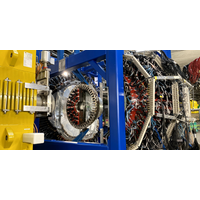
Phys. Rev. Lett. 136, 142501 (2026)
Nuclear Physics
Observation of Radially Emitted Proton Beams from Low-Mass $X$-Pinch Plasmas
Article | Plasma and Solar Physics, Accelerators and Beams | 2026-04-07 06:00 EDT
D. Klir, V. Munzar, J. Novotny, K. Rezac, A. M. Bedel, N. G. Chalmers, J. M. Chen, J. Cikhardt, B. Cikhardtova, N. M. Jordan, V. Juras, P. Kubes, J. Malir, L. R. Tafoya, K. Turek, D. A. Hammer, and R. D. McBride
Experimental demonstration of the radial acceleration of protons in a low-mass hybrid pinch shows that an -pinch-driven proton source could be a novel platform to study pulsed-power plasmas.
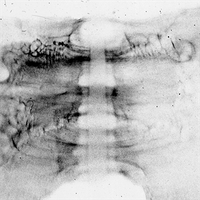
Phys. Rev. Lett. 136, 145101 (2026)
Plasma and Solar Physics, Accelerators and Beams
Acoustic Bound Pairs under Nonreciprocal Two-Body Interactions
Article | Condensed Matter and Materials | 2026-04-07 06:00 EDT
Zhenhang Pu, Yuxiang Xi, Yugan Tang, Jiuyang Lu, Weiyin Deng, Hua Cheng, Manzhu Ke, Shuqi Chen, and Zhengyou Liu
The exploration of many-body problems stands at the vanguard of modern physics, presenting profound challenges alongside compelling opportunities. Recently, the non-Hermiticity featured with complex spectra has significantly expanded the landscape of many-body phenomena beyond the Hermitian paradigm…
Phys. Rev. Lett. 136, 146603 (2026)
Condensed Matter and Materials
Inertia-Dilatancy Interplay Governs Shear Thickening Drop Impact
Article | Polymers, Chemical Physics, Soft Matter, and Biological Physics | 2026-04-07 06:00 EDT
Anahita Mobaseri, Leonardo Gordillo, Charles Burton, Soyoon Yoon, Dong Lee, Satish Kumar, Michelle M. Driscoll, and Xiang Cheng
Dense drops of cornstarch and water usually stiffen when they strike a surface, but sometimes they flow fleetingly like a liquid.
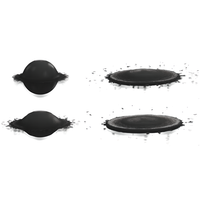
Phys. Rev. Lett. 136, 148201 (2026)
Polymers, Chemical Physics, Soft Matter, and Biological Physics
Physical Review X
Physics-Based Factorized Machine Learning for Predicting Ionic Dielectric Tensors
Article | 2026-04-07 06:00 EDT
Atsushi Takigawa, Shin Kiyohara, and Yu Kumagai
A machine-learning methodology helps screen thousands of candidate oxides to identify materials with excellent dielectric properties.
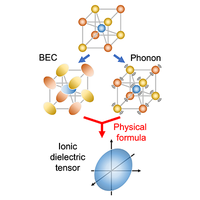
Phys. Rev. X 16, 021006 (2026)
Targeted Calibration to Adjust Stability Biases in Complex Dynamical System Models
Article | 2026-04-07 06:00 EDT
Daniel Pals, Sebastian Bathiany, Joel Kuettel, Richard A. Wood, and Niklas Boers
A method is introduced for systematic calibration of complex dynamical system models, targeted at adjusting system stability, with applications to climate models.
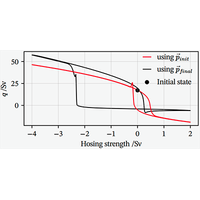
Phys. Rev. X 16, 021007 (2026)
arXiv
Emergent symmetry and thermodynamic crossovers for supercritical AdS black holes
New Submission | Statistical Mechanics (cond-mat.stat-mech) | 2026-04-08 20:00 EDT
Ising symmetry typically emerges in the critical domain between liquid-gas phases. Universality of this property imposes strong constraints on the behavior of thermodynamic crossovers for supercritical fluids. In this work, we develop a novel approach to investigate the crossover lines for supercritical AdS black holes using Lee-Yang phase transition theory. We analytically continue Lee-Yang zeros into the complex plane within the supercritical region by keeping a modular pressure real. Consequently, we obtain a pair of complex crossover lines, which exhibit universal scalings and manifest the emergent Ising symmetry in the complex phase space. The real crossover lines are defined by projecting the complex crossovers onto the real phase space. As a result, the phase diagram above the critical point is divided into three distinct regimes: liquid-like, indistinguishable and gas-like states, in sharp contrast to scenarios featuring only a single crossover line.
Statistical Mechanics (cond-mat.stat-mech)
From Ferrimagnetic Insulator to superconducting Luther-Emery Liquid: A DMRG Study of the Two-Leg Lieb Lattice
New Submission | Strongly Correlated Electrons (cond-mat.str-el) | 2026-04-08 20:00 EDT
Alexander Nikolaenko, Subir Sachdev
Motivated by recent experiments on ultracold fermionic spin-1/2 $ ^6$ Li atoms in a Lieb lattice at various Hubbard repulsion $ U$ and filling fractions $ n$ (Lebrat et al., arXiv:2404.17555), we conduct a density matrix renormalization group (DMRG) analysis of the Hubbard model on a two-leg Lieb ladder. At half-filling, we find a ferrimagnetic Mott insulating ground state, consistent with Lieb’s theorem. Away from half-filling, a state with finite total spin $ \vec{S}^2 \neq 0$ and vanishing charge gap persists down to filling $ n_c \approx 2/3$ . For lower, incommensurate fillings, the system is described by a Luttinger liquid with one charge and one spin mode. Intriguingly, in a narrow window near $ n_c = 2/3$ , close to the onset of ferromagnetic order, we identify a superconducting Luther-Emery phase with dominant $ s_{xy}$ -wave pairing.
Strongly Correlated Electrons (cond-mat.str-el), Superconductivity (cond-mat.supr-con)
7 pages, 7 figures
Quantum state randomization constrained by non-Abelian symmetries
New Submission | Statistical Mechanics (cond-mat.stat-mech) | 2026-04-08 20:00 EDT
Yuhan Wu, Joaquin F. Rodriguez-Nieva
The emergence of randomness from unitary quantum dynamics is a central problem across diverse disciplines, ranging from the foundations of statistical mechanics to quantum algorithms and quantum computation. Physical systems are invariably subject to constraints – from simple scalar symmetries to more complex non-Abelian ones – that restrict the accessible regions of Hilbert space and obstruct the generation of pure random states. In this work, we show that for systems with noncommuting symmetries such as SU(2), the degree of Haar-like randomization achievable under unitary dynamics is strongly constrained by experimental limitations on state initialization, in particular low-entanglement initial states, rather than by the symmetry-constrained dynamics themselves. Specifically, we show that time-evolved states can, in principle, reproduce Haar-like behavior at the level of finite statistical moments (i.e., those accessible under realistic experimental conditions with a finite number of state copies) provided that the initial state matches the corresponding moments of the conserved operators in the Haar ensemble. However, for the unentangled initial states commonly used in programmable quantum systems, this condition cannot be satisfied. Consequently, even at asymptotically long times in strongly quantum-chaotic regimes, late-time states remain distinguishable from Haar-random states in probes such as entanglement entropy, with deviations from Haar behavior that remain finite with increasing system size. We quantify the maximal entanglement entropy achievable and identify the unentangled initial conditions that yield the most entropic late-time states. Our results show that the combination of non-Abelian symmetry structure and experimental constraints on state preparation can strongly limit the degree of Haar-like randomization achievable at late times.
Statistical Mechanics (cond-mat.stat-mech), Quantum Physics (quant-ph)
10+6 pages, 4+3 figures
Predicting spin-orbit coupling in hole spin qubit arrays with vision-transformer-based neural networks on a generalized Hubbard model
New Submission | Mesoscale and Nanoscale Physics (cond-mat.mes-hall) | 2026-04-08 20:00 EDT
Jacob R. Taylor, Katharina Laubscher, Sankar Das Sarma
We introduce a neural-network-based machine learning method to predict the effective spin-orbit coupling (SOC) strength in hole quantum dot arrays from standard charge stability diagrams. Specifically, we study a $ 2\times 2$ Ge hole quantum dot array described by a generalized spin-orbit coupled Hubbard model that incorporates random site- and bond-dependent disorder in all system parameters, including onsite potentials, Coulomb interaction strengths, interdot tunneling amplitudes, as well as the direction and angle of the SOC-induced spin rotations accompanying interdot tunneling. We train the neural network on numerically simulated charge stability diagrams from nearest-neighbor pairs of quantum dots for different chemical potentials and out-of-plane magnetic fields, and show that this enables us to predict the SOC-induced spin-flip tunneling amplitudes – and, thus, the effective SOC strength – with high fidelity ($ R^2\approx 0.94$ ) even when all other Hubbard model parameters are unknown. Furthermore, our neural network can also predict the other Hubbard model parameters with high fidelity, demonstrating that neural-network-based approaches can be a powerful tool for the automated characterization of hole spin qubit arrays.
Mesoscale and Nanoscale Physics (cond-mat.mes-hall), Disordered Systems and Neural Networks (cond-mat.dis-nn)
5 Page, 5 Figures
Experimental measurements and modeling of characteristic time scales in single iron particle ignition
New Submission | Materials Science (cond-mat.mtrl-sci) | 2026-04-08 20:00 EDT
Liulin Cen, Yong Qian, XiaoCheng Mi, Xingcai Lu
Recyclable metal fuels such as iron are promising carbon-free energy carriers for heat and power. In such systems, particle ignition characteristics strongly affect combustion efficiency and combustor stability, making them critical for burner and reactor design. However, predictive ignition modelling remains limited by the lack of time-resolved data for single-particle solid-phase oxidation and phase transitions. In this work, digital in-line holography combined with ultra-high-speed single-color pyrometry is used to resolve characteristic solid-phase oxidation times of spherical micron-sized iron particles burning in well-defined hot oxidizing environments. Three temperature plateaus are identified, corresponding to FeO melting, the {\gamma}-Fe to {\delta}-Fe transition, and Fe melting, from which pre-melting oxidation times and melting durations are extracted. An ignition model based on solid-phase iron oxidation kinetics following a parabolic rate law, coupled with external-oxygen-transport-limited description, is used to simulate these characteristic times. The model accurately captures the FeO-scale pre-melting oxidation time, which is nearly independent of oxygen concentration, while the FeO, {\gamma}-Fe to {\delta}-Fe, and Fe melting stages show strong oxygen-concentration dependence consistent with external-oxygen-transport-limited reaction rates. These measurements and simulations provide the first diameter-resolved dataset for FeO and Fe melting processes and show that this modelling framework can quantitatively predict characteristic times for single iron particles in metal-fuel applications.
Materials Science (cond-mat.mtrl-sci), Fluid Dynamics (physics.flu-dyn)
14 pages, 19 figures
Surface Response, Plasma Modes of coated Multi-Layered anisotropic Semi-Dirac Heterostructures
New Submission | Mesoscale and Nanoscale Physics (cond-mat.mes-hall) | 2026-04-08 20:00 EDT
Teresa Lee, Godfrey Gumbs, Thi Nga Do, Andrii Iurov, Danhong Huang
We derived closed-form analytical expressions for the surface response functions (SRFs) for heterostructure. We investigate structures consisting of up to three layered, coated heterostructure of two-dimensional (2D) materials with a dielectric medium or vacuum interface. The dielectric media serves to inhibit charge transfer between layers for the case when a pair of 2D layers serve as coatings for a dielectric film. Our results revise the established picture for the dispersion equation for two layers of reduced dimensionality surrounded by dielectric media. An impinging electromagnetic field incident on the surface leads to Coulomb coupled plasma excitations in the structure which are yielded by the SRF. This is achieved by employing Maxwell’s equations and linear response theory. We use these results to investigate the plasmonic properties of tilted semi-Dirac materials both analytically and numerically. Closed-form analytical expressions are derived for the plasmon dispersions in the long wavelength limit for single and double layers. We numerically obtain density plots of the loss functions and observe anisotropic behavior in different momentum directions. For the cases when there are two or three layers, we observe two plasmon branches corresponding to in-phase and out-of-phase charge density oscillations, where the in-phase optical modes have higher intensity than the out-of-phase acoustic modes. We calculated the optical absorption spectra for plasma modes in layered semi-Dirac materials produced by an external electromagnetic field carrying an electric polarization and frequency. Possible applications include durable protection coatings providing UV resistance, chemical protection and improving upon traditional ceramic coatings.
Mesoscale and Nanoscale Physics (cond-mat.mes-hall)
Stress network dynamics influence on large particle segregation
New Submission | Soft Condensed Matter (cond-mat.soft) | 2026-04-08 20:00 EDT
Alexander J. Navarrete, Leonardo Gordillo, Tomás Trewhela
A plethora of natural and industrial shear-driven granular flows exhibit particle-size segregation. Its occurrence is commonly attributed to two primary mechanisms: kinetic sieving and squeeze expulsion. While kinetic sieving is relatively well understood, squeeze expulsion lacks a clear mechanical explanation and direct experimental evidence due to difficulties in measuring stresses in granular media. Here, we investigate force networks around a large intruder in a bidimensional granular shear cell. We use transparent, birefringent disks to visualize stress chains via photoelasticity. Experiments were conducted with two different granular media to study force chains over size ratios between the intruder and surrounding particles of 1.25 to 4.0. Particle Tracking Velocimetry and G-square analysis are used to quantify particle trajectories and identify active grains. These methods enable us to measure force-chain lengths and structures around the intruder through the gap factor. Our results confirm that squeeze-expulsion strongly depends on stress transmission. Larger size ratios lead to longer force chains and greater particle participation in the global stress network. In parallel, stress fluctuations predominate in driving or restraining intruder motion by forming anisotropic force chains. These findings advance the understanding of granular segregation by clarifying the link between force-network dynamics and segregation mechanics.
Soft Condensed Matter (cond-mat.soft), Fluid Dynamics (physics.flu-dyn)
21 pages, 6 figures, 1 table, research paper for RSTA
Controlled topological dilution drives cooperative glassy dynamics in artificial spin ice
New Submission | Mesoscale and Nanoscale Physics (cond-mat.mes-hall) | 2026-04-08 20:00 EDT
Davis Crater, Ryan Mueller, Sanjib Thapa, Kevin Hofhuis, Armin Kleibert, Francesco Caravelli, Alan Farhan
It has long been known that disorder, perturbing the energy landscape of magnetic systems, can introduce glassy dynamics. However, the controlled role of increasing disorder in driving glass formation remains difficult to isolate in naturally occurring materials. Artificial spin ice offers a unique model platform in which geometry, interactions, and disorder can be engineered at the nanoscale. Here, we investigate the impact of controlled disorder introduced through random decimation in artificial square spin ice. By systematically removing nanomagnets from random sites, we modify the vertex topology and progressively increase frustration in the spin network. Synchrotron-based photoemission electron microscopy reveals that decimation enhances the population of higher energy vertices and increases the configurational entropy of the system. Time-resolved temperature-dependent imaging further shows the emergence of slow cooperative dynamics at higher decimation, characterized by aging, a finite Edwards–Anderson order parameter, and enhanced dynamical heterogeneity quantified by the four-point susceptibility. The relaxation dynamics transition from thermally activated behavior at low decimation to Vogel–Fulcher–type freezing at higher decimation. These results demonstrate that random decimation drives artificial spin ice from long-range order to a glass-like magnetic state, establishing artificial spin systems as a tunable platform for studying glassy dynamics in frustrated matter.
Mesoscale and Nanoscale Physics (cond-mat.mes-hall), Statistical Mechanics (cond-mat.stat-mech)
Zr Concentration-Dependent Sub-Lattice Phase-Field Model of Hf1-xZrxO2: Analysis of Phase Composition and Polarization Switching
New Submission | Materials Science (cond-mat.mtrl-sci) | 2026-04-08 20:00 EDT
Tae Ryong Kim, Sumeet K. Gupta
We develop a sub-lattice phase-field model of Hf1-xZrxO2 incorporating zirconium (Zr) concentration (x)-dependence. Our framework expands the time-dependent Ginzburg-Landau (TDGL) equation to the sub-lattice level and incorporates x-dependent interaction parameters and gradient coefficients. Our experimentally calibrated model captures the evolution of charge-voltage (Q-V) characteristics for x ranging from 0.5 to 1.0. The sub-lattice formulation explains the thermodynamic preference and kinetic transition barriers of competing orthorhombic phase (o-phase) and tetragonal phase (t-phase), while the phase-field framework enables spatially resolved analysis of polarization (P) and electric-field (E-field) profiles, allowing multi-domain (MD) polarization and mixed-phase states to emerge naturally. Our model reproduces the experimentally observed ferroelectric (FE)-to-anti-ferroelectric (AFE) transition as x increases from 0.5 to 1.0. At low Zr concentration (x = 0.5-0.6), the o-phase dominates, yielding distinct FE behavior. At high concentration (x = 0.9-1.0), the t-phase is stabilized, leading to AFE transitions. A key finding of our work is the unique behavior at intermediate Zr concentrations (x = 0.7-0.8). Here, the o- and t-phase energies are comparable, making the system strongly influenced by local variations in the electric field (E-field), which arise from stray fields near the domain walls. This non-uniform field distribution results in a mixed-phase composition and spatially staggered polarization reversal, which manifests as a more gradual Q-V evolution compared to other values of x. By linking energy landscapes to spatial field effects, the model provides insights into the FE-to-AFE crossover in Hf1-xZrxO2.
Materials Science (cond-mat.mtrl-sci), Applied Physics (physics.app-ph)
10 pages, 10 figures
Understanding insulating ferromagnetism in LaCoO3 films under tensile strain
New Submission | Materials Science (cond-mat.mtrl-sci) | 2026-04-08 20:00 EDT
Ali Barooni, Murod Mirzhalilov, Mohit Randeria, Patrick M. Woodward, Maryam Ghazisaeidi
LaCoO3 thin films grown under epitaxial tensile strain exhibit a robust ferromagnetic insulating state that is absent in the bulk. Despite many studies, both experimental and computational, the microscopic origin of this phenomenon is not well understood. In this work, density functional theory calculations are used to systematically investigate the magnetic ground state of stoichiometric LaCoO3 under epitaxial strain equivalent to that imposed by a SrTiO3 substrate. The results identify a ferromagnetic insulating ground state characterized by a unique ordered array of high-spin (HS) and low-spin (LS) Co3+ ions. The spin state ordering is best described as 2 x 2 columns that consist of alternating HS and LS Co3+ ions, separated by planes of LS Co3+ ions. This leads to HS-LS-LS repeating sequence of Co3+ ions in both pseudocubic [100] and [010] directions. Analysis of the electronic structure confirms the presence of an insulating gap. Evaluation of the superexchange interactions reveal ferromagnetic interactions between HS Co3+ ions via 90 degree paths, and antiferromagnetic interactions via 180 degree paths, both of which are facilitated by empty sigma\ast (eg) orbitals on the diamagnetic LS Co3+ ions. The strength and number of 90 degree ferromagnetic interactions are sufficient to overcome the competing 180 degree antiferromagnetic interactions stabilizing a ferromagnetic insulating state.
Materials Science (cond-mat.mtrl-sci)
Decoding Equilibrium and Dynamical Criticality in the 2D Topological Order
New Submission | Strongly Correlated Electrons (cond-mat.str-el) | 2026-04-08 20:00 EDT
Xiao-Ming Zhao, Cui-Xian Guo, Gaoyong Sun, Su-Peng Kou
Unifying equilibrium criticality and dynamical quantum phase transitions (DQPTs) under complex driving fields remains a profound challenge. Here, we decode this connection in the 2D strongly interacting Wen-plaquette model. By mapping its anyonic excitations to 1D effective dissipative channels, we reveal that microscopic single-particle fidelity zeros exactly reconstruct the macroscopic equilibrium topological phase boundaries. Beyond equilibrium, we demonstrate that during non-unitary quench dynamics, these very same static singularities enforce an absolute momentum-space exclusion against dynamical Fisher zeros. Furthermore, a newly identified dissipation-phase racing mechanism prematurely depletes the decaying mode, fundamentally annihilating DQPTs and generating topologically trivial steady states. Our results establish exact microscopic static singularities as the universal decoder for macroscopic non-unitary topological dynamics.
Strongly Correlated Electrons (cond-mat.str-el)
10 pages, 3 figures
Approximate vortex lattices of atomic Fermi superfluid on a spherical surface
New Submission | Quantum Gases (cond-mat.quant-gas) | 2026-04-08 20:00 EDT
Keshab Sony, Yan He, Chih-Chun Chien
While planar Fermi superfluids form Abrikosov vortex lattices under magnetic or effective gauge fields, spherical geometry forbids perfect lattices above 20 vortices. We characterize approximate vortex structures of atomic Fermi superfluids under an effective monopole field on a spherical surface as an analogue of the planar vortex-lattice problem by two constructions based on the Ginzburg-Landau theory. The first one is geometric and uses the random, geodesic-dome, and Fibonacci lattices as scaffolds to construct the order parameter from the degenerate monopole harmonics. The second one minimizes the free energy by numerically adjusting the coefficients to find the solution with the minimal Abrikosov parameter. We have verified the vortices from both constructions are zeros of the order parameter with circulating currents around the vortex cores. As the number of vortices increases, the Abrikosov parameters of both the Fibonacci-lattice and minimization solutions extrapolate to the planar value. We briefly discuss implications for ultracold atoms in thin spherical-shell geometry.
Quantum Gases (cond-mat.quant-gas), Superconductivity (cond-mat.supr-con), Quantum Physics (quant-ph)
9 pages, 5 figures, submitted
Many-body description of two-dimensional van der Waals ferroelectric $α-$In$_2$Se$_3$
New Submission | Materials Science (cond-mat.mtrl-sci) | 2026-04-08 20:00 EDT
Denzel Ayala, Dimitar Pashov, Tong Zhou, Kirill Belashchenko, Mark van Schilfgaarde, Igor Žutić
Two-dimensional (2D) van der Waals ferroelectrics are recognized for enabling many applications, from memory and logic to neuromorphic computing, as well as transforming other materials to control electronic phase transitions and topological states. While these materials are typically weakly correlated and expected to have their ground-state properties well described with the commonly used density functional theory, by focusing on bilayers and trilayers of In$ _2$ Se$ _3$ we show that this approach may not be reliable. The underlying electronic structure strongly depends on the polarization structure of the multilayer system and is surprisingly challenging to accurately calculate, requiring a high-fidelity many-body theory of the quasiparticle self-consistent \textit{GW} approximation. We develop this underlying description by extending the capabilities of Green function implementation within the open-source Questaal package. We show that even a sophisticated hybrid functional approach may fail to predict a nonvanishing gap in a bilayer In$ _2$ Se$ _3$ and yields charge density, polarization, and band offsets that strongly deviate from the many-body picture. We discuss the implications of these computational advances for future opportunities in 2D ferroelectrics.
Materials Science (cond-mat.mtrl-sci)
17 pages, 7 figures, Invited article APL Comput. Phys. (in press)
Valley polarization of chiral excitonic bound states induced by band geometry
New Submission | Mesoscale and Nanoscale Physics (cond-mat.mes-hall) | 2026-04-08 20:00 EDT
Archisman Panigrahi, Daniel Kaplan
Van der Waals (vdW) materials provide a rich platform for exploring the interplay of interactions, topology, and paired-electron phases. We study how the Berry phase reshapes excitonic pairing in a double-well dispersion representative of layered vdW systems. By computing the temperature-versus-Berry flux phase diagram of the system, we find parameter ranges where finite angular momentum excitons are favored, including chiral states. Strikingly, the condensed angular momentum channel evolves with Berry flux, revealing a pairing problem with no analogue in a hydrogen atom in a uniform magnetic field, where angular momentum states never cross. We then turn to a model of multilayer rhombohedral graphene and examine the effects of trigonal warping. Once continuous rotational symmetry is broken, excitons mix multiple angular momenta, and for a range of parameters we find a variety of linear combination of angular momenta ($ s, p, f$ and $ g$ ) in the ground state. Our results point to the possibility of chiral excitonic condensates, and spontaneous symmetry breaking through many-body condensation.
Mesoscale and Nanoscale Physics (cond-mat.mes-hall), Strongly Correlated Electrons (cond-mat.str-el)
5 pages + appendices. 4 figures
A Modular 3D-Printed Design to Investigate Prebiotic Chemical Systems in Hot Spring Pools
New Submission | Soft Condensed Matter (cond-mat.soft) | 2026-04-08 20:00 EDT
Arslan Siddique, Dev Chauhan, Alethea Dutton, Kavish Reddy, Soumya Kanti De, Albert C. Fahrenbach, Tracie Barber, Martin Van Kranendonk, Anna Wang
The emergence of membranous compartments (protocells) with encapsulated genetic material was a crucial step life’s origin and evolution. The hot spring hypothesis for the origin of life suggests that protocells could have formed in hot spring pools and encapsulated organic matter. Previous investigations have focused on mimicking wet-dry (WD) cycles within a single pool, which precludes simulation of many hydrothermal field conditions, such as differential mineralogy, variable temperature and pH and water flow between multiple hot spring pools. Here, we present a modular 3D-printed hydrothermal field simulator that mimics the complex nature of hot spring fields by controlling the variability of a series of linked pools, including WD cycles, temperature, pH, mineralogy, and mixing of different fluids. Results from using the prototype hot spring field design demonstrate the ability to spontaneously form lipid vesicles that encapsulate organic matter within membranous compartments comprised of decanoic acid:decanol (4:1) or the phospholipids POPC:POPG (1:1). We observed distinct morphological differences in the vesicles, ranging from thick-walled multilamellar, thin-walled oligolamellar and unilamellar as well as giant unilamellar vesicles formed under multiple WD cycles in the simulator pools. Cargo encapsulation was favoured in the cell-like giant unilamellar and small oligolamellar vesicles. Overall, hot-spring simulator offers a customisable avenue for studying other hot spring processes such as prebiotic chemical reactions, mineral surface catalysis, and the complexity of hydrothermal field dynamics.
Soft Condensed Matter (cond-mat.soft)
24 pages including supporting information
Astrobiology. 2026;0(0)
Edge universality in Floquet sideband spectra
New Submission | Mesoscale and Nanoscale Physics (cond-mat.mes-hall) | 2026-04-08 20:00 EDT
We show that, for non-interacting fermions under a monochromatic phase drive (Tien–Gordon regime), the outgoing sideband occupations at a sharp Fermi edge are governed by the discrete Bessel kernel – an exact result at any drive amplitude~$ A$ . In the large-amplitude regime the edge of this kernel converges, on the $ A^{1/3}$ scale, to the Airy kernel of random matrix theory. This universality has a direct transport consequence: the deficit of the photo-assisted shot-noise slope from its high-bias plateau collapses onto the Airy-kernel diagonal. The derivation rests on a bridge between the linear detection chain and the Floquet scattering matrix: commensurate gating isolates a single coherence-order block of the one-body correlator. We identify the crossover temperature below which the Airy scaling is sharp, extend the analysis to biased two-terminal occupations, and argue that multi-tone drives make Pearcey-kernel cusps accessible in Floquet–Sambe space.
Mesoscale and Nanoscale Physics (cond-mat.mes-hall), Statistical Mechanics (cond-mat.stat-mech), Mathematical Physics (math-ph), Quantum Physics (quant-ph)
31 pages, 7 figures
Ion-Containing Bottlebrush Elastomers as Pressure-Sensitive Electroadhesives
New Submission | Soft Condensed Matter (cond-mat.soft) | 2026-04-08 20:00 EDT
Hao Dong, Intanon Lapkriengkri, Nadia Chapple, Hyunki Yeo, Alexandra Zele, Hiba Wakidi, Thuc-Quyen Nguyen, Michael L. Chabinyc, Christopher M. Bates, Megan T. Valentine
This study presents a materials-design framework for low-voltage pressure-sensitive electroadhesives based on ion-containing bottlebrush polymers that combine the on-demand reversibility of traditional electroadhesives with the tunable conformability typical of pressure-sensitive adhesives (PSAs). Two complementary bottlebrush polymers bearing pendant flexible side chains and independently tunable anionic or cationic groups were designed to form soft and tough elastomers after crosslinking. When the two oppositely charged bottlebrush networks were brought into contact, a smooth, continuous interface formed, which is locally charge neutral due to the presence of mobile counterions. At low voltages (less than 2 V), mobile ions migrate toward the electrodes, creating an interfacial heterojunction and significant electrostatic attraction that enhances adhesion, yielding an on/off ratio of up to more than 4.5. The low-voltage operation and PSA-like mechanics of bottlebrush electroadhesives, even at charge density as low as 18 C/g, create opportunities in applications such as soft robots, haptic devices, and biomedical devices.
Soft Condensed Matter (cond-mat.soft), Materials Science (cond-mat.mtrl-sci)
Lattice Field Theory for a network of real neurons
New Submission | Statistical Mechanics (cond-mat.stat-mech) | 2026-04-08 20:00 EDT
Simone Franchini, Giampiero Bardella
In a recent paper [Bardella et al., Entropy 26 (6), 495 (2024)] we introduced a simplified Lattice Field Theory (LFT) framework that allows experimental recordings from major Brain-Computer Interfaces (BCIs) to be interpreted in a simple and physically grounded way. From a neuroscience point of view, our method modifies the Maximum Entropy model for neural networks so that also the time evolution of the system is taken into account and it can be interpreted as another version of the Free Energy principle (FEP). This framework is naturally tailored to interpret recordings from chronic multi-site BCIs, especially spike rasters from measurements of single neuron activity.
Statistical Mechanics (cond-mat.stat-mech)
Presented at the 42nd International Symposium on Lattice Field Theory (LATTICE2025), 2-8 November 2025, Tata Institute of Fundamental Research, Mumbai, India. Parallel Session Theoretical developments and applications beyond Standard Model. 10 pages
Nematic Phase Transitions and Density Modulations in 1D Flat Band Condensates
New Submission | Statistical Mechanics (cond-mat.stat-mech) | 2026-04-08 20:00 EDT
Yeongjun Kim, Oleg I. Utesov, Alexei Andreanov, Mikhail V. Fistul, Sergej Flach
We investigate the ground-state properties of one-dimensional Gross-Pitaevskii flat-band lattices. We uncover a geometry-driven phase transition into a macroscopically degenerate nematic state with broken time reversal symmetry. Focusing on all-bands-flat (ABF) models, we demonstrate that even infinitesimal onsite interactions can destabilize a uniform, constant-phase condensate, driving the system into a nematic manifold as the flat-band geometry controlled parameter $ \theta \geq \pi/8$ . At a critical endpoint ((\theta=\pi/4)), where the compact localized states exhibit constant amplitudes, we identify an additional pair of density-modulated ground states characterized by vanishing phase stiffness. Utilizing Bogoliubov-de Gennes excitations and simulated annealing, we show that these density-modulated phases are thermally selected at low temperatures via an order-by-disorder mechanism. Finally, we demonstrate that these non-trivial condensate phases extend beyond ABF models, as exemplified by the sawtooth lattice. Our findings also reveal that the sound velocity in flat-band condensates is a sensitive probe of the underlying geometric phase structure.
Statistical Mechanics (cond-mat.stat-mech)
Stability and superstructural ordering of alkali-triel-pnictide clathrates A$8$T${27}$Pn$_{19}$
New Submission | Materials Science (cond-mat.mtrl-sci) | 2026-04-08 20:00 EDT
Frank Cerasoli, Xiaochen Jin, Genevieve Amobi, Kirill Kovnir, Davide Donadio
Clathrates are a class of inclusion compounds that offer various useful and surprising phenomena, including superconductivity, thermoelectricity, and the potential for high-density ion storage. Stability conditions within the Alkali-Triel-Pnictide A$ _8$ T$ _{27}$ Pn$ _{19}$ family of unconventional clathrates are investigated with high-throughput density functional theory calculations, establishing trends in formation energy, structural and electronic properties. Electronic structure calculations and first-principles molecular dynamics simulations show that the ionization potential of guest alkaline atoms strongly influences the stability of electron-exact clathrates and affects their rattler behavior. Targeted reactive synthesis from elemental precursors is attempted, resulting in two novel ternary compounds. However, the targeted clathrate phases are not obtained. Further analysis reveals that the stability of ATPn clathrate compounds containing heavy elements, such as bismuth, depends strongly on spin-orbit effects, which are often neglected in high-throughput studies that compute formation energies. Finally, chemically induced superstructural ordering is described in relation to Wyckoff sites in the prototypical type-I clathrate unit cell.
Materials Science (cond-mat.mtrl-sci)
21 pages, 9 figures, 2 tables
Spin-biased quantum spin Hall effect in altermagnetic Lieb lattice
New Submission | Mesoscale and Nanoscale Physics (cond-mat.mes-hall) | 2026-04-08 20:00 EDT
Qianjun Wang, Ruqian Wu, Jun Hu
Altermagnetic (AM) order, a recently discovered magnetic state, has attracted intense research interest for its potential applications in spintronic and quantum technologies. Here, we theoretically investigate the AM state in the Lieb lattice, a prototypical two-dimensional lattice, using the Hubbard model. We show that AM order emerges with only moderate electronic correlations. Strikingly, spin-orbit coupling drives the system into a topological phase exhibiting a new quantum spin Hall effect (QSHE) with spin-biased topological edge states in one-dimensional nanoribbons. These edge states possess different localizations and velocities, and hence may produce spin and charge currents, fundamentally distinct from that in conventional topological insulators with spin degeneracy. This novel spin-biased QSHE in the AM Lieb lattice unveils exciting opportunities for both fundamental studies and innovative device concepts, motivating immediate experimental exploration.
Mesoscale and Nanoscale Physics (cond-mat.mes-hall), Strongly Correlated Electrons (cond-mat.str-el)
Phys. Rev. B 113, L161101 (2026)
H-NESSi: The Hierarchical Non-Equilibrium Systems Simulation package
New Submission | Strongly Correlated Electrons (cond-mat.str-el) | 2026-04-08 20:00 EDT
Thomas Blommel, Jeremija Kovačević, Jason Kaye, Emanuel Gull, Jakša Vučičević, Denis Golež
We present H-NESSi (The Hierarchical Non-Equilibrium Systems Simulation package), an open-source software package for solving the Kadanoff-Baym equations (KBE) of nonequilibrium Green’s function (NEGF) theory using hierarchical low-rank compression techniques. The simulation of strongly correlated quantum systems out of equilibrium is severely limited by the cubic scaling in propagation time and quadratic memory growth associated with conventional two-time formulations. H-NESSi overcomes these limitations by combining high-order time-stepping schemes with hierarchical off-diagonal low-rank (HODLR) representations of the retarded and lesser Green’s functions, enabling controllable accuracy at substantially reduced computational cost and memory usage. Imaginary time quantities are efficiently represented using the discrete Lehmann representation (DLR), allowing compact and accurate treatment of thermal initial states. The implementation supports multiorbital systems, adaptive singular value truncation, and both shared-memory (OpenMP) and distributed-memory (MPI) parallelization strategies suitable for large-scale lattice calculations. The workflow closely mirrors established NEGF frameworks while introducing compression transparently into the propagation procedure. Benchmark applications to driven superconductors within dynamical mean-field theory and to the two-dimensional Hubbard model demonstrate favorable scaling compared to conventional implementations, with asymptotic time complexity significantly below the cubic scaling of uncompressed approaches. H-NESSi thus enables long-time and large-system nonequilibrium simulations of correlated quantum materials which were previously computationally prohibitive.
Strongly Correlated Electrons (cond-mat.str-el), Materials Science (cond-mat.mtrl-sci)
Orbital-driven emergent transport in altermagnets
New Submission | Mesoscale and Nanoscale Physics (cond-mat.mes-hall) | 2026-04-08 20:00 EDT
Junyeong Choi, Kyoung-Whan Kim
Altermagnets have recently emerged as a promising platform for spintronics due to their unique magnetic symmetry. However, most studies have focused on spin degrees of freedom, leaving the dynamic role of orbital degrees of freedom largely unexplored. In this work, we extend the altermagnet Hamiltonian to include the orbital degree of freedom as a dynamical variable and derive the resulting emergent electromagnetic fields (EEMFs). This approach allows us to demonstrate emergent electric fields controllable via lattice anisotropy and the resulting orbital and magnetic multipole currents. Furthermore, we show that non-vanishing emergent electric fields can arise even in simplified spin and orbital textures, particularly in the presence of dynamic lattice distortion. This formalism is generalizable to high-order altermagnets beyond d-wave systems.
Mesoscale and Nanoscale Physics (cond-mat.mes-hall), Materials Science (cond-mat.mtrl-sci)
Historical Foundation and Practical Guideline for Ferroelectric Switching Kinetic Studies
New Submission | Materials Science (cond-mat.mtrl-sci) | 2026-04-08 20:00 EDT
Yi Liang, Pat Kezer, John T. Heron
Electrical measurements of ferroelectric switching kinetics are widely used to probe the dynamics of polarization reversal, yet the influence of the measurement circuit is often underappreciated. In this paper, we show that the interplay between ferroelectric capacitors and circuit elements produces distorted, time-dependent voltage waveforms across the device, particularly in the sub-ns regime. We examine how these circuit contributions affect polarization transients extracted from PUND measurements. The resulting distortions scale with supply voltage, capacitor dimensions, and lumped circuit elements, but are not accounted for in conventional experimental analyses or analytical model fitting. We then critically assess existing nucleation and growth models and show that neglecting the time-varying voltage profile can lead to unphysical interpretations of switching kinetics, most notably in the extracted growth dimensionality represented by the Avrami exponent. Finally, we outline guidelines for future studies, emphasizing the need for direct voltage monitoring and circuit-aware de-embedding, as well as modeling frameworks that incorporate voltage-dependent nucleation and growth rates based on intrinsic material parameters.
Materials Science (cond-mat.mtrl-sci), Applied Physics (physics.app-ph)
Linear Viscoelasticity of Semidilute Unentangled Flexible Polymer Solutions
New Submission | Soft Condensed Matter (cond-mat.soft) | 2026-04-08 20:00 EDT
Amit Varakhedkar, P. Sunthar, J. Ravi Prakash
The linear viscoelastic response of flexible polymer solutions in the dilute and semidilute unentangled regimes is investigated using Brownian dynamics simulations. The relaxation modulus and dynamic moduli are computed over a wide range of concentrations and chain discretizations for both $ \theta$ and good solvents to establish the connection between microscopic chain dynamics and macroscopic viscoelastic response. In the dilute limit, the simulations recover the expected Zimm-like behavior with solvent-quality-dependent power-law scaling in the intermediate time and frequency regimes, while in the semidilute unentangled regime a systematic crossover to Rouse-like dynamics is observed with increasing concentration due to the screening of excluded volume and hydrodynamic interactions. Comparison with experimental measurements shows excellent agreement for the storage modulus across both concentration regimes and for the loss modulus at low and intermediate frequencies, with deviations at high frequencies as a result of finite-chain discretization effects. These finite-chain length effects are systematically accounted for using the successive fine-graining technique, enabling quantitative prediction of the loss modulus in the infinite-chain length limit.
Soft Condensed Matter (cond-mat.soft), Statistical Mechanics (cond-mat.stat-mech)
15 pages, 12 figures, submitted to Industrial & Engineering Chemistry Research
Three-dimensional zigzag correlations in the van der Waals Kitaev magnet RuBr$_3$
New Submission | Strongly Correlated Electrons (cond-mat.str-el) | 2026-04-08 20:00 EDT
H. Gretarsson, R. Iwazaki, F. Sato, H. Gotou, S. Francoual, J. Nasu, Y. Imai, K. Ohgushi, J. Chaloupka, B. Keimer, H. Suzuki
Ruthenium trihalides Ru$ X_3$ ($ X$ = Cl, Br, I) provide a tunable platform for Kitaev magnetism in two-dimensional van der Waals materials. Despite their similar crystal structures and zigzag antiferromagnetic order, RuBr$ _3$ exhibits a higher Néel temperature ($ T_N$ ) than RuCl$ _3$ , suggesting their distinct proximity to the Kitaev quantum spin liquid phase. Using Ru $ L_3$ -edge resonant x-ray scattering, we show that, while the long-range zigzag order in RuBr$ _3$ disappears at $ T_N$ , the zigzag correlations that persist well above $ T_N$ show a pronounced spectral weight redistribution along the interlayer direction. These results suggest that the enhanced interlayer magnetic interactions driven by the extended Br 4$ p$ orbitals stabilize three-dimensional zigzag correlations in RuBr$ _3$ .
Strongly Correlated Electrons (cond-mat.str-el)
Chemical Short-Range Order Regulates Hydrogen Energetics and Hydrogen-Dislocation Interactions in CoNiV
New Submission | Materials Science (cond-mat.mtrl-sci) | 2026-04-08 20:00 EDT
Beihan Chen, Dalia Sayed Ahmed, Yang Yang, Miaomiao Jin
Chemical short-range order (CSRO) has emerged as a critical structural feature in concentrated alloys, yet its coupling with hydrogen remains an active discussion. Here, we develop a machine-learning interatomic potential for the Co-Ni-V-H system and investigate how CSRO regulates hydrogen energetics and dislocation behavior in CoNiV, an alloy with reported strong resistance to hydrogen embrittlement. We identify strong V-centered ordering that suppresses V-V clustering and significantly reshapes the hydrogen solution landscape. Compared to a chemically random alloy, the ordered state exhibits higher average hydrogen solution energies and a reduced population of strongly binding sites, indicating lower bulk hydrogen uptake. At partial dislocations, hydrogen preferentially segregates to tensile core regions, acting as a shallow, reversible trap with a much weaker effect compared to chemical trapping states. These results demonstrate that local chemical order strongly regulates hydrogen-dislocation coupling and provide an atomistic understanding for tuning hydrogen-assisted deformation in concentrated CoNiV alloys.
Materials Science (cond-mat.mtrl-sci)
Entanglement in the open XX chain: Rényi oscillations, hard-edge crossover, and symmetry resolution
New Submission | Statistical Mechanics (cond-mat.stat-mech) | 2026-04-08 20:00 EDT
We derive closed-form asymptotic formulas for the Rényi entanglement entropies of the open XX spin-$ 1/2$ chain by mapping the underlying determinant of the boundary correlation matrix (which has Toeplitz-plus-Hankel structure) to a Hankel determinant with a positive weight whose large-size asymptotics follow from known Riemann–Hilbert results. An explicit evaluation of the Szegő function yields the leading $ 2k_F$ oscillatory amplitude and phase. A single variable $ s = 2\ell \sin(k_F/2)$ organizes the hard-edge crossover as the Fermi momentum approaches the band edge: the oscillation envelope obeys $ s^{\pm1/\alpha}$ power laws and $ \ln s$ is the natural leading logarithm for a clean data collapse. For detached blocks the oscillatory amplitude is numerically consistent with a factorization through the conformal cross-ratio. The same framework recovers the open-boundary-condition (OBC) equipartition offset $ -\tfrac{1}{2}\log\log\ell$ for symmetry-resolved entropies, together with the known halving of the Gaussian width relative to the periodic chain.
Statistical Mechanics (cond-mat.stat-mech), Mathematical Physics (math-ph), Quantum Physics (quant-ph)
26 pages, 18 figures
Rationalizing defect formation energies in metals and semiconductors with semilocal density functionals
New Submission | Materials Science (cond-mat.mtrl-sci) | 2026-04-08 20:00 EDT
Jorge Vega Bazantes, Timo Lebeda, Akilan Ramasamy, Kanun Pokharel, Ruiqi Zhang, John Perdew, Jianwei Sun
The study of defects in materials is of utmost importance for technological applications and the design of new materials. In this work, we analyze the performance of density functional approximations on two prototypical sets of defective systems: monovacancies in eight fcc metals, and interstitials in the semiconductor Si-diamond. Specifically, we compute defect formation energies using the local density approximation, the Perdew-Burke-Ernzerhof generalized gradient approximation, the meta-generalized gradient approximations (meta-GGAs) strongly constrained and appropriately normed (SCAN), its regularized version (r2SCAN), the Lebeda-Aschebrock-Kummel (LAK) meta-GGA, and the Heyd-Scuseria-Ernzerhof screened hybrid functional. For metals, the local density approximation shows better performance compared to the other approximations, whereas for silicon, the meta-generalized gradient approximation Lebeda-Aschebrock-Kummel yields outstand- ing accuracy, surpassing the hybrid functional and approaching the results of more computationally demanding Quantum Monte Carlo methods. To rationalize the different performances, we study the semilocal ingredients rs, s and {\alpha} in both the pristine and defective structures. We identify critical regions that indicate the observed trends of the defect formation energies and pave the way for improving density functional approximations.
Materials Science (cond-mat.mtrl-sci), Chemical Physics (physics.chem-ph)
Topologically shadowed quantum criticality: A non-compact conformal manifold
New Submission | Strongly Correlated Electrons (cond-mat.str-el) | 2026-04-08 20:00 EDT
Tianyao Fang, Weicheng Ye, Zhengcheng Gu, Fei Zhou
We put forward a proposal for topological quantum critical points (tQCPs) separating non-invertible chiral topological orders in $ (2+1)$ dimensions. We conjecture that these tQCPs can be captured by a family of scale-invariant field theories forming a non-compact scale-invariant manifold. A central feature of our proposal is topological shadowing: the underlying critical theory is rigorously constrained by the global topological data of the two adjacent gapped phases. These theories can be further projected into quantum field theories with universal non-local structures. Specifically, we show that the quantum dynamics of the $ U(1)$ symmetric critical point uniquely characterized by a topological angle $ \Theta_{\text{cft}}$ – which is defined by a commutator between two Wilson loop operators on a torus – is determined by the braiding angles $ \Theta_{1,2}$ of the adjacent gapped phases via the relation $ \Theta_{\text{cft}}^{-1} =\frac{1}{2}[\Theta_1^{-1} + \Theta_2^{-1}]$ . Despite the non-locality, our renormalization group calculations (up to two-loop order) strongly suggest that the theory shall maintain exact scale invariance. This establishes, without supersymmetry, a continuous manifold of fixed points that naturally becomes a conformal manifold when the local structure is further enforced.
Strongly Correlated Electrons (cond-mat.str-el), Mesoscale and Nanoscale Physics (cond-mat.mes-hall), High Energy Physics - Theory (hep-th)
10 pages, 2 figures. Comments are welcome
Mpemba Effect in an Expanding Lieb-Liniger Bose gas in a hard wall box
New Submission | Quantum Gases (cond-mat.quant-gas) | 2026-04-08 20:00 EDT
The Mpemba effect, broadly understood as the counterintuitive phenomenon in which a system initially farther from equilibrium relaxes faster than a system closer to equilibrium, has been widely studied in classical stochastic systems and, more recently, in quantum settings. However, its manifestation is strongly dependent on the choice of observable and the dynamical constraints of the system.
In this work, we investigate the emergence of a Mpemba-type effect in the density redistribution dynamics of a strongly interacting one-dimensional Bose gas in the Tonks-Girardeau regime undergoing a sudden box expansion from length L_0 to L. By defining a physically motivated distance function based on the difference of densities between spatial regions, we provide evidence that -the relaxation dynamics of the ground and excited symmetry sectors exhibit a clear crossing in time, indicating a reversal in relaxation ordering.
We emphasize that the Mpemba effect is not a universal law but rather an observable-dependent phenomenon that arises under specific dynamical conditions. In particular, we show that the interplay between initial state structure, integrability, and spatial redistribution leads to distinct relaxation pathways that enable the effect. Our results clarify common misconceptions linking the Mpemba effect to Newton’s law of cooling and highlight the conditions under which such anomalous relaxation behavior can emerge in integrable quantum systems.
Quantum Gases (cond-mat.quant-gas)
Magnetic toroidal monopoles from relativistic polarization responses to magnetic field gradients
New Submission | Strongly Correlated Electrons (cond-mat.str-el) | 2026-04-08 20:00 EDT
Taisei Yamanaka, Takumi Sato, Satoru Hayami
The magnetic toroidal monopole, a time-reversal-odd scalar, has attracted attention through its characteristic responses, such as electric-field-induced nonreciprocal directional dichroism observed in Co$ _2$ SiO$ _4$ . However, its evaluation in crystalline solids remains unresolved, as it cannot be defined within conventional multipole expansions or thermodynamic formulations. In this paper, we propose a theoretical framework to evaluate the magnetic toroidal monopole in periodic crystals based on the response of relativistic electric polarization to a magnetic field gradient. By incorporating the magnetic-field-gradient correction to the relativistic polarization, we derive an explicit expression for the magnetic toroidal monopole beyond symmetry arguments. The resulting expression is formulated in terms of geometric quantity such as Berry curvatures and orbital magnetic moment defined in an extended parameter space spanning momentum, magnetic field, and electric field. We further perform model calculations for an antiferromagnetic system hosting a magnetic toroidal monopole and confirm that the proposed quantity is finite. These results provide a practical route to characterize magnetic toroidal monopoles in crystalline solids and clarify their quantum geometric nature.
Strongly Correlated Electrons (cond-mat.str-el)
9 pages, 4 figures
\textit{Ab initio} \textit{GW}-BSE theory of optical activity in $α$-quartz
New Submission | Materials Science (cond-mat.mtrl-sci) | 2026-04-08 20:00 EDT
We present an ab initio many-body theory of optical activity in solids within the GW-BSE framework. Dielectric spatial dispersion is formulated in two complementary forms: exciton envelope modulation and sum-over-exciton-states expansion. Our application to $ \alpha$ -quartz reveals that the envelope-modulated formulation captures the low-frequency region, whereas the sum-over-exciton-states formulation is essential to reproduce the correct full frequency dependence. Comparisons with the independent-particle approximation and simple local-field corrections further highlight the decisive role of excitonic many-body effects in shaping the spectral dispersion of optical activity in solids.
Materials Science (cond-mat.mtrl-sci)
5 pages, 2 figures
Nonlinear thermal gradient induced magnetization in $d^{\prime }$, $g^{\prime }$ and $i^{\prime }$ altermagnets
New Submission | Mesoscale and Nanoscale Physics (cond-mat.mes-hall) | 2026-04-08 20:00 EDT
It is a highly nontrivial question whether a magnetization can be induced by applying a nonlinear temperature gradient in the absence of any linear component. In this work, we address this issue and provide explicit examples demonstrating that such a response can indeed arise. The spin-split band structures of $ d$ -wave, $ g$ -wave, $ i$ -wave altermagnets are characterized by $ k^{N_{X}}\sin N_{X}\phi $ , where $ N_{X}=2,4$ and $ 6$ , respectively. In contrast, the corresponding $ d^{\prime }$ -wave, $ g^{\prime } $ -wave, $ i^{\prime }$ -wave altermagnets are described by $ k^{N_{X}}\cos N_{X}\phi $ . We show that a finite magnetization is induced in the $ d^{\prime }$ -wave, $ g^{\prime }$ -wave, $ i^{\prime }$ -wave altermagnets under a second-order nonlinear temperature gradient, whereas no such response occurs in the $ d$ -wave, $ g$ -wave, $ i$ -wave altermagnets. This constitutes the leading-order contribution because the linear response is forbidden by inversion symmetry. Furthermore, we derive analytic expressions for the induced magnetization in the high-temperature regime. We also demonstrate that no analogous nonlinear thermal response appears in $ p$ -wave, $ f$ -wave, $ p^{\prime }$ -wave and $ f^{\prime }$ -wave odd-parity magnets.
Mesoscale and Nanoscale Physics (cond-mat.mes-hall)
6 pages, 3 figures
Novel Light-Induced States in Triangular Metallic Magnet
New Submission | Strongly Correlated Electrons (cond-mat.str-el) | 2026-04-08 20:00 EDT
Novel nonequilibrium states of magnet induced by light attract considerable attention both in nature of physics and apply. In this work, we systematically explore the electronic and magnetic states of a double-exchange model on a triangular lattice under the irradiation of circularly polarized continuous wave field, by means of molecular dynamics calculation. Several exotic nonequilibrium magnetic states are discovered, including a vortex state, long-range magnetic orders at the $ \Gamma$ and $ \textbf{K}/2$ , as well as quasi(dynamical)-long-range magnetic order at the $ \textbf{K}$ and $ \textbf{M}$ , respectively. Correspondingly, the evolution of electron bands and fillings are also uncovered. These results offer a promising candidate approach for the optical control of exotic magnetic and electronic states.
Strongly Correlated Electrons (cond-mat.str-el), Optics (physics.optics)
7 pages, 8 figures
Quantitative analysis of fluctuating hydrodynamics in uniform shear flow
New Submission | Statistical Mechanics (cond-mat.stat-mech) | 2026-04-08 20:00 EDT
Many theoretical predictions in fluctuating hydrodynamics under uniform shear flow have lacked precise quantitative verification due to analytical approximations whose quantitative impacts are difficult to assess a priori and the limitations of microscopic particle-based simulations. To address this problem, we perform direct numerical simulations (DNS) of the fluctuating Navier-Stokes (NS) equations with shear-periodic boundary conditions. We provide a decisive quantitative validation of two seminal frameworks: the Lutsko-Dufty theory for nonequilibrium long-range correlations, and the dynamic renormalization group (RG) theory by Forster, Nelson, and Stephen (FNS) for anomalous transport. By simulating the linearized fluctuating NS equations, we demonstrate that the predictions of the Lutsko-Dufty theory are quantitatively valid from the viscous-dominated, long-wavelength regime to the shear-dominated, short-wavelength regime, well beyond their originally assumed limits. Moving beyond the linearized equations, we simulate the full nonlinear fluctuating NS equations to test the quantitative predictive capability of the dynamical RG approach by FNS. Our results show that the one-loop RG prediction remains quantitatively accurate up to a strongly nonlinear regime, where conventional perturbation theory fails. Our findings solidify the foundations of these classical theories, paving the way for quantitative analyses using fluctuating hydrodynamics.
Statistical Mechanics (cond-mat.stat-mech), Soft Condensed Matter (cond-mat.soft), Fluid Dynamics (physics.flu-dyn)
17 pages, 6 figures
Mass generation in graphs
New Submission | Disordered Systems and Neural Networks (cond-mat.dis-nn) | 2026-04-08 20:00 EDT
Ioannis Kleftogiannis, Ilias Amanatidis
We demonstrate a mechanism for the production of massive excitations in graphs. We treat the number of neighbors at each vertex in the graph (degree) as a scalar field. Then we introduce a mechanism inspired by the Higgs mechanism in quantum field theory(QFT), that couples the degree field to a vector-like field, introduced via the graph edges, represented mathematically by the incident matrices of the graph. The coupling between the two fields produces a massless ground state and massive excitations, separated by a mass gap. The excitations can be treated as emergent massive particles, propagating inside the graph. We study how the size of the graph and its density, represented by the ratio of edges over vertices, affects the mass gap and the localization properties of the massive excitations. We show that the most massive excitations, corresponding to the heaviest emergent particles, localize on regions of the graph with high density, consisting of vertices with a large degree. On the other hand, the least massive excitations, corresponding to the lightest emergent particles localize on a few vertices but with a smaller degree. Excitations with intermediate masses are less localized, spreading on more vertices instead. Our study shows that emergence of matter-like structures with various mass properties, is possible in discrete physical models, relying only on a few fundamental properties like the connectivity of the models.
Disordered Systems and Neural Networks (cond-mat.dis-nn), General Relativity and Quantum Cosmology (gr-qc), High Energy Physics - Lattice (hep-lat), High Energy Physics - Theory (hep-th), Quantum Physics (quant-ph)
5 pages, 5 figures
Valence Bond Glass and Glassy Spin Liquid in Disordered Frustrated Magnets
New Submission | Strongly Correlated Electrons (cond-mat.str-el) | 2026-04-08 20:00 EDT
Soumyaranjan Dash, Vansh Narang, Sanjeev Kumar
The absence of conventional magnetic order together with anomalous low-temperature magnetic heat capacity is often interpreted as evidence for quantum spin liquid ground states in frustrated magnets. Using a recently developed semiclassical Monte Carlo approach, we show that similar thermodynamic signatures arise in the highly frustrated regime of the disordered spin-1/2 J1-J2 Heisenberg model on the square lattice. By analyzing the freezing parameters, the distribution of spin-spin correlations, and the specific heat, we identify the ground state as a valence-bond glass that melts into a glassy spin liquid at finite temperatures. We show that the low-temperature specific-heat anomaly originates from collective singlet excitations, and consequently it is insensitive to external magnetic fields. This leads to a robust experimental signature of the valence bond glass phase and a completely new interpretation of the thermodynamic data on disordered spin-liquid candidate materials.
Strongly Correlated Electrons (cond-mat.str-el)
6 pages, 3 figures
Exact solution of three-point functions in critical loop models
New Submission | Statistical Mechanics (cond-mat.stat-mech) | 2026-04-08 20:00 EDT
Morris Ang, Gefei Cai, Jesper Lykke Jacobsen, Rongvoram Nivesvivat, Paul Roux, Xin Sun, Baojun Wu
We propose an exact formula for three-point functions on the sphere in critical loop models with primary fields $ V_{(r,s)}$ characterized by $ 2r$ legs and a parameter (s) that describes diagonal fields for $ r=0$ and the momentum of legs for $ r>0$ . We demonstrate its validity in three ways: the conformal bootstrap method for 4-point functions, a transfer-matrix study of the lattice model, and a probabilistic method based on conformal loop ensemble and Liouville quantum gravity. This work provides a crucial missing piece for solving critical loop models and reveals a deep unity between three fundamental approaches to 2D statistical physics: transfer matrix, conformal field theory, and probability theory.
Statistical Mechanics (cond-mat.stat-mech), Mathematical Physics (math-ph), Probability (math.PR)
5 pages; 2 figures
Visualizing the interplay of dual electronic nematicities in kagome superconductors
New Submission | Superconductivity (cond-mat.supr-con) | 2026-04-08 20:00 EDT
Yunmei Zhang, Jun Zhan, Ping Wu, Yun-Peng Huang, Qixiao Yuan, Hongyu Li, Zhuying Wang, Wanru Ma, Shuikang Yu, Kunming Zhang, Wanlin Cheng, Deshu Chen, Minrui Chen, Tao Wu, Ziji Xiang, Xianxin Wu, Zhenyu Wang, Xianhui Chen
Kagome superconductor AV$ _3$ Sb$ _5$ (A stands for K, Rb, and Cs) hosts a wealth of intertwined electronic orders driven by geometric frustration and electron correlations. Among them, the breaking of rotational and/or time-reversal symmetry, observed within the triple-$ Q$ charge density wave (CDW) phase yet exhibiting a more complex temperature dependence, remains a central puzzle. Here, by using scanning tunneling microscopy to study the electronic structures of CsV$ _3$ Sb$ 5$ as a function of temperature and Ti doping, we disentangle the interrelation between two distinct nematic order parameters, one associated with the CDW and the other manifested as $ C_2$ distortion of the V-$ d{x^{2}-y^{2}}$ Fermi pockets without breaking transition symmetry. The latter persists to high doping levels and high temperatures where the long-range CDW is fully suppressed. Moreover, its nematic director is oriented in a lattice direction distinct from that of the CDW-induced nematicity at intermediate doping, and eventually aligns with the strong nematic CDW order in the pristine compound where the quasiparticles of vanadium orbitals become coherent below a lower characteristic temperature. These observations, combined with Ginzburg-Landau analysis, reveal a rich interplay between two nematic orders that can be assigned to distinct kagome-lattice orbitals. Our results shed new light on the enigmatic intertwined orders in this family and establish a rare material platform in which dual nematic orders coexist and couple to give rise to unusual correlated phenomena.
Superconductivity (cond-mat.supr-con)
14pages, 5 figures;
Room Temperature Anisotropic Photoresponse in Low-Symmetry van der Waals Semiconductor CrPS$_4$
New Submission | Mesoscale and Nanoscale Physics (cond-mat.mes-hall) | 2026-04-08 20:00 EDT
Cédric A. Cordero-Silis, Daniel Vaquero, Teresa López-Carrasco, Harshan Madeshwaran, Marcos H. D. Guimarães
The crystalline and optical anisotropy of low-symmetry two-dimensional (2D) materials can enable strong dichroic responses, enhancing polarization contrast for photonic and optoelectronic devices. Here, we unveil pronounced optical and optoelectronic anisotropy in chromium thiophosphate CrPS$ _4$ arising from the strong coupling between light polarization and its intrinsic crystal symmetry. Linearly polarized reflectivity and scanning photocurrent measurements in the 1.37-2.48 eV range reveal a robust dichroic response. The linear dichroism in reflection RLD reaches ~50, while in photocurrent PCLD it increases to ~60, with a sign reversal of the RLD between 1.6-1.8 eV, enabling strong narrow-band polarization contrast at room temperature. We attribute these anisotropic responses to the interaction between polarized light and Cr$ ^{3+}$ d-orbital T$ _1$ and T$ _2$ transitions. Spatially resolved photocurrent mapping further shows that the photocurrent is strongly dependent on the crystallographic axis: a 3-fold enhancement is obtained along the b-axis compared to the a-axis, yielding a clear 180° modulation of photoresponse across different contact orientations. Together, our findings establish CrPS$ _4$ as a highly anisotropic 2D semiconductor with strong linear dichroism and polarization-sensitive photoresponse at room temperature. These characteristics highlight CrPS4 as a promising platform for narrow-band polarized photodetectors, anisotropic photo-transport, and future 2D spintronic and magneto-optical devices.
Mesoscale and Nanoscale Physics (cond-mat.mes-hall), Materials Science (cond-mat.mtrl-sci)
A coupled fully kinetic hydrogen transport and ductile phase-field fracture framework for modeling hydrogen embrittlement
New Submission | Materials Science (cond-mat.mtrl-sci) | 2026-04-08 20:00 EDT
Abdelrahman Hussein, Yann Charles, Jukka Kömi, Vahid Javaheri
Modeling hydrogen embrittlement (HE) is a long-standing engineering challenge, which has experienced significant developments in recent years. Yet, there is a gap in modeling the effect of the kinetics of hydrogen segregation at dislocations and the resulting interaction between ductile tearing and hydrogen-induced brittle fracture. In this work, a comprehensive chemo-mechanical framework is developed by coupling the fully kinetic hydrogen transport model with the geometric phase-field fracture method. A novel driving force is proposed that utilizes a hyperbolic tangent function of stress triaxiality to ensure that plastic dissipation contributes to fracture only under tensile conditions, phenomenologically representing void-driven ductile damage. The model successfully predicts the hydrogen-dependent shift in damage initiation from the specimen core to the surface. More importantly, hydrogen segregation at dislocations was shown to be crucial for modeling the multiple surface cracking experimentally observed at the necking region. Furthermore, the framework captures the competition between loading rates and diffusion kinetics, resolving the transition from multiple circumferential surface cracking at high strain rates to center-initiated single crack at lower rates. Finally, the model reproduced the experimental J-resistance curves for compact tension specimens, showing the transition from ductile tearing to embrittled crack.
Materials Science (cond-mat.mtrl-sci)
16 pages, 8 figures
Grassmann corner transfer-matrix renormalization group approach to one-dimensional fermionic models
New Submission | Strongly Correlated Electrons (cond-mat.str-el) | 2026-04-08 20:00 EDT
The strongly correlated fermions play a vital role in modern physics. For a given fermionic Hamiltonian system, the most widely used approach to explore the underlying physics is to study the wave function that incorporates Fermi-Dirac statistics, which can be obtained variationally by energy minimization or by imaginary-time evolution. In this work, we develop an accurate tensor network method for one-dimensional interacting fermionic models based on the coherent-state path-integral representation of the fermionic partition function. Employing the coherent-state representation, the partition function is effectively represented as a (1+1)-dimensional anisotropic Grassmann-valued tensor network, and the Grassmann version of the corner transfer-matrix renormalization group algorithm is developed to contract the tensor network and evaluate physical quantities. We validate our method in the one-dimensional fermionic Hubbard model with a magnetic field, where the essential features of the phase diagram in the $ (\mu, B)$ plane are quantitatively captured. Our work offers a promising approach to interacting fermionic models within the framework of tensor networks.
Strongly Correlated Electrons (cond-mat.str-el)
It is accepted by a Featured Column of the Chinese Physics B called COMPUTATIONAL PROGRAMS FOR PHYSICS
Shortcuts to state transitions for active matter
New Submission | Statistical Mechanics (cond-mat.stat-mech) | 2026-04-08 20:00 EDT
Guodong Cheng, Z. C. Tu, Geng Li
Shortcut schemes can accelerate quasi-static processes in passive systems by adding auxiliary controls to realize swift transitions between equilibrium states. In active systems, however, inherently directed motion driven by free energy consumption continually drives the system away from equilibrium. In this work, we develop a shortcut framework to realize swift state transitions for active systems operating in the weak activity regime. An auxiliary potential is introduced to guide the system along a predefined distribution path, allowing it to reach the target state within a finite time. Considering unavoidable energy cost in such a finite-time process, we derive a thermodynamic metric from the dissipative work to induce a Riemann manifold on the space spanned by the control parameters. The optimal protocol with minimum dissipative work is then identical to the geodesic path in the geometric space. We demonstrate this framework by considering active systems confined in an external harmonic trap and interacting via two distinct internal potentials, respectively: an attractive harmonic coupling and a repulsive pairwise Gaussian-core coupling. The strengths of both the external trap and the internal interactions are controllable. For the latter case, since the auxiliary potential can not be derived precisely, we adopt a variational method to obtain an approximate auxiliary control. Compared to linear protocols, the geodesic protocols can effectively reduce dissipation.
Statistical Mechanics (cond-mat.stat-mech)
A Physics-Informed Chemical Rule for Topological Materials Discovery
New Submission | Materials Science (cond-mat.mtrl-sci) | 2026-04-08 20:00 EDT
Xinyu Xu, Arif Ullah, Ming Yang
Topological phases of matter$ \unicode{x2013}$ comprising both insulators and semimetals$ \unicode{x2013}$ offer great potential for quantum applications, but identifying new candidates remains challenging due to expensive first-principles simulations and labor-intensive experimental workflows. Here we introduce a physics-informed chemical rule that integrates compositional, orbital and crystallographic descriptors within an interpretable linear framework. By explicitly encoding electron filling, space-group symmetry and orbital-resolved chemical environments, our method overcomes a fundamental limitation of composition-only heuristics$ \unicode{x2013}$ their inability to distinguish polymorphs with identical stoichiometry but different crystal structures. Using only elemental characteristics, our approach reduces a material’s topological propensity to a single, physically interpretable score, enabling rapid and high-throughput assessment. The model achieves superior predictive performance while maintaining physical transparency, and identifies candidate topological materials where conventional symmetry indicators fail. Consequently, our framework enables rapid and interpretable exploration of complex materials spaces, establishing a scalable paradigm for the intelligent discovery of next-generation topological and quantum materials.
Materials Science (cond-mat.mtrl-sci)
this https URL
Robust quantized thermal conductance of Majorana floating edge bands in d-wave superconductors
New Submission | Mesoscale and Nanoscale Physics (cond-mat.mes-hall) | 2026-04-08 20:00 EDT
Yanmiao Han, Yu-Hao Wan, Zhaoqin Cao, Rundong Zhao, Qing-Feng Sun
We propose and characterize a new class of Majorana boundary states, i.e., floating Majorana edge bands (FMEBs), which emerge in two-dimensional (2D) superconductors that break time-reversal symmetry yet host helical-like transport. In contrast to conventional chiral or helical edge modes, FMEBs form isolated, momentum-separated counterpropagating Majorana modes detached from the bulk continuum. We identify a minimal mechanism for their emergence via anisotropic Wilson masses in a two-band Bogoliubov-de Gennes (BdG) model, and demonstrate their microscopic realization in a quantum anomalous Hall (QAH) insulator proximitized by a $ d$ -wave superconductor. Using nonequilibrium Green’s function (NEGF) simulations, we uncover clear transport fingerprints: a quantized total thermal conductance in two-terminal devices, and a robust half-quantized plateau in four-terminal geometries that cleanly distinguishes FMEBs from chiral $ \mathcal{N}= \pm 2$ QAH phases. This thermal response remains remarkably stable under finite temperature, moderate long-range disorder, and finite chemical potential. Our findings establish FMEBs as an experimentally accessible route toward helical-like Majorana transport in systems without time-reversal symmetry, with direct implications for topological quantum computation.
Mesoscale and Nanoscale Physics (cond-mat.mes-hall)
12 pages, 8 figures
Tunable superconductivity and spin density wave in La3Ni2O7/LaAlO3 thin films
New Submission | Superconductivity (cond-mat.supr-con) | 2026-04-08 20:00 EDT
Yu-Han Cao, Kai-Yue Jiang, Hong-Yan Lu, Da Wang, Qiang-Hua Wang
Recently, La3Ni2O7 thin film on the LaAlO3 substrate is shown to be superconducting, while the bulk La3Ni2O7 with the same in-plane lattice constant under pressure does not superconduct. This difference suggests the interlayer distance $ d_{\rm Ni-Ni}$ is crucial to control superconductivity, and its variation under pressure may tune the ground state sensitively. We investigate systematically the La3Ni2O7/LaAlO3 thin films in a reasonable range of $ d_{\rm Ni-Ni}$ , by a combination of the first-principle calculations and the singular-mode functional renormalization group. For smaller (larger) $ d_{\rm Ni-Ni}$ , the ground state is a C-type (G-type) spin density wave with spins coupled ferromagnetically (antiferromagnetically) across the two layers. Between the two phases, $ s_\pm$ -wave superconductivity emerges with dominant pairings between nickel $ 3d_{3z^2-r^2}$ orbitals. The results explain the experimental superconductivity in the thin film under ambient pressure, and predict that the applied pressure will decrease the superconducting transition temperature, until the system enters the C-type spin density wave. Experimental verification would provide profound insights into the nature of electron correlations in this system, since the C-type spin density wave is achieved most naturally in the itinerant picture, while it would be hard in the local moment picture where spins are always coupled antiferromagnetically across the layers.
Superconductivity (cond-mat.supr-con)
9 pages, 3 figures
Taylor dispersion in a soft channel
New Submission | Soft Condensed Matter (cond-mat.soft) | 2026-04-08 20:00 EDT
Aditya Jha (LOMA), Masoodah Gunny, Joshua D Mcgraw, Yacine Amarouchene (LOMA), Thomas Salez (LOMA)
Diffusion of a solute along a channel is enhanced by hydrodynamic flow, a phenomenon known as Taylor dispersion. In microfluidic applications, the compliance of the channel boundaries modifies the hydrodynamic flow and thus solutal transport. Here, we develop the theory of solutal dispersion in a soft, axisymmetric channel where the channel walls respond to the hydrodynamic pressure through a Winkler response. By deriving the modified macro-transport equation for the solutal concentration dynamics based on multiple-time-scale analysis, we explore the influence of softness on solutal transport for steady and pulsatile configurations. Our main finding is that softness enhances the effective advection velocity and dispersion coefficient, which might have practical implication in biology and microfluidic technology.
Soft Condensed Matter (cond-mat.soft), Statistical Mechanics (cond-mat.stat-mech), Classical Physics (physics.class-ph), Fluid Dynamics (physics.flu-dyn)
Indication of Stochastic Photothermal Dynamics around a Topological Defect in a Chiral Magnet
New Submission | Mesoscale and Nanoscale Physics (cond-mat.mes-hall) | 2026-04-08 20:00 EDT
Dongxue Han, Asuka Nakamura, Takahiro Shimojima, Kosuke Karube, Yasujiro Taguchi, Yoshinori Tokura, Kyoko Ishizaka
Chiral magnets host topologically protected spin textures whose nonequilibrium dynamics are crucial in phase transitions and domain evolution, yet ultrafast defect-mediated processes remain poorly understood. Here, we investigate photothermally induced helical-to-paramagnetic phase transition in Co$ _9$ Zn$ _9$ Mn$ _2$ using pump-probe Lorentz transmission electron microscopy (LTEM). Following the suppression of the magnetic stripe contrast induced by femtosecond pulsed laser, we observe a directional recovery process of magnetic order driven by the anisotropic thermal diffusion, toward the thick region that effectively acts as a heat sink. Remarkably, around a magnetic edge dislocation, the magnetic contrast recovery exhibits a pronounced delay accompanied by a transient blurring of LTEM contrast. These findings suggest that the recovery dynamics around the magnetic edge dislocation proceed through multiple relaxation paths that are selected stochastically. Our results indicate a possible enhancement of stochasticity around topological defects during the recovery dynamics of magnetic phase transitions.
Mesoscale and Nanoscale Physics (cond-mat.mes-hall), Materials Science (cond-mat.mtrl-sci)
17 pages, 4 figures
Two-Dimensional Space-Time Groups: Classification and Applications
New Submission | Mesoscale and Nanoscale Physics (cond-mat.mes-hall) | 2026-04-08 20:00 EDT
The concept of space group has long served as the fundamental framework to describe the physical properties of crystalline materials, from electronic bands to photonic dispersions. The recent progress of spatiotemporal control, such as laser-driven lattices, dynamic photonic and phononic crystals, and dynamic optical lattices, necessitates the study of a new framework, space-time group, beyond that based on the Floquet theorem. Space-time group includes novel intertwined non-symmorphic spatial-temporal symmetries such as time-glide reflection and time-screw rotation. Here, we perform a complete classification of the 2+1D space-time groups based on the method of group cohomology, leading to the identification of all 275 space-time crystals, including 203 non-symmorphic ones. Under this formalism, unique physical phenomena are uncovered: A chirality-selective response rule with specific space-time symmetry is fully investigated and a novel ``horizontal cone” structure is predicted in space-time metamaterials as a direct consequence of non-symmorphic space-time symmetry. This work serves as a starting point for predicting and engineering a wide range of novel spatiotemporal phenomena across condensed matter and metamaterials.
Mesoscale and Nanoscale Physics (cond-mat.mes-hall)
9 pages, 2 figures
Bias controlled Interlayer Exchange Coupling
New Submission | Mesoscale and Nanoscale Physics (cond-mat.mes-hall) | 2026-04-08 20:00 EDT
Nathan A. Walker, Alex D. Durie, Andrey Umerski
We demonstrate, using computer simulations and a non-equilibrium Greens function approach, that the sign of the out-of-equilibrium interlayer exchange coupling (ooeIEC) can change in the presence of an externally applied electrical bias. Our system consists of an insulating section connected to an exchange coupled ferromagnetic (FM) tri-layer, sandwiched between semi-infinite leads. When the exchange coupled trilayer contains a quantum-well state confined in the hybridisation gap (HG) of the FM, we find that a relatively small applied electrical bias can switch the lowest energy state of the tri-layer between parallel (P) and anti-parallel (AP) configurations. We consider three cases for the insulating section; a single tunnelling barrier, a resonant tunnelling barrier and an amorphous insulating barrier and, in each case, show that the bias dependence of the ooeIEC is strongly dependent on the system conductance. We find that the lowest switching current densities are achieved with strongly confined quantum well states.
Mesoscale and Nanoscale Physics (cond-mat.mes-hall)
23 pages, 14 figures
Predicted DC current induced by propagating wave in gapless Dirac materials
New Submission | Mesoscale and Nanoscale Physics (cond-mat.mes-hall) | 2026-04-08 20:00 EDT
In this paper, we show that the application of propagating waves can induce a DC current even in systems with spatial inversion symmetry. We derive the equation for the DC current induced by propagating waves using two methods: perturbation theory and Floquet theory. These two approaches yield consistent results. We then apply the equation to gapless graphene subjected to propagating waves. A nonzero DC current is predicted in graphene with next nearest neighbor hopping terms. Nonperturbative effects arising from a strong wave amplitude are also discussed within the framework of Floquet theory.
Mesoscale and Nanoscale Physics (cond-mat.mes-hall)
Nonperturbative effects in second harmonic generation
New Submission | Strongly Correlated Electrons (cond-mat.str-el) | 2026-04-08 20:00 EDT
Second-harmonic generation (SHG) is a quintessential probe of inversion symmetry breaking in condensed matter. While perturbative $ \chi^{(2)}$ processes are well-documented, the nonperturbative regime under intense driving remains largely unexplored. In this Letter, we develop a nonperturbative Floquet-Keldysh theory to describe SHG in two-band systems. Our analysis reveals the emergence of two distinct types of nonperturbative saturation: a transition from the conventional $ E^2$ scaling to a linear $ E$ dependence, and a stronger saturation regime where the SHG response becomes independent of the field amplitude. These behaviors are analytically shown to be governed by one-photon and two-photon resonance processes, respectively. By applying our formalism to a tight-binding model of monolayer GeS, we demonstrate that these specific scaling behaviors are observable in realistic materials and are fully consistent with large-scale numerical Floquet-matrix calculations.
Strongly Correlated Electrons (cond-mat.str-el), Mesoscale and Nanoscale Physics (cond-mat.mes-hall)
Inertial chiral active Brownian particle: Transition from Gaussian to platykurtic distribution
New Submission | Soft Condensed Matter (cond-mat.soft) | 2026-04-08 20:00 EDT
We investigate the dynamics of an inertial chiral active Brownian particle in the presence of a harmonic confinement. Through numerical simulation, we observe that when the harmonic frequency becomes comparable to the chiral frequency, the position distribution transitions from a Gaussian to a platykurtic distribution, corresponding to short tails with a nearly uniform probability near the minimum of the potential. This result is further confirmed by analyzing the kurtosis of the position of the particle as a function of harmonic frequency, which exhibits a dip when the harmonic frequency matches the chiral frequency. At the same time, the steady state mean square displacement (MSD) shows a non-monotonic feature with the harmonic frequency and shows a maximum only when the harmonic frequency is of the same order as the chiral frequency. In the rotational overdamped limit of the same model, we have calculated the exact expression for kurtosis, steady state MSD and find that the qualitative behavior remains the same. Kurtosis still exhibits a dip in the matching of chiral and harmonic frequencies, but the feature is less pronounced with a higher minimum. These findings might be relevant for controlling the transport and spatial distribution of chiral microswimmers in optical or acoustic traps, where confinement can be tuned to optimize particle distribution.
Soft Condensed Matter (cond-mat.soft)
11 pages, 8 figures
Free chiral self-propelled robots compared to active Brownian circle swimmers
New Submission | Soft Condensed Matter (cond-mat.soft) | 2026-04-08 20:00 EDT
Thomas Kiechl, Amy Altshuler, Anton Lüders, Yael Roichman, Thomas Franosch
Macroscopic active matter systems, such as bristle bots, provide a compelling platform for investigating nonequilibrium dynamics at highly visible scales. To fully leverage their accessibility, accurate mathematical models are needed to corroborate experiments. In this work, we study the motion of a free chiral hexbug (Nano-Newton Series) via video tracking and compare the results to theoretical predictions from overdamped Langevin equations for active Brownian circle swimmers (ABCs). We find good agreement between the hexbug’s dynamics and ABC model predictions, particularly for the mean-squared displacement and the intermediate scattering function (ISF). Deviations between the hexbug data and the ABC model arise primarily in the short-time behavior of the real-space propagator, where translational noise is most evident. Our results generally support the use of models based on overdamped Langevin equations as a robust framework for describing hexbug motion when the influence of translational noise is negligible. Moreover, they demonstrate the sensitivity of ISF- and propagator-based analyses in characterizing active systems. Our approach opens new avenues toward refining coarse-grained models and advancing the theoretical understanding of macroscopic active systems.
Soft Condensed Matter (cond-mat.soft)
Phys. Rev. E 113, 045409 (2026)
The effect of Nb and O on the martensitic transformation in the Ti-Nb-O alloys
New Submission | Materials Science (cond-mat.mtrl-sci) | 2026-04-08 20:00 EDT
Kristián Šalata, Dalibor Preisler, Josef Stráský, Jiří Kozlík, Lukáš Horák, Václav Holý
This study examines the influence of niobium and oxygen on phase stability, crystal structure, and martensitic transformation pathways in Ti-Nb-O alloys. A series of Ti-(8-28)Nb-(0-3)O (at.%) alloys were prepared and solution-treated in the $ \beta$ -phase field. Microstructure and crystallography were characterized by X-ray diffraction, electron microscopy, and reciprocal-space mapping.
A 2D-XRD orientation simulation approach was applied to distinguish all 12 crystallographically equivalent $ \alpha”$ martensitic variants originating from a single prior $ \beta$ grain, enabling detailed diffraction analysis. This method further allowed quantitative evaluation of the atomic shuffle parameter y, describing the $ \beta\rightarrow\alpha”$ transformation.
The results demonstrate that Nb primarily governs $ \alpha”$ martensite evolution. Increasing Nb stabilizes the $ \beta$ phase and shifts the $ \alpha”$ structure toward higher symmetry, as reflected by systematic changes in lattice parameters and increasing shuffle parameter y, indicating suppression of transformation toward the hexagonal $ \alpha’$ phase.
Oxygen, in contrast, modifies transformation pathways. At lower Nb contents, it suppresses the $ \omega$ phase formation and promotes $ \beta\rightarrow\alpha”$ transformation, while at higher Nb levels it inhibits long-range martensitic transformation, resulting in retained $ \beta$ or competing $ \omega$ phase. These effects are attributed to local lattice distortions induced by interstitial oxygen.
Materials Science (cond-mat.mtrl-sci)
27 pages, 17 figures, 4 tables
Percolation in the three-dimensional Ising model
New Submission | Statistical Mechanics (cond-mat.stat-mech) | 2026-04-08 20:00 EDT
Jinhong Zhu, Tao Chen, Zhiyi Li, Sheng Fang, Youjin Deng
Geometric representations provide a useful perspective on critical phenomena in the Ising model. In a recent study [Phys. Rev. E 112, 034118 (2025)], we found that the two-dimensional critical Ising model exhibits two consecutive percolation transitions for geometric spin clusters as the bond-occupation probability $ p$ between parallel spins increases. Here, through extensive Monte Carlo simulations, we show that this phenomenon does not persist in three dimensions, where we observe only a single percolation transition on critical Ising configurations. Further theoretical analysis of the Ising model on the complete graph also yields the same scenario. In addition, we study percolation on a two-dimensional layer embedded in the three-dimensional critical Ising model. For this layer system, we estimate the red-bond exponent $ y_p = 0.426(6)$ and the fractal dimensions of the largest cluster, hull, and shortest path as $ d_f = 1.8926(20)$ , $ d_{\rm hull} = 1.663(4)$ , and $ d_{\rm min} = 1.080(10)$ , respectively. These values indicate a distinct universality class induced by coupling to out-of-plane critical correlations.
Statistical Mechanics (cond-mat.stat-mech)
10 pages, 5 figures
Quantum spin liquid ground state with the evidence of roton-like excitations at elevated temperatures in the triangular-lattice delafossite YbCuSe$_2$
New Submission | Strongly Correlated Electrons (cond-mat.str-el) | 2026-04-08 20:00 EDT
K. Bhattacharya, Y. Tokiwa, M. Majumder
We present a comprehensive experimental investigation of the temperature evolution of magnetic states in triangular-lattice delafossite YbCuSe$ 2$ . Magnetization measurements on high-quality single crystals reveal easy-plane anisotropy. Specific heat, magnetization, and muon spin relaxation ($ \mu$ SR) establish the absence of magnetic order or spin freezing down to 0.03 K ($ \leq J{\mathrm{avg}}/250$ ), demonstrating a dynamically fluctuating quantum spin liquid (QSL) ground state. Thermodynamic measurements uncover multiple characteristic energy scales at $ T_H \approx 4.5$ K, $ T_L \approx 1.8$ K, and $ T^\ast \approx 0.7$ K. Below $ T^\ast$ , $ \mu$ SR detects a dynamical phase separation in which the majority of the spins are forming a QSL state whereas the remaining spins form a sporadic, disorder-induced state decoupled from the dominant QSL component. Remarkably, the unconventional temperature dependence of the $ \mu$ SR relaxation rate indicates roton-like excitations emerging between $ T_H$ and $ T_L$ , a feature not previously observed in any QSL system, preceding the stabilization of the low-temperature QSL at 0.3 K. These findings identify YbCuSe$ _2$ as a unique QSL platform, providing valuable insights for further experimental and theoretical exploration.
Strongly Correlated Electrons (cond-mat.str-el)
8 pages, 4 figures
Kinetics of Salt Creeping on a Free Surface: From Nucleation to Saturation
New Submission | Soft Condensed Matter (cond-mat.soft) | 2026-04-08 20:00 EDT
Baptiste Guilleminot, Élodie Harlé, Timothée Herbeau
The phenomenon of salt creeping along a free surface remains only partially understood, particularly with respect to its dynamics. In this work, combining a theoretical model with controlled experiments, we identify three distinct kinetic regimes: an initial exponential growth of the height of the crystallized salt deposit on vertical walls, followed by a linear regime, and a final stage where the height saturates while the crystal deposit thickens logarithmically. This unified description makes it possible to follow the macroscopic kinetics of salt growth on a free surface from its nucleation to saturation. In addition, we complement this macroscopic analysis with numerical simulations that shed light on the evolution of the microscopic crystal structure under varying external conditions (humidity and temperature).
Soft Condensed Matter (cond-mat.soft)
Controlled dewetting and phase transition hysteresis of VO2 nanostructures
New Submission | Mesoscale and Nanoscale Physics (cond-mat.mes-hall) | 2026-04-08 20:00 EDT
Peter Kepič, Petra Kalousková, Tomáš Šikola, Filip Ligmajer
As artificial intelligence continues to grow, so does the need for more efficient ways to process data. Besides moving from electronic to photonic circuits, a promising approach is to integrate phase-change materials. Vanadium dioxide (VO$ _2$ ) exhibits an ultrafast, near-room-temperature phase transition, characterized by hysteresis and large optical modulation – making it a promising candidate for short-term memories and for mimicking neural behavior in brain-like computing systems. While the hysteresis behavior of VO$ _2$ has been well studied in thin films and nanostructures, practical control and device integration have been limited only to thin films. Here, we demonstrate control over the phase transitions of VO$ _2$ nanocylinders via lithographic patterning, controlled crystallization, and controlled dewetting. Because nanostructures are easier to address and consume less power than films, the ability to fabricate them with tailored geometry and hysteresis properties directly on integrated platforms is a key step toward scalable, energy-efficient memory and neuromorphic photonic devices.
Mesoscale and Nanoscale Physics (cond-mat.mes-hall), Materials Science (cond-mat.mtrl-sci), Optics (physics.optics)
Interband optical conductivities in two-dimensional tilted Dirac bands revisited within the tight-binding model
New Submission | Mesoscale and Nanoscale Physics (cond-mat.mes-hall) | 2026-04-08 20:00 EDT
Chao-Yang Tan, Jian-Tong Hou, Xin Chen, Ling-Zhi Bai, Jie Lu, Yong-Hong Zhao, Chang-Xu Yan, Hao-Ran Chang, Hong Guo
Within the framework of linear response theory, we theoretically investigated the interband longitudinal optical conductivities (LOCs) in two-dimensional (2D) tilted Dirac bands using a tight-binding (TB) model, incorporating the effects of band tilting and Dirac-point shifting. We identified three characteristic critical frequencies in the interband LOCs of the TB model: the partner frequencies, the sharp- peak frequency, and the cutoff frequency. In contrast to conventional critical frequencies, these three types are consistently absent in the corresponding linearized $ k\cdot p$ model. Notably, the sharp-peak frequency and cutoff frequency remain robust against variations in band tilting and Dirac-point shifting. By employing analytical expressions derived via the Lagrange multiplier method, we elucidate the origins of the conventional critical frequencies and their partner counterparts. In contrast, the sharp-peak frequency and cutoff frequency are associated with interband optical transitions at high-symmetry points of the energy bands, arising from the Pauli exclusion principle and the finite boundaries of the Brillouin zone. Our theoretical predictions are intended to guide future experimental studies on tilt-dependent optical phenomena in 2D tilted Dirac systems.
Mesoscale and Nanoscale Physics (cond-mat.mes-hall)
11 pages main text with 5 figures, 11 pages supplemental materials
Front. Phys. 21(9), 095205 (2026)
Optically induced thermal demagnetization and switching of antiferromagnetic domains in NiO and CoO thin films
New Submission | Mesoscale and Nanoscale Physics (cond-mat.mes-hall) | 2026-04-08 20:00 EDT
Maciej Dąbrowski, Tong Wu, Connor R. J. Sait, Jia Xu, Paul S. Keatley, Yizheng Wu, Robert J. Hicken, Olena Gomonay
We demonstrate all-optical manipulation of magnetic domains in NiO/Pt and CoO/Pt thin films with insulating antiferromagnetic layers. Using magneto-optical birefringence imaging, we show that even a single laser pulse can thermally demagnetize the antiferromagnet, leading to a random redistribution of domains. By sweeping the laser beam, controlled domain wall motion is induced, enabling partial switching of the antiferromagnetic order. The behavior is captured by an analytical model in which temperature gradients generated by the moving beam exert a thermal pressure on domain walls in the form of a ponderomotive force. Importantly, the 90$ ^{\circ}$ domains can be reversibly toggled solely by reversing the direction of the thermal gradient, demonstrating all-optical switching without the need for electric currents. These findings establish a route toward ultrafast optical manipulation of fully compensated antiferromagnets, with potential impact on non-volatile memory technologies and antiferromagnetic spintronics.
Mesoscale and Nanoscale Physics (cond-mat.mes-hall)
Near 13% efficient semitransparent Cu(In,Ga)S2 solar cells with band gap of 1.6 eV on transparent back contact
New Submission | Materials Science (cond-mat.mtrl-sci) | 2026-04-08 20:00 EDT
Kulwinder Kaur, Arivazhagan Valluvar Oli, Michele Melchiorre, Wolfram Hempel, Wolfram Witte, Jan Keller, Susanne Siebentritt
Wide-gap Cu(In,Ga)S2 solar cells with In2O3:Sn (ITO) as transparent back contact are evaluated for the application as top cells in tandem devices. The effect of Na on the solar cell performance is investigated by supplying additional Na by NaF co-evaporation or exclusively by Na diffusion from glass. An efficiency of 12.7% is achieved for a semitransparent solar cell with a band gap of 1.6 eV, with sufficient Na diffusion from glass only, allowed by a thin ITO layer. Absorber grown with additional NaF co-evaporation during Cu(In,Ga)S2 growth on thicker ITO show a comparable efficiency of 12%. High temperature growth at Tsub = 630°C enhances overall absorber quality and results in wide-gap absorbers, with photoluminescence quantum yield improved to 1.5 x 10⁻⁵, two orders of magnitude higher than absorber grown at low temperature. NaF co-evaporation is effective in suppressing deep defects, thereby reducing non-radiative recombination and enhancing photoluminescence quantum yield further. A GaOx interfacial layer is formed at the rear contact, likely contributing to the passivation of the back contact. With the presence of thick GaOx layer, current blocking effects are visible in the current-voltage curves. On the contrary, a thinner ITO tends to result in thinner GaOx layer and no current blocking is observed.
Materials Science (cond-mat.mtrl-sci)
Generalized hydrodynamics of free fermions under extensive-charge monitoring
New Submission | Statistical Mechanics (cond-mat.stat-mech) | 2026-04-08 20:00 EDT
Pablo Bayona-Pena, Michele Mazzoni, Lorenzo Piroli
We study transport dynamics of free fermions subject to the external monitoring of a conserved charge over an extensive region. Focusing on bipartition protocols, we consider monitoring the total particle number over half of the system, and study the profiles of local charges and currents at hydrodynamic scales. While the Lindbladian describing the averaged dynamics is non-local, we show that the profiles can be understood in terms of localized impurities. We present a general framework based on the generalized hydrodynamics (GHD) picture, allowing for a hybrid numerical-analytic solution of the quench dynamics at hydrodynamic scales. We illustrate our approach for domain-wall initial states, showing that monitoring leads to discontinuities in the profiles that become more pronounced as the rate increases and that lead to the absence of transport in the Zeno limit of infinite monitoring rates. Our GHD framework could be naturally extended to interacting systems, paving the way for a systematic study of transport of integrable models subject to extensive-charge measurements.
Statistical Mechanics (cond-mat.stat-mech), Quantum Physics (quant-ph)
31 pages, 10 figures
Loss analysis of Low Bandgap (Ag,Cu)(In,Ga)Se2 Solar Cells for Tandem Applications
New Submission | Materials Science (cond-mat.mtrl-sci) | 2026-04-08 20:00 EDT
Francesco Lodola, Sevan Gharabeiki, Maximilian Krause, Shiro Nishiwaki, Romain Carron, Susanne Siebentritt
Tandem solar cells can better harness the energy of the solar spectrum. Chalcopyrite solar cells have drawn attention, being the only highly efficient devices with bandgap around 1.0 eV, suitable for bottom cells. In the quest for better efficiencies, we conduct a complete loss analysis of 1.0 eV bandgap (Ag,Cu)(In,Ga)Se2 cells with efficiencies around 18.5%. We perform absolute photoluminescence, electroluminescence, JV and EQE measurements on the absorber and the finished cells to analyze losses of short-circuit current, open-circuit voltage and fill factor. The relevant losses in current are due to absorption losses in the absorber and could only be mitigated by light management structures. But the most significant losses are found in the voltage, due to non-radiative recombination in the absorber, and the fill factor, due to a high diode factor. The diode factor of the cells is significantly higher than in the absorber alone, indicating a strong influence of recombination in the space charge region.
Materials Science (cond-mat.mtrl-sci)
Collective spatial reorganization from arrest to peeling and migration through density-dependent mobility in internal-state coordinates
New Submission | Soft Condensed Matter (cond-mat.soft) | 2026-04-08 20:00 EDT
Numerous problems in development, regeneration, and disease involve simultaneous evolution of both spatial organization and the internal state of the constituents in addition to local interactions and crowding. This motivates us to study a minimal model for interacting populations evolving in coupled spatial and internal-state coordinates. We focus on a specific transition of particular biological interest: the reorganization of dense collectives from compact or arrested states toward boundary-led peeling and migration. In our formulation, each particle carries a spatial position and a scalar internal state, and interacts through finite-range forces. Mobilities are defined on both spatial and internal-state coordinates with a density dependence, and are asymmetrically cross-coupled. We derive update equations for stochastic dynamics in the overdamped limit and perform numerical simulations. We find that mobility in internal-state coordinates alone provides an independent control axis for large-scale spatial reorganization. In particular, increasing the baseline internal-state diffusivity and tuning its density dependence drives a transition from arrested aggregates to a peeling-like regime with broad spatial excursions, strong outward radial bias, and edge-localized activity, while the baseline positional diffusivity is held fixed. The transition is accompanied by correlated broadening of spatial and internal-state displacements, systematic reorganization of radial density and density-curvature profiles, and a pronounced dependence on system size, consistent with the idea that growing aggregates can cross into a boundary-dominated migratory state. These results establish the utility of our approach and motivate a broader framework aimed at modeling state change, spatial redistribution, and neighborhood structure within a common formalism.
Soft Condensed Matter (cond-mat.soft), Disordered Systems and Neural Networks (cond-mat.dis-nn), Statistical Mechanics (cond-mat.stat-mech)
13 pages, 8 figures, 4 page Appendix, 5 page SI with 6 SI figures
Additive-Induced Stabilization of the Energetic Landscape of PM6:Y12 Organic Solar Cells
New Submission | Materials Science (cond-mat.mtrl-sci) | 2026-04-08 20:00 EDT
Bekcy Joseph, Shivam Singh, Nathaniel P. Gallop, Fabian Eller, Alexander Ehm, Julius Brunner, Dietrich R. T. Zahn, Eva Herzig, Boris Rivkin, Yana Vaynzof
Solvent additive engineering is a common strategy in organic photovoltaic (OPV) fabrication to improve film morphology and enhance device performance by controlling phase-separation kinetics and crystallinity. However, its effect on photostability, particularly with respect to the evolution of the energetic landscape under operational stress, remains unclear. This study investigates the impact of the additive 1-chloronaphthalene (1-CN) on the evolution of the device’s energetic landscape in PM6:Y12 bulk heterojunction organic solar cells upon photoaging. Ultraviolet photoemission spectroscopy combined with argon gas cluster ion beam depth profiling is employed to probe the depth-resolved evolution of donor (PM6) and acceptor (Y12) energy levels before and after photodegradation. Our findings show that in additive-free devices, photodegradation leads to a significant 200 meV downward shift in the PM6 highest occupied molecular orbital (HOMO) level, reducing the donor-acceptor HOMO offset and impairing the driving force for hole transfer. As a consequence, the device experiences substantial efficiency loss. On the other hand, the incorporation of 1-CN effectively stabilizes the PM6 HOMO level, preserving adequate driving force for efficient exciton dissociation. Advanced X-ray diffraction characterization reveals more pronounced nanostructural degradation in blends without 1-CN than those with 1-CN upon photoaging. Collectively, these findings identify PM6 as the primary degradation pathway in PM6:Y12 blends and demonstrate that 1-CN enhances device stability by stabilizing PM6 energetics and preserving the nanostructural integrity upon photoaging.
Materials Science (cond-mat.mtrl-sci)
ALD Zinc Tin Oxide Buffers for Chalcopyrite Solar Cells: Electrical Barriers and Conduction Band Cliffs
New Submission | Materials Science (cond-mat.mtrl-sci) | 2026-04-08 20:00 EDT
Boaz Koren, Francesco Lodola, Zhuangyi Zhou, Trong Tien Le, Kulwinder Kaur, Simon Backes, Michele Melchiorre, Susanne Siebentritt
Sulfide chalcopyrite, Cu(In,Ga)S2, having wide bandgap (larger than 1.5 eV), favorable optoelectronic properties, and high stability, is a promising top-cell absorber for tandem applications. Adapting device structures optimized for 1.0 - 1.2 eV absorbers to wide bandgap absorbers requires modification of the buffer layer. This work investigates atomic layer deposition of ZnSnO as an alternative buffer layer to conventional CdS. A critical parameter for bufferperformance is the conduction band offsets on both sides of the buffer. To investigate these buffers we electrically characterize solar cells utilizing different compositions of ZnSnO. The Sn/(Sn+Zn) atomic ratio is controlled by the ratio of ZnO to SnO cycles during atomic layer deposition. Solar cells were fabricated utilizing CuInSe2, Cu(In,Ga)Se2, and Cu(In,Ga)S2 absorbers, allowing cross-comparison with a variety of conduction band minimum energies. Buffer variation has two primary effects on cell performance: 1. Low tin buffers decrease the activation energy of interface recombination, reducing open circuit voltage. These observations indicates a cliff, a decrease of the conduction band minimum from absorber to buffer. 2. High tin buffers reduce the fill factor for all measured cells, and reduce the short circuit current under certain conditions. This observation indicates an electron transport barrier, conduction band offsets which limit the transport of electrons across the buffer, in either direction. We conclude that tin content correlates positively with the conduction band minimum of these buffers. Comparing different absorbers, cliffs occurs at lower Sn contents and the effects of barriers are more dramatic for absorbers with lower conduction band minima.
Materials Science (cond-mat.mtrl-sci)
Diffusion from particle-coated drops: the subtle role of particle size
New Submission | Soft Condensed Matter (cond-mat.soft) | 2026-04-08 20:00 EDT
Alexandros T. Oratis, Matteo Camagna, Timo J.J.M. van Overveld, Valeria Garbin
Many natural and industrial systems involve particle-laden interfaces. Because interfacial particles prevent the coalescence and coarsening of drops, they hold promise for various applications requiring stable emulsions. Despite their remarkable ability to stabilize emulsions, it remains challenging to characterize how particles influence the interfacial transport of dissolved solutes. Here, we quantify the diffusion from a single particle-coated drop by confining it to a two-dimensional configuration. Using fluorescence microscopy, we extract the intensity profiles of the fluorescent dye as it diffuses from the drop, yielding spatio-temporal measurements of the concentration field. Over a range of particle sizes, the particles impose minimal resistance to diffusion. We rationalize this counterintuitive result with a mathematical model that couples interfacial mass transfer to a particle-coated interface. We show that the particle monolayer controls the temporal dynamics of the flux across the interface, hindering transport only at extreme coverage fractions beyond the close-packing limit. This framework reveals why particles often fail to hinder diffusion, offering new pathways to harness mass transfer in particle-stabilized emulsions.
Soft Condensed Matter (cond-mat.soft), Fluid Dynamics (physics.flu-dyn)
10 pages, 6 figures
Emergent Rotation of Passive Clusters in a Chiral Active Bath
New Submission | Soft Condensed Matter (cond-mat.soft) | 2026-04-08 20:00 EDT
Divya Kushwaha, Abhra Puitandy, Shradha Mishra
We investigate the dynamics of passive particles immersed in a bath of chiral active particles, focusing on the emergence of collective rotational motion. Using numerical simulations, we show that passive particles aggregate into clusters that can exhibit persistent rotation within a well-defined regime of size ratio and active particle packing fraction. This rotational state is characterized by the coexistence of internal structural order, enhanced shape fluctuations, and a coherent net torque generated by the surrounding active bath. Outside this regime, the dynamics remain predominantly diffusive, highlighting that sustained rotation is not ubiquitous but arises from a delicate interplay between geometry, activity, and chirality. Furthermore, we demonstrate that chirality heterogeneity disrupts rotational coherence, while a uniform chiral bath promotes strongly superdiffusive angular dynamics. These results provide new insights into the role of chirality and collective interactions in shaping the emergent behavior of active-passive mixtures.
Soft Condensed Matter (cond-mat.soft), Statistical Mechanics (cond-mat.stat-mech)
Long distance attraction between particles in a soap film
New Submission | Soft Condensed Matter (cond-mat.soft) | 2026-04-08 20:00 EDT
Youna Louyer, Megan Delens, Nicolas Vandewalle, Benjamin Dollet, Isabelle Cantat, Anaïs Gauthier
Millimeter-sized particles trapped at the surface of a liquid bath attract each other through the deformation of the liquid-air interface, a phenomenon known as “the Cheerios effect”. We consider here a situation similar at first sight: the interaction between two millimeter-sized particles trapped in an horizontal soap film. In this geometry, the deformation of the film due to the weight of one particle extends over the entire system size, which induces an extremely long-ranged attraction. Combined with the low viscous friction in the film, this leads to intricate particle orbits, lasting up to ten seconds before the two particles eventually collide.
By tracking the particles dynamics, we measure the force exerted by each particle on the other, and we develop a theoretical model. Because the interface deformation induced by a particle depends on its position in the soap film, the attractive force has two features that fundamentally depart from classical interaction forces. The force exerted by one particle on the other differs both in direction and magnitude from the reverse interaction, with an asymmetry reaching 150% when one particle is close to the center and the other one close to the frame. Reciprocity is recovered when both particles are close to the film center. These results are a original example of non-reciprocal effective interactions due to boundary conditions.
Soft Condensed Matter (cond-mat.soft), Fluid Dynamics (physics.flu-dyn)
8 pages, 4 figures
Hydrodynamic Switching Fronts Polarize Deformable Particle Trains
New Submission | Soft Condensed Matter (cond-mat.soft) | 2026-04-08 20:00 EDT
Linzheng Huang, Hengdi Zhang, Zaicheng Zhang, Zaiyi Shen
We show that propagating switching fronts mediate directional state transmission and polarity selection in a passive many-body suspension. In confined trains of slipper-shaped deformable particles in Poiseuille flow, this behavior originates from directionally biased switching between neighboring particles: owing to the fore-aft asymmetry of the slipper, an upstream particle drives switching of its downstream neighbor more effectively than in the reverse direction. A local transition from an opposite-sign pair to a same-sign pair therefore launches a streamwise front that relays the inclination sign from particle to particle. A minimal coarse-grained model with local bistability and directional coupling captures front propagation and arrest. In periodic trains, the fronts coarsen into a uniformly polarized state, whereas in long open trains they arrest and leave persistent polarized domains. Our results point to local bistability and directional coupling as a route to collective polarization in passive many-body systems.
Soft Condensed Matter (cond-mat.soft), Fluid Dynamics (physics.flu-dyn)
5 pages, 4 figures
Quantum phases in the interacting generalized Su-Schrieffer-Heeger model
New Submission | Strongly Correlated Electrons (cond-mat.str-el) | 2026-04-08 20:00 EDT
Jing-Hua Niu, Jia-Lin Liu, Ke Wang, Shan-Wen Tsai, Jin Zhang
We investigate the quantum phases of a half-filled generalized interacting Su-Schrieffer-Heeger model with intracell, nearest-neighbor, and next-nearest-neighbor intercell hoppings, together with an on-site inter-sublattice interaction. In the noninteracting limit, the model hosts one topologically trivial phase and two symmetry-protected topological (SPT) phases, distinguished under periodic boundary conditions by different winding numbers and under open boundary conditions by two-fold and four-fold entanglement-spectrum degeneracies, respectively. When interactions are introduced, these free-fermion SPT phases evolve into distinct interacting topological phases that retain characteristic signatures such as entanglement-spectrum degeneracy structures, boundary modes, and nonzero string order parameters. For strong repulsive interactions, a symmetry-breaking phase with unequal but spatially uniform sublattice densities appears between the trivial and topological regimes. For strong attractive interactions, period-2 and period-4 charge-density-wave phases emerge from particle clustering. At intermediate attractive interactions, the competition between interaction-induced localization and hopping-induced delocalization gives rise to a Luttinger liquid phase, a paired Luttinger liquid phase, and a gapless symmetry-protected topological (gSPT) phase. The gSPT phase is characterized by a gapless charge mode together with symmetry-protected current-carrying edge states. We further characterize the gapless phases and the associated quantum phase transitions through central charges and critical exponents.
Strongly Correlated Electrons (cond-mat.str-el), Quantum Physics (quant-ph)
Lattice location of ion-implanted 6He in diamond
New Submission | Materials Science (cond-mat.mtrl-sci) | 2026-04-08 20:00 EDT
U. Wahl, J.G. Correia, A. Costa, B. Biesmans, G. Magchiels, S.M. Tunhuma, A. Lamelas, A. Vantomme, L.M.C. Pereira, the ISOLDE Collaboration
We report on the lattice location of the short-lived ion implanted nuclear probe 6He (t1/2=807 ms) in diamond, which was performed using the beta emission channeling method at CERN’s ISOLDE facility. 6He was implanted with 30 keV into a single-crystalline artificial diamond sample kept at a temperature ranging from 30 deg C up to 800 deg C. By means of comparing the measured emission channeling patterns along different crystallographic directions with simulated yields for a variety of possible sites, we conclude that the implanted 6He occupies tetrahedral (T) interstitial sites, in agreement with theoretical predictions that T sites should be the preferred position of He in diamond. Implantation at 800 deg C resulted in a drop in the tetrahedral interstitial fraction by 20%, which we interpret as the onset of diffusion, 6He thus being able to change to lattice sites of low crystallographic symmetry, or reach the surface of the sample or escape to the bulk during its lifetime. We estimate the activation energy for interstitial migration of He to be around 1.63-2.89 eV, which agrees with theoretical predictions of 1.41 eV, 1.97 eV, 2.35 eV and 2.36 eV from the literature. Activation energies around 2 eV would mean that simple interstitial He cannot be stable in diamond on geological time scales, thus to remain inside, it should be bound to some defect in the material or exist in another form such as within inclusions of other minerals or liquids, or possibly small He bubbles.
Materials Science (cond-mat.mtrl-sci)
16 pages, 10 figures
Composition design of refractory compositionally complex alloys using machine learning models
New Submission | Materials Science (cond-mat.mtrl-sci) | 2026-04-08 20:00 EDT
Tao Liang, Eric A. Lass, Haochen Zhu, Carla Joyce C. Nocheseda, Philip D. Rack, Stephen Puplampu, Dayakar Penumadu, Haixuan Xu
Refractory compositionally complex alloys (RCCAs) are considered the next generation high-temperature materials. However, their high-dimensional composition spaces are too large to explore by traditional density functional theory or experimental means, making new RCCA discovery slow and cumbersome. This work has addressed these challenges with an integrated composition design framework that can efficiently and exhaustively explore the relationship between the compositions and two fundamental aspects: 1) the phase stability, including the target body-centered cubic (BCC) phase and its competing phases (hexagonal closed-pack (HCP) structures, Laves and B2 intermetallic phases), and 2) the mechanical properties. This framework is demonstrated with RCCAs within nine refractory metals (Ti, V, Cr, Zr, Nb, Mo, Hf, Ta, and W). Theory-guided machine learning (ML) models were employed to find the composition-mechanical property relationship of RCCAs, where the established theory is used to supplement the yield strength data at ultra-high temperature, and a forward sequential feature selection (SFS) is used to determine feature selection. The resulting ML model for temperature-dependent yield strength was found to have an R_squared value of 0.98 over the entire temperature range (from 0 to 2000 K). The impact of each constituent element on the six key properties is evaluated. The addition of Nb tends to stabilize the BCC phase and the addition of Ti improves the ductility of RCCAs. Combined with all methods involved in this framework, the on-demand designer allows the alloy designers to have all properties for any RCCA compositions and narrow down the composition space by applying custom screening criteria. The output from the predictor and screener provides valuable guidance for our experimental study of RCCAs and accelerates the pace of materials discovery.
Materials Science (cond-mat.mtrl-sci), Computational Physics (physics.comp-ph)
32 pages including 12 pages of SI, 6 figures in manuscript and 6 figures in SI, 50 references
Band-basis decomposition of superfluid weight in magic-angle twisted bilayer graphene: Quantifying geometric and conventional contributions
New Submission | Superconductivity (cond-mat.supr-con) | 2026-04-08 20:00 EDT
We decompose the superfluid weight D_s of magic-angle twisted bilayer graphene (MATBG) into conventional (band-velocity) and geometric (interband-coherence) contributions using a band-basis current operator splitting applied to the Bistritzer-MacDonald continuum model. In the flat-band subspace, quantum geometry accounts for 22-26% of D_s at charge neutrality depending on pairing symmetry, with cross terms vanishing to machine precision. Including remote bands raises the geometric fraction to ~55-58%, while D_s^conv converges to within 2% – demonstrating that remote bands contribute exclusively through interband coherence. The geometric fraction peaks at ~27-33% near the nu = +/- 2 fillings where superconductivity is strongest, and is insensitive to gap magnitude in the experimentally relevant range.
Superconductivity (cond-mat.supr-con), Strongly Correlated Electrons (cond-mat.str-el)
Numerically Exact Study of Flat-Band Superconductivity
New Submission | Superconductivity (cond-mat.supr-con) | 2026-04-08 20:00 EDT
I.S. Tupitsyn, B. Currie, B.V. Svistunov, E. Kozik, N.V. Prokof’ev
Current theories of high-temperature superconductivity in flat-band systems predict a linear dependence of the transition temperature on the attractive interaction, $ T_c(U) = c|U|$ . However, neither the value of $ c$ nor the full nonlinear $ T_c(U)$ curve – with a maximum at large $ |U|$ – is known beyond mean-field and quantum geometry estimates. Using a controlled diagrammatic Monte Carlo technique, we trace the onset of superfluid response in the Lieb lattice with attractive Hubbard interaction. Focusing on the half-filled flat-band case, where the ordering mechanism differs fundamentally from both BCS and preformed Cooper pair scenarios, we find that the pairing response diverges linearly with decreasing temperature over a broad range of $ U$ , leading to a sharp crossover to long-range correlations at a characteristic temperature $ T_\ast$ , which provides a controlled upper bound on $ T_c$ . The highest $ T_\ast$ occurs when all three bands touch at a single momentum point, potentially corresponding to high $ T_c$ values.
Superconductivity (cond-mat.supr-con), Computational Physics (physics.comp-ph)
5 pages, 2 pages Appendix, 6 figures
Rf spectra and pseudogap in ultracold Fermi gases across the BCS-BEC crossover from pairing fluctuation theory
New Submission | Quantum Gases (cond-mat.quant-gas) | 2026-04-08 20:00 EDT
Chuping Li, Lin Sun, Kaichao Zhang, Junru Wu, Yuxuan Wu, Dingli Yuan, Pengyi Chen, Qijin Chen
The pseudogap phenomenon is a hallmark of strongly interacting Fermi systems, from high-temperature superconductors to ultracold atomic gases, yet its precise origin remains debated. Here we calculate the spectral function and rf spectra of ultracold atomic gases across the BCS-BEC crossover to quantitatively investigate the pairing mechanism of the pseudogap. We advance our pairing fluctuation theory by incorporating particle-hole fluctuations, which renormalize the effective interaction in the particle-particle channel. To achieve quantitative accuracy, we employ a full numerical convolution for the pair susceptibility and self-energy, moving beyond previous analytic pseudogap approximations. This convolution approach automatically captures two critical effects: (i) the full spectral broadening of fermions due to finite pair lifetime, and (ii) the previously neglected pair-hole scattering effect, which manifests as a substantial Hartree energy. We calculate the spectral function, and use rf spectral intensity maps and energy distribution curves to determine the quasiparticle dispersion. From these, we extract the pseudogap $ \Delta$ , Hartree energy, and chemical potential, mapping their evolution across the crossover. Our results show that the pseudogap emerges continuously as the system moves from the BCS regime toward BEC. Furthermore, the pair spectral function reveals that pairs become diffusive at energies above 2$ \Delta$ , indicating that the pair lifetime is governed by virtual binding and unbinding processes. Our calculations achieve quantitative agreement with recent experiments across the BCS-BEC crossover, including at unitarity, providing strong support for a pairing-based origin of the pseudogap as described by our pairing fluctuation theory.
Quantum Gases (cond-mat.quant-gas)
12 pages, 15 figures
Comment on “Inferring the Dynamics of Underdamped Stochastic Systems”
New Submission | Statistical Mechanics (cond-mat.stat-mech) | 2026-04-08 20:00 EDT
D. B. Brückner et al. [Phys. Rev. Lett. 125, 058103 (2020)] have described a novel method for inferring the dynamics of systems governed by an underdamped Langevin equation in the presence of measurement noise. While this is a significant achievement, the paper also presents a number of significant errors. These are explained and corrected in this note.
Statistical Mechanics (cond-mat.stat-mech)
Comment on arXiv:2002.06680 (published journal version at this https URL)
Dynamical phase diagram of synchronization in one dimension: universal behavior from Edwards-Wilkinson to random deposition through Kardar-Parisi-Zhang
New Submission | Statistical Mechanics (cond-mat.stat-mech) | 2026-04-08 20:00 EDT
Ricardo Gutierrez, Rodolfo Cuerno
Synchronization in one dimension displays generic scale invariance with universal properties previously observed in surface kinetic roughening and the wider context of the Kardar-Parisi-Zhang (KPZ) universality class. This has been established for phase oscillators and also for some limit-cycle oscillators, both in the presence of columnar (quenched) disorder and of time-dependent noise, by extensive numerical simulations, and has been analytically motivated by continuum approximations in the strong oscillator coupling limit. The robustness and the precise boundaries in parameter space for such critical behavior remain unclear, however, which may preclude further developments, including the extension of these results to higher dimensions and the experimental observation of nonequilibrium criticality in synchronizing (e.g.~electronic or chemical) oscillators. We here present complete numerical phase diagrams of one-dimensional synchronization, including saturation times and values, but, most importantly, also dynamical features giving insight into the gradual emergence of synchronous dynamics, based on systems of phase oscillators with either type of randomness. In the absence of synchronization, the dynamics evolves as expected for random deposition (for time-dependent noise) or linear growth (for columnar disorder), while a crossover from Edwards-Wilkinson to Kardar-Parisi-Zhang behavior (with the corresponding type of randomness) is observed as the randomness strength, or the nonoddity of the coupling among oscillators, is increased in the synchronous region – their combined effect being partially captured by the so-called KPZ coupling. The distortion of scaling due to phase slips near the desynchronization boundary, a feature that is likely to play a role in experimental contexts, is also discussed.
Statistical Mechanics (cond-mat.stat-mech), Disordered Systems and Neural Networks (cond-mat.dis-nn), Adaptation and Self-Organizing Systems (nlin.AO)
19 pages, 15 figures
Spin-Phonon Renormalization in CrSBr
New Submission | Materials Science (cond-mat.mtrl-sci) | 2026-04-08 20:00 EDT
Jayajeewana N. Ranhili, Chamini S. Pathiraja, Brody Brogdon, John Cenker, Xiadong Xu, Daniel Chica, Xavier Roy, Stefano Agrestini, Mirian Garcia-Fernandez, Ke-Jin Zhou, Yi-De Chuang, Trinanjan Datta, Byron Freelon
We provide direct experimental evidence, based on soft x-ray spectroscopy, on the presence of spin-phonon coupling in CrSBr. We analyze the temperature dependent Cr L-edge resonant inelastic x-ray scattering (RIXS) spectrum. Zone-center optical phonons are observed exclusively in the low-temperature antiferromagnetic phase as energy loss features. Under {\sigma}-polarization, these modes are located at approximately 43.5 meV and 43.1 meV along the a and b axes, respectively, while a mode at approximately 42.1 meV is observed under {\pi}-polarization. Density functional theory and phonon mode calculations identify these as bond-bending optical phonon modes, which arise in the RIXS spectra. Room temperature melting of these low-energy RIXS peaks is explained in terms of a spin-phonon renormalization effect on the L-edge electron-phonon RIXS mechanism.
Materials Science (cond-mat.mtrl-sci)
Main article file contains 9 pages including references, 4 figures. Supplementary information file contains 6 pages, 4 supplementary figures. This article is submitted to nature communications journal for publication
Large Language Model Assisted Discovery of Optimal Dopants for Enhanced Thermoelectric Performance in CoSb$_3$ Based Skutterudites
New Submission | Materials Science (cond-mat.mtrl-sci) | 2026-04-08 20:00 EDT
Yagnik Bandyopadhyay, Dylan Noel Serrao, Houlong L. Zhuang
We present a data-driven approach for accelerating the discovery of high-performance CoSb$ _3$ -based skutterudites by curating a comprehensive dataset of compositions with various filler elements from over 300 research articles. Leveraging large language models (LLMs), we extract and embed compositional representations, which are then used to train a regression head for predicting thermoelectric figure of merit. Compared to traditional deep neural networks relying on elemental descriptors such as atomic radii, our LLM-based model achieves significantly lower mean-squared error losses. We further employ the trained model to propose novel filler compositions with promising thermoelectric properties. Finally, we support these predicted candidates through density functional theory and molecular dynamics calculations to assess their electrical and thermal conductivity. This data-driven approach demonstrates the potential of combining natural language processing, machine learning, and quantum simulations for thermoelectric materials design.
Materials Science (cond-mat.mtrl-sci)
Disentangling High Harmonic Generation from Surface and Bulk States of a Topological Insulator
New Submission | Mesoscale and Nanoscale Physics (cond-mat.mes-hall) | 2026-04-08 20:00 EDT
Sha Li, Wenyi Zhou, Kazi A. Imroz, Yaguo Tang, Tiana A. Townsend, Vyacheslav Leshchenko, Larissa Boie, Pierre Agostini, Alexandra S. Landsman, Roland K. Kawakami, Lun Yue, Louis F. DiMauro
The discovery of topological phases has introduced a new dimension to materials science. Three-dimensional (3D) topological insulators (TIs) are a remarkable class of matter that is insulating in the bulk while hosting conductive topological surface states (TSSs) with unique charge and spin properties. High-order harmonic generation (HHG) has emerged as a powerful tool to probe condensed matter systems by providing insights into their electronic structure and dynamic behavior. Here, we investigate HHG in the prototype 3D-TI Bi$ _2$ Se$ _3$ . We demonstrate that the contributions of bulk and surface states to the harmonic emission can be controlled by tuning the thickness of thin film samples. An ultrathin (6 nm) film substantially enhances HHG from the surface states, while the bulk states dominate HHG in a thicker (50 nm) film. By applying a quasi-static terahertz perturbing field, we disentangle the bulk and surface responses and reveal the significant impact of the surface states’ shift vector and Berry curvature on HHG. Our study provides effective methods for isolating the optical responses of TSSs from those of the bulk, which opens the door to resolving an ongoing debate regarding whether it is possible to reliably extract topological signatures in HHG.
Mesoscale and Nanoscale Physics (cond-mat.mes-hall), Other Condensed Matter (cond-mat.other), Atomic Physics (physics.atom-ph), Optics (physics.optics)
16 pages main text (6 figures), 24 pages Supplemental Info (8 figures)
The HTC-Claw: Automating Discovery through High-Throughput Computational Campaigns
New Submission | Materials Science (cond-mat.mtrl-sci) | 2026-04-08 20:00 EDT
Lianduan Zeng, Xiao Zhou, Xueru Zheng, Ning Gao, Lei Liu, Yunxuan Cao, Hongjian Chen, Zhongyang Wang, Tongxiang Fan
With the advancement of the Materials Genome Initiative, high-throughput computation has become central to accelerating materials discovery. However, conventional first-principles workflows are cumbersome and error-prone. Existing high-throughput tools, while efficient at batch job submission, lack intelligence: they cannot automatically plan tasks based on scientific objectives or dynamically adapt workflows according to intermediate results. To address these limitations, this paper proposes and implements HTC-Claw, an intelligent high-throughput computational platform built upon the OpenClaw framework. The key innovations of HTC-Claw are: 1) An agent-based framework for automatic decomposition of high-level research goals into parallelizable task sets; 2) A closed-loop execution engine that integrates real-time analysis and reporting; 3) Adaptive decision-making and workflow iteration capabilities based on intermediate results; and 4) A decoupled, modular architecture that separates the scheduling system from functional modules, enhancing extensibility and robustness. Case studies demonstrate that HTC-Claw enables an intelligent, end-to-end workflow from user intent to final reporting in materials exploration
Materials Science (cond-mat.mtrl-sci)
Ultrafast nonlinear Hall effect in black phosphorus
New Submission | Materials Science (cond-mat.mtrl-sci) | 2026-04-08 20:00 EDT
Maciej Dendzik, Andrea Marini, Samuel Beaulieu, Shuo Dong, Tommaso Pincelli, Julian Maklar, R. Patrick Xian, Enrico Perfetto, Martin Wolf, Gianluca Stefanucci, Ralph Ernstorfer, Laurenz Rettig
The nonlinear Hall effect (NHE) is a recently discovered member of the Hall effect family in which the Hall voltage shows a nonlinear behavior when a transverse electric field is applied. While the NHE does not require broken time-reversal symmetry, such as that induced by a magnetic field, it requires broken inversion symmetry, which limits the range of suitable systems and potential applications. Here, we demonstrate an ultrafast NHE in centrosymmetric black phosphorus through dynamical symmetry breaking using femtosecond light pulses. We provide a detailed microscopic picture of excited carrier dynamics and induced fields using momentum-resolved photoemission spectroscopy combined with \textit{ab-initio} calculations. The ultrafast NHE is observed exclusively for the light polarization aligned with the armchair high-symmetry direction and persists over 300 fs, which opens new possibilities for selective and ultrafast light-to-current conversions.
Materials Science (cond-mat.mtrl-sci), Mesoscale and Nanoscale Physics (cond-mat.mes-hall), Strongly Correlated Electrons (cond-mat.str-el)
18 pages, 4 figures
Key Role of Charge Disproportionation in Monoclinic Semiconducting Fe$_2$PO$_5$, a Room-Temperature d-Wave Altermagnet Candidate
New Submission | Materials Science (cond-mat.mtrl-sci) | 2026-04-08 20:00 EDT
Zhen Zhang, Mohd Anas, Andrey Kutepov, Parashu Kharel, Vladimir Antropov
$ \beta$ -Fe$ _2$ PO$ _5$ is an emerging room-temperature d-wave altermagnet featuring quasi-one-dimensional crystal and magnetic structures, orthogonal transport channels for opposite spins, and large band spin splitting, which is a promising material for next-generation spintronics and magnonics. However, its crystal and electronic structures remain inconclusive. Here, joint experimental and theoretical studies confirm and explain the appearance of its monoclinic structure and semiconducting band gap. We discover that an electronic instability appears in the tetragonal metallic state as the joint effect of density functional theory and Hubbard U correction (DFT+U) and results in a charge disproportionation, which in turn stabilizes the monoclinic distortion with narrow gap formation. The successful capture of this effect within DFT+U requires accounting for the relevant symmetry-breaking energy-lowering channels – charge disproportionation and structural distortion; otherwise, tetragonal-symmetry-constrained calculations yield only a metallic state. Fe$ _2$ PO$ _5$ is thus best described as a correlation- and hybridization-assisted, distortion-coupled, charge-disproportionated semiconductor. It represents a rare room-temperature semiconducting d-wave altermagnet. It also provides a rare platform for studying the coexistence of altermagnetism and charge density wave in quasi-one-dimensional systems.
Materials Science (cond-mat.mtrl-sci)
Solving the Peierls-Boltzmann transport equation with matrix product states
New Submission | Mesoscale and Nanoscale Physics (cond-mat.mes-hall) | 2026-04-08 20:00 EDT
Sangyeop Lee, Hirad Alipanah, Juan José Mendoza-Arenas
The Peierls-Boltzmann transport equation (PBE), which governs non-equilibrium phonon transport, suffers from the curse of dimensionality due to its high-dimensional phase space including both real and modal spaces. We explore the use of matrix product states (MPS) for numerical simulation of the PBE. We show that an MPS configuration based on scattering events combined with a dimensionless form of the solution can drastically increase the locality of correlations between tensors in the MPS representation, enhancing its effectiveness in dimension reduction. We further examine the effects of index ordering in an MPS and find that the highest locality is achieved when tensor chains associated with both real and modal spaces are connected from the coarsest grid to each other in the center of the MPS. Using this optimal configuration and a solver inspired by the density matrix renormalization group, we solve the PBE discretized by a finite volume method (FVM). The solution is obtained for crystalline silicon across ballistic, quasi-ballistic, and diffusive transport regimes. An MPS truncated to the compression ratio of $ 10^{-3}$ suffices to reproduce reference solutions with high fidelity. The computational cost scales sublinearly with the number of grid points in both real and modal spaces, achieving roughly an order of magnitude reduction in computational time compared to the FVM with sparse matrix operation.
Mesoscale and Nanoscale Physics (cond-mat.mes-hall)
Tractable model for a fractionalized Fermi liquid (FL$^*$) on a square lattice
New Submission | Strongly Correlated Electrons (cond-mat.str-el) | 2026-04-08 20:00 EDT
Piers Coleman, Elio J. König, Aaditya Panigrahi, Alexei Tsvelik
Motivated by the continued interest in Fermi-surface reconstruction without symmetry breaking, we present an analytically tractable microscopic model of a fractionalized Fermi liquid (FL$ ^\ast$ ) on a square lattice and discuss its potential relevance to the cuprates. As in ancilla-qubit constructions, the model is related to Kondo lattice systems, but in this case, the conduction electrons interact with a $ \mathbb{Z}_2$ spin liquid of the Yao–Lee type, with a Majorana Fermi surface. The associated $ \mathbb Z_2$ gauge theory is static so that the model can be analytically solved to leading-logarithic accuracy. There are two phases: one in which the fractionalized fermions of the spin liquid hybridize with conduction electrons to form a common Fermi surface violating the naive Luttinger count, and one in which they remain decoupled. We discuss the salient features of the small Fermi-surface phase, including analytically derived momentum dependent coherence factors responsible for the appearance of Fermi arcs à la Yang-Rice-Zhang. We further discuss the impact of quantum and thermal fluctuations, including a strong diamagnetic response and a logarithmically divergent Sommerfeld coefficient at the onset of the pseudogap.
Strongly Correlated Electrons (cond-mat.str-el), Superconductivity (cond-mat.supr-con)
7 pages + 2 appendices
Mutual Linearity in and out of Stationarity for Markov Jump Processes: A Trajectory-Based Approach
New Submission | Statistical Mechanics (cond-mat.stat-mech) | 2026-04-08 20:00 EDT
Nonequilibrium response theory is a fundamental framework for understanding how physical systems respond to perturbations. Recently, a mutual linearity has been discovered for Markov jump processes using linear algebra analysis. This mutual linearity states that two observables are linearly dependent on each other in the long-time limit when the transition rate of a single edge is altered. It has also been extended to non-stationary cases for current observables. In this work, we provide a trajectory-based derivation of mutual linearity utilizing the trajectory-level linear response theory. The trajectory approach allows us to generalize the mutual linearity to non-stationary relaxation dynamics for state observables and counting observables. Our results shed light on the fundamental response properties far from equilibrium and the trajectory-level origin of mutual linearity. Our trajectory-based approach makes it possible to generalize the mutual linearity to a broader class of systems, including diffusion processes and open quantum systems.
Statistical Mechanics (cond-mat.stat-mech)