CMP Journal 2026-04-07
Statistics
Nature Nanotechnology: 1
Nature Physics: 2
Physical Review Letters: 11
Physical Review X: 1
arXiv: 94
Nature Nanotechnology
Aqueous electrolyte solutions with anion-bridged secondary solvation sheaths for highly efficient zinc metal batteries
Original Paper | Batteries | 2026-04-06 20:00 EDT
Dejian Dong, Jiyun Heo, Zheng Li, Qiu Zhang, Xiyue Zhang, Kangxuan Xia, Yuchen Niu, Zeyi Wang, Enyuan Hu, Chunsheng Wang
Aqueous zinc metal batteries are low-cost electrochemical devices suitable for safe grid energy storage. However, water decomposition and Zn dendrite formation detrimentally affect their coulombic efficiency. Conventional aqueous electrolyte solutions, with a concentration around 1 M, are cost-effective and exhibit high bulk ionic conductivity but cannot form a stable solid electrolyte interphase. Water-in-salt and aqueous-organic hybrid electrolyte solutions can form robust solid electrolyte interphases, but they are not kinetically efficient and cost-effective. Here, to circumvent these issues, we design variously concentrated aqueous electrolyte solutions using several salts with different donor numbers to extend anion coordination into the secondary solvation sheath. We show that salt-derived anions with donor number > 18 enter the Zn2+ first solvation sheath, and ensure a strong binding energy between the Zn2+(H2O)5-anion nanometric clusters and water molecules in the secondary solvation sheath. In particular, 2 M aqueous electrolyte solutions containing fluorinated anions exhibit bulk ionic conductivities of 26-35 mS cm-1 at 25 °C and form a ZnF2-rich solid electrolyte interphase. When tested in Zn||NaV3O8·1.5H2O Swagelok cells, the best-performing electrolyte solution enables an average coulombic efficiency of 99.99% for 1,000 cycles at 1.5 mA cm-2, corresponding to an initial specific energy of 130 Wh kg-1 (based on the combined weight of the positive and negative electrodes).
Batteries
Nature Physics
Double-edged role of interactions in superconducting twisted bilayer graphene
Original Paper | Electronic properties and devices | 2026-04-06 20:00 EDT
Xueshi Gao, Alejandro Jimeno-Pozo, Pierre A. Pantaleon, Aatmaj Rajesh, Emilio Codecido, Daria L. Sharifi, Zheneng Zhang, Youwei Liu, Kenji Watanabe, Takashi Taniguchi, Marc W. Bockrath, Francisco Guinea, Chun Ning Lau
In conventional superconductors, the formation of Cooper pairs is mediated by phonons. For the superconducting phases in moiré materials, such as that in twisted bilayer graphene, an unresolved question is whether pair formation is driven by electronic interactions, phonons or a combination of both. Here we show that, unlike conventional superconductors, the superconductivity in twisted bilayer graphene is strongly dependent on the dielectric environment. We place twisted bilayer graphene a short distance above a bulk SrTiO3 substrate that has a large and tunable dielectric constant. By raising the dielectric constant in situ in both magic-angle and large-angle devices, we observe steady suppression and eventually a complete extinguishing of the entire superconducting dome. The experimental results are in qualitative agreement with a theoretical model in which the pairing mechanism arises from Coulomb interactions that are screened by plasmons, electron-hole pairs and longitudinal acoustic phonons. Our results highlight the unconventional nature of the superconductivity in this material, the double-edged role played by electronic interactions and the environment in its formation, and their complex interplay with the correlated insulating states.
Electronic properties and devices, Superconducting properties and materials
Metamaterials that learn to change shape
Original Paper | Condensed-matter physics | 2026-04-06 20:00 EDT
Yao Du, Ryan van Mastrigt, Jonas Veenstra, Corentin Coulais
Learning how to change shape is a fundamental strategy in the adaptation and evolution of living organisms, from cells to tissues and animals. Human-made materials can also exhibit advanced shape-morphing capabilities but lack the ability to learn. Here we build metamaterials that can learn complex shape-changing responses using a contrastive learning scheme. By being shown examples of the target shape changes, our metamaterials are able to learn those shape changes by progressively updating their internal learning degrees of freedom–the local stiffnesses. Unlike traditional materials that are designed once and for all, our metamaterials have the ability to forget and learn new shape changes in sequence, to learn several shape changes that break reciprocity, and to learn multistable shape changes, which in turn allows them to perform reflex gripping actions and locomotion. Our findings establish metamaterials as an exciting platform for physical learning, which in turn opens avenues for the use of physical learning to design adaptive materials and robots.
Condensed-matter physics, Soft materials, Statistical physics, thermodynamics and nonlinear dynamics
Physical Review Letters
Synchronization of Quasiparticle Excitations in a Quantum Gas with Cavity-Mediated Interactions
Article | Quantum Information, Science, and Technology | 2026-04-06 06:00 EDT
Gabriele Natale, Alexander Baumgärtner, Justyna Stefaniak, David Baur, Simon Hertlein, Dalila Rivero, Tilman Esslinger, and Tobias Donner
Driven-dissipative quantum systems can undergo transitions from stationary to dynamical phases, reflecting the emergence of collective nonequilibrium behavior. We study such a transition in a Bose-Einstein condensate coupled to an optical cavity and develop a cavity-assisted Bragg spectroscopy techn…
Phys. Rev. Lett. 136, 140401 (2026)
Quantum Information, Science, and Technology
Strain-Engineered Nanoscale Spin Polarization Reversal in Diamond Nitrogen-Vacancy Centers
Article | Atomic, Molecular, and Optical Physics | 2026-04-06 06:00 EDT
Zhixian Liu, Jiahao Sun, Ganyu Xu, Bo Yang, Yuhang Guo, Yu Wang, Cunliang Xin, Hongfang Zuo, Mengqi Wang, and Ya Wang
The ability to control solid-state quantum emitters is fundamental to advancing quantum technologies. The performance of these systems is fundamentally governed by their spin-dependent photodynamics, yet conventional control methods using cavities offer limited access to key nonradiative processes. …
Phys. Rev. Lett. 136, 143001 (2026)
Atomic, Molecular, and Optical Physics
Microscopy of Cavity-Induced Density-Wave Ordering in Ultracold Gases
Article | Atomic, Molecular, and Optical Physics | 2026-04-06 06:00 EDT
Tabea Bühler, Aurélien Fabre, Gaia Bolognini, Zeyang Xue, Timo Zwettler, Giulia Del Pace, and Jean-Philippe Brantut
A new microscope captures how atoms rearrange themselves when they are illuminated inside an optical cavity.
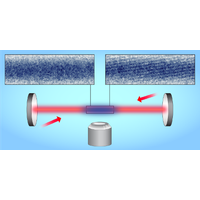
Phys. Rev. Lett. 136, 143401 (2026)
Atomic, Molecular, and Optical Physics
Full-Counting Statistics and Quantum Information of Dispersive Readout with a Squeezed Environment
Article | Atomic, Molecular, and Optical Physics | 2026-04-06 06:00 EDT
Ming Li, JunYan Luo, Gloria Platero, and Georg Engelhardt
Motivated by the importance of dispersive readout in quantum technology, we study a prototypical dispersive readout setup that is probed by a squeezed vacuum in a time-reversal-symmetric fashion. To this end, we develop a full-counting-statistics framework for dispersive readout and analyze its meas…
Phys. Rev. Lett. 136, 143601 (2026)
Atomic, Molecular, and Optical Physics
Non-Line-of-Sight Single-Pixel Imaging Using Polarization Speckle Modulation
Article | Atomic, Molecular, and Optical Physics | 2026-04-06 06:00 EDT
Yijun Zhou, Wenwen Li, Wei Li, Xin Huang, Chen Dai, Zhong-Pei Xiao, Zheng-Ping Li, Feihu Xu, and Jian-Wei Pan
Non-line-of-sight (NLOS) imaging aims to recover hidden scenes outside the direct line of sight, holding great promise for broad applications. Despite notable advancements, current methods are restricted to the manipulation of temporal or spatial degree of light. Here, we propose and demonstrate pol…
Phys. Rev. Lett. 136, 143801 (2026)
Atomic, Molecular, and Optical Physics
Magnetoresistance Oscillations in Few-Layer ${\mathrm{NbSe}}_{2}$ in Superconducting Fluctuation Regime
Article | Condensed Matter and Materials | 2026-04-06 06:00 EDT
Xiaolong Yin, Congzhe Cao, Yibin Feng, Kenji Watanabe, Takashi Taniguchi, Jiawei Mei, Qi-Kun Xue, and Shuo-Ying Yang
The observation of magnetoresistance oscillation in NbSe thin films, reminiscent of Little-Parks oscillations, is attributed to superconducting phase fluctuations unlike other previously reported oscillations.
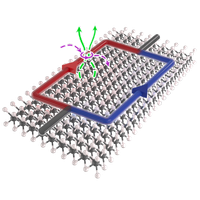
Phys. Rev. Lett. 136, 146301 (2026)
Condensed Matter and Materials
Collective Interference of Phonon Spin and Dipole Moment Rotation Induced Circular Dichroism
Article | Condensed Matter and Materials | 2026-04-06 06:00 EDT
Yizhou Liu, Yu-Tao Tan, Dapeng Liu, and Jie Ren
The classical field description of "phonon spin" relies on the invariance of a continuous elastic field under infinitesimal rotation. However, a local "medium element" in the continuous field may contain large numbers of vibrational particles at microscopic level, like for complex lattices with many…
Phys. Rev. Lett. 136, 146601 (2026)
Condensed Matter and Materials
Parity Anomalous Semimetal with Minimal Conductivity Induced by an In-Plane Magnetic Field
Article | Condensed Matter and Materials | 2026-04-06 06:00 EDT
Binbin Wang, Jiayuan Hu, Bo Fu, Jiaqi Li, Yunchuan Kong, Kai-Zhi Bai, Shun-Qing Shen, and Di Xiao
The interplay between topological materials and local symmetry breaking yields diverse topological quantum phenomena. A notable example is the parity-anomalous semimetal (PAS), which hosts a single unpaired gapless Dirac cone with a half-integer quantized Hall conductivity. Here, we realize this pha…
Phys. Rev. Lett. 136, 146602 (2026)
Condensed Matter and Materials
Exactly Solvable Model of Wave-Mean Field Interaction in Integrable Turbulence
Article | Statistical Physics; Classical, Nonlinear, and Complex Systems | 2026-04-06 06:00 EDT
T. Congy, G. A. El, and M. A. Hoefer
The kinetic theory of soliton gases (SG) is used to develop a solvable model for wave-mean field interaction in integrable turbulence. The waves are stochastic soliton ensembles that scatter off a critically dense SG or soliton condensate--the mean field. The derived two-fluid kinetic-hydrodynamic eq…
Phys. Rev. Lett. 136, 147201 (2026)
Statistical Physics; Classical, Nonlinear, and Complex Systems
Conservation Laws and Slow Dynamics Determine the Universality Class of Interfaces in Active Matter
Article | Polymers, Chemical Physics, Soft Matter, and Biological Physics | 2026-04-06 06:00 EDT
Raphaël Maire, Andrea Plati, Frank Smallenburg, and Giuseppe Foffi
A nonequilibrium model of active hard disks exhibits phase separation between a gas and a liquid, crystal, or glass, with interfaces displaying distinct nonequilibrium universality classes.
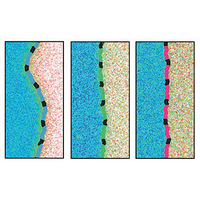
Phys. Rev. Lett. 136, 148301 (2026)
Polymers, Chemical Physics, Soft Matter, and Biological Physics
Erratum: Generation of Pure Spin Current with Insulating Antiferromagnetic Materials [Phys. Rev. Lett. 135, 146703 (2025)]
Article | 2026-04-06 06:00 EDT
Yingwei Chen, Junyi Ji, Liangliang Hong, Xiangang Wan, and Hongjun Xiang
Phys. Rev. Lett. 136, 149901 (2026)
Physical Review X
Ultralow-Power Microwave Frequency Comb at a Bistable Phase Transition
Article | 2026-04-06 06:00 EDT
Hanfeng Wang, Kurt Jacobs, Dirk R. Englund, and Matthew E. Trusheim
Leveraging a bistable phase transition in a hybrid quantum system enables the generation of a microwave frequency comb with 193 spectral teeth at unprecedentedly low driving power.
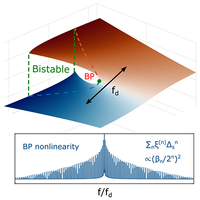
Phys. Rev. X 16, 021005 (2026)
arXiv
Expressibility of neural quantum states: a Walsh-complexity perspective
New Submission | Strongly Correlated Electrons (cond-mat.str-el) | 2026-04-07 20:00 EDT
Neural quantum states are powerful variational wavefunctions, but it remains unclear which many-body states can be represented efficiently by modern additive architectures. We introduce Walsh complexity, a basis-dependent measure of how broadly a wavefunction is spread over parity patterns. States with an almost uniform Walsh spectrum require exponentially large Walsh complexity from any good approximant. We show that shallow additive feed-forward networks cannot generate such complexity in the tame regime, e.g. polynomial activations with subexponential parameter scaling. As a concrete example, we construct a simple dimerized state prepared by a single layer of disjoint controlled-$ Z$ gates. Although it has only short-range entanglement and a simple tensor-network description, its Walsh complexity is maximal. Full-cube fits across system size and depth are consistent with the complexity bound: for polynomial activations, successful fitting appears only once depth reaches a logarithmic scale in $ N$ , whereas activation saturation in $ \tanh$ produces a sharp threshold-like jump already at depth $ 3$ . Walsh complexity therefore provides an expressibility axis complementary to entanglement and clarifies when depth becomes an essential resource for additive neural quantum states.
Strongly Correlated Electrons (cond-mat.str-el), Disordered Systems and Neural Networks (cond-mat.dis-nn), Machine Learning (cs.LG), Quantum Physics (quant-ph)
8 pages, 2 figures
Non-reciprocal Ising gauge theory
New Submission | Statistical Mechanics (cond-mat.stat-mech) | 2026-04-07 20:00 EDT
Nilotpal Chakraborty, Anton Souslov, Claudio Castelnovo
Non-reciprocity and geometric frustration enable many-body systems to avoid crystalline order and instead exhibit complex, liquid-like behavior. Here we show that their interplay is richer than the sum of its parts, leading to surprising structural and dynamical phenomena. In our minimal model, two copies of Ising gauge theory are non-reciprocally coupled in a way that crucially preserves a local $ \mathbb{Z}_2$ symmetry. We discover that the combined Wilson loop observable of the two copies exhibits linear asymptotic scaling, with a quasiparticle-pair confinement length tuned by the strength of the non-reciprocal coupling. Key dynamical features are revealed in the behavior of individual deconfined excitations due to strong interactions induced by the non-reciprocity, leading to motion on a critical percolation cluster that follows a self-avoiding trail. Mapping from this quasiparticle dynamics onto the magnetic noise spectrum, we discover that non-reciprocity tunes topological logarithmic contributions and causes long-lived metastable states due to quasiparticle trapping. Our work opens the way for broader investigations of geometrically frustrated non-reciprocity.
Statistical Mechanics (cond-mat.stat-mech), Disordered Systems and Neural Networks (cond-mat.dis-nn), Soft Condensed Matter (cond-mat.soft), Quantum Physics (quant-ph)
8 pages, 8 figures; Supplement in ancillary files section
Enhanced Kadowaki-Woods Ratio and Weak-Coupling Superconductivity in Noncentrosymmetric YPt$_2$Si$_2$ Single Crystals
New Submission | Superconductivity (cond-mat.supr-con) | 2026-04-07 20:00 EDT
Gustavo Gomes Vasques, Shyam Sundar, Deisy Aristizábal-Giraldo, Juan F. Castello-Arango, Rafael Sá de Freitas, Adriano Reinaldo Viçoto Benvenho, Takahiro Onimaru, Jorge M. Osorio-Guillén, Marcos A. Avila
Superconductivity in noncentrosymmetric RPt2Si2 (R = rare earth) compounds exhibit a rich playground to explore the competition between different ground states, such as unconventional superconductivity, antiferromagnetism and charge density wave. Here, we report the successful single crystal synthesis of noncentrosymmetric YPt2Si2 superconductor, with a transition temperature Tc = 1.67 K, via Sn flux method. The high quality of the prepared single crystals was confirmed using powder and Laue XRD measurements. The superconducting and normal state properties are investigated using electrical transport and heat capacity measurements down to 0.5 K. In the normal state, unlike LaPt2Si2, no charge density wave transition is observed in YPt2Si2, as evidenced by electrical transport and specific heat measurements. A relatively large Kadowaki-Woods ratio and a linear temperature variation of the electrical resistivity in an extended temperature range of 50-300 K suggest an unconventional normal-state in YPt2Si2. The estimated superconducting parameters indicate that YPt2Si2 is a type-II superconductor with weak electron-phonon coupling. The temperature dependence of specific heat in the superconducting state can be explained reasonably well using an isotropic two-gap model. A positive curvature near Tc in the temperature variation of upper critical field also supports the two-gap superconductivity. First-principles DFT calculations suggest a BCS-like superconducting state driven primarily by d-electron contributions. The calculated electron-phonon coupling constant identifies the material as a weak-coupling superconductor, with the McMillan-Allen-Dynes formula yielding a Tc of 1.8 K. Additionally, we provide a comparative analysis of the superconducting and normal-state properties of YPt2Si2 and compositionally similar LaPt2Si2.
Superconductivity (cond-mat.supr-con), Materials Science (cond-mat.mtrl-sci), Strongly Correlated Electrons (cond-mat.str-el)
14 pages, 11 Figures
Anatomy of a Complex Crystallization Pathway
New Submission | Soft Condensed Matter (cond-mat.soft) | 2026-04-07 20:00 EDT
Charlotte Shiqi Zhao, Domagoj Fijan, Sharon C. Glotzer
Using molecular dynamics simulations, we investigate the crystallization pathways of two exemplary systems that form the same complex crystal structure but differ fundamentally in the nature of their particle interactions. One system is composed of point particles interacting via an isotropic pair potential characteristic of metallic compounds, while the other system contains hard polyhedra whose interactions arise from emergent entropic forces. Despite the stark difference in the origins of the particle interactions, we find that both systems are polymorphic and share the same crystal polymorphs. Moreover, the two systems follow the same multistep crystallization pathways, and by examining the complex crystallization pathways on the single particle level, we find that the local structure evolution of the two systems is also similar. By mapping the hard particle system’s interaction to an effective pairwise potential, we find that such resemblance arises from the particle interactions being effectively similar.
Soft Condensed Matter (cond-mat.soft), Materials Science (cond-mat.mtrl-sci), Chemical Physics (physics.chem-ph), Computational Physics (physics.comp-ph)
Shear Banding in Simulations of Polymer Melts
New Submission | Soft Condensed Matter (cond-mat.soft) | 2026-04-07 20:00 EDT
Lucas L. Nelson, Gary S. Grest, Peter D. Olmsted
Results from numerical simulations of polymers under shear flow are compared with predictions for shear banding based on a model coupling Rolie-Poly-like tube dynamics to the entanglement dynamics mediated by Convected Constraint Release (CCR). CCR is controlled by a parameter $ \beta$ , whose dependence on the bending stiffness $ k_{\theta}$ is calculated from the simulations. The model predicts shear banding for polymers whose equilibrium entanglement number $ Z$ exceeds a critical value $ Z_{c}$ that depends on $ \beta$ . The simulations are in semi-quantitative agreement with the model, with deviations that are attributed to approximations inherent in the model, and the inadequacy of tube models to describe partially-disentangled liquids in strong flow. These results may help determine which physical polymers could undergo shear banding.
Soft Condensed Matter (cond-mat.soft)
15 pages, 13 figures
Microwave-to-optical transduction using magnon-exciton coupling in a layered antiferromagnet
New Submission | Materials Science (cond-mat.mtrl-sci) | 2026-04-07 20:00 EDT
Pratap Chandra Adak, Iris McDaniel, Suvodeep Paul, Caleb Heuvel-Horwitz, Bikash Das, Vitali Kozlov, Kseniia Mosina, Arun Ramanathan, Xavier Roy, Zdeněk Sofer, Tian Zhong, Akashdeep Kamra, Arno Thielens, Andrea Alù, Vinod M. Menon
Coherent interfaces between microwave-frequency quantum systems and low-loss optical links are essential for quantum networks. However, existing microwave-optical transducers often trade conversion efficiency against added noise, bandwidth, and device integrability. Here, we demonstrate coherent microwave-to-optical transduction based on magnon-exciton coupling in the layered antiferromagnet CrSBr. Driving the antiferromagnetic resonance with microwave signals imprints coherent modulation on a reflected optical probe, generating optical sidebands that are resonantly enhanced near excitonic transitions. While prior magnon-based approaches to microwave-to-optical transduction have typically relied on intrinsically weak off-resonant magneto-optical effects (e.g., Faraday rotation), our scheme exploits strong light-matter interactions at exciton resonances. Even in a bulk crystal without cavity enhancement, we observe coherent conversion over an intrinsically broadband window of ~ 300 MHz. We further show that multiple exciton-polariton resonances inherit the magnon-coupled response, suggesting a route to broaden the usable optical detuning range and to mitigate optical dissipation. Our results establish magnon-coupled excitons in layered magnets as a scalable platform for broadband microwave-optical interfaces, with pathways to higher cooperativity via reduced magnetic volume and cavity integration.
Materials Science (cond-mat.mtrl-sci), Mesoscale and Nanoscale Physics (cond-mat.mes-hall), Optics (physics.optics), Quantum Physics (quant-ph)
19 pages, 4 figures
Constructing a Quantum Twisting Microscope: Design Insights and Experimental Considerations
New Submission | Mesoscale and Nanoscale Physics (cond-mat.mes-hall) | 2026-04-07 20:00 EDT
Sayanwita Biswas, Ranjani Ramachandran, Patrick Irvin, Jeremy Levy
We report the details of construction and testing of a Quantum Twisting Microscope, a recently developed scanning probe instrument that enables twist angle dependent electronic measurements on layered materials. Our implementation is based on a commercial atomic force microscope whose open geometry beneath the scan head allows integration of the rotation and translation stages required for QTM operation. We describe the complete fabrication process including tip preparation by focused ion beam deposition and graphite transfer, custom stage assembly with integrated rotation capability, and multistep alignment procedures. To validate the instrument, we perform conductance measurements between graphite layers as a function of twist angle, observing clear 60 degree periodicity consistent with the hexagonal lattice symmetry and conductance enhancements near the commensurate twist angles of 21.8 and 38.2 degrees. These results confirm the instruments ability to resolve crystallographic twist angle dependent transport features. By providing detailed construction and operational guidelines, we aim to make QTM technology accessible to research groups with standard AFM infrastructure, enabling investigations of twist angle dependent phenomena in van der Waals materials, complex oxide heterostructures and chiral systems.
Mesoscale and Nanoscale Physics (cond-mat.mes-hall), Instrumentation and Detectors (physics.ins-det)
The first two authors contributed equally
Acoustic resonance of an air-filled Elasto-bubble
New Submission | Soft Condensed Matter (cond-mat.soft) | 2026-04-07 20:00 EDT
Fanambinana Delmotte, Valentin Leroy, Jishen Zhang
We propose the use of an in-house air-filled elasto-bubble as a novel subwavelength acoustic resonator. Building on the well-established physics of gas bubbles, and incorporating an elastic shell, we experimentally demonstrate that these elasto-bubbles retain the key acoustic properties of classical bubbles. Indeed, through experiments performed in an impedance tube, we observe a strong acoustic response and efficient transmission reduction, in good agreement with the theory considering a layered bubble introduced by Alekseev and Rybak (1999). Finally, elasto-bubbles offer a simple and effective route to tunable acoustic resonances through independent control of their radius and shell thickness.
Soft Condensed Matter (cond-mat.soft), Applied Physics (physics.app-ph)
Detection of Spin-Spatial-Coupling-Induced Dynamical Phase Transitions in Real Time
New Submission | Quantum Gases (cond-mat.quant-gas) | 2026-04-07 20:00 EDT
J. O. Austin-Harris, Z. N. Hardesty-Shaw, C. Binegar, P. Sigdel, T. Bilitewski, Y. Liu
We demonstrate the real-time detection of dynamical phase transitions (DPTs) in lattice-confined spinor gases subject to a priori unknown time-variant interactions, via the temporal behaviors of both the system energy and spinor phases extracted from the observed spin dynamics. Using this technique, we describe the observed nonequilibrium spin dynamics, governed by intricate spin-spatial couplings, across a range of conditions. This work also introduces an observable that can quickly identify DPTs at holding times when commonly-used order parameters still exhibit transient, nonuniversal behavior. Our approach can naturally extend to other complex systems subject to time-dependent parameters, such as Floquet systems under driven magnetic fields, driven interactions, or spin-flopping fields, with potential applications in the study of DPTs in nonintegrable models.
Quantum Gases (cond-mat.quant-gas)
Genuine pair density wave order on the kagome lattice
New Submission | Superconductivity (cond-mat.supr-con) | 2026-04-07 20:00 EDT
Han-Yang Liu, Da Wang, Ziqiang Wang, Qiang-Hua Wang
The pair density wave (PDW) is a novel superconducting state with non-zero center-of-mass momentum Cooper pairing in the absence of external magnetic fields. Its realization in microscopic models as the ground state is very rare and extremely challenging, because a genuine PDW state is free of a uniform component or modulations by a pre-existing spin/charge density wave order at the same wavevector. Here, we report the discovery of a genuine primary PDW phase in a two-orbital Hubbard model on the kagome lattice by state-of-art functional renormalization group studies. It emerges out of competing orders over a wide physical parameter range suitable for realistic material realizations. The key ingredients in favor of the PDW order are the strongly sublattice and orbital polarized Bloch states on multiple Fermi pockets. They force the zero-momentum Cooper pairing to involve the same sublattices and be suppressed by onsite Coulomb repulsion, while pairing between different sublattices to be dominated by different Fermi pockets with nonzero total momentum. The degenerate PDW states at three momenta $ {\bf M}_{1,2,3}$ on the Brillouin zone boundary exhibit novel intertwined order and can linearly combine into topologically nontrivial chiral PDW states. We propose that the model can be realized in multiorbital kagome materials such as CsCr$ _3$ Sb$ _5$ as well as cold atom systems.
Superconductivity (cond-mat.supr-con), Strongly Correlated Electrons (cond-mat.str-el)
13 pages, 8 figures, 3 tables
Design A Family of 2D Nb-Based Multilayer Kagome Semimetals with High Fermi Velocity and Low Thermal Conductivity
New Submission | Materials Science (cond-mat.mtrl-sci) | 2026-04-07 20:00 EDT
En-Qi Bao, Xing-Yu Wang, Su-Yang Shen, Jun-Hui Yuan, Wen-Yu Fang, Jiafu Wang
Although two-dimensional (2D) multilayer kagome materials have opened up new windows of opportunity for exploring novel physical properties, their development has been constrained by the scarcity of available material systems. In light of this, in this study, relying on our previously proposed innovative “1+3” design strategy for multilayer kagome materials, we have successfully designed nine stable 2D niobium-based multilayer kagome monolayers with tunable compositions: Nb6Cl2S3Br6, Nb6Cl2S4Br6, Nb6Cl2Se3Br6, Nb6Cl2Se4Br6, Nb6Cl2S1Se3Br6, Nb6Cl2S3Se1Br6, Nb6S4Cl8, Nb6Se4Br8, and Nb6Br2S3Se1Cl6. These nine new materials all belong to the category of Dirac semimetals, with their Dirac cone structures primarily arising from the dz2 orbitals based on Nb-based kagome lattice. Hybrid functional calculations reveal that these materials boast Fermi velocities as high as 2.36-3.04\ast105 m/s. Moreover, these materials generally exhibit characteristics of relatively low phonon group velocities and shorted phonon lifetimes. Under room temperature conditions, they possess comparatively low lattice thermal conductivities, with values ranging from 1.704-8.149 Wm-1K-1 . Our research not only robustly confirms the feasibility of the “1+3” multilayer kagome lattices design strategy in the realm of kagome material development but also sets an exemplary benchmark for the study of Nb-based multilayer kagome materials.
Materials Science (cond-mat.mtrl-sci)
24 pages, 5 figurs, 1 table
KappaFormer: Physics-aware Transformer for lattice thermal conductivity via cross-domain transfer learning
New Submission | Materials Science (cond-mat.mtrl-sci) | 2026-04-07 20:00 EDT
Mengfan Wu, Junfu Tan, Yu Zhu, Jie Ren
Machine learning has been widely used for predicting material properties. However, efficient prediction of lattice thermal conductivity ($ \kappa_\mathrm{L}$ ) remains a long-standing challenge, primarily due to the scarcity of high-quality training data. Here we introduce KappaFormer, a physics-aware Transformer architecture that embeds the harmonic-anharmonic decomposition of $ \kappa_\mathrm{L}$ within the network. KappaFormer comprises a harmonic branch pre-trained on large-scale elastic property data and an anharmonic branch fine-tuned on limited experimental $ \kappa_\mathrm{L}$ data, enabling effective knowledge transfer and enhanced generalization. High-throughput screening with KappaFormer identifies multiple candidates with ultralow $ \kappa_\mathrm{L}$ , which are further confirmed by first-principles calculations. Physics interpretability further elucidates the vibrational mechanisms governing thermal transport suppression, linking structural motifs to strong anharmonicity. This study provides a generalizable framework for physics-guided machine learning to accelerate the discovery of new materials.
Materials Science (cond-mat.mtrl-sci)
17 pages, 6 figures
Zero-temperature Avalanche Criticality Governing Dynamical Heterogeneity in Supercooled Liquids
New Submission | Soft Condensed Matter (cond-mat.soft) | 2026-04-07 20:00 EDT
Norihiro Oyama, Yusuke Hara, Takeshi Kawasaki, Kang Kim
In supercooled liquids, mesoscale mobile and immobile domains are ubiquitously observed, a phenomenon known as dynamical heterogeneity. Extensive studies have established that the characteristic size of these domains grows upon cooling and exhibits system-size dependence. However, the physical origin of this domain growth remains a matter of active debate. In this work, using molecular simulations, we demonstrate that the temperature and system-size dependence of dynamical heterogeneity can be explained within a zero-temperature avalanche criticality picture.
Soft Condensed Matter (cond-mat.soft), Materials Science (cond-mat.mtrl-sci), Statistical Mechanics (cond-mat.stat-mech)
9+3 pages, 5+3 figures
First-principles theory of spin magnetic multipole moments in antiferromagnets
New Submission | Materials Science (cond-mat.mtrl-sci) | 2026-04-07 20:00 EDT
Hua Chen, Guang-Yu Guo, Di Xiao
Antiferromagnets with vanishing net magnetization are naturally expected to host higher-order magnetic multipole moments. Understanding and utilizing the multipole degrees of freedom are imperative for novel conceptual designs and applications unique to antiferromagnets. However, a universal, quantitative definition of magnetic multipole moments of antiferromagnetic materials is currently lacking. In this work we provide a unified description of arbitrary-order spin magnetic multipole moments (SM$ ^3$ ) of antiferromagnets by introducing a nonlocal spin density in macroscopic Maxwell equations. The formalism makes it transparent how SM$ ^3$ calculated for translationally invariant bulk systems corresponds to experimental observables when translation symmetry is broken. Through the nonlocal spin density calculated from first principles, we propose a robust scheme to extract arbitrary-order SM$ ^3$ through symmetry-constrained fitting at long wavelengths. Using this approach, we have calculated SM$ ^3$ of a few representative antiferromagnets, including $ \alpha$ -$ \rm Fe_2O_3$ , Mn$ _3$ Sn, and Mn$ _3$ NiN. Moreover, we clarify the role of spin-orbit coupling (SOC) in SM$ ^3$ , especially in the weak SOC limit where clean predictions can be made based on symmetry principles. Our work paves the way for systematically investigating multipolar order parameters of unconventional magnetic materials.
Materials Science (cond-mat.mtrl-sci), Mesoscale and Nanoscale Physics (cond-mat.mes-hall)
28 pages, 7 figures
Potential energy landscape picture of zero-temperature avalanche criticality governing dynamics in supercooled liquids
New Submission | Soft Condensed Matter (cond-mat.soft) | 2026-04-07 20:00 EDT
Norihiro Oyama, Yusuke Hara, Takeshi Kawasaki, Kang Kim
Supercooled liquids are metastable states realized by suppressing crystallization below the melting temperature. While it is well established that their dynamics slow down dramatically and become spatially heterogeneous upon cooling, the microscopic origin of these nontrivial glassy phenomena remains a matter of active debate. In the present study, by means of molecular dynamics simulations, we first demonstrate that nontrivial slow dynamics, such as structural relaxation and dynamical heterogeneity, can be consistently described within a zero-temperature avalanche criticality picture. Since this finding suggests that the potential energy landscape plays a crucial role in determining the dynamics, we further quantify the potential energy landscape from three distinct perspectives. Based on these analyses, we propose a potential-energy-landscape picture of avalanche criticality that is consistent with various previous studies. Our proposed picture explains in a unified manner previously unexplained observations near the mode-coupling transition, such as the saturation of the dynamical susceptibility and the localization of unstable modes in saddle configurations.
Soft Condensed Matter (cond-mat.soft), Materials Science (cond-mat.mtrl-sci), Statistical Mechanics (cond-mat.stat-mech)
30 pages, 19 figures
Interface and Strain Control of Emergent Weyl Semimetallic Phase in SrNbO${3}$/LaFeO${3}$ Heterostructures
New Submission | Strongly Correlated Electrons (cond-mat.str-el) | 2026-04-07 20:00 EDT
Sairam Ithineni, Pratik Sahu, Soumyakanta Panda, Aditya Mehta, Debashree Nayak, Amit Chauhan, Shwetha G Bhat, Niharika Mohapatra, K. Senapati, B. R. K. Nanda, D. Samal
Realizing correlated topological semimetallic phases in bulk transition-metal oxides remains challenging due to rigid lattice symmetry, correlation-induced gap opening, and limited structural tunability. However, complex-oxide thin films and heterostructures provide a powerful platform to stabilize topological phases by tailoring the requisite lattice symmetry through strain control and interface design. In this study, we demonstrate the emergence of Weyl-like electronic states and associated chiral transport in SrNbO$ _3$ (SNO)/LaFeO$ _3$ (LFO) bilayers. Transport measurements reveal signatures consistent with nontrivial topology, including large non-saturating MR, a nonlinear Hall response, and a chiral anomaly like feature in longitudinal magnetotransport under parallel electric and magnetic fields ($ \mathbf{B} \parallel \mathbf{I}$ ). In addition, we observe a \textcolor{black}{signature} of anomalous Hall contribution, likely arising from \textcolor{black}{proximity effect induced by LFO layers at the interface}. First-principles calculations reveal an $ a^0a^0c^-$ rotation pattern of the NbO$ _6$ octahedra, together with interfacial lattice distortions in the SNO layer that drive the emergence of a twofold degenerate Weyl semimetallic phase protected by screw axis lattice symmetry. This is further confirmed by Berry curvature calculations, which show opposite sign Berry curvature peaks for the upper and lower band characteristic of a Weyl node. Our combined experimental and theoretical results highlight the critical role of strain and interfacial octahedral distortions in stabilizing Weyl phase in transition metal based perovskite bilayer.
Strongly Correlated Electrons (cond-mat.str-el), Materials Science (cond-mat.mtrl-sci)
15 pages, 5 figures
Interaction driven transverse thermal resistivity in a phonon gas
New Submission | Materials Science (cond-mat.mtrl-sci) | 2026-04-07 20:00 EDT
Xiaodong Guo, Xiaokang Li, Alaska Subedi, Zengwei Zhu, Kamran Behnia
The amplitude of the Hall response of electrons can be understood without invoking interactions. Most theories of the phonon thermal Hall effect have likewise opted for a non-interacting picture. Here, we challenge this approach. Our study of WS$ 2$ , a transition metal dichalcogenide (TMD) insulator, finds that longitudinal, $ \kappa{xx}$ , and transverse, $ \kappa_{xy}$ , thermal conductivities peak at almost the same temperature. Their ratio obeys an upper bound, as in other insulators. We then compare transverse thermal transport in a phonon gas and in a molecular gas. In the latter, the Senftleben-Beenakker effect is driven by the competition between molecular collisions and applied magnetic field in setting the distribution of molecular angular momenta. An off-diagonal transport response arises thanks to interactions between non-spherical particles, which do not need to be chiral. By analogy, we argue that in a phonon gas, magnetic field will influence phonon-phonon interactions, and generates a transverse thermal \emph{resistivity}, whose order of magnitude can be accounted for by invoking a Berry force on the drift velocity of the nuclei in the presence of a finite heat. This simple picture gives a reasonable account of the experimentally measured transverse thermal resistivity of seven different crystalline insulators.
Materials Science (cond-mat.mtrl-sci), Mesoscale and Nanoscale Physics (cond-mat.mes-hall), Statistical Mechanics (cond-mat.stat-mech), Strongly Correlated Electrons (cond-mat.str-el)
14 pages, 9 figures
Pre-yielding mechanical response near the jamming transition
New Submission | Soft Condensed Matter (cond-mat.soft) | 2026-04-07 20:00 EDT
Hidemasa Bessho, Takeshi Kawasaki, Kunimasa Miyazaki
The mechanical and rheological properties of jammed packings of frictionless particles under shear strain remain not fully understood, even when the strain amplitude is very small and well below the yielding threshold. Systems above the jamming transition point $ \phi_J$ are known to display two anomalous mechanical behaviors with respect to the driving frequency $ \omega$ (or time $ t$ ) and the strain amplitude $ \gamma$ . In the linear-response regime ($ \gamma\to 0$ ), the complex modulus exhibits an algebraic scaling, $ G(\omega)\sim\omega^{1/2}$ (or $ G(t)\sim t^{-1/2}$ in the time representation). In contrast, in the quasi-static limit ($ \omega \to 0$ ), the modulus shows the nonlinear behavior, $ G(\gamma)\sim\gamma^{-1/2}$ , a phenomenon referred to as softening. The ranges of $ \omega$ and $ \gamma$ over which these algebraic scalings hold broaden as $ \phi_J$ is approached from above, whereas both $ G(\omega)$ and $ G(\gamma)$ vanish for $ \phi < \phi_J$ . In this study, we investigate the mechanical response in the regime where these two anomalies coexist in the vicinity of $ \phi_J$ . To this end, we perform numerical analyses using two rheological protocols: oscillatory shear and transient stress relaxation. Our results demonstrate that the mechanical responses are not simply described as a superposition of the two algebraic relaxations and instead exhibit rich nonlinear viscoelastic behavior both above and even below $ \phi_J$ .
Soft Condensed Matter (cond-mat.soft)
Soft Matter 22, 13, 2487-2498 (2026)
Random matrix theory of integrability-to-chaos transition
New Submission | Statistical Mechanics (cond-mat.stat-mech) | 2026-04-07 20:00 EDT
Ben Craps, Marine De Clerck, Oleg Evnin, Maxim Pavlov
The statistics of gaps between quantum energy levels is a hallmark criterion in quantum chaos and quantum integrability studies. The relevant distributions corresponding to exactly integrable vs. fully chaotic systems are universal and described by the Poisson vs. Wigner-Dyson curves. In the transitional regime between integrability and chaos, the distributions are much less universal and have not been understood quantitatively until now. We point out that the relevant statistics that controls these distributions is that of the matrix elements of the nonintegrable perturbation Hamiltonian in the energy eigenbasis of the unperturbed integrable system. With this insight, we formulate a simple random matrix ensemble that correctly reproduces the level spacing distributions in a variety of test systems. For the distribution of matrix elements appearing in our construction, we furthermore discover surprising universal features: across a variety of physical systems with diverse degrees of freedom, these distributions are dominated by simple power laws.
Statistical Mechanics (cond-mat.stat-mech), Mathematical Physics (math-ph), Chaotic Dynamics (nlin.CD), Quantum Physics (quant-ph)
Advanced Modelling Methodologies for Anisotropic Magnetic Colloids
New Submission | Soft Condensed Matter (cond-mat.soft) | 2026-04-07 20:00 EDT
Anisotropic magnetic colloids with permanent dipole moments exhibit rich field-responsive behavior arising from the interplay between particle geometry, dipolar interactions, and external driving. Modeling these systems remains challenging due to the long-range nature of dipolar forces, geometric anisotropy, dipole–particle misalignment, and the complexity of implementing anisotropic steric interactions. This review discusses particle-based numerical strategies to model such systems, including single-site, multi-bead, shifted-dipole, and multicore representations. We analyze how different levels of description capture key physical mechanisms, from steric constraints and directional binding to internal magnetic structure and nonequilibrium dynamics. Particular emphasis is placed on dipole–particle misalignment as a control parameter that strongly affects interaction landscapes and self-assembly pathways. We also highlight recent machine learning approaches as emerging tools to construct effective interaction potentials and accelerate simulations. By comparing the main methodologies and their limitations, this review outlines current challenges and perspectives toward more predictive and efficient modeling of anisotropic magnetic colloids.
Soft Condensed Matter (cond-mat.soft), Computational Physics (physics.comp-ph)
Analytical evaluation of surface barrier and resistance in iron-based superconducting multilayers for Superconducting Radio-Frequency applications
New Submission | Superconductivity (cond-mat.supr-con) | 2026-04-07 20:00 EDT
Carlos Redondo Herrero, Akira Miyazaki
New superconducting materials, particularly iron-based superconductors (IBS), have recently attracted attention for their potential applications in particle detectors and accelerators. This paper discusses the application of these materials in multilayer structures for radio-frequency resonators used to accelerate charged particles, with the aim of improving performance compared to bulk niobium. These materials are compared with previously studied multilayers composed of conventional superconductors in terms of the maximum magnetic field they can withstand, their surface resistance, and their power loss per unit surface area. Finally, perspectives and future applications aimed at increasing operating temperatures are discussed.
Superconductivity (cond-mat.supr-con), Materials Science (cond-mat.mtrl-sci), Accelerator Physics (physics.acc-ph)
Shape of temperature dependence of spontaneous magnetization of various ferromagnets
New Submission | Materials Science (cond-mat.mtrl-sci) | 2026-04-07 20:00 EDT
The shape of temperature dependence of spontaneous magnetization was analyzed on about forty ferromagnetic materials. The shape squareness was determined from the magnetization curves fits by the superellipse equation (Lame curve). The agreement of Lame curve fits with experimental data was good for most materials. The squareness parameter (the power coefficient in the superellipse equation), which reflects coupling strength between the nuclei vibrations and magnetic moments of electrons, was in the range from 1.4 to 3.0. The largest squareness showed iron, the smallest - antiferromagnetic materials and the Ni55Cu45 alloy. The squareness parameter was studied as a function of the Curie temperature, Tc. For metallic alloys the general tendency was observed - squareness increases with the Curie temperature increase. The only exception was cobalt that showed the same magnetization curve in the reduced coordinates as nickel despite of two times higher TC. Addition to iron or nickel either ferromagnetic or nonferromagnetic metals leads to the decrease of the squareness. No influence of the thermal expansion coefficient on the magnetization curve was observed - the zero-expansion invar have a standard shape following the Lame curve.
Materials Science (cond-mat.mtrl-sci)
10 figures, 2 tables
Description of KPZ interface growth by stochastic Loewner evolution
New Submission | Statistical Mechanics (cond-mat.stat-mech) | 2026-04-07 20:00 EDT
In this study, we investigate the relationship between the one-dimensional (1D) Kardar-Parisi-Zhang (KPZ) equation and the stochastic Loewner equation (SLE), which is a one parameter family of the conformal mappings involving stochasticity. The author shows the correspondence between 1D KPZ equation with height function $ h(x,t)=(3t^2x+x^3)/6t$ and Loewner equation driven by a nonlinear stochastic process, wherein the 1D dynamics of interface growth is characterized by Loewner entropy $ S_{Loew}\simeq-\ln{t/\kappa}$ . These results were numerically verified with discussions in relation to the universality in non-equilibrium statistical physics.
Statistical Mechanics (cond-mat.stat-mech)
14 pages, 2 figures
An argument why the Spinterface model cannot explain the chirality induced spin selectivity effect
New Submission | Mesoscale and Nanoscale Physics (cond-mat.mes-hall) | 2026-04-07 20:00 EDT
In the context of chirality induced spin selectivity effect, it has been argued that a chiral molecule when adsorbed on a metal facilitates the formation of a local spin moment at the interface between the metal and molecule, given a strong spin-orbit coupling in the metal. The possibility for such spin moment formation is analyzed in terms of general arguments and effective modeling of a pertinent set-up. The conclusion from this analysis is that a strong spin-orbit coupling in the metal does not provide a sufficient mechanism to sustain a stabilized spin moment at the interface. It is, moreover, shown that an electron flux in to or out from the molecule does not provide conditions for a spin moment formation, regardless of whether the flux is spin-polarized or not.
Mesoscale and Nanoscale Physics (cond-mat.mes-hall), Materials Science (cond-mat.mtrl-sci)
8 pages; submitted
Emergent dynamic stress regulators via coordinated thermal fluctuations and stress in harmonic crystalline lattices
New Submission | Soft Condensed Matter (cond-mat.soft) | 2026-04-07 20:00 EDT
Understanding thermal fluctuations yields insights into a wide range of behaviors in many-body systems. In this work, we analyze the dynamical adaptation of two-dimensional crystalline lattice system under harmonic interaction in response to the intricate interplay of thermal agitation and mechanical stress by developing the characteristic stress-absorbing quadrupole structures and stress-releasing fold structures. These thermally driven stress regulator structures serve as a tangible embodiment of thermal fluctuations, offering a unique perspective on the characterization and manipulation of the elusive fluctuations. Specifically, we reveal the stretch-driven alignment and linear accumulation of quadrupoles, characterize the formation and proliferation of folds, and present the phase diagram of the dynamical states defined by these characteristic structures. This work demonstrates the promising avenue of re-examining classical mechanical systems subject to thermal agitation, which is of fundamental physical interest and has potential practical significance in the design of mechanical devices in thermal environments.
Soft Condensed Matter (cond-mat.soft), Materials Science (cond-mat.mtrl-sci), Statistical Mechanics (cond-mat.stat-mech)
9 pages, 3 figures. SM is available at: this https URL
Phys. Rev. E 113, 035506 (2026)
Cascade of Classical Spin Liquids in a Bilayer Triangular-lattice Antiferromagnet Rb_2Co_2(SeO_3)_3
New Submission | Strongly Correlated Electrons (cond-mat.str-el) | 2026-04-07 20:00 EDT
Xiaoyu Xu, Yunlong Wang, Xuejuan Gui, Jun Luo, Guijing Duan, Ke Shi, Zhaosheng Wang, Shuo Li, Huifen Ren, Chuanying Xi, Langsheng Ling, Zhanlong Wu, Ying Chen, Xiaohui Bo, Xinyu Shi, Kefan Du, Rui Bian, Jie Yang, Yi Cui, Rui Zhou, Jinchen Wang, Rong Yu, Weiqiang Yu
In frustrated Ising magnets, classical spin liquids (CSLs) with macroscopic ground-state degeneracy can survive against conventional magnetic order, as exemplified by systems on triangular, kagome and pyrochlore lattices at zero field. Here we report the discovery of a high-field route toward spin liquids in a bilayer triangular lattice antiferromagnet, Rb$ _2$ Co$ _2$ (SeO$ _3$ )$ _3$ . We demonstrate that a cascade of CSLs – characterized by doubly degenerate one-up-one-down local spin configurations and a residual entropy of 1/2(1-M/M_s)Rln2 per mole – emerges through field-controlled dilution of Ising dimers. Owing to the interplay of intra- and inter-layer interactions, these CSLs are further stabilized by lattice symmetry breaking at fractional magnetization plateaus. Such field-induced spin liquids can be understood as a consequence of generalized ice rules, analogous to those governing in pyrochlore antiferromagnets. In particular, the 5/6-plateau state is a candidate quantum spin liquid. Our results thereby establish a new pathway for exploring diverse spin liquid states across both classical and quantum regimes.
Strongly Correlated Electrons (cond-mat.str-el)
8 pages, 4 figures
Quantum exciton solid with embedded electron-hole solids in double-layer WSe2
New Submission | Mesoscale and Nanoscale Physics (cond-mat.mes-hall) | 2026-04-07 20:00 EDT
Meizhen Huang, Zefei Wu, Chenxuan Lou, S. T. Chui, Ning Wang
We studied double-layer WSe2 stacked on opposite sides of thin layers of hexagonal Boron nitride with different densities of electrons and holes. For a fixed hole density, the Coulomb drag resistance is found to exhibit plateaus approximately equal to $ -h/(4e^2)$ and $ -h/(2e^2)$ as the electron density is changed. When the number of electrons is equal to the number of holes, an exciton solid forms whose transport of quantum edge defects gives rise to the drag resistance. When the electron and hole densities are different, the excess electrons form a solid embedded in the exciton solid. The Coulomb drag resistance of the exciton solid comes from the one-dimensional transport of the two lowest energy channels of quantum edge vacancy-interstitial pairs. This corresponds to the first plateau. With the embedded solid, one of these channels is blocked. This corresponds to the second plateau. Transport experiments in the Corbino geometry with no edges and extra heavier holes were carried out. The plateaus disappeared. Three peaks in the resistance at different hole densities were observed. We interpret that the three peaks correspond to the commensurate exciton and two classes of hole solids. We performed phonon calculations of these states and found that the stability of these exciton-based quantum solids shows good agreement with experiment. Our results establish classes of extreme quantum solid states, opening additional avenues for the study of strongly correlated quantum transport phenomena involving quantum defect states.
Mesoscale and Nanoscale Physics (cond-mat.mes-hall)
12 pages, 4 figures
Unconventional excitations and orbital-driven low-energy dispersions in chiral topological semimetals PdAsS, PdSbSe, and PdBiTe: a first-principles study
New Submission | Materials Science (cond-mat.mtrl-sci) | 2026-04-07 20:00 EDT
Roopam Pandey, Sudhir K Pandey
The theoretical dispersion of higher fold excitations are typically governed by space group symmetry. However, physical factors affecting local structural and electronic environment such as atomic arrangement, orbital overlaps, etc., largely alter the behavior of quasiparticle around higher fold nodes. In this work, we consider three chiral material candidates (space group P$ 2_13$ ) which exhibit systematic variations in physical parameters by virtue of their constituent elements. We perform a detailed and systematic study of these materials using DFT in absence and presence of spin-orbit coupling (SOC). Four different kinds of unconventional excitations were observed in all three materials at $ \Gamma$ - and R-point in the full BZ. In absence of SOC, we find spin-1 ($ \Gamma$ ) and double Weyl (R) excitations, where a Rarita-Schwinger-Weyl fermion ($ \Gamma$ ) and double spin-1 excitation (R) are found in presence of SOC. All of these higher fold nodes lie in energy range of $ \left(-0.5,-0.85\right)$ eV. Remarkably, we also find total of eight new type-II Weyl points even in absence SOC on $ \Gamma$ -R line in these materials. In presence of SOC, 12 new Weyl nodes of type-II nature at general momenta ($ k_x,k_y,k_z$ )$ \frac{2\pi}{a}$ are also observed. The presence of these Weyl nodes have not been reported in any of the earlier works. Further, analyzing the low-energy dispersion of spin-1 excitations in these materials we find that otherwise flat middle band in PdBiTe is almost parabolic due strong hybridization. On the other hand, relatively flat middle bands can be observed in PdAsS and PdSbSe in low-energy scale. In case of double spin-1 excitations, surprisingly, we see linearly dispersing middle bands in PdSbSe whereas middle bands in PdAsS and PdSbSe are parabolic even in low-energy scale. Lastly, we present non-trivial surface states and Fermi arcs associated with higher fold excitations.
Materials Science (cond-mat.mtrl-sci)
Theoretical study of spin-dependent transport in WSe$_2$-based vertical spin valves
New Submission | Mesoscale and Nanoscale Physics (cond-mat.mes-hall) | 2026-04-07 20:00 EDT
Yibo Wang, Yuchen Liu, Xinhe Wang, Wang Yang
We theoretically investigate spin-dependent transport in a TMD-based vertical spin valve, taking WSe$ _2$ as a representative example. Using effective Hamiltonians for the heterostructure and the Landauer formula, we derive the transmission and reflection coefficients within a transfer-matrix approach. The calculated magnetoresistance shows an oscillatory dependence on the WSe$ _2$ thickness when the Fermi level is tuned near the valence-band maximum. The effects of gate voltage and exchange fields on the magnetoresistance are further analyzed. We also identify a Fabry-Pérot-like interference contribution to the magnetoresistance, which can enhance or even induce negative magnetoresistance in certain thickness regimes. Our results provide a qualitative understanding of the negative magnetoresistance observed in WSe$ _2$ -based spin valves and may offer useful insights for the design of tunable spintronic devices.
Mesoscale and Nanoscale Physics (cond-mat.mes-hall)
16 pages, 7 figures
Geometry- and topology-controlled synchronization phase transition on manifolds
New Submission | Statistical Mechanics (cond-mat.stat-mech) | 2026-04-07 20:00 EDT
In this work, we explore how the geometry and topology of the underlying manifold shape the synchronization phase transition of a system. To do so, we extend the Kuramoto-Sakaguchi model from spheres to compact, connected, orientable, and homogeneous Riemannian manifolds of arbitrary dimension. Starting from the mean-field kinetic equation on the manifold, we derive a local response equation for the order parameter near the incoherent state and separate the geometric and topological contributions to the phase transition out of the incoherent state. The manifold geometry determines a coefficient $ \kappa\left(M\right)$ to control the critical coupling for the linear loss of stability of the incoherent state. The manifold topology constrains the cubic term of the response equation through the Euler characteristic $ \chi\left(M\right)$ . Under a local sign condition on the cubic term, topology does not allow a generic continuous or tricritical synchronization phase transition to occur when $ \chi\left(M\right)\neq 0$ , and it imposes a non-zero net defect charge on the incipient ordered texture. When an additional local stabilization condition holds in that nonzero-Euler class, topology further selects a discontinuous phase transition. When $ \chi\left(M\right)=0$ , topology does not impose that obstruction, so continuous, discontinuous, and tricritical local branches are all allowed. We verify these findings on representative families including hyperspheres, equal even-sphere products, complex Grassmannians, complex projective spaces, flat tori, real Stiefel manifolds, rotation groups, and unitary groups. Our framework recovers the classical hyperspherical parity law and extends it to a broad class of non-spherical state spaces.
Statistical Mechanics (cond-mat.stat-mech), Mathematical Physics (math-ph)
Cross Spectra Break the Single-Channel Impossibility
New Submission | Statistical Mechanics (cond-mat.stat-mech) | 2026-04-07 20:00 EDT
Lucente et al. proved that no time-irreversibility measure can detect departure from equilibrium in a scalar Gaussian time series from a linear system. We show that a second observed channel sharing the same hidden driver overcomes this impossibility: the cross-spectral block, structurally inaccessible to any single-channel measure, provides qualitatively new detectability. Under the diagonal null hypothesis, the cross-spectral detectability coefficient $ \Scross$ (the leading quartic-order cross contribution) is \emph{exactly} independent of the observed timescales – a cancellation governed solely by hidden-mode parameters – and remains strictly positive at exact timescale coalescence, where all single-channel measures vanish. The mechanism is geometric: the cross spectrum occupies the off-diagonal subspace of the spectral matrix, orthogonal to any diagonal null and therefore invisible in any single-channel reduction. For the one-way coupled Ornstein–Uhlenbeck counterpart, the entropy production rate (EPR) satisfies $ \EPRtot=\alpha_2\lambda^2$ exactly; under this coupling geometry, $ \Scross>0$ certifies $ \EPRtot>0$ , linking observable cross-spectral structure to full-system dissipation via $ \EPRtot^{,2}\propto\Scross$ . Finite-sample simulations predict a quantitative detection-threshold split testable with dual colloidal probes and multisite climate stations.
Statistical Mechanics (cond-mat.stat-mech), Machine Learning (stat.ML)
Structurally Triggered Breakdown of the Phonon Gas Model in Crystalline Metal-Organic Frameworks
New Submission | Soft Condensed Matter (cond-mat.soft) | 2026-04-07 20:00 EDT
Penghua Ying, Ting Liang, Yun Chen, Yan Chen, Shiyun Xiong, Zheyong Fan, Jianbin Xu, Yilun Liu
While crystalline materials with glass-like thermal conductivity are fundamentally intriguing, structurally triggering the transition from propagating to diffusive heat transport within a single framework remains a formidable challenge. Here, using extensive machine learning molecular dynamics, we demonstrate a fundamental thermal transport crossover in metal-organic frameworks. We reveal that grafting flexible side chains onto a pristine MOF backbone acts as a structural switch, strongly reducing the thermal conductivity by $ \sim$ 70% (from $ \sim 0.7$ to $ \sim 0.2\ \text{W m}^{-1}\text{K}^{-1}$ at 300 K). Crucially, the functionalized derivatives exhibit a drastic transition from a classical Peierls $ \sim 1/T$ decay to an anomalous, temperature-independent glass-like plateau. Reciprocal- and real-space analyses reveal the microscopic origins: the side chains act as built-in local resonators that trap acoustic energy via strong low-frequency resonant hybridization, while simultaneously inducing extreme steric crowding. Consequently, the heat-carrying phonon modes become critically damped, with their mean free paths strictly confined to the nanometer scale and their lifetimes collapsing to the Ioffe-Regel limit. This work establishes a highly programmable molecular engineering strategy to dismantle the phonon gas model, forcing crystalline frameworks into an extreme diffusive transport regime.
Soft Condensed Matter (cond-mat.soft), Computational Physics (physics.comp-ph)
7 pages, 5 figures
Optimizing Flux Method Growth of Rutile GeO2 Crystals
New Submission | Materials Science (cond-mat.mtrl-sci) | 2026-04-07 20:00 EDT
Avery-Ryan Ansbro, John T. Heron
Rutile germanium oxide (r-GeO2) has shown potential for ultrawide bandgap semiconductor applications such as power conversion and UV optoelectronics. Homoepitaxial substrates will be key for achieving phase pure and doped r-GeO2 thin films as synthesis is inhibited by strain associated with substrate lattice mismatch. Initial reports of single crystal r-GeO2 synthesis from a MoO3-Li2CO3 flux have shown mm scale crystals with dominantly (110) faceting. However, fundamental understanding of the synthesis parameters and the ability to tune size and facet are needed. Here, we report on both seeded and unseeded growth of single crystal r-GeO2 across a range of MoO3-Li2CO3 flux compositions. Small variations in Mo concentration can be used to control crystal habit, faceting, and growth rate through variation in precursor complexion, solution viscosity, and GeO2 solubility. While seed size and seeded growth rates are optimized in 40% Mo solutions, aspect ratios and seeded growth volumes are maximized in 41.5% Mo solutions without sacrificing faceting. Increased Mo concentration leads to polycrystallinity and isotropic growth. These results enable faster and tailored growth of r-GeO2 crystals using the flux growth method.
Materials Science (cond-mat.mtrl-sci)
27 pages, 2 main figures, 4 supplimentary figures, 3 main tables, 1 supplimentary table, being submitteed to Journal of Vacuum Science and Technology A
A Top-Loading Point-Contact Spectroscopy Probe with In-Situ Sample Exchange for Dilution Refrigerators
New Submission | Superconductivity (cond-mat.supr-con) | 2026-04-07 20:00 EDT
Ghulam Mohmad, Atanu Mishra, Goutam Sheet
We report the design and implementation of a point-contact spectroscopy (PCS) system integrated with a dilution refrigerator, enabling measurements down to 30 mK. The setup employs a needle-anvil geometry with a cryogenic piezo-driven nanopositioner for in-situ formation of mesoscopic point contacts. We discuss the thermal anchoring strategies that enable efficient cooling of the probe to ultra-low temperatures and reliable measurements. We also address positioner-related challenges and the solutions implemented to ensure stable operation at millikelvin temperatures. The performance of the probe is demonstrated through point contact spectroscopy on Ta-doped TiSe$ _2$ (Ta$ _x$ Ti$ _{1-x}$ Se$ _2$ , $ x = 0.2$ ), a superconductor with $ T_c \approx 2.3$ K. The spectra exhibit well-defined superconducting features that systematically diminish with increasing temperature and magnetic field. The platform provides a robust and versatile tool for spectroscopic investigations of superconductors and other quantum materials at millikelvin temperatures and high magnetic fields.
Superconductivity (cond-mat.supr-con)
9pages ,6 figures
Elasticity reshapes heat flow in graphene
New Submission | Materials Science (cond-mat.mtrl-sci) | 2026-04-07 20:00 EDT
Classical thermal transport theories that preserve rotational symmetry, predict strong anharmonic scattering of out-of-plane lattice vibrational modes called flexural phonons in flat suspended graphene sheets. Such strong scattering processes cause a breakdown of the phonon quasiparticle picture, which remains valid only when several cycles of lattice vibrations occur before the mode decays. Here we show that the renormalization of elastic bending rigidity ($ D$ ), caused by the coupling between the in-plane and the out-of-plane thermal lattice fluctuations, restores phonon quasiparticles in suspended graphene. Importantly, this $ D$ -renormalization weakens the momentum-dissipating Umklapp phonon scattering processes, resulting in improved thermal conductivity and amplified phonon hydrodynamics in suspended graphene. Our results unveil a previously-unrecognized connection between the macroscopic elasticity and the microscopic flexural phonon scattering in two-dimensional (2D) materials that does not occur in three-dimensional bulk crystals, thereby motivating a re-examination of the classical theories and opening up new avenues to engineer the thermal as well as the phonon-limited electronic transport and relaxation in two- and lower-dimensional materials.
Materials Science (cond-mat.mtrl-sci)
8 pages, 3 figures
A molecular dynamics simulation of thermalization of crystalline lattice with harmonic interaction
New Submission | Statistical Mechanics (cond-mat.stat-mech) | 2026-04-07 20:00 EDT
Understanding the realization of thermal equilibrium through the thermalization process in a many-body system is a fundamental and complex scientific question, bridging thermodynamics and classical dynamics and connecting to a host of physical phenomena, such as mechanical instabilities in a thermal environment. In this work, based on the harmonic lattice model, we investigate the thermalization process in both velocity and coordinate spaces, by examining microscopic dynamics on the atomic level. We show the distinct relaxation rates of the transverse and longitudinal components of the velocity, reveal the power law governing the nonlinear proliferation of dominant frequencies, and observe the concurrent rapid proliferations of frequencies and topological defects. We also show that the lattice system’s persistent out-of-plane deformations exhibit two-stage fluctuation behaviors, characterized by distinct power laws of fractional exponents and associated with the broken up-down symmetry. This work demonstrates the rich dynamics underlying the thermalization process, and advances our understanding on the dynamical adaptations of many-body systems to external disturbances.
Statistical Mechanics (cond-mat.stat-mech), Materials Science (cond-mat.mtrl-sci), Soft Condensed Matter (cond-mat.soft), Classical Physics (physics.class-ph), Computational Physics (physics.comp-ph)
11 pages, 7 figures
Eur. Phys. J. E, 49, 13 (2026)
Direct Photocurrent Detection of Optical Vortex Based on the Orbital Photo Galvanic Effect: Progress, Challenge and Perspective
New Submission | Materials Science (cond-mat.mtrl-sci) | 2026-04-07 20:00 EDT
Jinluo Cheng, Dehong Yang, Weiming Wang, Chang Xu, Zipu Fan, Dong Sun
A photodetector that can directly distinguish the orbital angular momentum (OAM) of light is highly desirable for integrated on-chip OAM detection and focal plane array devices. The recent development of OAM detectors based on the intrinsic orbital photo galvanic effects (OPGE) of materials provide a new route for direct OAM detection that is on-chip scalable with high resolution and speed. In this paper, we summarize the current progress in direct photodetection of OAM via OPGE. We begin with a short review of the basic operation scheme of the OAM detector and provide a comprehensive symmetry analysis to sort out the favorable characteristics of the materials, incorporating considerations from device schemes based on various device performance characteristics and specific application circumstances. From that, we review the current experimental progress and technical challenges, then oversee the possible solutions to these challenges and provide a perspective on the future opportunities of this OAM detection route.
Materials Science (cond-mat.mtrl-sci), Optics (physics.optics)
28 pages, 5 figures, 3 tables; Accepted by Advanced Science
Weyl points enabling significant enhancement of thermoelectric performance in an antiferromagnetic van der Waals metal GdTe3
New Submission | Materials Science (cond-mat.mtrl-sci) | 2026-04-07 20:00 EDT
Zhigang Gui, Panshuo Wang, Wenxiang Wang, Yuqing Zhang, Yanjun Li, Yikang Li, Qingyuan Liu, Xikai Wen, Qihang Liu, Jianjun Ying, Xianhui Chen
Magneto-thermoelectric (MTE) effect has demonstrated significant ad-vantages in achieving optimal thermoelectric (TE) properties compared to conventional methods. Topological materials pro-vide a unique platform for investigating the MTE effect, leveraging their exotic electronic structure topology. In this study, we report that the topological material GdTe3 exhibits an unsaturated power factor of up to 18846 {\mu}W m-1 K-1 under a magnetic field of 13.5 T at 20 K, which represents the highest value observed in metallic systems and surpasses most state-of-the-art TE materials. The relative enhancement under magnetic field in thermopower and power factor reaches 873% and 1075%, respectively, attributed to the Weyl points contribution resulting from the field-induced topological transition, as confirmed by our theoretical calculations. Our findings demonstrate a promising candidate for solid-state cooling and reveal the substantial contribution of Weyl points to TE enhancement, thereby offering a novel approach to optimizing TE properties in topological materials.
Materials Science (cond-mat.mtrl-sci)
Science Bulletin (2026)
Statistics of Matrix Elements of Operators in a Disorder-Free SYK model
New Submission | Statistical Mechanics (cond-mat.stat-mech) | 2026-04-07 20:00 EDT
Recently, studies have explored the statistics of matrix elements of local operators in the Lieb-Liniger model. It was found that the probability distribution function for off-diagonal matrix elements $ \langle \boldsymbol{\mu}|\mathcal{O}|\boldsymbol{\lambda} \rangle$ within the same macro-state is well described by the Fréchet distributions. This represents a significant development for the Eigenstate Thermalization Hypothesis (ETH). In this paper, we investigate a similar phenomenon in another solvable model: the disorder-free Sachdev-Ye-Kitaev (SYK) model. The Hamiltonian of this model consists of 4-body interactions of Majorana fermions. Unlike the conventional SYK model, the coupling strengths in this model are fixed to a constant, earning it the name ``disorder-free.’’ We evaluate the matrix elements of operators constructed from products of $ n$ Majorana fermions: $ \mathcal{O} = \chi_{a_1}\chi_{a_2}\ldots \chi_{a_n}$ . For a general choice of indices and $ n \geq 4$ , we find that the statistics of the off-diagonal matrix elements are well-fitted by a generalized inverse Gaussian distribution rather than Fréchet distributions.
Statistical Mechanics (cond-mat.stat-mech), High Energy Physics - Theory (hep-th), Mathematical Physics (math-ph), Quantum Physics (quant-ph)
8 pages, many figures, comments are welcome
Circular dichroism in second- and third-harmonic generation in chiral topological semimetal CoSi
New Submission | Strongly Correlated Electrons (cond-mat.str-el) | 2026-04-07 20:00 EDT
Yuya Ominato, Masahito Mochizuki
We theoretically investigate circular dichroism (CD) in second- and third-harmonic generation (SHG and THG) in the chiral topological semimetal CoSi. We demonstrate that both SHG and THG exhibit dichroic responses of order unity, while their robustness against spectral broadening is strikingly different. Specifically, while SHG-CD is strongly suppressed by dissipation, THG-CD remains robust over a wide frequency range. We show that this qualitative difference originates from the phase structure of the nonlinear current, where SHG-CD arises from subleading interference processes that are sensitive to dephasing, whereas THG-CD emerges already at the leading nonlinear order and is therefore protected against spectral broadening. As a result, THG-CD provides a robust probe of chirality encoded in nonequilibrium electronic dynamics. We further reveal non-monotonic frequency dependences and pronounced sensitivity of harmonic emission to the polarization state and crystallographic orientation of the driving field. Our results uncover a general mechanism for robust nonlinear chiroptical responses in noncentrosymmetric quantum materials and establish high-harmonic spectroscopy as a powerful probe of phase-resolved electronic dynamics.
Strongly Correlated Electrons (cond-mat.str-el)
12 pages,9 figures
Modified Mosseri-Sadoc tiles from $D_6$
New Submission | Other Condensed Matter (cond-mat.other) | 2026-04-07 20:00 EDT
Rehab Al Raisi (1), Nazife Ozdes Koca (1), Mehmet Koca (1), Ramazan Koc (2) ((1) Department of Physics, College of Science, Sultan Qaboos University, P.O. Box 36, Al-Khoud 123, Muscat, Sultanate of Oman, (2) Department of Physics, Gaziantep University, Gaziantep, Turkey)
A modified set of Mosseri-Sadoc (MS) tiles tessellating 3D Euclidean space with icosahedral symmetry is introduced. The new set of tiles are embedded in dodecahedron with a threefold symmetric order. The modified Mosseri-Sadoc (MMS) tiles can be inflated by a new inflation matrix with positive eigenvalues $ \tau^3$ and $ \tau$ with the corresponding eigenvectors representing the volumes and the Dehn invariants of the tiles, respectively, where $ \tau=\frac{1+\sqrt5}{2}$ is the golden ratio. The MMS tiles are obtained by projection of the 4D and 5D facets of the Delone cells tiling the $ D_6$ root lattice in an alternating order. It is also proved that a subset of the lattice $ D_6$ projects into the dodecahedron inflated by $ \tau^n$ with an arbitrary integer $ n$ and tiled by the MMS tiles.
Other Condensed Matter (cond-mat.other), Mathematical Physics (math-ph)
17, 4 figures, 2 tables, 1 appendix
Exceptionally Slow Relaxation from Micro-canonical to Canonical Ensembles in Quasi-one-dimensional Quantum Gases
New Submission | Quantum Gases (cond-mat.quant-gas) | 2026-04-07 20:00 EDT
Huaichuan Wang, Xixiang Du, Zhongchi Zhang, Yue Wu, Ken Deng, Zihan Zhao, Chengshu Li, Zheyu Shi, Wenlan Chen, Hui Zhai, Jiazhong Hu
Integrability in one dimension prevents quantum thermalization and gives rise to rich many-body phenomena described by generalized hydrodynamics, which have been extensively studied over the past two decades using cold atoms in optically confined tubes. However, experimental work to date has focused primarily on low-energy states. Here, we report the experimental observation and theoretical understanding of near-integrable effects on thermalization in highly excited states. We design a protocol to prepare atoms within a high-energy window by combining a harmonic trap and a weak optical lattice: a Bose-Einstein condensate is initially prepared away from the trap center via Wannier-Stark localization and subsequently emits atoms into a selected energy window of highly excited states via Landau-Zener tunneling. By reconstructing the Wigner functions from the density distribution using a machine learning algorithm, we find that it takes an exceptionally long time, up to several seconds, for these atoms to gradually thermalize from an approximately microcanonical ensemble toward a canonical ensemble. We develop a modified Boltzmann equation that captures weak integrability breaking, yielding good agreement between theory and experiment. Our results extend the understanding of integrability and thermalization in low-dimensional quantum systems.
Quantum Gases (cond-mat.quant-gas)
5 pages, 4figures
Emergent $d$-wave altermagnetism in orthogonally twisted bilayer CrPS$_4$
New Submission | Materials Science (cond-mat.mtrl-sci) | 2026-04-07 20:00 EDT
Alberto M. Ruiz, Diego López-Alcalá, Rafael González-Hernández, José J. Baldoví
Twistronics is a powerful strategy to engineer novel quantum states by controlling the relative orientation between layered materials. Here, we demonstrate that an orthogonally twisted bilayer CrPS$ _4$ shows $ d$ -wave altermagnetism driven purely by structural rotation. Symmetry analysis reveals that the twisted stacking breaks partial translational combined with time-reversal symmetry, leading to a fourfold rotation relation between opposite spin sublattices, enabling altermagnetism. First-principles calculations demonstrate a sizable non-relativistic spin splitting of up to 68 meV around the Fermi level. We further show that the altermagnetic state can be further stabilized through interlayer compression and modulation of the on-site Coulomb interaction. The resulting band structure exhibits pronounced spin-dependent anisotropy, enabling efficient spin to charge conversion reaching $ \sim$ 50% near the Fermi level and sizable giant magnetoresistance. These results establish twisted CrPS$ _4$ as a realistic platform for altermagnetism and highlights twistronics as a versatile route for advanced spintronics applications.
Materials Science (cond-mat.mtrl-sci), Mesoscale and Nanoscale Physics (cond-mat.mes-hall)
Production of Upgraded Metallurgical Grade (UMG) silicon for a low-cost high-efficiency and reliable PV technology
New Submission | Materials Science (cond-mat.mtrl-sci) | 2026-04-07 20:00 EDT
José Manuel Míguez Novoa, Volker Hoffmann, Eduardo Fornies, Laura Mendez, Marta Tojeiro, Fernando Ruiz, Manuel Funes, Carlos del Cañizo, David Fuertes Marrón, Nerea Dasilva Villanueva, Luis Jaime Caballero, Bülent Arıkan, Raşit Turan, Hasan Hüseyin Canar, Guillermo Sánchez Plaza
UMG-Si has the potential to reduce the cost of PV technology and to improve its environmental profile. In this contribution, we summarize the extensive work made in the research and development of UMG technology for PV, which has led to the demonstration of UMG-Si as a competitive alternative to polysilicon for the production of high-efficiency multicrystalline solar cells and modules. The tailoring of the processing steps along the complete Ferrosolar’s UMG-Si manufacturing value chain has been addressed, commencing with the purification stage that results in a moderately compensated material due to the presence of phosphorous and boron. Gallium is added as a dopant at the crystallization stage to obtain a uniform resistivity profile 1 Ohm\astcm along the ingot height. Defect engineering techniques based on phosphorus diffusion gettering have been optimized to improve the bulk electronic quality of UMG-Si wafers. Black silicon texturing, compatible with subsequent gettering and surface passivation, has been successfully implemented. Industrial-type BSF and PERC solar cells have been fabricated, achieving cell efficiencies in the range of those obtained with conventional polysilicon substrates. TOPCon solar cell processing key steps have also been tested to further evaluate the potential of the material in advanced device architectures beyond PERC. Degradation mechanisms related to light exposure and operation temperature have been shown not to be significant in UMG PERC solar cells when a regeneration step is implemented, and PV modules with several years of outdoor operation have demonstrated similar performance to reference ones based on poly-Si. LCA has been carried out to evaluate the environmental impact of UMG-based PV technology when compared to the poly-Si-based one, considering different scenarios both for the manufacturing sites and the PV installations.
Materials Science (cond-mat.mtrl-sci)
Frontiers in Photonics, 5:1331030 (2024)
Interplay of Anisotropy, Dzyaloshinskii Moriya Interaction and Symmetry breaking Fields in a 2D XY Ferromagnet
New Submission | Strongly Correlated Electrons (cond-mat.str-el) | 2026-04-07 20:00 EDT
A two dimensional ferromagnetic XY model with its bound vortex-antivortex dominated quasi long range ordered phase at low temperatures is a long standing as well as well studied problem of interest in the field of condensed matter. We conduct a detailed Monte Carlo study of such model with rather unexplored extensions where additional anisotropic exchange coupling and Dzyaloshinskii-Moriya interactions (DMI) together affect the Kosterlitz-Thoulass (KT) transition in presence/absence of symmetry breaking fields. Without DMI, the exchange term promotes collinear (ferromagnetic) order, whereas the DMI term induces spin cantings. By tuning anisotropy upto Ising limit, we document energy, specific-heat, magnetizations as well as helicity modulus and vortex densities for different tempeatures and DMI strength. We also compute the 2nd moment of correlation lengths in order to probe the spatial correlation of the spins. Furthermore, the effect of U(1) symmetry breaking 4-fold and 8-fold symmetric h4 and h8 fields are explored which shows how the double-peaked specific heat profiles changes in presence of DMI. Overall, our findings append many important updates in the low temperature phases of a topological XY ferromagnet when additional DMI and isotropy-breaking exchange and/or field terms are considered and thus providing a practical blueprint for suitably engineering topological spin systems.
Strongly Correlated Electrons (cond-mat.str-el), Statistical Mechanics (cond-mat.stat-mech)
First version
Finite-temperature properties of low-dimensional bosons with three-body interaction
New Submission | Quantum Gases (cond-mat.quant-gas) | 2026-04-07 20:00 EDT
We discuss the finite-temperature properties of low-dimensional bosons with three-body interactions described by a Feshbach-resonance-like two-channel model. In particular, by using the approximate consideration that collects ring-like Feynman diagrams for the grand potential and resembles the three-body $ t$ -matrix approximation, we have computed the third virial coefficient, an equation of state, and the temperature depletion of the average number of closed-channel trimers. The calculated heat capacity demonstrates a non-monotonic temperature behavior, which is unusual for a low-dimensional Bose gas.
Quantum Gases (cond-mat.quant-gas)
7 pages, 7 figures; comments and references are welcome
The optical Su-Schrieffer-Heeger model on a triangular lattice
New Submission | Strongly Correlated Electrons (cond-mat.str-el) | 2026-04-07 20:00 EDT
Max Casebolt, Sohan Malkaruge Costa, Benjamin Cohen-Stead, Richard Scalettar, Steven Johnston
We study the triangular lattice optical Su-Schrieffer-Heeger (SSH) model using determinant quantum Monte Carlo. By varying the model’s carrier concentration, electron-phonon coupling strength, and phonon energy $ \Omega$ , we identify two doping regimes of interest. At one-quarter filling ($ \langle n\rangle = 0.5$ ), corresponding to the case of a circular noninteracting Fermi surface, we find evidence for a metal to insulating bond-order-wave (BOW) phase transition that breaks a local $ C_6$ rotational symmetry. Conversely, at three-quarters filling ($ \langle n\rangle = 1.5$ ), corresponding to a hexagonal Fermi surface, we find evidence for transitions to another BOW phase for small $ \Omega$ and an $ s$ -wave superconducting phase for sufficiently large $ \Omega$ . This tendency toward pairing appears to be associated with the possibility of a sign change in the effective intersite hopping, which can occur for sufficiently large lattice displacements. We also find no evidence for enhanced magnetic correlations in the model, contrary to what has been reported for square lattice SSH models.
Strongly Correlated Electrons (cond-mat.str-el), Superconductivity (cond-mat.supr-con)
Disentangling electronic and phononic contributions to high-temperature superconductivity in X2MH6 hydrides
New Submission | Superconductivity (cond-mat.supr-con) | 2026-04-07 20:00 EDT
Feng Zheng, Shiya Chen, Zhen Zhang, Renhai Wang, Feng Zhang, Zi-zhong Zhu, Cai-Zhuang Wang, Vladimir Antropov, Yang Sun, Kai-Ming Ho
Understanding the factors that control superconductivity is essential for discovering new superconducting materials using high-throughput elemental substitution. Focusing on the recently predicted ambient-pressure superconducting X2MH6 family, we disentangle the phononic and electronic contributions to Tc to determine how isoelectronic substitution alters superconductivity. While substitution affects both phononic and electronic properties, the electronic contribution plays the dominant role in determining Tc in the X2MH6 family. We show that the electronic contribution is affected by three key factors: the X-H bond distance, the electron localization function networking value of hydrogen, and the hydrogen-projected density of states at the Fermi level. A combined figure of merit derived from these parameters exhibits a robust correlation with Tc across the family. We further show that pressure produces competing effects on superconductivity: it enhances the electronic contribution by shortening X-H bonds, but simultaneously weaken the phononic contribution by increasing phonon frequencies. The net pressure dependence of Tc therefore results from the balance between these opposing tendencies. By disentangling and analyzing the electronic and phononic mechanisms, this work provides comprehensive insight into superconductivity in X2MH6 hydrides and offers practical guidance for designing new high-Tc hydride superconductors.
Superconductivity (cond-mat.supr-con), Materials Science (cond-mat.mtrl-sci)
Temperature Dependent Magnetic and Structural Properties of Al Substituted Nanostructured Ferrites with Large Coercive Fields
New Submission | Materials Science (cond-mat.mtrl-sci) | 2026-04-07 20:00 EDT
P. Maltoni, R. K. Dokala, P. Pramanik, R. Araujo, T. Edvinsson, S. A. Ivanov, B. Almqvist, G. Varvaro, A. Capobianchi, N. Yaacoub, C. Hervoches, A. Martinelli, R. C. Pullar, D. Peddis, R. Mathieu
We report a comprehensive study of the temperature-dependent structural, magnetic, vibrational, and dielectric properties of Al-substituted M-type hexaferrites SrFe$ _{12-x}$ Al$ _x$ O$ _{19}$ . Neutron powder diffraction and Mössbauer spectrometry show that Al$ ^{3+}$ preferentially replaces Fe$ ^{3+}$ at spin-up octahedral sites (2a, 12k), disrupting the exchange coupling with the spin-down 4f tetrahedral sites and leading to a progressive reduction of site-specific magnetic moments and a systematic decrease in the Curie temperature, supported by temperature dependent susceptibility measurements. Raman spectroscopy reveals pronounced phonon anomalies near $ T_C$ , particularly in modes associated with bipyramidal Fe-O vibrations, reflecting the weakening of both 4e-12k and 4e-4f exchange pathways. However, the coercive field exhibits a dramatic increase, reaching $ \mu_0H_C$ $ \sim$ 1.2 T for SrFe$ _{9.6}$ Al$ _{2.4}$ O$ _{19}$ , among the largest values reported for this class. Susceptibility measurements suggest that Al substitution, while weakening the superexchange network, contributes to the stabilization of single-domain behavior.
Materials Science (cond-mat.mtrl-sci)
26 pages, 8 figures
Non-Equilibrium Stochastic Dynamics as a Unified Framework for Insight and Repetitive Learning: A Kramers Escape Approach to Continual Learning
New Submission | Statistical Mechanics (cond-mat.stat-mech) | 2026-04-07 20:00 EDT
Continual learning in artificial neural networks is fundamentally limited by the stability–plasticity dilemma: systems that retain prior knowledge tend to resist acquiring new knowledge, and vice versa. Existing approaches, most notably elastic weight consolidation~(EWC), address this empirically without a physical account of why plasticity eventually collapses as tasks accumulate. Separately, the distinction between sudden insight and gradual skill acquisition through repetitive practice has lacked a unified theoretical description. Here, we show that both problems admit a common resolution within non-equilibrium statistical physics. We model the state of a learning system as a particle evolving under Langevin dynamics on a double-well energy landscape, with the noise amplitude governed by a time-dependent effective temperature $ T(t)$ . The probability density obeys a Fokker–Planck equation, and transitions between metastable states are governed by the Kramers escape rate $ k = (\omega_0\omega_b/2\pi),e^{-\Delta E/T}$ . We make two contributions. First, we identify the EWC penalty term as an energy barrier whose height grows linearly with the number of accumulated tasks, yielding an exponential collapse of the transition rate predicted analytically and confirmed numerically. Second, we show that insight and repetitive learning correspond to two qualitatively distinct temperature protocols within the same Fokker–Planck equation: insight events produce transient spikes in $ T(t)$ that drive rapid barrier crossing, whereas repetitive practice operates at a modestly elevated but fixed temperature, achieving transitions through sustained stochastic diffusion. These results establish a physically grounded framework for understanding plasticity and its failure in continual learning systems, and suggest principled design criteria for adaptive noise schedules in artificial intelligence.
Statistical Mechanics (cond-mat.stat-mech), Disordered Systems and Neural Networks (cond-mat.dis-nn), Machine Learning (cs.LG), Neurons and Cognition (q-bio.NC)
12 pages, 4 figures
Cohesion-induced hysteresis and breakdown of marginal stability in jammed granular materials
New Submission | Soft Condensed Matter (cond-mat.soft) | 2026-04-07 20:00 EDT
Michio Otsuki, Kiwamu Yoshii, Hideyuki Mizuno
The dependence of mechanical properties on microscopic interactions remains a central problem in the physics of disordered solids near the jamming transition. We numerically and theoretically investigate the mechanical response of jammed cohesive granular materials using discrete element simulations and effective medium theory (EMT). We find that the shear modulus exhibits pronounced hysteresis under compression and decompression, even though the interparticle force law itself is strictly history-independent. While such hysteresis disappears for purely repulsive particles when mechanical properties are characterized in terms of pressure, it persists in cohesive packings, indicating that pressure is not a unique state variable for cohesive particles. Extending EMT to cohesive interactions, we show that the functional form of the shear modulus remains the same for both repulsive and cohesive particles, but that attractive interactions violate marginal stability. The resulting deviation from marginal stability generates excess rigidity, as predicted by a scaling relation. This prediction is quantitatively verified by numerical simulations and explains the persistent hysteresis in cohesive packings.
Soft Condensed Matter (cond-mat.soft), Statistical Mechanics (cond-mat.stat-mech)
PATHFINDER: Multi-objective discovery in structural and spectral spaces
New Submission | Materials Science (cond-mat.mtrl-sci) | 2026-04-07 20:00 EDT
Kamyar Barakati, Boris N. Slautin, Utkarsh Pratiush, Hiroshi Funakubo, Sergei V. Kalinin
Automated decision-making is becoming key for automated characterization including electron and scanning probe microscopies and nano indentation. Most machine learning driven workflows optimize a single predefined objective and tend to converge prematurely on familiar responses, overlooking rare but scientifically important states. More broadly, the challenge is not only where to measure next, but how to coordinate exploration across structural, spectral, and measurement spaces under finite experimental budgets while balancing target-driven optimization with novelty discovery. Here we introduce PATHFINDER, a framework for autonomous microscopy that combines novelty driven exploration with optimization, helping the system discover more diverse and useful representations across structural, spectral, and measurement spaces. By combining latent space representations of local structure, surrogate modeling of functional response, and Pareto-based acquisition, the framework selects measurements that balance novelty discovery in feature and object space and are informative and experimentally actionable. Benchmarked on pre acquired STEM EELS data and realized experimentally in scanning probe microscopy of ferroelectric materials, this approach expands the accessible structure property landscape and avoids collapse onto a single apparent optimum. These results point to a new mode of autonomous microscopy that is not only optimization-driven, but also discovery-oriented, broad in its search, and responsive to human guidance.
Materials Science (cond-mat.mtrl-sci), Artificial Intelligence (cs.AI), Machine Learning (cs.LG), Data Analysis, Statistics and Probability (physics.data-an)
24 pages, 6 figures
Ultrafast Néel vector switching
New Submission | Materials Science (cond-mat.mtrl-sci) | 2026-04-07 20:00 EDT
Eddie Ivor Harris-Lee, John Kay Dewhurst, Wenhan Chen, Shiqi Hu, Samuel Shallcross, Sangeeta Sharma
We predict ultrafast switching in a chiral anti-ferromagnet that occurs at femtosecond times, nearly 5 orders of magnitude faster than the torque induced nanosecond switching previously observed. The physical mechanism, quite different from that which drives slow switching, involves the creation of massive effective magnetic fields by ultrafast spin current injection. Identifying these fields as key to femtosecond rotation, we establish simple practical rules for their maximisation with wide applicability to all magnetised materials. Employing state-of-the-art time-dependent density-functional theory and using the example of chiral magnet, Mn$ _3$ Sn, we induce ultrafast rotation enough to drive the switching of magnetic order between the six possible non-collinear ground states. We further demonstrate the possibility of undoing this switching by subsequent injection of oppositely polarized spin current. Our findings place chiral anti-ferromagnets as a materials platform for femtosecond Néel-vector switching, opening a route towards the manipulation of magnetic matter at ultrafast times.
Materials Science (cond-mat.mtrl-sci), Other Condensed Matter (cond-mat.other)
BosonFlow: A C++ codebase for dynamic fRG and single-boson exchange in correlated fermion systems
New Submission | Strongly Correlated Electrons (cond-mat.str-el) | 2026-04-07 20:00 EDT
Aiman Al-Eryani, Miriam Patricolo, Kilian Fraboulet
We present a unified C++ implementation of the functional renormalization group and the parquet equations within the single-boson exchange formalism for several paradigmatic tight-binding and impurity models at equilibrium. The implementation computes the full dynamic vertex and self-energies, with momentum dependence treated using a truncated unity framework. We implement multiple self-energy flow equations, cutoff schemes, and extensions ranging from the dynamical functional renormalization group to multiloop flow equations that incorporate cutoffs in both the propagator and the interaction. The codebase serves as a reference for recent developments in the fRG and parquet methods for correlated electron systems and provides a flexible foundation for developing new many-body approaches and extensions.
Strongly Correlated Electrons (cond-mat.str-el), Superconductivity (cond-mat.supr-con)
Comments are very welcome; 30 pages
Kinetics studies on $κ$ to $β$-Ga$_2$O$_3$ phase transformations via in-situ high temperature X-ray diffraction
New Submission | Materials Science (cond-mat.mtrl-sci) | 2026-04-07 20:00 EDT
Jingyu Tang, Po-Sen Tseng, Kunyao Jiang, Rachel C. Kurchin, Robert F. Davis, Lisa M. Porter
The kinetics of the $ \kappa$ to $ \beta$ -Ga$ _2$ O$ _3$ phase transformation were investigated in five batches of nominally phase-pure $ \kappa$ -Ga2O3 thin films heteroepitaxially grown on c-plane sapphire, with film thickness ranging from 700 to 1100 nm, using in-situ high-temperature X-ray diffraction. Phase fractions were quantitatively extracted through modified Rietveld refinement that accounts for preferred orientation, and the transformation kinetics were analyzed using the Johnson-Mehl-Avrami-Kolmogorov (JMAK) model. The applicability of the JMAK model to thin-film materials was evaluated and its lower and upper bounds for thin films and bulk materials were established. Based on this analysis, a method specifically suited for thin-film kinetic studies was developed and yielded reproducible and robust results across all five sample batches. The results indicate that the $ \kappa$ to $ \beta$ phase transformation in ~700-1100 nm films is best described as an interface-controlled, site-saturated nucleation with thickness-limited or effectively two-dimensional growth.
Materials Science (cond-mat.mtrl-sci)
6 figures
Topological Phase Transitions and Their Thermodynamic Fate in Arbitrary-$S$ Pyrochlore Spin Ice
New Submission | Strongly Correlated Electrons (cond-mat.str-el) | 2026-04-07 20:00 EDT
Sena Watanabe, Yukitoshi Motome, Haruki Watanabe
We develop a self-contained theoretical framework that classifies the topological phases and critical phenomena of classical pyrochlore magnets with arbitrary spin $ S$ , subject to competing exchange and single-ion anisotropies. In the small-$ w$ regime, where the single-ion term favors low spin amplitudes, exact dualities reveal a dichotomy: integer spins exhibit a continuous 3D $ XY$ deconfinement transition, whereas half-integer spins remain in a $ U(1)$ Coulomb liquid without any transition. In the large-$ w$ regime, where the local spin amplitudes are maximized ($ |S^z| = S$ ), the macroscopic flux is quantized to multiples of $ 2S$ . By mapping the defect structure to topological loop gases, we prove that the compatibility between the physical ice rule and the emergent $ \mathbb{Z}_{2S}$ flux conservation holds if and only if $ S \le 3/2$ . For $ S=3/2$ , this maps the system to the 3-state Potts model, whose symmetry-allowed cubic invariant drives a first-order transition. For $ S \ge 2$ , monopole contamination breaks the discrete clock mapping. Using an exact decomposition of the partition function, we show that the hierarchical string fusion cascade exponentially suppresses the discrete perturbations, which act as a dangerously irrelevant operator at the 3D $ XY$ fixed point, protecting 3D $ XY$ criticality. Finally, incorporating thermal monopoles, we show that they act as a symmetry-breaking effective magnetic field that severs defect strings. Consequently, the continuous transitions are rounded into crossovers, whereas the first-order $ S=3/2$ transition is predicted to survive at finite temperatures, terminating at a critical endpoint. Classical Monte Carlo simulations for $ S$ up to $ 7/2$ corroborate these analytical predictions.
Strongly Correlated Electrons (cond-mat.str-el), Statistical Mechanics (cond-mat.stat-mech)
20 + 17 pages, 6 figures, 4 tables
Ultrafast Non-Volatile Weyl LuminoMem for Mid-Infrared In-Memory Computing
New Submission | Materials Science (cond-mat.mtrl-sci) | 2026-04-07 20:00 EDT
Delang Liang, Shiyu Wang, Yan Wang, Dong Li, Yuchun Chen, Bin Cheng, Mingyang Qin, Dehong Yang, Jie Sheng, Lin Li, Changgan Zeng, Dong Sun, Anlian Pan, Jing Liu
Integrated optoelectronic systems strive to combine the logic/memory density of electronics with the bandwidth of photonics, but monolithic realization is impeded by the inefficient electronic-to-photonic interface. Current architectures rely on separate readout circuitry and modulators, creating bottlenecks in energy and latency, while existing direct transduction methods often compromise on switching speed or non-volatility. Here, we report an ultrafast, non-volatile optoelectronic memory, named LuminoMem, that integrates electrical storage and mid-infrared light emission in a single device. The device utilizes a floating-gate architecture, in which the Weyl semiconductor tellurium serves simultaneously as a charge-trapping storage layer and an emissive medium. This design enables nanosecond-scale electrical programming of non-volatile photoluminescence at 3.4 um, allowing direct optical access to stored states without external modulation. We demonstrate 4-bit (16-level) optical storage capacity and validate the device’s performance through neural network simulations that achieve high accuracy on the Fashion-MNIST dataset. By effectively bridging the gap between electronic storage and mid-infrared photonics, the demonstrated mid-infrared LuminoMem provides a hardware foundation for promoting current computation efficiency and potential intelligent platforms that co-integrate computing, memory, and sensing capabilities.
Materials Science (cond-mat.mtrl-sci), Mesoscale and Nanoscale Physics (cond-mat.mes-hall)
Comprehensive determination of Burgers vectors of threading dislocations in GaN substrates by combining reflection and transmission synchrotron-radiation x-ray topography
New Submission | Materials Science (cond-mat.mtrl-sci) | 2026-04-07 20:00 EDT
Kazuki Ohnishi, Kenji Iso, Hirotaka Ikeda, Yoshiyuki Tsusaka, Yongzhao Yao
Burgers vectors (b) of threading dislocations (TDs) in an acidic ammonothermal-grown GaN substrate were investigated using synchrotron radiation x-ray topography (SR-XRT) by combining both reflection and transmission modes. Reflection XRT images recorded with six equivalent g vectors of 11-24 revealed spot-like contrasts corresponding to TDs. Based on the contrast conditions, the possible Burgers vectors were constrained, and the c-axis component of b for mixed-type TDs was estimated from the contrast size. Using transmission XRT images recorded under several two-beam diffraction conditions, the (0001) in-plane direction of b was evaluated based on the gb invisibility criterion. Furthermore, by analyzing the linewidths of dislocation images observed under kinematical diffraction contrast, the magnitude of the a-axis component of b was determined. By combining these analyses, the Burgers vectors of individual TDs, including edge- and mixed-type dislocations, were determined. In addition, a pair of screw-type TDs with opposite Burgers vectors, +1c, -1c, was observed in the transmission SR-XRT. These results demonstrate that the combined use of reflection and transmission SR-XRT provides a practical approach for complete determination of Burgers vectors in GaN substrates.
Materials Science (cond-mat.mtrl-sci)
21 pages, 8 figures
Temperature evolution of orbital states with successive phase transitions in FeV2O4
New Submission | Strongly Correlated Electrons (cond-mat.str-el) | 2026-04-07 20:00 EDT
Chihaya Koyama, Yusuke Nomura, Shunsuke Kitou, Taishiun Manjo, Yuiga Nakamura, Takeshi Hara, Naoyuki Katayama, Yoichi Nii, Ryotaro Arita, Hiroshi Sawa, Taka-hisa Arima
Direct experimental access to orbital states in strongly correlated materials remains a major challenge, despite their central role in driving coupled structural and magnetic phase transitions. In systems where electronic correlations, electron-lattice coupling, and relativistic spin-orbit interactions compete on comparable energy scales, even first-principles calculations often yield multiple metastable solutions, hindering the unambiguous identification of the ground state. Here, we demonstrate that the orbital states of the spinel oxide FeV2O4, which possesses active orbital degrees of freedom on both Fe and V ions, are uniquely resolved by combining valence electron density (VED) analysis based on state-of-the-art synchrotron x-ray diffraction with spin-polarized density-functional-theory calculations. Our results reveal that temperature-dependent rearrangements of orbital occupations drive successive structural transitions that accompany collinear and noncoplanar ferrimagnetic orders, establishing a direct correspondence between orbital anisotropy and spin structure. More broadly, this work shows that experimentally determined VED provides a decisive real-space constraint on competing theoretical solutions, offering a powerful and broadly applicable framework for elucidating the microscopic mechanisms of complex phase transitions in strongly correlated electron systems.
Strongly Correlated Electrons (cond-mat.str-el)
35 pages, 6 figures, supplementary text with 9 supplementary figures and 13 supplementary tables. Submitted to Phys. Rev.X
A solvable model of noisy coupled oscillators with fully random interactions
New Submission | Disordered Systems and Neural Networks (cond-mat.dis-nn) | 2026-04-07 20:00 EDT
We introduce a solvable spherical model of coupled oscillators with fully random interactions and distributed natural frequencies. Using the dynamical mean-field theory, we derive self-consistent equations for the steady-state response and correlation functions. We show that any finite width of the natural-frequency distribution suppresses the finite-temperature spin-glass transition, because the resulting low-frequency singularity of the correlation function is incompatible with the spherical constraint. At zero temperature, however, a spin-glass phase persists for arbitrary frequency dispersion. This residual zero-temperature glassiness is likely a special feature of the spherical dynamics and would be destroyed by local nonlinearities. The model thus provides a solvable oscillator framework for studying how nonequilibrium perturbations suppress finite-temperature glassy freezing.
Disordered Systems and Neural Networks (cond-mat.dis-nn), Statistical Mechanics (cond-mat.stat-mech)
10 pages, 4 figures
Multimodal Terahertz Spectroscopy of the Pairing Symmetry and Normal-State Pseudogap in (La,Pr)$_3$Ni$_2$O$_7$ Films
New Submission | Superconductivity (cond-mat.supr-con) | 2026-04-07 20:00 EDT
Shuxiang Xu, Guangdi Zhou, Hao Wang, Tianyi Wu, Wei Wang, Liyu Shi, Dong Wu, Haoliang Huang, Xinbo Wang, Jinfeng Jia, Qi-Kun Xue, Zhuoyu Chen, Tao Dong, Nanlin Wang
The discovery of ambient-pressure superconductivity in compressively strained (La,Pr)$ _3$ Ni$ 2$ O$ 7$ thin films has intensified efforts to identify the pairing mechanism. However, the symmetry of the superconducting order parameter and the character of the normal state remain unsettled. Here we combine bulk-sensitive terahertz (THz) time-domain spectroscopy with THz third-harmonic generation to present spectroscopic insights into these issues. Linear THz spectroscopy reveals a bulk superconducting response in the (La,Pr)$ 3$ Ni$ 2$ O$ 7$ films, evidenced by the suppression of low-frequency spectral weight below the onset critical temperature, $ T\mathrm{c}^{\mathrm{onset}}$ . A weak coherence peak near $ T\mathrm{c}^{\mathrm{onset}}$ , together with substantial residual low-frequency conductivity as $ T\to 0$ , is consistent with disordered $ s{\pm}$ -wave pairing. In the nonlinear regime, the third-harmonic signal rises sharply on cooling through $ T\mathrm{c}^{\mathrm{onset}}$ , providing an independent signature of the transition. Strikingly, the nonlinear response persists above $ T\mathrm{c}^{\mathrm{onset}}$ , pointing to either disorder-enhanced nonlinearity or a distinct correlated normal state. Motivated by angle-resolved photoemission spectroscopy on similarly grown films that identifies a comparable temperature scale, we associate the anomalous normal-state terahertz nonlinearity with a pseudogap. These results establish (La,Pr)$ _3$ Ni$ _2$ O$ 7$ as a bulk superconductor with $ s{\pm}$ -like pairing that coexists with, and may compete with, a distinct ordered state, providing a platform for exploring unconventional superconductivity beyond cuprates and pnictides.
Superconductivity (cond-mat.supr-con), Strongly Correlated Electrons (cond-mat.str-el)
Collective Electrostatics and Band Alignment in Janus MoSTe nanotubes
New Submission | Materials Science (cond-mat.mtrl-sci) | 2026-04-07 20:00 EDT
Adithya Sadanandan, Tyson Karl, Rahil Shaik, Qunfei Zhou
In this work, we investigate the collective electrostatic effects of one-dimensional (1D) Janus MoSTe nanotubes and their impacts on the band alignment of nanotube heterostructures. Using first-principles calculations based on Density Functional Theory, we find that the Janus nanotube generates a large and uniform electrostatic potential of over 1.3 V within the nanotube pores, which is accumulative for double wall nanotubes. We develop an analytical model to provide a quantitative understanding of the electrostatic potential and its dependence on the quadrupole moment and nanotube radius. For double wall MoSTe nanotube, we find a substantial band edge shift of about 1.0 eV for the inner tube originated from the electrostatic effects, leading to a type-II band alignment. These results demonstrate that the electrostatic effects of 1D nanotubes can be used to tune the electronic properties and band alignment of 1D nanotube heterostructures for optoelectronic and catalytic applications.
Materials Science (cond-mat.mtrl-sci)
Neural-network quantum states for solving few-body problems: application to Efimov physics
New Submission | Quantum Gases (cond-mat.quant-gas) | 2026-04-07 20:00 EDT
Sora Yokoi, Shimpei Endo, Hiroki Saito
Neural-network quantum states have recently emerged as a powerful method for solving quantum many-body problems, with notable successes in lattice systems. Here, we extend this approach to strongly interacting few-body problems in continuous space, and demonstrate its capability by computing the Efimov states and associated few-body bound states. Using a fully connected feedforward neural network with Jacobi coordinates as inputs, combined with a projection method, we compute the ground and first excited states for three- to six-body systems of identical bosons at unitarity, as well as a mass-imbalanced fermionic system consisting of two identical fermions and a third particle. The obtained energies of the ground and first excited states agree well with previously reported results. Furthermore, the proposed approach also reproduces key features of Efimov states, including the discrete scale invariance, the characteristic geometric structure of the wave function, and the critical-mass behavior in mass-imbalanced fermionic systems. Our method can be readily applied to a broad class of strongly correlated few-body problems in continuous space.
Quantum Gases (cond-mat.quant-gas), Nuclear Theory (nucl-th), Chemical Physics (physics.chem-ph), Computational Physics (physics.comp-ph)
13 pages, 6 figures
Atomic Structure of Grain Boundaries, Dislocations and Associated Strain in Templated Co-evaporated Photoactive Halide Perovskites
New Submission | Materials Science (cond-mat.mtrl-sci) | 2026-04-07 20:00 EDT
Huyen T Pham, Siyu Yan, Zhou Xu, Weilun Li, Sergey Gorelick, Michael B Johnston, Joanne Etheridge
Structural defects, particularly grain boundaries, play a crucial role in governing charge transport and the optoelectronic properties of metal halide perovskites, thereby limiting the performance of devices. Solar cells incorporating templated FA0.9Cs0.1PbI3-xClx show significant improvements in grain orientation and steady-state power conversion efficiency; however, the underlying mechanisms remain unclear. In this study, we address this gap by employing a suite of tailored low-dose electron microscopy techniques to investigate the templated FA0.9Cs0.1PbI3-xClx film, revealing that it exhibits a preferred crystallographic orientation along the <001> zone axis, with arbitrary grain rotations about that axis, indicative of a Volmer-Weber growth mechanism. We determine the atomic structure of the resulting high-angle and low-angle grain boundaries. We also reveal the presence of edge dislocations and their associated strain fields, demonstrating the compressive strain on one side of the dislocation core and tensile strain on the opposite side. Furthermore, we find dislocations associated with stacking faults. These atomic-level insights uncover which grain boundaries and intra-grain defects are likely to act as recombination centres or modify band gaps, crucial for understanding which defects influence the performance of perovskite solar cell devices.
Materials Science (cond-mat.mtrl-sci)
The Bott Metric: A Real-Space Bridge Between Topology and Quantum Metric
New Submission | Disordered Systems and Neural Networks (cond-mat.dis-nn) | 2026-04-07 20:00 EDT
Kaustav Chatterjee, Ronika Sarkar, Md Afsar Reja, Awadhesh Narayan
The Bott index has become an indispensable tool to probe the topology of quantum matter, particularly in systems lacking translational symmetry. Constructed from a plaquette operator, it retains the phase information while discarding the amplitude. Here we introduce and develop the Bott metric, which captures this complementary amplitude information and provides a measure of the underlying quantum metric of the system. We show that, in the thermodynamic limit, the Bott metric converges to the trace of the integrated quantum metric. Our framework provides a new route to reveal the quantum metric structure in non-periodic systems, which we illustrate using representative examples ranging from disordered to amorphous models. More broadly, our definition of the Bott metric unifies the notion of topological invariants and quantum metric under the same overarching plaquette operator construction.
Disordered Systems and Neural Networks (cond-mat.dis-nn), Mesoscale and Nanoscale Physics (cond-mat.mes-hall)
Supplementary information is given as a downloadable ancillary file
Epitaxial MgSnN2 on 4H-SiC (0001): An Earth-Abundant Nitride for Green Optoelectronics and Photovoltaics
New Submission | Materials Science (cond-mat.mtrl-sci) | 2026-04-07 20:00 EDT
D. Gogova, D. Tran, V. Stanishev, D. Shafizadeh, C.-L. Hsiao, M. Kim, B. Pécz, A. Kovács, K. Frey, A. Sulyok, N. K. Singh, A. Le Febvrier, P. Eklund, V. Darakchieva
Group II-IV nitrides have recently emerged as a novel class of semiconductors composed of earth-abundant elements. Owing to their tunable bandgaps, comparable to those of III-nitrides, these materials are attractive candidates for replacing expensive Ga-based alloys in photovoltaics and green-gap optoelectronics. In this work, epitaxial growth of MgSnN2 layers on 4H-SiC(0001) substrates by direct current magnetron sputtering is demonstrated. Mg and Sn metal targets have been co-sputtered in nitrogen-containing atmosphere at growth temperatures up to 500 °C. X-ray diffraction and cross-sectional transmission electron microscopy confirm the MgSnN2 layers grow epitaxially in a wurtzite crystal structure, exhibiting the epitaxial relationships with the substrate: MgSnN2 [0001]//4H-SiC [0001] and MgSnN2 [10-10]//4H-SiC[10-10]. Improved crystalline quality is observed for higher deposition temperatures and near-stoichiometric composition, as evidenced by the narrowing of rocking curve linewidths. Optical characterization reveals high absorption coefficients (1e5 cm-1) in the visible spectrum, comparable to that of GaAs, highlighting the suitability of MgSnN2 for photovoltaic applications. A photoluminescence emission band at ~2.4 eV is detected, highly desirable for optoelectronic devices operating in the challenging green spectral region. These results establish MgSnN2 as an earth-abundant, environmentally friendly material, structurally compatible with III-nitrides, with potential for cost-efficient components in sustainable optoelectronics and photovoltaics.
Materials Science (cond-mat.mtrl-sci)
Nonreciprocal current induced by dissipation in time-reversal symmetric systems
New Submission | Mesoscale and Nanoscale Physics (cond-mat.mes-hall) | 2026-04-07 20:00 EDT
Takahiro Anan, Sota Kitamura, Takahiro Morimoto
We study nonreciprocal current response in noncentrosymmetric crystals under time-reversal symmetry. We show that the nonreciprocal current appears in a dissipative system through interband processes. The nonreciprocal current is inversely proportional to the lifetime $ \tau$ and has a close relationship to the geometric quantity called the shift vector. The current mechanism is suitable for minigap systems where the energy gap and relaxation strength are comparable. We present a numerical simulation of the nonreciprocal current in the one-dimensional Rice–Mele model.
Mesoscale and Nanoscale Physics (cond-mat.mes-hall)
15 pages, 3 figures
Light-modulated exchange bias in multiferroic heterostructures
New Submission | Materials Science (cond-mat.mtrl-sci) | 2026-04-07 20:00 EDT
Huan Tan, Zheng Ma, Cynthia Bou Karroum, Matthieu Liparo, Jean-Philippe Jay, David Spenato, David T. Dekadjevi, Luis Martinez Armesto, Alberto Quintana, Jordi Sort
Magnetic straintronics, the strain-mediated control of magnetic anisotropy, has emerged as a key direction for next-generation energy-efficient technologies. In multiferroic heterostructures, magnetoelectric coupling is typically achieved by applying an electric field on a ferroelectric phase, inducing strain through the converse piezoelectric effect, which is then transferred to the adjacent ferromagnetic phase. As an alternative, strain can be remotely modulated through the photostrictive effect induced by light. While light-driven control of magnetic anisotropy has been explored, optical modulation of more complex phenomena such as exchange bias remains largely unaddressed. Here, we demonstrate significant light-induced modulation of exchange bias and magnetization switching at room temperature in a Pb(Mg1/3Nb2/3)O3-Pb(Zr,Ti)O3 (PMN-PZT)/Fe80Ga20(FeGa)/Ir20Mn80(IrMn) multiferroic heterostructure, driven by visible-light-photostriction. The magnetization state correlates with the light intensity, enabling multi-level states with light power densities as low as 0.1 W cm-2. These findings suggest a promising route toward low-power, multistate, and wireless opto-magnetic memory applications.
Materials Science (cond-mat.mtrl-sci), Applied Physics (physics.app-ph)
Phonon-driven tuning of exchange interactions in Y3Fe5O12
New Submission | Materials Science (cond-mat.mtrl-sci) | 2026-04-07 20:00 EDT
Kunihiko Yamauchi, Tamio Oguchi
Yttrium iron garnet (Y3Fe5O12) is a prototypical ferrimagnetic insulator widely used in spin-wave and magnonic devices owing to its extremely low magnetic damping and long magnon propagation length, and recent experiments suggest that lattice vibrations can influence magnetic properties, motivating a microscopic understanding of how phonons modify exchange interactions. In this work, phonon-driven tuning of exchange interactions in Y3Fe5O12 is investigated from a mode-resolved perspective based on first-principles calculations. We focus on how optical phonons modify the dominant superexchange pathways and how lattice distortions affect the Fe-O-Fe bond geometry that governs the exchange interaction. To this end, phonon modes are computed from density functional theory, and the exchange interactions are evaluated from a Wannier-based tight-binding model and mapped onto a spin Hamiltonian, while displaced structures along individual infrared-active modes are used to quantify their impact on the magnetic interactions.
Materials Science (cond-mat.mtrl-sci), Strongly Correlated Electrons (cond-mat.str-el)
9 pages, 10 figures; submitted to Phys. Rev. B
Broken Symmetry-driven Weyl Semimetal Phase in Zn-Substituted EuMn$_2$Sb$_2$
New Submission | Materials Science (cond-mat.mtrl-sci) | 2026-04-07 20:00 EDT
The interplay between magnetism and electronic topology offers a powerful route to realizing emergent quantum phases. Here, we show that Zn substitution in the layered compound EuMn$ _2$ Sb$ _2$ drives a transition from a C-type antiferromagnetic semiconductor to an intrinsic magnetic Weyl semimetal. Using first-principles calculations, we demonstrate that the parent compound hosts a gapped antiferromagnetic ground state, while Zn substitution alters the magnetic exchange interactions and stabilizes ferromagnetism. In the spin-orbit-coupled regime, the coexistence of broken time-reversal ($ \mathcal{T}$ ) and inversion ($ \mathcal{P}$ ) symmetries leads to the formation of Weyl nodes near the Fermi level. These nodes act as monopoles of Berry curvature and give rise to topologically protected Fermi-arc surface states. Our results identify EuMnZnSb$ _2$ as a tunable platform where magnetism and topology are intrinsically coupled and establish chemical substitution as a viable strategy to engineer magnetic Weyl semimetals in correlated electron systems, with potential implications for spintronic and topological transport phenomena.
Materials Science (cond-mat.mtrl-sci)
Harnessing the VO2 Phase Transition for Automatic Gain Control in Transimpedance Amplifiers
New Submission | Strongly Correlated Electrons (cond-mat.str-el) | 2026-04-07 20:00 EDT
Amir Gildor, Sariel Hodisan, Shahar Kvatinsky, Yoav Kalcheim
Transimpedance amplifiers (TIAs) are essential in sensor electronics, converting input currents into output voltages. Conventional TIAs utilize fixed-gain resistors, which saturate under high input currents and consequently result in undesirable recovery times. To overcome this limitation, volatile resistive switching devices have emerged as a promising alternative, offering intrinsic automatic gain control (AGC). Among these, vanadium dioxide (VO2) devices stand out for their reversible insulator-metal transition (IMT), producing abrupt, energy-efficient resistance changes near the transition temperature (67 C). In this work, a switching device was fabricated by sputtering a VO2 thin film and patterning 200 nm electrode gaps atop it. Before integrating this device into the TIA circuit, its switching dynamics were characterized under electrical pulse excitation. Slightly exceeding the temperature-dependent IMT threshold voltage (Vth) yielded fast and reproducible switching. Complementary pump-probe measurements showed that operating well below TC effectively suppresses short-term memory effects linked to the stochastic nature of the first-order transition. Leveraging these insights, a custom VO2-based TIA was developed, demonstrating variable gain and AGC functionality. Furthermore, applying a constant DC current bias during switching induced self-sustained oscillations (2 pJ per spike) with frequencies up to 60 MHz, consistent with the thermal timescale of the VO2 devices. Overall, these results provide a detailed understanding of VO2 switching dynamics and demonstrate their potential for enabling compact, energy-efficient AGC in high-speed TIAs for advanced sensing applications.
Strongly Correlated Electrons (cond-mat.str-el)
12 pages, 7 figures
Semi-Markovian Dynamics of a Self-Propelled Particle in a Confined Environment: A Large-Deviation Study
New Submission | Statistical Mechanics (cond-mat.stat-mech) | 2026-04-07 20:00 EDT
Shabnam Sohrabi, Farhad H. Jafarpour
We study the large deviations of the time-integrated current for a self-propelled particle moving within a confined environment. The dynamics is modeled as a semi-Markovian process, where the transitions between a \textit{normal running phase} (Phase $ 0$ ) and a \textit{wall-attached phase} (Phase $ 1$ ) are governed by time-dependent reset probabilities. We study two different examples: In the first case, the particle undergoes a biased random walk in Phase $ 0$ , while it intermittently resets and interacts with the container boundaries, remaining stationary in Phase $ 1$ . In this scenario, the reset probabilities for transitions between the two phases follow an ``aging’’ logic. In the second case, the particle alternates between two active phases: a Markovian Phase $ 0$ characterized by memoryless, downstream-biased motion, and a semi-Markovian Phase $ 1$ with a reversed, upstream bias representing boundary-attached navigation. Here, we assume a time-independent survival probability in Phase $ 0$ and a time-dependent one in Phase $ 1$ . By analyzing the Scaled Cumulant Generating Function (SCGF) in the long-time limit, we derive the conditions for Dynamical Phase Transition (DPT)s in the fluctuations of the particle velocity. We demonstrate that, depending on the aging strength, the system exhibits either discontinuous (first-order) or continuous (second-order) DPTs. Analytical predictions are validated via computer simulations.
Statistical Mechanics (cond-mat.stat-mech)
17 pages, 6 figures
Breaking the Entanglement-Structure Trade-off: Many-Body Localization Protects Emergent Holographic Geometry in Random Tensor Networks
New Submission | Disordered Systems and Neural Networks (cond-mat.dis-nn) | 2026-04-07 20:00 EDT
We present a systematic numerical investigation of the “entanglement geometry gravity” chain in random tensor networks (RTN) established by the ER EPR conjecture and Jacobson’s thermodynamic derivation. First, we verify the kinematic foundation: the entanglement first law $ \delta\langle K\rangle=\delta S$ (slope=1.000), the encoding of geometry by mutual information (correlation=0.92), and the locality of holographic perturbations (3.3x). We also confirm that gravitational dynamics (JT gravity) does not emerge, identifying a sharp kinematics-dynamics boundary. Second, and more importantly, we discover that many-body localization (MBL) is the mechanism that protects emergent holographic geometry from thermalization. Replacing Haar-random evolution (geometry lifetime $ t\sim6$ ) with an XXZ Hamiltonian plus on-site disorder, we observe a finite-size crossover at disorder strength $ W_c\approx10-12$ above which mutual-information-lattice correlations persist indefinitely ($ r>0.5$ for $ t>50$ ). We map the full parameter space: the optimal regime is a near-Ising anisotropy $ \Delta\approx50$ with $ W=30$ yielding $ r=0.779\pm0.002$ (confirmed by a fine scan over $ \Delta\in[30,70]$ ); only holographic (RTN) initial states sustain geometry, while product, Néel, and Bell-pair states do not. MBL preserves the spatial structure of entanglement (adjacent/non-adjacent MI ratio ~2.6-4.2x vs. 1.0x in the thermal phase), rather than its total amount. A comparison with classical cellular automata reveals that MBL uniquely breaks the entanglement-structure trade-off imposed by quantum monogamy: classical systems achieve spatial structure only at the cost of negligible mutual information, while MBL sustains both.
Disordered Systems and Neural Networks (cond-mat.dis-nn), High Energy Physics - Theory (hep-th), Quantum Physics (quant-ph)
9 pages, 6 figures, 9 tables
Unified geometric formalism for dissipation and its fluctuations in finite-time microscopic heat engines
New Submission | Statistical Mechanics (cond-mat.stat-mech) | 2026-04-07 20:00 EDT
Gentaro Watanabe, Guo-Hua Xu, Yuki Minami
Microscopic heat engines operate in regimes where thermodynamic quantities fluctuate strongly, making stochastic effects an essential aspect of their performance. However, existing geometric formulations of finite-time thermodynamics primarily characterize average dissipation and do not systematically capture its fluctuations. Here, we develop a unified geometric framework that consistently describes both the mean dissipated availability and its fluctuations. In the linear-response regime, we show that these quantities are governed by metric tensors constructed from equilibrium correlation functions, providing a common geometric structure for dissipation and its fluctuations. This framework yields geometric bounds on both the mean and variance of the dissipated availability, and thereby on the efficiency and its fluctuations. The formalism applies broadly to stochastic systems, including Markov jump processes and overdamped and underdamped Brownian dynamics, establishing a unified geometric description across microscopic heat engines.
Statistical Mechanics (cond-mat.stat-mech)
20 pages, 4 figures
The Roaming Bethe Roots: An Effective Bethe Ansatz Beyond Integrability
New Submission | Statistical Mechanics (cond-mat.stat-mech) | 2026-04-07 20:00 EDT
Wenlong Zhao, Yunfeng Jiang, Rui-Dong Zhu
We propose an effective Bethe ansatz for solving quantum many-body systems near an integrable point. Our approach retains the functional form of the Bethe wave function while renormalizing the Bethe roots to account for integrability-breaking interactions. These effective roots are determined by minimizing physically motivated cost functions. The resulting off-shell Bethe states serve as approximate eigenstates of the non-integrable models. We assess the quality of the approximation using various physical observables, including the energy eigenvalue, state fidelity, and bipartite entanglement entropy. Our tests show that for models with weak integrability-breaking, the effective Bethe ansatz provides a high-quality approximation to the exact eigenstates over a wide range of deformation parameters. In contrast, for models with strong integrability-breaking interactions, the efficacy of the effective Bethe ansatz degrades relatively quickly as the deformation parameter increases. The efficacy of the method thus offers a useful probe for characterizing the strength of integrability breaking. Within its regime of accuracy, it also provides a new representation of the eigenstates of nearly integrable models, enabling one to exploit the algebraic structure inherited from integrability.
Statistical Mechanics (cond-mat.stat-mech), High Energy Physics - Theory (hep-th), Exactly Solvable and Integrable Systems (nlin.SI)
6+4 pages
Strongly Correlated Superconductivity in Twisted Bilayer Graphene: A Gutzwiller Study
New Submission | Strongly Correlated Electrons (cond-mat.str-el) | 2026-04-07 20:00 EDT
Matthew Shu Liang, Yi-Jie Wang, Geng-Dong Zhou, Zhi-Da Song, Xi Dai
We study strongly correlated superconductivity in magic-angle twisted bilayer graphene (MATBG) using variational Gutzwiller wavefunction where the Gutzwiller projector $ \hat{P}{R}$ is allowed to break charge U(1) symmetry to accommodate superconducting (SC) order. The ground state energy is evaluated via the Gutzwiller Approximation applied to an 8-band model consisting of correlated f-orbitals and uncorrelated c-orbitals, with interactions including onsite Coulomb repulsion $ U$ , phonon-mediated anti-Hund’s coupling $ \hat{H}{J_A}$ , and intra-orbital Hund’s coupling $ \hat{H}{J_H}$ . At filling $ \nu=2.5$ , we map out the phase diagram as a function of $ U$ and $ J_A$ , finding a dome-shaped Fermi liquid (FL) phase that separates a weakly correlated BCS-like SC (BCS-SC) at small $ U$ from a strongly correlated SC (SC-SC) at large $ U$ . A nematic SC state, stabilized over a large region of the phase diagram including the realistic parameter regime of MATBG, acquires a nodal gap structure with V-shaped density of states at large $ U$ via interaction-driven SC gap reconstruction. In the SC-SC regime, the off-diagonal (charge-U(1)-breaking) components of $ \hat{P}{R}$ strongly suppress $ f$ -orbital charge fluctuations while maintaining finite pairing order and a sizeable quasiparticle weight $ Z$ , distinguishing it from a conventional Mott insulator. We further identify a novel small Fermi liquid (sFL) state with effective Fermi surface volume $ =\nu+2$ . Interestingly, in the intermediate- ($ U \lesssim 40$ meV) and large-$ U$ ($ U \gtrsim 40$ meV) regimes, the conventional FL and the sFL are the lowest-energy normal phases, respectively, potentially serve as the parent states of the SC-SC phase. These results illuminate the interplay between strong correlations and unconventional pairing in MATBG, and establish a versatile Gutzwiller framework applicable to other strongly correlated superconductors.
Strongly Correlated Electrons (cond-mat.str-el), Mesoscale and Nanoscale Physics (cond-mat.mes-hall), Superconductivity (cond-mat.supr-con)
Deterministic Loop Stochastic Series Expansion Algorithm for Quantum Spin Models in Magnetic Fields
New Submission | Strongly Correlated Electrons (cond-mat.str-el) | 2026-04-07 20:00 EDT
Liuyun Dao, Yan-Cheng Wang, Hui Shao
The stochastic series expansion (SSE) algorithm is one of the most powerful quantum Monte Carlo methods and has been extensively applied to the study of quantum many body systems. Its efficiency is particularly enhanced with a deterministic loop update scheme in the study of the S=1/2 quantum spin systems that preserve SU(2) spin rotational symmetry. Once the symmetry is broken, such as by an external field, a directed loop method is typically required, resulting in a significant reduction in efficiency. Inspired by the SSE approach developed for the quantum Ising model, we introduce a deterministic loop SSE method that is particularly suited for antiferromagnetic systems under a staggered magnetic field. This method enables separate investigations of longitudinal and transverse modes in magnetically ordered phases arising from spontaneous symmetry breaking. We benchmark the performance of our algorithm against the standard directed loop approach applied to the antiferromagnetic Heisenberg chain and demonstrate that our method substantially reduces CPU time per Monte Carlo step, thereby can outperform the directed loop algorithm in efficiency.
Strongly Correlated Electrons (cond-mat.str-el)
10 pages,12 figures
Interpretation of Crystal Energy Landscapes with Kolmogorov-Arnold Networks
New Submission | Disordered Systems and Neural Networks (cond-mat.dis-nn) | 2026-04-07 20:00 EDT
Gen Zu, Ning Mao, Claudia Felser, Yang Zhang
Characterizing crystalline energy landscapes is essential to predicting thermodynamic stability, electronic structure, and functional behavior. While machine learning (ML) enables rapid property predictions, the “black-box” nature of most models limits their utility for generating new scientific insights. Here, we introduce Kolmogorov-Arnold Networks (KANs) as an interpretable framework to bridge this gap. Unlike conventional neural networks with fixed activation functions, KANs employ learnable functions that reveal underlying physical relationships. We developed the Element-Weighted KAN, a composition-only model that achieves state-of-the-art accuracy in predicting formation energy, band gap, and work function across large-scale datasets. Crucially, without any explicit physical constraints, KANs uncover interpretable chemical trends aligned with the periodic table and quantum mechanical principles through embedding analysis, correlation studies, and principal component analysis. These results demonstrate that KANs provide a powerful framework with high predictive performance and scientific interpretability, establishing a new paradigm for transparent, chemistry-based materials informatics.
Disordered Systems and Neural Networks (cond-mat.dis-nn), Materials Science (cond-mat.mtrl-sci), Machine Learning (cs.LG)
Effective Bethe Ansatz for Spin-1 Non-integrable Models
New Submission | Statistical Mechanics (cond-mat.stat-mech) | 2026-04-07 20:00 EDT
This work presents a comprehensive benchmark and validation of a recently proposed method called Effective Bethe Ansatz (EBA). It is a variational method that deforms the exact Bethe wavefunctions of one-dimensional spin chains at integrable points to approximate non-integrable systems. We apply this method to the non-integrable regime of the spin-1 bilinear-biquadratic chain. By performing EBA method starting from the two integrable endpoints, the Takhtajan-Babujian point and the Lai-Sutherland point, we systematically evaluate the accuracy of the EBA for the ground state and first excited state. Our validation is based on a direct comparison with exact diagonalization, assessing energy, fidelity, and entanglement entropy. The results confirm that the EBA provides a physically accurate description near integrability, with fidelity decreasing controllably as the perturbation increases. The method successfully captures key finite-size effects, such as level crossings, manifested as sharp drops in fidelity, and provides a probe to potential phase transitions. This study establishes the EBA as a reliable and efficient semi-analytical tool, clarifying its scope and limitations for studying low-energy physics in non-integrable quantum spin chains.
Statistical Mechanics (cond-mat.stat-mech), High Energy Physics - Theory (hep-th), Exactly Solvable and Integrable Systems (nlin.SI)
17 pages
Collective spin excitations in trilayer nickelate La$_4$Ni$3$O${10}$
New Submission | Superconductivity (cond-mat.supr-con) | 2026-04-07 20:00 EDT
Ying Chan, Yuehong Li, Yujie Yan, Xunyang Hong, Tianren Wang, Marli dos Reis Cantarino, Yinghao Zhu, Enkang Zhang, Lixing Chen, Jun Okamoto, Hsiao-Yu Huang, Di-Jing Huang, N. B. Brookes, Johan Chang, Yao Shen, Jun Zhao, Qisi Wang
Ruddlesden-Popper (RP) nickelates have recently emerged as a new family of high-temperature superconductors. In bilayer RP nickelates, magnetic excitations with large exchange couplings have been observed, supporting a spin-mediated pairing mechanism. Whether comparable spin correlations persist in trilayer nickelates, however, remains unknown. Here, we present a Ni $ L$ -edge resonant inelastic X-ray scattering (RIXS) study of La$ _4$ Ni$ _3$ O$ _{10}$ single crystals. While the orbital excitations remain similar to those of La$ _3$ Ni$ _2$ O$ _{7}$ , the collective spin excitations in La$ _4$ Ni$ _3$ O$ _{10}$ exhibit a comparable bandwidth of about $ 60$ meV but substantially suppressed spectral weight, implying a weaker electronic correlation in the trilayer compounds. Our results underscore the three-dimensional and multi-orbital electronic character in La$ _4$ Ni$ _3$ O$ _{10}$ , highlighting important differences from the bilayer nickelates. These findings provide crucial insights into the evolution of magnetism across the RP nickelate family and its connection to superconductivity.
Superconductivity (cond-mat.supr-con), Strongly Correlated Electrons (cond-mat.str-el)
Supplementary Information available upon request
Discovery of Quasi One Dimensional Superconductivity in PtPb3Bi
New Submission | Superconductivity (cond-mat.supr-con) | 2026-04-07 20:00 EDT
Shashank Srivastava, Yash Vardhan, Anshu Kataria, Pradyumna Bawankule, Poulami Manna, Prabin Kumar Naik, Rahul Verma, Rhea Stewart, James S. Lord, Adrian D. Hillier, Mathias S. Scheurer, D. T. Adroja, Bahadur Singh, Ravi Prakash Singh
Quasi one dimensional materials provide a compelling platform where reduced dimensionality stabilizes intertwined topological and superconducting phases. Here we report superconductivity in a new Bi based quasi 1D compound, PtPb3Bi, which hosts a nontrivial electronic structure. It exhibits type II superconductivity below 3.01(1) K. Heat capacity and transverse field muon spin rotation relaxation (muSR) measurements demonstrate a fully gapped isotropic s wave state with moderate electron phonon coupling, while zero field muSR confirms the preservation of time reversal symmetry (TRS). Transport measurements reveal low carrier mobility with diffusive normal state transport. Electronic structure calculations show strong dispersion along the quasi 1D direction and relatively flatter bands in the transverse plane, giving rise to pronounced Fermi surface nesting in the kx-ky plane. Consistent with this, the compound undergoes a charge density wave transition at 280(1) K. The flow of Wannier charge centers, together with surface state dispersion, establishes nontrivial band topology. These results identify PtPb3Bi as a new quasi 1D superconductor with nontrivial electronic structure and a promising candidate for topological superconductivity.
Superconductivity (cond-mat.supr-con)
8 pages, 4 figures
Nonlocal Linear Instability Drives the Initiation of Motion of Rational and Irrational Twin Interfaces
New Submission | Materials Science (cond-mat.mtrl-sci) | 2026-04-07 20:00 EDT
Chang-Tsan Lu, Anthony Rollett, Kaushik Dayal
Twin boundaries play a central role in the functional behavior of martensitic materials, yet the mechanisms governing the initiation of their motion remain poorly understood for twins lying along irrational crystallographic directions. Here we present an atomistic investigation of the onset of motion of both rational and irrational twin interfaces in a two-dimensional model lattice with rectangular unit cells. Using quasistatic shear loading and full linear stability analysis, we show that the initiation of twin boundary motion is signaled by a nonlocal linear instability, marked by the vanishing of the lowest eigenvalue of the Hessian; the corresponding eigenmode predicts the atomic displacements that initiate motion. We find that irrational twin boundaries have significantly lower critical shear stress to initiate motion compared to rational twin boundaries. Further, we find that they display unusual mechanisms to initiate motion such as the formation of microtwins in directions orthogonal to the overall twin boundary. Finally, we compare various local measures against the nonlocal stability analysis, and find that the former do not capture that irrational twin boundaries initiate their motion at lower stresses compared to rational boundaries.
Materials Science (cond-mat.mtrl-sci)
To appear in Journal of Applied Mechanics
Transforming Discarded Thermoelectrics into High-Performance HER Catalysts
New Submission | Materials Science (cond-mat.mtrl-sci) | 2026-04-07 20:00 EDT
Gemeda Jemal Usa, Caique C. Oliveira, Varinder Pal, Suman Sarkar, Gebisa Bekele Feyisa, Moumita Kotal, Emmanuel Femiolu, Pedro A. S. Autreto, Temesgen Debelo Desissa, Chandra Sekhar Tiwary
With the increase in the complexity of the materials used in various sophisticated electronic devices, recycling of E-waste is becoming challenging. In the present study, we have converted thermoelectric (TE) waste into functional HER electrocatalyst by considering circular-economy and low-carbon approach. The as received TE waste was processed through ball milling (TE waste-BM) and melting casting (TE waste-M) routes. Morphological and structural evaluations revealed that the formation of BiSbTe3/ZnTe heterostructure in TE-waste-M promote HE efficiency when compared to the presence of Bi2Te3/BiSbTe3 heterostructure (TE-waste-BM). TE waste-M exhibited lower overpotential (641 mV at 10 mA/sq.cm), smaller Tafel slope (233 mV/dec) and stable operation for 5.5 h with negligible current decay than that of TE waste-BM, attributed to the accelerated charge transfer, fast water dissociation steps and rapid hydrogen adsorption in TE waste-M, originated from the presence of BiSbTe3/ZnTe heterostructure, defect enriched interfaces. Density functional theory calculations supported the experimental findings, revealing that heterostructures strengthens the bonding states near the Fermi level, thereby enhancing the HER activity of BiSbTe3/ZnTe heterostructure. This work simultaneously integrates waste management with green hydrogen production by offering an economically viable, scalable and low-carbon approach for HER catalysts.
Materials Science (cond-mat.mtrl-sci)
Two-Channel Allen-Dynes Framework for Superconducting Critical Temperatures: Blind Predictions Across Five Orders of Magnitude and a Quantum-Metric No-Go Result
New Submission | Superconductivity (cond-mat.supr-con) | 2026-04-07 20:00 EDT
We present a two-channel extension of the Allen-Dynes framework that unifies phonon-mediated and spin-fluctuation-mediated pairing channels for predicting superconducting critical temperatures. Channel 1 employs the standard Allen-Dynes formula with material-specific electron-phonon coupling; Channel 2 incorporates a spin-fluctuation coupling parameter extracted from inelastic neutron scattering data. Blind predictions for 19 materials spanning conventional superconductors, MgB2, iron pnictides, iron chalcogenides, heavy fermions, cuprates, and hydrides achieve R-squared = 0.96 across five orders of magnitude in Tc (0.4-250 K) without free parameters. We further demonstrate a quantum-metric no-go result: the Peotta-Torma geometric superfluid weight, while essential for flat-band systems, cannot serve as a universal predictor of Tc because it correlates with band-structure topology rather than pairing strength. The framework identifies the spin-fluctuation channel as the dominant contributor to Tc enhancement in unconventional superconductors, providing quantitative design rules for materials with Tc above 100 K.
Superconductivity (cond-mat.supr-con), Materials Science (cond-mat.mtrl-sci)
Cyclic Heat Engine with the Ising model: role of interactions and criticality
New Submission | Statistical Mechanics (cond-mat.stat-mech) | 2026-04-07 20:00 EDT
Gustavo A. L. Forão, Arya Datta, Carlos E. Fiore, Andre C. Barato
Heat engines that convert thermal energy into work are a cornerstone of classical thermodynamics and remain an active area of contemporary research. Notable examples include microscopic heat engines, trade-off relations between power and efficiency, and the attainability of Carnot efficiency at finite power. We propose a cyclic heat engine based on the Ising model, in which the thermodynamic cycle involves variations of both temperature and magnetic field. We analyze the one-dimensional and mean-field Ising models, which allow for simple analytical results and provide new insight into the role of interactions in cyclic heat engines. In particular, we show that interactions can enhance both power and efficiency. Moreover, a system that does not operate as an engine in the absence of interactions can become an engine upon tuning the interaction strength. The mean-field model enables us to investigate the relevance of the phase transition for the performance of this Ising heat engine. Owing to the emergence of spontaneous magnetization, the mean-field model can still operate as an engine even when one of the magnetic fields is set to zero. Remarkably, when the work is maximized, we find that the optimal parameters are numerically consistent with this regime, in which one magnetic field vanishes and the cycle explores the phase transition. We also consider an alternative cycle for the mean-field model, obtained by varying the interaction strength while keeping both temperatures below the critical temperature and setting the magnetic field to zero throughout the cycle. The power and efficiency of this cycle are analyzed as well. Finally, while our analytical results are valid for the limit of large period we use numerical simulations for finite periods and show that the power decreases monotonically with the period.
Statistical Mechanics (cond-mat.stat-mech)
12 pages, 7 figures
Engineering 2D high-temperature ferromagnets with large in-plane anisotropy via alkali-metal decoration in a tetragonal CoSe monolayer
New Submission | Materials Science (cond-mat.mtrl-sci) | 2026-04-07 20:00 EDT
Yiran Peng, Yanfeng Ge, Yong Liu, Wenhui Wan
Two-dimensional (2D) ferromagnetic materials with high Curie temperature ($ T_{\rm c}$ ) and large magnetic anisotropy energy (MAE) are critical for nanoscale spintronics but remain rare. We propose, via first-principles calculations, that adsorbing alkali atoms ($ A$ = Li, Na, K, Rb, Cs) onto a tetragonal CoSe monolayer transforms it into a series of stable 2D ferromagnetic metals, $ A$ CoSe, with an in-plane easy axis. Notably, LiCoSe is a half-metal. These functionalized monolayers exhibit dramatically enhanced ferromagnetism compared to the pristine layer, with $ T_{\rm c}$ > 300 K and MAE > 800 $ \mu$ eV/Co. The coupled alkali atoms amplify the local magnetic moment of Co ions, reinforce ferromagnetic Ruderman-Kittel-Kasuya-Yosida (RKKY) and superexchange couplings, and concurrently weaken the direct antiferromagnetic exchange between Co ions. Furthermore, tensile strain can further elevate the MAE (via band shifting) and increase $ T_{c}$ (by strengthening the nearest-neighbor exchange $ J_1$ ). Among them, NaCoSe exhibits the highest MAE and excellent strain-modulated $ T_{c}$ , rendering it the most promising candidate material. Our results establish alkali-metal decoration as an effective strategy for realizing 2D ferromagnets with high $ T_{\rm c}$ and large MAE in tetragonal lattices.
Materials Science (cond-mat.mtrl-sci), Applied Physics (physics.app-ph)
Analytical approach to subsystem resetting in generalized Kuramoto models
New Submission | Statistical Mechanics (cond-mat.stat-mech) | 2026-04-07 20:00 EDT
Rupak Majumder, Anish Acharya, Shamik Gupta
Stochastic resetting has emerged as a powerful mechanism for driving systems into nonequilibrium stationary states with tunable properties. While most existing studies focus on global resetting, where all degrees of freedom are simultaneously reset, recent work has shown that resetting only a subset of degrees of freedom (subsystem resetting) can qualitatively alter collective behavior in interacting many-body systems. In this work, we develop a general theoretical framework for analysing subsystem resetting in Kuramoto-type coupled-oscillator systems. Building on a continued-fraction approach, we derive self-consistent equations for the stationary-state order parameter of the non-reset subsystem, applicable to both noisy and noiseless dynamics and to models with arbitrary interaction harmonics. Using this framework, we systematically investigate how the stationary state and phase transitions depend on the resetting rate, the size of the reset subsystem, and the reset configuration. We show that subsystem resetting can shift or even suppress synchronization transitions, and can give rise to nontrivial features such as re-entrant behavior and restructuring of phase boundaries. In specific cases, including the noiseless Kuramoto model with a Lorentzian frequency distribution, our results recover known analytical predictions and extend them to more general settings. These results establish subsystem resetting as a versatile control protocol for engineering collective dynamics in nonequilibrium interacting systems.
Statistical Mechanics (cond-mat.stat-mech), Adaptation and Self-Organizing Systems (nlin.AO)
5 figures, 22 pages+2 pages Appendix
QCommute: a tool for symbolic computation of nested commutators in quantum many-body spin-1/2 systems
New Submission | Strongly Correlated Electrons (cond-mat.str-el) | 2026-04-07 20:00 EDT
Oleg Lychkovskiy, Viacheslav Khrushchev, Ilya Shirokov
We present QCommute, a software tool implemented in C++ for symbolic computation of nested commutators between a Hamiltonian and local observables in quantum many-body spin-1/2 systems on one-, two-, and three-dimensional hypercubic lattices. The computation is performed algebraically directly in the thermodynamic limit, and the Hamiltonian parameters are kept symbolic. Importantly, this way the entire parameter space is covered in a single run. The implementation supports extensive parallelization to achieve high computational performance. QCommute enables the investigation of quantum dynamics in strongly correlated regimes that are inaccessible to perturbative approaches, either through direct Taylor expansion in time or via advanced techniques such as the recursion method.
Strongly Correlated Electrons (cond-mat.str-el), Quantum Physics (quant-ph)
submission to SciPost Physics Codebases
Effects of Spin Fluctuation and Disorder on Topological States of Quasi 2D Ferromagnet Fe1/5CrTe2
New Submission | Strongly Correlated Electrons (cond-mat.str-el) | 2026-04-07 20:00 EDT
M. Lamba, P. Saha, K. Yadav, N. Kamboj, S. Patnaik
We present a thorough magnetization and magneto-transport study of the diluted Fe-intercalated CrTe2 family member, Fe1/5CrTe2, a van der Waals ferromagnet. Fe1/5CrTe2 shows an elevated Curie transition temperature of 182 K in comparison to the Fe1/3CrTe2 composition, indicating the sensitive role of Fe concentration in modulating magnetic exchange interactions within the CrTe2 framework. The saturated magnetization exhibits a quadratic dependence with temperature, indicating the presence of long-wavelength spin fluctuations. Analysis of the temperature dependent resistivity reveals a dominant T3/2 contribution over the typical T2 behavior, signaling substantial coupling between conduction electrons and localized spins. The magnetoresistance shows a linear and non-saturating negative field dependency throughout a wide temperature range below TC, which is compatible with the increasing suppression of spin-disorder dispersion related to ferromagnetic spin fluctuations. A thorough analysis of the anomalous Hall effect (AHE) shows that extrinsic skew-scattering contribution, which is associated to Fe-related disorder, dominates the anomalous Hall response. The systematic separation of intrinsic and extrinsic components reveals that, over a wide temperature range, the intrinsic anomalous Hall conductivity scales linearly with the saturation magnetization, despite the substantial extrinsic dominant background. The linear behavior of intrinsic anomalous Hall conductivity with magnetization is in line with a long wavelength spin-fluctuation framework, where thermal spin disorder lowers net magnetization without significantly altering the underlying electronic structure. These findings reveal Fe1/5CrTe2 as a newly investigated van der Waals ferromagnet where spin fluctuations and disorder coexist with a well-defined intrinsic Berry-curvature contribution to the Hall response.
Strongly Correlated Electrons (cond-mat.str-el), Materials Science (cond-mat.mtrl-sci), Other Condensed Matter (cond-mat.other)
Boltzmann-Loschmidt dispute reloaded quantum 150 years later
New Submission | Statistical Mechanics (cond-mat.stat-mech) | 2026-04-07 20:00 EDT
Leonardo Ermann, Alexei D. Chepelianskii, Dima L. Shepelyansky
The Boltzmann-Loschmidt dispute of 1876 questioned the possibility of a statistical irreversible description by time reversible classical equations of motion of atoms. Here we show analytically and numerically that the quantum chaos diffusion of cold atoms, or ions, in a harmonic trap and pulsed optical lattice can be inverted back in time with up to 100% efficiency. This is in sharp contrast to classical evolution where exponentially small errors break time reversibility. We argue that the existing experimental skills allow highlighting the Boltzmann-Loschmidt dispute from a quantum perspective.
Statistical Mechanics (cond-mat.stat-mech), Quantum Gases (cond-mat.quant-gas), Chaotic Dynamics (nlin.CD), Quantum Physics (quant-ph)
7 pages, 7 figures
Multiferroicity in the Presence of Exchange Bias: The Case of Spinel CoMn2O4
New Submission | Materials Science (cond-mat.mtrl-sci) | 2026-04-07 20:00 EDT
P. Kumar, P. Das, B. K. Kuanr, S. Patnaik
Ferrimagnetic spinel materials of formula AB2X4, where A and B are transition metals and X is oxygen or sulphur, hold promise for the realization of multiferroic characteristics. In this work, we report synthesis of spinel CoMn2O4 and explore its magnetic, dielectric, and ferroelectric aspects and their correlations. Polycrystalline CoMn2O4 was synthesized by using the conventional solid-state method. The X-ray diffraction (XRD) and Raman spectroscopy confirmed the phase purity of the synthesized compound. The crystal structure was identified with tetragonal symmetry (I41/amd space group). DC magnetization measurements indicate two magnetic transitions: one at temperature T1 ~ 186 K, followed by another Yafet-Kittel (YK) ferrimagnetic transition at T2 ~ 86 K. A frequency independent anomaly in the temperature dependent dielectric permittivity is observed near the low magnetic ordering temperature (T2). This reflects the possibility of the correlation between lattice dynamics and spin ordering in spinel CoMn2O4. A substantial exchange bias was also observed below T2 ~ 86 K. The change in dielectric permittivity in the presence of applied magnetic field follows the square of the magnetization dependence, which is consistent with Ginzburg-Landau theory. However, the detailed pyroelectric current measurements reveal the absence of intrinsic ferroelectric order.
Materials Science (cond-mat.mtrl-sci), Other Condensed Matter (cond-mat.other), Strongly Correlated Electrons (cond-mat.str-el)
Topological surface states revealed by the Zeeman effect in superconducting UTe2
New Submission | Superconductivity (cond-mat.supr-con) | 2026-04-07 20:00 EDT
Zhen Zhu, Hans Christiansen, Yudi Huang, Kaiming Liu, Zheyu Wu, Shanta R. Saha, Johnpierre Paglione, Alexander G. Eaton, Andrej Cabala, Michal Vališka, Rafael M. Fernandes, Andreas Kreisel, Brian M. Andersen, Vidya Madhavan
Intrinsic topological superconductors with protected boundary modes obeying non-Abelian statistics constitute a vanishingly small class of quantum materials. A defining spectroscopic signature of such phases is the presence of in-gap topological surface states (TSS). However, despite extensive theoretical proposals, their unambiguous experimental identification has remained elusive. Here we use vector magnetic-field scanning tunnelling microscopy to obtain direct spectroscopic evidence of TSS in the spin-triplet superconductor UTe2. Atomic-scale spectroscopy reveals striking site-dependent superconductivity: Te sites host a large in-gap density of states that nearly fills the superconducting gap, whereas neighboring atomic sites remain gapped. Upon application of a magnetic field, the in-gap states on the Te sites are selectively suppressed, yielding a spatially homogeneous superconducting state with a markedly deeper gap relative to zero field. This site-selective gap evolution is in quantitative agreement with theoretical predictions for TSS in UTe2 that possess dominant Te-orbital character. Spectral-function calculations incorporating the Zeeman coupling reproduce the observed magnetic-field response. Our results provide a spectroscopic fingerprint of the long-sought TSS in superconductors and establish UTe2 as a compelling system for exploring intrinsic topological superconductivity.
Superconductivity (cond-mat.supr-con), Strongly Correlated Electrons (cond-mat.str-el)
Main text: 17 pages, 5 figures; Supplementary Information: 12 pages, 9 figures
Electron and phonon spectrum in a metallic nanohybrid
New Submission | Strongly Correlated Electrons (cond-mat.str-el) | 2026-04-07 20:00 EDT
Debraj Bose, Saheli Sarkar, Pinaki Majumdar
Recent experiments on metallic nanohybrids have revealed unusually strong electron-phonon effects emerging from nanoscale interfaces, despite the weak coupling character of the constituent bulk materials. Motivated by these observations, we investigate the electronic and lattice spectral properties of an inhomogeneous electron phonon system in which strong coupling is confined to interfacial regions embedded in a weakly coupled metallic this http URL a real-space formulation of the Holstein model combined with Langevin dynamics for lattice equilibration, we compute both electronic and phonon spectral functions in the presence of spatially varying coupling. We find that increasing the fraction of interfacial sites leads to a pronounced broadening of electronic spectral features, reflecting enhanced quasiparticle scattering from lattice distortions, but leaves the underlying band dispersion largely this http URL, the phonon spectrum exhibits significant softening and damping, originating from strongly distorted interfacial this http URL modifications result in a redistribution of the Eliashberg spectral function toward low frequencies, producing a substantial enhancement of the effective electron-phonon coupling this http URL results demonstrate that spatial inhomogeneity alone can strongly renormalize both electronic and lattice spectra, and provide a microscopic framework for understanding interface-driven transport and interaction effects in metallic nanohybrids.
Strongly Correlated Electrons (cond-mat.str-el)
11pages, 9 figures
Weak Solutions to the Bloch Equations with Distant Dipolar Field
New Submission | Other Condensed Matter (cond-mat.other) | 2026-04-07 20:00 EDT
The distant dipolar field (DDF) is a long-range, nonlocal contribution to liquid-state spin dynamics that arises from intermolecular dipolar couplings and can generate multiple-quantum coherences and novel MRI contrast. Its sign-changing kernel makes Bloch-DDF dynamics strongly geometry dependent, and FFT-based dipolar convolutions naturally assume periodic or padded Cartesian domains rather than bounded samples with reflective diffusion boundaries. We study the Bloch equations with the DDF on bounded domains under homogeneous Neumann diffusion conditions. We derive a finite-element weak formulation that supports spatially varying diffusion and relaxation parameters and uses a short-distance regularization of the secular DDF kernel with length a>0. For fixed a we prove boundedness of the DDF operator, establish an L2 energy balance in which precession is neutral while diffusion and transverse relaxation are dissipative, and obtain local well-posedness with continuous dependence on the data, with global existence under energy-neutral transport. For the Galerkin semi-discretization we show a discrete energy identity mirroring the continuum estimate. For computation, we evaluate the DDF in real space with a matrix-free near/far scheme and advance in time using a second-order IMEX splitting method that treats diffusion and relaxation implicitly and precession explicitly. The explicit stage applies a Rodrigues rotation at DDF quadrature points followed by an L2 projection, enabling stable multi-cycle lab-frame simulations. We validate against three closed-form benchmarks and quantify curved-boundary effects by comparing mapped finite elements with a voxel-mask finite-difference baseline on spherical Neumann eigenmode decay. These results provide an analyzable and reproducible route for Bloch-DDF dynamics on bounded domains with complex geometry.
Other Condensed Matter (cond-mat.other), Numerical Analysis (math.NA), Chemical Physics (physics.chem-ph)
28 pages, 9 figures, 3 tables