CMP Journal 2026-04-03
Statistics
Nature Materials: 3
Nature Physics: 2
Physical Review Letters: 6
Physical Review X: 1
arXiv: 65
Nature Materials
Nanophotonic chip-space interfaces for multidimensional nonlinear optics
Original Paper | Microresonators | 2026-04-02 20:00 EDT
Dunzhao Wei, Bo Chen, Shuai Wan, Yixuan Wang, Jiantao Ma, Pi-Yu Wang, Chun Chang, Guixin Qiu, Zelin Tan, Xiaoshan Huang, Yan Chen, Tian Jiang, Qiwen Zhan, Fang Bo, Songnian Fu, Xuehua Wang, Chun-hua Dong, Jin Liu
Reconfigurable interfaces between confined optical modes in integrated photonic chips and structured light in free space would benefit fundamental optical science and photonic technologies. Here we exploit the anisotropic nonlinear susceptibility tensors associated with thin-film lithium niobate to construct nanophotonic chip-space interfaces capable of generating and multidimensionally engineering structured light via injections of photons to on-chip waveguides. Harnessing the nonlinear Čerenkov radiation in integrated nonlinear microring resonators, we tailor the spatial profile, polarization state, emission wavelength, topological charge and temporal wave packet of structured optical vortices, exhibiting reconfigurability and tunability. To showcase the capabilities of our platform, we use continuous-wave excitation to generate tunable optical skyrmions via the spin-orbit coupling and multistate integrated vortex microcombs in the short near-infrared range via synergistic χ(2) and χ(3) nonlinear optical processes. Our work bridges the research fields of structured light and integrated nonlinear optics, providing opportunities for spatiotemporal light generation and on-chip multidimensional nonlinear optics.
Microresonators, Nonlinear optics, Solitons
Static magnetization switching in an artificial antiferromagnetic multilayer driven by a voltage-controlled magnetic anisotropy effect
Original Paper | Electrical and electronic engineering | 2026-04-02 20:00 EDT
Hiroyasu Nakayama, Takayuki Nozaki, Toshiki Yamaji, Tomohiro Nozaki, Hiroshi Imamura, Shinji Yuasa
Voltage-induced magnetization switching based on the voltage-controlled magnetic anisotropy (VCMA) effect is expected to be the ultimate low-power-consumption writing method for spintronic devices such as non-volatile magnetoresistive random-access memory. However, for conventional VCMA-driven dynamic magnetization switching, in which sub-nanosecond voltage pulses induce bidirectional switching by inducing a half precession of magnetization, even a small variation in the pulse widths of the order of several picoseconds can cause switching failure. This has become a major obstacle for developing voltage-controlled magnetoresistive random-access memory. Here we report VCMA-driven static magnetization switching by exploiting an artificial antiferromagnetic trilayer structure with interlayer exchange coupling. By applying bipolar voltages to the antiferromagnetic structure, we can demonstrate repeatable bidirectional switching. Unlike conventional dynamic switching, VCMA-driven static magnetization switching is induced in a wide range of pulse widths. This unconventional writing method is expected to be a key for developing various ultralow-power spintronic devices.
Electrical and electronic engineering, Electronic devices, Electronic properties and materials, Information storage, Magnetic properties and materials
Removing aluminium impurities in primary magnesium at an ultra-low cost
Original Paper | Chemical engineering | 2026-04-02 20:00 EDT
Rui Zheng, Bo Yang, Yue-Cun Wang, Bo-Yu Liu, Wei-Yi Yang, Zhi-Wei Shan
The content of aluminium impurity in primary magnesium produced via silicothermic reduction often fluctuates uncontrollably. Such variability harms the market credibility and economic performance of producers, as well as constraining the material’s suitability for certain high-end applications. Existing purification methods are either inefficient or prohibitively expensive. Inspired by the frequent detection of Ca-Al-F-O compounds in troublesome deposits formed during the reduction process, we propose using CaO to trap aluminium impurities in magnesium vapour, where it reacts with AlF to form Ca12Al14F2O32, as supported by thermodynamic calculations. By constructing a miniaturized silicothermic reduction apparatus in our laboratory, we show that CaO can reduce aluminium impurities in magnesium down to 6.3 ppm, achieving over 90% removal efficiency. In industrial-scale applications, by using calcined dolomite–a cost-effective, readily available raw material in magnesium plants–the percentage of primary magnesium with aluminium impurities satisfying the Mg9998 grade could be raised from nearly zero to 83%. Compared with the current most popular high-purity magnesium production technology, our approach lowers extra purification costs by ~96%, enabling large-scale, ultra-low-cost production of high-purity magnesium with low aluminium.
Chemical engineering, Design, synthesis and processing, Metals and alloys
Nature Physics
Wetting by active fluids
Original Paper | Phase transitions and critical phenomena | 2026-04-02 20:00 EDT
Yongfeng Zhao, Ruben Zakine, Adrian Daerr, Yariv Kafri, Julien Tailleur, Frédéric van Wijland
The Young-Dupré equation is a cornerstone of the theory of capillary and wetting phenomena, which governs the shape of droplets adsorbed on surfaces in equilibrium. However, many living and synthetic materials, such as swarming bacteria and active colloids, are composed of self-propelled particles that are inherently out of thermal equilibrium. The description of the wetting of surfaces by such active fluids thus requires a new framework. Here we develop an analogue to the Young-Dupré equation for systems made of self-propelled particles. A key step is to define the liquid-gas surface tension of active fluids as the force exerted along the interface, which we show from first principles to be negative, even when active materials separate into stable liquid and gas phases. Our active Young-Dupré equation explains why partial wetting appears in simulations where the surface tensions do not balance and reveals the underlying feedback mechanism: the interface is stable only because of steady flows, which are themselves generated by the parity symmetry-breaking interface. Unlike in passive fluids, where the droplets are scale-free, this feedback loop selects the sizes and shapes of adsorbed droplets in active materials. Our results outline a framework for understanding how active matter wets surfaces.
Phase transitions and critical phenomena, Statistical physics, thermodynamics and nonlinear dynamics
Evidence for odd-parity superconductivity underpinned by antiferromagnetism in heavy-fermion metal YbRh2Si2
Original Paper | Magnetic properties and materials | 2026-04-02 20:00 EDT
Lev V. Levitin, Jan Knapp, Petra Knappová, Marijn Lucas, Ján Nyéki, Petri Heikkinen, Vladimir Antonov, Andrew Casey, Andrew F. Ho, Piers Coleman, Christoph Geibel, Alexander Steppke, Kristin Kliemt, Cornelius Krellner, Manuel Brando, John Saunders
Topological superconductors, characterized by spin-triplet Cooper pairing, are important for exploring unconventional pairing mechanisms and protected quantum states. Yet experimentally established odd-parity, spin-triplet superconductors remain scarce. Here we demonstrate that the heavy-fermion compound YbRh2Si2 hosts distinct magnetic-field-tuned superconducting states, both Pauli limited and beyond this limit, revealed by high-resolution measurements of the complex electrical impedance. We also find that superconductivity is abruptly suppressed at the critical field associated with the primary antiferromagnetic transition of this compound. The onset of electro-nuclear spin density wave order enhances the superconductivity. We propose that this behaviour can be explained by the formation of a pair density wave that boosts a selected spin-triplet superconducting order parameter. Together, our findings indicate odd-parity superconductivity in YbRh2Si2 and point to one of the superconducting states being the topological helical phase.
Magnetic properties and materials, Superconducting properties and materials
Physical Review Letters
Impostor among Neutrinos: Dark Radiation Masquerading as Self-Interacting Neutrinos
Article | Cosmology, Astrophysics, and Gravitation | 2026-04-02 06:00 EDT
Anirban Das, P. S. Bhupal Dev, Christina Gao, Subhajit Ghosh, and Taegyun Kim
Multiple cosmological observations hint at neutrino self-interactions beyond the standard model, yet such interactions face severe constraints from terrestrial experiments. We resolve this tension by introducing a model where active neutrinos resonantly convert to self-interacting dark radiation aft…
Phys. Rev. Lett. 136, 131003 (2026)
Cosmology, Astrophysics, and Gravitation
Nucleon Energy Correlators as a Probe of Light-Quark Dipole Operators at the Electron-Ion Collider
Article | Particles and Fields | 2026-04-02 06:00 EDT
Yingsheng Huang, Xuan-Bo Tong, and Hao-Lin Wang
We propose nucleon energy correlators (NECs) as a novel framework to probe electroweak light-quark dipole operators in deep inelastic scattering with an unpolarized nucleon. These operators encode chirality-flipping interactions, whose effects are usually quadratically suppressed in unpolarized cros…
Phys. Rev. Lett. 136, 131902 (2026)
Particles and Fields
Hyperpolarized Molecular Nuclear Spins Achieve Magnetic Amplification
Article | Atomic, Molecular, and Optical Physics | 2026-04-02 06:00 EDT
Shengbang Zhou, Qing Li, Yi Ren, Jingyan Xu, Raphael Kircher, Danila A. Barskiy, Dmitry Budker, Min Jiang, and Xinhua Peng
The use of nuclear spins as physical sensing systems is disadvantaged by their low signal responsivity, particularly when compared to sensing techniques based on electron spins. This primarily results from the small nuclear gyromagnetic ratio and the difficulties in achieving high spin polarization.…
Phys. Rev. Lett. 136, 133201 (2026)
Atomic, Molecular, and Optical Physics
Nanoscale Imaging of Magnetotransport around a Circular $p\text{-}n$ Junction in Graphene
Article | Condensed Matter and Materials | 2026-04-02 06:00 EDT
Zachary J. Krebs, Wyatt A. Behn, Keenan J. Smith, Margaret A. Fortman, Kenji Watanabe, Takashi Taniguchi, Pathak S. Parashar, Michael M. Fogler, and Victor W. Brar
Electrons in graphene follow various spiraling paths when they flow around a circular barrier under the influence of a magnetic field.
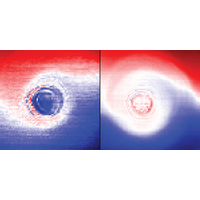
Phys. Rev. Lett. 136, 136301 (2026)
Condensed Matter and Materials
Electrically Driven Plasmon-Polaritonic Bistability in Dirac Electron Tunneling Transistors
Article | Condensed Matter and Materials | 2026-04-02 06:00 EDT
Shuai Zhang, Yang Xu, Junhe Zhang, Dihao Sun, Yinan Dong, Matthew Fu, Takashi Taniguchi, Kenji Watanabe, Cory Dean, Monica Allen, Jeffery Allen, F. Javier García de Abajo, Antti J. Moilanen, Lukas Novotny, and D. N. Basov
An electrically driven nonlinear mechanism based on resonant tunneling, plasmon-polaritonic bistability, unlocks the potential realization of polaritonic on-chip optical memory and switching.
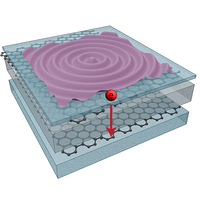
Phys. Rev. Lett. 136, 136904 (2026)
Condensed Matter and Materials
Surface Wakes on Ultrasoft Solids
Article | Polymers, Chemical Physics, Soft Matter, and Biological Physics | 2026-04-02 06:00 EDT
Aditi Chakrabarti, Divya Jaganathan, Robert Haussman, and L. Mahadevan
We explore the dynamical response of the free surface of an ultrasoft solid driven by a localized moving pressure disturbance. Experiments reveal a steady V-shaped wake analogous to a surface Mach wedge. A simple geometric argument provides a qualitative explanation consistent with observations. A t…
Phys. Rev. Lett. 136, 138201 (2026)
Polymers, Chemical Physics, Soft Matter, and Biological Physics
Physical Review X
Harnessing Quantum Backaction for Time-Series Processing
Article | 2026-04-02 06:00 EDT
Giacomo Franceschetto, Marcin Płodzień, Maciej Lewenstein, Antonio Acín, and Pere Mujal
Tuning the strength of indirect measurements in quantum reservoir computing is shown to enhance memory and performance for processing time-series data, providing a way to turn quantum backaction into a resource.

Phys. Rev. X 16, 021002 (2026)
arXiv
On topological frustration and graphene magnonics
New Submission | Mesoscale and Nanoscale Physics (cond-mat.mes-hall) | 2026-04-03 20:00 EDT
The graph-theoretic topological frustration is a peculiar situation on a finite piece of the honeycomb lattice that prevents a full pairwise coupling of the lattice sites via nearest neighbor links, even when the total number of sites is an even number. This type of frustration is inherent for organic molecules that are classified as concealed non-Kekulean hydrocarbons, representing peculiar diradicals. Here we show that this topological frustration persists in 2D systems based on honeycomb lattice. Such systems exhibit fully flat electronic energy bands located at the Fermi level. Therefore, 2D ultimately flat bands can be systematically and predictably constructed for graphene monolayer nanomeshes. These systems are prone to antiferromagnetic ordering and hybrid spin-wave excitations mixing weak ferromagnetic and strong antiferromagnetic features, which could pave the way towards low-power, compact, and ultrafast organic spintronics with near room-temperature operation.
Mesoscale and Nanoscale Physics (cond-mat.mes-hall), Strongly Correlated Electrons (cond-mat.str-el)
16 pages, 3 figures, 1 table
Temperature and integrability-breaking correspondence via adiabatic transformations
New Submission | Statistical Mechanics (cond-mat.stat-mech) | 2026-04-03 20:00 EDT
Hyeongjin Kim, Souvik Bandyopadhyay, Anatoli Polkovnikov
We reveal a correspondence between temperature and integrability-breaking in classical and quantum many-body systems through the lens of geometry and adiabatic transformations. Decreasing the temperature, obtained in a standard way through the derivative of entropy with respect to energy, steers the system towards an integrable point despite strong integrability-breaking interactions. Auto-correlation functions of local observables exhibit slow relaxation dynamics, which violates ergodicity on the approach to this integrable point. Subsequently, the average fidelity susceptibility of stationary states satisfies scaling relations near the integrable point, in close analogy with continuous phase transitions. We further find that the dynamical exponent encompassing relaxation can be different in the quantum and classical models, depending on dimension of the systems. Collectively, our results establish temperature as a tunable control parameter for chaos and puts it on equal footing with integrability-breaking perturbations.
Statistical Mechanics (cond-mat.stat-mech), Chaotic Dynamics (nlin.CD), Quantum Physics (quant-ph)
7+12 pages, 4+10 figures
Dissipative Floquet engineering of gapped many-body phases using thermal baths
New Submission | Quantum Gases (cond-mat.quant-gas) | 2026-04-03 20:00 EDT
Floquet engineering, the control of a quantum system by means of time-periodic driving, allows to modify the properties of the system so that it becomes described by an approximate effective time-independent Hamiltonian. However, in the presence of interactions the stabilization of interesting many-body ground states of such effective Hamiltonians is possible only on a certain time scale, beyond which Floquet heating sets in, as it results from unwanted driving induced resonant excitation. Moreover, already the preparation of such states is challenged by excitations due to imperfect adiabatic dynamics, especially when a phase transition has to be passed. Here, we propose a general dissipative strategy for the preparation and stabilization of effective ground states that are protected by an energy gap. Our approach relies on coupling the driven system to a thermal bath, the properties of which are chosen so that it both suppresses Floquet heating and guides the system into a non-equilibrium steady state with a large occupation of the effective ground-state, but generally non-thermal occupations of excited states of the effective Hamiltonian. We use the Floquet-Born-Markov master equation to verify the proposed strategy for the example of a strongly driven Bose-Hubbard chain with an effective gapped Mott-insulator ground state.
Quantum Gases (cond-mat.quant-gas), Statistical Mechanics (cond-mat.stat-mech), Quantum Physics (quant-ph)
Quantum structure of the chiral vortical effect and boundary-induced vortical pumping
New Submission | Strongly Correlated Electrons (cond-mat.str-el) | 2026-04-03 20:00 EDT
The chiral vortical effect (CVE) – an axial current driven by rotation in chiral matter – appears in systems ranging from relativistic fluids to Weyl semimetals, yet its quantum origin remains unclear because existing derivations are semiclassical. We present an exact quantum solution of a rotating Weyl fermion in a finite cylinder. We show that the bulk vortical response is entirely a magnetization current while the current density on the rotation axis remains finite and matches semiclassical predictions. For spin-polarized boundary conditions, we uncover an additional effect beyond the known CVE: a robust family of chiral modes that transport axial charge, $ \Delta Q=\chi N^2,\Delta\theta/4\pi$ , under rotation by angle $ \Delta\theta$ , where $ \chi$ is the Weyl node chirality and $ N$ is the number of chiral modes. The pump is independent of temperature, Fermi level and Weyl velocities, but depends on the UV-sensitive number $ N$ . These results establish a fully quantum picture of the CVE and reveal a boundary-enforced chiral spectral structure underlying vortical response in Weyl systems.
Strongly Correlated Electrons (cond-mat.str-el), Mesoscale and Nanoscale Physics (cond-mat.mes-hall), High Energy Physics - Theory (hep-th)
15 pages, 3 figures
Enantiopurity-Controlled Magnetism in a Two-Dimensional Organic-Inorganic Material
New Submission | Materials Science (cond-mat.mtrl-sci) | 2026-04-03 20:00 EDT
P. Garrett Hegel, Oscar Gonzalez, Mingrui Li, Shannon S. Fender, Harishankar Jayakumar, Archana Raja, Ariana Ray, Isaac M. Craig, D. Kwabena Bediako
Extended solids that combine unpaired electron spin and structural chirality can host unconventional magnetic behaviors with potential for electronic technologies. A versatile strategy for creating chiral solids is incorporation of chiral organic molecules into inorganic crystals. However, such hybrid organic-inorganic materials have so far been examined through the lens of absolute chirality, leaving enantiomeric excess (ee) underexplored as a tuning parameter. Here, we report two-dimensional (2D) intercalation compounds with controllable ee produced by cation exchange of MnPS$ _3$ with chiral organic molecules. We show that these materials’ magnetism is determined by intercalant ee rather than absolute chirality. Moreover, low-ee materials display thermally activated dynamic magnetism absent from enantiopure analogs. These ee-dependent magnetic behaviors are explained by local ordering of Mn vacancies, directed by correlated vacancy-intercalant electrostatics and confined molecular packing. Together, these results demonstrate a distinctive tuning strategy for molecule-material hybrids and establish design principles for 2D chiral and magnetically dynamic materials.
Materials Science (cond-mat.mtrl-sci)
Revealing Strain and Disorder in Transition-Metal Dichalcogenides Using Hyperspectral Photoluminescence Imaging
New Submission | Materials Science (cond-mat.mtrl-sci) | 2026-04-03 20:00 EDT
Adam Alfrey, Cole Tait, Takashi Taniguchi, Kenji Watanabe, Steven T. Cundiff
Hyperspectral photoluminescence (HSPL) imaging provides spatially resolved spectral information for monolayer transition-metal dichalcogenides (TMDs), enabling the detection of subtle variations in excitonic features that are not accessible with conventional optical or photoluminescence intensity imaging. We employ HSPL to map the microscopic spatial distribution of strain and disorder in hBN-encapsulated MoSe$ _2$ and WSe$ _2$ samples. Quantitative extraction of exciton, trion, and biexciton energies and linewidths reveals strain gradients and localized deformations, such as wrinkles and ripples. The technique allows for characterization of regions with uniform optical properties and identification of areas affected by micro-scale disorder, which may be missed by optical microscopy. Measurements on samples with different device architectures and fabrication processes demonstrate the general utility of hyperspectral PL imaging for assessing spatial heterogeneity and optoelectronic quality in two-dimensional materials.
Materials Science (cond-mat.mtrl-sci), Mesoscale and Nanoscale Physics (cond-mat.mes-hall), Optics (physics.optics)
Osmotically Induced Shape Changes in Membrane Vesicles
New Submission | Soft Condensed Matter (cond-mat.soft) | 2026-04-03 20:00 EDT
Rajiv G Pereira, Biswaroop Mukherjee, Sanjeev Gautam, Mattiangelo D’Agnese, Subhadip Biswas, Rachel Meeker, Buddhapriya Chakrabarti
We develop a self-consistent free-energy framework in which membrane shape and osmotic pressure are determined simultaneously in a finite reservoir by minimizing bending elasticity and solute entropy. Solute conservation makes osmotic pressure a thermodynamic variable rather than an externally prescribed parameter, producing a nonlinear coupling between membrane mechanics and solvent entropy. This coupling modifies the classical stability condition for spherical vesicles: instability emerges from global free-energy competition rather than the linear Helfrich stability criterion. The resulting critical pressures differ by orders of magnitude from Helfrich predictions and agree with simulations for small and large unilamellar vesicles. The framework is relevant to cellular environments involving biomolecular condensate confinement as well as synthetic vesicles and the development of osmotic-pressure-driven encapsulation platforms.
Soft Condensed Matter (cond-mat.soft), Statistical Mechanics (cond-mat.stat-mech), Subcellular Processes (q-bio.SC)
13 pages, 9 figures
Electronic-Structure Correlations Governing Superconductivity in Nb-Based High-Entropy Alloys
New Submission | Superconductivity (cond-mat.supr-con) | 2026-04-03 20:00 EDT
Md Sabbir Hossen Bijoy, Vladislav Korostelev, Deva Prasaad Neelakandan, Harshil Goyal, Steven E. Porterfield, Youming Xu, Shuchen Li, Xi Chen, Mark Adams, Barton C. Prorok, Konstantin Klyukin, Chanho Lee, Fariborz Kargar
Superconducting high-entropy alloys have recently emerged as a new platform for exploring superconductivity in highly disordered metallic systems and may offer advantages for applications requiring mechanical robustness and tolerance to extreme environments. Yet the mechanisms that govern their superconductivity, particularly the roles of lattice distortion and complex local order, both inherent to high-entropy alloys, remain unclear. The conventional valence-electron-concentration rule fails to reliably predict superconducting behavior, motivating a correlation analysis that links performance to electronic structure and lattice disorder. Here, we study a systematic series of niobium-based body-centered-cubic high-entropy alloys, from binary to quinary compositions, designed to investigate the electronic and structural effects and identify the dominant factors controlling superconductivity. Our experimental results reveal that the superconducting critical properties evolve non-monotonically with alloy complexity. Interestingly, alloys with greater lattice distortion can still achieve higher critical temperature and upper critical field. These observations are corroborated by first-principles and Eliashberg analyses, which identify the position of the niobium d-band relative to the Fermi level as the primary driver of electron-phonon coupling, critical temperature, and upper critical field, with lattice distortion serving as a secondary modifier that generally weakens coupling. We consolidate these findings into a detailed correlation map linking superconducting properties to electronic-structure fingerprints and vibrational signatures, establishing a mechanism-informed design strategy for superconducting high-entropy alloys with enhanced critical temperature and field.
Superconductivity (cond-mat.supr-con), Materials Science (cond-mat.mtrl-sci)
5 figures
The topological gap at criticality: scaling exponent d + η, universality, and scope
New Submission | Statistical Mechanics (cond-mat.stat-mech) | 2026-04-03 20:00 EDT
The topological gap $ \Delta = TP_{H_1}^{real} - TP_{H_1}^{shuf}$ – the excess $ H_1$ total persistence of the majority-spin alpha complex over a density-matched null – encodes critical correlations in spin models. We establish finite-size scaling: $ \Delta(L,T) = A L^{d+\eta} G_-(L|t/T_c|)$ , with $ G_-(x) \sim (1+x/x_0)^{-(1+\beta/\nu)}$ . For 2D Ising, $ \alpha = 2.249 \pm 0.038$ , matching $ d+\eta = 9/4$ to $ 0.03\sigma$ ; the $ G_-$ exponent $ \gamma = 1.089 \pm 0.077$ is consistent with $ 1+\beta/\nu = 9/8$ ($ \Delta R^2 < 10^{-5}$ ). For 2D Potts $ q=3$ with $ L$ up to 1024, $ \alpha = 2.272 \pm 0.024$ ($ 0.2\sigma$ from $ d+\eta = 2.267$ ), with two-term corrections to scaling ($ R^2 = 0.9999$ ). The $ G_-$ exponent $ \gamma = 1.114$ (68% CI $ [1.053, 1.173]$ ) matches $ 1+\beta/\nu = 17/15$ . Scope boundaries: the law fails for 2D Potts $ q=4$ ($ \alpha = 2.347 \pm 0.017$ , $ 9.3\sigma$ from $ d+\eta = 5/2$ ) where logarithmic corrections prevent convergence, and for raw 3D Ising ($ 4\sigma$ from $ d+\eta$ ), but density normalization $ \Delta/|M|^{1/2}$ recovers $ \alpha = 3.06 \pm 0.04$ ($ 0.6\sigma$ ). The framework fails for first-order, BKT, and percolation. The criterion: $ \alpha = d+\eta$ holds when corrections to scaling are algebraic ($ \omega > 0$ ) but fails when logarithmic ($ \omega \to 0$ ).
Statistical Mechanics (cond-mat.stat-mech), Machine Learning (cs.LG)
7 pages, 4 figures, 4 tables
Variational Iterative Rotation Algorithm: Combinatorial Optimization with Classical Kicked Tops
New Submission | Disordered Systems and Neural Networks (cond-mat.dis-nn) | 2026-04-03 20:00 EDT
Flaviano Morone, Andrew D. Kent, Dries Sels
We investigate a classical formulation of the Quantum Approximate Optimization Algorithm (QAOA), realized as a Hamiltonian dynamical system of classical kicked tops, which we call the Variational Iterative Rotation Algorithm (VIRAL). The variational parameters are the transverse and longitudinal rotation angles at each of the p layers of the circuit. We find that VIRAL outperforms QAOA on the canonical Sherrington-Kirkpatrick spin-glass benchmark at all circuit depths, with the energy density converging to the ground state value linearly in 1/p. For large circuit depths, the optimized dynamics follows a Floquet protocol in which a pitchfork bifurcation destabilizes the equatorial fixed point and drives the spins toward polar Ising configurations. Our results demonstrate that the effectiveness of QAOA-like protocols derives primarily from their underlying iterative rotation structure, and that a classical implementation of it outperforms its quantum counterpart. We further elucidate its efficiency by reducing the many-body classical evolution to an effective Landau-Lifshitz dynamics for a single spin in a stochastic magnetic field. In this picture, the covariance matrix of the effective field reveals a nearly rank-one structure in which a single mode dominates the stochastic dynamics. In contrast, quantum fluctuations make the noise covariance of the effective quantum model of higher rank, hampering the control of the system. We propose nanometer-scale magnetic tunnel junctions as a natural physical platform for implementing VIRAL, where spin rotations can be realized using magnetic fields and spin torques.
Disordered Systems and Neural Networks (cond-mat.dis-nn)
23 pages, 5 figures
Insulator-to-Metal Transitions Driven by Quantized Formal Polarization Mismatch
New Submission | Materials Science (cond-mat.mtrl-sci) | 2026-04-03 20:00 EDT
We propose a mechanism for insulator-to-metal (IM) transitions driven by the mismatch of quantized formal polarization (QFP), a symmetry-protected bulk invariant. For a material with a low-symmetry insulating phase and a high-symmetry phase that allow distinct QFPs, any continuous path connecting them while preserving the symmetry of the low-symmetry phase must inevitably pass through an IM transition. The reason is that QFP remains invariant along any gapped symmetry-preserving evolution, whereas the high-symmetry phase requires a different QFP, which can only be accommodated by gap closing. First-principles calculations on two representative systems, two-dimensional InPS$ _3$ and three-dimensional CdBiO$ _3$ , confirm this mechanism. Our results establish QFP mismatch as a general symmetry constraint on phase evolution and reveal a new route to symmetry-driven IM transitions in high-symmetry materials.
Materials Science (cond-mat.mtrl-sci)
Precipitate-Induced Dynamic Strain Aging and Its Effect on the Strain Rate Sensitivity of Precipitation Hardened Aluminum Alloys
New Submission | Materials Science (cond-mat.mtrl-sci) | 2026-04-03 20:00 EDT
We examine precipitate-induced dynamic strain aging in precipitation-hardened Al-Cu alloys by combining atomistic simulations, kinetic Monte Carlo, and analytical rate theory. Atomistic simulations were used to characterize (1) the energetics of nearest neighbour Cu<->Al exchanges at dislocation - precipitate junctions and (2) the subsequent change in obstacle strength. For robustness, the simulations were performed with two distinct interatomic potentials. The resulting catalog of local Cu-Al exchange events was used as input for a kinetic Monte Carlo model of the time-dependent evolution of obstacle strength during dislocation pinning at the precipitate. The predicted strengthening kinetics were then embedded in an analytical dynamic strain aging model to predict the strain-rate sensitivity parameter. On the whole, the modeling predicts a low strain-rate sensitivity across a broad range of intermediate quasi-static strain rates, consistent with experimental observations for precipitate-strengthened alloys. The results therefore identify a mechanistic origin of the low strain-rate sensitivity in precipitation hardened aluminum alloys, emerging directly from the kinetics of dislocation-precipitate interactions when nearest neighbour Cu<->Al exchanges are considered.
Materials Science (cond-mat.mtrl-sci), Computational Physics (physics.comp-ph)
Anomalous scaling in redirection networks
New Submission | Statistical Mechanics (cond-mat.stat-mech) | 2026-04-03 20:00 EDT
Harrison Hartle, P. L. Krapivsky, S. Redner, Yuanzhao Zhang
In networks that grow by isotropic redirection (IR), a new node selects an initial target node uniformly at random and attaches to a randomly chosen neighbor of the target. The emerging networks exhibit leaf proliferation, in which the number of nonleaves scales sublinearly as $ N^\mu$ and the degree distribution has an algebraic tail with exponent $ 1+\mu$ . To understand these mysterious properties, we introduce a class of models with redirection to leaves whenever possible. The resulting networks exhibit qualitatively similar phenomenology to IR networks, but avoid the inherent non-locality of the IR growth rule. These networks admit an analytical description of the leaf degree distribution, from which we extract the exponent $ \mu$ .
Statistical Mechanics (cond-mat.stat-mech), Social and Information Networks (cs.SI), Probability (math.PR), Physics and Society (physics.soc-ph)
13 pages, 11 figures
The Mpemba effect likes to hit a wall
New Submission | Statistical Mechanics (cond-mat.stat-mech) | 2026-04-03 20:00 EDT
Yue Liu, Tan Van Vu, Raphaël Chétrite, Frédéric van Wijland, Hisao Hayakawa
The historical Mpemba effect involves a first-order phase transition. This has prompted the experimental realization of microscopic proxies in the form of a colloidal particle trapped in an asymmetric double well, for which the Mpemba effect has indeed been observed. We establish that the existence of the one-dimensional Mpemba effect for a polynomial potential is driven solely by the presence of a hard enough boundary, irrespective of the potential’s double-well shape. We then show that the physics of the underlying Mpemba effect is governed not only by single-well physics but also by the high-temperature initial regime.
Statistical Mechanics (cond-mat.stat-mech)
Time-evolving matrix product operators for off-diagonal system-bath coupling
New Submission | Mesoscale and Nanoscale Physics (cond-mat.mes-hall) | 2026-04-03 20:00 EDT
Chu Guo, Wei Wu, Xiansong Xu, Tian Jiang, Ping-Xing Chen, Ruofan Chen
Based on the process tensor framework, we extend the time-evolving matrix product operator (TEMPO) method to solve bosonic quantum impurity problems (QIPs) with off-diagonal system-bath coupling. Our method is a most generic extension of TEMPO, which applies for any QIPs as long as the bath is noninteracting and the system is linearly coupled to the bath. It naturally contains all the current developments of TEMPO in more restricted settings. As an application, we study the real-time dynamics of a spin that is coupled to a sub-ohmic bath via the Jaynes-Cummings-type system-bath coupling, and compare it against that of the standard spin-boson model. Our results show that the commonly used secular approximation could easily fail in presence of a structural bath. Our method provides a unified framework to understand different variants of TEMPO and directly suggests a fermionic generalization which has not been explored so far, it could also be straightforwardly used as an impurity solver in the bosonic dynamical mean field theory.
Mesoscale and Nanoscale Physics (cond-mat.mes-hall)
15 pages, 9 figures
Magnetoelectric Coupling in Nickel-Cobalt Ferrite and Lanthanum Ferrite Heterostructure Composites: Experimental Evidence and Simulation-Driven Insights
New Submission | Materials Science (cond-mat.mtrl-sci) | 2026-04-03 20:00 EDT
A material that reveals two or more ferroelectric properties at the same time is called multiferroic materials. The most commonly multiferroic materials shows ferroelectricity and ferromagnetism property within a single phase. Accordingly such materials can possess both spontaneous magnetization and electric polarization and which can be individually controlled through external electric or magnetic fields. The unique coexistence of ferroelectric properties opens up possibilities for innovative applications, including memory devices, sensors, and actuators that are responsive to both electrical and magneticstimuli. Multiferroics gives a valuable foundation for generating cutting edge multifunctional devices, exhibiting their versatility across broad area technological fields. Applications include sensors, transducers, spintronics, terahertz emitters, miniature antennas, energy harvesting, multiple state memory storage, electric field controlled ferromagnetic resonance devices, and nanoscale electronics. Researchers are continually work to discovering new materials exploring the fundamental mechanisms involved, and optimizing their performance for various application. Multiferroic materials has a promising area for innovation and exploration the field of advance technologies this type of materials contributing not only to device development but also enhancing the understanding of the interactions between ferroelectric and magnetic orders. Additionally, magnetoelectric composites is a type of multifunctional material showing strong coupling between magnetic and electric properties for further technological applications. Magnetoelectric (ME) composites are synthesis by combining separate magnetic and electric materials to produce unique functionalities through their interactions. This coupling enables the control of magnetic properties by an electric field and vice versa.
Materials Science (cond-mat.mtrl-sci)
Abrupt crystallization from shock-compressed CaSiO3 glass
New Submission | Materials Science (cond-mat.mtrl-sci) | 2026-04-03 20:00 EDT
A. Amouretti, K. Nonaka, X. Liu, Y. Hironaka, H. Huang, R. Kodama, K. Lawler, K. Miyanishi, H. Nakamura, C. Schwartz, Y. Seto, K. Sueda, Y. Wu, M. Yabashi, T. Yabuuchi, N. Ozaki
We have performed in situ time-resolved X-ray diffraction at ~100 GPa on laser-shocked CaSiO3 glass to investigate the glass-to-crystal transition. At this extreme pressure, we observe the ultrafast crystallization of the CaSiO3 perovskite structure from the compressed amorphous phase, with a typical nucleation time of 1.69 +/- 0.10 ns and a final grainsize of ~20 nm. The grain size temporal evolution suggest a diffusion controlled transformation. Moreover, the observed concomitant explosive grain growth together with the release wave arrival into shocked CaSiO3 also suggests a role of the release in the nucleation process.
Materials Science (cond-mat.mtrl-sci)
Symmetry-Informed Term Filtering for Continuum Equation Discovery
New Submission | Statistical Mechanics (cond-mat.stat-mech) | 2026-04-03 20:00 EDT
Junya Yokokura, Kazumasa A. Takeuchi
Discovering governing equations, whether manually or by data-driven methods, has been central in physics and related areas. Since governing equations are typically constrained by a set of symmetries, using symmetry constraints to restrict terms is usually the first step in manually formulating a governing equation, but it often becomes intractable for complex systems with high-order derivatives or multiple fields. When a data-driven method is used, on the other hand, imposing physical constraints such as symmetries typically requires manual preprocessing or computationally expensive iterative procedures. Here, we propose an algebraic filtering method that enumerates all symmetry-allowed terms for continuum equations within a finite candidate space. By treating symmetry generators as linear operators on the candidate space, we reduce the problem of enforcing both discrete and continuous symmetries to solving a set of linear kernel equations. The solution yields a provably complete list of permitted terms. We demonstrate the method’s effectiveness by identifying invariant terms for systems with dihedral symmetry and recovering the governing equations for the Toner–Tu and Kardar–Parisi–Zhang systems, including higher-order terms useful for extending known models. The method provides a systematic way to obtain a symmetry-allowed search space for data-driven equation discovery, e.g., the sparse identification of nonlinear dynamics method.
Statistical Mechanics (cond-mat.stat-mech), Computational Physics (physics.comp-ph), Data Analysis, Statistics and Probability (physics.data-an)
7 + 4 pages, 1 figure, 3 tables
Chiral Superconductivity in Periodically Driven Altermagnet/Superconductor Heterostructures
New Submission | Superconductivity (cond-mat.supr-con) | 2026-04-03 20:00 EDT
Xiaolin Wan, Zheng Qin, Fangyang Zhan, Junjie Zeng, Dong-Hui Xu, Rui Wang
The interplay between magnetism and superconductivity provides a fertile ground for engineering exotic topological phases, while dynamical control via periodic driving offers a unique avenue to access quantum states that are inaccessible in static equilibrium. Here, we propose a strategy to achieve the Floquet chiral topological superconductivity in an altermagnet-superconductor heterostructure driven by elliptically polarized light. We show that for $ s$ -wave pairing, the system undergoes a transition from a trivial to a chiral topological superconducting phase. More strikingly, with the introduction of mixed $ s+d$ -wave pairing, we find that the system can access Floquet chiral topological superconducting phases with highly tunable Chern numbers up to N=4. These exotic phases are attributed to the intertwining of altermagnetism, superconducting pairing, and the periodic driving field. Our work establishes the light-driven altermagnetic heterostructure as a versatile platform for exploring and manipulating high-Chern-number chiral topological superconductivity.
Superconductivity (cond-mat.supr-con)
7 pages, 4 figures
Machine Learning Interatomic Potentials for Million-Atom Simulations of Multicomponent Alloys
New Submission | Materials Science (cond-mat.mtrl-sci) | 2026-04-03 20:00 EDT
Fei Shuang, Penghua Ying, Kai Liu, Zixiong Wei, Fengxian Liu, Zheyong Fan, Minqiang Jiang, Poulumi Dey
Machine learning interatomic potentials (MLIPs) with broad chemical flexibility are important for atomistic simulations of compositionally complex materials such as high-entropy alloys. Here, we study two state-of-the-art MLIP frameworks, the neuroevolution potential (NEP) and the graph atomic cluster expansion (GRACE), for 16 elemental metals and multicomponent alloys. GRACE potential with Finnis-Sinclair type shows substantially higher training efficiency and consistently, though only slightly, better accuracy for mechanical properties, thermal stability, and chemical extrapolation. In contrast, NEP achieves an approximately 60-fold higher inference speed, making it attractive for million-atom molecular dynamics simulations. We further examine uncertainty quantification strategies and find that ensemble-based uncertainty correlates robustly with model error, whereas D-optimality is less reliable for the systems considered here. Large-scale nonequilibrium molecular dynamics simulations of shock propagation further show that NEP, combined with ensemble-based uncertainty quantification, enables efficient and reliable simulations under extreme dynamic conditions.
Materials Science (cond-mat.mtrl-sci)
Isolated extended states and anomalous critical behavior in the generalized SSH model
New Submission | Disordered Systems and Neural Networks (cond-mat.dis-nn) | 2026-04-03 20:00 EDT
We investigate the localization properties of a generalized SSH model. Numerical and analytical results indicate the emergence of extended states protected by unbounded hopping in this model. Moreover, this protection effect is disrupted by the appearance of generalized incommensurate zeros, causing the extended phase in the system to transition into a multifractal phase. However, at the boundaries of the phase region, we still observe the existence of extended states. These extended states coincide with multifractality-enriched mobility edges, separating the multifractal phase from the localized phase. Further analysis reveals that this extended states originates from the band edge states of SSH model. In addition, these isolated extended states also influence eigenstates with nearby energies, giving rise to an anomalous extended-to-multifractal critical transition. These findings not only enrich the behavioral repertoire of eigenstates at critical points, but also offer new insights for further understanding Anderson localization and the induction of multifractal phases.
Disordered Systems and Neural Networks (cond-mat.dis-nn)
8 pages, 4 figures
Quantum-Information Measure of Electron Localization
New Submission | Materials Science (cond-mat.mtrl-sci) | 2026-04-03 20:00 EDT
Stefano Pittalis, Filippo Troiani, Celestino Angeli, Irene D’Amico, Tim Gould
Understanding electron localization in molecules and materials plays a central role in electronic structure theory, and will increase in importance with the rise of data driven approaches. The electron localization function (ELF) is widely used to visualize electron organization in molecules and materials, and it remains a central ingredient in modern density functional approximations. Yet its formulation retains highly empirical elements. Here we introduce a fully non empirical measure of electron localization derived from the concurrence of a correlated two spin mixed state. This construction yields a genuine two point localization indicator grounded in quantum information theory, removing the ad hoc steps underlying the ELF. We show that atomic shells, covalent and ionic bonds, lone pairs, molecular dissociation, and charge transfer processes are captured. The method is straightforward to evaluate numerically.
Materials Science (cond-mat.mtrl-sci), Strongly Correlated Electrons (cond-mat.str-el)
Bond-density-wave orders induced by geometric frustration in the kagome metal CeRu3Si2
New Submission | Strongly Correlated Electrons (cond-mat.str-el) | 2026-04-03 20:00 EDT
Ryo Misawa, Shunsuke Kitou, Rinsuke Yamada, Xiaolong Feng, Ryota Nakano, Priya Ranjan Baral, Yuiga Nakamura, Leslie M. Schoop, Yukitoshi Motome, Taka-hisa Arima, Xiuzhen Yu, Max Hirschberger
Geometric frustration gives rise to vast manifolds of degenerate ground states and competing orders in spin and charge systems. Typically, classical ground states are governed by a local ``zero-sum constraint” that relieves frustrated antiferromagnetic interactions or Coulomb repulsion. To date, the paradigm of geometric frustration has yielded a rich landscape of emergent phases, from spin ices and quantum spin liquids to charge glasses. However, an analogous phase rooted in chemical bonding has yet to be firmly demonstrated. Here we report the discovery of bond-density-wave orders induced by geometric frustration in the kagome metal CeRu$ _3$ Si$ _2$ above room temperature. Through synchrotron X-ray diffraction, real-space transmission electron microscopy, and model calculations, we observe two distinct long-period superlattices with harmonic and anharmonic structural modulations. Crucially, interlayer bonds between kagome planes modulate in a sublattice-selective manner to fulfill the zero-sum constraint on the kagome lattice. We demonstrate the potential of kagome metals to host complex bond-ordered states constrained by geometric frustration and establish chemical bonding as a distinct pathway to frustration physics in quantum materials even above room temperature.
Strongly Correlated Electrons (cond-mat.str-el)
Electrochemical doping in H-terminated diamond films: Impact of O-functionalization and insights from in-situ Raman spectro electrochemistry
New Submission | Materials Science (cond-mat.mtrl-sci) | 2026-04-03 20:00 EDT
N. Mohasin Sulthana, P.K. Ajikumar, K. Ganesan
The p-type surface conductivity of H-terminated diamond (HD, H-diamond) has created new path ways for developing diamond based electronic devices as well as chemical and bio-sensors. However, the hydrophobic nature of the HD surface can negatively impact device performance due to its low wettability. Herein, we report the study on polymer electrolyte-gated field effect transistors (EGFETs) fabricated using pristine and partially O-terminated HD films. The HD surface is transformed from hydrophobic to moderate hydrophilic by partial O-termination. Also, the sheet resistance of the HD surface increases from 7.6 to 18.7 k-Ohms per sq. while the sheet hole density decreases from 10.5 to 4.8 x 10^12 cm^-2 upon partial O-termination. Consequently, the ON - OFF ratio of the EGFET devices decreases from ~ 40 to 14 and the maximum transconductance declines from of -150 to -7.9 micro-seimens per V, but the areal capacitance increases from ~ 7.8 to 27.1 microFarad per cm^2 with partial ozonation on HD surface. In addition the in situ Raman measurements in HD EGFET provide direct experimental evidence of a gating-induced blue shift and linewidth broadening of the diamond Raman band which are associated with strong electron phonon coupling. This work highlights the significant impact of the partial O-termination on the performance of the HD EGFET devices and effect of electrochemical gating on the phonon behaviour of the H-diamond.
Materials Science (cond-mat.mtrl-sci), Applied Physics (physics.app-ph)
20 pages, 7 figures, journal
Dia. Relat. Mater. 164, 113518 (2026)
Sign-Free Evidence for a d-Wave Superfluid Stiffness Dome in the Doped Hubbard Model
New Submission | Strongly Correlated Electrons (cond-mat.str-el) | 2026-04-03 20:00 EDT
We construct an effective single-particle Hamiltonian $ K_{\mathrm{eff}}$ from Monte Carlo–averaged matrix logarithms of the imaginary-time propagator in determinant quantum Monte Carlo (DQMC). The logarithm maps the multiplicative sign problem into an additive framework where the central limit theorem guarantees convergence, rendering $ K_{\mathrm{eff}}$ sign-problem-free: both sign sectors yield identical dispersions to $ <1%$ . $ K_{\mathrm{eff}}$ captures the exact correlated single-particle spectrum, incorporating all self-energy effects non-perturbatively. Applied to the Hubbard model ($ t’/t = -0.30$ , $ U/t = 4$ ), $ K_{\mathrm{eff}}$ reveals a $ d$ -wave pseudogap with strong nodal-antinodal dichotomy below a computational phase transition at $ T^\ast$ . Three sign-free observables provide evidence consistent with spin-fluctuation pairing: (i) the gap ratio $ R_g > 1$ confirms $ d$ -wave symmetry – a temperature-independent property of the correlated band structure that provides the medium for pairing; (ii) the superfluid stiffness $ \rho_s$ forms a dome across doping at $ L = 8$ , $ 10$ , and $ 12$ , exceeding the Berezinskii-Kosterlitz-Thouless threshold by $ 5$ -$ 7\times$ at the dome peak; (iii) $ S(\pi,\pi)$ is approximately flat across doping, establishing that the dome originates from Fermi-surface geometry responding to uniform spin-fluctuation glue. The pseudogap grows monotonically toward half-filling while $ \rho_s$ forms a dome, mirroring cuprate phenomenology where $ T_c$ is limited by the superfluid density (Uemura relation). Vertex corrections remain to be quantified.
Strongly Correlated Electrons (cond-mat.str-el)
Coupled dynamical Boltzmann transport equations with long-range electron-phonon and electron-electron interactions in 2D materials
New Submission | Mesoscale and Nanoscale Physics (cond-mat.mes-hall) | 2026-04-03 20:00 EDT
Francesco Macheda, Thibault Sohier
We study the interplay between long-range electron-phonon and electron-electron interactions in electrostatically doped two-dimensional semiconductors, including interlayer couplings in van der Waals heterostructures. We evaluate the effects of those interactions on transport properties by writing dynamically coupled Boltzmann equations for the electrons and for the electrodynamically active excitations. We develop a theory with a general validity, and apply it both to simplified parabolic models, and to the realistic BN-encapsulated graphene system which we present in an accompanying paper [arXiv:2604.00678]. We show that dynamical screening effects are of fundamental importance in order to correctly describe the electronic transport properties of two-dimensional materials, and in particular the scattering from polar phonons, whether those come from the semiconductor itself or the surrounding layers.
Mesoscale and Nanoscale Physics (cond-mat.mes-hall)
27 pages, 14 figures
Sound propagation in striped supersolid cold gases at zero temperature
New Submission | Quantum Gases (cond-mat.quant-gas) | 2026-04-03 20:00 EDT
Elena Poli, Giovanni I. Martone, Sandro Stringari, Alessio Recati
We present a unified hydrodynamic approach for the sound propagation in the stripe phases realized in ultracold dipolar gas and spin-orbit-coupled BEC platforms at zero temperature. Despite the deep difference of the two platforms at a microscopic level, a similar hydrodynamic description can be formulated at a macroscopic level. The main difference between the two platforms is the lack of Galilean invariance in the spin-orbit case, resulting in a different identification of the normal (nonsuperfluid) component of the density, which leads to new terms in the equation for the current. In both cases the spectrum comprises two sounds, reflecting the spontaneous breaking of the U(1) and translational symmetries. Both sounds exhibit an anisotropic behavior. A comparison with the first and second sounds of the smectic-A liquid crystal is also presented.
Quantum Gases (cond-mat.quant-gas)
9 pages, 3 figures
Understanding ultrafast x-ray ‘echoes’ diffracted from single crystals
New Submission | Materials Science (cond-mat.mtrl-sci) | 2026-04-03 20:00 EDT
Angel Rodriguez-Fernandez, Dmitry Karpov, Steven Leake, Dina Carbone, Ana Diaz
Multiple x-ray beams generated by interference processes in perfect crystals were imaged with a resolution of about 100nm using tele-ptychography in the diffraction direction. These multiple wave-fields, also known as x-ray diffraction echoes, are related to the process known as the Pendelloesung effect and are described by dynamical diffraction theory. The echoes are produced by the constructive interference of diffracted x-rays at the exit surface of the crystal sample. In the imaged diffraction peak, we observed 10 echoes maxima with a total signal length of 78 um. Which translates into a total temporal delay in the signal of less than 108 this http URL makes the echoes of high importance for x-ray optics at x-ray Free Electron Laser sources, as the effect could be used for future ultrafast x-ray beam splitters. In addition to this application, echoes can be exploited to follow ultrafast processes in single crystal micro-structures such as melting or strain propagation.
Materials Science (cond-mat.mtrl-sci), Optics (physics.optics)
Invariant measures of exclusion processes with a look-ahead rule
New Submission | Statistical Mechanics (cond-mat.stat-mech) | 2026-04-03 20:00 EDT
Lam Thi Nhung, Ngo Phuoc Nguyen Ngoc, Huynh Anh Thi
We study a one-dimensional exclusion process with a fixed jump length $ I \ge 1$ in which a particle may advance or retreat $ I$ sites provided all intermediate sites are vacant, with hopping rates of Arrhenius type depending on the local headway. We identify the class of rates admitting an explicit Ising-Gibbs invariant measure, with stationarity governed by pairwise balance rather than detailed balance. In the thermodynamic limit, we derive a closed-form stationary current that recovers the mean-field prediction for look-ahead traffic flow models exactly when particles are uncorrelated, and quantifies the correlation-induced correction for non-trivial interactions, illustrated with two explicit families of interaction potentials.
Statistical Mechanics (cond-mat.stat-mech)
Bond-Length-Driven Magnetic Transition in Quasi-One-Dimensional CrSb$X_3$ ($X$=S, Se)
New Submission | Strongly Correlated Electrons (cond-mat.str-el) | 2026-04-03 20:00 EDT
Kang Lee, Hong-Suk Choi, K.-W. Lee
Using {\it ab initio} calculations, we investigate the magnetic ground states of quasi-one-dimensional insulating CrSb$ X_3$ ($ X$ = S, Se) with infinite double-rutile chains. Within conventional band theory, without explicit Coulomb correlations ($ U$ ), we obtain band gaps in close agreement with experiment. Remarkably, we find that the magnetic order is highly sensitive to the Cr-Cr bond length $ d_{\rm Cr-Cr}$ : increasing the bond length induces a transition from antiferromagnetic to ferromagnetic order at a critical distance $ d^c_{\rm Cr-Cr} \approx 3.53 (\pm 0.05)$ Å. Accordingly, CrSbS$ _3$ lies near the transition boundary, whereas CrSbSe$ _3$ is robustly ferromagnetic, in good agreement with experiment. Analysis of the exchange interactions reveals that the first-order phase transition is dominated by a sign reversal of the intrachain nearest-neighbor superexchange $ J_1$ mediated by chalcogen ions, while the intrachain direct exchange $ J_2$ remains ferromagnetic and changes only gradually. This behavior reflects an emergent Bethe-Slater-like behavior driven by competing exchange pathways in a quasi-1D transition-metal system, where the competition between $ J_1$ and $ J_2$ dictates the magnetic ground state. Besides, the electronic structures of the ground states of each compound are investigated.
Strongly Correlated Electrons (cond-mat.str-el), Materials Science (cond-mat.mtrl-sci)
12 pages
Beyond dynamic scaling: rare events break universality
New Submission | Statistical Mechanics (cond-mat.stat-mech) | 2026-04-03 20:00 EDT
Ulysse Marquis, Riccardo Gallotti, Marc Barthelemy
Surface growth driven by non-monomeric deposition has remained largely unexplored. We investigate a model based on the deposition of blobs with a power-law size distribution $ P(s)\sim s^{-\tau}$ . We find that the critical exponents vary continuously with $ \tau$ , recovering Kardar–Parisi–Zhang behavior only for $ \tau \ge 3$ . For $ \tau<3$ , roughness scaling exhibits strong corrections and scale invariance breaks down. We show that this behavior originates from the emergence of a second dynamical length scale $ \zeta$ , corresponding to the linear size of the largest cluster, in addition to the usual correlation length $ \xi$ . The coexistence of these two relevant scales signals the breakdown of the usual Family–Vicsek scaling. These results point to a new phenomenology of surface growth beyond the standard scale-invariant paradigm.
Statistical Mechanics (cond-mat.stat-mech), Disordered Systems and Neural Networks (cond-mat.dis-nn)
Submitted; 8 pages and 10 figures (main text and Appendix)
Quasi-1D Planar Magnetic Topological Heterostructure
New Submission | Mesoscale and Nanoscale Physics (cond-mat.mes-hall) | 2026-04-03 20:00 EDT
We theoretically introduce a quasi-1D magnetic heterostructure of alternating 2D topological and normal insulator strips. Its low-energy physics is governed by a hybrid Hamiltonian intertwining the Su-Schrieffer-Heeger and Shockley models, with spin-momentum locking and local Zeeman splitting. Symmetry analysis places it in class AIII, characterized by chiral symmetry and a $ \mathbb{Z}$ topological invariant. Computing the winding number from the block-off-diagonal structure of the Hamiltonian reveals topological phases characterized by invariants $ \nu = 0$ , $ 1$ , and $ 2$ . Furthermore, a single magnetic defect acts as a sensitive local probe, whose in-gap spectrum provides a spectroscopic fingerprint to distinguish topological phases. Extending the platform to a multilayer geometry uncovers a nonsymmorphic projective symmetry that gives rise to Möbius band topology, with the Brillouin zone compactifying into a Klein bottle. Our work establishes a platform for higher-order topology via heterostructure design and magnetic patterning.
Mesoscale and Nanoscale Physics (cond-mat.mes-hall), Strongly Correlated Electrons (cond-mat.str-el)
Elastic softening and fracture in randomly perforated solids
New Submission | Materials Science (cond-mat.mtrl-sci) | 2026-04-03 20:00 EDT
Tero Mäkinen, Alessandro Taloni, Giulio Costantini, Davide Della Torre, Riccardo Donnini, Stefano Zapperi
We study the mechanical response of quasi-brittle polymethyl methacrylate (PMMA) specimens containing controlled random distributions of laser-cut holes. Tensile tests combined with digital image correlation reveal a nearly linear decrease of the Young’s modulus with porosity, but with a softening rate far exceeding classical effective medium theory and the Hashin-Shtrikman bound. The extrapolated critical porosity at which the modulus vanishes is well below the 2D percolation threshold, indicating that ideal cylindrical void models fail to capture the observed behavior. Microscopy shows irregular pore geometries and frequent coalescence, which effectively act as crack-like defects and strongly enhance compliance. The rupture stress distributions are well described by a Weibull model accounting for both load-bearing area reduction and stress concentration at hole edges. Digital image correlation reveals heterogeneous but non-localized deformation, with strain increasingly correlated with the hole pattern, indicating a growing influence of defect-induced stress concentrations. These results highlight the dominant role of defect morphology in governing stiffness degradation and fracture statistics in porous quasi-brittle materials.
Materials Science (cond-mat.mtrl-sci)
11 pages, 7 figures
Switching between Antiferromagnetic and Ferromagnetic Skyrmions in Two-Dimensional Magnets
New Submission | Materials Science (cond-mat.mtrl-sci) | 2026-04-03 20:00 EDT
Xinyang Jiang, Jian Wu, Weiyi Pan
Antiferromagnetic (AFM) and ferromagnetic (FM) skyrmions possess unique advantages for spintronic applications. AFM skyrmions eliminate the skyrmion Hall effect and exhibit fast dynamics, whereas FM skyrmions are easier to nucleate and manipulate. However, realizing a transition between AFM and FM skyrmions within the same two-dimensional (2D) material has remained elusive. Here, using first-principles calculations and atomistic spin simulations on the Janus monolayer Cr2Ge2Te3S3, we demonstrate that strain-driven modulation of magnetic interactions enables switching between AFM and FM skyrmion phases. A compressive strain of $ -3%$ induces an AFM ground state hosting AFM skyrmions, while a tensile strain of $ +2%$ drives the system into a FM skyrmion phase. Moreover, under an out-of-plane magnetic field, FM skyrmions are rapidly transformed into a uniform FM phase, while AFM skyrmions transform into AFM bimerons under stronger fields. These findings establish a framework for controllable transitions between topological magnetic states in a single 2D material.
Materials Science (cond-mat.mtrl-sci)
Atomistic theory of the phonon angular momentum Hall effect
New Submission | Materials Science (cond-mat.mtrl-sci) | 2026-04-03 20:00 EDT
Daniel A. Bustamante Lopez, Verena Brehm, Dominik M. Juraschek
The spin and orbital Hall effects convert longitudinal charge currents into transverse flows of electronic angular momentum. Here we develop an atomistic theory of the recently proposed lattice-vibrational analogue, in which a longitudinal heat current driven by a thermal gradient is converted into a transverse current of phonon angular momentum. We derive a microscopic real-space expression for this current and show that it originates from thermally induced mixing of polarized vibrational motion, leading to a characteristic edge accumulation of phonon angular momentum. We demonstrate the effect in minimal square- and honeycomb-lattice models and compute the resulting phonon angular momentum accumulations for a range of example materials using input from first-principles calculations. Our results confirm that the phonon angular momentum Hall effect is a universal response of crystalline solids and our framework is generically applicable to all materials.
Materials Science (cond-mat.mtrl-sci)
Dissecting superconductivity in the Ruddlesden-Popper nickelates: The role of electron correlation and interlayer magnetic exchange
New Submission | Superconductivity (cond-mat.supr-con) | 2026-04-03 20:00 EDT
Xiaoyang Chen, Zezhong Li, Mei Xie, Deyuan Hu, Yiu-Fung Chiu, Stefano Agrestini, Wenliang Zhang, Yi Lu, Meng Wang, Mirian Garcia-Fernandez, Donglai Feng, Ke-Jin Zhou
The discovery of superconductivity in the Ruddlesden-Popper (RP) nickelates has opened a new chapter in the search for high superconducting transition temperatures ($ T_\mathrm{c}$ ) materials. A central and puzzling feature of this family is the wide variation in $ T_\mathrm{c}$ despite their common NiO$ 2$ building blocks, as highlighted by the recent observation of superconductivity at $ \sim$ 30 K in trilayer $ \mathrm{La_4Ni_3O{10}}$ , significantly lower than 80 K reported in bilayer $ \mathrm{La_3Ni_2O_7}$ . Understanding the factors that control $ T_\mathrm{c}$ in this family is therefore of paramount importance. Here, we use resonant inelastic x-ray scattering (RIXS) to investigate the electronic and magnetic excitations of $ \mathrm{La_4Ni_3O_{10}}$ in direct comparison with its bilayer counterpart. Our results reveal a markedly different landscape. $ \mathrm{La_4Ni_3O_{10}}$ exhibits a more itinerant character, evidenced by broader Ni $ dd$ orbital excitations and a strong Ni 3$ d$ fluorescence continuum, suggesting weaker electronic correlations than in the bilayer. Despite this, well-defined collective spin excitations persist, including dispersive acoustic and optical magnon branches alongside an incommensurate spin density wave. Using linear spin wave theory, we extract the interlayer superexchange interaction ($ J_z$ ) to be $ \sim$ 22 meV, much smaller than that in $ \mathrm{La_3Ni_2O_7}$ . The weaker correlation and reduced interlayer exchange together provide a consistent explanation for the substantially lower $ T_\mathrm{c}$ in the trilayer compound. Our findings establish interlayer magnetic coupling and electronic correlation as key parameters governing superconductivity in layered nickelates and offer critical constraints for understanding the pairing mechanism in this emerging family.
Superconductivity (cond-mat.supr-con), Strongly Correlated Electrons (cond-mat.str-el)
11 pages, 4 figures
Phonon Thermal Hall Effect in quartz and its absence in silica
New Submission | Materials Science (cond-mat.mtrl-sci) | 2026-04-03 20:00 EDT
Yu Ling, Benoît Fauqué, Kamran Behnia
The observation of a misalignment between the applied heat flux and the measured temperature gradient in insulating solids induced by magnetic field has become a subject of experimental investigation, theoretical speculation, and unsettled controversy. To identify the origin of this phonon thermal Hall effect, we performed a comparative study of longitudinal and transverse heat transport in crystalline (quartz) and vitreous (silica) SiO$ _2$ using identical experimental set-ups and thermometers. A finite signal was detected in the crystalline samples and none in the amorphous sample, within our resolution. The cleaner crystal exhibited a larger thermal Hall conductivity than the dirtier one, ruling out disorder as the driver of the effect. On the other hand, the amplitude of the transverse thermal resistivity is almost identical in the two crystalline samples (W$ _{\perp}$ /B$ \approx 10^{-6}$ m.K.W$ ^{-1}$ .T$ ^{-1}$ ). We show that in a phonon gas, as in a molecular gas displaying the Senftleben-Beenakker effect, heat is conducted through two channels, and argue that a thermal Hall response is unavoidable whenever these channels differ both in entropy production and in their coupling to the magnetic field. Under such conditions, the conserved energy current and the non-conserved entropy current cease to be parallel. Finally, the magnitude of the transverse thermal resistivity can be accounted for by a surprisingly simple picture. The heat flux induces a tiny drift velocity of the lattice nuclei, the magnetic field exerts a transverse Berry force on this drift, and this force is balanced by an entropic restoring force.
Materials Science (cond-mat.mtrl-sci), Other Condensed Matter (cond-mat.other), Statistical Mechanics (cond-mat.stat-mech), Strongly Correlated Electrons (cond-mat.str-el)
18 pages, 7 figures
Universal features of nonequilibrium Ising models in contact with two thermal reservoirs
New Submission | Statistical Mechanics (cond-mat.stat-mech) | 2026-04-03 20:00 EDT
Iago N. Mamede, Bart Cleuren, Carlos. E. Fiore
We derive generic properties of nonequilibrium phase transitions in all-to-all Ising models placed in contact with two thermal reservoirs, in which parameters (temperatures, interactions and field parameters) assume arbitrary values depending on the contact with each thermal bath. The presence of different kinds of external parameters leads to remarkably different sort of phase transitions. While continuous, discontinuous and even tricritical points are presented when external parameters are symmetric (e.g. the case of energetic barriers or different couplings between the system and thermal baths), the tricriticality is absent when external parameters are antisymmetric (e.g. the case of magnetic fields or biased drivings) implying that solely critical or discontinuous are possible. In such latter case, the probability distribution acquires the Boltzmann-Gibbs like form, irrespectively the model parameters when the switching between thermal reservoirs is sufficiently fast. Our work sheds light about the differences between equilibrium and nonequilibrium ingredients and theirs consequences upon phase transitions.
Statistical Mechanics (cond-mat.stat-mech)
A Residence-Time Approach for Determining Position-Dependent Diffusivities from Biased Molecular Simulations
New Submission | Soft Condensed Matter (cond-mat.soft) | 2026-04-03 20:00 EDT
Rinto Thomas, Praveen Ranganath Prabhakar, Michael von Domaros
We introduce a residence-time approach (RTA) for determining position-dependent diffusivities from biased molecular dynamics simulations. The method is formulated for trajectory segments in which the effective drift along the transport coordinate is negligible, as realized here using adaptive biasing force simulations. In this regime, local diffusivities are obtained directly from mean first-exit times out of finite spatial intervals. Unlike conventional fluctuation-based approaches, the RTA does not require dedicated harmonically restrained simulations or numerical integration of noisy time-correlation functions. We assess the method for oxygen diffusion across a hexadecane slab, water permeation across a lipid bilayer, and permeation of water and selected volatile organic compounds through a model skin-barrier membrane. In the slab system, the RTA reproduces independently determined bulk diffusivities within statistical uncertainty. In the membrane systems, the inferred diffusivity profiles are supported by propagator-level validation. These results establish the RTA as a practical approach for extracting position-dependent diffusivities from biased molecular simulations.
Soft Condensed Matter (cond-mat.soft), Biological Physics (physics.bio-ph), Chemical Physics (physics.chem-ph)
Lead-free antiperovskite derivatives Ba$_3$MA$_3$ (M = P, As, Sb, Bi; A = Cl, Br, I): Next-gen materials for optoelectronics
New Submission | Materials Science (cond-mat.mtrl-sci) | 2026-04-03 20:00 EDT
Surajit Adhikari, Aftab Alam, Priya Johari
Antiperovskite derivatives have recently emerged as promising lead-free alternatives to halide perovskites for optoelectronic applications. Here, using a comprehensive first-principles calculations including density functional perturbation theory and many-body perturbation theory (involving GW and Bethe-Salpeter equation (BSE)), we investigate the stability, excitonic, polaronic, and optoelectronic properties of cubic Ba$ _3$ MA$ _3$ (M = P, As, Sb, Bi; A = Cl, Br, I). These compounds are found to be dynamically and thermodynamically stable direct-gap semiconductors with G$ _0$ W$ _0$ @PBE+SOC band gaps spanning 1.23-2.17 eV. BSE calculations reveal moderate exciton binding energies (0.254-0.352 eV) and intermediate-radius excitons, while Fröhlich polaron analysis indicates intermediate carrier-phonon coupling and mobilities up to $ \sim$ 75 cm$ ^{2}$ V$ ^{-1}$ s$ ^{-1}$ . The resulting spectroscopic limited maximum efficiencies reach $ \sim$ 19-32%, surpassing several lead-based perovskites. Our results establish Ba-based antiperovskite derivatives as a robust, eco-friendly platform for next-generation optoelectronic devices.
Materials Science (cond-mat.mtrl-sci)
7 pages, 3 figures, 3 tables
Quantum anomalous Hall conductivity in altermagnets under applied magnetic field
New Submission | Mesoscale and Nanoscale Physics (cond-mat.mes-hall) | 2026-04-03 20:00 EDT
Meysam Bagheri Tagani, Amar Fakhredine, Carmine Autieri
We investigate the emergence of quantum anomalous Hall conductivity in a two-dimensional $ d$ -wave altermagnet on a Lieb lattice under an external magnetic field. Altermagnetic order induces momentum-dependent spin splitting without net magnetization in the relativistic limit, producing distinct spin-resolved bands at the $ X$ and $ Y$ valleys. The phase diagram features a normal insulator and a spin Chern insulator separated by an accidental Dirac semimetal. The magnetic field breaks rotational symmetry between valleys while maintaining vanishing total magnetization, enabling independent valley contributions to topology. One valley supports Chern numbers $ C=-1$ or $ 0$ , while the other hosts $ C=0$ or $ +1$ , governed by field strength and bandwidth. This competition yields valley-dependent topology. Berry curvature analysis reveals fully gapped phases with total Chern numbers $ C=\pm1$ , separated by valley-selective gap closings. We uncover a mechanism for rapid magnetic control of the quantum anomalous Hall effect near the semimetal phase and highlight key distinctions from ferro-valleytronic and quantum spin Hall systems.
Mesoscale and Nanoscale Physics (cond-mat.mes-hall)
11 pages, 6 figures
Hydrodynamic Backflow for Easing the Fermion Sign in Finite-Temperature Electron Path Integral Simulations
New Submission | Strongly Correlated Electrons (cond-mat.str-el) | 2026-04-03 20:00 EDT
Ingvars Vitenburgs, Jarvist Moore Frost
Some notable systems, such as room-temperature superconductors and materials for controlled nuclear fusion, require an accurate description of finite-temperature quantum matter. Stochastic path integral methods are finite-temperature and numerically exact, but scale poorly with system size due the notorious Fermion sign problem. To somewhat mitigate this, we use a hydrodynamical backflow coordinate transformation. Our first attempt was a continuous normalizing flow machine learning approach to determine the optimal parameters. We found this to reduce the error of the total energy, approximately, three times at medium sign severity. Numerical issues challenged training effectively. Thus, a semi-analytic approach was developed to estimate the optimal parameters. We do this by using a derived expression dependent on a Bosonic observable. Hence, the calculation of these values does not have a sign problem. The resulting backflow transformations reduce the problem by multiple orders of magnitude, specifically, in the case of a harmonically trapped, two-dimensional electron gas at finite-temperature. The total energy of the system agrees with previous, backflow untransformed, studies and we calculate energies for up to 32 electrons. The limiting factor is found to be, primarily, the $ O(N^3)$ calculation of the Jacobian, stemming from the coordinate transformation of the backflow. A more thorough implementation may further improve this scaling. Otherwise, a pathway for simulating electron systems at currently unreachable regimes is obtained. Finally, as a specific practical use case in energy storage systems, the quantum capacitance for graphene quantum dot materials is calculated.
Strongly Correlated Electrons (cond-mat.str-el), Statistical Mechanics (cond-mat.stat-mech)
10 pages, 9 figures
Relativistic Effects on Photoabsorption Cross Sections of Highly Charged Ions
New Submission | Other Condensed Matter (cond-mat.other) | 2026-04-03 20:00 EDT
Anvar Khujakulov, Caterina Cocchi
The study of highly charged ions offers a unique platform for probing the breakdown of non-relativistic theory under the influence of extreme electromagnetic environments. Here, we investigate the photoabsorption of highly charged ions within the dipole approximation using both the time-dependent Schrödinger equation (TDSE) and the time-dependent Dirac equation (TDDE), modelling the external field as an instantaneous broadband excitation. Nonrelativistic scaling relations with respect to the nuclear charge are utilized as a diagnostic tool to systematically identify and quantify relativistic contributions. Within the purely nonrelativistic TDSE framework, these scaling relations hold exactly, allowing the absorption spectra of arbitrary highly charged ions to be inferred directly from a neutral hydrogenic reference. However, as the nuclear charge increases, relativistic effects become dominant through a sizeable blue shift in the absorption cross section, due to the relativistic enhancement of the binding energy. We further evaluate semi-relativistic TDSE approximations by direct comparison with full TDDE simulations, assessing their predictive power and establishing the regimes where a full Dirac treatment is indispensable for quantitative accuracy.
Other Condensed Matter (cond-mat.other)
Resetting optimized competitive first-passage outcomes in non-Markovian systems
New Submission | Statistical Mechanics (cond-mat.stat-mech) | 2026-04-03 20:00 EDT
Suvam Pal, Rahul Das, Arnab Pal
We investigate the role of stochastic resetting in non-Markovian systems, where memory effects arise due to slow relaxation, rugged energy landscapes, disordered environments, and molecular crowding. Using the celebrated continuous-time random walk (CTRW) framework, we analyze first-passage processes with multiple competing outcomes and examine how resetting can selectively enhance desired events. We characterize the efficiency of resetting through conditional mean first-passage times (MFPTs) and demonstrate that its impact is highly sensitive to the underlying waiting-time statistics. Furthermore, we derive an inequality that quantifies how resetting controls fluctuations in conditional first-passage times (FPTs), revealing regimes where variability is significantly suppressed. Our results provide a systematic understanding of how long-term memory influences competitive first-passage outcomes and establish resetting as a powerful control mechanism beyond the conventional Markovian setting.
Statistical Mechanics (cond-mat.stat-mech), Soft Condensed Matter (cond-mat.soft), Probability (math.PR), Chemical Physics (physics.chem-ph)
15 pages, 4 figures
Moiré Mott correlated mosaics in twisted bilayer 1T-TaS$_2$
New Submission | Strongly Correlated Electrons (cond-mat.str-el) | 2026-04-03 20:00 EDT
Ana Vera Montoto, Jose L. Lado, Adolfo O. Fumega
The tunability and twist engineering of van der Waals materials enable the emergence of electronic states not present in individual monolayers. Among them, monolayer 1T-TaS$ _2$ is a well-known Mott insulating system, whose star-of-David charge density wave reconstruction realizes an emergent triangular lattice of local magnetic moments. Interestingly, in its bulk form, the insulating gap is not correlation-driven, but stems from interlayer coupling. Here, we exploit the stacking-dependent nature of the insulating gap to show that in twisted 1T-TaS$ _2$ bilayers, the spatially dependent competition between many-body and single-particle gaps creates Mott-trivial mosaic superlattices, featuring regions with local magnetic moments and non-magnetic insulating regions. We further demonstrate the tunability of the mosaic correlated state with an interlayer bias, giving rise to controllable charge transfer and quenching of correlations. Our results establish twisted 1T-TaS$ _2$ as a flexible platform to engineer mixed spatially modulated correlated insulating phases, arising from the moiré profile.
Strongly Correlated Electrons (cond-mat.str-el), Mesoscale and Nanoscale Physics (cond-mat.mes-hall), Materials Science (cond-mat.mtrl-sci)
8 pages, 5 figures
Merging and oscillations of dipolar Bose-Einstein condensate droplets
New Submission | Quantum Gases (cond-mat.quant-gas) | 2026-04-03 20:00 EDT
Wojciech Orłowski, Bartłomiej Szafran
We investigate the dynamics of Bose-Einstein condensate droplets composed of $ ^{164}$ Dy atoms formed in a double-well potential following removal of the interwell barrier. By solving the dipolar Gross-Pitaevskii equation, we determine phase diagrams of ground-state configurations as functions of the atom number confined in the double-well potential. For strong dipolar interactions, some of the lowest-energy configurations arise from spontaneous symmetry breaking of the droplet structure, which optimizes the interaction energy. We analyze the subsequent time evolution after removal of the central barrier, revealing both droplet oscillations and merger events leading to the formation of larger droplets. The oscillations are driven by the external potential and by the repulsive tails of the in-plane component of the dipolar interaction. Merger events occur when the initial excess energy is sufficient to overcome the interdroplet potential barrier. The oscillatory dynamics depend sensitively on the atom number, the strength of dipolar interactions, and the initial symmetry of the configuration. We find that both oscillations of individual droplets and atom leakage from the droplets, induced by close droplet-droplet encounters, contribute to the damping of the oscillations.
Quantum Gases (cond-mat.quant-gas)
Optimal skyrmion stability in antisymmetric ultrathin ferromagnetic bilayers
New Submission | Mesoscale and Nanoscale Physics (cond-mat.mes-hall) | 2026-04-03 20:00 EDT
Anne Bernand-Mantel, Valeriy V. Slastikov, Cyrill B. Muratov
We demonstrate the stray-field-mediated skyrmion stabilizing
capabilities of ultrathin exchange-decoupled antisymmetric
ferromagnetic bilayers based on conventional transition metal
materials. Using an asymptotically exact micromagnetic model valid
in the ultrathin film limit, we show that the antisymmetric
tailoring of the bilayer allows the Dzyaloshinskii-Moriya
interaction and the dipolar interaction to act synergistically to
stabilize skyrmions, in contrast to the monolayer case, in which
these energies compete. To obtain optimal stability of these
skyrmions against collapse and bursting – the two fundamental
processes determining skyrmion lifetime, we carry out an asymptotic
analysis of the saddle point solution that separates the skyrmion
from the demagnetized state. The result is an optimal stability line
for compact skyrmions in the non-dimensional parameter space of the
effective Dzyaloshinskii-Moriya interaction strength and the
effective film thickness. Our predictions are confirmed by extensive
micromagnetic simulations of antisymmetric bilayers, using magnetic
parameters of the conventional Pt/Co/AlO$ _x$ systems. Our results
provide a new pathway for experimental observations of 10 nm radius
zero-field skyrmions with lifetimes compatible with information
technology applications.
Mesoscale and Nanoscale Physics (cond-mat.mes-hall), Mathematical Physics (math-ph), Analysis of PDEs (math.AP), Pattern Formation and Solitons (nlin.PS)
20 pages, 8 figures
Gaussian closure and dynamical mean-field theory for self-avoiding heteropolymers
New Submission | Soft Condensed Matter (cond-mat.soft) | 2026-04-03 20:00 EDT
Analytical treatments of polymer dynamics have mostly been restricted to linear response theory around some steady state obtained via perturbative field theory. Here, I derive an analytical framework that yields unified access to the evolution of conformations, contact probabilities, and fluctuations within a dynamical mean-field theory. Starting with the Langevin equation of a hydrodynamically coupled and self-avoiding heteropolymer, the key idea is to focus on the two-point correlator as the lowest-order relevant observable. Truncating higher-order correlations via a Gaussian closure leads to a self-consistent diffusion equation for the chain correlations. The theory is validated by contrasting coiled, globular, and self-avoiding polymers within a single dynamical framework, and predicts hyper-compacted fractal states in hydrodynamically coupled active polymers such as chromatin.
Soft Condensed Matter (cond-mat.soft), Biological Physics (physics.bio-ph)
Altermagnetism and Room-Temperature Metal-to-Insulator Transition in CsCr$_2$S$_2$O
New Submission | Materials Science (cond-mat.mtrl-sci) | 2026-04-03 20:00 EDT
Yi Liu, Chen-Chao Xu, Jin-Ke Bao, Bai-Jiang Lv, Hao Li, Jing Li, Yi-Qiang Lin, Hua-Xun Li, Yi-Ming Lu, Xin-Yu Zhao, Wu-Zhang Yang, Zhen-Yi Zhang, Xian-Yan Chen, Wen-he Jiao, Ji-Yong Liu, Bai-Ren Zhu, Guang-Han Cao
Metal-to-insulator transitions (MITs), particularly near room temperature, have been extensively studied in nonmagnetic and conventional ferromagnetic and antiferromagnetic systems, yet the co-emergence of MIT and altermagnetism (AM) remains unexplored. Here, a layered chromium-based compound CsCr$ _2$ S$ _2$ O that realizes this coexistence was synthesized. It crystalizes in CeCr$ 2$ Si$ 2$ C-type structure with Cr moments orders in a C-type antiferromagnetic configuration below $ T\mathrm{N}$ = 326 K, constituting a room-temperature d-wave altermagnet. In the altermagnetic state, a subsequent Verwey-type MIT appears at $ T\mathrm{MI}$ = 305 K, driven by a tetragonal-to-orthorhombic structural distortion and stripe charge ordering of Cr$ ^{+2}$ /Cr$ ^{+3}$ ions, while maintaining its altermagnetic character. First-principles calculations show moment-dependent spin-split electronic structures with maximum splitting energies of ~0.6 eV and ~0.3 eV in the metallic and insulating states, respectively. Our work links the two prominent phenomena, MIT and AM, in a single material, establishing a new platform for potential spintronic applications.
Materials Science (cond-mat.mtrl-sci), Strongly Correlated Electrons (cond-mat.str-el)
20 pages, 12 figures, 2 tables
Strong nonlinear thermoelectricity generation and close-to-Carnot efficient heat engines in Superconductor-Insulator-2D electron gas junctions
New Submission | Mesoscale and Nanoscale Physics (cond-mat.mes-hall) | 2026-04-03 20:00 EDT
Leonardo Lucchesi, Federico Paolucci
We find that a novel Superconductor-Insulator-2D electron gas tunnel junction (SISm) strongly and efficiently generates thermoelectricity via a nonlinear mechanism. We simulate across the parameter space of the junction, finding and discussing different regimes with features useful for thermoelectricity generation or for specific applications. The generated Seebeck potential can go up to $ 6.75\Delta_0$ with a huge nonlinear Seebeck coefficient, and efficiency can get very close to Carnot efficiency $ \eta=0.96\eta_C$ , a record for a solid-state device model. Thermoelectric performance is far better than analogous junctions, with fewer fabrication challenges, as the device can be fabricated via standard methods.
Mesoscale and Nanoscale Physics (cond-mat.mes-hall), Superconductivity (cond-mat.supr-con)
5 pages, 4 figures, supplementary material after text
Suppression of the tendency toward antiferromagnetic order in the Dirac semimetal SrIrO$_3$
New Submission | Strongly Correlated Electrons (cond-mat.str-el) | 2026-04-03 20:00 EDT
Xiang Li, Xiaoting Li, Jiaqi Lin, Peng Dong, Jun Li, Mary H. Upton, Yifan Jiang, Dawei Shen, Haizhong Guo, Xuerong Liu
The entangled charge and spin dynamics in strongly electron correlated system has been a fruitful playground for exploring new physical phenomena. Here with resonant inelastic X-ray scattering we studied the spin dynamics of SrIrO$ _3$ , a half-filled paramagnetic semimetal hosting highly itinerant Dirac Fermions due to its topological band structure. Our results show that its magnetic excitations share much similarity to the ordered compounds upon Sn substitution in exchange strength and AFM instability, while the system maintains spin non-ordered. Further, the non-ordered pristine SrIrO$ _3$ hosts even longer lifetime magnetic excitations near the AFM zone center comparing to the Sn substituted ordered compounds, contrary to general expectation. These observations indicate an interesting connection between band topology and electron correlation in SrIrO$ _3$ .
Strongly Correlated Electrons (cond-mat.str-el)
Spatial Correlations Restore Zwanzig’s Mean-Field Diffusion Result in Rugged Energy Landscapes
New Submission | Statistical Mechanics (cond-mat.stat-mech) | 2026-04-03 20:00 EDT
Transport in disordered environments is often controlled not by typical fluctuations but by rare, extreme events that dominate long-time dynamics. In such settings, Zwanzig’s classic mean-field theory predicts that energetic roughness reduces the diffusion coefficient by an exponential factor governed solely by the variance of the disorder. However, this prediction breaks down in uncorrelated Gaussian landscapes, where rare but deep multi-site traps dominate transport and lead to a much stronger suppression of diffusion. Here, we present a unified theoretical framework that clarifies both the origin of this breakdown and its resolution. We show that Zwanzig’s local averaging can be interpreted as a Gaussian cumulant expansion whose validity is destroyed by uncorrelated disorder through the emergence of extreme trapping events. Introducing Gaussian spatial correlations fundamentally reshapes the landscape: roughness increments become smoother, asymmetric multi-site traps are suppressed, and the statistics of escape pathways are regularized. As a result, Zwanzig’s exponential scaling is recovered. We provide an explicit analytical derivation demonstrating how spatial correlations modify trap statistics and restore mean-field diffusion, complemented by illustrative numerical examples showing the dramatic reduction of escape times in correlated landscapes.
Statistical Mechanics (cond-mat.stat-mech)
arXiv admin note: substantial text overlap with arXiv:2512.22015
Quantum droplets in dipolar quasi-one-dimensional Bose-Einstein condensates in optical lattices
New Submission | Quantum Gases (cond-mat.quant-gas) | 2026-04-03 20:00 EDT
We consider quantum droplets in dipolar Bose-Einstein condensates (BECs) embedded in optical lattices within the framework of Gross-Pitaevskii equations. In dipolar BECs, the long-range and anistropic dipole-dipole interaction provides an additional mechanism for self-binding. We analyze the linear stability as well dynamics of quantum droplets. We find effective potential for the width and show that the optimum width for formation of quantum droplet increases as the dipole-dipole interaction increases. We study dynamics of the stable droplets and see that its width oscillates periodically, and the amplitude of oscillation increases with the increase of dipole-dipole interaction. In presence of optical lattices, width of a stable droplet changes quasi-periodically while the density profile oscillating periodically in space. The frequency of oscillation are found to depend sensitively on the lattice parameters.
Quantum Gases (cond-mat.quant-gas)
5 pages, 6 figures
Power laws, anisotropy and center-of-mass conservation in mass transport processes
New Submission | Statistical Mechanics (cond-mat.stat-mech) | 2026-04-03 20:00 EDT
Aniket Samanta, Animesh Hazra, Punyabrata Pradhan
We present exact results for steady-state density correlation functions in conserved-mass transport processes with {\it anisotropic}, reflection-symmetric hopping on a $ d-$ dimensional hypercubic lattice. In addition to mass conservation, we consider center-of-mass (CoM) conservation, imposed either along a specific axis or along all axes. CoM-conserving dynamics is implemented through coordinated {\it multidirectional} hopping of two equal chunks of masses in {\it opposite} directions. While anisotropy and mass conservation are known to generate power-law density correlations $ C({\bf x}) \sim 1/|{\bf x}|^d$ at large distance $ |{\bf x}| \gg 1$ {\it [Phys. Rev. A {\bf 42}, 1954 (1990)]}, an additional CoM conservation can qualitatively alter the nature of the power law. Indeed, when CoM is conserved in {\it all} directions, the correlations decay faster $ -$ typically as $ C({\bf x}) \sim 1/|{\bf x}|^{(d+2)}$ , regardless of the presence (or absence) of anisotropy. Consequently, the systems exhibit an extreme {\it hyperuniformity} (``class I’’), where the long-wavelength density fluctuations, despite the slow power-law decay, are anomalously suppressed. When CoM is conserved along particular ({\it not} all) directions, the slower $ 1/|{\bf x}|^{d}$ power-law decay is recovered. The above behavior can be understood from an analogy between the correlation function and an electrostatic potential: While a (rank-$ 2$ ) quadrupolar charge distribution gives rise to the $ 1/|{\bf x}|^{d}$ power law, the $ 1/|{\bf x}|^{(d+2)}$ power law originates from a higher-order (rank-$ 4$ ) multipolar charge distribution. These findings reveal a rich interplay between anisotropy and CoM conservation in nonequilibrium steady states.
Statistical Mechanics (cond-mat.stat-mech)
23 pages, 5 figures and 1 table
Entropic crystallization of geometrically frustrated magnets on 1/1 approximant Tsai-type quasicrystal
New Submission | Strongly Correlated Electrons (cond-mat.str-el) | 2026-04-03 20:00 EDT
Oscar Novat (1, 2, 3), Ludovic D. C. Jaubert (3), Masafumi Udagawa (2) ((1) ENS de Lyon, CNRS, Laboratoire de Physique, Lyon, France, (2) Department of Physics, Gakushuin University, Mejiro, Toshima-ku, Tokyo, Japan, (3) CNRS, Université de Bordeaux, LOMA, UMR 5798, Talence, France)
We have studied the antiferromagnetic Ising model on the icosahedral bcc lattice, as a model system of 1/1 approximant Tsai-type quasicrystals. We addressed thermal equilibrium properties of this system with Markov-chain Monte Carlo simulation supplemented with the parallel tempering technique to accelerate the relaxation dynamics. As a result, we found a second-order phase transition takes place to the magnetic ordered phase with $ {\mathbb Z_3}\times {\mathbb Z_2}$ symmetry breaking. Despite the ordering, the low-temperature phase keeps macroscopic degeneracy as identified by finite residual entropy, $ \mathcal{S}\sim0.1767/{\rm spin}$ . Remarkably, the existence of residual entropy turns out to play a major role in the formation of magnetic order. Generation of domain wall is suppressed, as it reduces the residual entropy locally stored in icosahedra, beyond the gain of configurational entropy due to domain wall patterns. Magnetic order arises out of this competition as entropic crystallization, which manifest universal mechanism of strongly frustrated systems with large geometrical units.
Strongly Correlated Electrons (cond-mat.str-el)
11 pages, 5 figures
Jahn-Teller distortion on strained La$_3$Ni$_2$O$_7$ thin films
New Submission | Superconductivity (cond-mat.supr-con) | 2026-04-03 20:00 EDT
Yuxin Wang, Zhan Wang, Fu-Chun Zhang, Kun Jiang
We present a systematic study of the electronic structure of strained La$ 3$ Ni$ 2$ O$ 7$ thin films. We show that biaxial compressive strain mainly elongates the outer apical Ni-O bond while leaving the inner apical Ni-O bond nearly unchanged. As a result, the Jahn-Teller splitting $ \Delta{JT}$ is strongly enhanced, whereas the interlayer $ d{z^2}$ hopping $ t\perp^z$ changes only weakly. Since superconductivity is widely believed to emerge only below a critical in-plane lattice constant, our results identify the strain-enhanced $ \Delta_{JT}$ as the relevant microscopic tuning parameter. Consistently, the calculated Fermi surfaces and Hall response for LaAlO$ _3$ and SrLaAlO$ _4$ substrates agree with ARPES and Hall measurements. Our results identify Jahn-Teller distortion as a key tuning parameter in strained La$ _3$ Ni$ _2$ O$ _7$ and support its central role in optimizing superconductivity in bilayer nickelates.
Superconductivity (cond-mat.supr-con), Strongly Correlated Electrons (cond-mat.str-el)
6+2 pages, 4+1 figures
Terahertz optical activity near crystal field transitions of Tm3+ ions in magnetoelectric alumoborates
New Submission | Materials Science (cond-mat.mtrl-sci) | 2026-04-03 20:00 EDT
A.M. Kuzmenko, V.Yu. Ivanov, S.V. Garnov, A. Shuvaev, A. Pimenov, K.N. Boldyrev, I. A. Gudim, A.A. Mukhin
Crystal field (CF) excitations in the ground multiplet $ ^3H_6$ of Tm$ ^{3+}$ ions were investigated using terahertz transmission spectra of magnetoelectric TmAl$ _3$ (BO$ _3$ )$ _4$ and Tm$ _{0.05}$ Yb$ _{0.1}$ Y$ _{0.85}$ Al$ _3$ (BO$ _3$ )$ _4$ . These excitations were identified as mainly magnetic dipole transitions from the ground singlet A$ _1$ to the next excited doublet E, split by the crystal field of the D$ _3$ symmetry. The fine structure of the modes was resolved at low temperatures. It manifested differently in lightly doped and in pure Tm borates, consistent with different distortions of the local crystal field with the D$ _3$ symmetry. Strong natural optical activity was observed near the CF transitions resulting in a polarization plane rotation up to 25 degrees. The optical activity is quantitatively described by contributions of magnetic and electric dipole transitions to dynamic magnetoelectric susceptibility and taking into account the classification of local distortions.
Materials Science (cond-mat.mtrl-sci)
10 pages, 6 figures
Generalized Beth-Uhlenbeck Approach to the 2+1D Gross-Neveu Model
New Submission | Mesoscale and Nanoscale Physics (cond-mat.mes-hall) | 2026-04-03 20:00 EDT
We study the thermodynamics of the (2+1) dimensional Gross-Neveu model inspired from graphene. We focus on the entropy density of the Gaussian fluctuation beyond the mean field. The full in-medium, momentum-dependent evaluation reveals that the fluctuations give a substantial contribution, even comparable to that of the mean field. We argue that the back-reaction from the fluctuations to the mean field should be included, which reduces the contribution mainly coming from the Landau-damping region. To treat this self-consistently, we use the generalized version of the Beth-Uhlenbeck approach for the entropy density. Compared with the standard Beth-Uhlenbeck formulation, the generalized version suppresses the low-energy contributions while preserving the bound-state effects. The fractional entropy carried by bound excitons and free fermions reveals a sharper crossover of the degrees of freedom in the generalized version, which is consistent with Mott-transition physics in two-dimensional materials.
Mesoscale and Nanoscale Physics (cond-mat.mes-hall), Strongly Correlated Electrons (cond-mat.str-el)
9 pages, 4 figures
Crossovers from nonlinear wave-packet acceleration to wave-mixing and self-trapping in the Hatano-Nelson model
New Submission | Disordered Systems and Neural Networks (cond-mat.dis-nn) | 2026-04-03 20:00 EDT
Bertin Many Manda, Vassos Achilleos
We demonstrate that wave amplification enables even weak nonlinearities to reshape linear wave-packet transport in nonreciprocal systems. We study the dynamics of bulk Gaussian wave packets in the Hatano–Nelson model with onsite cubic nonlinearity. We show that the interplay between nonlinearity and amplification generates growing frequency shifts that drive the wave packet through three successive dynamical regimes: an early nonlinear-skin regime with coherent propagation, an intermediate wave-mixing regime driven by mode resonances, and a self-trapping regime in which part of the packet localizes while the remainder ballistically spreads along the system favored direction. The crossover time scales are set by the width and average spacing of the eigen-frequency spectrum. Crucially, within the nonlinear-skin regime, we derive analytical predictions for the wave-packet dynamics and show that nonlinearity couples amplification, dispersion, and nonreciprocity, thereby modifying the magnitude of the wave-packet acceleration and introducing an explicit time dependence into its evolution. Focusing nonlinearities suppress the acceleration and cause it to decrease in time, whereas defocusing nonlinearities enhance it and cause it to increase. We further show that nonlinear interactions typically break down the wave packet before the non-Hermitian jump can occur. Our results provide a route toward accurate control of waves in nonreciprocal metamaterials.
Disordered Systems and Neural Networks (cond-mat.dis-nn), Pattern Formation and Solitons (nlin.PS), Optics (physics.optics)
15 pages, 8 figures
The “Intensity” Countoscope: Measuring particle dynamics in real space from microscopy images
New Submission | Soft Condensed Matter (cond-mat.soft) | 2026-04-03 20:00 EDT
Sophie Hermann, Seyed Saman Banarooei, Adam Carter, Carlos A. Silvera Batista, Sophie Marbach
Advances in intensity-based microscopy techniques have improved our ability to quantify particle motion at microscopic scales, enabling insight into diffusion and collective dynamics. Building on this foundation, we introduce a novel real-space approach that analyses intensity fluctuations within virtual observation boxes of variable size on microscopy images. By correlating these signals, we uncover distinct temporal regimes in the mean square changes of intensity, $ \langle \Delta I^2(t) \rangle$ , which are strongly dependent on the box size compared to the particle width. For small boxes or short timescales, $ \langle \Delta I^2(t) \rangle$ scales with the mean-square displacement, while for longer timescales and larger boxes, it scales with its square root. We develop a general theoretical framework that captures these regimes and explicitly apply it to a dilute colloidal suspension imaged with confocal microscopy as an experimental model system. This allows for a robust extraction of diffusion coefficients and physical insights into particle dynamics. Our method complements intensity-based and real-space analysis, offering a tool for studying individual and potentially collective behaviour directly from image intensities, even in systems where individual particles cannot be resolved.
Soft Condensed Matter (cond-mat.soft), Statistical Mechanics (cond-mat.stat-mech)
10 pages, 3 figures
AlloyVAE: A generative model for complex probabilistic field-to-field relationships in alloys
New Submission | Materials Science (cond-mat.mtrl-sci) | 2026-04-03 20:00 EDT
Ningyu Yan, Zhuocheng Xie, Kai Guo, Yejun Gu, Huajian Gao, Yang Xiang
The inherent compositional heterogeneity of multi-principal element alloys (MPEAs) gives rise to complex, spatially varying mechanical fields that cannot be uniquely determined from coarse-grained composition descriptors. This non-uniqueness introduces intrinsically probabilistic structure-property relationships, posing a fundamental challenge to conventional deterministic modeling and machine learning approaches that collapse such mappings into average predictions. Here, we present AlloyVAE, a physics-informed generative framework that learns the full conditional distribution of mechanical fields from microstructural inputs. Built upon a conditional variational autoencoder architecture, the model incorporates learned smoothing operators to enhance functional regularity and a self-consistency mechanism to enforce physical plausibility. Trained on atomistic simulation data, AlloyVAE accurately predicts distributions of residual stress fields from composition and short-range order, and enables the generation of multiple physically consistent realizations under identical input conditions. Beyond forward prediction, the framework supports inverse design by optimizing composition fields to achieve targeted mechanical responses, and is extensible to coupled mappings involving eigenstrain. By capturing one-to-many structure-property relationships in heterogeneous materials, this work establishes a probabilistic paradigm for materials modeling and design, providing a scalable alternative to conventional simulations for navigating high-dimensional compositional spaces.
Materials Science (cond-mat.mtrl-sci)
Chiral skyrmionic superconductivity from doping a Chern Ferromagnet
New Submission | Superconductivity (cond-mat.supr-con) | 2026-04-03 20:00 EDT
Miguel Gonçalves, Kun Yang, Shi-Zeng Lin
We show that chiral superconductivity can be stabilized by hole doping a Chern ferromagnet. Performing exact diagonalization and density-matrix-renormalization-group calculations on the repulsive Kane-Mele-Hubbard model at hole doping relative to filling $ \nu=1$ electron per unit cell, we find that a Cooper pair formed by a magnon (spin-flip excitation) bound to two holes is stabilized at sufficiently strong interactions and sufficiently large Ising spin-orbit coupling (SOC). This Cooper pair exhibits both finite spin chirality – signaling a noncoplanar skyrmionic spin texture – and chiral $ f$ -wave symmetry. The pairing and spin chirality are set by the Chern number/polarization of the parent Chern ferromagnet. We further find that interactions between skyrmion Cooper pairs evolve from repulsive to attractive as the Ising SOC increases, revealing an intermediate-SOC region where chiral superconductivity can emerge from the condensation of hole-skyrmion Cooper pairs. Our findings provide a novel microscopic mechanism for chiral superconductivity and may be relevant for the recent observation of superconductivity in the MoTe$ _2$ moiré superlattice.
Superconductivity (cond-mat.supr-con), Strongly Correlated Electrons (cond-mat.str-el)
Detecting Symmetry-Resolved Entanglement: A Quantum Monte Carlo Approach
New Submission | Strongly Correlated Electrons (cond-mat.str-el) | 2026-04-03 20:00 EDT
Kuangjie Chen, Weizhen Jia, Xiaopeng Li, René Meyer, Jiarui Zhao
Symmetry and entanglement are two fundamental concepts in quantum many-body physics. Their interplay is captured by symmetry-resolved entanglement, which decomposes the total entanglement into contributions from different symmetry sectors. Computing symmetry-resolved entanglement in strongly interacting higher-dimensional quantum systems remains challenging. Here, we introduce a quantum Monte Carlo (QMC) approach for computing symmetry-resolved Rényi entropies (SRRE) in large-scale interacting systems by measuring disorder (symmetry-twisted) operators on replica manifolds and reconstructing SRRE from the corresponding charged moments. We apply this method to the transverse-field Ising model (TFIM) in one and two dimensions. In one dimension, we recover the conformal-field-theory prediction for the logarithmic scaling of the disorder operator and observe the expected approach to entanglement equipartition. In two dimensions, our data provide numerical evidence consistent with entanglement equipartition at the (2+1)D Ising critical point. We further apply the framework to the 1D Heisenberg chain and obtain results consistent with the expected asymptotic scaling and finite-size corrections in the U(1)-resolved sectors. Our work establishes a practical numerical route to symmetry-resolved entanglement in interacting lattice models and provides a useful framework for future studies beyond one dimension.
Strongly Correlated Electrons (cond-mat.str-el), Statistical Mechanics (cond-mat.stat-mech), High Energy Physics - Theory (hep-th)
9 pages, 8 figures
Robust Correlation-Induced Localization Under Time-Reversal Symmetry Breaking
New Submission | Disordered Systems and Neural Networks (cond-mat.dis-nn) | 2026-04-03 20:00 EDT
Bikram Pain, Sthitadhi Roy, Jens H. Bardarson, Ivan M. Khaymovich
We study Anderson localization in a one-dimensional disordered system with long-range correlated hopping decaying as $ 1/r^{a}$ with complex hopping amplitudes that break time-reversal symmetry in a tunable fashion by varying their argument. We find analytically a corelation-induced algebraic localization that is robust to a finite strength of the time-reversal-symmetry-breaking parameter, beyond which all states delocalize. This establishes a localization–delocalization transition driven by the interplay between long-ranged correlated hopping and time-reversal symmetry breaking. In addition to obtaining the static localization phase diagram, we also investigate the dynamical phase diagram through the lens of wavepacket spreading. We find that the growth in time of the mean-squared displacement of a wavepacket, which is subdiffusive for the time-reversal symmetric case, becomes diffusive for any finite value of the time-reversal-symmetry-breaking parameter.
Disordered Systems and Neural Networks (cond-mat.dis-nn), Statistical Mechanics (cond-mat.stat-mech), Quantum Physics (quant-ph)
6 pages, 5 figures + 6-page supplementary material (5 figures)
Loop-level surrogate modeling of dopant-distribution effects in Ba(Zr,Ti)O$_3$
New Submission | Materials Science (cond-mat.mtrl-sci) | 2026-04-03 20:00 EDT
Heiko Röthl, Elke Kraker, Julien Magnien, Manfred Mücke, Florian Mayer
Barium titanate-based perovskites are important candidates for lead-free dielectric and electromechanical technologies. In Zr-substituted BaTiO$ _3$ (BZT), functional behavior is usually discussed in terms of the average Zr concentration, while the influence of dopant spatial distribution beyond average concentration is less understood and difficult to explore systematically. Here we present an accelerated materials-design workflow that links controlled dopant distributions to full field-driven response curves. We generate a broad set of Zr distributions spanning a continuum of nanoscale arrangements, with layers, rods, dots, and lamellae serving as representative end-member motifs, and encode each configuration using a compact, parametrized descriptor model. Effective-Hamiltonian molecular dynamics is used to compute polarization-electric-field and strain-field hysteresis loops, and we train a conditional autoencoder surrogate to predict complete loops directly from the distribution parameters. This surrogate enables rapid screening and dense, property-selective design maps at scales that are not feasible with direct simulations alone, and it supports targeted follow-up simulations in regions of interest. Using the predicted loop database, we screen the distribution space for multiple functional targets, including energy-storage performance, electromechanical response, and switching behavior, and identify the corresponding dopant distribution motif families. The resulting design maps show that dopant distribution is an independent tuning parameter that can strongly affect hysteresis behavior and loop-derived figures of merit: layer-like motifs, vertical lamellae, and nanoplate-like inclusions emerge in different performance regimes. More generally, predicting full response curves enables screening of other loop-derived targets and multi-objective design in substituted ferroelectrics.
Materials Science (cond-mat.mtrl-sci)
18 pages, 9 figures, plus supplementary material