CMP Journal 2026-04-02
Statistics
Nature Materials: 1
Nature Physics: 4
Nature Reviews Materials: 1
Science: 17
Physical Review Letters: 4
Physical Review X: 1
arXiv: 77
Nature Materials
Tuning phonon transmission via single-atom substituents
Original Paper | Molecular electronics | 2026-04-01 20:00 EDT
Yuxuan Luan, Matthias Blaschke, Yuji Isshiki, Jian Guan, Fabian Pauly, Edgar Meyhofer, Pramod Reddy
Thermal transport plays a crucial role in many modern electronic, photonic and energy conversion devices. Recent work has provided fundamental insights into the effects of nanostructuring on heat transport. However, the atomic-scale control of phonon transport has barely been explored. Here we present systematic studies of thermal transport in molecular junctions at 77 K, enabled by high-resolution cryogenic-compatible calorimetric scanning probes developed in this work. Our experiments provide direct evidence that atomistic changes to molecular junctions, implemented by substituting an individual hydrogen atom by a halogen atom (-F, -Cl, -Br, -I), tune the thermal conductance of the junctions by a factor of two. Our detailed first-principles modelling elucidates how the interaction between the vibrational eigenmodes of molecular junctions is modified by atomic substituents, resulting in both suppression of resonances and creation of antiresonances in the phonon transmission function. Further, the advances reported here and insights from this work inform how thermal transport in molecular materials can be probed and controlled.
Molecular electronics
Nature Physics
Noise-induced shallow circuits and the absence of barren plateaus
Original Paper | Quantum information | 2026-04-01 20:00 EDT
Antonio Anna Mele, Armando Angrisani, Soumik Ghosh, Sumeet Khatri, Jens Eisert, Daniel Stilck França, Yihui Quek
Without a successful implementation of fault-tolerant quantum error correction, calculations on quantum computers are subject to noise that limits their capabilities. Here, motivated by realistic near-term hardware considerations, we study the impact of uncorrected local noise on logical quantum circuits. We first show that, in the task of estimating observable expectation values, any noise effectively truncates most quantum circuits to logarithmic depth. We then prove that quantum circuits under any non-unital noise do not exhibit barren plateaus for cost functions composed of local observables. However, by using the effective shallowness, we also design an efficient classical algorithm to estimate observable expectation values within any constant additive accuracy, with high probability over the choice of the circuit, in any circuit architecture. Taken together, our results establish that, unless we carefully engineer quantum circuits to take advantage of the noise, noisy quantum circuits are unlikely to offer an advantage over shallow ones for algorithms that output observable expectation value estimates, such as many variational quantum machine learning proposals.
Quantum information, Qubits
Active assembly and non-reciprocal dynamics of elastic membranes
Original Paper | Fluid dynamics | 2026-04-01 20:00 EDT
John Berezney, Sattvic Ray, Itamar Kolvin, Fridtjof Brauns, Sihan Chen, Mark Bowick, Seth Fraden, Vincenzo Vitelli, Zvonimir Dogic
Equilibrium self-assembly and conventional materials processing techniques fall far short of mimicking dynamic self-actuating processes that are commonplace throughout biology. Here, to bridge the gap between living and synthetic matter, we study passive adhesive non-thermal actin fibres immersed in an active microtubule-based fluid. We show that autonomous chaotic flows power non-equilibrium fibre dynamics, thus inducing collisions, generating connections and weaving a membrane-like elastic network. The ensuing active assembly generates a hierarchy of shapes, structures and dynamical processes spanning nanometres to centimetres. Ultimately, it generates an active membrane that exhibits global limit cycles induced by a non-reciprocal coupling between deformations of the elastic membrane and the alignment axis of the nematic active fluid. Our work merges self-assembly with active matter to demonstrate self-processing materials wherein hierarchical life-like structures and dynamics emerge from an initially structureless suspension.
Fluid dynamics, Motility, Phase transitions and critical phenomena, Self-assembly
Frieze charge stripes in a correlated kagome superconductor
Original Paper | Electronic properties and materials | 2026-04-01 20:00 EDT
Siyu Cheng, Keyu Zeng, Yi Liu, Christopher Candelora, Ziqiang Wang, Guang-Han Cao, Ilija Zeljkovic
In kagome metals, geometric frustration, electronic correlations and band topology combine to produce a wide range of intriguing phenomena. Among them, CsCr3Sb5 offers an opportunity to investigate unconventional superconductivity in a strongly correlated kagome system, with indications of frustrated magnetism and quantum criticality. Here we demonstrate a cascade of density-wave transitions with distinct symmetries in bulk single crystals of CsCr3Sb5. Using spectroscopic imaging scanning tunnelling microscopy, we uncover a unidirectional density wave that breaks all mirror symmetries–resembling a chiral density wave–but that also retains a mirror glide symmetry. We refer to this as a frieze charge stripe order phase, as its symmetry properties correspond to one of the fundamental frieze symmetry groups. A combination of high-resolution imaging, Fourier analysis and theoretical simulations reveals the key role of sublattice degrees of freedom in stabilizing this phase, which is characterized by internal chiral textures of opposite handedness. These findings suggest that superconductivity in CsCr3Sb5 emerges from this distinct density wave state and provide fresh insights into realizing electronic phases governed by frieze symmetry groups in quantum materials.
Electronic properties and materials, Phase transitions and critical phenomena, Superconducting properties and materials
Low-overhead fault-tolerant quantum computation by gauging logical operators
Original Paper | Computational science | 2026-04-01 20:00 EDT
Dominic J. Williamson, Theodore J. Yoder
Quantum computation must be performed in a fault-tolerant manner to be useful in practice. Recent progress has established quantum error-correcting codes with sparse connectivity requirements and constant qubit overhead suitable for quantum memory. However, existing schemes that include fault-tolerant logical measurement on such quantum memories do not always achieve low qubit overhead. Here we present a low-overhead method to implement fault-tolerant logical measurement on a quantum error-correcting code by treating the logical operator as a physical symmetry and gauging it so that it is enforced by a product of local symmetries. The gauging measurement procedure introduces a high degree of flexibility that can be exploited to achieve a qubit overhead that is linear in the weight of the operator being measured up to a polylogarithmic factor. This flexibility also allows the procedure to be adapted to arbitrary quantum codes. Our results provide a more efficient approach to performing fault-tolerant quantum computation, making it more tractable for near-term implementation.
Computational science, Quantum information
Nature Reviews Materials
Composition-structure-property relationships in MXenes
Review Paper | Synthesis and processing | 2026-04-01 20:00 EDT
Anupma Thakur, Jongyoun Kim, Brian C. Wyatt, Yury Gogotsi, Babak Anasori
The rapid growth of the 2D MXenes family is driven by the designer chemistry control of their composition and structures, including the transition metal and surface functional groups, non-metal X sublattice and atomic-layer configurations. This compositional diversity controls the chemical ordering, atomic-level defects and surface chemistry, ultimately shaping properties of the MXenes. In this Review, we discuss how variations in compositional diversity and atomic arrangement give rise to material properties that enable new applications and breakthroughs in technology. We review design strategies, including atomic vacancy control, intercalation engineering and surface functionalization, that fine-tune the composition-property relationships in MXenes. In addition, we present emerging areas of MXenes research, including advances in biomedicine, optoelectronics, environmental remediation and catalysis, communication and quantum technologies, space exploration and thermal management.
Synthesis and processing, Two-dimensional materials
Science
IL-22 from enteroendocrine cells promotes early-life gut motility in zebrafish through the microbiota
Research Article | Gut homeostasis | 2026-04-02 03:00 EDT
Soraya Rabahi, Lucie Maurin, Emiliano Marachlian, Fabian Guendel, Aya Mikdache, Keinis Quintero-Castillo, Vincenzo Di Donato, Jessica Riou-Ramon, Akshai Janardhana Kurup, Yazan Salloum, Gwendoline Gros, Patricia Diabangouaya, Camila Garcia-Baudino, Ignacio Medina-Yáñez, Pascal Hersen, Alvaro Banderas, Jean-Pierre Levraud, Georges Lutfalla, Filippo Del Bene, Carmen G. Feijoo, Gerard Eberl, German Sumbre, Jos Boekhorst, Sylvia Brugman, Pedro P. Hernandez
The gut microbiota, immune system, and enteric nervous system interact to regulate adult gut physiology. However, the mechanisms establishing gut physiology during development remain unknown. We report that in developing zebrafish, enteroendocrine cells produced interleukin-22 (IL-22) in response to microbial signals before lymphocytes populated the gut. In larvae, IL-22 shaped the gut microbiota, increasing Lactobacillaceae abundance and ghrelin expression to promote gut motility. Impaired motility and ghrelin expression were restored in il22-/- zebrafish by transfer of microbiota from wild-type zebrafish or by introducing only Lactobacillus plantarum. IL-22-deficient mice also had impaired gut motility and reduced ghrelin expression in early life, indicating a conserved function. Thus, before immune system maturation, enteroendocrine cells regulate early-life gut function by controlling the microbiota through IL-22.
The dawn of the Phanerozoic: A transitional fauna from the late Ediacaran of Southwest China
Research Article | Paleontology | 2026-04-02 03:00 EDT
Gaorong Li, Fan Wei, Wenwen Wen, Xiaodong Wang, Xiangtong Lei, Ross P. Anderson, Yang Zhao, Frances S. Dunn, Luke A. Parry, Peiyun Cong
Animal diversification across the Ediacaran-Cambrian transition was a crucial event in Earth history, fundamentally altering our planet and its biosphere. However, Ediacaran fossil assemblages show limited overlap with those from the Cambrian, obscuring the critical interval when the animal phyla were diversifying. We report a new terminal Ediacaran fossil assemblage preserved as carbonaceous films from the Jiangchuan Biota, Yunnan, Southwest China. This assemblage diverges from coeval sites, preserving Ediacaran body fossils alongside recognizable nonbilaterians and bilaterian body and trace fossils. These include diverse vermiform animals and the oldest deuterostomes (stem-group ambulacrarians). Our discovery provides insight into the radiation of Bilateria, the most diverse and disparate animal clade.
Blood-catalyzed n-doped polymers for reversible optical neural control
Research Article | Biomaterials | 2026-04-02 03:00 EDT
Sanket Samal, Shulan Xiao, Samantha Nelson, Om Kolhe, Hammad F. Khan, Meisam Habibi Matin, Won-June Lee, Mustafa Ahmed, Decheng Wang, Tianqi Wang, Tyler Pikes, Alicia N. Scott, J. Alejandra Rodriguez, Matthew R. Olson, Qing Deng, Elizabeth I. Parkinson, Jean-Christophe Rochet, Krishna Jayant, Jianguo Mei
Biocompatible integration of synthetic materials with living tissue remains a major challenge for bioelectronics. In this case, substrate-free conducting polymer (CP) interfaces could help bridge this gap. We report in vivo assembly of n-doped poly(benzodifurandione) (n-PBDF) using whole blood-catalyzed polymerization in awake zebrafish and mice. This approach leverages endogenous catalysts, specifically hemoproteins, to form stable, thermally and ionically sensitive CP networks, ensuring long-term compatibility throughout the lifespan. We showcase the impact of this interface through reversible, cellular, and subcellular neuromodulation using near-infrared (NIR) light, including in vivo polymerized n-PBDF. Electrophysiological studies confirmed that n-PBDF alters intrinsic sodium ion channel excitability, and NIR light stimulation amplifies this modulation through thermoionic-induced shunting, providing on-demand, millisecond-scale reversible inhibitory control of excitability, a feature recapitulated in actively behaving mice.
Pearling drives mitochondrial DNA nucleoid distribution
Research Article | Cell biology | 2026-04-02 03:00 EDT
Juan C. Landoni, Matthew D. Lycas, Josefa Macuada, Willi Stepp, Roméo Jaccard, Christopher J. Obara, Andrew S. Moore, David Hoffman, Jennifer Lippincott-Schwartz, Wallace Marshall, Gabriel Sturm, Suliana Manley
The distribution of mitochondrial DNA-containing nucleoids is essential for mitochondrial function and genome inheritance; however, no known mechanisms can explain nucleoid segregation or their regular positioning. In this work, we found that mitochondria frequently undergo a reversible biophysical instability termed “pearling,” transforming from a tubular into a regularly spaced beads morphology. Physiological pearling imposed a characteristic length scale and simultaneously mediated nucleoid disaggregation and established internucleoid distancing with high precision. Pearling onset was triggered by calcium influx, whereas the density of lamellar cristae invaginations modulated pearling prevalence and preserved nucleoid spacing following recovery. The dysregulation of mitochondrial calcium influx or inner membrane cristae integrity caused aberrant nucleoid clustering. Our results identify pearling as a mechanism governing nucleoid distribution and inheritance and offer insights into its regulation.
A high-throughput selection system for fast-acting covalent protein drugs
Research Article | 2026-04-02 03:00 EDT
Qiongxuan Fan, Jiahao Mei, Tian Li, Chuanlong Zang, Mengjiao Li, Jing Tang, You Xu, Ge Yu, Dandan Liu, Kai Chen, Bing Yang, Jing Huang, Ting Zhou, Bobo Dang
Covalent protein drugs offer therapeutic potential but are limited by slow target engagement and the absence of high-throughput selection platforms. Rapid covalent binding requires coordinated optimization of affinity, stability, and warhead geometry–an intrinsically multidimensional challenge. We develop a yeast display platform coupled with chemoselective modification that enables selection of fast-acting covalent proteins without increasing intrinsic warhead reactivity. Using this system, we engineered a covalent programmed death-ligand 1 (PD-L1) antagonistic nanobody with rapid crosslinking kinetics (kobs = 0.18 min-1, t1/2 = 3.8 min) and improved tumor suppression compared with envafolimab and atezolizumab. Similarly, we engineered a fast-acting covalent interleukin-18 (IL-18) (kobs = 0.54 min-1, t1/2 = 1.3 min) and a covalent miniprotein targeting the receptor binding domain (RBD) of SARS-CoV-2, demonstrating applicability across protein modalities.
Mitochondrial metabolism and signaling direct dendritic cell function in antitumor immunity
Research Article | Cancer immunology | 2026-04-02 03:00 EDT
Zhiyuan You, Jiyeon Kim, Chuansheng Guo, Haoran Hu, Nicole M. Chapman, Xiaoxi Meng, Hao Shi, Yan Wang, Cliff Guy, Anil KC, Jia Li, Jordy Saravia, Gustavo Palacios, Sherri Rankin, Camenzind G. Robinson, Hongbo Chi
Antitumor immunity requires conventional type 1 dendritic cells (cDC1s). How cDC1s maintain functional fitness in the tumor microenvironment remains unclear. In this study, we established that intratumoral cDC1s exhibited discrete mitochondrial states and that OPA1-mediated mitochondrial energy and redox metabolism dictated cDC1 antitumor responses. Mechanistically, OPA1 orchestrated antigen presentation and the CD8+ T cell priming function of cDC1s by promoting nuclear respiratory factor 1 (NRF1) expression and electron transport chain integrity, thereby supporting bioenergetics and NAD+/NADH balance. During tumor progression, mitochondrial membrane potential and volume, as well as OPA1-NRF1 signaling, declined in intratumoral cDC1s. Furthermore, intratumoral administration of cDC1s with polarized mitochondria showed immunotherapeutic benefits in mice, particularly in combination with immune checkpoint blockade. Collectively, our findings reveal mitochondrial metabolism and signaling as putative targets to reinvigorate cDC1 function for cancer immunotherapy.
DefensePredictor: A machine learning model to discover prokaryotic immune systems
Research Article | Microbiology | 2026-04-02 03:00 EDT
Peter C. DeWeirdt, Emily M. Mahoney, Michael T. Laub
Antiphage defense systems protect bacteria from viral infection and have inspired important biotechnologies such as CRISPR-Cas9 while also revealing the evolutionary roots of eukaryotic innate immunity. Many systems have been discovered by genomic colocalization, but this approach cannot identify systems outside of defense islands. We present DefensePredictor, a machine learning model that uses protein language model embeddings to classify proteins as defensive. Applying DefensePredictor to 69 diverse Escherichia coli strains, we predicted hundreds of previously unknown systems and experimentally validated 42 of them. Analysis of 1000 diverse prokaryotic genomes identified nearly 3000 protein clusters lacking homology to known systems, revealing a vast, uncharacterized defense repertoire. DefensePredictor will facilitate the comprehensive discovery of antiphage defense systems, which promises to reveal additional connections between prokaryotic and eukaryotic immunity and accelerate biotechnology development.
Protein and genomic language models uncover the unexplored diversity of bacterial immunity
Research Article | Microbiology | 2026-04-02 03:00 EDT
Ernest Mordret, Alexandre Hervé, Florian Tesson, Hugo Vaysset, Tyler Clabby, Arthur Loubat, Helena Shomar, Remi Planel, Rachel Lavenir, Jean Cury, Aude Bernheim
The bacterial pangenome contains a vast diversity of antiphage systems, whose overall extent is still unknown. In this study, we developed complementary machine learning approaches to systematically predict antiphage function from genomic context, protein sequence, or their combination, achieving up to 99% precision and 92% recall. We validated these models experimentally in Escherichia and Streptomyces with the discovery of 12 antiphage systems. Applied to over 32,000 bacterial genomes, these models expand the predicted antiphage repertoire, with ~1.5% of bacterial genomes devoted to defense and more than 85% of predicted protein families remaining uncharacterized. We provide an interactive catalog of more than 19,000 candidate operon families for experimental follow-up. Together, these findings show that most molecular diversity in bacterial immunity remains uncharacterized and provide a foundation for its systematic exploration.
Atomic-resolution imaging of gold species at organic liquid-solid interfaces
Research Article | Electron microscopy | 2026-04-02 03:00 EDT
Sam Sullivan-Allsop, Nick Clark, Wendong Wang, Rongsheng Cai, William Thornley, David G. Hopkinson, James G. McHugh, Ben Davies, Samuel Pattisson, Nicholas F. Dummer, Rui Zhang, Matthew Lindley, Gareth Tainton, Jack Harrison, Hugo De Latour, Joseph Parker, Joshua Swindell, Eli G. Castanon, Amy Carl, David J. Lewis, Natalia Martsinovich, Christopher S. Allen, Mohsen Danaie, Andrew J. Logsdail, Vladimir Fal’ko, Graham J. Hutchings, Alex Summerfield, Roman Gorbachev, Sarah J. Haigh
The structure and dynamics of adsorbed atoms (adatoms) at solid-liquid interfaces determine the performance of advanced catalysts, electrochemical devices, molecular separation technologies, and metal extraction from waste streams. However, in situ investigations of atomically dispersed metals in various chemical environments have been prevented by insufficient imaging resolution and solvent incompatibility. In this study, we combined a specimen design that provides atomic resolution in liquid-phase electron microscopy with deep learning-enabled analysis to explore the interactions between gold adatoms, graphite support, and the solvent collectively. We tracked the locations of >106 graphite-supported gold adatoms, dimers, and larger clusters in five solvents. Although their initial atomic dispersion was determined by the solvent polarity, fast drying kinetics at low temperature was required for optimizing catalytic performance.
Targeting modulated vascular smooth muscle cells in atherosclerosis via FAP-directed immunotherapy
Research Article | Cardiology | 2026-04-02 03:00 EDT
Junedh M. Amrute, In-Hyuk Jung, Tracy Yamawaki, Wen-Ling Lin, Andrea Bredemeyer, Johanna Diekmann, Sikander Hayat, Xianglong Zhang, Devin L. Wakefield, Xin Luo, Sidrah Maryam, Gyu Seong Heo, Steven Yang, Chang Jie Mick Lee, Chen Wang, Caroline Chou, Christoph Kuppe, Kevin D. Cook, Atilla Kovacs, Vishnu Chintalgattu, Danielle Pruitt, Jose Barreda, Nathan O. Stitziel, Paul Cheng, Yongjian Liu, Rafael Kramann, Daniel Kreisel, Roger S.-Y. Foo, Ingrid C. Rulifson, Scott Martin, David Grunert, Melissa Thomas, Jixin Cui, Thomas Quertermous, Frank M. Bengel, Simon Jackson, Chi-Ming Li, Brandon Ason, Kory J. Lavine
Vascular smooth muscle cell (VSMC) diversification drives atherosclerotic coronary artery disease (CAD), but the mechanisms governing these cell state transitions remain unclear. We applied multiomic single-cell profiling, epitope mapping, and spatial transcriptomics across 27 human coronary arteries, identifying fibroblast activation protein (FAP) as a marker of modulated VSMCs. Lineage tracing in mice indicated that FAP+ cells originate from Myh11+ VSMCs, and FAP positron emission tomography imaging in CAD patients showed plaque uptake. FAP+ cell states resided in the macrophage-rich neo-intima. Therapeutically, we developed an anti-FAP bispecific T cell engager, which reduced plaque burden and remodeled the stromal-immune microenvironment through T cell clonal expansion. Our study delivers a single-cell and spatial atlas of human CAD, establishes FAP as a marker of modulated VSMCs, and highlights immunotherapy for lipid-independent targets.
Flexible, abstract rhythm perception in bumble bees
Research Article | Comparative cognition | 2026-04-02 03:00 EDT
Zijie Zeng, Andrew B. Barron, Fei Peng, Cwyn Solvi
Flexible, abstract rhythm perception underpins human music, dance, and speech, but thus far, it has only been demonstrated in a few birds and mammals. In this work, we show that bumble bees also form robust abstract rhythm representations. Free-flying bees learned to discriminate two arbitrary repeating flashing light sequences, balanced to preclude the use of any local cues. Bees successfully recognized these learned rhythmic patterns at new, faster, and slower tempi. Bees trained on vibrational patterns transferred their learning to equivalent flashing light patterns, demonstrating cross-modal rhythm perception. These findings suggest that an insect brain can encode and generalize arbitrary complex temporal patterns, which suggests that abstract rhythm perception can emerge from relatively simple neural architectures and points to deep evolutionary roots for a domain‐general rhythm cognition across animals.
Harnessing viral strategies to reverse cognitive dysfunction through the integrated stress response
Research Article | Cell biology | 2026-04-02 03:00 EDT
Lucas C. Reineke, Ping Jun Zhu, Udit Dalwadi, Sean W. Dooling, Yuwei Liu, I-Ching Wang, Sara Young-Baird, James Okoh, Santosh Kumar Kuncha, Hongyi Zhou, Akshara Kannan, Hyekyung Park, Nicolas A. Debeaubien, Tristan Croll, D. John Lee, Christopher Arthur, Thomas E. Dever, Peter Walter, Jin Chen, Adam Frost, Mauro Costa-Mattioli
The integrated stress response (ISR) is essential for cellular homeostasis and cognitive function. We investigated how persistent ISR activation affects cognitive performance by studying the PPP1R15BR658C genetic variant associated with intellectual disability. To model this condition, we generated a mouse line with the pathogenic allele inserted. This variant destabilized the PPP1R15B•PP1 phosphatase complex, causing persistent ISR activation, impaired protein synthesis, and long-term memory deficits. We demonstrated that the cognitive and synaptic impairments in Ppp1r15bR658C mice arise directly from ISR activation. Furthermore, we characterized DP71L, a viral ortholog of PPP1R15B, which acted as a potent pan-ISR inhibitor. DP71L reversed the cognitive and synaptic deficits across mouse models of Down syndrome, Alzheimer’s disease, and aging, and enhanced synaptic plasticity and memory in healthy mice.
A SWI/SNF-specific Ig-like domain, SWIFT, is a transcription factor binding platform
Research Article | Molecular biology | 2026-04-02 03:00 EDT
Siddhant U. Jain, Kaylyn E. Williamson, Alexander W. Ying, Aasha M. Turner, Ruidong Jerry Jiang, Shaunak Raval, Kevin So, Maxwell J. Allison, Akshay Sankar, Daniel D. Sáme Guerra, Yutong Lin, Zhe Jiang, Nazar Mashtalir, Henry W. Rohrs, Cheryl F. Lichti, Tom W. Muir, Malvina Papanastasiou, Joao A. Paulo, Steven P. Gygi, Michael L. Gross, Cigall Kadoch
Mammalian switch/sucrose nonfermenting (mSWI/SNF) chromatin remodeling complexes modulate DNA accessibility and gene expression; however, their genomic targeting mechanisms remain incompletely understood. Here, we identify SWIFT [SWI/SNF immunoglobulin fold (Ig-fold) for transcription factor interactions], a conserved transcription factor (TF) binding domain on the SMARCD subunits. SWIFT is necessary and sufficient for direct engagement with the transactivation domain of the PU.1 TF. A single amino acid mutation disrupts PU.1-mSWI/SNF binding, impairs complex targeting, and attenuates oncogenic transcription and proliferation in PU.1-dependent human cancer cells. Dominant expression of the SWIFT domain in isolation sequesters TFs from mSWI/SNF and poisons TF-“addicted” cancer cells. Finally, TFs across diverse families interact with SMARCD paralog-specific SWIFT domains. These results define a major mechanism of cell type- and disease-specific mSWI/SNF chromatin targeting and inform approaches toward therapeutic modulation.
A sensory system for mating in octopus
Research Article | Neurophysiology | 2026-04-02 03:00 EDT
Pablo S. Villar, Hao Jiang, Tatiana Shugaeva, Emma L. Berdan, Arpita Kulkarni, Makoto Hiroi, Giovanni Masucci, Sam Reiter, Erik Lindahl, Rebecca J. Howard, Ryan E. Hibbs, Nicholas W. Bellono
Sensory systems for mate recognition maintain species boundaries and influence diversification. Thus, uncovering how molecules and receptors evolve to mediate this critical function is essential to understanding biodiversity. Male octopuses use a specialized arm called the hectocotylus to identify females and navigate their internal organs to reach the oviduct and deliver sperm. Here, we discovered that the hectocotylus is a dual sensory and mating organ that uses contact-dependent chemosensation of progesterone, a conserved ovarian hormone. We identified chemotactile receptors for progesterone and resolved the structural basis for their evolution from ancestral neurotransmitter receptors and subsequent expansion and tuning across cephalopods. These findings reveal principles by which sensory innovations shape reproductive behavior and suggest mechanisms for how sensory evolution contributes to the diversification of life.
Bromine-mediated electrochemical propane dehydrogenation by self-assembled ionic liquid-SnO2 hollow spheres
Research Article | Electrocatalysis | 2026-04-02 03:00 EDT
Jiarui Yang, Zhihao Pei, Bo-Chao Ye, Wen-Hao Li, Han Yan, Deyan Luan, Dingsheng Wang, Xiong Wen (David) Lou
Conventional thermal propane dehydrogenation (PDH) faces several notable drawbacks, including high energy requirements, coking-induced catalyst deactivation, and the need for product separation. An electrocatalytic approach, using self-assembled ionic liquid (IL)-tin dioxide (SnO2) hollow spheres as the electrocatalyst, enables efficient PDH at ambient temperature. In this process, bromopropane formed in the anolyte from propane reacts with hydroxyl anions from the cathode to yield propene. The propene selectivity exceeds 98%, and the continuous production of high-purity (>99%) propene gas from the anolyte eliminates the need for downstream separation. The IL-SnO2 catalyst maintains its activity and selectivity for more than 6000 hours, with a small voltage increase rate of 3.16 microvolts per hour. Mechanistic studies suggest that the IL layer enhances propane adsorption and facilitates the carbon-hydrogen bond activation step on adjacent Sn sites. After reaction, the IL layer promotes propene desorption and suppresses deep dehydrogenation.
Divergent and programmable skeletal remodeling of complex macrocycles with a small method set
Research Article | 2026-04-02 03:00 EDT
Ali Nikbakht, Xinghan Li, Jing Wan, Can Qin, Amir H. Hoveyda
The bioactivity of complex organic macrocycles can vary unpredictably with their three-dimensional structural contours. Here, we present a streamlined, programmable and systematic strategy for skeletal remodeling of large organic rings. The central diversification platform (hub) is a readily available macrocyclic olefin or a diene. Six transformations, all but one catalytic, are needed: macrocyclic ring-opening/cross-metathesis for cleaving a ring to generate a diene, cross-metathesis and allylic substitution for one-unit chain homologation, alkene isomerization and ethenolysis for one-unit chain clipping, and macrocyclic ring-closing metathesis for reforming a ring. The methods are practical, mild, efficient, and amenable to iteration. Fourteen analogs of anti-cancer agent epothilone C (the primary model macrocycle) were accessed through a divergent network of reactions that correspond to an average of three steps per analog from the diene hub.
Concurrent L1 retrotransposition events promote reciprocal translocations in human tumorigenesis
Research Article | Cancer genetics | 2026-04-02 03:00 EDT
Sonia Zumalave, Martin Santamarina, Nuria P. Espasandín, Jorge Zamora, Daniel Garcia-Souto, Javier Temes, Toby M. Baker, Jorge Rodríguez-Castro, Paula Otero, Ana Pequeño-Valtierra, Iago Otero, Ana Oitabén, Eva G. Álvarez, Iria Díaz-Arias, Mónica Martínez-Fernández, Miguel G. Blanco, Peter Van Loo, Gael Cristofari, Bernardo Rodriguez-Martin, Jose M. C. Tubio
LINE-1 (L1) retrotransposition generates somatic genomic variation in human cancer, but short-read sequencing has limited our understanding of its structural consequences and dynamics. Using long-read sequencing, we analyzed 10 tumors with exceptionally high retrotransposition activity, comprising more than 6000 somatic events. We reveal that L1-mediated reciprocal translocations occur frequently, typically driven by two concurrent L1 retrotransposition events on nonhomologous chromosomes. Using an independent tumor cohort spanning low to high L1 activity, we estimate that retrotransposon-mediated rearrangements arise at a frequency of one event per 60 somatic retrotranspositions. Molecular timing analyses indicate that these events arise early in tumorigenesis, establishing L1 activity as an early driver of chromosomal instability. Our findings demonstrate that L1 contributes substantially to cancer genome evolution in certain tumors.
Physical Review Letters
Flavor-Space Analog to the Aharonov-Bohm Effect for a Constant Scalar Matter Potential in Neutrino Flavor Interferometry
Article | Particles and Fields | 2026-04-01 06:00 EDT
José Bernabéu and Catalina Espinoza
The Aharonov-Bohm effect is one of the most surprising wonders of the quantum world. Its interpretation is debated between a physical significance of the potential versus nonlocality of quantum physics, ambiguity which cannot be resolved from all performed spatial interference experiments. We put fo…
Phys. Rev. Lett. 136, 131802 (2026)
Particles and Fields
High Compression Blue-Detuned Magneto-Optical Trap of Polyatomic Molecules
Article | Atomic, Molecular, and Optical Physics | 2026-04-01 06:00 EDT
Christian Hallas, Grace K. Li, Nathaniel B. Vilas, Paige Robichaud, Loïc Anderegg, and John M. Doyle
Researchers have improved trapping of polyatomic molecules while also controlling their collisions--two important advances for ultracold polyatomic molecular physics.
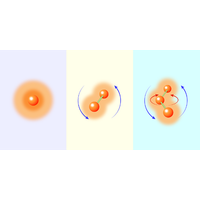
Phys. Rev. Lett. 136, 133402 (2026)
Atomic, Molecular, and Optical Physics
Dynamic Focusing to Suppress Emittance Transfer in Crab-Crossing Flat Beam Collisions
Article | Plasma and Solar Physics, Accelerators and Beams | 2026-04-01 06:00 EDT
Derong Xu, J. Scott Berg, Michael M. Blaskiewicz, Yue Hao, Yun Luo, Christoph Montag, Sergei Nagaitsev, Boris Podobedov, Vadim Ptitsyn, Ferdinand Willeke, and Binping Xiao
Flat hadron beam collisions, though expected to enhance peak luminosity by about an order of magnitude, have not yet been demonstrated. We identify a new mechanism in which the hourglass-induced synchrobetatron resonance, when coupled to unavoidable machine fluctuations, drives emittance transfer an…
Phys. Rev. Lett. 136, 135001 (2026)
Plasma and Solar Physics, Accelerators and Beams
Quantum Critical Dynamics Induced by Topological Zero Modes
Article | Condensed Matter and Materials | 2026-04-01 06:00 EDT
Ilia Komissarov, Tobias Holder, and Raquel Queiroz
We investigate low-frequency ac transport in the Su-Schrieffer-Heeger (SSH) chain with chiral disorder near the topological delocalization transition. Our key finding is that the formation of hybridized pairs of topological domain wall zero modes leads to the anomalous logarithmic scaling of the ac …
Phys. Rev. Lett. 136, 136602 (2026)
Condensed Matter and Materials
Physical Review X
Quantum-State-Controlled Collisions of Ultracold Polyatomic Molecules
Article | 2026-04-01 06:00 EDT
Nathaniel B. Vilas, Paige Robichaud, Christian Hallas, Junheng Tao, Loïc Anderegg, Grace K. Li, Hana Lampson, Lucie D. Augustovičová, John L. Bohn, and John M. Doyle
Ultracold collisions between polyatomic molecules are observed and characterized, revealing how their unique internal structure can be used to shield them from loss.
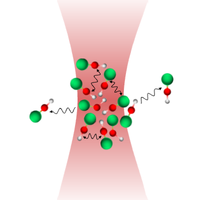
Phys. Rev. X 16, 021001 (2026)
arXiv
Evidence of Metallic Wigner Crystal in Rhombohedral Graphene
New Submission | Mesoscale and Nanoscale Physics (cond-mat.mes-hall) | 2026-04-02 20:00 EDT
Tonghang Han, Jackson P. Butler, Shenyong Ye, Zhenqi Hua, Surajit Dutta, Zach Hadjri, Zhenghan Wu, Jixiang Yang, Junseok Seo, Phatthanon Pattanakanvijit, Emily Aitken, Kenji Watanabe, Takashi Taniguchi, Peng Xiong, Eli Zeldov, Zhengguang Lu, Raymond Ashoori, Long Ju
When the Coulomb interaction dominates over kinetic energy, electrons can crystallize into a Wigner crystal (WC). This paradigmatic correlated electronic phase has been realized in two-dimensional electron gases with parabolic band dispersion and completely flat Landau levels under high magnetic fields. Beyond these conventional contexts of electron crystallization, more exotic electron crystals have been postulated but remain unexplored. For example, a metallic Wigner crystal (mWC), in which itinerant carriers coexist with a pinned electron lattice, has been proposed theoretically but considered difficult to realize. Non-parabolic electron bands and quantum geometry may facilitate mWC and other novel topological electron crystals. Here we report transport evidence for WC and mWC in rhombohedral tetra-, penta-, and hexalayer graphene in the charge density range 0.3-0.5x10^12 cm^-2. By flattening the conduction band with a gate-controlled displacement field D, we observe an insulating state at nonzero charge density that shows nonlinear, hysteretic current-voltage relations, signatures of a pinned WC, that are absent from the lower-density insulator. Further increasing D reveals transport dominated by hole-like carriers with density up to only 15% of the nominal electron density, consistent with mWC. This mWC state is closely tied to the WC state, as both collapse simultaneously with increasing temperature or bias voltage. The mWC state shows quantum Hall onset near 0.4 T and disobeys the Streda relation, indicating compressible charge exchange between itinerant holes and the transport-inert WC background. Our results establish rhombohedral graphene as a platform for exploring novel electron crystals, as well as possible nontrivial topology, and new collective modes.
Mesoscale and Nanoscale Physics (cond-mat.mes-hall)
Crystals Caught Doping: Metallic Wigner Crystals in Rhombohedral Graphene
New Submission | Strongly Correlated Electrons (cond-mat.str-el) | 2026-04-02 20:00 EDT
Junkai Dong, Tomohiro Soejima, Daniel E. Parker, Ashvin Vishwanath
Nearly a century after Wigner’s initial proposal, electron crystals are now a topic of intense experimental and theoretical interest. However, most proposed crystalline phases are commensurate and therefore become insulating in the presence of even weak pinning. In this work we discuss when a commensurate Wigner crystal will spontaneously self dope and develop itinerant carriers, giving rise to an incommensurate and thus metallic Wigner crystal (MWC). We develop a general criterion for the instability of the commensurate crystal which involves the competition between the charge gap at commensurability and a ``packing bias’’ whose sign selects whether electron or hole doping is preferred. We then apply these insights to rhombohedral multilayer graphene, where calculations for commensurate crystals reveal instabilities towards self-doping. Carrying out self-consistent Hartree-Fock over the landscape of incommensurate crystals reveals the phase diagram, where a broad MWC phase appears directly adjacent to an insulating Wigner crystal phase. Recent observations of an island of reversed Hall conductance near a putative Wigner crystal phase in rhombohedral graphene are naturally explained by our theory.
Strongly Correlated Electrons (cond-mat.str-el), Mesoscale and Nanoscale Physics (cond-mat.mes-hall)
6+9 pages, 5+5 figures, 1 table
A footprint of zero-point entropy in higher-temperature magnetic thermodynamics
New Submission | Mesoscale and Nanoscale Physics (cond-mat.mes-hall) | 2026-04-02 20:00 EDT
Sergey Syzranov, Arthur P. Ramirez
Identifying extensively degenerate zero-temperature states is key in characterizing spin-liquid-candidate materials and spin ices. In experiments, finding zero-point entropy (ZPE) is often attempted by measuring the entropy released by a material when cooled down from very high to very low temperatures. Such investigations are often unreliable and lead to controversial results because accessible temperatures may be insufficient to accurately capture essential low- and high-temperature features of magnetic materials. The purpose of this paper is to point out a simple, easily accessible signature of nonzero ZPE: the Maxwell’s relation $ \left(\partial S/\partial H\right)_T = \left(\partial M/\partial T\right)_H$ can appear violated if a vanishing ZPE is assumed incorrectly. This relation can further be used for estimating the ZPE. In many materials below characteristic temperatures, the criterion of non-vanishing ZPE has a particularly simple form: $ \left(\frac{\partial C}{\partial H}\right)_T\left(\frac{\partial M}{\partial T}\right)_H<0$ . We discuss these effects and the ZPE signature in the benchmark test case of the well-studied spin ice $ Dy_2Ti_2O_7$ .
Mesoscale and Nanoscale Physics (cond-mat.mes-hall), Materials Science (cond-mat.mtrl-sci), Statistical Mechanics (cond-mat.stat-mech), Strongly Correlated Electrons (cond-mat.str-el)
2 pages, 1 figure
Retained-spin micropolar hydrodynamics from the Boltzmann–Curtiss equation: a generalized Chapman–Enskog construction
New Submission | Soft Condensed Matter (cond-mat.soft) | 2026-04-02 20:00 EDT
We derive a retained-spin micropolar hydrodynamic closure from the Boltzmann–Curtiss equation using a generalized Chapman–Enskog construction in which the local mean spin is retained as a quasi-slow variable. Starting from the exact kinetic balance laws for mass, linear momentum, and intrinsic angular momentum, we isolate the bookkeeping relation between antisymmetric stress and stress-induced spin torque, decompose the first-order source into irreducible scalar, axial, and symmetric-traceless sectors, and show explicitly how the standard micropolar constitutive structure with coefficients $ (\eta,\xi,\eta_r,\alpha,\beta,\gamma)$ emerges. This decomposition makes clear that the one-particle kinetic stress contributes only to the symmetric stress, whereas the rotational viscosity belongs to an intrinsic/collisional transfer channel. For perfectly rough elastic hard spheres, we further obtain explicit dilute-gas estimates for the rotational viscosity $ \eta_r$ from homogeneous spin relaxation and for the transverse spin-diffusion combination $ \beta+\gamma$ from a transport-relaxation calculation. Targeted event-driven molecular-dynamics simulations are used as a posteriori checks: expanded homogeneous-spin density and roughness sweeps support the predicted $ n^2$ and $ K/(K+1)$ trends for $ \eta_r$ , while finite-$ k$ transverse runs provide a qualitative diagnostic of the retained-spin response. The result is a self-contained derivation and coefficient-level estimate of retained-spin micropolar hydrodynamics that clarifies which parts of the closure are exact, which are first-order generalized Chapman–Enskog results, and which remain controlled rough-sphere estimates.
Soft Condensed Matter (cond-mat.soft), Mathematical Physics (math-ph)
Microscopic Basis for Recovery Rheology and the Nonequilibrium Structure,Yielding, and Flow of Dense Particle Suspensions
New Submission | Soft Condensed Matter (cond-mat.soft) | 2026-04-02 20:00 EDT
Anoop Mutneja, Kenneth S. Schweizer
The recent introduction of recovery rheology has provided qualitatively new physical insights into the yielding and flow of soft matter systems across diverse mechanically driven nonequilibrium protocols by separating the deformation strain into recoverable and unrecoverable components. A striking finding is that the fluid-like response associated with the gradually increasing unrecoverable strain ultimately leads to the continuous yielding transition from a solid to a liquid. We build on the force and particle level Elastically Collective Nonlinear Langevin Equation theory of activated dynamics within a nonequilibrium microrheological framework to formulate a general statistical mechanical foundation of step-rate start-up shear response that relates recovery rheology to microscopic structure, relaxation, and elasticity. Quantitative applications to metastable hard and soft sphere colloidal suspensions reveal testable new predictions and interconnections between macroscopic and microscopic properties: (i) the steady state recoverable strain is directly related to the steady-state shear thinning; (ii) the transient stress overshoot amplitude varies non-monotonically with packing fraction and is quantitatively linked to the steady-state recoverable strain; (iii) the acquired unrecoverable strain dictates the stress overshoot strain; (iv) the predicted enormous reduction of the structural relaxation time under deformation is inversely related to the unrecoverable strain-rate.
Soft Condensed Matter (cond-mat.soft)
To appear in Physical Review Research
Dielectric control of ultrafast carrier dynamics and transport in graphene
New Submission | Mesoscale and Nanoscale Physics (cond-mat.mes-hall) | 2026-04-02 20:00 EDT
Hai I. Wang, Xiaoyu Jia, Anand Nivedan, Mischa Bonn, Aron W. Cummings, Alessandro Principi, Klaas-Jan Tielrooij
Understanding the ultrafast dynamics of photoexcited charges in graphene is essential, as the microscopic mechanisms underlying these dynamics determine many of graphene’s optical, optothermal, and optoelectronic properties. These are crucial properties for many functionalities and devices enabled by graphene, such as high-speed photodectors. Therefore, beyond scientific understanding, it is highly desirable to control ultrafast carrier dynamics for practical applications. Here, we establish this control by engineering the dielectric environment of graphene, thereby regulating both heating and cooling dynamics without altering the Fermi energy, optical power, or ambient temperature. By combining optical pump-terahertz probe experiments with theoretical calculations, we show that dielectric screening suppresses carrier-carrier interactions and slows the dynamics. In particular, reduced carrier-carrier scattering delays the formation of a quasi-equilibrium hot electron distribution, thus slowing carrier heating. It also slows carrier cooling because re-thermalization after optical-phonon emission depends on the same interactions. The enhanced screening further reduces the energy of electron-hole puddles, thereby increasing charge mobility and the Seebeck coefficient. This ability to externally control internal graphene dynamics and transport properties enables the optimization of device performance, such as the sensitivity of photodetectors for data communication and wireless communication applications.
Mesoscale and Nanoscale Physics (cond-mat.mes-hall)
14 pages, 3 figures
Field-unmasked quantum geometry in a symmetry-forbidden photocurrent
New Submission | Mesoscale and Nanoscale Physics (cond-mat.mes-hall) | 2026-04-02 20:00 EDT
Bumseop Kim, Aaron M. Burger, Zhenbang Dai, Sayed Ali Akbar Ghorashi, Adam Abirou, Md Al Helal, Vladmir M. Fridkin, Jonathan E. Spanier, Andrew M. Rappe
Frequency- and polarization-resolved photocurrents provide a sensitive probe of hidden symmetry and band geometry in quantum materials. Here we study a chiral cubic sillenite whose global crystal symmetry forbids a longitudinal odd-in-B magneto-photocurrent in the Voigt geometry. Nevertheless, we observe a pronounced longitudinal response across the visible range that is predominantly linear in magnetic field, persists below the band gap, and exhibits strong helicity selectivity, with the circular channel exceeding the linear one and reversing sign upon switching light helicity. We resolve this apparent contradiction by identifying defect-enabled, field-selected spin ordering as the mechanism that lowers the effective magnetic symmetry without altering the global crystal structure. First-principles calculations show that O vacancies generate in-gap bound states and localized magnetic moments on neighboring Bi-O units, stabilized by strong SOC. Although symmetry-related vacancy configurations remain energetically degenerate and preserve the macroscopic T symmetry at zero field, an applied magnetic field selects a time-reversal-broken sector of the defect ensemble and reduces the effective magnetic symmetry to the subgroup that leaves B invariant, thereby lifting the longitudinal selection rule. Importantly, this field-selected symmetry reduction does more than activate a nominally forbidden photocurrent: it unmasks latent quantum-geometric responses encoded in the electronic structure. Momentum-resolved calculations show that the dominant circular and linear magneto-photocurrent channels spatially correlate with Berry-curvature-rich and quantum-metric-rich regions of the Brillouin zone, respectively. Our results establish field-selected defect symmetry lowering as a route to revealing hidden quantum geometry and activating forbidden nonlinear photocurrents in chiral quantum materials.
Mesoscale and Nanoscale Physics (cond-mat.mes-hall), Quantum Physics (quant-ph)
19 pages and 4 figures with supplementary information
Directly visualizing the energy level structure of quantum dot molecules
New Submission | Mesoscale and Nanoscale Physics (cond-mat.mes-hall) | 2026-04-02 20:00 EDT
Heun Mo Yoo, Tanner M. Janda, Connor Nasseraddin, Jason R. Petta
The orbital, spin and valley degrees of freedom in silicon quantum dots support many modes of spin qubit operation. However, it is generally challenging to obtain information about the energy level spectrum over large ranges of parameter space. We demonstrate a form of spectroscopy that is capable of mapping the energy level structure of a double quantum dot as a function of level detuning, interdot tunnel coupling, and magnetic field. In the one electron regime, we directly observe the transition from the atom like energy levels of isolated quantum dots to molecular like bonding and anti bonding states with increasing interdot tunnel coupling. We also resolve the Zeeman splitting of ground and excited valley states in a magnetic field. In the two electron regime, we gain access to the detuning dependent singlet triplet splitting. Our work may be extended to a broader class of systems, such as strong spin-orbit materials or proximitized quantum dots, allowing the direct extraction of various energy gaps.
Mesoscale and Nanoscale Physics (cond-mat.mes-hall), Quantum Physics (quant-ph)
Propagation-mediated amplification of {11={2}0}-biased inversion domain boundary alignment in polarity-mixed GaN lateral overgrowth
New Submission | Materials Science (cond-mat.mtrl-sci) | 2026-04-02 20:00 EDT
Harim Song, Donghoi Kim, Chinkyo Kim
GaN polarity inversion and the associated inversion domain boundaries (IDBs) are frequently observed during lateral overgrowth and are often discussed in terms of the small energetic spread among competing IDB structures predicted by first-principles calculations. In circular mask openings, ({11\bar{2}0})-aligned IDBs have previously been explained by geometric closure of a single-polarity hexagonal domain at the circular boundary. Here we examine an experimentally distinct regime in which opposite-polarity domains already coexist within the opening before the later development of long, straight IDB traces. In this mixed-polarity regime, the final trace orientation cannot be attributed solely to the macroscopic circular boundary. Nevertheless, plan-view SEM line-trace statistics show that IDB orientations remain biased toward the ({11\bar{2}0}) family. To quantify how this bias develops during propagation, we perform distance-resolved, length-weighted orientation analysis in concentric annular regions defined from the opening center. The resulting metrics show that ({11\bar{2}0})-biased alignment is progressively amplified with propagation distance, while the orientation distribution becomes narrower, indicating systematic sharpening of the preferred alignment state. We further apply the same ring-resolved statistical operators to minimal two-domain propagation simulations in a circular opening and find that a propagation-mediated anisotropy reproduces the observed radial amplification under fixed circular geometry. Together, these results establish a quantitative phenomenology of ({11\bar{2}0})-biased IDB alignment in polarity-mixed GaN lateral overgrowth on patterned sapphire and indicate that, although mask-boundary-imposed selection may describe single-polarity closure cases, the present mixed-polarity regime is better explained by propagation-mediated amplification.
Materials Science (cond-mat.mtrl-sci)
19 pages, 5 figures
Stress Asymmetry in Hard Magnetic Soft Materials
New Submission | Materials Science (cond-mat.mtrl-sci) | 2026-04-02 20:00 EDT
H. Gökçen Güner, Francois Barthelat, John D. Clayton, Carlos Mora-Corral, Noel Walkington, Kaushik Dayal
Hard magnetic soft materials – soft polymers embedded with hard magnetic particles – are modeled using continuum magnetomechanical formulations in which the deformation and the magnetization field are the primary kinematic variables. A recent question in such formulations is whether the Cauchy stress is symmetric, which is directly related to frame invariance and angular momentum balance. This note discusses energetically equivalent formulations, related by a change of variables between referential and current descriptions of the magnetization, and shows that they generally yield different Cauchy stresses, including a change in their symmetry. Specifically, the formulation based on a referential magnetization produces a symmetric Cauchy stress, while that based on a current magnetization generally yields an asymmetric Cauchy stress. We highlight that when the internal variable (magnetization field) is at the energy-minimizing equilibrium configuration, the divergences of these stresses are the same, and both stresses are symmetric.
Materials Science (cond-mat.mtrl-sci)
Dielectric response and viscosity due to dipolar interactions
New Submission | Statistical Mechanics (cond-mat.stat-mech) | 2026-04-02 20:00 EDT
The dielectric response and viscosity are two fundamental properties of liquids that are usually treated separately. Here we show that in highly polar liquids the viscosity can be predicted directly from the dielectric function. We employ a stochastic field theory for thermal dipole-field dynamics coupled to hydrodynamic flow, and derive a very general Kubo relation for the response of an observable to the flow. We then use this to derive a Green-Kubo formula for the viscosity operator in terms of the correlation function for the body force, rather than the usual stress tensor formulation, and from this we derive the contribution to the viscosity due to dipolar interactions. In strongly polar liquids like water we show that viscous dissipation arising from these thermal van der Waals interactions is the dominant dissipative mechanism, leading to a direct connection between dielectric relaxation and viscosity. The theory also predicts the emergence of a second relaxation time in the dielectric response even when only a single microscopic relaxation mechanism is present. This additional timescale contributes to the intrinsic Debye relaxation and provides a natural explanation for the widespread empirical observation that many liquids require two relaxation times to fit their dielectric spectra. By establishing a predictive link between dielectric properties and viscosity, our results revisit classical ideas of liquid dynamics originating with Debye and suggest a practical route for identifying promising solvents for electrochemical energy storage.
Statistical Mechanics (cond-mat.stat-mech)
26 pages 5 figure
Spatially modulated morphotropic phase boundaries in a compressively strained multiferroic thin film
New Submission | Materials Science (cond-mat.mtrl-sci) | 2026-04-02 20:00 EDT
Ting-Ran Liu, Xiangwei Guo, Sajid Husain, Maya Ramesh, Pushpendra Gupta, Darrell Schlom, Ramamoorthy Ramesh, Yu-Tsun Shao
The coexisting rhombohedral-like (R’, MA) and tetragonal-like (T’, MC) monoclinic phases in compressively strained bismuth ferrite thin films exhibit exceptional piezoelectric and magnetic properties. While previous studies have largely focused on probing the morphotropic phase boundaries (MPBs) comprising ordered R’/T’ twins, their self-organizing structures remain not fully explored. Here, we observed two types of interphase boundaries in a 60 nm-thick BiFeO3 film epitaxially grown on a LaAlO3 substrate by employing multi-modal diffraction-based electron microscopy. First, the flat MPBs form lines extending >1 mm, and repeat almost every ~20 um. Additionally, we uncover a new type of phase boundary with zig-zag regions of alternating R’/R’ and T’/T’ twin domains. Cross-sectional multislice electron ptychography confirms the atomic-scale polarization rotation across the MPB, with out-of-plane strain varying >15%. Plan-view electron backscatter diffraction reveals the lattice disclination of ~1.5-degrees across the zig-zag interphase boundaries, while having >2.5 degrees within the MPB. Phase-field modeling suggests that the formation of zig-zag phase boundaries arises from balancing between Landau and elastic energies. We speculate that such well-ordered interphase boundaries are associated with mesoscale in-plane strain modulations, thus providing a way to engineer and harness their properties for potential device applications.
Materials Science (cond-mat.mtrl-sci), Mesoscale and Nanoscale Physics (cond-mat.mes-hall)
15 pages, 4 figures
Self-similar summation of virial expansions
New Submission | Statistical Mechanics (cond-mat.stat-mech) | 2026-04-02 20:00 EDT
Virial expansions are the series in powers of density assumed to be small. However, the equations of state require to consider finite densities for which virial expansions, as a rule, diverge. In order to extrapolate a virial expansion to the values, where this expansion diverges, one uses summation methods. The most often used method is the Padé summation, which has several deficiencies. First of all, Padé approximants are not uniquely defined, suggesting a large table of admissible variants. Second, often there appear spurious unphysical poles. On the contrary, in those cases where the existence of a pole is physically motivated, Padé approximants do not necessarily exhibit it. A new approach for the summation of virial expansions is suggested, based on self-similar approximation theory. The method is regular and uniquely defined. It allows for the determination of physically motivated poles. The accuracy of self-similar approximants is not worse than that of the best Padé approximants with fitting parameters or of Monte Carlo simulations. The self-similar summation is based solely on virial expansions, involving no fitting parameters. In some cases, self-similar summation allows for reconstructing the sought functions exactly. The approach is illustrated by summing virial expansions for hard-disk fluids, hard-sphere fluids, and systems with power-law potentials.
Statistical Mechanics (cond-mat.stat-mech)
Latex file, 29 pages, 2 figures
Mol. Phys. 124 (2026) 2563021
Metallic d-wave altermagnetism in WFeB: a platform for electrically switchable perpendicular spin-splitter response
New Submission | Materials Science (cond-mat.mtrl-sci) | 2026-04-02 20:00 EDT
Eranga H. Gamage, Zhen Zhang, Subhadip Pradhan, Ajay Kumar, David R. Ramgern, V. Ovidiu Garlea, Yaroslav Mudryk, Saeed Kamali, Douglas Warnberg, Kirill D. Belashchenko, Vladimir Antropov, Kirill Kovnir
We report the synthesis and magnetic characterization of WFeB and identify it as a metallic d-wave altermagnet representative of a broader TiNiSi-type family. Neutron diffraction, Mössbauer spectroscopy, and magnetometry establish a collinear altermagnetic ordering confirmed by first-principles calculations. The electronic structure shows a nonrelativistic spin splitting of approximately 100 meV, but it also supports a strong spin-splitter transport response. This demonstrates that efficient spin-current generation can occur even with such modest band splitting. Symmetry analysis shows that selected film orientations permit deterministic switching of the Néel vector by current-induced staggered torques, enabling electrical control of a perpendicular spin-splitter response. These results establish WFeB and related TiNiSi-type antiferromagnets as a platform for electrically switchable charge-to-spin conversion driven by altermagnetic symmetry.
Materials Science (cond-mat.mtrl-sci)
Lieb-Schultz-Mattis Anomalies and Anomaly Matching
New Submission | Strongly Correlated Electrons (cond-mat.str-el) | 2026-04-02 20:00 EDT
Lieb-Schultz-Mattis (LSM) anomalies are powerful symmetry-based constraints on the correlation, entanglement and dynamics of quantum many-body systems. In this review, we discuss various LSM anomalies and anomaly matching. We start with a pedagogical introduction to these subjects in quantum spin chains, and then generalize the discussion to higher dimensions and other systems. Besides covering the topics related to the standard LSM anomalies, we also review LSM anomalies in disordered systems where the lattice symmetries are only preserved on average, fermionic systems, and systems where the symmetric short-range entangled states are possible but must be nontrivial symmetry-protected topological phases.
Strongly Correlated Electrons (cond-mat.str-el), Quantum Gases (cond-mat.quant-gas), High Energy Physics - Theory (hep-th), Mathematical Physics (math-ph)
Invited review for “Annual Review of Condensed Matter Physics”
Unified Gauge-Geometry Symmetry for Equilibrium Statistical Mechanics
New Submission | Statistical Mechanics (cond-mat.stat-mech) | 2026-04-02 20:00 EDT
We present a symmetry-based framework for equilibrium statistical mechanics that formulates a single Lie group combining conventional spacetime symmetries with a recently identified phase-space gauge-shifting invariance [Muller et al., Phys. Rev. Lett. 133, 217101 (2024)]. Using Noether’s theorem, we obtain a set of general Ward identities together with previously unexplored cross-relations arising from the noncommutation of different symmetry generators. The approach extends standard many-body symmetries, such as translations, rotations, Galilean boosts, dilations, and particle exchange, by incorporating an internal gauge-shift symmetry within a unified group structure. The resulting Lie algebra suggests a hierarchy of exact identities that encompass established sum rules and indicate possible cross-coupling relations between distinct response and correlation functions. We also identify a Wigner-Eckart-Ward reduction that simplifies tensor-hyperforce correlators to two scalar radial spectra in isotropic fluids, and we outline an equivariant gauge-constrained DFT formulation whose Euler-Lagrange equations are constructed to satisfy the corresponding Ward and cross-Ward constraints. This framework provides a consistent organizational basis for phenomena in liquids, mixtures, and interfaces, and may offer a symmetry-based perspective connecting structure, mechanics, and dynamics in many-body systems.
Statistical Mechanics (cond-mat.stat-mech), Soft Condensed Matter (cond-mat.soft)
17 pages, 3 figures
Anomalous waiting-time distributions in postselection-free quantum many-body dynamics under continuous monitoring
New Submission | Statistical Mechanics (cond-mat.stat-mech) | 2026-04-02 20:00 EDT
Kazuki Yamamoto, Ryusuke Hamazaki
We investigate waiting-time distributions (WTDs) of quantum jumps in continuously monitored quantum many-body systems, whose unconditional dynamics lead to the trivial infinite-temperature state. We demonstrate that the WTD of a half-chain subsystem exhibits an anomalous tail, markedly deviating from the Poissonian distribution in stark contrast to that of the whole system. By analyzing the spectral properties of the superoperator $ \mathscr L_0$ , which is defined by removing the jump terms associated with the half-chain subsystem from the full Liouvillian, we find that the long-time behavior with the anomalous tail of the half-chain WTD is governed by the eigenvalue $ \lambda_0:(<0)$ with the largest real part. We further reveal a qualitative change in the system-size dependence of $ \lambda_0$ as a function of the measurement strength: for sufficiently weak measurement, $ \lambda_0$ decreases proportionally to the system size, while for strong measurement, $ \lambda_0$ scales independently of the system size, signaling the persistence of the anomalous half-chain WTD in the thermodynamic limit. The WTD is extracted solely from the spacetime record of quantum jumps $ {t_i,x_i}$ and can be experimentally accessed without postselection. Our work establishes a spectral framework for understanding nontrivial WTDs in subsystems of monitored quantum dynamics and provides a novel diagnostics to assess many-body effects on WTDs.
Statistical Mechanics (cond-mat.stat-mech), Quantum Gases (cond-mat.quant-gas), Quantum Physics (quant-ph)
18 pages, submitted to “Focus on Non-Hermitian Quantum Many-Body Physics” in Quantum Science and Technology
AI-assisted Human-in-the-Loop Web Platform for Structural Characterization in Hard drive design
New Submission | Materials Science (cond-mat.mtrl-sci) | 2026-04-02 20:00 EDT
Utkarsh Pratiush, Huaixun Huyan, Maryam Zahiri Azar, Esmeralda Yitamben, Allen Bourez, Sergei V Kalinin, Vasfi Burak Ozdol
Scanning transmission electron microscopy (STEM) has become a cornerstone instrument for semiconductor materials metrology, enabling nanoscale analysis of complex multilayer structures that define device performance. Developing effective metrology workflows for such systems requires balancing automation with flexibility; rigid pipelines are brittle to sample variability, while purely manual approaches are slow and subjective. Here, we present a tunable human-AI-assisted workflow framework that enables modular and adaptive analysis of STEM images for device characterization. As an illustrative example, we demonstrate a workflow for automated layer thickness and interface roughness quantification in multilayer thin films. The system integrates gradient-based peak detection with interactive correction modules, allowing human input at the design stage while maintaining fully automated execution across samples. Implemented as a web-based interface, it processes TEM/EMD files directly, applies noise reduction and interface tracking algorithms, and outputs statistical roughness and thickness metrics with nanometer precision. This architecture exemplifies a general approach toward adaptive, reusable metrology workflows - bridging human insight and machine precision for scalable, standardized analysis in semiconductor manufacturing. The code is made available at this https URL
Materials Science (cond-mat.mtrl-sci), Computer Vision and Pattern Recognition (cs.CV)
Nonlinear Frequency-Momentum Topology and Doubling of Multifold Exceptional Points
New Submission | Mesoscale and Nanoscale Physics (cond-mat.mes-hall) | 2026-04-02 20:00 EDT
Even in the linear limit, the topology of multifold (also called higher-order) exceptional points across the Brillouin zone has lacked a general characterization, leaving the doubling theorem essentially limited to two-fold exceptional points. Here, we establish the doubling theorem of $ n$ -fold exceptional points [EP$ n$ s ($ n=2,3,\ldots$ )] for systems where nonlinearity enters through eigenvalues. To this end, we introduce new topological invariants, termed frequency-momentum winding numbers, which characterize nonlinear EP$ n$ s in $ m$ -band systems throughout the Brillouin zone for arbitrary $ n$ and $ m$ ($ m\geq n$ ). These invariants enable a unified proof of the doubling theorem in the absence of symmetry and under several symmetry constraints, including parity-time ($ PT$ ) and charge-conjugation-parity symmetries. Furthermore, even in the linear limit, the frequency-momentum winding number indicates $ \mathbb{Z}$ topology of $ PT$ -symmetric EP$ 2$ s which is beyond the previously reported $ \mathbb{Z}_2$ topology. The frequency-momentum winding numbers can also be extended to a class of coupled resonators in which nonlinearity enters via the eigenvectors, whereas the spectrum is determined by a nonlinear scalar equation for the frequency.
Mesoscale and Nanoscale Physics (cond-mat.mes-hall), Strongly Correlated Electrons (cond-mat.str-el), Optics (physics.optics)
8+4pages, 2+2figures
Comparative study of room temperature and quench condensed bismuth films: morphology and electronic characteristics
New Submission | Materials Science (cond-mat.mtrl-sci) | 2026-04-02 20:00 EDT
Yulia Kirina (1), Prakash Sharma (1,2), Wyatt Thomas (1), Tristan Anderson (2), Arya G. Pour (1,2), Victoria Soghomonian (2), Jean J. Heremans (1,2) ((1) Department of Materials Science and Engineering, Virginia Tech, Blacksburg, VA, USA, (2) Department of Physics, Virginia Tech, Blacksburg, VA, USA)
A comparison between properties of bismuth thin films deposited at substrate temperatures of 296 K (room temperature) and 77 K (quench condensed) is studied across epitaxial, amorphous, and van der Waals substrates. The experiments demonstrate changes in crystallinity, morphology, and electrical transport arising from the influence of substrate temperature. Moreover, the work highlights changes in grain size, roughness, X-ray diffraction peak intensities, and preferred orientation between the two deposition temperatures. The orientation of the films deposited at 77 K is preferentially (110), compared to (111) for films deposited at room temperature. Films grown at 77 K differ from those deposited at room temperature, exhibiting lower surface roughness but smaller grain size, which leads to increased electrical resistivity in quench condensed films. The decrease of substrate temperature during the deposition appears to induce slightly more strain in depositions on the amorphous and van der Waals substrates than on the epitaxial substrates. Lastly, quench condensed films exhibit lower carrier mobility and lower carrier density compared to room temperature films. This study elucidates previously incompletely understood processes in bismuth deposition and raises new questions regarding growth on van der Waals surfaces.
Materials Science (cond-mat.mtrl-sci)
4 figures
Gate-Tunable Photoresponse of Graphene Josephson Junctions at Terahertz Frequencies
New Submission | Mesoscale and Nanoscale Physics (cond-mat.mes-hall) | 2026-04-02 20:00 EDT
X. Zhou, I. Gayduchenko, A. Kudriashov, K. Shein, A. Kuksov, L. Elesin, M. Kravtsov, A. Shilov, O. Popova, S. Jana, T. Taniguchi, K. Watanabe, G. Goltsman, K. Novoselov, D.A. Bandurin
Graphene Josephson junctions (JJ) provide a promising platform for ultra-broadband quantum sensing of light owing to graphene’s frequency-independent absorption, vanishing electronic heat capacity, and weak electron-phonon coupling, which enable rapid suppression of the critical current through radiation-induced electron heating. Existing investigations have been confined to the microwave and infrared regimes, where competing detector technologies are already established; by contrast, the terahertz (THz) band - where sensitivity is most urgently lacking and no mature quantum sensor exists - has remained largerly unexplored. Here we demonstrate a strong photoresponse of graphene JJs at THz frequencies, establishing a first experimental step towards graphene-based THz quantum sensors. Under low-intensity illumination, we observe a pronounced suppression of the critical current that generates a strong photovoltage (Vph) under current bias. By tracking this Vph and independently measuring the electron temperature as a function of absorbed power, we extract a responsivity of 88 kV W^-1 and a noise-equivalent power of 45 aW Hz^-1/2 at 1.7 K. Furthermore, gate tunability of our JJ enables access to a regime where hysteretic current-voltage characteristics persist up to 0.9 K, offering a potential route toward single-photon THz detection beyond millikelvin (mK) temperatures. These findings establish graphene JJ as a versatile platform for broadband cryogenic radiation sensing and point towards their use as quantum sensors at THz frequencies.
Mesoscale and Nanoscale Physics (cond-mat.mes-hall)
7 pages, 4 figures
Robust $d$-wave altermagnetism in $\mathrm{RbCr_2Se_2O}$
New Submission | Materials Science (cond-mat.mtrl-sci) | 2026-04-02 20:00 EDT
The $ \mathrm{KV_2Se_2O}$ , $ \mathrm{Rb_{1-\delta}V_2Te_2O}$ and $ \mathrm{Cs_{1-\delta}V_2Te_2O}$ are experimentally confirmed to adopt either C-type or G-type antiferromagnetic configuration, corresponding to apparent or hidden altermagnetism. However, their nearly degenerate energies lead to inconsistent experimental assignments between the two antiferromagnetic configurations. Here, we predict that the experimentally synthesized $ \mathrm{RbCr_2Se_2O}$ is a robust $ d$ -wave altermagnetic metal, since the energy difference between C-type and G-type configurations is large, which is independent of electron correlation strength and van der Waals interaction. Upon applying in-plane uniaxial strain, $ \mathrm{RbCr_2Se_2O}$ can generate a net total magnetic moment via a direct piezomagnetic effect, which is distinct from semiconductor that typically requires carrier doping in addition to strain. This provides an experimental strategy for distinguishing the G-type antiferromagnetic configuration, in which the total magnetic moment remains zero under uniaxial strain. Our work presents an isostructural $ d$ -wave altermagnetic $ \mathrm{RbCr_2Se_2O}$ analogous to $ \mathrm{KV_2Se_2O}$ , $ \mathrm{Rb_{1-\delta}V_2Te_2O}$ and $ \mathrm{Cs_{1-\delta}V_2Te_2O}$ , which can facilitate further experimental verification. Furthermore, these results are universal across materials of this family $ \mathrm{XCr_2Y_2O}$ (X=K, Rb, Cs; Y=Se, Te), thus expanding the family of altermagnets.
Materials Science (cond-mat.mtrl-sci)
6 pages, 5 figures
Bipolar plates for the next generation of proton exchange membrane fuel cells (PEMFCs): A review of the latest processing methods for unconventional flow channels
New Submission | Materials Science (cond-mat.mtrl-sci) | 2026-04-02 20:00 EDT
The rapid, unsustainable depletion of finite fossil fuel resources and their environmental consequences demand the deployment of affordable clean and sustainable energy solutions. Polymer electrolyte membrane fuel cell (PEMFC) technology is an important pathway in decarbonization of modern energy systems, especially when fueled by high-purity green hydrogen. In PEMFCs, bipolar plates largely determine cell efficiency, longevity, and affordability, which in turn depends on both material selection and design of the embedded flow channels. Conventional manufacturing processes have long been used to fabricate standard bipolar plate designs; however, they are incompatible with unconventional, intricate geometries due to their insufficient resolution and precision in fabrication of fine features, and reliance on multi-step post-processing modifications that limit their design adaptability. This lack of design flexibility impedes the translation of innovative laboratory-scale concepts to industrial-scale production and their practical adoption. In recent years, a growing body of research publications and patent disclosures has reported advanced manufacturing methods, such as additive manufacturing, capable of producing intricate bipolar plate geometries at competitive costs. However, a discussion of these manufacturing approaches, along with an assessment of their scalability and industrial readiness, remains absent in the literature. This study aims to fill this gap. It outlines recent progress and proposes future research directions toward affordable and efficient bipolar plate solutions for advanced PEMFC systems.
Materials Science (cond-mat.mtrl-sci)
Radio-Frequency-Driven Reshaping of the Mesoscale Charge-Density-Wave Landscape in 1T-TaS2 Thin-Film Devices
New Submission | Materials Science (cond-mat.mtrl-sci) | 2026-04-02 20:00 EDT
Maedeh Taheri, Zahra Ebrahim Nataj, Nick Sesing, Topojit Debnath, Tina T. Salguero, Roger K. Lake, Alexander A. Balandin
Radio-frequency excitation directly reshapes the mesoscale charge-density-wave landscape in quasi-two-dimensional 1T-TaS2 thin films. Under combined RF and DC bias, the hysteretic current-voltage characteristics associated with the nearly commensurate-incommensurate transition are strongly altered, displaying RF-driven collapse, branching, and multiple step-like features that depend on frequency and drive amplitude. In-situ Raman measurements show enhanced intensity and linewidth narrowing of low-frequency CDW phonon modes, consistent with reduced dephasing and increased coherence of the periodic lattice distortion under RF drive. This behavior is captured by combining an overdamped time-dependent Ginzburg-Landau description of the commensurate CDW with a morphology-informed percolative resistor-capacitor transport model. The simulations indicate that oscillatory driving anneals frustrated domain configurations, reduces domain-wall density, and reorganizes the discommensuration network, while the transport model reproduces the resulting hysteresis, avalanche-like pathways, and RF-induced conductance steps. RF driving therefore provides an effective route for controlling collective electron-phonon order and accessing metastable transport states in 1T-TaS2, with implications for reconfigurable RF electronics, memory, and unconventional computing based on correlated materials.
Materials Science (cond-mat.mtrl-sci), Mesoscale and Nanoscale Physics (cond-mat.mes-hall)
28 pages, 6 figures
Magnetoelastic instabilities in kagome antiferromagnet Mn3-xGa
New Submission | Materials Science (cond-mat.mtrl-sci) | 2026-04-02 20:00 EDT
Linxuan Song, Feng Zhou, Guilin Lu, Liang Yao, Xuekui Xi, Yong-Chang Lau, Youguo Shi, Wenhong Wang
We present a systematic study of the structural, magnetic, and transport properties of hexagonal Mn3-xGa alloys, revealing a series of composition-controlled emergent phenomena. By tuning the Mn concentration, we uncover distinct lattice responses, including a zero thermal expansion-like volume compensation behavior in Mn-poor compositions and a magnetoelastic-driven, field-assisted structural phase transition in Mn-rich samples. These lattice instabilities are accompanied by correlated magnetic and transport anomalies, including metamagnetic transitions, negative magnetoresistance, and anomalous Hall sign reversal. First-principles calculations demonstrate that the Hall sign reversal originates from crystal-symmetry breaking rather than magnetic reorientation alone. Our results establish composition as the key control parameter governing magnetoelastic coupling in Mn3-xGa, providing a unified framework to tailor structural, magnetic, and topological transport properties in kagome antiferromagnets and reconcile previously disparate experimental observations.
Materials Science (cond-mat.mtrl-sci)
Revealing buried ferroelectric topologies by depth-resolved electron diffraction imaging
New Submission | Materials Science (cond-mat.mtrl-sci) | 2026-04-02 20:00 EDT
Ting-Ran Liu, Koushik Jagadish, Xiangwei Guo, Maya Ramesh, Peter Meisenheimer, Harish Kumarasubramanian, Sajid Husain, Ann V. Ngo, Amir Avishai, Jayakanth Ravichandran, Darrell G. Schlom, Ramamoorthy Ramesh, Yu-Tsun Shao
Nanoscale topological polar textures promise new functionalities for ferroelectric memories and logic, yet their three-dimensional structure and mesoscale organization remain experimentally inaccessible. Here we introduce depth-resolved electron diffraction imaging (DREDI), a fast, non-destructive, method that maps polarization with <50 nm lateral and <10 nm depth sensitivity within fraction of a second. Its high acquisition speed enables the first continuous polarization mapping across six orders of magnitude in length scale, from nanometers to millimeters. Using epitaxial BiFeO3 films, DREDI reveals a hidden depth evolution of polar textures: surface 71-degree stripes evolve into subsurface flux-closure vortices that bifurcate into three-fold vertices near the bottom interface. Cross-sectional multi-slice electron ptychography and phase-field modeling confirm these buried configurations and attribute them to strain heterogeneity and ferroelastic twinning in the SrRuO3 electrode. Large-area analysis further shows that vertex-like frustration forms a mesoscale percolating network above a critical length scale of 4 um. DREDI enables real-time, volumetric studies of buried topological textures in ferroic nanomaterials.
Materials Science (cond-mat.mtrl-sci), Mesoscale and Nanoscale Physics (cond-mat.mes-hall)
33 pages, 4 figures, 12 supplementary figures, 1 supplementary table
Electronic Raman scattering from 2D metals with broken inversion symmetry
New Submission | Mesoscale and Nanoscale Physics (cond-mat.mes-hall) | 2026-04-02 20:00 EDT
Lack of inversion symmetry in metals breaks SU(2) symmetry which results in spin-splitting of the electronic states at the Fermi level due to various types of spin-orbit coupling (SOC) such as Dresselhaus, Rashba, or Ising (also called valley-Zeeman). This splitting is known to enable both incoherent spin-flip excitations and coherent chiral-spin modes. Another effect of breaking of SU(2) is the introduction of a direct spin-photon interaction. We use this concept to formulate a theory of inelastic scattering of photons from the charge carriers of such a system [electronic Raman scattering (eRS)]. As a result of broken SU(2), we show that the eRS probe, unlike conventional theory of Raman scattering, couples to spin excitations even without tuning the laser to an internal resonance. We show that the spin dependent excitations induced by photon scattering are sensitive to the polarization geometries as well as to the spin structure of the Hilbert space of the low-energy states. As a concrete realization, we examine doped/gated graphene on substrates with strong SOC with various compositions of Rashba and valley-Zeeman SOC and compare their spectra with those for a model 2D electron gas (2DEG). The spectra are shown to have a resonant feature in select polarization geometries near the SOC-splitting energy and, importantly, is shown to be different in the two systems. The signal in graphene systems is shown to be stronger than that in a 2DEG by orders of magnitude owing to the large Dirac velocity. We also outline how the lineshapes from the spectra can be used to infer various components of SOC in the system.
Mesoscale and Nanoscale Physics (cond-mat.mes-hall)
20 pages, 6 figures
Braiding and exchange statistics of liquid crystalline Majorana quasiparticles
New Submission | Soft Condensed Matter (cond-mat.soft) | 2026-04-02 20:00 EDT
A. I. Tóth, G. Negro, A. D. Huxley, D. Marenduzzo
Liquid crystalline defects in 3D can be viewed as geometric spinors, whose emergent properties are reminiscent of those of topological excitations in quantum condensed matter, such as Majorana quasiparticles. However, it is unclear how deep this analogy is, and whether this is a purely mathematical mapping, or it extends to key physical features, such as the exchange statistics or braiding behaviour. To address this question, here we consider a simple pattern made up of four nematic Majorana-like defect profiles, and ask how the defect profiles change as we braid them repeatedly around each other. Surprisingly, we find that in a large range of parameter space the defect profiles behave as classical analogues of non-Abelian anyons, which can be described in our case by defect bivectors moving on a Bloch-like hemisphere. Elastic interactions and dynamical effects enhance the complexity of the gates which can be performed by braiding these quasiparticles, making these liquid crystalline spinors promising candidates as components of topological computers.
Soft Condensed Matter (cond-mat.soft), Quantum Physics (quant-ph)
5 pages, 4 figures plus 9 pages of supplementary material + 6 figures
Organic Electrochemical Transistor Arrays with Integrated Lipid-Sealed Femtolitre Chambers for Simultaneous Electrical and Optical Detection of Membrane Protein Activity
New Submission | Soft Condensed Matter (cond-mat.soft) | 2026-04-02 20:00 EDT
S. Kojima, S. Rawat, M. Sanchez Miranda, J.G. Gluschke, H. Noji, L.K. Lee, A.P. Micolich
We report a method for producing an array of fifty two ion-sensitive PEDOT:PSS organic electrochemical transistors on a glass coverslip, each featuring an integrated fluoropolymer microwell sealed with lipid bilayer into which membrane proteins can be inserted for simultaneous electrical and fluorescence microscopy studies. To demonstrate capability, we fill the microwells with an inner' phosphate assay buffer solution containing 20 $ \mu$ M Alexa-488 dye and 50 mM KCl, seal the microwells with lipid bilayer using an aqueous-organic-aqueous liquid exchange technique, and then fill the common flow-cell volume above the sealed microwells with a dye-free outer’ phosphate assay buffer containing 100 mM KCl. We insert $ \alpha$ -hemolysin, which embeds into the lipid bilayer forming a heptameric pore with diameter ~ 2.6 nm. The pore allows K$ ^{+}$ ions to diffuse into the microwell and Alexa-488 dye molecules to diffuse out of the microwell producing a corresponding drop in transistor conductance and microwell fluorescence intensity, respectively. These two signals occur at different timescales, consistent with the known size difference between K$ ^{+}$ ions and Alexa-488 molecules. Our approach to fabricating microwell arrays with PEDOT:PSS OECTs incorporated into the bottom of selected microwells distributed in the array is both scalable and versatile, opening a path to studies using larger arrays and with other membrane proteins embedded in the lipid bilayer sealing the microwells.
Soft Condensed Matter (cond-mat.soft), Mesoscale and Nanoscale Physics (cond-mat.mes-hall), Materials Science (cond-mat.mtrl-sci), Biological Physics (physics.bio-ph)
48 Pages, 5 figures main-text, 17 figures supplementary
Magnetoelectric Control of Toroidal Moment in Ferroaxial Crystal PbMn${2}$Ni${6}$Te${3}$O${18}$
New Submission | Strongly Correlated Electrons (cond-mat.str-el) | 2026-04-02 20:00 EDT
Shungo Aoyagi, Shunsuke Kitou, Taka-hisa Arima, Yusuke Tokunaga
Ferroic multipole orders break some symmetry and often activate unique physical properties, such as nonreciprocal directional dichroism and linear magnetoelectric effects. Here, we demonstrate the control of magnetic toroidal orientation in PbMn$ _{2}$ Ni$ _{6}$ Te$ _{3}$ O$ _{18}$ through the application of electric and magnetic fields in two distinct configurations. Through directional dichroism, we successfully visualize magnetic ferrotoroidic domains, establishing the intrinsic coupling among magnetic toroidal moment, crystallographic ferroaxial moment, and magnetoelectric monopoles. Our findings not only present an effective pathway for controlling magnetic toroidal moment but also provide a novel approach for investigating ferroaxial ordering.
Strongly Correlated Electrons (cond-mat.str-el)
10 pages, 4 figures
Emergent Macroscopic Nonreciprocity from Identical Active Particles via Spontaneous Symmetry Breaking
New Submission | Statistical Mechanics (cond-mat.stat-mech) | 2026-04-02 20:00 EDT
Wei-Chen Guo, Zuo Wang, Pei-Fang Wu, Li-Jun Lang, Bao-Quan Ai, Liang He
Nonreciprocity is known to generate a wide range of exotic phenomena in multi-species many-body systems, where different species influence one another through couplings that violate Newton’s third law. In contrast, in the absence of explicitly imposed macroscopic nonreciprocal processes, single-species nonreciprocity – another distinct form of nonreciprocity – typically plays only a limited role in shaping macroscopic physics. Here, using a single-species Vicsek model with a vision cone and extrinsic noise, we show that spontaneous symmetry breaking (SSB) can dramatically enhance the macroscopic consequences of microscopic single-species nonreciprocity. In the ordered phase, this enhancement gives rise to an emergent macroscopic nonreciprocity that induces the system of identical active particles to admit an effective description with a “two-species” non-Hermitian structure. The resulting SSB-enhanced nonreciprocity substantially promotes traveling-band formation and, more strikingly, drives a novel real-space condensation of identical active particles, characterized by a “traveling line” with vanishing longitudinal width. Our findings uncover a fundamental mechanism by which microscopic single-species nonreciprocity can exert strong macroscopic influences in complex systems.
Statistical Mechanics (cond-mat.stat-mech), Soft Condensed Matter (cond-mat.soft)
8 pages, 4 figures
Beyond Beryllium: AI-Accelerated Materials Discovery for Interstellar Spacecraft Shielding
New Submission | Materials Science (cond-mat.mtrl-sci) | 2026-04-02 20:00 EDT
Project Daedalus (1973–1978), the most detailed interstellar probe design study ever conducted, specified a 9 mm beryllium erosion shield to protect the spacecraft payload during its 5.9 light-year cruise to Barnard’s Star at 12% of the speed of light. This design, however, predated both the isolation of two-dimensional materials and the development of graph neural network (GNN) property predictors. Here, we systematically screen 20 candidate materials–spanning conventional aerospace metals, transition metal dichalcogenides, and ultra-high-temperature ceramics–using density functional theory (DFT) data from the JARVIS database (76,000 materials) with independent validation by the Atomistic Line Graph Neural Network (ALIGNN). We evaluate candidates across four criteria: specific mechanical stiffness (KV/rho), sputtering resistance, thermal neutron absorption cross-section, and thermodynamic stability. Our screening identifies hexagonal boron nitride (h-BN) and boron carbide (B4C) as dual-function materials offering simultaneous mechanical protection and neutron radiation shielding, and we propose a graphene/h-BN/polymer layered heterostructure shield design that achieves an estimated 47% mass reduction relative to the original beryllium specification. These findings will become immediately actionable upon the successful development of fusion pulse propulsion, which we note remains an outstanding engineering challenge.
Materials Science (cond-mat.mtrl-sci), Popular Physics (physics.pop-ph)
Nonequilibrium phase transition of dissipative fermionic superfluids: Case study of multi-terminal Josephson junctions
New Submission | Quantum Gases (cond-mat.quant-gas) | 2026-04-02 20:00 EDT
Soma Takemori, Kazuki Yamamoto
We investigate nonequilibrium dynamics of a triad of fermionic superfluids connected via Josephson junctions, following sudden switch-on of two-body loss in one of the three superfluids. By formulating the dissipative BCS theory for the Lindblad equation, we find that the superfluid order parameter exhibits a phase rotation, thereby giving rise to three types of dc Josephson currents corresponding to different junctions. We demonstrate that, when the tunneling amplitude $ V_{31}$ between superfluids without two-body loss is weak, two-step nonequilibrium dynamical phase transition (NDPT) characterized by the vanishing dc Josephson currents occurs: dissipation first induces the NDPT by making one dc Josephson current finite, while further increasing dissipation makes this remaining dc Josephson current vanish. By contrast, when $ V_{31}$ is strong, dissipation induces the NDPT in which all dc Josephson currents simultaneously vanish. An analytical study based on a simplified model further supports this observation.
Quantum Gases (cond-mat.quant-gas), Statistical Mechanics (cond-mat.stat-mech), Strongly Correlated Electrons (cond-mat.str-el), Superconductivity (cond-mat.supr-con), Quantum Physics (quant-ph)
14 pages, 10 figures
Nodal-Line Semimetals: Emerging Opportunities for Topological Electronics and Beyond
New Submission | Materials Science (cond-mat.mtrl-sci) | 2026-04-02 20:00 EDT
Ashutosh S. Wadge, Pardeep K. Tanwar, Giuseppe Cuono, Carmine Autieri
Topological semimetals have emerged as an important class of quantum materials with novel electronic responses and unconventional transport phenomena. Among them, nodal-line semimetals are distinguished by band crossings that extend along one-dimensional lines in momentum space rather than occurring at discrete points, forming closed loops, chains, or extended lines. The stability of these nodal structures is governed by crystalline symmetries such as mirror, spin-rotation, and nonsymmorphic operations, which give rise to characteristic topological invariants and surface states, including drumhead-like bands. In this review, we present a comprehensive overview of the theoretical framework and experimental realization of nodal-line semimetals, with particular emphasis on symmetry protection and the consequences of symmetry breaking. We discuss the classification of nodal-line structures, their evolution into other topological phases, and their signatures in electronic structure measurements and transport phenomena. Special attention is given to insights obtained from angle-resolved photoemission spectroscopy and related probes. By bringing together symmetry analysis, band topology, and experimental observations, this review aims to clarify the relationship between topology, magnetism, and measurable electronic responses in nodal-line semimetals. These considerations highlight their potential as a versatile platform for next-generation topological electronic functionalities and emergent quantum phenomena beyond conventional paradigms.
Materials Science (cond-mat.mtrl-sci)
45 Pages, 12 figures with all relevant permissions obtained from the respective publications
Directional-dependent Berezinskii-Kosterlitz-Thouless transition at EuO/KTaO$_3$(111) interfaces
New Submission | Superconductivity (cond-mat.supr-con) | 2026-04-02 20:00 EDT
Zongyao Huang, Zhengjie Wang, Xiangyu Hua, Huiyu Wang, Zhaohang Li, Shihao Liu, Zhiwei Wang, Feixiong Quan, Zhen Wang, Jing Tao, James Jun He, Ziji Xiang, Xianhui Chen
In two dimensions, a phase-coherent superconducting state is established via a Berezinskii-Kosterlitz-Thouless (BKT) transition, whose critical temperature $ T_{\rm BKT}$ is determined by the global superfluid stiffness in uniform superconducting systems. We report that at the interface between (111)-oriented KTaO$ 3$ and ferromagnetic EuO, the two-dimensional superconducting state exhibits a BKT transition relying on the direction of in-plane bias current. The highest $ T{\rm BKT}$ occurs when current is applied along one of the [11$ \bar{2}$ ] axes of KTaO$ 3$ , underscoring a spontaneous breaking of the threefold lattice rotational symmetry. Such directional dependence of $ T{\rm BKT}$ is consistently reflected in the nonreciprocal signals stemming from superconducting fluctuations above the transition. We attribute this phenomenon to an interfacial phase segregation; the phase with higher $ T_{\rm BKT}$ self-organizes into quasi-one-dimensional textures that stretch along one of the [11$ \bar{2}$ ] directions. Our results point toward the emergence of exotic phases of matter beyond the description of conventional BKT physics at a superconducting interface that is subjected to ferromagnetic proximity.
Superconductivity (cond-mat.supr-con)
A combined file including main text (21 pages, 4 figures) and Supplementary Information (29 pages, 11 figures). Accepted by Communications Physics
Strain-tunable multipiezo effects in Janus monolayer Cr2SSe: Selective reversal of valley polarization and single-spin-channel anomalous valley Hall effect
New Submission | Materials Science (cond-mat.mtrl-sci) | 2026-04-02 20:00 EDT
Quan Shen, Jianing Tan, Tao Yao, Wenhu Liao, Jiansheng Dong
Altermagnetism, the third class of collinear magnetic order, uniquely combines a zero net magnetization with spin polarized bands in reciprocal space, opening new avenues for two dimensional valleytronics and spintronics. Here, using first principles calculations, we predict that the Janus monolayer Cr2SSe, which possesses intrinsic inversion symmetry breaking, hosts a strain tunable multipiezo effect and exhibits distinctive valleytronic properties. The system displays pronounced spin splitting and band inversion at the X and Y high symmetry points in the Brillouin zone, giving rise to robust spin-valley locking. The degeneracy of these valleys is protected by diagonal mirror symmetry. Application of uniaxial strain breaks this symmetry, concurrently inducing piezovalley, piezoelectric, and piezomagnetic responses, a manifestation of the multipiezo effect. Critically, strain applied along orthogonal crystallographic directions yields opposite valley polarization, while under small compressive strain, we achieve selective reversal of valley polarization, enabling independent control of valence and conduction band valleys and promoting a single-spin-channel anomalous valley Hall effect. These findings establish a pathway for low-power, non volatile manipulation of valley degrees of freedom and enhanced spin transport efficiency, providing a theoretical foundation for the design of energy-efficient valleytronic devices.
Materials Science (cond-mat.mtrl-sci)
Spontaneous structural reconstructions and properties of ultrathin triangular ZnSe nanoplatelets
New Submission | Materials Science (cond-mat.mtrl-sci) | 2026-04-02 20:00 EDT
Two-dimensional (2D) materials have revolutionized all areas of development of high-performance electronic devices. In particular, the unique electronic and optical properties of II–VI semiconductor nanoplatelets have been found to be very promising for optoelectronics. However, not all properties of this intriguing class of materials are yet known. A new, previously unknown hexagonal 2D structure of ZnSe nanoplatelets whose energy is lower than the energies of all previously studied systems is found from first-principles calculations. This structure appears as a result of spontaneous reconstruction of the wurtzite structure and differs from it by the stacking order of the bulk and near-surface Zn atomic layers. The phonon spectrum, electronic structure, and band gap of the obtained nanoplatelets are calculated. The phonon spectra of the nanoplatelets are in complete agreement with the spectra observed in experiment and differ strongly from the vibrational spectra of ZnSe nanoclusters. The adsorption of ZnCl$ _2$ and $ L$ -cysteine molecules on the surface of the nanoplatelets is studied and is shown to be accompanied by yet another spontaneous reconstruction of the hexagonal structure into a tetragonal one and a new rearrangement of Zn atoms in the near-surface layers. Calculations of the natural optical activity of nanoplatelets covered with $ L$ -cysteine reveal an increase in the specific (calculated per chiral molecule) optical activity, which is especially strong for the Janus structures, as compared to the free $ L$ -cysteine molecule.
Materials Science (cond-mat.mtrl-sci)
10 pages, 5 figures, 3 tables
Journal of Physical Chemistry C 129, 7012 (2025)
Microscopic Theory of Superionic Phase Transitions: Nonadiabatic Dynamics and Many-Body Effects
New Submission | Materials Science (cond-mat.mtrl-sci) | 2026-04-02 20:00 EDT
Jiaming Hu, Zhichao Guo, Jingyi Liang, Bartomeu Monserrat
Superionic phase transitions have attracted extensive interest for decades due to their promising applications and rich underlying physics. In particular, complicated many-body effects and nonadiabatic dynamics are believed to play essential roles, limiting the explanatory power of phenomenological approaches and obscuring the microscopic mechanisms at play. In this work, we develop a unified theoretical framework for describing solid-state ionic conduction. After reviewing the conventional approximations, we construct a general lattice model that applies to both normal ionic and superionic conductors. By incorporating the nonadiabatic concerted-hopping mechanism and the many-body Coulomb interaction within a self-consistent mean-field scheme, we identify these two effects as the fundamental driving forces behind type-I and type-II superionic phase transitions, respectively. Our model directly reproduces key experimental observations. Within this unified framework, we further provide a comprehensive comparison between the two types of transitions. Overall, our work offers microscopic insight into superionic phase transitions and provides guidance for the design and optimization of advanced solid-state ionic conductors.
Materials Science (cond-mat.mtrl-sci)
15 pages, 5 figures
Electronic transport in BN-encasulated graphene limited by remote phonon scattering
New Submission | Mesoscale and Nanoscale Physics (cond-mat.mes-hall) | 2026-04-02 20:00 EDT
Khalid Dinar, Francesco Macheda, Alberto Guandalini, Matthieu Paillet, Christophe Consejo, Frederic Teppe, Benoit Jouault, Thibault Sohier, Sébastien Nanot
We study the impact of BN’s phonons on the electrical resistivity of hBN-encapsulated graphene. While encapsulation yields high-mobility devices, the surrounding BN itself introduces remote scattering from polar optical phonons, whose role in standard resistivity measurements remains unclear. We combine high-quality transport experiments with ab initio calculations including a proper treatment of dynamically screened remote interactions. We demonstrate that hBN’s out-of-plane phonons strongly influence resistivity between 150 K and room temperature, whereas higher-energy LO modes and intrinsic graphene phonons alone cannot explain the observed trends. The coupling between electrons and the BN’s phonons becomes more pronounced at low carrier densities due to reduced screening. Our findings establish that remote phonon scattering fundamentally limits transport in encapsulated graphene, solving a longstanding debate.
Mesoscale and Nanoscale Physics (cond-mat.mes-hall)
18 pages, 16 figures
A comparison of the spin-phonon behaviour of Fe$_2$P-based magnetocaloric materials
New Submission | Materials Science (cond-mat.mtrl-sci) | 2026-04-02 20:00 EDT
Mikael S. Andersson, Simon R. Larsen, Erna K. Delczeg-Czirjak, Antonio Corona, Jacques Ollivier, Wiebke Lohstroh, Helen Y. Playford, Cheng Li, Pascale P. Deen, Johan Cedervall
Magnetic refrigeration can provide an environmentally friendly technology to reduce significantly the energy consumption of cooling devices. To retain the sustainability of the device, all parts must be made from abundant materials, excluding e.g. rare earth elements. As such, materials based on Fe$ _2$ P have shown great potential for magnetocaloric devices. In this study, Fe$ _2$ P and FeMnP$ _{0.55}$ Si$ _{0.45}$ , have been studied using magnetometry, neutron scattering and theoretical modelling with the aim to understand the ferromagnetic transition, related to the magnetocaloric effect. Analysis of the diffraction data of Fe$ _2$ P showed that it is the Fe$ _{3g}$ -site that drives the magnetic transition as the Fe$ _{3f}$ does not have any magnetic contribution at the magnetic transition temperature. For FeMnP$ _{0.55}$ Si$ _{0.45}$ , the magnetic transition is more gradual, on both sites, with coexistence of the para- and ferromagnetic phases close to the magnetic transition. The temperature dependent magnetic structure behaviour are well in agreement with our first principles calculations.
Both Fe$ _2$ P and FeMnP$ _{0.55}$ Si$ _{0.45}$ showed two distinct regions, at different length scales, in their S(\textbf{Q},$ \omega$ ) spectra. The two length scales can be modelled using a different set of magnetic spin states (S), using S$ \rm _{Fe}$ =2 and S$ \rm _{Mn}$ =2.5, consistent with the ground state of the magnetic atoms. QENS at low Q (Q\textless{}0.5~Å) shows similar magnetic processes in both compounds with uncorrelated magnetism below the magnetic transition temperature. The uncorrelated state highlights that the magnetic anisotropy does not play a major role in the formation of the magnetic state. Furthermore, this emphasises the existence of a two part system in FeMn(P,Si)-based compounds, that drives the magnetic transition and in turn the magnetocaloric effect.
Materials Science (cond-mat.mtrl-sci)
Unambiguous characterization of in-plane dielectric response in nanoconfined liquids: water as a case study
New Submission | Soft Condensed Matter (cond-mat.soft) | 2026-04-02 20:00 EDT
The in-plane dielectric constant of nanoconfined water has attracted growing interest over the last years. Nevertheless, this magnitude is not well-defined at the nanoscale due to its dependence on the arbitrary choice of water width. We propose the in-plane 2D polarizability, $ \alpha_{\parallel}$ , as an unambiguous characterization of the in-plane dielectric response under 2D confinement, in analogy to what has been recently done for the perpendicular response. Using classical molecular dynamics simulations, we compute $ \alpha_{\parallel}$ via two independent and consistent methods: based on fluctuation–dissipation theory, and from the induced dipole moment when water is placed in a capacitor. Our results provide the framework to quantify the in-plane dielectric response of polar liquids across simulations and experiments.
Soft Condensed Matter (cond-mat.soft), Mesoscale and Nanoscale Physics (cond-mat.mes-hall)
17 pages, 6 figures
Topological magnetotransport in modified-Haldane systems
New Submission | Mesoscale and Nanoscale Physics (cond-mat.mes-hall) | 2026-04-02 20:00 EDT
A. Uzair, Muzamil Shah, Imtiaz Khan, Kashif Sabeeh
We present a theoretical study of quantum magneto-transport and magneto-optical (M-O) properties in modified-Haldane model; which is applicable to diverse classes of two-dimensional (2D) quantum materials such as buckled Xene monolayers and transition metal dichalcogenide (TMDC) monolayers. By varying the staggered sublattice potential and intrinsic spin-orbit coupling, we identify distinct topological regimes and analyze their manifestations in the emergence of Landau levels, the evolution of the density of states, and the characteristics of M-O absorption spectra. Using the Kubo formalism, we compute the longitudinal and Hall M-O conductivities and show that inter-Landau-level (inter-LL) transitions produce characteristic resonance features that provide optical signatures of the underlying topological phases. Within this framework, we demonstrate electrically tunable topological phase transitions in buckled silicene. Extending our study to monolayer TMDCs, we show that inspite of large band gap, the spin-valley coupling provides a powerful tool for tailoring M-O absorption features across wide range of 2D materials. Collectively, these results underscore modified-Haldane-model materials as an ideal testbed for engineering quantum transport, with promising applications in topological photonics, valleytronic devices, and next-generation optoelectronics.
Mesoscale and Nanoscale Physics (cond-mat.mes-hall)
The motion of tracer particles in turbulent superfluid $^4$He down to the zero-temperature limit
New Submission | Other Condensed Matter (cond-mat.other) | 2026-04-02 20:00 EDT
C. O. Goodwin, M. J. Doyle, J. A. Hay, I. Skachko, W. Guo, P. M. Walmsley, A. I. Golov
An injection system for polymer particles, with diameters ranging from 1 to 6 $ \mu$ m, has been developed for visualizing flows in superfluid $ ^4$ He at temperatures down to 0.14 K. Using an ultrasound transducer, bursts of particles were launched into a sample of superfluid and allowed to descend under gravity. The particles were imaged using their fluorescence in the presence of a sheet of laser light. We report on the statistical behavior of particles during their descent, including descriptions of a mixture of smooth and erratic trajectories, indicative of the interactions with thermal excitations and quantized vortex lines. Temperature-dependent velocity distributions were measured and analyzed, yielding Gaussian distributions with power law tails persisting into the zero temperature limit. When sampled over increasing length scales, these distributions bifurcated into exponential for the smallest particles and bimodal Gaussian for the largest. We also report observations of long-lived suspensions of small particles at temperatures near 1 K, which appear to be associated with the trapping of large numbers of particles in a turbulent vortex tangle. A method was developed for identifying and quantifying the numbers of particles bound to vortex lines, allowing for a description of the temporal dynamics of their population by an analytical model.
Other Condensed Matter (cond-mat.other)
31 pages, 20 Figures comprised of 28 individual images
Tunable information insulation induced by constraint mismatch
New Submission | Statistical Mechanics (cond-mat.stat-mech) | 2026-04-02 20:00 EDT
Akshay Panda, Anwesha Chattopadhyay
We study a composite model of two $ 1D$ $ PXP$ chains with dual constraints, forming a junction that acts as an infinite kinematic barrier to quantum information exchange. Moreover, the hard wall at the junction which acts as a perfect reflector, preventing any quantum information leakage between the two sides of the composite chain, can be made permeable by relaxing the constraint at the junction sites. Multiple frozen junctions shatter the Hilbert space into disjoint Krylov fragments, the number of which increases exponentially with the engineered defects. Furthermore, the energy level statistics in each symmetry-resolved sector are strictly Poissonian, demonstrating that the tensor sum of the disjoint Hamiltonians results in a pure superposition of the chaotic spectra of the sub- $ PXP$ chains. We also find that a chirally protected zero-energy mode can exist which has local peaks at the physical edges and within the bulk near the junction sites. This state is protected from hybridization with bulk states induced by any chirality preserving disorder. Due to the tensor product structure of the eigenfunctions, the non-zero energy scar states also multiply in number. Finally, we introduce novel Fock states with spatially tunable thermal and athermal regions. This architecture can be readily realized in programmable Rydberg atom platforms using optical tweezers, addressing beams and facilitation techniques.
Statistical Mechanics (cond-mat.stat-mech), Quantum Physics (quant-ph)
5 pages, 4 figures
Slip-link simulations of long-fiber networks under uniaxial compression
New Submission | Soft Condensed Matter (cond-mat.soft) | 2026-04-02 20:00 EDT
A coarse-grained molecular simulation approach originally developed for entangled polymeric liquids is extended to model the mechanical behavior of long-fiber networks. The model, based on the slip-link picture of chain entanglements, resolves the force balance at contact points and accounts for fiber slippage under these topological constraints. Two key governing equations describe the time evolution of contact-point positions and the local fiber fraction between adjacent contact points. A yield-force criterion determines whether contact points are displaced or remain pinned, as well as whether fiber slippage occurs at contact points. Uniaxial compression simulations corresponding to press molding of fiber-reinforced thermoplastics were performed for networks with varying fiber lengths and compression rates. The results were qualitatively consistent with experimental observations of long-fiber thermoplastics. The model captures physics inaccessible to the classical van Wyk theory of fiber network compression, which is quasi-static and insensitive to fiber length. This work demonstrates that the slip-link framework, already validated for polymer melts, provides a promising mesoscale simulation tool for understanding and predicting the processing behavior of non-thermal fiber networks.
Soft Condensed Matter (cond-mat.soft)
17 pages, 3 figures
Andreev-enhanced conductance quantization and gate-tunable induced superconducting gap in germanium
New Submission | Mesoscale and Nanoscale Physics (cond-mat.mes-hall) | 2026-04-02 20:00 EDT
Elyjah Kiyooka, Chotivut Tangchingchai, Gonzalo Troncoso Fernandez-Bada, Boris Brun-Barriere, Simon Zihlmann, Romain Maurand, Francois Lefloch, Vivien Schmitt, Jean-Michel Hartmann, Manuel Houzet, Silvano De Franceschi
Ge/SiGe quantum well heterostructures confining a high-mobility two-dimensional hole gas (2DHG) have emerged as a compelling platform for hybrid superconductor(S)-semiconductor(Sm) quantum devices. Here, we investigate the low-temperature transport properties of split-gate quantum point contacts (QPC) defined in one such heterostructure and positioned at different distances from an aluminum superconducting contact. We observe ballistic one-dimensional transport evidenced by conductance quantization with at least four clearly visible plateaus. Andreev reflection at the S/Sm interface induces a 40% enhancement of the conductance steps relative to the normal-state conductance staircase measured under a 100-mT out-of-plane magnetic field. This result is in excellent agreement with the theoretical expectation for an interface transparency of 0.88. By operating the QPCs in the tunneling regime, we probe the local density of states of the proximitized 2DHG. We report direct experimental evidence of an induced superconducting gap, demonstrating that its magnitude can be tuned by a gate voltage acting on the carrier density in the 2DHG.
Mesoscale and Nanoscale Physics (cond-mat.mes-hall)
Improving YBa$_2$Cu$3$O${7-δ}$ annealing times through a combining-temperatures route
New Submission | Superconductivity (cond-mat.supr-con) | 2026-04-02 20:00 EDT
The oxygenation process at constant temperature of YBa$ _2$ Cu$ _3$ O$ _{7-\delta}$ (YBCO) was systematically investigated in the temperature range from 300 $ ^o$ C to 800 $ ^o$ C. With this purpose, fully deoxygenated powder samples was exposed to an oxygen saturated atmosphere, and the evolution of their mass was recorded as a function of time using a thermogravimetric balance. Results reveal a strong dependence of both: the oxygenation kinetics and the final oxygen saturation level, on the temperature used for oxygenation. Moreover, results show that higher oxygen temperatures promote faster oxygen absorption but lead to lower saturation levels (higher final $ \delta$ values), whereas lower oxygen temperatures result in slower kinetics but enable the system to approach better oxygenation conditions in order to improve the final superconducting properties of the material. In addition to our measurements, a comparative analysis between oxygenation levels at the oxygen temperatures under study was performed in the range around oxygen saturation ($ \delta$ $ <$ 0.3). Consequently, an oxygenation protocol based on a combination of several oxygenation temperatures is proposed. As a first approach, results from a protocol with just two different oxygenation temperatures is compared with results coming from using just one oxygenation temperature. Outstandingly, a protocol with a first oxygenation step at high temperatures and a second one at low temperatures demonstrates to improve oxygenation times in near a 30 % for reaching $ \delta$ values below 0.1 and in near a 60 % for reaching $ \delta$ values around 0.12. Finally, we trust that our results are of direct application on industry since size of grain used herein are in scales of typical thickness of superconductor tapes.
Superconductivity (cond-mat.supr-con)
11 pages, 4 figures, 25 referencies
First principles study of thermoelectric properties of $\text{Nb}_2\text{Co}_2\text{InSb}$ and $\text{Nb}_2\text{Co}_2\text{GaSb}$ double half-Heuslers
New Submission | Materials Science (cond-mat.mtrl-sci) | 2026-04-02 20:00 EDT
Valence electron count (VEC) 18 half-Heusler (hH) alloys are considered promising for high-temperature thermoelectric applications due to their high Seebeck coefficient, mechanical stability, and robustness. However, their relatively large lattice thermal conductivity ($ k_{L}$ ) significantly limits their thermoelectric performance. Introducing mass disorder at lattice sites is an effective approach to suppress $ k_{L}$ through enhanced phonon scattering. For instance, NbCoSn exhibits a low figure of merit ($ zT \sim 0.05$ ) despite having a reasonably high power factor of 2.1$ \text{mW}/\text{mK}^{2}$ at room temperature, mainly due to its large lattice thermal conductivity, reported to be 13.25$ \text{W}/\text{mK}$ experimentally and 18$ \text{W}/\text{mK}$ theoretically.$ \text{W}/\text{mK}$ for $ \text{Nb}_2\text{Co}_2\text{InSb}$ and 4.7-5.8~$ \text{W}/\text{mK}$ for $ \text{Nb}_2\text{Co}_2\text{GaSb}$ at room temperature. These values are significantly lower than those of the parent NbCoSn system, highlighting the effectiveness of mass disorder in reducing thermal conductivity. The results suggest that these double half-Heusler compounds are promising candidates for improved thermoelectric performance.
In this work, we explore the thermoelectric properties of $ \text{Nb}_2\text{Co}_2\text{InSb}$ and $ \text{Nb}_2\text{Co}_2\text{GaSb}$ , which can be regarded as derivatives of NbCoSn with substitution at the Sn site. Both ordered and Special Quasirandom Structures (SQSs) are considered to understand the role of configurational disorder. Energetic analysis indicates that the ordered phase is most stable for $ \text{Nb}_2\text{Co}_2\text{InSb}$ , whereas the SQS phase is energetically favored for $ \text{Nb}_2\text{Co}_2\text{GaSb}$ . The lattice thermal conductivity is evaluated using the Debye-Callaway model, yielding values in the range of 5.5-6.9
Materials Science (cond-mat.mtrl-sci)
Negative Differential Heat Conductivity in a Harmonic Chain Coupled to a Particle Reservoir
New Submission | Statistical Mechanics (cond-mat.stat-mech) | 2026-04-02 20:00 EDT
Simon Krekels, Christian Maes, Ion Santra, Ruoxun Zhai
When coupling thermal baths at different temperatures, negative differential thermal conductivity is typically attributed to nonlinear interactions in the connecting medium. In this work, we demonstrate that such an effect can arise purely from the nature of the thermal baths and their coupling with the medium. Specifically, we construct a bath composed of overdamped thermal particles, which is coupled to one end of a harmonic chain, while the other end is connected to a standard Langevin heat bath. By analyzing the steady-state heat current, we observe significant negative differential thermal conductivity. In particular, as the temperature difference between the two baths diverges, the steady-state heat current through the chain vanishes. The effect is thermokinetic: we compute the effective dissipative coefficient and we find that it scales inversely with the square of the temperature of the particle bath in the high-temperature limit, resulting in an asymptotic decoupling between the bath and the chain. Our results highlight that nonequilibrium transport properties can be strongly influenced by the structure of the environment and its coupling to the system, even in otherwise linear systems.
Statistical Mechanics (cond-mat.stat-mech), Soft Condensed Matter (cond-mat.soft)
10 pages, 4 figures
Laser-generated CuPdAgPtAu High-Entropy Alloy Nanoparticles – Thermal Segregation Threshold and Elemental Segregation
New Submission | Materials Science (cond-mat.mtrl-sci) | 2026-04-02 20:00 EDT
Felix Pohl, Robert Stuckert, Florent Calvo, Oleg Prymak, Christoph Rehbock, Ulrich Schürmann, Stephan Barcikowski, Lorenz Kienle
High-entropy alloy nanoparticles synthesized via laser ablation in liquid are promising for catalysis due to their ability to form simple solid solutions despite chemical complexity. In this study, noble metal HEA NPs (CuPdAgPtAu) are produced from equimolar and Cu- or Ag-enriched bulk targets. Advanced electron microscopy, XRD, and atomistic simulations are used for structural and compositional analysis. Equimolar targets and NPs exhibit a single fcc phase. In contrast, Cu- or Ag-enriched targets show phase segregation into two fcc phases, which is not observed in the synthesized NPs. Simulations predict segregation tendencies, including Ag surface enrichment and Pt core enrichment due to surface energy differences. However, experimentally, individual NPs remain compositionally homogeneous. Thermal stability studies reveal that phase segregation can be induced post-synthesis. Upon heating, Cu-Ag segregation occurs, forming a second fcc phase similar to bulk targets. These findings demonstrate that rapid quenching during laser ablation suppresses thermodynamically driven segregation and stabilizes metastable solid solutions under kinetic control. Subsequent slow heating overcomes kinetic barriers, enabling equilibrium phase formation at higher temperatures. The thermal stability of these NPs and their tunable composition, including Cu enrichment beyond equilibrium limits, make them promising for high-temperature catalytic applications while reducing noble metal usage.
Materials Science (cond-mat.mtrl-sci)
submitted to Particles and Particle Systems Characterization
Glassy Arrest Behind the Apparent Second Liquid in Water
New Submission | Soft Condensed Matter (cond-mat.soft) | 2026-04-02 20:00 EDT
The origin of water’s anomalous behavior remains a central open problem in the physical sciences and is often attributed to a liquid-liquid transition (LLT) between high- and low-density liquid states deep in the supercooled regime. Experimental access to this region has been challenging due to rapid crystallization, leaving atomistic simulations as a major source of supporting evidence. Using extensive machine-learning-accelerated first-principles simulations in direct comparison with spectroscopic, structural, and dynamical experimental measurements, we show that features commonly interpreted as signatures of two-liquid behavior emerge at the onset of dynamical arrest. Specifically, we find that two-state fluctuations previously associated with an LLT reflect a transformation from a high-density liquid to a kinetically arrested low-density glass. By mapping equilibrium dynamics across pressure and temperature, our results suggest a reassessment of water’s metastable landscape, in which apparent two-state behavior may reflect a relatively high glass-transition temperature of ambient-pressure low-density water, 189$ \pm$ 8 K – remarkably close to the temperature previously associated with the LLT.
Soft Condensed Matter (cond-mat.soft)
Emergent Weyl Nodes and Berry Curvature in Bose Polarons via $p$-Wave Feshbach Coupling
New Submission | Quantum Gases (cond-mat.quant-gas) | 2026-04-02 20:00 EDT
Hiroyuki Tajima, Eiji Nakano, Kei Iida
We show that an impurity quasiparticle immersed in a Bose-Einstein condensate, known as a Bose polaron, exhibits topological properties characterized by a nonzero Berry curvature, which is induced by Weyl nodes that emerge via interspecies $ p$ -wave Feshbach resonance. Such nodes occur even in the absence of spin degrees of freedom and spin-orbit coupling. For charged impurities, the corresponding $ p$ -wave polarons are shown to be accompanied by chiral anomaly. The above predictions can be tested in a cold atomic environment by observing the Hall transport of the atomic or ionic impurity cloud.
Quantum Gases (cond-mat.quant-gas), Mesoscale and Nanoscale Physics (cond-mat.mes-hall), Strongly Correlated Electrons (cond-mat.str-el), High Energy Physics - Theory (hep-th), Nuclear Theory (nucl-th)
6 pages, 2 figures
Emergent superconductivity at 16.3 K in an altermagnetic candidate Na$_{2-x}$V$_2$Se$_2$O with broken inversion symmetry
New Submission | Superconductivity (cond-mat.supr-con) | 2026-04-02 20:00 EDT
Y. Sun, Z. Yin, T. Zhang, L. Wang, B. Ruan, Y. Huang, J. He, W. Zhu, M. Ma, J. Bai, J. Cheng, Q. Dong, C. Li, P. Liu, Q. Liu, C. Zhang, G. Chen
Altermagnets (AMs), characterized by zero net magnetization and momentum-dependent spin splitting, are anticipated to hold significant potential for generating multiple exotic and uncommon superconducting states. However, superconductivity has not yet been realized in AMs to date. Recently, two-dimensional (2D) V$ _2$ Ch$ _2$ O (Ch = Se, Te) monolayers, as well as AV$ _2$ Ch$ _2$ O (A = K, Rb, Cs) crystals containing [V$ _2$ Ch$ _2$ O]$ ^{\delta -}$ building layers, have been predicted and/or demonstrated to be promising altermagnetic materials. Our preliminary attempts to explore superconductivity in these materials by applying pressure or chemical doping were unsuccessful. Here we report the discovery of superconductivity at a relatively high transition temperature of ~ 16.3 K in a newly synthesized layered compound, Na$ _{2-x}$ V$ _2$ Se$ _2$ O, a variant of AV$ _2$ Ch$ _2$ O. In this structure, the [V$ _2$ Ch$ _2$ O]$ ^{\delta -}$ layers are interspersed with double layers of Na$ ^+$ instead of a single layer of A$ ^+$ , with sodium sites being only half-filled. This new family of layered vanadium oxychalcogenides, lacking inversion symmetry, represents an intriguing platform for exploring altermagnetic superconductors, and holds the potential to reveal novel phenomena, such as topological states, van Hove singularities, and finite-momentum superconductivity. Furthermore, this material acts as a “bridge” between the cuprate/nickelate and iron-pnictide high temperature superconductors, providing new hope and opportunity to expand the category of layered superconductors with higher critical temperatures (T$ _c$ ) and enhancing our understanding of the underlying mechanisms in these systems.
Superconductivity (cond-mat.supr-con), Materials Science (cond-mat.mtrl-sci), Strongly Correlated Electrons (cond-mat.str-el)
31 pages, 5 figures
Impact of gate voltage on switching field of perpendicular magnetic tunnel junctions with a synthetic antiferromagnetic free layer
New Submission | Mesoscale and Nanoscale Physics (cond-mat.mes-hall) | 2026-04-02 20:00 EDT
K. Fan (1 and 2), S. V. Beek (1), G. Talmelli (1), V. Kateel (1), D. Giuliano (1 and 3), B. Vermeulen (1 and 3), K. Cai (1), B. Sorée (1 and 2 and 4), J. D. Boeck (1 and 2), R. Carpenter (1), S. Rao (1), S. Couet (1), V. D. Nguyen (1), G. S. Kar (1) ((1) IMEC, Leuven, Belgium, (2) Department of Electrical Engineering, ESAT-INSYS Division, Katholieke Universiteit Leuven, Leuven, Belgium, (3) Department of Physics and Astronomy, QSP Division, Katholieke Universiteit Leuven, Leuven, Belgium, (4) Department of Physics, Universiteit Antwerpen, Antwerp, Belgium)
We present micromagnetic simulations and experiments on voltage-assisted field switching in perpendicular magnetic tunnel junctions (MTJs) with a synthetic antiferromagnetic (SAF) free layer, where the magnetic state of one sublayer is detected via tunneling magnetoresistance (TMR). Simulations reveal that local modulation of perpendicular magnetic anisotropy (PMA) in one SAF sublayer leads to distinct switching characteristics. The switching field varies linearly with the anisotropy field, indicating voltage-controlled magnetic anisotropy (VCMA)-dominated dynamics similar to single free-layer devices. We then experimentally study the magnetic switching field of MTJ devices with SAF free layers under applied gate voltage. By varying the MgO tunnel barrier thickness to systematically modulate the resistance-area (RA) product, we enable quantitative separation of spin-transfer torque (STT), VCMA, and Joule heating contributions. Our findings indicate that VCMA dominates in devices with a high RA product, while low-RA devices exhibit nonlinear switching behavior due to enhanced contributions from STT and Joule heating. Furthermore, the effective fields derived from STT, VCMA, and Joule heating contributions under various gate voltages show minimal dependence on device critical dimensions, indicating favorable scaling behavior. This work presents a unified framework analyzing the roles of STT, VCMA, and Joule heating in SAF-based voltage-gated spin-orbit torque (SOT) MRAM, offering key insights for the optimization of performance, energy efficiency, and scalability in SOT-MRAM technologies.
Mesoscale and Nanoscale Physics (cond-mat.mes-hall)
14 pages, 5 figures. Marie Skłodowska-Curie Actions, H2020-MSCA-ITN-2020; Project acronym SPEAR; Grant Agreement No. 955671
Appl. Phys. Lett. 23 February 2026; 128 (8): 082406
Statistical Physics of Coding for the Integers
New Submission | Statistical Mechanics (cond-mat.stat-mech) | 2026-04-02 20:00 EDT
We study a paradigm of coding for compression of the natural numbers via the zeta distribution and develop a statistical-mechanical interpretation, both in terms of Hagedorn systems and a Bose gas with energy levels given by logarithms of prime numbers. We also propose a simple coding scheme for the zeta distribution that nearly achieves the ideal code length. For block coding of vectors of natural numbers, we derive the micro-canonical entropy function and demonstrate its asymptotic linearity implying that its behavior is analogous to that of a Hagedorn system. We also derive the large deviations rate function, and provide a formula for the best coding parameter in the large deviations sense. We show that due the Hagedorn-type phase transition there is only partial equivalence of ensembles, due to the degeneration of the domain of the partition function.
Statistical Mechanics (cond-mat.stat-mech), Information Theory (cs.IT)
22 pages, 2 figures, submitted for publication
The Klein bottle ratio of two-dimensional ferromagnetic Potts models
New Submission | Statistical Mechanics (cond-mat.stat-mech) | 2026-04-02 20:00 EDT
The weakly first-order nature of the two-dimensional 5-state ferromagnetic Potts model poses challenges for numerical study. Using density-matrix and tensor-network renormalization group methods, we investigate these transitions of the Potts-$ q$ model via the Klein bottle ratio $ g$ on original and dual lattices. Finite-size scaling of $ g$ as a function of transverse system size $ L_y$ accurately locates the critical points for $ q = 4, 5, 6$ . We further examine the transfer-matrix spectra and entanglement entropy, extracting central charges through toroidal and Klein bottle boundary conditions. For $ q = 5$ , the extracted central charge ($ c \approx 1.14811$ ) is close to the real part of the theoretical value $ c_{5\text{-Potts}} = 1.1375 \pm 0.0211 i$ predicted by complex conformal field theories. The observed drift in the scaling exponent $ b$ effectively distinguishes the continuous transition from the weakly first-order regime. Furthermore, the extrapolated divergence of $ g$ confirms the first-order nature of the $ q=5$ Potts model.
Statistical Mechanics (cond-mat.stat-mech), Strongly Correlated Electrons (cond-mat.str-el)
Ground-state solution of quantum droplets in Bose-Bose mixtures
New Submission | Quantum Gases (cond-mat.quant-gas) | 2026-04-02 20:00 EDT
In this paper, we present a systematic study on the ground state computation of quantum droplets in homonuclear Bose-Bose mixtures, governed by the extended Gross-Pitaevskii equations (eGPEs) with Lee-Huang-Yang (LHY) corrections. This model captures the formation of self-bound droplets stabilized by the delicate balance between the attractive mean-field interaction and the repulsive quantum fluctuations. We formulate dimensionless energy functionals for both the general two-component system and the reduced single-component density-locked model. To compute the ground states efficiently, we adapt and benchmark various gradient flow discretization schemes, identifying a backward-forward sine-pseudospectral scheme based on the gradient flow with Lagrange multiplier method (GFLM-BFSP) as the robust solver for our simulations. Utilizing this method, we report three main numerical observations: (i) the density-locked model is quantitatively validated as a reliable approximation for ground state properties; (ii) the dimension-dependent convergence rates of the Thomas-Fermi approximation are established in the strong-coupling regime; and (iii) the critical particle number for self-binding in free space is numerically determined, providing a precise correction to the analytical prediction by Petrov [Phys. Rev. Lett. 115, 155302 (2015)].
Quantum Gases (cond-mat.quant-gas), Quantum Physics (quant-ph)
The effect of staggered nonlinearity on the Su-Schrieffer-Heeger model
New Submission | Mesoscale and Nanoscale Physics (cond-mat.mes-hall) | 2026-04-02 20:00 EDT
We investigate the spectral properties of the Su-Schrieffer-Heeger (SSH) model with sublattice-dependent onsite nonlinearity. Two complementary approaches are employed in our studies. First, Bloch state solutions under periodic boundary conditions are assumed to enable semi-analytical treatment, which allows us to obtain the system’s energy band structure and further derive a general expression of the Zak phase that incorporates nonlinearity-induced correction (referred to as nonlinear Zak phase). This analysis reveals that, at sufficiently high nonlinearities, a nonlinearity-induced topological phase transition occurs, marked by a discontinuity in the nonlinear Zak phase. The second approach amounts to numerically obtaining other (non-Bloch) solutions under open boundary conditions, employing the Self-Consistent Field Iterative Method. Its main results include the observation of an edge state’s energy that is independent of a nonlinear parameter, a persisting band touching point that only shifts in the presence of perturbations reminiscent of Weyl points in a Weyl semimetal, as well as delocalized solutions that persist even at extreme nonlinearity strengths. These findings illuminate the rich interplay between topology and nonlinearity in lattice models with potential realization in optical/acoustic waveguide settings.
Mesoscale and Nanoscale Physics (cond-mat.mes-hall), Other Condensed Matter (cond-mat.other), Quantum Physics (quant-ph)
The origin of KPZ-scaling in arrays of polariton condensates
New Submission | Mesoscale and Nanoscale Physics (cond-mat.mes-hall) | 2026-04-02 20:00 EDT
Denis Novokreschenov, Alexey Kavokin
This work investigates the origin of Kardar-Parisi-Zhang (KPZ) scaling in the phase dynamics of one-dimensional and two-dimensional polariton condensates. We demonstrate that the key mechanism leading to the observed power laws for the first-order correlation function $ g^{(1)}$ is the fluctuation of the population of Goldstone modes, which arise due to the spontaneous breaking of $ U(1)$ symmetry. Numerical simulations and analytical theory confirm that the critical exponents describing the KPZ universality class directly follow from the dynamics of Goldstone excitations. Our results establish a direct connection between the microscopic parameters of arrays of exciton-polariton condensates and the coherent properties of the light they emit.
Mesoscale and Nanoscale Physics (cond-mat.mes-hall)
Cryogenic stabilization of molecular hydrogen in dense cubic ice
New Submission | Materials Science (cond-mat.mtrl-sci) | 2026-04-02 20:00 EDT
Tomasz Poręba, Leon Andriambariarijaona, Richard Gaal, Kazuki Komatsu, Gaston Garbarino, Thomas Hansen, Stanislav Savvin, Livia E. Bove
Hydrogen is widely regarded as a cornerstone of future low-carbon energy technologies, yet the lack of safe, efficient, and reversible solid-state storage materials remains a major barrier to its large-scale deployment. Although porous frameworks and metal hydrides have been extensively explored, far less is known about the ability of dense molecular solids to stabilize hydrogen at near-ambient pressure. Here we show that fully crystalline cubic ice, despite its non-porous nature, can retain molecular hydrogen as an interstitial guest following controlled decompression from a high-pressure hydrogen hydrate precursor. Using synchrotron X-ray diffraction, neutron diffraction, and Raman spectroscopy, we demonstrate that hydrogen is retained within the ice structure up to about 130 K, producing reproducible lattice expansion and distinct spectroscopic signatures. We further show that pure cubic ice can be partially refilled with hydrogen at 0.18 GPa and 130 K, while fully hydrogen-filled cubic structure can be preserved at the same pressure up to 90 K. The retained hydrogen content reaches several percent of the parent hydrate composition, corresponding to gravimetric and volumetric storage densities comparable to those of interstitial hydrogen in metals. These results reveal an unexpected ability of a dense hydrogen-bonded crystal structure to host molecular hydrogen without permanent porosity or chemical bonding, establishing cubic ice as a minimal model for hydrogen-lattice interactions. More broadly, our findings identify dense hydrogen-bonded solids as an unexplored class of materials for hydrogen storage physics, with implications extending from energy materials to planetary and astrophysical ice environments.
Materials Science (cond-mat.mtrl-sci), Other Condensed Matter (cond-mat.other)
The $\mathbb{Z}_N^{\times 3}$ symmetry protected boundary modes in two-dimensional Potts paramagnets
New Submission | Strongly Correlated Electrons (cond-mat.str-el) | 2026-04-02 20:00 EDT
We construct and analyze a class of one-dimensional boundary Hamiltonians arising from two-dimensional symmetry-protected topological phases with $ \mathbb{Z}_N^{\times 3}$ symmetry on a triangular lattice. Using a cohomology-based transformation, the lattice models for the edge modes are explicitly obtained, and their structure is shown to be governed by the arithmetic properties of $ N$ . For prime $ N$ , the boundary theory admits a formulation in terms of mutually commuting Temperley-Lieb algebras. For the composite values of $ N$ , the models exhibit hierarchical or factorized structures. We demonstrate that all phases can be understood in terms of primary models augmented by local defect degrees of freedom that partition the system into independent segments. Finally, the global symmetry is realized on the boundary in a non-on-site and anomalous manner via a projective representation, directly realizing the corresponding ‘t Hooft anomaly.
Strongly Correlated Electrons (cond-mat.str-el), High Energy Physics - Theory (hep-th), Mathematical Physics (math-ph)
Nonreciprocal spin waves of helical magnetization states in CoFeB/NiFe bilayers
New Submission | Mesoscale and Nanoscale Physics (cond-mat.mes-hall) | 2026-04-02 20:00 EDT
Claudia Negrete, Omar J. Suarez, Attila Kákay, Jorge A. Otálora
We investigated the nonreciprocal spin-wave properties, including the frequency shift, of a helical equilibrium state in a versatile CoFeB/NiFe bilayer. Through an extension of the dynamic matrix formalism (developed in this work) to an arbitrary non-collinear configuration along a heterostructured multilayered system thickness, we explained the frequency shift via differences in the dynamic dipolar and interlayer exchange interactions arising from the distinct spin-wave mode profiles across the bilayer thickness for counterpropagating modes at the same wave vector. In contrast to recent literature wherein the frequency shift is attributed solely to the dipolar interaction, our results and explanations hereby presented involve a starring role of the interlayer exchange interaction not accounted in current literature. Furthermore, we also found a combination of large frequency shift values and sub-100 nm spin wave wavelengths that can be tuned or even enhanced with the twisting degree of the helical magnetization state by the application of the external field, and with the thickness of the NiFe sublayer, which might be highly relevant for magnonic applications. We validated our model and the physical mechanism that explains the frequency shift using recent simulations and experimental results.
Mesoscale and Nanoscale Physics (cond-mat.mes-hall)
9 pages, 5 figures
Absence of $O (2)$ symmetry in the Vicsek model
New Submission | Statistical Mechanics (cond-mat.stat-mech) | 2026-04-02 20:00 EDT
Yushin Takahashi, Kota Mitsui, Tsuyoshi Mizohata, Hideyuki Miyahara
The phase transition in the Vicsek model is widely believed to be associated with spontaneous symmetry breaking of the two-dimensional rotational symmetry $ O (2)$ . In this paper, we revisit the original Vicsek model introduced in [Phys. Rev. Lett. 75, 1226] and demonstrate that the model lacks $ O (2)$ symmetry. As a consequence, we numerically demonstrate that the phase transition reported in the original paper vanishes when the global phase is adaptively chosen.
Statistical Mechanics (cond-mat.stat-mech), Biological Physics (physics.bio-ph)
Excitations across the equilibrium and photoinduced `hidden’ states of magnetoresistive manganites
New Submission | Strongly Correlated Electrons (cond-mat.str-el) | 2026-04-02 20:00 EDT
Shiyu Fan, Feng Jin, Taehun Kim, Umesh Kumar, Zixun Zhang, Vivek Bhartiya, Jiemin Li, Brandon Yalin, Yanhong Gu, Mingqiang Gu, Wen Hu, Claudio Mazzoli, G. Lawrence Carr, Osor S. Barišić, Andrey S. Mishchenko, Valentina Bisogni, Sobhit Singh, Wenbin Wu, Jonathan Pelliciari
“Hidden” phases, generated using ultrafast laser pulses (few hundred femtoseconds), with properties distinct from thermodynamic equilibrium, are appealing for technologies because they can be long-lived, with lifetimes of hours or weeks, and reversible with temperature sweeping or extra pulses. In this regard, La$ _{2/3}$ Ca$ _{1/3}$ MnO$ _3$ (LCMO) stands out due to its tunability through epitaxial strain, which can drive the bulk ferromagnetic metal (FMM) into an antiferromagnetic insulator (AFI), and its susceptibility to photo-induced transitions. Indeed, AFI LCMO displays a long-lived photo-induced transition into a putative ‘hidden’ phase whose exact nature and excitations are still largely unknown. Here, we combine ultrafast photo-excitation in the near infrared with in situ transport, x-ray absorption (XAS), and Resonant Inelastic X-ray Scattering (RIXS) to investigate the excitations (polarons, phonons, and orbital) of the photo-excited phase of LCMO and contrast them with the thermodynamic phases achieved through strain and temperature. In the thermodynamic regime, we establish the correlation between polarons and transport, placing them in the ‘strong coupling’ regime of the Holstein model. Upon photo-excitation of LCMO-AFI, we uncover a long-lived phase characterized by the softening of the polaron excitations, the partial suppression of the Jahn-Teller distortion, and nearly unchanged phonons, showing the emergence of a photo-excited state absent in the equilibrium phase diagram. Finally, by varying temperature, epitaxial strain, and photo-excitation fluence, we construct a polaron phase diagram and identify the key spectroscopic signatures of each phase. Our laser-RIXS approach establishes a versatile platform for exploring photo-induced ‘hidden’ phases in quantum materials in non-stroboscopic conditions.
Strongly Correlated Electrons (cond-mat.str-el)
Soft vector spins with dimensional annealing for combinatorial optimization
New Submission | Disordered Systems and Neural Networks (cond-mat.dis-nn) | 2026-04-02 20:00 EDT
Marvin Syed, Richard Zhipeng Wang, Natalia G. Berloff
Recently, purpose-built analog hardware that can efficiently minimize the Ising energy and thereby solve a variety of combinatorial optimization problems has been receiving widespread attention. In this work, we show how multidimensional, vectorial degrees of freedom, that are either naturally present or can be artificially created in such hardware, could strengthen the capability to find optimal solutions to optimization problems. In order to achieve this, we introduce a simple model of soft vector spins that should be implementable on a variety of analog hardware platforms as well as three different dimensional annealing methods which harness the enlarged phase space of the vectorial degrees of freedom to minimize the Ising energy. We perform simulations on different benchmark problems and show that for all dimensional annealing methods we tested, vectorial degrees of freedom improve upon one-dimensional degrees of freedom when it comes to finding the ground state of the Ising model. In particular, we find that this advantage becomes most pronounced for $ d \gtrsim 3$ dimensional degrees of freedom, with diminishing returns as the dimension is increased further. Our results could inspire new analog optimization hardware and algorithms that explicitly incorporate the advantage of vectorial degrees of freedom.
Disordered Systems and Neural Networks (cond-mat.dis-nn), Adaptation and Self-Organizing Systems (nlin.AO)
14 pages, 5 figures
Observation of acoustic magneto-chiral anisotropy in $α$-quartz
New Submission | Materials Science (cond-mat.mtrl-sci) | 2026-04-02 20:00 EDT
M. Altangerel, S. Badoux, C. Proust, D. Vignolles, G. L. J. A. Rikken
We report the experimental observation of magneto-chiral anisotropy in the longitudinal and transverse ultrasound propagation in $ \alpha$ -quartz. To perform such measurement, we have built an ultrasound spectrometer with unprecedented experimental resolution of the order of $ \Delta v/v \sim 10^{-8}$ . We present a simple macroscopic Becquerel-like analytical model that accounts for the magnitude of the observed effect and its frequency dependence.
Materials Science (cond-mat.mtrl-sci), Strongly Correlated Electrons (cond-mat.str-el)
5 pages, 3 figures. Supplementary material available upon request
Parameter-Efficient Fine-Tuning of Machine-Learning Interatomic Potentials for Phonon and Thermal Properties
New Submission | Materials Science (cond-mat.mtrl-sci) | 2026-04-02 20:00 EDT
Jonas Grandel, Philipp Benner, Janine George
Machine-learning interatomic potentials are widely used as computationally efficient surrogates for density functional theory in atomistic simulations, enabling large-scale, long-time modeling of materials systems. We investigate how different fine-tuning strategies influence the prediction of harmonic phonon band structures, thermal properties, and the potential energy surface along imaginary phonon modes. We achieve substantial accuracy improvements with minimal additional data, with as few as 10 additional training structures already yielding significant gains. In addition to existing approaches, we introduce Equitrain, a finetuning framework that implements LoRA-based adaptation. Across 53 materials systems, we show that fine-tuned models consistently outperform both the underlying pretrained model and models trained from scratch. Equitrain achieves the best overall performance, and our results demonstrate that fine-tuning enables accurate phonon predictions.
Materials Science (cond-mat.mtrl-sci), Computational Physics (physics.comp-ph)
Detecting pairing symmetry of bilayer nickelates using electronic Raman scattering
New Submission | Superconductivity (cond-mat.supr-con) | 2026-04-02 20:00 EDT
Jun Zhan, Matías Bejas, Andreas P. Schnyder, Andrés Greco, Xianxin Wu, Jiangping Hu
The recent discovery of high-temperature superconductivity in both bulk and thin-film bilayer nickelates La$ 3$ Ni$ 2$ O$ 7$ has garnered significant attention. However, the corresponding pairing symmetry remains debated in both experiments and theoretical studies due to conflicting experimental evidence from bulk and thin-film materials. In this work, we examine the electronic Raman response across different channels for various pairing symmetries within a two-orbital bilayer model. By comparing Raman susceptibilities obtained from multiorbital and band-additive approaches, we demonstrate that Raman response can distinguish between different pairing symmetries and identify pocket-dependent gap amplitudes for both fully gapped and nodal superconducting states. Specifically, the nodal $ d{x^2-y^2}/d{xy}$ -wave pairing exhibits robust low-energy power-law behavior, distinct from a fully gapped pairing. Additionally, for the $ s{\pm}$ -wave pairing, the detailed gap anisotropy on the $ \beta$ pocket can be determined. Possible experimental implications are also discussed. Our results highlight the crucial role of multiorbital effects in shaping the Raman spectra and establish electronic Raman scattering as a powerful and symmetry-resolved probe for determining the superconducting gap in unconventional superconductors.
Superconductivity (cond-mat.supr-con)
8 pages, 6 figures
Chin. Phys. Lett. 43 020706 (2026)
Phase separation by polar active transport
New Submission | Soft Condensed Matter (cond-mat.soft) | 2026-04-02 20:00 EDT
Sudipta Pattanayak, Alfredo Sciortino, Laurent Blanchoin, Manuel Théry, Jean-Francois Joanny
We propose an active Cahn-Hilliard theory for the dynamics of a new type of phase transition where the driving force is not the direct interactions between the two separating components, but their active sorting by a third polar species. This third species can transport the other two along its polarity in opposite directions, thus separating them. Inspired by recent experiments where molecular motors that walk in opposite directions along microtubules are sorted into separated domains, our theoretical description of this process introduces a new mechanism for active phase separation and could serve as a model for the organization of biological material in space inside cells. We predict the formation of motor domains, and further show that they can either coarsen to form macroscopic phases or reach a finite micro- or mesoscopic steady state size, these latter due to an arrest of coarsening through activity.
Soft Condensed Matter (cond-mat.soft)
4 figures
Uniaxial Compression-Induced Anisotropy and Electronic Dimensionality in the Iron-Based Superconductor FeSe
New Submission | Superconductivity (cond-mat.supr-con) | 2026-04-02 20:00 EDT
Alexy Bertrand, Masaki Mito, Kazuma Nakamura, Mahmoud Abdel-Hafiez
The evolution of the superconducting transition temperature ($ T_c$ ) in FeSe was investigated under in-plane, out-of-plane, and hydrostatic compression. For pressures up to 0.6 GPa, $ T_c$ increases regardless of the compression mode, consistent with the suppression of nematic ordering. However, once nematicity is suppressed, $ T_c$ exhibits a striking directional dependence: out-of-plane compression shows behavior similar to the hydrostatic case, with a sharp increase in $ T_c$ , whereas in-plane compression suppresses superconductivity. First-principles calculations suggest that in-plane compression shifts a hybridized band of Se $ p_z$ and Fe $ d_{x^2-y^2}$ character so that it crosses the Fermi level along the $ \Gamma$ -Z direction, leading to the emergence of an additional metallic band. This leads to an increased three-dimensionality of the electronic structure and may be interpreted as a possible Lifshitz-type change in the Fermi surface. These results indicate that the dimensionality of the electronic structure plays a key role in determining the $ T_c$ response of FeSe under different compression modes.
Superconductivity (cond-mat.supr-con)
14 pages with Supporting Information files
Simultaneous operation of an 18-qubit modular array in germanium
New Submission | Mesoscale and Nanoscale Physics (cond-mat.mes-hall) | 2026-04-02 20:00 EDT
J.J. Dijkema, X. Zhang, A. Bardakas, D. Bouman, A. Cuzzocrea, D. van Driel, D. Girardi, L.E.A. Stehouwer, G. Scappucci, A.M.J. Zwerver, N.W. Hendrickx
Utility-scale quantum computing requires the integration and operation of a large-scale qubit register. Semiconductor spin qubits are a primary candidate for this, due to the prospects of building integrated hybrid quantum-classical architectures. However, scaling spin-qubit systems while preserving performance and control has remained a challenge. Here, we demonstrate the operation of an 18-qubit array in germanium based on an extendable 2xN architecture. We achieve simultaneous initialization, control, and readout across the entire array, enabled by parallel operation of modular unit cells. Across the array, we achieve average and median single-qubit gate fidelities of 99.8% and 99.9%, respectively. Finally, we characterize the nearest-neighbor exchange couplings throughout the device and implement high-quality controlled-Z gates to generate a three-qubit Greenberger-Horne-Zeilinger (GHZ) state. These results demonstrate that spin-qubit arrays can be scaled while maintaining high-fidelity operation and establish a modular, extendable architecture for planar semiconductor quantum processors.
Mesoscale and Nanoscale Physics (cond-mat.mes-hall), Quantum Physics (quant-ph)
14 pages, 4 figures, 11 extended data figures
The multichannel Dyson equation for double ionisation spectroscopies
New Submission | Strongly Correlated Electrons (cond-mat.str-el) | 2026-04-02 20:00 EDT
Pierre Sellié, J. Arjan Berger, Pina Romaniello
Several photoemission spectroscopies and, in particular, Auger spectroscopy, involve double-ionization processes. For the numerical simulation of these spectroscopies it is convenient to use the particle-particle channel of the two-body Green’s functions since its poles correspond to excitation energies in which the final state has two more particles (holes or electrons) than the initial state. In standard approaches it is approximated within the random phase approximation. As a consequence only the quasiparticles of the photoemission spectrum are captured but none of the satellites features. In this work, we go beyond this approximation by employing the multichannel Dyson equation. By coupling the particle-particle two-body Green’s function to the 3-hole-1-electron and 3-electron-1-hole channels of the four-body Green’s function, the multichannel Dyson equation incorporates correlations beyond the RPA in a straightforward way. We are thus able to describe both quasiparticles and satellites in the photoemission spectra.
Strongly Correlated Electrons (cond-mat.str-el)
High-symmetry ill-fitting subunits in 3D form aggregates of all dimensions
New Submission | Soft Condensed Matter (cond-mat.soft) | 2026-04-02 20:00 EDT
Proteins can combine into functional elements in living cells or self-assemble into unwanted structures in a number of diseases. The resulting aggregates often display filamentous morphologies across a large range of protein shapes and molecular interactions. This has led to the suggestion that filament formation could be a generic outcome of the aggregation of geometrically complex, ill-fitting objects, although such a mechanism has not been demonstrated in three dimensions. To address this problem, we theoretically study the self-assembly of three-dimensional identical, ill-fitting deformable subunits mimicking globular proteins in solution. In our model, self-assembling subunits incur deformations that accumulate as the aggregate size increases and can eventually hamper further assembly. We analytically predict the ground state morphologies of the resulting aggregates as a function of the subunit adhesivity and elasticity by mapping their mechanics onto those of two incompatible, interconnected networks. We find that zero-dimensional clusters, three-dimensional bulks as well as symmetry-broken one-dimensional filaments and two-dimensional layers can all form depending on assembly parameters. Incompressible, moderately adhesive subunits favor filaments. These findings hint at a generic pathway to control self-assembly in three dimensions and suggests that such mechanisms could be investigated in more realistic protein models.
Soft Condensed Matter (cond-mat.soft)
Principal component analysis of wavefunction snapshots in non-equilibrium dynamics
New Submission | Statistical Mechanics (cond-mat.stat-mech) | 2026-04-02 20:00 EDT
Dharmesh Yadav, Devendra Singh Bhakuni, Bijay Kumar Agarwalla
We study non-equilibrium quantum dynamics by performing principal component analysis on the data sets of wavefunction snapshots. We show that a specific transformation of the data sets maximizes the information content in the largest principal component and further enables its connection to certain observables. This connection enables us to explain the dynamical features revealed by such a dimensionality-reduction scheme. We demonstrate this using quantum dynamics of the Heisenberg spin chain, starting from different initial states, and further extend the approach to extract higher-order correlations. Our framework should also be applicable to other unsupervised machine-learning methods based on dimensionality-reduction schemes and is highly relevant to experiments with quantum simulators, including those in higher dimensions.
Statistical Mechanics (cond-mat.stat-mech), Computational Physics (physics.comp-ph), Data Analysis, Statistics and Probability (physics.data-an), Quantum Physics (quant-ph)
13 pages, 5 figures
FerBo: a noise resilient qubit hybridizing Andreev and fluxonium states
New Submission | Mesoscale and Nanoscale Physics (cond-mat.mes-hall) | 2026-04-02 20:00 EDT
J. J. Caceres, D. Sanz Marco, J. Ortuzar, E. Flurin, C. Urbina, H. Pothier, M. F. Goffman, F. J. Matute-Cañadas, A. Levy Yeyati
We propose a novel superconducting quantum circuit that should be robust against both relaxation and dephasing over a wide and experimentally accessible parameter range. The circuit consists of a parallel arrangement of a large inductance, a small capacitor, and a well-transmitting Josephson weak link. Protection against relaxation arises from the hybridization between the fermionic degree of freedom associated with Andreev levels in the weak link and the bosonic electromagnetic mode of the LC circuit, hence its name: FerBo. Furthermore, as in the fluxonium qubit, delocalization of the wavefunctions in phase space provides resilience against dephasing.
Mesoscale and Nanoscale Physics (cond-mat.mes-hall), Superconductivity (cond-mat.supr-con), Quantum Physics (quant-ph)
Polyelectrolyte adsorption at the solid-liquid interface favors receding contact line instability
New Submission | Soft Condensed Matter (cond-mat.soft) | 2026-04-02 20:00 EDT
Léa Delance (1), Diego Díaz (2), Arivazhagan G. Balasubramanian (2), Outi Tammisola (2), Kaloian Koynov (1), Hans-Jürgen Butt (1) ((1) Max Planck Institute for Polymer Research, (2) KTH Royal Institute of Technology)
Controlling the motion of non-Newtonian drops on surfaces is crucial for applications ranging from inkjet printing to biomedical devices and food processing. While the macroscopic behavior of viscoelastic drops sliding on tilted hydrophobic surfaces has been characterized, showing reduced velocities and elongation compared to Newtonian fluids, the underlying microscopic mechanisms remain poorly understood. To address this gap, we developed a high-speed, high-resolution reflection microscope that enables direct visualization of the contact line of sliding drops. We used water/soluble polyelectrolyte solutions based on polyacrylamide and let drops sliding on hydrophobic substrates composed of Teflon AF- and PDMS-coated glass slides. The substrate tilting angle was varied between 20° and 45°. We reveal how viscoelasticity influences the dynamics of the receding contact line and drop motion. Our experiments demonstrate that viscoelasticity can destabilize the receding contact line, triggering filament formation. This instability previously observed in the coating of thin viscoelastic films, is reported here for the first time in sliding drops. We further highlight the critical role of polymer charge in this process: while cationic and non-ionic polymers promote filament formation, anionic polymers do not, a difference we attribute to the distinct wetting properties of the solutions. In conclusion, we clarify the interplay between rheology, surface interactions, and drop dynamics.
Soft Condensed Matter (cond-mat.soft), Fluid Dynamics (physics.flu-dyn)
Electronic structure and correlation of La$_4$Co$_2$NiO$_8$Cl$_2$: a theoretical proposal for a La$_4$Ni$3$O${10}$-like high-temperature superconductor
New Submission | Strongly Correlated Electrons (cond-mat.str-el) | 2026-04-02 20:00 EDT
Si-Yong Jia, Jing-Xuan Wang, Jian-Hong She, Rong-Qiang He, Zhong-Yi Lu
Based on the discovery of high-temperature superconductivity in the bilayer nickelate La$ _3$ Ni$ _2$ O$ _7$ , several Co-based La$ _3$ Ni$ _2$ O$ _7$ -like materials were theoretically predicted as possible high-temperature superconductors by electron doping. Motivated by these findings and the subsequent discovery of superconductivity in the trilayer nickelate La$ _4$ Ni$ _3$ O$ _{10}$ under high pressure, we propose and investigate a Co-based La$ _4$ Ni$ _3$ O$ _{10}$ -like material. With electron doping to the high-pressure trilayer cobaltate La$ _4$ Co$ _3$ O$ _{10}$ , using density functional theory combined with dynamical mean-field theory (DFT+DMFT), we find that the resulting compound La$ _4$ Co$ _2$ NiO$ _8$ Cl$ _2$ exhibits a crystal structure and a strongly correlated electronic structure similar to those of La$ _4$ Ni$ _3$ O$ _{10}$ under high pressure. This suggests that this new compound may host high-temperature superconductivity.
Strongly Correlated Electrons (cond-mat.str-el), Superconductivity (cond-mat.supr-con)
7 pages, 3 figures, 2 tables