CMP Journal 2026-04-01
Statistics
Nature: 30
Nature Materials: 2
Nature Physics: 2
Physical Review Letters: 20
Physical Review X: 1
Review of Modern Physics: 5
arXiv: 90
Nature
Structural modifications in strain-engineered bilayer nickelate thin films
Original Paper | Superconducting properties and materials | 2026-03-31 20:00 EDT
Lopa Bhatt, Edgar Abarca Morales, Abigail Y. Jiang, Eun Kyo Ko, Yi-Feng Zhao, Noah Schnitzer, Grace A. Pan, Dan Ferenc Segedin, Yidi Liu, Yijun Yu, Charles M. Brooks, Antia S. Botana, Harold Y. Hwang, Julia A. Mundy, David A. Muller, Berit H. Goodge
The discovery of high-temperature superconductivity in bulk La3Ni2O7 under high hydrostatic pressure1-4 and biaxial compression in epitaxial thin films5-8 has ignited significant interest in understanding the interplay between atomic and electronic structure in these compounds. Subtle changes in the nickel-oxygen bonding environment are thought to be key drivers for stabilizing superconductivity, but specific details of which bonds and which modifications are most relevant remains so far unresolved. While direct, atomic-scale structural characterization under hydrostatic pressure is beyond current experimental capabilities, static stabilization of strained La3Ni2O7 films provides a platform well-suited to investigation with new picometer-resolution electron microscopy methods. Here, we use multislice electron ptychography (MEP)9,10 to directly measure the atomic-scale structural evolution of La3Ni2O7 thin films across a wide range of biaxial strains tuned via substrate choice. By resolving both the cation and oxygen sublattices, we study the strain-dependent evolution of atomic bonds, providing the opportunity to isolate and disentangle the effects of specific structural motifs for stabilizing superconductivity. We identify the lifting of crystalline symmetry through modification of the nickel-oxygen octahedral distortions under compressive strain as a key structural ingredient for superconductivity and identify in-plane lattice compression as a common attribute between bulk and thin film superconductivity. Building upon the detailed structures obtained by MEP, we introduce a theoretical framework to disentangle coupled structural distortions in corner-sharing octahedra11, which suggest that both known superconducting geometries of La3Ni2O7 (hydrostatic pressure and compressive strain) suppress local t2g orbital mixing in the low-energy Ni bands by raising the octahedral symmetry.
Superconducting properties and materials, Surfaces, interfaces and thin films, Techniques and instrumentation, Theory and computation
DNA damage burden causes selective CUX2 neuron loss in neuroinflammation
Original Paper | Experimental models of disease | 2026-03-31 20:00 EDT
Laura Morcom, Wenlong Xia, Zhaoyang Xu, Yashika Awasthi, Celine Geywitz, Matthew O. Ellis, Tomas Noli, Amel Zulji, Daniel Yamamoto, Gemma C. Girdler, Li Kai, Keying Zhu, Mingming Wei, Xiao-Yan Tang, Kimberly K. Hoi, Julio Gonzalez-Maya, Greg J. Duncan, Adrien M. Vaquie, Diana Gold Diaz, Riki Kawaguchi, Erdong Liu, Yu Sun, Denny Yang, Gregory D. Jordan, I-Ling Lu, Staffan Holmqvist, Theresa Bartels, Katherine Ridley, Jennifer Ja-Yoon Choi, Santos J. Franco, Eric J. Huang, Ben Emery, Daniel Geschwind, Lucas Schirmer, Gabriel Balmus, Brian Popko, Stephen P. J. Fancy, David H. Rowitch
Neurodegeneration shows regional and cell-type-specific patterns in ageing and disease1, but the underlying mechanisms for cell-type-specific neuronal losses remain poorly understood. Previous studies have shown that upper cortical layer thinning occurs in progressive human multiple sclerosis (MS) and that cortical layer 2 and layer 3 (L2/3) excitatory neurons (L2/3ENs) that express CUT-like homeobox 2 (CUX2) are selectively vulnerable to degeneration2. Here we report that L2/3ENs within MS cortical lesions have an elevated DNA damage burden. DNA damage and selective loss of L2/3ENs were recapitulated in diverse mouse models of demyelination and pan-cortical inflammation, confirming their intrinsic vulnerability. Functions of Cux2 and activating transcription factor 4 (Atf4) were essential for resilience of L2/3ENs during postnatal neuroinflammation, acting in neurons to enhance DNA double-strand break repair. Interferon-γ, a cytokine implicated in MS pathogenesis3,4, was sufficient to elevate levels of reactive oxygen species, leading to DNA damage-mediated neuronal death in vitro, and caused selective depletion of L2/3 neurons in mice. These findings indicate that DNA damage burden and inadequate repair in CUX2+ L2/3ENs contributes to selective vulnerability in neuroinflammatory injury.
Experimental models of disease, Multiple sclerosis
Entanglement and electronic coherence in attosecond molecular photoionization
Original Paper | Attosecond science | 2026-03-31 20:00 EDT
L.-M. Koll, A. J. Suñer-Rubio, T. Witting, R. Y. Bello, A. Palacios, F. Martín, M. J. J. Vrakking
Electronic coherences resulting from molecular photoionization underlie the process of attosecond charge migration, widely investigated as a possible path towards controlled charge-directed reactivity1,2,3,4. However, photoionization often creates entangled ions and photoelectrons. This entanglement compromises the ability to explore coherent ultrafast electron dynamics within ions or of their accompanying photoelectrons5,6,7,8. Here we present experiments and calculations in which hydrogen molecules are ionized by the combination of a phase-locked pair of isolated attosecond laser pulses and a few-cycle near-infrared (NIR) laser pulse. The electronic coherence in the dissociating H2+ ion is influenced by ion-photoelectron entanglement. We demonstrate experimental control over the degree of entanglement by varying the delay between the two attosecond pulses and the delay between these pulses and the few-cycle NIR pulse. Our work demonstrates the importance of proper consideration of the role of quantum entanglement for the optimal observation of electronic coherences in attosecond experiments.
Attosecond science, Quantum mechanics
The 1000 Chinese Pangenome empowers medical and population genetics
Original Paper | Genetic association study | 2026-03-31 20:00 EDT
Yifei Wang, Zhongqu Duan, Dan Chen, Dandan Shi, Yi Ding, Zhibin Wang, Baoqing Li, Zhiyi Wang, Minmin Guo, Wen Yang, Junren Hou, Wenhao Chen, Yazhou Guo, Wenjie Wei, Yujie Cao, Xiwei Sun, Weiyang Bai, Mingdong Lu, Ting Qi, Xian Shen, Jian Yang
Pangenomes are revolutionizing our ability to resolve genomic regions with complex variations1. However, existing human pangenomes2,3, constrained by small sample sizes, provide limited utility for medical and population genetic applications. Here we generated 1,116 diploid genome assemblies (55 de novo and 1,061 pangenome-informed) with an average size of 2.98 Gb and a mean quality value of 46 as part of the 1000 Chinese Pangenome (1KCP) project. On the basis of these assemblies, we constructed a pangenome comprising 405.3 million base pairs of sequences absent from the current references GRCh38 and CHM13, including 26.2 million base pairs of functional genic and predicted regulatory elements. We catalogued a full spectrum of genetic variation, including 35.4 million small variants, 110,530 structural variants (SVs), 485,575 tandem repeats (TRs) and 0.86 million nested variants embedded in non-reference sequences. This extensive dataset enabled detailed characterization of multiscale genic variations relevant to medical genetics, including gene-altering SVs, TR expansions, gene cluster variations and HLA gene haplotypes. Coupled with the 1KCP gene expression data, we conducted pan-variant expression quantitative trait locus (eQTL) mapping to analyse diverse variant types. We identified 3,256 eQTLs involving complex variants (SVs, TRs and nested variants) and elucidated their regulatory complexity. Finally, we developed a 1KCP pan-variant imputation reference panel, which provides multitype genetic markers to enhance the resolution of future association studies. This resource advances our understanding of complex variants and their functional implications to provide new insights into human health.
Genetic association study, Genetic variation, Genome assembly algorithms, Sequencing, Structural variation
Gene regulatory landscape dissected by single-cell four-omics sequencing
Original Paper | Epigenomics | 2026-03-31 20:00 EDT
Yujie Chen, Zhiyuan Liu, Heming Xu, Jiayu Liu, Mengxuan Wang, Yi Chi, Boyuan Liang, Menghan Liu, Yongli Peng, Hao Ge, Dong Xing
Cellular diversity is governed not only by the transcriptome but also by multiple layers of epigenomic regulation, including nucleosome occupancy, chromatin states and genome architecture1,2,3. Here, to comprehensively understand how these regulatory modalities converge to shape cellular identity, we developed a single-cell four-omics sequencing method that enables parallel profiling of genome conformation, histone modifications, chromatin accessibility and gene expression within the same cell (CHARM). Applying CHARM to mouse embryonic stem cells and cortical tissues, we reconstructed integrated epigenome profiles, uncovering distinct cell-cycle dynamics of chromatin accessibility and histone modification, and spatial clustering of regulatory elements in three-dimensional nuclear space. Leveraging an interpretable machine learning model, we further identified thousands of enhancer-promoter linkages with high accuracy that modulate gene expression in a cell-type- and subtype-specific manner. Together, CHARM enables integrative dissection of the three-dimensional epigenome at single-cell resolution, providing a versatile platform for decoding the regulatory landscape across diverse cells in complex tissues.
Epigenomics, Gene regulation
Developmental organization of sensory and sympathetic ganglia
Original Paper | Cell lineage | 2026-03-31 20:00 EDT
Keng Ioi Vong, Yanina D. Alvarez, Qingquan Zhang, Jiaming Weng, Geoffroy Noel, Scott T. Barton, Changuk Chung, Robyn Howarth, Naomi Meave, Fiza Jiwani, Sai B. Patarlapalli, Fenyong Yao, Fugui Zhu, Chelsea Barrows, Arzoo Patel, Jian Xiong Wang, Neil C. Chi, Stephen F. Kingsmore, Melanie D. White, Xiaoxu Yang, Joseph G. Gleeson
The neural crest generates a broad spectrum of cell types that migrate across the body plan to populate multiple tissues1. However, the relationship between lineages of neural crest derivatives remains unclear, and the extent to which neural crest cells delaminated from the neural tube have specified fates remains debated. Here, leveraging CRISPR barcoding in mice and mosaic variant barcode analysis in humans, we demonstrate robust bilateral progenitor clonal spread of neural crest progenitors along the rostrocaudal axis but limited clonal overlap between sensory and sympathetic lineages. Computational modelling of mosaic variants suggests that most neural crest cells show strong fate restriction before delamination. Real-time imaging of quail embryos further shows a fibroblast-growth-factor-dependent rostrocaudal dispersion of neural crest cells across multiple axial levels. These findings support a model in which neural crest fate bias predominantly emerges within the neural tube, with only a minor subset of delaminated progenitors retaining multipotency to generate both sensory and sympathetic derivatives.
Cell lineage, Development, Developmental neurogenesis
Dopaminergic mechanisms of dynamical social specialization
Original Paper | Dynamical systems | 2026-03-31 20:00 EDT
C. Solié, A. Nicolson, R. Justo, Y. Layadi, B. Morin, C. Batifol, L. M. Reynolds, T. Le Borgne, S. L. Fayad, A. Gulmez, Y. Rodriguez Quevedo, J. Allegret-Vautrot, G. Centene Guglielmi, F. de Chaumont, S. Didienne, N. Debray, J.-P. Hardelin, B. Girard, A. Mourot, J. Naudé, C. Viollet, F. Marti, B. Delord, Ph. Faure
Social organization and division of labour are fundamental to animal societies<a data-test=”citation-ref” data-track=”click” data-track-action=”reference anchor” data-track-label=”link” href=”https://www.nature.com/articles/s41586-026-10301-4#ref-CR1“ id=”ref-link-section-d43292470e603” title=”Oldfield-Box, H. Social organization of rats in a “social problem” situation. Nature 213, 533-534 (1967).”>1,2,3, yet how these structures emerge from individual interactions and are shaped by neuromodulation remains unclear. Here, using behavioural tracking in a semi-natural environment, neural recordings and computational models that integrate reinforcement learning and social condition, we show that triads of isogenic mice develop specialized roles spontaneously while solving a foraging task under social constraints. Notably, despite minor intra-sex differences in behaviour when mice were tested alone, male triads formed stable worker-scrounger relationships driven by competition, whereas female triads adopted uniform, cooperative strategies. These sex-divergent roles were shaped by dopaminergic activity in the ventral tegmental area. Model analysis revealed how intra-sex and inter-sex parameter differences in resource exploitation, combined with contingent social interactions, drive behavioural specialization and division of labour. Most notably, it highlighted how contingency, amplified by competition, magnifies individual differences and shapes social profiles. The plastic, adaptive nature of social organization was apparent when sex mixing or reintroducing experienced individuals into naive groups reshaped role distribution. Furthermore, dopaminergic manipulations confirmed this plasticity, reshaping roles and altering group structure. Our findings support a multi-scale feedback loop whereby social context shapes neural states, which in turn reinforce behavioural specialization and stabilize social structures.
Dynamical systems, Learning algorithms, Neural circuits, Reward, Social behaviour
A µ-opioid receptor superagonist analgesic with minimal adverse effects
Original Paper | Addiction | 2026-03-31 20:00 EDT
Juan L. Gomez, Emilya N. Ventriglia, Zachary J. Frangos, Agnieszka Sulima, Michael J. Robertson, Michael D. Sacco, Reece C. Budinich, Ilinca M. Giosan, Tongzhen Xie, Oscar Solis, Anna E. Tischer, Jennifer M. Bossert, Kiera E. Caldwell, Hannah Bonbrest, Amelie Essmann, Zelai M. Garçon-Poca, Shinbe Choi, Michael R. Noya, Feonil Limiac, Ali Arce, Grant C. Glatfelter, Margaret Robinson, Li Chen, Angelina A. Mullarkey, Dain R. Brademan, Garrett Enten, William Dunne, César Quiroz, Ingrid Schoenborn, Chae Bin Lee, Rana Rais, Daniel P. Holt, Robert F. Dannals, Lei Shi, Ruth Hüttenhain, Sergi Ferré, Eugene Kiyatkin, Jordi Bonaventura, Yavin Shaham, Venetia Zachariou, Michael H. Baumann, Georgios Skiniotis, Kenner C. Rice, Michael Michaelides
Developing safe and effective pain medications is an ongoing challenge for human health. Agonists for the µ-opioid receptor (MOR) are essential pain medications, but their high intrinsic efficacy also induces adverse side effects, including respiratory depression, constipation, tolerance, dependence, withdrawal and addiction1,2,3,4,5,6,7. Strategies to limit adverse effects traditionally include developing MOR agonists that have low intrinsic efficacy or that preferentially activate G-protein signalling over β-arrestin signalling8. Here we identify a novel MOR agonist with supramaximal intrinsic efficacy and a unique pharmacological profile that produced effective analgesia in rodents with minimal adverse effects. N-desethyl-fluornitrazene (DFNZ) was derived from a class of synthetic benzimidazole opioids called nitazenes. DFNZ has impaired brain penetrance, a unique spatiotemporal MOR cellular signalling profile, and diminished efficacy at the MOR-galanin 1 receptor (GAL1) heteromer. DFNZ does not induce respiratory depression, tolerance or MOR downregulation after repeated exposure. Compared with other MOR agonists, DFNZ has limited effects on dopamine neurotransmission in nucleus accumbens and weaker reinforcing effects in the drug self-administration procedure. These results provide novel insights about MOR and nitazene pharmacology, have important implications for pain and addiction treatment, and challenge the prevailing dogma that high-efficacy MOR agonists cannot constitute safe and effective therapeutic agents.
Addiction, Neuropathic pain, Pharmacology, Small molecules
Moiré engineering of Cooper-pair density modulation states
Original Paper | Electronic properties and materials | 2026-03-31 20:00 EDT
Zihao Wang, Bing Xia, Stephen Paolini, Zi-Jie Yan, Pu Xiao, Jiatao Song, Veer Gowda, Hongtao Rong, Di Xiao, Xiaodong Xu, Weida Wu, Ziqiang Wang, Cui-Zu Chang
Cooper-pair density modulation (CPDM) states are superconducting phases in which the order parameter varies periodically in real space without breaking translational symmetry1,2,3. Moiré superlattices in layered materials4,5,6,7,8,9,10,11,12,13,14,15,16,17,18 have recently emerged as powerful platforms for engineering charge density with tunable lattice symmetry, offering a new route to creating and controlling CPDM states. Here we demonstrate moiré-induced CPDM states in a bilayer heterostructure formed by epitaxially stacking one quintuple layer (1QL) of topological insulator Sb2Te3 on a six-unit-cell (6UC) antiferromagnetic FeTe layer. Scanning tunnelling microscopy and spectroscopy (STM/S) measurements reveal a moiré superlattice formed between the hexagonal tellurium lattice of Sb2Te3 and the square tellurium lattice of FeTe, which spatially modulates the two superconducting gaps of the 1QL Sb2Te3/6UC FeTe bilayer. Our Josephson STM/S measurements provide direct real-space imaging of the CPDM states with a wavelength corresponding to the periodicity of the moiré superlattice. By substituting Sb2Te3 with Bi2Te3, we achieve control over both the periodicity and magnitude of the CPDM states. Our work demonstrates an epitaxial strategy for synthesizing moiré superlattices from materials with different crystal symmetries and reveals a new mechanism for engineering CPDM states in designer bilayer heterostructures.
Electronic properties and materials, Superconducting properties and materials, Surfaces, interfaces and thin films, Topological insulators
Electric dipole moment drives the dynamics of the TNFR1 complex I signalosome
Original Paper | Cryoelectron microscopy | 2026-03-31 20:00 EDT
Jianping Liu, Jing Zhao, Jiayang Gao, Kun Zhao, Yaoyao Han, Jing Yang, Zefei Li, Jianyu Ye, Ziyu Sun, Fengyi Wang, Xinyi Liu, Zekai Li, Siyu Ji, Bo Liu, Cong Liu, Yixiao Zhang, Junying Yuan, James J. Chou
Dynamic assembly of the complex I signalosome mediated by three death domain (DD)-containing proteins–TNFR1, TRADD and RIPK1–is key for transmitting extracellular TNF stimuli to intracellular NF-κB signalling in controlling ‘live or die’ cell fate1. This signalling hub features the rapid recruitment of TRADD and RIPK1 after engagement of TNFR1 by TNF for the formation of complex I, followed by timed disassembly for transition into downstream signalling complexes2,3, but the mechanism driving the dynamic reversibility of complex I remains unclear. Here we captured the assembly core of complex I and determined its cryo-electron microscopy structure, showing a pentameric fibre comprising 31 DDs, with a single layer of a TRADD-DD pentamer sandwiched between multiple layers of TNFR1-DD and RIPK1-DD homopentamers. Structural analysis revealed a strong opposing electric dipole moment (EDM) generated by RIPK1-DD oligomerization relative to that of TNFR1-DD and TRADD-DD. Structure-guided mutagenesis in TNFR1-TRADD-RIPK1 pentameric fibres altering the EDM without affecting DD oligomerization demonstrated the role and mechanism of EDM in driving the dynamic reversibility mediating the rapid assembly and disassembly of complex I. Our study demonstrates a role for long-range interactions mediated by protein EDMs in driving the assembly and disassembly of super-signalling complex I for promoting NF-κB signalling.
Cryoelectron microscopy, NF-kappaB
Evidence of the pair-instability gap from black-hole masses
Original Paper | Compact astrophysical objects | 2026-03-31 20:00 EDT
Hui Tong, Maya Fishbach, Eric Thrane, Matthew Mould, Thomas A. Callister, Amanda M. Farah, Nir Guttman, Sharan Banagiri, Daniel Beltran-Martinez, Ben Farr, Shanika Galaudage, Jaxen Godfrey, Jack Heinzel, Marios Kalomenopoulos, Simona J. Miller, Aditya Vijaykumar
Stellar theory predicts a forbidden range of black-hole masses between approximately 50 M⊙ and 130 M⊙ owing to pair-instability supernovae1,2,3,4,5,6,7, but evidence for such a gap in the mass distribution from gravitational-wave astronomy has proved elusive. Early hints of a cut-off in black-hole masses at about 45 M⊙ disappeared with the subsequent discovery of more massive binary black holes8,9. Here we report evidence of the pair-instability gap in LIGO-Virgo-KAGRA’s fourth Gravitational-Wave Transient Catalog (GWTC-4), with a lower boundary of (4{4}{-4}^{+5},{M}{\odot }) (90% credibility). Although the gap is not present in the distribution of primary masses m1 (the bigger of the two black holes in a binary system), it appears unambiguously in the distribution of secondary masses m2, in which m2 ≤ m1. The location of the gap lines up well with a previously identified transition in the binary black-hole spin distribution; binaries with primary components in the gap tend to spin more rapidly than those below the gap. We interpret these findings as evidence for a subpopulation of hierarchical mergers: binaries in which the primary component is the product of a previous black-hole merger and thus populates the gap. Our measurement of the location of the pair-instability gap constrains the S-factor for 12C(α, γ)16O at 300 keV to (26{0}_{-108}^{+190},{\rm{keV}},{\rm{barns}}).
Compact astrophysical objects, Stellar evolution
Expansion of outer cortical CUX2 neurons requires adaptations for DNA repair
Original Paper | Neural progenitors | 2026-03-31 20:00 EDT
Wenlong Xia, Laura Morcom, Zhaoyang Xu, I-Ling Lu, Qing Wang, Kimberly K. Hoi, Mingming Wei, Keying Zhu, Gregory Jordan, Xiao-Yan Tang, Julio Gonzalez-Maya, Vanesa S. Mattera, Sophia M. Panigrahi, Riki Kawaguchi, Ben Emery, Santos J. Franco, Daniel H. Geschwind, Brian Popko, David H. Rowitch, Stephen P. J. Fancy
During mammalian evolution, excitatory neurons in upper cortical layer 2 and layer 3 (L2/3) have shown a disproportionate expansion compared with other layers1,2,3,4. Replicative expansion of cortical neural progenitors is associated with considerable oxidative DNA damage. Here we show that activating transcription factor 4 (ATF4) has roles as a critical regulator of the DNA damage response, directly activating components of double-stranded DNA repair, including CIRBP, UBA52 and EBF1. Notably, pan-cortical knockout (Emx1-Cre;Atf4fl/fl) demonstrates that ATF4 is required specifically for the development of upper layer 2/3 neurons, marked by the expression of cut-like homeobox 2 protein, CUX2. ATF4 functions to repair DNA damage and attenuate cell death of embryonic radial glial progenitors in a p53-dependent manner. In particular, we show that cold inducible RNA-binding protein (CIRBP) is a transcriptional target of ATF4 that is required for normal phosphorylation of the key double-strand DNA repair factor ataxia telangiectasia mutated (ATM). These findings establish that ATF4 is an essential regulator of the DNA damage response. They further indicate that there are extraordinary requirements for DNA repair after replicative stress in CUX2+ neurons during mammalian brain development.
Neural progenitors, Neuronal development
AhR inhibition promotes axon regeneration via a stress-growth switch
Original Paper | Genetics of the nervous system | 2026-03-31 20:00 EDT
Dalia Halawani, Yiqun Wang, Jiaxi Li, Daniel Halperin, Haofei Ni, Molly Estill, Aarthi Ramakrishnan, Li Shen, Arthur Sefiani, Cédric G. Geoffroy, Roland H. Friedel, Hongyan Zou
Axon regeneration is limited in the mammalian central nervous system1. Neurons must balance stress responses with regenerative demands after axonal injury2, but the mechanisms remain unclear. Here we identify aryl hydrocarbon receptor (AhR), a ligand-activated basic helix-loop-helix/PER-ARNT-SIM (bHLH-PAS) transcription factor, as a key regulator of this stress-growth switch. We show that ligand-mediated AhR signalling restrains axon growth, whereas neuronal deletion or pharmacological inhibition of AhR promotes axonal regeneration and functional recovery in both peripheral nerve and spinal cord injury models. Mechanistic studies reveal that axotomy-induced AhR activation in dorsal root ganglion neurons enforces proteostasis and stress-response programs to preserve tissue integrity. By contrast, AhR ablation redirects the neuronal response towards elevated de novo translation and pro-growth signalling, enabling axon regeneration. This growth-promoting effect requires HIF1α, with shared transcriptional targets enriched for metabolic and regenerative pathways. Single-cell and epigenomic analyses further revealed that the AhR regulon engages the integrated stress response and DNA hydroxymethylation to rewire neuronal injury-response programs. Together, our findings establish AhR as a neuronal brake on axon regeneration, integrating environmental sensing, protein homeostasis and metabolic signalling to control the balance between stress adaptation and axonal repair.
Genetics of the nervous system, Neuroscience
Substantial aircraft contrail formation at low soot emission levels
Original Paper | Atmospheric science | 2026-03-31 20:00 EDT
Christiane Voigt, Raphael Märkl, Daniel Sauer, Rebecca Dischl, Charles Renard, Katharina Seeliger, Fangqun Yu, Stefan Kaufmann, Tiziana Bräuer, Tina Jurkat-Witschas, Gauthier Le Chenadec, Julien Moreau, Emiliano Requena-Esteban, Nicolas Bonne, Margaux Vals, Amandine Roche, Joseph Zelina, Andreas Dörnbrack, Lisa Eirenschmalz, Christopher Heckl, Elisabeth Horst, Michael Lichtenstern, Andreas Marsing, Gregor Neumann, Anke Roiger, Monika Scheibe, Paul Stock, Andreas Giez, Georg Eckel, Patrick Le Clercq
Contrail cirrus clouds are a main contributor to the climate forcing from aviation1. Yet, the number of contrail ice crystals forming behind aircraft with modern lean-burn engines is unknown. Theory spans a four orders of magnitude range in ice crystal numbers2,3–rendering related climate effects unpredictable. Here we show that lean-burn combustion reduces soot particle number emissions by three orders of magnitude compared with conventional rich-quench-lean engines4,5–but does not significantly decrease volatile particles or contrail ice crystal numbers–both can exceed 1015 particles per kg of burned fuel. Our findings arise from in-flight observations behind an A321neo aircraft with lean-burn engines, thus providing real-world confirmation of some laboratory work6 and narrowing the range of theoretical expectations. Our results indicate that the tested lean-burn engine configurations alone are unlikely to reduce the warming effect of contrails, suggesting that modifications of fuel composition and lubrication oil venting architecture may be required. We show that contrail ice particle numbers in the low-soot regime can be reduced by using low-sulfur fuels and that organic fuel constituents and lubrication oil vapours can increase contrail ice particle numbers. Future research should explore how reductions in volatile particles, apart from soot, affect contrail ice formation.
Atmospheric science, Environmental impact
Investigating the reproducibility of the social and behavioural sciences
Original Paper | Scientific community | 2026-03-31 20:00 EDT
Olivia Miske, Anna Lou Abatayo, Mason Daley, Mirka Dirzo, Nicholas Fox, Noah Haber, Krystal M. Hahn, Melissa Kline Struhl, Brinna Mawhinney, Priya Silverstein, Theresa Stankov, Andrew H. Tyner, Matúš Adamkovič, Shilaan Alzahawi, Saule Anafinova, Eli Awtrey, Erick Axxe, James Bailey, Bert N. Bakker, Akshaya Balaji, Gabriel Banik, František Bartoš, Henk Berkman, Zachariah Berry, Felix S. Bethke, Timothy F. Brady, Nate Breznau, Sara Capitan, Tabaré Capitán, Laura Caquelin, Kent Jason Cheng, William J. Chopik, Gwen-Jiro Clochard, Tom Coupé, Jamie Cummins, Elif Gizem Demirag Burak, Jianhua Duan, Kevin M. Esterling, Thomas R. Evans, Nathan Fiala, James Field, Victor Gay, Jing Geng, Johanna Gereke, Ilka Helene Gleibs, Amélie Gourdon-Kanhukamwe, Dmitry Grigoryev, Nicholas Gunby, Paul H. P. Hanel, Sanghyun Hong, Sean Dae Houlihan, Nick Huntington-Klein, Kamil Izydorczak, Kristin Jankowsky, Kai Jonas, Pavol Kačmár, Hansika Kapoor, Sebastian Karcher, Marta Kołczyńska, David Kretschmer, Ljiljana Lazarevic, Katelin E. Leahy, Jessica C. Lee, Christopher Limnios, An-Chiao Liu, John Wills Lloyd, Ruben Lopez-Nicolas, Nigel Mantou Lou, Richard E. Lucas, Maximilian Maier, Daniel J. Mallinson, Marcel Martončik, Michael C. McCall, Nikita Mehta, Esteban Méndez, Johannes Michalak, Daniel C. Molden, Faisal Mushtaq, Claudia Neuendorf, Austin Lee Nichols, Gustav Nilsonne, Ernest O’Boyle, Jeewon Oh, Thomas Ostermann, Abiola Oyebanjo, Radoslaw Panczak, Yuri G. Pavlov, Zoran Pavlović, Noemi Peter, Kim Peters, Nathaniel D. Porter, Mariah Purol, Arathy Puthillam, Marco Ramljak, Arran T. Reader, W. Robert Reed, Jan Philipp Röer, Ivan Ropovik, Alexander O. Savi, Kathleen Schmidt, Landon Schnabel, Eric L. Sevigny, Samuel Shaki, Shishir Shakya, Andrew Soh, Angela Somo, Fatih Sonmez, Eirik Strømland, Jordan W. Suchow, Anna Szabelska, Anirudh Tagat, Melba Verra Tutor, Karolina Urbanska, Pieter Van Dessel, Elisabeth Julie Vargo, Diem Thi Hong Vo, Victor Volkman, Ke Wang, Aaron L. Wichman, Jamal R. Williams, Fabian Winter, Ferdinand Wintermantel, Nan Zhang, Ignazio Ziano, Cristina Zogmaister, Zorana Zupan, Brian A. Nosek, Timothy M. Errington
Published claims should be reproducible, yielding the same result when the same analysis is applied to the same data1,2. Here we assess reproducibility in a stratified random sample of 600 papers published from 2009 to 2018 in 62 journals spanning the social and behavioural sciences. The authors of 144 (24.0%, 95% confidence interval (CI) = 20.8-27.6%) papers made data available to assess reproducibility and, for 38 others, we obtained source data to reconstruct the dataset. We assessed 143 out of the 182 available datasets and found that 76.6 (53.6%, 95% CI = 45.8-60.7%) papers were rated as precisely reproducible and 105.0 (73.5%, 95% CI = 66.4-80.0%) were rated as at least approximately reproducible (within 15% of the original effects or within 0.05 of original P values) after inverse weighting each of the 551 claims by the number of claims per paper. We observed higher reproducibility for papers from political science and economics compared with other fields, for more recent papers compared with older papers and for papers from journals that require data sharing. Implementation of measures to verify that research is reproducible is needed to support trustworthiness in the complex enterprise of knowledge production3,4.
Scientific community, Social sciences
Stoichiometric FeTe is a superconductor
Original Paper | Magnetic properties and materials | 2026-03-31 20:00 EDT
Zi-Jie Yan, Zihao Wang, Bing Xia, Stephen Paolini, Ying-Ting Chan, Nikalabh Dihingia, Hongtao Rong, Pu Xiao, Kalana D. Halanayake, Jiatao Song, Veer Gowda, Danielle Reifsnyder Hickey, Weida Wu, Jiabin Yu, Peter J. Hirschfeld, Cui-Zu Chang
Iron-based superconductors (FeSCs) are a fascinating family of materials in which several electronic bands and strong antiferromagnetic (AFM) correlations are key ingredients for competing ground states1,2,3,4,5,6, including antiferromagnetism, electronic nematicity and unconventional superconductivity. FeTe, unlike its superconducting isostructural counterpart FeSe, has long been considered an AFM metal sans superconductivity7,8,9. Here we use molecular-beam epitaxy (MBE) to grow FeTe films and perform post-growth annealing under a Te flux. By performing spin-polarized scanning tunnelling microscopy and spectroscopy (STM/S), we demonstrate that the AFM order in as-grown FeTe films is induced by interstitial Fe atoms that disrupt the ideal 1:1 stoichiometry. Notably, the removal of these interstitial Fe atoms through Te annealing yields stoichiometric FeTe films that show no AFM order and instead exhibit robust superconductivity with a critical temperature of about 13.5 K. This superconducting state is further confirmed by the observation of Cooper-pair tunnelling, zero electrical resistance and the Meissner effect. Therefore, our results demonstrate that stoichiometric FeTe is inherently a superconductor, overturning a long-held view that it is an AFM metal. This work clarifies the origin of superconductivity in FeTe-based heterostructures10,11,12,13,14,15 and demonstrates the importance of stoichiometry control in understanding the competition between antiferromagnetism and superconductivity in FeSCs.
Magnetic properties and materials, Superconducting properties and materials, Surfaces, interfaces and thin films
Investigating the replicability of the social and behavioural sciences
Original Paper | Interdisciplinary studies | 2026-03-31 20:00 EDT
Andrew H. Tyner, Anna Lou Abatayo, Mason Daley, Samuel Field, Nicholas Fox, Noah A. Haber, Krystal M. Hahn, Melissa Kline Struhl, Brinna Mawhinney, Olivia Miske, Priya Silverstein, Courtney K. Soderberg, Theresa Stankov, Ahmed Abbasi, Christopher L. Aberson, Balazs Aczel, Matúš Adamkovič, Nihan Albayrak, Peter J. Allen, Michael Andreychik, Eli Awtrey, Erick Axxe, Flavio Azevedo, Miles D. Bader, Bence Bago, James Bailey, Marjan Bakker, Gabriel Banik, George C. Banks, Ernest Baskin, Anatolia Batruch, Annika Beatteay, Sophie M. Behr, Nicholas Berente, Zachariah Berry, Jędrzej Białkowski, Bojana Bodroža, Laura Boeschoten, Miklos Bognar, Christian Bokhove, Diane Bonfiglio, Robin Bouwman, Timothy F. Brady, Scott R. Braithwaite, Gabriel Briceño Jiménez, Cameron Brick, Traci Bricka, Roman Briker, Annette N. Brown, Gordon D. A. Brown, Robbie C. M. van Aert, Kathryn Caldwell, Sara Capitan, Tabaré Capitán, Jesse Chandler, Tessa Charles, Christopher R. Chartier, Rahul Chawdhary, Kent Jason Cheng, William J. Chopik, Bruce Clark, Victoria E. Colvin, C. Cozette Comer, Giulio Costantini, Tom Coupé, Jamie Cummins, Aneta Czernatowicz-Kukuczka, Joshua de Leeuw, David Dobolyi, James N. Druckman, Jianhua Duan, Marin Dujmović, Daniel J. Dunleavy, Patrick K. Durkee, Cécile Emery, Kevin M. Esterling, Thomas R. Evans, Anna Fedor, Belén Fernández-Castilla, Nathan Fiala, James G. Field, Nathan Fong, Miguel A. Fonseca, Alexandra L. J. Freeman, Jeremy Freese, Sandra J. Geiger, Jing Geng, Laura M. Getz, Linda Marjoleine Geven, Ilka Helene Gleibs, Donna Pamella Gonzales, Janaki Gooty, Amélie Gourdon-Kanhukamwe, Cristina Greculescu, Siobhán M. Griffin, Lusine Grigoryan, Martina Grunow, Nicholas Gunby, Braeden Hall, Paul H. P. Hanel, Erin E. Hannon, Sam Harper, Marco Jürgen Held, Louis Hickman, Nathan C. Higgins, Svenja Hippel, Sven Hoeppner, Sanghyun Hong, Thomas J. Hostler, Michael Inzlicht, Kamil Izydorczak, Bastian Jaeger, Kristin Jankowsky, Johannes Jarke-Neuert, Matthew Jensen, Biljana Jokić, Daniel Jolles, Phillip Jolly, Angela M. Jones, Marie Juanchich, Pavol Kačmár, Hansika Kapoor, Andjela Keljanovic, Samjhana Koirala, Marta Kołczyńska, Dimitra Kouroupaki, Ulrich Kühnen, Michelangelo Landgrave, Michael J. Larson, Lyonel Laulié, Alice C. E. Lawrence, Joel M. Le Forestier, Katelin E. Leahy, Sungmok Lee, Jared Leslie, Savannah C. Lewis, Christopher Limnios, Hause Lin, An-Chiao Liu, John Wills Lloyd, Elliot A. Ludvig, Dermot Lynott, Jordan MacDonald, Peter Mallik, Daniel J. Mallinson, Daniele Marinazzo, Corinna S. Martarelli, Joshua Matacotta, Andrew McBride, Cillian McHugh, Gail McMillan, Esteban Méndez, Mitchell Metzger, Michalis P. Michaelides, Johannes Michalak, Leticia Micheli, Jeremy K. Miller, Marina Milyavskaya, Daniel C. Molden, Ambar G. Monjaras, David Moreau, Audrey Morrow, Cristóbal Moya, Liad Mudrik, Laetitia B. Mulder, Katie A. Munt, Arijit Nandi, Kathryn Nason, Carolin Nast, Gideon Nave, Heinrich H. Nax, Florian Neubauer, Phuong Linh L. Nguyen, Austin Lee Nichols, Gustav Nilsonne, Ernest O’Boyle, Jule Oettinghaus, Jeewon Oh, Adoril Oshana, Thomas Ostermann, Rachel P. Ostrowski, Abiola Oyebanjo, Radoslaw Panczak, Jamie Patrianakos, Ignacio Pavez, Yuri G. Pavlov, Sofia Persson, Marco Perugini, Kim Peters, Constant Pieters, Vladimir Ponizovskiy, Nathaniel D. Porter, Jason M. Prenoveau, Danka Purić, Mariah F. Purol, Arathy Puthillam, Kimberly A. Quinn, Marco Ramljak, W. Robert Reed, Michaela Ritchie, Margaret Ritzau, Sean Patrick Roche, Romina Rodela, Jan Philipp Röer, Ivan Ropovik, Jacob Rothschild, Justine Saal, Hani Safadi, Jason Samaha, Mary Sanchez, Soorya Sankaran, David Santos, Amanda C. Sargent, Marian Sauter, Kathleen Schmidt, Landon Schnabel, Amber N. Schroeder, Sebastian W. Schuetz, Brendan A. Schuetze, Michael Schulte-Mecklenbeck, Astrid Schütz, Eric L. Sevigny, Ellie Shackleton, Richard M. Shafranek, Samuel Shaki, Shishir Shakya, Miroslav Sirota, Matthew Ryan Sisco, Maksim M. Sitnikov, L. Robert Slevc, Laura Smalarz, Colin Tucker Smith, Joel S. Snyder, Nicolas Sommet, Fatih Sonmez, Barbara A. Spellman, Natalia Stanulewicz-Buckley, George Stock, Chris N. H. Street, Eirik Strømland, Tina Sundelin, Moin Syed, Anna Szabelska, Barnabas Szaszi, Ewa Szumowska, Anirudh Tagat, Susanne Täuber, Louis Tay, Stuti Thapa, Jason Thatcher, Domna Tsaklakidou, Lars Tummers, Elise Turkovich, Melba Verra Tutor, Karolina Urbanska, Anna Elisabeth van ‘t Veer, Marcel van Assen, Niels van de Ven, Ruben van den Goorbergh, Elisabeth Julie Vargo, Leigh Ann Vaughn, Simine Vazire, Jentien M. Vermeulen, Diem Thi Hong Vo, Victor Volkman, Eric-Jan Wagenmakers, Deliah Wagner, Lukasz Walasek, Frank Walter, Lara Warmelink, Liuqing Wei, Marie Isabelle Weißflog, Nicholas Weller, Aaron L. Wichman, Jonathan Wilbiks, Jamal R. Williams, Kelly Wolfe, Finnian Wort, Ryan Wright, Jesper N. Wulff, Xindong Xue, Veronica X. Yan, Yuzhi Yang, Sangsuk Yoon, Iris Žeželj, Yinxian Zhang, Ignazio Ziano, Cristina Zogmaister, Zorana Zupan, Rolf A. Zwaan, Brian A. Nosek, Timothy M. Errington
Pursuing replicability – independent evidence for previous claims – is important for creating generalizable knowledge1,2. Here we attempted replications of 274 claims of positive results from 164 quantitative papers published from 2009 to 2018 in 54 journals in the social and behavioural sciences. Replications were high powered on average to detect the original effect size (median of 99.6%), used original materials when relevant and available, and were peer reviewed in advance through a standardized internal protocol. Replications showed statistically significant results in the original pattern for 151 of 274 claims (55.1% (95% confidence interval (CI) 49.2-60.9%)) and for 80.8 of 164 papers (49.3% (95% CI 43.8-54.7%)), weighed for replicating multiple claims per paper. We observed modest variation in replication rates across disciplines (42.5-63.1%), although some estimates had high uncertainty. The median Pearson’s r effect size was 0.25 (95% CI 0.21-0.27) for original studies and 0.10 (95% CI 0.09-0.13) for replication studies, an 82.4% (95% CI 67.8-88.2%) reduction in shared variance. Thirteen methods for evaluating replication success provided estimates ranging from 28.6% to 74.8% (median of 49.3%). Some decline in effect size and significance is expected based on power to detect original effects and regression to the mean because we replicated only positive results. We observe that challenges for replicability extend across social-behavioural sciences, illustrating the importance of identifying conditions that promote or inhibit replicability3,4.
Interdisciplinary studies, Scientific community
Nanoscale transfer-printed full-colour ultrahigh-resolution quantum dot LEDs
Original Paper | Lasers, LEDs and light sources | 2026-03-31 20:00 EDT
Lihua Lin, Jie Wang, Hailong Hu, Haolin Luo, Yanbin Liu, Xingjie Yang, Jingnan Su, De’er Li, Zhongwei Xu, Chengyu Luo, Yongshen Yu, Tailiang Guo, Fushan Li
Full-colour ultrahigh-resolution quantum dot light-emitting diodes (URQLEDs) with high efficiency and stability are required for next-generation near-eye displays1,2,3. However, existing quantum dot (QD) patterning techniques struggle to simultaneously achieve submicrometre pixel sizes, full-colour integration and high device performance. Here we report a dual-action force dynamics (DAFD) strategy using a hard silicon template as a nanoimprinting stamp, combined with integral inverted transfer printing. This approach enables red-green-blue (RGB) full-colour QD pixel arrays with densities in the range 9,072-25,400 pixels per inch (PPI), maintaining high-fidelity pattern replication with a conservative transfer yield >99.9%. The method is compatible with both CdSe/ZnS and perovskite QDs on rigid and flexible substrates. Beyond patterning, we identify and address a previously underappreciated bottleneck in ultrahigh-resolution devices–electric-field non-uniformity arising from pixel microstructures. Matching the dielectric constant of the leakage-current-blocking layer to that of the QDs by means of TiO2 nanoparticle incorporation yields a more uniform electric-field distribution, effectively suppressing edge effects and enhancing both efficiency and operational stability. Red URQLEDs at 12,700 PPI achieved a peak external quantum efficiency (EQE) of 26.1% and an operational lifetime T95@1,000 cd m-2 of 65,190 h. Comparable enhancements in device performance were obtained for green and blue URQLEDs, with EQE improvements of 124% and 119%, respectively. RGB-pixelated white URQLEDs reached a peak EQE of 10.1%. By integrating these URQLEDs with complementary metal-oxide-semiconductor (CMOS) integrated circuits, we demonstrated solution-processed active-matrix URQLED animated displays.
Lasers, LEDs and light sources, Quantum dots
Angle evolution of the superconducting phase diagram in twisted bilayer WSe2
Original Paper | Electronic properties and materials | 2026-03-31 20:00 EDT
Yinjie Guo, John Cenker, Ammon Fischer, Daniel Muñoz-Segovia, Jordan Pack, Luke Holtzman, Lennart Klebl, Kenji Watanabe, Takashi Taniguchi, Katayun Barmak, James Hone, Angel Rubio, Dante M. Kennes, Andrew J. Millis, Abhay Pasupathy, Cory R. Dean
Recent observations of superconductivity in twisted bilayer WSe2 (refs. 1,2) have extended the family of moiré superconductors beyond twisted graphene3,4,5,6,7,8,9,10,11,12,13,14,15. In WSe2, two different twist angles were studied, 3.65° (ref. 1) and 5.0° (ref. 2), and two seemingly distinct superconducting phase diagrams were reported, raising the question of whether the superconducting phases in the two devices share a similar origin. Here we address the question by experimentally mapping the evolution of the phase diagram across devices with twist angles spanning the range defined by the initial reports and comparing the results to twist angle-dependent theory. We find that the superconducting state evolves smoothly with twist angle and at all twist angles is proximal to a Fermi surface reconstruction with, presumably, antiferromagnetic ordering, but is neither necessarily tied to the Van Hove singularity nor to the half-band insulator. Our results connect the previously distinct phase diagrams at 3.65° and 5°, and offer new insight into the origin of the superconductivity in this system and its evolution as the correlation strength increases. More broadly, the smooth phase diagram evolution, repeatability between different devices and dynamic gate tunability within each device establish twisted transition metal dichalcogenides as a unique platform for the study of correlated phases as the ratio of interaction strength to bandwidth is varied.
Electronic properties and materials, Superconducting properties and materials
Flexible ensheathment of axons enables myelination of complex CNS networks
Original Paper | Cell biology | 2026-03-31 20:00 EDT
Cody L. Call, Sarah A. Neely, Jason J. Early, Owen G. James, Lida Zoupi, Anna C. Williams, Yu Kang T. Xu, Siddharthan Chandran, David A. Lyons, Kelly R. Monk, Dwight E. Bergles
Myelin sheaths made by oligodendrocytes in the central nervous system (CNS) are critical to circuit function and neural health. The distribution of these insulating sheaths varies substantially between brain regions1, neuron subtypes2 and individual axons3,4,5, but the mechanisms that control this patterning are poorly understood. Although previous studies suggested that each oligodendrocyte process generates a single myelin sheath, this mode of axon ensheathment severely constrains myelination along highly branched axons within complex circuits6. Here we find that axon ensheathment by individual myelinating processes in zebrafish and mouse proceeds at different rates along axons. This enables a single oligodendrocyte process to extend past axon branch points and nodes of Ranvier before ensheathment, resulting in the formation of chains of myelin sheaths connected by thin cytoplasmic processes. In the cerebral cortex, these ‘paranodal bridges’ expand the myelin territory produced by individual oligodendrocytes along the highly branched axons of parvalbumin interneurons. Although flexible ensheathment reduces the need for oligodendrocytes, terminal sheaths in myelin chains degenerated more frequently in the aged brain, suggesting that they are more vulnerable to cellular and environmental stress and disproportionally contribute to myelin loss.
Cell biology, Oligodendrocyte
Evolution of pandemic cholera at its global source
Original Paper | Bacterial genetics | 2026-03-31 20:00 EDT
Amber Barton, Mokibul Hassan Afrad, Alyce Taylor-Brown, Nisha Singh, Chetan Thakur, Taufiqul Islam, Sadia Isfat Ara Rahman, Marjahan Akhtar, Yasmin Ara Begum, Taufiqur Rahman Bhuiyan, Ashraful Islam Khan, Neelam Taneja, Nicholas R. Thomson, Firdausi Qadri
The seventh pandemic of cholera, caused by the seventh pandemic El Tor lineage of Vibrio cholerae, was previously shown to have emanated in three global waves from the Bay of Bengal, bordering Bangladesh and India1. However, the respective roles of the Ganges Delta and Basin regions in seeding these global pandemic waves were not known. Here we show that, although transmission events occur between Bangladesh and India, V. cholerae in the two countries has largely evolved separately over the past 20 years, apparently constrained by national borders rather than by hydrological features, such as the Ganges Delta and Basin. Evolution within Bangladesh was distinct from that seen in India, involving rapid gain and loss of genes and mobile genetic elements, particularly those involved in phage defence. The loss of these systems was associated with increased risk of severe disease and transmission outside Bangladesh. Lineage replacement in Bangladesh in 2018, resulting in a major change in phage defence systems, was accompanied by a rapid change in the lineage and anti-defence system of lytic phage ICP1. Here we show that the Ganges Basin, falling across Bangladesh and Northern India, rather than the Ganges Delta, probably acts as a global launch pad for pandemic disease. This shifts our understanding of Bangladesh as the purported global source of cholera and underscores the potential role of phage in controlling spread of lineages within the current seventh pandemic.
Bacterial genetics, Bacterial genomics, Phylogenetics
Investigating the analytical robustness of the social and behavioural sciences
Original Paper | Scientific community | 2026-03-31 20:00 EDT
Balazs Aczel, Barnabas Szaszi, Harry T. Clelland, Marton Kovacs, Felix Holzmeister, Don van Ravenzwaaij, Hannah Schulz-Kümpel, Sabine Hoffmann, Gustav Nilsonne, Livia Kosa, Zoltan A. Torma, Yousuf Abdelfatah, Christopher L. Aberson, Oguz A. Acar, Ensar Acem, Matus Adamkovic, Timofey Adamovich, Krisna Adiasto, Love Ahnström, Atakan M. Akil, Adil S. Al-Busaidi, Ali H. Al-Hoorie, Casper J. Albers, Peter J. Allen, Taym Alsalti, Micah Altman, Shilaan Alzahawi, Ettore Ambrosini, Saule Anafinova, Rahul Anand, Martin Angerer, Ariadna Angulo-Brunet, Alberto Antonietti, Jozsef Arato, Andreu Arenas, Marco M. Aviña, Flavio Azevedo, Marko Bachl, Bence Bago, Štěpán Bahník, Bradley J. Baker, Elza Balayan, Cassandra L. Baldwin, Benjamin Banai, Kasia Banas, František Bartoš, Ernest Baskin, Jojanneke A. Bastiaansen, Nadège Bault, Christopher W. Bauman, Quintin H. Beazer, Maciej Behnke, Theiss Bendixen, Sebastian Berger, Anna Bernard, Ursa Bernardic, Paul A. Bloom, Annika Boldt, Ciril Bosch-Rosa, Rotem Botvinik-Nezer, Adam Bouyamourn, Ozge Bozkurt, Laurel Brehm, Johannes Breuer, Ryan Briggs, Hilmar Brohmer, Erin Buchanan, Johannes Buckenmaier, Jeffrey Buckley, Jacek Buczny, Matthias Burghart, Bilal H. Butt, Nick Byrd, Valentina Cafarelli, Patrick Callahan, Tabaré Capitán, Kevin Carriere, Andrea M. Cataldo, Gabriel Cepaluni, Eugene Chan, Jesse J. Chandler, Chia-chen Chang, Xi Chen, Shirley Shuo Chen, Fadong Chen, Hao Chen, Valerii Chirkov, Daniela Cialfi, Beth Clarke, Sophie G. Coelho, Clara Cohen, Jason Collins, Susan W. Cook, Gaia Corlazzoli, Jamie Cummins, Christian Czymara, Jonathan D’hondt, Anna Dalla Rosa, Abi M. B. Davis, Charles P. Davis, Martin V. Day, Freya De Keyzer, Joshua R. de Leeuw, Tjeerd Rudmer de Vries, Ramit Debnath, Filip Dechterenko, Elif E. Demiral, Marc Desgroseilliers, Dominik Dianovics, Veronica Diveica, Stephan Dochow-Sondershaus, Simone Dohle, LiChen Dong, Jonas Dora, Angela R. Dorrough, Anna Dreber, Hongfei Du, John E. Edlund, Anita Eerland, Emir Efendić, Jacob Elder, Mahmoud M. Elsherif, Mareike Ernst, Eduardo Estrada, Luis Eudave, Thomas R. Evans, Arodi Farrera, El Mehdi Ferrouhi, Lenka Fiala, Fabrício M. Fialho, Joshua L. Fiechter, Miloš Fišar, Pablo Ezequiel Flores-Kanter, Michał Folwarczny, Jessica L. Fossum, Vithor R. Franco, René Freichel, Danilo Freire, Joris Frese, Alexander C. Furnas, Johann D. Gaebler, Lisa C. Gajary, Carl Michael Galang, Benjamin Ganschow, S. Mason Garrison, Agata Gasiorowska, Bruno Gasparotto Ponne, Romain Gauriot, Alice Geminiani, Diogo Geraldes, Morton Ann Gernsbacher, Cinzia Giani, Enrico Glerean, Vukašin Gligorić, Timo Gnambs, Amélie Godefroidt, Bastián González-Bustamante, Andreas Goreis, Lorenz Graf-Vlachy, Manuel Grieder, Dmitry Grigoryev, Sandra Grinschgl, David J. Grüning, João F. Guassi Moreira, Clément Guichet, Lilas Gurgand, Hooman Habibnia, Andrew C. Hafenbrack, Sebastian Hafenbrädl, Carolin Häffner, Felix Hagemeister, Matthew Haigh, Nandor Hajdu, Narges Hajimoladarvish, Jonathan D. Hall, Maik Hamjediers, Robert M. Hardwick, Mehmet Harma, Nicholas R. Harp, Áron D. Hartvig, Raphael H. Heiberger, Arthur Heim, Øystein Hernæs, Dennis Hernaus, Tom Heyman, Joshua Hicks, Jeremy Hogeveen, Julia Höpler, Sean Dae Houlihan, Christoph Huber, Conor Hughes, Teresa Hummler, Karoline Huth, Moritz Ingendahl, Tatsunori Ishii, Ozan Isler, Kamil Izydorczak, Iain R. Jackson, Andrew Jahn, Maitri Jain, Alexander Jakubow, Daisung Jang, JunHyeok Jang, Marc Jekel, Fanli Jia, William Jiménez-Leal, Rebecca Johnson, Alex Jones, Sebastian Jungkunz, Pavol Kačmár, Caspar Kaiser, Yağmur Kalaycı, Jaroslaw Kantorowicz, Anıl Karabulut, Julian D. Karch, Hamid Karimi-Rouzbahani, Johannes A. Karl, Austėja Kažemekaitytė, Aliaksandr Kazlou, Zoltan Kekecs, Jin Kim, Michael H. Kirchler, Bence Kiss-Dobronyi, Kai N. Klasmeier, Jack W. Klein, Cemal Koba, Marta Kołczyńska, Pavlos Kolias, Matěj Kolouch Grabovský, Max Korbmacher, Živa Korda, Marta Kowal, André Kretzschmar, Vladislav Krivoshchekov, Angelos-Miltiadis Krypotos, Marcus Kubsch, Yoshihiko Kunisato, David Lacko, Jan R. Landwehr, Martin Lange, Hongmi Lee, Daniel Lee, Sangil Lee, Edward P. Lemay Jr., Daniel Lempert, Andrea Leo, Elise Lesage, Joel M. Levin, Peng Li, Jing Lin, Luke Lindsay, Daria Lisovoj, Meng Liu, Sihong Liu, Tingshu Liu, Sergio Lo Iacono, Paul Lodder, Rubén López-Bueno, Ruben Lopez-Nicolas, Katharina Loter, Nigel Mantou Lou, Andrey Lovakov, Jackson G. Lu, Jonas Ludwig, Finn Luebber, Jiří Lukavský, Charles Q. Luo, Xuanyu Lyu, Esther Maassen, Martin Máčel, Michael L. Mack, Christopher R. Madan, Andreas Mädebach, Joseph Maffly-Kipp, Daniel J. Mallinson, Igor Marchetti, Tyler Marghetis, Matteo M. Marini, Diego Marino Fages, Mayte Martínez, Mario Martinoli, Aidas Masiliunas, Sébastien Massoni, Kaleb C. Mathieu, Stefan Mayer, Duncan J. Mayer, Maren Mayer, Ethan M. McCormick, Ian M. McDonough, Amanda L. McGowan, Miranda M. McIntyre, Paul McKee, Armando N. Meier, Pascal F. Meier, Helena Melero, Christoph Merkle, Raphael Merz, Michalis P. Michaelides, Patrik Michaelsen, Gosia Mikolajczak, Wladislaw Mill, Philip Millroth, Kirill G. Miroshnik, Michal Misiak, Youri L. Mora, David Moreau, Chris Moreh, Coby Morvinski, Faisal Mushtaq, Tamás Nagy, Christa Nater, Elias Naumann, Gorka Navarrete, Stephan Nebe, Andre Nedderhoff, Richard Nennstiel, Martin Neugebauer, Eliana Nicolaisen-Sobesky, Yngwie A. Nielsen, Guiomar Niso, Benjamin Nowak, Mehmet Okan, Kenneth Ong, Adrian I. Onicas, Christian Oswald, Kasper Otten, Shubham Pandey, Myrto Pantazi, Paolo Papale, Philip Pärnamets, Shiva Pauer, Yuri G. Pavlov, Samuel Pawel, Jonathan E. Peelle, Hannah K. Peetz, Anton Peez, Francesca Pesciarelli, Brenton D. Peterson, Benjamin Petruželka, Jonas Petter, Jan Pfänder, Gerit Pfuhl, Joseph Phillips, Matthew T. Pietryka, Angelo Pirrone, Ilse L. Pit, Anna Plachti, Irene Sophia Plank, Matteo Ploner, Russell A. Poldrack, Monique M. H. Pollmann, Simon Porcher, Patrick Präg, Andrew Adrian Y. Pua, Jessica Pugel, Rohan Puri, Marcell Püski, Setayesh Radkani, Louis Raes, Ismaël Rafaï, Klara Raiber, Steve Rathje, Raphael Rehms, Mikhail Reshetnikov, Caleb J. Reynolds, James P. Reynolds, Kévin Rigaud, Charlie Rioux, Sebastian Rivera, Olly Robertson, Rafael Román-Caballero, Ivan Ropovik, Lukas Röseler, Robert M. Ross, Amanda Rotella, Franziska F. Rüffer, Felix Rusche, Massimo Rusconi, Irene Russo, Alexander H. J. Sahm, Janos Salamon, Margaret Samahita, Ali Sanaei, Arshiya Sangchooli, Alexandra Sarafoglou, Michele Scandola, Henning Schaak, Michael Schaerer, Eric Schares, Hayden T. Schilling, Xenia Schmalz, Kathleen Schmidt, Tom Schonberg, Marcel R. Schreiner, Joris M. Schröder, Anna-Lena Schubert, Brendan Schuetze, Douglas H. Schultz, Lars Schulze, Shawn T. Schwartz, Nicole Schwitter, Bermond Scoggins, Yashvin Seetahul, Raffaello Seri, David R. Shanks, Stacy T. Shaw, Joseph Shaw, Qiang Shen, Christoph Siemroth, Martina Sladekova, Angela Somo, Arjun Sondhi, Burak Sonmez, Lisa Spantig, Maarten Speekenbrink, Angelos Stamos, Lukasz Stasielowicz, Leonie C. Steckermeier, Simon R. Steinkamp, Andrea H. Stoevenbelt, Chris N. H. Street, Jordan W. Suchow, Hans Fredrik Sunde, James Sundquist, Vsevolod Suschevskiy, Scott D. Swain, Peter Szecsi, Raluca D. Szekely-Copîndean, Ewa Szumowska, Alessandro Tacconelli, Eli Talbert, John P. Tang, Jorge N. Tendeiro, Martina Testori, Enrico Toffalini, Aleksandar Tomašević, Selin Topel, Lasse Torkkeli, Leonardo Tozzi, Jakub Traczyk, Alexander Trinidad, Darinka Trübutschek, Konrad Turek, Maximiliane Uhlich, Eric L. Uhlmann, Karolina Urbanska, Jasper Van Assche, Marcel A. L. M. van Assen, Noah N. N. van Dongen, Kenny van Lieshout, Roel van Veldhuizen, Marton A. Varga, Leigh Ann Vaughn, Fruzsina Venczel, Michela Vezzoli, Paul Vierus, Antonino Visalli, Emily Voldal, Fabio Votta, Eric-Jan Wagenmakers, Anica Waldendorf, Matthew J. Walker, Matthew B. Wall, Henri Wallen, Ke Wang, Iris Wang, Y. Andre Wang, Markus Weinmann, Martin Weiß, Christian Westheide, Aaron Wichman, Juliane C. Wilcke, Benedict J. Williams, David Wisniewski, Thomas K. A. Woiczyk, Mateusz Woźniak, Joshua D. Wright, Wu Youyou, Jesper N. Wulff, Tao Yang, Siu Kit Yeung, Kenneth S. L. Yuen, Michał Zawistowski, Rizqy A. Zein, Xian Zhao, Zefan Zheng, Steven Zhou, Conrad Ziller, David Zimmerman, Cristina Zogmaister, Ro’i Zultan, Nicholas Fox, Timothy M. Errington, Brian A. Nosek
The same dataset can be analysed in different justifiable ways to answer the same research question, potentially challenging the robustness of empirical science1,2,3. In this crowd initiative, we investigated the degree to which research findings in the social and behavioural sciences are contingent on analysts’ choices. We examined a stratified random sample of 100 studies published between 2009 and 2018, in which, for one claim per study, at least five reanalysts independently reanalysed the original data. The statistical appropriateness of the reanalyses was assessed in peer evaluations, and the robustness indicators were inspected along a range of research characteristics and study designs. We found that 34% of the independent reanalyses yielded the same result (within a tolerance region of ±0.05 Cohen’s d) as the original report; with a four times broader tolerance region, this indicator increased to 57%. Of the reanalyses conducted, 74% reached the same conclusion as the original investigation, 24% yielded no effects or inconclusive results and 2% reported the opposite effect. This exploratory study indicates that the common single-path analyses in social and behavioural research should not be simply assumed to be robust to alternative analyses4. Therefore, we recommend the development and use of practices to explore and communicate this neglected source of uncertainty.
Scientific community, Social sciences
Dual-symmetry-guided assembly of complex lattices
Original Paper | Colloids | 2026-03-31 20:00 EDT
Huang Fang, Xiaotian Li, Wensi Sun, Chengxin Wang, Nuo Chen, Yining Gan, Jiping Huang, Yuqiang Ma, Hajime Tanaka, Peng Tan
Complex lattices that combine low- and high-order rotational symmetries underpin functional materials ranging from kagome superconductors1,2,3 to auxetic mechanical networks4 and photonic crystals with topologically protected states5,6,7. However, assembling such structures typically requires anisotropic particle shapes, directional bonding or fully imposed templates8,9,10,11, which often suffer from severe kinetic frustration and defect trapping. Here we introduce a dual-symmetry-guided (DSG) principle that exploits the geometric self-duality of a target tiling. By decomposing the structure into two mutually dual sublattices of lower symmetry and sparsely pinning only one sublattice using optical traps in a colloidal monolayer, the complementary sublattice spontaneously self-organizes through purely isotropic repulsive interactions, thereby reconstructing the full lattice. Using this minimal guidance strategy, we experimentally realize, and corroborate with simulations, a broad class of complex Archimedean lattices as well as two-dimensional quasicrystalline structures. DSG reveals lattice-dependent thermal stability while preserving interconnected free volume for mobile particles, enabling efficient defect relaxation and kinetically accessible assembly even under strong pinning conditions. We show that full pinning corresponds to a special limiting case of DSG, and that reformulating conventional templating protocols within the DSG framework systematically reduces kinetic barriers and suppresses defect formation. By decoupling structural complexity from interaction anisotropy, DSG provides a general and experimentally accessible route to complex-symmetry materials with programmable structural and physical properties.
Colloids, Self-assembly, Surface patterning
A chelicera-bearing arthropod reveals the Cambrian origin of chelicerates
Original Paper | Palaeoecology | 2026-03-31 20:00 EDT
Rudy Lerosey-Aubril, Javier Ortega-Hernández
Chelicerata is a megadiverse (over 120,000 species) arthropod clade that includes familiar taxa of profound ecological and economic importance, such as scorpions, spiders and mites1. Extant chelicerates share a unique anatomical character, the chelicerae–feeding first appendages terminated by a simple pincer-like chela2. The fossil record of these primarily predatory animals spans almost 500 million years3, suggesting a likely yet undocumented origin during the Cambrian Explosion. Artiopods4,5,6, megacheirans4,7,8,9, habeliids10,11,12,13 and mollisoniids14,15 have been considered Cambrian stem- or crown-group chelicerates, but they all lack unequivocal chelicerae, leaving the emergence of chelicerae-bearing arthropods unclear. Here we describe Megachelicerax cousteaui gen. et sp. nov., a large soft-bodied arthropod from the middle Cambrian of Utah featuring massive three-segmented chelicerae, along with five pairs of pseudobiramous prosomal limbs with non-foliaceous exopodal rami, and plate-like lamellae-bearing opisthosomal appendages. Bayesian and parsimony phylogenetic analyses resolve Megachelicerax as a stem-group chelicerate bridging Cambrian habeliids and post-Cambrian chelicerae-bearing synziphosurines. This finding provides unequivocal evidence of large predatory chelicerates in the Cambrian, illuminates their body plan’s origin, and confirms habeliids, mollisoniids and probably megacheirans as members of total-group Chelicerata.
Palaeoecology, Palaeontology
An enteric neuron ionotropic receptor regulates salt stress resistance
Original Paper | Ion channels in the nervous system | 2026-03-31 20:00 EDT
Jihye Yeon, Jinmahn Kim, Koji Sato, Stephen Nurrish, Laurie Chen, Nikhila Krishnan, Sam Bates, Sayoko Ihara, Sina Rasouli, Charmi Porwal, Vivek Venkatachalam, Kazushige Touhara, Piali Sengupta
The detection of internal chemicals by interoceptive chemosensory pathways is critical for regulating metabolism and physiology1. The molecular identities of interoceptors, and the functional consequences of chemosensation by specific interoceptive neurons, remain to be fully described. The pharyngeal neuronal network of Caenorhabditis elegans is anatomically and functionally analogous to the mammalian enteric nervous system2,3. Here we show that the I3 pharyngeal enteric neuron responds to cations via an I3-specific ionotropic receptor to regulate salt stress tolerance. The GLR-9 ionotropic receptor and the GLR-7 IR25a co-receptor orthologue localize to the gut lumen-exposed sensory ending of I3, and are necessary and sufficient for salt sensation. Salt detection by I3 protects specifically against high-salt stress, as glr-9 mutants show reduced tolerance of hypertonic salt but not of sugar solutions, with or without prior acclimatization. Whereas cholinergic signalling from I3 promotes tolerance of acute high-salt stress, peptidergic signalling from I3 during acclimatization is essential for resistance to a subsequent high-salt challenge. Transcriptomic and reporter gene analyses show that I3 modulates salt tolerance in part by regulating the expression of salt stress response genes in distal tissues. Correspondingly, mutations in a subset of salt- and GLR-9-regulated genes reduce salt stress resistance. Our results describe the mechanisms by which chemosensation mediated by a defined enteric neuron regulates physiological homeostasis in response to a specific abiotic stress.
Ion channels in the nervous system, Sensory processing, Stress and resilience
Deconstruction of a spino-brain-spinal cord circuit that drives chronic pain
Original Paper | Chronic pain | 2026-03-31 20:00 EDT
Qian Wang, Joo Han Lee, Gregory Nachtrab, Yuan Yuan, Lei Yuan, Wei Qi, Manuel A. Mohr, Jing Xiong, Mark A. Horowitz, Xiaoke Chen
Tissue inflammation or nerve injury at the periphery can cause chronic pain. Although the spinal-cord-projecting neurons in the rostral ventromedial medulla (RVMSC neurons) can promote pain chronification1,2,3,4, the pathway by which peripheral injury signals drive these neurons is poorly understood1,2,3,5. Here we report a circuit loop that extends from the spinal cord to the ventral posterolateral thalamus and posterior complex of the thalamus, proceeds to the primary somatosensory cortex and returns to the spinal cord via the lateral superior colliculus, which in turn connects to μ-opioid-receptor-expressing RVMSC neurons. Silencing any node along this multisynaptic circuit has minimal effects on nociception in healthy mice, but can eliminate mechanical hypersensitization and restore normal nociceptive response thresholds in mouse models of inflammatory and neuropathic pain. In healthy mice, repetitive–but not acute–activation of each node in this circuit is sufficient to cause robust chronic mechanical hypersensitization. Our findings reveal a spino-brain-spinal cord circuit loop that links ascending and descending pathways and specifically drives chronic mechanical pain. This could enable the identification of cellular targets for treating chronic pain.
Chronic pain, Neural circuits
General scales unlock AI evaluation with explanatory and predictive power
Original Paper | Computer science | 2026-03-31 20:00 EDT
Lexin Zhou, Lorenzo Pacchiardi, Fernando Martínez-Plumed, Katherine M. Collins, Yael Moros-Daval, Seraphina Zhang, Qinlin Zhao, Yitian Huang, Luning Sun, Jonathan E. Prunty, Zongqian Li, Pablo Sánchez-García, Kexin Jiang-Chen, Pablo A. M. Casares, Jiyun Zu, John Burden, Behzad Mehrbakhsh, David Stillwell, Manuel Cebrian, Jindong Wang, Peter Henderson, Sherry Tongshuang Wu, Patrick C. Kyllonen, Lucy Cheke, Xing Xie, José Hernández-Orallo
Ensuring safe and effective use of artificial intelligence (AI) requires understanding and anticipating its performance on new tasks, from advanced scientific challenges to transformed workplace activities1,2,3. So far, benchmarking has guided progress in AI but has offered limited explanatory and predictive power for general-purpose AI systems4,5,6,7,8, attributed to limited transferability across specific tasks9,10,11. Here we introduce general scales for AI evaluation that elicit demand profiles explaining what capabilities common AI benchmarks truly measure, extract ability profiles quantifying the general strengths and limits of AI systems and robustly predict AI performance for new task instances. Our fully automated methodology builds on 18 rubrics, capturing a broad range of cognitive and intellectual demands, which place different task instances on the same general scales, illustrated on 15 large language models (LLMs) and 63 tasks. Both the demand and the ability profiles on these scales bring new insights such as construct validity through benchmark sensitivity and specificity and explain conflicting claims about whether AI has reasoning capabilities. Ultimately, high predictive power at the instance level becomes possible using the general scales, providing superior estimates over strong black-box baseline predictors, especially in out-of-distribution settings (new tasks and benchmarks). The scales, rubrics, battery, techniques and results presented here constitute a solid foundation for a science of AI evaluation, underpinning the reliable deployment of AI in the years ahead.
Computer science, Human behaviour
Hydroxy-induced cobalt oxides for syngas to light olefins
Original Paper | Catalyst synthesis | 2026-03-31 20:00 EDT
Yu Han, Jiafeng Yu, Jian Wei, Chuanyan Fang, Jianxiang Han, Yannan Sun, Huaican Chen, Wen Yin, Li Tan, Ning Wang, Qingjie Ge, Jian Sun
Light olefins–ethylene, propylene and butylene (C2=-C4=)–are essential building blocks in the chemicals industry and are traditionally produced by thermal or catalytic cracking of hydrocarbon feedstocks. Directly converting syngas (CO and H2) into light olefins under mild conditions is attractive but challenging1,2,3,4. Prismatic cobalt carbide (Co2C) and associated hydrophobic modifications have shown potential for selective light-olefin synthesis under mild conditions5,6. Here we show another hydrophilic-promotion strategy in which a set of hydroxy promoters, exemplified by hydroxyapatite (Ca5(PO4)3(OH), HAP), fumed silica (SiO2(F)) and amorphous boehmite (AlO(OH), AB), is physically mixed with a Co2MnO4 precursor, inducing synergistic cobalt-manganese (Co-Mn) oxides and Co2C for syngas conversion. The induced anorthic Co-Mn oxides may serve as active phase for adsorbed-hydrogen-assisted CO dissociation to CHx/CHxO intermediates, whereas induced Co2C or the Co2C-oxide interface may mediate C-C coupling of these intermediates to form light olefins. This design achieved 70-82% CO conversion with light-olefins selectivity of more than 60% at 250-260 °C, 0.1 MPa with H2/CO ratios of 1-2, giving light-olefins carbon utilization efficiency up to 13%, among the highest reported for syngas to light olefins. This simple hydrophilic strategy for facilitating CO activation may provide useful insights for improving industrial Fischer-Tropsch processes.
Catalyst synthesis, Chemical engineering, Heterogeneous catalysis
Active dissociation of intracortical spiking and high gamma activity
Original Paper | Biophysical models | 2026-03-31 20:00 EDT
Tianhao Lei, Michael R. Scheid, Robert D. Flint, Joshua I. Glaser, Marc W. Slutzky
Cortical high gamma-band activity (HGA) is used in many scientific investigations1,2,3,4,5,6,7,8,9,10,11,12,13,14,15,16,17,18, yet its biophysical source is a matter of debate. Two leading hypotheses are that HGA predominantly represents summed postsynaptic potentials or–more commonly–that it predominantly represents summed local spikes. If the latter were true, the nearest neurons to an electrode should contribute most to HGA recorded on that electrode. To test these hypotheses, here we trained monkeys (Macaca mulatta) to decouple local spiking from HGA on a single electrode using a brain-machine interface. Their ability to decouple them suggested that HGA is probably not generated simply by summed local spiking. Instead, HGA correlated with co-firing of neuronal populations that were widely distributed across millimetres of cortex. The neuronal spikes that contributed more to this co-firing also contributed more to, and preceded, spike-triggered HGA. These results suggest that HGA arises mainly from summed postsynaptic potentials triggered by the synchronous co-firing of widely distributed neurons.
Biophysical models, Extracellular recording, Network models, Neuronal physiology, Neurophysiology
Reproducibility and robustness of economics and political science research
Original Paper | Economics | 2026-03-31 20:00 EDT
Abel Brodeur, Derek Mikola, Nikolai Cook, Lenka Fiala, Thomas Brailey, Ryan Briggs, Alexandra de Gendre, Yannick Dupraz, Jacopo Gabani, Romain Gauriot, Joanne Haddad, Goncalo Lima, Jörg Ankel-Peters, Anna Dreber, Douglas Campbell, Lamis Kattan, Diego Marino Fages, Fabian Mierisch, Pu Sun, Taylor Wright, Marie Connolly, Fernando Hoces de la Guardia, Magnus Johannesson, Edward Miguel, Lars Vilhuber, Alejandro Abarca, Mahesh Acharya, Sossou Simplice Adjisse, Ahwaz Akhtar, Eduardo Alberto Ramirez Lizardi, Sabina Albrecht, Synøve Nygaard Andersen, Zubaria Andlib, Falak Arrora, Thomas Ash, Etienne Bacher, Sebastian Bachler, Félix Bacon, Manuel Bagues, Timea Balogh, Alisher Batmanov, Mara Barschkett, Barış Kaan Basdil, Jaromír Baxa, Sascha O. Becker, Monica Beeder, Louis-Philippe Beland, Abdel-Hamid Bello, Daniel Benenson Markovits, Grant Benjamin, Thomas Bergeron, Moussa P. Blimpo, Marco Binetti, Carl Bonander, Joseph Bonneau, Endre Borbáth, Nicolai Borgen, Solveig Topstad Borgen, Jonathan Borowsky, Elisa Brini, Myriam Brown, Martin Brun, Stephan Bruns, Nino Buliskeria, Andrea Calef, Alistair Cameron, Pamela Campa, Santiago Campos-Rodríguez, Giulio Giacomo Cantone, Fenella Carpena, Perry Jess Carter, Paul Castañeda Dower, Ondrej Castek, Jill Caviglia-Harris, Gabriella Chauca Strand, Shi Chen, Sya In Chzhen, Jong Chung, Jason Collins, Alexander Coppock, Hugo Cordeau, Ben Couillard, Jonathan Crechet, Lorenzo Crippa, Jing Cui, Christian Czymara, Haley Daarstad, Danh Chi Dao, Daniel Dao, Marco David Schmandt, Astrid de Linde, Lucas De Melo, Lachlan Deer, Micole De Vera, Velichka Dimitrova, Jan Fabian Dollbaum, Jan Matti Dollbaum, Michael Donnelly, Luu Duc Toan Huynh, Tsvetomira Dumbalska, Jamie Duncan, Kiet Tuan Duong, Thibaut Duprey, Christoph Dworschak, Sigmund Ellingsrud, Ali Elminejad, Yasmine Eissa, Andrea Erhart, Giulian Etingin-Frati, Elaheh Fatemipour, Alexa Federice, Jan Feld, Guidon Fenig, Mojtaba Firouzjaeiangalougah, Erlend Fleisje, Alexandre FortiFriter-Chouinard, Julia Francesca Engel, Nadjim Fréchet, Reid Fortier, Tilman Fries, Michael James Frith, Thomas Galipeau, Sebastian Gallegos, Areez Gangji, Xiaoying Gao, Cloé Garnache, Attila Gáspár, Evelina Gavrilova, Arijit Ghosh, Garreth Gibney, Grant Gibson, Geir Godager, Leonard Goff, Da Gong, Javier González, Jeremy D. Gretton, Cristina Griffa, Idaliya Grigoryeva, Maja Grøtting, Eric Guntermann, Jiaqi Guo, Alexi Gugushvili, Hooman Habibnia, Sonja Häffner, Jonathan D. Hall, Olle Hammar, Amund Hanson Kordt, Barry Hashimoto, Jonathan S. Hartley, Carina I. Hausladen, Tomáš Havránek, Harry He, Matthew Hepplewhite, Mario Herrera-Rodriguez, Felix Heuer, Anthony Heyes, Anson T. Y. Ho, Jonathan Holmes, Armando Holzknecht, Yu-Hsiang Dexter Hsu, Shiang-Hung Hu, Yu-Shiuan Huang, Mathias Huebener, Christoph Huber, Kim P. Huynh, Zuzana Irsova, Ozan Isler, Niklas Jakobsson, Raphaël Jananji, Tharaka A. Jayalath, Michael Jetter, Jenny John, Rachel Joy Forshaw, Felipe Juan, Valon Kadriu, Sunny Karim, Edmund Kelly, Duy Khanh Hoang Dang, Tazia Khushboo, Jin Kim, Gustav Kjellsson, Anders Kjelsrud, Andreas Kotsadam, Jori Korpershoek, Lewis Krashinsky, Suranjana Kundu, Alexander Kustov, Nurlan Lalayev, Audrée Langlois, Jill Laufer, Blake Lee-Whiting, Andreas Leibing, Gabriel Lenz, Joel Levin, Peng Li, Tongzhe Li, Yuchen Lin, Ariel Listo, Dan Liu, Xuewen Lu, Elvina Lukmanova, Alex Luscombe, Lester R. Lusher, Ke Lyu, Hai Ma, Nicolas Mäder, Clifton Makate, Alice Malmberg, Adit Maitra, Marco Mandas, Jan Marcus, Shushanik Margaryan, Lili Márk, Andres Martignano, Abigail Marsh, Isabella Masetto, Anthony McCanny, Emma McManus, Ryan McWay, Lennard Metson, Jonas Minet Kinge, Sumit Mishra, Myra Mohnen, Jakob Moeller, Rosalie Montambeault, Sébastien Montpetit, Louis-Philippe Morin, Todd Morris, Scott Moser, Fabio Yoshio Suguri Motoki, Lucija Muehlenbachs, Andreea Musulan, Marco Musumeci, Munirul Nabin, Karim Nchare, Florian Neubauer, Quan M. P. Nguyen, Tuan Nguyen, Viet Nguyen-Tien, Ali Niazi, Giorgi Nikolaishvili, Ardyn Nordstrom, Patrick Nüß, Angela Odermatt, Matt Olson, Henning Øien, Tim Ölkers, Miquel Oliver i Vert, Emre Oral, Christian Oswald, Ali Ousman, Ömer Özak, Shubham Pandey, Alexandre Pavlov, Martino Pelli, Romeo Penheiro, RyuGyung Park, Eva Pérez Martel, Tereza Petrovičová, Linh Phan, Alexa Prettyman, Jakub Procházka, Aqila Putri, Julian Quandt, Kangyu Qiu, Loan Quynh Thi Nguyen, Andaleeb Rahman, Carson H. Rea, Adam Reiremo, Laëtitia Renée, Joseph Richardson, Nicholas Rivers, Bruno Rodrigues, William Roelofs, Tobias Roemer, Ole Rogeberg, Julian Rose, Andrew Roskos-Ewoldsen, Paul Rosmer, Barbara Sabada, Soodeh Saberian, Nicolas Salamanca, Georg Sator, Daniel Scates, Elmar Schlüter, Cameron Sells, Sharmi Sen, Ritika Sethi, Anna Shcherbiak, Moyosore Sogaolu, Matt Soosalu, Erik Ø. Sørensen, Manali Sovani, Noah Spencer, Stefan Staubli, Renske Stans, Anya Stewart, Felix Stips, Kieran Stockley, Stephenson Strobel, Ethan Struby, John P. Tang, Idil Tanrisever, Thomas Tao Yang, Ipek Tastan, Dejan Tatić, Benjamin Tatlow, Féraud Tchuisseu Seuyong, Rémi Thériault, Vincent Thivierge, Wenjie Tian, Filip-Mihai Toma, Maddalena Totarelli, Van-Anh Tran, Hung Truong, Nikita Tsoy, Kerem Tuzcuoglu, Diego Ubfal, Laura Villalobos, Julian Walterskirchen, Joseph Tao-yi Wang, Vasudha Wattal, Matthew D. Webb, Bryan S. Weber, Reinhard Weisser, Wei-Chien Weng, Christian Westheide, Kimberly White, Jacob Winter, Timo Wochner, Matt Woerman, Jared Wong, Ritchie Woodard, Marcin Wroński, Myra Yazbeck, Gustav Chung Yang, Luther Yap, Kareman Yassin, Hao Ye, Jin Young Yoon, Chris Yurris, Tahreen Zahra, Mirela Zaneva, Aline Zayat, Jonathan Zhang, Ziwei Zhao, Yaolang Zhong
Science aspires to be cumulative. Reproducibility efforts strengthen science by testing the reliability of published findings, promoting self-correction, and informing policy-making1. Computational reproductions, whereby independent researchers reproduce the results of published studies, are an essential diagnostic tool2,3,4,5,6,7,8,9,10. Such efforts should have greater visibility11,12,13,14,15,16. However, little social science reproduction and robustness has been conducted at scale10,13,17,18,19,20,21,22,23. Here we reproduced original analyses and conducted robustness checks of 110 articles that were published in leading economics and political science journals with mandatory data and code sharing policies17,18. We found that more than 85% of published claims were computationally reproducible. In robustness checks, our reanalyses showed that 72% of statistically significant estimates remain significant and in the same direction, and the median reproduced effect size is nearly the same as the originally published effect size (that is, 99% of the published effect size). Additionally, 6 independent research teams examined 12 pre-specified hypotheses about determinants of robustness. Research teams with more experience found lower levels of robustness, and robustness did not correlate with author characteristics or data availability.
Economics, Politics, Scientific community
Nature Materials
Amino acid-derived ionizable lipids enable inhaled base editing for therapeutic gene correction in the lung
Original Paper | Combinatorial libraries | 2026-03-31 20:00 EDT
Fanglin Gong, Yue Xu, Jingan Chen, Shun Zhang, Songtao Dong, Lauren Healy, Breanna Seto, Muye Zhou, Rick Xing Ze Lu, Gen Li, Tyler Thomson, Yinghua Tang, Ziyan Chen, Krista Antonio, Andrew Varley, David X. W. Chen, Craig A. Hodges, Amy P. Wong, Jim Hu, Basil P. Hubbard, John F. Engelhardt, Ziying Yan, Bowen Li
CRISPR-based gene editing holds promise for treating genetic diseases, yet its application to lung disorders has been hindered by the challenges of pulmonary delivery. Inspired by the modularity and biocompatibility of amino acid-derived chemistries, we report the combinatorial synthesis of 960 ionizable lipids incorporating chemically diverse backbones from both proteinogenic and non-proteinogenic α-amino acids. Through high-throughput screening and structure-function analysis, we identify CHCha-10, a cyclohexyl amino acid-derived lipid that forms biodegradable nanoparticles capable of efficiently delivering mRNA-based gene editors to lung epithelial cells. Following intratracheal administration, CHCha-10 nanoparticles exhibit enhanced mucus penetration and epithelial-specific transfection in both mice and ferrets. Here, as a functional application, we demonstrate in vivo base editing in the lung via inhalation. Delivery of adenine base editor mRNA and guide RNA targeting the CFTR G542X mutation restores CFTR expression and chloride channel function in G542X human airway epithelial cells, mouse-derived intestinal organoids and the lungs of cystic fibrosis mice. This work establishes a chemically modular design framework for ionizable lipids and a translatable platform for RNA-based pulmonary gene correction.
Combinatorial libraries, DNA and RNA, Drug delivery
Synthesis of 4H-phase high-entropy alloys for electrocatalysis
Original Paper | Electrocatalysis | 2026-03-31 20:00 EDT
Zijian Li, An Zhang, Changsheng Chen, Hua Yang, Mingzi Sun, Qinghua Zhang, Shibo Xi, Li Zhai, Xinyue Long, Lujiang Li, Wei Zhai, Zhenyu Shi, Zhiying Wu, Yiyao Ge, Yuhui Tian, Shuai Bi, Jie Wang, Kuan Liang, Shiqi Li, Zhen-Yu Wu, Cailing Chen, Zhiqi Huang, Bo Chen, Lixin Wang, Yu Han, Lin Gu, Panzhe Qiao, Bolong Huang, Ye Zhu, Hua Zhang
High-entropy alloy (HEA) nanomaterials are promising catalysts for proton exchange membrane water electrolysers (PEMWE), yet their crystalline structures have typically been restricted to thermodynamically stable phases. Here, using Au nanomaterials with distinct crystal phases as templates, we synthesize and stabilize Au@HEA core-shell nanostructures through a general and robust wet-chemical method in which the HEA is composed of up to ten metallic elements (Ir, Pt, Ni, Fe, Co, Rh, Pd, Ru, Cu and Mn). Phase-dependent water electrolysis is demonstrated as a proof-of-concept application. The hexagonal close-packed 4H-Au@4H-IrPtNiFeCo catalyst exhibits superior activity and stability for the acidic hydrogen evolution reaction, oxygen evolution reaction and overall water electrolysis compared with the conventional face-centred cubic IrPtNiFeCo catalyst. In a PEMWE at 60 °C, the 4H-Au@4H-IrPtNiFeCo catalyst achieves 3,000 mA cm-2 at only 1.90 V and maintains stable operation for over 1,200 h at 1,000 and 2,000 mA cm-2, with degradation rates of ~6.3 and ~15.7 µV h-1, respectively. This work offers a strategy for designing highly efficient and stable HEA catalysts with tailored phases for future practical water electrolysis.
Electrocatalysis, Metamaterials
Nature Physics
Full space-time ultrafast self-focusing of spherical Airy wavepackets
Original Paper | Ultrafast photonics | 2026-03-31 20:00 EDT
Qian Cao, Nianjia Zhang, Andy Chong, Qiwen Zhan
The ability to precisely focus optical beams is crucial for numerous applications, including imaging. The slow intensity transitions of conventional Gaussian beams near the focal point limit their effectiveness in scenarios requiring sharp focusing. Ultrafast self-focusing of circular Airy beams has been reported in two dimensions. Here we demonstrate this capability for spherical Airy wavepackets, a three-dimensional light field with an Airy function distribution in the radial direction. We sculpt spherical Airy wavepackets to exhibit ultrafast self-focusing with a substantially reduced depth of focus, compared with both conventional Gaussian beams and circular Airy beams. Our measurements confirm the wavepacket’s nonlinear intensity increase and tight spatiotemporal confinement. The superior focusing dynamics of spherical Airy wavepackets are broadly applicable to high-resolution imaging, nonlinear optics and optical trapping. Overcoming current limitations from pixelated modulation devices, such as spatial light modulators, could further enhance focusing performance, paving the way for advanced applications in biomedical imaging, laser processing and ultrafast optics.
Ultrafast photonics
Boundary-guided cell alignment drives mouse epiblast maturation
Original Paper | Biological physics | 2026-03-31 20:00 EDT
Takafumi Ichikawa, Pamela C. Guruciaga, Shuchang Hu, Steffen Plunder, Mei Makino, Marina Hamaji, Anniek Stokkermans, Shinjiro Yoshida, Takashi Hiiragi, Anna Erzberger
Symmetry breaking and pattern formation occur throughout embryonic development. In early mouse development, a mass of non-polarized epiblast cells in the blastocyst forms the egg cylinder, while cells become apico-basally polarized and build a radial configuration. However, it remains unclear what drives the formation of this tissue architecture. Here we demonstrate that the orientational patterning of epiblast cells is dictated by heterogeneous tissue boundaries, which then defines central lumen positioning. We show that epiblast cells progressively orient perpendicular to the visceral endoderm boundary–which is enriched with the basement membrane protein laminin and the cell surface receptor active integrin β1–but parallel to the extraembryonic ectoderm interface. These orientation dynamics are consistent with general boundary-induced alignment effects in polar materials, with a topological defect predicting the position at which the proamniotic cavity nucleates. The knockout of laminin γ1 and integrin β1 confirms the essential role of adhesion at the epiblast and visceral endoderm boundary. The established epiblast pattern, in turn, facilitates ERK activation–a key cell signalling pathway–to ensure proper epiblast maturation. Together, these findings present the mechanistic basis and functional significance of epiblast tissue patterning.
Biological physics, Biophysics
Physical Review Letters
Exact Duality at Low Energy in a Josephson Tunnel Junction Coupled to a Transmission Line
Article | Quantum Information, Science, and Technology | 2026-03-31 06:00 EDT
Luca Giacomelli, Michel H. Devoret, and Cristiano Ciuti
We theoretically explore the low-energy behavior of a Josephson tunnel junction coupled to a finite-length, charge-biased transmission line and compare it to its flux-biased counterpart. For transmission lines of increasing length, we show that the low-energy charge-dependent energy bands of the cha…
Phys. Rev. Lett. 136, 130401 (2026)
Quantum Information, Science, and Technology
Eigenstate Thermalization Hypothesis Correlations via Nonlinear Hydrodynamics
Article | Quantum Information, Science, and Technology | 2026-03-31 06:00 EDT
Jiaozi Wang, Ruchira Mishra, Tian-Hua Yang, Luca V. Delacrétaz, and Silvia Pappalardi
The thermalizing dynamics of many-body systems is often described through the lens of the eigenstate thermalization hypothesis (ETH). ETH postulates that the statistical properties of observables, when expressed in the energy eigenbasis, are described by smooth functions, which also describe correla…
Phys. Rev. Lett. 136, 130402 (2026)
Quantum Information, Science, and Technology
Transversal Logical Clifford Gates on the Rotated Surface Code with Reconfigurable Neutral Atom Arrays
Article | Quantum Information, Science, and Technology | 2026-03-31 06:00 EDT
Zi-Han Chen, Ming-Cheng Chen, Chao-Yang Lu, and Jian-Wei Pan
We propose hardware-efficient schemes for implementing logical h and s gates transversally on the rotated surface code with reconfigurable neutral atom arrays. Our protocol for logical s gates utilizes the time dynamics of the data and ancilla qubits during syndrome extraction (SE). In particular, w…
Phys. Rev. Lett. 136, 130601 (2026)
Quantum Information, Science, and Technology
Gravitational Waves from Feebly Interacting Particles in a First Order Phase Transition
Article | Cosmology, Astrophysics, and Gravitation | 2026-03-31 06:00 EDT
Ryusuke Jinno, Bibhushan Shakya, and Jorinde van de Vis
First order phase transitions are well motivated and extensively studied sources of gravitational waves (GWs) from the early Universe. The vacuum energy released during such transitions is assumed to be transferred primarily either to the expanding bubble walls, whose collisions source GWs, or to th…
Phys. Rev. Lett. 136, 131002 (2026)
Cosmology, Astrophysics, and Gravitation
Gravitational-Wave Induced Freeze-In of Fermionic Dark Matter
Article | Cosmology, Astrophysics, and Gravitation | 2026-03-31 06:00 EDT
Azadeh Maleknejad and Joachim Kopp
The minimal coupling of massless fermions to gravity does not allow for their gravitational production solely based on the expansion of the Universe. We argue that this changes in the presence of realistic and potentially detectable stochastic gravitational wave backgrounds. We compute the resulting…
Phys. Rev. Lett. 136, 131501 (2026)
Cosmology, Astrophysics, and Gravitation
Neutron-Multiplicity Measurement in Muon Capture on Oxygen Nuclei in the Gadolinium-Loaded Super-Kamiokande Detector
Article | Particles and Fields | 2026-03-31 06:00 EDT
S. Miki et al. (The Super-Kamiokande Collaboration)
In recent neutrino detectors, neutrons produced in neutrino reactions play an important role. Muon capture on oxygen nuclei is one of the processes that produce neutrons in water Cherenkov detectors. We measured neutron multiplicity in the process using cosmic ray muons that stop in the gadolinium-l…
Phys. Rev. Lett. 136, 131801 (2026)
Particles and Fields
Gluon Polarimetry with Energy-Energy Correlators
Article | Particles and Fields | 2026-03-31 06:00 EDT
Yu-Kun Song, Shu-Yi Wei, Lei Yang, and Jian Zhou
We propose a novel method to probe gluon linear polarization via energy correlations in hard scattering processes. This approach exploits the characteristic azimuthal modulation in single- and two-point energy correlations within jets initiated by polarized gluons. In contrast to conventional …
Phys. Rev. Lett. 136, 131901 (2026)
Particles and Fields
Gauge-Tunable Uniform Delocalization of Higher-Order Topological Photonic Modes
Article | Atomic, Molecular, and Optical Physics | 2026-03-31 06:00 EDT
Shiqi Li, Yu He, Yunlang Wang, Shiyin Jia, Haotian Li, Renwen Huang, Hui Huang, Hongling Cai, Minghui Lu, Biye Xie, Peng Zhan, and Zhenlin Wang
Higher-order topological photonic systems typically host corner states that are exponentially localized. Here we uncover a distinct regime of uniformly delocalized higher-order topological modes, emerging from the interplay of multiple spatially varying Dirac mass terms under chiral symmetry. These …
Phys. Rev. Lett. 136, 133801 (2026)
Atomic, Molecular, and Optical Physics
Thomson Scattering with Gain
Article | Plasma and Solar Physics, Accelerators and Beams | 2026-03-31 06:00 EDT
D. Turnbull, A. L. Milder, R. K. Follett, J. Katz, and D. H. Froula
Thomson-scattering signals can be significantly modified by convective gains associated with the stimulated Raman scattering and stimulated Brillouin scattering instabilities as the scattered light traverses the probe beam. Gain results in amplification and narrowing of the redshifted (i.e., Stokes)…
Phys. Rev. Lett. 136, 135101 (2026)
Plasma and Solar Physics, Accelerators and Beams
Measurement of the Alfvén Wave Parametric Decay Instability Growth Rate
Article | Plasma and Solar Physics, Accelerators and Beams | 2026-03-31 06:00 EDT
S. Dorfman, F. Li, X. Fu, S. Vincena, P. Pribyl, and T. A. Carter
The growth rate of the Alfvén wave parametric decay instability, a process that contributes to energy transfer in plasmas, provides a new benchmark for space plasma models of space weather disturbances.
Phys. Rev. Lett. 136, 135201 (2026)
Plasma and Solar Physics, Accelerators and Beams
Angular Momentum Fluctuations in the Phonon Vacuum of Symmetric Crystals
Article | Condensed Matter and Materials | 2026-03-31 06:00 EDT
Rule Yi, Violet Williams, and Benedetta Flebus
Although time-reversal and inversion symmetry constrain the angular momentum of each phonon mode to vanish, we show that the vacuum state of crystals with such symmetries can, nevertheless, exhibit finite angular momentum fluctuations, which persist at finite temperature. These fluctuations arise fr…
Phys. Rev. Lett. 136, 136101 (2026)
Condensed Matter and Materials
Determining the Dielectric Constant of Solid-Liquid Interfaces
Article | Condensed Matter and Materials | 2026-03-31 06:00 EDT
Somaiyeh Dadashi, Narendra M. Adhikari, Hao Li, Stefan M. Piontek, Zheming Wang, Kevin M. Rosso, and Eric Borguet
The dielectric constant of interfacial water is an important parameter, but its measurement has posed challenges, and no consensus has been reached on a generalized expression. We derived a formula for the interfacial dielectric constant of a buried interface using the slab model for a half-solvated…
Phys. Rev. Lett. 136, 136201 (2026)
Condensed Matter and Materials
Soft Phonon Charge-Density-Wave Formation in the Kagome Metal ${\mathrm{KV}}{3}{\mathrm{Sb}}{5}$
Article | Condensed Matter and Materials | 2026-03-31 06:00 EDT
Yifan Wang, Chenchao Xu, Zhimian Wu, Huachen Rao, Zhaoyang Shan, Yi Liu, Guanghan Cao, Michael Smidman, Ming Shi, Huiqiu Yuan, Tao Wu, Xianhui Chen, Chao Cao, and Yu Song
A range of unusual emergent behaviors have been reported in the charge-density-wave (CDW) state of the (, Rb, Cs) kagome metals, including a CDW formation process without soft phonons, which points to an unconventional CDW mechanism. Here, we use inelastic x-ray scattering to show that the…
Phys. Rev. Lett. 136, 136401 (2026)
Condensed Matter and Materials
Spatial Inversion Kramers Degeneracy
Article | Condensed Matter and Materials | 2026-03-31 06:00 EDT
Jialu Mu, Biao Yang, and Qinghua Guo
A spatial analogue of Kramers degeneracy in photonics, carving space into two chiral halves with a minimal-surface geometry, leads to global double band degeneracy and helical surface states without spin.

Phys. Rev. Lett. 136, 136601 (2026)
Condensed Matter and Materials
Fractional Quantum Multiferroics from Coupling of Fractional Quantum Ferroelectricity and Altermagnetism
Article | Condensed Matter and Materials | 2026-03-31 06:00 EDT
M. Q. Dong, B. Liu, Z. H. Dai, Zhi-Xin Guo, Hongjun Xiang, and Xin-Gao Gong
Introducing altermagnetism in fractional quantum ferroelectrics yields magnetoelectric coupling that can switch altermagnetic splitting without rotation of the Néel vector via fractional displacements.
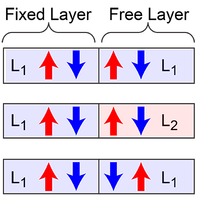
Phys. Rev. Lett. 136, 136702 (2026)
Condensed Matter and Materials
High-Order Perfect Absorption in the Absence of Exceptional Point
Article | Condensed Matter and Materials | 2026-03-31 06:00 EDT
Huisheng Xu, Luojia Wang, Luqi Yuan, and Liang Jin
High-order perfect absorption of coherent input has recently attracted significant attention due to its broadband absorption capacity. However, the realization of a high-order perfect absorber relies on the exceptional point (EP) to coalesce the scattering zeros. Here, we present a general scatterin…
Phys. Rev. Lett. 136, 136902 (2026)
Condensed Matter and Materials
Near-Field Gain and Far-Field Control via a Plasmonic Time Crystal Slab
Article | Condensed Matter and Materials | 2026-03-31 06:00 EDT
Jaime E. Sustaeta-Osuna, Thomas F. Allard, Francisco J. García-Vidal, and Paloma A. Huidobro
Light-matter interactions can be substantially altered in the presence of time-varying media. We study the interaction between a harmonic electric dipole and a plasmonic time crystal slab. Temporal modulation of the plasma frequency enables near-field gain, allowing the dipole to absorb rather than …
Phys. Rev. Lett. 136, 136903 (2026)
Condensed Matter and Materials
Mutual Linearity Is a Generic Property of Steady-State Markov Networks
Article | Statistical Physics; Classical, Nonlinear, and Complex Systems | 2026-03-31 06:00 EDT
Robin Bebon and Thomas Speck
Understanding and predicting how complex systems respond to external perturbations is a central challenge in nonequilibrium statistical physics. Here, we consider continuous-time Markov networks, which we subject to perturbations along a single edge. We find that in steady state the probabilities of…
Phys. Rev. Lett. 136, 137401 (2026)
Statistical Physics; Classical, Nonlinear, and Complex Systems
Acoustic-Edge and Thermal Scaling in Disordered Hyperuniform Networks: A First Principles Theory
Article | Statistical Physics; Classical, Nonlinear, and Complex Systems | 2026-03-31 06:00 EDT
Yang Jiao
We develop a first-principles theory for the vibrational density of states (VDOS) and thermal properties of network materials built on stationary correlated disordered point configurations. For elastic networks with stretching and bending interactions, we show that the empirical spectral measure of …
Phys. Rev. Lett. 136, 137402 (2026)
Statistical Physics; Classical, Nonlinear, and Complex Systems
Informational Memory Shapes Collective Behavior in Intelligent Swarms
Article | Polymers, Chemical Physics, Soft Matter, and Biological Physics | 2026-03-31 06:00 EDT
Shengkai Li, Trung V. Phan, Luca Di Carlo, Gao Wang, Van H. Do, Elia Mikhail, Robert H. Austin, and Liyu Liu
We present an experimental and theoretical study of 2-D swarms in which collective behavior emerges from both direct local mechanical coupling between agents and from the exchange and processing of information between agents. Each agent, an air-table drone endowed with internal memory and a binary d…
Phys. Rev. Lett. 136, 138302 (2026)
Polymers, Chemical Physics, Soft Matter, and Biological Physics
Physical Review X
Photonic Restricted Boltzmann Machine for Content Generation Tasks
Article | 2026-03-31 06:00 EDT
Li Luo, Yisheng Fang, Wanyi Zhang, and Zhichao Ruan
A newly developed photonic restricted Boltzmann machine accelerates generative artificial intelligence by executing complex Gibbs sampling optically, overcoming traditional electronic computing bottlenecks.
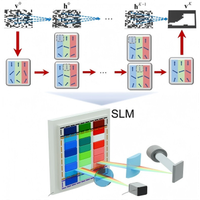
Phys. Rev. X 16, 011071 (2026)
Review of Modern Physics
Editorial: A Tribute to the Arecibo Observatory
Article | 2026-03-31 06:00 EDT
Véronique Van Elewyck and Dietrich Belitz
Three Colloquia honor the Arecibo Observatory's legacy, exploring its revolutionary impact on planetary radar studies, radio astronomy, and geospace science.
Rev. Mod. Phys. 98, 010001 (2026)
Colloquium: Planetary radar at the Arecibo Observatory
Article | 2026-03-31 06:00 EDT
Michael C. Nolan, Lynn M. Carter, and Edgard G. Rivera-Valentín
For more than two decades, the planetary radar installed at the Arecibo Telescope was the most sensitive instrument of its kind, harnessing the penetrating power of radio waves to perform observations of the (sub)surface of planets, moons, and asteroids in the Solar System--providing a unique perspective on those bodies that helped to drive in situ exploration. This Colloquium presents an overview of the scientific legacy of the Arecibo radar system, focusing on the period posterior to the Gregorian Update in the late 1990s until the unexpected demise of the telescope in 2020. After recalling the basics of planetary radar techniques, it reviews key Arecibo observations of Mercury, Venus, Mars, our Moon, and the Saturn system, and highlights its essential role in the characterization of a large sample of near-Earth asteroids and comets.
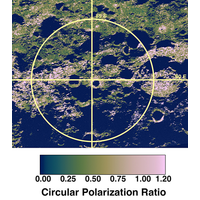
Rev. Mod. Phys. 98, 011003 (2026)
Colloquium: Radio astronomy with the Arecibo 305-m telescope: In contemporaneous context
Article | 2026-03-31 06:00 EDT
Tapasi Ghosh and Chris Salter
The Arecibo Observatory, inaugurated in 1963 as the world's largest single-dish radio telescope, remained at the forefront of astronomy and atmospheric science for more than five decades, until its catastrophic collapse in December 2020. This Colloquium focuses on Arecibo's enduring legacy in radio astronomy, offering a historical perspective that emphasizes how successive major upgrades of the telescope continuously expanded its observational capabilities and scientific impact. It presents Arecibo's most influential contributions in topics as diverse as pulsar studies, the mapping of neutral hydrogen (HI) in the Milky Way and other galaxies, the characterization of the interstellar medium, the imaging of extragalactic radio sources with very long baseline interferometry (VLBI), the search for extraterrestrial intelligence (SETI), and being a major contributor to the first-ever detection of a stochastic gravitational-wave background.
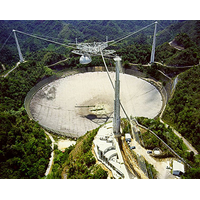
Rev. Mod. Phys. 98, 011004 (2026)
Colloquium: Geospace pathfinder science at Arecibo Observatory
Article | 2026-03-31 06:00 EDT
J. D. Mathews, M. P. Sulzer, and Shikha Raizada
The Arecibo Observatory housed the largest single-aperture radio telescope for approximately 50 years. A major scientific focus was studying the upper atmosphere; its highly sensitive radar facility, combined with lidars, optical sensors, and satellite-based systems, enabled unprecedented studies of ionospheric physics based on incoherent scattering of radio waves off free electrons. After establishing the fundamental concepts and observables of the incoherent scattering radar technique, this Colloquium reviews key advances obtained with the Arecibo suite of instruments in multiple areas of geospace science, including plasma physics, space weather, lidar studies of atomic metals in the ionosphere, and ionosphere-magnetosphere coupling.
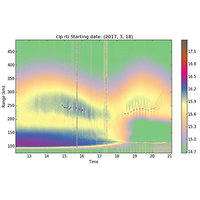
Rev. Mod. Phys. 98, 011005 (2026)
Pressure effects on metals, alloys, and compounds of transplutonium elements
Article | Condensed matter | 2026-03-31 06:00 EDT
Tyler W. Hines, Nicholas B. Beck, Kacy N. Mendoza, Joseph M. Sperling, and Thomas E. Albrecht
Materials containing transplutonium elements (the actinides Am-Cm that come after Pu in the periodic table) are important for nuclear power, nuclear waste management, and long-term storage. They also have fascinating properties, with 5 electrons that lie at the boundary of being localized and itinerant. This paper reviews the physics and chemistry of transplutonium compounds under high pressure, covering both traditional metals, alloys, and compounds, as well as recent work on coordination complexes. Both the theory and experiments are challenging due to the high radioactivity and the complexity of studying heavy elements with both itinerant and localized electrons. The reviewed work represents a tour-de-force expansion of our understanding of the unique behavior of these materials.
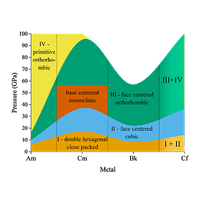
Rev. Mod. Phys. 98, 015004 (2026)
Condensed matter
arXiv
Data-Driven Estimation of the interfacial Dzyaloshinskii-Moriya Interaction with Machine Learning
New Submission | Materials Science (cond-mat.mtrl-sci) | 2026-04-01 20:00 EDT
Davi Rodrigues, Andrea Meo, Ali Hasan, Edoardo Piccolo, Adriano Di Pietro, Alessandro Magni, Marco Madami, Giovanni Finocchio, Mario Carpentieri, Michaela Kuepferling, Vito Puliafito
Machine learning offers powerful tools to support experimental techniques, particularly for extracting latent features from large datasets. In magnetic materials, accurately estimating the interfacial Dzyaloshinskii-Moriya interaction strength remains challenging, as existing experimental methods often rely on indirect measurements and can yield inconsistent results across techniques. Because this interaction is often extracted experimentally from bubble domain expansion, we investigate whether bubble textures alone contain sufficient and reliable information for data driven DMI inference. We therefore develop a compact convolutional neural network trained on a comprehensive micromagnetic dataset of magnetic bubble domains designed to emulate magneto optical Kerr effect imaging, including structural non uniformity, additive noise, and image pixelation. The proposed network demonstrates strong robustness against sample inhomogeneities, noise, and reduced spatial resolution. Furthermore, it exhibits reliable generalization by accurately predicting DMI values outside the trained interval. These results support the use of machine learning as a fast and quantitative tool to characterize magnetic textures with interfacial DMI.
Materials Science (cond-mat.mtrl-sci), Mesoscale and Nanoscale Physics (cond-mat.mes-hall), Machine Learning (cs.LG)
13 pages, 7 figures
Symmetry-Fractionalized Skin Effects in Non-Hermitian Luttinger Liquids
New Submission | Strongly Correlated Electrons (cond-mat.str-el) | 2026-04-01 20:00 EDT
Christopher Ekman, Emil J. Bergholtz, Paolo Molignini
In one dimension, strongly correlated gapless systems are highly constrained due to conformal invariance, leading to the decoupling of low energy degrees of freedom corresponding to different symmetry sectors. The most familiar example of this is spin-charge separation. Here, we extend this mechanism to the non-Hermitian realm by demonstrating that skin effects corresponding to different symmetry sectors exhibit an emergent decoupling. We establish this for $ N$ flavor fermions and demonstrate it numerically for the special case of the Hubbard model, in which spin and charge skin effects separate at low energies. Finally, we construct an interaction-enabled $ E_8$ skin effect with no free fermion counterpart.
Strongly Correlated Electrons (cond-mat.str-el), Quantum Gases (cond-mat.quant-gas), Quantum Physics (quant-ph)
7+7 pages, 3+3 figures
Higgs criticality of Dirac spin liquids on depleted triangular lattices
New Submission | Strongly Correlated Electrons (cond-mat.str-el) | 2026-04-01 20:00 EDT
Andreas Feuerpfeil, Atanu Maity, Ronny Thomale, Yasir Iqbal, Subir Sachdev
We investigate Higgs criticality in candidate U(1) Dirac spin liquids across a family of depleted triangular lattices: the triangular, kagome, and maple-leaf geometries. For each, we identify the symmetry-allowed spinon-pairing channel connecting the U(1) state to a proximate $ \mathbb{Z}_2$ spin liquid, deriving the corresponding quantum electrodynamics (QED$ 3$ )-Higgs theory. While the triangular and kagome lattices share a low-energy description with $ N_f=4$ Dirac fermions, the maple-leaf lattice yields an analogous theory with $ N_f=12$ and a distinct nodal structure where the Dirac cones can move along high-symmetry lines in momentum space. Using a large-$ N{f,b}$ expansion, we compute critical exponents and the scaling dimensions of the symmetry-allowed Yukawa couplings. We find that while Higgs-field fluctuations and a large fermion flavor number both act to suppress the relevance of the Yukawa coupling – pushing the maple-leaf lattice closer to stability than its counterparts – the coupling remains weakly relevant in all three cases. This rendering of the Higgs critical point as asymptotically unstable is partly driven in the maple-leaf case by an additional coupling associated with the momentum-space mobility of the Dirac cones. Ultimately, our results provide a unified framework demonstrating how the interplay between fermion flavor count and nodal geometry dictates the fate of the QED$ _3$ -Higgs transition.
Strongly Correlated Electrons (cond-mat.str-el)
15 pages, 11 figures, 1 table
Fractionalization from Kinetic Frustration in Doped Two-Dimensional SU(4) Quantum Magnets
New Submission | Strongly Correlated Electrons (cond-mat.str-el) | 2026-04-01 20:00 EDT
Wilhelm Kadow, Ivan Morera, Eugene Demler, Michael Knap
Separating electrons into emergent fractional quasiparticles is a hallmark of exotic quantum phases of matter with strong interactions. Understanding under which circumstances fractionalized excitations appear is a major conceptual challenge and can help realize long sought-after states, such as quantum spin liquids. Here, we identify a distinct mechanism for fractionalization. Starting from the plaquette-ordered ground state of an SU(4) symmetric t-J model at quarter filling on frustrated triangular lattices, we reveal a compelling interplay between order and fractionalization as a function of doping. For hole doping, we find that the kinetic frustration can be relieved by fractionalizing the holes into fermionic spinons and bosonic holons: the holons minimize their kinetic energy when the spinons form a spinon Fermi surface. We support this mechanism analytically in the large-N limit as well as numerically by simulating the SU(4) case with matrix product states on cylinder geometries and with variational Monte Carlo methods on system sizes up to 40x40. Conversely, electron doping drives the system into a ferromagnetic phase, akin to Nagaoka’s theorem. We discuss possible experimental realizations in moiré heterostructures as well as ultracold atoms, and propose dynamical probes to search for key characteristics of the fractionalized quasiparticles.
Strongly Correlated Electrons (cond-mat.str-el), Mesoscale and Nanoscale Physics (cond-mat.mes-hall), Quantum Gases (cond-mat.quant-gas)
13 pages, 9 figures
Optical creation of dark-bright soliton lattices in multicomponent Bose-Einstein condensates
New Submission | Quantum Gases (cond-mat.quant-gas) | 2026-04-01 20:00 EDT
Y. Braver, D. Burba, Th. Busch, G. Juzeliūnas, P. G. Kevrekidis
We present a widely accessible and experimentally realizable technique for the controlled creation of dark-bright solitons and soliton lattices in atomic Bose-Einstein condensates. The method is based on preparing the condensate in a dark state of a $ \Lambda$ -coupled three-level system. Numerical simulations reveal that individual dark-bright solitons created through this scheme can survive over experimentally accessible timescales, even when the coupling laser fields are switched off. Meanwhile, the fate of soliton lattices upon the quench of the fields depends on the scattering lengths. When they are all equal, the lattice is found to persist on timescales comparable to the condensate lifetime, even though the analysis of dynamical stability reveals that they possess unstable modes. In this case the resulting destabilization is not found to be detrimental, as it leads to recurrent dynamics. On the other hand, for unequal scattering lengths the lattice structure gets destroyed once the instability sets in.
Quantum Gases (cond-mat.quant-gas)
8 pages, 5 figures
Effect of spin-orbit coupling on spin and orbital ordering in Sr$_{n+1}$Cr$n$O${3n+1}$, $n=1,2$
New Submission | Strongly Correlated Electrons (cond-mat.str-el) | 2026-04-01 20:00 EDT
We incorporate spin-orbit coupling (SOC) into effective Kugel-Khomskii models for the $ n=1$ and $ n=2$ members of the Ruddlesden-Popper series Sr$ {n+1}$ Cr$ n$ O$ {3n+1}$ . These model contain interacting spins 1 and pseudospins 1/2 at each site describing spin and orbitals degrees of freedom respectively. We solve the models at zero temperature using pseudospin bond operators and spin waves. We find that for realistic parameters, SOC dominates the physics of the compound Sr$ {2}$ CrO$ {4}$ with almost decoupled single CrO$ 2$ planes. The spin ordering is antiferromagnetic, with nearest-neighbor Cr spins aligned antiparallel. The corresponding orbital configuration is $ d{xy \uparrow }^{1}(d{xz\uparrow }^{1}-id{yz\uparrow }^{1})$ or $ d{xy \downarrow }^{1}(d{xz\downarrow }^{1}+id{yz\downarrow }^{1})$ depending on the spin of the site. In contrast, for the bilayer compound Sr$ _{3}$ Cr$ _{2}$ O$ _{7}$ we find that the effect of the SOC is weak and the system prefers to form pseudospin singlets in the $ z$ direction perpendicular to the planes. The spin order is antiferromagnetic within each plane and ferromagnetic between planes, in agreement with previous studies.
Strongly Correlated Electrons (cond-mat.str-el)
10 pages, 1 figure
A non-local constitutive model for the Mullins effect in filled elastomers
New Submission | Soft Condensed Matter (cond-mat.soft) | 2026-04-01 20:00 EDT
Filled rubber-like materials are widely used in engineering applications and are well known to exhibit the Mullins effect. In this work, an established local constitutive model from the literature is extended to a non-local setting to resolve the mesh dependence inherent to the local approach. Non-local effects are incorporated using two separate approaches: (i) a Helmholtz-type equation governing a non-local soft volume fraction, and (ii) a Laplacian term introduced directly into the soft volume fraction local evolution law. In both formulations, an additional governing partial differential equation arises and is solved numerically in Abaqus using an analogy with the heat equation. The two approaches yield different results, leaving the choice between them to be guided by experimental findings. The details of the implementation, along with the code developed in this work are also provided.
Soft Condensed Matter (cond-mat.soft)
Disorder-Driven Enhancement of Coulomb Repulsion Governs The Superconducting Dome in Ionic-Liquid-Gated Quasi-2D Materials
New Submission | Superconductivity (cond-mat.supr-con) | 2026-04-01 20:00 EDT
Giovanni Marini, Pierluigi Cudazzo, Matteo Calandra
The superconducting dome in the Tc versus doping phase diagram, found in cuprates, nickelates, twisted bilayer graphene, and transition metal dichalcogenides, is often considered a signature of unconventional pairing. Identifying the underlying mechanisms of any of these phase diagrams and developing a reliable theoretical understanding of it remains a critical challenge. Here we demonstrate that, in ionic-liquid-gated quasi-2D materials, the disordered ionic potential from the frozen ionic liquid drives the system close to Anderson transition. In this regime, quenched charge fluctuations and reduced screening markedly enhance repulsive Coulomb interactions, suppressing Tc and naturally leading to the formation of a superconducting dome. By integrating a many-body approach including disorder with first-principles calculations, we obtain the phase diagrams and tunneling spectra of gated few-layers transition metal dichalchogenides in robust quantitative agreement with experiments. Our findings establish that disorder-driven enhancement of Coulomb repulsion is a fundamental feature of ionic-liquid-gated quasi-2D materials at high bias.
Superconductivity (cond-mat.supr-con)
A Unified Multiscale Auxiliary PINN Framework for Generalized Phonon Transport
New Submission | Mesoscale and Nanoscale Physics (cond-mat.mes-hall) | 2026-04-01 20:00 EDT
Roberto Riganti, Luca Dal Negro
Nanoscale thermal transport is governed by the phonon Boltzmann transport equation (BTE). However, simulating the sub-continuum dynamics remains computationally prohibitive due to the high dimensionality of the phase space and the intrinsic nonlinearity of the scattering collision operator. Traditional numerical solvers and standard physics-informed neural networks (PINNs) inherently struggle with these integro-differential equations due to deterministic quadrature limitations, artificial thermalization introduced by the relaxation time approximation (RTA), and multiscale spectral bias. This work introduces a multiscale auxiliary physics-informed neural network (MTNet) to solve the generalized equation of phonon radiative transfer (GEPRT). By leveraging an auxiliary formulation, this mesh-free framework recasts the GEPRT into a fully differential system, enabling the analytical evaluation of scattering operators via automatic differentiation and facilitating scalable multi-GPU parallelization. To circumvent optimization stiffness, the architecture employs a decoupled, shallow neural network explicitly constrained by radiative equilibrium. MTNet is validated by simulating steady-state cross-plane transport in a silicon thin film, successfully capturing ballistic-diffusive regimes and characteristic boundary slips across extreme temperature gradients ($ \Delta T = 100$ K) beyond the standard linearization approach. Furthermore, we show that our framework successfully solves a geometric inverse problem in a slab geometry, retrieving the unknown slab thickness based only on interface temperature constraints in the mesoscopic regime. Ultimately, MTNet establishes a robust, fully differentiable foundation for predicting high-fidelity kinetic transport and extracting material properties in next-generation nanostructures.
Mesoscale and Nanoscale Physics (cond-mat.mes-hall)
Probing Azimuthal Anatomy of Hyperbolic Whispering Gallery Modes in hBN
New Submission | Mesoscale and Nanoscale Physics (cond-mat.mes-hall) | 2026-04-01 20:00 EDT
Bogdan Borodin, Samyobrata Mukherjee, Shivaksh Rawat, Seojoo Lee, Thomas Poirier, Kenji Watanabe, Takashi Taniguchi, James H. Edgar, Hanan Herzig Sheinfux, Gennady Shvets, Petr Stepanov
Scattering-type scanning near-field optical microscopy (s-SNOM) is a powerful tool for investigating polaritonic modes. However, an inherent limitation of this technique is that excitation and detection occur at the same location. This constraint makes it challenging to resolve excitations with complex spatial structures, which can exhibit delicate dependence on the in-coupling conditions. Here, we present a strategy to overcome this limitation by introducing an auxiliary cavity, which serves as a stationary near-field excitation source. This configuration allows the s-SNOM tip to act solely as a detector, and decouples excitation from detection. We apply this approach to whispering gallery modes (WGMs) of hyperbolic phonon-polaritons in hexagonal boron nitride resonators. Through spatially resolved near-field maps we directly observe subwavelength polaritonic WGMs with large and discrete azimuthal momentum ($ k_\phi / k_0$ up to 15). This allows us to map the frequency and angular behavior of the modes. Notably, we observe dynamic tuning of the effective refractive index by the WGMs to preserve consistent azimuthal momentum (k_\phi) under varying excitation conditions. Numerical simulations support the experimental observations and confirm the observation of hyperbolic WGMs. This approach enables direct visualization of previously hidden mode structures in hyperbolic cavities and opens new pathways for momentum-controlled polaritonic device engineering.
Mesoscale and Nanoscale Physics (cond-mat.mes-hall)
First principles electric field gradients at A and B site cations across the NaRTiO4 Ruddlesden Popper series
New Submission | Materials Science (cond-mat.mtrl-sci) | 2026-04-01 20:00 EDT
L. F. Almeida, A. N. Cesário, P. A. Sousa, P. Rocha-Rodrigues, L. V. C. Assali, H. M. Petrilli, J. P. Araújo, A. M. L. Lopes
The $ n = 1$ Ruddlesden-Popper titanates, NaRTiO$ _{4}$ (R = rare-earth), exhibit a structural behaviour where non-centrosymmetry is driven by cooperative oxygen octahedral rotations (OORs) rather than conventional second-order Jahn-Teller distortions. In this work, we present an \textit{ab-initio} investigation of the structural, electronic and hyperfine properties of the entire NaRTiO$ _{4}$ series across the two disputed ground states, $ Pbcm$ and $ P\bar{4}2_1m$ , and the high temperature $ P4/nmm$ symmetries. Our results reveal an ionic-radius-dependent evolution from a tilt-dominated regime for small rare-earth ions to a distortion-dominated regime for larger cations, leading to an asymptotic regime in which the high-temperature phase becomes increasingly competitive with the ground-state structures as the ionic radius increases. In parallel, the electronic band gap follows a systematic evolution across the series, reflecting the underlying structural changes and the increasing dominance of octahedral distortions at larger ionic radii. The Electric Field Gradient (EFG) tensor reveals that, in the large-radius limit, all symmetries tend locally towards a similar environment. Away from this limit, the EFG tensor for different symmetries progressively diverges, providing a sensitive probe for phase transitions and revealing symmetry-specific fingerprints, particularly for the rare-earth and Ti sites. By establishing these EFG signatures, this work provides a roadmap for experimental techniques, such as Nuclear Magnetic Resonance (NMR) and Perturbed Angular Correlation (PAC), to resolve the ground-state symmetry of these structures.
Materials Science (cond-mat.mtrl-sci), Other Condensed Matter (cond-mat.other)
Electrically tunable orbital coupling and quantum light emission from O-band quantum dot molecules
New Submission | Mesoscale and Nanoscale Physics (cond-mat.mes-hall) | 2026-04-01 20:00 EDT
P.S. Avdienko, L. Hanschke, Q. Buchinger, N. Akhlaq, I. Lubianskii, E. Weber, H. Riedl, M. Kamp, T. Huber-Loyola, S. Hoefling, A. Pfenning, K. Mueller, J.J. Finley
We present the observation of electrically tunable quantum coupling of orbital states in individual InAs/InGaAs quantum dot molecules emitting in the telecom O-band (~1300 nm). By tuning the static electric field along the growth axis of the QD-molecule, we observe pronounced anticrossings between excitonic transitions and determine the dependence of the interdot electron tunnel coupling on the interdot separation. As the electric field applied along the growth axis of the QD-molecules increases, positively charged exciton complexes sequentially emerge in the time-integrated emission spectra due to electron escape from the system while holes remain trapped. Moreover, for strong pumping, biexciton emission from the O-band molecules is identified. We demonstrate single-photon emission from the InAs/InGaAs QD-molecule emitting around 1300 nm with a g(2)(0) = 0.017(2) and explore the impact of tuning orbital coupling on the second-order correlation function.
Mesoscale and Nanoscale Physics (cond-mat.mes-hall), Materials Science (cond-mat.mtrl-sci), Applied Physics (physics.app-ph)
9 pages, 4 figures
Temporal reversibility of a fluid mixture under concentration gradient
New Submission | Statistical Mechanics (cond-mat.stat-mech) | 2026-04-01 20:00 EDT
O. Politano, Alejandro L. Garcia, F. Baras, M. Malek Mansour
A binary fluid mixture in contact with lateral particle reservoirs is considered. By imposing different particle concentrations in these reservoirs, the system can be maintained under controlled non-equilibrium conditions. Previous stochastic approaches have revealed an unexpected property of the system’s state trajectory, namely that it remains time-reversible even when the system is driven out of equilibrium. In the absence of relevant experimental evidence, we employ microscopic molecular dynamics simulations to assess the validity of this surprising result. Remarkably, the simulation results unambiguously confirm the prediction of the stochastic analysis.
Statistical Mechanics (cond-mat.stat-mech)
Non-Hermitian Causal Memory Generates Observable Temporal Correlations Invisible to Spectral Analysis
New Submission | Statistical Mechanics (cond-mat.stat-mech) | 2026-04-01 20:00 EDT
We identify a new class of non-Hermitian causal processes that produce statistically significant temporal correlations invisible to conventional spectral methods. Using a generative model with a strictly causal memory kernel, we demonstrate that time-asymmetric stochastic processes naturally yield sharp transitions at characteristic scales that appear as localized structures in similarity space but leave no trace in power spectra. The model predicts an asymmetric transition profile with orientation-dependent asymmetry parameter $ A(\theta)=A_0\cos(\theta+\delta)$ and achieves quantitative agreement ($ \chi^2/\mathrm{dof}=0.50$ , $ p=0.86$ ) with high-precision counting experiments exhibiting $ p<10^{-15}$ significance. These results establish a fundamental limitation of spectral analysis for non-Hermitian, non-stationary processes and provide experimentally testable signatures of causal memory in open quantum systems.
Statistical Mechanics (cond-mat.stat-mech), Classical Physics (physics.class-ph)
4 pages, 3 figures, 1 table
Singing Materials: Initial experiments in applying sonification to phonon spectra
New Submission | Materials Science (cond-mat.mtrl-sci) | 2026-04-01 20:00 EDT
Lucy Whalley, Rose Shepherd, Jorge Boehringer, Shelly Knotts, Paul Vickers, George Caselton, Christopher Harrison, Bennett Hogg, Daniel Ratliff, Carol Davenport, Antonio Portas
Solid materials may appear static, but at the atomic scale they are in constant vibrational motion. These vibrations, described by phonons, govern many key material properties, including structural stability, mechanical strength, optical behaviour, and thermal transport. Understanding phonon physics is therefore central to the rational design of materials with targeted functionalities.
Singing Materials is a research project that explores how sonification can be applied to this domain. In this work, we introduce \texttt{SingingMaterials}, a modular Python package for sonifying materials simulation data. The software interfaces with the Materials Project database and is designed to be extensible, enabling the incorporation of additional sonification strategies and data sources. Built using the Sonification Toolkit \texttt{Strauss}, the current implementation supports three core approaches: spectral, synthesised, and sample-based.
We demonstrate these approaches using phonon density-of-states data and evaluate their effectiveness through a user study, investigating whether listeners can distinguish differences in material properties from their auditory representations. The results show that sonification can provide an interpretable and complementary approach for exploring vibrational materials data.
Materials Science (cond-mat.mtrl-sci)
Longest weakly increasing subsequences of discrete random walks on the integers with heavy tailed distribution of increments
New Submission | Statistical Mechanics (cond-mat.stat-mech) | 2026-04-01 20:00 EDT
José Ricardo G. Mendonça, Marcelo V. Freire
We investigate the behavior of the length of the longest weakly increasing subsequences (weak LIS) of $ n$ -step random walks with nonzero integer increments $ k = \pm 1, \pm 2, \dots$ given by a zero-mean, symmetric heavy tailed mass distribution proportional to $ |k|^{-1-\alpha}$ for several values of the real parameter $ \alpha > 0$ together with that of the simple random walk ($ k=\pm 1$ ), to which the $ n$ -step heavy tailed random walks tends when $ \alpha > (1+o(1))\log_{2}{n}$ .
By means of exploratory fits, weighted nonlinear least squares, and ANOVA model comparison, we found that the sample average length $ \langle{L_{n}}\rangle$ scales like $ \langle{L_{n}}\rangle \sim \sqrt{n}\log{n}$ when the distribution of increments has finite variance ($ \alpha > 2$ ) and $ \langle{L_{n}}\rangle \sim n^{\theta}$ with a varying exponent $ \theta > 0.5$ when the variance is infinite ($ \alpha \leq 2$ ). Distributional diagnostics indicate that the bulk of the $ L_{n}$ distribution is very well-approximated by a lognormal model, though systematic deviations are observed in the tails.
Our results corroborate and expand upon previous results for the LIS of other types of heavy-tailed random walks and raise a conjecture as to whether the distribution of $ L_{n}$ is given, or can be effectively described, by a lognormal distribution.
Statistical Mechanics (cond-mat.stat-mech), Probability (math.PR), Applications (stat.AP)
elsarticle style, 21 pages, 13 figures and a few tables
Energy level alignment of vacancy-ordered halide double perovskites
New Submission | Materials Science (cond-mat.mtrl-sci) | 2026-04-01 20:00 EDT
Ibrahim Buba Garba, George Volonakis
Vacancy-ordered double perovskites have emerged as lead-free alternatives, offering remarkable stability and compositional tunability for optoelectronic applications. In this study, we provide first-principles insights into their electronic properties, surface stability, and energy level alignment using a non-empirical, dielectric-dependent hybrid functional. For a representative family of Cs$ _2$ MX$ _6$ compounds, with M = Zr, Sn, Te, and X= Cl, Br, I, our calculations reveal that the predicted bulk electronic band gaps are in excellent agreement with those obtained using the state-of-the-art GW method, validating the accuracy of our approach. We investigate the stability of these materials under simulated experimental conditions, considering both the rich and poor chemical potentials of their precursor salts. Our results indicate distinct regions of surface energy stability that favor CsX terminations. In contrast, MX$ _4$ terminations show in-gap surface states, which can act as trap states and reduce carrier lifetime. Finally, based solely on the intrinsic absolute energy levels, we identify promising candidates as charge transport and injection layers for typical photovoltaic and light-emitting applications. This study provides a detailed map of energy level alignment at Cs$ _2$ MX$ _6$ surfaces, offering valuable design principles for the development of next-generation Cs$ _2$ MX$ _6$ -based optoelectronic devices.
Materials Science (cond-mat.mtrl-sci)
How much of persistent homology is topology? A quantitative decomposition for spin model phase transitions
New Submission | Statistical Mechanics (cond-mat.stat-mech) | 2026-04-01 20:00 EDT
Point-cloud persistent homology (PH) – computing alpha or Rips complexes on spin-position point clouds – has been widely applied to detect phase transitions in classical spin models since Donato et al. (2016), with subsequent studies attributing the detection to the topological content of the persistence diagram. We ask a simple question that has not been posed: what fraction of the PH signal is genuinely topological? We introduce f_topo, a quantitative decomposition that separates the density-driven and topological contributions to any PH statistic by comparing real spin configurations against density-matched shuffled null models. Across the 2D Ising model (system sizes L = 16-128, ten temperatures) and Potts models (q = 3, 5), we find that H_0 statistics – total persistence, persistence entropy, feature count – are 94-100% density-driven (f_topo < 0.07). The density-matched shuffled null detects T_c at the identical location and with comparable peak height as real configurations, showing that density alone is sufficient for phase transition detection. However, H_1 statistics are partially topological: the topological fraction grows with system size as delta(TP_{H_1}) ~ L^{0.53} and follows a finite-size scaling collapse delta(T, L) = L^{0.53} g(tL^{1/nu}) with collapse quality CV = 0.27. The longest persistence bar is strongly topological (f_topo > 1) and scales with the correlation length. A scale-resolved analysis reveals that the topological excess shifts from large-scale to small-scale features as L increases. We propose that the TDA-for-phase-transitions community adopt shuffled null models as standard practice, and that H_1 rather than H_0 statistics be used when genuine topological information is sought.
Statistical Mechanics (cond-mat.stat-mech), Machine Learning (cs.LG), Algebraic Topology (math.AT)
7 pages, 4 figures, 2 tables
The geometric origin of criticality: a universal mechanism in mean-field rotor Hamiltonians
New Submission | Statistical Mechanics (cond-mat.stat-mech) | 2026-04-01 20:00 EDT
We introduce a universal criterion for criticality in mean-field rotor Hamiltonians based on the geometric structure of the constant-energy shell. Rather than characterizing the onset of a phase transition through the conventional thermodynamic singularities alone, we show that the relevant information is already encoded in the way the geometry of the shell reorganizes along distinguished collective directions.
For a broad class of finite-dimensional trigonometric mean-field interactions, the trace of the Weingarten operator (representing the principal curvatures) admits a universal collective expansion in terms of the order-parameter amplitudes. This expansion defines an energy-dependent quadratic form whose eigenmodes identify the geometrically unstable channels of the system. Criticality is then associated with the vanishing of the corresponding curvature coefficients, yielding a direct geometric selection principle for the modes that become unstable at the transition.
In this way, the phase transition in mean-field systems (usually of first- or second-order) is reformulated as a geometric instability phenomenon intrinsic to the microcanonical energy shell. The resulting framework is geometrically universal within the class considered, independent of model-specific details except for a finite set of collective couplings. Moreover, our approach recovers the known critical channels in standard mean-field rotor models while extending naturally to multimode and spectrally coupled cases. These results support a view in which critical behavior can be understood as reorganizations of energy-shell geometry triggered by a collective restructuring of the underlying energy-shell geometry.
Statistical Mechanics (cond-mat.stat-mech)
Exploring non-trivial band structure and spin polarizations in $d$-wave altermagnets tailored by anisotropic optical fields
New Submission | Mesoscale and Nanoscale Physics (cond-mat.mes-hall) | 2026-04-01 20:00 EDT
Andrii Iurov, Liubov Zhemchuzhna, Tiyhearah Danner-Jackson
The subject of the present paper is a detailed theoretical investigation of the energy spectrum and bandgaps, as well as collective properties and linear response, in $ d$ -wave altermagnets in the presence of an off-resonance optical dressing field. We consider the altermagnets with both $ d_{x^2-y^2}$ and $ d_{xy}$ pairing symmetries and focus on anisotropic dressing fields applied to an anisotropic and non-linear electron Hamiltonian. We have uncovered several crucial properties of the resulting electron-dressed state; specifically, we found that a finite bandgap is opened by linearly polarized irradiation, a phenomenon not observed in Dirac materials. A number of crucial properties of the electron dressed states in the presence of the linearly polarized light can be uncovered only in the second-order perturbation expansion, which is often omitted. We demonstrate that introducing an anisotropic driving field leads to several subtle yet important changes in the Edelstein susceptibilities of altermagents, enabling the fine-tuning of their spin polarizations. All these results must be in high demand due to the rapidly developing fields of spintronics and device physics.
Mesoscale and Nanoscale Physics (cond-mat.mes-hall)
25 pages; 12 figures
A Unified Theory of Deterministic Magnetic Switching
New Submission | Other Condensed Matter (cond-mat.other) | 2026-04-01 20:00 EDT
Xizhi Fu, Lei Han, Xi Liu, Cheng Song, Junwei Liu
The deterministic switching of magnetic order parameters is critically important, as it forms the fundamental basis for manipulating information states in magnetic memory devices. This work presents a general theoretical framework that unifies the mechanisms of magnetic switching by introducing the concept of switching symmetry and establishing that the necessary condition for deterministic switching is the breaking of all switching symmetries, which can be achieved through asymmetric states, asymmetric barriers, and asymmetric torques. Our theory can successfully and universally explain all reported experimental cases of deterministic magnetic switching and provides unified and simple design principles for new switching devices of all magnetic materials without the need of complicated simulations.
Other Condensed Matter (cond-mat.other)
Robust Flat Magnetoresistivity in D0$_3$-Fe$_3$Ga Driven by Chiral Anomaly
New Submission | Materials Science (cond-mat.mtrl-sci) | 2026-04-01 20:00 EDT
Ruoqi Wang, Xinyang Li, Bo Zhao, Haofu Wen, Xin Gu, Shijun Yuan, Langsheng Ling, Chuanying Xi, Ze Wang, Kunquan Hong, Liang Ma, Ke Xia, Taishi Chen, Jinlan Wang
Topologically non-trivial nodes emerging from flat-band crossings not only enhance unconventional topological responses but also play a fundamental role in exploring correlation-driven topological physics. Here, we report the exceptionally robust chiral-anomaly-dominated transport in D0_3-Fe_3Ga. First, we observe a combination of positive and negative magnetoresistance, ideal planar longitudinal magnetoresistance (PLMR), and the planar Hall effect (PHE). Second, ultra-low-temperature resistivity exhibits pronounced non-Fermi-liquid (NFL) behavior, accompanied by the emergence of giant intrinsic anomalous Hall conductivity (AHC), in excellent agreement with our DFT calculations, which confirm the existence of tilted Weyl points arising from crossings of nearly three-dimensional (3D) flat bands. Most remarkably, we detect an exceptionally robust flat magnetoresistance (flat-MR) that persists without decay up to 33 T. This set of phenomena provides strong evidence that the Fermi level intersects the flattened Weyl crossings, offering confirmation of a topological flat-band semimetal. D0_3-Fe_3Ga presents a promising magnetic platform for quantum device innovations.
Materials Science (cond-mat.mtrl-sci), Strongly Correlated Electrons (cond-mat.str-el)
main text 18 pages, 4 figures
Dissipation-induced Nonlinear Topological Gear Switching
New Submission | Quantum Gases (cond-mat.quant-gas) | 2026-04-01 20:00 EDT
Xuzhen Cao, Xiaolin Li, Liang Bai, Zhaoxin Liang, Li-Chen Zhao, Ying Hu
Nonlinear interaction enables topological phenomena impossible in linear systems. A paradigm is nonlinear Thouless pump, where the transport of solitons can be topologically quantized even when band occupation is nonuniform. Such nonlinear quantization traditionally requires a time-periodic Hamiltonian with static nonlinearity and, much as in the linear case, is inherently independent of pumping speed. Instead, we demonstrate a dissipation-induced topological gear switching, where quantized soliton transport can be switched on and off via the adiabatic pumping speed itself. This phenomenon has no counterpart in prior conservative nonlinear pumps, nor in linear non-Hermitian pumps. Crucially, quantization here no longer requires a time-periodic nonlinear Hamiltonian; it stems from a genuinely non-equilibrium mechanism captured by an effective conservative model whose \textit{nonlinearity varies aperiodically in time}. Remarkably, a quantized nonlinear transport can be induced even when this nonlinear aperiodic driving is such that the system is pumped from the linear to nonlinear regimes. Our results open a route toward nonequilibrium nonlinear topological matter, where topological effect is dynamically reconfigurable via time-varying nonlinearities, with experimental implications for photonic, atomic, or superconducting platforms and beyond.
Quantum Gases (cond-mat.quant-gas), Other Condensed Matter (cond-mat.other)
7+11 pages, 4+13 figures
Interplay of Electric Dipole Spin Resonance and Multilevel Landau-Zener Interference in p-Type Silicon Quantum Dots
New Submission | Mesoscale and Nanoscale Physics (cond-mat.mes-hall) | 2026-04-01 20:00 EDT
Sayyid Irsyadul Ibad, Yusaku Suzuki, Masahiro Tadokoro, Tokio Futaya, Shimpei Nishiyama, Kimihiko Kato, Shigenori Murakami, Takahiro Mori, Raisei Mizokuchi, Jun Yoneda, Tetsuo Kodera
In this work, we examine microwave responses of the Pauli spin blockade (PSB) leakage current through a p-type silicon double quantum dot. We observe more than the expected two resonance lines with the main resonance line exhibits both positive and negative peaks as a function of the magnetic field, corresponding to enhancement and suppression of the PSB leakage current, respectively. We attribute the observed spectra to the interplay between two spin rotation mechanisms: spin-orbit-mediated electric dipole spin resonance (EDSR) and multilevel Landau-Zener (MLLZ) interference, both of which are present in electrically driven devices with strong spin-orbit coupling (and enhanced in the vicinity of orbital level crossings). A numerical simulation taking into account both mechanisms show agreement with the experimental results. While these unconventional spectral behaviours can be readily suppressed away from the orbital level crossing or in devices with weak spin-orbit coupling, our study showcases the potential complexity of spin-rotating mechanisms for electrically driven spin qubits.
Mesoscale and Nanoscale Physics (cond-mat.mes-hall)
9 pages, 4 figures
Three-Band Anderson Lattice Model Reveals Co-Evolution of Topological and Magnetic Phases Driven by Electron Correlation
New Submission | Strongly Correlated Electrons (cond-mat.str-el) | 2026-04-01 20:00 EDT
Zhong-Yi Wang, Ya-Min Quan, Yu-Xuan Sun, Liang-Jian Zou, Xiang-Long Yu
Understanding the interplay of band topology, strong electron correlation, and magnetic order is the fundamental core bottleneck for realizing robust high-temperature quantum anomalous Hall effect (QAHE). Conventional two-band Anderson models are limited to paramagnetic Kondo topological insulators, failing to capture coupled topological-magnetic phase evolution relevant to the QAHE benchmark MnBi2Te4 family. We develop a minimal three-band Anderson lattice model incorporating Hubbard interaction, s-d exchange coupling, and a BHZ-like topological mechanism. Using the Kotliar-Ruckenstein slave-boson approach, we map correlation-driven phase transitions at filling v=2: increasing U drives a trivial-to-Kondo topological insulator transition, then activates the third band to mediate a paramagnetic topological insulator-to-ferromagnetic metal transition. The accompanying band reconstruction–fully spin-polarized d-orbitals sinking below the Fermi level, leaving itinerant p-orbitals to dominate low-energy physics–qualitatively matches published first-principles results for MnBi2Te4. In the strong-correlation regime, exchange coupling J stabilizes a Chern-Kondo insulator (C=1) and Weyl nodal-line semimetal. Critically, we reveal full d-orbital spin polarization renders the topological gap immune to correlation-induced narrowing, resolving the long-standing strong correlation-large gap incompatibility. Our results show excellent qualitative alignment with recent state-of-the-art QAHE experiments, providing a unified framework for correlated magnetic topological materials and new pathways to high-temperature QAHE.
Strongly Correlated Electrons (cond-mat.str-el)
23 pages,11 figures
Quasiperiodicity-Engineered Re-entrant Localization-Delocalization aspects in a Diamond Lattice
New Submission | Mesoscale and Nanoscale Physics (cond-mat.mes-hall) | 2026-04-01 20:00 EDT
Ranjini Bhattacharya, Souvik Roy
We investigate localization in a quasiperiodically engineered diamond lattice with strand-dependent Aubry-André-Harper onsite modulations, highlighting the decisive roles of the modulation ratio $ s$ and the averaged potential on the middle strand. The upper strand hosts the primary potential $ \lambda$ , the lower strand carries a weaker modulation $ \lambda/s$ , and the middle strand follows their average, generating a correlated quasiperiodic landscape across each plaquette. By tuning $ \lambda$ for selected values of $ s$ , we probe spectral and eigenstate properties via the inverse participation ratio (IPR), normalized participation ratio (NPR), and fractal dimension $ D_2$ . We uncover a pronounced re-entrant localization behavior, where eigenstates repeatedly switch between extended and localized regimes, which persists only within a finite range of $ s$ and crucially relies on the averaged potential construction. This unconventional sequence arises from the interplay of $ s$ , the correlated potential, and the intrinsic diamond geometry, producing a highly nontrivial interference landscape. Our results reveal localization physics beyond the standard Aubry-André paradigm, further supported by the evolution of extended states, system-size scaling of $ \langle \mathrm{NPR} \rangle$ and $ \langle D_2 \rangle$ , and dynamical signatures from the time-dependent root-mean-square displacement, confirming the robustness of the re-entrant transitions.
Mesoscale and Nanoscale Physics (cond-mat.mes-hall)
14 Pages, 24 Figures
Role of surface states and band modulations in ultrathin ruthenium interconnects
New Submission | Materials Science (cond-mat.mtrl-sci) | 2026-04-01 20:00 EDT
Gyungho Maeng, Subeen Lim, Mi Gyoung Lee, Bonggeun Shong, Kyeongjae Cho, Yeonghun Lee
Mitigating the RC delay from transistor miniaturization is essential for next-generation devices, driving a focus on interconnect electrical performance. Current copper-based interconnects face a critical challenge, that their resistivity sharply increases at the nanometer-scale due to surface and grain boundary scattering. Therefore, there is a pressing need for techniques that reduce resistance in ultrathin metal films. In this study, we employ the density functional theory to investigate how the intrinsic electronic structure of thin films impacts conductivity as a function of thickness. Notably, our analysis of ruthenium slab structures shows that surface states significantly influence thickness-dependent resistivity. It reveals that vacuum-terminated Ru slab exhibits decreasing resistivity with the decrease in thickness, whereas oxygen-terminated Ru slab shows the opposite trend. This difference is fundamentally attributed to the presence or absence of surface states, highlighting the importance of surface engineering in optimizing interconnect performance.
Materials Science (cond-mat.mtrl-sci)
Curr. Appl. Phys. (2026)
Interplay of Antiferromagnetism and Quasiperiodicity in a Hubbard Ring: Localization Insights
New Submission | Mesoscale and Nanoscale Physics (cond-mat.mes-hall) | 2026-04-01 20:00 EDT
Souvik Roy, Ranjini Bhattacharya
We study localization in a quasiperiodic spinful antiferromagnetic Hubbard ring within a self-consistent Hartree-Fock framework, emphasizing the interplay of quasiperiodicity, staggered Zeeman-field-induced antiferromagnetic order, and electron correlations. Localization properties are characterized through inverse participation ratios, normalized participation ratios, and multifractality, and are consistently supported by a broad class of real-space mean-field observables, including double occupancy, density fluctuations, local entropy, spin-density-wave (SDW) order, and other related correlation measures. We uncover a pronounced nonmonotonic evolution of localization with interaction strength, featuring an intermediate regime marked by enhanced localization, strong spatial inhomogeneity, and magnetic ordering, followed by a re-entrant tendency toward delocalization at stronger interaction regime. Phase diagrams constructed from complementary localization and mean-field indicators reveal extended, localized, and critical regimes governed by the interplay of quasiperiodicity and interactions. Furthermore, real-time wave-packet dynamics of eigenstates provide direct evidence of ballistic spreading, confinement, and re-entrant transport, in agreement with the underlying spectral characteristics. These results establish a unified framework where diverse mean-field observables and dynamical probes consistently capture correlation-driven localization phenomena in quasiperiodic systems.
Mesoscale and Nanoscale Physics (cond-mat.mes-hall)
14 Pages, 16 Figures
Quantum Fisher information in many-photon states from shift current shot noise
New Submission | Mesoscale and Nanoscale Physics (cond-mat.mes-hall) | 2026-04-01 20:00 EDT
Evgenii Barts, Takahiro Morimoto, Naoto Nagaosa
Quantum Fisher information (QFI) sets the ultimate precision of optical phase measurements and reveals multiphoton entanglement, but it is not accessible with conventional photodetection. We theoretically predict that a photodetector utilizing the shot noise of the quantum-geometric shift current of exciton polaritons can directly measure the QFI of nonclassical light. By solving the Lindblad equation, we obtain the time-dependent nonlinear photocurrent for an arbitrary initial photon state. It turns out that, regardless of the quantum state of the incident light, the integrated current depends only on the mean photon number. In stark contrast, the shot noise retains the quantum information: its Fano factor is proportional to the photon number variance and therefore encodes the QFI. Numerical calculations confirm these relations for illumination with optical Schrödinger cat and squeezed vacuum states. Quantum correlations in nonclassical light, usually hidden from direct detection, become observable in the form of shift current shot noise
Mesoscale and Nanoscale Physics (cond-mat.mes-hall), Quantum Physics (quant-ph)
Phonon Signatures of Near-Room-Temperature Phase Transition in Quasi-One-Dimensional Bi4I4 Topological van der Waals Material
New Submission | Materials Science (cond-mat.mtrl-sci) | 2026-04-01 20:00 EDT
Nidhish Thiruthukkal Puthenveettil, Topojit Debnath, Clayton Mantz, Zahra Ebrahim Nataj, Jordan Teeter, Md. Shafayat Hossain, Fariborz Kargar, Tina T. Salguero, Roger K. Lake, Alexander A. Balandin
The quasi-one-dimensional material Bi4I4 hosts two crystallographically similar polymorphs that realize distinct topological insulating phases separated by a first-order structural transition near room temperature. This transition occurs without a change in space group, arising instead from a subtle rearrangement of chain stacking registry. Polarization-resolved Raman spectroscopy directly resolves this structural-topological phase transition through abrupt, hysteretic modifications of the phonon spectrum. Angle-dependent measurements establish the symmetry of the dominant Raman-active modes and require a complex Raman tensor formalism to account for absorption-induced phase effects. Across the transition, selected phonon modes exhibit discontinuous, reversible shifts in frequency, linewidth, and relative intensity despite the absence of a space-group change. Density functional theory calculations reproduce the direction of the observed phonon renormalizations and confirm their sensitivity to stacking-dependent force constants. These results demonstrate that polarization-resolved Raman spectroscopy can detect subtle stacking-driven structural rearrangements that underlie topological band character, even when global crystallographic symmetry remains unchanged. The obtained results provide valuable insights into the interplay among lattice dynamics, structural distortions, and topological properties in this class of low-dimensional materials, with strong potential for unique functionalities.
Materials Science (cond-mat.mtrl-sci), Mesoscale and Nanoscale Physics (cond-mat.mes-hall)
36 pages, 8 figures
Long-range interaction effects on the phase transition, mechanical effect, and electric field response of BaTiO3 by machine learning potentials
New Submission | Materials Science (cond-mat.mtrl-sci) | 2026-04-01 20:00 EDT
Po-Yen Chen, Teruyasu Mizoguchi
Bulk materials are governed by both short-range and long-range interactions, both of which are naturally captured in conventional density functional theory (DFT) calculations through Ewald summation of electrostatic contributions. In contrast, machine learning potentials (MLPs) typically rely on local atomic environment descriptors, and long-range interactions are often neglected. Such approximations may introduce systematic energetic errors and lead to inaccuracies in predicted material properties. To systematically investigate the impact of long-range interactions in ferroelectric BaTiO3 within the framework of MLPs, we developed a long-range MACELES model and compared its performance with the previously reported BaTiO3 MACE model across four key properties (phonon dispersion, phase transition behavior, mechanical response, and ferroelectric properties including dielectric constants). We find that qualitative behaviors, including phase transitions, stress-induced polarization switching, and polarization-electric field hysteresis, are consistently reproduced by both models. In contrast, quantitative properties such as transition temperatures, elastic constants, and dielectric constants exhibit systematic improvements in MACELES model, highlighting the importance of incorporating long-range electrostatics for accurately describing the structural and dielectric responses of BaTiO3. These results suggest that while long-range interactions play a role in improving quantitative accuracy, their omission does not significantly alter the qualitative ferroelectric behavior of BaTiO3.
Materials Science (cond-mat.mtrl-sci)
11 pages, 5 figures + Supplementary Information (4 pages, 3 figures), submitted to APL Machine Learning
Quantum anomalous Hall effect in monolayer transition-metal trihalides
New Submission | Materials Science (cond-mat.mtrl-sci) | 2026-04-01 20:00 EDT
Thi Phuong Thao Nguyen, Kunihiko Yamauchi
We present systematic first-principles results for the electronic and magnetic properties of two-dimensional transition-metal trihalide monolayers MX3 (M = V, Cr, Mn, Fe, Ni, Pd; X = F, Cl, Br, I), focusing on their potential to host the quantum anomalous Hall effect. In particular, MnF3 and PdF3 exhibit a spin-polarized Dirac cone at the K point, spin-orbit coupling opens a sizable gap with a nonzero Chern number. Nanoribbon slab calculations reveal gap-crossing chiral edge states, establishing the nontrivial topological character. Beyond these case studies, our systematic screening clarifies general trends across the MX3 family and provides insight into how electronic configuration and spin-orbit coupling cooperate to produce magnetic and topological phases in two-dimensional magnets.
Materials Science (cond-mat.mtrl-sci)
6 pages, 5 figures, submitted for publication
Generation of dipolar supersolids through a barrier sweep in droplet lattices
New Submission | Quantum Gases (cond-mat.quant-gas) | 2026-04-01 20:00 EDT
E. L. Brakensiek, G. A. Bougas, S. I. Mistakidis
We propose a dynamical protocol to generate supersolids in dipolar quantum gases by sweeping a repulsive Gaussian barrier through an incoherent quasi-one-dimensional droplet array. Supersolidity is inferred by monitoring the ensuing dynamics of the density, momentum distribution, center-of-mass motion, and superfluid fraction within the framework of the extended Gross-Pitaevskii equation with quantum corrections. A persistent superfluid background arises, atop which the crystals oscillate in unison, indicating the establishment of phase coherence. This process is accompanied by energy redistribution and the gradual transfer of higher-lying momenta toward the zero momentum mode. The dependence of the superfluid fraction on the barrier velocity and height is also elucidated evincing the parametric regions which facilitate the rise of a superfluid background. Our results pave the way for engineering supersolid generation using experimentally accessible protocols.
Quantum Gases (cond-mat.quant-gas), Quantum Physics (quant-ph)
9 pages, 8 figures, 3 appendices
Spatiotemporal imaging of gate-controlled multipath dynamics of fractional quantum Hall edge excitations
New Submission | Mesoscale and Nanoscale Physics (cond-mat.mes-hall) | 2026-04-01 20:00 EDT
Yunhyeon Jeong, Akinori Kamiyama, John N. Moore, Takaaki Mano, Ken-ichi Sasaki, Yuuki Sugiyama, Tokiro Numasawa, Masahiro Hotta, Go Yusa
Quantum Hall edge excitations, whose low-energy behavior admits a chiral conformal-field-theory description, are a promising platform for engineered dynamical experiments, including analog-spacetime proposals. However, establishing their edge dynamics in realistic electrostatic landscapes is essential for controlled dynamical experiments and has remained experimentally challenging. Here we report spatiotemporal imaging of gate-controlled multipath dynamics of edge excitations in a $ \nu = 1/3$ fractional quantum Hall device using stroboscopic time-resolved photoluminescence microscopy and spectroscopy with $ \sim$ 100-ps resolution. By tuning a control-gate-defined potential landscape, we observe switching between mesa-defined and gate-defined trajectories and identify an intermediate regime in which a single launched excitation accesses multiple pathways. Time-resolved measurements at downstream locations reveal gate-dependent arrival times and pronounced temporal broadening, showing that the propagation dynamics are strongly modified by the local confinement and become increasingly dispersive in a multipath landscape. We further observe a long-range transverse optical response extending tens of micrometers into the bulk and persisting over distances exceeding 200 $ \mu$ m downstream, consistent with the near-field component of an edge magnetoplasmon. These results establish direct experimental access to controllable multipath edge dynamics in the fractional quantum Hall regime and suggest a platform for engineered nonequilibrium and interference-based experiments, as well as future analog-spacetime studies in quantum Hall edge systems.
Mesoscale and Nanoscale Physics (cond-mat.mes-hall)
Mean first passage times of velocity jump processes in higher dimensions
New Submission | Statistical Mechanics (cond-mat.stat-mech) | 2026-04-01 20:00 EDT
Maria R. D’Orsogna, Alan E. Lindsay, Thomas Hillen
First passage phenomena arise across physics, biology, and finance when stochastic processes first reach a threshold, triggering downstream events. Examples include the irreversible exit from a domain, a biochemical reaction, a financial selloff. While typical formulations involve diffusive motion, many stochastic processes are better described as velocity jump processes, characterized by persistent motion interrupted by stochastic velocity changes. Despite their ubiquity, first-passage properties of velocity jump processes remain underdeveloped in higher dimensions, especially under directional bias. We present a general framework to estimate the mean first passage time (MFPT) and higher moments of the survival probability for fixed-speed velocity jump processes where possible reorientations range from strong alignment to full angular anisotropy. For low Knudsen numbers, when the mean free path is small compared to the distance to the target, we derive a universal form for the MFPT in which two bias functions encode broad classes of angular distributions, including von Mises-Fisher, wrapped Cauchy, and elliptical families. In the narrow capture limit of a vanishingly small target, directional persistence induces anomalous scaling, including regimes where the MFPT remains finite whereas standard diffusion would predict divergence. Finally, we obtain a Langevin representation that accurately reproduces first-passage statistics. Analytical predictions are confirmed by numerical simulations.
Statistical Mechanics (cond-mat.stat-mech), Probability (math.PR)
Thermodynamic Multipoles and Dissipative Conductivities in Metallic Systems
New Submission | Mesoscale and Nanoscale Physics (cond-mat.mes-hall) | 2026-04-01 20:00 EDT
Multipoles provide a systematic framework for describing the electronic structures of quantum materials from a symmetry perspective. Thermodynamic multipole moments in crystalline solids exhibit direct microscopic connections to certain allowed physical responses beyond symmetry; however, such relations have thus far been limited to dissipationless responses in equilibrium insulating systems. Here, this framework is extended at a heuristic level by focusing on the Fermi-surface contributions to thermodynamic multipole moments. These contributions establish direct relations to dissipative transport responses characteristic of metals, including charge and spin conductivities. A key consequence is that the conductivities exhibit extrema, typically maxima, at chemical potentials where the corresponding Fermi-surface contributions to the multipoles vanish, specifically, the electric quadrupole for charge conductivity and the magnetic octupole for spin conductivity. These findings uncover a previously overlooked aspect of thermodynamic multipole moments, opening a new perspective on dissipative transport in metallic systems.
Mesoscale and Nanoscale Physics (cond-mat.mes-hall)
Atomically Reconfigurable Single-Molecule Optoelectronics
New Submission | Materials Science (cond-mat.mtrl-sci) | 2026-04-01 20:00 EDT
Atif Ghafoor, Santeri Neuvonen, Thinh Tran, Oscar Moreno Segura, Yitao Sun, Yaroslav Pavlyukh, Riku Tuovinen, Jose L. Lado, Shawulienu Kezilebieke
Deterministic control of excitonic properties is key to advancing nanoscale optoelectronic and quantum technologies and to understanding diverse physical, optical, chemical, and biological phenomena. At the molecular scale, these properties can be tuned through chemical modification, local-environment influence or charge-state manipulation. Yet, direct control of a molecule’s transition dipole moment and its resulting light emission via atomic-scale structural modification has remained elusive. Here, using scanning tunnelling microscopy-induced luminescence, we show that a single structural parameter-the vertical displacement of the central metal atom in a planar phthalocyanine molecule on a decoupling layer-enables active tuning of the transition dipole, allowing either suppression or enhancement of emission. Exploiting this control, we realized a tunable homodimer switchable among three optical states: non-emissive, single-molecule-like emissive, and coupled states exhibiting subradiant and superradiant modes, directly revealing intermolecular dipole-dipole coupling. We further demonstrate a heterodimer in which resonant energy transfer can be turned on or off simply by controlling the acceptor’s transition dipole moment. These findings not only establish atomic-scale displacement as a general strategy for optical molecular switching, but also demonstrate the reconfigurable engineering of excitonic interactions within molecular assemblies.
Materials Science (cond-mat.mtrl-sci)
Machine Learning Assisted Reconstruction of Local Electronic Structure of Non-Uniformly Strained MoS2
New Submission | Materials Science (cond-mat.mtrl-sci) | 2026-04-01 20:00 EDT
Soumyadip Hazra, Sraboni Dey, Arijit Kayal, Narendra Shah, Renjith Nadarajan, Joy Mitra
Wrinkles and nanobubbles are an integral and often unavoidable part of integrating 2D van der Waals semiconductors into actual device architectures. Despite their ubiquitous nature, quantitative correlation between such spatially non-uniform strain and modifications to the local electronic structure remains challenging. Here, density functional theory is combined with a recurrent neural network to reconstruct the local electronic structure of monolayer MoS2 from strain maps derived from atomic force microscopy (AFM) topography and Raman spectral maps. The analysis reveals that biaxial bending induced strain is significantly more effective than both uniaxial bending or in-plane strain in modifying electronic and dielectric properties. A ~ 0.35% strain induced by biaxial bending results in ~ 22% reduction in band gap and ~ 7% increase in dielectric constant, compared to a ~ 5% reduction in band gap and ~ 1% increase in dielectric constant under comparable uniaxial bending. The modified band structure reveals band edge states that concentrate charge in regions of high curvature or strain. While conductive AFM measurements indicate increased local conductance (carrier density) at wrinkles and nanobubbles, the spatial band gap maps predicted by the model are validated against experimental photoluminescence peak energy maps. The results indicate that strained features like wrinkles and nanobubbles commonly present in real devices influence the band gap, carrier distribution, and dielectric response, which favourably affects electrical transport in such systems. The framework developed here can be readily extended to other 2D materials and heterostructures, offering a computationally efficient route for studying and exploiting strain effects.
Materials Science (cond-mat.mtrl-sci), Optics (physics.optics)
Layer-selective hydrogenation and proton transport in twisted bilayer graphene
New Submission | Mesoscale and Nanoscale Physics (cond-mat.mes-hall) | 2026-04-01 20:00 EDT
J. Tong, G. Chen, H. Li, E. Hoenig, M. Alhashmi, X. Zhang, D. Bahamon, G. R. Tainton, S. Sullivan-Allsop, Y. Mayamei, D. R. da Costa, L. F. Vega, S. J. Haigh, D. Domaretskiy, F. M. Peeters, M. Lozada-Hidalgo
Recent work investigated graphene’s hydrogenation with independent control of the electric field, E, and charge density, n, in the crystal and showed that the process is controlled by n. Here, we demonstrate layer-selective conductor-insulator transitions in twisted bilayer graphene, driven by hydrogenation at fixed n under strong E. This process is accompanied by proton transport through the bilayer, enabling several parallel and configurable logic gates in the devices. Selectivity arises because the large twist angle decouples the two layers’ electronic systems, enabling independent control of their charge densities. Polarisation by the field then induces a charge imbalance at fixed total n, triggering hydrogenation when one of the layers’ charge densities reaches the threshold for monolayer hydrogenation. Our results introduce a new type of electrode-electrolyte interface in which electrochemical processes are controlled with two decoupled 2D electron gases, opening new design opportunities for energy and information processing devices.
Mesoscale and Nanoscale Physics (cond-mat.mes-hall), Chemical Physics (physics.chem-ph)
Parafermionic Truncated Wigner Approximation
New Submission | Strongly Correlated Electrons (cond-mat.str-el) | 2026-04-01 20:00 EDT
We introduce the parafermionic truncated Wigner approximation ($ p$ TWA), a semiclassical phase-space framework for simulating the nonequilibrium dynamics of lattice systems with fractional exchange statistics. The method extends truncated Wigner approaches developed for bosonic and fermionic systems to $ \mathbb{Z}_n$ Fock parafermions by expressing the Hamiltonian in terms of local Hubbard operators that form a closed Lie algebra. This representation leads to a Lie–Poisson phase-space formulation in which quantum dynamics is approximated by stochastic sampling of initial conditions followed by deterministic semiclassical evolution. We benchmark the approach in several settings, including single-site clock dynamics, the fully connected $ \mathbb{Z}_n$ clock model, long-range $ \mathbb{Z}_3$ clock chains, and disordered $ \mathbb{Z}_3$ Fock parafermion chains. The method reproduces key features of the exact dynamics, including excitation spreading, disorder-induced suppression of transport, and the emergence of long-time imbalance plateaus. Our results demonstrate that $ p$ TWA provides a practical tool for exploring the dynamics of parafermionic systems in regimes where exact numerical methods are limited by Hilbert-space growth.
Strongly Correlated Electrons (cond-mat.str-el)
16 pages, 6 figures
Heat Conduction and Energy Relaxation in an InAs Nanowire Approaching the Clean One-Dimensional Limit
New Submission | Mesoscale and Nanoscale Physics (cond-mat.mes-hall) | 2026-04-01 20:00 EDT
Subhomoy Haldar, Diego Subero, Mukesh Kumar, Bayan Karimi, Adam Burke, Lars Samuelson, Jukka Pekola, Ville F. Maisi
We investigate heat conduction and energy relaxation in an InAs semiconductor nanowire using a hybrid semiconductor-superconductor architecture. Local electronic temperatures are measured with an in-situ grown quantum dot thermometer, while controlled Joule heating is applied at different locations along the wire to probe temperature gradients at sub-kelvin temperatures. With a onedimensional heat transport model, we calculate an electron-phonon heat flow that scales as Q_{e-ph} \propto T^2.6, which is in close agreement with the T^3 dependence predicted for a clean one-dimensional electron gas coupled to a phonon bath. We further estimate a characteristic length l_{eq} = 370 nm, beyond this length scale, phonon-mediated heat transport dominates over heat conduction in our nanowire. Our results provide a quantitative measure of energy relaxation mechanisms in a onedimensional semiconductor and provide a framework for studying heat flow in low-dimensional nanostructures.
Mesoscale and Nanoscale Physics (cond-mat.mes-hall)
Decoding Dopant-Induced Electronic Modulation in Graphene via Region-Resolved Machine Learning of XANES
New Submission | Materials Science (cond-mat.mtrl-sci) | 2026-04-01 20:00 EDT
Yinan Wang, Arpita Varadwaj, Teruyasu Mizoguchi, Masato Kotsugi
Revealing how heteroatom doping alters the local electronic structure of graphene is crucial for understanding and controlling its functional properties. In this study, we combine density functional theory (DFT) and machine learning (ML) to interpret how boron (B) and nitrogen (N) dopants influence the local electronic environments of graphene. A dataset of 415 DFT-simulated XANES spectra from 91 distinct configurations was analyzed using a region-specific approach by decomposing each spectrum into pi\ast, sigma\ast, and post-edge regions. Random forest models trained on these spectral segments identified the pi\ast region as the most informative for predicting key local electronic descriptors, particularly the Bader charge and mean dopant-carbon bond length. The Bader charge quantifies dopant-induced charge redistribution and local bonding polarity, directly reflecting the degree of electronic perturbation introduced by heteroatom substitution. The enhanced predictive power of the pi\ast region arises from its strong coupling to the perturbed pi-electron network, which captures these charge-transfer and hybridization effects more effectively than sigma\ast or post-edge regions. These findings establish Bader charge as a robust and physically meaningful descriptor for quantifying dopant-induced electronic modulation and demonstrate that region-resolved ML analysis of XANES spectra provides a powerful pathway to uncover structure-property relationships in doped graphene and related materials.
Materials Science (cond-mat.mtrl-sci)
18 pages, 6 pages, SI 4 figures
Altermagnetic-doping interplay as a route to enhanced d-wave pairing in the Hubbard model
New Submission | Superconductivity (cond-mat.supr-con) | 2026-04-01 20:00 EDT
Ji Liu, Jianyu Li, Peng Zhang, Xiaosen Yang, Ho-Kin Tang
Altermagnets - collinear, zero-net-moment magnets with momentum-odd spin splitting protected by crystalline symmetries - offer a tunable route to suppress long-range antiferromagnetism while preserving strong short-range spin fluctuations. We show that this environment robustly stabilizes unconventional superconductivity and naturally produces mixed-symmetry pairing. Through a strong-coupling analysis of a spin-anisotropic Hubbard model, we derive an anisotropic t-J model where exchange interactions cooperatively enhance singlet d-wave pairing and promote triplet p-wave pairing. Our mean-field analysis reveals a pairing evolution driven by altermagnetic anisotropy: for small spin anisotropy, the d-wave channel is enhanced, closely resembling the dominant pairing symmetry in cuprate superconductors, which suggests that weak spin anisotropy may be an essential ingredient in realistic models of these materials. Constrained-path quantum Monte Carlo simulations confirm this picture, showing a regime where dominant d-wave correlations coexist with an emergent p-wave component near optimal doping. As spin anisotropy increases, strong C2 anisotropy and spin splitting activate the triplet channel, leading to a stable d+p mixed-pairing state. This synergistic state exhibits significantly enhanced overall pairing strength, suggesting the possibility of a higher superconducting transition temperature.
Superconductivity (cond-mat.supr-con)
Emergent charge crystallization and frustration in a particle anti-spin Ice
New Submission | Soft Condensed Matter (cond-mat.soft) | 2026-04-01 20:00 EDT
Renaud Baillou, Matthew Terkel, Cristiano Nisoli, Pietro Tierno
Artificial spin ices have transcended their origins in frustrated rare-earth pyrochlores to become a versatile platform for engineering exotic states of matter. Across diverse implementations, from nanomagnets and superconducting vortices to colloids, quantum annealers, liquid crystals, and metamaterials, they are unified by the ice rule, which often leads to degeneracy and constrained disorder by enforcing minimization of the local topological charge. Here, we report the first realization of an “anti-spin ice” in which not only the ice rule does not hold, but its opposite is true as the system seeks to maximize, rather than minimize, spin ice charges. Using fast-rotating, in-plane magnetic fields to generate isotropic attraction between colloidal particles, we invert the conventional paradigm of repulsive interactions in colloidal spin ices. Combining experiments and simulations across standard square and honeycomb lattices as well as novel pentaheptite geometries, we establish rules for order and disorder in the anti-spin ice. With the pentaheptite lattice, we demonstrate that the anti-spin ice system can also exhibit frustration, but of a new kind. This topological charge frustration arises from the lattice connectivity, where networks of unequal, odd-sided polygons suppress charge crystallization at high interaction strength.
Soft Condensed Matter (cond-mat.soft)
3 figure
Nonlinear hydrodynamic response of a quantum Hall system
New Submission | Mesoscale and Nanoscale Physics (cond-mat.mes-hall) | 2026-04-01 20:00 EDT
The quantum Hall effect realizes a quantized Hall resistance $ R_{xy} = h/(\nu e^2)$ whereas the longitudinal resistance vanishes. The quantized value consists of the fundamental physical quantities, the elementary charge $ e$ and the Planck constant $ h$ , along with an integer or fractional constant $ \nu$ . High precision measurements of $ R_{xy}$ allude to a linear relation between the applied current $ I$ and the Hall voltage $ V_\mathrm{H}$ . Here, we argue that a nonlinear relation between $ I$ and $ V_\mathrm{H}$ could arise when the electric field is spatially inhomogeneous. We first discuss that the linear $ I$ -$ V_\mathrm{H}$ relation holds with Galilean invariance. Then we consider a hydrodynamic description of a quantum Hall liquid to deal with an axially symmetric electric field. It reveals a nonlinear electronic response arising from the centrifugal force exerted on a curved flow and the density gradient invoked by vorticity.
Mesoscale and Nanoscale Physics (cond-mat.mes-hall), Strongly Correlated Electrons (cond-mat.str-el), Fluid Dynamics (physics.flu-dyn), Quantum Physics (quant-ph)
8+10 pages, 2+1 figures
Newton 2, 100466 (2026)
Plasmon Engineering in Intercalated 2H-TaS$_2$
New Submission | Materials Science (cond-mat.mtrl-sci) | 2026-04-01 20:00 EDT
Luigi Camerano, Laura Martella, Lorenzo Battaglia, Federico Giannessi, Filippo Camilli, Luca Lozzi, Polina M. Sheverdyaeva, Paolo Moras, Luca Ottaviano, Gianni Profeta, Federico Bisti
Plasmons in low dimensional materials provide a powerful platform for nanoscale control of light matter interactions, yet strategies to tailor their coherence and dissipation remain limited. Here, we demonstrate that transition metal intercalation offers a fundamentally distinct route to engineer plasmonic response in layered materials. By combining high-resolution core-level photoemission spectroscopy with first-principles calculations, we show that Fe and Co intercalation in 2H-TaS2 does not act as conventional electron doping, but instead reshapes the low energy electronic structure through orbital hybridization and structural reconstruction. This process introduces a dense continuum of low energy excitations that efficiently damp and ultimately suppress the plasmon mode. First principle calculations of the energy loss function reveal a transition from a well defined collective excitation to an overdamped response, signaling the breakdown of coherent charge dynamics. Our results establish intercalation as a chemically controlled pathway to tune plasmon losses and dielectric response in quantum van der Waals materials, providing a new design principle for plasmonic and optoelectronic functionalities at the nanoscale.
Materials Science (cond-mat.mtrl-sci), Strongly Correlated Electrons (cond-mat.str-el)
17 pages (8 main, 9 SI)
Concentration-Dependent Restructuring of Ionic Liquid Micelles Induced by an Anionic Surfactant
New Submission | Soft Condensed Matter (cond-mat.soft) | 2026-04-01 20:00 EDT
Devansh Kaushik, Sajal K. Ghosh, Syed M. Kamil
The self-assembling behaviour of ionic liquids in aqueous solution is important for understanding their physicochemical properties and for their industrial applications. While the influence of ionic liquids on surfactant micellization has been widely studied, much less attention has been given to how surfactants affect the aggregation of ionic liquids, particularly when the surfactant concentration is below its critical micelle concentration (CMC). In this work, we examine the effect of the anionic surfactant sodium dodecyl sulfate (SDS), introduced at sub-CMC concentration, on the micellization of 1-methyl-3-octylimidazolium chloride in aqueous solution maintained above the IL CMC, using surface tension measurements, theoretical analysis, and coarse-grained molecular dynamics simulations. We find that at low SDS concentrations (approx 2 mM), SDS inserts smoothly into the pre-existing IL micelles, producing stable mixed micelles with favourable IL-SDS interactions. When the SDS concentration approaches (approx 4 mM), the micelles exhibit distinct changes in their internal dynamics, reflected in deviations in the thermodynamic parameters. Beyond this point, as more SDS is added, the system reorganizes and forms stable mixed micelles again, now containing a higher fraction of SDS but still enriched in IL. The synergistic behaviour is quantified using Clint and Rubingh’s models, and simulations supports the structural transitions, showing variations in micelle size, aggregation number, and radial distribution functions. This work demonstrates that SDS acts as an effective modulator of IL aggregation, providing mechanistic insight into IL-surfactant co-assembly.
Soft Condensed Matter (cond-mat.soft)
19 Pages, 7 figures in manuscript, 2 figures in supplementary information
Force Geometry and Irreversibility in Nonequilibrium Dynamics
New Submission | Statistical Mechanics (cond-mat.stat-mech) | 2026-04-01 20:00 EDT
Recent experiments have revealed heterogeneous dissipation in optically trapped systems, often anticorrelated with local positional fluctuations, exposing a structural gap in the scalar stochastic thermodynamic description. While the conventional scalar framework successfully quantifies dissipation through currents and entropy production rates, it does not reveal the underlying vectorial force geometry that shapes spatial dissipation patterns. Here, we bridge this gap by identifying force geometry as an organizing principle for nonequilibrium thermodynamics and introducing force alignment as a geometric determinant of irreversibility. We show that entropy production depends not only on force magnitudes but also on the relative orientation between deterministic driving forces and entropic gradients, vanishing only under exact anti-alignment with matched magnitudes. We formalize this geometric alignment through a time-dependent force-correlation coefficient, quantifying the relative orientation between the forces. This yields an instantaneous geometric lower bound on entropy production that remains valid even when force magnitudes are matched. For overdamped dynamics, perfect anti-alignment defines a thermodynamic stall where net transport vanishes and the lower bound on entropy production is saturated. This force-level perspective provides a structural explanation for the experimentally observed fluctuation-dissipation anticorrelation and nonuniform dissipation. We construct geometric control charts for both constant dragging and sinusoidal driving protocols, explicitly locating experimental operating points within this force-space representation. Together, these results position force geometry as a unifying structural perspective on irreversibility, spanning active biological systems, microrheology, and naturally extending to underdamped dynamics.
Statistical Mechanics (cond-mat.stat-mech), Soft Condensed Matter (cond-mat.soft), Biological Physics (physics.bio-ph)
18 pages, 6 figures in main text, 1 figure in Supplemental Material
Unquenched orbital angular momentum as the origin of spin inertia
New Submission | Materials Science (cond-mat.mtrl-sci) | 2026-04-01 20:00 EDT
Tarek Moussa, Darpa Narayan Basu, Ritwik Mondal, Akashdeep Kamra
The recent proposal and observation of spin inertia, and the consequent high-frequency spin nutation mode, have raised key questions for our understanding of magnetization dynamics, especially considering its high relevance for magnetic memories and ultrafast switching. Notwithstanding recent progress, a clear identification of spin inertia’s physical origin thereby offering predictive power remains to be accomplished. Here, discussing general principles for identifying this physical origin, we examine unquenched orbital angular momentum (OAM) finding it to be a key candidate, despite its typically small value. Treating OAM and spin within a two-sublattice model, we derive the equivalent single-sublattice framework for magnetization dynamics making appropriate approximations. The latter naturally manifests the spin inertia term and parameter, which are otherwise introduced phenomenologically. The inertia parameter evaluated within our model is found to be in good agreement with its experimentally observed value in cobalt. We further delineate key experimental signatures that could verify or rule out the unquenched OAM as the origin of the observed high-frequency mode, and avoid a spurious optical mode in a two-sublattice ferromagnet from being identified as nutation. Our analysis offers a potential link between the recently emerged fields of orbitronics and spin inertia, thereby motivating investigations at their intersection.
Materials Science (cond-mat.mtrl-sci), Mesoscale and Nanoscale Physics (cond-mat.mes-hall)
18 pages, 4 figures
Quantum transport reveals spin glass correlations in a 2D network of TbPc$_{2}$ single-molecule magnets grafted on graphene
New Submission | Mesoscale and Nanoscale Physics (cond-mat.mes-hall) | 2026-04-01 20:00 EDT
Nianjheng Wu, Jules Lefeuvre, Andrew Mayne, Stéphane Campidelli, Jérôme Lagoute, Cyril Chacon, Sophie Guéron, Richard Deblock, Hélène Bouchiat
The low temperature magnetoresistance of graphene functionalized by an array of magnetic Terbium Phthalocyanines molecules is found to exhibit a magnetic field-dependent 1/f noise, along with universal conductance fluctuations (UCFs) typical of a mesoscopic phase-coherent sample. A thorough analysis of the magnetic field, temperature and chemical potential dependence of this 1/f noise and UCFs reveals that long range, 2D Ising spin-glass like, magnetic correlations are induced in graphene through exchange interactions between the magnetic molecules and charge carriers in graphene. These experiments show that graphene functionalized with organic molecules constitutes a versatile platform for the investigation of magnetic phase transitions in two dimensions.
Mesoscale and Nanoscale Physics (cond-mat.mes-hall), Disordered Systems and Neural Networks (cond-mat.dis-nn)
16 pages, 14 figures, appendix
Continuous three-dimensional imaging of nanoscale dynamics by in situ electron tomography
New Submission | Materials Science (cond-mat.mtrl-sci) | 2026-04-01 20:00 EDT
Timothy M. Craig, Adrien Moncomble, Ajinkya A. Kadu, Gail A. Vinnacombe-Willson, Luis M. Liz-Marzán, Robin Girod, Sara Bals
Direct observation of nanoscale transformations in three dimensions (3D) is essential for understanding materials evolution under operating conditions, yet dynamic electron tomography remains limited by slow tilt series acquisition and by reconstruction methods that assume static specimens. These constraints prevent continuous 3D imaging of evolving structures and require electron doses that can alter the specimens and their dynamics. Here, we introduce a framework for dynamic electron tomography that combines continuous tilting with a self-supervised deep-learning reconstruction strategy. Our approach incorporates the temporal aspect into the electron tomography reconstruction process to recover 3D volumes at arbitrary time points from a single tilt series. We validate the method using simulations and demonstrate its merit in experimental studies of heat-induced transformations, including morphological evolution of Au nanostars and alloying in Au@Ag nanocubes. Our results establish a practical framework for dynamic, dose-efficient electron tomography, enabling in situ 3D investigation of nanomaterial transformations as well as the characterization of beam-sensitive structures.
Materials Science (cond-mat.mtrl-sci)
Fe-site-resolved anisotropy energies in Nd$2$Fe${14}$B for atomistic spin dynamics
New Submission | Materials Science (cond-mat.mtrl-sci) | 2026-04-01 20:00 EDT
Veronica T. C. Lai, Christopher E. Patrick
Nd-Fe-B magnets are the most widely used high performance magnets in the world today, and remain the subject of both experimental and computational research aimed at understanding and optimizing them. Atomistic spin dynamics (ASD) is one technique which has been used in recent years to provide insight into magnetic properties relevant to coercivity, such as domain wall width. Although it is relatively clear how to model magnetocrystalline anisotropy arising from rare-earth atoms in these simulations, the contribution from the transition metal Fe is less obvious, due to the itinerant nature of the magnetism. Here, we examine previous treatments of Fe anisotropy in ASD simulations and identify a discrepancy with previously-published first-principles studies. We derive two models which correct this discrepancy, one based on single-ion theory and the other on anisotropic exchange, and test their performance by comparing to first-principles torque calculations on Y$ _2$ Fe$ _{14}$ B. The torque calculations show a contribution which cannot be explained by the single-ion model but arises naturally from (antisymmetric) anisotropic exchange. We propose practical strategies to model Fe anisotropy in future ASD simulations, including a simplified (mean-field) description of anisotropic exchange, which may have applications beyond R$ _2$ Fe$ _{14}$ B to the wider class of itinerant magnetic materials.
Materials Science (cond-mat.mtrl-sci)
10 pages, 3 figures
Fundamental problems in Statistical Physics XIV: Lecture on Correlation and response functions in statistical physics
New Submission | Statistical Mechanics (cond-mat.stat-mech) | 2026-04-01 20:00 EDT
In the first part of these short lecture notes, we will present an introduction on (auto-)correlation functions and linear-response functions in the language of a physicist. In particular, the fluctuation-dissipation theorem in classical physics is presented underlining the central role of correlation functions. The fundamental importance of (auto-)correlation functions raises the natural question on how they are characterized in general without referring to the concrete underlying dynamical laws. Perhaps unexpectedly – despite being elegant and long established in the mathematical literature (Bochner’s theorem for correlations; Herglotz-Nevanlinna representations for response) – this answer is not widely appreciated in physics, partly because the requisite tools lie outside the standard curriculum.
In the second part we adopt a more rigorous viewpoint: we state the key structural properties of correlation functions and provide selected derivations of these results. Finally, we return to linear response and discuss general characterization results for response functions.
Statistical Mechanics (cond-mat.stat-mech)
Lecture notes for summer school. Comments are welcome
Thermal Conductivity and Temperature-Induced Band Gap Renormalization in Crystalline and Amorphous Ga$_2$O$_3$
New Submission | Materials Science (cond-mat.mtrl-sci) | 2026-04-01 20:00 EDT
Rustam Arabov, Jiaxuan Li, Xiaotong Chen, Nikita Rybin, Alexander Shapeev
In the present work, we performed calculations of the lattice thermal conductivity (LTC) and electron-phonon interactions in crystalline and amorphous gallium oxide. The calculations were performed by coupling a machine-learned interatomic potential - the moment tensor potential (MTP) model - to first-principles calculations. Crystalline $ \beta$ -Ga$ _2$ O$ _3$ exhibits a pronounced zero-point band gap renormalization (BGR) of $ \sim 0.2,\text{eV}$ and a BGR of $ \sim 0.45,\text{eV}$ at $ 700,\text{K}$ . The computed temperature dependence of BGR induced by classical nuclear motion in $ \beta$ -Ga$ _2$ O$ _3$ is stronger than that in amorphous Ga$ _2$ O$ _3$ . Thermal transport calculations reveal that the LTC of amorphous Ga$ _2$ O$ _3$ remains near $ 0.9,\text{W}\cdot\text{m}^{-1}\cdot\text{K}^{-1}$ for temperatures between $ 300,\text{K}$ and $ 700,\text{K}$ , which is approximately an order of magnitude lower than that of $ \beta$ -Ga$ _2$ O$ _3$ . Overall, the presented MTP-based framework provides a computationally tractable and reliable route for predicting properties of semiconductors (both crystalline and amorphous) under operating conditions relevant to microelectronics and optoelectronics.
Materials Science (cond-mat.mtrl-sci)
Meron Spin Textures Mediated by Acoustic Phase Singularities
New Submission | Materials Science (cond-mat.mtrl-sci) | 2026-04-01 20:00 EDT
Huaijin Ma, Te Liu, Jiachen Sheng, Xiaochang Pan, Wenwei Qian, Xiangyu Chen, Kaiyuan Cao, Jinpeng Yang, Jian Wang
Existing acoustic topological textures are predominantly constructed within velocity fields, where the corresponding physical observables typically exhibit harmonic temporal oscillations. In contrast, stationary topological acoustic textures are highly desirable for characterizing topological phenomena and advancing potential applications of topological quasiparticles. Here, we propose a novel framework for topological acoustic spin textures rooted in acoustic spin, and experimentally demonstrate stable acoustic spin meron lattices supported by spoof surface acoustic-wave modes. We show that phase singularities in acoustic standing waves play a pivotal role in the formation of acoustic spin. Furthermore, we demonstrate that the phase differences among distinct groups of standing waves govern the polarization of the emergent topological quasiparticles and enable precise modulation of their intensities. Moreover, the resulting topological spin textures exhibit remarkable robustness against boundary scattering and local structural defects. Our findings establish acoustic spin as a fundamental degree of freedom for engineering topological quasiparticles in acoustics and open a new avenue toward programmable stationary topological acoustic textures.
Materials Science (cond-mat.mtrl-sci), Applied Physics (physics.app-ph)
28pages, 5figures
Sampling at intermediate temperatures is optimal for training large language models in protein structure prediction
New Submission | Disordered Systems and Neural Networks (cond-mat.dis-nn) | 2026-04-01 20:00 EDT
L. Ghiringhelli, A. Zambon, G. Tiana
We investigate the parameter space of transformer models trained on protein sequence data using a statistical mechanics framework, sampling the loss landscape at varying temperatures by Langevin dynamics to characterize the low-loss manifold and understand the mechanisms underlying the superior performance of transformers in protein structure prediction. We find that, at variance with feedforward networks, the lack of a first–order–like transition in the loss of the transformer produces a range of intermediate temperatures with good learning properties. We show that the parameters of most layers are highly conserved at these temperatures if the dimension of the embedding is optimal, and we provide an operative way to find this dimension. Finally, we show that the attention matrix is more predictive of the contact maps of the protein at higher temperatures and for higher dimensions of the embedding than those optimal for learning.
Disordered Systems and Neural Networks (cond-mat.dis-nn), Machine Learning (cs.LG), Biomolecules (q-bio.BM)
Pressure-enhanced superconductivity and its correlation with suppressed resistance dip in (La,Pr)3Ni2O7 films
New Submission | Superconductivity (cond-mat.supr-con) | 2026-04-01 20:00 EDT
Jinyu Zhao, Guangdi Zhou, Shu Cai, Shuaihang Sun, Yaqi Chen, Jing Guo, Yazhou Zhou, Haoliang Huang, Jin-Feng Jia, Yang Ding, Qi Wu, Zhuoyu Chen, Qi-Kun Xue, Liling Sun
The discovery of superconductivity with a transition temperature (Tc) exceeding 40 K in La3Ni2O7 and (La,Pr)3Ni2O7 thin films at ambient pressure provides a viable platform for the experiments that can only be conducted under ambient-pressure conditions, and for the theoretical investigations aimed at understanding the commonalities and peculiarities of the behaviors related to the superconductivity between the film and the compressed bulk systems - including the effects of oxygen vacancies and strain. Consequently, it is crucial to determine whether Tc can be further enhanced and to uncover the underlying physics that controls the Tc value in these ambient-pressure superconducting thin films. Here, we report a systematic study of hydrostatic pressure effects on the superconducting properties of (La,Pr)3Ni2O7 thin films. We find that external pressure universally enhances Tc of the film samples regardless of their initial Tc value. The onset Tc of 68.5 K at 2.0 GPa demonstrates a notable increase from 62 K at 0.3 GPa. Furthermore, we observe that the samples without zero resistance show a resistance dip just above the superconducting transition, whereas the samples that exhibit zero resistance do not display this dip. Applying pressure can suppress the dips and drive the system toward zero resistance. Based on our results, we propose that this feature is associated with oxygen vacancies and that the depth of the dip can serve as an indicator of the concentration of the vacancies. It is plausible that the dip is caused by the localization of mobile electrons at the vacancy sites. Applying pressure can delocalize these electrons, which in turn may contribute to the increase in Tc.
Superconductivity (cond-mat.supr-con)
14 pages and 4 figures
On the flash temperature in sliding contacts
New Submission | Materials Science (cond-mat.mtrl-sci) | 2026-04-01 20:00 EDT
The temperature increase in the contact regions between solids in sliding contact can easily reach several hundred Kelvin and thereby dramatically affect friction and wear. The classical theories by Jaeger, Archard, and Greenwood, commonly used to estimate flash temperature, ignore the multiscale nature of real surfaces and instead approximate the frictional heat sources with circular or square shapes. Here, we present an analytical theory for the flash temperature valid for randomly rough surfaces with roughness across arbitrarily many decades in length scale. The theory extends established methods for stress correlation functions and peak stresses to temperature. Numerical results for rubber sliding on concrete, and granite on granite, are presented as illustrations. We show that classical theories for flash temperature fail severely for surfaces with multiscale roughness.
Materials Science (cond-mat.mtrl-sci)
Ground State Properties of the Doped Kitaev-Heisenberg Chain: Topological Superconducting and Mott Insulating Phases Driven by Magnetic Frustration
New Submission | Strongly Correlated Electrons (cond-mat.str-el) | 2026-04-01 20:00 EDT
Cliò Efthimia Agrapidis, Satoshi Nishimoto
We study the hole-doped Kitaev-Heisenberg chain using the density-matrix renormalization group. In the Kitaev-only limit, the bond-directional exchange itself promotes pairing, favoring spin-singlet and spin-triplet superconducting tendencies for antiferromagnetic and ferromagnetic Kitaev couplings, respectively, together with finite-size Majorana edge correlations suggestive of topological superconductivity. In the full Kitaev-Heisenberg chain, cooperative $ J$ and $ K$ exchanges broadly stabilize superconductivity, while competition between $ J$ and $ K$ induces a strong filling dependence and enables superconductivity even when both $ J$ and $ K$ are weak. At quarter filling, this competition produces a Mott insulator with spontaneous hopping dimerization. These results identify magnetic frustration as a common mechanism underlying superconducting and interaction-driven insulating phases in doped Kitaev systems.
Strongly Correlated Electrons (cond-mat.str-el)
6 pages, 5 figures
Gate-Tunable Mid-Infrared Electroluminescence from Te/MoS2 p-n Heterojunctions
New Submission | Mesoscale and Nanoscale Physics (cond-mat.mes-hall) | 2026-04-01 20:00 EDT
Shiyu Wang, Delang Liang, Zhi Zheng, Mingyang Qin, Yuchun Chen, Jie Sheng, Shula Chen, Lin Li, Changgan Zeng, Anlian Pan, Jinluo Cheng, Dong Sun
Mid-infrared (MIR) emitters are critical components in advanced photonic systems, driving progress in fields such as chemical sensing, environmental monitoring, medical diagnostics, thermal imaging and free-space communications. Conventional MIR emitters based on III-V heterostructures rely on complex epitaxial growth on rigid lattice-matched substrates and suffer from limited integration compatibility with CMOS or flexible platforms. The recent development of novel MIR emitters based on two-dimensional (2D) materials such as black phosphorus (BP) is more suitable for on-chip applications but faces challenges related to stability and emission efficiency. Based on the recently discovered highly efficient photoluminescence of Te, we demonstrate a gate-tunable midinfrared light-emitting diode based on a van der Waals heterojunction formed by multilayer transition metal dichalcogenide (TMD) MoS2 and tellurium (Te). The device emits polarized electroluminescence (EL) centered at 3.5 $ \mu$ m under forward bias at 25 K, and the EL persists up to 80 K with reduced intensity. Gate control of the MoS2 Fermi level modulates the band alignment and injection efficiency, enabling dynamic tuning of the EL intensity. The emission remains spectrally stable under varying bias and gating, indicating robust band-edge recombination. These results establish the Te/TMD heterostructure as a promising platform for integrated polarized mid-infrared optoelectronics.
Mesoscale and Nanoscale Physics (cond-mat.mes-hall)
Phase-space microscopes for quantum gases: Measuring conjugate variables and momentum-weighted densities
New Submission | Quantum Gases (cond-mat.quant-gas) | 2026-04-01 20:00 EDT
N. R. Cooper, Y. Yang, C. Weitenberg
Quantum gas microscopes offer unprecedented insights into quantum many-body states of cold atomic gases. Here we introduce concrete protocols for extending quantum gas microscopes to measure in phase space, by mapping momentum onto auxiliary degrees of freedom and using positive operator-valued measures. We distinguish between two distinct operational modes. In the Husimi-Q phase space microscope, position and momentum are jointly measured; in this mode the fundamental quantum noise appears in the position measurement. Conversely, the averaged-mode phase space microscope extracts the spatial dependence of averages of the momentum density (and its moments); these averages can be retrieved with arbitrary spatial resolution. We illustrate the utility of these techniques in diverse physical settings.
Quantum Gases (cond-mat.quant-gas), Quantum Physics (quant-ph)
Double-weak-link interferometer of hard-core bosons in one dimension
New Submission | Quantum Gases (cond-mat.quant-gas) | 2026-04-01 20:00 EDT
A. Takacs, J. Dubail, P. Calabrese
We study the dynamics of a lattice hard-core boson gas released from a domain wall initial state in the presence of two weak links (defects). When the two defects are separated by a finite distance, the resulting density profile exhibits clear deviations from the standard Euler-scale hydrodynamic description of the gas, due to genuine quantum interference effects between the two defects. By analyzing the exact fermionic propagators, we show that repeated reflections at the defects give rise to interference fringes and coherent patterns that are beyond the reach of the (generalized) hydrodynamic description. We derive a closed analytic expression for the density profile during the expansion, explicitly highlighting the role played by these interference processes.
Quantum Gases (cond-mat.quant-gas), Statistical Mechanics (cond-mat.stat-mech), Quantum Physics (quant-ph)
20 pages, 10 figures
Kondo scaling of $4f$-electron states and the Kondo singlet breakdown in heavy fermions
New Submission | Strongly Correlated Electrons (cond-mat.str-el) | 2026-04-01 20:00 EDT
B. Tegomo Chiogo, M. Tagliavini, D. Wong, C. Schulz, 1 V. Porée, A. Nicolaou, R. Feyerherm, T. Schweitzer, T. Mazet, M. W. Haverkort, A. Chainani, D. Malterre, K. Habicht
The low-energy spin- and charge-sensitive thermodynamic properties of a broad range of strongly correlated 4f-electron systems follow Kondo scaling, with a characteristic Kondo temperature, $ T_K$ . While the theory is known for thermodynamic properties and high-energy spectroscopies of Kondo materials, the surface sensitivity of electron spectroscopy limits the extent to which Kondo scaling can be quantitatively verified. In this study, bulk-sensitive photon-in photon-out temperature-dependent resonant inelastic X-ray scattering (RIXS), in combination with single-impurity Anderson model (SIAM) calculations, is used to provide quantitative evidence of low- and high-energy Kondo scaling in CeSi$ _2$ . RIXS Ce M$ _5$ -edge spectra show a clear decrease in the occupancy of the $ f^0$ state as temperature increases accompanied by an increase of the spectral weight of the $ f^1\underline L^1$ state, in good agreement with the SIAM calculations. The results demonstrate the breakdown of the Kondo singlet state, coupled with thermal occupation of the low-lying first-excited magnetic states. The RIXS data reveal a temperature evolution of the $ f^n$ spectral weights, which is in stark contrast to that extracted from photoemission and inverse photoemission spectroscopies. This study provides an accurate spectroscopic method to determine the Kondo energy $ k_B$ T_K$ that is consistent with thermodynamic measurements, and highlights soft X-ray RIXS as a quantitative bulk probe of low- and high-energy-scale hybridization effects in strongly correlated materials.
Strongly Correlated Electrons (cond-mat.str-el)
8 pages, 5 figures
Superfluid response of bosonic fluids in composite optical potentials: angular dependence and Leggett’s bounds
New Submission | Quantum Gases (cond-mat.quant-gas) | 2026-04-01 20:00 EDT
Daniel Pérez-Cruz, Grigori E. Astrakharchik, Pietro Massignan
We study the superfluid response of a dilute bosonic fluid in the presence of two-dimensional composite potentials (such as triangular, Kagomé and quasiperiodic potentials, or superlattices), which may be obtained for example by superposing multiple laser beams. We first find a sufficient condition for the external potential to yield a fully isotropic superfluid response. Then, we derive analytical expressions for Leggett’s upper and lower bounds to the superfluid fraction (valid in the perturbative regime) that allow us to find the optimal direction along which each bound should be measured. Finally, we solve the problem numerically, and we confirm our analytical findings.
Quantum Gases (cond-mat.quant-gas), Atomic Physics (physics.atom-ph)
7 pages, 4 figures
The different localisation properties of the eigenmodes of the Laplacian and adjacency matrix of 2D random geometric graphs
New Submission | Disordered Systems and Neural Networks (cond-mat.dis-nn) | 2026-04-01 20:00 EDT
Luca Schaefer, Barbara Drossel
We compare the spectrum and the localisation properties of the eigenmodes of the Laplacian and the adjacency matrix of 2D random geometric graphs, using numerical diagonalization of these matrices for different system sizes and connectivities. For sufficiently large ensembles of systems, we evaluate the spectrum, the probability distribution of the participation ratio and the relation between participation ratios and eigenvalues. While all eigenmodes of the adjacency matrix are localised for sufficiently large system sizes, the Laplacian matrix always leads to a small proportion of system-spanning modes due to a conservation law, and therefore to power-law tails in the probability distribution of the participation ratio and its relation to the eigenvalues. By disentangling the effects of finite system size, of mean degree, of component size distribution, and of network motifs, we provide a thorough understanding of the data.
Disordered Systems and Neural Networks (cond-mat.dis-nn)
Thermalization in high-dimensional systems: the (weak) role of chaos
New Submission | Statistical Mechanics (cond-mat.stat-mech) | 2026-04-01 20:00 EDT
Marco Baldovin, Marco Cattaneo, Dario Lucente, Paolo Muratore-Ginanneschi, Angelo Vulpiani
In their seminal work, Fermi, Pasta, Ulam and Tsingou explored the connection between statistical mechanics and dynamical properties, such as chaos and ergodicity. Even today, seventy years later, the topic is not fully understood: while most results of statistical mechanics require the ergodic hypothesis to be rigorously proved, there are many indications that these predictions, both in and out of equilibrium, hold even in the absence of a rigorous form of ergodicity.
Motivated by the above considerations, in this work we reconsider the point of view that the relevant ingredients for the validity of statistical mechanics are the large number of degrees of freedom and the choice of extensive observables, while the details of the dynamics do not play an essential role. This is the idea behind Khinchin’s famous proof of the typicality of macroscopic observables at equilibrium. We extend this perspective to the context of non equilibrium, by investigating the thermalization properties of both harmonic (integrable) and nonharmonic (chaotic) oscillator chains initially prepared in out-of-equilibrium conditions. In integrable systems, thermalization occurs, or not, depending on the observable. In the chaotic regime, instead, thermalization is reached by any observable, although the relaxation timescale might be larger than the observation time.
Statistical Mechanics (cond-mat.stat-mech)
Comments are very welcome!
The continuum limit of the Poland-Scheraga DNA denaturation model
New Submission | Soft Condensed Matter (cond-mat.soft) | 2026-04-01 20:00 EDT
Using a field theory equivalent to a lattice version of the Poland-Scheraga (PS) model, the phase diagram for a long DNA molecule is derived in closed form. A one-loop renormalization group calculation for the generalized PS model with excluded volume interactions shows that there are two stable fixed points. At both fixed points, the excluded volume effect plays a role. At the fixed point reached when the original excluded volume effect is weak, the phase transition is continuous. At the other fixed point, the phase transition is first order.
Soft Condensed Matter (cond-mat.soft), Biological Physics (physics.bio-ph)
Femtosecond all-optical coherent control of spin polarization in altermagnets
New Submission | Other Condensed Matter (cond-mat.other) | 2026-04-01 20:00 EDT
Kevin Jäckel, Holger Grisk, Niklas Dornquast, Maik Gaerner, Günter Reiss, Timo Kuschel, Jakob Walowski, Markus Münzenberg
Altermagnets constitute an emerging materials platform for spintronic technologies by combining compensated magnetic order with ferromagnet-like spin-split electronic bands. Here, we investigate the proposed d-wave altermagnetic material RuO2 using circularly polarized ultrashort laser pulses. Time-resolved magneto-optical Kerr effect measurements, which are intrinsically sensitive to surface and interface states, reveal the ultrafast spin response of RuO2. In contrast to the demagnetization dynamics characteristic of conventional ferromagnets, we observe a distinct coherent contribution to the complex Kerr rotation that appears during the light-matter interaction and lasts for about 200 fs. Similar signatures have been associated with spin-momentum locking and directional band splitting in spin-split surface states of topological insulators as well as spin-orbit-coupled semiconductors. They are governed by a finite Raman coherence time. We interpret this coherent response as evidence for transient spin-polarized surface states in RuO2, consistent with the emergence of altermagnetic surface states that are directly relevant to spin-polarized transport at surfaces and interfaces.
Other Condensed Matter (cond-mat.other)
25 pages, 5 fiures
Intrinsic Temporal Coherence Governs Heat Transport of Zone-Folded Phonons
New Submission | Mesoscale and Nanoscale Physics (cond-mat.mes-hall) | 2026-04-01 20:00 EDT
Xiaoyu Huang, Yuxiang Ni, Zhongwei Zhang, Yangyu Guo, Marc Bescond, Masahiro Nomura, Sebastian Volz
While spatial phonon coherence manifested through band folding is believed to be a key factor governing the anomalous thermal conductivity of periodic structures, we investigate phonon transport from the perspective of temporal coherence. Using mode-resolved analyses, we quantify temporal coherent contributions and elucidate the interplay between phonon coherence time and lifetime in heat conduction of graphene/hexagonal boron nitride superlattices. We find that intrinsic coherence of folded phonon modes dominates the enhancement in ultrashort-period superlattices. In contrast, Wigner transport equation yields only a minor effect of band folding on thermal conductivity. The predictions in temperature dependence of models with and without temporal coherence provide a falsifiable experimental signature of this effect. Temporal coherence therefore constitutes a previously overlooked but fundamental channel for heat conduction, extending the conventional picture of spatially coherent transport and deepening the understanding of phonon dynamics in superlattices.
Mesoscale and Nanoscale Physics (cond-mat.mes-hall)
Enhanced synchronization with proportional coupling in Kuramoto oscillator networks
New Submission | Statistical Mechanics (cond-mat.stat-mech) | 2026-04-01 20:00 EDT
Amit Pando, Eran Bernstein, Tomer Hacohen, Nathan Vigne, Hui Cao, Oren Raz, Asher Friesem, Nir Davidson
We introduce a novel coupling scheme for maximizing the synchronization of Kuramoto oscillator networks under a fixed coupling budget. We show that by scaling the interaction strength between oscillators according to their frequency detuning, synchronization is enhanced. The coupling scheme induces a change in criticality, driving the system from a continuous phase transition to an explosive transition by changing a single parameter. Our work offers a general route to efficient synchronization in engineered networks and provides insight into the critical behavior of the Kuramoto model.
Statistical Mechanics (cond-mat.stat-mech), Adaptation and Self-Organizing Systems (nlin.AO)
Main: 5 pages, 6 figures. Supplemental: 8 pages, 3 figures
Nonlinear response theory for orbital photocurrent in semiconductors
New Submission | Mesoscale and Nanoscale Physics (cond-mat.mes-hall) | 2026-04-01 20:00 EDT
Kakeru Tanaka, Hiroaki Ishizuka
Recent theoretical studies on the nonlinear response of spin and orbital degrees of freedom have discovered spin and orbital analogs of the photocurrent, with potential for characterizing topological materials and for applications. In this paper, we develop a general theory for calculating spin and orbital currents in semiconductors and study the properties of optical responses in the Bernevig-Hughes-Zhang and Luttinger models, where nonlinear orbital responses and a topological phase transition occur. We study the evolution of optical responses at the topological phase transition and how they manifest. In addition, we find that the relaxation time dependence of the orbital conductivity is somewhat distinct from that of the photocurrent. The theory is straightforwardly applicable to complex models of real materials, allowing quantitative predictions of the nonlinear responses of orbital and spin.
Mesoscale and Nanoscale Physics (cond-mat.mes-hall)
11 pages, 10 figures
Fano Resonances in Mismatched C$_3$N Nanoribbon Junctions
New Submission | Mesoscale and Nanoscale Physics (cond-mat.mes-hall) | 2026-04-01 20:00 EDT
Andor Che Papior, Van-Truong Tran, Roberto D’Agosta, Stefan Kurth
Mismatched junctions formed by two C$ _3$ N zigzag nanoribbons of different widths provide a useful setting for studying quantum interference effects involving edge state transport. A crucial ingredient for this interference to appear is, besides the presence of edge states, the formation of localized interface states at the mismatched interface of the junction. At the level of a tight-binding model it is shown that, by means of an external gate potential, one of the edge state energy bands can selectively be shifted into the energy range of the localized interface states. The resulting coupling between the edge and localized interface states gives rise to pronounced Fano resonances in both the density of states and the transmission spectrum with line shapes well described by the canonical Fano formula. Furthermore, it is found that the geometrical mismatch of the junction not only determines the number of resonances but also the energetic orientation of their asymmetric line shapes. These results identify mismatched C$ _3$ N nanojunctions as a tunable and robust platform for engineering interference-driven transport.
Mesoscale and Nanoscale Physics (cond-mat.mes-hall)
9 pages, 9 figures
Theory of quantum decoherence and its application to anomalous Hall effect
New Submission | Mesoscale and Nanoscale Physics (cond-mat.mes-hall) | 2026-04-01 20:00 EDT
Xian-Peng Zhang, Yan-Qing Feng, Haiwen Liu, Wanxiang Feng, Yugui Yao
Coherent quantum phenomena can only emerge when decoherence is minimized, and mastery over decoherence is technologically crucial for designing and operating functional quantum devices. However, its microscopic mechanisms in spin-orbit-coupled ferromagnets remain elusive, and quantitative treatments have long been challenging. To solve this fundamentally significant and technologically crucial problem, we develop a quantum master-equation framework with a general ansatz for the off-diagonal density matrix that simultaneously captures electric-field-driven coherence and impurity-scattering-induced decoherence. This unified approach enables quantitative analysis of how decoherence reshapes the intrinsic anomalous Hall effect, revealing a clear crossover between intrinsic and extrinsic regimes. Remarkably, we identify a previously unrecognized extrinsic contribution: a second-order scattering process tightly relative to quantum decoherence-that is fundamentally distinct from both skew scattering and side jump mechanisms, yet substantially more significant than the skew scattering mechanism. Our work establishes decoherence as a key element in quantum transport and provides a systematic extension of the Boltzmann transport equation to incorporate decoherence, with broad implications for robust spintronic functionality.
Mesoscale and Nanoscale Physics (cond-mat.mes-hall)
9 pages, 5 figures
Ultrafast Two-Dimensional Spectroscopy Uncovers Ubiquitous Electron-Paramagnon Coupling in Cuprate Superconductors
New Submission | Superconductivity (cond-mat.supr-con) | 2026-04-01 20:00 EDT
Francesco Proietto, Alessandra Milloch, Paolo Franceschini, Mohammadjavad Azarm, Niccolò Sellati, Rishabh Mishra, Peter C. Moen, Steef Smit, Martin Bluschke, Martin Greven, Hiroshi Eisaki, Marta Zonno, Sergey A. Gorovikov, Pinder Dosanjh, Stefania Pagliara, Gabriele Ferrini, Fabio Boschini, Lara Benfatto, Giacomo Ghiringhelli, Fulvio Parmigiani, Jeffrey A. Davis, Andrea Damascelli, Claudio Giannetti
The coupling between electronic excitations and collective bosonic modes is fundamental to the emergence of high-temperature superconductivity in cuprates. Despite extensive effort, conventional equilibrium and pump-probe optical spectroscopies still struggle to disentangle couplings to different bosonic modes when their energy scales overlap. Here we overcome this limitation using ultrafast two-dimensional electronic spectroscopy (2DES), which correlates coherent excitation and detection photon energies with femtosecond time resolution. Applied to optimally doped Bi$ _2$ Sr$ _2$ Ca$ _{0.92}$ Y$ _{0.08}$ Cu$ _2$ O$ {8+\delta}$ , 2DES reveals a pronounced off-diagonal resonance arising from the ultrafast generation of non-thermal bosons with energy $ \hbar\Omega\mathbf{q}\simeq200$ meV. By comparing the measured spectra with a theoretical framework that explicitly includes the interaction between charge-transfer and magnetic excitations, we identify these bosons as paramagnons with momenta centered near $ (\pi/2,\pi/2)$ and extending toward $ (0,\pi)$ and $ (\pi,0)$ . The resonance persists across a large range of temperatures and doping concentrations, demonstrating that high-energy paramagnons are ubiquitously and strongly coupled to electronic excitations throughout the cuprate phase diagram. Time-domain analysis constrains the build-up of the paramagnon population to $ \lesssim 10$ fs, placing a lower bound $ \lambda \gtrsim 0.7$ on the coupling strength. More broadly, our results establish 2DES as a powerful approach for disentangling mode-selective electron-boson interactions and addressing decoherence dynamics, thereby establishing a new avenue for investigating strongly correlated quantum materials. These findings also provide a direct framework for future time-resolved resonant inelastic X-ray scattering experiments aimed at tracking the ultrafast dynamics of magnetic excitations.
Superconductivity (cond-mat.supr-con)
Phase diagram of rotating Bose-Einstein condensates trapped in power-law and hard-wall potentials
New Submission | Quantum Gases (cond-mat.quant-gas) | 2026-04-01 20:00 EDT
We investigate the rotational phase diagram of a quasi-two-dimensional, weakly-interacting Bose-Einstein condensate confined in power-law and in hard-wall trapping potentials. For weak interactions, the system undergoes discontinuous transitions between multiply-quantized vortex states as the rotation frequency of the trap increases. In contrast, stronger interactions induce continuous phase transitions toward mixed states involving both singly and multiply-quantized vortex states. A central result is the qualitative (and experimentally observable) difference between power-law and hard-wall confinement: In hard-wall traps, the leading instability always involves states with nonzero density at the trap center, whereas in power-law traps the density vanishes as the rotation frequency increases. The two different types of confinement give rise to scaling properties in the derived phase diagrams.
Quantum Gases (cond-mat.quant-gas), Atomic Physics (physics.atom-ph), Quantum Physics (quant-ph)
11 pages, 8 figures
Magnetically Induced Switching-Current Jumps in InAs/Al Josephson Junctions
New Submission | Mesoscale and Nanoscale Physics (cond-mat.mes-hall) | 2026-04-01 20:00 EDT
Ofelia Durante, Roberta Citro, Elia Strambini, Valeria Demontis, Mirko Rocci, Alessandro Braggio, Sergio Battiato, Valentina Zannier, Lucia Sorba, Francesco Giazotto, Claudio Guarcello
We report Barkhausen-like switching at millitesla fields in an $ n$ -doped InAs/Al nanowire Josephson junction, which serves as an interferometric probe of intrinsic magnetic reconfigurations, as evidenced by discrete switching-current jumps. At $ T=30$ mK the device displays a Fraunhofer-like modulation with $ I_{\mathrm{sw}}(0)\approx 0.24\mu\mathrm{A}$ and an abrupt transition at $ |B|\approx 3\mathrm{mT}$ between two branches differing by $ \Delta I_{\mathrm{sw}}\approx 0.13\mu\mathrm{A}$ . By tracking the characteristic field scales from $ 30$ to $ 900$ ~mK, we find that the jump field is essentially temperature-independent, whereas the superconducting critical field decreases with temperature, as expected for thin Al films. The sharp discontinuity, sweep-direction asymmetry, and reproducibility across repeated scans point to avalanche-like switching between metastable magnetic configurations of the local magnetic texture, which are directly coupled to the weak link. Within an effective-field framework, each reconfiguration modifies a local field offset, thereby reshaping the interference response and leading to an abrupt reorganization of the switching-current pattern.
Mesoscale and Nanoscale Physics (cond-mat.mes-hall), Superconductivity (cond-mat.supr-con)
Main text: 9 pages, 4 figure. Supporting Information: 10 pages, 5 figures
Quantitative thermodynamic study of superconducting and normal states in UTe2 under pressure
New Submission | Strongly Correlated Electrons (cond-mat.str-el) | 2026-04-01 20:00 EDT
T. Vasina, M. Pfeiffer, R. Borth, M. Nicklas, M. Amano Patino, G. Lapertot, J.-P. Brison, E. Hassinger, G. Knebel, D. Braithwaite
We report a quantitative calorimetric study of UTe2 under pressure with a direct measurement of the Sommerfeld gamma coefficient, showing a three-fold enhancement of electronic effective mass when approaching the critical pressure where superconductivity is suppressed and ordered states occur. We analyse the evolution of gamma with the amplitude of the jumps in the specific heat at the two superconducting transitions, and the superconducting critical temperature with pressure. This analysis would suggest that the high pressure superconducting phase nucleates only on a fraction of the Fermi surface. It also points to the possible major role of a quantum critical point of the unidentified phase that has been called weak magnetic order, rather than to the critical pressure of the antiferromagnetic phase. Just at the border of long-range antiferromagnetic order, where superconductivity emerges from the weak magnetic order phase, a significant increase in the specific heat jump for both superconducting transitions is found, accompanied by a noticeable change of their shapes.
Strongly Correlated Electrons (cond-mat.str-el), Superconductivity (cond-mat.supr-con)
Emergence of Non-Hermitian Magic Angles and Topological Phase Transitions in Twisted Bilayer $α$-$T_3$ Lattices
New Submission | Mesoscale and Nanoscale Physics (cond-mat.mes-hall) | 2026-04-01 20:00 EDT
Shaina Gandhi, Gourab Paul, Srijata Lahiri, Saurabh Basu (Indian Institute of Technology Guwahati)
We investigate the flat-band properties and topological phase transitions in a non-Hermitian twisted bilayer $ \alpha-T_3$ lattice. Here, non-Hermiticity is introduced via Hatano-Nelson-type asymmetric hopping, while an aligned hexagonal boron nitride substrate provides a staggered sublattice mass to the system. We find that the introduction of non-reciprocal hopping splits the conventional single magic angle into three distinct non-Hermitian magic angles (NHMAs). Unlike the exceptional magic angles driven by spectral singularities, these NHMAs host perfectly isolated flat bands where the real and imaginary parts of the bandwidth simultaneously vanish. By mapping the complex eigenspectrum across the moiré Brillouin zone, we show that the scattered energy eigenvalues coalesce into well-defined, closed loop-like structures as the non-Hermitian parameter strength increases, indicating emergence of a nontrivial point-gap topology and hence the non-Hermitian skin effect. Furthermore, we characterize the topological phases by computing the direct band gap and the biorthogonal Chern number. While the system exhibits a transition to a higher topological phase at weak non-Hermiticity, we demonstrate that stronger non-Hermiticity drives the gap-closing boundaries to merge and their topological charges to mutually annihilate. This convergence results in a trivial gap closing and a complete suppression of the intermediate topological phase, confirming that non-Hermiticity fundamentally plays a crucial role with regard to destabilizing the robust topological features of this moiré system.
Mesoscale and Nanoscale Physics (cond-mat.mes-hall), Strongly Correlated Electrons (cond-mat.str-el)
12 pages, 8 figures
Superlinear Temperature-Dependent Resistivity and Structural Phase Transition in BaNi$_2$P$_4$
New Submission | Materials Science (cond-mat.mtrl-sci) | 2026-04-01 20:00 EDT
E. H. Krenkel, M. A. Tanatar, E. I. Timmons, S. L. Bud’ko, P. C. Canfield, Qing-Ping Ding, Y. Furukawa, Lin-Lin Wang, M. Konczykowski, R. Grasset, J. L. Niedziela, O. Delaire, G. Viswanathan, J. Wang, K. Kovnir, R. Prozorov
The mechanism of anomalous superlinear temperature-dependent resistivity, $ \rho (T)$ , in the metallic unconventional clathrate BaNi$ _2$ P$ _4$ was studied by examining its evolution with artificial disorder induced by low-temperature ($ \sim$ 20 K) 2.5 MeV electron irradiation. We find a dominant effect of the tetragonal-orthorhombic transition at $ T_s$ ($ \sim$ 373 to 378 K, depending on heat cycle rate and direction) on $ \rho (T)$ , with standard metallic $ T-$ linear resistivity above the transition and anomalous behavior in the orthorhombic phase below. The transition is accompanied by the formation of structural domains and a notable (about 4~K) hysteresis in the magnetization and resistivity measurements, clearly showing its first order character. Matthiessen rule is obeyed both above and below the transition, suggesting negligible changes in the electronic structure. This conclusion is supported by the smooth evolution of the Hall effect through the transition. The Hall number is in good agreement with band structure calculations both above and below the transition. The transition temperature is notably suppressed with electron irradiation. Raman scattering at temperatures above room temperature find softening of local Ba vibration mode in the orthorhombic phase on approaching the transition. $ ^{31}P$ NMR line splits in the orthorhombic phase, suggesting a partial shift of the Ba atom from the central position in the cage. We suggest that local Ba rattling leads to enhanced residual contribution to resistivity in the high temperature tetragonal phase, the decay of which is responsible for the anomalous temperature-dependent resistivity in the orthorhombic phase.
Materials Science (cond-mat.mtrl-sci)
Optimal Control of a Mesoscopic Information Engine
New Submission | Statistical Mechanics (cond-mat.stat-mech) | 2026-04-01 20:00 EDT
We analytically solve the finite-time control problem of driving an overdamped particle via an optical trap under costly measurement. By formulating this mesoscopic information engine within the Partially Observable Markov Decision Process (POMDP) framework, we demonstrate that the underlying Linear-Quadratic-Gaussian (LQG) dynamics reduce the optimal measurement and driving protocols to a one-dimensional algebraic Riccati recurrence. From this reduction, we derive the optimal feedback control law for the trap placement, which recovers the discontinuous Schmiedl-Seifert driving protocol in the continuous-time, open-loop limit. We map the operational phase space of the engine, deriving explicit physical bounds on the maximum power that can be extracted from thermal fluctuations. Taking the infinite-horizon limit, we find the exact periodic measurement schedules for the steady-state and derive the macroscopic velocity envelopes beyond which viscous drag forces the engine into a net-dissipative regime. We prove the emergence of deadline-induced blindness, a phenomenon where all measurement ceases as the deadline approaches regardless of their cost. Finally, we generalize the results to a variable-precision sensor.
Statistical Mechanics (cond-mat.stat-mech), Soft Condensed Matter (cond-mat.soft)
12 pages, 4 figures
Inverse Design of Strongly Localized Topological $π$ Modes in One-Dimensional Nonperiodic Systems
New Submission | Disordered Systems and Neural Networks (cond-mat.dis-nn) | 2026-04-01 20:00 EDT
This study investigates the spatial confinement of topological $ \pi$ -modes in one-dimensional chiral-symmetric systems. In conventional periodic and quasiperiodic structures, edge-mode wave functions inevitably penetrate the bulk. To suppress this, inverse design of a potential sequence is performed using a generative model under a global topological constraint. The generated sequence reveals a characteristic structure consisting of a topological boundary layer and a macroscopic S-dense domain, leading to enhanced confinement ($ \xi=0.85$ ) while preserving topology. Based on the physical principle extracted from this result, a minimal heterostructure composed of only two S-blocks is manually constructed, which further reduces the localization length to $ \xi=0.75$ . These results provide a compact design principle for strongly localized topological states.
Disordered Systems and Neural Networks (cond-mat.dis-nn), Quantum Physics (quant-ph)
4 pages, 3 figures
Angular anisotropy landscape of vortex ensembles in polarized small-angle neutron scattering
New Submission | Mesoscale and Nanoscale Physics (cond-mat.mes-hall) | 2026-04-01 20:00 EDT
Michael P. Adams, Elizabeth M. Jefremovas, Andreas Michels
We present a symmetry-resolved classification of two-dimensional spin-flip small-angle neutron scattering (SANS) patterns arising from dilute ensembles of spherical nanoparticles hosting magnetic vortex states. Based on a linear vortex ansatz with an axially symmetric distribution of vortex axes and the corresponding analytical expression for the orientationally averaged spin-flip SANS cross section, we show that the angular scattering patterns organize into four distinct symmetry regimes: a four-fold anisotropy corresponding to coherent field-aligned magnetization, vertical and horizontal two-fold anisotropies associated with aligned and isotropically distributed vortex ensembles, and an isotropic ring-like condition separating the two two-fold regimes. The corresponding symmetry boundaries are obtained analytically and define a compact symmetry landscape in the parameter space of vortex amplitude and vortex-axis distribution width. Comparison with a nonlinear vortex profile shows that these symmetry regions are robust with respect to the detailed radial structure of the vortex core. The angular anisotropies are therefore governed primarily by rotational symmetry and by the statistical distribution of vortex axes, providing a compact and model-transparent classification framework of experimental polarized SANS data.
Mesoscale and Nanoscale Physics (cond-mat.mes-hall), Materials Science (cond-mat.mtrl-sci)
Operational Criterion for Imaginary-Time Reconstruction in Time-Resolved Electronic Circular Dichroism
New Submission | Other Condensed Matter (cond-mat.other) | 2026-04-01 20:00 EDT
Time-resolved electronic circular dichroism is commonly simulated by real-time propagation with a weak circular probe. Within linear response, such a probe measures the retarded mixed electric–magnetic susceptibility of the pump-prepared ensemble at delay $ \tau$ , while finite probe envelopes enter through a known transfer function. Here we establish when this retarded kernel can be reconstructed from an imaginary-time correlator. We show that this replacement is justified only when the pump-prepared state is sufficiently stationary and approximately Kubo–Martin–Schwinger compliant with respect to an effective reference Hamiltonian. To assess this regime, we introduce a delay-resolved scalar mismatch between the greater and lesser mixed spectra and combine it with Kramers–Kronig and commutator sum-rule checks. Benchmarks on an exactly solvable driven model identify the delay windows in which Matsubara continuation is accurate and those in which a genuinely nonequilibrium treatment is required.
Other Condensed Matter (cond-mat.other)
Deep-UV bleaching of charge disorder in encapsulated graphene
New Submission | Mesoscale and Nanoscale Physics (cond-mat.mes-hall) | 2026-04-01 20:00 EDT
Daniil Domaretskiy, Ned Hayward, Van Huy Nguyen, Simone Benaglia, Kornelia Indykiewicz, Hadrien Vignaud, Jing Zhang, Kenji Watanabe, Takashi Taniguchi, V. I. Fal’ko, Laura Fumagalli, L. A. Ponomarenko, I. V. Grigorieva, A. K. Geim
Disorder masks much of the rich physics in two-dimensional electronic systems, with charged impurities often the limiting factor. In graphene, progress in reducing disorder has largely stagnated since boron nitride encapsulation was introduced a decade ago. Here we show that a brief deep-UV exposure enhances the electronic quality of encapsulated graphene - typically by two orders of magnitude - by neutralizing charged impurities within boron nitride. Following illumination, standard graphene devices exhibit numerous evendenominator fractional quantum Hall states, including non-Abelian candidates, and frequently reveal hidden superlattice minibands. Even macroscopically inhomogeneous devices, seemingly unusable for transport studies, recover after deep-UV illumination and display Landau quantization in millitesla fields. This finding provides a straightforward route to exceptional-quality graphene, enabling further exploration of interaction-driven, topological and other quantum phenomena.
Mesoscale and Nanoscale Physics (cond-mat.mes-hall), Materials Science (cond-mat.mtrl-sci)
Bethe Ansatz with a Large Language Model
New Submission | Statistical Mechanics (cond-mat.stat-mech) | 2026-04-01 20:00 EDT
We explore the capability of a Large Language Model (LLM) to perform specific computations in mathematical physics: the task is to compute the coordinate Bethe Ansatz solution of selected integrable spin chain models. We select three integrable Hamiltonians for which the solutions were unpublished; two of the Hamiltonians are actually new. We observed that the LLM semi-autonomously solved the task in all cases, with a few mistakes along the way. These were corrected after the human researchers spotted them. The results of the LLM were checked against exact diagonalization (performed by separate programs), and the derivations were also checked by the authors. The Bethe Ansatz solutions are interesting in themselves. Our second model manifestly breaks left-right invariance, but it is PT-symmetric, therefore its solution could be interesting for applications in Generalized Hydrodynamics. And our third model is solved by a special form of the nested Bethe Ansatz, where the model is interacting, but the nesting level has a free fermionic structure lacking $ U(1)$ -invariance. This structure appears to be unique and it was found by the LLM. We used ChatGPT 5.2 Pro and 5.4 Pro by OpenAI.
Statistical Mechanics (cond-mat.stat-mech), Artificial Intelligence (cs.AI), High Energy Physics - Theory (hep-th)
40 pages
Molecular beam epitaxy of wafer-scale O-band InAs/InGaAs quantum dots on GaAs for quantum photonics
New Submission | Materials Science (cond-mat.mtrl-sci) | 2026-04-01 20:00 EDT
Pavel S. Avdienko, Lukas Hanschke, Quirin Buchinger, Nikolai Bart, Hubert Riedl, Bianca Scaparra, Yu Xia, Ziria Herdegen, Knut Müller-Caspary, Gregor Koblmüller, Tobias Huber-Loyola, Arne Ludwig, Andreas Pfenning, Sven Höfling, Kai Müller, Jonathan J. Finley
We report a scalable molecular beam epitaxy strategy to achieve a low density of O-band electrically tunable InAs/InGaAs quantum dots (QDs) on GaAs(001) substrates. Our approach is based on a gradient deposition of InAs in the sub-ML regime and subsequent capping with an InGaA strain-reducing layer to redshift the emission wavelength. For different growth conditions, we investigate the optical properties of the dots using photoluminescence mapping and correlate with structural properties determined by scanning transmission electron microscopy. Using a surface roughness modulation technique and synchronizing InAs sub-monolayer deposition cycles with substrate rotation, we control the dot density and position low-density regions (< 1 QD per um^2) on the substrate. Hyperspectral imaging is used to map the spatial and spectral characteristics of many individual dots in the low-density region, confirming that our approach is universally applicable to conventional MBE growth on (001) surfaces. Finally, we tune the QD emission wavelength within the O-band using electric fields and demonstrate single-photon emission with g(2)(0) = 0.020(14).
Materials Science (cond-mat.mtrl-sci), Mesoscale and Nanoscale Physics (cond-mat.mes-hall), Applied Physics (physics.app-ph)
16 pages, 7 figure
Stochastic Theory of Environmental Effects in Nonlinear Electrical Circuits
New Submission | Mesoscale and Nanoscale Physics (cond-mat.mes-hall) | 2026-04-01 20:00 EDT
Lucas Désoppi, Bertrand Reulet
We present a stochastic approach to calculate the full statistics of classical voltage fluctuations across an arbitrary, nonlinear, dissipative device embedded in a circuit in the presence of a bias. We show how the feedback resulting from the circuit, made of an ohmic resistor and a capacitor, affects the cumulants of the voltage, and in particular resolves Brillouin’s paradox to satisfy thermodynamics. We apply our results to the case of a tunnel junction and a diode.
Mesoscale and Nanoscale Physics (cond-mat.mes-hall)
5 pages, 4 figures
Negative Electronic Friction and Non-Markovianity in Nonequilibrium Systems
New Submission | Mesoscale and Nanoscale Physics (cond-mat.mes-hall) | 2026-04-01 20:00 EDT
Riley J. Preston, Samuel L. Rudge, Daniel S. Kosov, Michael Thoss
We address the connection between negative electronic friction and non-Markovian effects in the nonadiabatic vibrational dynamics of molecules interacting with metal surfaces under nonequilibrium conditions. We show that a generic nonequilibrium mechanism leading to negative Markovian electronic friction, where molecular vibrations couple directly to inelastic electronic transitions, also introduces significant non-Markovian contributions to the electronic friction. To demonstrate these ideas, we investigate nonequilibrium charge transport through a molecular nanojunction containing a vibrationally coupled donor-acceptor model, where negative electronic friction reflects driving of the vibrational mode beyond standard Joule heating. By comparison to numerically exact, fully quantum hierarchical equations of motion simulations, we verify that these non-Markovian effects have a significant impact on the nonequilibrium dynamics and even on the stability of the resulting Langevin equation.
Mesoscale and Nanoscale Physics (cond-mat.mes-hall), Chemical Physics (physics.chem-ph)
Pattern Expansion of Spin Glasses
New Submission | Disordered Systems and Neural Networks (cond-mat.dis-nn) | 2026-04-01 20:00 EDT
Mutian Shen, Zohar Nussinov, Yang-Yu Liu
We introduce a systematic method for expanding general spin-glass Hamiltonians in terms of Mattis interactions, providing a novel perspective for understanding the fundamental differences between short-range Edwards-Anderson (EA) and mean-field Sherrington-Kirkpatrick (SK) spin glasses. By iteratively extracting patterns from the coupling matrix, we expand the original spin-glass system into a Hopfield-like model (a series of Mattis interactions) plus a residual system. Our analysis reveals profound distinctions between EA and SK models: while EA models in two and three dimensions break into isolated subconnected sections after expansion, the SK model exhibits remarkable self-similar behavior, with the residual system preserving the mean-field structure and Gaussian statistics throughout the expansion process. This self-similarity manifests in exponential decay of residual matrix norms and expansion coefficients, reflecting the inherent mean-field nature of the SK model. Furthermore, we demonstrate that pattern expansion can identify ultra-low energy excitations in EA models, revealing excitations with energies that decrease rapidly with expansion step. Through connected component analysis, we quantify the size-energy relationship of these independent excitation clusters, opening new avenues for understanding the low-energy landscape of spin glasses and providing insights into the nature of metastable states.
Disordered Systems and Neural Networks (cond-mat.dis-nn)
24 pages, 4 figures (Main) + 23 pages, 5 figures (SI)
NLSTEM: Non-local denoising for enhanced 4D-STEM pattern indexing
New Submission | Materials Science (cond-mat.mtrl-sci) | 2026-04-01 20:00 EDT
Yichen Yang, Olivier Pierron, Josh Kacher, David Rowenhorst
4D-STEM-based orientation and phase mapping has enabled rapid microstructure quantification that can be directly combined with standard TEM- and STEM-based imaging modes. Typically, orientation mapping is coupled with beam precession (i.e. precession electron diffraction) to achieve high indexing rates, adding to the cost and often decreasing the spatial resolution of the approach. This paper introduces a new post processing approach modeled after the non-local pattern averaging and reindexing algorithm developed for the electron backscatter diffraction community, wherein post-collection, patterns are averaged using a distance similarity parameter. Results from Ni and Au thin films show that indexing rates can be significantly improved using this post-processing technique due to improved signal-to-noise ratios in the diffraction patterns. Interestingly, the highest indexing rates are achieved in samples heavily damaged via ion irradiation, suggesting that averaging over curved lattices further improves indexing rates.
Materials Science (cond-mat.mtrl-sci)
19 pages, 4 figures