CMP Journal 2026-03-31
Statistics
Nature: 1
Nature Materials: 2
Nature Physics: 3
Physical Review Letters: 5
Physical Review X: 2
arXiv: 138
Nature
Structure of the mouse cytoplasmic lattice
Original Paper | Cryoelectron microscopy | 2026-03-30 20:00 EDT
Pengliang Chi, Xiang Wang, Jialu Li, Jingrui Huang, Sicheng Ju, Sibei Liu, Li Yan, Yuechao Lu, Zihan Zhang, Zhuo Han, Jinhong Li, Qianqian Qi, Qingting Liu, Yiren Zeng, Li Guo, Xiaofeng Zhang, Long Gui, Dong Deng
The fertilized egg relies almost entirely on maternal stores in the oocyte to ensure the successful initiation of development1. The cytoplasmic lattices (CPLs) in mammalian oocytes store maternal-expressed proteins and play an essential role in embryogenesis2,3. Impairing multiple CPL members leads to early embryonic arrest (EEA), resulting in infertility in mammals. However, the mechanism underlying the assembly and storage of CPLs remains largely unknown. Here, we report the cryo-EM structure of a native mouse CPL repeating unit (~ 4 MDa) at 3.74 Å resolution. This repeating unit exhibits a tripartite architecture comprising a framework, extended linkers, and a CPL core. The external framework is built from PADI6 decamers and the subcortical maternal complexes (SCMC). Two linkers formed by NLRP4F polymerize the frameworks into an extended filament. In CPL core, the epigenetic regulator UHRF1 is trapped by PADI6, UBE2D, and NLRP14 in a compact, autoinhibited conformation that prevents nuclear entry and ubiquitin ligase activity. Moreover, the CPL core stores GTP-bound α/β-tubulin heterodimers and inactive SCF E3-ubiquitin ligase components (FBXW-SKP1 complex) in a poised but restrained state. These features establish CPLs as a dynamic regulatory pool that enables rapid microtubule assembly and tightly controlled ubiquitination during the oocyte-to-embryo transition. Together, this semi-in-situ structure illuminates CPL assembly and storage-module organization, and establishes CPLs as specialized proteostasis organelles for maternal regulation in oocytes and early embryonic development.
Cryoelectron microscopy, Cytoskeleton, Embryogenesis
Nature Materials
Transition between cooperative emission regimes in giant perovskite nanocrystals
Original Paper | Nanoparticles | 2026-03-30 20:00 EDT
Etsuki Kobiyama, Gabriele Rainò, Yuliia Berezovska, Chenglian Zhu, Simon C. Boehme, Maryna I. Bodnarchuk, Rainer F. Mahrt, Maksym V. Kovalenko, Thilo Stöferle
Interactions between emitters can create cooperative effects that alter light emission. In superfluorescence (SF), excited dipoles couple coherently and radiate collectively, requiring low energetic disorder and strong temporal coherence. Conversely, amplified spontaneous emission results from stimulated amplification and does not require temporal coherence but, unlike SF, sufficient propagation for optical gain. Caesium lead halide perovskite nanocrystals exhibit both amplified spontaneous emission (in disordered films) and SF (in ordered assemblies); however, the connections between these regimes remain unclear. Here we demonstrate that temperature and excitation density can drive the transition between both regimes in a thin film of giant CsPbBr3 perovskite nanocrystals. At temperatures below 45 K, excitonic SF was observed, whereas above a transition range between 45 K and 100 K, amplified spontaneous emission prevails but requires increased optical excitation and emitter density. Our results work out the different collective effects present in lead halide perovskites, providing fundamental insights into cooperative phenomena and guidance for the development of compact and bright (quantum) light sources.
Nanoparticles, Phase transitions and critical phenomena, Quantum optics
Interlayer exciton flux amplification driven by strong exciton confinement
Original Paper | Nanophotonics and plasmonics | 2026-03-30 20:00 EDT
Hyeongwoo Lee, Taeyoung Moon, Artem N. Abramov, Ivan E. Kalantaevskii, Huitae Joo, Sujeong Kim, Vasily Kravtsov, Kyoung-Duck Park
The complex but extraordinary transport properties of interlayer excitons (IXs) in van der Waals heterostructures drive the development of advanced excitonic circuits, yet their transport mechanisms at the nanoscale remain largely unknown. Here we demonstrate an anomalous IX transport regime arising from nanoscale bandgap modifications in van der Waals heterostructures. To manipulate and simultaneously probe such IX behaviour, we use a controllable electro-plasmonic nanocavity with subnanometre positional precision. The nanoscale bandgap gradient confines IXs to a narrow potential well, creating a highly localized density profile whose outward diffusion current exceeds the electric-field-induced drift. We quantify an ~8,300% amplification of the diffusion current compared with that achieved using conventional microscale gating. Moreover, this anomalous regime is not governed by the total IX population, but by the nanoscale IX density gradient. Our work reveals a decoupling of IX transport efficiency from density constraints, establishing nanocavity confinement for reconfigurable exciton flux in van der Waals devices.
Nanophotonics and plasmonics, Two-dimensional materials
Nature Physics
Observation of giant nonlinear valley Hall effect
Original Paper | Electronic properties and devices | 2026-03-30 20:00 EDT
Pan He, Min Zhang, Jin Cao, Jingru Li, Hao Liu, Jinfeng Zhai, Ruibo Wang, Cong Xiao, Shengyuan A. Yang, Jian Shen
Valleytronic applications utilize the valley degree of freedom–that is, the location of a state’s wavefunction within the Brillouin zone–to store and process information. In this context, the valley Hall effect is important for reading and writing the valley state. So far, research on this effect has focused on its linear response to an applied current and has not considered nonlinear responses. Here we report the observation of a nonlinear valley Hall effect in a graphene moiré superlattice, indicated by the generation of second-harmonic non-local voltages under a.c. currents. The nonlinear effect we observe has a magnitude surpassing the linear version and is highly tunable with a gate voltage. The nonlinear signal shows quadratic scaling with driving current and quartic scaling with local resistance, setting it apart from its linear counterpart. We further reveal a nonlinear inverse valley Hall effect by observing the third- and fourth-harmonic non-local voltages. This effect provides a mechanism for valley manipulation and may enable a valley rectifier device that converts a.c. charge current into d.c. valley current.
Electronic properties and devices, Electronic properties and materials
Observation of an obstructed atomic band in a transition metal dichalcogenide
Original Paper | Imaging techniques | 2026-03-30 20:00 EDT
Dumitru Călugăru, Yi Jiang, Haojie Guo, Sandra Sajan, Yongsong Wang, Haoyu Hu, Jiabin Yu, B. Andrei Bernevig, Fernando de Juan, Miguel M. Ugeda
Topologically trivial insulators are classified into two primary categories: unobstructed and obstructed atomic insulators. Although both types can be described by exponentially localized Wannier orbitals, a defining feature of obstructed atomic insulators is that that the centre of charge of at least one of these orbitals is positioned at an empty site within the unit cell, rather than on an occupied atomic site. Despite extensive theoretical predictions, the unambiguous quantitative experimental identification of an obstructed atomic phase has not yet been achieved. Here we present direct evidence of such a phase in 1H-NbSe2. We develop a method to extract the interorbital correlation functions from the local spectral function probed by scanning tunnelling microscopy and using the orbital wavefunctions obtained from ab initio calculations. Applying this technique to real-space spectroscopic images, we determine the interorbital correlation functions for the atomic band of 1H-NbSe2 that crosses the Fermi level. Our results show that this band realizes an optimally compact obstructed atomic phase. This approach is broadly applicable to other material platforms (including related compounds such as 1H-TaSe2 that also feature obstructed atomic bands) and offers a powerful tool for exploring other electronic phases.
Imaging techniques, Topological matter
Real-space imaging of the band topology of transition metal dichalcogenides
Original Paper | Electronic properties and materials | 2026-03-30 20:00 EDT
Madisen Holbrook, Julian Ingham, Daniel Kaplan, Luke N. Holtzman, Brenna Bierman, Bowen Hou, Nicholas Olsen, Luca Nashabeh, Yiliu Li, Song Liu, Xiaoyang Zhu, Diana Y. Qiu, Daniel Rhodes, Katayun Barmak, James C. Hone, Raquel Queiroz, Abhay N. Pasupathy
The topological properties of Bloch bands are tied to the structure of their electronic wavefunctions within the unit cell of a crystal. Here we show that scanning tunnelling microscopy and spectroscopy measurements on the prototypical transition metal dichalcogenide semiconductor WSe2 can be used to determine the location of the Wannier centre of the valence band. Using site-specific substitutional doping, we determine the position of the atomic sites within real-space scanning tunnelling microscopy images, and establish that the maximum electronic density of states at the corner of the Brillouin zone lies between the atoms. By contrast, the maximum density of states at the Brillouin zone centre is at the atomic sites. This signifies that WSe2 is a topologically obstructed atomic insulator, which cannot be adiabatically transformed into a trivial atomic limit, constituting direct experimental evidence of this phase of matter.
Electronic properties and materials, Topological matter, Two-dimensional materials
Physical Review Letters
Constraints on Dark Matter Models from Supermassive Black Hole Evolution
Article | Cosmology, Astrophysics, and Gravitation | 2026-03-30 06:00 EDT
John Ellis, Malcolm Fairbairn, Juan Urrutia, and Ville Vaskonen
A semianalytical model for the evolution of galaxies and supermassive black holes within the cold dark matter paradigm has been shown to yield stellar-black hole mass relations that reproduce both the James Webb Space Telescope and pre-Webb telescope observations. Either fuzzy or warm dark matter wo…
Phys. Rev. Lett. 136, 131001 (2026)
Cosmology, Astrophysics, and Gravitation
Superfluid Fraction of a 2D Bose-Einstein Condensate in a Triangular Lattice
Article | Atomic, Molecular, and Optical Physics | 2026-03-30 06:00 EDT
F. Rabec, G. Brochier, S. Wattellier, G. Chauveau, Y. Li, S. Nascimbene, J. Dalibard, and J. Beugnon
The superfluid fraction of a 2D Bose-Einstein condensate is experimentally determined for the first time.
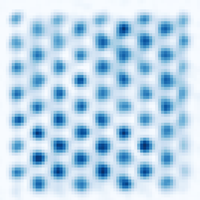
Phys. Rev. Lett. 136, 133401 (2026)
Atomic, Molecular, and Optical Physics
Emergence of a Fluctuating Ground State in Y-Kapellasite under Pressure
Article | Condensed Matter and Materials | 2026-03-30 06:00 EDT
Dipranjan Chatterjee, Petr Doležal, Federico Abbruciati, Tobias Biesner, Katharina M. Zoch, Rustem Khasanov, Shams Sohel Islam, Guratinder Kaur, Seulki Roh, Francesco Capitani, Joao Elias F. S. Rodrigues, Gaston Garbarino, Cornelius Krellner, Philippe Mendels, Edwin Kermarrec, Martin Dressel, Björn Wehinger, Andrej Pustogow, Fabrice Bert, and Pascal Puphal
Hydrostatic pressure drives a magnetically ordered kagome material into a fluctuating ground state that shares key features with quantum spin liquids.
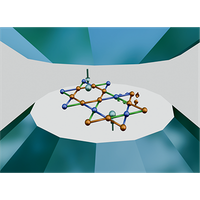
Phys. Rev. Lett. 136, 136701 (2026)
Condensed Matter and Materials
Charge-Density Ripples Modulated by Nuclear Quantum Effects in High-Harmonic Generation in Solids
Article | Condensed Matter and Materials | 2026-03-30 06:00 EDT
Shi-Qi Hu, Qing Chen, and Sheng Meng
Nuclear quantum effects (NQEs) significantly influence many fundamental physical and chemical phenomena. However, their impact on ultrafast dynamics remains poorly understood. Here, we demonstrate that solid-state high-harmonic generation (HHG) provides a promising platform for probing NQEs in attos…
Phys. Rev. Lett. 136, 136901 (2026)
Condensed Matter and Materials
Bacterial Turbulence at Compressible Fluid Interfaces
Article | Polymers, Chemical Physics, Soft Matter, and Biological Physics | 2026-03-30 06:00 EDT
Yuanfeng Yin, Bokai Zhang, H. P. Zhang, and Shuo Guo
The study of Serratia marcescens at the air-water interface reveals interfacial bacterial turbulence as a distinct class of active turbulence in which the size of the vortices produced scales with the length of the bacteria indicating a microscopic origin.
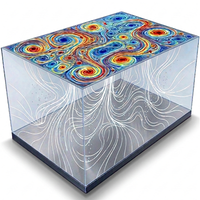
Phys. Rev. Lett. 136, 138301 (2026)
Polymers, Chemical Physics, Soft Matter, and Biological Physics
Physical Review X
Fermion Quantum Criticality far from Equilibrium
Article | 2026-03-30 06:00 EDT
Rohan Mittal, Tom Zander, Johannes Lang, and Sebastian Diehl
A new nonequilibrium universality class for fermions is identified. It displays an emergent "dark state symmetry" that protects quantum criticality, requiring only a single tuning parameter.
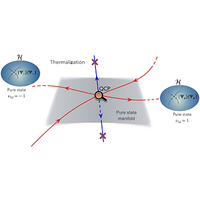
Phys. Rev. X 16, 011069 (2026)
Continuous Variable Measurement-Device-Independent Quantum Certification
Article | 2026-03-30 06:00 EDT
B. L. Larsen, A. A. E. Hajomer, P. Abiuso, S. Izumi, T. Gehring, J. S. Neergaard-Nielsen, A. Acín, and U. L. Andersen
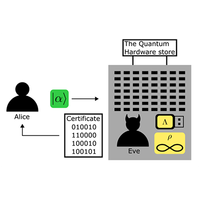
Researchers demonstrate a measurement-device-independent certification for continuous-variable systems. By using coherent states, they show that entanglement and memory can be verified even with untrusted hardware.
Phys. Rev. X 16, 011070 (2026)
arXiv
Fractional epidemics from quantum loops
New Submission | Statistical Mechanics (cond-mat.stat-mech) | 2026-03-31 20:00 EDT
Jose Jesus Bernal-Alvarado, David Delepine
Classical compartmental models of epidemiology rely on well-mixed, local interaction approximations that fail to capture the heavy-tailed burst dynamics and long-range spatial correlations observed in real-world outbreaks. While fractional calculus is frequently employed to model these anomalous behaviors, fractional operators are introduced phenomenologically. In this work, we demonstrate that fractional space-time epidemic dynamics emerge naturally and rigorously from first principles using a non-equilibrium quantum field theory model. By mapping the stochastic contagion process to a gauge-mediated field theory via the Doi-Peliti formalism, we go beyond the static mean-field approximation to compute the full dynamical one-loop vacuum polarization. We prove that integrating out a dynamically fluctuating host vacuum generates anomalous momentum and frequency scaling. Transitioning back to coordinate space, this derives a coupled space-time fractional integro-differential equations, where the non-linear transmission vertex is governed by parabolic Riesz potentials and Riemann-Liouville time derivatives. We show that in the anomalous regime ($ \alpha < 2$ ), local Debye screening is modified, facilitating Lévy flight super-spreading and temporal avalanches. Consequently, the effective reproductive number ($ R_{eff}$ ) ceases to be a scalar, transforming into a spectral dispersion relation bounded strictly by the ultraviolet spatial cutoff.
Statistical Mechanics (cond-mat.stat-mech), Populations and Evolution (q-bio.PE)
11 pages, 4 figures
Interplay of network architecture and ionic environment in dictating pNIPAM microgel thermoresponsiveness
New Submission | Soft Condensed Matter (cond-mat.soft) | 2026-03-31 20:00 EDT
Syamjith KS, Alan Ranjit Jacob
The utility of non functionalized poly(N-isopropylacrylamide) (pNIPAM) microgels in physiological and environmental applications is strictly dependent on their reversible thermoresponsiveness and stability in saline media. Despite their importance, a unified understanding of how network topology specifically crosslinker concentration and distribution regulates ionic sensitivity remains fragmented in the literature. This work systematically investigates the interplay between network topology and ionic strength (0 to 100 mM NaCl) across eight distinct microgel architectures, ranging from ultra-low crosslinked (ULC) to core-corona and homogeneously crosslinked (HC) variants. Utilizing dynamic light scattering across 22 batches, we analyzed critical thermoresponsive properties, including volume phase transition temperature (VPTT) shifts, salt tolerance thresholds, hysteresis indices, and flocculation kinetics (only at extreme salinity, 1000 mM NaCl and at 25 deg C). This comprehensive investigation enables a multidimensional analysis of how ionic strength, the presence or absence of crosslinkers (MBA), spatial crosslinking distribution, and thermodynamic states dictate microgel behavior across varying temperatures. Finally, we evaluate the applicability of this experimental library to established theoretical frameworks, specifically the Flory Rehner and Flory Rehner Donnan models, addressing ongoing debates regarding their validity in describing complex microgel systems.
Soft Condensed Matter (cond-mat.soft), Materials Science (cond-mat.mtrl-sci)
Interpretable liquid crystal phase classification via two-by-two ordinal patterns
New Submission | Soft Condensed Matter (cond-mat.soft) | 2026-03-31 20:00 EDT
Leonardo G. J. M. Voltarelli, Natalia Osiecka-Drewniak, Marcin Piwowarczyk, Ewa Juszynska-Galazka, Rafael S. Zola, Matjaz Perc, Haroldo V. Ribeiro
Liquid crystal textures encode rich structural information, yet mapping these images to mesophase identity remains challenging because visually similar patterns can arise from distinct structures. Here we present a simple, interpretable representation that maps textures to a 75-dimensional frequency vector of two-by-two ordinal patterns, grouped into eleven symmetry-based types to characterize a large-scale dataset spanning seven mesophases. Combined with a simple machine learning classifier, this lightweight representation yields near-perfect phase recognition, including the difficult distinction between smectic A and smectic B mesophases. Our approach generalizes to unseen compounds and accurately distinguishes between phase identity and material origin. Unlike deep learning methods, each ordinal pattern is readily interpretable, and model explanations augmented with network visualizations of pattern interactions reveal the specific types and pairwise dependencies that drive each mesophase decision, providing compact, physically meaningful summaries of texture determinants. These results establish two-by-two ordinal patterns as an interpretable and scalable tool for liquid crystal image analysis, with potential applications to other complex patterned systems in materials science.
Soft Condensed Matter (cond-mat.soft), Machine Learning (cs.LG)
16 two-column pages, 8 figures, supplementary information; accepted for publication in Physical Review E
Entanglement by design: Symmetry-guided periodic helical assemblies
New Submission | Soft Condensed Matter (cond-mat.soft) | 2026-03-31 20:00 EDT
In this paper, a selection of elegant, highly symmetric examples of three-periodic tangled nets and filaments are presented. They are constructed via familiar crystal nets using edges as geometric scaffolds for n-fold helical windings. Rather than providing a complete classification, this gallery of examples highlights recurring geometric motifs, offering insight into how periodic tangles are organised in crystalline, molecular, and biological systems.
Soft Condensed Matter (cond-mat.soft), Materials Science (cond-mat.mtrl-sci)
Anomalous phonon dispersion near yielding in athermal crystals
New Submission | Materials Science (cond-mat.mtrl-sci) | 2026-03-31 20:00 EDT
Fumiaki Nakai, Michio Otsuki, Kuniyasu Saitoh, Hiroaki Katsuragi
Vibrational properties of ordered athermal solids near yielding remain poorly understood. We show that yielding in a sheared crystal is governed not by a single localized instability but by directionally extended multimode softening that forms a cross-shaped low-frequency region in wave number space. Near yielding, the acoustic dispersion $ \omega\sim k$ is replaced by $ \omega\sim k^2$ along the soft direction, and the vibrational density of states crosses over from Debye to non-Debye scaling, with a diverging length scale. We analytically derive these scaling laws.
Materials Science (cond-mat.mtrl-sci), Soft Condensed Matter (cond-mat.soft), Statistical Mechanics (cond-mat.stat-mech)
7 pages, 5 figures
Topologically quantized macroscopic attractor states in hydrated DNA
New Submission | Statistical Mechanics (cond-mat.stat-mech) | 2026-03-31 20:00 EDT
Driven dissipative systems at ambient conditions typically exhibit continuous responses shaped by fluctuations and relaxation, with discrete macroscopic states arising only under specific dynamical constraints. Here, we report the emergence of discrete attractor states in a quasi-two-dimensional hydrated DNA sample under magnetic excitation. The transverse polarization voltage Vxy displays telegraph switching between well-defined levels, indicating stochastic transitions between metastable macroscopic states. Statistical analysis of the voltage time series reveals bimodal distributions and strong Bayesian model selection in favor of multiple coexisting states. These observations can be consistently interpreted within a phase-field framework in which a collective U(1) polarization phase organizes into integer-labeled winding sectors, with transitions mediated by phase-slip events. This framework gives rise to discrete voltage levels reflecting topologically distinct attractors of the driven system. The results suggest that macroscopic quantization can emerge in a classical system at ambient conditions as a consequence of dissipative dynamics constrained by phase topology.
Statistical Mechanics (cond-mat.stat-mech)
46 pages, 4 (main) + 11 (SI) figures
Bubble-induced versus thermodynamic voltage losses during pressurized alkaline water electrolysis
New Submission | Materials Science (cond-mat.mtrl-sci) | 2026-03-31 20:00 EDT
Hannes Rox, Feng Liang, Robert Baumann, Mateusz M. Marzec, Krystian Sokołowski, Xuegeng Yang, Andrés F. Lasagni, Roel van de Krol, Kerstin Eckert
Understanding how bubbles influence the efficiency of water electrolysis is crucial to achieve economically competitive hydrogen, generated by renewable energy sources, such as wind and solar power. Water electrolysis is typically performed at high pressures to reduce the cost of energy-intensive mechanical compression of the produced H2. Thus, a better understanding of how the absolute pressure affects electrochemical performance and bubble size is necessary. In general, bubble sizes decrease as the pressure increases. Using different-sized pillar-patterned Ni electrodes generated by Direct Laser Writing, the detached bubble sizes can be modified even at elevated pressures. As the pillar size increases, the bubbles become larger at all pressures investigated from 1 to 6 bar. At a current density of -25 mA/cm2, the cathodic potential increases with pressure according to the thermodynamic voltage losses given by the Nernst equation (~ 23 mV at p = 6 bar). Surprisingly, increasing the current density to 100 mA/cm2 leads to a reduction of the overpotential by up to ~ 60 mV. Reduced bubble sizes at increased pressures minimize the losses caused by the bubbles, thereby compensating for the thermodynamic voltage penalty. Applying the Buckingham {\Pi}-theorem enables the derivation of dimensionless numbers to characterize the ratio of bubble-induced and thermodynamic voltage losses
Materials Science (cond-mat.mtrl-sci), Chemical Physics (physics.chem-ph)
Manuscript: 21 pages, 8 figures, 4 tables; Electronic Supplementary Information: 9 pages, 13 figures
Jamming and Flow in Granular Matter: A Physics Lab Course Experiment
New Submission | Soft Condensed Matter (cond-mat.soft) | 2026-03-31 20:00 EDT
Thomas Blochowicz, Emina Ismajli, Jan Philipp Gabriel
We describe a dynamic light scattering setup that uses diffusing wave spectroscopy (DWS) to investigate the dynamics in sand grains subjected to periodic vertical shaking by a loudspeaker. Along with the setup that is used in the undergraduate physics lab course at TU Darmstadt, the necessary DWS theory is introduced, including the proper treatment of the oscillatory excitation. Some exemplary results are presented that demonstrate the similarity of jamming in an athermal granular medium with the glass transition in thermally driven molecular systems, a relation that has frequently been pointed out but still is poorly understood. Similar, albeit more sophisticated experiments are currently conducted in microgravity environments such as the international space station ISS and the experiment may serve as an introduction to an exciting field of current research.
Soft Condensed Matter (cond-mat.soft), Materials Science (cond-mat.mtrl-sci), Classical Physics (physics.class-ph)
Giant Magnetostriction by Design: A First-Principles Screening of Co-based Heusler Alloys
New Submission | Materials Science (cond-mat.mtrl-sci) | 2026-03-31 20:00 EDT
Pengju Wu, Jie Du, Liang Yao, Hang Li, Xiaodong Zhou, Tao Zhu, Wenhong Wang
The pursuit of high-performance, rare-earth-free magnetostrictive materials is crucial for advancing technologies in sensing, actuation, and microelectromechanical systems. Heusler alloys represent a promising, yet underexplored, class of materials for this purpose. In this work, we perform a systematic first-principles investigation of the magnetostrictive properties of 25 Co-based full Heusler alloys, Co$ 2$ YZ (Y = V, Cr, Mn, Fe, Co; Z = Al, Ga, Si, Ge, Sn). Our screening identifies 10 compounds with large predicted magnetostriction ($ |\lambda{001}| > 100$ ppm), highlighted by Co$ _3$ Si with a giant value of -966ppm. Furthermore, we demonstrate two effective strategies for engineering magnetostriction: (i) tuning the Fermi level, which enhances the magnetostriction of Co$ _3$ Sn to -905ppm via Sb doping, and (ii) amplifying the spin-orbit coupling, which boosts the magnetostriction of Co$ _2$ CrGa to a colossal -1008ppm through Re substitution. Our analysis reveals a general predictive rule, uncovering a linear relationship between the magnetostriction and the choice of the Y-site transition metal. This work not only identifies novel candidates for magnetostrictive applications but also establishes clear, physically-grounded design principles to accelerate the discovery of new functional magnetic materials.
Materials Science (cond-mat.mtrl-sci)
10 pages, 6 figures
Phys. Rev. B 112 214446 (2025)
Ergodicity breaking in matrix-product-state effective Hamiltonians
New Submission | Strongly Correlated Electrons (cond-mat.str-el) | 2026-03-31 20:00 EDT
Andrew Hallam, Jared Jeyaretnam, Zlatko Papić
Thermalization and its breakdown in interacting quantum many-body systems are governed by mid-spectrum eigenstates, which are typically accessible only in small system sizes amenable to exact diagonalization. Here we demonstrate that the density-matrix renormalization group (DMRG) effective Hamiltonian, an object routinely used to variationally approximate ground states, encodes detailed information about the dynamics far from equilibrium. In the random-field XXZ spin chain, the spectrum of the effective Hamiltonian is shown to capture the transition from thermal to many-body localized regimes, including spatially resolved probes of ergodic bubbles. Furthermore, the same approach also captures weak ergodicity breaking associated with quantum many-body scars. Our results establish the DMRG effective Hamiltonian as a versatile spectral probe of quantum thermalization and its breakdown in large systems beyond exact diagonalization.
Strongly Correlated Electrons (cond-mat.str-el), Disordered Systems and Neural Networks (cond-mat.dis-nn), Quantum Physics (quant-ph)
20 pages, 10 figures
Reflections on time-reversal in the Symmetry Topological Field Theory
New Submission | Strongly Correlated Electrons (cond-mat.str-el) | 2026-03-31 20:00 EDT
Symmetry under time-reversal appears in the microscopic description of many physical systems. In a quantum mechanical setting it acts as an anti-unitary operator, so does not fall under general analyses based on unitary symmetries. In classifying zero temperature phases of matter in (1+1)d lattice models, the role of anti-unitary symmetries is, however, well-understood. In recent years, the Symmetry Topological Field Theory (SymTFT) approach to this classification has given a general framework to understand symmetries as topological defects, but does not naturally include anti-unitary symmetries. Following recent proposals in the literature, we adopt a symmetry-enriched SymTFT for a theory with both internal and time-reversal symmetry. In particular, we take a standard SymTFT associated with an internal unitary symmetry that is then enriched by a background time-reversal symmetry. A detailed analysis of the topological boundary conditions of this enriched SymTFT allows us to characterize the corresponding (1+1)d gapped phases that preserve the enriching symmetry (i.e. those that do not spontaneously break this symmetry in the ground state). Line operators in the SymTFT approach are related to non-local string-order parameters (with charged end-point operators) for SPT phases. These are subtle in the anti-unitary case and we explore them both on the lattice and in the continuum. We include an analysis of unitary string order parameters that reveal the Klein bottle SPT invariant. On the lattice, we show that the correct end-point charge coincides with the time-reversal-charge only when the end-point operator is hermitian.
Strongly Correlated Electrons (cond-mat.str-el), High Energy Physics - Theory (hep-th)
Tunable anharmonicity in Sn-InAs nanowire transmons beyond the short junction limit
New Submission | Mesoscale and Nanoscale Physics (cond-mat.mes-hall) | 2026-03-31 20:00 EDT
Amrita Purkayastha, Amritesh Sharma, Param J. Patel, An-Hsi Chen, Connor P. Dempsey, Shreyas Asodekar, Subhayan Sinha, Maxime Tomasian, Mihir Pendharkar, Christopher J. Palmstrøm, Moïra Hocevar, Kun Zuo, Michael Hatridge, Sergey M. Frolov
The anharmonicity of a transmon qubit, defined as the difference in energy level spacing, is a key design parameter. In transmons built from hybrid superconductor-semiconductor Josephson elements, the anharmonicity is tunable with gate voltages that control both the Josephson energy and the weak link transparency. In Sn-InAs nanowire transmons, we use two-tone microwave spectroscopy to extract anharmonicity ranging in absolute value from the transmon charging energy $ E_c$ to values smaller than $ E_c/10$ . This behavior contrasts with the predictions of the multi-channel short-junction model, which sets a lower limit on anharmonicity at $ E_c/4$ . Coherent operation of the qubit is still possible at the point of the lowest anharmonicity. These findings demonstrate the potential of quantum circuits that benefit from widely electrically tunable anharmonicity.
Mesoscale and Nanoscale Physics (cond-mat.mes-hall), Superconductivity (cond-mat.supr-con), Quantum Physics (quant-ph)
Nonequilibrium from Equilibrium: Chiral Current-Carrying States in the Spin-1 Babujian-Takhtajan Chain
New Submission | Strongly Correlated Electrons (cond-mat.str-el) | 2026-03-31 20:00 EDT
Bahar Jafari-Zadeh, Chenan Wei, Hrachya M. Babujian, Tigran A. Sedrakyan
We study the spin-$ 1$ Babujian-Takhtajan chain deformed by its third conserved charge $ Q_3$ . We derive $ Q_3$ and show that it is a dimensionless energy current and that its local density is a dressed scalar-chirality operator rather than bare chirality alone, as is the case for the spin-$ 1/2$ Heisenberg chain. The deformation $ H_\alpha=H+\alpha Q_3$ therefore provides a local, exactly solvable current bias: it leaves the eigenstates of the original Hamiltonian unchanged, but reorders them so that selected high-energy current-carrying states become ground states of the tilted problem. Using the thermodynamic Bethe ansatz and confirming the analytical calculations with DMRG, we find a quantum phase transition at $ \alpha_c={J}/(8\pi)$ . For $ \alpha<\alpha_c$ , the ground-state remains the undeformed Babujian-Takhtajan phase whose low-energy effective field theory is described by the $ SU(2)$ Wess-Zumino-Witten (WZW) model at level $ k=2$ representing a critical phase characterized by a central charge $ c=3/2$ and $ \langle Q_3\rangle=0$ . For $ \alpha>\alpha_c$ , a finite rapidity interval forms, and the system enters a gapless chiral current-carrying sector described by a $ c=3/2$ CFT. Near the threshold, the free energy starts quadratically as a function of $ \alpha-\alpha_c$ , while the energy current turn on linearly. The scalar chirality turns on at the same threshold, showing that the postcritical sector is simultaneously current-carrying and chiral. The most immediate experimental routes are composite spin-1 bosons in optical lattices, and programmable qutrit simulators based on trapped ions or superconducting circuits.
Strongly Correlated Electrons (cond-mat.str-el), Quantum Gases (cond-mat.quant-gas), Statistical Mechanics (cond-mat.stat-mech), High Energy Physics - Theory (hep-th)
17 pages, 5 figures, RevTeX
The role of polarization field terms in a model for a cavity quantum material
New Submission | Mesoscale and Nanoscale Physics (cond-mat.mes-hall) | 2026-03-31 20:00 EDT
Arwen Lloyd, Adam Stokes, Alessandro Principi, Ahsan Nazir
Constructing models for cavity quantum materials requires a careful treatment of the light-matter coupling. In general, one must specify matrix elements constructed from the material wavefunctions, which are often unknown in a tight-binding framework. The Peierls substitution is often used to avoid introducing these additional parameters in the multi-center dipole (or Peiels) gauge, under the assumption that contributions from intraband and interband dipole moments can be neglected in the low-energy theory. We present the derivation of the Peierls gauge description in the passive view of canonical transformations. We construct a toy model for a multi-band system with two sites, which we couple to a uniform field in the Coulomb, dipole, and Peierls gauges. We find that the Peierls substitution can be justified as a low-energy, effectively single-band description in one dimension, but it misses both self-polarization corrections and the direct coupling needed to describe interband transitions in the full Peierls gauge theory. Moreover, the Coulomb, dipole, and Peierls gauges define distinct partitions of the composite system into the light and matter subsystems. We illustrate the implications of this subsystem relativity for physical observables and on the performance of orbital truncations in each gauge.
Mesoscale and Nanoscale Physics (cond-mat.mes-hall), Quantum Physics (quant-ph)
12 pages, 6 figures
Chemical tuning of electronic and transport properties of the Bi-Se-Te family of topological insulators
New Submission | Other Condensed Matter (cond-mat.other) | 2026-03-31 20:00 EDT
Maxwell Doyle, Benjamin Schrunk, D. L. Schlagel, Thomas A. Lagrasso, Adam Kaminski
We use laser-based Angle-Resolved Photoemission Spectroscopy (ARPES) to study how chemical substitution modifies the electronic properties of the Bi2(Se{1-x}Tex)3 (BiSeTe) family of topological insulators. We find that increasing the Te content lowers the chemical potential, leading to a decrease in the binding energy of the Dirac point and a reduction in the density of states originating from the bulk band. This reduction leads to a transition from metallic to semiconducting temperature dependence of the resistivity. For the highest Te concentration, the resistivity nearly saturates at the lowest temperatures. The presence of this plateau indicates that metallic topological surface states dominate the conductance, opening the possibility of studying their transport properties.
Other Condensed Matter (cond-mat.other), Materials Science (cond-mat.mtrl-sci)
11 pages, 6 figures
Frustrated out-of-plane Dzyaloshinskii-Moriya interaction and the onset of atomic-scale 3$q$ magnetic textures in 2D Fe$_{3}$GeXTe (X = Te, Se, S) monolayers
New Submission | Mesoscale and Nanoscale Physics (cond-mat.mes-hall) | 2026-03-31 20:00 EDT
Caglayan Rabia, Desplat Louise, Nikolaev Sergey, Ibrahim Fatima, Li Jing, Mogulkoc Yesim, Mogulkoc Aybey, Chshiev Mairbek
We theoretically study the effect of in- and out-of-plane Dzyaloshinskii-Moriya interaction (DMI) on the magnetic ground states of two-dimensional (2D) Fe$ _3$ GeXTe (X=Te, Se, S) monolayers, where X=Se, S correspond to antisymmetric Janus structures with nonvanishing in-plane DMI. We perform atomistic spin simulations with the extended Heisenberg Hamiltonian parametrized by first principles calculations. While we find that the base DMI in all systems is too weak to stabilize noncollinear states, we show how the frustrated out-of-plane DMI tends to favor atomic-scale $ 3q$ magnetic textures at the edge of the Brillouin zone. Owing to the ability to tune the DMI in 2D magnets via applied strain or electric field, we study the evolution of the systems’ ground state with increasing DMI amplitude. We find that nonplanar $ 3q$ states are favored under scaling factors as low as 3, while larger DMI tends to stabilize states reminiscent of nanoskyrmion lattices at the atomic-scale.
Mesoscale and Nanoscale Physics (cond-mat.mes-hall), Materials Science (cond-mat.mtrl-sci)
16 pages, 13 figures
Electrostatic Effects of Self Trapped Holes in Gallium Oxide Devices
New Submission | Materials Science (cond-mat.mtrl-sci) | 2026-03-31 20:00 EDT
Nathan Wriedt, Joe McGlone, Davide Orlandini, Siddharth Rajan
Gallium oxide is an ultra-wide bandgap semiconductor with exceptional properties for power electronics and UV-C optoelectronics, but its behavior under illumination remains poorly understood. In this work, we investigate how optically generated self-trapped holes influence electrostatics and current conduction in gallium oxide devices. Using a vertical Schottky photodiode with a semi-transparent Ni anode, we performed capacitance-voltage, current-voltage, and temperature-dependent I-V measurements under dark and above-bandgap illumination. Analysis of photocurrent gain reveals that conventional image-force barrier-lowering models require unrealistically high interfacial electric fields, suggesting the presence of an alternative mechanism. By applying Fowler-Nordheim tunneling theory, we reconcile measured photocurrents and photo-capacitance results with physically plausible fields and quantify the two-dimensional concentration of self-trapped holes. Our findings demonstrate that illumination-induced charge significantly alters device electrostatics. Understanding this tunneling-based photocurrent gain mechanism is critical for designing gallium oxide devices for UV-C detectors and power electronics.
Materials Science (cond-mat.mtrl-sci), Optics (physics.optics)
11 pages, 7 figures
Heterointerface-Engineered Electrochemically Exfoliated MoS2/WS2 2D-Layered Nanocomposite for Efficient Visible-Light Photocatalytic Degradation of Sorafenib
New Submission | Materials Science (cond-mat.mtrl-sci) | 2026-03-31 20:00 EDT
I. Agnes Felicia Roy, Kuo Yuan Hwa, Aravindan Santhan, Slava V Rotkin
The increasing prevalence of pharmaceutical contaminants within the aquatic environment has generated considerable environmental concerns, especially regarding persistent anticancer medications like the kinase inhibitor sorafenib (SRF), which are inadequately eliminated by standard degradation methods. A heterointerface-engineered MoS2/WS2, 2D/2D layered nanocomposite was fabricated using an electrochemical exfoliation method to facilitate effective visible-light-driven photocatalytic degradation of SRF. The electrochemical exfoliation method yielded ultrathin 9.62-layer thickness MoS2/WS2 nanosheets with numerous exposed edge sites and an increased specific surface area, facilitating the development of well-interconnected van der Waals heterointerfaces. Comprehensive structural and morphological examinations utilizing field emission scanning electron microscopy (FE-SEM), atomic force microscopy (AFM), Raman spectroscopy, and UV-visible spectroscopy validated the effective synthesis of few-layer nanosheets and their heterostructure interfaces. In contrast to the pure MoS2 and WS2 nanosheets, the MoS2/WS2 heterostructure composite demonstrated significantly enhanced photocatalytic efficacy, attaining roughly 92 % degradation of SRF within 2h under visible-light exposure. The enhanced catalytic efficiency is mainly due to the establishment of a Type-II band alignment at the MoS2/WS2 interface, facilitating effective charge separation and directional charge transfer while inhibiting electron-hole recombination. The robust interfacial interaction among the transition metal dichalcogenide layers accelerates visible-light absorption and the production of reactive oxygen species. This study illustrates that electrochemically exfoliated MoS2/WS2 heterostructure composites serve as a viable catalytic platform for the successful removal of persistent pharmaceutical pollutants.
Materials Science (cond-mat.mtrl-sci)
Characterizing exact dynamics of a trapped active Brownian particle under torque in two and three dimensions
New Submission | Soft Condensed Matter (cond-mat.soft) | 2026-03-31 20:00 EDT
Anweshika Pattanayak, Amir Shee, Abhishek Chaudhuri, Debasish Chaudhuri
The interplay of chirality, self-propulsion, and spatial confinement generates striking non-equilibrium fluctuations whose higher-order statistics carry information about the dynamics and shape of the position distribution. Here, we present an exact analytical framework, based on a Laplace-transform solution of the Fokker-Planck equation, for the transient dynamics of a chiral active Brownian particle in a harmonic trap, in both two and three dimensions. We obtain closed-form expressions for all time-dependent moments up to fourth order, enabling a complete characterization of the excess kurtosis throughout the transient and steady-state regimes. In two dimensions, the excess kurtosis exhibits a damped oscillatory response with multiple re-entrant crossovers, evolving from negative values that reflect active off-centered ring-like position distributions to positive values characteristic of heavy-tailed fluctuations. This damped oscillatory excess kurtosis appears both for free and harmonic confinement, although increasing the trapping stiffness progressively suppresses it, and the positive excess kurtosis eventually vanishes at sufficiently high stiffness. In contrast, in three dimensions, the excess kurtosis remains negative, indicating a robustly active non-Gaussian state characterized by half-ring-like to band-like position distributions in the two-dimensional plane spanned by the torque axis and its normal radial direction. Our results demonstrate how chirality, propulsion, and confinement, together with dimensionality, shape transient dynamics, while providing experimentally accessible signatures of confined chiral active dynamics.
Soft Condensed Matter (cond-mat.soft), Statistical Mechanics (cond-mat.stat-mech)
35 pages, 8 figures
Contrastive learning in tunable dynamical systems
New Submission | Disordered Systems and Neural Networks (cond-mat.dis-nn) | 2026-03-31 20:00 EDT
Menachem Stern, Adam G. Frim, Raúl Candás, Andrea J. Liu, Vijay Balasubramanian
We generalize the theory of supervised contrastive learning, previously applied to physical systems at equilibrium or steady state, to systems following any dynamics described by coupled ordinary differential equations. We show that if physical dynamics break time reversal symmetry, gradient descent on a cost function embodying the desired behavior cannot be achieved with a scalable process, even in principle. We therefore introduce Probably Approximately Right (PAR) learning processes, composed of a local contrastive learning rule and a scalable supervision protocol. We show that approximate, local supervision with forward propagation of the error signal can be used to successfully train several tunable models of physical dynamics inspired by examples in biological and machine learning.
Disordered Systems and Neural Networks (cond-mat.dis-nn), Soft Condensed Matter (cond-mat.soft), Statistical Mechanics (cond-mat.stat-mech)
24 pages, 13 figures
Non-Fermi liquid behavior in La$_3$Ni$_2$O$_7$ thin films under hydrostatic pressure
New Submission | Strongly Correlated Electrons (cond-mat.str-el) | 2026-03-31 20:00 EDT
Deepak Kumar, Jared Z. Dans, Keenan E. Avers, Ryan Paxson, Ichiro Takeuchi, Johnpierre Paglione
The discovery of superconductivity in bilayer nickel-oxides has revived an intense effort to understand the potential of high-temperature superconductivity in these materials and their relation to cuprate superconductors. In this work, we investigate the growth and properties of bilayer La$ _3$ Ni$ _2$ O$ _7$ thin films as a function of substrate, oxygen treatment and applied pressure in order to study the evolution of transport properties. We report epitaxial growth of La$ _3$ Ni$ _2$ O$ _7$ thin films on LaAlO$ _3$ (LAO) (001) and SrLaAlO$ _4$ (SLAO) (001) substrates, and the effects of ex-situ annealing in a high pressure furnace under an oxygen-rich environment. Transport measurements show that the La$ _3$ Ni$ _2$ O$ _7$ thin films on LAO(001) exhibit Fermi liquid-like metallic behavior with a slight Kondo-like upturn at low temperatures, which evolves with the application of modest hydrostatic pressures toward non-Fermi liquid behavior with a temperature dependence of resistance approaching $ \sim$ T$ ^{1.4}$ at 1.41 GPa. The ability to tune the normal state resistivity of La$ _3$ Ni$ _2$ O$ _7$ films to display non-Fermi liquid behavior under such a modest hydrostatic pressure range - only 6 - 8 % of that typically applied via diamond anvil cell (DAC) in La$ _3$ Ni$ _2$ O$ _7$ single crystals to achieve comparable effects - is both noteworthy and unexpected. These findings imply the strong tunability of La$ _3$ Ni$ _2$ O$ _7$ in thin film form and the likely proximity of a strongly fluctuating ordered state leading to non-Fermi liquid behavior under even modest applied pressures.
Strongly Correlated Electrons (cond-mat.str-el), Superconductivity (cond-mat.supr-con)
7 pages, 4 Figures
Quantum Vacuum Induced Macroscopic Coherence in Quantum Materials
New Submission | Superconductivity (cond-mat.supr-con) | 2026-03-31 20:00 EDT
This paper, based on the interdisciplinary frontiers of quantum electrodynamics, causal set theory, and the AdS/CFT holographic duality, integrates Keppler’s zero point field resonance theory, the discrete causal structure and horizon thermodynamics within causal set theory, and the latest advancements in holographic superconductivity models. For the first time, we establish a unified dynamical framework for macroscopic coherent states in quantum materials. We demonstrate that: (1) The quantum vacuum can form macroscopic coherent states with specific molecular electronic states in materials through resonant coupling, corresponding to a new mechanism for superconducting pairing; (2) The partial order relations and strongly connected components in causal set theory characterize the nonlocal correlation topology among quantum systems, with black hole event horizons exhibiting a blocking effect on such correlations; (3) Holographic duality treats the electronic structure of materials as a projection of a higher dimensional gravitational system onto the boundary, where the coherence length of the projection kernel satisfies a universal scaling law. Based on this, we deduce three groundbreaking discoveries: High Temperature Superconducting Pairing Mechanism Induced by Zero Point Field Resonance, Superconducting Synergy and Horizon Blocking in Causal Structure Networks, and Quantum Material Phase Transition Control Driven by Holographic Projection. Each discovery is translated into explicit experimental protocols and falsifiable conditions, and is compared and analyzed against mainstream experimental observations in the field of high temperature superconductivity, opening a computable and testable new direction for understanding emergent phenomena in quantum materials.
Superconductivity (cond-mat.supr-con)
Skin-Anderson localization transitions in disordered hybrid-nonreciprocal systems
New Submission | Disordered Systems and Neural Networks (cond-mat.dis-nn) | 2026-03-31 20:00 EDT
C.Wang, X. R. Wang, Hechen Ren
Anderson (localization) transition is a universal wave phenomenon characterized by a disorder-induced quantum phase transition from extended to localized states, whereas the non-Hermitian skin effect is a generic feature of non-Hermitian systems that causes bulk states to localize at the boundaries. Here, we report an unexpected skin-Anderson localization transition arising from the interplay between these two phenomena in hybrid-nonreciprocal systems that exhibit both reciprocity and nonreciprocity in different spatial directions. In the weak-disorder regime, the states are boundary-extended, meaning they are extended in reciprocal spatial dimensions but localized at the boundaries in nonreciprocal dimensions due to the non-Hermitian skin effect. As disorder increases, these boundary-extended states transition to boundary-localized states at a critical disorder strength. Remarkably, the corresponding critical points exhibit universal characteristics akin to those of the Anderson transition in its Hermitian counterpart, including identical critical exponents within numerical errors. When disorder exceeds a higher critical threshold, a second transition occurs in which boundary-localized states become bulk-localized, thereby eliminating the non-Hermitian skin effect. Thus, the skin-Anderson localization transition establishes a new framework for controlling state localization by unifying the physics of Anderson transitions with non-Hermitian topology.
Disordered Systems and Neural Networks (cond-mat.dis-nn)
7 pages, 3 figures
Channeling-in channeling-out revisited: selected area electron channeling and electron backscatter diffraction
New Submission | Materials Science (cond-mat.mtrl-sci) | 2026-03-31 20:00 EDT
T. Ben Britton, M. Haroon Qaiser, Ruth M. Birch
Scanning electron microscopy combined with electron backscatter diffraction (EBSD) and electron channeling provides rich crystallographic contrast, but the mutual influence of channeling-in and channeling-out is often simplified or neglected in quantitative analyses. In this work, we use selected-area electron channeling patterns (SA-ECPs) acquired from a single-crystal silicon wafer while recording an EBSD pattern at every incident beam direction, thereby directly probing how channeling-in affects the EBSD signal. We show that common Hough-based quality metrics (pattern quality, band contrast, and band slope), pattern-matching cross-correlation coefficients, and Fourier-based signal-to-noise ratios all exhibit strong crystallographic modulations that follow the underlying ECP, in both raw and background-corrected patterns. Similar wide-angle channeling features are also visible in conventional, low-magnification EBSD maps, indicating that channeling-in effects are relevant under routine mapping conditions and not only in specialized ECP experiments. These observations highlight that channeling-in can significantly bias quality-based interpretation of EBSD data, with consequences for methods such as pattern blurring analysis, high-resolution strain mapping, and emerging statistical or machine-learning approaches that rely on subtle variations in diffraction patterns. The combined SA-ECP and EBSD strategy presented here offers a practical framework to visualize and potentially control channeling-in/channeling-out coupling in the SEM, suggesting new routes to design experiments and detector configurations that either mitigate or intentionally exploit these dynamical effects.
Materials Science (cond-mat.mtrl-sci)
17 pages, 7 figures, as submitted
Bistable Fourth Sound Resonance in Superfluid $^3$He-B due to Gap Suppression
New Submission | Other Condensed Matter (cond-mat.other) | 2026-03-31 20:00 EDT
Alexander J. Shook, Daksh Malhotra, Aymar Muhikira, John P. Davis
Superfluidity in $ ^3$ He exhibits many unique properties that are of interest to modern condensed matter research, including multiple superfluid phase transitions, topological defects, and exotic classes of excitations like Majorana and Weyl fermions. Many of the most interesting theoretical proposals, which remain underexplored, are realized in highly confined geometries, where surface effects play a dominant role in the thermodynamic and hydrodynamic properties. We have developed nanofluidic resonators capable of exciting a fourth-sound acoustic mode in thin channels with a highly confined dimension ($ 750-1800$ nm) that is only $ 1-2$ orders of magnitude larger than the superfluid coherence length. When a sufficiently large drive force is applied, we observe a non-linear softening of the resonance that we interpret as due to the flow suppression of the superfluid gap. We have developed a model of the device that allows the resonance amplitude to be calibrated into a superfluid velocity, which exhibits critical behavior at particular velocities. We identify one of the observed critical velocities as being the velocity at which the gap component parallel to the flow is suppressed to zero. We compare the calibrated velocity to the prediction of a Ginzburg-Landau model, and find reasonable agreement. This measurement represents an ongoing effort to link the hydrodynamic measurements of these nanofluidic devices to theoretical predictions regarding surface gap suppression and surface-bound states.
Other Condensed Matter (cond-mat.other)
11 pages, 4 figures
Single-material 4D-printed shape-morphing structures via spatially patterned strain trapping
New Submission | Soft Condensed Matter (cond-mat.soft) | 2026-03-31 20:00 EDT
S M Asif Iqbal (1,2), Hang Zhang (3), Lin Yang (2,4), Aoyi Luo (2,4), Joseph D. Paulsen (1,2,5), James H. Henderson (2,6) ((1) Department of Physics, Syracuse University, Syracuse, NY, USA (2) Syracuse BioInspired Institute, Syracuse University, Syracuse, NY, USA (3) Digital Building Technologies, Institute of Technology in Architecture, ETH Zurich, Zurich, Switzerland (4) Department of Mechanical and Aerospace Engineering, Syracuse University, Syracuse, NY, USA (5) Department of Physics, St. Olaf College, Northfield, MN, USA (6) Department of Biomedical and Chemical Engineering, Syracuse University, Syracuse, NY, USA)
A single-step, single-material 4D printing method is developed for programmable structures featuring spatially patterned strain trapping for one-way actuation. This approach enables fabrication on desktop fused filament fabrication 3D printers through a recently developed shape-memory strain programming method, Programming via Printing (PvP), which eliminates the need for secondary post-fabrication programming. Large (up to 50%) and spatially controlled trapped tensile strain programming is achieved by PvP model design, geometric coding, and printing parameter optimization. While contraction naturally arises from printing-induced trapped strain, expansion is introduced via architected lattice designs with patterned strain-enabling a full range of deformation modes. These capabilities, validated at the unit-cell level, are further integrated into larger proof-of-concept structures to demonstrate scalability and practical implementation. This strategy provides an accessible, low-cost, and easily adoptable additive manufacturing approach for diverse functional-material applications.
Soft Condensed Matter (cond-mat.soft)
30 pages, 11 figures
Information Theoretic Signatures of Localization and Mobility Edges in Quasiperiodic Systems
New Submission | Statistical Mechanics (cond-mat.stat-mech) | 2026-03-31 20:00 EDT
We investigate localization transitions and mobility edge phenomena in one-dimensional quasiperiodic lattice models using an information theoretic framework based on the Tsallis entropy of single particle this http URL employ the Tsallis entropy as a continuous, normalized functional of wavefunction amplitudes, where the entropic index $ q$ provides a tunable sensitivity to different regions of the probability distribution, enhancing the contribution of localized peaks ($ q>1$ ) or extended components ($ q<1$ ). Building on this framework, we introduce an entropy-gradient susceptibility defined from the energy dependence of the Tsallis entropy, which probes variations in eigenstate structure across the spectrum. We show that this quantity clearly distinguishes global localization transitions from mobility edge physics. In the Aubry Andre model, where all eigenstates undergo a uniform transition, the entropy varies smoothly, resulting in a broad crossover in the susceptibility. In contrast, in systems hosting mobility edges, including a quasiperiodically modulated Su Schrieffer Heeger chain and the generalized Aubry Andre model, the coexistence of localized and extended states produces sharp spectral variations, leading to a pronounced and system size independent peak. The qualitative behavior persists over a broad range of the entropic parameter $ q$ , with systematic variations reflecting its role as a tunable probe of spectral structure. Our results establish an information theoretic approach that leverages the continuous $ q$ dependence of Tsallis entropy to construct a derivative based measure of spectral heterogeneity, providing a complementary and physically transparent diagnostic of mobility edge phenomena beyond conventional state resolved measures.
Statistical Mechanics (cond-mat.stat-mech)
13 pages, 14 figures
Magnetic-field-tunable commensurate multi-q charge orders on UTe2 (011) surface
New Submission | Superconductivity (cond-mat.supr-con) | 2026-03-31 20:00 EDT
Yuanji Li, Ruotong Yin, Jiashuo Gong, Dengpeng Yuan, Yuguang Wang, Shiyuan Wang, Mingzhe Li, Jiakang Zhang, Ziwei Xue, Zengyi Du, Shiyong Tan, Dong-Lai Feng, Ya-Jun Yan
The heavy-fermion superconductor UTe2 has attracted intense interest as a candidate for spin-triplet pairing. Recent scanning tunneling microscopy (STM) studies have reported complex charge orders (COs) on its (011) surface, but their origin and relationship with superconductivity remain controversial. Here, by performing temperature-, magnetic field-, and sample-dependent STM measurements, we identify multiple new CO wave vectors beyond those previously reported. All these CO wave vectors are strictly locked to integer multiples of 1/14 and 1/4 of the reciprocal lattice vectors of the UTe2 (011) surface, and multiple of them coexist in real space, collectively revealing a family of field-tunable, commensurate multi-q COs. These COs exist within an energy range much larger than the superconducting energy scale, their emergence suppresses the density of states near EF, yet show negligible coupling to bulk superconductivity and magnetic vortices. Our findings strongly disfavor the Fermi surface nesting or primary pair-density-wave pictures, but are consistent with a surface parent spin order.
Superconductivity (cond-mat.supr-con)
25 pages, 15 figures
Scanning tunneling microscopy study of helimagnetic monolayer CrBr2 on s-wave superconductor NbSe2: a topologically trivial system due to weak interfacial coupling
New Submission | Superconductivity (cond-mat.supr-con) | 2026-03-31 20:00 EDT
Yuanji Li, Ruotong Yin, Mingzhe Li, Shiyuan Wang, Jiashuo Gong, Ziyuan Chen, Jiakang Zhang, Dong-Lai Feng, Ya-Jun Yan
Hybrid magnet-superconductor heterostructures attract significant interest for their potential to host unconventional superconductivity, topological superconductivity, and Majorana physics. Transition metal dihalides (MX2, M = transition metal, X = Cl, Br, I) are compelling magnetic candidates due to their novel magnetic structures and possible ferroelectricity. Here, we employ low-temperature scanning tunneling microscopy/spectroscopy to investigate the interfaces fabricated by growing helimagnet candidate CrBr2 on s-wave superconductor NbSe2. Our results reveal that the monolayer CrBr2 is insulating, the measured low-energy electronic states on it derive entirely from the NbSe2 substrate. The superconducting properties of CrBr2/NbSe2 are nearly identical to the bare NbSe2, manifested by the superconducting gap spectra and their temperature and magnetic field dependence, as well as the spatial distribution and bound states of magnetic vortices. Furthermore, in-gap excitations appear only at the dirty edges of CrBr2 islands and are absent from clean edges, suggesting the lack of intrinsic edge states. Taken together, these findings establish the topologically trivial nature of the helimagnetic insulator/s-wave superconductor system CrBr2/NbSe2, attributable to the absence of interfacial superconducting proximity and weak magnetic coupling.
Superconductivity (cond-mat.supr-con)
12 pages, 4 figures
Phys. Rev. B 113, 094519 (2026)
Distinguishing impurity-induced bound states from Majorana-like zero-energy peaks in strained CsCa2Fe4As4F2 by scanning tunneling microscopy
New Submission | Superconductivity (cond-mat.supr-con) | 2026-03-31 20:00 EDT
Mingzhe Li, Jiashuo Gong, Huaxun Li, Jiakang Zhang, Yuanji Li, Ruotong Yin, Shiyuan Wang, Guanghan Cao, Dong-Lai Feng, Ya-Jun Yan
Iron-based superconductors offer a versatile platform for exploring topological superconductivity and Majorana zero modes (MZMs), with experimental confirmations in Fe(Te,Se), (Li,Fe)OHFeSe and CaKFe4As4 at ambient pressure, as well as in LiFeAs under local strain. The related properties in other iron-based superconductors still need to be explored, especially under the application of local strain. In this study, we conduct scanning tunneling microscopy/spectroscopy measurements on CsCa2Fe4As4F2 crystals under unidirectional local strain. A fully developed superconducting gap with multiple pairs of coherence peaks are observed, and the gap sizes can be significantly modulated by local strain. Spectroscopic measurements on various types of defects including the nonmagnetic Cs-site vacancies consistently reveal pair-breaking effects. These phenomena support a fully gapped multiband superconductivity scenario with sign-changing. Notably, a sharp zero-energy conductance peak (ZECP) is universally observed on a particular type of defects by using a metallic tip, resembling the MZMs observed at interstitial Fe atoms in Fe(Te,Se) [Nat. Phys. 11, 543 (2015)]. However, by using a superconducting tip to enhance energy resolution as well as by studying the ZECP evolution as functions of magnetic field and tunneling transmissivity, we demonstrate that the ZECP originates from nearly degenerate Yu-Shiba-Rusinov states rather than MZMs. Our study not only provides more insights into the superconducting pairing symmetry of CsCa2Fe4As4F2, but also establishes systematic experimental methods for identifying weak impurity state signals and discerning the physical origins of ZECPs.
Superconductivity (cond-mat.supr-con)
19 pages, 8 figures
Continuum Free-Energy Computing
New Submission | Statistical Mechanics (cond-mat.stat-mech) | 2026-03-31 20:00 EDT
Building on nonintrinsic Landau theory, we introduce continuum free-energy computing as a new computing paradigm in which problem instances are encoded in programmable free-energy functionals and solved by intrinsic relaxational dynamics. We identify ion-patterned FeRh as a plausible physical realization through spatial control of the local phase bias, with antiferromagnetic-ferromagnetic interface motion providing the relaxational mechanism. We further identify two representative task classes, a minimal operating protocol, and the main physical constraints.
Statistical Mechanics (cond-mat.stat-mech)
The switching of bipolar and unipolar magnetostriction in polycrystalline ZnO film
New Submission | Materials Science (cond-mat.mtrl-sci) | 2026-03-31 20:00 EDT
Suman Guchhait, Saumen Chaudhuri, A. K. Das
We report the investigation of magnetostrictive property of polycrystalline ZnO film at room temperature on rotating a magnetic field in the plane of the film from 0 deg to 90 deg by an indigenously developed optical cantilever beam magnetometer (CBM) setup. In this study, the film exhibits bipolar (tensile & compressive) and unipolar (tensile/compressive) nature of magnetostriction with the angle of rotation of in-plane magnetic field. Moreover, we observe switching behavior of bipolar and unipolar magnetostriction as the applied field is rotated in the plane of the film. The switching of magnetostriction is attributed to the crystal anisotropy of the material. The appearance of bipolar and unipolar magnetostriction has made the ZnO film a suitable candidate for the fabrication of sensors as well as actuators applicable in micro and nano-electronic devices.
Materials Science (cond-mat.mtrl-sci)
16 pages, 6 figures, 2 tables
Emergent Competition Between Dynamical Channels in Nonequilibrium Systems
New Submission | Statistical Mechanics (cond-mat.stat-mech) | 2026-03-31 20:00 EDT
R. A. Dumer, M. Godoy, J. F. F. Mendes
We introduce a rejection-free continuous-time kinetic Monte Carlo framework to study stochastic systems governed by multiple concurrent dynamical mechanisms. In this approach, the relative activity of each dynamical channel emerges self-consistently from the instantaneous configuration through its transition rates. As an illustration, we investigate a driven antiferromagnetic Ising model on a square lattice combining conservative Katz-Lebowitz-Spohn exchanges and nonconserving Glauber single-spin flips. We show that the coexistence of these dynamics qualitatively reshapes the nonequilibrium phase diagram in the temperature-field plane, stabilizing antiferromagnetic order in regions where the driving field would otherwise destroy it. Near the zero-temperature limit, the phase boundary follows a power-law scaling $ T\sim|E-E_c|$ with an exponent close to unity. At intermediate temperatures, the transition belongs to the two-dimensional Ising universality class, while at low temperatures it remains continuous, with the order-parameter exponent approaching zero. Our results demonstrate that allowing competing dynamical channels to coevolve with the system can fundamentally alter its critical properties, revealing collective behavior hidden in single-dynamics descriptions.
Statistical Mechanics (cond-mat.stat-mech)
8 pages, 7 figures, and 1 table
Penetration of Rigid Rods, Flexible Rods, and Granular Jets into Low-Density Granular Media
New Submission | Soft Condensed Matter (cond-mat.soft) | 2026-03-31 20:00 EDT
J.E. Benítez-Zamudio, S. Hidalgo-Caballero, F. Pacheco-Vázquez
The penetration of projectiles into granular materials has been mainly studied using spherical intruders. Here we explore the dynamics of rods penetrating vertically in a two-dimensional granular bed composed of expanded polystyrene spheres. The experiments were performed using rigid rods, flexible rods and vertical arrays of non-cohesive particles, and the dynamics for the three cases was compared. In contrast to the vertical penetration observed for a single spherical projectile, high speed videos reveal that a rod rapidly deviates from its initial vertical direction due to inhomogeneities of the bed packing fraction. Then, the rod rotates due to the torque induced by the resistance force and follows a curved trajectory until be aligned horizontally at a final depth. A short rod tends to deviate faster than a longer rod due to the smaller moment of inertia. Moreover, long flexible rods always lose their vertical alignment and experience buckling, whereas rigid rods of the same size penetrate deeper before being deviated. On the other hand, experiments and molecular dynamics simulations show that a initially vertical array of grains also loses its verticality and stops adopting a final horizontal configuration. The granular array penetrates considerably less than the rods of equivalent mass, and the stopping mechanism is based on vertical-to-horizontal momentum transfer during a collisional process of the constituting particles.
Soft Condensed Matter (cond-mat.soft), Fluid Dynamics (physics.flu-dyn)
5 pages, 6 figures
Designing dislocation-driven polar vortex networks in twisted perovskites
New Submission | Materials Science (cond-mat.mtrl-sci) | 2026-03-31 20:00 EDT
William Sandholt, Nicolas Gauquelin, John Mangeri, Edwin Dollekamp, Gyanendra Panchal, Tamazouzt Chennit, Annick De Backer, Arno Annys, Nikolas Vitaliti, Andrea Roberto Insinga, Jonas Mejlby Hansen, Rajesh Mandal, Davi R. Rodrigues, Sandra van Aert, Katja I. Wurster, Arghya Bhowmik, Ivano E. Castelli, Søren B. Simonsen, Thomas S. Jespersen, Richard D. James, Bharat Jalan, Jo Verbeeck, Juan Maria Garcia Lastra, Nini Pryds
Twisting two atomic layers produces a geometric moire pattern, but bonding-induced interfacial reconstruction fundamentally transforms this into an ordered dislocation network - a distinction obscured in weakly-bonded van der Waals systems. Although in-plane topological vortex nanostructures arising from twisting-induced lateral strain modulation have been linked to periodic moire patterns in freestanding perovskite layers and 2D bilayers, their coupling to the interfacial dislocation network in twisted layers remains unresolved. Here we demonstrate that twisting freestanding SrTiO3 layers undergo interfacial reconstruction into a network of screw dislocations, accompanied by the emergence of in-plane topological vortices. Unlike in previous reports, these vortices are associated with the periodicity of the dislocation network rather than with geometric moire patterns. Four-dimensional scanning transmission electron microscopy (4D-STEM) reveals long-range ordered vortex-antivortex arrays with nearly continuous polarisation rotation. A machine-learning interatomic potential, trained on first-principles calculations, together with phase-field modelling, confirms that competing strains within the dislocation network stabilize polar vortex-antivortex pairs and drive the emergence of an electronic superlattice with a well-defined periodicity. Our results establish twist-controlled dislocation networks as a new and versatile route to designing local polar and electronic structures in oxide materials.
Materials Science (cond-mat.mtrl-sci)
19 pages, 4 figures
Bonded-particle model for magneto-elastic rods
New Submission | Soft Condensed Matter (cond-mat.soft) | 2026-03-31 20:00 EDT
Gabriel Alkuino, Joel T. Clemmer, Christian D. Santangelo, Teng Zhang
We develop a bonded-particle model for magneto-elastic rods that unifies large deformations, contact, and long-range magnetic interactions within a single discrete-element framework. The rod is discretized into orientable particles connected by co-rotational bonds that capture stretching, shearing, bending, and twisting through a symmetric decomposition of relative displacement and rotation. Magnetic coupling is introduced at the particle level: each particle carries a dipole moment that rotates with it, enabling both external-field actuation and long-range dipole–dipole interactions without modifying the structural formulation. We implement the model in LAMMPS to take advantage of its parallel efficiency, long-range electrostatic solvers, and multiphysics capabilities. We validate the framework against three benchmark problems: writhing instabilities of straight and curved rods under extreme twisting, large deflections of magnetized beams in uniform and constant-gradient fields, and mechanical hysteresis of helical rods with dipole–dipole interactions. To demonstrate multiphysics capability, we couple the model with a lattice Boltzmann fluid solver via the immersed boundary method and simulate filaments in oscillatory channel flow and fluid pumping by magnetically actuated cilia arrays. Across all examples, the model shows good agreement with experimental, analytical, and numerical reference results.
Soft Condensed Matter (cond-mat.soft)
39 pages, 15 figures
Surfactant reorientation under shear: dynamic surface tension and droplet deformation
New Submission | Soft Condensed Matter (cond-mat.soft) | 2026-03-31 20:00 EDT
Alexandra J. Hardy, Abdallah Daddi-Moussa-Ider, Elsen Tjhung
We study the deformation of a surfactant-covered droplet under shear flow using a phase-field model that explicitly accounts for both the surfactant concentration and its polarization, representing the average molecular orientation. We first consider a flat interface and show that an imposed tangential shear causes the surfactant polarization to tilt away from the interface normal. This reorientation reduces the ability of surfactants to lower the interfacial free energy, leading to an increase in the effective surface tension and demonstrating that surface tension can be dynamically modified by shear. We then examine droplet deformation under shear in both weakly and strongly confined geometries. In the weak-confinement regime, numerical results recover the linear Taylor scaling at small capillary numbers, while at larger capillary numbers they are accurately described by a modified Maffettone-Minale phenomenological model. The presence of surfactants enhances deformation through a reduction in the effective surface tension. In the strong-confinement regime, wall effects further increase droplet deformation, with results qualitatively captured by including the Shapira-Haber correction. Overall, our findings show that surfactant reorientation under flow provides a microscopic mechanism for shear-dependent surface tension and has significant implications for droplet deformation in confined multiphase flows.
Soft Condensed Matter (cond-mat.soft), Fluid Dynamics (physics.flu-dyn)
Low-scaling \textit{GW} calculation of quasi-particle energies within numerical atomic orbital framework
New Submission | Materials Science (cond-mat.mtrl-sci) | 2026-03-31 20:00 EDT
Min-Ye Zhang, Peize Lin, Rong Shi, Xinguo Ren
The many-body perturbation theory within the $ GW$ approximation is a widely used method for describing the electronic band structures in real materials. Its application to large-scale systems is, however, impeded by its high computational cost. The rate-limiting steps in a typical $ GW$ implementation are the evaluation of the polarization function under the random phase approximation (RPA) and the evaluation of the $ GW$ self-energy, both of which have a canonical $ O(N^4)$ scaling with $ N$ being the system size. The conventional space-time algorithm within the plane-wave basis sets reduces the scaling from $ O(N^4)$ to $ O(N^3)$ , albeit with a large prefactor and increased memory cost. Here, we present a space-time algorithm within the numerical atomic orbital (NAO) basis-set framework, for which the evaluation of the polarization function and self-energy is formally reduced to $ O(N^2)$ or better with respect to system size. This is achieved by computing these quantities in real space, where low-scaling algorithms can be formulated by leveraging the localized resolution of identity (LRI) technique. The resulting NAO-based, LRI-enhanced space-time $ GW$ algorithm has been implemented in the LibRPA library interfaced with the FHI-aims code package. Benchmark calculations for crystalline solids show that the low-scaling implementation yields quasi-particle energies in close agreement with the conventional $ O(N^4)$ k-space formalism previously implemented in FHI-aims. For the systems studied here, the observed overall scaling is substantially reduced relative to the canonical approach, and the low-scaling implementation becomes advantageous already for systems containing fewer than 100 atoms.
Materials Science (cond-mat.mtrl-sci)
56 pages, 11 figures
Current-tunable room temperature ferromagnetism and current-driven phase transitions
New Submission | Materials Science (cond-mat.mtrl-sci) | 2026-03-31 20:00 EDT
Jianping Guo, Peng Rao, Xinhao Huang, Tailai Xu, Yuxuan Guo, Jian Shao, Cheng Sun, Anton Orekhov, Thomas N. G. Meier, Johannes Knolle, Christian H. Back, Lin Chen
It is generally assumed that the application of a charge-current in ferromagnetic metals suppresses their ferromagnetic order through trivial Joule heating. Here, we demonstrate that a charge current can instead enhance magnetic ordering. Using a WTe2/Fe3Ge2Te (FGT) stack as a model system, we show that a charge current flowing in WTe2 controls the ferromagnetic properties and magnetic phase transition of the adjacent FGT via a current-induced effective magnetic-field arising from orbital magnetization. Remarkably, the charge current drives a substantial enhancement of the Curie temperature, boosting it well above room temperature. Furthermore, we show that the charge-current enables controlled tuning of the phase transitions in FGT, which confirms the scaling behaviour of a ferromagnet-paramagnet phase transition. This work provides a pathway for integrating two-dimensional ferromagnets into spintronic functionalities at technologically relevant temperatures and for exploring novel current-driven phenomena in ferromagnetic systems.
Materials Science (cond-mat.mtrl-sci), Applied Physics (physics.app-ph)
Alloying Controlled Tuning of Interfacial Spin Orbit Interaction and Magnetic Damping in Crystalline FeCo Alloys
New Submission | Materials Science (cond-mat.mtrl-sci) | 2026-03-31 20:00 EDT
Hongrui Lao, Matthias Kronseder, Zhe Yuan, Thomas Narr, Thomas N. G. Meier, Nadine Mundigl, Christian H. Back, Lin Chen
The discovery of intrinsic spin orbit fields in noncentrosymmetric ferromagnets has attracted considerable interest for both fundamental studies and technological applications. However, once such materials are synthesized, the strength of the spin orbit fields is difficult to tune because it is primarily a bulk property. Here, we demonstrate that the interfacial spin orbit interaction (SOI) in single crystalline FeCo thin films grown on GaAs(001) can be continuously tuned via alloying. Using spin orbit ferromagnetic resonance, we find that the Lande g factor, the Gilbert damping (alpha), and the interfacial spin orbit fields exhibit a common nonmonotonic dependence on Co concentration. A pronounced minimum occurs near x ~ 0.2 where an ultra low damping alpha ~ 0.0015 is achieved. Furthermore, we observe linear scaling between alpha and (g-2)^2, establishing a direct correlation between interfacial SOI and magnetic relaxation. These results identify alloying as an effective knob to engineer interfacial SOI and damping in single crystalline ferromagnet semiconductor heterostructures.
Materials Science (cond-mat.mtrl-sci), Applied Physics (physics.app-ph)
Identification and Prediction of Photoplasticity in Semiconductors Using Feature Engineering and Machine learning
New Submission | Materials Science (cond-mat.mtrl-sci) | 2026-03-31 20:00 EDT
Huicong Chen, Mingqiang Li, Zheyuan Ji, Yu Zou
Photoplasticity, the light-induced change in plastic deformation, plays a pivotal role in the mechanical durability and manufacturing of semiconductor materials. Yet, its governing mechanisms remain incompletely understood, owing to the interplay of coupled multiphysics factors. Here, we conduct high-throughput nanoindentation measurements to compile a dataset of paired hardness values in dark and light conditions. Then, we engineer physics-informed descriptors spanning electrical, mechanical, and optical properties, and identify the ten most informative features, including bandgap, breakdown field, and refractive index, to enable an interpretable machine learning framework that yields transferable design rules for light-tunable semiconductor mechanics. By identifying and predicting photoplasticity in semiconductors, this work provides a practical pathway for extracting mechanism-linked, transferable guidelines to engineer light-responsive mechanical behavior in semiconductor materials and devices.
Materials Science (cond-mat.mtrl-sci)
Direct and inverse photoemission spectra from the screened multichannel Dyson equation
New Submission | Other Condensed Matter (cond-mat.other) | 2026-03-31 20:00 EDT
Pina Romaniello, J. Arjan Berger
We present the screened multichannel Dyson equation for the simulation of both direct and inverse photoemission spectra from first principles. The screened multichannel Dyson equation improves upon the standard multichannel Dyson equation by correctly including the screening of all particle-particle and electron-hole interactions due to the presence of the other electrons. Using the example of bulk silicon, we demonstrate that the screened multichannel Dyson equation can capture the main features of the direct and inverse photoemission spectra. In particular, it captures the correct position of the silicon plasmon satellite, unlike standard many-body approaches such as $ GW$ , which strongly overestimates the binding energy of this satellite. Finally, we show that also the standard multichannel Dyson equation and the second-Born approximation strongly overestimate the binding energy of the plasmon satellite, thus demonstrating the importance of properly screening all particle-particle and electron-hole interactions.
Other Condensed Matter (cond-mat.other)
Topological-Mechanical Degeneracy and Phenomenological Mapping in the Rigidity Percolation of Covalent Networks
New Submission | Materials Science (cond-mat.mtrl-sci) | 2026-03-31 20:00 EDT
We study rigidity percolation in random covalent networks to establish the pure topological baseline of the floppy-to-rigid transition. Using a generating-function mean-field theory on configuration-model graphs, we report three results. First, we prove that the onset of the topological giant rigid component (GRC) coincides with the mechanical Maxwell isostatic point (_c = 2.4) – a topological-mechanical degeneracy that holds in the locally tree-like limit and provides a clean reference frame, free of spatial correlations, for interpreting pebble-game deviations in physical glasses. Second, finite-size scaling (N in [500, 8000]) locates a quantitative internal geometric marker inside the Boolchand intermediate phase ( in [2.28, 2.46]): at \ast = 2.436 +/- 0.006, the GRC reaches 12.5% of the system, pinning for the first time a specific topological milestone within this self-organized window. Third, the same 12.5% fraction emerges as the phenomenological analogue of committed-minority tipping thresholds (10-15%) observed in social and biological networks, suggesting a deeper universality in how sparse topological backbones tip macroscopic transitions.
Materials Science (cond-mat.mtrl-sci), Disordered Systems and Neural Networks (cond-mat.dis-nn)
Spin–valley–resolved tunneling through magnetic barriers in WSe$_2$
New Submission | Mesoscale and Nanoscale Physics (cond-mat.mes-hall) | 2026-03-31 20:00 EDT
Rachid El Aitouni, Clarence Cortes, David Laroze, Ahmed Jellal
We investigate the influence of a magnetic field on the electronic properties of WS$ e_2$ with a focus on spin-orbit coupling, spin and valley polarization, and conductance. We solve the eigenvalue equation analytically and use the continuity equation to determine the transmission probability based on current densities. We calculate the conductance using Büttiker formula. Our numerical results indicate that transmission through the $ K$ valley is more likely than through the $ K’$ valley. For both valleys, the Klein tunneling effect is clearly observed. The conductance is affected by an increase in the magnetic field because it alters the energy levels of fermions via the Zeeman effect. These modifications enable the confinement of fermions within the barrier. Spin and valley polarization are also influenced by the magnetic field. As the field intensity increases, it steers the fermions and determines which channel can cross the barrier. This adds another tool of controlling fermions, paving the way for relevant applications in valleytronics and valley filtering for information storage.
Mesoscale and Nanoscale Physics (cond-mat.mes-hall), Quantum Physics (quant-ph)
9 pages, 6 figures. To appear in Phys. Lett. A (2026)
Spin waves and instabilities in the collinear four component antiferromagnetic materials
New Submission | Materials Science (cond-mat.mtrl-sci) | 2026-03-31 20:00 EDT
The small amplitude perturbations of spins are considered in the four component antiferromagnetic materials with the equilibrium state of form up-up-down-down (uniaxial samples). Other configurations for the four component antiferromagnetic materials and two component antiferromagnetic materials are briefly considered for the comparison with main regime. Dispersion dependencies of two spin waves existing in the system are found if equilibrium spins are parallel to the anisotropy axis. Dispersion equation leading to a possibility of four spin waves is derived if equilibrium spins are perpendicular to the anisotropy axis. It is found that at least one solution has negative frequency square for all possible modules and signs of the anisotropy constants. Calculations are made for the one dimensional chain of classical spins in the approximation of the nearest neighbours interaction. Next, we also addressed the nearest neighbours interaction approximation in the limit of the continuous medium (for the Landau–Lifshitz–Gilbert equation). Mostly applied form of the Landau–Lifshitz–Gilbert equation goes beyond the nearest neighbours interaction approximation. The difference is described. Required assumptions are described.
Materials Science (cond-mat.mtrl-sci)
10 pages, 4 figures
Shear-induced self-diffusivity in dilute suspensions with repulsive interactions
New Submission | Soft Condensed Matter (cond-mat.soft) | 2026-03-31 20:00 EDT
Anu V S Nath, Pijush Patra, Anubhab Roy
In a dilute non-Brownian suspension undergoing simple shear, pairwise hydrodynamic interactions are fore-aft symmetric at zero Reynolds number and produce no net cross-streamline displacement. A weak central repulsive force between particles breaks this symmetry, deflecting trajectories and generating irreversible transverse displacements that cumulatively yield a shear-induced self-diffusivity. We derive, via matched asymptotic expansions in the limit of weak repulsion, closed-form scaling laws for the gradient and vorticity components of this diffusivity. The gradient component exhibits a logarithmic enhancement relative to the vorticity component, a structural anisotropy that persists for all monotonically decaying repulsive potentials. The specific interaction enters only through integral functionals of the force profile weighted by hydrodynamic mobility functions, establishing that the scaling is universal across physically distinct mechanisms, such as electrical double-layer repulsion, steric interactions, or any other short-range central force. We validate the asymptotic predictions against full numerical trajectory integration for the representative case of electrostatic repulsion, modelled using the Gouy-Chapman description of the electrical double layer, and find excellent agreement in the expected regime.
Soft Condensed Matter (cond-mat.soft), Fluid Dynamics (physics.flu-dyn)
41 pages, 11 figures
Correlated charge order intertwined with time-reversal symmetry-breaking nodal superconductivity in the dual flat band kagome superconductor CeRu${3}$Si${2}$
New Submission | Superconductivity (cond-mat.supr-con) | 2026-03-31 20:00 EDT
O. Gerguri, P. Kràl, M. Spitaler, M. Salamin, J.N. Graham, A. Doll, I. Biało, I. Plokhikh, J. Krieger, T.J. Hicken, J. Oppliger, L. Martinelli, A. Steppke, N. Shepelin, R. Khasanov, M.v. Zimmermann, B. Monserrat, H. Luetkens, J. Chang, F.O. von Rohr, Sun-Woo Kim, Z. Guguchia
Kagome materials provide a powerful platform for exploring how flat electronic bands promote symmetry-breaking quantum states, yet studies have so far focused mainly on kagome-derived $ d$ -electron flat bands. In this paper, we introduce CeRu$ _{3}$ Si$ _{2}$ , a kagome superconductor in which our first-principles calculations show the coexistence of Ru $ d$ -orbital kagome flat bands and heavy-fermion flat bands derived from Ce$ ^{4+}$ $ 4f$ -states. X-ray diffraction reveals a dominant 1/2 charge order with a much weaker 1/3 component persisting up to room temperature. Theoretical calculations further highlight the correlated nature of these charge-order states. Deep within the charge-ordered state, magnetoresistance emerges below 80 K and strengthens further below 30 K. Zero-field muon spin-rotation measurements show no time-reversal symmetry (TRS) breaking in the normal state, in contrast to LaRu$ _{3}$ Si$ _{2}$ and YRu$ _{3}$ Si$ _{2}$ . However, an applied magnetic field induces weak magnetism. Across the $ A$ Ru$ {3}$ Si$ {2}$ family ($ A$ = La, Y, and Ce), the superconducting transition temperature $ T{\rm c}$ scales linearly with the onset temperature of normal-state TRS breaking $ T{\rm {TRSB}}$ and the magnitude of the field-induced magnetic response, revealing a direct positive correlation between normal-state symmetry breaking and superconductivity. Furthermore, we identify that CeRu$ _{3}$ Si$ _{2}$ is the first 132-type kagome compound to host nodal superconductivity together with spontaneous internal magnetic fields, providing clear evidence for intrinsic TRS breaking in the superconducting state. These results establish CeRu$ _{3}$ Si$ _{2}$ as a unique platform where intertwined kagome $ d$ - and heavy fermion $ f$ -electron flat bands generate a rich hierarchy of electronic orders.
Superconductivity (cond-mat.supr-con), Materials Science (cond-mat.mtrl-sci), Strongly Correlated Electrons (cond-mat.str-el)
12 pages, 6 figures
Unified pressure and field response across distinct charge-order regimes in Ti-doped CsV$_3$Sb$_5$
New Submission | Superconductivity (cond-mat.supr-con) | 2026-03-31 20:00 EDT
P. Kràl, S.S. Islam, Andrea N. Capa Salinas, J.N. Graham, O. Gerguri, A. Doll, J. Krieger, T.J. Hicken, G. Simutis, H. Luetkens, R. Khasanov, S.D. Wilson, Z. Guguchia
Understanding the phase diagram of kagome superconductors from a microscopic perspective is crucial for clarifying the interplay between charge order and superconductivity. Ti-doped CsV$ {3}$ Sb$ {5}$ exhibits a nonmonotonic temperature-doping phase diagram in which both $ T{\rm c}$ and the charge-order temperature initially decrease with doping, followed by a crossover from long-range to short-range charge order and a subsequent increase in $ T{\rm c}$ . Here, we report a muon spin rotation ($ \mu$ SR) study of Ti-doped CsV$ _{3}$ Sb$ _{5}$ at two representative compositions: underdoped (Ti$ _{0.05}$ -CVS) and optimally doped (Ti$ {0.22}$ -CVS). Using zero-field, high-field, and high-pressure $ \mu$ SR, we find spontaneous time-reversal-symmetry (TRS) breaking in the normal state of both compositions, strongly enhanced by an applied magnetic field and associated with long-range and short-range charge-order correlations, respectively. In the superconducting state, both samples exhibit anisotropic nodeless pairing with low superfluid density. Hydrostatic pressure substantially enhances both $ T{\rm c}$ and the superfluid density (by $ \sim$ 2.5), revealing a linear correlation between them and pointing to unconventional pairing. Above $ \sim$ 1 GPa, a crossover from anisotropic to isotropic nodeless pairing is observed. Despite the different nature of charge order in the two doping regimes, the superconducting responses are remarkably similar, suggesting that the competition between superconductivity and charge order occurs on a local scale, largely independent of the long-range coherence of the charge-ordered state.
Superconductivity (cond-mat.supr-con), Materials Science (cond-mat.mtrl-sci)
11 pages, 4 figures
Neural operator accelerated atomistic to continuum concurrent multiscale simulations of viscoelasticity
New Submission | Materials Science (cond-mat.mtrl-sci) | 2026-03-31 20:00 EDT
Tanvir Sohail, Burigede Liu, Swarnava Ghosh
We present a neural-operator-accelerated concurrent multiscale framework that couples atomistic simulations with continuum finite-element analysis for history-dependent materials, thereby making atomistic-continuum multiscale simulations of viscoelastic materials tractable. The approach replaces direct molecular dynamics (MD) evaluation of the constitutive response with a Recurrent Neural Operator (RNO) surrogate trained on atomistic simulations. The surrogate learns the strain-history-to-stress operator from molecular dynamics simulations and provides a discretization-independent approximation of the atomistic constitutive mapping, enabling efficient evaluation of stresses and latent internal variables at each quadrature point. The framework is implemented within an explicit finite-element solver, where the constitutive update reduces to inexpensive operator evaluations rather than repeated MD solves. Memory effects are represented through learned internal states, and transfer learning across temperature enables the surrogate to capture thermally dependent viscoelastic behavior. The method is assessed using polyurea through cyclic loading, Taylor impact, and plate impact simulations and compared with an experimentally calibrated viscoelastic polyurea model and a Johnson-Cook model. The neural-operator surrogate reproduces correct viscoelastic response while enabling atomistically informed dynamic simulations at scales that are not tractable with direct MD-FEM coupling.
Materials Science (cond-mat.mtrl-sci), Computational Physics (physics.comp-ph)
The effects of ionic valency and size asymmetry on counterion adsorption
New Submission | Soft Condensed Matter (cond-mat.soft) | 2026-03-31 20:00 EDT
Or Ben Yaakov, Haim Diamant, Rudolf Podgornik, David Andelman
We study the effect of asymmetry in solvent and ionic size on the equilibrium properties of multivalent ionic solutions near a charged surface. For a single ionic species in solution, we derive a generalized Grahame equation at the charged surface. For general size ratio between the ions and the solvent, we obtain analytical results for the concentration profiles as a function of the distance from the surface. For weak surface charge and small ion-to-solvent size ratio, the profile follows the classical Poisson-Boltzmann equation in dilute solution conditions. However, for high surface charge and large ionic size, the concentration profile saturates near the surface, leading to distinctive dependencies of the solution properties on the surface charge density and size asymmetry. Furthermore, the crossover between dilute and saturated regimes depends on the surface charge and ionic size asymmetry. We suggest that a solution containing multiple ionic species of different valencies and sizes stratifies close to the surface in the saturation regime. This leads to the formation of layers that are ordered according to the ions’ valency-to-size ratio.
Soft Condensed Matter (cond-mat.soft), Statistical Mechanics (cond-mat.stat-mech), Chemical Physics (physics.chem-ph)
8 pages, 4 figures
Twist-Angle Engineering of Moiré Potentials for High-Performance Ionics in Bilayer Graphene
New Submission | Materials Science (cond-mat.mtrl-sci) | 2026-03-31 20:00 EDT
Gen Fukuzawa, Yebin Lee, Teruyasu Mizoguchi
Controlling ion transport is a fundamental challenge for advanced energy storage. Bilayer graphene offers a unique platform for modulating ion diffusion via twist-angle-dependent moire superlattices, yet conventional stacking configurations face an inherent trade-off: AA stacking provides stable Li intercalation but high diffusion barriers, while AB stacking enables fast diffusion but poor intercalation stability. Twisted bilayer graphene (tBLG) offers potential to overcome this limitation, yet systematic understanding across different twist angles remains limited. Here, we investigate Li intercalation in tBLG using first-principles density functional theory, evaluating intercalation energies and diffusion barriers across multiple twist angles through potential energy surface (PES) mapping. The Sigma 37 structure (9.43 degrees) simultaneously achieves the most favorable intercalation energy (-2.39 eV) and the lowest diffusion barrier (0.14 eV) among all structures examined, resolving the conventional stacking trade-off. Furthermore, using the Smooth Overlap of Atomic Positions (SOAP) descriptor, we demonstrate that the PES is governed by local atomic environments and that a model trained on limited structures predicts the PES of untested configurations with high accuracy. This transferability enables efficient screening without exhaustive first-principles calculations, establishing a systematic framework for twist-angle engineering of ion transport in two-dimensional layered materials.
Materials Science (cond-mat.mtrl-sci)
10 pages, 5 figures, 1 table, (SI: 3 pages, 2 figures, 2 tables)
Electronic structure of higher-order layered palladates: La${n+1}$Pd${n}$O$_{2n+1}$ $(n = 4-7)$
New Submission | Strongly Correlated Electrons (cond-mat.str-el) | 2026-03-31 20:00 EDT
Alexander K. Gavrilov, Lidia C. Santander, Antia S. Botana
The square-planar layered nickelates R$ _{n+1}$ Ni$ _n$ O$ _{2n+2}$ (R= Nd, $ n=4-7$ ) have been recently shown to be superconducting without the need for chemical doping or pressure. Here, we examine the electronic structure of the analog higher-order square-planar palladates –that have not yet been synthesized– via \textit{ab initio} calculations. These layered palladates exhibit larger bandwidths, an increased $ p-d$ hybridization, and less interference from R-$ d$ bands at the Fermi level. These characteristics make them closer cuprate analogs and promising candidates to pursue in the context of unconventional superconductivity.
Strongly Correlated Electrons (cond-mat.str-el), Superconductivity (cond-mat.supr-con)
4 figures
Characterizing the Linearity of Magnonic Devices for Radio-Frequency Applications
New Submission | Other Condensed Matter (cond-mat.other) | 2026-03-31 20:00 EDT
Robert Erdelyi, Adam Papp Levente Maucha, Philipp Pirro, Matthias Wagner, Dieter Ferling, Johannes Greil, Markus Becherer, Gyorgy Csaba
Magnonic devices exhibit strong amplitude-dependent nonlinearities, which are detrimental to signal integrity in radio-frequency (RF) signal processing applications. They also limit the power that such magnonic devices may process. In this paper we use micromagnetic simulations to characterize the nonlinearity of magnonic RF devices by investigating their intermodulation distortion (specifically third-order intermodulation products, IP$ _3$ ). The IP$ _3$ is a commonly used metric for RF components in communication systems and allows direct comparison with state-of-the-art electrical counterparts.
Other Condensed Matter (cond-mat.other), Applied Physics (physics.app-ph)
Unidirectional flow from continuous broken symmetries
New Submission | Soft Condensed Matter (cond-mat.soft) | 2026-03-31 20:00 EDT
Aaron Winn, Justine Parmentier, Eleni Katifori, Martin Brandenbourger
Locally broken symmetries are used across fields to transport matter, particles and information in preferential directions. Beyond local mechanisms, spatially distributed nonlinearities in crystalline media have enabled non-reciprocal transport, a rectification mechanism that operates continuously across scales and frequencies. Here, we show that this concept applies beyond condensed matter, to fluid transport in living organisms and artificial systems. We take the example of the lymphatic vascular system, which transports interstitial fluid in mammals, and demonstrate that distributed leaflets act as continuous broken symmetries. We build an artificial model of a collecting lymphatic and investigate the naturally richer dynamics of unidirectional transport that arises from spatiotemporal excitations. We observe robust and scalable transport for any waveshape and external pressure gradients. We show experimentally and theoretically that the contraction wavelength, directionality, and pulsatility control the flow rate. In particular, we counterintuitively find waveshapes that maximize transport when propagating against the direction of the flow. Overall, our findings advance the understanding of unidirectional fluid transport in living systems and beyond, and reveal how coupling nonlinearities with spatiotemporal excitations can tune such transport across fields.
Soft Condensed Matter (cond-mat.soft), Fluid Dynamics (physics.flu-dyn)
7 pages, 5 figures
Microscopic Pathways to Helix Formation: Packing Stabilization and Sticky Interactions in Chiral Polymer Condensates
New Submission | Statistical Mechanics (cond-mat.stat-mech) | 2026-03-31 20:00 EDT
Helices are not generic outcomes of polymer collapse. Collapsed conformations of semiflexible polymers with isotropic attractions typically form globules, toroids, or rod-like structures, as seen in simulations and described by coarse-grained necklace and surface-tension models. Helical conformations, in contrast, are generally absent in minimal theories based solely on bending elasticity and isotropic cohesion, since such descriptions lack any mechanism to select torsion, pitch, or periodic packing. Here we identify two minimal and physically distinct routes by which helices can become stable without invoking biochemical specificity. Route (A) is geometric and steric: combining a tube-like packing (thickness) constraint with generic attractions selects an ideal helical packing with finite radius and pitch. Left- and right-handed helices remain exactly degenerate in free energy, so chirality emerges spontaneously even without explicit chiral interactions. Route (B) is energetic and commensurate: periodic “sticker” attractions between monomers separated by a fixed contour distance $ m$ enforce a registry between interaction spacing and chain geometry. This commensurability stabilizes helical states by enabling repeated contacts along the backbone, naturally connecting to classical Gibbs-DiMarzio and Zimm-Bragg mechanisms. For both routes, we derive analytical relations for helix radius and pitch, curvature and bending energy, contact-distance constraints, and crossover conditions to toroidal and rod-like morphologies, expressed in terms of persistence length $ L_p$ , interaction strength, and chain length $ N$ . This framework explains why helices are non-generic in polymer collapse, identifies the physical ingredients required for their stabilization, and provides testable predictions for when helical and chiral condensates should emerge.
Statistical Mechanics (cond-mat.stat-mech)
The rise of unconventional magnetism
New Submission | Materials Science (cond-mat.mtrl-sci) | 2026-03-31 20:00 EDT
Xiaobing Chen, Weizhao Chen, Qihang Liu
Unconventional magnetism represents a paradigm shift in condensed matter physics, effectively bridging the fast, high-density advantages of antiferromagnets with the facile read-write capability of ferromagnets. Recent developments in spin space group theory have established a systematic methodology to decouple magnetic geometry from relativistic spin-orbit coupling, driving the exploration of unconventional magnets that exhibit compensated magnetization with time-reversal-odd responses. Here, we review unconventional magnetism across three pivotal facets in momentum space: spin textures, quantum geometry, and emergent quasiparticles. From the perspective of symmetry analysis, we elucidate the mechanisms underlying time-reversal-odd physical responses, including non-relativistic spin splitting, anomalous and nonlinear Hall effects, and exotic electronic and magnonic topological phases. Finally, we provide a forward-looking perspective on coupling unconventional magnetism with ferroelectricity, superconductivity, and moiré engineering. By exploiting symmetry-driven insights, this review highlights the functional potential of unconventional magnets in developing next-generation, high-speed, and energy-efficient spintronic devices.
Materials Science (cond-mat.mtrl-sci)
33 pages, 5 figures, 1 table, 1 box
Light-Tunable Giant Anomalous Hall Effect in the Flat-Band Magnetic Weyl Semimetal $\mathrm{AlFe_2O_4}$
New Submission | Materials Science (cond-mat.mtrl-sci) | 2026-03-31 20:00 EDT
Tingyan Chen, Shengpu Huang, Jing Fan, Dong-Hui Xu, Rui Wang, Da-Shuai Ma
Achieving a giant anomalous Hall effect (AHE) and enabling its effective tuning are fundamental goals for topological spintronics. Magnetic Weyl semimetals hosting flat bands offer a promising route to maximize the AHE. However, while theoretical models are well-established, realistic material candidates remain scarce. Since the intrinsic anomalous Hall conductivity (AHC) is topologically dictated by the momentum separation ($ \kappa$ ) between Weyl nodes, actively manipulating remains a key challenge. Here, through comprehensive first-principles calculations, we establish the inverse spinel $ \mathrm{AlFe_2O_4}$ as a realistic ferromagnetic half-metallic platform integrating three-dimensional flat bands and Weyl physics. Spin-orbit coupling induces a single pair of Weyl nodes, yielding a giant intrinsic AHC of $ 398\ \mathrm{S}\cdot\mathrm{cm}^{-1}$ . By constructing a symmetry-constrained tight-binding model, we uncover a deterministic relationship between microscopic electronic couplings and the macroscopic AHE. Exploiting this via Floquet engineering with circularly polarized light, we demonstrate that the effective couplings are dynamically suppressed. This optical modulation controllably enlarges $ \kappa$ , shortens the topological Fermi arcs, and drives a dramatic, quantitative suppression of the AHC, providing a practical blueprint for ultrafast, light-controlled topological transport.
Materials Science (cond-mat.mtrl-sci)
Anomalous Hall Conductivity as an Effective Means of Tracking the Floquet Weyl Nodes in Quasi-One-Dimensional $β$-Bi$_4$I$_4$
New Submission | Materials Science (cond-mat.mtrl-sci) | 2026-03-31 20:00 EDT
Qingfeng Huang, Shengpu Huang, Tingyan Chen, Jing Fan, Dong-Hui Xu, Xiaozhi Wu, Da-Shuai Ma, Rui Wang
While Floquet engineering offers a powerful paradigm for manipulating topological phases, particularly Floquet Weyl semimetals, establishing an experimentally feasible strategy for tracking the dynamic evolution of such states remains a significant challenge. Here, we propose that the anomalous Hall effect (AHE), as a sensitive, all-electrical probe, can be used to track Floquet Weyl nodes. Using first-principles calculations and symmetry analysis on the quasi-one-dimensional material $ \beta$ -Bi$ _4$ I$ _4$ , we demonstrate that circularly polarized light breaks time-reversal symmetry, driving the system from a trivial insulator into a Floquet Weyl semimetal phase characterized by a nonzero Berry curvature flux. Crucially, by continuously tuning the polarization phase $ \varphi$ of the driving field, we show that the trajectory of the induced Weyl nodes is highly controllable, leading to their migration and eventual annihilation at high-symmetry points. We reveal that the anomalous Hall conductivity maps directly onto this topological evolution, serving as a definitive fingerprint for the generation and dynamics of Weyl nodes.
Materials Science (cond-mat.mtrl-sci)
First-order polarization process as an alternative to antiferroelectricity
New Submission | Materials Science (cond-mat.mtrl-sci) | 2026-03-31 20:00 EDT
Louis Bastogne, Lukas Korosec, Evgenios Stylianidis, Daniel G. Porter, Gareth Nisbet, Clémentine Thibault, Jean-Marc Triscone, Marios Hadjimichael, Philippe Ghosez
Antiferroelectrics generate significant interest since their polarization versus electric field (PE) curves show typical double-hysteresis loops appealing for various applications. Unfortunately, antiferroelectrics are rare. In magnetic compounds, magnetization versus magnetic field (M-H) curves can show analogous double hysteresis loops not only in antiferromagnets but also in systems exhibiting field-induced first-order reorientation of the magnetization through a so-called first-order magnetization process. Here, we show that appealing double-hysteresis P-E loops can also appear from an unprecedented first-order polarization process. Focusing on non-polar CaTiO3, which can be turned ferroelectric under tensile strain, we study epitaxial thin films on differently-oriented NdGaO3 substrates using a combination of theoretical and experimental techniques. We uncover that a certain configuration exhibits double-hysteresis P-E loops that we rationalize from a field-induced abrupt rotation of the polarization. Such a first-order polarization process establishes a promising alternative pathway to achieve double hysterisis P-E loops appealing for practical applications.
Materials Science (cond-mat.mtrl-sci)
Nonreciprocal transverse currents in Rashba metal junctions under out-of-plane Zeeman fields
New Submission | Mesoscale and Nanoscale Physics (cond-mat.mes-hall) | 2026-03-31 20:00 EDT
Megha Bera, Bijay Kumar Sahoo, Abhiram Soori
We study charge transport across a junction between a normal metal and a Rashba metal in the presence of a Zeeman field applied to the spin–orbit coupled region. While an out-of-plane Zeeman field does not generate a transverse response in a homogeneous Rashba system, we show that such a junction exhibits a finite transverse conductivity that is inherently nonreciprocal, i.e., it depends on the direction of the applied bias. We demonstrate that this effect originates from the breaking of the $ k_y \to -k_y$ symmetry of the Hamiltonian in the presence of the Zeeman field, which prevents cancellation of transverse current contributions from opposite transverse momenta. We further show that evanescent modes in the spin–orbit coupled region play a crucial role by carrying a finite spin polarization that gives rise to a transverse current localized near the junction. The transverse conductivity exhibits a peak at an energy scale set by the Zeeman field, displays distinct behavior for opposite bias directions, and shows spatial dependence governed by the nature of the contributing modes. We also identify bound states at the junction for attractive barrier strengths, which enhance conductance when their energies lie near the transport window. Our results reveal a mechanism for nonreciprocal transverse charge transport in Rashba systems without requiring in-plane magnetic fields or ferromagnetic contacts, and should be experimentally accessible in semiconductor heterostructures.
Mesoscale and Nanoscale Physics (cond-mat.mes-hall)
6 pages, 5 captioned figures. Comments are welcome
Entropy Production Rate in Stochastically Time-evolving Asymmetric Networks
New Submission | Statistical Mechanics (cond-mat.stat-mech) | 2026-03-31 20:00 EDT
Fluctuations in parameters that are typically treated as fixed play a crucial role in the behavior of complex systems. However, to date, we lack a general non-equilibrium thermodynamic treatment of such a complex system. In this Letter, to address this problem, we develop a framework in which fluctuating interactions between units of nonlinear network systems are modeled as uncorrelated colored noise (i.e., annealed disorder) with a correlation time. This approach enables us to quantify how the entropy production rate (EPR) depends on both the characteristic time-scale and the strength of the disorder. Using dynamical mean field theory, we derive an exact expression for EPR at any transient time that is validated by simulations of the full non-linear dynamics. At stationarity, a relation between EPR and autocorrelation is established and then used to analytically study the particular case of linear systems.
Statistical Mechanics (cond-mat.stat-mech), Disordered Systems and Neural Networks (cond-mat.dis-nn), Chaotic Dynamics (nlin.CD)
Main: 5 pages including 3 figures. Supplemental Material: 23 pages including 9 figures
Effect of pressure on the superconducting properties of Au substituted PdTe$_2$ with the CdI$_2$-type structure
New Submission | Superconductivity (cond-mat.supr-con) | 2026-03-31 20:00 EDT
Ayako Ohmura, Kazuki Ichikawa, Kyohei Tanaka, Takashi Naka, Motoharu Imai, Fumihiro Ishikawa, Takayuki Nakane, Anne de Visser
Transition metal ditellurides with the CdI2-type structure are materials with intriguing superconducting and electronic properties as demonstrated by PdTe2. Gold substituted PdTe2, AuxPd1-xTe2, adopts the CdI2-type structure for a Pd content larger than 43 at.% at room temperature, and in this range enhanced superconductivity with a critical temperature (Tc) above 4 K has been reported (Kudo et al., PRB 93, 140505, 2016). Here we present the effect of pressure on the structural and superconducting properties of AuxPd1-xTe2 for x=0.15, 0.25 and 0.35 with Tc =2.7, 4.1, and 4.6 K at 1 atm, respectively. Synchrotron radiation x-ray diffraction shows that the CdI2-type structure remains stable up to 8 GPa for all three compositions and that they have almost the same volume compressibility. Heat capacity measurements show that Au substituted PdTe2 exhibits type-II superconductivity, that evolves from weak-coupling BCS for x = 0.15 to strong-coupling for x = 0.25 and 0.35. Electrical resistivity measurements up to a pressure of 2.5 GPa show that Tc(P) for x = 0.25 and 0.35 passes through a shallow maximum of 4.2 and 4.7 K at P ~ 0.3 and 0.7 GPa, respectively, compared to the monotonic decrease for x = 0.15. Furthermore, the pressure variation of the superconducting H - T phase diagram at each composition indicates that the superconducting properties remain essentially unchanged with pressure. The composition dependence of $ T_{\rm c}$ is discussed by comparing the experimental results of AuxPd1-xTe2 to those of undoped PdTe2.
Superconductivity (cond-mat.supr-con)
10pages, 11figures in the main manuscript
Cs$_3$V$9$Te${13}$: A Correlated Electron System with Topological Flat Bands
New Submission | Strongly Correlated Electrons (cond-mat.str-el) | 2026-03-31 20:00 EDT
Chang-Chao Liu, Ji-Yong Liu, Jing Li, Hua-Xun Li, Jia-Yi Lu, Tong Shi, Qing-Xin Dong, Gen Li, Bo-Sen Wang, Yi Liu, Jin-Guang Cheng, Guang-Han Cao
Correlated electron systems with topological flat bands show great promise in exploring exotic quantum phenomena. However, such crystalline materials remain rare. Here we report the discovery of a novel material, Cs$ _3$ V$ _9$ Te$ {13}$ , which unexpectedly exhibits magnetism and significant electron correlations. The crystal structure features two interpenetrating sets of vanadium triangles that can be linked with an ideal kagome lattice. The physical property measurements demonstrate a cascade of correlated electron phenomena, including quasi-two-dimensional bad metal, non-Fermi-liquid behavior, antiferromagnetic spin-density-wave transition at $ T\mathrm{N}$ = 47 K, possible short-range spin ordering at $ \sim$ 350 K, a large Sommerfeld coefficient of 246 mJ mol-fu$ ^{-1}$ K$ ^{-2}$ , and pressure-induced quantum criticality. These correlated electron behaviors are associated with the topological flat bands at the Fermi level, the latter of which are generated from the V2 sublattice in terms of a bipartite kagome model. Our findings establish Cs$ _3$ V$ _9$ Te$ _{13}$ as a brand new correlated matter that synergistically combines flat-band physics and tunable properties.
Strongly Correlated Electrons (cond-mat.str-el), Materials Science (cond-mat.mtrl-sci)
23 pages, 9 figures, 2 tables
Solving the inverse problem of X-ray absorption spectroscopy via physics-informed deep learning
New Submission | Materials Science (cond-mat.mtrl-sci) | 2026-03-31 20:00 EDT
Suyang Zhong, Boying Huang, Pengwei Xu, Fanjie Xu, Yuhao Zhao, Jun Cheng, Fujie Tang, Weinan E, Zhong-Qun Tian
Resolving transient atomic configurations in non-crystalline or dynamic environments remains a fundamental bottleneck in the physical sciences. While X-ray absorption spectroscopy (XAS) is a premier probe of local structure, inverting spectra into structural descriptors is a notoriously ill-posed problem due to inherent many-to-one mapping. Here, we present the Spectral Pattern Translator (SPT), a physics-informed deep learning framework that establishes a robust bridge between large-scale theoretical datasets and experimental reality. Our strategy exploits the Fourier duality between spectral energy oscillations and spatial scattering paths to overcome the “simulation-to-experiment” gap. By decomposing spectra into frequency domains, SPT effectively isolates robust structural coordination signals from the destabilizing noise inherent in experimental data. Trained on a massive library of diverse atomic environments, this approach achieves state-of-the-art accuracy in resolving continuous phase transitions in battery cathodes and deciphering local order in amorphous materials. With millisecond-scale latency, SPT removes the primary computational barrier to autonomous materials discovery, establishing a robust, noise-resilient engine for closed-loop robotic chemistry.
Materials Science (cond-mat.mtrl-sci), Computational Physics (physics.comp-ph), Data Analysis, Statistics and Probability (physics.data-an)
31 pages, 8 figures
Electrically and Magnetically Tunable Charge-Density-Wave Transport in Quasi-2D h-BN/1T-TaS2 Thin-Film Heterostructures
New Submission | Materials Science (cond-mat.mtrl-sci) | 2026-03-31 20:00 EDT
Jonas O. Brown, Maedeh Taheri, Nicholas R. Sesing, Tina T. Salguero, Alexander A. Balandin
Controlling collective electronic phases in low-dimensional materials is a central challenge for developing technologies based on charge-density waves. Here, we report that perpendicular electric and magnetic fields can be used to tune charge-density-wave transport in the quasi-two-dimensional material 1T-TaS2. Using h-BN-encapsulated thin-film heterostructures with both top-gate and bottom-gate configurations, we find that electrical gating produces a non-monotonic shift in the depinning threshold, a behavior distinct from that of quasi-one-dimensional charge-density-wave systems. We further show that a perpendicular magnetic field increases the threshold voltage for domain depinning and can drive the nearly commensurate-to-incommensurate charge-density-wave phase transition, demonstrating magnetic control over a two-dimensional electron-lattice condensate. The obtained results shed light on mechanisms governing charge-density-wave domain dynamics and reveal combined electrical and magnetic-field control as a strategy for engineering low-power-dissipation devices and electronics for extreme environments.
Materials Science (cond-mat.mtrl-sci), Mesoscale and Nanoscale Physics (cond-mat.mes-hall)
28 pages, 5 figures
Cratering by the oblique impact of a spinning projectile
New Submission | Soft Condensed Matter (cond-mat.soft) | 2026-03-31 20:00 EDT
Douglas Daniel de Carvalho, Erick de Moraes Franklin
We investigate the roles of spin and packing fraction on the dynamics of cratering when a solid projectile impacts a granular bed at different incident angles. For that, we carried out DEM (discrete element method) computations in which we varied the magnitude and direction of the projectile spin, the impact velocity, the bed packing fraction, and the incident angle. For a given incident velocity, we found that the projectile can rebound for small angles, or be completely or partially buried for larger angles, and that when buried it can sometimes migrate large horizontal distances depending on the incident angle. We also found that increasing the packing fraction strengthens rebounds, and that the initial spin, depending on its direction and orientation, induces rebound, burying, or transverse deviations. The crater morphology also changes with the varying parameters, acquiring circular, elliptical, goutte-like, tadpole-like, and transitional shapes, correlating well with the projectile behavior. Finally, we propose diagrams organizing and classifying the dynamics observed. Our results shed new light on the different shapes of craters found in nature and the fate of the impacting material.
Soft Condensed Matter (cond-mat.soft), Geophysics (physics.geo-ph)
Accepted manuscript for Physical Review E, 113, 035412, (2026)
Physical Review E, 113, 035412, 2026
Benzo-bis(imidazole) self-assembled monolayers molecular junctions in meta or para conformation: effects of protonation on the electrical and thermal conductances
New Submission | Mesoscale and Nanoscale Physics (cond-mat.mes-hall) | 2026-03-31 20:00 EDT
Sergio Gonzalez-Casal, Simon Pascal, Olivier Siri, Dominique Vuillaume
We report the thermal conductances of molecular junctions made of self-assembled monolayers of benzo-bis(imidazole) molecules, without side groups or functionalized with two phenylamine side groups. In the two cases, when the molecules are connected to the electrodes by thiol anchoring groups in the meta-position, the thermal conductance is decreased compared to the same molecules connected in the para-position (ca. 16-29 nW/K and ca. 37-40 nW/K, respectively) in agreement with the theoretically predicted phonon interference effect in molecular junctions. Upon protonation, the thermal conductances of the meta-connected molecular junction increase by about 50% (reversible behavior upon deprotonation). The fact that only the thermal conductance of the meta-connected molecular junction is sensitive to the protonation/deprotonation is tentatively related to modifications of the structural organization of the molecules in the monolayer, which modifies the thermal conductance at the molecule/electrode interfaces. The electrical conductance is lower for the meta-connected molecule than for the para-connected one, due to destructive quantum interferences, as expected and reported for other molecular junctions. The conductance further decreases (reversibly) upon protonation. The energy position of the molecular orbital involved in the electron transport is not modified by the protonation and the decrease in current is related to changes in the molecule organization in the monolayer, which modulate the electronic coupling energy at the molecule/electrode interfaces.
Mesoscale and Nanoscale Physics (cond-mat.mes-hall), Applied Physics (physics.app-ph)
Full manuscript with supporting informaion. arXiv admin note: text overlap with arXiv:2409.12596
Berezinskii-Kosterlitz-Thouless Quantum Supercriticality in XXZ Heisenberg Spin Chain
New Submission | Strongly Correlated Electrons (cond-mat.str-el) | 2026-03-31 20:00 EDT
Haoshun Chen, Enze Lv, Ning Xi, Fei Ye, Wei Li
Quantum fluctuations can give rise to a singular quantum critical point (QCP) in the ground state, whose influence extends to finite temperatures, forming a quantum critical regime (QCR). Recently, it has been shown that in the quantum Ising model, the symmetry-breaking, longitudinal field can induce a quantum supercritical regime (QSR) emanating from the QCP, which hosts a universally enhanced quantum supercritical magnetocaloric effect (MCE). In this paper, we show that the QSR also emerges in the spin-1/2 XXZ model, in both the form of Ising and Berezinskii-Kosterlitz-Thouless (BKT) supercriticality. Using ground-state and finite-temperature tensor-network methods, we investigate quantum supercritical phenomena near a BKT QCP. We reveal a quantum supercritical crossover scaling $ T \propto h^{2/3}$ and a Grüneisen ratio scaling $ \Gamma_h \propto T^{-3/2}$ for the BKT QCP, which differ from the corresponding Ising supercritical scalings. Nevertheless, we find that the scaling function $ \phi_{\Gamma}(x)$ of the singular Grüneisen ratio for both BKT and Ising cases can be approximately described by the same expression $ \phi_{\Gamma}(x) \approx x/(1+x^2)$ . Our work extends the study of quantum supercritical phenomena from the Ising to the XXZ Heisenberg model, thereby revealing the presence of BKT quantum supercriticality and broadening the scope of quantum supercritical physics.
Strongly Correlated Electrons (cond-mat.str-el)
10 pages, 6 figures
Competing interlayer charge order and quantum monopole reorganisation in bilayer kagome spin ice via quantum annealing
New Submission | Strongly Correlated Electrons (cond-mat.str-el) | 2026-03-31 20:00 EDT
Magnetic monopoles in frustrated magnets are paradigmatic fractionalised quasiparticles, yet no experimental platform simultaneously tunes their confinement and preserves ice-rule physics. Here we exploit the native bilayer architecture of a D-Wave Advantage2 quantum annealer to realise the first programmable two-plane kagome spin ice, spanning $ 1{,}536$ logical spins across a $ 4\times13\times14$ grid of system size, interlayer coupling, and quantum drive. We find that interlayer exchange drives a sharp transition from ferroelectric to antiferroelectric staggered charge order, an Ice-II phase with no classical or single-layer analogue, with a critical onset at $ (J_{\perp}/J_1)^{\ast} \approx 0.044$ that is stable across five decades of annealing time. Restricting the charge structure factor to ice-rule plaquettes reveals an order-of-magnitude enhancement over conventional all-plaquette estimators, demonstrating that quantum-selected charge order is invisible to defect-diluted probes and establishing a methodological standard for future quantum spin ice experiments. The quantum renormalisation of the monopole chemical potential sets a concrete engineering target for the transmon circuit-QED kagome ice required to enter the monopole deconfinement regime. Three falsifiable predictions follow for existing Ni$ _{81}$ Fe$ _{19}$ nanowire bilayer architectures: a critical interlayer separation, an elevated monopole activation temperature, and an order-of-magnitude enhancement of the Ice-II signal in published X-ray datasets, all testable without new fabrication.
Strongly Correlated Electrons (cond-mat.str-el), Disordered Systems and Neural Networks (cond-mat.dis-nn), Materials Science (cond-mat.mtrl-sci), Statistical Mechanics (cond-mat.stat-mech), Quantum Physics (quant-ph)
13 pages, 11 figures
Ground-State Selection by Pure Energy Relaxation in Polariton Condensates
New Submission | Mesoscale and Nanoscale Physics (cond-mat.mes-hall) | 2026-03-31 20:00 EDT
D. A. Saltykova, A. V. Yulin, I. A. Shelykh
We study nonequilibrium mode selection in dissipative exciton-polariton condensates incoherently pumped through an excitonic reservoir in the presence of pure energy relaxation. For a confined system in which a vortex mode is selected at threshold, we show that energy relaxation qualitatively changes the condensation scenario: as the pump increases, the asymptotic state evolves from a vortex condensate to a rotating mixed state and then to a ground-state condensate. Pure energy relaxation thus destabilizes condensation into excited states and promotes ground-state selection.
Mesoscale and Nanoscale Physics (cond-mat.mes-hall), Pattern Formation and Solitons (nlin.PS), Quantum Physics (quant-ph)
6 pages + 17 pages of Supplementary Materials
The Shape of Chocolate: A Topological Perspective on Food Microstructure
New Submission | Materials Science (cond-mat.mtrl-sci) | 2026-03-31 20:00 EDT
We present a computational framework for characterizing the molecular self-organization of cocoa butter (Theobroma cacao) during dark chocolate tempering through the lens of Topological Data Analysis (TDA). A physics-inspired particle simulation models N=100 triglyceride molecules across the full temperature range 15–60 degrees C, spanning all six crystalline polymorphs of cocoa butter (Forms I–VI) as well as the melt and superheating regimes. At each temperature tick, we construct a Vietoris-Rips filtration and compute the persistent homology groups H0 (connected components), H1 (independent cycles), and H2 (3D voids). The resulting persistence diagrams are analyzed via persistent entropy E = -sum_i p_i log2(p_i), where p_i = l_i / sum_j l_j and l_i = death_i - birth_i denotes feature lifetime; essential classes are assigned death = m+1 (m = eps_max) following the standard persistent entropy convention (Rucco 2026, arXiv:2602.09058). Our results demonstrate that Form V (the optimal tempering polymorph, 29.5–34 degrees C) is characterized by a distinctive topological signature: a local minimum in the H0 persistent entropy (E0 = 5.74 +/- 0.04 bits), a pronounced depression in the first Betti number beta_1 (1562 +/- 35), and a global minimum in the H2 entropy (E2 = 12.29 +/- 0.25 bits) reflecting coherent inter-bilayer lamellar cavities. Via Theorem 1 and Corollary 1 of Rucco (2026), persistent entropy is proven to separate the ordered and disordered phases by an asymptotically non-vanishing gap whenever a phase transition induces the creation or destruction of topological mass at macroscopic scales – a condition we verify empirically across all eight cocoa butter regimes. These findings suggest that TDA-based metrics could serve as non-invasive quality indicators for industrial chocolate tempering processes.
Materials Science (cond-mat.mtrl-sci), Statistical Mechanics (cond-mat.stat-mech)
Shining light on short-range atomic ordering in semiconductors alloys
New Submission | Materials Science (cond-mat.mtrl-sci) | 2026-03-31 20:00 EDT
Anis Attiaoui, Shunda Chen, Joseph C. Woicik, J. Zach Lentz, Liliane M. Vogl, Jarod E. Meyer, Kunal Mukherjee, Andrew Minor, Tianshu Li, Paul C. McIntyre
The functional properties of semiconductors are typically controlled by tuning their average chemical composition and their state of strain, and by controlling their long-range structural order, including the presence of extended defects such as dislocations and grain boundaries. In addition to these approaches, theoretical predictions suggest that short-range order (SRO) of atoms in group-IV semiconductor alloys can modify the bandgap, a defining property of any semiconductor. Herein, a new machine learning enabled, computation-guided methodology for extended X-ray absorption fine structure (EXAFS) analysis of SRO is used to quantify the effects of local atomic order on the band gap of germanium-tin (GeSn) alloy single crystal nanostructures with well-controlled strain and composition. Correlative analysis of EXAFS and photoluminescence (PL) measured from the nanostructures establishes the relationship between bandgap and the Warren-Cowley short-range order (WC-SRO) parameter of the GeSn alloys. It is further demonstrated that, for a given average as-deposited composition, SRO can be tuned readily and over a large range by post-deposition annealing of the alloy crystals. This work indicates that control of SRO can be an important design degree of freedom, along with factors such as average composition and strain, for band engineering, and suggests the potential for atomistic determination and tuning of SRO in other semiconductor alloy systems.
Materials Science (cond-mat.mtrl-sci), Computational Physics (physics.comp-ph)
10 pages in the main draft, with 4 pages in Methods section. 4 Figures in total
On a relationship between grain boundary free energy, grain boundary segregation, and grain boundary diffusion
New Submission | Materials Science (cond-mat.mtrl-sci) | 2026-03-31 20:00 EDT
We present a detailed analysis of the universal relationship between grain boundary (GB) free energy and GB self-diffusion coefficient derived by Borisov et al. (1964). This relationship was expressed by a simple equation that was used in many publications to predict GB energies on the basis of experimental diffusion data. Meanwhile, the physical assumptions and approximations underlying the Borisov model are poorly understood. As a result, the Borisov equation was often used outside its intended limits. Here, we re-derive the Borisov equation from ground up, identifying its underlying assumptions, correcting some errors and inconsistencies, and extending the original model to the case of impurity diffusion and diffusion by the interstitialcy and interstitial-dumbbell mechanisms. The meaning of the key assumption of the Borisov model, related to the free energy of the activated complex, is discussed, and ways to test this assumption are proposed.
Materials Science (cond-mat.mtrl-sci)
AI-ready design of realistic 2D materials and interfaces with Mat3ra-2D
New Submission | Materials Science (cond-mat.mtrl-sci) | 2026-03-31 20:00 EDT
Vsevolod Biryukov, Kamal Choudhary, Timur Bazhirov
Artificial intelligence (AI) and machine learning (ML) models in materials science are predominantly trained on ideal bulk crystals, limiting their transferability to real-world applications where surfaces, interfaces, and defects dominate. We present Mat3ra-2D, an open-source framework for the rapid design of realistic two-dimensional materials and related structures, including slabs and heterogeneous interfaces, with support for disorder and defect-driven complexity. The approach combines: (1) well-defined standards for storing and exchanging materials data with a modular implementation of core concepts and (2) transformation workflows expressed as configuration-builder pipelines that preserve provenance and metadata. We implement typical structure generation tasks, such as constructing orientation-specific slabs or strain-matching interfaces, in reusable Jupyter notebooks that serve as both interactive documentation and templates for reproducible runs. To lower the barrier to adoption, we design the examples to run in any web browser and demonstrate how to incorporate these developments into a web application. Mat3ra-2D enables systematic creation and organization of realistic 2D- and interface-aware datasets for AI/ML-ready applications.
Materials Science (cond-mat.mtrl-sci), Artificial Intelligence (cs.AI), Computational Physics (physics.comp-ph)
23 pages, 7 figures, 1 table
Conditional KPZ reduction in a one-dimensional model of bosonic dark matter
New Submission | Statistical Mechanics (cond-mat.stat-mech) | 2026-03-31 20:00 EDT
Wave-like dark matter described by a high-occupancy self-gravitating bosonic field provides a microscopic setting in which both amplitude and phase are dynamical. We study a one-dimensional Gross–Pitaevskii–Poisson toy model and ask which coarse-grained variable, if any, can be meaningfully compared with the 1+1-dimensional Kardar–Parisi–Zhang (KPZ) fixed point. We show that the relevant field is not the raw microscopic phase but a branch-resolved coarse-grained phase built from the sound sector. Above the Jeans scale and below the microscopic cutoff, self-gravity acts as a weak deformation of local sound dynamics. In this window the exact linear modes admit a local sound form, and a weakly nonlinear projection yields a nonvanishing same-chirality Burgers self-coupling. Under one-branch dominance together with a local Markov closure, the dominant branch reduces conditionally to a KPZ-type equation. We also formulate a dictionary from microscopic initial data to the canonical curved, flat, and stationary KPZ benchmarks. Our results do not establish KPZ universality for self-gravitating bosonic dark matter, but they identify the proper comparison field and the controlled regime in which an exact fixed-point test can be posed.
Statistical Mechanics (cond-mat.stat-mech)
27 pages, 3 figures
Coexistence of ferromagnetism and ferroelectricity in the van der Waals multiferroic CuIn0.2V0.8P2S6
New Submission | Materials Science (cond-mat.mtrl-sci) | 2026-03-31 20:00 EDT
Subrata Ghosh, Rosalin Mohanty, Yuwei Sun, Soumi Mondal, Chandan De, Jose G. Jimenez, Weiwei Xie, Cheng Gong, Zhiqiang Mao
Two-dimensional (2D) van der Waals (vdW) multiferroics have emerged as a promising platform for next-generation multifunctional devices. Although recent studies have demonstrated that artificial heterostructures can combine dual ferroic orders and exhibit strong magnetoelectric coupling, their performance is sometimes limited by poor interface quality and inadequate long-term stability. By contrast, the realization of intrinsic single-phase materials with coexisting ferromagnetism and ferroelectricity remains a longstanding challenge in the field. Here we report the realization of a single-phase 2D vdW multiferroic system, CuIn0.2V0.8P2S6, which exhibits both ferromagnetism and room-temperature ferroelectricity. The intrinsic ferroelectric nature of CuIn0.2V0.8P2S6 was probed using ferroelectric tunnel junctions, which exhibit a large tunneling electroresistance with an ON/OFF ratio of 107 at 295 K. CuIn0.2V0.8P2S6 develops ferromagnetic ordering with the Curie temperature (TC) of 14.6 K, as evidenced by pronounced magnetic hysteresis and a relatively large remanent magnetization. Notably, the appearance of a magnetodielectric response below TC is consistent with the anticipated interplay between the ferromagnetic and ferroelectric orders. These results highlight a promising route toward single-phase van der Waals multiferroics with coexisting ferroic orders.
Materials Science (cond-mat.mtrl-sci)
14 pages
Localization-driven exchange contrast in diffusion exchange spectroscopy
New Submission | Materials Science (cond-mat.mtrl-sci) | 2026-03-31 20:00 EDT
Teddy X Cai, Nathan H Williamson, Peter J Basser
Diffusion exchange spectroscopy (DEXSY) is a method to probe exchange between domains of varying confinement. Analyses of DEXSY signals typically assume Gaussian diffusion within distinct compartments and first-order exchange kinetics between them. Other situations can yield DEXSY signal contrast with respect to mixing time, however, leading to potentially erroneous interpretation. Here, we demonstrate that a one-dimensional compartment with reflecting boundaries and without relaxation can by itself produce such contrast in certain experimental regimes. The origin of this contrast is the diffusive mixing of spin isochromats initially near versus far from either boundary, as the former can be relatively coherent in an effect known as edge enhancement or signal localization. We consider DEXSY signals in the case of extended field gradients and identical encodings. Signals were generated via a numerical approach that solves the Bloch-Torrey equation in discrete space and time using matrix operators. We find that in the localization regime, an apparent first-order rate constant of exchange, $ k$ , can be extracted from DEXSY signals even in this minimal system. The measured $ k$ is approximately proportional to $ D/L^2$ , where $ D$ is the diffusivity and $ L$ is the domain size. Typically, $ k \approx \pi^2 D/L^2$ . We attribute this localization-driven exchange to the relaxation of spatial magnetization modes with mixing time, noting that $ \pi^2 D/L^2$ is the first non-zero eigenvalue of the Laplacian basis. These results demonstrate that DEXSY and related methods such as filter exchange spectroscopy (FEXSY) may not be specific to genuine barrier permeation.
Materials Science (cond-mat.mtrl-sci), Applied Physics (physics.app-ph), Medical Physics (physics.med-ph)
14 pages, 7 figures
Raman and Terahertz Spectroscopy of Low-Frequency Chiral Phonons in Amino Acids
New Submission | Materials Science (cond-mat.mtrl-sci) | 2026-03-31 20:00 EDT
Rahul Rao, Won Jin Choi, Joseph M. Slocik, Thuc T. Mai, Michael A. Susner, Kelsey A. Collins, Michael J. Newburger, Petr Bouř, Nicholas A. Kotov
Chiral phonons are mirror-symmetric vibrations that correspond to twisting and rotational motions of atoms. In chiral biomolecules, they correspond to low-energy terahertz (THz)-range vibrations of the molecular segments involving dozens of atoms whose energies are sensitive to the chirality of the molecules and local atomic geometries. Here we present spectral signatures of chiral phonons in circularly polarized low-frequency Raman and Raman optical activity (ROA) spectra from crystals of several amino acids in different enantiomeric forms. Along with complementary THz circular dichroism (TCD) measurements, our ROA data reveal two sets of bisignate peaks in valine, alanine, tyrosine and proline between 1 and 4.5 THz that are more intense than the ROA peaks in the fingerprint region. Density functional theory (DFT) calculations on L-alanine attribute these modes to twisting and shearing molecular motions. The strong agreement between the ROA and TCD data demonstrates the power of these complementary vibrational spectroscopy techniques to identify chiral phonons in biomolecules, and offers new insights into their vibrational properties and interactions with circularly polarized light.
Materials Science (cond-mat.mtrl-sci)
14 pages, 3 figures
Developments in Multi-Chain Coarse-Grained Models for Entangled Polymer Dynamics
New Submission | Soft Condensed Matter (cond-mat.soft) | 2026-03-31 20:00 EDT
This review describes the development and applications of multi-chain coarse-grained simulations for entangled polymer dynamics. The mean-field tube model has long served as the standard paradigm for describing the many-body entanglement problem as the motion of a single chain in a static field; it faces intrinsic limitations when addressing spatial correlations, fluctuations, and complex topological rearrangements. To overcome these limitations, “multi-chain” approaches – specifically the primitive chain network and multi-chain slip-spring models – were developed. These simulations explicitly resolve the force balance and topological coupling between multiple chains in three-dimensional space. This review covers the primitive chain network model, which emphasizes real-space force balance, and the multi-chain slip-spring model, which is derived from a well-defined free-energy functional. Linear and nonlinear rheology predictions are discussed, along with molecular mechanisms such as constraint release and stretch/orientation-induced reductions in friction. Extensions to branched polymers, wall-slip phenomena, and network polymers are also mentioned.
Soft Condensed Matter (cond-mat.soft)
27 pages, 10 figures
Magnetic doping-induced second-order and first-order topological phase transition inthe photonic alloy
New Submission | Disordered Systems and Neural Networks (cond-mat.dis-nn) | 2026-03-31 20:00 EDT
Xianbin Wu, Tiantao Qu, Xiaoxuan Shi, Lei Zhang, Jun Chen
The bulk-edge correspondence principle, a cornerstone of topological physics, ensures that first-order topological systems host robust chiral edge states in two dimension. This was later extended to higher-order phases, where second-order topological insulators exhibit localized, topologically protected corner states. While the transition between these distinct phases has been demonstrated in periodic systems, its existence in disordered platforms remains an open question. Here, we demonstrate a controllable topological phase transition between a second-order topological phase and a first-order topological phase in a two-dimensional photonic alloy. By tuning the magnetic doping concentration - implemented by attaching permanent magnets randomly to nonmagnetized yttrium iron garnet rods in an alternately magnetized honeycomb lattice with C3 rotational symmetry - we flexibly control the system’s topology. At zero doping, we observe higher-order corner states, confirmed by a trivial Chern number and non-zero bulk polarizations of 1/3. As doping concentration increases, these corner states progressively merge with the bulk states, culminating in the closure of the bulk transmission gap. After the bulk transmission gap reopens with further increased doping, the system transitions to a first-order topological phase, characterized by a nontrivial Chern number of -1 and the emergence of a chiral edge state. This transition is reversible, providing a highly tunable and experimentally simple platform for flexibly switching between localized corner states and delocalized chiral edge states within a single photonic system.
Disordered Systems and Neural Networks (cond-mat.dis-nn), Optics (physics.optics)
Phys. Rev. B 113, 104205 (2026)
Pumping of spin supercurrent in unitary triplet superconductors
New Submission | Superconductivity (cond-mat.supr-con) | 2026-03-31 20:00 EDT
One efficient mechanism for generating a charge supercurrent is Andreev reflection, in which the electric current injected from a normal metal into a conventional superconductor is converted into a supercurrent, thereby preserving charge conservation. We here propose a general principle for generating spin supercurrents in triplet superconductors by analogy with such charge transport, i.e., assuming spin conservation. We find a spin torque that is proportional to the triplet superconducting order parameter and, in the spin-conservation scenario, converts the particle spin to that of Cooper pairs. Based on this general principle, we propose an implementation to efficiently generate a spin supercurrent in unitary triplet superconductors, even though Cooper pairs carry no spin polarization at equilibrium, by the magnetization dynamics $ {\bf M}(t)$ of a proximity magnetic nanostructure. The efficiency of this spin pumping is not solely limited to the $ d{\bf M}/dt\times {\bf M}$ due to the emergent particle-hole symmetry, thereby going beyond the conventional spin pumping of electrons. This general principle provides an efficient approach to generating and manipulating dissipationless spin currents in many unconventional superconductors.
Superconductivity (cond-mat.supr-con)
17 pages, 4 figures
Frequency Comb of Electric-Polarization Waves
New Submission | Mesoscale and Nanoscale Physics (cond-mat.mes-hall) | 2026-03-31 20:00 EDT
Frequency combs are a spectrum of equally spaced frequency components with very high time-frequency accuracy, which have been widely used in the optical and microwave frequency ranges. We propose the realization of a frequency comb operating at the terahertz regime in terms of the nonlinear dynamics of electric-polarization waves, or ferrons as their quanta, in the ferroelectric materials. The efficiency of the frequency comb of the electric-polarization waves is exactly proportional to the static electric polarization carried by the ferron modes, which thereby offers new opportunities for the direct observation and application of the intrinsic properties of ferrons.
Mesoscale and Nanoscale Physics (cond-mat.mes-hall)
7 pages, 3 figures
Moiré and frustration physics of dipolar supersolids under periodic confinement
New Submission | Quantum Gases (cond-mat.quant-gas) | 2026-03-31 20:00 EDT
Ze-Hong Guo, Kai Gan, and Qizhong Zhu
We study the ground-state phases of a two-dimensional dipolar supersolid subjected to external periodic confinement by numerically solving the extended Gross–Pitaevskii equation. Focusing on a regime in which the unconfined system forms an intrinsic triangular droplet crystal, we consider triangular, honeycomb, and square optical lattices and classify them into isostructural and heterostructural settings relative to the spontaneous supersolid order. We map out the stationary states as functions of the lattice depth $ V_0$ and the commensurability ratio between the intrinsic droplet spacing and the external lattice period. For triangular and honeycomb confinements, the competition between the soft self-organized supersolid lattice and the rigid external potential can generate long-wavelength moiré superstructures in the weak- to intermediate-lattice regime, together with a sequence of reconstructed states including ring-like clusters and stripe-segment configurations. By contrast, the square lattice introduces strong symmetry mismatch between the intrinsic $ C_6$ order and the imposed $ C_4$ geometry, leading to frustration-induced anisotropic states and symmetry-reduced cluster arrangements. Our results establish dipolar supersolids under periodic confinement as an unconventional route to exploring moiré physics, where moiré superstructures arise from the competition between a self-organized soft lattice and an externally imposed rigid one.
Quantum Gases (cond-mat.quant-gas)
13 pages, 11 figures
Graphitic-C3N4/TiO2(B) S-scheme Heterojunctions for Efficient Photocatalytic H2 Production and Organic Pollution Degradation
New Submission | Materials Science (cond-mat.mtrl-sci) | 2026-03-31 20:00 EDT
Xiaoyi Zhou, Min Zhang, Qiushi Wang, Shiwen Du, Xuedong Jing, Zhenyi Zhang
Achieving both broad solar-spectrum absorption and strong redox capability is critical for semiconductor photocatalysts in environmental remediation and energy conversion. Herein, an S-scheme heterojunction photocatalyst is constructed by coupling TiO2(B) nanorods with g-C3N4 nanosheets. Its well-matched band structure extends light absorption from the UV to the visible region and enables efficient charge separation. Under simulated sunlight irradiation, the 40 wt% g-C3N4/TiO2(B) heterojunction delivers a H2 evolution rate of 1.98 mmol g-1 h-1 for water reduction with methanol as the sacrificial agent, which is 1.5 and 2.0 times higher than those of pure g-C3N4 and TiO2(B), respectively. When exposed to amoxicillin wastewater instead of methanol solution, the heterojunction degrades 98.2% of amoxicillin and produces 20.70 umol g-1 of H2 within 90 min. Moreover, the heterojunction shows excellent photodegradation activity toward various organic antibiotics and dyes, owing to the S-scheme charge separation mechanism. This work highlights the promising potential of S-scheme heterojunctions for photocatalytic H2 production coupled with organic wastewater treatment.
Materials Science (cond-mat.mtrl-sci), Quantum Physics (quant-ph)
28 pages, 10 figures
Scaling of Long-Range Loop-Erased Random Walks
New Submission | Statistical Mechanics (cond-mat.stat-mech) | 2026-03-31 20:00 EDT
Tianning Xiao, Xianzhi Pan, Zhijie Fan, Youjin Deng
We study the scaling properties of long-range loop-erased random walks (LR-LERW), where the underlying random walker performs Lévy-flight-like jumps with a power-law step-length distribution $ P(\mathbf{r})\sim |\mathbf{r}|^{-(d+\sigma)}$ . Using extensive Monte Carlo simulations, we measure the scaling relation $ N \sim R^{d_N}$ between the loop-erased step number $ N$ and the spatial extent $ R$ , and determine the geometric exponent $ d_N$ for various values of $ \sigma$ in spatial dimensions $ d = 1, 2,$ and $ 3$ , as well as at the marginal point $ \sigma = 2$ in $ d=4$ and $ 5$ . We observe a continuous crossover from long-range (LR) to short-range (SR) behavior as $ \sigma$ increases. Below the upper critical dimension $ d<d_c=4$ , for $ \sigma < d/2$ , loop erasure is asymptotically irrelevant and $ d_N=\sigma$ , consistent with Lévy-flight scaling. For $ d/2 < \sigma < 2$ , loop erasure becomes relevant and $ d_N$ varies continuously toward the SR-LERW value. At the marginal points with $ \sigma=d/2$ or $ \sigma=2$ , clear logarithmic corrections are observed. At and above the upper critical dimension, $ d \geq 4$ , the scaling at $ \sigma=2$ is found to be $ N \sim R^2/\ln R$ , consistent with that of the corresponding Lévy flight. Our results provide a systematic numerical determination of $ d_N(\sigma)$ for the LR-LERW across dimensions, and are consistent with $ \sigma_\ast = 2$ as the boundary between LR and SR critical behaviors recently established in a broad variety of statistical models.
Statistical Mechanics (cond-mat.stat-mech)
Trinity of Varentropy: Finiteness, Fluctuations, and Stability in Power-Law Statistics
New Submission | Statistical Mechanics (cond-mat.stat-mech) | 2026-03-31 20:00 EDT
Power-law distributions are widely observed in complex systems, yet establishing their thermodynamic consistency remains a theoretical challenge. In this paper, we present a thermodynamic framework for power-law statistics based on the \textit{renormalized entropy} $ s_{2-q}$ . Derived from the asymptotic scaling of the combinatorial $ q$ -factorial, this quantity yields a stable thermodynamic limit, remaining finite ($ O(N^0)$ ) for systems with strong correlations. Furthermore, we clarify the physical origin of the nonlinearity parameter $ q$ through the concept of \textit{Varentropy} (Variance of Entropy). By unifying the macroscopic variational principle with the microscopic Superstatistics framework, we derive the relation $ |q-1| \simeq 1/C$ , where $ C$ is the heat capacity of the reservoir. This result suggests that power-law statistics provides a thermodynamic description of finite systems, where the finite heat capacity of the heat bath necessitates a generalization beyond the standard Boltzmann-Gibbs limit ($ C \to \infty$ ).
Statistical Mechanics (cond-mat.stat-mech), Information Theory (cs.IT), Mathematical Physics (math-ph)
8 pages, 2 figures, Submitted for publication
A Comparative Study of Molecular Dynamics Approaches for Simulating Ionic Conductivity in Solid Lithium Electrolytes
New Submission | Materials Science (cond-mat.mtrl-sci) | 2026-03-31 20:00 EDT
Dounia Shaaban Kabakibo, Félix Therrien, Yoshua Bengio, Michel Côté, Hongyu Guo, Homin Shin, Alex Hernandez-Garcia
Accurate prediction of ionic conductivity is critical for the design of high-performance solid-state electrolytes in next-generation batteries. We benchmark molecular dynamics (MD) approaches for computing ionic conductivity in 21 lithium solid electrolytes for which experimental ionic conductivity has been previously reported in the literature. In particular, we compare simulations driven by density functional theory (DFT) and by universal machine-learning interatomic potentials (uMLIPs), namely a MACE foundation model. We find comparable performance between DFT and MACE, despite MACE on one GPU more than 350 times faster than DFT on a 64-CPU node. The framework developed here is designed to enable systematic comparisons with additional uMLIPs and fine-tuned models in future work.
Materials Science (cond-mat.mtrl-sci)
Self-Limiting Mechanism of Anti-Stokes Optical Cooling in Diamond NV Centers
New Submission | Materials Science (cond-mat.mtrl-sci) | 2026-03-31 20:00 EDT
Haruki Manaka, Yasuhiro Yamada
Anti-Stokes optical cooling in diamond nitrogen-vacancy (NV) centers is experimentally and numerically investigated. Photoluminescence-excitation spectroscopy reveals pronounced phonon-assisted anti-Stokes emission under excitation below the zero-phonon line (ZPL). However, the below-ZPL excitation drives photoinduced charge-state conversion between negatively-charged NV- and neutral NV0, thereby suppressing the NV- mediated cooling channel. Time-resolved photoluminescence (PL) measurements reveal an increase in the effective PL lifetime with excitation density, reflecting an increasing NV0 contribution. By fitting nanosecond and millisecond PL dynamics with a minimal rate-equation model, we extract effective optical pumping and charge-conversion rates, which enables us to quantitatively simulate the cooling performance. The simulations predict a self-limiting behavior of anti-Stokes cooling and clarify the excitation conditions under which net cooling can be sustained within this effective model. The estimated cooling power per NV center is comparable, on a microscopic basis, to values discussed for semiconductor quantum dots and rare-earth optical coolers. These results identify charge-state conversion as a key bottleneck for defect-based optical refrigeration.
Materials Science (cond-mat.mtrl-sci)
Fractional Modeling of Thermoelastic Fracture Behavior in a Cracked PZT-4 Strip under Transient Thermal Loading
New Submission | Materials Science (cond-mat.mtrl-sci) | 2026-03-31 20:00 EDT
Diksha, Soniya Chaudhary, Pawan Kumar Sharma
This paper investigates the thermoelastic fracture response of a transversely isotropic piezoelectric strip containing a vertical insulated crack under transient thermal shock loading and pre-existing stress fields. The analysis is conducted within the framework of generalized fractional heat conduction using the Ezzat model, which incorporates thermal relaxation and memory-dependent effects. The problem is formulated as a mixed boundary value problem governed by fractional thermoelastic equations. The Laplace transform technique is employed to obtain temperature and coupled fields in the transform domain. The resulting system of singular integral equations is solved using the Lobatto-Chebyshev collocation method to determine the displacement discontinuity and the associated thermal stress intensity factors at the crack tips. The transient response in the time domain is recovered through numerical inversion of the Laplace transform using the Stehfest algorithm. Numerical results for PZT-4 are presented to examine the influence of fractional order, thermal relaxation time, pre-existing stresses, and geometric parameters on temperature distribution, thermoelastic stress fields, and stress intensity factors. The results demonstrate significant deviations from classical Fourier predictions, revealing wave-like thermal behavior and inherent memory effects associated with fractional heat conduction. The present formulation establishes a unified framework for the analysis of thermoelastic fracture in piezoelectric ceramics and provides insights into the design and reliability of smart structures operating under severe thermal conditions.
Materials Science (cond-mat.mtrl-sci)
Ferromagnetic resonance modulation in topological materials with bulk–boundary coexistence
New Submission | Mesoscale and Nanoscale Physics (cond-mat.mes-hall) | 2026-03-31 20:00 EDT
Shun Muto, Yuya Ominato, Takeo Kato, Mamoru Matsuo, Ai Yamakage
We extend ferromagnetic resonance (FMR) modulation theory to describe systems in which bulk and boundary states of topological materials coexist, with both appearing at the same energy. As an application of the formulation, we investigate the enhancement of the Gilbert damping constant on the $ (110)$ surface of a $ d$ -wave superconductor where nodal quasiparticles coexist with edge states, which are one-dimensional boundary states, known as surface zero-energy Andreev bound states. We find two characteristic features: a pronounced edge-to-edge excitation peak near zero energy, and an additional edge-to-bulk excitation peak at the superconducting gap energy. We also observe power-law decay at low temperatures and exponential decay at intermediate temperatures in the low-energy regime. These features demonstrate the comparable contributions of the bulk and boundary states to the FMR response. Our theory provides a broadly applicable framework for the analysis of topological materials.
Mesoscale and Nanoscale Physics (cond-mat.mes-hall), Superconductivity (cond-mat.supr-con)
9 pages, 4 figures
Dynamical diffraction formalism for imaging time-dependent diffuse scattering from coherent phonons with Dark-Field X-ray Microscopy
New Submission | Mesoscale and Nanoscale Physics (cond-mat.mes-hall) | 2026-03-31 20:00 EDT
Darshan Chalise, Brinthan Kanesalingam, Dorian P. Luccioni, Daniel Schick, Aaron M. Lindenberg, Leora Dresselhaus-Marais
Coherent acoustic phonons, whose damping sets the upper bound of quality factors in acoustic resonators, play a critical role in advanced telecommunication and quantum information technologies. Yet, probing their decay in the GHz regime remains challenging using conventional surface-based techniques. Dark-field X-ray microscopy (DFXM) offers a solution by enabling through-depth, non-destructive and full-field imaging of strain fields and dislocations inside bulk materials with high spatial and angular resolution. We previously used kinematic diffraction theory to describe DFXM signals based on how the Bragg peak shifts due to the strain wave, allowing us to reconstruct the frequency spectrum of coherent phonons as a function of depth through the sample. The approach of tracking the Bragg peak shifts to study phonon dynamics, however, places an upper-bound to the highest phonon frequency that can be studied, determined by the spatial resolution of the measurement. In this work, we discuss how coherent phonon dynamics can be studied with DFXM from time-dependent intensity oscillation sidebands. This approach simultaneously allows studying coherent phonon dynamics in real and reciprocal space, overcoming frequency resolution limits imposed by the real-space resolution of Bragg-peak tracking. Using Takagi-Taupin dynamical diffraction formalism, we establish the spatial and reciprocal space resolution achievable for studying the coherent phonon dynamics and evaluate conditions for observing long-lived intensity oscillations. We close by proposing experimental strategies to optimize excitation bandwidths and reciprocal-space selectivity. The formalism in the paper enables the design of DFXM experiments for quantitative, frequency-resolved measurements of acoustic phonon decay and phonon-defect interactions in bulk crystalline materials.
Mesoscale and Nanoscale Physics (cond-mat.mes-hall), Materials Science (cond-mat.mtrl-sci)
Unconventional views on orbitronics supported by experimental results
New Submission | Materials Science (cond-mat.mtrl-sci) | 2026-03-31 20:00 EDT
Melissa Yactayo, A. Pezo, J. L. Ampuero, M. Tian, L. Badie, J. Quispe-Marcatoma, C. V. Landauro, Y. Xu, Sébastien Petit-Watelot, Michel Hehn, A. Fert, J.-C. Rojas-Sánchez
Emerging orbitronics assumes long-range orbital current transport, analogous to spin currents. However, recent theory and experiments challenge this view, showing rather local characters for orbital polarization and orbit-spin conversions. We study angular momentum generated by ferromagnetic resonance and thermal gradients in Ni/(Pt)Ti/Au heterostructures. The observed charge current produced is independent of Ti thickness up to 60 nm, incompatible with orbital transport in Ti. Instead, its magnitude depends on both Ti interfaces, evidencing spin-mediated transport in between after and before local orbit-spin interconversions.
Materials Science (cond-mat.mtrl-sci)
7 pages and 4 figures
Quantum-Coherent Regime of Programmable Dipolar Spin Ice
New Submission | Strongly Correlated Electrons (cond-mat.str-el) | 2026-03-31 20:00 EDT
Krzysztof Giergiel, Piotr Surówka
Frustrated spin-ice systems support emergent gauge fields and fractionalized quasiparticles that act as magnetic monopoles. Although artificial platforms have enabled their direct visualization, access to their quantum-coherent dynamics has remained limited. Here we realize a programmable dipolar square spin-ice model using a superconducting-qubit quantum annealer, providing access to a previously unexplored quantum-coherent regime of artificial spin ice. By implementing a direct one-to-one mapping between lattice spins and physical qubits, together with engineered extended couplings, we realize effective dipolar interactions on frustrated lattices comprising more than 400 vertices. Tuning transverse-field fluctuations enables us to probe the real-time dynamics of Dirac-string defects and interacting monopole plasmas. We observe super-diffusive monopole transport, with scaling exponents intermediate between classical diffusion and ballistic motion, indicating dynamics beyond classical stochastic relaxation and consistent with coherent propagation within an emergent gauge manifold. These results establish programmable quantum spin ice as a scalable platform for investigating fractionalized excitations and emergent gauge dynamics in engineered quantum matter.
Strongly Correlated Electrons (cond-mat.str-el), Quantum Physics (quant-ph)
Quantification of magnetic interactions in van der Waals heterostructures using Lorentz transmission electron microscopy and electron holography
New Submission | Materials Science (cond-mat.mtrl-sci) | 2026-03-31 20:00 EDT
Joachim Dahl Thomsen, Qianqian Lan, Nikolai S. Kiselev, Eva Duft, Arslan Rehmat, Zdeněk Sofer, Rafal E. Dunin-Borkowski
Magnetic van der Waals (vdW) materials are promising for memory and logic applications because of their highly tunable magnetic properties and compatibility with vdW heterostructure devices. However, in conventional plan-view measurements, coupling between magnetic textures in stacked layers is difficult to resolve because the magnetic signal is integrated over the sample thickness. Here, these interactions are quantified in Fe$ _3$ GeTe$ _2$ (FGT)/graphite/FGT heterostructures using cross-sectional Lorentz transmission electron microscopy and electron holography, enabling reconstruction of the local magnetic field within and between the layers. Domain alignment weakens with increasing FGT separation, yielding a dipolar coupling length scale of $ \lambda = 34 \pm 4$ nm for the cross-sectional geometry studied here, corresponding to the average separation at which domain misalignment first emerges. This length scale coincides with an approximately 50% reduction in the interlayer magnetic field relative to bulk FGT. Surface effects result in canting of the magnetic moments away from the easy axis up to $ \sim$ 100 nm from a surface. Finally, the domain walls are narrow ($ \sim$ 9 nm), while micromagnetic simulations reproduce the observed textures without invoking Dzyaloshinskii-Moriya interaction. These results quantify the internal and stray fields in stacked vdW magnets and guide the design of devices that require controllable coupling between magnetic textures.
Materials Science (cond-mat.mtrl-sci)
13 pages, 7 figures
Tilted and Twisted Magnetic Moments in the Kitaev Magnet $α$-RuCl$_3$
New Submission | Strongly Correlated Electrons (cond-mat.str-el) | 2026-03-31 20:00 EDT
Xiao Wang, Fengfeng Zhu, Markus Braden, Karin Schmalzl, Wolfgang Schmidt, Martin Meven, Erxi Feng, Yinghao Zhu, Alexandre Bertin, Paul Steffens, Yixi Su
The layered honeycomb magnet $ \alpha$ -RuCl$ _3$ has attracted intense scrutiny as a prime candidate for realizing the Kitaev quantum spin liquid, yet a consensus on its microscopic Hamiltonian remains elusive due to the material’s extreme sensitivity to structural details. Here, we report a comprehensive reexamination of the low-temperature crystallographic and magnetic structures of high-quality $ \alpha$ -RuCl$ _3$ single crystals using unpolarized and polarized neutron diffraction. We confirm a sharp, first-order structural phase transition to the rhombohedral $ R\bar{3}$ space group with a pronounced thermal hysteresis. Crucially, using both spherical and longitudinal neutron polarization analysis, we determine the 3D orientation of the ordered magnetic moment without the ambiguity typically arising from domain distributions. We find that the Ru$ ^{3+}$ magnetic moments in the zigzag phase are tilted by $ 15.7^\circ$ out of the hexagonal plane and, remarkably, exhibit an additional in-plane twist of $ -13.8^\circ$ . This “tilted and twisted” geometry differentiates the ground state from the previously reported models based on unpolarized neutron diffraction or resonant elastic X-ray scattering (REXS) analysis.
Strongly Correlated Electrons (cond-mat.str-el), Materials Science (cond-mat.mtrl-sci)
Accepted for publication in Chinese Physics Letters; 8 pages, 4 figures
Exact Skin Critical Phase and Configurable Fractal Wavefunctions via Imaginary Gauge Phase Imprint in Non-Hermitian Lattices
New Submission | Disordered Systems and Neural Networks (cond-mat.dis-nn) | 2026-03-31 20:00 EDT
Ji-Long Dong, Shi-Liang Zhu, Dan-Wei Zhang
The generation of complex states like multifractal critical states has been an outstanding challenge in both classical and quantum physics. Here we propose a general framework, termed the imaginary gauge phase imprint, allowing to engineer rigorous wavefunctions in any-dimensional non-Hermitian lattices. Using this method, we uncover a novel phase with exact critical wavefunctions in one (and two) dimension, dubbed the skin critical phase (SCP). Unlike conventional critical phases with overall uniform density distributions and non-Hermitian skin effect with eigenstate accumulation at open boundaries, the SCP is marked by a macroscopically multifractal distribution with all critical eigenstates sharing an identical profile and always accumulating at specific bulk interfaces under periodic boundary condition, which become topology-dependent boundary or interface skin modes under open boundary condition. We also show the ballistic dynamics in the SCP, in contrast to the diffusive behaviour in conventional critical phases. Moreover, we validate our method by imprinting configurable wavefunctions in higher dimensions, including complex fractal states with Sierpinski-carpet and Koch-snowflake profiles in non-fractal lattices and Moire states in non-Moire lattices. Our work not only offers fresh insights into fractal phenomena and critical phases, but also provides a rigorous paradigm for wave manipulations in engineered non-Hermitian systems.
Disordered Systems and Neural Networks (cond-mat.dis-nn), Mesoscale and Nanoscale Physics (cond-mat.mes-hall), Quantum Physics (quant-ph)
7+11 pages, 3+5 figures
Spontaneously formed excitonic density wave with vortex-antivortex lattice in twisted semiconductor bilayers
New Submission | Strongly Correlated Electrons (cond-mat.str-el) | 2026-03-31 20:00 EDT
Deguang Wu, Yiran Xue, Baigeng Wang, Rui Wang, D. Y. Xing
Exciton condensation, characterized by uniform phase coherence across macroscopic length scales, has enabled the discovery of a variety of excitonic states, greatly enriching our understanding of correlated many-body physics. More exotic quantum phenomena are anticipated when the phase factor develops spatial dependence. However, whether excitonic condensates with spatially modulated phase profiles can emerge spontaneously remains an open question. In this work, we uncover novel forms of excitonic density waves featuring nontrivial phase patterns in twisted semiconductor bilayers. Remarkably, we show that kinetic frustration inherent to these systems stabilizes excitonic condensates arranged into a vortex-antivortex lattice. This represents a class of correlated states previously unknown in two-dimensional semiconductors, wherein the phase degrees of freedom of exciton condensates play a defining role. Such states spontaneously break both time-reversal and inversion symmetries, leading to non-reciprocal exciton transport, an effect we term the excitonic diode effect. Furthermore, we compute and identify characteristic impurity-induced states in these unconventional condensates, providing distinct signatures for their experimental detection.
Strongly Correlated Electrons (cond-mat.str-el)
Colloidal phoresis in odd fluids
New Submission | Soft Condensed Matter (cond-mat.soft) | 2026-03-31 20:00 EDT
Yuxing Jiao, Qing Yang, Mingcheng Yang
Under a thermodynamic gradient, for example, the concentration or temperature gradients, the colloidal particles immersed in the solvent can exhibit a directional migration along or against the gradient – phoresis, a cross transport effect. When the solvent is an odd fluid, where the time-reversal and parity symmetries are broken microscopically, the odd transport phenomenon is allowed. This means an odd phoresis may appear: the colloidal particle migrates perpendicularly to the thermodynamic gradient. Here, we realize the odd diffusiophoresis and odd thermophoresis for a colloidal particle immersed in a two-dimensional odd fluid by performing mesoscale fluid simulations. We further provide the flow field driven by the diffusiophoretic force, which is quantitatively consistent with the numerical solutions of the corresponding odd fluid dynamics equations.
Soft Condensed Matter (cond-mat.soft)
Hematite Thin Films Grown on Z-Cut and Y-Cut Lithium Niobate Piezoelectric Substrates by Pulsed Laser Deposition
New Submission | Materials Science (cond-mat.mtrl-sci) | 2026-03-31 20:00 EDT
Maximilian Mihm, Stephan Glamsch, Christian Holzmann, Matthias Küß, Helmut Karl, Manfred Albrecht
Altermagnets are a newly identified class of materials that combine advantageous characteristics of both ferro- and antiferromagnets, making them highly promising for spintronic applications. Hematite has recently been identified as an altermagnetic material and exhibits several noteworthy properties, including a high Néel temperature, a temperature dependent spin reorientation transition (SRT) at the Morin temperature ($ T_\mathrm{M}$ ), and low magnetic damping. In this work, we demonstrate the epitaxial growth of hematite thin films on y- and z-cut lithium niobate (LiNbO$ _3$ ) substrates using pulsed laser deposition (PLD). LiNbO$ _3$ as piezoelectric substrate is of particular interest as it enables the efficient excitation of surface acoustic waves (SAWs) with interdigital transducers. The different substrate cuts allow for different orientations of the Néel vector. Films grown on y-cut LiNbO3 are single-crystalline and single-phase, while those deposited on z-cut LiNbO$ _3$ exhibit two distinct in-plane (ip) domains rotated 60° relative to each other. On both substrates, the hematite thin films exhibit a temperature dependent SRT which allows the antiferromagnetic Néel vector to be controlled. This study paves the way for the development of high-quality piezoelectric/altermagnetic hyprids for magnonics and spintronics.
Materials Science (cond-mat.mtrl-sci)
15 pages, 13 figures
Maskless Electron Beam-Induced Etching of Diamond in Air: A Secondary Electron-Driven Mechanism
New Submission | Materials Science (cond-mat.mtrl-sci) | 2026-03-31 20:00 EDT
Duc-Duy Tran, Cedric Mannequin, Fabrice Donatini, Masahiro Sasaki, Etienne Gheeraert
We report a direct, maskless electron beam-induced etching (EBIE) process for diamond in air, enabling high-precision patterning without lithography or plasma processing. Through a comprehensive analysis of electron-gas, electron-diamond, and gas-surface interactions in the SEM environment, we demonstrate that etching is predominantly governed by low-energy secondary electrons, which drive gas dissociation and radical generation. The resulting oxygen- and nitrogen-based radicals chemisorb on the diamond surface, form volatile carbon-containing species, and desorb under continued electron irradiation, enabling controlled material removal. The process exhibits two distinct regimes: a molecule-limited regime governed by gas flux and an electron-limited regime controlled by current density. Etch depths up to 212 nm and lateral resolution down to 200 nm are achieved. Time-dependent anisotropy is observed, with (100) surfaces transitioning to (111)-faceted morphologies, enhancing etch yield. These results establish a general secondary electron-driven mechanism for EBIE in gas environments, providing a maskless, damage-free nanofabrication route for diamond semiconductor and other chemically inert materials.
Materials Science (cond-mat.mtrl-sci)
Tomonaga-Luttinger liquid and charge-density wave in a quasi-one-dimensional material
New Submission | Strongly Correlated Electrons (cond-mat.str-el) | 2026-03-31 20:00 EDT
Jing Li, Guo-Wei Yang, Bai-Zhuo Li, Yi Liu, Si-Qi Wu, Ji-Yong Liu, Jin-Ke Bao, Xiaoxian Yan, Hua-Xun Li, Jia-Xin Li, Jia-Lu Wang, Yun-Lei Sun, Yi-Ming Lu, Jia-Yi Lu, Yi-Qiang Lin, Hui Xing, Chao Cao, Hao Jiang, Yang Liu, Guang-Han Cao, Hai-Qing Lin
In one-dimensional (1D) electron systems, the Fermi liquid state breaks down due either to electron interactions, which results in a Tomonaga-Luttinger liquid (TLL) state, or to Peierls instability, which leads to an insulating charge-density-wave (CDW) phase. In general, these two phenomena are mutually exclusive, and their coexistence remains elusive in real materials. Here, we report the discovery of a new quasi-1D material, Cs$ _{1-\delta}$ Cr$ _3$ S$ _3$ , which unexpectedly exhibits coexistence of the antithetical CDW and TLL states. The CDW state is evidenced by the intra-unit-cell dimerization, and the opening of an optical band gap of $ \sim$ 250 meV. Meanwhile, TLL behaviour is unambiguously demonstrated by the measurements of electrical transport and angle-resolved photoemission spectroscopy, which reveal a power-law scaling with temperature, bias voltage and electron energy. Band structure calculations reveal isolated, linearly dispersive, 1D bands around the Fermi level. For the dimerized CDW phase, the 1D Fermi-surface sheets located at the boundary of the Brillouin zone are gapped from intra-unit-cell bond symmetry breaking. Experimentally, subtle Cs vacancies shift the Fermi level into the linearly dispersive valence band, enabling the observation of TLL behaviour without interrupting the CDW order. This work establishes Cs$ _{1-\delta}$ Cr$ _3$ S$ _3$ as a rare material platform in which the antagonistic Fermi-liquid instabilities coexist and intertwine, opening new avenues for studying emergent quantum phenomena in 1D systems.
Strongly Correlated Electrons (cond-mat.str-el), Mesoscale and Nanoscale Physics (cond-mat.mes-hall), Materials Science (cond-mat.mtrl-sci)
32 pages, 13 figures, 5 tables
Grain boundary defects induced Tc increment in MnSi
New Submission | Materials Science (cond-mat.mtrl-sci) | 2026-03-31 20:00 EDT
Adrian Benedit-Cardenas, Tobias Fox, Stéphanie Bruyère, Christoph Pauly, Flavio Soldera, Sylvie Migot, Frank Mücklich, David Horwat, Alexandre Nominé
The rapid advancement of digital technologies necessitates significant progress in functional materials, which are often derived from scarce elements and involve complex manufacturing processes. Additionally, the trend towards miniaturization in high-tech devices has heightened the demand for extremely small components with tailored functionalities. In the domains of ferromagnetic materials, the market is mostly dominated by rare-earth elements-based structures, which are also limited in abundance. In this work, we focus on the microstructure and properties of MnSi. It is a ferromagnetic material with a relatively low Curie temperature (TC) of 30 K. However, our study demonstrates that Tc can be increased by a factor of 4 through careful control of the crystal size. MnSi thin films were synthesized by combining two non-equilibrium techniques: magnetron sputtering and laser annealing. Laser annealing provoked the crystallinity evolution, by heat accumulation, of the barely crystallized films deposited by magnetron sputtering. The laser beam scanning parameters were adjusted to achieve different fluence values, pulse numbers, and pulse frequencies at each point of the film. Films with a crystal size of around 20 nm exhibited a TC of up to 120 K. These properties were obtained under conditions of low fluence and a high number pulse. Local laser impacts were applied to as-deposited samples, enabling spatially controlled crystallization. The interface between the poorly and well-crystallized regions was showcased using high-resolution transmission electron microscopy (HR-TEM). A spatial resolution of approximately 100 {\mu}m was achieved. These results demonstrate the strong potential of laser annealing as a versatile and promising approach for the fabrication of miniaturized devices.
Materials Science (cond-mat.mtrl-sci)
23 pages, 14 figures
Exact $\mathbb{Z}_2$ electromagnetic duality of $\mathbb{Z}_2$ toric code is non-Clifford
New Submission | Strongly Correlated Electrons (cond-mat.str-el) | 2026-03-31 20:00 EDT
The 2D $ \mathbb{Z}_2$ toric code admits a global symmetry exchanging electric and magnetic quasiparticles, known as electromagnetic duality. Known realizations include lattice translation symmetry, an exact $ \mathbb{Z}_4$ symmetry generated by a Clifford circuit, and an exact $ \mathbb{Z}_2$ symmetry generated by a non-Clifford circuit. We show that a Clifford electromagnetic duality cannot realize an exact internal $ \mathbb{Z}_2$ symmetry. This is proved rigorously for symmetries with coarse translation invariance by $ l$ lattice units for generic odd $ l$ . Therefore an exact internal $ \mathbb{Z}2$ electromagnetic duality must be non-Clifford, whereas generic internal Clifford realization necessarily has $ \mathbb{Z}{2^m}$ algebra with $ m\ge 2$ . Our result suggests an unexpected connection between exact electromagnetic duality and Clifford hierarchy of circuits.
Strongly Correlated Electrons (cond-mat.str-el), High Energy Physics - Theory (hep-th), Quantum Physics (quant-ph)
7 pages, 2 figures
Resonant two-cluster scattering in a quasi-one-dimensional Bose gas
New Submission | Quantum Gases (cond-mat.quant-gas) | 2026-03-31 20:00 EDT
Tomohiro Tanaka, Yusuke Nishida
We investigate two-cluster scattering in a quasi-one-dimensional Bose gas. We focus on the effective three-body interaction induced by transverse confinement, which is the leading term for breaking integrability in the quasi-one-dimensional setting. Exploiting the Lüscher formula and the integrability of the Lieb-Liniger Bose gas, we find a finite and positive scattering length for elastic two-cluster scattering. The resulting scattering lengths indicate the emergence of a resonance.
Quantum Gases (cond-mat.quant-gas)
8 pages, 1 figure, 1 table
Intrinsically ultralow thermal conductivity in all-inorganic superatomic bulk crystals
New Submission | Materials Science (cond-mat.mtrl-sci) | 2026-03-31 20:00 EDT
Mingzhang Yang, Yuxi Wang, Jun Deng, Tianping Ying, Qinghua Zhang, Nianjie Liang, Xiaobing Liu, Bai Song, Jian-gang Guo, Xiaolong Chen
Superatomic compounds, composed of atomic clusters interwoven by weak chemical bonds exhibit large anharmonicity vibrations, are excellent candidates for ultralow thermal conductivity (\k{appa}) materials. However, growing bulk superatomic single crystals is challenging due to complex chemical composition and chemical bonds, and studies on their intrinsic thermal property are scarce. Here, we grew high-quality superatomic single crystals of Re6Se8Te7 and Re6Te15, both of which are narrow band gap semiconductors that change into metals under external physical pressure. At room-temperature, the \k{appa} are 0.32 W m-1 K-1 and 0.53 W m-1 K-1 in Re6Se8Te7 and Re6Te15, respectively, ranking among the lowest value reported in all-inorganic bulk crystals. It is mainly attributed to the large Grüneisen parameter (1.93) and low average sound speed (< 1482 m/s), which are due to soft Te7 nets weakly embedded among the rigid Re6Se8 (Re6Te8) quasi-cubic clusters. The appearance of boson peak, i. e., hump of C(T)/T3, verifies the existence of disordered phonon transports. Besides, the temperature dependence of \k{appa} can be described by classic Debye-Callaway model. Notably, above 350 K, the \k{appa} values of Re6Se8Te7 and Re6Te15 are remarkably close to the upper limit derived from glassy-like diffusion model. This finding sets the superatomic compounds as a promising family for searching ultralow-\k{appa} and energy management materials.
Materials Science (cond-mat.mtrl-sci)
12 pages,6 figures
Appl. Phys. Rev. 13, 011433 (2026)
Quantitative Analysis of Light Induced Ion Segregation in Mixed-Halide Perovskites
New Submission | Materials Science (cond-mat.mtrl-sci) | 2026-03-31 20:00 EDT
Petr Machovec, Lukáš Horák, Milan Dopita, Neda Neykova, Lucie Landová, Jakub Holovský, Václav Holý
Mixed-halide perovskites (MHPs) offer good band gap tunability by stoichiometry changes, which is an essential property for the creation of multijunction solar cells. However, under illumination, halide ions in MHP segregate and create I- and Br-rich regions, which decreases the efficiency of potential solar cells. In this work, a method for a detailed investigation of the distribution of halide ions within the MHP during and after illumination is introduced. Calculations of the strain field created by the halide segregation were performed, and the obtained local displacement of atoms was used to calculate the x-ray diffuse scattering. By fitting the experimental data measured on the thin polycrystalline layer of FA0.83Cs0.17Pb(I0.6Br0.4)3 the distribution of Br- and I- ions within an illuminated MHP was determined and the subsequent relaxation process of the segregation in the dark was tracked. Creation of highly Br-rich regions within slightly I-rich volume during the illumination was observed.
Materials Science (cond-mat.mtrl-sci)
accepted for publication in Journal of Applied Crystallography
Geometric Foundations of Stochastic and Quantum Dynamics
New Submission | Statistical Mechanics (cond-mat.stat-mech) | 2026-03-31 20:00 EDT
We develop a geometric formulation of stochastic dynamics in which noise, diffusion, path probabilities, fluctuation theorems, and entropy production arise from the intrinsic geometry of an evolving manifold rather than from externally imposed randomness. Within the theory of moving manifolds, we establish a curvature-noise correspondence: fluctuations are governed by the inverse curvature tensor, while entropy production is controlled by curvature deformation. The invariant continuity law on a moving hypersurface yields a geometric Fokker-Planck equation, and curvature-velocity coupling generates a quadratic Onsager-Machlup functional determining path weights. The resulting entropy functional satisfies a curvature-driven monotonicity law, providing a geometric derivation of the Second Law. In two dimensions, the curvature invariant reduces to Gaussian curvature and encodes topology, so topological transitions produce discrete entropy jumps. When the ambient space carries a Minkowskian signature, the same curvature-kinetic quadratic form that generates dissipative thermal weights produces oscillatory phase weights, and the Laplace-Beltrami operator governing entropy evolution acquires a Schrödinger-type structure. This provides a geometric resolution of the apparent distinction between classical stochastic behaviour and quantum dynamics. These results show that stochastic behaviour, thermodynamic irreversibility, and quantum transition amplitudes are unified within the moving manifold framework. Geometry does not merely accommodate stochasticity; stochastic behaviour arises as a consequence of deterministic geometric evolution. The theory predicts curvature-controlled anisotropic diffusion, entropy jumps at topology-changing events, and a geometric thermal-quantum crossover in which classical stochastic weights and quantum amplitudes are generated by the same curvature-kinetic action.
Statistical Mechanics (cond-mat.stat-mech), Mathematical Physics (math-ph), Quantum Physics (quant-ph)
31 pages, no figures
Work-Function-Resolved Imaging of Relaxation Oscillations and Chemical Spillover in CO Oxidation over Platinum Surfaces
New Submission | Materials Science (cond-mat.mtrl-sci) | 2026-03-31 20:00 EDT
Karel Vařeka, Michal Potoček, Adam Očkovič, Tomáš Šikola, Zhu-Jun Wang, Petr Bábor, Miroslav Kolíbal
Chemical waves of CO oxidation on platinum surfaces exhibit complex spatio-temporal self-oscillations, yet the local electronic mechanisms driving their propagation remain poorly understood under operando conditions. In this work, we combine operando scanning electron microscopy with frequency-modulated Kelvin probe force microscopy (FM-KPFM) to simultaneously map secondary electron contrast and local work-function variations during CO oxidation on Pt. By utilizing the KPFM tip as a localized sensor, we provide the first work-function-resolved imaging of reaction fronts, enabling an unambiguous physical assignment of CO- and oxygen-covered states. Our results demonstrate that the spillover process of chemical wave-the transition and expansion of adsorbate phases-is characterized by a pronounced temporal asymmetry and spatial heterogeneity transition thresholds. KPFM identifies a rapid onset of oxygen coverage followed by a gradual, diffuse relaxation back to the CO-covered state, indicative of relaxation-type oscillations even at low pressures (10^-2 Pa). Correlative reaction-diffusion simulations reproduce this wave morphology, confirming that the high-resolution work-function signal provides unique insights into the internal structure and kinetic heterogeneity of the working catalyst surface.
Materials Science (cond-mat.mtrl-sci), Mesoscale and Nanoscale Physics (cond-mat.mes-hall)
17 pages, 3 figures
Incipient magnetic instability in RuO$_2$ with random phase approximation
New Submission | Materials Science (cond-mat.mtrl-sci) | 2026-03-31 20:00 EDT
Diana Csontosová, Kyo-Hoon Ahn, Jan Kuneš
We study the instability in RuO$ _2$ using the Hartree-Fock approximation followed by the random phase approximation. We employ a three-orbital Hubbard model without spin-orbit coupling. An analysis of the eigenvalues and eigenvectors of the static susceptibility in the non-magnetic phase for various local interaction parameters $ U$ , $ J_H$ , and hole doping $ n$ shows that the spin susceptibility is the dominant response channel. In the stoichiometric system without spin-orbit coupling, commensurate altermagnetic order is identified as the leading instability at sufficiently low temperatures, whereas at higher temperatures or finite hole doping, incommensurate wave vectors emerge. To elucidate the origin of the magnetic instability, we analyze the band spitting by the staggered Weiss field and discuss the qualitative difference between altermagnets and antiferromagnets.
Materials Science (cond-mat.mtrl-sci), Strongly Correlated Electrons (cond-mat.str-el)
Role of spatiotemporal nonuniformities in laser-induced magnetization precession damping
New Submission | Materials Science (cond-mat.mtrl-sci) | 2026-03-31 20:00 EDT
P. I. Gerevenkov, Ia. A. Filatov, L. A. Shelukhin, P. A. Dvortsova, A. M. Kalashnikova
Laser-induced magnetization precession measurements in ferromagnets often reveal an anomalous decrease in the damping time near a field-induced second-order spin-orientation transition, a behavior that cannot be described by the linearized Landau-Lifshitz-Gilbert equation. Here we demonstrate that this anomaly is not a material property but results from interference of precessing local magnetizations within the inhomogeneously excited region. By combining pump-probe experiments, analytical modeling that accounts for the finite sizes of the pump and probe spots, and micromagnetic simulations, we show that the standard macrospin approach fails to capture the observed dynamics. The inhomogeneous relaxation of magnetic parameters within the excitation area distorts the measured precession envelope, while dipole fields give rise to a temporally non-monotonic term in its frequency. Our results highlight the critical role of excitation locality in a vicinity of critical fields.
Materials Science (cond-mat.mtrl-sci)
7 pages, 3 figures
Simulating cavity QED with spin-orbit coupled Bose-Einstein condensates revisited
New Submission | Quantum Gases (cond-mat.quant-gas) | 2026-03-31 20:00 EDT
Muhammad S. Hasan, Karol Gietka
Simulating cavity quantum electrodynamics in synthetic platforms offers a promising route to exploring light-matter interactions without real photons, while enabling the transfer of cavity-based techniques to other systems. Among such platforms, Bose-Einstein condensates with synthetic spin-orbit coupling provide a controllable setting where internal and motional degrees of freedom become coupled, mimicking aspects of cavity quantum electrodynamics. In this work, we critically assess the extent to which spin-orbit coupled Bose-Einstein condensates can emulate cavity quantum electrodynamics phenomena, with a focus on squeezing and entanglement generation. We show that spin-orbit coupled Bose-Einstein condensates can faithfully reproduce the physics of a single atom coupled to a quantized field, realizing an analogue of the quantum Rabi model but inherently fail to capture genuine collective effects characteristic of the Dicke model, such as cavity-mediated many-body entanglement. Our results clarify both the potential and the fundamental limitations of spin-orbit coupled Bose-Einstein condensates as analogue quantum simulators of cavity quantum electrodynamics, offering guidance for future strategies to generate and control non-classical states of matter in photon-free, highly tunable platforms.
Quantum Gases (cond-mat.quant-gas), Atomic Physics (physics.atom-ph)
10 pages, 4 figures
Emergent Magnetic Monopole in Artificial Polariton Spin Ice
New Submission | Mesoscale and Nanoscale Physics (cond-mat.mes-hall) | 2026-03-31 20:00 EDT
Artificial spin ice provides a versatile setting for emergent gauge fields and magnetic monopole excitations. Here we propose a driven-dissipative polariton realization of artificial spin ice, in which the circular polarization of each link mode plays the role of an Ising degree of freedom, while an auxiliary lossy vertex mode dynamically enforces a local ice-rule constraint. Adiabatic elimination of the vertex mode yields an effective spin-ice penalty, favoring the two-in two-out manifold in the steady state. We show that local polarization flips generate monopole-antimonopole defects, and that sequential flips transport these defects across the lattice while defining a Dirac string. In an extended spin-ice geometry, the vertex charges and their dynamics can be directly reconstructed from polarization-resolved real-space imaging. Our results establish polariton lattices as a controllable photonic platform for creating, manipulating, and observing emergent gauge charges in nonequilibrium spin-ice systems.
Mesoscale and Nanoscale Physics (cond-mat.mes-hall)
Ergotropic rearrangement of phase space density
New Submission | Statistical Mechanics (cond-mat.stat-mech) | 2026-03-31 20:00 EDT
The explicit expression of ergotropy (a.k.a. available energy) of a classical system is known for the case when the system phase space density is continuous and with no plateaus. Here we provide the general expression of ergotropy that applies without those limitations. It easily follows upon casting the ergotropy problem as a function rearrangement problem. This leads to the notion of “ergotropic rearangement” which generalises that of “symmetric decreasing rearrangement” (an advanced topic of measure theory). We apply it to investigate the fate of classical ergotropy in the thermodynamic limit, and find that any density of the form $ \rho=f(H_0)$ is asymptotically passive, where $ H_0$ is the system Hamiltonian and $ f$ a generic function.
Statistical Mechanics (cond-mat.stat-mech), Plasma Physics (physics.plasm-ph)
6 pages, 1 figure
Strain-stiffening critical exponents of fiber networks under uniaxial deformation
New Submission | Soft Condensed Matter (cond-mat.soft) | 2026-03-31 20:00 EDT
Atharva Pandit, Fred C. MacKintosh, Abhinav Sharma
Disordered fiber networks exhibit a floppy to rigid mechanical phase transition as a function of connectivity. Sub-isostatically connected networks can undergo this transition via straining. Critical exponents governing this transition have been estimated theoretically and by numerical simulations of various types of networks. In this study, we present improved results, achieved through a combination of refined numerical simulations, larger system sizes and incorporation of theoretical predictions for better post-simulation analysis. We also report the evolution of the critical strain and critical exponents as the network is sheared while being subjected to non-volume-preserving uniaxial deformations.
Soft Condensed Matter (cond-mat.soft), Statistical Mechanics (cond-mat.stat-mech)
8 pages, 6 figures
Geometry-controlled competition between axis centering and detwinning in fivefold-twinned gold nanoparticles
New Submission | Mesoscale and Nanoscale Physics (cond-mat.mes-hall) | 2026-03-31 20:00 EDT
Silvia Fasce, Diana Nelli, Luca Benzi, Georg Daniel Förster, Riccardo Ferrando
Fivefold-twinned metal nanoparticles host a central wedge disclination that strongly influences their mechanical and catalytic properties. Yet the atomistic mechanisms governing the stability, migration, and annihilation of this topological defect remain incompletely understood. Here we present a systematic molecular dynamics study of gold Marks decahedra in which the fivefold axis is artificially brought close to the surface by controlled geometric modifications. By generating concave and convex morphologies with varying axis depth, we uncover a geometry-controlled competition between axis centering and detwinning. Concave geometries promote surface diffusion that restores fivefold symmetry, either by recentering the original disclination or by nucleating a new subsurface axis through collective atomic rearrangements. In contrast, convex structures with a shallow axis undergo rapid detwinning within the first nanoseconds via surface glide, leading to single-twin or fully FCC configurations. Remarkably, positioning the axis just two atomic layers beneath the surface suppresses detwinning and restores stability. Our results demonstrate that surface curvature and defect depth critically regulate disclination mobility and twin stability, providing a mechanistic framework to understand the structural evolution of multi-twinned nanoparticles and to guide the controlled design of defect-engineered nanomaterials.
Mesoscale and Nanoscale Physics (cond-mat.mes-hall), Atomic and Molecular Clusters (physics.atm-clus), Computational Physics (physics.comp-ph)
Submitted to Nanoscale (RSC). 19 pages, 11 figures
Exciton Polariton-Polariton Interactions in Transition-Metal Dichalcogenides
New Submission | Mesoscale and Nanoscale Physics (cond-mat.mes-hall) | 2026-03-31 20:00 EDT
Jonas K König (1 and 2), Jamie M Fitzgerald (1 and 2), Daniel Erkensten (1 and 2), Ermin Malic (1 and 2) ((1) Department of Physics, Philipps-Universität Marburg, Marburg, Germany, (2) <a href=”http://mar.quest“ rel=”external noopener nofollow” class=”link-external link-http”>this http URL</a>|Marburg Center for Quantum Materials and Sustainable Technologies, Marburg, Germany)
Microscopic insights into nonlinear interactions are essential for advancing polaritonic devices. Existing studies often rely on phenomenological models that overlook important many-body processes. Based on a material-specific and predictive approach, we investigate monolayer and homobilayer MoS$ _2$ embedded in a Fabry-Pérot cavity to characterize the exchange, saturation, and dipole-dipole contributions to polariton-polariton interactions in these technologically promising materials. A key finding is that the exchange interaction induces asymmetric energy shifts of the lower and upper polariton branches in a detuned cavity, a behavior driven by the difference in their excitonic character. Furthermore, we demonstrate that temperature and electron-photon coupling determine the energy renormalization through the equilibrium polariton distribution. In homobilayers, the dipole-dipole interaction is mediated by the interlayer character, enabling electrical control and facilitating the electric-field-induced closing of anti-crossings due to dipolar-interaction shifts. The gained insights on polariton-polariton interactions are important for the development of ultra-compact polaritonic circuitry.
Mesoscale and Nanoscale Physics (cond-mat.mes-hall)
Main text: 11 pages, 5 figures Supplementary information: 19 pages, 8 figures
Stable Asymmetric Magnetization Reversal in Epitaxial Co(001)/CoO(001) Bilayer
New Submission | Materials Science (cond-mat.mtrl-sci) | 2026-03-31 20:00 EDT
Maik Gaerner, Judith Bünte, Finn Peters, Inga Ennen, Hermann Tetzlaff, Johannes Fiedler, Tomasz Blachowicz, Luana Caron, Andreas Hütten, Andrea Ehrmann, Martin Wortmann
The exchange bias (EB) in ferromagnetic/antiferromagnetic (FM/AFM) bilayer systems causes a shift of the magnetic hysteresis curve after field cooling through the Néel temperature of the AFM. In some cases, this shift is accompanied by an asymmetry between ascending and descending branches. In the past, this asymmetric magnetization reversal has been studied in different bilayer systems, including polycrystalline Co/CoO thin films. Here we investigate the asymmetric magnetization reversal in an epitaxial fcc-Co(001)/CoO(001) thin film grown on MgO(001) by molecular beam epitaxy at varying temperatures up to room temperature after field cooling along the easy and the hard axes. Room temperature measurements of the longitudinal and transverse magneto-optic Kerr effect show different magnetization reversal processes via stable intermediate states for different angles between external magnetic field and magnetic easy axes. Once the sample is cooled below the blocking temperature, a pronounced asymmetric magnetization reversal can be observed. We show that in contrast to polycrystalline bilayers, the loop asymmetry stays constant after multiple training cycles and that the magnitude of the asymmetry is directly correlated with the magnitude of the EB.
Materials Science (cond-mat.mtrl-sci), Other Condensed Matter (cond-mat.other)
Superradiant Charge Density Waves in a Driven Cavity-Matter Hybrid
New Submission | Strongly Correlated Electrons (cond-mat.str-el) | 2026-03-31 20:00 EDT
Luka Skolc (1), Sambuddha Chattopadhyay (1 and 2), Filip Marijanović (1), Qitong Li (3 and 4), Jonathan Keeling (5), Benjamin L. Lev (3, 4 and 6), Eugene Demler (1) ((1) Institute for Theoretical Physics, ETH Zürich, Zürich, Switzerland, (2) Lyman Laboratory, Department of Physics, Harvard University, Cambridge, USA, (3) Department of Applied Physics, Stanford University, Stanford, USA, (4) E. L. Ginzton Laboratory, Stanford University, Stanford, USA, (5) SUPA, School of Physics and Astronomy, University of St. Andrews, St. Andrews, United Kingdom, (6) Department of Physics, Stanford University, Stanford, USA)
Optical cavities enable strong, long-range, light-matter interactions that can drive collective ordering phenomena, such as superradiant self-organization in ultracold atomic gases. Extending these ideas to solid-state electron systems could enable continuous-wave optical control of electronic order, but is impeded by the mismatch between optical wavelengths and electronic length scales. Here, we propose a platform for realizing superradiant charge density waves (sCDWs) in doped, driven transition-metal dichalcogenides coupled to an optical cavity. A nanoscale grating generates electric fields at large in-plane optical momenta, allowing cavity photons to couple efficiently to electronic density fluctuations through exciton-polaron processes. Using a linear-stability analysis, we determine the threshold for superradiant ordering and map out the driven phase diagram. We show that tuning the grating periodicity to match the enhanced electronic density fluctuations - such as those near Wigner crystallization - substantially lowers the required pump intensity. Our results establish a novel route toward cavity-controlled electronic order in quantum materials.
Strongly Correlated Electrons (cond-mat.str-el), Quantum Gases (cond-mat.quant-gas), Optics (physics.optics)
11 pages, 3 figures + 2 pages Supplemental Material with 1 figure
Oxygen as a dual function regulator in MoS2 CVD synthesis: enhancing precursor evaporation while modulating reaction kinetics
New Submission | Materials Science (cond-mat.mtrl-sci) | 2026-03-31 20:00 EDT
Keerthana S Kumar, Abhijit Gogoi, Madhavan DK Nampoothiri, Bhavesh Kumar Acharya, Manvi Verma, Ananth Govind Rajan, Akshay Singh
Molybdenum disulfide (MoS2) is a promising 2D transition metal dichalcogenide (TMD) for optoelectronics and quantum technology applications, but faces challenges in scalable synthesis and defect engineering. Oxygen-assisted chemical vapor deposition (O-CVD), which introduces in-situ oxygen during growth, shows excellent potential in resolving both issues at once. Although co-flowing oxygen shows improvement in growth, the underlying mechanistic role of oxygen remains unclear. In this work, a combination of oxygen dosing experiments, density functional theory (DFT) calculations, computational fluid dynamics (CFD) simulations, and ab initio molecular dynamics (AIMD) simulations, uncover the dual role of oxygen in O-CVD. Firstly, AIMD reveals that oxygen increases MoO3 sublimation and enhances Mo3O9 supply. Concomitantly, DFT reveals that sulphur oxides, due to their bulkier nature than pure S2, limit the formation of reactive MoS6 intermediates. Subsequently, by experimentally varying the oxygen flow-interval, flow-rate, and flow-time, and correlating them with CFD simulations, we decouple oxygen’s roles in source-poisoning prevention (i.e. MoO3 evaporation) and growth regulation. We find that maintaining a low sulphur-to-oxygen (S:O2) ratio at the MoO3 boat and substrate during nucleation, and a high S:O2 ratio at the substrate during growth is the key to obtaining large-area high-quality monolayer MoS2, confirmed by our optical measurements. Based on our understanding, we present a kinetic phase diagram for MoS2 synthesis, which will enable controlled oxygen dosing as a tuning parameter for scalable, defect-controlled monolayer MoS2 synthesis.
Materials Science (cond-mat.mtrl-sci), Mesoscale and Nanoscale Physics (cond-mat.mes-hall)
42 pages, 6 main text and 11 supplementary figures
Will a time-varying complex system be stable?
New Submission | Disordered Systems and Neural Networks (cond-mat.dis-nn) | 2026-03-31 20:00 EDT
Francesco Ferraro, Christian Grilletta, Amos Maritan, Samir Suweis, Sandro Azaele
Randomly-assembled dynamical systems are theoretically predicted to be unstable upon crossing a critical threshold of complexity, as first shown by May. Yet, empirical complex systems exhibit remarkable stability, indicating the presence of additional mechanisms playing a stabilizing role. The relation between complexity and stability is typically assessed by assuming fixed interactions, whereas real systems often evolve in intrinsically time-dependent states. To understand how this affects stability, we linearize a general non-autonomous dynamics around a reference operating state and model the resulting parameters as stochastic processes, which represent the minimal extension of static random interactions to time-varying ones. We derive exact stability bounds that generalize complexity-stability theory to dynamically varying systems. Notably, we find that temporal variability allows systems to remain stable even when their instantaneous Jacobian would predict instability. We compare our results against a non-linear neural network model, where our theory applies exactly, and the generalized Lotka-Volterra equations, where we numerically find that time-varying interactions systematically postpone the onset of replica-symmetry breaking. Overall, our results indicate that temporal variability systematically improves stability, demonstrating a general mechanism by which complex systems can violate classical complexity-stability bounds.
Disordered Systems and Neural Networks (cond-mat.dis-nn), Statistical Mechanics (cond-mat.stat-mech), Populations and Evolution (q-bio.PE)
8+4 pages, 3+3 figures
Resonant-enhanced tunneling electroresistance in sliding ferroelectric tunnel junctions
New Submission | Mesoscale and Nanoscale Physics (cond-mat.mes-hall) | 2026-03-31 20:00 EDT
Ruixue Wang, Jiangang Chen, Er Pan, Wunan Wang, Zefen Li, Fan Yang, Hongmiao Zhou, Zhaoren Xie, Qing Liu, Xiao Luo, Junhao Chu, Wenwu Li, Fucai Liu
The escalating demand for memory scaling requires switching mechanisms that remain reliable at atomic thickness while operating with minimal energy consumption. Sliding ferroelectricity provides a promising platform for this challenge: the spontaneous interfacial polarization emerging at superlubric, atomically thin van der Waals interfaces endows exceptional fatigue resistance, ultrafast switching and ultralow coercive fields. Nevertheless, the intrinsically weak polarization of sliding ferroelectrics limits the available signal window, necessitating new physical mechanisms that can transduce subtle polarization variations into pronounced resistance contrasts. Here, we address this challenge by introducing momentum-conserving resonant tunneling between lattice-aligned graphene electrodes. The resulting resonant sliding ferroelectric tunnel junction achieves a tunneling electroresistance (TER) ratio of up to 225.65%, substantially exceeding that of conventional sliding ferroelectric tunnel junctions. In addition, the device delivers a tunable TER ratio, multistate programmability, high current density, robust endurance with a small coefficient of variation (<0.69%), fast switching (20 ns), low switching energy (310 fJ), and low read voltage (<0.2 V). Collectively, these results establish a unique role for sliding ferroelectricity in bridging the gap of memory technology between performance and miniaturization, and open a new pathway toward next-generation nonvolatile memory technologies.
Mesoscale and Nanoscale Physics (cond-mat.mes-hall)
12 pages, 4 figures
Bogoliubov flat bands in twisted layered materials
New Submission | Superconductivity (cond-mat.supr-con) | 2026-03-31 20:00 EDT
Keiji Yada, Yuri Fukaya, Yukio Tanaka
Flat bands have attracted considerable interest in condensed matter physics because they provide a fertile platform for realizing strongly correlated and topological quantum phases. To date, however, most studies have focused on flat bands in normal-state electronic structures, such as those found in graphene and transition metal dichalcogenides. In this work, we investigate the emergence of flat bands in the superconducting Bogoliubov quasiparticle spectrum of twisted layered $ d$ -wave superconductors. We show that when the superconducting order parameter is odd under the in-plane $ \mathrm{C}_2$ rotation, Bogoliubov flat bands can be engineered in the vicinity of the rotation axis. By analyzing a low-energy effective Hamiltonian, we demonstrate that the Berry connection of single layer system provides a clear criterion for the formation of the Bogoliubov flat bands. Our results establish a new paradigm of superconducting twistronics, in which the twist angle acts as a powerful tuning parameter for designing gapless flat-band superconductors.
Superconductivity (cond-mat.supr-con)
Bubbles in highly porous media: Clogging and unclogging at constrictions
New Submission | Soft Condensed Matter (cond-mat.soft) | 2026-03-31 20:00 EDT
J.M.P. Beunen, T. Lappan, P. Malgaretti, O. Aouane, K. Eckert, J. Harting
Gas bubble transport through highly porous transport layers (PTLs) is a key process in electrochemical devices such as proton exchange membrane water electrolyzers, where bubbles generated at catalyst surfaces must migrate through complex porous networks. To understand this process, we focus on model systems, namely the motion of single, paired and multiple bubbles in capillaries and study these by combining analytical modeling, three-dimensional color-gradient lattice Boltzmann simulations, and X-ray radiography. For single bubbles, we derive an analytical expression for the critical Bond number separating passage from clogging and show that, in the low deformation regime, it accurately predicts this transition in circular capillaries. Extending the study to bubble pairs, we uncover additional clogging and unclogging pathways, including hydrodynamic unclogging driven by pressure buildup in the interbubble film, and coalescence-induced clogging and unclogging. By mapping our results as functions of confinement ratio and Bond number, we define distinct dynamical regimes that control bubble passage. Experiments on bubble chains rising through highly porous nickel foams confirm the predicted clogging and unclogging mechanisms.
Soft Condensed Matter (cond-mat.soft), Fluid Dynamics (physics.flu-dyn)
17 pages, 8 figures
Comparison of Origins of Re-Entrant Supercurrents at High In-Plane Magnetic Fields in Planar InAs-Al Josephson Junctions
New Submission | Mesoscale and Nanoscale Physics (cond-mat.mes-hall) | 2026-03-31 20:00 EDT
S.R. Mudi, S. Anupam, V. Mourik, S.M. Frolov
Hybrid superconductor-semiconductor systems with large spin-orbit coupling are important platforms for realizing topological or triplet superconductivity. Planar Josephson junctions made using these materials are predicted to enter the topological state by tuning the phase difference between the two superconductors from 0 to $ \pi$ . The 0-$ \pi$ transition can be driven by magnetic field through Zeeman splitting of subbands in the semiconductor. It is expected to manifest as a node, or a re-entrance, in the critical current. Here we present re-entrant switching currents from several InAs/Al planar Josephson junctions in high in-plane magnetic fields. We find that re-entrances in some devices conform with expected signatures for topological or 0-$ \pi$ transitions. However, we show that the data can also be explained in terms of mode interference in the junction in the presence of disorder. We also present simulations of supercurrent interference under in-plane fields that can reproduce re-entrances due to corrugated weak link without invoking the Zeeman effect or topology.
Mesoscale and Nanoscale Physics (cond-mat.mes-hall), Superconductivity (cond-mat.supr-con)
Phase Boundaries of Bulk 2D Rhombi
New Submission | Soft Condensed Matter (cond-mat.soft) | 2026-03-31 20:00 EDT
Gerardo Odriozola, Péter Gurin
We conducted replica exchange Monte Carlo simulations to investigate the phase diagram of identical hard rhombi systems in two dimensions. The rhombi shape varies from nearly square-like, as their minor angle a approaches 90 degrees, to needle-like, as it approaches 0 degrees. For angles near 90 degrees, we observe an isotropic fluid, a rhombatic fluid, a rotator phase, and a columnar space-filling structure with increasing density. Conversely, as a approaches 0 degrees, the results resemble the needle limit. Even for angles as small as a = 20 degrees, we still obtain isotropic, nematic, and rhombatic fluids before reaching a rhombic solid, but the nematic phase gains importance with decreasing a. At a approximately 60 degrees, aperiodic space-filling structures with long-range six-fold orientational symmetry dominate over periodic candidates such as the rhombic and rhombille. This aperiodic solid undergoes a melting process leading to a phase with quasi-long-range six-fold orientational symmetry, a hexatic fluid, before reaching the isotropic phase.
Soft Condensed Matter (cond-mat.soft), Statistical Mechanics (cond-mat.stat-mech)
11 pages, 9 figures. Accepted for publication in Computational Materials Science
Computational Materials Science (2024)
Random fine structure and polarized luminescence of triplet excitons in semiconductor nanocrystals
New Submission | Mesoscale and Nanoscale Physics (cond-mat.mes-hall) | 2026-03-31 20:00 EDT
We present a theory of polarized photoluminescence of triplet excitons in semiconductor nanocrystal ensembles with the random fine structure contributed by the electron-hole exchange and carrier-nuclear hyperfine interactions. The interaction parameters are assumed to be normally and isotropically distributed. In particular, the exchange interaction is described by the Gaussian orthogonal ensemble of random matrices. The intensity of luminescence as well as the optical orientation and alignment are calculated as functions of the fine structure splitting parameters and the exciton lifetime. We have also analyzed the suppression of optical alignment and enhancement of optical orientation in an external longitudinal magnetic field.
Mesoscale and Nanoscale Physics (cond-mat.mes-hall)
7 pages, 3 figures
Rounded hard squares confined in a circle
New Submission | Soft Condensed Matter (cond-mat.soft) | 2026-03-31 20:00 EDT
Packing under confinement could generate rich ordered structures through entropic effects, which is a fundamental problem in condensed matter, biophysics and material science. The influence of confinement to the anisotropic hard particles–particularly regarding the emergence of topological defect structures–remains poorly understood. Recent studies have shown that granular rods confined within circular boundaries can cluster into square like super-particles, forming four disclinations. In this study, we employ Monte Carlo simulations in the NPT ensemble to investigate how circular confinement influences the ordered structures of rounded-corner hard-squares with varying roundness. At low roundness, the system forms an integrated cross-shaped domain with tetratic order and four +1/4 disclinations in the corners, along with some column shifts. As roundness increases, we found a new partition structure, where particles self-assemble into six domains separated by six +1/4 disclinations and a central -1/2 disclination. Our findings reveal that the interplay between confinement geometry and colloid shape can drive entropy governed structural transitions, offering new insights for the design of topological metamaterials.
Soft Condensed Matter (cond-mat.soft), Statistical Mechanics (cond-mat.stat-mech)
8 pages, 6 figures, accepted by Soft Matter
Active Growth Layer Induced by Micromechanical Feedback Shapes Proliferating Cell Collectives
New Submission | Soft Condensed Matter (cond-mat.soft) | 2026-03-31 20:00 EDT
Fidel Álvarez Murphy, Ignacio Medina, Néstor Sepúlveda, Gustavo Düring
Proliferating cell collectives often develop an active growth layer near their boundary that regulates expansion and morphology, as observed in systems ranging from bacterial biofilms to epithelial tissues and tumor spheroids. While such layers have been attributed to diverse mechanisms, their microscopic origin remains unclear in many situations. Here, we show that micromechanical feedback alone provides a minimal mechanism for their emergence. We introduce a particle-based model of non-motile proliferating cells in which growth is locally inhibited by compressive stress, coupling division to mechanical interactions and generating an active growth layer without biochemical regulation. An emergent mechanical length scale sets the extent of the proliferative region and controls the system’s behavior across scales, governing growth dynamics, morphology and organizing internal stress and velocity fields. Coarse-graining the model yields a continuum description with no adjustable parameters, providing a microscopic foundation for existing approaches. When the colony expands into a passive environment, we observe and characterize fingering instabilities driven purely by mechanical feedback. We further establish a correspondence with nutrient-depletion models, providing a route to study the statistical properties of expanding fronts within a minimal microscopic framework.
Soft Condensed Matter (cond-mat.soft)
Emergence of a molecular quantum liquid in one dimension
New Submission | Quantum Gases (cond-mat.quant-gas) | 2026-03-31 20:00 EDT
Rajashri Parida, Biswajit Paul, Harish S. Adsule, Diptiman Sen, Tapan Mishra, Adhip Agarwala
We investigate the fate of a one-dimensional lattice superfluid formed by hard-core bosons, aka `atoms’ (alternatively, a free spinless Fermi sea) subjected to nearest-neighbor attractive Hubbard-like interactions only in subgroups of two sites. The system, as expected, stabilizes a fluid of dimerized molecules at large attractive interactions. However, the composite molecules have an effective meek hopping scale and dominant repulsive interactions solely due to virtual quantum fluctuations. Interestingly, at an intermediate attractive potential, the system realizes a phase-separated region where the system is in an absorbing state. We show that this phase-separated region is due to an emergent attractive interaction between the dimers which leads to a local charge-density wave puddle where particles effectively cluster with local half-filling. Moreover the molecular superfluid gets spontaneously charge-ordered in the addition of an unpaired atom, reflecting the extreme sensitivity of the system to the existence of lone atoms. Using density-matrix renormalization group studies and effective low-energy Hamiltonians, we isolate the quantum processes to uncover the physics behind molecule formation in a strongly interacting one-dimensional system.
Quantum Gases (cond-mat.quant-gas), Strongly Correlated Electrons (cond-mat.str-el)
6+7 pages, 4+10 figures
Pattern of the Tc(p) dependence with huge “anomaly 1/8” - in new property observed in La2-xBaxCuO4 and YBa2Cu3O6+delta at room temperature
New Submission | Superconductivity (cond-mat.supr-con) | 2026-03-31 20:00 EDT
Cuprate HTSCs exhibit a dome-shaped dependence of the superconducting transition temperature on the charge carrier concentration, Tc(p), with a maximum at p = 0.16. Near the composition p = 1/8, a dip in Tc is observed (the “1/8 anomaly”), which is associated with charge and spin ordering in the CuO2 planes. By investigating the hydration process of La2-xBaxCuO4 and YBa2Cu3O6+delta conducted at room temperature (RT) and under the influence of a high-frequency magnetic field, we have discovered unusual weight changes in HTSC samples during the initial stage of hydration. For both studied compounds, the dependence of weight changes on the concentration p was found to almost exactly replicate the patterns of the corresponding Tc(p) dependencies, including the “1/8 anomaly”. Such a manifestation of characteristic low-temperature features of HTSC systems at RT is intriguing. The results of this experimental work will be useful for the further development of HTSC theories.
Superconductivity (cond-mat.supr-con)
8 pages, 4 figures
Phenol release from pNIPAM hydrogels: Scaling Molecular Dynamics simulations with Dynamical Density Functional Theory
New Submission | Soft Condensed Matter (cond-mat.soft) | 2026-03-31 20:00 EDT
H. A. Pérez-Ramírez, A. Moncho-Jordá, G. Odriozola
We employed molecular dynamics simulations (MD) and Bennett’s acceptance ratio method to compute the free energy of transfer (Delta G_trans) of phenol, methane, and 5-fluorouracil (5-FU) between bulk water and water-pNIPAM mixtures with different polymer volume fractions (phi_p). To this end, we first calculate the solvation free energies in both media to obtain Delta G_trans. Phenol and 5-FU (a drug used in cancer treatment) adsorb onto the pNIPAM surface and exhibit negative values of Delta G_trans irrespective of temperature, both above and below the lower critical solution temperature (T_c) of pNIPAM. In contrast, methane changes the sign of Delta G_trans, being positive below and negative above T_c. In all cases, and in contrast with some theoretical predictions, Delta G_trans shows a linear dependence on pNIPAM concentration up to high polymer densities. We also compute the diffusion coefficient (D) of phenol in water-pNIPAM mixtures as a function of phi_p in the dilute limit. Both Delta G_trans and D as functions of phi_p are key inputs to estimate the release halftime of hollow pNIPAM microgels using dynamic density functional theory (DDFT). Our scaling approach reproduces the experimental value of 2200 s for microgels of 50 micrometer radius without a cavity, at phi_p approximately 0.83 and 315 K.
Soft Condensed Matter (cond-mat.soft)
13 pages, 7 figures. Accepted for publication in Soft Matter
Soft Matter, 2022, 18, 8271-8284
Categorical Time-Reversal Symmetries
New Submission | Strongly Correlated Electrons (cond-mat.str-el) | 2026-03-31 20:00 EDT
Rui Wen, Sakura Schafer-Nameki
The classification of phases using categorical symmetries has greatly expanded the landscape of gapped and gapless phases. So far, however, these developments have largely been restricted to phases with unitary (higher-)categorical symmetries over $ \mathbb{C}$ . In this work, we incorporate anti-unitary symmetries, such as time-reversal symmetry $ \mathbb{Z}_2^T$ , and show that the relevant physical structures are naturally described by fusion categories over $ \mathbb{R}$ . A class of real fusion categories, which we call Galois-real fusion categories, provides the correct categorical model for anti-unitary symmetries. A simple example is the time-reversal symmetry $ \mathbb{Z}_2^T$ itself. We discuss the basic structures of real fusion categories and present a range of examples, including the group-theoretical categories $ (G^T)^{\omega}$ and $ \mathsf{Rep}(G^T)$ associated to anti-linear groups $ G^T$ , as well as non-invertible time-reversal symmetries described by a real analogue of Tambara–Yamagami fusion categories. We then classify gapped phases enriched with anti-linear symmetries in terms of module categories over Galois-real fusion categories. We furthermore apply the categorical formulation to prove dualities (i.e. gauge or Morita equivalences) of anti-linear symmetries generated by gauging subgroups. Complementing this, we also develop a Symmetry Topological Field Theory (SymTFT) framework, in which Galois-real fusion categories arise as boundary conditions of a $ \mathbb{Z}_2^T$ -enriched SymTFT. Morita equivalent anti-linear symmetries are shown to arise as different boundaries of the same $ \mathbb{Z}_2^T$ -enriched SymTFT.
Strongly Correlated Electrons (cond-mat.str-el), High Energy Physics - Theory (hep-th), Mathematical Physics (math-ph), Category Theory (math.CT)
43 pages
Uncovering the Microscopic Mechanism of Slow Dynamics in Quasiperiodic Many-Body Localized Systems
New Submission | Disordered Systems and Neural Networks (cond-mat.dis-nn) | 2026-03-31 20:00 EDT
Bernard Faulend, Hrvoje Buljan, Antonio Štrkalj
We study the number entropy and quasiparticle width in one-dimensional quasiperiodic many-body localized (MBL) systems and observe slow dynamics that have previously been investigated in detail only in random systems. In contrast, quasiperiodic systems exhibit more structured growth of both observables. We identify the modulation of the Rabi oscillation amplitude of single-particle hoppings as the mechanism underlying the slow growth even deep in the MBL regime. This quantum amplitude modulation and associated beats arise from the interaction between single-particle hopping processes at different positions in the chain. Interestingly, this mechanism is not weakened by increasing the distance between particles and is generic to many-body quantum systems. We develop an analytical model based on the aforementioned mechanism that explains the observed dynamics at all accessible timescales and provides a microscopic picture of the slow dynamics in the MBL regime. Our results are consistent with the stability of the MBL phase in the thermodynamic limit.
Disordered Systems and Neural Networks (cond-mat.dis-nn), Mesoscale and Nanoscale Physics (cond-mat.mes-hall), Quantum Gases (cond-mat.quant-gas)
10 pages, 7 figures, comments are welcome
Robust Floquet-induced gap in irradiated graphite
New Submission | Mesoscale and Nanoscale Physics (cond-mat.mes-hall) | 2026-03-31 20:00 EDT
Fei Wang, Xuanxi Cai, Wanying Chen, Jinxi Lu, Tianshuang Sheng, Xiao Tang, Jiansong Li, Hongyun Zhang, Shuyun Zhou
Floquet engineering provides an emerging pathway for tailoring the electronic states of quantum materials through time-periodic drive. A critical step along this direction is achieving light-induced modifications of the dynamical electronic structure, such as avoided-crossing gap at the Floquet Brillouin zone boundary, via efficient coupling of electrons with the coherent light-field. Here, we report robust Floquet-induced gap in bulk graphite that persists despite the presence of interlayer coupling and photo-excitation. Using time- and angle-resolved photoemission spectroscopy with intense mid-infrared pumping, we directly reveal Floquet-induced gaps at resonance points both in the valence and conduction bands, accompanied by coherent Floquet sidebands. The gap and sidebands coexist with photo-excited carriers, yet their distinct timescales allow us to disentangle their origins. Our demonstration of robust Floquet-induced gaps establishes graphite as a platform for coherent manipulation of Dirac fermions and realization of light-engineered quantum phases.
Mesoscale and Nanoscale Physics (cond-mat.mes-hall), Materials Science (cond-mat.mtrl-sci)
Chinese Physics Letters (2026)
Observation of Floquet-induced gap in graphene
New Submission | Mesoscale and Nanoscale Physics (cond-mat.mes-hall) | 2026-03-31 20:00 EDT
Fei Wang, Xuanxi Cai, Xiao Tang, Jinxi Lu, Wanying Chen, Tianshuang Sheng, Runfa Feng, Haoyuan Zhong, Hongyun Zhang, Pu Yu, Shuyun Zhou
Floquet engineering provides a powerful pathway for creating non-equilibrium phases of matter with tailored electronic structures and properties through time-periodic driving. As the original theoretical prototype, graphene established the framework in which the Floquet topological insulator with light-induced anomalous Hall effect was proposed. However, the defining spectroscopic signature of Floquet engineering in graphene–light-induced hybridization (avoided-crossing) gap at Floquet band crossings, has remained experimentally elusive. Here, we report direct observation of Floquet-induced hybridization gap in monolayer graphene under resonant driving by a strong light field. Time- and angle-resolved photoemission spectroscopy reveals gap opening at Floquet band crossings, accompanied by coherent Floquet sidebands. The gap exhibits pronounced momentum anisotropy, featuring two Dirac nodes protected by the spatiotemporal symmetry and tunable by light polarization. These results provide long-sought experimental demonstration of Floquet band engineering in graphene, opening up opportunities for light-field engineered quantum phases in graphene and related materials.
Mesoscale and Nanoscale Physics (cond-mat.mes-hall), Materials Science (cond-mat.mtrl-sci)
Nature Materials (2026)
Pentagonal PdTe2 Monolayer for Sustainable Solar-driven Hydrogen Production
New Submission | Materials Science (cond-mat.mtrl-sci) | 2026-03-31 20:00 EDT
Narender Kumar, Shambhu Bhandari, Dario Alfè, Nacir Tit, Ravindra Pandey
This investigation demonstrates that the pentagonal PdTe2 (penta-PdTe2) monolayer is a highly tunable two-dimensional (2D) photocatalyst, characterized by the bandgap of 1.75 eV and high hole mobility. Using density functional theory calculations with the HSE06 functional, we show that tensile strain engineering (particularly at +2% and +3%) is essential for enabling spontaneous water splitting. At these strain values, the valence-band maximum and conduction-band maximum straddle the water redox potentials (H+/H2 and O2/H2O) in both acidic (pH=0) and neutral (pH=7) conditions. The monolayer’s low hole effective mass facilitates rapid charge extraction, mitigating recombination and driving the oxygen evolution reaction (OER) more effectively than many hexagonal and pentagonal counterparts. The Gibbs free energy ({\Delta}G) pathways indicate that overpotentials for the hydrogen evolution reaction (HER) and OER are highly sensitive to mechanical deformation, specifically biaxial strain, through which +3% tensile strain, yielding an optimized balance of overpotentials of {\eta}HER = 0.70 V and {\eta}OER = 0.72 V at pH=7. Finally, integrating optical absorption with thermodynamic driving forces results in a Solar-to-Hydrogen (STH) efficiency of 20.40% at pH 7. This exceeds the performance of several previously reported 2D catalysts, positioning penta-PdTe2 as a superior candidate for sustainable, solar-driven hydrogen production.
Materials Science (cond-mat.mtrl-sci)
23 pages, 6 Figures
From Double Colloidal Networks to Core-Shell and Mixed Composites through Sequential Gelation
New Submission | Soft Condensed Matter (cond-mat.soft) | 2026-03-31 20:00 EDT
Alexander Kaltashov, Safa Jamali
Multicomponent gel systems have garnered much interest due to their compelling mechanical properties in the past decade. Yet, some mechanisms associated with multicomponent gels, such as sequential gelation, have been explored primarily in the context of chemical nonreversible polymeric and protein gels than in physical reversible colloidal ones. In this study, we use mesoscale simulation techniques to model the sequential gelation of two-component colloidal systems whose components’ interspecies and intraspecies electrostatic interactions can be modified independently. We show that by simply leveraging temporal control and interspecies interactions, we can construct markedly different networks; from double networks to mixed and core-shell composite structures of varying coarseness and heterogeneity natures. These findings present a compelling case for further exploration of multicomponent colloidal systems.
Soft Condensed Matter (cond-mat.soft), Applied Physics (physics.app-ph)
Topological Optical Chirality Dichroism
New Submission | Mesoscale and Nanoscale Physics (cond-mat.mes-hall) | 2026-03-31 20:00 EDT
Wojciech J. Jankowski, Giandomenico Palumbo, Robert-Jan Slager
We report on a universal topological dichroism of chiral three-dimensional systems in response to the chirality of light. We show that chiral topological invariants result in integer-quantized dichroic excitation rate differences. Moreover, we demonstrate that such topological effects arise more generally from coupling optical chirality to higher tensor Berry curvatures and Dixmier-Douady invariants of quantum states, including Hopf indices. We finally propose an experimental setup that leverages superchiral light as a smoking-gun probe of chiral band topologies in three-dimensional materials. Our findings establish an optical route for probing to date unobserved chiral electronic band topologies.
Mesoscale and Nanoscale Physics (cond-mat.mes-hall), Optics (physics.optics), Quantum Physics (quant-ph)
7+5 pages, 2+1 figures