CMP Journal 2026-03-27
Statistics
Nature Materials: 4
Nature Physics: 1
Physical Review Letters: 13
Physical Review X: 2
arXiv: 78
Nature Materials
Anodic protection enables moisture-stable Mg3(Sb, Bi)2 for thermoelectric cooling
Original Paper | Materials for devices | 2026-03-26 20:00 EDT
Zhiyuan Yu, Yuxin Sun, Haijun Wu, Fengkai Guo, Jin Hu, Ming Liu, Xianghong Zhou, Hao Wu, Jinsuo Hu, Lankun Wang, Yuke Zhu, Haoyang Tong, Jianbo Zhu, Zihang Liu, Wei Cai, Weishu Liu, Jiehe Sui
Mg3(Sb, Bi)2 is the most promising candidate as a next-generation thermoelectric cooling material; however, its application is bottlenecked by poor moisture stability. We demonstrate a protection strategy for Mg3(Sb, Bi)2 by constructing anodic phases that are preferentially corroded to protect the cathodic material matrix, as enabled by the in situ formation of uniformly distributed multiscale anodic phases based on a large Pilling-Bedworth ratio, low equilibrium potential, high chemical inertness and rapid oxide/hydroxide coverage ability. Mg17Al12 preferentially corrodes and promotes the formation of a protective film, reducing the average corrosion rate of Mg3(Sb, Bi)2 by 92% to ~95 μm year-1 in air and 86% to ~0.36 μm h-1 in water, achieving excellent corrosion resistance. The cooling performance of the fabricated module is comparable with that of commercial bismuth telluride modules at 300 K, and exceeds them at 325 K and 350 K. Meanwhile, no performance degradation is observed after 28-day aging at 350 K and 70% relative humidity. Our study addresses the issues of moisture stability of Mg3(Sb, Bi)2 during storage, processing and application, and could be extended to other aqueous vapour-sensitive materials.
Materials for devices, Materials science
Materials with 5d electrons for future technologies
Review Paper | Electronic properties and materials | 2026-03-26 20:00 EDT
Lin Gu, Ce-Wen Nan, Yeqiang Tan
Materials with 5d electrons show outstanding functional and structural properties. This Perspective systematically analyses the intrinsic electronic structures of materials with 5d electrons to enhance our understanding of their unique functions. Specifically, how the interplay among various factors, including strong nuclear attraction, relativistic effects, strong spin-orbit coupling, large orbital spatial extension, strong crystal field splitting and moderate electron correlation, determines the electronic structures. These electronic characteristics create opportunities for designing new materials and solutions for a variety of applications, including information technologies, quantum sciences, catalysis, aerospace and energy storage.
Electronic properties and materials, Materials for devices
Mineral-originated bioelectronics for inhibition via lithium electrochemistry
Original Paper | Actuators | 2026-03-26 20:00 EDT
Zhe Cheng, Tiantian Guo, Gangbin Yan, Jing Zhang, Jiping Yue, Chuanwang Yang, Suin Choi, Ananth Kamath, Saehyun Kim, Daniel S. Kohane, Chong Liu, Bozhi Tian
Bioelectronic devices displaying high spatiotemporal resolution and programmability have vast potential for medical applications. However, achieving molecularly specific and fully electronic modulation of bioactivities with exceptional electrical control and precision remains challenging. Here, inspired by naturally occurring mineral-bio interactions, we develop the MOBILE (Mineral-Originated Bioelectronics for Inhibition via Lithium Electrochemistry) platform, which uses triphylite (LiFePO4), a well-known cathode in battery research, as a bioelectronic electrode for specific ion (Li+) mediated biomodulation and achieve precise inhibition of neural activities. Our material platform, representative of a class of electroactive solid-state inorganic materials, operates safely in biofluids and enables ultrafine lithium generation precision, including near-binary ON/OFF switching of lithium injection and highly localized lithium production. Such localization only to the targeting tissue area lowers dosages substantially compared with conventional systematic lithium therapies and prevents potential side effects. We develop a direct photopatterning method that renders LiFePO4 easily adaptable for various bioelectronic devices. Overall, the MOBILE platform demonstrates effective bioactivity inhibition in both the peripheral and central nervous system, making it a potential candidate for pain relief and pointing to future biomedical applications.
Actuators, Batteries, Bioinspired materials, Biomedical engineering
Narrowband helical emitter with frontier orbital confinement for stable deep-blue hybrid-tandem organic light-emitting diodes
Original Paper | Optical materials | 2026-03-26 20:00 EDT
Chuanqin Cheng, Minqiang Mai, Chenglong Li, Dongdong Zhang, Lian Duan
Achieving efficient, stable deep-blue organic light-emitting diodes (OLEDs) with high colour purity remains challenging due to the scarcity of emitters combining narrowband emission and high stability. Here we present a multiple-resonance emitter featuring a highly twisted helical configuration with spatially confined frontier molecular orbitals. This emitter decouples radiative transitions from structural distortion while mitigating spectral broadening from carbon-hydrogen bond repulsion and aggregation, exhibiting sharp emission at 460 nm with a full-width at half-maximum of only 12 nm in solution and nearly identical spectra across varying-polarity systems. A unicolour-hybrid-tandem OLED design integrating complementary exciton-harvesting mechanisms to overcome the efficiency-lifetime trade-off is proposed, achieving an external quantum efficiency of 39.7% and a lifetime of 539 h to 90% of 1,000 cd m⁻2 at a chromaticity y coordinate of 0.10. A stacking sequence of emitting units induces a twofold lifetime variation arising from outcoupling efficiency and photoelectric co-ageing differences. This co-engineering strategy advances commercially viable ultrapure-blue OLED displays.
Optical materials, Organic LEDs
Nature Physics
The hydrodynamic torque dipole from rotary bacterial flagella powers symmetric discs
Original Paper | Biophysics | 2026-03-26 20:00 EDT
Daniel Grober, Tanumoy Dhar, David Saintillan, Jérémie Palacci
Swimming bacteria move through a fluid by actuating their moving body parts. They are force-free and can be described as hydrodynamic force dipoles: pushers or pullers. This modelling description is broadly used in biological physics and active matter research, and it has successfully predicted, for example, the superfluid behaviour of suspensions of pushers or the bend instability and emergence of turbulent flows in active nematics. However, this description accounts only for the translational motion of the swimming body and neglects the effects of hydrodynamic torque dipoles, which are relevant to bacteria with rotary motor-driven flagella, such as swimming Escherichia coli. Here we show that the torque dipole of confined swimming E. coli can power the persistent rotation of symmetric discs. The torque dipole leads to a traction force on the discs, an additive mechanism that is both contactless and independent of the orientation of the bacteria. Our results indicate that the torque dipole of swimming E. coli is notable in confined geometries, which is relevant to bacterial transport through porous materials, biofilms and the development of chiral fluids.
Biophysics, Fluid dynamics, Physics
Physical Review Letters
Intrinsic Heralding and Optimal Decoders for Non-Abelian Topological Order
Article | Quantum Information, Science, and Technology | 2026-03-26 06:00 EDT
Dian Jing, Pablo Sala, Liang Jiang, and Ruben Verresen
Topological order (TO) provides a natural platform for storing and manipulating quantum information. However, its stability to noise has only been systematically understood for Abelian TOs. In this Letter, we exploit the nondeterministic fusion of non-Abelian anyons to inform active error-correction…
Phys. Rev. Lett. 136, 120405 (2026)
Quantum Information, Science, and Technology
Precise Measurement of the Cosmic Ray Helium Spectrum above 0.1 PeV
Article | Cosmology, Astrophysics, and Gravitation | 2026-03-26 06:00 EDT
Zhen Cao et al. (LHAASO Collaboration)
New observations of cosmic rays that distinguish between hydrogen and helium find unexpected complexity in a long-observed spectral feature.
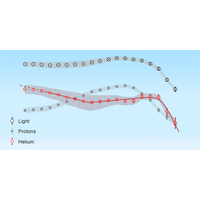
Phys. Rev. Lett. 136, 121001 (2026)
Cosmology, Astrophysics, and Gravitation
Evidence for a Spectral Break or Curvature in the Spectrum of Astrophysical Neutrinos from 5 TeV to 10 PeV
Article | Cosmology, Astrophysics, and Gravitation | 2026-03-26 06:00 EDT
R. Abbasi et al. (IceCube Collaboration)
The IceCube observatory at the South Pole has found evidence for a break in the spectrum of cosmic neutrinos, with theoretical implications for their generation.
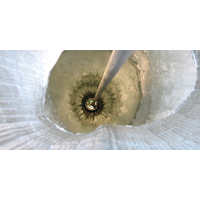
Phys. Rev. Lett. 136, 121002 (2026)
Cosmology, Astrophysics, and Gravitation
Smooth String Vacua in a Gravitationally Nonperturbative Regime
Article | Particles and Fields | 2026-03-26 06:00 EDT
Mirjam Cvetič and Max Wiesner
The strong coupling regime of four-dimensional supersymmetric vacua of the heterotic string is analyzed from a dual domain wall perspective. Using modular invariance, we compute a closed form for the nonperturbative corrections to the supersymmetric domain wall equations, which enables a quantit…
Phys. Rev. Lett. 136, 121602 (2026)
Particles and Fields
Torsion Balance Experiments Enable Direct Detection of Sub-eV Dark Matter
Article | Particles and Fields | 2026-03-26 06:00 EDT
Shigeki Matsumoto, Jie Sheng, Chuan-Yang Xing, and Lin Zhu
Light dark matter with sub-eV masses has a high number density in our Galaxy, and its scattering cross section with macroscopic objects can be significantly enhanced by coherence effects. Repeated scattering with a target object can induce a measurable acceleration. Torsion balance experiments with …
Phys. Rev. Lett. 136, 121803 (2026)
Particles and Fields
Measurement of ${D}^{0}$ Meson Photoproduction in Ultraperipheral Heavy Ion Collisions
Article | Nuclear Physics | 2026-03-26 06:00 EDT
V. Chekhovsky et al. (CMS Collaboration)
This Letter reports the first measurement of photonuclear meson production in ultraperipheral heavy ion collisions. The study is performed using lead-lead collision data, with an integrated luminosity of , collected by the CMS experiment at a nucleon-nucleon center-of-mass energy of 5.3…
Phys. Rev. Lett. 136, 122303 (2026)
Nuclear Physics
Unexpected Solidlike Fracture in Simple Liquids
Article | Physics of Fluids, Earth & Planetary Science, and Climate | 2026-03-26 06:00 EDT
Thamires A. Lima, Nicolas J. Alvarez, Stuart E. Smith, Kazem V. Edmond, Manesh Gopinadhan, and Emmanuel Ulysse
Solids fracture under critical stress, while liquids exhibit continuous deformation. Viscoelastic liquids can fracture like solids when the deformation rate is high enough that the material's storage modulus is approximately the same or higher than its loss modulus . Here, we present direct ex…
Phys. Rev. Lett. 136, 124002 (2026)
Physics of Fluids, Earth & Planetary Science, and Climate
Imaging Heat Transport in Suspended Diamond Nanostructures with Integrated Spin Defect Thermometers
Article | Condensed Matter and Materials | 2026-03-26 06:00 EDT
V. Goblot, K. Wu, E. Di Lucente, Y. Zhu, E. Losero, Q. Jobert, C. Jaramillo Concha, N. Quack, N. Marzari, M. Simoncelli, and C. Galland
Among all materials, monocrystalline diamond has one of the highest measured thermal conductivities, with values above 2000 W/m/K at room temperature. Diamond nanostructures are increasingly used in photonics, electronics, and quantum technologies, where heat dissipation is critical. However, predic…
Phys. Rev. Lett. 136, 126304 (2026)
Condensed Matter and Materials
Phase Space Fractons
Article | Condensed Matter and Materials | 2026-03-26 06:00 EDT
Ylias Sadki, Abhishodh Prakash, S. L. Sondhi, and Daniel P. Arovas
Perhaps the simplest approach to constructing models with subdimensional particles or fractons is to require the conservation of dipole or higher multipole moments. We generalize this approach to allow for moments in phase space and classify all possible classical fracton models with phase-space mul…
Phys. Rev. Lett. 136, 126504 (2026)
Condensed Matter and Materials
Electrically Gated Laser-Induced Spin Dynamics in Magnetoelectric Iron Garnet at Room Temperature
Article | Condensed Matter and Materials | 2026-03-26 06:00 EDT
T. T. Gareev, N. E. Khokhlov, L. Körber, A. P. Pyatakov, and A. V. Kimel
Ultrafast pump-probe imaging reveals that the efficiency of optical excitation of coherent spin waves in epitaxial iron garnet films can be effectively controlled by an external electric field at room temperature. Although a femtosecond laser pulse alone does not excite any pronounced coherent spin …
Phys. Rev. Lett. 136, 126702 (2026)
Condensed Matter and Materials
Light-Induced Odd-Parity Magnetism in Conventional Antiferromagnetism
Article | Condensed Matter and Materials | 2026-03-26 06:00 EDT
Shengpu Huang, Zheng Qin, Fangyang Zhan, Dong-Hui Xu, Da-Shuai Ma, and Rui Wang
Recent studies have drawn growing attention on nonrelativistic odd-parity magnetism in the wake of altermagnets. Nevertheless, odd-parity spin splitting is often believed to appear in noncollinear magnetic configurations. Here, using symmetry arguments and effective model analysis, we show that Floq…
Phys. Rev. Lett. 136, 126703 (2026)
Condensed Matter and Materials
Floquet Odd-Parity Collinear Magnets
Article | Condensed Matter and Materials | 2026-03-26 06:00 EDT
Tongshuai Zhu, Di Zhou, Huaiqiang Wang, Su-Huai Wei, and Jiawei Ruan
Altermagnets, recently discovered unconventional magnets distinct from both ferro- and antiferromagnets, have rapidly emerged as a prominent research topic in condensed matter physics. Altermagnets are characterized by alternating collinear magnetic moments with zero net magnetization in real space,…
Phys. Rev. Lett. 136, 126704 (2026)
Condensed Matter and Materials
Separating Water Content from Network Dynamics in Cell Nuclei with Brillouin Microscopy
Article | Polymers, Chemical Physics, Soft Matter, and Biological Physics | 2026-03-26 06:00 EDT
Lucie Vovard, Alexis Viel, Estelle Bastien, Lou-Anne Goutier, Gaëtan Jardiné, Jérémie Margueritat, Sylvain Monnier, and Thomas Dehoux
Probing forces, deformations, and mechanical properties of cells are the hallmark of mechanobiology. Many techniques have been developed to this end that are largely based on deforming the cells and measuring the reaction force. In cells, an alternative approach was implemented in the mid-2010s base…
Phys. Rev. Lett. 136, 128401 (2026)
Polymers, Chemical Physics, Soft Matter, and Biological Physics
Physical Review X
Deterministic 1D Domain Wall Motion with Nucleation-Free Nature in Sliding Ferroelectric Switching
Article | 2026-03-26 06:00 EDT
Jiangang Chen, Changming Ke, Renji Bian, Er Pan, Peter Kun, Zefen Li, Biao Dong, Fan Yang, Qing Liu, Levente Tapaszto, Xiao Luo, Shi Liu, and Fucai Liu
Sliding ferroelectrics possess a nucleation-free nature, where collective and constrained domain wall motion enables deterministic polarization control far beyond conventional ferroelectrics.
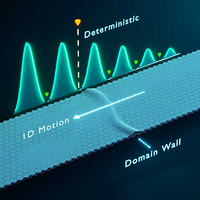
Phys. Rev. X 16, 011066 (2026)
Fast Scrambling at the Boundary
Article | 2026-03-26 06:00 EDT
Ancel Larzul, Anirvan M. Sengupta, Antoine Georges, and Marco Schirò
Researchers find that a simple boundary quantum spin in the multichannel Kondo model can scramble information as fast as the most complex random systems, revealing a link between impurity physics and fast scramblers.
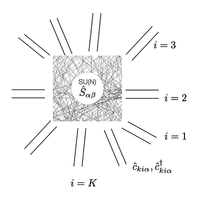
Phys. Rev. X 16, 011067 (2026)
arXiv
The theory of topological-topological flat bands
New Submission | Mesoscale and Nanoscale Physics (cond-mat.mes-hall) | 2026-03-27 20:00 EDT
Rui-Heng Liu, Jiangping Hu, Chen Fang
Electronic flat bands have localized Wannier-like orbitals as zero modes. In the Lieb or the kagome models, the localized orbitals satisfy a topological condition that entails two non-contractible loop eigenstates along $ x/y$ -axis in real space, and one topological band touching point with other bands in momentum space. In these topological-flat bands, the Bloch state at the touching point is ill-defined, and so is any topological invariant for the entire band. We propose a new topological condition that the loop states in different directions be linearly dependent. Its satisfaction removes the singularity at the band touching point, and enforces nontrivial, well-defined topological invariants. Enforcing the new condition, we obtain topological-topological (top$ ^2$ )-flat bands in 2D and 3D that have nontrivial invariants including the Chern numbers, the $ \mathbb{Z}_2$ invariants, and the topological-crystalline invariants. Under small, generic interactions, top$ ^2$ -flat bands flow to correlated topological insulators with a dynamically generated, symmetric mass term; and specially designed interacting models can have top$ ^2$ -flat bands as exact zero modes.
Mesoscale and Nanoscale Physics (cond-mat.mes-hall), Strongly Correlated Electrons (cond-mat.str-el)
8+21 pages, 3+4 figures; Comments are welcome
Bound states of anyons: a geometric quantization approach
New Submission | Strongly Correlated Electrons (cond-mat.str-el) | 2026-03-27 20:00 EDT
Qingchen Li, Pavel A. Nosov, Taige Wang, Eslam Khalaf
The question of anyon interactions and their possible binding plays a key role in the physics of fractional quantum Hall states. Here, we introduce a controlled and scalable approach to study anyon binding by working entirely within the Hilbert space of anyons. The resulting theory is characterized by an effective potential, which captures the electrostatic energy of classical anyon configurations, and a Kähler potential, which simultaneously encodes the anyon Berry phase and the structure of their Hilbert space; both quantities are readily computed using Monte Carlo methods for large systems, enabling reliable extrapolation to the thermodynamic limit. By applying the formalism of geometric quantization on Kähler manifolds, we construct the anyon Hamiltonian, which can be exactly diagonalized in the few-anyon Hilbert space. Applying our approach to the quasiholes of the $ \nu=1/3$ Laughlin state with screened Coulomb interaction, we find that Laughlin quasiholes form bound states for screening lengths comparable or smaller than the magnetic length. Remarkably, binding occurs despite both the bare electron-electron interaction and the quasihole electrostatic potential being purely repulsive. The bound-state formation is a Berry phase effect, driven by oscillations in the quasihole density profile on the $ \ell_B$ scale that are invisible in the quasihole electrostatic potential alone. For multiple quasiholes, we identify a sequence of phases as the screening length is reduced: free $ e/3$ anyons, paired $ 2e/3$ bound states, three-anyon charge-$ e$ clusters, and larger composite objects. Finally, we discuss possible signatures in charge imaging experiments on quantum Hall systems and the relevance to the phase diagram of itinerant anyon phases in fractional quantum anomalous Hall materials.
Strongly Correlated Electrons (cond-mat.str-el), Mesoscale and Nanoscale Physics (cond-mat.mes-hall)
Probing picosecond depairing currents in type-II superconductors
New Submission | Superconductivity (cond-mat.supr-con) | 2026-03-27 20:00 EDT
E. Wang, M. Chavez-Cervantes, J. Satapathy, T. Matsuyama, G. Meier, X. Zhang, L. You, F. Marijanovic, J.B. Curtis, E. Demler, A. Cavalleri
Accessing the intrinsic critical current density (Jc\ast) in type II superconductors has significant fundamental and technological potential, both as a probe of the microscopic superconducting properties and as a means to increase current limits in high magnetic field devices and in electrical power systems. Yet, the experimental critical current density in type II superconductors (Jc), when measured with DC currents, is generally lower than the intrinsic limit, mostly due to vortex motion and self-heating. Here, we show that ultrafast picosecond electrical pulses, which interact with the material on timescales over which vortices are inertially immobile, carry supercurrents up to the intrinsic depairing limit Jc\ast >> Jc. We probe picosecond critical currents in NbN and YBa2Cu3O7 (YBCO), as representative s-wave and d-wave superconductors, respectively. In NbN, we find a sharp onset of the picosecond depairing at a current density as large as Jc\ast=2.2 Jc, a limit that is well described by microscopic dynamics based on BCS theory. In contrast, YBCO exhibits a gradual suppression of superconductivity as a function of the picosecond current, reflecting its d-wave symmetry. These results offer a powerful new probe of superconductors beyond the reach of conventional transport measurements. The ability to reach the depairing current may also lead to robust new platforms for superconducting electronics.
Superconductivity (cond-mat.supr-con), Materials Science (cond-mat.mtrl-sci)
Submitted in August 2025
Chalcogen Doping Effect on the Insulator-to-Metal Transition in GdPS
New Submission | Materials Science (cond-mat.mtrl-sci) | 2026-03-27 20:00 EDT
Gokul Acharya, Rabindra Basnet, Santosh Karki Chhetri, Dinesh Upreti, M. M. Sharma, Jian Wang, David Graf, Jin Hu
Topological semimetals offer a rich platform for exploring massless fermion physics and realizing exotic properties with potential technological applications. GdPS, a magnetic semiconductor derived from the nodal-line semimetal ZrSiS family, exhibits a field-induced insulator-to-metal transition driven by exchange splitting. This transition is accompanied by an unusual, isotropic, and gigantic negative magnetoresistance, attributed to negligible magnetic anisotropy resulting from the weak spin-orbit coupling of half-filled Gd3+ 4f orbitals and light S atoms. In this work, we investigate Se substitution, which is expected to enhance spin-orbit coupling. Indeed, we observe slightly increased magnetic anisotropy in magnetotransport. Moreover, Se substitution suppresses the field-induced insulator-to-metal transition, likely due to an enlarged band gap that demands a higher exchange splitting to close. These findings provide deeper insights into the interplay between spin-orbit coupling, magnetic anisotropy, and transport behavior in GdPS, offering guidance for future materials design for desired functionalities.
Materials Science (cond-mat.mtrl-sci)
G. Acharya, R. Basnet, S.K. Chhetri, D. Upreti, M.M. Sharma, J. Wang, D. Graf, J. Hu, Chalcogen doping effect on the insulator-to-metal transition in GdPS, Journal of Alloys and Compounds 1061 (2026) 187404
Geometric superfluid stiffness of Kekulé superconductivity in magic-angle twisted bilayer graphene
New Submission | Superconductivity (cond-mat.supr-con) | 2026-03-27 20:00 EDT
Ke Wang, Qijin Chen, Rufus Boyack, K. Levin
Superconductivity in twisted graphene is probed by tunneling spectroscopy and superfluid stiffness, two observables that access the same order parameter from complementary perspectives. We show that a finite-momentum pair-density-wave (PDW) state, consistent with reported Kekulé signatures, reconciles substantial low-energy tunneling weight with an approximately $ T^2$ suppression of the low-temperature superfluid stiffness. The PDW order produces a Bogoliubov Fermi surface and finite zero-bias conductance. The same gapless quasiparticles also enter the geometric superfluid response, yielding a low-temperature stiffness suppression that persists in the flat-band limit. We further predict that, under density or displacement-field tuning, enhanced residual zero-bias conductance should accompany reduced low-temperature stiffness, providing a direct experimental link between tunneling spectroscopy and phase rigidity in twisted graphene.
Superconductivity (cond-mat.supr-con), Materials Science (cond-mat.mtrl-sci), Strongly Correlated Electrons (cond-mat.str-el)
14 pages, 4 figures
Visualizing Millisecond Atomic Dynamics of Nanocrystals in Liquid
New Submission | Materials Science (cond-mat.mtrl-sci) | 2026-03-27 20:00 EDT
Sungsu Kang, Jinho Rhee, Joodeok Kim, Sam Oaks-Leaf, Minwoo Kim, Shengsong Yang, Chang Liu, Dongsu Kim, Sungin Kim, Binyu Wu, Won Bo Lee, David T. Limmer, A. Paul Alivisatos, Peter Ercius Jungwon Park
Atomic structures of nanomaterials are inherently dynamic, continuously reshaped through interactions with chemical species and external stimuli. Such dynamics are further amplified as the size and dimensionality of nanomaterials are reduced. Despite advances in analytical methods, it remains challenging to capture structural dynamics of nanomaterials in reactive environments with both atomic spatial resolution and commensurate temporal resolution. Here, we directly visualize atomic-scale dynamics of gold (Au) nanocrystals in reactive liquid environments with millisecond-speed liquid cell electron microscopy (EM) and deep-learning denoising. We uncover reversible fluctuations in local crystallinity of Au nanocrystals dependent on the surrounding chemical environment. These transient fluctuations, driven by interactions at nanocrystal-liquid interfaces, critically influence dissolution kinetics and grain boundary relaxation. By overcoming the spatiotemporal limitations in conventional liquid cell EM, our findings provide insights into how transient nanoscale structures dictate the stability and reactivity of nanomaterials.
Materials Science (cond-mat.mtrl-sci)
Concerted Electron-Ion Transport by Polyacrylonitrile Elucidated with Reactive Deep Learning Potentials
New Submission | Materials Science (cond-mat.mtrl-sci) | 2026-03-27 20:00 EDT
Rajni Chahal-Crockett, Michael D. Toomey, Logan T. Kearney, Yawei Gao, Joshua T. Damron, Amit K. Naskar, Santanu Roy
Charge transport in polymers, such as polyacrylonitrile (PAN), is crucial for electronics and energy storage. For instance, PAN can transport cations e.g., Li+, by facilitating dynamic cation-nitrile coordination in batteries. However, little is known regarding the underlying role of complex reactive polymer configurations. Herein, we develop a deep-learning potential, trained on ab initio energies and forces of nonequilibrium reactive PAN configurations, to unravel the kinetics of PAN cyclization initiated by a nucleophile (OH- dissociated from LiOH) attacking the terminal nitrile carbon. We find, based on the reaction free-energetics, rates, and charge analysis, that the nucleophile attack producing the first ring is the rate-limiting step, which subsequently triggers Li+-coupled electron transfer along the PAN backbone, causing ~10,000 times faster sequential ring-formation of the remaining nitriles. PAN’s extended configurations, where dipolar and H-bonding interactions are minimal, enable such rapid kinetics. By validating our computational findings with IR and NMR experiments, we establish a pathway for designing reactive polymers with enhanced charge transport for energy applications.
Materials Science (cond-mat.mtrl-sci), Chemical Physics (physics.chem-ph)
8 pages, 4 figures
Topological properties of gapless phases in an interacting spinful wire
New Submission | Strongly Correlated Electrons (cond-mat.str-el) | 2026-03-27 20:00 EDT
Polina Matveeva, Dmitri Gutman, Sam T. Carr
We study topology in gapless phases of an interacting spinful model with spin-charge separation. We focus on the gapless boundaries between $ \mathbb{Z}_2$ symmetry-breaking phases. We find two topologically non-trivial gapless states that occur at the boundary between a non-trivial and a trivial insulator. They correspond to topological Luther-Emery liquid and topological Mott insulator. The Luther-Emery liquid is characterized by gapless charge excitations and features topological edge modes that carry fractional spin, while the topological Mott insulator has gapless spin sector and features edge states that carry fractional charge. Surprisingly, even though there is no mean-field description of the interacting gapless phases, as there is no local order parameter, we show that they can be adiabatically connected to a non-interacting topological metal. This non-interacting state is a phase boundary between decoupled Su-Schrieffer-Heeger chains with the winding number $ \nu=2$ and chains with $ \nu=1$ .
Strongly Correlated Electrons (cond-mat.str-el), Mesoscale and Nanoscale Physics (cond-mat.mes-hall)
12 pages
Soliton turbulence of a strongly driven one-dimensional Bose gas
New Submission | Quantum Gases (cond-mat.quant-gas) | 2026-03-27 20:00 EDT
Manon Ballu, Romain Dubessy, Aurélien Perrin, Hélène Perrin, Anna Minguzzi
We study the out-of-equilibrium dynamics of a weakly interacting one-dimensional Bose gas in a box trap, subjected to a drive realized by a periodically oscillating linear potential. After a transient regime, the gas reaches a quasi-steady state, characterized by the presence of several solitons. At weak driving amplitude, the solitons are only weakly perturbed by one another, while at strong driving amplitude a regime analogous to turbulence is reached, where the solitons are strongly intertwined with each other. We show that a hallmark of both regimes can be found in the momentum distribution, which displays a power-law decay $ n(k) \sim k^{-2}$ at weak driving amplitude and $ n(k) \sim k^{-\alpha}$ with a power-law exponent $ \alpha\in [7,9]$ at large amplitude. We further characterize each of the two regimes by following the space-time maps and characterizing the solitons using the inverse scattering transform. The protocol analyzed in this study is amenable to experimental realization in current experimental setups.
Quantum Gases (cond-mat.quant-gas)
13 pages, 10 figures
Engineering Nonlinear Optical Responses via Inversion Symmetry Breaking in Bilayer Bi2Se3
New Submission | Materials Science (cond-mat.mtrl-sci) | 2026-03-27 20:00 EDT
Vineet Kumar Sharma, Alana Okullo, Barun Ghosh, Arun Bansil, Sugata Chowdhury
Paucity of naturally occurring noncentrosymmetric materials is stimulating growing interest in engineered two-dimensional systems for nonlinear optical applications. Here, we show that breaking inversion symmetry in centrosymmetric bilayer Bi$ _2$ Se$ _3$ through twisting, point-defect insertion, or the application of an external electric field unlocks rich nonlinear optical responses. In twisted bilayer Bi$ _2$ Se$ _3$ at the first commensurate angle of 21.78$ ^\circ$ , we find peak shift and injection current conductivities of -14 $ nm.\mu AV^{-2}$ and 104 $ \times 10^8$ $ nm.A V^{-2}s^{-1}$ , respectively, which lie in the visible spectrum and enable efficient THz applications. The external electric field and point-defect insertion both transform the bilayer into C$ _ {3v}$ symmetry, with the selenium vacancy (V$ _{Se}$ ) achieving peak shift and injection current conductivities of -190 nm.$ \mu AV^{-2}$ and -170 $ \times 10^8$ $ nm.A V^{-2}s^{-1}$ . In all three cases, the peak nonlinear optical responses are found to be comparable to those of benchmark 2D materials such as GeS, and the broadband responses, including helicity-dependent current generation, make these engineered bilayers viable candidates for next-generation 2D photovoltaics.
Materials Science (cond-mat.mtrl-sci)
Second-order Skin Effect in a Brick-Wall Lattice
New Submission | Mesoscale and Nanoscale Physics (cond-mat.mes-hall) | 2026-03-27 20:00 EDT
Dipendu Halder, Srijata Lahiri, Saurabh Basu
Non-Hermitian skin effect, which is a unique feature of non-Hermitian systems, exhibits the formation of an extensive number of boundary modes under open boundary conditions. However, its manifestation in higher dimensions remains elusive. In our work, we demonstrate a hybrid skin-topological effect arising from the interplay between first-order band topology and non-reciprocal hopping in an engineered two-dimensional brick-wall geometry. The non-Hermitian brick-wall lattice under open boundary conditions in both directions exhibits several unconventional spectral features. Notably, the eigenvalues associated with the corner skin modes do not exhibit non-trivial windings in the complex energy plane; instead, they exhibit dynamically stable exceptional point-like features that do not originate from eigenvector coalescence. In contrast, the remaining modes accumulate at the opposite pair. Of all the corner skin modes, only the two that originate from the topological corner states of the Hermitian brick-wall lattice remain localized at individual corners, while the rest accumulate at the pair of opposite corners. This spatial distribution contrasts sharply with the second-order skin effect, where corner skin modes are more uniformly distributed. Finally, for the non-Hermitian Brick-wall lattice, we design and implement the corresponding topolectrical circuit (circuit for a square lattice is included for comparison) to directly visualize the hybrid skin-topological modes.
Mesoscale and Nanoscale Physics (cond-mat.mes-hall), Other Condensed Matter (cond-mat.other), Quantum Physics (quant-ph)
9 pages, 7 figures; Comments are welcome
Josephson effect in graphene Corbino disks
New Submission | Mesoscale and Nanoscale Physics (cond-mat.mes-hall) | 2026-03-27 20:00 EDT
Peculiar features of the Josephson effect in graphene were described theoretically by Titov and Beenakker [Phys. Rev. B 74, 041401(R) (2006)], who solved the Dirac-Bogoliubov-de-Gennes equation for a superconductor-graphene-superconductor junction with rectangular geometry. Here, we adopt the analysis for graphene Corbino disks, finding out that – for the outer to inner radii ratio $ r_2/r_1\gtrsim{}5$ – such systems may demonstrate, when varying the electrochemical potential and the spatial profile of the electrostatic barrier, crossover from standard Josephson tunneling (SJT), via graphene-specific multimode Dirac-Josephson tunneling (MDJT), towards the ballistic Josephson effect (BJE). Signatures of SJT appear only near the Dirac point when the barrier shape is close to rectangular, MDJT appears in the tripolar range and is very robust against varying the barrier shape, and BJE is restored in the unipolar range when smoothing the barrier shape. A comparison with the results of a numerical simulation of quantum transport on the honeycomb lattice is also given.
Mesoscale and Nanoscale Physics (cond-mat.mes-hall), Superconductivity (cond-mat.supr-con)
RevTeX, 13 pages, 7 figures
Efficient all-electron Bethe-Salpeter implementation using crystal symmetries
New Submission | Materials Science (cond-mat.mtrl-sci) | 2026-03-27 20:00 EDT
Jörn Stöhler, Stefan Blügel, Christoph Friedrich
We describe an all-electron implementation of the Bethe-Salpeter equation (BSE) for the calculation of optical absorption spectra in the full-potential linearized augmented-plane-wave (FLAPW) method. So far, FLAPW implementations have resorted to a simple plane-wave basis for the bare and screened Coulomb potentials, thereby forgoing the all-electron description to some extent. In contrast, we expand the interaction potentials in the all-electron mixed basis. As in most implementations, the BSE is solved by the diagonalization of a two-particle Hamiltonian matrix, whose dimension is proportional to the number of $ \mathbf{k}$ points. Due to the large number of $ \mathbf{k}$ points required to converge the BSE, the resulting matrix becomes large even for small unit cells. We describe a method that exploits the crystal symmetries to accelerate the construction and diagonalization of the two-particle Hamiltonian. In particular, we employ group theoretical tools to bring the Hamiltonian into block-diagonal form. Furthermore, it is shown that often only one of the blocks needs to be taken into account for the optical absorption spectrum leading to a considerable speedup of the diagonalization step. The code allows for the inclusion of spin-orbit coupling and is parallelized with the possibility of storing the Hamiltonian in distributed memory over many nodes, keeping the memory demands low. To validate our implementation, we show optical absorption spectra and report exciton binding energies for bulk Si, LiF, and MoS$ _2$ . By exploiting the crystal symmetries, we can reduce the dimension of the Hamiltonian matrix of Si by a factor of five, resulting in a 125-fold speedup in its diagonalization. The calculated exciton binding energies of 22meV and 76meV for Si and MoS$ _2$ are closer to experimental values than in previous BSE studies.
Materials Science (cond-mat.mtrl-sci)
Interplay of bound states in the continuum and Fano–Andreev interference in a hybrid triple quantum dot
New Submission | Mesoscale and Nanoscale Physics (cond-mat.mes-hall) | 2026-03-27 20:00 EDT
Alejandro González I., Pedro A. Orellana, Vladimir Juricic
We investigate bound states in the continuum (BICs) in a hybrid normal–superconducting triple quantum dot system, where the central dot is coupled to two normal leads and the lateral dots are proximity-coupled to superconducting electrodes. Local electron–electron interactions are treated within the Hubbard approximation. Finite bias, together with lateral-dot detuning and superconducting proximity, induces interference between elastic electron tunneling (ET) and Andreev reflection (AR) channels, mediated by BIC-related modes and proximity-induced Andreev bound states. As the bias is swept through the subgap resonances, ET exhibits sharp antiresonances that evolve into exact transport zeros, signaling the emergence of (quasi-)BICs. We further find a continuous crossover from a Fano–Andreev BIC-supported regime to a Fano–Andreev quasi-BIC regime as the detuning asymmetry increases. The formation of BICs and quasi-BICs is accompanied by a pronounced change in the occupation of the side quantum dot, providing an internal diagnostic directly correlated with the transport signatures of the bound states.
Mesoscale and Nanoscale Physics (cond-mat.mes-hall), Strongly Correlated Electrons (cond-mat.str-el)
Suppression of Metallic Transport in Nitrogen-rich Two-Dimensional Transition Metal Nitrides
New Submission | Materials Science (cond-mat.mtrl-sci) | 2026-03-27 20:00 EDT
Hongze Gao, Da Zhou, Nguyen Tuan Hung, Chengdong Wang, Zifan Wang, Ruiqi Lu, Yuxuan Cosmi Lin, Jun Cao, Michael Geiwitz, Gabriel Natale, Kenneth S. Burch, Xiaofeng Qian, Riichiro Saito, Mauricio Terrone, Xi Ling
The recent experimental realization of two-dimensional (2D) transition metal nitrides (TMNs, e.g., Mo5N6, {\delta}-MoN, and W5N6) opens new opportunities for exploring their fundamental physical properties at the two-dimensional limit. In this work, we propose a unified picture of transport phenomena in the nitrogen-rich 2D W5N6 and Mo5N6, and the stoichiometric 2D {\delta}-MoN based on several observations and first-principles calculations. Temperature coefficient of resistance (TCR) and magnetoresistance (MR) from Hall measurements consistently suggest disorder-induced transport mechanism at low temperatures (10-30 K). Notably, we observe a transition from metal to semimetal driven by the variation of nitrogen content in TMNs, supported by the suppressed density of states at the Fermi energy in nitrogen-rich TMNs (e.g. Mo5N6) from first-principle calculations. Carrier density calculations of bulk TMNs and 2D TMNs with -NH termination groups further reveal the switching of majority carrier type of Mo5N6 at reduced thickness, which is in great agreement with Hall measurement results. Our findings demonstrate that high nitrogen content in metallic molybdenum nitrides can induce the transition to a semimetallic phase at the 2D limit, shedding light on both the fundamental aspects of these materials and directions in future material design.
Materials Science (cond-mat.mtrl-sci), Disordered Systems and Neural Networks (cond-mat.dis-nn)
Electrically controlled propulsion of skyrmions in chiral nematic
New Submission | Soft Condensed Matter (cond-mat.soft) | 2026-03-27 20:00 EDT
Design of soft matter capable of controllable microscale dynamics is a frontier of modern science. Jiahao Chen et al. demonstrate that an electric field can drive particle-like solitons-skyrmions in a chiral nematic along a preprogrammed trajectory with a variable speed within a two-dimensional plane. The effect is rooted in flexoelectric polarization of a deformed director field.
Soft Condensed Matter (cond-mat.soft)
5 pages, 1 figure
Newton, 100462 (2026)
The ground state of CuInP$_2$S$_6$ thin films: A study of the deep potential method
New Submission | Materials Science (cond-mat.mtrl-sci) | 2026-03-27 20:00 EDT
Shengxian Li, Jiaren Yuan, Tao Ouyang, Anlian Pan, Mingxing Chen
The two-dimensional ferroelectric (FE) material CuInP$ _2$ S$ _6$ (CIPS) has garnered considerable interest due to its out-of-plane ferroelectricity at room temperature. However, a notable discrepancy exists between experiments and density functional theory (DFT) calculations regarding the ground state of CIPS thin films: experiments suggest a state with net polarization, while DFT predicts an antiferroelectric (AFE) state as the lowest-energy state. Here, we investigate the stability of polarization states in CIPS thin films by combining first-principles calculations with the deep potential (DP) method. Our results reveal that for films thicker than the bilayer, an AFE state that has intralayer AFE ordering in the inner layers and intralayer FE ordering in the two surface layers has the lowest electronic energy. This state is significantly lower than the uniform FE state. In addition, we find that a ferrielectric (FiE) state with pure intralayer FE ordering is very close to the AFE state in energy. By using the DP model, we calculated the phonon free energy of CIPS thin films. For the monolayer, the intralayer FE ordering possesses a lower phonon free energy than the intralayer AFE ordering. This energetic preference for the intralayer FE ordering maintains as the thickness grows. Consequently, when the phonon-free energy is incorporated, the FiE state becomes energetically favorable over the AFE state for multilayers CIPS. Our findings demonstrate that the inclusion of vibrational entropy stabilizes the FiE state as the ground state in multilayers CIPS at finite temperatures, reconciling the previous discrepancy between experimental observations and DFT predictions. This insight is vital for understanding the FE properties of CIPS and its potential applications in devices.
Materials Science (cond-mat.mtrl-sci)
10.2 pages, 9 figures
Phys. Rev. B 113, 125417 (2026)
Dynamical Response of the Kitaev Spin Liquid under Third-Nearest-Neighbor Heisenberg Interaction
New Submission | Strongly Correlated Electrons (cond-mat.str-el) | 2026-03-27 20:00 EDT
Motivated by growing evidence for the significance of the third-nearest-neighbor Heisenberg ($ J_3$ ) interaction in candidate Kitaev materials, we investigate the dynamical properties of the Kitaev spin liquid (KSL) under a $ J_3$ perturbation, focusing on its spin dynamical structure factor (DSF) and Raman scattering. Within a self-consistent parton mean-field plus random-phase approximation framework, we find that $ J_3$ induces coherent, paramagnon-like collective modes that coexist with a high-energy Majorana continuum in the spin DSF. The softening of these modes with increasing $ |J_3|$ signals a quantum phase transition to magnetic order. Remarkably, magnetic ordering sets in at a common critical $ J_3$ for both ferromagnetic ($ K<0$ ) and antiferromagnetic ($ K>0$ ) Kitaev models, with the resulting ordered states forming exact dual pairs under a four-sublattice duality transformation that maps $ (K,J_3) \rightarrow (-K,J_3)$ . An external magnetic field further softens the preexisting paramagnon modes, thereby enhancing magnetic order. Perturbative Raman calculations show that while the Kitaev-like Raman vertex probes only itinerant matter Majorana fermions, the response from the $ J_3$ -like vertex features both matter Majoranas and visons. Four-vison excitations produce a sharp peak accompanied by a two-fermion continuum, whereas two-vison excitations yield a continuum closely resembling the single-matter-fermion density of states. These results provide a unified perspective on the dynamical signatures of $ J_3$ -perturbed KSL and are helpful for interpreting experimental spectra in candidate Kitaev materials with sizable $ J_3$ interactions.
Strongly Correlated Electrons (cond-mat.str-el)
17 pages, 11 figures. Comments are welcome!
Forster energy transfer boosts indirect anisotropic interlayer excitons in 2L-MoSe2/perovskite heterostructures
New Submission | Materials Science (cond-mat.mtrl-sci) | 2026-03-27 20:00 EDT
Yingying Chen, Zihao Jiao, Haizhen Wang, Dehui Li
Interlayer excitons (IXs) in two-dimensional (2D) van der Waals heterostructures have attracted considerable attention due to their unique optical and electronic properties. Owing to the spatially indirect nature, the radiative emission efficiency highly sensitive to interlayer twist angles. Further considering that their uniformly oriented out-of-plane dipole moments limit directional emission, strategies to simultaneously improve emission efficiency and induce optical anisotropy warrant in-depth investigation. In this work, we report significant photoluminescence (PL) enhancement and optical anisotropy of IXs in 2L-MoSe2/perovskite heterostructures mediated by energy transfer from ReS2. We attribute this enhancement to Forster resonance energy transfer (FRET), which increases the 2L-MoSe2 emission by approximately eight-fold at room temperature, and nearly doubles the emission intensity of momentum-indirect IXs in 2L-MoSe2/perovskite heterostructures at 78 K. Importantly, the optical anisotropy of ReS2 can be effectively imprinted onto 2L-MoSe2 and associated indirect IXs during the energy transfer process, yielding a linear dichroism of approximately 1.1 for both intralayer excitons and IXs with identical polarization directions. These findings expand the scope of IX study beyond direct bandgap materials with strong intrinsic emission to include systems with indirect bandgaps, offering new avenues for realizing high-performance polarization-sensitive optoelectronic devices.
Materials Science (cond-mat.mtrl-sci), Applied Physics (physics.app-ph)
Low-Field Metal-Insulator Transition in AB-Stacked Bilayer Graphene
New Submission | Mesoscale and Nanoscale Physics (cond-mat.mes-hall) | 2026-03-27 20:00 EDT
Amarnath Chakraborty, Aleksandr Rodin, Shaffique Adam, Giovanni Vignale
We investigate the interplay of in-plane magnetic and transverse electric fields in AB-stacked bilayer graphene. In prior work, we demonstrated that this configuration induces an insulator-metal (IM) transition with large impact on the magnetic response, albeit requiring impractically large magnetic fields. Here, we extend the analysis by incorporating previously neglected trigonal warping effects through interlayer skew couplings. In a restricted region of momentum space (on the order of 1/100 of the original Brillouin zone) trigonal warping produces a fine splitting of Dirac cones leading to a compensated semimetallic state in the absence of external fields. Application of a transverse electric field above a small threshold ($ V_c\sim 0.6$ meV) reinstates the insulating gap, but this gap can be closed by a relatively small in-plane magnetic field, leading to an IM transition at a much smaller magnetic field ($ \approx 10$ T) than previously predicted.
Mesoscale and Nanoscale Physics (cond-mat.mes-hall)
8 pages, 4 figures
Exact theory of superconductivity in a strongly correlated Fermi-arc model
New Submission | Superconductivity (cond-mat.supr-con) | 2026-03-27 20:00 EDT
Xianliang Zhou, Fei Yang, Miao Liu, Yin Shi, Sheng Meng
Because the normal state of underdoped cuprate superconductors is an enigmatic Fermi-arc metal, it is valuable to analyze an exactly solvable model that exhibits both Fermi arcs and $ d$ -wave superconductivity. Here, we focus on a recently proposed solvable model in which the emergence of Fermi arcs is especially transparent. Upon incorporating a $ d$ -wave pairing interaction, the model produces an asymptotically exact solution for the superconducting transition temperature $ T_c$ that traces out a superconductivity dome as a function of hole doping, in qualitative agreement with experimental observations in cuprates. Crucially, we show analytically that the Fermi arcs generate an additional many-body effect that suppresses $ T_c$ beyond the simple reduction expected from a shrinking Fermi surface. The many-body nature of the Fermi arcs further introduces the gap-to-$ T_c$ ratio greatly surpassing the mean-field limit. These findings provide an analytic benchmark for understanding how Fermi-arc physics competes with $ d$ -wave superconductivity in high-$ T_c$ superconductors.
Superconductivity (cond-mat.supr-con), Strongly Correlated Electrons (cond-mat.str-el)
5 pages, 4 figures
Dual migration modes of unfaulted disconnections on curved twin boundaries
New Submission | Materials Science (cond-mat.mtrl-sci) | 2026-03-27 20:00 EDT
Hongrui He, Hao Lyu, Xueting Si
Grain boundary migration governs microstructural evolution in crystalline materials, directly influencing mechanical properties such as strength and thermal stability. Disconnections, which are line defects formed at grain boundaries in response to local curvature, have been identified as critical carriers of boundary migration. Here, we investigate the glide of unfaulted disconnections (UFDs) on a coherent twin boundary in aluminum at elevated temperatures using molecular dynamics simulations combined with the Nudged Elastic Band (NEB) method. Our results reveal a striking bifurcation in migration behavior depending on the disconnection core structure. UFDs with a pure edge Burgers vector migrate via a thermally activated double-kink mechanism, exhibiting a migration velocity that increases monotonically with temperature. In contrast, UFDs containing a screw dipole component possess an energy barrier approximately eight times lower, and their core structure undergoes a continuous transformation during glide, giving rise to stochastic, bidirectional motion with no systematic temperature dependence. These findings demonstrate that the disconnection core structure fundamentally dictates the migration mode and kinetics of twin boundaries, offering new mechanistic insights into disconnection-mediated grain boundary migration.
Materials Science (cond-mat.mtrl-sci)
30 pages,7figures
Origin of Giant Phonon Magnetic Moment in Orbital Seebeck Effect: a Heisenberg-type L-L Coupling
New Submission | Other Condensed Matter (cond-mat.other) | 2026-03-27 20:00 EDT
Hong Sun, Jinxin Zhong, Yimin Yao, Jun Zhou, Lifa Zhang
Inspired by the recent observation of the orbital Seebeck effect in alpha-quartz, we identify an intrinsic amplification mechanism for thermally generated phonon angular momentum and phonon magnetic moment in chiral insulators. We propose a Heisenberg-type long-range coupling between phonon angular momenta, referred to here as L-L coupling, which opens a self-consistent feedback channel and strongly enhances the bare thermal response within linear response. Our calculations reveal a pronounced temperature- and size-dependent amplification, dominated by the off-diagonal channel, with the total phonon angular momentum enhanced by up to nearly two orders of magnitude as the system approaches the threshold from below. These findings suggest that L-L coupling may provide a microscopic origin of giant phonon magnetic moment the recently observed orbital Seebeck effect in alpha-quartz.
Other Condensed Matter (cond-mat.other)
6 pages, 3 figures
Dynamics of two particles with quasiperiodic long-range interactions
New Submission | Quantum Gases (cond-mat.quant-gas) | 2026-03-27 20:00 EDT
We investigate the dynamics of two identical spinless fermions on a one-dimensional lattice with open boundary conditions (OBC), subject to quasiperiodic long-range interactions. Using numerical exact diagonalization (ED), we study this non-integrable system as a continuous-time quantum walk and uncover a robust correlated dynamical regime. This regime, characterized by an approximately constant inter-particle distance, emerges under sufficiently strong quasiperiodic modulation of the long-range interactions. Further, the study shows that the behavior is determined by the nature of the interaction and the choice of boundary condition. Notably, by tuning the phase of the quasiperiodic modulation, we observe three distinct manifestations of this phenomenon: localization, nearest-neighbor separation oscillations, and next-nearest-neighbor separation transitions – each arising for specific initial separations. Furthermore, we identify the suppression of entanglement entropy in the system, including instances of oscillatory behavior. Our results highlight how quasiperiodic long-range interactions shape few-body quantum dynamics.
Quantum Gases (cond-mat.quant-gas)
6 pages, 6 figures. Corresponding author: Yun Zou (12024117009@stu.this http URL)
Polar, checkerboard charge order in bilayer nickelate La3Ni2O7
New Submission | Superconductivity (cond-mat.supr-con) | 2026-03-27 20:00 EDT
Ryo Misawa, Shunsuke Kitou, Jian-Ping Sun, Yingpeng Yu, Chihaya Koyama, Yuiga Nakamura, Taka-hisa Arima, Jin-Guang Cheng, Max Hirschberger
Competing charge and spin orders are central to uncovering the nature of unconventional superconductivity. Here we utilize synchrotron X-ray diffraction on a high-quality single crystal to reveal the charge order of La$ _3$ Ni$ _2$ O$ _7$ at ambient pressure, which competes with the high-temperature superconducting phase under pressure. Enabled by the high synchrotron photon flux and a large dynamic range, we resolve faint reflections – nearly four orders of magnitude weaker than the main Bragg reflections – that were overlooked in prior diffraction studies. This observation evidences a broken glide-mirror symmetry, leading to a polar crystal structure, rather than the widely used centrosymmetric structure model. The polarity is induced by checkerboard charge order on nickel sites in combination with octahedral tilting, reminiscent of bilayer manganese oxides. Our results provide a foundation for understanding phase competition and the mechanism of pressure-induced superconductivity in bilayer nickelates.
Superconductivity (cond-mat.supr-con), Strongly Correlated Electrons (cond-mat.str-el)
Effect of Pb doping on the crystallization process and thermoelectric properties of Ge2Sb2Te5 phase change material
New Submission | Materials Science (cond-mat.mtrl-sci) | 2026-03-27 20:00 EDT
M. Zhezhu, A. Vasil’ev, M. Yaprintsev, A. Musayelyan, E. Pilyuk, O. Ivanov
Phase change materials based on Ge-Sb-Te alloys are widely explored for their potential in both memory devices and thermoelectric applications. In this study, films of Ge2Sb2Te5 (GST) doped with varying concentrations of Pb were prepared and systematically investigated to trace the effect of Pb doping on crystallization-induced phase transformations and thermoelectric properties. Via X-ray diffraction and Raman spectroscopy, the impact of Pb doping on the crystallization behavior was revealed and examined. According to the specific electrical resistivity measurements, the Pb doping resulted in decreasing both the amorphous-to-cubic and cubic-to-hexagonal transition temperatures, thereby facilitating the formation of the hexagonal phase at a lower thermal regime. Furthermore, Seebeck coefficient and electrical resistivity data of hexagonal Pb-doped GST were used to calculate the power factor, PF. A PF maximum equal to 1.3 was found for 2.5 at. Pb-GST at 633 K, with the highest carrier mobility also observed for this composition. Controlled Pb doping effectively modulates both structural transitions and thermoelectric performance, highlighting the potential of Pb-GST for applications that combine phase-change memory and thermoelectric functionality, such as opto-thermoelectric devices and non-volatile thermoelectric sensors.
Materials Science (cond-mat.mtrl-sci)
Distinguishing apparent and hidden altermagnetism via uniaxial strain in $\mathrm{CsV_2Te_2O}$-family
New Submission | Materials Science (cond-mat.mtrl-sci) | 2026-03-27 20:00 EDT
The hidden altermagnetism has been theoretically proposed and then experimentally confirmed in metal $ \mathrm{Cs_{1-\delta}V_2Te_2O}$ , which exhibits two nearly degenerate ground-state magnetic configurations (C-type and G-type) corresponding respectively to apparent and hidden altermagnetism. Here, we propose that in-plane uniaxial strain can be utilized to distinguish apparent and hidden altermagnetism. Under uniaxial strain, apparent altermagnetism exhibits an obvious net magnetic moment, whereas hidden altermagnetism maintains zero net magnetic moment. The magnetic moment induced by uniaxial strain here, namely the piezomagnetic effect, differs from that in semiconductors, where strain must be applied first followed by carrier doping to generate net magnetism. First-principles calculations verify our proposal, revealing that the magnetic moment induced by uniaxial strain in C-type antiferromagnetic $ \mathrm{CsV_2Te_2O}$ is much larger than that in the previously studied altermagnetic semiconductors. Furthermore, we also investigate the electronic state transitions of semiconductors featuring a crystal structure analogous to $ \mathrm{CsV_2Te_2O}$ under uniaxial strain, and verify our proposal in specific material via first-principles calculations. Our work provides an experimentally feasible strategy to distinguish apparent and hidden altermagnetism in material $ \mathrm{Cs_{1-\delta}V_2Te_2O}$ , and extends the physical implication of the piezomagnetic effect, which can be directly verified in experimentally synthesizable $ \mathrm{KV_2Se_2O}$ and $ \mathrm{Rb_{1-\delta}V_2Te_2O}$ .
Materials Science (cond-mat.mtrl-sci)
7 pages, 7 figures
Dynamically Stable Vortices in Exciton-Polariton Condensates Engineered by Repulsive Interactions
New Submission | Quantum Gases (cond-mat.quant-gas) | 2026-03-27 20:00 EDT
P. Raman, R. Radha, Pankaj K. Mishra, Paulsamy Muruganandam
We present an analytical and numerical study of the dynamics and stability of exciton-polariton condensates described by the open-dissipative Gross-Pitaevskii equation, incorporating both binary and short-range three-body interactions. Using an asymptotic description, we identify the parameter regime and derive equations for the instability amplitude, providing insights into vortex formation via the snake instability of dark solitons. We find that a repulsive three-body interaction, when combined with a binary interaction, supports stable vortex-antivortex pair formation. On the other hand, the reinforcement of attractive three-body interactions with binary interaction triggers the emergence of snake instability, leading to boundary-driven vortex disintegration. The time evolution of the instability under the influence of reservoir effects indicates that the boundary effects are more pronounced, to the extent of destabilizing the vortices with attractive three-body interactions compared to repulsive three-body interactions, thereby underscoring the stable nature of vortices in the repulsive domain.
Quantum Gases (cond-mat.quant-gas), Pattern Formation and Solitons (nlin.PS)
15 pages, 10 figures
Vortex-driven superconducting diode effect in asymmetric multilayer heterostructures
New Submission | Superconductivity (cond-mat.supr-con) | 2026-03-27 20:00 EDT
Jiong Li, Ji Jiang, Qing-Hu Chen
The superconducting diode effect (SDE), characterized by nonreciprocal critical currents, has attracted growing attention due to its potential applications in quantum technologies and energy-efficient devices. In this work, we explore the microscopic mechanism of the SDE by simulating asymmetric multilayer heterostructures within time-dependent Ginzburg-Landau theory. We systematically vary the layer thickness, external magnetic field and stacking order in a trilayer structure composed of niobium, vanadium, and tantalum, which share a similar structure to that in the pioneering experimental work, to clarify the role of vortex dynamics. Our simulations reveal a pronounced SDE originating from the interplay of Lorentz forces and asymmetric vortex dynamics, which strongly depend on layer stacking order. Besides, by simply changing the stacking order of the constituent layers, the SDE can be entirely suppressed. These findings offer insights into the microscopic mechanisms of the SDE and provide a feasible approach for controlling and eliminating the SDE in practical superconducting devices.
Superconductivity (cond-mat.supr-con)
12 pages, 10 figures
Communications Physics 9, 49 (2026)
Fluctuation response of a minimal Kitaev chain in nonequilibrium states
New Submission | Mesoscale and Nanoscale Physics (cond-mat.mes-hall) | 2026-03-27 20:00 EDT
Minimal Kitaev chains provide a unique platform to engineer Majorana states in quantum dots interacting via normal tunneling and crossed Andreev reflection specified by their amplitudes $ |\eta_{n,a}|$ . Here we analyze fluctuations of electric currents in a double quantum dot Kitaev chain using the differential effective charge $ q$ , that is the ratio of the differential shot noise and conductance. At low bias voltages $ V$ we find that $ q=e/2$ in a very narrow vicinity of the point $ |\eta_n|=|\eta_a|$ whereas $ q=3e/2$ almost in the whole sweet spot region and marks the range where the poor man’s Majorana states largely govern the fluctuations. At high $ V$ we show that the sweet spot region is still characterized by $ q=3e/2$ uniquely identifying the poor man’s Majorana states using the high voltage tails. For $ |\eta_n|=0$ or $ |\eta_a|=0$ we obtain $ q=e$ at any $ V$ . Remarkably, before the asymptotic value $ q=e$ is reached for very high $ V$ , the maximal value $ q=2e$ is formed at $ |eV|=2\sqrt{|\eta_n|^2+|\eta_a|^2}$ . The unique nature and potentially rich fluctuation behavior revealed in this work provide a stimulating ground for the next generation experiments on nonequilibrium shot noise in minimal Kitaev chains.
Mesoscale and Nanoscale Physics (cond-mat.mes-hall), Superconductivity (cond-mat.supr-con)
15 pages, 7 figures
Decoding the Electronic and Structural Fingerprints of Single-Atom Catalysts via DFT-Assisted XANES Analysis
New Submission | Materials Science (cond-mat.mtrl-sci) | 2026-03-27 20:00 EDT
Single-atom catalysts (SACs), composed of isolated metal atoms dispersed on solid supports, represent the ultimate expression of atomic efficiency in catalysis. Their remarkable activity and selectivity arise from local coordination environments and adjustable oxidation states, yet precise determination of these features remains an enduring challenge. Among modern characterization techniques, X-ray absorption near-edge structure (XANES) spectroscopy stands out for its sensitivity to both electronic and geometric structure, though its interpretation is often constrained by empirical comparison with bulk references. Here we introduce a density functional theory (DFT) based computational spectroscopy framework for the quantitative interpretation of Cu K-edge XANES spectra. We then employ this framework to reveal the oxidation state, coordination geometry, and hydration environment of Cu single atoms supported on cyanographene, demonstrating direct correspondence between spectral signatures and atomic-scale structure. This methodology establishes a robust and transferable route for connecting XANES features with the underlying electronic and structural characteristics of SACs, thereby advancing the rational design of atomically precise catalysts.
Materials Science (cond-mat.mtrl-sci)
Classification of interfacial water governed by water-polymer interactions in hydrated polymers: A molecular dynamics simulation study of ethylene-based and acrylate polymers
New Submission | Soft Condensed Matter (cond-mat.soft) | 2026-03-27 20:00 EDT
Atsuki Hashimoto, Kokoro Shikata, Kang Kim, Nobuyuki Matubayasi
We perform molecular dynamics simulations to investigate hydration structures and dynamics in seven water-containing polymers: PVA, PHEA, PHEMA, PBA, PMEMA, PEG, and PMEA. The analysis integrates four perspectives: the water-content dependence of the glass transition temperature $ T_g$ , polymer chain fluctuations characterized by dihedral angle distributions, hydrogen-bond lifetimes $ \tau_{\mathrm{HB}}$ between water and polymer functional groups, and the localization and exchange dynamics of confined water quantified by the distinct part of van Hove correlation function. Hydroxyl-containing polymers (PVA, PHEA, and PHEMA) exhibit relatively high dry-state $ T_g$ values and its pronounced depression upon hydration. Chain fluctuations are limited, and $ \tau_{\mathrm{HB}}$ follows Arrhenius behavior, forming localized hydration shells. In contrast, PMEMA and PBA show low equilibrium water contents and hydrophobic character; although their dry-state $ T_g$ values are moderately lower and less sensitive to water content, chain fluctuations remain small, and $ \tau_{\mathrm{HB}}$ also obeys Arrhenius behavior, with hydrophobic aggregation promoting water localization. PEG and PMEA display low dry-state $ T_g$ values and weak water-content dependence. Greater rotational freedom around ether or methoxy oxygen atoms leads to larger chain fluctuations and loosely bound water. Below $ T_g$ , $ \tau_{\mathrm{HB}}$ between water and ether or methoxy oxygen atoms exhibits super-Arrhenius behavior. These results clarify three hydration types: highly hydrated (PVA, PHEA, and PHEMA), hydrophobic (PMEMA and PBA), and flexibly hydrated (PEG and PMEA), and provide a molecular-level framework for interpreting interfacial water governed by water-polymer interactions.
Soft Condensed Matter (cond-mat.soft)
11 pages, 7 figures for main text, 5 pages for supplementary material
Pulsed Laser Template Engineering- PLATEN
New Submission | Materials Science (cond-mat.mtrl-sci) | 2026-03-27 20:00 EDT
Dhiman Biswas, Junyeob Song, Francisco Guzman, Levi Brown, Yiwei Ju, Nisha Geng, Pralay Paul, Sumit Goswami, Casey Kerr, Sreehari Puthan Purayil, Ben Summers, Preston Larson, Binbin Weng, Bin Wang, Horst Hahn, Xiaoxing Pan, Alisa Javadi, Henri Lezec, Thirumalai Venkatesan
Thin films of functional inorganic materials, particularly oxides, play a vital role in optoelectronics, enabling applications that range from active optical components to MEMS-based architectures. Achieving high aspect ratio patterning of these functional materials remains a significant challenge, as many of their constituent elements do not readily form volatile compounds required for conventional reactive ion etch processes. We introduce a novel approach, Pulsed Laser Template ENgineering (PLATEN), which offers a more accessible route for patterning materials that are typically difficult to etch. This technique involves depositing functional films using the Pulsed Laser Deposition (PLD) process onto silicon substrates that have been pre-patterned using reactive ion etching to create high aspect ratio features. Due to the highly forward-directed nature of the PLD process, the deposited films replicate closely the topography of the patterned silicon, without coatings the sidewalls. This process remains effective even at feature sizes down to approximately 50 nm. The oxide films replicate the underlying silicon pattern to a thickness of 80 nm. For thickness beyond 80 nm the patterns develop a waist at the midpoint which scales with film thickness and is not dependent on the feature size. In this paper, we present a detailed analysis of the PLATEN process, including deviations from ideal pattern replication in sub-micron features as a function of film thickness, and demonstrate near single crystalline growth of oxides on the patterned silicon substrate, demonstrating the potential of PLATEN technique for active opto-electronic materials.
Materials Science (cond-mat.mtrl-sci), Optics (physics.optics)
Microscopic nature of $4a_0\times4a_0$ plaquettes in stripe LDOS and $2a_0$ shift
New Submission | Strongly Correlated Electrons (cond-mat.str-el) | 2026-03-27 20:00 EDT
Ying Liang, Yi-Da Chu, Shi-Jie Hu, Xue-Feng Zhang
Scanning tunneling microscopy (STM) serves as a powerful pictorial tool for visualizing the local density of states (LDOS) of an individual stripe, which strongly intertwines with superconductivity in the underdoped cuprates. The exotic LDOS map patterns thus appear as the key to uncovering the mystery of the underlying microscopic mechanisms. With the quantum color string model framework, we reveal that the microscopic origin of the ubiquitous $ 4a_0\times4a_0$ plaquettes is closely related to spinon singlet pairs. Moreover, by comparing our data with LDOS of cuprates, we identify an effect of particle-hole symmetry breaking (PHSB): a $ 2a_0$ shift, which is confirmed in a longer stripe ($ L=18$ ).Our work offers a fresh wavefunction-based perspective for interpreting STM signals in experiments and may advance the microscopic comprehension of high-$ T_c$ cuprates.
Strongly Correlated Electrons (cond-mat.str-el), Quantum Gases (cond-mat.quant-gas), Superconductivity (cond-mat.supr-con)
7 pages, 7 figures, comments are welcome, and more information at this https URL
Mapping the limits of equilibrium in sheared granular liquid crystals
New Submission | Soft Condensed Matter (cond-mat.soft) | 2026-03-27 20:00 EDT
Jacopo Bilotto, Martin Trulsson, Jean-François Molinari
Athermal elongated particles are well-known to follow Jeffery orbits when sheared in viscous fluids. It is less clear if similar orbits appear in dense granular flows. We show that when sheared for long enough, sufficiently elongated frictionless granular rods, rather than following noisy Jeffery-like orbits, exist in a quasi-equilibrium state, whose orientational statistics are quantitatively described by classical liquid crystal theory, where the noise is provided by collisions due to shear. At the same time, we demonstrate a systematic breakdown of this equilibrium analogy at two distinct limits: at low aspect ratios, where the equilibrium theory incorrectly predicts an isotropic state, and as inter-particle friction is introduced, where the system moves from steric screening to frictional gearing. Even within this frictionally geared state, the rotational dynamics remain distinct from classical Jeffery orbits. We link this frictional breakdown directly to the system being driven far from equilibrium, as quantified by an effective Ericksen number that compares non-equilibrium rotational driving to steric ordering. Our results provide a quantitative map of the transition from a quasi-equilibrium to a far-from-equilibrium steady state in a dense, driven system, defining the limits of applicability for thermal liquid crystal theory in athermal matter.
Soft Condensed Matter (cond-mat.soft), Classical Physics (physics.class-ph)
20 pages, 12 figures
Structural and magnetic phases of topological kagome metal Fe$_3$Sn$_2$ under pressure
New Submission | Strongly Correlated Electrons (cond-mat.str-el) | 2026-03-27 20:00 EDT
S. Chattopadhyay, L. Thomarat, C.S. Ong, K. Kargeti, Lipika, J.-P. Rueff, L. Nataf, K. Manna, S. K. Panda, C. Shekhar, V. Balédent
We investigate the pressure-induced evolution of crystal structure and magnetism in the kagome ferromagnet Fe$ _3$ Sn$ _2$ by combining X-ray diffraction, X-ray Emission Spectroscopy, X-ray Magnetic Circular Dichroism, and spin-polarized density functional theory calculations. X-ray diffraction reveals a structural phase transition above $ \sim$ 20~GPa, which coincides with a pronounced reduction of the local Fe magnetic moment evidenced by X-ray emission spectroscopy, indicating a high-spin to low-spin transition. While XES probes the amplitude of the local moment, XMCD provides direct information on the orientation of the ordered magnetic moments and uncovers a rich pressure–temperature magnetic phase diagram. At room temperature, a collinear ferromagnetic phase with moments aligned along the $ c$ axis persists up to the structural transition. At low temperature, a tilted magnetic configuration remains stable to significantly higher pressures, while at intermediate temperatures pressure stabilizes the low-temperature magnetic phase at the expense of the high-temperature one. Spin-polarized first-principles calculations show that, although isotropic ferromagnetic exchange interactions remain robust under compression, pressure enhances spin–orbit–driven magnetic anisotropy and Dzyaloshinskii–Moriya interactions, favoring non-collinear magnetic configurations. Our results demonstrate that pressure reshapes the magnetic energy landscape of Fe$ _3$ Sn$ _2$ by coupling lattice, spin state, and relativistic magnetic interactions, establishing hydrostatic pressure as an effective control parameter to engineer magnetic anisotropy and potentially topological phases in kagome materials.
Strongly Correlated Electrons (cond-mat.str-el)
Upcycling solar glass into Ce-doped oxyfluorides: spectroscopic and crystallization properties
New Submission | Materials Science (cond-mat.mtrl-sci) | 2026-03-27 20:00 EDT
Marcos Paulo Belançon, Rafaela Valcarenghi, Marcelo Sandrini, Brenno Greatti, Robson Ferrari Muniz, Vitor Santaella Zanuto, Sandra Ory, Aurélien Canizares, Maxence Vigier, Emmanuel Veron, Mathieu Allix, Michael Pitcher
Oxyfluorides containing up to 80 wt% recycled glass from end-of-life solar panels have been investigated. Reduced processing temperature and high transparency have shown that the material has potential for optical applications. In this work, cerium-doped samples were investigated. Spectroscopic study reveals the presence of Ce$ ^{3+}$ , and luminescence from these ions and oxygen-deficient centers was detected. Raman demonstrated that cerium affects the glass network by promoting polymerization. In turn, thermal analysis indicated some changes in the crystallization events between 500-800 $ ^o$ C, which were confirmed by in situ X-ray powder diffraction measurements. Crystallization of fluorite, xonotlite, and combeite was confirmed, while other phases give minor contributions to the XRD patterns. Cerium addition reduced the formation of xonotlite, mainly above 700 $ ^o$ C. The potential applications of the material and the further studies required are discussed.
Materials Science (cond-mat.mtrl-sci)
18 pages, 10 figures
A High-Flux Source of Cold Strontium with a Loading Rate of $4 \times 10^{10}$ atoms/s for Open Release
New Submission | Quantum Gases (cond-mat.quant-gas) | 2026-03-27 20:00 EDT
Thomas Walker, Anna L. Marchant, Elliot Bentine, Oliver Buchmueller, Katherine Clarke, Christopher Foot, Leonie Hawkins, Kenneth M. Hughes, Kamran Hussain, Ludovico Iannizzotto-Venezze, Alice Josset, Hamza Labiad, Dillen Lee, Timothy C. Thornton-Sparkes, Tristan Valenzuela, Maurits van der Grinten, Andrew Vick, Mark G. Bason, Charles F. A. Baynham, Richard Hobson
We present a high-flux source of cold strontium atoms based on a two-dimensional magneto-optical trap (2D MOT) and a Zeeman slower. We use the source to load a 3D MOT in a separate science chamber, observing a loading rate of $ 4 \times 10^{10}$ atoms/s – to our knowledge, the highest reported loading flux for strontium. To characterise the vacuum pressure in the science chamber, we load the atoms into a magnetic trap and measure a lifetime of between 8 and 24 seconds, depending on oven temperature. Finally, we characterise the atom flux and velocity distributions from the oven and from the 2D MOT source, finding reasonable agreement with models in the free molecular flow regime. Our results show it is possible to readily produce a cold strontium flux at comparable levels to alkali species, at oven temperatures compatible with long-term operation, and at vacuum pressures suitable for state-of-the-art quantum experiments. We make our design available at no cost, to benefit researchers in the quantum community.
Quantum Gases (cond-mat.quant-gas), Atomic Physics (physics.atom-ph)
13 pages, 10 figures
Thermal stability of pair density wave in a $d$-wave altermagnetic superconductor
New Submission | Superconductivity (cond-mat.supr-con) | 2026-03-27 20:00 EDT
Amrutha N Madhusuthanan, Madhuparna Karmakar
We study finite-momentum superconductivity in a two-dimensional $ d$ -wave altermagnetic superconductor using a non-perturbative Monte Carlo approach beyond mean-field theory. We show that altermagnetism stabilizes a pair density wave (PDW) state without external magnetic fields and enables its survival at finite temperatures with robust phase coherence. Our results establish altermagnetism as a promising route to realizing thermally stable PDW superconductivity and identify clear thermodynamic and spectroscopic signatures.
Superconductivity (cond-mat.supr-con), Strongly Correlated Electrons (cond-mat.str-el)
10 pages, 5 figures
Flat band driven competing charge and spin instabilities in the altermagnet CrSb
New Submission | Strongly Correlated Electrons (cond-mat.str-el) | 2026-03-27 20:00 EDT
A. Korshunov, M. Alkorta, C.-Y. Lim, F. Ballester, Cong Li, Zhilin Li, D. Chernyshov, A. Bosak, M. G. Vergniory, Ion Errea, S. Blanco-Canosa
The confinement of electronic wavefunctions in momentum space can give rise to flat electronic bands, where the quenching of kinetic energy enhances the density of states and amplifies interaction effects. Such conditions are fertile ground for emergent quantum phases, as spin, charge and lattice degrees of freedom become strongly entangled. In these regimes, subtle competitions between intertwined order parameters often dictate the macroscopic ground state, producing complex and sometimes unexpected collective behavior. Here we show that the altermagnet CrSb provides a realization of this scenario, and uncover short-range charge-order fluctuations at the M point of the Brillouin zone, q\ast=(1/2 0), persisting above the Neel temperature (TN). Remarkably, these fluctuations collapse upon entering the magnetically ordered phase, revealing a direct and robust competition between charge and spin order. At TN, the phonon dispersion at q\ast develops a pronounced Kohn-like anomaly, signaling strong electron-phonon coupling in the vicinity of the magnetic transition. Below TN, exchange striction dramatically renormalizes the associated soft phonon mode by approximately ~6 meV, the largest spin-phonon coupling ever reported. First-principles calculations attribute this behavior to a strong coupling between nearly dispersionless electronic states and a phonon branch that appears unstable at the harmonic level only when no magnetic order is considered, revealing the large sensitivity of the lattice to magnetic symmetry breaking. The competition between charge and spin order parameters, amplified by flat-band physics, drives the observed phonon anomaly and its abrupt reconstruction at TN. With its chemically simple structure and symmetry-protected altermagnetic state, CrSb emerges as a model platform to explore how flat electronic bands mediate giant spin-phonon coupling and competing broken symmetries.
Strongly Correlated Electrons (cond-mat.str-el), Materials Science (cond-mat.mtrl-sci)
11 pages, 4 figures
Exotic topological phases in polyacene chains
New Submission | Mesoscale and Nanoscale Physics (cond-mat.mes-hall) | 2026-03-27 20:00 EDT
Rakesh Kumar Malakar, Asim Kumar Ghosh
The introduction of Su-Schrieffer-Heeger model has led to a major breakthrough in the area of one-dimensional topological insulators, even though this model was primarily formulated on an organic polymer called $ trans$ -polyacetylene in order to explain its anomalous conductivity. In this study, a group of five tight-binding models has been introduced which are formulated on another organic polymer called polyacene, where exotic topological behavior has been observed. Topological properties of the most common geometric isomers known as $ cis$ -polyacene, and $ trans$ -polyacene have been investigated along with three additional modified polyacene structures. Although their geometric structures differ by mirror symmetry, tight-binding band structures of $ cis$ -polyacene and $ trans$ -polyacene are found the same, where again their topological characters are found totally opposite. The $ trans$ -polyacene is nontrivial as it exhibits topological phase with nonzero winding number, while the $ cis$ -polyacene is topologically trivial, although both the structures adhere to the same set of symmetries required for the topological character. However, $ cis$ -polyacene possesses additional mirror symmetry in the real space. Three modified structures of polyacene have been considered in order to induce the nontrivial topology, where exotic topological behavior is noted in two of them.
Mesoscale and Nanoscale Physics (cond-mat.mes-hall)
14 pages, 24 figures, 1 table
Machine-Learned Interatomic Potentials for Predicting Physicochemical Properties of Molten Metal-Salt Systems for Calcium Electrolysis
New Submission | Materials Science (cond-mat.mtrl-sci) | 2026-03-27 20:00 EDT
M. Polovinkin, N. Rybin, D. Maksimov, F. Valiev, A. Khudorozhkova, M. Laptev, A. Rudenko, A. Shapeev
The design of efficient electrolysis devices for pure metal production requires accurate data on the properties of the melts used in the process. This work focuses on two key systems for calcium production: the molten Ca-Cu alloy and the CaCl$ _2$ -KCl electrolyte. High-temperature experiments are often expensive and time-consuming; however, we demonstrate that molecular dynamics (MD) simulations driven by machine-learned Moment Tensor Potentials (MTPs), trained on highly accurate density functional theory data, offer an effective and accurate alternative. Our MTP-driven MD simulations accurately reproduce the structural, thermodynamic, and transport properties across a range of temperatures and compositions relevant to electrolysis systems. We report calculated densities, radial distribution functions, heat capacities, thermal conductivities, ionic conductivities (for the electrolyte), viscosities, and diffusion coefficients, with deviations from experimental data within 20%. The strong agreement between calculations and experiments validates the proposed approach, establishing a robust framework for the computational exploration and optimization of liquid systems in metallurgical applications.
Materials Science (cond-mat.mtrl-sci)
Optimal threshold resetting in collective diffusive search
New Submission | Statistical Mechanics (cond-mat.stat-mech) | 2026-03-27 20:00 EDT
Arup Biswas, Satya N Majumdar, Arnab Pal
Stochastic resetting has attracted significant attention in recent years due to its wide-ranging applications across physics, biology, and search processes. In most existing studies, however, resetting events are governed by an external timer and remain decoupled from the system’s intrinsic dynamics. In a recent Letter by Biswas et al, we introduced threshold resetting (TR) as an alternative, event-driven optimization strategy for target search problems. Under TR, the entire process is reset whenever any searcher reaches a prescribed threshold, thereby coupling the resetting mechanism directly to the internal dynamics. In this work, we study TR-enabled search by $ N$ non-interacting diffusive searchers in a one-dimensional box $ [0,L]$ , with the target at the origin and the threshold at $ L$ . By optimally tuning the scaled threshold distance $ u = x_0/L$ , the mean first-passage time can be significantly reduced for $ N \geq 2$ . We identify a critical population size $ N_c(u)$ below which TR outperforms reset-free dynamics. Furthermore, for fixed $ u$ , the mean first-passage time depends non-monotonically on $ N$ , attaining a minimum at $ N_{\mathrm{opt}}(u)$ . We also quantify the achievable speed-up and analyze the operational cost of TR, revealing a nontrivial optimization landscape. These findings highlight threshold resetting as an efficient and realistic optimization mechanism for complex stochastic search processes.
Statistical Mechanics (cond-mat.stat-mech), Optimization and Control (math.OC), Probability (math.PR), Statistical Finance (q-fin.ST)
19 pages, 6 figures
Micromotion area as proxy for anomalous Floquet topological systems
New Submission | Mesoscale and Nanoscale Physics (cond-mat.mes-hall) | 2026-03-27 20:00 EDT
Luca Asteria, Klaus Sengstock, André Eckardt, Christof Weitenberg
Driven Floquet systems can realize topological phases with no static counterparts. These so-called anomalous Floquet topology breaks the bulk-boundary correspondence based on the Chern number. The number of edge modes in each band gap is instead determined by another integer index, a winding number, which is calculated from the time evolution operator of the bulk states within one driving period. While in the non-driven system, Chern markers provide a useful local proxy for the Chern number in the bulk, so far no such local bulk indicator is known for the winding number in Floquet systems. Here we consider two-band models and show that the area enclosed during a Floquet period by an initially localized particle signals the presence of an anomalous phase when it approaches half the unit cell area. In general, we show that at the fine-tuned point of dispersionless dynamics during the micromotion, the enclosed area is quantized and an exact proportionality relation exists between the area and the winding number. Direct detection of anomalous topology in real space could be realized in several quantum simulation platforms, and could be useful for systems with disorder or interactions. Building on the connection between area and winding number, we also show a way to realize arbitrarily high winding numbers.
Mesoscale and Nanoscale Physics (cond-mat.mes-hall), Quantum Gases (cond-mat.quant-gas)
7 pages, 3 figures
Correlation-Driven Orbital Order Realizes 2D Metallic Altermagnetism
New Submission | Mesoscale and Nanoscale Physics (cond-mat.mes-hall) | 2026-03-27 20:00 EDT
Nirmalya Jana, Atasi Chakraborty, Anamitra Mukherjee, Amit Agarwal
Two-dimensional metallic altermagnets are rare, and no correlated 2D material has been established to host large nonrelativistic spin splitting. Here we show that spontaneous orbital order, driven by electronic correlations and Fermi surface nesting, provides a general microscopic route to two-dimensional metallic altermagnetism. Antiferro-orbital ordering between the d$ _{xz}$ and d$ _{yz}$ orbitals breaks the equivalence of magnetic sublattices with opposite spins and generates a symmetry-enforced altermagnetic spin texture. As a concrete realization, we identify monolayer YbMn$ _2$ Ge$ _2$ as a stable correlated metallic altermagnet exhibiting giant nonrelativistic spin splitting of order 1 eV. The resulting phase supports an exceptionally large and gate-tunable transverse spin conductivity. These results establish correlation-driven orbital order as a robust and general mechanism for designing correlated altermagnets with large spin splitting.
Mesoscale and Nanoscale Physics (cond-mat.mes-hall), Materials Science (cond-mat.mtrl-sci), Strongly Correlated Electrons (cond-mat.str-el)
8 pages, 5 figures, comments and suggestions are welcome
Self-thermometry measurements of the adiabatic temperature change in first-order phase transition magnetocaloric materials
New Submission | Materials Science (cond-mat.mtrl-sci) | 2026-03-27 20:00 EDT
Daniela O. Bastos, André M. R. Soares, Leonor Andrade, Randy K. Dumas, João S. Amaral, Kyle Dixon-Anderson, Yaroslav Mudryk, Victorino Franco, João P. Araújo, Rafael Almeida, João H. Belo
Accurately measuring the magnetocaloric effect is necessary to foster the development of magnetic refrigeration devices. However, current methods are inconvenient, requiring different instruments to measure each individual property or a custom-made setup. By measuring the time-varying magnetization in a commercially available VersaLab\textsuperscript{\textregistered} PPMS\textsuperscript{\textregistered} from Quantum Design, we have determined the adiabatic temperature change ($ \Delta$ T$ _{\textrm{ad}}$ ) of the first-order phase transition material Gd$ _5$ Si$ _2$ Ge$ _2$ , for a magnetic field change of 0 to 1 T, under high vacuum ($ <$ 0.1 mTorr). For each temperature and magnetic field, the equilibrium magnetization is used as the magnetization-to-temperature conversion curve, allowing us to extend the validity of a previously proposed technique to the first-order phase transition material Gd$ _5$ Si$ _2$ Ge$ _2$ , which exhibits significant hysteresis. Our method thus enables full characterization (magnetic entropy change, adiabatic temperature change, and heat capacity) of any magnetocaloric material, whether it has a first-order or a second-order phase transition, using a single instrument. Comparing to a directly measured $ \Delta$ T$ _{\textrm{ad}}$ , our method resulted in a peak $ \Delta$ T$ _{\textrm{ad}}$ value of 4.47 K, within 1% of the directly measured value for a sample of the same composition.
Materials Science (cond-mat.mtrl-sci), Applied Physics (physics.app-ph)
16 pages, 4 figures. To be submitted for peer review
Tensor network methods for bound electron-hole complexes beyond strong and weak confinement in nanoplatelets
New Submission | Mesoscale and Nanoscale Physics (cond-mat.mes-hall) | 2026-03-27 20:00 EDT
Bruno Hausmann, Marten Richter
In semiconductor nanostructures, optical excitation typically creates bound electron-hole states, such as excitons, trions, and larger complexes. Their relative motion is described by the Wannier equation, which is valid only for spatially extended motion in the Coulomb-dominated, weak-confinement limit. Other small nanostructures, such as quantum dots, are in the confinement-dominated strong confinement regime, where the wavefunction factorizes into independent electron and hole parts. Nanoplatelets are in between the two regimes and require solving an unfactorized higher-dimensional Schrödinger equation, which is computationally expensive. This work demonstrates how tensor networks can partially overcome this problem, using CdSe nanoplatelets as an example. The method is also applicable to related two-dimensional systems. As a demonstration, we calculate the excitonic and trionic ground states, as well as several excited states, for nanoplatelets of varying sizes, including their energies and oscillator strengths. More importantly, overall strategies for using tensor networks in real space for systems under intermediate confinement have been developed.
Mesoscale and Nanoscale Physics (cond-mat.mes-hall), Quantum Physics (quant-ph)
12 pages, 8 figures, 8 tables
The Symmetric Perceptron: a Teacher-Student Scenario
New Submission | Disordered Systems and Neural Networks (cond-mat.dis-nn) | 2026-03-27 20:00 EDT
Giovanni Catania, Aurélien Decelle, Suhanee Korpe
We introduce and solve a teacher-student formulation of the symmetric binary Perceptron, turning a traditionally storage-oriented model into a planted inference problem with a guaranteed solution at any sample density. We adapt the formulation of the symmetric Perceptron which traditionally considers either the u-shaped potential or the rectangular one, by including labels in both regions. With this formulation, we analyze both the Bayes-optimal regime at for noise-less examples and the effect of thermal noise under two different potential/classification rules. Using annealed and quenched free-entropy calculations in the high-dimensional limit, we map the phase diagram in the three control parameters, namely the sample density $ \alpha$ , the distance between the origin and one of the symmetric hyperplanes $ \kappa$ and temperature $ T$ , and identify a robust scenario where learning is organized by a second-order instability that creates teacher-correlated suboptimal states, followed by a first-order transition to full alignment. We show how this structure depends on the choice of potential, the interplay between metastability of the suboptimal solution and its melting towards the planted configuration, which is relevant for Monte Carlo-based optimization algorithms.
Disordered Systems and Neural Networks (cond-mat.dis-nn), Statistical Mechanics (cond-mat.stat-mech), Machine Learning (cs.LG)
19 pages, 6 figures
Martensitic-like transition between liquid crystalline and crystalline phases of prototypical discotic organic semiconductor
New Submission | Materials Science (cond-mat.mtrl-sci) | 2026-03-27 20:00 EDT
Nurjahan Khatun, Joe F. Khoury, Agnes C. Nkele, Lingyu Wang, Tieqiong Zhang, Partha P. Paul, Paul Chibuike Okoli, Nabila Shamim, Matteo Pasquali, Kushal Bagchi
Phase transitions between crystalline solids occur either through the nucleation and growth mechanism, a process that is slow and destructive or through the diffusion-less and order preserving Martensitic route. In both organic and inorganic materials, Martensitic transformations are known to occur only between phases with crystalline symmetry. We demonstrate here that for canonical discotic organic semiconductor HAT6, the transition between the liquid crystalline columnar hexagonal phase (ColH) and the crystalline solid can occur through a mechanism that exhibits the hallmarks of Martensitic transformations: orientational correlations between parent and daughter phases, structural reversibility, and ultrafast kinetics. To access Martensitic-like solidification, the ColH phase of HAT6 is biaxially aligned in lithographically defined microchannels and crystallization is induced on deep supercooling. The transition mechanism is studied using a combination of polarized optical microscopy and X-ray scattering. At the largest accessible supercooling, the ColH - Crystal phase transition occurs at speeds of ~100 micrometer/s, a value that is seven orders of magnitude greater than the theoretical prediction for growth from isotropic melts. Our work suggests that Martensitic-like transformations can occur even between liquid crystals and crystals and are therefore more general than previously believed. Further, our work demonstrates that Martensitic-like transformations of anchored liquid crystals can be used to grow biaxially aligned crystals of organic molecules over arbitrarily long distances. As lattice alignment over large areas is desirable for devices like field-effect transistors and as several high-performance molecular semiconductors exhibit a ColH phase, our results hold general significance for organic electronics.
Materials Science (cond-mat.mtrl-sci), Soft Condensed Matter (cond-mat.soft)
Main article: 19 pages, Supplementary Information: 14 pages. Main figures: 7, Article type: Original Research Article
Stabilization of zigzag order in NiPS$_3$ via positive biquadratic interaction
New Submission | Strongly Correlated Electrons (cond-mat.str-el) | 2026-03-27 20:00 EDT
Qiang Luo, Shuhang Yang, Xiaoying Wang, Zhengyu Jiang, Chunlan Ma, Yan Zhu
Despite extensive research, the precise spin Hamiltonian of the van der Waals antiferromagnet NiPS$ _3$ – which hosts a zigzag-ordered ground state – remains debated. While consensus has emerged on ferromagnetic nearest-neighbor ($ J_1$ ) and antiferromagnetic third-nearest-neighbor ($ J_3$ ) Heisenberg interactions, recent studies suggest a biquadratic ($ B$ ) exchange term may also play a role, though its estimated magnitude varies widely. To address this controversy, we perform density functional theory calculations and extract a positive biquadratic interaction with $ B/J_3 \approx 0.44$ . Within the minimal $ J_1$ -$ J_3$ -$ B$ model, we show that these parameters naturally stabilize zigzag ordering using minimally augmented spin-wave theory. Density-matrix renormalization group calculations further validate our extracted parameters as a reasonable description of the ground state. Although fully resolving the spin Hamiltonian of NiPS$ _3$ requires further investigation, our findings provide new insights into its biquadratic interaction.
Strongly Correlated Electrons (cond-mat.str-el)
10 pages, 8 figures
Lattice and PT symmetries in tensor-network renormalization group: a case study of a hard-square lattice gas model
New Submission | Statistical Mechanics (cond-mat.stat-mech) | 2026-03-27 20:00 EDT
The tensor-network renormalization group (TNRG) is an accurate numerical real-space renormalization group method for studying phase transitions in both quantum and classical systems. Continuous phase transitions, as an important class of phase transitions, are usually accompanied by spontaneous breaking of various symmetries. However, the understanding of symmetries in the TNRG is well-established mainly for global on-site symmetries like U(1) and SU(2). In this paper, we demonstrate how to incorporate lattice symmetries (including reflection and rotation) and the PT symmetry in the TNRG in two dimensions (2D) through a case study of the hard-square lattice gas with nearest-neighbor exclusion. This model is chosen because it is well-understood and has two continuous phase transitions whose spontaneously-broken symmetries are lattice and PT symmetries. Specifically, we write down proper definitions of these symmetries in a coarse-grained tensor network and propose a TNRG scheme that incorporates these symmetries. We demonstrate the validity of the proposed method by estimating the critical parameters and the scaling dimensions of the two phase transitions of the model. The technical development in this paper has made the 2D TNRG a more well-rounded numerical method.
Statistical Mechanics (cond-mat.stat-mech), High Energy Physics - Theory (hep-th), Computational Physics (physics.comp-ph), Quantum Physics (quant-ph)
21 pages, 9 figures, and 3 tables; open source code published on GitHub
Topology of honeycomb nanoribbons revisited
New Submission | Mesoscale and Nanoscale Physics (cond-mat.mes-hall) | 2026-03-27 20:00 EDT
Zebedeus F. Osseweijer, Lumen Eek, Harold J.W. Zandvliet, Pantelis Bampoulis, Cristiane Morais Smith
We present an in-depth study of end states in honeycomb nanoribbons, focusing on the interplay between nanoribbon termination, chiral symmetry, and complex next-nearest-neighbor hopping in the framework of the Haldane model. Although previous work has identified zero-dimensional end states in such systems, this analysis is incomplete. Here, we systematically investigate zigzag and armchair nanoribbons of various widths, using the multiband Zak phase to characterize the topological properties of the occupied bands. We show that the Zak phase is quantized only for certain ribbon terminations, and we elucidate how this termination dependence governs the existence and robustness of end states. Furthermore, we explore the effect of varying the complex next-nearest-neighbor hopping phase, demonstrating the breakdown of chiral symmetry, the evolution of the bulk gap, and the resulting depinning of end-state energies. Finally, we place our findings in the context of previous studies and discuss connections to the Kane-Mele model, including the role of Rashba spin-orbit coupling. Our work provides a more detailed analysis of topological end states in nanoribbons described by the Haldane and Kane-Mele models and offers a framework for their characterization in related systems.
Mesoscale and Nanoscale Physics (cond-mat.mes-hall)
14 pages, 9 figures
Berry curvature induced giant anomalous and spin texture driven Hall responses in the layered kagome antiferromagnet GdTi3Bi4
New Submission | Materials Science (cond-mat.mtrl-sci) | 2026-03-27 20:00 EDT
Shobha Singh, Shivam Rathod, Rong chen, Lipika, Sneh, Rie Y. Umetsu, Yan Sun, Kaustuv Manna
In recent years, layered kagome magnets have emerged as promising platforms for Berry-curvature engineering and unconventional transport phenomena. Here, we present the single-crystal growth, magnetization, and electrical transport characterizations of the van der Waals-like layered antiferromagnet GdTi3Bi4. The system exhibits pronounced field-induced first-order phase transitions. Comprehensive frequency, temperature, and field-dependent ac susceptibility measurements, and Hall analysis, reveals the formation of a spin-cluster-like glassy magnetic phase attributed to noncollinear spin textures. Additionally, the system demonstrates a colossal anomalous Hall conductivity {\sigma}_xy^{A}~ 8.6(7)10^{3} Ohm-1 cm-1 at 2 K). Detailed scaling analyses reveal the coexistence of skew scattering and intrinsic Berry-curvature contributions to the anomalous Hall effect. First-principles calculations highlight flat-band near the Fermi level, with f-electrons of the Gd ion contributing large intrinsic Hall response. Thus, GdTi3Bi4 emerges as a rare layered kagome magnet, exhibiting Berry curvature-induced giant anomalous and spin texture-driven Hall responses, providing a versatile platform for exploring spin-texture physics and advancing low-dimensional spintronic functionalities.
Materials Science (cond-mat.mtrl-sci)
Manuscript accepted in Phys. Rev. B (this https URL)
Identifying the Threshold Chain Length for Stress Overshoot in Ring-Linear Polymer Blends under Uniaxial Elongation: The Role of Multiple Threading
New Submission | Soft Condensed Matter (cond-mat.soft) | 2026-03-27 20:00 EDT
Takahiro Murashima, Katsumi Hagita, Toshihiro Kawakatsu
The rheological behavior of ring-linear polymer blends under uniaxial elongational flow has remained a subject of intense debate, particularly regarding the emergence of stress overshoot. Herein, we employ coarse-grained molecular dynamics simulations to investigate the chain-length dependence of elongational viscosity in 1:1 ring-linear blends of flexible chains with the equal molecular weight. Our results reveal a distinct threshold in the degree of threading, quantified by the number of entanglements Z = N /Ne (where N is the number of beads per chain and Ne is the entanglement chain length), for the appearance of stress overshoot: while blends with shorter chains (Z $ \le$ 2) exhibit monotonic stress growth, a clear stress overshoot emerges when the chain length reaches a threshold value (Z $ \approx$ 4). Consistent with previous reports, this overshoot originates from a thread-to-unthread transition. At the threshold chain length, multiple linear chains penetrate a single ring, providing sufficient topological constraints to significantly stretch the ring under elongational flow. We predict that this transition can be experimentally validated via 2D small-angle neutron scattering patterns in the plane of the stretching and perpendicular directions, offering a direct structural signature of the ring recoil process for future experimental verification.
Soft Condensed Matter (cond-mat.soft)
44 pages, 9 figures, 2 tables
Interfacial charge-transfer in 3d/5d complex oxide heterostructures
New Submission | Materials Science (cond-mat.mtrl-sci) | 2026-03-27 20:00 EDT
Arun Kumar Jaiswal, Di Wang, Ji Soo Lim, Shruti Roy, Fabrice Wilhelm, Vanessa Wollersen, Andrei Rogalev, Matthieu Le Tacon, Dirk Fuchs
Interfacial charge transfer (ICT) provides a powerful route to engineer electronic phases in correlated oxide heterostructures, yet predictive design principles remain elusive. Here, we systematically investigate superlattices composed of the 5d spin-orbit coupled semimetal SrIrO3 and a series of correlated 3d perovskites (LaMnO3, LaFeO3, LaCoO3, and NdNiO3), thereby establishing a quantitative framework for ICT across 3d/5d interfaces. Combining element-specific x-ray absorption spectroscopy with spatially resolved electron energy loss spectroscopy, a homogeneous electron transfer from the 5d to the 3d layers is directly quantified, reaching up to 0.35 e per unit cell in the cobaltate superlattice. We show that the magnitude of ICT scales linearly with the difference in electronegativity between the transition-metal oxide layers, identifying electronegativity-driven band alignment as the dominant mechanism for ICT. Beyond interfacial doping, we find that strong 3d-5d hybridization induces a complete low-spin to high-spin conversion in the cobaltate layers, demonstrating interface-controlled spin-state engineering without chemical substitution. These results establish electronegativity mismatch as a predictive design parameter for correlated oxide interfaces and provide a materials platform for tailoring band filling, orbital hierarchy, and spin configurations in quantum oxide heterostructures, paving the way towards advanced oxide electronics and next-generation information technologies.
Materials Science (cond-mat.mtrl-sci)
16 pages, 5 figures, 1 table
Charge and spin photogalvanic effects in the p-wave magnet NiI2
New Submission | Materials Science (cond-mat.mtrl-sci) | 2026-03-27 20:00 EDT
Giuseppe Cuono, Srdjan Stavric, Javier Sivianes Castano, Julen Ibanez-Azpiroz, Paolo Barone, Andrea Droghetti, Silvia Picozzi
NiI2 is an exotic van der Waals material in which a noncollinear spin spiral breaks spatial inversion symmetry without sizeable structural distortion, generating improper ferroelectric polarization, and stabilizing p-wave magnetic states with electron-volt-scale odd-parity spin splitting. Using first-principles calculations, here we establish that nonlinear optical transport can directly probe and separate these effects. Magnetically-induced inversion breaking associated with the spin spiral produces a photogalvanic shift current under linearly polarized light, with conductivities exceeding those of conventional ferroelectrics. In contrast, a large photogalvanic injection current under circularly polarized light originates from helicity-selective transitions between spin-split states at opposite crystal momenta, directly exposing the nonrelativistic p-wave spin texture. We further predict pure spin photocurrents whose flow direction exchanges with that of the charge current under linear and circular excitation. The ability to generate and control pure spin currents without accompanying charge currents makes NiI2 a promising material platform for all-optical spin injection in van der Waals heterostructures.
Materials Science (cond-mat.mtrl-sci)
8 pages (main) + 18 pages (supporting information). 4 figures (main) + 14 figures (supporting information)
Anisotropic light-electron-phonon coupling and ultrafast carrier separation in ferroelectric BaTiO$_3$
New Submission | Materials Science (cond-mat.mtrl-sci) | 2026-03-27 20:00 EDT
Atal Bihari Swain, Somnath Kale, Rohit Soni, Peter Baum
Ferroelectric materials with built-in electric fields are useful for ultrafast electronics and solar cells. Using ultrafast electron diffraction, we here report that ferroelectric BaTiO$ _3$ reacts to light with a polarization-sensitive electron-phonon coupling. Excited electrons relax faster into phonons and temperature when the optical electric field aligns to the ferroelectric polarization. Also, ultrafast electron electrometry visualizes the motion of photo-excited electron-hole pairs in presence of the ferroelectric field.
Materials Science (cond-mat.mtrl-sci), Other Condensed Matter (cond-mat.other)
13 pages, 3 figures
Entropic phase separation in polymer–vitrimer melts
New Submission | Soft Condensed Matter (cond-mat.soft) | 2026-03-27 20:00 EDT
A. A. Rispo Constantinou, B. Magyari, G. Ianniruberto, E. van Ruymbeke, D. J. Read
Traditional plastics demand a choice between durability (thermosets) and reprocessability (thermoplastics). Vitrimers are a recent class of polymer network combining both these qualities. Their increased cost of production can be offset by mixing them with a traditional thermoplastic; however, phase separation in such blends can lead to inhomogenous materials. In this paper, we adapt an existing model for the free energy of dissociative polymer networks to their associative, vitrimeric counterpart. We test the accuracy of the model’s predictions by comparing them with the results of novel molecular-dynamics simulations. We demonstrate that such melts can undergo phase separation even in the absence of energetic interactions between the components. We find furthermore that the phase diagram of the melts is qualitatively similar to that of dissociative systems, and that the critical degree of conversion for the onset of phase separation depends reciprocally on the number of function sites per vitrimer chain.
Soft Condensed Matter (cond-mat.soft)
47 pages, 17 figures, 1 table; for associated replication data, see this https URL
Atomic-Scale Insights into Copper Corrosion in Acidic Environment through Cryogenic Atom Probe Tomography of 3D-Electrodeposited Microcorrosion Cell
New Submission | Materials Science (cond-mat.mtrl-sci) | 2026-03-27 20:00 EDT
Lalith Kumar Bhaskar, Sung-Gyu Kang, Oliver R. Waszkiewicz, Finn Giuliani, Baptiste Gault, Mary P. Ryan, Roger C. Newman, Gerhard Dehm, Rajaprakash Ramachandramoorthy, Ayman A. El-Zoka
Corrosion originates from atomistic reactions occurring at dynamic solid liquid interfaces; however, direct experimental observation of these reactions has remained elusive due to the inability to preserve transient interfacial states during characterization. To refine corrosion models, advanced techniques capable of analyzing corrosion interfaces at the atomic scale are essential. Recent advancements in cryogenic atom probe tomography (cryoAPT) enabled 3D nanoscale analysis of frozen liquid metal interfaces. However, challenges remain in sample preparation for cryoAPT on metals undergoing corrosion. This study introduces a microcorrosion cell fabricated using localized electrodeposition in liquid (LEL), enabling atomic scale capture of liquid metal reactions by integrating picoliter scale electrolytes encapsulated within sealed metallic microvessels, subsequently analyzed using cryoAPT. This approach enables 3D, nanoscale mapping of corrosion reactions with simultaneous spatial, chemical, and temporal resolution. As a model system, copper exposed to aerated dilute sulfuric acid reveals temperature and time dependent interfacial evolution, including nanoscale clustering of copper sulfate species, enhanced ion pairing at elevated temperature, and the emergence of transient carbon based interfacial complexes inaccessible to conventional characterization methods. Beyond copper corrosion, the presented microcorrosion cell architecture establishes a strategy for interrogating confined electrochemical and degradation processes across a wide range of material liquid systems, using a combination of microfabrication and cryoAPT.
Materials Science (cond-mat.mtrl-sci)
Neural network as low-cost surrogates for impurity solvers in quantum embedding methods
New Submission | Strongly Correlated Electrons (cond-mat.str-el) | 2026-03-27 20:00 EDT
Rohan Nain, Philip M. Dee, Kipton Barros, Steven Johnston, Thomas A. Maier
A promising application of ML is in creating low-cost surrogate models to replace computational bottlenecks in quantum many-body simulations. Here, we explore whether a NN can be trained in the low-data regime, with one to two orders of magnitude fewer training examples than previous works, as an efficient substitute for the impurity solver in DMFT simulations of correlated electron models. We show that the NN solver achieves accuracy comparable to popular CTQMC impurity solvers when interpolating between samples within the training set. While the NN’s performance decreases notably when extrapolating to lower temperatures outside the training distribution, its output still provides an excellent initial guess for input to more accurate CTQMC impurity solvers, thus accelerating the time to solution up to a factor of five. We discuss our results in the context of rapid phase-space exploration.
Strongly Correlated Electrons (cond-mat.str-el)
9 pages, 7 figures
Many-body Josephson diode effect in superconducting quantum interferometers
New Submission | Superconductivity (cond-mat.supr-con) | 2026-03-27 20:00 EDT
Zelei Zhang, Jianxiong Zhai, Yi Zhang, Jiawei Yan
We propose a many-body mechanism for a strong Josephson diode effect (JDE) in an interacting nanoscale SQUID formed by two parallel quantum dots coupled to superconducting leads. Unlike conventional diode behavior, where nonreciprocity originates from a skewed current-phase relation within a single, continuously evolving ground state, the JDE reported here is \emph{branch selected}: the positive and negative critical currents are optimized on different many-body branches across the $ 0$ -$ \pi$ phase boundary, yielding a substantial enhancement of the diode efficiency. We further show that a \emph{nonlocal} Cooper-pair tunneling channel, which binds the two electrons on different arms, is essential: it reshapes the $ 0$ -$ \pi$ boundary and produces a pronounced ``diode band’’ in parameter space, in sharp contrast to the fragile hotspot obtained when only local Cooper-pair transfer is available. While the key physics is captured by an effective model in the superconducting atomic limit, our conclusions remain robust for realistic finite-gap devices, as demonstrated within a generalized atomic-limit framework.
Superconductivity (cond-mat.supr-con)
13 pages, 5 figures
Josephson effects in an interaction-asymmetric junction across the BCS-BEC crossover
New Submission | Quantum Gases (cond-mat.quant-gas) | 2026-03-27 20:00 EDT
We theoretically study the Josephson effect in ultracold Fermi gases, where the two sides of the Josephson junction are independently tuned to different regions of the Bardeen-Cooper-Schrieffer (BCS)-Bose-Einstein condensation (BEC) crossover. Using the nonequilibrium Green’s function approach combined with the tunnel Hamiltonian formalism, we evaluate the DC and AC Josephson currents throughout the entire crossover region. We calculate the DC Josephson current as a function of interaction strength by tuning both sides of the junction synchronously from the BCS to the BEC regimes, and give the asymptotic expression of the current in the deep BCS and BEC limits. We also study the AC Josephson junction through the interaction-asymmetric junction by fixing the interaction in one reservoir and tuning that of the other one. A peak of the tunneling current is found when one side is fixed in the BCS limit and the other side is tuned into the BEC regime, which corresponds to the interaction-biased Riedel peak. Our results indicate the competition between contributions of increasing pair spectral weight and decreasing chemical potential to Josephson tunneling throughout the BCS-BEC crossover, and demonstrate the realization of the Riedel peak in strong-coupling quantum gases.
Quantum Gases (cond-mat.quant-gas)
8pages, 3figures
Dissolution of a two-component drop onto macrophase due to surface tension effect
New Submission | Soft Condensed Matter (cond-mat.soft) | 2026-03-27 20:00 EDT
Additives of sparingly soluble components are known to slow down or completely inhibit Ostwald ripening in dispersed systems. In this paper series, our earlier model of the stabilization against Ostwald ripening is revisited and extended over the whole range of compositions, molar volumes of components, and their activity coefficients. In the first paper, a simpler problem, the dissolution of a two-component drop under the action of excess Laplace pressure inside is analyzed. Three stages of dissolution are identified. In the first stage, called pre-lock-in, the concentration of the poorly soluble component undergoes a quick increase, and the system enters the lock-in state, in which the Laplace pressure effect on the chemical potential of the more soluble component is nearly completely counterbalanced by the Raoult effect. After this, the dissolution kinetics slows down and enters a steady state. In the process, the concentration of the sparingly soluble component continues to increase, first slowly and then more rapidly in the very end of the particle lifetime; this latter stage is called the ‘late lock-in’. Despite all those variations, if the initial concentration of the poorly soluble component is above a certain threshold, the dissolution kinetics nearly follows the classical cubic law. An improved equation for the rate of dissolution is proposed that covers the whole formulation range and represents an extension over our previous formula.
Soft Condensed Matter (cond-mat.soft)
Puiseux series about exceptional singularities dictated by symmetry-allowed Hessenberg forms of perturbation matrices
New Submission | Mesoscale and Nanoscale Physics (cond-mat.mes-hall) | 2026-03-27 20:00 EDT
We develop a systematic framework for determining the nature of exceptional points of $ n^{\rm th}$ order (EP$ _n$ s) in non-Hermitian (NH) systems, represented by complex square matrices. By expressing symmetry-preserving perturbations in the Jordan-normal basis of the defective matrix at an EP$ _n$ , we show that the upper-$ k$ Hessenberg structure of the perturbation directly dictates the leading-order eigenvalue- and eigenvector-splitting to be $ \propto \epsilon^{1/k}$ , when expanded in a Puiseux series. Applying this to three-band NH models invariant under parity (P), charge-conjugation (C), or parity-time-reversal (PT), we find that EP$ _3$ s in P- and C-symmetric systems are restricted to at most $ \sim \epsilon^{1/2}$ branch points, while PT-symmetric systems generically support EP$ _3$ s with the strongest possible singularities (viz. $ \sim \epsilon^{1/3}$ ). We illustrate these results with concrete three-dimensional models in which exceptional curves and surfaces emerge. We further show that fine-tuned perturbations can suppress the leading-order branch point to a less-singular splitting, which have implications for designing direction-dependent EP-based sensors. The appendix extends the analysis to four-band C- and P-symmetric models, establishing the existence of EP$ _4$ s with $ \sim \epsilon^{1/4}$ singularities.
Mesoscale and Nanoscale Physics (cond-mat.mes-hall), Optics (physics.optics), Quantum Physics (quant-ph)
10 pages, 3 figures
Single Atom Magnets on Thermally Stable Adsorption Sites: Dy on NaCl(100)
New Submission | Materials Science (cond-mat.mtrl-sci) | 2026-03-27 20:00 EDT
M. Pivetta, M. Blanco-Rey, S. Reynaud, R. Baltic, A. Rary-Zinque, S. Toda Cosi, F. Patthey, B. V. Sorokin, A. Singha, F. Donati, A. Barla, L. Persichetti, P. Gambardella, A. Arnau, F. Delgado, S. Rusponi, H. Brune
We report magnetic bistability in single Dy atoms on NaCl(100) thin films. Individual Dy atoms substituting Na at the surface of the NaCl layer are thermally stable up to at least 300 K, display $ 4f^{9}$ occupancy, out-of-plane easy magnetization axis, and long spin relaxation time $ T_1$ of about 10 s at 2.5 K; thereby they are the first single atom magnet on a thermally stable adsorption site. Dy atoms adsorbed onto the Cl and bridge sites display $ 4f^{10}$ occupancy. Dy on top-Cl exhibit magnetic hysteresis and a $ T_1$ of 550 s at 0.3 T and 2.5 K. The observed slow magnetic relaxation of Dy on both adsorption sites introduces NaCl as an effective platform for single atom magnets.
Materials Science (cond-mat.mtrl-sci), Mesoscale and Nanoscale Physics (cond-mat.mes-hall), Strongly Correlated Electrons (cond-mat.str-el)
Main: 9 pages, 4 figures. Supplement: 15 pages, 11 figures, 10 tables
Phys. Rev. Lett. 136, 086203 (2026)
General-Purpose Machine-Learned Potential for CrCoNi Alloys Enabling Large-Scale Atomistic Simulations with First-Principles Accuracy
New Submission | Materials Science (cond-mat.mtrl-sci) | 2026-03-27 20:00 EDT
Yong-Chao Wu, Tero Mäkinen, Mikko Alava, Amin Esfandiarpour
CrCoNi medium-entropy alloys exhibit exceptional mechanical properties arising from pronounced chemical complexity, including short-range order (SRO), and low stacking fault energy, posing challenges for large-scale atomistic simulations. While most models focus on equimolar compositions, deviations from equimolarity provide an effective route to tuning properties, requiring transferable interatomic potentials that capture composition-dependent behavior. Here we develop a general-purpose machine-learned interatomic potential for the CrCoNi system within the neuroevolution potential (NEP) framework, achieving near first-principles accuracy with high computational efficiency. Trained on a comprehensive dataset spanning pure elements, binary and ternary alloys across a wide compositional range, diverse crystal structures and thermodynamic conditions, and based on spin-polarized \textit{ab initio} data, the model accurately reproduces equations of state, phonons, elastic constants, dislocation dissociation, surface and defect energies, melting temperatures and strain-induced phase transformations. It further captures SRO and its effect on stacking fault energies across both equimolar and non-equimolar compositions, in agreement with first-principles and experiments. In contrast to existing potentials, typically limited to equimolar alloys and less accurate for pure elements, the present model delivers consistent accuracy across the full compositional space while retaining superior efficiency. These results enable reliable atomistic simulations of composition-dependent behaviour and provide a framework for the design of non-equimolar CrCoNi alloys.
Materials Science (cond-mat.mtrl-sci), Computational Physics (physics.comp-ph)
Molecular dynamics study of the role of anisotropy in radiation-driven embrittlement
New Submission | Materials Science (cond-mat.mtrl-sci) | 2026-03-27 20:00 EDT
Hojjat Mousavi, Stanisław Stupkiewicz, Aneta Ustrzycka
This study investigates the influence of crystallographic orientation on fracture behavior and the resulting mechanical anisotropy in a Fe55Ni19Cr26 alloy crystal containing radiation-induced defects, using molecular dynamics (MD) simulations. Crack propagation is analyzed in irradiated samples with three selected high-symmetry crystallographic orientations to show how radiation-induced defects modify local deformation mechanisms and amplify mechanical anisotropy. The investigation focuses on the anisotropic nature of the ductile-to-brittle transition (DBT) driven by radiation-induced defects by simulating fracture behavior under tensile loading. Fracture resistance is quantitatively evaluated using a traction-separation (T-S) approach to extract the atomic-scale fracture energy under realistic defect conditions. The results reveal a strong crystallographic orientation dependence in the evolution of deformation and fracture behavior during DBT. The crystal lattice orientation governs dislocation activity and defect interactions, which in turn regulate local plasticity mechanisms, strain localization, slip system activation, and fracture resistance, thereby driving the development and enhancement of mechanical anisotropy in irradiated materials. It is further shown that radiation-induced embrittlement cannot be explained solely by defect accumulation, but rather by orientation-sensitive interactions among dislocations, defects, and fracture process zones. A key novelty of this work lies in integrating radiation-induced defect evolution with orientation-dependent fracture within an atomistic T-S analysis, enabling quantitative assessment of atomic-scale fracture resistance under realistic defect conditions.
Materials Science (cond-mat.mtrl-sci)
Growth and Kerr magnetometry of Mn2Au on a gold-capped Nb(001) substrate
New Submission | Materials Science (cond-mat.mtrl-sci) | 2026-03-27 20:00 EDT
Jendrik Gördes, Christian Janzen, Arne J. Vereijken, Tingwei Li, Tauqir Shinwari, Arno Ehresmann, Wolfgang Kuch
We report on the epitaxial growth of antiferromagnetic Mn2Au on a Nb(001) substrate capped with a pseudomorphic layer of gold. We observe a layer-by-layer growth by means of medium-energy electron diffraction and confirm stoichiometry and surface structure by Auger electron spectroscopy and low-energy electron diffraction. Evaporation of 15 ML of ferromagnetic Fe on 12–17 ML of Mn2Au results in an exchange-coupled bilayer system with an exchange-bias shift that can be set by field-cooling from 400 K. Areas with and without exchange bias, with domain sizes in the range of tens of {\mu}m, are identified by Kerr microscopy. Postannealing the sample at or above 450 K after Mn2Au layer growth decreases the amount of areas where Fe magnetically couples to Mn2Au. We conclude that exchange coupling to an interfacial Fe layer depends on the interface termination of Mn2Au. Our findings provide insight into the growth process of Mn2Au and the coupling to an Fe layer. Our results point out the importance of growth, interface quality and termination on the magnetic properties of a Mn2Au/Fe bilayer which may help to improve material properties for spintronic applications.
Materials Science (cond-mat.mtrl-sci)
Majorana-assisted nonlocal spin correlation in quasi-one-dimensional Kitaev spin liquids
New Submission | Strongly Correlated Electrons (cond-mat.str-el) | 2026-03-27 20:00 EDT
Yuki Yamazaki, Shingo Kobayashi, Akira Furusaki
We propose Majorana-assisted nonlocal spin correlation as a manifestation of Majorana nonlocality in quasi-one-dimensional (1D) Kitaev spin liquids. Focusing on the flux-free sector of the Kitaev honeycomb model in a quasi-1D geometry, we uncover its topological nature and show that it hosts Majorana zero modes localized at both ends, which are stabilized by finite-size-induced topology. We further show that the nonlocal Majorana fermion parity operator, $ P_{\text{MF}}=i\gamma_{\text{L}}\gamma_{\text{R}}$ , is mapped to a nonlocal spin-string operator, producing an end-to-end spin correlation proportional to the product of $ P_{\text{MF}}$ and total fermion parity operators when local perturbations remove redundant ground-state degeneracies while preserving the Majorana and total fermion parities in the flux-free sector. Numerical calculations confirm a finite nonlocal spin correlation generated by these Majorana zero modes without any local magnetization. Our results establish a concrete signature of intrinsic Majorana nonlocality in quantum spin liquids.
Strongly Correlated Electrons (cond-mat.str-el)
18 pages, 9 figures
Prediction of new superconducting bilayers heterostructures using quantum confinement and proximity effects
New Submission | Superconductivity (cond-mat.supr-con) | 2026-03-27 20:00 EDT
Giovanni A. Ummarino, Alessio Zaccone
A central challenge in nanoscale superconductivity is to understand and exploit the combined action of quantum confinement and proximity effects in experimentally realistic metallic heterostructures. We theoretically investigate superconducting bilayer heterostructures in which these two effects coexist. Using a generalized Eliashberg framework that incorporates both quantum confinement and proximity coupling, we show that their interplay can substantially enhance the superconducting critical temperature. In particular, the theory predicts superconductivity in selected bilayers whose constituent materials are nonsuperconducting or only weakly superconducting in the bulk. These results identify quantum-confined bilayers as a promising route to engineering emergent superconductivity in metallic heterostructures.
Superconductivity (cond-mat.supr-con), Mesoscale and Nanoscale Physics (cond-mat.mes-hall), Materials Science (cond-mat.mtrl-sci), Quantum Physics (quant-ph)
Interfacial Polytype Engineering of Polymer-Derived SiC via Compositionally Complex MXene Templating
New Submission | Materials Science (cond-mat.mtrl-sci) | 2026-03-27 20:00 EDT
Yuxiang Gan, Jianyu Dai, Laxmi Sai Viswanadha, Congjie Wei, Kelvin Y. Xie, Jeremy Watts, Mohammad Naraghi, Chenglin Wu
Controlling polytype selection in polymer-derived silicon carbide (SiC) remains challenging since stacking sequences are determined locally at the nucleation front. Here, we demonstrate an interface-driven strategy to bias SiC polytype evolution by introducing compositionally complex TiVCrMoC3 MXene nanosheets at the preceramic stage. Under spark plasma sintering (1900 C, 70 MPa), which typically stabilizes cubic beta-SiC, the MXene partially transforms into multicomponent carbide structures and generates two distinct heterogeneous interfacial states: reconstructed carbide/SiC interfaces that locally disrupt stacking sequences and promote hexagonal ordering, driving the emergence of alpha-SiC; and coherent MXene/SiC interfaces that preserve cubic stacking. Mechanical testing further reveals peak performance at an optimal MXene loading where interfacial reconstruction is most pronounced, with an around 82% increase in Young’s modulus and 42% improvement in fracture toughness. These findings highlight interfacial polytype engineering via two-dimensional carbide templates as a promising route for directing crystal structure evolution in polymer-derived ceramics.
Materials Science (cond-mat.mtrl-sci)
Diffusion in interacting two-dimensional systems under a uniform magnetic field
New Submission | Quantum Gases (cond-mat.quant-gas) | 2026-03-27 20:00 EDT
Łukasz Iwanek, Marcin Mierzejewski, Adam S. Sajna
The dynamics of interacting particles in orbital magnetic fields are notoriously difficult to study, as this physics is inherently connected to electronic correlations in two-dimensional systems, for which no straightforward theoretical methods are available. Here, we report on the diffusive relaxation dynamics of two-dimensional interacting fermionic systems under a uniform magnetic field in the infinite temperature regime. We first show that the fermionic truncated Wigner approximation captures the equilibration dynamics unexpectedly well for intermediate interaction strengths when going beyond one dimension. This high accuracy holds at least for relatively small ladder systems, which are accessible to the Lanczos method that we use to benchmark the reliability of the Wigner approximation. We find that strong interactions, which exceed the hopping energy, suppress magnetic-field effects on diffusive transport. However, when the interactions are comparable to the kinetic energy, the diffusion is significantly reduced by the magnetic flux. This is observed for sufficiently large systems (above approximately 400 lattice sites), where finite-size effects weakly affect particle transport. We suggest that our results should be directly accessible on current optical lattice platforms.
Quantum Gases (cond-mat.quant-gas), Statistical Mechanics (cond-mat.stat-mech)
9 pages, 7 figures
Non-linear Sigma Model for the Surface Code with Coherent Errors
New Submission | Statistical Mechanics (cond-mat.stat-mech) | 2026-03-27 20:00 EDT
Stephen W. Yan, Yimu Bao, Sagar Vijay
The surface code is a promising platform for a quantum memory, but its threshold under coherent errors remains incompletely understood. We study maximum-likelihood decoding of the square-lattice surface code in the presence of single-qubit unitary rotations that create electric anyon excitations. We microscopically derive a non-linear sigma model with target space $ \mathrm{SO}(2n)/\mathrm{U}(n)$ as the effective long-distance theory of this decoding problem, with distinct replica limits: $ n\to1$ for optimal decoding, which assumes knowledge of the coherent rotation angle, and $ n\to0$ for suboptimal decoding with imperfect angle information. This exposes a sharp distinction between the two decoders. The suboptimal decoder supports a ``thermal-metal’’ phase, a non-decodable regime that is qualitatively distinct from the conventional non-decodable phase of the surface code under incoherent Pauli errors. By contrast, the metal phase cannot arise in optimal decoding, since the metallic fixed-point becomes unstable in the $ n\to 1$ replica limit. We argue that optimal decoding may be possible up to the maximally-coherent rotation angle. Within the sigma model description, we show that the decoding fidelity is related to twist defects of the order-parameter field, yielding quantitative predictions for its system-size dependence near the metallic fixed point for both decoders. We examine our analytic predictions for the decoding fidelity as well as other physical observables with extensive numerical simulations. We discuss how the symmetries and the target space for the sigma model rely on the lattice of the surface code, and how a stable thermal metal phase can arise in optimal decoding when the syndromes reside on a non-bipartite lattice.
Statistical Mechanics (cond-mat.stat-mech), Disordered Systems and Neural Networks (cond-mat.dis-nn), Strongly Correlated Electrons (cond-mat.str-el), Quantum Physics (quant-ph)
26+23 pages, 18 figures
Magnetic field Controlled Anderson Delocalization in a Spinful Non-Hermitian Chain
New Submission | Mesoscale and Nanoscale Physics (cond-mat.mes-hall) | 2026-03-27 20:00 EDT
Moirangthem Sanahal, Subhasis Panda, Snehasish Nandy
Anderson localization (AL) and the non-Hermitian skin effect (NHSE) represent two paradigmatic localization phenomena driven, respectively, by disorder and non-Hermiticity. In one-dimensional (1D) non-Hermitian systems, these factors are known to compete and provide a smooth crossover between AL and NHSE upon parameter tuning. Here, we show that this interplay is fundamentally enriched in spinful systems, where an external magnetic field acts as an additional degree to manipulate the localization behavior. By investigating a disordered 1D spinful non-Hermitian chain, we demonstrate that under appropriately correlated disorder configurations across spin sectors, the magnetic field enhances the AL $ \rightarrow$ NHSE crossover. Interestingly, this facilitates the Anderson delocalization transition even in strongly disordered systems where states would otherwise be Anderson localized. By analyzing the inverse participation ratio and the mean center of mass, we map the resulting triple interplay between disorder, non-Hermiticity, and the magnetic field strength, identifying regimes of Anderson localization and skin accumulation. We further reveal that this magnetic field driven delocalization phenomenon originates from an effective suppression of disorder strength via Zeeman-induced inter-chain coupling across the spin sectors.
Mesoscale and Nanoscale Physics (cond-mat.mes-hall), Disordered Systems and Neural Networks (cond-mat.dis-nn)
11 pages, 6 figures
Anomalous thermoelectric Hall response of interacting 2D Dirac fermions
New Submission | Mesoscale and Nanoscale Physics (cond-mat.mes-hall) | 2026-03-27 20:00 EDT
A. Daria Dumitriu-I., Feng Liu, Alexander E. Kazantsev, Alessandro Principi
We study the anomalous thermoelectric Hall response of two-dimensional massive Dirac fermions to first order in the electron-electron interaction. We compute both the Nernst response to a Luttinger-type gravitational potential and the particle magnetization, the latter being required to remove spurious non-transport contributions. We show that, for arbitrary interactions, the magnetization is described by a remarkably simple formula. Surprisingly, and contrary to expectations, subtracting the magnetization currents does not make the thermoelectric Hall coefficient vanish in the zero-temperature limit. We attribute this to violation of locality on the smallest length scales, which is inevitable in a quantized field theory, that happens to manifest itself in infrared physics.
Mesoscale and Nanoscale Physics (cond-mat.mes-hall)
11 pages, 2 figures
Electrostatic Photoluminescence Tuning in All-Solid-State Perovskite Transistors
New Submission | Materials Science (cond-mat.mtrl-sci) | 2026-03-27 20:00 EDT
Vladimir Bruevich, Dmitry Maslennikov, Beier Hu, Artem A. Bakulin, Vitaly Podzorov
We demonstrate an all solid state semiconductor device, based on epitaxial single crystalline metal halide perovskites, enabling reversible control of a perovskite photoluminescence with a gate voltage. Fundamentally distinct from electroluminescent diodes, such a photoluminescence field effect transistor uses the gate electric field to electrostatically modulate the interfacial density of mobile charges, thereby affecting the radiative and nonradiative recombination channels of photocarriers. Varying the gate voltage in such transistors efficiently changes the rate of nonradiative interfacial recombination and modulates the photoluminescence intensity by 65 to 98 percent (depending on temperature). At favorable gating, nearly complete elimination of non-radiative losses can be achieved. This functionality, coupled with the strong visible-range absorption and emission, possible due to the high absorption coefficient, as well as controllable thickness and macroscopically homogeneous morphology of epitaxial perovskite films, leads to high external photoluminescence quantum efficiencies realized in large-area, thin-film devices. Such high-efficiency, scalable, electrostatically tunable optoelectronic switches broaden the potential applications of metal-halide perovskites in photonics and optoelectronics.
Materials Science (cond-mat.mtrl-sci), Applied Physics (physics.app-ph), Optics (physics.optics)
Krylov-space anatomy and spread complexity of a disordered quantum spin chain
New Submission | Disordered Systems and Neural Networks (cond-mat.dis-nn) | 2026-03-27 20:00 EDT
Bikram Pain, David E. Logan, Sthitadhi Roy
We investigate the anatomy and complexity of quantum states in Krylov space, in the ergodic and many-body localised (MBL) phases of a disordered, interacting spin chain. The Krylov basis generated by the Hamiltonian from an initial state provides a representation in which the spread of the time-evolving state constitutes a basis-optimised measure of complexity. We show that the long-time Krylov spread complexity sharply distinguishes the two phases. In the ergodic phase, the infinite-time complexity scales linearly with the Fock-space dimension, indicating that the state spreads over a finite fraction of the Krylov chain. By contrast, it grows sublinearly in the MBL phase, implying that the long-time state occupies only a vanishing fraction of the chain. Further, the profile of the infinite-time state along the Krylov chain exhibits a stretched-exponential decay in the MBL phase. This behaviour reflects a broad distribution of decay lengthscales, associated with different eigenstates contributing to the long-time state. Consistently, a large-deviation analysis of the statistics of eigenstate spread complexities shows that while the ergodic phase receives contributions from almost all eigenstates, the complexity in the MBL phase is dominated by a vanishing fraction of eigenstates, which have anomalously large complexity relative to the typical ones.
Disordered Systems and Neural Networks (cond-mat.dis-nn), Statistical Mechanics (cond-mat.stat-mech), Quantum Physics (quant-ph)
16 pages,11 figures
Pseudogap and Non-Fermi-liquid criticality in double Kondo model for bilayer nickelates
New Submission | Strongly Correlated Electrons (cond-mat.str-el) | 2026-03-27 20:00 EDT
Motivated by recent experimental progress on high-temperature superconductivity in bilayer nickelates, we investigate the phase diagram of the normal state in a bilayer Kondo lattice model using single-site dynamical mean-field theory (DMFT). When the interlayer tunneling $ t_\perp$ is absent, we identify a non-Fermi-liquid (NFL) critical point tuned by the interlayer spin coupling $ J_\perp$ or hole doping $ x$ , which separates a standard Fermi liquid in the overdoped region from a distinct pseudogap (PG) metal in the underdoped regime. This PG phase, which we term the `second Fermi liquid’ (sFL), exhibits small hole pockets and violates the perturbative Luttinger theorem despite the absence of symmetry breaking or fractionalization. The PG metal behaves like a heavy Fermi liquid, with small quasi-particle residue and large effective mass. We also provide an intuitive analytical description of the pseudogap and the ground-state wave function based on an ancilla-fermion framework. Inside the PG phase, we interpret the ancilla fermion as a spin-polaron and demonstrate a Kondo-like resonance peak in the spectral function of this composite fermion directly in DMFT calculation. Extending the analysis to finite $ t_\perp$ , we apply this framework to the bilayer nickelate $ \mathrm{La}_3\mathrm{Ni}_2\mathrm{O}_7$ . We propose that current experimental samples ($ x \approx 0.5$ ) reside in the overdoped FL regime, suggesting that the pseudogap phase and the NFL criticality may be accessed via electron doping.
Strongly Correlated Electrons (cond-mat.str-el)
34 pages, 22 figures