CMP Journal 2026-03-26
Statistics
Nature Reviews Materials: 1
Science: 15
Physical Review Letters: 21
Physical Review X: 1
arXiv: 81
Nature Reviews Materials
Brightening halide perovskite emitters with Lewis basic molecules
Review Paper | Lasers, LEDs and light sources | 2026-03-25 20:00 EDT
Yatao Zou, Yuting Xu, Feng Gao, Weidong Xu
Molecular engineering, especially the use of Lewis basic moieties, has become one of the most prevailing strategies to boost the efficiency and stability of perovskite light-emitting diodes. Despite substantial progress, the selection of molecular additives often remains empirical, largely owing to an incomplete understanding of how molecular structure governs their functionality. In this Perspective, we focus on recent progress in unveiling the working mechanisms of molecular additives in perovskite light-emitting diodes, emphasizing their distinct structural requirements compared with those in perovskite photovoltaics. We begin by examining the critical roles of chemical interactions and reactions between additives and perovskite precursors. We then discuss the various effects and functionalities of additives, including defect engineering, crystallization modulation and chemical disorder, from a molecular design point of view. Finally, we outline future directions related to stability and rational molecular design and offer an outlook on extending Lewis basic additives towards perovskite-inspired lead-free and spin-polarized emitters.
Lasers, LEDs and light sources, Optical materials
Science
Family single-cell atlases reveal pig pregnancy and fetal growth restriction critical cell types
Research Article | Mammalian development | 2026-03-26 03:00 EDT
Liping Cai, Qing Zhang, Tianxiong Yao, Xiaoxiao Zou, Lei Xie, Siyu Yang, Yanyuan Xiao, Fei Huang, Zhiwei Peng, Jiawen Yang, Jianzhen Huang, Qiqi Jing, Ziqi Ling, Min Zheng, Chuanmin Qiao, Jinyuan Wu, Jiaqi Chen, Tao Jiang, Qin Liu, Min Liu, Zhe Chen, Jingquan Li, Hui Jiang, Haoyun Jiang, Zuoquan Chen, Yaya Liao, Yizhong Huang, Longyun Li, Yunyan Zhou, Zhou Zhang, Chao Yin, Yu Ye, Hui Yang, Biao Chen, Zhong Wang, Huanfa Gong, Dong Chen, Cong Huang, Xinkai Tong, Zhimin Zhou, Hao Fu, Yingchun Sun, Xiao Sun, Min Yan, Lin Wu, Shuqi Xiong, Yaxiang Wang, Xinke Xie, Mengqing Zhou, Xiaodong Liu, Xianhua Xie, Fusheng Wu, Zifeng Liu, Mei Ge, Sanya Xiong, Chenyu Li, Tao Shen, Yuxin Liu, Xi Tang, Xiaolong Chang, Siyi Liu, Chuangang Yu, Naixiang Yu, Zikang Hu, Dengshuai Cui, Jiahong Zhong, Sha Liu, Jianchao Hu, Yang Wen, Weiwei Zhou, Guanyue Wei, Shiyao Lin, Yiwen Xiahou, Liqing Chen, Jianjun Li, Ruirong Liu, Xiaoyun Chen, Yujie Shu, Feng Chen, Chao Wei, Xiaofen Hu, Yong Li, Yong Hou, Qingjie Zeng, Jun Gao, Ying Su, Jing Li, Junwu Ma, Yuanmei Guo, Congying Chen, Shijun Xiao, Huashui Ai, Zhiyan Zhang, Weiwei Liu, Qiang Yang, Yuyun Xing, Lin Rao, Bin Yang, Lusheng Huang
Although massive cell atlases are already available, it is still a challenge to obtain an atlas of all tissues within a single body, especially in fetuses and pregnant mothers. We present a transcriptomic atlas of 2.56 million single cells covering 115 and 119 tissues from one fetal pig and its pregnant mother, respectively. We found that a cluster of heart capillary endothelial cells with enhanced fatty acid transit capability was enriched for pregnancy but restored after gestation. We also deciphered that l-leucine transport insufficiency in the trophoblast causes fetal growth restriction by reducing a muscle type II myofiber subcluster. Our “all-from-one” strategy enabled the identification of tissue cell type-specific transcription factors and provided insights into pregnancy heart adaptation and fetal growth restriction.
Chromatin buffers torsional stress during transcription
Research Article | Molecular biology | 2026-03-26 03:00 EDT
Jin Qian, Lucyna Lubkowska, Shuming Zhang, Chuang Tan, Yifeng Hong, Xiaomeng Jia, Robert M. Fulbright, James T. Inman, Taryn M. Kay, Joshua Jeong, Glenn Hauk, Deanna Gotte, James M. Berger, Mikhail Kashlev, Michelle D. Wang
During eukaryotic transcription, RNA polymerase II (Pol II) must overcome nucleosome obstacles and, because of DNA’s helical structure, must also rotate relative to DNA, which generates torsional stress. However, there is limited understanding of how Pol II transcribes through nucleosomes while supercoiling DNA. In this work, we determined that Pol II generates a torque of 9 piconewton-nanometers (pN·nm) alone and 13 pN·nm with transcription factor IIS (TFIIS), making it a powerful rotary motor. When Pol II encounters a nucleosome, passage becomes more efficient on a chromatin substrate compared with on a single-nucleosome substrate, which demonstrates that chromatin substantially buffers torsional stress during transcription. Furthermore, topoisomerase supercoiling relaxation allows Pol II to transcribe through multiple nucleosomes. Our results reveal a role of chromatin beyond the more conventional view of it being just a roadblock to transcription.
Population genomics of Anopheles darlingi, the principal South American malaria vector mosquito
Research Article | Mosquito genetics | 2026-03-26 03:00 EDT
Jacob A. Tennessen, Raphael Brosula, Estelle Chabanol, Sara Bickersmith, Angela M. Early, Margaret Laws, Katrina A. Kelley, Maria Eugenia Grillet, Dionicia Gamboa, Eric R. Lucas, Jean-Bernard Duchemin, Martha L. Quiñones, Maria Anice Mureb Sallum, Eduardo S. Bergo, Jorge E. Moreno, Sanjay Nagi, Nicholas J. Arisco, Mohini Sooklall, Reza Niles-Robin, Marcia C. Castro, Horace Cox, Mathilde Gendrin, Jan E. Conn, Daniel E. Neafsey
Malaria in South America remains a serious public health problem. Anopheles (Nyssorhynchus) darlingi is the most important malaria vector across tropical Latin America. Vector-targeted disease control efforts require a thorough understanding of mosquito demographic and evolutionary patterns. We present and analyze whole genomes of 1094 An. darlingi (median depth 18x) from six South American countries. We observe deep geographic population structure, high genetic diversity including 13 putative segregating inversions, and no evidence for sympatric cryptic taxa despite high interpopulation divergence. Strong signals of selection are plausibly driven by insecticides, especially on cytochrome P450 genes. Our results will facilitate effective mosquito surveillance and control while highlighting ongoing challenges that a diverse vector poses for malaria elimination in the Western hemisphere.
Cooperation by non-kin during birth underpins sperm whale social complexity
Research Article | Comparative behavior | 2026-03-26 03:00 EDT
Alaa Maalouf, Joseph DelPreto, Maxime Lucas, Simone Poetto, Jacob Andreas, Antonio Torralba, Shane Gero, Giovanni Petri, Daniela Rus, David F. Gruber
We quantitatively document a sperm whale birth event, revealing collective support behaviors across kinship lines. Using high-resolution drone footage, computer vision, and multiscale network analysis, we studied the interactions within a Caribbean sperm whale unit comprising two matrilines. Our results suggest that a female family member led birth assistance and that after delivery, all individuals oriented toward and helped lift the newborn, taking turns in a coordinated, cross-kin effort. Despite historically observed foraging segregation, kinship barriers dissolved as all unit members contributed. These analyses provide evidence of birth attendance, or assistance, in a nonprimate species, a behavior long considered characteristic only of humans and their close relatives.
Rapid adaptation and extinction in synchronized outdoor evolution experiments of Arabidopsis
Research Article | Adaptation | 2026-03-26 03:00 EDT
Xing Wu, Tatiana Bellagio, Yunru Peng, Lucas Czech, Meixi Lin, Patricia Lang, Ruth Epstein, Mohamed Abdelaziz, Jake Alexander, Carlos Alonso-Blanco, Heidi Lie Andersen, Modesto Berbel, Joy Bergelson, Oliver Bossdorf, Liana Burghardt, Mireille Caton-Darby, Robert Colautti, Carolin Delker, Panayiotis G. Dimitrakopoulos, Kathleen Donohue, Walter Durka, Gema Escribano-Avila, Steven J. Franks, Felix B. Fritschi, Alexandros Galanidis, Alfredo Garcia-Fernández, Ana García-Muñoz, Elena Hamann, Allison Hutt, José M. Iriondo, Thomas E. Juenger, Stephen R. Keller, Karin Koehl, Arthur Korte, Pamela Korte, Alexander Kutschera, Carlos Lara-Romero, Laura Leventhal, Daniel Maag, Arnald Marcer, Martí March-Salas, Juliette de Meaux, Belén Méndez-Vigo, Javier Morente-López, Timothy C. Morton, Zuzana Münzbergova, Anne Muola, Hanna Akiko Nomoto, Meelis Pärtel, F. Xavier Picó, Brandie Quarles-Chidyagwai, Marcel Quint, Niklas Reichelt, Agnieszka Rudak, Johanna Schmitt, Gregor Schmitz, Merav Seifan, Basten L. Snoek, Remco Stam, Marc Stift, John R. Stinchcombe, Mark A. Taylor, Peter Tiffin, Irène Till-Bottraud, Anna Traveset, Jean-Gabriel Valay, Martijn Van Zanten, Vigdis Vandvik, Cyrille Violle, Detlef Weigel, Maciej Wódkiewicz, François Vasseur, J. F. Scheepens, Moises Exposito-Alonso
Climate change forces species to adapt rapidly to avoid extinction. To directly observe rapid adaptation and extinction, we conducted synchronized evolution experiments with Arabidopsis thaliana in 30 locations across Western Europe, the Mediterranean, the Levant, and North America. Whole-genome pooled sequencing of ~70,000 surviving plants revealed repeatable allele frequency shifts in similar climates but divergent shifts across contrasting ones, indicating evolutionary adaptation. We identified genetic variants linked to climate adaptation, including genes involved in processes ranging from thermal-stress sensing to spring-flowering timing. Evolutionary trends were often predictable, but variable, across environments. In warmer climates, evolutionary predictability correlated with population survival over 5 years, whereas erratic changes preceded extinction. These results show that rapid climate adaptation is possible, but understanding its limits will be crucial for biodiversity forecasting.
An Early Miocene ape from the biogeographic crossroads of African and Eurasian Hominoidea
Research Article | Anthropology | 2026-03-26 03:00 EDT
Shorouq F. Al-Ashqar, Erik R. Seiffert, Sanaa El-Sayed, Belal S. Salem, Abdullah S. Gohar, Hossam El-Saka, Mohamed Amin, Hesham M. Sallam
The Early Miocene fossil record documenting hominoid evolution has long been restricted primarily to sites in East Africa, whereas contemporaneous North African sites have only yielded remains of cercopithecoid monkeys. Here, we describe a fossil ape from North Africa, a new genus (Masripithecus) from the Early Miocene (~17 million to 18 million years) of northern Egypt, on the basis of mandibular remains. A combined molecular-morphological Bayesian tip-dating analysis positions Masripithecus closer to crown hominoids than coeval fossil apes from East Africa, thereby filling a phylogenetic and biogeographic gap in the evolution of stem hominoids. This evidence suggests that crown Hominoidea might have originated during the Early Miocene in the underexplored northeastern part of Afro-Arabia, rather than in eastern Africa or Eurasia.
Cryo-electron microscopy structure of the budding yeast telomerase holoenzyme
Research Article | Molecular biology | 2026-03-26 03:00 EDT
Hongmiao Hu, Hannah Neumann, Gabriela M. Teplitz, Elsa Franco-Echevarría, Pascal Chartrand, Raymund J. Wellinger, Thi Hoang Duong Nguyen
Telomerase is a reverse transcriptase that synthesizes telomeric repeats at chromosome ends, safeguarding genome integrity. We present the cryo-electron microscopy structure of the budding yeast telomerase, which exhibits substantial divergence from its ciliate and vertebrate counterparts. The structure reveals a stable core formed by telomerase RNA TLC1; the three ever shorter telomere (Est) proteins, Est1, Est2 and Est3; and the Pop1/Pop6/Pop7 complex (Pop1/6/7). TLC1, Est3, and Pop1/6/7 serve critical roles in complex assembly. We identified a zinc finger (ZnF) motif in the telomerase reverse transcriptase (TERT) subunit Est2 that is crucial for telomerase function. Structure prediction suggests the presence of ZnFs in TERT from diverse species. These findings offer insights into the functional organization of yeast telomerase and underscore the evolutionary diversity of telomerase holoenzymes.
Distinctive DNA sequence features define epigenetic longevity of inflammatory memory
Research Article | Inflammation | 2026-03-26 03:00 EDT
Christopher J. Cowley, Sairaj M. Sajjath, Luis F. Soto-Ugaldi, Mara Steiger, Samantha B. Larsen, Thomas Carroll, Douglas Barrows, Alexandra Mattei, Kevin A. U. Gonzales, Wei Wang, Kevin Li, Alexander Meissner, Helene Kretzmer, Dana Pe’er, Elaine Fuchs
Tissues harbor memories of inflammation, which heighten sensitivity to diverse future assaults. Whether and how these adaptations are sustained through time and cell division remain poorly understood. We show that in mice, epidermal stem cells store lifelong, functional epigenetic records of psoriasis-like skin flares. Applying deep learning to investigate these chromatin dynamics, we unearth CpG dinucleotide density as a major driver of memory persistence. Although unnecessary for inflammation-induced transcription factors to open and establish memories, CpG-enriched sequences thereafter become essential, reinforcing accessibility across cellular generations by integrating DNA demethylation, methylation-sensitive transcription factors, sequence-intrinsic nucleosome disaffinity, and the nucleosome-destabilizing histone variant H2A.Z. Thus, once activated by inflammation-induced transcription factors, DNA sequences orchestrate persistent poise, imparting long-lasting memory to stress-sensitive genes and profoundly affecting tissue fitness upon recall.
A genetically encoded device for transcriptome storage in mammalian cells
Research Article | Molecular biology | 2026-03-26 03:00 EDT
Yu-Kai Chao, Michelle Wu, Qiyu Gong, Fei Chen
Understanding how cells make decisions over time requires the ability to link past molecular states to future phenotypic outcomes. We present TimeVault, a genetically encoded system that records and stores transcriptomes within living mammalian cells for future readout. TimeVault leverages engineered vault particles that capture messenger RNA through polyadenosine [poly (A)]-binding protein. We demonstrate that the transcriptome stored by TimeVaults is stable in living cells for more than 7 days. TimeVault enables high-fidelity transcriptome-wide recording with minimal cellular perturbation, capturing transient stress responses and revealing gene expression changes underlying drug-naïve persister states in lung cancer cells that evade epidermal growth factor receptor (EGFR) inhibition. By linking past and present cellular states, TimeVault provides a powerful tool for decoding how cells respond to stress, make fate decisions, and resist therapy.
SWOT detects dispersive tsunami tied to a near-trench source in the 2025 Kamchatka earthquake
Research Article | Tsunamis | 2026-03-26 03:00 EDT
Ignacio Sepúlveda, Bjarke Nilsson, Yao Yu, Matías Carvajal, Matthew Brandin, Alice-Agnes Gabriel, David Sandwell
Tsunamis from large subduction earthquakes pose severe coastal hazards, yet their genesis near the trench remains poorly constrained by land-based seismic geodetic data and distant deep-water sensors. Following the 29 July 2025 magnitude 8.8 Kamchatka earthquake, the NASA/CNES Surface Water and Ocean Topography (SWOT) satellite captured a distinct train of short-wavelength tsunami waves, which we link to near-trench tsunamigenesis. Sensitivity analyses of earthquake slip indicated tsunamigenesis within 10 kilometers of the trench, an inference not attainable from land seismology and geodesy or sparse deep-water seafloor pressure records alone. These results provide the first high-resolution, two-dimensional spaceborne observation directly linking the measured dispersive tsunami wavefield to near-trench tsunamigenesis, extending earlier model- and gauge-based inferences. They establish SWOT as a constraint on source processes, with implications for tsunami hazard science and subduction-zone geodynamics.
High-temperature memristors enabled by interfacial engineering
Research Article | 2026-03-26 03:00 EDT
Jian Zhao, Cameron S. Jorgensen, Krishnamurthy Mahalingam, Cynthia Bowers, Wataru Sugimoto, Kai Ito, Seung Ju Kim, Ruoyu Zhao, Yichun Xu, Han-Ting Liao, Rajiv K. Kalia, Aiichiro Nakano, Kohei Shimamura, Fuyuki Shimojo, Priya Vashishta, Ajit K. Roy, Ning Ge, Miao Hu, R. Stanley Williams, Qiangfei Xia, Sabyasachi Ganguli, J. Joshua Yang
Non-volatile memories (NVM) that operate reliably at high temperature are essential for electronics in extreme environments. Here, we reported graphene (Gra)/HfOx/tungsten (W) memristors that operated reliably up to 700 °C with an ON/OFF current ratio >103, data retention >50 hours and endurance >109 switching cycles. Transmission electron microscopy (TEM) revealed significant W diffusion into the inert platinum (Pt) electrode of conventional Pt/HfOx/W memristors after high-temperature annealing, which was an effect responsible for the thermal failure of conventional devices but not observed in Gra/HfOX/W devices. First-principles calculations attributed the enhanced thermal stability to weaker W adsorption and higher surface diffusion barriers on graphene than metals like Pt. These results underscore the critical role of interfacial engineering and potential of 2D materials in enabling reliable high-temperature NVM technologies.
Experimental evidence of a liquid-liquid critical point in supercooled water
Research Article | Water | 2026-03-26 03:00 EDT
Seonju You, Marjorie Ladd-Parada, Kyeongmin Nam, Aigerim Karina, Seoyoung Lee, Myeongsik Shin, Cheolhee Yang, Yeseul Han, Sangmin Jeong, Kichan Park, Kyeongwon Kim, Minjeong Ki, Robin Tyburski, Iason Andronis, Keely Ralf, Jae Hyuk Lee, Intae Eom, Minseok Kim, Rory Ma, Dogeun Jang, Fivos Perakis, Peter H. Poole, Katrin Amann-Winkel, Kyung Hwan Kim, Anders Nilsson
The search for the liquid-liquid critical point in supercooled water is challenging owing to rapid crystallization. We studied supercooled water at timescales before ice formation by heating high- and low-density amorphous ices using infrared ultrafast laser pulses, followed by x-ray scattering. By varying the pump laser fluence, we accessed liquid states straddling the predicted critical point. We observed a crossover from a discontinuous to a continuous transition at which broad and slow structural variations occurred, consistent with critical fluctuations and slowing down. We also observed a rapid increase in the heat capacity indicating a critical divergence at 210 ± 8 K coincident with enhanced density fluctuations. These results suggest that our experiments have directly probed the vicinity of a critical point in supercooled water.
High-dimensional topological photonic entanglement
Research Article | Quantum optics | 2026-03-26 03:00 EDT
M. Javad Zakeri, Armando Perez-Leija, Andrea Blanco-Redondo
The generation and manipulation of high-dimensional quantum states lies at the heart of modern quantum computation. The use of topology to resiliently encode and transport quantum information has been widely investigated in condensed matter and has recently penetrated quantum photonics. However, a route to scale up to a large number of entangled topological photonic modes has been missing. In this work, we demonstrate a method to generate high-dimensional topological photonic entanglement. Our platform relies on designed silicon photonic waveguide topological superlattices, which support nonlinear generation of energy-time-entangled photon pairs on a superposition of multiple topological modes. We show strong signatures of entanglement of up to five topological modes with resilience to nanofabrication imperfections, providing a route toward scalable, fault-tolerant quantum photonic states.
Sycophantic AI decreases prosocial intentions and promotes dependence
Research Article | Artificial intelligence | 2026-03-26 03:00 EDT
Myra Cheng, Cinoo Lee, Pranav Khadpe, Sunny Yu, Dyllan Han, Dan Jurafsky
Despite rising concerns about sycophancy–excessive agreement or flattery from artificial intelligence (AI) systems–little is known about its prevalence or consequences. We show that sycophancy is widespread and harmful. Across 11 state-of-the-art models, AI affirmed users’ actions 49% more often than humans, even when queries involved deception, illegality, or other harms. In three preregistered experiments (N = 2405), even a single interaction with sycophantic AI reduced participants’ willingness to take responsibility and repair interpersonal conflicts, while increasing their conviction that they were right. Despite distorting judgment, sycophantic models were trusted and preferred. This creates perverse incentives for sycophancy to persist: The very feature that causes harm also drives engagement. Our findings underscore the need for design, evaluation, and accountability mechanisms to protect user well-being.
Thalamic activation of the visual cortex at the single-synapse level
Research Article | Neuroscience | 2026-03-26 03:00 EDT
Yang Chen, Marinus Kloos, Zsuzsanna Varga, Yonghai Zhang, Inken Piro, Tatsuo K. Sato, Bert Sakmann, Israel Nelken, Arthur Konnerth
Deciphering thalamocortical (TC) activation at the level of individual synapses is essential to understanding how the cortex processes sensory information. In this work, we studied TC computation underlying the emergence of orientation selectivity in the mammalian primary visual cortex (V1). Using two-photon glutamate imaging and optogenetic cortical silencing in vivo, we identified and characterized TC synapses onto mouse V1 layer 4 neurons. We found that TC- but not corticocortical-recipient spines lacked postsynaptic Ca2+ signals. Our results directly validate the core predictions of Hubel and Wiesel’s feedforward model and reveal distinctive synaptic properties that are critical for cortical computation and plasticity.
Physical Review Letters
All Incompatible Sets of Measurements Can Generate Nonlocality Using Quantum Inputs
Article | Quantum Information, Science, and Technology | 2026-03-25 06:00 EDT
Andrés F. Ducuara, Patryk Lipka-Bartosik, Cristian E. Susa, and Paul Skrzypczyk
The presence of Bell nonlocality in the correlations arising from measuring spatially separated systems guarantees that the sets of measurements used are necessarily incompatible. Not all sets of incompatible measurements can however lead to Bell nonlocality, as there exist incompatible sets of meas…
Phys. Rev. Lett. 136, 120205 (2026)
Quantum Information, Science, and Technology
Bound on Entanglement in Neural Quantum States
Article | Quantum Information, Science, and Technology | 2026-03-25 06:00 EDT
Nisarga Paul
Variational wave functions offer a practical route around the exponential complexity of many-body Hilbert spaces, but their expressive power is often sharply constrained. Matrix product states, for instance, are efficient but limited to area law entangled states. Neural quantum states (NQS) are wide…
Phys. Rev. Lett. 136, 120403 (2026)
Quantum Information, Science, and Technology
Adiabatic Echo Protocols for Robust Quantum Many-Body State Preparation
Article | Quantum Information, Science, and Technology | 2026-03-25 06:00 EDT
Zhongda Zeng, Giuliano Giudici, Aruku Senoo, Alexander Baumgärtner, Adam M. Kaufman, and Hannes Pichler
Entangled many-body states are a key resource for quantum technologies. Yet their preparation through analog control of interacting quantum systems is often hindered by experimental imperfections. Here, we introduce the adiabatic echo protocol, a general approach to state preparation designed to sup…
Phys. Rev. Lett. 136, 120404 (2026)
Quantum Information, Science, and Technology
High-Accuracy Temporal Prediction via Experimental Quantum Reservoir Computing in Correlated Spins
Article | Quantum Information, Science, and Technology | 2026-03-25 06:00 EDT
Yanjun Hou, Juncheng Hua, Ze Wu, Wei Xia, Yuquan Chen, Xiaopeng Li, Zhaokai Li, Xinhua Peng, and Jiangfeng Du
Physical reservoir computing provides a powerful machine learning paradigm that exploits nonlinear physical dynamics for efficient information processing. By incorporating quantum effects, quantum reservoir computing offers superior potential for machine learning applications, as quantum dynamics ar…
Phys. Rev. Lett. 136, 120602 (2026)
Quantum Information, Science, and Technology
Frustration-Free Control and Absorbing-State Transport in Entangled State Preparation
Article | Quantum Information, Science, and Technology | 2026-03-25 06:00 EDT
T. Dörstel, T. Iadecola, J. H. Wilson, and M. Buchhold
We introduce frustration-free control, a measurement-feedback framework for quantum state preparation that extends frustration-free Hamiltonians to monitored stochastic dynamics. The protocol drives many-body systems into highly entangled target states, common dark states of all measurement projecto…
Phys. Rev. Lett. 136, 120603 (2026)
Quantum Information, Science, and Technology
Improved Limit on the Effective Electron Neutrino Mass with the ECHo-1k Experiment
Article | Particles and Fields | 2026-03-25 06:00 EDT
F. Adam et al. (ECHo Collaboration)
The effective electron neutrino mass can be determined by analyzing the end-point region of the electron capture spectrum, provided a measurement with high-energy resolution and high statistics using calorimetric techniques. Here, the Electron Capture in Collaboration (ECHo) presents an …
Phys. Rev. Lett. 136, 121801 (2026)
Particles and Fields
Wideband Search for Axionlike Dark Matter Using Octupolar Nuclei in a Crystal
Article | Particles and Fields | 2026-03-25 06:00 EDT
Mingyu Fan, Bassam Nima, Aleksandar Radak, Gonzalo Alonso-Álvarez, and Amar Vutha
Most of the matter in the Universe is in the form of dark matter, which has evaded detection so far. Ultralight axionlike particles (ALPs) are a class of dark matter candidates that produce measurable signatures in the form of oscillating violations of discrete symmetries in nuclei. We report result…
Phys. Rev. Lett. 136, 121802 (2026)
Particles and Fields
On-the-Fly Nonadiabatic Molecular Dynamics Reveals Dissociation Mechanisms of Multiply Charged Molecules
Article | Atomic, Molecular, and Optical Physics | 2026-03-25 06:00 EDT
Dong Liu, Chenkai Zhang, Xintai Hao, Xiaorui Xue, Maomao Gong, Songbin Zhang, Jiaqi Zhou, Chuncai Kong, Zhimao Yang, Xueguang Ren, and Tao Yang
Understanding the dissociation of multiply charged molecules is crucial yet challenging due to complex multibody correlations and nonadiabatic dynamics. Conventional ab initio molecular dynamics simulations commonly struggle to capture excited electronic states and intricate electron-nuclear couplin…
Phys. Rev. Lett. 136, 123202 (2026)
Atomic, Molecular, and Optical Physics
Nonadiabatic Strong-Field Photoionization Revisited
Article | Atomic, Molecular, and Optical Physics | 2026-03-25 06:00 EDT
Spencer Walker, Abdulaziz Alqasem, Abraham Camacho Garibay, Cosmin I. Blaga, Alexandra S. Landsman, and Louis F. DiMauro
We measure strong field ionization of cesium atoms, observing a robust feature near in the photoelectron spectrum, which we call the intermediate energy structure (IES). Using a Coulomb-corrected strong-field approximation, we show it arises from electrons born with large inward velocities that …
Phys. Rev. Lett. 136, 123203 (2026)
Atomic, Molecular, and Optical Physics
Shot-to-Shot Displacement Noise in State-Expansion Protocols with Inverted Potentials
Article | Atomic, Molecular, and Optical Physics | 2026-03-25 06:00 EDT
Giuseppe Paolo Seta, Louisiane Devaud, Lorenzo Dania, Lukas Novotny, and Martin Frimmer
Optically levitated nanoparticles are promising candidates for the generation of macroscopic quantum states of mechanical motion. Protocols to generate such states expose the particle to a succession of different potentials. Limited reproducibility of the alignment of these potentials across experim…
Phys. Rev. Lett. 136, 123602 (2026)
Atomic, Molecular, and Optical Physics
Temperature-Dependent Single- and Double-Quantum Relaxation of Negatively Charged Boron Vacancies in Hexagonal Boron Nitride
Article | Atomic, Molecular, and Optical Physics | 2026-03-25 06:00 EDT
Lin-Ke Xie, Wei Liu, Kaiyu Huang, Nai-Jie Guo, Jun-You Liu, Yu-Hang Ma, Ya-Qi Wu, Yi-Tao Wang, Zhao-An Wang, Xiao-Dong Zeng, Jia-Ming Ren, Chun Ao, Shuo Deng, Haifei Lu, Jian-Shun Tang, Chuan-Feng Li, and Guang-Can Guo
The negatively charged boron vacancy () in two-dimensional (2D) hexagonal boron nitride (hBN) has emerged as a promising candidate for quantum sensing. The coherence time of spins which coherent quantum sensing resides in is limited by spin-phonon interactions, while the underlying physical m…
Phys. Rev. Lett. 136, 123603 (2026)
Atomic, Molecular, and Optical Physics
Loop Current Order on the Kagome Lattice
Article | Condensed Matter and Materials | 2026-03-25 06:00 EDT
Jun Zhan, Hendrik Hohmann, Matteo Dürrnagel, Ruiqing Fu, Sen Zhou, Ziqiang Wang, Ronny Thomale, Xianxin Wu, and Jiangping Hu
Recent discoveries in kagome materials have unveiled their capacity to harbor exotic quantum states, including intriguing charge density wave (CDW) and superconductivity. Notably, accumulating experimental evidence suggests time-reversal symmetry breaking within the CDW, hinting at the long-pursued …
Phys. Rev. Lett. 136, 126001 (2026)
Condensed Matter and Materials
Magnus-Driven Hall Transport in a Smectic Vortex State
Article | Condensed Matter and Materials | 2026-03-25 06:00 EDT
Hiroyoshi Nobukane, Kyosuke Takahashi, Noriaki Matsunaga, Motoi Kimata, and Satoshi Tanda
We report the emergence of an anomalous Hall response induced by smectic vortex order in a layered superconductor. By tuning the in-plane magnetic field and temperature, we uncover a distinct transport regime in which the longitudinal resistance remains low, whereas the transverse resistance becomes…
Phys. Rev. Lett. 136, 126002 (2026)
Condensed Matter and Materials
Intertwined Swirling Polarization States in ${\mathrm{BaTiO}}{3}$ with Embedded ${\mathrm{BaZrO}}{3}$ Nanoregions
Article | Condensed Matter and Materials | 2026-03-25 06:00 EDT
R. Machado, F. Di Rino, M. Sepliarsky, and M. G. Stachiotti
Ferroelectric materials embedded with dielectric inclusions offer a unique platform for exploring novel topological polar textures. Using first-principles-based atomistic simulations, we investigate the polarization behavior of a matrix containing segregated nanoregions. We demonstrate…
Phys. Rev. Lett. 136, 126201 (2026)
Condensed Matter and Materials
Fast Ionic Transport Governed by Collective Vibrational Dynamics
Article | Condensed Matter and Materials | 2026-03-25 06:00 EDT
Yixin Xu, Xing Xiang, Zhigang Li, Yanglong Lu, and Yanguang Zhou
Here, we elucidate the role of collective vibrational dynamics in governing the ionic transport in solids. It is demonstrated that ionic transport is mediated through a synergistic interplay between unstable and stable vibrational modes. Unstable vibrational modes directly initiate the hopping of io…
Phys. Rev. Lett. 136, 126302 (2026)
Condensed Matter and Materials
Orbital-Dependent Coulomb Drag in Electron-Hole Bilayer Graphene Heterostructures
Article | Condensed Matter and Materials | 2026-03-25 06:00 EDT
Zuocheng Zhang, Ruishi Qi, Jingxu Xie, Qize Li, Takashi Taniguchi, Kenji Watanabe, Michael F. Crommie, and Feng Wang
Strong Coulomb drag is observed between Landau levels with nonzero orbital quantum numbers in a graphene heterostructure device consisting of an electron bilayer adjacent to a hole bilayer.
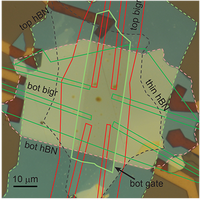
Phys. Rev. Lett. 136, 126303 (2026)
Condensed Matter and Materials
Effective Enhancement of the Electron-Phonon Coupling Driven by Nonperturbative Electronic Density Fluctuations
Article | Condensed Matter and Materials | 2026-03-25 06:00 EDT
E. Moghadas, M. Reitner, T. Wehling, G. Sangiovanni, S. Ciuchi, and A. Toschi
We present a dynamical mean-field study of nonperturbative electronic mechanisms, which may lead to significant enhancements of the electron-phonon coupling in correlated electron systems. Analyzing the effects of electronic correlations on the lowest-order electron-phonon processes, we show that in…
Phys. Rev. Lett. 136, 126502 (2026)
Condensed Matter and Materials
Phonon Induced Energy Relaxation in Quantum Critical Metals
Article | Condensed Matter and Materials | 2026-03-25 06:00 EDT
Haoyu Guo and Debanjan Chowdhury
Metals at the brink of electronic quantum phase transitions display high-temperature superconductivity, competing orders, and unconventional charge transport, revealing strong departures from conventional Fermi liquid behavior. Investigation of these fascinating intertwined phenomena has been at the…
Phys. Rev. Lett. 136, 126503 (2026)
Condensed Matter and Materials
Geometry-Driven Lattice of Photonic Spin-Meron Tubes in Free Space
Article | Condensed Matter and Materials | 2026-03-25 06:00 EDT
Anand Hegde, Komal Gupta, Yanan Dai, and Chen-Bin Huang
We theoretically demonstrate the first photonic spin-meron tube lattice in free space using spin-angular momentum vectors. Square-block diffraction creates -symmetric beams with phase steps. Nonparaxial spin-orbit coupling then forms finite-length meron tubes (), whose length is depend…
Phys. Rev. Lett. 136, 126601 (2026)
Condensed Matter and Materials
Subthermal Mean Transverse Energies Induced by Electron Refraction on the Jump in Mass at the Surface of Multialkali Photocathodes
Article | Condensed Matter and Materials | 2026-03-25 06:00 EDT
S. A. Rozhkov, V. V. Bakin, H. E. Scheibler, V. S. Rusetsky, D. V. Gorshkov, D. A. Kustov, V. A. Golyashov, V. L. Alperovich, and O. E. Tereshchenko
The search for photocathode materials with low mean transverse energies (MTEs) and, hence, low intrinsic emittance is of crucial importance for various fields of particle and solid-state physics. Here, we demonstrate that polycrystalline multialkali photocathodes with negative effectiv…
Phys. Rev. Lett. 136, 127001 (2026)
Condensed Matter and Materials
Synergistic Motifs in Gaussian Systems
Article | Statistical Physics; Classical, Nonlinear, and Complex Systems | 2026-03-25 06:00 EDT
Enrico Caprioglio, Pedro A. M. Mediano, and Luc Berthouze
Using an information theoretic measure of synergy, pairwise interactions alone is shown to give rise to synergistic information, with applications to Ising, oscillatory, and empirical networks.
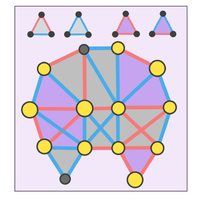
Phys. Rev. Lett. 136, 127401 (2026)
Statistical Physics; Classical, Nonlinear, and Complex Systems
Physical Review X
Resource-Theoretical Unification of Mpemba Effects: Classical and Quantum
Article | 2026-03-25 06:00 EDT
Alessandro Summer, Mattia Moroder, Laetitia P. Bettmann, Xhek Turkeshi, Iman Marvian, and John Goold
A unified theory of Mpemba effects across a variety of contexts is provided using resource theories. Faster relaxation occurs when states with a larger amount of resources have a smaller overlap with the slowest resourceful relaxation channel.
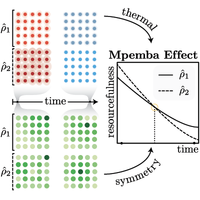
Phys. Rev. X 16, 011065 (2026)
arXiv
Possible Pairing Symmetry of BaPtAs${1-x}$Sb${x}$ with an Ordered Honeycomb Network
New Submission | Superconductivity (cond-mat.supr-con) | 2026-03-26 20:00 EDT
Tsuyoshi Imazu, Naoya Furutani, Tadashi Adachi, Kazutaka Kudo, Yoshiki Imai, Jun Goryo
We investigate the possible pairing symmetry of superconducting $ \rm{BaPtAs}{1-\it{x}}\rm{Sb}{\it{x}}$ solid solution with an ordered-honeycomb network of Pt and pnictogens. A spontaneous internal magnetic field below the superconducting transition temperature is observed in BaPtSb ($ x = 1$ ) via the muon-spin relaxation measurement. We then pursue a scenario where the pairing symmetry is changed from a time-reversal symmetry-breaking (TRSB) state to another one by changing the Sb-concentration utilizing the effective tight-binding model obtained from the first principles calculations for $ x = 0$ and $ x = 1$ , at which we see a significant difference in the shape of the dominant Fermi surfaces. We find that the chiral $ d$ -wave state with TRSB is most stable at $ x = 1$ , whereas the nodal $ f$ -wave or the conventional $ s$ -wave states without TRSB are competitive at $ x = 0$ .
Superconductivity (cond-mat.supr-con)
J. Phys. Soc. Jpn. 95, 044704 (2026)
Dynamical magnetic breakdown and quantum oscillations from hot spot scattering
New Submission | Strongly Correlated Electrons (cond-mat.str-el) | 2026-03-26 20:00 EDT
Léo Mangeolle, Johannes Knolle
Quantum oscillations (QO) are a well-established probe of Fermi-surface (FS) geometry and in the presence of long-range density wave order can display new QO frequencies from reconstructed FS pockets. We show that such reconstructed frequencies can arise even in the absence of long-range density order. Considering electrons coupled to a fluctuating bosonic mode that scatters quasiparticles between sharp hot spots on the FS, we develop a semiclassical theory in which the interaction generates time-dependent tunneling processes analogous to magnetic breakdown. This dynamical magnetic breakdown produces new semiclassical orbits corresponding to reconstructed FS areas despite the absence of static order. Because tunneling probabilities depend on the thermal population of bosonic excitations, the resulting oscillation amplitudes exhibit characteristic deviations from standard Lifshitz-Kosevich behavior. Our results provide a mechanism to probe bosonic fluctuations in quantum critical metals and provide a framework for dynamical magnetic breakdown.
Strongly Correlated Electrons (cond-mat.str-el)
18 pages, 6 figures
Behaviour of the model antibody fluid constrained by rigid spherical obstacles: effects of the obstacle-antibody binding
New Submission | Soft Condensed Matter (cond-mat.soft) | 2026-03-26 20:00 EDT
Yu. V. Kalyuzhnyi, T. Patsahan
We study a simplified model of monoclonal antibodies confined in a patchy random porous medium. Antibodies are represented as Y-shaped particles composed of seven tangential hard spheres with attractive patches on the terminal beads, while the matrix consists of randomly distributed hard-sphere obstacles bearing adhesive sites. The model captures antibody behavior in crowded biological environments with strong short-range antibody-matrix attractions. The theoretical approach combines Wertheim’s multidensity thermodynamic perturbation theory, the Flory-Stockmayer theory of polymerization, and scaled particle theory for fluids in porous media. We analyze thermodynamic properties, percolation thresholds, and phase behavior, and compare the selected results with new computer simulations. The interplay between antibody-antibody and antibody-matrix interactions produces a complex phase behavior, including re-entrant phase separation with a closed-loop coexistence region at higher temperatures and conventional liquid-gas separation at lower temperatures.
Soft Condensed Matter (cond-mat.soft)
12 pages, 8 figures
Fading ergodicity and quantum dynamics in random matrix ensembles
New Submission | Statistical Mechanics (cond-mat.stat-mech) | 2026-03-26 20:00 EDT
Rafał Świętek, Maksymilian Kliczkowski, Miroslav Hopjan, Lev Vidmar
Recent work has proposed fading ergodicity as a mechanism for many-body ergodicity breaking. Here, we show that two paradigmatic random matrix ensembles – the Rosenzweig-Porter model and the ultrametric model – fall within the same universality class of ergodicity breaking when embedded in a many-body Hilbert space of spins-1/2. By calibrating the parameters of both models via their Thouless times, we demonstrate that the matrix elements of local observables display similar statistical properties, allowing us to identify the fractal phase of the Rosenzweig-Porter model with the fading-ergodicity regime. This correspondence is further supported through the analyses of quantum-quench dynamics of local observables, their temporal fluctuations and power spectra, and survival probabilities. Our findings reveal that local observables thermalize within the fading-ergodicity regime on timescales shorter than the Heisenberg time, thus providing a unified framework for understanding ergodicity breaking across these distinct models.
Statistical Mechanics (cond-mat.stat-mech), Quantum Physics (quant-ph)
Electronic structure of Gd-based intermetallics GdCu$_2$Ge$_2$ and GdCuAl$_3$
New Submission | Strongly Correlated Electrons (cond-mat.str-el) | 2026-03-26 20:00 EDT
M. Pinterić, M. Dressel, M. Wenzel, P. Puphal
We present a temperature-dependent reflectivity study of single crystals of the ternary intermetallic compounds GdCu$ _2$ Ge$ _2$ and GdCuAl$ _3$ over a broad spectral range (100-18000 cm$ ^{-1}$ , equivalent to 12 meV-2.23 eV) down to 13 K. Below 2000 cm$ ^{-1}$ , the optical spectra are dominated by the response of itinerant charge carriers exhibiting two distinct scattering rates. While the response of the slow charge carriers shows negligible temperature dependence, the more mobile carriers follow the dc resistivity and are significantly suppressed in GdCuAl$ _3$ , consistent with the higher resistivity of this compound. We attribute this behavior to enhanced electronic correlations arising from the proximity of the Fermi level to van Hove singularities. Supported by density-functional-theory calculations, we further show that elemental substitution can be described as a rigid shift of the Fermi level, i.e., doping, whereas changes in the crystalline symmetry have only minor effects on the electronic structure.
Strongly Correlated Electrons (cond-mat.str-el)
A correlated insulator at the surface of the polar metal Ca$_3$Ru$_2$O$_7$
New Submission | Strongly Correlated Electrons (cond-mat.str-el) | 2026-03-26 20:00 EDT
Daniel Halliday, Izidor Benedičič, Andela Zivanovic, Masahiro Naritsuka, Brendan Edwards, Tommaso Antonelli, Naoki Kikugawa, Dmitry A. Sokolov, Craig Polley, Andrew P. Mackenzie, Georg Held Phil D. C. King, Peter Wahl
We investigate the electronic structure at the surface of the correlated oxide Ca$ _3$ Ru$ _2$ O$ _7$ , a low-symmetry ruthenate oxide which hosts an unconventional polar-metal phase. From a combination of angle-resolved photoemission spectroscopy and scanning tunneling spectroscopy measurements, we demonstrate that the surface hosts an insulating phase, a distinct departure from metallicity within the bulk. Utilizing quantitative low-energy electron diffraction in conjunction with electronic structure calculations, we show how this results from a combined surface structure relaxation and the impact of marked electronic correlations in this system. Our findings highlight the proximity of Ca$ _3$ Ru$ _2$ O$ _7$ to an insulating metallic state, and illustrate how subtle structural distortions can control its emergent electronic phases.
Strongly Correlated Electrons (cond-mat.str-el)
6 pages main text + 4 pages supplementary, 4 figures in main text, 4 in supplementary
Geometry-tunable magnetic edge contrast in Bi2Te3 Corbino nanoplates
New Submission | Mesoscale and Nanoscale Physics (cond-mat.mes-hall) | 2026-03-26 20:00 EDT
Motahhare Mirhosseini, Swathi Kadaba, Allison Swyt, David L. Carroll
Two-dimensional topological insulators feature helical edge states that are remarkably resistant to disorder, making them appeal for energy-efficient electronics and quantum information technologies. In this study, we develop a Te-rod-templated solution growth method to create Bi2Te3 nanoplates with a Corbino geometry. The resulting few-quintuple-layer hexagonal plates are single-crystalline and contain well-defined central pores. Using optimized magnetic force microscopy, we observe clear magnetic contrast at both the inner and outer edges. The signal depends strongly on tip height and oscillation amplitude, allowing us to distinguish genuine magnetic responses from electrostatic and topographic effects. By systematically varying the pore size, we find that edge contrast increases as the distance between edges decreases, suggesting stronger coupling between the inner and outer edge channels. These findings establish a geometry-controlled platform for tuning edge-localized magnetic behavior in Bi2Te3 and open a new path to explore edge interactions in two-dimensional topological insulators.
Mesoscale and Nanoscale Physics (cond-mat.mes-hall), Quantum Physics (quant-ph)
9 pages, 4 figures; materials science / condensed matter experiment on Bi2Te3 Corbino nanoplates (magnetic force microscopy)
Ordering in Confined Two-Dimensional Nematic Systems: Mesoscopic Simulations Based on Different Mean-Field Potentials
New Submission | Soft Condensed Matter (cond-mat.soft) | 2026-03-26 20:00 EDT
Humberto Híjar, Apala Majumdar
We use nematic Multi-particle Collision Dynamics (N-MPCD) simulations to study confined nematic liquid crystals in square domains, with three distinct mean-field potentials: the classical Maier-Saupe and Marrucci-Greco models, and a more recent model due to Ilg, Karlin, and Öttinger. These potentials incorporate diverse physical features, including spatial gradients and nonlinear dependencies on the order parameter, to describe nematic ordering at mesoscopic scales. We derive coarse-grained equations from a Fokker-Planck description with tensorial closures, and analyse the emergence of order as a function of interaction strength, $ U$ , in two dimensions. The critical interaction strength depends on the choice of the mean-field potential. We also analytically estimate the nematic coherence length in three dimensions, to establish a rigorous correspondence between the N-MPCD parameters (the system size $ R$ and $ U$ ) and the continuum Landau-de Gennes theoretical parameters. We systematically study equilibrium and metastable configurations, including relaxation pathways to stable equilibria, on square domains, for all three mean-field potentials. Our results confirm universal equilibrium and metastable configurations for all three mean-field potentials. Our results also suggest that the N-MPCD predictions are consistent with the continuum Landau-de Gennes predictions, regardless of the choice of the underlying mean-field potential and approximations, for large $ R$ and $ U$ . There are differences for small $ R$ and for $ U$ near the critical interaction strength, that need to be further explored and quantified for new-age multiscale and multiphysics theories.
Soft Condensed Matter (cond-mat.soft)
19 pages, 11 figures
Theoretical Prediction of Three-Dimensional $sp^2$-free Graphyne-Based Nanomaterials via Density Functional Theory
New Submission | Mesoscale and Nanoscale Physics (cond-mat.mes-hall) | 2026-03-26 20:00 EDT
Djardiel da S. Gomes, Alexandre F. Fonseca, Marcelo L. Pereira Jr
The search for carbon-based materials with tailored dimensionality and properties remains an important topic in materials science, particularly for applications in electronics, photonics, and nanomechanics. Among the emerging platforms in this context, graphyne (GY) represents a class of two-dimensional (2D) carbon allotropes composed of benzene rings connected by acetylenic linkages, yielding networks containing both $ sp$ - and $ sp^2$ -hybridized carbon atoms. By analogy with the transformation of $ sp^2$ carbon networks such as graphene into $ sp^3$ -bonded diamond through interlayer covalent bonding, we construct three-dimensional (3D) GY-derived frameworks (3DGY) by covalently connecting stacked $ \alpha$ -, $ \beta$ -, and $ \gamma$ -GY sheets via out-of-plane acetylene bridges. This approach converts the original $ sp^2$ nodes into $ sp^3$ centers while preserving the $ sp$ character of the acetylenic segments, producing fully $ sp$ -$ sp^3$ carbon networks. Structural relaxation shows that the $ \alpha$ -derived framework does not converge to a stable configuration within this scheme, whereas the $ \beta$ - and $ \gamma$ -3DGY phases form stable architectures. Density functional theory (DFT) calculations, combined with ab initio molecular dynamics (AIMD) simulations, confirm the energetic, thermal, and dynamical stability of these two systems and are further used to investigate their structural, mechanical, electronic, and optical properties. Mechanical analysis reveals anisotropic elastic behavior, whereas electronic structure calculations show indirect band gaps of approximately 0.15 eV for $ \beta$ -3DGY and 1.65 eV for \gamma-3DGY. Optical calculations further reveal anisotropic responses, with absorption extending from the infrared to the visible. These results identify \beta-3DGY and \gamma-3DGY as new three-dimensional carbon allotropes with distinct mechanical, electronic, and optical properties.
Mesoscale and Nanoscale Physics (cond-mat.mes-hall), Materials Science (cond-mat.mtrl-sci)
30 pages, 8 figures
Density and shape govern the dynamical self-organization of active matter on a droplet
New Submission | Soft Condensed Matter (cond-mat.soft) | 2026-03-26 20:00 EDT
Romain Leroux, Andre Estevez-Torres, Raphael Voituriez, Ananyo Maitra, Nicolas Lobato-Dauzier, Jean-Christophe Galas
Morphogenesis emerges from dynamic feedback among geometry, mechanics, and chemistry; however, disentangling these contributions in living systems remains challenging. Here, we focus on the interplay between geometry and mechanics by developing a minimal in vitro model in which purified microtubules and kinesin motor clusters self-organize into a two-dimensional active nematic cortex at the surface of spherical water-in-oil droplets. The spherical geometry enforces a total topological charge of +2, here realized by four +1/2 defects whose trajectories reveal robust, self-sustained oscillations. Using full-surface reconstructions, we show that the collective dynamics of the defects lead to a periodic switching between planar and tetrahedral arrangements through alternating coiling and hemisphere-crossing phases. By tuning microtubule density, the system spans a continuum from a classic defect-dominated active nematic to a regime resembling an extensile filament confined to a curved surface, where low density is associated with increased trajectory variability and direction reversals. Geometric perturbations introduced through controlled squeezing redistribute curvature and induce the nucleation of additional defects, thereby reorganizing the entire topological landscape while preserving total charge. Together, these results show that periodic morphogenetic-like cycles, defect topology, and material organization can arise solely from the interplay of activity, density, and curvature. This reconstituted system provides a versatile platform for elucidating the coupling between mechanics and geometry underlying shape formation in active biological matter.
Soft Condensed Matter (cond-mat.soft)
19 pages, 5 figures
Reconciling strange metal transport in CeCoIn$_5$ through the difference of optical and cyclotron effective masses
New Submission | Strongly Correlated Electrons (cond-mat.str-el) | 2026-03-26 20:00 EDT
Jingyuan Wang, Zhenisbek Tagay, Liyu Shi, Jiahao Liang, Nghiep Khoan Duong, Yi Wu, P.M.T. Vianez, F. Ronning, D.G. Rickel, Darrell G. Schlom, K.M. Shen, S.A. Crooker, N.P. Armitage
The strange metal behavior in cuprate superconductors - characterized by linear in temperature resistivity and anomalous Hall transport - stands in stark contrast to the expectation of conventional Fermi liquid (FL) theory. Remarkably, the similar transport behavior has also been observed in the heavy fermion metal CeCoIn$ _5$ , whose d-wave superconducting ground state and strong antiferromagnetic fluctuations draw parallels to the cuprates. Here we have investigated the optical conductivity of the strange metal state of CeCoIn$ _5$ over a wide magnetic field range using time-domain THz spectroscopy (TDTS). Using unique high-field THz spectroscopy we have shown that the current relaxation rate scales approximately as T$ ^2$ , giving evidence for a hidden Fermi liquid state over a large field range. This result can be reconciled with linear in T resistivity with the realization that heavy quasiparticles have an optical mass that scales roughly like 1/T. This optical mass contrasts with the mass that characterizes cyclotron motion, which does not suffer the same large temperature dependent renormalization. Although by itself anomalous, this allows one to understand a number of other phenomena in CeCoIn$ _5$ that have been taken to be signatures of strange metals, including the coexistence of a conventional T$ ^2$ dependence of the cotangent of the Hall angle with the linear in T resistivity, which with our observation also reflects FL-like physics.
Strongly Correlated Electrons (cond-mat.str-el)
Quantum-classical dynamics of Rashba spin-orbit coupling
New Submission | Mesoscale and Nanoscale Physics (cond-mat.mes-hall) | 2026-03-26 20:00 EDT
Paul Bergold, Giovanni Manfredi, Cesare Tronci
Mixed quantum-classical models are widely used to reduce the computational cost of fully quantum simulations. However, their general applicability across different classes of problems remains an open question. Here, we address this issue for systems featuring spin-orbit coupling. In particular, we study the interaction dynamics of quantum spin-1/2 and classical orbital momentum in one-dimensional models of Rashba nanowires. We tackle this problem by resorting to a new quantum-classical Hamiltonian model that, unlike conventional approaches, retains the Heisenberg principle and captures correlation effects beyond the common Ehrenfest approach. Based on Koopman wavefunctions in classical mechanics, the new model was recently implemented numerically via a particle scheme – the koopmon method – which is extended here to treat spin-orbit coupling. We apply the koopmon method to study the quantum-classical dynamics of nanowire models, with and without the presence of a harmonic potential and in both Rashba-dominated (strong coupling) and Zeeman-dominated (weak coupling) regimes. Considering realistic semiconductor parameters, the results are contrasted with both fully quantum and quantum-classical Ehrenfest dynamics. In the absence of external potential, the koopmon method qualitatively reproduces the features of the fully quantum evolution for all coupling regimes. While it exhibits a slight loss in spin accuracy compared to Ehrenfest simulations, the latter fail to capture the orbital dynamics. In the presence of a harmonic potential, the koopmon scheme reproduces the full quantum results with accuracy levels that are unachievable by the Ehrenfest model in both quantum and classical sectors. We conclude by presenting a test case that exhibits the formation of cat-like states.
Mesoscale and Nanoscale Physics (cond-mat.mes-hall), Chemical Physics (physics.chem-ph), Computational Physics (physics.comp-ph), Quantum Physics (quant-ph)
First version. 33 pages, 18 figures
Proton-Transfer Ferroelectrics with Exceptional Switching Endurance
New Submission | Materials Science (cond-mat.mtrl-sci) | 2026-03-26 20:00 EDT
Bibek Tiwari, Yuanyuan Ni, Xiaoshan Xu
Reliable organic ferroelectrics for memory applications require extreme endurance under repeated electrical switching. Here we demonstrate exceptional fatigue resistance in highly crystalline 2-methylbenzimidazole (MBI) films grown by low-temperature deposition followed by restrained crystallization (LDRC) in a simple Pt/MBI/Pt capacitor geometry. Switching kinetics analyzed using the Kolmogorov-Avrami-Ishibashi (KAI) model reveal characteristic millisecond switching times and quasi-one-dimensional domain growth associated with proton transfer along hydrogen-bond chains. Guided by these kinetics, we implemented a stringent fatigue protocol designed to maximize switching stress, involving bipolar switching at approximately 2Ec with 5 ms pulses, well beyond the characteristic switching time, for continuous operation over approximately 2 weeks. The remanent polarization exhibits only a minor wake-up (+10% within the first 10^4 cycles) and ultimately returns to approximately its initial value after 10^8 cycles, with testing limited by experimental duration rather than device failure. This robust endurance is achieved in an unengineered structure and contrasts with polymer ferroelectrics such as P(VDF-TrFE), where comparable performance typically relies on interfacial engineering. The combination of LDRC-enabled high crystallinity and localized proton-transfer switching, which introduces minimal structural perturbation during polarization reversal, enables this outstanding fatigue tolerance and highlights MBI as a simple, fluorine-free platform for durable organic ferroelectric devices.
Materials Science (cond-mat.mtrl-sci), Mesoscale and Nanoscale Physics (cond-mat.mes-hall)
Investigating spin and orbital effects via spin-torque ferromagnetic resonance
New Submission | Mesoscale and Nanoscale Physics (cond-mat.mes-hall) | 2026-03-26 20:00 EDT
J. L. Costa, E. Santos, A. Y. M. Tani, J. B. S. Mendes, A. Azevedo
In this work, we experimentally investigate spin and orbital torque phenomena using the spin-torque ferromagnetic resonance (ST-FMR) technique in a series of bilayer systems composed of different normal metal (NM) materials. Permalloy (Py) and Ni were employed as ferromagnetic (FM) layers to probe the spin and orbital torque responses, respectively. For the SiO$ _2$ /FM/NM bilayers, we extracted the damping-like and field-like torque components, as well as the damping-like torque efficiency for each sample, and compared our results with previously reported numerical and experimental data in the literature. Additionally, we experimentally demonstrate the presence of an out-of-plane torque component, which we attribute to interfacial mechanisms and associate with a spin-orbital polarized current along the $ z$ -direction. This interpretation is supported by the azimuthal angular dependence of the applied magnetic field. Our results provide compelling evidence of orbital torque associated with the orbital Hall effect (OHE) in several materials, thereby broadening the prospects for magnetization switching driven by orbital torque.
Mesoscale and Nanoscale Physics (cond-mat.mes-hall), Materials Science (cond-mat.mtrl-sci)
27 pages, 9 figures, 2 tables
Numerical analysis of the thermal relaxation of the dense gas between two parallel plates: the free energy monotonicity for the Enskog equation
New Submission | Mesoscale and Nanoscale Physics (cond-mat.mes-hall) | 2026-03-26 20:00 EDT
Shigeru Takata, Soma Sakata, Aoto Takahashi, Masanari Hattori
The thermal relaxation problem between two parallel plates with the same temperature is investigated, aiming to study the behavior of the free energy of the dense gas described by the Enskog equation. Two types of Enskog equation have been used: one is the Enskog equation with the original Enskog factor, while the other is that with a modified Enskog factor proposed recently in Takata & Takahashi, Phys. Rev. E 111, 065108 (2025). The evaluated free energy is a natural extension of the thermodynamic free energy to the non-equilibrium state. It is observed that this free energy monotonically decreases in time for the modified factor version, while it is not necessarily the case for the original version. Differences are also observed in other quantities in their time evolutions, most typically in the density profile.
Mesoscale and Nanoscale Physics (cond-mat.mes-hall)
21 pases, 8 figures
Coupling of phase transition, anharmonicity, and thermal transport in CaSnF$_6$
New Submission | Materials Science (cond-mat.mtrl-sci) | 2026-03-26 20:00 EDT
Daxue Hao, Hao Huang, Geng Li, Yu Wu, Shuming Zeng
Understanding the coupling between structural phase transitions and thermal transport is essential for designing functional materials with tunable properties. Here, we investigate this interplay in CaSnF$ _6$ by combining first-principles calculations with a machine-learned neuroevolution potential that enables large-scale molecular dynamics simulations across a wide temperature range. The simulations accurately capture the first-order structural phase transition and associated lattice dynamics. We show that the negative thermal expansion originates from low-energy rigid unit modes involving cooperative rotations of corner-sharing [CaF$ _6$ ]$ ^{4-}$ octahedra, which induce bond-angle bending and volume contraction. At the same time, strong anharmonicity, dominated by four-phonon scattering, plays a central role in suppressing lattice thermal conductivity ($ \kappa_L$ ). Crucially, non-equilibrium simulations reveal a pronounced non-monotonic anomaly in $ \kappa_L$ near the phase transition, deviating from the conventional $ \sim 1/T^{\alpha}$ behavior and providing direct transport evidence of lattice reconstruction. These results establish a unified mechanism linking lattice geometry, anharmonic vibrational dynamics, and thermal transport, and highlight the potential of machine-learned potentials for bridging atomic-scale phase transitions with macroscopic transport properties.
Materials Science (cond-mat.mtrl-sci)
A simple model for conserved intracellular dynamics exhibits multiscale pattern formation, traveling protein domains and arrested coarsening of lipids in the membrane
New Submission | Soft Condensed Matter (cond-mat.soft) | 2026-03-26 20:00 EDT
Benjamin Winkler, Sergio Alonso, Markus Bär
We model the spatiotemporal dynamics of cellular protein concentrations near membranes composed of different lipids using a three-variable continuum model for membrane-bound protein, cytosolic protein, and the local composition of a binary lipid membrane. The model contains two globally conserved quantities: the total protein content and the average fractions of the two lipid species. It combines a conserved reaction-diffusion model for protein dynamics with a Cahn-Hilliard equation for lipid demixing. Linear stability analysis of the homogeneous steady state and direct numerical simulations show that the lipid dynamics undergoes classical phase separation, whereas the protein dynamics exhibits oscillatory phase separation for intermediate total protein contents, associated with a long-wavelength instability and traveling domains. In parameter regions where both instabilities are present, we find multiscale patterns with larger-scale traveling and rotating protein domains coexisting with smaller-scale stationary lipid domains. In this regime, traveling protein domains coexist with arrested coarsening of stationary lipid domains above a critical coupling. We further show that the main instabilities and phase diagram are well captured by an extension of a recently proposed conserved FitzHugh-Nagumo model for non-reciprocal pattern formation. The extended model consists of two non-reciprocally coupled Cahn-Hilliard equations with different interface tensions, reflecting the distinct physical properties of lipids and proteins. This also explains the observed asymmetry between static lipid patterns and traveling protein patterns.
Soft Condensed Matter (cond-mat.soft), Pattern Formation and Solitons (nlin.PS), Biological Physics (physics.bio-ph)
Rethinking failure in polymer networks: a probabilistic view on progressive damage
New Submission | Soft Condensed Matter (cond-mat.soft) | 2026-03-26 20:00 EDT
Noy Cohen, Nikolaos Bouklas, Chung-Yuen Hui
The mechanics of single-chain stretching and rupture are central to understanding the resilience of biological polymers and designing strong and tough soft materials such as double-network gels and multi-network elastomers. In this work, we develop a statistical mechanics based model that enables one to determine the distribution of forces along the chain segments. By combining the force distribution with a tilted bond potential that captures the stretch energy stored in these bonds, we calculate the corresponding activation energy required for bond dissociation. This allows us to determine the probability of bond (and consequently chain) failure. The proposed approach is simple, direct, and readily adaptable for constructing higher-level coarse-grained descriptions of damage and fracture in polymer networks. We demonstrated this by applying the theory to three problems of practical interest: (1) toughening via sacrificial bond rupture in polymer chains, (2) toughening of double network hydrogels, and (3) incorporation of the local chain model into a 3-dimensional constitutive relation that captures damage in elastomers. The latter was implemented through the micro-sphere framework, which accounts for different chain orientations, as well as the computationally inexpensive eight chain model. The findings from this work provide a physically-based model to quantify the stretching and failure of a single chain and pave the way to the integration of local damage models into 3-dimensional networks.
Soft Condensed Matter (cond-mat.soft), Statistical Mechanics (cond-mat.stat-mech)
Predicting quantum ground-state energy by data-driven Koopman analysis of variational parameter nonlinear dynamics
New Submission | Strongly Correlated Electrons (cond-mat.str-el) | 2026-03-26 20:00 EDT
In recent years, the application of machine learning to physics has been actively explored. In this paper, we study a method for estimating the ground-state energy of quantum Hamiltonians by applying data-driven Koopman analysis within the framework of variational wave functions. Koopman theory is a framework for analyzing the nonlinear dynamics of vectors, in which the dynamics are linearized by lifting the vectors to functions defined over the original vector space. We focus on the fact that the imaginary-time Schrödinger equation, when restricted to a variational wave function, is described by a nonlinear time evolution of the variational parameter vector. We collect sample points of this nonlinear dynamics at parameter configurations where the discrepancy between the true imaginary-time dynamics and the dynamics on the variational manifold is small, and perform data-driven continuous Koopman analysis. Within our formulation, the ground-state energy is reduced to the leading eigenvalue of a differential operator known as the Koopman generator. As a concrete example, we generate samples for the four-site transverse-field Ising model and estimate the ground-state energy using extended dynamic mode decomposition (EDMD). Furthermore, as an extension of this framework, we formulate the method for the case where the variational wave function is given by a uniform matrix product state on an infinite chain. By employing computational techniques developed within the framework of the time-dependent variational principle, all the quantities required for our analysis, including error estimation, can be computed efficiently in such systems. Since our approach provides predictions for the ground-state energy even when the true ground state lies outside the variational manifold, it is expected to complement conventional variational methods.
Strongly Correlated Electrons (cond-mat.str-el), Disordered Systems and Neural Networks (cond-mat.dis-nn), Mesoscale and Nanoscale Physics (cond-mat.mes-hall), Statistical Mechanics (cond-mat.stat-mech), Quantum Physics (quant-ph)
9 pages, 4 figures
Ambient-environment dependence of dynamic contact angles: Droplet tilting vs. captive bubble methods
New Submission | Soft Condensed Matter (cond-mat.soft) | 2026-03-26 20:00 EDT
Koki Iwasaki, Hiroyuki Ebata, Hiroaki Katsuragi
Measuring the contact angle of a water droplet on a solid surface in air is one of the simplest and most widely used methods for evaluating surface wettability across a wide range of research fields. Wettability can also be evaluated in aqueous environments using the captive bubble method, in which an air bubble is attached to a solid surface. However, it has not yet been experimentally verified whether dynamic contact angles measured by this approach correspond to those obtained in air. In this study, we constructed an experimental system based on the captive bubble method. Dynamic contact angles were measured both in air and in water for smooth polymer surfaces, sandpaper polished surfaces, and hydrophobic surfaces with microstructures. For smooth surfaces, the dynamic contact angles obtained in air and water were nearly identical. Similar agreement was also observed for sandpaper polished surfaces, which exhibited the Wenzel state in air and the reversed gas liquid Wenzel state in water, indicating that comparable dynamic contact angles can be obtained in air and water by the captive bubble method. In contrast, microstructured PMMA surfaces that showed hydrophobic behavior in air exhibited hydrophilic behavior with very small hysteresis in water under degassed conditions. These results provide new insights into wettability in aqueous environments.
Soft Condensed Matter (cond-mat.soft)
Submitted to Soft Matter
Fourth-order and six-order nonlinear spin current diode in $h$-wave and $j$-wave odd-parity magnets
New Submission | Mesoscale and Nanoscale Physics (cond-mat.mes-hall) | 2026-03-26 20:00 EDT
Higher-order symmetric $ X$ -wave magnets consist of two groups. One includes $ d$ -wave, $ g$ -wave and $ i$ -wave altermagnets, while the other includes $ p$ -wave and $ f$ -wave odd-parity magnets. Recently, the possibility of $ h$ -wave magnets has been discussed. Motivated by this development, we systematically construct an $ X$ -wave magnet with $ \left( N_{X}+1\right) $ nodes in three dimensions from an $ X$ -wave magnet with $ N_{X}$ nodes in two dimensions by means of a dimensional extension, where $ N_X=1,2,3,4,6$ for $ X=p,d,f,g,i$ , respectively. Based on this method, we predict $ j$ -wave magnets in three dimensions. Then, we argue how to identify each of these $ X$ -wave magnets experimentally. We show that the $ X$ -wave magnet is completely identified by measuring the nonlinear spin currents. In particular, we predict that there are no spin currents other than the fourth-order ones such as $ \sigma _{\text{spin}}^{x^{3}y;z}$ in $ h$ -wave odd-parity magnets in three dimensions and the sixth-order ones such as $ \sigma _{\text{spin}}^{x^{5}y;z}$ in $ j$ -wave odd-parity magnets in three dimensions. They function as spin-current diodes because the spin current exhibits unidirectional flow independent of the applied electric field.
Mesoscale and Nanoscale Physics (cond-mat.mes-hall)
5 pages, 4 figures
An Efficient High-Degree, High-Order Equivariant Graph Neural Network for Direct Crystal Structure Optimization
New Submission | Materials Science (cond-mat.mtrl-sci) | 2026-03-26 20:00 EDT
Ziduo Yang, Wei Zhuo, Huiqiang Xie, Xiaoqing Liu, Lei Shen
Crystal structure optimization is fundamental to materials modeling but remains computationally expensive when performed with density-functional theory (DFT). Machine-learning (ML) approaches offer substantial acceleration, yet existing methods face three key limitations: (i) most models operate solely on atoms and treat lattice vectors implicitly, despite their central role in structural optimization; (ii) they lack efficient mechanisms to capture high-degree angular information and higher-order geometric correlations simultaneously, which are essential for distinguishing subtle structural differences; and (iii) many pipelines are multi-stage or iterative rather than truly end-to-end, making them prone to error accumulation and limiting scalability. Here we present E$ ^{3}$ Relax-H$ ^{2}$ , an end-to-end high-degree, high-order equivariant graph neural network that maps an initial crystal directly to its relaxed structure. The key idea is to promote both atoms and lattice vectors to graph nodes, enabling a unified and symmetry-consistent representation of structural degrees of freedom. Building on this formulation, E$ ^{3}$ Relax-H$ ^{2}$ introduces two message-passing mechanisms: (i) a high-degree, high-order message-passing module that efficiently captures high-degree angular representations and high-order many-body correlations; and (ii) a lattice-atom message-passing module that explicitly models the bidirectional coupling between lattice deformation and atomic displacement. In addition, we propose a differentiable periodicity-aware Cartesian displacement loss tailored for one-shot structure prediction under periodic boundary conditions.
Materials Science (cond-mat.mtrl-sci)
ChargeFlow: Flow-Matching Refinement of Charge-Conditioned Electron Densities
New Submission | Materials Science (cond-mat.mtrl-sci) | 2026-03-26 20:00 EDT
Tri Minh Nguyen, Sherif Abdulkader Tawfik, Truyen Tran, Svetha Venkatesh
Accurate charge densities are central to electronic-structure theory, but computing charge-state-dependent densities with density functional theory remains too expensive for large-scale screening and defect workflows. We present ChargeFlow, a flow-matching refinement model that transforms a charge-conditioned superposition of atomic densities into the corresponding DFT electron density on the native periodic real-space grid using a 3D U-Net velocity field. Trained on 9,502 charged Materials Project-derived calculations and evaluated on an external 1,671-structure benchmark spanning perovskites, charged defects, diamond defects, metal-organic frameworks, and organic crystals, ChargeFlow is not uniformly best on every in-distribution class but is strongest on problems dominated by nonlocal charge redistribution and charge-state extrapolation, improving deformation-density error from 3.62% to 3.21% and charge- response cosine similarity from 0.571 to 0.655 relative to a ResNet baseline. The predicted densities remain chemically useful under downstream analysis, yielding successful Bader partitioning on all 1,671 benchmark structures and high-fidelity electrostatic potentials, which positions flow matching as a practical density-refinement strategy for charged materials.
Materials Science (cond-mat.mtrl-sci), Machine Learning (cs.LG)
Two-electron spectrum of a silicon quantum dot
New Submission | Mesoscale and Nanoscale Physics (cond-mat.mes-hall) | 2026-03-26 20:00 EDT
The energy spectrum and wave functions of electrons in a single silicon quantum dot provide valuable insights into the capabilities and limitations of such a system in quantum information processing. Here we investigate the low-lying singlet and triplet configurations and spectra in a two-electron silicon quantum dot. To build toward a comprehensive understanding, we first examine the competition between Coulomb interaction and electron kinetic and confinement energy in the absence of valley-orbit coupling, as well as consequences of valley blockade in the presence of an ideal smooth interface. For realistic interfaces the variations in the magnitude and phase of valley-orbit coupling lead to inter-valley leakage, particularly when orbital splittings approach the valley splitting. In our study we particularly focus on the impact on the compositions of low-lying singlets and triplets. We find that for experimentally relevant parameter regimes the ground singlet and triplet states usually contain multiple configurations with significant weights as a result of a complicated competition among valley-orbit coupling, confinement potential, and Coulomb interaction. We further analyze the effects of an out-of-plane magnetic field on these the two-electron spectra. Our findings could have important implications for spin qubits in Si quantum dot in various contexts, such as qubit encoding and spin measurement.
Mesoscale and Nanoscale Physics (cond-mat.mes-hall)
Fundamentals and applications of aberration corrected high resolution transmission electron microscopy in materials science
New Submission | Materials Science (cond-mat.mtrl-sci) | 2026-03-26 20:00 EDT
Ranjan Datta, Sneha Kobri M., Sudip Mahato
In this review article fundamentals of aberration corrected phase contrast transmission electron microscopy for the structural characterization of materials at atomic length scale is presented. The word structure entails atomic arrangement as well as electronic structure information of the materials. The article summarily covers a range of topics on the basics of aberrations, aberration correctors, direct image interpretation with negative Cs phase contrast microscopy, a discussion in comparison with the competitive atomic resolution phase contrast methods for example, off-axis electron holography, electron ptychography, differential phase contrast microscopy. Additionally, various examples of quantitative imaging of materials at atomic length scale, associated image simulation and reconstruction methods for retrieving the phase information are presented. With the tremendous advancement in instrumentation and recording devices, potential future perspective of such tools and methods in solving challenging materials science problems are outlined.
Materials Science (cond-mat.mtrl-sci)
Universal scaling laws for dynamical-thermal hysteresis
New Submission | Statistical Mechanics (cond-mat.stat-mech) | 2026-03-26 20:00 EDT
Yachao Sun, Xuesong Li, Yanting Wang, Jing Zhou, Haiyang Bai, Yuliang Jin
Dynamic hysteresis, the rate-dependent lagged response of materials to external fields, underpins applications from energy-efficient transformers to gas storage systems. A fundamental yet unresolved question is how the hysteresis loop area $ A$ scales with the field sweep rate $ R$ . Here, we reveal that a competition between the field sweep and thermal fluctuations governs a universal crossover between two scaling regimes: $ A - A_0 \propto R^{1/3}$ for $ R < R^\ast$ and $ A - A_0 \propto R^{2/3}$ for $ R > R^\ast$ , where $ A_0$ is the quasi-static area and the crossover rate $ R^\ast \propto T/T_c$ depends on the temperature $ T$ and the material’s critical temperature $ T_c$ . We demonstrate these scaling laws universally across experiments of magnetic materials, simulations of Ising and metal-organic framework models, and analytical solutions of a stochastic Langevin equation. This framework not only resolves the long-standing non-universality of reported scaling exponents but also provides a direct design principle for the application of dynamic hysteresis.
Statistical Mechanics (cond-mat.stat-mech)
8 pages, 4 figures(SI: 14 pages, 16 figures)
Layer-Selective Proximity Symmetry Breaking Enables Anomalous and Nonlinear Hall Responses in 1H-TMD Metals
New Submission | Mesoscale and Nanoscale Physics (cond-mat.mes-hall) | 2026-03-26 20:00 EDT
Yusuf Wicaksono, Toshikaze Kariyado
Nonlinear Hall responses are a direct electrical probe of quantum geometry, but they are symmetry-forbidden in many pristine two-dimensional metals. We show that layer-selective magnetic proximity unlocks intrinsic linear and nonlinear Hall effects in metallic $ 1H-NbX_2$ ($ X=\mathrm{S,Se,Te}$ ), where native $ D_{3h}$ symmetry forces both the anomalous Hall conductivity and the Berry-curvature dipole (BCD) to vanish. Fully relativistic density-functional theory combined with Wannier interpolation reveals that an out-of-plane proximity exchange that preserves $ C_3$ generates a sizable sheet anomalous Hall conductivity, $ \sigma^{\mathrm{sheet}}_{xy} \sim 10^{-2}(e^2/h)$ , while keeping the BCD exactly zero. Breaking $ C_3$ by adding an in-plane exchange component (or an orthogonal two-sided exchange texture) produces a strongly tunable BCD and hence a nonlinear Hall conductivity that is odd and approximately linear in the in-plane exchange scale, reaching $ |D_y|$ of order $ 10^{-2}$ angstrom and maximized in NbTe$ _2$ . These magnitudes imply a readily measurable second-harmonic Hall voltage in micron-scale Hall bars under mA ac drive. We further propose a dual-interface device in which the signs of the first- and second-harmonic Hall voltages provide two-bit readout using the same contacts.
Mesoscale and Nanoscale Physics (cond-mat.mes-hall)
Identifying the origin of out-of-plane spin polarization in the noncollinear antiferromagnet Mn$_3$Ge
New Submission | Mesoscale and Nanoscale Physics (cond-mat.mes-hall) | 2026-03-26 20:00 EDT
Mingxing Wu, Kouta Kondou, Taishi Chen, Satoru Nakatsuji, YoshiChika Otani
The noncollinear antiferromagnets Mn$ _3$ Sn/Ge emerge as promising spin-current sources with both in-plane and out-of-plane spin polarizations, thereby enabling field-free magnetization switching. However, the microscopic origin of the out-of-plane spin polarization remains under debate, specifically whether it arises from the magnetic spin Hall effect (MSHE) or the spin swapping (SSW). Here, we comparatively evaluate the spin torques in single-crystal Mn$ _3$ Ge/Py bilayers with different crystallographic orientations using the ferromagnetic resonance technique. The distinct angular dependences of the measured spin-torque signals provide clear evidence for the bulk MSHE, which depends on antiferromagnetic order. In addition, we identify the antiferromagnetic-order independent component originating from the interfacial SSW. The coexisting MSHE and SSW, with comparable magnitudes, give rise to the out-of-plane spin polarization. Our study disentangles the origins of spin-torque generation in noncollinear antiferromagnets, providing valuable insights for their spintronic applications.
Mesoscale and Nanoscale Physics (cond-mat.mes-hall)
6 pages, 5 figures
Mixed-State Topological Phase: Quantized Topological Order Parameter and Lieb-Schultz-Mattis Theorem
New Submission | Strongly Correlated Electrons (cond-mat.str-el) | 2026-03-26 20:00 EDT
We investigate the extension of pure-state symmetry protected topological phases to mixed-state regime with a strong U(1) and a weak $ \mathbb{Z}_2$ symmetries in one-dimensional spin systems by the concept of quantum channels. We propose a corresponding topological phase order parameter for short-range entangled mixed states by showing that it is quantized and its distinct values can be realized by concrete spin systems with disorders, sharply signaling phase transitions among them. We also give a model-independent way to generate two distinct phases by various types of translation and reflection transformations. These results on the short-range entangled mixed states further enable us to generalize the conventional Lieb-Schultz-Mattis theorem to mixed states, even without the concept of spectral gaps and lattice Hamiltonians.
Strongly Correlated Electrons (cond-mat.str-el), Statistical Mechanics (cond-mat.stat-mech), High Energy Physics - Theory (hep-th), Mathematical Physics (math-ph), Quantum Physics (quant-ph)
11 pages, 1 figure
Multi-filament coordination rescues active transport from inertia-induced spinning arrest
New Submission | Soft Condensed Matter (cond-mat.soft) | 2026-03-26 20:00 EDT
Anuradha Rajput, Arnab Bhattacharjee, Annwesha Dutta
Active filaments driven by tangential forces can become trapped in a spinning state when attached to a heavy head, where activity and inertia drive persistent rotation rather than directed transport. Using three-dimensional Langevin dynamics of tangentially driven bead-spring chains anchored to a common heavy head, we demonstrate that increasing the filament number $ \Nf$ systematically \emph{rescues} directed transport by sterically preventing the coiled conformations that underlie spinning. The rescue is established through three independent diagnostics: (i)the mean-square displacement recovers monotonic growth (transport rescue), (ii)the spatial tangent autocorrelation loses its negative dip signaling helical coiling (conformational rescue), and (iii)~the tangent time autocorrelation ceases crossing zero (orientational rescue). At high bending stiffness ($ \kb = 1000$ ), coiling is fully eliminated at a critical filament number $ \Nf^\ast \approx 3$ . At moderate stiffness ($ \kb = 100$ ), residual coiling persists ($ \min C_s \approx -0.13$ ) yet transport is still rescued – demonstrating that the destruction of spinning \emph{coherence}, not coiling elimination, is the essential mechanism. The multi-filament architecture achieves up to five orders of magnitude transport enhancement. Two physically distinct rescue pathways emerge: at high stiffness, steric constraints force filaments into a coordinated bundle sustaining directed propulsion; at low stiffness, steric interactions destroy orientational coherence, producing enhanced active diffusion. These results demonstrate a purely mechanical, density-independent route to overcome inertia-induced motility arrest, with implications for synthetic microswimmer design, motor-driven filament assays, and multi-filament organization in biological systems.
Soft Condensed Matter (cond-mat.soft), Statistical Mechanics (cond-mat.stat-mech), Biological Physics (physics.bio-ph)
Stabilizing Magnetic Bubble Domains in Epitaxial 2D Magnet/Topological Insulator Heterostructures through Interfacial Interactions
New Submission | Materials Science (cond-mat.mtrl-sci) | 2026-03-26 20:00 EDT
Thow Min Jerald Cham, Mowen Zhao, Wenyi Zhou, Andrew Koerner, Dang-Khoa Le, Ziling Li, Lukas Powalla, Derek Bergner, Eklavya Thareja, Camelia Selcu, Sadikul Alam, Sebastian Wintz, Markus Weigand, Jinwoo Hwang, Jacob Gayles, Roland Kawakami, Yunqiu Kelly Luo
Epitaxial heterostructures of two-dimensional van der Waals magnets and topological insulators offer a powerful platform for probing interfacial spin interactions that govern magnetic textures in low-dimensional quantum systems, while simultaneously enabling highly efficient, atomically thin spin-orbit-torque memory and computing architectures. Despite this promise, the fundamental role of these interfacial interactions in determining magnetic domain-phase stability remain largely uncharted. Here, we perform scanning transmission X-ray microscopy to image nanoscale magnetic textures in epitaxial Fe3GeTe2 Bi2Te3 heterostructures, enabled by a thermal-release-tape dry transfer process onto X-ray transparent silicon-rich nitride membranes. Under zero-field-cooled conditions, we observe robust bubble domain phases from 75 to 165 K, and across different number of folds of the multilayer Fe3GeTe2 Bi2Te3 heterostructures. This is in stark contrast with exfoliated single-crystal Fe3GeTe2 flakes, where ZFC stripe domains are observed for flakes thicker than 20 nm and no domains have been reported for thin flakes less than 15 nm. First-principles calculations and micromagnetic simulations reveal that interfacial coupling to Bi2Te3 modifies the magnetic anisotropy and introduces interfacial Dzyaloshinskii-Moriya interaction, shifting the magnetic phase space towards bubble-domain stabilization without field-cooling. Together, our results offer a new strategy for phase-selective control of magnetic domains through interfacial engineering.
Materials Science (cond-mat.mtrl-sci), Mesoscale and Nanoscale Physics (cond-mat.mes-hall)
Photoelectron angular distribution as a versatile polarization analyzer for soft and tender X-rays
New Submission | Materials Science (cond-mat.mtrl-sci) | 2026-03-26 20:00 EDT
Yoshiyuki Ohtsubo, Hiroaki Kimura
The polarization of soft and tender X-rays serves as a widely utilized probe for investigating diverse physical properties, such as magnetic order in materials. However, experimental methods for determining the polarization of tender X-rays (1.5-3.0 keV) have remained limited. In this work, we propose a polarization measurement method for this energy range based on the photoelectron angular distribution. The angular distribution of photoelectrons emitted from carbon targets was measured using linearly polarized synchrotron radiation. The results showed a clear dependence on the incident photon polarization across the energy range of 0.4 to 3.0 keV. This demonstrates that the photoelectron angular distribution can serve as a reliable tool for determining the linear polarization of soft and tender X-ray photons, facilitating the development of polarization-dependent measurements across this broad energy range.
Materials Science (cond-mat.mtrl-sci), Instrumentation and Detectors (physics.ins-det)
13 pages, 3 figures, and 2 tables Copyright (2026) Authors. This article is distributed under a Creative Commons Attribution-NonCommercial-NoDerivs 4.0 International (CC BY-NC-ND) License
Predicting Grain Growth Evolution Under Complex Thermal Profiles with Deep Learning through Thermal Descriptor Modulation
New Submission | Materials Science (cond-mat.mtrl-sci) | 2026-03-26 20:00 EDT
Pungponhavoan Tep, Marc Bernacki
Predicting microstructure evolution during thermomechanical treatment is essential for determining the final mechanical properties of a material, yet conventional simulations based on Partial Differential Equations (PDEs) remain computationally expensive. Our prior Deep Learning (DL) framework using Convolutional Long Short-Term Memory (ConvLSTM) has proven effective in accelerating grain growth prediction, though its applicability was limited to constant-temperature or single-rate thermal profiles. As the model was trained exclusively under constant thermal conditions, it cannot account for the thermal history dependence of grain boundary kinetics, fundamentally limiting its applicability to the time-varying thermal profiles characteristic of industrial heat treatment processes. This study extends the previous framework by incorporating Feature-wise Linear Modulation (FiLM) for thermal conditioning to predict grain growth under complex, time-varying thermal profiles. The model was trained on a large dataset of grain growth evolution under thermal profiles with heating and cooling rates ranging from 0.01 kelvin per second to 10 kelvin per second. The results demonstrate that the proposed thermal conditioning mechanism enables the model to capture the influence of variable thermal profiles on grain boundary migration kinetics. Across the three test scenarios of increasing complexity, the model achieved a Structural Similarity Index Measure (SSIM) of up to 0.93 and mean grain size error below 3.2%. Despite the architectural extensions, inference time remains on the order of seconds per prediction sequence, preserving the computational advantage over PDE-based simulations.
Materials Science (cond-mat.mtrl-sci)
Unified ab initio quantum-electrodynamical density-functional theory for cavity-modified electron-phonon-photon coupling in solids
New Submission | Materials Science (cond-mat.mtrl-sci) | 2026-03-26 20:00 EDT
Benshu Fan, I-Te Lu, Michael Ruggenthaler, Angel Rubio
Quantum-electrodynamical density-functional theory (QEDFT) provides a first-principles framework for describing materials coupled to quantized electromagnetic fields. While QEDFT has successfully captured cavity-induced modifications of electronic structures in atoms and molecules, a fully self-consistent and accurate framework to simulate and predict the structural, phonon-related, polarization and optical response of periodic solids in optical cavities has remained elusive. Here, we introduce a unified QEDFT approach that incorporates collective light-matter coupling in the electronic ground state, density functional perturbation theory for phonons, and real-time time-dependent QEDFT for optical excitations. This framework enables \textit{ab initio} calculations of cavity-modified electronic and phononic dispersions, Born effective charges, dielectric tensors, and both resonant and non-resonant optical absorption spectra. Using wurtzite \ac{GaN} in an optical cavity as a case study, we demonstrate that the quantized vacuum field reshapes electronic, phononic and polarization properties, producing experimentally accessible signatures in the transmission and absorption spectra. These results establish QEDFT as a general first-principles platform for predicting and exploring cavity-modified quantum materials.
Materials Science (cond-mat.mtrl-sci), Optics (physics.optics)
Electron Dynamics Reconstruction and Nontrivial Transport by Acoustic Waves
New Submission | Mesoscale and Nanoscale Physics (cond-mat.mes-hall) | 2026-03-26 20:00 EDT
Zi-Qian Zhou, Zhi-Fan Zhang, Cong Xiao, Hua Jiang, X. C. Xie
Surface acoustic waves (SAWs) become a popular driving source in modern condensed matter physics, but most existing theories simplify them as electric fields and ignore the non-uniform Brillouin zone folding effect. We develop a semiclassical framework and reconstruct the electron dynamics by treating SAW as a quasi-periodic potential modulating electronic momentum distribution. This framework naturally explains the experimentally observed DC drag current and predicts acousto-electric Hall effect. The theory further reveals various SAW-driven transport phenomena, emerging anomalous Hall, thermal Hall, and Nernst effects within time-reversal symmetric systems. Illustrated in bilayer graphene and $ \mathrm{MX_2}$ (M = Mo, W; X = S, Se, Te), the angular-dependent acousto-electric Hall effect provides an experimental probe for Berry curvature distribution.
Mesoscale and Nanoscale Physics (cond-mat.mes-hall), Other Condensed Matter (cond-mat.other)
8 pages, 2 figures
On the configurational force associated with blocked slip bands at grain boundaries in α-Ti
New Submission | Materials Science (cond-mat.mtrl-sci) | 2026-03-26 20:00 EDT
Grain boundaries can block slip-band propagation and generate intense local stress and strain fields that influence subsequent deformation and damage initiation in polycrystalline metals. Conventional geometric criteria, such as Schmid factor and slip-transfer parameters, describe crystallographic compatibility but do not quantify the energetic severity of a blocked slip event. Here, we apply a configurational force framework to high-angular-resolution electron backscatter diffraction (HR-EBSD) measurements obtained from a blocked slip band in commercially pure titanium. By evaluating a J-type equivalent domain integral from the measured elastic field, we quantify both the magnitude and directional dependence of the local energetic driving force associated with the stress localisation; thus, providing an energetic descriptor of the tendency for deformation to extend into the neighbouring grain. The results show a marked decoupling between conventional geometric metrics and the configurational force response, indicating that the local stress-localisation geometry strongly influences which crystallographically admissible extension directions in the neighbouring grain are energetically favoured. The framework provides a physically grounded basis for quantifying blocked-slip severity and for motivating future in situ studies aimed at defining a critical transfer threshold for transfer or cracking.
Materials Science (cond-mat.mtrl-sci)
When Trace Water Dominates: Hydration-Mediated Dielectric and Transport Behaviour in BiFeO$_3$
New Submission | Materials Science (cond-mat.mtrl-sci) | 2026-03-26 20:00 EDT
Subir Majumder, Gilad Orr, Paul Ben-Ishai
Traces of water can profoundly alter the dielectric response of functional oxides, yet such effects have remained largely unrecognized in systems where colossal dielectric behaviour has been widely reported. Here, we investigate the impact of sub-percent hydration ($ <$ 1 wt%) on the dielectric relaxation, charge transport, and interfacial polarization properties of porous BiFeO$ _3$ ceramics. Broadband dielectric spectroscopy reveals, in the hydrated state, a dominant relaxation process characterized by an anomalously large dielectric strength ($ \Delta\varepsilon \approx$ 10$ ^4$ -10$ ^5$ ) and a pronounced saddle-point deviation from Arrhenius dynamics, indicative of non-Arrhenius relaxation behaviour in a porous oxide system. These features appear only in the hydrated state and vanish upon dehydration, while the intrinsic activation barriers governing the thermally activated relaxation timescale remain comparable. Comparison with hydration-controlled dielectric responses in layered clay minerals shows that similar qualitative deviations can emerge in BiFeO$ _3$ with nearly fifteen-fold lower water content, underscoring the effectiveness of confined water at grain boundaries, pore surfaces, and internal interfaces. Together, these results demonstrate that trace, confined water can make a major extrinsic contribution to dielectric and transport anomalies in porous oxide ceramics. The use of dehydration-controlled dielectric cycling provides a practical diagnostic framework for reassessing colossal dielectric responses, Maxwell-Wagner-type effects, and hydration-induced phenomena in functional oxide materials.
Materials Science (cond-mat.mtrl-sci)
Mpemba effect in a two-dimensional bistable potential
New Submission | Statistical Mechanics (cond-mat.stat-mech) | 2026-03-26 20:00 EDT
Hisao Hayakawa, Satoshi Takada
We present an exactly solvable model of the Mpemba effect in an overdamped Langevin system confined in a two-dimensional radially symmetric bistable potential. The potential is constructed as a piecewise quadratic-logarithmic function that is continuous and differentiable at the matching radii, enabling an exact mapping of the corresponding Fokker-Planck operator to a Schroedinger-type eigenvalue problem. The relaxation spectrum and eigenmodes are obtained analytically in each region in terms of confluent hypergeometric functions, with eigenvalues determined from matching conditions.
Focusing on isotropic equilibrium initial states at inverse temperature $ \beta_{\rm ini}$ quenched to a bath at inverse temperature $ \beta$ , we derive explicit expressions for the mode amplitudes governing long-time relaxation. We demonstrate that the coefficient of the slowest mode exhibits non-monotonic dependence on $ \beta_{\rm ini}$ and identify a sufficient crossing condition for the Kullback-Leibler divergence in terms of the two slowest modes, if the global minimum of the potential is located far away from the origin and the second minimum exists near the origin. For corresponding parameters, we demonstrate that the Mpemba effect can be realized.
Our results provide a rare example of an analytically tractable two-dimensional model exhibiting anomalous relaxation without any confining walls, extending previous one-dimensional constructions with a hard wall and clarifying the role of radial geometry in nonequilibrium relaxation phenomena.
Statistical Mechanics (cond-mat.stat-mech)
26 pages, 12 figures
Universality of order statistics for Brownian reshuffling
New Submission | Statistical Mechanics (cond-mat.stat-mech) | 2026-03-26 20:00 EDT
Zdzislaw Burda, Mario Kieburg, Tomasz Maciocha
We discuss the order statistics of the particle positions of a gas of $ N$ identical independent particles performing Brownian motion in one dimension in a potential that asymptotically behaves like $ V(x) \sim x^\gamma$ for $ x\rightarrow+\infty$ , with a positive power $ \gamma>0$ . We show that in the stationary state, the order statistics that describe how the leaders are reshuffled are universal and independent of $ \gamma$ . What depends on $ \gamma$ is the timescale of the leaders’ reshuffling, which scales as a power of the logarithm of the population size: $ t \sim (\ln N)^\frac{2(1-\gamma)}{\gamma} \tau$ , where $ \tau$ is of order one. We derive the probability that the particle which has the $ k$ th largest value of $ x$ at some time $ t_1$ will have the $ j$ th largest value at time $ t_2=t_1+t$ in the form of an explicit expression for the generating function for the reshuffling probabilities for all $ k\ge 1$ and $ j\ge 1$ . The generating function, expressed in scaled time $ \tau$ , is independent of $ \gamma$ . In particular, we show that the average percentage overlap coefficient of leader lists takes the universal, $ \gamma$ -independent form $ {\rm erfc}(\sqrt{\tau})$ for long lists.
Statistical Mechanics (cond-mat.stat-mech)
15 pages
Algorithms for generating planar networks simulating hierarchical patterns of cracks formed during film drying
New Submission | Disordered Systems and Neural Networks (cond-mat.dis-nn) | 2026-03-26 20:00 EDT
Yuri Yu. Tarasevich, Andrei V. Eserkepov, Andrei S. Burmistrov
Hierarchical crack patterns that arise during the drying of thin films of colloidal dispersions or polymer solutions on a solid substrate are of interest both from a fundamental standpoint and in the context of the creation of transparent electrodes for optoelectronics. This paper analyzes the morphology of such patterns based on image processing of real-world samples. Graph theory is used to extract chains of edges and analyze the network topology. A method based on the hierarchy of connections is applied to classify cracks by generation. The limitations of existing classification approaches related to the discreteness of the time scale and the use of only a part of the entire pattern are discussed. Three approaches are used to generate artificial hierarchical networks: random uniform partitioning, recursive Voronoi partitioning, and a crack growth simulation model, each modified to reproduce the hierarchical structure. A comparison was made of the geometric characteristics (distribution of crack angles, edge lengths, cell areas, and circularity coefficient) and topological properties (distribution of the number of cell sides) of real and simulated networks. It was shown that the simulation model best reproduces the key features of real cracks, including the characteristic right angles of their connections.
Disordered Systems and Neural Networks (cond-mat.dis-nn)
17 pages, 14 figures, 54 refs
Optimized control protocols for stable skyrmion creation using deep reinforcement learning
New Submission | Mesoscale and Nanoscale Physics (cond-mat.mes-hall) | 2026-03-26 20:00 EDT
Ji Seok Song, Se Kwon Kim, Kyoung-Min Kim
Generating stable magnetic skyrmions is essential for the practical application of skyrmion-based spintronic devices in thermally agitating environments. Recent advancements have enabled the creation of skyrmions by controlling stripe domain instability through dynamic magnetic-field control. However, deterministic skyrmion creation and effectively managing the thermal stability of skyrmions remain challenges. Here, we present a deep reinforcement learning (DRL) approach to identify advanced dynamic magnetic-field-temperature paths that create skyrmions while controlling stripe domain instability and enhancing their thermal stability. The trained DRL agent discovers an optimized field-temperature path that achieves a higher success rate for skyrmion formation in Fe3GeTe2 monolayers compared to previous fixed-temperature field sweeps. Additionally, the generated skyrmions exhibit longer lifetimes due to their isotropic shape, which tends to suppress internal excitation modes associated with skyrmion annihilation. We demonstrate that these advancements stem from the targeted minimization of the dissipated work, which ensures that the driven skyrmion states remain close to their equilibrium distributions by upper-bounding the Kullback-Leibler divergence. Our findings suggest that a DRL-powered search streamlines the identification of optimized protocols for skyrmion creation and control.
Mesoscale and Nanoscale Physics (cond-mat.mes-hall), Disordered Systems and Neural Networks (cond-mat.dis-nn), Statistical Mechanics (cond-mat.stat-mech)
Supplemental Material and Supplemental Vidoes will be provided with the published manuscript
The domain-wall/metal-electrode injection barrier in lithium niobate: Which electrical transport model fits best?
New Submission | Materials Science (cond-mat.mtrl-sci) | 2026-03-26 20:00 EDT
Manuel Zahn, Elke Beyreuther, Iuliia Kiseleva, Julius Ratzenberger, Michael Rüsing, Lukas M. Eng
The comprehensive description of both the electrical transport along conductive domain walls (CDWs) in lithium niobate (LNO) single crystals and the charge injection at the interfacing metal electrodes, emerged to be a complex challenge. Recently, a heuristic evaluation allowed to postulate the “R2D2” equivalent-circuit model (consisting of two parallel resistor-diode pairs) to appropriately match the DC current-voltage (I-V) characteristics. Here, we carefully revisit the interfacial electrical behavior, i.e., the diode part of the equivalent circuit model, since many more processes beyond the diode-related electron hopping transport (HT) assumed so far, may concurrently occur, such as thermionic emission (TE), Fowler-Nordheim tunneling (FNT), space-charge limited conduction (SCLC), and others more. The “R2D2” model thus needs to be generalized into an “R2X2” circuit model (with X = HT, TE, FNT, and others) to fit to the experimental data. Moreover, to double check for the best I-V curve fitting to the different theories, we apply a higher-harmonic DW current-contribution (HHCC) analysis, i.e., an AC I-V inspection, that allows us to discriminate between all these possible models with much higher precision than from pure DC I-V curve fitting. Both the AC and DC analysis reveal well consistent results, finally finding that the FNT model accounts best for the domain-wall/electrode junctions investigated here.
Materials Science (cond-mat.mtrl-sci)
13 pages, 5 figures, with appended Supplemental Material (9 pages, 5 figures)
Digitally Optimized Initializations for Fast Thermodynamic Computing
New Submission | Statistical Mechanics (cond-mat.stat-mech) | 2026-03-26 20:00 EDT
Mattia Moroder, Felix C. Binder, John Goold
Thermodynamic computing harnesses the relaxation dynamics of physical systems to perform matrix operations. A key limitation of such approaches is the often long thermalization time required for the system to approach equilibrium with sufficient accuracy. Here, we introduce a hybrid digital-thermodynamic algorithm that substantially accelerates relaxation through optimized initializations inspired by the Mpemba effect. In the proposed scheme, a classical digital processor efficiently computes an initialization that suppresses slow relaxation modes, after which the physical system performs the remaining computation through its intrinsic relaxation dynamics. We focus on overdamped Langevin dynamics for quadratic energy landscapes, analyzing the spectral structure of the associated Fokker-Planck operator and identifying the corresponding optimal initial covariances. This yields a predictable reduction in thermalization time, determined by the spectrum of the encoded matrix. We derive analytic expressions for the resulting speedups and numerically analyze thermodynamic implementations of matrix inversion and determinant computation as concrete examples. Our results show that optimized initialization protocols provide a simple and broadly applicable route to accelerating thermodynamic computations.
Statistical Mechanics (cond-mat.stat-mech), Computational Physics (physics.comp-ph), Quantum Physics (quant-ph)
10 pages, 3 figures
Tunable intersublattice exchange coupling drives magnetic evolution in Mn${3+x}$Ga${1-x}$C ($0 \le x \le 0.60$)
New Submission | Materials Science (cond-mat.mtrl-sci) | 2026-03-26 20:00 EDT
Dong-Hui Xu, Cong-Mian Zhen, Deng-Lu Hou, Li Ma, De-Wei Zhao, Guo-ke Li
We investigate the magnetic and transport evolution in Mn$ _{3+x}$ Ga$ _{1-x}$ C ($ 0 \le x \le 0.60$ ), where Mn substitution at corner Ga sites induces lattice contraction and suppresses the antiferromagnetic order of Mn$ 3$ GaC. As $ x$ increases, the magnetic ground state of the system undergoes a sequential transition from an antiferromagnetic state, via a canted ferrimagnetic state, to a robust ferrimagnetic state, accompanied by a surge in the magnetic ordering temperature. Saturation magnetic moments reaches a maximum of 3.63~$ \mu{\mathrm{B}}$ /f.u. at $ x = 0.10$ , whereas the topological Hall resistivity peaks at 1.47~$ \mu\Omega\cdot$ cm for $ x = 0.20$ before decreasing with further doping. First-principles calculations demonstrate a $ \sim!40^{\circ}$ canting of face-centered Mn moments at $ x = 0.20$ , signifying spin frustration, and an eventual antiparallel alignment of face-centered and corner-site Mn moments at higher $ x$ . These results reveal that intersublattice antiferromagnetic coupling governs the magnetic transformation and emergent transport phenomena, thus providing a microscopic foundation for designing high-ordering-temperature antiperovskites.
Materials Science (cond-mat.mtrl-sci)
Dipole-exchange spin waves and mode hybridization in magnetic nanoparticles
New Submission | Mesoscale and Nanoscale Physics (cond-mat.mes-hall) | 2026-03-26 20:00 EDT
Fedor Shuklin, Khristina Albitskaya, Sergei Solovyov, Alexander Chernov, Mihail Petrov
We investigate spin-wave modes in confined ferromagnetic resonators with spherical and cylindrical geometries across the exchange-dominated, dipole-exchange, and dipolar interaction regimes. Starting from the linearized Landau-Lifshitz-Gilbert equation, we show that the projection of the total angular momentum and mirror parity are conserved quantities in the problem of axially symmetric resonators. These symmetries provide a natural classification of spin-wave modes and explain the degeneracy of exchange modes, as well as its lifting by dipolar interactions. Numerical analysis shows that the nonlocal dipolar interaction removes the exchange degeneracy and hybridizes modes, leading to avoided crossings between modes that belong to the same symmetry sector. To describe this behavior, we develop a coupled-mode theory formulated directly in terms of dynamical magnetization, which reduces the dipole-exchange problem to a finite system of interacting modes. The resulting framework provides a unified description of spin-wave spectra in confined magnetic particles from the exchange limit to the dipolar regime.
Mesoscale and Nanoscale Physics (cond-mat.mes-hall)
22 pages, 5 figures, to be published in Physical Review B
Dynamical thermalization and turbulence in social stratification models
New Submission | Statistical Mechanics (cond-mat.stat-mech) | 2026-03-26 20:00 EDT
Klaus M. Frahm, Dima L. Shepelyansky
We study the nonlinear chaotic dynamics in a system of linear oscillators coupled by social network links with an additional stratification of oscillator energies, or frequencies, and supplementary nonlinear interactions. It is argued that this system can be viewed as a model of social stratification in a society with nonlinear interacting agents with energies playing a role of wealth states of society. The Hamiltonian evolution is characterized by two integrals of motion being energy and probability norm. Above a certain chaos border the chaotic dynamics leads to dynamical thermalization with the Rayleigh-Jeans (RJ) distribution over states with given energy or wealth. At low energies, this distribution has RJ condensation of norm at low energy modes. We point out a similarity of this condensation with the wealth inequality in the world countries where about a half of population owns only a couple of percent of the total wealth. In the presence of energy pumping and absorption, the system reveals features of the Kolmogorov-Zakharov turbulence of nonlinear waves.
Statistical Mechanics (cond-mat.stat-mech), General Economics (econ.GN), Chaotic Dynamics (nlin.CD), Physics and Society (physics.soc-ph), Statistical Finance (q-fin.ST)
16 pages, 12 figures
First-principles high-throughput screening of ruthenium compounds for advanced interconnects
New Submission | Materials Science (cond-mat.mtrl-sci) | 2026-03-26 20:00 EDT
Gyungho Maeng, Subeen Lim, Bonggeun Shong, Yeonghun Lee
As interconnect dimensions continue to shrink, the industry-standard copper faces a critical increase in resistivity, presenting a significant hurdle to overall device performance. To overcome this limitation, this work investigates the potential of ruthenium (Ru)-based compounds, encompassing binary, ternary, and quaternary systems, as viable alternatives to copper (Cu). Ruthenium is regarded as a strong candidate, owing to its inherent advantages in reliability and more favorable resistivity scaling at reduced dimensions. Moreover, forming compounds offers an effective strategy to engineer novel properties, expanding the material design space beyond the constraints of pure metals. Utilizing a high-throughput screening methodology, we systematically investigated a broad spectrum of 2,106 Ru-based compounds to identify candidates with superior electronic transport and reliability characteristics. Consequently, we successfully identified a total of 61 promising candidates that exhibit excellent resistivity scaling behavior and enhanced reliability. These findings demonstrate that Ru-based compounds offer a viable pathway to overcome the scaling limitations of next-generation interconnects.
Materials Science (cond-mat.mtrl-sci)
J. Mater. Chem. C (2026)
Excitonic order in quantum materials: fingerprints, platforms and opportunities
New Submission | Strongly Correlated Electrons (cond-mat.str-el) | 2026-03-26 20:00 EDT
Yande Que, Clara Rebanal, Liam Watson, Michael Fuhrer, Michał Papaj, Bent Weber, Iolanda Di Bernardo
The exciton insulator (EI) is a unique many-body ground state of condensed, spontaneously formed excitons (electron-hole pairs) in equilibrium, distinct from conventional band or Mott insulators. Originally proposed over half a century ago, the concept has recently gained renewed experimental traction thanks to advances in spectroscopic resolution, ultrafast probes, and materials synthesis. In this Review, we outline the essential theoretical ingredients underpinning excitonic order and discuss how dimensionality, disorder and screening affect stability. We then examine the diverse experimental fingerprints of the excitonic state, with central focus on strategies to disentangle excitonic order from competing phases such as charge density waves, Mott insulating states, and hybridization-driven insulators, particularly in systems where non-trivial band topology plays a role. We survey the rapidly expanding family of candidate materials, from layered chalcogenides and correlated rare-earth compounds to artificial excitonic platforms and optically driven non-equilibrium condensates. Finally, we discuss the key challenges and emerging opportunities in the field, identifying the theoretical and experimental frontiers that promise to shape the next decade of research.
Strongly Correlated Electrons (cond-mat.str-el), Materials Science (cond-mat.mtrl-sci)
32 pages, 7 figures
Topological insulator single-electron transistors for charge sensing applications
New Submission | Mesoscale and Nanoscale Physics (cond-mat.mes-hall) | 2026-03-26 20:00 EDT
Omargeldi Atanov, Junya Feng, Jens Brede, Oliver Breunig, Yoichi Ando
We present topological insulator (TI)-based single-electron transistors (SETs) as magnetic-field-compatible charge sensing devices that are easily integrable with TI-superconductor hybrid platforms. We observe well-resolved Coulomb diamonds in the charge-stability diagrams of our devices confirming the charge quantization and single-electron transport. In some devices, the Coulomb resonances show persistent shifts corresponding up to $ \sim$ e/2 charge. An axial magnetic field further displaces these shifts to higher or lower gate voltages. We find that the axial magnetic-field dependence of the shifts is consistent with the Zeeman shift of a trap state coupled to the SET, and we reproduce the observations using numerical simulations. The resonance shifts are therefore identified as a consequence of the sensitivity of our TI-SET devices to charges in proximity. Establishing this charge sensing capability is a first step toward integrating TI-SETs as charge sensors in more complex TI-based hybrid devices, with the overarching goal of detecting and braiding Majorana zero modes.
Mesoscale and Nanoscale Physics (cond-mat.mes-hall), Materials Science (cond-mat.mtrl-sci)
Total 14 pages; 7 pages of main text with 4 figures, 7 pages of supplementary information with 4 figures. The raw data and codes are available at the online depository Zenodo with this https URL
Hidden Unit Interpretability in RBM Quantum States:Encoding Antiferromagnetic Order in Heisenberg Spin Rings
New Submission | Strongly Correlated Electrons (cond-mat.str-el) | 2026-03-26 20:00 EDT
Bharadwaj Chowdary Mummaneni, Manas Sajjan
We investigate how Restricted Boltzmann Machines (RBMs) encode antiferromagnetic order when trained as variational ansätze for one-dimensional Heisenberg spin rings with periodic boundary conditions. Through systematic hidden unit analysis and ablation studies on $ N=4$ and $ N=8$ spin systems, we show that individual hidden units spontaneously specialize to capture staggered magnetization patterns characteristic of antiferromagnetic ground states. Hidden units naturally segregate into two classes: those essential for ground-state energy and correlation structure, and supplementary units providing smaller corrections. Removing important units induces clear energy penalties and disrupts the staggered correlation pattern in $ C_{zz}(r)$ , whereas removing supplementary units has modest effects. Single-unit analysis confirms that no individual hidden unit reproduces the full antiferromagnetic correlations, indicating that quantum order emerges through collective encoding across the hidden layer. Extending this analysis to $ N=8$ through $ 20$ with hidden unit densities $ \alpha = 2$ to $ 5$ and ten independent seeds per configuration, we find that the fraction of important hidden units decreases with system size, consistent with sublinear growth $ m’ \sim N^k$ ($ k \approx 0.4$ ). The energy-correlation impact relationship persists for small to moderate system sizes, though it weakens for the largest systems studied. These results provide a quantitative framework for RBM interpretability in quantum many-body systems.
Strongly Correlated Electrons (cond-mat.str-el), Quantum Physics (quant-ph)
Diffusion coefficients of multi-principal element alloys from first principles
New Submission | Materials Science (cond-mat.mtrl-sci) | 2026-03-26 20:00 EDT
Damien K. J. Lee, Anirudh Raju Natarajan
Vacancy-mediated diffusion in multi-principal element alloys (MPEAs) remains poorly understood. Existing computational methods face challenges in connecting electronic structure to macroscopic transport coefficients due to the large number of chemical elements. To address this, we introduce the embedded local cluster expansion (eLCE), which bridges first-principles calculations with kinetic Monte Carlo simulations to compute the matrix of multicomponent diffusion coefficients. Applying this approach to refractory MPEAs in the V-Cr-Nb-Mo-Ta-W system, we evaluate the complete mobility and diffusion tensors of a six-component alloy at finite temperatures. We find that local kinetic barriers, rather than thermodynamics or vacancy correlation factors, primarily control diffusion in these materials. Whether diffusion is sluggish or anti-sluggish depends on the mean vacancy migration barrier relative to the rule-of-mixtures estimate and on the availability of percolating pathways of fast-diffusing species. We use this insight to screen the senary composition space and identify compositions with anti-sluggish diffusion. This study presents a predictive, first-principles approach for computing non-dilute transport coefficients and designing MPEAs with targeted transport properties.
Materials Science (cond-mat.mtrl-sci)
A material-agnostic platform to probe spin-phonon interactions using high-overtone bulk acoustic wave resonators
New Submission | Mesoscale and Nanoscale Physics (cond-mat.mes-hall) | 2026-03-26 20:00 EDT
Q. Greffe, A. Hugot, S. Zhang, J. Jarreau, L. Del-Rey, E. Bonet, F. Balestro, T. Chanelière, J. J. Viennot
Spin-phonon interactions have a dual role in emerging spin-based quantum technologies. While they can be a limitation to device performance through decoherence, they also serve as a critical resource for coherent spin control, detection, and the realization of spin-based quantum networks. However, their direct characterization remains a challenge and is usually material-dependent. Here, we introduce a technique to probe spin-phonon coupling at millikelvin temperatures and gigahertz frequencies, using high-overtone bulk acoustic wave resonators (HBARs) integrated with arbitrary crystals via visco-elastic transfer of thin-film lithium niobate transducers. By tuning the Larmor frequency of dilute spin ensembles into resonance with HBAR modes, we extract the anisotropy and strength of spin-phonon interactions from acoustic dispersion and dissipation measurements. We demonstrate this approach in calcium tungstate (CaWO4) and yttrium orthosilicate (Y2SiO5), achieving cooperativities up to 0.5 for erbium dopant ensembles. Our method enables the study of spin-phonon interactions in complex crystalline materials, with minimal fabrication constraints. These results will facilitate the design of hybrid quantum systems and the quest for ion-matrix combination with enhanced spin-phonon coupling.
Mesoscale and Nanoscale Physics (cond-mat.mes-hall), Materials Science (cond-mat.mtrl-sci), Quantum Physics (quant-ph)
21 pages
Mn substitution induced a ferrimagnetic to ferromagnetic transition in trigonal $\text{Cr}_5\text{Te}_8$
New Submission | Materials Science (cond-mat.mtrl-sci) | 2026-03-26 20:00 EDT
Ze-Xin Liu, Guang-Yu Wen, Cong-Mian Zhen, Deng-Lu Hou, Li Ma, De-Wei Zhao, Guo-ke Li
The critical role of transition-metal doping in optimizing the performance of 2D vdW $ \text{Cr}_x\text{Te}_y$ ferromagnets remains largely unexplored. Here, we report the synthesis and comparative characterization of pristine and Mn-doped trigonal $ \text{Cr}_5\text{Te}_8$ single crystals. Trigonal $ \text{Cr}_5\text{Te}_8$ exhibits a magnetic ordering temperature ($ T_C$ ) of 226 K and a saturation moment ($ m_S$ ) of 1.86 $ \mu_B$ /Cr at 5 K. In comparison, Mn substitution enhances $ T_C$ to 249 K and $ m_S$ to 2.72 $ \mu_B$ /ion. This substantial increase in $ m_S$ far exceeds the nominal contribution of Mn alone, providing compelling evidence for antiparallel spin alignment in trigonal $ \text{Cr}_5\text{Te}_8$ . Complementing these experimental findings, first-principles calculations identify trigonal $ \text{Cr}_5\text{Te}_8$ as a ferrimagnet ($ m_S \approx 1.60~\mu_B$ ) rather than a ferromagnet. Furthermore, simulations reveal that doped Mn atoms preferentially occupy the vdW gaps and drive a transition to a ferromagnetic state with a calculated $ m_S$ of 2.92 $ \mu_B$ , in excellent agreement with experimental results. This work resolves the ambiguity regarding the magnetic ground state of trigonal $ \text{Cr}_5\text{Te}_8$ and demonstrates that transition metal substitution provides an effective route to modulate and optimize the magnetic properties of $ \text{Cr}_x\text{Te}_y$ compounds.
Materials Science (cond-mat.mtrl-sci)
Exploring the Structure and Chemistry of 1D and 2D Lepidocrocite TiO2 at Atomic Resolution
New Submission | Materials Science (cond-mat.mtrl-sci) | 2026-03-26 20:00 EDT
Eric Nestor Tseng, Jonas Björk, Risha Achaiah Iythichanda, Wei Zheng, Hatim Alnoor, Wei Hsiang Huang, Ming-Hsien Lin, Johanna Rosén, Per O.Å. Persson
Low dimensional materials are critical for enabling next generation applications that are central to addressing critical global challenges. Titanium dioxide nanostructures stand out due to their structural versatility and relevance to catalysis, energy conversion, and environmental remediation. Here, we employ a combination of advanced electron microscopy, spectroscopy, and first principles theoretical calculations to investigate the structural and chemical properties of one and two dimensional lepidocrocite type titania. Special emphasis is placed on the one dimensional material, which exhibits anisotropic growth, extending exclusively along a single crystallographic direction. Our analysis suggests that this unusual growth behavior can be attributed to light element impurities, such as carbon, that are incorporated during the bottom up synthesis. The results extend the understanding for these unexplored low dimensional titania materials and offer fundamental insights into their structure and chemistry.
Materials Science (cond-mat.mtrl-sci)
Run, Tumble and Paint
New Submission | Statistical Mechanics (cond-mat.stat-mech) | 2026-03-26 20:00 EDT
Emir Sezik, Callum Britton, Alex Touma, Gunnar Pruessner
The visit probability, quantifying whether a particle has reached a given point for the first time by a specified time, provides access to various extreme value statistics and serves as a fundamental tool for characterising active matter models. However, previous studies have largely neglected how the visit probability depends on the internal degree of freedom driving the active particle. To address this, we calculate the “state-dependent’’ visit probability for a Run-and-Tumble particle, that is the probability that the particle first passes through $ x$ before time $ t$ , keeping track of its internal state during first passage. This process may be thought of as the particle “painting’’ the positions it passes through for the time in the colour of its self-propulsion state. We perform this calculation in one dimension using Doi-Peliti field theory, by extending the tracer mechanism from previous works to incorporate such “polar deposition’’ and demonstrate that state-dependent visit probabilities can be elegantly captured within this field-theoretic framework. We further derive the total volume covered by a right- (or left-) moving Run-and-Tumble particle and compare our results with known expressions for Brownian motion.
Statistical Mechanics (cond-mat.stat-mech)
14 pages, 2 figures
Lattice-Expansion-Driven Stabilization of Helical Magnetic Order in Ru-Doped MnP
New Submission | Materials Science (cond-mat.mtrl-sci) | 2026-03-26 20:00 EDT
Xin-Wei Wu, Deng-lu Hou, Li Ma, Cong-mian Zhen, De-wei Zhao, Guoke Li
The practical utilization of MnP in chiral spintronic devices is fundamentally constrained by its low helical ordering temperature ($ T_{\rm S}$ ). Here, we demonstrate that Ru substitution in Mn$ {1-x}$ Ru$ x$ P single crystals drives a highly anisotropic lattice expansion, where the $ b$ -axis elongation is one-quarter that of the $ a$ - and $ c$ -axes ($ \sim$ 0.04 Å). This structural distortion profoundly stabilizes the helical ground state, elevating $ T{\rm S}$ from 51K to 215K and the critical field along the [010] direction at 5K from 2.3 to 30.0kOe, while suppressing the Curie temperature ($ T{\rm C}$ ) from 291K to 215K. Synthesizing these results with reported data on Mo- and W-doped analogues reveals that $ T_{\rm S}$ and $ T_{\rm C}$ are governed primarily by the $ b$ -axis parameter, exhibiting universal linear scaling relationships ($ dT_{\rm S}/db = 1.59 \times 10^4\ \text{KÅ}^{-1}$ , $ dT_{\rm C}/db = 0.69 \times 10^4\ \text{KÅ}^{-1}$ ) far greater than those associated with the $ a$ - or $ c$ -axes. First-principles calculations reveal that the lattice expansion selectively attenuates ferromagnetic coupling while preserving antiferromagnetic interactions between nearest-neighbor Mn atoms, thereby enhancing magnetic frustration and stabilizing helimagnetism. These findings establish chemical pressure via directed $ b$ -axis engineering as a robust, generalizable paradigm for stabilizing helimagnetism in MnP.
Materials Science (cond-mat.mtrl-sci)
Classification of intrinsically mixed $1+1$D non-invertible Rep$(G) \times G$ SPT phases
New Submission | Other Condensed Matter (cond-mat.other) | 2026-03-26 20:00 EDT
We classify $ 1+1$ d bosonic SPT phases with non-invertible symmetry $ \mathrm{Rep}(G)\times G$ , equivalently the fusion-category symmetry $ \mathcal{H}=\mathrm{Rep}(G)\times\mathrm{Vec}G$ . Focusing on \emph{intrinsically mixed} phases (trivial under either factor alone), we use the correspondence between $ \mathcal{H}$ -SPTs, $ \mathcal{H}$ -modules over $ \mathrm{Vec}$ , and fiber functors $ \mathcal{H}\to\mathrm{Vec}$ to obtain a complete classification: such phases are parametrized by $ \phi\in\operatorname{End}(G)$ . For each $ \phi$ we identify the associated condensable (Lagrangian) algebra $ \mathcal{A}\phi$ in the bulk $ \mathcal{Z}(\mathcal{H})\simeq\mathcal{D}G^2$ . We further provide an explicit lattice realization by modifying Kitaev’s quantum double model with a domain wall $ \mathcal{B}\phi$ and smooth/rough boundaries, and then contracting to a 1D chain, yielding a (possibly twisted) group-based cluster state whose ribbon-generated symmetry operators encode the same $ \phi$ .
Other Condensed Matter (cond-mat.other), Mathematical Physics (math-ph)
Universal Quantum Suppression in Frustrated Ising Magnets across the Quasi-1D to 2D Crossover via Quantum Annealing
New Submission | Strongly Correlated Electrons (cond-mat.str-el) | 2026-03-26 20:00 EDT
Quantum magnets in the $ M\mathrm{Nb_2O_6}$ and BaCo$ _2$ V$ _2$ O$ 8$ families realise frustrated transverse-field Ising models whose competing ferromagnetic and antiferromagnetic couplings generate a sign problem provably intractable for quantum Monte Carlo at any system size, leaving their quantum phase boundaries numerically Inaccessible. Using a D-Wave Advantage2 quantum annealer at $ L\leq27$ (729 spins), we obtain the large-$ L$ critical points for this model family, measuring quantum-driven transitions at $ {g_c^{\mathrm{QPU}}}\in{0.286,,0.210,,0.156,,0.093}$ for $ \alpha\in{1.0,,0.7,,0.5,,0.3}$ , where the analytically exact classical threshold is $ {g_c^{\mathrm{class}}}(\alpha)=2\alpha/3$ . The suppression ratio $ r(\alpha)$ exhibits a sharp two-regime structure: the three quasi-1D geometries ($ \alpha\leq0.7$ ) are mutually consistent with a universal plateau $ \bar{r}=0.450$ ($ \chi^2/\mathrm{dof}=1.10$ , $ p=0.33$ ), demonstrating that quantum fluctuations destroy approximately $ 55%$ of the classical FM stability window independently of coupling anisotropy, while $ r$ steps down to the 2D limit above the empirical crossover scale $ \alpha^\ast\approx0.7$ . Inner Binder cumulant pairs, which converge fastest to the thermodynamic limit, resolve $ r(1.0)\approx0.412$ and a step $ \Delta r=0.038\pm0.015$ from the quasi-1D plateau. A four-point linear fit $ r(\alpha)=0.494-0.063,\alpha$ summarises both regimes; its $ \alpha\to0$ intercept recovers the exact 1D result of Pfeuty within 1.7 standard deviations, and its slope is a lower bound on the true crossover amplitude concentrated in $ \alpha\in[\alpha^\ast,1]$ . Two sequential blind predictions, confirmed at $ 0.2\sigma$ and $ 0.7\sigma$ before each measurement, validate the crossover law. All four geometries show a direct ferromagnet-to-paramagnet transition, complete quantum ergodicity ($ f{\rm uniq}=1.000$ ), and null valence-bond solid order.
Strongly Correlated Electrons (cond-mat.str-el), Disordered Systems and Neural Networks (cond-mat.dis-nn), Materials Science (cond-mat.mtrl-sci), Quantum Physics (quant-ph)
13 pages 6 figures
Automatic LbL-LPE Spin-Coating Strategy for the Fabrication of Highly Oriented Mixed-Linker MOF Thin Films for Orientation-Dependent Applications
New Submission | Materials Science (cond-mat.mtrl-sci) | 2026-03-26 20:00 EDT
Eleonora Afanasenko, Benedetta Marmiroli, Behnaz Abbasgholi-NA, Barbara Sartori, Giovanni Birarda, Chiaramaria Stani, Matjaž Finšgar, Peter E. Hartmann, Mark Bieber, Emma Walitsch, Rolf Breinbauer, Simone Dal Zilio, Sumea Klokic, Heinz Amenitsch
Control over crystallographic orientation in metal-organic framework (MOF) thin films is essential, as many of their functional properties critically depend on exact alignment along a defined crystallographic direction. Spin-assisted layer-by-layer liquid-phase epitaxy (LbL-LPE) offers significant advantages over conventional synthesis approaches, including reduced chemical consumption, shorter processing times, and operation under ambient conditions. In this work, this LbL-LPE spin-coating is established as a robust, high-throughput fabrication protocol suitable for application-ready materials. The flexible pillar-layered framework Zn2BDC2DABCO serves as a proof-of-concept framework for the development of an automated spin-assisted LbL-LPE workflow enabling reproducible fabrication of homogeneous and highly oriented MOF thin films with integrated monitoring of critical processing steps. The protocol incorporates correlative characterization combining grazing-incidence wide-angle X-ray scattering (GIWAXS), infrared and UV-Vis spectroscopy, scanning electron microscopy (SEM), and time-of-flight secondary ion mass spectrometry (ToF-SIMS) to ensure control over surface chemistry, reactant delivery, and film growth. Determination of the degree of orientation and the Hermans orientation parameters provides a key quality metrics for assessing crystal alignment and reproducibility. The automated experimental workflow significantly accelerates the fabrication of thin films whose properties depend on crystal orientation, providing processing optimizations and control that can be readily extended to increasingly complex MOF architectures.
Materials Science (cond-mat.mtrl-sci), Applied Physics (physics.app-ph)
Breakdown of the periodic potential ansatz in correlated electron systems
New Submission | Strongly Correlated Electrons (cond-mat.str-el) | 2026-03-26 20:00 EDT
Our electronic structure theory for crystalline solids is commonly built on the periodic potential assumption $ V(\mathbf r)=V(\mathbf r+\mathbf R)$ for every lattice translation $ \mathbf R$ , enabling Bloch eigenstates, crystal momentum as a good quantum number, and the standard quasiparticle-based description of the behavior of metals. Because the zero-point motion of the ions, however, in correlated electron systems the electronic environment experienced by an itinerant electron is neither static nor self-averaging at the single-particle level, even in perfectly stoichiometric crystals, leading to a distribution of local Kondo scales that spans two orders of magnitude in temperature. We discuss, through a comparison between uniform scenarios and one that breaks with perfect lattice translational symmetry, how incorporating this distribution yields a unified description for all heavy-fermion systems at the quantum critical point.
Strongly Correlated Electrons (cond-mat.str-el), Quantum Physics (quant-ph)
Materials for talk at “Fluctuations, quenched disorder, and strong correlations (FQDSC)” workshop at Max Planck Institute Dresden, June 2026
Superconducting properties of lifted-off Niobium nanowires
New Submission | Superconductivity (cond-mat.supr-con) | 2026-03-26 20:00 EDT
A. Kotsovolou, F. Soofivand, P. Singha, D. Cecca, R. Balice, F. Carillo, C. Puglia, G. De Simoni, F. Bianco, F. Paolucci
Hybrid superconductor/semiconductor devices play a crucial role in advancing quantum science and technology by merging the properties of superconductors and semiconductors. To operate these devices at high temperature, Niobium could substitute the widespread aluminum as superconducting element. Niobium devices show the best superconducting properties when shaped by etching, but this technique is often incompatible with semiconductors and two-dimensional materials. Our work investigates the influence of oxygen diffusion on the superconducting transition of Nb nanowires fabricated by lift-off technique. To this scope, we fabricate and measure Nb devices of different width (W) and thickness (t). By using the Berezinskii-Kosterlitz-Thouless (BKT) model for charge transport, we demonstrate that our nanowires behave as two-dimensional superconductors regardless of W and t. While the normal-state transition temperature (TN) remains constant with decreasing W, the temperature of the fully superconducting state (TS) decreases. Thus, the superconducting transition width ({\delta}TC) increases as W shrinks, due to oxygen diffusion from the lithography resist occurring during deposition. These insights provide essential knowledge for optimizing Nb-based hybrid quantum devices, paving the way for operating temperatures above 2 K and contributing to the development of next-generation quantum technologies.
Superconductivity (cond-mat.supr-con), Mesoscale and Nanoscale Physics (cond-mat.mes-hall), Quantum Physics (quant-ph)
6 pages, 6 fogures
Plasmonic Mediated Atomically Engineered 2D Aluminium Quasicrystals for Dopamine Biosensing
New Submission | Materials Science (cond-mat.mtrl-sci) | 2026-03-26 20:00 EDT
Saswata Goswami, Guilherme S. L. Fabris, Diganta Mondal, Raphael B. de Oliveira, Anyesha Chakraborty, Thakur Prasad Yadav, Nilay Krishna Mukhopadhyay, Samit K. Ray, Douglas S. Galvão, Chandra Sekhar Tiwary
Dopamine levels are linked to neurological illnesses like Parkinson’s and Alzheimer’s. Thus, reliable and sensitive detection of dopamine is crucial for early diagnosis and surveillance of neurodegenerative diseases. Non-noble-metal-based nanomaterials are ideal for light-mediated sensing of organic molecules. Among these, 2D quasicrystal structures consisting of five elements, namely Al70Co10Fe5Ni10Cu5, provide active sites due to their high surface-to-volume ratio, making them excellent for organic chemical sensing. Here, we propose a simple, label-free, spatial self-phase-modulation (SSPM)-based sensing method in liquid form. SSPM-based time evolution of the diffraction pattern for varied mixing levels of a 1100 ppb dopamine solution shows a shift in the active 2D Al QC solution. The 1100 ppb solution shows a distinct value, indicating a change in the nonlinear refractive index. Time-evolution analysis is used to calculate sensitivities to changes in the nonlinear refractive index and time constant. The SPR-activated 2D Al QC nanostructure is used to demonstrate dopamine sensing and to perform qualitative and quantitative evaluations. The SSPM-based sensing has been further compared with other optical-based sensing methods such as Raman spectroscopy, UV-Vis spectroscopy, and FTIR spectroscopy. The experimental observations are also explained using DFT-based simulations. The current SSPM method can be used for rapid, large-scale medical diagnostics.
Materials Science (cond-mat.mtrl-sci), Medical Physics (physics.med-ph)
Fragile topology for six-fold rotation symmetry indicated by the concentric Wilson loop spectrum
New Submission | Mesoscale and Nanoscale Physics (cond-mat.mes-hall) | 2026-03-26 20:00 EDT
Xinyang Li, Lumen Eek, Jasper van Wezel, Cristiane Morais Smith
We investigate topological phase transitions for the Haldane and Kane-Mele model in a lattice with $ p6$ symmetry, which consists of triangles and hexagons arranged in a two-dimensional geometry. For the Haldane model, which breaks time-reversal symmetry, we calculate the Chern number using a multi-band non-Abelian Wilson loop formalism. By varying the hopping parameters in the triangles and hexagons independently, a large variety of topological phases emerge. In the presence of a next-next-nearest neighbor hopping, the phase diagram becomes even richer, with regions exhibiting high Chern numbers. Then, we consider the Kane-Mele model, for which time-reversal symmetry is preserved, and calculate the number of $ \pi$ -crossings in the Concentric Wilson Loop Spectrum (CWLS). This method is appropriate to determine the topological invariant for systems hosting time-reversal and rotational symmetry, but lacking all other symmetries. According to a classification based on $ K$ -theory, the CWLS invariant reveals topological properties even when more conventional invariants fail to detect them. The formalism was previously successfully applied to systems with 3- and 4-fold symmetry. Here, we surprisingly find that for the 6-fold-symmetry model investigated, the topology identified by this invariant is fragile, therefore questioning the claim that this should be the strong invariant missing in a complete classification of topological insulators.
Mesoscale and Nanoscale Physics (cond-mat.mes-hall)
8 pages, 8 figures
Substrate-dependent pore formation in molybdenum disulfide monolayers under ion irradiation
New Submission | Materials Science (cond-mat.mtrl-sci) | 2026-03-26 20:00 EDT
Y. Liebsch, U. Javed, L. Skopinski, L. Daniel, F. Appel, R. Rahali, C. Grygiel, H. Lebius, C. Frank, L. Breuer, L. Kirsch, F. Koch, J. Kotakoski, M. Schleberger
Ion irradiation is a versatile tool for nanostructuring surfaces, yet the roles of energy deposition and dissipation at the surface and in ultrathin materials remain poorly understood. In this study, we investigate nanopore formation in monolayer MoS$ _2$ on different substrates under irradiation of highly charged ions (HCIs) and swift heavy ions (SHIs): two types of ions that, despite having vastly different kinetic energies, interact primarily with the electronic system of the target. Using scanning transmission electron microscopy, we quantify pore radii and pore formation efficiencies for suspended MoS$ _2$ , MoS$ _2$ on SiO$ _2$ , bilayer MoS$ _2$ and MoS$ _2$ on gold. Both pore size and pore formation efficiency exhibit a pronounced dependence on the type of substrate. Pores are largest and most frequent in MoS$ _2$ on SiO$ _2$ , while the gold substrate massively quenches pore formation. The results indicate that the observed pore dimensions under both HCI and SHI irradiation are consistent with a central role of substrate and interface-dependent electronic dissipation pathways.
Materials Science (cond-mat.mtrl-sci)
27 pages, 6 figures
Models of 3D confluent tissue as under-constrained glasses
New Submission | Soft Condensed Matter (cond-mat.soft) | 2026-03-26 20:00 EDT
Chengling Li, Matthias Merkel, Daniel M. Sussman
The dynamics of glassy materials slows down upon cooling, typically showing either Arrhenius or super-Arrhenius behavior. However, it was recently shown that 2D cell-based models for biological tissues can be continuously tuned between Arrhenius and sub-Arrhenius dynamics. In previous work, using the 2D Voronoi model, we proposed that such atypical dynamical behavior could be a generic feature of the broad class of mechanically under-constrained materials. Our earlier study had left two important points open: (1) many 2D systems are affected by long-wavelength fluctuations and the 2D melting scenario, and (2) the 2D Voronoi model sits exactly at the isostatic point, making it a marginal case rather than a strictly under-constrained one. Both points complicate the interpretation of our 2D Voronoi model results and their generalization to other systems; to remedy this, here we use large-scale simulations to study the glassy behavior of the 3D extension of the Voronoi model. We first show that the structural relaxation time $ \tau_\alpha$ of the 3D Voronoi model can be tuned between sub-Arrhenius and Arrhenius behavior, like the 2D Voronoi model. We then establish that the four-point susceptibility, the structure factor, and the model’s mechanical properties all display trends consistent with the 2D Voronoi model. These results provide strong evidence that sub-Arrhenius glassy dynamics are a generic feature of under-constrained materials across dimensions. Our work thus broadens the class of disordered materials known to have highly unusual glassy phenomenology.
Soft Condensed Matter (cond-mat.soft)
8 pages, 6 figures, the works
Electrical Transport and Quantum Oscillations in the Metallic Spin Supersolid EuCo2Al9
New Submission | Strongly Correlated Electrons (cond-mat.str-el) | 2026-03-26 20:00 EDT
Xitong Xu, Yonglai Liu, Ning Xi, Mingfang Shu, Haitian Zhao, Jiajun Xie, Guoliang Wu, Hao Chen, Miao He, Pengzhi Chen, Ze Wang, Zhentao Wang, Chuanying Xi, Mingliang Tian, Haifeng Du, Jie Ma, Xi Chen, Wei Li, Zhe Qu
The discovery of spin supersolid and its giant magnetocaloric effect has opened a new arena in frustrated quantum magnets and cutting-edge cryogenics. The intermetallic EuCo2Al9 (ECA), for the first time, extends this intriguing phase from Mott insulators to a highly conductive metal [1]. In this work, we systematically study the electrical transport properties of ECA, where itinerant electrons serve as a sensitive probe for the spin supersolid states. We observe anomalies both in the temperature-dependent resistivity and field-dependent magnetoresistance and Hall signals, which are attributed to response of electrons to the Eu2+ spins and their fluctuations. Moreover, Shubnikov-de Haas quantum oscillations at high magnetic field reveal pronounced band splitting in the spin polarized state. Our results reveal an intimate correspondence between electrical transport and magnetic transitions in ECA, deepening the understanding of this metallic spin supersolid.
Strongly Correlated Electrons (cond-mat.str-el)
8 pages, 4 figures
RKKY-dipolar Interactions and 3D Spin Supersolid on Stacked Triangular Lattice
New Submission | Strongly Correlated Electrons (cond-mat.str-el) | 2026-03-26 20:00 EDT
Ning Xi, Xitong Xu, Guoliang Wu, Mingfang Shu, Hao Chen, Yuan Gao, Zhentao Wang, Gang Su, Jie Ma, Zhe Qu, Xi Chen, Wei Li
Inspired by the recent discovery of metallic spin supersolidity and its giant magnetocaloric effect in the rare-earth alloy EuCo$ 2$ Al$ 9$ [Nature 651, 61 (2026)], we perform a combined study through electronic structure analysis, effective spin model, and Monte Carlo simulations on a stacked triangular lattice, and reveal a novel mechanism for the emergence of 3D spin supersolid in a metallic antiferromagnet. From first-principles inputs, we derive a minimal spin model on a stacked triangular lattice (STL), which arises from the interplay between Ruderman-Kittel-Kasuya-Yosida (RKKY) and dipolar interactions and accurately reproduces the experimental thermodynamics. Based on the STL model, we identify a ground state that simultaneously breaks discrete lattice translational symmetry and continuous spin-rotational symmetry – the hallmark of a spin supersolid. Furthermore, we present the field-temperature phase diagram of the 3D STL model and discuss the various magnetic phases and associated phase transitions. Under zero field, the spin supersolid Y order establishes in two steps: an upper transition at $ T{N1}$ , where an emergent U(1) symmetry appears and the system enters a fluctuating collinear regime, followed by a lower transition at $ T{N2}$ into the spin supersolid Y phase. In contrast, the supersolid V phase undergoes a single phase transition at $ T_N^V$ . Our results not only provide a comprehensive theoretical understanding of the metallic spin supersolid reported for EuCo$ _2$ Al$ _9$ but also pave the way for further experimental investigations into its supersolid transitions and universality class.
Strongly Correlated Electrons (cond-mat.str-el)
9 pages, 5 figures
Intertwined spin and charge dynamics in one-dimensional supersymmetric t-J model
New Submission | Strongly Correlated Electrons (cond-mat.str-el) | 2026-03-26 20:00 EDT
Following the Bethe ansatz we determine the dynamical spectra of the one-dimensional supersymmetric t-J model. A series of fractionalized excitations are identified through two sets of Bethe numbers. Typical patterns in each set are found to yield wavefunctions containing elementary spin and charge carriers, manifested as distinct boundaries of the collective excitations in the spectra of single electron Green functions. In spin channels, gapless excitations fractionalized into two spin and a pair of postive and negative charge carriers, extending to finite energy as multiple continua. These patterns connect to the half-filling limit where only fractionalized spinons survive. In particle density channel, apart from spin-charge fractionalization, excitations involving only charge fluctuations are observed. Furthermore, nontrivial Bethe strings encoding bound state structure appear in channels of reducing or conserving magnetization, where spin and charge constituents can also be identified. These string states contribute significantly even to the low-energy sector in the limit of vanishing magnetization.
Strongly Correlated Electrons (cond-mat.str-el), Statistical Mechanics (cond-mat.stat-mech), High Energy Physics - Theory (hep-th), Mathematical Physics (math-ph)
7 pages, 5 figures
Tunable linear polarization of interface excitons at lateral heterojunctions
New Submission | Mesoscale and Nanoscale Physics (cond-mat.mes-hall) | 2026-03-26 20:00 EDT
We develop a theory of polarized photoluminescence of interface excitons localized at lateral heterojunctions between transition metal dichalcogenide monolayers. We show that the circular selection rules governing interband optical transitions exactly at the band extrema are modified at finite wave vectors. The corresponding wave-vector-dependent corrections to the optical matrix elements result in a net linear polarization of excitonic photoluminescence. We identify two microscopic mechanisms responsible for linear polarization$ -$ trigonal warping of the electron and hole dispersions and the energy dependence of the effective masses. Their interplay controls both the magnitude and the angle of the emitted light polarization, with distinct dependences on the crystallographic orientation of the interface. Using a microscopic variational approach, we demonstrate that the degree of linear polarization can reach values exceeding 10% in realistic heterostructures. Furthermore, due to the large built-in dipole moment of interface excitons, their optical response can be tuned by an external in-plane electric field, enabling control over the strength and direction of the polarization.
Mesoscale and Nanoscale Physics (cond-mat.mes-hall)
10 pages, 6 figures, 1 table
Fine-tuning universal machine learning potentials for transition state search in surface catalysis
New Submission | Materials Science (cond-mat.mtrl-sci) | 2026-03-26 20:00 EDT
Raffaele Cheula, Mie Andersen, John R. Kitchin
Determining transition states (TSs) of surface reactions is central to understanding and designing heterogeneous catalysts but remains computationally prohibitive with density functional theory (DFT). While machine learning potentials (MLPs) offer significant speedups, task-specific models have limited transferability across catalytic systems, and universal MLPs (uMLPs) lack the accuracy needed for reactive configurations. Here, we present a workflow based on active learning to iteratively fine-tune uMLPs for DFT-quality TS search. Using 250 TSs from the CO2 hydrogenation reaction network on metal and single-atom alloy surfaces, we first benchmark TS search algorithms, identifying the Sella algorithm as most robust, and propose a modification (Bond-Aware Sella) that substantially improves its success rate. We then explore sequential and batch active-learning strategies for fine-tuning and show that DFT-quality TS structures can be found using only 8 DFT single-point calculations on average per structure. This demonstrates the viability of fine-tuned uMLPs for high-throughput catalyst screening.
Materials Science (cond-mat.mtrl-sci)
Revealing Charge Transfer in Defect-Engineered 4H$_\mathrm{b}$-TaS$_2$
New Submission | Materials Science (cond-mat.mtrl-sci) | 2026-03-26 20:00 EDT
Siavash Karbasizadeh, Wooin Yang, Wonhee Ko, Haidong Zhou, An-Ping Li, Tom Berlijn, Sai Mu
We present a comprehensive first-principles investigation of defects in 4$ H_b$ -TaS$ _2$ . In this layered transition metal dichalcogenide, charge transfer between alternating Mott-insulating 1T and metallic 1H layers gives rise to exotic quantum phases such as the Kondo effect and topological superconductivity. Motivated by recent defect manipulation in 4$ H_b$ -TaS$ _2$ via STM, we address their microscopic nature and impact on interlayer charge transfer. To this end, we systematically analyze over 90 defects using large-scale density functional theory (DFT) calculations. Our extensive dataset, compiled from STM simulations, defect formation energies, work functions, and charge transfer, establishes a foundational resource for future theoretical and experimental studies on defect engineering in 4$ H_b$ -TaS$ _2$ .
Materials Science (cond-mat.mtrl-sci)
Robust valley-polarized excitonic Mott states and doublons enabled by stacking-controlled moiré geometry
New Submission | Mesoscale and Nanoscale Physics (cond-mat.mes-hall) | 2026-03-26 20:00 EDT
Hao-Tien Chu, Shou-Chien Chiu, Meng-Che Yeh, Yu-Wei Hsieh, Jia-Sian Su, Xiao-Wei Zhang, Jie-Yong Zeng, Po-Chun Huang, Si-Jie Chang, Kenji Watanabe, Takashi Taniguchi, Yunbo Ou, Seth Ariel Tongay, Ting Cao, Chaw-Keong Yong
Atomically-thin moiré superlattices offer an optically accessible platform for interacting bosons, where strong onsite repulsion $ U_{xx}$ suppresses double occupancy and supports excitonic Mott states at unit filling. However, moiré confinement also enhances phonon- and disorder-assisted relaxation, challenging the robustness of these correlated states under dissipation. Here we show that strengthening the intersite exciton repulsion $ V_{xx}$ between neighboring moiré cells offers a distinct route to stabilizing unit-filling excitonic Mott states. In H-stacked WSe2/WS2, moiré confinement endows interlayer excitons with an out-of-plane dipole and a pronounced in-plane quadrupolar charge distribution. Helicity-resolved transient photoluminescence, supported by first-principles-informed modelling, reveals that this quadrupolar geometry increases $ V_{xx}$ at unit filling by at least a factor of two relative to the dipolar R-stacked excitons. Despite a slight reduction in $ U_{xx}$ , the enhanced $ V_{xx}$ yields a long-lived, valley-polarized excitonic Mott state at unit filling that persists for ~12 ns - more than twice as long as in R-stacks - and remains robust up to ~50 K. Beyond unit filling, the same geometry supports valley-polarized doublons with fourfold longer lifetimes than in R-stacks. These results establish moiré-geometric control of intersite interactions as a route to stabilizing excitonic Mott states and doublons against dissipation in solids.
Mesoscale and Nanoscale Physics (cond-mat.mes-hall)
Kinetics-Driven Selective Stoichiometric Shift and Structural Asymmetry in $Bi_4Te_3$ Nanostructures for Hybrid Quantum Architectures
New Submission | Mesoscale and Nanoscale Physics (cond-mat.mes-hall) | 2026-03-26 20:00 EDT
Abdur Rehman Jalil, Helen Valencia, Christoph Ringkamp, Abbas Espiari, Michael Schleenvoigt, Peter Schüffelgen, Gregor Mussler, Martina Luysberg, Detlev Grützmacher
Advances in hybrid quantum architectures hinge on topological materials that can be synthesized with precise stoichiometric and structural control at the nanoscale. While $ Bi_4Te_3$ is a promising candidate due to its dual topological phases, acting as both a strong topological insulator and a topological crystalline insulator, high-quality growth remains challenging due to a narrow stoichiometric window and high sensitivity to surface kinetics. Here, we establish a reproducible molecular beam epitaxy (MBE) process to produce stoichiometric, twin-free $ Bi_4Te_3$ thin films with ultra-smooth surfaces and atomically sharp van der Waals stacks. By employing selective area epitaxy (SAE), we realize laterally confined $ Bi_4Te_3$ nanostructures that exhibit a feature-dependent stoichiometric deviation. This phenomenon, which we term the selective stoichiometric shift, arises from the unequal lateral diffusion of Bi and Te adatoms, revealing a direct coupling between adatom kinetics and nanoscale compositional stability. Atomic-resolution imaging further uncovers asymmetric van der Waals gaps within the stacking sequence, identifying an intrinsic structural asymmetry between the quintuple and bilayer units. These findings provide fundamental insights into the crystallization of Bi_4Te_3$ and demonstrate a scalable route for integrating functional topological materials into next-generation superconducting hybrid quantum circuits.
Mesoscale and Nanoscale Physics (cond-mat.mes-hall), Materials Science (cond-mat.mtrl-sci)
23 pages, 9 figures
Multiple Topological States in LaAgAs2, a Failed Square-Net Semimetal
New Submission | Materials Science (cond-mat.mtrl-sci) | 2026-03-26 20:00 EDT
Yang Liu, Tongrui Li, Xixi Yuan, Nour Maraytta, Alexei V. Fedorov, Asish K. Kundu, Turgut Yilmaz, Elio Vescovo, Xueliang Wu, Long Zhang, Mingquan He, Yisheng Chai, Xiaoyuan Zhou, Michael Merz, Zhe Sun, Huixia Fu, Tonica Valla, Aifeng Wang
The rational design of new materials emerges as an important direction to explore new topological materials, which is based on the understanding of the correlation between crystal and electronic structures. In this paper, we perform a comprehensive study on the crystal and electronic structures in LaAgAs2 through a combination of single-crystal x-ray diffraction (XRD), quantum oscillation, and angle-resolved photoemission spectroscopy (ARPES) experimental measurements, and density functional theory (DFT) calculations. Single-crystal XRD measurements reveal that LaAgAs2 crystallizes into a HfCuSi2-derived structure with the square net distorted into cis-trans chains. Quantum oscillation measurements reveal two frequencies with small effective masses and quasi-two-dimensional (2D) characters. ARPES measurements reveal an electronic structure strikingly different from the square-net-based semimetals, such as LaAgAs2. The Fermi surface is quasi-two-dimensional (2D), with Dirac-like hole pockets at the zone center and a quasi-1D elliptical electron pocket at the zone boundary. Based on the DFT calculations, the measured electronic structure can be well understood regarding the cis-trans distortion, which transforms the two-dimensional square net-derived Dirac bands into quasi-1D trivial bands. Intriguingly, multiple topological states can be identified around the zone center, including a nontrivial Z2 topological surface state and a bulk Dirac state. Our study clarifies the impact of cis-trans distortion and identifies LaAgAs2 as a topological material with multiple topological states near the Fermi level, providing a guideline for intentionally designing new topological materials.
Materials Science (cond-mat.mtrl-sci)
33 pages, 7 figures. Accepted by npj Quantum Materials
Controlled antivortex propagation at bifurcations in reconfigurable NdCo/NiFe racetracks
New Submission | Materials Science (cond-mat.mtrl-sci) | 2026-03-26 20:00 EDT
V.V. Fernandez, A.E. Herguedas-Alonso, C. Fernandez-Gonzalez, R. Valcarcel, P. Suarez, A. G. Casero, C. Quiros, A. Sorrentino, A. Hierro-Rodriguez, M. Velez
The controlled propagation of spin textures at bifurcations is a critical challenge for racetrack-based logic devices. Here, we investigate the effect of longitudinal and transverse magnetic fields on the propagation of magnetic antivortices at bifurcations within the stripe domain pattern of a reconfigurable NdCo/NiFe racetrack in order to control the preferred antivortex trajectory. Magnetic Transmission X-ray Microscopy experiments were employed to correlate the observed propagation path with the local magnetic configuration. We demonstrate that Zeeman coupling to the magnetization components at the bifurcation core enables switching of the preferred propagation branch using low-amplitude transverse magnetic fields, without modifying the global stripe domain configuration that defines the guiding racetrack landscape. In-plane magnetic anisotropy provides an additional mechanism to break the symmetry between the upper and lower bifurcation branches by tuning the relative orientation between the stripe domain pattern and the longitudinal magnetic fields.
Materials Science (cond-mat.mtrl-sci), Applied Physics (physics.app-ph)
13 pages, 4 figures
Radial Distribution Function in a Two Dimensional Core-Shoulder Particle System
New Submission | Soft Condensed Matter (cond-mat.soft) | 2026-03-26 20:00 EDT
Michael Wassermair, Gerhard Kahl, Andrew J Archer, Roland Roth
An important quantity in liquid state theory is the radial distribution function $ g(r)$ . It can be calculated within the framework of classical density functional theory in two very distinct ways. In the test-particle route, one fixes a single fluid particle, turning it into an external potential in which the inhomogeneous structure of the fluid is calculated by minimising the functional. The second route to $ g(r)$ in density functional theory employs the Ornstein-Zernike equation and the pair direct correlation function, that can be obtained from the second functional derivatives of the excess free energy functional. Since typically an approximate excess free energy functional is employed, one generally expects that the test-particle route, which requires only one functional derivative, to be more accurate than the Ornstein-Zernike route. Here we study a two dimensional core-shoulder particle system and present results that challenge this expectation. Our results show that in this system test-particle results for $ g(r)$ are not always better than results obtained via the Ornstein-Zernike route.
Soft Condensed Matter (cond-mat.soft), Statistical Mechanics (cond-mat.stat-mech)
20 pages, 2 figures
Capturing thermal effects beyond the zero-temperature approximation using the uniform electron gas
New Submission | Other Condensed Matter (cond-mat.other) | 2026-03-26 20:00 EDT
Brianna Aguilar-Solis, Brittany P. Harding, Aurora Pribram-Jones
Density functional theory at finite temperatures often relies on the zero-temperature approximation, which uses a ground-state exchange-correlation functional with thermalized densities. This approach, however, neglects the explicit temperature dependence of the exchange-correlation free energy – a key factor in regimes such as warm dense matter, where both electronic and thermal effects are significant. In this work, we introduce the entropy-corrected zero-temperature approach, in which the exchange-correlation entropy is extracted using the generalized thermal adiabatic connection formula to construct a thermal correction to the standard zero-temperature approximation. Using a uniform electron gas parametrization, we compare this approach to the finite-temperature adiabatic connection and demonstrate that it performs best at lower densities. This provides a useful complement to zero-temperature density functional approximations, which generally perform better at moderate-to-large densities. We further identify a density-dependent intersection between the adiabatic connection curves, revealing a dependence on the ground state correlation energy and correlation potential. Additionally, extension of the entropy corrected approach applied as a local density approximation–like temperature correction to the zero temperature approximation is discussed.
Other Condensed Matter (cond-mat.other), Chemical Physics (physics.chem-ph)
Energy-gap–controlled current oscillations in graphene under periodic driving
New Submission | Mesoscale and Nanoscale Physics (cond-mat.mes-hall) | 2026-03-26 20:00 EDT
Hasna Chnafa, Clarence Cortes, David Laroze, Ahmed Jellal
We investigate the impact of an induced mass term $ \Delta$ on the current density in graphene subjected to a space- and time-dependent periodic potential $ U(x,t)$ . By solving the Dirac equation and deriving both the quasi-energy spectrum and the corresponding eigenspinors, we obtain explicit analytical expressions for the current density, which exhibits a clear dependence on $ \Delta$ . We show that $ \Delta$ acts as a tunable control parameter that governs the amplitude, sign, and resonance structure of Josephson-like current oscillations. For normal incidence and a purely time-periodic potential, our results reveal that the oscillations within the energy gap gradually diminish as the mass term $ \Delta$ increases. This suppression leads to a weakening of the Josephson-like effect typically observed in such systems. When the potential $ U(x,t)$ is periodic in both space and time, the behavior becomes more complex. The current density can take either positive or negative values depending on the magnitude of the induced gap, and it generally decreases over time. As a result, the resonance phenomena–prominent at lower gap values–become progressively less significant as $ \Delta$ increases. These findings underscore the tunable nature of light-matter interactions and quantum transport in gapped graphene, suggesting potential applications in terahertz (THz) nanoelectronic devices and optically controlled quantum switches.
Mesoscale and Nanoscale Physics (cond-mat.mes-hall), Quantum Physics (quant-ph)
13 pages, 13 figures. To appear in Ann. Phys. (2026)
Interlayer Coupling and Floquet-Driven Topological Phases in Bilayer Haldane Lattices
New Submission | Mesoscale and Nanoscale Physics (cond-mat.mes-hall) | 2026-03-26 20:00 EDT
Imtiaz Khan, Muzamil Shah, Reza Asgari, Gao Xianlong
We investigate Floquet-driven topological phase transitions in an AB-stacked bilayer Haldane lattice with tunable intralayer hopping anisotropy. By combining interlayer hybridization, Haldane flux, and off-resonant circularly polarized light, we obtain controlled transitions among Dirac, semi-Dirac, and higher-Chern insulating phases. As the hopping anisotropy increases, the two inequivalent Dirac points move toward each other and merge at the Brillouin-zone $ \mathbf{M}$ point, where a semi-Dirac dispersion emerges with linear and quadratic momentum dependence along orthogonal directions. In this regime, competition between the intrinsic Haldane mass and the Floquet-induced mass drives a sequence of sharp topological transitions with Chern numbers $ C=0,\pm1,\pm2$ . We further show that interlayer coupling qualitatively reshapes the Floquet band topology by inducing helicity-dependent and valley-selective band inversions at the K and K$ ‘$ points, thereby stabilizing higher-Chern phases in the valence bands. These changes are accompanied by redistribution of the Berry curvature, bulk gap closings, and the collapse or sign reversal of quantized anomalous Hall plateaus. As the system approaches the semi-Dirac limit, the topological phase space narrows and disappears at the critical merger point, beyond which the system becomes topologically trivial even when it remains gapped. Overall, the bilayer geometry broadens the scope of Floquet topological control by enabling dynamically tunable higher-Chern phases and valley-dependent Hall responses governed by interlayer coupling and light helicity.
Mesoscale and Nanoscale Physics (cond-mat.mes-hall)
Chiral Epitaxy: Enantioselective Growth of Chiral Nanowires on Low-Symmetry Two-Dimensional Materials
New Submission | Materials Science (cond-mat.mtrl-sci) | 2026-03-26 20:00 EDT
Noya Ruth Itzhak, Kate Reidy, Maya Levy-Greenberg, Paul Anthony Miller, Chen Wei, Juan Gomez Quispe, Raphael Tromer, Olle Hellman, Shahar Joselevich, Aliza Ashman, Lothar Houben, Ifat Kaplan-Ashiri, Xiao-Meng Sui, Olga Brontvein, Katya Rechav, Laurent Travers, Pedro A. S. Autreto, Douglas S. Galvão, Federico Panciera, Oded Hod, Leeor Kronik, Frances M. Ross, Ernesto Joselevich
Chiral crystals exhibit useful handedness-dependent properties, including spin selectivity and circularly polarized light sensitivity, yet controlling which enantiomer forms during synthesis remains a central challenge. Existing approaches utilize molecules in solution to template crystal growth, which restricts processing conditions and introduces organic contaminants incompatible with device fabrication. Enantioselective growth of a chiral crystal on a chiral surface via vapor-phase synthesis (chiral epitaxy) has not yet been demonstrated. Here, we show chiral epitaxy of aligned tellurium nanowires on a low-symmetry two-dimensional material, ReSe2. In situ electron microscopies suggest a mechanism where handedness is determined at nucleation by the interface energy difference between Te enantiomers and the chiral substrate surface. Chiral epitaxy provides a solvent-free, vapor-solid route to homochiral crystals compatible with semiconductor and quantum manufacturing processes.
Materials Science (cond-mat.mtrl-sci)
16 pages main text, 4 figures
Landau and fractionalized theories of periodically driven intertwined orders
New Submission | Strongly Correlated Electrons (cond-mat.str-el) | 2026-03-26 20:00 EDT
Oriana K. Diessel, Subir Sachdev, Pietro M. Bonetti
We obtain the phase diagrams of field theories of intertwined orders in the presence of periodic driving by an external field which preserves all symmetries. We consider both a conventional Landau theory of competing orders, and a fractionalized theory in which the order parameters are distinct composites of an underlying multi-component Higgs field. We work in the large $ N$ limit and couple to a Markovian bath. The long time limits are characterized by non-zero average values, oscillations with the drive period and/or half the drive period, quasi-periodic oscillations, or chaotic behavior.
Strongly Correlated Electrons (cond-mat.str-el), Mesoscale and Nanoscale Physics (cond-mat.mes-hall), Superconductivity (cond-mat.supr-con)