CMP Journal 2026-03-25
Statistics
Nature: 28
Nature Reviews Physics: 1
Physical Review Letters: 15
Physical Review X: 2
arXiv: 88
Nature
Genomic history of early dogs in Europe
Original Paper | Archaeology | 2026-03-24 20:00 EDT
Anders Bergström, Anja Furtwängler, Sarah Johnston, Erika Rosengren, Abagail Breidenstein, Thomas Booth, Jesse B. McCabe, Jessica Peto, Mia Williams, Monica Kelly, Frankie Tait, Chris Baumann, Rita Radzeviciute, Christopher Barrington, Kyriaki Anastasiadou, Alexandre Gilardet, Isabelle Glocke, Mattias Sherman, Anastasia Brativnyk, Alexander Herbig, Kay Prüfer, Saskia Pfrengle, Joscha Gretzinger, Tatiana R. Feuerborn, Ella Reiter, Anna Linderholm, Sophy Charlton, Fernando Racimo, Lea Mikkola, Hugo Anderson-Whymark, Douglas Baird, Anne Birgitte Gotfredsen, Hervé Bocherens, Anne Bridault, Rainer Brocke, Dorothée G. Drucker, Andrew S. Fairbairn, Laurent Frantz, Boris Gasparyan, Liane Giemsch, Mietje Germonpré, Luc Janssens, Andrew W. Kandel, Kurt Kjær, Martina Lázničková-Galetová, Daniel Loponte, Ola Magnell, Louise Martin, Susanne C. Münzel, Gökhan Mustafaoğlu, Bjørnar Måge, Angela Perri, Franziska Pfenninger, Martina Roblíčková, Annelise Roman-Binois, Özlem Sarıtaş, Katharina Schäppi, J. Alison Sheridan, Karl-Göran Sjögren, Jan Storå, Lasse Vilien Sørensen, Yvonne Tafelmaier, Florian Ter-Nedden, Olaf Thalmann, Greger Larson, Verena J. Schuenemann, Johannes Krause, Pontus Skoglund
The earliest morphologically identifiable dogs are from Europe and date to at least 14,000 years ago1,2,3,4,5, although early remains are also found in other regions. The origin of early dogs in Europe, and their relationships to other dogs, has remained elusive in the absence of genome-wide data. Similarly, although dogs were the only domestic animal to predate agriculture, little is known about how the arrival of Neolithic farmers from Southwest Asia affected the dogs living with European Mesolithic hunter-gatherers. Here we analysed 216 canid remains, including 181 from Palaeolithic and Mesolithic Europe. We developed a genome-wide capture approach that enriched endogenous DNA by 10-100-fold and could distinguish dog from wolf ancestry for 141 of 216 remains. The oldest dog data that we recovered are from a 14,200-year-old dog from the Kesslerloch site in Switzerland, and we find that it shares ancestry with later worldwide dogs–inconsistent with the hypothesis that European Upper Palaeolithic dogs derived wholly from a separate domestication process. The Kesslerloch dog already displays more affinity to Mesolithic, Neolithic and present-day European dogs than to Asian dogs, demonstrating that dog genetic diversification had started well before 14,200 years ago. We find a Neolithic influx of Southwest Asian ancestry into Europe, but this seems to have been of smaller magnitude than in humans, suggesting that Mesolithic dogs contributed substantially to Neolithic, and, ultimately, probably also modern, European dogs.
Archaeology, Evolutionary biology, Evolutionary genetics, Genomics, Population genetics
Dominant clones leverage developmental epigenomic states to drive ependymoma
Original Paper | CNS cancer | 2026-03-24 20:00 EDT
Alisha S. Kardian, Hua Sun, Siri Ippagunta, Nicholas Laboe, Srinidhi Varadharajan, Kwanha Yu, Hsiao-Chi Chen, Erik Emanus, Tuyu Zheng, Riley M. Deneen, Jon P. Connelly, Yong-Dong Wang, Jiangshan Zhan, Hengxi Liu, Kimberley Lowe, Taylor Bugbee, Rakesh Pathak, Amanda Bland, Sanya Mehta, Sophie Cochiolo, Amir Arabzade, Blake Holcomb, Kaitlin M. Budd, Gabriele Kembuan, Tristen Wright, Emma Caesar, Maxwell Park, Amelia Hancock, David Gee, Joel Murdoch, Yi Xiao, Samuel K. McBrayer, Thomas E. Merchant, Jun Qi, Adam D. Durbin, Lindsay A. Schwarz, Li Wang, Andrew M. Donson, Nicholas K. Foreman, Sameer Agnihotri, Alfonso Lavado, Suzanne J. Baker, David W. Ellison, Hyun Kyoung Lee, Shondra M. Pruett-Miller, Kelsey C. Bertrand, Benjamin Deneen, Stephen C. Mack
ZFTA-RELA is the most recurrent genetic alteration seen in paediatric supratentorial ependymoma (EPN) and is sufficient to initiate tumours in mice1. Despite its oncogenic potential, ZFTA-RELA (ZR) is observed nearly exclusively in childhood EPN, with tumours located distinctly in the supratentorial brain of the central nervous system1. We proposed that specific chromatin modules accessible during brain development would render distinct cell lineage programs at direct risk of transformation by ZR. To test this hypothesis, we performed combined single-nucleus assay for transposase-accessible chromatin and RNA (snMultiome) sequencing of the developing mouse forebrain compared with ZR-driven mouse and human EPN. We demonstrated that specific developmental lineage programs present in transient progenitor cells and regulated by PLAG/L family transcription factors were at risk of neoplastic transformation. Binding of this chromatin network by ZR or other PLAG/L family motifs targeting fusion oncoproteins led to persistent chromatin accessibility at oncogenic loci and oncogene expression. Cross-species analysis of mouse and human ZR EPN revealed significant cell type heterogeneity indicating incomplete neurogenic and gliogenic differentiation, with a small percentage of cycling progenitor-like or radial glial-like cells that established a putative tumour cell hierarchy. In vivo lineage tracing studies identified neoplastic clones that aggressively dominated tumour growth and established the entire EPN cellular hierarchy. These findings identify developmental epigenomic states that are critical for fusion-oncoprotein-driven transformation and show how these states continue to shape tumour progression.
CNS cancer, Differentiation, Tumour heterogeneity
Ectopic NMDAR expression in cancer unmasks germline-encoded autoimmunity
Original Paper | Cancer | 2026-03-24 20:00 EDT
Sam O. Kleeman, Kevin Michalski, Xiang Zhao, Ruben Steigerwald, Miriam Ferrer, Llewelyn Levett, Ethan Ertel, Austin Schultz, Noriko Simorowski, Pamela Moody, Tse-Luen Wee, Cristina Valente, Sharon Fox, Mateusz Makuch, Selina Thomsen, Ruby Harrison, Claire Regan, Jonathan Preall, Qing Gao, Dennis Thomas, Jill Habel, Rachel Rubino, Sarosh Irani, Hiro Furukawa, Tobias Janowitz
Autoimmunity and anti-cancer immunity lie on the same biological continuum1,2, but their link remains obscure. The paraneoplastic neurological syndrome ANRE (anti-NMDA receptor (NMDAR) encephalitis) is a paradigm for their connectivity3, given that intratumoural NMDAR expression is correlated with the generation of anti-NMDAR antibodies4,5. Here we verify ectopic expression of GluN1 and GluN2B NMDAR subunits in triple-negative breast cancer (TNBC)6 and model this using orthotopic TNBC tumours with inducible expression of GluN1-GluN2B NMDARs. We show that NMDAR expression is sufficient to induce the recruitment of B cells and their affinity maturation, consistent with an integrated adaptive immune response. Reconstruction of extended intratumoural B cell phylogenies and cryogenic electron microscopy structural analyses demonstrate that affinity-matured hypermutated and class-switched antibodies emerged from pre-existing germline-configuration lower-affinity anti-NMDAR antibodies. Distinct matured antibodies targeted specific epitopes and induced conformational rearrangements within the NMDAR amino-terminal domain, predictive of their functional effects, ranging from inhibition to potentiation. Passive transfer of an NMDAR-potentiating antibody caused autonomic dysregulation and lowered the seizure threshold in healthy female mice, recapitulating key diagnostic criteria of ANRE4,5. We further identify a correlation between intratumoural NMDAR expression and anti-NMDAR antibody titres in patients with TNBC. Taken together, our data establish a direct connection between intratumoural NMDAR expression, antibody maturation and the onset of autoimmunity. These findings suggest that germline-encoded anti-NMDAR antibodies contribute to immune surveillance but can also trigger autoimmune disease after maturation, revealing a mechanistic trade-off between cancer immunity and neurotoxicity.
Cancer, Cryoelectron microscopy, Ion channels in the nervous system, Neurotoxicity syndromes
Exposed phosphatidylserine is an inhibitory molecule in T cell exhaustion
Original Paper | CD8-positive T cells | 2026-03-24 20:00 EDT
Christopher B. Medina, Ewelina Sobierajska, Minghao Gong, Daniel T. McManus, Maheshwor Thapa, Judong Lee, Se Jin Im, Jason E. Toombs, Joshua M. Mitchell, Yating Wang, Jennifer W. Carlisle, Gordon J. Freeman, Viraj A. Master, Suresh S. Ramalingam, Haydn T. Kissick, Shuzhao Li, Rolf A. Brekken, Rafi Ahmed
In cancer and chronic infection, CD8 T cell exhaustion is hallmarked by expression of inhibitory receptors such as PD1, TIM3, LAG3 and others1,2,3. Thus, inhibitory molecule focus has been limited to cell-surface proteins. Here we evaluate the surface lipid metabolite phosphatidylserine (PS) as a regulator of exhaustion. PS primarily localizes to the inner plasma membrane of live cells but is well known to be externalized to the outer membrane during cell death. The role of exposed PS on live immune cells is less clear. We show that viable, antigen-specific CD8 T cells externalize PS during lymphocytic choriomeningitis virus (LCMV) infection. T cell activation induced initial PS exposure, and chronic antigen stimulation sustained externalization. Transcriptomic and lipidomic analyses also identified PS accumulation in exhausted CD8 T cells. To evaluate a role for exposed PS in exhaustion, we treated LCMV chronically infected mice with a PS-targeting antibody (mch1N11)4 and found that it expanded LCMV-specific CD8 responses. PD1+TCF1+ stem-like CD8 T cells downregulated quiescence-associated gene modules and increased proliferation after antibody treatment, highlighting an inhibitory role for PS. Mechanistically, exposed PS on T cells functioned extrinsically to suppress dendritic cell immunostimulatory phenotypes, in turn limiting CD8 T cell responses. PS-targeting antibody with anti-PDL1 synergized to increase CD8 responses and improve viral control. Finally, we show that PD1+ CD8 T cells from human tumours can also expose PS. In summary, we detail CD8 T cell PS biology and provide insight into a mechanism by which exposed PS functions as a ‘non-classical’ extrinsic inhibitory molecule in exhaustion.
CD8-positive T cells, Translational immunology, Viral infection
Functional hierarchy of the human neocortex across the lifespan
Original Paper | Computational biology and bioinformatics | 2026-03-24 20:00 EDT
Hoyt Patrick Taylor IV, Khoi Minh Huynh, Kim-Han Thung, Guoye Lin, Wenjiao Lyu, Weili Lin, Sahar Ahmad, Pew-Thian Yap
Large-scale gradients of functional connectivity between brain areas organize the human neocortex, linking brain topography to the texture of cognition1,2. In adults, three dominant axes–sensory-association, visual-somatosensory and modulation-representation–run, respectively, from primary sensory to transmodal association areas, from visual to body-centred systems and from control and attention networks to default mode and sensory areas1,2,3,4. These gradients provide a compact description of large-scale cortical hierarchies that underlie distinct modes of information processing. However, how these gradients and their multiscale biological and cognitive correlates evolve across the lifespan is unknown. Here we establish a continuous normative reference of functional organization from birth to 100 years of age, revealing complex, nonlinear developmental trajectories. Gradient architecture is anchored by primary sensory systems in infancy, differentiates along association and control axes during childhood and adolescence and gradually dedifferentiates during ageing. The importance of this functional architecture is corroborated by biology and behaviour: gradient metrics predict cognitive performance across development; structure-function coupling varies by axis and age; and distinct transcriptomic signatures are strongest early in life and weaken with age, consistent with a transient genetic scaffold for gradient architecture. Our lifespan gradients unify diverse research into developmental brain connectivity and provide a shared multimodal reference for future studies.
Computational biology and bioinformatics, Computational neuroscience
Towards intelligent and miniaturized drug delivery devices
Review Paper | Biomedical engineering | 2026-03-24 20:00 EDT
Xinwei Wei, John B. Buse, Hongming Chen, Tejal A. Desai, Molly M. Stevens, Giovanni Traverso, Robert Langer, Zhen Gu
Advances at the intersection of biotechnology, artificial intelligence, electronics and materials science are reshaping how drugs can be delivered inside the body. Intelligent and miniaturized drug delivery devices (IMDDDs) leverage these technologies to achieve precise pharmacokinetics, targeted distribution and programmable release while minimizing toxicity and improving patient adherence. Unlike conventional approaches, IMDDDs can incorporate real-time sensing and adaptive control, enabling drug administration that is more precise and more responsive to dynamic physiological conditions. In this Review, we outline key categories and design principles, highlight artificial intelligence technologies for augmenting performance, discuss potential clinical applications across cancer, diabetes, cardiovascular disease, vaccination and beyond, and examine translation challenges and opportunities. By uniting engineering innovation with medical need, IMDDDs exemplify the next generation of drug delivery technologies.
Biomedical engineering, Drug delivery
Aversive learning hijacks a brain sugar sensor to consolidate memory
Original Paper | Feeding behaviour | 2026-03-24 20:00 EDT
Raquel Francés, Typhaine Comyn, Coraline Desnous, Francesca Bettoni, Alice Pavlowsky, Thomas Preat, Pierre-Yves Plaçais
The formation of food-related memories involves post-ingestion nutrient sensing signals1,2,3,4,5. Whether nutrient sensors act beyond feeding-relevant behaviour is less well understood. Here we show that an internal sugar sensor in the Drosophila brain6 is involved in memory consolidation, both in fasted flies subjected to an appetitive learning task involving a sucrose reward and in flies fed ad libitum subjected to an aversive learning task independent of food cues7,8. In the latter, spaced repetition of learning sessions, a prerequisite to induce long-term memory, lures brain fructose-sensing neurons into a fasted state through a disinhibition mechanism that transiently restores their sensing ability despite satiation9. Post-learning sugar ingestion activates disinhibited fructose-sensing neurons, which triggers memory consolidation through the release of the glycoprotein hormone thyrostimulin10,11, as in appetitive learning. The reset of fructose-sensing neurons by spaced training also results in a fasted state-like feeding behaviour, manifesting in a strong increase in sucrose preference and intake. By revealing a mechanism of non-homeostatic hunger and its critical relevance for memory consolidation, our results provide a neural circuit basis, and a cognitive value, to a behaviour akin to emotional eating.
Feeding behaviour, Long-term memory, Neuroendocrinology
Inactivating SnRK1β1A promotes broad-spectrum disease resistance in rice
Original Paper | Effectors in plant pathology | 2026-03-24 20:00 EDT
Guixin Yuan, Xunli Lu, Xingbin Wang, Mengfei Li, Shiwei Wang, Zhaoxiang Huang, Zhigang Li, Fengrui Zhang, Xin Zhang, Jun Yang, Hailong Guo, Vijai Bhadauria, Wang-Sheng Zhu, Wensheng Zhao, Meng Yuan, Jian-Min Zhou, You-Liang Peng
Rice is a staple crop for more than half of the world’s population, and its sustainable production is vital to ensure global food security. However, rice is susceptible to several devastating fungal diseases1, including blast disease caused by Magnaporthe oryzae, sheath blight by Rhizoctonia solani, false smut by Ustilaginoidea virens, brown spot by Bipolaris oryzae, bakanae by Fusarium fujikuroi and head blight by Fusarium graminearum. The mechanisms underlying the susceptibility to these fungal diseases remain unclear. Here we report that the β subunit of SnRK1, SnRK1β1A, confers broad-spectrum susceptibility to these fungal diseases. Our findings show that diverse rice fungal pathogens have convergently evolved an effector-like protein, Gas2, which interacts with SnRK1β1A to prevent its ubiquitination-mediated degradation and promotes its nuclear translocation. SnRK1β1A is markedly induced on fungal infection, promoting susceptibility by inhibiting SnRK1α1, an α subunit of SnRK1 known to positively regulate broad-spectrum resistance in rice2. Notably, rice lines with disrupted SnRK1β1A are resistant to several fungal diseases without compromising growth and yield in the field under normal farming conditions. This study demonstrates that broad-spectrum disease resistance in crops can be achieved by disrupting inducible susceptibility genes whose encoded proteins are targeted by effectors conserved across several pathogens.
Effectors in plant pathology, Pathogens
Topological soliton frequency comb in nanophotonic lithium niobate
Original Paper | Nonlinear optics | 2026-03-24 20:00 EDT
Nicolas Englebert, Robert M. Gray, Luis Ledezma, Ryoto Sekine, Thomas Zacharias, Rithvik Ramesh, Benjamin K. Gutierrez, Pedro Parra-Rivas, Alireza Marandi
Frequency combs have revolutionized metrology, ranging and optical clocks1, motivating substantial efforts on the development of chip-scale comb sources2,3. Some on-chip comb sources exist and have been implemented through electro-optic modulation4,5, mode-locked lasers6,7, quantum cascade lasers8,9,10 or soliton formation by Kerr nonlinearity11,12. However, widespread deployment of on-chip comb sources has remained elusive, as they still require radiofrequency sources, high-Q (high-quality factor) resonators or complex stabilization schemes while facing efficiency challenges. Here, we demonstrate an on-chip frequency comb source based on the integration of a lithium niobate nanophotonic circuit with a semiconductor laser that can alleviate these challenges. We show the formation of temporal topological solitons in an on-chip nanophotonic parametric oscillator with quadratic nonlinearity and low finesse. These solitons, independent of the dispersion regime, consist of phase defects separating two π-out-of-phase continuous wave solutions at the signal frequency, which is half the input pump frequency13,14. We use on-chip cross-correlation for temporal measurements and confirm formation of topological solitons as short as 60 fs around 2 μm, in agreement with a generalized parametrically forced Ginzburg-Landau theory15,16,17. Moreover, we demonstrate a proof-of-concept turn-key operation of a hybrid-integrated source of topological frequency comb. Topological solitons are potential candidates for the development of integrated comb sources, which are dispersion-sign agnostic and do not require high-Q resonators or high-speed modulators, and can provide access to hard-to-reach spectral regions, including mid-infrared regions18.
Nonlinear optics, Ultrafast photonics
Structural energetics of cold sensitivity
Original Paper | Cryoelectron microscopy | 2026-03-24 20:00 EDT
Kevin Y. Choi, Xiaoxuan Lin, Yifan Cheng, David Julius
Thermosensitive transient receptor potential (TRP) ion channels enable somatosensory nerve fibres to detect changes in our thermal environment over a wide physiologic range1,2,3. In mammals, the menthol receptor, TRPM8, is activated by temperatures below approximately 26 °C and is essential for the perception of cold or chemical cooling agents4,5,6. A fascinating, yet still unachieved goal is to elucidate mechanisms, both structural and thermodynamic, whereby TRPM8 or other thermosensitive channels are gated by changes in ambient temperature. Recent studies using cryogenic electron microscopy have attempted to address this challenging question but are limited by difficulties in visualizing temperature-evoked conformational sub-states or assessing the energetic landscape governing gating transitions7,8. Here we close this gap by combining cryogenic electron microscopy with hydrogen-deuterium exchange mass spectrometry to elucidate a mechanism for cold-evoked activation of TRPM8. First, we visualize TRPM8 channels in cellular membranes, where bona fide menthol- and cold-evoked open states are captured. We also identify a new ‘semi-swapped’ architecture in which interdigitation of channel sub-units is rearranged substantially following repositioning of the S6 transmembrane helix and elements of the pore region. We then use hydrogen-deuterium exchange mass spectrometry to pinpoint the pore and TRP helices as the regions exhibiting the greatest stimulus-evoked energetic changes that drive channel gating. Specifically, cold-evoked stabilization of the outer pore region repositions the pore lining S6 transmembrane helix while enabling binding of a regulatory lipid to stabilize the open channel. Structural mechanisms associated with activation are validated by comparison of human TRPM8 with the menthol-sensitive but relatively cold-insensitive avian orthologue. We propose a free energy landscape and conformational pathway whereby cold or cooling agents activate this thermosensory receptor.
Cryoelectron microscopy, Thermodynamics
A fast starburst wind consumes most of the energy from supernovae
Original Paper | Galaxies and clusters | 2026-03-24 20:00 EDT
Marc Audard, Hisamitsu Awaki, Ralf Ballhausen, Aya Bamba, Ehud Behar, Rozenn Boissay-Malaquin, Laura Brenneman, Gregory V. Brown, Lia Corrales, Elisa Costantini, Renata Cumbee, María Díaz Trigo, Chris Done, Tadayasu Dotani, Ken Ebisawa, Megan E. Eckart, Dominique Eckert, Satoshi Eguchi, Teruaki Enoto, Yuichiro Ezoe, Adam Foster, Ryuichi Fujimoto, Yutaka Fujita, Yasushi Fukazawa, Kotaro Fukushima, Akihiro Furuzawa, Luigi Gallo, Javier A. García, Liyi Gu, Matteo Guainazzi, Kouichi Hagino, Kenji Hamaguchi, Isamu Hatsukade, Katsuhiro Hayashi, Takayuki Hayashi, Natalie Hell, Edmund Hodges-Kluck, Ann Hornschemeier, Yuto Ichinohe, Daiki Ishi, Manabu Ishida, Kumi Ishikawa, Yoshitaka Ishisaki, Jelle Kaastra, Timothy Kallman, Erin Kara, Satoru Katsuda, Yoshiaki Kanemaru, Richard Kelley, Caroline Kilbourne, Shunji Kitamoto, Shogo Kobayashi, Takayoshi Kohmura, Aya Kubota, Maurice Leutenegger, Michael Loewenstein, Yoshitomo Maeda, Maxim Markevitch, Hironori Matsumoto, Kyoko Matsushita, Dan McCammon, Brian McNamara, François Mernier, Eric D. Miller, Jon M. Miller, Ikuyuki Mitsuishi, Misaki Mizumoto, Tsunefumi Mizuno, Koji Mori, Koji Mukai, Hiroshi Murakami, Richard Mushotzky, Hiroshi Nakajima, Kazuhiro Nakazawa, Jan-Uwe Ness, Kumiko Nobukawa, Masayoshi Nobukawa, Hirofumi Noda, Hirokazu Odaka, Shoji Ogawa, Anna Ogorzalek, Takashi Okajima, Naomi Ota, Stephane Paltani, Robert Petre, Paul Plucinsky, Frederick S. Porter, Katja Pottschmidt, Kosuke Sato, Toshiki Sato, Makoto Sawada, Hiromi Seta, Megumi Shidatsu, Aurora Simionescu, Randall Smith, Hiromasa Suzuki, Andrew Szymkowiak, Hiromitsu Takahashi, Mai Takeo, Toru Tamagawa, Keisuke Tamura, Takaaki Tanaka, Atsushi Tanimoto, Makoto Tashiro, Yukikatsu Terada, Yuichi Terashima, Yohko Tsuboi, Masahiro Tsujimoto, Hiroshi Tsunemi, Takeshi Tsuru, Ayşegül Tümer, Hiroyuki Uchida, Nagomi Uchida, Yuusuke Uchida, Hideki Uchiyama, Yoshihiro Ueda, Shinichiro Uno, Jacco Vink, Shin Watanabe, Brian J. Williams, Satoshi Yamada, Shinya Yamada, Hiroya Yamaguchi, Kazutaka Yamaoka, Noriko Yamasaki, Makoto Yamauchi, Shigeo Yamauchi, Tahir Yaqoob, Tomokage Yoneyama, Tessei Yoshida, Mihoko Yukita, Irina Zhuravleva, Kazuki Ampuku, Erin Boettcher, Skylar Grayson, Gabriel Grell, Peter Kosec, Seiya Sasamata, Evan Scannapieco
Starburst galaxies often host multiphase, galaxy-scale winds thought to enrich the circumgalactic medium and limit further star formation by disrupting interstellar gas clouds1,2,3. These winds are primarily powered by supernovae4,5,6, but it remains unclear how supernova energy forms an organized flow. Here we use the Resolve spectrometer on the X-ray Imaging and Spectroscopy Mission to show that the hot (T = 2 × 10⁷ K) gas in the nucleus of the starburst galaxy M82 is moving quickly, with a line-of-sight velocity dispersion (\sigma =59{5}{-128}^{+464},\mathrm{km},{ {\rm{s}}}^{-1}). This is consistent with a hot, nuclear wind generated by thermal pressure. We show that a free-wind model reproduces the measured temperature but underpredicts the velocity. The inferred mass and energy outflow rates from the nucleus, about 7 M⊙ yr-1 and 4 × 1042 erg s-1, require that most supernova energy is thermalized. These outflow rates provide enough energy to power the ≳30 M⊙ yr-1 cool outflow and still transport up to 3 M⊙ yr-1 to the intergalactic medium, suggesting that thermal gas pressure is sufficient to power the multiphase wind without additional support from cosmic rays7. We also show that the nuclear gas is hotter and faster than the plasma seen on larger scales ((kT,=,{0.72}{-0.08}^{+0.10},\mathrm{keV}), (\sigma =17{5}_{-73}^{+86},\mathrm{km},{ {\rm{s}}}^{-1})), suggesting a distinct origin for the latter.
Galaxies and clusters, High-energy astrophysics
Androgen activity in the male embryonic hindbrain drives lethal PFA ependymoma
Original Paper | Cancer genomics | 2026-03-24 20:00 EDT
Jiao Zhang, Winnie Ong, Alexandra Rasnitsyn, Ricardo Daniel Gonzalez, Rodrigo Lopez Gutierrez, Polina Balin, Amr Saadeldin, Xiaochong Wu, Maria C. Vladoiu, Vicente Santa-Maria Lopez, Fernando Gonzalez-Salinas, Navneesh Yadav, Dinesh Mohanakrishnan, Kannan Boosi Narayana Rao, Raja Gopal Reddy Mooli, Hinda Najem, Sebastian Pacheco, Kaitlin Kharas, Cory Richman, David Przelicki, Evan Y. Wang, Haipeng Su, Rachel Naomi Curry, Runze Yang, Michelle Masayo Kameda-Smith, Bryn Livingston, David Scott, Zaili Luo, Mingyang Xia, Namal Abeysundara, Anders W. Erickson, Ncedile Mankahla, Lucas ZhongMing Hu, Chu Pan, Raul Suarez, Ning Huang, Yihao Wu, Hao Wang, Tajana Douglas, Jonelle Pallota, Steven Hébert, Karen Ng, Krystin Mantione, Heather Whetstone, Hassaan Maan, Hussein Lakkis, Juyeun Lee, Sadeesh K. Ramakrishnan, Yanxin Pei, Yujie Tang, Frank Y. Lin, Guillermo Aldave, Marco Gallo, Robert M. Friedlander, Faiyaz Notta, Laura K. Donovan, Murali Chintagumpala, Bo Wang, Yun Li, Daniel D. De Carvalho, Zhaolei Zhang, Ying Mao, Wei Hua, Charles Eberhart, Calixto-Hope G. Lucas, Sriram Venneti, Poul H. Sorensen, Alberto Delaidelli, Hao Li, Wenhao Zhou, Jason Kirk, Dean G. Tang, Tao Jiang, Hailong Liu, Justin D. Lathia, Hiromichi Suzuki, Jeremy N. Rich, Lincoln D. Stein, Nada Jabado, Vijay Ramaswamy, Q. Richard Lu, Amy B. Heimberger, Craig Daniels, Kulandaimanuvel Antony Michealraj, Claudia L. Kleinman, Michael D. Taylor
Posterior fossa type A (PFA) ependymoma is an unusual infantile brain tumour with few known somatic mutations, thought to be driven by epigenetic mechanisms1. PFA ependymoma has a markedly higher incidence and worse prognosis in male children than in female children2. The mechanisms that underlie these sex differences are at present unknown. Here we show that the cellular hierarchy of PFA ependymoma is less differentiated in male individuals than it is in female individuals. In the normal developing mouse hindbrain, male gliogenic progenitors are less differentiated than matched female sibling controls. To further parse the effects of chromosomal versus gonadal contributions in the male hindbrain, we used the four-core genotype mouse model3, which showed that androgen signalling, rather than sex chromosomes, prolongs hindbrain differentiation in male mice. Androgen supplementation promotes the growth of PFA ependymoma, but not that of other brain tumours. Conversely, androgen blockade diminishes both the stem-like potential and the proliferation of PFA ependymoma. We conclude that androgen signalling in both the normal developing hindbrain and PFA ependymoma is sufficient to promote growth and delay differentiation. Anti-androgen therapies represent a potential clinical avenue to target this currently untreatable childhood cancer.
Cancer genomics, Cancer stem cells, CNS cancer, Glial progenitors, Paediatric cancer
The DNA virome varies with human genes and environments
Original Paper | Genome-wide association studies | 2026-03-24 20:00 EDT
Nolan Kamitaki, David Tang, Steven A. McCarroll, Po-Ru Loh
Many viruses have adapted to persist in infected humans for life1,2. Variable host control of their ongoing abundance (viral load) can lead to clearance or disease3,4,5. Here we analysed the viral DNA load of 31 common viruses in human blood and saliva using whole-genome sequencing data from UK Biobank (n = 490,401), All of Us (n = 414,817) and Simons Foundation Powering Autism Research for Knowledge (SPARK; n = 12,519). Viral DNA load varied markedly with age, time of day and season; most viruses were also present at greater abundance in men than in women. Human genetic variation at dozens of loci associated with DNA load of seven viruses: Epstein-Barr virus (EBV, 45 loci), human herpesvirus (HHV)-7 (37 loci), HHV-6B, Merkel cell polyomavirus and three anelloviruses. Variation at the major histocompatibility complex (MHC) locus generated the strongest associations (P = 5.8 × 10⁻⁹ to 2.5 × 10-1459), which were specific to each virus. The HLA-B*08:01 allele also exhibited a host-virus genetic interaction with EBV subtype (P = 7.4 × 10-70). Other human genetic effects implicated genes encoding proteins that process peptides for antigen presentation, such as ERAP1 (HHV-7, P = 2.7 × 10-78) and ERAP2 (EBV, P = 4.6 × 10-111). Mendelian randomization analyses supported a strong causal effect of EBV DNA load on increased risk of Hodgkin’s lymphoma (P = 1.8 × 10⁻³), but not multiple sclerosis (P = 0.52). This suggests that higher chronic EBV load increases lymphoma risk, whereas associations of EBV infection with autoimmune conditions reflect host immune responses to particular viral epitopes.
Genome-wide association studies, Risk factors, Tumour virus infections, Virus-host interactions
Rapid concerted switching of the neural code in the inferotemporal cortex
Original Paper | Neural encoding | 2026-03-24 20:00 EDT
Yuelin Shi, Dasheng Bi, Janis K. Hesse, Frank F. Lanfranchi, Shi Chen, Doris Y. Tsao
A fundamental paradigm in neuroscience is that neurons represent the world through fixed tuning functions, with stable mappings from stimulus features to firing rates1. Here, we report that tuning can instead shift rapidly and coherently across a neural population, enabling a dynamic transition from detecting a broad category to discriminating individual exemplars. We set out to address a longstanding debate in visual neuroscience about whether the inferotemporal cortex uses a specialized code for specific object categories or a general-purpose code that applies to all objects. We found that face-selective cells in macaque inferotemporal cortex initially adopted a general code optimized for face detection. However, after a rapid concerted population event lasting less than 20 ms, the neural code transformed into a face-specific one, with two striking features: response gradients to principal detection-related dimensions reversed direction, and new tuning emerged for multiple higher-dimensional features that support fine face discrimination. These dynamics in face patches were specific to face stimuli and did not occur in response to non-face objects. Thus, for faces, face cells transition from detection to discrimination by switching from an object-general code to a face-specific one. More broadly, our findings indicate that there is a previously unknown mechanism for neural representation: concerted stimulus-dependent switching of the neural code used by a cortical area.
Neural encoding, Object vision
Structural basis of supercoiling-induced CRISPR-Cas9 off-target activity
Original Paper | Biological physics | 2026-03-24 20:00 EDT
Quentin M. Smith, Sylvia Whittle, Ricardo J. Aramayo, Daniel E. Rollins, Adam S. B. Jalal, Deborah I. Egharevba, Kyle L. Morris, Alice L. B. Pyne, David S. Rueda
CRISPR-Cas9 is a powerful genome-editing tool1, but genome-wide off-target activity can hinder therapeutic applications. Negative supercoiling ((-)SC) has been implicated in off-target activity, but a molecular-level understanding is lacking. Here, using (-)SC DNA minicircles, we observe supercoiling-driven structural defects in the DNA that are resolved by Cas9 binding. Cryo-electron microscopy structures of Cas9 bound in both the on-target and off-target configurations highlight that the Cas9 HNH domain is poised in a more catalytically competent conformation. New DNA-RNA mismatch geometries are accommodated across the protospacer and structural plasticity in the protospacer adjacent motif distal region of the protospacer is topology dependent. Together, our study reveals the molecular basis for (-)SC-induced Cas9 targeting and provides a framework for the design of next-generation high-fidelity CRISPR effectors with topological context.
Biological physics, Single-molecule biophysics, Structural biology
Dogs were widely distributed across western Eurasia during the Palaeolithic
Original Paper | Archaeology | 2026-03-24 20:00 EDT
William A. Marsh, Lachie Scarsbrook, Eren Yüncü, Lizzie Hodgson, Audrey T. Lin, Maria De Iorio, Olaf Thalmann, Mark G. Thomas, Mahaut Goor, Anders Bergström, Angela Noseda, Sarieh Amiri, Fereidoun Biglari, Dušan Borić, Katia Bougiouri, Alberto Carmagnini, Maddalena Giannì, Tom Higham, Ophelie Lebrasseur, Anna Linderholm, Marcello A. Mannino, Caroline Middleton, Gökhan Mustafaoğlu, Angela Perri, Joris Peters, Mike Richards, Özlem Sarıtaş, Pontus Skoglund, Rhiannon E. Stevens, Chris Stringer, Kristina Tabbada, Helen M. Talbot, Laura G. Van der Sluis, Silvia M. Bello, Vesna Dimitrijevic, Louise Martin, Marjan Mashkour, Simon A. Parfitt, Sonja Vukovic, Selina Brace, Oliver E. Craig, Douglas Baird, Sophy Charlton, Greger Larson, Ian Barnes, Laurent A. F. Frantz
Archaeological evidence suggests that dogs diverged from wolves during the Palaeolithic, more than 15,000 years ago1,2,3,4,5,6,7. The earliest unequivocal genetic evidence, however, is associated with dog remains from Mesolithic archaeological contexts approximately 10,900 years ago8,9. Here we generate both nuclear and mitochondrial genomes from canid remains at Pınarbaşı in Türkiye (15,800 years ago)10 and Gough’s Cave in the UK (14,300 years ago)11, as well as from dogs excavated from two Mesolithic sites in Serbia (Padina between 11,500-7,900 years ago and Vlasac 8,900 years ago)12,13. Our analyses indicate that a genetically homogeneous dog population was already widely distributed across Europe and Anatolia during the Late Upper Palaeolithic (by at least 14,300 years ago). This finding suggests that dogs were exchanged among genetically and culturally distinct western Eurasian Late Palaeolithic human populations, namely the Magdalenian, Epigravettian and Anatolian hunter-gatherers10,14,15,16. Last, we identify a major influx of eastern Eurasian dog ancestry during the Mesolithic, concomitant with the movement of eastern hunter-gatherer populations into Europe14, which led to the establishment of the primary ancestry characteristics that define European dog populations today.
Archaeology, Coevolution, Genomics, Population genetics
CO2 subsurface mineral storage by its co-injection with recirculating water
Original Paper | Energy science and technology | 2026-03-24 20:00 EDT
Eric H. Oelkers, Serguey Arkadakskiy, Zeyad Ahmed, Noushad Kunnummal, Jakub Fedorik, Massimo Marchesi, Mouadh Addassi, Abdirizak Omar, Niccolo Menegoni, Sigurdur R. Gislason, Grimur Bjornsson, Davide Berno, Thomas Finkbeiner, Abdulkader Afifi, Hussein Hoteit
Carbon capture and storage (CCS) has the potential to help nations meet their Paris Agreement CO2 reduction commitments1,2. The ability to capture CO2 within mafic and ultramafic rocks through mineralization of carbon is an example of such a CCS technology3,4, but large-scale deployment has yet to be achieved5,6. Each geologic environment in the Earth’s crust requires a distinct carbon storage solution. Whereas some regions of the subsurface contain saline aquifers and sedimentary traps suitable for traditional carbon storage through the injection of high-pressure, dense CO2 below impermeable caprocks, other regions may lack caprocks5,6,7,8,9. In these regions, carbon storage is possible through the mineralization of injected water-dissolved CO2 forming stable carbonate minerals through its reactions with reactive silicate rocks and minerals6,10,11. A notable challenge to applying this process at scale is that it can require 20-50 times or more water than the mass of CO2 stored12. Here we report on an industrial-scale pilot project designed to find a carbon disposal solution for western Saudi Arabia. This arid region has large point-source CO2 emitters, including petroleum refining and desalination facilities, but lacks saline aquifers and sedimentary traps13,14,15,16,17. We find that a CO2 injection approach based on the recirculation of subsurface fluids can eliminate the need for external water. Our results demonstrate the feasibility of carbon mineral storage in regions in which access to water resources may be limited.
Energy science and technology, Environmental sciences
Electrochemical corrosion accompanies dendrite growth in solid electrolytes
Original Paper | Batteries | 2026-03-24 20:00 EDT
Cole D. Fincher, Colin Gilgenbach, Christian Roach, Rachel Osmundsen, Aubrey Penn, Michael D. Thouless, W. Craig Carter, Brian W. Sheldon, James M. LeBeau, Yet-Ming Chiang
Charging rates, cycling performance and safety of solid-state batteries using metal negative electrodes are often limited by dendrites1,2,3, the growth of which depends on coupling between electrochemical and mechanical driving forces. Previously, it has been assumed that dendrites propagate when plating-induced stresses reach the fracture stress of the solid electrolyte. Here we show that dendrites can propagate at far lower stresses. Using operando birefringence microscopy4, we directly measure stresses around growing dendrites in garnet Li6.6La3Zr1.6Ta0.4O12, a highly stable solid electrolyte5,6,7. Plating-induced stresses are present throughout growth and approach the mechanical fracture stress for the slowest-growing dendrites. As current densities and dendrite velocities increase, the stresses accompanying dendrite growth surprisingly decrease, with dendrite propagation occurring at stresses up to 75% lower than under mechanical load alone. Cryogenic scanning transmission electron microscopy (STEM) of dendrites propagated at high current reveals electrolyte decomposition to new phases, associated with which is a net molar volume contraction. The electrochemically induced mode of embrittlement may be mitigated through understanding and control of the nature of phase transitions accompanying instability.
Batteries
Parasites trigger epithelial cell crosstalk to drive gut-brain signalling
Original Paper | Neuroimmunology | 2026-03-24 20:00 EDT
Kouki K. Touhara, Jinhao Xu, Joel Castro, Hong-Erh Liang, Guochuan Li, Mariana Brizuela, Andrea M. Harrington, Sonia Garcia-Caraballo, Tracey O’Donnell, Daniel Neumann, Nathan D. Rossen, Fei Deng, Gudrun Schober, Yulong Li, Richard M. Locksley, Stuart M. Brierley, David Julius
Parasitic infections modulate both immune and sensory responses, but how these systems collaborate to elicit protective behaviours remains incompletely understood. The gut epithelium contains specialized sensory cells that detect pathogens and irritants. These include cholinergic tuft cells, which sense parasites and initiate type 2 immune responses1,2,3, as well as serotonergic enterochromaffin (EC) cells, which detect irritants and communicate with afferent nerve fibres to transmit nociceptive signals4,5,6. Here we show that paracrine signalling between these cells constitutes a mechanism for neuro-immune interaction and gut-brain communication. We find that tuft cells use two distinct mechanisms of acetylcholine (ACh) release despite lacking synaptic vesicles and excitable membranes. These include acute release in response to parasite-derived metabolites, followed by constitutive ‘leak-like’ release, which occurs with type 2 inflammation. Although both mechanisms can activate muscarinic receptors on crypt-residing EC cells, only the sustained mode of ACh release elicits levels of serotonin sufficient to stimulate vagal afferent neurons that suppress food intake. This two-phase paracrine signalling mechanism explains how parasitic infection progresses from an initial asymptomatic phase to symptomatic established disease, in which type 2 immune and sensory signalling pathways within the gut-brain axis collaborate to evoke protective behaviours.
Neuroimmunology, Neurophysiology, Somatosensory system
Epigenetic memory of colitis promotes tumour growth
Original Paper | Cancer genomics | 2026-03-24 20:00 EDT
Surya Nagaraja, Lety Ojeda-Miron, Ruochi Zhang, Ena Oreskovic, Conrad Hock, Yan Hu, Daniel Zeve, Karina Sharma, Roni R. Hyman, Qiming Zhang, Andrew Castillo, David T. Breault, Ömer H. Yilmaz, Jason D. Buenrostro
Chronic inflammation is a well-established risk factor for cancer, but the underlying molecular mechanisms remain unclear1,2. Using a mouse model of colitis, we demonstrate that colonic stem cells retain an epigenetic memory of inflammation following disease resolution that persists for more than 100 days. Here we find that memory of colitis is characterized by a cumulative gain of activator protein 1 (AP-1) transcription factor activity, with durable changes to chromatin accessibility. Further, we develop SHARE-TRACE, a method that enables simultaneous profiling of gene expression, chromatin accessibility and clonal history in single cells, enabling high-resolution tracking of epigenomic memory. This approach reveals that memory of colitis is propagated cell-intrinsically and inherited through stem cell divisions, with some clones demonstrating stronger memory than others. Finally, we show that colitis primes stem cells for increased expression of an AP-1-regulated gene program following oncogenic mutation that accelerates tumour growth, a phenotype dependent on AP-1 activity. Together, our findings provide a mechanistic link between chronic inflammation and malignancy, revealing how long-lived epigenetic alterations in regenerative tissues may contribute to disease susceptibility and suggesting potential diagnostic and therapeutic strategies to mitigate cancer risk in patients with chronic inflammatory conditions.
Cancer genomics, Colon cancer, Epigenetic memory
Towards end-to-end automation of AI research
Original Paper | Computer science | 2026-03-24 20:00 EDT
Chris Lu, Cong Lu, Robert Tjarko Lange, Yutaro Yamada, Shengran Hu, Jakob Foerster, David Ha, Jeff Clune
The automation of science is a long-standing ambition in artificial intelligence (AI) research1,2. Although the community has made substantial progress in automating individual components of the scientific process, a system that autonomously navigates the entire research life cycle–from conception to publication–has remained out of reach. Here we present a pipeline for automating the entire scientific process end to end. We present The AI Scientist, which creates research ideas, writes code, runs experiments, plots and analyses data, writes the entire scientific manuscript, and performs its own peer review. Its ideas, execution and presentation are of sufficient quality that the manuscript generated by this AI system passed the first round of peer review for a workshop of a top-tier machine learning conference. The workshop had an acceptance rate of 70%. Our system leverages modern foundation models3,4,5 within a complex agentic system. We evaluate The AI Scientist in two settings: a focused mode using human-provided code templates as an initial scaffold for conducting research on a specific topic and a template-free, open-ended mode that leverages agentic search for wider scientific exploration6,7. Both settings produce diverse ideas and automatically test, report on and evaluate them. This achievement demonstrates the growing capacity of AI for making scientific contributions and signifies a potential paradigm shift in how research is conducted. As with any impactful new technology, there could be important risks, including taxing overwhelmed review systems and adding noise to the scientific literature. However, if developed responsibly, such autonomous systems could greatly accelerate scientific discovery.
Computer science, Mathematics and computing
Disequilibrium response to tapping crustal magma reveals storage conditions
Original Paper | Geochemistry | 2026-03-24 20:00 EDT
Janine Birnbaum, Fabian B. Wadsworth, Jackie E. Kendrick, Ben Kennedy, Paul A. Wallace, Marize Muniz da Silva, Kai-Uwe Hess, Yan Lavallée
The conditions under which magma accumulates and is stored are fundamental to unravelling the processes of crust formation, planetary differentiation, geothermal heat recharge and volcanic eruptions. Storage pressure, temperature and volatile saturation are typically inferred from erupted volcanic products. However, changes during kilometres of magma ascent induce disequilibrium crystallization and vesiculation, and inverting back to storage conditions comes with unresolvable uncertainties. Here we explore opportunities arising from magma drilling at Krafla volcano, Iceland, to reconstruct real, in situ magmatic conditions. The findings show that, over the approximately 5 min in which the magma is quenched, vapour bubbles consisting of H2O and CO2 exsolve, grow and resorb, but the changes can be accounted for by multiparametric inversion (for chemistry, vesicularity and vitrification), and that the magma was stored under volatile-saturated lithostatic conditions, unlike previous assertions of lower vapour pressures based on classic methods1. These new disequilibrium simulations reconcile the glass chemistry with conceptual models of magma storage and provide us with the unique pairing of precisely measured depth and volatile pressure on a single magma body and thus a robust method to improve our understanding of magma storage conditions and evolution.
Geochemistry, Geothermal energy, Structural geology, Volcanology
Precipitation observing network gaps limit climate change impact assessment
Original Paper | Climate change | 2026-03-24 20:00 EDT
Jiajia Su, Chiyuan Miao, Francis Zwiers, Hylke Beck, Phil Jones, Qiaohong Sun, Louise J. Slater, Wouter R. Berghuijs, Yoshihide Wada, Daniel Rosenfeld, Jiaojiao Gou, Yi Wu, Paolo Tarolli, Pasquale Borrelli, Panos Panagos, Lisa V. Alexander, Qi Zhang, Jinlong Hu, Seung-Ki Min, Luis Samaniego, Qingyun Duan, Georgia Destouni, Jose A. Marengo, Reza Modarres, Soroosh Sorooshian
Reliable future climate projections and water deficiency assessments require precipitation observations that are both spatially comprehensive and temporally complete, yet many global regions still suffer from observation sparsity1,2. Here we evaluate the distribution of 221,483 internationally exchanged precipitation gauges worldwide, with records across 1900-2022, and further explore where new gauges are most needed under different scenarios. We find that at present only 13.4% of the global land surface meets the World Meteorological Organization requirements for annual precipitation monitoring, indicating widespread scarcity that has serious socioeconomic implications. Europe has the highest continental gauge density (2.4 gauges per 1,000 km2), with Germany leading among countries over 50,000 km2 (22.4 gauges per 1,000 km2). Globally, 25% of land surface already requires urgent expansion of gauge networks because of climate variability, including northern South America, northern North America, Central Africa and southern Asia. Considering projected precipitation changes and socioeconomic conditions under a high-emission scenario further identifies high-need regions in India, Greenland, Bolivia and China because of climate sensitivity and socioeconomic vulnerabilities, increasing this share to 32.1% of global land. Our findings highlight important gaps in global precipitation monitoring that require strategic investments in new gauges and underscore the need for open data access.
Climate change, Hydrology
Quantifying climate loss and damage consistent with a social cost of carbon
Original Paper | Attribution | 2026-03-24 20:00 EDT
Marshall Burke, Mustafa Zahid, Noah S. Diffenbaugh, Solomon Hsiang
Climate change is causing measurable harm globally1,2. Political and legal efforts seek to link these damages with specific emissions, including in discussions of loss and damage (L&D)3,4; however, no quantitative definition of L&D exists5,6, nor is there a framework to link past and future emissions from specific sources to monetized, location-specific damages. Here we develop such a framework, which is integrated with recent efforts to estimate the social cost of carbon7. Using empirical estimates of the non-linear relationship between temperature and aggregate economic output, we show that future damages from past emissions–one component of L&D–are at least an order of magnitude larger than historical damages from the same emissions. For instance, one tonne of CO2 emitted in 1990 caused US$180 in discounted global damages by 2020 ($40-530) and will cause an additional $1,840 through 2100 ($500-5,700). Thus, settling debts for past damages will not settle debts for past emissions. In other illustrative estimates, a single long-haul flight per year over the past decade leads to about $25k ($6,000-77,000) in future damages by 2100, and US emissions since 1990 caused $500 billion ($180-1,300 billion) of damage in India and $330 billion ($110-820 billion) in Brazil. Carbon removal offers an alternative to transfer payments for settling L&D, but is increasingly ineffective in limiting damages as the delay between emission and recapture increases.
Attribution, Climate-change impacts
Oxygen supply through the tracheolar-muscle system does not constrain insect gigantism
Original Paper | Animal physiology | 2026-03-24 20:00 EDT
Edward P. Snelling, Antonia V. Lensink, Susana Clusella-Trullas, Chris Weldon, Philipp Lehmann, John S. Terblanche, Nicholas L. Payne, Jon F. Harrison, Anthony J. R. Hickey, Ashleigh Donaldson, Christian M. Deschodt, Roger S. Seymour
The idea that atmospheric oxygen has dictated the maximum body size of insects across their evolutionary history is ingrained in popular and scientific literature1,2,3. In Nature 30 years ago, the hypothesis was put forward that a limitation on oxygen diffusion at the level of the tracheoles constrains the maximum body size of insects and that increased atmospheric oxygen concentration in the late Palaeozoic permitted insect gigantism4. Here we contest this hypothesis by showing that the relative space occupied by tracheoles in the flight muscle of insects (1) increases by only 1.8-fold over a 10,000-fold body mass range (1,320 micrographs, 44 species, 10 orders), (2) is typically 1% or less in most species, and (3) that this observation holds when we extend our relationship to the long-extinct gigantic dragonfly-like Meganeuropsis permiana (approximately 100 g). The small space requirement and the lack of a strong increase in tracheolar investment with body size, despite clear evolutionary potential to do so, provide convincing evidence that diffusive oxygen transport through the tracheolar-muscle system does not constrain the maximum body size of extant or gigantic prehistoric insects.
Animal physiology, Entomology, Evolutionary theory, Palaeontology
Decadal-scale droughts disrupted the African Humid Period in the Sahara
Original Paper | Hydrology | 2026-03-24 20:00 EDT
Florence Sylvestre, Martin Melles, Volker Wennrich, Michèle Dinies, Françoise Chalié, Didier Swingedouw, Anne Dallmeyer, Xiaoxu Shi, Martin Claussen, Andrea Jaeschke, Christine Cocquyt, Jens Karls, Jan Kuper, Baba Mallaye, Jean-Charles Mazur, Christine Paillès, Remadji Rirongarti, Janet Rethemeyer, Benedikt Ritter-Prinz, Enno Schefuß, Finn Viehberg, Bernd Wagner, Martin Werner, Abdallah N. Yacoub, Stefan Kröpelin
During the early and mid-Holocene, the Sahara and Sahel experienced a humid phase, the so-called African Humid Period (AHP)1. The AHP started around 14.8 thousand years before present (kyr bp), peaked between 9.0 kyr bp and 6.0 kyr bp and experienced short-lived droughts of as yet poorly constrained age and duration2,3. Here we show that the AHP was punctuated by two droughts of decadal-scale duration, at about 9.3 kyr bp and 8.2 kyr bp, and another more tentatively identified drought at 6.3 kyr bp. Our findings arise from a multiproxy time series from the annually layered (varved) sedimentary archive of Lake Yoa in Chad, which covers the past 10.25 kyr continuously. During the more prominent drought at 8.2 kyr bp, pollen and diatom data, along with leaf-wax isotopes and geochemical source area indicators, imply that a reduction in local precipitation and fluvial supply to Lake Yoa caused a lake-level drop accompanied by an expansion of reed belts along the shore. The proxy data, together with our climate simulations, suggest that the 8.2 kyr bp drought event was a direct and rapid response to a potential weakening of the Atlantic Meridional Overturning Circulation (AMOC) owing to sudden freshwater input into the North Atlantic. The results underline the need for improved decadal predictions4 to better anticipate such drought risks in the future.
Hydrology, Palaeoclimate
Moderate global warming does not rule out extreme global climate outcomes
Original Paper | Natural hazards | 2026-03-24 20:00 EDT
Emanuele Bevacqua, Erich Fischer, Jana Sillmann, Jakob Zscheischler
Effectively communicating worst-case projections of global future climate–hereinafter referred to as worst-case climate outcomes–is essential for risk assessment and developing robust adaptation strategies to global warming1,2,3,4,5,6,7. Yet, current approaches for identifying spatially consistent climate outcomes are limited, with worst-case global climates typically communicated via the average of climate model projections at high global warming levels, such as 3 °C or 4 °C above the preindustrial era8,9. Here we show that extreme global climate outcomes may occur even under moderate 2 °C warming for several sectors. For droughts in global key breadbasket regions, precipitation extremes over highly populated areas and fire weather extremes across forests, global climatic impact-drivers at 2 °C of global warming may turn out to be much more extreme than model-averaged projections at 3 °C or 4 °C warming. We derive these results by identifying sector-specific, spatially consistent potential high- and low-impact global climate outcomes through spatially averaging projected sector-relevant climatic impact-drivers across key global regions. Our approach can easily be adapted to a wide range of sectors to support the improvement of sector-specific climate risk assessment and to inform climate policy. As global warming approaches 1.5 °C (ref. 10), these findings underscore the urgency of rapid mitigation to limit warming well below 2 °C, as even a 2 °C world may entail severe impacts.
Natural hazards, Projection and prediction
Superluminal correlations in ensembles of optical phase singularities
Original Paper | Nanophotonics and plasmonics | 2026-03-24 20:00 EDT
T. Bucher, A. Gorlach, A. Niedermayr, Q. Yan, H. Nahari, K. Wang, R. Ruimy, Y. Adiv, M. Yannai, T. L. Abudi, E. Janzen, C. Spaegele, C. Roques-Carmes, J. H. Edgar, F. H. L. Koppens, G. M. Vanacore, H. H. Sheinfux, S. Tsesses, I. Kaminer
Phase singularities–points carrying quantized topological charge–are universal features found across diverse wave systems from superfluids and superconductors to acoustic and optical fields1,2,3,4. Ensembles of these singularities exhibit distance correlations resembling particles in liquids5,6,7,8, extensively studied for their role in exotic material phases9,10,11. By contrast, the full correlations in phase space that govern the system evolution have remained unexplored and experimentally inaccessible. Here we directly measure the ultrafast dynamics of optical singularity ensembles, capturing their full phase-space correlations, presenting the joint distance-velocity distribution. Our observations show a breakdown of the particle-singularity analogy12: phase singularities accelerate towards formally divergent velocities in the moment before annihilation7,13,14, indicated by measurements of velocities exceeding the speed of light. These apparent superluminal velocities are paradoxically amplified by the slow group velocity of hyperbolic phonon polaritons in our material platform, hexagonal boron nitride membranes15,16,17,18,19. We demonstrate these phenomena using combined hardware and algorithmic advances in ultrafast electron microscopy18,20,21,22,23,24,25, achieving spatial and temporal resolutions, each an order of magnitude below the polaritonic wavelength and cycle period. Our findings deepen our understanding of phase singularities and their universality, enabling to probe topological defect dynamics at previously unattainable timescales.
Nanophotonics and plasmonics, Scanning electron microscopy, Sub-wavelength optics
Nature Reviews Physics
Quantum geometry and the hidden scales in materials
Review Paper | Electronic properties and materials | 2026-03-24 20:00 EDT
Nishchhal Verma, Philip J. W. Moll, Tobias Holder, Raquel Queiroz
Electronic properties of quantum material solids are often well understood via the low-energy dispersion of Bloch bands, motivating single-band approximations in many metals and semiconductors. However, a closer look reveals length scales and timescales introduced by quantum dipole fluctuations due to interband mixing, which are reflected in the momentum-space textures of the electronic wavefunctions. This structure is usually referred to as quantum geometry. These new scales not only qualitatively modify the linear and nonlinear responses of a material but can also have a vital role in determining the many-body ground state at low temperatures. In this Perspective, we explore how quantum geometry affects properties of materials and outline recent experimental advances that have begun to explore quantum geometric effects in various condensed matter platforms. We discuss the separation of scales that can allow us to estimate the significance of quantum geometry in various response functions.
Electronic properties and materials, Quantum fluids and solids
Physical Review Letters
General Class of Functionals for Certifying Quantum Incompatibility
Article | Quantum Information, Science, and Technology | 2026-03-24 06:00 EDT
Kuan-Yi Lee, Jhen-Dong Lin, Adam Miranowicz, and Yueh-Nan Chen
Quantum steering, measurement incompatibility, and instrument incompatibility have recently been recognized as unified manifestations of quantum incompatibility. Building on this perspective, we develop a general framework for constructing optimization-free, nonlinear incompatibility witnesses based…
Phys. Rev. Lett. 136, 120203 (2026)
Quantum Information, Science, and Technology
Fundamental Limits to Cat Code Qubits from Chaos-Assisted Tunneling
Article | Quantum Information, Science, and Technology | 2026-03-24 06:00 EDT
Lionel E. Martínez, Ignacio García-Mata, and Diego A. Wisniacki
We show that chaos-assisted tunneling (CAT) imposes an intrinsic limit to the protection of Kerr-cat qubits. In the static effective description, tunneling between the quasidegenerate cat states can be exponentially suppressed, ensuring long lifetimes. However, our Floquet analysis reveals that when…
Phys. Rev. Lett. 136, 120204 (2026)
Quantum Information, Science, and Technology
Using a Self-Kerr Nonlinearity for Magic State Preparation in Grid Codes
Article | Quantum Information, Science, and Technology | 2026-03-24 06:00 EDT
Jérémie Boudreault, Ross Shillito, Jean-Baptiste Bertrand, and Baptiste Royer
Magic state distillation and injection is a promising strategy toward universal fault tolerant quantum computation, especially in architectures based on the bosonic Gottesman-Kitaev-Preskill (GKP) grid codes where non-Clifford gates remain challenging to implement. Here we address GKP magic state pr…
Phys. Rev. Lett. 136, 120601 (2026)
Quantum Information, Science, and Technology
Nonlinear Gravitational Memory in the Post-Minkowskian Expansion
Article | Cosmology, Astrophysics, and Gravitation | 2026-03-24 06:00 EDT
Alessandro Georgoudis, Vasco Goncalves, Carlo Heissenberg, and Julio Parra-Martinez
We present the first computation of the nonlinear gravitational memory waveform for the scattering of two compact objects in general relativity at leading order in the post-Minkowskian expansion. We use the scattering-amplitude-based representation of the gravitational waveform, which naturally expr…
Phys. Rev. Lett. 136, 121401 (2026)
Cosmology, Astrophysics, and Gravitation
Thermoelectric Conduction in General Relativity: A Causal, Stable, and Well Posed Theory
Article | Cosmology, Astrophysics, and Gravitation | 2026-03-24 06:00 EDT
L. Gavassino
We present a covariantly stable first-order framework for describing charge and heat transport in isotropic rigid media embedded in curved spacetime. Working in the Lorenz gauge, we show that the associated initial value problem is both causal and locally well posed in the fully nonlinear regime. We…
Phys. Rev. Lett. 136, 121402 (2026)
Cosmology, Astrophysics, and Gravitation
Simple Scaling Laws for Energy Correlators in Nuclear Matter
Article | Nuclear Physics | 2026-03-24 06:00 EDT
Carlota Andres, Fabio Dominguez, Jack Holguin, Cyrille Marquet, and Ian Moult
Collider experiments involving nuclei provide a direct means of studying exotic states of nuclear matter. Recent measurements of energy correlators in both proton-nucleus (p-A) and nucleus-nucleus (A-A) collisions reveal sizable modifications, attributable to nuclear effects, compared to proton-prot…
Phys. Rev. Lett. 136, 122301 (2026)
Nuclear Physics
Observation of Charmonium Sequential Suppression in Heavy-Ion Collisions at the Relativistic Heavy Ion Collider
Article | Nuclear Physics | 2026-03-24 06:00 EDT
B. E. Aboona et al. (STAR Collaboration)
We report measurements of charmonium sequential suppression in and collisions at with the STAR experiment at the Relativistic Heavy Ion Collider (RHIC). The inclusive yield ratio of to as a function of transverse momentum is reported, along with the centrality depe…
Phys. Rev. Lett. 136, 122302 (2026)
Nuclear Physics
Nuclear Radii of Proton-Unbound Systems
Article | Nuclear Physics | 2026-03-24 06:00 EDT
Y. R. Lin (林雅茹), S. M. Wang (王思敏), and W. Nazarewicz
Nuclear radius is a fundamental structural observable that informs many properties of atomic nuclei and nuclear matter. Experimental studies of radii in drip line nuclei are in the forefront of research with radioactive ion beams. Of particular interest are charge radii of proton-unbound nuclei that…
Phys. Rev. Lett. 136, 122501 (2026)
Nuclear Physics
Impact of Thermal Fields on Rydberg Atom Radio Frequency Sensors
Article | Atomic, Molecular, and Optical Physics | 2026-03-24 06:00 EDT
Channprit Kaur, Pinrui Shen, Donald Booth, Andrew Todd, and James P. Shaffer
Rydberg atom radio frequency sensors are unique in a number of ways, including possessing extraordinary carrier bandwidth, self-calibration, and accuracy. In this Letter, we examine the impact of thermal radiation on Rydberg atom sensors. Antennas are limited by their thermal background, while Rydbe…
Phys. Rev. Lett. 136, 123201 (2026)
Atomic, Molecular, and Optical Physics
Self-Replication of Turbulent Puffs: On the Edge between Chaotic Saddles
Article | Physics of Fluids, Earth & Planetary Science, and Climate | 2026-03-24 06:00 EDT
Anton Svirsky, Tobias Grafke, and Anna Frishman
Pipe flow is a canonical example where turbulence first appears intermittently in space and time, taking the form of localized structures termed puffs. Turbulence spreads via puff self-replication, which must out-compete puff decays to sustain it. Here we study the self-replication process, a transi…
Phys. Rev. Lett. 136, 124001 (2026)
Physics of Fluids, Earth & Planetary Science, and Climate
Fluctuation-Induced Giant Magnetoresistance in Charge-Neutral Graphene
Article | Condensed Matter and Materials | 2026-03-24 06:00 EDT
A. Levchenko, E. Kirkinis, and A. V. Andreev
The Johnson-Nyquist noise associated with the intrinsic conductivity of the electron liquid induces fluctuations of the electron density in charge-neutral graphene devices. In the presence of external electric and magnetic fields, the fluctuations of charge density and electric current induce a fluc…
Phys. Rev. Lett. 136, 126301 (2026)
Condensed Matter and Materials
Biorthogonal Neural Network Approach to 2D Non-Hermitian Systems
Article | Condensed Matter and Materials | 2026-03-24 06:00 EDT
Massimo Solinas, Brandon Barton, Yuxuan Zhang, Jannes Nys, and Juan Carrasquilla
Non-Hermitian (NH) quantum many-body systems exhibit a rich array of physical phenomena, including NH skin effects and exceptional points, that remain largely inaccessible to existing numerical techniques. In this Letter, we investigate the application of variational Monte Carlo and neural network w…
Phys. Rev. Lett. 136, 126501 (2026)
Condensed Matter and Materials
Field-Free Electrical Switching of Perpendicular Magnetization via Domain-Wall-Free Textures in Ferrimagnets
Article | Condensed Matter and Materials | 2026-03-24 06:00 EDT
Xueqiang Feng, Zhizhong Zhang, Yuze Xie, Zhenyi Zheng, Jinkai Wang, Zuojun Song, Bowen Yang, Kelian Lin, Guo Liu, Yu He, Bo Li, Weisheng Zhao, and Yue Zhang
Discovering and effectively leveraging nontrivial magnetic texture in magnetic materials is of great significance for developing next-generation spintronic devices. In this Letter, we demonstrate that solid-state hydrogen gating in rare-earth-transition-metal ferrimagnetic alloys can reversibly crea…
Phys. Rev. Lett. 136, 126701 (2026)
Condensed Matter and Materials
Hydrodynamically Controlled Active Escape Dynamics
Article | Polymers, Chemical Physics, Soft Matter, and Biological Physics | 2026-03-24 06:00 EDT
Wenjie Wei, Shiyuan Hu, Wenlong Chen, Xiaobin Dai, Zheng Jiao, Fanlong Meng, and Li-Tang Yan
Escape of many active systems over potential barriers is subject to hydrodynamic interactions, but little is known about the active hydrodynamics in such nonequilibrium escape processes. Here, we combine simulations and theoretical analysis to examine how the hydrodynamics impacts the physics contro…
Phys. Rev. Lett. 136, 128301 (2026)
Polymers, Chemical Physics, Soft Matter, and Biological Physics
Superdiffusion and Antidiffusion in an Aligned Active Suspension
Article | Polymers, Chemical Physics, Soft Matter, and Biological Physics | 2026-03-24 06:00 EDT
Lokrshi Prawar Dadhichi, Suvendra K. Sahoo, K. Vijay Kumar, and Sriram Ramaswamy
We show theoretically that an imposed uniaxial anisotropy leads to new universality classes for the dynamics of active particles suspended in a viscous fluid. In the homogeneous state, their concentration relaxes superdiffusively, stirred by the long-ranged flows generated by its own fluctuations, a…
Phys. Rev. Lett. 136, 128302 (2026)
Polymers, Chemical Physics, Soft Matter, and Biological Physics
Physical Review X
Scalable Photonic Quantum Interconnect Platform
Article | 2026-03-24 06:00 EDT
Daniel Riedel, Teodoro Graziosi, Zhuoxian Wang, Chawina De-Eknamkul, Alex Abulnaga, Jonathan Dietz, Andrea Mucchietto, Michael Haas, Madison Sutula, Pierre Barral, Matteo Pompili, Mouktik Raha, Carsten Robens, Jeonghoon Ha, Denis Sukachev, David Levonian, Mihir Bhaskar, Matthew Markham, and Bartholomeus Machielse
A wafer-scale platform integrating high-quality diamond membranes with functionalized silicon substrates enables the parallel fabrication of quantum memory arrays with near-unity yield, paving the way for the mass production of modular quantum interconnects.
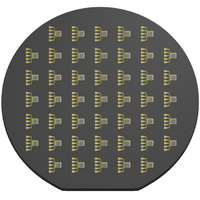
Phys. Rev. X 16, 011063 (2026)
Cooperative Charge Ordering Signature of Trimer Molecules in Infinite-Layer ${\mathrm{CaCoO}}_{2}$
Article | 2026-03-24 06:00 EDT
J.-S. Lee, W. J. Kim, A. Khandelwal, K.-T. Ko, H. Lee, C.-T. Kuo, S. Song, C. Song, D. Jang, H. Choi, G. Park, S.-Y. Park, G. Kang, H. Jang, P. Abdollahi, A. Seo, C.-C. Kao, and H. Y. Hwang
Resonant x-ray scattering in CaCoO reveals a quasi-three-dimensional trimer charge order linked to interlayer orbital hybridization, establishing molecular units as key organizers for macroscopic electronic states.
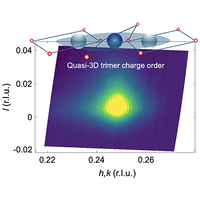
Phys. Rev. X 16, 011064 (2026)
arXiv
Path Integral Monte Carlo on a Sphere
New Submission | Quantum Gases (cond-mat.quant-gas) | 2026-03-25 20:00 EDT
We solve numerically exactly a simple toy model to quantum general relativity or more properly to path integral on a curved space. We consider the thermal equilibrium of a quantum many body problem on the sphere, the surface of constant positive curvature. We use path integral Monte Carlo to measure the kinetic energy, the internal energy and the static structure of a bosons, fermions and anyons fluid at low temperatures on the sphere. For bosons we also measure the superfluid fraction and compare its behavior at the critical temperature with the universal jump predicted by Nelson and Kosterlitz in flat space in the thermodynamic limit at the superfluid phase transition. For fermions and anyons it is necessary to use the restricted path integral recipe in order to overcome the sign problem. Even if this recipe is exact for the non interacting fluid it reduces to just an approximation for an interacting system. And we make the example of the electron gas at low temperature. Snapshots of the many body path configuration during the evolution of the computer experiment show that the speed'' of the single particle path near the poles slows down as a consequence of the hairy ball theorem’’ of Poincaré. The influence of curvature on the thermodynamic and structural properties of the many body fluid is also studied.
Quantum Gases (cond-mat.quant-gas), Statistical Mechanics (cond-mat.stat-mech), Strongly Correlated Electrons (cond-mat.str-el), Computational Physics (physics.comp-ph), Quantum Physics (quant-ph)
18 pages, 1 table, 7 figures
Phases of itinerant anyons in Laughlin’s quantum Hall states on a lattice
New Submission | Strongly Correlated Electrons (cond-mat.str-el) | 2026-03-25 20:00 EDT
We study phases of itinerant anyons when hole-doping Laughlin-like states in fractional Chern insulators (FCIs). In light of the recent observation of time-reversal-broken superconductivity near FCIs in van der Waals materials, a theoretical understanding of doped fractional quantum Hall states on a lattice has been developed by Shi and Senthil [Phys. Rev. X 15, 031069], reviving old ideas about “anyon superconductivity”. We test these ideas analytically within an effective parton mean-field theory and numerically with variational Monte Carlo, pointing out that the predicted state depends on whether the Laughlin order at $ \nu=1/m$ is described by a U(1), or an SU(m) Chern-Simons field, the latter implying a symmetry between the m parton species. Our results demonstrate that the interplay between band Berry curvature and effective anyon dispersion has crucial implications for which anyonic phase is realized. In the experimentally relevant scenario of hole-doping the $ \nu=1/3$ fermionic FCI, our results uncover a mechanism for the formation of an anyon superconducting state of half-integer central charge in the case when the energetically cheapest excitations are the fundamental 1/3 charge anyons, bypassing the need for these anyons to pair into charge-2/3 composites, which has generally been assumed in similar anyon superconductivity constructions.
Strongly Correlated Electrons (cond-mat.str-el)
13 + 16 pages
A family tree for hafnia
New Submission | Materials Science (cond-mat.mtrl-sci) | 2026-03-25 20:00 EDT
Nicolaie Cernov, Jorge Íñiguez-González, Hugo Aramberri
Several candidate reference phases have been proposed to discuss phase transitions and ferroelectricity in hafnia in recent years. Although these proposals comply with crystallographic requirements, a physically compelling rationale connecting parent and daughter phases is often lacking. This problem is aggravated by the absence of clearly dominant polarization switching pathways, making it difficult to formulate a robust physical criterion for identifying the relevant high-symmetry states. Here we use first-principles calculations to show that pressure provides a simple and robust criterion for establishing physically meaningful family relationships among many hafnia polymorphs, including the monoclinic ground state and the technologically relevant ferroelectric phase, and their respective parent structures. Our simulations also reveal several previously unreported phases, including higher-energy structures that act as common ancestors of the widely discussed cubic and orthorhombic reference phases.
Materials Science (cond-mat.mtrl-sci)
8 pages, 3 figures
How active field theories couple to external potentials
New Submission | Statistical Mechanics (cond-mat.stat-mech) | 2026-03-25 20:00 EDT
We study the simplest terms that need to be included in active field theories to couple them to external potentials. To do so, we consider active Brownian particles and implement a systematic perturbative expansion in the particle persistence time. The result is a non-trivial coupling between density and potential gradients, which accounts for the nonequilibrium features of active particles in the presence of an external potential, from boundary accumulation to far-field density modulation. We show how the method can be applied to particles interacting via pairwise forces and to spatial modulations of the propulsion speed.
Statistical Mechanics (cond-mat.stat-mech)
17 pages
The damage spreading transition: a hierarchy of renormalization group fixed points
New Submission | Statistical Mechanics (cond-mat.stat-mech) | 2026-03-25 20:00 EDT
Deterministic classical cellular automata can be in two phases, depending on how irreversible the dynamical rules are. In the strongly irreversible phase, trajectories with different initial conditions coalesce quickly, while in the weakly irreversible phase, trajectories with different initial conditions can remain different for a time exponential in the system volume. The transition between these phases is referred to as the damage-spreading transition (the “damaged” sites are those that differ between the trajectories). We develop a theory for this transition. In the simplest and most generic setting, the transition is known to be related to directed percolation, one of the best-studied nonequilibrium phase transitions. However, we show that full theory of the damage-spreading critical point is richer than directed percolation, and contains an infinite hierarchy of sectors of local observables. Directed percolation describes the first level of the hierarchy. The higher observables include “overlaps” for multiple trajectories, and may be labeled by set partitions. (These higher observables arise naturally if, for example, we consider decay of entropy under the irreversible dynamics.) The full hierarchy yields a hierarchy of nonequilibrium fixed points for reaction-diffusion-type processes, all of which contain directed percolation as a subsector, but which possess additional universal critical exponents. We analyze these higher fixed points using a field theory formulation and renormalization group arguments, and using simulations in 1+1 dimensions.
Statistical Mechanics (cond-mat.stat-mech), Disordered Systems and Neural Networks (cond-mat.dis-nn), Chaotic Dynamics (nlin.CD), Cellular Automata and Lattice Gases (nlin.CG)
39 pages, 9 figures
Discovery of BKT correlations in the quantum kagome compound Cs$_2$Cu$3$SnF${12}$
New Submission | Strongly Correlated Electrons (cond-mat.str-el) | 2026-03-25 20:00 EDT
M. S. Grbić, I. Jakovac, I. Kupčić, H. Tanaka, M. Horvatić
We investigate the microscopic properties of the kagome compound Cs$ _2$ Cu$ _3$ SnF$ _{12}$ using $ ^{63,65}$ Cu nuclear quadrupolar resonance (NQR). Analysis of the local hyperfine fields below the Néel temperature $ T_N = 20$ K indicates a spin structure consistent with $ P2_1/n$ symmetry of negative vector chirality. Measurements of the spin-lattice relaxation rate $ T_1 ^{-1}$ reveal signatures of a gapless ground state and two-dimensional Berezinskii-Kosterlitz-Thouless (BKT)-type correlations above $ T_N$ , extending over a broad temperature range of approximately 130 K in zero magnetic field. Within the same temperature range, the observed increase in the NQR linewidth is consistent with short-range chiral order recently identified by neutron scattering. Our results establish Cs$ _2$ Cu$ _3$ SnF$ _{12}$ as a unique quantum kagome system exhibiting BKT behavior.
Strongly Correlated Electrons (cond-mat.str-el)
6 pages, 3 figures
Electrochemical and thermal control of continuous phase transitions in P2-NaxNi1/3Mn2/3O2
New Submission | Materials Science (cond-mat.mtrl-sci) | 2026-03-25 20:00 EDT
Dylan A. Edelman, John Cattermull, Jue Liu, Zhelong Jiang, Hari Ramachandran, Edward Mu, Cheng Li, Anton Van der Ven, Katherine J. Harmon, William C. Chueh
Sodium layered oxides often undergo phase transformations involving ordering or disordering of Na+ upon desodiation, i.e., when cycled as a battery electrode. Accurately characterizing these phases is crucial for understanding functional properties, such as chemical diffusivity. In this work, we reveal that Na+-vacancy (dis)ordering in a layered oxide is intrinsically coupled to continuous symmetry-changing transformations of the host structure. We examine the low-symmetry orthorhombic unit cell of P2-NaxNi1/3Mn2/3O2 (NNM) using both neutron and X-ray diffraction. Specifically, special sodium stoichiometries (x = 2/3 and 1/2) exhibit concomitant Na+-vacancy ordering and an orthorhombic distortion from the parent hexagonal unit cell. We then demonstrate that electrochemical desodiation drives symmetry-changing transformations in NNM that are linked to Na+-vacancy (dis)ordering, with evidence of second-order behavior observed near x = 2/3. Variable-temperature synchrotron X-ray diffraction further clarifies the coupling between Na+-vacancy disordering and orthorhombic-to-hexagonal phase transitions in NNM. The temperature-driven phase transitions at both x = 2/3 and 1/2 are also consistent with a second-order mechanism. Our analysis of the phase transitions in NNM has fundamental consequences for sodium chemical diffusivity in the vicinity of the ordered phases. The insights from this work are directly applicable to other layered oxides that exhibit alkali-metal-vacancy ordering.
Materials Science (cond-mat.mtrl-sci)
Main text: 22 pages, 5 figures and SI: 32 pages, 15 figures
Chirality Cannot Be Ferroic in Enantiomorphic Space-Groups
New Submission | Materials Science (cond-mat.mtrl-sci) | 2026-03-25 20:00 EDT
F. Gómez-Ortiz, S. Mamoudou Taganga, E. E. McCabe, A. H. Romero, E. Bousquet
With growing interest in structural chirality in periodic solids, it has been suggested that chirality might constitute a new ferroic order parameter. In this work, we demonstrate, by means of a formal group-theoretical proof and a systematic group-subgroup analysis, that achiral-to-chiral transitions that produce either member of an enantiomorphic pair cannot be driven by a Brillouin-zone-center ($ \Gamma$ -point) instability from a common achiral parent. We further substantiate this result by explicitly showing that none of the achiral parent space groups that admit symmetry-chiral phonon eigenvectors host them at the zone center. Given that a primary ferroic order parameter must, among other requirements, transform according to a zone-center irreducible representation, we conclude that phase transitions leading to enantiomorphic space groups cannot be classified as primary ferroic transitions. This predicts that any critical enhancement of fluctuations must occur at finite-$ q$ rather than as a divergence of a uniform macroscopic susceptibility.
Materials Science (cond-mat.mtrl-sci)
Cotunneling theory and multiplet excitations: emergence of asymmetric line shape in inelastic scanning tunneling spectroscopy of correlated molecules on surfaces
New Submission | Mesoscale and Nanoscale Physics (cond-mat.mes-hall) | 2026-03-25 20:00 EDT
Marco Lozano, Manish Kumar, Pavel Jelinek, Diego Soler-Polo
Recent advances in on-surface chemistry, combined with scanning probe microscopy, have enabled the synthesis of correlated molecules on surfaces and the characterization of their chemical and electronic properties with unprecedented spatial resolution. Low-energy magnetic excitations of individual molecules are frequently investigated by scanning tunneling spectroscopy (STS) and often appear as symmetric step-like features in the differential conductance as a function of bias voltage. The interpretation of such steps is well established within cotunneling theory and effective model Hamiltonians (e.g., Hubbard- and spin-based models). Here, we extend the cotunneling formalism to general multireference systems. We show that multireference character, together with orbital-dependent and strongly asymmetric tip/substrate couplings, can produce pronounced asymmetric line shapes in inelastic STS. These results provide an alternative microscopic mechanism for the asymmetric peaks and dips near the Fermi level frequently observed in STS experiments.
Mesoscale and Nanoscale Physics (cond-mat.mes-hall), Strongly Correlated Electrons (cond-mat.str-el)
AI-supported Degradation Study of Carbon-based Perovskite Solar Cells: Learning the Device Physics of Perovskite Solar Cells: A Drift-Diffusion Guided Autoencoder Approach
New Submission | Materials Science (cond-mat.mtrl-sci) | 2026-03-25 20:00 EDT
Oliver Zbinden (1 and 2), Sharun Parayil Shaji (1 and 2), Wolfgang Tress (1) ((1) Institute of Computational Physics, Zurich University of Applied Sciences, Winterthur, Zurich, Switzerland, (2) Department of Mathematical Modeling and Machine Learning, University of Zurich, Switzerland, Zurich, Zurich, Switzerland)
Carbon-electrode-based PSC devices are stressed under 1 Sun equivalent illumination in a stability setup, and different scan-speed dependent current-voltage (J-V) curves are measured during aging. The collected data is used to estimate several physical parameters that contain information about charge transport and recombination using Machine Learning (ML), which allows for in situ tracking of possible signs of degradation. These results are compared to what can be classically interpreted by analysing changes in J-V curves, and the evolution of the predicted parameters is studied. The predictions are then used to simulate a digital twin of the measured devices, and their physical implications and the differences between measurements and devices are discussed.
Materials Science (cond-mat.mtrl-sci)
LPC3D: An Enhanced Parallel Software for Large-Scale Simulation of Adsorption in Porous Carbons and Supercapacitors
New Submission | Materials Science (cond-mat.mtrl-sci) | 2026-03-25 20:00 EDT
El Hassane Lahrar, Mathieu Salanne, Rudolf Weeber, Céline Merlet
Simulations of electrochemical double layer capacitors based on porous carbon electrodes, energy storage systems which accumulate and release energy through reversible ion adsorption at electrode/electrolyte interfaces, are often performed at the microscopic scale, using molecular dynamics. Such simulations provide crucial information to understand the adsorption of ions and the effect of confinement on some electrochemical properties. However, their computational cost limits the size of the systems studied to a few nanometers and a few pores while experimental materials are highly heterogeneous with a distribution of particle and pore sizes. LPC3D is a software designed for mesoscopic simulations of porous carbon particles and carbon-based supercapacitors which allow for the inclusion of such heterogeneity. The code calculates quantities of adsorbed ions, diffusion coefficients and NMR spectra of ions / molecules adsorbed in porous carbon matrices. In this work, we report on a new implementation of LPC3D, written in Python using the PyStencils module which can generate optimized C++ and CUDA code. This implementation is parallel, can be run on CPU and GPU, and allows one to simulate systems going from a single carbon particle to a supercapacitor with hundreds of micrometers in length. Here, we apply the new implementation of LPC3D to the simulation of supercapacitors with porous carbon electrodes represented as monoliths or carbon films to investigate the influence of the microstructure on the resulting adsorption and spectroscopic properties.
Materials Science (cond-mat.mtrl-sci)
Geometric Thermodynamics of Cycles: Curvature and Local Thermodynamic Response
New Submission | Statistical Mechanics (cond-mat.stat-mech) | 2026-03-25 20:00 EDT
Classical thermodynamics contains familiar geometric relations associated with cyclic processes, most notably the identification of mechanical work with the area enclosed by a trajectory in the $ (P,V)$ plane. We show that the area laws for work and reversible heat arise as projections of a single canonical two–form defined on the equilibrium thermodynamic manifold, providing a unified description of thermodynamic cycles in both the $ (P,V)$ and $ (T,S)$ representations. The same structure yields a direct link between cycle geometry and thermodynamic response: the work generated by infinitesimal cycles is set locally by the mixed curvature $ U_{SV}$ of the equilibrium energy surface, which can be expressed in terms of measurable susceptibilities. This identifies thermodynamic work as a local geometric field over state space rather than solely a global property of cyclic processes. More broadly, the framework connects classical cycle geometry to stochastic thermodynamic trajectories, providing a geometric interpretation of nonequilibrium work relations such as the Jarzynski equality.
Statistical Mechanics (cond-mat.stat-mech)
Magnetic Weyl semimetals: Interplay of band topology and magnetism
New Submission | Mesoscale and Nanoscale Physics (cond-mat.mes-hall) | 2026-03-25 20:00 EDT
Akihiro Ozawa, Yasufumi Araki, Koji Kobayashi, Kentaro Nomura
We review recent theoretical and experimental developments in magnetic Weyl semimetals, focusing on the electromagnetic responses emerging from the interplay of their electronic band topology and magnetism. We begin by introducing the fundamental topological properties of the electrons in Weyl semimetals, and provide an overview of the characteristic phenomena arising from their band topology, such as the anomalous Hall effect and chiral magnetic effect. The materials exhibiting the magnetic Weyl semimetal state, with ferromagnetic ordering, antiferromagnetic ordering, etc., are listed. The possible mechanisms for their magnetism are discussed in connection with the Weyl electrons. Non-uniform magnetic textures and magnetization dynamics are expected to exhibit a topological interplay with the Weyl electrons, manifesting as spinmotive force and spin torques. We also review the magnetotransport phenomena such as domain wall magnetoresistance, studied by mesoscopic scale calculations. Finally, we mention the spin transport properties studied in magnetic Weyl semimetals. The topological nature of Weyl electrons reviewed here is important not only for fundamental physics, but also for the potential application to low-dissipative electronics and spintronics devices.
Mesoscale and Nanoscale Physics (cond-mat.mes-hall)
58 pages, 21 figures. In this version, some figures have been omitted due to copyright restrictions
Origin of the tetragonal-to-hexagonal phase transitions in Fe-doped BaTiO$_3$
New Submission | Materials Science (cond-mat.mtrl-sci) | 2026-03-25 20:00 EDT
Zhiyuan Li, Ruiwen Xie, Hongbin Zhang
Based on detailed first-principles calculations, we investigate the tetragonal-to-hexagonal phase transition in Fe-doped BaTiO$ _3$ . Total energy calculations confirm a crossover from the tetragonal to hexagonal phases around 4% Fe, in agreement with experimental observations, where comparative calculations show that neither CaTiO$ _3$ nor SrTiO$ _3$ exhibits similar behavior under equivalent substitution. Furthermore, three possible mechanisms are quantified: oxygen vacancies shift the crossover concentration from $ \sim$ 4% to $ \sim$ 2% through charge compensation, Jahn-Teller distortions impose a larger elastic penalty, both favoring tetragonal-to-hexagonal phase transitions; whereas the tolerance factor is reduced in comparison with that of pristine BaTiO$ _3$ for reasonable Fe valence states, disfavoring the occurrence of the hexagonal phases. Detailed analysis on the electronic structure reveals that the charge redistribution induced by oxygen vacancy is strongly orbital dependent due to the local crystal structure distortions.
Materials Science (cond-mat.mtrl-sci)
Influence Functional Approach to Non-Perturbative Exciton Binding Renormalization from Phonons
New Submission | Materials Science (cond-mat.mtrl-sci) | 2026-03-25 20:00 EDT
Rohit Rana, Eric R. Heller, Antonios M. Alvertis, Jeffrey B. Neaton, David T. Limmer
We construct a many-body model Hamiltonian to capture how phonons renormalize exciton binding as a function of temperature. By using the GW approximation and density functional perturbation theory, we are able to parameterize this Hamiltonian completely from first principles. To capture static quasiparticle properties non-perturbatively, we evolve this Hamiltonian in imaginary time with path integral Monte Carlo using an influence functional based approach. For a class of Wannier-Mott type excitons, our binding energies are in quantitative agreement with experiment. We find that in addition to long-range dipolar interactions from longitudinal optical modes, short-ranged deformation potentials from acoustic modes and transverse optical modes can significantly renormalize electron and hole polaron binding energies at elevated temperature. However, exciton binding energies are only appreciably renormalized by coupling to optical phonons.
Materials Science (cond-mat.mtrl-sci), Chemical Physics (physics.chem-ph)
Dynamical Simulation of On-axis Transmission Kikuchi and Spot Diffraction Patterns, Based on Accurate Diffraction Geometry Calibration
New Submission | Materials Science (cond-mat.mtrl-sci) | 2026-03-25 20:00 EDT
Tianbi Zhang, Raynald Gauvin, Aimo Winkelmann, T. Ben Britton
Transmission Kikuchi diffraction in the scanning electron microscope has gained popularity as a materials characterization technique for its high throughput and nanometer-level spatial resolution. While conventional diffraction pattern analysis routines focus on Kikuchi bands on the diffraction patterns, the full physical picture of electron scattering and diffraction pattern formation is more complex. Analysis that accounts for additional diffraction features such as diffraction spots and excess-deficiency effects should provide more robust and accurate indexing, if they can be incorporated in pattern indexing or simulation routines. A more accurate understanding of their physics of formation and geometry is required to enable this change. In this work, we demonstrate geometric and full contrast dynamical simulation of on-axis transmission Kikuchi patterns, based on experimental patterns captured using a modular, direct electron detector-based set-up in the scanning electron microscope. First, a diffraction geometry calibration routine is proposed based on the electron channeling pattern of the direct electron detector. This allows us to accurately account for the position of diffraction spots in both geometric and dynamical simulations with good agreement with experimental patterns. Further, by introducing appropriate weight factors, simulation of incoherent diffuse intensity, and calculation of the energy spectra of diffracted electrons, simulated patterns can be obtained which accurately capture the many diffraction features on experimental patterns. Workflows and findings of this work can be used to improve pattern indexing routines, as well as the understanding of the physical processes in the formation of on-axis transmission Kikuchi patterns.
Materials Science (cond-mat.mtrl-sci)
9 figures
Generalized thermodynamic closure in ultrafast phonon dynamics
New Submission | Materials Science (cond-mat.mtrl-sci) | 2026-03-25 20:00 EDT
Sheng Qu, Jiyong Kim, Jaco J. Geuchies, Sergey Kovalev, Jan-Christoph Deinert, Thales de Oliveira, Alexey Ponomaryov, Min Chen, Nilesh Awari, Igor Ilyakov, Mischa Bonn, Heejae Kim
Driven-dissipative dynamics underlie a wide range of nonequilibrium phenomena in quantum materials, yet reduced descriptions beyond the quasi-equilibrium picture remain difficult to establish. Here, we experimentally demonstrate that a resonantly driven phonon mode admits a generalized thermodynamic description in which coherence and energy jointly organize the nonequilibrium evolution. Beyond a threshold driving field strength, we observe a delayed ultrafast response of a coherently driven phonon mode. Combined with experimentally constrained Lindblad dynamics, we show that this delay reflects the finite-time spreading of excitations across many phonon levels. At the same time, the full density-matrix trajectories for three driving conditions collapse onto a common surface defined by energy and coherence. Our results establish a coherence-extended thermodynamic regime for driven phonons and provide a framework for broader state engineering in driven-dissipative bosonic excitations.
Materials Science (cond-mat.mtrl-sci)
Probing Electromigration of Oxygen Vacancies in YBa$_2$Cu$3$O${7-δ}$ Devices by Multimodal X-ray Techniques
New Submission | Superconductivity (cond-mat.supr-con) | 2026-03-25 20:00 EDT
Caio C. Quaglio-Gomes, Stefan Marinković, Elijah A. Abbey, Davi A. D. Chaves, Anna Palau, Alejandro V. Silhanek, Pedro Schio, Maycon Motta
Control of oxygen vacancies by electrical currents in complex oxides such as YBa$ _2$ Cu$ _3$ O$ _{7-\delta}$ (YBCO) has attracted considerable interest due to the relative simplicity of its implementation and its potential for both fundamental studies and the tuning of superconducting device properties. However, the structural evolution and depth-dependent effects associated with current-based techniques remain largely unexplored, particularly with respect to the connection between optical signatures and the spatial distribution of oxygen vacancies. Here, we combine nanoprobe X-ray Diffraction (NanoXRD), Cu K-edge X-ray Absorption Near-Edge Structure (XANES), X-ray Photoelectron Spectroscopy (XPS), electrical transport, and optical measurements to reveal modifications induced in YBCO microbridges by pulsed electromigration. We observe a c-axis expansion correlated with spectroscopic features of oxygen depletion in the Cu-O chains, and we confirm that oxygen redistribution, crystallographic changes, and copper coordination evolve consistently across techniques. Notably, the spatial profile of unit-cell expansion closely follows the optical contrast observed after electromigration, demonstrating that the different signatures capture the same underlying oxygen reordering. We further show that optical microscopy cannot reliably capture bipolar electromigration involving strong resistance modifications, as surface deoxygenation appears largely irreversible. Taken together, our findings provide a significant step toward a microscopic understanding of current-assisted oxygen migration in YBCO and establish a framework for effectively exploiting vacancy control in high-temperature superconducting devices.
Superconductivity (cond-mat.supr-con), Mesoscale and Nanoscale Physics (cond-mat.mes-hall), Materials Science (cond-mat.mtrl-sci), Strongly Correlated Electrons (cond-mat.str-el)
12 pages and 5 figures
Pseudospectral phenomena and the origin of the non-Hermitian skin effect
New Submission | Statistical Mechanics (cond-mat.stat-mech) | 2026-03-25 20:00 EDT
The non-Hermitian skin effect (NHSE), characterized by a macroscopic accumulation of eigenstates at the edge of a system with open boundaries, is often ascribed to a non-trivial point-gap topology of the Bloch Hamiltonian. We revisit this connection and show that the eigenspectrum of non-normal operators is highly sensitive to boundary conditions and generic perturbations, and therefore does not constitute a stable object encoding topological information. Instead, topological properties are reflected in the singular-value spectrum of finite systems and, in the semi-infinite limit, correspond to boundary-localized eigenmodes implied by the index of the corresponding Toeplitz operator. For a Hatano-Nelson ladder, where point-gap winding and non-normality can be varied independently, we demonstrate that the NHSE can occur without point-gap winding and, conversely, that point-gap winding can persist without the NHSE. These results establish that the NHSE originates from spectral instability and non-reciprocity rather than topology, and that the commonly assumed relation between spectral winding and boundary localization relies on translational invariance and is therefore not generic.
Statistical Mechanics (cond-mat.stat-mech), Strongly Correlated Electrons (cond-mat.str-el), Quantum Physics (quant-ph)
Triplet superconductivity supported by an X$_9$ high-order Van Hove singularity
New Submission | Superconductivity (cond-mat.supr-con) | 2026-03-25 20:00 EDT
Chethan Sanjeevappa, Anirudh Chandrasekaran, Joseph J. Betouras
We study a four-fold symmetric dispersion relation of a quantum material, which exhibits a single high-order Van Hove singularity of X$ _9$ type at the Fermi energy. First, we analyze in detail its form, type and density of states when the energy dispersion is in its canonical form. Subsequently, we study the possibility of a superconducting state when Hubbard repulsive interactions are taken into account. By solving the gap equation, it is shown that triplet state superconductivity with power-law dependence of the critical temperature T$ _c$ on the interaction strength can be formed when a single singularity is present in the Brillouin zone. We discuss the effects of fluctuations and provide an upper bound of a possible superconducting critical temperature for the ruthenate Sr$ _3$ Ru$ _2$ O$ _7$ which has been shown to exhibit this type of singularity.
Superconductivity (cond-mat.supr-con), Materials Science (cond-mat.mtrl-sci), Strongly Correlated Electrons (cond-mat.str-el)
14 pages, 4 figures. Version accepted by Physical Review Research
A mechanism for nonmonotonic $T_{c,max}(n)$ in multilayer cuprates
New Submission | Superconductivity (cond-mat.supr-con) | 2026-03-25 20:00 EDT
We propose an explanation of the observed dependence of the maximal critical temperature $ T_{c,max}$ on the number of conducting layers $ n$ in layered copper-oxide superconductors within the preformed pair mechanism. Copper-oxygen planes fine-tune the lattice anisotropy and regulate the balance between the attractive and kinetic energies of carrier holes. To maximize the Bose-Einstein condensation temperature, real-space pairs must be compact and light at the same time. Generally, $ T_{c,max}$ increases between $ n = 1$ and $ n = 3$ because pairs become lighter. For $ n > 3$ , the rising kinetic energy weakens the pairs, leading to inflated pair volumes and reduced $ T_{c,max}$ . By varying model parameters, the peak of $ T_{c,max}(n)$ can be tuned to $ n = 2$ , $ n = 3$ , or $ n > 3$ . We also discuss strategies for using this knowledge to boost $ T_{c,max}$ beyond the current record of 138 K.
Superconductivity (cond-mat.supr-con)
19 pages, 11 figures, 24 pages of technical appendices with 21 more figures
Non-Hermitian Mosaic Maryland model
New Submission | Disordered Systems and Neural Networks (cond-mat.dis-nn) | 2026-03-25 20:00 EDT
Zhenning Wang, Ni Lu, Dan Liu, Xiaosen Yang, Xianqi Tong
We introduce the non-Hermitian mosaic Maryland model, where a discrete modulation period and a non-Hermitian phase are incorporated into the potential, rendering the originally exactly solvable system generally non-integrable. This model provides a unique platform to investigate how structural modulation governs localization in complex quasiperiodic potentials. Using Avila’s global theory, we analytically derive the exact Lyapunov exponent and obtain explicit formulas for the complex mobility edges. Remarkably, for modulation periods kappa >= 2, the system intrinsically hosts kappa-1 robust extended bands that persist independently of the potential strength and non-Hermiticity. We further characterize the topological nature of these phases via the spectral winding number. Unlike the standard Maryland model, the mosaic modulation induces mobility edges, and the resulting phase transitions are continuous, reflecting the non-integrable nature of the system. Numerical calculations of the inverse participation ratio and fractal dimension confirm the analytical predictions for the asymptotic form of the mobility edges in the large non-Hermiticity limit. This work establishes structural design as a powerful degree of freedom for engineering wave transport and enhancing the robustness of extended states in non-Hermitian systems.
Disordered Systems and Neural Networks (cond-mat.dis-nn)
10 pages, 6 figures
Finite compressibility and strain hardening in elasto-plastic models of amorphous matter
New Submission | Soft Condensed Matter (cond-mat.soft) | 2026-03-25 20:00 EDT
A. Elgailani, D. Vandembroucq, C. E. Maloney
We study a mesoscopic elasto-plastic model of amorphous matter with varying dimensionless compression modulus, $ K/\mu$ , where $ K$ and $ \mu$ are the compression and shear moduli. We study both cyclic shear with amplitude $ \Gamma$ and forward steady shear. In cyclic shear, the terminal behavior is, in order of increasing $ \Gamma$ : i) trivially elastic, ii) hysteretic but with microscopically reversible limit cycles, iii) diffusive with no return to previously visited configurations. We show that the transition between i) and ii) at the onset point $ \Gamma_0$ is determined by the Eshelby back stress, $ \sigma_0$ , which depends on the Poisson ratio. Systems with smaller $ K/\mu$ (more compressible) are effectively harder with a higher $ \Gamma_0$ and a correspondingly larger purely elastic regime in cyclic loading. In forward shear, $ \sigma_0$ plays a similar role where lower $ K/\mu$ results in a higher steady state flow stress, $ \sigma_y$ . We show that increasing $ K/\mu$ increases the amplitude of stress redistribution after a local yielding event without changing the net stress relaxation and relate this to the assumptions in mean-field descriptions of amorphous solids. A striking feature of the model is the emergence of a complex hardening behavior in the absence of any ad-hoc hardening parameters: a transition between a kinematic and an isotropic hardening behavior precisely at $ \Gamma_0$ associated with the hysteresis transition. The enhanced plastic response for incompressible systems is also seen in amorphous alloys where it is usually attributed to excess free volume, while in the present model, it arises from the dependence of the Eshelby backstress on the Poisson ratio. Our results should have important implications for amorphous metallic alloys or other glassy systems where $ K/\mu$ can vary with composition, age, quench procedure, or mechanical processing history.
Soft Condensed Matter (cond-mat.soft), Disordered Systems and Neural Networks (cond-mat.dis-nn)
Dimensionality-Dependent Exciton Dispersion in a Single-Band Mott Insulator
New Submission | Strongly Correlated Electrons (cond-mat.str-el) | 2026-03-25 20:00 EDT
Zhibin Su, Junjian Mi, Shaohua Yan, Jiade Li, Siwei Xue, Zhiyu Tao, Enling Wang, Xiongfei Shi, Hechang Lei, Zhuan Xu, Jiandong Guo, Xuetao Zhu
Excitonic band structure is critical for investigating exciton dynamics. Theoretically, quantum effects from exchange scattering between electron-hole pairs significantly modulate exciton dispersion. Here, we report the direct observation of dimensionality-dependent exciton dispersion in a single-band Mott insulator Nb3Cl8 through high-resolution electron energy loss spectroscopy. In the high-temperature phase, the exciton in Nb3Cl8 hosts an exceptionally large binding energy, and exhibits clear quasi-two-dimensional massless linear dispersion. In contrast, in the low-temperature phase, the exciton splits into two bands, both displaying three-dimensional parabolic dispersion. These dramatic changes in the exciton dispersion stem from the dimensional mutation driven by a substantial enhancement of interlayer coupling across the phase transition. This Letter provides a clear and typical example of how exciton behavior evolves with dimensionality.
Strongly Correlated Electrons (cond-mat.str-el), Materials Science (cond-mat.mtrl-sci)
5 figures, 7 pages
Phys. Rev. Lett. 136, 106502 (2026)
Distinct memory properties in spin-wave reservoir computing based on synthetic antiferromagnet
New Submission | Materials Science (cond-mat.mtrl-sci) | 2026-03-25 20:00 EDT
Takumu Shinkai, Satoshi Iihama, Kensuke Hayashi, Takahiro Moriyama, Shigemi Mizukami, Natsuhiko Yoshinaga
Spin-wave-based physical reservoir computing (RC) is a promising candidate for energy-efficient physical implementations of artificial intelligence because of its potential for nanoscale integration with low power consumption. Most of the previous studies on spin-wave RC have utilized spin waves excited in a single-layer ferromagnet. In this study, we focused on spin waves in a synthetic antiferromagnet (SAF), consisting of two ferromagnetic layers coupled antiferromagnetically, and investigated additional memory properties of spin-wave RC. We theoretically and numerically demonstrate the emergence of two distinct memory properties in the SAF device due to the distinct spin-wave characteristics of the acoustic and optical modes inherent in SAFs.
Materials Science (cond-mat.mtrl-sci), Applied Physics (physics.app-ph)
10 pages, 9 figures
Two-dimensional bound excitons in the real space and Landau quantization space: a comparative study
New Submission | Mesoscale and Nanoscale Physics (cond-mat.mes-hall) | 2026-03-25 20:00 EDT
The Landau quantization space is based on the respective motion of the electron and hole in a magnetic field and can provide a new route to understand the bound exciton behaviors observed in the experiments. In this paper, we study the two-dimensional exciton properties of monolayer WSe$ _2$ in both the real space and Landau quantization space. Focusing on the excitons of zero center-of-mass momentum, we calculate its energy spectrum in both spaces, with the results agreeing well with each other. We then obtain the diamagnetic coefficients and root-mean-square radius, which are consistent with the $ s$ state results from the experiments. More importantly, in the exciton state $ nl$ , we find that the dominant electron-hole pair component may shift with the magnetic field and the Coulomb interactions, and reveal that the magnetic field will drive the dominant component to be the free electron-hole pair $ {n_e=n+l-1,n_h=n-1}$ , whereas the Coulomb interactions drives it to be the pair of the lower index.
Mesoscale and Nanoscale Physics (cond-mat.mes-hall), Strongly Correlated Electrons (cond-mat.str-el)
11 pages, 6 figures
Weak Coupling of Diffusional and Phonon-like Modes in Liquids Revealed by Dynamic Kapitza Length
New Submission | Materials Science (cond-mat.mtrl-sci) | 2026-03-25 20:00 EDT
Understanding heat transfer across solid-liquid interfaces is central to thermal management and energy technologies, yet whether the interfacial thermal conductance (ITC) depends on the timescale of heating remains unclear. Here we use square-pulsed source thermoreflectance, which combines time-resolved detection with broadband modulation, to probe Al-water and Al-octane interfaces. We observe a reproducible increase of the apparent ITC with modulation frequency. A control Al-silica interface shows no measurable frequency dependence, indicating that the effect is specific to liquids rather than a generic feature shared by all amorphous materials. We explain the data with a two-channel liquid picture in which diffusional and phonon-like modes exchange energy weakly over a finite nonequilibrium length. From the relative magnitude of the thermal penetration depth and the nonequilibrium length, we identify three transport regimes. These findings challenge the common assumption of fully equilibrated liquid modes and provide experimental constraints for modeling dynamic energy exchange at liquid interfaces.
Materials Science (cond-mat.mtrl-sci), Statistical Mechanics (cond-mat.stat-mech)
First-Principles Theory of Chirality-Induced Spin Selectivity at Molecule-Metal Interfaces in Photoemission
New Submission | Materials Science (cond-mat.mtrl-sci) | 2026-03-25 20:00 EDT
Amos Afugu, Gyanu P. Kafle, Zhen-Fei Liu
Spin-resolved photoelectron spectroscopy (PES) is a major experimental probe of chirality-induced spin selectivity (CISS), yet it remains unclear whether the measured spin polarization reflects molecular chirality itself or the broader electronic structure of the hybrid interface. We present a first-principles theory of PES spin polarization at chiral molecule-metal interfaces, treating the interface holistically rather than as a metal substrate plus a separate molecular spin filter/polarizer. Using density functional theory within a three-step photoemission framework, we compute the spin polarization generated in the optical-excitation step for ($ M$ )- and ($ P$ )-heptahelicene adsorbed on Au(111) and Cu(111), and for coronene/Au(111) as a non-chiral control. We find that adsorption strongly reshapes the PES spin polarization relative to the clean metal surface, but opposite enantiomers yield symmetry-related, qualitatively similar responses that are also comparable to that of the non-chiral coronene. These results indicate that changes in the PES spin polarization are more naturally attributed to the electronic structure of the hybrid interface than to molecular chirality alone.
Materials Science (cond-mat.mtrl-sci)
5 figures
Symmetric Mass Generation Transition and its Nonequilibrium Critical Dynamics in a Bilayer Honeycomb Lattice Model
New Submission | Strongly Correlated Electrons (cond-mat.str-el) | 2026-03-25 20:00 EDT
Zhi-Xuan Li, Yin-Kai Yu, Zi-Xiang Li, Shuai Yin
Symmetric mass generation (SMG) transitions defy the conventional Landau-Ginzburg-Wilson paradigm by opening a many-body gap without spontaneous symmetry breaking or topological order, attracting intense interest across particle physics and condensed matter physics. Here, we utilize unbiased quantum Monte Carlo simulations to investigate the equilibrium and nonequilibrium critical dynamics of the SMG transition in a bilayer honeycomb lattice model. We unambiguously confirm the existence of an SMG transition at $ J_{\text{c}}=2.584(8)$ that separates the Dirac semimetal phase from a symmetry-preserving SMG phase. High-precision extraction of the critical exponents reveals a novel universality class that profoundly departs from mean-field theory. We then extend our study to the nonequilibrium regime, exploring the driven dynamics of the SMG transition. Notably, despite the breakdown of the prerequisites for the celebrated Kibble-Zurek mechanism, the nonequilibrium SMG transition still follows the generalized finite-time scaling. By bridging equilibrium criticality and nonequilibrium dynamics, our work uncovers the universal critical properties of SMG transitions, providing a solid theoretical basis for future experimental studies of SMG physics.
Strongly Correlated Electrons (cond-mat.str-el), Statistical Mechanics (cond-mat.stat-mech), High Energy Physics - Theory (hep-th)
6+3 pages,4+3 figures
Hydrogenation-induced gigantic resistance decrease of palladium films deposited by high pressure magnetron sputtering
New Submission | Materials Science (cond-mat.mtrl-sci) | 2026-03-25 20:00 EDT
Yusuke Ikeda, Takuya Kawada, Yuki Shiomi
We demonstrate a pronounced decrease in the electrical resistance of highly disordered palladium (Pd) films deposited under a high working Ar pressure using a compact film coating system. The resulting resistance change ratio of up to $ 1/335$ is predominant among those reported previously. Film characterization suggests two primary mechanisms responsible for this significant resistance reduction: atomic force microscopy observation indicates improved electrical contacts among Pd grains, and X-ray diffraction measurement demonstrates hydrogenation-induced crystallization of Pd. These findings offer a simple scheme to enhance hydrogen sensor performance and can contribute to a more comprehensive understanding of the hydrogenation process in Pd.
Materials Science (cond-mat.mtrl-sci)
Appl. Phys. Lett. 128, 111901 (2026)
Experimental investigation of magnetic properties of MnFeCo${4}$Si${2}$ discovered by GNoME
New Submission | Materials Science (cond-mat.mtrl-sci) | 2026-03-25 20:00 EDT
Shuhei Naganuma, Jiro Kitagawa
AI-driven inorganic materials research has garnered significant attention due to its ability to reduce the time, labor, and cost associated with experiments. An AI model known as GNoME, recently developed by Google DeepMind, is particularly fascinating because it is integrated with the Materials Project open database. The experimental verification of compounds identified by GNoME is a crucial process for advancing AI-driven materials research. Here, we focus on the magnetic compound MnFeCo$ _{4}$ Si$ _{2}$ (Materials ID: mp-3203253), which possesses a layered-like structure. Consistent with the GNoME prediction, MnFeCo$ _{4}$ Si$ _{2}$ crystallizes in a rhombohedral structure with a single-phase nature. We have characterized its magnetic properties and determined that MnFeCo$ _{4}$ Si$ _{2}$ is a soft ferromagnet with a Curie temperature of 1039 K.
Materials Science (cond-mat.mtrl-sci)
to appear in J. Magn. Magn, Mater
Profound impacts of interlayer interactions in bilayer altermagnetic V2S2O
New Submission | Materials Science (cond-mat.mtrl-sci) | 2026-03-25 20:00 EDT
Siqi Xu, Qilong Cui, Shaowen Xu, Xianbo Chenwei, Jiahao Zhang, Ruixue Li, Yuan Li, Gaofeng Xu, Fanhao Jia
Two-dimensional altermagnets exhibit exceptional potential for low-power spintronics via nonrelativistic spin splitting and zero net magnetization. Here, we systematically investigate the influence of interlayer interactions on the electronic, magnetic and quantum transport properties of bilayer vanadium oxysulfide (V2S2O), a prototypical layered altermagnet, using DFT and NEGF calculations. Our results reveal that interlayer interactions predominantly modulate the p-orbital derived top valence bands, inducing a profound competitive valence band maximum position between Gamma-point pz and X/Y-point pxy orbitals, with an energy difference as small as 9 meV. Furthermore, interlayer interactions suppress the piezomagnetic effect and impose additional requirements on the type of strain for the bilayer system, compared to its monolayer counterpart. Out-of-plane external electric fields effectively weaken interlayer coupling by enlarging the energy difference of Gamma/X-Y top valence bands to 170 meV. Quantum transport simulations on a bilayer Au/V2S2O/Au two-probe device demonstrate the presence of pronounced spin current. Interlayer interactions reduce the transmission spin polarization from nearly 100% (monolayer) to 60% (bilayer) for energies above the Fermi level. Notably, gate-voltage modulation exhibits significant asymmetry in controlling charge-to-spin current conversion efficiency, originating from the out-of-plane symmetry breaking induced by the electrode geometry. Specifically, a positive gate voltage markedly enhances the contribution of the bottom layer to the overall spin polarization, while a negative gate voltage induces a marginal reduction of transmission spin polarization, attributed to the inherently weak polarization contribution of the bottom layer. These findings provide essential insights for the design and optimization of multilayer altermagnetic spintronics.
Materials Science (cond-mat.mtrl-sci), Computational Physics (physics.comp-ph)
Ultrafast electrically controlled magnetism in charge-order-induced ferroelectric altermagnet
New Submission | Materials Science (cond-mat.mtrl-sci) | 2026-03-25 20:00 EDT
Yuhao Gu, Yu-Hui Song, Yihao Wang, Ze-Feng Gao, Huan-Cheng Yang, Peng-Jie Guo, Zhong-Yi Lu
The altermagnetism with antiparallel spin alignment exhibits anisotropic spin splitting and may possess an insulating state with a high Neel temperature, while the charge-order-induced ferroelectricity has ultrafast electric polarization switching. Considering that altermagnetism requires breaking space inversion,, the physical foundation for exploring ultrafast electrically controlled magnetism in altermagnetic ferroelectric materials is thus established. In this Letter, based on symmetry analysis and first-principles electronic structure calculations, we predict that LiV$ _2$ F$ _6$ is a material that simultaneously hosts altermagnetism and charge-order-induced ferroelectricity. Since both the altermagnetism and ferroelectricity originate from charge order, LiV$ _2$ F$ _6$ should exhibit strong magnetoelectric coupling. Our calculations indeed demonstrate that electric polarization reversal can induce band spin-polarization switching in LiV$ _2$ F$ _6$ . Moreover, time-dependent density functional theory calculations show that the electric polarization reversal in LiV$ _2$ F$ _6$ occurs in 15 femtoseconds. Consequently, ultrafast electrically controlled magnetism can be realized in LiV$ _2$ F$ _6$ . Given that LiV$ _2$ F$ _6$ has already been experimentally synthesized, our work provides a promising material platform for achieving ultrafast electrically controlled magnetism, which might have significant implications for the design of future electronic devices.
Materials Science (cond-mat.mtrl-sci), Computational Physics (physics.comp-ph)
5 pages, 4 figures
Mechanical Origin of High-Temperature Thermal Stability in Platinum Oxides
New Submission | Materials Science (cond-mat.mtrl-sci) | 2026-03-25 20:00 EDT
Fangyuan Ma, Mengzhao Sun, Xuejian Gong, Jun Cai, Zhujun Wang, Di Zhou
Platinum oxides are vital catalysts, but their limited thermal stability hinders applications. Recent studies have uncovered a structural transition in two-dimensional platinum oxides that significantly enhances their thermal resilience by several hundred Kelvin. Herein, we demonstrate that this enhanced stability stems from the mechanical robustness of the elastic network at the atomic scale. Prior to the transition, an over-constrained lattice generates localized states of self-stress through an incommensurate Moiré pattern with the platinum substrate, reducing thermal endurance. After the transition, the oxide shifts to a mechanically flexible structure with balanced degrees of freedom and constraints. The isostatic network, together with the platinum substrate, forms a commensurate Moiré superlattice that relaxes elastic energy and enhances stability. These findings highlight the fundamental role of network connectivity in governing thermal stability, and provide a design principle for catalysts in extreme environments.
Materials Science (cond-mat.mtrl-sci), Soft Condensed Matter (cond-mat.soft)
11 pages, 9 figures
Electron scattering by a magnetic monopole in solid-state experiments
New Submission | Mesoscale and Nanoscale Physics (cond-mat.mes-hall) | 2026-03-25 20:00 EDT
P. S. Sidorov, N. A. Vlasov, I. S. Terekhov, A. I. Milstein
The scheme of experiment for studying electron scattering in the field of a magnetic monopole in two dimensional electron gas is proposed. The differential scattering cross section is obtained in the eikonal approximation. For unpolarized initial electron, the differential cross section coincides with that in the field of an infinitely long solenoid, up to redefinition of a magnetic flux. It is shown that the scattered electron becomes polarized even for unpolarized initial electron. Besides, in an experimental setup similar to the Hall experiment, the spin polarization arises in the direction perpendicular to the electron current.
Mesoscale and Nanoscale Physics (cond-mat.mes-hall), Atomic Physics (physics.atom-ph)
7 pages
Solitary waves in a phononic integrated circuit
New Submission | Mesoscale and Nanoscale Physics (cond-mat.mes-hall) | 2026-03-25 20:00 EDT
Timothy M.F. Hirsch, Xiaoya Jin, Nicolas P. Mauranyapin, Nishta Arora, Erick Romero, Matthew Reeves, Glen I. Harris, Warwick P. Bowen, Christopher G. Baker
Solitons are universal nonlinear excitations that appear in settings as varied as optics, water waves, and quantum gases [1-5]. While reduced models of soliton dynamics are well established, their validity and dynamical behaviour in strongly nonlinear regimes with frequent interactions remain largely unexplored experimentally. Progress has been constrained by the difficulty of simultaneously achieving precise control of dispersion and nonlinearity, together with the temporal and spatial resolution required for dynamical observations. Here we overcome these difficulties by producing acoustic solitons in integrated phononic waveguides. We exploit the interplay between waveguide dispersion and mechanical Kerr nonlinearity to generate ‘dark’ solitons that persist over metre-scale propagation distances. The slow phonon velocity allows direct imaging of hundreds of dark soliton collisions – two orders of magnitude more than have previously been accessible [6, 7] – as well as soliton fission and the melting of a soliton Wigner crystal. Furthermore, the unprecedented dynamical resolution allows us to verify two long-predicted aspects of dark soliton behaviour: the existence of a collisional phase shift and two depth-dependent collision regimes [8, 9]. These results not only illuminate fundamental nonlinear energy transport processes, but also show a path towards acoustic versions of soliton-enabled technologies such as frequency combs and mode-locked lasers [1, 2, 10].
Mesoscale and Nanoscale Physics (cond-mat.mes-hall), Pattern Formation and Solitons (nlin.PS), Applied Physics (physics.app-ph)
Main text: 8 pages + 5 figures. Supplementary: 23 pages + 15 figures + 2 tables
Non-Hermitian skin effect in periodic, random, and quasiperiodic systems
New Submission | Strongly Correlated Electrons (cond-mat.str-el) | 2026-03-25 20:00 EDT
The non-Hermitian skin effect (NHSE), which drives bulk states toward system boundaries, modifies bulk-boundary correspondence and complicates the identification of topological edge modes. Although breaking translational symmetry is known to influence this behavior, a systematic comparison of different structural classes remains limited. Here we investigate periodic, random, and quasiperiodic (Fibonacci) systems using a one-dimensional non-Hermitian quantum walk model. By matching the local scattering parameters in a topologically nontrivial regime, we isolate the role of spatial structure in the presence of the NHSE. We find that periodic systems exhibit pronounced boundary accumulation of bulk states. Random systems suppress this accumulation through Anderson localization, but the topological gap becomes partially filled with localized in-gap states. In contrast, the Fibonacci quasiperiodic system suppresses large-scale boundary accumulation while maintaining a well-defined topological gap. Analysis of the wave functions suggests that the hierarchical quasiperiodic structure fragments bulk states across multiple length scales, thereby mitigating the NHSE. These results identify deterministic quasiperiodicity as a distinct structural regime for controlling non-Hermitian skin dynamics and isolating topological boundary modes.
Strongly Correlated Electrons (cond-mat.str-el), Quantum Physics (quant-ph)
7 pages, 5 figures
Synergistic chemical and optical switching of chiral symmetry breaking in 1\textit{T}-TaS$_2
New Submission | Strongly Correlated Electrons (cond-mat.str-el) | 2026-03-25 20:00 EDT
Qingzheng Qiu, Mengxian Zhao, Roman Mankowsky, Henrik Till Lemke, Serhane Zerdane, Mathias Sander, Zihao Tao, Qizhi Li, Xiquan Zheng, Shilong Zhang, Qian Xiao, Xinyi Jiang, Yang Yang, Sheng Meng, Yingying Peng
Optical control of symmetry-breaking quantum phases is a central goal in quantum materials, yet deterministic switching is often hindered by the stability of single-domain ground states. The chiral structure of the charge density wave (CDW) in 1T-TaS$ _2$ provides a natural platform for such control, but the pristine material remains locked in a single chirality. Here we show that combining chemical doping with femtosecond optical excitation enables efficient and non-thermal switching of the chiral CDW state and reveal its microscopic mechanism. Ti substitution stabilizes a ground state with coexisting chiral domains, creating a tunable energy landscape for optical manipulation. Femtosecond photoexcitation then induces asymmetric and anisotropic switching from dominant to minority chiral domains, characterized by in-plane domain growth and a redistribution toward an achiral configuration. The switching occurs on a timescale comparable to a coherent phonon oscillation ($ \sim$ 2 THz), revealing a phonon-mediated pathway that proceeds through a transient domain-wall state. Our results establish a broadly applicable strategy for engineering and controlling chiral order parameters through combined chemical and ultrafast optical tuning.
Strongly Correlated Electrons (cond-mat.str-el)
9 pages, 4 figures
Cooperative effect of local active stresses on the macroscopic contractility of elastic fiber networks
New Submission | Soft Condensed Matter (cond-mat.soft) | 2026-03-25 20:00 EDT
Abhinav Kumar, David A. Quint, Kinjal Dasbiswas
The collective action of actively contractile units embedded in elastic biopolymer networks plays a crucial role in regulating the network’s macroscopic mechanical response. Here, we investigate how the macroscopic boundary stress in model elastic fiber networks depends on the number and nature of embedded contractile units, each exerting an isotropic force dipole, as well as on the bending stiffness of fibers. We find that the macroscopic stress increases nonlinearly with the number of dipoles due to mutual stiffening of initially soft, bending-dominated networks. Using effective medium theory, we relate this enhanced contractility to an increase in the effective average network coordination number due to constraints imposed by the force dipoles. By comparing three distinct force dipole models that differ in their local structures, we demonstrate that the specific manner in which an active unit constrains the network strongly influences the onset and nature of the stiffening transition. Our results highlight that not only the quantity but also the local geometry of force-generating units critically determines the macroscopic mechanical behavior. This framework provides a physical basis for understanding how biological systems-such as molecular motors in the cytoskeleton, or adherent cells in the extracellular matrix-can modulate network-scale nonlinear elastic properties through local tuning of active force-generating units.
Soft Condensed Matter (cond-mat.soft), Biological Physics (physics.bio-ph)
Codes and Supplementary Information at this https URL
Charge Transport Modeling of CdSe/ZnS core/shell Quantum Nanorod Light-Emitting Diodes
New Submission | Mesoscale and Nanoscale Physics (cond-mat.mes-hall) | 2026-03-25 20:00 EDT
A.G. Melkonyan, G.A. Mantashian, D.B. Hayrapetyan
In this study, we investigate the electronic structure, charge transport dynamics, and optical properties of a quantum dot light-emitting diode (QD-LED) featuring a double nanorod (NR) emission layer composed of CdSe-ZnS core-shell structures. Utilizing a rigorous self-consistent numerical approach, we solve the coupled Schrodinger-Poisson equations iteratively to obtain accurate wave functions, energy levels, and potential profiles under varying external bias voltages. Detailed analyses reveal voltage-dependent electron localization dynamics, demonstrating a systematic transition of electrons between distinct NR regions via quantum tunneling. Charge density and electrostatic potential distributions are modeled comprehensively, employing the asymmetric Erlang distribution to characterize interface effects. By calculating current-voltage (I-V) characteristics and photoluminescence spectra, we demonstrate that external voltage serves as a robust tuning parameter for modulating emission energies and intensities, underscoring the potential of these NR-LED systems for tunable optoelectronic and photonic applications.
Mesoscale and Nanoscale Physics (cond-mat.mes-hall)
Genuine and spurious (non-)ergodicity in single particle tracking
New Submission | Statistical Mechanics (cond-mat.stat-mech) | 2026-03-25 20:00 EDT
Wei Wang, Qing Wei, Igor M. Sokolov, Ralf Metzler, Aleksei Chechkin
In single-particle tracking experiments measuring anomalous diffusion dynamics, understanding ergodicity is crucial, as it ensures that the time average of an observable matches the ensemble average, and can thus be fitted with known ensemble-averaged observables. A commonly used criterion for assessing the ergodicity of a stochastic process is based on the comparison of the mean-squared displacement (MSD) with the time-averaged MSD (TAMSD). This approach has been widely applied and proves effective in cases of weak ergodicity breaking across various systems in both theoretical and experimental studies. However, there is relatively little discussion regarding the theoretical justification and limitations of this definition. Here, we demonstrate that this widely accepted criterion to some extent contradicts the classical definition of ergodicity as well as physical intuition, leading to spurious (non-)ergodicity results when applied to several well-known stochastic models. To address this limitation, we propose using the mean-squared increment (MSI) instead of the MSD for comparison of ensemble- and time-averaged observables. Several well-established examples demonstrate that our MSI-TAMSD criterion not only effectively reveals weak ergodicity breaking, equivalent to the MSD-TAMSD approach, but also provides a more accurate characterization of the genuine (non-)ergodicity of systems where the MSD-TAMSD method fails. Additionally, for systems exhibiting “ultraweak” ergodicity breaking, the MSI can reveal the asymptotic stationarity and ergodic nature of the process’ increments. Our findings emphasize the important role of the MSI observable for SPT experiments and anomalous diffusion studies.
Statistical Mechanics (cond-mat.stat-mech)
32 pages,8 figures
Exploring Spectral Singularities in Dirac Semimetals: The Role of Non-Hermitian Physics and Dichroism
New Submission | Mesoscale and Nanoscale Physics (cond-mat.mes-hall) | 2026-03-25 20:00 EDT
Mustafa Sarisaman, Murat Taş, Enes Talha Kırca
In this study, motivated by recent advancements in non-Hermitian physics, we explore new characteristics of Dirac semimetals (DSMs) using the spectral singularities by means of scattering techniques, with the goal of uncovering additional unique properties. To achieve this, we investigate how the axion texture of a DSM affects its topological properties by analyzing its interaction with electromagnetic waves. We examine the transverse electric (TE) mode configuration, where the magneto-electric effect induces a dichroic property in these materials. This behavior is particularly interesting and commonly seen in potential DSM candidates. Consequently, we report for the first time that a dichroic DSM generates 12 unique topological laser types. We discover that surface currents are generated by topological terms on the surface of the DSM slab. Furthermore, we examine how the {\theta} term associated with axions in topological materials contributes to these topological properties. Our study reveals distinct topological role of the {\theta} term more clearly than ever before. Our results confirm that the topological properties of DSMs with a single Dirac cone remain stable under external influences and that a topologically robust DSM laser can be developed accordingly
Mesoscale and Nanoscale Physics (cond-mat.mes-hall), Mathematical Physics (math-ph), Optics (physics.optics), Quantum Physics (quant-ph)
21 pages, 9 figures, 4 table, accepted for publication in Proceedings of the Royal Society A
Quantum correlations and dissipative blockade of polaritons in a tunable fiber cavity
New Submission | Mesoscale and Nanoscale Physics (cond-mat.mes-hall) | 2026-03-25 20:00 EDT
Gian-Marco Schnüriger, Martin Kroner, Emre Togan, Patrick Knüppel, Aymeric Delteil, Stefan Fält, Werner Wegscheider, Atac Imamoglu
Cavity exciton–polaritons are quasiparticles that form when quantum well excitons hybridize with a cavity mode. Here, we carry out photon correlation measurements under continuous wave resonant laser excitation to demonstrate quantum correlations between cavity–polaritons. Our experiments reveal an unexpectedly strong dependence of polariton interactions on cavity–exciton detuning. When the polaritons are predominantly exciton-like, we observe a transition from photon antibunching to bunching as the laser is tuned across the polariton resonance, in agreement with a simple Kerr-nonlinearity model. When the lower-branch polariton energy is tuned to induce a two-polariton Feshbach resonance with the biexciton mode, the degree of polariton antibunching becomes independent of the laser detuning: we explain our finding by invoking a dissipative blockade mechanism arising from large biexciton broadening. Our experiments demonstrate that the strong polariton blockade regime would be achieved by reducing the polariton decay rate by a factor of 10.
Mesoscale and Nanoscale Physics (cond-mat.mes-hall)
6 pages, 4 figures, supplemental material
Dynamics of Aligning Active Matter: Mapping to a Schrödinger Equation and Exact Diagonalization
New Submission | Statistical Mechanics (cond-mat.stat-mech) | 2026-03-25 20:00 EDT
Tara Steinhöfel, Horst-Holger Boltz, Thomas Ihle
There has been recent interest in the relaxational modes of small-scale fully connected systems of aligning self-propelled particles (Spera et al., Phys. Rev. Lett. {\bf 132}: 078301 (2024)). We revisit the classical connection between Fokker-Planck and Schrödinger equations to address this by means of exact diagonalization, allowing for rigorous analytical insight into the full spectrum. This allows us to extract exact results which we compare to the existing result from linearized statistical field theory. We derive asymptotically correct analytical results that improve upon the prior approximations. We show that this methodology can fruitfully be extended to the case of non-reciprocal interactions which gives rise to a non-Hermitian Schrödinger problem akin to those in open quantum mechanics. While the non-reciprocity can be chosen such as not to alter the stationary distribution, it fundamentally changes the nature of the steady state which we quantify via the entropy production. We discuss the case of low particle numbers as well as the emergence of mean-field dynamics at large numbers.
Statistical Mechanics (cond-mat.stat-mech)
Transformation of the Talbot effect in response to phase disorder
New Submission | Quantum Gases (cond-mat.quant-gas) | 2026-03-25 20:00 EDT
Bose-Einstein condensates initially arranged in a long chain freely expand and interfere. If the initial phases of the condensates are identical, the initial density distribution is restored periodically during the expansion, giving rise to the Talbot effect. Even a slight disorder in the initial phases leads to a transformation of the interference pattern. In response to the phase disorder, the spectrum of the spatial density distribution acquires peaks that are absent in the case of identical phases. We derive an analytical expression for the spectrum of the spatial density distribution for an arbitrary phase disorder. We show that the new peaks emerging due to the phase disorder originate from pairwise interferences of the condensates. The positions of these peaks coincide with the wave vectors of the density modulations (wavelets) generated by such pairwise interferences. The absence of these peaks, when the initial phases are identical, is explained by the mutual destruction of the overlapping wavelets during their summation.
Quantum Gases (cond-mat.quant-gas), Atomic Physics (physics.atom-ph), Quantum Physics (quant-ph)
Fine-tuning of universal machine-learning interatomic potentials for 2D high-entropy alloys
New Submission | Materials Science (cond-mat.mtrl-sci) | 2026-03-25 20:00 EDT
High-entropy alloys (HEAs) and their two-dimensional counterparts (2D-HEAs) have recently attracted attention due to their tunable properties and catalytic potential, yet their chemical complexity makes direct density functional theory (DFT) calculations computationally prohibitive. The complexity also makes training of machine-learning interatomic potentials (MLIPs) challenging, but this could possibly be overcome by employing universal MLIPs as starting point. In this work, we investigate the applicability of universal MLIP models for 2D transition metal sulfide HEAs and develop effective fine-tuning strategies. Training structures are systematically generated and selected, and the performance of universal and fine-tuned models are benchmarked against DFT. We find that all universal MLIPs employed in this work yield unsatisfactory mixing energies without fine-tuning. Applied to the experimentally synthesized (Mo,Ta,Nb,W,V)S$ _2$ system, fine-tuned models based on enumerated structures can achieve near-DFT accuracy in predicting mixing energies while enabling Monte-Carlo simulations and random structure sampling at scales inaccessible to DFT.
Materials Science (cond-mat.mtrl-sci), Computational Physics (physics.comp-ph)
13 pages, 6 figures
Basis dependence of eigenstate thermalization
New Submission | Statistical Mechanics (cond-mat.stat-mech) | 2026-03-25 20:00 EDT
Lennart Dabelow, Christian Eidecker-Dunkel, Peter Reimann
Eigenstate thermalization refers to the property that an energy eigenstate of a many-body system is indistinguishable from a thermal equilibrium ensemble at the same energy as far as expectation values of local observables are concerned. In systems with degeneracies, the choice of an energy eigenbasis is not unique and the fraction of basis states exhibiting eigenstate thermalization can vary. We present a simple example where this fraction vanishes in the thermodynamic limit for one basis choice, but remains nonzero for another choice. In other words, the weak eigenstate thermalization hypothesis is satisfied in the first, but violated in the second basis. We furthermore prove that degeneracies must abound whenever a system is simultaneously symmetric under spatial translations and reflection. Finally, we derive general bounds on how strongly eigenstate thermalization may depend on the choice of the basis, and we reveal some interesting implications regarding the temporal relaxation properties of such systems.
Statistical Mechanics (cond-mat.stat-mech), Quantum Physics (quant-ph)
12 pages, 4 figures plus appendix 6 pages
Phys. Rev. B 113, 094311 (2026)
Template-free fabrication of reconfigurable magnetic micropillars and filaments through controlled Nanoflower assembly and actuation
New Submission | Soft Condensed Matter (cond-mat.soft) | 2026-03-25 20:00 EDT
Caterina Landi, Rosa Pérez-Garrido, Julio Marco Cuenca, Javier Tajuelo, Chantal Valeriani, Helena Gavilán, Fernando Martínez-Pedrero
Magnetic nanoflowers (MNFs), which exhibit large intrinsic magnetic losses and high specific absorption rates under clinically relevant alternating magnetic fields, highlight strong potential as efficient mediators for magnetic hyperthermia. In this work, we provide a versatile platform for creating dynamic, field-responsive microstructures based on MNFs through a flexible, low-cost, and template-free self-assembly strategy driven by tunable interparticle interactions, external magnetic fields, and spatial confinement. By controlling ionic strength, particle coverage, surface charge, particle concentration, and confinement, MNFs spontaneously assemble in aqueous solution into magnetic micropillars and microfilaments without predefined scaffolds, with low ionic strength favoring reversible assemblies and intermediate salt concentrations yielding stable, irreversible structures. The size, geometry, and dynamic response of these architectures can be precisely tuned, enabling field-induced behaviors such as cilia-like rotations, oscillations, and torque-driven detachment of micropillars into free-standing, swarming microfilaments. L-dopamine (L-DOPA) was used for surface modification in this work, as it is a biocompatible ligand offering catechol, amine, and carboxylate groups. Resulting MNFs@L-DOPA have negative surface charge and show assembly behavior qualitatively similar to the uncoated system under magnetic actuation. Together, these results establish practical guidelines for the template-free design of biomimetic, functional magnetic and elongated microarchitectures, highlighting their potential for microfluidic manipulation and bio-microrobotic applications.
Soft Condensed Matter (cond-mat.soft)
7 figures
Formation of Ag and Au Plasmonic Nanoparticles by Ion Implantation in Ga$_2$O$_3$ thin films
New Submission | Materials Science (cond-mat.mtrl-sci) | 2026-03-25 20:00 EDT
Inês Freitas, Ana Sofia Sousa, Duarte Magalhães Esteves, Mamour Sall, Ângelo Rafael Granadeiro da Costa, Joana Madureira, Sandra Cabo Verde, Katharina Lorenz, Marco Peres
Gallium oxide (Ga$ _2$ O$ _3$ ) is a wide-bandgap semiconductor with exceptional electrical and optical properties, making it a promising material for optoelectronic and sensing applications. In this work, we demonstrate for the first time the formation of plasmonic silver (Ag) and gold (Au) nanoparticles embedded in Ga$ _2$ O$ _3$ thin films via ion implantation. Ga$ _2$ O$ _3$ films deposited by RF sputtering on sapphire substrates were implanted with Ag or Au ions at 150 keV and a nominal fluence of 5 $ \times$ 10$ ^{16}$ ions/cm$ ^2$ , followed by thermal annealing between 200 and 700 °C. Rutherford backscattering spectrometry (RBS) measurements revealed saturation effects during implantation, resulting in lower incorporated fluences, as well as out-diffusion with post-implantation annealing. Transmission electron microscopy confirmed the formation of metallic nanoparticles with a distribution consistent with the metal profiles measured by RBS. Optical absorption measurements showed a pronounced localized surface plasmon resonance (LSPR) band in the Ag-implanted films, visible even in the as-implanted state and red-shifting with increasing annealing temperature, while Au-implanted films exhibited a distinct LSPR peak only after annealing at $ \geq$ 500 °C. The observed LSPR shifts with annealing are attributed primarily to changes in the Ga$ _2$ O$ _3$ matrix rather than a change in nanoparticle size. These results establish ion implantation as a viable approach for integrating plasmonic nanostructures into Ga$ _2$ O$ _3$ .
Materials Science (cond-mat.mtrl-sci), Mesoscale and Nanoscale Physics (cond-mat.mes-hall)
Complex magnetic interactions in geometrically frustrated TbOF
New Submission | Strongly Correlated Electrons (cond-mat.str-el) | 2026-03-25 20:00 EDT
Pim Witte, Denis Sheptyakov, Elsa Lhotel, Nongnuch Artrith, Robin de Hoogh, Giuditta Perversi, Kim Lefmann, Machteld E. Kamminga
We have identified TbOF as a unique frustrated and mixed-anion lattice, hosting unconventional magnetism. By means of magnetization, specific heat and neutron diffraction measurements down to 90 mK, as well as DFT calculations, we present a comprehensive study of the magnetic and structural properties of TbOF. We show that at 9.7 K, TbOF undergoes a structural phase transition accompanied by short-range magnetic correlations, in contrast to previously proposed long-range antiferromagnetic order. At lower temperatures, we observe two magnetic ordering transitions, consisting of incommensurate spin density waves and antiferromagnetic and ferromagnetic correlations. Furthermore, we observe metastable and hysteresis behavior below 2.0 K, highlighting the richness of complex magnetic interactions in TbOF. These results uniquely clarify the magnetic phase diagram of TbOF and highlight the intricate interplay between structure and magnetism in rare-earth oxyfluorides.
Strongly Correlated Electrons (cond-mat.str-el)
Open Quantum System Theory of Muon Spin Relaxation in Materials
New Submission | Materials Science (cond-mat.mtrl-sci) | 2026-03-25 20:00 EDT
Elvis F. Arguelles, Osamu Sugino
We present a non-Markovian theory of muon spin relaxation that treats the implanted muon as an open quantum spin coupled to a temporally correlated local magnetic environment. Using a Schwinger-Keldysh influence-functional formulation, we derive a spin stochastic equation of motion in which colored fluctuations and retarded memory torque appear on equal footing. In the appropriate limits, the theory reduces to standard Kubo-Toyabe descriptions. This enables quantitative, global analysis of zero-field (ZF) and weak longitudinal-field (LF) $ \mu$ SR spectra beyond the strong-collision approximation. Applied to $ \mathrm{Li}_{0.73}\mathrm{CoO}_2$ when the muon is frozen at the stopping site, the approach separates static and Li-driven components, finds a thermally activated fluctuation rate over the intermediate-temperature window, and identifies a clear non-Markovian signature in the ZF/weak-LF line shapes captured by a retarded backaction/memory kernel.
Materials Science (cond-mat.mtrl-sci), Other Condensed Matter (cond-mat.other)
Impurity quadrupole moments as local probes of flux sectors in the Kitaev spin liquid
New Submission | Strongly Correlated Electrons (cond-mat.str-el) | 2026-03-25 20:00 EDT
Masahiro O. Takahashi, Wen-Han Kao, Satoshi Fujimoto, Natalia B. Perkins
Emergent fluxes play a central role in the low-energy properties of quantum spin liquids (QSLs), where they encode the underlying gauge structure and fractionalization of spins. Here, we show that the quadrupole moment of magnetic impurities provides a direct probe of these flux configurations in QSLs. Employing the SO(6) Majorana representation for spin-3/2 impurity operators in the isotropic Kitaev spin liquid together with a self-consistent mean-field approximation for impurity-related terms, we show that the ground-state flux sector can be identified by discontinuous jumps of the impurity quadrupole moment at the flux sector transition points. We also demonstrate that the quadrupole correlations between impurities under a magnetic field exhibit exponential decay, with decay rates that depend sensitively on the flux sector. Furthermore, we discuss the stability of pi fluxes bound to impurities with respect to model parameters and internal flux configurations, and relate our findings to Lieb’s conjecture on flux configurations. These results establish the quadrupole moments of magnetic impurities as a sensitive tool to study fractionalized excitations and flux physics in Kitaev magnets.
Strongly Correlated Electrons (cond-mat.str-el)
14 pages, 10 figures
Pre-Patterned Superconducting Contacts for Clean Superconductor-Topological Material Interfaces Enabling Long-Range Josephson Coupling
New Submission | Mesoscale and Nanoscale Physics (cond-mat.mes-hall) | 2026-03-25 20:00 EDT
Yong-Bin Choi, Chang-Won Choi, Luke Holtzman, Hoil Kim, Seongwoo Kang, Kenji Watanabe, Takashi Taniguchi, James Hone, Jun Sung Kim, Si-Young Choi, Gil-Ho Lee
Phase-coherent superconducting proximity in topological materials requires clean superconductor-topological material (SC-TM) interfaces, yet conventional top-contact fabrication often degrades them through oxidation, polymer residue, and process-induced disorder. Here we introduce a pre-patterned superconducting bottom-contact architecture in which MoRe/Au electrodes are defined before van der Waals crystal transfer, thereby avoiding on-flake lithography after transfer. In WTe2- and Bi1.5Sb0.5Te1.7Se1.3-based Josephson junctions, this architecture yields systematically larger I_c R_N and longer-ranged coupling than conventional top contacts. Cross-sectional STEM/EDS reveals atomically abrupt, chemically well-separated interfaces. These results establish pre-patterned SC-TM contacts as a practical route to reproducible, micrometer-scale Josephson platforms in van der Waals topological materials.
Mesoscale and Nanoscale Physics (cond-mat.mes-hall), Superconductivity (cond-mat.supr-con)
14 pages, 4 figures
From Quantum Dimers to the $π$-flux Toric Code via Deconfined Multicriticality
New Submission | Strongly Correlated Electrons (cond-mat.str-el) | 2026-03-25 20:00 EDT
Ankush Chaubey, Sergej Moroz, Subhro Bhattacharjee
Two-dimensional Rokhsar-Kivelson (RK) dimer models on bipartite lattices are generally limited to translation-symmetry-broken dimer crystals. We introduce a tensor-product regularisation of the dimer Hilbert space that yields a qubit Hamiltonian interpolating from the RK model to the $ \pi$ -flux toric code, thereby accessing a deconfined $ \mathbb{Z}_2$ topological liquid. In this framework, the $ \mathbb{Z}_2$ liquid descends from a multicritical $ U(1)$ spin liquid through condensation of a charge-2 Higgs field, thus avoiding confinement. Using iDMRG together with low-energy field theory, we determine a phase diagram containing two continuous quantum phase transitions – a $ 3\mathrm{D}$ XY$ ^{\ast}$ transition between the $ \mathbb{Z}_2$ liquid and the columnar/plaquette-VBS, and a quantum Lifshitz transition between two dimer crystals – alongside a first-order transition between the staggered crystal and the $ \mathbb{Z}_2$ liquid. Our field theory suggests a deconfined multicritical point described by an Abelian Higgs model with dynamical critical exponent, $ z=2$ , where the three transitions meet, highlighting the interplay of fractionalisation and emergent gauge fluctuations.
Strongly Correlated Electrons (cond-mat.str-el), Statistical Mechanics (cond-mat.stat-mech), High Energy Physics - Theory (hep-th)
Open Quantum Cluster Embedding Theory
New Submission | Strongly Correlated Electrons (cond-mat.str-el) | 2026-03-25 20:00 EDT
Petar Brinić, Hugo U. R. Strand, Jakša Vučičević
The simulation of strongly correlated electron systems remains a formidable challenge. Certain experimentally relevant dynamical response functions are especially difficult to calculate, due to issues of finite-size effects and the ill posed analytic continuation. To address this we propose the quantum cluster embedding theory, an embedded cluster method aimed at computing the response of the system following an external perturbation; the frequency dependent dynamical susceptibility is obtained subsequently by means of inverse linear response theory. The embedded clusters, used within the method as representative of short range correlations, are open quantum systems governed by the Lindblad equation. The short-range correlations extracted from the clusters are used to close the equations of motion for the fermionic bilinear and the local double occupancy on the lattice. In turn, the clusters’ Markovian baths are tuned to keep the bilinear and the double occupancy expectation values on the clusters and the lattice identical, throughout the concomitant evolution of the two sets of equations. The theory becomes numerically exact in the non-interacting, atomic and infinite cluster size limits, and it respects the total charge and energy conservation laws. We show that our approach can treat very large lattices while avoiding analytic continuation through the explicit time evolution. Finally we compute the charge-charge correlation function in the square lattice Hubbard model and compare with a recent cold atom experiment, finding good qualitative agreement.
Strongly Correlated Electrons (cond-mat.str-el)
30 pages, 27 figures
Field-induced spin-flip and spin-flop transitions in NdFeO3
New Submission | Materials Science (cond-mat.mtrl-sci) | 2026-03-25 20:00 EDT
Mariana M. Gomes, Rui Vilarinho, E. Miranda, Ana S. Silva, Christelle Kadlec, Filip Kadlec, Miroslav Lebeda, Petr Proschek, Matus Mihalik jr., Marian Mihalik, Diparkan Jana, Fadi Choueikani, Clement Faugeras, José Antonio Paixão, Ester de Prado, Stanislav Kamba, Joaquim Agostinho Moreira
Magnetic control of correlated spin systems is central to the development of next-generation spin-based technologies. Rare-earth orthoferrites provide an interesting platform in which exchange coupling between rare-earth 4f and transition-metal 3d moments generates competing magnetic interactions and multiple metastable states. Here, we show that the orientation of the applied magnetic field drives different magnetic phase transition sequences in NdFeO3 across a broad temperature range. Using Raman and polarized terahertz spectroscopies, supported by magnetization and specific-heat measurements, we track the temperature- and field-dependent evolution of the different magnetic phases and the successive spin rearrangements, driven by 4f - 3d magnetic anisotropic interactions. For fields applied along the crystallographic c-axis, a spin-reorientation transition is followed by spin-flop and spin-flip processes, producing an unexpectedly complex magnetic phase sequence at low temperatures. Below 8 K, precursor effects associated with ordering of the Nd-sublattice strongly modify the transition pathway. Our results demonstrate how anisotropic 4f-3d coupling enables magnetic-field control of coupled spin excitations and provide a route to accessing novel spin configurations in rare-earth orthoferrites.
Materials Science (cond-mat.mtrl-sci)
Manuscript with 28 pages and 10 figures. Supplement has 17 pages with 16 figures
Amplification based on the noise-induced negative differential resistance in a Zener diode
New Submission | Statistical Mechanics (cond-mat.stat-mech) | 2026-03-25 20:00 EDT
Alexandre Dumont, Bertrand Reulet
A voltage biased Zener diode always exhibit positive differential resistance, thus cannot be used as an element to provide amplification of a signal. We show how to induce negative differential resistance in the reverse bias regime of a 12V Zener diode by noise feedback. We use this to build a voltage amplifier in the audio frequency range, which we characterize by providing bandwidth, gain, power consumption, gain compression and output noise spectral density.
Statistical Mechanics (cond-mat.stat-mech)
A $Γ$-valley Moiré Platform for Tunable Square Lattice Hubbard Model
New Submission | Mesoscale and Nanoscale Physics (cond-mat.mes-hall) | 2026-03-25 20:00 EDT
Rui Shi, Kejie Bao, Huan Wang, Jing Wang
Moiré superlattices have emerged as a premier platform for simulating the Hubbard model, yet achieving high tunability in square-lattice systems remains a key challenge. We demonstrate that $ \Gamma$ -valley twisted square homobilayers provide a faithful and highly tunable realization of $ t-t’-U$ Hubbard model, extending the recent proposal in M-valley systems. We show that at small twist angles, an emergent layer-exchange symmetry decouples electronic states into flat bands residing on two nested square sublattices. An interlayer displacement field breaks this symmetry to induce controllable inter-sublattice hybridization, enabling wide-range experimental tuning of the effective hopping ratio $ t’/t$ . By establishing a direct correspondence between $ \Gamma$ - and M-valley systems, we provide a unified framework for understanding displacement-field tunability in square moiré physics. These findings establish $ \Gamma$ -valley twisted bilayers as a versatile platform for simulating the square-lattice Hubbard model and exploring its rich landscape of correlated phenomena.
Mesoscale and Nanoscale Physics (cond-mat.mes-hall), Materials Science (cond-mat.mtrl-sci), Strongly Correlated Electrons (cond-mat.str-el)
9 pages, 6 figures, this work has been reported in Workshop for Topological Quantum Materials and Information (WTQI-2025) at ShanghaiTech University on 2025/11/16
Generative Inversion of Spectroscopic Data for Amorphous Structure Elucidation
New Submission | Disordered Systems and Neural Networks (cond-mat.dis-nn) | 2026-03-25 20:00 EDT
Jiawei Guo, Daniel Schwalbe-Koda
Determining atomistic structures from characterization data is one of the most common yet intricate problems in materials science. Particularly in amorphous materials, proposing structures that balance realism and agreement with experiments requires expert guidance, good interatomic potentials, or both. Here, we introduce GLASS, a generative framework that inverts multi-modal spectroscopic measurements into realistic atomistic structures without knowledge of the potential energy surface. A score-based model learns a structural prior from low-fidelity data and samples out-of-distribution structures conditioned on differentiable spectral targets. Reconstructions using pair distribution functions (PDFs), X-ray absorption spectroscopy, and diffraction measurements quantify the complementarity between spectral modalities and demonstrate that PDFs is the most informative probe for our framework. We use GLASS to rationalize three contested experimental problems: paracrystallinity in amorphous silicon, a liquid-liquid phase transition in sulfur, and ball-milled amorphous ice. In each case, generated structures reproduce experimental measurements and reveal mechanisms inaccessible to diffraction analysis alone.
Disordered Systems and Neural Networks (cond-mat.dis-nn), Materials Science (cond-mat.mtrl-sci), Machine Learning (cs.LG)
10 pages; SI: 51 pages
Dynamics of O(2) excitations in a non-reciprocal medium
New Submission | Statistical Mechanics (cond-mat.stat-mech) | 2026-03-25 20:00 EDT
Ylann Rouzaire, Daniel JG Pearce, Ignacio Pagonabarraga, Demian Levis
We investigate emergent dynamics due to non-reciprocity in the $ \mathcal{O}(2)$ model. The lattice XY model, where non-reciprocity stems from vision cone like couplings, can be described by a continuum description in which non-reciprocity translates into a new term depending on the rotational of the orientation field. We argue that non-reciprocity is akin to activity and we highlight the connection between our hydrodynamic equation and the constant density Toner-Tu framework. The active force advects and reshapes patterns, a generic feature found in many non-reciprocal systems. We show how $ 1d$ excitations in the non-reciprocal $ \mathcal{O}(2)$ model can be described by a generalized Burgers equation, derived from our continuum model. We then extend the results to $ 2d$ perturbations. As such, we establish the first principles of excitation trajectory control in a non-reciprocal $ \mathcal{O}(2)$ medium. Concretely, we explain how tuning the degree of non-reciprocity and the orientation of the background medium impacts the time evolution of excitations. We also showcase how initially different excitations lead to very different dynamical behavior. Non-reciprocity also affects the stability of defect-free excitations with non-zero winding numbers and, unlike in its equilibrium $ O(2)$ counterpart, enables the system, above a certain threshold, to relax to its ground state.
Statistical Mechanics (cond-mat.stat-mech), Soft Condensed Matter (cond-mat.soft), Pattern Formation and Solitons (nlin.PS)
13 pages, 9 figures (+ detailed appendices)
Enhanced spin-current generation in Dirac altermagnets through Klein tunneling
New Submission | Mesoscale and Nanoscale Physics (cond-mat.mes-hall) | 2026-03-25 20:00 EDT
Tomas T. Osterholt, Lumen Eek, Cristiane Morais Smith, Rembert A. Duine
Altermagnets have recently emerged as a new platform for spintronics applications, offering spin-split electronic bands despite vanishing net magnetization. Here, we investigate spin-current generation in Dirac altermagnets and identify Klein tunneling as an efficient mechanism for enhancing spin transport. Using a low-energy Dirac model combined with scattering theory, we demonstrate that Klein tunneling in altermagnets is strongly spin-dependent and can be used to effectively control the electronic spin-current polarization by, for instance, adjusting the height, width and orientation of the potential barrier. Finally, we explore how the l-wave symmetry of the Dirac altermagnet shapes the spin-current polarization and transmission, focusing especially on the d- and g-wave cases. Particularly promising results are obtained for the g-wave Dirac altermagnet, as it is found that the presence of a potential barrier can significantly boost the spin-current polarization, even when the intrinsic polarization due to the spin-split band structure is vanishingly small. For a barrier implemented via electrostatic gating, such a mechanism would in turn allow the spin-current polarization to be switched on and off via a gate voltage.
Mesoscale and Nanoscale Physics (cond-mat.mes-hall)
16 pages, 6 figures
Virtual materials testing of ASSB cathodes combining AI-based stochastic 3D modeling and numerical simulations
New Submission | Materials Science (cond-mat.mtrl-sci) | 2026-03-25 20:00 EDT
Anina Dufter, Sabrina Weber, Orkun Furat, Johannes Schubert, René Rekers, Maximilian Luczak, Erik Glatt, Andreas Wiegmann, Anja Bielefeld, Volker Schmidt
The performance of all-solid-state battery (ASSB) cathodes strongly depends on their microstructure. Optimizing the cathode morphology can therefore enhance effective macroscopic properties such as ionic and electronic conductivity. The search for optimized microstructures can be facilitated by virtual materials testing: By integrating image analysis and stochastic microstructure modeling to generate a wide range of realistic 3D microstructures and evaluate their effective macroscopic properties by means of numerical simulations, thereby reducing the need for extensive physical experiments. This approach allows for the investigation of structure-property relationships through parametric regression models that incorporate relevant geometrical descriptors of microstructures such as volume fractions, mean geodesic tortuosities, specific surface areas, and constrictivities. By linking these geometrical descriptors to macroscopic properties, virtual materials testing provides quantitative insight into how microstructure influences material performance. In the present paper, this framework is applied for ASSB cathodes. In addition, by systematically varying model parameters, a broad range of 3D microstructures can be generated, which remain close to the original cathode morphology while inducing targeted changes in selected geometrical descriptors. The resulting database enables the calibration of regression models whose predictive performance is assessed by comparing predicted and simulated effective properties such as the ionic and electronic conductivity, thereby quantifying how accurately combinations of geometrical descriptors can explain and predict variations in effective macroscopic properties.
Materials Science (cond-mat.mtrl-sci)
A $q$-Caputo Fractional Generalization of Tsallis Entropy: Series Representation and Non-Negativity Domains
New Submission | Statistical Mechanics (cond-mat.stat-mech) | 2026-03-25 20:00 EDT
Matias P. Gonzalez, Micolta-Riascos Bayron
We introduce a fractional generalization of Tsallis entropy by acting with a $ q$ -Caputo operator on the generating family $ \sum_i p_i^{,x}$ evaluated at $ x=1$ . Concretely, we define $ S_{q}^{\alpha}$ through the $ q$ -Caputo differintegral of order $ 0<\alpha<1$ and derive a closed series representation in terms of the $ q$ -Gamma function. The construction is anchored at the evaluation point, which ensures well-behaved limits: as $ \alpha!\to!1$ we recover the standard Tsallis entropy $ S_q$ . Finally we perform a numerical calculation to show the regions where the obtained $ q$ -fractional entropy $ S^{\alpha}_q$ can be non-negative (or negative) through the fractional parameter $ \alpha$ and the non extensive index $ q$ .
Statistical Mechanics (cond-mat.stat-mech), Information Theory (cs.IT), Mathematical Physics (math-ph)
1 figure, 5 pages
Tunable Goos–Hänchen shifts and group delay time in single-barrier silicene
New Submission | Mesoscale and Nanoscale Physics (cond-mat.mes-hall) | 2026-03-25 20:00 EDT
Youssef Fattasse, Hocine Bahlouli, Clarence Cortes, David Laroze, Ahmed Jellal
We investigate the Goos–Hänchen (GH) shifts and group delay time of Dirac fermions traversing a rectangular electrostatic potential barrier in silicene. By analyzing their dependence on the incident angle, barrier height, barrier width, and incident energy, we demonstrate that the GH shifts exhibit pronounced oscillations arising from quantum interference within the barrier region. The amplitude and number of oscillation peaks increase with increasing energy, barrier width, and incidence angle, resulting in enhanced lateral beam displacement. Meanwhile, the group delay time exhibits resonant features associated with the formation of quasi-bound states, increasing with barrier width, energy, and incidence angle, while decreasing with increasing barrier height. These results clarify how barrier-induced quantum interference controls both the lateral and temporal dynamics of Dirac fermions in silicene, highlighting the potential role of electrostatic barriers in enabling tunable transport in two-dimensional Dirac materials.
Mesoscale and Nanoscale Physics (cond-mat.mes-hall)
10 pages, 8 figures. To appear in Ann. Phys. (2026)
Comment on ‘Observation of Shapiro Steps in the Charge Density Wave State Induced by Strain on a Piezoelectric Substrate’
New Submission | Mesoscale and Nanoscale Physics (cond-mat.mes-hall) | 2026-03-25 20:00 EDT
D.Yu. Saltykova, M.V. Nikitin, V.Ya. Pokrovskii, S.G. Zybtsev, V.V. Kolesov, V.V. Kashin, I.E. Kuznetsova, I.A. Nedospasov
In their Letter Fujiwara et al. (https://doi.org/10.48550/arXiv.2511.09888. 2025) report a high-quality experiment demonstrating the synchronization of the CDW sliding in NbSe3 whiskers (nanowires) with surface acoustic waves (SAWs). The SAWs are induced in the conventional LiNbO3 piezoelectric substrates through application of rf voltage to an interdigital transducer (IDT). When a SAW mode is excited, Shapiro steps (ShSs) appear on the I-V curves, while no ShSs are observed when the frequency is shifted from the resonance. This gives clear evidence of synchronization of the CDW with the acoustic modes.
Mesoscale and Nanoscale Physics (cond-mat.mes-hall), Materials Science (cond-mat.mtrl-sci), Strongly Correlated Electrons (cond-mat.str-el)
Comment on arXiv:2511.09888
Fermiology, charge transfer energy, and robust paramagnons in high-$T_c$ cuprate superconductors
New Submission | Strongly Correlated Electrons (cond-mat.str-el) | 2026-03-25 20:00 EDT
Copper-oxide high-temperature (high-$ T_c$ ) superconductors host robust paramagnon excitations whose propagation energies are insensitive to hole concentration and correlate with maximal measured superconducting transition temperatures. Given variation of electronic structure across (and within) cuprate families, elucidation of the relationship between microscopic parameters relevant to high-$ T_c$ superconductivity and paramagnon dynamics remains a key challenge to theory. Employing canonical Hubbard- and $ t$ -$ J$ -$ U$ models of a $ \mathrm{CuO_2}$ plane, we relate robust paramagnon energies to high-$ T_c$ fermiology (via the ratio $ r \equiv t^\prime/|t|$ of next-nearest- to nearest-neighbor hopping integrals) and charge transfer energy, $ \Delta_\mathrm{CT}$ . It is shown that variation of $ r$ and $ \Delta_\mathrm{CT}$ between materials has an opposite effect on paramagnon energy, rationalizing comparable bandwidth of magnetic excitations across multiple cuprates. Utilizing empirical values of $ r$ and $ \Delta_\mathrm{CT}$ as input to theory, we address magnetic dynamics in Bi-family of cuprates with up to three $ \mathrm{CuO_2}$ planes, and demonstrate quantitative (within $ 6,%$ margin) agreement of calculated paramagnon energies with experiment. Our work offers a route toward quantitative control of robust paramagnon physics in strongly-correlated electron systems.
Strongly Correlated Electrons (cond-mat.str-el)
Occupation-selective topological pumping from Floquet gauge fields
New Submission | Quantum Gases (cond-mat.quant-gas) | 2026-03-25 20:00 EDT
Wenjie Liu, Ching Hua Lee, Zhoutao Lei
Topological pumping is conventionally governed by single-particle band topology. Here we show that promoting tunneling to a dynamical, occupation-conditioned variable fundamentally reshapes this paradigm, leading to occupation-selective topological pumping. In a periodically driven one-dimensional superlattice with density-dependent hopping, two-body bound states (doublons) acquire Chern numbers distinct from those of single particles and exhibit quantized transport even when the single-particle pump is trivial, including counter-propagating responses. We identify a dynamical-gauge-field mechanism that induces topological phase transitions in the bound-state sector absent from the single-particle spectrum. Furthermore, the gauge field concentrates Berry curvature into sharply localized resonant regions without compromising adiabatic quantization. A Floquet realization with ultracold atoms is proposed to realize such occupation-selective pumping. Our results reveal a mechanism for occupation-selective topological responses that can persist across higher-occupancy bound states.
Quantum Gases (cond-mat.quant-gas), Quantum Physics (quant-ph)
Comments are welcome
Correlation-driven enhancement of pairing in a nematic Hund’s metal
New Submission | Superconductivity (cond-mat.supr-con) | 2026-03-25 20:00 EDT
Angelo Valli, Laura Fanfarillo
Superconductivity and nematicity coexist in the phase diagram of many correlated systems, including iron-based superconductors. We investigate how Hund-driven correlations reshape boson-mediated superconductivity in a multiorbital nematic metal. We find that dynamical correlation effects beyond a quasiparticle-only description are essential to capture the robustness of superconductivity in the Hund regime. In the nematic phase, Hund correlations simultaneously enhance the orbital differentiation of the superconducting gaps and inhibit the most extreme nematic-driven orbital polarization and coherence collapse that would otherwise suppress pairing at strong coupling. A controlled cutoff analysis reveals a nontrivial, orbital-dependent buildup of the gaps, indicating that different frequency windows of the correlated spectrum contribute unevenly to pairing in the nematic Hund regime. This implies that pairing mechanisms with different characteristic boson energies can lead to distinct gap structures and trends.
Superconductivity (cond-mat.supr-con), Strongly Correlated Electrons (cond-mat.str-el)
Main text: 8 pages, 6 figures. We include here supplemental material containing model and calculations details and additional numerical results
Internal stress drives ferromagnetic-like ordering in networks of proliferating bacteria
New Submission | Statistical Mechanics (cond-mat.stat-mech) | 2026-03-25 20:00 EDT
Nicola Pellicciotta, Luca Angelani, Roberto Di Leonardo
Proliferation is a defining feature of life. Through growth, division, and death, living systems consume energy and inject mass, breaking conservation laws and driving collective phenomena from biofilm formation to embryonic development. Yet, while active matter physics has advanced our understanding of self-propelled agents, quantitative frameworks for proliferating systems are still emerging, and most work focuses on simplified settings. Here, we study \textit{this http URL} bacteria growing inside a network of single-file microchannels as a minimal model of structured environments. Competition for free volume drives the spontaneous emergence of coherent growth patterns that persist across generations but vanish when the channel links exceed the typical cell size at birth. Despite the strongly out-of-equilibrium character of the dynamics, the observed phenomenology can be quantitatively captured by an effective equilibrium description in which the flow state at each node is represented by a spin variable with ferromagnetic interactions. Simulations of growing elastic cells show that this coupling arises from internal stress accumulated at network nodes due to dynamical constraints. Our results reveal a surprising correspondence between proliferating active matter and equilibrium statistical mechanics, highlighting open fundamental questions and offering a first step toward describing growth phenomena in real-world complex environments.
Statistical Mechanics (cond-mat.stat-mech), Biological Physics (physics.bio-ph)
10 pages,4 figures
Experimental Insights into the Limiting Mechanism of Vacancy Transport in Sodium Metal Anodes for Solid State Batteries
New Submission | Materials Science (cond-mat.mtrl-sci) | 2026-03-25 20:00 EDT
Ansgar Lowack, Rafael Anton, Bingchen Xue, Kristian Nikolowski, Cornelius Dirksen, Mareike Partsch, Alexander Michaelis
Ceramic solid-state batteries with sodium (Na) metal electrodes promise enhanced safety and energy density compared to contemporary secondary batteries. However, the critical delamination of the Na metal electrode during discharge - when vacancies accumulate at the Na/ceramic interface - remains to be understood and avoided. The study investigates the underlying mechanism by applying a linear current ramp between two Na metal electrodes separated by a ceramic solid electrolyte to provoke vacancy buildup. Above a critical current density $ j_\mathrm{crit}$ the anode voltage no longer increases linearly but in an exponential fashion. Arrhenius analysis of $ j_\mathrm{crit}(T)$ for the three solid electrolytes $ \mathrm{Na_{1.9}Al_{10.67}Li_{0.33}O_{17}}$ , $ \mathrm{Na_{3.4}Zr_2Si_{2.4}P_{0.6}O_{12}}$ , and $ \mathrm{Na_5SmSi_4O_{12}}$ yields an activation energy $ E_\mathrm{A}$ of $ 0.13$ to $ 0.15,\mathrm{eV}$ . This exceeds the activation energy of $ 0.053,\mathrm{eV}$ for the diffusive vacancy migration in bulk Na significantly. Further, $ E_\mathrm{A}$ is insensitive to anode microstructure variation. Both observations rule out bulk diffusion as the transport bottleneck. A thin tin-sodium alloy interlayer lowers $ E_\mathrm{A}$ to $ (0.10\pm0.01),\mathrm{eV}$ , implicating interfacial thermodynamics as rate-limiting. Sodiophilic, Na-conducting interlayers and low-tension interfaces emerge as key pathways to stable, high-rate Na-SSBs at practical stack pressures.
Materials Science (cond-mat.mtrl-sci)
Reliable and High Performance IGZO and In2O3 Transistors via Channel Capping
New Submission | Materials Science (cond-mat.mtrl-sci) | 2026-03-25 20:00 EDT
C. W. Cheng, J. Smith, K. Mashooq, P. Solomon, R. Watters, T. Philicelli, D. Piatek, C. Lavoie, M. Hopstaken, L. Gignac, B. Khan, M. BrightSky, G. Gionta, P. Hashemi, V. Narayanan, M. M. Frank
A device and process strategy for achieving reliable indium gallium zinc oxide and indium oxide transistors compatible with a 400oC BEOL thermal budget and without performance degradation is demonstrated by fully exploiting intrinsic oxide material properties. An indium oxide transistor with a novel amorphous In2O3 mixed with SiO2 capping layer exhibits a positive threshold voltage, high extrinsic saturation mobility 33.1 cm2/V.s ,and only a 5mV Vt shift after positive-bias stress at 3 MV/cm for 1000s at room temperature, superior to conventional SiO2 encapsulation.
Materials Science (cond-mat.mtrl-sci)
The Fermi-Pasta-Ulam-Tsingou problem after 70 years: Universal laws of thermalization in lattice systems
New Submission | Statistical Mechanics (cond-mat.stat-mech) | 2026-03-25 20:00 EDT
Weicheng Fu, Zhen Wang, Wei Lin, Dahai He, Jiao Wang, Yong Zhang, Hong Zhao
Over the past decade, substantial progress has been made in clarifying a central question of the Fermi-Pasta-Ulam-Tsingou problem: whether weakly nonlinear lattice systems thermalize and, if so, through what mechanisms. The current understanding is as follows. (a) Classical lattice systems fall into two universal classes. In the first, the Hamiltonian has extended normal modes. For sufficiently large systems, the thermalization time scales as $ T_{\rm eq}\sim g^{-\gamma}$ with $ \gamma=2$ , where $ g$ denotes the effective nonlinear strength, i.e., the perturbation strength or degree of non-integrability. Thus, in the thermodynamic limit, these systems inevitably thermalize. Typical examples include common one-, two-, and three-dimensional lattice models. In the second class, all normal modes are localized. Here the relaxation time is essentially independent of system size. Although one may still formally write $ T_{\rm eq}\sim g^{-\gamma}$ , the exponent $ \gamma$ diverges as $ g\to0$ , implying that arbitrarily weak nonlinear perturbations cannot induce thermalization. For sufficiently small $ g$ , such systems may therefore be viewed, in a theoretical sense, as thermal insulators. (b) In systems of the first class, disorder does not obstruct thermalization. Rather, by breaking translational symmetry and relaxing wave-vector resonance constraints, it increases the number of quasi-resonant processes and can therefore accelerate thermalization. (c) In systems of the second class, when both on-site potentials and disorder are present, all normal modes become localized in sufficiently large systems, suppressing thermalization. The perturbative framework underlying these conclusions will also be presented systematically, with particular emphasis on the thermalization criterion based on resonance-network connectivity, an approach rooted in weak wave turbulence theory.
Statistical Mechanics (cond-mat.stat-mech)
8 figs
Where Humpty Dumpty Breaks: Geometry-Driven Fracture in Ellipsoidal Shells
New Submission | Soft Condensed Matter (cond-mat.soft) | 2026-03-25 20:00 EDT
Naoki Sekiya, Yuri Akiba, Kai Kageyama, Hokuto Nagatakiya, Ryuichi Tarumi, Tomohiko G. Sano
Fracture networks are ubiquitous in nature, spanning scales from millimeter-sized cracks in botanical peels to hundred-kilometer-long lineae on planetary satellites. The propagation of a crack is a complex, nonlinear phenomenon governed by the interplay of mechanical properties, rheological behavior, and system geometry. While fracture mechanics has long addressed structural failure, the relationship among fracture, elasticity, and nonlinear geometry has recently revived as a focal point in condensed matter and biophysics. However, a unified framework that systematically explains how surface geometry prescribes the transition between disparate fracture morphologies remains elusive. Here we show that shell curvature provides a geometric blueprint for fracture, governing the evolution of complex crack networks through induced stress anisotropy. By internally pressurizing thin, bilayer spheroidal shells, we demonstrate that a rich diversity of crack morphologies across lateral, longitudinal, and random orientations depends on the curvature ratio between the pole and the equator. We find that these patterns arise from the nonlinear mechanics of the shell, which can be leveraged to effectively control crack growth. Our results establish a direct link between structural curvature and fractures, providing a predictive framework that integrates nonlinear geometry with the classical Griffith and von Mises criteria. Beyond our model system, we find that the disparate fracture patterns observed in ripening muskmelons and in the icy crust of Europa follow the same geometric principles. We expect that this unified understanding of crack morphogenesis will inform the design principles of novel functional materials that are resilient to fracture and provide insights into the mechanical performance of curved biological and geophysical architectures.
Soft Condensed Matter (cond-mat.soft), Statistical Mechanics (cond-mat.stat-mech)
Multistage spin correlations in the $s$ = 1/2 stuffed hyper-star lattice Li${2}$Cu${2}$(MoO${4}$)${3}$
New Submission | Strongly Correlated Electrons (cond-mat.str-el) | 2026-03-25 20:00 EDT
J. Khatua, Taeyun Kim, G. Senthil Murugan, S. M. Kumawat, C.-L. Huang, Yugo Oshima, Hiroyuki Nojiri, Gerald Morris, Sarah R. Dunsiger, Heung-Sik Kim, K. Sritharan, Shankar Mani, R. Sankar, Kwang-Yong Choi
Star lattice, which can be visualized as a honeycomb network with each vertex replaced by a triangle, provides a rare platform for realizing exotic quantum states such as quantum spin liquids and disorder-driven random-singlet (RS) states. Herein, we investigate the ground-state properties of the three-dimensional (3D) stuffed hyper-star lattice Li$ _2$ Cu$ _2$ (MoO$ _4$ )$ 3$ , which exhibits a crossover from short-range spin correlations to a disorder-driven RS-like state below $ T^{\ast}\sim$ 15.8 K. Thermodynamic and microscopic measurements capture this crossover through a change in the power-law behavior of various observables, from $ \sim T^{0.25}$ for $ T > T^{\ast}$ to $ \sim T^{-0.50}$ for $ T < T^{\ast}$ . Upon further cooling, a quasi-frozen state emerges near $ T{\rm f} = 0.32$ K, likely associated with weakly coupled spin chains within the hyper-star spin network. Our results underscore the crucial role of orphan spins and weak residual interactions in stabilizing a disorder-driven quantum-disordered state in 3D.
Strongly Correlated Electrons (cond-mat.str-el)
Phys. Rev. B 113,104441,(2026)
AlphaDiffract: Automated Crystallographic Analysis of Powder X-ray Diffraction Data
New Submission | Materials Science (cond-mat.mtrl-sci) | 2026-03-25 20:00 EDT
Nina Andrejevic, Ming Du, Hemant Sharma, James P. Horwath, Aileen Luo, Xiangyu Yin, Michael Prince, Brian H. Toby, Mathew J. Cherukara
Materials identification and structural understanding from powder X-ray diffraction (PXRD) data is a long-standing challenge in materials science, fundamental to discovering and characterizing novel materials. A prerequisite for full structure solution is the accurate determination of the crystal lattice, including lattice parameters and crystallographic symmetries. Traditional methods for this are iterative and typically require expert input, and while existing deep learning approaches have shown promise, a robust, single-shot method for comprehensive lattice determination from experimental data remains a key goal. Here, we introduce AlphaDiffract, a deep learning framework that achieves state-of-the-art performance in predicting the crystal system, space group, and lattice parameters directly from PXRD patterns. AlphaDiffract utilizes a 1D adaptation of the ConvNeXt architecture, a modern convolutional neural network that integrates key design principles from transformers, coupled with dedicated prediction heads for each crystallographic property. The model is trained on the largest-to-date physics-based dataset of over 31 million simulated diffraction patterns, generated by augmenting 312,267 curated structures from the ICSD and Materials Project databases. Crucially, it demonstrates strong generalization to experimental data, achieving 81.7% crystal system accuracy and 66.2% space group accuracy on the RRUFF dataset while additionally predicting all six lattice parameters. By providing a unified model for rapid and accurate lattice determination from PXRD data, AlphaDiffract represents a significant step forward in leveraging deep learning for high-throughput materials discovery.
Materials Science (cond-mat.mtrl-sci)
Glassy magnetic freezing of interacting clusters in LK-99-family materials
New Submission | Superconductivity (cond-mat.supr-con) | 2026-03-25 20:00 EDT
Serafim Teknowijoyo, Domenico Napoletani, Vahan Nikoghosyan, Armen Gulian
We report reproducible magnetization anomalies appearing below room temperature in copper-doped apatite materials belonging to the LK-99 family synthesized via hydrothermal methods. These anomalies are observed consistently across samples prepared under comparable conditions. Although the extracted Mydosh parameter lies within the range often associated with vortex-glass behavior in superconductors, a detailed analysis of DC magnetization, AC susceptibility, field dependence, and magnetic memory effects demonstrates that the observed phenomena are not related to superconductivity. Instead, the data are consistent with glassy magnetic freezing of interacting clusters. Compositional and structural analysis identifies covellite (CuS), an ubiquitous secondary phase in these intrinsically multiphase materials, as the primary origin of the observed behavior. Our results clarify the magnetic origin of LK-99-related anomalies and highlight the importance of phase complexity in interpreting apparent superconducting signatures in this materials family.
Superconductivity (cond-mat.supr-con)
Strain-Engineered Deterministic Quantum Dots for Telecom O-Band Emission Using Buried Stressors
New Submission | Mesoscale and Nanoscale Physics (cond-mat.mes-hall) | 2026-03-25 20:00 EDT
Imad Limame, Ching-Wen Shih, Kartik Gaur, Martin Podhorský, Sarthak Tripathi, Setthanat Wijitpatima, Aris Koulas-Simos, Chirag C. Palekar, Petr Klenovský, Stephan Reitzenstein
The deterministic realization of quantum light sources operating at telecom wavelengths is essential for long-distance fiber-based quantum communication and distributed quantum computing. In this work, we demonstrate that telecom O-band emission can be achieved from site-controlled InGaAs/GaAs quantum dots (QDs). Our concept utilizes a buried AlAs/Al$ _2$ O$ _3$ stressor layer with the unique feature that induces a well-defined and controllable tensile strain field at the growth surface, enabling both a redshift of QD emission to the $ \sim$ 1.3\mu m range and site-selective nucleation at the mesa centers. This concept eliminates not only the need for strain-reducing layers (SRLs), which are known to degrade optical coherence, but also provides spatial control and spectral tunability. The grown telecom QDs show pure single-photon emission with $ g^{(2)}(\tau) = (5.0 \pm 1.0) \times 10^{-2}$ at 4 K and $ (2.8 \pm 0.3) \times 10^{-1}$ at 77K, demonstrating the quantum nature and thermal stability of the emitters. The emission characteristics of complex excitonic states are analyzed using 8-band $ k \cdot p$ and configuration-interaction modeling, which quantitatively reproduces the experimental observations. Finally, we present a theory-supported strategy to further redshift the emission toward the center of the O-band and beyond by employing a multi-buried-stressor approach. This combined framework of experiment and theory establishes the buried stressor concept as a scalable route toward highly coherent, position-controlled O-band quantum emitters compatible with industrial photonic integration.
Mesoscale and Nanoscale Physics (cond-mat.mes-hall)
A Zero-Bias Superconducting Voltage Amplifier Based on the Bipolar Thermoelectric Effect
New Submission | Superconductivity (cond-mat.supr-con) | 2026-03-25 20:00 EDT
Giacomo Trupiano, Giorgio De Simoni, Francesco Giazotto
We introduce a zero-bias superconducting voltage amplifier that harvests energy from a thermal gradient by exploiting negative differential resistance (NDR) in an asymmetric tunnel junction. The device is based on an asymmetric superconductor-insulator-superconductor (SIS) junction with an energy-gap ratio of $ \Delta_1/\Delta_2 = 0.5$ , connected in series with a load resistor. Owing to the superconducting bipolar thermoelectric effect, the current-voltage characteristic of the junction exhibits a region of NDR, in which the net current flows opposite to the applied voltage. This mechanism enables voltage amplification in the absence of any external electrical bias, relying solely on the temperature difference between the electrodes ($ T_H \simeq 1$ K, $ T_B \simeq 20$ mK). Numerical simulations predict a voltage gain of 20 dB, a 1 dB compression point at an input amplitude of 2 $ \mu$ V, and a total harmonic distortion below $ -50$ dB. The input-referred noise is approximately 1 nV/$ \sqrt{Hz}$ , with an associated thermal load on the order of nanowatts. The frequency response is broadband from near DC, with a $ -3$ dB cutoff around 180 MHz, set by the RC time constant of the junction. Using Al-, Al-Cu-, and AlO$ _x$ -based technologies, the amplifier is compatible with conventional superconducting circuit fabrication processes. These findings demonstrate that thermoelectric superconducting junctions can deliver bias-free voltage amplification from near DC up to about 200 MHz, making them promising candidates for transition-edge sensor readout, quantum circuit instrumentation, and low-frequency cryogenic signal processing.
Superconductivity (cond-mat.supr-con), Mesoscale and Nanoscale Physics (cond-mat.mes-hall)
8 pages, 4 figures
Magnetic flux distribution, quasiparticle spectroscopy, and quality factors in Nb films for superconducting qubits
New Submission | Superconductivity (cond-mat.supr-con) | 2026-03-25 20:00 EDT
Amlan Datta, Bicky S. Moirangthem, Kamal R. Joshi, Anthony P. Mcfadden, Florent Lecocq, Raymond W. Simmonds, Makariy A. Tanatar, Matthew J. Kramer, Ruslan Prozorov
Niobium is a practical material platform for superconducting microwave circuits; however, device-level performance can vary significantly depending on film growth and processing conditions. We compare three epitaxial Nb films grown on $ c-$ plane sapphire substrates under nominally identical conditions, except for the deposition temperature. To correlate internal quality factors, $ Q_{\mathrm {i}}$ , with material properties, we combine magneto-optical imaging of magnetic flux distribution with quasiparticle spectroscopy via measurements of the London penetration depth, $ \lambda(T)$ . In the low-$ Q_{\mathrm i}$ film, there is a lesser ability to screen the magnetic field and an irregular temperature variation of $ \lambda(T)$ , implying the existence of localized in-gap states. High $ Q_{\mathrm i}$ films show the opposite trend. We conclude that our measurements provide an efficient method for characterizing and optimizing superconducting films for quantum informatics applications.
Superconductivity (cond-mat.supr-con), Materials Science (cond-mat.mtrl-sci)
Topological Filtering and Emergent Kondo Scale
New Submission | Strongly Correlated Electrons (cond-mat.str-el) | 2026-03-25 20:00 EDT
We study the Kondo effect induced by a topological soliton in a one-dimensional Dirac system with the sign-changing mass term. The soliton hosts a localized zero mode whose spatially extended wavefunction leads to a momentum-dependent exchange coupling with itinerant electrons. We show that this structure generates a nontrivial form factor that suppresses high-energy scattering processes, resulting in an energy-dependent effective Kondo coupling. As a consequence, the real-space structure of the soliton directly controls the emergent Kondo scale. This work establishes a mechanism by which topological defects control many-body energy scales through their wavefunction structure, suggesting a general principle for engineering many-body energy scales via topology.
Strongly Correlated Electrons (cond-mat.str-el), Mesoscale and Nanoscale Physics (cond-mat.mes-hall)
10 pages, 6 figures
Ultrafast Sintering
New Submission | Materials Science (cond-mat.mtrl-sci) | 2026-03-25 20:00 EDT
This Perspective critically assesses recent advances in ultrafast sintering and highlights open scientific questions and emerging technological opportunities. Mechanistic studies of flash sintering indicate that the flash event initiates as a coupled thermal and electrical runaway, while rapid densification is enabled by ultrahigh heating rates and elevated sintering temperatures. Building on this understanding, ultrafast sintering has been realized through multiple approaches, including rapid thermal annealing (using intense infrared heating), ultrafast high-temperature sintering (in which specimens are sandwiched between graphite felt heaters), black light sintering (employing blue laser or intense ultraviolet irradiation), atmospheric-pressure plasma sintering, and induction ultrafast sintering (operating in either direct induction or susceptor-heating modes).Reactive ultrafast synthesis and sintering have also been demonstrated. Although several hypotheses have been proposed, the mechanisms governing ultrafast sintering and its kinetics warrant further investigation. In particular, reactive ultrafast synthesis and sintering of compositionally complex ceramics are scientifically intriguing to understand while also presenting technological opportunities. The expanding range of ultrafast sintering methods provides a versatile platform for high-throughput materials discovery, especially in the rapidly growing field of high-entropy and compositionally complex ceramics, which feature vast compositional spaces to explore.
Materials Science (cond-mat.mtrl-sci)
ENGINEERING Transformative Materials 2026
Ferromagnetic Spin Glass State and Anomalous Hall Effect in Topological Semimetal Candidate Mn2Sb2Te5
New Submission | Materials Science (cond-mat.mtrl-sci) | 2026-03-25 20:00 EDT
M.M. Sharma, Ankush Saxena, S.M. Huang, Santosh Karki Chhetri, Jin Hu, V.P.S. Awana
Materials that intrinsically possess both magnetism and topological states represent a key frontier of quantum materials research. Recently, Mn2(Bi/Sb)2Te5 has emerged as a promising candidate for hosting topological surface states coupled with intrinsic magnetic order, making it a potential magnetic Weyl semimetal. In this study, we investigate the magnetic and transport properties of Mn2Sb2Te5 single crystals. The magnetization measurements reveal a spin glass state with field-induced ferromagnetism. Although heat capacity measurement indicates the absence of long-range order, the intrinsic magnetization in Mn2Sb2Te5 significantly affects its electrical properties, as demonstrated by the anomalous Hall effect. This work provides valuable insights into the magnetism and the electronic properties of Mn2Sb2Te5, establishing Mn2(Bi/Sb)2Te5 system as a compelling platform for exploring the interplay between magnetism and non-trivial band topology, enabling emergent quantum phases and novel transport responses not accessible in non-magnetic systems.
Materials Science (cond-mat.mtrl-sci)
24 pages, 6 figures (Accepted in Journal of Physics: Condensed Matter)
Journal of Physics: Condensed Matter (2026)
Structural Chart of Copper-Silver Nanoalloys through machine learning
New Submission | Materials Science (cond-mat.mtrl-sci) | 2026-03-25 20:00 EDT
Manoj Settem, Emanuele Telari, Antonio Tinti, Riccardo Ferrando, Alberto Giacomello
Nanoalloys (or alloy nanoparticles) are an important class of materials that are promising for their functional properties. However, designing synthesis protocols to control their structure and chemical ordering is rather challenging. Part of this difficulty stems from the lack of information on their metastable and stable structures. Here, we develop a general computational framework to construct a structural chart of nanoalloys using 38-atom AgCu nanoalloys as a model system. Initially, the equilibrium structural distribution is sampled using parallel tempering combined with molecular dynamics (PTMD). Using a machine learning (ML) based approach, the vast number of sampled configurations are classified into various structural classes. This ML approach produces a single three-dimensional map in which all structures and compositions can be visualized and discriminated. Finally, a finite-temperature structural chart is constructed which provides information on the dominant structures across the entire range of compositions and temperatures. In addition, the structural chart reveals significant differences in thermal stability between nanoalloys and bulk alloys. The presented framework provides an effective route to compute and map the vast structural and chemical space of multicomponent nanoparticles, paving the way to the rational design of functional nanoalloys.
Materials Science (cond-mat.mtrl-sci)
16 pages, 11 figures (8 in the main manuscript + 3 in the supplementary)
Thickness effects in the electromechanical stability of charged biological membranes
New Submission | Soft Condensed Matter (cond-mat.soft) | 2026-03-25 20:00 EDT
Sirui Ning, Yannick A. D. Omar, Karthik Shekhar, Kranthi K. Mandadapu
Understanding how electric fields destabilize biological membranes is important for electroporation-based technologies and bioelectronic interfaces. However, theoretical descriptions of this phenomenon remain fragmented. Existing theories treat either electrostatics in membranes of finite thickness or electrohydrodynamic flows at idealized zero-thickness interfaces, leaving unresolved a unified description that simultaneously incorporates finite membrane thickness, surface charge, and bulk electrohydrodynamics. Here, we apply a recently-developed, dimension-reduction framework that captures the coupled electrohydrodynamic and mechanical effects governing height fluctuations of a charged lipid bilayer of thickness $ \delta$ in an electrolyte characterized by Debye screening length $ \lambda$ . We derive voltage- and charge-dependent renormalizations of the effective surface tension and bending rigidity, along with a dispersion relation governing undulatory instabilities. A wide range of prior theoretical results arise as limiting cases of our more general theory when finite-thickness effects are neglected or screening is asymptotically strong. The key new contribution arises from traction moments generated across the finite membrane thickness, which are absent in zero-thickness descriptions. Under physiological screening ($ \delta/\lambda\sim 4$ ), these contributions account for more than $ >70%$ of the total electrostatic correction to both surface tension and bending rigidity. The theory further reveals that surface charges can stabilize the membrane at physiological ionic strengths, increasing the effective tension and shifting electroporation thresholds in a manner that depends on charge asymmetry between the leaflets.
Soft Condensed Matter (cond-mat.soft), Biological Physics (physics.bio-ph), Subcellular Processes (q-bio.SC)
15 pages, 6 figures
Intercavity phonons and dynamics in coupled polariton cavities
New Submission | Quantum Gases (cond-mat.quant-gas) | 2026-03-25 20:00 EDT
Iliana Carmona-Moreno, Grover Andrade-Sánchez, Hugo A Lara-García, Giuseppe Pirruccio, Arturo Camacho-Guardian
Intercavity polaritons, hybrid quasiparticles with spatially separated photonic and excitonic components, provide a platform to engineer structured light-matter states. We show that resonant driving of the middle polariton branch leads to a qualitatively distinct dynamical regime in which coherent Rabi oscillations are suppressed, and the system evolves monotonically toward its steady state. Including interactions, we demonstrate that this regime supports Bogoliubov excitations with a phonon-like dispersion at low momenta. These collective modes inherit interactions from the excitonic fraction, while preserving the intrinsically intercavity nature of the quasiparticles.
Quantum Gases (cond-mat.quant-gas), Mesoscale and Nanoscale Physics (cond-mat.mes-hall)
10 pages, 6 figures. Comments are very welcome
Quantum Saturation of the Electro-Optic Effect
New Submission | Materials Science (cond-mat.mtrl-sci) | 2026-03-25 20:00 EDT
Aiden Ross, Sankalpa Hazra, Albert Suceava, Dylan Sotir, Darrell G. Schlom, Venkatraman Gopalan, Long-Qing Chen
Future quantum computing architectures require electro-optic materials that maintain a strong, stable performance at cryogenic temperatures. In conventional electro-optic materials, large electro-optic coefficients are often confined to narrow temperature windows near structural phase transitions, where small changes in temperature lead to large changes in the electro-optic response. Using thermodynamic analysis, phase-field simulations, experimental growth and cryogenic optical measurements we show that quantum fluctuations can be harnessed to overcome this trade-off. By tuning the ferroelectric phase boundaries down to 0 K, quantum fluctuations induce a saturation regime in which a large electro-optic response becomes nearly temperature-independent below 25 K. We demonstrate that the phase boundaries can be tuned through either strain in BaTiO3 or through chemical composition in Ba1-xCaxTiO3, leading to a large, temperature insensitive, cryogenic electro-optic effect comparable to bulk BaTiO3 at room temperature; the performance exceeds BaTiO3-on-Si by over an order of magnitude. These findings establish a general design principle for engineering high-performance electro-optic materials for cryogenic applications.
Materials Science (cond-mat.mtrl-sci)
24 pages, 5 figures
Tunable Floquet selection rules in a driven Ising chain
New Submission | Other Condensed Matter (cond-mat.other) | 2026-03-25 20:00 EDT
Rishi Paresh Joshi, Sanchayan Banerjee, Sneha Narasimha Moorthy, Tapan Mishra
We study a periodically driven spin-$ 1/2$ Ising chain with a nearest-neighbour coupling and longitudinal field while a weak transverse field induces single-spin flips. Through Floquet perturbation theory (FPT), we obtain signatures of Hilbert space fragmentation (HSF) and an unconventional form of dynamical localisation which we call the Floquet freezing. Our analysis suggests that these observations emerge due to a single Floquet selection rule that dictates the prethermal dynamics. For a special value of the field-to-interaction strength ratio together with commensurate drive periods, this rule permits only a constrained subset of bulk spin flips, leading to prethermal HSF in the full spin-$ 1/2$ Hilbert space. Under open boundary conditions, the same rule suppresses boundary spin flips up to higher order in perturbation and produces long-lived prethermal edge memory, which is neither topological in origin nor is a strong zero mode. Furthermore, under periodic boundary conditions, the largest surviving fragment is exactly the PXP sector at leading order and therefore exhibits Floquet-inherited scar phenomenology in the prethermal window. At higher commensurate ratios of field strength to interaction strength, all first-order single-spin-flip channels are suppressed and the system enters a regime of Floquet freezing. Hence, our study leverages the selection rules obtained through Floquet perturbation theory to obtain exotic prethermal phenomena at different parameter regimes.
Other Condensed Matter (cond-mat.other)
18 pages, 10 figures
Active learning-enabled multi-objective design of thermally conductive and mechanically compliant polymers
New Submission | Materials Science (cond-mat.mtrl-sci) | 2026-03-25 20:00 EDT
Yuhan Liu, Jiaxin Xu, Renzheng Zhang, Meng Jiang, Tengfei Luo
Polymers are attractive in applications like flexible electronics and thermal interface materials due to their mechanical compliance and processability. However, conventional polymers have low thermal conductivity (TC), limiting their heat dissipation performance. Identifying polymers that simultaneously achieve high intrinsic TC and mechanical flexibility (i.e., low modulus) remains a challenge. Here, we develop an active learning (AL) framework based on multi-objective Bayesian optimization (MOBO) to discover polymers exhibiting both high TC and low bulk modulus. Initially, a high-throughput molecular dynamics (MD) pipeline generated an initial dataset, and independent Deep Kernel Learning (DKL) surrogate models were trained for TC and bulk modulus to predict properties and uncertainties. Using the parallel noisy expected hypervolume improvement (qNEHVI) acquisition function, the framework iteratively screens a larger unlabeled polymer database, systematically recommends new polymer candidates for MD evaluation, and updates the DKL models with newly acquired data. Ultimately, six candidates were identified on the Pareto front, representing optimal trade-offs between TC and modulus. Interpretability analysis further revealed molecular features associated with these trade-offs, and synthesizability assessment supported the practical relevance of the selected candidates. By combining MD simulations with AL-enabled MOBO, our workflow mitigates data scarcity, reduces development time, and provides actionable guidance for designing multifunctional polymers tailored for different applications.
Materials Science (cond-mat.mtrl-sci)