CMP Journal 2026-03-24
Statistics
Nature Physics: 1
Physical Review Letters: 11
Physical Review X: 1
Review of Modern Physics: 1
arXiv: 127
Nature Physics
Symmetry-broken Kondo screening and zero-energy mode in a kagome superconductor
Original Paper | Electronic properties and materials | 2026-03-23 20:00 EDT
Yubing Tu, Zongyuan Zhang, Wenjian Lu, Yuhang Xiao, Tao Han, Run Lv, Zhuying Wang, Zekun Zhou, Xingyuan Hou, Ning Hao, Zhenyu Wang, Xianhui Chen, Lei Shan
Quantum states of matter reorganize themselves in response to defects, giving rise to emergent local excitations that reflect the intrinsic properties of the underlying phases. Magnetic impurities, for example, generate Kondo screening in a Fermi liquid and Yu-Shiba-Rusinov states in a conventional superconductor. Yet, it remains unclear whether such impurities can trigger unconventional phenomena in the kagome superconductor AV3Sb5, where A represents K, Rb or Cs, which hosts a putative loop current order intertwined with its charge density wave. Here we demonstrate the emergence of Kondo resonance states near magnetic dopants in CsV3Sb5. Using scanning tunnelling microscopy, we find that the spatial structure of the Kondo screening near magnetic Cr impurities breaks all in-plane mirror symmetries of the kagome lattice. This symmetry breaking suggests the presence of an underlying electronic chirality arising from the proposed orbital loop current order. We also observe a pronounced zero-bias conductance peak arising from weakly magnetic V vacancies. These results provide insight into the coexistence and interplay of quantum states in kagome lattice compounds.
Electronic properties and materials, Superconducting properties and materials
Physical Review Letters
Challenging Spontaneous Quantum Collapse with the XENONnT Dark Matter Detector
Article | Quantum Information, Science, and Technology | 2026-03-23 06:00 EDT
E. Aprile et al. (XENON Collaboration)
The XENONnT detector searches for x rays from dynamical quantum collapse models, improving previous constraints by two orders of magnitude
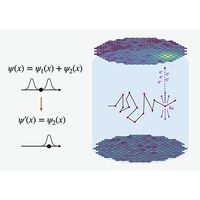
Phys. Rev. Lett. 136, 120201 (2026)
Quantum Information, Science, and Technology
Representability for Quantum Theory beyond Particle-Number Conservation
Article | Quantum Information, Science, and Technology | 2026-03-23 06:00 EDT
David A. Mazziotti
Representability determines when a two-particle reduced density matrix (2-RDM) corresponds to a physical quantum state, enabling many-particle quantum calculations with 2-RDMs rather than the wave function. In this Letter, we present a solution of the representability problem for quantum systems wit…
Phys. Rev. Lett. 136, 120202 (2026)
Quantum Information, Science, and Technology
Engineering Long-Range and Multibody Interactions via Global Kinetic Constraints
Article | Quantum Information, Science, and Technology | 2026-03-23 06:00 EDT
Runmin Wu, Bing Yang, Pieter W. Claeys, and Hongzheng Zhao
Long-range and multibody interactions are crucial for quantum simulation and quantum computation. Yet, their practical realization using elementary pairwise interactions remains an outstanding challenge. We propose an experimental scheme based on the Bose-Hubbard system with a periodic driving of th…
Phys. Rev. Lett. 136, 120401 (2026)
Quantum Information, Science, and Technology
Time-Dependent Neural Galerkin Method for Quantum Dynamics
Article | Quantum Information, Science, and Technology | 2026-03-23 06:00 EDT
Alessandro Sinibaldi, Douglas Hendry, Filippo Vicentini, and Giuseppe Carleo
We introduce a classical computational method for quantum dynamics that relies on a global-in-time variational principle. Unlike conventional time-stepping approaches, our scheme computes the entire state trajectory over a finite time window by minimizing a loss function that enforces Schrödinger's …
Phys. Rev. Lett. 136, 120402 (2026)
Quantum Information, Science, and Technology
Entanglement Superactivation in Multiphoton Distillation Networks
Article | Quantum Information, Science, and Technology | 2026-03-23 06:00 EDT
Rui Zhang, Yue-Yang Fei, Zhenhuan Liu, Xingjian Zhang, Xu-Fei Yin, Yingqiu Mao, Li Li, Nai-Le Liu, Otfried Gühne, Xiongfeng Ma, Yu-Ao Chen, and Jian-Wei Pan
Recycling biseparable states unlocks entanglement resources to show multipartite superactivation in quantum networks.
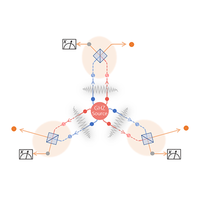
Phys. Rev. Lett. 136, 120801 (2026)
Quantum Information, Science, and Technology
Holographic Black Hole Formation and Scrambling in Time-Ordered Correlators
Article | Particles and Fields | 2026-03-23 06:00 EDT
Pratyusha Chowdhury, Felix M. Haehl, Adrián Sánchez-Garrido, and Ying Zhao
We describe a holographic mechanism for black hole formation via the collision of two shock waves in three-dimensional anti-de Sitter spacetime. In the dual conformal field theory, a two-shock-wave state corresponds to the insertion of two boosted "precursor" operators in complementary Rindler patch…
Phys. Rev. Lett. 136, 121601 (2026)
Particles and Fields
Precision Spectroscopy of 2S-nS Transitions in Atomic Hydrogen: A Determination of the Proton Charge Radius
Article | Atomic, Molecular, and Optical Physics | 2026-03-23 06:00 EDT
R. G. Bullis, W. L. Tavis, M. R. Weiss, J. Orellana Cisneros, A. J. Cheeseman, U. D. Jentschura, and D. C. Yost
Spectroscopy of atomic hydrogen produces a new high-precision value for the Rydberg constant and the proton charge radius.
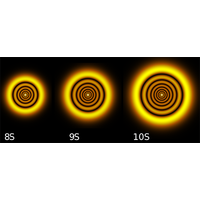
Phys. Rev. Lett. 136, 123001 (2026)
Atomic, Molecular, and Optical Physics
Chirality-Induced Spin Currents in a Fermi Gas
Article | Atomic, Molecular, and Optical Physics | 2026-03-23 06:00 EDT
Camen A. Royse and J. E. Thomas
We observe and model spin currents arising from chirality and effective spin-exchange interactions in a weakly interacting Fermi gas. Chirality is introduced by a static displacement between the center of the trapped atoms and the center of an applied magnetic bowl, which produces left- or right…
Phys. Rev. Lett. 136, 123401 (2026)
Atomic, Molecular, and Optical Physics
Loss-Tolerant Detection of Squeezed States in the $2\text{ }\text{ }\mathrm{μ}\mathrm{m}$ Region
Article | Atomic, Molecular, and Optical Physics | 2026-03-23 06:00 EDT
K. M. Kwan, T. G. McRae, J. Qin, D. W. Gould, S. S. Y. Chua, J. Junker, R. Iden, V. B. Adya, M. J. Yap, B. J. J. Slagmolen, D. E. McClelland, and R. L. Ward
Loss-tolerant detection of squeezed light at 2 µm is accomplished by preamplifying the squeezed quadrature before the detection, mitigating the low detection rate, and increasing observed squeezing from 4 dB to 8 dB.

Phys. Rev. Lett. 136, 123601 (2026)
Atomic, Molecular, and Optical Physics
Turbulence-Driven Edge-Localized-Mode-Free High-Confinement Mode with Divertor Detachment in a Metal-Wall Tokamak
Article | Plasma and Solar Physics, Accelerators and Beams | 2026-03-23 06:00 EDT
G. S. Xu et al.
We report the first demonstration of a minute-scale, edge-localized-mode-free high-confinement plasma regime compatible with divertor partial detachment and enhanced pedestal performance in a metal-wall tokamak, the Experimental Advanced Superconducting Tokamak. This regime is enabled by a newly ide…
Phys. Rev. Lett. 136, 125101 (2026)
Plasma and Solar Physics, Accelerators and Beams
Impact of Resonant Magnetic Perturbations on the Toroidal Location of the Runaway Electron Final Loss Strike Point
Article | Plasma and Solar Physics, Accelerators and Beams | 2026-03-23 06:00 EDT
C. Marini, E. M. Hollmann, X. Bai, S. W. Tang, J. L. Herfindal, D. Shiraki, C. J. Lasnier, T. Cote, N. Eidietis, and N. Leuthold
It is demonstrated that the peak toroidal impact phase of the post-disruption runaway electrons (REs) can be varied shot to shot by means of applied static nonaxisymmetric (3D) magnetic fields, or resonant magnetic perturbations (RMPs). In the experiments, high-current (500 kA), purged RE plateaus (…
Phys. Rev. Lett. 136, 125102 (2026)
Plasma and Solar Physics, Accelerators and Beams
Physical Review X
Slow Quasiparticle Dynamics and Anyonic Statistics in a Fractional Quantum Hall Fabry-Pérot Interferometer
Article | 2026-03-23 06:00 EDT
Noah L. Samuelson, Liam A. Cohen, Will Wang, Simon Blanch, Takashi Taniguchi, Kenji Watanabe, Michael P. Zaletel, and Andrea F. Young
Anyons, collective excitations of fractional quantum Hall systems, are shown to exhibit unprecedented stability in graphene heterostructures, enabling their practical manipulation for use in fault-tolerant quantum computing.
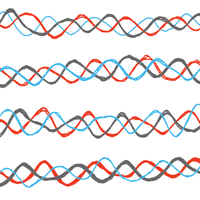
Phys. Rev. X 16, 011062 (2026)
Review of Modern Physics
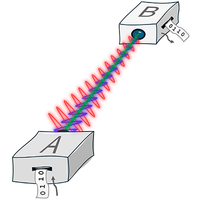
Continuous-variable quantum communication
Article | Quantum information | 2026-03-23 06:00 EDT
Vladyslav C. Usenko, Antonio Acín, Romain Alléaume, Ulrik L. Andersen, Eleni Diamanti, Tobias Gehring, Adnan A. E. Hajomer, Florian Kanitschar, Christoph Pacher, Stefano Pirandola, and Valerio Pruneri
The quantum nature of radiation is not solely corpuscular. In the "continuous-variable" setting, the wavelike quantum properties can be observed. Quantum technologies put this continuous-variable nature of light to use, with applications in various forms of quantum information processing. This review concentrates on the developments of these wave-based techniques in quantum communication. Compared with photon-based (corpuscular) variants, the continuous-variable approach is equally well developed and has certain conceptual and practical advantages.
Rev. Mod. Phys. 98, 015003 (2026)
Quantum information
arXiv
Probabilistic calibration of crystal plasticity material models with synthetic global and local data
New Submission | Materials Science (cond-mat.mtrl-sci) | 2026-03-24 20:00 EDT
Joshua D. Pribe, Patrick E. Leser, Saikumar R. Yeratapally, George Weber
Crystal plasticity models connect macroscopic deformation with the physics of microscale slip in polycrystalline materials. These models can be calibrated using global stress-strain curves, but the resulting parametrization is often not unique: multiple parametrizations can predict the same global behavior but different local, grain-scale behavior. Using local data for calibration can mitigate uniqueness issues, but expensive specialized experiments like high-energy X-ray diffraction (HEDM) are typically required to gather the data. The computational expense of full-field simulations also often prevents uncertainty quantification with sampling-based calibration algorithms like Markov chain Monte Carlo. This study presents a two-stage calibration procedure that combines global and local data and balances the efficiency of a surrogate model with the accuracy of full-field crystal plasticity simulations. The procedure quantifies uncertainty using Bayesian inference with an efficient, parallelized sequential Monte Carlo algorithm. Calibrations are completed using synthetic data with a microstructure representative of Inconel 718 to assess uncertainty and accuracy of the parameters relative to a known ground truth. Global data comes from the uniaxial stress-strain curve, while local data comes from grain-average stresses, reflecting typical outputs of HEDM experiments. Additional calibrations with limited and noisy local data demonstrate robustness of the procedure and identify the most important features of the data. Overall, the results demonstrate the computational efficiency of the two-stage procedure and the value of local data for reducing parameter uncertainty. In addition, joint distributions of the calibrated parameters highlight key considerations in choosing constitutive models and calibration data, including challenges resulting from correlated parameters.
Materials Science (cond-mat.mtrl-sci), Applications (stat.AP)
Competing skin effect and quasiperiodic localization in the non-Hermitian Su-Schrieffer-Heeger chain: Reentrant delocalization, spectral topology destruction, and entanglement suppression
New Submission | Mesoscale and Nanoscale Physics (cond-mat.mes-hall) | 2026-03-24 20:00 EDT
We investigate the interplay between the non-Hermitian skin effect and Aubry-André-Harper (AAH) quasiperiodic disorder in a one-dimensional Su-Schrieffer-Heeger (SSH) chain with nonreciprocal hopping. By exact diagonalization, transfer-matrix analysis, and an analytical similarity-transformation argument, we map the full ( , $ \delta$ ) phase diagram, where A is the AAH modulation strength and the nonreciprocity parameter. We identify five distinct regimes: ( ) topological with extended bulk, (II) AAH-localized, (III) skin-localized, (IV) fully localized, and a previously unreported (V) competition regime exhibiting reentrant partial delocalization, in which intermediate quasiperiodic disorder disrupts the directional skin accumulation before ultimately Anderson-localizing all states. Using phase-averaged diagnostics and finite-size scaling, we confirm that the reentrant regime is robust, characterized by a non-monotonic inverse participation ratio that sharpens with increasing system size. We derive an analytical expression for the modified localization boundary $ \lambda_{c}(\delta)=2\sqrt{v_{eff}w}$ with $ v_{vff}=\sqrt{v^{2}-\delta^{2}}$ , which agrees with numerical Lyapunov exponent calculations. We further show that quasiperiodic disorder progressively unwinds the complex spectral loops, destroying the point-gap topology at a critical strength distinct from the band-topological transition ; that the skin effect suppresses entanglement entropy to near-zero values while sufficiently strong AAH disorder partially restores it ; and that the SSH sublattice structure absent in the widely studied non-Hermitian AAH chain is essential for producing the five-phase landscape, as demonstrated by direct comparison with the non-dimerized limit.
Mesoscale and Nanoscale Physics (cond-mat.mes-hall), Materials Science (cond-mat.mtrl-sci), Statistical Mechanics (cond-mat.stat-mech), Quantum Physics (quant-ph)
8 pages, 11 figures
Evolution of superconductivity from charge clusters to stripes in the $t$-$t’$-$J$ model
New Submission | Strongly Correlated Electrons (cond-mat.str-el) | 2026-03-24 20:00 EDT
Aritra Sinha, Hannes Karlsson, Martin Ulaga, Alexander Wietek
Competition and coexistence of charge orders and superconductivity are hallmarks in many strongly correlated electron systems. Here, we unravel the precise role of charge fluctuations on the superconducting state in the $ t$ -$ t’$ -$ J$ model of the high-temperature cuprate superconductors. Using finite-temperature tensor network simulations, we investigate thermal snapshots in the underdoped regime where the ground state features a superconducting stripe phase. At intermediate temperatures, where stripes have melted and hole clustering is observed, we find that pairing correlations are tightly localized on the hole clusters. Upon entering the stripe regime at lower temperatures, pairing increasingly delocalizes across different hole clusters to ultimately become coherent across the full system in the ground state. This pair-charge locking gives rise to an intuitive picture of the parent state of the superconducting stripe phase: pairing is localized on hole clusters formed via hole attraction due to the onset of magnetic correlations at intermediate temperature. We discuss how this microscopic picture is consistent with a broad range of experimental observations in cuprate superconductors, including scanning tunneling microscopy (STM) evidence for local pairing above $ T_c$ and nuclear magnetic resonance (NMR) signatures of charge clustering in the underdoped regime.
Strongly Correlated Electrons (cond-mat.str-el), Superconductivity (cond-mat.supr-con)
8 pages, 6 figures, plus appendix
Collective Spin Excitations in Correlated Moiré Chern Ferromagnets
New Submission | Strongly Correlated Electrons (cond-mat.str-el) | 2026-03-24 20:00 EDT
Moiré-induced narrow electronic bands in transition metal dichalcogenide superlattices support many correlated quantum phases characterized by novel charge, flavor, and topological orders. Among these, magnetic ordering emerges as the most ubiquitous, often serving as the parent state for other correlated phases, including quantum anomalous Hall states, as well as chiral superconducting state. Because of electron-electron correlation, the stability of magnetic order is critically influenced by low-energy collective spin fluctuations, or magnon excitations. We investigate the nature of magnon excitations and their impact on the stability and transition temperature of the magnetic state at integer filling factor $ \nu = -1$ . We find that the magnon spectrum exhibits isolated low-energy bands whose topological character undergoes a transition upon tuning the interlayer displacement field. The magnon gap is found to depend sensitively on the topology of the magnetic ground state, resulting in an order-of-magnitude enhancement of the transition temperature $ T_c$ in the quantum anomalous Hall phase compared to the topologically trivial correlated insulator. Our findings provide insight into the interplay between electron and magnon topology and suggest new routes for controlling magnetism and topology via moiré engineering.
Strongly Correlated Electrons (cond-mat.str-el)
A chemical language model for reticular materials design
New Submission | Materials Science (cond-mat.mtrl-sci) | 2026-03-24 20:00 EDT
Dhruv Menon, Vivek Singh, Xu Chen, Mohammad Reza Alizadeh Kiapi, Ivan Zyuzin, Hamish W. Macleod, Nakul Rampal, William Shepard, Omar M. Yaghi, David Fairen-Jimenez
Reticular chemistry has enabled the synthesis of tens of thousands of metal-organic frameworks (MOFs), yet the discovery of new materials still relies largely on intuition-driven linker design and iterative experimentation. As a result, researchers explore only a small fraction of the vast chemical space accessible to reticular materials, limiting the systematic discovery of frameworks with targeted properties. Here, we introduce Nexerra-R1, a building-block chemical language model that enables inverse design in reticular chemistry through the targeted generation of organic linkers. Rather than generating complete frameworks directly, Nexerra-R1 operates at the level of molecular building blocks, preserving the modular logic that underpins reticular synthesis. The model supports both unconstrained generation of low-connectivity linkers and scaffold-constrained design of symmetric multidentate motifs compatible with predefined nodes and topologies. We further combine linker generation with flow-guided distributional targeting to steer the generative process toward application-relevant objectives while maintaining chemical validity and assembly feasibility. The generated linkers are subsequently assembled into three-dimensional frameworks and are structurally optimized to produce candidate materials compatible with experimental synthesis. Using Nexerra-R1, we validate this strategy by rediscovering known MOFs and by proposing the experimental synthesis of a previously unreported framework, CU-525, generated entirely in silico. Together, these results establish a general inverse-design paradigm for reticular materials in which controllable chemical language modelling enables the direct translation from computational design to synthesizable frameworks.
Materials Science (cond-mat.mtrl-sci), Machine Learning (cs.LG), Chemical Physics (physics.chem-ph)
45 pages, 26 figures, Supplementary Information included; code available at: this https URL
Non-Hermitian Disordered Systems
New Submission | Mesoscale and Nanoscale Physics (cond-mat.mes-hall) | 2026-03-24 20:00 EDT
Non-Hermitian disordered systems have emerged as a central arena in modern physics, with ramifications spanning condensed matter, quantum, statistical, and high energy contexts. The same principles also underlie phenomena beyond physics, such as network science, complex systems, and biophysics, where dissipation, nonreciprocity, and stochasticity are ubiquitous. Here, we review the physics and mathematics of non-Hermitian disordered systems, with particular emphasis on non-Hermitian random matrix theory. We begin by presenting the 38-fold symmetry classification of non-Hermitian systems, contrasting it with the 10-fold way for Hermitian systems. After introducing the classic Ginibre ensembles of non-Hermitian random matrices, we survey various diagnostics for complex-spectral statistics and distinct universality classes realized by symmetry. As a key application to physics, we discuss how non-Hermitian random matrix theory characterizes chaos and integrability in open quantum systems. We then turn to the criticality due to the interplay of disorder and non-Hermiticity, including Anderson transitions in the Hatano-Nelson model and its higher-dimensional extensions. We also discuss the effective field theory description of non-Hermitian disordered systems in terms of nonlinear sigma models.
Mesoscale and Nanoscale Physics (cond-mat.mes-hall), Disordered Systems and Neural Networks (cond-mat.dis-nn), Mathematical Physics (math-ph), Optics (physics.optics), Quantum Physics (quant-ph)
24 pages, 5 figures, 7 tables
From the Stochastic Embedding Sufficiency Theorem to a Superspace Diffusion Framework
New Submission | Statistical Mechanics (cond-mat.stat-mech) | 2026-03-24 20:00 EDT
Carolina Garcia, Lucía Perea Durán, Agnese Venezia, Alex Conradie
The forward derivation of stochastic differential equations in individual physical domains has proceeded independently for over a century without generalising across disciplines. A generalisation of Takens’ embedding theorem to stochastic systems, the Stochastic Embedding Sufficiency Theorem, closes this gap as an inverse methodology enabling non-parametric recovery of drift and diffusion fields from scalar time series without prior assumptions about the governing physics.
A blind recovery protocol, receiving only raw time series and sampling interval, is applied to nine domains: classical mechanics, statistical mechanics, nuclear physics, quantum mechanics, chemical kinetics, electromagnetism, relativistic quantum mechanics, quantum harmonic oscillator dynamics, and quantum electrodynamics. The pipeline recovers the governing equations of each domain with errors from 0.026% to ~1%, with no null hypothesis rejected at the 5% level. Physical constants emerge in both channels without prior specification.
The recovered diffusion coefficients constitute an empirical pattern, the {\sigma}-continuum, in which the Planck constant, Boltzmann constant, and speed of light play structurally distinct roles. Three independent uniqueness arguments determine the gravitational diffusion coefficient as one Planck length per square root of Planck time, non-parametrically derived from first principles.
Four canonical axioms formalise the framework. Physical time emerges as a monotone functional of the stochastic evolution. Within these axioms and the short-memory limit, the drift, covariance operator, and fluctuation amplitude are all fixed. The resulting superspace diffusion hypothesis generates non-parametric, first-principles, falsifiable predictions against galactic kinematic data as developed in a companion paper (Part II).
Statistical Mechanics (cond-mat.stat-mech), Mathematical Physics (math-ph), Data Analysis, Statistics and Probability (physics.data-an)
Order in the interference of a long chain of Bose condensates with unrestricted phases
New Submission | Quantum Gases (cond-mat.quant-gas) | 2026-03-24 20:00 EDT
Vasiliy Makhalov, Andrey Turlapov
For a long periodic chain of Bose condensates prepared in the free space, the subsequent evolution and interference dramatically depend on the difference between the phases of the adjacent and more distant condensates. If the phases are equal, the initial periodic density distribution reappears at later times, which is known as the Talbot effect. For randomly-related phases, we have found that a spatial order also appears in the interference, while the evolution of the fringes differs with the Talbot effect qualitatively. Even a small phase disorder is sufficient for qualitatively altering the interference, though maybe at long evolution times. This effect may be used for measuring the amount of coherence between adjacent condensates and the correlation length along the chain.
Quantum Gases (cond-mat.quant-gas), Atomic Physics (physics.atom-ph), Optics (physics.optics), Quantum Physics (quant-ph)
Phys. Rev. Lett. 122, 090403 (2019)
Interference of a chain of Bose condensates in the Pitaevskii-Gross approximation
New Submission | Quantum Gases (cond-mat.quant-gas) | 2026-03-24 20:00 EDT
A long chain of Bose condensates freely expands and interferes after being released from an optical lattice. The interference fringes are well resolved both in the case of equal phases of the condensates and in the case of fluctuating phases. In the second case the positions of the fringes also fluctuate. The spectrum of the spatial density distribution, however, is reproducible despite the fluctuations. Moreover two types of peaks are distinguishable in the spectrum. The first type arises due to the phase fluctuations, the second type is associated with the coherence between the condensates. In the framework of the Pitaevskii-Gross equation we calculate the interference of the condensates and compare the calculation with experiment [Phys. Rev. Lett. 122, 090403 (2019)]. The calculation reproduces the positions of the spectrum peaks, including the dependence on the interparticle interaction. The calculated heights of the peaks, however, in some cases differ with the experimental ones.
Quantum Gases (cond-mat.quant-gas), Atomic Physics (physics.atom-ph), Quantum Physics (quant-ph)
Zh. Eksp. Teor. Fiz. 166, 30 (2024)
Semi-classical evaporative cooling: classical and quantum distributions
New Submission | Quantum Gases (cond-mat.quant-gas) | 2026-03-24 20:00 EDT
A. A. Arvizu-Velazquez, A. A. del Río-Lima, S. Dondé-Rodríguez, F. J. Poveda-Cuevas
A unified semiclassical framework is presented to describe the evaporative cooling of trapped atomic gases, accounting for both classical and quantum statistics. By combining global thermodynamics with phase-space distributions, general analytic expressions for the particle number and internal energy are derived for a broad family of confining potentials. Building on these results, a recursive evaporation protocol is formulated based on truncated energy distributions, enabling stepwise mapping between successive thermodynamic states and revealing the system’s degree of freedom governance over cooling efficiency. Numerical simulations of the systems highlight the contrasting behavior of classical and quantum systems as they approach degeneracy, with particularly distinctive signatures in quadrupole traps, due to their nonstandard phase-space scaling. The results provide a versatile theoretical tool for modeling evaporative cooling across experimentally relevant geometries and offer quantitative guidance for optimizing cooling trajectories in ultracold atomic systems.
Quantum Gases (cond-mat.quant-gas), Statistical Mechanics (cond-mat.stat-mech)
19 pages, 2 figures
Spin-reorientation as a switch for electronic topology in van der Waals ferromagnets
New Submission | Strongly Correlated Electrons (cond-mat.str-el) | 2026-03-24 20:00 EDT
Satyabrata Bera, Sudipta Chatterjee, Suman Kalyan Pradhan, Subhadip Pradhan, Arnab Bera, Sk Kalimuddin, Ashis K. Nandy, Mintu Mondal
The interplay between spin reorientation and topological electronic structure in two-dimensional (2D) van der Waals (vdW) ferromagnets is central to understanding how magnetic anisotropy shapes charge transport. Although spin-reorientation transitions (SRTs) are common in 2D metallic ferromagnets, their impact on electronic-topology-driven thermodynamic and transport properties remains largely unexplored. Here we investigate this issue in Fe$ 4$ GeTe$ 2$ (F4GT), a room-temperature quasi-2D vdW ferromagnet, using temperature-dependent magnetization, specific heat, magnetotransport, and thermoelectric measurements. Magnetization and specific heat establish a reorientation of the magnetic easy axis near $ T{\mathrm{SRT}} \sim 100$ ~K, in addition to ferromagnetic ordering at $ T_C \sim 270$ ~K. Across the SRT, the Seebeck coefficient and anisotropic magnetoresistance show clear anomalies, indicating Fermi-surface reconstruction. The magnetoresistance exhibits a two-step field dependence: a low-field enhancement near the SRT associated with scattering from canted spins and evolving domains, followed by a higher-field negative response as spin fluctuations are suppressed. The simultaneous sign change of the ordinary Hall coefficient $ R_0$ and the sharp anomaly in the anomalous Hall resistivity $ \rho^{A}{yx}$ further point to a temperature-driven modification of the underlying band topology. Analysis of the anomalous Hall conductivity $ \sigma^{A}{xy}$ and the scaling of $ \rho^{A}{yx}$ shows that the Berry-curvature-driven anomalous Hall response below $ T_{\mathrm{SRT}}$ is strongly modified above the transition. Our results identify spin reorientation as an internal control parameter for switching between distinct topological transport regimes in a 2D vdW ferromagnet, providing a symmetry-controlled route to engineer spin-polarized electronic states and domain-texture-driven functionalities.
Strongly Correlated Electrons (cond-mat.str-el)
Gate-tunable synthetic antiferromagnetism with nonrelativistic spin splitting in a graphene/MnS/graphene heterostructure
New Submission | Mesoscale and Nanoscale Physics (cond-mat.mes-hall) | 2026-03-24 20:00 EDT
Marko Milivojević, Martin Gmitra
We propose encapsulating type-A antiferromagnetic semiconductors between graphene layers to realize a gate-tunable synthetic antiferromagnet with nonrelativistic spin splitting, enabling efficient spintronic transport via graphene. Ab initio calculations and tight-binding models of graphene/MnS/graphene heterostructure reveal that gate-tuning of the heterostructure breaks top/bottom graphene equivalence, inducing opposite ferromagnetic proximity exchange that lifts spin degeneracy to yield nonrelativistic spin splitting at the Fermi level, dominating over relativistic effects. The induced effects manifest as conductance dips in spin-resolved transport through proximitized graphene nanoribbons, observable as giant magnetoresistance within a narrow energy window around the Fermi level. Our graphene/type-A antiferromagnetic heterostructure, a readily synthesizable platform incorporating antiferromagnets with nonrelativistic spin splitting, pave the way for gate-manipulated, low-dimensional antiferromagnetic devices.
Mesoscale and Nanoscale Physics (cond-mat.mes-hall), Materials Science (cond-mat.mtrl-sci)
6 pages, 3 figures
Structural Phase Separation Couples to Charge-Density-Wave Formation in Kagome Metal FeGe
New Submission | Materials Science (cond-mat.mtrl-sci) | 2026-03-24 20:00 EDT
Boyang Zhao, Youngjun Ahn, Qinwen Deng, Yidai Liu, Sijie Xu, Donald A. Walko, Stephan O. Hruszkewycz, Pengcheng Dai, Liang Wu, Haidan Wen
The intertwining of charge, spin, and lattice degrees of freedom underlies the emergent properties of correlated materials. A recent prominent example is the kagome metal FeGe, which hosts coexisting charge density wave (CDW) and antiferromagnetic orders, accompanied by a lattice distortion associated with partial Ge-Ge dimerization. Using temperature-dependent high-resolution X-ray diffraction measurements, we observed a robust splitting of the lattice reflection into two coexisting peaks with distinct lattice constants at the CDW transition temperature TCDW, providing direct evidence for a first-order structural phase transition that is absent in samples with suppressed CDW order. Furthermore, the long-range CDW order was found to be only commensurate with lattice structures with the compressed out-of-plane lattice constant. The Landau free energy analysis shows that strong lattice-charge coupling is a key factor in stabilizing long-range CDW order. Our work clarifies the critical role of structural transformation in the CDW formation and opens opportunities for strain control of electronic phases in FeGe.
Materials Science (cond-mat.mtrl-sci)
A cellular automaton model for thermal transport in low-dimensional systems
New Submission | Mesoscale and Nanoscale Physics (cond-mat.mes-hall) | 2026-03-24 20:00 EDT
In this work, we formulate a theoretical model based on a cellular automaton (CA) to study thermal transport in low-dimensional nanostructures across ballistic, diffusive, and transition regimes. Unlike computationally intensive methods such as the Boltzmann Transport Equation (BTE), our model stands out for its geometrical robustness, allowing the seamless integration of substitutional impurities, vacancies, and irregular edges. We validated the model using graphene nanoribbons (AGNRs), successfully replicating the dependence of thermal conductivity on ribbon width and temperature. Results demonstrate that the model captures critical scattering and confinement effects with a linear scalability O(N). Given the increasing pressure to optimize computational resources and reduce the carbon footprint associated with AI infrastructure, this CA model emerges as a highly efficient tool for the parametric exploration and design of next-generation thermal devices.
Mesoscale and Nanoscale Physics (cond-mat.mes-hall)
Quantum Chaos in Many-Body Systems Without a Classical Analogue
New Submission | Statistical Mechanics (cond-mat.stat-mech) | 2026-03-24 20:00 EDT
In classical systems, chaos is clearly defined via the behavior of trajectories. In quantum systems with a classical analogue one finds that the transition from regular to chaotic dynamics is signified by a change in the spectral statistics. This has been found to remain true for quantum systems with no classical analogue, including many-body systems. Furthermore, quantum chaotic systems explore all the allowed configurations in the Hilbert space, i.e. they are ergodic, while integrable systems, and systems in the many-body localized phase, are restricted to a certain subspace of the available phase space, and hence strongly break ergodicity. In this dissertation, we study the intermediate behavior between ergodicity and localization, i.e. the weak breaking of ergodicity. The model examined is the PXP spin chain model, where spins are allowed to flip only under certain kinetic constraints. We start by reproducing some already established results. First, we explore the eigenstate thermalization hypothesis (ETH) for this model and demonstrate the existence of a small number of states, throughout the PXP spectrum, that violate the ETH. Then we study the level-spacing statistics of the model, a well-known quantum chaos diagnostic, which turns out to be close to semi-Poisson and approach Wigner–Dyson statistics for large system sizes. Moreover, we examine various aspects of the model that have not been studied before. For example, the eigenvector component statistics, another quantum chaos diagnostic, for the PXP model turn out to be non-Gaussian. Finally, we perform a quench, in order to study how the energy spreads throughout the system, and observe ballistic fronts.
Statistical Mechanics (cond-mat.stat-mech), Chaotic Dynamics (nlin.CD), Quantum Physics (quant-ph)
Master thesis
Magnetic and electric properties of the metallic kagome antiferromagnet CrRhAs
New Submission | Strongly Correlated Electrons (cond-mat.str-el) | 2026-03-24 20:00 EDT
Franziska Breitner, Bin Shen, Anton Jesche, Alexander A. Tsirlin, Philipp Gegenwart
CrRhAs is an antiferromagnetic kagome metal predicted to host a nontrivial spin texture with vector spin chirality [Huang \textit{et al.}, \textit{npj Quantum Mater.} \textbf{8}, 32 (2023)]. We report the synthesis and basic characterization of CrRhAs single crystals, which exhibit an antiferromagnetic transition with $ T_{\rm N}$ = 150~K, evidenced by electrical transport, heat capacity, and magnetization measurements. Hall resistivity varies linearly with magnetic field, i.e., there is no nonlinear Hall contribution. Intriguingly, the Hall coefficient changes sign between the configurations of $ j \parallel ab, H \perp ab$ and $ j \parallel c, H \perp c$ , which is likely connected to a peculiar topology of the Fermi surface. Furthermore, for $ j \parallel ab$ , the Hall coefficient shows a pronounced and continuous enhancement below $ T_{\rm N}$ , signaling a significant reconstruction of the Fermi surface or an extra scattering from the magnons. Our results offer guidance for exploring anomalous electric transport phenomena in exotic magnetic systems.
Strongly Correlated Electrons (cond-mat.str-el), Materials Science (cond-mat.mtrl-sci)
8 pages, 8 figures
Unifying Variational and Dynamical Quantum Embedding: From Ghost Gutzwiller Approximation to Dynamical Mean-Field Theory
New Submission | Strongly Correlated Electrons (cond-mat.str-el) | 2026-03-24 20:00 EDT
Samuele Giuli, Tsung-Han Lee, Yong-Xin Yao, Gabriel Kotliar, Andrei E. Ruckenstein, Olivier Gingras, Nicola Lanatà
Dynamical and variational frameworks have long been viewed as distinct paradigms. In particular, in quantum embedding (QE) frameworks, dynamical mean-field theory (DMFT) captures nonperturbative dynamical correlations through a frequency-dependent self-energy, while the Gutzwiller approximation (GA) is formulated in terms of a variationally optimized ground-state wavefunction. Here we bridge these perspectives, proving that the ghost-Gutzwiller approximation (ghost-GA), which also admits a density-matrix-matching QE formulation known as ghost density matrix embedding theory (ghost-DMET), becomes strictly equivalent to DMFT in the limit of infinitely many auxiliary bath modes. This formal unification has immediate consequences. In particular, it yields a rigorous finite-temperature extension of ghost-GA and shows that the physical Green’s function can be determined from static expectation values of the embedding Hamiltonians, providing a route to computational studies of competing phases in strongly correlated matter with DMFT-level accuracy, while bypassing the need to calculate dynamical spectra with conventional impurity solvers. More broadly, it shows that the variational ghost-GA, the density-matrix-matching ghost-DMET formulation, and the dynamical DMFT description are not separate constructions, but complementary formulations of the same QE structure, thereby providing a concrete formal basis for future controlled extensions beyond DMFT.
Strongly Correlated Electrons (cond-mat.str-el)
35 pages, 8 figures
Composition dependence of the critical Rayleigh number curve for macrosegregation in multicomponent metal alloys
New Submission | Materials Science (cond-mat.mtrl-sci) | 2026-03-24 20:00 EDT
Owain S. Houghton, Adrian S. Sabau, Gregory B. Olson
Convective instabilities in the semi-solid mushy zone can trigger channel formation that leads to defects known as freckles, channel segregates and A-type segregates. In the present work, Flemings’ model is extended to determine conditions for the onset of local remelting in an initially stagnant mushy zone. Expressions for the Rayleigh number $ Ra$ and its critical value $ Ra_{\rm crit}$ , above which channels may form due to local remelting, are derived. Using thermophysical data from CALPHAD, these expressions are evaluated using results from benchmark experimental and numerical studies for the nickel-based superalloy SX-1 and Pb-Sn alloys. The correlation of this $ Ra$ -based criterion with previously reported empirical criteria is also tested for various steel compositions. It is found that $ Ra_{\rm crit}$ varies with the local average solid fraction and several thermophysical properties. Since these properties can vary substantially within a relatively narrow composition range, it is suggested that $ Ra_{\rm crit}$ is a strongly composition dependent parameter.
Materials Science (cond-mat.mtrl-sci)
Intrinsic Topological Weyl Phase Transition Induced by a Magnetostructural Transformation in a Kagome Magnet
New Submission | Strongly Correlated Electrons (cond-mat.str-el) | 2026-03-24 20:00 EDT
Tsung-Han Yang, Satoshi Okamoto, D. Alan Tennant, Michael A. McGuire, Qiang Zhang
Topological phase transitions provide a unique window into the interplay between structure, magnetism, and Weyl physics in magnetic Weyl semimetals. However, realizing an intrinsic Weyl phase transition between two distinct Weyl states near room temperature remains challenging. Here, we demonstrate that a magnetostructural transition effectively induces such a transition in the kagome magnet Mn$ _3$ Ga. High-resolution neutron diffraction, magnetization characterizations and first-principles calculations reveal that Mn$ _3$ Ga undergoes a chiral antiferromagnetic transition below 485 K, followed by a magnetostructural transition to a monoclinic structure with highly canted antiferromagnetic order near room temperature. These cooperative changes in lattice and magnetic symmetries reorganize Weyl nodes, driving a transition from a primary type-II Weyl state to a distinct Weyl state, accompanied by dramatic variations in the anomalous Hall effect and appearance of topological Hall effect. Our findings open a new pathway for discovering novel topological Weyl states and potential spintronic applications.
Strongly Correlated Electrons (cond-mat.str-el)
38 pages, 8 figures, and one supplemental information
Substrate-Mediated Evaporation and Stochastic Evolution of Supported Au Nanoparticles
New Submission | Materials Science (cond-mat.mtrl-sci) | 2026-03-24 20:00 EDT
Dmitri N. Zakharov, Xiaohui Qu, Hong Wang, Yuewei Lin, Aaron Stein, James P. Horwath, Shinjae Yoo, Eric A. Stach, Alexei V. Tkachenko
We use in situ transmission electron microscopy with automated tracking to study supported gold nanoparticles (NPs) during high-temperature vacuum annealing. \rev{The average mass loss per NP is governed by a flat, nearly size-independent substrate-mediated evaporation profile.} On top of \rev{this mean shrinkage}, individual NPs show significant fluctuations in apparent growth or shrinkage, and NP volume follows a \rev{random-walk-like trajectory. To rationalize both the ensemble-mean behavior and the particle-resolved variability, we develop a self-consistent theory that couples substrate-mediated evaporation to collective 2D Ostwald-type mass exchange through a shared adatom field, described in terms of a renormalized screening length and background concentration. In the experimentally relevant regime, the theory predicts an approximately size-independent mean shrinkage rate and clarifies how net mass loss suppresses classical coarsening.} \rev{Superimposed on this deterministic drift, we quantify stochastic volume trajectories and capture their fluctuation spectrum with a minimal Langevin description consistent with intermittent adatom attachment and detachment events.} In addition, we characterize the lateral diffusive motion of NPs, which is responsible for their coalescence. Altogether, our results highlight that stochasticity is intrinsic at the nanoscale \rev{and that predicting the evolution of supported NPs at early and intermediate times requires a unified framework combining substrate-mediated evaporation, collective mass exchange, and stochastic fluctuations.
Materials Science (cond-mat.mtrl-sci), Soft Condensed Matter (cond-mat.soft), Statistical Mechanics (cond-mat.stat-mech)
13 pages, 8 fis + 5 pages SI
Emerging hierarchical dislocation structures: Insights from scanning electron microscopy-electron backscatter diffraction in situ tensile testing and multifractal analysis
New Submission | Materials Science (cond-mat.mtrl-sci) | 2026-03-24 20:00 EDT
Mikhail Lebyodkin, Maxim Gussev, Jamieson Brechtl, Tatiana Lebedkina
Understanding the evolution of dislocation structures during plastic deformation is critical for predicting the mechanical performance of metallic materials. In this work, we applied in situ scanning electron microscopy/electron backscatter diffraction tensile testing combined with multifractal (MF) analysis to assess deformation-induced dislocation structure evolution in solution-annealed 304L stainless steel, both in its as-received and neutron-irradiated states (5.4 displacements per atom). The analysis of kernel average misorientation patterns revealed the formation of hierarchical dislocation arrangements that exhibit clear MF scaling behavior. Despite pronounced visual differences between nonirradiated and irradiated specimens – most notably, the appearance of dislocation channels after irradiation – the singularity spectra suggest that both conditions give rise to similar underlying hierarchical structures. MF analysis provides a quantitative measure of the spatial complexity and self-organization of dislocation patterns, highlighting the accelerated emergence and evolution of the dislocation structures in irradiated polycrystalline materials, as well as the limitation of their spatial extent. The findings indicate that irradiation not only modifies microstructure but also alters correlation-driven dislocation organization. More generally, they demonstrate that MF analysis is a powerful tool for probing mesoscale deformation mechanisms.
Materials Science (cond-mat.mtrl-sci)
12 pages, 11 figures
Acta Materialia 309 (2026) 122138
Tracking the local order parameter through the Hubbard exciton decoherence time in the Mott-Hubbard insulator LaVO3
New Submission | Strongly Correlated Electrons (cond-mat.str-el) | 2026-03-24 20:00 EDT
Alessandra Milloch, Paolo Franceschini, Pablo Villar-Arribi, Sandeep Kumar Chaluvadi, Pasquale Orgiani, Giancarlo Panaccione, Giorgio Rossi, Yang Liu, Darrell G. Schlom, Kyle M. Shen, Massimo Capone, Claudio Giannetti
The prototypical Mott-Hubbard insulator LaVO3 undergoes a structural phase transition accompanied by the onset of spin and orbital ordering below 140 K. By combining ultrafast optical pump-probe spectroscopy and two-dimensional electronic spectroscopy, we investigate the interplay between fluctuations of the local spin and orbital order parameter and the lifetime of high-energy electron-hole excitations. Specifically, we demonstrate that the pump-induced perturbation of the order parameter leads to a change of the Hubbard exciton decoherence time and, consequently, of its homogeneous linewidth. Dynamical mean-field theory calculations confirm that the exciton scattering rate is crucially affected by the degree of order of the spin and orbital lattices in LaVO3. Our results demonstrate that multi-dimensional ultrafast optical spectroscopy can be used to track the dynamics of the order parameter, thus opening new routes in the study of correlated quantum materials characterized by intertwined orders.
Strongly Correlated Electrons (cond-mat.str-el)
Role of interstitial $s$ orbital in a model of infinite-layer nickelates
New Submission | Strongly Correlated Electrons (cond-mat.str-el) | 2026-03-24 20:00 EDT
Motivated by recent angle-resolved photoemission spectroscopy (ARPES) experiments on infinite-layer (IL) nickelates, we employ determinant quantum Monte Carlo (DQMC) to study the three-orbital Emery model ($ d$ -$ p$ model) coupled to an additional interstitial $ s$ orbital retaining the three-dimensional dispersion. Our large-scale simulations reveal that: (1) the interstitial $ s$ -orbital-derived electron pocket is significantly reduced by the strong interaction but persists upon 20% hole doping, reaching a size comparable to experimental observations; (2) the $ d_{x^2-y^2}$ -orbital dispersion is strongly renormalized by interactions, leading to a weak $ k_z$ dependence consistent with ARPES measurements. Furthermore, compared with the conventional three-orbital $ d$ -$ p$ model, the $ d$ -$ p$ -$ s$ model exhibits enhanced short-range antiferromagnetic correlations. These results highlight the crucial role of strong correlations and multi-orbital effects in shaping the low-energy electronic structure and many-body correlations in IL nickelates, and demonstrate the necessity of treating interaction-driven many-body physics within a realistic multi-orbital framework.
Strongly Correlated Electrons (cond-mat.str-el)
8 pages, 7 figures
Crystal Growth and anisotropic magneto-transport properties of semimetallic LaNiSb3
New Submission | Materials Science (cond-mat.mtrl-sci) | 2026-03-24 20:00 EDT
Haribrahma Singh, Aarti Gautam, Prabuddha Kant Mishra, Rie Y. Umetsu, Ashok Kumar Ganguli
Single crystals of LaNiSb$ _3$ were grown using the Sn flux method. Structural characterization confirms that LaNiSb$ _3$ crystallizes in the orthorhombic $ Pbcm$ space group with lattice parameters $ a = 13.0970(2),\mathrmÅ$ , $ b = 6.1400(4),\mathrmÅ$ , and $ c = 12.1270(4),\mathrmÅ$ . Electrical resistivity measurements demonstrate metallic behavior over the entire temperature range of 3–300K. The magnetoresistance exhibits a positive anisotropic response, attaining a maximum of $ \sim 8%$ for $ H \parallel b$ , with a pronounced crossover from quadratic to nearly linear field dependence. Angular-dependent MR measurements reveal a pronounced twofold symmetry upon magnetic field rotation within both the $ ab$ and $ ac$ crystallographic planes up to 50K, indicating anisotropic charge transport. Hall resistivity measurements show predominantly electron-type conduction at high temperatures, with an increasing hole contribution upon cooling. The multiband character is further corroborated by the violation of Kohler’s scaling and is well described within a semiclassical two-band framework. Collectively, these results suggest that LaNiSb$ _3$ exhibits anisotropic multiband electronic transport and is a compelling candidate for exploring structure–property correlations in topological semimetals.
Materials Science (cond-mat.mtrl-sci)
7 pages, 5 figures
Many-body electronic structure, self-doped double-exchange, and Hund metallicity in 1T-CrTe2 bulk and monolayer
New Submission | Strongly Correlated Electrons (cond-mat.str-el) | 2026-03-24 20:00 EDT
Dong Hyun David Lee, Hyeong Jun Lee, Taek Jung Kim, Min Yong Jeong, Myung Joon Han
The van der Waals (vdW) ferromagnet 1T-CrTe2 is an emerging spintronics platform, notable for its high Curie temperature (Tc) and intriguing transport properties. However, the fundamental interplay between the electron correlations and magnetism underlying its high Tc still remains elusive. Here, using density functional theory plus dynamical mean-field theory (DFT+DMFT), we identify 1T-CrTe2 as a self-doped double-exchange ferromagnet with pronounced Hund metallicity. This identification is grounded in the first detailed analysis of its many-body electronic structure, which reveals a dual electronic nature of Cr-d orbitals where itinerant eg electrons coexist with localized t2g moments. The interaction between these orbitals, mediated by Hund’s coupling, drives the double-exchange ferromagnetism, establishing 1T-CrTe2 as a Hund metal reminiscent of orbital-selective Mott systems. In the monolayer limit, while this physical picture persists, structural deformation, rather than reduced dimensionality, notably reduces this http URL findings offer a new perspective on the high-Tc ferromagnetism in 1T-CrTe2, a mechanism potentially pivotal for other correlated two-dimensional vdW metallic magnets.
Strongly Correlated Electrons (cond-mat.str-el), Materials Science (cond-mat.mtrl-sci)
npj 2D Materials and Applications volume 10, Article number: 33 (2026)
Optically Activated Superconductivity in MgB2 via Electroluminescent GaP Inhomogeneous Phase
New Submission | Superconductivity (cond-mat.supr-con) | 2026-03-24 20:00 EDT
Yao Qi, Duo Chen, Qingyu Hai, Xiaoyan Li, Xiaopeng Zhao
Experimental results demonstrate a viable strategy for tuning the superconducting properties of MgB2 through the incorporation of an electroluminescent inhomogeneous phase, revealing an interfacial light-phonon-electron synergistic mechanism that enhances superconductivity in conventional phonon-mediated systems. By introducing GaP electroluminescent inhomogeneous phases into MgB2 and activating their emission in situ through the application of a bias current during measurements, it is experimentally observed that the localized optical field and electromagnetic near field generated at the interface can effectively couple with the E2g phonon mode of the Mg-B layers, thereby significantly enhancing the electron-phonon interaction. As the emission intensity of the inhomogeneous phase increases, the interface light-field-driven mechanism markedly enhances the electron-phonon coupling constant lambda and leads to a gradual increase in the superconducting transition temperature Tc (with a maximum enhancement of approximately 1.4 K), enabling a tunable enhancement of the superconducting pairing channel in MgB2 without altering its primary chemical composition. In addition, the nanoscale dispersed distribution of the GaP inhomogeneous phase is expected to induce fine-scale defects that act as effective pinning centers and promote densification, resulting in an increase of the critical current density by approximately 69% at 20 K in the self-field and an enhancement of Hirr by about 31.5%. These results indicate that the electroluminescent inhomogeneous phase can synergistically enhance the superconducting performance of MgB2 through two mechanisms: “in situ near-field-enhanced pairing” and “structural pinning-assisted flux optimization”, thereby providing a new design strategy for constructing superconducting material systems that can be activated by internal optical fields.
Superconductivity (cond-mat.supr-con)
43 pages, 6 figures
Channel Foam Flow Around an Obstacle in a Two-Dimensional Bubble Model
New Submission | Soft Condensed Matter (cond-mat.soft) | 2026-03-24 20:00 EDT
Bahaa Mazloum, Alexandre Stepanetz, Benjamin Dollet, Misaki Ozawa
We numerically study confined channel foam flow around an obstacle using a two-dimensional bubble model, inspired by experiments performed in the same geometry. We systematically vary the polydispersity, the external driving force, and the packing fraction of the system. Our simulations capture a broad range of plastic flow phenomenologies, from highly directional, sliding-like motion characteristic of crystalline materials to more isotropic and localized rearrangements typical of amorphous systems. We identify a threshold value of polydispersity that marks the crossover between crystalline-like and amorphous-like plasticity. In addition, we observe the existence of a critical external force, associated with the phenomenon of yield drag, above which the system reaches steady flow and below which it remains arrested. We determine a critical packing fraction above which such yield-drag behavior emerges. Our results provide a comprehensive framework for understanding the interplay between disorder, driving, and the presence of an obstacle in foam flows.
Soft Condensed Matter (cond-mat.soft)
10 pages, 9 figures
Electric-field-induced X-ray Nonreciprocal Dichroism in Hematite
New Submission | Materials Science (cond-mat.mtrl-sci) | 2026-03-24 20:00 EDT
Takeshi Hayashida, Koei Matsumoto, Keito Arakawa, Yves Joly, Sergio Di Matteo, Kenji Tamasaku, Yoshikazu Tanaka, Tsuyoshi Kimura
Hematite (alpha-Fe2O3) is a prototypical room temperature antiferromagnet whose time-reversal-odd magnetic structure has recently attracted renewed attention. While such magnetic symmetry can be characterized in terms of higher-order multipoles beyond the magnetic dipole, their manifestation in measurable physical phenomena has remained largely elusive. In this work, we investigate x-ray absorption near the Fe K-edge of hematite under an applied electric field, which explicitly breaks space-inversion symmetry. We observe an electric-field-induced x-ray nonreciprocal linear dichroism (E-induced XNLD) that reflects the time-reversal-odd nature of the magnetic order. Numerical simulations based on ab-initio density functional theory reproduce the observed spectra, including their dependence on the antiferromagnetic domain and x-ray polarization. Furthermore, a symmetry-resolved multipole analysis reveals that this response originates from the magnetic quadrupole and the magnetic toroidal octupole induced by the applied electric field. These results demonstrate that electric-field-modulated x-ray absorption provides direct access to the antiferroic order of higher-order multipoles in time-reversal-odd antiferromagnets, thereby establishing a general framework to uncover hidden symmetry properties in magnetic materials.
Materials Science (cond-mat.mtrl-sci)
Temperature-dependent vibrational EELS simulations with nuclear quantum effects
New Submission | Materials Science (cond-mat.mtrl-sci) | 2026-03-24 20:00 EDT
The Time Autocorrelation of Auxiliary Wave (TACAW) method has established a framework for modeling angle-resolved electron energy loss spectroscopy (EELS) of phonons and magnons by deriving scattering intensities from the time autocorrelation of the beam wavefunction. This approach enables efficient computation of scattering intensities while naturally accounting for dynamical diffraction and multiple-scattering effects. In the cryogenic regime, vibrational spectra are dominated by nuclear quantum effects, notably zero-point motion. To capture these effects in low-temperature vibrational EELS, we incorporate thermostatted ring polymer molecular dynamics (TRPMD) into the TACAW formalism. Our results demonstrate that nuclear quantum effects lead to significant deviations from classical molecular dynamics predictions in the vibrational spectra of silicon at low temperatures and correctly predict the nearly temperature-independent optical phonon peak intensities in silicon, consistent with the first Born approximation. The TRPMD-TACAW method provides a robust theoretical tool for probing the low-temperature limit of vibrational EELS, offering a necessary benchmark for the quantitative analysis of emerging cryogenic scanning transmission electron microscopy experiments.
Materials Science (cond-mat.mtrl-sci)
11 pages, 5 figures
Regulation of propulsion in assemblies of thermophoretic nanomotors
New Submission | Soft Condensed Matter (cond-mat.soft) | 2026-03-24 20:00 EDT
Yoann De Figueiredo, Ulysse Delabre, Sébastien Cassagnère, Martin Romanus, Jean-Pierre Delville, Marie-Hélène Delville, Antoine Aubret
Active particles locally transduce energy into motion, leading to unusual and emergent behaviors. However, current synthetic particles lack sensing and adaptation mechanisms. Here, we demonstrate a novel regulation pathway, through the combined use of thermophoretic propulsion and nanometric building blocks. We build an active fluid composed of artificial nanomotors and study its three-dimensional (3D) dynamics. We use laser-induced photo-thermal effect to actuate nanoparticles, and probe their self-propulsion within assemblies. Despite significant thermal fluctuations at the nanoscale, our results reveal a strong dependence of the thermophoretic propulsion on the concentration of nanomotors, leading to ultrafast velocities of up to ~ 800 um/s. This unique behavior originates from a strong coupling of the local concentration of nanomotors and the temperature field, which feeds back on the thermophoretic mobility of the nanoparticles. We rationalize our results from independent modeling of all thermal effects, accounting for nonlinearities of thermophoretic self-propulsion. Our results open novel routes for the design and self-regulation of 3D active fluids by thermal processes.
Soft Condensed Matter (cond-mat.soft)
5 figures
Gap Engineered Superconducting Multilayer Nanobridge Josephson Junctions
New Submission | Superconductivity (cond-mat.supr-con) | 2026-03-24 20:00 EDT
Giuseppe Colletta, Susan Johny, Hua Feng, Mohammed Alkhalidi, Jonathan A. Collins, Martin Weides
We report the realization of multilayer three-dimensional nanobridge Josephson junctions based on Nb/NbN and Nb/TiN superconducting stacks fabricated using electron-beam lithography and chlorine-based dry etching. In this architecture, a high-resistivity nitride layer defines the geometrical weak link, while the top Nb layer sets the overall critical temperature and film quality of the stack. This multilayer design enables engineering of the superconducting gap and proximity effects without relying on focused ion beam milling or oxide tunnel barriers. The devices are successfully integrated into dc SQUIDs, demonstrating reliable circuit-level operation. By combining material selectivity with three-dimensional geometry, this platform provides a scalable route toward oxide-free Josephson junctions suitable for superconducting electronics.
Superconductivity (cond-mat.supr-con), Quantum Physics (quant-ph)
Emergence of Unique Steady Edge States in Trapped Ultracold Atom Systems
New Submission | Quantum Gases (cond-mat.quant-gas) | 2026-03-24 20:00 EDT
We show that, for a one - dimensional open quantum system of ultracold atoms trapped in an array of harmonic potentials that is weakly coupled to a background Bose - Einstein Condensate (BEC), a unique steady state emerges at either of the two edges of the array due to the combined effects of excitation via lasers of these ultracold atoms and decay back to their initial energy levels via emission of excitations into the BEC, acting as an excitation reservoir. We then solve, both numerically and analytically, for the steady states of the master equation that describes the dynamics of this open quantum system, and show that these steady states occur at the edges of the array of harmonic potentials trapping these atoms. Using the open quantum system’s master equation to evolve it numerically over time, we demonstrate that these steady states at the edge of the system will emerge regardless of the number of atoms trapped in each of the harmonic potentials in the array, establishing both their existence and uniqueness, and demonstrating that this driven trapped ultracold atom system coupled to a BEC is a topological material whose topological invariant is characterized by its master equation.
Quantum Gases (cond-mat.quant-gas), Quantum Physics (quant-ph)
56 pages, 31 total figures with figures 2, 3, 6 and 7 containing 4 subfigures each and figures 4 and 5 containing 6 subfigures each. Submitted to Annals of Physics for review
Multiscale Violation of Onsager Reciprocity: Thermomechanical Proof, Atomic Evidence, and Graphene Predictions
New Submission | Statistical Mechanics (cond-mat.stat-mech) | 2026-03-24 20:00 EDT
Onsager reciprocity $ L_{ij}=L_{ji}$ is a cornerstone of near-equilibrium thermodynamics derived from microscopic time-reversal symmetry. We develop a geometric framework in which entropy-weighted reparameterization of thermodynamic response functions leads to an effective asymmetry in cross-couplings without violating the microscopic Onsager theorem. Motivated by the parallel structure of heat capacities $ C_p$ and $ C_v$ , we introduce entropy-weighted response variables $ \lambda_p$ , $ \lambda_v$ , $ \lambda_s$ , and $ \lambda_t$ . Their ratios $ \Gamma_c=\lambda_p/\lambda_v=C_v/C_p$ and $ \Gamma_m=\lambda_s/\lambda_t=\kappa_T/\kappa_S$ form thermodynamic invariants whose product equals unity in equilibrium.
Within a differential-form representation of thermodynamic state space, equilibrium corresponds to exactness of the accessibility form $ \omega=\lambda_p,dp+\lambda_v,dv$ with $ d\omega=0$ , while non-equilibrium processes generate curvature $ \Omega=d\omega$ , producing an effective asymmetry in the transformed coupling matrix. A microscopic theorem shows that entropy-weighted statistical ensembles with time-reversal asymmetry $ \chi(\Gamma)=W(\Theta\Gamma)/W(\Gamma)\neq1$ generate an antisymmetric contribution to the Green–Kubo transport matrix.
Atomic-scale analysis using the Transforma model reveals cross-derivative asymmetries across the $ 3d$ transition series, peaking at configuration anomalies in Cr and Cu. Temperature-dependent Raman spectroscopy of monolayer graphene exhibits statistically significant hysteresis loops (up to $ 30\sigma$ ), providing experimental evidence for thermodynamic curvature. These results unify microscopic irreversibility, atomic structure anomalies, and macroscopic hysteresis within a geometric interpretation of entropy-weighted thermodynamic coupling.
Statistical Mechanics (cond-mat.stat-mech)
Convective Preheating Enhances Front Propagation in DCPD Frontal Polymerization
New Submission | Soft Condensed Matter (cond-mat.soft) | 2026-03-24 20:00 EDT
M Vijay Kumar, Saujatya Mandal, Siddhant Jain, Saptarshi Basu, Debashish Das
Frontal polymerization (FP) enables rapid curing of thermosets via a self-sustaining thermal wave, but its propagation mechanism can shift dramatically depending on processing conditions. In this study, we investigate the effect of trigger direction and monomer viscosity - controlled via hold time - on the front velocity in frontal ring-opening metathesis polymerization (FROMP) of dicyclopentadiene (DCPD). Our experiments reveal that at low viscosities, bottom-triggered FP fronts propagate significantly faster, ~50% faster front speed compared to top-triggered ones, driven by buoyancy-enhanced convection that preheats the unreacted monomer ahead of the front, that can have important implications for manufacturing applications. However, with increasing hold time, the monomer viscosity rises steeply, suppressing convection and causing the front velocity for top and bottom triggering to converge. This behavior reflects a convection-to-conduction (thermal-diffusion) transition in heat transport during FP. Complementary simulations incorporating buoyancy-driven advection reproduce the observed trends and highlight the importance of fluid flow in front dynamics. These results provide new insight into the coupled thermo-fluid-chemical mechanisms in FP offer strategies to tailor front behavior through viscosity and initiation geometry.
Soft Condensed Matter (cond-mat.soft), Materials Science (cond-mat.mtrl-sci)
Twist-Induced Quantum Geometry Reconfiguration in Moiré Flat Bands
New Submission | Mesoscale and Nanoscale Physics (cond-mat.mes-hall) | 2026-03-24 20:00 EDT
Yi-Chun Hung, Xiaoting Zhou, Arun Bansil
The interplay between band topology, Berry curvature, and moiré flat bands lies at the heart of recent advances in quantum materials. In well-studied moiré systems such as twisted bilayer graphene and transition metal dichalcogenides, the quantum geometry of moiré flat bands typically reflects that of the monolayer, with Berry curvature originating from the band edge at the same valley. Whether this correspondence persists in systems with complex monolayer band structures and broken symmetries remains unclear. Here, we study twisted bilayers of loop-current-ordered kagome lattices (tb-LCK), which have been proposed in the context of vanadium-based kagome materials, using tight-binding models, and uncover a twist-induced reconfiguration of quantum geometry. By tuning the phase of the loop-current order, we identify the suppression of monolayer Berry curvature through twist-driven band reconstruction. We attribute these effects to strong interlayer hybridizations, enabled by the unusually large interlayer tunneling inherent to vanadium-based kagome materials, which mix energetically distant states and reshape quantum geometry. These results reveal that twist in tb-LCK suppresses quantum geometric inheritance from the monolayer, and establish loop-current-ordered moiré systems as promising platforms for exploring unconventional quantum geometry in moiré flat bands. We further comment on the experimental feasibility of the proposed system via vanadium-based kagome materials.
Mesoscale and Nanoscale Physics (cond-mat.mes-hall), Materials Science (cond-mat.mtrl-sci)
11 pages, 16 figures
Quantum Geometry of Moiré Flat Bands Beyond the Valley Paradigm
New Submission | Mesoscale and Nanoscale Physics (cond-mat.mes-hall) | 2026-03-24 20:00 EDT
Xiaoting Zhou, Yi-Chun Hung, Arun Bansil
Flat bands in moiré superlattices provide a fertile ground for correlated and topological phases, governed by their quantum geometric properties. While the valley-based paradigm captures key features in select materials, it breaks down in a growing class of systems lacking valley structure, where exotic phenomena such as twist-angle-tunable numbers of flat bands emerge. In this work, we develop and analyze tight-binding models for twisted heterobilayers of bipartite lattices, with a focus on the role of interlayer hybridization in generating flat-band quantum geometry. We demonstrate that sublattice-selective interlayer tunnelings in twisted dice lattice and graphene heterobilayers induce isolated flat bands at zero energy, whose number is tunable by the twist angle. Most importantly, these flat bands exhibit finite Berry curvature and a quantum metric of the Chern-insulator scale, generated through interlayer hybridization. This establishes a mechanism to induce quantum geometry in moiré flat bands beyond the valley paradigm. Our results chart a route to flat-band quantum geometry engineering in twisted bilayer bipartite lattices, with potential material realizations in oxide heterostructures, molecular lattices, and synthetic quantum matter.
Mesoscale and Nanoscale Physics (cond-mat.mes-hall)
10 pages, 12 figures
From Photons to Electrons: Accelerated Materials Discovery via Random Libraries and Automated Scanning Transmission Electron Microscopy
New Submission | Materials Science (cond-mat.mtrl-sci) | 2026-03-24 20:00 EDT
Boris Slautin, Kamyar Barakati, Utkarsh Pratiush, Christopher D. Lowe, Catherine C. Bodinger, Brandi M. Cossairt, Mahshid Ahmadi, Austin Houston, Timur Bazhirov, Kamal Choudhary, Gerd Duscher, Sergei Kalinin
The real-world implementation of materials prediction algorithms remains limited by persistent characterization bottlenecks in materials discovery, where photon-based probe techniques (e.g., XRD or Raman) impose long acquisition times and access latencies, restricting exploration to quasi-ternary composition spaces typically realized as compositional libraries. Here, we argue that a paradigm shift from photon- to electron-based characterization can realign materials characterization with modern high-throughput synthesis. We formulate cost functions and exploration strategies for STEM-based chemical and structural characterization and use Monte Carlo simulations to show that random chemical libraries, where compositionally distinct regions are co-located within a single specimen and interrogated in situ by electron spectroscopies, can sample high-dimensional composition and phase spaces with orders-of-magnitude greater effective coverage than conventional spread-library/X-ray approaches. We further demonstrate autonomous discovery on a laboratory STEM platform, where ML-based autotuning and scripted control enable iterative region selection and characterization without human intervention. Finally, we outline extensions to labeled or position-encoded libraries that preserve compositional and processing metadata, enabling joint exploration of composition and process spaces. Together, these results establish electron-based, ML-enabled STEM as a scalable pathway toward combinatorially rich materials discovery.
Materials Science (cond-mat.mtrl-sci)
32 pages, 7 figures
Pressure-Invariant Isotope Effect as Evidence for Electronically Driven Intertwined Order in Pr$_4$Ni$3$O${10}$
New Submission | Superconductivity (cond-mat.supr-con) | 2026-03-24 20:00 EDT
Rustem Khasanov, Thomas J. Hicken, Igor Plokhikh, Ekaterina Pomjakushina, Hubertus Luetkens, Zurab Guguchia, Christof W. Schneider, Dariusz J. Gawryluk
We report muon-spin rotation measurements of the pressure dependence of the oxygen-isotope ($ ^{16}$ O/$ ^{18}$ O) effect on the spin-density wave (SDW) transition in the trilayer Ruddlesden-Popper nickelate Pr$ 4$ Ni$ 3$ O$ {10}$ . At ambient pressure, the SDW transition shows a finite isotope shift, with $ ^{16}T{\rm SDW}=158.04(5)$ K and $ ^{18}T{\rm SDW}=159.81(6)$ K. Under hydrostatic pressure, $ T{\rm SDW}$ decreases linearly at nearly identical rates for the two isotope compositions, $ {\rm d},^{16}T_{\rm SDW}/{\rm d}p=-4.93(5)$ K/GPa and $ {\rm d},^{18}T_{\rm SDW}/{\rm d}p=-4.90(7)$ K/GPa, such that the isotope shift remains essentially unchanged under compression. The absence of pressure enhancement of the isotope effect points to a predominantly electronic origin of the SDW transition and is consistent with recent inelastic x-ray scattering results, suggesting a new regime of intertwined order in trilayer RP nickelates, which is stabilized by strong spin interactions.
Superconductivity (cond-mat.supr-con), Strongly Correlated Electrons (cond-mat.str-el)
9 pages, 3 figures
Chern Insulator in magnetic-doped two-dimensional semiconductors
New Submission | Mesoscale and Nanoscale Physics (cond-mat.mes-hall) | 2026-03-24 20:00 EDT
We propose an approach to induce nontrivial bands with non-zero Chern numbers by utilizing strong spin-orbit coupling in transition metal dichalcogenides with dopants. We demonstrate that a doped state near the valence-band edge induces band inversion with the hybridized host band, leading to topologically non-trivial properties. Calculations for V-doped WSe2 and WS2 confirm this mechanism. The coexistence of magnetic order and nontrivial topology in these systems offers a promising platform for exploring the quantum anomalous Hall effect.
Mesoscale and Nanoscale Physics (cond-mat.mes-hall), Materials Science (cond-mat.mtrl-sci)
5 figures
Timescale Coalescence Makes Hidden Persistent Forcing Spectrally Dark
New Submission | Statistical Mechanics (cond-mat.stat-mech) | 2026-03-24 20:00 EDT
Yuda Bi, Chenyu Zhang, Vince D Calhoun
Under coarse observation, detectability of unresolved slow forcing can be projection-controlled: only the component of the hidden-induced deformation normal to a reduced null manifold remains locally visible. We establish this exactly in a solvable driven AR$ (1)$ -by-AR$ (1)$ benchmark. The local Whittle/Kullback–Leibler distance from the true spectrum to the best nearby one-pole surrogate obeys $ \Dloc(\lambda)=C\lambda^4+O(\lambda^6)$ , even though the observed spectrum itself is perturbed at $ O(\lambda^2)$ ; detectability is therefore quartic, not quadratic, in coupling. The coefficient $ C$ is obtained in closed form and vanishes as $ (a-b)^2$ when the hidden and intrinsic timescales coalesce, identifying a spectrally \emph{dark} regime in which the leading perturbation is tangent to the reduced manifold. This yields a population boundary $ \lcpop(N)\propto(\log N/N)^{1/4}$ , with Whittle-BIC crossover near that scale. The benchmark exposes a broader geometric principle in reduced inference: tangent hidden effects are absorbed by reparametrization, whereas only surviving normal components control local distinguishability.
Statistical Mechanics (cond-mat.stat-mech)
Physical manifestation of replica symmetry breaking in a quantum glass of bosons with off-diagonal disorder
New Submission | Disordered Systems and Neural Networks (cond-mat.dis-nn) | 2026-03-24 20:00 EDT
Anna M. Piekarska, Tadeusz K. Kopeć
Glassiness occurs when disorder and frustration cause local degrees of freedom to freeze despite the lack of long-range order. In systems of interacting bosons, such glassiness may involve a purely quantum degree of freedom$ \unicode{x2014}$ local phases of particle wave functions$ \unicode{x2014}$ partly analogous to spins in spin glasses. However, experimental identification of such phases is difficult because it requires prohibitively long measurement times or recourse to the elusive Edwards-Anderson order parameter. Moreover, the off-diagonal character of the phase makes it seemingly even harder to capture via typical observables. To address this issue, we study a system of strongly interacting bosons with random hoppings that features off-diagonal glassiness exhibiting replica symmetry breaking (RSB). We find that the glass phase is compressible, which distinguishes it from the Mott insulator. Thus, we establish a direct correspondence between phase-based glassy order and a measurable density-based thermodynamic observable. We use a framework adopted from spin glasses, including the replica trick within the one-step RSB scheme, to obtain meaningful results in the glass phase and to characterize the order parameters, RSB structure, slow relaxation, and compressibility. Glassiness in particle systems could thus be experimentally identified via measurements of compressibility, such as probing density fluctuations or the particle-number response to a trapping potential.
Disordered Systems and Neural Networks (cond-mat.dis-nn), Statistical Mechanics (cond-mat.stat-mech)
7 pages, 4 figures
Super-Klein tunneling in 2D Lorentzian-type barriers in graphene
New Submission | Mesoscale and Nanoscale Physics (cond-mat.mes-hall) | 2026-03-24 20:00 EDT
Alonso Contreras-Astorga, Francisco Correa, Luis Inzunza, Vit Jakubsky, Raul Valencia-Torres
We introduce a two-dimensional model of spin-1/2 Dirac fermions in graphene subjected to a highly tunable electric field, which exhibits super-Klein tunneling. The electric field can be continuously interpolated between two limiting configurations: a uniform electrostatic Lorentzian barrier with translational invariance and a chain of well-separated electrostatic scatterers. We demonstrate that super-Klein tunneling arises naturally as a direct consequence of the intrinsic connection of the model to free-particle dynamics, a relation that is established through methods of supersymmetric quantum mechanics, which provide an elegant and analytically tractable framework. Besides the mentioned super-Klein tunneling, scale invariance of the model and invisibility of the potential for particles of specific energy are revealed, and possible routes toward experimental realization are discussed.
Mesoscale and Nanoscale Physics (cond-mat.mes-hall), High Energy Physics - Theory (hep-th), Mathematical Physics (math-ph), Quantum Physics (quant-ph)
Equilibrium Magnetic Properties in Magnetic Nanoscrews
New Submission | Mesoscale and Nanoscale Physics (cond-mat.mes-hall) | 2026-03-24 20:00 EDT
Victoria Acosta-Pareja, Valeria M. A. Salinas, Omar J. Suarez, Attila Kákay, Jorge A. Otálora
We investigate the equilibrium magnetization in ferromagnetic nanoscrews (NSw) using micromagnetic simulations. These systems consist of elongated three-dimensional magnetic membranes with helicoidal geometry, combining curvature, torsion ($ \mathrm{w}$ ), and eccentricity ($ \epsilon$ ) along their length. We focus on the influence of these geometric parameters, together with membrane thickness and inner diameter, on remanent states and coercive fields. Our results, obtained over a broad range of eccentricities and torsions, reveal bistable magnetic behavior, with vortex-domain-wall propagation during magnetization reversal. We identify four degenerate configurations of a remarkably stable mixed remanent state. The coercive field is found to increase with eccentricity for structures with a major axis (larger inner diameter) approximately 30% larger than the minor axis (smaller inner diameter), while remaining largely insensitive to variations in torsion. These findings are interpreted in terms of geometry-induced modifications of surface magnetostatic charges on the membrane mantle. Overall, our results demonstrate that nanoscrews exhibit robust bistability under systematic geometric deformation, together with enhanced coercivity, highlighting their potential for applications in three-dimensional nanomagnetism.
Mesoscale and Nanoscale Physics (cond-mat.mes-hall)
9 pages, 7 figures
Gate-Drain Leakage Enhanced by Drain-Induced Dielectric Barrier Lowering in Gate-All-Around Field Effect Transistors
New Submission | Other Condensed Matter (cond-mat.other) | 2026-03-24 20:00 EDT
Juan P. Mendez, Coleman Cariker, Michael Titze, Alex A. Belianinov, Denis Mamaluy
Gate-All-Around Field-Effect Transistors (GAAFETs), now entering high-volume production as successors to fin field-effect transistor technology, are enabling continued scaling and enhanced performance in advanced semiconductor nodes. However, the drain-current in GAAFETs strongly deviates from the thermionic dependence at negative gate voltages, exhibiting the existence of leakage that is additionally enhanced at high applied biases. Understanding the origin of this leakage is essential for determining the scaling limits of GAAFETs and for guiding device and material optimizations aimed at suppressing the off-state current. Additionally, recent experimental measurements have revealed the increased influence of radiation-induced defects in the negative gate voltage regime, with their impact remaining largely negligible for positive gate voltages. Through predictive first-principles simulations, we demonstrate that the observed leakage current at negative gate voltages originates from gate-to-drain tunneling, which is significantly enhanced by drain-induced dielectric barrier lowering between the gate and drain.
Other Condensed Matter (cond-mat.other)
High Entropy Alloy under Shock Compression: Optical-Pump X-Ray-Probe
New Submission | Materials Science (cond-mat.mtrl-sci) | 2026-03-24 20:00 EDT
Hsin Hui Huang, Meguya Ryu, Shuji Kamegaki, Dominyka Stonyte, Tadas Malinauskas, Yoshiaki Nishijima, Rosalie Hocking, Nguyen Hoai An Le, Tomas Katkus, Haoran Mu, Soon Hock Ng, Samuel Pinches, Andrew S.M. Ang, Vygantas Mizeikis, Nadia Zatsepin, Kohei Miyanishi, Toshinori Yabuuchi, Hirotaka Nakamura, Alexis Amouretti, Norimasa Ozaki, Tommaso Vinci, Arturas Vailionis, Eugene G. Gamaly, Damien G. Hicks, Junko Morikawa, Saulius Juodkazis
High entropy alloys (HEAs) are multi-principal-element alloys designed for tailorable mechanical performance and have been attracting significant engineering interest, yet their fundamental behaviour under extreme dynamic conditions, such as shock loading, remains unexplored. Here, we report laser-shock experiments on two different types of 1-micrometers-thick HEA microfilms, CuPdAgPtAu and CrFeCoNiCuMo, on 25-micrometers-thick black-Kapton ablator driven by a high intensity laser pulse (532 nm, 5 ns, 16 J, 0.5-mm diameter focal spot) and probed by an X-ray free electron laser (XFEL) pulse (12 keV, 7 fs). Time-resolved X-ray diffraction (XRD) shows the formation of a transient phase with a lattice compression up to 5.1% of the CuPdAgPtAu HEA along the (111) plane; this transient compressed phase existed for 0.3 ns. The impedance matching Hugoniot analysis estimated a shock pressure of 55 +/- 6 GPa in the HEA film, while Au- and Fe-based equations of state (EoS) modelling predict 80 GPa (0.8 MBar) at the free HEA surface. The free HEA surface reached maximum velocities of ~ 5 km/s as recorded from in situ monitoring with the velocity interferometry system for any reflector (VISAR) imaging. These initial HEA results show the suitability of HEA sample preparation and XFEL-based XRD characterisation under extreme shock loading, and are promising for experimental determination of the EoS of this emerging class of materials (beamtime proposal No.: 2024A8503 for a 6-hour preliminary experiment).
Materials Science (cond-mat.mtrl-sci), High Energy Physics - Experiment (hep-ex)
15 pages, 9 figures (in the main text)
Isometric Incompatibility in Growing Elastic Sheets
New Submission | Soft Condensed Matter (cond-mat.soft) | 2026-03-24 20:00 EDT
Yafei Zhang, Michael Moshe, Eran Sharon
Geometric incompatibility, the inability of a material’s rest state to be realized in Euclidean space, underlies shape formation in natural and synthetic thin sheets. Classical Gauss and Mainardi-Codazzi-Peterson (MCP) incompatibilities explain many patterns in nature, but they do not exhaust the mechanisms that frustrate thin elastic sheets. We identify a new incompatibility that forbids any stretching-free configuration, even when the rest state of the elastic sheet locally satisfies the Gauss and MCP compatibility conditions. We demonstrate this principle in a model of surface growth with positive Gaussian curvature, where a geometric horizon forms, leading to the onset of frustration. Experiments, simulations, and theory show that the sheet responds by nucleating periodic d-cone-like dimples. We show that this obstruction to stretching-free configurations is topological, and we point to open questions concerning the origin of frustration.
Soft Condensed Matter (cond-mat.soft), Materials Science (cond-mat.mtrl-sci), Mathematical Physics (math-ph), Applied Physics (physics.app-ph)
7 pages; 4 figures
Unlocking Static Polarization and Strain Density Waves in Perovskites by Softening a Hidden Antiferrodistortive Tilt Gradient Mode
New Submission | Materials Science (cond-mat.mtrl-sci) | 2026-03-24 20:00 EDT
Yajun Zhang, Devesh R. Kripalani, Xu He, Konstantin Shapovalov, Jiyuan Yang, Hongjian Zhao, Shi Liu, Huadong Yong, Xingyi Zhang, Jie Wang, Kun Zhou, Philippe Ghosez
Spin density waves (SDWs) represent a fundamental paradigm of spatially modulated order in condensed matter systems, yet their electrical and mechanical analogues polarization and strain density waves (PDWs and StDWs) have remained elusive as equilibrium phases. Here, we introduce a general, symmetry-driven strategy to unlock static PDWs and StDWs in perovskites SrTiO3 and SrMnO3. Using first-principles calculations, we uncover a previously overlooked soft antiferrodistortive tilt gradient mode at small-q wavevector in the phonon dispersion of their presumed Ima2 ground state under moderate tensile strain. Group-theory analysis reveals that a hard polaracoustic phonon, which intrinsically carries PDWs and StDWs, is improperly destabilized by a trilinear coupling with this modulated tilt mode and an inherently uniform tilt mode. This interaction drives a structural transition from the Ima2 phase to a novel lower-energy Pmn21 phase that hosts long-range-ordered PDWs and StDWs. Strikingly, the engineered StDWs in SrMnO3 activate an electrically tunable SDW via the flexomagnetic effect. These discoveries fundamentally revise the strain-phase diagrams of prototypical perovskites and establish a unified phonon-engineering framework that links modulated phonon instabilities to targeted density-wave order, offering new pathways for designing advanced electromechanical and magnetoelectric functionalities.
Materials Science (cond-mat.mtrl-sci)
Chiral Spin Liquid in Rydberg Atom Arrays
New Submission | Strongly Correlated Electrons (cond-mat.str-el) | 2026-03-24 20:00 EDT
Yu-Feng Mao, Shicheng Ma, Yong Xu
Despite long-standing theoretical interest, the chiral spin liquid, a topologically ordered phase, has yet to be observed experimentally. Here we surprisingly find its emergence in an experimentally realized dipolar $ \text{XY}$ model when Rydberg atoms are arranged in a breathing kagome lattice. Using the infinite density matrix renormalization group, we numerically calculate the ground state’s chiral order parameter, spin-spin correlations, Chern number, and entanglement spectrum. Our numerical results provide strong evidence for the chiral spin liquid phase. Furthermore, we identify a quantum phase transition from a Dirac spin liquid to a chiral spin liquid as the lattice geometry is tuned from the isotropic kagome to the breathing kagome lattice.
Strongly Correlated Electrons (cond-mat.str-el), Quantum Gases (cond-mat.quant-gas)
9 pages (including supplemental material), 7 figures
Framework for Quasiperiodic Interfaces: Proximal Coincidence Point Set and Computation
New Submission | Materials Science (cond-mat.mtrl-sci) | 2026-03-24 20:00 EDT
Suining Xiong, Wenwen Zou, Pingwen Zhang, Kai Jiang
We present a unified theoretical and computational framework that bridges mathematical quasiperiodicity with classical crystallographic models. Based on a rigorous cut-and-projection construction, the proposed proximal coincidence point set (PCPS) theory extends the classical coincidence site lattice model and further incorporates physically motivated perturbations encoding interfacial atomic mobility as well as visual indistinguishability. Spectral characteristics of PCPS naturally motivate a conserved Landau-Brazovskii model combined with projection method, yielding unified high accuracy in resolving quasiperiodic order across the entire interfacial plane. Representative quasiperiodic features are revealed in our numerical results, including generalized Fibonacci sequences in BCC [110] tilt GBs, as well as repetitive patterns within the interstices of dislocation networks in low-angle BCC [100] twist GBs and phase boundaries between BCC and face-centered cubic crystals. In high-angle BCC [100] twist GBs, 12- and 8-fold quasicrystals emerge, while the PCPS theory combined with cyclotomic field projections further explains their restrictions of non-crystallographic symmetries. This framework not only provides a rigorous theoretical explanation for interface structures but also offers a path toward modeling other types of incommensurate structures.
Materials Science (cond-mat.mtrl-sci)
First Plasma Atomic Layer Etching of Diamond via O$_2$/Kr Chemistry
New Submission | Materials Science (cond-mat.mtrl-sci) | 2026-03-24 20:00 EDT
Duc Duy Tran, Cedric Mannequin, Aboulaye Traore, Masahiro Sasaki, Etienne Gheeraert
We report the first plasma atomic layer etching (ALE) process for diamond using a cyclic plasma sequence composed of two separated steps: oxygen surface modification and krypton ion removal. The process is implemented in an inductively coupled plasma reactor using alternating O$ _2$ plasma exposure and low-energy Kr ion bombardment.
This cyclic process exhibits the characteristic self-limiting behavior of ALE and enables controlled material removal with atomic-scale precision. An etch depth per cycle of \SI{6.85}{\angstrom} was achieved. Surface analysis reveals that the etched diamond surfaces exhibit lower roughness than the pristine material, while XPS confirms the preservation of the diamond bonding structure and indicates essentially damage-free etching.
These results demonstrate that plasma ALE based on O$ _2$ /Kr chemistry provides a viable route toward damage-controlled nanoscale processing of diamond, opening new opportunities for advanced device fabrication in power electronics, photonics, quantum sensing and quantum computing technologies.
Materials Science (cond-mat.mtrl-sci), Applied Physics (physics.app-ph), Plasma Physics (physics.plasm-ph)
Orbital-specific Itinerancy and Localization in a Kagome Magnet
New Submission | Strongly Correlated Electrons (cond-mat.str-el) | 2026-03-24 20:00 EDT
S.V. Streltsov, H.Y. Huang, A. Ushakov, C.I. Wu, A. Singh, J. Su, J. Okamoto, C.T. Chen, K. Wang, A.I. Poteryaev, S-W. Cheong, A. Fujimori, D. J. Huang
The kagome lattice naturally hosts flat bands, Dirac fermions, and van Hove singularities, yet whether its geometry can stabilize orbital-selective phases - a hallmark of Hund’s physics in multi-orbital correlated systems - has remained an open question. Here, we combine resonant inelastic X-ray scattering with density functional theory and dynamical mean-field theory to demonstrate that YMn$ _6$ Sn$ _6$ exhibits a spontaneous orbital differentiation into coexisting itinerant and localized electrons within the same Mn $ 3d$ manifold. Orbitals directed along Mn-Mn bonds provide coherent quasiparticles and metallic bands, while those pointing toward ligands become strongly correlated and display non-Fermi-liquid behavior. Hund’s intra-atomic exchange suppresses orbital fluctuations, stabilizing this dichotomy and providing a natural double-exchange-like mechanism for the observed ferromagnetic bilayer coupling. Our work establishes YMn$ _6$ Sn$ _6$ as a kagome platform where orbital selectivity, flat-band topology, and Hund’s metallicity converge - revealing that geometric frustration and correlation-driven orbital differentiation can cooperatively design exotic quantum phases beyond the canonical paradigms of Mott physics or band topology alone.
Strongly Correlated Electrons (cond-mat.str-el), Materials Science (cond-mat.mtrl-sci)
Towards Computational Microscope of Chemical Order-Disorder via ML-Accelerated Monte Carlo Simulation
New Submission | Materials Science (cond-mat.mtrl-sci) | 2026-03-24 20:00 EDT
Fanli Zhou, Hao Chen, Pengxiang Xu, Kai Yang, Zongrui Pei, Xianglin Liu
Tailoring the performance of next-generation high entropy materials requires a deep understanding of the competition between entropy-driven random solid solution and enthalpy-driven chemical ordering. Investigating such order and disorder complexity demands atomistic simulations that achieve high accuracy, efficiency, and generalizability across vast spatial, temporal, and especially chemical scales. While machine learning (ML) interatomic potentials have transformed molecular dynamics, they remain limited in capturing diffusion-driven chemical evolution over long timescales. The recently introduced SMC-X method brings exciting opportunities. Realizing its full potential requires a comprehensive study, which is the focus of this work. To assess model performance, we systematically benchmark invariant and equivariant architectures using a density functional theory dataset of more than 10,000 configurations spanning seven elements: Fe, Co, Ni, Al, Ti, Ta, and V. To understand the roles of pairwise and higher-order interactions, we decouple their contributions across chemical space using an explainable machine learning approach. We also examine the impact of lattice relaxation by comparing models trained on datasets with and without structural relaxation. Our results clarify how to choose ML surrogate models for Monte Carlo simulations, bridge the gap between theory and experiment, and lay a foundation for establishing ML-accelerated Monte Carlo as a computational microscope for chemical complexity.
Materials Science (cond-mat.mtrl-sci)
Green parafermions as emergent flat-band excitations in condensed matter
New Submission | Strongly Correlated Electrons (cond-mat.str-el) | 2026-03-24 20:00 EDT
Huan-Qiang Zhou, Ian P. McCulloch, Murray T. Batchelor
Green parafermions, originally introduced by Green and extended by Greenberg and Messiah through trilinear and relative trilinear commutation relations beyond Bose-Fermi statistics, are generally regarded as mathematical curiosities without physical realization. We show that these paraparticles can in fact emerge as composite excitations in a broad class of condensed-matter systems undergoing spontaneous symmetry breaking with type-B Goldstone modes. The key ingredient is the introduction of auxiliary Majorana fermions defined on emergent unit cells produced by partial translational-symmetry breaking. When the auxiliary Majoranas are treated as physical degrees of freedom, the resulting Green parafermion states (up to a projection operator) correspond to flat-band excitations, whose creation and annihilation operators satisfy the trilinear algebra. When they are regarded as fictitious, the same construction explains the appearance of exponentially many degenerate ground states and reveals a surprising correspondence between Green parafermions and self-similar geometric objects, such as the golden spiral. Explicit realizations are demonstrated for the ferromagnetic spin-1 biquadratic model and the ferromagnetic $ \rm {SU}(2)$ flat-band Tasaki model, showing that condensed-matter systems with type-B Goldstone modes provide a natural setting for Green parafermions as emergent, possibly observable quasiparticles.
Strongly Correlated Electrons (cond-mat.str-el), Statistical Mechanics (cond-mat.stat-mech)
49 pages
Symmetry group factorization and unitary equivalence among Temperley-Lieb integrable models
New Submission | Strongly Correlated Electrons (cond-mat.str-el) | 2026-03-24 20:00 EDT
It is shown that there is a hidden connection between the two well-studied sequences of the Temperley-Lieb (TL) integrable models – the $ q$ -state quantum Potts (QP) models at the self-dual points and the staggered $ {\rm SU}(n)$ spin-$ s$ chains with $ n=2s+1$ ($ s \ge 1$ ), in addition to the uniform $ {\rm SU}(2)$ spin-$ 1/2$ Heisenberg model. For each sequence, symmetry group factorization arises, in the sense that if $ q$ is factorized into $ q_1$ and $ q_2$ , then the $ q$ -state QP model is unitarily equivalent to a combined QP model with the symmetry group $ {\rm S}{q_1} \times {\rm S}{q_2}$ or if $ n$ is factorized into $ n_1$ and $ n_2$ , then the staggered $ {\rm SU}(n)$ spin-$ s$ chain with the symmetry group $ {\rm SU}(n)$ is unitarily equivalent to a combined staggered $ {\rm SU}(n_1) \times {\rm SU}(n_2)$ spin chain with the symmetry group $ {\rm SU}(n_1) \times {\rm SU}(n_2)$ , valid for both ferromagnetic (FM) and antiferromagnetic (AF) cases. Moreover, the FM (AF) staggered $ {\rm SU}(n)$ spin-$ s$ chain is unitarily equivalent to the AF (FM) $ q$ -state QP model with $ q=n^2$ , as long as the size of the AF (FM) staggered $ {\rm SU}(n)$ spin-$ s$ chain is doubled. A combination of the two distinct types of unitary equivalences yields a family of models such that they are essentially identical, but appear in different guises. Some physical implications for unitary equivalence among different TL integrable models are clarified.
Strongly Correlated Electrons (cond-mat.str-el)
9 pages
Disentangling Anomalous Hall Effect Mechanisms and Extra Symmetry Protection in Altermagnetic Systems
New Submission | Materials Science (cond-mat.mtrl-sci) | 2026-03-24 20:00 EDT
Yuansheng Bu, Ziyin Song, Zhong Fang, Quansheng Wu, Hongming Weng
We investigate the evolution of Anomalous Hall Conductivity (AHC) in a coplanar and collinear antiferromagnetic system with varying spin canting angles. A tight-binding model based on three t2g-orbitals in a body-centered tetragonal lattice is constructed, where the inclusion of third-nearest neighbor hopping is demonstrated to be essential for capturing the characteristic energy band splitting of altermagnetic materials. By employing a symmetry analysis based on spin space groups and treating spin-orbit coupling (SOC) as a perturbation, we theoretically distinguish and numerically verify two origins of the transverse transport: the conventional anomalous Hall effect (AHE) induced by net magnetization and the Crystal Hall Effect (CHE) arising from specific crystal symmetries. Our results show that the conductivity components driven by these two mechanisms follow distinct trigonometric dependencies on the canting angle. Crucially, we identify a hidden C110 rotational symmetry that has been previously overlooked in static magnetic group analyses. By expanding the AHC in terms of spin orientation vectors, we demonstrate that this symmetry acts as a bridge connecting distinct magnetic configurations with different canting angles, thereby strictly protecting the equivalence of orthogonal conductivity components in the collinear system.
Materials Science (cond-mat.mtrl-sci), Computational Physics (physics.comp-ph)
9 pages, 6 figures and 2 tables
Semiclassical Wave-Packet Dynamics in Phase-Space Geometry: Quantum Metric Effects
New Submission | Mesoscale and Nanoscale Physics (cond-mat.mes-hall) | 2026-03-24 20:00 EDT
Luca Maranzana, Koki Shinada, Ying-Ming Xie, Sergey Artyukhin, Naoto Nagaosa
Quantum geometry governs a wide range of transport and optical phenomena in quantum materials. Recent works have explored analogue electromagnetism and gravity in terms of the quantum geometric tensor, whose real and imaginary parts correspond to the quantum metric and the Berry curvature. By treating real- and momentum-space geometries on an equal footing, we develop a comprehensive and general formalism based on an expansion in $ \hbar$ , equivalent to an expansion in spatial derivatives. We derive the quantum-metric corrections to the wave-packet energy, the Berry connection, and the phase-space density of states, similar to the field-induced corrections in nonlinear response. A kinetic equation that captures quantum-metric effects across the full phase space then follows naturally. We further identify a polarization induced by gradients of the metric and a linear Hall response originating from its mixed components. Our framework provides a foundation for investigating thermodynamic and transport properties in systems where real- and momentum-space quantum geometries coexist.
Mesoscale and Nanoscale Physics (cond-mat.mes-hall), Strongly Correlated Electrons (cond-mat.str-el)
5 pages
Disorder-induced persistent random motion and trapping of microswimmers
New Submission | Soft Condensed Matter (cond-mat.soft) | 2026-03-24 20:00 EDT
Mirko Residori, Sebastian Aland, Christina Kurzthaler
Microorganisms ofter move in confined, disordered environments, where hydrodynamic couplings can modify their transport behavior. Using extensive finite-element simulations, we investigate the dynamics of microswimmers – modeled as squirmers – in two-dimensional disordered porous media by resolving the full hydrodynamic interactions. We reveal that the deterministic coupling between activity, hydrodynamics, and disorder is sufficient to generate effective diffusive transport. Strong pushers and pullers become localised in the porous medium either by trapping at corners or dynamic trapping, depending on swimmer type and obstacle packing fraction. Squirmers can escape from dynamic traps, leading to a prominent ``hopping-and–trapping’’ dynamics. Strikingly, we find a pusher-puller asymmetry in the trapping probability that can be reversed by short-range swimmer-obstacle interactions, highlighting the sensitivity of transport to near-field effects.
Soft Condensed Matter (cond-mat.soft), Biological Physics (physics.bio-ph)
Non-invertible symmetries and boundary conditions for the transverse-field Ising model
New Submission | Strongly Correlated Electrons (cond-mat.str-el) | 2026-03-24 20:00 EDT
Huan-Qiang Zhou, Qian-Qian Shi
Non-invertible Kramers-Wannier (KW) duality symmetries are constructed for the transverse-field Ising model (TFIM) at the self-dual point under various boundary conditions (BCs), as long as the resultant Hamiltonian commutes with the $ {\rm Z}_2$ symmetry operator. This is achieved by introducing extra degrees of freedom into the Hilbert space, in order to turn a non-translation-invariant Hamiltonian in the original Hilbert space into a translation-invariant Hamiltonian in the augmented Hilbert space. One may lift the trivial identity operator, the $ {\rm Z}_2$ symmetry operator and the non-invertible KW duality symmetry operator to their counterparts in the augmented Hilbert space, valid for each of four types of toroidal BCs. As it turns out, they yield a lattice version of fusion rules, which bears a resemblance to the Tambara-Yamagami $ {\rm Z}_2$ fusion category. Our construction is thus consistent with the basic physical requirement that all possible BCs should yield a converging result in the thermodynamic limit. In particular, the lattice versions of fusion rules, constructed by Seiberg, Seifnashri and Shao [SciPost Phys. \textbf{16}, 154 (2024)], are reproduced for periodic and anti-periodic BCs, but a discrepancy is revealed for duality-twisted BCs.
Strongly Correlated Electrons (cond-mat.str-el)
7 pages
The phase boundary of the random site Ising model
New Submission | Statistical Mechanics (cond-mat.stat-mech) | 2026-03-24 20:00 EDT
Riccardo Ben Alì Zinati, Giacomo Gori, Alessandro Codello
We introduce a new approach to disordered two-dimensional Ising models based on the extension of the combinatorial solution to randomized supercells. Applying it to the site-diluted Ising model on the square lattice, we resolve the full phase boundary $ T_c(p)$ from the pure-Ising point to the percolation limit $ T_c(p_c)=0$ with, in principle, arbitrary precision. The critical eigenvalue governing the transition is found to follow a remarkably accurate linear interpolation between the Ising and percolation endpoints, whose small but systematic deviations reveal the nontrivial fine structure of the phase boundary. Near the percolation threshold, we confirm the crossover exponent $ \phi_{\rm RSIM}=1$ and extract the nonuniversal amplitude $ {\alpha_{\rm RSIM}\simeq 1.616}$ .
Statistical Mechanics (cond-mat.stat-mech), Disordered Systems and Neural Networks (cond-mat.dis-nn)
Non-Hermitian chiral surface waves in disordered odd solids
New Submission | Soft Condensed Matter (cond-mat.soft) | 2026-03-24 20:00 EDT
Cheng-Tai Lee, Tomer Markovich
Chiral surface waves are surface-localized modes that propagate unidirectionally along a boundary, enabling directed transport and minimal back-scattering. While first identified in quantum systems, they were recently shown to emerge in classical metamaterials in the presence of `odd elasticity’. Owing to the non-reciprocality of odd elasticity, these waves exhibit growing amplitudes during propagation, reminiscent of the non-Hermitian skin effect. To date, studies of odd elastic systems have mainly focused on ordered structures. Whether structurally-disordered materials can host non-Hermitian chiral surface waves (NHCSW) remains unexplored. We address this question using a minimal model of torque-driven disordered odd solids. Such solids are abundant, from biological gels such as the cytoskeleton driven by motor-proteins to synthesized systems such as magnetic colloidal gels. We find that torque-driven disordered odd solids have unique NHCSW with stronger surface localization and stable boundary velocity, in contrast to previous lattice models of odd solids. These distinct features stem from an intrinsic interplay between boundary torques and odd elasticity in torque-driven odd solids. Our results offer a new strategy to control NHCSW using active torques.
Soft Condensed Matter (cond-mat.soft), Biological Physics (physics.bio-ph)
8 pages, 4 figures
Engineering magnetism in hybrid organic-inorganic metal halide perovskites
New Submission | Materials Science (cond-mat.mtrl-sci) | 2026-03-24 20:00 EDT
Yaiza Asensio, Lucía Olano-Vegas, Samuele Mattioni, Marco Gobbi, Fèlix Casanova, Luis E. Hueso, Beatriz Martín-García
The chemical and structural flexibility of hybrid organic-inorganic metal halide perovskites (HOIPs) provides an ideal platform for engineering not only their well-studied optical properties, but also their magnetic ones. In this review we present HOIPs from a new perspective, turning the attention to their magnetic properties and their potential as new class of on-demand low-dimensional magnetic materials. Focusing on HOIPs containing transition metals, we comprehensively present the progress that has been made in preparing, understanding and exploring magnetic HOIPs. First, we briefly introduce HOIPs in terms of composition and crystal structure and examine the synthesis protocols commonly used to prepare those showing magnetic properties. Then, we present their rich magnetic behavior and phenomenology; discuss their origin and guidelines for tuning them by changing the perovskite phase, chemical composition and dimensionality; and showcase their potential application in magneto-optoelectronics and spintronics. Finally, we describe the current challenges in the field, such as their integration into devices, as well as the emerging possibilities of moving from magnetic doping to pure transition metal-based HOIPs, which will motivate further studies in the future.
Materials Science (cond-mat.mtrl-sci), Other Condensed Matter (cond-mat.other)
Materials Horizons 2025, 12,2414-2435
Universally Diverging Grüneisen Ratio of Holographic Quantum Criticality
New Submission | Strongly Correlated Electrons (cond-mat.str-el) | 2026-03-24 20:00 EDT
Jun-Kun Zhao, Enze Lv, Wei Li, Li Li
Quantum criticality is a hallmark of strongly correlated electron systems, as seen in heavy-fermion materials and high-temperature superconductors. Holographic duality provides a powerful framework to investigate these systems by translating them into weakly coupled classical gravity living in one higher dimension. Here, we harness this approach to study a field-induced quantum critical point with dynamical exponent $ z=3$ in Einstein-Maxwell-Chern-Simons theory. Our analysis of its thermodynamic properties reveals a new universality class. Notably, we identify a diverging Grüneisen ratio with universal scaling $ \sim T^{-2/3}$ , a behavior that closely mirrors recent experiments on the heavy-fermion material CeRh$ _6$ Ge$ _4$ . These findings advance our understanding of metallic quantum criticality and highlight the potential of holographic duality as a tool for studying correlated quantum matters.
Strongly Correlated Electrons (cond-mat.str-el), High Energy Physics - Theory (hep-th)
17 pages, 12 figures
Taming of free volume in statistical mechanics of the hard disks model
New Submission | Statistical Mechanics (cond-mat.stat-mech) | 2026-03-24 20:00 EDT
Victor M. Pergamenshchik, Taras Bryk, Andrij Trokhymchuk
We turn the long time puzzle of the free volume, known for its highly irregular form, into exact analytical formulae and develop statistical mechanics of the hard disk model. The free volume is exactly expressed in terms of the intersection areas of up to five exclusion circles, which can be computed analytically as functions of disk coordinates. In turn, the free volume determines the partition function and entropy. The partition function is shown to factorize into a product of free volumes and admits two exact limiting forms corresponding to gaslike and liquidlike regimes. From this construction, using Monte Carlo-generated disk coordinates, the entropy and pressure are obtained analytically and recover the known equation of state of hard disks in almost entire density range up to the close packing. At intermediate densities, the theory reveals a mixed liquid regime associated with defect formation preceding the hexagonal ordering. The intersection area of five disks emerges as a scalar measure of the local hexagonal order. The theory can be directly adopted for the hard sphere model.
Statistical Mechanics (cond-mat.stat-mech)
Deformed states in paraelectric and ferroelectric nematic liquid crystals
New Submission | Soft Condensed Matter (cond-mat.soft) | 2026-03-24 20:00 EDT
Ground states of materials with orientational order ranging from solid ferromagnets and ferroelectrics to liquid crystals often contain spatially varying vector-like order parameter caused by inner factors such as the shape of building units or by the geometry of confinement. This review presents examples of how the shapes, chirality, and polarity of molecules and spatial confinement induce deformed equilibrium and polydomain states with parity breaking, splay, bend, and twist-bend deformations of the order parameter in paraelectric and ferroelectric nematic liquid crystals. Parity breaking results either from chirality of the constituent molecules, as a replacement of energetically costly splay and bend in paraelectric nematics, or in response to depolarization field in the ferroelectric nematic. Both paraelectric and ferroelectric nematics exhibit a splay cancellation effect, in which the elastic and electrostatic energies of splay along one direction are reduced by an additional splay along orthogonal directions.
Soft Condensed Matter (cond-mat.soft), Chemical Physics (physics.chem-ph)
33 pages, 6 figures
Annual Review of Condensed Matter Physics 17: 137-59 (2026)
Joule heating and electronic Gurzhi effect in hydrodynamic differential transport in an electron liquid
New Submission | Mesoscale and Nanoscale Physics (cond-mat.mes-hall) | 2026-03-24 20:00 EDT
Yi Wang, Shu-Yu Zheng, Li Lu, Kai Chang, Chi Zhang
We perform a differential resistance study in the hydrodynamic regime of electron liquid in GaAs/AlGaAs quantum wells. At zero magnetic field ($ B$ ) a Lorentzian profile occurs in the nonlinear transport driven by a U-turn (ac) current loop, in (ac + dc) measurements a minimum deepens with the external dc current bias ($ j_{dc}$ ). Our analysis shows that the observed electronic transport valley induced by $ j_{dc}$ is attributed to Joule heating effect on the electron temperature ($ T_{e}$ ) of electron liquid. Quantitatively, we demonstrate that the viscosity resistivity ($ \Delta \rho$ ) is proportional to $ T^{-2}$ and is consistent with the dc-current induced electronic Gurzhi effect in various configurations of measurement.
Mesoscale and Nanoscale Physics (cond-mat.mes-hall)
Signatures of Nonergodicity in Sparse Random Matrices
New Submission | Disordered Systems and Neural Networks (cond-mat.dis-nn) | 2026-03-24 20:00 EDT
Sagnik Seth, Adway Kumar Das, Anandamohan Ghosh
The prevalence of sparsity in interacting many-body systems motivates an investigation into the spectral statistics of sparse random matrices with on-site disorder. We numerically demonstrate that the Anderson transition can be identified through the statistical properties of the ground state. By analytically deriving the energy moments and calculating the shifted kurtosis, we estimate the critical sparsity threshold for this localization-delocalization transition. The short-range energy correlation in the bulk indicates that the Anderson transition at infinite temperature coincides with the quantum phase transition. Furthermore, long-range energy correlations in the bulk spectrum reveal a Thouless energy scale, suggesting a broad nonergodic regime within the delocalized phase.
Disordered Systems and Neural Networks (cond-mat.dis-nn), Statistical Mechanics (cond-mat.stat-mech)
11 pages, 7 figures
Heterosymmetric states of rotating quantum droplets under confinement
New Submission | Quantum Gases (cond-mat.quant-gas) | 2026-03-24 20:00 EDT
S. Nikolaou, G. M. Kavoulakis, M. Ogren
We investigate the rotational response of a confined, two-dimensional quantum droplet, which emerges in an attractive binary Bose mixture that is stabilized against collapse by beyond-mean-field effects. We consider both a harmonic and an anharmonic form for the external confining potential. We go beyond the widely employed phase-locked" single-order-parameter model, maintaining two separate order parameters for the two components, and calculating the lowest-energy state for various values of the angular momentum. For a population-balanced quantum droplet and sufficiently tight confinement, we find that near certain half-integer values of the angular momentum the droplet is excited in a heterosymmetric” manner, with the two components carrying different vorticities. This mode is naturally missed by the single-order-parameter model. We additionally investigate the effects of a small population imbalance in the droplet. Apart from an energy increase associated with the population difference, the imbalance also lifts the double degeneracy of the heterosymmetric states, which characterizes the $ \mathbb{Z}_2$ -symmetric balanced droplet. The heterosymmetric mode is found to be favored by the energy term which captures the beyond-mean-field effects in the mixture.
Quantum Gases (cond-mat.quant-gas), Atomic Physics (physics.atom-ph), Quantum Physics (quant-ph)
18 pages, 10 figures
Observation of microscopic domain effects in the metal-insulator transition of thin-film NdNiO$_3$
New Submission | Mesoscale and Nanoscale Physics (cond-mat.mes-hall) | 2026-03-24 20:00 EDT
Lucy S. Nathwani, Anne Ruperto, Ashvini Vallipuram, Abigail Y. Jiang, Grace A. Pan, Dan Ferenc Segedin, Ari B. Turkiewicz, Charles M. Brooks, Jarad A. Mason, Qichen Song, Julia A. Mundy
Perovskite oxides display correlated electrical, magnetic, and thermal properties that can be further tuned in the thin-film limit, making them contenders for next-generation electronics. Measuring thermal transport in thin films is challenging, because traditional techniques are dominated by the substrate. Here, frequency-domain thermoreflectance (FDTR) of an epitaxial NdNiO$ _3$ thin film reveals a sharp change in out-of-plane thermal conductivity across the metal-insulator transition. Complementary frequency-domain photoreflectance (FDPR) reveals a large change in ambipolar diffusivity of photoexcited carriers. While the in-plane electrical resistance shows large hysteresis, out-of-plane thermal and charge transport shows negligible hysteresis. We attribute this discrepancy to anisotropy in the percolation of nanoscale domains across the transition as the film thickness approaches the domain length scale. We establish FDTR and FDPR as sensitive probes of quantum material phase transitions and highlight NdNiO$ _3$ for thermal control and memory applications.
Mesoscale and Nanoscale Physics (cond-mat.mes-hall)
Hopping mechanism for superconductivity revealed by Density Functional Theory
New Submission | Superconductivity (cond-mat.supr-con) | 2026-03-24 20:00 EDT
Jose A. Alarco, Ian D. R. Mackinnon
Cosine-shaped bands that occur in DFT-based electronic band structures for MgB2 are further analyzed with calculations along reciprocal directions parallel to the high symmetry G-A direction at regular intervals along G-M. Band degeneracies in close proximity to the Fermi surface (offset from G-A), do not emulate the degenerate bands along G-A. At the Fermi surface, bands split and align favorably for electron-hole pairing with the nodal inflection point located at the Fermi level. Tight-binding equations, including corrections to describe the observed asymmetry of a cosine-shaped band, can be compared to the secular equation obtained for Bloch orbitals of an infinite linear chain of atoms with two s-states. These equations show unequivocally that a hopping mechanism is associated with the cosine-shaped band asymmetry, an asymmetry strongly correlated with the superconducting gap and Fermi surface nesting. Intersections of folded Fermi surfaces and electronic band crossings provide avenues or pathways for electrons from the nested collection to drastically change velocity or momentum, resulting in scattering and disruption of nested, coherent behavior. Determination of cosine band asymmetry, also established for other two element superconductors such as CaC6 and LaH10, is relevant for interpretation of superconductivity mechanisms in many other multi-element compounds.
Superconductivity (cond-mat.supr-con)
20 pages, 8 figures. Submitted to Annalen der Physik
Colossal Terahertz Magnetoresistance from Magnetic Polarons in EuZn$_2$P$_2$
New Submission | Strongly Correlated Electrons (cond-mat.str-el) | 2026-03-24 20:00 EDT
E. Marulanda, M. Dutra, N. M. Kawahala, E. D. Stefanato, G. G. Vasques, J. Munevar, M. A. Avila, F. G. G. Hernandez
Magnetic polarons can generate colossal magnetoresistance in magnetic semiconductors, yet their terahertz electrodynamics remain largely unexplored. Here we report magneto-terahertz spectroscopy of the Eu-based Zintl antiferromagnet EuZn$ _2$ P$ _2$ . The low-frequency conductivity shows pronounced non-Drude behavior consistent with an evolution from isolated to overlapping magnetic polarons upon cooling. The polaron relaxation time reaches a maximum at the Néel temperature and exhibits a strong magnetic-field dependence. This polaron-driven reshaping of the conductivity leads to a strongly frequency-dependent magnetoresistance that becomes colossal in the terahertz range, reaching about 90 % at 1.5 THz, roughly three times larger than the zero-frequency limit value. These results demonstrate that magnetic polarons strongly govern the low-energy electrodynamics and highlight the sensitivity of terahertz spectroscopy to polaronic magnetotransport in correlated magnetic semiconductors.
Strongly Correlated Electrons (cond-mat.str-el)
6 pages, 4 figures and supplementary material
Inverse design of heterodeformations for strain soliton networks in bilayer 2D materials
New Submission | Materials Science (cond-mat.mtrl-sci) | 2026-03-24 20:00 EDT
Md Tusher Ahmed, Nikhil Chandra Admal
Strain soliton networks strongly influence the structural and electronic properties of heterodeformed bilayer systems, yet their design remains challenging due to the high dimensionality of heterodeformation space and the absence of a direct map between deformation and network geometry. In this work, we introduce a geometric framework that establishes a one-to-one mapping between heterodeformations and the geometry of the strain soliton network expressed as line vector-Burgers vector pairs. The admissible networks are constrained by topology dictated by the generalized stacking fault energy landscape. We show that the moiré Bravais lattice, corresponding to a uniform heterodeformation, alone is insufficient to characterize the interface: distinct heterodeformations can share identical moiré Bravais lattices while producing different soliton networks, reflecting an inherent many-to-one mapping when only translational symmetry is considered. In contrast, the soliton network encodes the full multilattice geometry of the interface, including topology and connectivity, which are not captured by the moiré Bravais lattice alone. The proposed framework enables the direct construction of heterodeformations from target networks, providing a systematic route for inverse design of moiré interfaces beyond conventional twist-based approaches.
Materials Science (cond-mat.mtrl-sci)
Band structure control in the altermagnetic candidate MnTe by temperature and strain
New Submission | Strongly Correlated Electrons (cond-mat.str-el) | 2026-03-24 20:00 EDT
Shin-ichi Kimura, Hironao Suwa, Kangle Yuan, Hiroshi Watanabe, Takuto Nakamura, Haan Kyul Yun, Myung-Hwa Jung
The temperature and strain dependences of the optical conductivity spectrum of hexagonal manganese telluride (MnTe) were measured, revealing absorption in the terahertz (THz) region from spin-split bands to acceptor levels. The temperature dependence of the THz absorption peak is consistent with that of a ferromagnetic phase transition, even though MnTe exhibits no net magnetism. The temperature dependence was attributed to a change in the altermagnetic electronic structure. A Fano-like antisymmetric line shape in the optical phonon absorption was observed, which originates from the interaction between optical phonons and the spin-split bands. Additionally, under negative uniaxial pressure, the THz peak shifts away from the Fermi level (EF), suggesting that spin-splitting bands at energies away from EF, consistent with the theoretical prediction that the spin-splitting angle decreases. The observed behavior of the THz peak clearly shows that MnTe has the altermagnetic electronic structure.
Strongly Correlated Electrons (cond-mat.str-el), Materials Science (cond-mat.mtrl-sci)
Main 5 pages and 4 figures, supplementary material 4 pages, 3 figures
Critical dynamics of the superfluid phase transition in Model F
New Submission | Quantum Gases (cond-mat.quant-gas) | 2026-03-24 20:00 EDT
Chandrodoy Chattopadhyay, Robert Maguire, Josh Ott, Thomas Schaefer, Vladimir V. Skokov
We describe numerical simulations of the critical dynamics near the superfluid phase transition. The calculations are based on an implementation of a stochastic hydrodynamic theory known as model F in the classification of Hohenberg and Halperin. This theory is expected to describe dynamic scaling near the lambda transition in liquid $ ^4$ He, Bose-Einstein condensation in ultracold atomic gases, and the superfluid transition in the unitary Fermi gas. Our simulation is based on a Metropolis algorithm previously applied to the critical endpoint of the liquid-gas phase transition in ordinary fluids. In the model E truncation of model F we obtain the expected dynamical exponent $ z\simeq 3/2$ . We observe the emergence of a propagating second sound mode at the phase transition. The second sound diffusivity $ D_s$ is consistent with the scaling relation $ D_s\sim \xi^{x_\kappa}$ , where $ \xi$ is the correlation length and $ x_\kappa=1/2$ .
Quantum Gases (cond-mat.quant-gas), High Energy Physics - Phenomenology (hep-ph), Nuclear Theory (nucl-th)
27 pages, 10 figures
Dynamical spin correlations in kagome antiferromagnets: comparison of Abrikosov fermion and Schwinger boson approaches beyond mean field
New Submission | Strongly Correlated Electrons (cond-mat.str-el) | 2026-03-24 20:00 EDT
Quantum spin liquids exhibit fractionalized spin excitations as a consequence of strong quantum many-body effects. The kagome antiferromagnetic Heisenberg model is a promising candidate for a quantum spin-liquid ground state; however, the nature of its excitation spectrum remains controversial, particularly regarding the presence of a spin gap and the gauge structure coupled to fractional quasiparticles. To address these issues, parton approaches have been extensively employed, where spin operators are represented in terms of fermionic or bosonic quasiparticles within the Abrikosov fermion and Schwinger boson frameworks. Thus far, these approaches have been pursued independently, and it has remained unclear how the results obtained from these frameworks compare, particularly with respect to the spin dynamics and gauge structure of the kagome antiferromagnet. Here, we investigate the dynamical spin structure factor of the antiferromagnetic Heisenberg model with a Dzyaloshinskii-Moriya interaction on the kagome lattice, relevant to herbertsmithite, by employing both approaches. We find that the dynamical spin structure factor obtained from the Abrikosov fermion mean-field theory exhibits dome-shaped features, and that its continuum structure significantly depends on the gauge structure of the spin-liquid ansatz. On the other hand, the Schwinger boson mean-field theory yields a concave-down structure in the low-energy region, distinct from that obtained using the Abrikosov fermion approach. Moreover, incorporating many-body effects beyond the mean-field approximation substantially reduces the low-energy gap and enhances the low-energy spectral weight, consistent with experimental observations. Our results suggest the importance of many-body effects in the Schwinger boson theory for capturing the low-energy spin dynamics of kagome antiferromagnets.
Strongly Correlated Electrons (cond-mat.str-el)
29 pages, 16 figures
Improved cycling stability and lithium utilization in trilayer Al-LLZO revealed by Electrochemical cycling performance
New Submission | Materials Science (cond-mat.mtrl-sci) | 2026-03-24 20:00 EDT
Naisargi Kanabar, Seiichiro Higashiya, Haralabos Efstathiadis
Garnet-type Li$ _{6.25}$ Al$ _{0.25}$ La$ _3$ Zr$ _2$ O$ _{12}$ (Al-LLZO) solid electrolytes are promising for all-solid-state batteries but are limited by interfacial resistance. In this work, dense and graded tri-layer Al-LLZO electrolytes were fabricated and tested in Li/Al-LLZO/NMC(111) full cells. After 25 cycles, the tri-layer cell delivered discharge capacity of $ \sim$ 55 mAhg$ ^{-1}$ , nearly twice that of the dense Al-LLZO ($ \sim$ 27 mAhg$ ^{-1}$ ). EIS showed lower initial interfacial resistance ($ \sim$ 373 $ \Omega$ ) and improved stability. SEM confirmed a porous-dense-porous structure, while NRA revealed enhanced near-surface lithium ($ \sim$ 75%) compared to dense Al-LLZO ($ \sim$ 48%). These results highlight the role of microstructural grading in improving lithium distribution and cell performance.
Materials Science (cond-mat.mtrl-sci)
Unveiling the magnetic ground states in the iridate double perovskite Pr(2-x)SrxMgIrO6 (x = 0 and 0.5) series
New Submission | Strongly Correlated Electrons (cond-mat.str-el) | 2026-03-24 20:00 EDT
Abhisek Bandyopadhyay, Debu Das, Dheeraj Kumar Pandey, C. Ritter, D. T. Adroja, Sugata Ray
We report here the results of a detailed magnetic, thermodynamic, and neutron powder diffraction (NPD) studies carried out on the double perovskite iridates Pr(2-x)SrxMgIrO6 (x = 0 and 0.5). Temperature dependent bulk DC susceptibility data clearly reveals a sharp antiferromagnetic (AFM) transition at 14.5 K in Pr2MgIrO6(x = 0). Next, a weaker signature of an AFM transition at a lower temperature (6 K) is observed in x = 0.5 i.e., Pr1.5Sr0.5MgIrO6 (PSMIO1505). The observed magnetic transitions are further corroborated by the presence of anomalies around the same temperatures in our T-dependent specific heat results. The charge states of both Pr and Ir cations have been confirmed to be the expected ones (3+ for Pr in both the compounds, while Ir is in a pure 4+ state for x = 0 and in a mixed 4+/5+ state for x = 0.5) from the core-level x-ray photoemission spectroscopy (XPS) measurements. Using neutron powder diffraction (NPD) the magnetic ground states and the magnetic moment values were determined for both compounds. Both the Pr- and Ir-sites undergo AFM ordering below the respective transition temperatures, designated by the propagation vector k = ( 1/2 , 0, 1/2 ), in both the compounds.
Strongly Correlated Electrons (cond-mat.str-el)
Ideal band structures for high-performance thermoelectric materials with band convergence
New Submission | Materials Science (cond-mat.mtrl-sci) | 2026-03-24 20:00 EDT
Yuya Hattori, Hidetomo Usui, Yoshikazu Mizuguchi
We investigate optimal band structures in band-converged systems to achieve high zT using numerical calculations based on a virtual spectral conductivity model. We consider a two parabolic band system, in which multiple band parameters can be independently controlled. Despite its simplicity, this model provides theoretical validation of empirical trends observed in thermoelectric materials. Our results provide a physically transparent set of design principles for band-structure engineering, offering quantitative design guidelines for the development of a wide range of thermoelectric materials. The main conclusions are as follows: (i) When a band does not cross the chemical potential and |{\mu}-E_edge |>5k_B T, the contribution of the band to zT is negligibly small; (ii) To suppress the bipolar effect, a band gap E_g satisfying E_g>5k_B T_op, where T_op is the operating temperature, is required; (iii) In band-converged systems, the energy separation between the band edge {\Delta}E should satisfy {\Delta}E~0 to maximize zT when interband scattering is insignificant; (iv) Achieving high spectral conductivity {\Sigma} (high band degeneracy N, density of states effective mass m_DOS^\ast, and relaxation time {\tau}) near the band edge is essential for achieving high zT.
Materials Science (cond-mat.mtrl-sci)
34+11 pages
SAM Molecular Stacking with Heterogeneous Orientationfor High-Performance Perovskite Photovoltaics
New Submission | Materials Science (cond-mat.mtrl-sci) | 2026-03-24 20:00 EDT
Lei Huang, Kai-Li Wang, Zhang Chen, Zhen-Huang, Saidjafar Murodzoda, Xin Chen, Jing Chen, Chun-Hao Chen, Yu Xia, Yu-Tong Yang, Jia-Cheng Li, Dilshod Nematov, Ilhan Yavuz, Zhao-Kui Wang
This study demonstrates that thermal-evaporated SAM (eSAM) films, particularly in a thick configuration, spontaneously adopt a heterogeneous molecular orientation, forming a vertical-to-horizontal gradient in molecular packing. This unique architecture establishes a graded energy barrier, which is shown to facilitate more efficient hole transport compared with the single energy barrier presented by conventional thin SAMs. In conclusion, while solution-processed SAMs present formidable scalability challenges, the thermal evaporation of SAMs offers a viable pathway toward industrial-scale fabrication. The strategy of employing thick eSAM films with gradient molecular packing not only circumvents the uniformity issues of solution methods but also introduces a superior structure for charge transport, positioning it as a promising enabler for the commercialization of high-efficiency perovskite photovoltaics. The inability to achieve uniform hole transport with solution-processed self-assembled monolayers (SAMs) constitutes a fundamental bottleneck for scaling perovskite photovoltaics. Herein, we demonstrate that thermal-evaporated SAMs (eSAMs) overcome this limitation by enabling precise thickness control. Crucially, a thickened eSAM spontaneously forms a vertical-to-horizontal gradient in molecular orientation, which creates a descending energy barrier that directionally facilitates hole transport. This tailored interface also ensures excellent surface coverage and directs the growth of high-quality perovskite films. Consequently, the resultant photovoltaic devices set new benchmarks, delivering impressive power conversion efficiencies (PCEs) of 21.46% (small-area, 0.108 cm2) and 19.38% (large-area module, 15.52 cm2) for fully vacuum-evaporated devices, while also setting an impressive PCE of 23.67% for eSAM-based devices with solution-processed perovskites.
Materials Science (cond-mat.mtrl-sci)
Chem, 2026, 12(3):102941
Exploring self-driving labs for optoelectronic materials
New Submission | Materials Science (cond-mat.mtrl-sci) | 2026-03-24 20:00 EDT
Self-driving laboratories (SDLs), by combining automation with machine learning-guided experiment selection, have the potential to transform experimental materials science. To date, most SDLs have been optimisation-driven, designed to rapidly converge on performance metrics, by embedding multiple mechanistic layers within platform-specific surrogate models. Such approaches excel at process tuning yet offer limited insight into the underlying physics governing synthesis-property relationships. Here we articulate a complementary paradigm: the exploration-driven, or scientific, SDL, whose primary purpose is the generation of data for data-driven science. We exemplify this concept for the case of inorganic optoelectronic materials, arguing that defect physics, which forms the central mechanistic link between synthesis conditions and functional properties, provides the foundation for designing a suitable SDL. Because defect populations and their spatial organisation cannot generally be resolved directly - nor fully predicted from first principles - the task of the SDL is to generate datasets in which thermodynamic and kinetic synthesis variables are systematically perturbed and defect-sensitive observables measured in parallel. From this basis, we propose a set of design principles for scientific SDLs that will enable them to operate close to the physics of optoelectronic materials, thereby generating transferrable and reusable datasets offering radical insight. We use Cu2ZnSn(S,Se)4 as a case study, both to show the scale of the task of defect-aware materials exploration as well to highlight as the deficiencies in the current paradigm. We propose that properly designed SDLs can generate the structured datasets necessary to enable mechanistic inference and advance synthesis-aware materials design.
Materials Science (cond-mat.mtrl-sci)
14 pages, 5 figures, accepted manuscript for Faraday Discussion conference on Emerging materials for optoelectronics applications, 1-3 July 2026, Edinburgh, UK
Thermodynamics of hard-sphere fluids in polydisperse random porous media: Extended scaled particle theory
New Submission | Soft Condensed Matter (cond-mat.soft) | 2026-03-24 20:00 EDT
T. Hvozd, M. Hvozd, M. Holovko
Accurate descriptions of reference systems are a central task in liquid-state theories for the study of more complex systems. Using scaled particle theory (SPT), we derive a fully analytical description of the thermodynamic properties of a hard-sphere (HS) fluid confined in size-polydisperse HS random porous media, extending the existing approaches to higher matrix packing fractions. We calculate chemical potentials for a wide range of porous-matrix parameters, including the matrix packing fraction, degree of polydispersity, and particle-size distributions. Within the proposed framework, our results show excellent agreement with available Monte Carlo simulations and previous integral-equation theories over a broad range of matrix packing fractions, $ 0.1 \leqslant \eta_0 \leqslant 0.3$ , and degrees of polydispersity.
Soft Condensed Matter (cond-mat.soft)
12 pages, 4 figures
A closed-loop platform for the design and nanoscale imaging of GHz acoustic metamaterials
New Submission | Mesoscale and Nanoscale Physics (cond-mat.mes-hall) | 2026-03-24 20:00 EDT
Federico Maccagno, Jasleen Kaur, Benjamin H. November, Layan Ansari, Daria-Teodora Harabor, Rares-Georgian Mihalcea, Harris Pirie, Jennifer E. Hoffman
Band structure engineering in surface acoustic wave (SAW) metamaterials could advance both classical telecommunications and quantum information processing. However, no imaging technique has demonstrated the necessary capability to resolve sub-$ \mu$ m traveling SAWs across wide GHz bandwidths. Existing methods capture only fragments of the dispersion at discrete frequencies, preventing systematic characterization and control of SAW-based metamaterials. Here, we develop electrostatic force microscopy (EFM) to enable real-space imaging of traveling SAWs in honeycomb metamaterials on LiNbO$ _3$ . Our application leverages sub-200 nm spatial resolution, broad GHz bandwidth, and non-contact imaging to map complex band structures with continuous frequency resolution and expanded frequency range, while preserving sub-lattice detail. Using EFM, we map the full relevant frequency range around the Dirac point of a SAW graphene analog, including the acoustic Dirac cones, and the transition from ballistic to diffusive SAW transport regime. Furthermore, by breaking sublattice symmetry, we tune the opening of a band gap at the Dirac point, and image frequency-dependent wave localization on sublattice sites. Our EFM technique closes the loop between design and real-space validation, streamlining the engineering of arbitrary SAW landscapes for next-generation applications spanning telecommunications, microfluidics, and quantum acoustics.
Mesoscale and Nanoscale Physics (cond-mat.mes-hall)
Antiferromagnetic Pure Spin Current Memdevices
New Submission | Mesoscale and Nanoscale Physics (cond-mat.mes-hall) | 2026-03-24 20:00 EDT
Martin Latorre, Gaspar De la Barrera, Roberto E. Troncoso, Alvaro S. Nunez
Spin currents can be generated through various mechanisms, including the piezospintronic effect, which arises when strain or lattice distortions induce a change in the dipolar spin moment, causing a pure spin current without necessarily being accompanied by net charge transport. This opens new possibilities for low-power information processing and novel device architectures. In this work, we propose a novel effect, the spintronic-magneto-impedictive effect, as the theoretical basis for a pure spin-current memory-like device based on antiferromagnetic components. We focus on materials that can be modeled by the so-called spin-Rice-Mele Hamiltonian, incorporating a magnetic field gradient that explicitly breaks inversion symmetry. Our results shed light on how spin currents are generated and controlled, providing new insights into the potential of these materials for next-generation spintronic technologies.
Mesoscale and Nanoscale Physics (cond-mat.mes-hall), Materials Science (cond-mat.mtrl-sci), Other Condensed Matter (cond-mat.other)
6 pages, 3 figures
Electric toroidal octupolar symmetry in pyrite FeS$_2$ probed by Raman optical activity
New Submission | Materials Science (cond-mat.mtrl-sci) | 2026-03-24 20:00 EDT
Yuki Suganuma, Gakuto Kusuno, Hikaru Watanabe, Rikuto Oiwa, Hitoshi Mori, Ryotaro Arita, Takuya Satoh
We report Raman optical activity in pyrite FeS$ _2$ , which hosts an electric toroidal octupolar symmetry. A clear and reproducible sign reversal of the circular intensity difference is observed between neighboring $ {111}$ faces under cross-circular polarization. The signal appears only for the doubly degenerate $ E_g$ phonon mode and is absent for other modes, consistent with symmetry analysis. First-principles calculations reproduce these features, establishing Raman optical activity as a probe of higher-rank axial multipolar symmetry.
Materials Science (cond-mat.mtrl-sci)
Strict Entropy Decrease of Clausius Entropy in an Isolated System with Energy-Form Conversion: Theoretical Proof, Numerical Illustration, and Critical Examination
New Submission | Statistical Mechanics (cond-mat.stat-mech) | 2026-03-24 20:00 EDT
This paper is accountable only to explicitly stated physical assumptions and strict logical inference. Its goal is to run a rigorous stress test of second-law claims within the Clausius framework. We work directly with \textbf{Clausius’s entropy definition} for an isolated composite with energy-form conversion. Heat is withdrawn from a cold releasing subsystem with relatively small heat capacity, converted to electrical energy, and then delivered as heat to a hotter subsystem. In the ideal limit, the electrical leg contributes negligibly to Clausius entropy accounting, so the modeled reservoir Clausius sum is [ \Delta S_{\mathrm{Cl}} = Q!\left(\frac{1}{T_B}-\frac{1}{T_A}\right) < 0. ] The paper provides a derivation, numerical illustrations, and a scope analysis; any claimed contradiction should be interpreted as a compatibility issue between different axiom sets, not as an algebraic error in the Clausius bookkeeping above.
Statistical Mechanics (cond-mat.stat-mech)
Materials Beyond Hamiltonian Limits – Quantum Measurement as a Resource for Material Design
New Submission | Statistical Mechanics (cond-mat.stat-mech) | 2026-03-24 20:00 EDT
Recent studies have identified materials and devices whose behavior lies beyond the scope of conventional electronic-structure theory. Such theories are formulated entirely in terms of Hamiltonian evolution and therefore describe only unitary dynamics and thus only a restricted class of quantum systems.
In contrast, electron systems that incorporate quantum measurement as an intrinsic dynamical element undergo Hamiltonian evolution interleaved with projection-induced state updates. This unitary-projective dynamics breaks constraints imposed by purely unitary evolution and permits stochastic population transfer between symmetry-related transport channels, thereby enabling fundamentally new material functionalities. This insight motivates the deliberate design of materials and devices that harness unitary-projective dynamics.
This article explores the foundations of unitary-projective electron dynamics and charts the resulting landscape of quantum materials and their functionalities. Model calculations demonstrate passive mesoscopic structures with intrinsic nonreciprocal single-electron transmission, materials exhibiting a novel category of magnetism, and possible platforms for energy harvesting and conversion with efficiencies that exceed the standard Carnot limit.
Statistical Mechanics (cond-mat.stat-mech), Mesoscale and Nanoscale Physics (cond-mat.mes-hall), Materials Science (cond-mat.mtrl-sci), Quantum Physics (quant-ph)
Impact of heavy-tailed synaptic strength distributions on self-sustained activity in networks of spiking neurons
New Submission | Disordered Systems and Neural Networks (cond-mat.dis-nn) | 2026-03-24 20:00 EDT
Ralf Tönjes, Chunming Zheng, Wenping Cui, Benjamin Lindner
We analyze states of stationary activity in randomly coupled quadratic integrate-and-fire neurons using stochastic mean-field theory. Specifically, we consider the two cases of Gaussian random coupling and Cauchy random coupling, which are representative of systems with light- or with heavy-tailed synaptic strength distributions. For both, Gaussian and Cauchy coupling, bistability between a low activity and a high activity state of self-sustained firing is possible in excitable neurons. In the system with Cauchy coupling we find analytically a directed percolation threshold, i.e., above a critical value of the synaptic strength, activity percolates through the whole network starting from a few spiking units only. The existence of the directed percolation threshold is in agreement with previous numerical results in the literature for integrate-and-fire neurons with heavy-tailed synaptic strength distribution. However, we have found that the transition can be continuous or discontinuous, depending on the excitatory-inhibitory imbalance in the network. Networks with Gaussian coupling and networks with Cauchy coupling and additional additive noise lack the percolation transition in the thermodynamic limit.
Disordered Systems and Neural Networks (cond-mat.dis-nn)
Hall viscosity and putative quantum Hall states without positive-definite K-matrix
New Submission | Strongly Correlated Electrons (cond-mat.str-el) | 2026-03-24 20:00 EDT
Emanuele Di Salvo, Dirk Schuricht, Joost K. Slingerland, Mikael Fremling
We investigate putative quantum Hall effect states, labeled by their K-matrix equal to (1 1 3), by defining them on the torus and computing their Hall viscosity. Such states have been introduced on the sphere as a phase distinct from Pfaffian and anti-Pfaffian ones. This was done in order to explain certain results on thermal Hall conductivity in favor of particle-hole symmetric Pfaffian topological order in presence of Landau level mixing. The requirements of boundary conditions, modular invariance and ground state degeneracy are enough to uniquely fix the form of the proposed wave functions. We generalize a method to enforce them which we call monodromy matching and check our results on wave functions and Hall viscosity against realizations on the torus of Laughlin and hierarchical states. We highlight the issues in the realization of these states, which turn out to exhibit the formation of clusters. We show that the effect of anti-symmetrization on the system is not enough to prevent clustering; we compute the Hall viscosity for the Halperin version of these states and the fully anti-symmetrized one and we find them being dependent on the geometry and the particle number.
Strongly Correlated Electrons (cond-mat.str-el)
26 pages, 13 figures
Many-body mobility edges in one dimension revealed by efficient and interpretable feature-based learning with Kolmogorov-Arnold Networks
New Submission | Disordered Systems and Neural Networks (cond-mat.dis-nn) | 2026-03-24 20:00 EDT
Siqi Dai, Tian-Cheng Yi, Xingbo Wei, Yunbo Zhang
We study the many-body localization (MBL) transition in interacting fermionic systems on disordered one-dimensional lattices using a physics-informed machine-learning framework. Instead of feeding full many-body wave functions into the model, we construct a compact feature representation based on four physically motivated observables: the inverse participation ratio, the Shannon entropy, the many-body hybridization parameter, and the mean level-spacing ratio. These quantities capture complementary aspects of localization, entanglement, and spectral correlations, and are used to train a Kolmogorov–Arnold Network (KAN) classifier on eigenstates deep in the weak and strong disorder regimes. The resulting KAN achieves a validation accuracy exceeding $ 99.9%$ , comparable to that of convolutional neural networks trained directly on high-dimensional wave-function data, while requiring substantially reduced input dimensionality and significantly shorter training time. Applying the trained classifier across the full energy spectrum yields energy-resolved phase diagrams that reveal a clear many-body mobility edge and provide a consistent estimate of the critical disorder strength. The approach is inherently extensible: additional physically relevant observables can be incorporated into the feature space in a systematic manner without altering the overall architecture. Our results demonstrate that feature-based learning with KAN provides an efficient, scalable, and interpretable methodology for identifying many-body localization transitions, offering a practical alternative to raw-data-based neural network approaches.
Disordered Systems and Neural Networks (cond-mat.dis-nn)
11 pages, 6 figures
Small-Data Machine Learning Uncovers Decoupled Control Mechanisms of Crystallinity and Surface Morphology in $β$-Ga2O3 Epitaxy
New Submission | Materials Science (cond-mat.mtrl-sci) | 2026-03-24 20:00 EDT
Min Peng, Yuanjun Tang, Dianmeng Dong, Yang Zhang, Cheng Wang, Shulin Jiao, Xiaotong Ma, Shichao Zhang, Jingchen Wang, Huiying Wang, Yongxin Zhang, Huiping Zhu, Yue-Wen Fang, Fan Zhang, Zhenping Wu
The ultrawide-bandgap semiconductor $ \beta$ -Ga2O3 holds exceptional promise for next-generation power electronics and deep-ultraviolet optoelectronics, yet its widespread application is hindered by the lack of cost-effective, high-quality heteroepitaxial thin films. Here, we demonstrate an interpretable machine learning framework that efficiently navigates the complex, multiparameter process space of pulsed laser deposition (PLD) to achieve high-crystallinity $ \beta$ -Ga2O3 epitaxy on c-plane sapphire. By systematically benchmarking nine regression algorithms under limited experimental data conditions, we identify quadratic polynomial ridge regression as the optimal surrogate model, which combines predictive accuracy (R$ ^2$ $ \approx$ 0.86) with full physical transparency through explicit analytical coefficients. Coupling this model with SHAP (SHapley Additive exPlanations) analysis and iterative experimental design, we construct a closed-loop optimization workflow that progressively refines the process-performance landscape over only three experimental rounds. This data-efficient strategy reduces the X-ray rocking curve (RC) full-width at half-maximum (FWHM) by 70$ %$ from > 3$ ^{\circ}$ to 0.92$ ^{\circ}$ , which is the best reported value for PLD-grown $ \beta$ -Ga2O3 on sapphire. Intriguingly, concurrent modeling of surface roughness reveals that crystalline quality and surface morphology are governed by distinct dominant factors: temperature primarily controls bulk crystallinity, whereas oxygen pressure dictates surface kinetics. This decoupled mechanism, quantitatively captured for the first time via feature importance analysis, provides actionable physical insight for independent optimization of structural and morphological properties. Our work establishes a generalizable, resource-efficient paradigm for intelligent process development in oxide epitaxy and beyond.
Materials Science (cond-mat.mtrl-sci), Mesoscale and Nanoscale Physics (cond-mat.mes-hall)
31 pages, 5 figures
Invariant ionic conductance in an atomically thin polar nanopore
New Submission | Mesoscale and Nanoscale Physics (cond-mat.mes-hall) | 2026-03-24 20:00 EDT
Shengping Zhang, Haiou Zeng, Ningran Wu, Guodong Xue, Xiao Li, Anshul Saxena, Junhe Tong, Nianjie Liang, Ying Wang, Zeyu Zhuang, Jing Yang, Narayana R. Aluru, Kaihui Liu, Bai Song, Luda Wang
Ion channels regulate many essential properties of biological cells, especially the membrane potential. Despite decades of efforts on artificial channels, it remains a great challenge to mimic the dipole potential-an indispensable constituent of the membrane potential, due to its angstrom-scale characteristic length. Here, we explore nanopores in monolayer molybdenum sulfide selenide (MoSSe) considering its intrinsic dipole and atomic thickness. Remarkably, an invariant ionic conductance was observed over salt concentrations spanning six orders of magnitude, distinct from all known conductance-concentration scaling laws and reminiscent of the current saturation in cell membranes at high concentrations. Molecular dynamics simulations revealed the fundamental role of the dipole-modulated dielectric properties of nanoconfined water. Our findings highlight an exotic conductance scaling law and open up a novel avenue for controlling ion transport in unprecedented ways.
Mesoscale and Nanoscale Physics (cond-mat.mes-hall)
A Unified Heterogeneous Implementation of Numerical Atomic Orbitals-Based Real-Time TDDFT within the ABACUS Package
New Submission | Materials Science (cond-mat.mtrl-sci) | 2026-03-24 20:00 EDT
Taoni Bao, Yuanbo Li, Zichao Deng, Haotian Zhao, Denghui Lu, Yike Huang, Chao Lian, Lixin He, Mohan Chen
We present a unified heterogeneous computing framework for real-time time-dependent density functional theory (RT-TDDFT) based on numerical atomic orbitals (NAOs), implemented in the ABACUS package. We introduce three co-designed abstraction layers, including unified data containers, unified linear algebra operators, and unified grid integration interfaces. These layers collectively accelerate the two most demanding parts of NAO-based RT-TDDFT: explicit real-time wavefunction propagation and real-space grid operations such as Hamiltonian construction and force evaluation under external fields. We validate the method by computing optical properties for systems ranging from finite molecules to periodic solids, showing excellent agreement with standard benchmarks. Performance evaluations on bulk silicon demonstrate that a single GPU can achieve substantial wall-clock speedup over a fully utilized dual-socket CPU node. Furthermore, distributed multi-GPU strong-scaling tests confirm high parallel efficiency over tens of GPUs. This work establishes a high-performance, portable platform for large-scale first-principles simulations of ultrafast electron dynamics.
Materials Science (cond-mat.mtrl-sci), Computational Physics (physics.comp-ph)
Emergent single-species non-reciprocity from bistable chemical dynamics
New Submission | Soft Condensed Matter (cond-mat.soft) | 2026-03-24 20:00 EDT
Jakob Metson, Ramin Golestanian
The appearance of emergent symmetries in complex systems with components that can form composite units provides us with opportunities for design and control of exotic phase behaviour, for example by exploiting the dynamical symmetry breaking associated with them. We present a novel mechanism for the emergence of non-reciprocal interactions in a single-species suspension of chemically active colloids made out of semi-permeable vesicles, which encapsulate enzymes that catalyze a non-linear chemical reaction. Bistable chemical dynamics enables the colloidal reaction chamber to act as a net producer or consumer of a chemical, depending on the selected values of the chemical concentrations inside and around it. Since the internal chemical state of the colloid depends on the dynamic chemical concentrations rather than the material parameters, two identically produced colloids can present different effective chemical interactions within the same system upon responding to the corresponding gradients via diffusiophoresis. Furthermore, the colloids can spontaneously and reversibly switch between being effective consumers or producers. As a consequence, the colloids can dynamically switch between ignoring, attracting, repelling, and chasing each other, in a non-reciprocal manner. This flexibility can be exploited by manipulation of tuning parameters to induce bifurcations in the chemical dynamics, resulting in a robust control over the interaction motifs, and rich emergent dynamics such as spontaneous many-body polar swarming.
Soft Condensed Matter (cond-mat.soft), Statistical Mechanics (cond-mat.stat-mech), Chemical Physics (physics.chem-ph)
Mechanical stress induced by the polymerisation of an active gel near a surface
New Submission | Soft Condensed Matter (cond-mat.soft) | 2026-03-24 20:00 EDT
Kristiana Mihali, Dennis Wörthmüller, Pierre Sens
Actin flow in the cortical cytoskeleton underneath the cell membrane generates mechanical stresses that shape the cell surface. We study this mechanism using an hydrodynamic model of a compressible active gel polymerising at the membrane and undergoing turnover. We determine how actin flow, density relaxation and friction of actin with the membrane generate stress on a corrugated membrane at the linear order in deformation. Analytical solutions in limiting regimes, combined with finite element methods in the general case, provide a map of normal and tangential stresses as functions of compressibility, interfacial friction and actin turnover, and determine the conditions under which actin polymerisation can render the membrane linearly unstable. The non-linear regime is also briefly discussed.
Soft Condensed Matter (cond-mat.soft), Subcellular Processes (q-bio.SC)
11 pages, 8 figures
Magnetocaloric Effect of Pure and Diluted Quantum Magnet Yb$_3$Ga$5$O${12}$
New Submission | Materials Science (cond-mat.mtrl-sci) | 2026-03-24 20:00 EDT
E. Riordan, E. Lhotel, N.-R. Camara, C. Marin, M. E. Zhitomirsky
The magnetocaloric effect in the quantum dipolar magnet Yb$ _3$ Ga$ _5$ O$ _{12}$ is studied both for pure material and with non-magnetic substitution: (Yb$ _{1-x}$ Y$ _x$ )$ _3$ Ga$ _5$ O$ _{12}$ . Magnetization measurements have been performed on a single crystal, $ x=0$ , and on powder samples with $ x = 0.2$ and 0.4 in the temperature range between 70 mK to 300 K and in magnetic fields up to 8 T. The magnetic entropy change $ \Delta S_m$ , a key figure of merit for adiabatic demagnetization refrigeration, has been derived from the magnetization data. The $ x=0.2$ sample exhibits the volumetric entropy variation comparable to, and at low fields even enhanced relative to, the pure compound. In contrast, the 40%\ diluted sample shows a reduced effect, consistent with the conventional dilution picture. The Curie-Weiss law fits reveal positive Curie temperatures in both diluted samples, indicating the persistence of ferromagnetic correlations. The robustness of the magnetocaloric response upon moderate dilution highlights the potential of YbGG-based materials for low-temperature magnetic cooling applications, particularly in addressing thermal conductivity challenges through the chemical substitution without compromising cooling power.
Materials Science (cond-mat.mtrl-sci), Strongly Correlated Electrons (cond-mat.str-el)
4 pages, 4 figures
Efficient photo-Nernst terahertz emission in single heavy-metal films
New Submission | Mesoscale and Nanoscale Physics (cond-mat.mes-hall) | 2026-03-24 20:00 EDT
Lei Wang, Linxuan Song, Elbert E. M. Chia, Peijie Sun, Jianlin Luo, Rongyan Chen, Yong-Chang Lau, Xinbo Wang
State-of-the-art metallic terahertz (THz) emitters rely predominantly on spintronic heterostructures, where heavy metals serve as passive spin-to-charge converters. Here, we demonstrate efficient THz radiation from standalone Pt nanofilms at cryogenic temperatures and under external magnetic fields. The governing mechanism is identified as the ultrafast photo-Nernst effect, wherein a transient thermal gradient drives a transverse charge current. The THz emission polarity is directly dictated by the sign of the Nernst coefficient, as verified by the phase reversal observed between Pt and W or Ta. Remarkably, both thickness scaling and alloying-induced suppression of thermal conductivity independently amplify the single-layer emission to levels comparable with benchmark spintronic bilayers. These findings redefine the established role of heavy metals from passive spin-sinks to active THz emitters, uncovering a universal emission paradigm applicable across diverse spintronic and quantum materials.
Mesoscale and Nanoscale Physics (cond-mat.mes-hall), Optics (physics.optics)
7 pages, 4 figures
Emergent thermal fluctuations and non-Hermitian phase transitions in open photon condensates
New Submission | Quantum Gases (cond-mat.quant-gas) | 2026-03-24 20:00 EDT
Moritz Janning, Roman Kramer, Michael Turaev, Sayak Ray, Johann Kroha
We investigate the nonequilibrium dynamics of an open photon Bose-Einstein condensate in a dye-filled microcavity using a Lindblad master-equation approach, treating the condensate and the noncondensed fluctuations on the same footing. The driven-dissipative condensate exhibits a long-lived, metastable plateau stabilized by a ghost attractor, a fixed point that lies outside the physical domain in configuration space, yet stalls the condensate dynamics for exceedingly long times before it dephases to zero [Phys. Rev. Lett. 135, 053402 (2025)]. Despite the nonequilibrium origin of this dynamical stabilization, the condensate exhibits quasithermal fluctuations in the plateau in that the relative order-parameter fluctuations scale as the inverse square root of the system size. A linear stability analysis further reveals the presence of exceptional points, resulting in multiple non-Hermitian phase transitions associated with the relaxation dynamics into and out of the metastable condensate.
Quantum Gases (cond-mat.quant-gas), Statistical Mechanics (cond-mat.stat-mech)
8 pages, 8 figures
Floquet generation of hybrid-order topology and $\mathbb{Z}_2$-like bipolar localization
New Submission | Mesoscale and Nanoscale Physics (cond-mat.mes-hall) | 2026-03-24 20:00 EDT
Koustav Roy, Latu Kalita, B. Tanatar, Saurabh Basu
Higher order topology, in the form of the emergence of corner modes, is observed in two dimensions when crystalline symmetries are superposed on the Altland-Zirnbauer classification of topological insulators. It occurs in Benalcazar-Bernevig-Hughes (BBH) model on a 2D square lattice, which owing to an embedded $ \mathbb{Z}_2$ gauge field, features a bulk quadrupole moment with localized zero-energy corner states. Further, as a dividend, the BBH model transmutes the general notion of the space-time inversion ($ \mathcal{PT}$ ) symmetry and behaves as a spinful system, without having to invoke `real’ spin degrees of freedom. A two-fold engineering of the model, namely a periodic drive, followed by a non-reciprocal hopping render intriguing consequences. As a first, the drive activates first-order topology, and the resulting Floquet phase hosts a coexistence of first-order conducting edges at both zero and $ \pi$ quasienergies along with higher order corner states, which qualifies the coexisting state to be denoted as a hybrid-order topological phase. Further, inclusion of non-reciprocal couplings features a $ \mathbb{Z}_2$ -like skin effect which demonstrates a drive-induced transition from a unipolar to a bipolar localized phase, and is evidenced via the generalized Brillouin zone (GBZ) theory. While depiction of a GBZ in 2D is challenging, a corresponding 1D map is still possible and can be implemented by exploiting the mirror symmetry. We further uncover conditions under which the skin effect is completely suppressed in our system. Putting together, our results manifest an efficient technique to dynamically engender and control Hermitian and non-Hermitian topological features, that remain otherwise masked in a static scenario.
Mesoscale and Nanoscale Physics (cond-mat.mes-hall), Other Condensed Matter (cond-mat.other)
Comments are welcome
A possible superconducting gap signature with filling temperature around 40 K in hexagonal iron telluride islands
New Submission | Superconductivity (cond-mat.supr-con) | 2026-03-24 20:00 EDT
Guanyang He, Yuxuan Lei, Tianheng Wei, Yanzhao Liu, Jian Wang
Superconductivity in the iron-chalcogenide series FeSe-Fe(Te, Se)-FeTe has been restricted to the near neighbor of iron selenide (FeSe), with a general consensus that iron telluride (FeTe) is not superconducting. In this study, we report the method to grow FeTe islands with atomically flat surface and hexagonal lattice on SrTiO3 (001) substrates, in which a gap structure with a gap-filling temperature close to 40 K is detected by scanning tunneling spectroscopy. Such signature is examined under various conditions and reminiscent of a superconducting gap structure. This work might offer a potential platform to explore new superconductors at ambient pressure.
Superconductivity (cond-mat.supr-con), Mesoscale and Nanoscale Physics (cond-mat.mes-hall), Materials Science (cond-mat.mtrl-sci)
Engineering chiral-induced spin selectivity in an artificial topological quantum well
New Submission | Mesoscale and Nanoscale Physics (cond-mat.mes-hall) | 2026-03-24 20:00 EDT
Lizhou Liu, Peng-Yi Liu, Tian-Yi Zhang, Qing-Feng Sun
Chiral-induced spin selectivity (CISS) is a striking phenomenon in which spin-unpolarized electrons become spin-polarized after traversing a chiral medium. Theoretical studies have shown that spin-orbit coupling, geometric chirality, and dephasing act cooperatively for this effect to emerge. Inspired by this, we demonstrate a solid-state realization of CISS in an engineered InAs/GaSb quantum well where geometric chirality and dephasing can be introduced controllably. Introducing a chiral structure produces a clear spin polarization whose sign reverses when the chirality is flipped, and whose magnitude grows systematically with the number of dephasing electrodes, while achiral configurations exhibit no spin selectivity. The polarization remains robust even under strong Anderson disorder, showing that the engineered chiral structures provides an intrinsically stable route to spin-selective transport. These results establish a solid-state platform in the topological quantum well system for controllably generating the CISS effect.
Mesoscale and Nanoscale Physics (cond-mat.mes-hall)
Visualizing spin-polarization of an altermagnet KV$_2$Se$_2$O via spin-selective tunneling
New Submission | Materials Science (cond-mat.mtrl-sci) | 2026-03-24 20:00 EDT
Guofei Yang, Chuang Li, Chengwei Wang, Xudong Zhao, Yifan Wan, Hengrui Gui, Guoqing Zeng, Saizheng Cao, Chuqiao Hu, Dong Chen, Yu Liu, Yu Song, Fei Liu, Lun-Hui Hu, Lin Jiao, Huiqiu Yuan
Altermagnetism, a recently identified magnetic phase that combines vanishing net magnetization with momentum-dependent spin splitting, challenges the conventional dichotomy between ferromagnets and antiferromagnets. While several candidate materials have been proposed, direct experimental evidence linking crystal symmetry, electronic structure and d-wave spin polarization remains scarce. Here we report the visualization of a metallic d-wave altermagnet in KV2Se2O. Through spin-selective scanning tunneling microscopy powered by a topological insulator tip, we uncover symmetry-protected momentum-dependent spin splitting that follows a characteristic d-wave form factor. Our results establish KV2Se2O as a tunable platform to study the interplay between spin-valley locking, Fermi-surface instability and unconventional magnetism, and open a pathway toward symmetry-engineered spintronics without net magnetization.
Materials Science (cond-mat.mtrl-sci)
17 pages, 4 figures; Comments are welcome
Electrically controllable valence-conduction band reversals in helical trilayer graphene
New Submission | Mesoscale and Nanoscale Physics (cond-mat.mes-hall) | 2026-03-24 20:00 EDT
Matan Bocarsly, Indranil Roy, Weifeng Zhi, Li-Qiao Xia, Aviram Uri, Yves H. Kwan, Aaron Sharpe, Matan Uzan, Yuri Myasoedov, Kenji Watanabe, Takashi Taniguchi, Trithep Devakul, Pablo Jarillo-Herrero, Eli Zeldov
In moiré graphene systems, electronic interactions lift spin and valley degeneracies, leading to symmetry-broken ground states. In helical trilayer graphene (HTG), we uncover a distinct interaction-driven mechanism in which the roles of sublattice-polarized valence and conduction bands are cyclically reversed. Using scanning nano-SQUID magnetometry, we detect a series of sharp magnetic signatures consistent with seesaw-like transitions, where occupied and unoccupied valence and conduction bands interchange repeatedly with doping, accompanied by a novel form of magnetic hysteresis. These transitions occur entirely within metallic regimes and leave only weak fingerprints in transport measurements. Self-consistent Hartree-Fock calculations reveal that interactions reorganize all eight low-energy flat bands, driving abrupt changes in orbital magnetization. Our results establish HTG as the first system where electronic interactions provide doping-controlled access to all three internal degrees of freedom - spin, valley, and sublattice - introducing a new class of correlated phase transitions.
Mesoscale and Nanoscale Physics (cond-mat.mes-hall), Strongly Correlated Electrons (cond-mat.str-el)
15 pages, 4 figures
Spin Elasticity
New Submission | Mesoscale and Nanoscale Physics (cond-mat.mes-hall) | 2026-03-24 20:00 EDT
Zhong-Chen Gao, Tianyi Zhang, Feifei Wang, Jingguo Hu, Peng Yan, Xiufeng Han
Elasticity has long been regarded as a property exclusive to material media. Here we uncover its hidden existence in the spin degree of freedom. We introduce spin elasticity-an intrinsic mechanism that governs recoverable deformation of spin morphology. This discovery reveals a previously unrecognized universality: elasticity operates in both matter and spin spaces, underpinning structural integrity across physical realms. By establishing the missing spin counterpart, this work completes the elastic picture and points toward a broader paradigm where elasticity transcends its conventional boundaries.
Mesoscale and Nanoscale Physics (cond-mat.mes-hall)
39 pages,45 figures;LaTeX;Submitted to Physical Review X (PRX)
In-plane and out-of-plane electric dipoles and phase transitions in 2D-layered TlGaS2
New Submission | Materials Science (cond-mat.mtrl-sci) | 2026-03-24 20:00 EDT
A. D. Molchanova, L. H. Yin, L. P. Gao, W. H. Song, Y. P. Sun, K. R. Allahverdiyev, M. N. Popova
Out-of-plane and in-plane electric polarization, which rarely coexist in a two-dimensional (2D) ferroelectric material, offer different advantages in ferroelectricity-based devices. Here, we report the coexistence of in-plane and out-of-plane electric dipoles, along with various phase transitions, in 2D van der Waals layered TlGaS2 single crystal. Quantum paraelectricity was observed along both in-plane and out-of-plane directions of the TlGaS2 crystal. Detailed investigation of the quantum paraelectric soft-mode behavior reveals a close correlation between the electric dipoles and the off-center displacement of Tl1+ ions with 6s2 lone pairs in TlGaS2. Anomalies near temperatures of about 120 K and 60-75 K in dielectric and/or infrared spectra indicate the existence of local or weak long-range structural transitions in TlGaS2. Our results provide important experimental evidence for elucidating the phase transitions and coexistence of in-plane and out-of-plane electric dipoles in 2D layered TlGaS2.
Materials Science (cond-mat.mtrl-sci), Mesoscale and Nanoscale Physics (cond-mat.mes-hall)
23 pages, 10 figures
Drinfeld Center as Quantum State Monodromy over Bloch Hamiltonians around Defects
New Submission | Strongly Correlated Electrons (cond-mat.str-el) | 2026-03-24 20:00 EDT
The Drinfeld center fusion category $ \mathcal{Z}(\mathrm{Vec}_G)$ famously models anyons in certain lattice models. Here we demonstrate how its fusion rules may also describe topological order in fractional topological insulator materials, in the vicinity of point defects in the Brillouin zone.
Concretely, we prove that $ \mathcal{Z}(\mathrm{Vec}_G)$ reflects, locally over a punctured disk in the Brillouin zone, the monodromy (topological order) of gapped quantum states over the parameter space of Bloch Hamiltonians whose classifying space has fundamental group $ G$ .
Strongly Correlated Electrons (cond-mat.str-el), Mathematical Physics (math-ph), Algebraic Topology (math.AT), Quantum Physics (quant-ph)
19 pages, 4 figures
The Nonintrinsic Sector of Landau Theory
New Submission | Statistical Mechanics (cond-mat.stat-mech) | 2026-03-24 20:00 EDT
Landau theory usually treats free-energy coefficients as intrinsic parameters fixed by thermodynamic variables. We show that externally written microscale fields can survive coarse graining and enter the free-energy functional as spatially prescribed coefficient fields. This defines a nonintrinsic sector of Landau theory. The key condition is a hierarchy of correlation, writing, and frustration lengths. We identify ion-patterned FeRh as a plausible realization.
Statistical Mechanics (cond-mat.stat-mech)
Nonlinear suppression of dispersion broadening of ultrashort spin-wave pulses in thin YIG films
New Submission | Mesoscale and Nanoscale Physics (cond-mat.mes-hall) | 2026-03-24 20:00 EDT
K.O. Nikolaev, D. Raskhodchikov, J. Bensmann, I.V. Borisenko, E. Lomonte, L. Jin, R. Schmidt, J. Kern, S. Michaelis de Vasconcellos, R. Bratschitsch, S.O. Demokritov, W.H.P. Pernice, V.E. Demidov
We study experimentally the nonlinear propagation of short pulses of forward volume spin waves in nanometer-thick YIG films. We show that nonlinearity of the spin system can efficiently counteract dispersion broadening of the pulses, leading to the formation of envelope solitons. We demonstrate that in microscopic YIG systems, microwave powers of the order of one milliwatt are sufficient to reach the soliton formation threshold. At powers slightly above this threshold, we achieve transmission of 3-ns spin-wave pulses over distances of up to 50 micrometers without increase in their temporal width. Our results demonstrate a promising way towards high-rate transmission of information in microscopic spin-wave circuits unaffected by detrimental dispersion effects.
Mesoscale and Nanoscale Physics (cond-mat.mes-hall)
Phys. Rev. Applied 25, 034035 (2026)
Comment on: Discontinuous codimension-two bifurcation in a Vlasov equation (arXiv:2212.01250)
New Submission | Statistical Mechanics (cond-mat.stat-mech) | 2026-03-24 20:00 EDT
Tarcísio N. Teles, Renato Pakter, Yan Levin
We comment on the recent work by Yamaguchi and Barré [Phys. Rev. E 107, 054203 (2023)], which uses linear stability analysis of the Vlasov equation to characterize phase transitions in a generalized Hamiltonian Mean Field (gHMF) model. By performing extensive molecular dynamics simulations with $ N=10^8$ particles, we demonstrate that the bifurcation analysis of the initial stationary distribution is insufficient to predict either the location or the nature of the phase transition to a quasi-stationary state (qSS). Specifically, we show that for bimodal momentum distributions, the instability threshold identified by the authors does not correspond to a ferromagnetic transition; instead, the system remains in a paramagnetic state characterized by magnetization oscillations with a zero time-average. We find that the true paramagnetic-ferromagnetic transition is discontinuous (first-order) and occurs at significantly larger coupling strengths, characterized by a clear coexistence of states. These results indicate that linear bifurcation and symmetry-breaking phase transitions are distinct phenomena in long-range interacting systems, and that the former lacks the predictive power to describe the long-time fate of the system.
Statistical Mechanics (cond-mat.stat-mech)
3 pages, 4 figures, Comment on the paper: arXiv:2212.01250
Semiclassical picture of the Heisenberg spin glass in two dimensions: from weak localization to hydrodynamics
New Submission | Disordered Systems and Neural Networks (cond-mat.dis-nn) | 2026-03-24 20:00 EDT
Giacomo Bracci-Testasecca, Jacopo Niedda, Aldo Coraggio, Roderich Moessner, Antonello Scardicchio
The two-dimensional Heisenberg spin-glass model is investigated by means of a semiclassical expansion around classical states. At leading order, we obtain an effective quadratic spin-wave Hamiltonian and study the localization properties of its spectrum and eigenfunctions. We find that the nature of the spin-wave excitations, whether they are hydrodynamic or localized modes, depends crucially on the relevance/irrelevance - in the renormalization group sense - of the correlations induced by the underlying classical order in the spin-wave Hamiltonian matrix elements: low-energy excitations around magnetically ordered states are delocalized, whereas those around spin-glass ordered states are localized, albeit weakly. Remarkably, in the magnetically ordered case, spin-wave delocalization is robust with respect to the presence of disorder, even in two spatial dimensions. We interpret this phenomenology by relating the spontaneous breaking of spin-rotation symmetry in the original Heisenberg model to the symmetry and universality class of the resulting quadratic spin-wave Hamiltonian. We conjecture that the hydrodynamic picture can be recovered through the inclusion of interactions among the spin-wave excitations at higher order in the semiclassical expansion, favoring the onset of ergodic behavior.
Disordered Systems and Neural Networks (cond-mat.dis-nn)
18 pages (including Appendices), 18 figures
Feedback percolation on complex networks
New Submission | Statistical Mechanics (cond-mat.stat-mech) | 2026-03-24 20:00 EDT
Hoseung Jang, Ginestra Bianconi, Byungjoon Min
Traditional percolation theory assumes static microscopic rules, limiting its ability to describe real-world complex systems where macroscopic order actively regulates local interactions. Here, we introduce feedback percolation, an unified framework that dynamically couples the microscopic activation probability to the macroscopic size of the giant component. We show that this simple feedback mechanism produces a rich variety of behaviors both analytically and numerically. Depending on the feedback functions, the system exhibits explosive discontinuous jumps, hybrid transitions, limit-cycle oscillations, and routes to chaos, absent in classical percolation. Our findings establish that macroscopic feedback provides a unifying physical mechanism for phenomena ranging from self-regulating oscillations to systemic infrastructure collapse.
Statistical Mechanics (cond-mat.stat-mech), Adaptation and Self-Organizing Systems (nlin.AO), Physics and Society (physics.soc-ph)
9 pages, 5 figures
Interlayer-coupling-driven stabilization and superconductivity in bilayer CoTe$_2$
New Submission | Materials Science (cond-mat.mtrl-sci) | 2026-03-24 20:00 EDT
Wenping Chen, Ziyun Zhang, Feipeng Zheng
Interlayer coupling plays a critical role in van der Waals materials by governing lattice stability and emergent quantum phases, yet its impact on few-layer hexagonal CoTe$ _2$ remains unclear. Here, using first-principles calculations, we systematically investigate monolayer and bilayer CoTe$ _2$ with an emphasis on their electronic structures, lattice dynamics, and electron-phonon coupling, and elucidate the underlying mechanisms driven by interlayer interactions. Our results show that monolayer CoTe$ _2$ exhibits pronounced dynamical instability at low temperatures, whereas interlayer coupling stabilizes the bilayer crystal structure and gives rise to phonon-mediated superconductivity with a predicted critical temperature of about $ 4.7$ ~K. The stabilization and superconductivity in bilayer CoTe$ _2$ are primarily attributed to interlayer-coupling-induced Te-$ p_z$ charge redistribution and the associated modification of the Fermi surface and electron-phonon coupling. Finally, we discuss how spin-orbit coupling in bilayer CoTe$ _2$ weakens the EPC and suppresses superconductivity. Our work clarifies how interlayer coupling can jointly tune structural stability and superconductivity in few-layer CoTe$ _2$ , providing insights for engineering quantum phases in layered transition-metal dichalcogenides.
Materials Science (cond-mat.mtrl-sci)
9 pages, 5 figures
Landau-Level-Resolved Mode Mixing and Shot Noise in Gate-Defined Graphene Quantum Point Contacts
New Submission | Mesoscale and Nanoscale Physics (cond-mat.mes-hall) | 2026-03-24 20:00 EDT
Shakthidhar Vilvanathan, Jerin Saji, Kristiana Frei, Jakub Tworzydlo, Manohar Kumar
Graphene quantum point contacts (QPCs) in the quantum Hall regime host competing transport mechanisms including chiral edge propagation, valley degeneracy, and gate-induced mode mixing. Their interplay is not visible in conductance alone. Shot noise directly probes the statistics of transmission eigenvalues, revealing microscopic mode partitioning that conductance cannot access. We develop a hybrid framework combining tight-binding simulations of gate-defined graphene QPCs with random matrix theory (RMT) to predict shot noise and Fano factor signatures across different quantum Hall regimes, validated against experimental conductance maps of hBN-encapsulated graphene Hall bars. Three distinct regimes are identified: adiabatic propagation, sharp mode filtering, and multi-mode mixing driven by localized states beneath the split gate. For higher Landau levels ($ N_L > 0$ ), complete mode mixing produces the universal chaotic-cavity limit $ F \simeq 1/4$ . Strikingly, the zeroth Landau level ($ N_L = 0$ ) converges to $ F = 1/3$ . This distinct value originates in the sublattice polarization of the $ N_L = 0$ edge state: coupling to mixed-sublattice localized states beneath the gate is suppressed, confining transport to an effective single channel ($ N = 1$ ). Complete mixing within this single channel yields a flat transmission eigenvalue distribution and hence exactly $ F = 1/3$ from single-channel RMT, numerically coincident with but mechanistically distinct from pseudo-diffusive zero-field graphene transport. The $ F = 1/3$ versus $ F = 1/4$ crossover is a Landau-level-resolved noise signature absent in conductance, providing a direct discriminator between single-channel and multi-channel chaotic transport in graphene QPCs.
Mesoscale and Nanoscale Physics (cond-mat.mes-hall), Applied Physics (physics.app-ph)
14 pages and 9 figures
Tangent equations of motion for nonlinear response functions
New Submission | Strongly Correlated Electrons (cond-mat.str-el) | 2026-03-24 20:00 EDT
Nonlinear response functions, formulated as multipoint correlation functions or Volterra kernels, encode the dynamical and spectroscopic properties of physical systems and underpin a wide range of nonlinear transport and optical phenomena. However, their evaluation rapidly becomes prohibitive at high orders because of combinatorial (often factorial) scaling or severe numerical errors. Here, we establish a systematic and efficient framework to compute nonlinear response functions directly from real-time dynamics, without explicitly constructing multipoint correlators or relying on numerically unstable finite-difference methods for order-resolved extraction. Our approach is based on the Gateaux derivative with respect to the external field in function space, which yields a closed hierarchy of tangent equations of motion (TEOM). Propagating the TEOM alongside the original dynamics isolates each perturbative order with high accuracy, providing a term-by-term decomposition of physical contributions. The computational cost scales exponentially with response order in the fully general setting and reduces to polynomial complexity when all perturbation directions are identical; both regimes avoid the factorial scaling of explicit multipoint-correlator evaluations. We demonstrate the power of TEOM by computing frequency-resolved fifth-order response functions for a solid-state electron model and by obtaining nonlinear response functions up to the 49th order with controlled accuracy in a classical Duffing oscillator. We further show that our time-evolution formulation allows optical conductivities to be evaluated directly while remaining numerically stable even near zero frequency. TEOM can be incorporated seamlessly into existing real-time evolution methods, yielding a general framework for computing nonlinear response functions in quantum and classical dynamical systems.
Strongly Correlated Electrons (cond-mat.str-el), Statistical Mechanics (cond-mat.stat-mech), Computational Physics (physics.comp-ph), Optics (physics.optics), Quantum Physics (quant-ph)
28 pages, 13 figures
Adsorption energies and decomposition barrier heights for ethylene carbonate on the surface of lithium from cluster-based quantum chemistry
New Submission | Materials Science (cond-mat.mtrl-sci) | 2026-03-24 20:00 EDT
Ethan A. Vo, Hung T. Vuong, Zachary K. Goldsmith, Hong-Zhou Ye, Yujing Wei, Sohang Kundu, Ardavan Farahvash, Garvit Agarwal, Richard A. Friesner, Timothy C. Berkelbach
For ethylene carbonate on the (100) surface of lithium, we calculate the adsorption energy in two binding motifs as well as the barrier height for a ring-opening decomposition reaction. We validate a scheme for producing results in the thermodynamic limit by correcting results obtained on finite lithium clusters containing only 40-100 atoms, which enables the use of hybrid density functionals, the random-phase approximation, and correlated wavefunction theories such as coupled-cluster theory and auxiliary-field quantum Monte Carlo. We find that the high-level theories agree to within 2-5 kcal/mol and can therefore serve as benchmarks for more affordable methods. Using our reference data, we demonstrate that generalized gradient approximation functionals, such as PBE, are not sufficiently accurate for reaction barrier heights, and we identify $ \omega$ B97X-V as an especially promising functional for the interfacial chemistry of electrolyte solvents at lithium metal anodes.
Materials Science (cond-mat.mtrl-sci), Chemical Physics (physics.chem-ph)
7 pages, 4 figures, plus Supplementary Material
Decoupling Precipitation and Surface Complexation during Mn(II) Removal by Biochar via Experiments and Atomistic Simulations
New Submission | Materials Science (cond-mat.mtrl-sci) | 2026-03-24 20:00 EDT
Audrey Ngambia, Anastasiia Gavrilova, Haitao Huang, Zhuodong Lyu, Ondřej Mašek, Margaret Graham, Valentina Erastova
Manganese(II) mobilised by mining activity poses a persistent water-quality challenge, yet the mechanisms by which low-cost sorbents, such as biochar, sequester Mn(II) remain poorly resolved. This study identifies the specific chemical drivers of Mn(II) sequestration by combining fixed-bed column and batch experiments with atomistic molecular dynamics simulations. Oilseed rape straw biochars, produced at 350\textdegree C, 550\textdegree C, and 700\textdegree C, removed 20-50% of dissolved Mn from acidic influent (pH 4, 5 ppm). High-temperature biochar achieved the greatest removal ($ \sim$ 50%) and rapidly increased effluent pH to 9, triggering alkaline precipitation. Conversely, lower-temperature biochars removed 20-30% of Mn while maintaining a near-neutral pH (7-7.5). Enhanced \ce{K+} release in these systems indicates significant cation exchange and non-precipitative pathways. Molecular simulations confirmed that while neutral surfaces show weak Mn(II) association, deprotonated sites drive strong adsorption through inner-sphere complexation ($ \sim$ 50% removal) and outer-sphere association ($ \sim$ 10%). These results establish a mechanistic framework to distinguish between precipitation-led and surface-complexation-led removal. By providing specific chemical criteria for Mn-targeted sequestration, this work enables the rational design of engineered biochars for sustainable water remediation.
Materials Science (cond-mat.mtrl-sci), Other Condensed Matter (cond-mat.other), Chemical Physics (physics.chem-ph)
Main text - 25 pages, SI - 30 pages
Transparency-controlled multiple charge transfer in superconducting junctions with local shot-noise scanning tunneling spectroscopy
New Submission | Superconductivity (cond-mat.supr-con) | 2026-03-24 20:00 EDT
Yudai Sato, Maialen Ortego Larrazabal, Jian-Feng Ge, Ingmar Swart, Doohee Cho, Wolfgang Belzig, Juan Carlos Cuevas, Milan P. Allan, Jiasen Niu
Charge transport in superconducting junctions at finite voltages is governed by Andreev reflections, including multiple Andreev reflections, which are processes that enable multiple charge transfer, a hallmark that shot noise can directly quantify. Since the effective charge extracted from shot noise measurements varies with the transparency of the junction, systematic control of transparency is essential but experimentally challenging. Here, we present shot noise scanning tunneling microscopy measurements enabled by a newly developed amplifier, allowing access to different transparency regimes. We perform shot noise measurements on Pb(111) with tunable transparency at 2.2 K and observe that the shot noise evolves from a single electron tunneling regime to multiple charge transfer regime as transparency increases. Our results are quantitatively consistent with theoretical simulations of Andreev reflections and multiple Andreev reflections for a single-channel system. These results establish junction transparency as the key parameter governing the evolution of charge transport and demonstrate that noise-STM is a powerful platform for investigating microscopic charge transport mechanisms with controlled junction transparency at the atomic scale.
Superconductivity (cond-mat.supr-con)
9 pages, 4 figures
Crystallographic Orientation-Dependent Magnetotransport in the Layered Antiferromagnet – CrSBr
New Submission | Materials Science (cond-mat.mtrl-sci) | 2026-03-24 20:00 EDT
Naresh Shyaga, Pankaj Bhardwaj, Rajib Sarkar, Jagadish Rajendran, Abhiram Soori, Dhavala Suri
Among two-dimensional magnetic materials, CrSBr has attracted considerable attention owing to its coexistence of ferromagnetic and antiferromagnetic ordering, which depends sensitively on crystallographic orientation. An additional distinguishing feature of CrSBr is its highly anisotropic Fermi surface in momentum space. In this work, we present a comprehensive investigation of magnetoresistance by systematically orienting the bias current and the applied magnetic field along all three crystallographic axes. We demonstrate that the magnetoresistance serves as a direct probe of electronic anisotropy, exhibiting pronounced variations when the current is applied along different crystallographic directions under a magnetic field perpendicular to the sample plane. For in-plane magnetic fields, we observe conventional anisotropic magnetoresistance accompanied by hysteresis, indicative of ferromagnetic behavior. Overall, our study provides a complete picture of electronic transport in CrSBr as a function of bias current and magnetic field orientation with respect to crystallographic directions, thereby opening pathways for future experiments requiring high sensitivity of electrical resistance to magnetic field gradients.
Materials Science (cond-mat.mtrl-sci)
Dissipative free fermions in disguise
New Submission | Statistical Mechanics (cond-mat.stat-mech) | 2026-03-24 20:00 EDT
Kohei Fukai, Hironobu Yoshida, Hosho Katsura
Recently, a class of spin chains known as ``free fermions in disguise’’ (FFD) has been discovered, which possess hidden free-fermion spectra even though they are not solvable via the standard Jordan-Wigner transformation. In this work, we extend this FFD framework to open quantum systems governed by the Gorini-Kossakowski-Sudarshan-Lindblad (GKSL) equation. We establish a general class of exactly solvable open quantum systems within the FFD framework: if the Liouvillian frustration graph is claw-free and has a simplicial clique, the Liouvillian possesses a hidden free-fermion spectrum. In particular, the (even-hole, claw)-free condition automatically guarantees this, enabling exact computation of the Liouvillian gap and an infinite-temperature autocorrelation function. Our results provide the first realization of the FFD mechanism in open quantum systems.
Statistical Mechanics (cond-mat.stat-mech), Mathematical Physics (math-ph), Exactly Solvable and Integrable Systems (nlin.SI), Quantum Physics (quant-ph)
8 pages, 4 figures
A two-dimensional realization of the parity anomaly
New Submission | Quantum Gases (cond-mat.quant-gas) | 2026-03-24 20:00 EDT
Nehal Mittal, Tristan Villain, Mathis Demouchy, Quentin Redon, Raphael Lopes, Youssef Aziz Alaoui, Sylvain Nascimbene
Quantum anomalies arise when symmetries of a classical theory cannot be preserved upon quantization, leading to unconventional topological responses. A prominent example is the parity anomaly of a single two-dimensional Dirac fermion, which enforces a half-quantized Hall response. Anomaly inflow mechanism allows this effect to be observed at the surfaces of three-dimensional topological insulators, however, its realization in a genuinely two-dimensional system has remained elusive. Here we report the observation of a parity-anomalous Hall response at the critical point of a quantum Hall topological phase transition in a synthetic two-dimensional system of ultracold dysprosium atoms. By coupling a continuous spatial dimension to a finite synthetic dimension encoded in atomic spin states, we engineer tunable Chern bands with C = 0 and 1. At the transition, the bulk gap closes at a single Dirac point, where we observe a robust half-quantized Hall drift despite strong non-adiabatic excitations. We show that this response originates from the global structure of the band topology, is protected by an emergent parity symmetry at criticality, and disappears when parity is explicitly broken. Our work establishes synthetic quantum systems as a powerful platform to probe quantum anomalies and their interplay with topology and non-equilibrium dynamics.
Quantum Gases (cond-mat.quant-gas), Mesoscale and Nanoscale Physics (cond-mat.mes-hall), Quantum Physics (quant-ph)
15 pages, 10 figures
Short-range electrostatic screening in ionic liquids as inferred by direct force measurements
New Submission | Soft Condensed Matter (cond-mat.soft) | 2026-03-24 20:00 EDT
Benjamin Cross, Léo Garcia, Elisabeth Charlaix, Patrick Kékicheff
Previous experimental reports of long-range interactions in ionic liquids (ILs) stand in contradiction with theoretical predictions and numerical simulations. To provide insights into the literature discrepancies regarding the experimental ranges of electrostatic screening, claimed with orders of magnitude larger, the interactions between pairs of mica and borosilicate surfaces confining ILs are investigated by two complementary advanced Surface Force Apparatuses. Regardless of differences in confinement geometries (crossed-cylinders, sphere-flat), radii of curvature (cm-mm), and measurement techniques (stepwise vs continuous approach), two ever present force regimes are evidenced. At small surface separations, oscillatory forces reflect IL structuration and layering, while outside this gap, the interaction is monotonic repulsive. In both regimes the spatial extent and force magnitude depend critically on motion conditions, as demonstrated by achieving velocities as low as 9 pm/s with equilibration times up to 90 s. At large separations, fast surface displacements generate long-range interactions (over tens of ion size) creating the illusion of anomalous underscreening, whereas increasingly slow ones shrink both magnitude and range of the repulsion with decay-lengths converging ultimately to a screening length consistent with Poisson-Boltzmann theory with finite ion sizes. The transition from apparent long-range to short-range screening unfolds over nearly two orders of magnitude in time, revealing slow relaxation dynamics reminiscent of aging phenomena. These findings definitely resolve a decade-old controversy on force measurements and reveal rich out-of-equilibrium dynamics. The hydrodynamic contribution to the net force is admittedly crucial to be reduced especially when relaxations span decades in time, but approaching thermodynamic equilibrium during measurements proves essential.
Soft Condensed Matter (cond-mat.soft)
PNAS 123(7), e2517939123, 2026
Thermodynamic evidence for a pressure-driven crossover from strong- to weak-coupling superconductivity in Pb
New Submission | Superconductivity (cond-mat.supr-con) | 2026-03-24 20:00 EDT
The thermodynamic critical field $ B_{\rm c}$ provides direct access to the superconducting condensation energy, yet its pressure dependence has been studied much less extensively than that of the transition temperature. Here, muon-spin-rotation/relaxation measurements of the thermodynamic critical field $ B_{\rm c}$ of elemental Pb under hydrostatic pressure up to $ \simeq2.3$ GPa are reported. From the magnetic-field distribution in the intermediate state, $ B_{\rm c}(T)$ is determined and $ B_{\rm c}(0)$ is extracted at different pressures. In combination with previously reported high-pressure data for $ B_{\rm c}$ and $ T_{\rm c}$ , it is shown that the pressure dependence of $ B_{\rm c}(0)$ follows that of the superconducting gap $ \Delta(0)$ more closely than that of the transition temperature $ T_{\rm c}$ . At higher pressures, the logarithmic pressure derivatives of $ B_{\rm c}(0)$ and $ T_{\rm c}$ are found to converge, indicating that the coupling strengths ratio $ \alpha=\Delta(0)/k_{\rm B}T_{\rm c}$ becomes nearly pressure independent. This behavior is interpreted as thermodynamic evidence for a pressure-driven crossover from strong- to weak-coupling superconductivity in Pb.
Superconductivity (cond-mat.supr-con)
3 figures, 6 pages
Suppression of Superconductivity and Electrostatic Side Gate Tuning in High Mobility SrTiO$_3$ Surface Electron Gas
New Submission | Mesoscale and Nanoscale Physics (cond-mat.mes-hall) | 2026-03-24 20:00 EDT
Dickson Boahen, Sushant Padhye, Gayan De Silva, Eshanvi Rao, Evgeny Mikheev
We report on the fabrication and characterization of patterned high-mobility two-dimensional electron gases (2DEG) formed on SrTiO$ _3$ (STO) substrate surfaces by hydrogen plasma exposure. The resulting devices consistently showed high electron mobilities up to 7400 cm$ ^2$ /V$ \cdot$ s. A large range of electron density was systematically explored by controlled aging of the sample between cooldowns, including the expected range for the STO 2DEG superconducting dome. No superconducting transition was observed down to the base temperature of approximately 10 mK. This suggests suppression of superconductivity in high mobility quasi-two-dimensional SrTiO$ _3$ electron gas, likely linked to vertical confinement and electronic orbital rearrangement. We systematically explored electrostatic gate modulation in this 2DEG system and its scaling with electron density and side gate geometry. In contrast with our initial expectation, we observed an improvement of achievable total modulation for larger side gate to channel separation. At low electron density, stochastic channel pinch-off events were observed, creating quasi-ballistic constrictions with irregular conductance quantization. This epitaxy-free and high mobility oxide material platform offers a promising new route towards patterning quantum devices.
Mesoscale and Nanoscale Physics (cond-mat.mes-hall), Superconductivity (cond-mat.supr-con)
Universal inverse-cube thickness scaling of projectile penetration energy in ultrathin films
New Submission | Materials Science (cond-mat.mtrl-sci) | 2026-03-24 20:00 EDT
Ultrathin films of widely different materials exhibit a dramatic enhancement of projectile penetration resistance under high–velocity impact. Despite extensive simulations and experiments, a unifying physical explanation has remained elusive. Here we show that the thickness dependence of the specific penetration energy obeys a universal law, $ E_p^\ast(h)=E_{p,\infty}^\ast+B h^{-3}$ , independent of chemical composition and degree of disorder. The inverse–cube scaling is traced back to a finite–size correction to the effective shear modulus arising from the suppression of long–wavelength nonaffine deformation modes in confined solids. The scaling quantitatively describes impact data for multilayer graphene, graphene oxide, and polymer thin films, revealing a common elastic origin for nanoscale impact resistance.
Materials Science (cond-mat.mtrl-sci), Disordered Systems and Neural Networks (cond-mat.dis-nn), Mesoscale and Nanoscale Physics (cond-mat.mes-hall), Soft Condensed Matter (cond-mat.soft), Applied Physics (physics.app-ph)
An Exact Conjugation Identity for the Many-Body Wilson-Loop Beyond Quantization
New Submission | Strongly Correlated Electrons (cond-mat.str-el) | 2026-03-24 20:00 EDT
We establish an exact Wilson-loop conjugation identity, $ W(-\delta)=W(\delta)^\ast$ , for the many-body overlap Wilson-loop $ W(\delta)$ accumulated along a $ U(1)$ flux-threading (twist) cycle parametrized by $ \theta\in[0,2\pi]$ , where $ \delta$ denotes the bond-dimerization parameter. A minimal sufficient condition is the existence of a composite antiunitary mapping acting on the flux-threaded Hamiltonian family that implements $ (\delta,\theta)\mapsto(-\delta,-\theta)$ . As a concrete demonstration, we construct such a mapping microscopically in a dimerized staggered Hubbard ring at half filling. We then verify the conjugation identity using the density-matrix renormalization group (DMRG) for gapped, nondegenerate ground states along the twist cycle. Importantly, the identity persists in depinned gapped regimes where the Berry-phase $ \gamma\equiv-\arg W$ is not symmetry-quantized; as a corollary, $ \gamma(-\delta)=-\gamma(\delta)$ (mod $ 2\pi$ ). More generally, the same conjugation relation applies to any lattice model whose flux-threaded Hamiltonian family is closed under an orientation reversal of the bond pattern (a suitable permutation of link-hopping parameters) combined with a reversal of the flux orientation.
Strongly Correlated Electrons (cond-mat.str-el), Mesoscale and Nanoscale Physics (cond-mat.mes-hall)
4 pages, 2 figures
Supercurrent-Driven Néel Torque in Superconductor/Altermagnet Hybrids
New Submission | Mesoscale and Nanoscale Physics (cond-mat.mes-hall) | 2026-03-24 20:00 EDT
Hamed Vakili, Moaz Ali, Igor Žutić, Alexey A. Kovalev
We predict a supercurrent-driven Néel spin-orbit torque in a superconductor/$ d$ -wave altermagnet heterostructure, associated with the emergence of spin-triplet correlations. The effect can be understood as a consequence of the supercurrent-induced spin polarization, owing to the interplay between spin-orbit coupling and momentum-dependent spin splitting, as found, for example, in altermagnets. Remarkably, the supercurrent can be tuned by the Néel-vector direction, and the supercurrent-induced torque can both propel magnetic domain walls and reverse the Néel-vector orientation within a domain wall. These findings establish superconductor/altermagnet heterostructures as a versatile platform for the dissipationless control of the Néel vector, with potential applications in racetrack memory, dissipationless superconducting electronics, and unconventional computing.
Mesoscale and Nanoscale Physics (cond-mat.mes-hall), Materials Science (cond-mat.mtrl-sci)
5 pages, 3 figures
Probing the Spacetime Structure of Entanglement in Monitored Quantum Circuits with Graph Neural Networks
New Submission | Disordered Systems and Neural Networks (cond-mat.dis-nn) | 2026-03-24 20:00 EDT
Javad Vahedi, Stefan Kettemann
Global entanglement in quantum many-body systems is inherently nonlocal, raising the question of whether it can be inferred from local observations. We investigate this problem in monitored quantum circuits, where projective measurements generate classical records distributed across spacetime. Using graph neural networks (GNNs), we represent individual quantum trajectories as directed spacetime graphs and reconstruct the half-chain entanglement entropy from local measurement data alone. Because information propagates through the network via local message passing, the architecture directly controls the spacetime region over which correlations can be aggregated. By systematically varying this accessible scale – through network depth and hierarchical spacetime coarse-graining – we probe how much measurement information is required to reconstruct global entanglement. We find that prediction accuracy improves as the accessible spacetime region grows and that results from different architectures collapse when expressed in terms of an effective spacetime scale combining depth and coarse-graining. These results demonstrate that the information required to reconstruct global entanglement is organized in spacetime scales and show that graph-based learning architectures provide a controlled operational framework for probing how global quantum correlations emerge from local measurement data.
Disordered Systems and Neural Networks (cond-mat.dis-nn), Quantum Physics (quant-ph)
11 pages, 7 figures
Characterizing High-Capacity Janus Aminobenzene-Graphene Anode for Sodium-Ion Batteries with Machine Learning
New Submission | Materials Science (cond-mat.mtrl-sci) | 2026-03-24 20:00 EDT
Claudia Islas-Vargas, L. Ricardo Montoya, Carlos A. Vital-José, Oliver T. Unke, Klaus-Robert Müller, Huziel E. Sauceda
Sodium-ion batteries require anodes that combine high capacity, low operating voltage, fast Na-ion transport, and mechanical stability, which conventional anodes struggle to deliver. Here, we use the SpookyNet machine-learning force field (MLFF) together with all-electron density-functional theory calculations to characterize Na storage in aminobenzene-functionalized Janus graphene (Na$ _x$ AB) at room-temperature. Simulations across state of charge reveal a three-stage storage mechanism-site-specific adsorption at aminobenzene groups and Na$ _n$ @AB$ _m$ structure formation, followed by interlayer gallery filling-contrasting the multi-stage pore-, graphite-interlayer-, and defect-controlled behavior in hard carbon. This leads to an OCV profile with an extended low-voltage plateau of 0.15 V vs. Na/Na$ ^{+}$ , an estimated gravimetric capacity of $ \sim$ 400 mAh g$ ^{-1}$ , negligible volume change, and Na diffusivities of $ \sim10^{-6}$ cm$ ^{2}$ s$ ^{-1}$ , two to three orders of magnitude higher than in hard carbon. Our results establish Janus aminobenzene-graphene as a promising, structurally defined high-capacity Na-ion anode and illustrate the power of MLFF-based simulations for characterizing electrode materials.
Materials Science (cond-mat.mtrl-sci), Mesoscale and Nanoscale Physics (cond-mat.mes-hall), Machine Learning (cs.LG), Atomic and Molecular Clusters (physics.atm-clus), Chemical Physics (physics.chem-ph)
8 pages, 5 figures, research article
Emergent relativistic symmetry from interacting fermions on the honeycomb bilayer
New Submission | Strongly Correlated Electrons (cond-mat.str-el) | 2026-03-24 20:00 EDT
We study the phase diagram of interacting spinless fermions on the honeycomb bilayer at charge neutrality using large-scale quantum Monte Carlo simulations. In the noninteracting limit, the low-energy spectrum features quadratically dispersing bands that touch at the corners of the hexagonal Brillouin zone. Weak to intermediate interactions induce a splitting of each of the quadratic band touching points into four Dirac points, located along high-symmetry directions of the reciprocal lattice. Strong interactions lead to the formation of a layer-polarized charge density wave, which spontaneously breaks the $ \mathbb Z_2$ layer inversion symmetry and opens an insulating gap in the spectrum. We show that the semimetal-to-insulator quantum phase transition as a function of interaction is continuous and characterized by emergent relativistic symmetry. Our results for the values of the correlation-length exponent $ \nu$ , the order-parameter anomalous dimension $ \eta_\phi$ , and the fermion anomalous dimension $ \eta_\psi$ agree with those of the theoretically predicted 2+1D Gross-Neveu-Ising universality class with eight two-component Dirac fermions within less than 5%\ deviation. We also determine the crossover scale as a function of interaction strength between the nonrelativistic semimetal state at high temperatures, characterized by dynamical critical exponent $ z = 2$ , and the Dirac semimetal state at intermediates temperatures, characterized by $ z=1$ . Further reducing the temperature below the crossover scale at a fixed value of the interaction strength above the quantum critical point results in a classical ordering transition in the 2D Ising universality class.
Strongly Correlated Electrons (cond-mat.str-el)
10 pages, 10 figures