CMP Journal 2026-03-20
Statistics
Nature Physics: 1
Nature Reviews Physics: 1
Physical Review Letters: 15
Physical Review X: 1
arXiv: 78
Nature Physics
Exceptional sensitivity near the bistable transition point of a hybrid quantum system
Original Paper | Atomic and molecular interactions with photons | 2026-03-19 20:00 EDT
Hanfeng Wang, Kurt Jacobs, Donald Fahey, Yong Hu, Dirk R. Englund, Matthew E. Trusheim
Phase transitions can dramatically alter system dynamics, potentially improving device performance. Exceptional points, in which the eigenvalues and corresponding eigenvectors of a coupled linear system coalesce, are particularly relevant for sensing applications because they can increase sensor response to external perturbations. However, the coalescence of eigenstates at linear exceptional points amplifies noise, negating the signal-to-noise-ratio enhancement. Here we overcame this limitation using nonlinearity that produces an exceptionally high signal-to-noise ratio around a bistable transition point. We coupled a diamond nitrogen-vacancy quantum sensor to a nonlinear van der Pol oscillator, forming a self-oscillating hybrid system that exhibits both single-valued and bistable phases. The boundaries between these phases are marked by both adiabatic and deterministic non-adiabatic transitions that enable chiral state switching and state coalescence at the bistable transition point. Nitrogen-vacancy magnetometry performed near the bistable transition point exhibited a 17-fold enhancement in the signal-to-noise ratio. The demonstrated sensitivity surpassed the limit of an ideal bare electron magnetometer and resolved a long-standing debate regarding exceptional-point-like physics in advanced quantum sensing.
Atomic and molecular interactions with photons, Electronic and spintronic devices, Quantum metrology, Solid-state NMR
Nature Reviews Physics
Sub-diffraction confinement in dielectrics with narwhal wavefunctions
Review Paper | Nanoscience and technology | 2026-03-19 20:00 EDT
Ren-Min Ma, Kosmas L. Tsakmakidis, Hong-Yi Luan, Wen-Zhi Mao, Yun-Hao Ouyang
The ability to confine light below the diffraction limit – coherently and without loss – has long been considered unattainable in transparent dielectrics. This limitation steered nanophotonics towards plasmonics, in which subwavelength confinement can be achieved at the expense of material absorption. Singular nanophotonics, also called singulonics, is an emerging regime in nanophotonics, which can overcome the trade-off between confinement and loss by leveraging the singular dispersion equation in lossless dielectric media, giving rise to highly localized singular modes, called narwhal wavefunctions. This framework establishes a rigorous, lossless pathway to sub-diffraction confinement, grounded in Maxwell’s equations and governed by the interplay between spatial and momentum uncertainties. This Perspective presents the theoretical foundations and experimental realizations of singular nanophotonics, contrasts it with conventional plasmonic and dielectric approaches and explores its broad implications and challenges.
Nanoscience and technology, Optics and photonics
Physical Review Letters
Quantum Incompatibility in Parallel versus Antiparallel Spins
Article | Quantum Information, Science, and Technology | 2026-03-19 06:00 EDT
Ram Krishna Patra, Kunika Agarwal, Biswajit Paul, Snehasish Roy Chowdhury, Sahil Gopalkrishna Naik, and Manik Banik
We explore the joint measurability of incompatible qubit observables on ensembles of parallel and antiparallel spin- pairs. In parallel configuration, both spins are prepared in the same state, whereas in antiparallel case, each spin is paired with its flipped counterpart. We show that the antipar…
Phys. Rev. Lett. 136, 110402 (2026)
Quantum Information, Science, and Technology
Surprising One-Loop Finiteness of 6D Half-Maximal Supergravities
Article | Particles and Fields | 2026-03-19 06:00 EDT
Yu-tin Huang, Henrik Johansson, Michele Santagata, and Congkao Wen
In four dimensions, it has long been established that gravity coupled to matter exhibits ultraviolet divergences at one loop, irrespective of supersymmetry. Notably, the four-matter one-loop amplitudes of half-maximal supergravity coupled to Maxwell multiplets were shown in the 1970s to be divergent…
Phys. Rev. Lett. 136, 111601 (2026)
Particles and Fields
Towards a Quintic Ginzburg-Landau Description of the (2,7) Minimal Model
Article | Particles and Fields | 2026-03-19 06:00 EDT
Andrei Katsevich, Igor Klebanov, Zimo Sun, and Grigory Tarnopolsky
We discuss dimensional continuation of the massless scalar field theory with the interaction term. It preserves the so-called symmetry, which acts by accompanied by . Below its upper critical dimension , this theory has interacting infrared fixed points. We argue that the fixed p…
Phys. Rev. Lett. 136, 111602 (2026)
Particles and Fields
High-Energy Evolution of Power-Suppressed Amplitudes
Article | Particles and Fields | 2026-03-19 06:00 EDT
Maximilian Delto, Alexander Penin, and Lorenzo Tancredi
We present a new class of evolution equations that govern the high-energy behavior of power-suppressed scattering amplitudes. The equations can be viewed as a renormalization group flow with respect to the relevant effective field theory cutoff. A distinct feature of the method is in the use of a mu…
Phys. Rev. Lett. 136, 111801 (2026)
Particles and Fields
Sources of Radial-Flow Fluctuations in the Quark-Gluon Plasma
Article | Nuclear Physics | 2026-03-19 06:00 EDT
Jiangyong Jia (贾江涌)
The differential radial flow fluctuation has emerged as a new probe of the quark-gluon plasma. However, its characteristic rise-and-fall pattern with , resembling anisotropic flow, remains unexplained. I introduce a momentum rescaling framework that factorizes into kinematic and dyna…
Phys. Rev. Lett. 136, 112301 (2026)
Nuclear Physics
Nuclear Schiff Moment of the Fluorine Isotope $^{19}\mathrm{F}$
Article | Nuclear Physics | 2026-03-19 06:00 EDT
Kia Boon Ng, Stephan Foster, Lan Cheng, Petr Navrátil, and Stephan Malbrunot-Ettenauer
Nuclear Schiff moments (NSMs) are sensitive probes for physics beyond the standard model of particle physics signaling violations of time-reversal and parity-inversion symmetries in atomic nuclei. In this Letter, we report the first-ever calculation of a NSM in a nuclear ab initio framework, employi…
Phys. Rev. Lett. 136, 112501 (2026)
Nuclear Physics
Stringent Constraints on New Pseudoscalar and Vector Bosons from Precision Hyperfine Splitting Measurements
Article | Atomic, Molecular, and Optical Physics | 2026-03-19 06:00 EDT
Cedric Quint, Fabian Heiße, Joerg Jaeckel, Lutz Leimenstoll, Christoph H. Keitel, and Zoltán Harman
Axionlike particles and similar new pseudoscalar as well as vector bosons coupled to nucleons and electrons are predicted to lead to spin-dependent forces in atoms and ions. We argue that hyperfine structure measurements in hydrogenlike and lithiumlike charge states are a sensitive probe to this eff…
Phys. Rev. Lett. 136, 113001 (2026)
Atomic, Molecular, and Optical Physics
Gravitational Wave Imprints on Spontaneous Emission
Article | Atomic, Molecular, and Optical Physics | 2026-03-19 06:00 EDT
Jerzy Paczos, Navdeep Arya, Sofia Qvarfort, Daniel Braun, and Magdalena Zych
Despite growing interest, there is a scarcity of known predictions in the regime where both quantum and general relativistic effects become observable. Here, we investigate a combined atom-field system in a curved spacetime, with a specific focus on gravitational-wave backgrounds. We demonstrate tha…
Phys. Rev. Lett. 136, 113201 (2026)
Atomic, Molecular, and Optical Physics
Nonlinear Dynamics of X-Ray Superradiant Burst via Cooperative Nuclear Excitations
Article | Atomic, Molecular, and Optical Physics | 2026-03-19 06:00 EDT
Juntian Shan, Yue Chang, Lida Zhang, Fan Wang, Jianmin Yuan, Xiangjin Kong, and Yu-Gang Ma
Superradiant burst often arises from photon-mediated interactions within an excited ensemble of emitters, where collective emission leads to a sharp increase in photon intensity. Here, we focus on a nuclear ensemble with cooperative excitations and propose, for the first time, the generation of supe…
Phys. Rev. Lett. 136, 113601 (2026)
Atomic, Molecular, and Optical Physics
Matrix Product States and First Quantization
Article | Condensed Matter and Materials | 2026-03-19 06:00 EDT
Jheng-Wei Li and Xavier Waintal
Common wisdom says that the entanglement of fermionic systems can be low in the second quantization formalism but is extremely large in the first quantization. Hence matrix product state (MPS) methods based on moderate entanglement have been overwhelmingly formulated in the second quantization. Here…
Phys. Rev. Lett. 136, 116503 (2026)
Condensed Matter and Materials
Universal Decay of Mutual Information and Conditional Mutual Information in Gapped Pure- and Mixed-State Quantum Matter
Article | Condensed Matter and Materials | 2026-03-19 06:00 EDT
Jinmin Yi, Kangle Li, Chuan Liu, Zixuan Li, and Liujun Zou
For spin and fermionic systems in any spatial dimension, we establish that the superpolynomial decay behavior of mutual information and conditional mutual information is a universal property of gapped pure- and mixed-state phases; i.e., all systems in such a phase possess this property if one system…
Phys. Rev. Lett. 136, 116604 (2026)
Condensed Matter and Materials
Observation of the Magnon Hall Magnetoresistance Effect
Article | Condensed Matter and Materials | 2026-03-19 06:00 EDT
Shuan-Cheng Mai, Po-Hsun Wu, Chao-Wei Chen, Ssu-Yen Huang, Xin Fan, and Danru Qu
Interconversion between charge and spin currents via spin-orbit coupling underpins spin orbitronics. Magnons, which are the quanta of spin waves, can exchange angular momentum with conduction-electron spins through spin-flip scattering, suggesting a direct route for charge-to-magnon conversion. Here…
Phys. Rev. Lett. 136, 116704 (2026)
Condensed Matter and Materials
Nanomotors Driven by Viscous ac Currents
Article | Condensed Matter and Materials | 2026-03-19 06:00 EDT
Vladimir U. Nazarov, Tchavdar N. Todorov, and E. K. U. Gross
The recent discovery that electrons in nanoscale conductors can act like a highly viscous liquid has triggered a surge of activities investigating consequences of this surprising fact. Here we demonstrate that the electronic viscosity has an enormous influence on the operation of a prototypical ac-c…
Phys. Rev. Lett. 136, 117002 (2026)
Condensed Matter and Materials
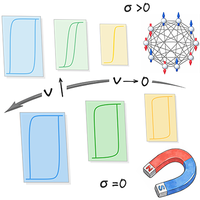
Coercivity Landscape Characterizes Dynamic Hysteresis
Article | Statistical Physics; Classical, Nonlinear, and Complex Systems | 2026-03-19 06:00 EDT
Miao Chen, Xiu-Hua Zhao, and Yu-Han Ma
The landscape of coercivity helps identify the scaling laws of hysteresis across dynamical regimes.
Phys. Rev. Lett. 136, 117102 (2026)
Statistical Physics; Classical, Nonlinear, and Complex Systems
Erratum: Searching for Axionlike Particles under Strong Gravitational Lenses [Phys. Rev. Lett. 126, 191102 (2021)]
Article | 2026-03-19 06:00 EDT
Aritra Basu, Jishnu Goswami, Dominik J. Schwarz, and Yuko Urakawa
Phys. Rev. Lett. 136, 119901 (2026)
Physical Review X
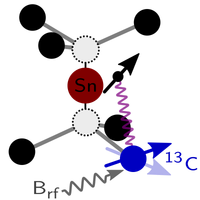
High-Fidelity Control of a $^{13}\mathrm{C}$ Nuclear Spin Coupled to a Tin-Vacancy Center in Diamond
Article | 2026-03-19 06:00 EDT
Jeremias Resch, Ioannis Karapatzakis, Mohamed Elshorbagy, Marcel Schrodin, Philipp Fuchs, Philipp Graßhoff, Luis Kussi, Christoph Sürgers, Cyril Popov, Christoph Becher, Wolfgang Wernsdorfer, and David Hunger
High-fidelity control of a C nuclear spin coupled to a tin-vacancy center yields coherence times exceeding 1.35 s using a superconducting waveguide, highlighting the potential of the tin-vacancy center as a coherent spin-photon interface for future quantum network applications.
Phys. Rev. X 16, 011060 (2026)
arXiv
Lightweight phase-field surrogate for modelling ductile-to-brittle transition through phenomenological elastoplastic coupling
New Submission | Materials Science (cond-mat.mtrl-sci) | 2026-03-20 20:00 EDT
The ductile-to-brittle transition (DBT) in body-centred cubic systems is a central design constraint for cryogenic structures. Performing parametric studies to enhance the understanding on DBT using fully coupled thermomechanical continuum DBT models is computationally expensive. Therefore, in this work, a lightweight phase-field surrogate is proposed. This surrogate approach captures key \emph{DBT-like} trends within a standard isothermal two-field (displacement–damage) setting by prescribing temperature dependence through three phenomenological mechanisms: (i) a temperature-dependent degradation exponent $ n(T)$ that sharpens stiffness loss from gradual (ductile-like, $ n=2.0$ at 293,K) to abrupt (brittle-like, $ n=3.5$ at 77,K), (ii) temperature-dependent yield stress and elastic modulus to modulate the balance between plastic dissipation and elastic energy storage, and (iii) an effective fracture toughness and driving-force scaling to represent reduced crack-tip shielding at cryogenic temperatures. The model is implemented in FEniCSx using small-strain $ J_2$ return mapping and a staggered solution scheme. Simulations of a single-edge-notched specimen over 77–293,K demonstrate a systematic progression from brittle-like to ductile-like response, characterised by reduced displacement to unstable fracture, a transition from abrupt post-peak load drop to extended softening, and a shift from narrow, localised damage bands with confined plasticity to broader process zones. A sensitivity study comparing four interpolation schemes (linear, smoothstep, exponential, hybrid) shows that the qualitative transition trends are robust, with interpolation primarily affecting intermediate-temperature responses while endpoint behaviours remain unchanged.
Materials Science (cond-mat.mtrl-sci)
Comment on: “Coherent perfect absorption: Zero reflection without linewidth suppression”
New Submission | Mesoscale and Nanoscale Physics (cond-mat.mes-hall) | 2026-03-20 20:00 EDT
A recent paper, Phys. Rev. Research 8, 013261 (2026), claims that the polaromechanical normal-mode splitting (NMS) measured in Nat. Commun. 16, 5652 (2025) is not true based on their two results: $ i$ ) there is no true splitting in the linear-scale spectrum; $ ii$ ) the total or intrinsic decay rate of the cavity-magnon polariton, set by the imaginary part of the pole of the total output spectrum, remains unchanged under the coherent-perfect-absorption (CPA) condition. In this comment, we indicate that $ i$ ) there is NMS in both the linear and logarithmic scales of our spectra in {\it a narrow frequency range} around the CPA frequency; $ ii$ ) the total decay rate defined via the {\it pole} of the spectrum cannot characterize the vanishing {\it effective} decay rate at the CPA frequency (known as the monochromaticity of the CPA), and thus this parameter is irrelevant to the NMS measured in our experiment in {\it a narrow frequency range} around the CPA frequency. Consequently, their results above are either false or irrelevant, and thus cannot support their claim on the polaromechanical strong coupling measured in our experiment.
Mesoscale and Nanoscale Physics (cond-mat.mes-hall), Optics (physics.optics), Quantum Physics (quant-ph)
Comment on arXiv:2510.22358
Polarization Dynamics in Ferroelectrics: Insights Enabled by Machine Learning Molecular Dynamics
New Submission | Materials Science (cond-mat.mtrl-sci) | 2026-03-20 20:00 EDT
Dongyu Bai, Ri He, Junxian Liu, Liangzhi Kou
Ferroelectric materials with switchable spontaneous polarization underpin non-volatile memories, transistors, sensors, and emerging neuromorphic chips. Their performance and stability are governed by polarization dynamics and domain kinetics, making a microscopic understanding of these processes and precise atomic level control of polarization domains key challenges for next-generation ferroelectric electronics. Due to the limitations of the characterization technology with atomic level in experiment, high precision atomic simulations become important. First principles calculations are inherently limited in accessible length and time scales, making it difficult to capture the complex features of dynamic processes. Machine learning molecular dynamics (MLMD) offers a compelling solution by encoding quantum-mechanical accuracy into force fields, thereby enabling large scale dynamic simulations with near first-principles fidelity. This Perspective highlights the advantages of MLMD for simulating polarization switching, domain nucleation and migration, topological polar textures and curvature-driven ferroelectric phenomena, while providing a systematic overview of recent progress in these areas. We further discuss methodological challenges that limit predictive capability, including long range electrostatics, coupled lattice-spin degrees of freedom in multiferroics, and data efficient pre-training of large atomistic models. Corresponding advances in long range aware force fields, spin dependent machine learning models, and large scale pretraining are expected to move MLMD toward a genuinely predictive framework for the design of ferroelectric and multiferroic materials.
Materials Science (cond-mat.mtrl-sci)
Spin-Charge Groups for Fermions in Fluids and Crystals: General Structures and Physical Consequences
New Submission | Strongly Correlated Electrons (cond-mat.str-el) | 2026-03-20 20:00 EDT
Arist Zhenyuan Yang, Zheng-Xin Liu
Known symmetry groups are not sufficient to handle various couplings between spin, charge and spatial degrees of freedom for fermions. To fill in this gap, we introduce the spin-charge groups (SCG) to describe the most general symmetries of fermionic systems. These groups are composed of the spin and charge operations as the internal' symmetries, the spatial and temporal operations as external’ symmetries, couplings between them, and projective twists. After providing the general group structures of SCG, we study their potential applications in concrete physical systems, including $ ^3$ He superfluids, charge-4e superconductors, collinear magnets with spin-fluxes, and superconductors with coexisting magnetic orders. We show that SCG can give rise to extra band degeneracies, Chern numbers and cross spin-charge responses like spin-supercurrents. Hence SCG provide a route to classify and explore new phases of matter even when strong interactions are included.
Strongly Correlated Electrons (cond-mat.str-el), Superconductivity (cond-mat.supr-con)
Light induced magnetization in d-wave superconductors
New Submission | Superconductivity (cond-mat.supr-con) | 2026-03-20 20:00 EDT
We develop a microscopic theory of the inverse Faraday effect in d-wave superconductors. An extended version of the Keldysh-Nambu quasiclassical formalism is used to compute the dc-component of the current density induced by an external monochromatic radiation. Our work explicitly demonstrates how branch population imbalance produces nonvanishing nonlinear and nonlocal dc-response. We evaluate the magnitude of the induced current and obtain estimates for the induced static magnetization. Experimental implications of our theory and future extensions of our work are briefly discussed.
Superconductivity (cond-mat.supr-con)
13 pages, 3 figures, 51 references
Disentangling Shear and Compression Phonons: Route to Anomalous Magnetothermal Transport
New Submission | Strongly Correlated Electrons (cond-mat.str-el) | 2026-03-20 20:00 EDT
Haoting Xu, Antoine Matar, Hae-Young Kee
Magnetothermal transport in various frustrated magnets exhibits striking field-dependent anomalies that deviate from conventional magnon or phonon transport. Here we show that symmetry-constrained spin-lattice coupling naturally leads to mode-selective spin-phonon interactions that control heat transport. In the strong spin-orbit coupling limit, we derive an effective spin-phonon Hamiltonian in which phonons with different polarizations couple selectively to distinct spin operators. As a result, compression and shear phonon modes contribute to spin heat current across different magnetic-field regimes. Using a Landauer transport framework combined with exact diagonalization of spin chains coupled to a phonon bath, we show that this mechanism produces a characteristic peak-dip-peak structure in the field dependence of heat current, providing a microscopic explanation for field-induced transport anomalies in spin-orbit-coupled Mott insulators.
Strongly Correlated Electrons (cond-mat.str-el)
6 pages, 3 figures, plus Supplemental Material
Removing nodal and support-mismatch pathologies in Variational Monte Carlo via blurred sampling
New Submission | Strongly Correlated Electrons (cond-mat.str-el) | 2026-03-20 20:00 EDT
Zhou-Quan Wan, Roeland Wiersema, Shiwei Zhang
Variational Monte Carlo (VMC) is a powerful and fast-growing method for optimizing and evolving parameterized many-body wave functions, especially with modern neural-network quantum states. In practice, however, the stochastic estimators that form the backbone of the method can become unstable or biased due to the presence of nodes, a ubiquitous feature of quantum wave functions. In the continuum, this results in heavy-tailed estimators with potentially divergent variances, while in discrete Hilbert spaces the sampling distribution can miss parts of the support needed to form unbiased estimators. These statistical pathologies lead to unreliable optimization trajectories in stochastic reconfiguration or incorrect variational dynamics in time-dependent Variational Monte Carlo (t-VMC), and severely limit the power of the numerical simulations. We introduce blurred sampling to address these difficulties. The method has a number of rigorous properties that make it well-behaved, effective and efficient. Additionally it is a post-processing approach that can be used without modifying the underlying sampler and incurs only minimal overhead. We demonstrate its effectiveness on several representative examples where standard sampling approaches are known to fail, and apply it to large-scale problems in spin dynamics. This work establishes a broadly applicable framework for robust VMC and t-VMC calculations.
Strongly Correlated Electrons (cond-mat.str-el), Disordered Systems and Neural Networks (cond-mat.dis-nn), Computational Physics (physics.comp-ph), Quantum Physics (quant-ph)
21 pages, 7 figures
Polaron-driven switching of octupolar order in doped 5d$^2$ double perovskite
New Submission | Strongly Correlated Electrons (cond-mat.str-el) | 2026-03-20 20:00 EDT
Dario Fiore Mosca, Lorenzo Celiberti, Leonid V. Pourovskii, Cesare Franchini
We investigate how doping-induced small polarons impact the low-temperature multipolar orders of the $ 5d^2$ double perovskite Ba$ _2$ CaOsO$ _6$ . By computing intersite exchange interactions between 5d$ ^1$ localized hole polarons and 5d$ ^2$ magnetic ions from first principles, we demonstrate the reversal of the dominant octupolar exchange from ferromagnetic to antiferromagnetic. Solving the corresponding effective Hamiltonian we find this reversal to account for the progressive suppression of the ferro-octupolar order and the reduction of the ordering temperature upon Na doping. These findings clarify previously ambiguous experimental observations and demonstrate that charge doping in the form of small polarons offers a viable route to tuning intersite exchange interactions in spin-orbit-entangled materials, enabling the emergence of novel quantum orders.
Strongly Correlated Electrons (cond-mat.str-el)
8 pages, 5 figures + 22 pages, 11 figures
Origin of Edge Currents in Chiral Active Liquids
New Submission | Soft Condensed Matter (cond-mat.soft) | 2026-03-20 20:00 EDT
Faisal Alsallom, David T. Limmer
Chiral active liquids exhibit unidirectional edge currents when confined to simple geometries, but the origin of this phenomenon has defied explanation. Starting from the microscopic equations of motion of a simple two-dimensional model, we find that localized edge currents emerge as a consequence of global angular momentum conservation in dense systems. From these underlying equations, we derive an Ohmic-like conductance law for the mean edge current in the dense phase, and we find it to be intensive, depending only on the density, active torque and substrate drag. For simple geometries, we find the distribution of the edge currents has a closed Gaussian form, with a variance that is intensive, depending only on temperature, density and the aspect ratio of the system. These results are validated numerically using extensive molecular dynamics simulations. These results provide a new perspective for studying the collective phenomena in active matter through the global balance of conserved quantities.
Soft Condensed Matter (cond-mat.soft), Statistical Mechanics (cond-mat.stat-mech)
5 pages, 3 figures, includes supplementary material, 8 pages, 6 figures
Statistical Mechanics of Random Hyperbolic Graphs within the Fermionic Maximum-Entropy Framework
New Submission | Disordered Systems and Neural Networks (cond-mat.dis-nn) | 2026-03-20 20:00 EDT
The intricate relations between elements in natural and human-made systems sustain the complex processes that shape our world, forming multiscale networks of interactions. These networks can be represented as graphs composed of nodes connected by links and, regardless of their domain, they share a set of fundamental structural properties. The family of network models in hyperbolic space constitutes one of the most advanced frameworks accounting for such properties, including sparsity, the small-world property, heterogeneity and hierarchical organization, high clustering, and scale invariance under network renormalization transformations. These geometric models also exhibit other intriguing phenomena, such as an anomalous, temperature-dependent phase transition between a geometric and a non-geometric phase. In simple graph representations, where network links are unweighted, the model can be derived within a statistical-mechanics framework by maximizing the Gibbs entropy of the graph ensemble subject to constraints imposed by observations, with links effectively behaving as fermionic particles. In this topical review, I revisit these derivations previously scattered across different sources and complement them, in order to properly contextualize and consolidate hyperbolic random graphs within the broad framework of the maximum-entropy principle in the statistical mechanics of complex networks. The approach presented here represents the least-biased prediction of the fundamental set of core network properties and establishes a principled framework for analyzing network structure, offering new perspectives and powerful analytical tools for both theoretical and empirical studies.
Disordered Systems and Neural Networks (cond-mat.dis-nn), Statistical Mechanics (cond-mat.stat-mech), Physics and Society (physics.soc-ph)
18 pages, no figures
Ultrafast dynamics and light-induced superconductivity from first principles
New Submission | Superconductivity (cond-mat.supr-con) | 2026-03-20 20:00 EDT
Alejandro Simon, James Shi, Eva Kogler, Reed Foster, Dominik Spath, Emma Batson, Pedro N. Ferreira, Mihir Sahoo, Rohit Prasankumar, Phillip D. Keathley, Karl K. Berggren, Christoph Heil
Experiments on superconducting materials have unveiled unique emergent properties when they are driven far from equilibrium. However, a quantitative first-principles treatment that describes experimental observations is lacking. In this work, we develop an ab-initio model for the nonequilibrium response of optically irradiated superconducting films within the framework of conventional electron-phonon-mediated superconductivity, leveraging new numerical techniques to solve the Migdal-Eliashberg equations directly on the real-frequency axis. This enables us to quantitatively reproduce the optical response of superconducting films in pump-probe experiments and validate our approach on measurements of the differential reflectance of Pb and LaH$ _{10}$ in response to a pump excitation. Similar calculations performed on the alkali-doped fulleride K$ _3$ C$ _{60}$ reveal that a photo-induced superconducting state is generated after irradiation by an ultrafast mid-infrared pulse of sufficient intensity, as reported in prior experimental work. The enhancement in this framework is attributed to the excitation of quasiparticles to energies resonant with the strongest electron-phonon coupling in K$ _3$ C$ _{60}$ , in close analogy to the mechanism for enhancement of superconductivity under microwave irradiation, explaining the nature of the photo-induced superconducting state and elucidating the subsequent quasiparticle and phonon dynamics. Our results suggest that photo-induced superconductivity is accessible in more materials than previously recognized. We demonstrate this by performing calculations on calcium-intercalated graphite, CaC$ _6$ , and predict a similar photo-induced superconducting gap.
Superconductivity (cond-mat.supr-con)
15 pages, 11 figures
In-plane magnetic response and Maki parameter of alternating-twist multilayers
New Submission | Mesoscale and Nanoscale Physics (cond-mat.mes-hall) | 2026-03-20 20:00 EDT
Igor Vasilevskiy, Miguel Sánchez Sánchez, Khadija Challaouy, Dionisios Margetis, Guillermo Gómez-Santos, Tobias Stauber
We analytically study the orbital response of alternating-twist graphene systems with four and five layers to an in-plane magnetic field, using the unitary transformation introduced by Khalaf et al. (Phys. Rev. B 100, 085109 (2019)). This transformation maps an alternating-twist N-layer system onto N/2 decoupled twisted bilayer graphene (TBG) systems with distinct effective twist angles, together with a single decoupled layer for odd N, thereby generating a hierarchy of N/2 magic angles. For five layers, we find that the orbital in-plane magnetic response is negligibly small, and we expect this property to hold for all systems with an odd number of layers. For a tetralayer system, we approximately express the in-plane orbital susceptibility in terms of the corresponding TBG responses, which are large compared to the spin susceptibility and even diverge in the clean limit at charge neutrality near the magic angle. Remarkably, the in-plane magnetic response is strongly angle dependent: compared with TBG, it is about 0.01 times smaller at the first magic angle, whereas at the second it reaches about 3.6 times the value of magic angle TBG. We finally introduce the in-plane Maki parameter as the ratio between the difference in orbital susceptibility of the normal and superconducting states and the paramagnetic Pauli susceptibility. For TBG, we find values up to 2 near the magic angle. Our analysis can be extended to other response functions and suggests that the different effective magic angles in alternating-twist multilayers may host distinct superconducting phases.
Mesoscale and Nanoscale Physics (cond-mat.mes-hall), Strongly Correlated Electrons (cond-mat.str-el)
Fast Real-Axis Eliashberg Calculations: Full-bandwidth solutions beyond the constant density of states approximation
New Submission | Superconductivity (cond-mat.supr-con) | 2026-03-20 20:00 EDT
Alejandro Simon, James Shi, Dominik Spath, Eva Kogler, Reed Foster, Emma Batson, Pedro N. Ferreira, Mihir Sahoo, Phillip D. Keathley, Warren E. Pickett, Rohit Prasankumar, Karl K. Berggren, Christoph Heil
Experimentally relevant signatures of superconductivity require access to real-frequency quantities, such as the spectral functions, optical response, and transport properties, yet Migdal-Eliashberg calculations are commonly performed on the imaginary axis and then analytically continued, a step that is numerically delicate and can obscure physically relevant spectral features. Here we present a practical route to solving the finite-temperature Migdal-Eliashberg equations directly on the real-frequency axis, while retaining the effects from the full-bandwidth electronic structure. Our formulation accounts for particle-hole asymmetry through an energy-dependent electronic density of states, avoiding the constant density of states approximation often used in real-axis calculations, and includes a static screened Coulomb contribution. We introduce an efficient numerical technique to solve the Migdal-Eliashberg integrals whose computational cost scales linearly with the real-frequency grid, making high-resolution, full-bandwidth real-axis calculations feasible and providing direct access to the interacting Green’s function and derived observables without analytic continuation. As an illustration, we apply the method to H$ _{3}$ S, where a van-Hove singularity near the Fermi level produces strong particle-hole asymmetry. The full-bandwidth solution yields noticeably different spectra than the constant density of states approximation and brings the superconducting gap and lineshapes into closer agreement with experiment, highlighting when band-structure details are essential. Furthermore, the methods presented here open the door to time-dependent, nonequilibrium simulations within Eliashberg theory.
Superconductivity (cond-mat.supr-con)
19 pages, 8 figures
Tackling the Sign Problem in the Doped Hubbard Model with Normalizing Flows
New Submission | Strongly Correlated Electrons (cond-mat.str-el) | 2026-03-20 20:00 EDT
Dominic Schuh, Lena Funcke, Janik Kreit, Thomas Luu, Simran Singh
The Hubbard model at finite chemical potential is a cornerstone for understanding doped correlated systems, but simulations are severely limited by the sign problem. In the auxiliary-field formulation, the spin basis mitigates the sign problem, yet severe ergodicity issues have limited its use. We extend recent advances with normalizing flows at half-filling to finite chemical potential by introducing an annealing scheme enabling ergodic sampling. Compared to state-of-the-art hybrid Monte Carlo in the charge basis, our approach accurately reproduces exact diagonalization results while reducing statistical uncertainties by an order of magnitude, opening a new path for simulations of doped correlated systems.
Strongly Correlated Electrons (cond-mat.str-el), Machine Learning (cs.LG), High Energy Physics - Lattice (hep-lat)
10 pages, 8 figures
Modeling cavitation and fibrillation in elastomers and adhesives. Part I: Cohesive instability
New Submission | Soft Condensed Matter (cond-mat.soft) | 2026-03-20 20:00 EDT
S. Mohammad Mousavi, Sarvesh Joshi, Franck Vernerey, Nikolaos Bouklas
Cavitation in soft elastomers and adhesives is often viewed as an elastic instability, commonly tied to the study of incompressible solids. It is the first step prior to fibrillation and ultimate failure in adhesives. Building on the work of Lamont et al. (2025), elastomeric materials are treated as a crosslinked van der Waals fluid. The van der Waals contribution, capturing excluded volume and cohesive forces, is non-(poly)convex, readily providing an intrinsic analytical criterion for cavity nucleation. This work introduces a gradient-enhanced continuum framework that examines the emergence of cavity formation from the perspective of a cohesive instability and corresponding phase transition without requiring a pre-existing defect. The corresponding thermodynamically consistent derivation includes the introduction of a relevant material length scale as well as viscous dissipation associated with polymer chain disentanglement during the cohesive instability. This work does not study the impending damage that the material undergoes during the cohesive instability and transition from a dense to a rare phase. Interestingly, it is shown that for both strain stiffening and strain softening models (in terms of their shear response), an instability reminiscent of what is expected in the case of cavitation is recapitulated. Simulations reproduce key experimental trends, including the aspect ratio-driven transition from a few large to many small cavities depending on the thickness of an adhesive layer. The framework offers a robust, physically grounded basis for the cohesive instability that drives cavity nucleation, enabling future integration with damage, fracture, and dissipation models to capture the complete cavitation, fibrillation, and failure process.
Soft Condensed Matter (cond-mat.soft)
Long photoexcited carrier lifetime in a stable and earth-abundant zinc polyphosphide
New Submission | Materials Science (cond-mat.mtrl-sci) | 2026-03-20 20:00 EDT
Zhenkun Yuan, Genevieve Amobi, Shaham Quadir, Smitakshi Goswami, Guillermo L. Esparza, Gideon Kassa, Gayatri Viswanathan, Joseph T. Race, Muhammad R. Hasan, Jack R. Palmer, Sita Dugu, Yagmur Coban, Andriy Zakutayev, Obadiah G. Reid, David P. Fenning, Kirill Kovnir, Sage R. Bauers, Jifeng Liu, Geoffroy Hautier
Halide perovskites have revolutionized optoelectronics by demonstrating that long carrier lifetime can be achieved in materials processed in relatively uncontrolled environments, whereas conventional inorganic semiconductors typically suffer from short carrier lifetime unless very carefully prepared and postprocessed. Here, we report the discovery of exceptionally long photoexcited carrier lifetime in monoclinic ZnP2, effectively bridging the carrier lifetime gap between direct-gap inorganic semiconductors and halide perovskites. Through computational screening, ZnP2 is identified as a long carrier lifetime semiconductor characterized by an unconventional polyphosphide bonding, combining covalently bonded phosphorus chains and polar-covalent Zn-P tetrahedra. Experimentally, ZnP2 crystals synthesized from low-purity precursors exhibit bright band-to-band photoluminescence at 1.49 eV and carrier lifetimes of nearly 1 $ \mu$ s. Further analysis reveals that the polyphosphide bonding of ZnP2 suppresses the formation of deep intrinsic defects, making it defect resistant. Combined with its remarkable environmental stability, ZnP2 presents a highly promising material for solar absorbers and light emitters. Our work illustrates that underexplored inorganic materials spaces with unusual chemical bonding hold great promise for discovering novel optoelectronic materials.
Materials Science (cond-mat.mtrl-sci)
Synthesis, Solvent-dependent Self-Assembly and Partial Oxidation of Ultrathin Cerium Fluoride Nanoplatelets
New Submission | Soft Condensed Matter (cond-mat.soft) | 2026-03-20 20:00 EDT
Chiara Moretti, Damien Alloyeau, Benjamin Aymoz Laurent Lermusiaux, Rodolphe Valleix, Benoit Mahler, Marianne Impéror-Clerc, Benjamin Abécassis
Two-dimensional colloidal nanoplatelets (NPLs) with atomically defined thickness exhibit unique physical properties, yet understanding their formation mechanism and assembly remains essential for tuning their collective behavior. We report an optimized synthesis of triangular cerium-based NPLs with narrow size and shape distributions via thermal decomposition of cerium trifluoroacetate. Combining X-ray diffraction, XPS, and high-resolution STEM, we show that the expected CeF3 NPL structure undergoes partial oxidation, yielding an oxyfluoride composition CeOxFy. Beyond their composition, we investigate how these oleic acid-capped NPLs organize in solution and at interfaces. The choice of solvent governs both the solution-phase organization and the resulting superstructures formed upon evaporation at the liquid–air interface. In solvents that promote face-to-face stacking in solution, evaporation produces films organized into columnar assemblies tens of micrometers long, with the NPL planes oriented perpendicular to the interface. In contrast, solvents in which NPLs remain individually dispersed yield extended hexagonally ordered superlattices with edge-to-edge stacking spanning several micrometers, where the NPLs lie parallel to the interface in an edge-to-edge arrangement. These results highlight that solvent-mediated interactions and pre-existing organization in solution are decisive factors in determining the outcome of evaporative self-assembly of colloidal nanocrystals.
Soft Condensed Matter (cond-mat.soft), Materials Science (cond-mat.mtrl-sci)
Symmetric Mass Generation in a Bilayer Honeycomb Lattice with $\mathrm{SU}(2)\times\mathrm{SU}(2)\times\mathrm{SU}(2)/\mathbb{Z}_2$ Symmetry
New Submission | Strongly Correlated Electrons (cond-mat.str-el) | 2026-03-20 20:00 EDT
Cheng-Hao He, Yi-Zhuang You, Xiao Yan Xu
Symmetric mass generation (SMG) is a mechanism for generating mass gaps in fermionic systems without breaking any symmetries or developing topological order, challenging the conventional Landau paradigm. In this Letter, we provide numerically exact evidence for SMG in (2+1) dimensions through large-scale determinant quantum Monte Carlo (DQMC) simulations of a bilayer honeycomb lattice model with $ \mathrm{SU}(2)\times\mathrm{SU}(2)\times\mathrm{SU}(2)/\mathbb{Z}2$ symmetry. We observe the simultaneous opening of single-particle and bosonic gaps at a critical coupling $ J_c \approx 2.6$ with correlation length exponent $ \nu = 1.14(2)$ , while an exhaustive search over all 19 symmetry-inequivalent fermion bilinear order parameters confirms the absence of any symmetry breaking. We estimate the fermion anomalous dimension to be $ \eta\psi = 0.071(1)$ , which deviates significantly from the large-$ N$ prediction ($ \eta_\psi \approx 0.595$ ) and variational Monte Carlo estimates ($ \eta_\psi \approx 0.62$ ), pointing to a distinct universality class. By contrasting with a related $ \mathrm{Spin}(5)\times\mathrm{U}(1)/\mathbb{Z}_2$ model that develops an intermediate excitonic phase, we demonstrate the crucial role of pure non-Abelian symmetry in prohibiting bilinear condensates and enforcing the direct SMG transition.
Strongly Correlated Electrons (cond-mat.str-el), High Energy Physics - Lattice (hep-lat), High Energy Physics - Theory (hep-th)
6+16 pages, 5+9 figures
Continuous symmetry analysis and systematic identification of candidate order parameters for interacting fermion models
New Submission | Strongly Correlated Electrons (cond-mat.str-el) | 2026-03-20 20:00 EDT
Cheng-Hao He, Yi-Zhuang You, Xiao Yan Xu
Symmetry plays a central role in modern physics, from classifying quantum states to characterizing phases of matter through spontaneous symmetry breaking. In interacting fermionic systems with multiple internal degrees of freedom, however, determining the full continuous symmetry group and classifying possible order parameters remain challenging. In this work, we present a systematic framework for analyzing continuous symmetries and identifying candidate order parameters in such systems. By mapping the Hamiltonian to a Majorana representation, we obtain the generators of continuous symmetries from the Lie algebra of operators that commute with the Hamiltonian. We then identify the structure of this Lie algebra using the theory of semisimple Lie algebras. Building on representation theory, we further develop a systematic method for exhaustively enumerating candidate order parameters. By decomposing the exterior-power representations induced by the symmetry algebra on the Majorana space and incorporating discrete lattice symmetries, we classify these order parameters according to the symmetries they break. (Abridged. Please see the PDF manuscript for the complete abstract and specific model applications.)
Strongly Correlated Electrons (cond-mat.str-el), High Energy Physics - Theory (hep-th), Quantum Physics (quant-ph)
23 pages, 4 figures
Anderson transition in disordered Hatano-Nelson systems
New Submission | Disordered Systems and Neural Networks (cond-mat.dis-nn) | 2026-03-20 20:00 EDT
We illuminate the fundamental mechanism responsible for the transition between the non-Hermitian skin effect and defect-induced Anderson localization in the bulk via the study of Lyapunov exponents. We obtain a proof that the change of the topological invariant associated with an eigenvalue coincides with the eigenvector crossover from non-Hermitian skin effect to Anderson localization, establishing a universal criterion for localization behavior.
Disordered Systems and Neural Networks (cond-mat.dis-nn), Mesoscale and Nanoscale Physics (cond-mat.mes-hall), Quantum Physics (quant-ph)
From Atomistic Models to Machine Learning: Predictive Design of Nanocarbons under Extreme Conditions
New Submission | Materials Science (cond-mat.mtrl-sci) | 2026-03-20 20:00 EDT
Xiaoli Yan, Millicent A. Firestone, Murat Keceli, Santanu Chaudhuri, Eliu Huerta
The formation of technologically valuable nanocarbon structures under extreme conditions, such as those produced during high-explosive detonations, remains poorly understood but holds significant potential for the development of controlled synthesis pathways. While detonation shockwaves provide the HPHT environment required for nanodiamond formation, subsequent cooling and decompression dictate whether the diamond phase is preserved or transformed into other nanocarbon structures. Here, we employ GPU-accelerated ReaxFF simulations to investigate the graphitization and structural remodeling of detonation nanodiamond under nonlinear quench and pressure-release conditions. We further investigate how the initial nanodiamond morphology influences the resulting transformation products. Evolution of nanostructure, allotrope, carbon hybridization, and ring statistics are tracked. Rapid cooling combined with slow decompression optimizes cubic diamond retention, whereas slow cooling with rapid pressure release promotes surface-to-core graphitization, producing concentric sp2 layers and hollowed inner shells. Octahedral nanodiamonds evolve into carbon nano-onions, initially forming bucky diamonds that progressively transform into full sp2 structures, while hexagonal prisms preferentially form parallel-stacked graphite layers resembling carbon dots. Lonsdaleite emerges as an interfacial phase, suggesting potential reversibility in the shock-induced graphite-to-diamond transformation pathway transformation route. To extend predictive capabilities, we trained MLP regressors on over 10^5 node-hours of simulations. The model reliably predicts the number of graphitized layers from T-P trajectories with R^2 exceeding 0.90. Collectively, morphological control combined with optimized quench-decompression conditions promote the selective synthesis of nanocarbon allotropes.
Materials Science (cond-mat.mtrl-sci), Other Condensed Matter (cond-mat.other)
Xiaoli Yan, Millicent A. Firestone, Murat Keceli, Santanu Chaudhuri, Eliu Huerta, From atomistic models to machine learning: Predictive design of nanocarbons under extreme conditions, Carbon, Volume 252, 2026, 121366, ISSN 0008-6223
Asymmetric Energy Landscapes Control Diffusion in Glasses
New Submission | Materials Science (cond-mat.mtrl-sci) | 2026-03-20 20:00 EDT
Ajay Annamareddy, Bu Wang, Paul M. Voyles, Izabela Szlufarska, Dane Morgan
While diffusion in crystalline solids is quantitatively understood through defect-mediated atomic hops, no comparable quantitative framework exists for glasses. In these systems, the origin of large diffusion activation energies remains puzzling, despite local rearrangements involving low barriers. Using molecular dynamics simulations of metallic glasses, we decompose diffusion into random-walk and correlation contributions and find that back-and-forth correlated motion, not local rearrangement barriers, dominates the activation energy, resolving how low-barrier rearrangements yield large macroscopic activation energies. These correlations arise from asymmetry between forward and reverse barriers, a generic feature of disordered energy landscapes. We find that the correlation-driven mechanism is active beyond metallic glass alloys, including SiO2 and a single-component Lennard-Jones glass. The latter demonstrates that the correlation originates from structural disorder rather than chemical complexity. The framework also explains accelerated surface diffusion, where reduced activation energies arise primarily from weaker correlations rather than changes in local rearrangement barriers. Our results establish a direct, quantitative link between atomic-scale dynamics and macroscopic transport, providing a predictive basis for kinetics in disordered materials.
Materials Science (cond-mat.mtrl-sci), Disordered Systems and Neural Networks (cond-mat.dis-nn), Statistical Mechanics (cond-mat.stat-mech)
Combined Manuscript and Supplementary Information
Nb$_3$Sn Films Exhibiting Continuous Supercurrent Across a Diffusion Bonded Seam
New Submission | Superconductivity (cond-mat.supr-con) | 2026-03-20 20:00 EDT
Andre Juliao, Wenura Withanage, Nikolya Cadavid, Anatolii Polyanskii, Lance D Cooley
Multiple pairs of bronze pieces were joined along a common seam and then exposed to Nb vapor via sputter deposition during heating at $ \sim$ 715 $ ^\circ$ C to form a diffusion bond between the pieces. Polishing and alignment of the pieces created smooth surfaces normal to the Nb flux with seams perpendicular to the surface (i.e. parallel to the Nb flux). Conversion of Nb to Nb$ _3$ Sn took place simultaneously with diffusion bonding, resulting in Nb$ _3$ Sn thin films that coated bronze surfaces and spanned seams with uniform thickness. Characterization of superconducting properties via magneto-optical imaging suggests that supercurrent flows freely across the seam in several examples when cooled to 9 K and shielding or trapping low magnetic field. Modification of the process to coat the pieces with Nb prior to diffusion bonding and Nb$ _3$ Sn formation resulted in varying degrees of seam coverage by the resultant Nb$ _3$ Sn films. The pre-coating method did not produce any example with quality comparable to the examples obtained by the hot bronze approach. This work could enable new approaches to joining Nb$ _3$ Sn materials in magnet conductor and RF cavity applications.
Superconductivity (cond-mat.supr-con), Accelerator Physics (physics.acc-ph)
11 pages, 8 figures, submitted to Superconductor Science and Technology
Spatially Indirect Exciton Condensation in Two-Dimensional Strongly Correlated Semimetals
New Submission | Strongly Correlated Electrons (cond-mat.str-el) | 2026-03-20 20:00 EDT
Identifying materials hosting an excitonic insulator ground state has been one of the major pursuits in condensed matter physics in recent years.
Promising candidates in transition metal chalcogenide compounds (TMC), including $ 1T-\mathrm{TiSe_2}$ , $ \mathrm{Ta_2Pd_3Te_5}$ , and $ \mathrm{Ta_2NiSe_5}$ , share a crucial common characteristic: their low-energy physics is governed by electrons in $ d-$ orbitals subject to strong on-site Coulomb interactions.
In this work, we investigate spatially indirect exciton condensation in two-dimensional semimetals on triangular lattice. Using a combination of dynamical mean-field theory and the determinant quantum Monte Carlo method, we study two- and three-orbital Hubbard models incorporating strong on-site ($ U$ ) and inter-orbital interactions ($ V$ ). Our results demonstrate that on-site Hubbard $ U$ can strongly suppress the condensation temperature $ T_c$ , an effect that is particularly pronounced at higher electron-hole pair densities. This behavior contrasts sharply with the case without on-site $ U$ , where $ T_c$ grows with pair density at fixed $ V$ .
Moreover, we uncover competition among multiple electron-hole pairing channels in the three-orbital model, which also acts to suppress $ T_c$ of exciton condensation. An orbital-selective electron-hole pairing state is identified. These findings may help explain the large discrepancy between strong binding-energy and relative low transition temperature for indirect excitons in TMCs materials, offering important insights for understanding and engineering exciton condensation in materials with strongly correlated $ d-$ shell electrons.
Strongly Correlated Electrons (cond-mat.str-el)
Optimization of all-optical phase-change waveguide devices for photonic computing from the atomic scale
New Submission | Materials Science (cond-mat.mtrl-sci) | 2026-03-20 20:00 EDT
Hanyi Zhang, Wanting Ma, Wen Zhou, Xueqi Xing, Junying Zhang, Tiankuo Huang, Ding Xu, Xiaozhe Wang, Riccardo Mazzarello, En Ma, Jiang-Jing Wang, Wei Zhang
Photonic neuromorphic computing using chalcogenide phase-change materials (PCMs) is under active development. A key requirement is to enable as many optically programmable levels per cell as possible while maintaining relatively low optical loss. In this work, we report a combined theoretical and experimental study at the atomistic scale of a typical growth-driven PCM, Sb2Te, which reveals the unconventional optical properties of its metastable crystalline state for device design. Based on these findings, we come up with a “the shorter the better” strategy for Sb2Te-based all-optical waveguide devices, which yields a simultaneous improvement of both the programming window and the optical loss. In total, over 7-bit optical programming precision is achieved using a single waveguide cell, which is the record setting for all-optical phase-change memory devices. Our work is a typical example of the “from atom to device” scheme, which demonstrates the predictive power of in-depth atomistic understanding in guiding the design of phase-change photonic devices for improved performances.
Materials Science (cond-mat.mtrl-sci)
20 pages, 6 figures
Direct measurement of osmotic pressure and interparticle interactions in colloidal dispersions
New Submission | Soft Condensed Matter (cond-mat.soft) | 2026-03-20 20:00 EDT
Colloidal dispersions are widely found in systems ranging from natural environments to industrial this http URL macroscopic properties such as viscosity and light scattering depend on their dispersibility, which is characterized by interparticle interactions. Osmotic pressure is induced in a solution with a concentration gradient, in which dispersity is one of the major factors governing the behavior of solutes. Thus, examining the relationship between the interparticle interactions and osmotic pressure may reveal colloidal dispersive properties. Although measuring the osmotic pressure is useful to understand dispersion systems, osmotic pressure is usually extremely low, and only limited experimental methods are available. In this study, we demonstrate that both osmotic pressure and interparticle interactions can be measured within the same experimental system, an optical tweezer system. The directly measured pressure is consistent with both the Brownian dynamics simulation and theoretical results based on the hard-sphere model, both of which were calculated using the interparticle interactions directly measured in the experiment. This agreement demonstrates the applicability of the proposed technique for investigating dispersive properties across multiple scales, linking microscopic particle-level interactions to macroscopic osmotic pressure within a single system. The proposed technique enables bottom-up design of colloidal materials through particle-level modifications.
Soft Condensed Matter (cond-mat.soft)
Phase Transitions in a Modified Ising Spin Glass Model: A Tensor-Network-based Sampling Approach
New Submission | Disordered Systems and Neural Networks (cond-mat.dis-nn) | 2026-03-20 20:00 EDT
Takumi Oshima, Yamato Arai, Koji Hukushima
Phase transitions in a modified Nishimori model, including the model considered by Kitatani, on a two-dimensional square lattice are investigated using a tensor-network-based sampling scheme. In this model, generating bond configurations is computationally demanding because of the correlated random interactions. The employed sampling method enables hierarchical and independent sampling of both bonds and spins. This approach allows high-precision calculations for system sizes up to $ L=256$ . The results provide clear numerical evidence that the spin-glass and ferromagnetic transitions are separated on the Nishimori line, supporting the existence of an intermediate Mattis-like spin-glass phase. This finding is consistent with the reentrant transition numerically observed in the two-dimensional Edwards-Anderson (EA) model. Furthermore, critical exponents estimated via finite-size-scaling analysis indicate that the universality class of the transitions differs from that of the standard independent and identically distributed EA model.
Disordered Systems and Neural Networks (cond-mat.dis-nn)
9 pages, 6 figures
Stationary $1/f^α$ noise in discrete models of the Kardar-Parisi-Zhang class
New Submission | Statistical Mechanics (cond-mat.stat-mech) | 2026-03-20 20:00 EDT
Rahul Chhimpa, Avinash Chand Yadav
In discrete models describing growing rough interfaces of the Kardar-Parisi-Zhang universality class, we examine height fluctuations at a fixed site as a function of time in the monolayer unit. For small systems, we show that it is possible to reach the stationary state. We compute the two-time autocorrelation and power spectra independently. The correlation function remains non-exponential and vanishes after a correlation time that diverges with system size. As a result, the power spectra display a lower cutoff that maintains constant power. In the nontrivial frequency regime, we observe $ 1/f^{\alpha}$ -type scaling with the spectral exponent 5/3. Finite-size scaling reveals that the temporal correlation function follows a dynamic scaling. Our findings, supported by scaling-theoretical arguments, establish that the fluctuations are wide-sense stationary, implying applicability of the Wiener-Khinchin theorem.
Statistical Mechanics (cond-mat.stat-mech)
7 pages, 5 figures
Quasiparticle dynamics and hydrodynamics of 1d hard rod gas on diffusion scale
New Submission | Statistical Mechanics (cond-mat.stat-mech) | 2026-03-20 20:00 EDT
We investigate the stochastic dynamics of a quasiparticle within a gas of hard rods, focusing on the evolution of its mean, variance, and autocorrelation for two choices of initial states: (i) one with long-range (LR) correlations and (ii) the other without it. We derive analytical results for the phase space density correlations in the former case to complement the known results for the latter case. These results enable us to obtain expressions for the mean, variance, and autocorrelation of a quasiparticle, which are applicable to both initial states. The LR correlations introduce a diffusive-scale correction to the mean Euler generalized hydrodynamic (GHD) equations, modifying the standard local equilibrium form, and our findings reveal that the form of the correction term depends on the LR correlations present in the initial state.
Statistical Mechanics (cond-mat.stat-mech)
27 pages
Observation of Resonance of Kagome Flat Band Doublet
New Submission | Strongly Correlated Electrons (cond-mat.str-el) | 2026-03-20 20:00 EDT
Renjie Zhang, Bei Jiang, Xiangqi Liu, Hengxin Tan, Xuefeng Zhang, Mojun Pan, Quanxin Hu, Yiwei Cheng, Chengnuo Meng, Yudong Hu, Yufan Zhao, Runze Wang, Dupeng Zhang, Junqin Li, Zhengtai Liu, Mao Ye, Ziqiang Wang, Yaobo Huang, Gang Li, Yanfeng Guo, Hong Ding, Baiqing Lv
The interplay between local and itinerant electrons underpins many correlated and topological quantum states. Kagome lattices provide an ideal platform by hosting both flat (localized states) and dispersive bands (itinerant states), yet direct spectroscopic evidence of their dynamical coupling has remained elusive. Here we report the long-sought flat band resonance in the quasi-two-dimensional kagome bilayer material CsCr6Sb6. Using angle-resolved photoemission spectroscopy, transport measurements, and combined density functional theory and dynamical mean-field theory, we identify coexisting flat band doublets and dispersive bands near the Fermi energy. Upon cooling, the flat and dispersive bands exhibit a pronounced enhancement of spectral weight and hybridization, directly evidencing flat band resonance. Crucially, this emergence coincides with the onset of short-range antiferromagnetic correlations, contrasting sharply with conventional Kondo lattice behavior. Our findings demonstrate not only the long-sought flat band resonance in kagome materials, but also its unconventional correlation with magnetism.
Strongly Correlated Electrons (cond-mat.str-el)
accepted by Nature Communications
On the origin of non-Arrhenius behavior of grain growth
New Submission | Materials Science (cond-mat.mtrl-sci) | 2026-03-20 20:00 EDT
Xinlei Pan, Jingyu Li, Jianfeng Hu
Non-Arrhenius grain growth has been observed in a range of polycrystalline materials; however, its fundamental mechanisms, particularly whether the process is thermally activated or exhibits anti-thermally activation, remain controversial. In this study, SrTiO3 was employed as a model system to systematically investigate non-Arrhenius grain growth behavior through combined experimental and theoretical approaches, utilizing a newly developed grain growth model. The results reveal that non-Arrhenius grain growth is a thermally activated process without a definitive characteristic temperature, which is primarily controlled by the interplay between temperature-dependent factors and the temperature-independent parameters such as grain size and its distribution. Moreover, during abnormal grain growth (AGG), the non-Arrhenius behavior of grain growth primarily occurs at lower temperatures and gradually transitions to Arrhenius-type behavior as the temperature increases.
Materials Science (cond-mat.mtrl-sci)
Non-equilibrium (thermo)dynamics of colloids under mobile piston compression
New Submission | Soft Condensed Matter (cond-mat.soft) | 2026-03-20 20:00 EDT
Arturo Moncho-Jordá, José López-Molina, Joachim Dzubiella
We investigate the non-equilibrium compression of a confined hard-sphere colloidal fluid driven by a mobile boundary within dynamical density functional theory. The system consists of a fluid confined between two parallel walls, one acting as an overdamped piston subjected to a sudden increase in external pressure. The piston motion is controlled by a mobility parameter $ K$ , which sets the relative timescale between mechanical driving and diffusive relaxation. By varying $ K$ over several orders of magnitude, we identify a crossover from quasi-static compression to a diffusion-limited strongly driven regime. For small $ K$ , the system evolves close to equilibrium and the total injected work approaches the equilibrium free-energy difference. For large $ K$ , the piston rapidly adjusts and the dynamics becomes governed by diffusive relaxation, leading to saturation in the piston trajectory, pressure–position relation, particle currents, and center-of-mass velocity. In this regime, the injected work and entropy production are bounded, reflecting constraints imposed by diffusive transport. The maximum injected power scales linearly with $ K$ , while the entropy-production peak exhibits a crossover from quadratic growth to saturation, with peak times displaying $ 1/K$ scaling. The entropy change of the thermal bath interpolates between a reversible limit and a strongly driven dissipative regime. Finally, the evolution of configurational entropy and external potential energy reveals a dynamical decoupling between confinement and structural relaxation, including transient non-monotonic behavior. These results provide a quantitative thermodynamic characterization of boundary-driven compression.
Soft Condensed Matter (cond-mat.soft), Statistical Mechanics (cond-mat.stat-mech)
17 pages, 10 figures
Topological superconductivity of a two-dimensional electron gas at the (001) LaAlO\textsubscript{3}/SrTiO\textsubscript{3} interface
New Submission | Mesoscale and Nanoscale Physics (cond-mat.mes-hall) | 2026-03-20 20:00 EDT
We investigate the emergence of topological superconductivity and Majorana zero modes in the two-dimensional electron gas formed at the LaAlO$ 3$ /SrTiO$ 3$ (001) interface. Using a realistic multiband tight binding model that incorporates the $ t{2g}$ orbital structure together with atomic and Rashba spin-orbit couplings, we determine the topological phase diagrams for both fully two-dimensional and quasi-one-dimensional geometries. In the two-dimensional limit, we show that a finite out-of-plane magnetic-field component is required to drive a topological phase transition. In this case, the critical field is strongly band dependent, and for higher-lying bands, it is controlled by the interplay of spin and orbital Zeeman effects, as well as atomic spin-orbit coupling. Although a purely in-plane field is insufficient to induce the topological transition in a full 2D system, we demonstrate that a lateral confinement relaxes this constraint. In this case, the character of the edge modes depends sensitively on the field orientation, with out-of-plane fields producing conventional counterpropagating chiral modes and transverse in-plane fields giving rise to co-propagating antichiral modes. Finally, Majorana zero modes in LAO/STO nanowires with varying widths are analyzed. We demonstrate that subbands predominantly composed of $ d{yz/xz}$ orbitals exhibit exceptionally long localization lengths, which may preclude the observation of Majorana bound states in nanowires of typical experimental dimensions.
Mesoscale and Nanoscale Physics (cond-mat.mes-hall), Superconductivity (cond-mat.supr-con)
17 pages, 12 figures
DeePAW: A universal machine learning model for orbital-free ab initio calculations
New Submission | Materials Science (cond-mat.mtrl-sci) | 2026-03-20 20:00 EDT
Tianhao Su, Shunbo Hu, Yue Wu, Runhai Oyang, Xitao Wang, Musen Li, Jeffrey Reimers, Tong-Yi Zhang
Developing universal machine learning models for ab initio calculations is the frontier of materials cutting edge research in the new era of artificial intelligence. Here, we present the Deep Augment Way model (DeePAW) that is a universal machine learning (ML) model for orbital-free (OF) ab initio calculations, based on the density functional theory (DFT). DeePAW is currently the best OFDFT ML model according to the three criterions, 1) covering the largest number of elements, 2) having the widest application capability to diverse crystal structures, and 3) achieving the highest prediction accuracy without further fine-tuning. These scientific merits and innovations of DeePAW are stemmed from the novel SE(3)-equivariant double massage passing neuron networks. Besides predicting electron density distributions, DeePAW predicts formation energies of crystals as well and therefore paves an efficient avenue for multiscale materials modeling beyond conventional electronic structure calculation methods.
Materials Science (cond-mat.mtrl-sci), Databases (cs.DB)
Surface-related white light emission phenomenon in transparent solids
New Submission | Materials Science (cond-mat.mtrl-sci) | 2026-03-20 20:00 EDT
M. Chaika, R. Tomala, M. Oleszko, W. Strek
Laser induced white emission (LIWE) caused by infrared laser excitation in Cr:YAG transparent ceramics was investigated. It was found that ceramics generates bright LIWE for excitation powers above a critical threshold. The LIWE was observed on the surface but not in the bulk on both sides of the sample. The vacuum conditions are required to observe LIWE. This phenomenon was discussed within the frame of Inter-Valence Charge Transfer (IVCT) mechanism in the Cr3+/Cr4+ ion pair.
Materials Science (cond-mat.mtrl-sci)
Chaika, M., Tomala, R., Oleszko, M., & Strek, W. (2022). Surface-related white light emission phenomenon in transparent solids: M. Chaika et al. MRS Advances, 7(34), 1095-1098
The influence of nonradiative relaxation on laser induced white emission properties in Cr:YAG nanopowders
New Submission | Materials Science (cond-mat.mtrl-sci) | 2026-03-20 20:00 EDT
M. Chaika, R. Tomala, O. Bezkrovnyi, W. Strek
Laser Induced White Emission (LIWE) is the subject of research worldwide. Since its discovery, the understanding of this phenomenon has progressed successfully enough to reach industrial applications. However, a lack of understanding of the nature of this phenomenon limits its potential. This article is devoted to the study of the influence of nonradiative relaxation processes on the properties of laser induced white emission in Cr:YAG nanopowders. The concentration series of Cr:YAG nanopowders was synthetized by Pechini method. The microstructure, optical and LIWE properties were studied. The influence of chromium concentration on the number of photons involved in LIWE process (N parameter) is shown. The increase of N parameter is associated with an increase in the probability of non-radiative recombination processes with an increase of chromium concentration. A multiphoton ionization model is proposed to describe LIWE phenomenon.
Materials Science (cond-mat.mtrl-sci)
Chaika, M., Tomala, R., Bezkrovnyi, O., & Strek, W. (2023). The influence of nonradiative relaxation on laser induced white emission properties in Cr: YAG nanopowders. Journal of Luminescence, 257, 119734
Fermi surface of Kagome metal CsCr$_3$Sb$_5$ observed by laser photoemission microscopy
New Submission | Strongly Correlated Electrons (cond-mat.str-el) | 2026-03-20 20:00 EDT
Hayate Kunitsu, Iori Ishiguro, Natsuki Mitsuishi, Shunsuke Tsuda, Koichiro Yaji, Zehao Wang, Pengcheng Dai, Yoichi Yamakawa, Hiroshi Kontani, Takahiro Shimojima
We investigated the Fermi surface (FS) in the paramagnetic state of Kagome metal CsCr$ _3$ Sb$ _5$ by employing a laser photoemission microscopy. We found a circular FS and two hexagonal FSs around the Brillouin zone (BZ) center. Polarization-dependent measurements further enable us to detect small FS pockets at the BZ boundary. According to the density functional theory calculations, the orbital characters of the FSs were determined from their shape and orientations. We found that the size of the FS is strongly modified for the d$ _{xz}$ orbital, suggesting the orbital-dependent correlation effect. These results provide an electronic basis for exploring the interplay of antiferromagnetic/charge density wave order and possible unconventional superconductivity in this compound.
Strongly Correlated Electrons (cond-mat.str-el)
11 pages, 3 figures
Spectroscopic properties of Cr,Yb:YAG nanocrystals under intense NIR radiation
New Submission | Materials Science (cond-mat.mtrl-sci) | 2026-03-20 20:00 EDT
M. Chaika, R. Tomala, O. Bezkrovnyi, W. Strek
Laser induced white emission (LIWE) was thoroughly studied in recent decades. However, despite the progress in understanding of this phenomenon, the mechanism behind LIWE remains unclear. The present paper focuses on the influence of Yb content on the LIWE properties of Cr,Yb:YAG nanocrystals. Microstructure and optical properties of the samples were characterized and the influence of the concentration of Yb3+ ions on the spectroscopic properties of Cr,Yb:YAG and energy transfer processes between Cr3+ and Yb3+ ions was revealed. Multiphoton ionization theory was used to explain the findings of the paper.
Materials Science (cond-mat.mtrl-sci)
Chaika, M., Tomala, R., Bezkrovnyi, O., & Strek, W. (2023). Spectroscopic properties of Cr, Yb: YAG nanocrystals under intense NIR radiation. Materials Research Bulletin, 163, 112201
Extended saddle points govern long-lived antiskyrmions
New Submission | Mesoscale and Nanoscale Physics (cond-mat.mes-hall) | 2026-03-20 20:00 EDT
Megha Arya, Moritz A. Goerzen, Lionel Calmels, Shiwei Zhu, Bhanu Jai Singh, Stefan Heinze, Dongzhe Li
Achieving long-lived nanoscale magnetic solitons remains a central challenge, as their lifetimes typically decrease rapidly with temperature. Here, we demonstrate that anisotropic Dzyaloshinskii-Moriya interaction (aDMI) enables spatially extended saddle points (SPs) that fundamentally alter thermally activated decay. In contrast to conventional localized SPs, these extended configurations completely suppress the entropic contribution to the activation rate, rendering the lifetimes effectively temperature independent. To establish this mechanism, we develop a first-principles method based on spin spirals to compute DMI beyond the isotropic approximation, resolving its full directional dependence for arbitrary nearest neighbors. We apply this method to oxidized Fe$ _3$ GeTe$ _2$ (FGT-O), an experimentally accessible van der Waals magnet. Oxygen adsorption simultaneously breaks inversion symmetry and lowers the in-plane crystalline symmetry, thereby generating a sizable aDMI. We demonstrate that aDMI stabilizes nanoscale antiskyrmions with energy barriers exceeding 120 meV at low external magnetic fields. Crucially, extended SPs enhance the lifetime in FGT-O by more than five orders of magnitude at room temperature compared to conventional ultrathin-film skyrmion systems. We further show that aDMI is not the only route to such extended SPs and identify the general conditions under which they emerge, establishing a general route to soliton decay pathways with temperature-independent prefactors. Our results uncover a new paradigm for enhancing soliton stability through transition-state geometry rather than energy-barrier height.
Mesoscale and Nanoscale Physics (cond-mat.mes-hall)
20 pages, 14 figures
Weak Localization and Magnetoconductance in Percolative Superconducting Aluminum Films
New Submission | Superconductivity (cond-mat.supr-con) | 2026-03-20 20:00 EDT
Kazumasa Yamada, Bunjyu Shinozaki, Takashi Kawaguti
In order to investigate the crossover from the homogeneous behavior to inhomogeneous (percolative) one, the temperature $ T$ and magnetic field H dependence of the sheet resistance $ R_\square$ have been measured for two-dimensional granular aluminum films. Fitting the theory to data of magnetoconductance near $ T_C$ with use of the diffusion constant $ D(T)$ as a fitting parameter, we have obtained the anomalous $ T$ -dependent diffusion constant $ D$ . From the analysis of $ D(T)$ , the electron diffusion index $ \theta$ , a certain critical exponent in percolation theory, has been obtained. In the relation $ R_\square-\theta$ , the value of $ \theta$ varies abruptly near $ 1.5k\omega$ . This behavior suggesting the above mentioned crossover is similar to our previous results determined from the temperature dependence of the upper critical field. For percolative films in $ H = 5\mathrm{T}$ , we have found the strong $ R_\square$ dependence of the prefactor $ \alpha_T$ in the expression$ \sigma=[\alpha_T e^2/(2\pi^2\hbar)]\ln T+\sigma_0$ . The relation $ \alpha_T\propto1/R_\square$ can be explained qualitatively by a model of scaling law for percolation.
Superconductivity (cond-mat.supr-con)
Time reversal reserved spin valve and spin transistor based on unconventional $p$-wave magnets
New Submission | Mesoscale and Nanoscale Physics (cond-mat.mes-hall) | 2026-03-20 20:00 EDT
Ze-Yong Yuan, Jun-Feng Liu, Pei-Hao Fu, Jun Wang
The anisotropic spin splitting in unconventional magnets opens new opportunities for realizing spintronic functionalities without relying on net magnetization or relativistic spin-orbit coupling. Here, we propose a spin valve and a spin transistor based on unconventional $ p$ -wave magnets (UPMs). The spin valve is realized in a junction where a normal metal is sandwiched between two UPMs whose exchange-field strength vectors are oriented transverse to the junction direction. The conductance of such a device is governed by the spin alignment between two UPMs: when their strength vectors are parallel, the spin-state alignment enables efficient electron transmission, leading to a high-conductance state; in contrast, the antiparallel configuration suppresses the conductance owing to the opposite spin orientations. Furthermore, the spin-valve can be extended to a spin transistor by replacing the central normal metal with another UPM with a longitudinally oriented strength vector and a perpendicular spin polarization axis. The central UPM enables uniform spin precession with the same precession frequency for all transverse modes. Both devices can be electrically controlled by modulating the strength vectors of UPMs. These findings establish UPMs as a promising platform for developing spintronic devices without net magnetization or relativistic spin-orbit coupling.
Mesoscale and Nanoscale Physics (cond-mat.mes-hall), Materials Science (cond-mat.mtrl-sci)
9 pages
Tuning polymer architecture for quasicrystal self-assembly
New Submission | Soft Condensed Matter (cond-mat.soft) | 2026-03-20 20:00 EDT
D. J. Ratliff, A. Scacchi, P. Subramanian, A. J. Archer, A. M. Rucklidge
Using computer simulations and theory, we investigate the ultrasoft interactions between dendrimers formed of a central polymer connected by stiff linkers to a corona of flexible polymers, forming `pompoms’ at the ends of the linkers. We show that the resulting coarse-grained interaction potential between pairs of dendrimers exhibits tunable lengthscale competition based on properties of the core and corona polymers. We present a simple model for this pair potential, which we confirm using accelerated Monte Carlo methods. We then demonstrate the connection between dendrimer structure and mesoscopic phases by presenting parameter choices that result in stable dodecagonal quasicrystals, and show that the size of the region in the phase diagram where quasicrystals are stable can be controlled by tuning details of the polymer architecture alone. These results pave the way for experimental realization of soft matter quasicrystals by identifying what overall molecular architecture leads to their stability.
Soft Condensed Matter (cond-mat.soft)
6 pages plus 4 pages of Supplementary Information, 4 figures
Origin of Reduced Coercive Field in ScAlN: Synergy of Structural Softening and Dynamic Atomic Correlations
New Submission | Materials Science (cond-mat.mtrl-sci) | 2026-03-20 20:00 EDT
Ryotaro Sahashi, Po-Yen Chen, Teruyasu Mizoguchi
Among wurtzite-type ferroelectrics, scandium-doped aluminum nitride (ScAlN) has emerged as a leading candidate for CMOS-compatible low-voltage memory, combining strong spontaneous polarization with process compatibility. A remarkable feature of this system is the pronounced reduction of the coercive field (Ec) with increasing Sc concentration; however, its microscopic origin remains poorly understood at the atomic scale, particularly under finite temperature and applied electric fields. Here, we integrate a density-functional-theory-accurate machine-learning force field with an equivariant neural-network-based Born effective charge model to perform large-scale electric-field-driven molecular dynamics simulations at near-first-principles accuracy. The framework correctly reproduces the experimentally observed qualitative trends in key experimental trends, including the decrease in the c/a ratio and the monotonic reduction of Ec with increasing Sc content. Beyond static structural softening, we uncover a dynamic mechanism underlying Ec reduction. Sc atoms exhibit larger thermal vibrations and undergo preceding displacements during switching, acting as dynamic triggers for polarization reversal. Moreover, the displacement correlation between Sc and Al atoms evolves systematically with composition, enhancing cooperative atomic rearrangements and lowering the effective switching barrier. These results demonstrate that Ec reduction in ScAlN arises from the synergy of structural softening and dynamic correlation evolution, providing a new perspective for designing hexagonal ferroelectrics.
Materials Science (cond-mat.mtrl-sci)
Main manuscript: 13 pages, 4 figures. Supporting Information: 6 pages with 5 fiugres
Thermal relaxation asymmetry persists under inertial effects
New Submission | Statistical Mechanics (cond-mat.stat-mech) | 2026-03-20 20:00 EDT
We algebraically prove the asymmetry in thermal relaxation in phase space in the entire range from overdamped dynamics to underdamped dynamics. We show that for the same setup as for overdamped dynamics, even in the more general case of phase-space relaxation, i.e., underdamped dynamics, far-from-equilibrium heating is faster than cooling. Upon isolating the relevant relaxational contribution to the entropy production, we find that the asymmetry persist for underdamped dynamics that are linearly driven out of equilibrium. The coupling of positions and velocities emerging in this generalization further underscores, in a striking manner, the intricate dynamics of such thermal relaxation processes that do not pass through local equilibria. Investigating the overdamped limit, our generalized approach reveals, interestingly, that an excess free energy contribution from the velocity degrees of freedom does not trivially vanish in the overdamped limit, but is instead affected by the precise interpretation of temperature quenches in overdamped systems.
Statistical Mechanics (cond-mat.stat-mech), Mathematical Physics (math-ph), Probability (math.PR)
Reversible Steady Domain-Wall Motion Driven by a Direct Current
New Submission | Mesoscale and Nanoscale Physics (cond-mat.mes-hall) | 2026-03-20 20:00 EDT
K. Y. Jing, X. R. Wang, H. Y. Yuan
Understanding and manipulating nanoscale domain wall (DW) dynamics is a central topic in magnetism and spintronics for its promising applications in logic and memory devices. In most magnetic systems, inertia affects only transient DW dynamics, while the long-time DW motion is uniquely determined by the magnitude and direction of the applied current. Here we show that this paradigm breaks down in ferrimagnets near the angular momentum compensation point. We demonstrate that a DW can propagate steadily either forward or backward even under a direct current, with the direction controlled solely by the current strength. This anomalous phenomenon originates from the inertial dynamics of an internal DW collective coordinate, which behaves as a massive object evolving in a current-dependent double-well potential. Depending on the driving current, the system relaxes into distinct stable states associated with opposite directions of motion. Our findings reveal an unexpected role of inertia in nonlinear spin dynamics, and enable low-energy spintronic functionalities including sensitive magnetic-field detection and reconfigurable one-port devices.
Mesoscale and Nanoscale Physics (cond-mat.mes-hall)
A first-principles linear response theory for open quantum systems and its application to Orbach and direct magnetic relaxation in Ln-based coordination polymers
New Submission | Materials Science (cond-mat.mtrl-sci) | 2026-03-20 20:00 EDT
Mikolaj Żychowicz, Jakub J. Zakrzewski, Szymon Chorazy, Alessandro Lunghi
Single-Molecule Magnets (SMMs) exhibit slow magnetic relaxation as a result of axial magnetic anisotropy inhibiting spin-phonon transitions. In order to establish a direct link between physical observables and the microscopic theory of magnetic relaxation, we here develop and numerically implement a first-principles linear-response theory for open quantum systems that provides access to the complex a.c. magnetic susceptibility in the presence of an oscillating a.c. magnetic field. Once combined with density functional theory and multiconfigurational electronic structure simulations, this formalism is applied in a fully first-principles fashion to three cyanido-bridged Ln/Y-based coordination polymers with general formula {Ln$ ^{III}x$ Y$ ^{III}{1-x}$ [Co(CN)$ _6$ ]}, where Ln = Yb (1), Tb (2), and Dy (3). The method is able to reproduce the low-temperature direct relaxation process and its field dependence, as well as the high-temperature Orbach relaxation regime for all the investigated compounds. These results demonstrate the feasibility of ab initio simulations of magnetic this http URL in lanthanide-based SMMs and support the potential of further development of ab initio open quantum systems methods towards the completion of a magnetization dynamics theory.
Materials Science (cond-mat.mtrl-sci), Quantum Physics (quant-ph)
Geometric blockade in a quantum dot coupled to two-dimensional and three dimensional electron gases
New Submission | Mesoscale and Nanoscale Physics (cond-mat.mes-hall) | 2026-03-20 20:00 EDT
K. Yamada, M. Stopa, T. Hatano, T. Yamaguchi, T. Ota, Y. Tokura, S. Tarucha
We fabricated a quantum dot coupled laterally to a two-dimensional electron gas and vertically to a three-dimensional electron gas in order to investigate the eigenstate dependence of tunneling rate to these gases. We observed a bias-dependent ``geometric” current blockade. By tunneling via the asymmetric couplings, population inversion is induced and a dark metastable triplet state is revealed. The metastable state stops the current transport process, suppresses the current and asymmetrically widens the Coulomb diamond. By analyzing the current as a function of source-drain and gate voltage and the magnetic field, we concluded that this effect is due to the geometric shape of the electronic states in the dot and the current is limited by the tunneling rate due to the eigenstates, that is, artificial $ \sigma$ -coupling and $ \pi$ -coupling.
Mesoscale and Nanoscale Physics (cond-mat.mes-hall)
Phys. Rev. B 84 (2011) 201303(R)
Quantum confinement in semiconductor random alloys: a case study on Si/SiGe/Si
New Submission | Mesoscale and Nanoscale Physics (cond-mat.mes-hall) | 2026-03-20 20:00 EDT
Daniel Dick, Florian Fuchs, Sibylle Gemming, Jörg Schuster
Local composition fluctuations in random alloys become crucial when one or more dimensions are reduced to the nanoscale. Using extended Hückel theory, we study the semiconductor random alloy SiGe sandwiched between Si due to its relevance for transistor devices. We evaluate the effects of the alloy composition, layer thickness, and local fluctuations of the Ge concentration on the band alignment and the band gap. The results are compared with the finite quantum well model. That model captures the essential physics and can act as a computationally faster alternative.
Mesoscale and Nanoscale Physics (cond-mat.mes-hall)
Direct observation of strain and confinement shaping the hole subbands of Ge quantum wells
New Submission | Materials Science (cond-mat.mtrl-sci) | 2026-03-20 20:00 EDT
Enrico Della Valle, Arianna Nigro, Miki Bonacci, Nicola Colonna, Andrea Hofmann, Michael Schüler, Nicola Marzari, Ilaria Zardo, Vladimir N. Strocov
Germanium-silicon-germanium (Ge/Si$ _{x}$ Ge$ _{1-x}$ ) heterostructures have emerged as a promising platform for hole-spin quantum technologies and high-mobility electronics, where strain and quantum confinement strongly reshape the Ge valence bands. However, the momentum-resolved valence-band structure of buried strained Ge quantum wells has so far been inferred only indirectly. Here we use soft X-ray angle-resolved photoemission spectroscopy (SX-ARPES) to directly probe the electronic structure of strained Ge quantum wells embedded in SiGe barriers. We resolve strain-split and size-quantized valence subbands, determine their heavy-hole, light-hole and split-off composition, and measure the valence-band offset at the Ge/SiGe heterojunction. Comparison with ab initio calculations shows that an accurate description requires explicit inclusion of the confinement potential imposed by the SiGe barrier, which plays a decisive role in determining the dispersion, ordering and mixing of the hole states. Our results provide the first direct experimental picture of how strain and confinement determine the valence-band structure of Ge quantum wells, establishing a foundation for predictive modelling of hole-spin qubits and high-mobility devices based on group-IV heterostructures.
Materials Science (cond-mat.mtrl-sci)
23 pages, 7 figures
Phonon Band Center: A Robust Descriptor to Capture Anharmonicity
New Submission | Materials Science (cond-mat.mtrl-sci) | 2026-03-20 20:00 EDT
Madhubanti Mukherjee, Ashutosh Srivastava, Abhishek Kumar Singh
Understanding anharmonicity is crucial for designing materials with desired lattice thermal conductivity. Designing a material descriptor that effectively captures anharmonicity while being cost-effective remains a significant challenge. This work proposes a simple metric that helps explain the diversity in lattice thermal conductivity (kl) among materials by quantifying their anharmonic effects. This descriptor “phonon band center” (PBC) encapsulates the critical factors associated with the physics of phonon scattering, revealing a simple inverse relationship with the Gruneisen parameter, the response of phonons with changing volume, and strong correlation with lattice thermal conductivity. This metric has been established using the chalcopyrite class of materials and subsequently validated across various classes of materials using experimental kl. Our approach effectively differentiates materials based on PBC, thereby streamlining the identification of candidates with desirable kl.
Materials Science (cond-mat.mtrl-sci)
8 pages, 3 figures
Extreme value statistics and some applications in statistical physics
New Submission | Statistical Mechanics (cond-mat.stat-mech) | 2026-03-20 20:00 EDT
Marcin Piotr Pruszczyk, Gregory Schehr
These notes are based on lectures delivered by G. Schehr at the XVIth School on Fundamental Problems in Statistical Physics (FPSP), held in Oropa (Italy) from 30 June to 11 July 2025. After a brief introduction to extreme value statistics (EVS) for independent and identically distributed (IID) random variables, we discuss several paradigmatic examples of strongly correlated systems where classical extreme value theory no longer applies. In particular, we focus on time series generated by random walks and Brownian motion, as well as on eigenvalue statistics in random matrix theory. Emphasis is placed on applications of EVS to fundamental problems in statistical physics and disordered systems, including the Random Energy Model, stochastic search problems, as well as fluctuating interfaces, and directed polymers in random media within the Kardar-Parisi-Zhang universality class.
Statistical Mechanics (cond-mat.stat-mech), Probability (math.PR)
31 pages, 9 figures, notes to a lecture given at FPSP XVI in Oropa
Role of inertia on the performance of Brownian gyrators
New Submission | Statistical Mechanics (cond-mat.stat-mech) | 2026-03-20 20:00 EDT
Thalyta T. Martins, Ines Ben-Yedder, Alex Fontana, Loïc Rondin
Understanding the role of inertia in nanoscale heat transport is fundamental to the design of efficient nano-thermodynamics systems. In this work, we experimentally address the non-equilibrium dynamics of a Brownian gyrator, a paradigmatic model for nano-heat machines, that converts heat flow between two thermal baths into steady-state rotation. Using an optically levitated nanoparticle in a controlled vacuum environment, we study the transition from overdamped to underdamped dynamics of the gyrator. We demonstrate that, while the spatial signature of the non-equilibrium steady state vanishes as damping decreases, the rotational dynamics and energetics are optimized at a critical damping. Our findings reveal the importance of inertia for maximising the performance of nanoscale machines and provide fundamental insights into the design of efficient nano heat engines and processes.
Statistical Mechanics (cond-mat.stat-mech)
Longitudinal Nonreciprocal Charge Transport with Time Reversal Symmetry
New Submission | Mesoscale and Nanoscale Physics (cond-mat.mes-hall) | 2026-03-20 20:00 EDT
Longitudinal nonreciprocal charge transport is widely believed to require time-reversal symmetry breaking, either in magnetic materials or through external magnetic fields. Here, we show that longitudinal nonreciprocity can arise even in nonmagnetic conductors without magnetic fields through disorder-induced asymmetric scattering. Using a semiclassical Boltzmann framework, we develop a general theory in which skew-scattering and side-jump processes generate a nonlinear longitudinal current that remains finite even in time-reversal-symmetric systems. A systematic symmetry analysis identifies 42 point groups that permit this extrinsic mechanism. As a concrete realization, we demonstrate that Bernal-stacked bilayer graphene exhibits a large and gate-tunable longitudinal nonreciprocal response with a sizable nonreciprocity factor near its Lifshitz transition. These results establish disorder-driven asymmetric scattering as a general mechanism for bulk longitudinal nonreciprocal charge transport in crystalline conductors.
Mesoscale and Nanoscale Physics (cond-mat.mes-hall)
5 pages + 4 figures + 1 Table + Appendix(3 pages), Suggestions are most welcome
Elastocapillary lifting and encapsulation of water by a triangular elastic film under gravity
New Submission | Soft Condensed Matter (cond-mat.soft) | 2026-03-20 20:00 EDT
Kyoko Shibata, Hana Kanda, Yoshimi Tanaka, Yutaka Sumino
We investigate the encapsulation of water by a thin elastic film as a minimal model of elastocapillary self-folding with fluid transport. An equilateral triangular polydimethylsiloxane film is lifted quasi-statically from a water surface, while its side length and thickness are systematically varied. Depending on these parameters, the film exhibits three distinct morphologies: folding, recoiling, and liquid encapsulation. We show that the observed morphology is selected by the competition between surface energy, gravitational energy of the liquid, and bending energy of the film. In particular, encapsulation occurs in a narrow parameter region corresponding to the intersection of the elastocapillary, elastogravity, and capillary length scales. This result provides a simple physical criterion for liquid encapsulation by elastic films, based on the balance of bending, capillary, and gravitational energies.
Soft Condensed Matter (cond-mat.soft)
5 pages, 4 figures
Guided elastic waves informed material modelling of soft incompressible media
New Submission | Soft Condensed Matter (cond-mat.soft) | 2026-03-20 20:00 EDT
Pierre Chantelot, Samuel Croquette, Fabrice Lemoult
Identifying a universal material constitutive law, that describes the mechanical response of rubber-like solids for all deformation fields and achievable extensions, is an outstanding challenge. Here, we propose to exploit the propagation of elastic waves and demonstrate that monitoring incremental guided wave propagation in an elastomer plate undergoing uniaxial extension reveals model sensitivities that are inaccessible in the corresponding static test. We measure the dispersion relations of the three zero-order guided modes, propagating parallel and perpendicular to the direction of imposed elongation. We compare them with predictions from the acoustoelastic theory, that also take into account material rheology, using parameters extracted from fitting the uniaxial stress-strain curve across three successive elongation regimes, following the methodical procedure of Destrade $ \textit{et al.}$ (Proc. R. Soc. A 2017). We evidence that our approach lifts the degeneracy between hyperelastic models with different functional forms of the so-called $ C_2$ term, which remain undistinguishable from static uniaxial tension stress-strain measurements alone. However, like their static counterpart, our dynamics measurements cannot distinguish between different generalized neo-Hookean models.
Soft Condensed Matter (cond-mat.soft)
The data and software associated to this article are available at this https URL and this https URL , respectively
Fine-grained topological structures hidden in Fermi sea
New Submission | Mesoscale and Nanoscale Physics (cond-mat.mes-hall) | 2026-03-20 20:00 EDT
The geometry of Fermi sea hosts a unique form of quantum topology that governs the conductance quantization of metal and is characterized by the Euler characteristic $ \chi_F$ , offering a new perspective in the study of topological quantum matter. Here, we discover that characterizing Fermi sea topology solely by $ \chi_F$ is insufficient: Fermi seas with identical $ \chi_F$ can exhibit fundamentally different fine-grained topological structures that cannot be connected without a Lifshitz transition. To encode this hidden structure, we introduce a structural resolution factor that captures the fine-grained Fermi sea topologies beyond $ \chi_F$ . Considering the attractive Hubbard interaction of electrons on Fermi surfaces, we further demonstrate that the resulting topological superconducting phases can inherit the fine-grained Fermi sea topology of their normal filled bands, with differences in these structures giving rise to anomalous gapless boundary states at the interface between two metal-superconductor heterojunctions. This work opens an avenue for understanding the topological richness of Fermi sea.
Mesoscale and Nanoscale Physics (cond-mat.mes-hall), Strongly Correlated Electrons (cond-mat.str-el), Superconductivity (cond-mat.supr-con)
6+3 pages, 4+2 figures
Boltzmann-Bloch Equation Approach to the Theory of the Optical Inter- and Intraband Response in Noble Metals
New Submission | Mesoscale and Nanoscale Physics (cond-mat.mes-hall) | 2026-03-20 20:00 EDT
Robert Lemke, Matthias Rössle, Holger Lange, Andreas Knorr, Jonas Grumm
In this paper we introduce momentum-resolved metal Boltzmann-Bloch equations (MBBE) for the combined description of electronic intra- and interband processes in noble metals. This microscopic framework incorporates a full treatment of many-body electron-electron and electron-phonon interactions, relevant for relaxation and dephasing processes after optical excitation. For the example of gold, we calculate the linear optical response for near-infrared and visible energies. This provides insight into the interplay of microscopic processes hidden in phenomenological Drude-Lorentz models. The complex geometry of the Fermi surface is treated by an anisotropic electronic dispersion model, which is necessary to explain the temperature dependent spectrum over the whole frequency range of intra- and interband transitions.
Mesoscale and Nanoscale Physics (cond-mat.mes-hall)
Bridging Crystal Structure and Material Properties via Bond-Centric Descriptors
New Submission | Materials Science (cond-mat.mtrl-sci) | 2026-03-20 20:00 EDT
Jian-Feng Zhang, Ze-Feng Gao, Xiao-Qi Han, Bo Zhan, Dingshun Lv, Miao Gao, Kai Liu, Xinguo Ren, Zhong-Yi Lu, Tao Xiang
Although chemical bonding is the fundamental mechanistic bridge connecting atomic structure to macroscopic material properties, current data-driven materials science largely treats it as an implicit “black box”. Existing machine learning (ML) models rely predominantly on geometric coordinates, forcing them to implicitly relearn complex quantum mechanics from scratch. This lack of intermediate physical features limits model interpretability and generalizability, particularly when training data is scarce. To solve this problem, we introduce MattKeyBond, a bond-centric materials database that explicitly maps the local electronic landscape and bonding interactions of materials. Building on this, we propose Bonding Attractivity (BA), a novel element-specific descriptor that quantifies the intrinsic capability of atoms to form covalent networks. By providing pre-calculated, energy-dimensional bonding descriptors, MattKeyBond transforms the implicit “black box” into physically interpretable features. This strategy relieves ML models from the burden of deducing physical laws from pure geometry, enabling accurate predictions even with limited data and seamlessly integrating electronic structure theory into modern AI workflows.
Materials Science (cond-mat.mtrl-sci)
17 pages, 10 figures
Vortex Retention Mediated Turbulent Transitions in Self-Gravitating Bosonic and Axionic Condensates
New Submission | Quantum Gases (cond-mat.quant-gas) | 2026-03-20 20:00 EDT
Anirudh Sivakumar, Sanjay Shukla, Rahul Pandit, Pankaj Kumar Mishra, Paulsamy Muruganandam
We investigate turbulent spin-down dynamics in self-gravitating Bose-Einstein condensates, comparing purely bosonic and axionic (higher-order interacting) systems. Through simulations of the Gross-Pitaevskii-Poisson system, we study condensates pinned to a crust potential undergoing rapid rotation slowdown. We find that axionic condensates exhibit more uniform density profiles and smaller sizes compared to their bosonic counterparts for similar interaction strengths, which facilitates earlier vortex entry. The sudden spin-down triggers vortex depinning and a turbulent cascade. For comparable sizes, both systems exhibit a short-lived Kolmogorov energy cascade ($ k^{-5/3}$ scaling) followed by a transition to Vinen turbulence ($ k^{-1}$ scaling). Crucially, their responses diverge with increasing interaction strength (and thus condensate size): the axionic system increasingly deviates from Kolmogorov scaling because of enhanced vortex retention, a trend quantitatively confirmed by analyzing the vortex fraction and its dependence on the final rotation frequency. Spectral analysis reveals that the growth of incompressible energy is primarily driven by quantum pressure during vortex detachment, rather than by compressible flows. The compressible spectrum shows thermalization ($ k$ scaling). Our results demonstrate how distinct nonlinearities govern vortex dynamics and turbulent dissipation in self-gravitating quantum fluids.
Quantum Gases (cond-mat.quant-gas), Cosmology and Nongalactic Astrophysics (astro-ph.CO)
13 pages, 11 figures
Microscopic Origin of Temperature-Dependent Anisotropic Heat Transport in Ultrawide-Bandgap Rutile GeO2
New Submission | Materials Science (cond-mat.mtrl-sci) | 2026-03-20 20:00 EDT
Pouria Emtenani, Marta Loletti, Felix Nippert, Eduardo Bede Barros, Zbigniew Galazka, Hans Tornatzky, Christian Thomsen, Juan Sebastian Reparaz, Riccardo Rurali, Markus R. Wagner
Ultrawide-bandgap rutile GeO2 is emerging as a promising semiconductor for power electronics, where efficient heat dissipation is essential to suppress self-heating and ensure device reliability. However, the temperature dependence and microscopic origin of its anisotropic heat transport have remained experimentally unresolved. Here, temperature-dependent time-domain thermoreflectance measurements combined with first-principles phonon transport calculations are used to quantify the thermal conductivity of single-crystal rutile GeO2 from 80 to 350 K along [001] and [110]. At 295 K, the thermal conductivity reaches 47.5 W m^-1 K^-1 along [001] and 32.5 W m^-1 K^-1 along [110], corresponding to an anisotropy ratio of 1.46, in good agreement with theory. Rather than following a simple T^(-1) law, the thermal conductivity exhibits an approximate T^(-1.4) dependence, indicating additional scattering beyond purely three-phonon-limited transport. Mode-resolved analysis reveals that the room-temperature anisotropy originates from the combined effect of larger phonon group velocities along [001] and direction-dependent phonon lifetimes. Upon cooling, depopulation of high-frequency phonons progressively suppresses their contribution to heat transport and reduces the anisotropy. The temperature-dependent thermal boundary conductance of Al/rutile GeO2 interfaces is further resolved, and the scaled conductance indicates predominantly elastic interfacial transport. These findings establish the microscopic basis of bulk and interfacial heat transport in rutile GeO2 and position this material as a promising thermally robust platform for ultrawide-bandgap electronics.
Materials Science (cond-mat.mtrl-sci)
Imaging short- and long-range magnetic order in a quantum anomalous Hall insulator
New Submission | Materials Science (cond-mat.mtrl-sci) | 2026-03-20 20:00 EDT
Andriani Vervelaki, Boris Gross, Daniel Jetter, Katharina Kress, Timur Weber, Dieter Koelle, Kajetan M. Fijalkowski, Martin Klement, Nan Liu, Karl Brunner, Charles Gould, Laurens W. Molenkamp, Martino Poggio, Floris Braakman
The quantum anomalous Hall effect has been observed in several magnetically doped topological insulators, where its robustness and macroscopic magnetization properties have been taken to suggest the presence of long-range ferromagnetic order. However, experiments in such systems have found evidence for both long- and short-range order, leaving the precise nature of the magnetism in these systems unclear. Here, we use scanning superconducting quantum interference device microscopy to study magnetic domains in V-doped (Bi,Sb)$ _2$ Te$ _3$ exhibiting a quantum anomalous Hall effect with precise quantization. By imaging stray magnetic fields as a function of applied field, we map the formation and evolution of domains through magnetic reversal. We reconstruct the magnetization configuration underlying the measured stray field and find that magnetic domains and crystallographic grains are of similar size. Moreover, magnetic reversal is found to occur through domain expansion, typical of ferromagnets, rather than through nucleation at random sites. Our measurements thus reveal a coexistence of both local magnetic interactions within crystallographic grains and long-range ferromagnetic coupling between grains. This behavior in V-doped (Bi,Sb)$ _2$ Te$ _3$ is markedly distinct from that previously reported for Cr-doped (Bi,Sb)$ _2$ Te$ _3$ .
Materials Science (cond-mat.mtrl-sci), Mesoscale and Nanoscale Physics (cond-mat.mes-hall)
Avalanches in the Random Organization Model with long-range interactions
New Submission | Soft Condensed Matter (cond-mat.soft) | 2026-03-20 20:00 EDT
T. Jocteur, K. Martens, R. Mari, E. Bertin
Oscillatory sheared suspensions, when observed stroboscopically, exhibit a reversible-irreversible transition as a function of the strain amplitude, which is a kind of absorbing phase transition. So far studies of this transition focused on global quantities, e.g. quantifying the irreversibility on one side of the transition or the time to reach a reversible state on the other side. Here, motivated by the kin depinning transition, we focus on the intermittent dynamics near the transition. We perform simulations of a modified Random Organization Model (ROM), a minimal particle model which we recently adapted to take into account the generic presence of long-range interactions mediated by the fluid, taking the power-law-decay exponent $ \alpha$ as an additional control parameter of the model. We show that at the absorbing phase transition, this model displays power-law-distributed avalanches. We characterize the avalanche statistics in terms of avalanche size, duration and number of particles involved, and we determine the associated exponents. By varying the exponent $ \alpha$ , the fractal dimension of avalanches crosses space dimension $ d$ , inducing a qualitative change of the spatial structure of avalanches, from compact avalanches when interactions have a short range, to sparse avalanches when interactions are long-ranged. Finally, we characterize the clusters within the avalanches, which we also find power-law distributed.
Soft Condensed Matter (cond-mat.soft)
11 pages, 17 figures
Navigating complex phase diagrams in soft matter systems
New Submission | Soft Condensed Matter (cond-mat.soft) | 2026-03-20 20:00 EDT
Michael Wassermair, Gerhard Kahl, Roland Roth, Andrew J. Archer
Colloidal fluids can exhibit complex phase behavior and determining phase diagrams via experiments or computer simulations can be laborious. We demonstrate that the dispersion relation $ \omega(k)$ , obtained from dynamical density functional theory for the uniform density system, is a highly versatile tool for {\it predicting} where in the phase diagram complex crystals form. The sign of $ \omega(k)$ determines whether density modes with wavenumber $ k$ grow or decay over time. We demonstrate the predictive power by investigating the complex phase behavior of particles interacting via core-shoulder pair potentials. With complementary Monte Carlo simulations, we show that regions of the phase diagram where $ \omega(k)$ has one or several unstable (growing) wavenumbers are also where crystalline phases occur. Going further, by tuning these unstable wavenumbers via the interaction-potential and state-point parameters, we design systems with quasicrystals in the phase diagram. We identify a system with a certain shoulder-range exhibiting at least 10 different phases. Our general approach accelerates considerably the mapping of complex phase diagrams, crucial for the design of new materials.
Soft Condensed Matter (cond-mat.soft), Statistical Mechanics (cond-mat.stat-mech)
Main (6 pages, 4 figures) plus SI (11 more pages, 4 figures)
Peltier cooling in Corbino-geometry quantum Hall systems
New Submission | Mesoscale and Nanoscale Physics (cond-mat.mes-hall) | 2026-03-20 20:00 EDT
Akira Endo, Yoshiaki Hashimoto
Quantum Hall systems having Corbino geometry are expected to have a large Peltier coefficient $ \Pi_{rr}$ in the quantum Hall plateau region. We present an analytic formula for $ \Pi_{rr}$ calculated employing the spectral conductivity obtained based on the self-consistent Born approximation. The coefficient $ \Pi_{rr}$ is shown to have a large negative (positive) value just above (below) an integer Landau-level filling, with the absolute value $ |\Pi_{rr}|$ increasing with decreasing temperature or decreasing disorder, and approaching the saw-tooth shape $ - (E_{N_\mathrm{F} \sigma_\mathrm{F}}-\zeta)/e$ in the limit of vanishing disorder, where $ E_{N_\mathrm{F} \sigma_\mathrm{F}}$ is the highest occupied Landau level and $ \zeta$ is the chemical potential. As an initial attempt to experimentally observe the effect of the large $ |\Pi_{rr}|$ , we measure the electron temperature $ T_\mathrm{out}$ near the outer perimeter of a Corbino disk, applying a radial dc current $ I_\mathrm{dc}$ . The temperature $ T_\mathrm{out}$ is observed to increase or decrease depending on the direction of $ I_\mathrm{dc}$ and the sign of $ \Pi_{rr}$ as expected from the Peltier effect. Notably, $ T_\mathrm{out}$ becomes lower than the bath temperature for outward (inward) $ I_\mathrm{dc}$ in the region where $ \Pi_{rr} < 0$ ($ \Pi_{rr} > 0$ ).
Mesoscale and Nanoscale Physics (cond-mat.mes-hall)
18 pages, 7 figures
Deterministic nucleation of nanocrystal superlattices on 2D perovskites for light-funneling heterostructures
New Submission | Materials Science (cond-mat.mtrl-sci) | 2026-03-20 20:00 EDT
Umberto Filippi, Alexander Schleusener, Simone Lauciello, Roman Krahne, Dmitry Baranov, Liberato Manna, Masaru Kuno
Semiconductor heterostructures that combine components with different dimensionality provide an interesting way to manipulate the physical properties of the resulting material. Two-dimensional lead halide perovskites crystallize as flat microcrystals and have efficient in-plane exciton mobility, while perovskite nanocrystals are efficient emitters with a tunable bandgap that can self-assemble into microscopic superlattices. However, combining such intricate architectures into heterostructures has been challenging due to the mismatch in solubility properties and the challenging transfer procedures. Here we realize heterostructures where CsPbBr3 nanocrystal superlattices are deterministically grown along the faces of PEA2PbBr4 two-dimensional layered perovskite microcrystals. The growth can be limited to the lateral faces of the microcrystals and result in core-crown epitaxial heterostructures, or extended to the vertical direction leading to core-shell-like structures. The growth method is simple yet effective and versatile, and promises to be expanded to a large variety of other materials. We demonstrate that these heterostructures can be employed as efficient light-harvesting systems. In fact, energy can be transferred from the two-dimensional microcrystal domain to the superlattices, enabling switching between linear and non-linear carrier recombination regimes by tuning the excitation fluence. Moreover, by exploiting the lifetime shortening of CsPbBr3 nanocrystal emission upon sample cooling, we ensure that energy transfer occurs after the biexcitonic and single-excitonic decays of the nanocrystals, effectively extending the radiative recombination of superlattices.
Materials Science (cond-mat.mtrl-sci)
Photoemission Signatures of Photoinduced Carriers and Excitons in One-Dimensional Mott Insulators
New Submission | Strongly Correlated Electrons (cond-mat.str-el) | 2026-03-20 20:00 EDT
Taiga Nakamoto, Yuta Murakami, Naoto Tsuji
We theoretically study photoemission spectra for photodoped one-dimensional Mott insulators that can host excitons, and show that their spectral characteristics differ qualitatively from those of photodoped semiconductors. In conventional semiconductors, photoemission spectra are well understood; free charge carriers generate spectral weight near the bottom of the conduction band, while the formation of excitons leads to replica features of the valence band appearing inside the band gap. In one-dimensional Mott insulators, on the other hand, strong correlations give rise to fractionalized elementary excitations-spinons, holons, and doublons-which fundamentally modify the photoemission response. We find that when photodoped carriers, i.e., doublons and holons, remain unbound, the photoemission spectrum directly reflects the dispersion of spinons, i.e., magnetic elementary excitations. In contrast, when a doublon and a holon form an excitonic bound state, replica structures of the lower Hubbard band emerge inside the Mott gap, carrying contributions from both spinon and holon excitations. Importantly, the distribution of the in-gap signal depends sensitively on the degree of doublon-holon binding. The origin of these spectral features is clarified through a combination of exact diagonalization and the slave-particle approach. These results indicate that photoemission from photoinduced carriers and excitons in strongly correlated electron systems can provide information on magnetic properties and carrier-binding properties.
Strongly Correlated Electrons (cond-mat.str-el)
22 pages, 14 figures
Magnetic properties of a buckled honeycomb lattice antiferromagnet
New Submission | Strongly Correlated Electrons (cond-mat.str-el) | 2026-03-20 20:00 EDT
A. Yadav, U. Jena, A. Pradhan, Satish K., P. Khuntia
The intriguing interplay between competing degrees of freedom in frustrated magnets can lead to non-trivial magnetic phenomena with exotic low-energy excitations that are highly relevant for addressing some of the fundamental questions in quantum condensed matter as well as potential technological applications. Herein, we report the synthesis and thermodynamic results on a frustrated magnet Co3ZnNb2O9. The Co2+ moments constitute buckled AB-type honeycomb layers in the ab-plane. The temperature-dependent magnetic susceptibility shows a sharp anomaly at 14 K, indicating the onset of long-range magnetic ordering. The Curie-Weiss fit of the magnetic susceptibility above 100 K, yields a Curie-Weiss temperature of -70 K, suggesting strong antiferromagnetic (AFM) interactions between the Co2+ spins and an effective magnetic moment of 5.54 muB, indicating the presence of unquenched orbital angular momentum. A field-induced spin-flop-like metamagnetic transition below the ordering temperature is characterized by a critical magnetic field of 1.2 T. The specific heat shows a lambda-type anomaly at 14 K, confirming the presence of long-range magnetic ordering, due to finite interlayer interaction. Interestingly, our study of the magnetocaloric effect near the transition temperature revealed an entropy change of 2.81 J/kg.K, which is ascribed to competing interactions, underlying anisotropy, and reduced net magnetization lead to relatively small isothermal entropy changes that suggest that frustrated honeycomb magnets are promising contenders for field-induced exotic phases and magnetocaloric response.
Strongly Correlated Electrons (cond-mat.str-el), Materials Science (cond-mat.mtrl-sci)
Resonances, Recurrence Times and Steady States in Monitored Noisy Qubit Systems
New Submission | Statistical Mechanics (cond-mat.stat-mech) | 2026-03-20 20:00 EDT
Shuanger Ma, Sabine Tornow, Eli Barkai
We study non-equilibrium steady states and recurrence times in noisy, stroboscopically monitored qubit systems using complete measurements. In the noiseless limit, recurrence times are integer-quantized, with dips to lower integers when sampling approaches revival conditions associated with ergodicity breaking. Using an IBM quantum platform, we find that quantization is robust when sampling far from revivals, but breaks down dramatically near revivals: even weak noise produces large deviations and can invert the expected dips into pronounced peaks. To explain this behavior, we formulate a statistical-physics model of monitored noisy circuits in which monitoring drives an effective infinite-temperature steady state while thermal-like relaxation competes to favor a low-temperature limit. We show that the sampling time tunes a crossover between these regimes, near revivals stabilizing low-temperature behavior, and far from revivals restoring infinite-temperature behavior – with noise strength and detuning acting as coupled small parameters near resonance.
Statistical Mechanics (cond-mat.stat-mech), Quantum Physics (quant-ph)
Computation of thermal entropy for the doped Hubbard Model
New Submission | Strongly Correlated Electrons (cond-mat.str-el) | 2026-03-20 20:00 EDT
Yu-Feng Song, Youjin Deng, Yuan-Yao He
We develop a highly efficient framework for computing the thermal entropy in the doped Fermi-Hubbard model within the grand-canonical ensemble. The framework comprises four calculation schemes that express the entropy as path integrals in the parameter space of temperature, interaction strength, and chemical potential. The integrands involve only fundamental observables, including the total energy, fermion density, and double occupancy, which are readily accessible in a wide range of theoretical and numerical methods. We further derive useful Maxwell relations connecting the entropy to other quantities, and present practical formulas for directly evaluating the grand potential. As an application, we compute the entropy of the doped Hubbard model in two and three dimensions, using the numerically unbiased auxiliary-field quantum Monte Carlo method. The test results show excellent agreement across the different schemes and quantitatively verify the Maxwell relations, confirming the reliability of the framework. In two dimensions, we further benchmark our entropy results in physically relevant parameter regimes against diagrammatic Monte Carlo calculations and observe excellent quantitative consistency between the two approaches. By providing an efficient and broadly applicable route for entropy evaluation, our work facilitates the thermodynamic characterization of complex correlated states in the doped Hubbard model.
Strongly Correlated Electrons (cond-mat.str-el)
19 pages, 11 figures
Microwave Vortex Motion Characterization of Nb$_3$Sn Coatings for Applications in High Magnetic Fields
New Submission | Superconductivity (cond-mat.supr-con) | 2026-03-20 20:00 EDT
Pablo Vidal García, Andrea Alimenti, Dorothea Fonnesu, Davide Ford, Alessandro Magalotti, Giovanni Marconato, Cristian Pira, Sam Posen, Enrico Silva, Kostiantyn Torokhtii, Nicola Pompeo
In this work, microwave measurements carried out in dielectric-loaded resonators exposed to high magnetic fields are exploited to yield the surface impedance of Nb$ _3$ Sn superconducting coatings deposited via two different techniques: vapor tin diffusion, and DC magnetron sputtering. The obtained data lead to qualitative interpretations on both the Nb$ _3$ Sn superconducting properties, and vortex-dynamics and pinning, of each coating separately, as well as simple distinctive features when comparing those. When examining the respective surface impedances at varying field, it is expected that the studied films perform at substantially diverse magnitudes of flux-flow resistivity, but also in well-differentiated pinning regimes, yet the obtained surface resistances of both samples are comparable, thus demonstrating that there is room for film optimization at the expense of certain compromise between the parameters involved.
Superconductivity (cond-mat.supr-con)
IEEE Transactions on Applied Superconductivity, vol. 36, no. 5, pp. 1-5, Aug. 2026, Art no. 3500705
Anomalous Topological Bloch Oscillations under Non-Abelian Gauge Fields
New Submission | Quantum Gases (cond-mat.quant-gas) | 2026-03-20 20:00 EDT
Chunyan Li, Ce Shang, Boris A. Malomed
Topological Bloch oscillations are a hallmark of quantum transport phenomenon in which wavepackets undergo oscillatory motion driven by the interplay between an external force and topological edge states and serve as a powerful dynamical probe for the geometric properties of topological bands. Spin-orbit coupling (SOC) has also emerged as a crucial ingredient for manipulating quantum states in materials, with the corresponding gauge fields arising from the Rashba and Dresselhaus interactions. In this work, we investigate the propagation of spinor wavepackets in a honeycomb Zeeman lattice governed by the Gross-Pitaevskii equation. By tuning the relative strengths of Rashba and Dresselhaus SOC, we engineer a non-Abelian gauge field that drives anomalous topological Bloch oscillations (ATBOs). Unlike conventional topological Bloch oscillation (TBOs), these ATBOs exhibit asymmetric motion, including a freezing effect in one half of the oscillation cycle, which can be tuned by the SOC parameters and external forces. Our findings establish SOC-based non-Abelian gauge fields as a powerful mechanism controlling topological quantum dynamics, with implications for spintronic devices and quantum data processing.
Quantum Gases (cond-mat.quant-gas), Pattern Formation and Solitons (nlin.PS), Optics (physics.optics)
11 pages, 5 figures, published in Chaos, Solitons & Fractals
Maximum entropy distributions of wavefunctions at thermal equilibrium
New Submission | Statistical Mechanics (cond-mat.stat-mech) | 2026-03-20 20:00 EDT
Jacob T. Willson, Henrik J. Heelweg, Adam P. Willard
Statistical mechanics reveals that the properties of a macroscopic physical system emerge as an average over an ensemble of statistically independent microscopic subsystems, each occupying a specific microstate. In some models of quantum systems, these microstates are the wavefunction states of individual quantum this http URL physical principles that govern the distribution of a wavefunction ensemble, even under conditions of thermal equilibrium, are not well established. For instance, the canonical Boltzmann distribution cannot be applied to wavefunctions because they lack a definite energy. In this manuscript, we present a maximum entropy principle for the quantum wavefunction ensemble at thermal equilibrium, the so-called Scrooge ensemble. We highlight that a constraint on the energy expectation value, or even the shape of the associated eigenstate distribution, fails to yield a valid equilibrium state. We find that in addition to these constraints, one must also constrain the measurement entropy to be equal to the Rényi divergence of the ensemble with respect to the Gibbs state, indicating that the Rényi divergence may have uninvestigated physical importance to thermal equilibrium in quantum systems.
Statistical Mechanics (cond-mat.stat-mech), Chemical Physics (physics.chem-ph)
6 pages, 3 figures, and SI
Probing Coherent Many-Body Spin Dynamics in a Molecular Tweezer Array Quantum Simulator
New Submission | Quantum Gases (cond-mat.quant-gas) | 2026-03-20 20:00 EDT
Yukai Lu, Connor M. Holland, Callum L. Welsh, Xing-Yan Chen, Lawrence W. Cheuk
Models of interacting quantum spins are used in many areas of physics ranging from the study of magnetism and strongly correlated materials to quantum sensing. In this work, we study coherent many-body dynamics of interacting spin models realized using polar molecules trapped in rearrangeable optical tweezer arrays. Specifically, we encode quantum spins in long-lived rotational states and use the electric dipolar interaction between molecules, together with Floquet Hamiltonian engineering, to realize $ 1/r^3$ XXZ and XYZ models. We microscopically probe several types of coherent dynamics in these models, including quantum walks of single spin excitations, the emergence of magnon bound states, and coherent creation and annihilation of magnon pairs. Our results establish molecular tweezer arrays as a new quantum simulation platform for interacting quantum spin models.
Quantum Gases (cond-mat.quant-gas), Atomic Physics (physics.atom-ph), Quantum Physics (quant-ph)
29 pages, 12 figures
Ferroelectric $p$-wave magnets
New Submission | Materials Science (cond-mat.mtrl-sci) | 2026-03-20 20:00 EDT
Jan Priessnitz, Anna Birk Hellenes, Riccardo Comin, Libor Šmejkal
Couplings between ferroelectric and magnetic orders offer promising routes toward low-dissipation electronics. However, such couplings are notably rare, largely due to the poor compatibility between insulating band structures and ferromagnetism. Here, we study a different strategy: we identify previously overlooked time-reversal-symmetric $ p$ - and $ f$ -wave spin-polarized insulating electronic states in ferroelectrics with noncollinear magnetic sublattices. We show that combining spin and magnetic group theory enables a systematic classification of the origin of polar symmetry breaking. We distinguish crystallographic, exchange-, or spin-orbit-driven mechanisms. Furthermore, we identify more than 50 candidate materials. Using first-principles calculations, we demonstrate a pristine, time-reversal-symmetric $ p$ -wave spin-polarized electronic structure in the well-known multiferroic $ \mathrm{GdMn_2O_5}$ . We further show that its $ p$ -wave order can be switched electrically, opening alternative paths toward spintronic and multiferroic functionalities in this class of materials.
Materials Science (cond-mat.mtrl-sci), Mesoscale and Nanoscale Physics (cond-mat.mes-hall)
7 pages, 3 figures, 1 table
Photoferroelectric Coupling and Polarization-Controlled Interfacial Band Modulation in van der Waal Compound CuInP2S6
New Submission | Materials Science (cond-mat.mtrl-sci) | 2026-03-20 20:00 EDT
Subhashree Chatterjee, Rabindra Basnet, Rajeev Nepal, Ramesh C. Budhani
Understanding how optical excitation couples with polarization and interfacial electrostatics in van der Waals (vdW) ferroelectrics (FEs) is essential for the development of light-programmable nanoelectronic and optoelectronic devices. Here, we present direct nanoscale evidence of photoferroionic coupling in the vdW FE semiconductor CuInP2S6 (CIPS), where optical excitation jointly modulates electronic band bending, FE switching, and Cu+ ionic relaxation. The use of correlated Kelvin probe force microscopy, piezoresponse force microscopy, and conductive atomic force microscopy under above-bandgap illumination reveals illumination-induced enhancement of surface work function, persistent surface photovoltage, reduced coercive field, and positive imprint shifts. These effects arise from synergistic photocarrier redistribution and slow Cu+ migration that reshape interfacial depletion widths and internal electric fields. Illumination-assisted barrier lowering further enhances carrier injection and produces sweep-rate-dependent ferroionic transport hysteresis. Our results establish photoferroionic coupling as the governing mechanism for light-controlled band modulation and polarization stability in CIPS, providing a nanoscale framework for designing light-addressable FE memories, optoelectronic switches, and neuromorphic devices based on layered ferroionic materials.
Materials Science (cond-mat.mtrl-sci)
This manuscript has been accepted for publication in Nanoscale
Interface magnetic coupling and magnetization dynamic of La${2/3}$Sr${1/3}$MnO$3$ single layer and (La${2/3}$Sr$_{1/3}$MnO$_3$/SrRuO$_3$)$_n$ (n = 1, 5) superlattice on SrTiO$_3$(001) substrate
New Submission | Strongly Correlated Electrons (cond-mat.str-el) | 2026-03-20 20:00 EDT
Ilyas Noor Bhatti, Rachna Chaurasia, Kazi Rumanna Rahman, Sukhendu Sadhukhan, Amantulla Mansuri, Imtiaz Noor Bhatti
In this work, we investigate the structural, magnetic, and microwave magnetic dynamics of multilayered ([{\rm LSMO}/{\rm SRO}]_n) heterostructures ((n = 1 \text{ and } 5)) grown on SrTiO(_3) (001) substrates. X-ray diffraction confirms high crystallinity and atomically sharp interfaces. Magnetic measurements reveal strong interfacial magnetic coupling, with a distinct two-step magnetization switching observed in the (n = 5) heterostructure, while this feature is significantly suppressed in the (n = 1) structure. Ferromagnetic resonance (FMR) analysis shows a broad linewidth, pronounced positive magnetic anisotropy, and Gilbert damping on the order of (10^{-2}), with damping decreasing as the number of multilayer repetitions increases. These observations demonstrate that Ru–Mn exchange coupling at the interface critically governs the magnetic response and dynamic behavior of the system. The tunable switching and damping properties highlight such oxide heterointerfaces as promising platforms for exploring spin textures, magnetic domain behavior, and room-temperature spintronic applications.
Strongly Correlated Electrons (cond-mat.str-el), Materials Science (cond-mat.mtrl-sci)
11 Pages, 6 Figures
Surfaces and Interfaces 2026
Matrix Product States for Modulated Symmetries: SPT, LSM, and Beyond
New Submission | Strongly Correlated Electrons (cond-mat.str-el) | 2026-03-20 20:00 EDT
Amogh Anakru, Sarvesh Srinivasan, Linhao Li, Zhen Bi
Matrix product states (MPS) provide a powerful framework for characterizing one-dimensional symmetry-protected topological (SPT) phases of matter and for formulating Lieb-Schultz-Mattis (LSM)-type constraints. Here we generalize the MPS formalism to translationally invariant systems with general modulated symmetries. We show that the standard symmetry “push-through” condition for conventional global symmetry must be revised to account for symmetry modulation, and we derive the appropriate generalized condition. Using this generalized push-through structure, we classify one-dimensional SPT phases with modulated symmetries and formulate LSM-type constraints within the same MPS-based framework.
Strongly Correlated Electrons (cond-mat.str-el), Quantum Physics (quant-ph)
5 pages, 16 page appendix
Rotation-triggered Kelvin-Helmholtz and counter-superflow instabilities in a three-component Bose-Einstein condensate
New Submission | Quantum Gases (cond-mat.quant-gas) | 2026-03-20 20:00 EDT
Susovan Giri, Arpana Saboo, Hari Sadhan Ghosh, Vipin, Sonjoy Majumder
Interfacial hydrodynamic instabilities in multicomponent superfluids provide a versatile platform to explore nonequilibrium quantum dynamics beyond classical fluid analogues. We study dynamical interfacial instabilities in a quasi-two-dimensional three-component Bose-Einstein condensate confined in a harmonic trap, where rotation is applied selectively to the intermediate component to generate controlled relative motion at two interfaces. This selective rotation protocol enables the independent tuning of shear and counterflow across the inner and outer boundaries, allowing direct control over the nature and strength of the resulting instability mechanisms. Three regimes are examined: Kelvin-Helmholtz instability in the strongly immiscible limit, counter-superflow instability in the partially miscible regime, and a parameter window where both unstable mechanisms are present. The onset condition for the Kelvin-Helmholtz instability is derived using a hydrodynamic pressure-balance approach, and the subsequent nonlinear evolution is obtained from time-dependent Gross-Pitaevskii simulations. A Bogoliubov-de Gennes analysis is performed to identify the dominant unstable modes excited during the dynamical evolution of the system. The conniving features of the collective excitations and their spatial structures have been consistent with the density modulations observed during the dynamics. The results demonstrate that the presence of two interfaces and tunable intercomponent interactions in a three-component condensate modifies the instability mechanisms relative to binary mixtures and provides a controlled parameter regime to study multicomponent quantum hydrodynamics.
Quantum Gases (cond-mat.quant-gas)
10 pages, 9 figures