CMP Journal 2026-03-19
Statistics
Nature Materials: 2
Science: 18
Physical Review Letters: 6
Physical Review X: 1
arXiv: 90
Nature Materials
Optically detected nuclear magnetic resonance of coherent spins in a molecular complex
Original Paper | Optical materials and structures | 2026-03-18 20:00 EDT
Evgenij Vasilenko, Vishnu Unni Chorakkunnath, Jeremias Resch, Nicholas Jobbitt, Diana Serrano, Philippe Goldner, Senthil Kumar Kuppusamy, Mario Ruben, David Hunger
Nuclear magnetic resonance is a powerful tool for applications ranging from chemical analysis to quantum information processing. Achieving optical initialization and detection of molecular nuclear spins promises new opportunities–including improved nuclear magnetic resonance signals at low magnetic field, sensitivity down to the single-molecule level and full access to atomically precise molecular architectures for quantum technologies. Here we report the optical read-out of coherently controlled nuclear spins in a europium-based molecular crystal. By harnessing ultranarrow optical transitions, we achieve the optical initialization and detection of nuclear spin states. Through radio-frequency driving, we address two nuclear quadrupole resonances, characterized by narrow inhomogeneous linewidths and a distinct correlation with the optical transition frequency. We implement Rabi oscillations, spin echo and dynamical decoupling techniques, achieving nuclear spin quantum coherence with a lifetime of up to 2 ms. These results highlight the capabilities of optically detected nuclear magnetic resonance and underscore the promise of molecular nuclear spins for quantum information processing.
Optical materials and structures, Quantum information
Multiscale phase nucleation driven by photoinduced polarons in a volume-changing material
Original Paper | Magnetic properties and materials | 2026-03-18 20:00 EDT
Marius Hervé, Gaël Privault, Serhane Zerdane, Shintaro Akagi, Leland B. Gee, Ryan D. Ribson, Matthieu Chollet, Shin-ichi Ohkoshi, Hiroko Tokoro, Marco Cammarata, Eric Collet
Ultrafast control of functional materials by light is key for developing optoelectronic devices. Still, the mechanisms by which microscopic photoinduced excitations evolve into a macroscopic phase transformation remain poorly understood, partly due to the experimental challenges of isolating multiscale electronic and structural dynamics. Here we use femtosecond X-ray techniques to track the non-equilibrium dynamics leading to macroscopic transformation in a ferroelastic charge-transfer Prussian blue analogue. The experimental data evidence a sequence of phenomena. The initial electronic excitation leads to reverse Jahn-Teller distortion within 50 fs, causing intermetallic charge-transfer polarons within 200 fs. Polarons generate considerable lattice strain and trigger phase nucleation within 60 ps. This elastically driven cooperativity, launched by the photoinduced polarons, offers an efficient route to the generation and stabilization of photoinduced phases in many volume-changing materials.
Magnetic properties and materials, Phase transitions and critical phenomena
Science
Live-cell single-molecule dynamics of eukaryotic RNA polymerase machineries
Research Article | Molecular biology | 2026-03-19 03:00 EDT
Yick Hin Ling, Chloe Liang, Sixiang Wang, Carl Wu
Eukaryotic gene expression is orchestrated by RNA polymerases (RNAPI, II, and III) and associated factors, yet their real-time dynamics remain obscure. Using single-molecule tracking in living yeast, we quantified the kinetics of 58 proteins encompassing three RNAP machineries. RNAPI and RNAPIII preinitiation complexes (PICs) engage in long-lived chromatin interactions, contrasting with transient RNAPII PICs. We further report kinetics of RNAPII-associated factors for elongation, histone modification, C-terminal domain (CTD) modification, RNA processing, and termination. Many elongation factors show brief rather than persistent association, suggesting dynamic interactions with factor exchange and allowing a potential repertoire of regulatory events. CTD truncation reduces U1 small nuclear ribonucleoprotein residence time and intron retention in ribosomal protein genes, providing insights into cotranscriptional splicing. Our findings establish a framework of dynamic interactions of RNAP machineries.
Spatial and morphological organization of mitochondria in neurons across a connectome
Research Article | Cell biology | 2026-03-19 03:00 EDT
Garrett Sager, Paul Pfeiffer, Heng Wu, Fabian Pallasdies, Robert Gowers, Snusha Ravikumar, Elizabeth Wu, Daniel Colón-Ramos, Susanne Schreiber, Damon A. Clark
Neuronal function depends on mitochondria, but little is known about their organization across neurons. Using an electron microscopy Drosophila connectome, we uncovered quantitative rules governing the morphology and positioning of hundreds of thousands of mitochondria across thousands of neurons. We discovered that mitochondrial morphological features are specific to cell and neurotransmitter type, which provides fingerprints to identify neurons. Mitochondria are positioned with 2- to 3-micrometer precision relative to synaptic and structural features, with systematic differences across neuron types and compartments. Mitochondrial localization correlates with regional activity and postsynaptic targets. Analysis of a mouse visual cortex connectome confirms cell type-specific morphology and identifies partially divergent positioning rules. These results establish mitochondria as circuit-embedded organelles whose distribution links subcellular architecture to brain connectivity.
Commensal-driven serotonin production modulates in vivo delivery of synthetic and viral vectors
Research Article | Drug delivery | 2026-03-19 03:00 EDT
Qin Wang, Ziqi Chen, Guorong Zhang, Jiale Yang, Runfan Hu, Tongyue Yao, Cici Zeng, Shugeng Zhang, Wei Jiang, Shu Zhu, Yucai Wang
In vivo delivery systems (IDSs) are designed to protect and transport therapeutics, but their clinical applications are hindered by low delivery efficiency. We identified gut microbiota as key regulators of efficacy of IDS-based therapies and that disrupting commensal-host interactions markedly improves drug and gene delivery. Intestinal epithelial cells sense microbial stimulation and remotely activate Kupffer cells through serotonin production, thereby driving hepatic IDS clearance. Transient suppression of serotonin signaling, through receptor blockade or dietary intervention, mitigates hepatic IDS clearance and improves delivery efficiency. This strategy yielded more than threefold therapeutic enhancement in chemotherapy and oncolytic virotherapy and 5- to 15-fold improvements in somatic genome editing and messenger RNA-based therapies. These findings reveal a gut-liver immune axis that can be therapeutically exploited to improve IDS-based cancer and gene therapies.
Resetting of a tandem microRNA156 enables vegetative perennial growth in rice
Research Article | Crop science | 2026-03-19 03:00 EDT
Bingxin Dai, Danfeng Lv, Erwang Chen, Zhoulin Gu, Dongling Guo, Yan Li, Yaoxin Zhang, Kun Liu, Ahong Wang, Qiang Zhao, Yan Zhao, Qingqing Hou, Yongchun Wang, Qi Feng, Danlin Fan, Congcong Zhou, Qilin Tian, Zixuan Wang, Jia-Wei Wang, Bin Han
Annual cultivated rice was domesticated from perennial wild rice, yet the genetic mechanism of perennial growth habit remains unclear. Using introgression lines of wild and cultivated rice, we identified the Endless Branches and Tillers (EBT1) locus, comprising tandem microRNA156 genes (MIR156BC). This locus is responsible for floral reversion and vegetative propagation contributing to perennial growth in wild rice. The wild rice allele EBT1W1943 exhibits higher chromatin accessibility and lower levels of the repressive histone mark H3K27me3 to reset MIR156BC expression in tiller buds compared with the cultivated allele. Additionally, we introgressed EBT1 and prostrate growth genes PROG1 and TIG1 to generate recombinant lines exhibiting a robust perennial habit. Our findings pave the way for developing sustainable perennial rice cultivars in the future.
A sympathetic-eosinophil axis orchestrates psychological stress to exacerbate skin inflammation
Research Article | Immunology | 2026-03-19 03:00 EDT
Jiahe Tian, Yudian Cao, Yilei Li, Junlong Sun, Cheng Zhan, Wei Ni, Yongjun Zheng, Yanqing Wang, Shenbin Liu
Psychological stress is believed to exacerbate dermatitis, yet the neurobiological mechanisms linking stress to immune processes remain elusive. We identified a subset of prodynorphin-positive (Pdyn+) noradrenergic sympathetic neurons in mice that specifically innervate hairy skin, mediating stress-induced exacerbation of skin inflammation in an eosinophil-dependent manner. Genetic ablation of Pdyn+ sympathetic neurons or eosinophils mitigated stress-evoked worsening of inflammation in atopic dermatitis-like mice, whereas optogenetic activation of these neurons precipitated inflammation through eosinophils. Pdyn+ sympathetic neurons recruited eosinophils through the CCL11-CCR3 axis and activated them through the adrenergic receptor beta2 (Adrb2) in inflamed skin. Our findings reveal a neuroimmunological mechanism underlying psychological stress-induced exacerbation of dermatitis, emphasizing the Pdyn+ sympathetic-eosinophil axis as a crucial interface between the brain and skin inflammation, with potential therapeutic implications.
Human DHX29 detects nonoptimal codon usage to regulate mRNA stability
Research Article | 2026-03-19 03:00 EDT
Fabian Hia, Yitong Wu, Masanori Yoshinaga, Sakurako Goto-Ito, Wakana Iwasaki, Koshi Imami, Hirotaka Toh, Peixun Han, Ting Cai, Takayuki Ohira, Akira Fukao, Daron M Standley, Yuichi Shichino, Masaki Takegawa, Toshinobu Fujiwara, Tsutomu Suzuki, Shintaro Iwasaki, Michael C. Bassik, Takuhiro Ito, Osamu Takeuchi
Synonymous codon usage controls global gene expression in both prokaryotic and eukaryotic species. Nonoptimal codons are known to induce mRNA decay; however, the underlying molecular mechanism remains poorly understood in human cells. Through genome-wide CRISPR screening, we identified the RNA-binding protein DHX29 as a critical regulator of codon-dependent gene expression. Cryogenic electron microscopy and selective ribosome profiling demonstrated that DHX29 directly interacts with the A-site entrance of the translating 80S ribosome, the binding site for the eEF1A•GTP•aminoacyl-tRNA ternary complex, suggesting a role in monitoring aminoacyl-tRNA sampling. Proteomic analysis further revealed that DHX29 recruits the GIGYF2•4EHP complex to mediate global suppression of nonoptimal mRNAs. These findings establish a mechanistic link between synonymous codon usage and the regulation of gene expression.
A mid-Holocene age for Monte Verde challenges the timeline of human colonization of South America
Research Article | Anthropology | 2026-03-19 03:00 EDT
Todd A. Surovell, César Méndez, Juan-Luis García, Christopher Lüthgens, Jay M. Thompson, Claudio Latorre
Our understanding of the timing of the human colonization of South America has been anchored by the Monte Verde II site in Chile, reported to date to ~14,500 years before the present (B.P.) and regarded as one of the most secure pre-Clovis archeological sites. We report the first independent investigation of Monte Verde in the nearly 50 years since initial excavations. We argue that radiocarbon and luminescence dates from alluvial exposures, in combination with the identification of a tephra dated to 11,000 years B.P. stratigraphically underlying the archaeological component, suggest that Monte Verde cannot be older than the Middle Holocene (8200 to 4200 years B.P.). With colonization no longer anchored by Monte Verde, our revised chronology supports a more recent date of human arrival to South America.
Paleomagnetic detection of relative plate motions and an infrequently reversing core dynamo at 3.5 Ga
Research Article | Early plate motions | 2026-03-19 03:00 EDT
Alec R. Brenner, Roger R. Fu, Bradford J. Foley, Diogo L. Lourenço, Jasmine Palma-Gomez, Zheng Gong, Sarah C. Steele, Joanna Li, David T. Flannery, Adrian J. Brown, Eben B. Hodgin
Whether early Earth had a mobile lithosphere and plate tectonics is debated. We present paleomagnetic data quantifying differential motion between lithospheric blocks at ~3.48 billion years ago (Ga). This manifested as centimeters per year latitudinal motion of the East Pilbara Craton (Western Australia) across high latitudes, whereas the Barberton Greenstone Belt (South Africa) was stationary at low latitudes. Comparison of this plate motion with candidate analogs suggests either rapid collisional plate tectonics (i.e., an “active-lid”) or an episodically mobile lithosphere. We also document the oldest known geomagnetic reversal at ~3.46 Ga, consistent with an axial dipolar dynamo that reversed less frequently than today’s. The existence and rates of these surface and core geophysical phenomena provide geodynamic context to Earth’s early geophysical and biological evolution.
Overcoming T cell tolerance to tumor self-antigens through catch-bond engineering
Research Article | Immunoengineering | 2026-03-19 03:00 EDT
Xiaojing Chen, Zhiyuan Mao, E. Motunrayo Kolawole, Margherita Persechino, Kevin M. Jude, Masato Ogishi, Kelvin C. Mo, Jami McLaughlin, Donghui Cheng, Xinyu Xiang, Xinbo Yang, Caitlin Gee, Shiqin Liu, Aerin Yang, Matthias Obenaus, Nan Wang, Miyako Noguchi, Tanya Stoyanova, John K. Lee, Zinaida Good, Naomi R. Latorraca, Brian D. Evavold, Owen N. Witte, K. Christopher Garcia
T cells are often weakly responsive to tumor self-antigens because of central tolerance, constraining their ability to eliminate tumors. We exploited mechanical force to engineer a weakly reactive T cell receptor (TCR) specific for a nonmutated tumor-associated antigen (TAA), prostatic acid phosphatase (PAP). We identified a catch-bonding “hotspot” whose mutation enhanced T cell activity by increasing TCR-pMHC (peptide-major histocompatibility complex) bond lifetime while preserving physiological affinities and antigen fine specificities. T cells expressing these engineered TCRs showed vastly superior expansion in the tumor, effector phenotypes, and tumor elimination. Crystal structures and molecular dynamics simulations revealed a single amino acid mutation at the catch-bond hotspot primes the TCR for peptide interaction through water reorganization at the TCR-pMHC interface. Catch-bond engineering is a viable biophysically based strategy for transforming tolerized antitumor T cells into potent TCR-T cell therapy killers.
Host-derived nitrate fuels indole production by Escherichia coli to drive chronic kidney disease progression
Research Article | Microbiology | 2026-03-19 03:00 EDT
Jee-Yon Lee, Scott P. Mahan, Thaynara Parente de Carvalho, Henry Nguyen, Chonikarn Singai, Lizbeth Camacho, Mert Tekeli, Yu-Jin Kwon, Ji-Won Lee, Renato L. Santos, Renée M. Tsolis, Sebastian E. Winter, Andreas J. Bäumler
Chronic kidney disease (CKD) is linked to an elevated fecal abundance of Enterobacteriaceae, but the ecological drivers of this shift and its impact on disease progression remain unclear. The uremic toxin indoxyl sulfate is produced from microbiota-derived indole in the liver. Here, we found that in mice with adenine-induced CKD, impaired clearance of indoxyl sulfate elevated mucosal expression of the gene encoding inducible nitric oxide synthase (iNOS). The resulting rise in luminal nitrate levels promoted Escherichia coli growth by means of nitrate respiration. Fecal microbiota from CKD patients generated more indole than feces of healthy controls during anaerobic culture, but only in the presence of nitrate. Nitrate enhanced indole production by E. coli, thereby worsening renal pathology in CKD mice, which was mitigated by iNOS inhibition.
Hypothalamic clock governs circadian pain
Research Article | Pain | 2026-03-19 03:00 EDT
Hong-Rui Wei, Qianqian Lou, Le-Xian Li, Lan Tang, Run-Jie Wu, Hong-Yu Li, Ai-Jun Jiang, Xin-Lu Yang, Wei Gao, Xin-Yi Zhao, Liuhu Han, Yu Mao, Sen Qun, Yanli Luo, Junchao Qian, Yan Jin, Zhi Zhang
Chronic pain exhibits circadian rhythms in humans, but the mechanisms underlying such rhythmicity remain unclear. Here, we found daily oscillations in the nociceptive thresholds in a mouse model of neuropathic pain, driven by a rhythmic circuit from the master clock in the hypothalamus to the descending analgesia system. In the daytime (resting phase), higher vasoactive intestinal peptide (VIP) neuronal activity in suprachiasmatic nucleus (SCNVIP) activates a signaling pathway involving the paraventricular nucleus (PVN) and the ventrolateral periaqueductal gray (vlPAG), ultimately increasing nociceptive sensitivity. At night (active phase), reduced SCNVIP neuronal activity decreases pain sensitivity through this polysynaptic circuit. This study identified a circuit for regulating pain rhythmicity that might be targeted to improve chronic pain management.
Higher carbon storage in primary than secondary boreal forests in Sweden
Research Article | Forest carbon | 2026-03-19 03:00 EDT
Didac Pascual, Gustaf Hugelius, Josep G. Canadell, Jennifer Harden, Robert B. Jackson, Katerina Georgiou, Anders Jonshagen, Johan Lindström, Karl Ljung, Emily Register, Camille Volle, Johanna Asch, Ulrika Ervander, Geerte Fälthammar De Jong, Jia Sun, Anders Ahlström
Boreal forests provide considerable global land carbon storage and uptake, but they are being rapidly transformed to managed secondary forests, with poorly quantified implications for ecosystem carbon storage. Here we present data from extensive mapping and field inventories of carbon storage in primary forests in Sweden and use multiple methods to show that primary forests store ~72% (70 to 74% across methods) more carbon than managed secondary forests in vegetation, deadwood, soils, and harvested wood products combined. Soils constitute both the largest carbon store and the largest difference between these forest types. The total carbon storage difference between primary and managed secondary forests is 2.7 to 8.0 times larger than previous estimates. Our results challenge estimated past and future contributions of boreal forest management to atmospheric carbon dioxide concentrations.
Humans share acoustic preferences with other animals
Research Article | Comparative cognition | 2026-03-19 03:00 EDT
Logan S. James, Sarah C. Woolley, Jon T. Sakata, Courtney B. Hilton, Michael J. Ryan, Samuel A. Mehr
Many animals produce courtship sounds, and receivers prefer some sounds over others. Shared ancestry and convergent evolution may generate similarities in preference across species and underlie Darwin’s conjecture that some animals “have nearly the same taste for the beautiful as we have.” In this study, we show that humans share acoustic preferences with a range of animals, that the strength of human preferences correlates with that in other animals, and that humans respond faster when in agreement with animals. Furthermore, we found greatest agreement in preference for adorned, ancestral, and lower-frequency sounds. Humans’ music listening experience was associated with preferences. These results are consistent with theories arguing that biases in processing sculpt acoustic preferences, and they confirm Darwin’s century-old hunch about the conservation of aesthetics in nature.
Highly efficient, deep-ultraviolet luminescence in hBN moiré quantum wells
Research Article | Moiré physics | 2026-03-19 03:00 EDT
Chengyun Hong, Fangzhou Zhao, Su-Beom Song, Sangho Yoon, Seong-Joon Jeon, M. Ajmal Khan, Ye Tao, Dong-Hwan Yang, Wanhee Lee, Junho Kim, Sera Yang, Hyungseob Cho, Sumin Lee, Seok Young Min, Kenji Watanabe, Takashi Taniguchi, Seunghyup Yoo, Changsoon Cho, Si-Young Choi, Hideki Hirayama, Lede Xian, Moon-Ho Jo, Angel Rubio, Jonghwan Kim
Twisted stacking of two-dimensional van der Waals (vdW) semiconductors creates moiré superlattices, which provides unprecedented control over quantum states and their light-matter interactions. We demonstrate that a simple twist interface between two single-crystalline bulks of hexagonal boron nitride (hBN) creates moiré quantum wells (QWs) embedded in a three-dimensional vdW structure. hBN moiré QWs strongly confine charge carriers under both optical excitation and electrical injection. Despite their indirect bandgap, they emit intense deep-ultraviolet luminescence in the extreme wavelength bands from 215 to 240 nanometers, exceeding that of state-of-the-art conventional aluminum gallium nitride (AlGaN) multiple QWs by more than an order of magnitude. Furthermore, the twist angle control allows wide tunability of luminescence energy and efficiency in moiré QWs.
Cross- and branched-selective hydroalkenylation by metal hydride selection
Research Article | Organic chemistry | 2026-03-19 03:00 EDT
Chunyu Li, Xu-cheng Gan, Yu Irie, Milo A. Smith, Ryan A. Shenvi
Controlled placement of branch points along carbon chains is a core capability in the synthesis of materials, agrochemicals, and pharmaceuticals. Metal hydride hydrogen atom transfer (MHAT) to alkenes represents a valuable elementary step because it accesses branched products directly from abundant α-olefins. MHAT catalysis can also be coupled to secondary transition metal catalytic cycles that would otherwise deliver nonbranched (linear) products. However, the hydridic reagents used in MHAT do not always discriminate between the MHAT catalyst and the secondary metal, leading to mixtures of metal hydrides and, therefore, mixtures of products. In this work, we show that a combination of a lutidinium acid and manganese, a weak reductant, selectively generates cobalt hydrides in the presence of a nickel catalyst. We applied these conditions to a cross-selective alkene-alkene coupling that produces valuable branched materials with exquisite selectivity.
Unstructured transcription factor interactions enable emergent specificity
Research Article | 2026-03-19 03:00 EDT
Abrar A. Abidi, Claudia Cattoglio, Natalie N. Tang, Vinson B. Fan, Gina M. Dailey, Amir D. Hay, Prasanthi Kunamaneni, Daniel E. Milkie, Xavier Darzacq, Eric Betzig, Robert Tjian, Thomas G. W. Graham
How intrinsically disordered regions (IDRs) influence chromatin binding and nuclear organization of transcription factors (TFs) remains unclear. We employed proximity-assisted photoactivation (PAPA), a single-molecule protein-protein interaction sensor, to investigate how IDRs might influence TF interactions with each other and with chromatin in live cells. We found that the Sp1 DNA binding domain (DBD) interacted poorly with chromatin and did not colocalize with Sp1. Weak interaction of the isolated IDR with full-length Sp1 was enhanced by fusion to various unrelated DBDs. Live imaging of Drosophila polytene chromosomes confirmed that an IDR could confer sharp locus specificity on an otherwise nonspecific DBD. These findings suggest that TF specificity emerges on chromatin when ensembles of diverse, unstructured interactions are scaffolded by transient DNA contacts.
Agroseismology and the impact of farming practices on soil hydrodynamics
Research Article | 2026-03-19 03:00 EDT
Qibin Shi, David R. Montgomery, Abigail L.S. Swann, Nicoleta C. Cristea, Ethan F. Williams, Nan You, Simon Jeffery, Joe Collins, Ana Prada Barrio, Paula A. Misiewicz, Tarje Nissen-Meyer, Marine A. Denolle
Impacts of farming practices on soil hydrodynamics are central to understanding agricultural landscapes covering almost half of the world’s habitable land. Combining observations from distributed acoustic sensing with physics-based hydromechanical modeling, we tracked minute-resolution, meter-scale seismic and hydrological changes across agricultural fields with controlled histories of tillage and compaction. We show that dynamic capillary effects in soil govern transient stiffness and moisture redistribution in disturbed soils, producing sharp post-rain velocity drops from near-surface saturation and large hysteretic velocity rebounds driven by evapotranspiration. Our seismically inverted estimates of saturation reveal how disturbance alters flux partitioning and storage, establishing agroseismology and distributed acoustic sensing as scalable, noninvasive probes of soil hydromechanics with the potential to improve Earth system models, land management, and hazard resilience.
From chronic pain to depression: Neurogenesis-driven microglial remodeling in the hippocampal dentate gyrus
Research Article | Neuroscience | 2026-03-19 03:00 EDT
Ming Ding, Shitong Xiang, Yuqing Zhang, Lei Wei, Yuanfeng Weng, Xueting Zhang, Yiling Ni, Yuwen Zhang, Qianfeng Wang, Ruiqing Hou, Huaihao Du, Ka Kei Chio, Wei Zhang, He Wang, Tianye Jia, Yi Wu, Jianfeng Feng, Trevor W. Robbins, Xiao Xiao
Chronic pain often evolves into depression and anxiety, yet mechanisms linking sensory distress to affective dysfunction remain unclear. Integrating human neuroimaging from the UK Biobank with a rodent model, we uncovered biphasic hippocampal remodeling. Hippocampal volume increased during early pain stages, with paradoxical cognitive improvements, but declined with comorbid depression. In rodents, the dentate gyrus (DG) acted as a hub governing this transition: Lesions of DG prevented affective symptoms. Elevated DG activity was linked to hyperactive newborn neurons and microglial recruitment and remodeling, leading to circuit imbalance. Whereas suppressing newborn neuron activity alleviated emotional pathology at the expense of cognition, microglial modulation selectively restored affective behavior without cognitive cost. These findings reveal microglia-mediated hippocampal remodeling as a key mechanism linking chronic pain to mood disorders.
Physical Review Letters
Quantum Time Crystal Clock and Its Performance
Article | Quantum Information, Science, and Technology | 2026-03-18 06:00 EDT
Ludmila Viotti, Marcus Huber, Rosario Fazio, and Gonzalo Manzano
New theoretical work shows how an unusual state of matter that oscillates between spin states could be used in timekeeping.
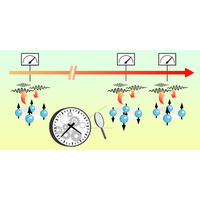
Phys. Rev. Lett. 136, 110401 (2026)
Quantum Information, Science, and Technology
Ultraviolet Completion of the Big Bang in Quadratic Gravity
Article | Cosmology, Astrophysics, and Gravitation | 2026-03-18 06:00 EDT
Ruolin Liu, Jerome Quintin, and Niayesh Afshordi
We present a quantum quadratic gravity inflationary scenario that can accommodate the new cosmological constraints, which have disfavored Starobinsky inflation. The theory is asymptotically free in the ultraviolet, but 1-loop running is found to dynamically lead to slow-roll inflation toward the inf…
Phys. Rev. Lett. 136, 111501 (2026)
Cosmology, Astrophysics, and Gravitation
Improved Dark Photon Sensitivity from a Superconducting-Radio-Frequency-Cavity Experiment
Article | Particles and Fields | 2026-03-18 06:00 EDT
Saarik Kalia, Zhen Liu, Bianca Giaccone, Oleksandr Melnychuk, Roman Pilipenko, Asher Berlin, Anson Hook, Sergey Belomestnykh, Crispin Contreras-Martinez, Daniil Frolov, Timergali Khabiboulline, Yuriy Pischalnikov, Sam Posen, Oleg Pronitchev, Vyacheslav Yakovlev, Anna Grassellino, Roni Harnik, and Alexander Romanenko
We report the refined dark-photon exclusion bound from Dark SRF's pathfinder run. Our new result is driven by improved theoretical modeling of frequency instability in high-quality resonant experiments. Our analysis leads to a constraint that is an order of magnitude stronger than previously reporte…
Phys. Rev. Lett. 136, 111802 (2026)
Particles and Fields
Number of Local Minima in Discrete-Time Fractional Brownian Motion
Article | Statistical Physics; Classical, Nonlinear, and Complex Systems | 2026-03-18 06:00 EDT
Maxim Dolgushev and Olivier Bénichou
The analysis of local minima in time series data and random landscapes is essential across numerous scientific disciplines, offering critical insights into system dynamics. Recently, Kundu et al. derived the exact distribution of the number of local minima for a broad class of Markovian symmetric wa…
Phys. Rev. Lett. 136, 117101 (2026)
Statistical Physics; Classical, Nonlinear, and Complex Systems
Very Persistent Random Walkers Reveal Transitions in Landscape Topology
Article | Statistical Physics; Classical, Nonlinear, and Complex Systems | 2026-03-18 06:00 EDT
Jaron Kent-Dobias
We study the typical behavior of random walkers on the microcanonical configuration space of mean-field disordered systems. Passive walks have an ergodicity-breaking transition at precisely the energy density associated with the dynamical glass transition, but persistent walks remain ergodic at lowe…
Phys. Rev. Lett. 136, 117401 (2026)
Statistical Physics; Classical, Nonlinear, and Complex Systems
Robust Critical Connectivity Threshold in Ranked Percolation of Granular Packings
Article | Polymers, Chemical Physics, Soft Matter, and Biological Physics | 2026-03-18 06:00 EDT
Vasco C. Braz and N. A. M. Araújo
The formation of sintering bridges in amorphous powders affects both flow behavior and perceived material quality. When sintering is driven by surface tension, bridges emerge sequentially, favoring contacts between smaller particles first. Predicting the connectivity percolation threshold is key to …
Phys. Rev. Lett. 136, 118202 (2026)
Polymers, Chemical Physics, Soft Matter, and Biological Physics
Physical Review X
Superconductivity via Paramagnon and Magnon Exchange in a 2D Near-Ferromagnetic Full Metal and Ferromagnetic Half-Metal
Article | 2026-03-18 06:00 EDT
Zachary M. Raines and Andrey V. Chubukov
Theoretical analysis of two-dimensional electron systems shows that magnon-mediated interactions drive robust -wave superconductivity within a ferromagnetically order state at a temperature significantly higher than in a paramagnetic state.
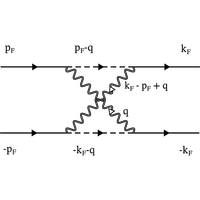
Phys. Rev. X 16, 011059 (2026)
arXiv
Quantifying the Features of an Amorphous Solid’s Local Yield Surface
New Submission | Soft Condensed Matter (cond-mat.soft) | 2026-03-19 20:00 EDT
Spencer Fajardo, Paul Desmarchelier, Sylvain Patinet, Michael L. Falk
In two-dimensional Lennard-Jones glasses, mechanical probing reveals that local yield surfaces are dominated by regions with a positive second derivative of the yield stress with respect to the loading angle. Each feature corresponds to a shear transformation zone and a characteristic non-affine displacement field at yield. Most features are well described by a combined Schmid-Mohr-Coulomb criterion parameterized by a weak-plane orientation, a critical stress, and a pressure sensitivity. The resulting parameter statistics clarify how the onset of plastic flow is governed by the population of discrete yielding features encoded in the amorphous structure.
Soft Condensed Matter (cond-mat.soft), Disordered Systems and Neural Networks (cond-mat.dis-nn), Materials Science (cond-mat.mtrl-sci)
7 pages, 4 figures. Submitted to Physical Review Letters
Geometry and Mechanics of Multistable Origami Blocks
New Submission | Soft Condensed Matter (cond-mat.soft) | 2026-03-19 20:00 EDT
Origami, which transforms flat sheets into three-dimensional shapes through folding patterns, has inspired the emergence of deployable systems in architecture and civil realms. Most existing origami-inspired deployable systems are based on rigid or curved-crease origami types. However, they inherently lack shape stability and require additional supports to maintain their deployed shapes. These lead to a fundamental trade-off between deployability and shape stability, which remains a major challenge for large-scale origami systems. Multistable origami, in contrast, achieves energy stability across multiple configurations during deployment. This unique characteristic enables it to maintain stable shapes even under external loads. These properties allow multistable origami to achieve both shape stability and deployability, offering high potential for self-supporting deployable systems in architectural applications. However, realizing both large-scale and structurally stable systems using a single origami faces many practical constraints. To overcome these limitations, origami block assembly has emerged as an effective approach to form global systems. This approach enables flexibility in global geometry and mechanical behaviors while offering reconfigurability. These indicate that the complementary potential of multistable origami and block assemblies can provide a promising solution. This study aims to address the challenges of applying deployable origami to large-scale architectural systems by leveraging the potential of multistable origami as modular building blocks. From a geometric standpoint, we explore design methods for stable configurations of multistable origami blocks that can align and interlock with each other. From a mechanical standpoint, we explore stiffness-controllable design methods that ensure self-supporting and load-bearing capabilities through geometric parameters.
Soft Condensed Matter (cond-mat.soft), Applied Physics (physics.app-ph)
Doctoral Thesis
Gaussian Process Regression-based Knowledge Distillation Framework for Simultaneous Prediction of Physical and Mechanical Properties of Epoxy Polymers
New Submission | Soft Condensed Matter (cond-mat.soft) | 2026-03-19 20:00 EDT
Epoxy polymers are widely used due to their multifunctional properties, but machine learning (ML) applications remain limited owing to their complex 3D molecular structure, multi-component nature, and lack of curated datasets. Existing ML studies are largely restricted to simulation data, specific properties, or narrow constituent ranges. To address these limitations, we developed an informed Gaussian Process Regression-based Knowledge Distillation (GPR-KD) framework for predicting multiple physical (glass transition temperature, density) and mechanical properties (elastic modulus, tensile strength, compressive strength, flexural strength, fracture energy, adhesive strength) of thermoset epoxy polymers. The model was trained on experimental literature data covering diverse monomer classes (9 resins, 40 hardeners). Individual GPR models serve as teacher models capturing nonlinear feature-property relationships, while a unified neural network student model learns distilled knowledge across all properties simultaneously. By encoding the target property as an input feature, the student model leverages cross-property correlations. Molecular-level descriptors extracted from SMILES representations using RDKit create a physics-informed model. The framework combines GPR interpretability and robustness with deep learning scalability and generalization. Comparative analysis demonstrates superior prediction accuracy over conventional ML models. Simultaneous multi-property prediction further improves accuracy through information sharing across correlated properties. The proposed framework enables accelerated design of novel epoxy polymers with tailored properties.
Soft Condensed Matter (cond-mat.soft), Materials Science (cond-mat.mtrl-sci), Machine Learning (cs.LG)
Machine intelligence supports the full chain of 2D dendrite synthesis
New Submission | Materials Science (cond-mat.mtrl-sci) | 2026-03-19 20:00 EDT
Wenqiang Huang, Susu Fang, Xuhang Gu, Shen’ao Xue, Huanhuan Xing, Junjie Jiang, Junying Zhang, Shen Zhou, Zheng Luo, Jin Zhang, Fangping Ouyang, Shanshan Wang
Exemplified by the chemical vapor deposition growth of two-dimensional dendrites, which has potential applications in catalysis and presents a parameter-intensive, data-scarce and reaction process-complex model problem, we devise a machine intelligence-empowered framework for the full chain support of material synthesis, encompassing rapid process optimization, accurate customized synthesis, and comprehensive mechanism this http URL, active learning is integrated into the experimental workflow, identifying an optimal recipe for the growth of highly-branched, electrocatalytically-active ReSe2 dendrites through 60 experiments (4 iterations), which account for less than 1.3% of the numerous possible parameter this http URL, a prediction accuracy-guided data augmentation strategy is developed combined with a tree-based machine learning (ML) algorithm, unveiling a non-linear correlation between 5 process variables and fractal dimension (DF) of ReSe2 dendrites with only 9 experiment additions, which guides the synthesis of various user-defined DF. Finally, we construct a data-knowledge dual-driven mechanism model by integration of cross-scale characterizations, interpretable ML models, and domain knowledge in thermodynamics and kinetics, unraveling synergistic contributions of multiple process parameters to the product morphology. This work demonstrates the ML potential to transform the research paradigm and is adaptable to broader material synthesis.
Materials Science (cond-mat.mtrl-sci), Artificial Intelligence (cs.AI)
20 pages, 5 figures
From pore collapse to crystal growth: ultrafast laser-induced stishovite formation in nanoporous silica
New Submission | Materials Science (cond-mat.mtrl-sci) | 2026-03-19 20:00 EDT
Aram Yedigaryan (LabHC), Mohamed Yaseen Noor (OSU), Elena Kachan (LabHC), Gabriel Calderon (OSU), Jinwoo Hwang (OSU), Enam Chowdhury (OSU), Jean-Philippe Colombier (LabHC)
The crystallization of amorphous solids under ultrafast laser irradiation represents a paradigm of non-equilibrium phase transitions, where the interplay between electromagnetic energy localization and atomic-scale dynamics remains largely uncharted. By using a multiscale framework that couples Finite-Difference Time-Domain simulations of nonlinear light propagation with Molecular Dynamics of the atomic response, we demonstrate that field enhancement at nanopore interfaces confines laser energy and drives a rapid collapse of the surrounding matrix. In the silica structure containing a nanopore of 2 nm radius, corresponding to a porosity of approximately 7%, the enhanced local electromagnetic field led to a final equilibrium temperature 16% higher than for the 1-nm pore (1% porosity), and 20% higher than for the homogeneous medium. Particularly, the heterogeneous energy localization in the 2-nm-pore system created a preferential nucleation site within the dense glass network and led to the ultrafast formation of stishovite, a high-pressure crystalline phase of SiO2, on a sub-nanosecond timescale, significantly faster than in homogeneous silica at the same equilibrium temperature. Such accelerated crystallization enables the phase transition to outpace pressure relaxation, which would otherwise inhibit stishovite formation under identical thermal loading. These predictions align with experimental observations of laser-induced crystallization in confined geometries and establish nanopores as potent catalysts for controlling solid-state transformations via tailored electromagnetic hotspots.
Materials Science (cond-mat.mtrl-sci)
Hydrodynamic Modeling of Odd Nematic Elasticity in Liquid Crystals
New Submission | Soft Condensed Matter (cond-mat.soft) | 2026-03-19 20:00 EDT
Zeyang Mou, Haijie Ren, Ding Xu, Igor S. Aranson, Rui Zhang
There is a recent interest in studying odd elasticity in soft solids. Current focus has been on simple solids. However, many soft solids are structured and can exhibit nematic elasticity or viscoelasticity. Here we generalize the concept of odd elasticity to nematic elasticity. By rewriting the governing equation for two-dimensional nematic liquid crystals (LCs) in terms of complex Ginzburg–Landau equation, we propose an odd nematic elastic term and its stress term in the hydrodynamic model of nematic LCs. The odd nematic elasticity can be physically interpreted as non-reciprocal interactions between neighboring directors. In odd nematics we find that domain walls become self-propelled and are accompanied by a bidirectional flow, and point defects can self-spin, develop a spiral pattern, and induce a vortical flow. Interactions of a pair of defects show rich dynamics that are distinct from those in active nematics. As such, we have developed an odd general elasticity, which can be further generalized to other viscoelastic materials, and proposed a novel way to manipulate topological defects in nematic LCs.
Soft Condensed Matter (cond-mat.soft), Materials Science (cond-mat.mtrl-sci)
Resonant field emission from noble-metal/graphene heterostructures
New Submission | Mesoscale and Nanoscale Physics (cond-mat.mes-hall) | 2026-03-19 20:00 EDT
Field emission from metals underpinned early vacuum-tube technology, and recent nanoscale engineering made field-emission devices compatible with modern silicon platforms. However, the limited tunability of electron transport in metals has restricted their applicability. Here, we show that noble metals coated with graphene exhibit clean non-monotonic $ I-V$ characteristics arising from resonant tunneling through graphene’s electronic states, enabled by graphene’s atomic thinness and weak electronic hybridization with noble metals. Our approach combines ab-initio interface parameters with exact solutions of the Schrödinger equation for electron transmission across the interface. We analyze two experimentally relevant geometries: a vertical configuration with a flat suspended emitter and a coplanar configuration with sharp electrodes allowing for strong field enhancement and gating. These results establish a practical route to tunable electron transport in metal heterostructures, positioning them as competitive components for air-channel field-emission nanoelectronics.
Mesoscale and Nanoscale Physics (cond-mat.mes-hall), Materials Science (cond-mat.mtrl-sci), Applied Physics (physics.app-ph)
to appear in Nano Letters: 7 pages + references and supporting materials = 18 pages in total, including 4 main figures and 5 supplementary figures
Momentum-gapped quasiparticles in disordered metals
New Submission | Strongly Correlated Electrons (cond-mat.str-el) | 2026-03-19 20:00 EDT
Miguel-Ángel Sánchez-Martínez, Blaise Goutéraux, Louk Rademaker, Felix Flicker
Nature contains massless particles with linear dispersions, and massive particles whose energies depend quadratically on their momenta with finite mass gaps. Both have equivalents in condensed matter physics in the form of collective modes and quasiparticles, measurable excitations with well-defined energy-momentum relations. A hypothesised third particle type - the super-luminal tachyon - would have an undefined energy at low momentum. A similar collective mode - long hypothesised within the hydrodynamic theory of matter - would have a purely imaginary energy at low momentum, corresponding to a finite lifetime. This third possibility has never been directly observed in a quantum system. Through a careful comparison of hydrodynamics with microscopic models of metals, we establish that this previously unseen third dispersion occurs in correlated quantum matter whenever the electronic fluid undergoes momentum relaxation due to explicit breaking of translation by impurities. As a specific example of these momentum-relaxed modes we consider the recent discovery of an acoustic plasmon - dubbed Pines’ demon - in Sr$ _2$ RuO$ _4$ . The observed dispersion of this neutral mode differed significantly from the massless linear behaviour predicted by the random phase approximation. We demonstrate that the observed dispersion corresponds, in fact, to a momentum-gapped quasiparticle.
Strongly Correlated Electrons (cond-mat.str-el)
Luttinger’s Theorem Violation and Green’s Function Topological Invariants in a Fractional Chern Insulator
New Submission | Strongly Correlated Electrons (cond-mat.str-el) | 2026-03-19 20:00 EDT
Anton A. Markov, Andrey M. Nikishin, Nigel R. Cooper, Nathan Goldman, Lucila Peralta Gavensky
Luttinger’s theorem constrains the particle density of interacting fermions through global properties of the single-particle Green’s function, and its violation signals a breakdown of the identification between the quantized Hall response and the Green-function-based Ishikawa-Matsuyama invariant. This phenomenon becomes especially compelling in strongly correlated topological phases, such as fractional Chern insulators, where fractionalized quasiparticles lack an adiabatic connection to electrons, raising the question of how Green’s-function-based topological invariants manifest in such phases. Using exact diagonalization of the fermionic Harper-Hofstadter-Hubbard model, we compute bulk single-particle Green’s functions deep inside a fractional Chern insulating phase and directly evaluate the Luttinger count, its possible correction (the Luttinger integral), and the Ishikawa-Matsuyama invariant $ N_3[\mathrm{G}]$ . We demonstrate a clear violation of Luttinger’s theorem and show that the fractional nature of the many-body Chern number is encoded in the Středa response of the Luttinger integral, while the integer invariant $ N_3[\mathrm{G}]$ arises from the Středa response of the Luttinger count. We also analytically prove that $ N_3[\mathrm{G}]$ is fully determined by the Luttinger count together with the Chern number of the occupied Bloch band, upon neglecting Bloch-band mixing. Finally, we propose an experimental protocol to extract all Green-function-based topological invariants from local density-of-states measurements, experimentally accessible in fractional quantum Hall systems.
Strongly Correlated Electrons (cond-mat.str-el), Mesoscale and Nanoscale Physics (cond-mat.mes-hall), Quantum Gases (cond-mat.quant-gas), Quantum Physics (quant-ph)
18 pages, 11 figures, includes Appendices
On deforming and breaking integrability
New Submission | Statistical Mechanics (cond-mat.stat-mech) | 2026-03-19 20:00 EDT
Ysla F. Adans, Marius de Leeuw, Tristan McLoughlin
In this paper we study nearest-neighbour deformations of integrable models. After expanding in the deformation parameter, we identify four possible types of deformations. First there are deformations that simply break or preserve integrability. Then we find two different subtle cases. The first case is where the deformation is only integrable if all orders of the deformation parameter are taken into account. An example of these are the long-range deformations that appear in holographic models. The second case is when the deformation is perturbatively integrable to some order in the deformation parameter but can not be extended to an integrable model. In this paper we work this out for the XXZ spin chain and discuss the level statistics of each of these cases. We find numerical evidence that the onset of chaos occurs differently in each of these models. For the perturbatively integrable models, we find that the deformation strength at which chaos appears demonstrates a volume-scaling intermediate between strong and weak integrability breaking models.
Statistical Mechanics (cond-mat.stat-mech), Strongly Correlated Electrons (cond-mat.str-el), High Energy Physics - Theory (hep-th), Mathematical Physics (math-ph), Exactly Solvable and Integrable Systems (nlin.SI)
24 pages, 6 figures
Resetting in a viscoelastic bath: the bath remembers
New Submission | Statistical Mechanics (cond-mat.stat-mech) | 2026-03-19 20:00 EDT
We study stochastic resetting of a probe particle in a viscoelastic environment where only the probe is reset while the medium retains memory of its past dynamics. Using a minimal model with finite correlation time, we analyze the competition between the resetting timescale and the viscoelastic relaxation timescale. This interplay leads to nonequilibrium steady states that differ qualitatively from those of Markovian Brownian motion with resetting. In particular, strong memory effects produce stationary position distributions with non-exponential tails. For instantaneous resets, we derive the limiting steady-state distributions analytically and compute exactly the time dependent leading non-vanishing moments. We also investigate non-instantaneous resetting via constant-velocity return protocols. In contrast to overdamped Brownian motion, where steady-state fluctuations are independent of the return dynamics, we find that in a viscoelastic medium the fluctuations depend on the reset velocity. This protocol dependence arises from the finite memory of the environment and highlights the role of environmental correlations in resetting-induced steady states.
Statistical Mechanics (cond-mat.stat-mech), Soft Condensed Matter (cond-mat.soft)
Accelerating Structure-Property Relationship Discovery with Multimodal Machine Learning and Self-Driving Microscopy
New Submission | Materials Science (cond-mat.mtrl-sci) | 2026-03-19 20:00 EDT
Jiawei Gong, Danqing Ma, Ralph Bulanadi, Robert Moore, Rama Vasudevan, Lianfeng Zhao, Yongtao Liu
Microscopy combined with local spectroscopy is widely used to correlate nanoscale structure with functional properties in materials, but conventional measurements rely heavily on human-selected sampling locations and predefined targets, limiting dataset diversity and the potential for discovery. Here, we present a framework that integrates autonomous microscopy with a dual-novelty deep kernel learning (DN-DKL) for adaptive data acquisition and a dual variational autoencoder (VAE) for representation learning. DN-DKL actively guides the microscopy toward structurally and spectroscopically novel regions, enabling efficient collection of large spectral datasets. Dual-VAE embeds local structure and spectroscopic responses into a shared latent manifold that serves as a structure-property relationship map. We applied this framework for the investigation of halide perovskite films using conductive atomic force microscopy. The results reveal distinct hysteresis behaviors that are linked to specific nanoscale structural motifs, including grain boundary junction points that show hysteresis under different bias conditions and asymmetric grain boundaries that suppress charge transport. This framework establishes a general strategy that leverages the complementary strengths of self-driving microscopy, machine learning, and human expertise to accelerate scientific discovery in functional materials.
Materials Science (cond-mat.mtrl-sci), Instrumentation and Detectors (physics.ins-det)
20 pages, 6 figures
Rejection-free Glauber Monte Carlo for the 2D Random Field Ising Model via Hierarchical Probabilistic Counters
New Submission | Statistical Mechanics (cond-mat.stat-mech) | 2026-03-19 20:00 EDT
Luca Cattaneo, Federico Ettori, Giovanni Cerri, Paolo Biscari, Ezio Puppin
We present an efficient Monte Carlo algorithm for the simulation of the two-dimensional Random Field Ising Model (RFIM). The method combines the event-driven, rejection-free character of the Bortz Kalos-Lebowitz (BKL) algorithm with Glauber transition probabilities, introducing hierarchical probabilistic counters to perform spin selection in O(log N) operations. This enables efficient sampling of the system’s dynamics, especially in the low-temperature and low-disorder regime, where traditional Metropolis updates suffer from critical slowing down. Furthermore, this approach allows a proper dynamical simulation of the Ising system’s behavior even in the presence of a Random Field (RF), unlike the BKL method. RFIM simulations with Gaussian field distributions reproduce the expected reduction of the pseudo-critical temperature with increasing disorder. Benchmarking shows speedups exceeding two orders of magnitude compared to the Metropolis algorithm in the low-temperature regime. The proposed method provides an efficient and dynamically faithful tool for studying both equilibrium and non-equilibrium phenomena in disordered spin systems.
Statistical Mechanics (cond-mat.stat-mech), Disordered Systems and Neural Networks (cond-mat.dis-nn), Computational Physics (physics.comp-ph)
16 pages, 11 figures
Field-direction sensitivity of Kondo hybridization in UTe$_2$
New Submission | Strongly Correlated Electrons (cond-mat.str-el) | 2026-03-19 20:00 EDT
Thomas Halloran, Gicela Saucedo Salas, Sylvia K. Lewin, J.A. Rodriguez-Rivera, Colin L. Sarkis, Jakob Lass, Daniel G. Mazzone, Marc Janoschek, Nicholas P. Butch
Neutron scattering experiments on the spin-triplet superconductor UTe$ 2$ have established that the dominant low-energy magnetic response is along Brillouin zone boundaries, resembling the magnetic susceptibility of narrow-gap interband excitations. We report a study of the sensitivity of these excitations to magnetic field along the crystallographic $ \hat{a}$ -axis. Up to fields of $ \mu_0 H$ =13 T, the maximal inelastic neutron spectral weight increases in energy transfer, with a pronounced increase in $ d\hbar\omega{peak}/dH$ near $ \mu_0 H$ =7 T. This behavior parallels the field and temperature dependent features of the electrical resistivity that are associated with Kondo hybridization. Our measurements suggest that $ \hat{a}$ -axis fields near $ \mu_0 H$ =7~T induce a change in the hybridization between heavy $ f$ -electrons and the bare conduction band.
Strongly Correlated Electrons (cond-mat.str-el)
12 pages, 12 figures
Real-space microscopic description of laser-pulse induced melting of superconductivity
New Submission | Superconductivity (cond-mat.supr-con) | 2026-03-19 20:00 EDT
Karl Bergson Hallberg, Jacob Linder, Guillermo Nava Antonio, Chiara Ciccarelli
Quenching quantum order via laser pulses has proven a useful tool to access exotic physical effects in systems that are strongly perturbed out of equilibrium. However, theoretical modelling of experimental measurements is typically done phenomenologically or by assuming translational invariance due to the complexity of the problem. Here, we solve a microscopic real-space model of the time dynamics of a superconductor following an intense laser-pulse. We are able to reproduce recent experimental findings displaying a critical slowing-down of the melting of the order parameter for laser fluences close to the condensation energy. Moreover, we leverage the real-space resolution of our model to predict how phase fluctuations and currents in the system behave both spatially and temporally. We discover an unusual current flow in the superconductor after the pulse has subsided, resembling backward waves that normally require special engineering in metamaterials or wave guides. Our results predict a rich behavior of the superconducting order parameter at a microscopic level which is manifested in current textures that can be probed using radiation detection.
Superconductivity (cond-mat.supr-con), Mesoscale and Nanoscale Physics (cond-mat.mes-hall)
12 pages, 10 figures
Breakloose suppression in minimal friction models
New Submission | Soft Condensed Matter (cond-mat.soft) | 2026-03-19 20:00 EDT
Breakloose friction, the transient force peak at the onset of sliding, is often pronounced in nanoscale contacts but weak or absent in macroscopic systems. Although this behavior is commonly associated with rupture fronts and process-zone effects, how the stiction peak is controlled by system size, temperature, driving rate, and loading geometry, and what mechanisms underlie its emergence or suppression, remains incompletely understood. Here we investigate this problem using three minimal friction models with distinct loading geometries: a multi-particle Prandtl-Tomlinson system with independently driven particles, an end-driven Frenkel-Kontorova chain with elastic stress transmission along the interface, and a uniformly driven FK chain in which each site is coupled locally to the driving stage. We show that similar macroscopic suppression of breakloose friction can arise from fundamentally different mechanisms. In multi-particle PT systems, increasing system size or temperature promotes statistical dephasing of local depinning events, smoothing the global response. In end-driven FK chains, internal elasticity redistributes stress along the interface, delaying sliding onset and, together with higher temperature or slower driving, enabling progressive relaxation during loading. In uniformly-driven FK chains, the stiffness of the driving springs controls the synchronization of slip events and thereby the character of the sliding response. These results demonstrate that the presence or absence of a breakloose peak does not uniquely identify a single physical mechanism, but instead reflects the interplay of local pinning, elastic coupling, and contact architecture.
Soft Condensed Matter (cond-mat.soft), Materials Science (cond-mat.mtrl-sci)
15 pages, 37 references
Interplay of superconductivity and ferromagnetism in ferromagnetic semiconductor-based Josephson junctions
New Submission | Superconductivity (cond-mat.supr-con) | 2026-03-19 20:00 EDT
Hirotaka Hara, Lukas Baker, Axel Leblanc, Shingen Miura, Keita Ishihara, Melissa Mikalsen, Patrick J. Strohbeen, Jacob Issokson, Masaaki Tanaka, Javad Shabani, Le Duc Anh
The interplay between superconductivity and ferromagnetism has long been pursued as a route to unconventional Josephson effects, yet suitable material platforms remain limited. Here we report Josephson junctions based on epitaxial Al/InAs/(Ga,Fe)Sb heterostructures grown by low-temperature molecular beam epitaxy, achieving atomically abrupt superconductor/semiconductor/ferromagnetic interfaces. The devices exhibit clear proximity-induced superconductivity, including multiple Andreev reflections and gate-tunable supercurrents, confirming transparent coupling across the hybrid structure. Under perpendicular magnetic fields, the junctions reveal highly unconventional Fraunhofer interference patterns with hysteresis, flux jumps, asymmetric lobe evolution, and clear nonreciprocity, providing strong evidence of induced ferromagnetism and broken time-reversal symmetry in the superconducting channel. Gate control further modulates the critical current, highlighting the semiconducting nature of the system. Our results demonstrate that ferromagnetic semiconductor heterostructures can serve as a highly tunable platform for exploring proximity-induced superconductivity and superconducting diode effects, and for advancing device concepts at the intersection of magnetism and quantum electronics.
Superconductivity (cond-mat.supr-con), Applied Physics (physics.app-ph)
Magnetically tunable telecom emission from Er3+ ions in layered WS2
New Submission | Mesoscale and Nanoscale Physics (cond-mat.mes-hall) | 2026-03-19 20:00 EDT
Guadalupe Garcia-Arellano, Gabriel I. Lopez-Morales, Johannes Flick, Cyrus E. Dreyer, Carlos A. Meriles
Erbium ions (Er3+) provide a telecom-band optical transition with strong magnetic-dipole character, making them attractive for quantum communication and spin-photon interfaces. Identifying host environments that combine low decoherence with photonic compatibility, however, remains a central challenge. Here we investigate Er3+ emission in tungsten disulfide (WS2) flakes, a layered host offering low nuclear-spin density and narrow telecom emission. Using time- and polarization-resolved photoluminescence under modest magnetic fields (< 0.2 T), we observe pronounced dimming, lifetime extension, and rotation of the emission dipole when the field has an out-of-plane component, whereas in-plane fields produce little change. Effective model calculations of Er3+ in monolayer WS2 parametrized from density functional theory indicate that these effects arise primarily from Zeeman-induced mixing of near-degenerate crystal-field sublevels, which modifies the magnitude and orientation of the optical transition dipole moments. Comparative measurements in flakes of different thickness and numerical estimates of the local density of optical states further suggest a secondary contribution from dipole coupling to the anisotropic photonic environment of thin WS2 layers. These findings identify layered WS2 as a platform where magnetic fields can tune telecom emission through an interplay of crystal-field physics and anisotropic photonic coupling.
Mesoscale and Nanoscale Physics (cond-mat.mes-hall)
Engineering Quantum Phases in Two Dimensions via Vacancy-Induced Electronic Reconstruction
New Submission | Materials Science (cond-mat.mtrl-sci) | 2026-03-19 20:00 EDT
Emmanuel V. C. Lopes, Felipe Crasto de Lima, Caio Lewenkopf, Adalberto Fazzio
Topological phases of matter are commonly understood as emerging either from crystalline symmetry and intrinsic spin-orbit coupling or from disorder-driven electronic renormalization. In realistic materials, however, structural defects naturally combine both ingredients. Here, we demonstrate a general and material-independent mechanism by which atomic vacancies can induce topological phase transitions in two-dimensional semiconductors that are otherwise topologically trivial. Vacancies generate locally ordered dangling-bond states governed by well-defined hopping and spin-orbit interactions, while their spatial distribution and mutual coupling introduce long-range disorder. As vacancy concentration increases, the hybridization of these defect states forms an emergent electronic subspace that undergoes a topological transition. Using a tight-binding framework supported by large-scale density functional theory calculations, we show that this vacancy-induced electronic reconstruction can robustly stabilize quantum spin Hall, quantum anomalous Hall, and Weyl semimetal phases, depending on symmetry breaking and spin polarization. Our results establish vacancies not merely as perturbations, but as active design elements capable of transforming trivial insulators into topological quantum matter, opening realistic routes for defect-engineered topological devices.
Materials Science (cond-mat.mtrl-sci)
Spin crossover in FeO under shock compression
New Submission | Materials Science (cond-mat.mtrl-sci) | 2026-03-19 20:00 EDT
Lélia Libon, Alessandra Ravasio, Silvia Pandolfi, Yanyao Zhang, Xuehui Wei, Jean-Alexis Hernandez, Hong Yang, Amanda J. Chen, Tommaso Vinci, Alessandra Benuzzi-Mounaix, Clemens Prescher, François Soubiran, Hae Ja Lee, Eric Galtier, Nick Czapla, Wendy L. Mao, Arianna E. Gleason, Sang Heon Shim, Roberto Alonso-Mori, Guillaume Morard
FeO (wüstite), which exhibits complex electronic and structural properties with increasing pressure and temperature, is a key mineralogical phase for understanding deep planetary interiors. However, direct measurements of its spin state at high-pressure and temperature remain challenging in static compression experiments. Here, we employ laser-driven shock compression to extend the FeO principal Hugoniot up to $ \sim$ 900 GPa and perform in situ X-ray diffraction and X-ray emission spectroscopy up to 250 GPa, probing FeO’s crystal structure and spin state. We demonstrate a continuous spin crossover of iron in FeO over a broad pressure range, with the high-spin state persisting beyond Earth’s core-mantle boundary (CMB) conditions. These observations provide new experimental constraints on iron spin state at extreme conditions essential for geophysical models of (exo)planetary interiors.
Materials Science (cond-mat.mtrl-sci), Earth and Planetary Astrophysics (astro-ph.EP)
35 pages, 6 figures, under review
Mesoscopic Modeling of Dynamic Tetra-PEG Hydrogel Networks
New Submission | Soft Condensed Matter (cond-mat.soft) | 2026-03-19 20:00 EDT
Pietro Miotti, Lucien Cousin, Mark W. Tibbitt, Igor V. Pivkin
We introduce a mesoscopic model of dynamic Tetra-PEG hydrogel networks based on a hybrid Dissipative Particle Dynamics/Monte Carlo (DPD/MC) approach. Polymer chains are described by Finite Extensible Nonlinear Elastic (FENE) potential, while reversible cross-links are modeled with Morse potential and Monte Carlo bond exchange governed by Bell’s force-dependent kinetics. After systematic calibration against theory and experiments, the model reproduces the characteristic Maxwell-like viscoelastic response of these networks. In particular, the relaxation time follows the expected scaling, $ \tau_R \propto \tau_b (p - p_{\text{gel}})$ , and the simulated storage moduli agree with experimental rheology. The mesoscopic resolution allows for graph-based topological analysis, where Tetra-PEG molecules and cross-links are represented as nodes and edges, providing access to bond distributions, fraction of dangling chains, and size of percolating clusters that are challenging to measure experimentally. Comparison with permanent-network predictions further suggests that dynamic bond exchange can affect bond distributions and delay the formation of a system-spanning cluster. This model bridges macromolecular bond kinetics and macroscopic mechanical properties, providing a complementary tool for rational design of dynamic polymer networks.
Soft Condensed Matter (cond-mat.soft)
$\textit{Ab initio}$ Identification of Hydrogen Tunneling as Two-Level Systems in Nb$_2$O$_5$ and Ta$_2$O$_5$
New Submission | Superconductivity (cond-mat.supr-con) | 2026-03-19 20:00 EDT
Cristóbal Méndez, Tomás A. Arias
Two-level systems (TLS) in native Nb and Ta oxides limit superconducting-qubit coherence and SRF-cavity quality factors in the microwave frequency range, yet their microscopic origin remains unclear. We combine MLIP-accelerated sampling of hydrogen configurations and diffusion pathways in amorphous Nb and Ta pentoxides with targeted $ \textit{ab initio}$ validation. Hydrogen is the only light interstitial with barrier-distance combinations near the $ \sim0.1-10$ GHz tunneling regime, and its ensemble statistics in amorphous oxides produce effective TLS densities and loss estimates consistent with the experimentally observed higher loss in Nb oxide than in Ta oxide. Our results point to H tunneling as a plausible microscopic TLS source in these materials.
Superconductivity (cond-mat.supr-con), Quantum Physics (quant-ph)
A Dayem Loop Qubit Based on Interfering Superconducting Nanowires
New Submission | Superconductivity (cond-mat.supr-con) | 2026-03-19 20:00 EDT
We propose a qubit design based on two parallel superconducting nanowires (i.e., a “Dayem loop qubit”). The inclusion of two nanowires instead of one leads to the Little-Parks effect, which provides an oscillator behavior for the qubit frequency as well as anharmonicity. Our key result is that even if the nanowires have an increasingly linear CPR at low supercurrents, the quantum interference between two condensates, induced by a magnetic field, leads to a restoration of cubic nonlinearity, which is predicted to be sufficient to create a functional transmon qubit based on thin superconducting wires. We consider both generic (cubic) current-phase relationships (CPR) as well as more realistic microscopic CPR, having higher-order nonlinearities. For higher-order CPRs, we propose a simple power-law phenomenological approximation valid at very low temperatures, at which superconducting qubits normally operate.
Superconductivity (cond-mat.supr-con)
17 pages, 7 figures
Spontaneous Polarization Suppression of Exciton-Exciton Annihilation in 3R-Stacked MoS$_2$ Bilayers
New Submission | Mesoscale and Nanoscale Physics (cond-mat.mes-hall) | 2026-03-19 20:00 EDT
Tae Gwan Park, Xufan Li, Kyungnam Kang, David B. Geohegan, Christopher M. Rouleau, Alexander A. Puretzky, Kai Xiao
Rapid exciton-exciton annihilation (EEA) in two-dimensional semiconductors limits access to high-density excitonic regimes essential for efficient optoelectronic operation under strong excitation. Here, we show that EEA is suppressed by repulsive dipole-dipole interactions between interlayer excitons polarized by the spontaneous polarization intrinsic to rhombohedral (3R)-stacked MoS$ 2$ bilayers. Using ultrafast pump-probe spectroscopy, we measure an EEA rate of $ \gamma{\rm EEA}=(5.03\pm0.99)\times10^{-3}$ cm$ ^2$ s$ ^{-1}$ in 3R bilayers, which is approximately 18.2-fold smaller than that in monolayers and 2.9-fold smaller than that in nonpolar 2H bilayers. Despite the higher exciton diffusivity recently reported for 3R relative to 2H bilayers, the reduced EEA rate in 3R indicates a rate-limited regime governed by the close-encounter annihilation probability rather than diffusion. A rate-limited annihilation model incorporating a dipole-dipole repulsive potential captures the observed ratio $ \gamma_{ {\rm EEA},3{\rm R}}/\gamma_{ {\rm EEA},2{\rm H}}\approx0.35$ for an exciton-exciton encounter distance of $ \sim$ 1.3 nm, consistent with the bilayer exciton Bohr radius. These results show that spontaneous polarization in 3R-stacked bilayers suppresses nonlinear excitonic losses and provides a route toward high-density excitonics.
Mesoscale and Nanoscale Physics (cond-mat.mes-hall), Materials Science (cond-mat.mtrl-sci), Optics (physics.optics)
29 pages, 4 figures
Crossover effects on the phase transitions phenomena translated by arborecences and spectral properties
New Submission | Statistical Mechanics (cond-mat.stat-mech) | 2026-03-19 20:00 EDT
This study investigates how visibility graphs constructed from Monte Carlo Markov Chain time series of spin models capture the critical behavior of the system. More precisely, we show that this approach identifies continuous phase transitions as well as important nuances, such as crossover effects occurring in the transition from a critical line to a first-order line through a tricritical point, as observed, for example, in the Blume–Emery–Griffiths model or, in a simpler setting, in the Blume–Capel model. By applying Kirchhoff’s theorem, we show that the number of spanning trees of the resulting graphs serves as a sensitive indicator of these phase transitions. Furthermore, a qualitative analysis of the adjacency matrices based on random matrix theory provides additional evidence for these phenomena. The methodology developed here can potentially be extended to the analysis of criticality in empirical time series from complex systems, such as climate, financial, and epidemiological data, where the Hamiltonian governing the dynamics is not necessarily known.
Statistical Mechanics (cond-mat.stat-mech), Computational Physics (physics.comp-ph)
18 pages, 7 figures, 2 tables
Field-angle dependence of magnetoresistance in UTe2
New Submission | Superconductivity (cond-mat.supr-con) | 2026-03-19 20:00 EDT
We theoretically study angle-resolved magnetoresistance under rotated magnetic field in the normal state of a spin-triplet superconductor UTe$ _2$ . The Wannier model derived from a GGA+$ U$ calculation shows quasi-two-dimensional Fermi surfaces with warping in the $ k_z$ direction, consistent with quantum oscillation measurements in the high magnetic field regime. Solving the semiclassical Boltzmann equation, we show that the Fermi surface geometry gives rise to oscillations in the magnetoresistance when the field is tilted from the $ c$ axis toward the $ a$ or $ b$ axis. By assuming a band-dependent relaxation time, the calculated angle-resolved magnetoresistance is in good agreement with the recent transport experiment. This is direct evidence for the warped Fermi surface revealed by ordinary intraband transport. It suggests that the hole band with long relaxation time dominates electron transport. The field angle dependence of the Hall resistivity is calculated for further experimental verification.
Superconductivity (cond-mat.supr-con)
9 pages, 9 figures
Thermodynamic accessibility of Li-Mn-Ti-O cation disordered rock-salt phases
New Submission | Materials Science (cond-mat.mtrl-sci) | 2026-03-19 20:00 EDT
Ronald L. Kam, Shilong Wang, Gerbrand Ceder
Disordered rock-salt with Li-excess (DRX) cathode phases within the Li-Mn-Ti-O (LMTO) composition space have recently been extensively studied, as they promise to deliver exceptional energy density at low cost in Li-ion batteries. The continued development of LMTO DRX with improved power density and cycling stability requires optimization of the composition and particle size/morphology, which are determined by synthesis conditions such as annealing temperatures and hold times. These challenges motivate our investigation of the phase diagram of the LMTO rock-salt phase space, with a focus on understanding the stability of DRX by quantifying the order-disorder transition temperature ($ T_\text{disord}$ ) as a function of composition. We harness first-principles calculations and X-ray diffraction experiments to establish the LMTO phase diagram, which lies within the LiMnO$ _2$ – Li$ _2$ MnO$ _3$ – Li$ _2$ TiO$ _3$ pseudo-ternary. Our calculations predict that the LMTO phase diagram at elevated temperature ($ 700 - 1300$ C) is composed of three phases: DRX, orthorhombic LiMnO$ _2$ , and layered Li$ _2$ Mn$ _\text{1-y}$ Ti$ \text{y}$ O$ 3$ ($ 0 < \text{y} < 1$ ). $ T\text{disord}$ decreases significantly as off-stoichiometry is introduced to the end-point compositions, resulting in a eutectoid phase diagram. Importantly, a significant range of LMTO compositions containing small to moderate fractions of Li-excess and Ti doping (relative to LiMnO$ 2$ ) have $ T\text{disord}$ spanning $ 700 - 900$ C. These temperatures are substantially lower than conventional DRX synthesis temperatures ($ \geq 1000$ C), suggesting the promise of decreasing synthesis temperatures for specific DRX compositions. The compositions containing moderate to high fractions of Mn$ ^{4+}$ instead have much greater $ T\text{disord}$ and phase separation to layered Li$ _2$ MnO$ _3$ becomes highly favored.
Materials Science (cond-mat.mtrl-sci)
Phonon circular birefringence and polarization-filter in Magnetic Topological Insulators
New Submission | Mesoscale and Nanoscale Physics (cond-mat.mes-hall) | 2026-03-19 20:00 EDT
Abhinava Chatterjee, Chao-Xing Liu
The surface phonon Hall viscosity (PHV)-an acoustic analog of axion electrodynamics-emerges from the strain response of magnetic topological insulators and gives rise to novel acoustic phenomena. In this work, we propose a previously unexplored effect: a phonon polarization-filter mechanism induced by the surface PHV, which generates an interface phonon mode with its frequency below the bulk mode frequency. This interface mode possesses a specific circular polarization and therefore acts as a polarization filter, confining only phonons with the matching polarization at the interface. Magnetic topological insulators can thus selectively transmit one type of circularly polarized phonon mode, enabling the manipulation of phonon polarization and angular momentum. In addition, we further develop a generalized scattering framework to study the effect of an injected acoustic wave from a trivial insulator to a magnetic topological insulator with both normal and oblique incidence, and discuss the phenomena of surface acoustic Faraday rotation and longitudinal-transverse mode conversion. Our results establish surface Hall viscosity as a powerful mechanism for engineering axial phonon states and open new avenues for topological phononic devices based on phonon angular momentum.
Mesoscale and Nanoscale Physics (cond-mat.mes-hall)
Magnetic-field tuning of the spin dynamics in the quasi-2D van der Waals antiferromagnet CuCrP${2}$S${6}$
New Submission | Strongly Correlated Electrons (cond-mat.str-el) | 2026-03-19 20:00 EDT
Joyal John Abraham, Yaqian Guo, Yuliia Shemerliuk, Sebastian Selter, Saicharan Aswartham, Kranthi Kumar Bestha, Laura T. Corredor, Anja U. B. Wolter, Olga Kataeva, Luka Rogić, Noah Somun, Damjan Pelc, Oleg Janson, Jeroen van den Brink, Bernd Büchner, Vladislav Kataev, Alexey Alfonsov
The use of antiferromagnets in magnetoelectronic devices as counterparts of ferromagnets is a new, rapidly developing trend in spintronics that leverages antiferromagnetic (AFM) magnons for transmitting of spin currents. Van der Waals (vdW) antiferromagnets are particularly attractive in this respect as they possess tunable magnetic properties and can be easily integrated into spintronic devices. In this work we use electron spin resonance (ESR) spectroscopy to assess the potential of the vdW AFM compound CuCrP$ {2}$ S$ {6}$ for magnonic applications by exploring the magnetic field ($ H$ ) dependence of the spectrum of magnon excitations below its AFM ordering temperature $ T{\rm N} \approx 30$ K and the correlated spin dynamics above $ T{\rm N}$ . ESR reveals prominent ferromagnetic (FM) spin correlations that persist far above $ T_{\rm N}$ suggesting an intrinsically two-dimensional character of the spin dynamics in CuCrP$ _{2}$ S$ {6}$ . Most interestingly, at $ T < T{\rm N}$ , CuCrP$ _{2}$ S$ _{6}$ features two non-degenerate, i.e., distinct in energy AFM magnon modes at $ H = 0$ which can be tuned to the FM type of collective spin excitations with increasing $ H$ . These remarkable properties are favorable for the induction and control of unidirectional spin current in CuCrP$ _{2}$ S$ _{6}$ and suggest it as a new functional material for magnetoelectronics.
Strongly Correlated Electrons (cond-mat.str-el)
Adv. Funct. Mater. 36, e11057 (2025)
Generalized symmetry-protected topological phases in mixed states from gauging dualities
New Submission | Strongly Correlated Electrons (cond-mat.str-el) | 2026-03-19 20:00 EDT
Linhao Li, Zhen Bi, Weiguang Cao
Decoherence in realistic quantum platforms motivates a mixed-state notion of topological phases of matter, including average symmetry-protected topological (ASPT) phases. Alongside this progress, generalized symmetries–notably noninvertible and dipole symmetries–have become powerful organizing principles for exotic quantum phases, yet their implications for mixed states remain less explored. In this work, we bridge these directions through a gauging correspondence between mixed-state phases with generalized symmetries and mixed-state phases with ordinary group symmetries, recasting the classification of noninvertible and dipole ASPT phases into familiar classifications of symmetry breaking and ASPT phases with dual symmetries. Using this approach, we classify and construct a subclass of ASPT phases with non-invertible and dipole symmetries in $ (1+1)d$ , including phases that are intrinsic to mixed states, and characterize them via string order parameters and protected edge modes.
Strongly Correlated Electrons (cond-mat.str-el), High Energy Physics - Theory (hep-th)
23 pages, 4 figures, 1 table
Symmetry-Driven Electrical Switching of Anisotropic Skyrmion Hall Effect in Altermagnets
New Submission | Materials Science (cond-mat.mtrl-sci) | 2026-03-19 20:00 EDT
Wenhui Du, Kaiying Dou, Ying Dai, Zeyan Wang, Baibiao Huang, Yandong Ma
Controlling the skyrmion Hall effect (SkHE) is pivotal for developing topological spintronics but typically relies on magnetic field reversal. Here, we demonstrate a general strategy for the purely electrical switching of the SkHE in two-dimensional altermagnets. Through symmetry and model analysis, we reveal that the intrinsic altermagnetic symmetry imposes sublattice-dependent anisotropic exchange and Dzyaloshinskii-Moriya interactions. These interactions induce a highly anisotropic SkHE, where the transverse velocity is strictly dictated by the current direction relative to the crystal axes. Crucially, we show that an external electric field can strongly modulate these interaction parameters by inversing the altermagnetic symmetry, allowing for the reversible inversion of the anisotropic SkHE. Using first-principles and atomistic spin model simulations, this mechanism is further demonstrated in monolayer CaMnSn. Our study establishes a unique strategy for realizing precise, electrically tunable skyrmion transport without magnetic fields.
Materials Science (cond-mat.mtrl-sci)
Hexatic Order Coupled with Thermal Noise Produces Bubbles in Two-Dimensional Active Matter
New Submission | Soft Condensed Matter (cond-mat.soft) | 2026-03-19 20:00 EDT
The phase separation of purely-repulsive particles induced by self-propulsion is among the most well-studied non-equilibrium phase transitions. However, some notable features of this transition remain open questions, including the origin of bubbles within the dense phase in two dimensions. Various explanations have been proposed, ranging from a reversal of the Ostwald ripening process to topological defects at the borders of hexatic domains. We present particle-based simulations that disentangle the effect of hexatic domains on the bubble size and number distribution through the introduction of polydispersity. While hexatic order is found to be necessary for bubble formation, we also identify thermal translational noise is required for bubble generation. Intriguingly, the magnitude of the thermal noise needed for bubble formation can be remarkably small in comparison with the particle activity but cannot be identically zero. The cooperative motion evidenced within the dense phase of the thermal hexatic domains may may be necessary for bubble production.
Soft Condensed Matter (cond-mat.soft)
Single-pair charge-2 Weyl-Dirac composite semimetals
New Submission | Materials Science (cond-mat.mtrl-sci) | 2026-03-19 20:00 EDT
Hui-Jing Zheng, Ke-Xin Pang, Yun-Yun Bai, Yanfeng Ge, Yan Gao
The Nielsen–Ninomiya theorem requires that the total topological chiral charges in a crystal vanish, a constraint typically satisfied by identical nodes like Weyl–Weyl pairs. Whether a minimal heterogeneous configuration – comprising a single Weyl point (WP) and a single Dirac point (DP) – can exist in an electronic system has remained unresolved. Here, by systematically classifying all 1651 magnetic space groups (MSGs), we reveal that only 14 MSGs without spin-orbit coupling (SOC) and 10 MSGs with SOC are compatible with this exotic state. Furthermore, for nonmagnetic crystals, this configuration is uniquely realized in the spinless limit of chiral space groups 92 and 96. Guided by this principle, we predict an ideal realization in chiral three-dimensional boron allotropes (SDHBN-B$ _{28}$ enantiomers). First-principles calculations unveil a $ |C|=2$ WP at the $ \Gamma$ point and a $ |C|=2$ DP at the $ A$ point, which constitute the only fermions near the Fermi level within a large $ 2$ eV energy window. Strikingly, the structural chirality rigidly dictates the sign of the topological charges, yielding two ultralong Fermi arcs spanning the surface Brillouin zone. Our work provides a complete crystallographic classification and a definitive material platform for exploring minimal heterogeneous chiral fermions.
Materials Science (cond-mat.mtrl-sci)
25 pages, 4 figures
Novel Magnetoacoustic Resonance Technique for Exploring Hidden Quadrupoles in a Crystal Field Quartet
New Submission | Strongly Correlated Electrons (cond-mat.str-el) | 2026-03-19 20:00 EDT
Mikito Koga, Masashige Matsumoto
Crystal field quartets with quadrupole degrees of freedom play a crucial role in hidden ordering systems, as exemplified by CeB$ _6$ . We present a novel magnetoacoustic resonance technique that combines acoustically induced strain fields with a linearly polarized high-frequency microwave field to probe quadrupoles inherent in the quartet hidden behind magnetic properties. This method offers the advantage of enabling quantum quadrupole resonance transitions for large excitation energy gaps within quartet sublevels under a strong magnetic field, which cannot be achieved by acoustic experiments alone. Formulating a simultaneous single-phonon-single-photon absorption transition process using Floquet theory, we demonstrate how the transition probabilities are affected by changing the propagation direction of a bulk acoustic wave. The key result is that distinct maxima in transition probabilities, attributed to specific propagation directions, indicate a characteristic of quadrupole physics and exhibit an abrupt change owing to an induced ordered moment. This photon-assisted magnetoacoustic resonance technique will promote a broader range of applications of acoustic experiments for the study of quadrupole physics.
Strongly Correlated Electrons (cond-mat.str-el)
8 pages, 2 figures
J. Phys. Soc. Jpn. 95, 044706 (2026)
Extended Hubbard model on fractals: d-Wave superconductivity and competing pairing channels
New Submission | Superconductivity (cond-mat.supr-con) | 2026-03-19 20:00 EDT
Robert Canyellas, Mikhail I. Katsnelson, Andrey Bagrov
Fractal structures such as the Sierpiński gasket have been predicted to enhance the critical tem- perature of s-wave superconductivity compared to regular crystals while maintaining macroscopic phase coherence of Cooper pairs. Here we extend this analysis to order parameters with non-trivial symmetry by studying the extended Hubbard model with nearest-neighbor attraction on fractal lattices. Using Bogoliubov-de Gennes mean-field theory, we find that the Sierpiński carpet dramat- ically alters the competition between pairing channels: the predominant d-wave superconducting dome at half filling of the square lattice becomes unstable for the carpet, while at high and low fillings extended s-wave pairing gets strongly enhanced. We attribute this to geometric frustration of sign-changing order parameters by the fractal boundary structure. On the triangular Sierpiński gasket, hybrid s+d+id states show critical temperature enhancement comparable to that previously observed for pure s-wave pairing. Our results demonstrate that fractal geometry acts as a selective filter for pairing symmetries, with the compatibility between order parameter structure and lattice topology determining which channels are stabilized or suppressed.
Superconductivity (cond-mat.supr-con)
GPUMDkit: A User-Friendly Toolkit for GPUMD and NEP
New Submission | Materials Science (cond-mat.mtrl-sci) | 2026-03-19 20:00 EDT
Zihan Yan, Denan Li, Xin Wu, Zhoulin Liu, Chen Hua, Boyi Situ, Hao Yang, Shengjie Tang, Benrui Tang, Ziyang Wang, Shangzhao Yi, Huan Wang, Dian Huang, Ke Li, Qilin Guo, Zherui Chen, Ke Xu, Yanzhou Wang, Ziliang Wang, Gang Tang, Shi Liu, Zheyong Fan, Yizhou Zhu
Machine-learned interatomic potentials have revolutionized molecular dynamics simulations by providing quantum-mechanical accuracy at empirical-potential speeds. The graphics processing unit molecular dynamics (GPUMD) package, featuring the highly efficient neuroevolution potential (NEP) framework, has emerged as a powerful tool in this domain. However, the complexity of force field development, active learning, and trajectory post-processing often requires extensive manual scripting, imposing a steep learning curve on new users. To address this, we present GPUMDkit, a comprehensive and user-friendly toolkit that streamlines the entire simulation workflow for GPUMD and NEP. GPUMDkit integrates a suite of essential functionalities, including format conversion, structure sampling, property calculation, and data visualization, accessible through both interactive and command-line interfaces. Its modular, extensible architecture ensures accessibility for users of all experience levels while allowing seamless integration of new features. By automating complex tasks and enhancing productivity, GPUMDkit substantially lowers the barrier to using GPUMD and NEP programs. This article describes the program architecture and demonstrates its capabilities through practical applications.
Materials Science (cond-mat.mtrl-sci)
17 pages, 7 figures
Exactly Solvable Disorder-free Quantum Breakdown Model: Spectrum, Thermodynamics, and Dynamics
New Submission | Strongly Correlated Electrons (cond-mat.str-el) | 2026-03-19 20:00 EDT
We introduce and study a disorder-free version of the quantum breakdown model with all-to-all interactions. The Hamiltonian factorizes into the product of the zero-momentum-mode occupation number and a quadratic Hamiltonian including only pairing terms. This structure makes the model exactly solvable and produces a large set of zero-energy states. We analyze its spectral, thermodynamic, and dynamical properties. In particular, we show how the factorized structure shapes the spectral form factor and the real-time dynamics. We also compute two-point functions and out-of-time-ordered correlators (OTOCs), and find a distinct early-time growth regime in the OTOCs. These results provide a solvable setting in which spectral properties and real-time dynamics can be analyzed in a controlled way in the absence of disorder, spatial structure, and environmental coupling.
Strongly Correlated Electrons (cond-mat.str-el), Statistical Mechanics (cond-mat.stat-mech), High Energy Physics - Theory (hep-th)
17 pages, 11 figures
Rapid Neural Network Prediction of Linear Block Copolymer Free Energies
New Submission | Soft Condensed Matter (cond-mat.soft) | 2026-03-19 20:00 EDT
Ian Chen, Alfredo Alexander-Katz
Free energies are fundamental quantities governing phase behavior and thermodynamic stability in polymer systems, yet their accurate computation often requires extensive simulations and post-processing techniques such as the Bennett Acceptance Ratio (BAR). While BAR provides reliable estimates when applied between closely related thermodynamic states, evaluating free energies across large changes in interaction strength typically requires a sequence of intermediate simulations to maintain sufficient phase-space overlap, substantially increasing computational cost. In this work we develop a machine learning framework for rapidly predicting excess free energies of linear diblock copolymer systems from simulation-derived energetic descriptors. Using dissipative particle dynamics simulations of freely-jointed chain polymers, we construct a dataset of per-chain energetic statistics, including heterogeneous interaction energies, homogeneous interaction energies, and bonded spring energies, and train feed-forward neural networks to learn the relationship between these descriptors and free energies computed using a stratified BAR procedure. The resulting models accurately reproduce the reference free energies across a range of chain lengths, compositions, and densities, including polymer architectures held out from training. In regimes where direct, brute-force BAR estimates become unreliable due to poor phase-space overlap, the neural network predictions remain consistent with the reference values. These results demonstrate that physically informed machine learning models can serve as efficient surrogates for expensive free-energy calculations and provide a promising approach for accelerating thermodynamic analysis of polymer systems.
Soft Condensed Matter (cond-mat.soft), Machine Learning (cs.LG)
Phase Transition of Hard Disk Systems with Vicsek-type Interactions
New Submission | Soft Condensed Matter (cond-mat.soft) | 2026-03-19 20:00 EDT
Nobuaki Murase, Masaharu Isobe
The phase diagram of self-propelled hard disk systems with Vicsek-type alignment interactions was investigated by event-driven molecular dynamics simulations. The model incorporates two competing order parameters: the polar order-disorder transition associated with collective velocity alignment (Vicsek model) and the orientational order arising from solid-fluid transitions (Alder transition) induced by excluded volume effects. The incompressibility of hard disks suppresses motility-induced phase separation at high packing fractions. Distinctive fluctuations were observed near the transition point, accompanied by anomalous shifts in the transition point as functions of noise intensity and packing fraction. Analysis of local configurational parameters – specifically, orientational order and circularity of free volume – provides insight into the microscopic origins of these anomalous phase transition shifts.
Soft Condensed Matter (cond-mat.soft), Statistical Mechanics (cond-mat.stat-mech)
6 pages, 4 figures, to appear in this http URL
The role of polyelectrolyte brushes in tunable synaptic devices
New Submission | Soft Condensed Matter (cond-mat.soft) | 2026-03-19 20:00 EDT
Esli Diepenbroek, Leon A. Smook, Sissi de Beer
With the ever-increasing digitization of society, the development of materials with low-power memory storage -similar to synapses- is becoming more relevant. The field of iontronic artificial synapses has gained traction, in particular with polymers as the memory-active material which allows for additional bio-compatibility, flexibility and tunability. Polyelectrolyte brushes are an example of stimulus-responsive materials that can be used in iontronic devices. However, the complexity of current neuromorphic devices does not allow us to isolate and understand the role of polyelectrolyte brushes in their synaptic response. In this paper, we show that polyelectrolyte brushes are capable of synaptic behavior in the most simple of electrochemical cell designs. Furthermore, by combining theory and experimental work, we shed light on the role of brushes in this synaptic behavior and their dynamic stimuli-responsiveness to polarity changes for different salt concentrations. The obtained trends and interpretations of the nonlinear potential-current response, paired-pulse experiments, and accumulative learning lay the foundation for designing and developing polymer brush-based neuromorphic devices.
Soft Condensed Matter (cond-mat.soft)
Direct observation of ultrafast amorphous-amorphous transitions indicated by bond stretching and angle bending in phase-change material GeTe
New Submission | Materials Science (cond-mat.mtrl-sci) | 2026-03-19 20:00 EDT
Yingpeng Qi, Nianke Chen, Zhihui Zhou, Qing Xu, Yang Lv, Xiao Zou, Tao Jiang, Pengfei Zhu, Min Zhu, Dongxue Chen, Zhenrong Sun, Xianbin Li, Dao Xiang
The intrinsic nature of glass states and glass transitions at the atomic scale remain a fundamental open question in condensed-matter physics and materials science. By combining femtosecond electron diffraction with time-dependent density-functional theory molecular dynamics simulations, we directly observe ultrafast amorphous-amorphous transitions in amorphous GeTe, manifested as rapid Ge-Te (Ge) bond stretching within 0.2 ps and subsequent angle bending of the Ge-Te (Ge)-Ge motif on a 0.5-2 ps timescale. Critically, the ultrafast bond stretching is accompanied by localized oscillation modes with the frequency of 3.10 THz, unambiguously signaling the local Peierls-like bonding structure and the flexibility of these polarized bonds. These ultrafast collective atomic motions provide a direct structural origin for the boson peak and pay the way for systematic optimization of relaxation and crystallization kinetics.
Materials Science (cond-mat.mtrl-sci)
Symmetry-Enforced Nodal $f$-Wave Magnets
New Submission | Mesoscale and Nanoscale Physics (cond-mat.mes-hall) | 2026-03-19 20:00 EDT
Hirschmann Moritz M., Furusaki Akira, Hirschberger Max
Owing to their relevance for spintronics, electronic band splitting and spin-polarization textures in magnets are active areas of research. In non-collinear magnets, alternating spin textures can arise both for isolated bands and for intersecting band pairs with nodal splitting. This raises the question of whether $ p,f,…$ -wave magnets should be defined by their spin polarization or their band splitting. To resolve this ambiguity, we introduce spin-space symmetries that couple the spin polarization and splitting textures for all bands. Focusing on the nodal $ f$ -wave magnet, we construct a tight-binding model of itinerant electrons on a honeycomb bilayer coupled to a non-collinear magnetic texture. Analytic expressions for spin polarization and splitting reveal the dependence on hopping and exchange coupling. We predict a canting-induced spin conductivity arising from the nodal structure of the splitting. Furthermore, the $ f$ -wave magnet in the bulk can induce $ p$ -wave magnetism on the surface. This surface $ p$ -wave character leads to a bulk-forbidden Edelstein effect with $ f$ -wave anisotropy.
Mesoscale and Nanoscale Physics (cond-mat.mes-hall), Materials Science (cond-mat.mtrl-sci), Strongly Correlated Electrons (cond-mat.str-el)
8 pages, 5 figures
Polarization-Aligned, Spectrally Consistent Quantum Emitters in As-Exfoliated Carbon-Doped Hexagonal Boron Nitride
New Submission | Mesoscale and Nanoscale Physics (cond-mat.mes-hall) | 2026-03-19 20:00 EDT
Sofiya Karankova, Yeunjeong Lee, Seungmin Park, Kenji Watanabe, Takashi Taniguchi, Jin-Dong Song, Young Duck Kim, Yong-Won Song, Hyowon Moon
Solid-state quantum emitters constitute an essential building blocks of integrated quantum photonic circuits. Among potential emitter platforms, hexagonal boron nitride (hBN) hosts single-photon emitters in an atomically thin lattice amenable to photonic integration. However, multi-step fabrication approaches, limited defect specificity, and poor emission wavelength repeatability limit the performance of hBN quantum light sources relative to established solid-state architectures. Developing methods to induce emitters that are both suitable for planar photonic devices and that exhibit consistent optical properties remains a key objective. In this work, we identify quantum emitters in as-exfoliated carbon-doped hBN that exhibit both stable and repeatable emission energies together with polarization-aligned dipoles. Owing to the high lattice crystallinity, these single-photon light sources demonstrate exceptional spectral stability with a standard deviation of 7 $ {\mu}$ eV. The emission energy is reproducible and confined within a narrow range of 2.2825 $ {\pm}$ 0.0042 eV. Notably, consistent dipole alignment for absorption and emission polarization suggests that the intrinsic defects are of the same nature. The color centers are observed in as-exfoliated hBN without any post-treatment, significantly facilitating further interfacing with planar photonic structures. These reproducible, polarization-aligned quantum emitters in as-exfoliated hBN provide a versatile platform for scalable integration, offering a pathway toward a broad range of quantum technologies.
Mesoscale and Nanoscale Physics (cond-mat.mes-hall)
Exploring the role of connectivity in disordered system
New Submission | Disordered Systems and Neural Networks (cond-mat.dis-nn) | 2026-03-19 20:00 EDT
Anjan Daimari, Shivanee Borah, Diana Thongjaomayum
We study a minimal model of disordered systems, the random field Ising model (RFIM) on a generalized Petersen Graph, GP(N,k). This graph has a connected inner and outer loop, where both the loops consist of N nodes constituting a total of 2N nodes. The parameter k satisfies the condition 1<=k<=N/2, such that any site i in the inner loop has i-k and i+k as its two nearest neighbours, apart from its connection to a node on the outer loop. Thus, each node in GP(N,k) has coordination number z=3, and by varying k different connections between the nodes in the inner loop can be obtained. The objective is to study whether different connectivity between nodes in these graphs affects the system’s response to an external field when the coordination number is fixed. This is of interest because critical behaviour is absent for z<=3 on a random graph which has been solved exactly as well as on the honeycomb lattice in the context of RFIM. Using single-spin-flip Glauber dynamics at zero temperature, we compare the system’s response with the known case of a z=3 random graph and the generalized Petersen graph for various connectivity k, albeit for the same z. Our study finds the absence of critical behaviour on GP(N,k) highlighting the importance of coordination number over varying connectivity between the nodes. Additionally, we explore the case of directed GP(N,k) and compare it with the undirected GP(N,k) results.
Disordered Systems and Neural Networks (cond-mat.dis-nn), Statistical Mechanics (cond-mat.stat-mech)
5 pages, 8 figures
${H}$-linear magnetoresistance in the ${T^2}$ resistivity regime of overdoped infinite-layer nickelate La${1-x}$Sr${x}$NiO$_2$
New Submission | Superconductivity (cond-mat.supr-con) | 2026-03-19 20:00 EDT
Yong-Cheng Pan, Tommy Kotte, Toni Helm, Motoki Osada, Atsushi Tsukazaki, Yu-Te Hsu
We report a systematic magnetotransport study on high-crystallinity La$ _{1-x}$ Sr$ _{x}$ NiO$ _2$ (LSNO) thin films with $ x=0.20-0.24$ . By conducting pulsed-field transport experiment up to 62 T, we reveal two salient features of the normal-state transport in overdoped LSNO thin films: (1) the magnetoresistance does not follow the Kohler’s rule but exhibits a $ H$ -linear behavior in the high $ H/T$ limit and (2) the normal-state $ \rho(T)$ below 30 K consistently follows a $ T^2$ behavior across the overdoped regime. Our results demonstrate a coexistence of $ H$ -linear magnetoresistance and $ T^2$ resistivity in a model unconventional superconductor and provide new information on the transport characteristics of the normal ground state that host superconductivity in infinite-layer nickelates.
Superconductivity (cond-mat.supr-con)
6 pages, 4 figures and 1 table
Hydrogen uptake and hydride formation in Al$_x$CoCrFeNi high-entropy alloys: First-principles, universal-potential, and experimental study
New Submission | Materials Science (cond-mat.mtrl-sci) | 2026-03-19 20:00 EDT
Fritz Körmann, Yuji Ikeda, Konstantin Glazyrin, Maxim Bykov, Kristina Spektor, Shrikant Bhat, Nikita Y. Gugin, Anton Bochkarev, Yury Lysogorskiy, Blazej Grabowski, Kirill V. Yusenko, Ralf Drautz
Hydrogen uptake in complex multicomponent alloys, including high-entropy alloys (HEAs), governs both hydrogen storage capacity and resistance to hydrogen-induced degradation. We combine high-pressure experiments, density-functional theory (DFT), and a GRACE universal interatomic potential to investigate hydrogen absorption in Al$ _{0.3}$ CoCrFeNi and Al$ _3$ CoCrFeNi HEAs. In H$ _2$ as a pressure-transmitting medium, the FCC Al$ _{0.3}$ CoCrFeNi alloy forms hydrides at ambient temperature above 3 GPa, whereas the Al-rich B2 Al$ _3$ CoCrFeNi alloy shows no evidence of hydride formation even upon heating at pressures up to 50 GPa. Experiments and calculations show that aluminum suppresses hydrogen uptake by increasing solution energies and destabilizing interstitial sites. The universal potential, employed in the calculations and pretrained on large DFT databases, closely reproduces DFT energetics and demonstrates transferability from the dilute limit to the hydride-forming regime. Simulations further disentangle the roles of local ordering, volume changes, composition, and crystal structure. Overall, our results indicate that hydrogen solubility in Al-containing HEAs is governed primarily by composition, with Al-driven B2 ordering as a strong secondary effect.
Materials Science (cond-mat.mtrl-sci)
Information-Geometric Signatures from Nonextensivity in the $1$-D Blume-Capel Model
New Submission | Statistical Mechanics (cond-mat.stat-mech) | 2026-03-19 20:00 EDT
Amijit Bhattacharjee, Himanshu Bora, Prabwal Phukon
We study the thermodynamic geometry of the one-dimensional Blume–Capel model within the Tsallis nonextensive framework to understand how generalized statistics modify correlation structure and pseudo-critical behaviour. Using the transfer matrix method, we construct the Tsallis entropy based thermodynamic metric as its negative Hessian on the parameter space $ (\beta, J)$ , with the crystal-field anisotropy $ D$ as a control parameter, and compute the associated scalar curvature $ R(T)$ as a measure of correlations. Although no true phase transition occurs in one dimension, $ R(T)$ exhibits finite peaks signaling pseudo-critical crossovers. We analyze both $ D < J$ and $ D > J$ regimes and show that deviations from the Boltzmann–Gibbs limit ($ q=1$ ) systematically deform the curvature profile: for $ q>1$ the peak shifts and correlations persist beyond the crossover, whereas for $ q<1$ the peak is weakened or suppressed. Our results demonstrate that the Tsallis parameter $ q$ geometrically reshapes the entropy surface, providing a clear information-geometric interpretation of nonextensive effects in spin-1 systems.
Statistical Mechanics (cond-mat.stat-mech)
15 pages, 9 figures
Free-Energy Analysis of Bubble Nucleation on Electrocatalytic Surfaces
New Submission | Soft Condensed Matter (cond-mat.soft) | 2026-03-19 20:00 EDT
Qingguang Xie, Paolo Malgaretti, Othmane Aouane, Simon Thiele, Jens Harting
Bubble nucleation at catalyst surfaces plays a critical role in the operation of electrolyzers. However, achieving controlled bubble nucleation remains challenging due to limited understanding of the underlying mechanisms. Here, we present a free-energy model that quantitatively predicts both the activation energy and critical nucleus size of bubbles at given supersaturation, temperature, pressure, and surface wettability. We find that the activation energy $ \Delta G_{max}$ decreases with increasing supersaturation $ \zeta$ , following a power-law scaling of $ \Delta G_{max} \sim \zeta^{-2}$ , while the critical nucleus radius $ R_c$ scales as $ R_c\sim \zeta^{-1}$ . Our theoretical predictions for the critical nucleus radius of hydrogen, oxygen and nitrogen bubbles are in quantitative agreement with experimental measurements. Finally, we present a simple model that couples gas diffusion and electrochemical reaction kinetics to determine the maximum gas supersaturation at a given current density. Our results advance the fundamental understanding of bubble nucleation at catalyst surfaces and provide practical guidelines for catalyst layer design to improve the performance of electrolyzers.
Soft Condensed Matter (cond-mat.soft), Chemical Physics (physics.chem-ph)
8 pages, 4 figures
Study of Meta-Fibonacci Integer Sequences by Continuous Self-Referential Functional Equations
New Submission | Statistical Mechanics (cond-mat.stat-mech) | 2026-03-19 20:00 EDT
I propose and investigate the use of continuous functional equations for the study of meta-Fibonacci integer sequences. This exploratory study includes three sequences with quite different behavior: Conway’s famous sequence $ A(n)= A(A(n-1))+A(n-A(n-1))$ , the sequence $ D(n)= D(D(n-1))+D(n-1-D(n-2))$ introduced by the present author more than 25 years ago, and Hofstadter’s well-known $ Q(n)= Q(n-Q(n-1))+Q(n-Q(n-2))$ . The sequences are studied in their equivalent detrended forms $ (a,d,q)(n)=2,(A,D,Q)(n)-n$ . For $ a(n)$ and $ d(n)$ , a highly symmetric functional equation admits exact continuous solutions that nicely model the global behavior (backbone) of the sequences. For the Hofstadter sequence, a continuous functional model is developed that leads to a random matrix approach for the generation and study of fractal solutions. Two remarkable properties of the Q-sequence are reproduced by the model: the anomalous scaling of the generation length, which scales $ \sim (2-\eta)^k$ , and the anomalous amplitude growth that scales like $ 2^{\alpha k}$ .
Statistical Mechanics (cond-mat.stat-mech), Dynamical Systems (math.DS), Chaotic Dynamics (nlin.CD)
24 pages, 8 figures
Imaginary Gauge Field and Non-Hermitian Topological Transition Emerging Through Attenuation-Gauge Duality in Conservative Systems
New Submission | Other Condensed Matter (cond-mat.other) | 2026-03-19 20:00 EDT
Haoran Nie, Chaoran Jiang, Xiangying Shen, Lei Xu
Non-Hermitian physics traditionally relies on active gain–loss modulation or non-reciprocal couplings, which often introduce significant complexity, compromise stability, and offer very limited scalability in conservative systems. Here we propose an attenuation-gauge duality paradigm in which non-Hermitian topology emerges within fully passive, conservative systems through coupling to a structured reservoir. We derive that a spatially varying reservoir can establish an attenuation-gauge duality, where the spatial variation manifests as an emergent imaginary gauge field in the effective dynamics. It drives the boundary accumulation of skin modes while preserving energy conservation, analogous to Feshbach projection in quantum open systems. We validate this universal wave paradigm via macroscopic mechanical metamaterials, demonstrating that the direction of the skin effect can be reversed by tuning a single passive coupling parameter$ t_\perp$ , driven by a topological phase transition characterized by the spectral winding number. This framework also allows for a nonlinear extension, where amplitude-dependent coupling can induce intrinsic topological transitions.
Other Condensed Matter (cond-mat.other), Quantum Physics (quant-ph)
6 pages, 3 figures
Interface-dependent Phase Transitions and Ultrafast Hydrogen Superionic Diffusion of H2O Ice
New Submission | Materials Science (cond-mat.mtrl-sci) | 2026-03-19 20:00 EDT
Pengfei Hou, Yumiao Tian, Zifeng Liu, Junwen Duan, Hanyu Liu, Xing Meng, Russell J. Hemley, Yanming Ma
High-pressure experiments using diamond anvils have revealed novel properties and phase behavior of H2O under extreme conditions. When contained in diamond-anvil cells, the H2O samples are usually in direct contact with the diamond anvil. However, the extent to which this interface affects measured pressure-induced properties and behavior, including coexistence lines of ice phases, remains unknown. Combining artificial neural network methods and active learning schemes with large-scale molecular dynamics simulations, we elucidate the interfacial effects on various properties of high-pressure ice phases, including superionic states, solid-solid phase transitions, and melting. The results reveal that the presence of this interface can significantly lower the hydrogen superionic transition temperature. Remarkably, the interface can also induce a spontaneous transition from bcc- to fcc-based ice following the inverse Bain mechanism. Further, we redefined a stability field of bcc and fcc ice below the melting line and predicted the existence of fcc ice at much lower pressures than previously thought. More broadly, the results emphasize the importance of interface effects in understanding a wide range of phenomena reported in experimental studies of ice under pressure, including inconsistencies between theoretical and experimental results of this fundamental system.
Materials Science (cond-mat.mtrl-sci), Chemical Physics (physics.chem-ph), Computational Physics (physics.comp-ph)
30 pages, 21 figures
Non-contact mechanics of soft and liquid interfaces by hydrodynamic confinement using a frequency-modulated AFM
New Submission | Soft Condensed Matter (cond-mat.soft) | 2026-03-19 20:00 EDT
Lucie Corral, Christian Curtil, Medhi Lagaize, Marc Leonetti, Hubert R. Klein
Measuring the mechanical properties of liquid interfaces without direct contact remains a major experimental challenge, particularly for liquid liquid systems. Here we propose a frequency modulated atomic force microscopy method that probes interfaces through hydrodynamic confinement of a viscous liquid film between an oscillating probe and the interface. The method is first quantitatively validated on a model liquid solid interface, where the measured imepdance and confinement thickness agree with theory over a decade of elastic moduli. It is the aplied to a liquid liquid interface which exhibits a purely viscous response. As a result of the absence of elastic restoring force, the confinement thickness increases to micrometric values. These original measurements demonstrate that hydrodynaic confinement provides a quantitative non-contact probe of liquid interfaces and opens new perspectives for invetigating complex and highly deformable systems.
Soft Condensed Matter (cond-mat.soft), Fluid Dynamics (physics.flu-dyn)
23 pages, 7 figures
Identification of sub-angstrom many-body localization in quantum materials by Bragg scattering phase breaking and ultrafast structural dynamics
New Submission | Materials Science (cond-mat.mtrl-sci) | 2026-03-19 20:00 EDT
Yingpeng Qi, Jianmin Yang, Zhihui Zhou, Qing Xu, Yang Lv, Xiao Zou, Tao Jiang, Pengfei Zhu, Dongxue Chen, Zhenrong Sun, Lin Xie, Dao Xiang, Jiaqing He
Defects, fluctuations, degenerate states and correlated interactions facilitate the emergence of exotic properties in condensed matter systems while also inducing atomic-scale local correlated structures that deviate from the average long-range order. Establishing the structure-property relationship from the perspective of these atomic-scale local correlated structures remains ambiguous and controversial due to the lack of direct methods for identifying such local correlated structures. In this work, based on the photoexcited ultrafast structural response, we propose a Bragg scattering phase breaking regime to identify the sub-angstrom local correlated structures in quantum materials. With this regime, we unambiguously identify the many-body-interaction driven local correlated structures with static off-center Ag displacements of 0 to 0.5 angstrom in the low temperature ground state of AgCrSe2. As temperature rising, these static local correlated structures transform to a dynamic state where the thermal fluctuations overwhelm the multiple localized quantum states, signifying the strong anharmonicity of the local structures. The state-of-the-art density functional theory simulation well reproduces the intrinsic many-body-interaction driven local correlated structures. These unique local correlated structures evidence the first many-body localization with topological order characteristic in real material systems and provide a unified scenario for the versatile quantum properties in single crystalline AgCrSe2. Our work not only offers a universal approach to characterize sub-angstrom local correlated structures across a wide range of quantum materials but also deepens our understanding of the fundamental mechanism behind exotic properties from the perspective of atomic-scale local correlated structures.
Materials Science (cond-mat.mtrl-sci)
Local composition controls pattern formation in conserved active emulsions
New Submission | Soft Condensed Matter (cond-mat.soft) | 2026-03-19 20:00 EDT
Phase separation in passive systems leads to uncontrolled droplet growth, limiting structural control in soft materials and cells. We identify a generic mechanism to arrest coarsening based on chemical interconversion between molecular species with different diffusivities. Sharp-interface theory and simulations show that when the faster-diffusing species becomes enriched inside droplets, composition gradients emerge that oppose mass influx. This transport asymmetry stabilizes droplet sizes even without interaction asymmetries, offering a minimal route to regulate structure formation in active emulsions.
Soft Condensed Matter (cond-mat.soft)
8 pages, 4 figures
Polaron-mediated anisotropic exchange in 2D magnets
New Submission | Materials Science (cond-mat.mtrl-sci) | 2026-03-19 20:00 EDT
Johanna P. Carbone, Jakob Baumsteiger, Cesare Franchini
Two-dimensional (2D) magnets offer a rich platform for exploring emergent spin phenomena due to their unique and diverse magnetic properties. Beyond intrinsic magnetism, external manipulation$ \unicode{x2013}$ such as defect engineering, molecular adsorption, or charge doping$ \unicode{x2013}$ offers powerful routes to control their magnetic behavior. In this work, we demonstrate that localized electron polarons provide an effective means to modulate magnetism in 2D magnets. Using first-principles calculations, we investigate polaron formation in monolayer MnPS$ _3$ and compute the resulting changes in magnetic exchange interactions. Our results reveal that polarons can locally break magnetic symmetry and induce anisotropic exchange couplings, highlighting a novel mechanism for tuning magnetic textures. This insight opens promising pathways for designing atomic-scale control of magnetism, with potential impact on spintronic technologies.
Materials Science (cond-mat.mtrl-sci), Mesoscale and Nanoscale Physics (cond-mat.mes-hall)
8 pages, 5 figures
Field-induced quasi-bound state within the two-magnon continuum of a square-lattice Heisenberg antiferromagnet
New Submission | Strongly Correlated Electrons (cond-mat.str-el) | 2026-03-19 20:00 EDT
F. Elson, M. Nayak, A. A. Eberharter, M. Skoulatos, S. Ward, U. Stuhr, N. B. Christensen, D. Voneshen, C. Fiolka, K. W. Krämer, Ch. Rüegg, H. M. Rønnow, B. Normand, M. Mourigal, F. Mila, A. M. Läuchli, M. Månsson
Quantum magnets in two dimensions display strong quantum interaction effects even when magnetically ordered. Using the metal-organic framework material CuF$ _2$ (D$ _2$ O)$ _2$ (pyz), we investigate the field-dependent spin dynamics of the $ S = 1/2$ square-lattice Heisenberg antiferromagnet by high-resolution inelastic neutron scattering to applied fields beyond one third of saturation. We discover an anomalously sharp, dispersive shadow mode'' residing within the two-magnon continuum, which shadows the dispersion of the transverse one-magnon branches across the Brillouin zone at an offset equal to the Larmor energy. We perform cylinder matrix-product-state (MPS) calculations that reproduce the field-induced spectrum quantitatively and apply a spectrally consistent $ 1/S$ spin-wave theory to deduce that the Larmor-shadow mode’’ is a composite two-magnon resonance: a dispersing magnon at wavevector $ {\bf Q}$ couples to the uniform Larmor precession at $ \Gamma$ , its small intrinsic linewidth indicating a non-perturbative effect of attractive magnon-magnon interactions. Another quantum-fluctuation phenomenon, the zero-field $ (\pi,0)$ anomaly, is lost at increasing fields, which tighten the spectral weight into the one-magnon and Larmor-shadow modes. To our knowledge, these results constitute the first observation of a sharp quasi-bound state embedded in the continuum of a gapless two-dimensional antiferromagnet.
Strongly Correlated Electrons (cond-mat.str-el)
Main Manuscript (13 pages, 5 figures) + appended Supplementary Information (SI: 16 pages, 17 figures)
Collective Dynamics of Macroscopic Photoactive Matter Under Alternating Excitation Patterns
New Submission | Soft Condensed Matter (cond-mat.soft) | 2026-03-19 20:00 EDT
Sára Lévay, Axel Katona, Raúl Cruz Hidalgo, Iker Zuriguel
We present experiments on the collective dynamics of macroscopic photoactive self-propelled particles subjected to spatiotemporally varying excitation. The particles move within an arena divided into two regions with different illumination intensities, creating alternating bright (more active) and dark (less active) zones. Under such conditions, the system exhibits a robust migration from the more active region toward the less active region, demonstrating a strong response to external modulation. This response depends sensitively on the frequency of the illumination pattern: at low frequencies, particles follow the changing landscape, whereas at higher frequencies, the response diminishes. We show that this behavior arises from the interplay between the imposed excitation and the intrinsic dynamics of the particle clusters that form spontaneously. To explain these features, we extend a kinetic model previously introduced in [Phys. Rev. Lett. \textbf{135}, 098301 (2025)], hence revealing the most important parameters governing the transition between the responsive and unresponsive regimes.
Soft Condensed Matter (cond-mat.soft), Other Condensed Matter (cond-mat.other)
Superconducting Lanthanum Nickel Oxides with Bilayered and Trilayered Crystal Structures
New Submission | Superconductivity (cond-mat.supr-con) | 2026-03-19 20:00 EDT
Hiroya Sakurai, Yoshihiko Takano
In 2023, superconductivity in La$ _3$ Ni$ 2$ O$ 7$ was discovered under high pressures above approximately 14 GPa. In addition to its high transition temperature ($ T{\mathrm{c}} \simeq 80$ K), the structural resemblance to high-$ T{\mathrm{c}}$ cuprates has strongly stimulated research, soon followed by the discovery of superconductivity in La$ _4$ Ni$ _3$ O$ _{10}$ . These compounds belong to the Ruddlesden–Popper phases, comprising double- and triple-layered NiO$ 2$ square lattices separated by LaO rock-salt slabs.
Research on these systems has rapidly developed along three major directions, as in other prominent families of superconductors such as the cuprates and iron arsenides: expanding the chemical variety of compounds, enhancing $ T{\mathrm{c}}$ through elemental substitution, and elucidating the superconducting mechanism. These challenges, being closely interconnected, continue to drive the field. The clarification of the pairing mechanism encounters a particular difficulty, since the key experiments must be performed under high pressures. This situation highlights the significance of developing nickel oxides that exhibit superconductivity at much lower pressures, ideally at ambient pressure, which would in turn broaden the scope of chemical tuning and detailed physical characterization.
In this context, it is timely and meaningful to summarize the present state of knowledge. Here, we emphasize sample synthesis and characterization, which are already well established and often decisive for progress in unconventional superconductors, while providing a brief overview of the currently available electronic properties.
Superconductivity (cond-mat.supr-con)
The revised version of this paper has been published in J. Phys. Condens. Matter 38 (2026) 073002. DOI: https://doi.org/10.1088/1361-648X/ae4155
Exactly Solvable RD Model: RG Cycles Meet Fractality
New Submission | Statistical Mechanics (cond-mat.stat-mech) | 2026-03-19 20:00 EDT
Ilya Liubimov, Alexander Gorsky
We consider the Bethe ansatz integrable Russian Doll (RD) model of superconductivity with time-reversal symmetry breaking, which exhibits a cyclic renormalization group. By obtaining an exact solution for the renormalization group flows, we investigate the phase structure in the one-pair sector, which includes localized, fractal, and delocalized phases. We show that the quantum number Q, arising from the Bethe ansatz equations, counts the number of cycles and parametrizes the towers of states. Using the action of the renormalization group on the eigenstates, we demonstrate that Q serves as an order parameter, providing a new mechanism for the formation of the fractal phase in the deterministic systems and an example of the interplay between fractality and cyclic RG.
Statistical Mechanics (cond-mat.stat-mech), High Energy Physics - Theory (hep-th), Quantum Physics (quant-ph)
Non-equilibrium phase coexistence in conserved chemically active mixtures
New Submission | Soft Condensed Matter (cond-mat.soft) | 2026-03-19 20:00 EDT
Chemical activity is known to affect phase coexistence and coarsening in liquid mixtures, most commonly through reaction-induced changes of intermolecular interactions. Here, we analyze a scenario in which chemical reactions regulate particle transport while leaving thermodynamic interactions unchanged. We study an incompressible mixture of thermodynamically identical solutes with unequal diffusivities that interconvert through driven chemical reactions. Using linear stability analysis and finite-element simulations, we show that the system can phase-separate into solute-rich and solute-poor domains via two qualitatively different pathways. When interactions are too weak to induce phase separation, patterns arise through a generalized mass-redistribution instability and coarsen uninterruptedly. When interactions favor phase separation, coarsening can be arrested if chemical activity locally enriches faster-diffusing solutes within dense domains. In the limit of fast chemical turnover, the system always coarsens, and phase coexistence is governed by an effective free energy that explicitly depends on kinetic parameters. Beyond this limit, we develop a sharp-interface theory that predicts the onset of arrested coarsening, stationary droplet sizes, and nucleation conditions under chemical driving. Taken together, our results establish kinetic regulation as a minimal and robust mechanism to control phase coexistence and coarsening in chemically active mixtures.
Soft Condensed Matter (cond-mat.soft)
29 pages, 11 figures
Chiral-Induced Spin Selectivity Effect in a 1 nm Thin 1,1’-Binaphthyl-2,2’-diyl Hydrogenphosphate Self-Assembled Monolayer on Nickel Oxide
New Submission | Materials Science (cond-mat.mtrl-sci) | 2026-03-19 20:00 EDT
Abin Nas Nalakath, Christian Pfeiffer, Anu Gupta, Franziska Schölzel, Michael Zharnikov, Georgeta Salvan, Ron Naaman, Marc Tornow, Peer Kirsch
The chiral-induced spin selectivity (CISS) effect describes an observed correlation between the orientation of an electron spin transported or transferred through a molecule and that molecule’s chirality. Suitable molecules are usually arranged as self-assembled monolayers (SAMs), and the primary CISS systems are based on multiple nanometer-long biomolecules exhibiting helical chirality. Aside from these typically thiolate-anchored molecules, phosphonic and phosphoric acid SAMs may well become significant for those CISS applications that require a more robust molecular coupling to metal oxide surfaces. In this work, we report on our studies, employing the aromatic, low-molecular-mass, axially chiral organophosphoric acid derivative 1,1’-binaphthyl-2,2’-diyl hydrogenphosphate (BNP). Grown as a roughly 1 nm thin SAM on top of a NiOx/Ni substrate, a strong circular dichroism signal indicates that the thin films preserved chirality. The CISS response exhibits a high magnetoresistance with a spin polarization of 50-80% when measured using magnetic-conductive atomic force microscopy. For biases above 0.5 V, the magnetoresistance curves could be well fitted to the Fowler-Nordheim (FN) tunneling model. Using a minimal FN model, we determined that, depending on the magnetization direction and the handedness of the molecules, electrons of a certain spin direction face an effective tunneling barrier at high bias, which is either 80 % higher or 40 % lower compared to the barrier for electrons of the opposite spin direction. Due to the small size of the molecules, their compatibility with oxide materials, and their commercial availability, they are excellent candidates for the realization of novel (nanoscale) organic spintronic devices.
Materials Science (cond-mat.mtrl-sci)
Electron-Hole Scattering Dichotomy and Anisotropic Warping in Quasi-Two-Dimensional Fermi Surfaces of UTe2
New Submission | Superconductivity (cond-mat.supr-con) | 2026-03-19 20:00 EDT
Motoi Kimata, Jun Ishizuka, Freya Husstedt, Yusei Shimizu, Ai Nakamura, Dexin Li, Yoshiya Homma, Atsushi Miyake, Yoshinori Haga, Hironori Sakai, Yoshifumi Tokiwa, Shinsaku Kambe, Yo Tokunaga, Dai Aoki, Toni Helm, Youichi Yanase
We present a combined experimental and theoretical study of the detailed Fermi-surface (FS) geometry of UTe2, a heavy-fermion superconductor that has recently attracted considerable attention as a promising candidate for spin-triplet pairing. Using angle-dependent magnetoresistance oscillations, a bulk- and low-energy-sensitive transport probe for quasi-two-dimensional (Q2D) electronic structures, we directly determine the in-plane FS geometry. We found that the Q2D FS exhibits a rectangular cross-sectional shape with strongly anisotropic warping, originating from the hybridization of two orthogonal quasi-one-dimensional bands. Through a quantitative comparison between experiment and theoretical calculations, we further reveal a large electron-hole scattering dichotomy: the quasiparticle lifetime on the electron FS is substantially shorter than that on the hole FS. This dichotomy is naturally explained by anisotropic, low-dimensional antiferromagnetic fluctuations, which selectively enhance scattering on the electron FS. This suggests a dominant role of the electron pockets for the emergence of superconductivity. Our results clarify a direct relation between FS geometry, magnetic fluctuations, and momentum-dependent quasiparticle lifetimes, and thus providing a crucial basis for the microscopic understanding of pairing mechanism, and impose stringent constraints on the gap symmetry of spin-triplet superconductivity in UTe2.
Superconductivity (cond-mat.supr-con), Strongly Correlated Electrons (cond-mat.str-el)
21 pages, 4 figures
Critical Scaling of Finite-Size Fluctuations around Marginal Stability in Long-Range Hamiltonian Systems
New Submission | Statistical Mechanics (cond-mat.stat-mech) | 2026-03-19 20:00 EDT
Yoshiyuki Y. Yamaguchi, Julien Barré
Finite size fluctuations are a crucial ingredient in kinetic theory of long-range interacting collisionless systems. In this Letter, we introduce a phenomenological theory which predicts an anomalous scaling close to marginal stability for these fluctuations. It also pinpoints the critical window inside which the fluctuations are anomalous, and outside which they are Gaussian. Shrinking very slowly as $ N^{-1/5}$ , this critical window encompasses a wide region around marginal stability. We confirm our predictions through extended numerical simulations on two different simplified models.
Statistical Mechanics (cond-mat.stat-mech)
8 pages, 7 figures
Bosonic quantum mixtures with competing interactions: quantum liquid droplets and supersolids
New Submission | Quantum Gases (cond-mat.quant-gas) | 2026-03-19 20:00 EDT
Sarah Hirthe, Leticia Tarruell
These lecture notes contain an introduction to quantum simulation of bosonic systems in the continuum, focusing on weakly interacting Bose-Bose mixtures with competing mean-field interactions. When the values of such interactions are fine-tuned to almost completely cancel the mean-field energy, quantum fluctuations become apparent and dominate the behavior of the system, stabilizing an ultradilute quantum liquid phase. An analogous situation appears in single-component dipolar quantum gases. We review the mechanism that gives rise to this exotic quantum liquid, which can form droplets that are self-bound in the absence of any external confinement, and discuss their properties and dynamics in both the mixture and the dipolar cases. In dipolar gases, arrays of dipolar droplets stabilized by quantum fluctuations can establish global phase coherence and form supersolids. In bosonic mixtures, supersolidity can emerge already at the mean-field level through spin-orbit coupling. We discuss the properties of such spin-orbit-coupled supersolids, comparing them to their dipolar counterparts. Specifically, we focus on their periodic density modulation, phase coherence, and peculiar excitation spectrum, which hosts both superfluid and crystal excitations. Finally, we conclude by discussing open research directions in the areas of quantum liquid droplets and spin-orbit-coupled supersolids, in particular at the interface of the two research topics.
Quantum Gases (cond-mat.quant-gas), Atomic Physics (physics.atom-ph), Quantum Physics (quant-ph)
This manuscript has been submitted to appear in the Proceedings of the Course 214 “Quantum Computers and Simulators with Atoms” of the International School of Physics “Enrico Fermi” (Varenna, July 2024). 50 pages, 24 figures
Strain-driven spin mixing and dark-exciton recombination in a neutral Ni2+ doped quantum dot
New Submission | Mesoscale and Nanoscale Physics (cond-mat.mes-hall) | 2026-03-19 20:00 EDT
K. E. Polczynska, S. Karouaz, W. Pacuski, L. Besombes
We investigate the optical properties of neutral excitons in CdTe/ZnTe quantum dots containing a single Ni2+ ion. We show that the photoluminescence spectra provide a direct spectroscopic signature of strain induced mixing of the Ni2+ spin states. A misalignment between the principal axis of the local strain tensor and the quantum dot growth direction reorients the spin quantization axis of the magnetic ion, reducing the hole Ni2+ exchange interaction at low magnetic field and giving rise to photoluminescence replicas around the partially linearly polarized bright-exciton transitions. A longitudinal magnetic field restores the circularly polarized optical selection rules, allowing the three spin projections S_z = 0, +-1 of the Ni2+ ion to be spectrally resolved. Dark exciton emission appears on the low energy side of the spectra and is dominated at low field by transitions involving spin flips of the magnetic ion. An effective spin Hamiltonian including strain orientation and valence band mixing reproduces the magnetic field evolution of both bright and dark exciton spectra. These results highlight the key role of the local strain environment in determining the spin exciton coupling of transition metal dopants in semiconductor quantum dots.
Mesoscale and Nanoscale Physics (cond-mat.mes-hall)
Magneto-rotation coupling dominates surface acoustic wave driven ferromagnetic resonance in the longitudinal geometry
New Submission | Mesoscale and Nanoscale Physics (cond-mat.mes-hall) | 2026-03-19 20:00 EDT
Gyuyoung Park, OukJae Lee, Jintao Shuai
We present a phonon-magnon extension for the mumax+ micromagnetic framework that implements three surface acoustic wave (SAW) coupling mechanisms: magnetoelastic strain coupling, magneto-rotation coupling arising from the antisymmetric displacement gradient, and spin-rotation (Barnett) coupling from the lattice angular velocity. Six benchmark simulations validate the implementation through SAW-driven domain-wall motion, magnetization switching, magneto-rotation and Barnett field validation, nonreciprocal SAW-magnon absorption from Rayleigh-wave chirality, and spatially resolved coupling in a standing SAW cavity. For the longitudinal geometry (m_0 parallel to k_SAW), we show that the magnetoelastic coupling produces zero transverse torque despite generating a 50 times larger effective field; the magneto-rotation channel provides the sole driving mechanism. The crossover angle below which MR dominates is theta_c approximately 1.1 degrees for YIG parameters. Treating the magneto-rotation coupling constant K_mr as a tunable parameter, we map out the cooperativity phase diagram and show that MR alone can achieve strong coupling (C = 257 for K_mr = 1 MJ/m^3) with an avoided-crossing splitting of 13.6 MHz.
Mesoscale and Nanoscale Physics (cond-mat.mes-hall), Materials Science (cond-mat.mtrl-sci), Computational Physics (physics.comp-ph)
15 pages, 11 figures, 34 references
Reaching Quantum Critical Point by Adding Non-magnetic Disorder in Single Crystals of Superconductor $(\text{Ca}x\text{Sr}{1-x})_3\text{Rh}4\text{Sn}{13}$
New Submission | Superconductivity (cond-mat.supr-con) | 2026-03-19 20:00 EDT
Elizabeth H. Krenkel, Makariy A. Tanatar, Romain Grasset, Marcin Kończykowski, Shuzhang Chen, Cedomir Petrovic, Alex Levchenko, Ruslan Prozorov
The Remeika series superconductor, $ (\text{Ca}x\text{Sr}{1-x})_3\text{Rh}4\text{Sn}{13}$ , shows a rare nonmagnetic quantum critical point (QCP) associated with the continuous charge-density wave (CDW) and structural transition under the ``dome’’ of superconductivity achieved by tuning composition and applying pressure. Here we use a nonmagnetic point-like disorder induced by 2.5 MeV electron irradiation to suppress the CDW and drive the system to and even beyond the QCP. This conclusion is based on a clear evolution of temperature-dependent resistivity, $ \rho\left(T\right)$ , from the Fermi liquid to the non-Fermi liquid regime with increasing amount of disorder. Starting on the CDW side, below the suggested QCP concentration of $ x_c=0.9$ , added disorder resulted in a progressively larger linear term and a reduced quadratic term in $ \rho\left(T\right)$ . Nearly perfect $ T-$ linear dependence is observed at the dose at which long-range CDW order is suppressed to $ T=$ 0, consistent with the expectations. We refine the QCP location in this system and place it in the interval between $ x=$ 0.75 and 0.85. Our results strongly support the concept that the disorder can tune the system to the quantum critical regime and even beyond. It follows from the argument by Imry and Ma that any ordered phase is unstable toward quenched disorder. Introduced in a controlled way, this disorder becomes a novel non-thermal tuning parameter likely applicable to a variety of different systems.
Superconductivity (cond-mat.supr-con), Materials Science (cond-mat.mtrl-sci)
Hamiltonian Monte Carlo enhanced by Exact Diagonalization
New Submission | Strongly Correlated Electrons (cond-mat.str-el) | 2026-03-19 20:00 EDT
Finn L. Temmen, Martina Gisti, David J. Luitz, Thomas Luu, Johann Ostmeyer
Strongly correlated fermionic systems are of great interest in condensed matter physics and numerical methods are indispensable tools for their study. However, existing approaches such as exact diagonalization (ED) and stochastic quantum Monte Carlo methods each suffer from fundamental limitations: ED is hindered by exponential scaling in system size, while Monte Carlo methods are plagued by sign problems and long autocorrelation times. These limitations restrict the accessible parameter space and developing algorithms that efficiently alleviate them remains a central challenge in computational physics. In this work, we propose a hybrid algorithm that combines ED and Hamiltonian Monte Carlo (HMC) to simulate 2D arrays of coupled quantum wires, modeled as interacting fermionic Hubbard chains. We demonstrate how our hybrid implementation of HMC, which we dub H$ ^2$ MC, outperforms either method alone across several key simulation facets. When compared to pure ED, H$ ^2$ MC has a much more favorable computational scaling, which allows us to push simulations to much larger 2D arrays. H$ ^2$ MC also greatly alleviates the sign problem and reduces autocorrelation times when compared to pure HMC formulations utilizing either real or imaginary auxiliary fields. Our formalism demonstrates how complementary strengths of seemingly disparate methods can be leveraged to enable feasible simulations in an extended parameter space.
Strongly Correlated Electrons (cond-mat.str-el), High Energy Physics - Lattice (hep-lat), Computational Physics (physics.comp-ph)
22 pages, 8 figures
Shear and bulk viscosities of water up to 1.6 GPa and anomaly in the structural relaxation time
New Submission | Soft Condensed Matter (cond-mat.soft) | 2026-03-19 20:00 EDT
Jan Eichler, Johannes Stefanski, José Martin Roca, Isabelle Daniel, Bruno Issenmann, Chantal Valeriani, Frédéric Caupin
Deep in the Earth’s crust, pressure exceeds one thousand times the atmospheric pressure. Water still flows under these conditions, but experiences dramatic changes in structure and fluidity. Using combined dynamic and inelastic light scattering techniques, we simultaneously measure the shear and bulk viscosities of water as a function of pressure. The former increases faster than the latter, so that their ratio shows a two-fold decrease from 0 to 1.6 GPa; we confirm this trend with simulations. We analyze our results in terms of the structural relaxation time $ \tau$ . Contrary to other liquids, pressure initially accelerates relaxation in water. Our measurements reveal that $ \tau$ reaches a minimum close to 1 ps around 0.5 GPa. We interpret $ \tau$ as a the equilibration time of hydrogen bonds, and propose that the minimum in $ \tau$ arises from a structural anomaly which allows fastest interconversion between local structures in water, and generates a cascade of thermodynamic and dynamic anomalies.
Soft Condensed Matter (cond-mat.soft)
The main text contains 9 pages and 7 figures. The Supplemental Material contains 21 pages, 14 figures, and 4 tables. Ancillary text files contain the raw data for 5 independent runs
Phys. Rev. Lett. 134, 134101 (2025)
Site-selective renormalization and competing magnetic instabilities in paramagnet Y${3}$Cu${2}$Sb${3}$O${14}$
New Submission | Strongly Correlated Electrons (cond-mat.str-el) | 2026-03-19 20:00 EDT
Quantum spin liquids (QSLs) are exotic phases of matter characterized by long-range entanglement and the absence of magnetic order even at zero temperature. Here, we present a comprehensive theoretical study of the frustrated magnet Y$ _{3}$ Cu$ _{2}$ Sb$ _{3}$ O$ {14}$ to elucidate its electronic and magnetic properties. We uncover two inequivalent Cu sites with fundamentally distinct oxygen coordination, i.e. octahedral CuO$ 6$ and axially compressed CuO$ 8$ , that give rise to completely opposite crystal-field splittings. This inversion places the unpaired hole in the $ d{z^2}$ orbital at the Cu-2 site, while Cu-1 maintains conventional $ d{x^2-y^2}/d{xy}$ character, producing narrow bands at commensurate filling. Dynamical mean-field theory (DMFT) calculation reveals a selective band-renormalization of orbitals from the two Cu ions with Cu-1 undergoing a Mott transition while Cu-2 remaining metallic under electronic correlations. Crucially, FLEX calculations demonstrate that multiple magnetic instabilities compete with nearly equal strength: the spin susceptibility lacks dominant peaks, and the leading eigenvalues approach unity simultaneously across all wavevectors with increasing interaction. This competitive interplay, originating from the distinct local environments and geometric frustration on the triangular lattice, agrees well with the absence of long-range magnetic order in experiment. Our results suggest Y$ _{3}$ Cu$ _{2}$ Sb$ _{3}$ O$ _{14}$ as a promising QSL candidate where the unique combination of disparate crystal-field environments, strong correlations, and competing exchange interactions conspire to stabilize an exotic quantum ground state.
Strongly Correlated Electrons (cond-mat.str-el), Materials Science (cond-mat.mtrl-sci)
3 figures, 9 pages
Optimal transport of an active particle near a plane wall
New Submission | Soft Condensed Matter (cond-mat.soft) | 2026-03-19 20:00 EDT
Utkarsh Maurya, Kavya Swaminathan, Ejaz Ashraf, Rajesh Singh
The control of active colloidal particles via optical traps is a cornerstone for research of matter at the micron and nanometer scale. A central challenge in this domain is the derivation of optimal transport protocols that minimize the mean work required to move a particle over a finite-time interval. Here we present a Ritz method in which open-loop protocols are constructed from a global basis of Chebyshev polynomials and optimised by a genetic algorithm. We apply the method to study optimal transport of an active particle, which is modelled as a force-dipole (or a stresslet) near a no-slip wall. The methodology is validated in the limits of zero activity and infinite wall separation, where it successfully recovers the known analytical protocols and the theoretical minimum work. Crucially, we demonstrate that the presence of the boundary breaks the time-reversal symmetry of the optimal protocol found in bulk solutions. This symmetry breaking is shown to be a complex function of the transport direction and the particle’s intrinsic activity. Because the presented approach requires only the capability to simulate stochastic trajectories, it offers a robust, principled framework for optimizing transport protocols in complex fluid environments that remain inaccessible to exact analytical treatment.
Soft Condensed Matter (cond-mat.soft), Statistical Mechanics (cond-mat.stat-mech)
10 pages, 9 figures, 2 tables; see code at this https URL
Simulating the influence of stoichiometry on the spectral emissivity of Mo$_x$Si$_y$ thin films
New Submission | Materials Science (cond-mat.mtrl-sci) | 2026-03-19 20:00 EDT
Zahra Golsanamlou, Arseniy Baskakov, Robbert van de Kruijs, Silvester Houweling, Giorgio Colombi, Marcelo Ackermann, Menno Bokdam
In this work, we simulate the spectral emissivity of various stoichiometric crystal phases of Mo$ _x$ Si$ _y$ compounds using density functional perturbation theory. The dielectric function, including electronic and ionic contributions, is calculated for each phase. We use the bulk properties obtained to simulate the optical absorption spectrum originating from the compound in thin film ($ \sim$ 20 nm) form. We find that most thin films of Mo$ _x$ Si$ _y$ are metallic, however, our results indicate that their emissivity is not simply correlated with the Mo content. For hot metallic films at around 900 K, we predict a maximal emissivity between 5-10 nm thickness. Our results are in good qualitative agreement with experiments, confirming that the emissivity of hexagonal MoSi$ _2$ is much lower than in the tetragonal phase. This is related to the small band gap (hexagonal MoSi$ _2$ ) and low density of states at the Fermi level (tetragonal MoSi$ _2$ ). Furthermore, test calculations on defected MoSi$ _2$ demonstrate that the infrared emissivity of MoSi$ _2$ thin films can be substantially increased by introducing defects.
Materials Science (cond-mat.mtrl-sci)
Phys. Rev. Materials 10, 036002 (2026)
Emergent superconformal symmetry in the phase diagram of a 1D $\mathbb{Z}_{2}$ lattice gauge theory
New Submission | Strongly Correlated Electrons (cond-mat.str-el) | 2026-03-19 20:00 EDT
Bachana Beradze, Mikheil Tsitsishvili, Sergej Moroz
We investigate the phase diagram and critical properties of a one-dimensional $ \mathbb{Z}{2}$ lattice gauge theory describing an orthogonal metal, where spinless fermions and Ising spins are minimally coupled to a deconfined $ \mathbb{Z}{2}$ gauge field. Working at half-filling of fermions, we derive an exact gauge-invariant formulation that maps the model onto decoupled XXZ and transverse-field Ising chains. This mapping enables a controlled low-energy field-theory description in terms of a perturbed Luttinger liquid and Ising conformal field theories. Combining analytical arguments with numerical simulations, we determine the full phase diagram and identify various critical and multi-critical regimes. Along a specific multi-critical line, where the fermionic and bosonic velocities coincide, we find strong evidence for an emergent superconformal symmetry. Our results establish a minimal lattice realization of emergent superconformal criticalities in a gauge-matter system and provide a route toward its exploration in quantum simulators.
Strongly Correlated Electrons (cond-mat.str-el), Quantum Gases (cond-mat.quant-gas), Statistical Mechanics (cond-mat.stat-mech), High Energy Physics - Theory (hep-th)
15 pages, 9 figures
Magnetism, electronic transport, and disorder in strongly correlated systems
New Submission | Strongly Correlated Electrons (cond-mat.str-el) | 2026-03-19 20:00 EDT
This thesis investigates the magnetic, spectral, and transport properties of strongly correlated electronic systems, with a primary focus on the Hubbard model and its extensions relevant for real materials. Within the dynamical mean-field theory (DMFT) framework, different regimes of interaction strength, temperature, doping, and magnetic field are explored, highlighting the central role of local electronic correlations in shaping spectral reconstruction and nontrivial transport responses.
For the antiferromagnetic Hubbard model under a Zeeman field, magnetoresistance and local metamagnetism are characterized, revealing the coexistence of distinct energy scales associated with charge and spin degrees of freedom. A minimal, purely correlation-driven mechanism for generating spin-polarized charge transport in structurally conventional collinear antiferromagnets is identified, controlled by the simultaneous breaking of particle–hole symmetry and antiferromagnetic sublattice equivalence.
Finally, these concepts are applied to correlated materials with strong spin–orbit coupling, such as Sr$ _2$ IrO$ _4$ and Sr$ _3$ Ir$ _2$ O$ _7$ , and to nanoparticle solids dominated by Coulomb blockade and disorder. The results show how ideas developed in correlated lattice models provide a unified interpretation of metal–insulator transitions and spectral reconstruction in complex systems.
Strongly Correlated Electrons (cond-mat.str-el)
PhD Thesis, Universidad de Buenos Aires, 2026
Quasi-local Edge Mode in XXX Spin Chain/Circuit with Interaction Boundary Defect
New Submission | Statistical Mechanics (cond-mat.stat-mech) | 2026-03-19 20:00 EDT
We study the Heisenberg spin-1/2 model on a semi-infinite chain - or, equivalently, a trotterized unitary SU(2) symmetric six-vertex quantum circuit - with a boundary defect where the interaction between the two spins nearest the edge differs from that in the bulk. For sufficiently strong boundary interaction we explicitly construct a conserved operator quasi-localized near the boundary using a matrix-product ansatz. This quasi-local edge mode leads to non-decaying boundary correlation functions, corresponding to a nonzero boundary Drude weight. The correlation length of the edge mode diverges at a finite critical value of the boundary interaction, signaling a transition to ergodic boundary dynamics for subcritical interactions.
Statistical Mechanics (cond-mat.stat-mech), Strongly Correlated Electrons (cond-mat.str-el), Mathematical Physics (math-ph), Quantum Physics (quant-ph)
5+5 pages in revtex with 5+1 pdf figures
Pressure-induced Superconductivity in AgSbTe2
New Submission | Superconductivity (cond-mat.supr-con) | 2026-03-19 20:00 EDT
Sudaice Kazibwe (1), Bishnu Karki (1), Wencheng Lu (2), Zhongxin Liang (1), Minghong Sui (1), Melissa Gooch (1), Zhifeng Ren (1), Pavan Hosur (1), Timothy A. Strobel (2), Ching-Wu Chu (1), Liangzi Deng (1), ((1) Department of Physics and Texas Center for Superconductivity, University of Houston, Houston, Texas, USA, (2) Earth and Planets Laboratory, Carnegie Institution for Science, Washington, DC, USA)
AgSbTe2 is a well-known thermoelectric material with a high Seebeck coefficient and intrinsically low thermal conductivity, but its behavior under pressure remains largely unexplored. Here we report a systematic investigation of the structural, electronic, and transport properties of non-stoichiometric AgSbTe2 under high pressure. At ambient pressure, the material can be described as having a cubic crystal structure that remains stable up to 21.7 GPa beyond which it loses long-range structural order, while its crystal system fully recovers upon decompression. Remarkably, superconductivity emerges at a very low pressure of 0.38 GPa with an onset superconducting critical temperature (Tc) of 3.2 K. Tc increases with increasing pressure, reaching 6.9 K at 31.9 GPa, and peaks at 7.4 K during decompression. Magnetic-field-dependent transport measurements and electronic structure calculations reveal an evolution of the superconducting state driven by an enhanced electronic density of states at the Fermi level under compression. Our findings uncover pressure-induced superconductivity in AgSbTe2 and demonstrate that pressure can effectively tune the electronic ground state of thermoelectric materials, extending their functionality beyond thermoelectric energy conversion.
Superconductivity (cond-mat.supr-con)
28 pages, 5 figures, 8 Supplementary information figures
Strongly entangled Quantum Spin Rings driven by Hückel rule
New Submission | Mesoscale and Nanoscale Physics (cond-mat.mes-hall) | 2026-03-19 20:00 EDT
Manish Kumar, Deng-Yuan Li, Zhangyu Yuan, Ying Wang, Diego Soler-Polo, Enzo Monino, Libor Veis, Yi-Jun Wang, Xin-Yu Zhang, Can Li, Jinfeng Jia, Pei-Nian Liu, Pavel Jelinek, Shiyong Wang
Quantum spin rings represent an intriguing platform for studying unconventional magnetic order and exotic quantum phases, and they are also promising materials for emerging quantum technologies. Conventional spin systems consist of a set of weakly interacting localized spins that are well described by the Heisenberg spin models. Here, we demonstrate that strong interactions between radical centers in macrocycles of different sizes lead to fluctuations in the total number of unpaired electrons and to non-trivial antiferromagnetic order that extends beyond the Heisenberg picture. We demonstrate that the electronic structure of these spin rings is governed by the concept of 4n/4n+2 Hückel (anti)aromaticity for even-membered rings, whereas odd-membered rings possess a highly degenerate frustrated magnetic ground state. The strongly coupled spin rings are experimentally realized through the on-surface synthesis of {\pi}-magnetic carbon-based macrocycles, which consist of [2]triangulene units. The close correlation between the electronic structure and the Hückel aromaticity rule is revealed by scanning tunneling spectroscopy and multireference calculations. This work establishes a novel design principle employing the concept of Hückel aromaticity for quantum spin macrocycles.
Mesoscale and Nanoscale Physics (cond-mat.mes-hall), Strongly Correlated Electrons (cond-mat.str-el)
Toward bootstrapping tensor-network contractions
New Submission | Strongly Correlated Electrons (cond-mat.str-el) | 2026-03-19 20:00 EDT
Seishiro Ono, Yanbai Zhang, Hoi Chun Po
Accurate contraction of tensor networks beyond one dimension is essential in various fields including quantum many-body physics. Existing approaches typically rely on approximate contraction schemes and do not provide certified error bars. We introduce a numerical bootstrap framework which casts the problem of tensor-network contractions into a convex optimization problem, thereby yielding certified lower and upper bounds on expectation values of physical observables. As a proof-of-principle, we construct such constraints explicitly for translationally invariant matrix product states and demonstrate that, assuming a canonical form, second-order-cone relaxation can provide tight bounds on the contraction result. We further demonstrate that when the requirement on canonical form is lifted, a more general semidefinite-programming approach could yield similar tight bounds at higher but still polynomial computational cost. Our work suggests numerical bootstrap could be a possible way forward for the rigorous contractions of tensor networks.
Strongly Correlated Electrons (cond-mat.str-el), Quantum Physics (quant-ph)
7 pages
Substrate-controlled nucleation and growth kinetics in ultrathin Bi$_2$Te$_3$ films
New Submission | Materials Science (cond-mat.mtrl-sci) | 2026-03-19 20:00 EDT
Damian Brzozowski, Sander R. Hønnås, Egil Y. Tokle, Jørgen A. Arnesen, Ingrid G. Hallsteinsen
Metal chalcogenides are promising layered topological materials, yet their electronic performance is often limited by parasitic bulk conduction arising from defects that introduce excess carriers and shift the Fermi level out of the topological regime. Controlling early-stage growth and defect formation is therefore essential for suppressing bulk transport and enhancing surface-state conduction. Here we investigate ultrathin Bi2Te3 films grown by pulsed laser deposition on substrates spanning van der Waals, lattice-matched, and amorphous regimes to determine how substrate-dependent nucleation pathways influence defect formation and electronic transport.
Phase-pure, c-axis-oriented Bi2Te3 forms on all substrates, but the growth morphology varies strongly. Layered growth with well-defined quintuple-layer terraces is governed primarily by substrate roughness rather than lattice match: atomically smooth mica and step-terraced SrTiO3 yield continuous terraces, whereas rougher BaF2 and amorphous Si3N4 produce island-structured films. Between the two smooth substrates, the higher surface energy of SrTiO3 enhances adatom adsorption and nucleation density, promoting rapid vertical growth and early Te depletion.
Transport measurements reveal n-type conduction with carrier densities of 10e19-10e20 cm-3. The highest carrier density occurs for films on SrTiO3, consistent with defect formation during high-density nucleation, whereas mobility correlates with structural coherence and terrace formation. Weak anti-localization signatures confirm phase-coherent transport in films on mica and SrTiO3. These results show that substrate roughness and nucleation density provide key levers for controlling defect formation and strengthening topological surface transport in Bi2Te3 thin films.
Materials Science (cond-mat.mtrl-sci)
Entropy maximization underlies topology and mechanical properties in dynamic covalent hydrogels
New Submission | Soft Condensed Matter (cond-mat.soft) | 2026-03-19 20:00 EDT
Lucien Cousin, Pietro Miotti, Bruno Marco-Dufort, Igor V. Pivkin, Mark W. Tibbitt
Adding dynamic bonds in polymer networks enables reprocessing and recycling; however the full impact of reversible bonds on dynamic network mechanics remains unclear. We build model dynamic networks and observe substantial deviations from classic theory. We rationalize these findings by considering that bond exchange enables the networks to rearrange and adopt a topology with a higher entropy. This allows us to accurately predict the gel point and elasticity of the dynamic networks. Further, we show by controlling bond exchange that network rearrangement can dramatically alter the mechanical properties, even without loss of bonds.
Soft Condensed Matter (cond-mat.soft)
Two stroke Pumping Technique for Many-Body Systems
New Submission | Statistical Mechanics (cond-mat.stat-mech) | 2026-03-19 20:00 EDT
I introduce a new analytical framework for estimating critical temperatures in interacting many-body systems, focusing on the Ising model. Combining the Bethe cluster setting, the Metropolis update, and the Galam Majority Model developed in sociophysics, I build a two stroke pumping technique (TSP). Applied to the Ising model in dimensions d=2, 3, 4, TSP yields values of T_c which are all at an excess of +0.03 from exact estimates. At d=1 the exact value T_c=0 is obtained. In addition, TSP indicates analytically the practical impossibility to reach full symmetry breaking at T=0. The results are thus found in good agreement with numerical findings while requiring significantly fewer computational resources than Monte Carlo sampling. Calculations are computationally efficient and transparent. The framework is general and can be extended to a broad class of discrete spin models. This positions TSP as an intermediate yet scalable tool for studying cooperative behavior in many body interacting systems.
Statistical Mechanics (cond-mat.stat-mech), Physics and Society (physics.soc-ph)
24 pages, 11 figures
Entropy 28(2), 202 (2026)
Feedback control and delayed interactions in active matter
New Submission | Soft Condensed Matter (cond-mat.soft) | 2026-03-19 20:00 EDT
Feedback control plays a central role in active matter, yet it is inevitably accompanied by noise and finite perception–action delays. This Perspective reviews recent advances on active systems with delayed interactions, showing how time delay can induce activity, chirality, transport, and collective pattern formation, and can act as an effective control parameter for switching between dynamical states. We discuss representative single-particle and many-body systems, highlight key experimental realizations, and argue that time delay constitutes an underexplored dimension of morphological intelligence–where intrinsic response dynamics, rather than explicit sensors or computation, enable functional behavior in active matter.
Soft Condensed Matter (cond-mat.soft)
Mechanistic Insights into Enhanced Alkaline Oxygen Evolution on Zn-Al Alloy Electrodes
New Submission | Materials Science (cond-mat.mtrl-sci) | 2026-03-19 20:00 EDT
Abdul Ahad Mamun, Rokon Uddin Mahmud, Shahin Aziz, Muhammad Shahriar Bashar, Ahmed Sharif, Muhammad Anisuzzaman Talukder
Electrochemical water electrolysis, which produces clean energy carriers to mitigate carbon emissions, lacks suitable, low-cost electrodes for efficient oxygen evolution reaction (OER) in alkaline water splitting. To address this challenge, we developed Zn-Al alloy electrodes with varying Al contents up to 20 wt.% via powder metallurgy method and conducted electrochemical measurements of the OER in alkaline solution to investigate their catalytic performance. We also performed first-principles calculations to examine their thermodynamic phase stability and electronic structures. Both theoretical and experimental results indicated that incorporating $ \geq 20$ wt.% Al into Zn led to thermodynamic phase instability and secondary-phase segregation in Al-rich regions, limiting reaction kinetics and reducing catalytic efficiency. Although the Al content of 5 wt.% into Zn exhibited favorable thermodynamic and electronic characteristics, but its electrochemical performance was inefficient and poor due to inadequate reaction active sites on the surface. In contrast, the 10 wt.% and 15 wt.% Al into Zn showed approximately three- and two-fold increases in anodic exchange current density relative to pure Zn, respectively. Additionally, the anodic overpotential losses ($ \eta_{0,a}$ ) measured at a current density of 12 mAcm$ ^{-2}$ were 0.240 V for Zn$ _{0.9}$ Al$ _{0.1}$ and 0.5603 V for Zn$ _{0.85}$ Al$ {0.15}$ , significantly lower than that of pure Zn ($ \eta{0,a} = 1.086$ V). While Zn$ _{0.9}$ Al$ _{0.1}$ and Zn$ _{0.85}$ Al$ {0.15}$ showed similar charge transfer resistance ($ R{\rm CT}$ ), Zn$ _{0.9}$ Al$ {0.1}$ demonstrated superior reaction kinetics and lower $ \eta{0,a}$ across all samples tested. Furthermore, the improved kinetics and reduced overpotential of the Zn-Al alloys favorably compare with those of other transition-metal-based catalysts, including Fe-Co-Ni-Mo alloys and Fe-doped CuO.
Materials Science (cond-mat.mtrl-sci), Chemical Physics (physics.chem-ph)
Thermodynamic Discovery of Tetracriticality and Emergent Multicomponent Superconductivity in UTe$_2$
New Submission | Superconductivity (cond-mat.supr-con) | 2026-03-19 20:00 EDT
Sahas Kamat, Jared Dans, Shanta Saha, Artem D. Kokovin, Johnpierre Paglione, Jörg Schmalian, B. J. Ramshaw
The candidate topological superconductor UTe$ _2$ exhibits a complex phase diagram with multiple superconducting states, yet the nature of their coexistence has remained a central mystery. In particular, the apparent intersection of two second-order phase boundaries at a triple point'' in the pressure-temperature phase diagram is thermodynamically forbidden, suggesting hidden phase transitions or a fundamental misunderstanding of the superconductivity in UTe$ _2$ . Here, we use pulse-echo ultrasound to resolve this puzzle by discovering a new phase boundary that is characterized by a unique upward jump” in the sound velocity – direct thermodynamic evidence for a re-entrant phase transition. Our results establish $ \left(P^{\star},T^{\star}\right)$ as a tetracrtical point, beyond which the ambient and pressure-induced superconducting order parameters form a multi-component state. We use the measured phase diagram to construct a Ginzburg-Landau theory that shows that strong competition between the two superconducting order parameters drives the re-entrance and leads to phase locking that suppress superconducting fluctuations. These findings provide the definitive magnetic field-temperature-pressure phase diagram and establish a thermodynamic foundation for multi-component – and potentially topological – superconductivity in UTe$ _2$ .
Superconductivity (cond-mat.supr-con)
Quantum-Material Josephson Junctions: Unconventional Barriers, Emerging Functionality
New Submission | Superconductivity (cond-mat.supr-con) | 2026-03-19 20:00 EDT
Kathryn A. Pitton, Michiel P. Dubbelman, Trent M. Kyrk, Houssam El Mrabet Haje, Yaozu Tang, Roald J.H. van der Kolk, Yarslov M. Blanter, Mazhar N Ali
Josephson junctions translate quantum phase coherence into an electrical response and underpin superconducting sensors and quantum circuits. In conventional junctions, the barrier acts primarily as a passive weak link, however, when the barrier is a quantum material with its own internal degrees of freedom like magnetism, strong correlations, or switchable polarization, the Josephson effect becomes a sensitive probe of symmetry and many-body physics in the interlayer. Here we review progress in quantum-material Josephson junctions, (QMJJ) focusing on three rapidly advancing barrier families: 1. magnetic barriers, where exchange, noncollinearity, and spin-active scattering enable 0-{\pi}-{\phi} ground states, singlet-triplet conversion, and nonreciprocal transport, 2. correlated barriers, where proximity effects acquire many-body character and recent van der Waals Kagome Mott interlayers exhibit field-free Josephson diode behavior, and 3. ferroelectric and multiferroic barriers, where nonvolatile polarization provides an internal control knob and can produce superconducting memory and memristive dynamics.
Superconductivity (cond-mat.supr-con), Materials Science (cond-mat.mtrl-sci)
12 pages, 3 figures
Non-Fermi-liquid behaviour of electrons coupled to gauge phonons
New Submission | Strongly Correlated Electrons (cond-mat.str-el) | 2026-03-19 20:00 EDT
Rutvij Gholap, Alexey Ermakov, Alexander Kazantsev, Mohammad Saeed Bahramy, Marco Polini, Alessandro Principi
We identify overdamped gauge phonons as a new microscopic route to non-Fermi-liquid behaviour in Dirac materials. These phonons couple to electronic currents rather than densities, thereby realising a lattice analogue of transverse gauge-field mechanisms without requiring proximity to a quantum critical point. By computing the electronic self-energy with a phonon propagator dressed by electron-phonon interactions, we show that the low-energy behaviour is controlled by the orbital susceptibility chi and a dimensionless damping parameter alpha. In the overdamped regime, alpha >> 1, quasiparticles display strong deviations from Fermi-liquid theory. For chi > 0, Fermi-liquid behaviour persists only in a parametrically narrow infrared window before crossing over to non-Fermi-liquid scaling. For chi < 0, the Fermi-liquid regime is replaced by marginal-Fermi-liquid behaviour at the lowest energies, followed by a crossover to non-Fermi-liquid scaling. These results establish strain- induced gauge phonons as a promising source of anomalous metallic behaviour in systems such as twisted bilayer graphene.
Strongly Correlated Electrons (cond-mat.str-el), Mesoscale and Nanoscale Physics (cond-mat.mes-hall)
Physical Approaches to Metabolic Scaling in Living Systems
New Submission | Soft Condensed Matter (cond-mat.soft) | 2026-03-19 20:00 EDT
Efe Ilker, Michael Hinczewski, Xingbo Yang, Frank Jülicher
Living systems continuously transform matter and energy through the chemical processes that constitute their metabolism. The overall metabolic rate of an organism correlates positively with its body mass, however both the exact scaling behavior and possible explanations for this behavior have been under intense debate for two centuries. This review synthesizes empirical findings and theoretical frameworks on the energetics of living systems from an interdisciplinary perspective, with a focus on physical concepts. A general thermodynamic framework to study metabolism is laid out, together with a coarse-grained description of metabolic biochemistry. The rich history of experimental work in this field is surveyed, revealing a variety of metabolic scaling patterns at different levels of biological organization, from individual cells to whole populations. Several biophysical models proposed to explain the sublinear scaling of metabolic rate with body mass are summarized. Though the traditional focus has been on adult organisms, the review also highlights recent advances that probe metabolism during development. Improvements in experimental techniques, extensive datasets, and a host of open questions, suggest the field will continue gaining momentum in the near term. The review concludes with an outlook for this future progress: an interdisciplinary approach to elucidate metabolic scaling across different developmental stages and organism sizes.
Soft Condensed Matter (cond-mat.soft), Statistical Mechanics (cond-mat.stat-mech), Biological Physics (physics.bio-ph)
Review paper: 46 pages, 11 figures, 2 tables
Angle-Resolved Berry Curvature via Nonlinear Hall Effect of Ballistic Electrons
New Submission | Strongly Correlated Electrons (cond-mat.str-el) | 2026-03-19 20:00 EDT
Louis Primeau, Qiong Ma, Yang Zhang
Berry curvature fundamentally dictates the topological ground state, anomalous transport and optical properties of quantum materials. However, directly mapping its momentum-space distribution in real materials remains an outstanding experimental challenge. Here, we present an inverse method for reconstructing the abelian Berry curvature of a single band using angle-resolved measurements of the transverse conductance. Our inversion relies on a symmetry-constrained statistical model with two hyperparameters that can be inferred directly from the nonlinear Hall conductance, yielding a parameter-free inversion method. We demonstrate the feasibility of our method using simulated measurements of tight-binding models of WSe$ _2$ and $ ABC$ -stacked trilayer graphene.
Strongly Correlated Electrons (cond-mat.str-el), Materials Science (cond-mat.mtrl-sci)
5.5+9 pages, 3+5 figures
The Group of Closed Symmetric Flat Foldable Non-Euclidean Curved Crease Origami is not Rigid Foldable: A Simple Geometric Proof
New Submission | Soft Condensed Matter (cond-mat.soft) | 2026-03-19 20:00 EDT
Clark C. Addis, David M. Boston, Hunter Pruett, Phillip Buskohl, Andres F. Arrieta
We present a novel parabolic reflector system capable of generating a broader class of shapes beyond canonical parabolas. Using a discretized framework, we construct meshes corresponding to key families of developable surfaces, including generalized cylinders, tangent developables, and generalized cones. Both Euclidean and non-Euclidean crease patterns are examined, and we demonstrate that no isometric transformation exists between distinct configurations within this system. This result highlights a fundamental limitation of purely developable models and motivates the incorporation of controlled stretching. We propose that enabling stretch accommodation would allow transitions between configurations, laying the groundwork for a generalized theory of curved-crease stretching. Such a framework has potential applications in understanding complex biological folding systems, including the deployment mechanics of the earwig wing.
Soft Condensed Matter (cond-mat.soft)
Systematic solitary waves by linear limit continuation from two anisotropic traps in two-dimensional Bose-Einstein condensates
New Submission | Quantum Gases (cond-mat.quant-gas) | 2026-03-19 20:00 EDT
Linear limit continuation was recently developed as a systematic and effective method for constructing numerically exact solitary waves from their respective linear limits. In this work, we apply the technique to two typical anisotropic harmonic traps in two-dimensional Bose-Einstein condensates to further establish the method and also to find more solitary waves. Many wave patterns are identified in the near-linear regime and they are subsequently continued into the Thomas-Fermi regime, and then they are further continued into the isotropic trap if possible. Finally, the parametric connectivity of the pertinent solitary waves is also discussed.
Quantum Gases (cond-mat.quant-gas), Pattern Formation and Solitons (nlin.PS)
23 pages, 12 figures