CMP Journal 2026-03-18
Statistics
Nature: 22
Nature Materials: 1
Nature Nanotechnology: 1
Physical Review Letters: 10
Physical Review X: 1
arXiv: 79
Nature
Integrated memristor for mitigating reverse-bias in perovskite solar cells
Original Paper | Solar cells | 2026-03-17 20:00 EDT
Mahdi Mohammadi, Fuxiang Ji, Tristan Sachsenweger, Kazem Meraji, Sharun Parayil Shaji, Wolfgang Tress
Perovskite solar cells (PSCs) with power-conversion efficiencies comparable to established technologies hold huge promise for becoming the future photovoltaic technology, also given their versatility, low-cost and energy-efficient fabrication processes1. However, PSCs are not stable under moderate reverse bias2,3,4, an unavoidable situation under real-world operation, for instance, caused by partial shading of a module or installation with PSCs connected in series. Approaches to address this issue have focused on engineering the device architecture to enhance the breakdown voltage and mitigate the detrimental effects of reverse bias2,5,6. Here we present a completely different approach that fully solves the reverse-bias issue. With our Memsol, we developed a new concept of a solar cell with an integrated memristor, which protects the solar cell and simultaneously works as a bypass element. The memristor is realized by area-selective deposition of an additional metal-insulator stack and shares the perovskite and electrodes with the solar-cell part. Reverse-bias and shading tests show that the Memsol remains stable and automatically toggles between a low-resistance bypass state and full-efficiency solar-cell operation, dependent on the illumination and bias conditions. We anticipate that our Memsol concept, which we demonstrated on a nine-cell string in the lab, will be implemented in large-scale modules, accelerating their commercialization and potentially making external bypass diodes unnecessary.
Solar cells
Magnetic resonance control of spin-correlated radical pair dynamics in vivo
Original Paper | Biological fluorescence | 2026-03-17 20:00 EDT
Shaun C. Burd, Nahal Bagheri, Alec F. Condon, Maria Ingaramo, Samsuzzoha Mondal, Dara P. Dowlatshahi, Jacob A. Summers, Srijit Mukherjee, Andrew G. York, Soichi Wakatsuki, Steven G. Boxer, Mark Kasevich
Magnetic fields can influence reactions involving spin-correlated radical pairs (SCRPs)1,2. This provides a mechanism by which both static and time-varying magnetic fields can affect living systems at the biomolecular level3. However, an engineered SCRP system conferring magnetic sensitivity to a non-native biochemical process in a multicellular organism has not yet been demonstrated. Here we demonstrate control of SCRP dynamics using magnetic resonance in a live transgenic animal. We show that the emission of various red fluorescent proteins (RFPs), in the presence of a flavin cofactor, can be modified by a combination of static and radiofrequency magnetic fields applied near the electron spin resonance frequency. This effect was measured at room temperature both in vitro and in the nematode Caenorhabditis elegans, genetically modified to express the RFP mScarlet4. These observations suggest that the magnetic field effects measured in RFP-flavin systems5 are due to quantum-correlated radical pairs with a coherence time larger than 4 ns. Our experiments demonstrate that radiofrequency magnetic fields can influence dynamics of reactions involving SCRPs in vivo, potentially enabling new methods for remotely controlling biomolecular processes, such as gene expression, and suggest broader potential for quantum tools in biology.
Biological fluorescence, Biomedical engineering, Quantum physics
In vivo site-specific engineering to reprogram T cells
Original Paper | Cancer immunotherapy | 2026-03-17 20:00 EDT
William A. Nyberg, Pierre-Louis Bernard, Wayne Ngo, Charlotte H. Wang, Jonathan Ark, Allison Rothrock, Gina M. Borgo, Gabriella R. Kimmerly, Jae Hyung Jung, Vincent Allain, Jennifer R. Hamilton, Alisha Baldwin, Robert Stickels, Sarah Wyman, Safwaan H. Khan, Shanshan Lang, Donna Marsh, Niran Almudhfar, Catherine Novick, Yasaman Mortazavi, Shimin Zhang, Mahmoud M. AbdElwakil, Luis R. Sandoval, Sidney Hwang, Simon N. Chu, Hyuncheol Jung, Chang Liu, Devesh Sharma, Travis McCreary, Zhongmei Li, Ansuman T. Satpathy, Julia Carnevale, Rachel L. Rutishauser, M. Kyle Cromer, Kole T. Roybal, Stacie E. Dodgson, Jennifer A. Doudna, Aravind Asokan, Justin Eyquem
Engineered T cells, reprogrammed to express chimeric antigen receptors (CAR) or T cell receptors (TCR), have transformed cancer treatment and are being explored as therapeutics for autoimmune and infectious diseases. Enhancing T cell function through genome editing, either by disrupting endogenous genes or precisely inserting DNA payloads, has shown considerable promise1. However, the ex vivo manufacturing process is lengthy and costly, limiting accessibility of these therapies. In vivo generation of CAR T cells could overcome these barriers, but current methods rely either on transient expression with limited durability, or on random integration of DNA payloads that lack specificity. Here we demonstrate that stable and cell-specific transgene expression can be achieved through in vivo site-specific integration of large DNA payloads. We developed a two-vector system to deliver CRISPR-Cas9 ribonucleoproteins and a DNA donor template, using enveloped delivery vehicles and adeno-associated viruses, respectively. We optimized both vectors for T cell-specific delivery and gene-targeting efficiency. By integrating a CAR transgene into a T cell-specific locus, we generate therapeutic levels of CAR T cells in vivo in humanized mouse models of B cell aplasia, and haematological and solid malignancies. These findings offer a pathway to more efficient, precise and widely accessible T cell therapies.
Cancer immunotherapy, Genetic engineering, Immunotherapy, Tissue engineering
Synthetic circuits for cell ratio control
Original Paper | Genetic circuit engineering | 2026-03-17 20:00 EDT
Bolin An, Tzu-Chieh Tang, Qian Zhang, Teng Wang, Yanyi Wang, Kesheng Gan, Kun Liu, Daniel L. Zhang, Yuzhu Liu, Yu Kui Pan, Min Yu, William M. Shaw, Qianyi Liang, Yaomin Wang, Christopher A. Vaiana, Chunbo Lou, Christopher A. Voigt, Timothy K. Lu, George M. Church, Chao Zhong
Recent advances in genetic engineering have provided diverse tools for artificially diversifying both prokaryotic and eukaryotic cell populations1,2,3,4,5,6. However, achieving precise control over the ratios of multiple cell types within a population derived from a single founder remains a major challenge. Here we introduce a suite of recombinase-mediated genetic devices designed to accurately control population ratios, enabling the distribution of distinct functionalities across multiple cell types. We systematically evaluated key parameters that influence recombination efficiency and developed data-driven models to reliably predict binary differentiation outcomes. Using these devices, we constructed parallel and series circuit topologies to implement user-defined, multistep cell-fate branching programs. The branching devices facilitated the autonomous differentiation of precision fermentation consortia from a single founder yeast strain, optimizing cell-type ratios for applications such as pigmentation and cellulose degradation. Similar effects were obtained with mammalian cells. We also engineered multicellular aggregates with genetically encoded morphologies by coordinating self-organization through cell adhesion molecules. Our work provides a comprehensive characterization of recombinase-based cell-fate branching mechanisms and introduces an approach for constructing synthetic consortia and multicellular assemblies.
Genetic circuit engineering, Multicellular systems, Synthetic biology
Observing the tidal pulse of rivers from wide-swath satellite altimetry
Original Paper | Hydrology | 2026-03-17 20:00 EDT
M. G. Hart-Davis, D. Scherer, C. Schwatke, A. H. Sawyer, T. M. Pavelsky, R. D. Ray, P. Matte, D. Dettmering, F. Seitz
The characteristic tides of coastal rivers influence the distribution of estuarine and wetland habitats1, the extent of fresh drinking water2, carbon and nitrogen cycles3,4, and sediment export to the ocean5. Despite the importance of riverine tides, their range is generally unknown over most of the world’s rivers because the propagation of tidal waves in channels is complex, gauging stations are scarce and conventional nadir altimetry6 has historically been too sparse for use in rivers. Here we use data from the recently launched Surface Water and Ocean Topography (SWOT) satellite to quantify tidal dynamics across 3,172 coastal rivers. Capitalizing on the wide swath coverage of SWOT, we show that over 165,000 river kilometres are influenced by tides. More than 700 million people live near and depend on these coastal transition zones. River size, slope and tidal range at the river mouth influence the extent to which tides propagate within river systems. Natural and artificial obstacles, such as dams, limit tidal propagation in an estimated 16% of all tidal rivers. The tidal dataset opens new possibilities for monitoring and modelling changes in estuarine habitats, fresh drinking water for coastal cities and riverine carbon budgets7 across annual to decadal timescales in response to sea-level rise8, megadrought9, intensifying water extraction and river regulation10.
Hydrology, Physical oceanography
Thymic health consequences in adults
Original Paper | Cancer screening | 2026-03-17 20:00 EDT
Simon Bernatz, Vasco Prudente, Suraj Pai, Asbjørn K. Attermann, Yumeng Cao, Jiachen Chen, Asya Lyass, Borek Foldyna, Leonard Nürnberg, Keno Bressem, Christopher Abbosh, Charles Swanton, Mariam Jamal-Hanjani, Michael T. Lu, Joanne M. Murabito, Kathryn L. Lunetta, Nicolai J. Birkbak, Hugo J. W. L. Aerts
The thymus is essential for establishing T cell diversity early in life, but undergoes profound involution with age and has therefore traditionally been regarded as largely nonfunctional in adults1,2. Here we propose that preserving thymic functionality is integral to adult health and longevity. We developed a deep learning framework to quantify thymic health from routine radiographic images and evaluated its association with longevity and risk of major age-associated diseases in two large prospective cohorts of asymptomatic adults: the National Lung Screening Trial (n = 25,031) and the Framingham Heart Study (n = 2,581). In both cohorts, thymic health varied markedly across the population. In the National Lung Screening Trial, higher thymic health was consistently associated with lower all-cause mortality, reduced lung cancer incidence and lower cardiovascular mortality over 12 years of follow-up after adjustment for age, sex, smoking and comorbidities. In the independent Framingham Heart Study cohort, higher thymic health was significantly associated with reduced cardiovascular mortality, independent of age, sex and smoking. Thymic health was further linked to systemic inflammation and metabolic dysregulation, and associated with modifiable lifestyle factors including smoking, obesity and physical activity. Together, these findings reposition the thymus as a central regulator of immune-mediated ageing and disease susceptibility in adulthood, highlighting its potential as a target for preventive and regenerative strategies to promote healthy ageing and longevity.
Cancer screening, Cardiovascular diseases, Lung cancer, Prognostic markers
Adaptive evolution of gene regulatory networks in mammalian neocortex
Original Paper | Cell type diversity | 2026-03-17 20:00 EDT
Zhuo Li, Navjot Kaur, Gabriel Santpere, Sydney K. Muchnik, Suvimal Kumar Sindhu, Cai Qi, Mikihito Shibata, Olivier Clément, Thomas S. Klarić, Xabier de Martin, Victor Luria, Hyesun Cho, Mingfeng Li, Akemi Shibata, Sang-Hun Choi, Hyojin Kim, Andrew T. N. Tebbenkamp, Shaojie Ma, Wenqi Han, Suel-Kee Kim, Sirisha Pochareddy, Phan Q. Duy, Xiaojun Xing, Yunhua Bao, Xuming Xu, Ivan Enghian Gladwyn-Ng, Hayley Daniella Cullen, Annalisa Paolino, Laura R. Fenlon, Peter Kozulin, Rodrigo Suárez, Ryan D. Risgaard, Forrest O. Gulden, Amir Karger, Ikuo K. Suzuki, Tatsumi Hirata, Kevin T. Gobeske, Linda J. Richards, André M. M. Sousa, Julian I.-T. Heng, Nenad Sestan
Mammals have evolved a more complex brain, exemplified by the transformation of the single-layer dorsal cortex of excitatory projection neurons (ExNs) in ancestors into a multilayered cerebral neocortex1,2,3,4 enriched with diverse intratelencephalic and extratelencephalic ExN subtypes5,6,7, thereby establishing specialized projection systems that enhance brain connectivity and functionality5,6,7,8. This is in contrast to modern reptiles and birds with single-layered or pseudolayered columnar organization of ExNs4,9,10,11,12. However, the mechanisms underlying these mammalian-specific adaptations remain elusive. By comparing the landscape of gene expression and putative cis-regulatory elements (CREs) in mouse ExN subtypes and through cross-species examination, we identified mammalian-specific CREs, including a subset bound by the transcription factor ZBTB18 (also RP58, ZFP238 or ZNF238) and associated with genes defining intratelencephalic and extratelencephalic subtypes and connectivity, which have been implicated in intellectual disability and autism. Deletion of Zbtb18 in mouse ExNs dysregulated target gene expression, reduced molecular diversity, diminished cortico-spinal and callosal projections and increased intrahemispheric cortico-cortical association projections to the prefrontal cortex, thereby resembling non-mammalian brain. ZBTB18 binding motifs are highly enriched in callosally projecting intratelencephalic-biased putative CREs and show higher conservation specifically in mammals. This study uncovers critical components and mammalian-specific evolutionary adaptations within a regulatory node essential for neocortical ExN identity and connectivity.
Cell type diversity, Evolutionary developmental biology, Molecular neuroscience
Broadly stable atmospheric CO2 and CH4 levels over the past 3 million years
Original Paper | Climate sciences | 2026-03-17 20:00 EDT
Julia Marks-Peterson, Sarah Shackleton, John Higgins, Jeffrey Severinghaus, Yuzhen Yan, Christo Buizert, Michael Kalk, Ross Beaudette, Valens Hishamunda, Demetria Eves, Austin Carter, Andrei Kurbatov, Jenna Epifanio, Jacob Morgan, Ian Nesbitt, Michael Bender, Edward Brook
Ice core records from Antarctica document continuous variations in atmospheric greenhouse gases over the past 800,000 years, delineating the glacial-interglacial cycles that characterize the late Pleistocene epoch1,2,3. Studies of blue ice areas4 have extended these records back to 2 million years (Myr)5,6. The evolution of atmospheric greenhouse gases before this time thus remains uncertain. Here we use discontinuous ice core snapshots spanning 3.1-0.5 Myr ago (Ma) to show no marked change in mean methane (CH4) and a small decline of about 20 ppm in carbon dioxide (CO2) between 2.9 Ma and 1.2 Ma, followed by stable concentrations (±10 ppm) across the mid-Pleistocene Transition. Our findings are based on the shallow ice cores drilled in the Allan Hills Blue Ice Area (BIA), Antarctica7. The records are complicated by postdepositional processes and probably represent averages over glacial cycles weighted by climate-dependent differences in accumulation rates (which we assume to be constant). Samples aged 2.8-3.1 Myr, affected by respiration and corrected using stable carbon isotopes in CO2 (δ13C), yield mean atmospheric CO2 levels indistinguishable from the early Pleistocene (250 ± 10 ppm). Although palaeoclimate archives from Antarctic blue ice areas are complex, our records show that measurements of greenhouse gases in ice cores can be extended to the late Pliocene epoch, providing snapshots of Earth’s climate system over a time of global cooling7,8 and falling sea level9.
Climate sciences, Palaeoclimate
Local agricultural transition, crisis and migration in the Southern Andes
Original Paper | Archaeology | 2026-03-17 20:00 EDT
Ramiro Barberena, Pierre Luisi, Paula Novellino, Augusto Tessone, Daniela Guevara, Angelina García, Elizabeth A. Nelson, Petrus le Roux, Claudia Herrera, Graciela Coz, Matías Candito, Maria Lopopolo, Maël Le Corre, Lorena Becerra-Valdivia, Miren Iraeta Orbegozo, Gaétan Tressières, Gustavo Lucero, Marcelo Cardillo, Julia Merler Carbajo, Gabriela Da Peña, Jorge Suby, Maguelonne Roux, María Eugenia de Porras, Candela Acosta Morano, Claudia Mallea, Lumila Menéndez, María Fernanda Quintana, María Laura López, Andrés Troncoso, Julie Luyt, Kerryn Gray, Francisca Santana-Sagredo, Ludovic Orlando, Víctor Durán, Judith Sealy, Etienne Patin, Lluis Quintana-Murci, Hannes Schroeder, Nicolás Rascovan
The transition to agriculture was a transformative process in human history with wide-ranging demographic and social consequences1. Across South America, agriculture was adopted at different times and through diverse pathways, resulting in a mosaic of regionally distinct farming histories2,3. The Uspallata Valley, at the southern frontier of Andean farming, offers a unique opportunity to examine a case of late adoption of agriculture. Here we show that agriculture in the Uspallata Valley was adopted by local hunter-gatherers, as evidenced by genetic continuity between pre-farming and farming populations inferred from 46 newly sequenced ancient human genomes. These groups carried a distinct genetic component in Indigenous American diversity, indicating a unique population history in the region. Palaeodietary isotopes (δ13C/δ15N) reveal fluctuating maize intake consistent with flexible farming. Strontium isotopes (87Sr/86Sr) indicate the arrival of migrants from nearby regions between around 810-700 cal years BP, shortly before the Inka expansion. Genomic and isotopic analyses show that these migrants belonged to the same regional metapopulation as local groups, relied heavily on maize, probably moved in matrilineally organized family groups, exhibited stress markers (including malnutrition and diseases, such as tuberculosis, as confirmed by pathogen genomics) and experienced a long-term demographic decline. Our results suggest that these groups used social organization and migration as resilience strategies in the face of a multidimensional crisis.
Archaeology, Biological anthropology, Interdisciplinary studies, Population genetics
Bistable superlattice switching in a quantum spin Hall insulator
Original Paper | Electronic devices | 2026-03-17 20:00 EDT
Jian Tang, Thomas Siyuan Ding, Shuhan Ding, Jiangxu Li, Changjiang Yi, Tianxing Tang, Zumeng Huang, Xuehao Wu, Zhiheng Huang, Birender Singh, Tiema Qian, Vsevolod Belosevich, Mingyang Guo, Anyuan Gao, Nikolai Peshcherenko, Zhe Sun, Mohamed Shehabeldin, Kenji Watanabe, Takashi Taniguchi, Abhay N. Pasupathy, Claudia Felser, Kenneth S. Burch, Ni Ni, Yao Wang, Yang Zhang, Su-Yang Xu, Qiong Ma
Bistable switching typically arises from ferroic orders, such as ferroelectricity and ferromagnetism, in which the bistable states are encoded in charge or spin degrees of freedom1,2. Here we report the observation of bistable superlattice switching in monolayer TaIrTe4, a dual quantum spin Hall insulator3,4,5. Switching occurs between two lattice configurations with sharply contrasting periodicities. In particular, in a pristine monolayer, we observe the spontaneous emergence of a long-period superlattice that can be programmed on and off in a non-volatile manner by electrostatic tuning of low-energy electronic states. This switching toggles the system between two structural configurations with unit cell areas differing by two orders of magnitude. Mechanistically, our results reveal two independent and distinct instabilities, one in the lattice and the other in the quantum spin Hall electrons. These instabilities are coupled, leading to electrostatic control of lattice configurations with non-volatile memory. This finding is enabled by combining linear and nonlinear transport measurements6,7,8,9,10,11,12,13, Raman spectroscopy and scanning tunnelling microscopy, which probe complementary aspects of the underlying orders. Notably, this non-volatile memory stabilizes a spontaneous superlattice with a periodicity on the few-nanometre scale that remains robust across a wide doping range, persists over days and survives above 70 K. Our preliminary data also show the emergence of new insulating states at fractional superlattice fillings, which can be switched on and off together with the superlattice.
Electronic devices, Electronic properties and materials, Topological insulators, Two-dimensional materials
Observation of self-bound droplets of ultracold dipolar molecules
Original Paper | Bose-Einstein condensates | 2026-03-17 20:00 EDT
Siwei Zhang, Weijun Yuan, Niccolò Bigagli, Haneul Kwak, Tijs Karman, Ian Stevenson, Sebastian Will
Ultracold gases of dipolar molecules have long been envisioned as a platform for the realization of novel quantum phases1,2,3,4,5,6,7,8. Recent advances in collisional shielding9,10,11,12, protecting molecules from inelastic losses, have enabled the creation of degenerate Fermi gases13,14,15 and, more recently, Bose-Einstein condensation of dipolar molecules16. However, the observation of quantum phases in ultracold molecular gases that are driven by dipole-dipole interactions has so far remained elusive. Here we report the formation of self-bound droplets and droplet arrays in an ultracold gas of strongly dipolar sodium-caesium molecules. Starting from a molecular Bose-Einstein condensate, microwave dressing fields are used to induce dipole-dipole interactions with controllable strength and anisotropy. By varying the speed at which interactions are induced, covering a dynamic range of four orders of magnitude, we prepare droplets under equilibrium and non-equilibrium conditions, observing a transition from robust one-dimensional arrays to fluctuating two-dimensional structures. The droplets show densities up to 100 times higher than the initial Bose-Einstein condensate, reaching the strongly interacting regime and suggesting the possibility of a quantum-liquid or crystalline state9,17. This work establishes ultracold molecules as a system for the exploration of strongly dipolar quantum matter and opens the door to the realization of self-organized crystal phases3,9,18 and dipolar spin liquids in optical lattices19.
Bose-Einstein condensates, Quantum fluids and solids, Ultracold gases
Global ocean heat content over the past 3 million years
Original Paper | Palaeoceanography | 2026-03-17 20:00 EDT
Sarah Shackleton, Valens Hishamunda, Yuzhen Yan, Austin Carter, Jacob Morgan, Jeff Severinghaus, Sarah Aarons, Julia Marks-Peterson, Jenna Epifanio, Christo Buizert, Edward Brook, Andrei V. Kurbatov, Michael L. Bender, John Higgins
The Pleistocene epoch was characterized by global cooling and an increase in the intensity and duration of glacial cycles. Regional surface and subsurface ocean temperature records follow distinct trends over this interval, suggesting dynamic changes in zonal and meridional heat transport and ocean circulation. These differing trends also complicate efforts to determine the evolution of total ocean heat content. Here we provide a record of mean ocean temperature over the past 3 million years from noble gas (Xe/Kr) measurements in shallow ice cores recovered in the Allan Hills blue ice area, Antarctica1. The stratigraphically complex records preclude reconstruction of individual glacial cycles and probably represent a weighted averaging of glacial and interglacial conditions2. Nonetheless, we find pronounced cooling roughly coincident with the Plio-Pleistocene Transition (around 2.7 million years ago), and steady temperatures across the Mid-Pleistocene Transition (1.2 to 0.8 million years ago). Comparisons with a recent global sea surface temperature compilation3 show broad consistency in long-term cooling but important differences at the Plio-Pleistocene and Mid-Pleistocene transitions. We suggest that the different trends in surface temperature and mean ocean temperature during these intervals are related to a redistribution of heat between the surface and subsurface via changes in deep water formation and upwelling. Our temperature record also permits an estimate of global ice volume changes between 3 and 0.5 million years ago through a deconvolution of the benthic foraminiferal δ18O record and points to a period of enhanced ice sheet growth around the time of the Mid-Pleistocene Transition.
Palaeoceanography, Palaeoclimate
Thymic health and immunotherapy outcomes in patients with cancer
Original Paper | Cancer imaging | 2026-03-17 20:00 EDT
Simon Bernatz, Vasco Prudente, Suraj Pai, Asbjørn K. Attermann, Alessandro Di Federico, Andrew Rowan, Selvaraju Veeriah, Lars Dyrskjøt, Leonard Nürnberg, Joao V. Alessi, Patrick A. Ott, Elad Sharon, Allan Hackshaw, Nicholas McGranahan, Christopher Abbosh, Raymond H. Mak, Danielle Bitterman, Mark Awad, Biagio Ricciuti, Charles Swanton, Mariam Jamal-Hanjani, Nicolai J. Birkbak, Hugo J. W. L. Aerts
Although immunotherapy has revolutionized cancer treatment, many patients still experience limited benefit, highlighting the urgent need for improved biomarkers1. Although immunotherapy is founded on unleashing T cells2, most existing biomarkers remain tumour-centric and mainly overlook host immune competence. The thymus is a key immune organ that is crucial for T cell maturation, and we hypothesized that thymic functionality is associated with immunotherapy outcomes3. Here we show that thymic health, a radiographic measure of thymic functionality, is strongly associated with immunotherapy outcomes across several cancer types. Using a deep-learning framework applied to routine computed tomography images, we quantified thymic health in a pan-cancer cohort of 3,476 patients receiving immune checkpoint inhibitors. In patients with non-small cell lung cancer, higher thymic health was associated with reduced risks of progression and all-cause mortality. These associations remained significant across clinically relevant levels of programmed death ligand 1 (PD-L1) and tumour mutation burden. In the prospective TRACERx lung cancer study, thymic health was positively associated with T cell receptor diversity and T cell receptor excision circles, and correlated with immune-system signalling pathways, supporting radiographic thymic health as a proxy for thymic activity and adaptive immune competence. Analysis across patients with melanoma, breast cancer or renal cancer demonstrated pan-cancer relevance. Together, these findings identify thymic health as a previously unrecognized, tumour-agnostic determinant of immunotherapy efficacy, with potential implications for patient stratification, treatment timing and the development of immune-rejuvenating strategies in precision immuno-oncology.
Cancer imaging, Cancer immunotherapy, Prognostic markers
Contrasting thermophilization among forests, grasslands and alpine summits
Original Paper | Climate-change impacts | 2026-03-17 20:00 EDT
Kai Yue, Pieter Vangansbeke, Isla H. Myers-Smith, Donald M. Waller, Kris Verheyen, Markus Bernhardt-Römermann, Lander Baeten, Ingmar R. Staude, Anne D. Bjorkman, Radim Hédl, Christopher Andrews, Elena Barni, Thomas Becker, Antoine Becker-Scarpitta, José-Luis Benito-Alonso, Jonathan Bennie, Imre Berki, Volker Blüml, Jörg Brunet, James M. Bullock, Hans Van Calster, Michele Carbognani, Markéta Chudomelová, Déborah Closset-Kopp, Pavel Dan Turtureanu, Gergana N. Daskalova, Guillaume Decocq, Jan Dick, Martin Diekmann, Thomas Dirnböck, Tomasz Durak, Ove Eriksson, Brigitta Erschbamer, Bente Jessen Graae, Thilo Heinken, Martin Hermy, Peter Horchler, Ute Jandt, Bogdan Jaroszewicz, Róbert Kanka, Jozef Kollár, Martin Kopecký, Thomas Kudernatsch, Andrea Lamprecht, Jonathan Lenoir, Martin Macek, Marek Malicki, František Máliš, Ottar Michelsen, Fraser Mitchell, Tobias Naaf, Thomas A. Nagel, Miles Newman, Adrian C. Newton, Lena Nicklas, Ludovica Oddi, Anna Orczewska, Simone Orsenigo, Adrienne Ortmann-Ajkai, Jan den Ouden, Harald Pauli, George Peterken, Petr Petřík, Remigiusz Pielech, Mihai Puşcaş, Christophe Randin, Kamila Reczyńska, Christian Rixen, Fride Høistad Schei, Wolfgang Schmidt, Jan Šebesta, Alina Stachurska-Swakon, Tibor Standovár, Krzysztof Świerkosz, Balázs Teleki, Jean-Paul Theurillat, Tudor-Mihai Ursu, Thomas Vanneste, Mark Vellend, Philippine Vergeer, Ondřej Vild, Luis Villar, Pascal Vittoz, Manuela Winkler, Sonja Wipf, Fuzhong Wu, Shengmin Zhang, Pieter De Frenne
Climate warming is shifting biological communities, with warmth-demanding species being favoured at the expense of cold-adapted species in a process referred to as thermophilization1,2,3,4. Because biodiversity responses often lag behind climate warming, climatic debts are accumulating in many ecosystems across the world5,6,7. Although we might expect that thermophilization and climatic debts will vary among habitats, standardized quantification across ecosystems is lacking. Here we analysed multidecadal data from 6,067 resurveyed vegetation plots over 12-78 years in forests, grasslands and on alpine summits across Europe. We demonstrate that forest understory and grassland plant communities experienced positive thermophilization, although not significantly different from zero. By contrast, alpine summit vegetation showed much stronger (up to five times) and significant thermophilization. Thermophilization was driven largely by increases in warmth-demanding species in grasslands, by declines in cold-adapted species on alpine summits and by both processes in forests. Significant climatic debts have accumulated in forests and alpine summits, but less so in grasslands, with debts positively correlated with macroclimate temperature changes. Our findings uncover divergent thermophilization trajectories and increasing climatic debts across ecosystems. Moreover, we highlight the mechanisms that enable some communities to track climate change more closely than others and provide a basis for projecting future shifts in plant communities under accelerating climate warming.
Climate-change impacts, Community ecology
Proteasome-guided haem signalling axis contributes to T cell exhaustion
Original Paper | Adaptive immunity | 2026-03-17 20:00 EDT
Yingxi Xu, Yangtao Shangguan, Yu-Ming Chuang, Tzu-Hsuan Chang, Wenbing Liu, Jhan-Jie Peng, Josep Garnica, Leling Xie, Pei-Chun Hsueh, Mei-Chun Lin, Yi-Hao Wang, Karina Lobo Hajdu, Yibo Wu, Maryam Akrami, Chen Wang, Anna Kohl, Alfred Zippelius, Wei Qi, Min Wang, Bugi Ratno Budiarto, Shih-Yu Chen, Zhengtao Xiao, Panagiota Vardaka, Rahul Roychoudhuri, Zhiliang Bai, Rong Fan, Santiago Carmona, Yi-Ru Yu, Christoph Scheiermann, Jianxiang Wang, Ping-Chih Ho
The accumulation of depolarized mitochondria commits T cells to exhaustion1,2,3, yet the precise mechanism remains unclear. Here we find that exhausted CD8+ T cells increase proteasome activity owing to the accumulation of depolarized mitochondria, which drives the selective degradation of mitochondrial proteins and the release of regulatory haem through haemoprotein breakdown. In turn, increased regulatory haem disrupts BACH2-mediated transcriptional regulation, thereby exacerbating T cell exhaustion and compromising stemness-like properties. Inhibition of nuclear import of regulatory haem prevents BACH2 degradation and enhances the anti-tumour efficacy of antigen-specific T cells. We find that the therapeutic efficacy of human CD19+ chimeric antigen receptor (CAR)-T cells in patients with B cell acute lymphoblastic leukaemia negatively correlates with the proteasome gene signature in their CAR-T cells. Manufacturing CAR-T cells in the presence of bortezomib, an FDA-approved proteasome inhibitor, prevents T cell exhaustion and improves therapeutic efficacy. Our findings identify a proteasome-guided haem signalling axis, governed by mitochondrial integrity, as a regulator of CD8+ T cell exhaustion and propose innovative therapeutic strategies that exploit this pathway to optimize adoptive cellular immunotherapy.
Adaptive immunity, Cancer therapy, Immunology
Biosynthesis of cinchona alkaloids
Original Paper | Biochemistry | 2026-03-17 20:00 EDT
Blaise Kimbadi Lombe, Tingan Zhou, Gyumin Kang, Joshua C. Wood, John P. Hamilton, Klaus Gase, Yoko Nakamura, Ryan M. Alam, Ron P. Dirks, Lorenzo Caputi, C. Robin Buell, Sarah E. O’Connor
Cinchona alkaloids, which have been studied for more than 250 years, are plant-derived natural products that have collectively had a substantial impact in medicine and basic science1,2,3,4,5. Examples of cinchona alkaloids include quinine, a historically important antimalarial drug, and cinchonidine, a chiral catalyst widely used in process chemistry. However, it is still largely unknown how plants synthesize these well-known compounds. Here we report the discovery of genes responsible for the biosynthesis of the distinctive quinoline-quinuclidine scaffold of cinchona alkaloids. A combination of isotopic labelling, gene silencing, single-nucleus RNA sequencing and comparative transcriptomics revealed the involvement of several unexpected biosynthetic transformations. We also describe a previously unreported quaternary amine intermediate that is generated through an unusual enzymatic cyclization. We show that dihydroquini(di)none, dihydrocinchoni(di)none and cinchoni(di)none can be produced when these genes are heterologously expressed in Nicotiana benthamiana. Furthermore, we demonstrate that this N. benthamiana expression platform can convert non-native fluorinated and chlorinated tryptamine substrates into dihydrocinchoni(di)none analogues, which suggests that these biosynthetic enzymes can be leveraged to produce halogenated cinchona alkaloid derivatives. These discoveries uncover the long-standing mystery of how the cinchona alkaloid scaffold is biosynthesized and highlight prospects for access to these compounds through metabolic engineering approaches.
Biochemistry, Secondary metabolism
Integrated photonic neural network with on-chip backpropagation training
Original Paper | Integrated optics | 2026-03-17 20:00 EDT
Farshid Ashtiani, Mohamad Hossein Idjadi, Kwangwoong Kim
The robust and repeatable performance of scalable integrated photonic neural networks (PNNs)1,2,3 strongly depends on the quality of their training. Gradient-based backpropagation is the mainstream algorithm for training digital neural networks thanks to its scalability, versatility and implementation efficiency4. Consequently, there is an interest in implementing it within a photonic platform in an all-optical manner. At present, owing to the lack of a scalable on-chip activation gradient5, training PNNs has relied on digital computers to run backpropagation, whose performance is reduced in the presence of inevitable device-to-device and environmental variations, or on gradient-free algorithms that do not fully benefit from the versatility of backpropagation training. Here we report the demonstration of an integrated photonic deep neural network, trained end-to-end with on-chip gradient-descent backpropagation. All linear and nonlinear computations are performed on a single photonic chip, leading to scalable and robust training, despite the considerable yet typical fabrication-induced device variations. In two nonlinear data classification tasks, chip performance matches that of the reference digital model in accuracy (over 90%) and robustness without using a digital computer. Integrating the advantages of backpropagation training with PNNs allows for generalization to various PNN architectures for future scalable and reliable photonic computing systems.
Integrated optics, Silicon photonics
The E3 ubiquitin ligase mechanism specifying targeted microRNA degradation
Original Paper | Cryoelectron microscopy | 2026-03-17 20:00 EDT
Jakob Farnung, Elena Slobodyanyuk, Peter Y. Wang, Lianne W. Blodgett, Daniel H. Lin, Susanne von Gronau, Brenda A. Schulman, David P. Bartel
MicroRNAs (miRNAs) associate with Argonaute (AGO) proteins to form complexes that down-regulate target RNAs, including messenger RNAs from most human genes1,2,3. Within each complex, the miRNA pairs to target RNAs, and AGO provides effector function while also protecting the miRNA from cellular nucleases2,3,4,5. Although much is known about miRNA-directed gene regulation, less is known about how miRNAs themselves are regulated. One pathway that regulates miRNAs involves unusual targets called ‘trigger’ RNAs, which reverse the canonical regulatory logic and instead down-regulate miRNAs6,7,8,9. This target-directed miRNA degradation (TDMD) is thought to require a cullin-RING E3 ligase because it depends on the cullin protein CUL3 and other ubiquitylation components, including the BC-box protein ZSWIM8 (refs. 10,11). ZSWIM8 is required for murine perinatal viability and for destabilization of most short-lived miRNAs, which suggests biological importance of TDMD11,12,13. Here, biochemical and cellular assays establish AGO binding and polyubiquitylation by the ZSWIM8-CUL3 E3 ligase as the key regulatory steps of TDMD, and thereby define a unique cullin-RING E3 ligase class. Cryogenic electron microscopy analyses show ZSWIM8 recognizing distinct AGO and RNA conformations shaped by pairing of the miRNA to the trigger. Specificity of AGO ubiquitylation is established through generalizable RNA-RNA, RNA-protein and protein-protein interactions. The substrate features recognized by the E3 ligase do not conform to a conventional degron14,15 but instead establish a two-RNA-factor authentication mechanism for specifying a protein ubiquitylation substrate.
Cryoelectron microscopy, miRNAs, RNA, RNA-binding proteins, Ubiquitylated proteins
Adventitious carbon breaks symmetry in oxide contact electrification
Original Paper | Physics | 2026-03-17 20:00 EDT
Galien Grosjean, Markus Ostermann, Markus Sauer, Michael Hahn, Christian M. Pichler, Florian Fahrnberger, Felix Pertl, Daniel M. Balazs, Mason M. Link, Seong H. Kim, Devin L. Schrader, Adriana Blanco, Francisco Gracia, Nicolás Mujica, Scott R. Waitukaitis
Insulating oxides are among the most abundant solid materials in the universe1,2,3. Of the many ways in which they influence natural phenomena, perhaps the most consequential is their capacity to transfer electrical charge during contact4,5,6,7,8,9,10–which occurs even between samples of the same oxide–yet the symmetry-breaking parameter that causes this remains unidentified11,12. Here we show that adventitious carbonaceous molecules adsorbed from the environment are the symmetry-breaking factor in same-material oxide contact electrification (CE). We use acoustic levitation to measure charge exchange between a sphere and a plate composed of identical amorphous silicon dioxide (SiO2). Although charging polarity is random for co-prepared samples, we control it with baking or plasma treatment. Observing the charge-exchange relaxation afterwards, we see dynamics over a timescale of hours and connect this directly to the presence of adventitious carbon with time-of-flight mass spectrometry, low-energy ion scattering and infrared spectroscopy. Going further, we confirm that adventitious carbon can even determine charge exchange among different oxides. Our results identify the symmetry-breaking parameter that causes insulating oxides to exchange charge in settings ranging from desert sands4 to volcanic plumes5,6, while simultaneously highlighting an overlooked factor in CE more broadly.
Physics, Soft materials
Climbing fibres recruit disinhibition to enhance Purkinje cell calcium signals
Original Paper | Classical conditioning | 2026-03-17 20:00 EDT
Fernando Santos-Valencia, Elizabeth P. Lackey, Aliya Norton, Asem Wardak, Cole S. Gaynor, Sean Ediger, Marie E. Hemelt, Tri M. Nguyen, Wei-Chung Allen Lee, Nicolas Brunel, Court A. Hull, Wade G. Regehr
Climbing fibre (CF) inputs to Purkinje cells (PCs) instruct plasticity and learning in the cerebellum1,2,3. Paradoxically, CFs also excite molecular layer interneurons (MLIs)4,5, a cell type that inhibits PCs and can restrict plasticity and learning6,7. However, two types of MLI with opposing influences have recently been identified: MLI1s inhibit PCs, reduce dendritic calcium signals and suppress plasticity of granule cell to PC synapses2,6,7,8,9, whereas MLI2s inhibit MLI1s and disinhibit PCs8. To determine how CFs can activate MLIs without also suppressing the PC calcium signals necessary for plasticity and learning, we investigated the specificity of CF inputs onto MLIs. Serial electron microscopy reconstructions indicate that CFs contact both MLI subtypes without making conventional synapses, but more CFs contact each MLI2 through more sites with larger contact areas. Slice experiments indicate that CFs preferentially excite MLI2s through glutamate spillover4,5. In agreement with these anatomical and slice experiments, in vivo Neuropixels recordings show that spontaneous CF activity excites MLI2s, inhibits MLI1s and disinhibits PCs. By contrast, learning-related sensory stimulation produces more complex responses, driving convergent CF and granule cell inputs that could either activate or suppress MLI1s. This balance was robustly shifted towards MLI1 suppression when CFs were synchronously active, in turn elevating the PC dendritic calcium signals necessary for long-term depression. These data provide mechanistic insight into why CF synchrony can be highly effective at inducing cerebellar learning2,3 by revealing a critical disinhibitory circuit that allows CFs to act through MLIs to enhance PC dendritic calcium signals necessary for plasticity.
Classical conditioning, Neural circuits, Synaptic transmission
A strong constraint on radiative forcing of well-mixed greenhouse gases
Original Paper | Attribution | 2026-03-17 20:00 EDT
Jing Feng, David Paynter, Raymond Menzel, Ryan Kramer
Radiative forcing from well-mixed greenhouse gases (WMGHGs) is a main driver of Earth’s energy imbalance and global surface climate change1,2. It remains difficult to constrain, largely because its longwave (LW) instantaneous radiative forcing (IRF) component depends on atmospheric state and is subject to radiative parameterization error3,4,5,6,7. The IRF measures the immediate change in radiative fluxes at the tropopause8,9,10 caused by perturbations in WMGHG concentrations. Here we show that increasing WMGHG concentrations have enhanced LW IRF by 3.69 ± 0.07 W m-2 (95% confidence interval) since 1850. We first use global line-by-line radiative transfer simulations to provide a global benchmark of LW IRF for the main WMGHGs under realistic, all-sky conditions. We then identify a robust linear relationship between LW IRF and outgoing longwave radiation (OLR), enabling state-dependent LW IRF to be directly inferred from regressions against satellite-observed OLR. Furthermore, LW IRF explains 91% of the inter-model spread in effective radiative forcing (ERF, which includes rapid atmospheric adjustments beyond the IRF) for CO2 (ref. 11) across Earth system models. Benchmarking model-simulated IRF using the regression technique reveals that most discrepancies originate from radiation parameterizations and correcting LW IRF biases would reduce uncertainty in CO2 ERF by 50%. Our results establish a simple and robust framework for quantifying state-dependent radiative forcing of WMGHGs, providing an observation-informed pathway for future climate assessments.
Attribution, Climate and Earth system modelling, Projection and prediction
Catabolism of extracellular glutathione supplies cysteine to support tumours
Original Paper | Cancer metabolism | 2026-03-17 20:00 EDT
Fabio Hecht, Marco Zocchi, Emily T. Tuttle, Nathan P. Ward, Fatemeh Alimohammadi, Amal Afzal Khan, Veronica C. Gomes, Bradley Smith, Jennifer J. Twardowski, Bradley N. Mills, Kevin A. Welle, Sina Ghaemmaghami, Zhuoran Zhou, Yuhan Gan, Yun Pyo Kang, Juliana Cazarin, Zamira G. Soares, Mete Emir Ozgurses, Huiping Zhao, Colin Sheehan, Guillaume Cognet, Lila D. Munger, Dhvani Trivedi, Gloria Asantewaa, Sara K. Blick-Nitko, Jason J. Zoeller, Ying Chen, Vasilis Vasiliou, Bradley M. Turner, Stephano S. Mello, Brian J. Altman, Alexander Muir, Jonathan L. Coloff, Joshua Munger, Gina M. DeNicola, Isaac S. Harris
Restricting amino acids from tumours is an emerging therapeutic strategy with substantial promise1. Although typically considered an intracellular antioxidant with tumour-promoting capabilities2, glutathione (GSH), as a tripeptide of cysteine, glutamate and glycine, can be catabolized to release amino acids. The extent to which GSH-derived amino acids are essential to cancers is unclear. Here we show that depletion of intracellular GSH does not alter tumour growth and extracellular GSH is highly abundant in the tumour microenvironment, highlighting the potential importance of GSH outside tumours. Supplementation with GSH rescues cancer cell survival and growth in cystine-deficient conditions, and this rescue depends on the catabolic activity of γ-glutamyltransferases. Finally, pharmacological targeting of the activity of γ-glutamyltransferases prevents the breakdown of circulating GSH, reduces tumour cysteine levels and slows tumour growth. Our findings indicate a non-canonical role for GSH in supporting tumours by acting as a reservoir of amino acids. Depriving tumours of extracellular GSH or inhibiting its breakdown is potentially a therapeutically tractable approach for patients with cancer. Furthermore, these findings change our view of GSH and how amino acids, including cysteine, are supplied to cells.
Cancer metabolism, Cancer therapy, Metabolomics
Nature Materials
Non-monotonic magnetic friction from collective rotor dynamics
Original Paper | Materials science | 2026-03-17 20:00 EDT
Hongri Gu, Anton Lüders, Clemens Bechinger
Amontons’ law postulates a monotonic relationship between frictional force and the normal load applied to a sliding contact. This empirical rule, however, fails in systems where internal degrees of freedom–such as structural or electronic order–play a central role. Here, we demonstrate that friction can emerge entirely from magnetically driven configurational dynamics. Using a two-dimensional array of rotatable magnetic moments sliding over a commensurate magnetic substrate, we observe a pronounced non-monotonic dependence of friction on the interlayer separation, and thus on the effective load. The friction peaks at an intermediate distance where competing ferromagnetic and antiferromagnetic interactions induce dynamical frustration and hysteretic torque cycles during sliding. Molecular dynamics simulations and a simplified two-sublattice model confirm that energy dissipation is governed by collective magnetic reorientations and their hysteresis. Our results establish scale-free sliding-induced changes in interfacial collective magnetic order, which has a strong impact on friction, and thus open new possibilities for contactless friction control, magnetic sensing and the design of reconfigurable, wear-free frictional interfaces and metamaterials.
Materials science, Physics
Nature Nanotechnology
Prodrug-tethered lipid nanoparticles for synergistic messenger RNA cancer immunotherapy
Original Paper | Drug delivery | 2026-03-17 20:00 EDT
Qiangqiang Shi, Ningqiang Gong, Jinjin Wang, Rohan Palanki, Qiuxian Zheng, Mohamad-Gabriel Alameh, Garima Dwivedi, Benjamin Davis, Jilian Melamed, Zhangyi Luo, Junchao Xu, Christian G. Figueroa-Espada, Lulu Xue, Ye Zeng, Xuexiang Han, Dongyoon Kim, Qinyuan Chen, Hannah Yamagata, Hannah C. Geisler, Rakan El-Mayta, Il-Chul Yoon, Drew Weissman, Michael J. Mitchell
Regulating T cell phenotypes between activation and exhaustion remains a significant challenge for messenger RNA-based cancer immunotherapy. A potential approach to improve anti-cancer T cell activity is to co-deliver interleukin-12 (IL-12), to stimulate effector T cells, and indoleamine 2,3-dioxygenase (IDO) inhibitor, to suppress T cell exhaustion. Here we design prodrug ionizable lipid nanoparticles (pLNPs), via a library of prodrug ionizable lipids (pILs), incorporating an intracellularly cleavable IDO inhibitor within the pIL structure and encapsulating IL-12 messenger RNA. The lead pIL shows enhanced mRNA transfection over a clinically utilized ionizable lipid, as well as strong immunomodulatory effects via release of the IDO inhibitor. In a subcutaneous colon cancer mouse model, pLNP drives complete regression of primary tumours by eliciting effector T cell infiltration while reducing exhaustion, induces a memory T cell response and stimulates a systemic immune response that allows for regression of distal tumours in this study. These results highlight the promise of pLNPs for small-molecule drug and mRNA combination cancer immunotherapy.
Drug delivery, Nanoparticles
Physical Review Letters
Quantum Simulation with Sum-of-Squares Spectral Amplification
Article | Quantum Information, Science, and Technology | 2026-03-17 06:00 EDT
Robbie King, Guang Hao Low, Ryan Babbush, Rolando D. Somma, and Nicholas C. Rubin
We present sum-of-squares spectral amplification (SOSSA), a framework for improving quantum simulation relevant to low-energy problems. We show how SOSSA can be applied to problems like energy and phase estimation and provide fast quantum algorithms for these problems that significantly improve over…
Phys. Rev. Lett. 136, 110601 (2026)
Quantum Information, Science, and Technology
Microwave Electrometry with Quantum-Limited Resolutions in a Rydberg-Atom Array
Article | Quantum Information, Science, and Technology | 2026-03-17 06:00 EDT
Yao-Wen Zhang, De-Sheng Xiang, Ren Liao, Hao-Xiang Liu, Biao Xu, Peng Zhou, Yijia Zhou, Kuan Zhang, and Lin Li
Microwave (MW) field sensing is foundational to modern technology, yet its evolution, reliant on classical antennas, is constrained by fundamental physical limits on field, temporal, and spatial resolutions. Here, we demonstrate a MW electrometry that simultaneously surpasses these constraints by us…
Phys. Rev. Lett. 136, 110802 (2026)
Quantum Information, Science, and Technology
50-km Fiber Interferometer for Testing Gravitational Signatures in Quantum Interference
Article | Quantum Information, Science, and Technology | 2026-03-17 06:00 EDT
Haocun Yu, Dorotea Macri, Thomas Morling, Eleonora Polini, Thomas B. Mieling, Peter Barrow, Begüm Kabagöz, Xinghui Yin, Piotr T. Chruściel, Christopher Hilweg, Eric Oelker, Nergis Mavalvala, and Philip Walther
Quantum mechanics and general relativity are the foundational pillars of modern physics, yet experimental tests that combine the two frameworks remain rare. Measuring optical phase shifts of massless photons in a gravitational potential provides a unique quantum platform to probe gravity beyond Newt…
Phys. Rev. Lett. 136, 110803 (2026)
Quantum Information, Science, and Technology
Merger of Spinning, Accreting Supermassive Black Hole Binaries
Article | Cosmology, Astrophysics, and Gravitation | 2026-03-17 06:00 EDT
Lorenzo Ennoggi, Manuela Campanelli, Julian Krolik, Scott C. Noble, Yosef Zlochower, and Maria Chiara de Simone
State of the art numerical simulations predict telltale photon signatures from mergers of supermassive black holes.
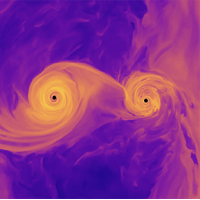
Phys. Rev. Lett. 136, 111401 (2026)
Cosmology, Astrophysics, and Gravitation
Evidence for GeV Emission from the Superluminous Supernova SN 2017egm
Article | Cosmology, Astrophysics, and Gravitation | 2026-03-17 06:00 EDT
Shang Li, Yun-Feng Liang, Neng-Hui Liao, Lei Lei, and Yi-Zhong Fan
-ray emission coming from superluminous supernova SN 2017egm found using 15 years of Fermi-LAT Pass 8 data shows that the peak time and luminosity of the gamma-ray emission are consistent with the prediction of a millisecond magnetar.

Phys. Rev. Lett. 136, 111402 (2026)
Cosmology, Astrophysics, and Gravitation
Imaginary Gauge Potentials in a Non-Hermitian Spin-Orbit Coupled Quantum Gas
Article | Atomic, Molecular, and Optical Physics | 2026-03-17 06:00 EDT
J. Tao, E. D. Mercado-Gutierrez, M. Zhao, and I. B. Spielman
A continuum analog of the Hatano-Nelson model using a homogeneous spin-orbit-coupled Bose-Einstein condensate shows that repulsive interactions enhance self-acceleration while suppressing the non-Hermitian skin effect.
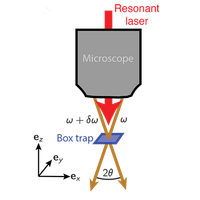
Phys. Rev. Lett. 136, 113401 (2026)
Atomic, Molecular, and Optical Physics
Goldstone-Mediated Polar Instability in Hexagonal Barium Titanate
Article | Condensed Matter and Materials | 2026-03-17 06:00 EDT
Struan Simpson, Urmimala Dey, Robin Sjökvist, Jonathan Wright, Clemens Ritter, Richard Beanland, Nicholas C. Bristowe, and Mark S. Senn
We discover a rare structural manifestation of the Goldstone paradigm in a hexagonal polytype of the prototypical ferroelectric . First-principles calculations confirm the Goldstone character of the order parameter, while our high-resolution diffraction measurements unveil an unusual reentrant…
Phys. Rev. Lett. 136, 116101 (2026)
Condensed Matter and Materials
Structurally Driven, Reversible Topological Phase Transition in a Distorted Square Net Material
Article | Condensed Matter and Materials | 2026-03-17 06:00 EDT
Xian P. Yang, Chia-Hsiu Hsu, Gokul Acharya, Junyi Zhang, Md Shafayat Hossain, Tyler A. Cochran, Bimal Neupane, Zi-Jia Cheng, Santosh Karki Chhetri, Byunghoon Kim, Shiyuan Gao, Yu-Xiao Jiang, Maksim Litskevich, Jian Wang, Yuanxi Wang, Jin Hu, and M. Zahid Hasan
Topological materials hold immense promise for exhibiting exotic quantum phenomena, yet achieving controllable topological phase transitions remains challenging. Here, we demonstrate a structurally driven, reversible topological phase transition in the distorted square net material GdPS, induced via…
Phys. Rev. Lett. 136, 116603 (2026)
Condensed Matter and Materials
All-Dielectric Metaphotonics for Advanced THz Control of Spins
Article | Condensed Matter and Materials | 2026-03-17 06:00 EDT
Lucas van Gerven, Daria O. Ignatyeva, Daniil V. Konkov, V. Bilyk, T. Metzger, Denis M. Krichevsky, Svetlana A. Evstigneeva, Petr M. Vetoshko, Vladimir I. Belotelov, and Aleksei V. Kimel
A dielectric THz metasurface reshapes and amplifies ultrafast electromagnetic fields to give unprecedented 3D control over spin dynamics.
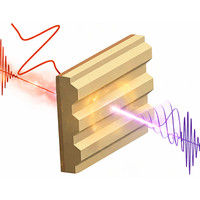
Phys. Rev. Lett. 136, 116703 (2026)
Condensed Matter and Materials
Grain Boundary Premelting in Colloidal Polycrystals
Article | Polymers, Chemical Physics, Soft Matter, and Biological Physics | 2026-03-17 06:00 EDT
Wei Li, Zhibin Xu, Tim Still, Arjun G. Yodh, and Yilong Han
Grain boundary (GB) premelting, the formation of liquid layers along GBs below the melting point, can significantly alter material properties. However, the phenomenon remains poorly understood due to observational challenges. We study GB premelting through both experiments using temperature-sensitiv…
Phys. Rev. Lett. 136, 118201 (2026)
Polymers, Chemical Physics, Soft Matter, and Biological Physics
Physical Review X
Fast Sideband Control of a Multimode Cavity Memory with Weak Dispersive Coupling to a Transmon
Article | 2026-03-17 06:00 EDT
Jordan Huang, Thomas J. DiNapoli, Gavin Rockwood, Ming Yuan, Prathyankara Narasimhan, Eesh Gupta, Mustafa Bal, Francesco Crisa, Sabrina Garattoni, Yao Lu, Liang Jiang, and Srivatsan Chakram
Researchers use fast "sideband control" to swap quantum information between a processor and a superconducting-cavity memory far faster than traditional dispersive methods, even when the two are only weakly coupled. This enables robust encoding gates and reliable quantum storage in high-quality superconducting cavities.
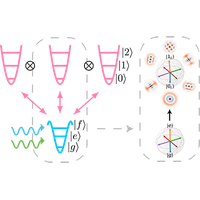
Phys. Rev. X 16, 011058 (2026)
arXiv
Machine Learning Based Identification of Solvents from Post-Desiccation Patterns
New Submission | Soft Condensed Matter (cond-mat.soft) | 2026-03-18 20:00 EDT
Jesús Israel Morán-Cortés, Felipe Pacheco-Vázquez
We introduce an optimized protocol of fracture pattern classification using an artificial neural network to identify the solvent involved in the desiccation cracking process of starch-liquid slurries, even after it has been completely evaporated. For this purpose, image analysis techniques were used to characterize patterns obtained from drying suspensions using single solvents (water, ethanol, acetone) and two-component solvents (water-ethanol mixtures at different concentrations). Frequency histograms were generated based on nine morphological features, taking into account their size, shape, geometry and orientational ordering. Subsequently, we used these histograms as input data into artificial neural network variants to determine the set of features that lead to the higher accuracy in solvent identification. We obtained an average accuracy of $ 96(\pm 1)%$ considering all solvents in the analysis. The highest accuracy was obtained with sets of features that include the crack area distribution. The proposed protocol can help to determine the combination of features that optimize pattern recognition in other fields of science and engineering.
Soft Condensed Matter (cond-mat.soft), Machine Learning (cs.LG), Applied Physics (physics.app-ph), Computational Physics (physics.comp-ph), Data Analysis, Statistics and Probability (physics.data-an)
11 pages, 8 figures, article
Production of Low-Density Aerogel Nuclear Fuels for Use in Fission Fragment Rockets and Novel Reactor Design
New Submission | Materials Science (cond-mat.mtrl-sci) | 2026-03-18 20:00 EDT
Noah D’Amico, Sandeep Puri, Ian Jones, Andrew Gillespie, Cuikun Lin, Bo Zhao, R. V. Duncan
Graphene hydrogels were created and loaded with uranyl nitrate or thorium nitrate and freeze-dried to produce graphene aerogel nuclear fuels. These aerogels had densities between 0.018-0.035 g/cm3 and consisted of ~7.3 +- 0.5% uranium/thorium by mass. The ultra-low density of the aerogels allows for high energy ions to escape the fuel particles without depositing all their energy as heat, as is typical in nuclear fuels. Their measured alpha activity was ~16 pCi/mg, which could be enhanced up to ~49 pCi/mg by decreasing the thickness of aerogel samples to allow all alpha particles to escape. Additionally, high energy neutrons were used to induce fission to provide a source of fission fragments from the aerogel fuels. This novel form of nuclear fuel has potential applications in space propulsion such as fission fragment rocket engines, as well as in terrestrial applications for modular reactors, direct conversion methods, and in medical radiotherapeutics.
Materials Science (cond-mat.mtrl-sci), Nuclear Experiment (nucl-ex)
Survival probability of random networks
New Submission | Statistical Mechanics (cond-mat.stat-mech) | 2026-03-18 20:00 EDT
Kevin Peralta-Martinez, J. A. Méndez-Bermúdez
In this work we study in detail all phases of the time evolution of a delta-like excitation in Erdös-Renyi (ER) random networks by means of the survival probability (SP): The initial decay of the SP (both, the fast decay followed by the power-law decay), the correlation hole regime (the regime between the minimum value of the SP and its saturation value), and the saturation of the SP. Specifically, we found that (i) the power-law decay of the SP and the time-averaged SP are proportional to $ t^{-D_{2}}$ and $ t^{-\widetilde{D}_{2}}$ , respectively (where $ D_2$ and $ \widetilde{D}_2$ are the correlation dimension of the eigenstates of the randomly weighted adjacency matrices of the ER random networks and the correlation dimension associated with the initial state, respectively) and (ii) the relative depth of the correlation hole of the SP scales with the average degree $ \langle k\rangle\approx np$ (here, $ n$ and $ p$ are the size and the connection probability of the ER random networks). In addition, we show that the eigenstates of the randomly weighted adjacency matrices of ER networks display clear multifractal properties.
Statistical Mechanics (cond-mat.stat-mech), Chaotic Dynamics (nlin.CD), Data Analysis, Statistics and Probability (physics.data-an)
Non-Thermal Aging of Supercooled Liquids in Optical Cavities
New Submission | Statistical Mechanics (cond-mat.stat-mech) | 2026-03-18 20:00 EDT
Muhammad R. Hasyim, Arianna Damiani, Norah M. Hoffmann
Aging is a hallmark of disordered materials such as glasses, plastics, and pharmaceuticals, where it often limits long-term stability and performance. In practice, aging is controlled through global parameters like temperature or pressure, which act uniformly on the entire system. Here we introduce a fundamentally different approach, using light confined in optical cavities as a precise and selective tool to guide aging dynamics. We show that a supercooled liquid coupled to an optical cavity undergoes non-thermal aging, where aging is induced by light without a thermal quench. Light selectively pumps fast vibrational modes while the bath temperature remains unchanged, reshaping the slow structural dynamics of the liquid. The cavity-coupled liquid thereby behaves as if it were structurally colder than its surroundings. Exploiting this effective structural cooling together with the timescale separation, we introduce cavity configurational feedback ($ \mathrm{C^2F}$ ) cooling, which uses cavity coupling to reach progressively lower structural temperatures. Our results establish a connection between glass physics and strong light-matter interactions and open a new route toward optical control of aging, glass formation, and nonequilibrium materials dynamics.
Statistical Mechanics (cond-mat.stat-mech), Materials Science (cond-mat.mtrl-sci), Optics (physics.optics)
11 pages, 5 figures
LLM-Driven Discovery of High-Entropy Catalysts via Retrieval-Augmented Generation
New Submission | Materials Science (cond-mat.mtrl-sci) | 2026-03-18 20:00 EDT
AI Scientists, Xinyi Lin, Danqing Yin, Ying Guo
CO2 reduction requires efficient catalysts, yet materials discovery remains bottlenecked by 10-20 year development cycles requiring deep domain expertise. This paper demonstrates how large language models can assist the catalyst discovery process by helping researchers explore chemical spaces and interpret results when augmented with retrieval-based grounding. We introduce a retrieval-augmented generation framework that enables GPT-4 to navigate chemical space by accessing a database of 50,000+ known materials, adapting general-purpose language understanding for high-throughput materials design. Our approach generated over 250 catalyst candidates with an 82% thermodynamic stability rate while addressing multi-objective constraints: 68% achieved <$ 100/kg cost with metallic conductivity (band gap<0.1eV) and mechanical stability (B/G>1.75). The best-performing Fe0.2Co0.2Ni0.2Ir0.1Ru0.3 achieves 0.285V limiting potential (25% improvement over IrO2), while Cr0.2Fe0.2Co0.3Ni0.2Mo0.1 optimally balances performance-cost trade-offs at $ 18/kg. Volcano plot analysis confirms that 78% of LLM-generated catalysts cluster near the theoretical activity optimum, while our system achieves 200x computational efficiency compared to traditional high-throughput screening. By demonstrating that retrieval-augmented generation can ground AI creativity in physical constraints without sacrificing exploration, this work demonstrates an approach where natural language interfaces can streamline materials discovery workflows, enabling researchers to explore chemical spaces more efficiently while the LLM assists in result interpretation and hypothesis generation.
Materials Science (cond-mat.mtrl-sci), Artificial Intelligence (cs.AI)
Open Conference of AI Agents for Science 2025
AC Fingerprints of 2D Electron Hydrodynamics: Superdiffusion and Drude Weight Suppression
New Submission | Strongly Correlated Electrons (cond-mat.str-el) | 2026-03-18 20:00 EDT
Davis Thuillier, Thomas Scaffidi
Clean two-dimensional Fermi liquids are now known to exhibit an intermediate tomographic regime, between ballistic and Navier–Stokes transport, caused by the anomalously slow relaxation of parity-odd multipolar deformations of the Fermi surface. Here we show that this anomaly extends to the dynamical realm. Starting from a microscopic numerical evaluation of the linearized electron–electron collision operator, we find that the finite-frequency nonlocal conductivity is controlled at low frequency by a single hydrodynamic pole, $ \sigma(q,\omega)=\mathcal{D}(q)/(i\omega+\eta_\star q^z)$ , with dynamical exponent $ z=4/3$ and superdiffusive viscosity $ \eta_\star$ . Remarkably, the pole residue itself is scale dependent and obeys $ \mathcal{D}(q)\sim q^{-\alpha}$ with $ \alpha=1/3$ , so the dynamical properties are described by two separate exponents rather than one. We interpret the residue suppression using a Krylov-chain description of current relaxation: as $ q$ increases, the longest-lived quasinormal mode ceases to be a nearly pure current excitation and spreads over higher odd angular harmonics. Finally, we show that AC transport in narrow channels provides a direct route to measuring the exponents $ z$ and $ \alpha$ separately.
Strongly Correlated Electrons (cond-mat.str-el), Mesoscale and Nanoscale Physics (cond-mat.mes-hall)
5+8 pages
Neural-Network Quantum Embedding Solvers for Correlated Materials
New Submission | Strongly Correlated Electrons (cond-mat.str-el) | 2026-03-18 20:00 EDT
Agnes Valenti, Ina Park, Antoine Georges, Andrew J. Millis, Olivier Parcollet
Quantum impurity solvers are the computational bottleneck of quantum embedding approaches to correlated materials, such as dynamical mean-field theory (DMFT). We show that neural networks trained on synthetic, material-agnostic data learn the impurity mapping from hybridization functions and local interactions to Green’s functions with quantitative accuracy for both model systems and real materials, providing fast solvers for single- and multi-orbital models. Benchmarks against numerically controlled quantum Monte Carlo show that the method reproduces the Mott transition, multi-orbital phase diagrams of Hubbard-Kanamori models, and the electronic properties of SrVO$ _3$ and SrMnO$ _3$ . The learned solvers achieve orders-of-magnitude speedup and can initialize controlled calculations, dramatically accelerating DMFT while preserving accuracy.
Strongly Correlated Electrons (cond-mat.str-el)
Unified gauge-theory description of quantum spin liquids on square-based frustrated lattices
New Submission | Strongly Correlated Electrons (cond-mat.str-el) | 2026-03-18 20:00 EDT
Atanu Maity, Andreas Feuerpfeil, Ronny Thomale, Subir Sachdev, Yasir Iqbal
Quantum spin liquids are commonly thought to be highly sensitive to lattice geometry, symmetry, and microscopic exchange patterns, leading to a proliferation of seemingly distinct phases across frustrated magnets. Here, we provide a framework that unifies phases that appear distinct from the viewpoint of this intuition. We postulate that the spin-$ \tfrac{1}{2}$ Heisenberg antiferromagnets on the square, Shastry-Sutherland, and checkerboard lattices can realize a single unified quantum phase: a gapless $ \mathbb{Z}_2$ Dirac quantum spin liquid, despite their markedly different lattice symmetries. Using a systematic projective symmetry group analysis, we identify a checkerboard spin-liquid state that completes a closed set of adiabatically connected phases linking the well-established square-lattice and Shastry-Sutherland spin liquids. Crucially, we show that this lattice-level unification is mirrored exactly in the continuum description. In all three cases, the spin liquids descend from a common SU(2) $ \pi$ -flux parent state and are governed by the same gauge theory, QED$ _3$ with two Dirac fermion flavors coupled to two adjoint Higgs fields. As a result, we postulate that the surrounding Néel and valence-bond-solid phases and their confinement transitions admit a unified interpretation within the framework of deconfined quantum criticality. More broadly, our results suggest that quantum spin liquids are most fundamentally classified not by lattice geometry or microscopic couplings, but by the emergent gauge theory and its Higgs structure. Distinct frustrated lattices can thus host the same quantum phase and exhibit the same confinement mechanisms, despite substantial differences in their microscopic symmetries.
Strongly Correlated Electrons (cond-mat.str-el)
29 pages, 6 figures, 8 tables
Ising criticality can drive vortex deconfinement in a spin-orbit coupled Bose gas
New Submission | Quantum Gases (cond-mat.quant-gas) | 2026-03-18 20:00 EDT
Stuart Yi-Thomas, David M. Long, Jay D. Sau
Spin-orbit coupling in Bose gases is known to lead to an Ising-symmetry-broken phase where the bosons condense at one of two nonzero momenta. In two dimensions, the finite momentum of the order parameter allows vortex-antivortex pairs that are typically bound in the superfluid phase to freely separate along Ising domain walls. This non-trivial interaction between the superfluid and the Ising order suggests that the critical fluctuations near an Ising transition could drive a Berezinskii-Kosterlitz-Thouless transition of the superfluid. We present numerical evidence of this phenomenon using a Monte Carlo simulation that shows the disappearance of superfluid stiffness near an Ising transition. Additionally, we find numerical evidence that the Ising phase transition becomes first order and we justify this claim with a variational approximation.
Quantum Gases (cond-mat.quant-gas), Statistical Mechanics (cond-mat.stat-mech)
10 pages, 6 figures
Synthesis and Transfer of Freestanding Strain-Engineered Vertically Aligned Nanocomposite Thin Films
New Submission | Materials Science (cond-mat.mtrl-sci) | 2026-03-18 20:00 EDT
Carlos Rodríguez Cortéz, Moussa Mebarki, Bruno Berini, Dominique Demaille, Vincent Polewczyk, Yunlin Zheng, Pal Bhuyan, Boris Vodungbo, Emmanuelle Jal, Horia Popescu, Nicolas Jaouen, Yves Dumont, Marcel Hennes, Franck Vidal
The recent development of freestanding oxide thin films opens up exciting opportunities for the design of novel heterostructures with enhanced functionalities. Here, we explore the fabrication of membranes consisting of dense arrays of ultrathin CoxNi1-x nanowires epitaxially embedded in a SrTiO3 matrix. Through combined x-ray absorption spectroscopy, x-ray resonant magnetic scattering, x-ray diffraction and magnetooptical experiments, we show how a SrVO3-mediated lift-off process can be used to create and transfer these membranes while simultaneously preserving the structural and chemical integrity of the self-assembled, metallic CoxNi1-x nanopillars. With this approach, the large axial deformation of the embedded nanostructures is kept intact and, as a direct consequence, the magnetic properties of the nano-composite thin films remain largely unaltered after substrate removal. Our findings thus highlight a novel route for the synthesis of freestanding, strain-engineered vertically aligned heterostructures and pave the way for their future integration into spintronic and optomagnetic devices.
Materials Science (cond-mat.mtrl-sci)
Tailoring spontaneous symmetry breaking in engineered van der Waals superlattices
New Submission | Mesoscale and Nanoscale Physics (cond-mat.mes-hall) | 2026-03-18 20:00 EDT
Keda Jin, Lennart Klebl, Zachary A. H. Goodwin, Junting Zhao, Felix Lüpke, Dante M. Kennes, Jose Martinez-Castro, Markus Ternes
Superlattice engineering in van der Waals heterostructures (e.,g.\ by moiré engineering) provides a powerful platform for designing electronic bands and realising correlated and topological quantum phenomena. Here, we pioneer a scheme to tailor superpotentials based on intrinsic substrate electronic orders. We show that this establishes a robust, self-aligned, and highly versatile route to band-structure control as we demonstrate in graphene by engineering two distinct, nearly commensurate superlattices using the charge density waves of 1T-NbSe$ _2$ . In these superlattices the graphene’s Dirac cones are folded either to the $ \Gamma$ -point or to the K-points of the mini-Brillouin zone. Using scanning tunnelling microscopy, we observe that the $ \Gamma$ -folded system preserves C$ _3$ symmetry, while the K-folded system exhibits spontaneous symmetry breaking. Combining density functional theory with an interlayer interaction model, we reveal that this difference is not electronically driven but originates from a structural instability. Our work establishes superlattice engineering for designer quantum states and unveils a structural mechanism for controlled emergent symmetry breaking.
Mesoscale and Nanoscale Physics (cond-mat.mes-hall)
Hubbard model at U=$\infty$: Role of single and two-boson fluctuations
New Submission | Strongly Correlated Electrons (cond-mat.str-el) | 2026-03-18 20:00 EDT
We have developed a semi-analytical framework formulated in the canonical fermion representation to investigate strongly correlated electron systems. We consider the U=$ \infty$ Hubbard model and used the equation of motion method to calculate the fermion self-energy which has two parts: single and two-boson exchange processes. The emergent bosons here are self-generated local charge and spin-density fluctuations which become strongly time-dependent due to extreme correlations. The computed boson spectral density is a diffusive damped mode with a long tail. The electron self-energy at $ d=\infty$ is computed self-consistently. The corresponding fermionic spectral density displays a pronounced coherence peak at $ \omega=0$ , while its frequency derivative develops a two-peak structure at finite $ \omega$ . The resistivity shows a linear temperature dependence over a broad range, crossing over to coherent Fermi-liquid behavior at extremely low temperatures.
Strongly Correlated Electrons (cond-mat.str-el), Quantum Physics (quant-ph)
7 pages, 15 figures
Magnetic Imaging of Macroscopic Spin Chirality Flipping
New Submission | Strongly Correlated Electrons (cond-mat.str-el) | 2026-03-18 20:00 EDT
H. Miao, G. Fabbris, J. Bouaziz, W. R. Meier, P. Mercado Lozano, Y. Choi, J. Strempfer, D. Haskel, S. Blügel, M. Cook, M. Brahlek, H. N. Lee, A. D. Christianson, A. F. May, S. Okamoto
Chirality is a fundamental organizing principle of correlated and topological states. In quantum magnets, chirality arises from the geometric twisting of spins and serves as an emergent source of Berry curvature and quantum metrics. Although external fields can reversibly tune the spin chirality, understanding how spontaneous reversal occurs on macroscopic length scale remains an unresolved challenge. In this letter, we use resonant magnetic x-ray scattering with 2.5-micron spatial resolution to image intertwined spin, charge, and lattice orders of the correlated topological magnet EuAl4. We uncover a macroscopic chirality flipping transition and a remarkable chiral memory effect. The chiral magnetic domain tracks the landscape of the underlying charge density wave, implicating emergent chiral magnetic interactions arising from competing chiral and nematic lattice fields. Our results reveal the fundamental significance of magnetoelastic coupling in stabilizing homochiral and topological magnetic states.
Strongly Correlated Electrons (cond-mat.str-el)
Dissipation effects in the Su-Schrieffer-Heeger model coupled to a metallic environment
New Submission | Mesoscale and Nanoscale Physics (cond-mat.mes-hall) | 2026-03-18 20:00 EDT
Leandro M. Arancibia, Cristián G. Sánchez, Alejandro M. Lobos
We theoretically study the electronic and lattice properties of a trans-polyacetylene (tPA) molecule deposited on top of a metallic substrate at equilibrium. We describe the system using a modified Su-Schrieffer-Heeger (SSH) model generalized to incorporate the effects of a metallic environment, represented by independent one-dimensional semi-infinite chains coupled to each site of the SSH chain (i.e., ``local bath approximation”). We focus on the zero-temperature case and obtain the physical properties of an $ N$ -site tPA chain deposited on a metallic surface by minimizing its total ground-state energy (i.e., electronic plus lattice degrees of freedom) as a function of the $ N$ lattice-site positions. Interestingly, in the case of a homogeneous metallic substrate, where all coupling parameters are assumed identical, the SSH chain undergoes a zero-temperature insulator-to-metal transition as the coupling parameter $ \gamma_0$ reaches a critical value where the Peierls dimerization is fully suppressed and the system becomes metallic. In addition, our model can be generalized to describe inhomogeneous situations where the substrate contains metallic and insulating regions, as usually occurs in realistic experiments containing accidentally oxidized decoupling layers. In this case, our results predict the occurrence of local nucleation of the metalized or the Peierls-dimerized phase within the same tPA molecule, depending on whether the surface directly beneath the molecule is metallic or insulating, respectively. We finally discuss the relevance of our findings for both the correct interpretation of existing tPA/Cu(110) experiments, as well as for their possible utility in the design of novel organic nanoelectronic devices.
Mesoscale and Nanoscale Physics (cond-mat.mes-hall)
10 pages, 6 figures
Assessing the suitability of the Thomas-Fermi-von Weizsäcker density functional for itinerant magnetism
New Submission | Materials Science (cond-mat.mtrl-sci) | 2026-03-18 20:00 EDT
Bishal Thapa, Phanish Suryanarayana, Igor I. Mazin
We assess the ability of the Thomas–Fermi–von Weizsacker (TFW) functional within orbital-free density functional theory (DFT) to describe itinerant magnetism. Magnetic stability is evaluated through the susceptibility obtained from the second derivative of the total energy with respect to the net magnetization. Calculations are performed for the paramagnetic metals Al and Pd and the canonical ferromagnets Fe, Co, and Ni, with the results benchmarked against Kohn–Sham DFT. The orbital-free results show poor agreement with the Kohn–Sham predictions, failing to capture even the qualitative trends. Using the orbital-free ground-state density with the Kohn–Sham functional in a non-self-consistent calculation yields reasonable qualitative agreement, although the quantitative agreement remains limited. These results highlight fundamental limitations of the TFW functional for describing itinerant magnetism.
Materials Science (cond-mat.mtrl-sci), Strongly Correlated Electrons (cond-mat.str-el)
6 pages, 2 figures
Taming the expressiveness of neural-network wave functions for robust convergence to quantum many-body states
New Submission | Superconductivity (cond-mat.supr-con) | 2026-03-18 20:00 EDT
Neural networks are emerging as a powerful tool for determining the quantum states of interacting many-body fermionic systems. The standard approach trains a neural-network ansatz by minimizing the mean local energy estimated from Monte Carlo samples. However, this typically results in large sample-to-sample fluctuations in the estimated mean energy and thus slow convergence of the energy minimization. We propose that minimizing a logarithmically compressed variance of the local energies can dramatically improve convergence. Moreover, this loss function can be adapted to systematically obtain the energy spectrum across multiple runs. We demonstrate these ideas for spin-1/2 particles in a 2D harmonic trap with attractive Poschl-Teller interactions between opposite spins.
Superconductivity (cond-mat.supr-con), Disordered Systems and Neural Networks (cond-mat.dis-nn), Quantum Physics (quant-ph)
Flexural Cavity Mechanics in Electrostatically Driven 1D Phononic Crystal
New Submission | Mesoscale and Nanoscale Physics (cond-mat.mes-hall) | 2026-03-18 20:00 EDT
Vishnu Kumar, Bhargavi B.A., Saurabh A. Chandorkar
Phononic Crystals provide a versatile platform for controlling phonons in applications such as waveguiding, filtering, and sensing. To minimize dissipation, cavity resonators are often embedded within the bandgap of phononic crystals and integrated with suitable transduction techniques. Here, we demonstrate one-dimensional (1D) phononic transmission using electrostatic transduction, enabling the realization of high-quality mechanical oscillators. Using a double-ended tuning fork resonator embedded in a 1D phononic crystal, we observe degenerate flexural modes (in-phase and out-phase) exhibiting enhanced and comparable quality factors within the same device due to mode degeneracy. The in-phase mode, whose frequency lies inside the phononic bandgap, shows an approximately two-fold increase in quality factor compared to an anchored resonator, while this enhancement diminishes for the out-phase mode (frequency outside the bandgap) at temperatures where thermoelastic dissipation is negligible. This approach offers a promising route toward low-loss, encapsulated phononic devices for sensing and signal processing applications.
Mesoscale and Nanoscale Physics (cond-mat.mes-hall), Applied Physics (physics.app-ph)
Condensate-mediated shape transformations of cellular membranes by capillary forces
New Submission | Soft Condensed Matter (cond-mat.soft) | 2026-03-18 20:00 EDT
Lukas Hauer, Katharina Sporbeck, Joseph F. McKenna, Dmytro Puchkov, Alexander I. May, Lorenzo Frigerio, Roland L. Knorr, Amir H. Bahrami
Phase-separated biomolecular condensates with liquid-like properties play a key role in the organization and compartmentalization of the intracellular environment. Condensate-mediated capillary forces acting on membranes drive physiologically important reshaping of membrane-bound organelles, such as vacuoles and autophagosomes. Here, we explore condensate-mediated membrane shape transformations. We employ {\textit{in planta}} live-cell imaging, an \textit{in vitro} reconstitution system with tunable interfacial tension, and computer simulations of an elastic membrane model to describe three morphologies of membrane structures localized at condensate interfaces: tubes, sheets, and cups. We find that the forces associated with high interfacial tension drive the formation of stable sheets, while tubes and cups prevail at lower interfacial tension. We calculate the free energies of each membrane shape and identify the energy barriers that govern the transitions between the shapes. With this approach, we find that shape transformations depend on the history of the interfacial membrane and exhibit a tube-to-cup hysteresis. These findings indicate that temporal control of condensate surface properties can mediate the morphogenesis of cup-like structures in cells, such as the formation of “bulbs” within plant vacuoles. Our results further generalize how the interplay of condensates and membranes contributes to intracellular organization.
Soft Condensed Matter (cond-mat.soft)
Tuning the optoelectronic properties of graphene quantum dots by BN-ring doping: A density functional theory study
New Submission | Materials Science (cond-mat.mtrl-sci) | 2026-03-18 20:00 EDT
Graphene monolayer is a material with zero band gap, because of which its applications in optoelectronics are limited. The question arises, can we modify the optoelectronic properties of graphene by doping it with other atoms? Synthesis of 2D monolayer of graphene doped with hetero-atoms such as boron and nitrogen, and a few computational studies of their structural and electronic properties were previously reported. In this work, we aim to answer this question for graphene quantum dots (GQDs) by replacing their carbon rings with $ (BN)_3$ (borazine) hexagonal rings. We have studied in detail the geometry, electronic structure, and optical absorption spectra of fourteen different borazine-ring doped diamond-shaped GQDs using first-principles density functional theory (DFT). These BN-GQDs differ in the location, orientation, and the number of borazine rings. We computed their optical absorption spectra using time-dependent DFT (TDDFT) and examined: (a) for single-ring doped BN-GQDs the influence of ring location on optical properties, and (b) for double-ring doped systems, the influence of location, mutual distance and orientation of the rings on their absorption spectra. Frontier molecular orbitals are studied in detail to understand the nature of low-lying optical excitations. We also performed a group-theoretic analysis of the influence of their reduced symmetries on their optical properties. Our results indicate that BN-ring doping can achieve significant control over the optical properties of GQDs. The comparison of the optical absorption spectra of the BN-GQDs with the parent GQD shows remarkable spectral broadening with optical gap spanning over infrared to visible region. Thus, systematic BN-ring doping provides easy tunability of the electronic and optical properties of BN-GQDs, which is very promising for optoelectronic applications.
Materials Science (cond-mat.mtrl-sci), Mesoscale and Nanoscale Physics (cond-mat.mes-hall)
35 pages and 9 figures (Manuscript), 10 pages and 6 figures (Supplemental Material)
Physical Review B 113, 075426 (2026)
Anomalous Thermal Transport Reveals Weak First-Order Melting of Charge Density Waves in 2H-TaSe2
New Submission | Strongly Correlated Electrons (cond-mat.str-el) | 2026-03-18 20:00 EDT
Han Huang, Jinghang Dai, Joyce Christiansen-Salameh, Jiyoung Kim, Samual Kielar, Desheng Ma, Noah Schinitzer, Danrui Ni, Gustavo Alvarez, Chen Li, Carla Slebodnick, Mario Medina, Bilal Azhar, Ahmet Alatas, Robert Cava, David Muller, Zhiting Tian
How ordered phases melt in low-dimensional quantum materials remain difficult to resolve because the relevant fluctuations are dynamic and charge neutral. In this work, we show that thermal transport provides a sensitive probe of these hidden fluctuations in the layered transition metal dichalcogenide 2H-TaSe2. We observe a striking V-shaped temperature dependence of the thermal conductivity that cannot be explained by conventional phonon-phonon scattering. Instead, it originates from scattering by persistent local charge-density-wave (CDW) correlations, consistent with our phenomenological model linking thermal transport to spatial CDW fluctuation. Electron diffraction reveals short-range periodic lattice distortions persisting to at least 300 K, while X-ray diffraction shows thermal hysteresis of the CDW wavevector. Together, these results reveal a dislocation- and fluctuation-driven weak first-order melting of the CDW state.
Strongly Correlated Electrons (cond-mat.str-el), Mesoscale and Nanoscale Physics (cond-mat.mes-hall), Materials Science (cond-mat.mtrl-sci)
21 pages, 5 figures
Anomalous dynamical scaling in interacting anyonic chains
New Submission | Quantum Gases (cond-mat.quant-gas) | 2026-03-18 20:00 EDT
Xu-Chen Yang, Botao Wang, Jianpeng Liu, Bing Yang, Jianmin Yuan, Yongqiang Li
Particle statistics impose fundamental constraints on nonequilibrium quantum dynamics, yet it remains an open question whether fractional statistics can lead to emergent universal dynamical scaling beyond the conventional Bose-Fermi paradigm. Here we investigate the far-from-equilibrium many-body relaxation of anyons in a one-dimensional lattice and uncover an unconventional yet universal scaling behavior governed by fractional statistics. Based on large-scale numerical simulations and scaling analysis, we identify a distinct separation between particle transport and information spreading: density correlations spread superdiffusively, whereas entanglement entropy grows ballistically. The anomalous particle dynamics can be interpreted intuitively from the statistical-phase-induced quantum interference, which suppresses coherent holon-doublon propagation. In contrast, the entanglement growth turns out to be dominated by its configurational component, which propagates ballistically. Our results establish anyonic statistics as a distinct source of universal nonequilibrium dynamics beyond bosons and fermions, with direct relevance to current quantum simulation experiments.
Quantum Gases (cond-mat.quant-gas), Strongly Correlated Electrons (cond-mat.str-el), Quantum Physics (quant-ph)
8+8 pages, 4+7 figures
Mechanical Control of Polar Order
New Submission | Materials Science (cond-mat.mtrl-sci) | 2026-03-18 20:00 EDT
Pushpendra Gupta, Peter Meisenheimer, Xinyan Li, Sajid Husain, Vishantak Srikrishna, Ashley Cortesis, Yimo Han, Ramamoorthy Ramesh
BiFeO3 is a model multiferroic in which the ferroelectric polarization is coupled to ferroelastic lattice distortions, yet deterministic control of its domain structure remains limited by high switching fields and competing polarization variants. Here, we identify a mechanically assisted polarization switching pathway in epitaxial BiFeO3 thin films that fundamentally alters the switching energetics. Using just out-of-plane electric fields, polarization reversal requires voltages of approximately 4 V and stabilizes coexisting polarization states. In contrast, when mechanical pressure is applied concurrently, the coercive voltage can be significantly reduced (even to 0V), resulting in spontaneous switching. Piezoresponse force microscopy measurements reveal that applied mechanical pressure suppresses ferroelastic domain competition, indicating a decrease in the required electrical energy barrier associated with polarization rotation and domain wall motion. These results demonstrate that stress acts as an active thermodynamic control parameter, enabling access to switching pathways that are inaccessible under only an electric field. By directly coupling lattice distortions to polarization reversal, mechanically assisted switching provides a general framework for controlling coupled order parameters in multiferroic oxides, which can be directly applied in the device-level architecture, where a small mechanical pressure can help in achieving lower switching energy of ferroelectric polarization. This work advances the fundamental understanding of electromechanical coupling in complex ferroics and establishes mechanical energy as a powerful tool for probing and manipulating ferroelastic ferroelectric interactions.
Materials Science (cond-mat.mtrl-sci), Applied Physics (physics.app-ph)
8 Pages, 4 figures
Descriptor-Based Classification of Interfacial Electronic Coupling in Janus XP3-Based 2D Heterostructures
New Submission | Materials Science (cond-mat.mtrl-sci) | 2026-03-18 20:00 EDT
Erika N. Lima, Teldo A. S. Pereira, Elisangela S. Barboza, Dominike Pacine, Igor S. S. de Oliveira
Understanding and controlling interfacial electronic coupling in two-dimensional (2D) heterostructures is essential for designing functional materials for electronic, optoelectronic, and catalytic applications. Here, we investigate vertical heterobilayers constructed from two distinct XP3 monolayers (X = As, Ge, Sb, Bi, Sn, Al, Ga, and Pb) using first-principles density functional theory. The resulting Janus heterobilayers are energetically favorable and elastically stable, with electronic band gaps ranging from metallic and near-metallic to semiconducting regimes. Interlayer interactions induce significant band renormalization, including transitions between type I and type II alignment upon structural relaxation. To rationalize these effects, we establish a descriptor-based framework based on the metal metal interlayer distance, interfacial electron localization, and Bader charge redistribution. This combined analysis discriminates vdW-like, polar covalent, and ionic interaction regimes, with systematic trends governed by the average atomic number of the constituent elements. Optical absorption calculations indicate visible-to-near-infrared activity in selected systems, and band-edge alignment identifies promising candidates for selective redox processes. Overall, the proposed descriptor-based strategy provides a physically grounded route for identifying and engineering interfacial coupling in XP3 heterostructures and can be extended to other classes of two-dimensional material interfaces.
Materials Science (cond-mat.mtrl-sci)
24 pages, 5 figures
3D tomography of exchange phase in a Si/SiGe quantum dot device
New Submission | Mesoscale and Nanoscale Physics (cond-mat.mes-hall) | 2026-03-18 20:00 EDT
Dylan Albrecht, Sarah Thompson, N. Tobias Jacobson, Ryan Jock
The exchange interaction is a foundational building block for the operation of spin-based quantum processors. Extracting the exchange interaction coefficient $ J(\mathbf{V})$ , as a function of gate electrode voltages, is important for understanding disorder, faithfully simulating device performance, and operating spin qubits with high fidelity. Typical coherent measurements of exchange in spin qubit devices yield a modulated cosine of an accumulated phase, which in turn is the time integral of exchange. As such, extracting $ J(\mathbf{V})$ from experimental data is difficult due to the ambiguity of inverting a cosine, the sensitivity to noise when unwrapping phase, as well as the problem of inverting the integral. As a step toward obtaining $ J(\mathbf{V})$ , we tackle the first two challenges to reveal the accumulated phase, $ \phi(\mathbf{V})$ . We incorporate techniques from a wide range of fields to robustly extract and model a 3D phase volume for spin qubit devices from a sequence of 2D measurements. In particular, we present a measurement technique to obtain the wrapped phase, as done in phase-shifting digital holography, and utilize the max-flow/min-cut phase unwrapping method (PUMA) to unwrap the phase in 3D voltage space. We show this method is robust to the minimal observed drift in the device, which we confirm by increasing scan resolution. Upon building a model of the extracted phase, we optimize over the model to locate a minimal-gradient $ \pi$ exchange pulse point in voltage space. Our measurement protocol may provide detailed information useful for understanding the origins of device variability governing device yield, enable calibrating device models to specific devices during operation for more sophisticated error attribution, and enable a systematic optimization of qubit control. We anticipate that the methods presented here may be applicable to other qubit platforms.
Mesoscale and Nanoscale Physics (cond-mat.mes-hall), Computer Vision and Pattern Recognition (cs.CV), Quantum Physics (quant-ph)
11 pages, 6 figures
Dynamics of particle lane formation in confined viscoelastic fluids under shear
New Submission | Soft Condensed Matter (cond-mat.soft) | 2026-03-18 20:00 EDT
Hiroto Yokoyama, Masanori Honda, Rinya Miyakawa, Yuki Shinohara, Kota Nakamura, Kojiro Otoguro, Kiwamu Yoshii, Yutaka Sumino
Simple shear flow can induce flow-aligned chain formation of particles suspended in viscoelastic fluids. Although this phenomenon has been reported for decades, direct {\it in situ} measurements of the alignment dynamics and particle trajectories during chain formation remain limited. Here, we develop an {\it in situ} observation platform based on parallel rotating disks separated by a gap comparable to the particle diameter, enabling simultaneous observation of particle alignment under radially varying shear rates. The narrow gap strongly confines particle motion, thereby enhancing hydrodynamic interactions and collision events between particles. Using a viscoelastic fluid embedding zircon particles as the sample, we find that alignment occurs once the local particle Weissenberg number exceeds unity (Wi$ _\mathrm{p} \geq 1$ ), defined using an effective shear rate based on the wall velocity and the available gap width. Particle tracking further reveals a back-and-forth shuttling motion that accompanies the alignment process. Using the image brightness in a colored fluid as a proxy for out-of-plane position, we show that the shuttling originates from vertical displacement of the particles. We further construct a minimal agent-based model in which the vertical particle position follows a Ginzburg-Landau-type double-well potential, and demonstrate that collision-driven accumulation emerges in numerical simulations. In the strongly confined geometry, alignment occurs by an effective attraction due to collision, which is reminiscent of motility-induced clustering often observed in active matter.
Soft Condensed Matter (cond-mat.soft), Adaptation and Self-Organizing Systems (nlin.AO)
12 pages, 8 figures
Casimir versus Helmholtz forces in the Gaussian model: exact results for Dirichlet–Dirichlet, Neumann–Dirichlet, Neumann–Neumann, and periodic boundary conditions
New Submission | Statistical Mechanics (cond-mat.stat-mech) | 2026-03-18 20:00 EDT
Daniel Dantchev, Joseph Rudnick
We present results and compare the behavior of two fluctuation-induced forces pertinent for their corresponding ensembles: the critical Casimir force in the grand canonical (fixed external field $ h$ ) one and the critical Helmholtz force in the canonical (fixed average value of the order parameter $ m$ ) one. We do so by deriving exact results for their behavior near the bulk critical point at $ T=T_c$ in the three-dimensional Gaussian model. We consider Dirichlet-Dirichlet, Neumann-Dirichlet, Neumann-Neumann, and periodic boundary conditions. For every boundary condition examined, we confirm that both forces follow a finite-size scaling. We find that for Dirichlet-Dirichlet and Neumann-Dirichlet boundary conditions the Casimir and the Helmholtz force differ from each other. For Dirichlet-Dirichlet boundary conditions the Casimir force is always attractive, while the Helmholtz force can be both attractive and repulsive as a function of $ T$ and $ m$ . For Neumann-Dirichlet boundary conditions the Casimir force changes sign from repulsive to attractive with increase of $ h$ , while the Helmholtz force stays always repulsive. Under periodic and Neumann-Neumann boundary conditions the Casimir force and the Helmholtz force coincide - the first does not depend on $ h$ , while the latter does not depend on $ m$ ; they are always attractive.
Statistical Mechanics (cond-mat.stat-mech)
44 pages, 11 figures
Summary overview of present state of basic electrostatic field electron emission theory
New Submission | Mesoscale and Nanoscale Physics (cond-mat.mes-hall) | 2026-03-18 20:00 EDT
This technical note provides a high-level overview of the present state of basic field electron emission (FE) theory, as suitable for use in the context of technological applications of FE theory. At present there is much theoretical confusion in FE literature, and a partial breakdown of the peer review system. Even in sensitive technological contexts, many papers have stated and used out-of-date theory that makes current-density predictions that are several hundred times less than those of modern FE theory. A primary aim of this note is to help reduce the confusion and error in future published FE literature. It is not intended as a detailed review of FE theory.
Mesoscale and Nanoscale Physics (cond-mat.mes-hall), Materials Science (cond-mat.mtrl-sci), Quantum Physics (quant-ph)
13 pages, 1 two-component figure
Population Annealing as a Discrete-Time Schrödinger Bridge
New Submission | Statistical Mechanics (cond-mat.stat-mech) | 2026-03-18 20:00 EDT
We present a theoretical framework that reinterprets Population Annealing (PA) through the lens of the discrete-time Schrödinger Bridge (SB) problem. We demonstrate that the heuristic reweighting step in PA is derived by analytically solving the Schrödinger system without iterative computation via instantaneous projection. In addition, we identify the thermodynamic work as the optimal control potential that solves the global variational problem on path space. This perspective unifies non-equilibrium thermodynamics with the geometric framework of optimal transport, interpreting the Jarzynski equality as a consistency condition within the Donsker-Varadhan variational principle, and elucidates the thermodynamic optimality of PA.
Statistical Mechanics (cond-mat.stat-mech), Quantum Physics (quant-ph), Machine Learning (stat.ML)
4 pages
PFP/MM: A Hybrid Approach Combining a Universal Neural Network Potential with Classical Force Fields for Large-Scale Reactive Simulations
New Submission | Materials Science (cond-mat.mtrl-sci) | 2026-03-18 20:00 EDT
Yu Miyazaki, Atsuhiro Tomita, Akihide Hayashi, So Takemoto, Mizuki Takemoto, Hodaka Mori
Universal machine-learning interatomic potentials (uMLIPs) enable reactive molecular simulations with near-DFT accuracy, yet applying them efficiently to large, realistic condensed-phase systems remains computationally demanding. Here we present PFP/MM, a hybrid approach that combines a uMLIP, PreFerred Potential (PFP), with molecular mechanics (MM) to enable both large-scale and long-time simulations that are challenging for uMLIP-only calculations. Using an alanine dipeptide in explicit water, we achieve multi-ns/day enhanced sampling and obtain a Ramachandran plot consistent with established basins. For an intramolecular nucleophilic addition reaction in a polar solvent environment, we reproduce the expected solvent-induced stabilization in the free-energy profile. We further apply the approach to a cytochrome P450 Compound I hydroxylation reaction and obtain a free-energy landscape consistent with the accepted reaction mechanism. These results demonstrate that uMLIP-based reactive simulations can be applied to diverse condensed-phase processes in large, realistic environments.
Materials Science (cond-mat.mtrl-sci), Soft Condensed Matter (cond-mat.soft), Chemical Physics (physics.chem-ph)
Pressure and strain tuning of the alternating bilayer-trilayer Ruddlesden-Popper nickelate: crystal and electronic structure
New Submission | Materials Science (cond-mat.mtrl-sci) | 2026-03-18 20:00 EDT
Huan Wu, Yi-Feng Zhao, Antia S. Botana
We use first-principles calculations to investigate the crystal and electronic structure of the hybrid bilayer-trilayer Ruddlesden-Popper (RP) nickelate La$ _7$ Ni$ _5$ O$ {17}$ under hydrostatic pressure and biaxial compressive strain. By analyzing the irreducible representations of the dynamically unstable phonon modes in the high-symmetry $ P4/mmm$ structure, we identify a dynamically stable lower-symmetry $ C2/c$ structure containing octahedral tilts. The application of both pressure and compressive strain tends to suppress the octahedral tilts, effectively tetragonalizing the structure, in analogy with the conventional RPs. The electronic structure under hydrostatic pressure and strain has similarities, but it differs in the position of the $ d{z^2}$ bonding band from the trilayer block. This band crosses the Fermi level at a pressure of 30 GPa, but it remains below it for any level of compressive strain. This strain-induced modification mirrors the electronic structure changes observed in the conventional bilayer nickelate.
Materials Science (cond-mat.mtrl-sci), Superconductivity (cond-mat.supr-con)
8 figures
Theory of Magnetoacoustic Resonance to Probe Multipole Effects Due to a Crystal Field Quartet
New Submission | Strongly Correlated Electrons (cond-mat.str-el) | 2026-03-18 20:00 EDT
Mikito Koga, Masashige Matsumoto
We present a new method of acoustically driven resonance that probes octupole degrees of freedom as well as a quadrupole usually hidden by the magnetic properties of a crystal field quartet. A characteristic of the quadrupole is reflected in the anisotropic resonance transition rate, which depends on the propagation direction of a surface acoustic wave under an external magnetic field parallel to a typical crystallographic axis. The transition rate is modulated by the anisotropic Zeeman splitting associated with octupoles. We demonstrate how to obtain information about the quartet quadrupole-strain coupling and evaluate the anisotropic octupole effect quantitatively. We also discuss the applicability of our method to identifying a quadrupole order parameter using a multipole-multipole interaction model. For large excitation energy gaps under strong magnetic fields, we propose a photon-assisted magnetoacoustic resonance formulated on the basis of the Floquet theory.
Strongly Correlated Electrons (cond-mat.str-el)
13 pages, 4 figures
J. Phys. Soc. Jpn. 93, 114701 (2024)
Tuning Topological Charge and Gauge Field Anisotropy in a Spin-1 Synthetic Monopole
New Submission | Quantum Gases (cond-mat.quant-gas) | 2026-03-18 20:00 EDT
Nicholas Milson, Arina Tashchilina, Kathleen Tamura, Douglas Florizone, Lindsay J. LeBlanc
Higher-dimensional Hilbert spaces in quantum simulation, as in all quantum science, expand the range of accessible phenomena. In this work, we experimentally realize a synthetic monopole using an ultracold spin-1 ensemble, where the monopole charge is quantified by the topologically invariant first Chern number and sources a synthetic magnetic field quantified by the Berry curvature. By using a three-level system with tunable spin-tensor coupling, we introduce anisotropy to the field, directly measure the Chern number, and observe a topological phase transition. We verify the robustness of the monopole’s topological charge under deformation, and observe signatures of the topological phases using spin-texture and Majorana-star measurements. This work demonstrates spin-tensor coupling as a tuning parameter for engineering both geometric anisotropy and a rich topological phase space.
Quantum Gases (cond-mat.quant-gas), Atomic Physics (physics.atom-ph)
Efimovian Phonon Production for an Analog Coasting Universe in Bose-Einstein Condensates
New Submission | Quantum Gases (cond-mat.quant-gas) | 2026-03-18 20:00 EDT
Yunfei Xue, Jiabin Wang, Li Chen, Chenwei Lv, Ren Zhang
Efimov effects arise from scale invariance, a fundamental symmetry with universal implications. While spatial Efimov physics has been extensively studied, realizing its temporal counterpart remains challenging, as it requires a dynamical system that breaks time-translation symmetry yet preserves the essential time-scaling symmetry. Analog cosmology offers a powerful platform to address this challenge, bridging the domains of Efimov physics and cosmology. Here, we predict a temporal Efimov effect in an analog linearly expanding universe realized with a quasi-two-dimensional Bose-Einstein condensate. The invariance of phonon mode equations under time rescaling leads to particle production with two distinct dynamics: power-law growth and log-periodic oscillations, with the latter being the hallmark signature of the Efimov effect. Furthermore, these dynamics map directly onto sub- and super-horizon cosmological modes. Our predictions can be directly verified through time-averaged measurements of the density-fluctuation spectrum $ S_{k}(t)$ in current experiments.
Quantum Gases (cond-mat.quant-gas), Quantum Physics (quant-ph)
9+10 pages, 5+2 figures
SU($N$) Quantum Spin Model with Weak and Strong First-Order Néel to Valence-Bond Solid Transitions
New Submission | Strongly Correlated Electrons (cond-mat.str-el) | 2026-03-18 20:00 EDT
We introduce an SU($ N$ ) symmetric two-dimensional quantum spin model, the $ X$ -$ Q$ model, which hosts a ground state transition between Néel antiferromagnetic and spontaneously dimerized states. The $ Q$ terms are products of two adjacent singlet projectors on nearest-neighbor sites, as in the often studied $ J$ -$ Q$ model (where $ J$ is the Heisenberg exchange), while the $ X$ terms are products of two permutation operators on second-neighbor sites. Quantum Monte Carlo simulations reveal close proximity to a deconfined quantum critical point for $ N=2$ , as in the $ J$ -$ Q$ model. However, for $ N>2$ the transition becomes strongly first-order, contrary to conventional expectations that increasing $ N$ should weaken discontinuities. We attribute this behavior to the inability of the $ X$ term, which dominates at the transition for large $ N$ , to induce U(1) fluctuations of the dimer pattern. These results provide insights into the microscopic interactions that support deconfined criticality.
Strongly Correlated Electrons (cond-mat.str-el)
8 pages, 4 figures
Stoichiometric FeTe is a Superconductor
New Submission | Superconductivity (cond-mat.supr-con) | 2026-03-18 20:00 EDT
Zi-Jie Yan, Zihao Wang, Bing Xia, Stephen Paolini, Ying-Ting Chan, Nikalabh Dihingia, Hongtao Rong, Pu Xiao, Kalana D. Halanayake, Jiatao Song, Veer Gowda, Danielle Reifsnyder Hickey, Weida Wu, Jiabin Yu, Peter J. Hirschfeld, Cui-Zu Chang
Iron-based superconductors are a fascinating family of materials in which multiple electronic bands and strong antiferromagnetic (AFM) correlations are key ingredients for competing ground states, including antiferromagnetism, electronic nematicity, and unconventional superconductivity. FeTe, unlike its superconducting isostructural counterpart FeSe, has long been regarded as an AFM metal sans superconductivity. In this work, we employ molecular beam epitaxy to grow FeTe films and perform post-growth annealing under a Te flux. By performing spin-polarized scanning tunneling microscopy and spectroscopy, we demonstrate that the AFM order in as-grown FeTe films is induced by interstitial Fe atoms that disrupt the ideal 1:1 stoichiometry. Remarkably, the removal of these interstitial Fe atoms through Te annealing yields stoichiometric FeTe films that show no AFM order and instead exhibit robust superconductivity with a critical temperature of ~13.5K. This superconducting state is further confirmed by the observation of Cooper pair tunneling, zero electrical resistance, and the Meissner effect. Therefore, our results demonstrate that stoichiometric FeTe is inherently a superconductor, overturning a long-held view that it is an AFM metal. This work clarifies the origin of superconductivity in FeTe-based heterostructures and demonstrates the importance of stoichiometry control in understanding the competition between AFM and superconductivity in iron-based superconductors.
Superconductivity (cond-mat.supr-con), Mesoscale and Nanoscale Physics (cond-mat.mes-hall), Materials Science (cond-mat.mtrl-sci)
39 pages, 4 main figures, and 10 extended data figures. Accepted by Nature. Comments are very welcome
Conditional Ergodicity and Universal Fluctuations in Weak Ergodicity Breaking
New Submission | Statistical Mechanics (cond-mat.stat-mech) | 2026-03-18 20:00 EDT
Time averages extracted from single-particle trajectories in complex media often vary strongly from one trajectory to another, even for long measurement times. Such persistent trajectory-to trajectory scatter is commonly observed in anomalous diffusion and signals weak ergodicity breaking driven by scale-free trapping. Here we identify conditional ergodicity: conditioning on a natural internal clock restores self-averaging of time-averaged observables. Combining conditional ergodicity with the stochastic mapping between the internal clock and physical time implies a universal law: once rescaled by their mean, time-averaged transport coefficients in systems exhibiting weak ergodicity breaking follow the Mittag-Leffler distribution. We demonstrate this universality across multiple models of disordered media displaying anomalous diffusion.
Statistical Mechanics (cond-mat.stat-mech), Disordered Systems and Neural Networks (cond-mat.dis-nn)
10 pages, 5 figures
Nonmagnetic Ground State of Rutile RuO$_2$ from Diffusion Quantum Monte Carlo
New Submission | Materials Science (cond-mat.mtrl-sci) | 2026-03-18 20:00 EDT
Jeonghwan Ahn, Seoung-Hun Kang, Panchapakesan Ganesh, Jaron T. Krogel
Rutile RuO$ _2$ has been proposed as an altermagnet, but its bulk magnetic ground state is still under debate because density-functional calculations give conflicting predictions. Using fixed-node diffusion quantum Monte Carlo, we find that stoichiometric bulk RuO$ _2$ is nonmagnetic in the pristine structure, lying 23(9) meV per formula unit below the lowest antiferromagnetic state considered. A 3$ %$ compressive strain instead stabilizes antiferromagnetism, placing RuO$ _2$ near a strain-tunable magnetic instability and helping reconcile apparently conflicting experimental reports.
Materials Science (cond-mat.mtrl-sci)
Pressure-driven vibrational and structural peculiarities in the honeycomb layered magnetoelectrics Mn4(B)2O9 (B= Nb, Ta)
New Submission | Materials Science (cond-mat.mtrl-sci) | 2026-03-18 20:00 EDT
Rajesh Jana, Afsal S Shajahan, Boby Joseph, Brahmananda Chakraborty, Irshad K A, Anuj Upadhyay, Alka Garg, Rekha Rao, Thomas Meier
The high-pressure behavior of two Mn-based honeycomb-structured magnetoelectric materials, Mn4Nb2O9 (MNO) and Mn4Ta2O9 (MTO), was investigated using Raman spectroscopy, synchrotron x-ray diffraction, and density functional theory (DFT) calculations. In MTO, the application of a small pressure of only 0.5 GPa induces an isostructural transition driven by local symmetry breaking. With further increase in pressure, three additional isostructural transitions are observed at about 3.2, 6, and 10 GPa, followed by the onset of a long-range structural transition near 14 GPa, where the ambient P-3c1 phase begins to transform into a P2/c phase. These two phases coexist up to 27 GPa. The Nb analogue, MNO, also exhibits similar isostructural transitions at about 2, 6.6, and 10 GPa. However, the onset of the mixed P2/c and P-3c1 phases occurs at a slightly lower pressure of 12.5 GPa, with phase coexistence extending up to 26.5 GPa. These long-range transitions are supported by pressure-dependent enthalpy changes obtained from DFT calculations. Rietveld refinement reveals pronounced anisotropic lattice compression, with a 42 to 49 percent difference between the c and a axes, leading to a notable reduction in the c/a ratio. This anisotropy may strengthen interlayer coupling and promote magnetic ordering under compression, consistent with the appearance of Raman modes similar to those reported at low temperatures, together with anomalous changes in Raman mode linewidth and intensity. The marked changes in Raman self-energy parameters, anomalies in the reduced pressure-Eulerian strain profile, and the onset of local symmetry breaking at much lower pressures in MTO than in MNO highlight the important role of differences in spin-orbit coupling strength and orbital hybridization associated with Nb5+ and Ta5+ cations.
Materials Science (cond-mat.mtrl-sci)
Mechanical anisotropy of 3D-printed digital materials at large strains
New Submission | Soft Condensed Matter (cond-mat.soft) | 2026-03-18 20:00 EDT
Seunghwan Lee, Gisoo Lee, Seounghee Yun, Sumin Lee, Jeonyoon Lee, Hansohl Cho
3D-printed digital materials whose mechanical behavior travels between those from thermoplastic to rubbery polymers have become increasingly important. However, their mechanical functionalities have not been fully exploited due to intrinsic mechanical anisotropy resulting from microstructural heterogeneity. Here, we combine mechanical testing, microscopy analysis and micromechanical modeling for a comprehensive understanding of complex deformation mechanisms responsible for the printing-orientation-dependent nonlinear mechanical behavior of digital materials at small to large strains. Towards this end, we construct representative volume elements that account for highly anisotropic microstructural features resulting from the printing-orientation-dependent diffusion and mixing between photocurable base resins. We then demonstrate, through micromechanical analysis, that stable compressive deformation of well-aligned elliptical hard thermoplastic inclusions embedded within the surrounding soft rubbery matrix gives rise to initial elastic anisotropy. Our experimental and micromechanical modeling results also show that the interplay between buckling instability and plastic deformation of the high-aspect-ratio hard domains governs mechanical anisotropy at large strains as well as the printing-orientation-dependent resilience and energy dissipation capabilities in these digital materials.
Soft Condensed Matter (cond-mat.soft)
Optimizing Density Functional Theory for Strain-Dependent Magnetic Properties of Monolayer MnBi$_2$Te$_4$ with Diffusion Monte Carlo
New Submission | Materials Science (cond-mat.mtrl-sci) | 2026-03-18 20:00 EDT
Jeonghwan Ahn, Swarnava Ghosh, Seoung-Hun Kang, Dameul Jeong, Markus Eisenbach, Young-Kyun Kwon, Fernando A. Reboredo, Jaron T. Krogel, Mina Yoon
Monolayer MnBi$ _{2}$ Te$ _{4}$ (MBT) is an intrinsically magnetic topological insulator whose magnetic response is strongly affected by strain and electron correlation. In density functional theory with an on-site Hubbard correction (DFT+$ U$ ), however, predictions vary substantially with the choice of Hubbard $ U$ , making it difficult to establish a reliable strain-dependent picture of magnetism in this system. Here we use diffusion Monte Carlo (DMC) to benchmark DFT+$ U$ for monolayer MBT and to determine an effective $ U$ as a function of strain. We find that the predicted magnetic phase diagram depends strongly on $ U$ , indicating that a single fixed value is not sufficient across the strain range considered. DMC nodal optimization further shows that the optimal $ U$ increases with strain magnitude and is well captured by a simple quadratic form. When this DMC-informed strain-dependent $ U$ is used in PBE+$ U$ , the calculated Mn local moments are brought into close agreement with DMC and are improved relative to commonly used fixed-$ U$ choices. These results show that, for monolayer MBT, correlation strength itself should be treated as strain dependent, and they provide a practical many-body-guided strategy for improving strain-dependent DFT+$ U$ descriptions of magnetic van der Waals materials.
Materials Science (cond-mat.mtrl-sci)
An updated version of arXiv:2408.03248
Percolation and Criticality in Hyperuniform Networks
New Submission | Statistical Mechanics (cond-mat.stat-mech) | 2026-03-18 20:00 EDT
Yongyi Wang, Jaeuk Kim, Yang Jiao, Izabella Stuhl, Salvatore Torquato, Reka Albert
Hyperuniform many-particle systems, which encompass crystals, quasicrystals and certain exotic disordered systems, exhibit an anomalous suppression of density fluctuations on macroscopic length scales relative to those of conventional disordered systems. Here we investigate the percolation behaviors of disordered stealthy hyperuniform systems (SHU), a subclass of hyperuniform configurations for which the structure factor vanishes for a finite range of wavevectors near the origin, with the degree of stealthiness controlled via a parameter $ \chi$ . We construct Delaunay triangulation networks derived from SHU configurations with varying $ \chi$ as well as Poisson point configurations for the purpose of comparison. We investigate a non-uniform bond percolation process, in which bond occupation probabilities decrease with the Euclidean distance between the connected vertices. In this setting, percolation is induced by varying a tuning parameter $ z$ . We estimate the percolation thresholds $ z_c$ and critical exponents of the networks via finite-size scaling and the Newman-Ziff algorithm. We find that SHU networks exhibit lower percolation thresholds than Poisson networks. Notably, the percolation threshold of SHU networks decreases with the stealthiness parameter $ \chi$ , indicating that global connectivity emerges more readily as short-range order increases. Moreover, we show that SHU networks with large $ \chi$ belong to the same universality class as lattices, while Poisson and low-$ \chi$ systems show deviations. We relate the shift in critical exponents to the degree of suppression of density fluctuations in the point configurations. Our work extends previous studies on transport properties of SHU systems from continuum two-phase media to networks. These results open new avenues for optimizing the resilience of statistically homogeneous disordered networks.
Statistical Mechanics (cond-mat.stat-mech)
To be submitted to Physical Review E
Energy-Efficient Control of Interacting Microscopic Systems: When Longer Paths Save Energy
New Submission | Soft Condensed Matter (cond-mat.soft) | 2026-03-18 20:00 EDT
Samuel Monter, Lars T. Stutzer, Sarah A.M. Loos, Clemens Bechinger
We experimentally and theoretically study the thermodynamically optimal control of interacting multiple-particle systems, focusing on collections of colloidal particles individually confined in optical traps. We investigate protocols that transport the system between prescribed trap configurations within a fixed time in the most energy efficient way. For Markovian systems with conservative pairwise interactions, we establish a general result in the low-noise limit: optimal particle trajectories are linear in space and time, corresponding to steady straight-line motion, irrespective of the specific interaction potential, even for nonlinear forces. Thus, conservative interactions do not modify the geometry of the optimal paths. This property breaks down in the presence of strong noise or nonconservative interactions. For the paradigmatic case of hydrodynamic coupling, we demonstrate experimentally that optimal control can involve curved trajectories that significantly reduce the energetic cost by exploiting collectively generated fluid flows. The emergence of curved paths as optimal solutions highlights a fundamental distinction between non-interacting and interacting systems and reveals a cooperative mechanism for energy-efficient control.
Soft Condensed Matter (cond-mat.soft)
20 pages, 6 figures
Fractionalized anyons in counterflowing Quantum Hall Liquids
New Submission | Strongly Correlated Electrons (cond-mat.str-el) | 2026-03-18 20:00 EDT
Jun-Xiao Hui, T.H. Hansson, Egor Babaev
A key property of topologically ordered systems, such as Quantum Hall states, is the existence of excitations obeying fractional quantum statistics - anyons. We develop a theory for multicomponent counterflow states where an ordinary Laughlin quasiparticle can split into fractional vortices carrying fractions of its charge and statistical angle. There are two phases, separated by a quantum phase transition, where in the first, although observable, the fractionalized charges are asymptotically confined. In the second phase, they are unconfined anyons and the topological order is different from that of the Laughlin state.
Strongly Correlated Electrons (cond-mat.str-el)
Quantum Brownian Motion: proving that the Schmid transition belongs to the Berezinskii-Kosterlitz-Thouless universality class
New Submission | Statistical Mechanics (cond-mat.stat-mech) | 2026-03-18 20:00 EDT
Francesco G. Capone, Antonio de Candia, Vittorio Cataudella, Rosario Fazio, Naoto Nagaosa, Carmine Antonio Perroni, Giulio De Filippis
We investigate the equilibrium properties of a quantum Brownian particle moving in a periodic potential, specifically addressing the nature of the dissipation-driven Schmid transition in the Ohmic regime. By employing World-Line Monte Carlo in the path-integral formalism and introducing a specific binary order parameter, we demonstrate that the transition belongs to the Berezinskii-Kosterlitz-Thouless universality class. This classification is substantiated through finite-size scaling analysis that reveals the characteristic logarithmic decay of the correlation functions associated with the order parameter at the critical point. Quantum phase transition turns out to be extremely fragile: it disappears in both over- and sub-Ohmic dissipation regimes. Crucially, we find that the presence of the periodic potential does not alter the localization properties in the sub-Ohmic and super-Ohmic regimes, where the system exhibits the same qualitative behavior as the free quantum Brownian particle. These findings highlight that the emergence of critical behavior is strictly governed by the low-frequency form of the environmental spectral function, which determines the long-range temporal decay of the dissipative kernel.
Statistical Mechanics (cond-mat.stat-mech), Superconductivity (cond-mat.supr-con), Quantum Physics (quant-ph)
6 pages, 3 figures
Magnetoresistance ratio of a point-like contact with a 1 nm wide domain wall at different MFP asymmetries
New Submission | Mesoscale and Nanoscale Physics (cond-mat.mes-hall) | 2026-03-18 20:00 EDT
Mudasar Bashir, Andrew Sanchez, Pranaba Muduli, Artur Useinov
This work presents a unified theoretical framework for spin-resolved electron transport in magnetic point contacts (PCs) in nanoscale dimensions. This work advances existing research by presenting a model which seamlessly transitions between Sharvin ballistic and Maxwell-Holm diffusive limits across the wide range of relevant contact sizes without incorporating empirical fitting factors. We analyzed the magnetoresistance (MR) of magnetic PCs formed with two ferromagnetic monodomains that may have parallel and antiparallel magnetization alignment, forming a constrained domain wall approximately 1.0 nm wide. The calculated MR exhibits strong dependence on scaling parameter (normalized contact radius), ratios of spin-dependent mean free paths, and Fermi wave-vectors. Furthermore, the calculated MR exhibits physically meaningful behavior over a wide range of spin-asymmetry parameters. In most regimes, the MR decreases with increasing normalized point-contact radius, becoming negative at some conditions. These results demonstrate that nanoscaled magnetic PCs have great efficiency in terms of magnetoresistnace change and promising for application due to their simplicity.
Mesoscale and Nanoscale Physics (cond-mat.mes-hall), Other Condensed Matter (cond-mat.other)
16 pages, 2 figures
Influence of sulphur vacancies on ultrafast charge separation in WS$_2$-graphene heterostructures
New Submission | Mesoscale and Nanoscale Physics (cond-mat.mes-hall) | 2026-03-18 20:00 EDT
Johannes Gradl, Niklas Hofmann, Leonard Weigl, Stiven Forti, Neeraj Mishra, Camilla Coletti, Raul Perea-Causin, Ermin Malic, Isabella Gierz
Understanding how defects influence charge separation in WS$ _2$ -graphene heterostructures is crucial for future applications in light harvesting and detection. Previous studies have reported widely varying lifetimes for the charge-separated state, all supposedly linked to electron trapping at sulphur vacancies. The exact impact of these defects, however, has remained unclear. Here, we deliberately introduce sulphur vacancies by annealing the heterostructures at high temperatures in ultrahigh vacuum. Angle-resolved photoemission spectroscopy (ARPES) reveals that these vacancies modify both the band alignment and doping level of the heterostructure. Time-resolved ARPES (trARPES) further shows that increasing the sulphur vacancy concentration prolongs the lifetime of electrons in the WS$ _2$ conduction band but shortens the lifetime of the charge-separated state. Guided by model calculations, we attribute this behaviour to shifts in the energy alignment between sulphur vacancy states and graphene’s Dirac point, combined with a reduced excitonic absorption. The model also yields a transfer time for electrons tunneling from sulphur vacancies into graphene’s Dirac cone of $ \sim$ 4ps, consistent with our trARPES measurements. Our study clarifies the role of sulphur vacancies in WS$ _2$ -graphene heterostructures, further improving our microscopic understanding of charge dynamics for future optoelectronic applications.
Mesoscale and Nanoscale Physics (cond-mat.mes-hall), Materials Science (cond-mat.mtrl-sci)
18 pages, 5 figures, 1 table
Towards the Multiscale Design of Pressure Sensitive Adhesives
New Submission | Soft Condensed Matter (cond-mat.soft) | 2026-03-18 20:00 EDT
Nicolas Moreno, Elnaz Zohravi, Shaghayegh Hamzehlou, Edgar Patino-Narino, Malavika Raj, Mercedes Fernandez, Nicholas Ballard, Jose M. Asua, Marco Ellero
Pressure-sensitive adhesives (PSAs) are soft polymeric materials that exhibit complex rheological and mechanical behavior gov- erned by the interplay between polymer architecture, crosslink density, and entanglement constraints. Predicting their rheological properties from underlying microstructure remains a central challenge in adhesive design. In this work, we adopt a multiscale com- putational framework based on the Lagrangian Heterogeneous Multiscale Method (LHMM), coupling a macroscopic continuum description with a mesoscale polymer network model featuring breakable bonds embedded in a viscous medium. The approach enables consistent information transfer across scales and captures both elastic network response and viscous dissipation. The framework is calibrated using experimental rheological data and tensile measurements for four PSA formulations with varying gel fractions and crosslink densities. The simulations reproduce key experimental trends in storage modulus (G’), loss modulus (G”), and tensile stress-strain behavior under planar extension, while differentiating the distinct mechanical signatures of each formula- tion. The results elucidate how crosslink density and effective network connectivity control stiffness, stress localization, and failure characteristics. Overall, the proposed multiscale methodology provides a predictive platform for linking microstructural design pa- rameters to macroscopic mechanical properties and offers a rational basis for the formulation and optimization of next-generation PSAs.
Soft Condensed Matter (cond-mat.soft), Computational Physics (physics.comp-ph)
Dopability limits in Al-rich AlGaN alloys for far-UVC LEDs
New Submission | Materials Science (cond-mat.mtrl-sci) | 2026-03-18 20:00 EDT
Ling Zhang, Miao Zhou, Alex M. Ganose
Transitioning to solid-state ultraviolet (UV) lighting is critical for reducing global energy utilization to meet net-zero targets. AlGaN-based far-UVC LEDs offer a mercury-free, energy-efficient alternative to conventional mercury lamps, yet their performance is severely bottlenecked by poor carrier injection at Al compositions exceeding 80%. Point defects are known to significantly affect carrier concentrations and radiative recombination efficiency, however, systematic studies of point defects in AlGaN alloys remain scarce. In this work, we investigate intrinsic and extrinsic defects in high-Al-content Al$ _{1-x}$ Ga$ _x$ N alloys ($ x$ = 1/6, 1/4, and 1/3). We reveal that explicit alloy modeling and proper treatment of the temperature dependence of the band gap are essential to bring calculated carrier concentrations in line with experimental observations. We uncover that Si dopants preferentially substitute minority Ga atoms, forming compensating negative-\textit{U} \textit{DX} centers in Al-rich environments that severely limit n-type conductivity. We identify carbon as the most detrimental unintentional impurity, while the impact of oxygen and hydrogen is negligible in Si-doped samples typically used for devices. These findings highlight the significance of explicit alloy modeling and provide valuable insights into the design of AlN-based alloys.
Materials Science (cond-mat.mtrl-sci)
Altermagnetic pseudogap from $\frac{t}{U}$ expansion
New Submission | Strongly Correlated Electrons (cond-mat.str-el) | 2026-03-18 20:00 EDT
Order parameter analysis of the t/U series reveals a uniform altermagnet endemic to the doped Mott insulator, driven by kinetic interactions, occupying a position between the antiferromagnet and hole-doped d-wave superconductor that is normally reserved for the pseudogap. The metastable boundary of the altermagnet punctures and divides the superconductor into underdoped and overdoped regions, reminiscent of the $ T^\ast$ crossover or transition in the cuprates. Similarly, the $ T_{pair}$ boundary of the superconductor divides the altermagnet, leading to a low temperature phase susceptible to Cooper fluctuations. The altermagnet is unstable to inhomegeneous spin and charge order of sites, bonds, and currents. Its leading instability is to the $ \pi$ -flux state, suggesting the possible emergence of spin-charge liquids and quantum ordered states from a physically realistic microscopic model.
Strongly Correlated Electrons (cond-mat.str-el), Mesoscale and Nanoscale Physics (cond-mat.mes-hall)
Observation of a Reconstructed Chern Insulator in Twisted Bilayer MoTe2
New Submission | Mesoscale and Nanoscale Physics (cond-mat.mes-hall) | 2026-03-18 20:00 EDT
Min Wu, Lingxiao Li, Yunze Ouyang, Yifan Jiang, Wenxuan Qiu, Zaizhe Zhang, Zihao Huo, Qiu Yang, Ming Tian, Neng Wan, Kenji Watanabe, Takashi Taniguchi, Shiming Lei, Fengcheng Wu, Xiaobo Lu
Twisted bilayer MoTe2 is a prototypical moire material in which long-wavelength superlattices amplify electron correlations, enabling a wealth of emergent quantum phases. To date, experimental efforts have focused primarily on small twist angles (typically smaller than 4deg ), whereas the larger-angle regime-where moire bands become more dispersive and correlations are reduced-has remained largely unexplored. Here we chart the topological phase space of tMoTe2 at a relatively large twist angle of approximately 4.54deg, accessing a moderately correlated regime with enhanced bandwidth. In contrast to small-angle devices that predominantly host fractional quantum anomalous Hall or spin Hall responses, we uncover multiple Chern-insulating states with C = 1 at moire fillings v = -1, -0.53 and -1/2. Strikingly, at v = -2/3 a magnetic field induces a fractional Chern insulator accompanied by an insulator-metal transition. Our results broaden the topological phase diagram of tMoTe2 and establish large-angle moire superlattices as a versatile platform for engineering robust topological states beyond the strong-correlation limit.
Mesoscale and Nanoscale Physics (cond-mat.mes-hall)
First-Principles Investigation of the Pressure Dependent Physical Properties of Intermetallic Kagome ZrRe2
New Submission | Materials Science (cond-mat.mtrl-sci) | 2026-03-18 20:00 EDT
Mst. Irin Naher, A. F. M. Yusuf Haider, Dholon Kumar Paul, Md Lutfor Rahman, Firoze H. Haque, Saleh Hasan Naqib
We present a density functional theory investigation of the pressure dependent structural, electronic, mechanical, thermophysical, vibrational, and optical properties of the intermetallic Kagome compound ZrRe2. The calculated ground-state structural parameters are in excellent agreement with available experimental results. The estimated structural parameters, elastic constants, and phonon dispersion confirm the structural, chemical, mechanical, and dynamical stability of ZrRe2 up to 25 GPa. The Kagome feature in the material has been identified from the electronic band structure for the first time. ZrRe2 exhibits topological feature at 0 GPa, which vanishes under 25 GPa. Fermi surface (FS) analysis predicts that ZrRe2 could potentially host a charge density wave (CDW) phase. The electronic and optical studies confirmed its metallic nature. The Debye temperature and phonon thermal conductivity are moderate, while the melting point is relatively high. Furthermore, ZrRe2 possesses moderate electron-phonon coupling, which weakens under pressure as the phonon modes harden. Consequently, the superconducting transition temperature decreases with increasing pressure. Most of the properties studied and analyses performed in this paper are novel in nature.
Materials Science (cond-mat.mtrl-sci)
Twist-angle evolution from valley-polarized fractional topological phases to valley-degenerate superconductivity in twisted bilayer MoTe2
New Submission | Mesoscale and Nanoscale Physics (cond-mat.mes-hall) | 2026-03-18 20:00 EDT
Zheng Sun, Fan Xu, Jiayi Li, Yifan Jiang, Jingjing Gao, Cheng Xu, Tongtong Jia, Kehao Cheng, Jinyang Zhang, Wanghao Tian, Kenji Watanabe, Takashi Taniguchi, Jinfeng Jia, Shengwei Jiang, Yang Zhang, Yuanbo Zhang, Shiming Lei, Xiaoxue Liu, Tingxin Li
Moiré superlattices formed by semiconducting transition metal dichalcogenides (TMDs) provide a highly tunable platform for investigating strongly correlated and topological quantum phases. As a prototypical example, twisted bilayer MoTe2 (tMoTe2) has been shown to host fractional topological phases, such as zero-field fractional Chern insulators (FCIs) exhibiting fractional quantum anomalous Hall (FQAH) effects. However, how these correlated topological phases evolve with twist angle and compete with other quantum phases in tMoTe2 remains largely unexplored. Here we report a systematic transport study of twist-angle-dependent phase diagrams in tMoTe2 across a range of 3.8°-5.78°, revealing an evolution from fractionalized states of matter with spontaneous valley polarization to valley-degenerate superconductivity. At relatively small twist angles, partially-filled Chern bands of tMoTe2 host FQAH states following the Jain sequence, together with signatures of an anomalous composite Fermi liquid at moiré hole filling factor {\nu}h = 1/2. Increasing twist angle progressively suppresses fractional topological phases and reconstructs the half-filled Chern band into symmetry-breaking integer Chern insulating states. At {\nu}h = 1, we observe a transition from robust integer quantum anomalous Hall (IQAH) insulators at small angles to displacement-field-tuned, topologically trivial correlated insulators at larger angles. Remarkably, at a twist angle of 5.78°, superconductivity emerges adjacent to the correlated insulating phase, with a phase diagram closely resembling that recently reported in twisted bilayer WSe2 (tWSe2). Our results uncover a unified twist-angle-driven phase evolution linking fractional topology, symmetry breaking, magnetic order, and superconductivity, providing new insight into the emergent quantum phenomena in moiré systems.
Mesoscale and Nanoscale Physics (cond-mat.mes-hall)
Early Prediction of Creep Failure via Bayesian Inference of Evolving Barriers
New Submission | Materials Science (cond-mat.mtrl-sci) | 2026-03-18 20:00 EDT
Juan Carlos Verano-Espitia, Tero Mäkinen, Mikko J. Alava, Jérôme Weiss
Creep under a sustained load can persist for long times yet culminate in abrupt yielding or rupture, implying a finite lifetime even when the material appears solid. Here, we formulate lifetime prediction as Bayesian inference over an evolving activation-energy landscape. A time-dependent distribution of activation barriers controls deformation: stress lowers barriers, while irreversible rearrangements deplete the weakest sites and reshape the low-barrier tail. Using early-time acoustic emission data, Bayesian inference estimates the evolving barrier statistics in each sample and yields posterior predictive distributions for the time-to-failure. This approach provides uncertainty-aware lifetime forecasts that link microscopic barrier evolution to macroscopic creep dynamics.
Materials Science (cond-mat.mtrl-sci)
7 pages, 3 figures
Quantized transport of solitons in Bose-Einstein condensates driven by spin-orbit coupling
New Submission | Quantum Gases (cond-mat.quant-gas) | 2026-03-18 20:00 EDT
Yaroslav V. Kartashov, Vladimir V. Konotop, Dmitry A. Zezyulin
We demonstrate that linear and nonlinear Thouless pumping can be realized in two-component elongated Bose-Einstein condensates using helicoidal spin-orbit coupling that slides with respect to a static optical lattice, identical for both spinor components. Stable quantized transport is found for solitons in semi-infinite and finite gaps, within certain intervals of chemical potentials and numbers of atoms. In the semi-infinite gap, the transport is arrested for solitons with sufficiently large number of atoms. We elucidate the important role of Zeeman splitting in the control of quantized transport, which disappears when the longitudinal component of the Zeeman field is removed.
Quantum Gases (cond-mat.quant-gas), Pattern Formation and Solitons (nlin.PS)
6 pages, 5 figures; to appear in Phys. Rev. A
Electron Tesla valve
New Submission | Mesoscale and Nanoscale Physics (cond-mat.mes-hall) | 2026-03-18 20:00 EDT
Daniil I. Sarypov, Dmitriy A. Pokhabov, Arthur G. Pogosov, Evgeny Yu. Zhdanov, Andrey A. Shevyrin, Askhat K. Bakarov
In solids, frequent electron-electron collisions can induse collective, fluid-like electron transport. While this regime offers a powerful framework for exploring many-body phenomena, there is still a lack in functional electronic device actively exploting hydrodynamic behaviour of electrons. Here, we introduce a solid-state analogue of a Tesla valve $ \unicode{x2013}$ a passive fluidic diode that rectifies flow without moving parts. Lithographically defined in high-mobility GaAs two-dimensional electron gas, the device exhibits abrupt rectification producing a more than tenfold difference between forward and reverse resistances. This threshold behaviour, reminiscent of the onset of turbulence in fluidic Tesla valves, points to the emergence of turbulent regime in the electron liquid $ \unicode{x2013}$ a long-predicted, but yet unobserved state of electronic matter. More broadly, our work demonstrates the fruitfulness of the hydrodynamic analogy: fluidic technologies can be readily adopted to create novel electronic devices. Here, this is realized through a solid-state rectifier whose operation relies on a new physical mechanism, interparticle collisions.
Mesoscale and Nanoscale Physics (cond-mat.mes-hall)
8 pages, 4 main figures and 1 supplementary figure
Tritium as an Unambiguous Isotopic Tracer for Nanoscale Hydrogen Analysis by Atom Probe Tomography
New Submission | Materials Science (cond-mat.mtrl-sci) | 2026-03-18 20:00 EDT
Maria Vrellou, Alexander Welle, Stefan Wagner, Marco Weber, Rolf Rolli, Hans-Christian Schneider, Astrid Pundt, Xufei Fang, Christoph Kirchlechner
Accurate nanoscale detection of hydrogen is essential for understanding hydrogen-related phenomena in materials, yet conventional deuterium tracing is often complicated by residual background hydrogen. This study evaluates tritium as an unambiguous isotopic marker for nanoscale hydrogen analysis in metals using atom probe tomography (APT). Titanium was selected for its ability to incorporate hydrogen isotopes, providing a suitable platform for tritium detection. Time-of-flight secondary ion mass spectrometry (ToF-SIMS) and electron backscatter diffraction (EBSD) were performed prior to tritium charging to characterize the initial composition and microstructure. APT analysis in laser-mode before and after tritium charging, at three post-charging intervals, enables tracking of tritium incorporation over time. Thermal desorption analysis (TDA) confirmed the presence of tritium and complemented the SIMS measurements, highlighting the role of the surface oxide layer in modulating tritium release. This work serves as a fundamental benchmarking study for leveraging tritium and APT as a combined tool for understanding the nanoscale location of hydrogen in materials, being relevant for interpreting local processes related to e.g., hydrogen embrittlement.
Materials Science (cond-mat.mtrl-sci)
Anharmonicity Driven by Vacancy Ordering Unlocks High-performance Thermoelectric Conversion in Defective Chalcopyrites II-III$_2$-VI$_4$
New Submission | Materials Science (cond-mat.mtrl-sci) | 2026-03-18 20:00 EDT
Hui Zhang, Jincheng Yue, Jiongzhi Zheng, Ning Wang, Wenling Ren, Shuyao Lin, Chen Shen, Hao Gao, Yanhui Liu, Yue-Wen Fang, Tian Cui
Defective chalcopyrites have recently emerged as promising thermoelectric materials because their ordered intrinsic vacancies can profoundly reshape both lattice dynamics and electronic structure. Here, we present a comprehensive first-principles investigation of the thermal and carrier transport properties of II-III$ _2$ -VI$ _4$ defective chalcopyrites. We show that vacancy ordering serves as a structural amplifier of lattice distortion, giving rise to strong lattice anharmonicity and metavalent-bonding character. In combination with soft low-frequency phonons, strongly negative Grüneisen parameters, and substantially enlarged four-phonon scattering phase space, this leads to four-phonon scattering-dominated heat transport and suppresses the lattice thermal conductivity to ultralow values. Meanwhile, systematic anion substitution at the VI-site provides an effective route to tune the electronic structure: decreasing anion electronegativity weakens metal-anion hybridization, shifts anion $ p$ states upward, narrows the band gap, and thereby improves electrical transport. Benefiting from this synergy between vacancy-induced phonon suppression and anion-regulated electronic optimization, CdGa$ _2$ Te$ _4$ exhibits an ultralow lattice thermal conductivity of 0.19 W$ \cdot$ m$ ^{-1}$ K$ ^{-1}$ and a high room-temperature $ ZT$ of 0.957. These results establish a microscopic framework linking vacancy ordering, higher-order phonon scattering, and anion-dependent band engineering, and highlight defective chalcopyrites as a promising platform for high-performance thermoelectrics.
Materials Science (cond-mat.mtrl-sci)
Fractal and Spectral Dimensions as Determinants of Thermal Ablation Outcomes in Cancer Tissues
New Submission | Statistical Mechanics (cond-mat.stat-mech) | 2026-03-18 20:00 EDT
Mario Olmo-Fajardo, Alexander López, Malte Henkel, Sébastien Fumeron
Clinical thermal ablation outcomes display significant variability that classical bio-heat models cannot fully explain. One reason may lie in the fractal architecture of biological tissues, which has been identified as a robust biomarker directly correlated with cancer grades. This structural heterogeneity, together with memory effects (e.g., thermotolerance), causes heat transfer in living tissues to differ from Fourier diffusion, resulting in anomalous biological transport.
In this work, we implemented a realistic fractal-fractional bio-heat model, with non-linear perfusion and PI-controlled power delivery, to quantify the role of tissue fractality in ablation outcomes. Our results reveal that the expansion of coagulation zones is jointly controlled by fractal geometry and its associated topological connectivity. These findings highlight spectral dimension as a key driver of clinical variability, successfully reproducing the reduced ablative efficacy in liver metastases compared to primary carcinomas, and provide evidence for topologically informed treatment strategies for the thermal ablation of malignant neoplasms.
Statistical Mechanics (cond-mat.stat-mech), Disordered Systems and Neural Networks (cond-mat.dis-nn), Biological Physics (physics.bio-ph), Medical Physics (physics.med-ph)
17 pages, 7 figures
Time reversal breaking of colloidal particles in cells
New Submission | Soft Condensed Matter (cond-mat.soft) | 2026-03-18 20:00 EDT
Gabriel Knotz, Till M. Muenker, Timo Betz, Matthias Krüger
We investigate signatures of broken time reversal symmetry in stochastic trajectory data, employing the previously introduced three point correlation called mean back relaxation. We specifically investigate data from a simple driven model, as well as from colloidal particles within living or passivated biological cells. Both in the model as well as in cell data, MBR detects broken time reversal symmetry, and furthermore, allows to determine relevant time and length scales of activity. For the cells, we show, by applying various drugs, that it is predominantly the presence of microtubules which is needed for a time reversal symmetry breaking. We employ a bound for entropy production, finding that it is in striking relation to previously determined active energies that quantify violation of the fluctuation dissipation theorem.
Soft Condensed Matter (cond-mat.soft), Statistical Mechanics (cond-mat.stat-mech), Biological Physics (physics.bio-ph)
12 pages, 11 figures
A Correlated Route to Antiferromagnetic Spintronics
New Submission | Strongly Correlated Electrons (cond-mat.str-el) | 2026-03-18 20:00 EDT
Joel Bobadilla, Alberto Camjayi
Antiferromagnets offer an attractive platform for spintronics due to their absence of net magnetization and ultrafast spin dynamics, yet their intrinsically spin-compensated electronic structure has traditionally limited their active role in spin transport. Here we identify a minimal, correlation-driven route to spin-polarized charge transport in collinear antiferromagnets. Using the doped antiferromagnetic Hubbard model within dynamical mean-field theory, we show that electronic correlations generate strong spin-dependent scattering upon doping away from half filling, while a uniform magnetic field lifts the residual symmetries that enforce spin-degenerate transport. Only the combined breaking of particle–hole symmetry by doping and of the antiferromagnetic sublattice equivalence by the applied magnetic field converts these dynamical asymmetries into a finite spin polarization of the charge current. Our results establish electronic correlations as an active ingredient for antiferromagnetic spintronics and reveal a correlated analogue of the symmetry-breaking mechanism underlying altermagnetic spin-polarized transport in structurally conventional, collinear antiferromagnets.
Strongly Correlated Electrons (cond-mat.str-el)
Quasiparticle properties below coherence onset in YbAl3 nanostructures
New Submission | Strongly Correlated Electrons (cond-mat.str-el) | 2026-03-18 20:00 EDT
Dale T. Lowder, Gage Eichman, Yuxin Wan, Karthik Rao, Ruiwen Xie, Hongbin Zhang, Debjoty Paul, Shouvik Chatterjee, Darrell G. Schlom, Kyle Shen, Emilia Morosan, Douglas Natelson
Mesoscopic transport measurements are underexplored as probes of quasiparticles and their properties in correlated metals. The mixed valence compound YbAl$ _3$ exhibits a single-ion Kondo temperature of 670 K, while thermodynamic and transport properties (probed with specific heat, magnetic susceptibility, Hall effect, and resistivity) imply the onset of coherence of heavy fermion quasiparticles at T$ \ast \approx$ 37 K. To characterize these quasiparticles, we utilize mesoscopic techniques familiar from weakly correlated conductors. In lithographically-defined nanowires etched from epitaxial films, we observe weak antilocalization magnetoresistance and universal conductance fluctuations, consistent with electronic coherence lengths of tens of nanometers. Additionally, analysis of Johnson-Nyquist noise measurements as a function of bias current reveal, within the context of a range of accepted models, a significant electron-phonon energy loss that increases with decreasing temperature, a finding that we contextualize within the broader properties of YbAl$ _3$ .
Strongly Correlated Electrons (cond-mat.str-el), Mesoscale and Nanoscale Physics (cond-mat.mes-hall)
14 pages, 4 figures, + 11 pages supporting material, 7 supplemental figures
Fully anharmonic calculations of the free energy of migration of point defects in UO2 and PuO2
New Submission | Materials Science (cond-mat.mtrl-sci) | 2026-03-18 20:00 EDT
Dillon G. Frost, Johann Bouchet, Mihai-Cosmin Marinica, Clovis Lapointe, Jean-Bernard Maillet, Luca Messina
Calculating diffusion rates of point defects in materials typically relies on the harmonic approximation to estimate migration free energies. However, anharmonic effects can have a large impact on diffusion properties, and explicitly accounting for them is usually computationally demanding and difficult to achieve in practice. In this work, we investigate the role of anharmonic effects on defect migration in UO2 and PuO2 using the potential of average force integration (PAFI) method. Fully anharmonic migration free energies are computed for several cation and anion defect types, using the Cooper-Rushton-Grimes (CRG) potential and a recently developed machine learning spectral neighbour analysis potential (SNAP) for UO2. Results are systematically compared to harmonic estimates based on attempt frequencies and the Debye approximation. Our results reveal that the validity of the harmonic approximation strongly depends on the defect type and the underlying potential, with significant deviations observed in several cases. In particular, defect migration barriers are found to decrease strongly with increasing temperature (up to 1 eV between 0 and 1200 K), and anharmonic contributions can substantially modify migration entropies and, consequently, diffusion coefficients. Comparing defect migration in UO2 and PuO2 using the CRG potential reveals that PuO2 has lower migration enthalpies at 0~K for all considered defects, but this is compensated by higher attempt frequencies, resulting in similar overall jump frequencies in UO2 and PuO2. These findings provide insight into the limitations of commonly used approximations and highlight the importance of anharmonic effects for predictive modeling of diffusion in nuclear fuels as well as in other classes of materials.
Materials Science (cond-mat.mtrl-sci)
submitted to Physical Review Materials
Quantum Algorithms to Determine Spin-Resolved Exchange-Correlation Potential for Strongly Correlated Materials
New Submission | Strongly Correlated Electrons (cond-mat.str-el) | 2026-03-18 20:00 EDT
H. Arslan Hashim, Volodymyr M. Turkowski, Eduardo R. Mucciolo
Accurate exchange-correlation (XC) potentials are essential for density functional theory, yet reliable approximations remain challenging for strongly correlated systems. In this work, we present a quantum algorithmic framework to determine spin-resolved XC potentials using a variational quantum eigensolver. Using the Hubbard model as a prototypical strongly correlated lattice system, we prepare ground states in fixed spin sectors through a Hamiltonian variational ansatz combined with a continuation strategy that gradually increases the interaction strength. From the resulting many-body ground states, we extract the XC energy and compute the corresponding spin-resolved XC potentials via finite differences. The accuracy of the approach is benchmarked against exact diagonalization for one- and two-dimensional Hubbard systems of various lattice sizes. We demonstrate that the variational ansatz reproduces the ground-state energies and densities with high fidelity, enabling accurate construction of both magnetic and non-magnetic XC potentials. We analyzed the dependence of the XC potentials on the interaction strength, charge, spin densities, and magnetization. We also present an empirical complexity scaling relation for the computational cost of the method at a fixed fidelity. These results illustrate how quantum simulations can be used to construct spin-resolved XC functionals for correlated lattice models, providing a potential pathway for improving density functional approximations in strongly correlated materials.
Strongly Correlated Electrons (cond-mat.str-el)
Plasticity from Symmetry: A Gauge-Theoretic Framework
New Submission | Materials Science (cond-mat.mtrl-sci) | 2026-03-18 20:00 EDT
Kevin T. Grosvenor, Mario Solís, Piotr Surówka
Plastic deformation is widely regarded as an intrinsically dissipative phenomenon and its theoretical description is largely phenomenological. We argue instead that plasticity possesses a non-dissipative, symmetry determined backbone: defect kinematics are fixed by symmetry prior to dissipation and separate from constitutive assumptions. Starting from the spontaneous breaking of spacetime symmetries in a crystalline phase, we construct an effective field theory in which elasticity and geometry reorganize into a coupled higher-rank tensor vector gauge structure. The gauge fields are not postulated, rather they emerge naturally from stress and defect conservation laws. Dislocations, disclinations, and torsional defects appear as gauge charges of non-integrable geometry whose continuity equations and mobility constraints follow directly from Gauss laws. This clarifies the long-standing ambiguity over which variables are fundamental in the gauge theory of defects and shows that plasticity admits an ideal gauge-theoretic formulation, with dissipative flow arising as a controlled deformation of this conservative theory.
Materials Science (cond-mat.mtrl-sci), High Energy Physics - Theory (hep-th)
$\mathrm{Cs_3V_9Te_{13}}$: A New Vanadium-Based Material with a Reuleaux-Triangle-Like Lattice and a Possible Phase Transition near 48 K
New Submission | Materials Science (cond-mat.mtrl-sci) | 2026-03-18 20:00 EDT
Zhen Zhao, Jianping Sun, Xin-Wei Yi, Ruwen Wang, Lin Zhu, Tong Liu, Haisen Liu, Hui Guo, Wu Zhou, Jinguang Cheng, Gang Su, Haitao Yang, Hong-Jun Gao
Exploring and synthesizing materials with new crystal structures provides an important route to discovering exotic quantum phenomena. However, materials with unconventional lattice geometries remain largely unexplored. Here, we report the discovery of a new vanadium-based material, $ \mathrm{Cs_3V_9Te_{13}}$ , featuring a Reuleaux-triangle-like lattice. Electrical transport and magnetic measurements consistently reveal an anomaly near 48 K, and this feature shows little sensitivity to the applied magnetic field. A corresponding anomaly is also observed in the Hall coefficient near 48 K, indicating a marked change in the carrier response. In addition, temperature-dependent x-ray diffraction results indicate no obvious structural change across 48 K. Taken together, these results suggest that the anomaly is not induced by the structural transition, but associated to a possible electronic and/or magnetic phase transition. High-pressure transport measurements and first-principles calculations further reveal a highly tunable electronic state in $ \mathrm{Cs_3V_9Te_{13}}$ , with the kagome-like electronic feature and pressure-suppressed antiferromagnetism. These results demonstrate this material, with its structurally novel Reuleaux-triangle-like lattice, as a new platform for exploring the interplay between nontrivial lattice geometry and emergent physical phenomena.
Materials Science (cond-mat.mtrl-sci), Strongly Correlated Electrons (cond-mat.str-el)
Ligand-Controlled Phonon Dynamics in CsPbBr3 Nanocrystals Revealed by Machine-Learned Interatomic Potentials
New Submission | Materials Science (cond-mat.mtrl-sci) | 2026-03-18 20:00 EDT
Seungjun Cha, Chen Wang, Victor Fung, Guoxiang Hu
Halide perovskite nanocrystals are leading candidates for next-generation optoelectronics, yet the role of surface ligands in controlling their phonon dynamics remains poorly understood. These dynamics critically govern nonradiative relaxation, energy up-conversion, and phonon-assisted anti-Stokes emission. Conventional ab initio methods, while accurate, are computationally infeasible for experimentally relevant nanocrystal sizes that require thousands of atoms to capture realistic ligand shells and dynamic disorder at finite temperatures. Here, we introduce a machine- learned interatomic potential fine-tuned on small CsPbBr3 nanocrystals with diverse ligands, enabling accurate prediction of ligand-induced phonon properties far beyond the spatial and temporal scales of ab initio methods. We find that both cationic and anionic ligands systematically redshift Pb-Br-Pb stretching modes while blueshifting the PbBr64- octahedral rotation mode, with stronger overall effects for anionic passivation. Notably, anionic ligands stiffen the rotation mode non-monotonically with respect to the ligand binding energy. Our findings reveal important roles of cationic and anionic ligands in modulating key dynamic modes of halide perovskite nanocrystals associated with detrimental nonradiative losses, offering mechanistic insights and design principles for high-performance perovskite nanocrystal optoelectronics.
Materials Science (cond-mat.mtrl-sci)
Discerning ground state and photoemission-induced spin textures in altermagnetic $α$-MnTe
New Submission | Strongly Correlated Electrons (cond-mat.str-el) | 2026-03-18 20:00 EDT
D.A. Usanov, S.W. D’Souza, A. Dal Din, J. Krempaský, F. Guo, O.J. Amin, C. Polley, M. Leandersson, G. Carbone, B. Thiagarajan, T. Jungwirth, L. Šmejkal, J. Minár, P. Wadley, J.H. Dil
Recently discovered altermagnets provide a physical realization of an unconventional compensated magnetic phases with a higher partial-wave type of ordering, reminiscent of unconventional superfluid phases. Their stability under normal conditions has sparked significant research interest, spanning fields from spintronics to topological and correlated quantum materials. Spin- and angle-resolved photoemission spectroscopy (SARPES) has great promise to resolve the momentum-dependent spin textures intricately interweaved with the altermagnetic real space spin order. Using the relativistic $ d$ -wave-like spin polarization on one of the nodal surfaces of the altermagnetic band structure of $ \alpha$ -MnTe as an example, we here identify and resolve the challenges associated with (S)ARPES studies on altermagnets and offer insights into data interpretation. We focus particularly on the role of photoemission-induced electron polarization and the coupling between light and the Néel vector of a magnetic domain. Our findings reveal an extraordinary behaviour of photoemission selection rules while using linearly-polarized light. We observe, and distinguish, polarization of photoelectrons originating from the sample’s ground state spin texture, on one hand, and from the photoemission process, on the other hand. Our experimental results are supported by a combination of ab initio band-structure and 1-step photoemission calculations.
Strongly Correlated Electrons (cond-mat.str-el)
Correlated Quantum Phenomena in Confined Two-Dimensional Hexagonal Crystals
New Submission | Mesoscale and Nanoscale Physics (cond-mat.mes-hall) | 2026-03-18 20:00 EDT
Xiang Liua, Zheng Taoa, Wenchen Luoa, Tapash Chakraborty
Low-energy fermionic excitations in two-dimensional materials deviate from the conventional Schrödinger description and are instead governed by Dirac equations. Such Dirac fermions give rise to a variety of unconventional quantum phenomena that have no direct analogues in traditional condensed matter systems. Among these materials, graphene and transition metal dichalcogenides (TMDs) represent two prototypical platforms, hosting massless and massive Dirac particles, respectively, and exhibiting rich electronic, optical, and valley dependent properties. Here we review the effect of the quantum confinement in these two-dimensional hexagonal materials that provides a powerful route to enhance Coulomb interactions and stabilizing correlated quantum states. In graphene- and TMD-based quantum dots, externally imposed confinement leads to discrete electronic and excitonic spectra, where interaction effects are strongly amplified. In twisted van der Waals heterostructures, the moiré superlattices generate emergent confinement and induce nontrivial band topology, giving rise to a wealth of novel phenomena. More generally, reduced dimensionality and spatial localization in two-dimensional materials promote a diverse range of correlated states. Recent experimental and theoretical advances highlight the central role of confinement in shaping quantum behavior and reveal new opportunities for applications based on these states. In this review, we provide an overview of recent progress in confinement-induced correlated phenomena in two-dimensional materials from both theoretical and experimental perspectives.
Mesoscale and Nanoscale Physics (cond-mat.mes-hall)
Low bending rigidity and large Young’s modulus drive strong flexural phonon renormalization in two-dimensional monolayers
New Submission | Materials Science (cond-mat.mtrl-sci) | 2026-03-18 20:00 EDT
Many intriguing phenomena such as the wave-like hydrodynamic heat flow, the logarithmic divergence of electrical resistivity at low temperatures and microscale kirigami are driven by flexural acoustic (ZA) phonons in two-dimensional (2D) materials. Yet, a definitive first-principles description of their dispersion, with explicit consideration of the crystal anharmonicity and the stability of large 2D monolayers against thermal fluctuations, is lacking in the literature. Using first-principles calculations, we show that the bending rigidity ($ \kappa$ ) controls the anharmonic renormalization of the ZA phonons throughout the Brillouin zone in 2D monolayers, with stronger renormalization in low-$ \kappa$ materials like germanene and weaker effects in high-$ \kappa$ materials like molybdenum disulphide. Furthermore, the ZA phonons at long wavelengths undergo an additional renormalization to stabilize the flat phase of the 2D monolayers against thermal fluctuations, which is modulated by the competing influence of the bending rigidity and the in-plane Young’s modulus in all materials. The resulting renormalized ZA phonon dispersions are qualitatively and quantitatively different from those commonly used by the first-principles community, thus motivating a re-examination of the ZA phonon-driven unconventional thermal and electronic phenomena in 2D as well as lower-dimensional systems. Our work provides new insights into the role of nanoscale crystal anharmonicity and macroscale elasticity in shaping the vibrational properties of 2D materials and will inform novel engineering applications that are exclusive to low dimensions such as kirigami, with materials beyond graphene.
Materials Science (cond-mat.mtrl-sci)
12 pages, 6 figures
Fate of a Fractional Chern Insulator under Nonlocal Interactions in Synthetic Dimensions
New Submission | Quantum Gases (cond-mat.quant-gas) | 2026-03-18 20:00 EDT
Patrick Liam Geraghty, Alberto Nardin, Leonardo Mazza, Matteo Rizzi
Synthetic dimensions provide a powerful route to engineer topological lattice models in ultracold atomic systems, but they contain intrinsic nonlocal interactions along the synthetic direction. We investigate an extended Harper-Hofstadter model subject to infinite-range column interactions that mimic this synthetic nonlocality. By tuning this interaction strength, we demonstrate an adiabatic evolution from a Laughlin-type bosonic fractional Chern insulator to a charge-ordered Tao-Thouless-like state without closing the many-body gap. Along this path, the many-body Chern number and the topological entanglement entropy remain unchanged, despite a pronounced restructuring of the entanglement spectrum and the loss of robustness against local perturbations. This adiabatic connectivity establishes a controlled bridge between topologically ordered and effect- ively one-dimensional charge-ordered regimes, opening potential new avenues for state preparation. Our results also show that conventional topological markers may fail to diagnose the breakdown of locality-protected topological order in synthetic dimensions, and identify nonlocal interactions as a powerful knob to coherently interpolate between distinct many-body regimes.
Quantum Gases (cond-mat.quant-gas)
Machine Learning Reconstruction of High-Dimensional Electronic Structure from Angle-Resolved Photoemission Spectroscopy
New Submission | Strongly Correlated Electrons (cond-mat.str-el) | 2026-03-18 20:00 EDT
Yu Zhang, Yong Zhong, Nhat Huy Tran, Shuyi Li, Kyuho Lee, Yonghun Lee, Tiffany C. Wang, Harold Y. Hwang, Zhi-Xun Shen, Chunjing Jia
The emergent behavior of quantum materials is governed by their electronic structure, which can be experimentally probed by photoemission spectroscopy techniques that generate a four-dimensional dataset of energy and momentum. However, the quantitative extraction of Hamiltonian parameters from these high-dimensional spectra remains a significant challenge, currently relying on labor-intensive, expert-dependent analysis rather than standardized workflows. Here, we introduce a deep learning framework based on implicit neural representations to accelerate the retrieval of Hamiltonian parameters in two types of transition-metal oxides: perovskite nickelates and manganites. Our approach outperforms traditional analytical fitting procedures, yielding superior agreement with experimental Fermi surface topologies and energy-momentum dispersions. This work highlights the potential of deep learning tools to bridge the gap between theory and experiment, paving the way for high-throughput, autonomous discovery pipelines in quantum materials.
Strongly Correlated Electrons (cond-mat.str-el)
10 pages, 4 figures
Phonon collisional broadening and heat transport beyond the Boltzmann equation
New Submission | Materials Science (cond-mat.mtrl-sci) | 2026-03-18 20:00 EDT
Enrico Di Lucente, Nicola Marzari, Michele Simoncelli
In crystals, macroscopic technological properties such as thermal conductivity originate from the microscopic drift and scattering of phonons, commonly described by the Boltzmann Transport Equation (BTE). Despite its widespread use, the most general space-time nonlocal form of the BTE still lacks a rigorous derivation of its collisional part based on Fermi’s Golden Rule (FGR), and becomes inadequate in several regimes, including when the energy-variation scale set by phonon dispersion approaches that of collisional broadening. A hallmark of this issue is the poor numerical convergence of conductivity with respect to the smearing used to evaluate FGR rates. This is often circumvented using adaptive schemes, which however violate detailed balance and allow unphysical negative eigenvalues in the collision operator. Here, we overcome these limitations by rigorously deriving the space-time-dependent BTE from the Kadanoff-Baym Equations (KBE), and introduce a linearized generalized BTE (LGBTE) that goes beyond the FGR framework, incorporating self-consistent, physically derived, fully anharmonic, and mode-resolved collisional broadening and energy-nonconserving scattering. More generally, we establish a hierarchy of ansätze on Green’s functions, enabling controlled extensions of the semiclassical BTE and a roadmap toward quantum KBE accuracy. Finally, using first-principles simulations complemented by analytical arguments, we show that this approach addresses two long-standing problems of the FGR-based linearized BTE across crystal dimensionalities: (i) the lack of conductivity convergence, common to heat conductors like diamond; and (ii) its universal failure in all 2D systems, rooted in FGR predicting an unphysical overdamping for scattering channels involving flexural vibrations, as shown in the insulating {\alpha}-GeSe monolayer.
Materials Science (cond-mat.mtrl-sci)
40 pages, 7 figures
Optimal multi-parameter control of trapped active matter
New Submission | Soft Condensed Matter (cond-mat.soft) | 2026-03-18 20:00 EDT
The realization of efficient micro-machines built from active matter requires precise thermodynamic control far from equilibrium. Despite theoretical progress, the focus on single-parameter driving, coupled with strict theoretical assumptions, limits efforts to capture modern multi-parameter control experiments. Here, guided by careful theoretical considerations, we develop a transparent computational framework based on exact-gradient descent via automatic differentiation. We derive optimal protocols for a wide range of multi-parameter problems – involving trap stiffness, trap center, and particle activity – to minimize the thermodynamic work or heat. We demonstrate that smoothed, experimentally plausible protocols – obtained by assigning kinetic costs to the controls – achieve near-optimal efficiencies comparable to discontinuous ``bang-bang’’ solutions. By exploring both open- and closed-loop control, we find the dynamical coupling between parameters leads to genuinely new strategies, including symmetry breaking in optimal activity cycles and non-monotonic trap stiffness controls. Further, we identify regimes where initial measurement and multi-parameter flexibility combine to improve efficiency. Finally, we reveal that the naive simultaneous execution of independently optimized controls incurs only slightly more work than the full multi-parameter solutions. Taken together, our work elucidates the non-equilibrium physics of multi-parameter control and provides robust, scalable strategies for controlling active matter.
Soft Condensed Matter (cond-mat.soft), Statistical Mechanics (cond-mat.stat-mech)
16 pages, 12 figures
Magnetism Induced by Periodically Driven Non-Magnetic Impurities on Surfaces with Spin-Orbit Coupling
New Submission | Mesoscale and Nanoscale Physics (cond-mat.mes-hall) | 2026-03-18 20:00 EDT
Malen Etxeberria-Etxaniz, Andrés Arnau, Asier Eiguren
We investigate the response of the Rashba spin-orbit system to a time-periodic scalar potential, in order to determine whether an induced magnetization exists. We approach this by employing the Floquet-Green function method within the Keldysh formalism, computing the non-equilibrium steady state of the system. We find that, even in the absence of an external magnetic field, the system evolves into a state with an oscillating magnetization density that is remarkably rich in structure. We provide a detailed physical interpretation of the results by performing a Fourier decomposition in non-local momentum-space, which helps to uncover the physical origin of the induced magnetic field in terms of Fermi surface spin polarization and the system’s dynamical character.
Mesoscale and Nanoscale Physics (cond-mat.mes-hall)
Visualizing shear-induced structures in carbon black gels by tomo-rheoscopy
New Submission | Soft Condensed Matter (cond-mat.soft) | 2026-03-18 20:00 EDT
Julien Bauland, Stéphane G. Roux, Stefan Gstöhl, Christian M. Schlepütz, Michael Haist, Thibaut Divoux
Suspensions of attractive particles form space-spanning networks that endow the suspension with solid-like behavior at rest. The microstructure of these colloidal gels depends sensitively on the shear history and on the path followed across the sol-gel transition, resulting in viscoelastic properties that can be tuned by shear. Here, we report in situ X-ray tomo-rheoscopy experiments on carbon black gels whose elastic properties exhibit a non-monotonic dependence on the shear intensity applied prior to flow cessation. By directly imaging the gel microstructure under a well-controlled rheological protocol, we reveal the emergence of pronounced structural heterogeneities extending from tens to hundreds of microns – length scales far larger than those accessible by conventional scattering techniques such as Ultra-Small Angle X-ray Scattering. In particular, we show that only the low-shear reinforcement of elasticity correlates with a growing mesoscale correlation length, while high-shear strengthening occurs without detectable mesoscale reorganization. These observations demonstrate that flow memory in colloidal gels is not solely governed by local particle rearrangements, but is also encoded in a mesoscale structural organization extending up to 100 times the particle size. More broadly, this work highlights the power of X-ray tomo-rheoscopy to uncover large-scale structural signatures of flow history in soft materials, opening new perspectives to tailor their mechanical properties.
Soft Condensed Matter (cond-mat.soft)
Thermo-Rheological Memory of $κ$-Carrageenan Fluid Gels Formed Under Flow
New Submission | Soft Condensed Matter (cond-mat.soft) | 2026-03-18 20:00 EDT
Julien Bauland, Tim J. Wooster, Peter Fischer, Jan Vermant
Fluid gels are soft materials formed by shearing biopolymer solutions during the sol-gel transition. Their ability to yield and flow beyond a critical stress makes them attractive for designing versatile, biocompatible materials in food, health care and medical applications. Although it is well established that both microstructure and mechanical properties depend on the shear applied during gelation, a unified physical framework linking these features remains lacking. Here, using $ \kappa$ -carrageenan gels as a model system, we use a combination of rheology and confocal microscopy to tackle their shear-induced structuring in fluid gels. We identify a thermo-rheological memory in $ \kappa$ -carrageenan gels formed under flow and show that it arises from a competition between shear and interparticle adhesion, captured by an Adhesion number. The resulting microstructural evolution is reminiscent of the behavior of attractive particulate dispersions under simple shear flow, thereby bridging gels made of macromolecules and particulate gels. This framework provides a route to tune fluid gel properties without altering their composition.
Soft Condensed Matter (cond-mat.soft)
Majorana Crystal in Rhombohedral Graphene
New Submission | Mesoscale and Nanoscale Physics (cond-mat.mes-hall) | 2026-03-18 20:00 EDT
Recent experiments in rhombohedral graphene report an unusual superconducting phase emerging from a spin- and valley-polarized quarter-metal state. The prevailing interpretation invokes chiral topological superconductivity, but the role of the `Fulde-Ferrell’ phase factor due to intra-valley pairing has remained largely unexplored. Here we show, via a gauge transformation, that this phase is equivalent to an ordinary chiral topological superconductor on the triangular lattice, while simultaneously forming an extraordinary Majorana crystal on the dual honeycomb lattice reminiscent of the Haldane model.
Mesoscale and Nanoscale Physics (cond-mat.mes-hall), Strongly Correlated Electrons (cond-mat.str-el), Superconductivity (cond-mat.supr-con)
6 pages, 3 figures
Complex Wannier centers and drifting Wannier functions in non-Hermitian Hamiltonians
New Submission | Mesoscale and Nanoscale Physics (cond-mat.mes-hall) | 2026-03-18 20:00 EDT
Pedro Fittipaldi de Castro, Wladimir A. Benalcazar
The extension of topological band theory to non-Hermitian Hamiltonians with line energy gaps remains largely unexplored, despite early indications of rich underlying physics. In this setting, Wilson loops-the quantities underlying polarization-generally become nonunitary, yet the physical consequences of this nonunitarity have remained unclear. Within the framework of biorthonormal quantum mechanics, we introduce the concept of complex Wannier centers, defined from the gauge-invariant eigenvalues of nonunitary Wilson loops. Complex Wannier centers acquire physical meaning through reciprocity breaking in their associated Wannier functions: when the centroid of a Wannier function shifts into the complex plane, it acquires an effective momentum offset that produces directional drift over time. We analyze how symmetries constrain complex Wannier centers and identify symmetry-protected Wannier configurations in pseudo-Hermitian Hamiltonians, where the centers are either real or form complex-conjugate pairs, as determined by conserved “Krein signatures” of the projected metric operator of pseudo-Hermiticity. We further show that the Krein structure of the Wilson loop can establish a bulk-boundary correspondence: in a system with anticommuting pseudo-Hermitian metric and (pseudo) inversion symmetries, the behavior of complex Wannier centers predicts the existence of a filling anomaly in the occupied bands and whether the resulting edge modes experience gain or loss. Finally, we propose a photonic waveguide implementation of this system that enables experimental tests of our predictions.
Mesoscale and Nanoscale Physics (cond-mat.mes-hall)
16 pages, 9 figures
Lifting the fog - a case for non-reversible “lifted” Markov chains
New Submission | Statistical Mechanics (cond-mat.stat-mech) | 2026-03-18 20:00 EDT
Gabriele Tartero, Sora Shiratani, Werner Krauth
Phase transitions appear all over science, and are familiar from everyday life, as water boiling, sugar melting into caramel or as nematic molecules turning smectic in liquid-crystal displays. The dynamics of phase transitions can be extremely slow, as for example when fog in winter does not lift, that is when the coarsening takes much time from many tiny water droplets to fewer but larger rain drops that feel the pull of gravity. The dynamics of phase transitions is relevant also for the performance of computer algorithms. In the ubiquitous Metropolis Monte Carlo algorithm, the mixing dynamics towards equilibrium leads towards the solution of a sampling problem. It is governed by the same reversibility and detailed-balance principles as the overdamped physical dynamics of fog. For the phase-separated Lennard-Jones system, we describe here how the coarsening dynamics of non-reversible “lifted” variants of the Metropolis algorithm proceeds on much faster time scales, with the microscopic non-reversibility translating into large-scale relative motion of droplets that is impossible under the Ostwald-ripening condition of reversibility. A density-displacement coupling moves droplets relative to each other through a lensing effect. Efficient implementations of the long-range Metropolis algorithm and its non-reversible lifting (event-chain Monte Carlo) allow us to show that, in consequence, the coarsening growth exponent is larger under lifting. For large system sizes, the computing problem is thus solved infinitely faster than before, with the outcome strictly unchanged with respect to the Metropolis algorithm. We also discuss the larger setting of our findings, namely that “lifted” non-reversible algorithms can be set up for generic reversible sampling methods, with applications going much beyond our example of lifting fog.
Statistical Mechanics (cond-mat.stat-mech)
7 pages, 5 figures (please contact authors for supplementary material)