CMP Journal 2026-03-17
Statistics
Nature: 3
Nature Materials: 2
Nature Physics: 2
Physical Review Letters: 15
Physical Review X: 1
arXiv: 161
Nature
Planar Li deposition and dissolution enable practical anode-free pouch cells
Original Paper | Batteries | 2026-03-16 20:00 EDT
Lei Liu, Yuxuan Xiang, Xingyu Lu, Jianhui Wang
Anode-free lithium metal batteries (AFLMBs), which are manufactured without anode active material, offer great potential for high-energy-density, low-cost energy storage. However, AFLMBs face a long-standing challenge of short lifespan due to the harsh conditions of lacking excess Li-resource and an anode host1-8. This issue is associated with uneven Li deposition/dissolution, rooted in the micro-heterogeneity and mechanical fragility of solid electrolyte interphase (SEI)9. Here we report a practical 500 Wh kg-1-level AFLMB with enhanced lifespan, achieved using a crossover-coupled electrolyte. The electrolyte triggers crossover-coupled interfacial reactions that generate a B-F-based polymer-rich SEI at the anode while suppressing gas evolution at the cathode. The resulting SEI exhibits sub-nanometer homogeneity, high flexibility, and rapid Li-ion transport, and it spontaneously develops a self-adaptive mesh-film structure that ensures uniform ion flux and large-volume-change accommodation, thereby realizing reversible planar Li deposition/dissolution of 5.6 mAh cm-2. Consequently, a 2.7 Ah AFLMB (508 Wh kg-1, 1668 Wh L-1) without any host-material coating demonstrates stable cycling for 100 cycles at 100% depth of discharge (DoD) and 250 cycles at 80% DoD, with 80% capacity retention and a high-power output of 2650 W kg-1 at 96 Wh kg-1. These findings establish crossover-coupled interphase chemistry and address the inherent structural instability of host-free electrodes, advancing the practical implementation of AFLMBs.
Batteries
Molecular basis of oocyte cytoplasmic lattice assembly
Original Paper | Cryoelectron microscopy | 2026-03-16 20:00 EDT
Shuxian Liu, Yusong Liu, Junchao Xue, Zhenzhen Li, Yan Zhang, Bailun Li, Lidan Xu, Lili Li, Zhenzhen Yu, Hongtao Yu, Haishan Gao, En-Zhi Shen
Mammalian oocytes are filled by fibric structure called cytoplasmic lattice (CPL), essential for oocyte maturation and early embryonic development1-3. CPL comprises subcortical maternal complex (SCMC) and multiple components, including PADI62,4,5. Despite its discovery in the 1960s, the molecular architecture and assembly mechanisms of CPL have remained poorly understood. Here we present the cryo-electron microscopy (cryo-EM) structure of the CPL isolated from mouse oocytes. Our analysis identified 14 constitutive protein subunits and revealed that CPL is composed of repeating “U-shaped basket” (UB) and “adapter ring” (AR)- featured units, forming a filamentous architecture. AR adopts a two-fold symmetric conformation, containing two NLRP4f, four SCMC and two ZBED3 subunits circularized via two distinct interaction clusters. The UB is anchored by PADI6, a didecamer composed of ten homodimers assembled by two back-to-back pentamers, each forming the lateral side of UB. The underfoot base and up-down sides of the UB are formed by multiple central-symmetric assemblies (UBE2D3-UHRF1-NLRP14) and (TUBB2B-TUBB2A-FBXW24-SKP1) respectively, associating with the PADI6 pentamers to construct the intact UB structure. Two SCMC dimer within each AR connect the up and down sides of two adjacent UBs with an extensive protein-protein interaction network and thus maintain the repetitive connection between the neighboring CPL units. Our work unveils the architectural principles underlying the assembly of this large, periodic CPL filament, offering a molecular basis for understanding CPL’s functions in early mammalian embryogenesis and female reproductive disorders.
Cryoelectron microscopy, Intermediate filaments, Oogenesis, Reproductive biology
Triple-junction solar cells with improved carrier and photon management
Original Paper | Electrical and electronic engineering | 2026-03-16 20:00 EDT
Kerem Artuk, Deniz Turkay, Austin Kuba, Stefan Riemelmoser, Julian A. Steele, Julien Hurni, Joël Spitznagel, Hugo Quest, Michele De Bastiani, Jun Zhao, Jonas Diekmann, Chiara Ongaro, Mostafa Othman, Maryamsadat Heydarian, Oliver Fischer, Huagui Lai, Jonathan S. Austin, Stefan Zeiske, Rafael López-Arteaga, Cheng Liu, Mounir D. Mensi, Andrés-Felipe Castro-Méndez, Muzhi Li, Thomas W. Gries, Siddha Hill, Felipe Saenz, Lisa Champault, Hilal Aybike Can, Mohammad Reza Golobostanfard, Umang Desai, Paul Remondeau, Eduardo Solano, Giuseppe Portale, Antonin Faes, Felix Lang, Artem Musiienko, Nicholas Rolston, Fan Fu, Martin C. Schubert, Florian Schindler, Bin Chen, Alfredo Pasquarello, Edward H. Sargent, Aïcha Hessler-Wyser, Quentin Jeangros, Christophe Ballif, Christian M. Wolff
Perovskite-silicon triple-junction photovoltaics offer efficiency gains beyond dual-junction devices, but at the expense of added complexity (1). Here, we address two key bottlenecks in perovskite-silicon-based triple-junction solar cells: reduced open-circuit voltage in the wide-bandgap top-cell and limited photocurrent generation in the middle-cell (1, 2). A non-volatile additive, 4-hydroxybenzylamine, regulates wide-bandgap perovskite crystallization and passivates defects, promoting oriented growth and suppressing non-radiative recombination. Together with improved energy-level alignment, this yields open-circuit voltages of up to 1.405 V and enhanced stability. To overcome the current limitations in the middle-cell, a three-step deposition strategy enables the formation of thick, low-bandgap perovskite absorbers while preserving microstructural integrity and enhancing electron extraction. In addition, low-refractive-index SiOx nanoparticles that accumulate in the front valleys of the textured silicon bottom-cell act as an optical middle-reflector, enhancing light absorption in the middle-cell. These advances are then combined in 1 cm² perovskite-perovskite-silicon devices, achieving a certified efficiency of 30.02%.
Electrical and electronic engineering, Solar cells
Nature Materials
Gold-activated persulfate p-doping of organic semiconductors
Original Paper | Electron transfer | 2026-03-16 20:00 EDT
Tiefeng Liu, Matilde Silveri, Zesheng Liu, Sang Young Jeong, Qiao He, Giannis G. Gkikas, Wenlong Jin, Chi-Yuan Yang, Tom P. A. van der Pol, Feng Zhang, Christina Kousseff, Anna Martinelli, Iain McCulloch, Martin Heeney, Han Young Woo, Alessandro Motta, Mats Fahlman, Simone Fabiano
Chemical doping is crucial for fine-tuning the electronic properties of organic semiconductors (OSCs) and enhancing device performance across various technologies. While several methods for controlled dopant distribution have been explored, achieving lateral doping gradients via simple solution processing remains challenging. Here we present a gold-activated persulfate doping strategy in which persulfate is catalytically activated at gold surfaces to generate SO4•- radicals that locally oxidize (p-dope) the OSCs. This reaction creates a lateral doping gradient extending outwards from the gold interface, as verified by spectroscopic and electrical characterization. The approach is broadly applicable to OSCs spanning a 1.5-eV ionization potential range and yields conductivities >1,900 S cm-1. To demonstrate the impact of this method, we applied gold-activated persulfate doping to modulate contact regions in solution-processed organic field-effect transistors, achieving reduced contact resistance and improved charge-carrier mobility. This simple, scalable approach enables the formation of lateral doping gradients from solution and offers new opportunities for interfacial tuning in organic electronics.
Electron transfer, Electronic devices
Crosslinked ionizable lipids reprogram dendritic cell metabolism for potent mRNA vaccination
Original Paper | Drug delivery | 2026-03-16 20:00 EDT
Dongyoon Kim, Ningqiang Gong, Mohamad-Gabriel Alameh, Emily L. Han, Hanxun Wang, Jinjin Wang, Ellie Feng, Il-Chul Yoon, Amanda M. Murray, Qiangqiang Shi, So-Jeong Moon, Kaitlin Mrksich, Drew Weissman, Michael J. Mitchell
Modulating metabolism in immune cells is an effective approach to induce desired immune responses. Here we develop a lipid nanoparticle (LNP) capable of metabolic reprogramming of dendritic cells for mRNA vaccine applications. Using imidoester-based conjugation chemistry, we design a crosslinked ionizable lipid, C12-2aN, which possesses intrinsic metabolic modulatory properties. This multifunctional ionizable lipid not only promotes effective mRNA expression by facilitating endosomal escape but also stimulates glycolysis through mTORC2 pathway activation. As both an mRNA carrier and a metabolic modulator, C12-2aN LNPs lead to potent vaccine efficacy in both SARS-CoV-2 and OVA cancer vaccine models, resulting in stronger neutralization of pseudovirus infection and improved survival rates, respectively, compared with control LNPs without the crosslinker. Moreover, C12-2aN LNPs outperformed FDA-approved LNPs in terms of reduced off-target delivery and lower immunogenicity. Overall, the integration of mRNA delivery and metabolic reprogramming induced by the ionizable lipid component presents significant potential for next-generation mRNA LNP vaccines.
Drug delivery, Nanoparticles
Nature Physics
Bose-Hubbard simulator with long-range hopping
Original Paper | Phase transitions and critical phenomena | 2026-03-16 20:00 EDT
Camille Lagoin, Corentin Morin, Kirk Baldwin, Loren Pfeiffer, François Dubin
Quantum simulation that combines condensed-matter systems with quantum optical phenomena currently drives intense research efforts, particularly in an attempt to introduce collective quantum correlations. Here we show that confining dipolar excitons in a nanoscopic lattice emulates a version of the Bose-Hubbard model with long-range hopping and nearest-neighbour dipolar repulsions. Long-range hopping is evidenced by the spontaneous build-up of many-body sub-radiance, signalled by an algebraic slowdown of the radiative dissipation of excitons. In addition, we observe a threshold increase in the temporal coherence for only dipolar quantum solids. This suggests that excitons condense in a single sub-radiant state for Mott-like phases. These combine spatial order and collectively extended coherence in a single degree of freedom. Our study shows that nanoscopic exciton arrays provide a platform to design strongly correlated lattice models with long-range correlations.
Phase transitions and critical phenomena, Quantum fluids and solids, Single photons and quantum effects
Origin of strange metallicity in a d-orbital kagome metal
Original Paper | Electronic properties and materials | 2026-03-16 20:00 EDT
Jean C. Souza, Moshe Haim, Ambikesh Gupta, Mounica Mahankali, Fang Xie, Yuan Fang, Lei Chen, Shiang Fang, Hengxin Tan, Minyong Han, Caolan John, Jingxu Zheng, Yiwen Liu, Binghai Yan, Joseph G. Checkelsky, Qimiao Si, Nurit Avraham, Haim Beidenkopf
Strong electronic correlations often give rise to singular phenomena, such as strange metallicity, which appears in various quantum materials platforms. Understanding the mechanisms behind this universality remains an outstanding challenge, especially because the underlying degrees of freedom can be highly complex and varied. Flat-band systems–especially kagome metals–provide an ideal setting for investigating these properties. Here we demonstrate a pronounced zero-bias peak-dip structure in the kagome metal Ni3In, in which the kagome flat band lies close to the Fermi energy. Scanning tunnelling spectroscopy reveals that the magnetic field and temperature evolution of these spectral features closely tracks the behaviour of the strange-metal state. We identify the origin of the zero-bias peak arising from compact molecular orbitals formed through destructive quantum interference across the kagome sites. This mechanism gives rise to emergent, f-shell-like localized moments within a d electron-based kagome metal, a manifestation of orbital-driven localization. Spectroscopic imaging further unveils the collapse of these quasiparticles across the Brillouin zone. Therefore, our findings provide insight into how different microscopic building blocks can become interconnected across seemingly disparate families of quantum materials and shed light on the universal nature of strange metallicity and correlated electron behaviour.
Electronic properties and materials, Phase transitions and critical phenomena
Physical Review Letters
Experimental Demonstration of Entanglement Pumping with Bosonic Logical Qubits
Article | Quantum Information, Science, and Technology | 2026-03-16 06:00 EDT
Jie Zhou, Chuanlong Ma, Yifang Xu, Weizhou Cai, Hongwei Huang, Lida Sun, Guangming Xue, Ziyue Hua, Haifeng Yu, Weiting Wang, Chang-Ling Zou, and Luyan Sun
A hardware-efficient approach for generating and stabilizing entanglement applied to logical qubits protected by quantum error correction provides an experimental demonstration of entanglement pumping.
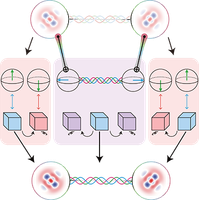
Phys. Rev. Lett. 136, 110801 (2026)
Quantum Information, Science, and Technology
Dual Pathways of Air Cavity Evolution during Droplet Impact on Superhydrophobic Nanoporous Surfaces
Article | Physics of Fluids, Earth & Planetary Science, and Climate | 2026-03-16 06:00 EDT
Mi Zhou, Yujun Lin, Zhanli Geng, Feiyang Zhang, Limin Zhou, Yue Shen, Lijuan Zhang, Wei Ding, Elmar Bonaccurso, Longquan Chen, Thomas Wallmersperger, Binyu Zhao, and Günter K. Auernhammer
The impact of a liquid droplet on a solid surface generates a cylindrical air cavity along the droplet's central axis and entraps a thin air film underneath, with a liquid film potentially sandwiched in between. We observe that the air cavity produced by impacting a water droplet on superhydrophobic…
Phys. Rev. Lett. 136, 114001 (2026)
Physics of Fluids, Earth & Planetary Science, and Climate
Composite Orbital Angular Momentum for Super-resolution Ultrasound Imaging
Article | Physics of Fluids, Earth & Planetary Science, and Climate | 2026-03-16 06:00 EDT
Xinpeng Li, Xue Jiang, and Dean Ta
Acoustic imaging is widely used in biomedicine and industrial nondestructive testing, yet its spatial resolution remains fundamentally limited by acoustic diffraction. Despite significant progress in nonlinear harmonic imaging, localization microscopy, and acoustic metamaterials, these approaches fa…
Phys. Rev. Lett. 136, 114002 (2026)
Physics of Fluids, Earth & Planetary Science, and Climate
Electrical Switching of the Berry Phase in Bernal Bilayer Graphene Quantum Dots
Article | Condensed Matter and Materials | 2026-03-16 06:00 EDT
Ke Lv, Qiang Cheng, Yu-Chen Zhuang, Chen-Yue Hao, Xiao-Ya Wang, Ya-Xin Zhao, Kenji Watanabe, Takashi Taniguchi, Ya-Ning Ren, Qing-Feng Sun, and Lin He
The Berry phase--a fundamental quantum geometric phase given by the integral of the Berry curvature over a closed trajectory in momentum space--underlies a wide range of quantum topological phenomena. Recent advances have demonstrated the potential of tuning the Berry phase to access exotic quantum st…
Phys. Rev. Lett. 136, 116201 (2026)
Condensed Matter and Materials
Incompressible Quantum Hall Liquid on the Four-Dimensional Sphere
Article | Condensed Matter and Materials | 2026-03-16 06:00 EDT
Junwen Zhao, Xue Meng, Wei Zhu, and Congjun Wu
The quantum Hall effect (QHE) is a cornerstone of topological physics, inspiring extensive explorations of its high-dimensional generalizations such as experimental realizations in synthetic systems including cold atoms, photonic lattices, and metamaterials. However, the many-body effect in the high…
Phys. Rev. Lett. 136, 116501 (2026)
Condensed Matter and Materials
Non-Hermiticity Induced Universal Anomalies in Kondo Conductance
Article | Condensed Matter and Materials | 2026-03-16 06:00 EDT
Wei-Zhu Yi, Yun Chen, Jun-Jun Pang, Hong Chen, Baigeng Wang, and Rui Wang
Strong correlation, when combined with dissipation in open systems, can lead to a variety of exotic quantum phenomena. Here, we study nontrivial interplays between non-Fermi liquid behaviors emerging from strong correlation and non-Hermiticity arising from open systems. We propose a practical physic…
Phys. Rev. Lett. 136, 116502 (2026)
Condensed Matter and Materials
Isoperimetric Inequalities in Quantum Geometry
Article | Condensed Matter and Materials | 2026-03-16 06:00 EDT
Praveen Pai and Fan Zhang
The Berry phase and quantum distance characterize the geometry of wave functions in Hilbert space. We uncover a quantum analog of the classical isoperimetric inequality, revealing a fundamental link between the Berry phase and quantum distance along closed paths. For two-band systems, we establish a…
Phys. Rev. Lett. 136, 116601 (2026)
Condensed Matter and Materials
Quantum Geometric Inequality and Its Classical Wave Verification
Article | Condensed Matter and Materials | 2026-03-16 06:00 EDT
Tingzhi Liu (刘亭志), Qicheng Zhang (张起成), and Chunyin Qiu (邱春印)
The study of the geometric properties of quantum states in Hilbert space--particularly through the lens of the quantum geometric tensor (QGT)--has profoundly advanced the fields of condensed matter physics and materials science. The real and imaginary parts of the QGT, the quantum metric and Berry cur…
Phys. Rev. Lett. 136, 116602 (2026)
Condensed Matter and Materials
Spin-Polarized Josephson Supercurrent in Nodeless Altermagnets
Article | Condensed Matter and Materials | 2026-03-16 06:00 EDT
Chuang Li, Jin-Xing Hou, Fu-Chun Zhang, Song-Bo Zhang, and Lun-Hui Hu
Long-range propagation of equal-spin triplet Cooper pairs typically occurs in ferromagnet--wave superconductor junctions, where net magnetization plays a crucial role. Here, we propose a fundamentally different scenario in which Josephson supercurrents mediated exclusively by spin-triplet pairings …
Phys. Rev. Lett. 136, 116701 (2026)
Condensed Matter and Materials
Unified Description of Spin-Lattice Coupling and Thermodynamics in the Pyrochlore Heisenberg Antiferromagnet
Article | Condensed Matter and Materials | 2026-03-16 06:00 EDT
Masaki Gen, Hidemaro Suwa, Shusaku Imajo, Chao Dong, Hiroaki Ueda, Makoto Tachibana, Akihiko Ikeda, Koichi Kindo, and Yoshimitsu Kohama
We study an extended model to describe the spin-lattice coupling, incorporating individual vibrations of bonds and atomic sites alongside distance-dependent exchange interactions. The proposed spin Hamiltonian can be effectively considered as an interpolation between two well-established minimum mod…
Phys. Rev. Lett. 136, 116702 (2026)
Condensed Matter and Materials
In-Plane Optically Tunable Magnetic States in 2D Materials via Tailored Femtosecond Laser Driving
Article | Condensed Matter and Materials | 2026-03-16 06:00 EDT
Shuang Liu, Oren Cohen, Peng Chen, and Ofer Neufeld
It is well established that light can control magnetism in matter, e.g. via the inverse Faraday effect or ultrafast demagnetization. However, such control is typically limited to magnetization transverse to light's polarization plane or out-of-plane magnetism in two-dimensional (2D) materials, while…
Phys. Rev. Lett. 136, 116901 (2026)
Condensed Matter and Materials
Quantum Droplets of Light in Semiconductor Microcavities
Article | Condensed Matter and Materials | 2026-03-16 06:00 EDT
Matteo Caldara, Olivier Bleu, Francesca Maria Marchetti, Jesper Levinsen, and Meera M. Parish
Quantum droplets are dilute self-bound configurations of bosons that result from the balance between a mean-field attraction and a repulsion induced by quantum fluctuations. Such droplets have been successfully realized in cold atomic gases and represent a signature of their quantum nature. Here, we…
Phys. Rev. Lett. 136, 116902 (2026)
Condensed Matter and Materials
Readout Sweet Spots for Spin Qubits with Strong Spin-Orbit Interaction
Article | Condensed Matter and Materials | 2026-03-16 06:00 EDT
Domonkos Svastits, Bence Hetényi, Gábor Széchenyi, James Wootton, Daniel Loss, Stefano Bosco, and András Pályi
Qubit readout schemes often deviate from ideal projective measurements, introducing critical issues that limit quantum computing performance. In this Letter, we model charge-sensing-based readout for semiconductor spin qubits in double quantum dots, and identify key error mechanisms caused by the ba…
Phys. Rev. Lett. 136, 117001 (2026)
Condensed Matter and Materials
Macro-Dipole-Constrained Learning of Atomic Charges for Accurate Electrostatic Potentials at Electrochemical Interfaces
Article | Polymers, Chemical Physics, Soft Matter, and Biological Physics | 2026-03-16 06:00 EDT
Jing Yang, Bingxin Li, Samuel Mattoso, Ahmed Abdelkawy, Mira Todorova, and Jörg Neugebauer
Large thermal fluctuations of the liquid phase obscure the weak macroscopic electric field that drives electrochemical reactions, rendering the extraction of reliable interfacial charge distributions from ab initio molecular dynamics extremely challenging. We introduce SMILE (Scalar Macro-dipole Int…
Phys. Rev. Lett. 136, 118001 (2026)
Polymers, Chemical Physics, Soft Matter, and Biological Physics
Isotopic Fingerprints of Proton-Mediated Dielectric Relaxation in Solid and Liquid Water
Article | Polymers, Chemical Physics, Soft Matter, and Biological Physics | 2026-03-16 06:00 EDT
Alexander Ryzhov, Pavel Kapralov, Mikhail Stolov, Viatcheslav Freger, Anton Andreev, Aleksandra Radenovic, and Vasily Artemov
We report cross-validated measurements of the isotope effect on dielectric relaxation for four isotopologues of ice and water, including the region, in which only sporadic and inconsistent measurements were previously available. In ice, the relaxation rates exhibit an activated temperature…
Phys. Rev. Lett. 136, 118002 (2026)
Polymers, Chemical Physics, Soft Matter, and Biological Physics
Physical Review X
Persistent Spin Currents in Superconducting Altermagnets
Article | 2026-03-16 06:00 EDT
Kyle Monkman, Joan Weng, Niclas Heinsdorf, Alberto Nocera, Yafis Barlas, and Marcel Franz
Persistent spin currents in superconducting altermagnets offer a dissipationless mechanism for spin transport that could enable the development of high-efficiency spintronic computer chips.
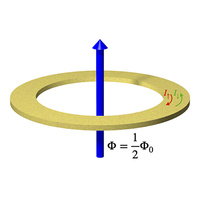
Phys. Rev. X 16, 011057 (2026)
arXiv
PolyMon: A Unified Framework for Polymer Property Prediction
New Submission | Soft Condensed Matter (cond-mat.soft) | 2026-03-17 20:00 EDT
Gaopeng Ren, Yijie Yang, Jiajun Zhou, Kim E. Jelfs
Accurate prediction of polymer properties is essential for materials design, but remains challenging due to data scarcity, diverse polymer representations, and the lack of systematic evaluation across modelling choices. Here, we present PolyMon, a unified and accessible framework that integrates multiple polymer representations, machine learning methods, and training strategies within a single, accessible platform. PolyMon supports various descriptors and graph construction strategies for polymer representations, and includes a wide range of models, from tabular models to graph neural networks, along with flexible training strategies including multi-fidelity learning, {\Delta}-learning, active learning, and ensemble learning. Using five key polymer properties as benchmarks, we perform systematic evaluations to assess how representations and models affect predictive performance. These case studies further illustrate how different training strategies can be applied within a consistent workflow to leverage limited data and incorporate physical model derived information. Overall, PolyMon provides a comprehensive and extensible foundation for benchmarking and advancing machine learning-based polymer property prediction. The code is available at this http URL.
Soft Condensed Matter (cond-mat.soft), Materials Science (cond-mat.mtrl-sci), Machine Learning (cs.LG)
Diffusion-based Generative Machine Learning Model for Predicting Crack Propagation in Aluminum Nitride at the Atomic Scale
New Submission | Materials Science (cond-mat.mtrl-sci) | 2026-03-17 20:00 EDT
Predicting atomic-scale crack propagation in aluminum nitride (AlN) is critical for semiconductor reliability but remains prohibitively expensive via molecular dynamics (MD). We develop a diffusion-based generative machine learning model to predict atomic-scale crack propagation in AlN, a critical semiconductor material, by conditioning solely on initial microstructure embeddings. Trained on MD simulations of single-crack systems, the model achieves a significant speedup while accurately forecasting dynamic fracture processes, including stress-driven crack initiation, crack branching, and atomic-scale bridging ligaments. Crucially, it demonstrates inherent physical fidelity by reproducing material-intrinsic mechanisms while disregarding periodic boundary artifacts, and generalizes to unseen multi-crack configurations. Validation against MD ground truth confirms the capability of the model to capture complex fracture physics without auxiliary stress or energy data, enabling rapid exploration of crack-mediated failure for semiconductor reliability optimization.
Materials Science (cond-mat.mtrl-sci), Machine Learning (cs.LG)
Ultrafast photo-thermoelectric currents in graphene junctions in the mid-infrared
New Submission | Mesoscale and Nanoscale Physics (cond-mat.mes-hall) | 2026-03-17 20:00 EDT
Nina Pettinger, Michel Panhans, Johannes Schmuck, Sebastian Loy, Xiaoyi Zhou, Chengye Dong, Joshua A. Robinson, Sergey Zherebtsov, Christoph Kastl, Frank Ortmann, Alexander W. Holleitner
Graphene is widely recognized for its ultrafast and broadband photocurrent response, but whether the broadband ultrafast characteristics are preserved at mid-infrared wavelengths with photon energies below the optical phonon energy remains an open question. Here, we investigate the carrier dynamics in graphene junctions under mid-infrared excitation using an ultrafast pump-probe photocurrent spectroscopy. We utilize dual split gate devices to demonstrate that the photo-thermoelectric effect can dominate the photoresponse of graphene also for a mid-infrared femtosecond excitation. We observe that graphene retains its broadband photocurrent response in this spectral region, but the photocurrent relaxation time increases from ca. 2 ps below 8-9 micrometer up to 3 ps at longer mid-infrared wavelengths. The absence of a pronounced phonon bottleneck in the decay dynamics at room temperature suggests an efficient interplay of electron-electron and electron-phonon scattering even for photon energies below the optical phonon energy in graphene. The observed wavelength dependence of the photocurrent relaxation times is consistent with energy-dependent theoretical relaxation times as derived from a microscopic transport theory of graphene that includes electron-phonon coupling within a Holstein-Peierls Hamiltonian.
Mesoscale and Nanoscale Physics (cond-mat.mes-hall)
Speed fluctuations of a stochastic Huxley-Zel’dovich front
New Submission | Statistical Mechanics (cond-mat.stat-mech) | 2026-03-17 20:00 EDT
Evgeniy Khain, Baruch Meerson, Pavel V. Sasorov
The empirical speed of travelling reaction-diffusion fronts fluctuates due to the intrinsic shot noise of the reactions and diffusion. Here we study the long-time front speed fluctuations of a stochastic Huxley-Zel’dovich front. It involves a population of particles $ A$ which perform a fast continuous-time random walk on a one-dimensional lattice and undergo reversible on-site reactions $ 2A \rightleftarrows 3A$ . This front describes an invasion of $ A$ -particles into an initially empty region of space which, in a deterministic description, is marginally stable but nonlinearly unstable with a zero instability threshold. Typical fluctuations of this front can be described as front diffusion in a reference frame moving with the average front speed. According to the existing perturbation theory, the shot-noise-induced systematic shift of the average front speed, $ \delta c$ , and the front diffusion coefficient, $ D_f$ , are both expected to scale with $ N$ as $ 1/N$ , where $ N \gg 1$ is the typical number of particles in the transition region. Furthermore, $ D_f$ can be determined perturbatively in the small parameter $ 1/\sqrt{N}$ . Our Monte Carlo simulations support these asymptotic results, but also reveal a long-lived anomalous behavior of the first few particles before they reach the expected diffusion asymptotic. We also study large deviations of the empirical speed of the front at long times. These are dominated by optimal histories of the system in the form of a propagating front which travels with a speed different from the average speed, or even travel in the wrong direction.
Statistical Mechanics (cond-mat.stat-mech)
11 pages, 7 figures
Energy Dynamics and Partial Consumption in Foraging
New Submission | Statistical Mechanics (cond-mat.stat-mech) | 2026-03-17 20:00 EDT
Md Aquib Molla, Sanchari Goswami
In this work, we consider partial consumption of food by a forager in presence of a threshold energy level. The forager considered here can survive for $ S$ steps without food, namely the survival time. The threshold limits the consumption of food in such a way that, the forager will only consume food, whenever its energy is below the threshold $ k$ . Due to partial consumption of food, a site containing food may not always be fully depleted, which in turn helps in increasing the lifetime of the forager. It has been observed that, in our case, the lifetime always increases with $ k/S$ , although there is a transition threshold $ k^\ast$ below which the increase of lifetime is rapid and above is low. The transition threshold $ k^\ast \sim \sqrt{S}$ . The lifetime $ \tau$ shows a power law behavior as $ \tau \sim S^{\beta}$ . For $ k/S=0$ , the value of $ \beta$ is $ 4/3$ , it then jumps above $ 2$ and decreases gradually to $ 1.84$ with increasing $ k/S$ . Other important quantities like number of revisits to a site, food statistics etc. have been studied and these also show some interesting scaling behavior. The collection of sites either fully or partially depleted of food after the death of the forager $ N_{eat}$ shows a crossover behaviour for $ k/S \sim 0.5$ .
Statistical Mechanics (cond-mat.stat-mech), Biological Physics (physics.bio-ph), Physics and Society (physics.soc-ph)
7 pages, 8 figures
Microscopic geometric theory for gapped excitations in fractional topological fluids
New Submission | Strongly Correlated Electrons (cond-mat.str-el) | 2026-03-17 20:00 EDT
We propose a geometric description of all gapped excitations in fractional quantum Hall phases that reveals several fundamental understandings with experimental consequences. These include a duality between the Hilbert space of multiple gapped ``graviton-like” spin 2 excitations at $ \nu=1/3$ Laughlin phase, and that of non-Abelian quasiholes of an irrational Haffnian conformal field theory. This leads us to construct microscopic wave functions for multiple higher-spin gapped neutral modes in the Laughlin phase. Carrying spin $ s \ge 2$ , they emerge from higher-order geometric deformations of the topological ground state, and live within the Gaffnian conformal Hilbert space asymptotically. We show that the full many-body Hilbert space of an FQH phase can be generated from superpositions of such geometric deformations, supporting a concrete geometric interpretation of all gapped excitations. We analyse the scattering between these higher spin modes and conjecture that they can have a long lifetime, and propose methods for their experimental detection.
Strongly Correlated Electrons (cond-mat.str-el)
Comments are welcome
Accurate electronic and optical properties of bulk antiferromagnet CrSBr via a tuned hybrid density functional with on-site corrections
New Submission | Materials Science (cond-mat.mtrl-sci) | 2026-03-17 20:00 EDT
Ashwin Ramasubramaniam, Daniel Hernangómez Pérez, Javier Junquera, María Camarasa-Gómez
CrSBr, a layered antiferromagnet, is emerging as a versatile platform for exploring strong coupling between optical and magnetic properties in low dimensions. While experimental research on this material has progressed at a rapid pace, reliable results on the ab initio front are limited to the domain of self-consistent, many-body perturbation theory, which is both computationally expensive and technically challenging. We present an alternate, less-demanding approach – rooted in generalized Kohn-Sham density functional theory – that can deliver accurate electronic structure and optical absorption spectra of CrSBr, as well as quantitively accurate predictions of coupling of excitons to magnetic order in CrSBr. Using a minimal two-parameter set that can be tuned to reproduce a couple of well-known experimental and/or theoretical benchmarks, such as fundamental and optical gaps, we demonstrate excellent predictive capability for the tuned functional. The approach presented here can potentially be applied broadly to other magnetic semiconductors, complementing and simplifying current approaches to modeling these materials.
Materials Science (cond-mat.mtrl-sci)
Magnetic-field-induced superconductivity in hexalayer rhombohedral graphene
New Submission | Mesoscale and Nanoscale Physics (cond-mat.mes-hall) | 2026-03-17 20:00 EDT
Jinghao Deng, Jiabin Xie, Hongyuan Li, Takashi Taniguchi, Kenji Watanabe, Jie Shan, Kin Fai Mak, Xiaomeng Liu
In conventional superconductors, superconductivity is generally suppressed by external magnetic fields due to spin-singlet pairing. Here, we report signatures of in-plane-magnetic-field-induced superconductivity in hexalayer rhombohedral graphene and reveal electric-field control of its depairing behavior. With the application of a small in-plane magnetic field $ B_{\parallel}$ , a superconducting state emerges within a narrow band along a phase boundary. Its properties evolve continuously with increasing $ B_{\parallel}$ : the superconducting region progressively shifts toward higher electric field as the $ B_{\parallel}$ increases and the transition temperature rises with increasing $ B_{\parallel}$ . Remarkably, the superconducting state remains robust under $ B_{\parallel}$ up to 14 T, far exceeding the conventional Pauli limit. Quantum oscillation measurements further reveal that the superconductivity emerges from nematic Fermi surface reconstruction. These results suggest a spin-polarized superconducting states with unconventional origins.
Mesoscale and Nanoscale Physics (cond-mat.mes-hall), Strongly Correlated Electrons (cond-mat.str-el)
Dissipative Nonlinear Phononics: Nonequilibrium Quasiperiodic Order in Light-Driven Spin-Phonon System
New Submission | Mesoscale and Nanoscale Physics (cond-mat.mes-hall) | 2026-03-17 20:00 EDT
Brayan I. Eraso-Solarte, Yafei Ren
Nonlinear phononics has emerged as a powerful paradigm for the nonthermal control of quantum materials by engineering a conservative potential energy landscape. Here, we show that dissipation can serve as an additional control knob for nonequilibrium states in nonlinear phononics. We reveal a nontrivial role of dissipation by investigating a spin-phonon coupled system driven by circularly polarized light. By tuning the spin relaxation time $ \tau_s$ , the steady state undergoes a transition from a trivial limit cycle to a temporally ordered state, which spontaneously breaks the discrete time-translation symmetry imposed by the drive. In this state, both the spin and phonon angular momentum exhibit persistent oscillations at an emergent frequency $ \Omega_s$ , which is generally incommensurate with the driving frequency. This state is stabilized by a dissipation-induced phase lag between spin and phonon angular momentum that generates a feedback loop sustaining the oscillation. The dissipation-controlled transition can be described within a Landau-type framework using a pseudo-potential, where the order parameter has a $ U(1)$ phase symmetry, and its amplitude is proportional to the oscillation amplitude of the phonon angular momentum.
Mesoscale and Nanoscale Physics (cond-mat.mes-hall)
Overcoming intrinsic material limitations through cavity feedback
New Submission | Mesoscale and Nanoscale Physics (cond-mat.mes-hall) | 2026-03-17 20:00 EDT
M. Ebrahimi, Y. Huang, V.A.S.V. Bittencourt, A. Rashedi, A. Metelmann, J.P. Davis
Magnons, the quanta of spin waves, have significant potential for use in modern technologies, especially when strongly coupled to another mode for read-out and control. However, while magnons strongly interact with microwave photons via the magnetic-dipole interaction to form hybrid cavity-magnon polariton modes, the weak magnetostrictive magnon-phonon interaction, together with large polariton linewidths dominated by magnon dissipation, has so far restricted magnonic-spheres to the weak-coupling regime. The material-limited magnon dissipation rate in particular has been regarded as an unavoidable limitation in these systems. Here, we surpass this long-standing limitation by implementing an active microwave feedback loop to suppress the linewidth of cavity-magnon polaritons and strongly suppress their effective decay rate below the magnon-limited linewidth, thereby enhancing the polariton-phonon cooperativity from C=1 to C=150. As a key milestone, we achieve normal-mode splitting between a cavity-magnon polariton and a mechanical mode, providing direct evidence of three-mode hybridization among photons, magnons, and phonons. Our results establish feedback as a general route to accessing strong-coupling regimes in systems previously thought to be limited by material properties and hence open new opportunities for coherent control in hybrid quantum systems.
Mesoscale and Nanoscale Physics (cond-mat.mes-hall), Materials Science (cond-mat.mtrl-sci), Other Condensed Matter (cond-mat.other), Quantum Physics (quant-ph)
Spin qubit gates via phonon buses in electron nanowires
New Submission | Mesoscale and Nanoscale Physics (cond-mat.mes-hall) | 2026-03-17 20:00 EDT
Dylan Lewis, Roopayan Ghosh, Sanjeev Kumar, Michael Pepper, Charles Smith, Karyn Le Hur, Sougato Bose
Scalable architectures for quantum computing using semiconductor quantum dots require interactions between qubits beyond adjacent quantum dots. Here, we propose using nanowires of electrons to mediate the interaction between two quantum dots. Virtual phonons in the linear chain of electrons can mediate an interaction that gives rise to effective spin-spin coupling of the electrons in distant quantum dots. We find coupling strengths of more than 30 MHz for experimentally realisable parameters in GaAs quantum dots.
Mesoscale and Nanoscale Physics (cond-mat.mes-hall), Quantum Physics (quant-ph)
6 + 9 pages, 5 figures
Smoothed Boundary Method Framework for Electrochemical Simulation of Li-ion Battery Cathode with Complex Microstructure: Model, Formulation and Parameterization
New Submission | Materials Science (cond-mat.mtrl-sci) | 2026-03-17 20:00 EDT
Hui-Chia Yu (1), Bernardo Orvananos (1), Scott Cronin (2), Martin Bazant (3), Scott Barnett (2), K. Thornton (1) ((1) Materials Science and Engineering, University of Michigan, Ann Arbor, Michigan, (2) Materials Science and Engineering, Northwestern University, Evanston, Illinois, (3) Chemical Engineering and Applied Mathematics, Massachusetts Institute of Technology, Cambridge, Massachusetts)
Rechargeable battery electrodes have highly complex microstructures, consisting of nonuniform electrode particles, tortuous electrolyte channels, and irregular particle-electrolyte interfaces. Moreover, the electrochemical processes involve several coupled physical mechanisms, including mass transport in the electrode particles and electrolyte, current continuity in the solid and liquid, and electrochemical surface reactions. These geometric and mechanistic complexities create a challenging barrier of electrochemical simulations at the microstructural level using conventional methods. In this paper, we introduce a smoothed-boundary method (SBM) electrochemical simulation framework for modeling the electrochemical dynamics of complex battery electrode microstructures. The conventional governing equations are reformulated into SBM versions, and are solved using uniform Cartesian grids. The simulations utilize an image-based, experimentally reconstructed 3D microstructure as the input geometry, and the physical parameters acquired from experimental measurements. Two models of lithiation mechanisms, solid-solution and two-phase, are examined under potentiostatic discharging of a Li$ _x$ CoO$ _2$ composite cathode. Detailed dynamics of the complex cathode microstructure are revealed through the simulations. The comparison between the two models indicates that modeling two-phase lithiation with Fick’s diffusion will overestimate the electrode’s performance. The presented simulation framework provides an innovative avenue in exploring the electrochemical dynamics at the microstructural level.
Materials Science (cond-mat.mtrl-sci)
33 pages, 1 table, 8 figures, 80 references
Effective band-projected description of interacting quasiperiodic systems
New Submission | Strongly Correlated Electrons (cond-mat.str-el) | 2026-03-17 20:00 EDT
Flavio Riche, Raul Liquito, Bruno Amorim, Eduardo V. Castro, Pedro Ribeiro, Miguel Gonçalves
We study the interplay between electronic interactions and quasiperiodicity in a one-dimensional narrow-band system, focusing on ground-state and low-energy excitation properties. Using band projection as low-energy effective approach, we show that a projection restricted to first order in the interaction strength fails to reproduce the correlated phase diagram. This contrasts with the standard success of first-order band projection in translationally invariant flatband systems and highlights the essential role of virtual processes involving remote bands in quasiperiodic settings. By incorporating second-order interband contributions perturbatively, we obtain an effective Hamiltonian that quantitatively reproduces the exact phase iagram previously obtained using density matrix renormalization group calculations, including the transition between a Luttinger liquid and a charge-density-wave phase and the crossover to a quasifractal charge-density-wave regime at strong quasiperiodicity. We further use this controlled framework to investigate low-energy neutral excitations and the optical conductivity, identifying clear dynamical signatures distinguishing the different phases. Our results establish second-order band projection as a reliable tool for correlated quasiperiodic narrow-band systems and suggest a promising route for studying interacting quasiperiodic and moiré materials beyond one dimension.
Strongly Correlated Electrons (cond-mat.str-el)
19 pages, 8 figures
Co2SeO3Cl2: Studies of Emerging Magnetoelectric Coupling in a Polar, Buckled Honeycomb Material
New Submission | Materials Science (cond-mat.mtrl-sci) | 2026-03-17 20:00 EDT
Faith O. Adeyemi, Xudong Huai, Mohamed Kandil, Pradip Karki, Wencan Jin, Thao T. Tran
The development of magnetoelectric materials requires chemical design strategies that integrate structural polarity with magnetic lattices capable of supporting competing spin interactions. Here, we demonstrate such an approach in the polar, buckled honeycomb magnet Co2SeO3Cl2. Magnetization and heat-capacity measurements reveal strong magnetic anisotropy and four successive magnetic transitions at 25.4, 16.8, 11, and 3 K. The recovered magnetic entropy through the ordering regime is only around half of the expected 2Rln(2), indicating persistent spin fluctuations. Second-harmonic generation measurements show three pronounced intensity anomalies at 11, 17, and 26 K that coincide with magnetic transitions while revealing that the crystallographic symmetry is preserved. Together, these results demonstrate that polar, buckled honeycomb magnets offer an unconventional phase space for coupling magnetic and electric dipoles in magnetoelectric materials.
Materials Science (cond-mat.mtrl-sci), Quantum Physics (quant-ph)
Analyzing coherent phonon mode-conversion in gradient superlattices with atomistic wave-packet simulations
New Submission | Materials Science (cond-mat.mtrl-sci) | 2026-03-17 20:00 EDT
Evan Wallace Doe, Theodore Maranets, Yan Wang
In this study, we have used atomistic phonon wave-packet simulations to investigate the manifestation of coherent phonons and phonon transmission in gradient superlattices (SL) based on ordered arrangements of varied SL period sizes. We specifically explore how coherent mode-conversion in these quasi-periodic structures changes as function of three key structural parameters: (1) the number of distinct period sizes, (2) the number of periods present for each distinct period size, and (3) the arrangement of period sizes in either an ascending or descending arrangement. Comparisons to periodic SLs and aperiodic SLs are highlighted, revealing that coherent phonons in gradient SLs generally exhibit behaviors characteristic of intermediate states between the fully ordered and disordered structures. Interestingly, changes to the short-range order of GMLs does not significantly influence transmission, indicating that long-range disorder is far more important to coherent mode-conversion. Our results indicate that manipulating the long-range disorder of interfaces could be an effective strategy to tailor phonon thermal conductivity of SL architectures.
Materials Science (cond-mat.mtrl-sci)
Brush-mediated angular constraints reshape structure, rigidity, and percolation in colloidal depletion gels
New Submission | Soft Condensed Matter (cond-mat.soft) | 2026-03-17 20:00 EDT
Ziye Zhuang, Robert A. Campbell, Paniz Haghighi, Safa Jamali, Ali Mohraz
Colloidal gels, like many other soft and disordered solids derive their mechanical properties not only from the strength of interparticle attraction, but also from the symmetry of the forces that constrain particle motion. While non-central interactions are known to profoundly alter rigidity and elasticity, they are typically introduced through particle anisotropy, surface roughness, or patchy interactions, obscuring their independent role. Here we demonstrate a minimal and geometry-preserving route to emergent non-central forces in colloidal gels by reducing the density of surface-grafted polymer brushes. At low brush density, partial brush interpenetration introduces an effective angular bending rigidity at particle contacts, despite fully isotropic particle geometry. This emergent constraint suppresses local densification, stabilizes low-coordination networks, and produces highly ramified gel structures with enhanced elasticity. Combining experiments, simulations, and mean-field theory, we show that these non-central constraints reorganize structure and mechanics across length scales, shifting gelation boundaries and increasing the elastic modulus by nearly a factor of three. Our results establish surface brush density as a generic control parameter for programming interaction symmetry in soft particulate matter, with implications for rigidity, percolation, and mechanical design in disordered systems.
Soft Condensed Matter (cond-mat.soft)
Ziye Zhuang and Robert A. Campbell contributed equally
Hierarchical structure of primary and hybridization-induced superconducting correlations in bilayer nickelates
New Submission | Superconductivity (cond-mat.supr-con) | 2026-03-17 20:00 EDT
Hiroshi Watanabe, Hirofumi Sakakibara, Kazuhiko Kuroki
High-pressure superconductivity in the bilayer nickelate La$ 3$ Ni$ 2$ O$ 7$ , with a transition temperature approaching 80 K, has stimulated intense debate regarding its microscopic origin. Although an $ s{\pm}$ gap symmetry has been widely proposed, the electronic degrees of freedom responsible for pairing remain unsettled. Here we investigate a bilayer two-orbital Hubbard model using the variational Monte Carlo method and reveal a hierarchical pairing structure in bilayer nickelates. The primary pairing interaction originates from the bonding–antibonding splitting of the Ni $ 3d{z^2}$ orbitals, while orbital hybridization redistributes superconducting correlations to the $ d{x^2-y^2}$ channel despite its weak intrinsic pairing interaction. This distinction between the origin of pairing and resulting superconducting correlations explains why the two orbital channels exhibit comparable long-range correlations. The resulting $ s_{\pm}$ state is robust against changes in Fermi-surface topology. These results reconcile apparently competing theoretical scenarios and provide a comprehensive understanding, highlighting the distinctive role of orbital hybridization in multilayer correlated superconductors.
Superconductivity (cond-mat.supr-con), Strongly Correlated Electrons (cond-mat.str-el)
11 pages, 6 figures
Constraint ratio controls viscosity in shear thickening suspensions
New Submission | Soft Condensed Matter (cond-mat.soft) | 2026-03-17 20:00 EDT
Qinghao Mao, Michael van der Naald, Abhinendra Singh, Heinrich M. Jaeger
The dramatic viscosity increase observed in dense suspensions under shear poses a major challenge in our understanding of how microscopic contact mechanics translate into macroscopic flow resistance. Here, we introduce a constraint-counting model that incorporates friction and dimensionality naturally without additional assumptions and allows for collapsing of rheological data onto a universal master curve. In this model, we borrow ideas from dry granular jamming physics and classify contacts as either locked or non-locked to define a single state variable, the constraint ratio, which measures the average strength of mechanical constraint per particle. By identifying the constraint ratio as the key control parameter, our framework provides a unifying route toward predictive modeling and rational design of shear-thickening materials.
Soft Condensed Matter (cond-mat.soft)
Splitting probabilities of confined active particles
New Submission | Soft Condensed Matter (cond-mat.soft) | 2026-03-17 20:00 EDT
Sarafa A. Iyaniwura, Zhiwei Peng
Active particles exhibit self-propulsion, leading to transport behavior that differs fundamentally from passive Brownian motion. In confined or structured domains, activity strongly influence escape probabilities and first-passage behavior. Understanding these effects is essential for describing transport in biological microenvironments, microfluidic devices, and heterogeneous media. In this work, leveraging the backward Fokker–Planck equation, we investigate the splitting probability of active particles in confined domains, focusing on both a one-dimensional interval and a two-dimensional corrugated channel. Analytical solutions are derived for the one-dimensional case in various asymptotic regimes. In corrugated channels with small aspect ratios, we develop a Fick–Jacobs reduction that yields effective transport equations along the axial direction, whereas for finite aspect ratios, the splitting dynamics are characterized numerically. We demonstrate how channel geometry, particle activity, and chirality modulate the likelihood of escape through different boundaries. Our results provide quantitative predictions for the transport of active matter in complex environments and highlight the interplay between confinement and activity.
Soft Condensed Matter (cond-mat.soft)
18 pages, 8 figures
On thermalization in many-body classical Floquet systems
New Submission | Statistical Mechanics (cond-mat.stat-mech) | 2026-03-17 20:00 EDT
It is expected that a generic closed many-body system prepared in a well-behaved initial state and subjected to a periodic drive will eventually thermalize, i.e. approach the state of maximal entropy. This property, while compatible with and even demanded by the physical intuition, is much stronger than ergodicity or mixing and is difficult to justify mathematically. We describe an infinite set of classical many-body Floquet systems of algebraic origin for which thermalization of very general initial states can be proved. For example, we show that a Gibbs state of any sufficiently uniform local differentiable Hamiltonian heats up to infinite temperature at long times. We show that in agreement with the physical intuition, the only obstruction to thermalization is the existence of local observables which are periodic in time.
Statistical Mechanics (cond-mat.stat-mech), Mathematical Physics (math-ph), Chaotic Dynamics (nlin.CD)
16 pages
Competing Magnetic Ground States in Copper-Doped Pb${10}$P${6}$O$_{25}$
New Submission | Materials Science (cond-mat.mtrl-sci) | 2026-03-17 20:00 EDT
Lin Hou, Kevin Allen, Christopher Lane, Jian-Xin Zhu
We investigate the electronic and magnetic properties of copper-doped Pb$ _{10}$ (PO$ 4$ )$ 6$ O using a combination of density functional theory and many-body perturbation theory. The flat half-filled electronic band at the Fermi level is found to give way to an incommensurate antiferromagnetic instability with wave vector $ (0.28\pi ,\pm 0.47\pi ,\pi )$ within the random phase approximation arising predominantly from Cu-$ d{yz}$ and Cu-$ d{xz}$ orbitals. Moreover, the Heisenberg exchange coupling between neighboring copper atoms is estimated to be $ \sim 1$ meV. Our results suggest that magnetism in copper-doped Pb$ _{10}$ (PO$ _4$ )$ _6$ O is localized on the impurity copper site, with no long-range ordering. These findings support the picture that copper behaves as a magnetic impurity within the Pb-apatite matrix.
Materials Science (cond-mat.mtrl-sci)
6 pages, 4 figures
Superradiant strongly correlated quantum states in cavity Hubbard model
New Submission | Strongly Correlated Electrons (cond-mat.str-el) | 2026-03-17 20:00 EDT
Kang Wang, Wei-Xuan Chang, Cheng-Yu Bi, Zi Cai, Zi-Xiang Li
In cavity quantum materials, entangling strongly correlated electrons with quantum light provides a unique opportunity to explore novel quantum phases and phase transitions absent in conventional solid-state materials. In this study, we develop a sign-problem-free fermion-photon hybrid Quantum Monte Carlo (QMC) algorithm, and use it to systematically investigate the ground-state phase diagram of a two-dimensional cavity Hubbard model. It is shown that the interplay between the electron correlation and photon condensation gives rise to intriguing quantum phases ({\it e.g.} superradiant antiferromagnetic and chiral/$ \pi$ -flux states), and different quantum phase transitions, such as a first-order superradiant phase transition and a continuous phase transition with Gross-Neveu universality class. The methodology can be readily generalized to more complicated cavity strongly correlated models.
Strongly Correlated Electrons (cond-mat.str-el)
5+8 pages, 4+4 figures
Revealing Hydroxide Ion Transport Mechanisms in Commercial Anion-Exchange Membranes at Nano-Scale from Machine-learned Interatomic Potential Simulations
New Submission | Materials Science (cond-mat.mtrl-sci) | 2026-03-17 20:00 EDT
Jonas Hänseroth, Muhammad Nawaz Qaisrani, Mostafa Moradi, Karl Skadell, Christian Dreßler
Hydroxide ion transport in anion-exchange membranes fundamentally limits the efficiency of alkaline water electrolysis for green hydrogen production, yet the atomic-scale transport mechanisms remain poorly understood due to the computational challenges associated with modeling ion dynamics. Given that anion-exchange membranes enable alkaline electrolysis with abundant catalysts while avoiding perfluoroalkyl and polyfluoroalkyl materials, a deeper mechanistic understanding of hydroxide transport in these systems is essential for advancing sustainable hydrogen production. Here, we show that large-scale molecular dynamics simulations with fine-tuned machine-learned interatomic potentials provide atomistic insight into hydroxide mobility in a commercial membrane over tens of nanoseconds and over ten nanometer. We find that increasing water content transforms isolated water clusters into a connected hydrogen-bond network that enables long-range proton transfer. Under dry conditions hydroxide ions are trapped near positively charged groups and transport is strongly hindered, whereas well-hydrated membranes exhibit extended proton migration and diffusion coefficients approaching those of dilute aqueous solutions. The simulations reproduce experimental trends in diffusion and activation energies. Our results establish a direct link between nano-scale structure and macroscopic transport. Beyond mechanistic insight, the presented simulation framework enables predictive, simulation-guided optimization of membrane chemistry and architecture, opening a pathway toward the rational design of more efficient anion-exchange membranes for green hydrogen technologies.
Materials Science (cond-mat.mtrl-sci), Chemical Physics (physics.chem-ph)
Entanglement Rényi Negativity across the Finite-Temperature Transition in the O(3) Universality Class
New Submission | Strongly Correlated Electrons (cond-mat.str-el) | 2026-03-17 20:00 EDT
Dong-Xu Liu, Yi-Ming Ding, Zhe Wang, Zheng Yan
The fate of quantum entanglement at finite-temperature phase transitions remains an open question, particularly for continuous symmetry breaking where zero-temperature Goldstone modes generate long-range correlations. Using large-scale quantum Monte Carlo simulations, we investigate the third Rényi negativity across the O(3) transition in the three-dimensional Heisenberg antiferromagnet. The first such study for a thermal critical point with continuous symmetry. We uncover two fundamental results. First, the negativity exhibits a pure area law at the critical point, with the subleading constant term vanishing within statistical uncertainty. This demonstrates that thermal fluctuations completely destroy the long-range entanglement present at zero temperature. The divergent classical correlation length leaves no imprint on quantum entanglement itself. Second, despite this absence of singular behavior in the negativity, its temperature derivative follows the exact scaling of the specific heat, yielding critical exponents -{\alpha}/{\nu}=0.190(1) and 1/{\nu}=1.350(5) in precise agreement with the O(3) universality class. Our work establishes that while quantum entanglement is blind to thermal criticality, its thermodynamic derivatives encode the full universal scaling, revealing an unexpected connection between entanglement and classical phase transitions. Furthermore, this also provides further evidence that Rényi negativity can still effectively shield classical correlations in systems with continuous symmetry.
Strongly Correlated Electrons (cond-mat.str-el)
8 pages,5 figures
Cobalt Binary Compounds for Advanced Interconnect Materials
New Submission | Materials Science (cond-mat.mtrl-sci) | 2026-03-17 20:00 EDT
The industrial standard copper (Cu) interconnects face a substantial resistivity increase at thinner linewidths, posing a well-known challenge to limit overall device performance. To address this issue, we have evaluated the potential properties of cobalt (Co) based binary compounds as replacements for Cu. Co is considered as a promising alternative due to its potential for enhanced reliability and low resistivity at sub-nanoscale dimensions. Furthermore, the combination of elements provides a possibility to engineer novel properties, transcending the limitations of elemental metals and expanding the search space for next-generation interconnects. In this study, a high-throughput screening method was used to identify several Co-based binary compounds with superior electronic transport and reliability at reduced thickness. The findings demonstrate that specific Co-based binary compounds hold significant potential to overcome the performance limitations of scaled interconnects.
Materials Science (cond-mat.mtrl-sci)
Electron. Mater. Lett. (2026)
First-principles modeling of electrostatics and transport in 2D topological transistors
New Submission | Mesoscale and Nanoscale Physics (cond-mat.mes-hall) | 2026-03-17 20:00 EDT
Hyeonseok Choi, Yosep Park, Subeen Lim, Yeonghun Lee
We develop a simulation framework for electrostatic and transport modeling of 2D Topological insulator field-effect transistor (2D TIFETs), based solely on first-principles calculations using density functional theory (DFT). We find that careful consideration of basis set and symmetry constraints in DFT calculations is crucial for determining critical electric field ($ E_c$ ), defined as the electric field intensity at which the topological phase transition occurs. Using ballistic Landauer-B$ ü$ ttiker formula and local potential profile, the drain current-gate bias voltage ($ I_D$ -$ V_G$ ) characteristics were obtained and switching behavior was studied. A comparison with the $ \mathbf{k}\cdot\mathbf{p}$ model reveals the necessity of DFT calculations for investigating realistic edge dispersions. Our approach provides an efficient and rigorous simulation methodology for mesoscopic transport in 2D TIFETs.
Mesoscale and Nanoscale Physics (cond-mat.mes-hall)
Nanoscale (2026)
Giant Full-Space Anomalous Hall Effect Induced by Non-Coplanar Spin State in Mn-Rich Mn3Sn
New Submission | Materials Science (cond-mat.mtrl-sci) | 2026-03-17 20:00 EDT
Yiming Liu, Xin Liu, Jiayao Zhu, Fengxian Ma, Li Ma, Dewei Zhao, Guoke Li, Congmian Zhen, Denglu Hou
Antiferromagnets are promising candidates for next-generation spintronic devices owing to their negligible stray fields and ultrafast spin dynamics. The noncollinear antiferromagnet $ \mathrm{Mn}{3}\mathrm{Sn}$ exhibits a large anomalous Hall effect (AHE). However, its specific noncollinear spin configuration leads to the forbiddance of the anomalous Hall conductivity from the (0001) basal plane, $ \sigma{(0001)}$ , limiting practical applications. Here, using first-principles density functional theory, we demonstrate that Mn enrichment in $ \mathrm{Mn}{3}\mathrm{Sn}$ drives a magnetic transition from the coplanar $ 120^\circ$ spin configuration to a non-coplanar state with moments tilted toward the $ c$ -axis. This transition is primarily mediated by four-spin ring exchange interaction in the local triangular lattice, which breaks the time-reversal symmetry and generates a giant intrinsic anomalous Hall conductivity over the full three-dimensional space in $ \mathrm{Mn}{3}\mathrm{Sn}$ . We predict that $ \sigma_{(0001)}$ reaches as high as $ \sim!-468\Omega^{-1}\cdot\mathrm{cm}^{-1}$ , and an enhanced $ \sigma_{(01\bar{1}0)}$ of $ \sim!-229\Omega^{-1}\cdot\mathrm{cm}^{-1}$ is expected in light Mn self-doping of $ \mathrm{Mn}{3}\mathrm{Sn}$ ($ \mathrm{Mn}{3.125}\mathrm{Sn}_{0.875}$ ). Unlike previously reported mechanisms relying on external magnetic fields or strain, our approach exploits intrinsic compositional tuning to stabilize a non-coplanar magnetic ground state for realizing a strong full-space AHE in antiferromagnets, providing another viable pathway toward high-performance, low-power spintronic devices.
Materials Science (cond-mat.mtrl-sci)
16 pages, 5 figures
Research Paradigm of Materials Science Tetrahedra with Artificial Intelligence
New Submission | Materials Science (cond-mat.mtrl-sci) | 2026-03-17 20:00 EDT
Shiyun Zhang, Yibo Yao, Haoquan Long, Dingwen Tao, Guangming Tan, Wei-Hua Wang, Yuan-Chao Hu
The classical material tetrahedron that represents the Structure-Property-Processing-Performance-Characterization relationship is the most important research paradigm in materials science so far. It has served as a protocol to guide experiments, modeling, and theory to uncover hidden relationships between various aspects of a certain material. This substantially facilitates knowledge accumulation and material discovery with desired functionalities to realize versatile applications. In recent years, with the advent of artificial intelligence (AI) techniques, the attention of AI towards scientific research is soaring. The trials of implementing AI in various disciplines are endless, with great potential to revolutionize the research diagram. Despite the success in natural language processing and computer vision, how to effectively integrate AI with natural science is still a grand challenge, bearing in mind their fundamental differences. Inspired by these observations and limitations, we delve into the current research paradigm dictated by the classical material tetrahedron and propose two new paradigms to stimulate data-driven and AI-augmented research. One tetrahedron focuses on AI for materials science by considering the Matter-Data-Model-Potential-Agent diagram. The other demonstrates AI research by discussing Data-Architecture-Encoding-Optimization-Inference relationships. The crucial ingredients of these frameworks and their connections are discussed, which will likely motivate both scientific thinking refinement and technology advancement. Despite the widespread enthusiasm for chasing AI for science, we must analyze issues rationally to come up with well-defined, resolvable scientific problems in order to better master the power of AI.
Materials Science (cond-mat.mtrl-sci), Artificial Intelligence (cs.AI)
24 pages, 6 figures
Tunable Cooperative Motion, Rigidity, and Glassy Dynamics in Knotted Ring Polymer Melts
New Submission | Soft Condensed Matter (cond-mat.soft) | 2026-03-17 20:00 EDT
Yue-Tong Dong, Jack F. Douglas, Wen-Sheng Xu
We present a molecular dynamics study of the influence of knot complexity and molecular mass on glass formation upon cooling in knotted ring polymer melts. We find that cooperative motion, rigidity, and glassy dynamics can be tuned over a wide range by knots. By leveraging these knotting constraints, we assess the validity of prevalent models of glass formation, including the string model based on cooperative particle motion, the localization model emphasizing fluctuations in local particle mobility, and the shoving model derived from emergent elastic properties in relation to material stiffness. In line with our previous findings on polymeric and other glass-forming liquids, we demonstrate that all these models of glass formation provide a quantitative description of segmental relaxation as a function of knot complexity, molecular mass, and temperature, despite their apparently distinct conceptual foundations. Our study thus provides additional evidence for an underlying unity among various theoretical frameworks and for the presence of quantitative relations between the characteristic properties emphasized by these models. Furthermore, we discuss dynamic and elastic heterogeneities in relation to fragility and stiffness variations of knotted ring polymer melts, with a focus on how these trends relate to other glass-forming liquids where fragility is tuned over a large range.
Soft Condensed Matter (cond-mat.soft)
46 pages, 15 figures
Optimality and annealing path planning of dynamical analog solvers
New Submission | Disordered Systems and Neural Networks (cond-mat.dis-nn) | 2026-03-17 20:00 EDT
Shu Zhou, K. Y. Michael Wong, Juntao Wang, David Shui Wing Hui, Daniel Ebler, Jie Sun
Recently proposed analog solvers based on dynamical systems, such as Ising machines, are promising platforms for large-scale combinatorial optimization. Yet, given the heuristic nature of the field, there is very limited insight on optimality guarantees of the solvers, as well as how parameter schedules shape dynamics and outcomes. Here, we develop a dynamical mean-field framework to analyze Ising-machine dynamics for finding the ground state energy of the Sherrington-Kirkpatrick(SK) model of spin glasses and identify mechanisms that enable rapid convergence to provenly near-optimal energies. For a fixed target energy density Ec, we show that solutions are typically reached within O(1) matrix vector multiplications, indicating constant time complexity. We further delineate theoretical limitations arising from different parameter-scheduling trajectories and demonstrate a pronounced benefit of temperature-only annealing for the Coherent Ising Machine. Building on these insights, we propose a general framework for designing optimized parameter schedules, thereby improving the practical effectiveness of Ising machines for complex optimization tasks. The superior performance of the dynamical solvers is illustrated by the attainment of the ground state energy of the SK model.
Disordered Systems and Neural Networks (cond-mat.dis-nn), Statistical Mechanics (cond-mat.stat-mech), Dynamical Systems (math.DS), Data Analysis, Statistics and Probability (physics.data-an)
Eccentricity valley Hall effect
New Submission | Mesoscale and Nanoscale Physics (cond-mat.mes-hall) | 2026-03-17 20:00 EDT
Jin Cao, Shen Lai, Cong Xiao, Qian Niu, Shengyuan A. Yang
Valleytronics harnesses the valley degree of freedom – energy-degenerate extrema in the electronic band structure – for information storage and processing. Valley Hall effect (VHE) is a cornerstone of valleytronics, enabling electric generation of pure valley currents. While extensively studied in systems with valleys located at time-reversal-breaking points, here, we shift the paradigm to valleytronic platforms with time-reversal-invariant valleys (TRIVs), revealing a novel phenomenon: eccentricity VHE. Unlike conventional VHE, the valley Hall angle for eccentricity VHE is an intrinsic geometric property, governed solely by the eccentricity of the valley Fermi surface, rendering it highly robust against variations in temperature or carrier density. Eccentricity VHE emerges universally across all 25 layer groups supporting TRIVs. We demonstrate these distinctive features in monolayer GeS$ _{2}$ via first-principles calculations, predicting a significant valley Hall angle of 0.74. This effect can be detected through nonlocal transport measurements exhibiting characteristic scaling behavior, or, in certain cases, through valley-layer coupling. Our findings reveal a critical overlooked facet of valley Hall physics, transcend the established VHE paradigm, and significantly broadens the scope of valleytronics.
Mesoscale and Nanoscale Physics (cond-mat.mes-hall), Materials Science (cond-mat.mtrl-sci)
Pressure induced redistribution of oxygen hole states in La${4}$Ni${3}$O$_{10}$
New Submission | Strongly Correlated Electrons (cond-mat.str-el) | 2026-03-17 20:00 EDT
Guiwen Jiang, Liang Si, George A. Sawatzky, Mi Jiang
Using density functional calculations and multi-orbital, multi-atom cluster exact diagonalization that includes local exchange and Coulomb interactions, we explored the local low-energy electronic states of trilayer La$ _4$ Ni$ _3$ O$ _{10}$ via a minimal Ni$ 3$ O$ {14}$ cluster. We find that, at ambient pressure, starting with all three Ni being nominally 2+ valence, one of the two extra holes is localized in the central NiO$ 2$ layer forming a Zhang-Rice singlet (ZRS) with $ d{x^2-y^2}$ orbital. The other hole mainly occupies the antibonding combination of the two interplane O $ p_z$ orbitals and thereby hybridizes with an out-of-plane three-spin-polaron (3SP) formed by the $ d{z^2}$ orbitals of three NiO$ 2$ layers. In this way, the in-plane spin orientation alternation is carried by the $ d{x^2-y^2}$ orbitals of two outer layers with interlayer antiferromagnetic correlation. Simultaneously, the central layer is insulating like with negligible magnetic moment. At high pressure, however, the two extra holes are concentrated on one of two outer layers and the inner layer separately forming the ZRS with $ d{x^2-y^2}$ orbitals or in-plane 3SP with neighboring cluster. We highlight the similarities between the bilayer La$ _3$ Ni$ _2$ O$ _7$ and trilayer La$ _4$ Ni$ _3$ O$ _{10}$ via possible charge and spin ordered states suggested by our cluster results.
Strongly Correlated Electrons (cond-mat.str-el)
Nitrogen-Vacancy-Mediated Magnetism in Sputtered GdN Thin Films
New Submission | Materials Science (cond-mat.mtrl-sci) | 2026-03-17 20:00 EDT
Pankaj Bhardwaj, Jyotirmoy Sarkar, Bubun Biswal, Subhransu Kumar Negi, Arijit Sinha, Anirudh Venugopalrao, Sharath Kumar C, Sreelakshmi M Nair, R. S. Patel, Deepshika Jaiswal Nagar, Abhishek Mishra, Srinivasan Raghavan, Umesh Waghmare, Dhavala Suri
Among rare-earth nitrides (RENs), gadolinium nitride (GdN) stands out as a promising material for spintronics owing to its distinctive combination of semiconducting behavior, strong exchange interactions, and intrinsically soft ferromagnetism. Its relatively high Curie temperature and large saturation magnetization make it an attractive candidate for device concepts such as non-volatile memory elements and spin-based transistors, motivating efforts toward low-cost, uniform, and compositionally controlled thin-film growth. In this work, we deposited GdN thin films on SiO2/AlN substrates using DC sputtering under reactive nitridation conditions, with thicknesses varying from 18 to 180 nm, and systematically investigated their structural and magnetic properties. The films exhibit soft ferromagnetic ordering, characterized by a coercive field of approximately 200 Oe and a Curie temperature (Tc) near 70 K. Structural analysis reveals lattice distortions and local strain associated with nitrogen-vacancy defects, whose concentration varies with film thickness. Our theoretical studies establish a direct correlation between the observed Raman modes of the GdN lattice and the reduced magnetization induced by nitrogen vacancies. These vacancies give rise to defect-mediated ferromagnetism, leading to a measurable enhancement of Tc from 68 K to 82 K across the studied thickness range. The observed magnetic behavior is well described by the bound magnetic polaron (BMP) model, confirming that nitrogen vacancies are key contributors to ferromagnetic ordering while preserving the soft-magnetic character intrinsic to GdN. This study underscores the pivotal role of defect engineering in optimizing GdN thin films for spintronics applications.
Materials Science (cond-mat.mtrl-sci)
Inferring the dynamics of glass-forming liquids from static structure across thermal states
New Submission | Soft Condensed Matter (cond-mat.soft) | 2026-03-17 20:00 EDT
Hidemasa Bessho, Takeshi Kawasaki, Hayato Shiba
In this study, we demonstrate the generalizability of graph neural networks in predicting the dynamic heterogeneity of model glass-forming liquids across different temperatures. While previous approaches have often been limited to making predictions at the specific temperatures used during training, we find that our proposed framework - T-BOTAN - enables interpolation to temperatures not included in the training set. We show that the dynamical behavior, the associated four-point correlations, and even the macroscopic temperature can be estimated with sufficient accuracy solely from static particle configurations at untrained temperatures. These results suggest that static configurations encode not only local structural features driving dynamic heterogeneity but also fundamental thermodynamic information.
Soft Condensed Matter (cond-mat.soft), Disordered Systems and Neural Networks (cond-mat.dis-nn)
12 pages, 15 figures
Crystal structure, magnetic and resonant properties of decorated spin kagome system (CsCl)Cu$_5$As$2$O${10}$
New Submission | Strongly Correlated Electrons (cond-mat.str-el) | 2026-03-17 20:00 EDT
Ilya V. Kornyakov, Marina V. Likholetova, Irina E. Lezova, Sergey V. Krivovichev, Harald O. Jeschke, Yasir Iqbal, Alexey V. Tkachev, Sergey V. Zhurenko, Andrey A. Gippius, Larisa V. Shvanskaya, Alexander N. Vasiliev
We report the synthesis and investigation of the crystal structure and physical properties of the averievite-like arsenate, $ (\mathrm{CsCl})\mathrm{Cu}_5\mathrm{As}2\mathrm{O}{10}$ . Just above room temperature, this compound undergoes a structural phase transition from the high-temperature trigonal $ P\bar{3}m1$ $ (a=b=a_0$ and $ c=c_0)$ to the low-temperature monoclinic $ I2/a$ phase $ (a \approx \sqrt{3}a_0$ , $ b=a_0$ , $ c \approx 2c_0$ and $ \beta \approx 90.6^\circ)$ . According to thermodynamic and nuclear magnetic resonance measurements, it experiences a phase transition into a canted antiferromagnetic state at $ T_N = 21~\mathrm{K}$ . The density functional theory calculations place the energy scale of kagome exchange interaction parameter in $ (\mathrm{CsCl})\mathrm{Cu}_5\mathrm{As}2\mathrm{O}{10}$ in between those in V- and P-analogs.
Strongly Correlated Electrons (cond-mat.str-el), Materials Science (cond-mat.mtrl-sci)
14 pages, 8 figures, and Supplemental Material
J. Mater. Chem. C, 14, 3749 (2026)
Information-Driven Phase Transition on Weighted Graphs with Spontaneous Dimensional Sensitivity
New Submission | Statistical Mechanics (cond-mat.stat-mech) | 2026-03-17 20:00 EDT
We study information flow on a weighted graph whose topology evolves according to a spectral curvature measure $ \mathcal{R}$ . The model (FIU) defines $ \mathcal{R}$ from the diagonal of the graph Green function, propagates energy with curvature-dependent dissipation, and creates long-range links between high-$ \mathcal{R}$ nodes at a rate controlled by a coupling parameter $ g$ .
We report three results. First, the system exhibits a sharp phase transition at $ g_c \approx 0.023$ : below $ g_c$ , local information flux $ \sigma$ and structure formation are anti-correlated; above $ g_c$ , they become strongly correlated (Pearson $ r \approx 0.75$ , $ p < 10^{-38}$ ), with signatures of a continuous transition and mean-field exponent $ \nu \approx 0.54$ .
Second, we identify a node-level discrete Poisson relation $ \nabla^2\mathcal{R}(i) = \kappa,\sigma_{\rm prev}(i)$ , where $ \kappa$ is stable across parameters (CV $ = 3.1%$ across independent configurations). Mediator analysis reveals this correlation is almost entirely mediated by $ \mathcal{R}$ itself, identifying it as the central self-organizing variable.
Third, the Poisson relation exhibits spontaneous dimensional sensitivity: in 2D lattices both signals decay for $ N \gtrsim 576$ , while in 3D they persist to $ N \lesssim 1728$ . This emerges without any dimensional parameter in the rules. The collapse mechanism is curvature homogenization at large $ N$ . We interpret this as topological frustration in a mesoscopic regime, and discuss analogies with dimensional signatures of gravity.
Statistical Mechanics (cond-mat.stat-mech), Computational Physics (physics.comp-ph)
Extracting the Anyonic Exchange Phase from Hanbury Brown-Twiss Correlations
New Submission | Mesoscale and Nanoscale Physics (cond-mat.mes-hall) | 2026-03-17 20:00 EDT
Felix Puster, Matthias Thamm, Bernd Rosenow
In recent years, interferometry experiments in fractional quantum Hall devices have reported signatures of a fractional braiding phase for quasiparticles. It was noted, however, that the braiding phase alone does not uniquely determine the exchange phase because of a $ \pi$ -ambiguity. Here we analyze a Hanbury Brown-Twiss interferometer in a cross geometry that provides direct access to the fractional exchange phase. Using a non-equilibrium Keldysh calculation in an experimentally relevant regime, we show that the exchange phase can be obtained as the phase shift between Aharonov-Bohm oscillations in a single-particle interference current and those in the current cross-correlation arising from two-particle interference.
Mesoscale and Nanoscale Physics (cond-mat.mes-hall), Strongly Correlated Electrons (cond-mat.str-el)
8 pages, 5 figures
Channel transport: gating, geometry, and heterogeneous diffusion
New Submission | Statistical Mechanics (cond-mat.stat-mech) | 2026-03-17 20:00 EDT
Channel-mediated transport is ubiquitous in biology. A series of works by different theoreticians have sought to determine how the diffusive flux through a channel depends on (a) stochastic gating, (b) channel geometry, and (c) heterogeneous diffusion. In this paper, we derive an explicit estimate for the diffusive flux through a channel that accounts for these three factors. We show that our estimate is exact in certain parameter regimes. We further use stochastic simulations to confirm that our estimate remains accurate across a very broad range of parameters. Our estimate differs from some results in the physics literature.
Statistical Mechanics (cond-mat.stat-mech), Analysis of PDEs (math.AP), Probability (math.PR)
28 pages, 4 figures
Generative Inverse Design of Cold Metals for Low-Power Electronics
New Submission | Materials Science (cond-mat.mtrl-sci) | 2026-03-17 20:00 EDT
Kedeng Wu, Yucheng Zhu, Yan Chen, Bizhu Zhang, Shuyu Liu, Xiaobin Deng, Yabei Wu, Liangliang Zhu, Hang Xiao
Cold metals are a class of metals with an intrinsic energy gap located close to the Fermi level, which enables cold-carrier injection for steep-slope transistors and is therefore promising for low-power electronic applications. High-throughput screening has revealed 252 three-dimensional (3D) cold metals in the Materials Project database, but database searches are inherently limited to known compounds. Here we present an inverse-design workflow that generates 3D cold metals using MatterGPT, a conditional autoregressive Transformer trained on SLICES, an invertible and symmetry-invariant crystal string representation. We curate a training set of 26,309 metallic structures labeled with energy above hull and a unified band-edge distance descriptor that merges p-type and n-type cold-metal characteristics to address severe label imbalance. Property-conditioned generation targeting thermodynamic stability and 50-500 meV band-edge distances produces 148,506 unique candidates; 92.1% are successfully reconstructed to 3D structures and down-selected by symmetry, uniqueness and novelty filters, followed by high-throughput DFT validation. We identify 257 cold metals verified as novel with respect to the Materials Project database, with gaps around the Fermi level spanning 50-500 meV. First-principles phonon, electronic-structure, and work-function calculations for representative candidates confirm dynamical stability and contact-relevant work functions. Our results demonstrate that SLICES-enabled generative transformers can expand the chemical space of cold metals beyond high-throughput screening, providing a route to low-power electronic materials discovery.
Materials Science (cond-mat.mtrl-sci), Machine Learning (cs.LG)
Tomonaga-Luttinger liquid theory for one-dimensional attractive Fermi gases
New Submission | Quantum Gases (cond-mat.quant-gas) | 2026-03-17 20:00 EDT
Hai-Ying Cui, Yu-Hao Yeh, Randall G. Hulet, Han Pu, Thierry Giamarchi, Xi-Wen Guan
The one-dimensional (1D) Yang-Gaudin model-an integrable $ \delta$ -function interacting Fermi gas, serves as a paradigm in quantum many-body physics, encompassing phenomena from spin-charge separation to the Luther-Emery liquid. However, a consistent description of the Luther-Emery liquid and the bosonization of Fulde-Ferrell-Larkin-Ovchinnikov (FFLO)-like pairing states in the 1D attractive Fermi gas remains elusive. In this work, we develop a universal Tomonaga-Luttinger liquid (TLL) theory to describe the FFLO state across both weak and strong coupling regimes. We rigorously derive the low-energy effective Hamiltonian using bosonization, revealing the emergence of a two-component Luttinger liquid: one exhibiting spin-charge coupling in the weakly attractive regime, and another featuring charge-charge separation in the strongly attractive regime. For the weakly attractive regime, we further derive the renormalization-group equations for the sine-Gordon term in the spin sector and show that this term undergoes a relevant-irrelevant phase transition driven by the magnetic field. For the strongly attractive regime, we analyze the dynamical correlation functions of the FFLO pairing state based on the derived effective Hamiltonian. Finally, we propose an experimental scheme using ultracold atoms to verify the Luther-Emery liquid behavior and the subtle phenomena of spin-charge coupling and charge-charge separation.
Quantum Gases (cond-mat.quant-gas)
7 pages + 5 pages+3 figures
Landau-de Gennes numerical simulation of nematic liquid crystals utilizing radial basis functions
New Submission | Soft Condensed Matter (cond-mat.soft) | 2026-03-17 20:00 EDT
Jin-Sheng Wu, Ivan I. Smalyukh
Numerical simulations based on radial basis functions have been developed for systems with complex geometries and have been successfully applied across various fields, including seismology, coastal hydrodynamics, and biology. However, examples in liquid crystal modeling are limited. In this study, we present a Landau-de Gennes numerical simulation of nematic liquid crystals utilizing radial basis functions, emphasizing its advantages over traditional cubic grid calculations, such as enhanced geometric flexibility and improved computational efficiency. Through simulations of liquid crystal-colloid systems with diverse geometries, we demonstrate that our approach effectively captures the essential topological and energetic features of liquid crystal equilibrium structures. Additionally, we introduce an adaptive node refinement scheme that is crucial for resolving the fine structure of singular defects in nematic liquid crystals.
Soft Condensed Matter (cond-mat.soft)
Non-isothermal flow of Al-, Co- and Cu-based alloys made in different spatial configurations or structural states: model and experimental study
New Submission | Materials Science (cond-mat.mtrl-sci) | 2026-03-17 20:00 EDT
A.D. Berezner, V.A. Fedorov, N.S. Perov, J.C. Qiao, V.E. Gromov, M.Yu. Zadorozhnyy, G.V. Grigoriev
The universal generalising approach for non-isothermal behaviour of different alloys has been provided together with the novel deformation modelling. Strong correlation between the model approach and experimental results is shown that permits estimation of main applied parameters such as the linear thermal expansion coefficient and others. Necking contours and critical thickness at corrugation for ribbon and rod specimens are also calculated. Fractal analysis of corrugation folds (their main size) has been carried out for polycrystalline and amorphous ribbon specimens. Structural peculiarities at the plastic deformation stage are investigated with microscopy.
Materials Science (cond-mat.mtrl-sci), Disordered Systems and Neural Networks (cond-mat.dis-nn)
25 pages, 18 figures
Superhydrides on the way to ambient pressure: weak localization and persistent X-ray photoconductivity in BaSiH$_{8}$
New Submission | Superconductivity (cond-mat.supr-con) | 2026-03-17 20:00 EDT
Dmitrii V. Semenok, Di Zhou, Sven Luther, Toni Helm, Hirokazu Kadobayashi, Yuki Nakamoto, Katsuya Shimizu, Kirill S. Pervakov, Andrei V. Sadakov, Oleg A. Sobolevskiy, Vladimir M. Pudalov, Simone Di Cataldo, Roman Lucrezi, Lilia Boeri, Michele Galasso, Frederico G. Alabarse, Ivan A. Troyan, Viktor V. Struzhkin
Reducing the stabilization pressure of superhydrides represents one of the most important challenges in hydrogen-saturated compound chemistry. Moving in this direction, we studied the Ba-Si-H system at 0-142 GPa using transport measurements, 1H nuclear magnetic resonance, single-crystal and powder X-ray diffraction in the temperature range of 4-317 K. We synthesized the previously predicted cubic BaSiH$ _{8}$ at pressures of 18-31 GPa. Remarkably, we demonstrate that BaSiH$ _8$ remains stable upon decompression to ambient conditions and can be recovered from the diamond anvil cell. Obtained Ba-Si polyhydrides exhibit metallic and superconducting properties ($ \textit{T$ _c$ }$ = 9 K, $ \textit{B$ _{c2}$ }$ (0)=13-16 T) at 142 GPa. However, at pressures below 50 GPa, these hydrides behave as degenerate semiconductors (bandgap < 0.4 meV) or poor metals with weak electron localization, negative magnetoresistance, photovoltaic effect, and persistent photoconductivity in the X-ray and visible range. Our work demonstrates the high-pressure synthesis of Ba-Si polyhydrides that remain stable upon decompression to ambient conditions, overcoming a critical bottleneck in superhydride chemistry and establishing a foundation for practical applications in hydrogen storage.
Superconductivity (cond-mat.supr-con), Materials Science (cond-mat.mtrl-sci)
Possibilities of applying boundary functionals of random processes to nuclear safety problems
New Submission | Statistical Mechanics (cond-mat.stat-mech) | 2026-03-17 20:00 EDT
The potential for using boundary functionals of random risk processes to solve nuclear safety problems at nuclear power plants is assessed. In certain situations (MSRs (Molten Salt Reactors), High-Temperature Gas-Cooled Reactors (HTGRs), pulverized fuel reactors, reactor startups, and accident analysis (core collapse)), neutron behavior changes significantly. Neutron clustering begins to play an important role, and the distributions characterizing neutron behavior change. The normal distribution is replaced by stable, but also limiting, distributions. Boundary functionals allow for precise calculation of the power quantile and provide a mathematical bridge between abstract directed percolation and engineering calculations of protection settings.
Statistical Mechanics (cond-mat.stat-mech)
6 pages
Finite-Time Braiding Dynamics within Topological Nanowire Qubits
New Submission | Mesoscale and Nanoscale Physics (cond-mat.mes-hall) | 2026-03-17 20:00 EDT
Adrian D. Scheppe, Michael V. Pak
Topological Quantum Computing has largely evolved towards a paradigm of manipulating edge localized Majorana within $ p$ -wave topological superconducting nanowires. To bridge the gap between physical qubit systems and quantum algorithms, we perform a dynamical analysis to extend what is known in the adiabatic regime, providing time-dependent gate elements for further qubit and algorithm modeling efforts. Our analysis covers dynamical considerations for two methods of shuttling domain edge bound Majoranas in a single nanowire system which both function by applying spatiotemporally dependent onsite and hopping parameters within the system’s Hamiltonian. We then complicate this model by converting it into the T-qubit to calculate the finite-time gate representation of the shuttling techniques used in a more practical setting. These contributions provide insight for realistic experimental setups in the next-generation of qubit implementation and will hopefully facilitate fault tolerant scalable systems and universal gate design.
Mesoscale and Nanoscale Physics (cond-mat.mes-hall), Quantum Physics (quant-ph)
8 pages, 6 figures
Linear dichroic soft X-ray microscopy of ferroelectric stripe domains in epitaxial K$\mathbf{0.6}$Na$\mathbf{0.4}$NbO$_\mathbf{3}$
New Submission | Materials Science (cond-mat.mtrl-sci) | 2026-03-17 20:00 EDT
M. Schneider, T. A. Butcher, S. Wagner, D. Metternich, C. Klose, E. Malm, R. Battistelli, V. Deinhart, J. Fuchs, S. Wittrock, T. Karaman, K. Puzhekadavil Joy, M. Patras, F. Büttner, S. Wintz, M. Weigand, C. M. Günther, D. Engel, P. Gaal, J. Schwarzkopf, B. Pfau, S. Eisebitt
Functional properties of ferroelectric thin films are governed by domains that can be engineered by epitaxial strain. Soft X-ray microscopy can image domain structures with elemental and electronic sensitivity, but hitherto its application to strain-stabilized domains has been hindered by the absorption of soft X-rays in epitaxial substrates. Here, it is demonstrated how this limitation can be overcome by locally back-thinning the (110) TbScO$ _3$ substrate of epitaxial K$ _{0.6}$ Na$ _{0.4}$ NbO$ _3$ ferroelectric thin films to achieve soft X-ray transparency at the O K-edge around 530 eV. Strain-induced ferroelectric stripe domains with periods down to 44 nm were resolved by scanning transmission X-ray microscopy and coherent diffractive imaging by exploiting the X-ray linear dichroism of hybridized O 2p-Nb 4d states, providing sensitivity to in-plane polarization components under normal incidence. The results establish soft X-ray microscopy for nanoscale imaging of epitaxial ferroelectric domains structures and open perspectives for time-resolved studies thereof.
Materials Science (cond-mat.mtrl-sci), Mesoscale and Nanoscale Physics (cond-mat.mes-hall)
Imaging Harmonic Generation of Magnons
New Submission | Mesoscale and Nanoscale Physics (cond-mat.mes-hall) | 2026-03-17 20:00 EDT
Anthony J. D’Addario, Kwangyul Hu, Maciej W. Olszewski, Daniel C. Ralph, Michael E. Flatté, Katja C. Nowack, Gregory D. Fuchs
This work combines theory and experiment to examine the mechanisms underlying the harmonic generation of magnons. We develop a nonlinear spin-wave framework that is directly analogous to harmonic generation in nonlinear optics, and combine it with scanning nitrogen-vacancy (NV) center magnetometry to image and quantify magnonic harmonic generation in a Ni$ _{81}$ Fe$ _{19}$ /Pt microstripe. Within this framework, the harmonic response arises from nonlinear magnetization dynamics localized at strongly inhomogeneous textures, such as the sample edges and domain walls, that act as anharmonic confining potentials. Scanning probe imaging confirms that the harmonic response is correspondingly nonuniform and concentrated near the sample edges. We measure an expected nonlinear power-law scaling, a systematic shift toward larger wavevector excitations at higher harmonic order, and a spin-selective response indicative of an increasingly chiral harmonic stray field. These results provide a microscopic understanding of magnonic harmonic generation and highlight its potential for engineering nonlinear functionality in magnonic systems.
Mesoscale and Nanoscale Physics (cond-mat.mes-hall), Quantum Physics (quant-ph)
15 pages in two column format, 10 figures
Intrinsic Error Thresholds in Nearly Critical Toric Codes
New Submission | Statistical Mechanics (cond-mat.stat-mech) | 2026-03-17 20:00 EDT
Zack Weinstein, Samuel J. Garratt
We study the protection of information in nearly critical topological quantum codes, constructed by perturbing topological stabilizer codes towards continuous quantum phase transitions. Our focus is on the transverse-field toric code subjected to local Pauli decoherence. Despite the strong quantum fluctuations of anyons when the transverse field is tuned infinitesimally close to the critical point, we show that a finite strength of Pauli decoherence remains necessary to irreversibly destroy information encoded in the ground-state manifold. Using a replica statistical physics mapping for the coherent information, we show that decoherence can be understood as introducing a two-dimensional inter-replica defect within a three-dimensional replica statistical physics model. A field theoretical analysis shows that this defect is perturbatively irrelevant to the bulk critical point, and cannot renormalize the transverse field strength, leading to a finite error threshold. We argue that a qualitatively similar conclusion can be drawn for a broad class of nearly critical topological codes, under a variety of decoherence channels.
Statistical Mechanics (cond-mat.stat-mech), Quantum Physics (quant-ph)
8+7 pages, 2 figures
Vacuum Wannier Functions for First-Principles Scattering and Photoemission
New Submission | Materials Science (cond-mat.mtrl-sci) | 2026-03-17 20:00 EDT
We establish a first-principles theory of vacuum Wannier functions unifying tight-binding and nearly-free-electron descriptions across solid-vacuum interfaces. Analytic solutions for canonical Wannier functions in arbitrary dimension and disentangled functions in 1D motivate a numerically verified 3D Wannier close-packing principle, enabling dense k-space construction of full Born-series scattering states at interfaces and thus predictive photoemission calculations without semiempirical vacuum potentials. Applications to graphene and h-BN reveal corrections beyond the first-Born approximation.
Materials Science (cond-mat.mtrl-sci), Other Condensed Matter (cond-mat.other), Mathematical Physics (math-ph), Computational Physics (physics.comp-ph)
8 pages and 4 figures. Supplemental material in this http URL. In review at Phys. Rev. Lett
The stripe state at 1/8 Ba doping hosts optimal superconductivity in La-214 cuprates under low in-plane stress
New Submission | Superconductivity (cond-mat.supr-con) | 2026-03-17 20:00 EDT
V. Sazgari, S.S. Islam, M. Lamotte, J.N. Graham, O. Gerguri, P. Kràl, I. Maetsu, T. Shiroka, G. Simutis, R. Khasanov, R. Sarkar, A. Steppke, N.A. Shepelin, M. Müller, M. Bartkowiak, M. Janoschek, J. Chang, H.H. Klauss, T. Adachi, G.D. Gu, J.M. Tranquada, H. Luetkens, Z. Guguchia
The cuprate system La$ _{2-x}$ Ba$ {x}$ CuO$ {4}$ (LBCO) exhibits a pronounced sensitivity to in-plane uniaxial stress, particularly near the 1/8 doping anomaly, where stripe order strongly suppresses bulk superconductivity. While previous studies have focused on compositions close to 0.125, the commensurate $ x$ =0.125 phase remains largely unexplored under symmetry-selective lattice tuning. Here, we combine muon-spin rotation ($ {\mu}$ SR), AC susceptibility, and electrical resistivity to investigate superconductivity, spin-stripe order, and structural response in LBCO-0.125 under in-plane uniaxial stress applied 45$ ^\circ$ to the Cu-O bond direction. Complementary resistivity measurements on $ x$ =0.115 and 0.135 track the evolution across both sides of the anomaly. We observe a giant enhancement of the bulk superconducting transition temperature in LBCO-0.125, increasing from 5 K to 37 K under 0.5 GPa. While the onset temperature of spin-stripe order decreases only modestly, the magnetic volume fraction is reduced by about a factor of two, with local order preserved. Simultaneously, the resistivity peak associated with the LTT phase is fully suppressed across all dopings. These results demonstrate that suppression of the LTT phase and reduction of the static spin-stripe-ordered volume fraction are crucial for the development of optimal three-dimensional superconductivity. Strikingly, the composition $ x$ =0.125, with the most robust stripe stability and the lowest ambient-pressure $ T{\rm c}$ develops the highest $ T{\rm c}$ under stress, reaching a zero-resistance state at 37 K and an onset of the superconducting transition as high as 46 K. This behavior indicates that stripe-related interactions enhance pairing strength, while static stripe order competes with superconductivity primarily at the level of phase coherence rather than pairing itself.
Superconductivity (cond-mat.supr-con), Materials Science (cond-mat.mtrl-sci), Strongly Correlated Electrons (cond-mat.str-el)
11 pages, 4 figures
Effects of uniaxial strain on monolayer transition-metal dichalcogenides revisited
New Submission | Materials Science (cond-mat.mtrl-sci) | 2026-03-17 20:00 EDT
Igor Evangelista, Abdul Saboor, Muhammad Zubair, Intuon Chatratin, Ruiqi Hu, Dai Q. Ho, Shoaib Khalid, Ioanna Fampiou, Anderson Janotti
Using hybrid density functional calculations including spin-orbit coupling, we compute the strain evolution of the band structure of monolayer 1H-phase transition-metal dichalcogenides, MX$ _2$ (M= Mo, W; X= S, Se, Te), emphasizing an accurate reproduction of the quasiparticle band gap (as opposed to the excitonic optical gap). We show that tensile uniaxial strain applied along either the armchair or zigzag directions leads to a pronounced reduction of the fundamental gap, with the conduction-band edge generally exhibiting the stronger strain response. Both the conduction-band electron valleys (CBM) and the valence-band hole valleys (VBM) remain degenerate under uniaxial strain, while simultaneously drifting away from the high-symmetry $ K$ point under strain (“valley drift”), such that the band extrema occur at nearby off-symmetry wave vectors. A minimal tight-binding model rationalizes the valley drift and the unequal electron- and hole-valley drift rates in the presence of strain, leading to indirect band gaps. In particular, for MoS$ _2$ the indirectness increases with tensile strain, providing a natural explanation for the experimentally observed decrease in photoluminescence intensity under uniaxial deformation. These results provide quantitative guidance for tailoring band structures for optoelectronic and quantum-defect applications.
Materials Science (cond-mat.mtrl-sci)
Digital Hydrogen Platform (DigHyd): A Rigorously Curated Database for Hydrogen Storage Materials Empowered by AI-Assisted Literature Mining
New Submission | Materials Science (cond-mat.mtrl-sci) | 2026-03-17 20:00 EDT
Seong-Hoon Jang, Di Zhang, Xue Jia, Hung Ba Tran, Linda Zhang, Ryuhei Sato, Yusuke Hashimoto, Toyoto Sato, Kiyoe Konno, Shin-ichi Orimo, Hao Li
Solid-state hydrogen storage materials are promising candidates for safe and compact hydrogen storage; however, data-driven discovery in this field remains limited by the availability of large-scale, well-curated datasets. Here, we present the Digital Hydrogen Platform (DigHyd: this http URL), a rigorously curated database comprising $ >4,000$ experimental literature sources and $ >30,000$ data entries on hydrogen storage materials, constructed through AI-assisted literature mining combined with human-in-the-loop validation. In addition to gravimetric hydrogen storage density ($ w$ ), DigHyd also covers thermodynamic parameters, specifically the enthalpy ($ \Delta H$ ) and entropy ($ \Delta S$ ) changes associated with hydrogenation reactions, primarily defined as $ M + \frac{1}{2} {\rm H}2 \rightleftarrows M{\rm H}$ . These parameters were obtained by manually analyzing multi-temperature pressure-composition-temperature (PCT) data using van’t Hoff analysis. By focusing on $ \Delta H$ and $ \Delta S$ rather than fixing equilibrium pressure at a single temperature, DigHyd enables flexible evaluation of equilibrium behavior under application-specific operating conditions. Statistical analyses reveal distinct distributions of thermodynamic parameters across material classes, together with broad compositional variability within representative hydride systems. Furthermore, both physically interpretable symbolic regression and black-box XGBoost models achieve comparable predictive performance for $ w$ and equilibrium pressure at room temperature ($ P{\rm eq,RT}$ ), demonstrating internal consistency and learnable composition-property relationships within the curated dataset. Overall, DigHyd provides a rigorously curated thermodynamic dataset that serves as a reliable basis for data-driven analyses of hydrogen storage materials and supports systematic exploration of structure-property relationships.
Materials Science (cond-mat.mtrl-sci)
Parity superselection obstructs monogamy of mutual information in free fermions
New Submission | Statistical Mechanics (cond-mat.stat-mech) | 2026-03-17 20:00 EDT
We prove that free fermions in the spin (tensor product) factorization violate monogamy of mutual information: $ I_3^{\mathrm{spin}} > 0$ for three adjacent strips of width $ w = 1, 2$ at all Fermi momenta, and for all$ w$ at $ z = k_F w < z^\ast \approx 1.329$ . The proof rests on an exact operator identity – the fermionic and spin reduced density matrices of disjoint regions differ by the parity insertion $ (-1)^{N_B}$ in the partial trace – and a rigorous entropy bound.8 at moderate filling, and accounts for $ {\sim}80%$ of the deviation observed in spin-basis numerics. Strong repulsion ($ K \lesssim 0.7$ ) restores monogamy in both algebras.
DMRG calculations on the $ t$ -$ V$ chain quantify the effect for interacting fermions: the factorization contribution to the apparent $ K$ -dependence of $ I_3$ exceeds the genuine interaction contribution by a factor of
These results imply that any use of $ I_3$ as a diagnostic – whether for holographic duality, quantum chaos, or Fermi surface topology – must specify the operator algebra; without this specification, the sign of $ I_3$ is ambiguous.
Statistical Mechanics (cond-mat.stat-mech)
Breakdown of Linear Response Induced by Velocity-Dependent Stochastic Resetting
New Submission | Statistical Mechanics (cond-mat.stat-mech) | 2026-03-17 20:00 EDT
Linear response theory lies at the foundation of transport phenomena, predicting that physical systems respond proportionally to weak external forces. Here we show that this principle can break down in a minimal nonequilibrium setting due to state-dependent stochastic resetting. We consider a driven Langevin particle subject to a resetting mechanism whose rate grows as a power of the particle velocity, motivated by transport processes where faster carriers experience more frequent scattering events. We derive the exact steady-state velocity distribution and establish a moment balance relation that links external driving, viscous dissipation, and resetting-induced dissipation. This relation reveals that the response is controlled by a nonlinear coupling between the velocity and the resetting rate, leading to nonlinear transport. In particular, the mean velocity obeys the exact power law $ \langle v\rangle \propto F^{1/(\alpha+1)}$ , where $ \alpha$ characterizes the velocity dependence of the resetting rate. Our results provide a solvable example in which linear response fails at the level of the leading-order behavior and identify velocity-dependent resetting as a minimal dynamical mechanism for generating nonlinear transport in nonequilibrium steady states.
Statistical Mechanics (cond-mat.stat-mech)
12 pages, 3 figures
Coarsening in the long-range Persistent Voter Model
New Submission | Statistical Mechanics (cond-mat.stat-mech) | 2026-03-17 20:00 EDT
Jeferson J. Arenzon, F. Corberi, W. G. Dantas, L. Smaldone
We investigate the coarsening kinetics in a long-range variant of the Persistent Voter Model in space dimension $ d=1$ and 2. In this model agents can hold two confidence levels, normal and zealot. If normal, agents take the opinion of others chosen at distance $ r$ with probability $ P(r) \propto r^{-\alpha}$ , with $ \alpha>d$ . While in the zealot state, agents keep their own opinion. Normal (zealot) agents can become zealots (normal) if their opinion is equal (different) to that of the chosen neighbour. Through numerical simulations we show that, for any values of $ \alpha$ , the model belongs to the same universality class of the long-range Ising model quenched to a small (non-zero) temperature, similarly to what was already known for the nearest-neighbor case. For the one-dimensional case, we further develop an analytical treatment, which reproduces the $ \alpha$ -dependence of the correlation length and the functional form of the correlation function. These results not only confirm that the introduction of opinion inertia mitigates the strong interfacial noise present in the voter model, thus reinstating the basic kinetic mechanism of the Ising model, but also expand the applicability of this correspondence.
Statistical Mechanics (cond-mat.stat-mech)
8 pages
Emergent giant topological Hall effect in twisted Fe3GeTe2 metallic system
New Submission | Materials Science (cond-mat.mtrl-sci) | 2026-03-17 20:00 EDT
Hyuncheol Kim, Kai-Xuan Zhang, Yu-Hang Li, Giung Park, Ran Cheng, Je-Geun Park
The topological Hall effect, driven by the exchange interaction between conduction electrons and topological magnetic textures such as skyrmions, is a powerful probe for investigating the topological properties of magnetic materials. Typically, this phenomenon arises in systems with broken global inversion symmetry, where Dzyaloshinskii-Moriya interactions stabilize such textures. Here, we report the discovery of an emergent giant topological Hall effect in the twisted Fe3GeTe2 metallic system, which notably preserves the general global inversion symmetry. This effect manifests exclusively within a narrow window of “magic” twist angles ranging from 0.45° to 0.75°, while it is absent identically outside of that range, highlighting its unique and emergent nature. Micromagnetic simulations reveal that this topological Hall effect originates from a skyrmion lattice induced by alternating in-plane and layer-contrasting Dzyaloshinskii-Moriya interactions that result from local inversion symmetry breaking. Our findings underscore twisted Fe3GeTe2 as a versatile platform for engineering and controlling topological magnetic textures in metallic twisted van der Waals magnets, thereby opening up new avenues for next-generation spintronic devices.
Materials Science (cond-mat.mtrl-sci), Mesoscale and Nanoscale Physics (cond-mat.mes-hall), Applied Physics (physics.app-ph), Quantum Physics (quant-ph)
Accepted by Nature Coummunications; 47 pages, 4 main figures, 14 supporting figures
Millimeter-Scale, Atomically Controlled 2D Topological Insulators Revealed by Multimodal Spectroscopy
New Submission | Materials Science (cond-mat.mtrl-sci) | 2026-03-17 20:00 EDT
Woojoo Lee, Qiang Gao, Yufei Zhao, Hui Li, Albert Tsui, Yichao Zhang, Yunhe Bai, Haoran Lin, Khanh Duy Nguyen, Gabriele Berruto, Gangbin Yan, Jianchen Dang, Tongyao Wu, Hossein Rokni, Thomas S. Marchese, Ying Shirley Meng, Chao-Xing Liu, Xiao-Xiao Zhang, Chong Liu, Pinshane Y. Huang, Mark C. Hersam, Binghai Yan, Shuolong Yang
Quantum spin Hall insulators, or synonymously known as 2D topological insulators, are crucial 2D systems hosting topologically protected edge states. The working temperature of this topological quantum phase is dictated by the inverted bandgap. However, the previously identified large-gap 2D topological insulators are either extremely chemically unstable, or cannot be made with atomistic precision over macroscopic scales. Here, we establish two-quintuple-layer Bi2Te3 and MnBi2Te4/Bi2Te3 heterostructures as atomically controlled, millimeter-scale 2D topological insulators, enabled by precision layer-by-layer growth that yields a carpet-like morphology extending coherently over macroscopic distances. This carpet-like growth mode renders the films amenable to mechanical exfoliation and subsequent wet or dry transfer. Multimodal spectroscopies and microscopies reveal the integer-layer tuned electronic structure of (Bi2Te3)n with excellent agreement to theory. Photon-energy-dependent photoemission and time-resolved photoemission identify band inversion and band dynamics, respectively, while scanning tunneling spectroscopy resolves topological edge states, characteristic of the 2D topological insulator phase. Thickness- and photon-energy-dependent photoemission further validates MnBi2Te4/Bi2Te3 as a robust 2D topological insulator. The large inverted gaps of ~100 meV in (Bi2Te3)2 and ~150 meV in MnBi2Te4/Bi2Te3 suggest operation near ambient temperature. These results define a scalable materials platform for next-generation, low-loss quantum and energy-efficient devices.
Materials Science (cond-mat.mtrl-sci)
Evolution of Phonon Transport Across Structural Phase Transitions in MgAgSb
New Submission | Materials Science (cond-mat.mtrl-sci) | 2026-03-17 20:00 EDT
Luman Shang, Yu Wu, Yufan Liu, Shuming Zeng, Gang Tang, Chenhan Liu
MgAgSb, a promising thermoelectric material, undergoes reversible phase transitions that drastically alter its thermal transport behavior. Using first-principles calculations, we systematically investigate the lattice thermal conductivity ($ \kappa_L$ ) of its three phases: $ \alpha$ , $ \beta$ , and $ \gamma$ , revealing a progressive increase following $ \alpha < \beta < \gamma$ . This trend originates from distinct scattering mechanisms. Four-phonon scattering substantially suppresses the particle-like conductivity ($ \kappa_p$ ) in the $ \beta$ and $ \gamma$ phases, while electron-phonon scattering provides a minor additional reduction. In contrast, the wave-like conductivity ($ \kappa_c$ ) from coherent phonon tunneling is highest in the complex $ \alpha$ phase, contributing up to 44% of $ \kappa_L$ . Notably, the temperature dependence of $ \kappa_L$ differs fundamentally between phases: in $ \beta$ , the weak $ \kappa_p$ variation arises from a decreasing Grüneisen parameter with temperature; in $ \alpha$ , the strong rise in $ \kappa_c$ with temperature counteracts the decay of $ \kappa_p$ . Our findings establish a comprehensive picture of thermal transport in MgAgSb, highlighting the phase-dependent interplay between particle-like and wave-like phonon contributions.
Materials Science (cond-mat.mtrl-sci)
Diagonal Curvature in Second Order Jahn Teller Theory Can Be Negative: An Analytic Proof with First-Principles Confirmation in NH3
New Submission | Materials Science (cond-mat.mtrl-sci) | 2026-03-17 20:00 EDT
Zhian Li, Hanxiang Mi, Xiyue Cheng, Jurgen Kohler, Shuiquan Deng
We demonstrate that the diagonal curvature in second-order Jahn-Teller theory (SOJTT) can be negative, invalidating its foundational positivity assumption. Using a frozen-phonon many-body expansion, we show no quantum-mechanical principle enforces its positivity; recasting into the Kohn-Sham framework further reveals that phonon-induced eigen-energy changes arise solely from electron-nuclear, Hartree, and exchange-correlation terms, with kinetic-energy contributions canceling identically. First principles calculations on NH3 place the D3h reference configuration at an A2” saddle point; Schwarz-inequality upper-bound analysis confines the HOMO-LUMO mixing contribution to < 0.2% of the total energy drop,while 99.8% originates from the diagonal electron-nuclear term driving N (2s-2pz) electron redistribution. These findings overturn a core SOJTT tenet and establish that spontaneous structural symmetry breaking demands prior verification of a saddle point, not assumed positivity of the diagonal curvature.
Materials Science (cond-mat.mtrl-sci)
Ab Initio Transfer Length Method Simulations of Tunneling Limits in 2D Semiconductors
New Submission | Mesoscale and Nanoscale Physics (cond-mat.mes-hall) | 2026-03-17 20:00 EDT
Tae Hyung Kim, Juho Lee, Yong-Hoon Kim
As semiconductor devices approach the sub-2 nm technology node, identifying the quantum-mechanical limits of contact-resistance scaling becomes imperative; however, the transition from thermionic emission to direct tunneling in this deep nanoscale regime remains experimentally inaccessible and theoretically undefined. Herein, we present a systematic first-principles framework to characterize metal/2D-semiconductor interfaces at the atomic scale and identify their intrinsic contact resistance and tunneling limits. Based on large-scale multi-space density functional theory calculations, we perform ab initio transmission line model (TLM) analyses for monolayer MoS2 contacted by Sc, Ag, Au, and Pd electrodes in both top-contact and edge-contact geometries. This computational procedure reveals a universal transition in resistance scaling from metal-induced gap states-mediated direct tunneling in the sub-10 nm regime to thermionic emission at longer channel lengths. The resulting transition length provides a rigorous first-principles measure of the critical tunneling length, establishing a physically grounded metric for assessing contact quality and the source-to-drain tunneling limit of 2D ballistic transistors. Using the ab initio TLM method, we further identify optimal contact strategies-top contact with low-work-function metals for n-type operation and edge contact with high-work-function metals for p-type operation. Our study introduces a general computational framework for evaluating and comparing 2D semiconductor contacts and offers practical guidelines for engineering low-resistance, scalable contact technologies for next-generation 2D transistors.
Mesoscale and Nanoscale Physics (cond-mat.mes-hall), Materials Science (cond-mat.mtrl-sci)
10 pages, 4 figures
Discrete Time Crystal Order in Spin-Chains Enabled by Floquet Flat-Bands
New Submission | Statistical Mechanics (cond-mat.stat-mech) | 2026-03-17 20:00 EDT
We propose a novel protocol to realize discrete time-crystal (DTC) order in clean, periodically driven spin-$ 1/2$ chains. In each drive cycle, a global spin flip is followed by a two-tone flat-band segment. This flat-band segment engineers a fully degenerate Floquet quasienergy spectrum, suppresses thermalization, and stabilizes a robust period-doubled subharmonic response. Using exact time evolution, we identify a pronounced subharmonic peak at half the drive frequency in the Fourier spectrum of the order parameter, thereby providing clear evidence for the emergence of stable DTC. The resulting phase is insensitive to system size, interaction strength, and interaction range; however, it remains sensitive to spin-rotation errors ($ \varepsilon_r$ ), which can destabilize the subharmonic response. Compared with disorder-induced many-body localized (MBL) and disorder-free dynamically many-body localized (DMBL) DTCs, we find that the exact flat-band protocol offers a broader tunability of drive parameters, whereas MBL and DMBL based DTCs are more resistant to $ \varepsilon_r$ . In particular, the $ \varepsilon_r$ sensitivity can be suppressed by incorporating additional spin-spin interactions that have modest deviations from the ideal flat-band protocol. This manifests itself in a robust DTC response over a finite window of spin-coupling strengths and drive frequencies. Our results establish flat-band driving as a versatile and experimentally relevant route to DTC order in disorder-free spin systems and motivate further exploration of non-equilibrium phases.
Statistical Mechanics (cond-mat.stat-mech), Strongly Correlated Electrons (cond-mat.str-el)
Comments and feedback are warmly welcomed
Quantum Interference Breaks Bias Symmetry at Extended Superconducting Interfaces
New Submission | Superconductivity (cond-mat.supr-con) | 2026-03-17 20:00 EDT
Particle-hole symmetry of the Bogoliubov-de~Gennes Hamiltonian is widely assumed to enforce bias-symmetric transport at superconducting interfaces. We show that this expectation fails generically for interfaces with finite spatial extent due to quantum interference. Using a tight-binding scattering formalism that preserves exact particle-hole symmetry, we demonstrate that propagation through an extended interface causes electrons and holes to accumulate unequal phases, leading to intrinsic bias-asymmetric conductance. The interface thereby acts as an effective Andreev interferometer with characteristic damped oscillations arising from coherent multiple reflections within the barrier. While the asymmetry originates from normal-state interference, its bias dependence is governed by the superconducting gap, which emerges as a sharp crossover scale that can be clearly resolved even when conventional coherence peaks are weak or absent. Thus we present bias asymmetry as an interferometric, spectroscopic probe of nonlocal interface physics and superconducting energy scales in hybrid and topological systems where extended interfaces are unavoidable.
Superconductivity (cond-mat.supr-con)
6 pages , 3 figures
Nonholonomic constraints at finite temperature
New Submission | Statistical Mechanics (cond-mat.stat-mech) | 2026-03-17 20:00 EDT
Eduardo A. Jagla, Anthony M. Bloch, Alberto G. Rojo
We investigate the behavior of dynamical systems with nonholonomic constraints when coupled to a thermal bath, focusing on the paradigmatic case of the Chaplygin sleigh. A straightforward Langevin-type approach obtained by naively adding stochastic and dissipative terms to the equations of motion predicts a regime in which useful work can be extracted, violating the second law of thermodynamics. To resolve this paradox, we resort to a physically motivated implementation of the nonholonomic constraint as the limiting case of a viscous interaction. However, at finite temperature, fluctuation-dissipation relations imply that the viscous force has to be complemented with stochastic forces acting at the contact. We show that their incorporation restores compliance with the second law. Therefore, our results place fundamental limits on the physical realizability of idealized nonholonomic constraints.
Statistical Mechanics (cond-mat.stat-mech), Mathematical Physics (math-ph)
8 pages, 6 figures
Physical Review E 113, 025504 (2026)
Disentangling Tensor Network States with Deep Neural Network
New Submission | Strongly Correlated Electrons (cond-mat.str-el) | 2026-03-17 20:00 EDT
Chaohui Fan, Bo Zhan, Yuntian Gu, Tong Liu, Yantao Wu, Mingpu Qin, Dingshun Lv, Tao Xiang
We introduce Neural Tensor Network States ($ \nu$ TNS), a variational many-body wave-function ansatz that integrates deep neural networks with tensor-network architectures. In the $ \nu$ TNS framework, a neural network serves as a disentangler of the wave-function, transforming the physical degrees of freedom into renormalized variables with much less entanglement. The renormalized state is then efficiently encoded by a back-flow tensor network. This construction yields a compact yet highly expressive representation of strongly correlated quantum states. Using convolutional neural networks combined with matrix product states as a concrete implementation, we obtain state-of-the-art variational energies for the spin-$ 1/2$ $ J_1$ -$ J_2$ Heisenberg model on the square lattice at the highly frustrated point $ J_2/J_1=0.5$ , for systems up to $ 20\times 20$ with periodic boundary conditions. Finite-size scaling of spin, dimer, and plaquette correlations exhibits power-law decay without magnetic or valence-bond long-range order, consistent with a gapless quantum spin-liquid ground state at that this http URL $ \nu$ TNS framework is flexible and naturally extensible to other neural and tensor-network structures, offering a general platform for investigating strongly correlated quantum many-body systems.
Strongly Correlated Electrons (cond-mat.str-el), Quantum Physics (quant-ph)
Self-Assembled H2NC Molecular Lattices as a Platform for Substrate-Tunable Quantum Superlattices
New Submission | Materials Science (cond-mat.mtrl-sci) | 2026-03-17 20:00 EDT
Adrian Bahri, Zhibo Kang, Ziyan Zhu, Eric I. Altman, Yu He, Chunjing Jia
Compared to van der Waals moiré systems, molecular assembly has emerged as an exciting alternative platform for superlattice engineering via heterointegration. The electronic properties of the self-assembled square lattice monolayer molecular crystal of metal-free naphthalocyanine (H2Nc), in particular the electronic band dispersion and their tunability by metal substrates, remain less explored. Using density functional theory, supported by angle-resolved photoemission and scanning tunneling microscopy, we compare the electronic structure of a free-standing H2Nc monolayer with that of H2Nc lattice assembled on noble metal substrates. In the freestanding film, we identify both nearly flat, molecule-localized states and more dispersive bands, and we show that each can be compactly described by an anisotropic tight-binding Hamiltonian that yields band-resolved hopping anisotropies. We further reveal wide tunability in the Coulomb interaction and inter-site hopping based on different molecular orbitals. Adsorption on Ag(100) drives strong orbital hybridization, charge transfer, and C2 symmetry breaking, producing partially filled, substrate-mediated dispersive states that metallize the molecular lattice. Orbital analysis identifies C2-even and C2-odd components and maps the spatial pattern of charge redistribution tied to symmetry breaking. Complementary ARPES on H2Nc/Au(111) qualitatively corroborates the predicted dispersion and partial filling. These results clarify how metal substrates convert H2Nc from isolated molecules into a tunable 2D lattice and highlight molecular superlattices as a versatile platform to simulate anisotropic lattice models.
Materials Science (cond-mat.mtrl-sci)
11 pages, 5 figures
Role of ionic quantum-anharmonic fluctuations on the bond length alternation and giant piezoelectricity of conjugated polymers
New Submission | Materials Science (cond-mat.mtrl-sci) | 2026-03-17 20:00 EDT
Stefano Paolo Villani, Lorenzo Monacelli, Paolo Barone, Francesco Mauri
Functionalized conjugated polymers are promising materials for electromechanical applications due to predicted giant piezoelectricity, arising from anomalously large dynamical effective charges and an enhanced response in the proximity of the dimerization phase transition. In this work, we assess the impact of quantum ionic fluctuations on piezoelectricity using the stochastic self-consistent harmonic approximation with a Rice-Mele diatomic chain model, parametrized to reproduce hybrid-functional first-principles calculations of prototypical carbyne. The model’s accuracy is validated against first-principles calculations both with and without quantum-anharmonic effects. We find that ionic fluctuations strongly impact the structural properties, with the boundary of the dimerization phase transition shifted by $ 34%$ . Despite quantum fluctuations in the bond length reaching magnitudes comparable to the average, the strong piezoelectric response persists. The topological enhancement of the effective charges remains robust and is even enhanced by about $ \sim20%$ thanks to a quantum-induced shrinking of the electronic gap. The piezoelectric coefficient remains dominated by the internal relaxation and retains a morphotropic-like character, reaching maximum values near the renormalized boundary, with quantum anharmonicity mainly shifting the optimal enhancement window.
Materials Science (cond-mat.mtrl-sci), Other Condensed Matter (cond-mat.other)
18 pages, 10 figures
Terahertz cavity hybridization of collective proteins vibrations
New Submission | Other Condensed Matter (cond-mat.other) | 2026-03-17 20:00 EDT
Elsa Perez-Martin, Laurent Bonnet, Songlin Fang, Jelle Bannink, Elwin Vrouwe, Cedric Bray, Frederic Teppe, Sandra Ruffenach, Elodie Strupiechonski, Zhedong Zhang, Jeremie Torres
Hybrid light-matter states have transformed photonics, yet their realization with driven collective vibrations in biological systems remains an open challenge. Here we show that optically pumped R-phycoerythrin proteins at room temperature support coherent sub-terahertz vibrational modes consistent with Frohlich condensation, and that these modes hybridize with confined terahertz cavity photons in a microfluidic cavity platform. The resulting spectra exhibit a resolved doublet, power- and concentration-dependent redistribution of spectral weight, and linewidth narrowing indicative of cavity-modified dissipation. Quantitative analysis reveals collective square-root of N-scaling of the coupling strength, with cooperativity and splitting-to-linewidth ratios exceeding unity, consistent with the onset of strong collective coupling driven by the vibrational molecular mode. A microscopic nonequilibrium analysis further indicates that the relaxation timescale toward the Frohlich polariton state is on the order of 1-10 microseconds. These findings identify terahertz cavities as a platform for stabilizing and controlling collective molecular vibration dynamics and open opportunities for cavity-engineered vibrational spectroscopy, label-free biosensing and photonic control of energy transport in complex biomolecular systems.
Other Condensed Matter (cond-mat.other)
27 pages , 4 figures + SM
Directed Polymer Transfer Matrices as a Unified Generator of Distinct One-Point Fluctuation Laws
New Submission | Soft Condensed Matter (cond-mat.soft) | 2026-03-17 20:00 EDT
Sen Mu, Abbas Ali Saberi, Roderich Moessner, Mehran Kardar
We revisit the transfer-matrix approach to directed polymers in random media and show that a single ensemble of random transfer-matrix products provides a unified realization of the canonical one-point fluctuation laws in $ (1+1)$ dimensions. For a fixed disorder realization, the polymer partition function is obtained as a contraction of the same product matrix $ W(t)$ , and different contractions reproduce the standard KPZ subclasses: Tracy-Widom GUE (point-to-point), GOE (point-to-line), GSE (half-space point-to-point), and Baik-Rains (stationary line-to-point). In each case, we observe $ t^{1/3}$ free-energy fluctuation growth and convergence of standardized distributions with low-order cumulants close to the corresponding universal benchmarks. Viewing geometry-dependent subclasses as projections of a single matrix-product ensemble naturally suggests additional observables intrinsic to $ W(t)$ . As an example, we examine the leading eigenvalue $ \lambda_1(t)$ whose logarithm exhibits $ t^{1/3}$ scaling, while its standardized statistics remain distinct from the canonical Tracy-Widom laws within the accessible range. This transfer-matrix perspective thus organizes known KPZ one-point subclasses within a finite-dimensional matrix framework and highlights matrix-level fluctuation observables beyond geometry-selected universality classes.
Soft Condensed Matter (cond-mat.soft), Disordered Systems and Neural Networks (cond-mat.dis-nn), Mathematical Physics (math-ph), Data Analysis, Statistics and Probability (physics.data-an)
8 pages, 8 figures,
First-return time in fractional kinetics
New Submission | Statistical Mechanics (cond-mat.stat-mech) | 2026-03-17 20:00 EDT
The first-return time is the time that it takes a random walker to go back to the initial position for the first time. We study the first-return time when random walkers perform fractional kinetics, specifically fractional diffusion, that is modelled within the framework of the continuous-time random walk on homogeneous space in the uncoupled formulation with Mittag-Leffler distributed waiting-times. We consider both Markovian and non-Markovian settings, as well as any kind of symmetric jump-size distributions, namely with finite or infinite variance. We show that the first-return time density is indeed independent of the jump-size distribution when it is symmetric, and therefore it is affected only by the waiting-time distribution that embodies the memory of the process. We perform our analysis in two cases: first jump then wait and first wait then jump, and we provide several exact results, including the relation between results in the Markovian and non-Markovian settings and the difference between the two cases.
Statistical Mechanics (cond-mat.stat-mech), Mathematical Physics (math-ph)
19 pages
Mod. Stoch.: Theory Appl. 13 (2026) 149-167
A Unified Understanding of the Experimental Controlling of the T$_\text{c}$ of Bilayer Nickelates
New Submission | Superconductivity (cond-mat.supr-con) | 2026-03-17 20:00 EDT
Zeyu Chen, Jia-Heng Ji, Yu-Bo Liu, Ming Zhang, Fan Yang
Recently, a series of experiments which control the T$ _\text{c}$ of the bilayer nickelates La$ 3$ Ni$ 2$ O$ 7$ through varying environmental conditions, including the rare-earth Sm/Nd substitution, the pressure on the bulk material, the compressive strain on the film and the hole doping through over-oxidation or alkaline earth element substitution have caught great interests. Here, we provide a unified understanding toward all these experiments based on the minimal single $ d{x^2-y^2}$ -orbital bilayer $ t-J\parallel-J\perp$ model proposed previously. With model parameters input from density-functional-theoretical calculations under varying experimental conditions, we adopt combined slave-boson-mean-field and density-matrix-renormalization-group approaches to solve the model and compare with experiments. Our results yield that, the bulk T$ _\text{c}$ under pressure enhances with the Sm/Nd substitution fraction, the bulk T$ \text{c}$ -pressure relation takes a dome shaped curve, the T$ \text{c}$ of the thin film enhances with compressive strain. The obtained parameters dependence of T$ \text{c}$ in these three experiments mainly originates from the variation of $ J\perp$ with experimental conditions. As for the hole doping, our results provide that T$ \text{c}$ decreases with the hole doping level $ \delta$ , due to reduced density of state for the $ d{x^2-y^2}$ -orbital. All these results are qualitatively consistent with experiments. We further conduct a comparative weak-coupling random-phase-approximation (RPA) based study on these experiments and find that our strong-coupling $ t-J\parallel-J\perp$ model provides a more natural understanding of the experiments. We propose that electron doping implemented through substitution of La by element with higher valence, or further enhancement of the compressive strain in the film, can enhance T$ _\text{c}$ .
Superconductivity (cond-mat.supr-con)
10 pages, with Appendix
Air Drag Controls the Finite-Time Singularity of Euler’s Disk
New Submission | Soft Condensed Matter (cond-mat.soft) | 2026-03-17 20:00 EDT
Benjamin G. Thorne, Ahmad Zareei, Kausalya Mahadevan, Shmuel M. Rubinstein, Ariel Amir
The motion of a disk spinning to rest after being tipped on its side is a classic example of a finite-time singularity, yet the dominant dissipation mechanism governing this process remains debated. Using stereoscopic high-speed imaging, we study the dynamics of disks with varying mass and radius on different surfaces. We show that the late-time motion near the singularity is governed by viscous air-drag arising from shear in the boundary layer beneath the disk, as evidenced by the mass dependence of the dynamics, measurements in a partial vacuum, and a geometric control using a steel ring. At earlier times, dissipation is dominated by rolling friction, which on glass exhibits an unexpected sublinear scaling with disk mass, suggesting an adhesion-based rolling resistance. These results clarify the dissipation mechanisms underlying the singularity of Euler’s disk and have broader implications for rolling-contact systems operating under low loads on smooth surfaces.
Soft Condensed Matter (cond-mat.soft), Classical Physics (physics.class-ph), Fluid Dynamics (physics.flu-dyn)
20 pages 8 figures
Variance reduction for forces and pressure in variational Monte Carlo
New Submission | Strongly Correlated Electrons (cond-mat.str-el) | 2026-03-17 20:00 EDT
David Linteau, Saverio Moroni, Giuseppe Carleo, Markus Holzmann
We present simple and practical strategies to reduce the variance of Monte Carlo estimators. Our focus is on variational Monte Carlo calculations of atomic forces and pressure in electronic systems, although we show that the underlying ideas apply more broadly to other observables, like pair-correlation and angular-distribution functions, and other methods, including molecular dynamics. For Pulay-type contributions, we show that a minor modification based on the Metropolis acceptance ratio softens the power-law divergence of the variance to a logarithmic one, and that inexpensive regularizations can further suppress outliers at the price of a controlled small bias. For Hellmann-Feynman forces, we derive compact variance-reduced estimators for periodic systems that are straightforward to implement in standard Monte Carlo codes. The approach is illustrated for high-pressure metallic hydrogen with more than a hundred atoms described by neural quantum states, including an application to molecular dynamics driven by the improved forces.
Strongly Correlated Electrons (cond-mat.str-el), Quantum Physics (quant-ph)
Gas sensing potential of stacked graphene/h-BN structures: a DFT-based investigation
New Submission | Materials Science (cond-mat.mtrl-sci) | 2026-03-17 20:00 EDT
Martin Siebel, Pavel Rubin, Raivo Jaaniso
Using periodic DFT, we examined the adsorption of NO2, NH3, and O3 on the h-BN side of a graphene/h-BN heterostructure designed as a model gas sensor material. The h-BN overlayer serves both as an active adsorption surface and as protection that may reduce irreversible processes such as graphene oxidation. Two model systems were considered: an extended graphene/h-BN bilayer (B36N36C72) and a graphene sheet partially covered by a smaller h-BN island (B11N11C72). Their electronic structures differ strongly near the Dirac point. In the extended bilayer, the Fermi level remains aligned with that of pristine graphene, indicating negligible charge transfer. In the island-covered system, the Fermi level shifts to lower energies, reflecting electron transfer from graphene to h-BN. These differences lead to distinct adsorption behavior. NO2 binds much more strongly to B11N11C72, forming a chemical bond, while O3 dissociates on this surface but remains intact on the extended bilayer. NH3 unusually acts as an electron acceptor in the island system. Overall, NO2 and O3 substantially increase graphene conductivity, whereas NH3 induces much weaker changes. These results highlight the potential of graphene/h-BN heterostructures for gas sensing.
Materials Science (cond-mat.mtrl-sci)
10 pages, 3 fugures,
Density-Dependent Transition in Bacterial Self-Organization Driven by Confinement and Aerotaxis
New Submission | Soft Condensed Matter (cond-mat.soft) | 2026-03-17 20:00 EDT
We experimentally investigate how aerotactic bacteria, confined within a thin liquid film between two solid substrates, respond to a controlled oxygen gradient. We find that the total bacterial number density dictates which mechanism dominates the steady-state spatial distribution: wall accumulation or aerotaxis. At low densities, despite receiving oxygen only from one substrate, motile bacteria accumulate at both walls, forming a symmetric distribution. In contrast, pronounced aerotactic migration toward the oxygen-supplying wall emerges as the density increases. Analyzing the temporal evolution of this bacterial distribution reveals that the aerotactic response is driven by a self-generated oxygen gradient induced by collective respiration. Our diffusion-advection model of bacteria and oxygen, accounting for aerotactic migration, hydrodynamic attraction to the walls, and respiration, quantitatively reproduces our experimental observations and provides valuable insights into bacterial self-organization within complex environments.
Soft Condensed Matter (cond-mat.soft)
Learning Associations in Reconfigurable Particle Packings via Local Cyclic Driving
New Submission | Disordered Systems and Neural Networks (cond-mat.dis-nn) | 2026-03-17 20:00 EDT
Wenjing Guo, Vidyesh Rao Anisetti, Kairui Zhang, Shabeeb Ameen, Ananth Kandala, Menachem Stern, Nidhi Pashine, Joseph D. Paulsen, J. M. Schwarz, Tao Zhang
We investigate associative-memory behavior in a reconfigurable particle packing programmed by purely local cyclic driving. The system is a two-dimensional bidisperse Lennard–Jones particle assembly with periodic boundaries evolved under athermal quasistatic relaxation. During training, a fixed set of input particles is driven cyclically while output particles are selected on-the-fly by a region-driving rule and driven according to a prescribed flow pattern; during retrieval, only the inputs are driven. Associative-memory performance is quantified by the cosine similarity between realized and target output displacement directions. Unlike physical learning systems with fixed architecture, learning here arises through emergent weight updates: localized rearrangements modify the contact network and reshape the effective mechanical couplings between inputs and outputs. Across task difficulty we identify three regimes. In an easy setting, the intrinsic mechanical response already produces coherent motion in the right-hand region under input-only driving, yielding high performance without training. In a hard setting, the desired mapping conflicts with the dominant collective drift, resulting in low baseline performance and only modest training gains; introducing intermittent relaxation cycles reduces train–retrieval mismatch and improves performance. In an intermediate quadrupolar task, repositioning the input–output geometry stabilizes the desired response and converts initially stochastic trajectories into reproducible learned motions. Together these results identify minimal physical ingredients for association-based functionality in athermally driven particulate media and motivate an association learning phase diagram for reconfigurable matter.
Disordered Systems and Neural Networks (cond-mat.dis-nn), Soft Condensed Matter (cond-mat.soft)
22 pages, 10 figures
Microwave spin resonance in epitaxial thin films of spin liquid candidate TbInO3
New Submission | Strongly Correlated Electrons (cond-mat.str-el) | 2026-03-17 20:00 EDT
Sandesh S. Kalantre, Johanna Nordlander, Margaret A. Anderson, Julia A. Mundy, David Goldhaber-Gordon
Minimizing the energy of a many body system tends to favor order, but classical frustration and quantum fluctuations destabilize that order. The tension between these effects can produce exotic quantum states of matter. Quantum spin liquid (QSL) states emerge in models of localized magnetic moments where the crystal lattice connectivity frustrates ordering, and the exchange interaction of neighboring spins strengthens quantum fluctuations. Experimentally identifying a QSL in a real material is challenging from the lack of an order parameter. Piecing together evidence from varied techniques is necessary for diagnosing the nature of the ground state – QSL or otherwise – of a frustrated spin system. In this work, we use coplanar superconducting resonators to probe magnetic excitations in epitaxially grown thin films of a spin liquid candidate TbInO3. Adapting microwave techniques from the field of circuit quantum electrodynamics, we measure responses of these thin films whose volume is too low for applying conventional bulk techniques. In-plane susceptibility extracted from the spin resonance signal indicates extreme frustration of magnetic order down to 20 mK, over two orders of magnitude lower than the Curie-Weiss energy scale. Through a crystal field analysis, we identify the doublet eigenstates comprising the ground state. As a consequence of improper ferroelectricity, Tb moments split into two flavors with distinct g-factors reflecting the local crystal field environment of each site. Spin-orbit coupling, crystal fields, magnetic frustration and improper ferroelectricity distinctively combine to shape the magnetic ground state of TbInO3. This work establishes a measurement technique using superconducting resonators to probe thin films of frustrated magnets, and applies this technique towards building a coherent understanding of the magnetic properties of TbInO3.
Strongly Correlated Electrons (cond-mat.str-el), Superconductivity (cond-mat.supr-con), Quantum Physics (quant-ph)
Nanoscale mapping of internal magnetization dynamics reveals how disorder shapes heat generation in magnetic particle hyperthermia
New Submission | Mesoscale and Nanoscale Physics (cond-mat.mes-hall) | 2026-03-17 20:00 EDT
Elizabeth M. Jefremovas, Pauline Rooms, Álvaro Gallo-Córdova, María P. Morales, Frank Wiekhorst, Andreas Michels, Jonathan Leliaert
Magnetic particle hyperthermia relies on the efficient conversion of magnetic field energy into heat in biomedical applications, yet the microscopic mechanisms governing heat generation within individual particles remain poorly understood. In this study, AC magnetometry experiments are combined with dynamic micromagnetic simulations to connect microstructural features, magnetization dynamics, and macroscopic heat dissipation. Beyond macroscopic heating metrics, the heat generation is resolved at the intra-particle level, uncovering a heterogeneous landscape of localized ‘’hot spots’’ with nanometer spatial and nanosecond temporal resolution. The results demonstrate that grain size acts as a key experimentally tunable parameter, balancing anisotropy disorder and pinning strength, thereby controlling both the magnitude and spatio-temporal distribution of heat release within the particle. In particular, nanoflower architectures composed by larger grains deliver larger heat generation, while the smaller grains offer a deeper intra-particle pinning landscape, which effectively redistributes the heat generation over extended time windows. Together, our results provide a mechanistic framework linking nanoparticle microstructure to magnetic heating and establish design principles for optimizing nanoflowers as magnetic hyperthermia transducers.
Mesoscale and Nanoscale Physics (cond-mat.mes-hall), Materials Science (cond-mat.mtrl-sci)
Atomistic modeling of the hygromechanical properties of amorphous Polyamide 6,6
New Submission | Materials Science (cond-mat.mtrl-sci) | 2026-03-17 20:00 EDT
Karim Gadelrab, Armin Kech, Camilo Cruz
Polyamide 6,6 (PA66) is a key engineering polymer, whose unique mechanical properties arise from strong interchain hydrogen bonding. However, its hygroscopic nature makes it highly sensitive to water uptake, which markedly alters its thermomechanical behavior. Contrary to traditional experimental approaches, this study uses atomistic molecular dynamics (MD) simulations to investigate the role of water in modifying the glass transition temperature (Tg) and the viscoelastic response of amorphous PA66. Simulations capture a nonmonotonic dependence of Tg on water content. At low water concentrations, isolated water molecules bind to amide groups and restrict chain mobility, while beyond ~2.5 wt %, water clustering disrupts the hydrogen bond network and causes a pronounced Tg depression. Analysis of amide group fluctuations reveals a master correlation between local segmental dynamics and bulk density, verifying the known temperature humidity equivalence in terms of density variation. The computed Young’s modulus exhibits systematic softening with increasing temperature and water content, consistent with experimental trends, albeit a more pronounced impact of water at low temperatures. Time temperature superposition behavior is observed for both dry and hydrated systems. This work provides molecular scale information on the hygromechanical coupling in PA66 and demonstrates the ability of MD simulations to predict water induced transitions that govern the macroscopic behavior of polyamides.
Materials Science (cond-mat.mtrl-sci)
Synergistic doping and stabilization of magnetically tunable LnTi$_3$(Sb,Sn)$_4$ (Ln:Ce–Gd) kagome metals
New Submission | Strongly Correlated Electrons (cond-mat.str-el) | 2026-03-17 20:00 EDT
Brenden R. Ortiz, Ramakanta Chapai, German Samolyuk, Milo Sprague, Arun K. Kumay, Hu Miao, Karolina Gornicka, Xiaoping Wang, Qiang Zhang, Madhab Neupane, David Parker, Jiaqiang Yan
Here we present our synthesis and characterization of the LnTi$ _3$ (Sb,Sn)$ _4$ (Ln: Ce, Pr, Nd, Sm, Gd) family of cleavable kagome metals. While these materials are isostructural to the LnTi$ _3$ Bi$ _4$ family, they only form as (Sb,Sn) solid-solutions with no corresponding LnTi$ _3$ Sb$ _4$ or LnTi$ _3$ Sn$ _4$ phases. We use a combination of first-principles density functional theory (DFT) and Crystal Orbital Hamilton Population (COHP) calculations to show that (Sb,Sn) alloying has a stabilizing effect on the structure by adjusting the Fermi level, filling bonding states, depopulating antibonding states, and adjusting the density-of-states (DOS) towards local minima, an effect we call ``synergistic doping.’’ The tunable Fermi level also has a profound effect on the magnetism, which we demonstrate through a detailed characterization of the SmTi$ _3$ (Sb,Sn)$ _4$ series. The series hosts multiple magnetic ground states resulting from competing magnetic interactions that are tunable by the (Sb,Sn) ratio. While the focus of this work is on SmTi$ _3$ (Sb,Sn)$ _4$ , we briefly comment on the (Sb,Sn) solubility range and the conferred magnetic tunability in the other rare-earths compounds (Ln: Ce, Pr, Nd, Gd) as well. Our work demonstrates how the (Sb,Sn) synergistic pair can be used to stabilize the LnTi$ _3$ (Sb,Sn)$ _4$ structure while simultaneously providing a means to tune the magnetism, ultimately providing a potential route to develop new intermetallics with chemical, magnetic, and electronic tunability.
Strongly Correlated Electrons (cond-mat.str-el), Materials Science (cond-mat.mtrl-sci)
Rigorous Asymptotics for First-Order Algorithms Through the Dynamical Cavity Method
New Submission | Disordered Systems and Neural Networks (cond-mat.dis-nn) | 2026-03-17 20:00 EDT
Yatin Dandi, David Gamarnik, Francisco Pernice, Lenka Zdeborová
Dynamical Mean Field Theory (DMFT) provides an asymptotic description of the dynamics of macroscopic observables in certain disordered systems. Originally pioneered in the context of spin glasses by Sompolinsky and Zippelius (1982), it has since been used to derive asymptotic dynamical equations for a wide range of models in physics, high-dimensional statistics and machine learning. One of the main tools used by physicists to obtain these equations is the dynamical cavity method, which has remained largely non-rigorous. In contrast, existing mathematical formalizations have relied on alternative approaches, including Gaussian conditioning, large deviations over paths, or Fourier analysis. In this work, we formalize the dynamical cavity method and use it to give a new proof of the DMFT equations for General First Order Methods, a broad class of dynamics encompassing algorithms such as Gradient Descent and Approximate Message Passing.
Disordered Systems and Neural Networks (cond-mat.dis-nn), Machine Learning (cs.LG), Probability (math.PR)
Radiation-induced segregation in dilute Fe-Cr: A rate-theory framework for the Cr enrichment-depletion transition at the grain boundary
New Submission | Materials Science (cond-mat.mtrl-sci) | 2026-03-17 20:00 EDT
Russell Oplinger, Mukesh Bachhav, Karim Ahmed, Sourabh Bhagwan Kadambi
Radiation-induced segregation (RIS) poses a significant challenge for ferritic Fe-Cr alloys under irradiation, as it can compromise mechanical integrity and increase susceptibility to intergranular corrosion. Yet, the mechanisms governing Cr segregation remain incompletely understood. In this study, We present a physics-based rate-theory model parameterized using self-consistent mean field theory-based Onsager transport coefficients to investigate RIS at the grain boundary (GB) in dilute Fe-(0.1 at.%) Cr. Under equal production rates of vacancies and self-interstitial atoms (SIA), and their equal absorption rates by bulk dislocations, the model simulates the experimentally observed transition from Cr enrichment at low temperatures to depletion at higher temperatures. Under these unbiased conditions, systematic investigation reveals that while temperature-dependent transport properties dictate the segregation direction, dose rate, grain size, and dislocation density only influence the magnitude and spatial extent of Cr segregation. However, under more realistic conditions of preferential vacancy production within damage cascade and/or preferential SIA absorption by bulk dislocations, the enrichment-to-depletion transition shifts to lower temperatures. Our findings demonstrate that RIS predictions based solely on transport coefficients are valid only under symmetric point defect flux conditions, and that biases in defect production and absorption must be considered for accurate predictions. This work provides a mechanistic framework for understanding RIS in ferritic alloys and informs alloy design for advanced nuclear systems.
Materials Science (cond-mat.mtrl-sci)
Cut-and-Project Density Functional Theory for Quasicrystals
New Submission | Materials Science (cond-mat.mtrl-sci) | 2026-03-17 20:00 EDT
Gavin N. Nop, Jonathan D. H. Smith, Thomas Koschny, Durga Paudyal
Cut-and-project from a symmetric structure in a higher-dimensional space is a standard method for describing the structure of a large class of quasicrystals. By means of a novel localization procedure, we now show how local physical interactions within these quasicrystals are also accurately described by cut-and-project, from corresponding physical interactions in the higher-dimensional space. A density functional theory (DFT++) formulation allows the cut-and-project method to handle the Schroedinger equation for interactions in quasicrystals. The theory is both rigorous and computationally tractable. The resulting ab initio approach specifies quasicrystalline quantum states, in contrast to previous approaches which only worked with crystalline approximants of the quasi-periodic structures.
Materials Science (cond-mat.mtrl-sci), Other Condensed Matter (cond-mat.other), Mathematical Physics (math-ph)
Mechanical waveform memory in an athermal random medium
New Submission | Soft Condensed Matter (cond-mat.soft) | 2026-03-17 20:00 EDT
Using numerical simulations it is shown that a random, athermal pack of soft frictional grains will store an arbitrary waveform that is applied as a small time-dependent shear while the system is slowly compressed. When the system is decompressed at a later time, an approximation of the input waveform is recalled in time-reversed order as shear stresses on the system boundaries. It is shown that this effect depends on friction between the grains, and is independent of some aspects of the friction model. By systematically increasing the complexity of the stored waveform, it is found that a pack of $ 10^4$ grains can recall any one of 128 different waveforms with 100% classification accuracy and 512 different waveforms with over 90% classification accuracy, as measured by a neural net trained only on the inputs. This type of waveform memory might be observable in other types of athermal random media that form internal contacts when compressed such as crumpled sheets and nest-like fiber assemblies.
Soft Condensed Matter (cond-mat.soft)
16 pages, 15 figures
Evidence for ferroaxial order in 1T-TiSe$_2$ via elastoresistivity measurements
New Submission | Strongly Correlated Electrons (cond-mat.str-el) | 2026-03-17 20:00 EDT
Qianni Jiang, Ezra Day-Roberts, Benito Gonzalez, Awadhesh Das, Darius H. Torchinsky, Turan Birol, Rafael M. Fernandes, Ian R. Fisher
The study of spontaneous symmetry breaking and electronic order is fundamental in condensed matter physics. Hidden order, symmetry-breaking states that elude conventional probes, potentially plays a crucial role in understanding complex quantum phases in a wide range of materials. Ferroaxial order, a state characterized by broken mirror symmetries while maintaining time-reversal and inversion symmetries, is one of the hidden orders that have proven most challenging to detect experimentally. Here, we demonstrate a new approach for investigating both the ferroaxial order parameter and ferroaxial susceptibility using elastoresistivity measurements. We do this for 1T-TiSe$ {2}$ , a material that exhibits charge density wave order that has eluded comprehensive understanding for a long time. These measurements reveal an anomalous off-diagonal linear elastoresistivity in the CDW state. We discuss why this provides a smoking gun for ferroaxial order. Furthermore, we construct an appropriate combination of the symmetry-breaking strains $ \epsilon{x^2-y^2}$ and $ \epsilon_{xy}$ that acts as an effective conjugate field for the ferroaxial order, and demonstrate how sweeping this effective field in the CDW state results in a hysteretic behavior of the elastoresistivity, associated with the movement of ferroaxial domain walls. Finally, we reveal a divergence of certain nonlinear elastoresistivity coefficients above the critical temperature, and discuss how this is consistent with a divergence of the ferroaxial susceptibility near T$ _{\rm{CDW}}$ $ \sim$ 200K. Our study also includes detailed elastocaloric measurements, which reveal the presence of an additional phase transition several tens of Kelvin below T$ _{\rm{CDW}}$ . Our results provide new insight into the symmetry of the ordered state in 1T-TiSe$ _2$ and establish elastoresistivity as a powerful probe of hidden order and its symmetry.
Strongly Correlated Electrons (cond-mat.str-el), Materials Science (cond-mat.mtrl-sci)
Ferroaxial and nematic transitions in the charge density wave phase of 1T-TiSe$_2$
New Submission | Strongly Correlated Electrons (cond-mat.str-el) | 2026-03-17 20:00 EDT
Sarah Edwards, Elliott Rosenberg, Ilaria Maccari, Jiaqin Wen, Chaowei Hu, Xiaodong Xu, Jong-Woo Kim, Philip J. Ryan, Rafael M. Fernandes, Fernando de Juan, Maria N. Gastiasoro, Jiun-Haw Chu
Charge density waves (CDWs) with multi-component order parameters can break unexpected symmetries through the interplay of nearly degenerate instabilities. In the widely investigated material 1T-TiSe$ 2$ , a central question is whether the observed CDW has a chiral character, which would manifest as the spontaneous breaking of mirror and inversion symmetries. Previous experiments have reported conflicting results about the broken symmetries in the CDW phase of 1T-TiSe$ 2$ . Here, we resolve this controversy by identifying the bulk broken symmetry as ferroaxial, corresponding to the breaking of vertical mirrors while preserving inversion symmetry. Using symmetry-resolved elastoresistivity, we detect the spontaneous emergence of intrinsic off-diagonal elastoresistivity coefficients that satisfy an antisymmetric relation ($ m{xx-yy,xy} \approx -m{xy,xx-yy}$ ), providing an unambiguous bulk transport signature of a macroscopic electric toroidal moment. Simultaneous elastocaloric measurements reveal that the onset of ferroaxial order occurs just below the CDW transition. As the temperature is lowered further, a diverging nematic susceptibility signals a distinct rotational symmetry-breaking instability inside the ferroaxial CDW state. Our findings demonstrate that the proposed ``chiral’’ CDW in 1T-TiSe$ _2$ is actually a centrosymmetric ferroaxial state, reconciling previous surface-sensitive observations with bulk symmetry constraints.
Strongly Correlated Electrons (cond-mat.str-el), Superconductivity (cond-mat.supr-con)
20 pages, 19 Figures
Sequential Quenching to Predict Semiconductor Defect Concentrations from Formation & Migration Energies: The Case of CdTe:As Doping
New Submission | Materials Science (cond-mat.mtrl-sci) | 2026-03-17 20:00 EDT
Khandakar Aaditta Arnab, Intuon Chatratin, Anderson Janotti, Michael Scarpulla
Defect concentrations in semiconductors are strongly influenced by thermal history during growth and cooldown, yet most defect calculations assume either instantaneous quenching from high temperature or that full-equilibrium is maintained - two limiting cases rarely approached in reality. Here, we introduce sequential quenching (SQ) as a 3rd type of defect calculation utilizing defect formation and migration energies to model defect concentrations subject to diffusion-limited kinetics in samples cooled at finite rates. In SQ, the concentration of each defect is frozen at a characteristic temperature determined by its diffusion rate, distance to sources/sinks, and cooling rate. Because different charge-states interact through charge neutrality but freeze at different temperatures, the sequence of freeze-in events is non-commuting. Critically, not all room-temperature SQ solutions can be predicted from full equilibrium (EQ) or full-quenching (FQ) calculations - erroneous predictions are likely without SQ. We illustrate SQ using the example of As-doped CdTe, for which experimental data show differences in doping with cooling rate and between polycrystalline thin-films for photovoltaics and bulk crystals. SQ calculations reveal that fast-diffusing defects such as Cd-interstitials remain mobile to lower temperatures and freeze-in at larger characteristic distances, leading to strong compensation and n-type behavior in rapidly cooled or bulk samples. Slower cooling and reduced characteristic distances suppress donor freeze-in and enhance p-type activation. These results establish SQ as a physically transparent and computationally efficient framework for connecting cooling conditions, sample geometry, and defect kinetics to dopant activation in CdTe and related materials.
Materials Science (cond-mat.mtrl-sci)
20 pages, 4 figures
Dissipative self-assembly of colloidal suspensions
New Submission | Soft Condensed Matter (cond-mat.soft) | 2026-03-17 20:00 EDT
Suspensions of paramagnetic colloids exhibit kinetic arrest in strong magnetic fields. Through a dissipative process of toggling the field on and off, suspensions self-assemble into dense and dynamic steady-state phases. Based on the domain elongation, alpha- and contour-shapes, and degree of phase separation, we construct a phase diagram using a k-means clustering analysis. We identify six characteristic structural regimes: a structureless phase, an arrested structure, sheets, ribbons, a spiky phase, and a transient fluid-fluid regime. We further report the distribution and alignment of domains and the generality of the results. We model self-assembled domain shapes using an equilibrium mean-field magnetostatic energy calculation, which predicts the surprising emergence of highly-anisotropic structures driven by the sample’s confinement.
Soft Condensed Matter (cond-mat.soft)
21 pages, 17 figures
Quantifying quasiparticle chirality in a chiral topological semimetal
New Submission | Mesoscale and Nanoscale Physics (cond-mat.mes-hall) | 2026-03-17 20:00 EDT
Jiaju Wang, Jaime Sánchez-Barriga, Amit Kumar, Markel Pardo-Almanza, Jorge Cardenas-Gamboa, Iñigo Robredo, Chandra Shekhar, Daiyu Geng, Emily C. McFarlane, Martin Trautmann, Enrico Della Valle, Moritz Hoesch, Meng-Jie Huang, Jens Buck, Vladimir N. Strocov, Annika Johansson, Stuart S. P. Parkin, Claudia Felser, Maia G. Vergniory, Niels B. M. Schröter
Recently, the projection of the electron’s spin on its crystal momentum has been proposed as a metric to quantify electronic chirality of Bloch states in crystals, which is expected to affect a wide range of physical properties, such as magnetoelectric and optical responses. However, a direct experimental quantification of this chirality metric over an entire iso-energy surface has remained elusive. Here, we have used spin- and angle-resolved photoemission spectroscopy to directly probe the electronic chirality by measuring the bulk spin texture of Kramers-Weyl and Weyl cones in RhSi, a chiral topological semimetal with strong spin-orbit coupling (SOC). After quantifying the SOC splitting of Weyl cones, we determine their spin direction along different azimuthal angles to extract energy dependent the deviations (up to ~40°) from perfect parallel spin-momentum locking. From these deviations we define an energy-dependent normalized electron chirality density (NECD), a directly accessible metric of bulk electronic chirality. In RhSi, the NECD decreases from 1 at the Kramers-Weyl point to ~0.8 at ~200 meV below it. Finally, we show that this experimentally grounded NECD provides predictive power for magneto-optical and transport responses of chiral materials, exemplified by the longitudinal Edelstein effect.
Mesoscale and Nanoscale Physics (cond-mat.mes-hall), Other Condensed Matter (cond-mat.other)
Stabilization of the Orthorhombic Phase in Hf0.5Zr0.5O2 Nanoparticles by Oxygen Vacancies
New Submission | Materials Science (cond-mat.mtrl-sci) | 2026-03-17 20:00 EDT
Yuri O. Zagorodniy, Eugene A. Eliseev, Valentin V. Laguta, Petr Jiricek, Jana Houdkova, Lesya D. Demchenko, Oksana V. Leshchenko, Victor N. Pavlikov, Lesya P. Yurchenko, Anna O. Diachenko, Michail D. Volnyanskii, Myroslav V. Karpets, Mikhail P. Trubitsyn, Dean R. Evans, Anna N. Morozovska
In this work we study the stabilization of the o-phase in small Hf0.5Zr0.5O2 nanoparticles (the average size 7 nm) annealed in air and in the CO+CO2 ambient. Concentration of the oxygen vacancies, which is determined by annealing conditions, was estimated from the electron paramagnetic resonance spectra and X-ray photoelectron spectroscopy. The fraction of the orthorhombic phase that was controlled by the X-ray diffraction and nuclear magnetic resonance, depends on the concentration of oxygen vacancies, which are defined by annealing conditions. Phenomenological calculations based on Landau-Ginzburg-Devonshire theory confirm that the chemical strains induced by oxygen vacancies can stabilize the orthorhombic phase with polar and antipolar long-range ordering in small hafnia-zirconia nanoparticles.
Materials Science (cond-mat.mtrl-sci)
33 pages, including 9 figures and Supplementary materials
A phase field model with arbitrary misorientation dependence of grain boundary energy
New Submission | Materials Science (cond-mat.mtrl-sci) | 2026-03-17 20:00 EDT
Philip Staublin (1), Yuri Mishin (2), Peter W. Voorhees (3 and 4) ((1) University of Michigan, (2) George Mason University, (3) California Institute of Technology, (4) Northwestern University)
Grain growth in polycrystals is often simulated using orientation-field models, which employ a field to represent the local orientation of the crystal lattice. These models can be challenging to represent a realistic misorientation dependence of grain boundary free energy. We prove that existing orientation-field models, in general, cannot reproduce a decrease in the grain boundary free energy with a increasing misorientation angle, demonstrating a significant limitation of previous models in applications to polycrystalline materials. To overcome this limitation, we propose a modification to the Kobayashi-Warren-Carter model for grain growth wherein the coefficients of the free-energy functional become functions of the misorientation between the grains, which is a non-local quantity. Due to this modification, an arbitrary dependence of the grain boundary free energy on the misorientation can be embedded in the model. We propose calculating the non-local misorientation by interpolating the orientation field at a fixed distance in both directions along the local grain boundary normal vector. The capabilities of the model are demonstrated by introduction of a sharp cusp to the misorientation dependent grain boundary free energy. Finally, we propose an extension of the model to three dimensions.
Materials Science (cond-mat.mtrl-sci)
Acrylamide Conformers: A Revision of Published Density Functional Theory Studies
New Submission | Materials Science (cond-mat.mtrl-sci) | 2026-03-17 20:00 EDT
William Scott, Estela Blaisten-Barojas
Acrylamide, with PubChem identifier CID=6579 is broadcasted to have four stable conformers contrasting with several journal publications characterizing only two or three. In this revision summary the discrepancy is clarified. Through very high precision density functional theory (DFT) calculations, three stable conformers and the three transition state barriers existing between them are verified to exist and validated with our own DFT calculations The most stable conformer is a planar molecular structure termed “sys” or “trans” in the literature. Meanwhile, a less stable structure termed “skew” pertains to two 3-dimensional structures that are energy-degenerate, but differ in their structure for being mirrored images of each other. Vibrational spectra, partial atomic charges, Cartesian coordinates, and Intrinsic Reaction Coordinate paths are summarized and recalculated with DFT at the wB97XD/Def2TZVPP level for the three stable acrylamide isomers: the sys/trans lowest in energy structure, and the two skew mirrored structures.
Materials Science (cond-mat.mtrl-sci), Chemical Physics (physics.chem-ph)
5 pages, 2 figures, 4 tables
Composite boson theory of Hall crystals and their transitions to Wigner crystals
New Submission | Mesoscale and Nanoscale Physics (cond-mat.mes-hall) | 2026-03-17 20:00 EDT
Julian May-Mann, Sayak Bhattacharjee, Srinivas Raghu
We consider the crystallization of a two-dimensional electron system in a perpendicular magnetic field using composite boson theory. There are three possible states to consider: the Hall liquid, the Wigner crystal, and the Hall crystal (a state with both broken translation symmetry and a quantized Hall response). Within composite boson theory, these states map onto a superconductor, a Mott insulator, and a supersolid of composite bosons respectively. We show that when a $ \nu = 1$ Hall liquid has a sufficiently soft roton, there is a first order transition to a triangular lattice Hall crystal. If we continue to decrease the roton mass, there is a continuous transition from the Hall crystal to a Wigner crystal. {When the Hall crystal exhibits the integer quantum Hall effect,} this transition {is} described by a free Dirac fermion and, at the critical point, the coupling to the phonons of the crystal is irrelevant, {in the {renormalization group} sense}. We extend this analysis to fractional $ \nu = 1/m$ Hall liquids. There, due to kinetic frustration arising from flux attachment, honeycomb lattice Hall crystals are preferred over triangular ones at intermediate interaction strength.
Mesoscale and Nanoscale Physics (cond-mat.mes-hall)
11+2 pages, 9 figures
Giant anomalous Hall conductivity in frustrated magnet EuCo2Al9
New Submission | Strongly Correlated Electrons (cond-mat.str-el) | 2026-03-17 20:00 EDT
Sheng Xu, Jian-Feng Zhang, Shu-Xiang Li, Junfa Lin, Xiaobai Ma, Wenyun Yang, Jun-Jian Mi, Zheng Li, Tian-Hao Li, Yue-Yang Wu, Jiang Ma, Qian Tao, Wen-He Jiao, Xiaofeng Xu, Zengwei Zhu, Yuanfeng Xu, Hanjie Guo, Tian-Long Xia, Zhu-An Xu
The interaction between conduction electrons and localized magnetic moments profoundly influences the electrical and magnetic properties of materials, giving rise to a variety of fascinating physical phenomena and quantum effects. Here, we discover a giant anomalous Hall effect (AHE) in a frustrated Eu-based magnet, exhibiting a giant anomalous Hall conductivity (AHC) of 31000 {\Omega}-1cm-1 and a remarkable anomalous Hall angle (AHA, tan{\theta}H) of 12 %–surpassing conventional mechanisms (either intrinsic or extrinsic) by two orders of magnitude. Combining magnetotransport, quantum oscillations, neutron diffraction and ab initio calculations, we establish that the giant AHC originates from fluctuating spin chirality skew scattering, generated by indirect Ruderman-Kittel-Kasuya-Yosida (RKKY) interactions of Eu-4f moments. Simultaneously, Hund’s coupling of itinerant electrons and localized Eu-4f spins triggers giant exchange splitting, evidenced by temperature-dependent Fermi surface reconstruction. This work establishes a frustrated magnetic platform for engineering the AHE and elucidates the governing role of exchange interactions and spin textures in quantum transport, while also providing a framework for designing unconventional spintronic systems that harness emergent spin-texture dynamics.
Strongly Correlated Electrons (cond-mat.str-el), Materials Science (cond-mat.mtrl-sci)
15 pages, 5 figures. To appear in Materials Today
Observation-Time-Induced Crossover in Driven Anomalous Transport
New Submission | Statistical Mechanics (cond-mat.stat-mech) | 2026-03-17 20:00 EDT
Masahiro Shirataki, Takuma Akimoto
We investigate how a weak constant force becomes detectable through fluctuations in anomalous transport in strongly heterogeneous media. Rather than focusing on the mean drift, we show that the key signature of the force appears in the variance of the particle displacement. As representative models, we study a biased continuous-time random walk (CTRW) with nearest-neighbor jumps and a biased quenched trap model (QTM) with a power-law waiting-time tail. By analysing the force dependence of the displacement variance, we quantify how fluctuations respond to weak driving. We find that for $ \alpha<2$ , the response exhibits an observation-time-induced crossover: at fixed bias, the variance initially follows its unbiased scaling and only at later times crosses over to a force-dominated nonequilibrium regime. Equivalently, at fixed observation time $ t$ , there exists a threshold bias $ \varepsilon_c(t)$ separating an apparently equilibrium-like regime from a detectable nonequilibrium response. This threshold decreases with increasing $ t$ , implying that weaker forces become observable over longer measurement windows. Quenched disorder further lowers the detection threshold compared with CTRW, and the crossover reflects a competition between the finite observation time and the intrinsic relaxation time of the driven heterogeneous system.
Statistical Mechanics (cond-mat.stat-mech)
12 pages, 7 figures
Scaling Autoregressive Models for Lattice Thermodynamics
New Submission | Statistical Mechanics (cond-mat.stat-mech) | 2026-03-17 20:00 EDT
Xiaochen Du, Juno Nam, Sulin Liu, Rafael Gómez-Bombarelli
Predicting how materials behave under realistic conditions requires understanding the statistical distribution of atomic configurations on crystal lattices, a problem central to alloy design, catalysis, and the study of phase transitions. Traditional Markov-chain Monte Carlo sampling suffers from slow convergence and critical slowing down near phase transitions, motivating the use of generative models that directly learn the thermodynamic distribution. Existing autoregressive models (ARMs), however, generate configurations in a fixed sequential order and incur high memory and training costs, limiting their applicability to realistic systems. Here, we develop a framework combining any-order ARMs, which generate configurations flexibly by conditioning on any known subset of lattice sites, with marginalization models (MAMs), which approximate the probability of any partial configuration in a single forward pass and substantially reduce memory requirements. This combination enables models trained on smaller lattices to be reused for sampling larger systems, while supporting expressive Transformer architectures with lattice-aware positional encodings at manageable computational cost. We demonstrate that Transformer-based any-order MAMs achieve more accurate free energies than multilayer perceptron-based ARMs on both the two-dimensional Ising model and CuAu alloys, faithfully capturing phase transitions and critical behavior. Overall, our framework scales from $ 10 \times 10$ to $ 20 \times 20$ Ising systems and from $ 2 \times 2 \times 4$ to $ 4 \times 4 \times 8$ CuAu supercells at reduced computational cost compared to conventional sampling methods.
Statistical Mechanics (cond-mat.stat-mech), Machine Learning (cs.LG)
17 pages, 5 figures, SI included
Spatiotemporal Magnonic Vortex Beams with Alternating Transverse Orbital Angular Momentum
New Submission | Mesoscale and Nanoscale Physics (cond-mat.mes-hall) | 2026-03-17 20:00 EDT
Muyang Xie, Chenchen Liu, Jian Huang, Zhenyu Wang, Xinwei Dong, Ruifang Wang
Recent theoretical and experimental studies revealed spatiotemporal photonic, and acoustic, vortex beams in open space. The spatiotemporal vortex beams carry orbital angular momentum perpendicular to the wave propagation direction. Here, we report spatiotemporal magnonic vortex beams in a confined geometry of a ferromagnetic nanostrip. The spatiotemporal magnonic vortex beam contains immobile phase dislocations and the wave propagates in a zigzag-like route. It is remarkable that the transverse orbital angular momentums, carried by the phase dislocations, are spatially alternating. Our findings are in sharp contrast to the photonic and acoustic counterparts, and open a new area in the study of spatiotemporal vortex beams.
Mesoscale and Nanoscale Physics (cond-mat.mes-hall), Materials Science (cond-mat.mtrl-sci)
12 pages, 9 figures
Non-Abelian fractional Chern insulators from an exactly solvable two-body model
New Submission | Strongly Correlated Electrons (cond-mat.str-el) | 2026-03-17 20:00 EDT
Joseph R. Cruise, Alexander Seidel
We construct a class of lattice Hamiltonians whose single-particle spectrum consists of an arbitrary number of exactly degenerate flat bands that reproduce the analytic structure of the first $ p$ Landau levels restricted to the lattice. When combined with local bosonic contact interactions, these models become exactly solvable frustration-free parent Hamiltonians for FCIs that realize both Abelian and non-Abelian parton quantum Hall states. Using exact diagonalization, we confirm the expected zero-mode counting for variants of the model stabilizing the bosonic Jain-21 state as well as the non-Abelian 22- and 33-states, which are expected to support Ising- and Fibonacci-type anyons, respectively. Our construction provides an exactly solvable lattice realization of multi Landau-level physics and offers a new framework for studying FCIs with Chern number $ C > 1$ . More broadly, it supplies a family of idealized lattice models that capture the analytic structure of continuum Landau levels while remaining compatible with exponentially local hopping.
Strongly Correlated Electrons (cond-mat.str-el)
41 pages, 8 figures
Molecular Origin of UV-Induced Irreversible Phase Changes in a Chromonic Liquid Crystal
New Submission | Soft Condensed Matter (cond-mat.soft) | 2026-03-17 20:00 EDT
Junghoon Lee, Seonghun Jeong, Jung-Min Kee, Joonwoo Jeong
Aqueous solutions of disodium cromoglycate (DSCG), a representative model system for chromonic liquid crystals, exhibit temperature- and concentration-dependent phase behaviors spanning isotropic, nematic, and columnar phases, as well as their coexistence regions. Nastishin et al. (2018) reported that UV irradiation can alter the phase diagram, transforming a nematic phase into a nematic-isotropic biphasic state due to weakened molecular attractions, accompanied by a slow post-irradiation relaxation. Here, we revisit this phenomenon and elucidate the molecular origin of this phase diagram shift: the UV-induced photodegradation of DSCG into specific photodegradation products, which we identify using liquid chromatography-mass spectrometry. Through an integrated approach combining in situ X-ray scattering and polarized optical microscopy, we demonstrate that these degradation products disrupt the self-assembly of DSCG aggregates, thereby expanding the isotropic and biphasic regions in the phase diagram. These findings demonstrate that chromonic assemblies and their phase behaviors are highly sensitive to minor chemical alterations, providing a potential route toward light-controlled self assembly of soft matter.
Soft Condensed Matter (cond-mat.soft)
Decoupling structural and bonding effects on ferroelectric switching in ScAlN via molecular dynamics under an applied electric field
New Submission | Materials Science (cond-mat.mtrl-sci) | 2026-03-17 20:00 EDT
Ryotaro Sahashi, Po-Yen Chen, Teruyasu Mizoguchi
ScxAl1-xN has emerged as a promising wurtzite-type ferroelectric material, where increasing the Sc composition reduces both the coercive field (Ec) and remanent polarization (Pr). This composition-dependent behavior is physically attributed to two simultaneous changes: the increase in the internal structural parameter u (structural effect) and the weakening of bond strength (bonding effect). Because these factors are strongly coupled in experiments, their individual contributions to ferroelectric switching remain unclear. In this study, we systematically decoupled these effects using machine-learning force field-based molecular dynamics (MD) simulations under an applied electric field. By artificially tuning u via in-plane strain at a fixed composition, we demonstrated that Pr is determined exclusively by the structural effect, exhibiting a universal linear dependence regardless of the composition. In contrast, Ec deviated from this structural trend, implying an additional compositional contribution. To isolate this, we evaluated configurations with identical u but varying Sc compositions; Pr remained constant, whereas Ec systematically decreased due to bond weakening. Furthermore, static nudged elastic band (NEB) calculations revealed that the static switching barrier depends solely on u, failing to explicitly capture the bonding effect on Ec. These results establish that while Pr is governed strictly by the structural effect, Ec is determined by a superposition of structural and bonding effects. Our findings highlight the necessity of dynamic MD simulations for fully understanding ferroelectric switching in compositionally tunable materials.
Materials Science (cond-mat.mtrl-sci)
14 pages (main: 11pages, SI 3pages). 5 Figures, 4 Supporting Figures
Synchrotron-radiation X-ray topography and reticulography of bulk $β$-Ga$_2$O$_3$ crystals grown from a crucible-free melt
New Submission | Materials Science (cond-mat.mtrl-sci) | 2026-03-17 20:00 EDT
Yongzhao Yao, Koki Mizuno, Kazuki Ohnishi, Yukari Ishikawa, Masanori Kitahara, Taketoshi Tomida, Rikito Murakami, Vladimir Kochurikhin, Liudmila Gushchina, Kei Kamada, Koichi Kakimoto, Akira Yoshikawa
The structural properties of a $ \beta$ -Ga$ _2$ O$ _3$ single crystal grown by the oxide crystal growth from cold crucible (OCCC) method were investigated using synchrotron radiation X-ray topography and X-ray reticulography. The region grown beneath the seed exhibits high crystalline quality with a rocking curve full width at half maximum of about 26 arcsec. During diameter enlargement, a twist-type lattice misorientation develops between the central and laterally expanded regions, originating near the shoulder and propagating along boundaries parallel to the $ \langle010\rangle$ growth direction. Dislocation analysis reveals that $ \langle010\rangle$ -oriented screw dislocations dominate the defect structure with densities of $ 10^{5}$ cm$ ^{-2}$ , while higher densities ($ 10^{6}$ cm$ ^{-2}$ ) appear in the wing region. These results clarify defect formation in OCCC-grown $ \beta$ -Ga$ _2$ O$ _3$ and provide insights for optimizing growth conditions.
Materials Science (cond-mat.mtrl-sci)
33 pages, 9 figures
Interfacial exchange and magnetostatic coupling in a CoFeB/Thulium Iron Garnet heterostructure
New Submission | Materials Science (cond-mat.mtrl-sci) | 2026-03-17 20:00 EDT
Walid Al Misba, Jenae E. Shoup, Miela J. Gross, Dhritiman Bhattacharya, Kai Liu, Caroline A. Ross, Daniel B. Gopman, Jayasimha Atulasimha
We investigate the exchange coupling between a ferrimagnetic insulator (FI) thulium iron garnet (TmIG) deposited on a gadolinium gallium garnet (GGG) substrate, which shows perpendicular magnetic anisotropy and a ferromagnetic metal (FMM) stack with oxide capping that consists of CoFeB(x)/W(0.4 nm)/CoFeB(0.8 nm)/MgO(1 nm)/W(5 nm). Vibrating sample magnetometry, magneto-optical Kerr microscopy and first-order reversal curve studies coupled with micromagnetic simulations are used to analyze the coupling between these layers. Strong interlayer exchange coupling and magnetostatic coupling are observed in the samples where the relative strength between these interactions can be controlled by varying the thickness of the CoFeB layer. Films with CoFeB thickness x <=1 nm are strongly exchange coupled, whereas the magnetostatic coupling dominates when the thickness is increased to 3 nm or above. These findings have important implications towards realizing fast and energy efficient spintronic devices using a FI, as its coupling to the FMM layer can be used for effective electrical read out of the magnetic state of the FI.
Materials Science (cond-mat.mtrl-sci)
Neural network backflow for ab-initio solid calculations
New Submission | Strongly Correlated Electrons (cond-mat.str-el) | 2026-03-17 20:00 EDT
Accurately simulating extended periodic systems is a central challenge in condensed matter physics. Neural quantum states (NQS) offer expressive wavefunctions for this task but face issues with scalability. In this work, we successfully extend the neural network backflow (NNBF) approach to ab-initio solid-state materials. Building on our scalable optimization framework for molecules [Liu et al., PRB 112, 155162 (2025)], we introduce a two-stage pruning strategy to manage the massive configuration space expansions: by utilizing a computationally cheap, physics-informed importance proxy, we devote exact NNBF amplitude evaluations solely to the most relevant determinants, significantly improving optimization efficiency, energy estimation, and convergence. Our framework achieves state-of-the-art accuracy across diverse solid-state benchmarks. For 1D hydrogen chains, NNBF matches or surpasses DMRG and AFQMC, remains robust in strongly correlated bond-breaking regimes where coupled-cluster methods fail, and smoothly extrapolates to the thermodynamic limit. We further demonstrate its scalability by computing ground-state potential energy curves for 2D graphene and 3D silicon. Finally, ablation studies validate the computational savings of our pruning strategy and highlight the dependence of the NNBF energies on basis sets.
Strongly Correlated Electrons (cond-mat.str-el), Disordered Systems and Neural Networks (cond-mat.dis-nn), Computational Physics (physics.comp-ph), Quantum Physics (quant-ph)
Universal tuning of quantum electrodynamic interactions from power laws to exponential screening and logarithmic antiscreening
New Submission | Mesoscale and Nanoscale Physics (cond-mat.mes-hall) | 2026-03-17 20:00 EDT
Michael N. Leuenberger, Daniel Gunlycke
We introduce a material-agnostic platform for \emph{universal tuning of quantum electrodynamic interactions from power laws to exponential screening and logarithmic antiscreening}, realized in a dielectric spacer bounded by two gate-tunable two-dimensional conductors. The structured electromagnetic environment is completely specified by the transverse-magnetic and transverse-electric reflection amplitudes (r_{\mathrm{TM/TE}}(q_\perp,\omega)) of the sheets. Starting from the QED action and a Green-function formulation, we resum the multiple-reflection series and show that the interactions are governed by a discrete set of transverse cavity harmonics. In the transparent limit (r_{\rm TM}\to 0), the interactions reduce to bulk power laws (U(\rho)\propto \rho^{-\alpha}). In the reflective limit (|r_{\rm TM}|\to 1), the \emph{phase/parity} of (r_{\rm TM}) selects two qualitatively distinct branches: a Dirichlet/PEC (screening) branch (r_{\rm TM}\to -1) that removes the gapless transverse mode and yields an evanescent Bessel-(K) function (U(\rho)\propto e^{-\pi\rho/d}/\sqrt{\rho/d}) at (\rho\gg d), and an opposite Neumann/PMC-like (antiscreening) branch (r_{\rm TM}\to +1) that retains a gapless mode and can strongly enhance the long-range tail. Thus, the same heterostructure provides in situ electrical control over both the \emph{range} and the \emph{strength} of mediated interactions.
Mesoscale and Nanoscale Physics (cond-mat.mes-hall)
9 pages, 2 figures
Predicting electron-phonon coupling and electronic transport at the moiré scale in twisted bilayer graphene
New Submission | Materials Science (cond-mat.mtrl-sci) | 2026-03-17 20:00 EDT
David J. Abramovitch, Marco Bernardi
First-principles calculations can accurately describe electron-phonon (e-ph) interactions and electronic transport in a wide range of materials, but are currently limited to unit cells with up to $ \sim$ 100 atoms due to computational cost. Here, we develop an atomistic electronic potential with Holstein- and Peierls-like terms for modeling e-ph interactions and phonon-limited electronic transport that enables the study of moiré systems with thousands of atoms per unit cell. This method can accurately reproduce first-principles e-ph coupling and resistivity in graphene and large-angle twisted bilayer graphene (TBG). Using this approach, we study TBG over a range of twist angles down to 1.6$ ^\circ$ (5044-atom unit cell), and report the evolution of e-ph interactions and phonon-limited resistivity with twist angle. The predicted resistivity increases by two orders of magnitude between 13.2$ ^\circ$ and 1.6$ ^\circ$ , driven by the progressive reduction of the electronic energy scale. Our calculations can predict key experimental trends in 2.0$ ^\circ$ and 1.6$ ^\circ$ TBG, including the resistivity and its dependence on temperature and band filling. Our work establishes a scalable approach for quantitative studies of e-ph interactions and transport in moiré materials and other systems with previously inaccessible length scales.
Materials Science (cond-mat.mtrl-sci), Computational Physics (physics.comp-ph)
Study of the triangular-lattice Hubbard model with constrained-path quantum Monte Carlo
New Submission | Strongly Correlated Electrons (cond-mat.str-el) | 2026-03-17 20:00 EDT
Shu Fay Ung, Ankit Mahajan, David R. Reichman
We benchmark constrained-path Monte Carlo (CPMC) on the triangular-lattice Hubbard model for several fillings and $ U$ values and show that symmetry-adapted trial wave functions are essential for quantitative accuracy. Away from half-filling, simple free-electron-based trials that preserve the ground state symmetry yield energy deviations $ \lesssim 1%$ from exact diagonalization and density matrix renormalization group results. At half-filling, strong frustration in the intermediate to large $ U$ regimes necessitates symmetry-projected trials to reach comparable accuracy, where both free-electron and symmetry-broken Hartree-Fock trials incur substantial constraint bias. Since the computational cost of CPMC with symmetry projection scales polynomially with system size, our results motivate its use as a practical route for studying competing ground states in strongly correlated, frustrated systems.
Strongly Correlated Electrons (cond-mat.str-el), Quantum Physics (quant-ph)
Hybrid Tribo/piezoelectic Electrospun Nanofibers for Energy Harvesting Enhancement in Flexible Electronics
New Submission | Materials Science (cond-mat.mtrl-sci) | 2026-03-17 20:00 EDT
Hao Zhang, Yurong He, Yaofeng Jin, Hui Wang, Wanqi Ye, Lidong Chen, Kaiyang Zeng
Triboelectric nanogenerators or TENGs and piezoelectric nanogenerators or PENGs have emerged as promising platforms for harvesting mechanical energy and converting it into electrical energy for powering flexible electronic devices. However, the material selection and structure design of such hybrid nanogenerator, and mechanisms of energy output still remain challenges. In this work, electrospinning is employed for the fabrication of nanofibers, particularly polyvinylidene fluoride or PVDF based nanofibers, due to its capability to generate high beta phase contents that effectively increase the piezoelectric performance of the PVDF friction layer, thereby enhancing the overall electrical performance for flexible electronics by merging tribo-piezoelectric power. Furthermore, various concentrations carbon nanotubes or CNT or graphene nanosheets or GNS are individually incorporated into the PVDF solution as nanofillers or NF to enhance the piezoelectric responses of the PVDF based nanofibers. The introduction of nanofillers is found to not only alter the fiber diameter but also modify the surface roughness of the electrospun nanofibers, and thus, enhancing the triboelectric effect. In addition, the output performance of the fabricated nanogenerator is predominantly governed by the piezoelectric effect rather than triboelectric effect, as the electrical output shows a strong positive correlation with the beta phase content of PVDF based nanofibers: the highest beta phase content reached to 85.3 percent and consistently resulted in the optimal energy output of 1.133 watt per meter square. Notably, the power density achieved by the prototype device reaches to the level of watt/m2, representing a substantial improvement compared with that of the conventional TENGs or PENGs reported to date, providing expanded opportunities for flexible electronic devices
Materials Science (cond-mat.mtrl-sci)
27 pages, 6 figures, journal paper
Quantum simulation of the Haldane phase using open shell molecules
New Submission | Quantum Gases (cond-mat.quant-gas) | 2026-03-17 20:00 EDT
Suman Aich, Ceren B. Dag, H.A. Fertig, Debayan Mitra, Babak Seradjeh
Dipolar molecules in optical traps are a versatile platform for studying many-body phases of quantum matter in the presence of strong and long-range interactions. The dipolar interactions in such setups can be enabled by microwave driving opposite parity rotational levels of the molecules. We find that the regime where the $ N=0,J=1/2,F=1$ state is coupled to the $ N=1,J=3/2,F=2$ manifold with circularly polarized microwaves, in the presence of a small magnetic field, can lead to spin-1 quantum magnetic Hamiltonians, due to the decoupling between electron spin and orbit, that is unique to the $ ^2\Sigma$ ground state molecules. We demonstrate that in one dimension, the phase diagram associated with this Hamiltonian, computed via tensor network methods, hosts the celebrated Haldane phase. We find that the Haldane phase persists even in the presence of SU(3) correction terms that break the SU(2) algebra of the Hamiltonian. We discuss the feasibility of the proposed scheme for $ ^2\Sigma$ molecules with large rotational constants such as the directly laser cooled molecule MgF for future experiments.
Quantum Gases (cond-mat.quant-gas), Strongly Correlated Electrons (cond-mat.str-el), Atomic Physics (physics.atom-ph), Quantum Physics (quant-ph)
12 pages, 9 figures
Ductility and Brittle Fracture of Tungsten by Disconnection Pile-up on Twin Boundaries
New Submission | Materials Science (cond-mat.mtrl-sci) | 2026-03-17 20:00 EDT
Omar Hussein, Nicolas Bertin, Jakub Veverka, Tomas Oppelstrup, Jaime Marian, Fadi Abdeljawad, Shen J. Dillon, Timofey Frolov
Refractory body-centered cubic (BCC) metals and alloys are of extraordinary importance in modern technological and structural applications. However, their wider adoption in science and technology is severely restricted by low-temperature brittleness, quantified by an unacceptably high value of the brittle-to ductile transition temperature (DBTT). The DBTT of these alloys is known to depend strongly on the particular microstructure of the material following mechanisms that are not well understood. Here we apply cross-scale molecular dynamics (MD), a simulation approach that preserves full atomic resolution while capturing the collective evolution of dislocations, twins, and cracks in near-micron-scale volumes, to investigate ductility and fracture in single-crystal tungsten pillars as a function of initial defect microstructure, deformation conditions, and temperature. The simulations reveal a sequence of microscopic processes conducive to failure: dislocation starvation, nucleation and growth of twins, pinning of the twin boundaries at surface asperities, resulting in disconnection pile-ups that trigger crack nucleation and propagation at low macroscopic stresses along incoherent boundary segments. By resolving these processes within a single atomistic framework, our simulations connect defect-level dynamics to macroscopic fracture behavior and identify microstructural pathways capable of shifting the DBTT through targeted promotion or suppression of the underlying deformation mechanisms.
Materials Science (cond-mat.mtrl-sci)
Demonstration of AI-Assisted Scientific Workflow on Canonical Benchmarks
New Submission | Other Condensed Matter (cond-mat.other) | 2026-03-17 20:00 EDT
We present a fully reproducible demonstration of an AI-assisted scientific workflow designed for a broad physics, mathematics, and computer-science readership. The initial project artifact stack was generated from one single user prompt and then reviewed and curated for submission by the human author. Rather than claiming a new scientific discovery, the manuscript uses canonical benchmark problems with exact, manufactured, or independently checkable answers. The analytical component starts from the one-dimensional quantum harmonic oscillator, derives its dimensionless form, and validates finite-difference eigenpairs against exact Hermite-function benchmarks. The numerical partial-differential-equation component solves a heat equation with a known modal solution and a Poisson problem verified by a manufactured solution, with explicit convergence studies. The inverse-modeling component fits synthetic damped-oscillation data by nonlinear least squares and quantifies parametric uncertainty by bootstrap resampling. The computational-science component compares dense and sparse eigensolvers and contrasts direct and iterative sparse linear solvers, with careful interpretation of machine-dependent timing data. Taken together, the results show that contemporary AI can already serve as a useful scientific copilot for derivation, implementation, validation, visualization, and manuscript preparation, provided that each stage is constrained by benchmark theory, explicit verification, and transparent artifacts. The demonstration is therefore relevant not because the underlying science is novel, but because it offers a concrete template for trustworthy AI use in technical research practice.
Other Condensed Matter (cond-mat.other), Computational Physics (physics.comp-ph), Physics Education (physics.ed-ph)
10 pages, 5 figures
Machine learning for sustainable geoenergy: uncertainty, physics and decision-ready inference
New Submission | Disordered Systems and Neural Networks (cond-mat.dis-nn) | 2026-03-17 20:00 EDT
Hannah P. Menke, Ahmed H. Elsheikh, Lingli Wei, Nanzhe Wang, Andreas Busch
Geoenergy projects (CO2 storage, geothermal, subsurface H2 generation/storage, critical minerals from subsurface fluids, or nuclear waste disposal) increasingly follow a petroleum-style funnel from screening and appraisal to operations, monitoring, and stewardship. Across this funnel, limited and heterogeneous observations must be turned into risk-bounded operational choices under strong physical and geological constraints - choices that control deployment rate, cost of capital, and the credibility of climate-mitigation claims. These choices are inherently multi-objective, balancing performance against containment, pressure footprint, induced seismicity, energy/water intensity, and long-term stewardship. We argue that progress is limited by four recurring bottlenecks: (i) scarce, biased labels and few field performance outcomes; (ii) uncertainty treated as an afterthought rather than the deliverable; (iii) weak scale-bridging from pore to basin (including coupled chemical-flow-geomechanics); and (iv) insufficient quality assurance (QA), auditability, and governance for regulator-facing deployment. We outline machine learning (ML) approaches that match these realities (hybrid physics-ML, probabilistic uncertainty quantification (UQ), structure-aware representations, and multi-fidelity/continual learning) and connect them to four anchor applications: imaging-to-process digital twins, multiphase flow and near-well conformance, monitoring and inverse problems (monitoring, measurement, and verification (MMV), including deformation and microseismicity), and basin-scale portfolio management. We close with a pragmatic agenda for benchmarks, validation, reporting standards, and policy support needed for reproducible and defensible ML in sustainable geoenergy.
Disordered Systems and Neural Networks (cond-mat.dis-nn), Machine Learning (cs.LG)
3 figures, 1 table
Scalar Spin Chiral Order via Bond Selectivity in Strained Collinear Ferrimagnets
New Submission | Materials Science (cond-mat.mtrl-sci) | 2026-03-17 20:00 EDT
Xin Liu, Li Ma, Mingyue Zhao, Shun Niu, Yu Liu, Yang Li, Jiayao Zhu, Yiwen Zhang, Fengxian Ma, Dewei Zhao, Guoke Li, Congmian Zhen, Denglu Hou
Scalar spin chirality (SSC) drives a series of topological transports in noncoplanar magnets. However, the ordering temperature of magnet hosting intrinsic SSC order is typically below 100 K. Current approaches to achieve near room temperature SSC order largely rely on external fields or chemical doping in noncollinear magnets. A significant challenge persists in generating and controlling SSC order in high temperature collinear magnets. Here, using the collinear ferrimagnet Mn4N with Neel temperature ~740 K as a platform, we demonstrate that isotropic strain acts as a clean and continuous tuning parameter to induce long range SSC order by first principles calculations. As strain increases from to, the magnetic ground state evolves continuously from a collinear to a noncoplanar configuration, activating the SSC order and enhancing its magnitude from 0 to ~2.32. Our quantitative orbital-resolved bonding analysis reveals that strain selectively suppresses the bond between Mn 3d orbitals and N 2p orbitals, driving dual prerequisites for the SSC order. Specifically, the decreased covalent spin-pairing activates Mn3c moments within the plane, simultaneously the suppressed N-mediated ferromagnetic superexchange interaction shifts the balance of the nearest-neighbor Mn3c sites toward antiferromagnetic exchange interaction. Our findings establish a powerful strain mediated route to construct the SSC order in high temperature collinear magnets.
Materials Science (cond-mat.mtrl-sci)
Cage Breaking Far from Equilibrium
New Submission | Soft Condensed Matter (cond-mat.soft) | 2026-03-17 20:00 EDT
Jared Popowski, Nico Schramma, Edan Lerner, Maziyar Jalaal
Active matter can flow and yield under conditions where passive matter jams and slows down, as self-propulsion significantly modulates particle escape from local cages. How activity microscopically reshapes the caging environment to produce this effect, however, remains poorly understood. Here we study a minimal active-matter model of cage breaking: three distinguishable self-propelling disks under circular confinement. This simple setting allows us to construct an entropic landscape for rearrangements and to compare it exactly with its equilibrium counterpart. At low activity the landscape is effectively bistable, whereas at high activity it develops additional metastable basins associated with frustrated clusters at the boundary. We quantify the system’s departure from equilibrium and show that cage breaking is fastest when the persistence length matches the particle radius, linking a geometric microscopic scale to the enhanced dynamics of active glasses. Extending the landscape to two dimensions reveals circulating probability currents, and a Markov-state description shows that detailed balance is broken both in the continuous landscape dynamics and in the coarse-grained transitions between entropic basins. Our results provide a minimal microscopic framework for understanding how activity reshapes caging, relaxation, and irreversibility in dense nonequilibrium matter.
Soft Condensed Matter (cond-mat.soft), Statistical Mechanics (cond-mat.stat-mech)
Measuring impurity-induced shifts in Coulomb crystallization
New Submission | Other Condensed Matter (cond-mat.other) | 2026-03-17 20:00 EDT
Mingyao Xu, Aaron A. Smith, Leonid Prokhorov, Vera Guarrera, Giovanni Barontini
We report a laboratory measurement of how impurities shift Coulomb crystallization in a strongly interacting ionic system. This is achieved by using laser cooled Ca$ ^+$ crystals doped with a controlled number of Xe$ ^{12+}$ highly charged ions. We find that the crystallization threshold is unchanged at low impurity concentration, but shows a clear crossover once the impurity content becomes sufficiently large, after which the shift grows approximately linearly. Complementary measurements reveal that this global effect originates from a local pinning of the crystal around the impurities. We further show how the measured shift could impact standard models of crystallization in white dwarfs and neutron stars. Our results provide an experimental route to incorporating impurity effects into models of multicomponent Coulomb matter, relevant to stellar crystallization and strongly coupled plasmas.
Other Condensed Matter (cond-mat.other), Solar and Stellar Astrophysics (astro-ph.SR), Atomic Physics (physics.atom-ph), Plasma Physics (physics.plasm-ph), Quantum Physics (quant-ph)
Electric-Field-induced Two-Dimensional Fully Compensated Ferrimagnetism and Emergent Transport Phenomena
New Submission | Materials Science (cond-mat.mtrl-sci) | 2026-03-17 20:00 EDT
Jin-Yang Li, Yong-Kun Wang, Ying Zhang, Si Li, Wen-Li Yang
The recent discovery of altermagnetism has demonstrated that spin-split electronic band structures can emerge in magnetic systems with zero net magnetization. In contrast, fully compensated ferrimagnetic (fFIM) systems remain far less explored, despite exhibiting similar characteristics such as vanishing magnetization and spin-split bands. Here, based on first-principles calculations combined with theoretical analysis, we demonstrate that monolayer CoS and CoSe can be driven into fFIM states by an external electric field. These materials possess collinear antiferromagnetic ground states with out-of-plane Néel vectors, and their electronic bands are spin degenerate due to $ \mathcal{PT}$ symmetry. When an out-of-plane electric field is applied, $ \mathcal{PT}$ symmetry is broken, inducing fFIM states with pronounced spin splitting. Moreover, we show that the resulting fFIM states host fully spin-polarized currents, anomalous Hall effects, and magneto-optical Kerr and Faraday effects. Our results establish monolayer CoS and CoSe as promising platforms for electric-field-controlled fFIM states and spintronic applications.
Materials Science (cond-mat.mtrl-sci)
19 pages, 6 figures
Nano Letters (2026)
Polarization Plasticity of Ferroelectric Nematics: a case of Electrostatic Frustration in Simple Planar Electrode Cells
New Submission | Soft Condensed Matter (cond-mat.soft) | 2026-03-17 20:00 EDT
Stefano Marni, Federico Caimi, Luca Casiraghi, Jordan Hobbs, Calum J. Gibb, Richard Mandle, Giovanni Nava, Tommaso Bellini
Because of their spontaneous bulk polarization, ferroelectric nematic liquid crystals can be easily brought by surface coupling or confinement in a state in which the accumulation of bound charges becomes incompatible with polar order, creating frustration. This condition also occurs in the simplest cells with parallel uncoated metal electrodes where we find that the polarization charge accumulating on the electrodes is proportional to the applied voltage for $ \Delta V< V_{sat}$ , a threshold value independent of cell thickness. We show that below $ V_{sat}$ , frustration drives the system into a regime of polarization plasticity, in which nematic ordering is preserved and the nematic director remains perpendicular to the electrodes, while instead the polarization is reduced to cancel the internal electric field. In this regime, the kinetics of bound charge reversal becomes independent from $ \Delta V$ . The observations are consistent with a model in which the system splits into antipolar tubular domains of mesoscale diameter extending from electrode to electrode, in which the polarization retains its unconstrained equilibrium value, separated by pure polarization-reversal walls.
Soft Condensed Matter (cond-mat.soft)
Loss of altermagnetic order and smooth restoration of Kramers’ spin degeneracy with increasing temperature in CrSb and MnTe
New Submission | Materials Science (cond-mat.mtrl-sci) | 2026-03-17 20:00 EDT
Christopher D. Woodgate, Nabil Menai, Arthur Ernst, Julie B. Staunton
We describe how thermally induced spin fluctuations modify the electronic structures of two prototypical altermagnets, CrSb and MnTe, via application of the disordered local moment picture. For both materials, our self-consistent, ab initio calculations demonstrate that local magnetic moments persist on Cr and Mn atoms in their paramagnetic states, necessitating a spin-polarised description of the electronic structure even above the Néel temperature, $ T_\mathrm{N}$ . Moreover, Kramers’ spin degeneracy, which is broken for both materials in their altermagnetic ground states, is shown to be smoothly restored - on the average - as the local moments thermally disorder. In metallic CrSb, this occurs at temperatures well below $ T_\mathrm{N}$ and the signature effects of its altermagnetism are lost as the magnetic disorder induces heavy smearing of strongly dispersive electronic states around the Fermi energy. By contrast, in semiconducting MnTe, with its band gap largely unaffected by magnetic disorder, the spin degeneracy only returns at temperatures close to and above $ T_\mathrm{N}$ . We quantify the temperature dependence of the altermagnetic order parameter and the underlying electronic structures of both materials, with significant implications for their spin transport properties.
Materials Science (cond-mat.mtrl-sci), Strongly Correlated Electrons (cond-mat.str-el), Computational Physics (physics.comp-ph)
Domain Walls Stabilized by Intrinsic Phonon Modes and Engineered Defects Enable Robust Ferroelectricity in HfO2
New Submission | Materials Science (cond-mat.mtrl-sci) | 2026-03-17 20:00 EDT
Chenxi Yu (1), Jiajia Zhang (1), Xujin Song (1), Dijiang Sun (1), Shangze Li (1), Fei Liu (1), Xiaoyan Liu (1), Wei Xi (2), Jinfeng Kang (1) ((1) Peking University, (2) Tianjin University)
Ferroelectric $ \mathrm{HfO}_2$ has attracted extensive research interest for its applications in AI era. The domain walls play a crucial role in phase structure stabilization and polarization switching of ferroelectric $ \mathrm{HfO}_2$ , however, a thorough understanding is still lacking. Here, we developed a unified framework based on phonon mode expansion to systematically study the effects of phonon modes and defects on domain wall structures. Using this approach combined with first-principle calculations, we revealed that the interface phonon modes play a key role in stability of domain walls; defects pin and stabilize ferroelectric domains, which in turn stabilizes the metastable orthorhombic phase and facilitates polarization switching. This provides an insight from the microscopic physics origin into the enhanced ferroelectricity in $ \mathrm{HfO}_2$ by doping and defect engineering. Furthermore, the theoretically predicted domain structures and defect distributions were observed in La-doped $ \mathrm{HfO}_2$ ferroelectric films by EELS and STEM experiments, which confirms the validity of our findings.
Materials Science (cond-mat.mtrl-sci)
23 pages, 7 figures
Persistent incommensurate amorphous/crystalline meta-interfaces enable engineering-grade superlubricity
New Submission | Materials Science (cond-mat.mtrl-sci) | 2026-03-17 20:00 EDT
Wan Wang, Zijun Ding, Panpan Li, Wanying Ying, Hongxuan Li, Xiaohong Liu, Huidi Zhou, Jianmin Chen, Wengen Ouyang, Li Ji
Friction dissipates a substantial portion of global energy, motivating the pursuit of superlubricity, a state of near-zero friction, in real-world systems. Conventional approaches rely on crystalline lattice mismatch to suppress periodic energy barriers, but real interfaces invariably contain defects, edges and grain boundaries that restore high-friction states. Here we introduce a materials-agnostic strategy based on amorphous/crystalline heterointerfaces to achieve robust superlubricity under engineering-relevant conditions. Using diamond-like carbon (DLC) and crystalline MoS2 as a model system, we show through experiments and atomistic simulations that their interface remains incommensurate at all orientations and exhibits vanishing energy barriers during friction. In contrast, twisted MoS2 bilayers readily reorient into commensurate, high-friction states. We scale this effect by fabricating laser-patterned arrays of DLC/MoS2 meta-contacts reinforced with Ti3C2Tx MXene, forming hierarchical interfaces that sustain a friction coefficient of ~0.008 over 100000 cycles under combined extreme conditions: millimetre-scale contact size, 12.7 GPa contact pressure and RH 40% air. This unprecedented performance arises from four synergistic factors: intrinsic incommensurability at amorphous/crystalline interface, the rigidity of DLC support, MXene-based mechanical reinforcement and normalized load distribution by geometric patterning. These findings establish a general design paradigm that extends structural superlubricity from nanoscale model systems to practical technologies for sustainable engineering.
Materials Science (cond-mat.mtrl-sci)
Probing the Meissner effect in single crystals of $\mathbf{Bi_2Sr_2Ca_2Cu_3O_{10+δ}}$ via wide-field quantum microscopy under high pressure
New Submission | Superconductivity (cond-mat.supr-con) | 2026-03-17 20:00 EDT
Masahiro Ohkuma, Ryo Matsumoto, Shintaro Adachi, Shinobu Onoda, Takao Watanabe, Kenji Ohta, Yoshihiko Takano, Keigo Arai
We investigated the pressure dependence of the superconducting transition temperature ($ T_{\rm c}$ ) in optimally doped Bi$ _2$ Sr$ _2$ Ca$ _2$ Cu$ _3$ O$ {10+\delta}$ (Bi-2223) single crystals using different pressure-transmitting media. Previous high-pressure studies have reported conflicting behaviors, ranging from a resurgence of $ T{\rm c}$ of optimally doped Bi-2223 in fluid media to an insulating-like transition in solid media. However, a direct comparison of the effects of different pressure-transmitting media is lacking. Here, we employed wide-field quantum microscopy based on nitrogen-vacancy centers to probe the magnetic response under high pressure, utilizing cBN and KBr as media. We observed that a diamagnetic response near 70 K, indicative of the superconducting transition, persisted up to 23 GPa in KBr, whereas it disappeared above 11 GPa and 70 K in cBN. These results demonstrate the high sensitivity of Bi-2223 to the pressure environment and highlight the critical role of hydrostatic pressure in cuprate superconductors.
Superconductivity (cond-mat.supr-con), Materials Science (cond-mat.mtrl-sci), Applied Physics (physics.app-ph)
Lee-Yang Zeros and Pseudocritical Drift in J-Q Néel-VBS Transitions
New Submission | Strongly Correlated Electrons (cond-mat.str-el) | 2026-03-17 20:00 EDT
Chunhao Guo, Zhe Wang, Danhe Wang, Zenan Liu, Haiyuan Zou, Zheng Yan
Square-lattice J-Q models provide a sign-problem-free setting for probing the quantum phase transition between Néel antiferromagnet and columnar valence-bond solid. We analyze this transition through the scaling of Lee-Yang zeros, computed within stochastic series expansion quantum Monte Carlo by reweighting configurations sampled near criticality in the presence of complex source fields. Benchmark studies of the dimerized Heisenberg model and the checkerboard J-Q model validate the method, yielding stable O(3) critical scaling in the former and clear spacetime-volume scaling in the latter, as expected for a first-order transition. Applying the same analysis to the J-Q models, we find a pronounced and systematic drift of the leading-zero scaling with increasing system size, consistent with an extended pseudocritical regime. The Lee-Yang scaling implies an effective scaling dimension of the SO(5) order-parameter field that decreases with size and is consistent with vanishing in the thermodynamic limit. Such behavior lies below the scalar unitarity bound of any unitary relativistic conformal field theory in 2+1 dimensions and enforces inverse spacetime-volume scaling of the zeros, the hallmark of a first-order transition. These results support a weakly first-order interpretation of the Néel-VBS transition and establish finite-size Lee-Yang zeros as a sensitive, symmetry-resolved diagnostic of pseudocriticality and transition order in the J-Q family.
Strongly Correlated Electrons (cond-mat.str-el), Statistical Mechanics (cond-mat.stat-mech)
Probing a two-dimensional soft ferromagnet Cr$_2$Ge$_2$Te$_6$ by a tuning fork resonator
New Submission | Materials Science (cond-mat.mtrl-sci) | 2026-03-17 20:00 EDT
Hengrui Gui, Zekai Shi, Jiawen Zhang, Yu Liu, Huiqiu Yuan, Lin Jiao
Magnetic anisotropy encodes key information about the free-energy landscape of magnetic materials, but its quantitative characterization often requires probes beyond conventional magnetometry. A quartz tuning-fork resonator provides direct access to the magnetotropic susceptibility. Here we use this technique to investigate the magnetic anisotropy of the layered ferromagnet Cr$ _2$ Ge$ _2$ Te$ _6$ . The temperature-, field-, and angle-dependent responses are consistently described by a quasi-two-dimensional (2D) easy-axis ferromagnetic model. In particular, the evolution of the magnetotropic susceptibility reveals how the angular profile changes from a conventional cos(2$ \theta$ ) form to a pronounced dip structure as the magnetization approaches directional saturation. These results establishCr$ _2$ Ge$ _2$ Te$ _6$ as an ideal reference system for tuning-fork-based magnetotropic measurements. More broadly, they provide a useful framework for distinguishing spin-origin anisotropy from orbital magnetism, as in the case of CsV3Sb5. Our work demonstrates that tuning-fork resonators offer a sensitive thermodynamic probe of the rotational stiffness of magnetization in anisotropic low-dimensional magnets.
Materials Science (cond-mat.mtrl-sci)
6 pages, 4 figures
Moiré Ferroelectricity-Driven Band Engineering in Twisted Square Bilayers
New Submission | Mesoscale and Nanoscale Physics (cond-mat.mes-hall) | 2026-03-17 20:00 EDT
Kejie Bao, Rui Shi, Huan Wang, Linghao Huang, Jing Wang
We develop the moiré band theory for M-valley twisted square homobilayers with layer groups $ P$ -$ 42m$ and $ P$ -$ 4m2$ , and propose candidate material realizations. We show that moiré ferroelectricity-originating from sliding ferroelectricity in the untwisted bilayers-provides an independent control knob for miniband engineering in addition to interlayer tunneling. The competition between these two effects enables controlled switching between layer-resolved bilayer minibands and an effective single isolated miniband. Remarkably, these systems exhibit an emergent momentum-space nonsymmorphic symmetry in the absence of external magnetic fields. Large-scale \emph{ab initio} calculations identify Cu$ _2$ WS$ _4$ and GeCl$ _2$ as representative materials realizing the ferroelectricity- and tunneling-dominated regimes, respectively. Our results establish twisted square homobilayers as a promising platform for correlated band engineering beyond moiré hexagonal systems.
Mesoscale and Nanoscale Physics (cond-mat.mes-hall), Materials Science (cond-mat.mtrl-sci), Strongly Correlated Electrons (cond-mat.str-el)
Monolithic integration of diverse crystalline thin films on diamond for near-junction thermal management
New Submission | Materials Science (cond-mat.mtrl-sci) | 2026-03-17 20:00 EDT
Tiancheng Zhao, Tianqi Bai, Yang He, Wenhui Xu, Xinxin Yu, Ruochen Shi, Zhenyu Qu, Jiaxin Liu, Rui Shen, Haodong Jiang, Yeliang Wang, Jiaxin Ding, Dongchen Sui, Shibin Zhang, Lei Zhu, Ailun Yi, Kai Huang, Min Zhou, Huarui Sun, Zhonghui Li, Peng Gao, Tiangui You, Xin Ou
The pursuit of extreme miniaturization and high power in 6G RF front-ends has cast thermal dissipation as the central challenge. Here, we have demonstrated the monolithic integration of functionally distinct single-crystal thin films, including \b{eta}-Ga2O3, Si, GaN, and LiTaO3, onto a single diamond substrate using a multi-step transfer printing technique. Focusing on the critical \b{eta}-Ga2O3/diamond interface, we achieve an exceptional interfacial thermal conductance (ITC) of 149 MW m-2 K-1 through ultra-high vacuum (UHV) annealing, creating an atomically sharp interface featuring covalent bonding. Vibrational electron energy-loss spectroscopy (EELS) analysis combining with molecular dynamics (MD) simulations reveal that distinctive interfacial phonon modes at the \b{eta}-Ga2O3/diamond heterointerface dominate ultrahigh ITC. We experimentally demonstrate that by improving the ITC, the thermal resistance (Rth) of a diamond-based \b{eta}-Ga2O3 MOSFET is driven to a record-low value of 1.58 K mm W-1, underscoring the critical role of interface engineering in near-junction thermal management for diamond-integrated devices. This work demonstrates a scalable, diamond-based monolithic integration platform designed to solve the near-junction thermal challenges in high-power RF front-ends.
Materials Science (cond-mat.mtrl-sci), Applied Physics (physics.app-ph)
Hidden Zeeman Field in Odd-Parity Magnets: An Ideal Platform for Topological Superconductivity
New Submission | Superconductivity (cond-mat.supr-con) | 2026-03-17 20:00 EDT
Xun-Jiang Luo, Zi-Ting Sun, Xilin Feng, Mingliang Tian, K. T. Law
Odd-parity magnets (OPMs) have emerged as a fundamental class of unconventional magnetisms, characterized by time-reversal-preserving non-relativistic spin splitting (NSS). Despite growing interest, the fundamental understanding of OPMs remains critically incomplete, as previous studies have focused exclusively on NSS while overlooking the intrinsically broken time-reversal symmetry ($ \mathcal{T}$ ) inherent to magnetic order. In this work, we reveal that OPMs universally host a hidden Zeeman field rooted in this $ \mathcal{T}$ -breaking, which fundamentally reshapes their band structure. Through an analytical $ f$ -wave magnet model, we show that NSS microscopically originates from an emergent gauge field, manifesting as a real-space spin loop current order. Crucially, the large NSS (eV scale) enables conventional superconductivity to coexist robustly with the hidden Zeeman field, with Zeeman splitting reaches hundreds of meV. This unique band structure establishes OPMs as an ideal platform for topological superconductors (TSCs), supporting large topological regions. Based on OPMs, we engineer a series of TSCs hosting distinct Majorana boundary modes, including unidirectional Majorana edge states. Our work corrects a fundamental misconception about OPMs and establishes them as a versatile platform for field-free and robust TSCs.
Superconductivity (cond-mat.supr-con)
18 pages, 8 figures
Decoding the Complexity of Ferroelectric Orthorhombic HfO2: A Unified Mode Expansion Approach
New Submission | Materials Science (cond-mat.mtrl-sci) | 2026-03-17 20:00 EDT
Chenxi Yu (1), Jiajia Zhang (1), Xujin Song (1), Fei Liu (1), Jinfeng Kang (1) ((1) Peking University)
The ferroelectricity in $ \mathrm{HfO}_2$ thin films is widely attributed to the formation of a polar orthorhombic phase named OIII phase. However, the complexity of OIII phase originated from its low symmetry becomes an obstacle for studying ferroelectric properties of $ \mathrm{HfO}_2$ . Here, we developed a unified framework based on phonon mode expansion for studying ferroelectric $ \mathrm{HfO}_2$ . In this framework, phase structures, domain walls and switching paths of orthogonal crystal system can be studied from the same basis of mode analysis. The OIII phase and other orthogonal phases can be represented by the high-symmetry cubic phase with the excitation of cubic phonon modes, into which the complexity of orthogonal phases is faithfully coded. To present the capability of this mode expansion approach, we clarified the origin of orthorhombic stability from the energy functional of modes; enumerated inequivalent domain walls and calculated their stable criteria; and summarized all possible switching mechanisms. This unified framework can be used to simplify the study of domain wall structures and transition paths. Furthermore, it can provide a new perspective for ferroelectricity in $ \mathrm{HfO}_2$ from phonon mode analysis.
Materials Science (cond-mat.mtrl-sci)
39 pages, 7 figures
Cracking donuts and sorting lipids: geometry controls archaeal membrane stability and lipid organization
New Submission | Soft Condensed Matter (cond-mat.soft) | 2026-03-17 20:00 EDT
Felix Frey, Miguel Amaral, Anđela Šarić
Cells are defined by lipid membranes that differ in their structure across the tree of life. While the membranes of most bacteria and eukaryotes consist of single-headed bilayer lipids, the membranes of archaea are composed of mixtures of single-headed bilayer lipids and double-headed bolalipids. Archaeal bolalipids can adopt straight or u-shaped conformations, enabling them - together with bilayer lipids - to control whether membranes form bilayer or monolayer structures. Yet, the physical principles governing archaeal membranes remain largely unexplored, especially how membrane structure couples to externally imposed curvature during membrane remodeling. Here, we perform coarse-grained molecular dynamics simulations of toroidal vesicles to systematically probe the effects of all relevant combinations of mean and Gaussian curvatures on shape stability and lipid organization. We find that soft bilayer membranes can sustain all curvatures induced, whereas rigid bolalipid monolayer membranes either transition to different vesicle shapes or rupture. Bilayer-mimicking u-shaped bolalipids and bilayer lipids are spatially accumulated in regions of high mean membrane curvature independent of Gaussian curvature. Our work identifies curvature-composition coupling as a physical signature of archaeal membrane remodeling.
Soft Condensed Matter (cond-mat.soft), Biological Physics (physics.bio-ph)
10 pages, 4 figures, supplementary material. The following article has been submitted to The Journal of Chemical Physics. After it is published, it will be found at: this https URL
A mechanical bifurcation constrains the evolution of cell sheet folding in the family Volvocaceae
New Submission | Soft Condensed Matter (cond-mat.soft) | 2026-03-17 20:00 EDT
The processes of morphogenesis that give rise to the shapes of organs and organisms during development are often driven by mechanical instabilities. Can such mechanical bifurcations also drive or constrain the evolution of these processes in the first place? We discover an instance of these constraints in the green algae of the family Volvocaceae. During their development, their bowl-shaped embryonic cell sheet turns itself inside out. This inversion is driven by a simple wave of cell wedging in the genus Pleodorina (16-128 cells) and more complex programmes of cell shape changes in Volvox (~400-50000 cells). However, no species with intermediate cell numbers (256 cells) have been described. Here, we relate this gap to a mechanical bifurcation: Focusing on the inversion of Pleodorina californica (64 cells), we develop a continuum model, in which the cell shape changes driving inversion appear as changes of the intrinsic curvature of an elastic surface. A mechanical bifurcation in this model predicts that inversion is only possible in a subset of its parameter space. Strikingly, parameters estimated for P. californica fall into this possible subset, but those that we extrapolate to 256 or more cells using allometric observations and a model of cell cleavage in Volvocaceae do not. Our work thus suggests that the more complex inversion strategies of Volvox are an evolutionary necessity to obviate this bifurcation and indicates more broadly how mechanical bifurcations can drive the evolution of morphogenesis.
Soft Condensed Matter (cond-mat.soft), Biological Physics (physics.bio-ph), Tissues and Organs (q-bio.TO)
15 pages, 10 figures
A biomimetic feedback loop for sustaining self-lubrication and wear resistance
New Submission | Materials Science (cond-mat.mtrl-sci) | 2026-03-17 20:00 EDT
Fuyan Kang, Shilin Deng, Panpan Li, Rui Zhao, Xiaohong Liu, Hongxuan Li, Huidi Zhou, Jianmin Chen, Wengen Ouyang, Li Ji
Intelligent materials that self-sense and self-regulate are an emerging frontier in sustainable technology. Here we introduce Cu(Au)/C nanocomposite films that act as bioinspired self-adjusting lubricants. In these films, frictional heating triggers melting and migration of soft metal nanoparticles (NPs) such as Cu or Au along nano-pores to the friction interface, where the metal catalyzes the in-situ formation of ordered carbon nano-structures. Real-time monitoring of friction coefficient, electrical resistance(R), and metal release confirms an autonomous cycle: high friction coefficient generates heat, melting the metal NPs; the migrating metal then lowers friction coefficent by creating low-friction nanostructures, which reduces heat and arrests further migration until friction rises again. This self-limiting feedback enables stable ultra-low friction (~0.04) and an exceptional wear life (>40 km) even in high vacuum. By utilizing friction-derived heat as an intrinsic activation signal, our system establishes a general paradigm for intelligent, self-regulating materials with applications extending beyond tribology.
Materials Science (cond-mat.mtrl-sci)
Nanoscale electronic variations in altermagnetic $α$-MnTe
New Submission | Strongly Correlated Electrons (cond-mat.str-el) | 2026-03-17 20:00 EDT
Zeyu Ma, Yidi Wang, Gal Tuvia, Kevin Hauser, Jiaqiang Yan, Jennifer E. Hoffman
Altermagnets exhibit spin-split electronic bands like ferromagnets, yet they are magnetically compensated like collinear antiferromagnets. Altermagnets thus combine the benefits of ferromagnets and antiferromagnets, opening routes to tailored materials and applications. However, reported bulk signatures such as the anomalous Hall response in candidate altermagnets have been inconsistent across samples, suggesting that inhomogeneity may affect their functionality in electronic devices. Here, we use low-temperature scanning tunneling microscopy and spectroscopy to map the local electronic landscape of $ \alpha$ -MnTe on atomically flat cleaved single crystals. We resolve two distinct electronic regions. In Region A, the chemical potential lies near the valence-band edge and varies by $ \sim$ 100 meV on the nanometer length scale. In Region B, the chemical potential lies near the middle of a wider band gap. We further identify an incommensurate charge modulation with periodicity (2.5$ \pm$ 0.1)$ a$ , observed exclusively in Region A. Our work establishes that $ \alpha$ -MnTe can exhibit significant electronic non-uniformity, suggesting that nanoscale characterization is essential for its reliable use in electronic applications.
Strongly Correlated Electrons (cond-mat.str-el)
A Formal Physical Framework for the Origin of Life: Dissipation-Driven Selection of Evolving Replicators
New Submission | Statistical Mechanics (cond-mat.stat-mech) | 2026-03-17 20:00 EDT
The emergence of life from inanimate matter presents a thermodynamic challenge: the Second Law of Thermodynamics dictates a global trend towards disorder, yet life constitutes localized pockets of profound organization. This paper presents a formal physical framework for abiogenesis grounded in the statistical physics of non-equilibrium systems. We transition from the established connection between dissipation and process probability (e.g., Crooks Fluctuation Theorem) to a large-deviation framework for the likelihood of system histories. This formalism reveals a probabilistic bias towards histories with greater integrated dissipation. We then demonstrate how this bias leads to the selection of heredity. The core of our argument is a rigorous mathematical proposition showing that while simple autocatalysis leads to an exponential increase in dissipation, template-directed replication, via its capacity for mutation and adaptation (a process from which we derive an effective adaptation rate, alpha), unlocks a super-exponential growth pathway. This translates to a doubly-exponential amplification in the relative probability of its emergence over time, constituting an asymptotically dominant physical bias for its selection. This framework delineates a hierarchical transition from simple dissipative structures to information-bearing replicators, whose stability is contingent upon exceeding critical thresholds of fidelity, kinetic efficiency, and resource supply. We conclude by proposing a refined, quantitative, and falsifiable experiment, defining a precise mathematical signature for identifying the onset of evolutionary processes in synthetic chemical systems.
Statistical Mechanics (cond-mat.stat-mech), Biological Physics (physics.bio-ph)
5 pages
Spin-valley physics in anomalous thermoelectric responses of the spin-orbit coupled $α$-$T_3$ system with broken time-reversal symmetry
New Submission | Mesoscale and Nanoscale Physics (cond-mat.mes-hall) | 2026-03-17 20:00 EDT
We extract spin-valley physics in the anomalous Hall and Nernst responses of the spin-orbit coupled $ \alpha$ -$ T_3$ system in the presence of a time-reversal symmetry breaking staggered magnetization. We show that the interplay between the SOI, magnetization, and a model parameter $ \alpha$ for the $ \alpha$ -$ T_3$ lattice enables efficient tuning of spin- and valley-dependent Hall and Nernst signals. The spin-valley physics of the Hall and Nernst responses in the absence and presence of the magnetization are well explained. The peak-dip features of the Nernst responses are also understood from the corresponding Hall responses through the Mott relation. We find that the magnetization introduces highly tunable spin and valley polarizations, which are calculated from the spin- and valley-resolved Nernst conductivities. It is shown that both the spin and valley polarizations can attain nearly complete polarization over extended regions of the parameter space. Overall, our results highlight the $ \alpha$ -$ T_3$ lattice as a promising platform for spin and valley caloritronic applications.
Mesoscale and Nanoscale Physics (cond-mat.mes-hall)
13 pages, 17 figures
Quench Protection in Insulated REBCO Conductors: Design Optimization and Fast Detection via REBCO SQD
New Submission | Superconductivity (cond-mat.supr-con) | 2026-03-17 20:00 EDT
Hajar Zgour (CEA), Walid Abdel Maksoud (CEA), Bertrand Baudouy (CEA), Antoine Guinet (CEA)
This work was conducted within the framework of the exploratory French project PEPR SupraFusion, which aims to advance the field of fusion energy by developing High-Temperature Superconductor (HTS)-based demonstrators capable of storing significant energy while operating under high magnetic fields and currents. Ensuring a reliable protection during a quench in Insulated REBCO conductors is challenging,: slow normal-zone propagation and validation delays allow the hotspot’s temperature to reach damaging levels. We compare (i) conductor protection via copper-stabilizer optimization and (ii) a co-wound, REBCO superconducting quench detector (SQD) that is electrically isolated yet thermally coupled and intentionally deoxygenated to lower Tc and Ic for an earlier transition. Onedimensional THEA modeling shows that a good choice of stabilizer cross-section makes the protection possible during quench events by keeping the temperature of the hotspot within a safe limit. The simulations also demonstrate that the use of a REBCO SQD enables the quench detection at lower temperatures.
Superconductivity (cond-mat.supr-con), Accelerator Physics (physics.acc-ph)
IEEE Transactions on Applied Superconductivity, 2026, 36 (5), pp.1-5
Anomalous and Topological Hall Effects in Antiferromagnetic EuSn2As2 Nanostructures
New Submission | Mesoscale and Nanoscale Physics (cond-mat.mes-hall) | 2026-03-17 20:00 EDT
Evgeny I. Maltsev, Nicolas Pérez, Romain Giraud, Kranthi Kumar Bestha, Anja U. B. Wolter, Joseph Dufouleur, Kirill S. Pervakov, Vladimir M. Pudalov, Kornelius Nielsch, Bernd Büchner, Louis Veyrat
We investigate magnetotransport in exfoliated nanostructures of the candidate magnetic 3D topological insulator $ \mathrm{EuSn_{2}As_{2}}$ . Similar to macroscopic single crystals, the negative magnetoresistance observed below the Néel temperature ($ T_N$ = 24 K) is related to the canted antiferromagnetic state (CAF) of an easy-plane antiferromagnet (AFM), with an increase of the saturation field when tilting the applied magnetic field away from the (ab) plane ($ \mu_{0} H^{c}{s}$ = 4.9 T, $ \mu{0} H^{ab}{s}$ = 3.6 T). Higher-accuracy measurements in nanostructures up to 14 T further evidence a non-linear normal Hall response due to several electronic bands. Interestingly, the transverse resistance due to magnetism reveals an anomalous Hall effect in the CAF state, but also a topological Hall effect due to chiral spin textures, as found in AFM or helical magnets. The presence of real-space chiral spin texture, already reported in another magnetic topological insulator, $ \mathrm{MnBi{2}Te_{4}}$ , could be a characteristic generally appearing in magnetic 3D topological insulators.
Mesoscale and Nanoscale Physics (cond-mat.mes-hall)
12 pages, 10 figures
Extreme-Value Criticality and Gain Decomposition at the Integer Quantum Hall Transition
New Submission | Disordered Systems and Neural Networks (cond-mat.dis-nn) | 2026-03-17 20:00 EDT
Extreme-value fluctuations at quantum critical points remain poorly understood in the presence of strong correlations and openness. At the integer quantum Hall transition in the open Chalker–Coddington network, we show that the maximal wave-function amplitude separates into a global gain and an intrinsic extreme component, $ |\psi|{\max}=A,|\tilde{\psi}|{\max}$ . We introduce extreme-moment scaling for $ |\psi|{\max}$ and observe an approximately parabolic exponent function $ \tau{\max}(q)$ over moderate $ q$ , while $ \ln|\psi|{\max}$ displays an almost Gaussian bulk over the studied sizes. The gain factor is close to log-normal and largely controls the raw extremes. Gain normalization reorganizes the statistics: $ \tilde{\tau}{\max}(q)$ changes qualitatively and $ |\tilde{\psi}|_{\max}$ does not support a single-parameter generalized extreme-value collapse under standard centering/scaling in the accessible size window. Extreme observables thus provide a robust probe of correlated criticality in open quantum systems.
Disordered Systems and Neural Networks (cond-mat.dis-nn), Statistical Mechanics (cond-mat.stat-mech), Data Analysis, Statistics and Probability (physics.data-an), Quantum Physics (quant-ph)
8 pages, 8 figures
UniMatSim: A High-Throughput Materials Simulation Automation Framework Based on Universal Machine Learning Potentials
New Submission | Materials Science (cond-mat.mtrl-sci) | 2026-03-17 20:00 EDT
Yanjin Xiang, Yihan Nie, Yunzhi Gao, Haidi Wang, Wei Hu
Universal machine learning interatomic potentials (UMLIPs) offer accuracy close to first-principles calculations at a fraction of the cost, showing significant potential for large-scale material simulations. However, the fragmented UMLIPs ecosystem lacks unified interface standards and integration frameworks, hindering their automated deployment in high-throughput workflows. To address this, we present UniMatSim, a modular Python framework. It systematically integrates various UMLIPs (e.g., CHGNet, M3GNet, MACE) and automates workflows from structural optimization to stability verification. The framework enables seamless model switching via abstracted interfaces, incorporates task orchestration, and provides standardized modules for key properties (elasticity, phonons, molecular dynamics), including automated handling for low-dimensional materials. As a test case, using the 2D Lieb lattice system, we constructed a multi-stage high-throughput screening workflow covering structural optimization, elastic stability, and phonon spectrum calculations. Starting from 1,176 candidate compositions, a four-model consensus pipeline yields 393 stable structures. These are refined by magnetic-state screening and DFT band-structure calculations to 59 Lieb-lattice candidates with staggered-magnetic-band characteristics. Results show UniMatSim significantly improves computational efficiency and reproducibility, providing a reliable infrastructure for data-driven materials discovery and design.
Materials Science (cond-mat.mtrl-sci), Computational Physics (physics.comp-ph)
14 pages main text, 17 pages Supporting Information, 4 figures
First-principles prediction of high-temperature superconductivity in stretched carbon nanotubes
New Submission | Superconductivity (cond-mat.supr-con) | 2026-03-17 20:00 EDT
Superconductivity in quasi-one-dimensional systems is an significant but undervalued research field. In this work, based on the electron-phonon coupling mechanism, we systematically investigate the superconductivity in quasi-one-dimensional carbon nanotube under uniaxial tensile strain. The calculated superconducting critical temperature attains its peak value of 162 K at a uniaxial tensile strain of 4.5%, being drastically higher than the counterpart in the unstrained carbon nanotube. An overall softening of phonons, strong electron-phonon coupling, and an increase of electronic density of states at the Fermi level, play key roles in achieving high-temperature superconductivity in this system. Our research demonstrates that stretching is an effective approach to modulating the superconductivity one-dimensional materials, and more importantly, indicates that high-temperature superconductivity may occur in carbon nanotubes.
Superconductivity (cond-mat.supr-con), Materials Science (cond-mat.mtrl-sci)
Will it form a glass? Tackling glass formation using binary classification
New Submission | Materials Science (cond-mat.mtrl-sci) | 2026-03-17 20:00 EDT
Diogo P. L. Carvalho, Ana C. B. Loponi, Daniel R. Cassar
Glass formation is one of the most important and fundamental open problems in glass science. Predicting whether a liquid can be easily frozen into a glass appears simple but is far from it. In this communication, we address glass formation in inorganic nonmetallic liquids using binary classification to predict the probability that a given liquid will form a glass under typical laboratory conditions. Using a dataset of more than 50,000 examples, we trained random forest classifiers that achieved ROC-AUC values around 0.89 and PR-AUC close to 0.95 on the holdout dataset (i.e., unseen data). A rigorous model selection routine was employed, including hyperparameter tuning with cross-validation, and four different data treatment routes were evaluated. Using SHAP values, we extracted valuable insights from the trained models that both agree with established knowledge and extend it. For example, we identified that the bandgap energy of the constituent chemical elements is positively correlated with glass formation. When glass stability parameters and Jezica were added to the dataset, no performance improvement was observed, but model complexity decreased significantly. This result is particularly relevant for composition screening, especially in inverse design problems.
Materials Science (cond-mat.mtrl-sci), Soft Condensed Matter (cond-mat.soft)
27 pages, 5 figures
Coupled Ferroelectricity and Phonon Chirality
New Submission | Materials Science (cond-mat.mtrl-sci) | 2026-03-17 20:00 EDT
Xiang-Bin Han, Cong Yang, Rui Sun, Xiaotong Zhang, Thuc Mai, Zhengze Xu, Aryan Jouneghaninaseri, Xiaoning Jiang, Rahul Rao, Yi Xia, Dali Sun, Jun Liu, Xiaotong Li
The ability to control chirality and chiral phonons offers a route to manipulate the direction of spin and angular-momentum transport. In materials with rigid structural chirality, such as quartz, phonon chirality is fixed by the handedness and cannot be switched. By contrast, ferroelectric materials host a spontaneous polarization that can be reversibly switched by an external electric field. When chirality is coupled to this ferroelectric polarization, it enables electrical switching of crystal chirality and the associated phonon angular momentum, which is compatible with solid-state spintronic architectures, enabling control over chirality-dependent quantum states.1 Here, we report the experimental demonstration of the coupling between ferroelectricity and phonon chirality in the molecular ferroelectric triglycine sulfate. By electrically switching the crystal chirality, we achieve reversible and device-compatible control of phonon chirality, as revealed by in situ time-resolved magneto-optical Kerr effect measurements. The Kerr rotation reverses with electric-field switching, while phonon chirality vanishes in the paraelectric phase and is tunable in the racemic ferroelectric state. Furthermore, density functional theory calculations and circularly polarized Raman spectroscopy further corroborate the opposite circular phonon motions. These results establish an electrically addressable coupling pathway linking ferroelectricity, structural chirality, chiral phonons, and spin, opening a route toward chiral-phonon-enabled spin and phonon control technologies based on ferroelectric materials.
Materials Science (cond-mat.mtrl-sci)
Low-frequency noise as a probe of microscopic disorder in CVD-grown graphene
New Submission | Mesoscale and Nanoscale Physics (cond-mat.mes-hall) | 2026-03-17 20:00 EDT
Jagadis Prasad Nayak, Smrutirekha Sahoo, Shreya Barman, Gopi Nath Daptary
We report a detailed investigation of low-frequency resistance fluctuations (1/f noise) in chemical vapor deposition (CVD) grown graphene. Systematic measurements reveal that the magnitude of 1/f noise in CVD-grown graphene is significantly higher by several orders of magnitude than that typically observed in exfoliated single-crystal graphene. This enhancement is attributed to structural imperfections such as grain boundaries and defect states within the polycrystalline film. Detailed analysis of the temperature dependence of the noise demonstrates that the resistance fluctuations arise from thermally activated dynamics of localized defects. These results provide key insights into the microscopic mechanism of noise in scalable graphene films and highlight the role of defect engineering in optimizing graphene for large-scale electronic applications. Our findings establish low-frequency noise as a sensitive probe of microscopic disorder in CVD graphene, providing a practical pathway for assessing material quality in scalable electronic technologies.
Mesoscale and Nanoscale Physics (cond-mat.mes-hall), Materials Science (cond-mat.mtrl-sci)
7pages, 6 figures
Motivic GUT Part I: Grand Unified Theory of Topological Order
New Submission | Strongly Correlated Electrons (cond-mat.str-el) | 2026-03-17 20:00 EDT
In the series of papers Motivic GUT Part I: Grand Unified Theory of Topological Order, Motivic GUT Part II: Grand Unified Theory of Symmetry-Protected Topological Order, and Motivic GUT Part III: Grand Unified Theory of Symmetry-Enriched Topological Order, we propose a unified framework for gapped topological phases based on the Grothendieck-Kitaev-Lurie motivic yoga. In the spirit of Grothendieck’s rising sea, we argue that the classification problem can only be properly addressed after identifying the correct higher-categorical ambient space in which its full richness appears. In this first part, we propose a unified definition of gapped topological order in spatial dimension $ d$ in terms of unitary fusion $ (\infty,d)$ -categorical data, considered up to Morita equivalence. For $ d=2$ , this framework recovers unitary modular tensor categories. For $ d>2$ , it naturally leads to genuinely higher-categorical structures. This suggests a Copernican turn in the theory of topological phases: many existing classification schemes should be reinterpreted as lower-categorical shadow realizations of intrinsically $ \infty$ -categorical objects.
Strongly Correlated Electrons (cond-mat.str-el)
18 pages, 0 figure
Polar Charge-Ordered States in BiFeO$_3$/CaFeO$_3$ Superlattice
New Submission | Materials Science (cond-mat.mtrl-sci) | 2026-03-17 20:00 EDT
Rajan Gowsalya, Monirul Shaikh, Sathiyamoorthy Buvaneswaran, Saurabh Ghosh
Oxide superlattices provide a promising route for engineering electronic phases through interfacial charge transfer and lattice distortions. Here, we investigate the structural and electronic properties of the BiFeO$ _3$ /CaFeO$ _3$ superlattice using a combination of first-principles computations and symmetry-mode analysis. The incorporation of polar bismuth ferrite together with charge-transfer calcium ferrite generates strong lattice instabilities involving octahedral rotations and FeO$ _6$ breathing distortions. Their cooperative coupling stabilizes a non-centrosymmetric $ Pc$ ground state characterized by polar charge ordering of Fe ions. The resulting phase combines C-type antiferromagnetism with ferroelectric semiconductor behavior, featuring an indirect band gap of about 0.6 eV. Our findings establish ferrite superlattices as a versatile platform for designing multifunctional materials where polarization, charge ordering, and electronic transport can be controllably manipulated through interface and strain engineering.
Materials Science (cond-mat.mtrl-sci)
Controlled Langevin Dynamics for Sampling of Feedforward Neural Networks Trained with Minibatches
New Submission | Disordered Systems and Neural Networks (cond-mat.dis-nn) | 2026-03-17 20:00 EDT
Alessandro Zambon, Francesca Caruso, Riccardo Zecchina, Guido Tiana
Sampling the parameter space of artificial neural networks according to a Boltzmann distribution provides insight into the geometry of low-loss solutions and offers an alternative to conventional loss minimization for training. However, exact sampling methods such as hybrid Monte Carlo (hMC), while formally correct, become computationally prohibitive for realistic datasets because they require repeated evaluation of full-batch gradients. We introduce a pseudo-Langevin (pL) dynamics that enables efficient Boltzmann sampling of feed-forward neural networks trained with large datasets by using minibatches in a controlled manner. The method exploits the statistical properties of minibatch gradient noise and adjusts fictitious masses and friction coefficients to ensure that the induced stochastic process samples efficiently the desired equilibrium distribution. We validate numerically the approach by comparing its equilibrium statistics with those obtained from exact hMC sampling. Performance benchmarks demonstrate that, while hMC rapidly becomes inefficient as network size increases, the pL scheme maintains high computational diffusion and scales favorably to networks with over one million parameters. Finally, we show that sampling at intermediate temperatures yields optimal generalization performance, comparable to SGD, without requiring a validation set or early stopping procedure. These results establish controlled minibatch Langevin dynamics as a practical and scalable tool for exploring and exploiting the solution space of large neural networks.
Disordered Systems and Neural Networks (cond-mat.dis-nn), Machine Learning (cs.LG)
Epitaxial growth of topological insulator $β$-Ag2Te thin films
New Submission | Materials Science (cond-mat.mtrl-sci) | 2026-03-17 20:00 EDT
Ayuki Takegawa, Kouya Imoto, Minoru Kawamura, Moeta Tsukamoto, Ryutaro Yoshimi
We report epitaxial growth of $ \beta$ -Ag2Te thin films by molecular beam epitaxy. $ \beta$ -Ag2Te, recently identified as a topological insulator, was grown by depositing Ag on InP substrate at room temperature followed by Te supply at elevated temperature. X-ray diffraction measurements and transmission electron microscopy analyses confirmed the (002) crystal orientation and the epitaxial atomic arrangement of $ \beta$ -Ag2Te thin films. Electrical transport measurements revealed that the $ \beta$ -Ag2Te thin film exhibits two-dimensional metallic conduction while the bulk remains insulating. The epitaxial $ \beta$ -Ag2Te thin films obtained here provide a viable platform for investigating emergent phenomena arising from surface Dirac states and for designing heterojunction-based device structures.
Materials Science (cond-mat.mtrl-sci)
19 pages, 4 figures
Microstructural characteristics, atomic-scale features, and growth mechanisms of deuterides (hydrides) in hafnium
New Submission | Materials Science (cond-mat.mtrl-sci) | 2026-03-17 20:00 EDT
Di Wang, Catriona M McGilvery, James O Douglas, Siyang Wang
Hafnium hydride is a promising material for next-generation nuclear reactors, particularly as control rods for fast fission and shielding in fusion systems. The material’s intrinsic brittleness encourages its use in the form of hydride-metal composites, where the functional and mechanical performance is strongly influenced by the multiscale structure of hydride-matrix interfaces. In this study, we employ a suite of microscopy techniques, including scanning electron microscopy with electron backscatter diffraction, transmission electron microscopy with electron energy-loss spectroscopy, and atom probe tomography, to investigate the deuteride-matrix interfaces in a deuterium-charged Hf alloy. We characterise their structure and chemistry, extracting key information including the deuteride-matrix crystallographic orientation relationship, microstructural features, misfit-induced dislocation distributions, electron energy-loss characteristics, and the segregation of oxygen during deuteride growth. These findings help clarify the mechanisms of interface evolution and may contribute to improved understanding of hydride-metal systems, with potential relevance for their processing, performance, and design in nuclear applications.
Materials Science (cond-mat.mtrl-sci)
23 pages, 9 figures. Published in Materials Characterization, DOI: this https URL
Materials Characterization, Volume 231, 2026, 115904
Exact and limit results for the CTRW in presence of drift and position dependent noise intensity
New Submission | Statistical Mechanics (cond-mat.stat-mech) | 2026-03-17 20:00 EDT
Marco Bianucci, Mauro Bologna, Riccardo Mannella
Continuous-time random walks (CTRWs) with drift and position-dependent jumps provide a highly general framework for describing a wide range of natural and engineered systems. We analyze the stochastic differential equation (SDE) associated with this class of models, in which the driving noise $ \xi(t)$ consists of spike (shot) events, and we derive two exact analytical results. First, we obtain a closed-form expression for the $ n$ -time correlation functions of $ \xi(t)$ , expressed as a sum over all $ 2^{,n-1}$ ordered partitions of the observation times (Proposition2). Second, using the $ G$ -cumulant formalism, we derive an \emph{exact} non-local master equation (ME) for the probability density function of the CTRW variable $ x(t)$ , valid without invoking diffusive limits, fractional scaling assumptions, or closure hypotheses (Proposition3). In interaction representation, this ME retains the same structural form as that of the standard CTRW without drift or position-dependent jumps. Our main result is the emergence of a \textbf{universal local master equation}: at long times, the exact non-local ME is universally and accurately approximated by a time-local ME whose only coefficient is the instantaneous renewal rate $ R(t)$ . This approximation reproduces the exact Poissonian ME when $ R$ is constant, and numerical experiments confirm its remarkable accuracy even far beyond regimes where a naive time-scale separation would justify it.
Statistical Mechanics (cond-mat.stat-mech), Other Statistics (stat.OT)
76 pages, 12 Figures
Observation of two-component exciton condensates in an excitonic insulator
New Submission | Mesoscale and Nanoscale Physics (cond-mat.mes-hall) | 2026-03-17 20:00 EDT
Ruishi Qi, Qize Li, Jiahui Nie, Ruichen Xia, Haleem Kim, Hyungbin Lim, Jingxu Xie, Takashi Taniguchi, Kenji Watanabe, Michael F. Crommie, Allan H. MacDonald, Feng Wang
Macroscopic quantum coherence emerges when bosons condense into a Bose-Einstein condensate (BEC). First observed as a single-component superfluid in helium, BECs later emerged in ultracold atomic gases at nanokelvin temperatures as weakly interacting quantum fluids, which can also host multicomponent spinor condensates with rich internal degrees of freedom. Excitons provide a promising solid-state platform for BECs that can combine strong interactions, electrical tunability, high transition temperatures, and multicomponent order. Yet, conclusive evidence for condensation has remained elusive. Here, we report evidence of two-component exciton BECs in MoSe2/hBN/WSe2 electron-hole bilayers by directly probing the spin susceptibility of constituent electrons and holes. This heterostructure hosts equilibrium exciton fluids with four spin-valley flavors. Using magneto-optical spectroscopy in a dilution refrigerator, we reveal three exciton condensate phases with distinct flavor polarizations. At zero magnetic field, the many-body ground state is a coherent superposition of two simultaneously condensed intravalley exciton flavors. Under a magnetic field, the intravalley exciton condensate first switches to a two-component intervalley exciton condensate via a first-order quantum phase transition at a weak critical field, and then turns into a fully-polarized single-component condensate at high fields. The two-component condensates persist up to ~1.8 K. Our results establish van der Waals electron-hole bilayers as a versatile platform for exploring strongly interacting, multicomponent exciton BECs.
Mesoscale and Nanoscale Physics (cond-mat.mes-hall), Quantum Gases (cond-mat.quant-gas), Strongly Correlated Electrons (cond-mat.str-el)
Understanding early stages of low-temperature hydrogen-driven direct co-reduction of Fe-Ni mixed oxide thin films at the near atomic scale
New Submission | Materials Science (cond-mat.mtrl-sci) | 2026-03-17 20:00 EDT
Emmanuel Uwayezu, Shaolou Wei, Yujiao Li, Johannes D. Bartl, Dierk Raabe, Alfred Ludwig
Kinetic understanding of hydrogen co-reduction of multinary and multi-phase oxides is of interest for enhancing sustainability of alloy production and transition to a hydrogen-based economy. Benefits include decrease in energy consumption, enhanced kinetics, and conversion of oxides to alloys. Thin films provide a platform to study these processes as reactive co-deposition from multiple elemental, alloy or compound targets and precise oxygen flow control allow atomic mixing into various oxide phases which are well-defined nanoscale precursor structures for the subsequent reduction study at the near atomic scale. The early stages of hydrogen direct reduction of oxide thin films are investigated using a Fe50Ni50Ox thin film consisting of NiFe2O4 and NiO phases. After reduction at 280 C in pure H2 for different times, structural, morphological, and nanoscale changes were examined by different characterisation methods including atom probe tomography (APT). The low-temperature reduction is nucleation-limited marked by grain-boundary nucleation preceded by an incubation time of more than 5 min. APT revealed that the early-stages of the reduction involves phase separation into a Ni-rich FexNiy metallic phase and a transformed remaining oxide (magnetite, Fe3O4). Further reduction induces magnetite reduction and alloying into a nearly equiatomic FeNi alloy. The low-temperature reduction and alloying are facilitated by synergetic effects from the nanostructure of the film, and Ni autocatalytic effects through alloying and hydrogen spillover. The results pave the way for low-temperature formation of Fe-Ni alloy thin films with tunable compositions directly from oxides, and broaden the scope of hydrogen direct reduction of multinary oxides to thin-film platforms.
Materials Science (cond-mat.mtrl-sci)
Single-Crystal Growth and Magnetic, Electronic Properties of the FCC Antiferromagnet Ba_2CoMoO_6
New Submission | Strongly Correlated Electrons (cond-mat.str-el) | 2026-03-17 20:00 EDT
A.R.N. Hanna, M. M. Ferreira-Carvalho, S.H. Chen, C. F. Chang, C. Y. Kuo, A.T.M.N. Islam, R. Feyerherm, L.H. Tjeng, B. Lake
This work presents a comprehensive investigation of the structural, magnetic, and electronic properties of the double perovskite Ba$ 2$ CoMoO$ 6$ (BCMO). Single crystals were grown via floating-zone and Czochralski techniques and characterized using a set of complementary methods. X-ray diffraction analysis confirmed that BCMO crystallizes in a face-centered cubic structure with space group $ Fm\bar{3}m$ . Magnetic susceptibility measurements reveal antiferromagnetic ordering below $ T\mathrm{N} = 20.1(1)$ ~K, with a spin-flop transition at $ \mu_0 H = 2.65$ ~T. Heat-capacity measurements and entropy analysis, $ \Delta S \approx 0.95,R\ln 2$ , are consistent with a $ J\mathrm{eff} = \tfrac{1}{2}$ effective ground state for Co$ ^{2+}$ ions. X-ray absorption spectroscopy at the Co~$ L_{2,3}$ edges provides insight into the local electronic structure, revealing spin-orbit and crystal-field splitting effects; cluster-model calculations constrained by the XAS spectra yield a Landé $ g$ factor $ g = 4.52$ , consistent with a spin-orbit-entangled $ J_\mathrm{eff} = \tfrac{1}{2}$ ground state. Surface photovoltage spectroscopy reveals a strong optical response with a prominent feature at $ 2.65$ ~eV. These findings advance the understanding of face-centered cubic lattice antiferromagnets with strong spin-orbit coupling and suggest the technological promise of BCMO for spintronic and energy-conversion applications.
Strongly Correlated Electrons (cond-mat.str-el), Materials Science (cond-mat.mtrl-sci)
Agentic workflow enables the recovery of critical materials from complex feedstocks via selective precipitation
New Submission | Materials Science (cond-mat.mtrl-sci) | 2026-03-17 20:00 EDT
Andrew Ritchhart, Sarah I. Allec, Pravalika Butreddy, Krista Kulesa, Qingpu Wang, Dan Thien Nguyen, Maxim Ziatdinov, Elias Nakouzi
We present a multi-agentic workflow for critical materials recovery that deploys a series of AI agents and automated instruments to recover critical materials from produced water and magnet leachates. This approach achieves selective precipitation from real-world feedstocks using simple chemicals, accelerating the development of efficient, adaptable, and scalable separations to a timeline of days, rather than months and years.
Materials Science (cond-mat.mtrl-sci), Artificial Intelligence (cs.AI)
High-Throughput Computational Exploration of MOFs for Short-Chain PFAS Removal
New Submission | Materials Science (cond-mat.mtrl-sci) | 2026-03-17 20:00 EDT
Mengru Zhang, Satyanarayana Bonakala, Taku Watanabe, Karim Hamzaoui, Guillaume Maurin
Short-chain per- and polyfluoroalkyl substances (PFASs) are increasingly replacing regulated long-chain PFASs, yet they remain challenging to remove from water due to their high persistence, mobility, and weak affinity toward conventional adsorbents. In this work, we developed a hybrid high-throughput computational screening (HTCS) strategy to identify high-performance MOFs for the selective adsorption of perfluorobutanoic acid (PFBA), a representative short-chain PFAS, from water. The workflow begins with a curated MOF dataset and employs Monte Carlo (MC) simulations based on synergistic use of a classical universal force field (UFF) and a universal machine-learned interatomic potential (u-MLIP), enabling scalable and quantitatively accurate prediction of adsorption across large MOF databases. A set of promising MOFs initially identified using UFF-based HTCS, that combine strong PFBA affinity and high PFBA/H2O selectivity were re-evaluated with u-MLIP to refine adsorption predictions and to assess guest-induced framework flexibility, enabling the exclusion of materials with unfavourable high water-framework interactions. Ultimately, four high-performance MOFs were identified that optimally balance strong PFBA interactions, high PFBA selectivity over water, and practical considerations including sustainability, water stability, and synthetic feasibility. This study demonstrates that combining classical force fields with u-MLIPs enables scalable, quantitatively accurate MOF adsorption screening and establishes transferable principles for the rational design of adsorbents targeting short-chain PFAS.
Materials Science (cond-mat.mtrl-sci)
Effect of pulse duration on current-induced selective oxygen migration in high-Tc superconductors
New Submission | Superconductivity (cond-mat.supr-con) | 2026-03-17 20:00 EDT
Fridrich Egyenes, Daniel Stoffels, Stefan Marinkovic, Bernd Aichner, Huidong Li, Anna Palau, Milan Tapajna, Wolfgang Lang, Alejandro V. Silhanek
High current densities can induce the directional diffusion of atoms in metallic films. In YBa$ _2$ Cu$ 3$ O$ {7-\delta}$ (YBCO), this electromigration process selectively acts on oxygen atoms lying in the Cu-O chains, permitting to vary the oxygen concentration in a targeted spot of high current density. This approach has proven successful in mapping the phase diagram of the material as a function of carrier concentration or as a way to manufacture memristive devices owing to its reversibility under small bipolar excitations. Thus far, most of the investigations have been limited to pulsed excitation with current/voltage pulses on a millisecond or longer scale, for which thermal effects undeniably influence the process. In the present work, we explore the impact of pulse length $ \delta t$ on the onset current of electromigration, $ I{\text{EM}}$ , of YBCO bridges, covering the range from 200 ns to 1 ms. As $ \delta t$ decreases below $ \sim 10~\mu$ s, $ I{\text{EM}}$ exhibits a rapid increase. Analytical and numerical estimates of the local temperature show that as pulses shorten, the temperature decreases, making the electromigration process more athermal. These findings are relevant for the operation of memristors and should be taken into account when describing the effects of thermomagnetic instabilities in thin films.
Superconductivity (cond-mat.supr-con), Mesoscale and Nanoscale Physics (cond-mat.mes-hall)
9 pages, 6 figures
Glass and jamming transitions in a random organization model
New Submission | Statistical Mechanics (cond-mat.stat-mech) | 2026-03-17 20:00 EDT
Leonardo Galliano, Ludovic Berthier
We study a two-dimensional, off-lattice particle model introduced to describe absorbing phase transitions in driven non-Brownian suspensions. We numerically explore the $ (\phi,\epsilon)$ phase diagram, where $ \phi$ is the packing fraction and $ \epsilon$ controls the amplitude of particle jumps. We use a binary mixture to suppress crystallization, which allows us to disentangle the model’s distinct phase transitions between amorphous states. At large $ \phi$ , we find that the approach to the absorbing transition is preceded by a non-equilibrium glass transition to a non-diffusive amorphous state. This dynamic arrest makes the location of the critical absorbing transitions protocol-dependent. The $ \epsilon \to 0$ end-point of the transition line defines a jamming transition whose location is shown to vary continuously with the preparation protocol, and cannot serve as a unique definition of random close packing. Near jamming, we observe a complex landscape and marginal stability, reminiscent of Gardner phases found in thermal glasses. The critical exponents characterizing packings at the jamming transition numerically agree with alternative approaches based on energy minimization, and with analytic predictions from mean-field replica theory. We analyze hyperuniformity in fluid and glass phases, where it emerges with qualitatively distinct signatures, and show that random organization dynamics does not determine the hyperuniformity observed in jammed packings, which is found to be non-universal. Our results show that random organization models share deep physical similarities with thermal soft-particle systems undergoing glass and jamming transitions, with little impact of the non-equilibrium nature of the microscopic dynamics on emerging physical properties.
Statistical Mechanics (cond-mat.stat-mech), Disordered Systems and Neural Networks (cond-mat.dis-nn), Soft Condensed Matter (cond-mat.soft)
14 pages, 7 figures
Umklapp-Enhanced Interlayer Valley Drag in Moiré Bilayers
New Submission | Mesoscale and Nanoscale Physics (cond-mat.mes-hall) | 2026-03-17 20:00 EDT
Ritajit Kundu, Mandar M. Deshmukh, Herbert A. Fertig, Arijit Kundu
Van der Waals materials may be combined to form moiré patterns that are effectively crystal lattices. These systems are unique in that their in-plane unit cell sizes may be orders of magnitude larger than interlayer separations, leading to unique behaviors emerging from interlayer interactions. In this work, we investigate interlayer valley drag in lattice-matched moiré bilayers, demonstrating a remarkable enhancement due to umklapp scattering. In contrast to drag phenomena in more conventional two-dimensional systems, interlayer valley drag appears at first order in the interlayer interaction, and remains non-vanishing in the low temperature limit even at this low order in the interlayer coupling. We propose an experimental geometry, feasible with current state-of-the-art fabrication techniques, to detect and characterize this effect in moiré bilayer systems.
Mesoscale and Nanoscale Physics (cond-mat.mes-hall)
13 pages, 2 figures
Spin-Transfer Torque on Curved Surfaces: A Generalized Thiele Formalism
New Submission | Mesoscale and Nanoscale Physics (cond-mat.mes-hall) | 2026-03-17 20:00 EDT
J. I. Costilla, M. Castro, K. V. Yershov, D. Altbir, V. L. Carvalho-Santos, V. P. Kravchuk
Curvature is a highly relevant parameter when considering nanostructures, favoring the stability and affecting the dynamics of magnetic textures. In this work, we address the spin-transfer torque phenomenon by deriving an expanded Thiele equation with the Zhang-Li term for curved surfaces. Our results show a coupling between current and curvature, which is perceived as a gyrovector and an additional dissipative tensor associated with this coupling. Using this model, we determine the dynamics of a skyrmion in a nanotube with Gaussian and variable mean curvature. The new terms included in the Thiele equation are responsible for an additional Hall effect in the skyrmion dynamics and for the generalization of the Walker limit condition.
Mesoscale and Nanoscale Physics (cond-mat.mes-hall)
Pseudogapped Fermi liquids from emergent quasiparticles
New Submission | Strongly Correlated Electrons (cond-mat.str-el) | 2026-03-17 20:00 EDT
Andreas Gleis, Gabriel Kotliar
We propose an interacting model that is exactly solvable in any spatial dimension and gives rise to a Fermi liquid (FL) featuring a pseudogapped (PG) single-particle spectral function and a vanishing quasiparticle (QP) weight at half-filling, without invoking Mott physics. The PG originates from a purely fermionic mechanism through emergent QPs arising from a correlated hopping interaction. By employing an appropriate coherent-state basis, we derive a Gaussian path-integral representation of the partition function, which enables systematic treatments of deviations from the Gaussian limit using standard many-body techniques, such as diagrammatic perturbation theory or mean-field theory. We explicitly demonstrate and discuss several properties of the exactly solvable limit on the square lattice, including the mechanism for temperature-dependent PG opening, the singular behavior of the self-energy, the violation of the Luttinger sum rule, and the role of Luttinger and Fermi surfaces. Finally, we explore quantum phase transitions between PG-FLs and Landau FLs.
Strongly Correlated Electrons (cond-mat.str-el)
Engineering van der Waals heterostructures for dispersion-selective meV-scale quantum sensing
New Submission | Materials Science (cond-mat.mtrl-sci) | 2026-03-17 20:00 EDT
Quantum sensing of meV-scale scattering and absorption of impinging particles with electrons in solid state detectors is a challenging technological advancement with the potential to enable breakthroughs in quantum information applications and studies of fundamental physics. However, a key obstacle for current sensing schemes is the difficulty in distinguishing the signals from particles of interest and from intrinsic excitations, like phonons or magnons. Here we propose a technique to selectively detect impinging particles based not only on their imparted energy, but specifically by their dispersion relations. By harnessing interfacial orbital hybridization in van der Waals heterostructures of Dirac materials, interlayer charge transfer may be promoted only for pre-selected impinging particles of interest. Using first-principles density functional theory (DFT) calculations of heterostructures of the layered Dirac materials ZrTe5 and HfTe5, we examine the effects of strain and layer number for successfully tuning orbital hybridization in their electronic structure. We demonstrate a proof-or-principle feasibility study for using Dirac materials to construct dispersion filters to be leveraged for next-generation meV-scale quantum sensors.
Materials Science (cond-mat.mtrl-sci)
Benchmarking Machine Learning Approaches for Polarization Mapping in Ferroelectrics Using 4D-STEM
New Submission | Materials Science (cond-mat.mtrl-sci) | 2026-03-17 20:00 EDT
Matej Martinc, Goran Dražič, Anton Kokalj, Katarina Žiberna, Janina Roknić, Matic Poberžnik, Sašo Džeroski, Andreja Benčan Golob
Four-dimensional scanning transmission electron microscopy (4D-STEM) provides rich, atomic-scale insights into materials structures. However, extracting specific physical properties - such as polarization directions essential for understanding functional properties of ferroelectrics - remains a significant challenge. In this study, we systematically benchmark multiple machine learning models, namely ResNet, VGG, a custom convolutional neural network, and PCA-informed k-Nearest Neighbors, to automate the detection of polarization directions from 4D-STEM diffraction patterns in ferroelectric potassium sodium niobate. While models trained on synthetic data achieve high accuracy on idealized synthetic diffraction patterns of equivalent thickness, the domain gap between simulation and experiment remains a critical barrier to real-world deployment. In this context, a custom made prototype representation training regime and PCA-based methods, combined with data augmentation and filtering, can better bridge this gap. Error analysis reveals periodic missclassification patterns, indicating that not all diffraction patterns carry enough information for a successful classification. Additionally, our qualitative analysis demonstrates that irregularities in the model’s prediction patterns correlate with defects in the crystal structure, suggesting that supervised models could be used for detecting structural defects. These findings guide the development of robust, transferable machine learning tools for electron microscopy analysis.
Materials Science (cond-mat.mtrl-sci), Computer Vision and Pattern Recognition (cs.CV)
Topological localisation and motility of active knots
New Submission | Soft Condensed Matter (cond-mat.soft) | 2026-03-17 20:00 EDT
Andrea Bonato, Davide Marenduzzo, Enzo Orlandini, Giuseppe Negro
Nonequilibrium active polymers provide a minimal framework to investigate biopolymers such as DNA and chromatin under the action of molecular motors. Here we study active ring polymers with controlled topology and show that knot type qualitatively determines their nonequilibrium behaviour. We find that activity induces opposite localisation responses in different topological families: torus knots systematically delocalise and inflate, whereas twist knots tighten and remain localised. We trace this divergent behaviour to the distinct symmetry properties of their tangent fields, which control the alignment of active forces along the chain. We show that topology also governs internal and emergent dynamics. Active torus knots behave as soft chiral self-propelled particles exhibiting persistent motion with a well-defined handedness fixed by their topological chirality. In contrast, achiral knots show no net handedness. The knot thus acts as a deformable topological quasiparticle whose morphology and propulsion are selected by topology. These results suggest potential routes toward programmable soft chiral particles with controllable morphology and emergent motility modes.
Soft Condensed Matter (cond-mat.soft)
Flat-Band Generation in InAs/GaSb Quantum Wells through Vertically Engineered Heterostructures
New Submission | Mesoscale and Nanoscale Physics (cond-mat.mes-hall) | 2026-03-17 20:00 EDT
Zachery A. Enderson, Jiyuan Fang, Wei-Chen Wang, Li Xiang, Mykhaylo Ozerov, Dmitry Smirnov, Zhigang Jiang, Samuel D. Hawkins, Aaron J. Muhowski, John F. Klem, Wei Pan
Quantum materials constitute a novel category of substances wherein quantum effects and electron-electron (e-e) interactions give rise to unforeseen phenomena on a macroscopic scale. Of particular interest within the realm of quantum materials are flat bands, which promote heavy conduction electrons and enhance e-e correlation effects. While the engineering of such flat bands has been demonstrated in graphene and two-dimensional transition metal dichalcogenides moiré superlattices and in lithography defined semiconductor moiré superlattices, conventional tear-and-stack fabrication methods face challenges due to inevitable twist-angle disorder, strain, and relaxation effects, leading to issues with reproducibility and scalability. Here, we explore the creation and modification of flat bands through vertically engineered III-V semiconductor heterostructures, without the need for twisting. These artificial quantum materials offer a reproducible and scalable means for producing high-quality flat-band materials via molecular beam epitaxy growth. Our investigation includes magnetotransport and infrared magneto-spectroscopy studies of quad-layer InAs/GaSb quantum wells, accompanied by k\astp band structure calculations, which illustrate the flattening of bands in vertically designed heterostructures.
Mesoscale and Nanoscale Physics (cond-mat.mes-hall)
12 pages, 6 figures
Probing the Penetration Depth of Topological Surface States by Magnetic Impurity Scattering in V-doped Sb$_2$Te$_3$
New Submission | Mesoscale and Nanoscale Physics (cond-mat.mes-hall) | 2026-03-17 20:00 EDT
Yidi Wang, Zeyu Ma, Pengcheng Chen, Shiang Fang, Yu Liu, Yau Chuen Yam, Christopher Eckberg, Joshua Samuel, Johnpierre Paglione, Mohammad Hamidian, Cyrus Hirjibehedin, Daniel T. Larson, Efthimios Kaxiras, Jennifer E. Hoffman
Topological insulators host Dirac surface states (SS) protected by time-reversal symmetry. Inter-surface hybridization can gap the SS and give rise to the quantum spin Hall effect in films that are sufficiently thin compared to the SS penetration depth. However, quantifying the SS penetration depth typically requires painstaking synthesis of multiple films with varying thickness. Here we introduce a direct method to probe the SS penetration depth in bulk crystals, by studying the interplay between SS and magnetic impurities in \SVT. Using scanning tunneling microscopy and spectroscopy, we find that even sparse magnetic impurities ($ \lesssim0.25%$ vanadium) can gap the Dirac SS. However, a single V impurity induces only localized states, and does not form an impurity band, so the gapped Dirac dispersion is preserved away from the impurity. In high magnetic fields, we observe an energy shift of the $ 0^\text{th}$ Landau level and a suppression of quasiparticle lifetime at the Dirac point, indicating \newtext{magnetic} scattering of the SS. Crucially, by employing V impurities at different depths as precise scattering probes, we reveal the SS penetration depth on the sub-nanometer scale in a bulk crystal.
Mesoscale and Nanoscale Physics (cond-mat.mes-hall)
Nonequilibrium energetics of sensing and actuation by a smart active particle
New Submission | Soft Condensed Matter (cond-mat.soft) | 2026-03-17 20:00 EDT
Luca Cocconi, Benoît Mahault, Lorenzo Piro
Smart active agents must allocate finite energetic resources across distinct functions, yet the underlying thermodynamic trade-offs remain poorly understood. Here, we introduce a minimal model of a self-steering particle with an internal polarity-cue sensor coupled to an external environmental field, decomposing its steady-state entropy production rate into locomotion, actuation, and sensing costs. This separation exposes an energetic bookkeeping structure underlying even the simplest form of embodied navigation. The emergence of Pareto fronts linking energetic expenditure to localisation precision and path-following performance shows that feedback-controlled active motion is constrained by quantitative thermodynamic bounds that persist across distinct task geometries.
Soft Condensed Matter (cond-mat.soft), Statistical Mechanics (cond-mat.stat-mech)
19 pages, 5 figures