CMP Journal 2026-03-13
Statistics
Nature Materials: 3
Nature Physics: 1
Physical Review Letters: 15
Physical Review X: 1
arXiv: 100
Nature Materials
A nanoporous capacitive electrochemical ratchet for continuous ion separations
Original Paper | Chemical engineering | 2026-03-12 20:00 EDT
Rylan Kautz, Alon Herman, Ethan J. Heffernan, Keren Shushan Alshochat, Eden Grossman, Rahul Saxena, Camila Muñetón, David Larson, Joel W. Ager III, Francesca M. Toma, Shane Ardo, Gideon Segev
Directed ion transport in liquid electrolyte solutions underlies many phenomena in natural and industrial settings. While nature has evolved structures that drive continuous ion flow without Faradaic redox reactions, establishing this process in synthetic systems has been challenging. Here we report an ion pump that drives aqueous ions against a force using a capacitive ratchet mechanism independent of redox reactions. Modulation of an electric potential between thin metallic layers on either face of a nanoporous alumina wafer immersed in solution results in persistent voltages and ionic currents. This occurs due to the nonlinear capacitive nature of electric double layers, whose repeated charging and discharging sustains a continuous ion flux. Using this approach, we demonstrate ratchet-driven electrodialysis that reaches a 50% decrease in the conductivity of the solution in a dilution cell. These ratchet-based ion pumps can enable continuous desalination and selective ion separation using an electrically powered device with no moving parts.
Chemical engineering, Electrochemistry, Porous materials
Grain boundary stabilization of fluorite ferroelectrics
Original Paper | Ferroelectrics and multiferroics | 2026-03-12 20:00 EDT
Shiyu Wang, Hai Zhong, Siyi Song, Ang Gao, Qinghua Zhang, Dong Su, Kuijuan Jin, Chen Ge, Lin Gu
Grain boundaries (GBs) can tailor the macroscopic properties of polycrystalline materials via their intrinsic structural and electronic states. However, as independent heterointerfaces, their role in stabilizing grain phases remains largely unexplored, especially at the atomic scale. Here we report that chemically ordered heterogeneous GBs in ZrO2 thin films act as active stabilizers of a metastable polar phase. The atomically sharp and ordered La(Sr)-Mn-O configurations at GBs are identified at the atomic scale. The resultant charge ordering and bond covalency of the GBs are validated by four-dimensional scanning transmission electron microscopy. This structural motif induces eg/t2g orbital ordering of Mn ions at GBs, modulating Zr-O bond strength to stabilize the polar phase. This work establishes a GB-centric paradigm for engineering nanoscale phase diagrams, offering a promising strategy for designing metastable functional materials via GB chemistry.
Ferroelectrics and multiferroics, Phase transitions and critical phenomena, Surfaces, interfaces and thin films
Pathways to commercially viable organic photovoltaic materials
Review Paper | Electronic materials | 2026-03-12 20:00 EDT
Jianhua Han, Han Xu, Daniel Corzo, Anirudh Sharma, Derya Baran
Organic photovoltaics (OPVs) are a pathway to sustainable energy solutions in various applications, but the challenge of developing materials that simultaneously fulfil stringent cost, efficiency and stability requirements has limited widespread adoption. Here we examine the critical factors shaping the transition of OPV materials from laboratory research to real-world deployment, focusing on materials design, scalable manufacturing and device reliability. Recent laboratory-scale proof-of-concept and prototype demonstrations have advanced the development of OPV materials with device efficiencies that exceed 21%, yet overcoming scale-up challenges remains essential for commercial viability. To facilitate this lab-to-fab transition, we discuss four key aspects that are expected to define the next decade of sustainable OPV: cost-effectiveness, green solvents for processing, stability and efficiency. By integrating these considerations, we highlight the advantages of OPV materials, including high power-to-weight ratios, intrinsic mechanical flexibility and tailored spectral selectivity for greenhouse agrivoltaics, to accelerate their commercialization.
Electronic materials, Solar cells
Nature Physics
Asymptotic quantification of entanglement with a single copy
Original Paper | Information theory and computation | 2026-03-12 20:00 EDT
Ludovico Lami, Mario Berta, Bartosz Regula
Despite the central importance of quantum entanglement in quantum technologies, understanding the optimal ways to exploit it is still beyond our reach, and even measuring entanglement in an operationally meaningful way is prohibitively difficult. Here we study two fundamental tasks in the processing of entanglement: entanglement testing, which is a quantum state discrimination problem concerned with detecting entanglement in the many-copy regime, and entanglement distillation, which is concerned with purifying entanglement from noisy entangled states. We introduce a way of benchmarking the performance of distillation that focuses on the best achievable error rather than its yield in the asymptotic limit. When the underlying set of operations used for entanglement distillation is the axiomatic class of non-entangling operations, we show that the two figures of merit for entanglement testing and distillation coincide. We solve both problems by proving a generalized quantum Sanov’s theorem, which enables the exact evaluation of the asymptotic error rates of composite quantum hypothesis testing. We show in particular that the asymptotic figure of merit is given by the reverse relative entropy of entanglement, a single-letter quantity that can be evaluated using only a single copy of a quantum state–a distinct feature among measures of entanglement that quantify the optimal performance of information-theoretic tasks.
Information theory and computation, Quantum information
Physical Review Letters
Tropical Contraction of Tensor Networks as a Bell Inequality Optimization Toolset
Article | Quantum Information, Science, and Technology | 2026-03-12 06:00 EDT
Mengyao Hu and Jordi Tura
We show that finding the classical bound of broad families of Bell inequalities can be naturally framed as the contraction of an associated tensor network, but in tropical algebra, where the sum is replaced by the minimum and the product is replaced by the arithmetic addition. We illustrate our meth…
Phys. Rev. Lett. 136, 100202 (2026)
Quantum Information, Science, and Technology
Temporal Entanglement Transitions in the Periodically Driven Ising Chain
Article | Quantum Information, Science, and Technology | 2026-03-12 06:00 EDT
Karun Gadge, Abhinav Prem, and Rishabh Jha
Periodically driven quantum systems can host nonequilibrium phenomena without static analogs, including in their entanglement dynamics. Here, we discover temporal entanglement transitions (TETs) in a Floquet spin chain, which correspond to a quantum phase transition in the spectrum of the entangleme…
Phys. Rev. Lett. 136, 100203 (2026)
Quantum Information, Science, and Technology
Generation and Read-Out of Many-Body Bell Correlations with a Probe Qubit
Article | Quantum Information, Science, and Technology | 2026-03-12 06:00 EDT
Marcin Płodzień and Jan Chwedeńczuk
As demand for quantum technologies increases, so does the need to generate and classify nonclassical correlations in complex many-body systems. We introduce a simple and versatile method for creating and certifying entanglement and many-body Bell correlations. This method relies on a single qubit in…
Phys. Rev. Lett. 136, 100204 (2026)
Quantum Information, Science, and Technology
Coherence-Induced Deep Thermalization Transition in Random Permutation Quantum Dynamics
Article | Quantum Information, Science, and Technology | 2026-03-12 06:00 EDT
Chang Liu, Matteo Ippoliti, and Wen Wei Ho
We report a phase transition in the projected ensemble--the collection of postmeasurement wave functions of a local subsystem obtained by measuring its complement. The transition emerges in systems undergoing random permutation dynamics, a type of quantum time evolution wherein computational basis st…
Phys. Rev. Lett. 136, 100404 (2026)
Quantum Information, Science, and Technology
Quantum Annealing Algorithms for Estimating Ising Partition Functions
Article | Quantum Information, Science, and Technology | 2026-03-12 06:00 EDT
Haowei Li, Zhiyuan Yao, and Xingze Qiu
Estimating partition functions of Ising spin glasses is a cornerstone of statistical physics and computational science, yet it remains classically challenging due to its #-hard complexity. While Jarzynski's equality offers a theoretical pathway, its practical application is crippled at low temperat…
Phys. Rev. Lett. 136, 100601 (2026)
Quantum Information, Science, and Technology
Entanglement and Private Information in Many-Body Thermal States
Article | Quantum Information, Science, and Technology | 2026-03-12 06:00 EDT
Samuel J. Garratt and Max McGinley
We use concepts from quantum cryptography to relate the entanglement in many-body mixed states to standard correlation functions. If a system can be used as a resource for distilling private keys--random classical bits that are shared by spatially separated observers but hidden from an eavesdropper h…
Phys. Rev. Lett. 136, 100802 (2026)
Quantum Information, Science, and Technology
Geometrical Frustration, Power Law Tunneling and Nonlocal Gauge Fields from Scattered Light
Article | Atomic, Molecular, and Optical Physics | 2026-03-12 06:00 EDT
Pavel P. Popov, Joana Fraxanet, Luca Barbiero, and Maciej Lewenstein
Designing the amplitude and range of couplings in quantum systems is a fundamental tool for exploring a large variety of quantum mechanical effects. Here, we consider off-resonant photon scattering processes on a geometrically shaped molecular cloud. Our analysis shows that such a setup is properly …
Phys. Rev. Lett. 136, 103403 (2026)
Atomic, Molecular, and Optical Physics
Separating Greenhouse-Gas Driven Forcing from Natural Fluctuations in the Time Series for Global Mean Temperatures
Article | Physics of Fluids, Earth & Planetary Science, and Climate | 2026-03-12 06:00 EDT
Cyrus C. Taylor
The year 2024 was the hottest in the modern era, followed by 2023. Do these temperatures signal unexpected changes in the climate system? Writing the global annual mean temperature as the sum of two terms, greenhouse-gas driven climate change and fluctuations due to internal and external variability…
Phys. Rev. Lett. 136, 104201 (2026)
Physics of Fluids, Earth & Planetary Science, and Climate
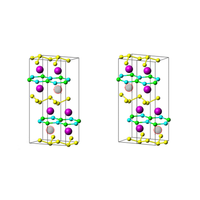
Strengthening Tungsten Diboride toward a Superhard Material by Ordered Vacancy Pairs
Article | Condensed Matter and Materials | 2026-03-12 06:00 EDT
Chao Gu, Xiaojun Xiang, Xuefeng Zhou, Xiaohui Yu, Yusheng Zhao, and Shanmin Wang
Planting vacancies into the atomic lattice of a brittle material increases its toughness and hardness.
Phys. Rev. Lett. 136, 106101 (2026)
Condensed Matter and Materials
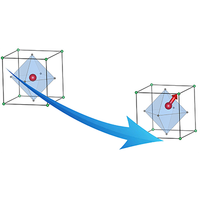
Polar-Displacement Mechanism for Negative Poisson’s Ratio in Ferroelectric Perovskites
Article | Condensed Matter and Materials | 2026-03-12 06:00 EDT
Xue Ma, Jinjing Zhang, Lianhua He, Shuai Yang, Fei Li, and Bin Xu
The negative Poisson's ratio in ferroelectric perovskites arises from bond-length preserving local polar displacements of atoms under strain.
Phys. Rev. Lett. 136, 106102 (2026)
Condensed Matter and Materials
Machine Learning-Enabled Ab Initio Study of the Isotope Effect in ${\mathrm{SrTi}}^{18}{\mathrm{O}}_{3}$
Article | Condensed Matter and Materials | 2026-03-12 06:00 EDT
Jonathan Schmidt and Nicola A. Spaldin
We use the self-consistent harmonic approximation with machine learning interatomic potentials to calculate the effect of substitution on the properties of quantum paraelectric (STO). We find that calculations including both quantum and anharmonic effects are able to reproduce the experim…
Phys. Rev. Lett. 136, 106404 (2026)
Condensed Matter and Materials
Gain-and-Loss-Free Metamaterials Exhibiting Non-Hermitian Non-Bloch Effects
Article | Condensed Matter and Materials | 2026-03-12 06:00 EDT
Maopeng Wu, Mingze Weng, Zhonghai Chi, Siyong Zheng, Fubei Liu, Ce Shang, Baile Zhang, Qian Zhao, Yonggang Meng, and Ji Zhou
The easy implementation of gain and loss provides a fertile ground for the experimental exploration of non-Hermitian (NH) physics. This raises the question of whether NH effects can be realized in a Hermitian system without gain and loss. The interface between coupled Hermitian subsystems naturally …
Phys. Rev. Lett. 136, 106603 (2026)
Condensed Matter and Materials
Implementing Non-Abelian Hatano-Nelson Model in Electric Circuits
Article | Condensed Matter and Materials | 2026-03-12 06:00 EDT
Xiangru Chen, Jien Wu, Xingyu Chen, Zhenhang Pu, Yejian Hu, Jiuyang Lu, Manzhu Ke, Weiyin Deng, and Zhengyou Liu
Non-Hermitian systems generally host complex spectra that bring unique spectral topologies, leading to spectral braiding and the non-Hermitian skin effect. The experimental exploration of non-Hermitian physics is mainly concentrated in artificial systems, due to the flexibility in the introduction o…
Phys. Rev. Lett. 136, 106604 (2026)
Condensed Matter and Materials
Anomalous Diffusion and Run-and-Tumble Motion of a Chemotactic Particle in Low Dimensions
Article | Statistical Physics; Classical, Nonlinear, and Complex Systems | 2026-03-12 06:00 EDT
Jacopo Romano and Andrea Gambassi
We study the stochastic dynamics of a symmetric self-chemotactic particle and determine the long-time behavior of its mean squared displacement (MSD). The attractive or repulsive interaction of the particle with the chemical field that it generates induces a nonlinear, non-Markovian effective dynami…
Phys. Rev. Lett. 136, 107102 (2026)
Statistical Physics; Classical, Nonlinear, and Complex Systems
Quantification of Information Flow by Dual Reporter System and Its Application to Bacterial Chemotaxis
Article | Polymers, Chemical Physics, Soft Matter, and Biological Physics | 2026-03-12 06:00 EDT
Kento Nakamura, Hajime Fukuoka, Akihiko Ishijima, and Tetsuya J. Kobayashi
Mutual information is a theoretically grounded metric for quantifying cellular signaling pathways. However, its measurement demands characterization of both input and output distributions, limiting practical applications. Here, we present alternative method that alleviates this requirement using dua…
Phys. Rev. Lett. 136, 108403 (2026)
Polymers, Chemical Physics, Soft Matter, and Biological Physics
Physical Review X
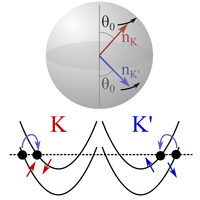
Superconductivity from Spin-Canting Fluctuations in Rhombohedral Graphene
Article | 2026-03-12 06:00 EDT
Zhiyu Dong, Étienne Lantagne-Hurtubise, and Jason Alicea
A study predicts that soft magnon modes arising from spin-canting order can give rise to Cooper pairing in spin-orbit-proximitized rhombohedral graphene, naturally accounting for various experimentally observed trends.
Phys. Rev. X 16, 011055 (2026)
arXiv
From Phase Prediction to Phase Design: A ReAct Agent Framework for High-Entropy Alloy Discovery
New Submission | Materials Science (cond-mat.mtrl-sci) | 2026-03-13 20:00 EDT
Iman Peivaste, Salim Belouettar
Discovering high-entropy alloy (HEA) compositions that reliably form a target crystal phase is a high-dimensional inverse design problem that conventional trial-and-error experimentation and forward-only machine learning models cannot efficiently solve. Here we present a ReAct (Reasoning + Acting) LLM agent that autonomously proposes, validates, and iteratively refines HEA compositions by querying a calibrated XGBoost surrogate trained on 4,753 experimental records across four phases (FCC, BCC, BCC+FCC, BCC+IM), achieving 94.66% accuracy (F1 macro = 0.896). Against Bayesian optimisation (BO) and random search baselines, the full-prompt agent achieves descriptor-space rediscovery rates of 38%, 18%, and 38% for FCC, BCC, and BCC+FCC (Mann–Whitney $ p \leq 0.039$ ), with proposals lying 2.4–22.8$ \times$ closer to the experimental phase manifold than random search. An ablation reveals that domain priors shift the agent from landmark-alloy recall toward compositionally diverse exploration – an uninformed agent scores higher rediscovery by concentrating on literature-dense families, while the full-prompt agent explores underrepresented space (unique ratio 1.0 vs.\ 0.39 for BCC+FCC). These regimes represent distinct criteria: proximity to known literature versus genuine discovery. Spearman analysis confirms agent reasoning is statistically aligned with empirical phase distributions ($ \rho = 0.736$ , $ p = 0.004$ for BCC). This work establishes LLM-guided agentic reasoning as a principled, transparent, and manifold-aware complement to gradient-free optimisation for inverse alloy design.
Materials Science (cond-mat.mtrl-sci), Artificial Intelligence (cs.AI)
Moiré in $Γ$-valley square lattice: Copper- and iron-based superconductor simulation in a single device
New Submission | Strongly Correlated Electrons (cond-mat.str-el) | 2026-03-13 20:00 EDT
Toshikaze Kariyado, Yusuf Wicaksono, Ashvin Vishwanath, Pavel Volkov, Zhu-Xi Luo
Novel superconducting phases have been found in various moiré heterostructures based on hexagonal lattices. However, the archetypal high-temperature superconductors (cuprates, iron-based and nickelate families) all share a square lattice foundation. These materials host a rich landscape of correlated phenomena, such as charge and spin stripes, pseudogap behavior, and unconventional metallicity, which continue to challenge our fundamental understanding of strongly correlated electrons. In this work, we investigate the possibility of simulating the effective models governing these high-$ T_c$ superconductors using twisted homobilayers of $ \Gamma$ -valley square-lattice systems. We develop a universal theoretical framework and carry out a detailed analysis of a promising candidate material ZnF$ 2$ . We find that the first moiré band realizes a single-orbital square-lattice Hubbard model, widely believed to capture cuprate physics, while the second and third moiré bands map to a $ p_x,p_y$ two-orbital square-lattice Hubbard model, which shares common physics to the minimal $ d{xz}, d_{yz}$ models proposed for iron pnictides. Our study combines continuum Hamiltonian modeling, first-principle calculations, and Hartree-Fock mean field theory. The latter focuses on the quarter-filling regime of the two-orbital model and in particular leads to, among others, a stable antiferro-orbital, ferromagnetic insulating phase. These results highlight $ \Gamma$ -valley square-lattice moiré systems as a new and important generation of van der Waals heterostructures to realize interesting strongly correlated phases of matter.
Strongly Correlated Electrons (cond-mat.str-el), Materials Science (cond-mat.mtrl-sci), Superconductivity (cond-mat.supr-con)
8 pages, 9 figures in main text
Selective braiding of different anyons in the even-denominator fractional quantum Hall effect
New Submission | Mesoscale and Nanoscale Physics (cond-mat.mes-hall) | 2026-03-13 20:00 EDT
Jehyun Kim, Amit Shaer, Ravi Kumar, Alexey Ilin, Kenji Watanabe, Takashi Taniguchi, Ady Stern, David F. Mross, Yuval Ronen
Even-denominator quantum Hall states can host several types of anyons with distinct exchange statistics. Depending on the anyon type, exchanging two quasiparticles can impart a phase to the many-body wave function or even transform it into a different state. Here, we realize a gate-tunable Fabry-Pérot interferometer with an embedded antidot that provides local control over the number of anyons within the interference loop. By independently tuning the magnetic field, carrier densities across the device, and the antidot potential, we access regimes in which localized anyons form reproducibly and measure the associated statistical phases $ e^{i \theta_\mathrm{braid}}$ . We resolve braiding phases of $ \theta_{\mathrm{braid}}=\pi$ and $ \theta_{\mathrm{braid}}=\frac{\pi}{2}$ , which we attribute to $ e/2$ quasiparticles encircling either $ e/2$ or $ e/4$ quasiparticles, respectively. We further observe switching between different anyon occupancies of the antidot over time, directly resolving individual anyon tunnelling events into the interference loop. Similar behavior occurs at filling factor one third. Our work addresses one of the two key challenges in observing non-Abelian braiding, which requires control of both localized and interfering anyon types.
Mesoscale and Nanoscale Physics (cond-mat.mes-hall), Strongly Correlated Electrons (cond-mat.str-el)
Imaging flat band electron hydrodynamics in biased bilayer graphene
New Submission | Mesoscale and Nanoscale Physics (cond-mat.mes-hall) | 2026-03-13 20:00 EDT
Canxun Zhang, Evgeny Redekop, Hari Stoyanov, Jack H. Farrell, Sunghoon Kim, Ludwig Holleis, David Gong, Aidan Keough, Youngjoon Choi, Takashi Taniguchi, Kenji Watanabe, Martin E. Huber, Ania C. Bleszynski Jayich, Andrew Lucas, Andrea F. Young
Hydrodynamic electron transport arises when carrier kinetics are dominated by interelectron collisions rather than the relaxation of momentum out of the electron system. In recent years, signatures of electron hydrodynamics have been reported in graphene devices owing to the low disorder and weak electron-phonon coupling. However, these experiments have been performed in regimes where the carrier mass is light, and the electron-electron collision length–though smaller than corresponding lengths for phonon or impurity scattering–remains large in absolute terms, typically several hundred nanometers. This restricts hydrodynamic transport phenomena to large length scales, limiting miniaturization of devices based on hydrodynamic flow. The advent of dual-gated rhombohedral graphene multilayers introduces a new route toward enhanced hydrodynamic behavior via their large–and tunable–effective mass. Here, we employ a scanning superconducting magnetic sensor to image local current flow in dual-gated bilayer graphene. Exploiting a sample geometry sensitive to both laminar and vortical flow, we identify three distinct transport regimes–ballistic, hydrodynamic, and diffusive–across the full phase space spanned by carrier density and displacement field. The strongest hydrodynamic transport is observed in the flat band regime, where fitting our results to a unified Boltzmann transport model reveals the electron-electron scattering length to be comparable to the Fermi wavelength of ~50 nm. High-current measurements, meanwhile, reveal striking nonlinearities in the flow pattern. Our results pave the way for miniaturized electronic devices based on linear and nonlinear electron hydrodynamics.
Mesoscale and Nanoscale Physics (cond-mat.mes-hall), Strongly Correlated Electrons (cond-mat.str-el)
19 pages, 4 main figures, 8 extended data figures
Can electronic quantum criticality drive phonon-induced linear-in-temperature resistivity?
New Submission | Strongly Correlated Electrons (cond-mat.str-el) | 2026-03-13 20:00 EDT
Optical phonons naturally generate linear-in-$ T$ resistivity in the high-temperature equipartition regime, but their finite gap prevents this mechanism from surviving to asymptotically low temperatures. Here we analyze whether proximity to an electronic quantum critical point can remove this obstruction by strongly softening an optical phonon. We first derive a model-independent criterion for such softened phonons to control low-temperature transport: besides reducing the renormalized optical gap, the Landau-damped phonon must acquire a dynamical exponent $ z_p>d$ , where $ d$ is the spatial dimension of the phonon, so that a sufficiently large thermally occupied phase space survives as $ T\to 0$ . We then analyze a concrete mechanism in which the phonon couples nonlinearly to long-wavelength electronic collective modes near a $ \vec{Q}=0$ quantum critical point, and apply it to the Ising-nematic case. Within a large-$ N$ field theoretic formulation, the phonon softening is enhanced near criticality, but in the clean theory the resulting dynamics lies at or near the marginal boundary for asymptotic $ T$ -linear scattering. Including feedback from the softened phonon back onto the electronic critical sector further weakens the tendency toward robust low-temperature $ T$ -linear transport. Our results sharpen both the promise and the limitations of phonon-based explanations of strange-metal transport near electronic criticality.
Strongly Correlated Electrons (cond-mat.str-el)
48 pages, 5 figures, 1 table
Controlled localization of anyons in a graphene quantum Hall interferometer
New Submission | Mesoscale and Nanoscale Physics (cond-mat.mes-hall) | 2026-03-13 20:00 EDT
Christina E. Henzinger, James R. Ehrets, Rikuto Fushio, Junkai Dong, Thomas Werkmeister, Marie E. Wesson, Kenji Watanabe, Takashi Taniguchi, Ashvin Vishwanath, Bertrand I. Halperin, Amir Yacoby, Philip Kim
Exchange statistics are a fundamental principle of quantum mechanics, dictating the symmetry of identical particle wavefunctions and thereby enabling emergent phenomena of many-body quantum states. The exchange-induced unitary transformation of both abelian and non-abelian anyonic wavefunctions can be probed using electronic fractional quantum Hall (FQH) interferometers, where quasiparticles propagating along the interfering FQH edge braid with those localized within the interferometer. Here, we add a gate-controlled dot/anti-dot in the center of a bilayer graphene FQH interferometer cavity to tune the number of enclosed anyons. We observe hundreds of controlled phase slips in the diagonal conductance across the interferometer for both abelian and non-abelian states, consistent with discrete changes in the localized quasiparticle population. For abelian anyons, the observed phase slips agree with the theoretically expected value. At half filling, our results suggest the interfering edge carries charge $ |e^\ast/e| = 1/2$ abelian excitations, whereas charge $ |e^\ast/e| = 1/4$ putative non-abelian anyons remain localized in the interferometer cavity. Controlling the population of localized $ e/4$ anyons in an interferometer marks a significant milestone towards observing their non-local exchange statistics and building a fault tolerant topological qubit based on non-abelian anyon manipulation.
Mesoscale and Nanoscale Physics (cond-mat.mes-hall)
27 pages, 15 figures
Hall conductance in a weakly time-reversal invariant open system
New Submission | Mesoscale and Nanoscale Physics (cond-mat.mes-hall) | 2026-03-13 20:00 EDT
Alexander Fagerlund, Christopher Ekman, Rodrigo Arouca
The quantum Hall effect and the quantum anomalous Hall effect both require time-reversal invariance to be broken. We show that non-equilibrium effects can cause Hall physics to arise even when the system is weakly time-reversal symmetric and no magnetic field is applied. In our model, this occurs due to a fermionic subsystem breaking time-reversal invariance even if the system as a whole does not. The fermions receive a TRI-breaking self-energy, caused by interactions with bosonic degrees of freedom in the system and with an external reservoir. As a result, the fermions develop a non-quantized Hall conductance. We demonstrate that, unlike in the equilibrium case, the presence of a mass term is insufficient for the Hall conductance to appear, and wave-function renormalization effects have to be included.
Mesoscale and Nanoscale Physics (cond-mat.mes-hall), Quantum Gases (cond-mat.quant-gas), Strongly Correlated Electrons (cond-mat.str-el), Quantum Physics (quant-ph)
11+9 pages, 2+2 figures
Pattern stability in reaction-diffusion systems depends on path entropy
New Submission | Statistical Mechanics (cond-mat.stat-mech) | 2026-03-13 20:00 EDT
Eric R. Heller, David T. Limmer
Reaction-diffusion systems driven far from thermodynamic equilibrium through the injection of energy can support multiple distinct spatial patterns that persist as long-lived dynamical phases. The stability of these metastable phases is not determined by thermodynamics, but by the transition paths connecting them. At finite particle numbers, intrinsic stochasticity induces rare transitions between competing patterns, rendering continuum mean-field descriptions insufficient, while exact stochastic simulations become computationally prohibitive in spatially extended systems. Here, we develop a nonequilibrium instanton framework that enables efficient computation of transition rates between metastable patterns from a single optimal transition path and its fluctuations. Using this theoretical framework, we show that an effective entropy in path space can qualitatively alter stability at finite particle numbers by increasing the exit rates of metastable patterns. By studying models of varying complexity, this work establishes path entropy as a key organizing principle for nonequilibrium pattern formation.
Statistical Mechanics (cond-mat.stat-mech), Biological Physics (physics.bio-ph), Chemical Physics (physics.chem-ph)
9 pages, 4 figures
Statistical Mechanics of Density- and Temperature-Dependent Potentials: Application to Condensed Phases within GenDPDE
New Submission | Soft Condensed Matter (cond-mat.soft) | 2026-03-13 20:00 EDT
Giuseppe Colella, Allan D. Mackie, James P. Larentzos, Fernando Bresme, Josep Bonet Avalos
Coarse-grain Lagrangian methods, such as Dissipative Particle Dynamics ( Hoogerbrugge et al., EPL, 1992), are suitable for describing mesoscopic fluid systems that include thermal fluctuations. However, the realistic simulation of liquids using these methods represents a longstanding problem. In this work, we develop a local thermodynamic (LTh) model for the description of condensed phases within the framework of the Generalized Dissipative Particle Dynamics with Energy Conservation (GenDPDE) method (Bonet Avalos et al., PCCP 2019). Such a model is appropriate for the analysis of liquids, due to the explicit account of the thermal expansion coefficient and isothermal compressibility at the mesoscale. We demonstrate the accuracy of the LTh model by examining the thermodynamic properties of argon at both liquid and supercritical conditions, through equilibrium simulations performed around two key reference states (125.7 K, 85.31 MPa, 1419.7 kg/m3 for liquid Ar, and 418.8 K, 85.31 MPa, 695.99 kg/m3 for supercritical Ar). Remarkably, we show that the model is also valid over a range of thermodynamic conditions near the reference states, allowing a correct description of the physics of systems with spatial variations in density and temperature. We further derive analytical expressions for the macroscopic pressure and energy equations of state based on the model parameters, discussing their validity and limitations. We demonstrate that, even at the mean-field level, accurately capturing local particle arrangements is essential for predicting macroscopic thermodynamic properties from mesoscopic data. We also assess the applicability of the HNC approximation in predicting the radial distribution function of the GenDPDE system, exploring its strengths and limitations. With the LTh model, GenDPDE offers a dependable and versatile tool for analysing condensed phases through coarse-grain techniques.
Soft Condensed Matter (cond-mat.soft)
67 pages, 5 figures
Progress of ambient-pressure superconductivity in bilayer nickelate thin films
New Submission | Superconductivity (cond-mat.supr-con) | 2026-03-13 20:00 EDT
This review summarizes recent progress of ambient-pressure superconductivity in bilayer nickelate La$ _3$ Ni$ _2$ O$ _7$ thin films, a major advancement following the discovery of high-pressure superconductivity in bulk La$ _3$ Ni$ _2$ O$ _7$ . First, we explain how epitaxial strain engineering enables ambient-pressure superconductivity in La$ _3$ Ni$ _2$ O$ _7$ thin films, with compressive strain from substrates like SrLaAlO$ _4$ stabilizing superconductivity. Next, we review experimental characterizations of related systems, with particular emphasis on ARPES measurements that have shown conflicting Fermi surface topologies. We then discuss progress in increasing the superconducting transition temperature $ T_c$ . Finally, we summarize theoretical studies of the electronic structure and pairing symmetry of La$ _3$ Ni$ _2$ O$ _7$ thin films. Together, these advances establish bilayer nickelate thin films as a highly tunable and promising platform for exploring high-$ T_c$ superconductivity.
Superconductivity (cond-mat.supr-con), Strongly Correlated Electrons (cond-mat.str-el)
7 pages, 6 figures
Exceptional Optical Phonon Coherence in Enriched Cubic Boron Arsenide via Suppression of Three-Phonon Scattering
New Submission | Materials Science (cond-mat.mtrl-sci) | 2026-03-13 20:00 EDT
Tong Lin, Fengjiao Pan, Gaihua Ye, Sanjna Sukumaran, Cynthia Nnokwe, Ange Benise Niyikiza, William A. Smith, Stephen B. Bayne, Rui He, Zhifeng Ren, Hanyu Zhu
Cubic boron arsenide (BAs) is a promising semiconductor for next-generation electronics due to its outstanding ambipolar mobility and thermal conductivity, the latter of which is attributed to the suppression of three-phonon scattering. However, precisely accounting for different high-order anharmonic scattering processes is challenging from both theory and experiment, so that questions remain open regarding the ultimate limit of phonon lifetime and thermal conductivity in BAs. Here we show that this gap nearly eliminates three-phonon scattering for zone-center optical phonons in a wide temperature range, leading to a record-high, isotope purity-limited phonon coherence with a quality factor above $ 3.7\times 10^3$ for >98% enriched $ ^{11}$ BAs below 100 K. We discriminate three decoherence mechanisms by their temperature-dependent contribution to the damping rate using high-resolution Raman and Fourier transform infrared spectroscopy. For the as-synthesized crystals, we find that defect scattering has negligible contributions to the linewidth of optical phonons in comparison to isotope scattering. These results provide critical insights into the intrinsic and extrinsic scattering mechanisms of optical phonons in BAs, motivating further studies to quantify anharmonic effects and realize superior phonon transport.
Materials Science (cond-mat.mtrl-sci), Optics (physics.optics)
Switchable circular dichroism and ionic migration dominated charge transport in a chiral spin crossover polymer
New Submission | Materials Science (cond-mat.mtrl-sci) | 2026-03-13 20:00 EDT
M Zaid Zaz, Sartaz Sakib, Wai Kiat Chin, Peace Adegbite, Gauthami Viswan, Alpha T Ndaiye, Andrew J Yost, Rebecca Y Lai, Peter A Dowben
We demonstrate thermally switchable chiroptical activity in a chiral spin crossover (SCO) material, where circular dichroism is significant in the low spin state but quenched in the high-spin state for both enantiomers. With magnetometry we establish a cooperative transition with hysteresis near room temperature. Fe L3,2 edge Xray absorption directly links the quenching of chirality to a reorganization of Fe 3d electronic structure that accompanies the spin state transition. Moreover, electrical measurements show pronounced I(V) hysteresis and cycling dependent C(V) behavior, indicating transport in this chiral SCO material is dominated by ionic migration rather than mobile electrons or holes.
Materials Science (cond-mat.mtrl-sci)
11 pages, 4 figures
Crossover to Sachdev-Ye-Kitaev criticality in an infinite-range quantum Heisenberg spin glass
New Submission | Strongly Correlated Electrons (cond-mat.str-el) | 2026-03-13 20:00 EDT
Hossein Hosseinabadi, Subir Sachdev, Jamir Marino
We study the equilibrium dynamics of an infinite-range quantum Heisenberg model with random couplings, in which local magnetic moments arise from $ \mathcal{N}_f$ flavors of spinful fermions. We employ an expansion in $ \mathcal{N}_f$ , which controls the strength of quantum fluctuations, and self-consistently include $ 1/\mathcal{N}_f$ corrections to the Luttinger-Ward functional. In the large-$ \mathcal{N}_f$ limit, where quantum fluctuations are weak, the high- and low-temperature phases are respectively paramagnetic and spin glass ordered, with a transition temperature independent of $ \mathcal{N}_f$ . For small numbers of fermionic flavors, however, quantum fluctuations substantially suppress the ordering temperature. We show that this behavior reflects the proximity of the system to a Sachdev-Ye-Kitaev (SYK) phase, where both fermionic and spin spectral densities display critical behavior over a broad range of finite frequencies, with the latter exhibiting the scale-invariant form $ \chi’’(\omega)\sim \operatorname{sgn}(\omega)$ . At the lowest energies and temperatures, spin-glass dynamics ultimately take over, producing a universal sub-Ohmic dynamical spin susceptibility $ \chi’’(\omega)\sim \operatorname{sgn}(\omega)\sqrt{|\omega|}$ . Our results establish a minimal framework for understanding dynamical crossovers between SYK criticality and spin-glass ordering.
Strongly Correlated Electrons (cond-mat.str-el), Disordered Systems and Neural Networks (cond-mat.dis-nn)
14 pages, 9 figures
Linear response of the Chern insulator MnBi$_2$Te$_4$: A Wannier function approach
New Submission | Mesoscale and Nanoscale Physics (cond-mat.mes-hall) | 2026-03-13 20:00 EDT
Matthew Albert, Javier Sivianes, Jason G. Kattan, Julen Ibañez-Azpiroz, J. E. Sipe
Recent work demonstrated that in the long wavelength limit the linear response of a Chern insulator to finite-frequency electric fields is the sum of two terms: A general frequency-dependent Kubo contribution that is present irrespective of band topology, and a topological Hall term that vanishes for topologically trivial insulators. Motivated by recent experiments and theoretical predictions, we use these expressions to calculate the optical conductivity and susceptibility of intrinsically magnetic MnBi$ _2$ Te$ _4$ thin films with one, four, five, and eleven septuple layers by combining density functional theory with “single-shot” Wannier functions. To characterize the underlying topology of these systems, we compute the two-dimensional Chern number of these films using recently derived global expressions formulated in terms of Bloch energies and velocity matrix elements; the use of these expressions allows us to circumvent numerical issues at band crossings. Films with eleven septuple layers are of particular interest. We find that they have the same Chern number as five septuple layer films, in contrast to the reported “higher Chern-number phase” of these systems in other studies; we discuss a few possible reasons for the discrepancy. We also identify spin-orbit coupling-driven band inversions as a possible indicator of these topological phases.
Mesoscale and Nanoscale Physics (cond-mat.mes-hall)
11 pages, 5 figures
Pseudo Point Nodal Superconducting Gap in Spin-Triplet UTe$_2$
New Submission | Superconductivity (cond-mat.supr-con) | 2026-03-13 20:00 EDT
S. Hosoi, K. Imamura, M. M. Bordelon, E. D. Bauer, S. M. Thomas, F. Ronning, P. F. S. Rosa, R. Movshovich, I. Vekhter, Y. Matsuda
The unconventional superconductor UTe$ _2$ represents a rare example of spin-triplet pairing with potentially topologically protected quantum states. However, conflicting reports on its gap structure, particularly regarding point nodes, have hindered understanding of the order parameter symmetry and topological properties. Here we report high-resolution thermal conductivity measurements on high-quality UTe$ _2$ single crystals down to ~50 mK that resolve the gap anisotropy through bulk directional transport. The $ b$ -axis thermal conductivity $ \kappa_b/T$ exhibits negligible residual conductivity as $ T \to 0$ , and its temperature dependence is consistent with a small superconducting energy gap along the $ b$ -axis. Under magnetic fields, the residual $ \kappa_b/T$ shows only weak field-induced enhancement. Remarkably, a threshold field emerges at low fields for $ H \parallel a$ , characterized by a kink that signals a change in quasiparticle transport normal to the field. Below the threshold, $ \kappa_b/T$ remains isotropic for all field orientations, whereas strong anisotropy between transport along and normal to the field develops above it. These signatures strongly suggest that UTe$ 2$ exhibits a fully gapped state with a pseudo point-nodal structure, where gap minima approach but never reach zero. We estimate the minimal gap $ \Delta{min}/\Delta_0 \sim 0.1$ along the $ b$ -axis, where $ \Delta_0$ is the characteristic superconducting gap. This unusual gap structure provides crucial insights into the pairing mechanism and topology of this spin-triplet superconductor and excludes non-unitary mixing of pairing symmetries.
Superconductivity (cond-mat.supr-con), Materials Science (cond-mat.mtrl-sci)
8 pages, 4 figures, submitted version
Dimensionality tuning of heavy-fermion states in ultrathin CeSi2 films
New Submission | Strongly Correlated Electrons (cond-mat.str-el) | 2026-03-13 20:00 EDT
Yi Wu, Weifan Zhu, Teng Hua, Yuan Fang, Yanan Zhang, Jiawen Zhang, Yanen Huang, Hao Zheng, Shanyin Fu, Xinying Zheng, Zhengtai Liu, Mao Ye, Ye Chen, Tulai Sun, Michael Smidman, Johann Kroha, Chao Cao, Huiqiu Yuan, Frank Steglich, Hai-Qing Lin, Yang Liu
Dimensionality tuning is an important method to modify the electronic states of quantum materials. However, the mechanism of such tuning in heavy fermion systems and its connection with transport properties remain largely unexplored. Here by combining molecular beam epitaxy (MBE), in-situ angle-resolved photoemission spectroscopy (ARPES) and transport measurements, we study the electronic states of the heavy-fermion compound CeSi2 as a function of film thickness. In three dimensional thick films, our measurements reveal a dispersive Kondo peak at the Fermi level (EF) and satellite peaks originating from crystal electric field (CEF) excitations, characteristic of heavy fermion systems. For two-dimensional ultrathin films, the CEF satellites are largely suppressed while the ground-state Kondo peak at EF remains strong, although it develops at lower temperatures. Simultaneously, the maximum temperature Tmax of the magnetic resistivity, \r{ho}m(T), changes from ~100 K in thick films to ~35 K in ultrathin films. This can be attributed to the dimensionality driven reduction of CEF excitations during the Kondo process, in good agreement with spectroscopic results. Our work provides direct insight to understand the quantum confinement effects on strongly correlated 4f-electron systems and opens up new opportunities to explore emergent phenomena in two-dimensional heavy-fermion materials.
Strongly Correlated Electrons (cond-mat.str-el)
Phys. Rev. X 16, 011053(2026)
Intrinsic Even-Odd Thickness-Driven Anomalous Hall in Epitaxial MnBi2Te4 Thin Films
New Submission | Materials Science (cond-mat.mtrl-sci) | 2026-03-13 20:00 EDT
Debarghya Mallick, Simon Kim, An-Hsi Chen, Gabriel A. Vázquez-Lizardi, Alessandro R. Mazza, T. Zac Ward, Gyula Eres, Yue Cao, Debangshu Mukherjee, Hu Miao, Liang Wu, Christopher Nelson, Danielle Reifsnyder Hickey, Robert G. Moore, Matthew Brahlek
We demonstrate precise control of magnetism in MnBi2Te4 thin films through careful synthesis by molecular beam epitaxy, achieving minimal defects and accurate layer thickness control. By optimizing Mn-Bi-Te ratios and growth temperatures, we minimize detrimental self-doping effects and accurately target integer-layer films. X-ray diffraction and reflectivity provide quantitative measures of film quality and thickness. When these macroscale probes of structure and thickness are integrated with magnetotransport measurements, a striking even-odd layer dependence of the anomalous Hall effect is revealed. Odd-layer films exhibit a large hysteresis up to the Néel temperature (~25K), consistent with non-compensated antiferromagnetism, while even-layer films show minimal response, as expected for an antiferromagnet. The sign of the anomalous Hall effect exhibits a sign reversal for intrinsic magnetism versus magnetism associated with defects. This work identifies critical factors for inducing pure, non-compensated ferromagnetism and reveals the character of the intrinsic anomalous Hall effect in MnBi2Te4, which together is a step towards realizing the zero-field quantum anomalous Hall effect in topological materials.
Materials Science (cond-mat.mtrl-sci)
Accepted in Physical Review Materials
From Embeddings to Dyson Series: Transformer Mechanics as Non-Hermitian Operator Theory
New Submission | Disordered Systems and Neural Networks (cond-mat.dis-nn) | 2026-03-13 20:00 EDT
Transformer architectures are typically described in algorithmic and statistical terms, leaving their internal mechanics without a familiar structural language for researchers trained in physical theories. To bridge this gap, we develop a complementary operator-theoretic framework that recasts their mechanics in a language familiar to many-body physics. Beginning from the token as a discrete index without intrinsic geometry, we show that embedding corresponds to a basis transformation into a continuous representation space. Once such a reference basis is established, self-attention naturally assumes the role of a non-Hermitian interaction operator, and network depth implements an ordered composition of these interactions. Within this formulation, several empirical properties of deep Transformers – including stability at large depth, representational saturation, and the effectiveness of multi-head decomposition – find natural structural interpretations as consequences of regulated operator composition. Together, spectral geometry, channel factorization, and normalization emerge as organizing structural logic rather than isolated architectural choices. This perspective does not rely on post-hoc analogy, but follows a constructive path in which each parallel arises from the preceding structural step. By recasting Transformer mechanics in operator language, the framework lowers the conceptual barrier between deep learning and many-body physics through shared mathematical structure, making tools and intuitions from each domain more readily legible to the other.
Disordered Systems and Neural Networks (cond-mat.dis-nn)
8 pages, 3 figures
Unraveling anomalous relaxation effects in the thermodynamic limit
New Submission | Statistical Mechanics (cond-mat.stat-mech) | 2026-03-13 20:00 EDT
Emilio Pomares, Víctor Martín-Mayor, Antonio Lasanta, Gabriel Álvarez
We address two central open problems in the theory of anomalous Mpemba-like relaxations: their extension beyond one spatial dimension and their consistent formulation in the thermodynamic limit. Our framework is the antiferromagnetic Ising model on a square lattice under an externally applied magnetic field, which enables us to work in the presence of a phase transition. The rich phase diagram contains two control parameters: temperature and magnetic field. We demonstrate that the standard assumption of relaxation dominated by a single leading exponential is inconsistent for intensive observables exhibiting standard fluctuations. Instead, as the system size increases, a continuous spectrum of time scales emerges. Nevertheless, we make the ansatz that, in the vicinity of the phase transition, the spectral projector onto the slowest time scales can be effectively characterized in terms of an equilibrium thermodynamic quantity: the susceptibility associated with the order parameter of the metastable phase. Combined with the richness of the phase diagram, this ansatz yields qualitative and semi-quantitative predictions for optimal protocols leading to a variety of anomalous relaxation phenomena involving simultaneous variations of temperature and magnetic field. These include direct and inverse Mpemba effects, cooling-heating asymmetries, and faster heating induced by precooling. Careful Monte Carlo simulations validate our theoretical predictions. Furthermore, minimal post-optimization suffices to convert our analytically guided protocols into fully optimal ones that display anomalous relaxations in their most pronounced form.
Statistical Mechanics (cond-mat.stat-mech), Disordered Systems and Neural Networks (cond-mat.dis-nn), Soft Condensed Matter (cond-mat.soft)
Gelation dynamics of charged colloidal rods: critical behaviour and time-connectivity superposition principle
New Submission | Soft Condensed Matter (cond-mat.soft) | 2026-03-13 20:00 EDT
Lise Morlet-Decarnin, Thibaut Divoux, Sébastien Manneville
Charged colloidal particles can self-assemble into gel networks upon screening of electrostatic repulsion by added salt. While gelation of spherical colloids has been extensively studied, much less is known about the gelation dynamics of anisotropic colloids. Here, we focus on cellulose nanocrystals (CNCs) as prototypical rigid, highly charged rod-like colloids. In aqueous solution with salt, CNCs display a rich phase diagram ranging from gel at low solid content to glassy phases at higher concentrations. Building on our previous work [Morlet-Decarnin et al., ACS Macro Lett., 2023, 12, 1733], we present an extensive study of the mechanical recovery dynamics of CNC suspensions following a strong shear. Time-resolved mechanical spectroscopy reveals a liquid-to-solid transition characterized by a well-defined critical gel point. The evolving viscoelastic spectra can be rescaled onto master curves, demonstrating a time-connectivity superposition principle and critical dynamics on both sides of the gel point. By varying the CNC weight fraction and salt concentration, we identify a boundary between gel and attractive glass states marked by clear changes in rheological observables, including the elastic and viscous moduli at the gel point and their high-frequency power-law exponents. Analysis of dynamic critical exponents and hyperscaling reveals pronounced asymmetry between pre-gel and post-gel dynamics and non-universal values of the dynamic exponent. These findings highlight gelation mechanisms specific to highly charged rod-like colloids and call for complementary microstructural characterization and theoretical modeling.
Soft Condensed Matter (cond-mat.soft)
21 pages, 12 figures
Enhanced carrier binding and bond correlations in the Hubbard-Su-Schrieffer-Heeger model with dispersive optical phonons
New Submission | Strongly Correlated Electrons (cond-mat.str-el) | 2026-03-13 20:00 EDT
Debshikha Banerjee, Alberto Nocera, Steven Johnston
Electron-phonon (e-ph) interactions play a crucial role in determining many properties of materials. In this context, the Su-Schrieffer-Heeger (SSH) model, where atomic motion modulates the electronic hopping, has gained significant attention due to its potential for strong electron pairing in relation to high-Tc superconductivity. Previous studies of the SSH models have addressed many aspects of this problem, but have focused heavily on either dilute or half-filled models with dispersionless (Einstein) phonons. Here, we study the effects of dispersive optical phonons on the lightly doped one-dimensional optical Hubbard-SSH model using the density matrix renormalization group. We observe a significant enhancement in singlet binding driven by phonon dispersion; however, by calculating various correlation functions, we find that the enhanced binding does not translate to increased superconducting correlations but rather robust bond correlations in the studied parameter regime. Nevertheless, the significant impact of phonon dispersion on these correlations highlights the need to go beyond the Einstein phonon limit while modeling realistic quantum materials.
Strongly Correlated Electrons (cond-mat.str-el)
5 pages, 4 figures
Electronic Coherence Evolution at the Nearly Commensurate Incommensurate CDW Boundary of 1T-TaS2
New Submission | Strongly Correlated Electrons (cond-mat.str-el) | 2026-03-13 20:00 EDT
Turgut Yilmaz, Yi Sheng Ng, Menka Jain, Xiao Tong, Thipusa Wongpinij, Pat Photongkam, Anil Rajapitamahuni, Asish K. Kundu, Jin-Cheng Zheng, Elio Vescovo
Transition metal dichalcogenides host a variety of charge density wave phases that couple lattice, charge, and correlation effects. In 1T-TaS2, the commensurate and nearly commensurate states are well characterized, yet the transition near 350 K into the incommensurate phase has lacked direct momentum resolved insight. Here we use temperature dependent angle resolved photoemission spectroscopy to track the electronic structure across this transition. We observe a suppression of quasiparticle spectral weight at the Brillouin zone center, coincident with the transport anomaly, but without clear evidence of a full band gap opening. The transition appears to involve momentum dependent redistribution of spectral weight, consistent with a loss of coherence that reshapes the Fermi surface while leaving conduction dispersions largely intact. These results suggest that the nearly commensurate incommensurate transition may not align with a conventional metal insulator transition picture, but rather as an electronic reconstruction driven by loss of coherence. Our work provides new microscopic insight into the resistivity anomaly near room temperature and may guide design principles for collective electronic switching in Transition metal dichalcogenides.
Strongly Correlated Electrons (cond-mat.str-el), Materials Science (cond-mat.mtrl-sci)
Atomic-Scale Mechanisms of SiO$_2$ Plasma-Enhanced Chemical Vapor Deposition Revealed by Molecular Dynamics with a Machine-Learning Interatomic Potential
New Submission | Materials Science (cond-mat.mtrl-sci) | 2026-03-13 20:00 EDT
Jaehoon Kim, Minseok Moon, Hyunsung Cho, Hyeon-Deuk Kim, Rokyeon Kim, Gyehyun Park, Seungwu Han, Youngho Kang
Plasma-enhanced chemical vapor deposition (PECVD) of silicon dioxide (SiO$ _2$ ) is widely used for low-temperature fabrication of dielectric thin films, yet its atomic-scale growth mechanisms remain incompletely understood. In this work, we investigate SiO$ _2$ PECVD using silane and N$ _2$ O as source gases via molecular dynamics simulations driven by a machine-learning interatomic potential. By systematically varying the oxidant-to-silane-derived species ratio $ r$ , we elucidate the evolution of film stoichiometry, density, and hydrogen content. Formation of the Si-O-Si network primarily proceeds via oxidation of surface Si-H groups to form Si-OH species, followed by condensation of neighboring Si-OH groups that produces H$ _2$ O as the dominant byproduct. At low $ r$ , H$ _2$ formation via reactions between Si-H and Si-OH groups also contributes to the network formation. Increasing oxidant supply promotes the network formation through oxidation of residual Si-H species, suppressing hydrogen incorporation and leading to saturation of the Si/O ratio. Rapid chemisorption of silane-derived species, together with steric hindrance from pre-deposited species, results in localized growth and surface roughness. We further show that high-kinetic-energy plasma species can etch SiO$ _2$ films, which potentially limits growth rates and enhances surface roughness under high RF-power conditions. These results provide atomic-scale insight into PECVD growth and guidance for optimizing film composition and quality.
Materials Science (cond-mat.mtrl-sci)
13 pages, 10 figures, Supplementary material included as ancillary file (+10 pages)
Using the force landscape of an active solid to predict plastic deformation
New Submission | Soft Condensed Matter (cond-mat.soft) | 2026-03-13 20:00 EDT
Tyler Hain, Edan Lerner, M. Lisa Manning
Non-active disordered solids feature quasilocalized excitations that control plasticity, similar to crystal lattice defects, and these excitations can be identified via harmonic or anharmonic analyses of the potential energy landscape. Here we explore whether such ideas can be extended to active matter, focusing on dense packings of self-propelled rods. We generalize the definition of nonlinear excitations to force landscapes that incorporate active, non-conservative forces and find that force-based cubic excitations robustly predict future plastic events, enabling control of active solids.
Soft Condensed Matter (cond-mat.soft)
Time irreversibility and entropy production in non-Hermitian Model A field theories
New Submission | Statistical Mechanics (cond-mat.stat-mech) | 2026-03-13 20:00 EDT
Matthias Carosi, Ot Garcés, Adrià Garcés, Demian Levis
We develop a systematic framework to quantify irreversibility in scalar Model A field theories with a generic non-Hermitian term driving the dynamics. Using the stochastic path-integral formalism, we perform a controlled small-noise expansion, allowing the computation of the entropy production rate (EPR) and violations of the fluctuation-dissipation theorem (FDT). We show that the local EPR is entirely determined by the anti-Hermitian part of the linearised Langevin equation. Around steady states, the non-Hermitian component produces linear corrections to FDT violations and contributes quadratically to the EPR. As an illustration of the applicability of our approach, we analyse a minimal non-Hermitian extension of the Ginzburg-Landau $ \psi^4$ theory describing a non-reciprocal Ising model at coarse-grained scales, for which we obtain explicit expressions of the local EPR, showing that it localises at interfaces in non-uniform states. Our results provide a general characterisation of TRS breaking in non-Hermitian scalar field theories.
Statistical Mechanics (cond-mat.stat-mech), Soft Condensed Matter (cond-mat.soft), High Energy Physics - Theory (hep-th)
22 pages, 2 figures
Bootstrap Embedding for Interacting Electrons in Phonon Coherent-state Mean Field
New Submission | Strongly Correlated Electrons (cond-mat.str-el) | 2026-03-13 20:00 EDT
Shariful Islam, Joel Bierman, Yuan Liu
We develop a fermi-bose bootstrap embedding (fb-BE) framework for the ground state of interacting elec- trons coupled to phonon mean field. The method combines bootstrap embedding for correlated electrons with a self-consistent coherent-state mean-field treatment for phonons. This method models the interacting electron-phonon problem as a system of correlated electrons traveling in a self-consistently specified potential landscape, allowing for efficient treatment of large lattice systems. Convergence of the methods for frag- ment size and total system size are demonstrated for one-dimensional Hubbard-Holstein model for up to 350 sites. Finite-size scaling is performed to extrapolate to infinite system size. Benchmarking against density matrix renormalization group for small 8-site system at half- and quarter-filling shows orders-of-magnitude runtime advantage. The comparison further reveals that the method performs best in regimes dominated by localization, such as the Mott insulating phase and the strong-coupling tiny polaron regime, where the local embedding ansatz is still valid. However, due to the mean-field treatment for phonons, we find limitations of our methods in the weakly coupled delocalized region and at the Peierls transition, where quantum phonon fluctuations and long-range kinetic correlations become substantial.
Strongly Correlated Electrons (cond-mat.str-el), Computational Physics (physics.comp-ph)
Quantum Oscillations and Superconductivity in YPtBi Under Pressure
New Submission | Superconductivity (cond-mat.supr-con) | 2026-03-13 20:00 EDT
Jared Z. Dans, Prathum Saraf, Lillian Jirousek, Carsyn L. Mueller, Chandra Shekhar, Claudia Felser, Johnpierre Paglione
The topological semimetal YPtBi has attracted considerable attention, owing to its novel superconducting and normal state properties. A strong band inversion from spin-orbit coupling allows the existence of $ j=3/2$ quasiparticles near the Fermi level, which form Cooper pairs with angular momentum potentially higher than single or triplet states. In this report, we present high-pressure magnetotransport and Shubnikov-de Haas effect measurements on high-quality YPtBi up to $ P = 2.08$ GPa. As a function of pressure, we observe a trend toward more insulating resistivity at low temperatures concomitant with a suppression of quantum oscillation amplitude. Together with a decrease of the upper critical field and significant increase in the Dingle temperature, the pressure-induced changes point to a weakening of the band inversion and potential tuning of the topological nature of YPtBi, suggesting pressure as a useful tool for understanding the nature of topology in other related half-Heusler compounds.
Superconductivity (cond-mat.supr-con)
6 pages, 4 figures
Optically Driven Orbital Hall Transport in Floquet Odd-Parity Collinear Altermagnets with High Chern Numbers
New Submission | Mesoscale and Nanoscale Physics (cond-mat.mes-hall) | 2026-03-13 20:00 EDT
Yuping Tian, Chen-Hao Zhao, Chao-Bo Wang, Binyuan Zhang, Xiangru Kong, Wei-Jiang Gong
Recent studies have attracted increasing interest in nonrelativistic odd-parity magnetism and its associated topology in collinear altermagnets. Here, based on symmetry analysis and an effective model, we demonstrate that Floquet engineering can induce $ f$ -wave odd-parity altermagnetism in two-dimensional collinear antiferromagnetic multilayers via the coupling between circularly polarized light (CPL) and layer degrees of freedom. Furthermore, modifying the CPL induces nonequilibrium quantum anomalous Hall effect (QAHE) with tunable Chern numbers up to $ C=\pm8$ , arising from layer- and valley-dependent band inversions. The induced topological phase transitions provide an efficient means to manipulate the orbital Hall effect (OHE) by redistributing orbital angular momentum. First-principles calculations reveal that experimentally accessible VSi$ _2$ N$ _4$ serves as a viable platform for topological phase diagram of the QAHE and OHE, featuring pronounced trigonal warping. Our findings establish a versatile route toward optically controllable topological phenomena, opening new opportunities for future developments in topological spintronics and orbitronics.
Mesoscale and Nanoscale Physics (cond-mat.mes-hall)
10 pages, 4 figures
Anomalous Coulomb-Enhanced Charge Transport in Triangular Triple Quantum Dots Systems
New Submission | Mesoscale and Nanoscale Physics (cond-mat.mes-hall) | 2026-03-13 20:00 EDT
Shuo Dong, Junqing Li, Jianhua Wei
Electron correlation and quantum interference are pivotal in mesoscopic transport. We theoretically study the nonequilibrium transport dynamics of a triangular triple quantum dot (TTQD) molecule connected to fermionic reservoirs using the exact hierarchical equations of motion (HEOM) formalism. We demonstrate a counter-intuitive transport signature where the stationary current is significantly enhanced by increasing the $ U$ , a behavior distinct from the suppression typically observed in linear quantum dot arrays. By analyzing the evolution of spectral functions, we attribute this enhancement to the interplay between Coulomb interaction-induced energy shifts and quantum interference effects unique to the triangular topology. We also explore how the circulation of chiral currents and electrode coupling strength modulates these interaction effects. Finally, we present a three-dimensional map of the transport current as a function of inter-dot tunneling ($ t$ ) and Coulomb interaction ($ U$ ), illustrating their combined effect on the current magnitude and its applications.
Mesoscale and Nanoscale Physics (cond-mat.mes-hall), Other Condensed Matter (cond-mat.other)
Valley-dependent electron-phonon scattering in thermoelectric semimetal Ta$_2$PdSe$_6$
New Submission | Materials Science (cond-mat.mtrl-sci) | 2026-03-13 20:00 EDT
Masayuki Ochi, Hitoshi Mori, Akitoshi Nakano
Quasi-one-dimensional transition-metal chalcogenide Ta$ _2$ PdSe$ _6$ is a promising thermoelectric semimetal due to the strong electron-hole asymmetry in the carrier lifetime. However, the microscopic origin of such a strong asymmetry remains unclear. In this study, we theoretically investigate electron-phonon scattering in Ta$ _2$ PdSe$ _6$ . There is a soft phonon mode mainly consisting of atomic displacements in PdSe$ _4$ chains. This soft mode is strongly coupled with the highest valence band at the $ \Gamma$ point, which lies slightly below the Fermi energy, and causes strong electron-phonon scattering. The bottom of the electron pocket energetically overlapped with that band also suffers from strong intervalley scattering, by which the imaginary part of the electron self-energy exhibits a sharp change near the Fermi level. On the other hand, the imaginary part of the self-energy for carriers in the hole pocket shows a moderate energy dependence. Thus, we find that electron-phonon scattering is strongly valley-dependent. Our finding will help us to understand the distinctive transport properties observed in Ta$ _2$ PdSe$ _6$ .
Materials Science (cond-mat.mtrl-sci)
9 pages, 9 figures
Nonlinear spin-motive force driven by mixed-space quantum geometry
New Submission | Mesoscale and Nanoscale Physics (cond-mat.mes-hall) | 2026-03-13 20:00 EDT
Tomonari Meguro, Hiroaki Ishizuka, Kentaro Nomura
Spin-motive force, i.e., the electric current induced by magnetization dynamics, is theoretically studied beyond the Thouless-pump paradigm. In contrast to the linear-response regime, where the induced current is purely AC, we show that spin-motive force acquires both a DC component and a second-harmonic component at nonlinear order in magnetization dynamics. We further clarify that both contributions originate from the geometric properties of electronic bands – quantum geometry defined in the mixed parameter space $ ({\boldsymbol k}, {\boldsymbol m})$ spanned by electron’s momentum $ {\boldsymbol k}$ and magnetization $ {\boldsymbol m}$ . By applying the theory to a Luttinger model, we demonstrate that our mechanism yields a finite nonlinear current even in the insulating regime, and the resulting electrical signal is measurable in a conventional current-measurement setup. Our findings offer a new operating principle of AC-to-DC conversion with magnetic materials, highlighting the pivotal role of the $ ({\boldsymbol k}, {\boldsymbol m})$ -mixed space quantum geometry in magnetization-dynamics-induced electric currents.
Mesoscale and Nanoscale Physics (cond-mat.mes-hall)
10+5 pages, 2 figures
Meta-generalized gradient approximation made in the Hartree gauge
New Submission | Materials Science (cond-mat.mtrl-sci) | 2026-03-13 20:00 EDT
Yan Oueis, Akilan Ramasamy, James W. Furness, Jamin Kidd, Timo Lebeda, Jianwei Sun
In density functional theory (DFT), exact constraints, fundamental mathematical properties of the exchange-correlation (XC) energy and its underlying XC hole, along with paradigm systems such as the uniform electron gas and the hydrogen atom have been instrumental in developing exchange- correlation (XC) density functional approximations (DFAs). However, since the spatial XC energy density is not uniquely defined, its exact constraints can only be formulated within a chosen gauge and are therefore seldom utilized in DFA construction. Here, we propose a meta-generalized gradient approximation for the exchange energy, explicitly constructed within the Hartree gauge, using the hydrogen atom’s exchange energy density for gauge alignment in core and asymptotic regions. By formulating DFAs at the XC energy density level, this approach expands reference datasets for machine learning and establishes a foundation for more accurate nonlocal density functionals requiring gauge alignment.
Materials Science (cond-mat.mtrl-sci)
Effect of flow kinematics on extensional viscosity of dilute polymer solutions
New Submission | Soft Condensed Matter (cond-mat.soft) | 2026-03-13 20:00 EDT
Yusuke Koide, Takato Ishida, Takashi Uneyama, Yuichi Masubuchi
We investigate the effect of flow kinematics on the extensional viscosity of dilute polymer solutions by conducting dissipative particle dynamics simulations under uniaxial, planar, and biaxial extensional flows. At high extension rates, dilute polymer solutions exhibit strain hardening under these flows, while the quantitative behavior depends on the flow type. To elucidate the physical origin of this flow-kinematics dependence, we relate the extensional viscosity to polymer conformation using an analytical expression derived from a single-chain model. The resulting relation allows us to separate the contribution of flow-induced polymer conformational changes and the purely kinematic contribution determined by the structure of the velocity gradient tensor. When polymers remain almost unperturbed by extensional flows, differences in the extensional viscosity are governed primarily by the purely kinematic effects. In contrast, as polymers are stretched, the gyration radius in the extensional direction becomes the dominant factor, and differences in the stretching degree in this direction lead to corresponding variations in the extensional viscosity.
Soft Condensed Matter (cond-mat.soft)
Third-order transitions in Ising and Potts models on Watts–Strogatz small-world networks
New Submission | Statistical Mechanics (cond-mat.stat-mech) | 2026-03-13 20:00 EDT
Fangfang Wang, Wei Liu, Ke Zhang, Yongjian He, Kai Qi, Ying Tang, Zengru Di
We study third-order transitions in the two-dimensional Ising and Potts model on regular lattices and Watts–Strogatz small-world networks. Cluster observables are used to track post-critical boundary reorganization and pre-critical cluster breakup. For the Ising model, the critical temperature $ T_c$ is calibrated independently from Binder-cumulant crossings and susceptibility peaks, whereas for the Potts model on small-world networks it is identified operationally from the dominant critical peak of $ \mathrm d\langle P\rangle/\mathrm dT$ . The independent and dependent third-order transitions are identified from the isolated-spin peak and the post-critical structural extremum, respectively. For both lattice and small-world topologies, we find the robust ordering $ T_{\mathrm{ind}}<T_c<T_{\mathrm{dep}}$ . Increasing the rewiring probability shifts all three characteristic temperatures upward and enhances the visibility of the post-critical transition. The effect is especially clear in the Potts model, where perimeter-based observables are more sensitive to multistate boundary fluctuations. The systematic persistence of the characteristic temperature hierarchy across topologies and finite sizes argues against interpreting these features as incidental finite-size irregularities. Instead, our results support their interpretation as genuine third-order transitions whose structural detectability can be amplified by network topology.
Statistical Mechanics (cond-mat.stat-mech)
16 pages, 9 figures
Why ice is so slippery
New Submission | Materials Science (cond-mat.mtrl-sci) | 2026-03-13 20:00 EDT
Sigbjørn Løland Bore, B.N.J. Persson, Henrik Andersen Sveinsson
The origin of ice’s slipperiness has long puzzled scientists. To resolve this question, we simulate ice- glass (amorphous silica) friction at the nanoscale from first principles and upscale to the macroscale using a frictional heating model. We find that nanoscale simulations alone cannot capture the correct velocity dependence of ice friction, resulting in an overestimated coefficient of friction. By properly accounting for frictional heating, we find a strong increase in contact temperature toward the melting point, even under modest motion of 1 millimeter with velocities above 0.1 m/s, yielding excellent agreement with experimental friction data across a wide range of velocities. While the initial formation of a lubricating film on ice may occur without heating, the ultimate slipperiness of ice hinges on frictional heating, as proposed by Bowden and Hughes in 1939, but without incorporating melting.
Materials Science (cond-mat.mtrl-sci), Chemical Physics (physics.chem-ph)
Imaging antiferromagnetic domains in LiCoPO$_4$ via the optical magnetoelectric effect
New Submission | Materials Science (cond-mat.mtrl-sci) | 2026-03-13 20:00 EDT
B. Tóth, V. Kocsis, Y. Tokunaga, Y. Taguchi, Y. Tokura, S. Bordács
Antiferromagnetic (AFM) materials are considered as promising building blocks of novel data storage devices, still, detecting and manipulating AFM domains have remained challenging. Here, we demonstrate that the two antiphase domains of the magnetoelectric antiferromagnet LiCoPO$ _4$ can be distinguished by their light absorption difference. Using visible and infrared spectroscopy, we observed spontaneous non-reciprocal absorption, also termed as directional dichroism, at the crystal field excitations of Co$ ^{2+}$ ions coordinated by distorted oxygen octahedra. This absorption contrast is particularly pronounced near the telecommunication wavelength of 1550 nm. These findings allowed us to image the AFM domains in LiCoPO$ _4$ using a simple transmission light microscopy setup. Our findings suggest that optical magnetoelectric effects offer promising routes for probing the AFM order parameter in non-centrosymmetric transition metal compounds.
Materials Science (cond-mat.mtrl-sci), Strongly Correlated Electrons (cond-mat.str-el)
Published as Phys. Rev. B 110, L100405 (2024). this https URL
Suppression of local magnetic moment formation and paramagnetic exchange interactions in monolayer Fe$_3$GeTe$_2$
New Submission | Strongly Correlated Electrons (cond-mat.str-el) | 2026-03-13 20:00 EDT
A. A. Katanin, A. N. Rudenko, D. I. Badrtdinov, M. I. Katsnelson
We study the electronic and magnetic properties of monolayer Fe$ _3$ GeTe$ _2$ within the DFT+DMFT approach in the paramagnetic phase. We argue that this compound is sufficiently far from the local magnetic moment limit, demonstrating non-linear temperature dependencies of the partial inverse local and uniform magnetic susceptibilities in a broad temperature range. We find that in the regime of moderate Coulomb interactions ($ U=3-4$ eV), the iron atoms located above and below the Ge plane carry a substantial local magnetic moment ($ \mu \gtrsim 4.5 \mu_B$ ), while the iron atom located within the Ge plane does not exhibit any pronounced magnetic moment. At the same time, the RKKY-type exchange interactions between these two symmetry-nonequivalent types of atoms turn out to be crucial for stabilizing long-range ferromagnetic order in Fe$ _3$ GeTe$ _2$ . The estimated spin-wave stiffness and Curie temperature are in good agreement with the experimental data, indicating that a dynamical treatment of electron correlations in Fe$ _3$ GeTe$ _2$ is essential to properly describe its partially itinerant magnetic behavior.
Strongly Correlated Electrons (cond-mat.str-el), Materials Science (cond-mat.mtrl-sci)
9 pages, 7 figures
Skyrmion-Bimeron Transformation in Bilayer Chiral Magnets with Competing Magnetic Anisotropy
New Submission | Statistical Mechanics (cond-mat.stat-mech) | 2026-03-13 20:00 EDT
In this work, we investigate the emergence of topological spin textures in a ferromagnetically coupled bilayer chiral magnet by means of Monte Carlo simulations of a classical spin model including exchange interaction, Dzyaloshinskii-Moriya interaction, magnetic anisotropy, and an external magnetic field. To characterize the topology of the system, we construct a scalar chirality map in the $ (K/J,h/J)$ parameter space.
Our results reveal several magnetic configurations, including labyrinth structures, skyrmion lattices, ferromagnetic states, and meron-antimeron crystal phases. In particular, we show that the transition from easy-axis to easy-plane anisotropy drives a continuous transformation from skyrmion textures to bimeron-type configurations. The bilayer geometry introduces an additional stabilization mechanism, where interlayer exchange coupling correlates the topological cores in the two layers and increases the energetic cost of defect collapse.
These findings provide a systematic topological texture map for bilayer chiral magnets and highlight coupled magnetic layers as a promising platform for stabilizing bimeron-type spin textures in nanoscale spintronic systems.
Statistical Mechanics (cond-mat.stat-mech)
High-pressure phase stability and superconductivity in La-Zr-H hydrides
New Submission | Materials Science (cond-mat.mtrl-sci) | 2026-03-13 20:00 EDT
Ijaz shahid, Maxim A. Grebeniuk, Jinbin Zhao, Ergen Bao, Tianye Yu, Xiangyang Liu, Yi-Chi Zhang, Artem R. Oganov, Yan Sun, Peitao Liu, Xing-Qiu Chen
Hydrogen-rich ternary hydrides are promising candidates for high-Tc superconductivity at megabar pressures, yet their chemical space is vast and largely unexplored. Combining evolutionary structure searches with first-principles calculations, we comprehensively investigate the La-Zr-H ternary system in the 150-300 GPa pressure range. Zero-point energy-corrected convex hull analysis identifies multiple stable superconducting phases, including R3m-Zr2H17 at 300 GPa and P6/mmm-LaZr2H24 at 200 GPa, both of which are thermodynamically and dynamically stable and exhibit strong electron-phonon coupling. Solution of the Eliashberg equations predicts high superconducting transition temperatures of Tc = 209 K for R3m-Zr2H17 at 300 GPa and Tc = 202 K for P6/mmm-LaZr2H24 at 200 GPa. In addition to these stable phases, we identify a high-symmetry metastable compound, P6m2-LaZrH18, which lies just 0.027 eV/atom above the convex hull yet remains dynamically stable and exhibits a high predicted Tc of 206 K at 300 GPa. We find that, across all phases, the elevated Tc correlates with the high-symmetry structure with dense hydrogen cages, favorable electron counts per hydrogen, and a large hydrogen-derived density of states at the Fermi level. Finally, a random- forest machine learning model, trained on diverse hydrides superconductivity data, reproduces these structure-property trends across predicted structures, enabling to identify potential hydrides with high predicted Tc for targeted follow-up calculations and future high-pressure experiments.
Materials Science (cond-mat.mtrl-sci)
High-fidelity level-set modeling of polycrystalline grain growth
New Submission | Materials Science (cond-mat.mtrl-sci) | 2026-03-13 20:00 EDT
Accurate modeling of polycrystalline microstructure evolution under strong crystallographic heterogeneities remains a major challenge for full-field numerical methods at the mesoscopic scale. In this work, we present a high-fidelity level-set framework for capillarity-driven grain growth in polycrystals with highly-heterogeneous, disorientation-dependent grain boundary energies. The novel framework represents a polycrystalline extension of our level-set formulation, previously developed and validated using a single triple junction benchmark case. In-depth comparisons with three established level-set models demonstrate that the proposed method yields the most energetically-consistent evolution of grain statistics, disorientation distribution function, and triple junction dihedral angles. Accuracy and robustness are maintained across the entire heterogeneity spectrum. To the best of our knowledge, this approach delivers the highest-fidelity front-capturing level-set modeling of grain growth based on Mullins’ mean curvature flow theory, paving the way for state-of-the-art digital twins for annealing applications.
Materials Science (cond-mat.mtrl-sci)
All-electrostatic valley qubit gates in tilted Dirac-Weyl semimetals
New Submission | Mesoscale and Nanoscale Physics (cond-mat.mes-hall) | 2026-03-13 20:00 EDT
Valley degrees of freedom in tilted Dirac materials offer a route toward fully electrical quantum control, but previous electrostatic barrier schemes have used the valley index only as a classical filtering resource. Here, we show that a smooth electrostatic barrier operated in a quantum point contact geometry at normal incidence instead realizes coherent valley phase control. In the single-mode regime, both valleys retain near-unit transmission while the tilt-induced valley-dependent traversal phase generates a controllable relative phase shift $ \Delta d = \delta_K - \delta_{K’}$ between the $ |K\rangle$ and $ |K’\rangle$ components of the wavefunction. The resulting electrostatic element implements a tunable valley $ Z$ rotation whose accessible phase range covers 99.5% of the full $ 2\pi$ interval while maintaining a transmission-balance metric $ B$ above 0.99 over a broad parameter window. Combined with a fixed valley-mixing element that supplies an $ X$ rotation, this enables universal single-qubit control through a $ Z$ –$ X$ –$ Z$ Euler decomposition. For realistic parameters, the ballistic gate time is $ \sim$ 50,fs, with particularly favourable operating windows in 8-$ Pmmn$ borophene and WTe$ _2$ . These results establish tilted Dirac semimetals as a platform for coherent, all-electrical valley manipulation.
Mesoscale and Nanoscale Physics (cond-mat.mes-hall), Quantum Physics (quant-ph)
Double-twisted surface spectrum from hybridized Majorana Kramers pairs and wallpaper fermions
New Submission | Superconductivity (cond-mat.supr-con) | 2026-03-13 20:00 EDT
We theoretically investigate the superconducting surface states of wallpaper fermions, which are surface quasiparticles of topological nonsymmorphic crystalline insulators protected by a wallpaper group $ p4g$ symmetry, based on a tight-binding model for the space group $ P4/mbm$ (No. 127). A symmetry-based analysis shows that four types of on-site pair potentials are allowed. Using the symmetries of the wallpaper group $ p4g$ and the one-dimensional topological invariants, we clarify that for the $ \mathrm{A_{1u}}$ representation, wallpaper fermions and two Majorana Kramers pairs coexist, and hybridization between them give rise to a double-twisted surface state and produces four peaks in the surface density of states. We further find that the mirror Chern number vanishes, indicating that our system realizes mirror-helicity-free surface states. This distinguishes superconducting wallpaper fermions from the other superconducting topological (crystalline) insulators, such as $ \mathrm{Cu}_x\mathrm{Bi}_2\mathrm{Se}3$ and $ \mathrm{Sn}{1-x}\mathrm{In}_x\mathrm{Te}$ .
Superconductivity (cond-mat.supr-con)
9 pages, 6 figures
Unlocking nanoscale microstructural detail in aluminium alloys through differential phase contrast segmentation in STEM
New Submission | Materials Science (cond-mat.mtrl-sci) | 2026-03-13 20:00 EDT
Matheus A. Tunes, Martin Hasenburger, Rostislav Daniel, Oscar M. Prada-Ramirez, Philip Aster, Sebastian Samberger, Thomas M. Kremmer, Johannes A. Österreicher
Differential phase contrast (DPC) imaging in scanning transmission electron microscopy (STEM) maps projected electric fields through the phase sensitivity of segmented low-angle detectors. Although typically applied to atomic-resolution imaging at low beam currents, STEM-DPC is here demonstrated as a rapid micro- and nanoscale image-segmentation tool for materials characterization in advanced aluminium alloys. Decomposition of false-colour DPC micrographs in hue-saturation-value space enables simultaneous identification and quantification of nanoclusters, GP zones, intermediate precipitate phases, dislocation cores, and associated strain fields within a single field of view. The method is demonstrated across multiple alloy systems, including clustering and strain-field mapping in a deformed AlMgZn(Cu) crossover alloy, precipitate identification in a paint-baked automotive sheet alloy, phase-variant segmentation in overaged AA7075-T7, and nanopore and nanoparticle detection in an anodic coating on AA2024-T3. Coupling DPC with neural-network segmentation further enables automated grain-boundary delineation and quantification in nanocrystalline aluminium thin films. Combined with STEM-EDX, DPC-based segmentation enables correlative microstructural analysis, establishing DPC as a rapid complement to techniques such as SPED and 4D-STEM.
Materials Science (cond-mat.mtrl-sci), Instrumentation and Detectors (physics.ins-det)
Non-volatile Multistate Magnetic Switching via Spin-orbit Torque and Intrinsic Anisotropy
New Submission | Mesoscale and Nanoscale Physics (cond-mat.mes-hall) | 2026-03-13 20:00 EDT
Fei Ye, Chunzheng Wang, Xue Zhang, Sihai Jiao, Zhongjie Wang, Long Cheng, Zhifeng Zhu, Chunlei Gao, Xiaofang Zhai
While current-induced bistate spin-orbit torque (SOT) switching has been well established, deterministic electrical control of multiple magnetic states remains a central challenge in spintronics. Here, we realize a conceptually new multistate SOT device in a SrIrO_3/SrRuO_3 bilayer, hosting four intrinsically stable yet electrically distinguishable magnetic states, including two in-plane canted (IP_c^$ \pm$ ) and two out-of-plane canted (OP_c^$ \pm$ ) states. Pulsed current excitations fully map all twelve deterministic transitions among the four states, establishing a robust switching protocol defined by two characteristic current densities. In-situ scanning nitrogen-vacancy (NV) center magnetometry provides direct real-space evidence for the previously unobserved IP_c^$ \pm$ states, and spin dynamics simulations uncover a two-step switching pathway, driven by the concerted action of spin torques and the effective anisotropy field within the fourfold anisotropy landscape. Our demonstration of the intrinsic multistate SOT device directly addresses the density bottleneck of conventional bistate SOT technology, establishing a powerful paradigm for compact, high-speed, and energy-efficient multistate spintronics.
Mesoscale and Nanoscale Physics (cond-mat.mes-hall), Applied Physics (physics.app-ph)
Primitive-cell-resolved Crystallography for Moiré Bilayers from Imaging
New Submission | Mesoscale and Nanoscale Physics (cond-mat.mes-hall) | 2026-03-13 20:00 EDT
Accurate geometric decoding of moiré bilayers from imaging is essential for engineering quantum systems. Existing schemes, limited by identity or aligned assumptions requiring diagonal beating-to-moiré transformations, do not apply to general non-aligned geometries and become underdetermined when buried layers are unresolved. We establish a primitive-cell-resolved moiré crystallography framework that treats the beating-to-moiré relation in full generality and introduces a complete descriptor set $ {\theta_r,\boldsymbol{\varepsilon},(T_{Mt},T_{Mb}),N_B}$ , where the integer moiré–layer matrices $ (T_{Mt},T_{Mb})$ and the beating number $ N_B$ determine the commensurate unit cell. A hybrid analytical–numerical workflow reconstructs buried-layer lattices, solves Diophantine constraints to obtain $ (T_{Mt},T_{Mb})$ and $ N_B$ , and extracts $ (\theta_r,\varepsilon_b,\theta_u,\varepsilon_u)$ with Poisson effects and tensile/compressive branches treated on equal footing. Reanalyzing twisted bilayer graphene, we identify a $ N_B=3$ primitive cell rather than a $ N_B=9$ aligned supercell, reducing the atomistic basis threefold and correcting the moiré Brillouin-zone construction. The framework provides a crystallographically consistent route from imaging to primitive-cell-resolved atomistic and many-body models.
Mesoscale and Nanoscale Physics (cond-mat.mes-hall)
Rainbow Scattering from Graphene
New Submission | Materials Science (cond-mat.mtrl-sci) | 2026-03-13 20:00 EDT
Carolin Frank, Kevin Vomschee, Radek Holeňák, Yossarian Liebsch, Marika Schleberger, Daniel Primetzhofer
We report the experimental observation of atomic rainbow scattering of 40 keV Xe$ ^+$ ions transmitted through self-supporting single-layer graphene using time-of-flight medium energy ion scattering. Supported by molecular dynamics and binary collision approximation simulations, we show that the rainbow pattern of graphene consists of a small hexagonal inner rainbow, arising from projectiles with characteristic trajectories interacting with multiple carbon atoms, and a larger circular outer rainbow, arising from close binary collisions between projectiles and individual carbon atoms.
Materials Science (cond-mat.mtrl-sci)
10 pages, 3 figures
Foliated-Exotic Duality and Anomaly Inflow in Fracton Quantum Field Theories
New Submission | Strongly Correlated Electrons (cond-mat.str-el) | 2026-03-13 20:00 EDT
Fracton phases are new types of phases of matter characterized by subsystem global symmetry, which is a generalized global symmetry whose symmetry operator is partially topological. Their continuum low-energy effective descriptions admit two different formulations: an exotic quantum field theory (QFT) using exotic tensor gauge fields, and a foliated QFT constructed from a foliation structure and foliated gauge fields. For certain fracton QFTs, these two descriptions are equivalent, which is called the foliated-exotic duality. In this dissertation, we extend the foliated-exotic duality by combining it with the anomaly inflow mechanism for ‘t Hooft anomalies of subsystem symmetries. This dissertation has two main results. First, we discuss the exotic and foliated $ BF$ theories in 2+1 dimensions, which exhibit the mixed ‘t Hooft anomaly of $ \mathbb{Z}_N \times \mathbb{Z}_N$ subsystem symmetry. This anomaly is captured by a subsystem symmetry-protected topological (SSPT) phase for $ \mathbb{Z}_N \times \mathbb{Z}_N$ subsystem symmetry in one dimension higher. By extending the foliated-exotic duality in the fractonic $ BF$ theory to the SSPT phase, we establish the field correspondences in the SSPT phase and construct the foliated description of the SSPT phase. Second, we discuss the exotic $ \phi$ -theory in 2+1 dimensions – a fractonic gapless scalar field theory, which has the ‘t Hooft anomaly of $ U(1) \times U(1)$ subsystem symmetry. The anomaly is captured by an SSPT phase for $ U(1) \times U(1)$ subsystem symmetry in 3+1 dimensions via the anomaly inflow mechanism. Extending the foliated-exotic duality to the $ \phi$ -theory, we establish field correspondences in the $ \phi$ -theory and construct the foliated $ \phi$ -theory that is equivalent to the exotic $ \phi$ -theory. This provides the first example of the foliated-exotic duality in gapless theories.
Strongly Correlated Electrons (cond-mat.str-el), High Energy Physics - Theory (hep-th)
Doctoral Dissertation submitted to Department of Physics, University of Tokyo (Dec. 2025), 158 pages. Based on arXiv:2404.10601 and arXiv:2504.10835
Machine Learning of Topological Insulator and Anderson Insulator in One-Dimensional Extended Su-Schrieffer-Heeger Chain
New Submission | Disordered Systems and Neural Networks (cond-mat.dis-nn) | 2026-03-13 20:00 EDT
Zhekai Yin (1), C. K. Ong (1,2) ((1) Department of Physics, Xiamen University Malaysia, Sepang, Selangor, Malaysia (2) Key Laboratory for Magnetism and Magnetic Materials of the Ministry of Education, Lanzhou University, Lanzhou, China)
We study disorder effects in the extended Su-Schrieffer-Heeger (SSH) model using a convolutional neural network (CNN) trained on reduced correlation matrices (RCMs) of disorder-free systems to predict winding number phase diagrams in systems with off-diagonal and diagonal disorder. The trained CNN model generalizes to chiral-symmetry-preserving off-diagonal disorder system but fails in the presence of chiral-symmetry-breaking diagonal disorder system. Using principal component analysis (PCA) of the RCM feature space, we demonstrate that disorder-free and symmetry-preserving systems share overlapping feature manifolds, whereas symmetry-breaking disorder causes them to diverge. Inverse participation ratio (IPR) and energy spectrum analysis further demonstrate that off-diagonal disorder preserves topological edge states, whereas diagonal disorder drives a transition to an Anderson insulator. Our results position machine learning not merely as a classifier, but as a sensitive probe for the symmetry-protected nature of quantum matter.
Disordered Systems and Neural Networks (cond-mat.dis-nn)
8 pages, 9 figures
Shear-Coupled Grain Growth Statistics
New Submission | Materials Science (cond-mat.mtrl-sci) | 2026-03-13 20:00 EDT
Caihao Qiu, David J. Srolovitz, Gregory S. Rohrer, Jian Han, Marco Salvalaglio
Grain growth (GG), driven by grain boundary (GB) migration, is a fundamental mechanism of microstructural evolution in polycrystalline materials. GB migration is frequently accompanied by a relative shear displacement of grains meeting at GBs, a phenomenon known as shear coupling. This coupling induces internal stresses within the microstructure, which recent studies have shown to play a decisive role in dictating the evolution of microstructure and GG pathways. This work provides a detailed characterization of the statistical features of two-dimensional GG in the presence of GB shear coupling through continuum modeling of GB migration that incorporates fundamental microscopic mechanisms and diffuse-interface simulations. We demonstrate that incorporating shear coupling produces a more heterogeneous, less equiaxed microstructure than conventional curvature-driven GG, while yielding topological and geometric properties consistent with experimental and atomistic observations. We further demonstrate that as grain grows, internal stress relaxes. Highly stressed grains shrink faster, and lightly stressed grains grow faster than other grains. These findings demonstrate that internal stress, an intrinsic feature of GG, profoundly changes essential features of GG microstructure and kinetics, consistent with experiments and atomic-scale simulations.
Materials Science (cond-mat.mtrl-sci)
13 pages, 10 figures. Supplementary Material included (7 pages, 7 figures)
Weak integrability breaking perturbations in classical integrable models on the lattice
New Submission | Statistical Mechanics (cond-mat.stat-mech) | 2026-03-13 20:00 EDT
Sara Vanovac, Catherine McCarthy, Federica Maria Surace, Olexei I. Motrunich
We show how to systematically construct weak integrability breaking perturbations (WIBs) for classical integrable models on the lattice. These perturbations, which allow quasi-conserved quantities, have mostly been explored in quantum systems, where they are expected to delay the onset of thermalization and diffusive transport to timescales far exceeding those predicted by Fermi’s golden rule. However, accessing such long-time dynamics in quantum models is computationally challenging. Classical integrable lattice models offer a complementary setting for probing transport and long-time dynamics under WIBs. In this work, we specialize our general framework to construct several families of WIBs for the Ishimori model, the Toda chain, and the Harmonic Oscillator Chain (HOC). Such constructions can help quantify how WIBs contribute to anomalous transport and serve as a benchmark for thermalization studies in perturbed integrable models. An important example is the Fermi-Pasta-Ulam-Tsingou (FPUT) model: Starting from the HOC, we show that the cubic nonlinearity (the alpha-FPUT interaction) is a genuine WIB perturbation. Using the integrals of motion (IoMs) of the Toda lattice, we explicitly construct corrections to the entire hierarchy of the HOC IoMs, thereby obtaining an infinite tower of quasi-conserved quantities for the alpha-FPUT chain. We further identify the corresponding adiabatic gauge potential (AGP) as a nontrivial trilocal generator in real space, and show that, more generally, any cubic, translationally invariant, momentum-conserving perturbation of the HOC admits such a generator and is therefore a WIB. Together with our transport and AGP-variance studies, our results provide a unified classical framework for weak integrability breaking and for diagnosing anomalous thermalization and transport in nearly integrable Hamiltonian lattice systems.
Statistical Mechanics (cond-mat.stat-mech)
60 pages, 11 figures
Intrinsic violation of the Wiedemann-Franz law in interacting systems
New Submission | Mesoscale and Nanoscale Physics (cond-mat.mes-hall) | 2026-03-13 20:00 EDT
The Wiedemann-Franz (WF) law dictates a universal ratio between thermal and electrical conductivities, is widely obeyed by Fermi liquid systems. Here, we identify a fundamental yet often overlooked, thermodynamic mechanism for the violation of WF law: the temperature-dependent renormalization of the electronic band structure. We demonstrate that the interaction-induced energy drift $ \partial\epsilon_k/\partial T$ , acts as an effective driving force that fundamentally decouples heat transport from charge transport. We derive a generalized transport relation linking the Lorenz ratio deviation directly to the thermoelectric response. Our findings provide a unified framework for understanding thermal transport in interacting topological phases and suggest the Lorenz ratio as a probe for distinguishing topological robustness from Fermi liquid instabilities.
Mesoscale and Nanoscale Physics (cond-mat.mes-hall)
Melting of thin silicon films: a molecular dynamics study with two machine learning potentials
New Submission | Materials Science (cond-mat.mtrl-sci) | 2026-03-13 20:00 EDT
Yu. D. Fomin, E. N. Tsiok, V. N. Ryzhov
Thermal stability of silicene and thin silicon films is studied by molecular dynamics using two machine-learning potentials, SNAP and GAP. For SNAP potential, systems ranging from a single silicene layer to films of 36 layers are considered. Silicene is found to lose its structure at 500 K. The decomposition temperature increases with film thikness and reaches saturation at about 28 layers, corresponding to the bulk melting point of the SNAP model (1380 K). Thin films up to 8 layers exibit two-phase coexistence upon decomposition, while thicker films undergo surface melting followed by complete collapse into the liquid state. The GAP potential, although more accurate for bulk silicon, fails to describe the gas phase: silicene modelled with GAP decomposes into a set of small clusters. The results are compared with earlier data for the Stillinger-Weber potential.
Materials Science (cond-mat.mtrl-sci), Soft Condensed Matter (cond-mat.soft)
Scaling Laws and Paradoxical Metastable States in Nanofilament Entropic Separation
New Submission | Soft Condensed Matter (cond-mat.soft) | 2026-03-13 20:00 EDT
Jose M. G. Vilar, J. Miguel Rubi, Leonor Saiz
Entropic forces play a fundamental role in nanoscale phenomena, from colloidal self-assembly to biomolecular disaggregation. Here, we develop an exact analytical theory and find general scaling laws for the entropic separation of tether-mediated nanofilament bundles, revealing that a single dimensionless parameter–the ratio of the excluded-volume radius to the tether length–dictates whether filaments are pushed apart or, contrary to the usual expectation, pulled together. This unexpected regime challenges the view that entropic forces invariably promote disaggregation, instead uncovering conditions under which the bundles can remain in attractive metastable states. Brownian dynamics simulations confirm this paradoxical effect, offering predictive insights for applications in biophysics, soft matter physics, and nanotechnology.
Soft Condensed Matter (cond-mat.soft), Statistical Mechanics (cond-mat.stat-mech), Biological Physics (physics.bio-ph), Biomolecules (q-bio.BM)
17 pages, 7 figures
First-principles insights into the optoelectronic and thermoelectric properties of X3NbY4(X= Cu, Ag, Au; Y=S, Se, Te) sulvanite compounds for energy applications
New Submission | Materials Science (cond-mat.mtrl-sci) | 2026-03-13 20:00 EDT
Sadeya Sabnam Emo, Md. Sharear Aman, Md. Abdur Rashid, Jaker Hossain
The structural, electronic, optical and transport properties of X3NbY4(X= Cu, Ag, Au; Y=S, Se, Te) sulvanite chalcogenides materials have been investigated using the Full Potential Linear Augmented Plane wave (FP-LAPW) within the density functional theory (DFT). The calculated structural information of X3NbY4 compounds is consistent with reported results of the same family compounds. The electronic band diagram exhibit indirect type band structures with bandgap value in the range of Eg 1.65- 0.50 eV using PBE-GGA functional and 1.80 eV-1.18 eV using TB-mBJ functional which indicates that these are semiconductor materials. The density of states (DOS) shows that the amount of bandgap decreases owing to move of valence band maximum (VBM) to the high energy level whereas the conduction band minimum (CBM) to the low energy level owing to the replacement of S-S-Te and Cu-Ag-Au atoms. The hybridized orbital by X-d, Nb-d and Y-p atomic orbitals dominate the VBM while hybridized by Nb-d and Y-p atomic orbitals mainly contribute the CBM. The elastic calculations exhibit that Cu-based materials have brittleness nature whereas Ag- and Au-based compounds are ductile nature. Furthermore, the phonon dispersion curves probes that these X3NbY4 compounds are dynamically stable. However, the calculated optical properties: dielectric function, absorption coefficient, refractive index, and energy loss function; specifically, the higher value of absorption coefficient (105 cm-1) indicates that these materials are attractive candidates in optoelectronics applications. Finally, thermoelectric parameters such as Seebeck coefficient, thermal conductivity, electrical conductivity, power factor (P.F) and ZT value of these compounds have also been investigated. Overall, the finding explores that these materials are potential candidates for the applications in optoelectronic and thermoelectric devices.
Materials Science (cond-mat.mtrl-sci)
34 Pages, 11 Figures, 4 Tables
Theoretical proposal of superconductivity in hole-doped reduced bilayer nickelate La3Ni2O6: a manifestation of orbital-space bilayer model with incipient bands
New Submission | Superconductivity (cond-mat.supr-con) | 2026-03-13 20:00 EDT
Shu Kamiyama, Reo Kohno, Yuto Hoshi, Kensei Ushio, Daiki Nakaoka, Hirofumi Sakakibara, Kazuhiko Kuroki
A correspondence exists between the multi-orbital Hubbard model and the bilayer Hubbard model, in which superconductivity is optimized in an incipient-band regime in both cases. In the multi-orbital system, the orbital level offset $ \Delta E$ plays a role analogous to the interlayer hopping in bilayer systems, and superconductivity is enhanced for large $ \Delta E$ . We refer to such a multi-orbital model as an orbital-space bilayer model (OSBM). In this study, we theoretically propose that a reduced bilayer nickelate La$ _3$ Ni$ 2$ O$ 6$ can be a candidate for a superconductor described by OSBM when an appropriate amount of holes is doped. By constructing a tight-binding model based on first-principles calculations, a large $ \Delta E$ between the Ni $ d{x^2-y^2}$ and the other $ d$ orbitals is obtained due to the absence of outer apical oxygens. Furthermore, our fluctuation exchange approximation calculations indicate the emergence of $ s\pm$ -wave superconductivity driven by interorbital interactions in an incipient-band situation, where the superconducting gap function changes its sign between the $ d{x^2-y^2}$ and other $ d$ orbital bands. We also investigate the energetic and dynamical stability of the crystal structure under atomic substitution and pressure. Although La$ _3$ Ni$ _2$ O$ _7$ and La$ _3$ Ni$ _2$ O$ _6$ share a similar chemical formula, our study shows that an entirely different pairing mechanism can take place in the latter.
Superconductivity (cond-mat.supr-con), Materials Science (cond-mat.mtrl-sci), Strongly Correlated Electrons (cond-mat.str-el)
15 pages, 10 figures
Phase Separation in Heritage Objects Made of Plasticised PVC: the Case of Joseph Beuys Multiples
New Submission | Materials Science (cond-mat.mtrl-sci) | 2026-03-13 20:00 EDT
Marwa Saad, Sonia Bujok, Aurora Cairoli, Karol Górecki, Marek Bucki, Dorota Duraczyńska, Dominika Pawcenis, Dominika Anioł, Kosma Szutkowski, Artur Michalak, Krzysztof Kruczała, Łukasz Bratasz
This work addresses the advanced degradation of plasticised PVC boards, which constitute Joseph Beuys multiples Phosphorus-Cross Sled, focusing on the mechanisms responsible for the extensive exudation of a viscous liquid. A multi-analytical approach combining chromatographic, spectroscopic, microscopic, and mechanical techniques was employed to characterise both the exuded surface layer and the polymer bulk, and to evaluate the consequences of degradation for long-term mechanical behaviour. The experimental results are supported by density functional theory simulations, which indicate a thermodynamic driving force for plasticiser migration towards the PVC surface and its tendency to self-associate. These molecular-level insights provide a mechanistic explanation for the observed migration and exudation phenomena. Overall, the study outlines a coherent deterioration pathway for exudate-covered plasticised PVC. The application of NMR spectroscopy proved to be an efficient method for studying accelerated migration of the plasticiser in PVC, opening the path to the development of non-destructive, in situ preventive conservation tools, supporting the early identification of PVC artefacts or parts of a collection that are at risk of severe phase separation.
Materials Science (cond-mat.mtrl-sci)
Preprint submitted to the Journal of Cultural Heritage on 11th February 2026. The studies were financially supported through the OPUS-LAP 20 programme by NCN (National Science Centre Poland, project no. 2020/39/I/HS2/00911) and ARIS (Slovenian Research and Innovation Agency, project no. N1-0241) through the CEUS scheme
Quantum Many-Body Mpemba Effect through Resonances
New Submission | Statistical Mechanics (cond-mat.stat-mech) | 2026-03-13 20:00 EDT
Shion Yamashika, Ryusuke Hamazaki
Relaxation towards equilibrium is often assumed to be slower when a system starts farther from equilibrium, but this intuition fails in the Mpemba effect. Recent advances in controllable quantum platforms have enabled the exploration of its quantum analogue, the quantum Mpemba effect (QME), yet its microscopic origin remains largely unclear. Here we provide a general framework for understanding the QME in closed quantum many-body chaotic systems by reformulating the equilibration process of local subsystems in terms of Ruelle-Pollicott (RP) resonances. We show that suppressing the initial-state overlap with the dominant RP resonant mode accelerates subsystem equilibration and thereby yields the QME. We further uncover that a novel type of strong QME can occur via complete translation-symmetry breaking of initial states. We substantiate our predictions using the prototypical kicked Ising chain and exotic yet experimentally relevant initial states inspired by number theory. These findings cast the QME in closed many-body systems into a unified framework with open-system analogues and provide experimentally accessible signatures on state-of-the-art quantum platforms.
Statistical Mechanics (cond-mat.stat-mech), Quantum Gases (cond-mat.quant-gas), Quantum Physics (quant-ph)
9+3 pages, 4+1 figures
Cold source field-effect transistor with type-III band-aligned HfS$_2$/WTe$_2$ heterostructure
New Submission | Materials Science (cond-mat.mtrl-sci) | 2026-03-13 20:00 EDT
Shujin Guo, Qing Shi, Deping Guo, Fei Liu, Xianghua Kong, Yonghong Zhao, Hong Guo
The cold source field-effect transistor (CSFET) is promising for reducing power dissipation in integrated circuits by engineering the density of states at the injecting source. Existing CSFET designs utilizing Dirac-source metals or p-Metal-n stacks are challenged by Schottky barriers at the metal-semiconductor interface. In this work, a 2D WTe$ 2$ /HfS$ 2$ heterojunction with type-III band alignment is proposed to be an excellent design of cold source and CSFET. The architecture has a high band-to-band transport mechanism by removing the detrimental Schottky barrier issues. Importantly, the proposed CSFET has the same channel barrier modulation principle as conventional MOSFET to enable a high on-state current. Using first-principles-based quantum transport modeling, we predict a very high $ I{\rm on}$ /$ I{\rm off}$ ratio at $ \sim$ 10$ ^{10}$ , a low subthreshold swing below the thermal limit for a wide range of gate voltages, reaching as small as 41.3 mV/dec, at low source-drain bias $ V_{DS}=0.3$ $ \rm V$ . These findings establish a design principles for next-generation low-power nanoelectronic switches leveraging 2D van der Waals heterostructures.
Materials Science (cond-mat.mtrl-sci), Mesoscale and Nanoscale Physics (cond-mat.mes-hall)
7 pages, 5 figures
Multiple Magnetic Transitions in the Trilayer Nickelate Pr$_4$Ni$3$O${10}$ Revealed by Muon-Spin Rotation
New Submission | Superconductivity (cond-mat.supr-con) | 2026-03-13 20:00 EDT
Rustem Khasanov, Thomas J. Hicken, Zurab Guguchia, Shangxiong Huangfu, Hubertus Luetkens, Ekaterina Pomjakushina, Vladimir Pomjakushin, Andreas Schilling, Igor Plokhikh, Dariusz J. Gawryluk
A muon-spin rotation/relaxation ($ \mu$ SR) study of the trilayer Ruddlesden–Popper nickelate Pr$ 4$ Ni$ 3$ O$ {10}$ was performed at ambient pressure and under hydrostatic pressure up to 2.2 GPa. Three magnetic transitions were identified at ambient pressure: the onset of spin-density-wave (SDW) order at $ T{\rm SDW} \simeq 158$ K, an intermediate-temperature transition at $ T^{\ast} \simeq 90$ –100 K, and a low-temperature transition at $ T{\rm SDW}^{\rm Pr} \simeq 25$ –27 K. While the intermediate transition at $ T^{\ast}$ induces only minor changes in the internal-field distribution, the transition at $ T{\rm SDW}^{\rm Pr}$ is accompanied by a pronounced reconstruction of the magnetic structure, consistent with previous reports attributing enhanced interlayer coherence to the ordering of the Pr sublattice. The high-temperature transition at $ T_{\rm SDW}$ is characterized by the sharp development of static internal magnetic fields with a narrow transition width of $ 0.65(4)$ K. Weak-transverse-field measurements reveal a finite thermal hysteresis of $ 0.27(6)$ K, with $ T_{\rm SDW}^{\rm warming} > T_{\rm SDW}^{\rm cooling}$ , indicating weakly first-order-like behavior. Hydrostatic pressure suppresses $ T_{\rm SDW}$ linearly and reduces the ordered Ni magnetic moment $ M$ , with corresponding rates of $ {\rm d}T_{\rm SDW}/{\rm d}p = -4.9(1)$ K/GPa and $ {\rm d}\ln M/{\rm d}p = -2.0(5)\times10^{-2}$ GPa$ ^{-1}$ , respectively, thereby demonstrating a gradual weakening of the spin-density-wave instability under compression.
Superconductivity (cond-mat.supr-con), Strongly Correlated Electrons (cond-mat.str-el)
14 pages, 7 figures
Origin and Propagation of Spin-orbit Torques in Pt/Co/Cu/NiFe/Capping Multilayers
New Submission | Materials Science (cond-mat.mtrl-sci) | 2026-03-13 20:00 EDT
Yuming Bai, Rulin Tian, Yue Zhang, Tao Wang
Spin-orbit torque (SOT) enables efficient current-driven control of magnetization, offering a promising pathway toward low-power spintronic devices. However, the origin and propagation of both damping-like (DL) and field-like (FL) SOTs in complex multilayers remain unclear. Here, we investigate NiFe thickness-dependent SOT efficiencies in Ta/Pt/Co/Cu/NiFe/Cu/Capping multilayers (x = 15 nm; Capping = Pt, Al, and SiO2). By employing a spin rotation geometry, the perpendicularly magnetized Pt/Co/Cu stacks serve as a spin source introducing unconventional spin polarization orthogonal to the Oersted field, eliminating its contribution and enabling unambiguous separation of SOTs using planar Hall and polar MOKE measurements. To distinguish bulk and interfacial contributions, we introduce a sample-area-normalized moment m = mNiFe/S, accounting for thickness-dependent magnetization and eliminating uncertainties arising from nominal thickness scaling and magnetic dead layers. We find that DL-SOT follows nearly linear 1/m scaling, consistent with rapid spin absorption at the Cu/NiFe interface but exhibits finite beta_SOT when 1/m approaches zero in both Pt- and Al-capped samples, indicating additional interfacial spin-current contributions at Cu/Pt and Cu/Al interfaces. In contrast, SiO2-capped samples show negligible interfacial contributions. Furthermore, FL-SOT deviates markedly from 1/m scaling and exhibits a significantly longer spin dephasing length (about 1.7 nm) compared to DL-SOT, implying extended propagation across NiFe. Comparative capping-layer studies further corroborate this behavior through interface-dependent spin transport. Our findings clarify the origin and distinct propagation characteristics of DL and FL torques, providing guidelines for engineering interfacial spin-orbit functionalities in ultrathin metallic heterostructures.
Materials Science (cond-mat.mtrl-sci), Applied Physics (physics.app-ph)
Emergence of polar monoclinic phase in heterohalogen substituted CsGeX$_3$
New Submission | Materials Science (cond-mat.mtrl-sci) | 2026-03-13 20:00 EDT
Sourabh Vairat, Balachandra G. Hegde, Brajesh Tiwari, Ravi Kashikar
The occurrence of ferroelectricity in inorganic germanium-based halide perovskites has provided an alternative to oxide counterparts. Using first-principles methods, we have studied CsGeX$ _3$ materials with heterohalogen substitution at the X site in a 2:1 configuration. Structurally, such variation alters the octahedral environment more strongly than in pristine materials, giving rise to a polar monoclinic phase at room temperature. The occurrence of the monoclinic phase is also confirmed through the energetics of structures generated by the displacements of atoms in accordance with soft mode eigenvectors of the dynamical matrix along various directions. In the chemically tuned phase, the polarization is along [101] and increases by 10-15% compared to pristine ones. The electronic structure analysis reveals that spin-splitting energy ranges from 25 to 250 meV in the valence band and from 9 to 80 meV in the conduction band in chemically tuned structures. In addition, these structures exhibit Rashba and persistent spin textures, which are coupled to the polarization direction. The parameters of the symmetry-dependent \textbf{k.p } Hamiltonian provide insights into the strength of spin-splitting and the nature of spin-texture. The semiconducting and spin-polarized nature of CsGeX$ _3$ materials makes them strong candidates for Datta-Das spin transistors.
Materials Science (cond-mat.mtrl-sci)
Spin Chern phases and persistent spin texture in a quasi 2D SSH model
New Submission | Mesoscale and Nanoscale Physics (cond-mat.mes-hall) | 2026-03-13 20:00 EDT
Hemant K Sharma, Saptarshi Mandal, Kush Saha
We construct a quasi-two-dimensional Su Schrieffer-Heeger model (SSH) like model and uncover a rich set of topological phases with nontrivial spin textures in the presence of complex hopping and spin orbit coupling. Despite its simple structure, the combined effect of complex hopping and spin orbit interaction gives rise not only to the conventional quantum anomalous Hall insulating (QAHI) phase, but also to distinct combinations of spin Chern phases, namely quantum anomalous spin Hall insulating (QASHI) phase. Furthermore, we demonstrate that the bulk bands of this model can host persistent spin textures, whose formation and stability are governed by the relative strengths of nearest and next nearest neighbor complex hopping. To elucidate the underlying mechanisms, we develop a low energy continuum theory that captures the emergence of these topological phases and clarifies the origin of the persistent spin textures. Interestingly, the resulting spin textures closely resemble those typically observed in conventional semiconductor systems with topologically trivial band structures. However, in our case, they emerge within a nontrivial topological framework, enabled by carefully engineered hopping patterns that intertwine lattice geometry, complex hopping, and spin orbit coupling
Mesoscale and Nanoscale Physics (cond-mat.mes-hall)
Pattern formation in driven condensates
New Submission | Quantum Gases (cond-mat.quant-gas) | 2026-03-13 20:00 EDT
Ivana Vasić, Dušan Vudragović, Mihaela Carina Raportaru, Alexandru Nicolin-Żaczek
The onset of pattern formation in a spatially homogeneous system subjected to external driving is an important topic in various scientific fields. A celebrated classical example is the Faraday instability, where a vertically oscillated fluid surface undergoes a parametric resonance, giving rise to standing waves that self-organize into regular spatial patterns. Bose-Einstein condensates (BECs) provide an ideal quantum-mechanical platform for studying pattern-forming mechanisms due to their exceptional degree of experimental control. As a compressible state of quantum matter, a condensate responds sensitively to external perturbations, including time-periodic modulation of interactions, trapping potentials, or external fields. These features make BECs particularly well suited for exploring driven nonequilibrium phases and pattern formation. In this chapter, we review the remarkable progress achieved in this field over the past two decades. We begin with the first theoretical proposal predicting parametric instabilities and emergent Faraday waves in driven condensates. We then discuss key experimental and theoretical breakthroughs that confirmed these predictions and refined the understanding of the underlying mechanisms. This line of research has culminated in the recent observation of a stabilized square lattice pattern in a periodically driven BEC confined in a two-dimensional geometry. This driven superfluid state with superposed density modulation was shown to exhibit some features of a supersolid state.
Quantum Gases (cond-mat.quant-gas)
Symmetry-Driven Floquet Engineering in Multivalley SnS
New Submission | Materials Science (cond-mat.mtrl-sci) | 2026-03-13 20:00 EDT
Sotirios Fragkos, Benshu Fan, Umberto De Giovannini, Dominique Descamps, Stéphane Petit, Hannes Hübener, Angel Rubio, Samuel Beaulieu
Coherent interactions between time-periodic electromagnetic fields and materials offer a powerful platform for engineering light-matter hybrid Floquet states with tailored functionalities. In particular, the ability to manipulate the wavefunction symmetry of such Floquet states has recently emerged as a new frontier in the field of nonequilibrium control of quantum materials. Here, we investigate symmetry-driven Floquet engineering in bulk multivalley semiconductor tin sulfide (SnS) using time-, polarization-, and angle-resolved extreme ultraviolet photoemission spectroscopy, group-theory analysis, and time-dependent density functional theory. We demonstrate that the material’s inherent symmetry gives rise to pronounced symmetry-driven photoemission selection rules for both equilibrium bands and light-induced Floquet states, which we probed through nonequilibrium linear dichroism in extreme ultraviolet photoemission. By leveraging the interplay between crystal and driving-light symmetry, we establish deterministic control over the parity of Floquet–Bloch states. Indeed, we show that the symmetry of Floquet–Bloch states can be fully controlled by the relative alignment between the drive polarization and the crystal axes, enabling selective parity inversion with respect to the equilibrium valence and conduction bands. Furthermore, we show that symmetry-driven parity engineering allows for polarization- and valley-selective band renormalization. These findings advance the understanding of guiding principles for wavefunction symmetry engineering, providing pathways for selectively controlling both the parity and renormalization of electronic states in quantum materials using tailored electromagnetic fields.
Materials Science (cond-mat.mtrl-sci)
A Single-Particle Diagnosis of an Interacting Topological Insulator
New Submission | Strongly Correlated Electrons (cond-mat.str-el) | 2026-03-13 20:00 EDT
Theo N. Dionne, Maia G. Vergniory
Understanding how topology survives in strongly correlated systems remains a central challenge, as most topological diagnostics rely on non-interacting band structures. Here we present a framework to characterize interacting topological phases within an effective single-particle description derived from the single-particle Green’s function. Using the Su-Schrieffer-Heeger model with Hatsugai-Kohmoto interactions as an analytically tractable example, we construct the one-body reduced density matrix from the Green’s function and use it to define an effective winding number together with quantum volume, a measurement of state geometry. These quantities allow us to distinguish three insulating phases including correlated Mott states directly from single-particle observables. Our results show that interacting topology can be interpreted in terms of the spectral weight distribution of single-particle excitations, providing an intuitive and computationally accessible route to diagnose topological phases in correlated systems. This approach is compatible with modern many-body simulation techniques and opens a pathway toward the identification of interacting topological materials.
Strongly Correlated Electrons (cond-mat.str-el)
940-nm VCSELs grown by molecular beam epitaxy on Ge(001)
New Submission | Materials Science (cond-mat.mtrl-sci) | 2026-03-13 20:00 EDT
Karim Ben Saddik (LAAS-PHOTO), Alexandre Arnoult (LAAS-TEAM), Pierre Gadras (LAAS-PHOTO), Stéphane Calvez (LAAS-PHOTO), Léo Bourdon (LAAS-I2C), Richard Monflier (LAAS-I2C), Wlodek Strupinski, Guilhem Almuneau (LAAS-PHOTO)
Vertical-cavity surface-emitting laser (VCSEL) structures emitting near 940 nm were grown by solid source molecular beam epitaxy (MBE) on Ge(001) substrates. The VCSEL MBE-growth was realized upon a virtual substrate composed of GaAs on Ge grown by melatorganic vapour phase epitaxy (MOVPE). In situ monitoring during MBE growth employed multispectral reflectometry and magnification-inferred curvature imaging for real-time growth analysis. Curvature measurements revealed progressive compressive stress, while optical reflectivity data confirmed uniform layer growth and accurate stopband formation. Fabricated devices with mesa diameters of 35-40 $ \mu$ m, corresponding to oxide apertures of approximately 11-16 $ \mu$ m, exhibited room-temperature lasing under continuous-wave bias with threshold currents below 3 mA. To the best of our knowledge, this is the first demonstration of monolithically integrated 940 nm VCSELs grown on Ge substrates by MBE. These results confirm the viability of MBE-grown VCSELs on Ge with in situ process control for scalable optoelectronic integration.
Materials Science (cond-mat.mtrl-sci), Optics (physics.optics)
Guidelines for interpreting microfocused Brillouin light scattering spectra
New Submission | Mesoscale and Nanoscale Physics (cond-mat.mes-hall) | 2026-03-13 20:00 EDT
Nessrine Benaziz, Thibaut Devolder, Stéphane Andrieu, Jamal Ben Youssef, Jean-Paul Adam
We present an analysis of the influence of spin wave dispersion relations and profiles on microfocused Brillouin Light Scattering spectra. Three archetypal magnetic materials are reported: a 51-nm thick Bi-substituted YIG, a 25-nm thick Heusler compound and 50-nm thick CoFeB alloy. These samples were chosen because they exhibit strongly contrasting spectral features -peak frequencies, linewidth, skewness. The shapes of these spectral features reflect the underlying spin wave dispersion relations and the thickness profile of the related spin wave modes. While analytical expressions of the dispersion relations provide a satisfactory description of the spectra if the modes are in separate frequency domains, the exact dispersion relations and the exact mode profiles are required for a correct description of the spectra not only when mode hybridization is present in the range or near the range of frequencies and wavevector accessed by the experiment. Our examples of microfocused BLS spectra are handy references that can be used as interpretation guidelines for BLS spectra recorded on a broader range of materials.
Mesoscale and Nanoscale Physics (cond-mat.mes-hall)
5 pages, 6 figures
Depth-resolved magnetization dynamics in Fe thin films after ultrafast laser excitation
New Submission | Materials Science (cond-mat.mtrl-sci) | 2026-03-13 20:00 EDT
Valentin Chardonnet, Marcel Hennes, Romain Jarrier, Renaud Delaunay, Nicolas Jaouen, Marion Kuhlmann, Cyril Leveillé, Clemens von Korff Schmising, Daniel Schick, Kelvin Yao, Xuan Liu, Gheorghe S. Chiuzbăian, Jan Lüning, Boris Vodungbo, Emmanuelle Jal
We performed time-resolved x-ray resonant magnetic reflectivity measurements on a laser-excited ferromagnetic Fe thin film to simultaneously probe the transient structural and magnetic depth profiles with nanometer spatial and femtosecond temporal resolution. Our results show that during the first picoseconds after optical excitation, the magnetization of the Fe layer is strongly inhomogeneous, especially in the vicinity of the buried interface. By comparing our experimental results to predictions based on the microscopic three-temperature model and simulations of laser-induced spin-currents, we demonstrate that local and non-local angular momentum transfer phenomena take place simultaneously. After a few picoseconds, the magnetization relaxes back to equilibrium while the total thin film thickness starts oscillating periodically, with a maximum dilation of approximately 1.3% of the entire thin film thickness due to laser-induced stresses.
Materials Science (cond-mat.mtrl-sci)
Revealing 3D orientation and strain heterogeneity in calcite generated by bio-cementation
New Submission | Materials Science (cond-mat.mtrl-sci) | 2026-03-13 20:00 EDT
Marilyn Sarkis, James A. D. Ball, Michela La Bella, Antoine Naillon, Christian Geindreau, Fabrice Emeriault, Carsten Detlefs, Can Yildirim
Bio-cementation uses bacterially induced calcite to bind sand grains, offering a low-carbon approach to soil stabilization. However, the 3D morphology, orientation texture, and internal strain states of individual calcite bonds remain insufficiently characterized. Here, we combine computed micro-tomography, 3D X-ray Diffraction (3DXRD), and Dark-Field X-ray Microscopy (DFXM) to nondestructively characterize grain morphology, crystallographic orientation, and both type II (intergranular) and type III (intragranular) elastic strains in calcite formed at sand-sand contacts during bio-cementation. Tomography establishes the sample morphology and the cemented contact architecture; 3DXRD provides grain-averaged orientation and strain states; and DFXM resolves sub-grain misorientations and localized strain concentrations generated during growth with 100 nm resolution. The combined results show that calcite precipitation through bio-cementation produces anisotropic internal strain and distinct sub-domain structures that can influence bond integrity and load transfer at the macroscopic scale.
Materials Science (cond-mat.mtrl-sci)
Metadensity functional learning for classical fluids: Regularizing with pair correlations
New Submission | Soft Condensed Matter (cond-mat.soft) | 2026-03-13 20:00 EDT
Stefanie M. Kampa, Florian Sammüller, Matthias Schmidt
We investigate and exploit consequences of the recent neural metadensity functional theory [Kampa et al., Phys. Rev. Lett. 134, 107301 (2025), https://doi.org/10.1103/PhysRevLett.134.107301] for describing the physics of inhomogeneous fluids. The metadensity dependence on the pair potential is relevant for soft matter design and Henderson inversion and it allows one to change the pair potential on the fly at prediction stage. Here we consider one-dimensional systems with short-ranged (truncated) interparticle forces and draw on the functional pair potential dependence to investigate ‘metadirect’ routes towards the bulk fluid pair correlation structure. Classical density functional theory provides the required functional relationships. Efficient variational calculus is implemented by neural functional line integration and automatic differentiation. We regularize local learning of neural functionals by comparing the pair structure from different routes. Thereby results from metadirect functional differentiation are matched against accurate test particle data from an initial locally trained metadensity functional. Accessing the pair structure via the metadensity functional dependence circumvents Ornstein-Zernike inversion and it is based on first principles.
Soft Condensed Matter (cond-mat.soft)
15 pages, 5 figures
Phase stiffness in flat-band superconductors with nodal pairing
New Submission | Superconductivity (cond-mat.supr-con) | 2026-03-13 20:00 EDT
We study Bogoliubov quasiparticle spectrum in a two-band system with momentum-dependent hybridization between a dispersive band and a flat band. The interplay between the interband mixing and intraband Cooper pairing may give rise to a parabolic node in the spectrum of flat band quasiparticles, resulting in a quadratic temperature dependence of the superconducting phase stiffness at low temperatures. We also comment that nonmagnetic disorder induces Machida-Shibata deep subgap resonances suggesting the sensitivity of flat-band superconductivity to disorder.
Superconductivity (cond-mat.supr-con), Mesoscale and Nanoscale Physics (cond-mat.mes-hall)
6 pages, 2 figures
What is a minimum work transition in stochastic thermodynamics?
New Submission | Statistical Mechanics (cond-mat.stat-mech) | 2026-03-13 20:00 EDT
Paolo Muratore-Ginanneschi, Julia Sanders
We reassess the concept of transition at minimum work in classical stochastic finite-time thermodynamics, when the system dynamics is modelled by a diffusion process. We show that a well-posed formulation of the optimal control problem corresponding to the minimization of the mean work done on the system during a finite-time transition necessarily requires taking into account speed limits on control protocols. This fact has major qualitative consequences. First, it permits to discriminate between optimal swift engineered equilibration and transitions at minimum work. Second, it shows that in the limit when speed limits are removed, only transitions specified by generalized Schrödinger bridges admit a consistent physical interpretation. To illustrate these points, we focus on the simplest model problem: a levitating particle in a Gaussian moving trap.
Statistical Mechanics (cond-mat.stat-mech), Mathematical Physics (math-ph)
23 pages, 3 figures
Engineering altermagnetic orders on the square-kagome lattice through sublattice interference
New Submission | Strongly Correlated Electrons (cond-mat.str-el) | 2026-03-13 20:00 EDT
Jonas Issing, Jannis Seufert, Michael Klett, Sarbajit Mazumdar, Yasir Iqbal, Ronny Thomale, Atanu Maity
We investigate the emergence of altermagnetic (AM) phases on the square-kagome lattice. Our analysis reveals that matrix element effects due to an orthogonal sublattice weight decomposition of Fermi level eigenstates known as sublattice interference enable decoupled magnetic ordering tendencies on distinct sublattices. Depending on which sublattice undergoes a magnetic instability, we identify a $ d_{xy}$ -type AM phase and a $ d_{x^{2}-y^{2}}$ -type AM phase originating from different sublattice polarization patterns. Using the Kotliar-Ruckenstein slave boson formalism we explore the stability of these AM phases as a function of interaction strength. Our findings demonstrate that sublattice-selective magnetic instabilities provide a versatile route to engineer the nature of AM order.
Strongly Correlated Electrons (cond-mat.str-el)
12 pages, 6 figures
RASP: Reliability ab initio simulation package of MOSFETs based on all-state model
New Submission | Materials Science (cond-mat.mtrl-sci) | 2026-03-13 20:00 EDT
Xinjing Guo, Menglin Huang, Shiyou Chen
As transistors continue to scale down, device reliability has become a critical concern. In order to accurately simulate defect-induced reliability degradation in MOSFET based logic, memory and power devices, we develop RASP (Reliability Ab initio Simulation Package), which implements the all-state model for reliability simulation. Unlike conventional two-state and four-state models that consider only two and four defect configurations respectively, the all-state model systematically considers all possible defect configurations in amorphous gate dielectrics and all nonradiative multiphonon (NMP) and thermal transition pathways among them. With defect parameters obtained from ab initio calculations as input, RASP enables accurate simulation of threshold voltage shifts caused by defects. Using RASP to simulate oxygen vacancies in a-SiO$ _2$ , we find that they are a non-negligible source of negative bias temperature instability (NBTI).
Materials Science (cond-mat.mtrl-sci)
Ferromagnetic resonance modes in trilayer artificial spin ices subject to interfacial Dzyaloshinskii-Moriya interaction
New Submission | Mesoscale and Nanoscale Physics (cond-mat.mes-hall) | 2026-03-13 20:00 EDT
V. Vanga, G. Alatteili, E. Iacocca
Artificial spin ices are metamaterials that can host several ferromagnetic resonances as well as spin waves. As the field advances towards the creation of three-dimensional geometries, a trilayer square artificial spin ice has been already found to exhibit many interesting properties. Here, we numerically investigate a strongly-coupled trialyer square artificial spin ice under the effect of interfacial Dzyaloshinskii-Moriya interaction (DMI). This interaction affords non-reciprocity to waves, leading to changes in the standing wave modes established in confined geometries. We find that the interplay between the non-reciprocity, an applied field, and the stray field within the artificial spin ice results in frequency split additional edge modes. The edge modes are favored by the DMI sign and exhibit destructive and constructive interference depending on both the DMI magnitude and the external magnetic field. Our results demonstrate the non-reciprocity in small nanoislands can affect the long-range states stabilized in the artificial spin ice due to the strong coupling between layers.
Mesoscale and Nanoscale Physics (cond-mat.mes-hall)
A Universality Emerging in a Universality: Derivation of the Ericson Transition in Stochastic Quantum Scattering and Experimental Validation
New Submission | Statistical Mechanics (cond-mat.stat-mech) | 2026-03-13 20:00 EDT
Simon Köhnes, Jiongning Che, Barbara Dietz, Thomas Guhr
At lower energies, the resonances in scattering experiments are often isolated. In quantum chaotic many-body, disordered or generically stochastic systems, the resonances overlap at larger energies. Eventually, the Ericson regime is reached in which the cross section behaves like a random function. The scattering matrix elements then follow a universal Gaussian distribution. For more than sixty years, the emergence of this robust additional universal behavior on top of the universal system stochasticity awaits a concise analytical treatment. We derive the transition to the Ericson regime in the universal Heidelberg approach and prove the universal Gaussian distribution by a proper asymptotic expansion. We also obtain explicit formulae for the moments of the distributions. We compare with microwave experiments and numerical simulations.
Statistical Mechanics (cond-mat.stat-mech), Nuclear Theory (nucl-th), Atomic Physics (physics.atom-ph)
10 pages, 5 figures
Tunable decoupling of coexisting magnetic orders in Co$_{1/3}$TaS$_2$
New Submission | Materials Science (cond-mat.mtrl-sci) | 2026-03-13 20:00 EDT
Yining Hu, Zili Feng, Takashi Kurumaji, Linda Ye, Chunyu Mark Guo, Philip J. W. Moll
In multiferroics, new physical responses and functionalities emerge when symmetry-distinct order parameters couple. This conventionally occurs when lattice and magnetic degrees of freedom order independently in a material. Here, we report an all-magnetic analogue of multiferroic behavior in the antiferromagnet Co$ _{1/3}$ TaS$ _2$ , where topological scalar spin chirality and nematicity coexist on the same spin lattice. While the chiral spin texture generates an anomalous Hall effect (AHE), the nematic order breaks threefold rotational symmetry and dominates longitudinal transport. Crucially, in zero field these symmetry-distinct orders merely coexist yet magnetic fields induce strong coupling between them, thus realizing a new type of multiferroic bebhavior via tuning of the coupling itself instead of direct manipulation of secondary orders. In sub-domain sized devices with achiral geometry, we demonstrate that nonreciprocal transport serves as a symmetry-based probe of the global spin chirality, co-aligned with the strong topological AHE of the system. In Co$ _{1/3}$ TaS$ _2$ the topological Hall state inherits a large resistance anomaly via chiral-nematic coupling, thus our results showcase how hybrid magnetic orders can achieve advanced functionalities by merging symmetry-forbidden material responses.
Materials Science (cond-mat.mtrl-sci), Strongly Correlated Electrons (cond-mat.str-el)
25 pages, 13 figures
Spatiotemporal crystallization of an active fluid
New Submission | Soft Condensed Matter (cond-mat.soft) | 2026-03-13 20:00 EDT
Olga Bantysh, Ramon Reigada, Rodrigo C.V. Coelho, Pau Guillamat, Jordi Ignés-Mullol, Francesc Sagués
The emergence of long-range spatiotemporal order from intrinsic chaos is a central challenge in far-from-equilibrium physics. In active fluids, such as cytoskeletal networks driving cellular motion, self-generated flows typically produce “active turbulence”, lacking translational symmetry. Here we show that a chaotic active nematic can self-organize into a spatiotemporal crystal, forming a regular lattice of density, orientation, and vorticity that breaks both spatial and temporal translational symmetry. Using a microtubule/kinesin active nematic interfaced with a lamellar liquid crystal and confined in microfluidic channels, we observe robust spatiotemporal lattices without external forcing. The ordering emerges from spontaneous synchronization of intrinsic flow instabilities, mediated by confinement and feedback between the active layer and the passive anisotropic interface. Continuum nematohydrodynamics simulations support our interpretation, highlighting how intrinsic length and time scales shape the active crystals. These results reconcile chaos and crystallinity in active matter and provide a strategy for engineering order in self-driven, far-from-equilibrium soft materials.
Soft Condensed Matter (cond-mat.soft)
Supplementary images and videos available at this https URL
Spatiotemporal Characterization of Active Brownian Dynamics in Channels
New Submission | Statistical Mechanics (cond-mat.stat-mech) | 2026-03-13 20:00 EDT
Yanis Baouche, Mathis Guéneau, Christina Kurzthaler
Accumulation at boundaries represents a widely observed phenomenon in active systems with implications for microbial ecology and engineering applications. To rationalize the underlying physics, we provide analytical predictions for the first-passage properties and spatial distributions of a confined active Brownian particle (ABP). We show that ABPs with absorbing and hard-wall boundary conditions are Siegmund duals, yielding a direct mapping between the propagators of the two problems. We analyze the system across low and high activity regimes – quantifying persistent motion relative to diffusion – and show that active motion, together with a favorable initial orientation, typically lowers the mean first-passage time relative to passive diffusion. Notably, the full time-dependent propagator between hard walls approaches a wall-accumulated stationary state given by the derivative of the splitting probability as a consequence of Siegmund duality.
Statistical Mechanics (cond-mat.stat-mech), Soft Condensed Matter (cond-mat.soft), Probability (math.PR)
9 pages, 3 figures
Direct Boltzmann inversion method from particle configurations at arbitrary state points
New Submission | Statistical Mechanics (cond-mat.stat-mech) | 2026-03-13 20:00 EDT
Olivier Coquand, Davide Paolino, Ludovic Berthier
We introduce a direct Boltzmann inversion method to infer the interaction potential in particle systems using as input particle configurations generated at an arbitrary state point of the system. Unlike iterative Boltzmann inversion, the proposed method does not require performing a new Monte Carlo simulation at each step of the iteration process. It relies instead on enforcing consistency between two independent estimates of the pair correlation function, respectively obtained from interparticle distances and from pairwise forces. As a result, the approach is computationally inexpensive and straightforward to implement. Because it relies on the sole expression of interparticle forces, our method naturally applies to any state point, including when the density is large and alternative methods may fail. Here we present the basic principles of the method and benchmark its performance on a diverse set of test potentials studied using computer simulations. Practical aspects and detailed implementation of the method are also discussed. Owing to its simplicity and generality, the method should be broadly applicable, from the construction of coarse-grained interaction potentials to the inference of effective interactions in non-equilibrium systems.
Statistical Mechanics (cond-mat.stat-mech)
13 pages, 4 figures
Emergent criticality in the Aubry-André model with periodic modulation
New Submission | Disordered Systems and Neural Networks (cond-mat.dis-nn) | 2026-03-13 20:00 EDT
Sitaram Maity, Nilanjan Roy, Tapan Mishra
The Aubry-André model describes a system with quasiperiodic lattice modulation. In one dimension the AAH model is known to exhibit a sharp metal to insulator transition at a self-dual critical point at which all the states in the spectrum are critical or multifractal in nature. While such criticality is immediately destroyed by an additional onsite periodic modulation, we show an emergent criticality in the limit of strong periodic modulation strength under proper conditions. The resulting strong-modulation critical phase exhibits multifractal eigenstates and singular continuous spectra, belonging to the universality class of the critical Harper model. Moreover, we reveal that additional periodic potential of period N in the quasiperiodic chain folds the spectrum into N bands with quasiperiodicity being enhanced by a factor of N, producing N numbers of Hofstadter butterflies in each band. Our results reveal a general mechanism for engineering robust criticality and spectral replication in quasiperiodic systems.
Disordered Systems and Neural Networks (cond-mat.dis-nn), Other Condensed Matter (cond-mat.other), Quantum Gases (cond-mat.quant-gas)
4.5 pages and 4 figures
Quantum interference in a twisted high-Tc SQUID senses emergent interfacial order
New Submission | Superconductivity (cond-mat.supr-con) | 2026-03-13 20:00 EDT
Amit Basu, Samrat Ash, Ritajit Kundu, Neha Bhatia, Sakshi Nema, Tejaswini Gawade, Khushabu Agrawal, Abhishek Das, Joydip Sarkar, Amit Shah, Ruta Kulkarni, Digambar A. Jangade, Arijit Kundu, A. Thamizhavel, Mandar M. Deshmukh
Engineering artificial systems by twisting and stacking van der Waals materials has proven to be an excellent platform for exploring emergent quantum phenomena that can be significantly different from the constituents. Recent advances in the fabrication of high-quality twisted interfaces provide a unique opportunity to study the little-explored interfacial superconducting order in twisted cuprate superconductors. In our work, we fabricate superconducting quantum interference devices (SQUID) that utilize the twisted interface of $ \mathrm{Bi_2Sr_2CaCu_2O_{8+\delta}}$ , a high-Tc cuprate superconductor. By measuring the magnetic field modulation of switching current and differential resistance, we find a $ \mathrm{\pi}$ phase difference between the two Josephson junction arms of the SQUID reflecting chiral superconducting order – a crucial aspect inaccessible to single Josephson junction devices of the past. Our observations also indicate co-tunneling of the Cooper pairs and a time-reversal symmetry-broken emergent superconducting order. Additionally, these SQUIDs are well suited for use as state-of-the-art flux sensors close to 77 K, achieving a flux noise sensitivity of $ \sim$ 1.5 $ \mathrm{\mu\Phi_0/\sqrt{Hz}}$ . Stabilizing new superconducting orders using twisted interfaces and probing them using quantum interference opens new avenues to understanding the microscopic origin of unconventional superconductors. Our SQUID architecture is suitable for investigating the charge transport mechanisms and the symmetry of superconducting order at the interfaces of other systems, reflecting the broad applicability beyond cuprate superconductors.
Superconductivity (cond-mat.supr-con), Mesoscale and Nanoscale Physics (cond-mat.mes-hall), Strongly Correlated Electrons (cond-mat.str-el)
28 pages, 5 main figures, 2 extended figures
Directional Manipulation of a Staggered Charge Density Wave and Kondo Resonance in UTe2
New Submission | Strongly Correlated Electrons (cond-mat.str-el) | 2026-03-13 20:00 EDT
Nileema Sharma, Fangjun Cheng, Hyeok Jun Yang, Matthew Toole, James McKenzie, Mitchell M. Bordelon, Sean M. Thomas, Priscila F. S. Rosa, Yi-Ting Hsu, Xiaolong Liu
UTe2 is a rare example of a correlated quantum material in which unconventional density wave orders, Kondo physics, spin-triplet pairing, and reentrant superconductivity coexist within the same electronic system. Its superconducting state develops out of a strongly correlated normal phase. The identification and control of competing or intertwined normal-state orders are thus central to elucidating the electronic landscape from which its superconductivity arises. Here, using scanning tunnelling microscopy (STM) in a vector magnetic field, we uncover a previously unreported staggered charge-density-wave (CDW) in high-quality UTe2 crystals and demonstrate its strong directional response to an external magnetic field: the staggered CDW is completely quenched by a modest 1.7 T field aligned with the quasi-one-dimensional uranium chain direction (a-axis), while remaining robust against fields along other crystallographic directions. This pronounced anisotropy is consistent with an orbital-driven mechanism that leads to a field-tuned quantum phase transition. Strikingly and counterintuitively, the same field orientation and strength concomitantly alter the hybridization gap and suppress the 5f Kondo resonance. Modelling indicates that this correlated evolution arises from a switch of the dominant hybridization channel from Te 5p- U 5f to U 6d- U 5f coupling, suggesting an intimate interplay between CDW and the Kondo effect. Our work establishes an effective tuning knob for the intertwined orders in UTe2 and provides evidence for orbital-selective Kondo hybridization, shedding light on its correlated normal state.
Strongly Correlated Electrons (cond-mat.str-el), Superconductivity (cond-mat.supr-con)
40 pages, 15 figures
Arrested coalescence drives helical coiling and networking of filamentous smectic condensates
New Submission | Soft Condensed Matter (cond-mat.soft) | 2026-03-13 20:00 EDT
Christopher A. Browne, Paul G. Severino, Yvonne Zagzag, Jacob Z. Cloutier, Aaron C. Boyd, Yihao Chen, Arjun G. Yodh, Chinedum O. Osuji
Liquid-liquid crystal phase separation (LLCPS) occurs in many industrial and biological settings. To date the states of the separated condensed liquid crystals have been found to be nematic, columnar, or smectic phases. Interestingly, when smectic phases condense out of the liquid, they can form filamentous condensates that spontaneously assemble into sparse networks with rich life-like dynamics. Here, we study the underlying process of filament linking and conformational changes that mediates formation of these unique networks. Microscopy reveals that new linkages between filaments are initiated by an adhesive interaction between straight filaments; the filaments snap into contact and then rapidly wind into helical coils, despite the absence of molecular chirality or transitions between mesophases. Using polarized optical microscopy, theoretical modeling, and simulation, we show that filament linking into ribbon structures is driven by arrested coalescence that depends on both interfacial energy minimization and the constraints of smectic order. The linked filaments spontaneously coil into double helices to reduce interfacial area and smectic distortion, thus driving compaction into networks. We propose a microstructure consistent with this interpretation, which quantitatively predicts the extent of arrested coalescence. In total, these findings suggest a generic pathway for network formation in liquid crystals that provides insight about the formation of condensate networks in other engineered or biological materials.
Soft Condensed Matter (cond-mat.soft)
Irradiation-induced amplification of electric fields at oxide interfaces as revealed by correlative DPC-STEM and DFT
New Submission | Materials Science (cond-mat.mtrl-sci) | 2026-03-13 20:00 EDT
Elizabeth A. Peterson, Dongye Liu, Sean H. Mills, Tiffany C. Kaspar, Hyosim Kim, Yongqiang Wang, Blas P. Uberuaga, Andrew M. Minor
Heterointerfaces are ubiquitous in modern devices, found in technologies ranging from microelectronics to structural components for energy applications. Many of these emerging technologies are found in applications such as satellites, batteries, and next generation nuclear reactors, that are subject to harsh environments. In some scenarios, multiple extreme conditions, such as irradiation and corrosion, act on the material simultaneously. Extending the lifetime of these technologies is dependent on a detailed understanding of how their component materials platforms and interfaces respond in extreme environments, where irradiation and corrosion may couple in unique ways, distinct from corrosion under ambient conditions. Oxides, which form readily over metal underlayers, can act as protective coatings; enhancing the robustness of oxide overlayers to protect underlying metal alloys is a potential avenue towards corrosion mitigation. Here we study the impact of irradiation-induced non-equilibrium defects on charge segregation and electric fields at and near multi-phase oxide heterointerfaces. We perform a detailed study of irradiated Fe2O3-Cr2O3 thin film heterostructures using first-principles DFT electronic structure modeling paired with 4D-STEM DPC and EELS techniques to measure nanoscale changes in electric fields. Our results show clear evidence that irradiation drives substantial modulation of interfacial electric fields that can be tailored by controlling the atomistic chemical structure of the oxide interface. We show that irradiation can selectively induce built-in electric fields, thereby altering their direction; this suggests a pathway to engineering protective oxide heterostructure overlayers that can electrically control the spatial distribution of defects, with significant implications for the design of corrosion-resistant materials for extreme environments.
Materials Science (cond-mat.mtrl-sci)
Raman relaxation in Yb(III) molecular qubits: non-trivial correlations between spin-phonon coupling and molecular structure
New Submission | Materials Science (cond-mat.mtrl-sci) | 2026-03-13 20:00 EDT
Giacomo Sansone, Lorenzo A. Mariano, Stefano Carretta, Paolo Santini, Alessandro Lunghi
The coordination complexes of Yb(III) exhibit some of the longest spin coherence times among 4f compounds, making them a promising platform for molecular quantum technologies. While spin-phonon relaxation remains a limiting factor for coherence times even at low temperature, its control through chemical design has the potential to push these spin qubits prototypes beyond current limits. With the aim of providing insights on how to chemically control spin-phonon relaxation, we here present a full ab initio study of spin-phonon dynamics for three Yb(III) molecules exhibiting minimal chemical differences, yet quantitatively different spin relaxation times. Results show that low-temperature relaxation is governed by Raman processes triggered by a small group of largely delocalized low-energy phonons. The analysis of these contributions highlights that the modulation of spin-phonon coupling by molecular structure modifications beyond the first coordination shell are highly non-trivial in nature and hard to rationalize in simple chemical terms. These findings call for a conceptual step change from the attempt to use simple magneto-structural correlations to interpret the effect of molecular structural modifications on spin-phonon relaxation, and present predictive first-principles frameworks as a potential driving force of future chemical design strategies
Materials Science (cond-mat.mtrl-sci), Chemical Physics (physics.chem-ph), Quantum Physics (quant-ph)
Observation of Iso-Symmetric Structural and Lifshitz Transitions in Quasi-one-dimensional CrNbSe$_5$
New Submission | Materials Science (cond-mat.mtrl-sci) | 2026-03-13 20:00 EDT
Mingyu Xu, Peng Cheng, Shuyuan Huyan, Wenli Bi, Su-Yang Xu, Sergey L. Bud’ko, Paul C. Canfield, Weiwei Xie
Chalcogenides-rich transition metal compounds host a rich landscape of emergent quantum phenomena that are intimately governed by their quasi-one-dimensional chemical-bonding frameworks and their response to external perturbations such as pressure. Here, we report a pressure-induced iso-symmetric structural transition in the quasi-one-dimensional compound CrNbSe$ _5$ , in which the electronic ground state is controlled not by symmetry breaking but by a continuous reorganization of local bonding interactions. Applied pressure reversibly tunes CrNbSe$ _5$ between semiconducting and semimetallic states, enabling access to low- and high-carrier electronic regimes through direct modulation of metal-chalcogen bonding. High-pressure single-crystal X-ray diffraction directly resolves the evolution of Cr-Se and Nb-Se bond distances, coordination polyhedra, and connectivity, revealing a fully reversible semimetal-semiconductor-semimetal transition driven by gradual yet cooperative bond rearrangements within a preserved crystallographic symmetry. In contrast to chemical substitution, which irreversibly alters composition and introduces disorder, pressure acts as a clean, continuous control parameter that reshapes the bonding landscape without disrupting structural symmetry. These results establish CrNbSe$ _5$ as a model system for electronically driven phase switching via tunable chemical bonding, highlighting iso-symmetric bond reorganization as a powerful design principle for pressure-controlled electronic and spintronic functionalities.
Materials Science (cond-mat.mtrl-sci)
29 pages, 5+6 figures
Coherent perfect absorption of anti-modes in an indirect coupled magnon-polariton system
New Submission | Mesoscale and Nanoscale Physics (cond-mat.mes-hall) | 2026-03-13 20:00 EDT
Chenyang Lu, Jiguang Yao, Jiongjie Wang, Jiang Xiao, Can-Ming Hu
In this work, we report coherent perfect absorption (CPA) of anti-modes in an indirectly coupled magnon–polariton system. By examining both single and indirectly coupled cases, we experimentally distinguish the modal decay rate $ \gamma$ from the effective decay rate $ \gamma_{\rm{eff}}$ . At CPA, $ \gamma_{\rm{eff}} = 0$ , leading to a vanishing output and a visually narrow spectrum in the dB-scale, while the intrinsic linewidth set by $ 2\gamma$ remains unchanged, demonstrating that the effective decay rate dictates the spectral amplitude rather than the physical loss. Furthermore, in the indirectly coupled system, CPA persists over a broad, magnetically tunable detuning range, in contrast to the single-detuning CPA observed in the directly coupled case, thereby enabling magnetically reconfigurable and frequency-selective microwave absorbers.
Mesoscale and Nanoscale Physics (cond-mat.mes-hall), Optics (physics.optics)
Pressure-Induced Chemical Bonding Effects on Lattice and Magnetic Instabilities in Antiferromagnetic Insulating CaMn$_2$Sb$_2$
New Submission | Strongly Correlated Electrons (cond-mat.str-el) | 2026-03-13 20:00 EDT
Matt Boswell, Antonio M. dos Santos, Mingyu Xu, Madalynn Marshall, Su-Yang Xu, Weiwei Xie
Exotic quantum phenomena often emerge near an electronic delocalization transition (EDT) from an antiferromagnetic insulating phase to a strongly correlated metallic state under pressure. We report the pressure-induced structural and magnetic evolution of the antiferromagnetic insulator CaMn$ _2$ Sb$ _2$ . Single-crystal X-ray diffraction reveals a first-order phase transition near 5.4 GPa from a trigonal P-3m1 structure to a monoclinic P2$ _1$ /m phase, accompanied by a ~7% volume collapse. Residual electron density analysis at intermediate pressures reveals charge localization along Mn-Sb chains, signaling electronic instability preceding the structural transition. Bonding analysis indicates anisotropic Mn-Sb orbital reconfiguration under pressure, driving a distorted square-pyramidal geometry. Neutron scattering confirms the transition and identifies a pressure-induced incommensurate magnetic order, distinct from the ambient antiferromagnetic state. In the monoclinic phase, zigzag Mn chains exhibit antiferromagnetic coupling along the ac-plane, enabled by enhanced orbital overlap. These results establish CaMn$ _2$ Sb$ _2$ as a model system for studying the coupling of structural distortion, charge redistribution, and magnetic order in layered Mn pnictides under pressure.
Strongly Correlated Electrons (cond-mat.str-el), Materials Science (cond-mat.mtrl-sci)
28 pages, 6+3 figures
Proof-Carrying Materials: Falsifiable Safety Certificates for Machine-Learned Interatomic Potentials
New Submission | Materials Science (cond-mat.mtrl-sci) | 2026-03-13 20:00 EDT
Abhinaba Basu, Pavan Chakraborty
Machine-learned interatomic potentials (MLIPs) are deployed for high-throughput materials screening without formal reliability guarantees. We show that a single MLIP used as a stability filter misses 93% of density functional theory (DFT)-stable materials (recall 0.07) on a 25,000-material benchmark. Proof-Carrying Materials (PCM) closes this gap through three stages: adversarial falsification across compositional space, bootstrap envelope refinement with 95% confidence intervals, and Lean 4 formal certification. Auditing CHGNet, TensorNet and MACE reveals architecture-specific blind spots with near-zero pairwise error correlations (r <= 0.13; n = 5,000), confirmed by independent Quantum ESPRESSO validation (20/20 converged; median DFT/CHGNet force ratio 12x). A risk model trained on PCM-discovered features predicts failures on unseen materials (AUC-ROC = 0.938 +/- 0.004) and transfers across architectures (cross-MLIP AUC-ROC ~ 0.70; feature importance r = 0.877). In a thermoelectric screening case study, PCM-audited protocols discover 62 additional stable materials missed by single-MLIP screening - a 25% improvement in discovery yield.
Materials Science (cond-mat.mtrl-sci), Artificial Intelligence (cs.AI), Machine Learning (cs.LG), Computational Physics (physics.comp-ph)
Non-Markovian Entropy Dynamics in Living Systems from the Keldysh Formalism
New Submission | Statistical Mechanics (cond-mat.stat-mech) | 2026-03-13 20:00 EDT
Feiyi Liu, Min Guo, Hongwei Tan, Yang Wang
Living systems are open nonequilibrium systems that continuously exchange energy, matter, and information with their environments, leading to stochastic dynamics with memory and active fluctuations. In this study, we develop a non-Markovian theoretical framework for the entropy dynamics of living systems based on the Keldysh functional formalism and stochastic thermodynamics. The approach naturally incorporates colored environmental noise, memory-dependent dissipation, and many-body interactions, yielding generalized Langevin dynamics and non-Markovian master equations. Within this framework we derive an exact frequency-domain expression for the entropy production rate and show that violations of the fluctuation-dissipation relation provide a direct thermodynamic signature of active biological fluctuations. We further demonstrate that environmental memory enhances low-frequency fluctuations and entropy production, leading to critical slowing down near dynamical instability. These results provide a microscopic physical foundation for the entropy “bathtub” picture of living systems and connect entropy evolution with development, aging, and death in nonequilibrium dynamics.
Statistical Mechanics (cond-mat.stat-mech), Biological Physics (physics.bio-ph)
A superconducting half-dome in bilayer nickelates
New Submission | Superconductivity (cond-mat.supr-con) | 2026-03-13 20:00 EDT
Yidi Liu, Bai Yang Wang, Jiarui Li, Yaoju Tarn, Lopa Bhatt, Michael Colletta, Yi-Ming Wu, Cheng-Tai Kuo, Jun-Sik Lee, Berit H. Goodge, David A. Muller, Zhi-Xun Shen, Srinivas Raghu, Harold Y. Hwang, Yijun Yu
Understanding how superconductivity emerges and collapses in correlated electron systems remains a central challenge in condensed matter physics. As a recently discovered member of the high temperature superconductor family, bilayer nickelates provide a new opportunity for examining this problem. Their pronounced sensitivity to oxygen stoichiometry, while posing challenges for stabilizing superconductivity, simultaneously offers an effective control parameter for tuning electronic phases. Here we report a superconducting half-dome in compressively strained bilayer nickelate thin films as a function of continuous tuning of oxygen stoichiometry. Starting from an optimally superconducting state, increasing oxygen stoichiometry gradually suppresses superconductivity toward a metallic phase, whereas decreasing oxygen stoichiometry drives a granular superconductor-to-insulator transition while leaving the superconducting onset intact. This half-dome structure can be understood to arise from the contrasting roles played by interstitial oxygen versus oxygen vacancies - namely the dominance of doping versus scattering. Notably, the half-dome emerges consistently across samples with different rare-earth combinations, with or without alkaline-earth doping, revealing a general feature of the bilayer nickelate phase diagram.
Superconductivity (cond-mat.supr-con)
22 pages, 5 figures
Kinetic obstruction to pairing in the doped Kitaev-Heisenberg ladder
New Submission | Strongly Correlated Electrons (cond-mat.str-el) | 2026-03-13 20:00 EDT
Bradraj Pandey, Bo Xiao, Satoshi Okamoto, Gonzalo Alvarez, Gábor B. Halász, Elbio Dagotto, Pontus Laurell
We investigate the hole-doped Kitaev-Heisenberg ($ t$ -$ J$ -$ K$ ) model on a two-leg ladder geometry using the density-matrix renormalization group (DMRG). We first consider the behavior of the antiferromagnetic Kitaev (AFK) spin-liquid phase as a function of hopping strength $ t$ and doping level. This reveals intriguing pairing tendencies only for $ \frac{t}{K} \lesssim 0.65$ , consistent with prior results on three-leg ladders, and firmly supports the emerging picture that the physics of doped Kitaev spin liquids strongly depends on the kinetic energy of the doped holes. Analysis of one- and two-hole doping uncovers close links between the spatial profiles of the plaquette operator and the charge density. We construct a doping-dependent phase diagram for antiferromagnetic Heisenberg interactions and intermediate hopping $ t=1$ . Upon doping, the rung-singlet region develops dominant superconducting correlations. Charge-density-wave correlations dominate at weak doping near the transition to the stripy phase. Spin-density wave-like behavior is found in the AFK and ferromagnetic Kitaev limits, and in the stripy phase.
Strongly Correlated Electrons (cond-mat.str-el), Superconductivity (cond-mat.supr-con)
Main text: 11 pages, 6 figures. Supplemental material: 8 pages, 8 figures
A blended approach for evolving phase fields using peridynamics: Cyclic loading in quasi-brittle fracture
New Submission | Materials Science (cond-mat.mtrl-sci) | 2026-03-13 20:00 EDT
A field theory is presented for predicting damage and fracture in quasi brittle materials incorporating effects of irreversible (plastic) deformation as well as elastic moduli that soften with damage. The new observation made here is that material degradation models consistent with plastic dissipation can be described by a two-point history-dependent phase field. This approach blends a two-point phase field with the deformation evolving according to Newton’s second law by way of a nonlocal constitutive law. Here the nonlocality is in both space and time. The strain is given by an additive decomposition of elastic strain and irreversible strain. The stress-strain behavior is described by a strength envelope and a family of unloading laws based on damage and plasticity with elastic moduli that degrade in coordination with the accumulation of irreversible strain. The material displacement field is uniquely determined by the initial boundary value problem. The theory satisfies energy balance, with positive energy dissipation rate in accordance with the laws of thermodynamics. The fracture energy of flat cracks is recovered directly from the model and is the product of energy release rate and the crack area, moreover this formula is independent of the length scale of non-locality. The formulation delivers a mesh free method for predicting crack patterns and simulations show quantitative and qualitative agreement with experiments, including hysteresis and damage associated with three-point bending tests on concrete and size effects for quasi-brittle materials.
Materials Science (cond-mat.mtrl-sci)
33 pages, 19 figures. arXiv admin note: text overlap with arXiv:2503.20109
Persistent altermagnetism
New Submission | Mesoscale and Nanoscale Physics (cond-mat.mes-hall) | 2026-03-13 20:00 EDT
Warlley H. Campos, F. C. Fobasso Mbognou, Anna Birk Hellenes, Joseph Poata, Taikang Chen, Jan Priessnitz, Libor Šmejkal
Persistent spin textures with collinear spin polarization are promising platforms for spintronics applications. However, their typically relativistic spin-orbit origin leads to weak spin splittings and fragile spin coherence. Here, we demonstrate a previously overlooked class of robust collinear spin polarization protected by mirror symmetry in combination with a strong exchange-driven altermagnetic order, which persists even in the presence of spin-orbit coupling. By combining first-principles calculations with a systematic classification of spin and magnetic layer groups, we identify this phenomenon-termed persistent altermagnetic spin polarization (PASP)-to occur in 158 spin layer groups and in representative materials including metallic V$ _2$ Te$ _2$ O, insulating La$ _2$ CuO$ _4$ , and semiconducting VSI$ _2$ . Furthermore, we theoretically demonstrate that PASP is ferroelectrically switchable in VSI$ _2$ . Finally, we show that this PASP switching can lead to large changes in spin-filtering conductance in a model all-altermagnetic junction. Our results open the possibility of employing PASP in all-altermagnetic magnetic memory and spin-transistor devices and establish universal principles of altermagnetism in spin-orbit-coupled monolayers.
Mesoscale and Nanoscale Physics (cond-mat.mes-hall), Materials Science (cond-mat.mtrl-sci)
7 pages, 4 figures, 1 table
Thermalisation as Diffusion in Hilbert Space
New Submission | Disordered Systems and Neural Networks (cond-mat.dis-nn) | 2026-03-13 20:00 EDT
We develop a microscopic theory of thermalisation for a thermometer coupled to a many-body bath beyond standard Markovian and Fermi-golden-rule assumptions. By modeling interaction matrix elements in the non-interacting basis as independent random variables, we derive a diffusion-propagator expression for the reduced dynamics and show that relaxation is controlled by the distribution of interaction-induced level broadenings. The theory predicts a thermalisation timescale set by the inverse typical broadening and yields a non-Markovian generalization of global balance. Exact-diagonalization tests for heavy-tailed L{é}vy couplings, an all-to-all transverse-field Ising model, and the one-dimensional Imbrie model show good agreement with these predictions.
Disordered Systems and Neural Networks (cond-mat.dis-nn), Statistical Mechanics (cond-mat.stat-mech), Quantum Physics (quant-ph)
14 pages, 5 figures
Hidden polar phase in the quantum paraelectric SrTiO3
New Submission | Materials Science (cond-mat.mtrl-sci) | 2026-03-13 20:00 EDT
Huaiyu Hugo Wang, Ernesto Flores, Jade Stanton, Gal Orenstein, Peter R. Miedaner, Laura Foglia, Maya Martinez, David A. Reis, Roman Mankowsky, Mathias Sander, Henrik Lemke, Serhane Zerdane, Keith A. Nelson, Mariano Trigo
Hidden phases of quantum materials are collective states that exist outside the equilibrium phase diagram and can host exotic properties with transformative potential. However, because they can often mimic known states, identifying them remains challenging. Strontium titanate (SrTiO3) epitomizes this challenge: upon cooling, it displays signatures of ferroelectricity yet never develops this order. We combined mechanical strain with ultrafast laser pulses and x-ray scattering to discover a new polar state in SrTiO3 that is distinct from ferroelectricity. Its signature are distinctive polar vibrations with nanometer wavelengths. This reveals that strain stabilizes a hidden state characterized by a nanoscale polarization modulation rather than conventional homogeneous ferroelectricity. Our findings may offer an alternative explanation for quantum paraelectricity and demonstrate that probing collective excitations at finite momentum is essential for identifying hidden phases in quantum materials.
Materials Science (cond-mat.mtrl-sci), Mesoscale and Nanoscale Physics (cond-mat.mes-hall)
Quantum Inductance as a Phase-Sensitive Probe of Fermion Parity Switching in Majorana Nanowires
New Submission | Mesoscale and Nanoscale Physics (cond-mat.mes-hall) | 2026-03-13 20:00 EDT
Binayyak B. Roy, Jay D. Sau, Sumanta Tewari
We study the flux-dependent quantum inductance of a one-dimensional (1D) semiconductor-superconductor (SM-SC) Majorana nanowire coupled to a quantum dot in an interferometric setup. Although quantum capacitance in this setup enables fast fermion parity readout, as has been demonstrated experimentally, it cannot by itself reliably confirm a protected fermion parity switch, a key signature of non-trivial topology and the existence of Majorana zero modes (MZMs). In realistic devices, disorder can produce avoided crossings or narrow double crossings between the two parity sectors that can mimic the behavior of a protected single parity switching, leading to false positives for non-trivial topological behavior. We show that quantum inductance provides a complementary probe that is directly sensitive to the phase structure of the low energy spectrum, allowing us to distinguish genuine fermion-parity crossings from avoided crossings or narrow double crossings. Using a general Lehmann framework applied to both effective models and full microscopic simulations with disorder, we demonstrate that only a true fermion-parity switch produces the characteristic inductive response of a protected crossing. In contrast, topologically trivial avoided crossings or narrow double crossings yield quantum inductance signatures that are markedly different from those of topologically nontrivial fermion parity crossings. Therefore, our results show that combined measurements of quantum capacitance and quantum inductance provide a robust and experimentally accessible means to identify true fermion-parity switches, corresponding to a nontrivial Pfaffian invariant.
Mesoscale and Nanoscale Physics (cond-mat.mes-hall)
Stable Topology in Exactly Flat Bands
New Submission | Strongly Correlated Electrons (cond-mat.str-el) | 2026-03-13 20:00 EDT
Yan-Qi Li, Yi-Jie Wang, Pei-Han Lin, Bin Wang, Zhi-Da Song
Topological flat bands (FBs) offer an ideal platform for realizing exotic topological phases, such as fractional Chern insulators, yet their realization with both exact flatness and stable topology in local lattice models has been long hindered by fundamental no-go theorems. Here, we overcome this barrier by demonstrating the existence of critical topological FBs (CTFBs) in finite-range hopping models. They saturate the no-go theorems via a unique structure of Bloch wavefunctions: While continuous over the whole Brillouin zone, the wavefunctions are non-analytic at isolated band touching points, thereby relaxing the inherent restrictions on the coexistence of exact flatness and stable topology. We establish a general principle to construct CTFBs, as well as their parent Hamiltonians, that carry desired topological invariants in given space groups. Explicit examples exhibiting Chern numbers, strong $ \mathbb{Z}_2$ index, and crystalline-symmetry-protected invariants in two and three dimensions are provided. Furthermore, an automated algorithm identifies more than 50,000 robust, symmetry-indicated CTFBs. Filling such CTFBs yields short-range entangled topological states that exhibit power-law correlations. Crucially, all filled CTFB states admit exact tensor-network representations with finite bond dimensions, providing a tractable starting point for exploring strongly correlated topological matter.
Strongly Correlated Electrons (cond-mat.str-el)
185 pages, 10 figures, 61 tables
Emergent Anomalous Hall Effect from Surface States in the Altermagnet MnTe Thin Films
New Submission | Materials Science (cond-mat.mtrl-sci) | 2026-03-13 20:00 EDT
Yufei Zhao, Saswata Mandal, Chao-Xing Liu, Binghai Yan
Transport measurements on thin films of the prototypical altermagnet MnTe have reported conflicting phenomena of anomalous Hall effects (AHE), including opposite signs and thickness-independent resistivity. Here we resolve these discrepancies by separating bulk and surface contributions to the AHE for different crystal terminations. Using first-principles calculations and symmetry-based effective models, we show that although the bulk hosts a characteristic $ g$ -wave Fermi surface, surface states within the bulk gap acquire a ferromagnet-like spin polarization and dominate the AHE at experimentally relevant Fermi energies. While the surface magnetization follows the surface spin sublattice, the resulting AHE is uniquely determined by the bulk Néel order for a given termination. Both bulk and surface contributions are closely linked to a small but finite out-of-plane orbital magnetization. Incorporating realistic interfacial chemistry further reveals that a Te capping layer can reverse the surface AHE sign relative to that on an InP substrate. Our results establish a microscopic framework for interpreting and engineering AHE responses in altermagnetic thin films through interface design.
Materials Science (cond-mat.mtrl-sci), Mesoscale and Nanoscale Physics (cond-mat.mes-hall)