CMP Journal 2026-03-06
Statistics
Nature Materials: 1
Nature Physics: 4
Nature Reviews Physics: 1
Physical Review Letters: 11
Physical Review X: 2
arXiv: 78
Nature Materials
Magnon confinement in epitaxial antiferromagnetic oxide heterostructures
Original Paper | Electronic devices | 2026-03-05 19:00 EST
Sajid Husain, Maya Ramesh, Xinyan Li, Sergei Prokhorenko, Shashank Kumar Ojha, Aiden Ross, Koushik Das, Boyang Zhao, Hyeon Woo Park, Peter Meisenheimer, Yousra Nahas, Lucas Caretta, Lane W. Martin, Se Kwon Kim, Zhi Yao, Haidan Wen, Sayeef Salahuddin, Long-Qing Chen, Yimo Han, Rogério de Sousa, Laurent Bellaiche, Manuel Bibes, Darrell G. Schlom, Ramamoorthy Ramesh
Magnons, the quanta of spin waves, have been extensively studied in a range of materials for spintronics, particularly for non-volatile logic-in-memory devices. Controlling magnons in conventional antiferromagnets and harnessing them in practical applications, however, remains a challenge. Here we demonstrate highly efficient magnon transport in a LaFeO3/BiFeO3/LaFeO3 all-antiferromagnetic system, which can be controlled electrically, making it highly desirable for energy-efficient computation. Leveraging spin-orbit-driven spin-charge transduction, we demonstrate that this material architecture permits magnon confinement in ultrathin antiferromagnets, enhancing the output voltage generated by magnon transport by several orders of magnitude, which provides a pathway to enable magnetoelectric memory and logic functionalities. Additionally, the non-volatility of the output voltage enables ultralow-power logic-in-memory processing, where magnonic devices can be efficiently reconfigured via electrically controlled magnon spin currents within magnetoelectric channels.
Electronic devices, Ferroelectrics and multiferroics
Nature Physics
The coarsening of biomimetic condensates in an active fluid is non-self-similar
Original Paper | Biological physics | 2026-03-05 19:00 EST
Jeremy Laprade, Layne B. Frechette, Christopher Amey, Adrielle T. Cusi, Aparna Baskaran, W. Benjamin Rogers, Guillaume Duclos
Coarsening, the growth of larger structures at the expense of smaller ones, is a fundamental process in multiphase systems. The cell cytoplasm is an example of an out-of-equilibrium multiphase system in which molecular phase-separated condensates nucleate and grow within an active fluid composed of biopolymers and energy-consuming enzymes. Here we uncover the mechanisms that govern the growth of condensates in a self-stirring active fluid. We study the coarsening of synthetic DNA-based condensates embedded within a three-dimensional reconstituted cytoskeleton composed of microtubules and molecular motors. By combining experiments and modelling, we explain the absence of self-similarity in active coarsening and the origin of the continuously varying coarsening exponents for condensates within either active or passive fluids. The coarsening dynamics are set by the statistics of binary collisions among droplets, which depend on their size-dependent motility, irrespective of their active or passive origins. We find that the scaling exponent of the collision kernel is a unifying control parameter for the coarsening and the size distribution of motile condensates. Our results expand our understanding of phase separation in far-from-equilibrium systems, with potential implications in materials science and biology.
Biological physics, Fluid dynamics, Thermodynamics
High-field triplet superconductivity in a transition metal dichalcogenide superlattice
Original Paper | Electronic properties and materials | 2026-03-05 19:00 EST
S. Y. Frank Zhao, Paul M. Neves, Joshua P. Wakefield, Shiang Fang, Alan Chen, Johanna C. Palmstrom, David E. Graf, Avi Auslender, David C. Bell, Pavel A. Volkov, Takehito Suzuki, Joseph G. Checkelsky
The wavefunction of Cooper pairs in superconductors is characterized by the spin and orbital angular momenta of their constituent electrons. Given the fermionic nature of electrons, a Cooper pair must be antisymmetric with respect to the exchange of the particles that compose it. Nearly all stoichiometric superconductors host spin-singlet Cooper pairs with zero angular momentum and spin. An important exception are a small number of uranium-based heavy fermion materials believed to support odd angular momentum, spin-triplet states. Therefore, discovery of different triplet superconducting materials is important for understanding unconventional superconductivity. Here we show that the natural superlattice material BaTa2S5 without doping supports a high-field, clean-limit superconducting state persisting to at least 60 T. Arising at a first-order transition out of an Ising-like superconducting phase, this state is highly two-dimensional and consistent with a field-induced triplet pairing. These results suggest that a broad family of spin-triplet, two-dimensional, d-electron superconductors can be created by tuning of spin-orbit coupling, dimensionality and electronic quality. Looking forward, the rare presence of multiple superconducting phases along with crystallographic symmetries supporting p- or f-wave pairing in these systems may lead to new materials for high-field and topological superconductivity.
Electronic properties and materials, Superconducting properties and materials
Cavity-enhanced spectroscopy in the deep cryogenic regime for quantum sensing and metrology
Original Paper | Atomic and molecular interactions with photons | 2026-03-05 19:00 EST
K. Stankiewicz, M. Makowski, M. Słowiński, K. L. Sołtys, B. Bednarski, H. J. Jóźwiak, N. Stolarczyk, M. Narożnik, D. Kierski, S. Wójtewicz, A. Cygan, G. Kowzan, P. Masłowski, M. Piwiński, D. Lisak, P. Wcisło
Spectrometers based on high-finesse optical cavities have proven to be powerful tools for applied and fundamental studies. Extending this technology to the deep cryogenic regime reduces Doppler broadening, enhances peak absorption, narrows the Boltzmann distribution of rotational states and ensures that all unwanted molecular species disturbing the spectra are frozen out. Moreover, the dense spectra of complex polyatomic molecules become easier to assign. Here we demonstrate a cavity-enhanced spectrometer fully operating down to 4 K. This was enabled by uniformly cooling, not only the sample, but the entire cavity. Our approach isolates the cavity from external noise and cryocooler vibrations. We demonstrate the capabilities of our cavity-enhanced spectrometer by performing measurements in the deep cryogenic regime: an accurate test of quantum electrodynamics for molecules; the realization of the primary standards of the International System of Units for temperature, concentration and pressure; a measurement of the dihydrogen phase diagram; and the determination of the ortho-to-para spin-isomer conversion rate.
Atomic and molecular interactions with photons, Infrared spectroscopy, Optical metrology, Quantum metrology
Logical multi-qubit entanglement with dual-rail superconducting qubits
Original Paper | Quantum information | 2026-03-05 19:00 EST
Wenhui Huang, Xuandong Sun, Jiawei Zhang, Zechen Guo, Peisheng Huang, Yongqi Liang, Yiting Liu, Daxiong Sun, Zilin Wang, Yuzhe Xiong, Xiaohan Yang, Jiajian Zhang, Libo Zhang, Ji Chu, Weijie Guo, Ji Jiang, Song Liu, Jingjing Niu, Jiawei Qiu, Ziyu Tao, Yuxuan Zhou, Xiayu Linpeng, Youpeng Zhong, Dapeng Yu
Recent advances in quantum error correction in various hardware platforms have demonstrated operation near and beyond the threshold for fault-tolerant quantum computing. However, scaling up to achieve the exponential suppression of logical errors needed for fault tolerance remains challenging. Erasure qubits offer a path towards resource-efficient error correction, which enables the hardware-level detection of dominant error types. Single erasure qubits with dual-rail encoding in superconducting devices have demonstrated high coherence and low single-qubit gate errors with mid-circuit erasure detection. Here we demonstrate the generation of logical multi-qubit entanglement under error-biased protection using pairs of tunable transmons in a superconducting quantum processor. Each dual-rail qubit maintains millisecond-scale coherence times and logical single-qubit gate error rates on the order of 10-5 by using post-selection to mitigate erasure errors. We then demonstrate a logical (\sqrt{ {\rm{iSWAP}}}) gate and the generation of a logical Bell state by engineering tunable couplings between the logical qubits. Building on this, we synthesize a logical controlled-NOT gate with a process fidelity of 98.1% at a 13% erasure rate, enabling the creation of a three-logical-qubit Greenberger-Horne-Zeilinger state with 93.9% fidelity.
Quantum information, Qubits
Nature Reviews Physics
Upconverting nanoparticles for biomedical applications
Review Paper | Nanoparticles | 2026-03-05 19:00 EST
Jiajia Zhou, P. James Schuck, Dayong Jin
Lanthanide-doped upconverting nanoparticles operate in a nonlinear, anti-Stokes mode, which enables the acquisition of optical signals without background interference. Over the past decade, the exploration of new structures and optical performance in these systems, supported by advanced nanophotonic characterization techniques, has established upconversion as its own research field. Although these investigations highlight the unique photophysics of the current generation of these materials, it is equally important to recognize their transformative potential in cross-disciplinary applications and their potential relevance in addressing global health threats, such as COVID-19. This Review covers fundamental mechanisms and properties of upconverting nanoparticles, explores their emerging photophysical behaviours and highlights their broad biomedical applications in imaging, 3D printing, sensing, diagnostics and therapeutics. Furthermore, we highlight challenges and opportunities that lie ahead for the upconversion field.
Nanoparticles
Physical Review Letters
Catability as a Metric for Evaluating Superposed Coherent States
Article | Quantum Information, Science, and Technology | 2026-03-05 05:00 EST
Šimon Bräuer, Jan Provazník, Vojtěch Kala, and Petr Marek
Superposed coherent states are central to quantum technologies, yet their reliable identification remains a challenge, especially in noisy or resource-constrained settings. We introduce a novel, directly measurable criterion for detecting catlike features in quantum states. The criterion is based on…
Phys. Rev. Lett. 136, 090205 (2026)
Quantum Information, Science, and Technology
Quantum Mpemba Effect in Long-Range Spin Systems
Article | Quantum Information, Science, and Technology | 2026-03-05 05:00 EST
Shion Yamashika and Filiberto Ares
One of the manifestations of the quantum Mpemba effect (QME) is that a tilted ferromagnet exhibits faster restoration of the spin-rotational symmetry after a quantum quench when starting from a larger tilt angle. This phenomenon has recently been observed experimentally in an ion trap that simulates…
Phys. Rev. Lett. 136, 090402 (2026)
Quantum Information, Science, and Technology
Coupled Lindblad Pseudomode Theory for Simulating Open Quantum Systems
Article | Quantum Information, Science, and Technology | 2026-03-05 05:00 EST
Zhen Huang, Gunhee Park (박건희), Garnet Kin-Lic Chan, and Lin Lin
Coupled Lindblad pseudomode theory is a promising approach for simulating non-Markovian quantum dynamics on both classical and quantum platforms, with dynamics that can be realized as a quantum channel. We provide theoretical evidence that the number of coupled pseudomodes only needs to scale as
Phys. Rev. Lett. 136, 090403 (2026)
Quantum Information, Science, and Technology
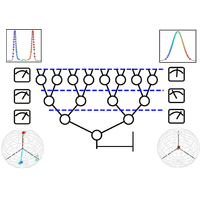
Decoherent Histories with(out) Objectivity in a (Broken) Apparatus
Article | Quantum Information, Science, and Technology | 2026-03-05 05:00 EST
Benoît Ferté, Davide Farci, and Xiangyu Cao
An analysis of a quantum-to-classical transition reveals two distinct notions of classicality.
Phys. Rev. Lett. 136, 090404 (2026)
Quantum Information, Science, and Technology
Symmetry and Topology of Successive Quantum Feedback Control
Article | Quantum Information, Science, and Technology | 2026-03-05 05:00 EST
Junxuan Wen, Zongping Gong, and Takahiro Sagawa
We establish a symmetry classification for a general class of quantum feedback control. For successive feedback control with a nonadaptive sequence of bare measurements (i.e., with positive Kraus operators), we prove that the symmetry classification collapses to the ten-fold classes, specifying …
Phys. Rev. Lett. 136, 090802 (2026)
Quantum Information, Science, and Technology
Turbulent Dynamos in a Collapsing Cloud
Article | Cosmology, Astrophysics, and Gravitation | 2026-03-05 05:00 EST
Muhammed Irshad P., Pallavi Bhat, Kandaswamy Subramanian, and Anvar Shukurov
A coordinate transformation devised for an expanding universe leads to new insights into how a collapsing protogalaxy acquires a large magnetic field.

Phys. Rev. Lett. 136, 091201 (2026)
Cosmology, Astrophysics, and Gravitation
Driven-Dissipative Landau Polaritons: Two Highly Nonlinearly Coupled Quantum Harmonic Oscillators
Article | Atomic, Molecular, and Optical Physics | 2026-03-05 05:00 EST
Farokh Mivehvar
Landau levels (LLs) are the massively degenerate discrete energy spectra of charged particles in a transverse magnetic field, and they lie at the heart of many intriguing phenomena, such as the integer and fractional quantum Hall effects as well as quantized vortices. In this Letter, we consider cou…
Phys. Rev. Lett. 136, 093602 (2026)
Atomic, Molecular, and Optical Physics
Relativistic Feedback Discharges in Dielectric Solids
Article | Plasma and Solar Physics, Accelerators and Beams | 2026-03-05 05:00 EST
Victor P. Pasko, Sebastien Celestin, and Anne Bourdon
Electrons accelerated to relativistic speeds in a dielectric material can produce bursts of x rays, similar to a phenomenon found in thunderstorms.

Phys. Rev. Lett. 136, 095301 (2026)
Plasma and Solar Physics, Accelerators and Beams
Damage Scaling Laws at Crack Tip in Disordered Materials
Article | Condensed Matter and Materials | 2026-03-05 05:00 EST
Wenbin Liu, Huiling Duan, and Jian Lu
We investigate the damage mechanisms governing crack propagation in disordered solids using random lattice models. Our simulations reveal two successive damage scaling laws at the crack tip, characterized by the coefficient of variation of the critical damage density. Close to the crack tip, the sca…
Phys. Rev. Lett. 136, 096102 (2026)
Condensed Matter and Materials
Probing Electron Transfer Orbitals Selectively at ${\mathrm{LiCoO}}_{2}/\mathrm{C}$ Cathode Interfaces via Positron Annihilation Spectroscopy
Article | Condensed Matter and Materials | 2026-03-05 05:00 EST
Meiying Zheng, Jan Kuriplach, Ilja Makkonen, Rafael Ferragut, Ekaterina Laakso, Gioele Pagot, Vito Di Noto, and Bernardo Barbiellini
Conductive carbon additives in lithium-ion battery cathodes significantly increase electron transport, facilitating rapid charging. However, quantifying this improvement remains challenging. Momentum distribution of annihilating electron-positron pairs offers a powerful approach to selectively probe…
Phys. Rev. Lett. 136, 096402 (2026)
Condensed Matter and Materials
Competing and Intertwined Orders in Boson-Doped Mott Antiferromagnets
Article | Condensed Matter and Materials | 2026-03-05 05:00 EST
Xin Lu, Jia-Xin Zhang, Lukas Homeier, Shou-Shu Gong, D. N. Sheng, and Zheng-Yu Weng
Inspired by the recent experimental advances in cold atom quantum simulators, we explore the experimentally implemented bosonic model on the square lattice using large-scale density matrix renormalization group simulations. By tuning the doping level and hopping ratio , we uncover six d…
Phys. Rev. Lett. 136, 096506 (2026)
Condensed Matter and Materials
Physical Review X
Microscale Architected Materials for Elastic Waveguiding: Fabrication and Dynamic Characterization across Length and Time Scales
Article | 2026-03-05 05:00 EST
Vignesh Kannan, Charles Dorn, Ute Drechsler, and Dennis M. Kochmann
An experimental protocol for fabricating and characterizing microarchitected materials overcomes prior limitations.

Phys. Rev. X 16, 011047 (2026)
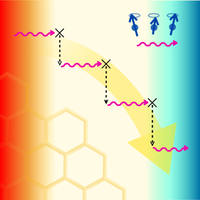
Extrinsic Contribution to Bosonic Thermal Hall Transport
Article | 2026-03-05 05:00 EST
Léo Mangeolle and Johannes Knolle
Disorder-induced side-jump effects, often neglected, are proven to be a crucial contributor to the thermal Hall conductivity in insulating quantum materials.
Phys. Rev. X 16, 011048 (2026)
arXiv
Coherent Biexciton Transport in the Presence of Exciton-Exciton Annihilation in Molecular Aggregates
New Submission | Mesoscale and Nanoscale Physics (cond-mat.mes-hall) | 2026-03-06 20:00 EST
We present a theoretical framework for biexciton dynamics in molecular aggregates that explicitly treats populations and coherences across excitation manifolds within a reduced density-matrix formalism. By extending kinetic descriptions beyond the weak-coupling limit, the approach captures the influence of exciton delocalization and exciton-exciton annihilation while remaining computationally tractable within a Markovian description of environmental relaxation. Using this framework, we investigate how the spatial profile and momentum composition of the initial biexciton state govern fluorescence decay and transport. Incoherent initial conditions lead to strongly non-exponential relaxation and time-dependent diffusion driven by nonlinear population kinetics. In contrast, coherently prepared biexciton states exhibit pronounced early-time coherent transport, whose character depends sensitively on whether the initial state is prepared as a standing-wave or traveling-wave superposition of single-exciton modes. Despite nearly identical emission dynamics for J and H aggregate, biexciton transport properties differ markedly due to band structure-dependent interference effect. Our results demonstrate that biexciton dynamics remains strongly influenced by initial-state coherence and momentum composition. Besides initial-state preparation, the coherent-to-incoherent crossover and the diffusive spreading of the exciton density are sensitive to internal conversion processes such as exciton fusion and the decay to the first excited state. The present work establishes initial-state preparation as a key control parameter for many-exciton transport in excitonic systems and provides a general framework for interpreting nonlinear optical experiments beyond population-based descriptions.
Mesoscale and Nanoscale Physics (cond-mat.mes-hall), Chemical Physics (physics.chem-ph), Quantum Physics (quant-ph)
4 figures
Giant Magnetocrystalline Anisotropy in Honeycomb Iridate NiIrO3 with Large Coercive Field Exceeding 17 T
New Submission | Strongly Correlated Electrons (cond-mat.str-el) | 2026-03-06 20:00 EST
Chuanhui Zhu, Pengfei Tan, Xiao-Sheng Ni, Jingchun Gao, Yuting Chang, Mei-Huan Zhao, Zheng Deng, Shuang Zhao, Tao Xia, Jinjin Yang, Changqing Jin, Junfeng Wang, Chengliang Lu, Yisheng Chai, Dao-Xin Yao, Man-Rong Li
The realization of unconventional quantum phases in frustrated and spin-orbit coupled materials remains at the forefront of quantum materials research. Here we report the synthesis and discovery of NiIrO3, the first honeycomb iridate with coupled 3d-5d magnetic sublattices, through a soft topotactic reaction. Structural analysis reveals an ilmenite-type stacking of edge-sharing NiO6 and IrO6 octahedral honeycomb sublattices in a Kitaev geometry. Comprehensive magnetic and electrical transport measurements unveil its long-range ferrimagnetic order below 213 K, which is in sharp contrast to the predominantly antiferromagnetic order in the known honeycomb iridates. Notably, the titled compound displays an exceptionally large magnetocrystalline anisotropy energy of 32.2 meV/f.u. and a giant coercivity with coercive field exceeding 17.3 T below 4.2 K, both ranking among the highest observed in iridates to date. Combined experimental and theoretical investigations indicate that the exceptional anisotropy and coercivity originate from the synergistic effect between strong lattice frustration in the coupled 3d-5d honeycomb lattice network and the robust spin-orbit coupling of the Ir4+ (Jeff = 1/2) state. This work positions NiIrO3 as a promising platform to investigate low-dimensional and frustrated quantum spin systems, and highlights its potential for spintronic applications through the targeted engineering of 3d-5d interactions.
Strongly Correlated Electrons (cond-mat.str-el), Materials Science (cond-mat.mtrl-sci)
Chiral and pair superfluidity in triangular ladder produced by state-dependent Kronig-Penney lattice
New Submission | Quantum Gases (cond-mat.quant-gas) | 2026-03-06 20:00 EST
Domantas Burba, Giedrius Žlabys, Dzmitry Viarbitski, Thomas Busch, Gediminas Juzeliūnas
We propose a concrete realization of a triangular ladder for ultracold atoms, which simultaneously hosts geometric frustration and unusual two-body interactions, and in particular controllable pair hopping and density-induced tunneling. This is done by means of a spin-dependent Kronig-Penney lattice created using a spatially-dependent tripod-type atom-light coupling. We apply density matrix renormalization group (DMRG) calculations to derive the quantum phase diagram. We find that pair tunneling stabilizes a robust pair superfluid, characterized by power-law decay of pair correlations. Additionally, a chiral superfluid arises from frustration induced by competing nearest neighbor (NN) and next-nearest neighbor (NNN) tunnelings. Finally, in the high barrier regime, we map our system onto the XXZ spin model and find the exact phase transition points.
Quantum Gases (cond-mat.quant-gas), Quantum Physics (quant-ph)
12 pages, 6 figures
Ge as an orbitronic platform: giant in-plane orbital magneto-electric effect in a 2-dimensional hole gas
New Submission | Mesoscale and Nanoscale Physics (cond-mat.mes-hall) | 2026-03-06 20:00 EST
James H. Cullen, Dimitrie Culcer
Increasing demand for computational power has initiated the hunt for energy efficient and stable memory devices. This is the overarching motivation behind the recent rise of \textit{orbitronics}, which looks to harness the orbital angular momentum of charge carriers in computing devices. Orbitronic devices require materials with efficient generation of orbital angular momentum (OAM). In 2D materials, OAM can be electrically generated via the orbital magneto-electric effect (OME). In this paper we report the calculation of the OME in 2 dimensional hole gases (2DHGs). We show that the OME in Ge holes is very large, for an applied electric field of the order $ 10^4$ V$ /$ m the OAM density is of the order $ 10^{12}$ $ \hbar/$ cm$ ^{2}$ . Furthermore, we find the OME to be an order of magnitude larger than the Rashba-Edelstein effect in 2DHGs. The OME we calculated in 2DHGs generates OAM aligned in the plane and arises due to transitions between heavy and light hole states, which is unique to this system. Our results put Ge, as well as other p-type semiconductors, forward as strong candidates for building future orbitronic devices.
Mesoscale and Nanoscale Physics (cond-mat.mes-hall)
J. Appl. Phys. 139, 093905 (2026)
Superconducting States and Intertwined Orders in Metallic Altermagnets
New Submission | Superconductivity (cond-mat.supr-con) | 2026-03-06 20:00 EST
Xuan Zou, Rafael M. Fernandes, Eduardo Fradkin
Altermagnets are a newly identified class of magnets with nodal spin-split band structures, providing a fertile platform for studying unconventional superconductivity and intertwined orders. Here we investigate multicomponent superconductivity and fluctuation-induced intertwined orders in an interacting $ d$ -wave metallic altermagnet that is invariant under a combination of a fourfold rotation $ C_4$ and time-reversal symmetry $ T$ . Within mean-field theory, the superconducting ground-state manifold is described in terms of two equal-spin two-component $ p$ -wave gap functions $ (\Delta_A^x,\Delta_B^y)$ and $ (\Delta_A^y,\Delta_B^x)$ , where $ A$ and $ B$ refer to the two spin-polarized Fermi surfaces related by $ C_4T$ symmetry. Because these two sets of gap functions condense at different temperatures, a rich phase diagram with multiple superconducting phase transitions emerges. Distinct fluctuations of sub-leading normal-state instabilities that compete with altermagnetism lift the degeneracy of the multicomponent pairing state in different ways. While nematic fluctuations enhance competition between distinct superconducting components and stabilize nematic superconducting phases, spin current-loop fluctuations promote coexistence and select a pair of chiral states. Our results uncover the pairing structure and elucidate how intertwined sub-leading fluctuations shape superconducting order in altermagnetic metals, suggesting a route toward realizing nematic and topological superconductivity.
Superconductivity (cond-mat.supr-con)
10 pages, 5 figures, plus appendices
Thermodynamic Phase Transitions in Finite Su-Schrieffer-Heeger Chains: Metastability and Heat Capacity Anomalies
New Submission | Mesoscale and Nanoscale Physics (cond-mat.mes-hall) | 2026-03-06 20:00 EST
Carlos Magno da Conceição, Julio César Pérez-Pedraza, Alfredo Raya, Cristian Villavicencio
We investigate the thermodynamic properties of finite Su-Schrieffer-Heeger (SSH) chains in thermal equilibrium at fixed temperature and chemical potential. Using the canonical and grand canonical ensembles, we calculate the energy density, particle number density, entropy, and heat capacity as functions of temperature, chemical potential, and hopping asymmetry. Our analysis reveals the emergence of a metastable thermodynamic phase characterized by a local minimum in the heat capacity for non-dimerized configurations, signaling a second-order phase transition distinct from the topological phase transition. This metastable phase becomes more pronounced as the hopping asymmetry increases and the chain length grows. We demonstrate that while the topological properties are determined by boundary states, the bulk thermodynamic behavior exhibits rich phase structure that can be tuned through the hopping parameter ratio. These findings provide insights into the interplay between topology, finite-size effects, and thermal fluctuations in one-dimensional topological systems, with potential implications for experimental realizations in cold atoms, photonic systems, and topoelectrical circuits.
Mesoscale and Nanoscale Physics (cond-mat.mes-hall), Quantum Gases (cond-mat.quant-gas), Statistical Mechanics (cond-mat.stat-mech), Strongly Correlated Electrons (cond-mat.str-el)
11 pages, 5 figures
Raman scattering spectroscopic observation of a ferroelastic crossover in bond-frustrated PrCd$_3$P$_3$
New Submission | Materials Science (cond-mat.mtrl-sci) | 2026-03-06 20:00 EST
Jackson Davis, Jesse Liebman, Dibyata Rout, S.J. Gomez Alvarado, Stephen D. Wilson, Natalia Drichko
2D magnetism in triangular lattices has already shown potential for hosting exotic magnetic states. Control of these magnetic states, both in terms of magnetic properties and in terms of charge doping would be the next step. This makes materials which combine triangular lattice magnetic layers with layers hosting interesting structural or electronic properties particularly useful. PrCd$ _3$ P$ _3$ , studied in this work, is one of a family of materials where triangular lattice layers of magnetic rare earth ions alternate with semiconducting hexagonal CdP layers. Using Raman scattering spectroscopy we uncover a structural instability in the CdP layers, associated with a soft mode behavior of a phonon in these layers. Raman scattering detects crystal electric field excitations, and confirms a singlet ground state for Pr$ ^{3+}$ and splitting of the doublet levels as a result of the structural instability in CdP layers. While Pr$ ^{3+}$ is non-magnetic in PrCd$ _3$ P$ _3$ we speculate that this family of materials can realize control of the magnetic layer through the CdP layer which can become ferroelectric under strain that would relieve frustration.
Materials Science (cond-mat.mtrl-sci)
Necessary conditions for the Markovian Mpemba effect
New Submission | Statistical Mechanics (cond-mat.stat-mech) | 2026-03-06 20:00 EST
Ido Avitan, Roee Factor, David Gelbwaser-Klimovsky
The Mpemba effect is a thermodynamic anomaly in which a system farther away in temperature from equilibrium thermalizes before one that is initially closer. The effect has been experimentally observed across a wide range of systems, including water, colloids, and trapped ions. It has recently been the focus of numerous studies aimed at understanding its mechanisms and developing multiple applications. Despite extensive work in the field, clearly determining which types of systems exhibit the Mpemba effect remains an open question. To address this, we derive simple necessary conditions on the transition rates for the Mpemba effect in a Markovian 3-level system and show that they can be applied to study the Mpemba effect in an N-level system. Multiple time scales govern thermalization in these systems. This allows the evolution to occur more quickly across larger temperature differences, explaining the Mpemba effect. We apply our protocol to evaluate which types of systems exhibit the Mpemba effect and, in doing so, explain why the Mpemba effect in Markovian systems remains a thermodynamic anomaly. In particular, due to the maximum entropy principle, our conditions allow us to discard the sub-Ohmic and Ohmic spectra. The latter describes a wide range of physical and chemical phenomena, which will not exhibit the Mpemba effect. Moreover, our results provide a clear path to determine the minimal physical requirements for the Mpemba effect, and we apply them to understand its underlying mechanisms better. Finally, our protocol could help identify relevant parameters for experiments, numerical simulations and diverse applications.
Statistical Mechanics (cond-mat.stat-mech), Quantum Physics (quant-ph)
Rapid modeling of segregation-driven metal-oxide adhesion in high-entropy alloys using macroscopic atom model
New Submission | Materials Science (cond-mat.mtrl-sci) | 2026-03-06 20:00 EST
Accurate prediction of metal-oxide adhesion in high-entropy alloys (HEAs) is challenging because interfacial segregation, atomic environments, and macroscopic thermodynamic quantities are strongly correlated. Relying solely on first-principles approaches is too expensive for exploring composition, solute concentration, and co-segregation effects. To address this, we extend the macroscopic atom model (MAM) for multicomponent alloys using composition-consistent surface fractions and an interfacial pair-probability formalism that captures deviations from random contact statistics. Applied to CoCrFeNi (AlCoCrFeNi) HEA in contact with Cr2O3 (Al2O3), the model predicts segregation energies and work of separation as continuous functions of composition, reproducing the correct segregation hierarchy of Hf, Y, Zr, and S. The stronger segregation tendency at Al2O3 interfaces, and the non-linear dependence of surface energy and adhesion on solute content and co-segregation is also captured. The results are benchmarked with DFT calculations, which shows consistent trends, particularly the strengthening of adhesion by Hf and Zr through strong metal-oxygen bonding and the weakening effect of S. These results demonstrate that the extended MAM provides a physically interpretable, computationally efficient, and quantitatively predictive framework for screening segregation-controlled adhesion beyond the limits of DFT.
Materials Science (cond-mat.mtrl-sci)
Thermodynamics of the ultrafast phase transition of vanadium dioxide
New Submission | Strongly Correlated Electrons (cond-mat.str-el) | 2026-03-06 20:00 EST
Shreya Bagchi, Ernest Pastor, José Santiso, Allan S. Johnson, Simon E. Wall
Ultrafast photoexcitation is an emerging route to selective control of phase transitions. However, it is difficult to determine which modes govern the transformation and how effectively they are targeted by photoexcitation. This is exemplified in vanadium dioxide, which transitions from a monoclinic insulator to a rutile metal upon heating or photoexcitation. There is a long-standing debate about whether this transition is electronically or structurally driven and whether the structural component is coherent, driven by a single structural mode or thermal in nature. In this work, we develop a simple thermodynamic framework based on temperature-dependent ultrafast pump-probe measurements and contrast it to microscopic-detail-free modelling to identify the driving mechanism of the transition, revealing that population of the full thermal phonon spectrum, especially high-frequency oxygen modes, is necessary to stabilize the metallic phase. Our approach can straightforwardly be applied to determine the nature of other photoinduced phase transitions without the need for complex multi-messenger experiments and can guide new control strategies, even for incoherent transitions.
Strongly Correlated Electrons (cond-mat.str-el), Statistical Mechanics (cond-mat.stat-mech), Optics (physics.optics)
18 pages, 7 figures
Perspective on “Active Brownian Particles Moving in a Random Lorentz Gas”
New Submission | Soft Condensed Matter (cond-mat.soft) | 2026-03-06 20:00 EST
C. Reichhardt, C.J.O. Reichhardt
Self-propelled active matter can exhibit vastly different behavior than systems with purely Brownian motion. In Eur. Phys. J. E 40, 23 (2017), Zeitz, Wolf, and Stark compared an active matter particle with a Brownian particle moving in a random obstacle array. They showed that near the obstacle percolation density, both Brownian and active particles exhibit the same subdiffusive behavior, but the active particle reaches a steady state more rapidly. They also found that for high activity, the active particle has a lower effective diffusion than the Brownian particle due to the increased self-trapping effect generated by the activity. This result opens new directions for the study of active matter in disordered media, including bacteria in porous media, active colloids on quenched disorder,and active particles in crowded environments.
Soft Condensed Matter (cond-mat.soft), Statistical Mechanics (cond-mat.stat-mech)
12 pages, 6 figures
Resolving Spurious Multifractality in Discrete Systems: A Finite-Size Scaling Protocol for MFDFA in the 2D Ising Model
New Submission | Statistical Mechanics (cond-mat.stat-mech) | 2026-03-06 20:00 EST
Sebastian Jaroszewicz, Nahuel Mendez, Maria P. Beccar-Varela, Maria Cristina Mariani
Multifractal Detrended Fluctuation Analysis (MFDFA) has emerged as a standard tool for characterizing scale invariance in complex systems, yet its application to discrete spin models is frequently marred by reports of ``spurious multifractality’’ that contradict established theory. In this work, we resolve this controversy by establishing a rigorous protocol for the analysis of discrete lattice snapshots. Using the 2D Ising model as a benchmark, we demonstrate that the previously reported broad singularity spectra \cite{Ludescher2011} are finite-size artifacts dominated by lattice discreteness effects in the negative moment regime ($ q<0$ ). By restricting the analysis to positive moments and performing a systematic Finite-Size Scaling (FSS) analysis, we show that the spectral width collapses to zero ($ \Delta \alpha \to 0$ ) in the thermodynamic limit. The method accurately recovers the monofractal exponent of the Ising universality class ($ \alpha \approx H \approx 0.875$ ), consistent with Conformal Field Theory. To validate the discriminatory power of this protocol, we contrast these findings with the Random Bond Ising Model (RBIM), showing that quenched disorder induces a genuine, broad multifractal spectrum ($ \Delta \alpha \approx 0.23$ ) that survives scaling. Furthermore, we propose a theoretical interpretation where the MFDFA polynomial detrending functions as a phenomenological Renormalization Group filter, suppressing analytic background fields (irrelevant operators) to isolate the singular critical behavior. These results define a robust methodology for distinguishing between clean and disorder-dominated criticality in finite systems.
Statistical Mechanics (cond-mat.stat-mech)
9 pages, 5 figures
Moire Topological Magnetism Twist-Engineered from 2D Spin Spirals
New Submission | Materials Science (cond-mat.mtrl-sci) | 2026-03-06 20:00 EST
Zhonglin He, Kaiying Dou, Wenhui Du, Ying Dai, Evgeny Y. Tsymbal, Yandong Ma
Topological magnetism, characterized by topologically protected spin textures, offers rich physics and transformative prospects for spintronics. However, its stabilization typically demands external magnetic fields, preventing straightforward implementation. Here, we report a universal field-free approach for engineering 2D topologically-trivial spin spirals into topological magnetisms. This approach leverages twisted antiferromagnetic bilayers, where locked spin spirals in the two sublayers form spatially alternating ferromagnetic and antiferromagnetic domains upon twisting. These domains frustrate the uniform antiferromagnetic interlayer exchange, spontaneously stabilizing moire topological magnetisms without external fields. Using first-principles and atomistic spin-model simulations, we validate this approach using bilayers NiCl2 and NiBr2, as representative examples. For twisted NiCl2, we predict topological spin states tunable by the twist angle, including isolated and high-order antiferromagnetic bimerons. For twisted NiBr2, strong frustration yields trivial triple-q spin spirals, which transform into moire topological magnetism with the application of vertical compressive strain. Our findings demonstrate that topologically non-trivial spin textures can be engineered from their trivial counterparts, thus providing a new paradigm for topological spintronics
Materials Science (cond-mat.mtrl-sci)
Large-Area Deterministic Stamping of 2D Materials on Arbitrarily Patterned Surfaces
New Submission | Mesoscale and Nanoscale Physics (cond-mat.mes-hall) | 2026-03-06 20:00 EST
Bernardo S. Dias, Reynolds Dziobek-Garrett, Gabriella Mentasti, Abhishek Gupta, Alexander Lambertz, Esther Alarcon-Llado, Peter Schall, Roland Bliem, Jorik van de Groep
2D materials and their monolayers have attracted widespread interest by virtue of their unique electronic and optical properties. In addition to their remarkable physical characteristics, their atomically thin nature enables their integration in ultra-compact photonic and electronic devices, with potential for dynamic tunability via strain, charge carrier modulation or heterostructure engineering. While early research relied on micrometer-scale mechanically exfoliated flakes, recent advances, particularly gold-assisted exfoliation of transition metal dichalcogenides (TMDCs), have enabled the preparation of high-quality, large-area monolayers, opening new opportunities for scalable device integration. For the field of nanophotonics in particular, the ability to transfer large-area 2D materials onto both flat and patterned substrates is essential for the development of functional devices. However, existing transfer techniques are often limited in scalability, and compatibility with structured surfaces. Here, we present a versatile and reliable transfer method of large-area monolayers and hBN/monolayer heterostructures onto both flat and nanostructured substrates. Our approach, based on the physical properties of low-density polyethylene, preserves the intrinsic optical quality of the materials and is compatible with a variety of device architectures. We demonstrate its applicability by fabricating devices that modulate the photoluminescence of TMDC monolayers through the manipulation of the photonic environment, strain or electrical gating. We further demonstrate the fabrication of van der Waals heterostructures using the same method. By enabling clean transfer of a wide range of monolayers and heterostructures, this technique offers a practical pathway for the development of next-generation optoelectronic platforms with improved functionality, scalability, and tunability.
Mesoscale and Nanoscale Physics (cond-mat.mes-hall), Materials Science (cond-mat.mtrl-sci)
Electrochromic chiral ferroelectric nematic liquid crystals
New Submission | Soft Condensed Matter (cond-mat.soft) | 2026-03-06 20:00 EST
Md Sakhawat Hossain Himel, James T. Gleeson, Robert J. Twieg, Samuel Sprunt, Antal Jakli
Chiral nematic liquid crystals are one-dimensional photonic band-gap materials whose reflection wavelength can be well tuned by temperature, but only limited and irreversible tuning can be achieved by electric fields. In contrast, oblique heliconical chiral nematic materials blueshift with <1kV/mm fields applied along the helix axis, whereas chiral ferroelectric nematic liquid crystals can be redshifted by <0.1kV/mm fields applied perpendicular to the helix axis. Here we demonstrate that in ferroelectric nematic liquid crystals, the reflection color can be reversibly tuned also by electric fields applied along the helix axis. In sandwich cells assembled with bare conducting indium tin oxide (ITO) substrates, the reflectivity peak wavelength increases by up to 200 nm under fields up to 0.4 kV/mm. When the ITO substrates are treated with an electrically insulating polymer layer, the reflectivity shift is suppressed. We propose a theoretical model assuming helical deformation of the helix axis under electric field. This model accounts for all observations and also yields an estimate of the splay elastic constant which is challenging to determine by other methods. Our findings expand understanding of ferroelectric nematic liquid crystals and suggest potential applications in both tunable reflectors and energy-efficient smart windows.
Soft Condensed Matter (cond-mat.soft), Applied Physics (physics.app-ph)
20 pages, 6 figures
Layering and superfluidity of soft-core bosons in shallow spherical traps
New Submission | Quantum Gases (cond-mat.quant-gas) | 2026-03-06 20:00 EST
Fabio Cinti, Matteo Ciardi, Santi Prestipino, Giuseppe Pellicane
Fundamental theories and models of many-body physics can be probed in experiments on ultracold atoms held in place by electromagnetic fields. In particular, of considerable interest are systems under curved confinement, since they can yield exotic states of matter which would be impossible to obtain in flat space. In this study we focus on relatively small samples, where curvature effects are stronger, and analyze by Monte Carlo simulations the peculiar structure arising in an assembly of soft-core bosons subject to a weak trapping potential with spherical symmetry. Upon suitable tuning of the parameters, a hundred particles or so group together in clusters arranged in a shell with icosahedral symmetry. As the number of particles increases, a second shell gradually develops, concentric to (and partly overlapping with) the original one, where clusters are in perfect registry with the first shell, thus forming a dodecahedral pattern. Cluster arrangements with the symmetry of other polyhedra are seen for different sets of parameters. At low temperature the superfluid density is non-uniform in the radial direction; heating the system progressively, superfluidity eventually vanishes while still clusters are present, a behavior resembling the transition from supersolid to normal solid on a plane. Two shells of clusters are also observed in systems of classical or distinguishable quantum particles, but in those cases the shells are more fragile to thermal fluctuations. All these behaviors can in principle be tested in systems of Rydberg-dressed atoms loaded into a bubble trap.
Quantum Gases (cond-mat.quant-gas)
14 pages, 12 figures
Anomalous Ion Confinement Penalties and Giant Ion-Screening Effects in One-Dimensional Nanopores
New Submission | Soft Condensed Matter (cond-mat.soft) | 2026-03-06 20:00 EST
Nanoconfinement reduces the favorable hydration free energies of single ions, which is correlated with ion rejection and modified chemical reactivity in water-filled nanopores. Many factors contribute to the magnitude of the observed confinement effect. Here we use simple classical force fields and non-polarizable carbon nanotubes filled with water as minimal, “hydrogen atom”-like models to evaluate the single-ion intrinsic confinement hydration free energy penalty (Delta Delta G(hyd)). In tubes of radius R=7.5 Angstrom, we predict Delta Delta G(hyd)’s that are up to 7.8 kcal/mol, are much larger for Cl- than the smaller Na+ ion, and contradict the canonical Born Equation for ion solvation. Adding a 1.0~M background electrolyte reduces Delta Delta G(hyd) for the Na+/Cl- pair by an amount exceeding the Debye-Huckel estimate in unconfined media by almost an order of magnitude. We identify concentration-dependent ion-screening of confinement effects as a major, unheralded consequence of electrolytes in cylindrical nanopores.
Soft Condensed Matter (cond-mat.soft)
18 pages, 5 figures. To appear in J. Phys. Chem. Lett
Unified Integer and Fractional Quantum Hall Effects from Boundary-Induced Edge-State Quantization
New Submission | Mesoscale and Nanoscale Physics (cond-mat.mes-hall) | 2026-03-06 20:00 EST
Despite the success of Landau-level theory and edge-state transport formalisms, a direct microscopic link between bulk quantization and the observed hierarchy of quantum Hall plateaus has not been established. In particular, no unified microscopic mechanism accounting simultaneously for integer and fractional sequences has been derived within standard quantum mechanics.
Here we show that boundary-induced quantization of edge states provides this missing bridge. Starting from the Landau problem in laterally confined two-dimensional electron systems, we demonstrate that the imposition of Dirichlet, Neumann, and mixed (Robin) boundary conditions discretizes both the guiding-center coordinate and the longitudinal momentum of chiral edge states. The resulting boundary-dependent spectra generate families of edge channels with well-defined multiplicities that couple to electronic transport.
When incorporated into an edge-state transport description, this boundary quantization reproduces the integer Hall sequence and simultaneously yields a structured hierarchy of fractional filling factors without invoking separate microscopic mechanisms. We further show that a weak Hall-induced parity-breaking contribution reorganizes the low-energy edge spectrum while leaving the bulk Landau levels intact. This controlled symmetry breaking enhances edge-state multiplicities at small Landau indices and stabilizes the fractional plateaus observed at strong magnetic fields.
The quantized Hall response thus emerges from the interplay between Landau quantization and boundary-induced guiding-center discretization, which together determine the spectrum and occupation of chiral edge channels. These results establish boundary-induced quantization as the microscopic origin of quantum Hall transport and provide a unified description of both integer and fractional regimes within conventional quantum mechanics.
Mesoscale and Nanoscale Physics (cond-mat.mes-hall), Quantum Physics (quant-ph)
12 figures
Dissipation-Reliability Tradeoff for Stochastic CMOS Bits in Series
New Submission | Statistical Mechanics (cond-mat.stat-mech) | 2026-03-06 20:00 EST
Cathryn Murphy, Schuyler Nicholson, Nahuel Freitas, Emanuele Penocchio, Todd Gingrich
Physical instantiations of a bit of information are subject to thermal noise that can trigger unintended bit-flip errors. Bits implemented with CMOS technology typically operate in regimes that reliably suppress these errors with a large bias voltage, but miniaturization and circuit design for implantable biomedical devices motivate error suppression via alternative low-voltage strategies. We present and analyze an error-suppression technique that involves coupling multiple CMOS units into chains, introducing a natural error correction arising from inter-unit correlations. Using tensor networks to numerically solve a stochastic master equation for the CMOS chain, we quantify the reliability-dissipation tradeoff across system sizes that would be intractable with conventional sparse-matrix methods. The calculations show that the typical time for bit-flip errors scales exponentially with the bias voltage but subexponentially with the chain length. While a CMOS chain adds stability compared to a single CMOS unit for a fixed low bias voltage, increasing the bias voltage is a lower-dissipation route to equivalent stability.
Statistical Mechanics (cond-mat.stat-mech)
5 pages, 3 figures
High pressure melt dynamics in shock-compressed titanium
New Submission | Materials Science (cond-mat.mtrl-sci) | 2026-03-06 20:00 EST
Saransh Singh, Reetam Paul, Nikhil Rampal, Rhys J. Bunting, Sebastien Hamel, Nathan Palmer, Christopher P. McGuire, Samantha M. Clarke, Amy Coleman, Cara Vennari, Trevor M. Hutchinson, \Kimberly A. Pereira, Bob Nagler, Dimitri Khaghani, Hae Ja Lee, Nicholas A. Czapla, Travis Volz, Ian K. OCampo, James McNaney, Thomas E. Lockard, Jon H. Eggert, Amy Lazicki, Christopher E. Wehrenberg, Andrew Krygier, Raymond F. Smith
We study the high-pressure melting behavior of titanium using laser-driven shock compression with in situ femtosecond x-ray diffraction and molecular-dynamics simulations based on a machine-learned interatomic potential. The MD simulations predict the solid-liquid coexistence on the Hugoniot in the $ \sim$ 111-124$ GPa range. Experimentally, we observe the first evidence of liquid at 86 GPa. We also observe pronounced microstructural changes with pressure with strong grain refinement associated with the emergence of liquid, within the solid-liquid coexistence ($ \sim$ 110-126$ GPa). Above 126 GPa, we observe the persistence of residual levels of highly textured crystalline Ti to $ \sim$ 180$ GPa, well above the expected melt completion pressure. We discuss the accuracy that current laser-shock experimental platforms have at determining the melt onset and completion pressures.
Materials Science (cond-mat.mtrl-sci)
Rotational 3D printing of active-passive filaments and lattices with programmable shape morphing
New Submission | Soft Condensed Matter (cond-mat.soft) | 2026-03-06 20:00 EST
Mustafa K. Abdelrahman, Jackson K. Wilt, Yeonsu Jung, Rodrigo Telles, Gurminder K. Paink, Natalie M. Larson, Joanna Aizenberg, L. Mahadevan, Jennifer A. Lewis
Natural filaments, such as proteins, plant tendrils, octopus tentacles, and elephant trunks, can transform into arbitrary three-dimensional shapes that carry out vital functions. Their shape-morphing behavior arises from intricate patterning of active and passive regions, which are difficult to replicate in synthetic matter. Here, we introduce a filament-centric strategy for programmable shape morphing in which intrinsic curvature and twist are directly encoded within multimaterial elastomeric filaments during fabrication. By harnessing rotational multimaterial 3D printing (RM-3DP), we directly prescribe the filament’s natural curvature–twist field $ \mathbf{k}(s)$ through controlled material distribution and helical liquid crystal mesogen alignment. When heated above their nematic-to-isotropic transition temperature ($ T_\mathrm{NI}$ ), the helically aligned LCE regions contract along their local director field, while passive regions remain essentially unchanged. This approach enables independent control of bending and torsion at every cross-section along the filament centerline: the principal natural curvatures of the filament along two orthogonal axes as well as the local twist. Next, we printed architected lattices composed of unit cells formed by sinusoidal filaments that either reversibly contract, expand, or exhibit out-of-plane deformations. Discrete elastic rod simulations of Janus filaments with different natural curvatures and twist, which are interconnected within the printed lattices, allow accurate prediction of their observed shape-morphing behavior. By integrating active-passive elastomers, additive manufacturing, and computational modeling, we have created shape-morphing matter with complex programmable responses for applications that rely on adaptive, robotic, or deployable architectures.
Soft Condensed Matter (cond-mat.soft)
Successive single-q and double-q orders in an anisotropic XY model on the diamond structure: a model for quadrupole ordering in PrIr$2$Zn${20}$
New Submission | Strongly Correlated Electrons (cond-mat.str-el) | 2026-03-06 20:00 EST
Quadrupole ordering with the ordering wavevector at the L points in PrIr$ _2$ Zn$ _{20}$ under magnetic fields is analyzed using classical Monte Carlo simulations based on an effective $ \Gamma_3$ quadrupole model on the diamond structure. We demonstrate that competition between the magnetic field and quadrupole anisotropy leads to a rich phase diagram for magnetic fields applied parallel to [001], which includes switching between a single-q state and a double-q state. We also show that a symmetry-allowed biquadratic intersite interaction, corresponding to a hexadecapole interaction, is crucial for reproducing the weak-field topology observed in experiments.
Strongly Correlated Electrons (cond-mat.str-el), Statistical Mechanics (cond-mat.stat-mech)
10 pages, 9 figures
Spectroscopic evidence of disorder-induced quantum phase transitions in monolayer Fe(Te,Se) superconductor
New Submission | Superconductivity (cond-mat.supr-con) | 2026-03-06 20:00 EST
Guanyang He, Ziqiao Wang, Longxin Pan, Yuxuan Lei, Fa Wang, Yi Liu, Nandini Trivedi, Jian Wang
The superconductor-insulator transition as a paradigm of quantum phase transitions has attracted tremendous interest over the past three decades. While the magnetic field and carrier density can be tuned to drive the transition, the role of disorder in the transition is not well understood due to the complicated interplay between superconductivity and electron localization. In this work, we controllably introduce disorder in a two-dimensional high-temperature superconductor by depositing iron clusters onto the superconducting monolayer Fe(Te,Se) crystalline film. The spectral evolution from superconducting gaps to insulating gaps with increasing disorder is detected by scanning tunneling spectroscopy measurements. When the disorder is strong, large U-shaped gaps are observed and attributed to the localization-enhanced Cooper pair correlation. Our observations provide the insight into the emergent phases of low-dimensional and high-temperature superconductors with disorder.
Superconductivity (cond-mat.supr-con), Mesoscale and Nanoscale Physics (cond-mat.mes-hall), Materials Science (cond-mat.mtrl-sci), Strongly Correlated Electrons (cond-mat.str-el)
Disorder effects in Ising metamagnetic phase transition
New Submission | Statistical Mechanics (cond-mat.stat-mech) | 2026-03-06 20:00 EST
The thermodynamics of randomly quenched disordered Ising metamagnet has been studied by Monte Carlo simulations. The disorder has been implemented either by inserting nonmagnetic impurity or by uniformly distributed quenched random magnetic field. The staggered magnetisation ($ M_s$ ) (calculated from the sublattice magnetisation) and the corresponding staggered susceptibility ($ \chi$ ) are studied as functions of the temperature ($ T$ ). The antiferromagnetic phase transition has been found while cooling the system from the high temperature paramagnetic phase. The transition temperature(or pseudocritical temperature ($ T_c$ )) has been found to decrease as the concentration ($ p$ ) of nonmagnetic impurity increased. The nonmagnetic impurity dependent staggered magnetisation has been found to show the scaling behaviour $ M_sp^b \sim (T-T_c)p^a$ (with $ a \cong -0.95$ , $ b \cong 0.09$ and $ T_c \cong 4.45$ ) obtained through the data collapse. The zero temperature staggered magnetisation ($ M_s(0)$ ) has been found to decrease linearly. The critical temperature($ T_c$ ) is showing a linear ($ T_c=mp+c$ ) dependence with the concentration ($ p$ ) of nonmagnetic impurity. The antiferromagnetic phase transition has been found to take place at lower temperature for the higher value of the width ($ s$ ) of the uniformly distributed quenched random field. The critical temperature ($ T_c$ ) has been found to show the nonlinear dependence ($ T_c=a+bs+cs^2$ ) on the width ($ s$ ) of the uniformly distributed random magnetic field. The extrapolation (both for $ p \to 0$ and $ s \to 0$ ) restores the Neel temperature of three dimensional pure Ising antiferromagnet.
Statistical Mechanics (cond-mat.stat-mech)
8 pages Latex and 7 captioned PDF figures; IJMPC (2026) In press
Orbital-Selective Spin-Orbit Mott Insulator in Fractional Valence Iridate La$_3$Ir$3$O${11}$
New Submission | Strongly Correlated Electrons (cond-mat.str-el) | 2026-03-06 20:00 EST
Kai Wang, Jun Yang, Chaoyang Kang, Weikang Wu, Wenka Zhu, Jianzhou Zhao, Yaomin Dai, Bing Xu
The combination of strong spin-orbit coupling and Coulomb interactions makes the $ 5d$ iridates a unique platform for realizing novel correlated electronic states. Here, utilizing infrared spectroscopy, we demonstrate that a robust Mott insulating state persists in the $ 1/3$ -hole self-doped system La$ 3$ Ir$ 3$ O$ {11}$ , evidenced by the collapse of the Drude response and the emergence of sharp excitations across the Mott gap. Our theoretical calculations reveal that the insulating behavior arises from the cooperative interplay of structural distortions, spin-orbit coupling, and Coulomb interactions. Specifically, octahedral distortion and Ir-Ir dimerization split the $ t{2g}$ orbitals, driving the $ J{\mathrm{eff}} = 1/2$ bands toward half-filling while keeping the $ J{\mathrm{eff}} = 3/2$ bands away from it. Consequently, electron correlations induce an orbital-selective Mott transition in the $ J_{\mathrm{eff}} = 1/2$ bands, whereas a band-insulating gap develops in the $ J_{\mathrm{eff}} = 3/2$ bands, thereby stabilizing the unconventional insulating state in La$ _3$ Ir$ _3$ O$ _{11}$ . These findings provide new insights into the design and understanding of the insulating ground state of spin-orbit-coupled iridates.
Strongly Correlated Electrons (cond-mat.str-el), Materials Science (cond-mat.mtrl-sci)
8 pages, 3 figures
Phys. Rev. Lett. 136, 096501 (2026)
Damage Prediction of Sintered α-SiC Using Thermo-mechanical Coupled Fracture Model
New Submission | Materials Science (cond-mat.mtrl-sci) | 2026-03-06 20:00 EST
Jason Sun, Yu Chen, Joseph J. Marziale, Eric A. Walker, David Salac, James Chen
A three-way coupled thermo-mechanical fracture model is presented to predict the damage of brittle ceramics, in particular {\alpha}-SiC, over a wide range of temperatures (20-1400 C). Predicting damage over such a range of temperatures is crucial for thermal protection systems for many systems such as spacecraft. The model, which has been implemented in MOOSE, is divided into three modules: elasticity, damage phase field, and heat conduction. Analytical approaches for determining crack length scales are presented for both simple tension and simple shear. Validation tests are conducted for both flexural strength and fracture toughness over the specified range of temperatures. Flexural strength simulation results fall within the uncertainty region of the experimental data, and mode I fracture toughness simulation results are also in agreement with the experimental data. Mode II and mixed mode fracture toughness simulations results are presented with the modified G-criterion. Finally, the parallel computing capabilities of the model is considered in various scalability tests.
Materials Science (cond-mat.mtrl-sci)
Journal of the American Ceramic Society, 106, 6036-6050, 2023
The Statistical Mechanics of Indistinguishable Energy States and the Glass Transition
New Submission | Statistical Mechanics (cond-mat.stat-mech) | 2026-03-06 20:00 EST
The statistical mechanics of particles that populate indistinguishable energy states is explored. In particular, the mathematical treatment of the microstates differs from conventional statistical mechanics where the energy levels or states are universally treated as distinguishable, and differentiated by unique quantum numbers, or addressed by distinct spatial locations. Results from combinatorial counting problems are adapted to derive exact distribution functions for both classical and quantum particles at high degeneracy levels. Classical particles exhibit a definitive glass transition, similar to supercooled liquids where where the configurational entropy vanishes below a finite temperature $ T_K$ .
Statistical Mechanics (cond-mat.stat-mech)
7 pages. Revtex
Design rules for industrial-scale sintering of UB4-UBC composites with high uranium density
New Submission | Materials Science (cond-mat.mtrl-sci) | 2026-03-06 20:00 EST
Riley Moeykens, Anthony Albert-Harrup, David Simonne, Mehmet Topsakal, Ericmoore Jossou
Uranium borides are promising candidate fuel forms for use in advanced nuclear reactors due to their high thermal conductivity and potential for dual use as both fuel and burnable absorber materials. In this work, uranium tetraboride (UB$ _4$ ) and uranium monoboroncarbide (UBC) composites were synthesized using an industrially scalable borocarbothermic reduction method. The high-temperature structural evolution of the as-synthesized borides was investigated using in situ synchrotron X-ray diffraction (SXRD). The oxidation behavior was further characterized using a combination of SXRD and thermogravimetric analysis (TGA), allowing direct comparison with other potential accident-tolerant fuels such as UB$ _2$ , U$ _3$ Si$ _2$ , UC, and UN. The UB$ _4$ -UBC composite shows higher uranium loading than monolithic UB$ _4$ and demonstrates promising oxidation behavior at elevated temperature, pointing to its potential as an improved uranium boride-based fuel form.
Materials Science (cond-mat.mtrl-sci)
A minimal electrostatic theory for the Seebeck coefficient in liquids
New Submission | Statistical Mechanics (cond-mat.stat-mech) | 2026-03-06 20:00 EST
The Seebeck coefficient in liquids often reaches the mV/K range, yet its microscopic origin remains unclear due to the complexity of electrolyte systems. Here we propose a minimal electrostatic theory focusing on solvation entropy. Using the extended Born equation with temperature ($ T$ )-dependent dielectric constant ($ \varepsilon$ ), we quantitatively reproduce the experimentally observed magnitude. The theory clarifies that large valence, small cationic radius, small dielectric constant, and large $ \frac{d\varepsilon}{dT}$ are key factors for enhanced liquid Seebeck response.
Statistical Mechanics (cond-mat.stat-mech), Materials Science (cond-mat.mtrl-sci)
4 pages, 1 figure
Diffusion disorder in the contact process
New Submission | Statistical Mechanics (cond-mat.stat-mech) | 2026-03-06 20:00 EST
Valentin Anfray, Manisha Dhayal, Hong-Yan Shih, Thomas Vojta
We study the effects of spatially inhomogeneous diffusion on the non-equilibrium phase transition in the contact process. The directed-percolation critical point in the contact process is known to be stable against the addition of a spatially uniform diffusion term. Correspondingly, we find quenched randomness in the diffusion rates to be irrelevant by power counting in the field-theory of the contact process. However, large-scale Monte Carlo simulations demonstrate that such diffusion disorder destabilizes the clean directed percolation critical point. Instead, the transition belongs to the same infinite-randomness universality class as the contact process with disorder in the infection or healing rates. To explain these results, we develop an effective model with an infinite diffusion rate; it shows that diffusion disorder generates an effective disorder in the healing rates. The same mechanism also appears in the field-theoretic description: Whereas diffusion disorder is irrelevant by power-counting, it generates standard random-mass disorder under renormalization. We discuss the validity of this mechanism for other absorbing state transitions and non-equilibrium phase transitions in general.
Statistical Mechanics (cond-mat.stat-mech), Disordered Systems and Neural Networks (cond-mat.dis-nn)
Absence of Orbital Hall Magnetoresistance in Nonmagnet/Ferromagnet Bilayers with Large Orbital Torque
New Submission | Mesoscale and Nanoscale Physics (cond-mat.mes-hall) | 2026-03-06 20:00 EST
Yumin Yang, Wenqi Xu, Na Lei, Zhicheng Xie, Dahai Wei, Jianhua Zhao
We report the absence of orbital Hall magnetoresistance (OMR) in nonmagnet/ferromagnet bilayers, challenging the general assumption that orbital transport mimics spin transport. Despite the observation of giant orbital torques, confirming the generation of orbital currents, thickness-dependent magnetoresistance measurements reveal that the signal is dominated by the intrinsic magnetoresistance of the ferromagnet and current shunting, with no discernible OMR contribution. We attribute this contradiction to the distinct transport properties of orbital compared with spin. Orbital currents undergo isotropic bulk absorption in the ferromagnet rather than anisotropic interfacial reflection required for OMR. Furthermore, we find that texture-induced magnetoresistance and self-torques in Ni-based bilayers can generate misleading signals, suggesting that caution is required when employing Ni in orbitronic studies. These findings clarify the distinct physical rules governing orbital transport and provide a simple method to distinguish spin and orbital currents.
Mesoscale and Nanoscale Physics (cond-mat.mes-hall)
Energy conservation and pressure relaxation in an extended two-temperature model for copper with an electron temperature-dependent interaction potential
New Submission | Materials Science (cond-mat.mtrl-sci) | 2026-03-06 20:00 EST
An implementation of an electron temperature-dependent interaction potential for copper in a two-temperature model-molecular dynamics framework is presented. An algorithm for enforcing energy conservation when using such an interaction is provided that is needed due to the changing interaction strength with the degree of excitation. Furthermore, focus is put on how to treat the pressure differences due to an electron temperature gradient following laser irradiation. The influence of various extensions is investigated in large-scale two-temperature model molecular dynamics simulations and compared to existing approaches.
Materials Science (cond-mat.mtrl-sci)
Spin-polarized Andreev molecules and anomalous nonlocal Josephson effects in altermagnetic junctions
New Submission | Superconductivity (cond-mat.supr-con) | 2026-03-06 20:00 EST
Altermagnetism has emerged as a promising ingredient for realizing nontrivial Josephson phases, but so far explored in single Josephson junctions. In this work, we consider the coherent coupling of two Josephson junctions with spin-singlet $ s$ -wave superconductivity and demonstrate that $ d$ -wave altermagnetism gives rise to spin-polarized Andreev molecules due to the hybridization of Andreev bound states of each junction when the coupling is weak. Interestingly, these spin-polarized Andreev molecules induce an anomalous nonlocal Josephson effect, where the current flow across one Josephson junction due to phase changes across the other junction develops $ 0-\pi$ and $ \phi_{0}$ transitions originating from altermagnetism. Furthermore, the nonlocal Josephson current carried by spin-polarized Andreev molecules exhibits nonreciprocal critical currents, enabling a nonlocal Josephson diode effect whose polarity is tunable by the altermagnetic strength and right phase. Our findings put forward altermagnetism as a promising arena for designing nonlocal spin Josephson phenomena.
Superconductivity (cond-mat.supr-con), Mesoscale and Nanoscale Physics (cond-mat.mes-hall)
Extended dynamical density functional theory for nonisothermal binary systems including momentum density
New Submission | Soft Condensed Matter (cond-mat.soft) | 2026-03-06 20:00 EST
Michael te Vrugt, Hartmut Löwen, Helmut R. Brand, Raphael Wittkowski
In order to describe the nonisothermal dynamics of two-phase flows or binary mixtures such as colloidal suspensions consisting of colloidal particles and solvent on a microscopic level, we derive a new extended dynamical density functional theory (EDDFT) that includes the total mass density, the local concentration of one species, the total momentum density, and the energy density as variables using the Mori-Zwanzig-Forster projection operator technique. Through the incorporation of the momentum density into EDDFT, not only the diffusive but also the convective dynamics is taken into account. We derive an exact entropy and free-energy functional for the case of hard spheres. The hydrodynamic limit of our new EDDFT and its relation to the mode-coupling theory of the glass transition are discussed. It is shown that EDDFT allows to obtain the correct value for the speed of sound.
Soft Condensed Matter (cond-mat.soft), Mesoscale and Nanoscale Physics (cond-mat.mes-hall), Materials Science (cond-mat.mtrl-sci), Statistical Mechanics (cond-mat.stat-mech)
27 pages, 1 table
Systematic study of superconductivity in few-layer $T_d$-MoTe$_2$
New Submission | Mesoscale and Nanoscale Physics (cond-mat.mes-hall) | 2026-03-06 20:00 EST
Taro Wakamura, Masayuki Hashisaka, Yusuke Nomura, Matthieu Bard, Shota Okazaki, Takao Sasagawa, Takashi Taniguchi, Kenji Watanabe, Koji Muraki, Norio Kumada
We present a systematic investigation of superconductivity in a topological superconductor candidate $ T_{\rm d}$ -MoTe$ 2$ in the few-layer limit. By examining multiple mechanically exfoliated samples with different thicknesses, substrates and crystal qualities, we quantitatively correlate superconducting temperature ($ T_c$ ) with disorder, carrier density, carrier type and mobility. By integrating these experimental findings with first-principles calculations, we reveal the relationship between the band structure and superconductivity in this material. Notably, in 2 L samples we access a highly hole-doped regime that has not been systematically explored in previous experiments, providing a complementary perspective to earlier studies. In this regime, we demonstrate that superconductivity can be realized in a manner consistent with a conventional phonon-mediated $ s{(++)}$ -wave pairing.
Mesoscale and Nanoscale Physics (cond-mat.mes-hall), Materials Science (cond-mat.mtrl-sci), Superconductivity (cond-mat.supr-con)
9 pages, 6 figures
Physical Review B 113, 094503 (2026)
Fluctuation-induced quadrupole order in magneto-electric materials
New Submission | Statistical Mechanics (cond-mat.stat-mech) | 2026-03-06 20:00 EST
Finja Tietjen, R. Matthias Geilhufe
Phases that go beyond dipolar ordering and into multipolar ordering have recently been observed in magneto-electric materials. The resulting phase diagram is commonly explained using the concept of competing orders and exact microscopic interactions. In contrast, we propose an approach based on composite order emerging from a parent phase to explain quadrupoling above magnetic or electric dipolar orders. We include thermal fluctuations and symmetry and show their influence on the emergence of quadrupolar order. We find an analytical expression for the quadrupolar transition temperature, the critical anisotropy and explain the coupling of the quadrupolar order to mechanical strain, in agreement with experiments. The shift in perspective on quadrupolar ordering from competing to composite order is universal and can be extended to other types of multipolar ordering. This offers the possibility of understanding tunability and material-specific predictions of the related phase transitions without explicit knowledge of the microscopic mechanisms.
Statistical Mechanics (cond-mat.stat-mech)
7 pages, 5 figures
Topological Surface Charge Detection via Active Capacitive Compensation: A Pathway to the 4D Quantum Hall Effect
New Submission | Mesoscale and Nanoscale Physics (cond-mat.mes-hall) | 2026-03-06 20:00 EST
Yuanze Li (1), Renfei Wang (2), Yifan Zhang (3), Jiahao Chen (1), Yingdong Deng (4), Jin Xie (4), Xufeng Kou (3 and 5), Yang Liu (2), Tian Liang (1 and 6) ((1) State Key Laboratory of Low Dimensional Quantum Physics, Department of Physics, Tsinghua University, Beijing, China, (2) International Center for Quantum Materials, Peking University, Beijing, China, (3) School of Information Science and Technology, ShanghaiTech University, Shanghai, China, (4) School of Physical Science and Technology, ShanghaiTech University, Shanghai, China, (5) ShanghaiTech Laboratory for Topological Physics, School of Physical Science and Technology, ShanghaiTech University, Shanghai, China, (6) Frontier Science Center for Quantum Information, Beijing, China)
The topological magnetoelectric effect (TME) in three-dimensional topological insulators (TIs), described by $ \Delta P = \frac{e^2}{2h} N_{\rm Ch}^{(2)} \Delta B$ , serves as a condensed-matter realization of the four-dimensional quantum Hall effect (4D QHE). In dual-gate axion-insulator devices, the TME-induced polarization yields a current $ I_{\rm TME} \propto (C_{\rm total}/C_{\rm S}),Q_{\rm 4D\text{-}QHE}$ , where the signal is suppressed by the capacitance ratio $ C_{\rm total}/C_{\rm S}$ . Here we propose an active compensation scheme that introduces a tunable negative capacitance $ C_{\rm comp} \approx -C_{\rm gate}$ into the gate line, effectively canceling the gate dielectric capacitance and driving $ C_{\rm total}/C_{\rm S} \to 1$ . We validate the method using a quantum anomalous Hall (QAH) device, which shares the same surface-state physics with the axion insulator but permits direct charge measurement via a single gate, recovering over $ 95%$ of the quantized charge signal from an initially half-attenuated state. This compensation method provides a robust means of resolving minute TME signals, offering a promising pathway toward direct measurements of the 4D QHE.
Mesoscale and Nanoscale Physics (cond-mat.mes-hall)
Fabry-Pérot interferometry with stochastic anyonic sources
New Submission | Mesoscale and Nanoscale Physics (cond-mat.mes-hall) | 2026-03-06 20:00 EST
Sarthak Girdhar, Edvin G. Idrisov, Thomas L. Schmidt
We investigate the interference of Laughlin quasiparticles (QPs) in the fractional quantum Hall regime that are stochastically injected into a Fabry-Pérot interferometer. We find that the effective Aharonov-Bohm (AB) phase accumulated along the interferometer loop acquires an additional contribution of $ \sin(2\pi\lambda)/2$ per QP present on it, where $ \pi\lambda$ is the QP exchange phase. This contribution originates from time-domain braiding processes associated with injected QPs passing the interferometer quantum point contacts. In the limit of symmetric QP injection, the tunneling current noise exhibits AB oscillations as a function of the total injected current, providing access to the exchange phase $ \pi\lambda$ . In the regime of large total injection, we identify a universal Fano factor that displays power-law scaling and a characteristic phase shift reflecting real-space QP braiding along the interferometer edges. These results are relevant for accessing anyonic exchange statistics in mesoscopic interferometers.
Mesoscale and Nanoscale Physics (cond-mat.mes-hall)
15 pages, 3 figures
Ab initio quasi-harmonic thermoelasticity, piezoelectricity, and thermoelectricity of polar solids at finite temperature and pressure: Application to wurtzite ZnO
New Submission | Materials Science (cond-mat.mtrl-sci) | 2026-03-06 20:00 EST
We generalize a previously established ab initio approach-originally developed for hexagonal close-packed (hcp) metals-to accommodate solids with both internal and external degrees of freedom. This extension enables the thermodynamic and thermoelastic characterization of insulators, including those with non-vanishing piezoelectric and pyroelectric tensors. Utilizing Density Functional Theory (DFT) and Density Functional Perturbation Theory (DFPT) within the quasi-harmonic approximation, we derive the pressure and temperature dependence of these properties. Specifically, we investigate internal degrees of freedom using two distinct frameworks: the Zero Static Internal Stress Approximation (ZSISA) and Full Free Energy Minimization (FFEM). We then compare these approximations by computing internal and external thermal expansions, as well as temperature-dependent piezoelectric and pyroelectric tensors. Finally, we demonstrate the generalized formalism by calculating the thermodynamic properties of wurtzite ZnO across a broad range of pressures and temperatures.
Materials Science (cond-mat.mtrl-sci)
17 pages, 17 figures
Fokker-Planck description of an active Brownian particle with rotational inertia
New Submission | Statistical Mechanics (cond-mat.stat-mech) | 2026-03-06 20:00 EST
Lingyi Wang, Ziluo Zhang, Zhongqiang Xiong, Zhanglin Hou, Linli He, Shigeyuki Komura
We develop a perturbative framework to calculate the mean-squared displacement (MSD) of active Brownian particles (ABPs) with a finite moment of inertia. Starting from the corresponding Fokker-Planck equation, we employ a Fourier transform for the spatial coordinates and Hermite polynomials as eigenfunctions for the angular velocity, which enables a systematic perturbative expansion of the MSD order by order. By resumming the resulting series in Laplace space and performing the inverse transform, we obtain an explicit expression for the MSD as a function of the moment of inertia. The analytical results are further validated by comparison with numerical simulations.
Statistical Mechanics (cond-mat.stat-mech)
Large-scale Integration of Experimental and Computational Data for 2D Materials
New Submission | Materials Science (cond-mat.mtrl-sci) | 2026-03-06 20:00 EST
Mohammad A. Akhound (1), Tara M. Boland (1), Mikkel O. Sauer (1), Matthias Batzill (2), Moses A. Bokinala (3), Stela Canulescu (4), Yury Gogotsi (3), Philip Hofmann (5), Andras Kis (6), Jiong Lu (7), Thomas Michely (8), Søren Raza (9), Wencai Ren (10), Joshua A. Robinson (11), Zdenek Sofer (12), Jing H. Teng (13), Søren Ulstrup (5), Meng Zhao (13), Xiaoxu Zhao (14), Jens J. Mortensen (1), Thomas Olsen (1), Kristian S. Thygesen (1) ((1) CAMD, Department of Physics, Technical University of Denmark, Kongens Lyngby, Denmark, (2) Department of Physics, University of South Florida, Tampa, USA, (3) Materials Science and Engineering Department and A. J. Drexel Nanomaterials Institute, Drexel University, Philadelphia, USA, (4) Department of Electrical and Photonics Engineering, Technical University of Denmark, Roskilde, Denmark, (5) Department of Physics and Astronomy, Aarhus University, Aarhus, Denmark, (6) Institute of Electrical and Microengineering, École Polytechnique Fédérale de Lausanne (EPFL), Lausanne, Switzerland, (7) Institute for Functional Intelligent Materials, National University of Singapore, Singapore, (8) Physikalisches Institut, Universität zu Köln, Köln, Germany, (9) Department of Physics, Technical University of Denmark, Kongens Lyngby, Denmark, (10) Shenyang National Laboratory for Materials Science, Institute of Metal Research, Chinese Academy of Sciences, Shenyang, China, (11) Materials Science and Engineering, Pennsylvania State University, USA, (12) Department of Inorganic Chemistry, University of Chemistry and Technology Prague, Prague, Czech Republic, (13) Institute of Materials Research and Engineering (IMRE), A*STAR, Singapore, (14) School of Materials Science and Engineering, Peking University, Beijing, China)
The past decade has seen rapid growth in the number of experimentally realized two-dimensional (2D) materials with diverse chemical and physical properties. However, information on their crystal structure, synthesis routes, and measured or predicted properties, remains scattered across thousands of publications. Here we consolidate this fragmented knowledge by establishing X2DB - an open infrastructure that integrates experimental and computational data on 2D materials. Using extensive literature mining and direct community uploads, we identify 370 unique 2D materials that have been realized in monolayer or few-layer form, and link them to their digital counterparts in computational databases, enabling consistent ab initio characterization of their properties across monolayer, bilayer and bulk forms. We describe the structure and content of the database highlighting its support for community uploads, illustrate how it can be used to generate new scientific insight and introduce a hierarchical classification of the known set of 2D materials. Our work provides a foundation for the integration and cross-fertilization of experimental and theoretical knowledge, opening new avenues for data-driven, predictive synthesis of novel 2D materials.
Materials Science (cond-mat.mtrl-sci)
Non-equilibrium bosonization of fractional quantum Hall edges
New Submission | Mesoscale and Nanoscale Physics (cond-mat.mes-hall) | 2026-03-06 20:00 EST
Christian Spånslätt, Jinhong Park, Alexander D. Mirlin
Edge transport serves as a powerful probe of remarkable low-energy properties of fractional quantum Hall states, including the anyonic character of their excitations. Here, we develop a theory of fractional quantum Hall edges driven out of equilibrium, which is based on the Keldysh action for the bosonized chiral Luttinger liquid. With this non-equilibrium FQH bosonization framework, we first consider a single-mode Laughlin edge and analyze the full counting statistics of charge, the quasiparticle Green’s functions, and tunneling transport properties through a quantum point contact, allowing for generic edge excitations. We then extend the formalism to multi-mode edges with inter-mode interactions, and explore, with focus on the $ \nu=4/3$ and $ \nu=2/3$ edges as paradigmatic examples, how interaction-induced fractionalization of anyons modifies the edge dynamics and the associated transport observables. While the full counting statistics probes the fractionalized charge of the excitations, the Green’s functions and tunneling transport are governed by mutual braiding phases of fractionalized excitations and tunneling quasiparticles. We emphasize in particular the effect of interaction-induced fractionalization on the Fano factor $ F$ and the differential Fano factor $ F_d$ , observables that can be measured experimentally. Our formalism, which provides a unified framework for non-equilibrium transport in FQH edges and Luttinger liquids, permits extracting anyonic braiding information from non-equilibrium edge-transport experiments, and paves the way to various extensions, including more involved experimental geometries and edge structures.
Mesoscale and Nanoscale Physics (cond-mat.mes-hall), Strongly Correlated Electrons (cond-mat.str-el)
Main text 36 pages, 8 Figures, Supplemental Material 17 pages
The effect of fluorine or chlorine substitution on mesomorphic properties of ferroelectric nematic liquid crystals
New Submission | Soft Condensed Matter (cond-mat.soft) | 2026-03-06 20:00 EST
Martin Cigl, Natalia Podoliak, Dalibor Repček, Pavlo Golub, Marta Lavrič, Vladimíra Novotná
Ferroelectric nematic phase (NF) represents an attractive and foremost field of liquid crystals, combining fluidity with ferroelectricity. NF materials exhibit large polarization values and remarkable non-linear optical properties. We have designed an original molecular structure with halogen substituents in the position of an electron donating group. In a prolonged molecular core, such a modification led to the presence of the ferroelectric nematic phase (NF) below the nematic one. Besides, an application of Cl atom in the molecular core of one of the presented materials has been utilized for the first time for ferroelectric nematogens. We have examined mesogenic behaviour and ferroelectric characteristics of the NF phase. In the NF phase for the cell with antiparallel rubbing, we have detected a textural transformation, which evidences strong polar character of anchoring at the surfaces. The presented results provide valuable insight into the design of ferroelectric nematic liquid crystalline compounds.
Soft Condensed Matter (cond-mat.soft)
Domain-Direct Band Gaps: Classification and Material Realization
New Submission | Materials Science (cond-mat.mtrl-sci) | 2026-03-06 20:00 EST
Yalan Wei, Hairui Ding, Shifang Li, Yuke Song, Chi Ren, Xiao Dong, Chaoyu He
The conventional classification of direct band-gap semiconductors relies on point-like extrema in momentum space. Here, we introduce the concept of domain-direct band gaps, where the conduction-band minimum (CBM) and valence-band maximum (VBM) form extended manifolds in the Brillouin zone. We demonstrate this concept through the material realization of an extreme two-dimensional-two-dimensional (2D-2D) domain-direct band gap in twisted diamond. First-principles calculations show that both the CBM and VBM exhibit nearly flat 2D manifolds in the kx-ky plane with minimal energy variation (a few meV), yielding a direct band gap of 3.264 eV. In contrast, strong dispersion along the out-of-plane kz direction induces anisotropic carrier dynamics, with strongly suppressed in-plane Fermi velocities (down to about 10$ ^1$ -10$ ^3$ m/s in certain directions) and much larger out-of-plane velocities (about 10$ ^6$ m/s). The nearly flat CBM and VBM manifolds enhance the joint density of states, leading to a pronounced optical absorption peak at the band gap onset. This new type of domain-direct gap, coupled with strong directional anisotropy, opens up opportunities for anisotropic optoelectronic applications. Our results establish domain-direct band gaps as a new class of semiconductors, demonstrating their feasibility in real materials.
Materials Science (cond-mat.mtrl-sci), Other Condensed Matter (cond-mat.other)
8 pages, 5 figures
Sampling the Liquid-Gas Critical Point with Boltzmann Generators
New Submission | Statistical Mechanics (cond-mat.stat-mech) | 2026-03-06 20:00 EST
Luigi de Santis, John Russo, Andrea Ninarello
Generative models based on invertible transformations provide a physics-aware route to sample equilibrium configurations directly from the Boltzmann distribution, enabling efficient exploration of complex thermodynamic landscapes. Here, we evaluate their applicability in regions where conventional simulations suffer from severe dynamical bottlenecks, focusing on the liquid-gas critical point of a Lennard-Jones fluid. We show that Boltzmann Generators capture essential signatures of critical behavior, retain reliable performance when trained at or near criticality, and extrapolate across neighboring states of the phase diagram. An intriguing observation is that the model’s efficiency metric closely traces the underlying phase boundaries, hinting at a connection between generative performance and thermodynamics. However, the approach remains limited by the small system sizes currently accessible, which suppress the large fluctuations that characterize critical phenomena. Our results delineate the current capabilities and boundaries of Boltzmann Generators in challenging regions of phase space, while pointing toward future applications in problems dominated by slow dynamics, such as glass formation and nucleation.
Statistical Mechanics (cond-mat.stat-mech), Disordered Systems and Neural Networks (cond-mat.dis-nn), Soft Condensed Matter (cond-mat.soft)
J. Chem. Phys. 164, 094108 (2026)
Altermagnetic Metal-Organic Frameworks
New Submission | Materials Science (cond-mat.mtrl-sci) | 2026-03-06 20:00 EST
Diego López-Alcalá, Andrei Shumilin, José J. Baldoví
Altermagnetism has recently emerged as a new class of spin compensated magnetic materials that exhibit momentum dependent spin splitting despite having zero net magnetization. The origin of these electronic signatures lies in symmetry operations that connect opposite spin sublattices while allowing spin splitting in momentum space. While most candidate materials identified so far belong to inorganic crystals with fixed lattice symmetries, the realization of altermagnetism ultimately requires platforms in which magnetic symmetry can be deliberately engineered. In this Perspective, we discuss how metal-organic frameworks (MOFs) provide a unique chemical platform to address this challenge. We first place altermagnetism in the broader context of magnetic and electronically active metal-organic networks, highlighting how reticular chemistry enables precise control over lattice geometry, dimensionality and electronic structure. We then discuss how these features position framework materials as promising candidates for realizing altermagnetism and highlight the key challenges that must be addressed to translate theoretical proposals into experimentally accessible systems. Finally, we critically assess current experimental challenges and outline emerging directions for realizing and controlling altermagnetism in coordination framework materials, which emerge as a versatile and powerful platform for exploring new paradigms in spintronics.
Materials Science (cond-mat.mtrl-sci), Mesoscale and Nanoscale Physics (cond-mat.mes-hall)
First-principles calculation of coherence length and penetration depth based on density functional theory for superconductors
New Submission | Superconductivity (cond-mat.supr-con) | 2026-03-06 20:00 EST
Mitsuaki Kawamura, Takuya Nomoto, Niklas Witt, Ryotaro Arita
We develop a first-principles framework for evaluating the fundamental length scales of superconductivity, namely the coherence length $ \xi_0$ and the magnetic penetration depth $ \lambda_\mathrm{L}$ , within superconducting density functional theory (SCDFT). By incorporating finite-momentum Cooper pairs, we formulate a microscopic scheme that enables a consistent and parameter-free determination of $ \xi_0$ , $ \lambda_\mathrm{L}$ , and the superconducting transition temperature $ T_\mathrm{c}$ on the same theoretical footing. Applying the method to representative elemental superconductors, the A15 compound V$ 3$ Si, and H$ 3$ S under high pressure, we obtain results in good agreement with available experimental data. Furthermore, the unified access to $ \xi_0$ and $ \lambda\mathrm{L}$ allows us to construct the Uemura plot entirely from first principles, demonstrating that conventional elemental superconductors systematically exhibit small $ T\mathrm{c}$ /$ T_\mathrm{F}$ , while higher-$ T_\mathrm{c}$ systems are characterized by the simultaneous realization of strong pairing and large phase stiffness. Our results establish a predictive first-principles route to superconducting length scales and provide a microscopic interpretation of empirical correlations in superconductivity.
Superconductivity (cond-mat.supr-con)
19 pages, 4 figures
Crystal growth and magnetic properties of spin-$1/2$ distorted triangular lattice antiferromagnet CuLa$_2$Ge$_2$O$_8$
New Submission | Strongly Correlated Electrons (cond-mat.str-el) | 2026-03-06 20:00 EST
S. Thamban, C. Aguilar-Maldonado, S. Chillal, R. Feyerherm, K. Prokeš, A. J. Studer, D. Abou-Ras, K. Karmakar, A. T. M. N. Islam, B. Lake
CuLa$ 2$ Ge$ 2$ O$ 8$ forms a distorted triangular lattice of quantum spin-1/2 Cu$ ^{2+}$ ions. A crystal growth method was developed using the traveling-solvent floating zone technique resulting in the synthesis of a large single crystal (4 mm$ \times$ 4 mm$ \times$ 10 mm). The crystal was characterized with regard to phase purity and crystallinity using powder X-ray diffraction, energy dispersive X-ray analysis and Laue diffraction, and found to be of excellent quality. The magnetic properties were characterized using dc-susceptibility, magnetization, and heat capacity measurements which revealed weak magnetic frustration with long-range magnetic order occurring below $ T_N=1.14(1)$ ~K. The magnetic structure determined using neutron powder diffraction is a commensurate, noncollinear antiferromagnetic, different from the 120$ ^{\circ}$ order of an equilateral triangular antiferromagnet. The ordered moments lie in the {\bf bc}-plane, with components $ m_b=0.50(3)$ ~$ \mu{B}$ and $ m_c= 0.73(5)$ ~$ \mu{B}$ along the {\bf b}- and {\bf c}-axes respectively, giving a total ordered moment of $ M{total}$ = 0.89(6)$ \mu_{B}/$ Cu$ ^{2+}$ at 20~mK.
Strongly Correlated Electrons (cond-mat.str-el)
11 pages, 13 figures
Inverse-design of two-dimensional magnonic crystals via topology optimization with frequency-domain micromagnetics
New Submission | Materials Science (cond-mat.mtrl-sci) | 2026-03-06 20:00 EST
Ryunosuke Nagaoka, Takahiro Yamazaki, Chiharu Mitsumata, Yuma Iwasaki, Masato Kotsugi
Magnonic crystals (MCs) are emerging spintronic metamaterials capable of manipulating transmission properties of magnons, the quanta of spin waves. Due to the complex relationship between lattice geometry and magnonic band dispersion, it remains challenging to establish general design strategies for optimizing targeted properties in MCs. In this study, we demonstrated an inverse-design framework for two-dimensional MCs to explore unconventional lattice structures with large magnonic band gaps. We employed genetic algorithms to enable global exploration of structures with a complete band gap as the objective property, and used frequency-domain micromagnetic simulations for computationally efficient band gap evaluation. Our established inverse-design method successfully discovered several previously unreported designs of MCs, whose performance was validated using time-domain micromagnetic simulations. Furthermore, we observed that the design landscape becomes increasingly non-convex at high-order bands, suggesting the existence of multiple design solutions. The overall inverse-design framework is expected to be broadly applicable to experimentally accessible material systems and device dimensions, facilitating the formulation of design rules for MCs.
Materials Science (cond-mat.mtrl-sci), Chemical Physics (physics.chem-ph), Computational Physics (physics.comp-ph)
A Geometry-Adaptive Deep Variational Framework for Phase Discovery in the Landau-Brazovskii Model
New Submission | Materials Science (cond-mat.mtrl-sci) | 2026-03-06 20:00 EST
Yuchen Xie, Jianyuan Yin, Lei Zhang
The discovery of ordered structures in pattern-forming systems, such as the Landau-Brazovskii (LB) model, is often limited by the sensitivity of numerical solvers to the prescribed computational domain size. Incompatible domains induce artificial stress, frequently trapping the system in high-energy metastable configurations. To resolve this issue, we propose a Geometry-Adaptive Deep Variational Framework (GeoDVF) that jointly optimizes the infinite-dimensional order parameter, which is parameterized by a neural network, and the finite-dimensional geometric parameters of the computational domain. By explicitly treating the domain size as trainable variables within the variational formulation, GeoDVF naturally eliminates artificial stress during training. To escape the attraction basin of the disordered phase under small initializations, we introduce a warmup penalty mechanism, which effectively destabilizes the disordered phase, enabling the spontaneous nucleation of complex three-dimensional ordered phases from random initializations. Furthermore, we design a guided initialization protocol to resolve topologically intricate phases associated with narrow basins of attraction. Extensive numerical experiments show that GeoDVF provides a robust and geometry-consistent variational solver capable of identifying both stable and metastable states without prior knowledge.
Materials Science (cond-mat.mtrl-sci), Machine Learning (cs.LG)
Machine Learning the Strong Disorder Renormalization Group Method for Disordered Quantum Spin Chains
New Submission | Disordered Systems and Neural Networks (cond-mat.dis-nn) | 2026-03-06 20:00 EST
A. Ustyuzhanin, J. Vahedi, S. Kettemann
We train machine learning algorithms to infer the entanglement structure of disordered long-range interacting quantum spin chains by learning from the strong disorder renormalisation group (SDRG) method. The system consists of $ S=1/2$ -quantum spins coupled by antiferromagnetic power-law interactions with decay exponent $ \alpha$ at random positions on a one-dimensional chain. Using SDRG as a physics-informed teacher, we compare a Random Forest classifier as a classical baseline with a graph neural network (GNN) that operates directly on the interaction graph and learns a bond-ranking rule mirroring the SDRG decimation policy. The GNN achieves a disorder-averaged pairing accuracy close to one and reproduces the entanglement entropy $ S(\ell)$ in excellent quantitative agreement with SDRG across all subsystem sizes and interaction exponents. RG flow heat maps confirm that the GNN learns the sequential decimation hierarchy rather than merely fitting final-state observables. Finite-temperature entanglement properties are incorporated via the SDRGX framework through a two-stage strategy, using the zero-temperature GNN to generate the RG flow and sampling thermal occupations from the canonical ensemble, yielding results in agreement with both numerical SDRGX and analytical predictions without retraining.
Disordered Systems and Neural Networks (cond-mat.dis-nn), Statistical Mechanics (cond-mat.stat-mech), Quantum Physics (quant-ph)
13 pages, 9 figures
Waiting-time based entropy estimators in continuous space without Markovian events
New Submission | Statistical Mechanics (cond-mat.stat-mech) | 2026-03-06 20:00 EST
Estimating entropy production in continuous systems that can only be observed with a limited resolution remains an open problem in stochastic thermodynamics. Extant estimators based on the measurement of waiting-time distributions require either the detection of Markovian events, which uniquely determine the state of the system, or assume a discrete underlying dynamics. We present a novel estimator that relies solely on the detection of a single particle leaving or entering regions, or crossing manifolds, in continuous space. This estimator is based on the frequency and the duration of transitions between such events. We derive this bound by introducing two kinds of discretization of space. Finally, we compare our novel bound to the TUR using simulations of a Brownian vortex and discuss its relation to other lower bounds to entropy production.
Statistical Mechanics (cond-mat.stat-mech), Biological Physics (physics.bio-ph)
Thin amorphous molybdenum silicide superconducting shells around individual nanowires deposited via magnetron co-sputtering
New Submission | Superconductivity (cond-mat.supr-con) | 2026-03-06 20:00 EST
Luize Dipane, Martins Zubkins, Gunta Kunakova, Eriks Dipans, Tom Yager, Boris Polyakov, Edgars Butanovs
Employing amorphous superconductors, such as Type-II molybdenum silicide (MoSi), instead of crystalline materials significantly simplifies the material deposition and scalable nanoscale prototyping, beneficial for quantum electronic and photonic device fabrication. In this work, deposition of amorphous superconductive MoSi thin films on flat and nanowire (NW) substrates was demonstrated via pulsed direct-current magnetron co-sputtering from molybdenum and silicon targets in an argon atmosphere. MoSi films were deposited on oxidized silicon wafers and Ga2O3 NWs with 6 nm Al2O3 insulating shell, grown around the NWs using atomic layer deposition, and studied using scanning and transmission electron microscopy, X-ray diffraction, and X-ray photoelectron spectroscopy. Four-point Cr/Au electrical contacts were defined on the thin films and on individual Ga2O3-Al2O3-MoSi core-shell NWs using lithography for low-temperature electrical measurements. By controlling the sputtering power of the targets and thus adjusting the molybdenum-to-silicon ratio in the MoSi films, their properties were optimized to achieve critical temperature Tc of 7.25 K. Such superconducting shell NWs could provide new avenues for fundamental studies and interfacing with other materials for quantum device applications.
Superconductivity (cond-mat.supr-con), Materials Science (cond-mat.mtrl-sci)
Nanotechnology 37 (2026) 065601
Epitaxial Growth and Electronic Properties of QuasiFreeStanding Rhombohedral WSe2 Bilayers on Cubic W110
New Submission | Materials Science (cond-mat.mtrl-sci) | 2026-03-06 20:00 EST
Niels Chapuis, Meryem Bouaziz, Eva Desgue, Iann Gerber, François Bertarn, Pierre Legagneux, Fabrice Oehler, Julien Chaste, Abdelkarim Ouerghi
Rhombohedral-stacked transition metal dichalcogenides (TMDs) break inversion symmetry between adjacent layers, giving rise to an intrinsic out-of-plane ferroelectric this http URL the formation of this stacking polytype is therefore essential for harnessing ferroelectric effects in two-dimensional materials. In this work, we demonstrate the epitaxial growth of rhombohedral bilayer tungsten diselenide (3R-WSe2) on a cubic W(110) single crystal by molecular beam epitaxy. We show that selenium passivation of the substrate is key to enable a quasi van der Waals epitaxy effectively suppressing strong interfacial bonding and promoting the growth of quasi free standing bilayer films. The 3R stacking order is confirmed through a combination of Raman spectroscopy and high-resolution angle-resolved photoemission spectroscopy (ARPES), supported by density functional theory (DFT) calculations. ARPES and DFT reveal an indirect-gap electronic structure with the valence-band maximum at the Gamma point, as well as a pronounced spin orbit driven splitting of 520 +- 20 meV at the K point. Analysis of the measured dispersions yields hole effective masses of 0.46 +- 0.04 me and 0.75 +- 0.06 me for the upper and lower valence bands at K point, respectively. These results establish a robust route for synthesizing quasi free standing 3R-WSe2 and provide a platform for exploring the electronic, optical, and ferroelectric functionalities that emerge from inversion symmetry breaking in layered TMDs. Our findings further highlight the potential of cubic substrates for deterministic fabrication of rhombohedral TMD heterostructures and ferroelectric devices at the nanoscale.
Materials Science (cond-mat.mtrl-sci)
Theories of the Glass Transition Based on Local Excitations
New Submission | Soft Condensed Matter (cond-mat.soft) | 2026-03-06 20:00 EST
Massimo Pica Ciamarra, Jeppe C. Dyre, Edan Lerner, Matthieu Wyart
The dramatic slowdown of dynamics in supercooled liquids approaching the glass transition remains one of the central unresolved problems in condensed matter physics. We review approaches that attribute this slowdown to growing thermodynamic or structural length scales and discuss their difficulties in accounting for recent numerical results. These limitations motivate the present review, which critically examines alternative theories in which the glassy slowdown is instead controlled by localized excitations and their elastic interactions. After reviewing key phenomenology with a focus on the fragility of liquids, dynamical heterogeneities, thermodynamics-dynamics correlation, and the effect of kinetic rules and swap algorithms, we compare elastic descriptions based on homogeneous and local heterogeneous elasticity to excitation-based theories incorporating nonlinear responses. Results are compiled to relate global and local elastic moduli, the Debye-Waller factor, and the density of excitations, leading to a quantitative theory testable in experiments. The thermal evolution of the excitation spectrum provides a parameter-free account of the activation energy, while their elastic interactions quantitatively reproduce dynamical heterogeneities via thermal avalanche processes. Synthesized together, these results lead to a framework where the evolution of the excitation spectrum, rather than the growth of a thermodynamic length scale, governs fragility in simple glass-forming liquids – yet mean-field concepts of dynamical transitions remain central to describing excitations and building a real-space picture of relaxation.
Soft Condensed Matter (cond-mat.soft)
The bliss of dimensionality: how an unsupervised criterion identifies optimal low-resolution representations of high-dimensional datasets
New Submission | Statistical Mechanics (cond-mat.stat-mech) | 2026-03-06 20:00 EST
Margherita Mele, Daniel Campos Moreno, Raffaello Potestio
Selecting the optimal resolution for discretizing high-dimensional data is a central problem in physics and data analysis, particularly in unsupervised settings where the underlying distribution is unknown. The Relevance-Resolution (Res-Rel) framework addresses this issue through an information-theoretic trade-off between descriptive detail and statistical reliability. Here we provide a systematic validation of this approach by comparing its characteristic optima–maximum relevance and the -1 slope (information-theoretic) point–with the discretization that minimizes the Kullback-Leibler divergence from a known or physically motivated ground truth distribution. Across unstructured and structured synthetic datasets, Gaussian clones of MNIST, and molecular dynamics simulations of the alanine dipeptide, we find that as the dimensionality or informative content increases the KL-optimal discretization consistently lies within the Res-Rel optimality region. Furthermore, in high-dimensional regimes the -1 slope criterion closely matches the KL divergence minimum. These results establish the quantitative consistency of unsupervised information-theoretic selection with distribution-based optimality.
Statistical Mechanics (cond-mat.stat-mech)
Multi-fidelity Machine Learning Interatomic Potentials for Charged Point Defects
New Submission | Materials Science (cond-mat.mtrl-sci) | 2026-03-06 20:00 EST
Xinwei Wang, Irea Mosquera-Lois, Aron Walsh
Machine learning interatomic potentials (MLIPs) can now reproduce the energy, forces and stresses of bulk materials with high accuracy compared to first-principles calculations. The description of imperfections, where coordination environments and electron counts deviate from those found in pristine reference structures, remains a challenge. We find that the current generation of foundation MLIPs do not describe the defect physics of the semiconductor Sb2Se3. We introduce global defect charge embeddings that distinguish the bonding characteristics of different charge states. We further employ a multi-fidelity approach that combines low-cost (semi-local exchange-correlation functional) reference data with high-quality (non-local hybrid functional) energies and forces that describe well the subtleties of the defect energy landscape. The resulting defect-capable force fields can find stable structural configurations and predict charge-transition levels in quantitative agreement with direct quantum mechanical calculations, at a fraction of the computational cost.
Materials Science (cond-mat.mtrl-sci)
Precise control of crystallography and magnetism in focused-ion-beam transformed iron-nickel thin films
New Submission | Materials Science (cond-mat.mtrl-sci) | 2026-03-06 20:00 EST
Jakub Holobrádek, Libor Vojáček, Ondřej Wojewoda, Michael Schmid, Michal Urbánek
Focused ion beam irradiation of metastable Fe$ _{78}$ Ni$ _{22}$ thin films grown on Cu(100) substrates results in the localized transformation of the originally paramagnetic, face-centered-cubic continuous film into ferromagnetic patterns with body-centered-cubic structure. The direction of the magnetic easy axis can be controlled by the focused ion beam scanning strategy, resulting in eight differently oriented crystallographic domains with different magnetic properties. We study the local crystallographic orientations of the transformed areas by electron backscatter diffraction and correlate these results with local magnetometry measurements. The observed magnetic anisotropy can be explained as a result of residual lattice strain after the fcc$ \to$ bcc transformation. These results extend the understanding of this material system and its transformation and allow for the patterning of high-quality magnetic nanostructures with precisely controlled magnetization landscapes.
Materials Science (cond-mat.mtrl-sci), Mesoscale and Nanoscale Physics (cond-mat.mes-hall)
10 pages, 4 figures
Higher harmonics in Mott-Hubbard insulators as sensors
New Submission | Strongly Correlated Electrons (cond-mat.str-el) | 2026-03-06 20:00 EST
Abdelrahman Azab, Friedemann Queisser, Gulloo Lal Prajapati, Jan-Christoph Deinert, Ralf Schützhold
Using strong-coupling time-dependent perturbation theory, we study the response of Mott and charge-transfer insulators to an oscillating electric field. We derive analytical expressions for the resulting higher-harmonic currents and show that they encode information about spin order and microscopic hopping pathways. The results demonstrate that higher harmonics can serve as probes of correlated materials and as sensors of the applied driving field.
Strongly Correlated Electrons (cond-mat.str-el)
5 pages, 4 figures
Lattice dynamics of the charge density wave compounds TaTe$_4$ and NbTe$_4$ and their evolution across solid solutions
New Submission | Materials Science (cond-mat.mtrl-sci) | 2026-03-06 20:00 EST
D. Silvera-Vega, G. Cardenas-Chirivi, J. A. Galvis, A. C. García-Castro, P. Giraldo-Gallo
Understanding lattice dynamics is central to elucidating the microscopic origin of charge density waves (CDWs), particularly in materials where electron-phonon coupling can play a dominant role. Raman spectroscopy, combined with first-principles calculations, offers a direct means to identify the vibrational modes involved and to monitor their evolution under controlled perturbations. In this work, we combine density functional theory calculations and Raman spectroscopy measurements to investigate the vibrational properties of the quasi-one-dimensional transition metal tetrachalcogenides TaTe$ _4$ and NbTe$ _4$ , as well as their solid solutions Ta$ _{1-x}$ Nb$ _{x}$ Te$ _4$ ($ x$ = 0.0 - 1.0). For the stoichiometric compounds, first-principles calculations predict a phonon instability consistent with the trimerization associated with the CDW phase, providing theoretical evidence for the lattice distortion driving the transition. The calculated Raman-active modes show good agreement with room-temperature experimental spectra, enabling a systematic assignment of the observed peaks. Across the solid solution, most Raman modes evolve smoothly with composition. In contrast, the highest-frequency E$ _{g}$ mode, dominated by transition-metal motion, exhibits a distinct behavior: its frequency remains close to that of the parent compounds while its intensity redistributes with stoichiometry. This evolution highlights the short-range character of this vibrational mode and suggests its relevance to the CDW-related lattice distortion in these materials.
Materials Science (cond-mat.mtrl-sci)
10 pages, 4 figures
Dynamical quantum phase transitions through the lens of mode dynamics
New Submission | Statistical Mechanics (cond-mat.stat-mech) | 2026-03-06 20:00 EST
Akash Mitra, Shashi C. L. Srivastava
We study the mode dynamics of a generic quadratic fermionic Hamiltonian under a sudden quench protocol in momentum space. Modes with zero energy at any given time, $ t$ , are referred to as dynamical critical modes. Among all zero-energy modes, spin-flip symmetry is restored in the eigenvector corresponding to selected zero-energy modes. This symmetry restoration is used to define the dynamical quantum phase transition (DQPT). This shows that the occurrence of these dynamical critical modes is necessary but not sufficient for a DQPT. We show that the conditions on the quench protocol and time for such dynamical symmetry restoration are the same as the divergence of the rate function and integer jump in the dynamical topological order parameter, which have been the traditional identifiers of a DQPT. This perspective also naturally explains when one or both of DQPT and ground-state quantum phase transitions will occur.
Statistical Mechanics (cond-mat.stat-mech), Quantum Gases (cond-mat.quant-gas), Strongly Correlated Electrons (cond-mat.str-el), Quantum Physics (quant-ph)
Dynamic Wettability Modulation of Textured, Soft and LIS Interfaces Using Electrowetting
New Submission | Soft Condensed Matter (cond-mat.soft) | 2026-03-06 20:00 EST
Deepak J. (1), Suman Chakraborty (2), Shubham S. Ganar (1), Arindam Das (1) ((1) School of Mechanical Sciences, Indian Institute of Technology (IIT) Goa, Ponda, India (2) Department of Mechanical Engineering, Indian Institute of Technology, Kharagpur, India)
Electrowetting on textured and lubricant infused surfaces is conventionally expected to promote enhanced droplet spreading by reducing apparent contact angles. Contrary to this intuition, we report rapid tangential droplet ejection at applied DC voltages on specific microtextured, lubricant infused surfaces. Using high speed imaging and a precisely controlled electrowetting setup, we reveal the dependence of droplet dynamics on surface topology, wetting state, and the presence of a lubricant. On densely textured thick PDMS substrates of post spacing 5 to 10 um in a low hysteresis non-wetting Cassie state, and on all lubricant infused textured surfaces, droplets experience sudden lateral motion and eventual detachment. We attribute this counterintuitive phenomenon to unbalanced electrocapillary forces at the contact line combined with minimal pinning, which allows asymmetries in electric stresses to translate directly into net lateral motion. In contrast, Wenzel state droplets or surfaces with larger texture spacing exhibit conventional spreading with strong adhesion. By capturing the fundamental interplay among electrostatic driving forces, contact line pinning, and interfacial mobility, our results provide a new paradigm for controlled droplet transport and ejection in electrowetting systems mediated by dense micro posts and lubricant induced interfaces.
Soft Condensed Matter (cond-mat.soft), Fluid Dynamics (physics.flu-dyn)
19 pages, 14 figures
Strong zero modes in random Ising-Majorana chains
New Submission | Disordered Systems and Neural Networks (cond-mat.dis-nn) | 2026-03-06 20:00 EST
Saurav Kantha, Nicolas Laflorencie
We investigate the fate and robustness of topological strong zero modes (SZMs) in random Ising-Majorana chains using the SZM fidelity, $ {\cal F}{\rm SZM}$ , as a many-body diagnostic that quantifies how accurately SZM operators map the {\it entire} spectrum between opposite parity sectors. In clean systems, $ {\cal F}{\rm SZM}=1$ in the topological phase, vanishes in the trivial regime, and takes the universal value $ \sqrt{8}/\pi$ at the $ (1+1)$ D Ising critical point. Here we study how quenched disorder modifies this picture across the infinite-randomness fixed point (IRFP) governing the criticality of the random chain. In both microcanonical and canonical ensembles, SZMs persist throughout the topological phase, including the gapless Griffiths regime, with fidelities converging exponentially to unity. At the IRFP, however, the fidelity distributions become ensemble dependent: the microcanonical ensemble displays bimodal peaks at $ {0.5,1}$ , while the canonical ensemble develops a triple-peak structure at $ {0,0.5,1}$ with power-law singularities. Our results establish $ {\cal F}_{\rm SZM}$ as a robust probe of localization-protected topological order and uncover distinctive topological features of infinite-randomness criticality. Unlike the clean Ising CFT, where the finite critical value arises from a cancellation of power laws, the IRFP seems to exhibit an intrinsically stronger topological character. The edge-selective structure of the critical distributions may suggest a boundary manifestation of the average Kramers-Wannier duality symmetry at the IRFP.
Disordered Systems and Neural Networks (cond-mat.dis-nn)
(12+8) pages, (8+6) figures
Observation of Superfluidity and Meissner Effect of Composite Bosons in GaAs Quantum Hall System
New Submission | Mesoscale and Nanoscale Physics (cond-mat.mes-hall) | 2026-03-06 20:00 EST
Yuanze Li (1), Renfei Wang (2), Jiahao Chen (1), Wenfeng Zhang (2), Adbhut Gupta (3), Kirk W. Baldwin (3), Loren Pfeiffer (3), Rui-Rui Du (2), Yang Liu (2), Tian Liang (1 and 4) ((1) State Key Laboratory of Low Dimensional Quantum Physics, Department of Physics, Tsinghua University, Beijing, China, (2) International Center for Quantum Materials, School of Physics, Peking University, Beijing, China, (3) Department of Electrical Engineering, Princeton University, Princeton, New Jersey, USA, (4) Frontier Science Center for Quantum Information, Beijing, China)
The quantum Hall effect (QHE) is theoretically understood as a superfluid condensate of composite bosons (CBs) – bound states of electrons and magnetic flux quanta. While dissipationless transport is consistent with this picture, other signatures of superfluidity, such as the Meissner effect, remain elusive. Here, we present direct experimental evidence for CB superfluidity by probing the system’s response to a controlled, time-varying magnetic field in Corbino disk geometries. We simultaneously observe the quantized Laughlin charge pumping and a new, quantized charge accumulation phenomenon, governed by the relation $ \Delta Q_{\rm a}/e = \nu,(\Delta \Phi/\Phi_0)$ . This relation signifies that the system actively maintains the fixed electron-to-flux ratio that defines the CBs, neutralizing excess flux by drawing in a precise number of electrons.
Crucially, devices with multiple concentric top gates reveal that this charge accumulation is uniformly distributed across the bulk of the QHE fluid, demonstrating that it is a collective, bulk property rather than an edge effect – a key signature of a superfluid condensate. Furthermore, the presence of a top gate determines the screening mechanism: in a “grand canonical” setting with a gate, low Coulomb energy favors a charge-mediated screening (generalized Meissner effect); without a gate, the system enters a “canonical” regime, exhibiting fixed electron density like type-II superconductors. These observations confirm the CB superfluid nature of the QHE ground state and establish a versatile platform for studying macroscopic quantum coherence and its screening transitions in two dimensions.
Mesoscale and Nanoscale Physics (cond-mat.mes-hall), Strongly Correlated Electrons (cond-mat.str-el)
The first three listed authors contributed equally to this work
A Shift-Invariant Deep Learning Framework for Automated Analysis of XPS Spectra
New Submission | Materials Science (cond-mat.mtrl-sci) | 2026-03-06 20:00 EST
Issa Saddiq, Yuxin Fan, Robert G. Palgrave, Mark A. Isaacs, David Morgan, Keith T. Butler
X-ray Photoelectron Spectroscopy (XPS) is a crucial technique for material surface analysis, yet interpreting its spectra is often challenging for both human analysts and automated methods due to the prevalence of variable spectral shifts and overlapping peaks. This project introduces a machine learning solution using a Spatial Transformer Network (STN), a type of neural network that implicitly learns to align spectra. An STN model was designed to classify the chemical environments present in an input spectrum, using functional groups as a proxy. The model was trained and tested on a large synthetic dataset of 100,000 spectra, created by linearly combining real experimental data from a library of 104 polymers. \cite{RN22} To simulate experimental variability, random uniform shifts and broadening were applied to the data. The STN was found to effectively correct for random electrostatic shifts (up to 3.0 eV) and achieved relatively high accuracy ($ \sim$ 82%) in identifying functional groups, despite utilizing a much simpler architecture than previous work. These findings demonstrate that neural networks can effectively learn the underlying relationships between spectral features and chemical composition when they are able to intrinsically account for variable shifts. This work advances the development of more reliable automated XPS analysis, offering potential as an assistive tool for researchers and as a core component in future autonomous systems like self-driving laboratories.
Materials Science (cond-mat.mtrl-sci)
Automated High-Throughput Screening of Polymers Using a Computational Workflow
New Submission | Materials Science (cond-mat.mtrl-sci) | 2026-03-06 20:00 EST
Lois Smith, Samuel Ericson, Vittoria Fantauzzo, Chin Yong, Paola Carbone, Alessandro Troisi
High-throughput computational screening of polymers offers a powerful way to address the imbalance between the vast number of polymers synthesised for diverse applications and the relatively small subset that can be studied using atomistic simulations. This work presents an automatic workflow designed to enable the rapid and efficient screening of an extensive polymer library. The workflow integrates an automated annealing protocol with adaptive control, allowing for reproducible simulations with minimal human intervention and minimisation of the computational cost. The availability of a homogenous large set of simulations enables the adoption of machine learning approaches for a variety of tasks. We exemplify this possibility by proposing rapid machine-learning-based method to predict the (computed) polymer density and (experimental) glass transition temperature.
Materials Science (cond-mat.mtrl-sci)
35 pages, 11 figures
Finite-size scaling in quasi-3D stick percolation
New Submission | Statistical Mechanics (cond-mat.stat-mech) | 2026-03-06 20:00 EST
This work extends the universal finite-size scaling framework for continuum percolation from two-dimensional (2D) to quasi-three-dimensional (Q3D) stick systems, in which sequentially deposited wires of finite diameter stack vertically on a flat substrate. Using Monte Carlo simulation, the percolation threshold is determined for isotropic Q3D stick systems as $ N_c l^2 = 6.850923 \pm 0.00014$ , approximately $ 21.5%$ above the established 2D value of $ 5.6373$ . The threshold is shown to be independent of the wire diameter-to-length ratio $ d/l$ , reflecting the scale invariance of the contact topology under sequential deposition. Simulation results indicate that, as with 2D networks, by introducing a nonuniversal metric factor, the spanning probability of Q3D stick percolation on square systems with free boundary conditions falls on the same universal scaling function as that for 2D continuum and lattice percolation. This provides substantiating evidence that Q3D stick percolation falls on the same universal scaling function as that for 2D stick percolation and lattice percolation.
Statistical Mechanics (cond-mat.stat-mech), Disordered Systems and Neural Networks (cond-mat.dis-nn)
Correcting hybrid density functionals to model Y6 and other non-fullerene acceptors
New Submission | Materials Science (cond-mat.mtrl-sci) | 2026-03-06 20:00 EST
Tom Ward, Isabel Creed, Tim Rein, Jarvist Moore Frost
Recently developed fused-ring organic electron-acceptors such as Y6 have strong oscillator strength, good charge-carrier transport and low bandgaps. They therefore have enormous current technical application to optoelectronic devices, such as solar cells. Due to the large number of atoms involved in representative aggregates of these materials, we need an efficient electronic structure method to model them. Standard density functional theory poorly describe charge-transfer states, and were developed for vacuum calculations of individual molecules.
In this work we tune a range-separated hybrid functional for Y6. We characterise representative dimers of the solid-state and show that Y6 dimers show the extensive solvatochromic effects are due, in part, to oscillator strength borrowing. We provide an explanation for the short optimally-tuned range-separation parameter, based in the Penn model for the frequency dependent dielectric of a semiconductor. We caution that standard range-separated hybrids are less accurate than global hybrids for these, and similar, materials. We show how reducing the range-separation length improves the accuracy of standard functionals, without an involved tuning process.
Materials Science (cond-mat.mtrl-sci)
8 page article, 2 figures; and 10 page supplementary information, 18 figures
Temperature-Dependent Dielectric Function of Tantalum Nitride Formed by Atomic Layer Deposition for Tunnel Barriers in Josephson Junctions
New Submission | Superconductivity (cond-mat.supr-con) | 2026-03-06 20:00 EST
Ekta Bhatia, Aaron Lopez Gonzalez, Yoshitha Hettige, Tuan Vo, Sandra Schujman, Kevin Musick, Thomas Murray, Kim Kisslinger, Chenyu Zhou, Mingzhao Liu, Satyavolu S. Papa Rao, Stefan Zollner
We report the dielectric functions of insulating tantalum nitride (TaN) films, deposited using atomic layer deposition (ALD) on 300 mm Si/SiO2 substrates, to demonstrate their suitability as tunnel barriers in tantalum-based Josephson junctions (JJ) for superconducting quantum circuits. The temperature-dependent ellipsometric angles were measured using ALD TaN films with nominal thicknesses of 13 nm and 25 nm at an incidence angle of 70 degrees, across photon energy ranges of 0.03 eV to 0.7 eV (80-300 K) and 0.5 eV to 6.5 eV (80-600 K). This data was used to develop a dispersion model for insulating ALD TaN films that incorporates a Tauc-Lorentz oscillator with a band gap of 1.5-1.8 eV to model the interband optical transitions. The extracted dielectric function of ALD TaN films shows an insulating behavior (mid-infrared transparency) at all temperatures and for both film thicknesses tested. ALD TaN does not exhibit infrared absorption due to free carriers, even at elevated temperatures, demonstrating its insulating nature, which is required for the tunnel barrier of the JJ in quantum applications. The results of transmission electron microscopy, including selected area electron diffraction, and X-ray diffraction are also discussed. Sputter depth-profile X-ray photoelectron spectroscopy (XPS) shows an N/Ta ratio of ~1.2 throughout the film. The lower band gap, low roughness, and thermal stability of ALD TaN compared to AlOx suggest the possibility of fabricating JJs with thicker barriers while achieving critical current densities required for qubits, better control of thickness and composition, reduced topography, and resistance to aging.
Superconductivity (cond-mat.supr-con), Materials Science (cond-mat.mtrl-sci)
32 pages, 24 figures
Evidence for Vortex Rings with Multiquantum Circulation in He II
New Submission | Other Condensed Matter (cond-mat.other) | 2026-03-06 20:00 EST
Yiming Xing, Yousef Alihosseini, Sosuke Inui, Wei Guo
Quantized vortex dynamics in superfluid $ ^4$ He (He~II) are widely regarded as well established: circulation is quantized in units of $ \kappa=h/m_4$ , vortices carrying more than one quantum are expected to split into singly quantized filaments, and vortex rings shrink while accelerating due to dissipation from thermal-quasiparticle scattering. Using particle tracking velocimetry with frozen deuterium tracers, we uncover rare vortex-bound particle events that disrupt this canonical picture. In a class of events exhibiting the acceleration characteristic of shrinkage driven vortex ring motion, the measured kinematics cannot be reconciled with a singly quantized ring. Instead, they require an effective circulation $ n\kappa$ with $ n>1$ , directly challenging the standard expectation that multiquantum vortices are short lived. A more prosaic possibility is that the inferred $ n\kappa$ arises from a bundle of closely spaced singly quantized rings, which could generate similar large-scale motion. However, this scenario is disfavored by vortex-filament simulations that show rapid bundle dispersion. Furthermore, the persistence of particle trapping at the observed high speeds suggests a much deeper core trapping potential, consistent only with a truly multiquantum core. Together, these results point to anomalously long-lived multiquantum rings, a striking puzzle that calls for dedicated scrutiny beyond the prevailing paradigm.
Other Condensed Matter (cond-mat.other), Fluid Dynamics (physics.flu-dyn)
8 pages, 4 figures
Extreme Values of Infinite-Measure Processes
New Submission | Statistical Mechanics (cond-mat.stat-mech) | 2026-03-06 20:00 EST
We study the statistics of the maximum and minimum of a set of $ N$ random variables whose dynamical and statistical properties fall within the scope of infinite ergodic theory. These non-stationary yet recurrent systems are described, in the long-time limit, by a non-normalizable infinite invariant density. Extreme events in such systems emerge in a joint limit where the observation time $ t$ is long and the number of variables $ N$ is large. We show that the resulting extreme value statistics are controlled by the return exponent $ \alpha$ and the infinite invariant measure, and therefore depart from the classical Fréchet, Gumbel, and Weibull universality classes. We illustrate the theory for weakly chaotic intermittent maps, overdamped diffusion in an asymptotically flat potential, and a stochastic model of sub-recoil laser cooling, and show how measurements of extremes can be used to infer the infinite-density structure.
Statistical Mechanics (cond-mat.stat-mech)
13 figures
Antialtermagnetic Magnons and Nonrelativistic Thermal Edelstein Effect
New Submission | Mesoscale and Nanoscale Physics (cond-mat.mes-hall) | 2026-03-06 20:00 EST
Robin R. Neumann, Rodrigo Jaeschke-Ubiergo, Ricardo Zarzuela, Libor Šmejkal, Jairo Sinova, Alexander Mook
Odd-parity magnets are noncollinear compensated magnets with spin-split band structure in the absence of spin-orbit coupling and dipolar interactions. In contrast to altermagnets, their spin-polarized band structure breaks inversion symmetry, but preserves time-reversal symmetry rendering their spin texture odd in momentum space. Here, we study the spin dynamics of the magnetic texture and compute the band structure and spin polarization of magnons. We present minimal spin models of noncoplanar odd-parity magnets free of relativistic interactions that host p- and f-wave spin textures for the magnetic excitations. We demonstrate that two of these models exhibit collinear spin textures, i.e., the magnon spin polarization is restricted to a global (quantization) axis independent of the momentum giving rise to antialtermagnetism, previously associated primarily with coplanar ground states. Finally, the nonrelativistic magnonic thermal Edelstein effect – a nonequilibrium magnetization induced by a temperature gradient – is shown to exist for p-wave magnets in linear response and inherits its anisotropic angular dependence from the partial-wave character of the spin-polarized band structure. Our findings suggest that insulating antialtermagnets are promising candidates for magnon spintronics applications.
Mesoscale and Nanoscale Physics (cond-mat.mes-hall)
Equilibrium Thermochemistry and Crystallographic Morphology of Manganese Sulfide Nanocrystals
New Submission | Materials Science (cond-mat.mtrl-sci) | 2026-03-06 20:00 EST
Junchi Chen, Tamilarasan Subramani, Deep Mekan, Danielle Gendler, Ray Yang, Manish Kumar, Megan Householder, Alexis Rosado Ortiz, Emil A. Hernandez-Pagan, Kristina Lilova, Robert B. Wexler
Manganese sulfide (MnS) is a p-type magnetic semiconductor whose physicochemical properties are sensitive to nanocrystal (NC) morphology, yet the thermodynamic driving forces governing morphology across MnS polymorphs remain poorly understood. Here, we use density functional theory (DFT) to predict the equilibrium morphologies of rock salt (RS), zinc blende (ZB), and wurtzite (WZ) MnS NCs as a function of the relative chemical potential of sulfur, $ \Delta \mu_{S}$ . Benchmarking against Heyd$ \unicode{x2013}$ Scuseria$ \unicode{x2013}$ Ernzerhof (HSE06) hybrid functional calculations reveals that the r$ ^2$ SCAN meta-generalized gradient approximation reproduces experimental lattice constants and thermochemical reaction energies but underestimates S-terminated polar surface energies by up to a factor of five; applying a Hubbard $ U$ correction (r$ ^2$ SCAN+$ U$ , $ U = 2.7$ eV) to the Mn 3d states brings the results into close agreement with HSE06. Using the validated r$ ^2$ SCAN+$ U$ framework with the Gibbs$ \unicode{x2013}$ Wulff theorem, we predict that RS-MnS NCs favor nanocubes across nearly the entire stability window, ZB-MnS NCs transform from rhombic dodecahedra (Mn-rich) to polyhedra with 16 triangular faces (S-rich), and WZ-MnS NCs adopt rod-like morphologies with $ \Delta \mu_{S}$ -sensitive base truncation. Synthesized RS-MnS NCs confirm the predicted cubic morphology, and high-temperature oxidative solution calorimetry yields an apparent surface energy of 1.15 $ \pm$ 0.38 J$ \cdot$ m$ ^{-2}$ , higher than the theoretical equilibrium value (0.42$ \unicode{x2013}$ 0.43 J$ \cdot$ m$ ^{-2}$ ) due to high-index facet exposure, surface area uncertainty, and non-ideal surface configurations in real samples. This work establishes a framework for predicting the equilibrium morphologies of metal chalcogenide NCs.
Materials Science (cond-mat.mtrl-sci), Mesoscale and Nanoscale Physics (cond-mat.mes-hall), Chemical Physics (physics.chem-ph)
The abstract was truncated at the end to meet the length requirement for submission; 36 pages with 10 figures in the main text; 38 pages with 12 figures in the supplementary information
High-Pressure Inelastic Neutron Spectroscopy: A true test of Machine-Learned Interatomic Potential energy landscapes
New Submission | Materials Science (cond-mat.mtrl-sci) | 2026-03-06 20:00 EST
Jeff Armstrong, Adam Jackson, Alin Elena
Machine-learned interatomic potentials (MLIPs) promise to provide near density-functional theory accuracy at a fraction of the computational cost, offering a transformative route toward genuinely predictive chemistry. Yet their predictive validity beyond the training regime remains largely untested experimentally.
Here we use pressure-dependent broadband inelastic neutron spectroscopy (INS) as a direct experimental probe of MLIP transferability. Employing a newly developed high-pressure superalloy clamp cell, we measure INS spectra of crystalline 2,5-diiodothiophene at 10K under ambient conditions and at 1.5GPa. A MACE-based MLIP, fine-tuned on targeted DFT data, reproduces the experimental spectra across 0–1200cm$ ^{-1}$ at both pressures and remains thermodynamically stable under rigorous molecular dynamics validation at 300K. The model captures systematic pressure-induced blue shifts arising from steric stiffening and reproduces an anomalous red shift at 453~cm$ ^{-1}$ driven by pressure-modified intermolecular interactions, providing direct validation of its many-body character.
This constitutes the first experimental demonstration of MLIP transferability across distinct thermodynamic states using neutron spectroscopy, and establishes high-pressure INS as a stringent benchmark for predictive machine-learned potentials.
Materials Science (cond-mat.mtrl-sci)
Efficient simulation of Bose-Einstein condensates in nontrivial topologies
New Submission | Quantum Gases (cond-mat.quant-gas) | 2026-03-06 20:00 EST
Abel Beregi, Jean-Baptiste Gerent, Nathan Lundblad
Bubble-shaped Bose-Einstein condensates (BECs) constitute a unique class of quantum fluids with a hollow, thin-shell geometry that supports a wide variety of phenomena that are distinct from those of compact condensates. Numerical simulation of such systems is particularly challenging due to their inherently three-dimensional structure and extreme aspect ratios. We present an efficient finite-difference simulation framework designed for solving partial differential equations in such nontrivial topologies with a focus on the static and dynamical modeling of bubble-shaped BECs. By employing selective spatial sampling on a semi-structured grid, our method substantially reduces memory usage and achieves more than an order-of-magnitude improvement in computational performance compared to conventional split-step Fourier solvers. The algorithm is naturally extendable for highly parallel execution on GPUs, enabling large-scale, time-dependent simulations of thin-shell condensates. We apply this framework to simulate the formation of bubble BECs through a controlled hollowing-out protocol using ab initio trapping potentials relevant to the Cold Atom Laboratory aboard the International Space Station. From these simulations, we identify characteristic timescales and parameter ramps required to achieve adiabatic evolution, thereby assessing the feasibility of experimentally realizing bubble-shaped condensates in microgravity environments.
Quantum Gases (cond-mat.quant-gas), Atomic Physics (physics.atom-ph)
Manipulation of ferromagnetism with a light-driven nonlinear Edelstein-Zeeman field
New Submission | Mesoscale and Nanoscale Physics (cond-mat.mes-hall) | 2026-03-06 20:00 EST
Yinchuan Lv, W. Joe Meese, Azel Murzabekova, Jennifer Freedberg, Changjun Lee, Yiming Sun, Joshua Wakefield, Takashi Kurumaji, Joseph Checkelsky, Fahad Mahmood
Optical control of magnetization is often symmetry-forbidden because electric fields and magnetization transform differently under inversion and time-reversal. However, through even-order nonlinear response, optical excitation can generate a nonequilibrium magnetic density (the nonlinear Edelstein effect) that acts as an internal Edelstein-Zeeman field coupling to slower magnetic degrees of freedom. Here we demonstrate non-thermal, ultrafast optical control of ferromagnetism in the centrosymmetric van der Waals semiconductor Cr$ _2$ Ge$ _2$ Te$ _6$ via a resonant nonlinear Edelstein effect. Using time-domain THz emission spectroscopy under near-infrared excitation, we directly observe magnetic dipole radiation arising from optically driven magnetization dynamics. The polarization, fluence, and temperature dependences of the THz emission are quantitatively captured by a mean-field description of a weakly anisotropic Heisenberg ferromagnet subject to an Edelstein-Zeeman field. Our results establish a general nonequilibrium route to optical control of magnetism in centrosymmetric materials.
Mesoscale and Nanoscale Physics (cond-mat.mes-hall), Strongly Correlated Electrons (cond-mat.str-el)
31 pages, 13 figures, 1 table
Spin-resolved microscopy of $^{87}$Sr SU($N$) Fermi-Hubbard systems
New Submission | Quantum Gases (cond-mat.quant-gas) | 2026-03-06 20:00 EST
Carlos Gas-Ferrer, Antonio Rubio-Abadal, Sandra Buob, Leonardo Bezzo, Jonatan Höschele, Leticia Tarruell
Quantum-gas microscopes provide direct access to the phases of the Hubbard model, bringing microscopic insight into the complex competition between interactions, SU(2) magnetism, and doping. Alkaline-earth(-like) fermions extend this spin-1/2 paradigm by realizing higher symmetries and giving access to SU(N) Hubbard models, with rich phase diagrams to be unveiled. Despite its fundamental interest, a microscopic exploration of SU(N) quantum systems has remained elusive. Here we report the realization of a quantum-gas microscope for fermionic $ ^{87}$ Sr. Our imaging scheme, based on cooling and fluorescence on the narrow intercombination line at 689 nm, enables spin-resolved single-atom detection. By implementing a spin-selective optical pumping protocol, we determine the occupation of each of the 10 spin states in a single experimental realization, a crucial capability for probing site-resolved magnetic correlations. We benchmark our method by observing single-particle Larmor precession across the full spin-9/2 ground-state manifold. These results establish $ ^{87}$ Sr quantum-gas microscopy as a powerful approach to study exotic magnetism in the SU(N) Fermi-Hubbard model, and provide a new detection tool for studies in quantum simulation, computation, and metrology.
Quantum Gases (cond-mat.quant-gas), Atomic Physics (physics.atom-ph), Quantum Physics (quant-ph)
Core-bound waves on a Gross-Pitaevskii vortex
New Submission | Quantum Gases (cond-mat.quant-gas) | 2026-03-06 20:00 EST
Evan Papoutsis, Nathan Apfel, Nir Navon
We find the dispersion relations of two elusive families of core-bound excitations of the Gross-Pitaevskii (GP) vortex, varicose (axisymmetric) and fluting (quadrupole) waves. For wavelengths of order the healing length, these two families – and the well-known Kelvin wave – possess an infinite sequence of core-bound, vortex-specific branches whose energies lie below the Bogoliubov dispersion relation. In the short-wavelength limit, these excitations can be interpreted as particles radially bound to the vortex, which acts as a waveguide. In the long-wavelength limit, the fluting waves unbind from the core, the varicose waves reduce to phonons propagating along the vortex, and the fundamental Kelvin wave is the only core-bound vortex-specific excitation. Finally, we propose a realistic spectroscopic protocol for creating and detecting the varicose wave, which we test by direct numerical simulations of the GP equation.
Quantum Gases (cond-mat.quant-gas), Other Condensed Matter (cond-mat.other), Atomic Physics (physics.atom-ph), Fluid Dynamics (physics.flu-dyn), Quantum Physics (quant-ph)
Main text: 5 pages, 5 figures. Supplemental Material: 5 pages, 5 figures